Vector properties, magnitudes, and algebraic operations including addition and scalar multiplication. Introduces matrix representations, arithmetic, and computational techniques for solving linear systems.
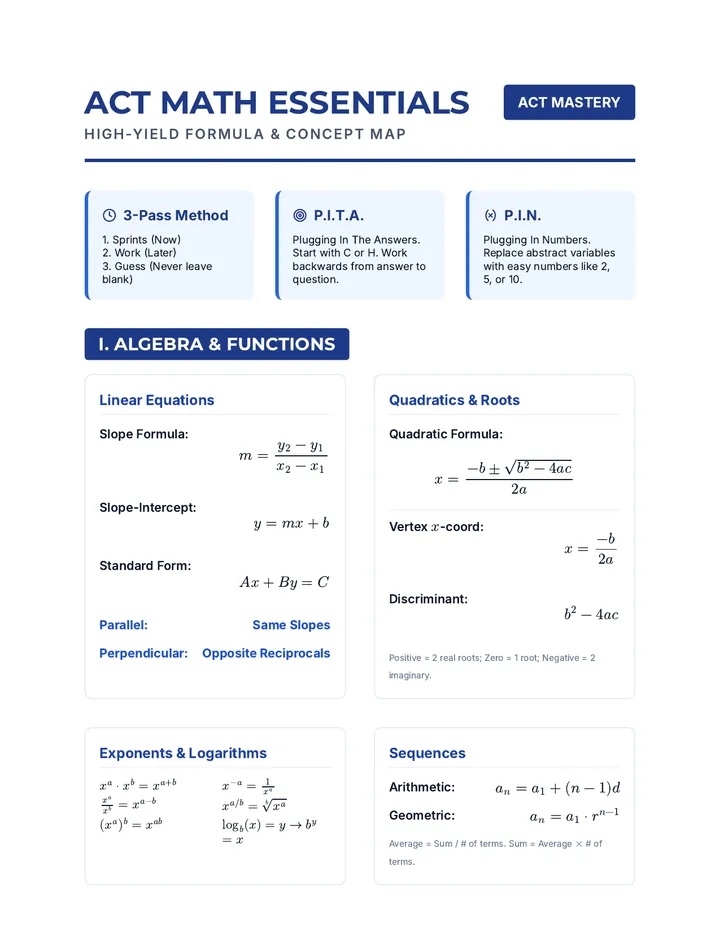
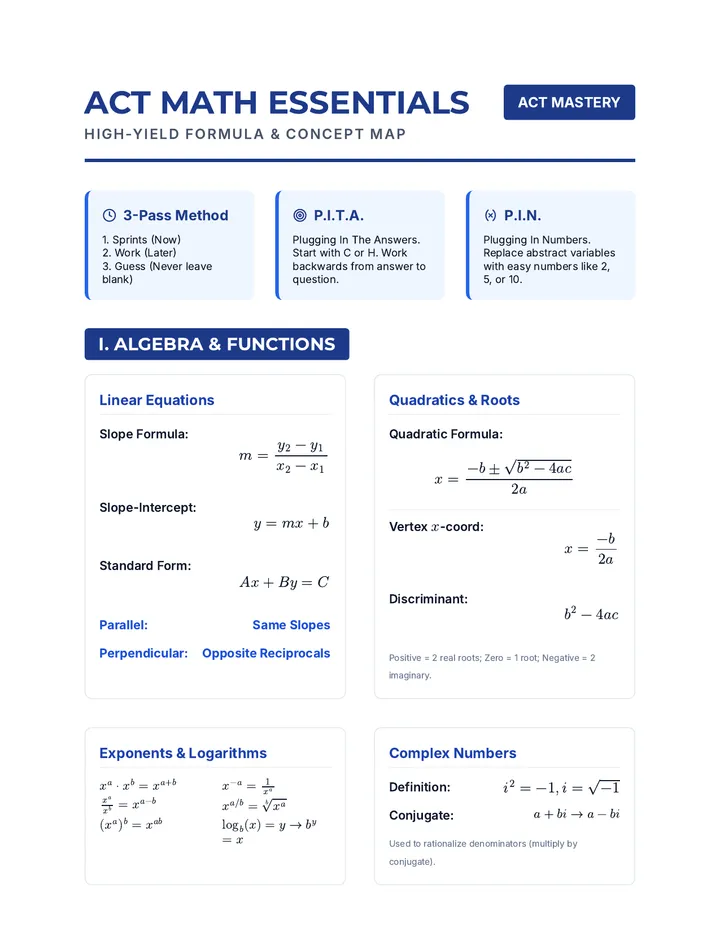
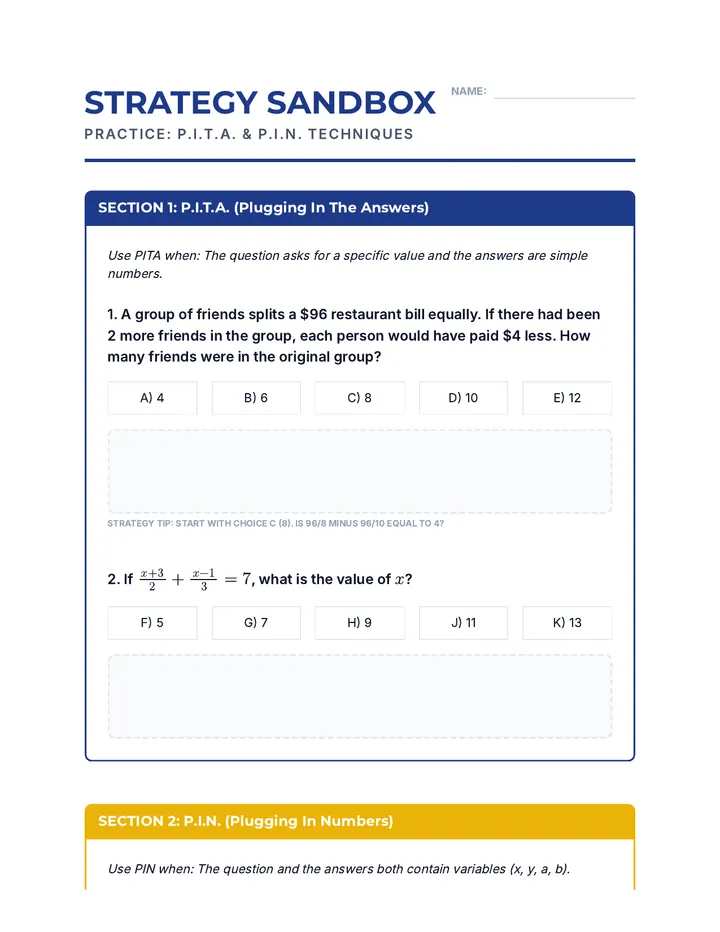
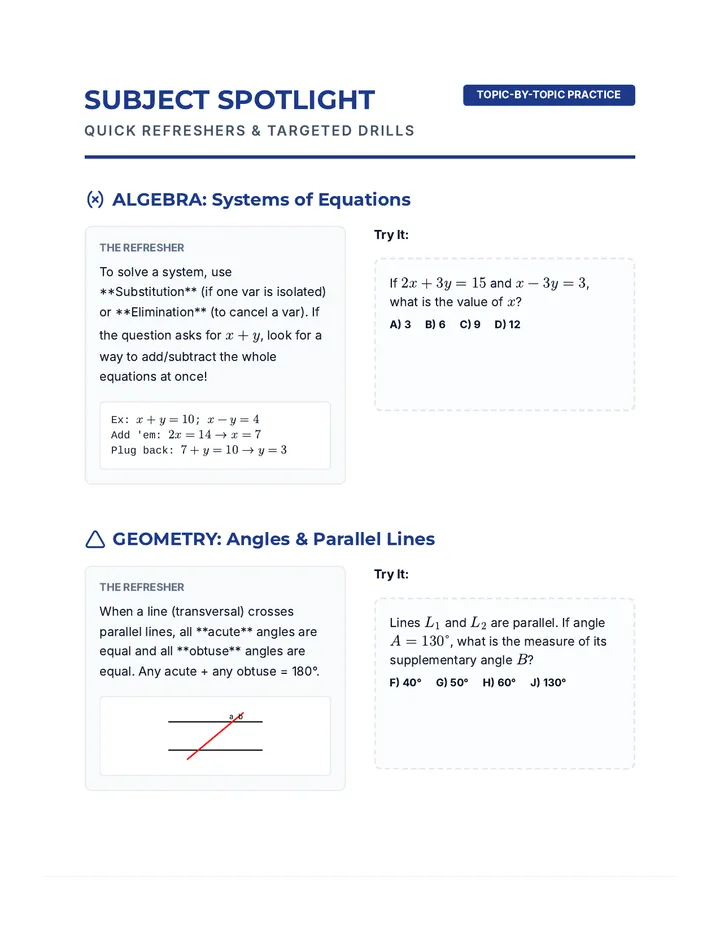
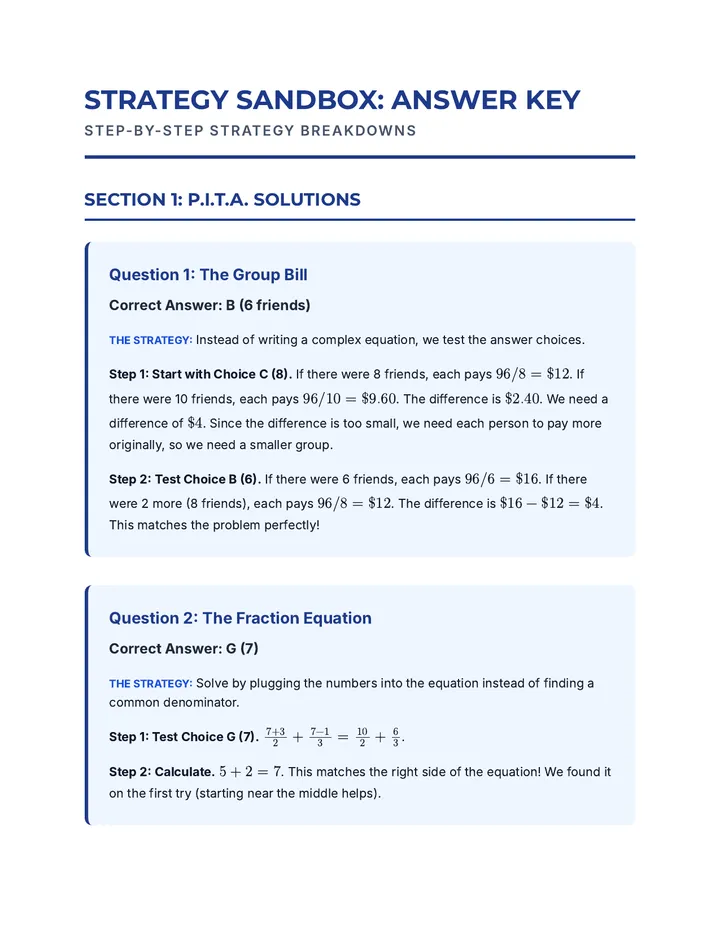
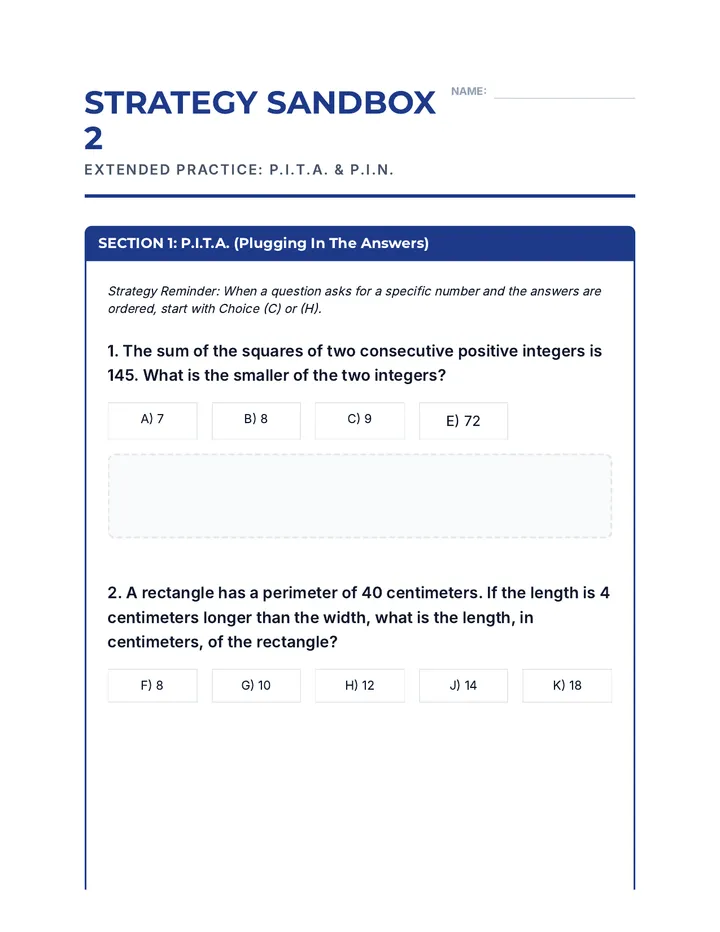
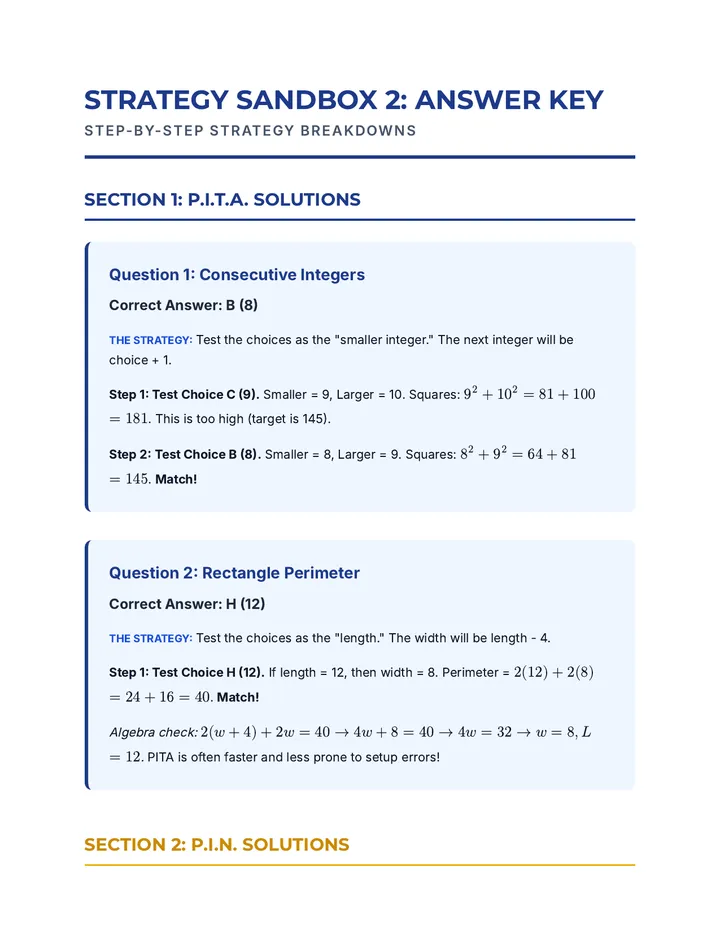
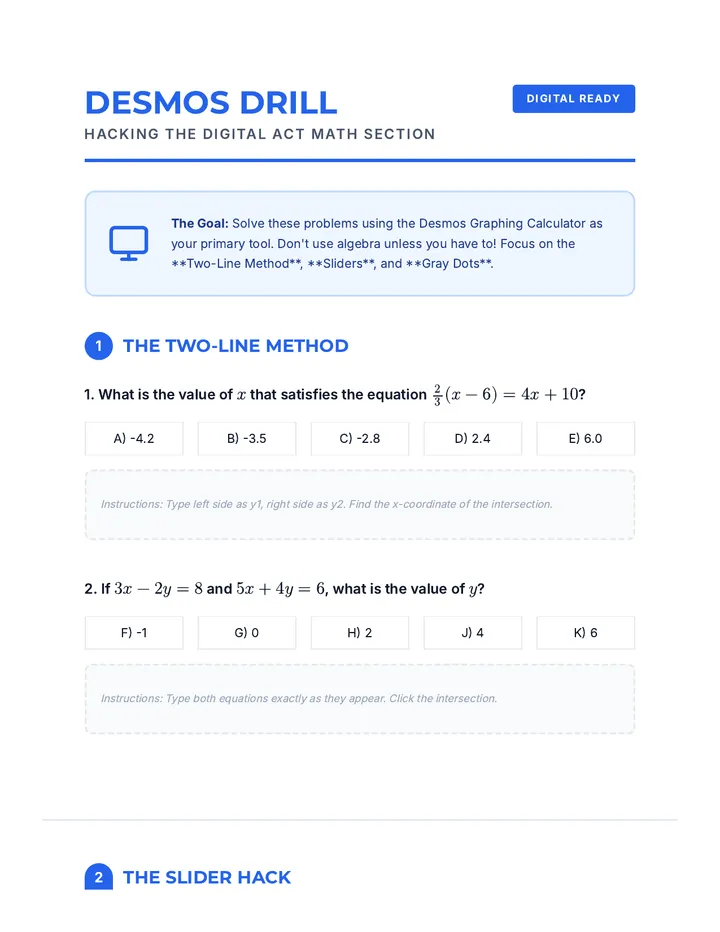
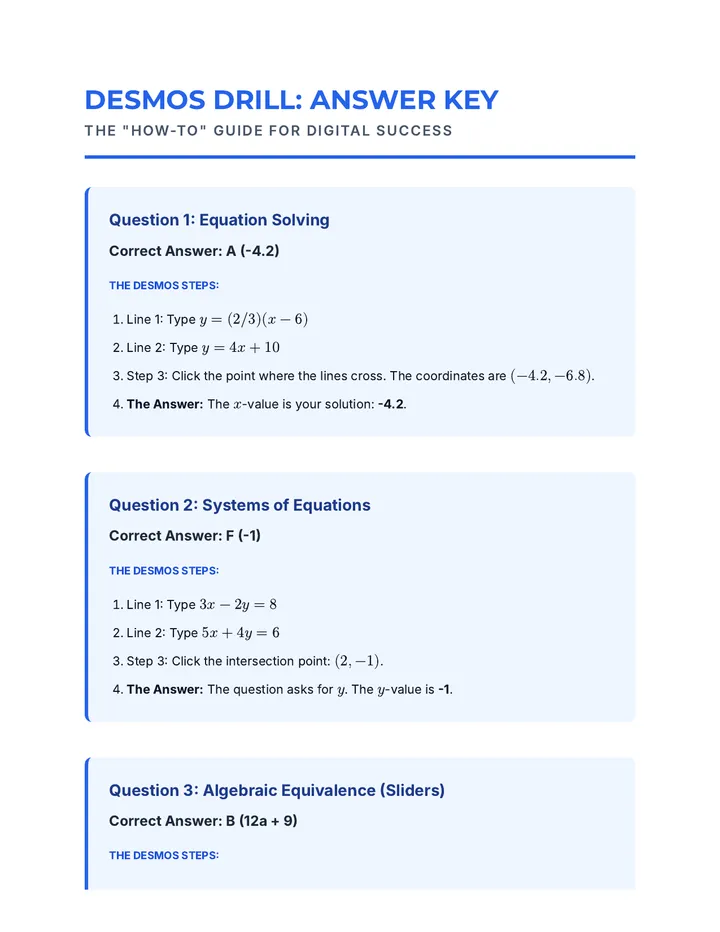
A comprehensive ACT Math preparation program focusing on essential strategies, high-yield Algebra and Geometry concepts, and realistic practice to boost scores.
An advanced exploration of vector-valued functions and their applications in modeling 2D motion and force, preparing students for multivariable calculus.
An advanced 11th-grade Calculus unit focusing on the integration of parametric and polar coordinate systems. Students analyze motion, calculate complex areas, perform error analysis, and complete a final synthesis project based on particle kinematics.
This sequence introduces students to parametric equations through the lens of particle motion and physics simulations. Students progress from basic plotting and parameter elimination to advanced calculus applications involving derivatives, vectors, and arc length.
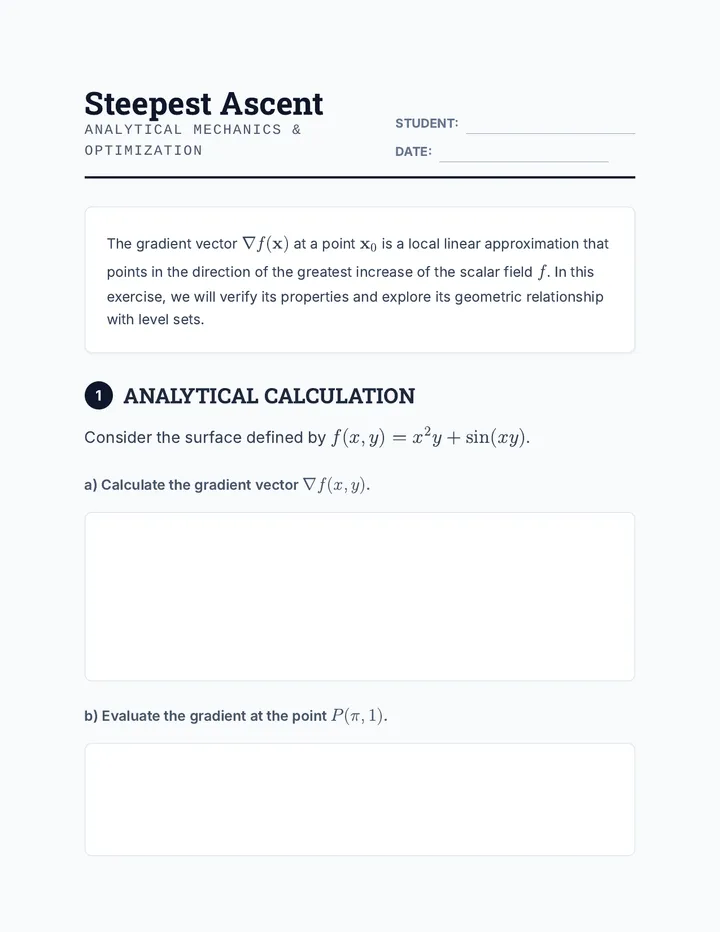
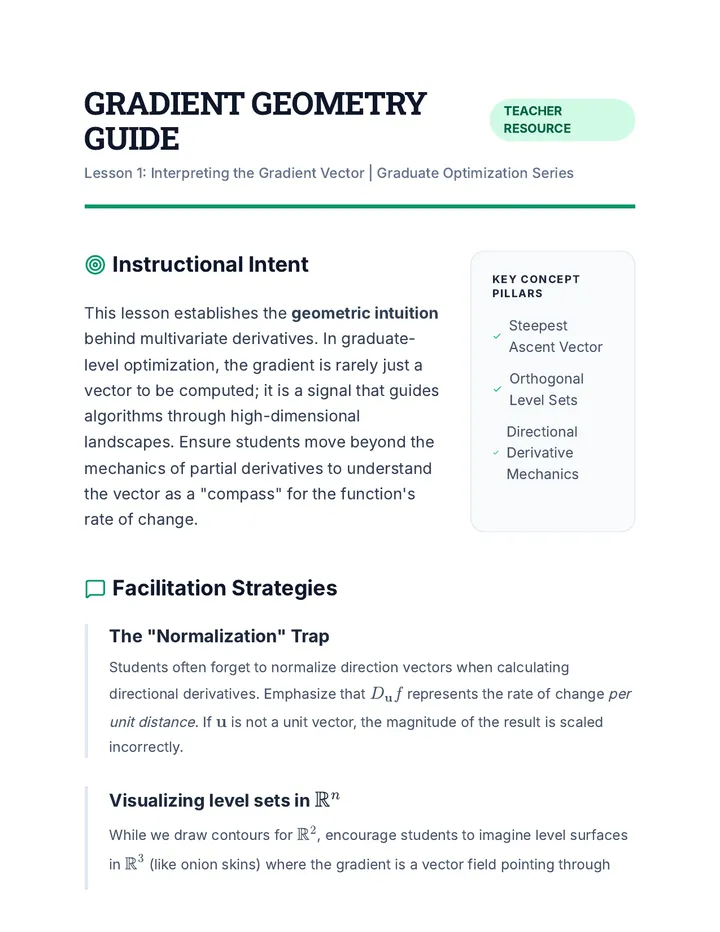
A graduate-level sequence exploring the gradient vector as the foundational tool for modern optimization. Students move from the geometric interpretation of multivariate derivatives to the implementation of stochastic algorithms used in machine learning.
A graduate-level exploration of vector quantities as high-dimensional data points. This sequence bridges linear algebra and data science, examining how geometric intuitions like magnitude, direction, and distance evolve and paradoxically degrade in high-dimensional spaces.
A comprehensive advanced calculus unit exploring the use of vector-valued functions to model and analyze motion in 2D and 3D space. Students will master differentiation, integration, and arc length calculations within a kinematic context, culminating in complex projectile modeling.
A 12th-grade inquiry into complex numbers through the lens of geometry and vector operations. Students transition from algebraic rules to visual intuition, exploring rotations, dilations, and translations in the complex plane.
A comprehensive exploration of complex numbers through a geometric lens, bridging algebraic arithmetic with vector transformations and polynomial theory for undergraduate students.
A project-based sequence for 11th grade algebra connecting complex number operations to visual geometry and the generation of the Mandelbrot set. Students transition from seeing complex numbers as points to seeing them as vectors, rotations, and eventually the building blocks of fractal art.
A comprehensive introduction to vector analysis for 11th-grade students, moving from geometric representations to algebraic components and real-world mechanical applications. Students master vector addition, scalar multiplication, the dot product, and force decomposition.
This sequence introduces 12th-grade students to vectors, covering geometric representations, algebraic operations in component form, and real-world applications in physics and navigation. Students will progress from visual concepts to complex analytical modeling of velocity and force.
Students will solve systems of linear equations derived from the geometric properties of mutually tangent circles, connecting spatial relationships to algebraic solutions.
A Pre-Calculus lesson on solving 3x3 systems of equations to find quadratic models, featuring a manual elimination method and a matrix inverse method using graphing calculators.
This lesson introduces the Rule of Sarrus as a shortcut for finding 3x3 determinants, comparing its efficiency against the standard cofactor expansion method through a competitive 'Method Battle'.
Students learn to calculate 3x3 determinants using the Cofactor Expansion method, focusing on minor matrices and the checkerboard sign pattern through video analysis and collaborative problem-solving.
A high-school geometry and linear algebra lesson where students use 3x3 matrix determinants to calculate the area of complex, irregular polygons by triangulating coordinate data.
This lesson introduces students to the determinant of 2x2 matrices. Students will learn the calculation formula, practice with various examples, explore matrices with a determinant of zero, and understand the geometric interpretation of a determinant as the area of a parallelogram.
A lesson where 11th-grade students use matrix determinants to calculate the area of geometric figures in the coordinate plane, culminating in a 'Polygon Surveyors' creative application.
Students will bridge the gap between coordinate geometry and linear algebra by connecting the Shoelace Algorithm to matrix determinants. This lesson uses a step-by-step video demonstration followed by algebraic verification of the 3x3 matrix area formula.
Students transition from algebraic addition and subtraction of complex numbers to a visual, vector-based representation on the complex plane. This lesson uses a provided video as a foundation for algebraic mastery before extending into graphical verification.
Students explore the geometric representation of complex numbers, connecting the modulus formula to the Pythagorean theorem and distance formula through visualization and practice.
An undergraduate-level introduction to visualizing vectors as multi-dimensional data containers. Students explore real-world applications from catering costs to nutritional data, shifting the perspective of vectors from geometric arrows to abstract data structures.
A high school mathematics lesson focused on applying vector addition and bearing calculations to real-world navigation scenarios, specifically airplanes and watercraft.
An introductory lesson on vectors in the coordinate plane. Students distinguish between scalars and vectors, learn component form notation, and practice plotting vectors through a collaborative 'Battleship' style activity.
A lesson for Advanced Precalculus students focusing on expressing vectors as linear combinations of the unit vectors i and j, featuring physics-based force problems and rapid-fire conversion practice.
A high-school geometry or pre-calculus lesson focusing on converting vectors from magnitude and direction to component form through a hands-on 'robot programming' simulation. Students use trigonometry to translate movement commands into x and y displacements.
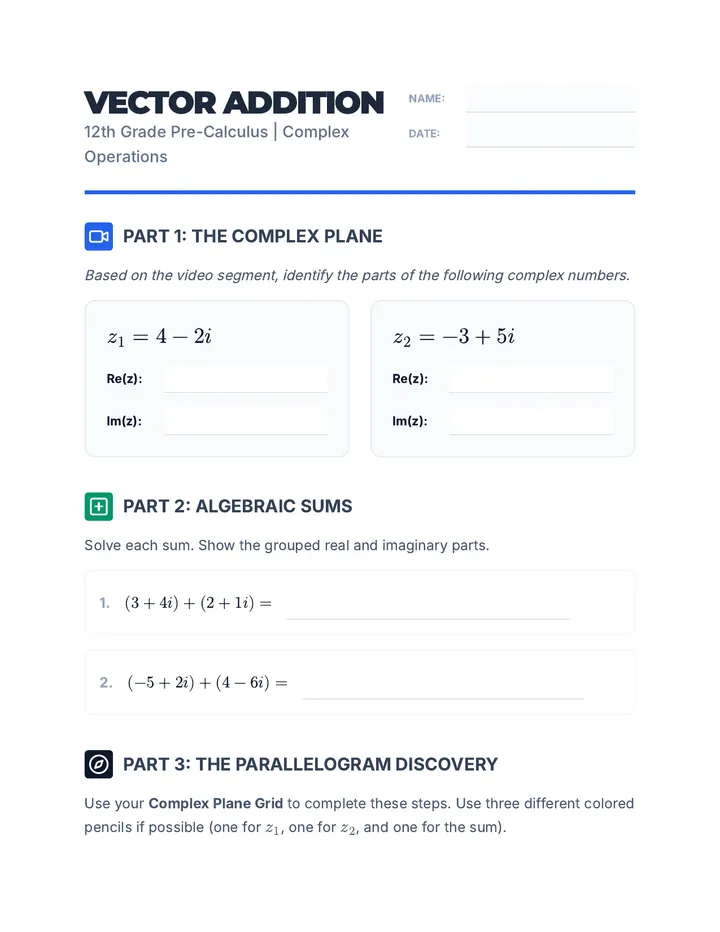
Students will explore the geometric representation of complex numbers and discover how complex addition corresponds to vector addition and the parallelogram rule.
A Pre-Calculus lesson connecting algebraic complex number addition to geometric vector addition on the complex plane using a 'Vector Walk' approach. Students visualize addition as head-to-tail movements on a grid.