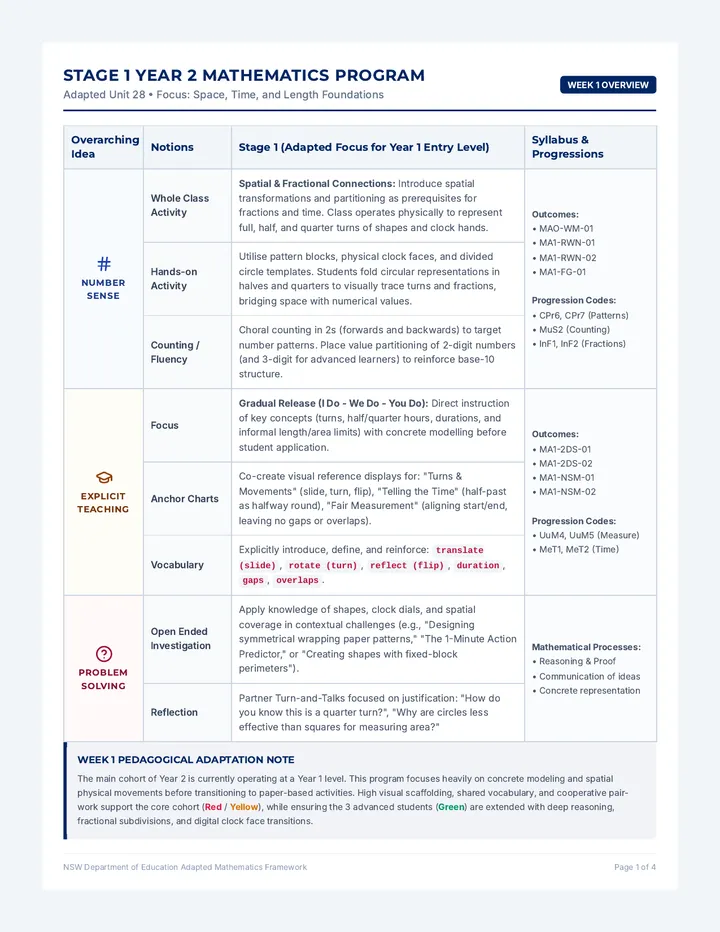
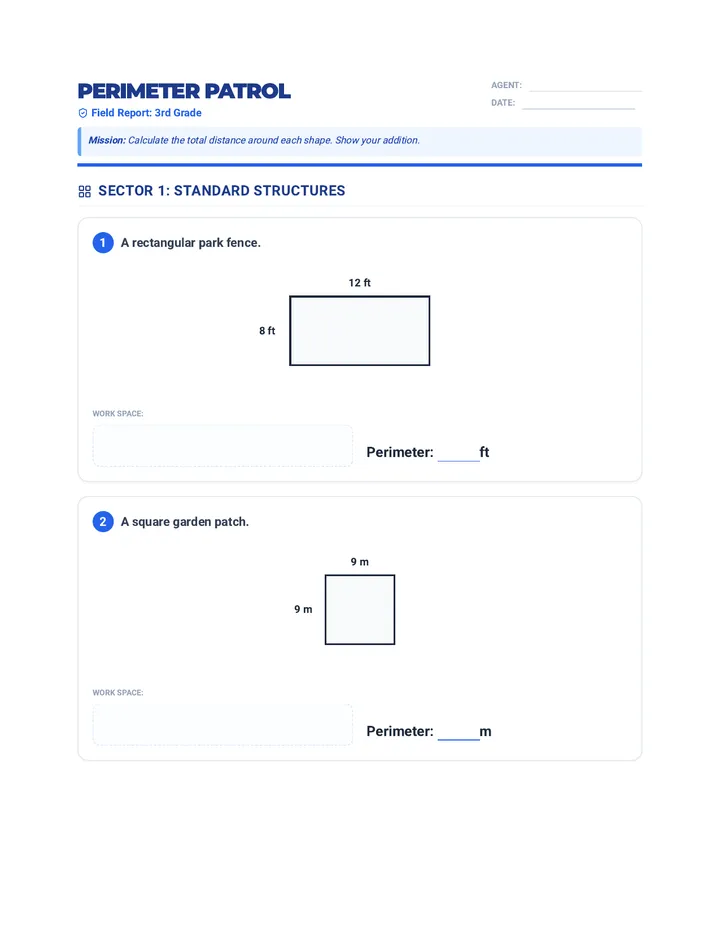
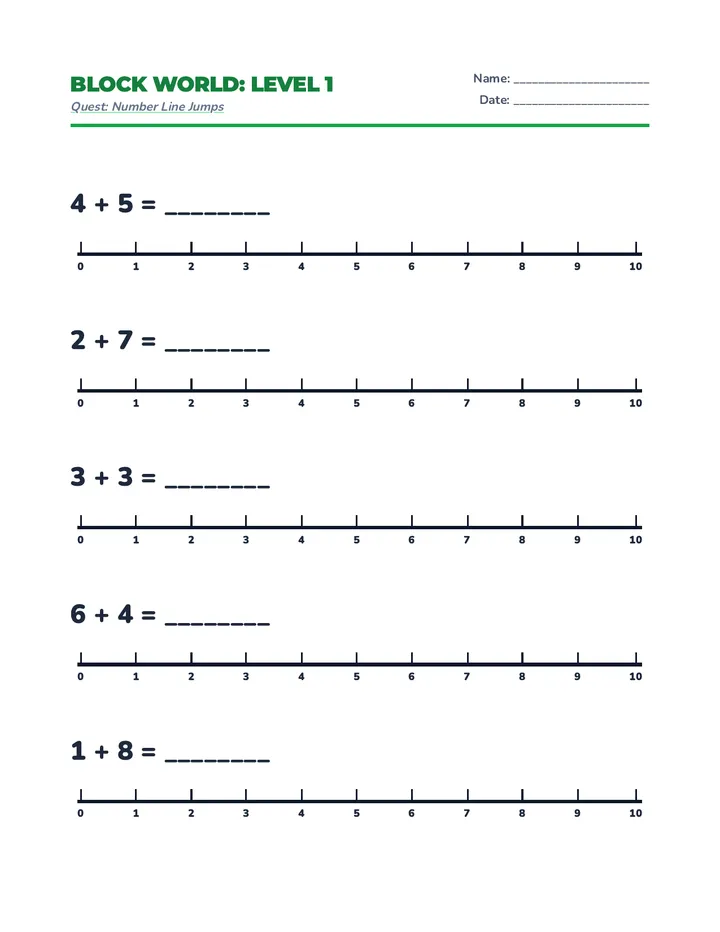
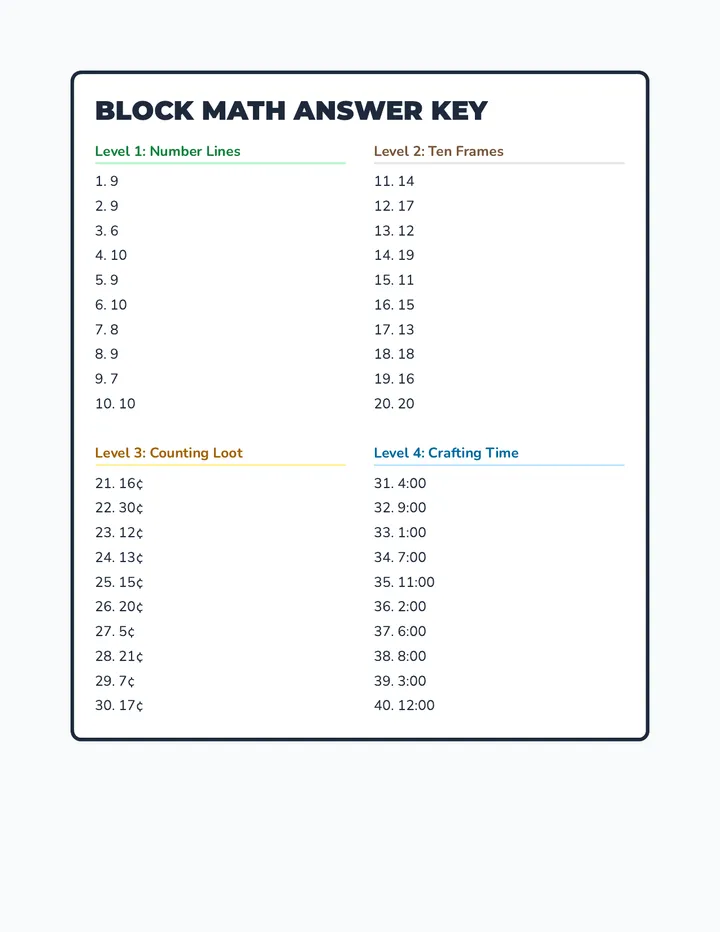
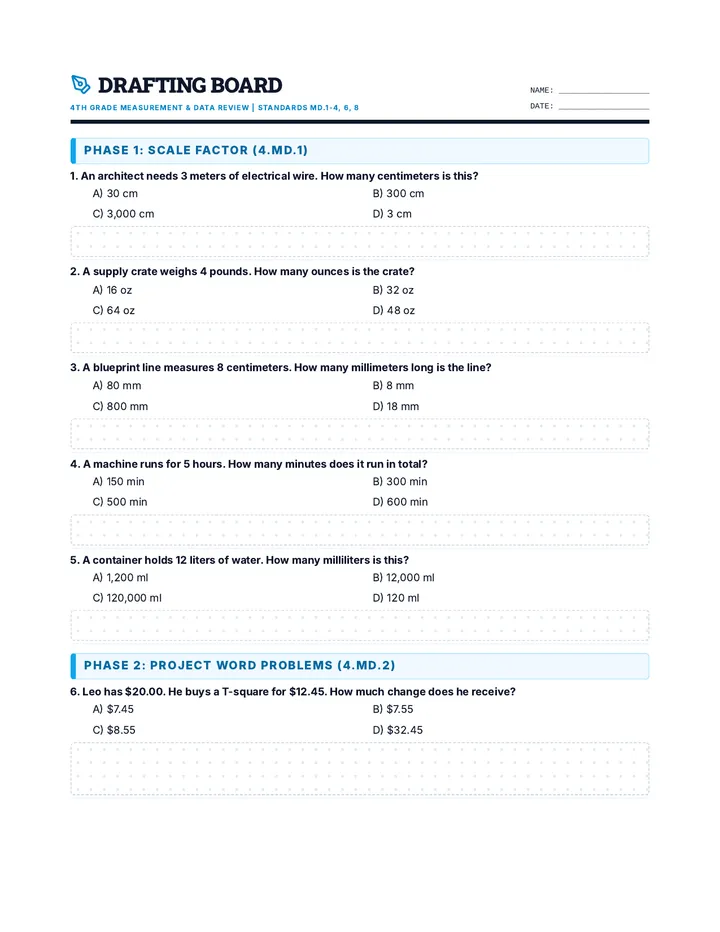
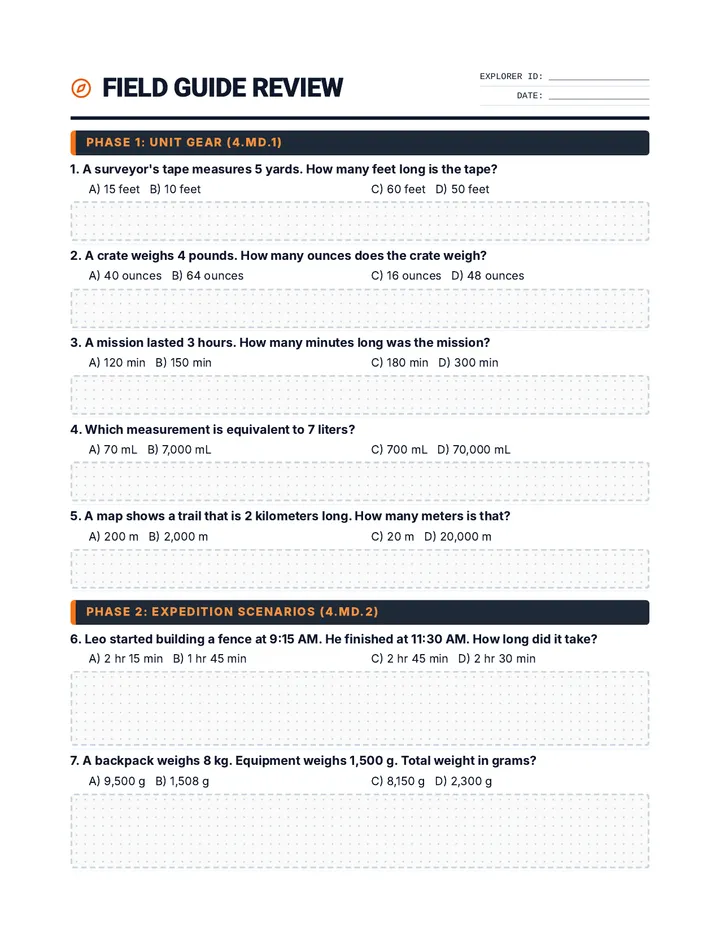
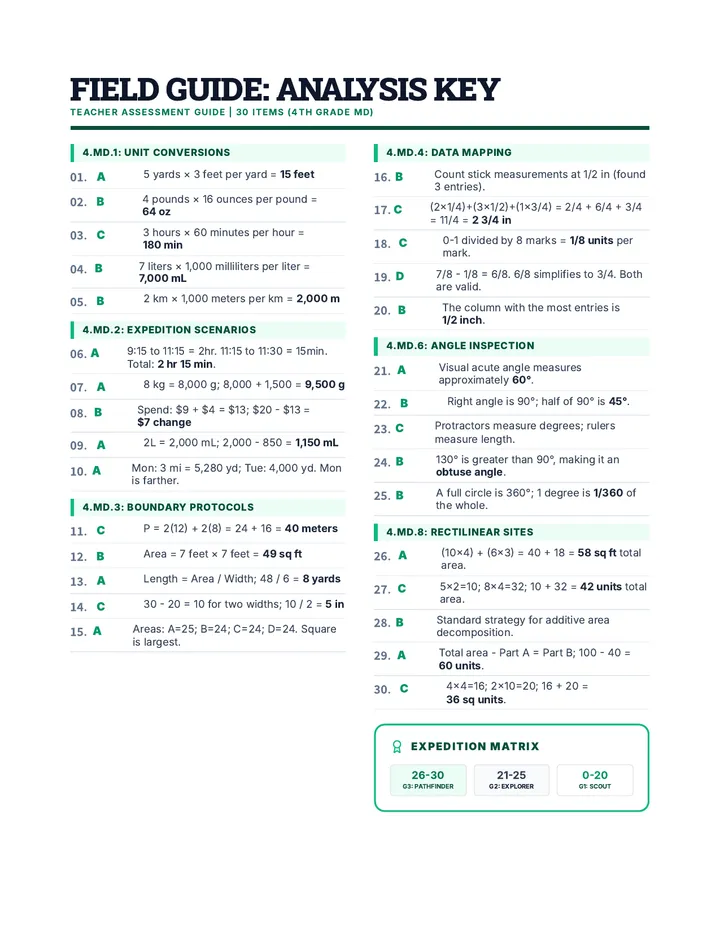
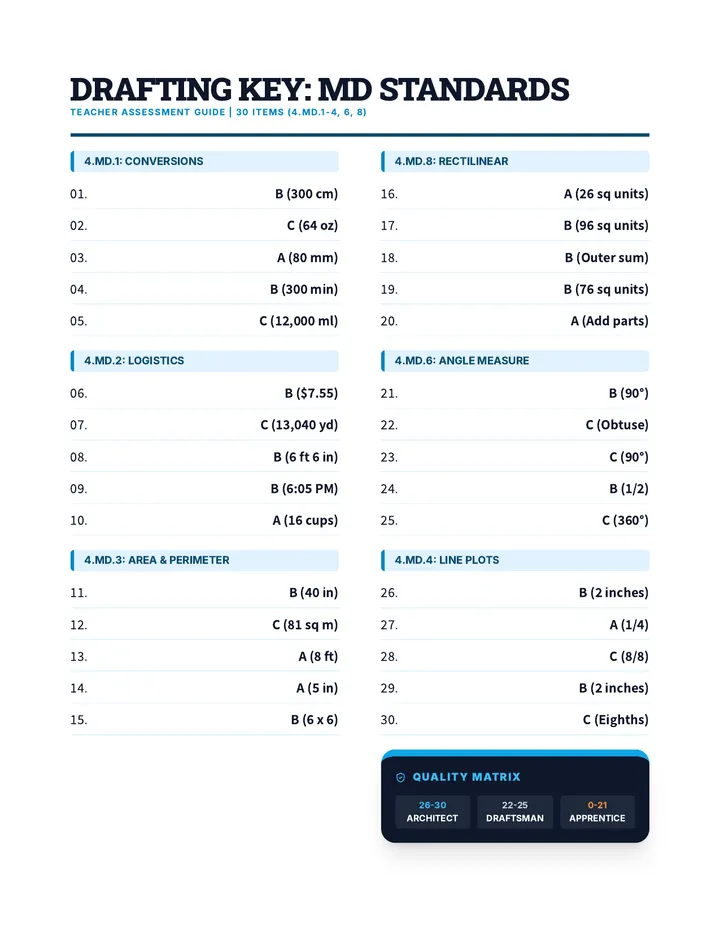
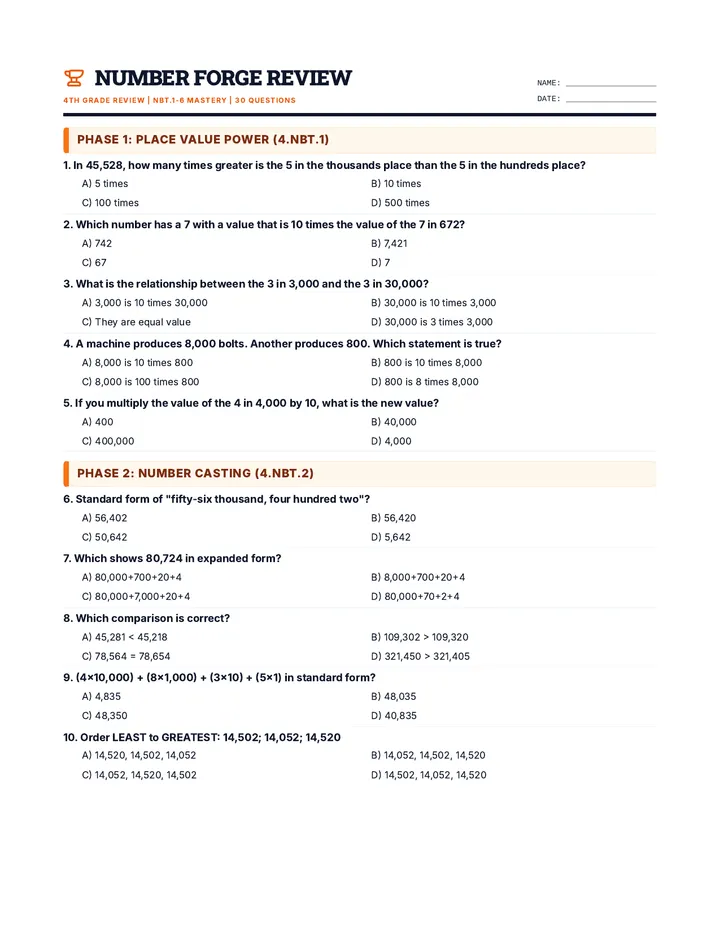
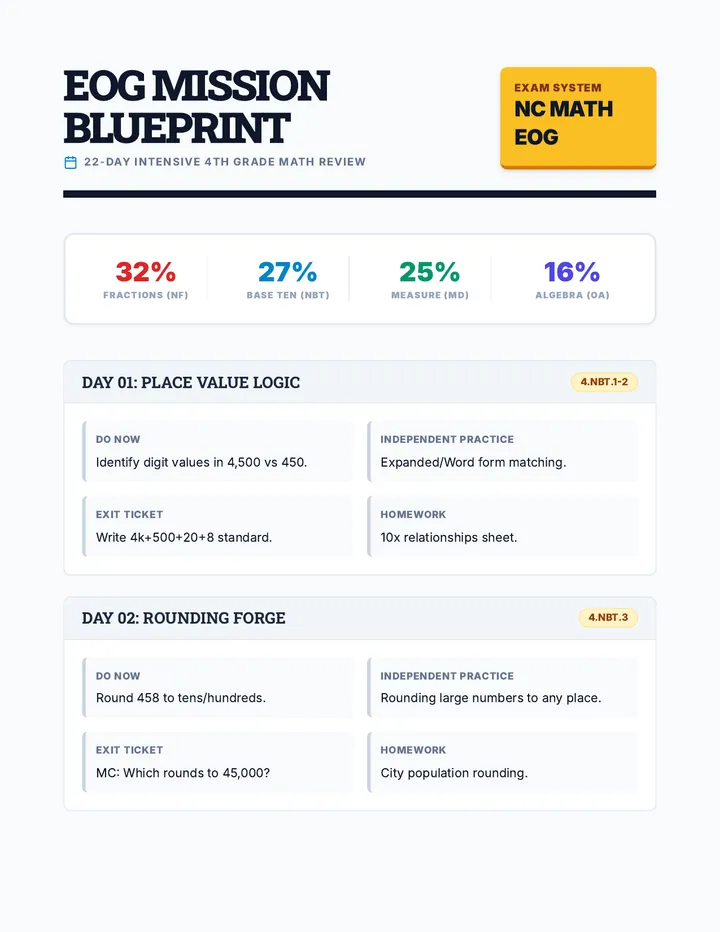
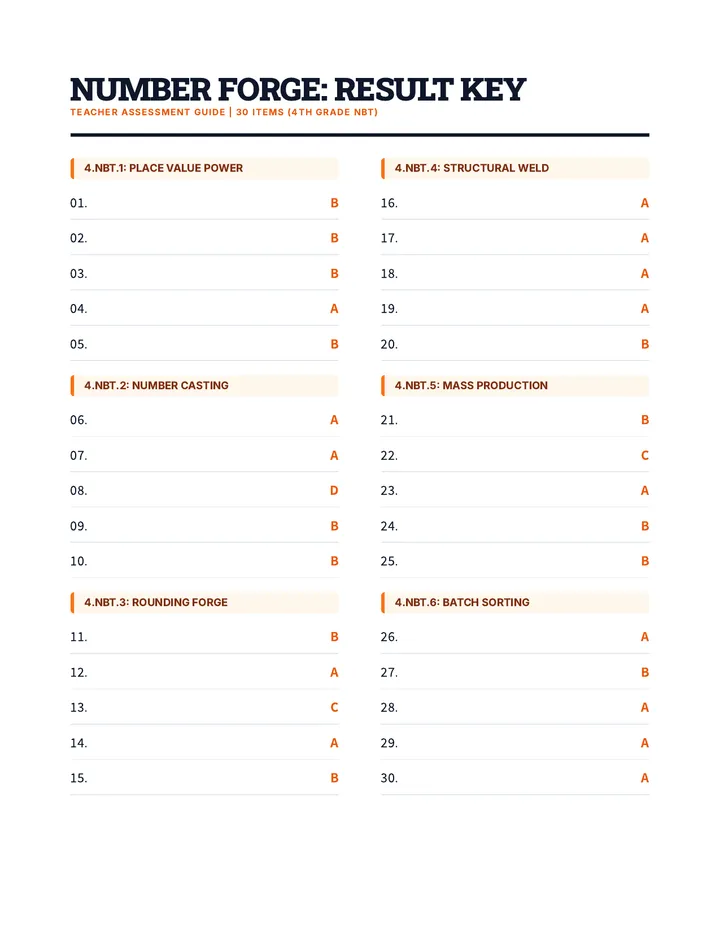
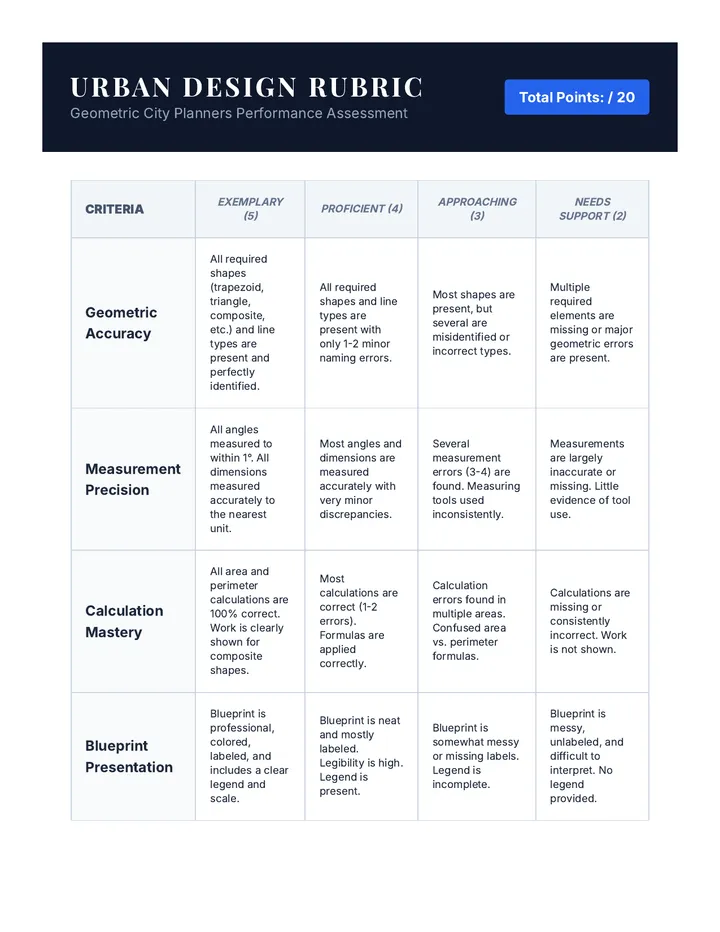
Develops proficiency in estimating and measuring length, area, volume, and mass using standard units and unit conversions. Integrates time, money, angle measurement, and data classification through counting and arithmetic applications.
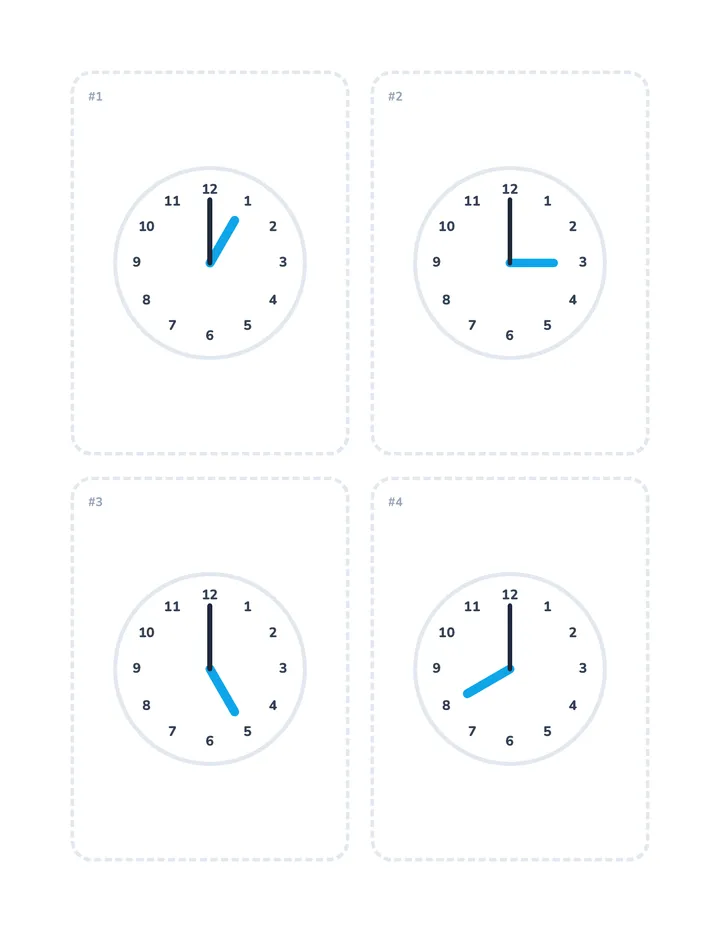
A 12-lesson Tier 2 intervention sequence focused on developing conceptual understanding of area and volume for 6th-grade students. Using the All Learners Network High Leverage Concepts, students move from concrete tiling to decomposing shapes and finally calculating volume with fractional edges and surface area with nets.
Une séquence complète de 6 heures sur la proportionnalité pour les élèves de 5ème, couvrant la reconnaissance des situations, les tableaux, le coefficient, les échelles et les pourcentages.
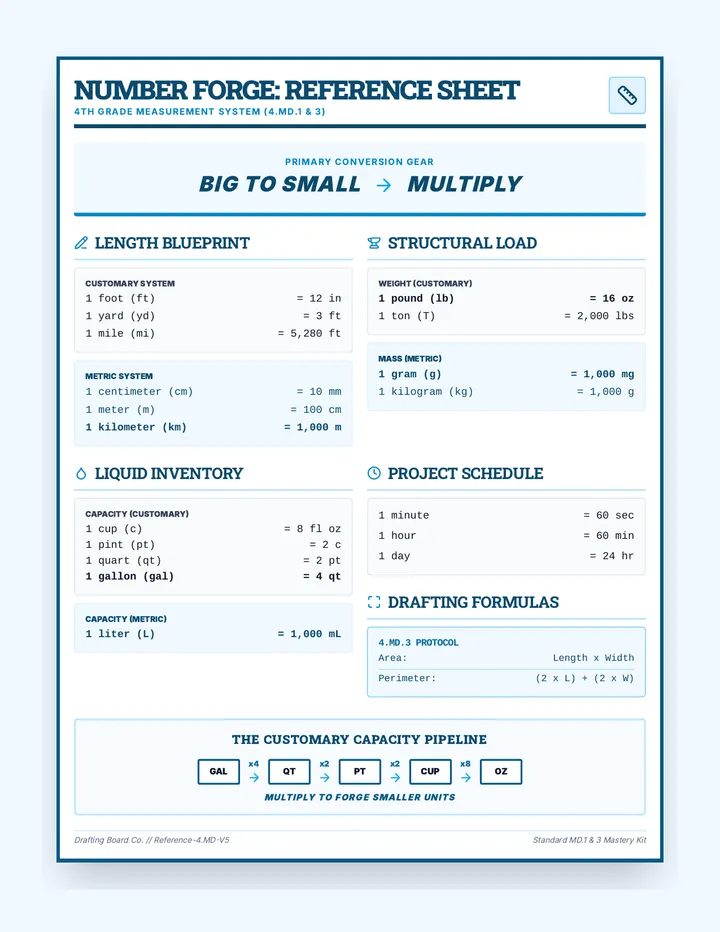
A comprehensive math lesson focused on solving multi-step real-world problems involving standard measurement unit conversions using a 'Maker Lab' theme.
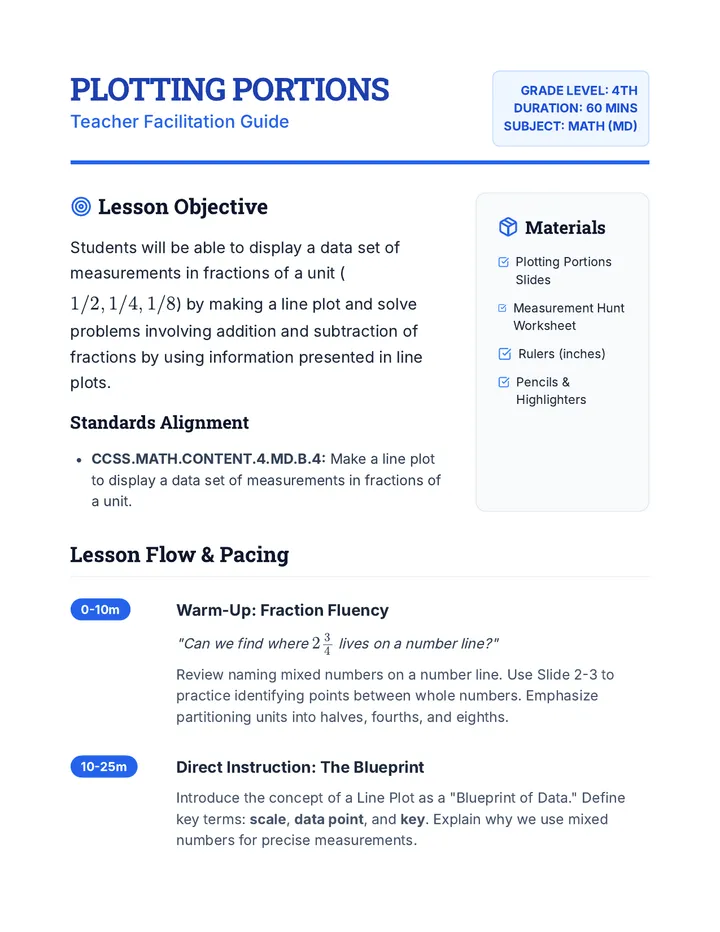
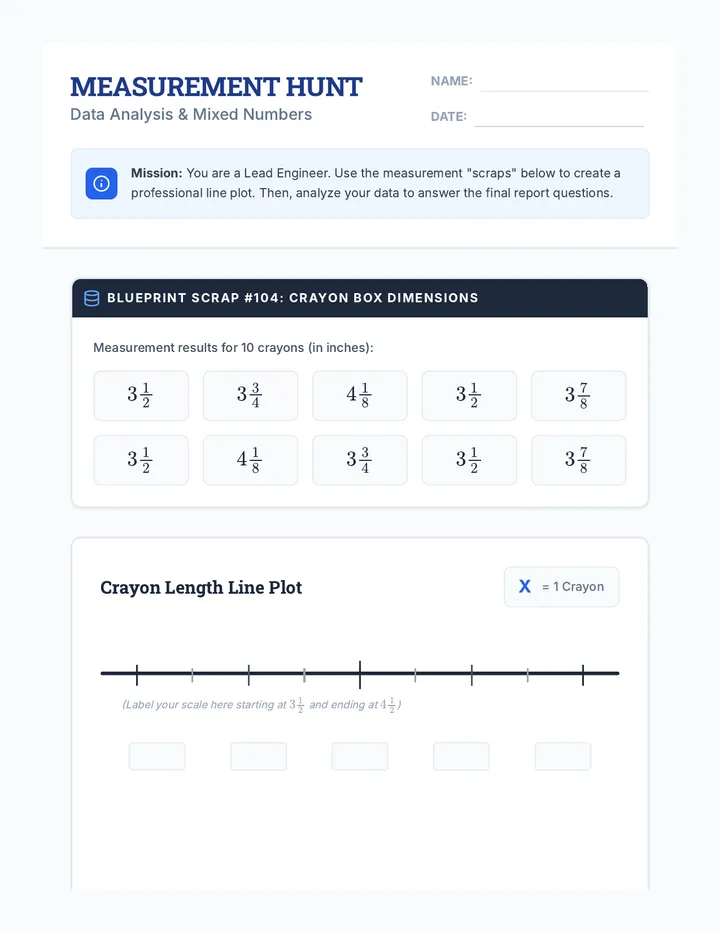
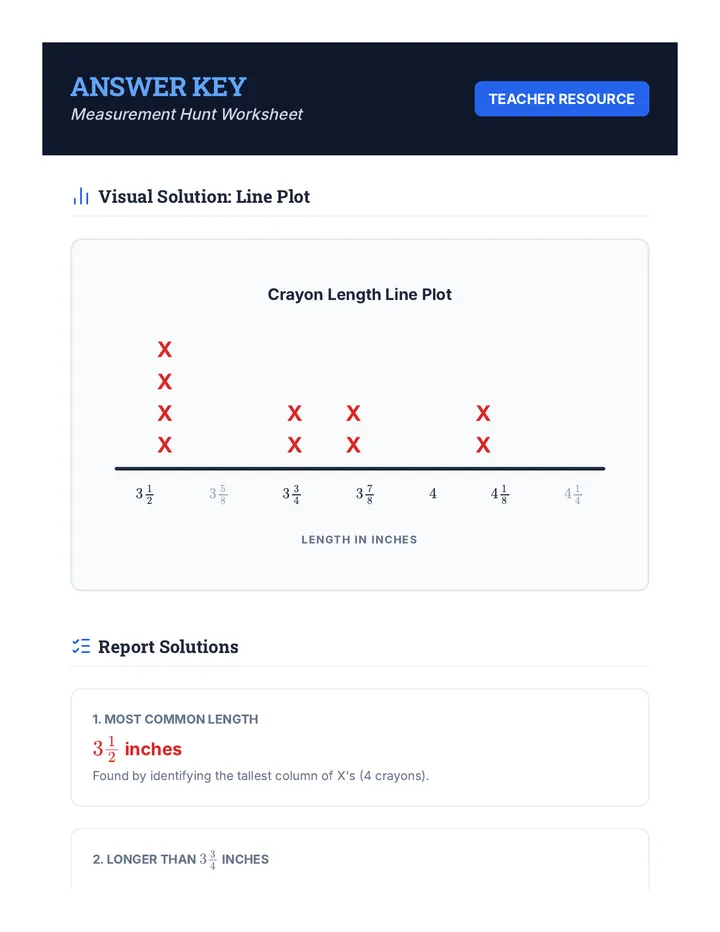
A sequence focused on data representation and analysis using fractions, where students collect real-world data and use line plots to interpret their findings.
A mathematics sequence focusing on geometry, circles, and the calculation of circumference and area for middle school students.
A specialized math sequence for 11th-grade students focusing on practical fraction operations and ratios through the lens of construction and design. Students move from basic measurement precision to complex scaling tasks using physical manipulatives like tape measures and Cuisenaire rods.
A math sequence for 12th-grade students in special education, focusing on practical fraction mastery through measurement, construction, and home maintenance scenarios. Students use manipulatives like fraction tiles and rulers to build conceptual understanding and operational fluency.
A specialized math support sequence for 8th-grade students, focusing on the conceptual understanding of fractions, decimals, and operations through the use of physical and virtual manipulatives. This sequence uses a 'Blueprint & Construction' theme to make abstract rational number concepts concrete and applicable to real-world design.
This sequence teaches 10th-grade students with academic support needs how to translate complex geometric text descriptions into accurate, solvable visual representations. It covers geometric vocabulary, 2D blueprints from word problems, 3D nets/transformations, and similarity modeling, culminating in a synthesis project.
A 4th-grade sequence designed for students needing academic support to master the open number line. Students learn to visualize multi-digit operations, elapsed time, and measurement word problems by mapping them as 'distances' on a line, moving from physical movement to abstract mental math.
A specialized sequence for 12th-grade students needing academic support, focusing on translating word problems into visual models. This unit bridges language processing and algebraic reasoning through sketching, geometric modeling, and diagramming.
This sequence addresses the conceptual hurdles of fraction operations by utilizing number lines as a concrete visual anchor. Students move from placing fractions on a line to visually estimating and calculating sums and differences using movement and length to represent value.
This sequence introduces 1st-grade students to the concept of equality using physical balance scales. Students explore balance, 1:1 correspondence, maintaining equilibrium by adding to both sides, and representing weight relationships symbolically.
An inquiry-based sequence for 1st Grade students to explore mass and weight using balance scales. Students progress from sensory hefting to using standard units and conducting a mystery bag lab to understand measurement.
A project-based exploration for 1st graders where they transform into 'liquid scientists'. Students investigate capacity, learn to use standard tools, and discover that volume remains constant regardless of container shape through hands-on pouring and mixing activities.
A 5-lesson sequence for 1st graders introducing linear measurement through direct comparison, non-standard units, precision techniques, and unit comparison.
This sequence bridges algebra and geometry by applying coordinate methods to the classification of geometric figures. Students use distance, midpoint, and slope formulas to verify properties of triangles and quadrilaterals, preparing them for vector physics and computer-aided design.
A game-based exploration of polygons on the coordinate plane. Students learn to plot, calculate distance, reflect shapes, and deduce geometric properties using coordinate data in all four quadrants.
A 7th-grade project-based sequence exploring scale drawings, proportional reasoning, and the geometric properties of dilation. Students progress from basic scale factors to designing a professional tiny house blueprint.
This sequence explores the intersection of geometry and engineering, focusing on 3D visualization, technical drawing, and the optimization of physical forms. Students develop spatial reasoning skills through orthographic and isometric sketching and apply geometric modeling to solve real-world design constraints.
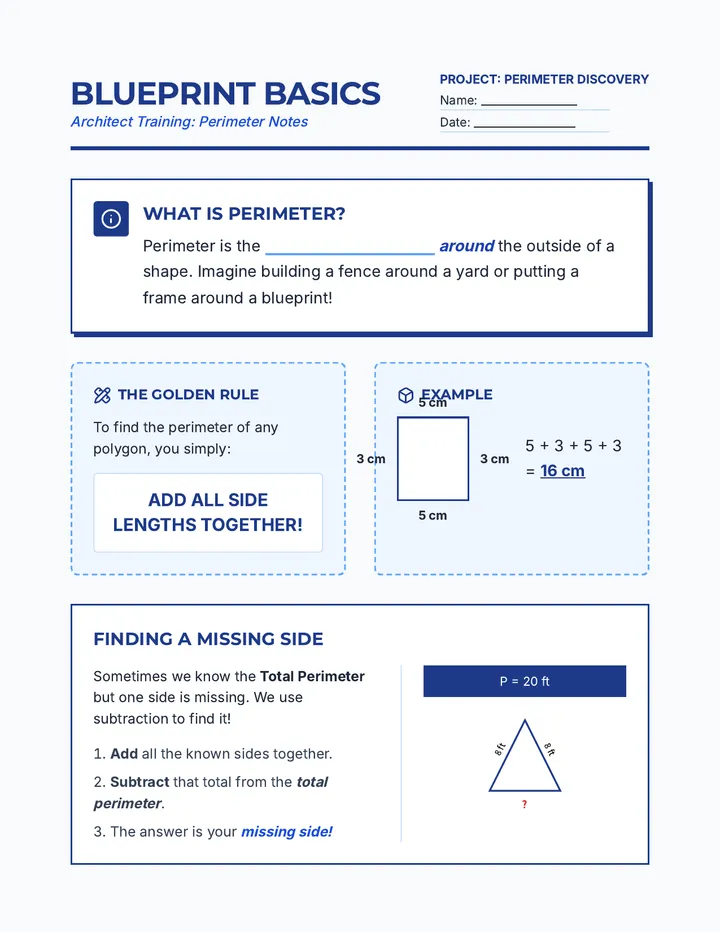
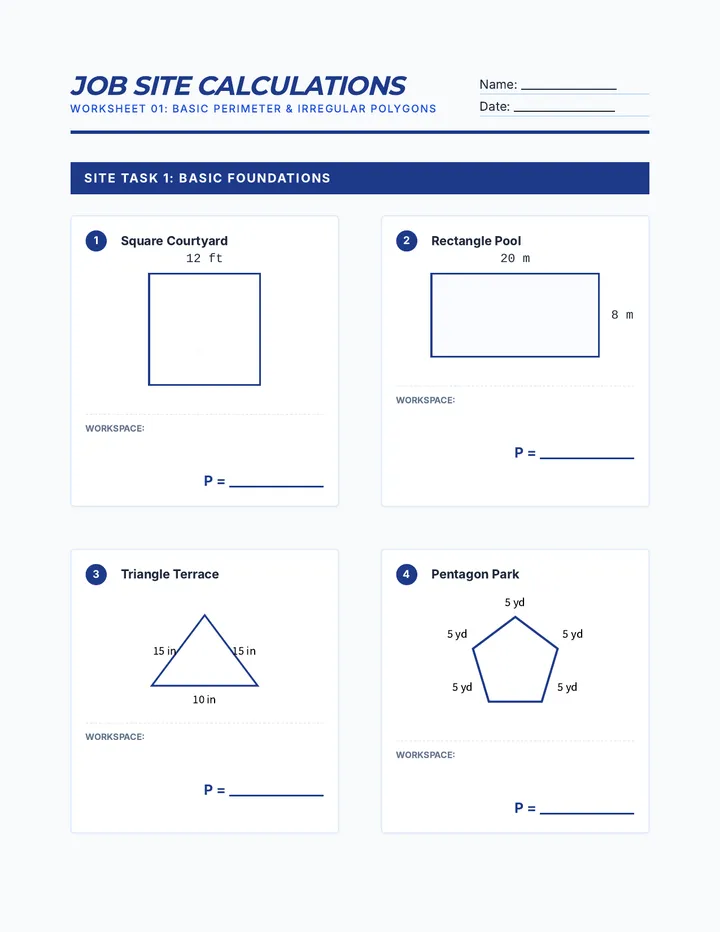
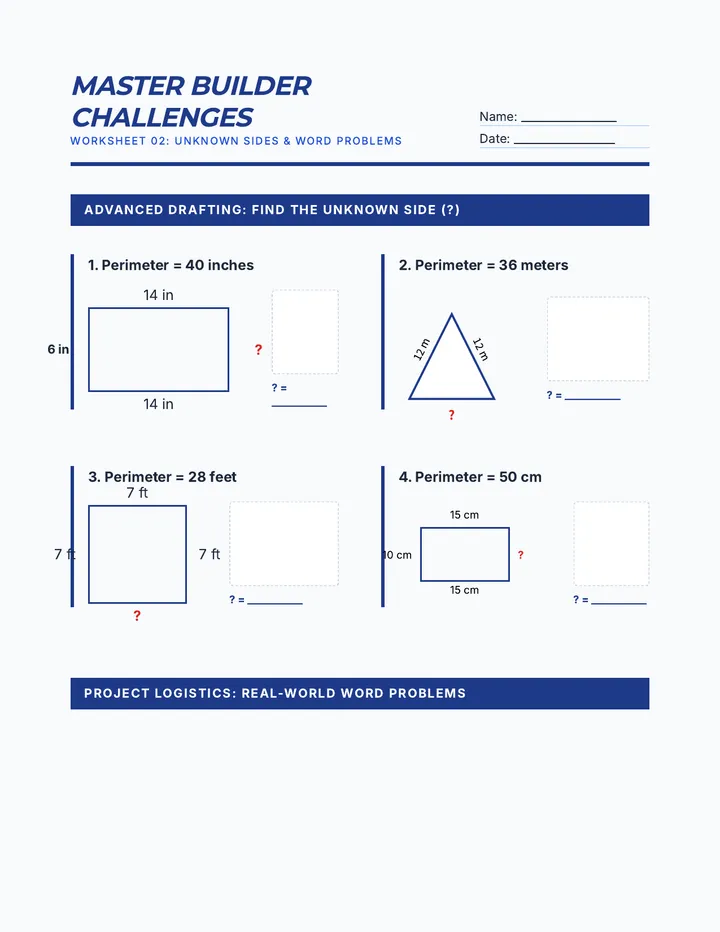
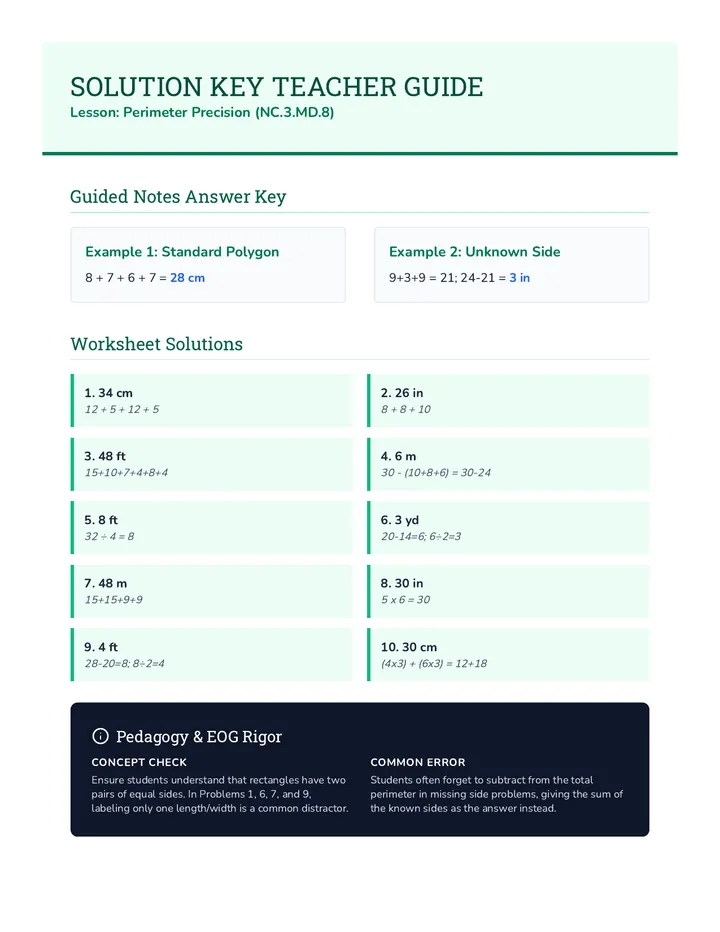
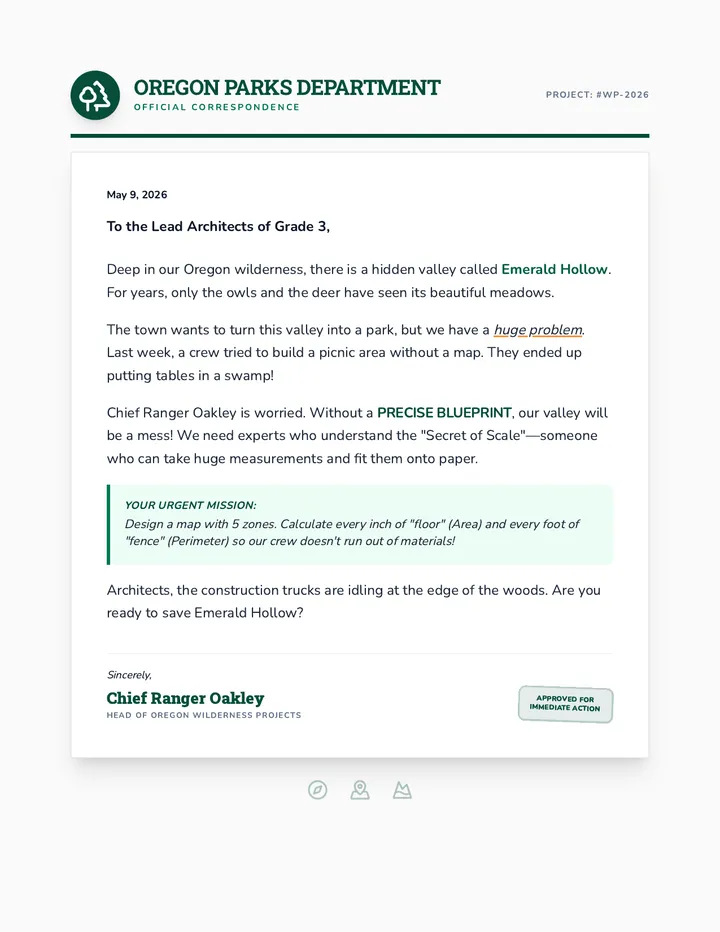
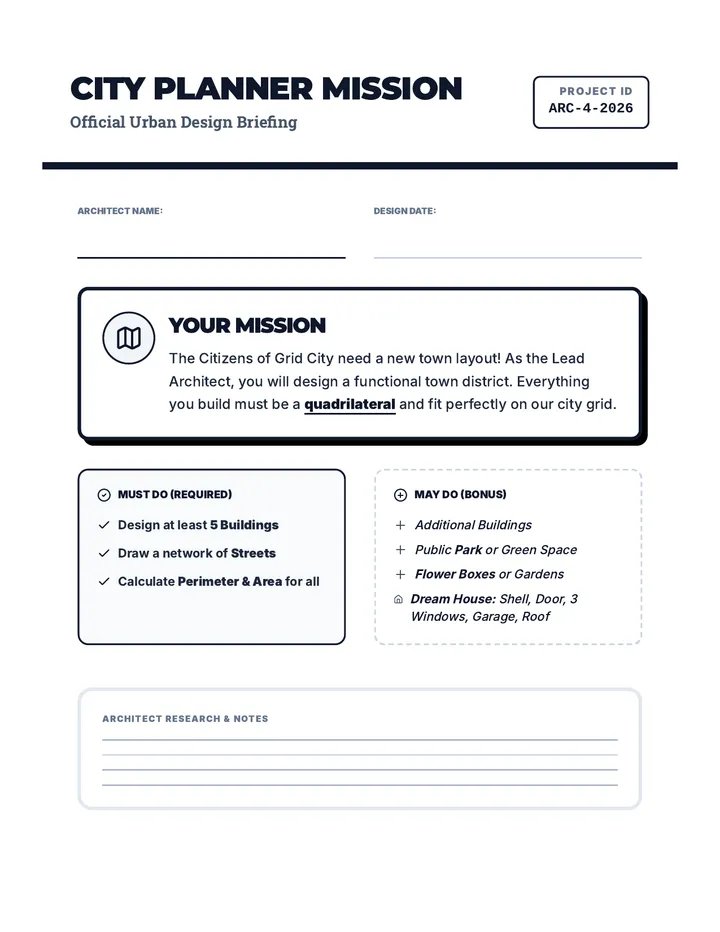
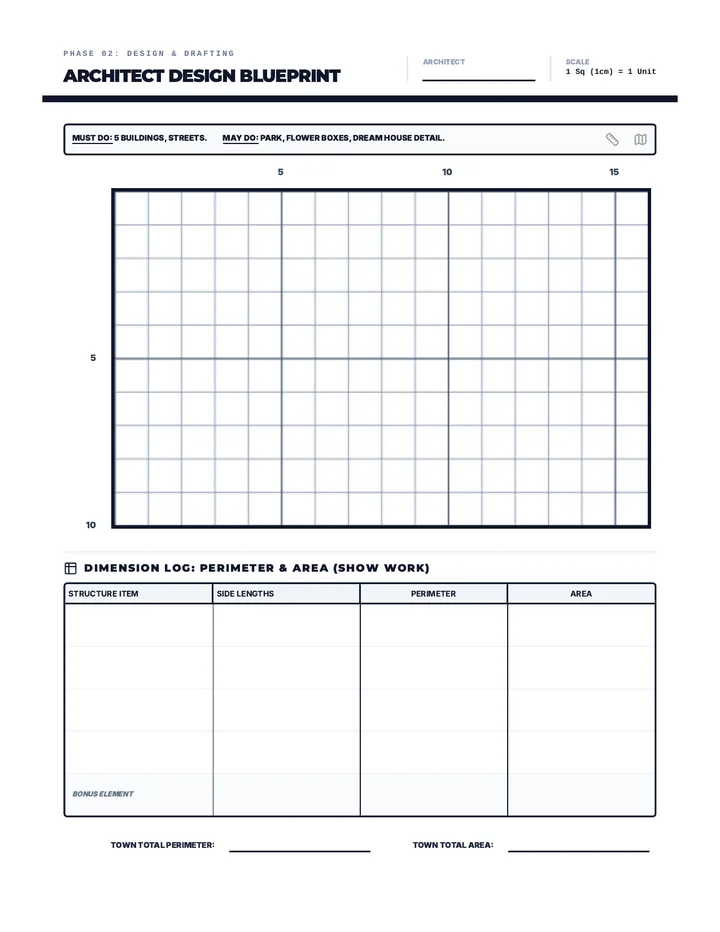
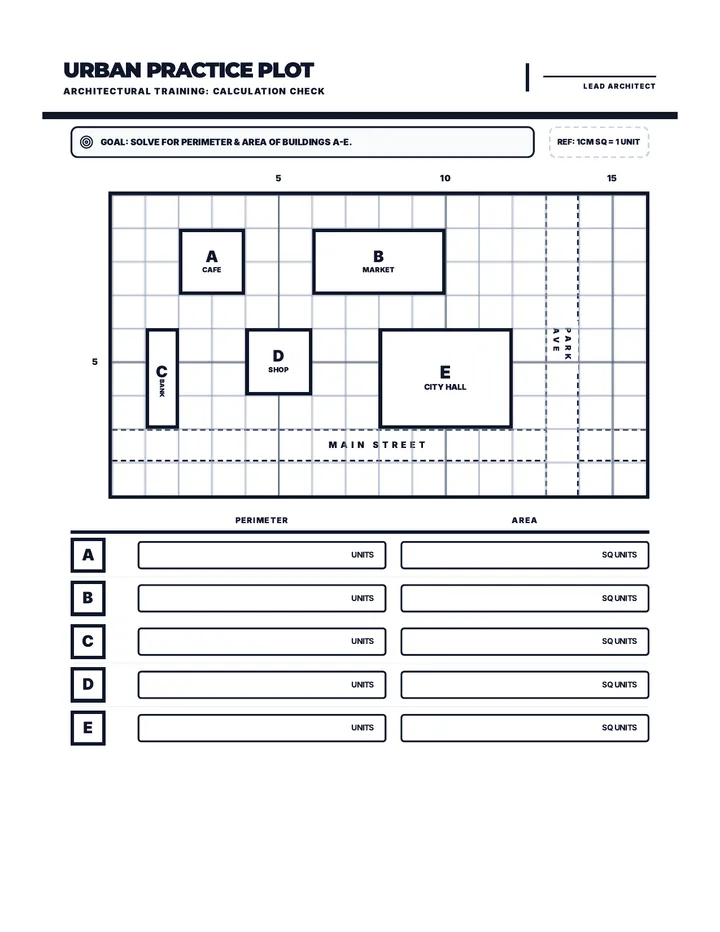
A math sequence focused on understanding and calculating the perimeter of irregular quadrilaterals through real-world scenarios like fencing a farm.
A 5-lesson sequence for 9th-grade students that uses base-ten blocks as financial manipulatives to master decimal place value, operations, and budgeting. Students redefine the values of physical blocks to simulate currency and transition from concrete modeling to abstract spreadsheet calculations.
A specialized sequence for 3rd-grade students focusing on using number lines as visual cognitive scaffolds. Students progress from physical movement on a floor-sized line to using 'open' number lines for addition, subtraction, elapsed time, and fractions, providing a consistent strategy for solving complex problems.
A 2nd-grade sequence where students transition from basic measurement to comparative analysis and data visualization through a 'Measurement Olympics' theme. Students practice estimation, quantitative comparison, and graphing to understand how numbers describe the physical world.
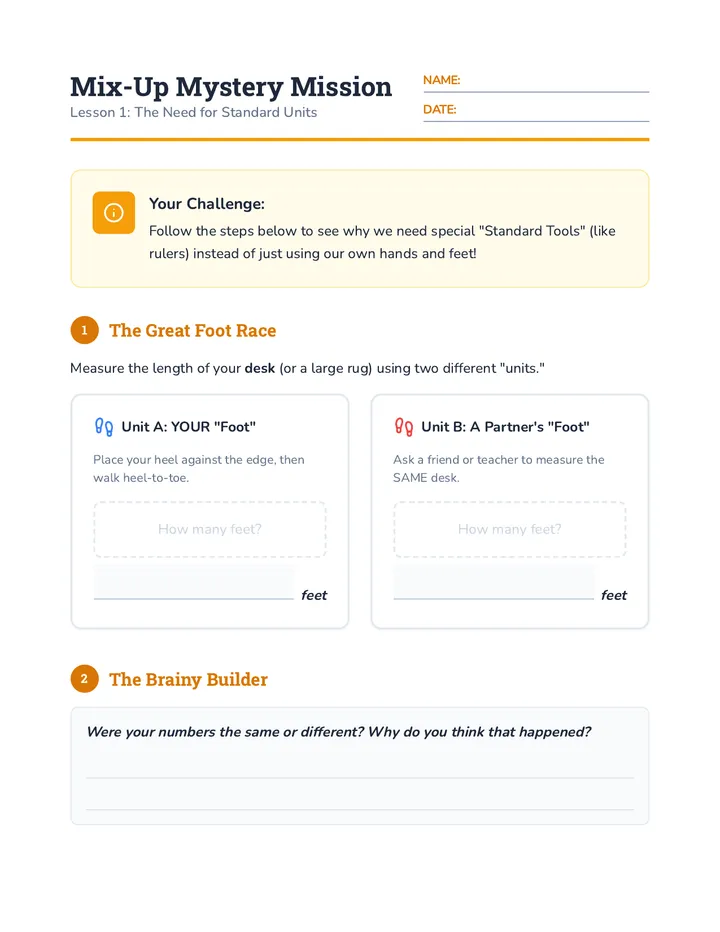
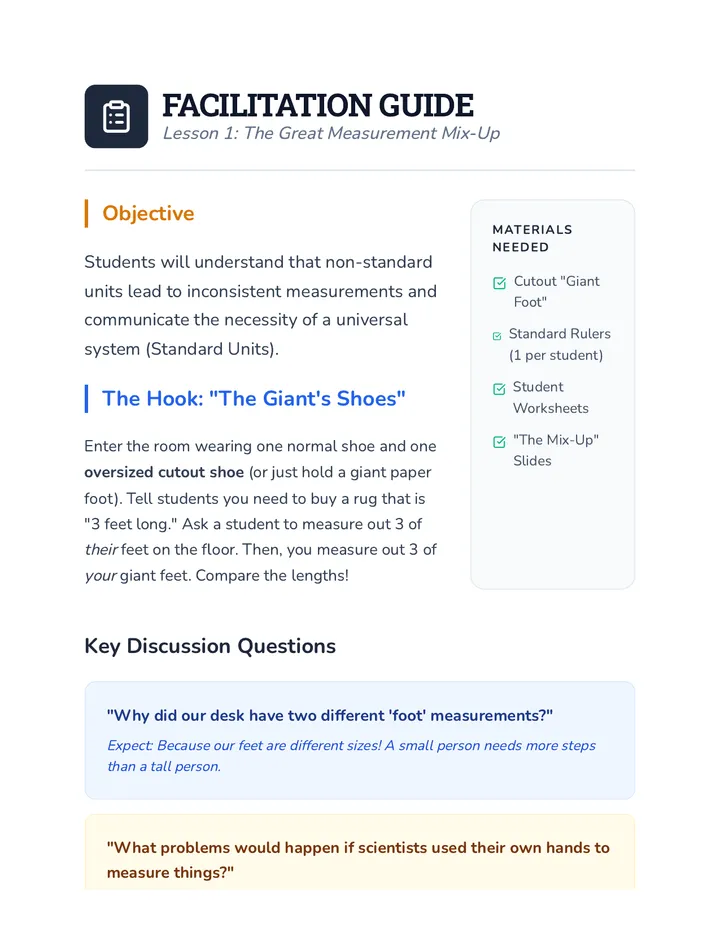
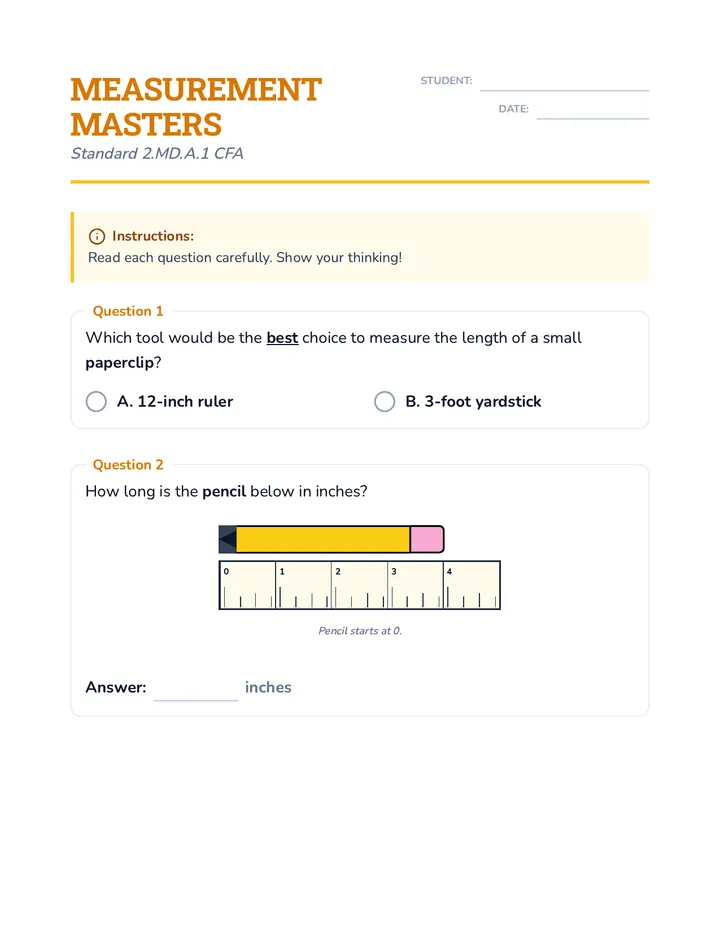
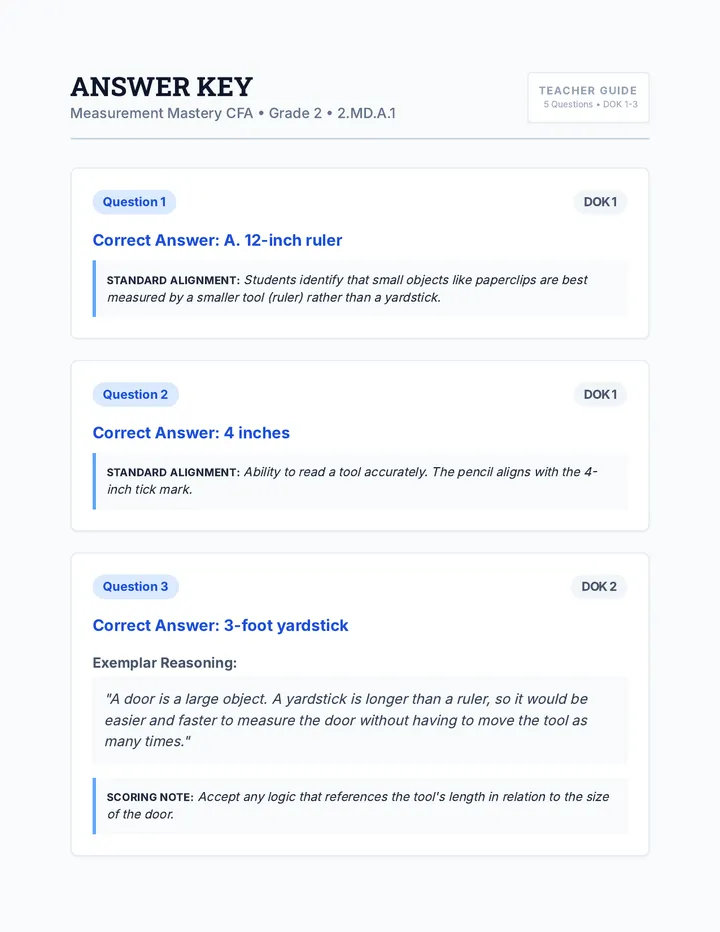
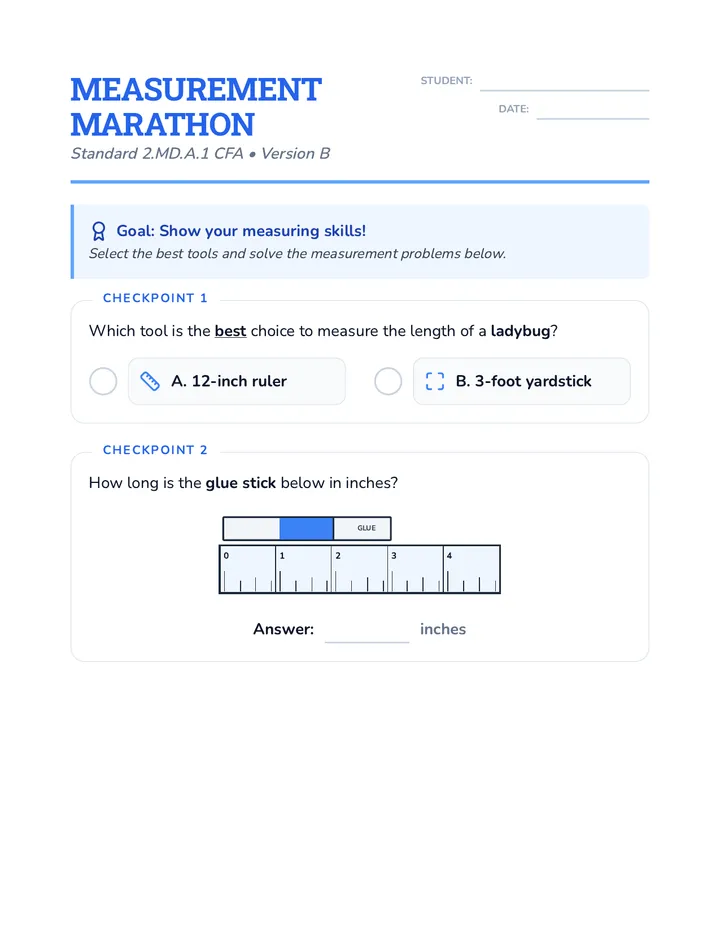
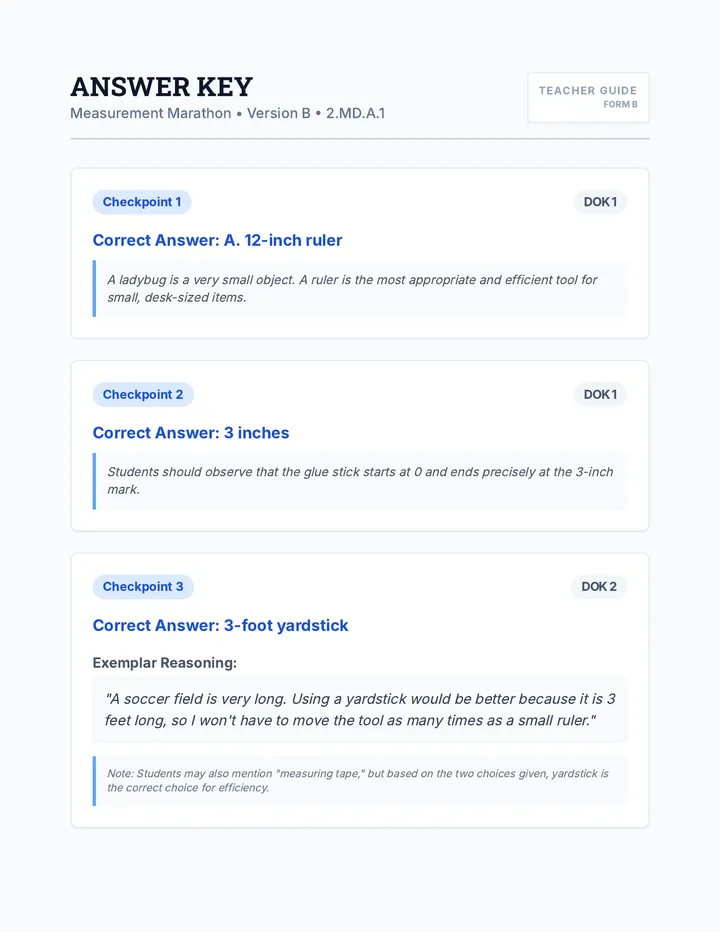
A 5-lesson sequence for 2nd-grade students introducing the necessity of standard units, the use of imperial and metric measurement tools, and applying these skills to a classroom mapping project.
This sequence connects abstract decimal fractions to tangible measurement and data analysis. Students act as scientists and analysts using metric tools, financial data, and sports timing to understand the necessity of precise decimal notation.
A 5-lesson math sequence for 3rd graders focusing on the relationship between addition/subtraction and length. Students explore 'difference' through animal jumps, vertical height comparisons, and multi-step data analysis.
A 3rd-grade sequence focused on representing length problems using number line diagrams, transitioning from concrete rulers to abstract visual models. Students learn to model addition and subtraction word problems as movements along a number line.
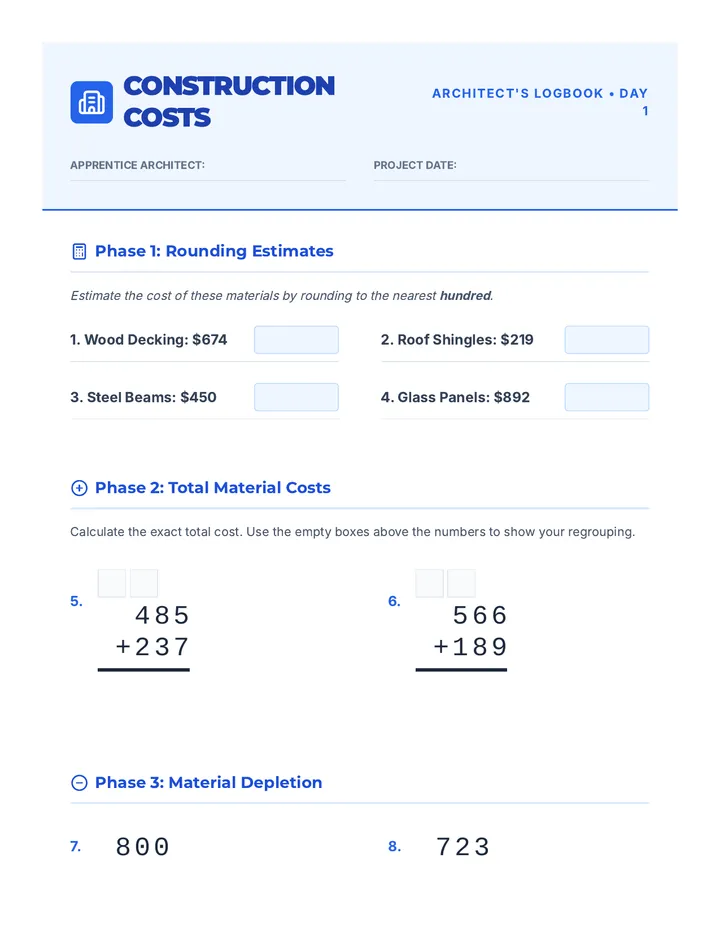
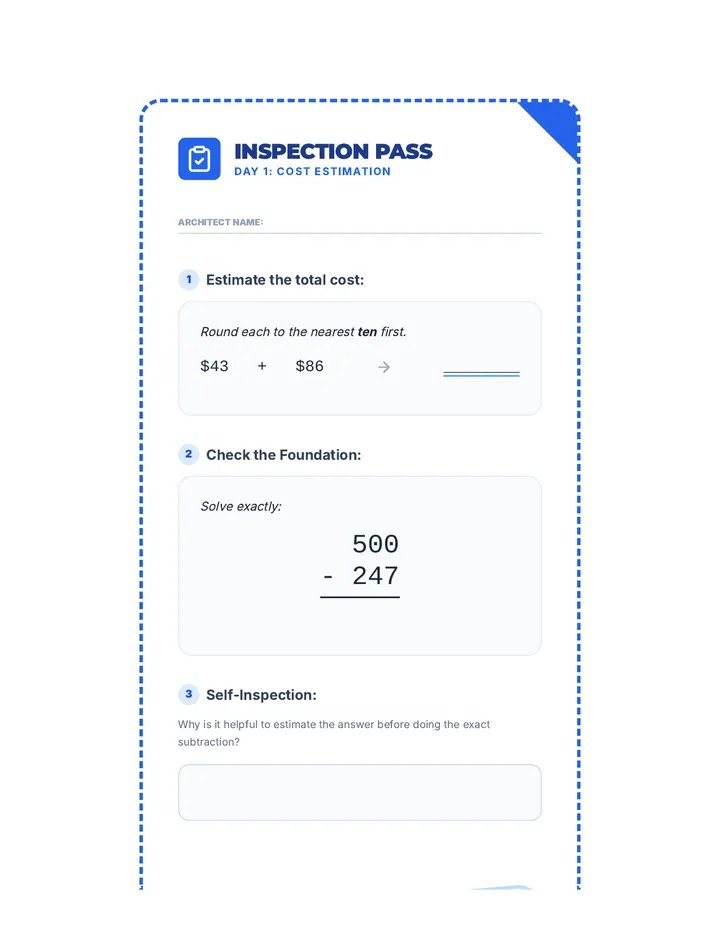
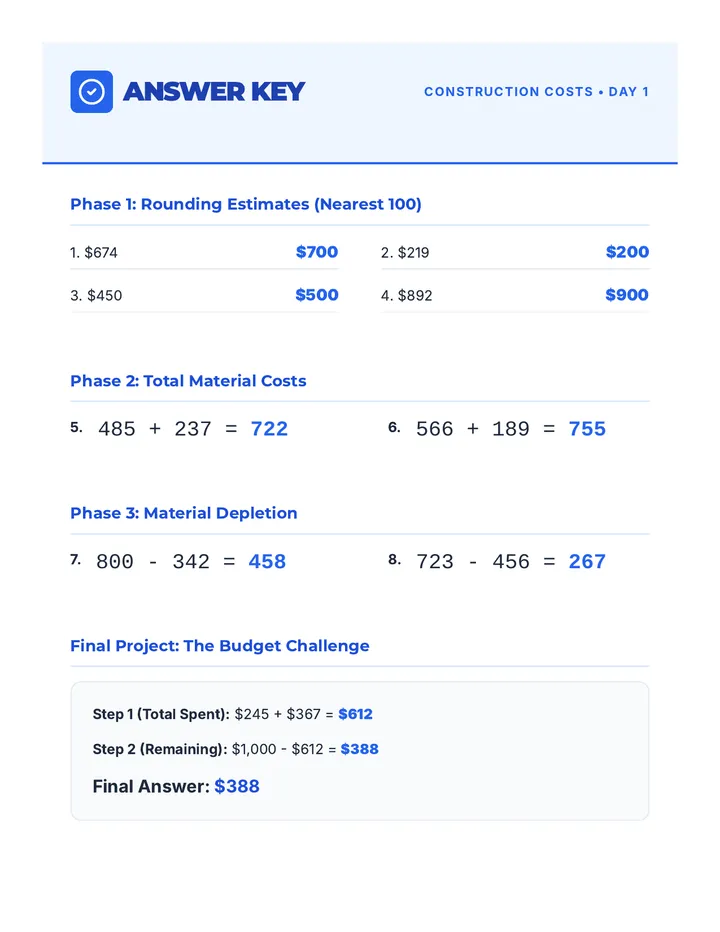
A 3rd Grade project-based sequence where students act as junior architects, using addition and subtraction of length to design and verify a structure. Students move from measuring physical objects to calculating total materials, handling waste, and adjusting designs based on client feedback.
A 2nd-grade math sequence that bridges the gap between concrete measurement and abstract number line diagrams, teaching students to model addition and subtraction of lengths.
A project-based sequence where 2nd-grade students act as junior architects to master measurement word problems. Students progress from measuring inventory to solving complex multi-step addition and subtraction challenges related to building and design.
A comprehensive 4th-grade math sequence focusing on interpreting and analyzing data displays. Students transition from reading simple data points to solving complex multi-step problems and identifying visual deception in graphs.
A 5th-grade geometry sequence that integrates coordinate plane mastery with polygon construction, distance analysis, and basic transformations through a game-based and project-oriented approach.
A comprehensive introduction to geometric constructions for 4th graders, focusing on tool mastery, segment copying, and the fundamental properties of circles using a compass and straightedge.
An advanced 2nd-grade sequence focusing on the inverse relationship between unit size and count, and calculating differences in length between objects using standard units. Students will engage in inquiry-based measuring, manipulative explorations, and a design project to master these complex measurement concepts.
A comprehensive 3rd-grade sequence introducing students to the fundamental skills of linear measurement using both U.S. Customary and Metric systems, moving from non-standard units to fractional precision.
A foundational Kindergarten measurement sequence exploring length through direct comparison, non-standard units (body parts and cubes), and an introduction to the ruler. Students build vocabulary and precision skills to answer the question: How can we tell how long or tall something is?
A 4th-grade chemistry and engineering sequence focusing on the analysis and manipulation of measurement data. Students explore metric and customary conversions, benchmark comparisons, and data accuracy through a project-based blueprint scaling challenge.
A project-based calculus sequence where students use optimization to design efficient packaging. They transition from physical modeling to algebraic functions and derivative-based solutions to maximize volume and minimize material costs.
This sequence guides 8th-grade students through constructing scatter plots, identifying patterns of association, modeling trends with linear equations, and interpreting data in context while distinguishing correlation from causation.
A project-based unit where 8th-grade students act as data analysts, moving from real-world data collection to constructing linear models and making evidence-based predictions using interpolation and extrapolation.
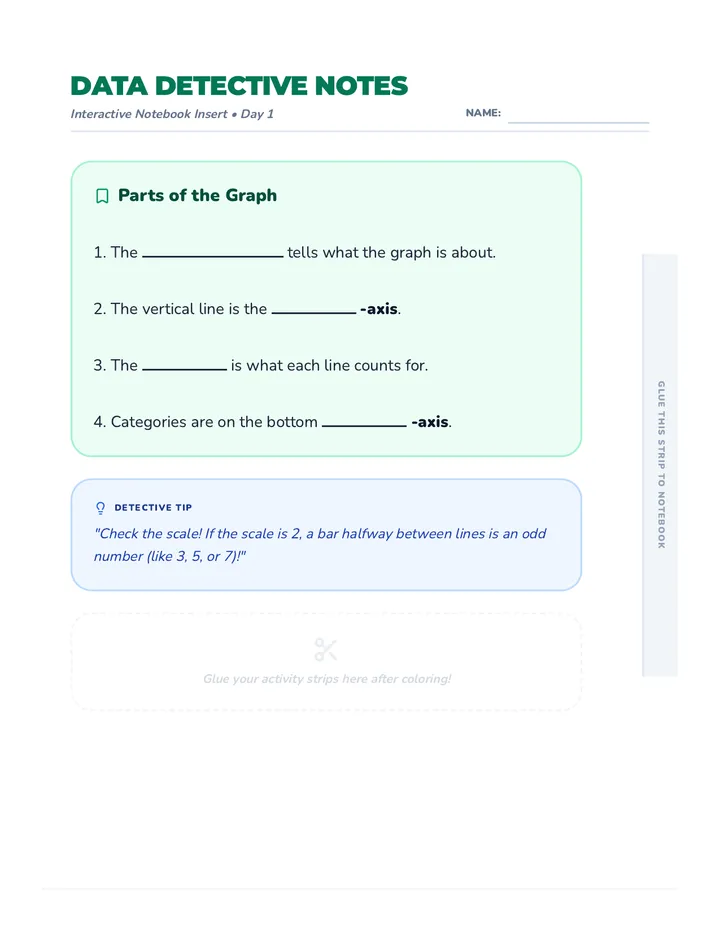
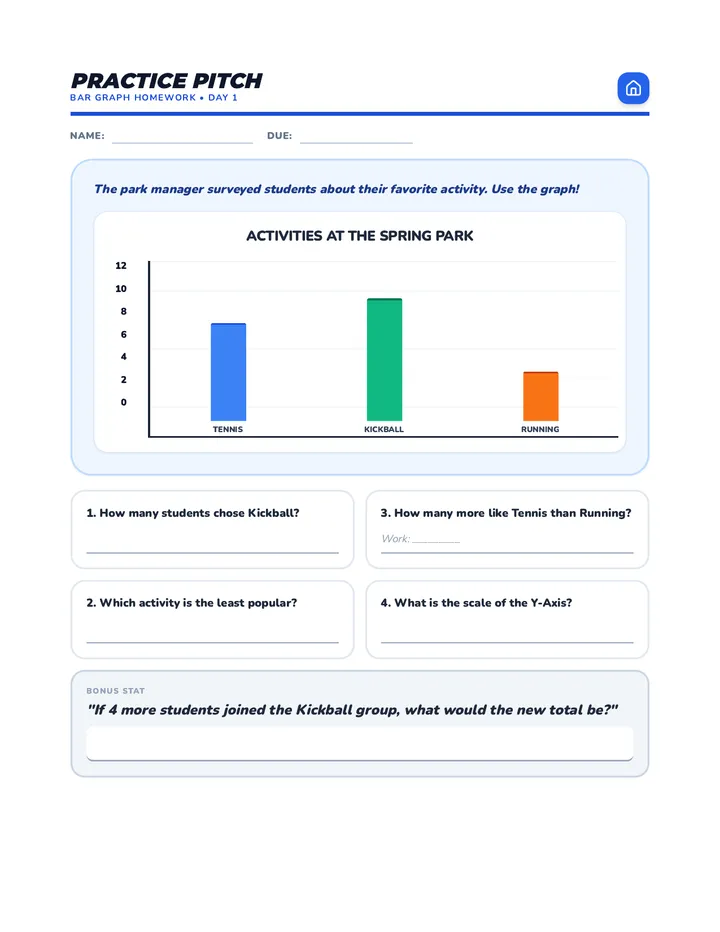
A comprehensive 3rd-grade unit focused on constructing scaled bar graphs and using data to solve one- and two-step comparison problems. Students progress from identifying graph components to mastering complex data analysis.
A Kindergarten sequence bridging the gap between estimation and standard measurement tools. Students explore educated guesses, non-standard units, and the functional differences between rigid rulers and flexible measuring tapes through hands-on role-play and inquiry.
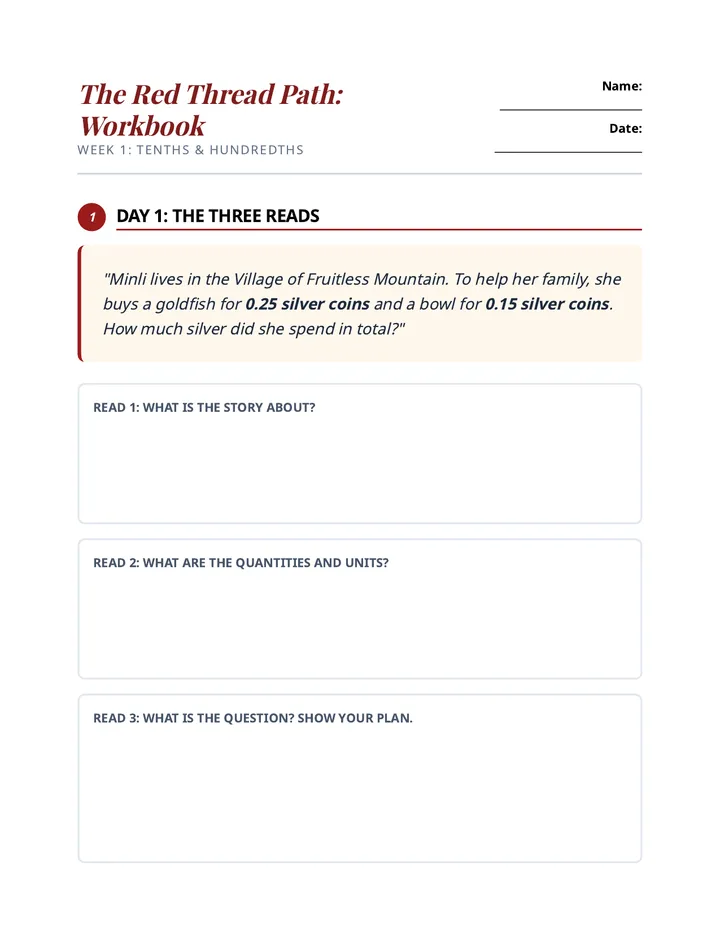
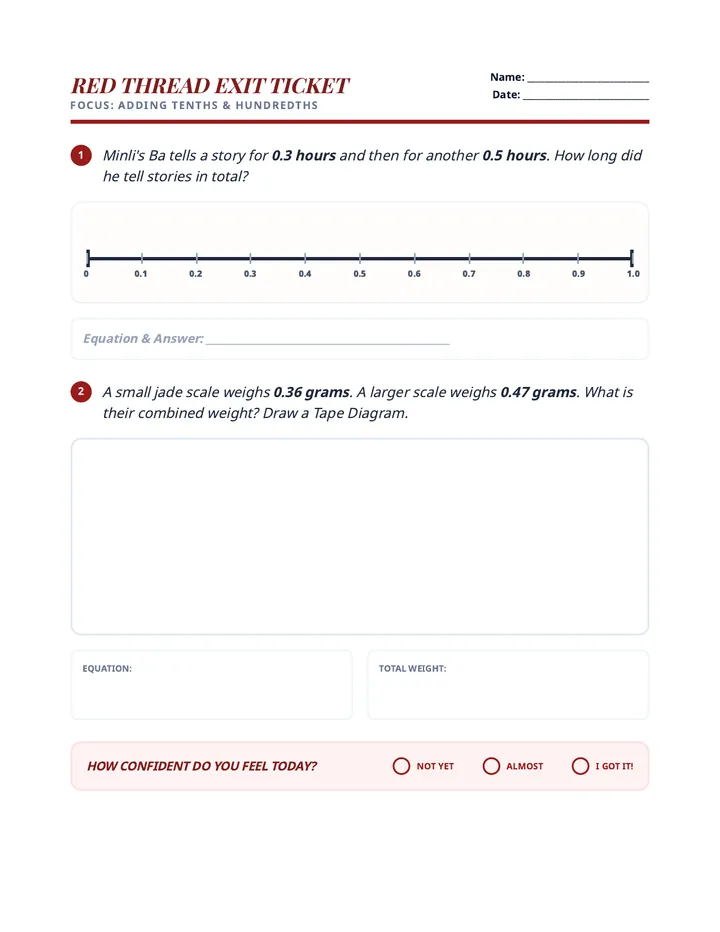
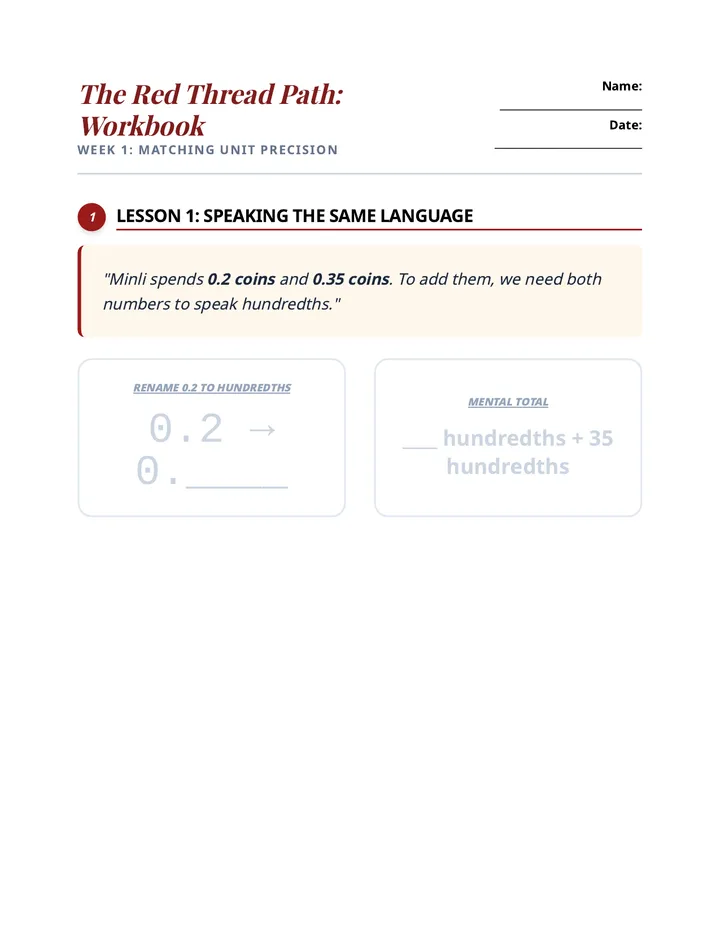
A 4th-grade sequence connecting decimal fractions to real-world applications in money and metric measurement, emphasizing the practical importance of tenths and hundredths.
This sequence immerses 5th-grade students in real-world scenarios requiring fraction division. Students learn to distinguish between multiplication and division contexts, translate stories into equations, and solve complex multi-step problems using visual modeling and linguistic clues.
A Pre-K sequence focused on developing spatial awareness and positional vocabulary through physical movement, object manipulation, and classroom mapping. students explore terms like in, out, over, under, next to, and between.
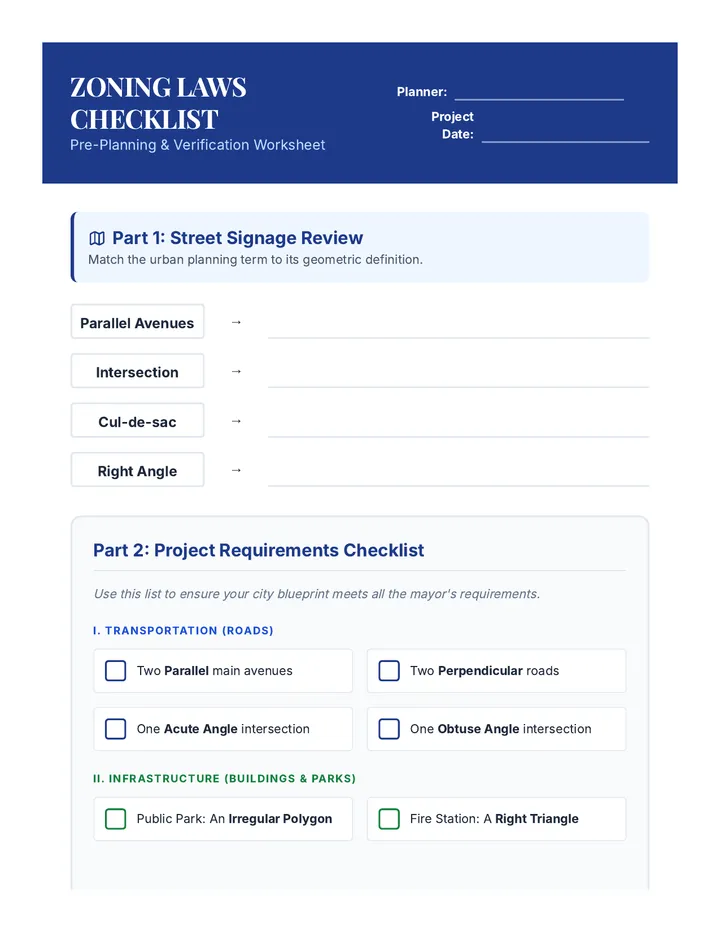
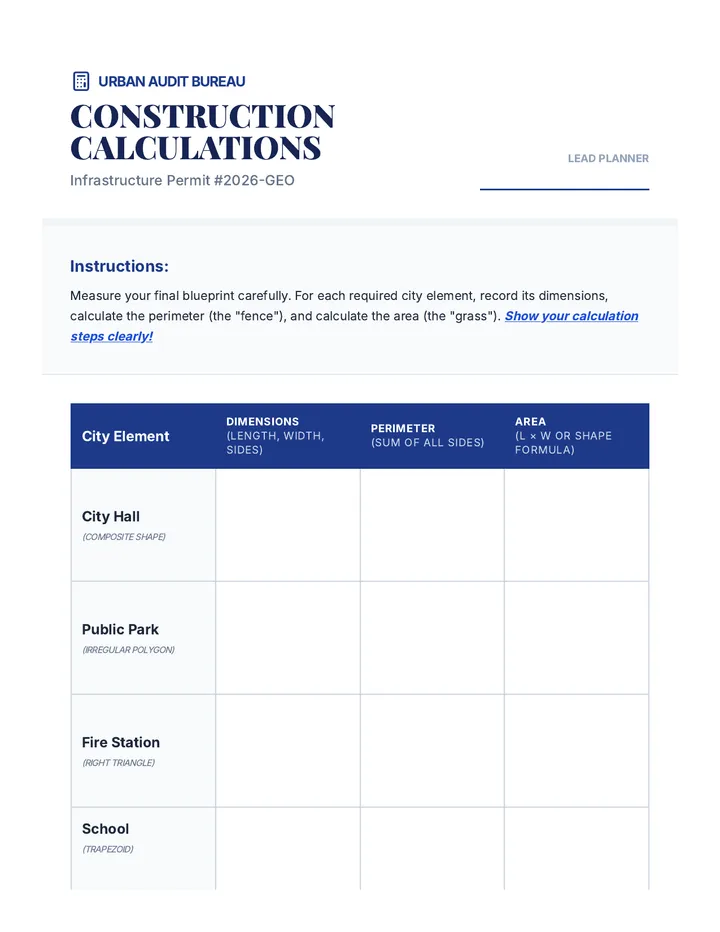
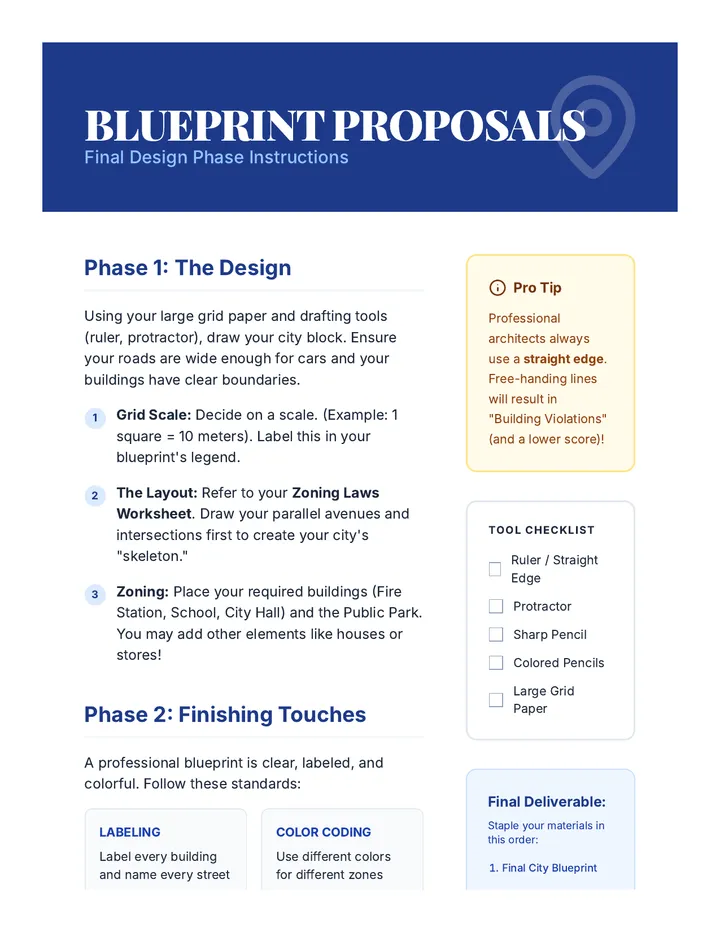
This Kindergarten sequence explores the intersection of geometry and engineering. Students learn to compose and decompose 2D shapes before applying those principles to 3D structural stability, culminating in a collaborative project to design a geometric city.
A project-based sequence for 4th graders exploring 3D geometry through the lens of engineering and structural design. Students transition from identifying properties like faces, edges, and vertices to testing structural stability and designing a geometric city block.
A Kindergarten math sequence exploring equivalence and proportional reasoning through hands-on activities, balance scales, and a classroom market simulation. Students learn to compare quantities, understand many-to-one ratios, and practice substitution.
A hands-on geometry sequence for 1st graders to explore 3D shapes, capacity, and volume using 'Shape Lab' investigations. Students progress from distinguishing 2D from 3D to measuring volume with unit cubes and exploring capacity through liquid displacement and estimation.
A foundational unit for 1st graders exploring the comparative language and logic of measurement. Students master direct and indirect comparison, ordering by attributes, and spatial reasoning before moving to standard units.
This 1st Grade geometry sequence introduces students to linear measurement and the concept of perimeter using non-standard units. Students progress from direct comparison of lengths to measuring straight edges with cubes, and finally calculating the total distance around shapes in a culminating project.
A comprehensive Kindergarten math sequence where students explore and compare the attributes of 3D shapes, focusing on size, height, and weight through hands-on investigation and measurement tools.
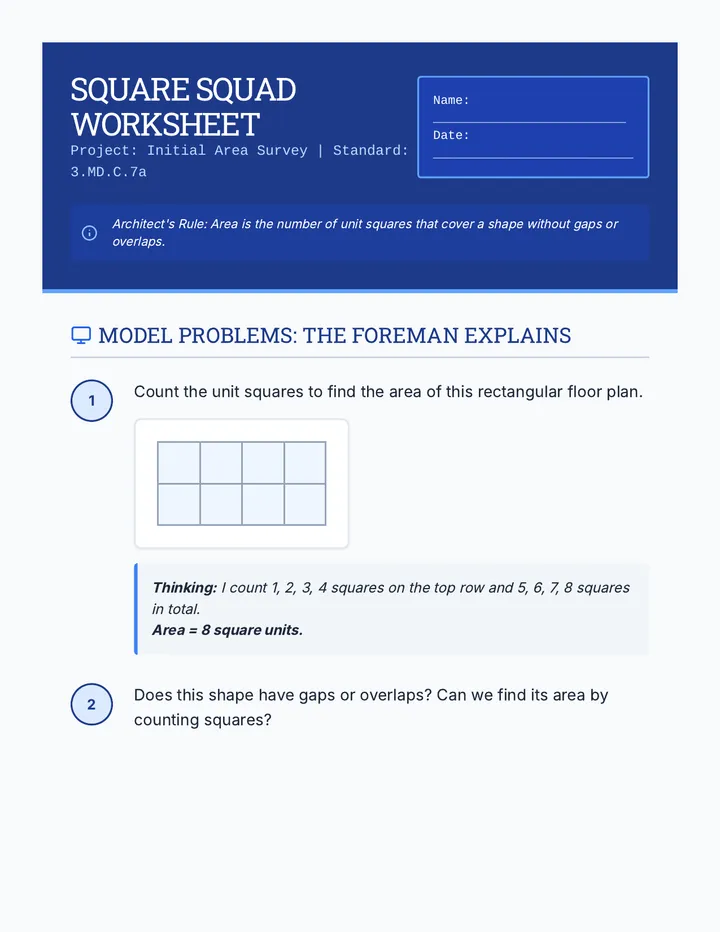
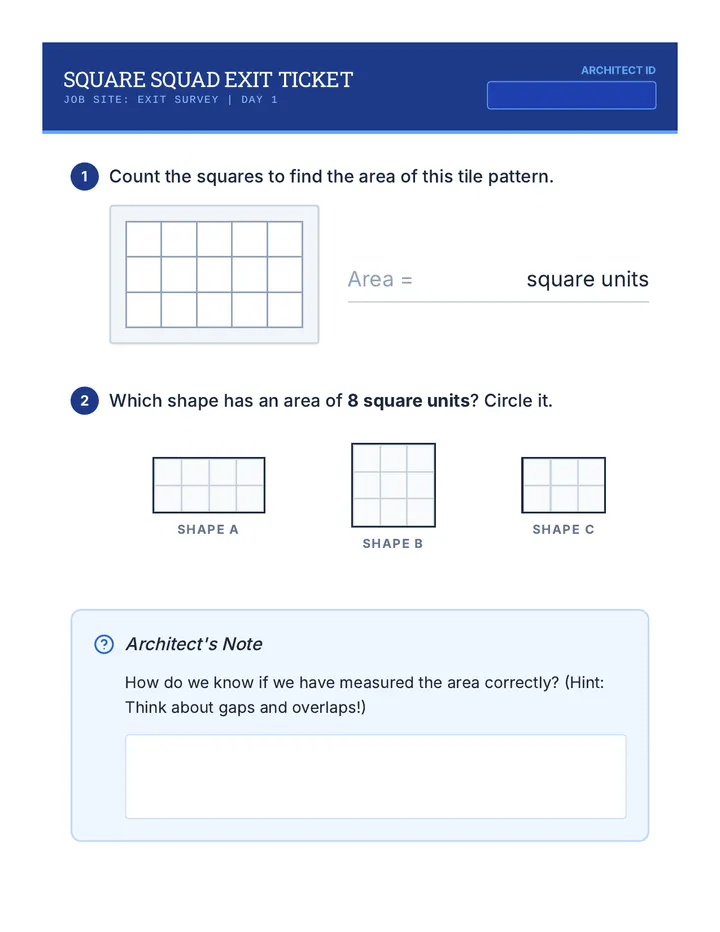
A Kindergarten geometry sequence exploring area through direct comparison, tiling with non-standard units, and counting units to quantify space. Students learn to cover regions without gaps or overlaps and discover that area is conserved across different shapes.
A hands-on introduction to data visualization for Kindergarten students, moving from concrete physical objects and human movement to pictorial representations. Students build towers, sort shoes, and create human graphs to understand how lining things up helps us compare quantities.
This sequence introduces Kindergarten students to sorting and classifying objects by attributes. They learn to group items by color, shape, size, and texture, explore flexible thinking by re-sorting the same set, and begin quantifying data by counting categories.
A 1st Grade geometry unit where students act as 'Shape Detectives' to classify 2D figures by their physical attributes, including line type, side count, and corner types. The sequence culminates in complex multi-attribute sorting and inductive reasoning games.
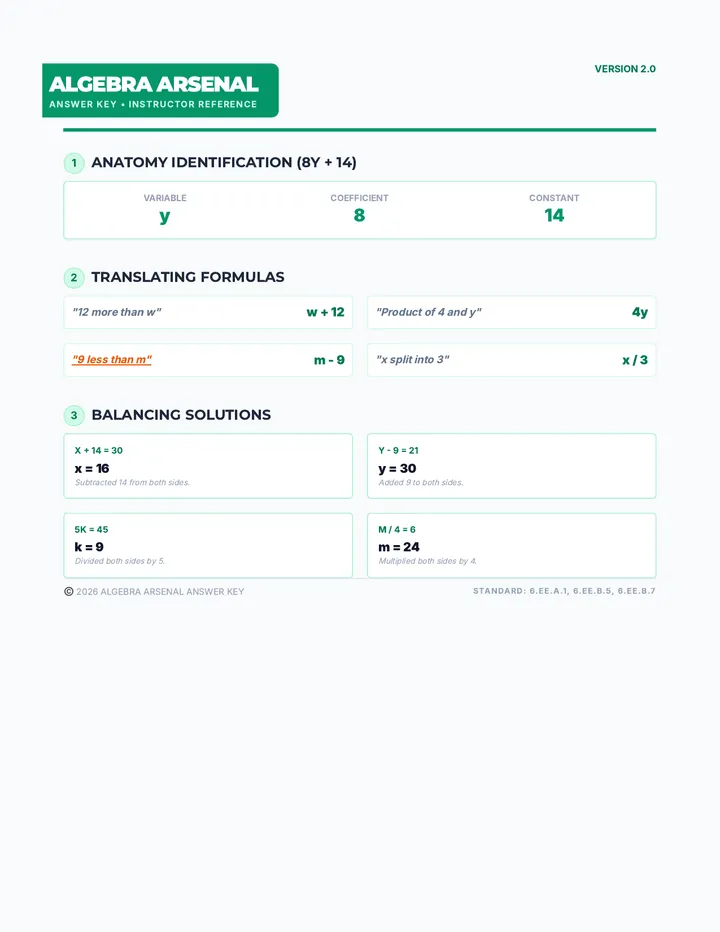
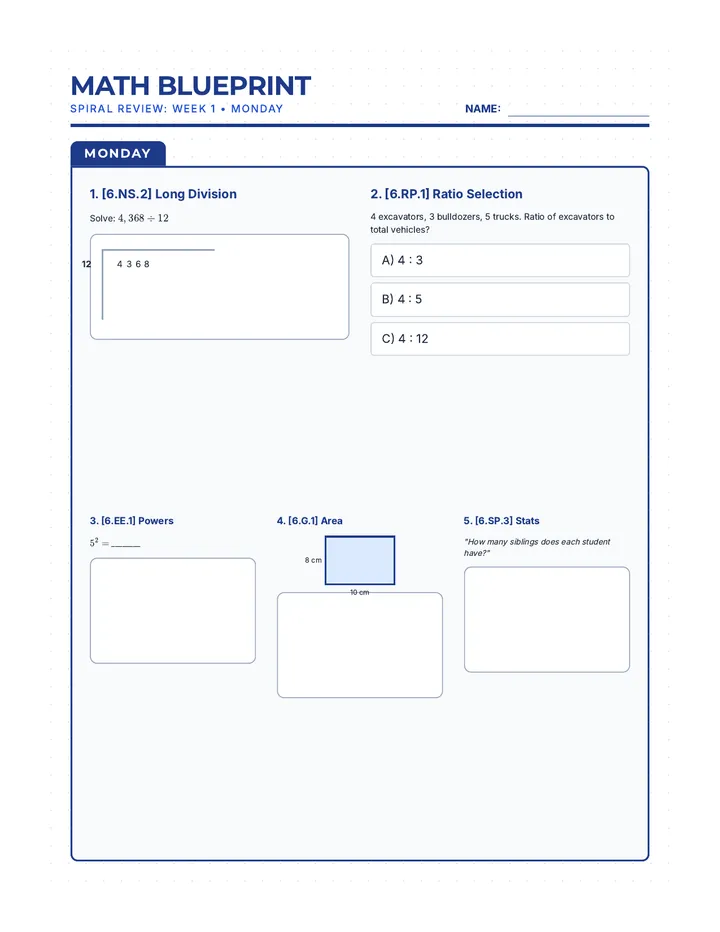
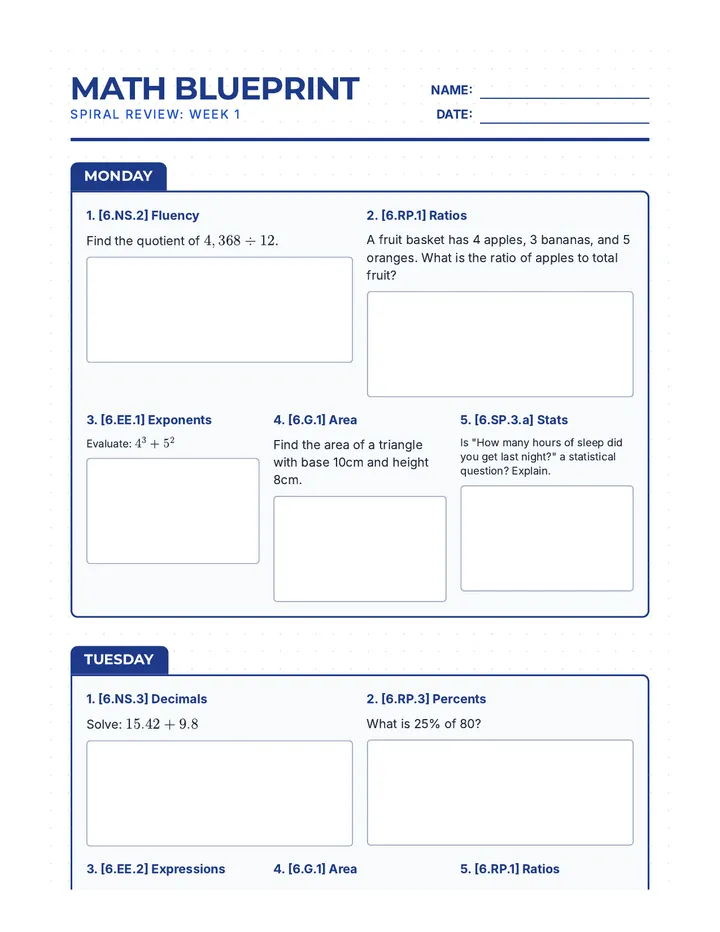
A comprehensive math intervention sequence for 6th-grade students, focusing on four key domains: Numbers & Operations, Algebraic Thinking, Measurement & Data, and Geometry. This sequence uses high-leverage strategies from the All Learners Network (ALN) and aligns with i-Ready prerequisite modules to bridge conceptual gaps.
Une introduction complète aux statistiques universitaires, couvrant la classification des données, les mesures descriptives, la visualisation et les fondements de la loi normale. L'approche est axée sur l'analyse de données réelles et la compréhension conceptuelle.
A comprehensive math sequence for 10th-grade academic support focused on using base-ten manipulatives to master decimal operations through a financial lens. Students progress from foundational place value to complex budgeting simulations, bridging concrete understanding with abstract calculations.
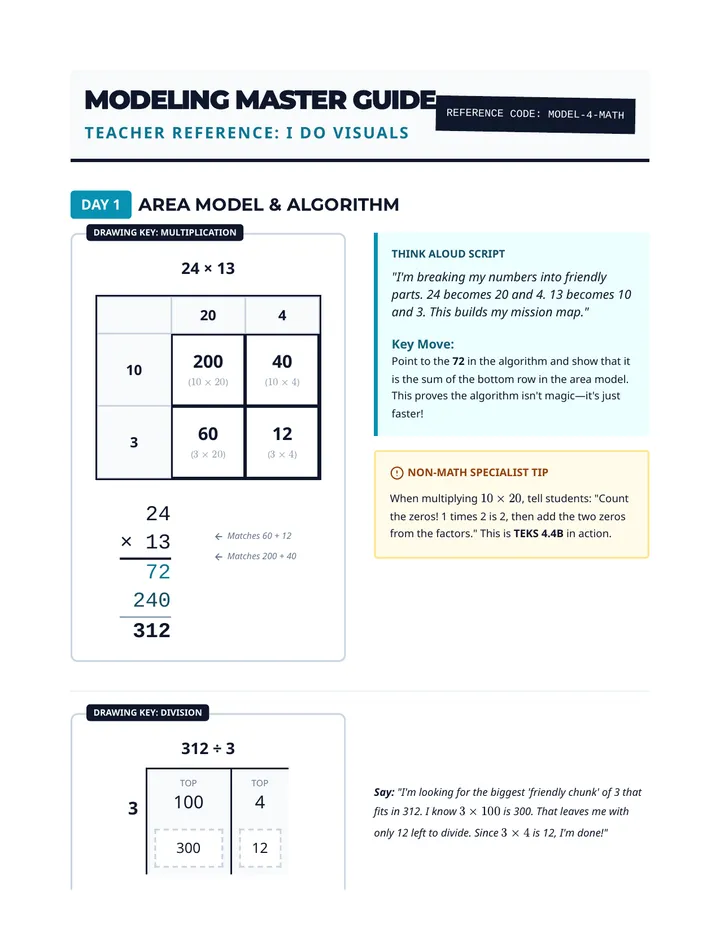
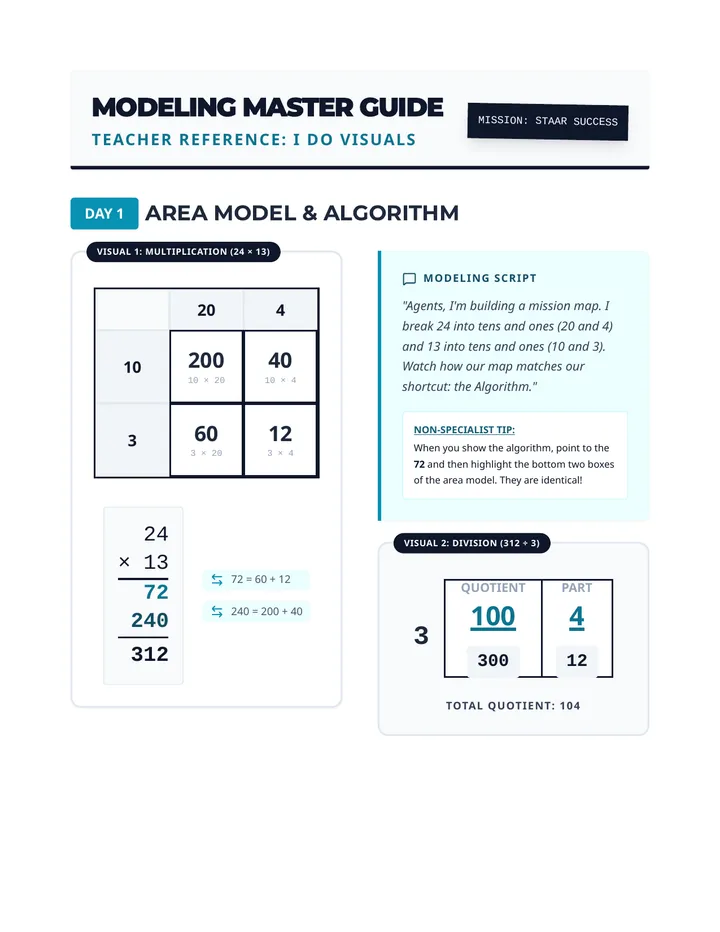
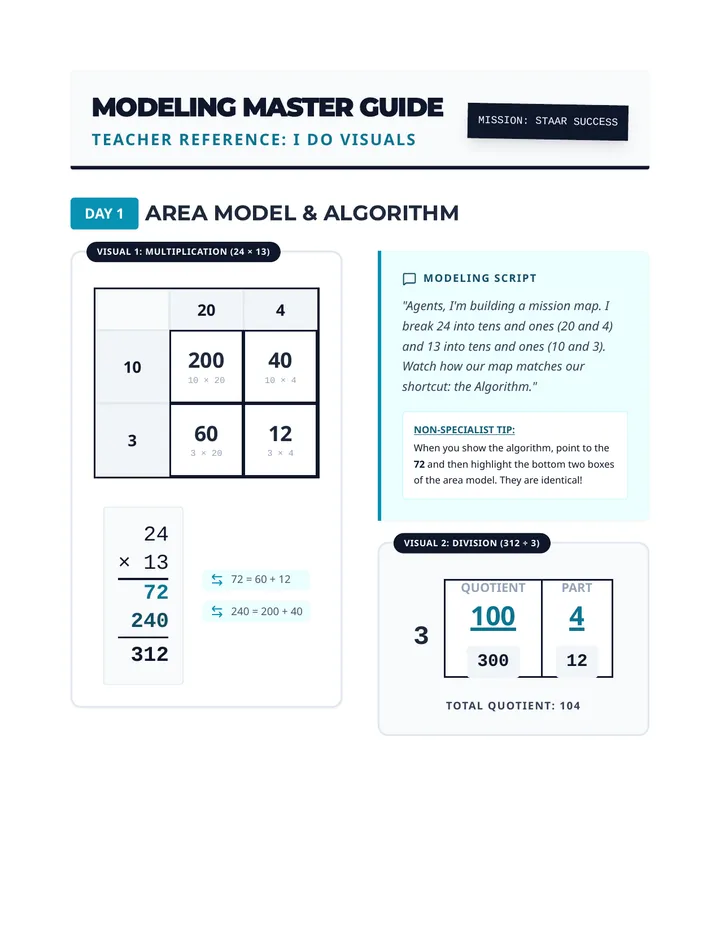
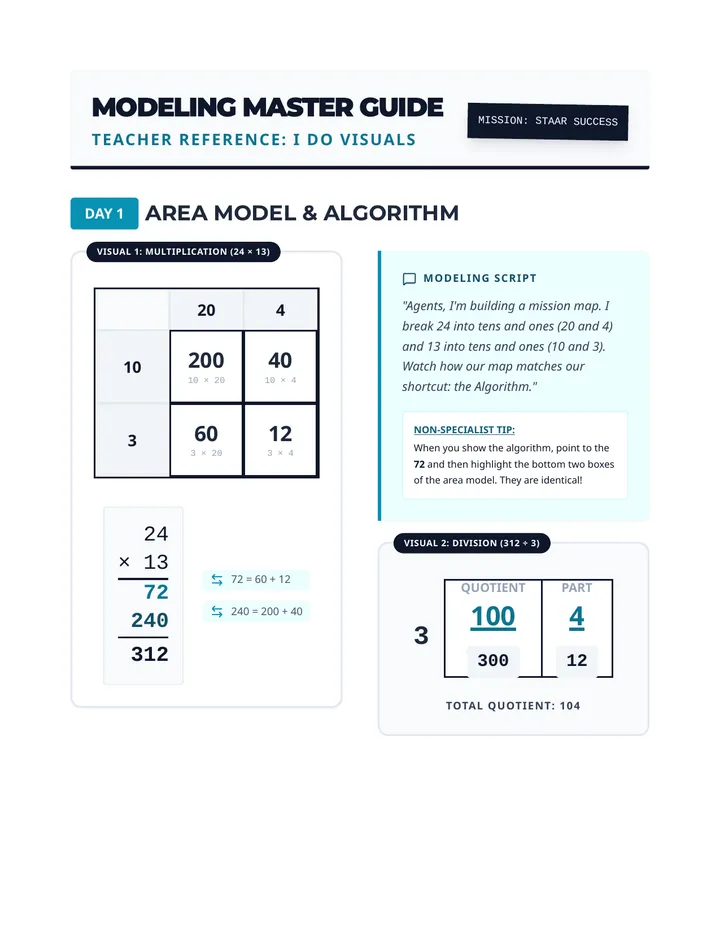
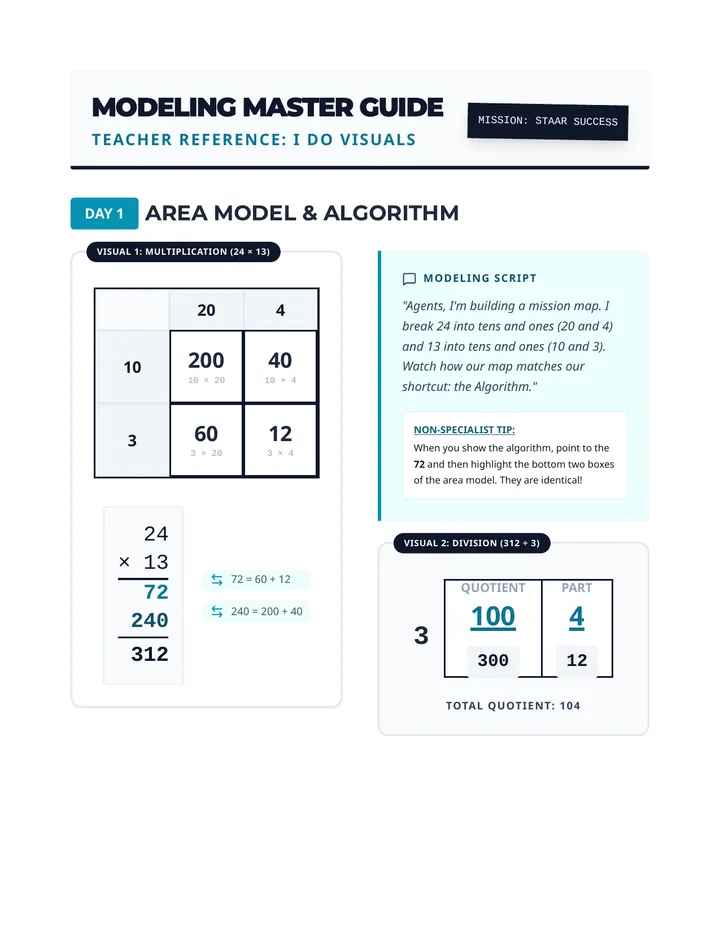
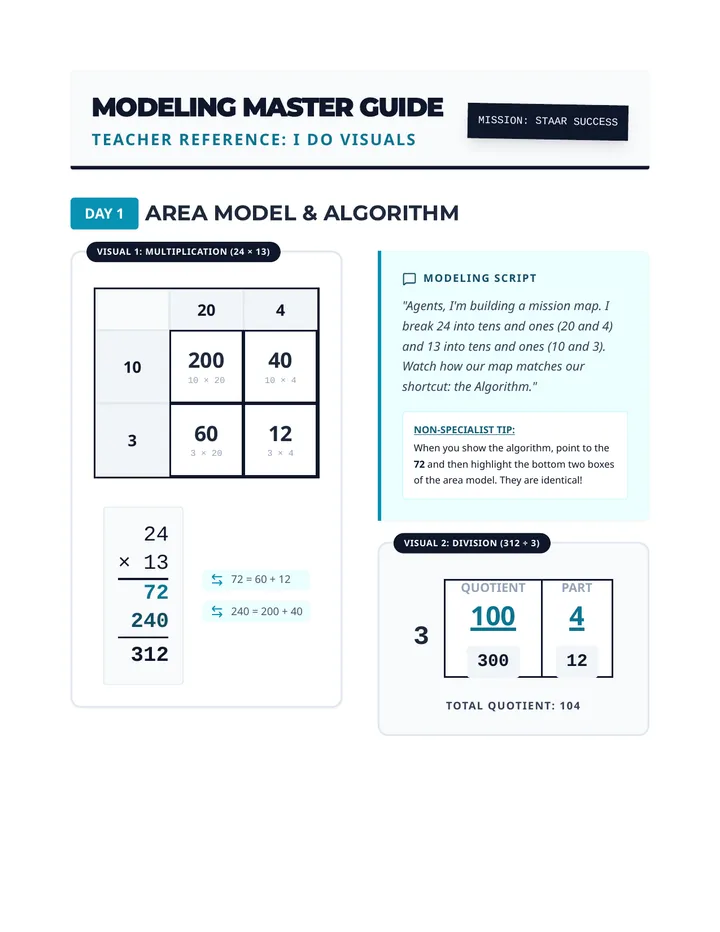
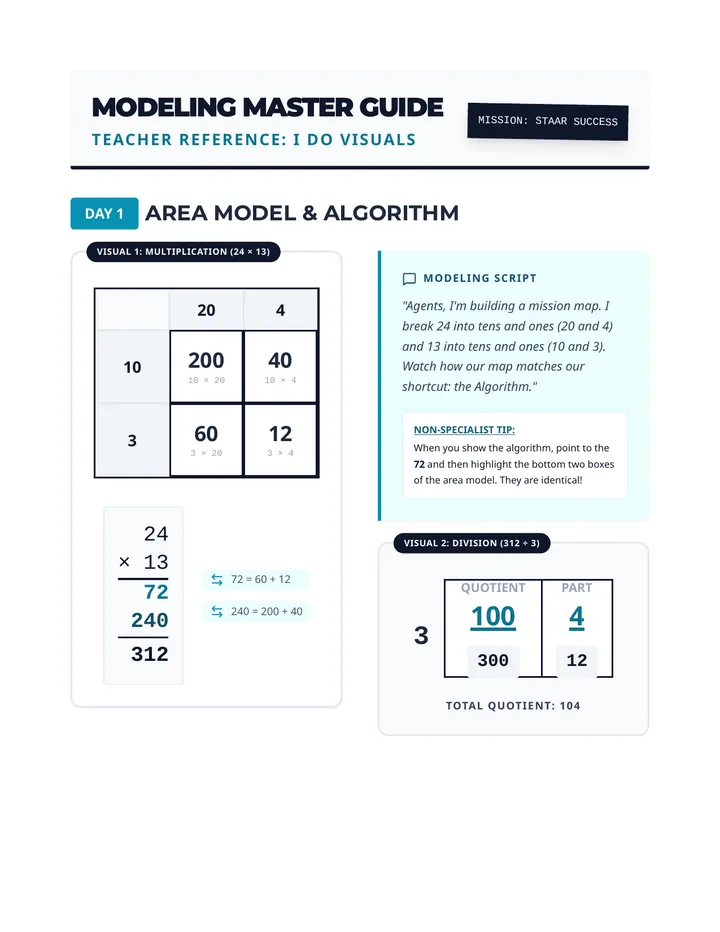
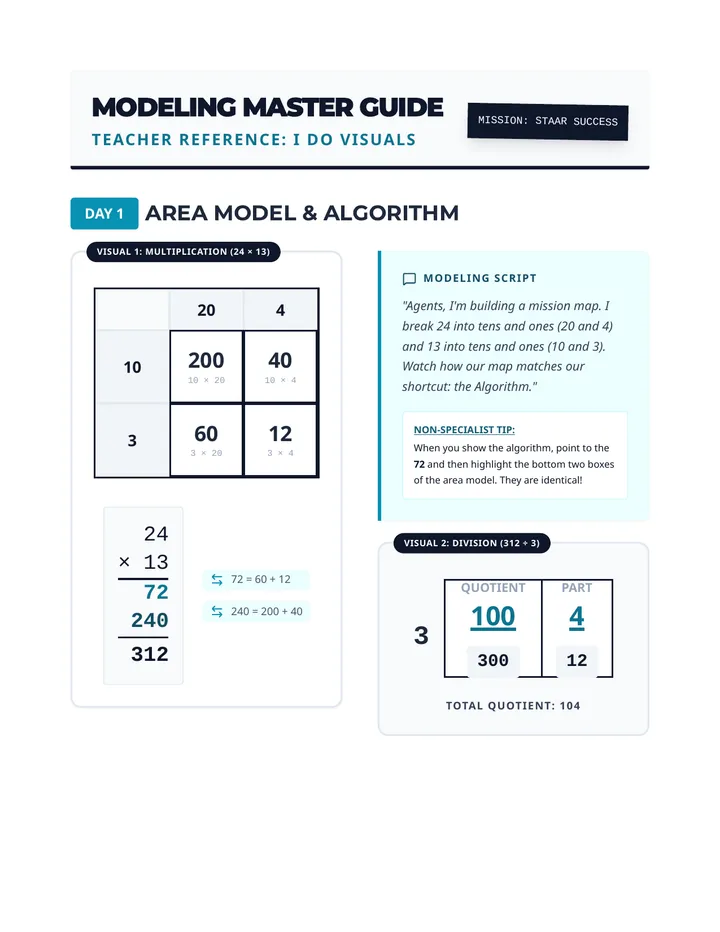
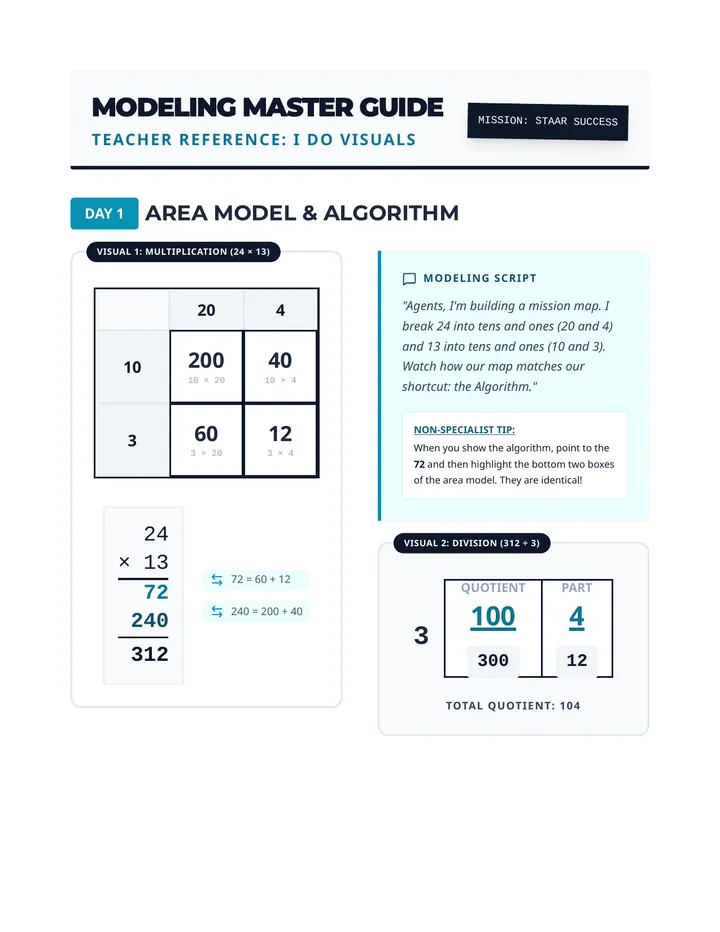
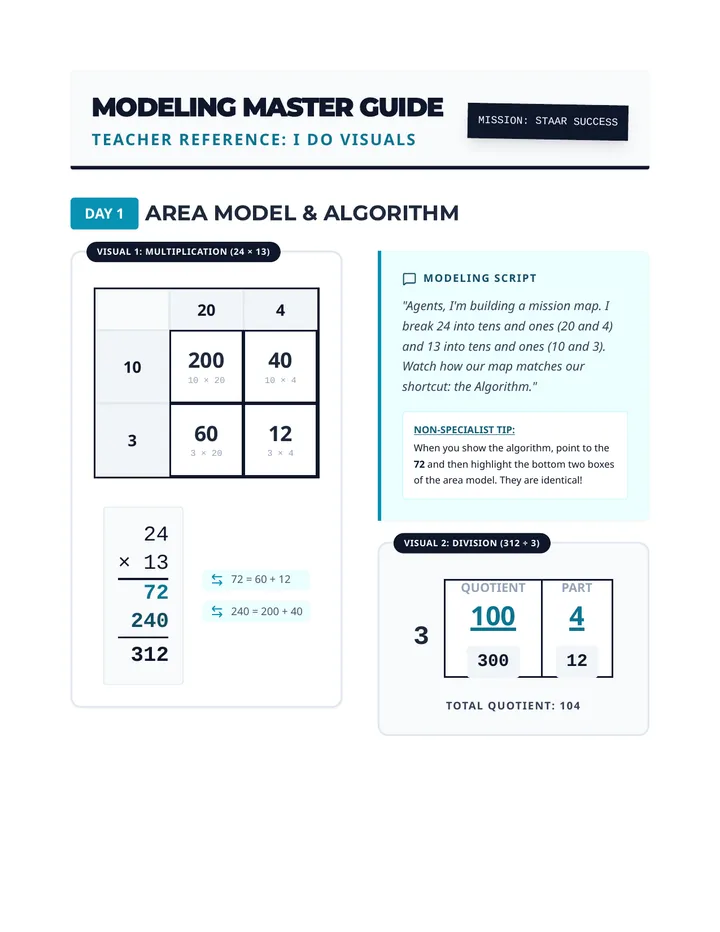
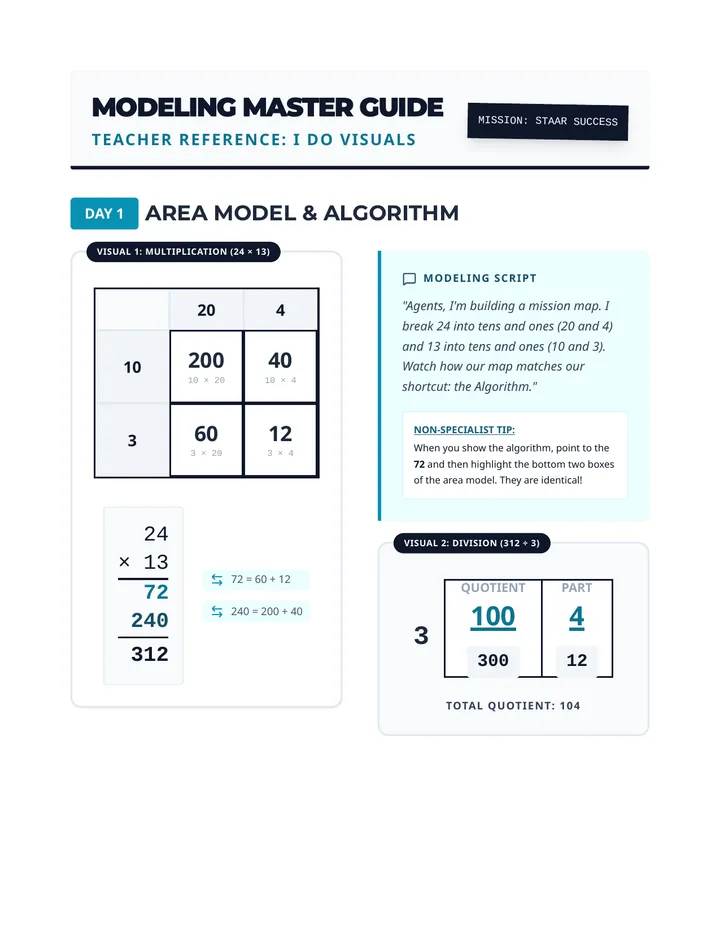
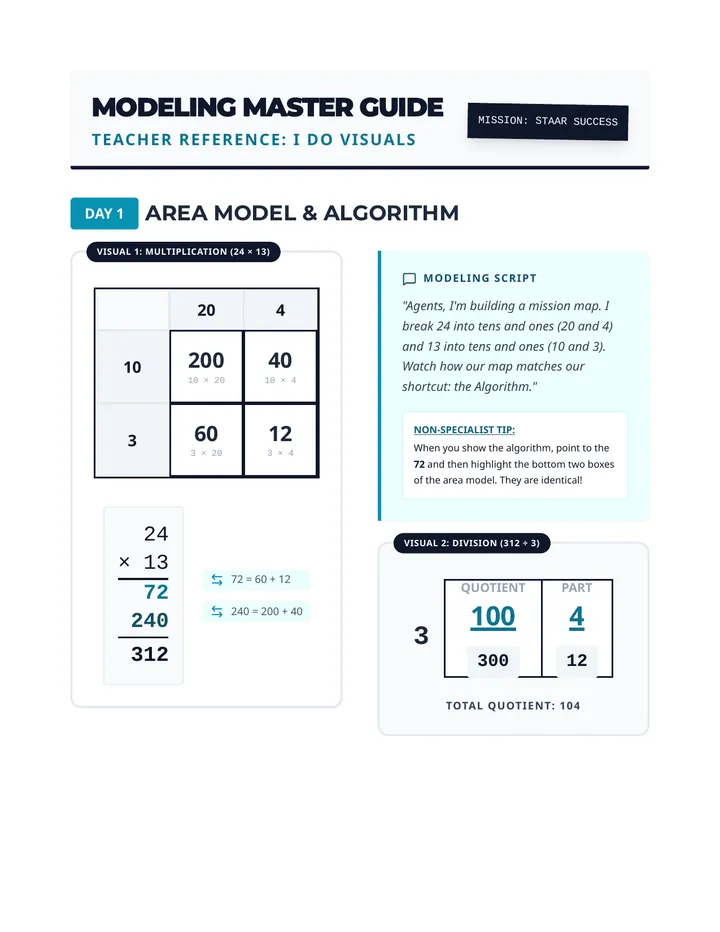
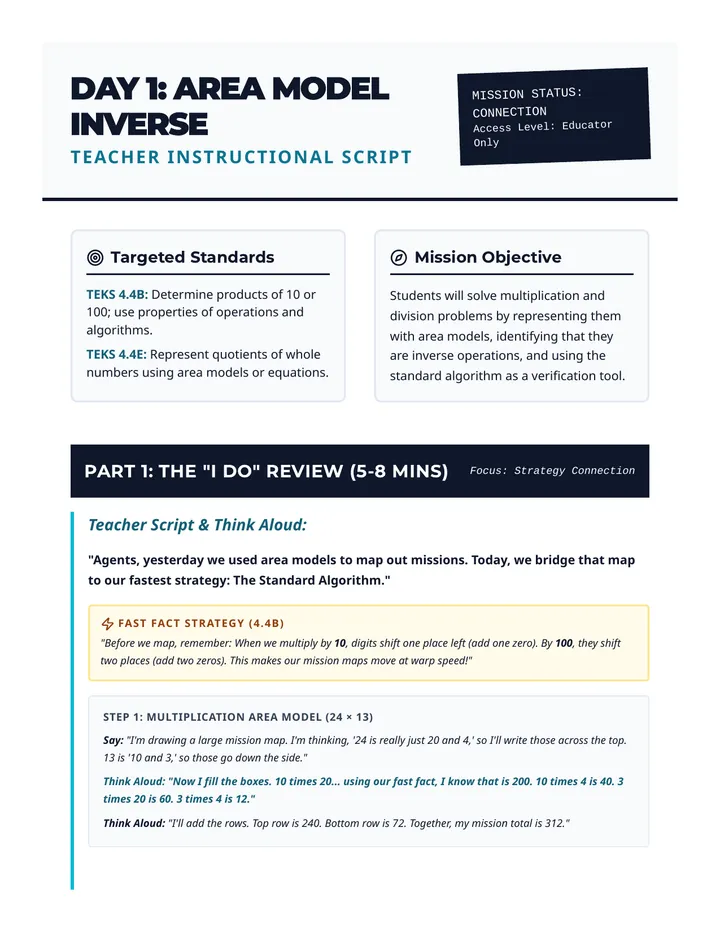
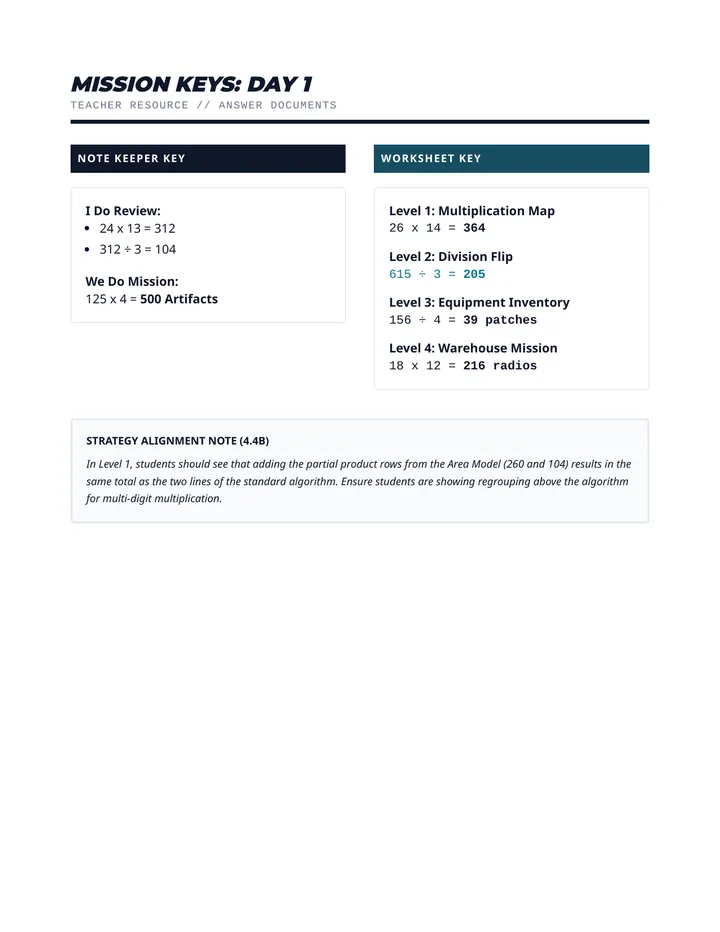
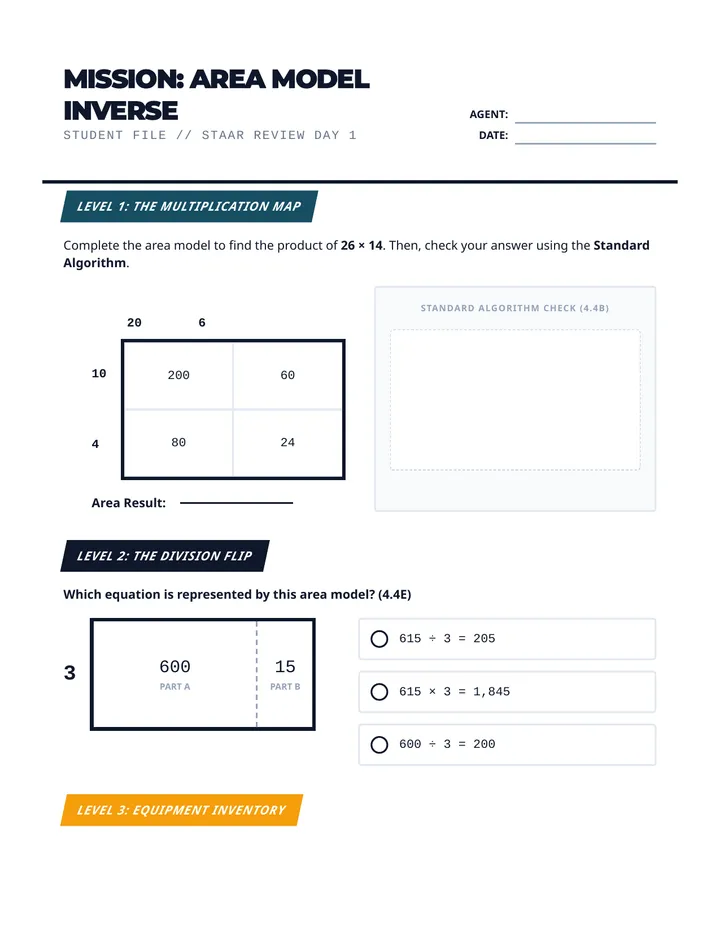
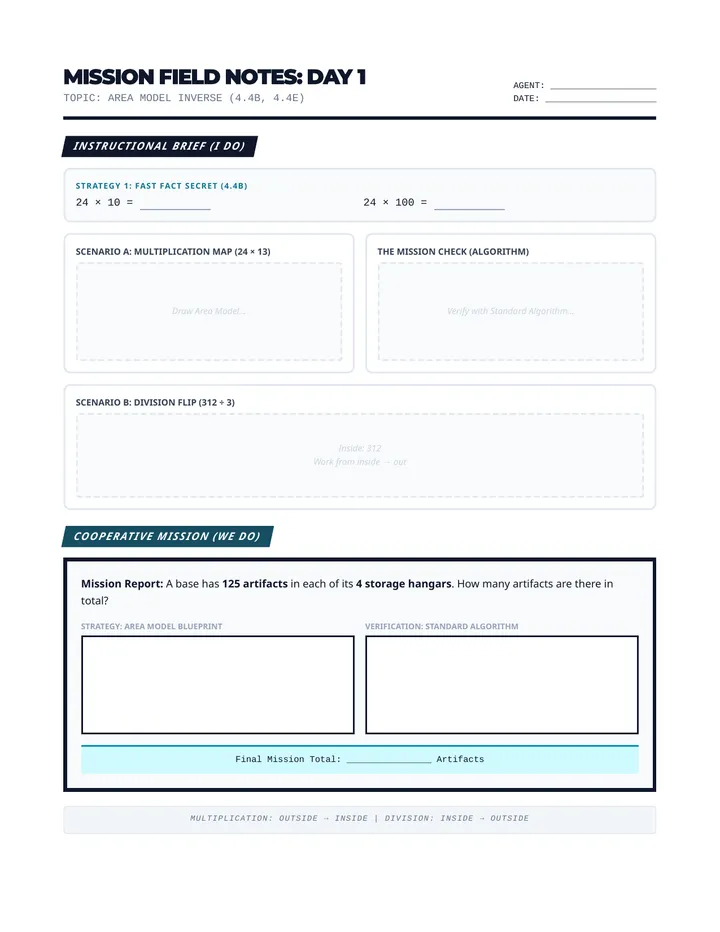
A mastery-based sequence using base-ten blocks and area models to build conceptual understanding of multi-digit multiplication and division for high school students. This sequence bridges the gap between concrete manipulatives and abstract algorithms through the visual scaffold of area.
A comprehensive geometry and engineering sequence where 6th-grade students explore the relationship between 2D nets and 3D solids. Students progress from identifying geometric parts to calculating surface area for prisms and pyramids, culminating in a real-world packaging design challenge.
This sequence introduces 6th-grade students to the coordinate plane as a tool for geometric modeling, moving from basic point plotting to calculating area, perimeter, and distance of complex polygons within all four quadrants.
A Kindergarten sequence focused on the physical attributes and identification of US currency. Students use sensory observation, sorting, and art to recognize coins and bills and understand their basic symbols and values.
A project-based unit where 12th-grade students design and execute an original statistical study comparing two populations. Students move from research design and ethical data collection to exploratory data analysis and formal inferential testing, culminating in a professional research presentation.
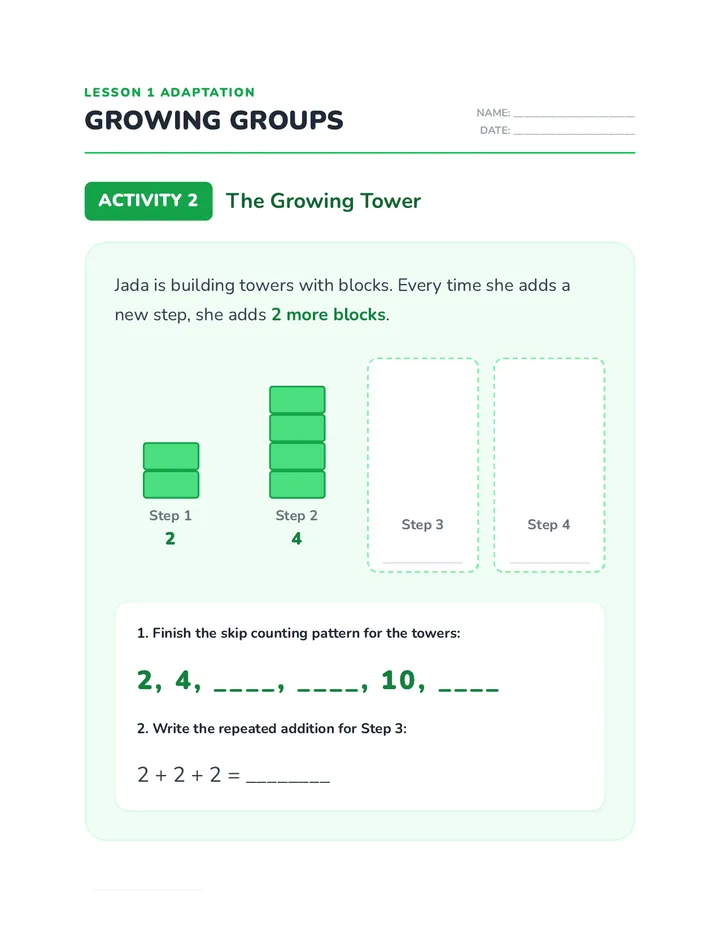
A 1st-grade sequence exploring quantitative relationships through geometric patterns, T-charts, skip counting, and simple graphing to build foundational algebraic thinking.
A 5-lesson sequence for 2nd graders to explore one-to-many relationships, skip counting, and repeated addition using real-world contexts and simulations. Students progress from identifying simple pairings to scaling recipes and participating in a classroom store simulation.
A 2nd-grade sequence exploring quantitative relationships through growing geometric patterns. Students move from concrete cube-building to recording data in tables and visualizing growth with bar graphs.
A 1st-grade geometry sequence exploring how shapes combine and break apart. Students use hands-on materials like tangrams, pattern blocks, and geoboards to develop spatial reasoning and understand the part-whole relationship in geometric figures.
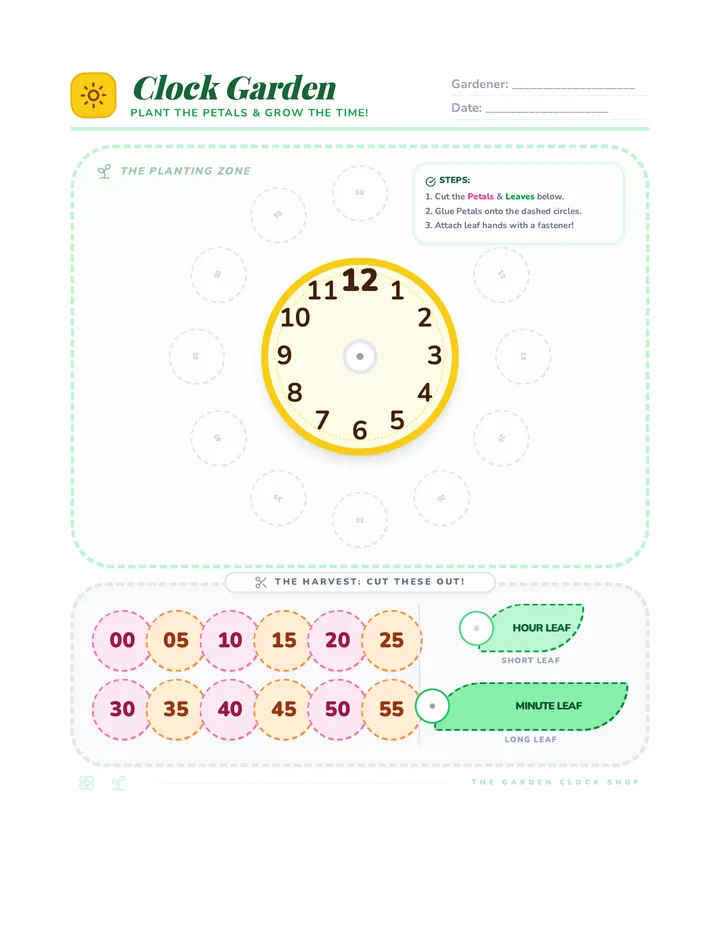
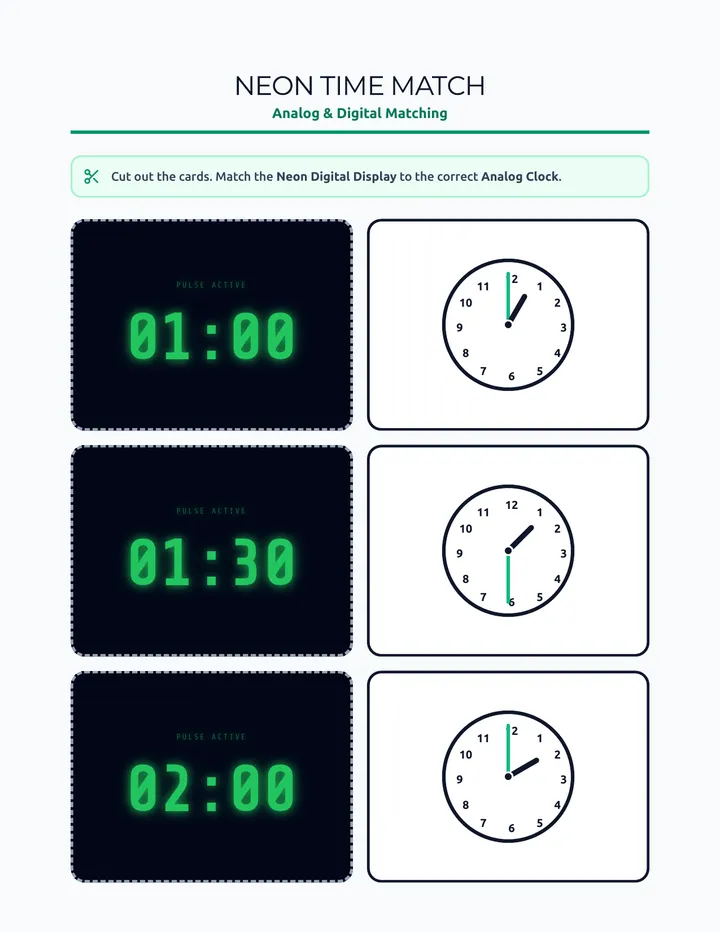
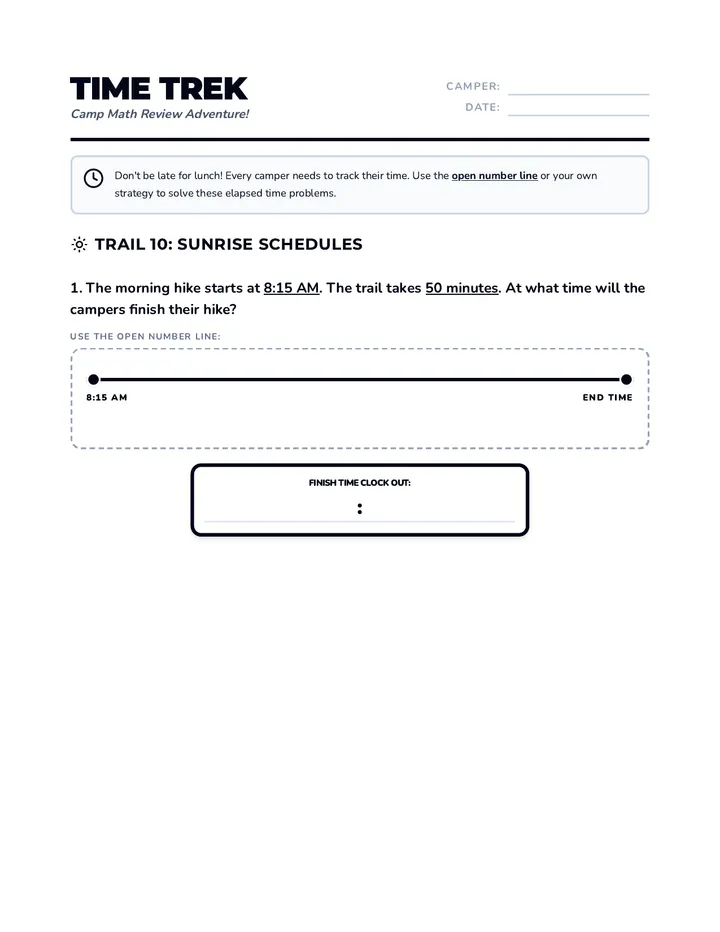
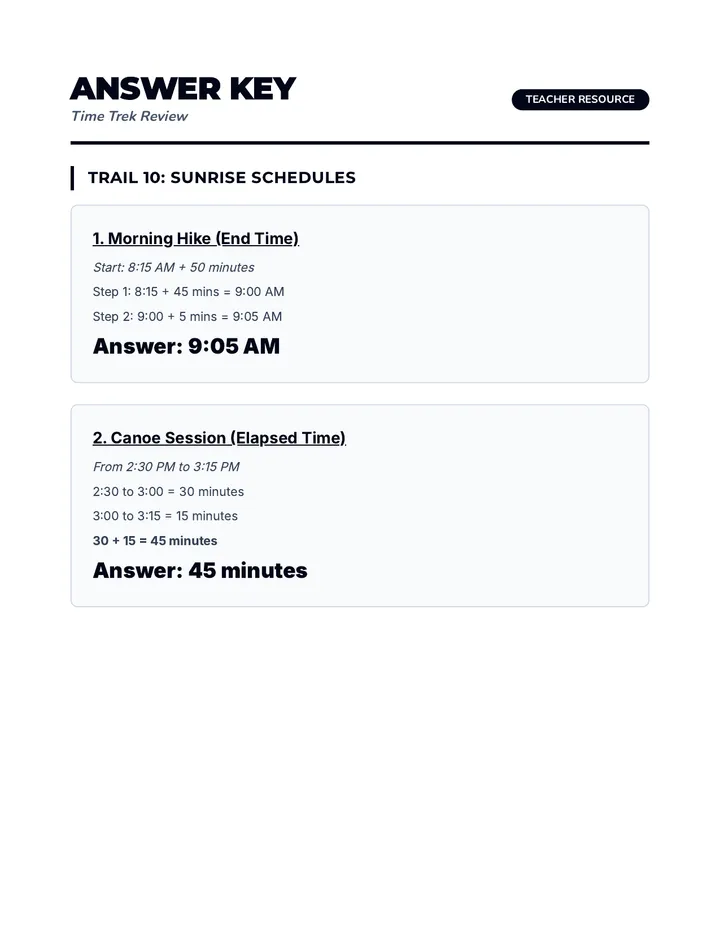
A comprehensive unit on calculating elapsed time, progressing from simple one-hour intervals to quarter-hour and five-minute increments using scenarios and analog clocks.
A lesson sequence focused on understanding and converting volume units (liters and milliliters) to compare capacities through interactive games and visual models.
A comprehensive math lesson for 5th graders focused on adding mixed numbers with regrouping, themed around baking a 'Giant Cookie' for a bakery. Includes visual instruction via video, hands-on recipe calculation, and reflection.
A focused unit on mastering the volume of cones, specifically identifying and correcting common calculation errors like the 'diameter trap'.
An engineering-focused unit where 8th-grade students analyze 3D solids through nets, volume formulas, and surface area optimization. The sequence culminates in a design project to create efficient packaging using geometric principles.
A 5-lesson sequence for 3rd graders focused on understanding mass using metric units (grams and kilograms). Students progress from qualitative comparisons to using pan balances, standard weights, digital scales, and finally applying their skills in a realistic market simulation.
This sequence guides 6th-grade students through the conceptual and procedural aspects of calculating the volume of rectangular prisms. Starting with unit cubes and moving through fractional edge lengths and composite figures, students develop a deep understanding of 3D space measurement.
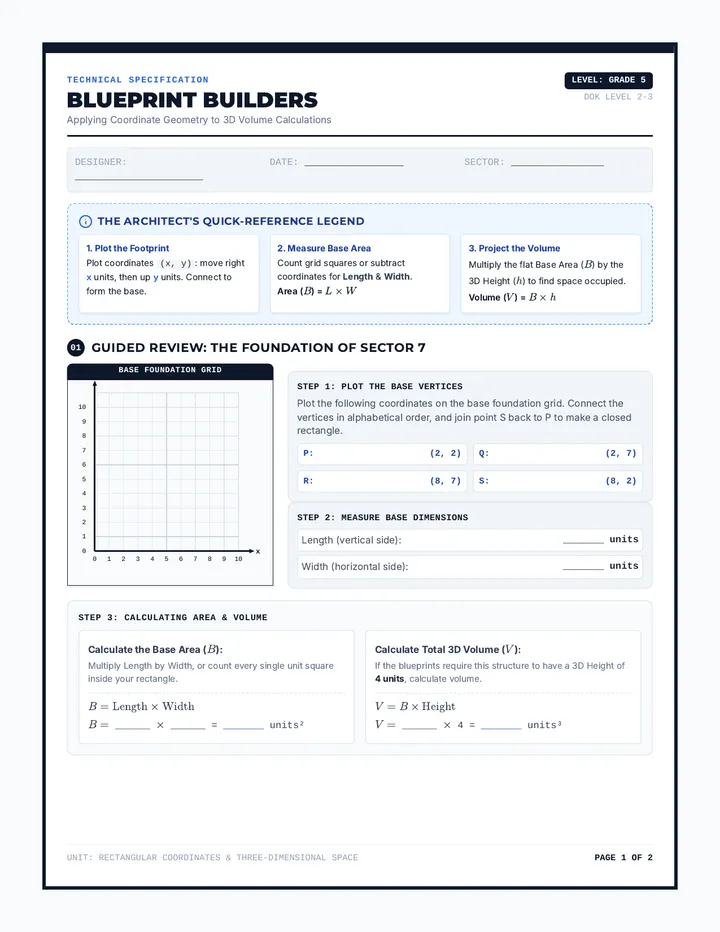
This sequence connects geometry to physical space by exploring volume and the attributes of solid figures. Students progress from packing unit cubes to deriving and applying the standard volume formulas (V = l x w x h and V = B x h) to real-world engineering challenges.
A comprehensive introduction to time for Kindergarten students, covering daily cycles, sequencing, duration, and basic clock reading using the 'Time Travelers' theme.
A project-based unit exploring the relationship between 2D shapes and 3D solids through cross-sections, rotations, volume principles, and real-world modeling. Students move from visualization to optimization, culminating in a container design challenge.
An integrated 3rd-grade sequence focused on solving real-world word problems involving time, liquid volume, and mass. Students act as professionals in various fields, applying measurement concepts to complex scenarios and simulations.
A comprehensive unit for 3rd graders to master the concept of mass. Students progress from distinguishing between grams and kilograms using physical benchmarks to using scales, estimating mass, and solving multi-step word problems involving measurement.
A 7th-grade math lesson focused on the distinction between exact values in terms of Pi and decimal approximations using circumference calculations from the 'Circumference Song'.
A high school geometry and algebra sequence focused on applying 3D geometry formulas to real-world optimization problems, specifically focusing on cones.
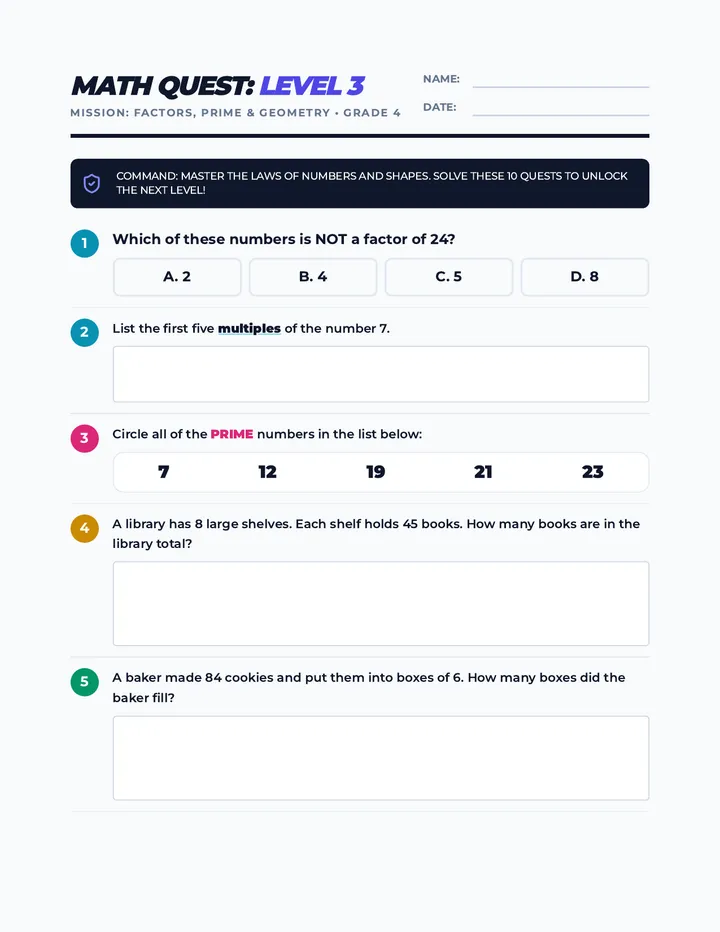
A math sequence for 4th graders focused on mastering the perimeter formula for squares, specifically applying multi-digit multiplication in real-world contexts.
A specialized sequence for 12th-grade students focusing on math manipulative use and visual modeling to master multi-digit multiplication and division. Students progress from concrete base-ten blocks to representational area models, ending with strategy efficiency and real-world application.
A 5-lesson sequence for 5th Grade students focusing on the conceptual development of volume using unit cubes, specifically designed for academic support. Students progress from physical building and counting to discovering the multiplicative formula and applying it to composite shapes and real-world design challenges.
A 5-lesson sequence for 5th-grade students that uses area models and math manipulatives to build a deep understanding of multi-digit multiplication. Students progress from physical arrays to drawing boxes and finally connecting these models to numerical partial products.
A 5-lesson sequence designed for 5th-grade students needing academic support in math. It uses visual area models to bridge the gap between concrete base-ten modeling and abstract multi-digit multiplication and division, reducing cognitive load through spatial representation.
This sequence bridges geometry and physics, investigating the structural properties of 2D and 3D shapes. Students analyze rigidity, tessellation, and surface area-to-volume ratios to understand how geometric attributes influence physical performance in engineering and nature.
A 10th-grade physics and geometry sequence exploring the transition from 2D planar representations to 3D solids, focusing on polyhedra, curved surfaces, and engineering design through Euler's Formula and net construction.
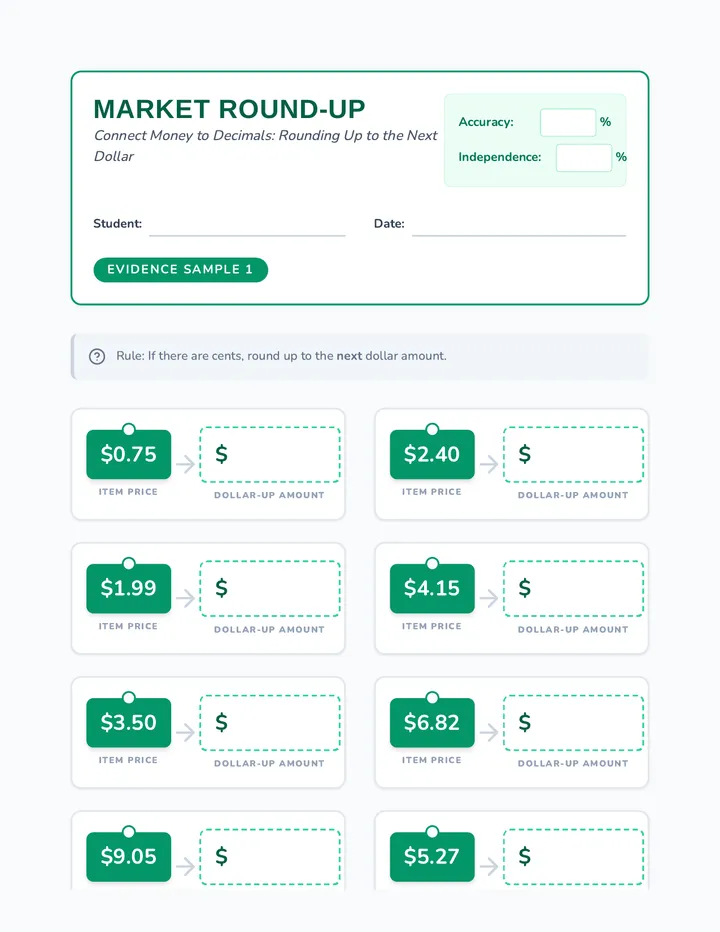
A comprehensive week-long math unit focused on identifying coin values and performing addition and subtraction of money up to $20 using a calculator in real-world contexts.
A series of activities for 2nd graders to master spatial relationships (over, under, in front, behind) and temporal sequencing (first, next, last, before, after). Students will use hands-on exploration and logical ordering to understand how things exist in space and time.
A comprehensive math unit focusing on applying percentage calculations, sales tax, and multi-step budgeting to real-world scenarios. students act as event planners to manage a fixed budget while accounting for specific tax rates.
A 2nd-grade math unit focused on applying subtraction of tens to real-world money contexts using dimes as a concrete representation of tens.
This sequence uses the Concrete-Representational-Abstract (CRA) framework to teach decimal place value through the lens of financial literacy. Students move from manipulating physical currency to drawing models and finally using standard algorithms to manage budgets.
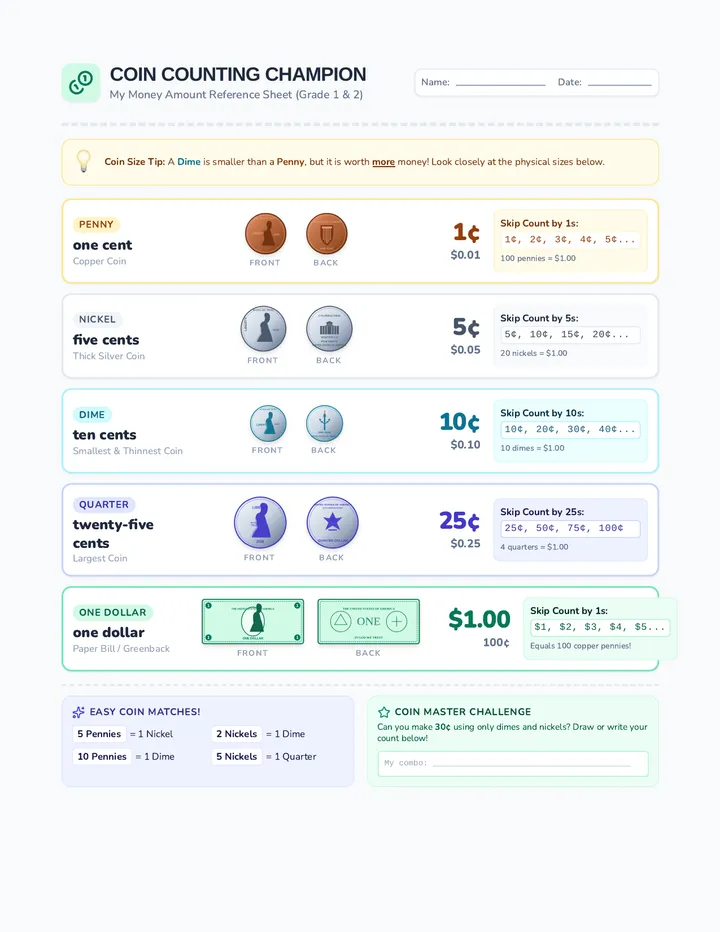
A comprehensive 1st-grade introduction to United States currency, focusing on physical identification, numerical value, paper bills, equivalencies, and the concept of digital money through the theme of 'Money Detectives'.
A sensory-based introduction to U.S. coins for Kindergarten, focusing on sorting by physical attributes, identification, and basic values through inquiry and exploration.
A Kindergarten sequence exploring the calendar, days of the week, and months. Students learn to navigate a calendar grid, understand weekly cycles, and use relative time vocabulary (yesterday, today, tomorrow) through hands-on activities and visual tracking.
A comprehensive 3rd-grade math unit focusing on reading analog clocks to the minute, calculating elapsed time using number lines, and solving complex time-based word problems. Students progress from basic clock reading to designing their own optimized daily schedules.
A comprehensive 3rd-grade unit on financial literacy, covering currency identification, counting, comparing values, adding totals, and calculating change through hands-on simulations.
A project-based unit for 9th-grade students that contextualizes fraction division in construction, culinary arts, and manufacturing careers. Students learn to apply division to unit rates, recipe scaling, material yields, and dimensional analysis.
This sequence anchors mathematical decomposition strategies in high-stakes, real-world transition skills. Students apply task analysis and breakdown strategies to complex financial and logistical scenarios relevant to independent living, moving from consumer math to a comprehensive life management simulation.
This sequence connects calculus to physics by applying integration to calculate Work and Force in variable systems. Students explore Hooke's Law, tank pumping, and lifting variable-mass objects, culminating in a mastery assessment of physical engineering applications.
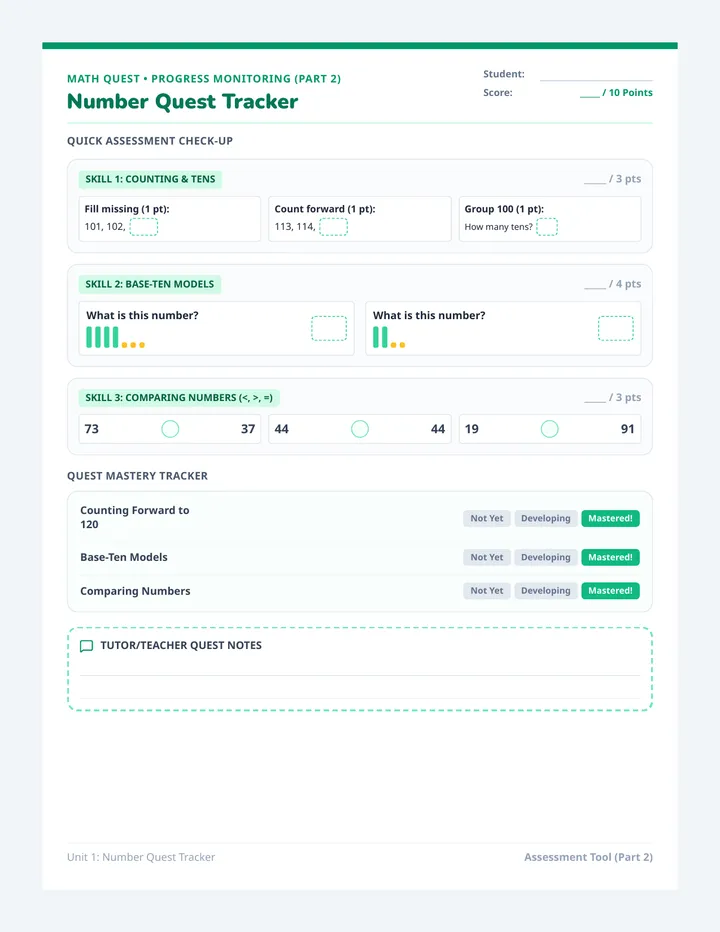
A calculus sequence for undergraduate students exploring related rates through environmental, engineering, and mechanical lenses. Students analyze dynamic systems like oil spills, reservoir drainage, and piston mechanics to understand the physical significance of time-dependent derivatives.
A 2nd-grade inquiry-based sequence exploring measurement abbreviations through the lens of 'The Shrink Lab.' Students investigate why and how we shorten measurement words in real-world contexts like recipes and blueprints.
A comprehensive geometry sequence for 10th-grade students on calculating the area of oblique triangles using the Sine Area Formula and Heron's Formula, focusing on real-world applications like land surveying and design.
A project-oriented sequence where students apply the Law of Sines and Law of Cosines to solve real-world navigation, aviation, and surveying problems. Students learn to interpret bearings, model physical spaces with oblique triangles, and synthesize their skills into a final cartography project.
This sequence bridges geometry, algebra, and physics by challenging students to work backwards from volume to find missing dimensions and using those volumes to calculate density. Students act as analysts and designers, moving from formula manipulation to forensic material identification.
A comprehensive 9th Grade Geometry unit focusing on the volume of spheres, hemispheres, and composite solids. Students move from conceptual derivation using Archimedes' principles to complex real-world applications involving planetary scales and industrial design.
This foundational sequence introduces 9th-grade students to volume as the accumulation of area through height, covering prisms, cylinders, Cavalieri's Principle, and composite solids. students progress from conceptual visualization to algebraic application and real-world capacity problem-solving.
A 10th-grade geometry sequence focusing on modeling complex structures using composite and subtractive volume techniques, solids of revolution, and real-world architectural applications.
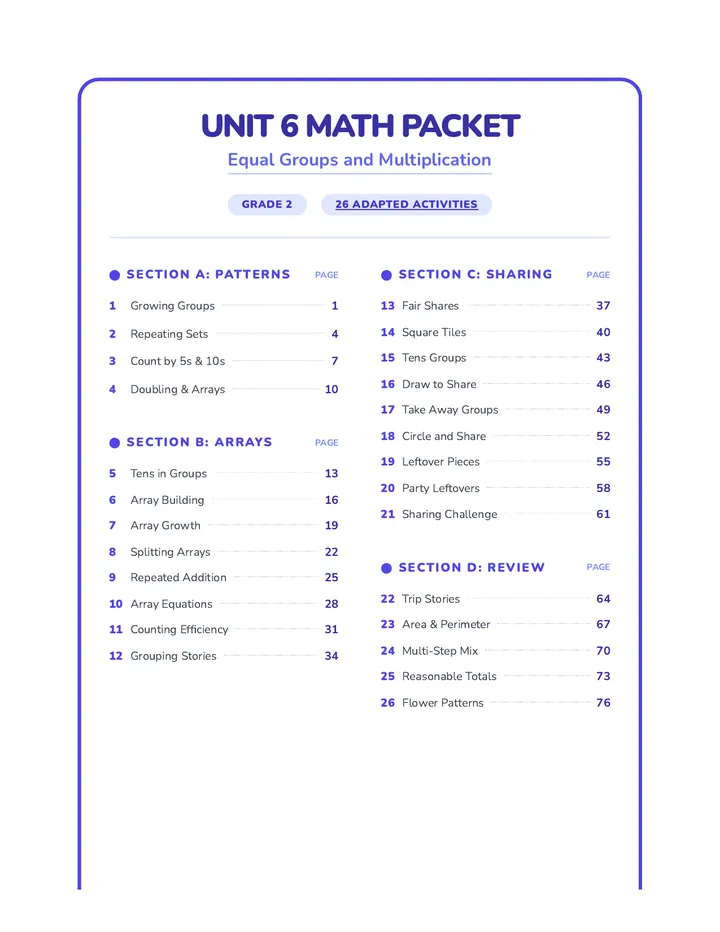
An inquiry-based exploration of curved geometric figures for 5th graders, using hands-on discovery, water displacement, and granular materials to understand volume and capacity relationships.
A project-based unit where 3rd-grade students learn to construct angles and geometric figures using protractors and straightedges. The sequence culminates in an 'Angle Art' project where students apply their precision drawing skills to create a labeled masterpiece.
This workshop-style sequence transitions students from visual estimation to precise measurement using a protractor. Students learn the logic behind the 360-degree circle and how to align a protractor correctly to read measurements.
A project-based 8th-grade sequence where students act as structural engineers and architects. They apply angle concepts (complementary, supplementary, vertical, adjacent) to design and verify the structural integrity of bridges and trusses.
This project-oriented sequence bridges theoretical geometry with physical application, tasking 9th-grade students to act as surveyors and designers. From precision measurement and error analysis to architectural blueprinting and vector navigation, students explore how angular accuracy impacts structural integrity and functionality in the real world.
A project-based exploration of angles in engineering, architecture, and sports for 5th-grade students. Students identify, measure, and apply angle concepts to design a safe and functional playground.
A comprehensive workshop-style sequence for 5th graders to master angle classification, precision measurement with protractors, and geometric construction. Students progress from visual benchmarks to technical drafting skills.
A project-based unit where 7th-grade students apply angle concepts to architecture and engineering, culminating in the creation of a precise geometric blueprint for a structure.
This sequence focuses on the fundamental proficiency of using geometric tools to measure and construct angles with high precision. Students learn protractor mechanics, estimation techniques, construction procedures, and error analysis through an engineering and drafting lens.
This sequence guides 6th-grade students through the mechanics of geometry, focusing on identifying, measuring, classifying, and constructing angles with precision. Students move from basic anatomy to mastery of the protractor and error analysis.
A 5-lesson unit for 3rd graders exploring the additive nature of angles. Students learn to combine smaller angles to form right angles (90 degrees) and straight lines (180 degrees) through visual puzzles and design challenges.
This sequence guides 3rd-grade students from the conceptual understanding of degrees as units of rotation to the precise technical skill of using a protractor. Students explore the geometry of a circle, master tool alignment, navigate dual scales, and apply their skills to construct blueprints and solve measurement challenges.
A systematic workshop-style approach to mastering related rates in Calculus. Students progress from foundational implicit differentiation to complex geometric modeling involving Pythagorean theorem, volume expansion, conical constraints, and trigonometric rates.
This sequence introduces 9th-grade students to vectors as mathematical entities distinct from scalars. Students explore magnitude, direction, and geometric operations like addition and subtraction through inquiry-based activities and visual representations.
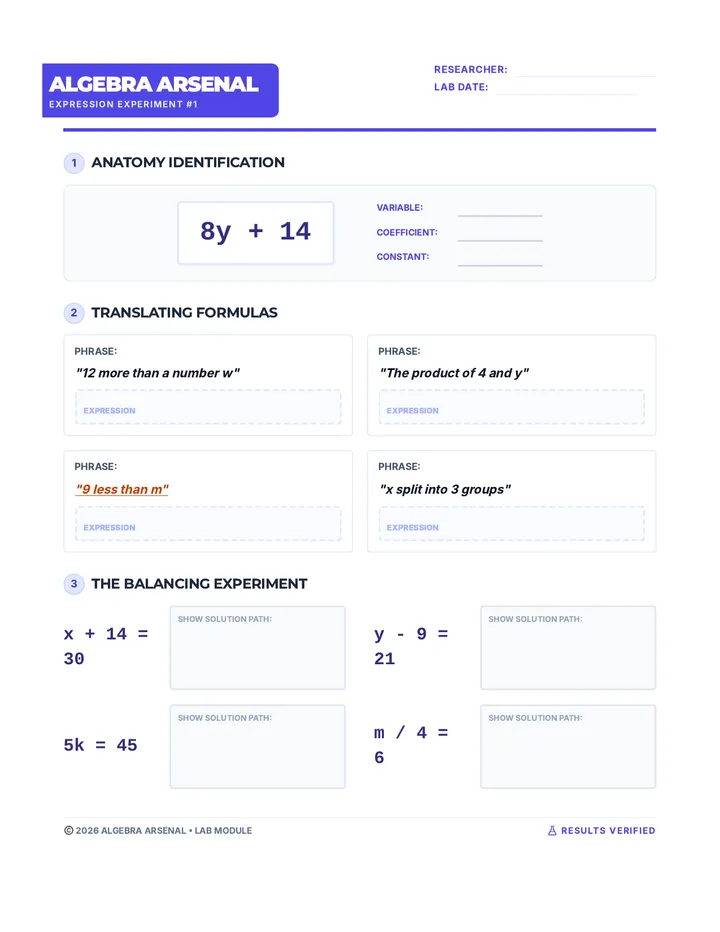
A comprehensive geometry sequence focused on finding the area of oblique triangles using trigonometric ratios and Heron's Formula, culminating in a real-world land surveying project.
This sequence explores the measurement of area and the analysis of forces using general triangles. Students move beyond the basic 1/2 bh formula to discover how sine and perimeter can define area in oblique scenarios, specifically using Heron's Formula and vector analysis.
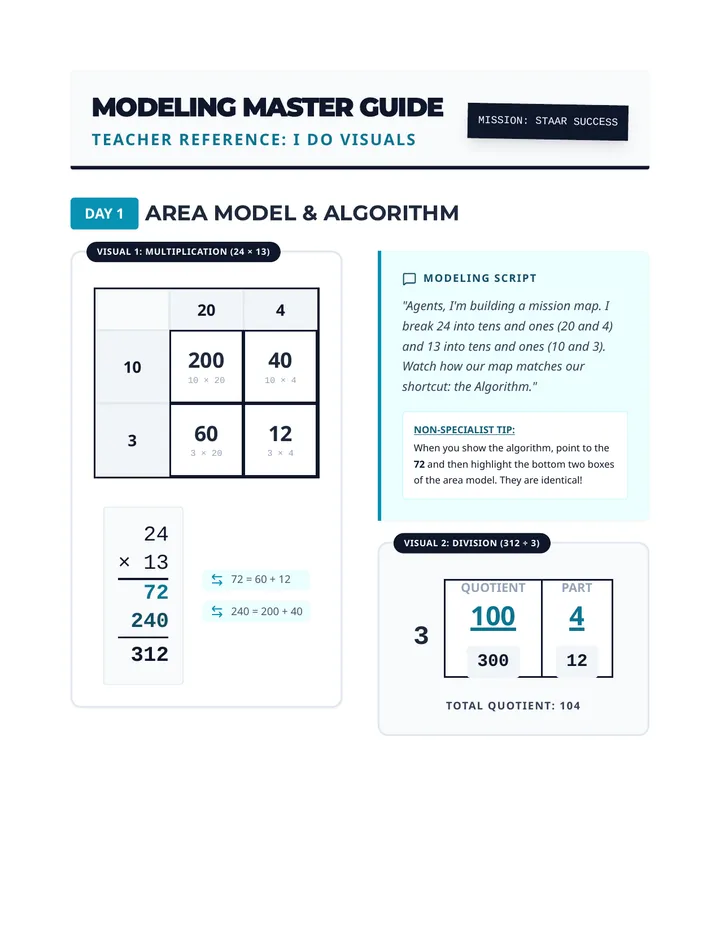
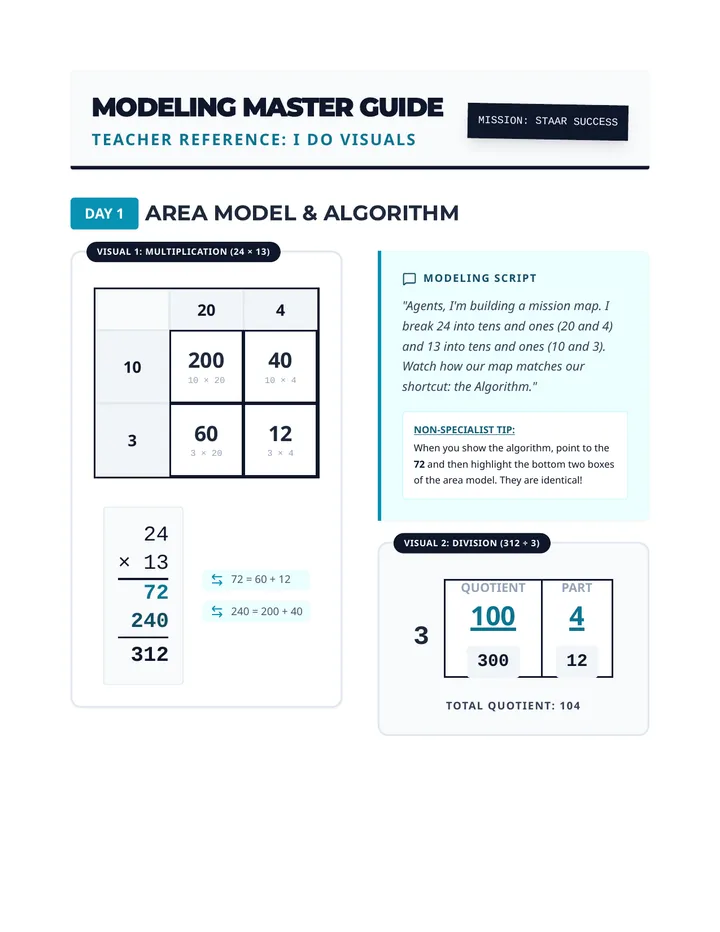
An 8th-grade geometry project where students use rigid motions to design complex, interlocking tessellations and geometric art, exploring congruence through practical application.
A gamified geometry unit where 3rd grade students become 'Shape Sleuths' to master the classification of 2D figures through strategic play and deductive reasoning. Students progress from attribute identification to complex spatial composition and hierarchical classification.
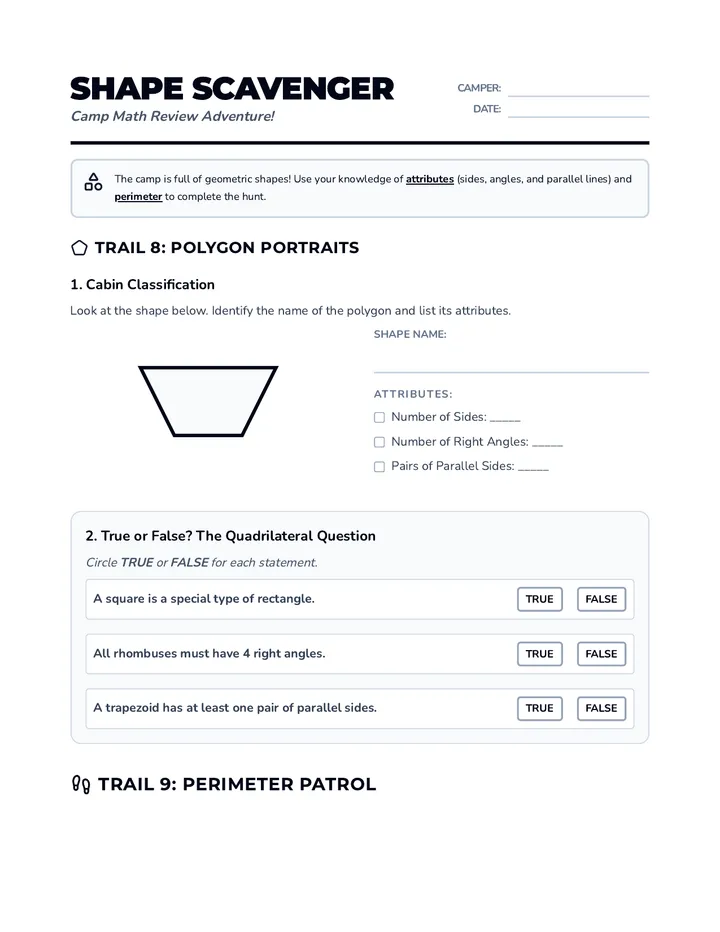
A comprehensive 3rd-grade geometry sequence focusing on the inquiry-based investigation of polygon attributes. Students progress from basic identification of polygons to defining complex shapes through angles, side lengths, and parallel relationships.
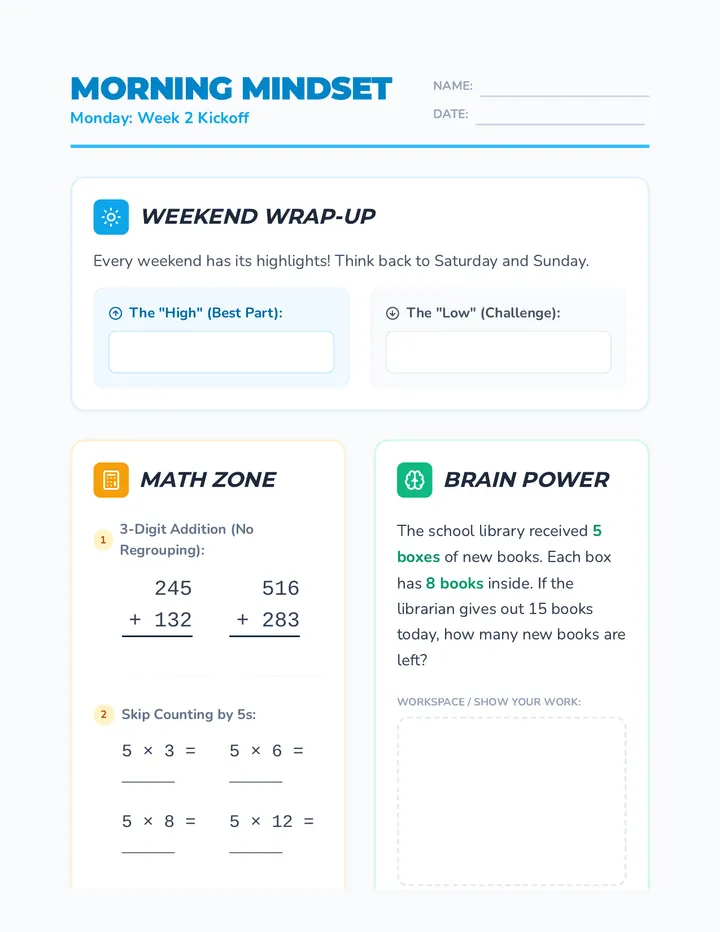
This sequence transitions 12th-grade students from degree-based measurements to radian measure, exploring arc length, sector area, and the physics of rotational motion through the lens of engineering and mechanical systems.