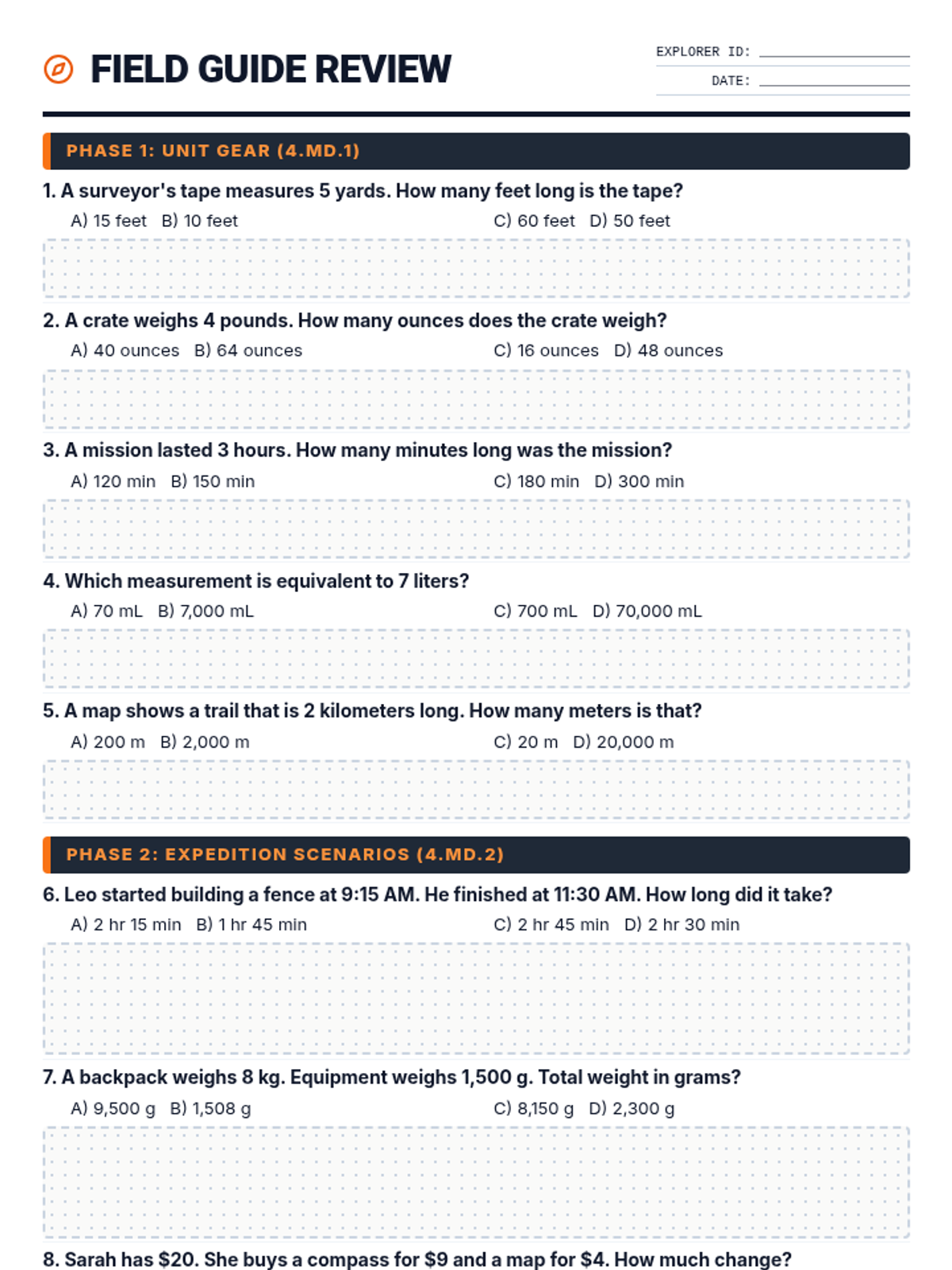
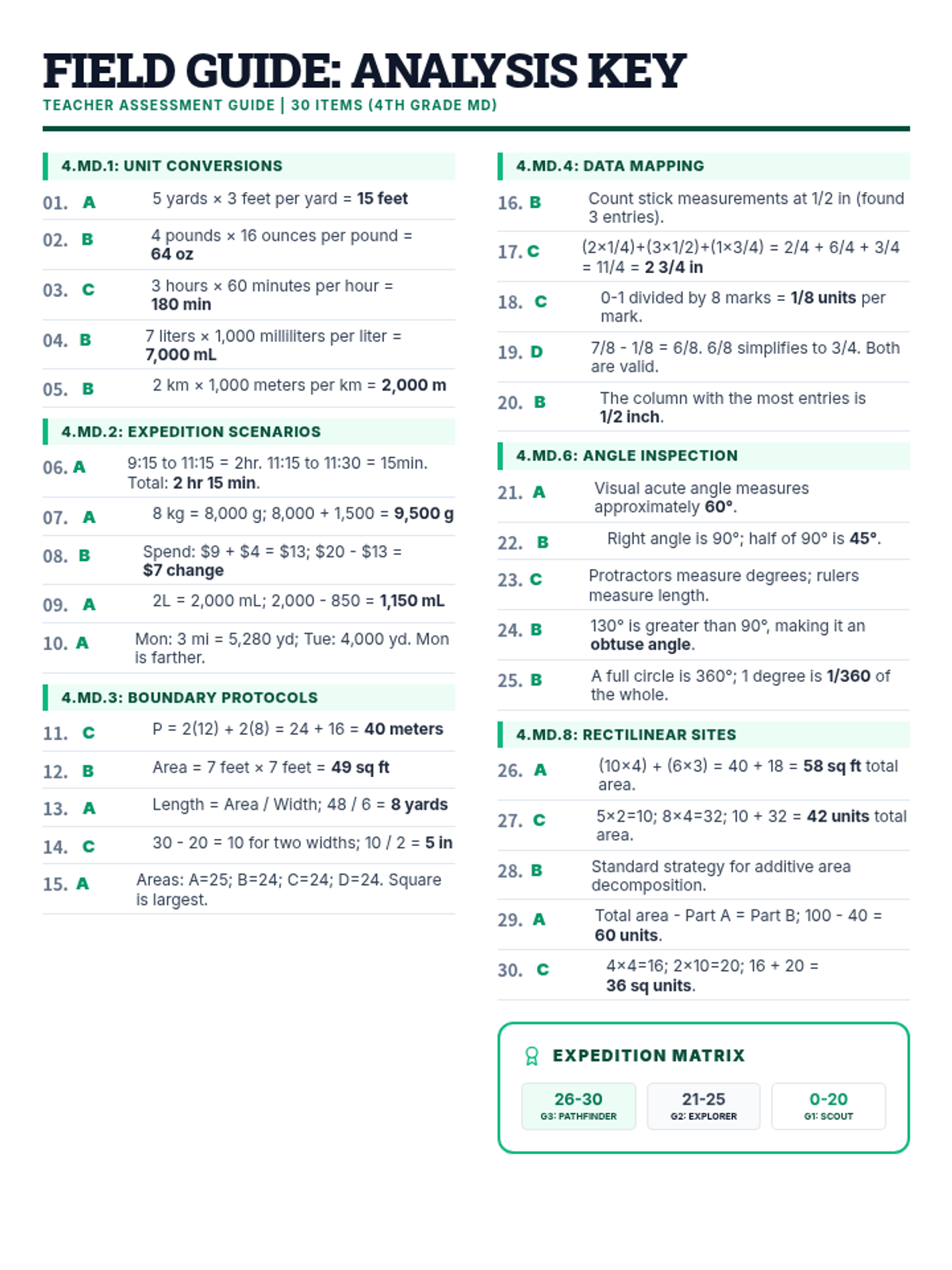
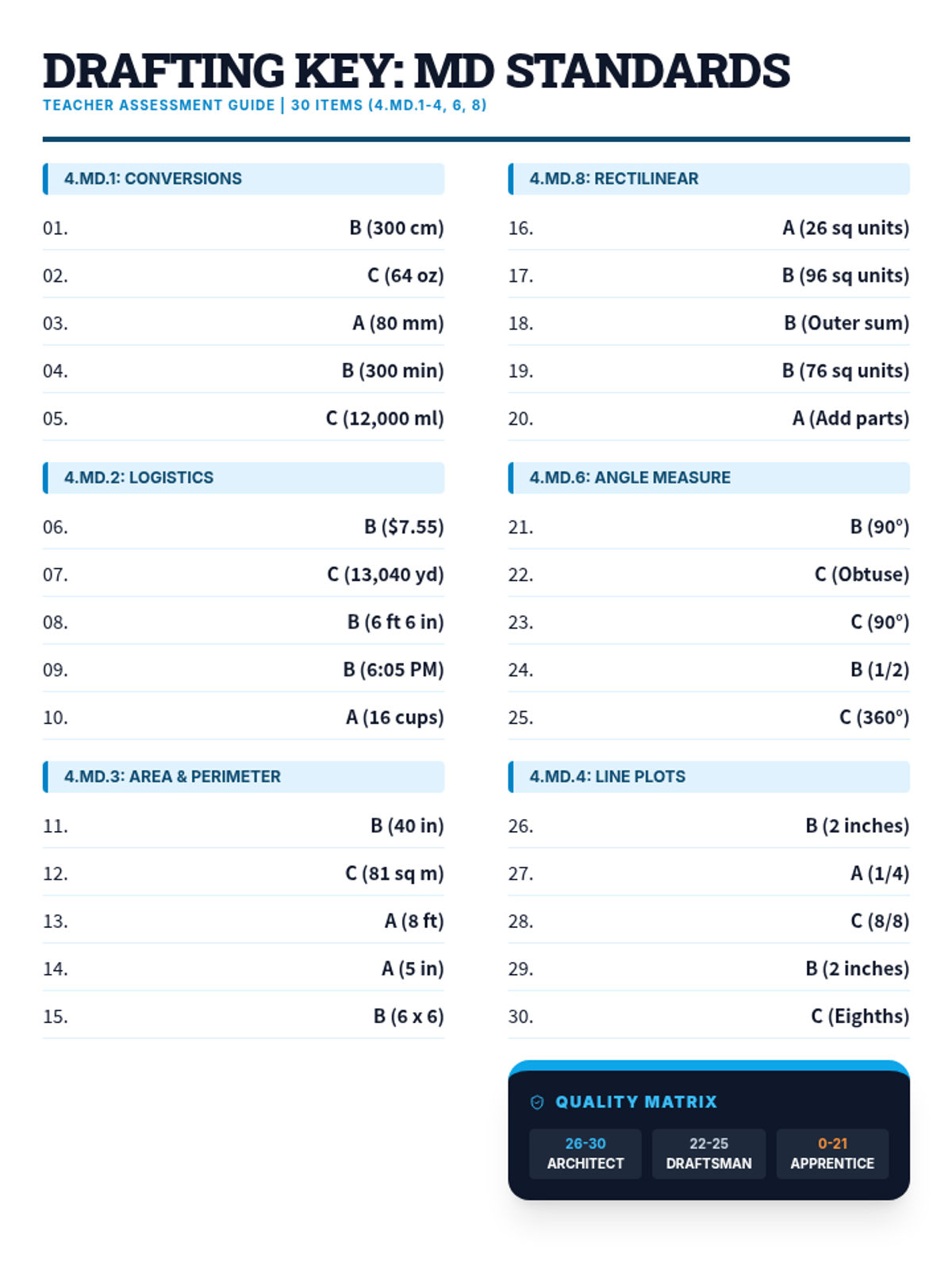
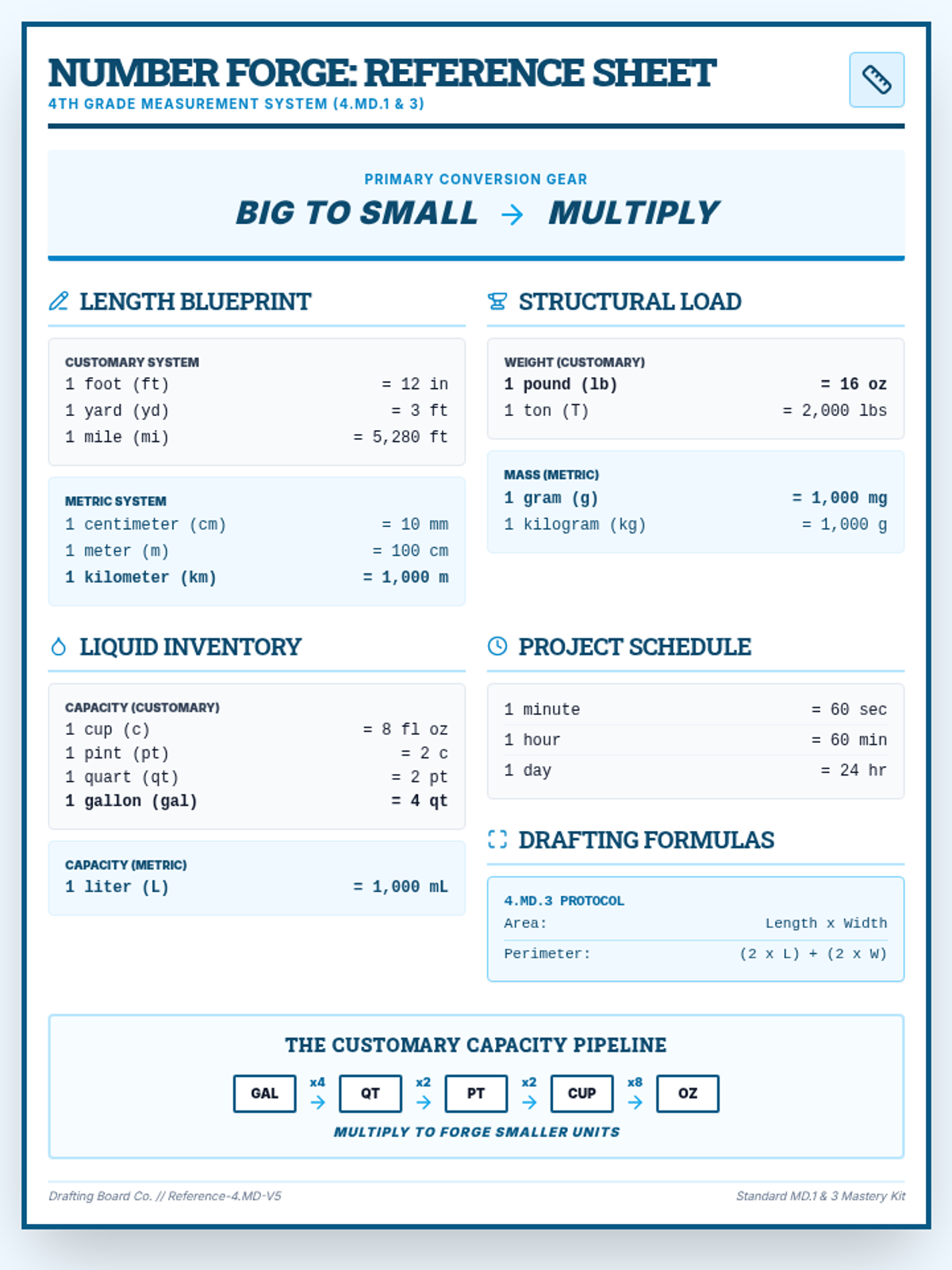
Develops proficiency in estimating and measuring length, area, volume, and mass using standard units and unit conversions. Integrates time, money, angle measurement, and data classification through counting and arithmetic applications.
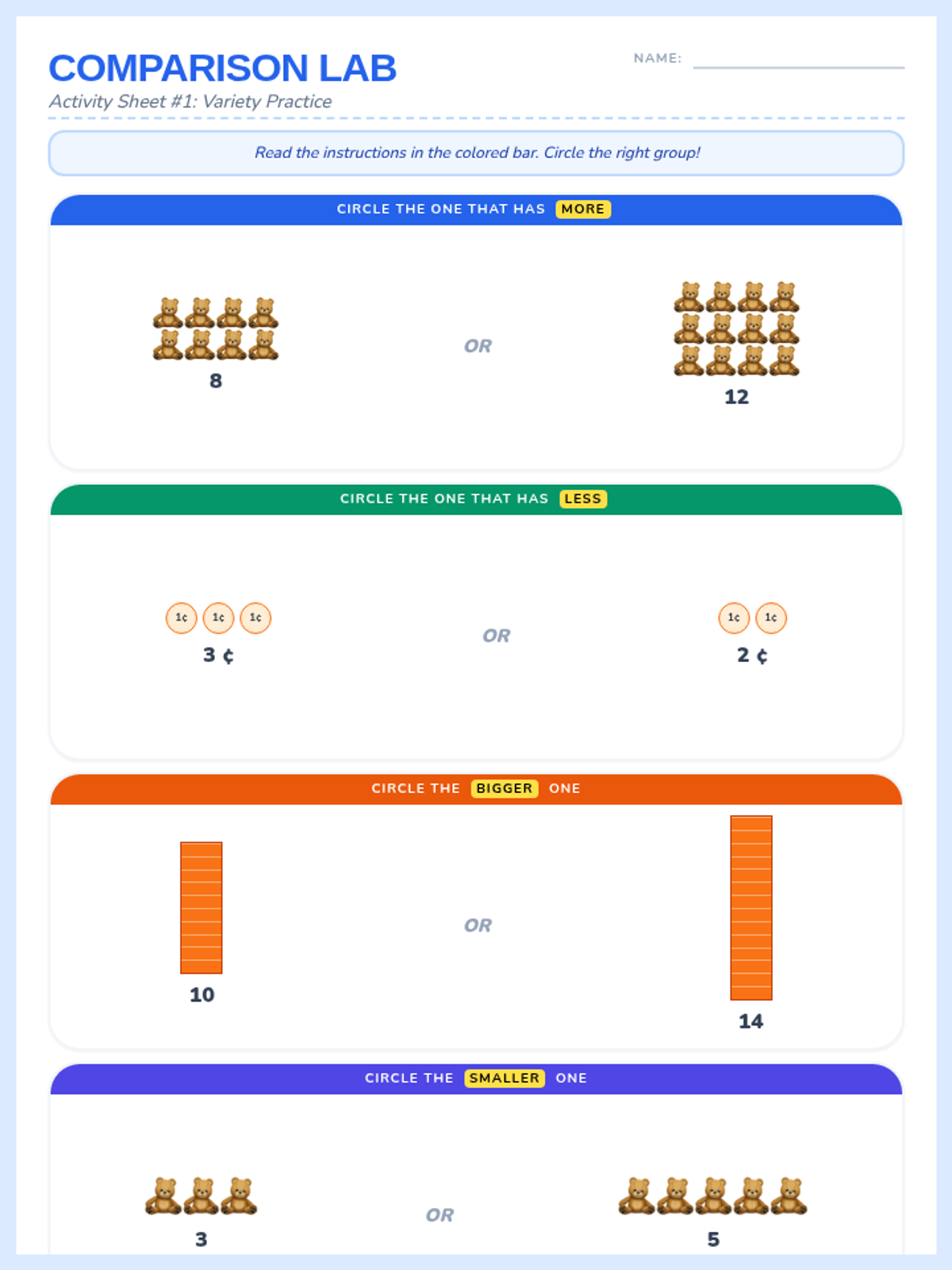
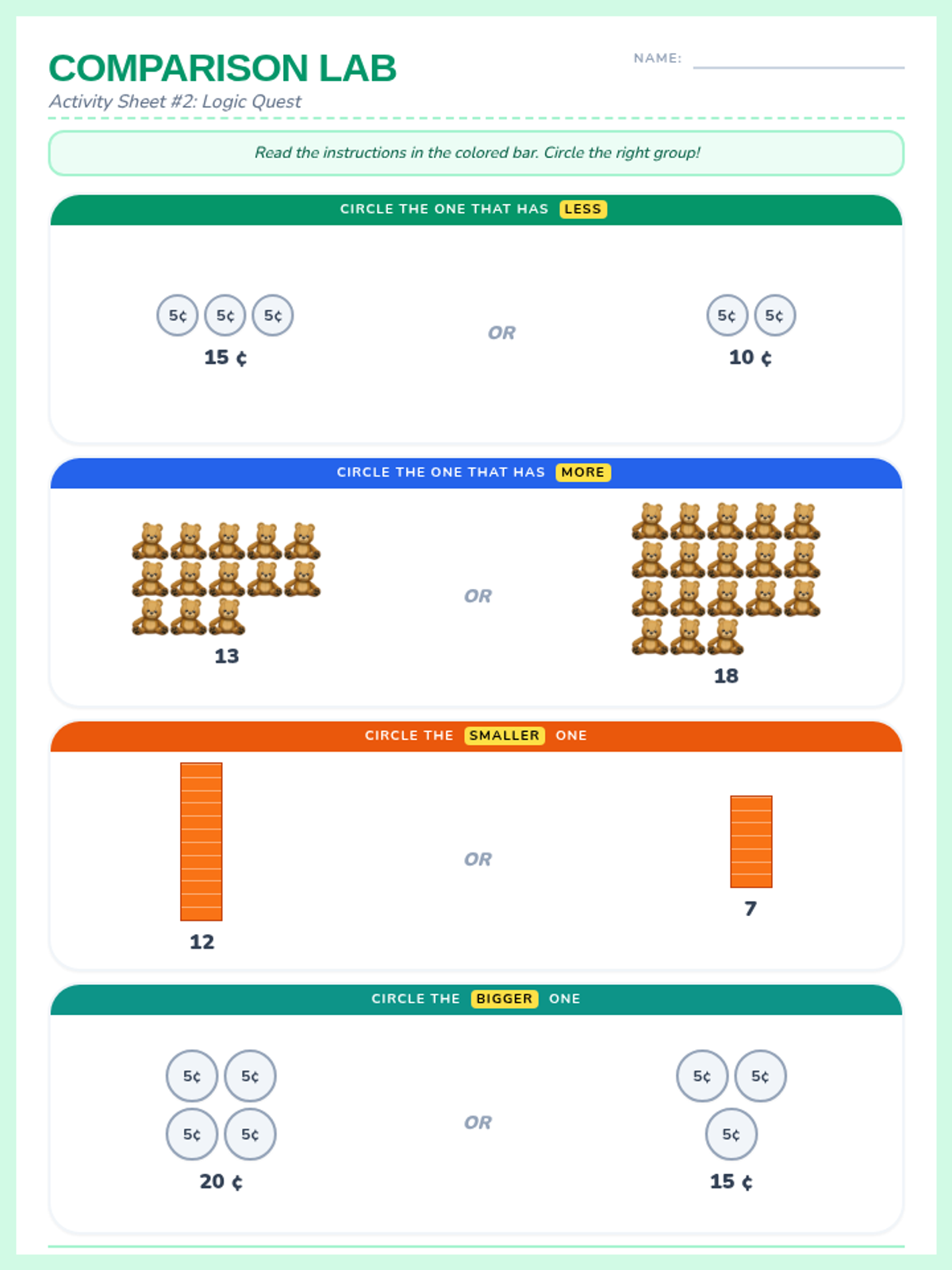
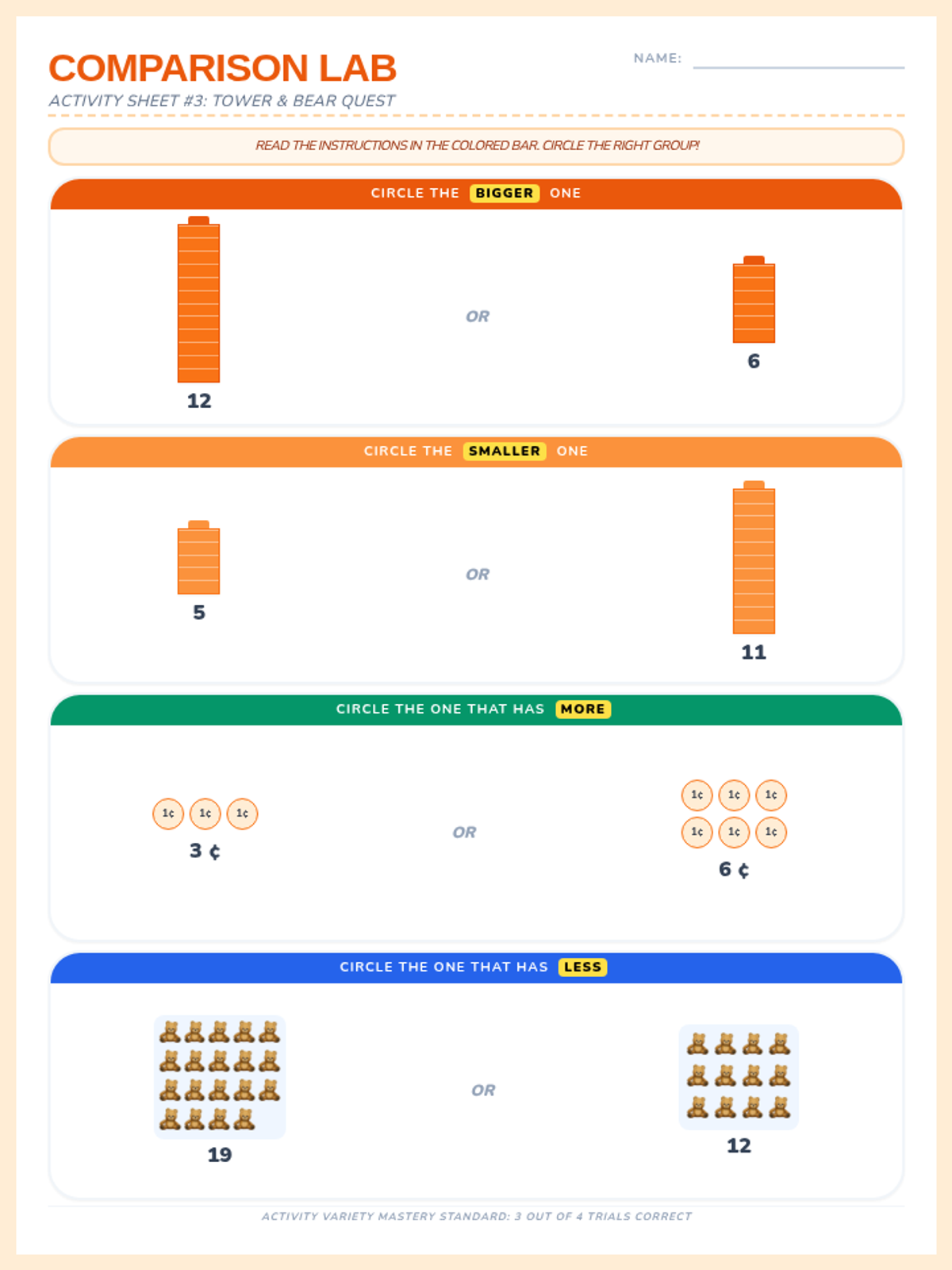
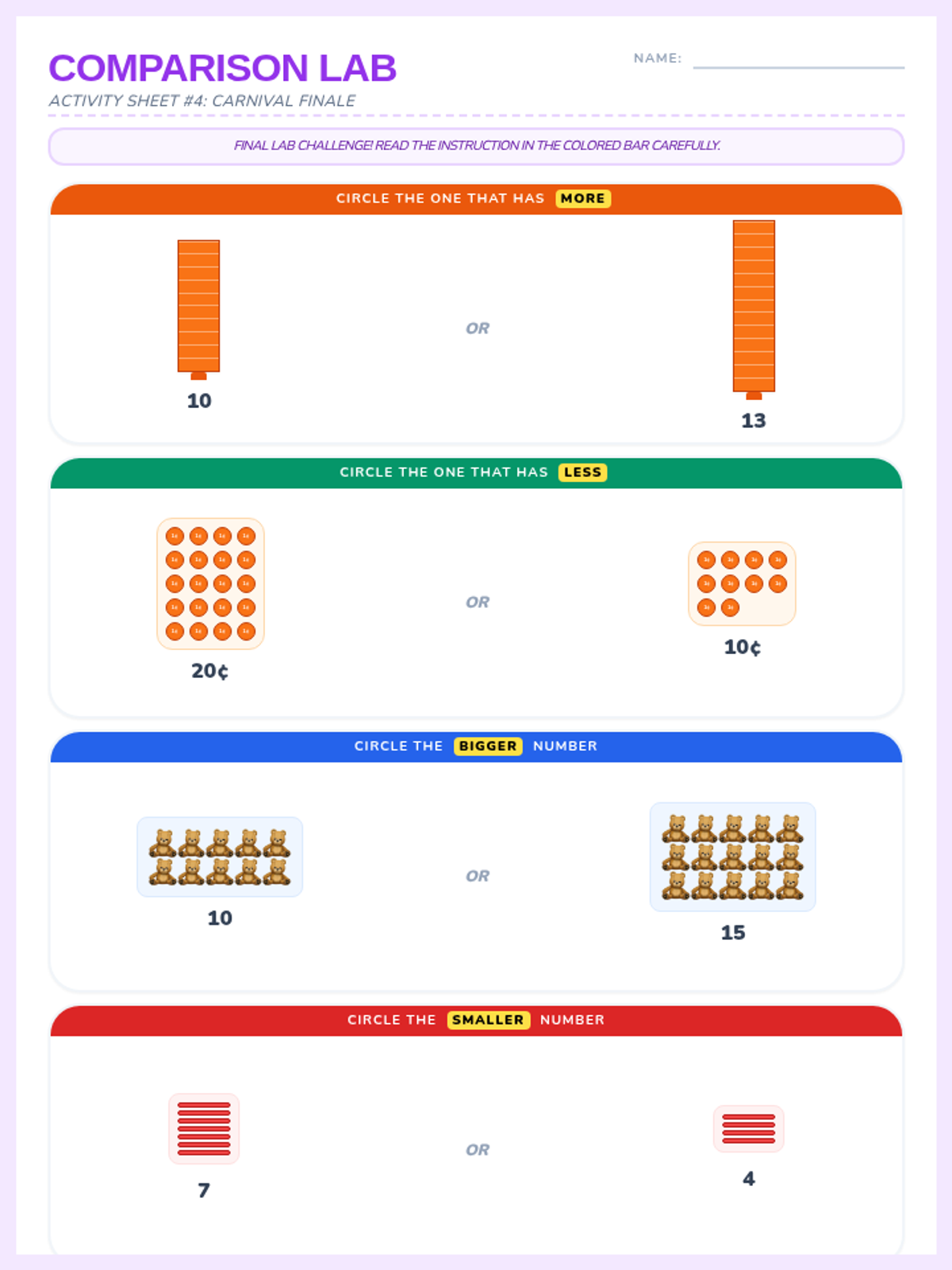
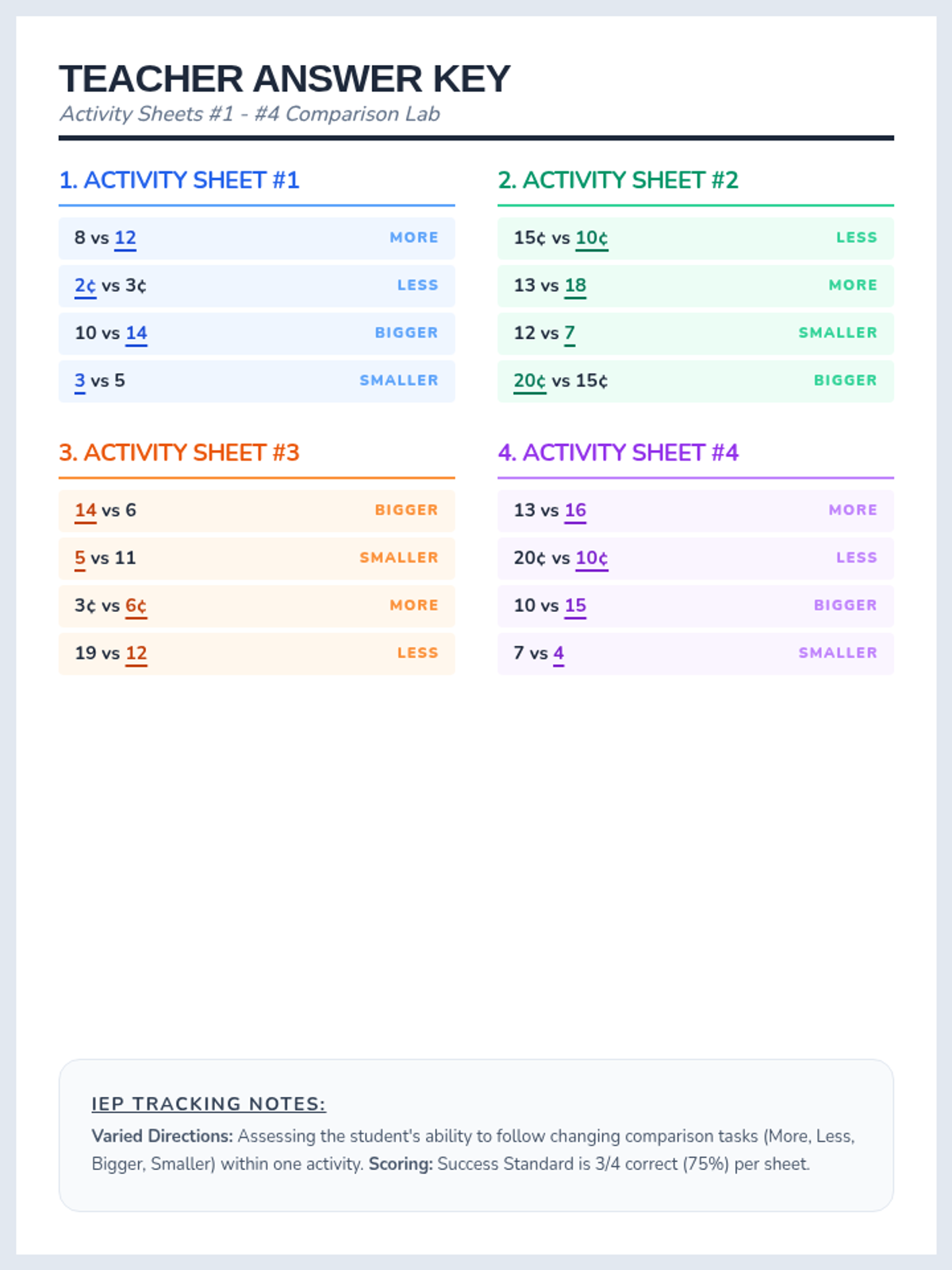
A set of hands-on math worksheets designed to help students master comparing numbers up to 20 using counting bears, coins, and Unifix cubes.
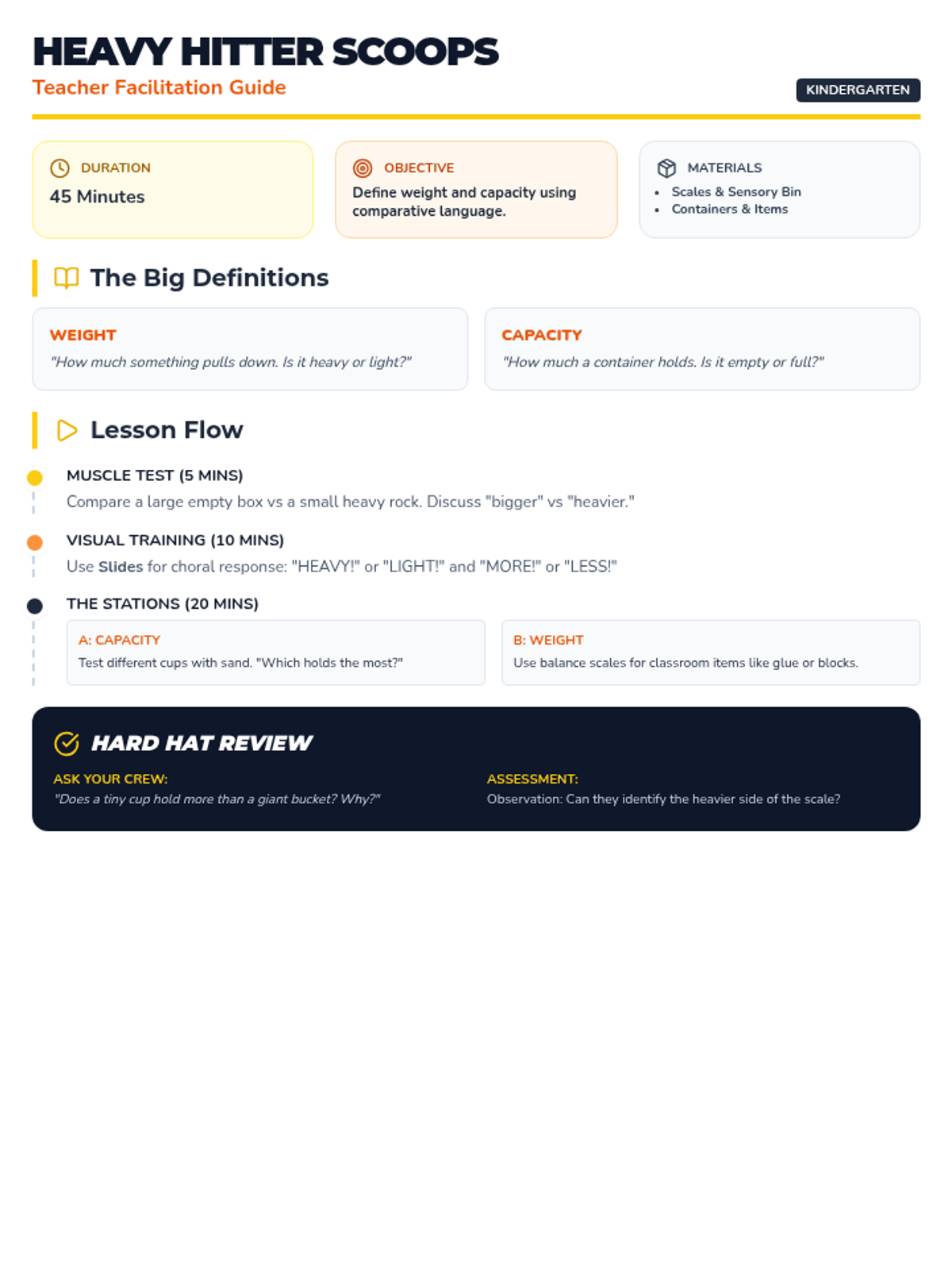
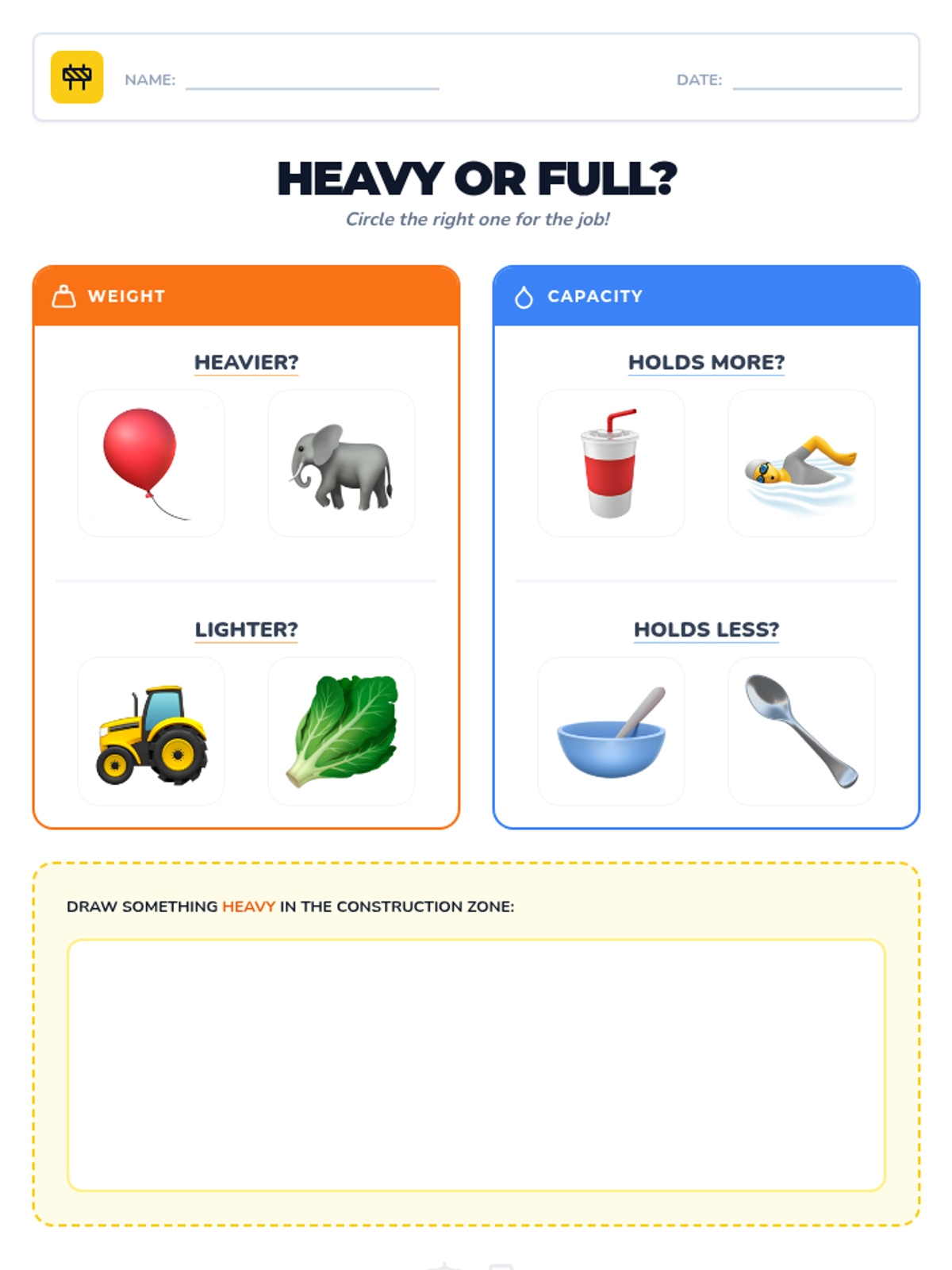
A hands-on kindergarten lesson introducing the concepts of weight (how heavy something is) and capacity (how much a container can hold) using interactive demonstrations and visual comparisons.
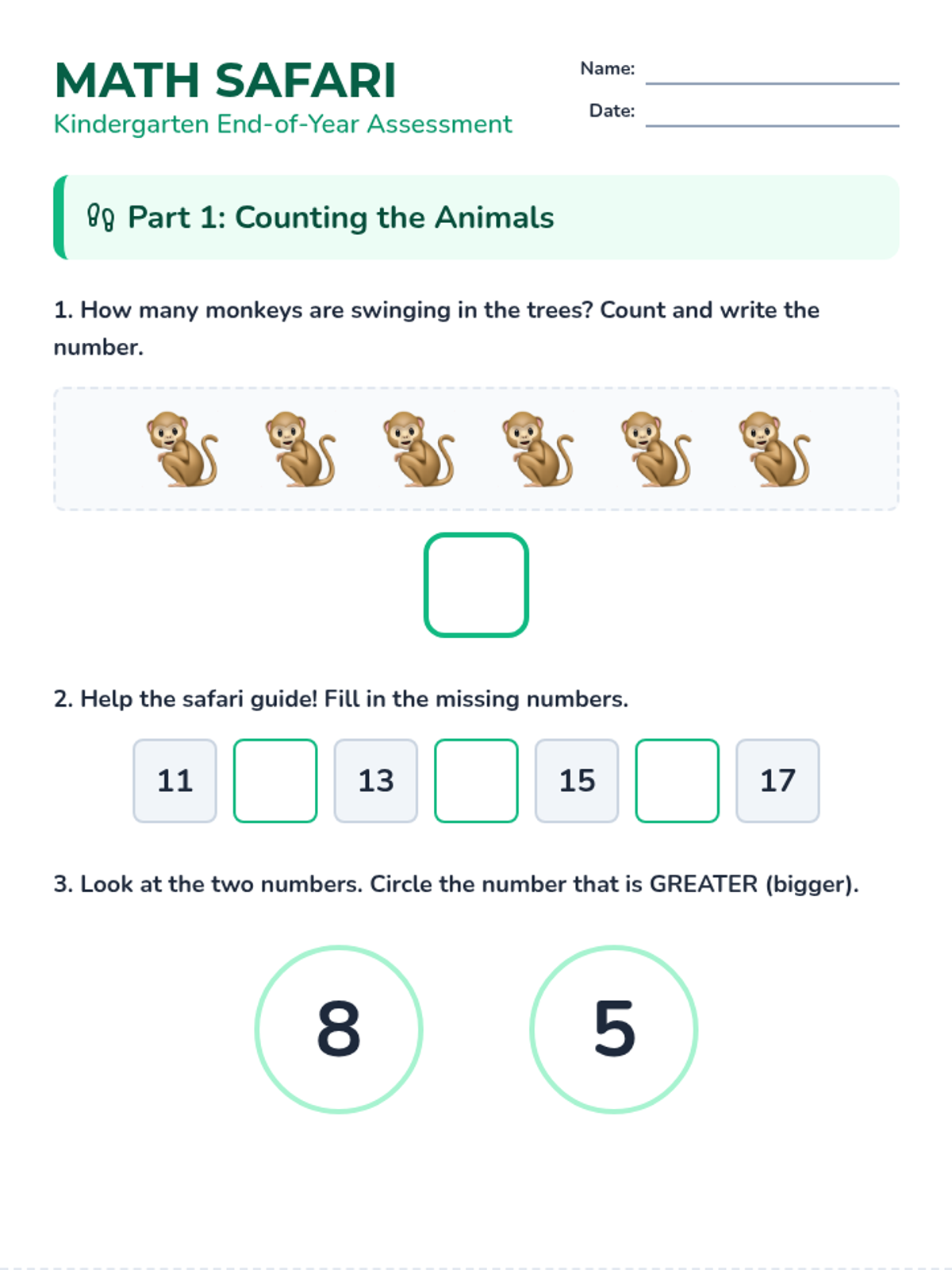
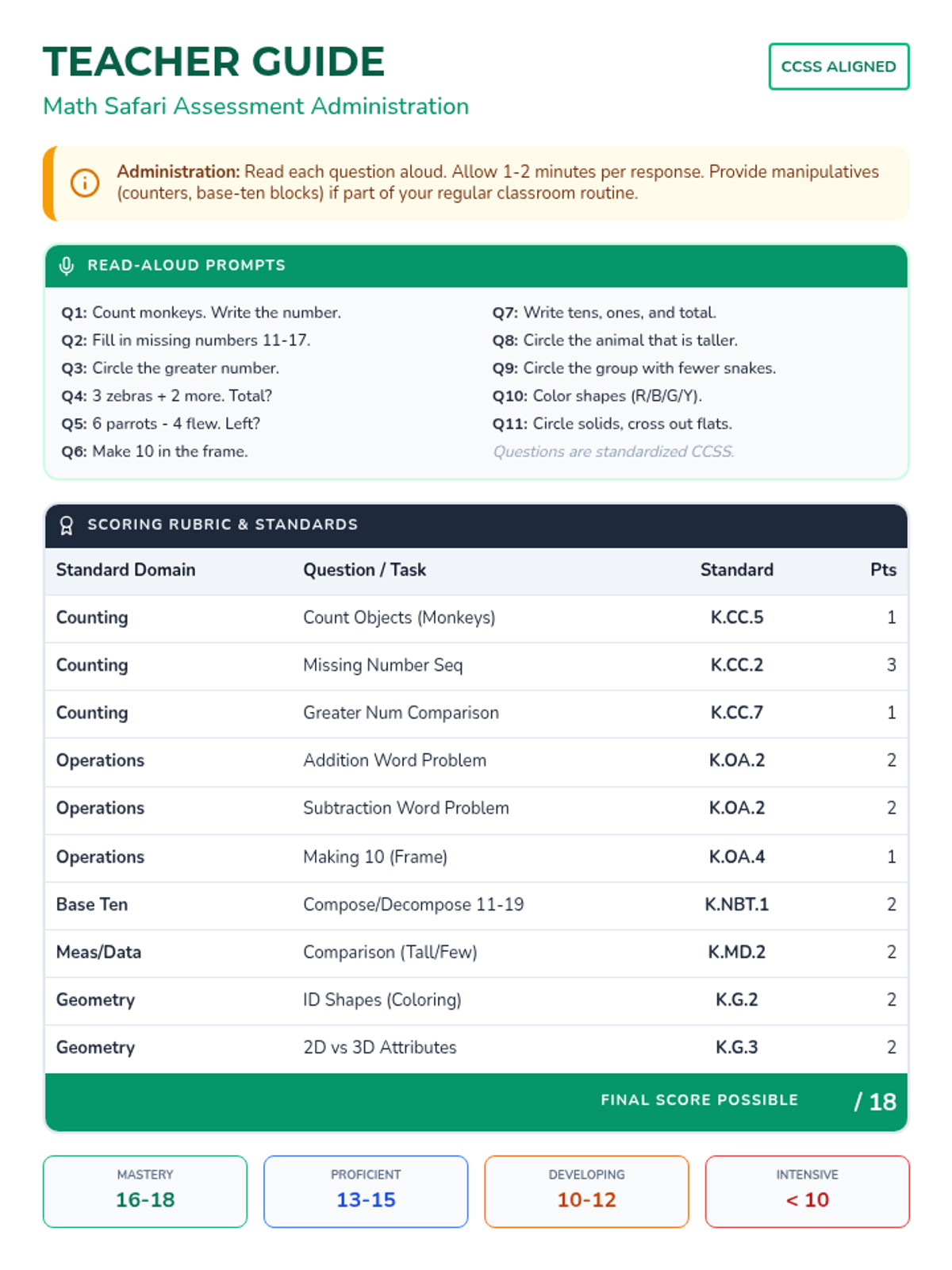
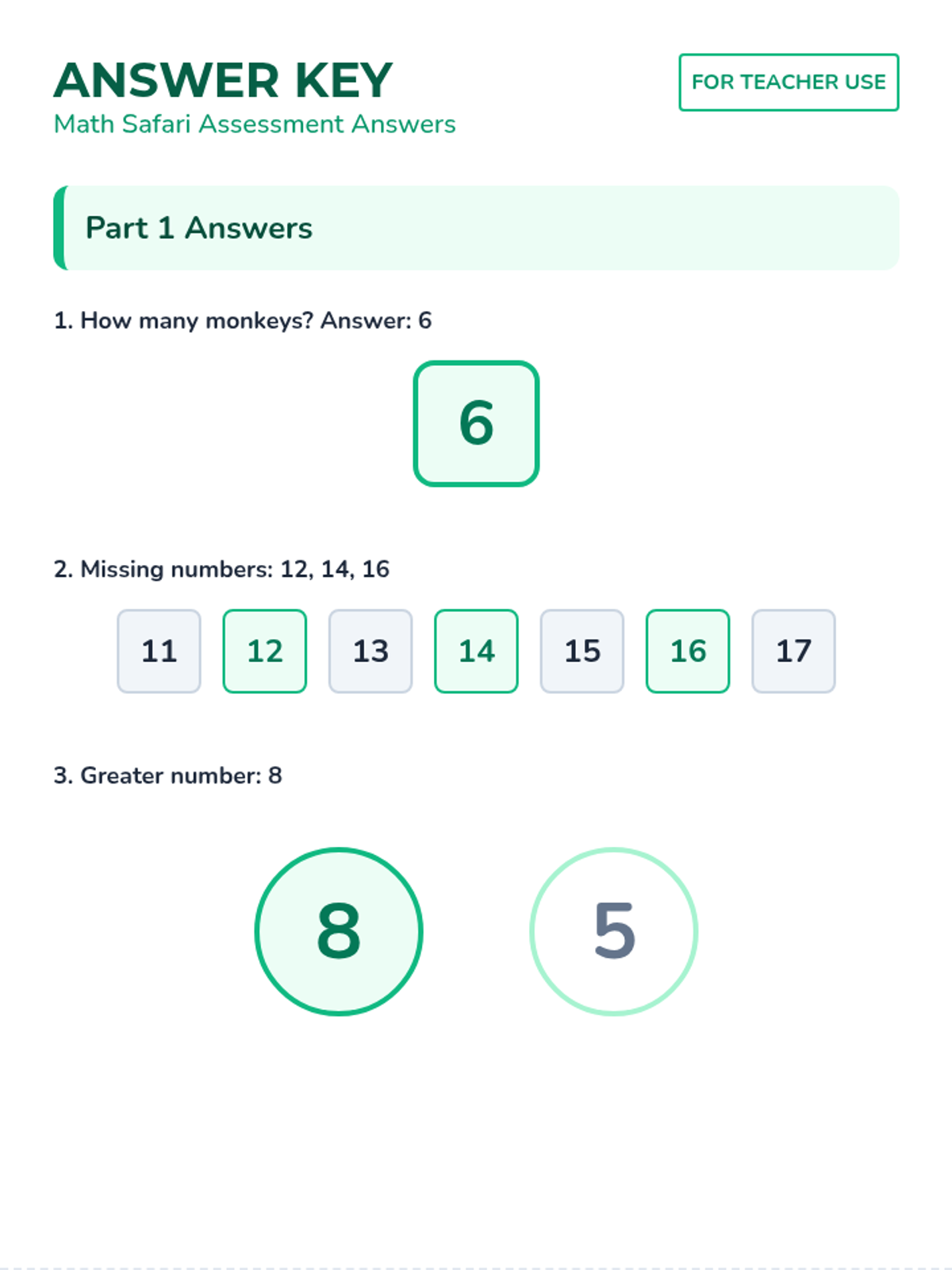
A comprehensive end-of-year math assessment for Kindergarten students covering all Common Core domains, designed with a fun safari theme.
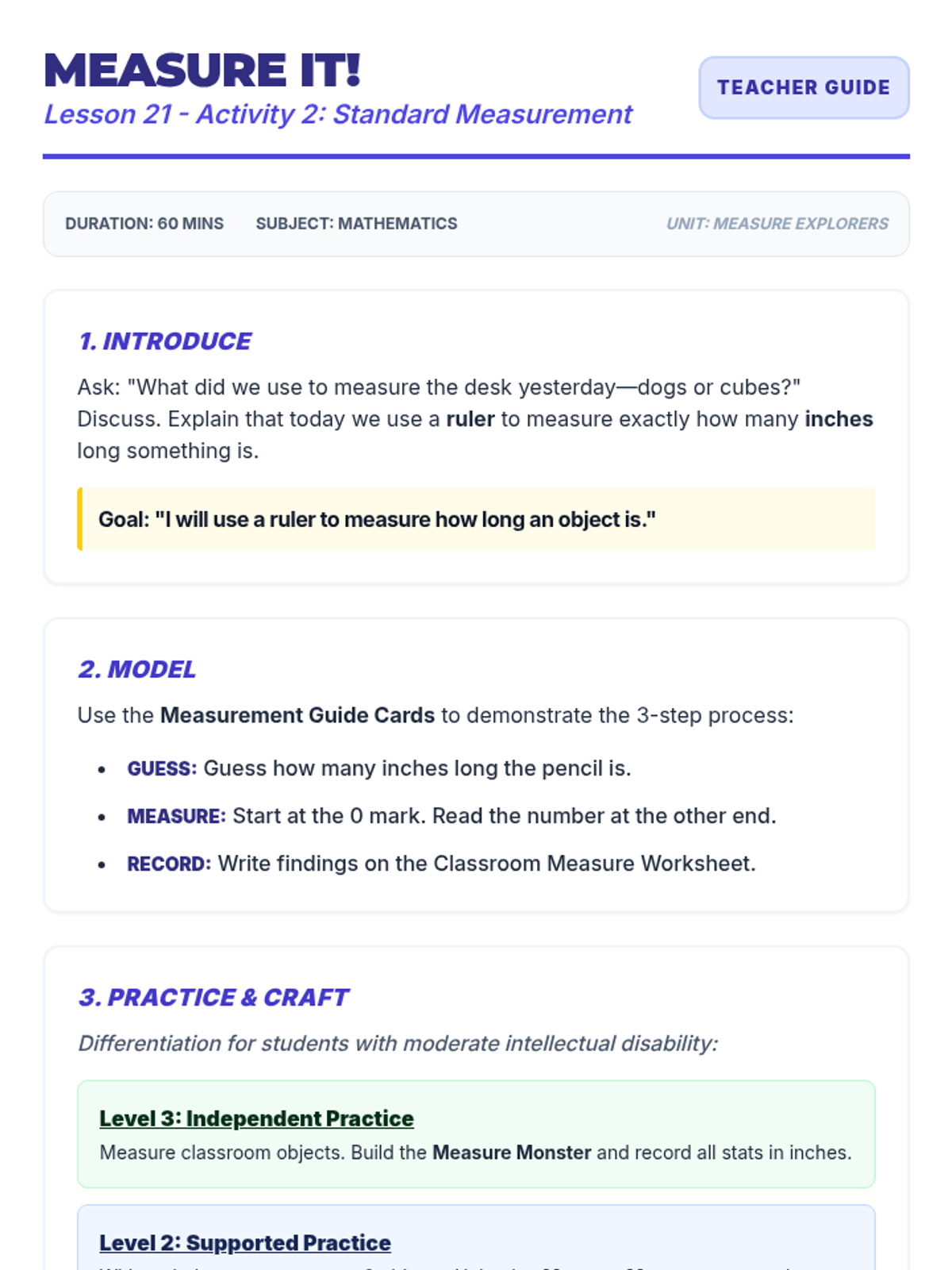
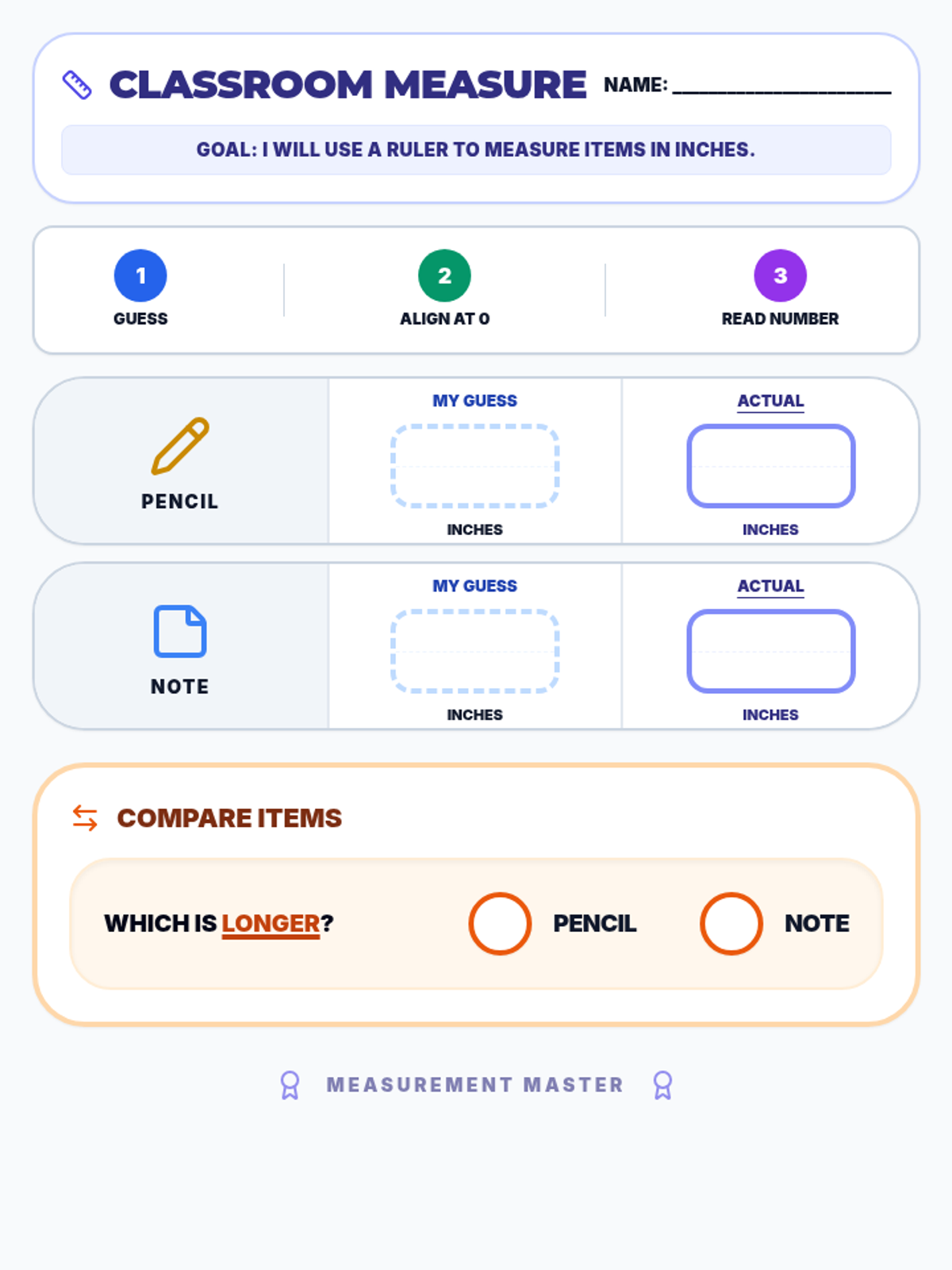
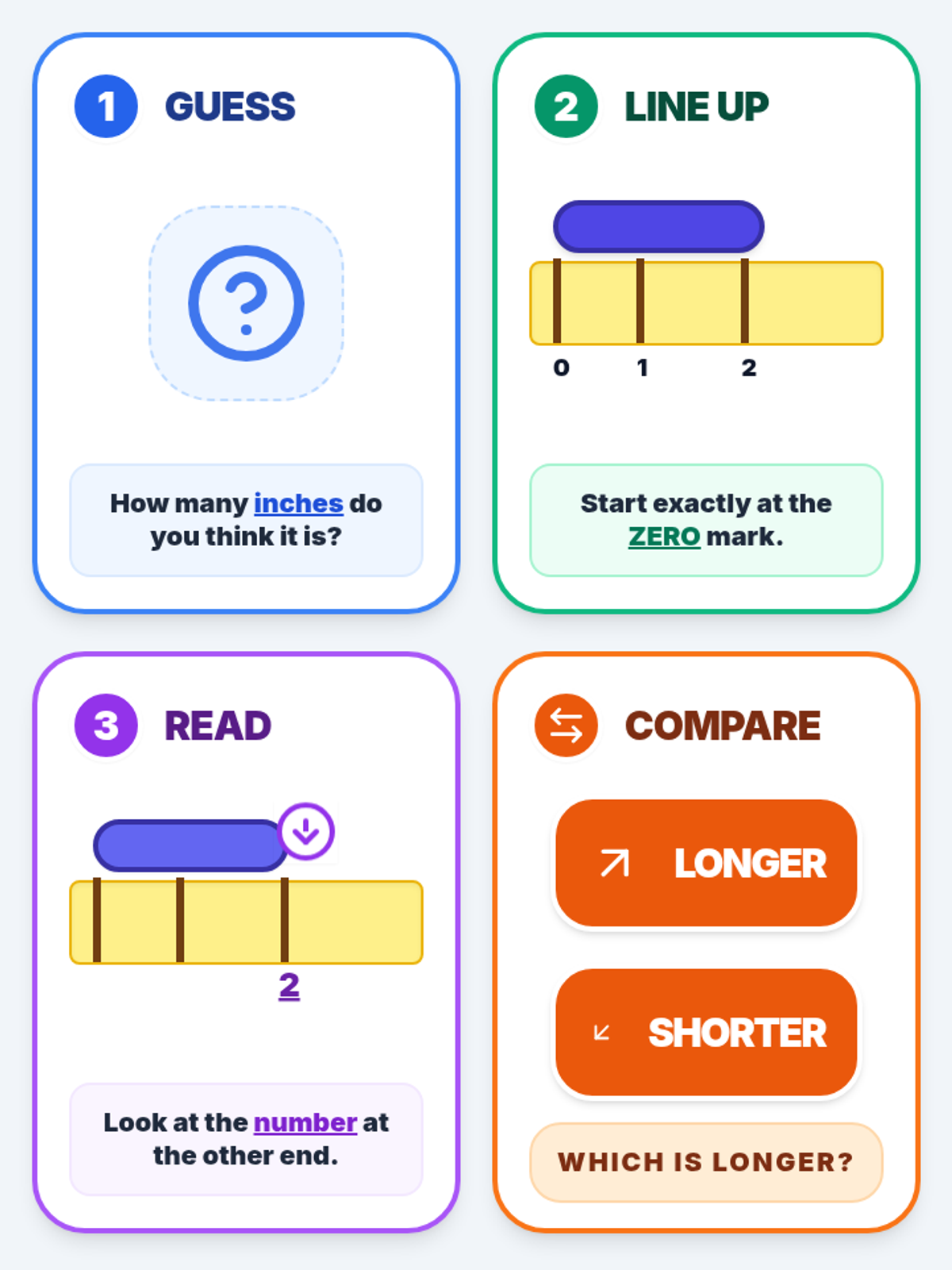
Introducing standard measurement using inches and rulers, focusing on estimating, measuring, and comparing classroom objects with tiered supports.
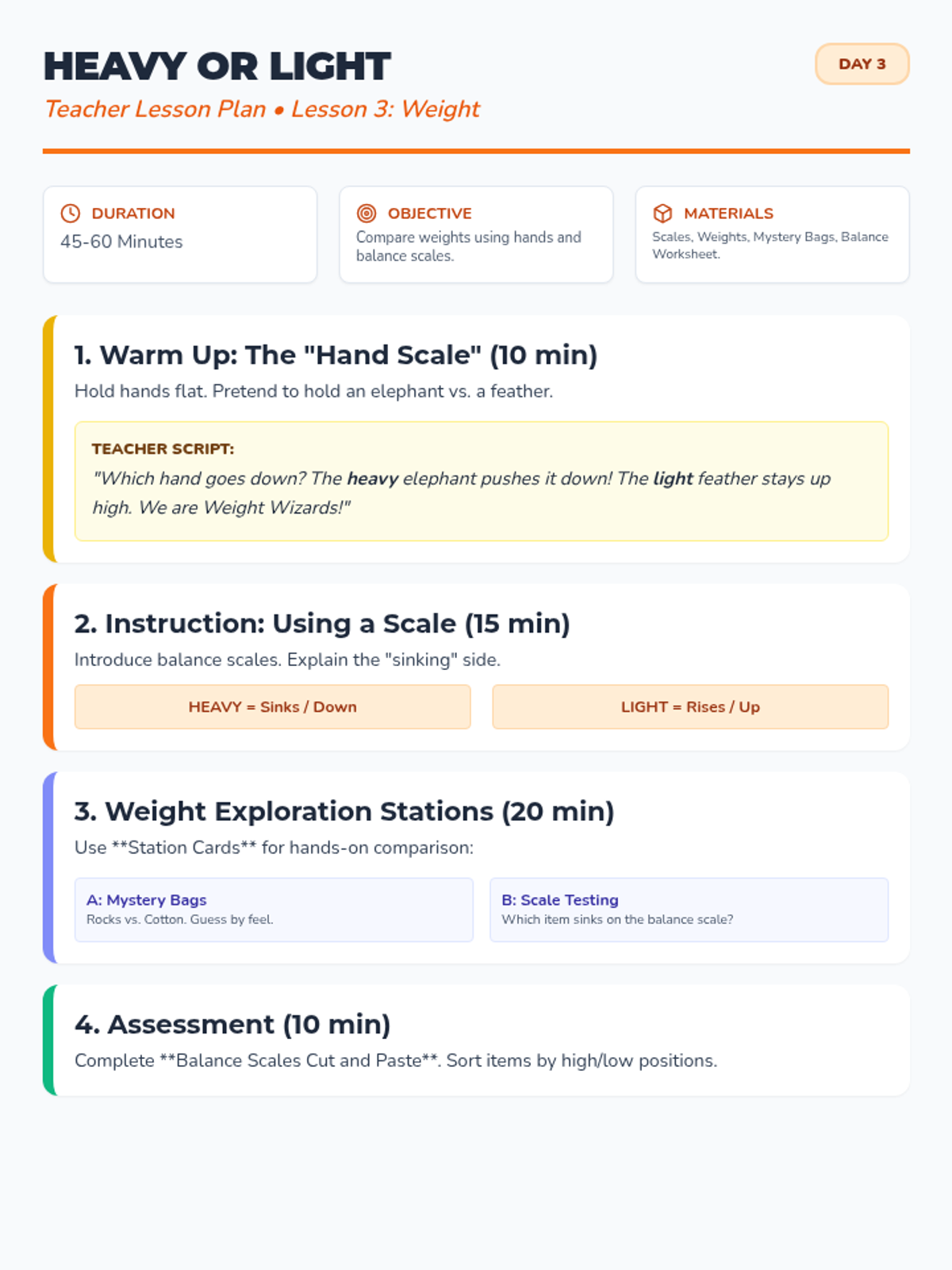
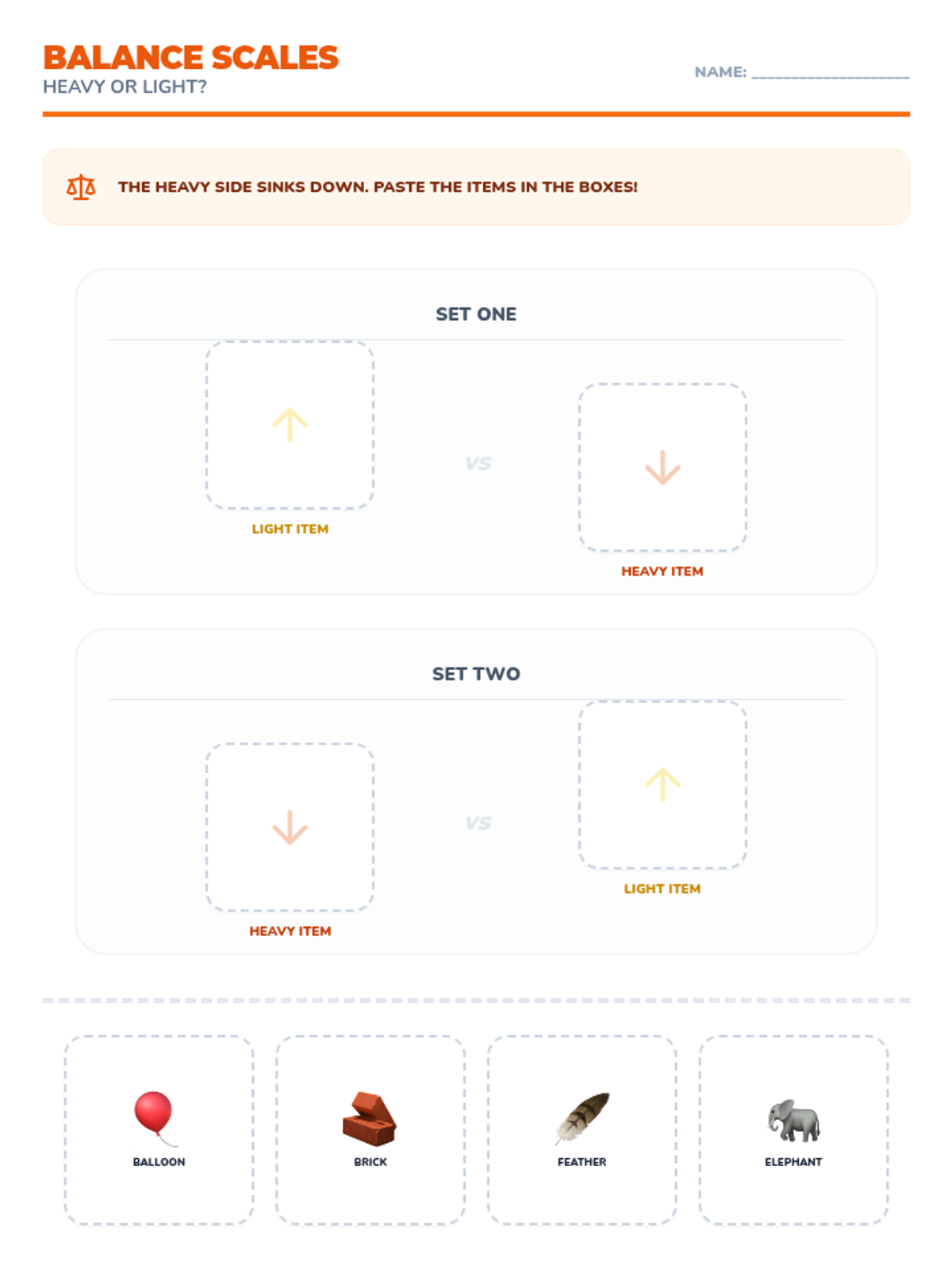
Exploring weight by comparing heavy and light objects using hands and balance scales.
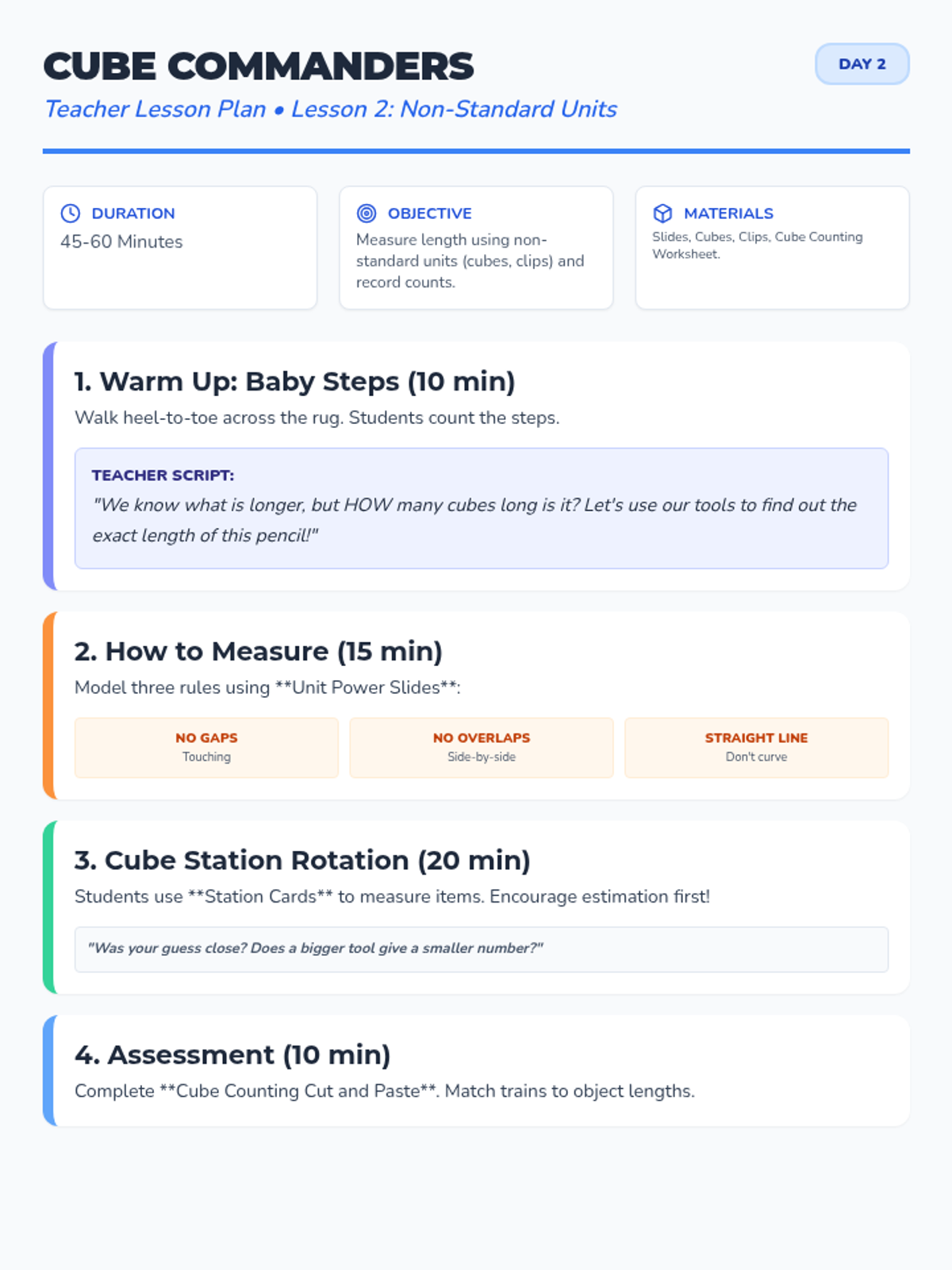
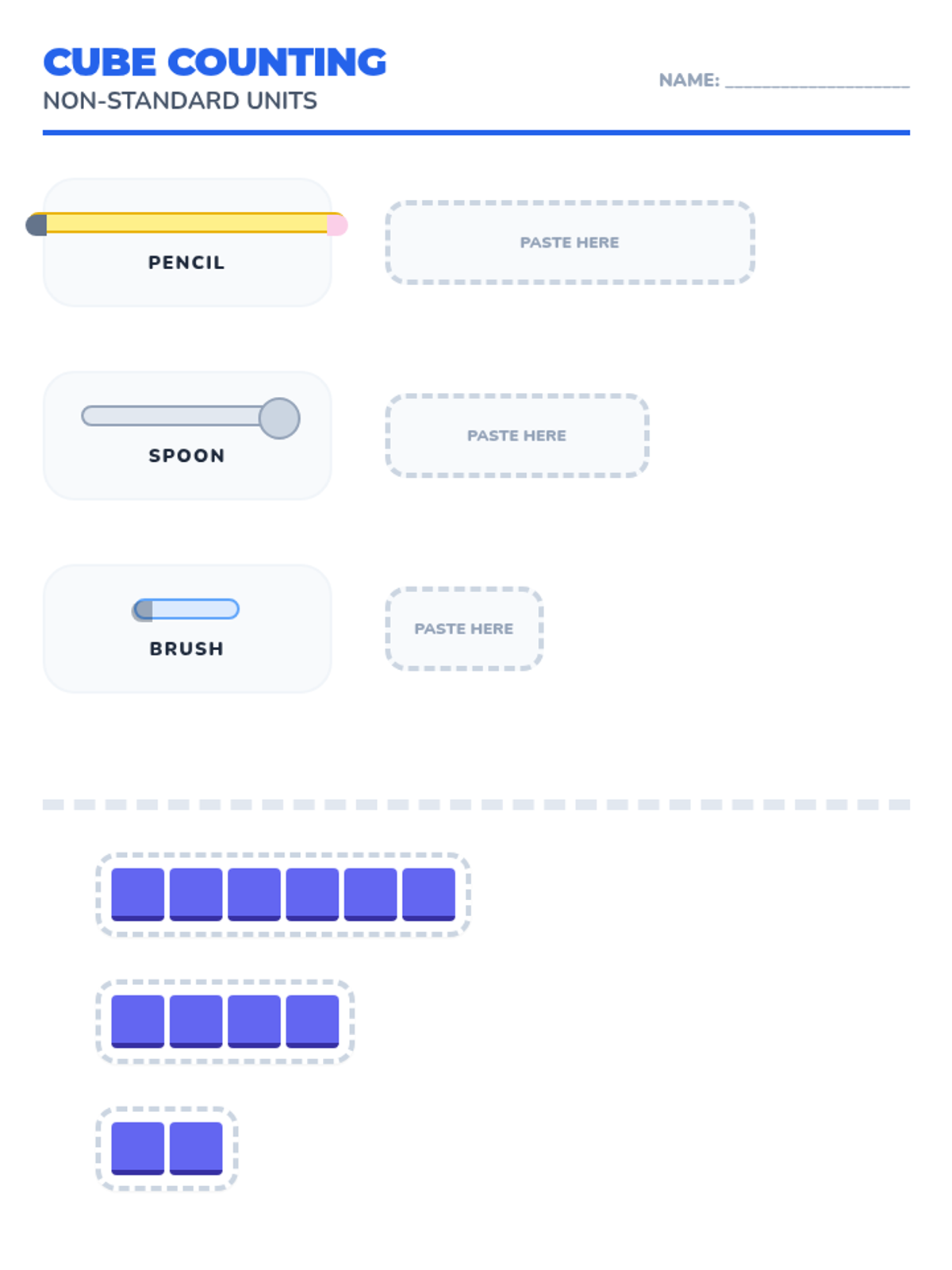
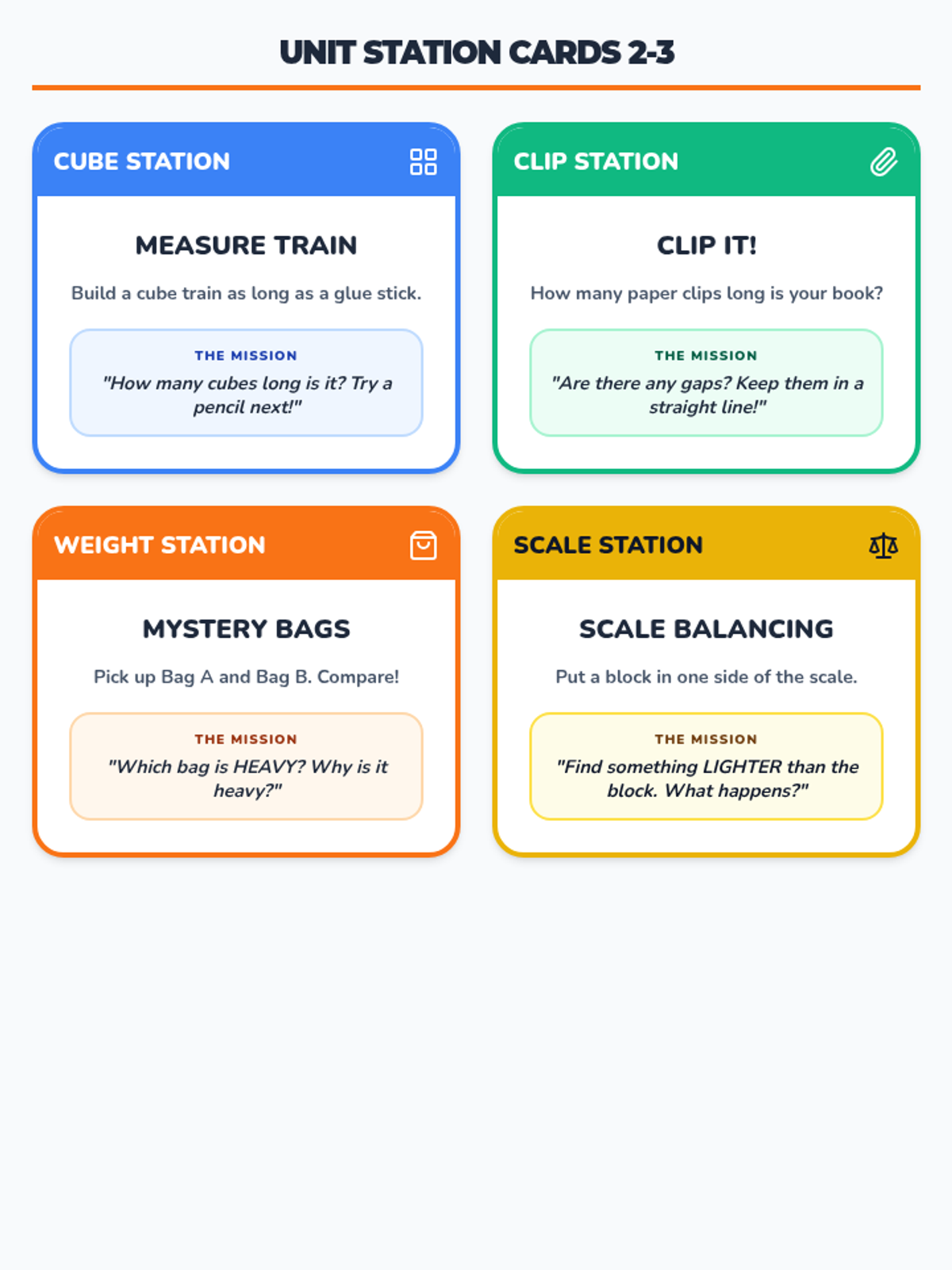
Learning to measure objects using non-standard units like snap cubes, paper clips, and handprints.
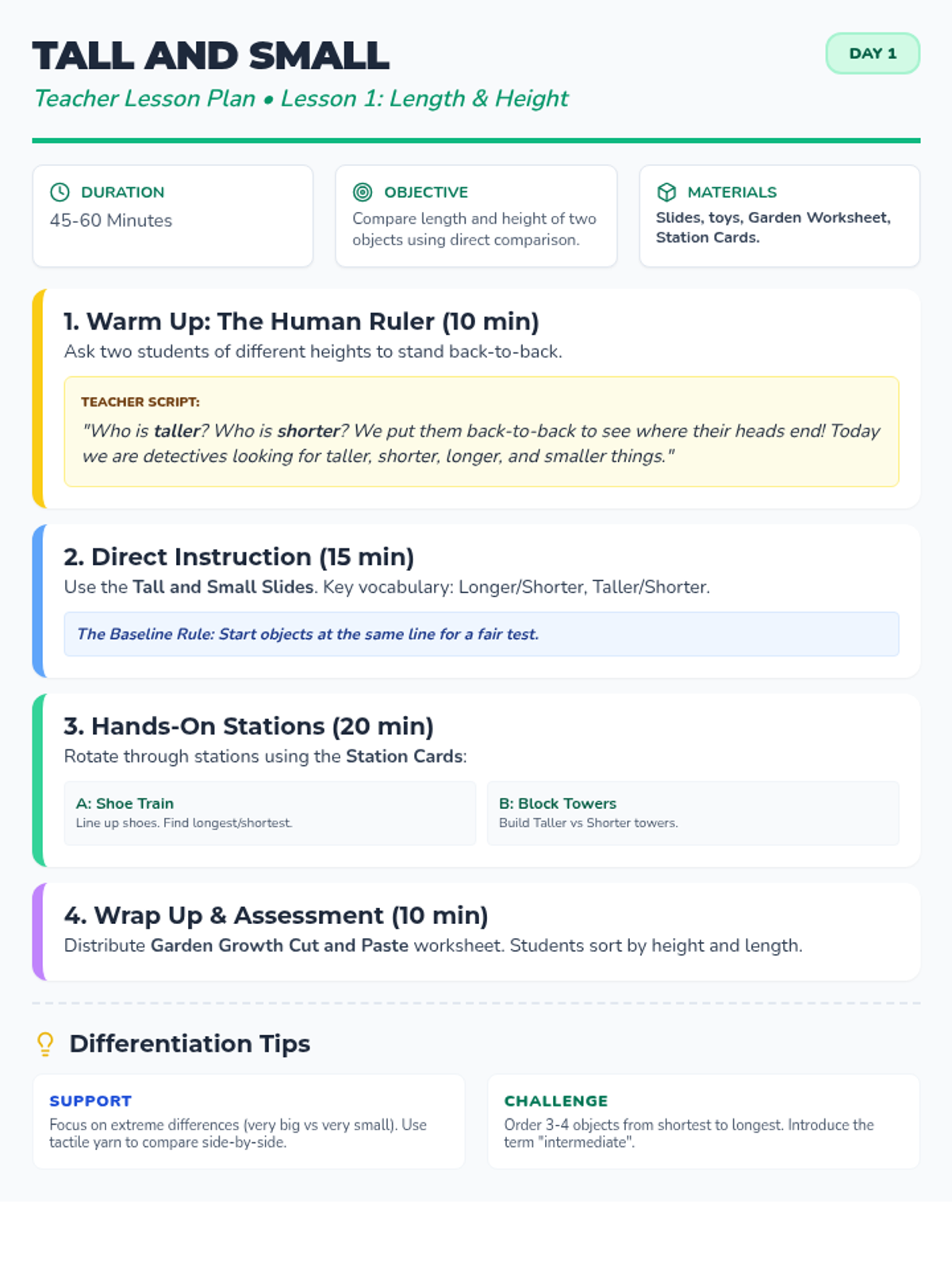
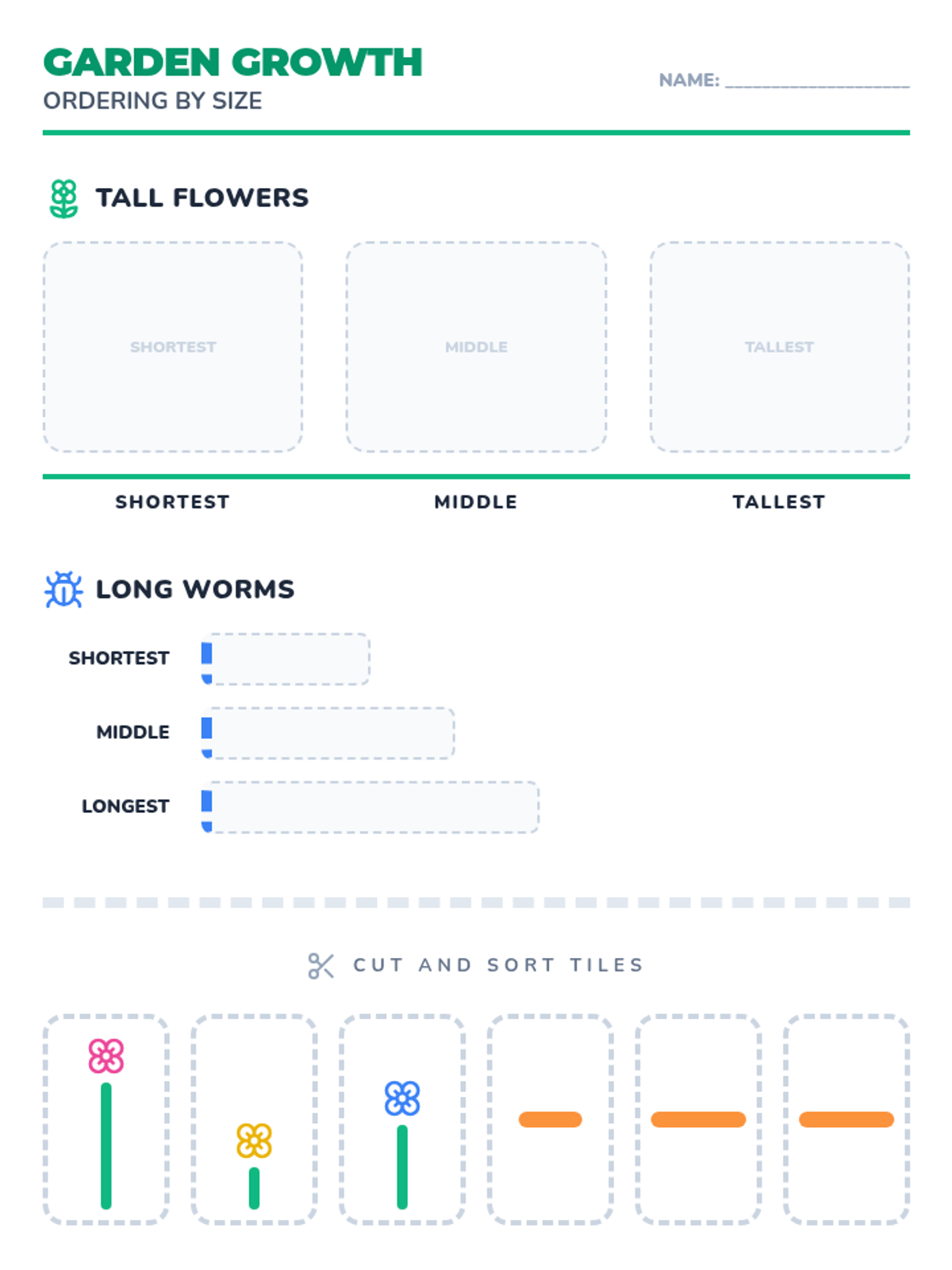
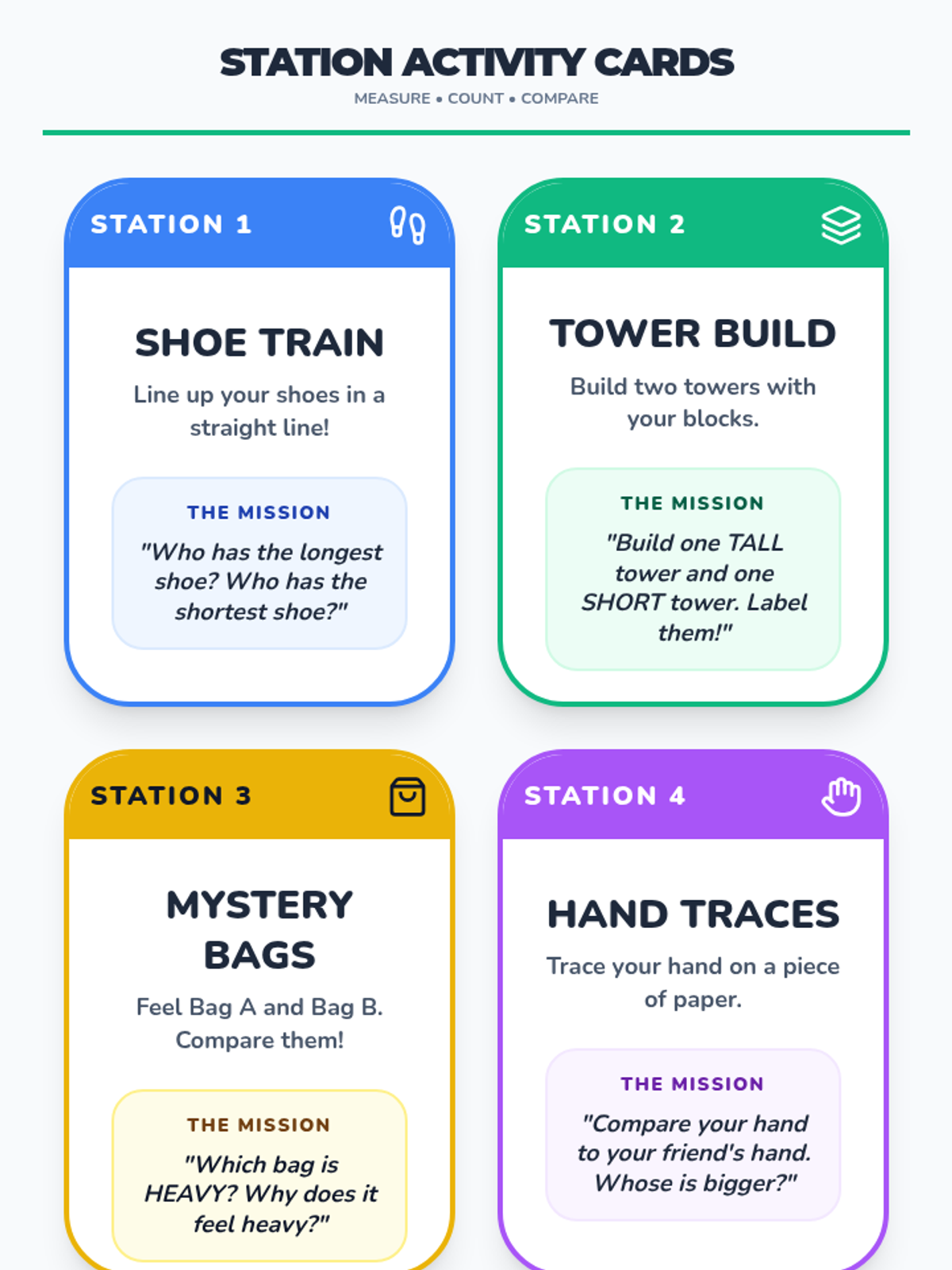
Introduction to comparing length and height using terms like 'longer', 'shorter', 'taller', and 'smaller'.
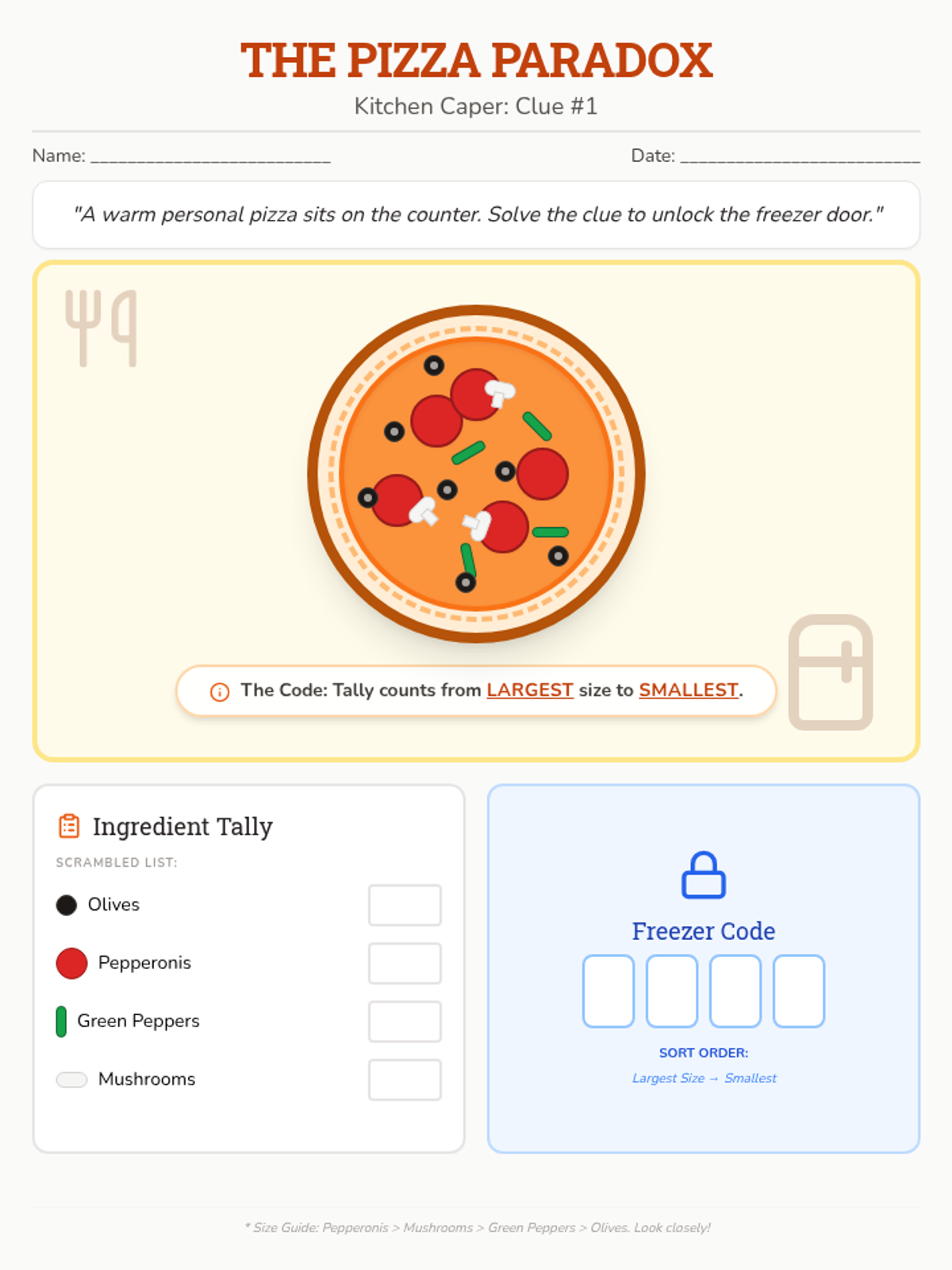
A mini-mystery centered around a kitchen scene where students use observation and logic to solve a visual puzzle.
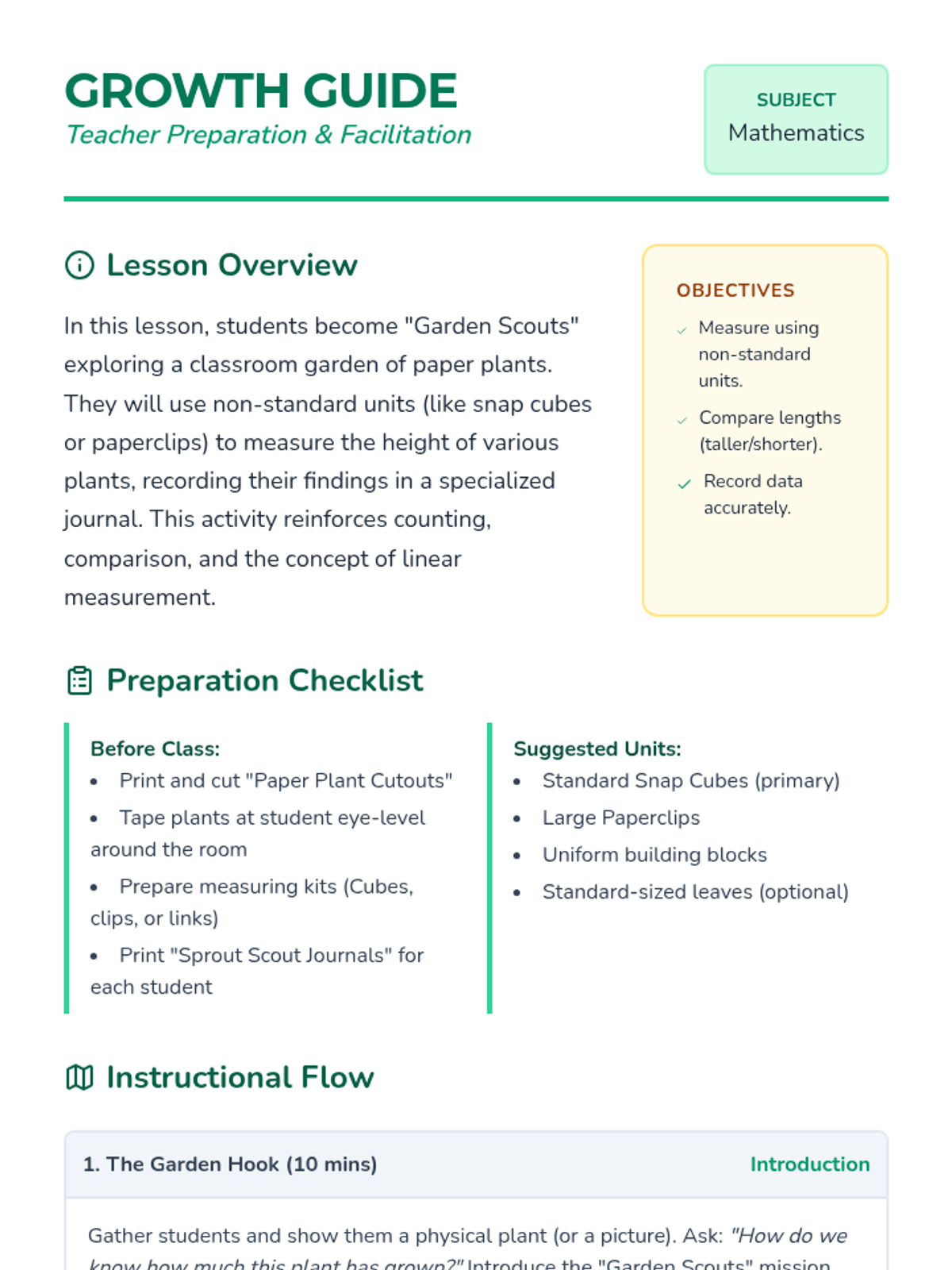
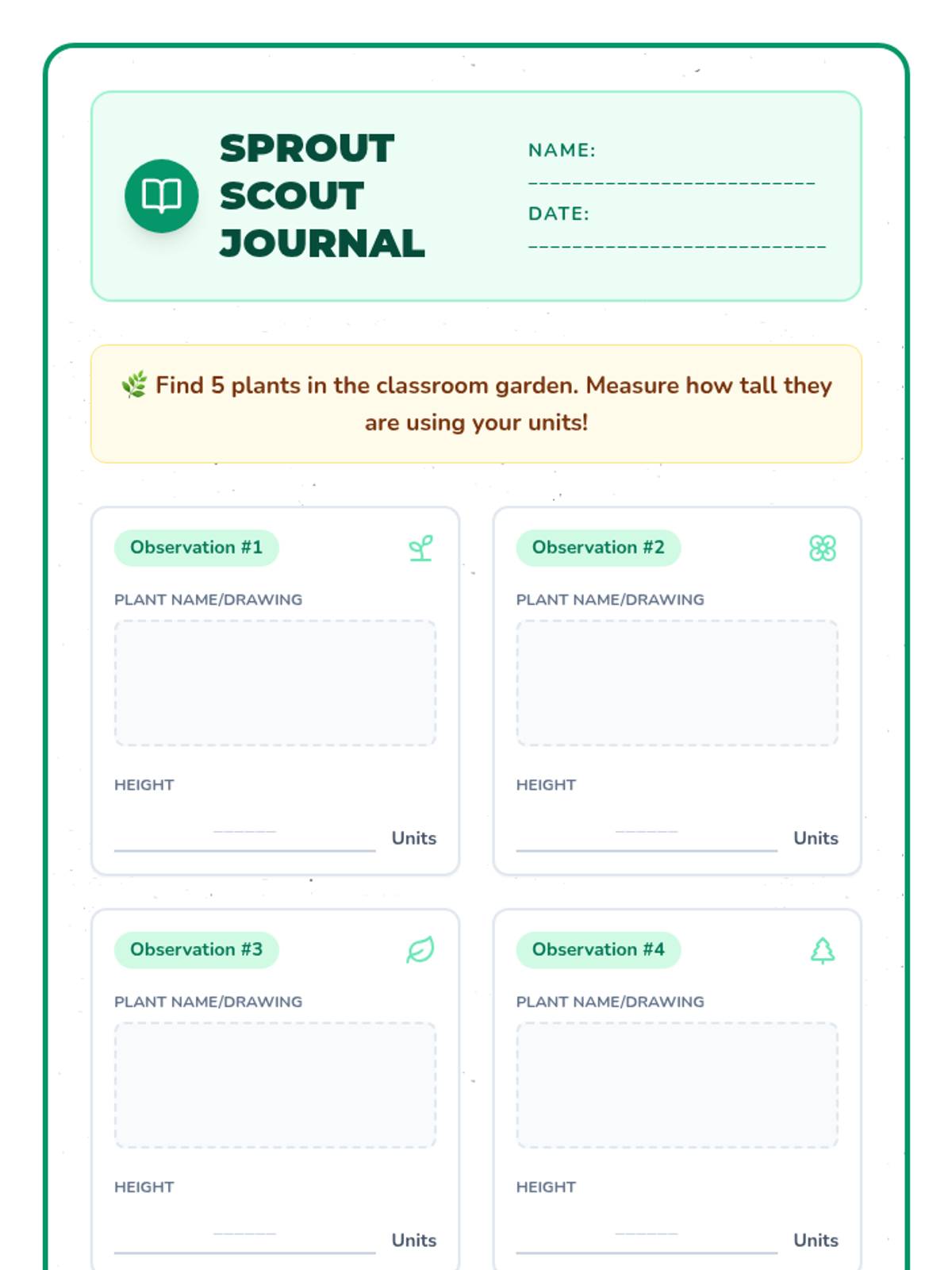
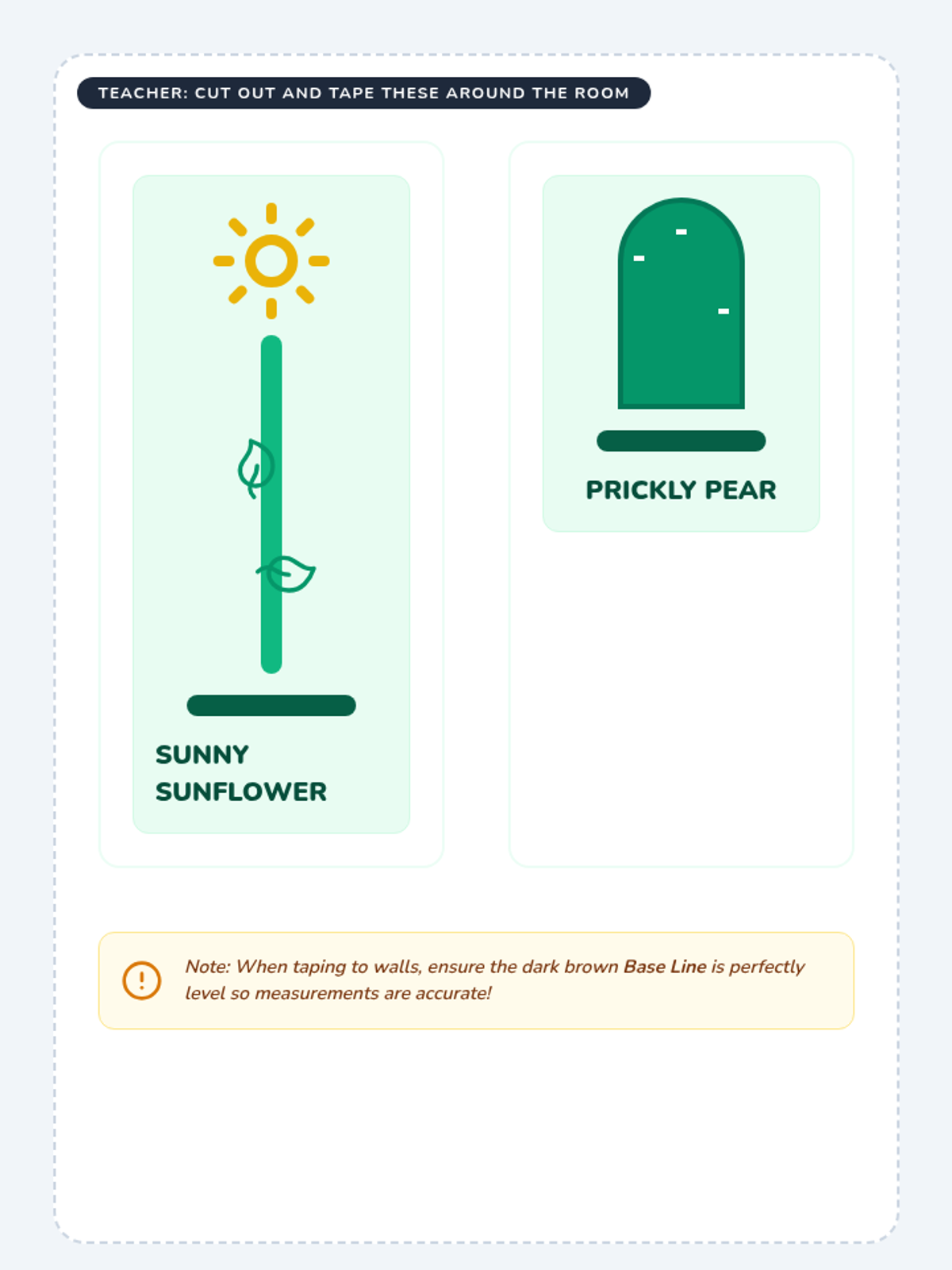
A hands-on measurement lesson where students use non-standard units to measure paper plants, fostering number sense and comparison skills through movement-based learning.
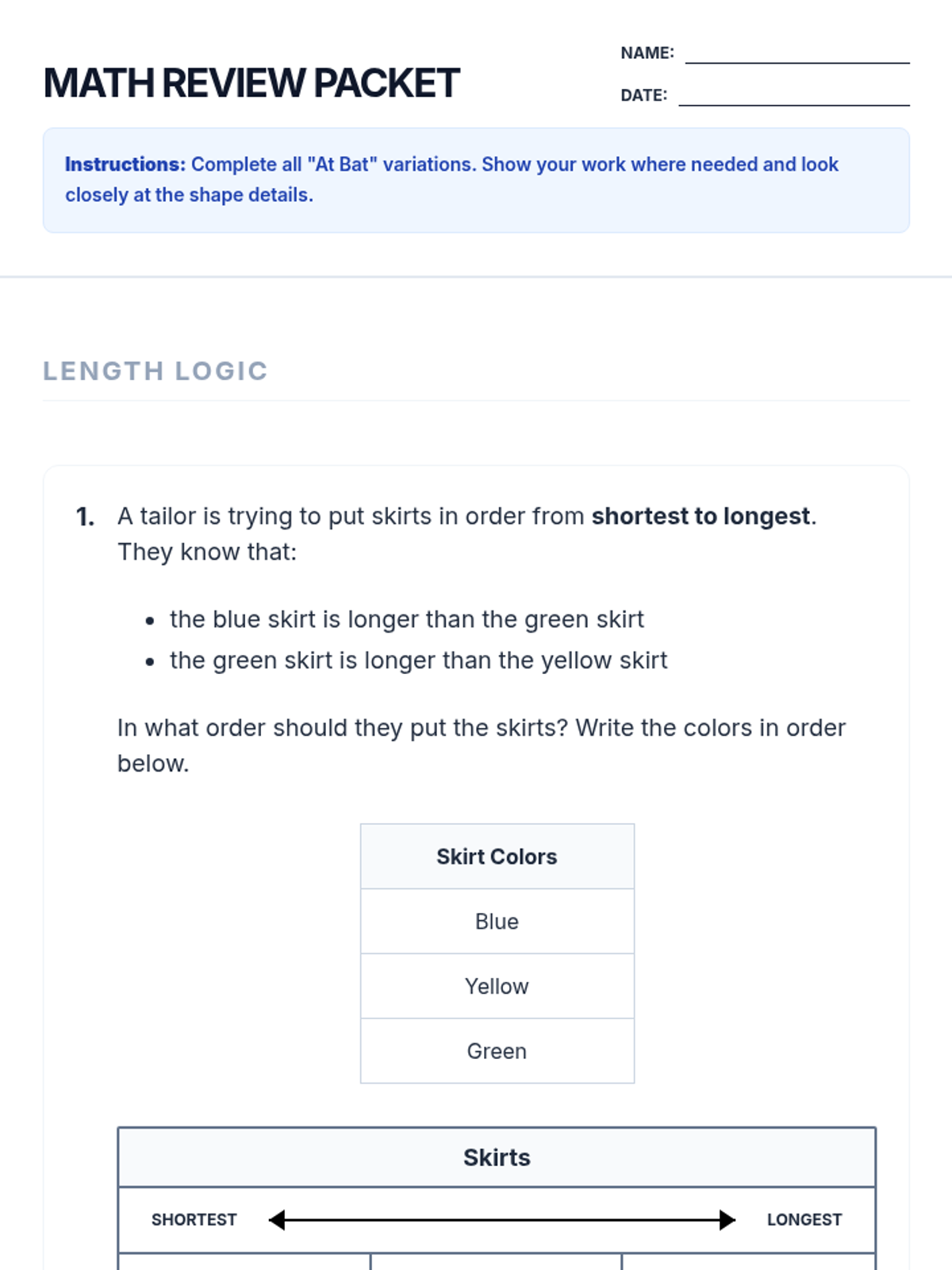
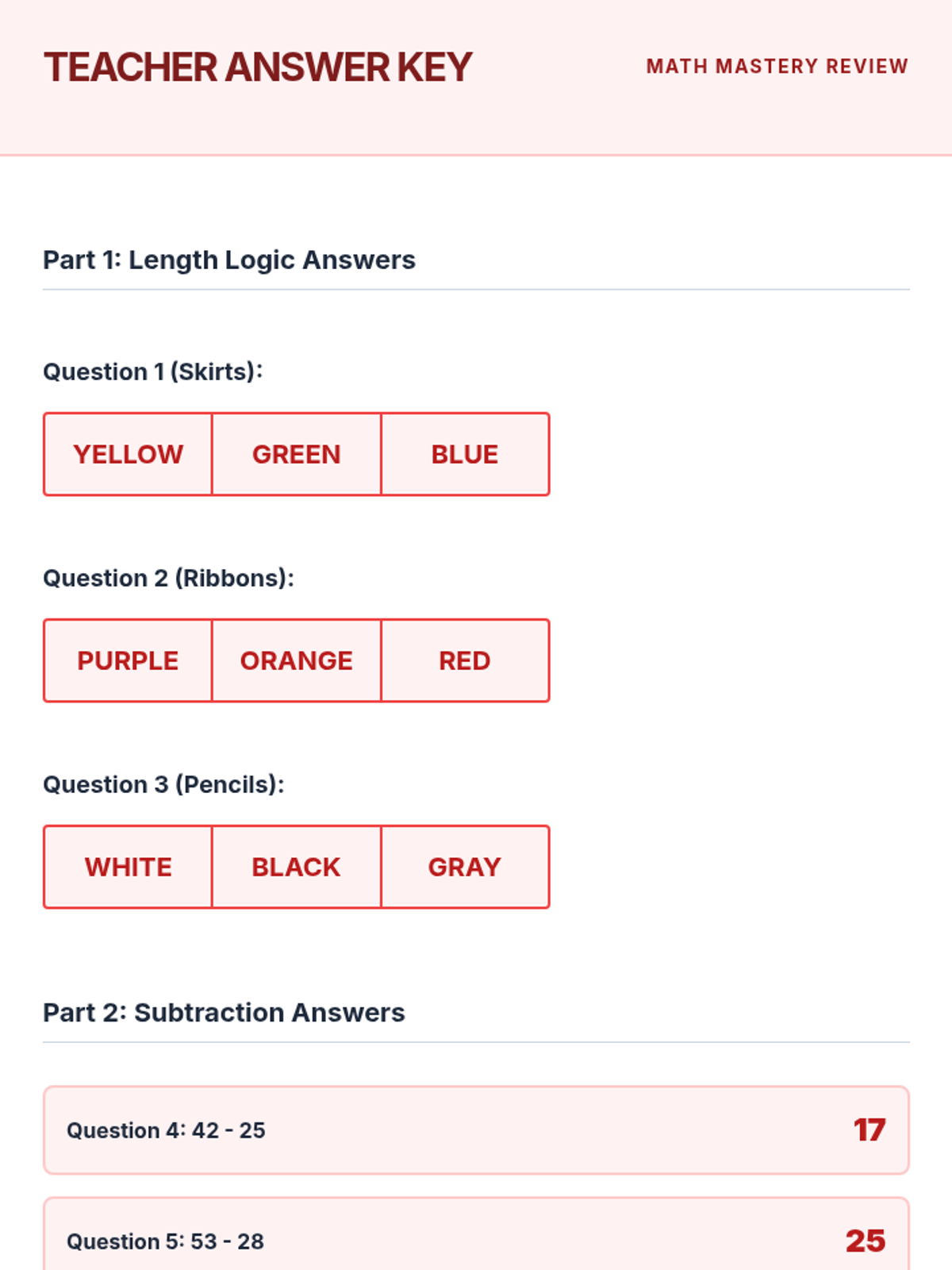
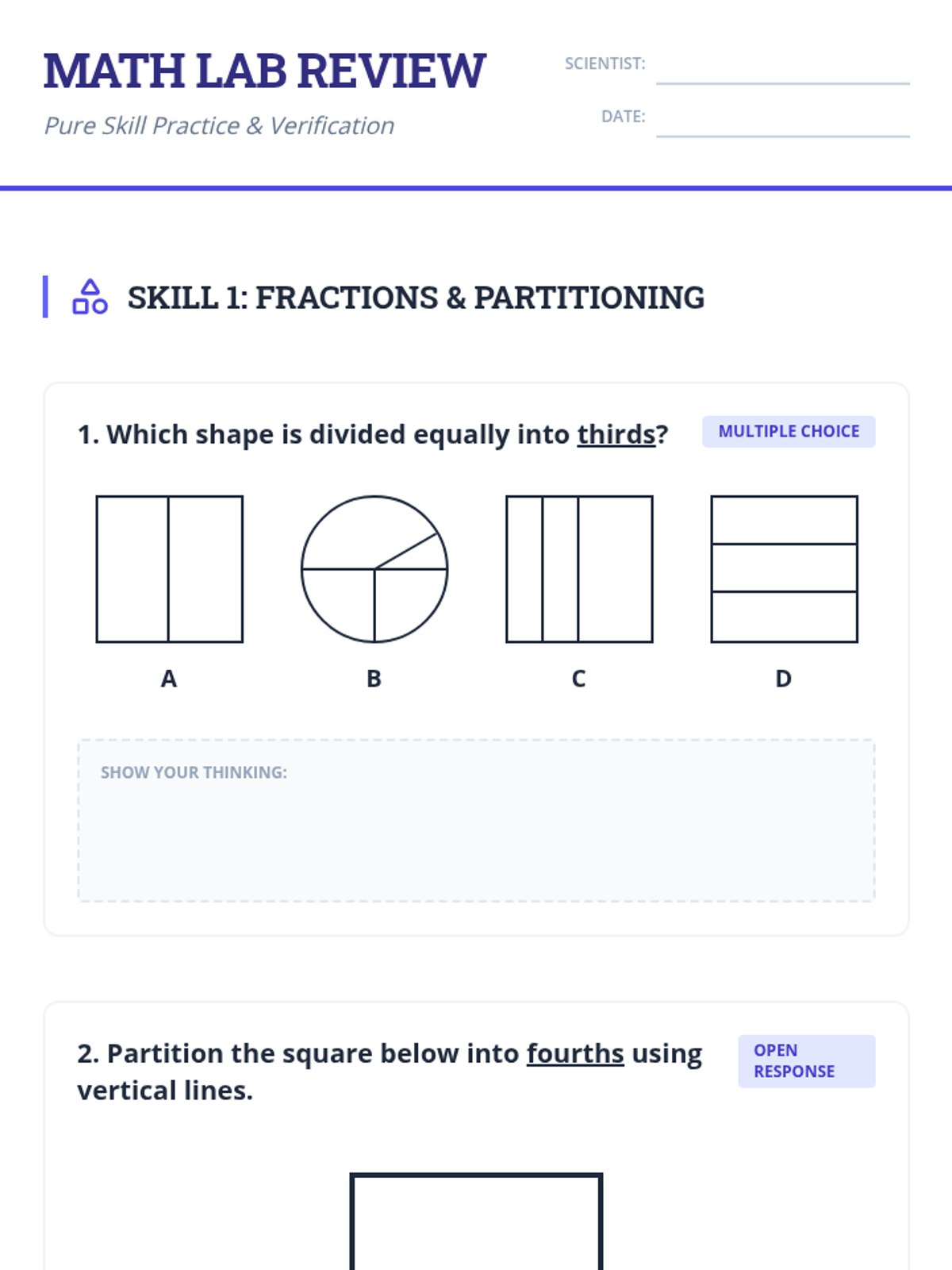
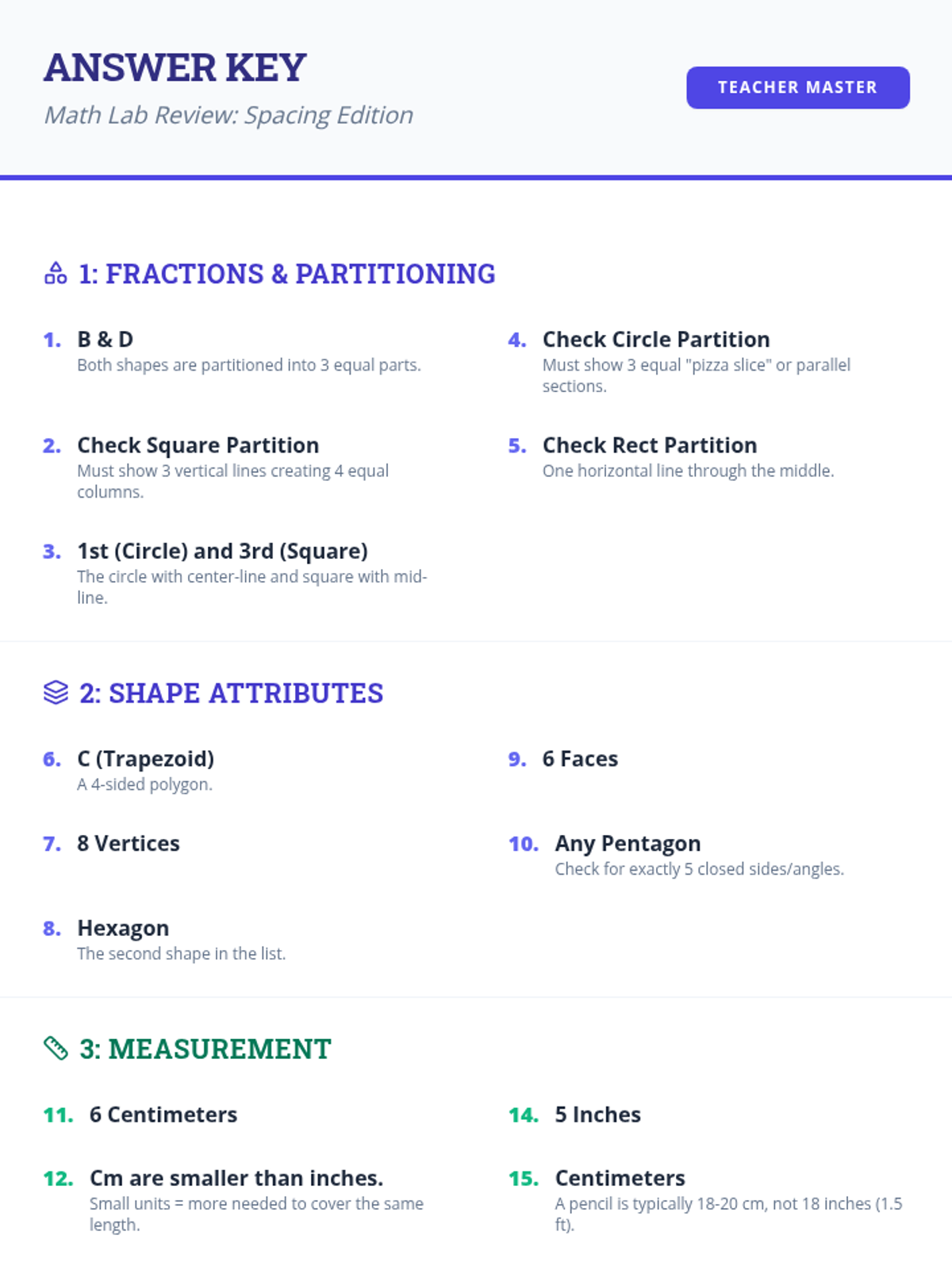
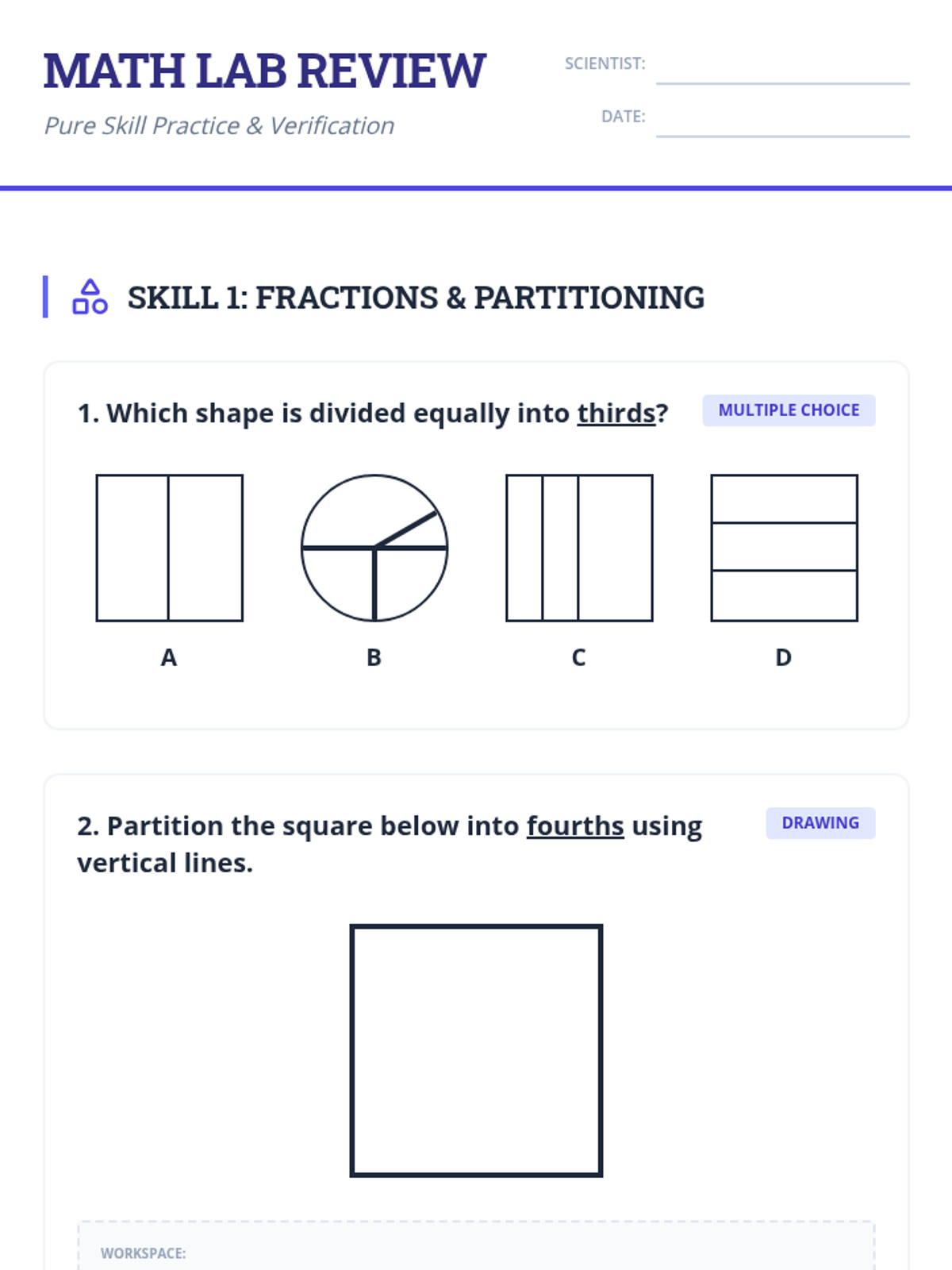
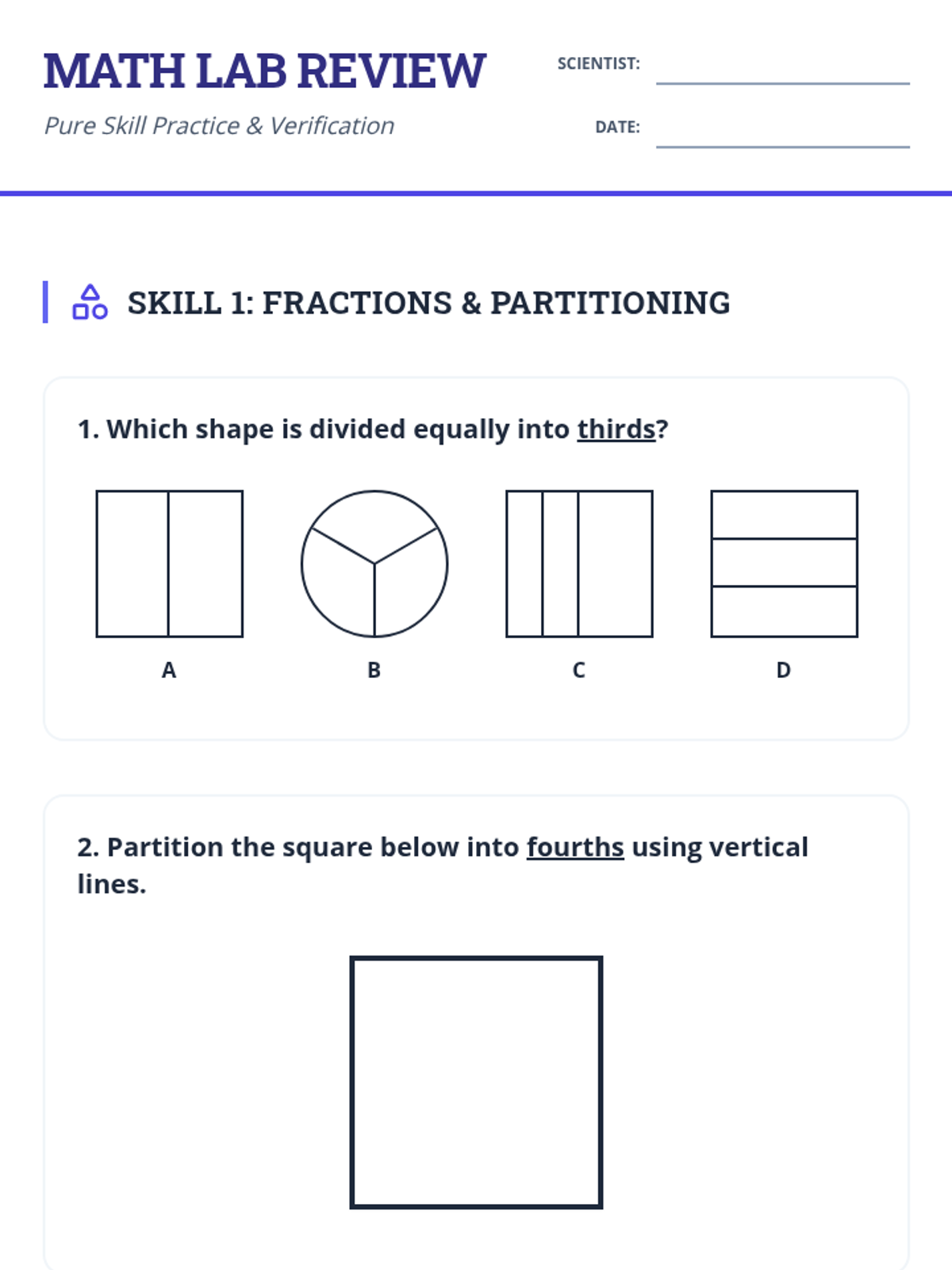
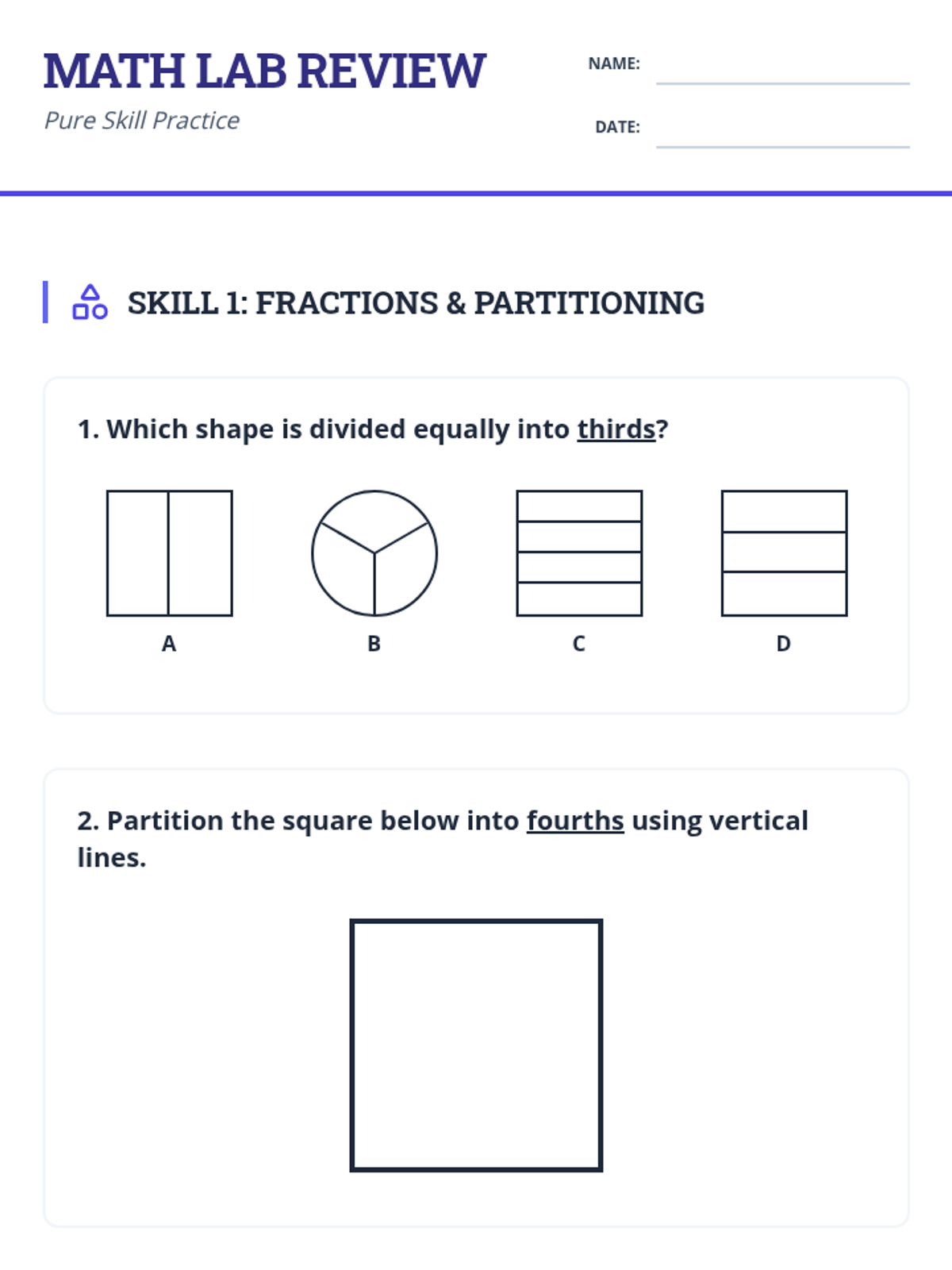
A comprehensive math review lesson designed to reinforce key elementary math skills including logical ordering, 2-digit subtraction, geometric attributes, and equal parts/fractions. This lesson uses a repeated "at-bat" structure to build mastery through multiple variations of the same problem format.
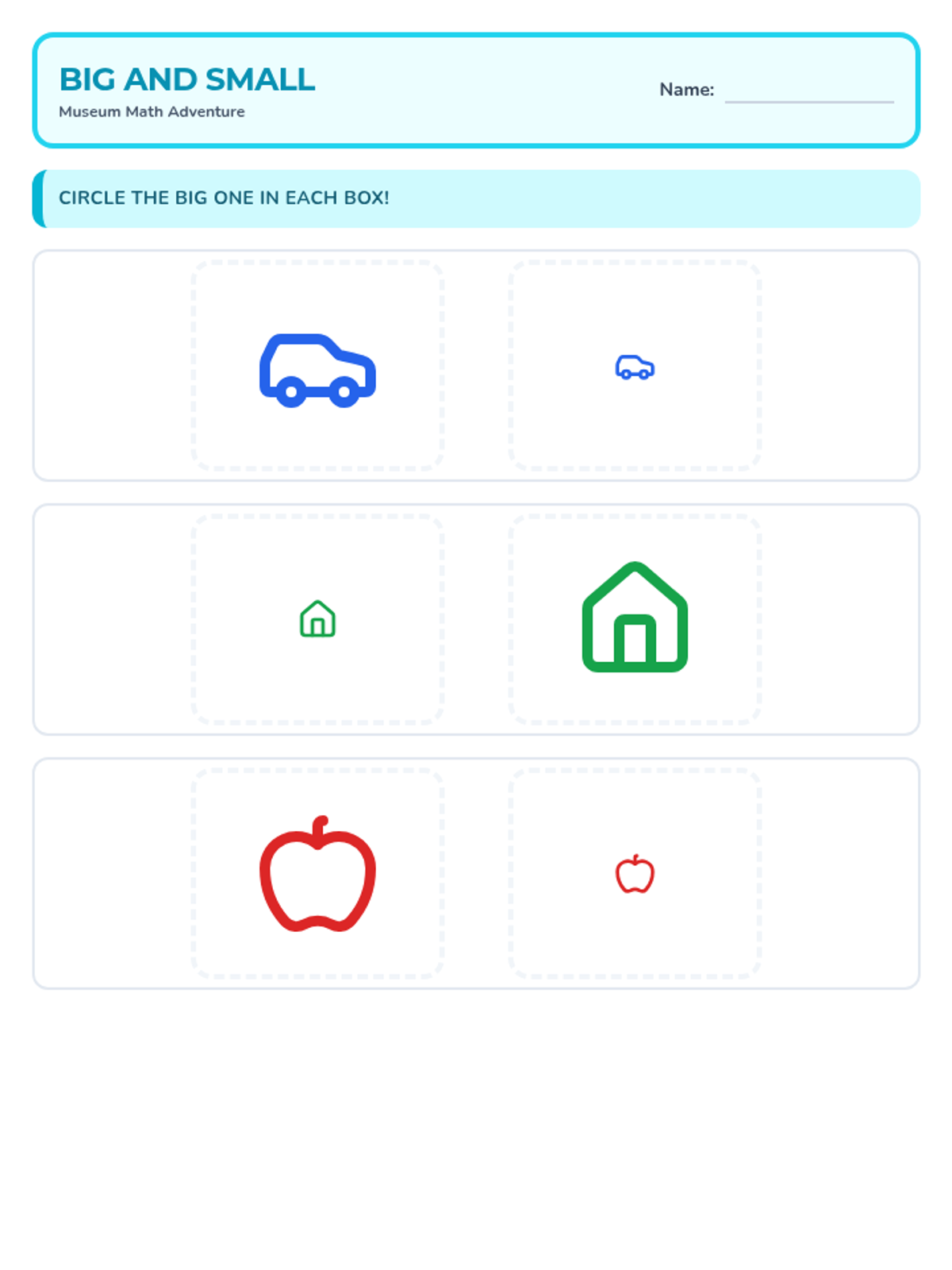
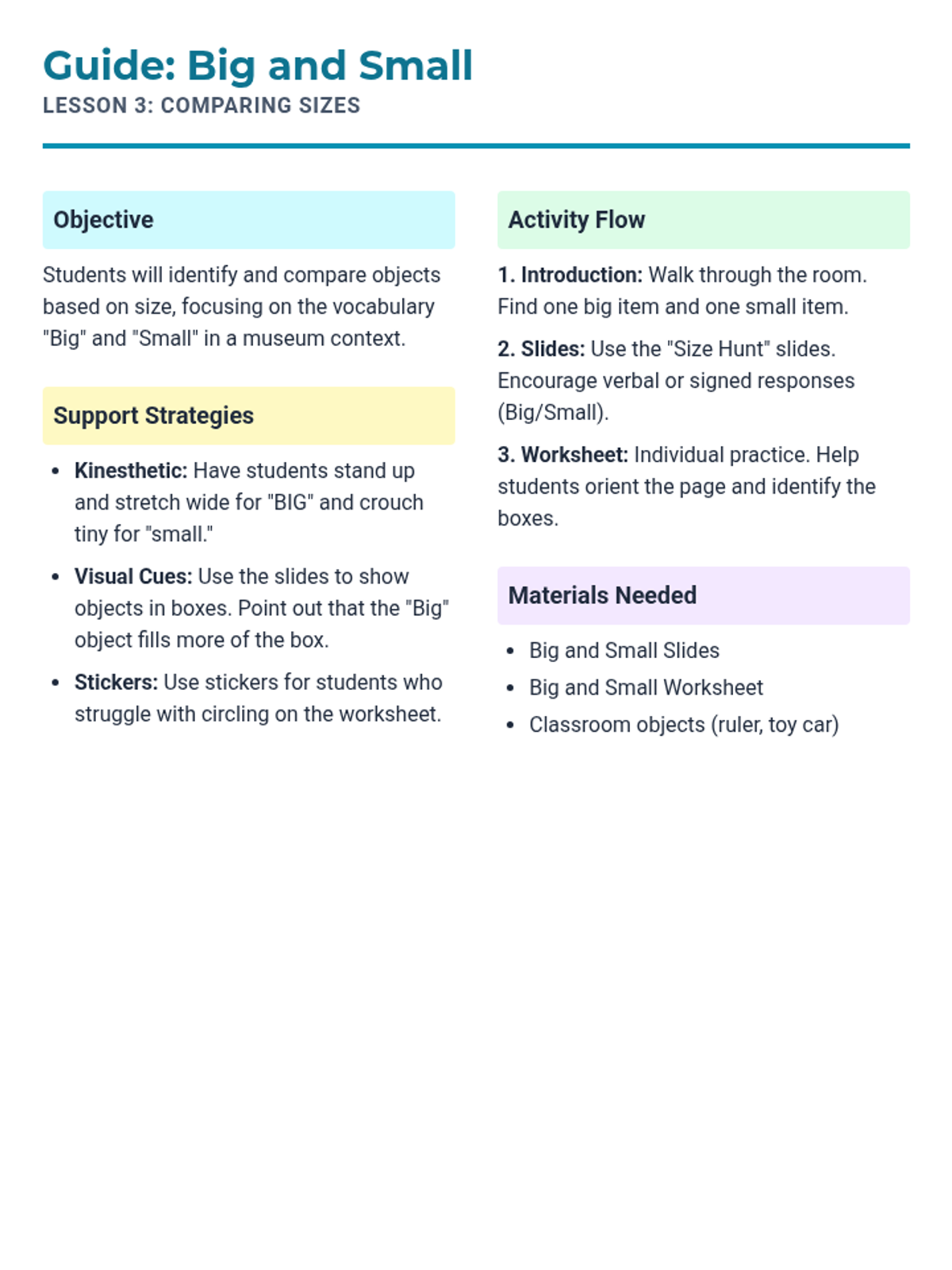
Students will explore the concepts of big, medium, and small by comparing various objects in the museum exhibits, promoting vocabulary development and visual discrimination.
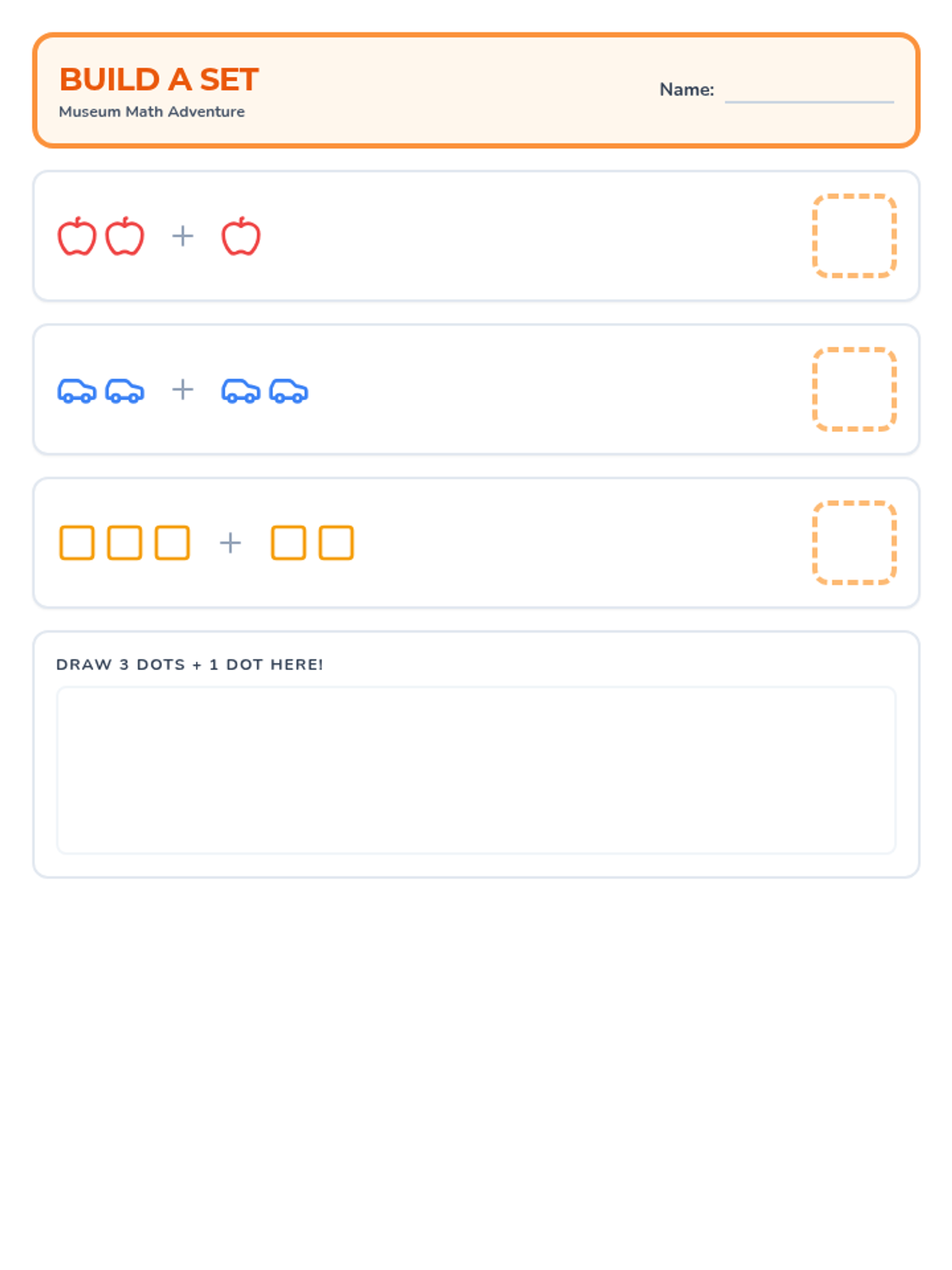
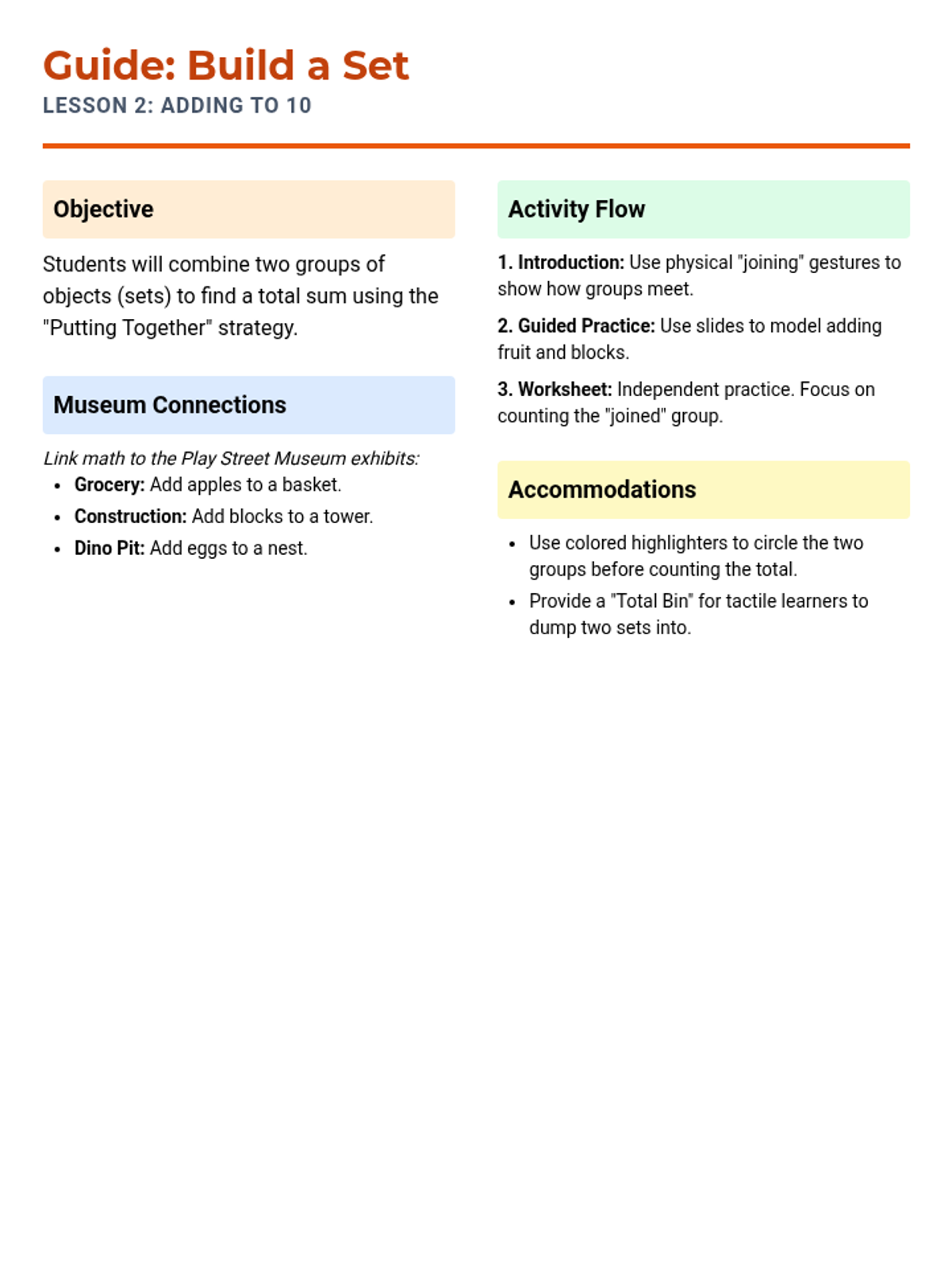
An introduction to simple addition by combining groups of museum objects, focusing on the concept of 'putting together' using visual aids and tactile play scenarios.
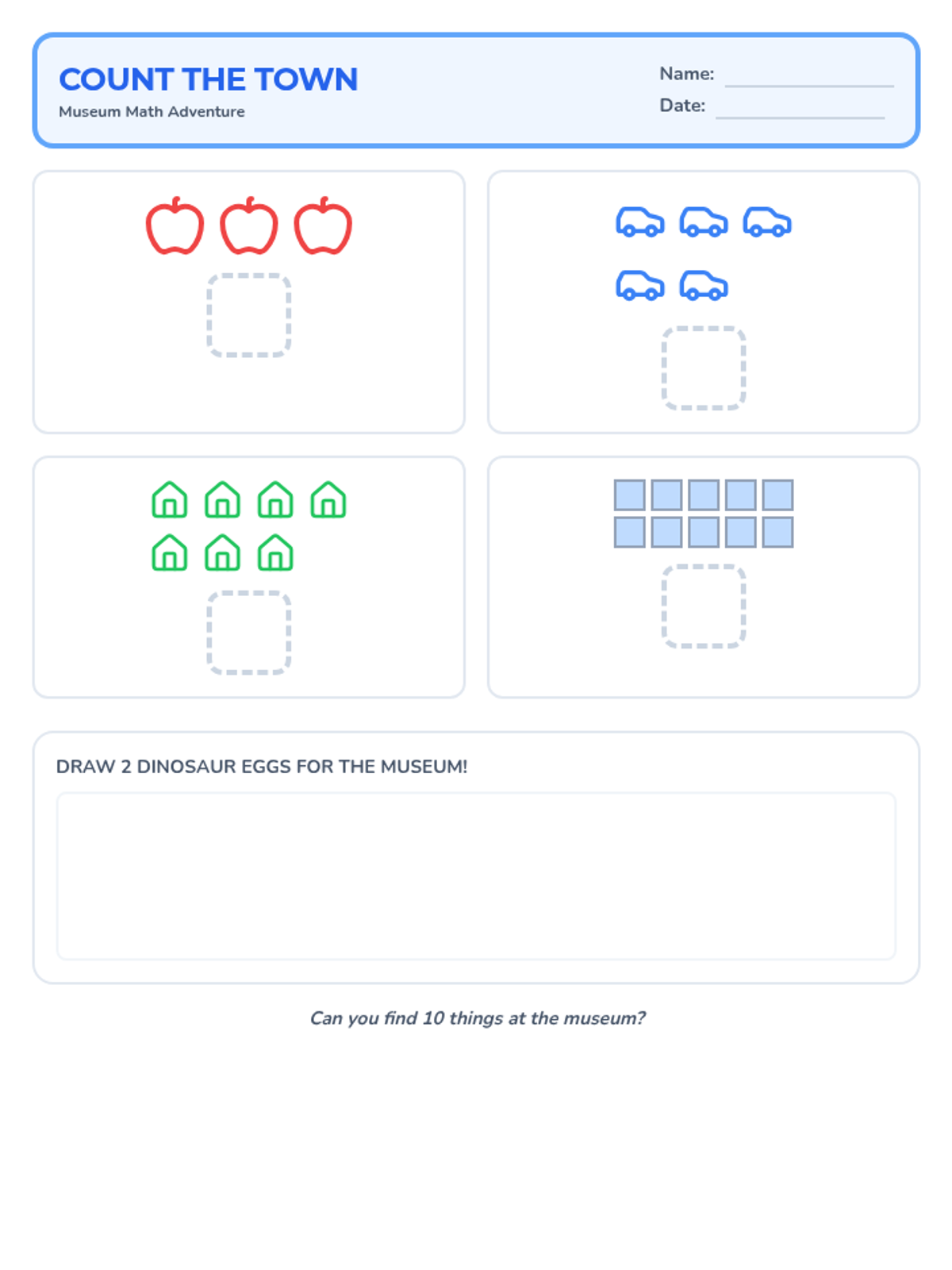
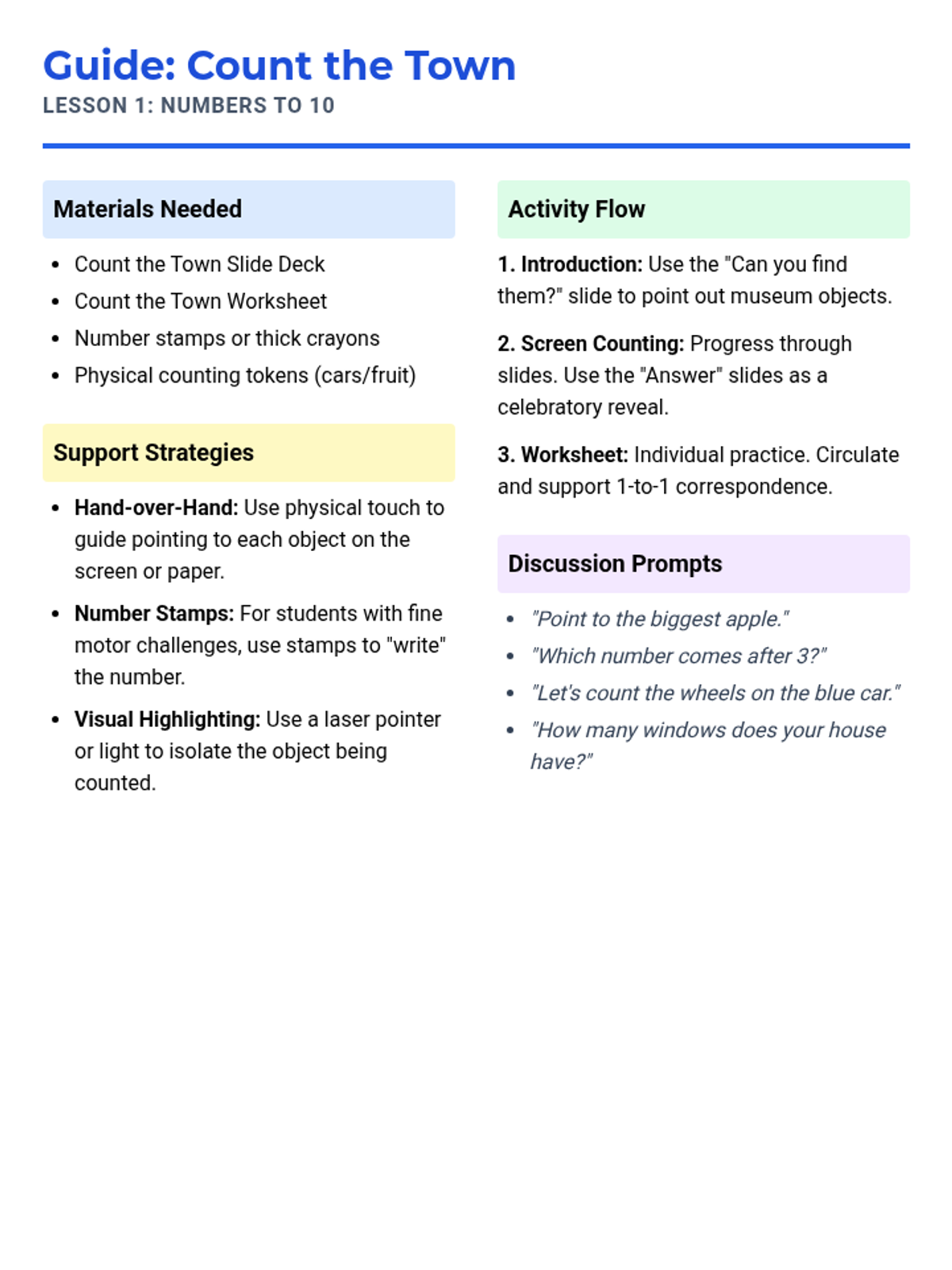
Students will practice identifying and counting numbers 1-10 using common items found in a play museum setting, such as grocery items, toy cars, and house windows.
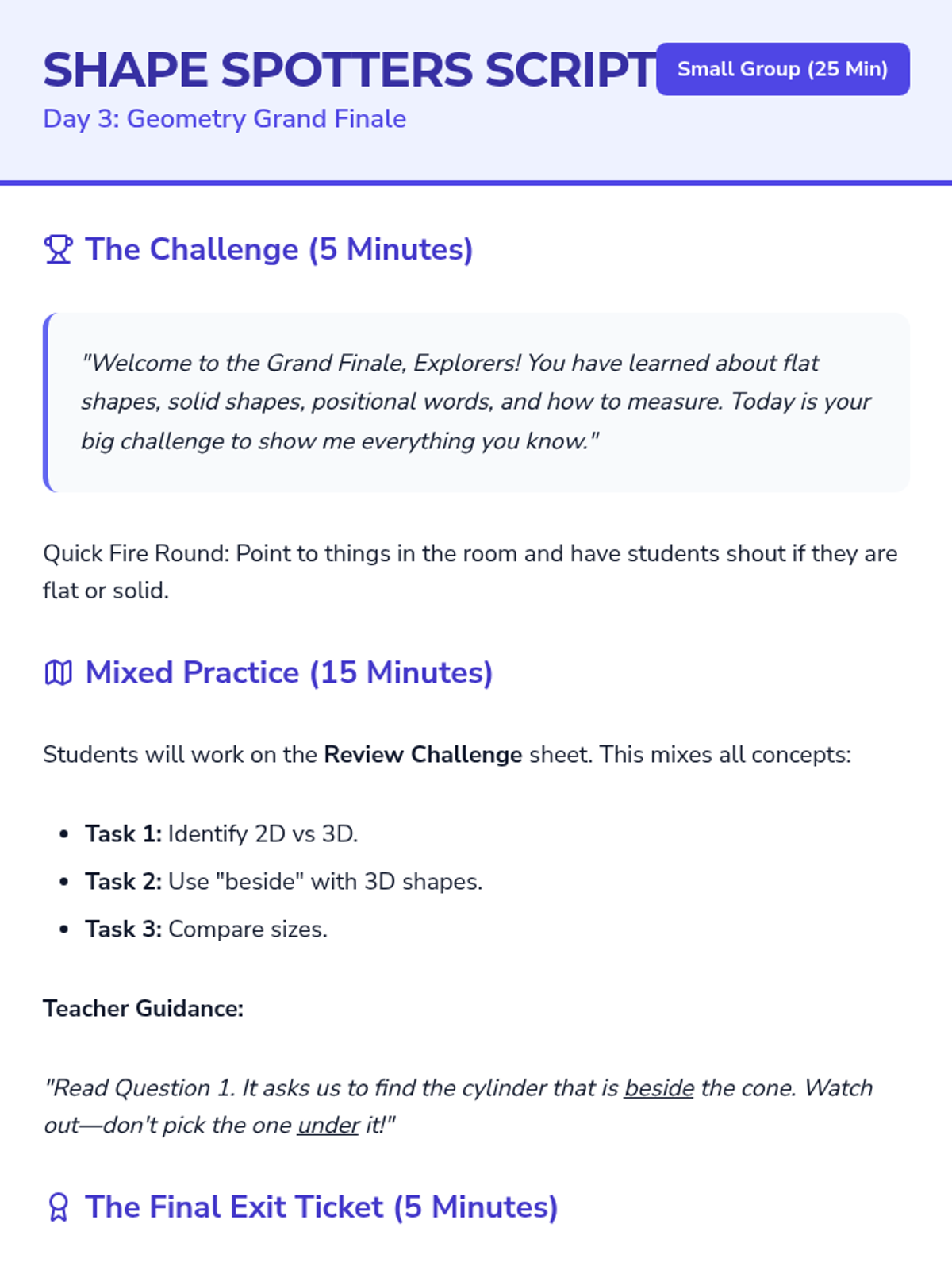
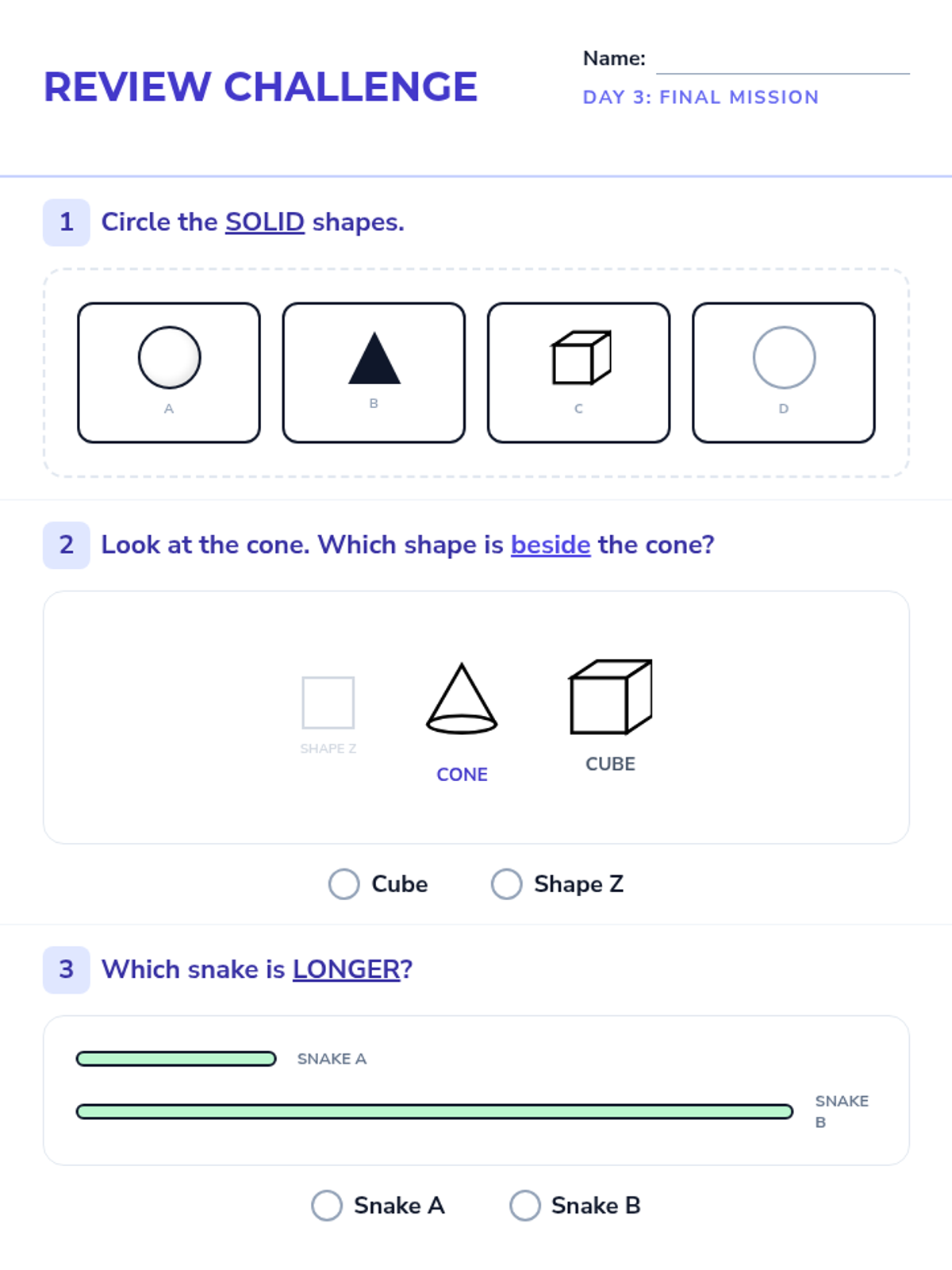
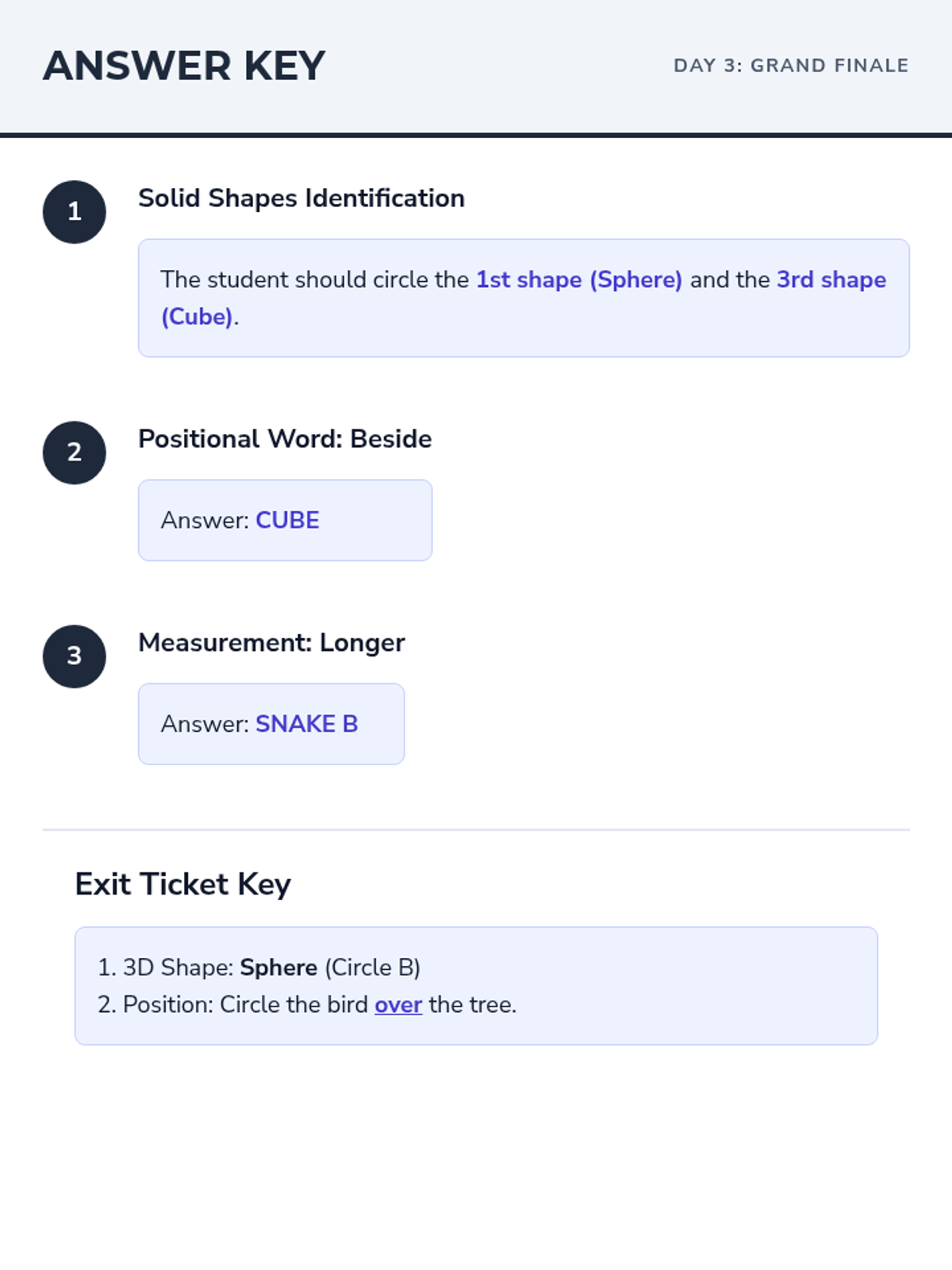
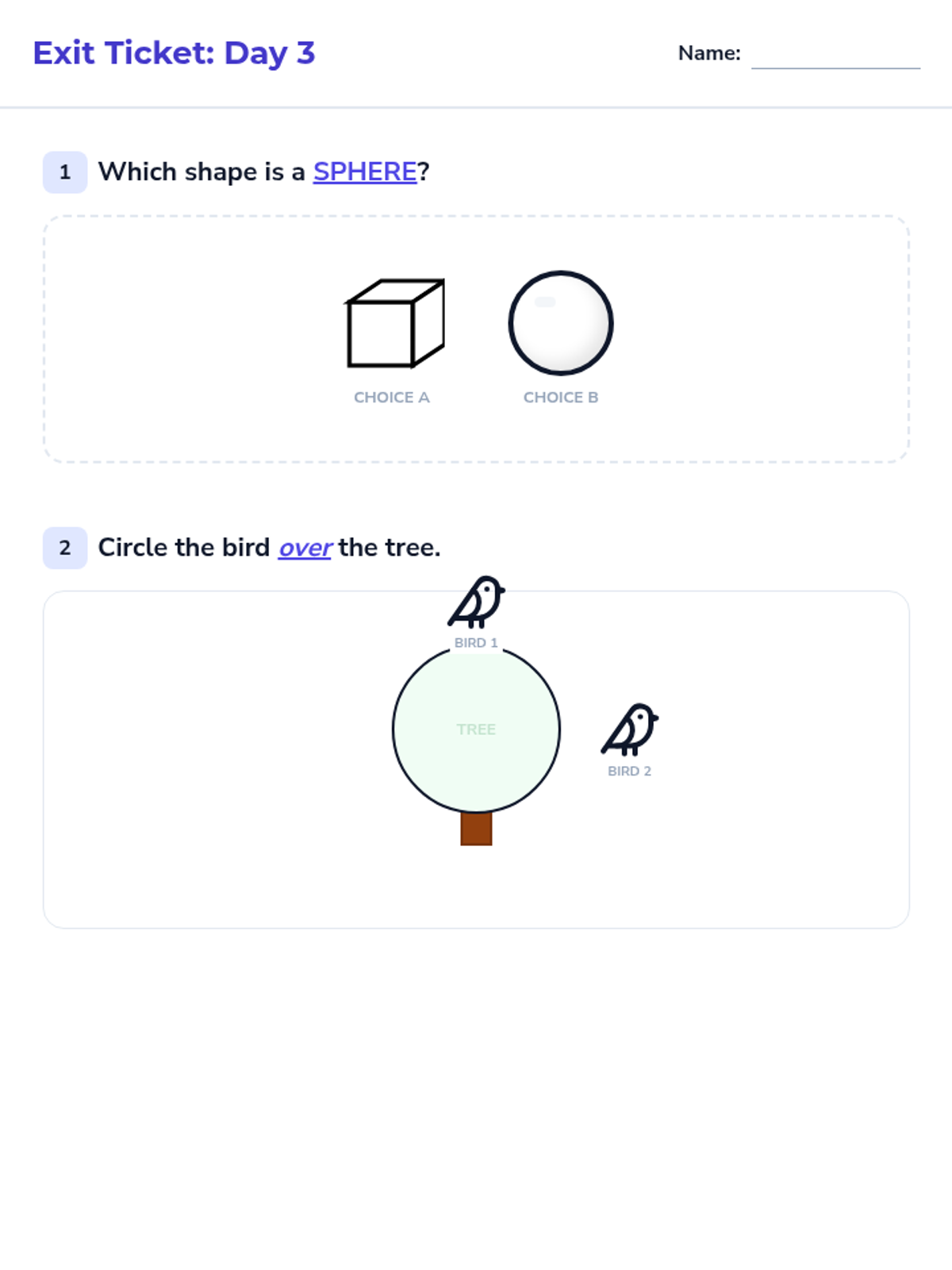
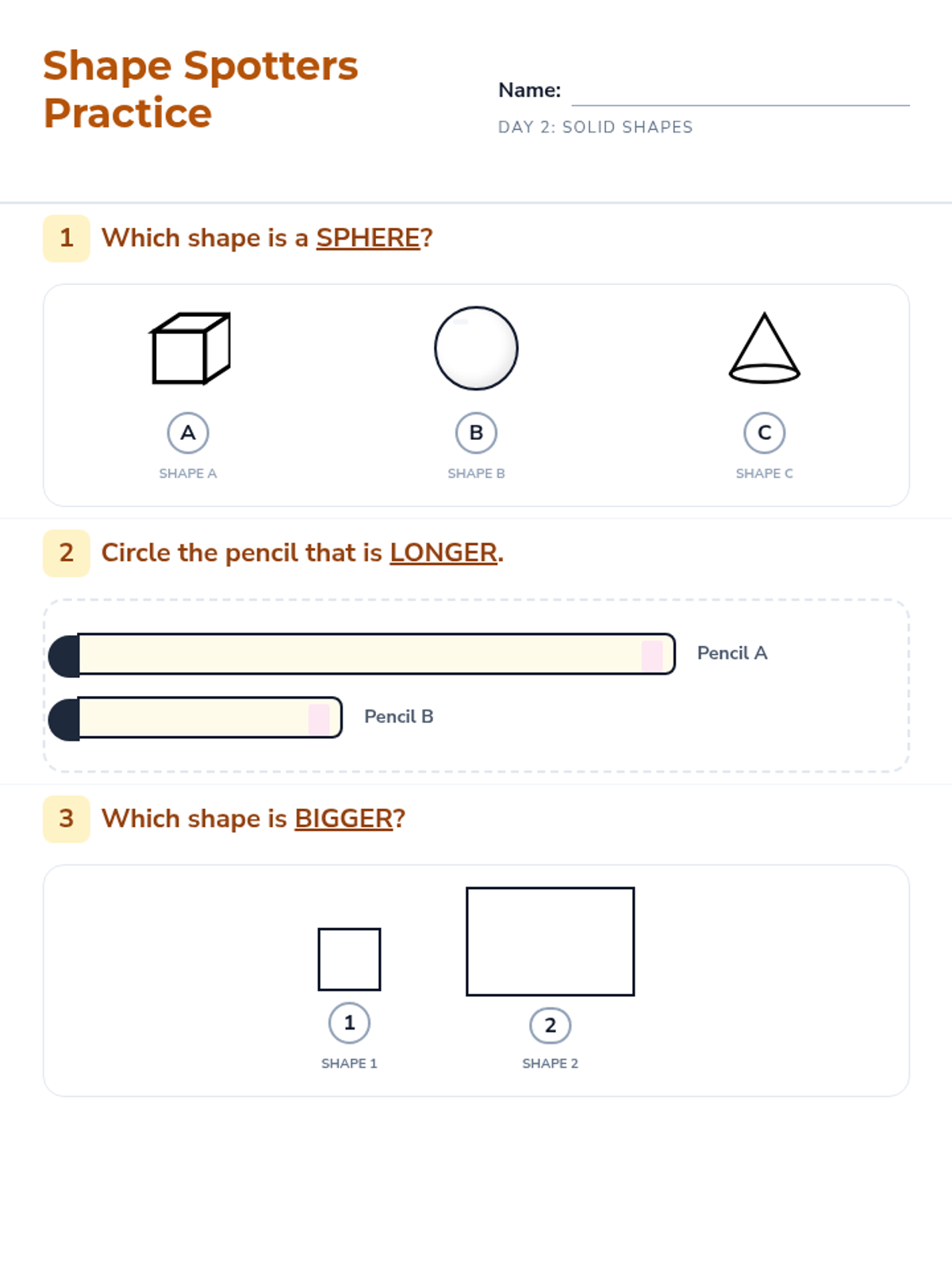
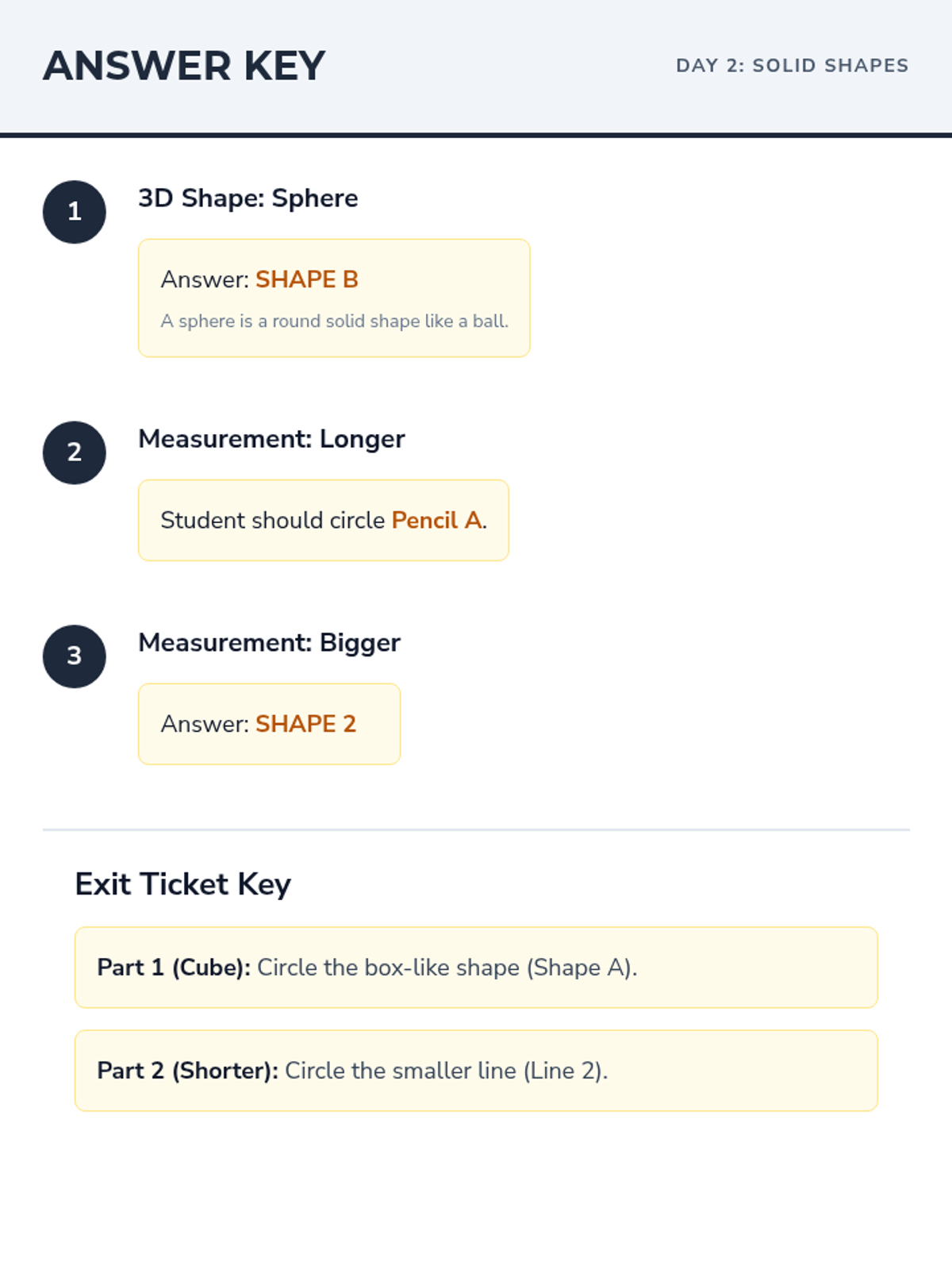
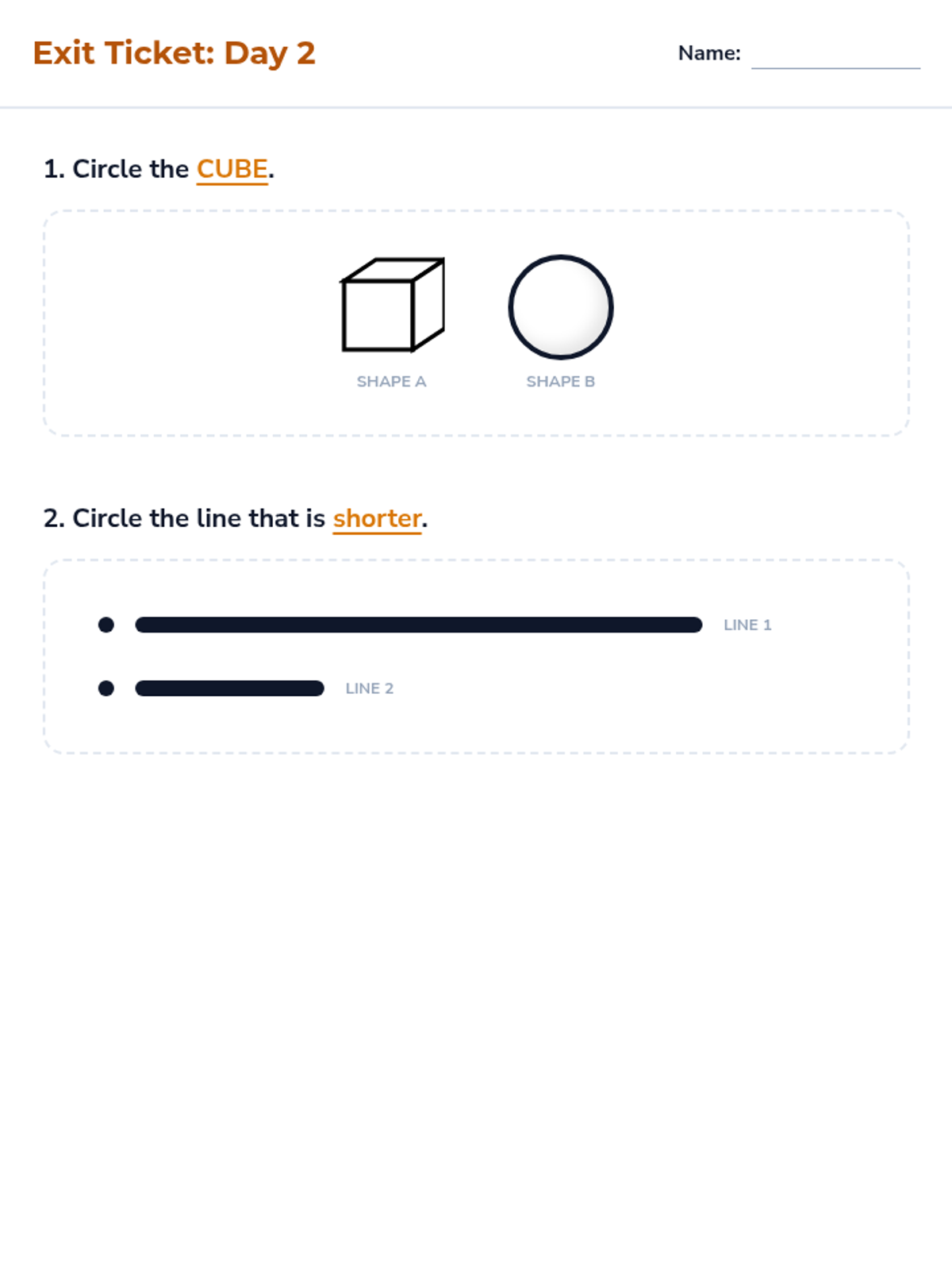
A cumulative review of 2D/3D shapes, positional words, and measurement comparisons to assess mastery.
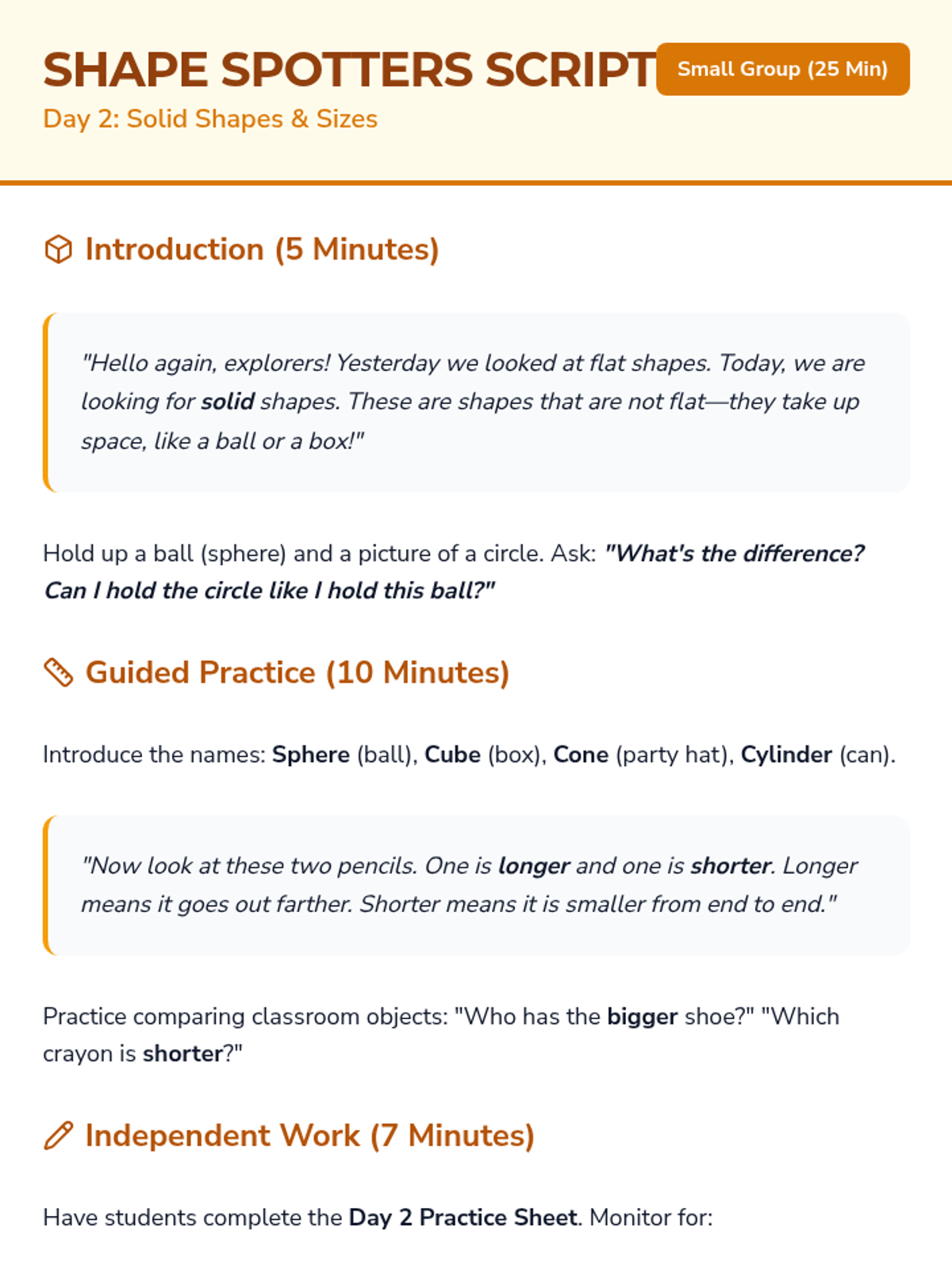
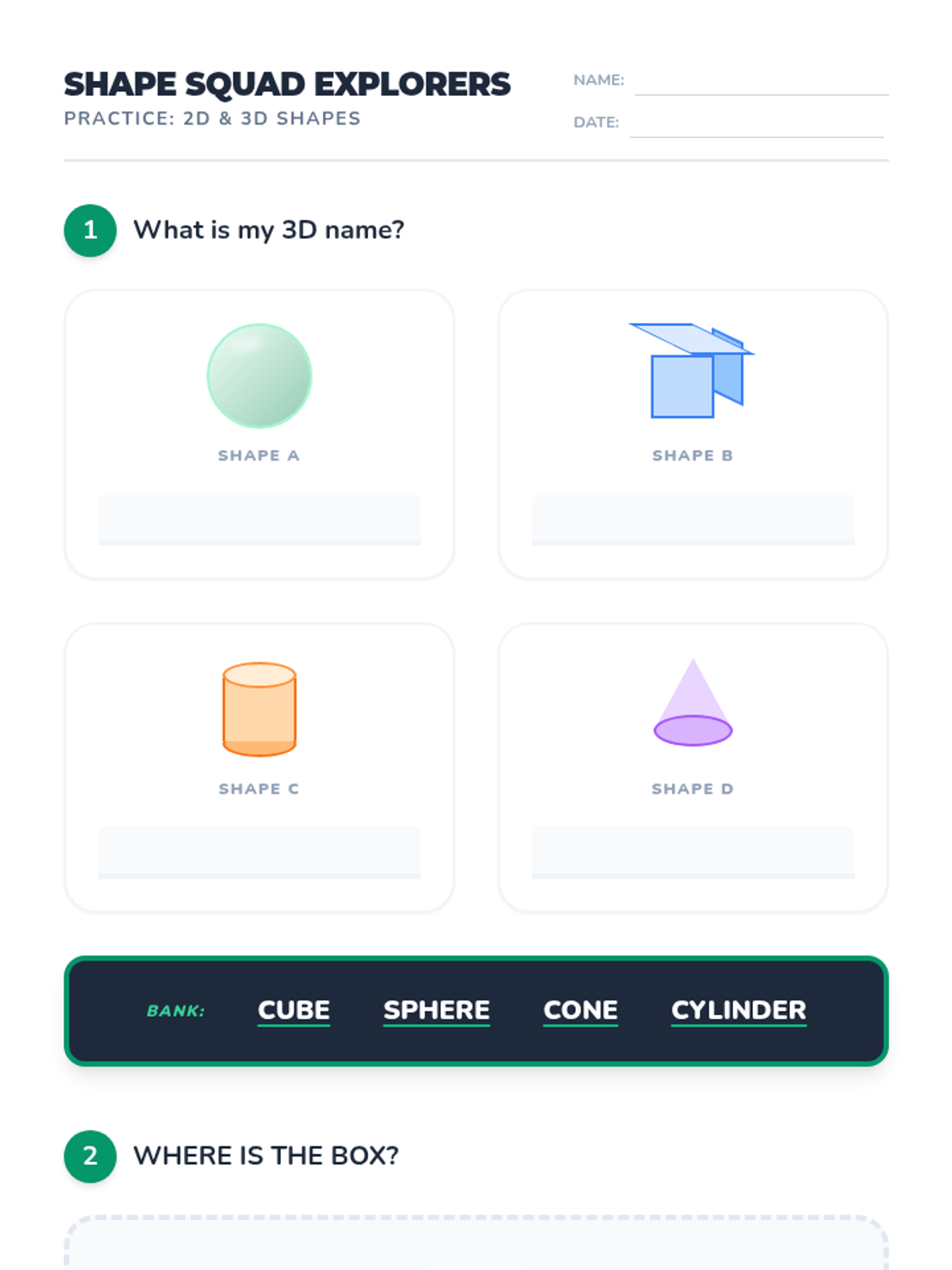
Students identify 3D shapes (cube, sphere, cone, cylinder) and compare objects based on size and length.
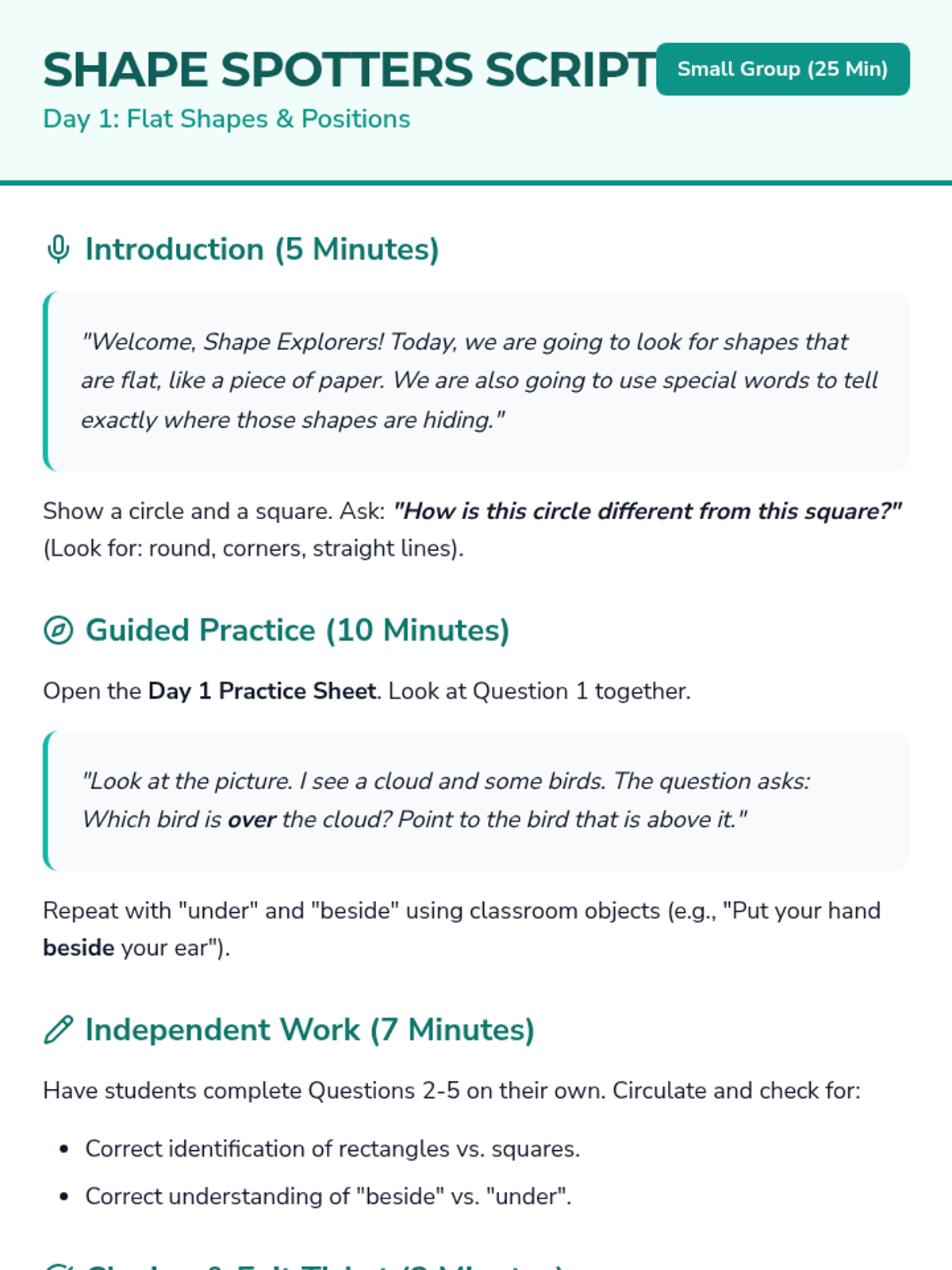
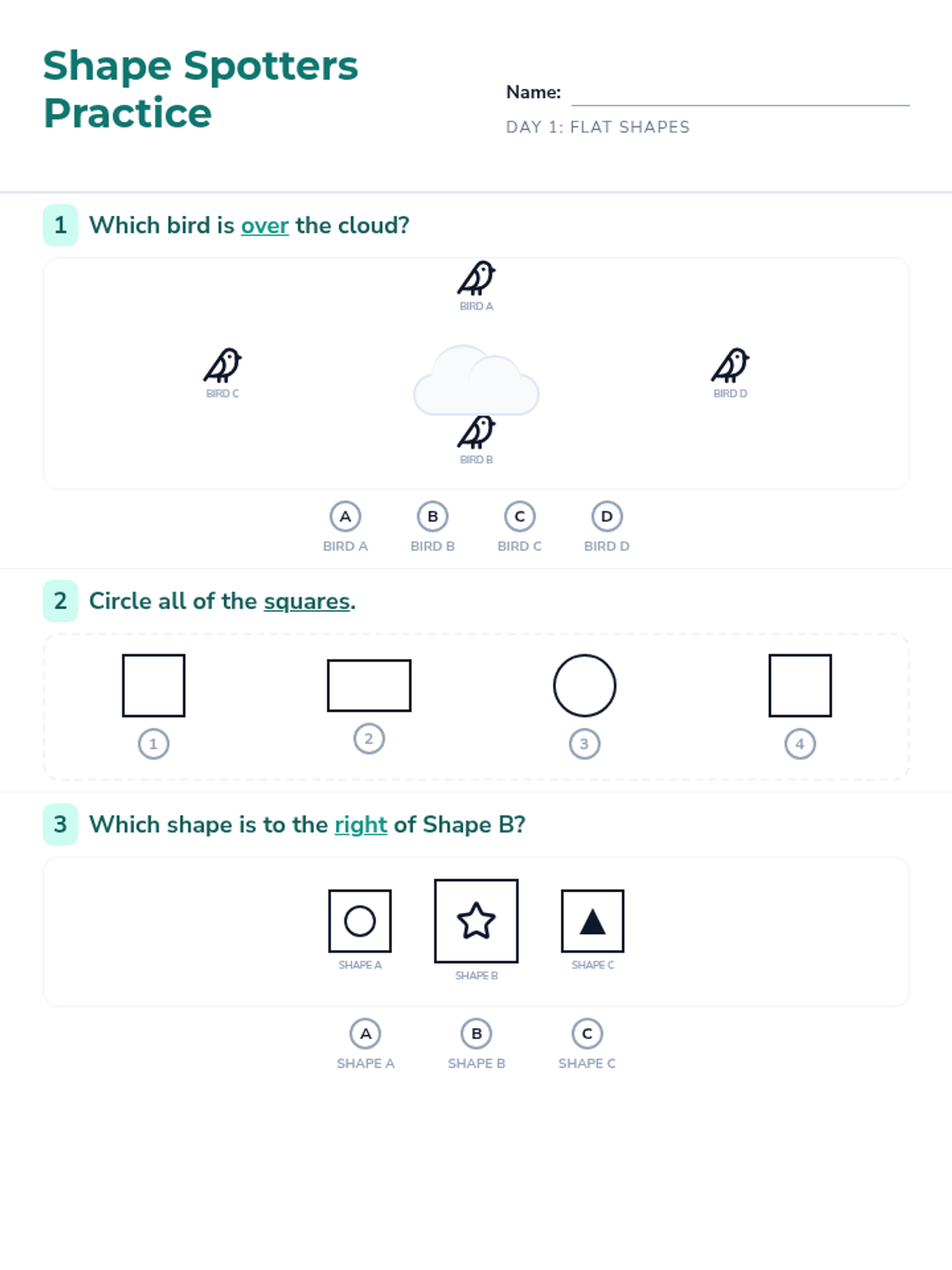
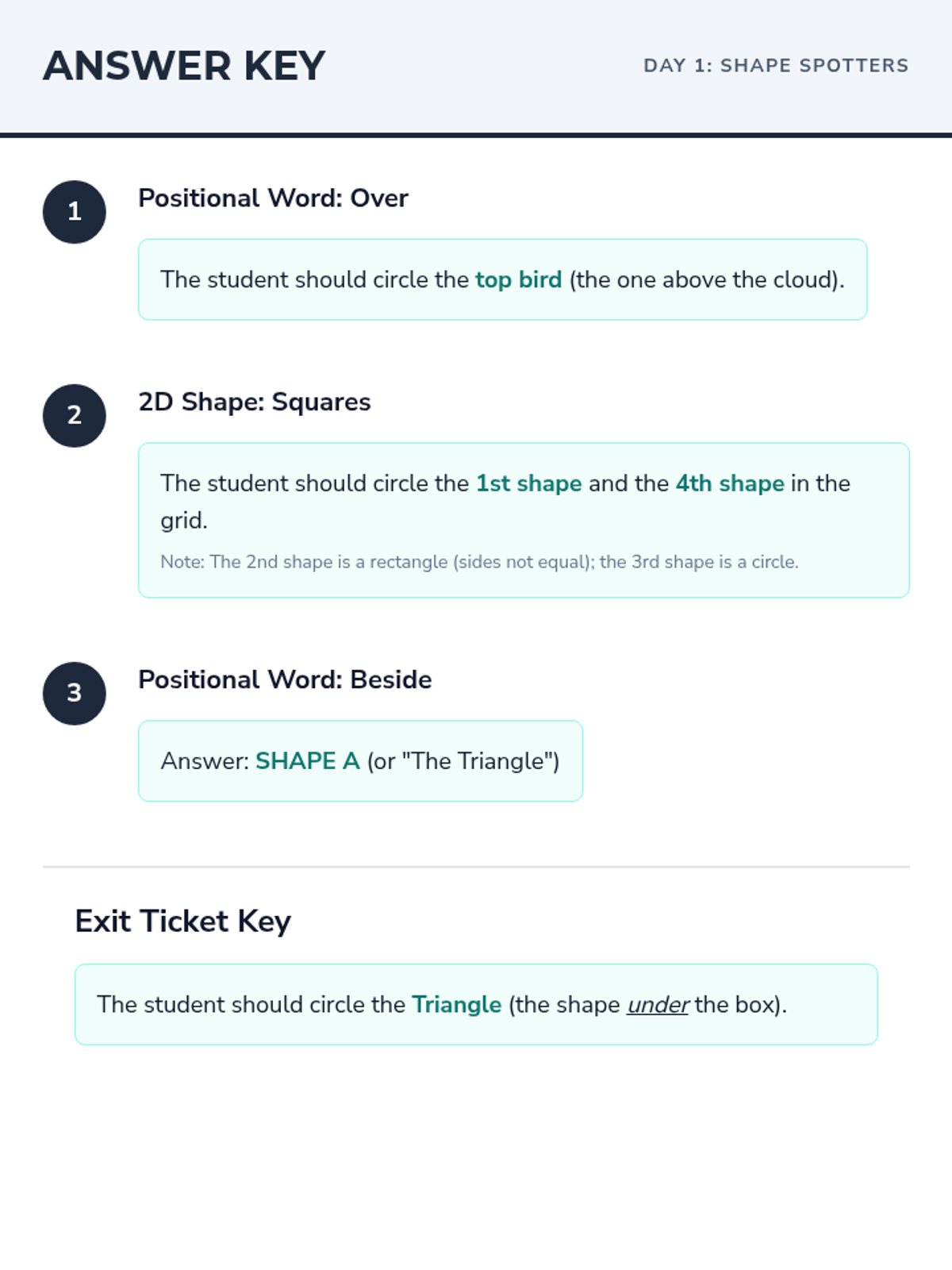
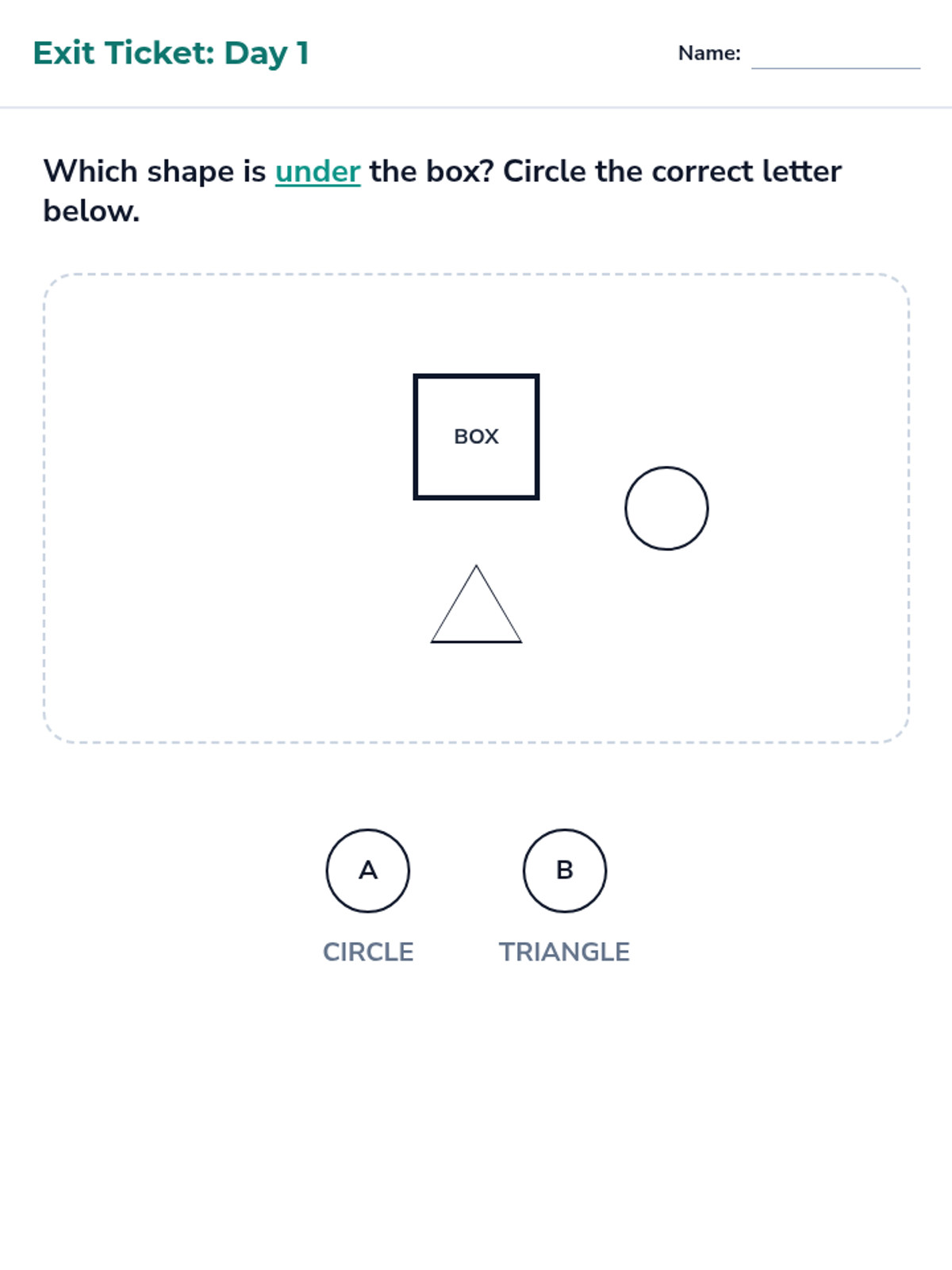
Students identify 2D shapes (circle, square, triangle, rectangle) and use positional language (over, under, beside) to describe location.
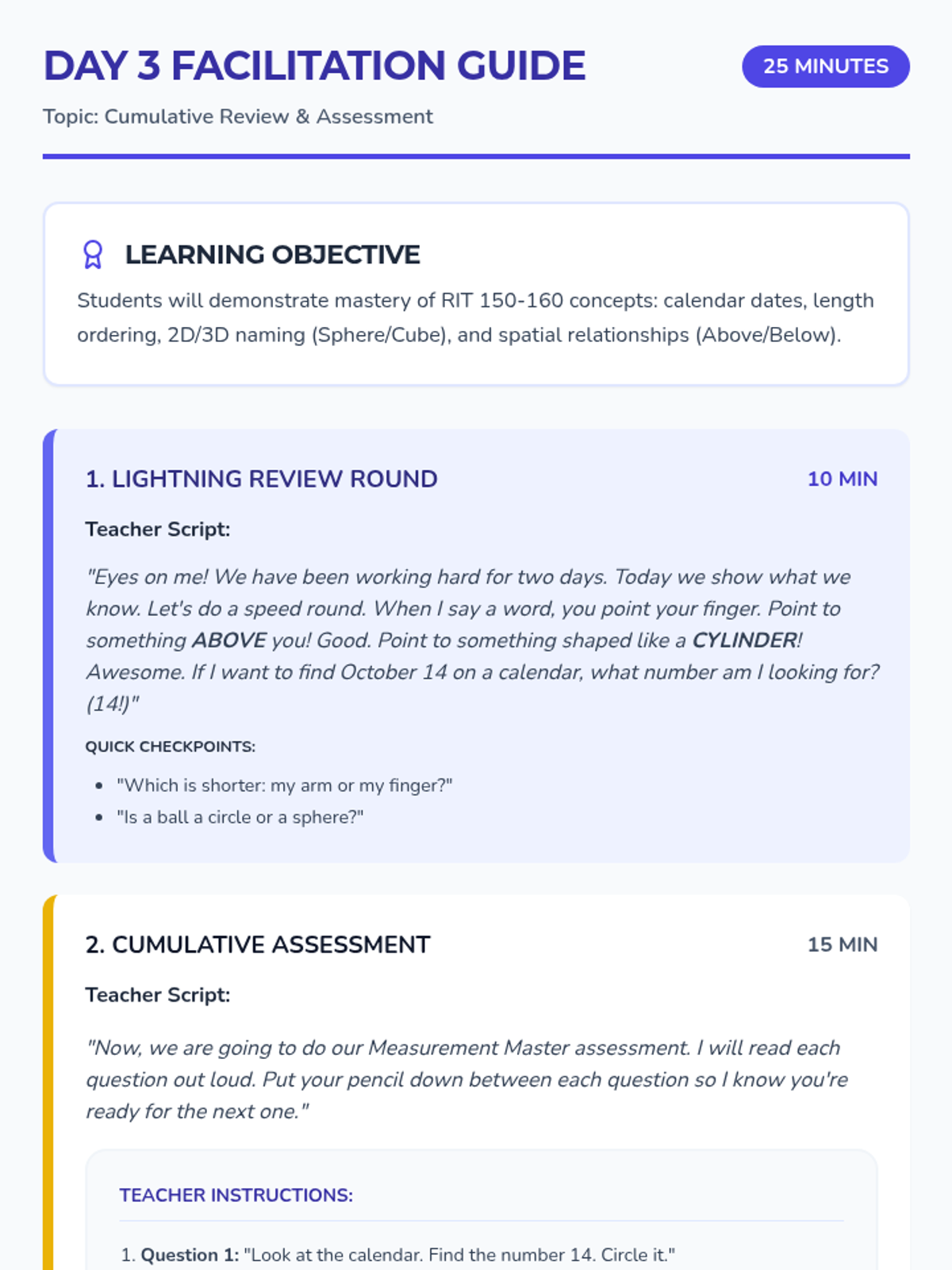
Day 3 provides a comprehensive review of all measurement and geometry concepts from the week, culminating in a cumulative assessment.
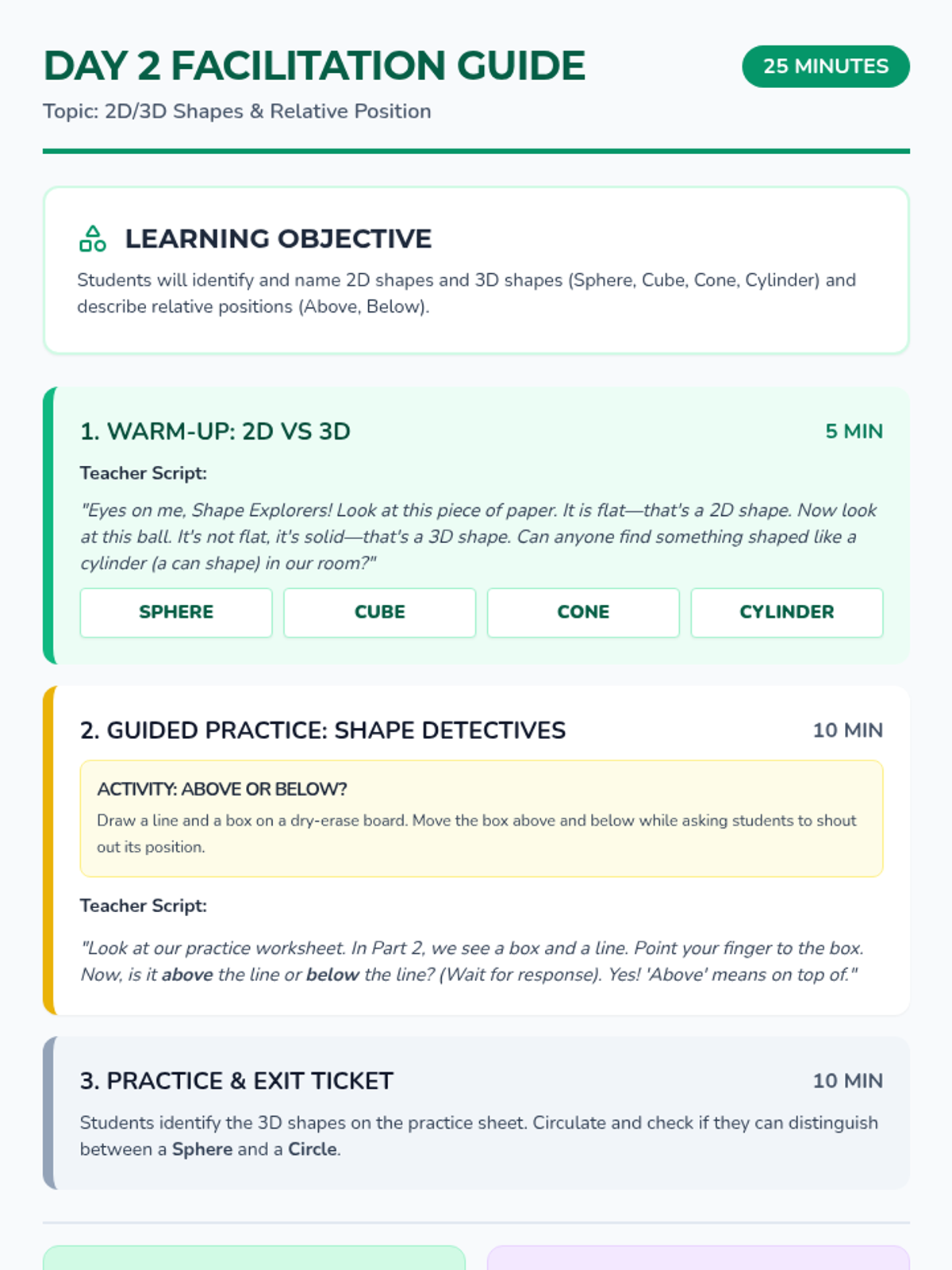
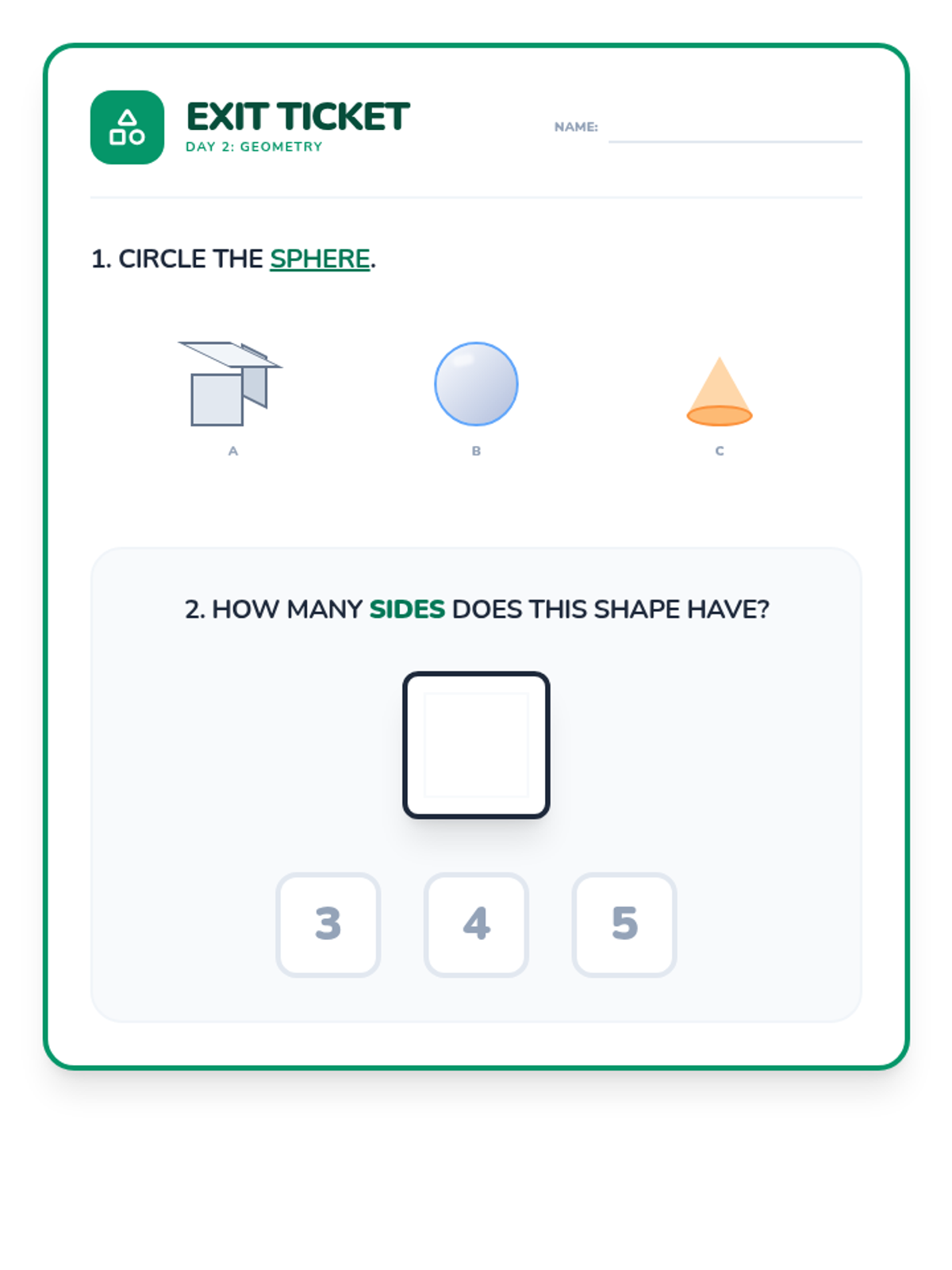
Day 2 covers identifying 2D and 3D shapes by name and attributes, as well as mixed geometry concepts like relative position and composite shapes.
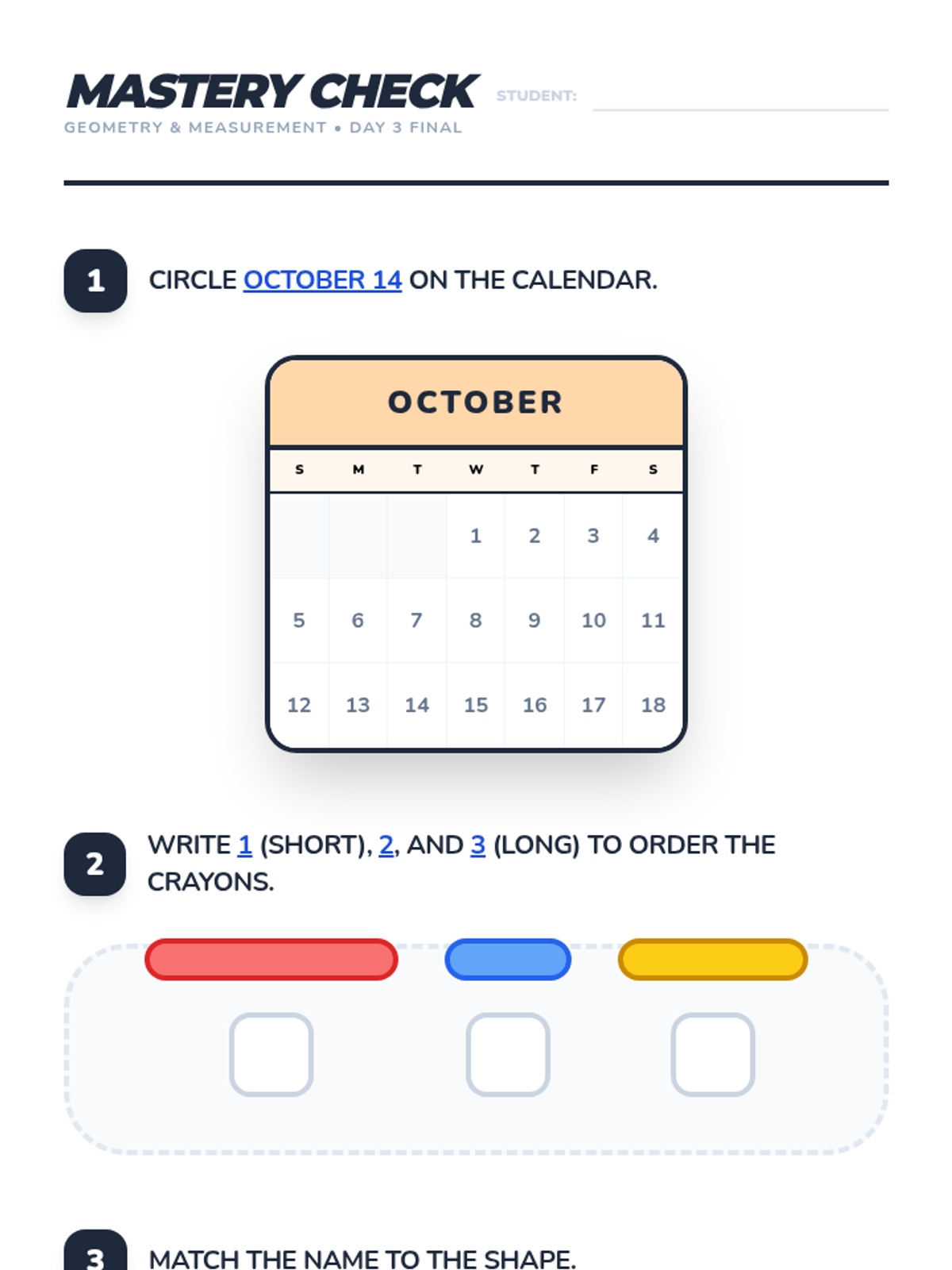
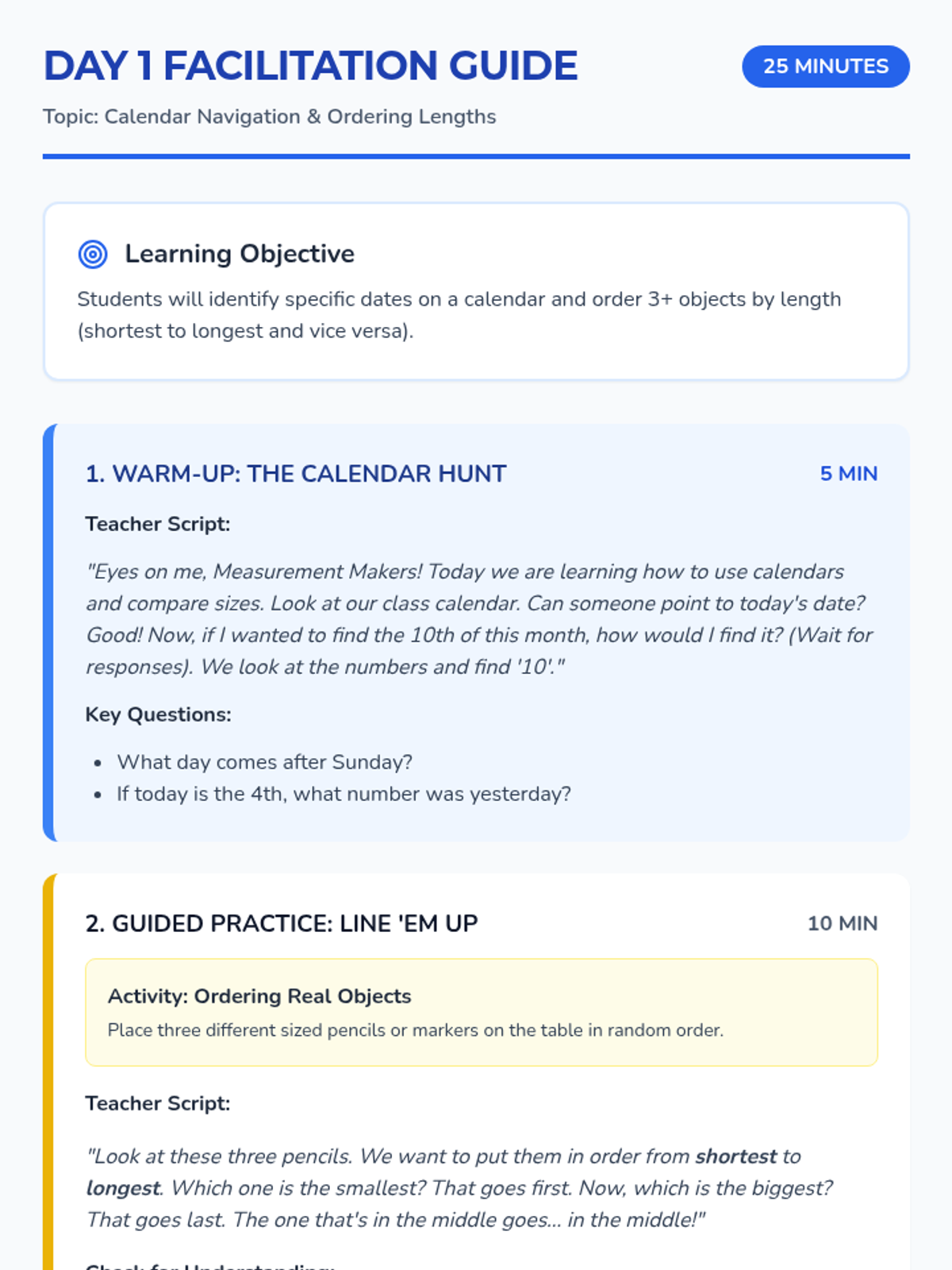
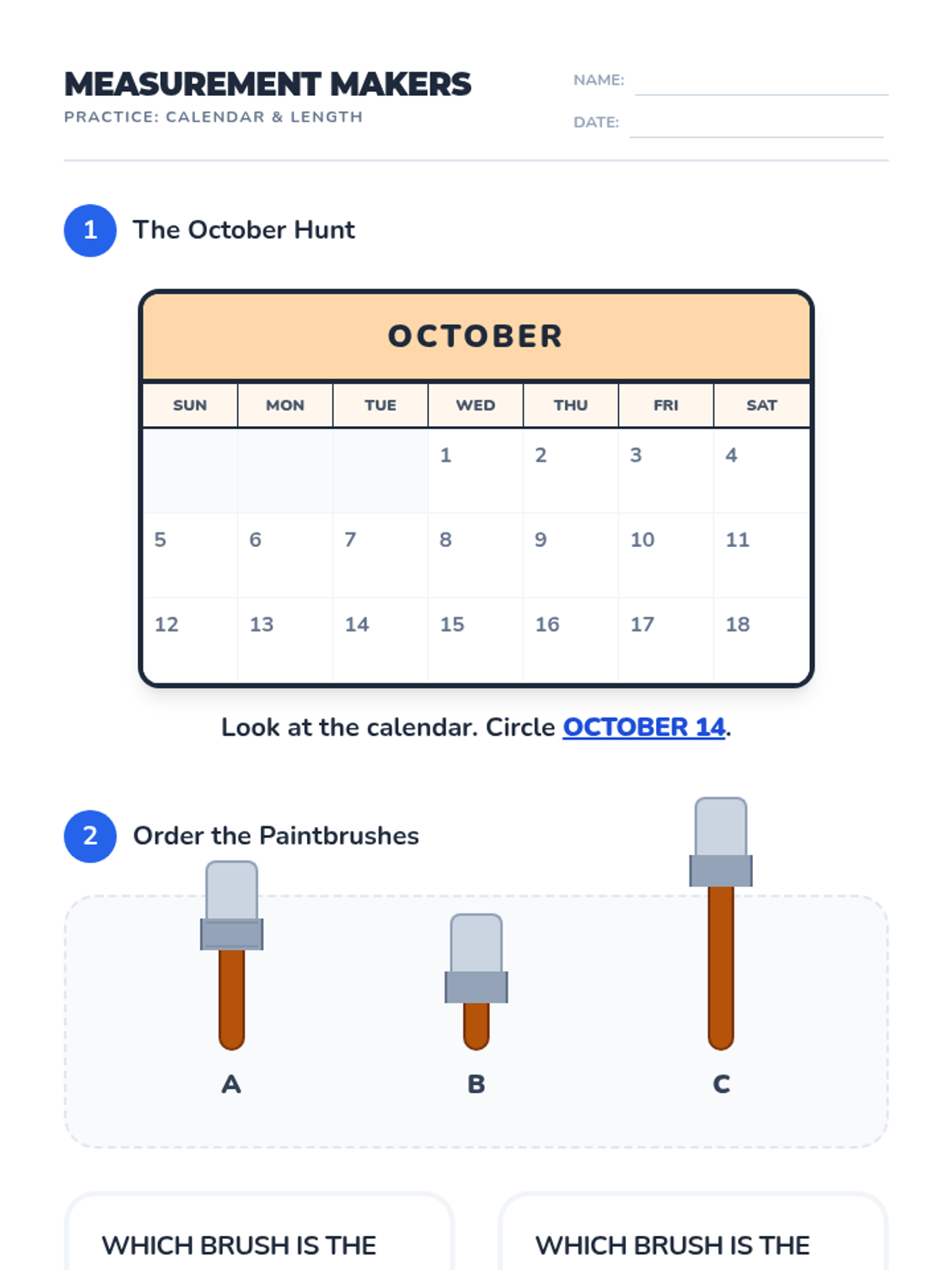
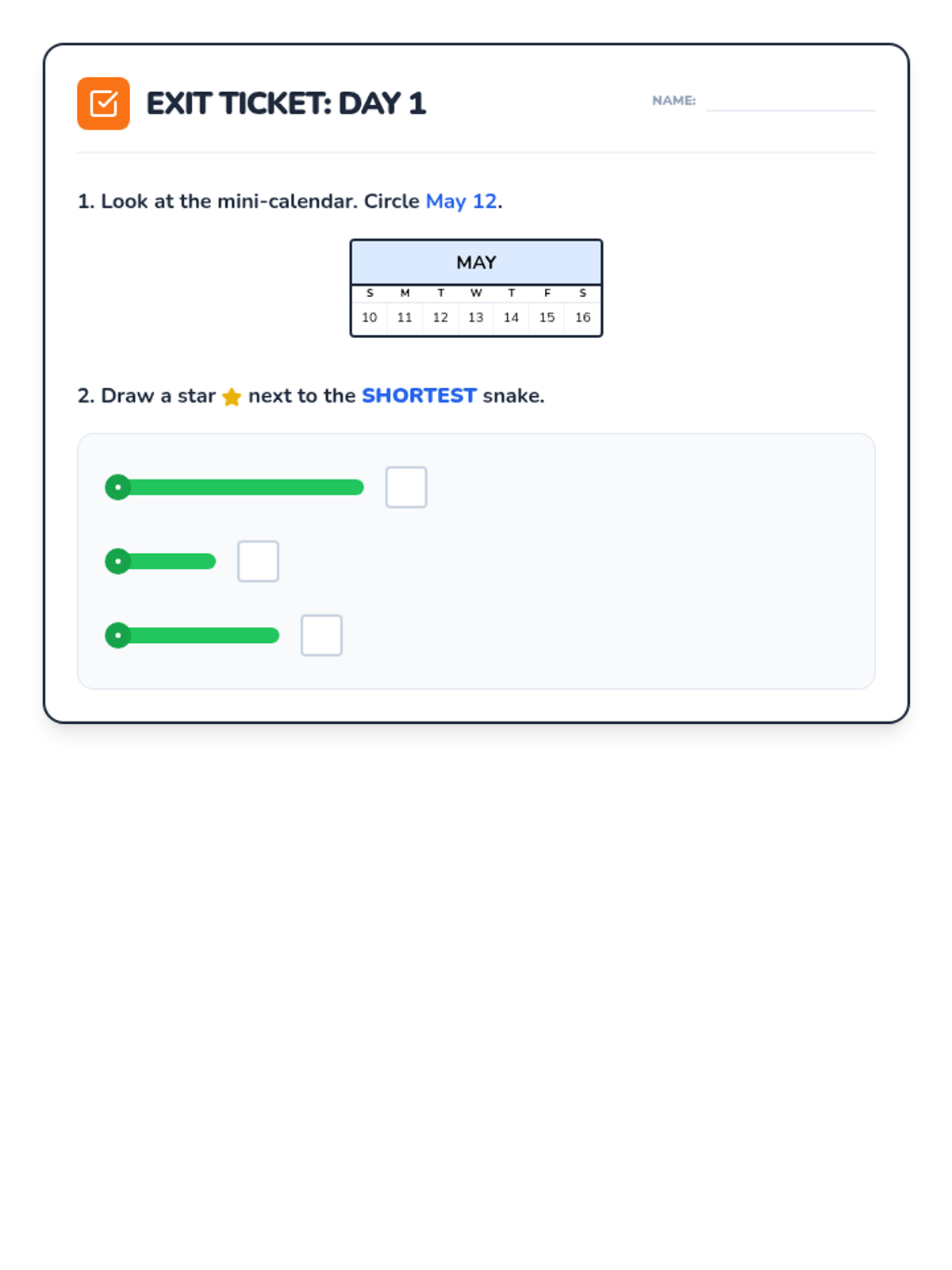
Day 1 focuses on calendar navigation (finding specific dates) and ordering objects by length, targeting foundational RIT 150-160 skills.
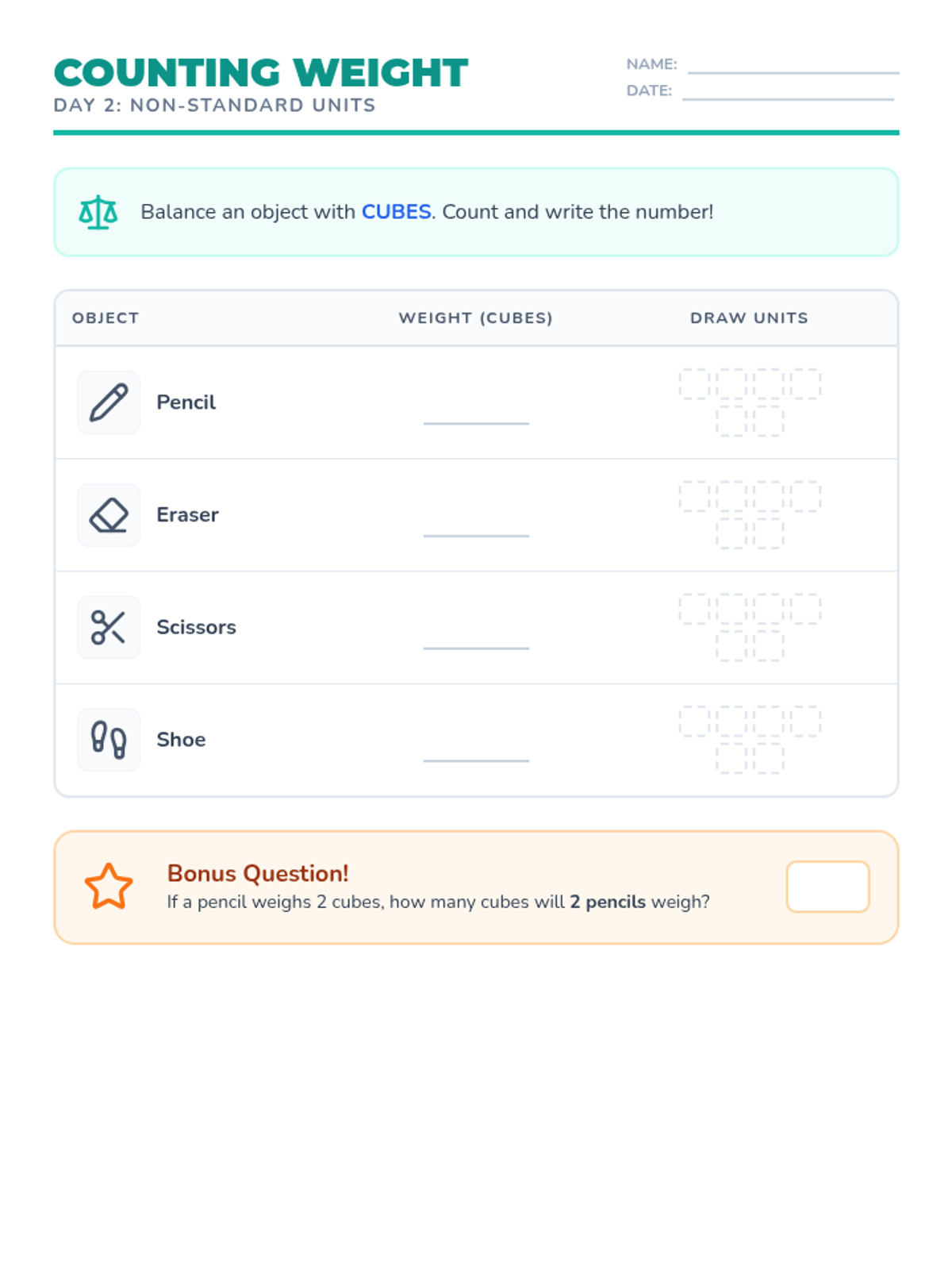
Students measure the weight of objects using non-standard units like cubes and paperclips with a balance scale.
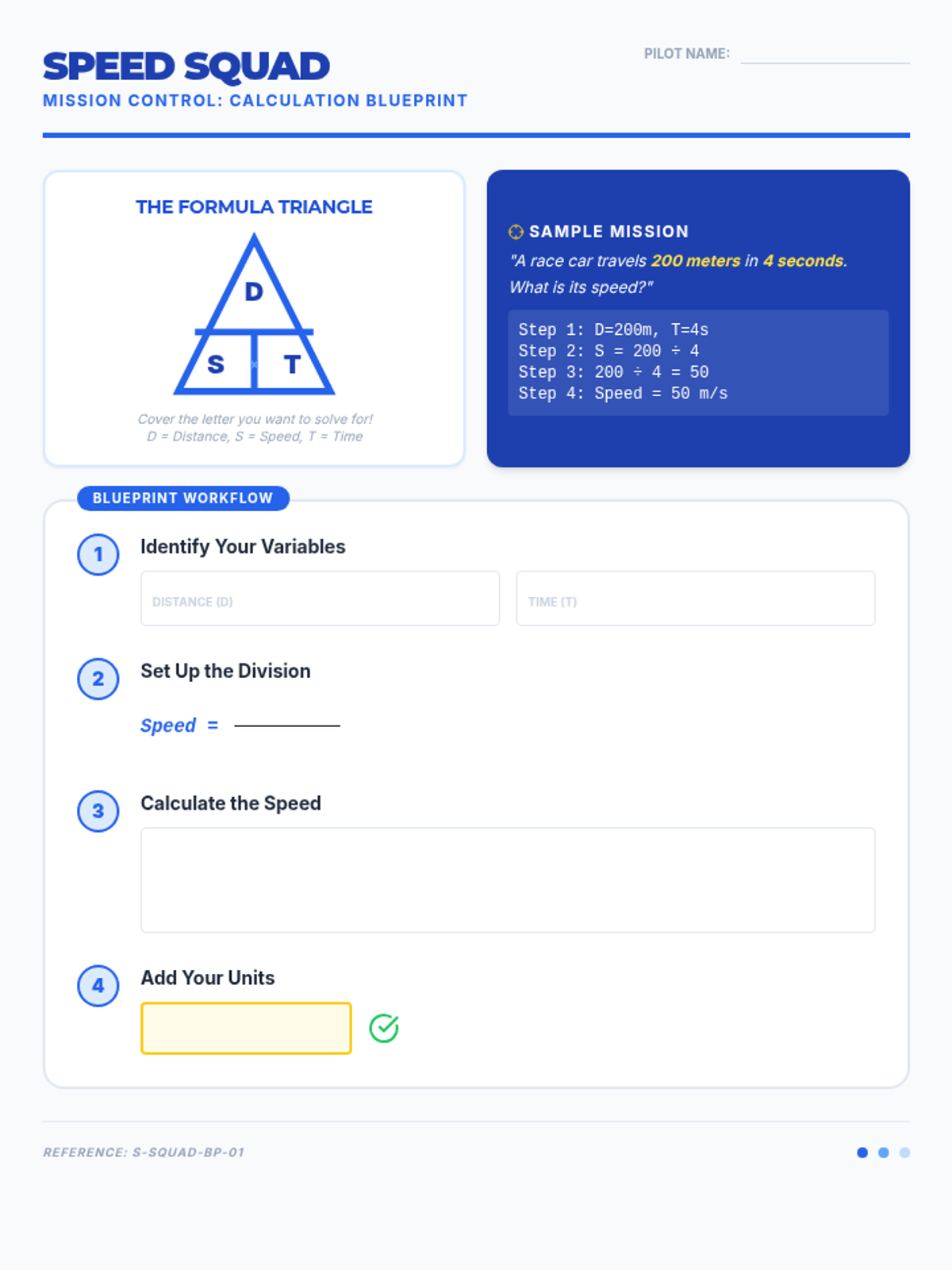
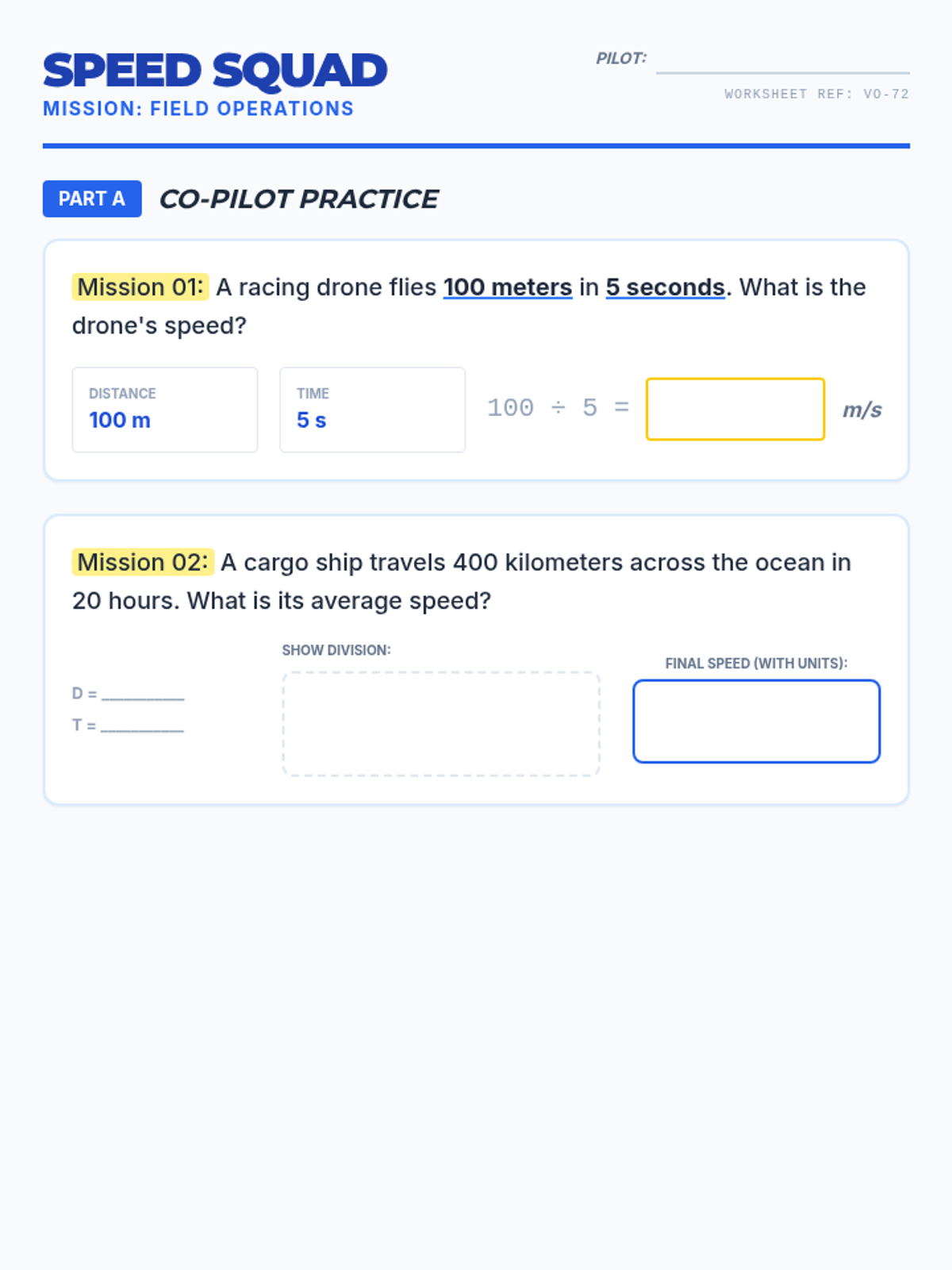
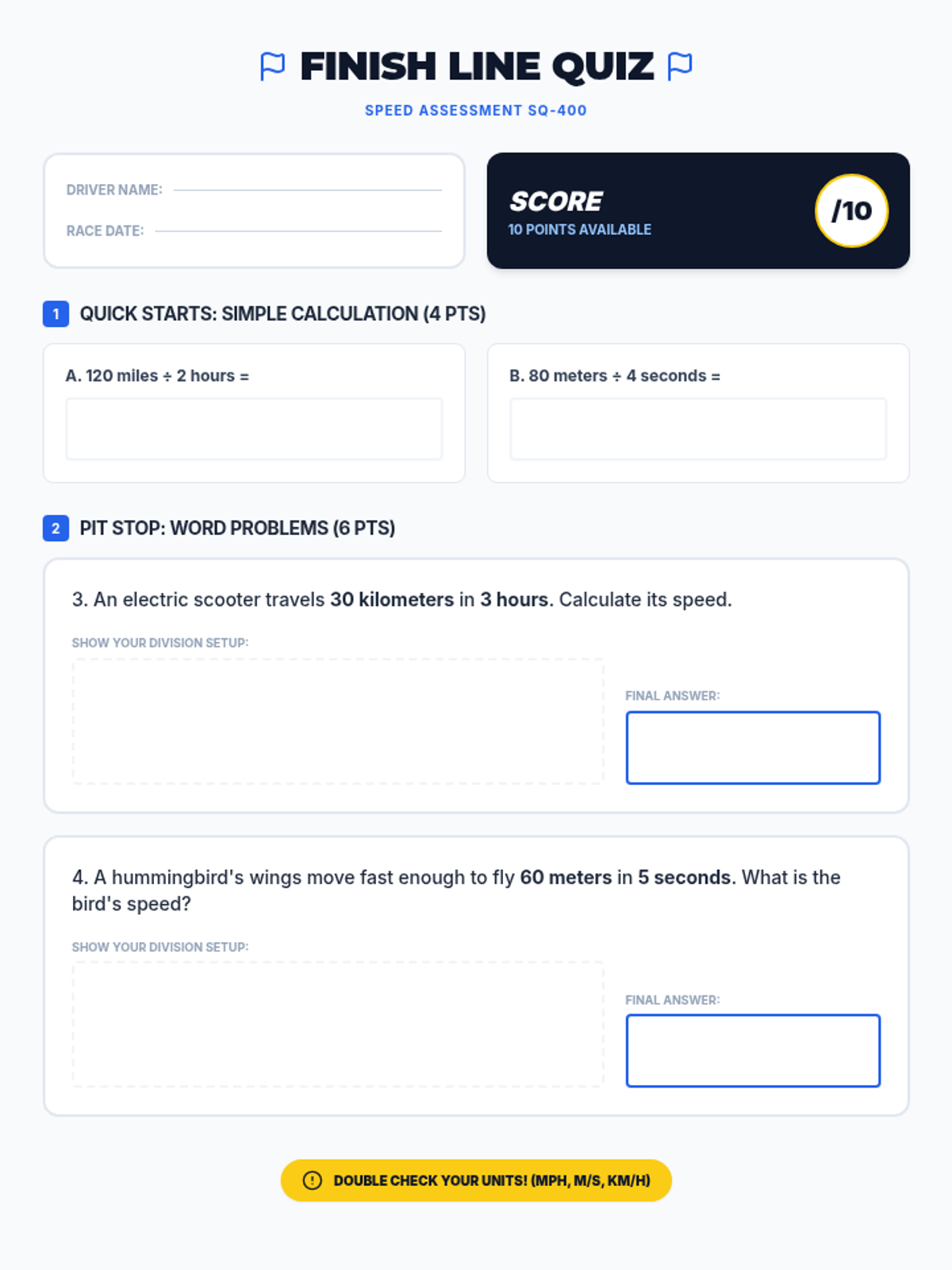
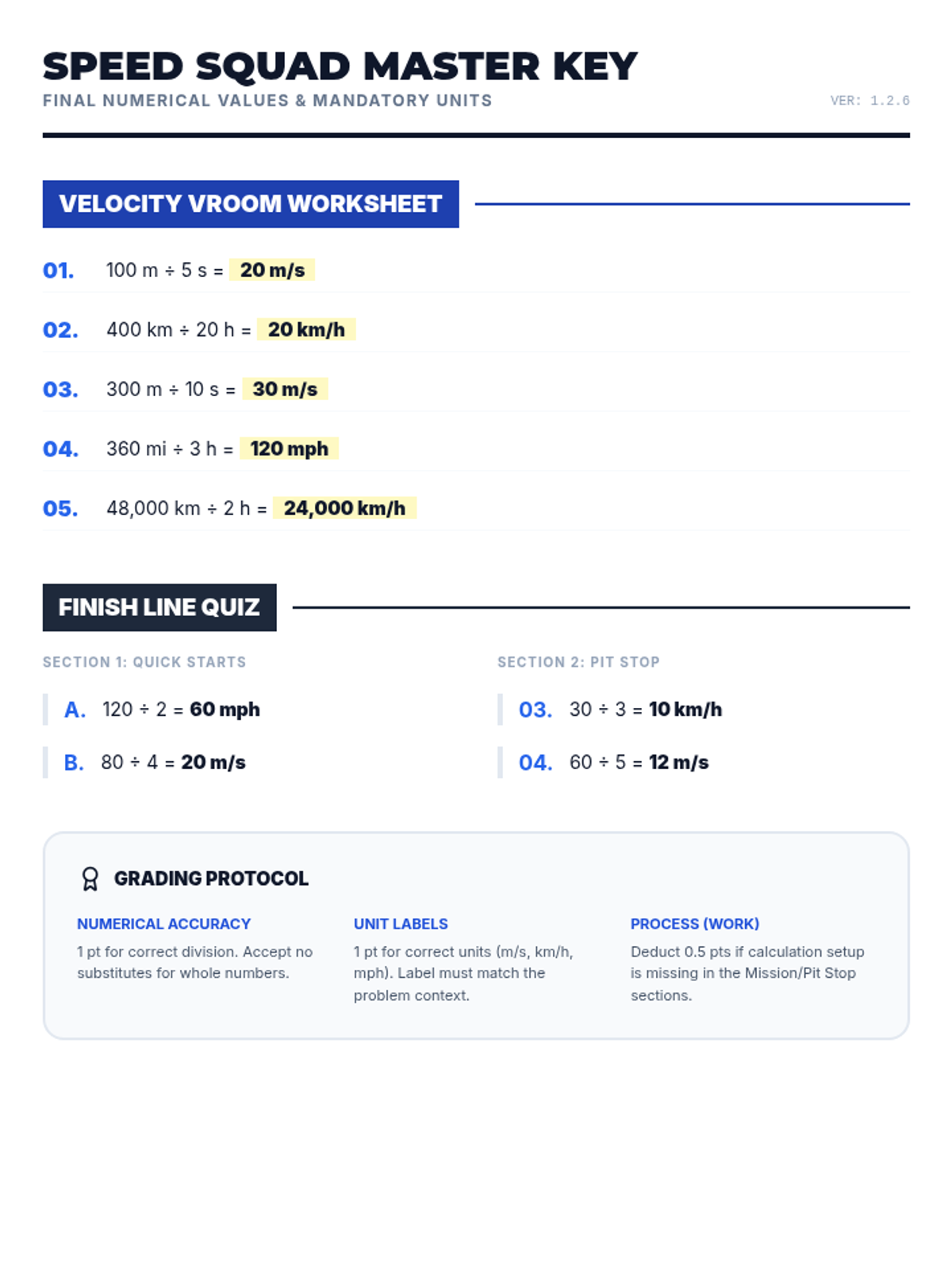
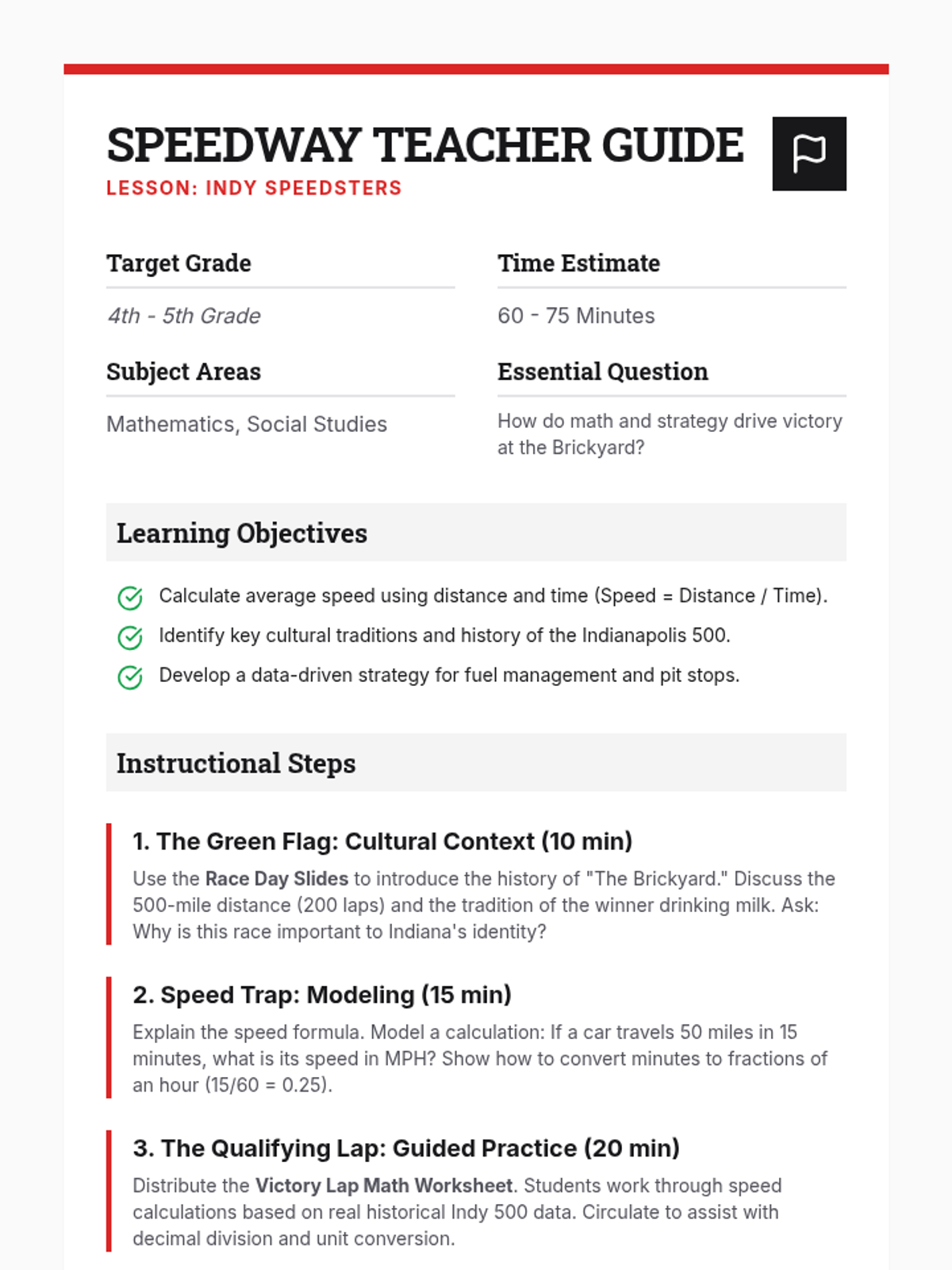
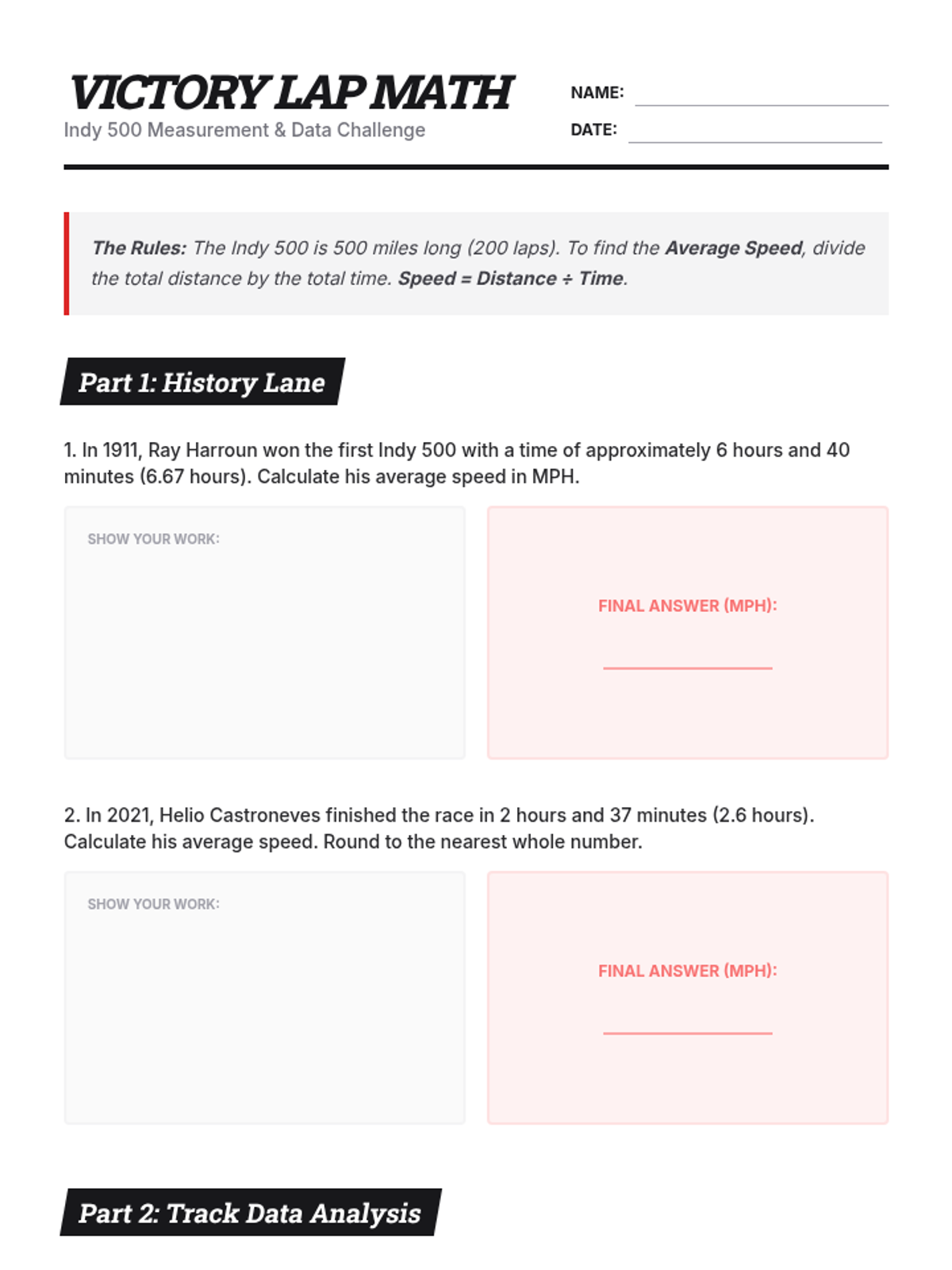
A comprehensive introduction to calculating speed using the formula Speed = Distance ÷ Time. This lesson uses a racing-themed framework to guide students through identifying units, setting up calculations, and solving whole-number word problems.
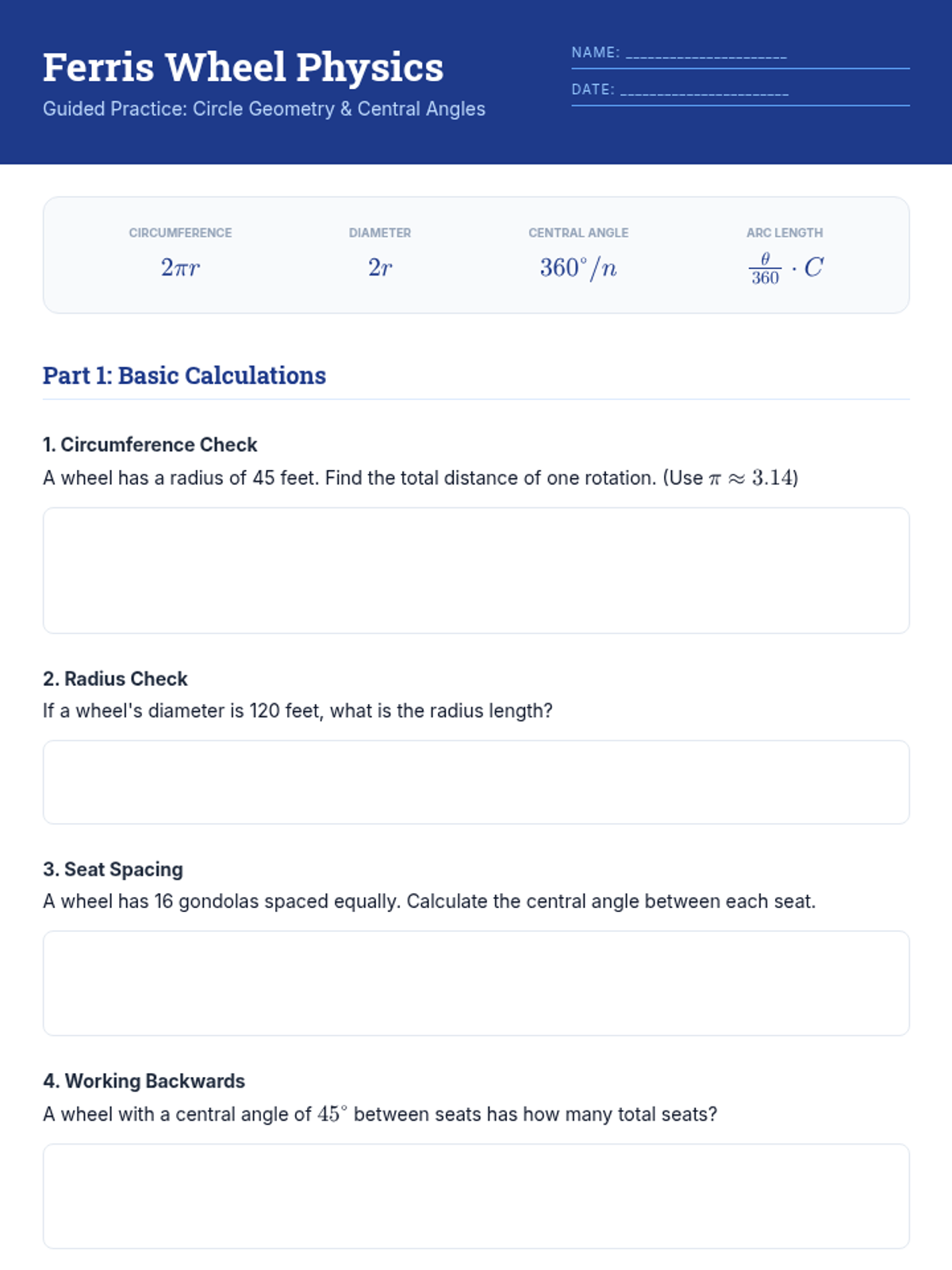
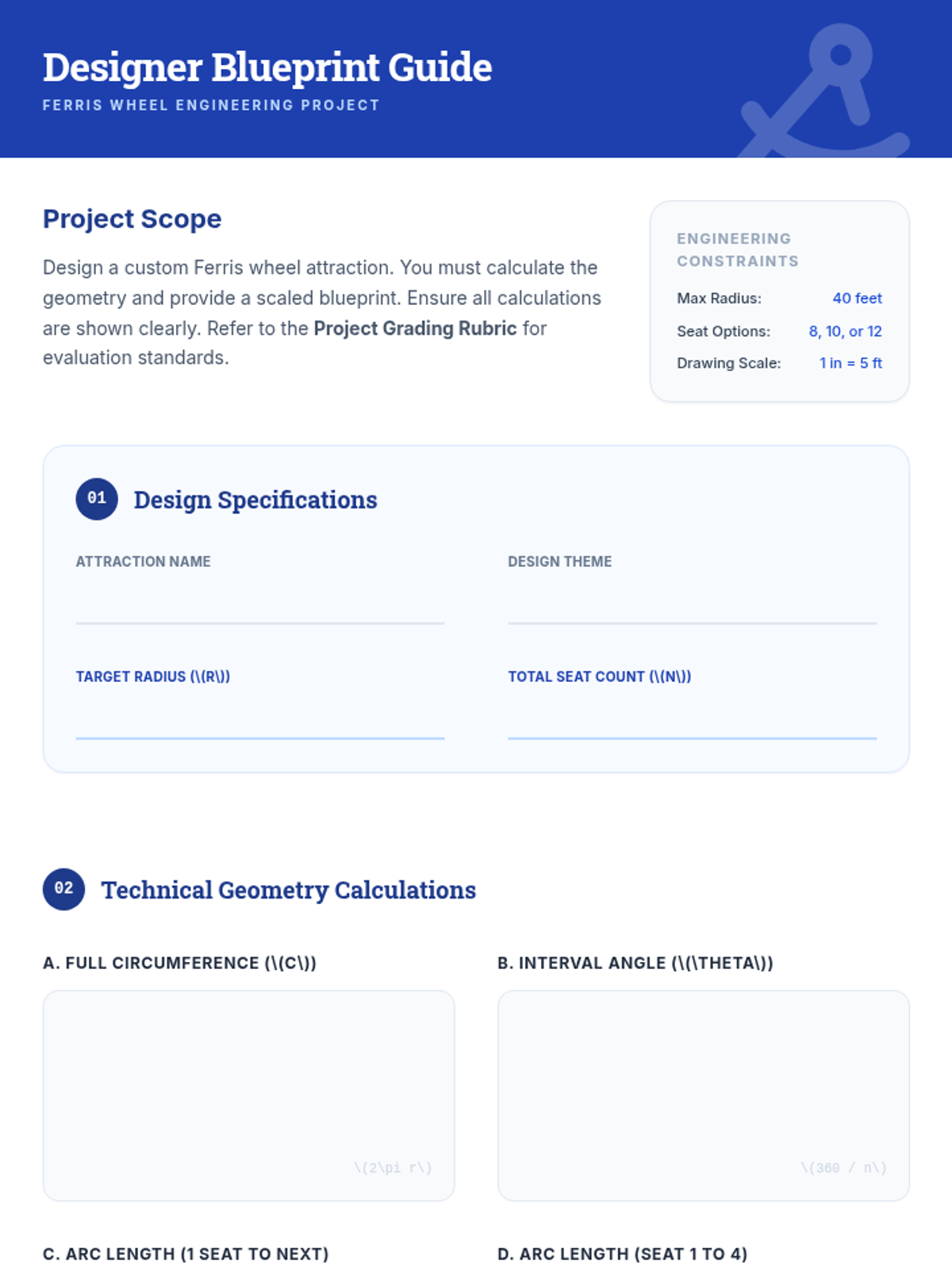
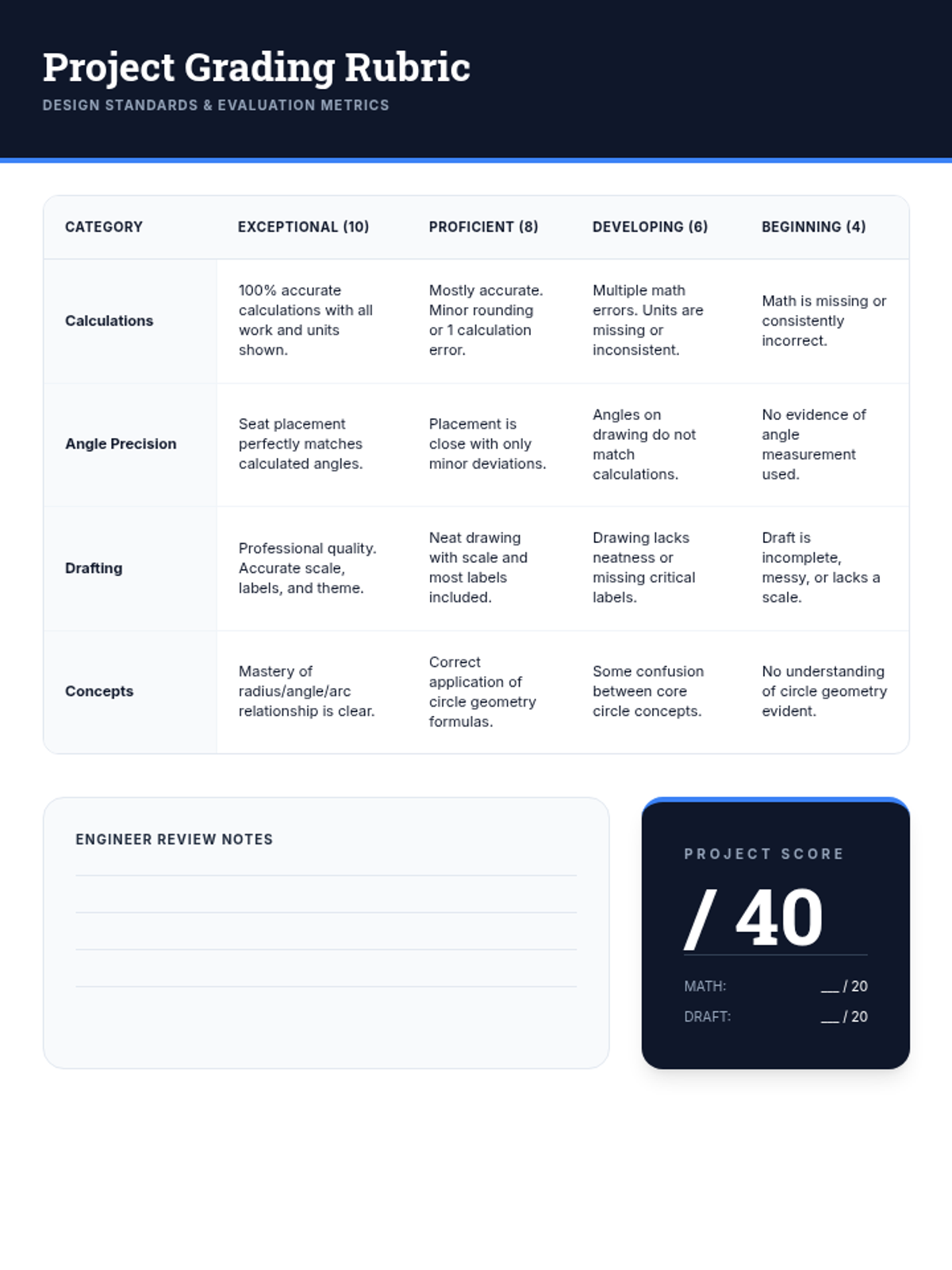
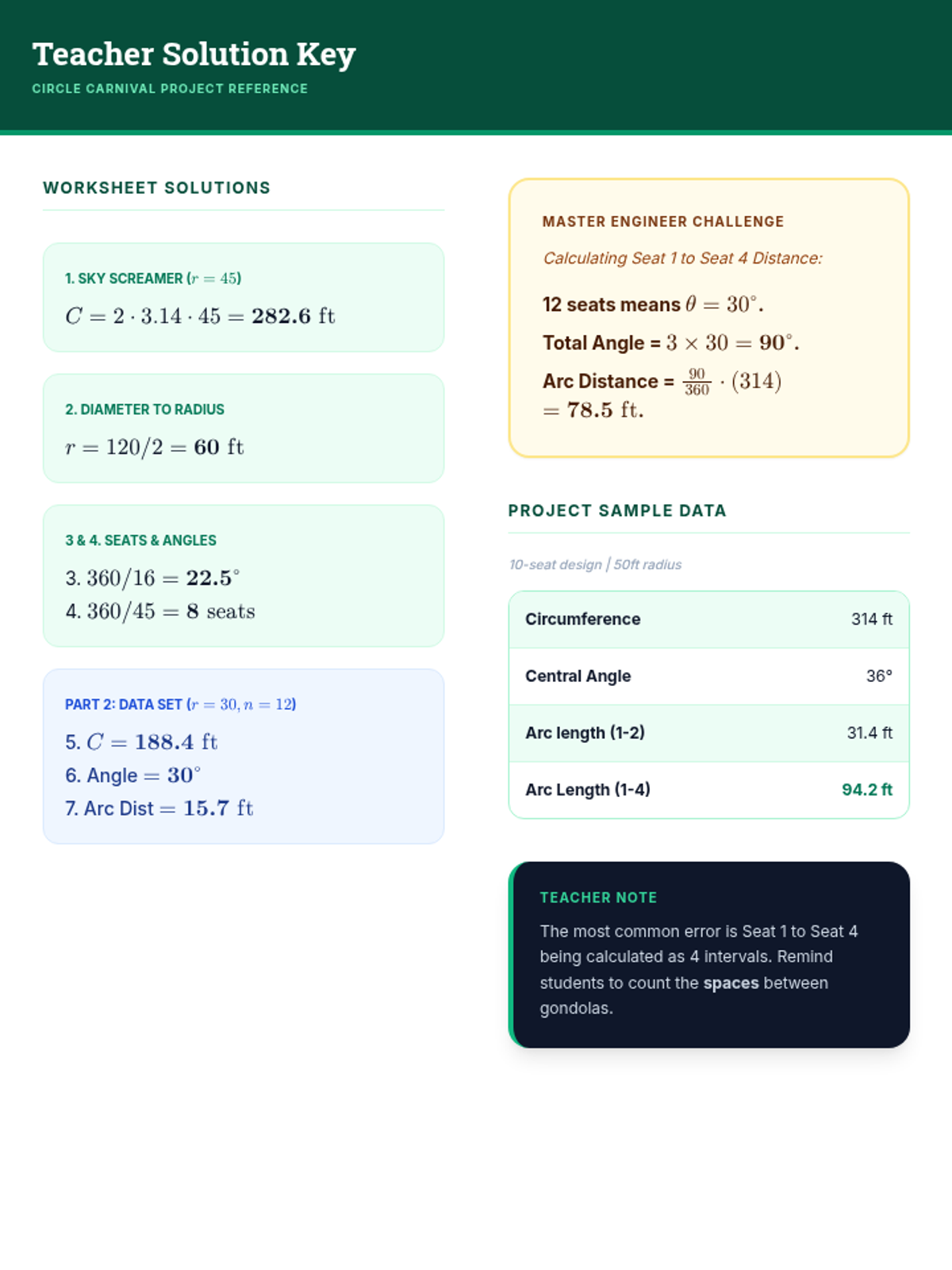
A middle school math project exploring circle geometry through the design and analysis of a Ferris wheel, focusing on central angles, radius, and arc length.
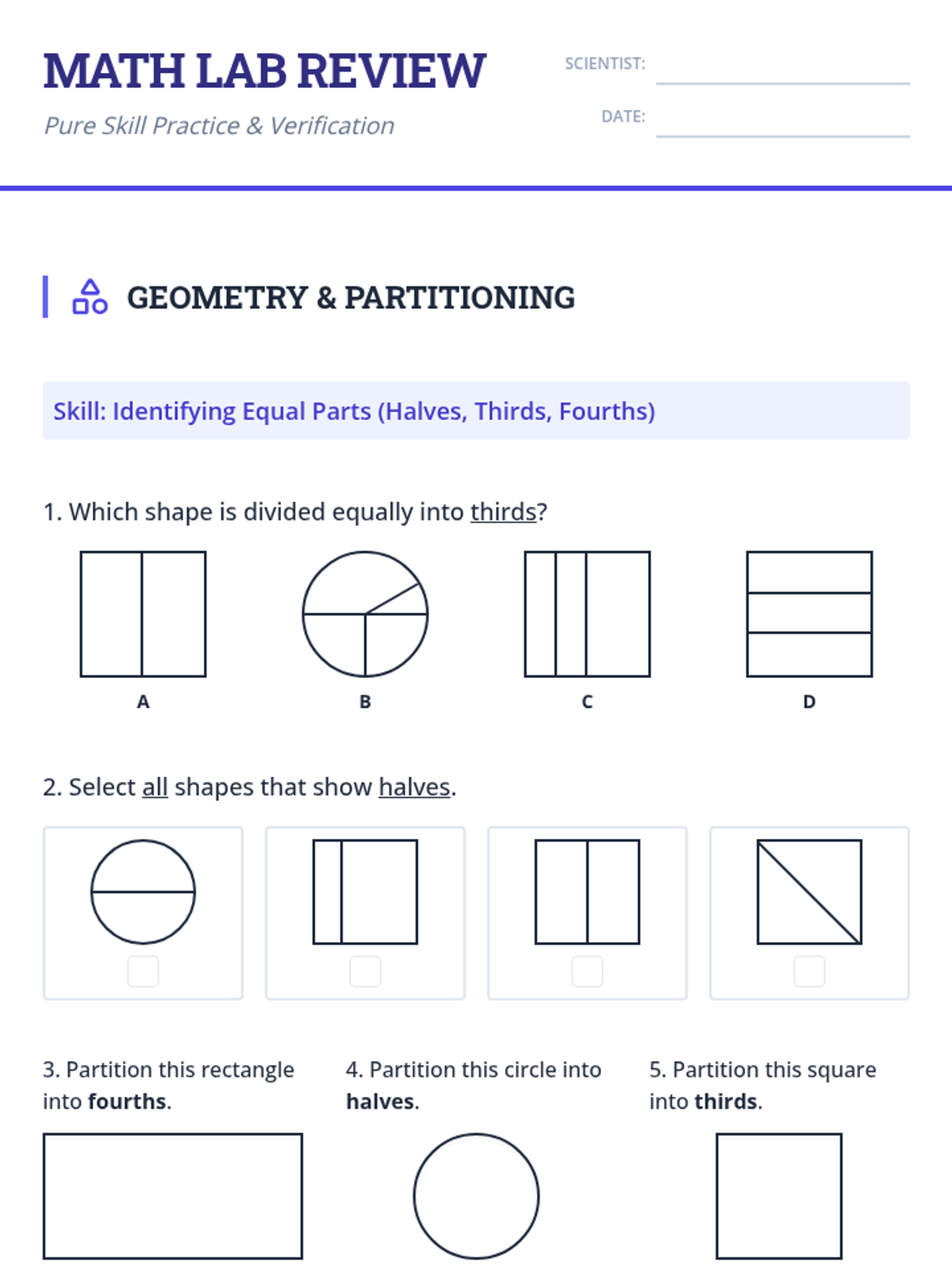
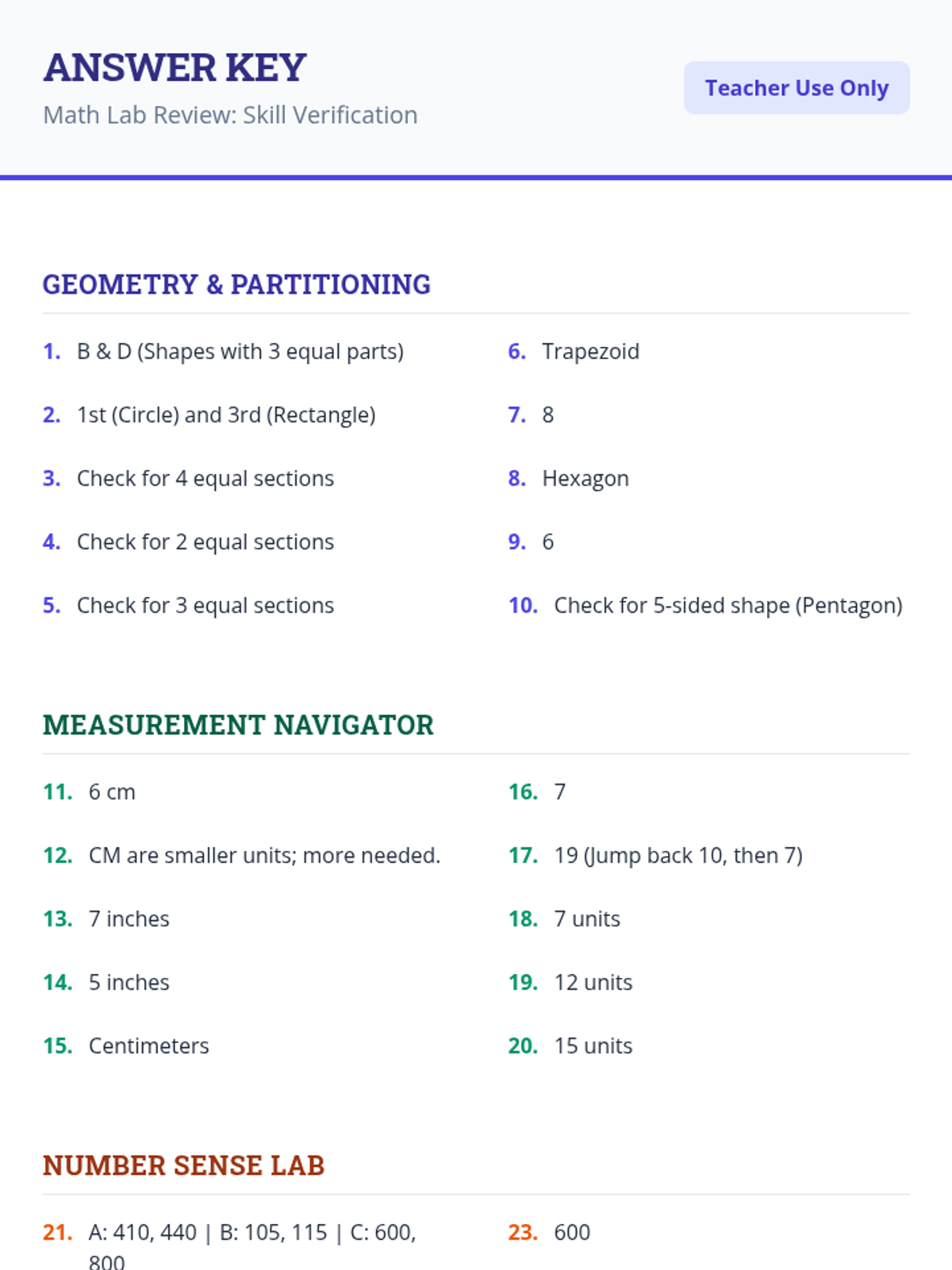
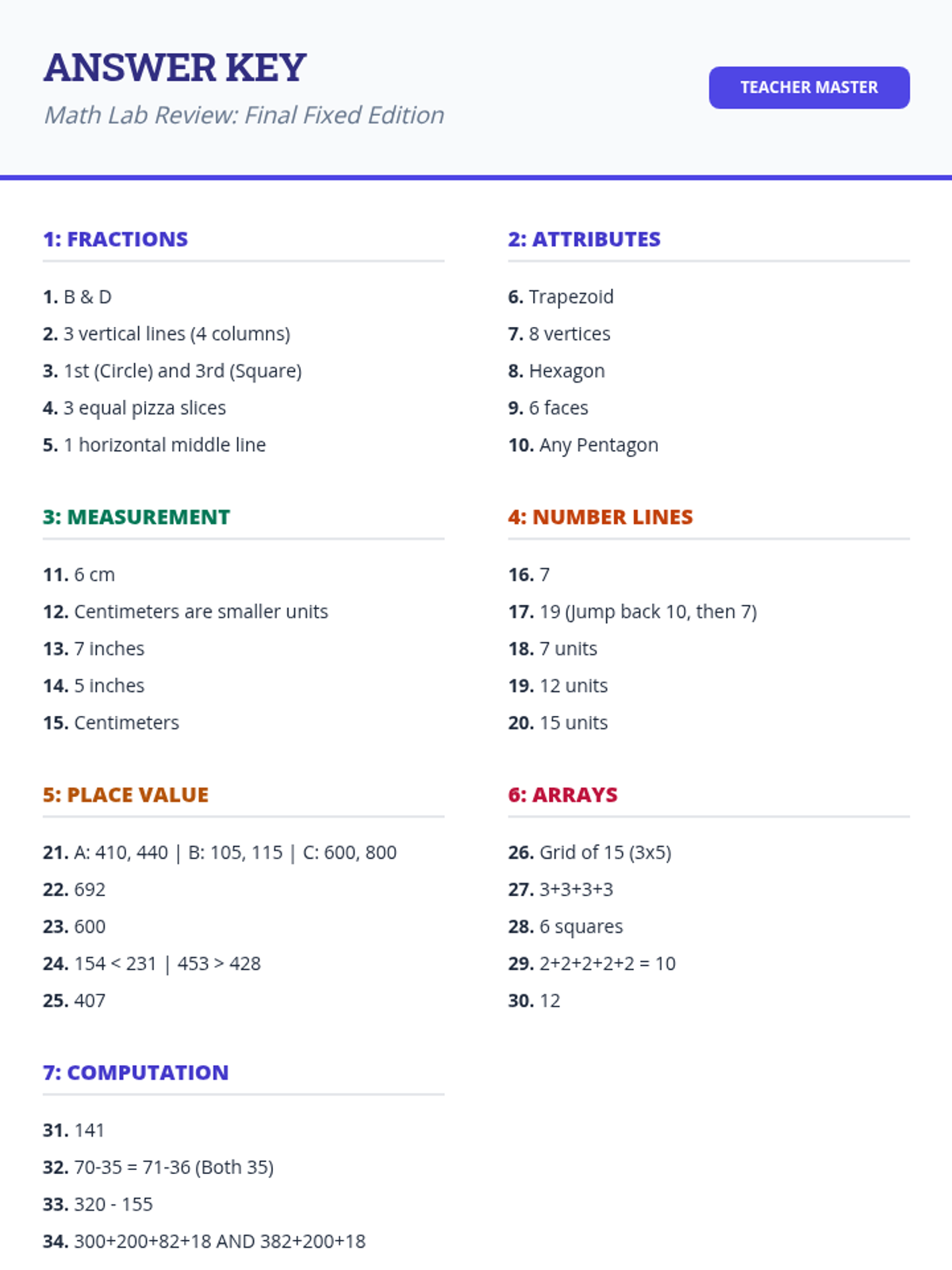
A comprehensive review packet covering Grade 2 math standards including geometry, measurement, place value, and computation, stripped of word problem context for pure skill practice.
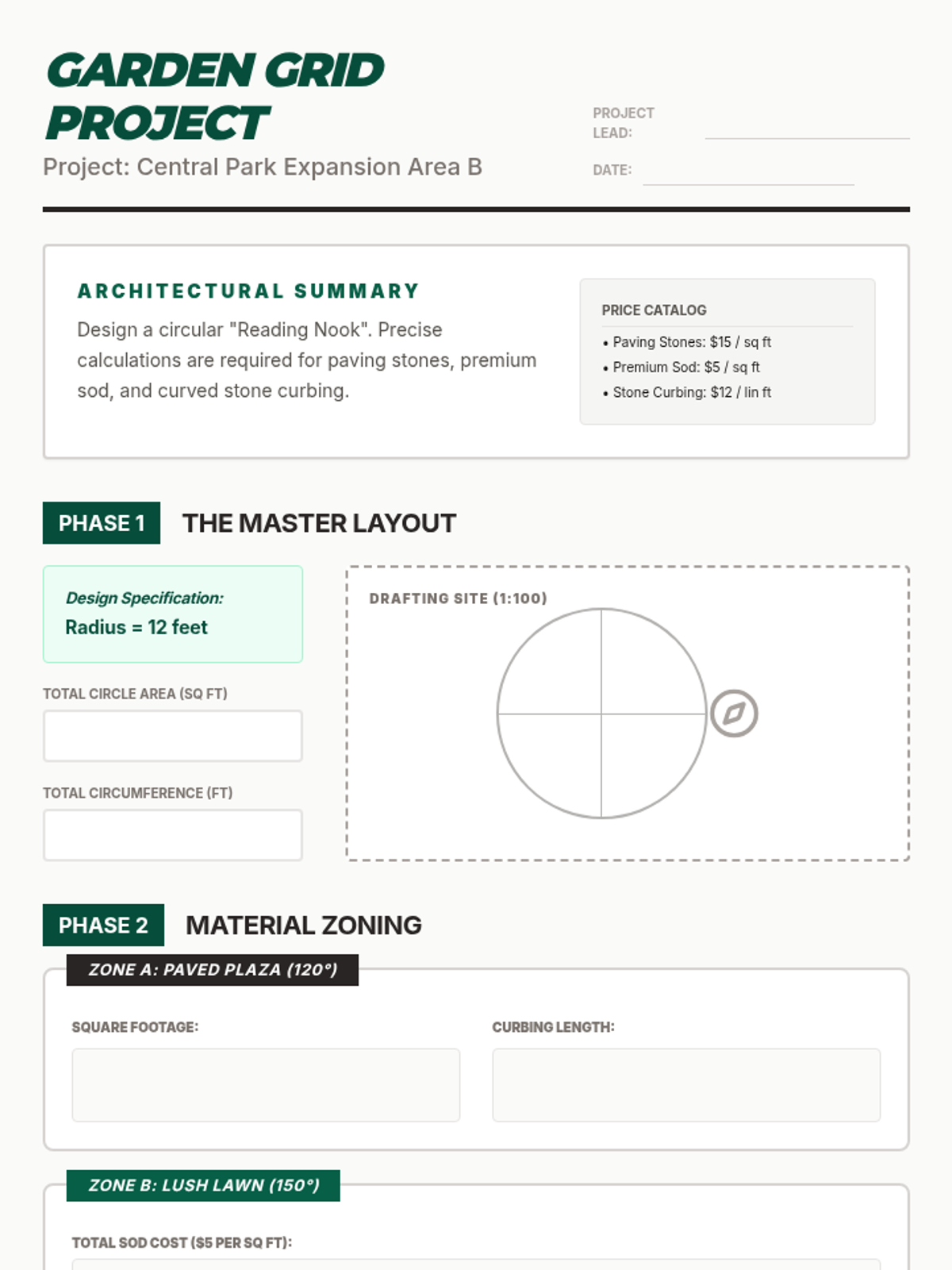
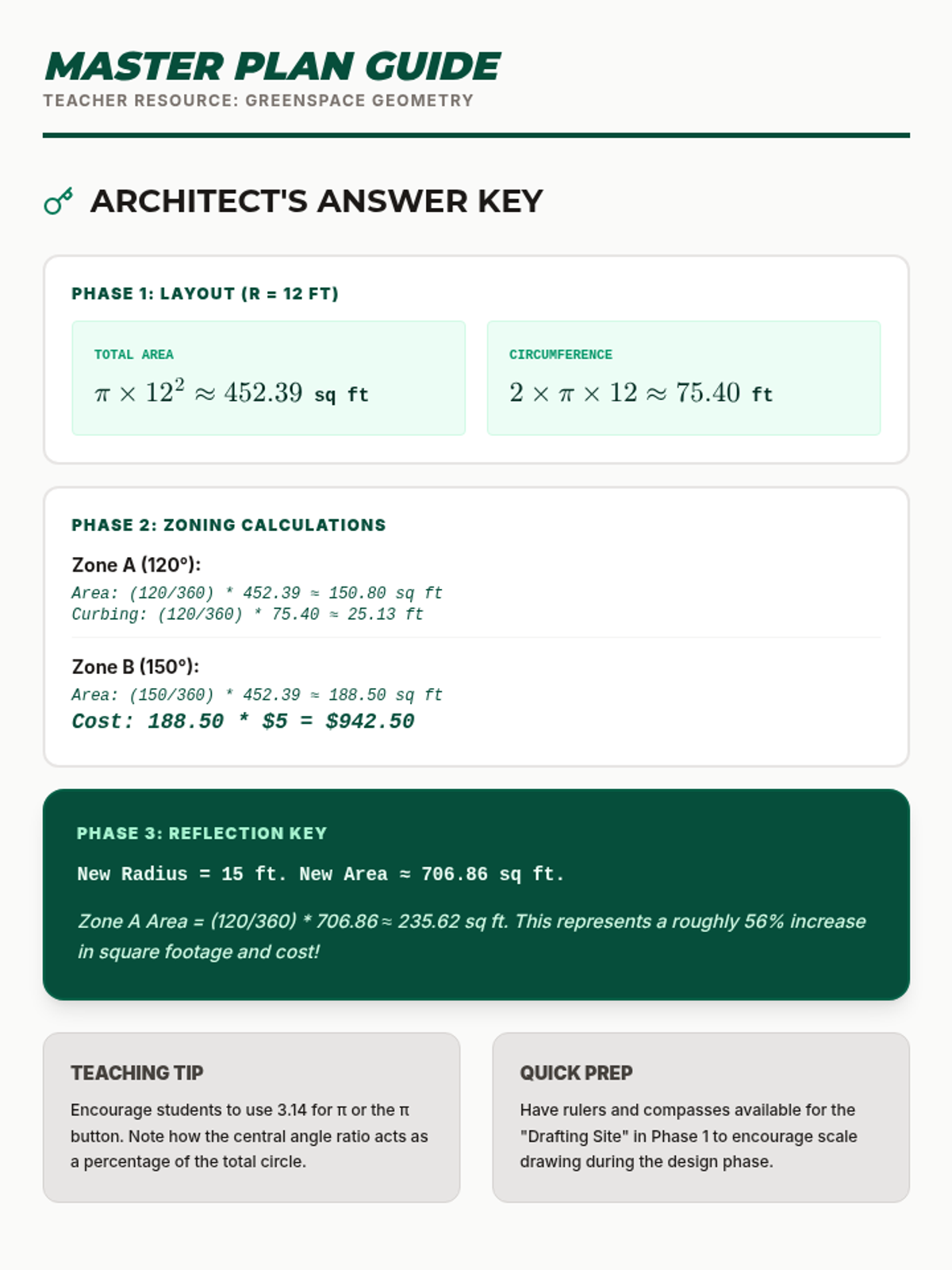
Students act as landscape designers, using circular geometry to plan curved garden paths, irrigation zones, and decorative park features.
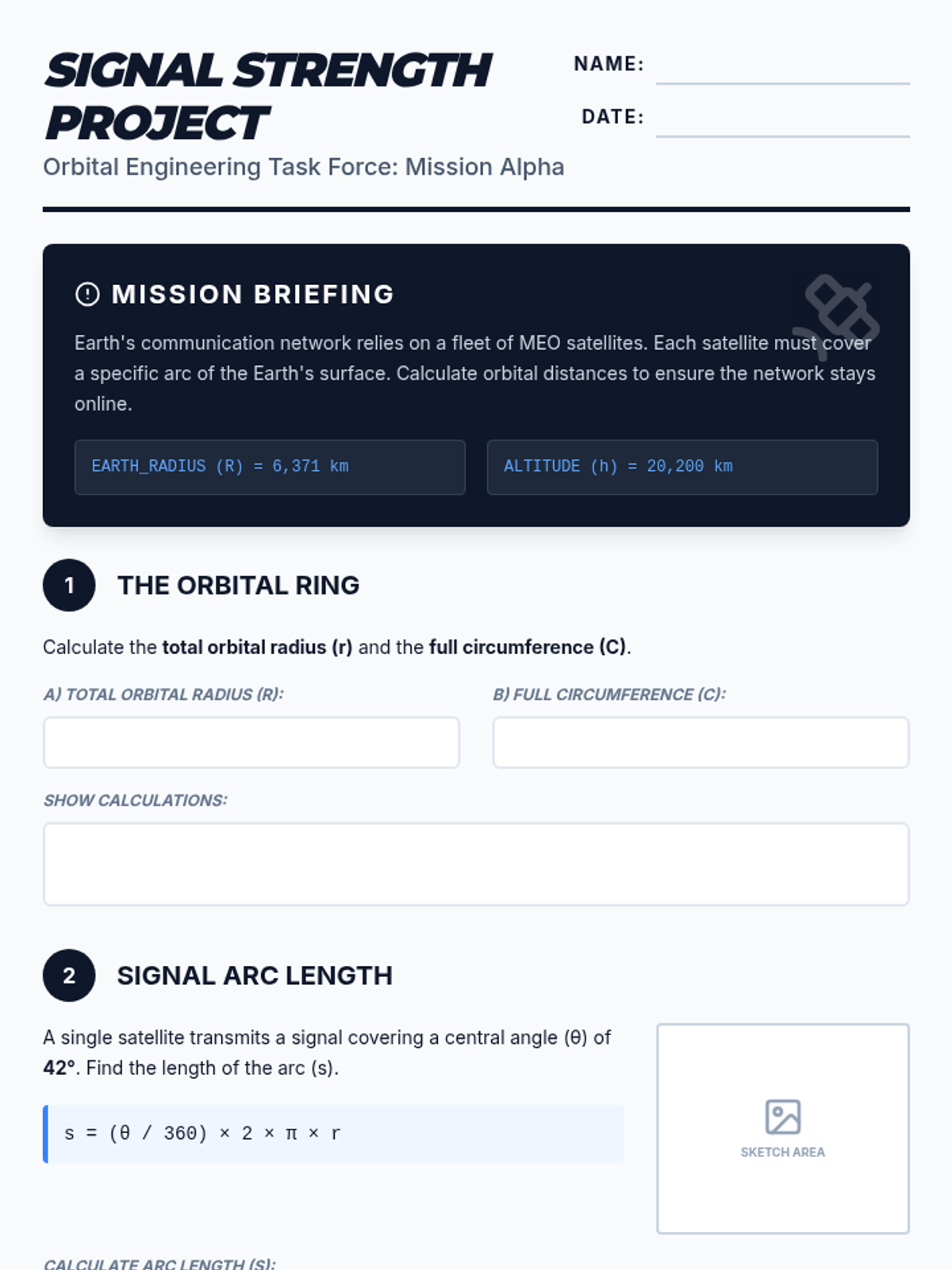
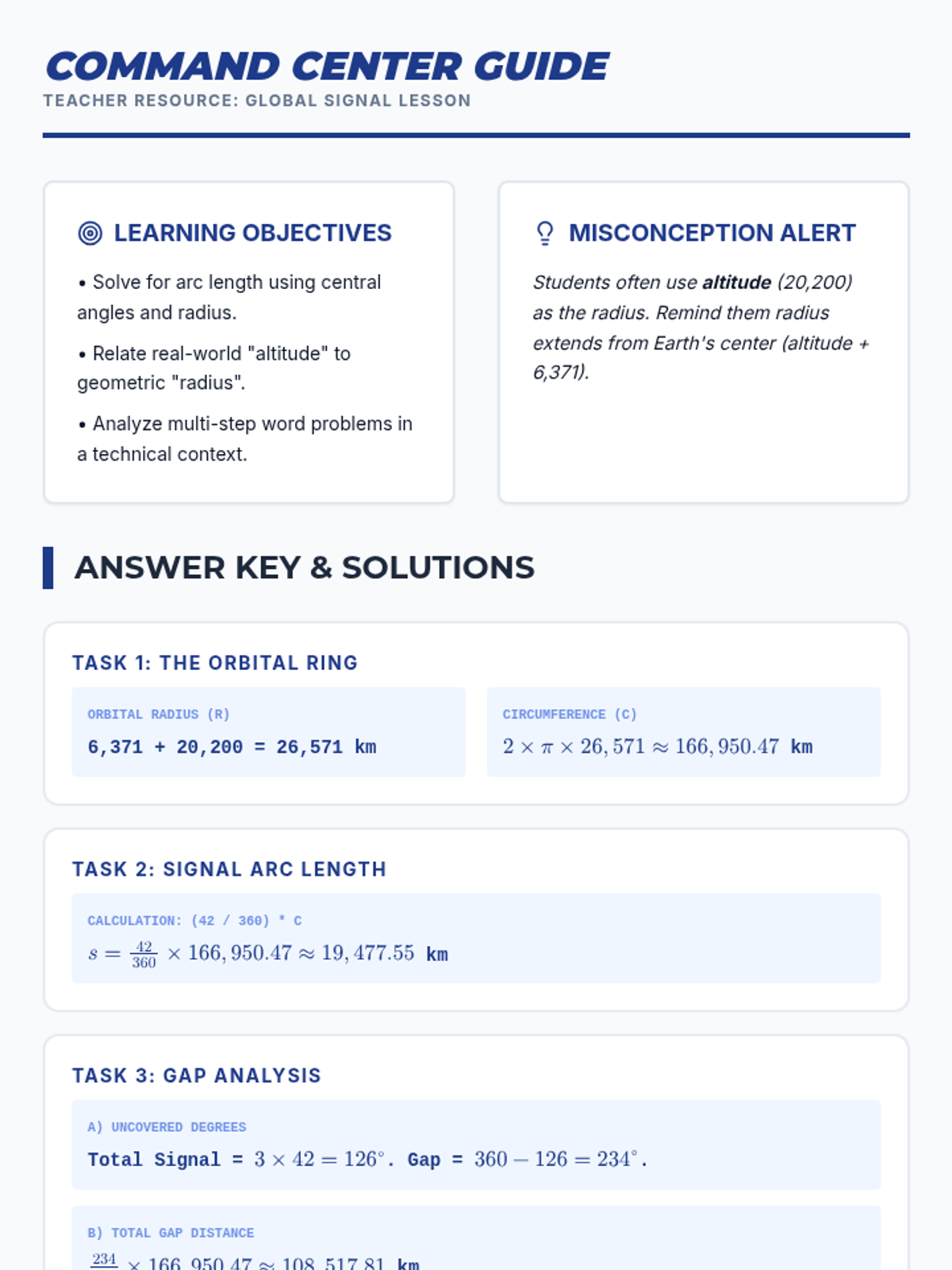
Students take on the role of orbital engineers to calculate satellite coverage areas and signal paths using central angles and arc length calculations.
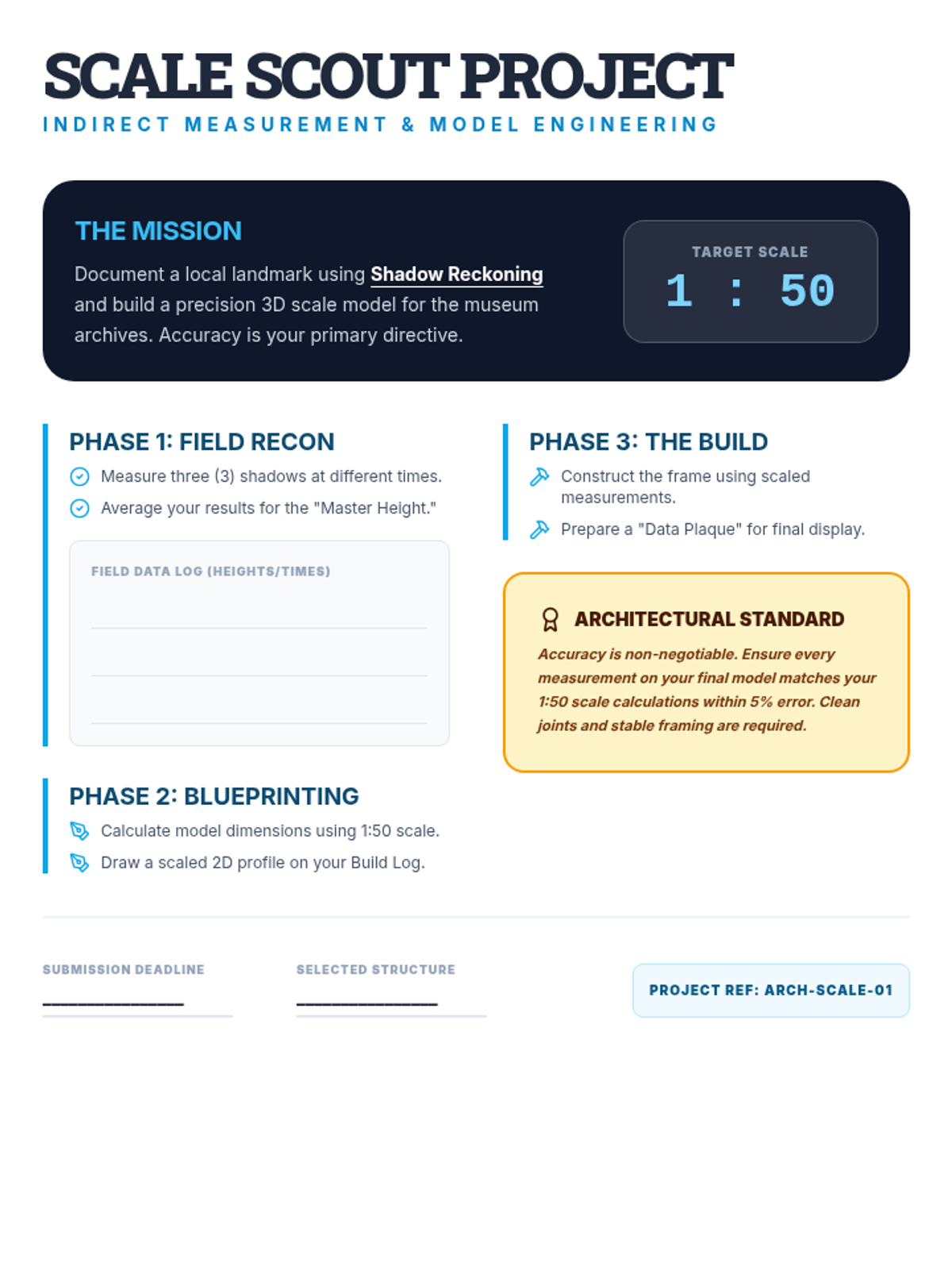
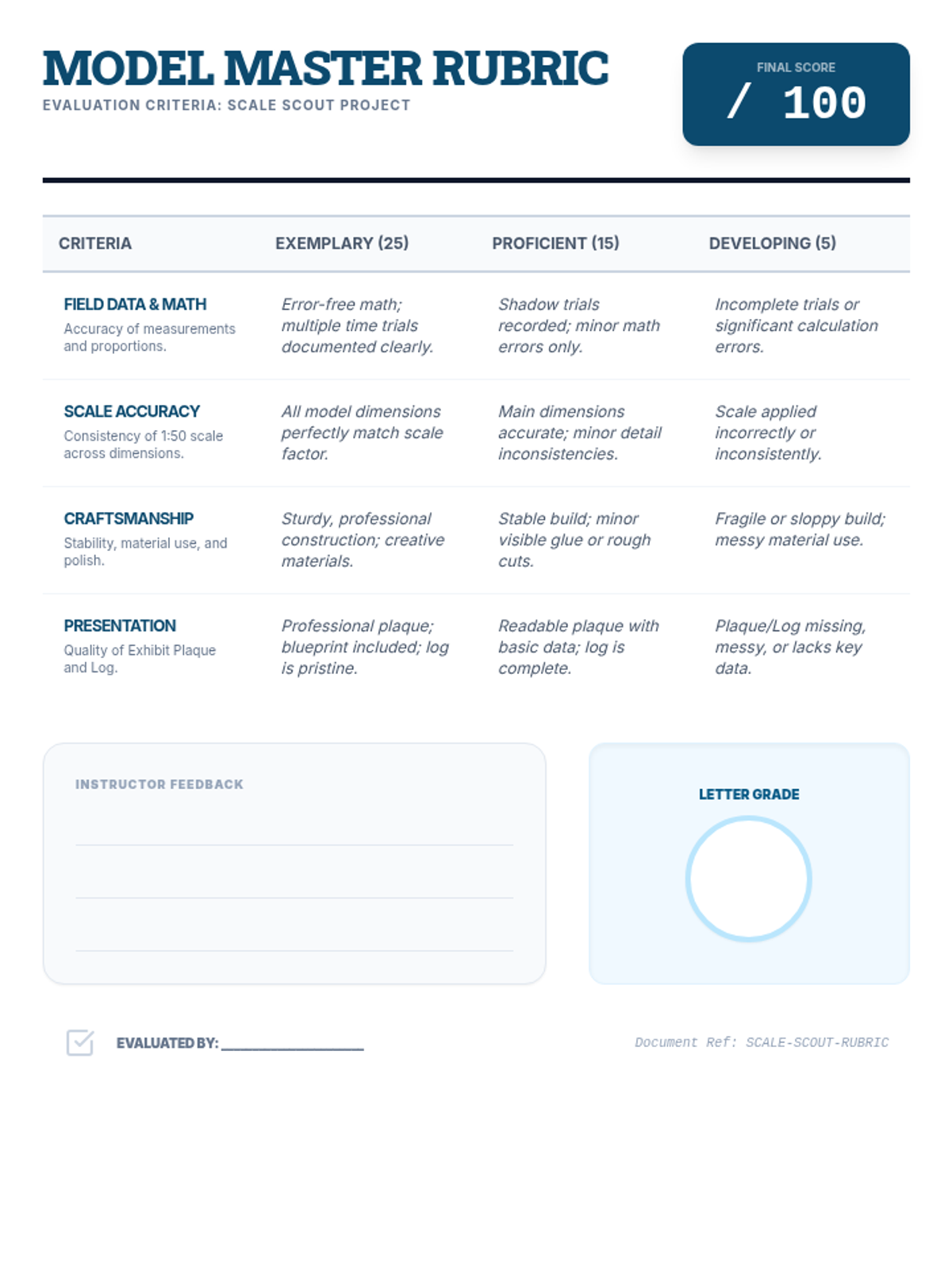
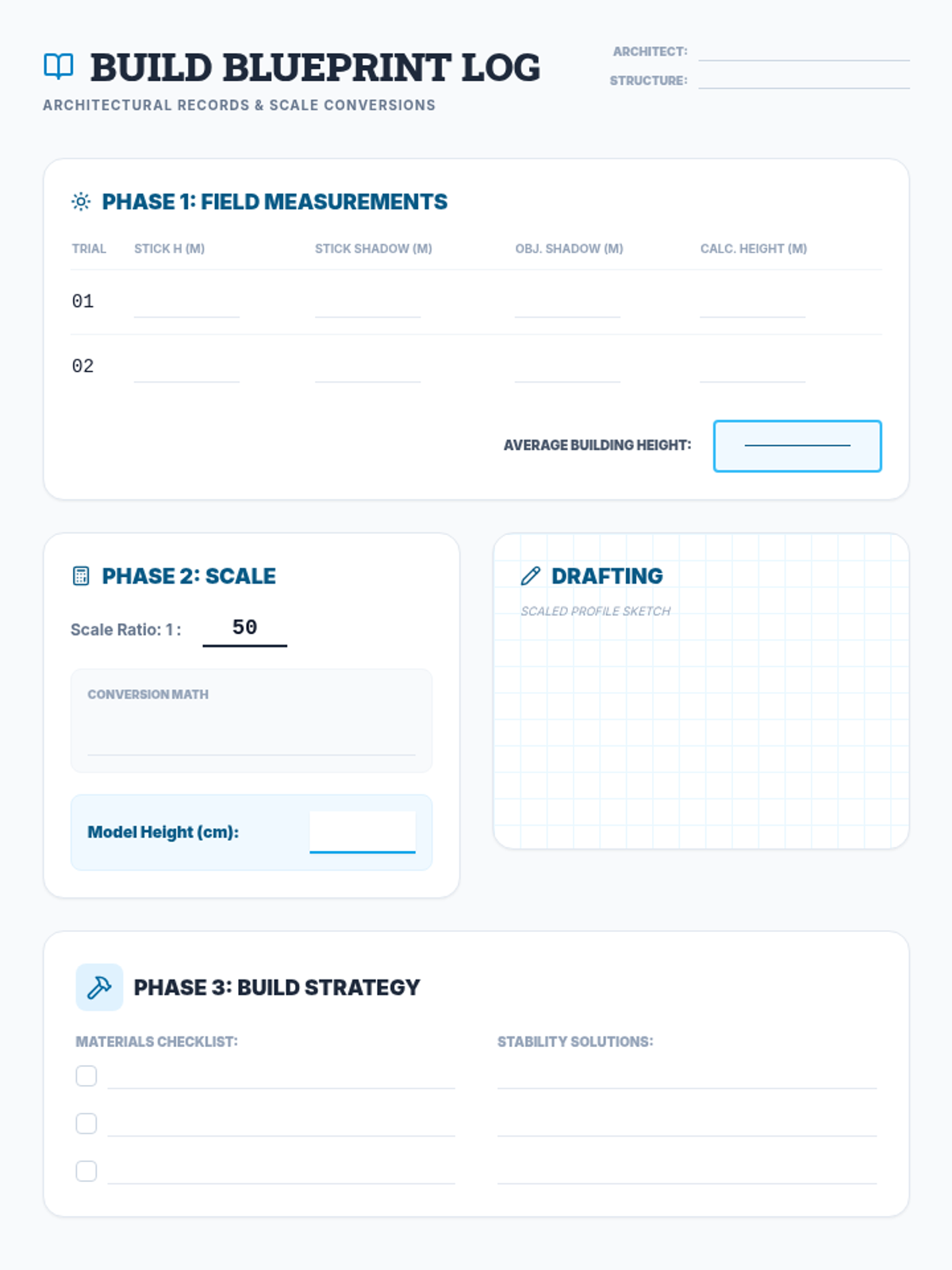
Students apply their indirect measurement skills to a real-world object, calculate scale factors, and construct a precision scale model of their chosen structure.
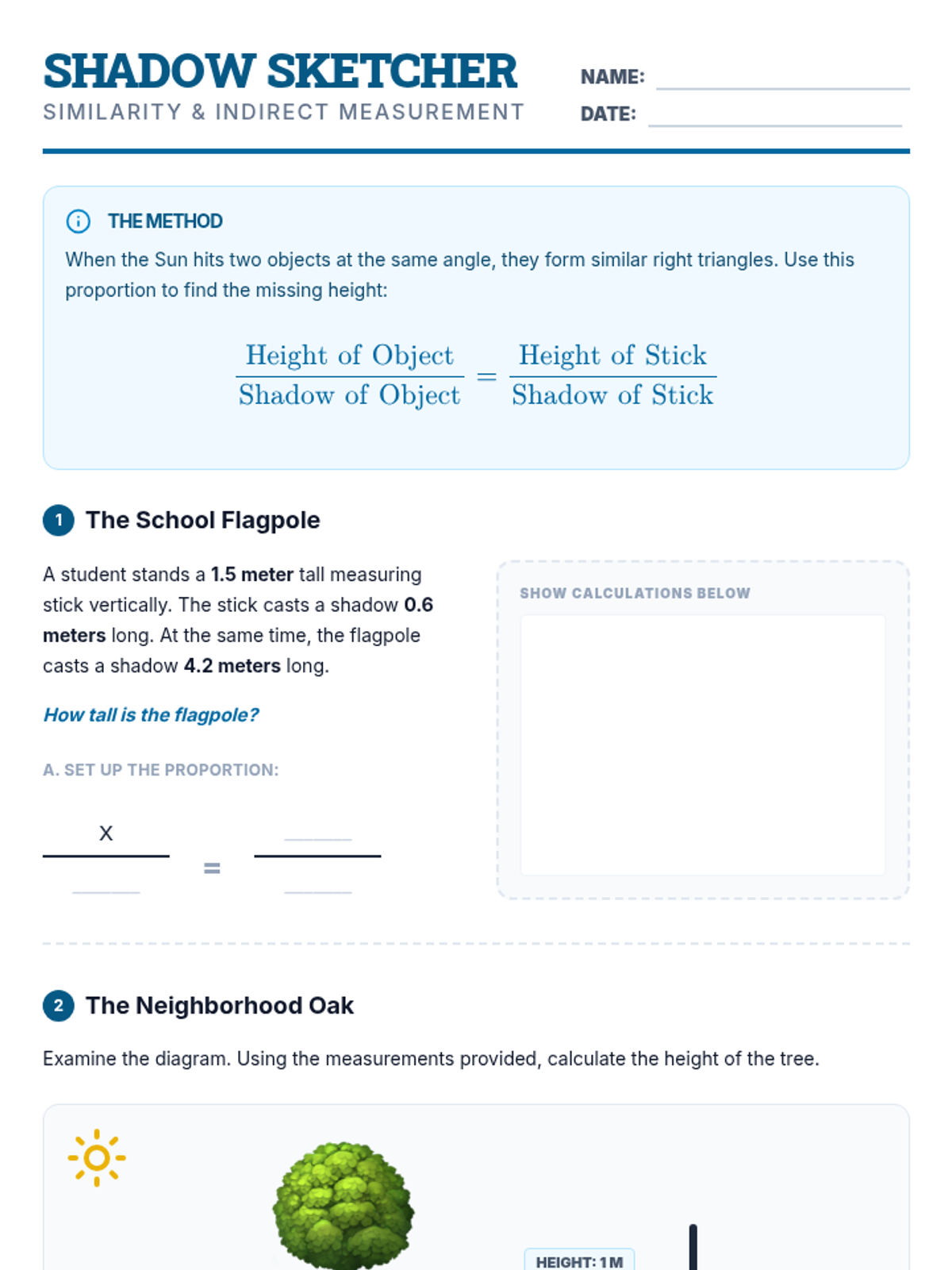
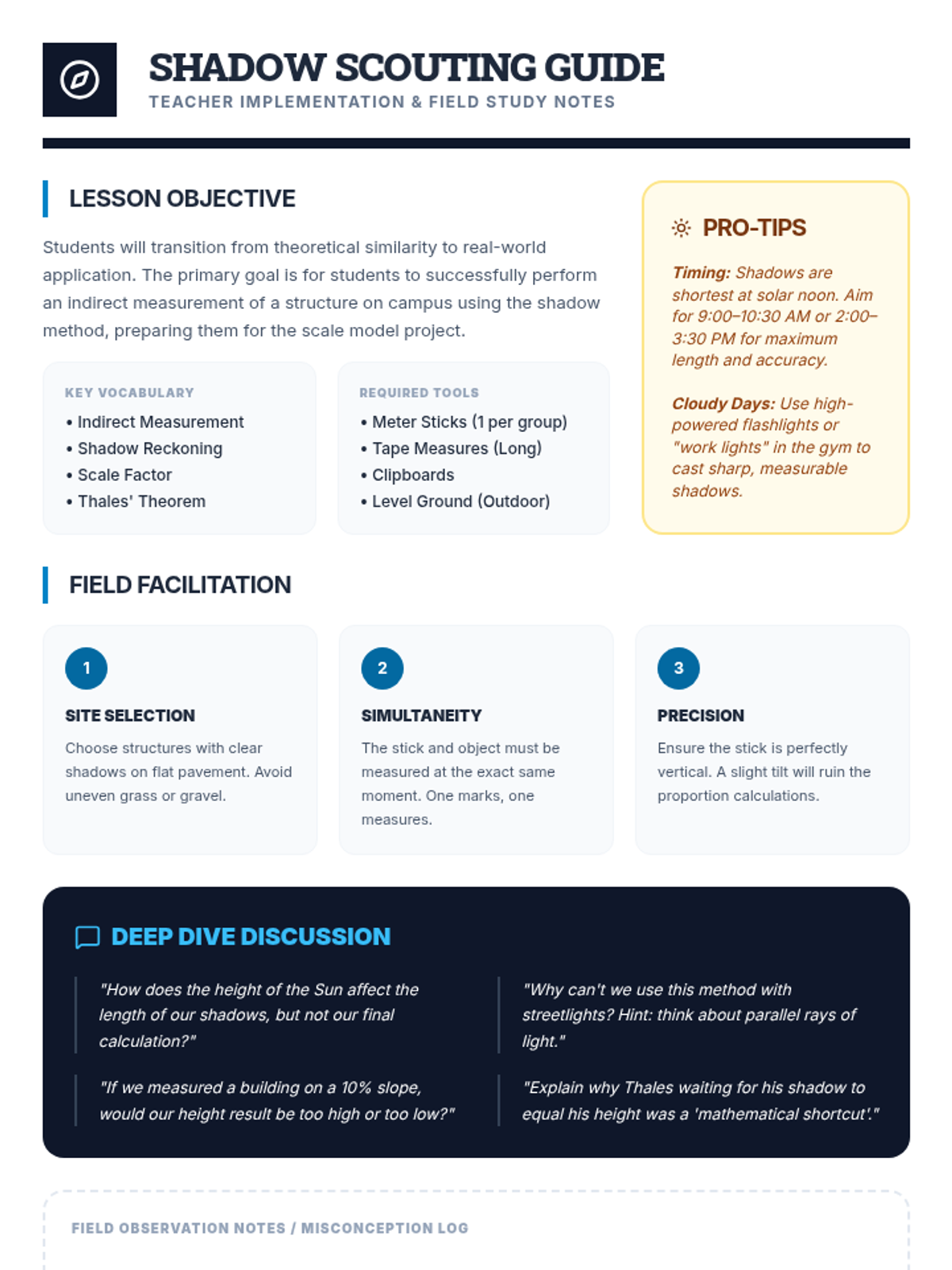
Students learn the mathematical principles of similarity and the shadow method for indirect measurement through guided practice and outdoor exploration.
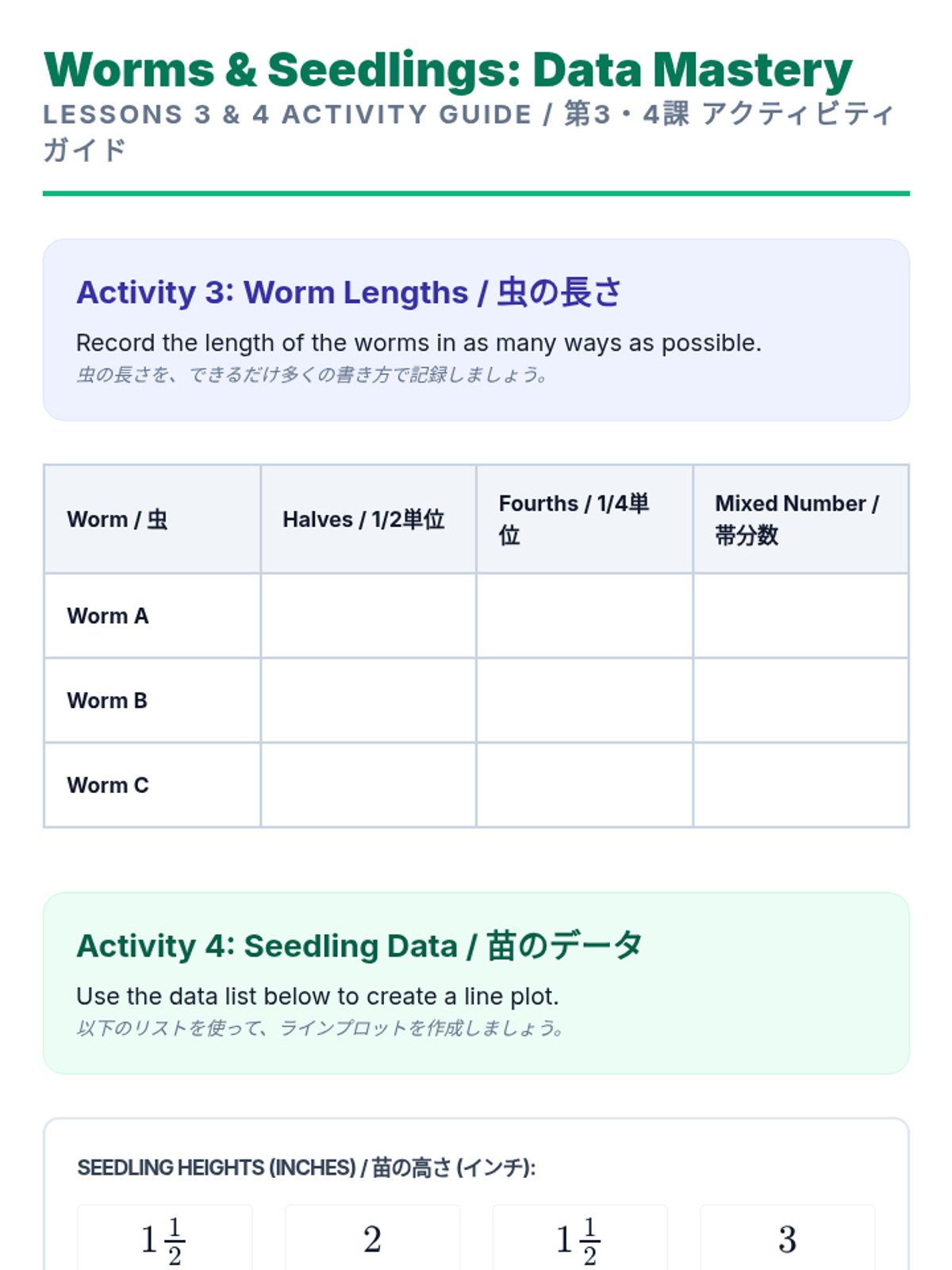
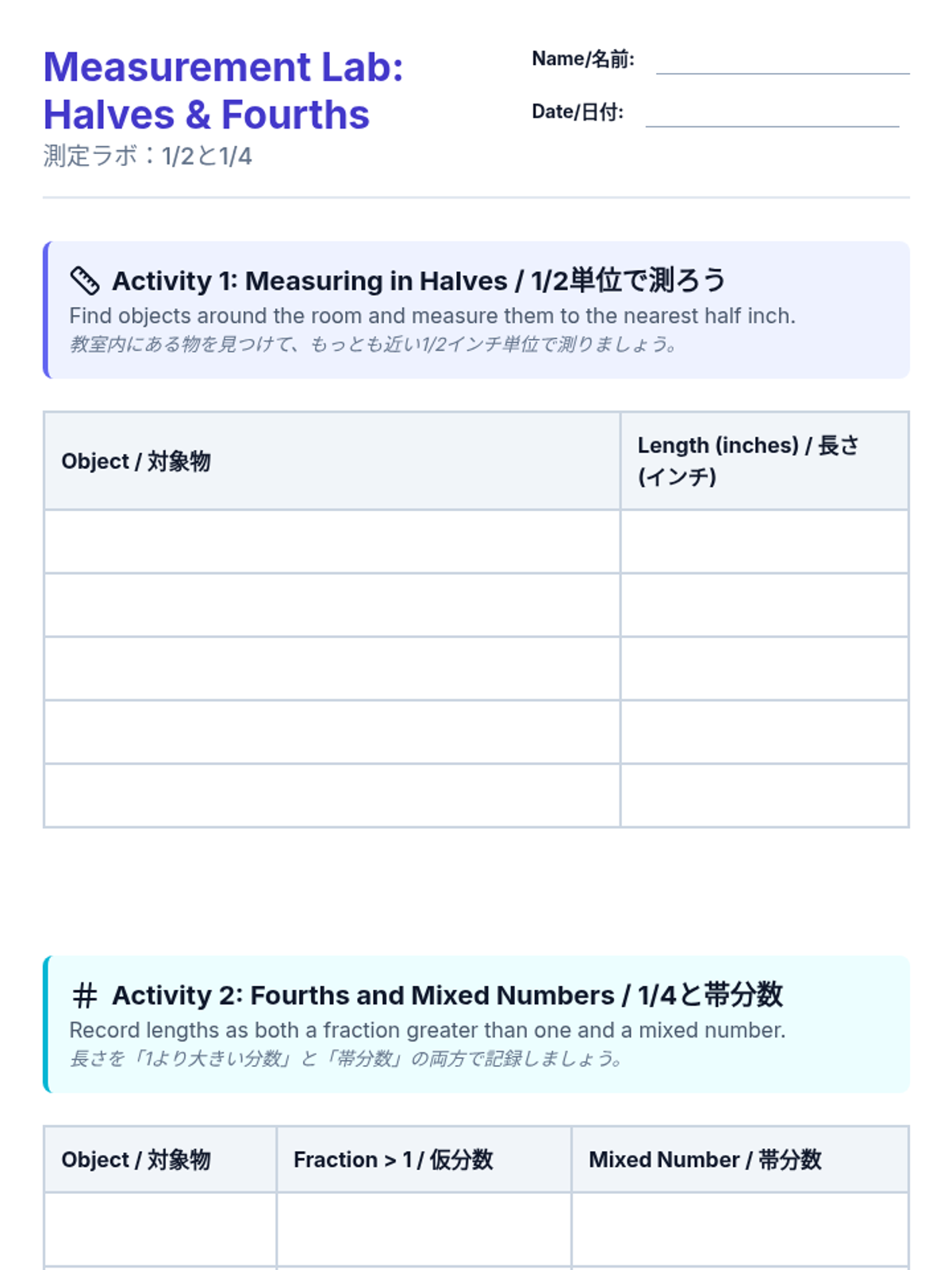
A lesson focused on measuring lengths in inches using fractions (halves and fourths) and representing that data on line plots.
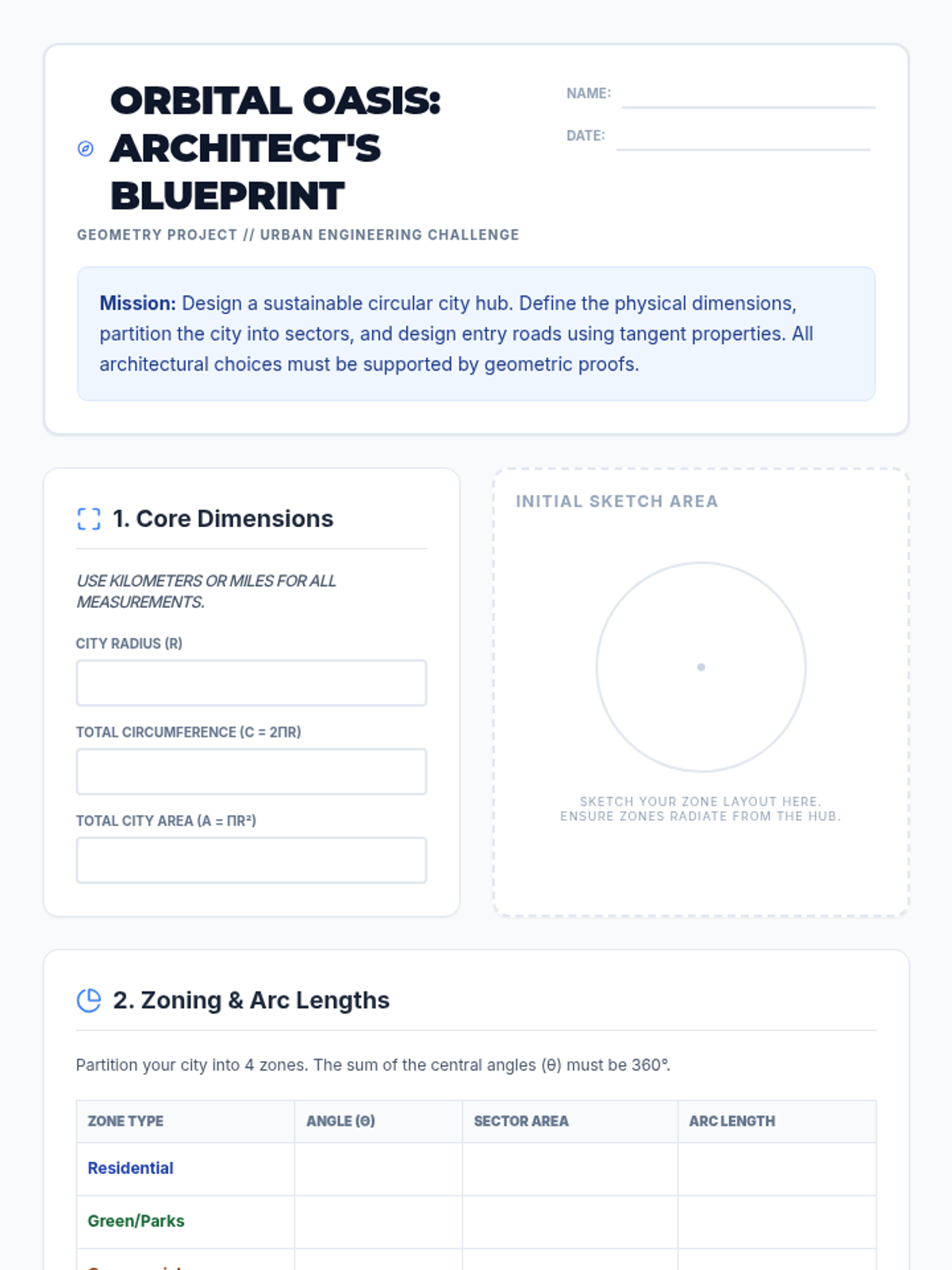
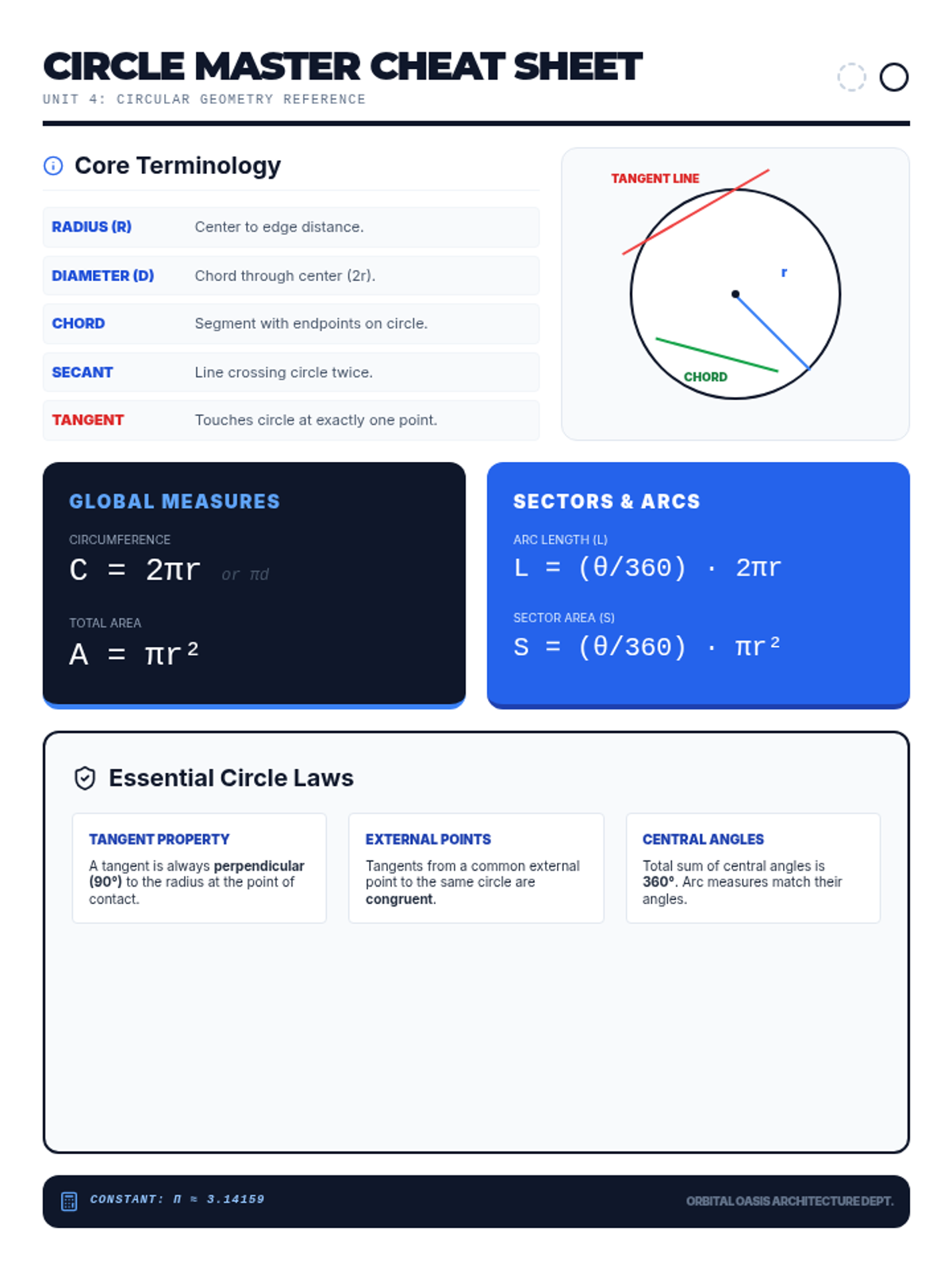
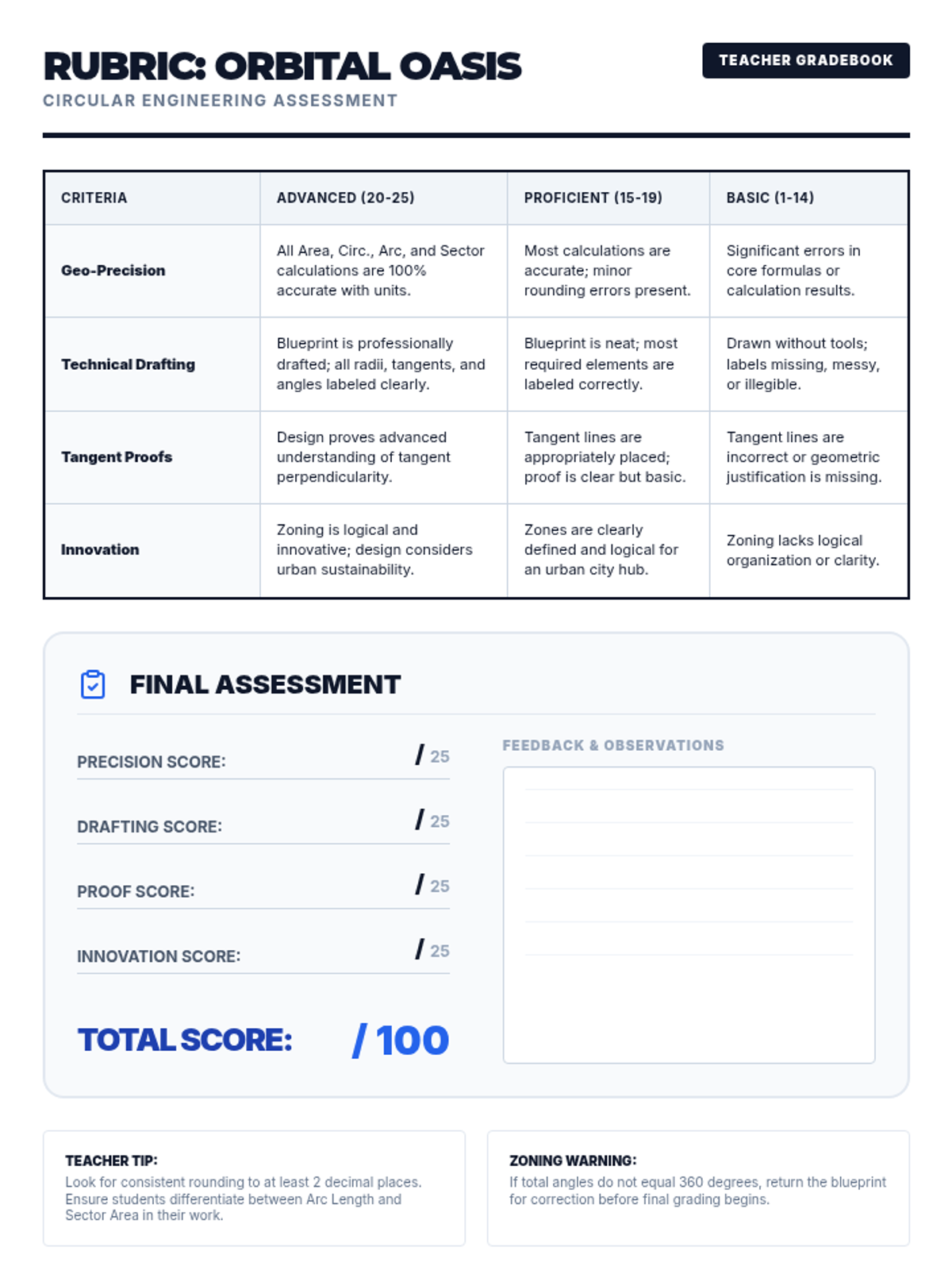
A high school geometry project where students design a sustainable circular city hub, applying circle theorems, area/circumference calculations, and tangent properties to architectural design.
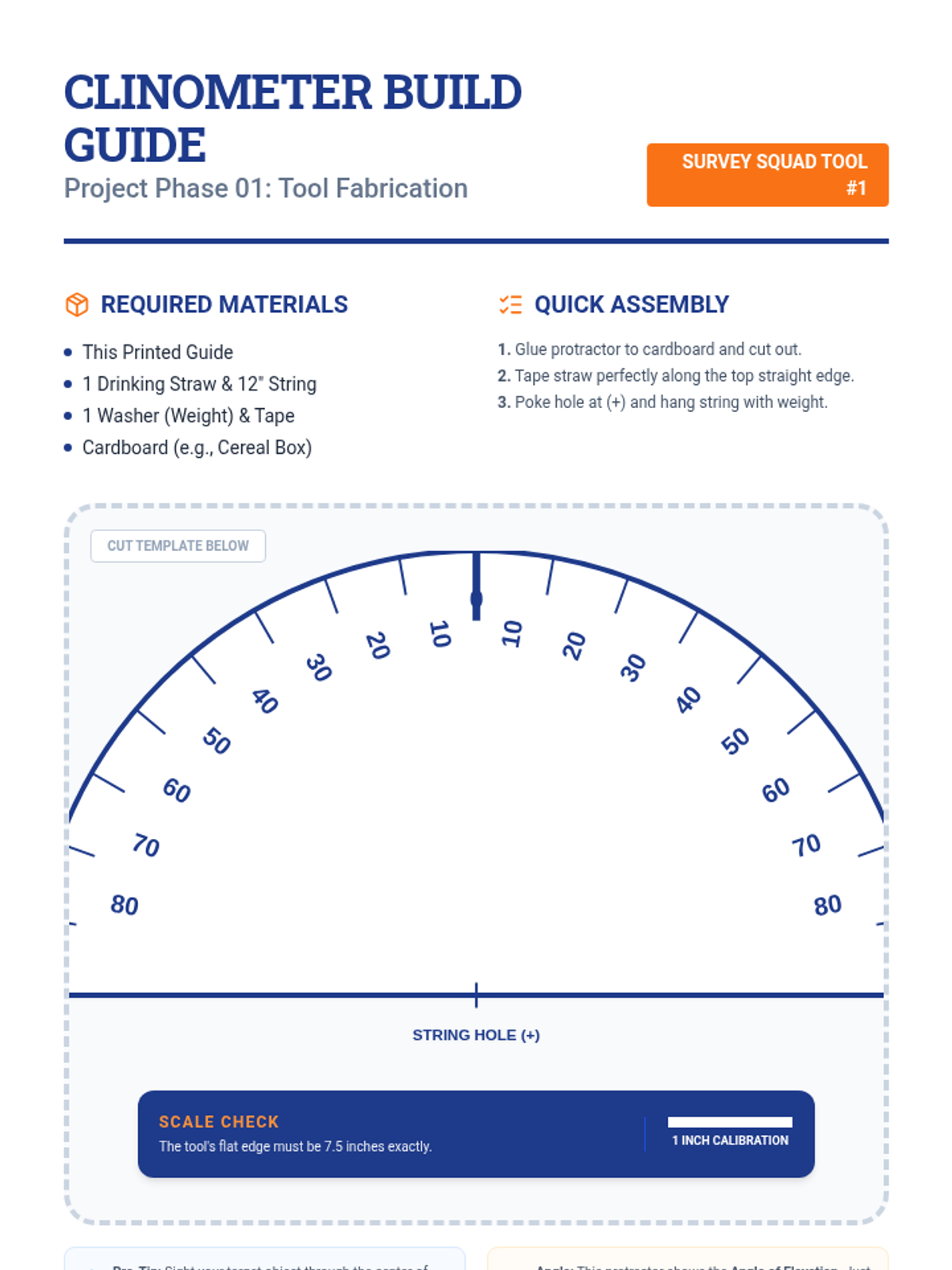
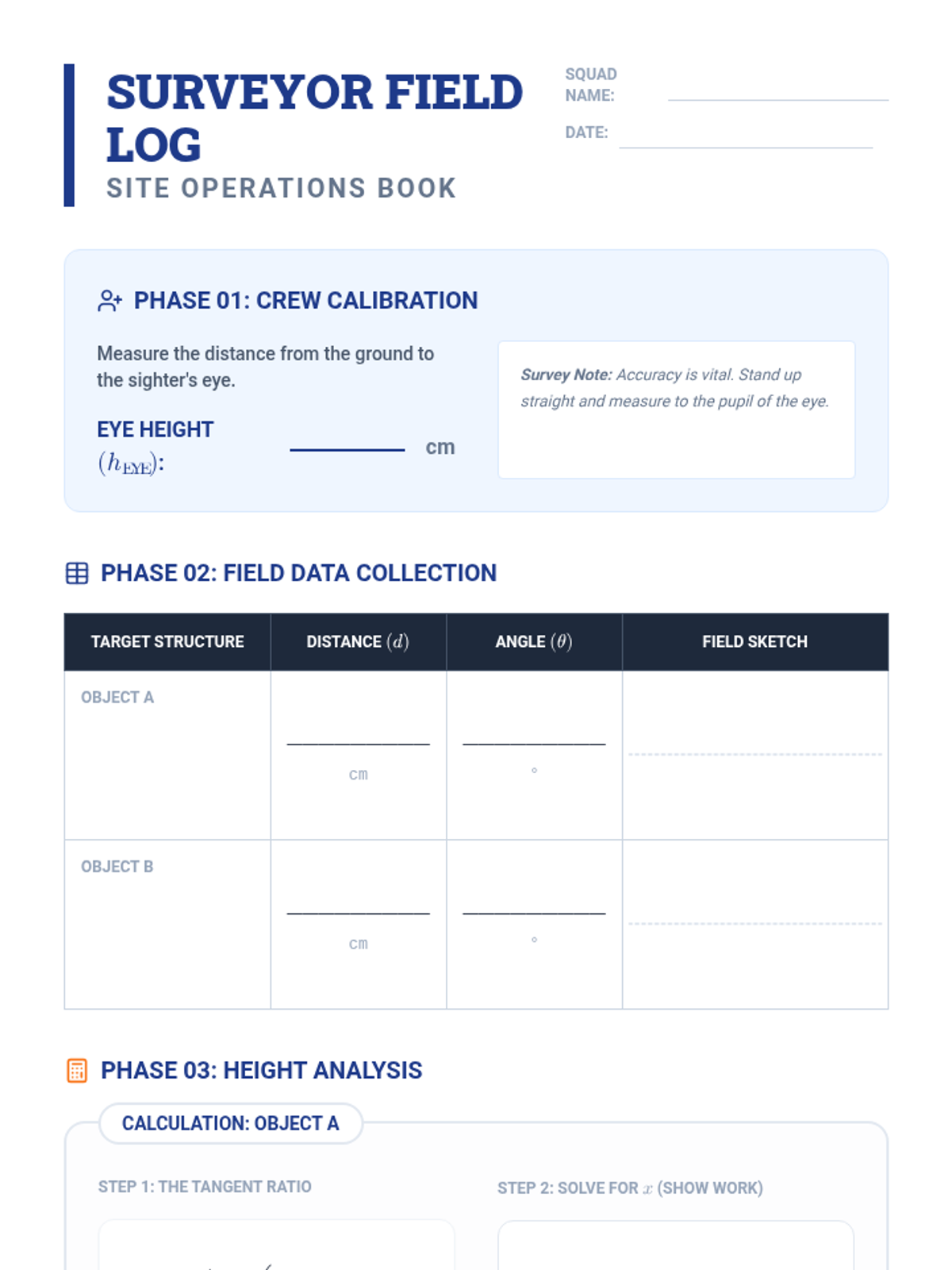
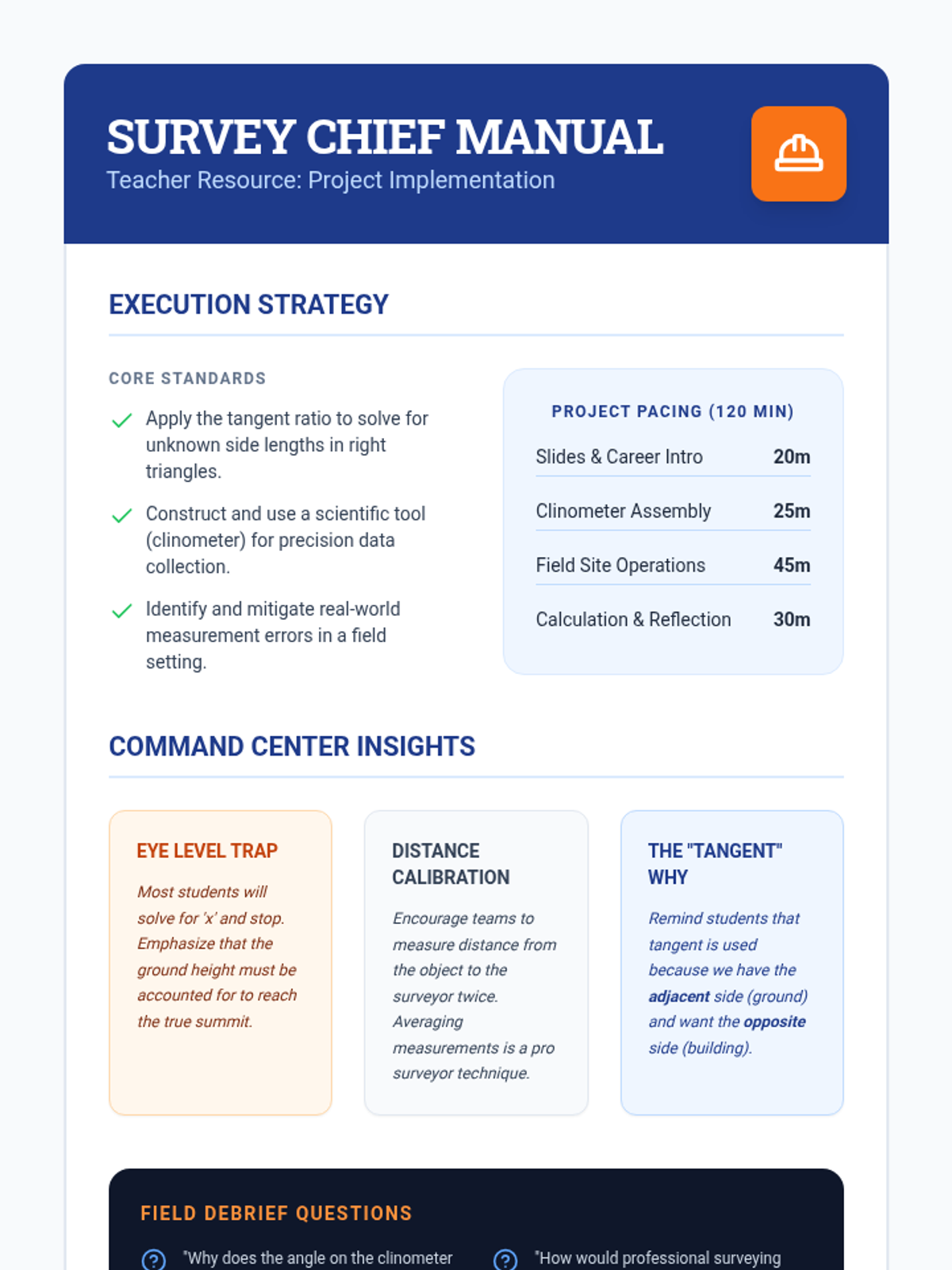
A hands-on project where students step into the role of professional surveyors to measure the height of tall objects around their school using DIY clinometers and trigonometric ratios.
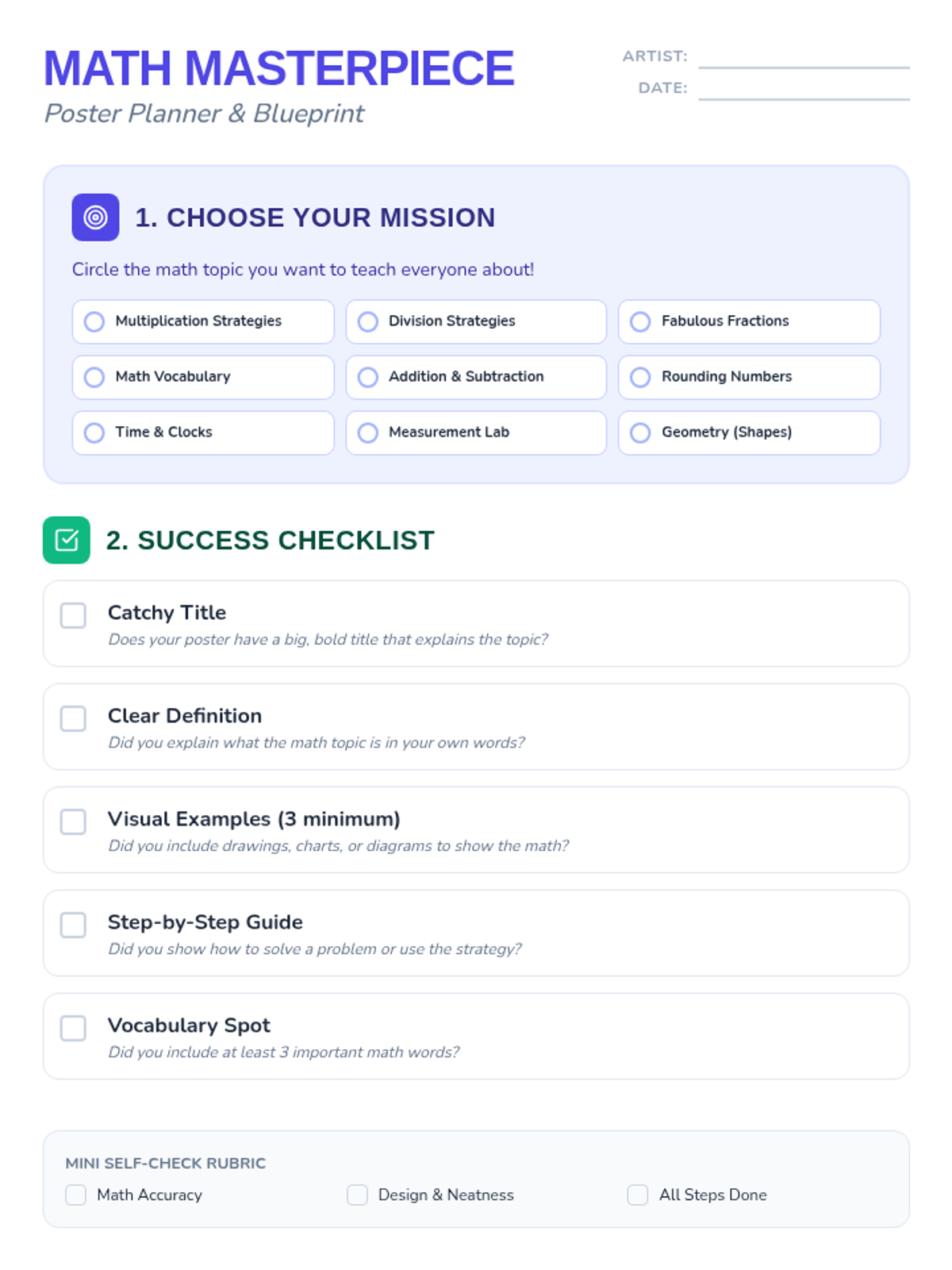
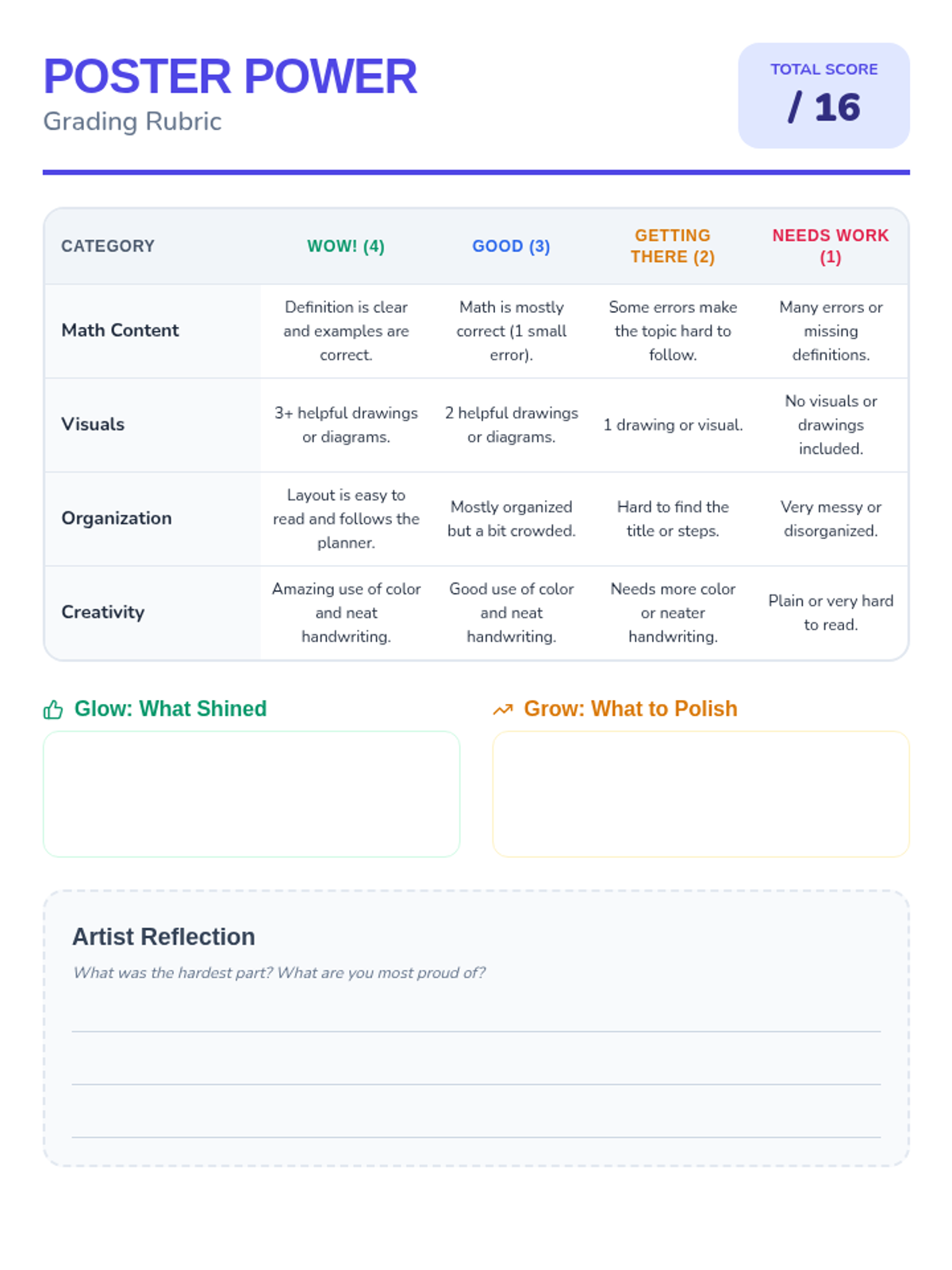
A creative project where students design and create a math poster to showcase their understanding of key 3rd-grade concepts like multiplication, fractions, and geometry.
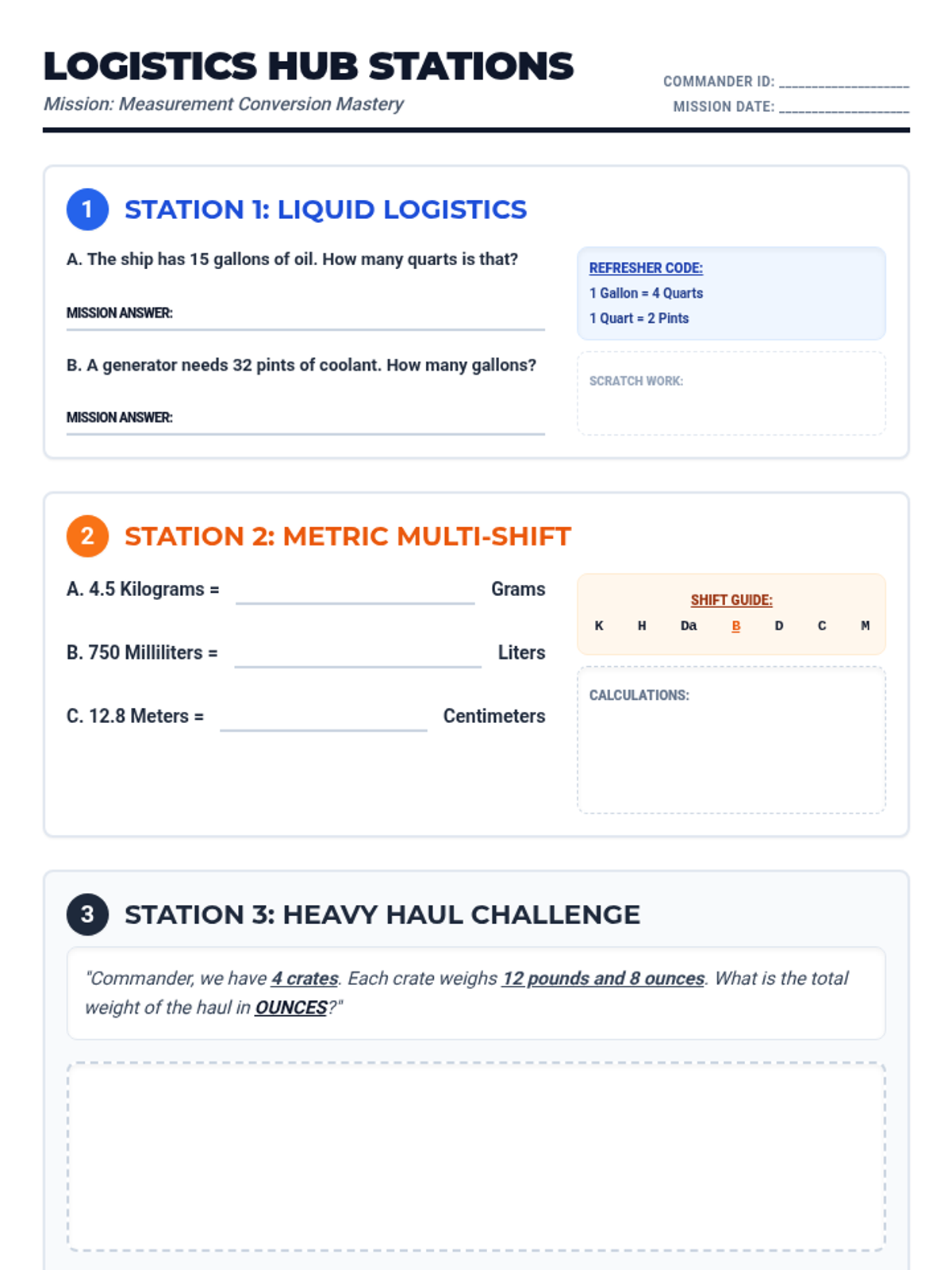
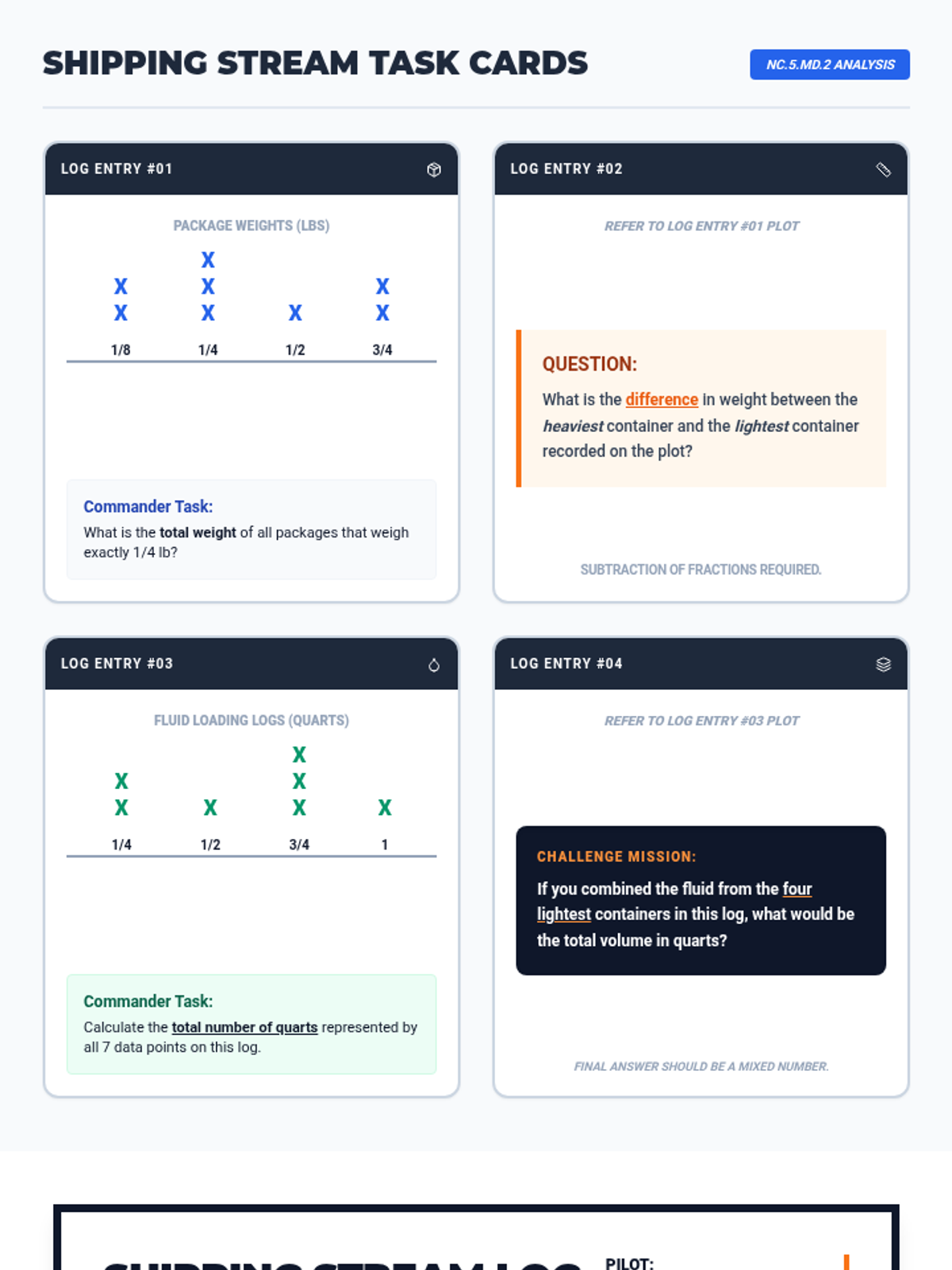
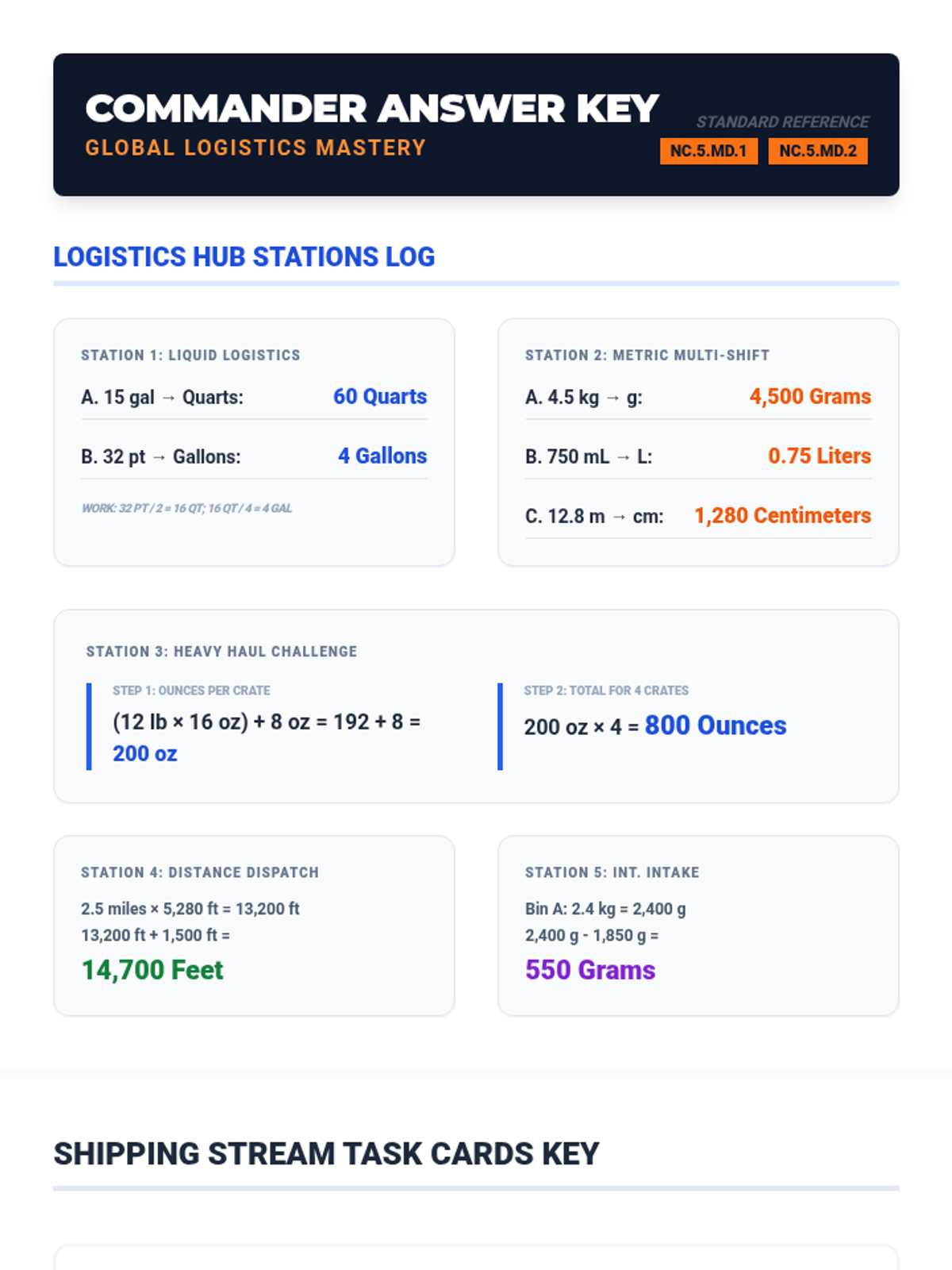
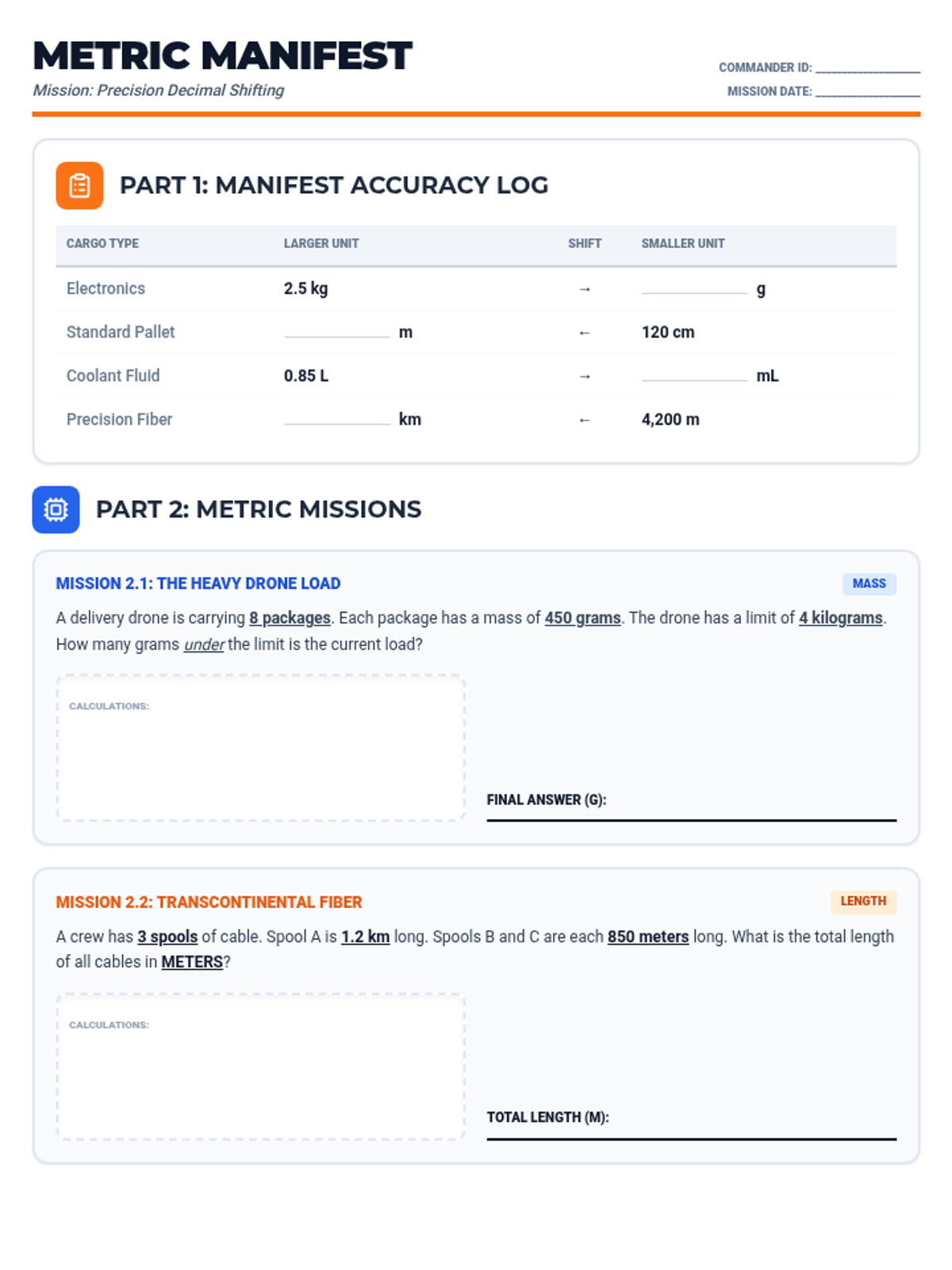
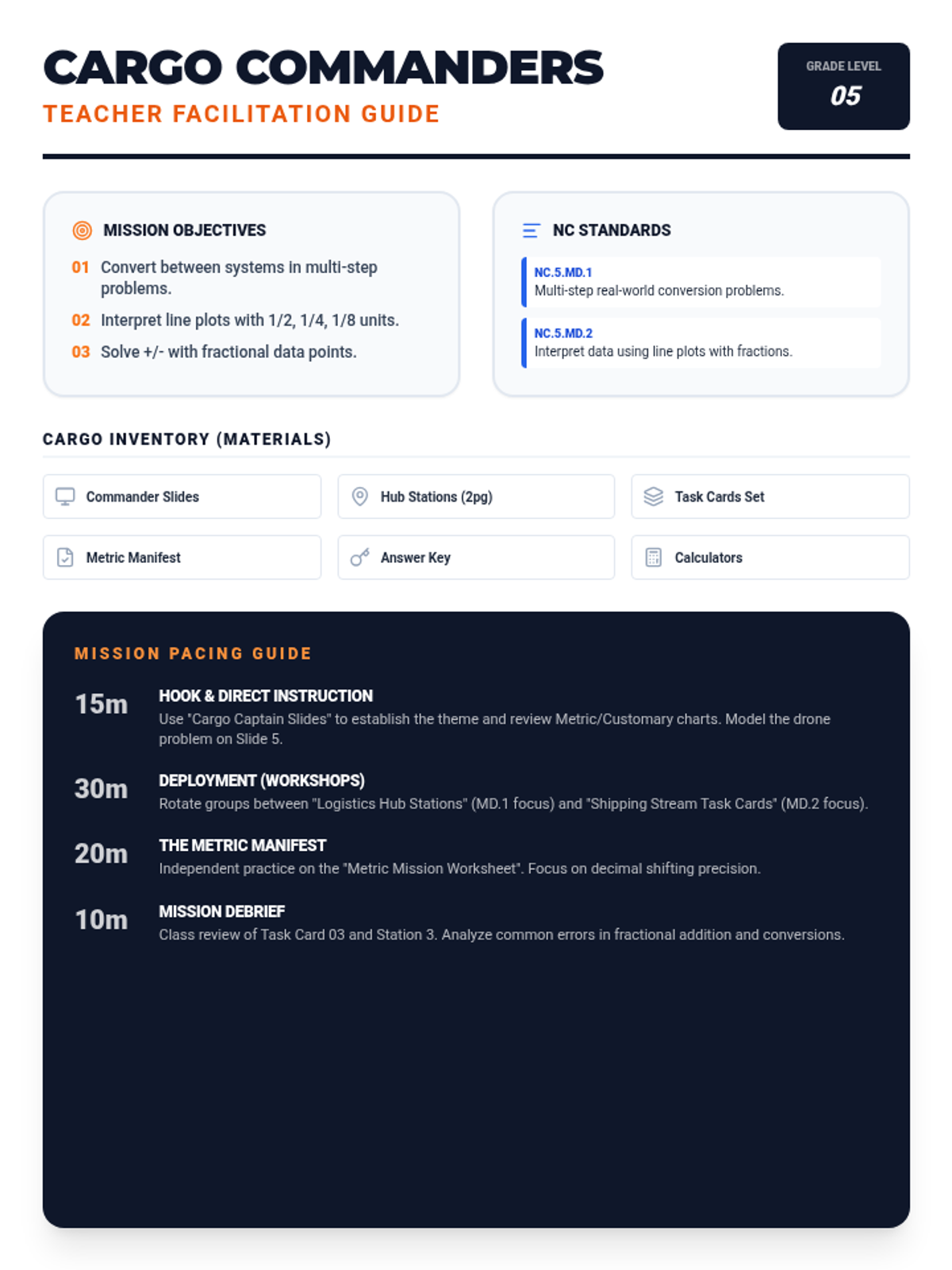
A focused lesson on converting units within metric and customary systems and interpreting fractional data on line plots through multi-step real-world logistics problems.
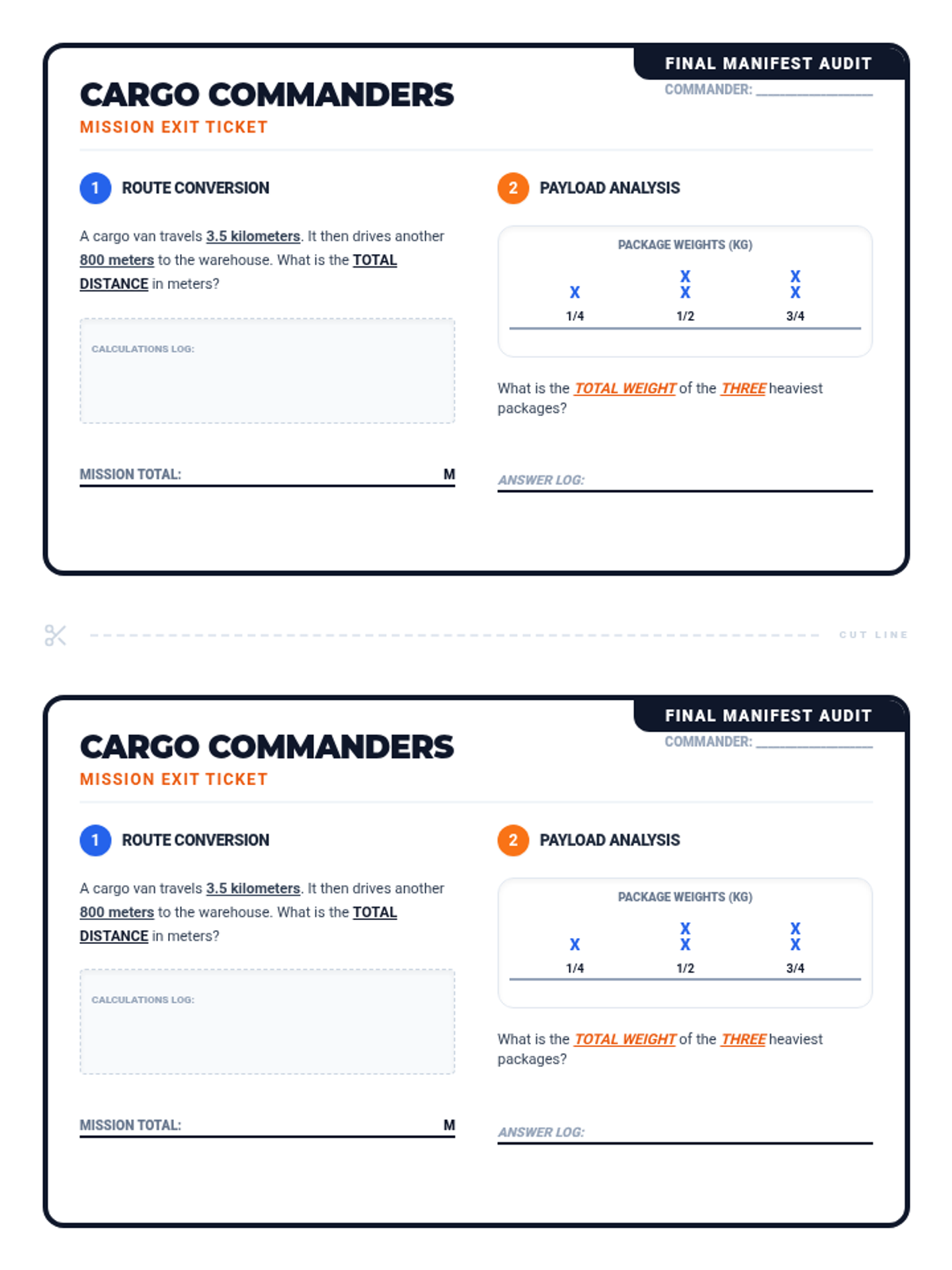
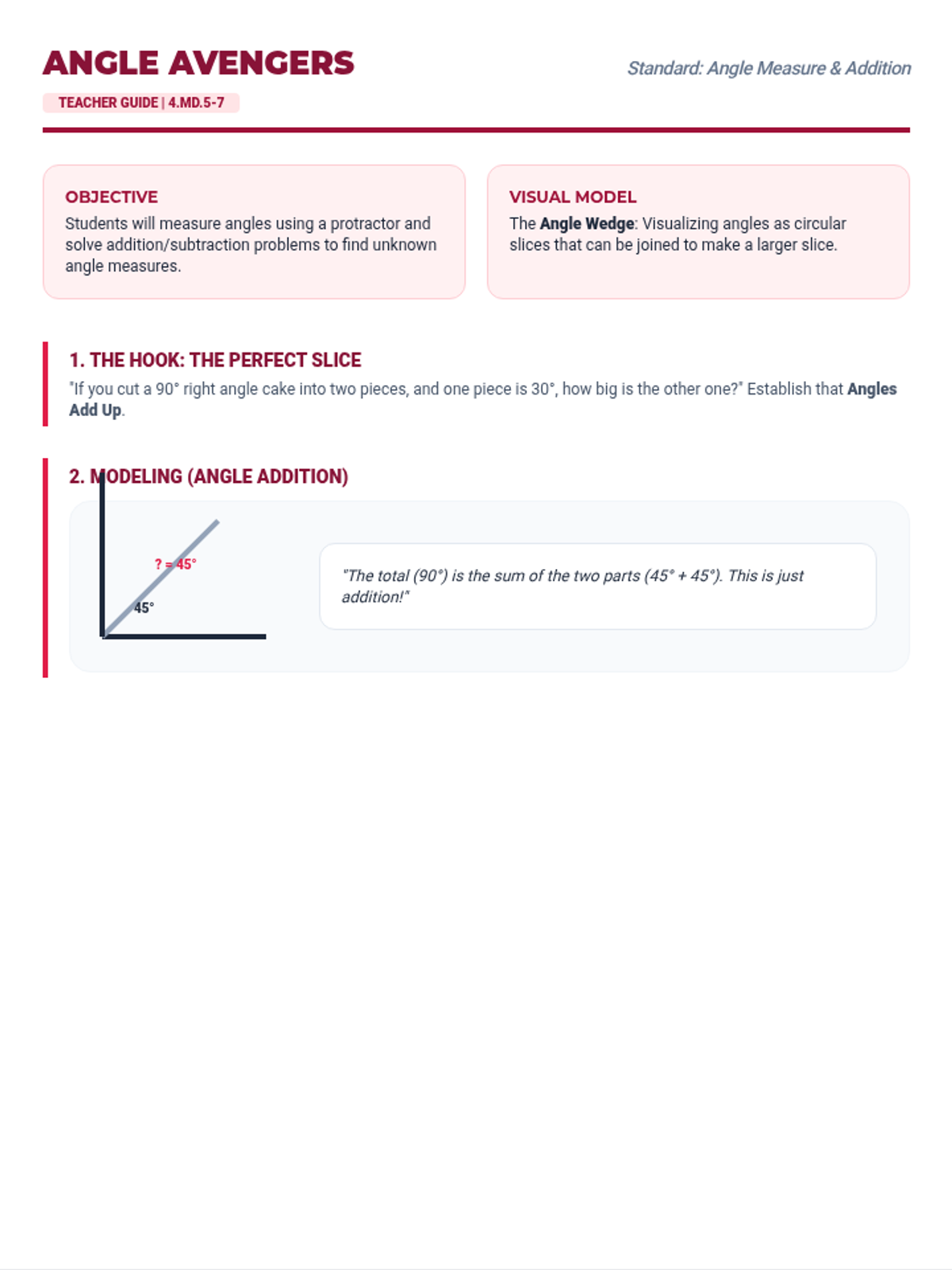
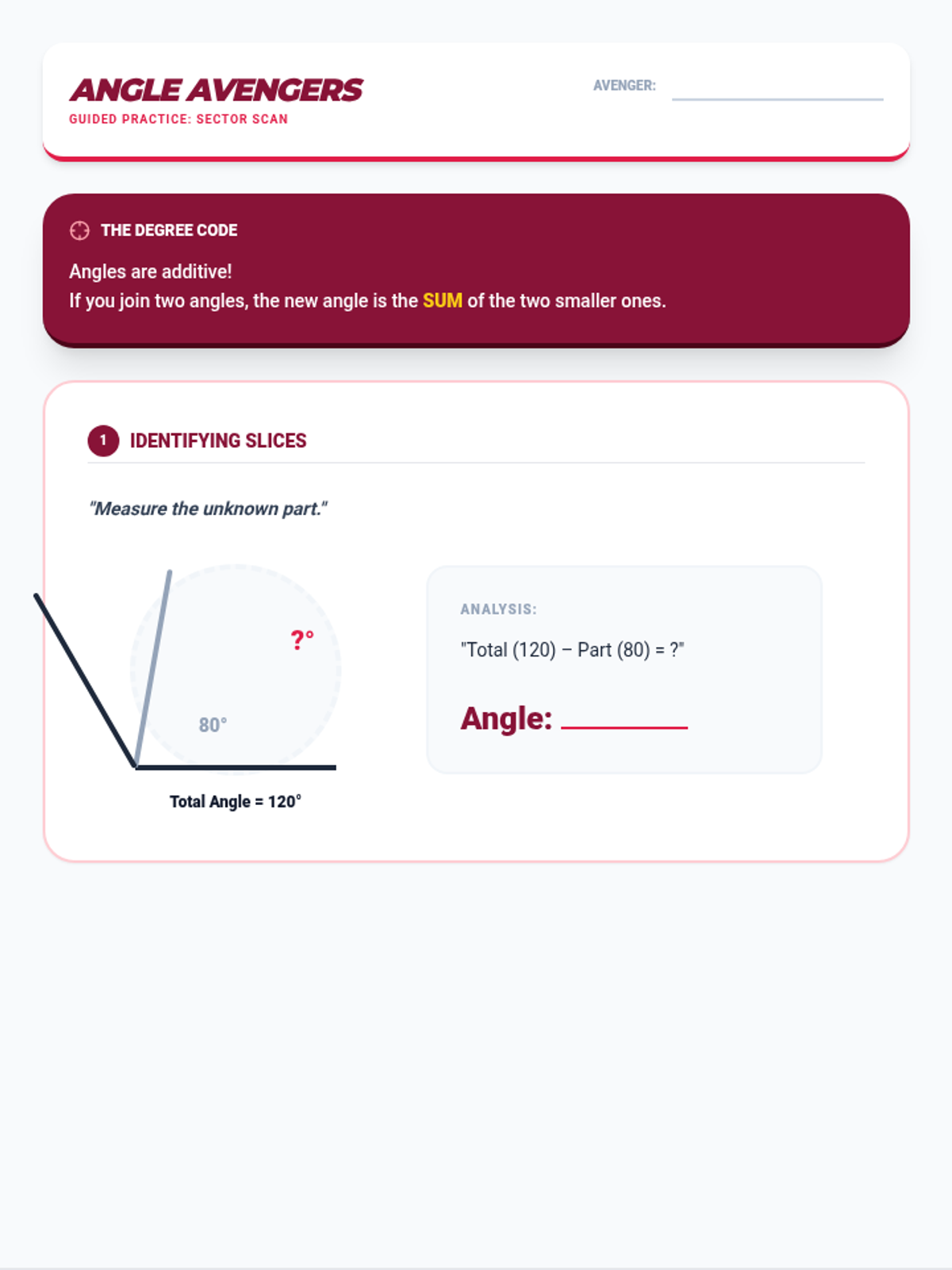
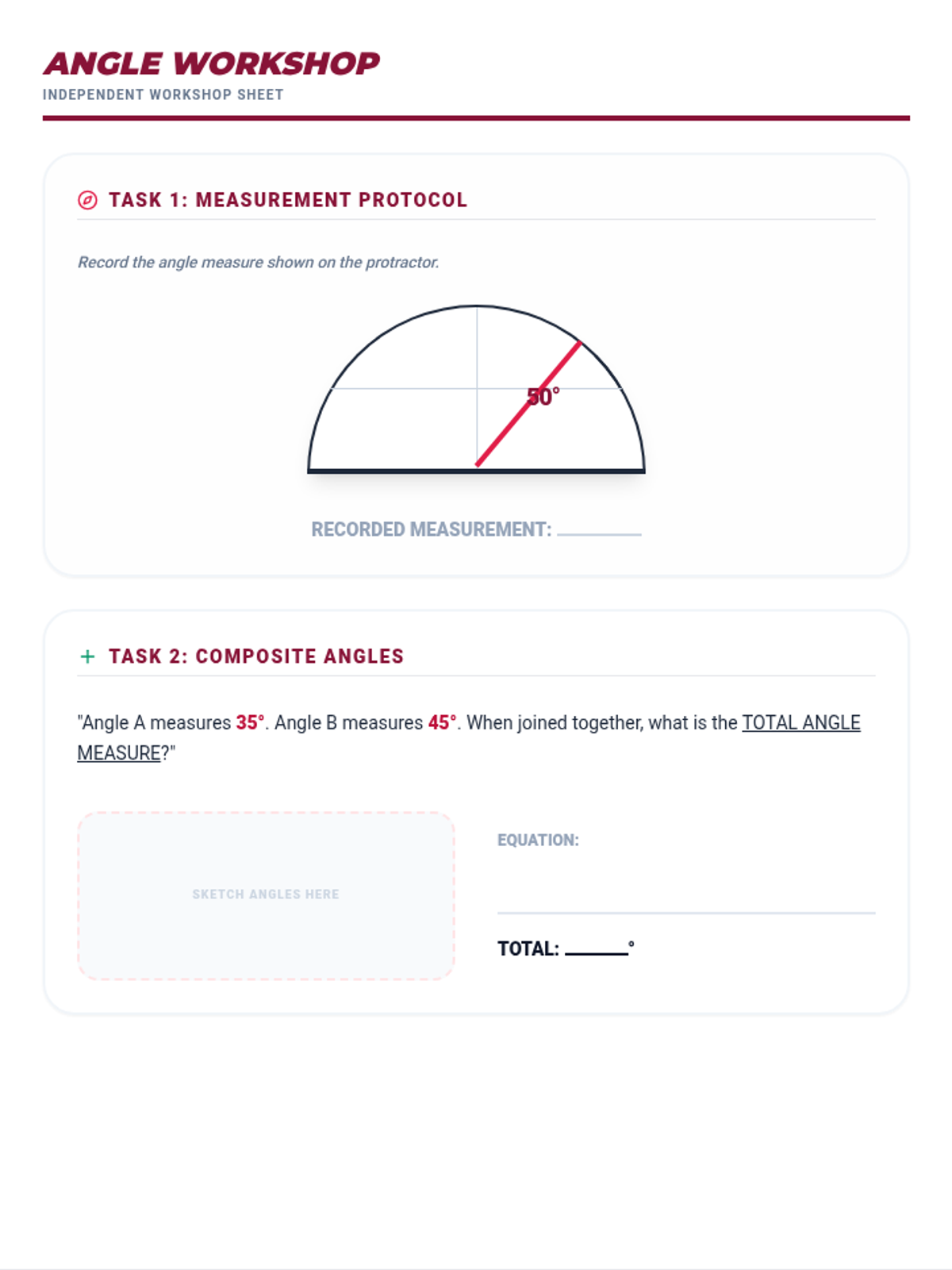
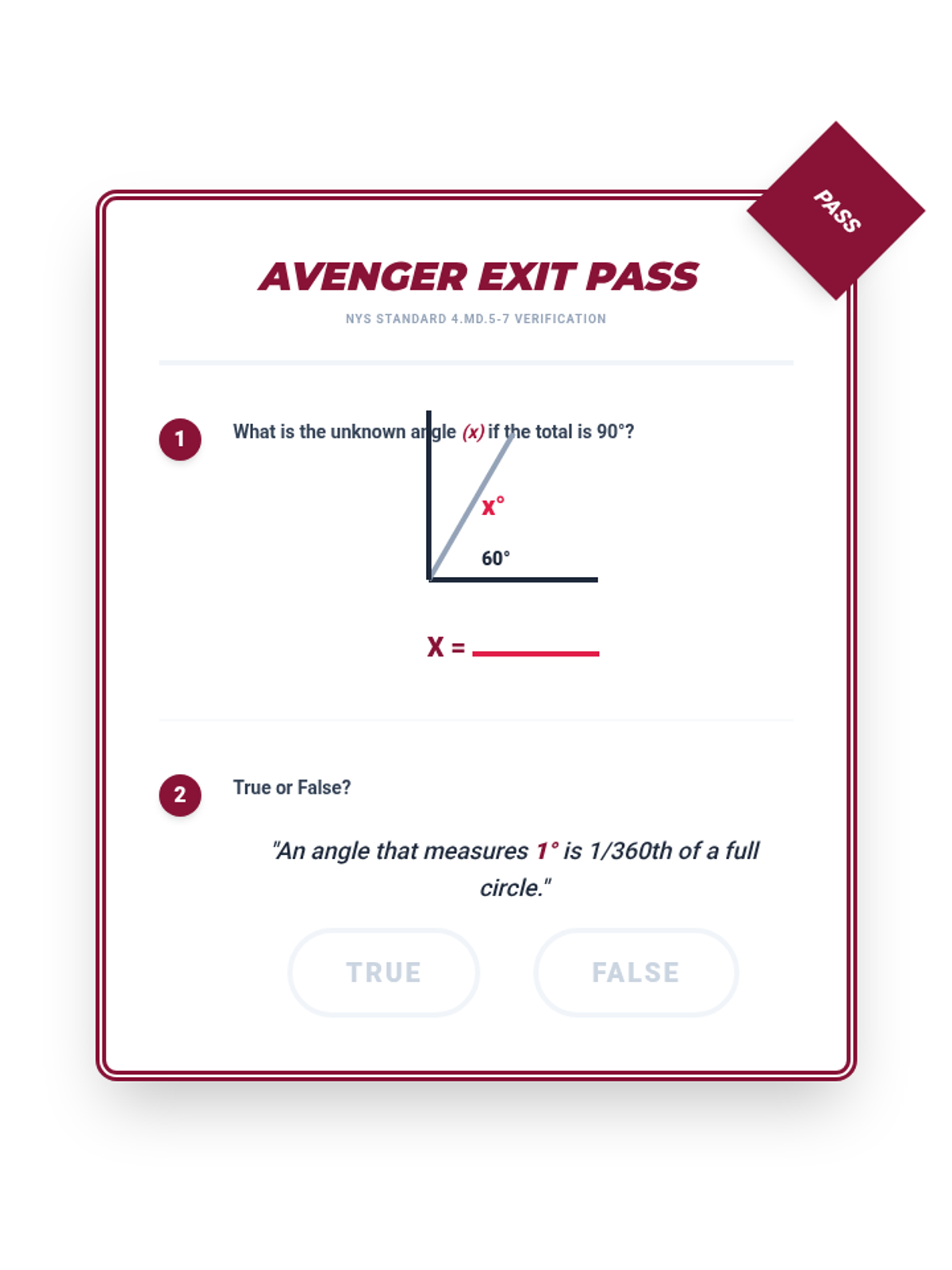
Tier 2 reteach for standards 4.MD.5, 4.MD.6, & 4.MD.7: Angle measurement with protractors and additive angle properties.
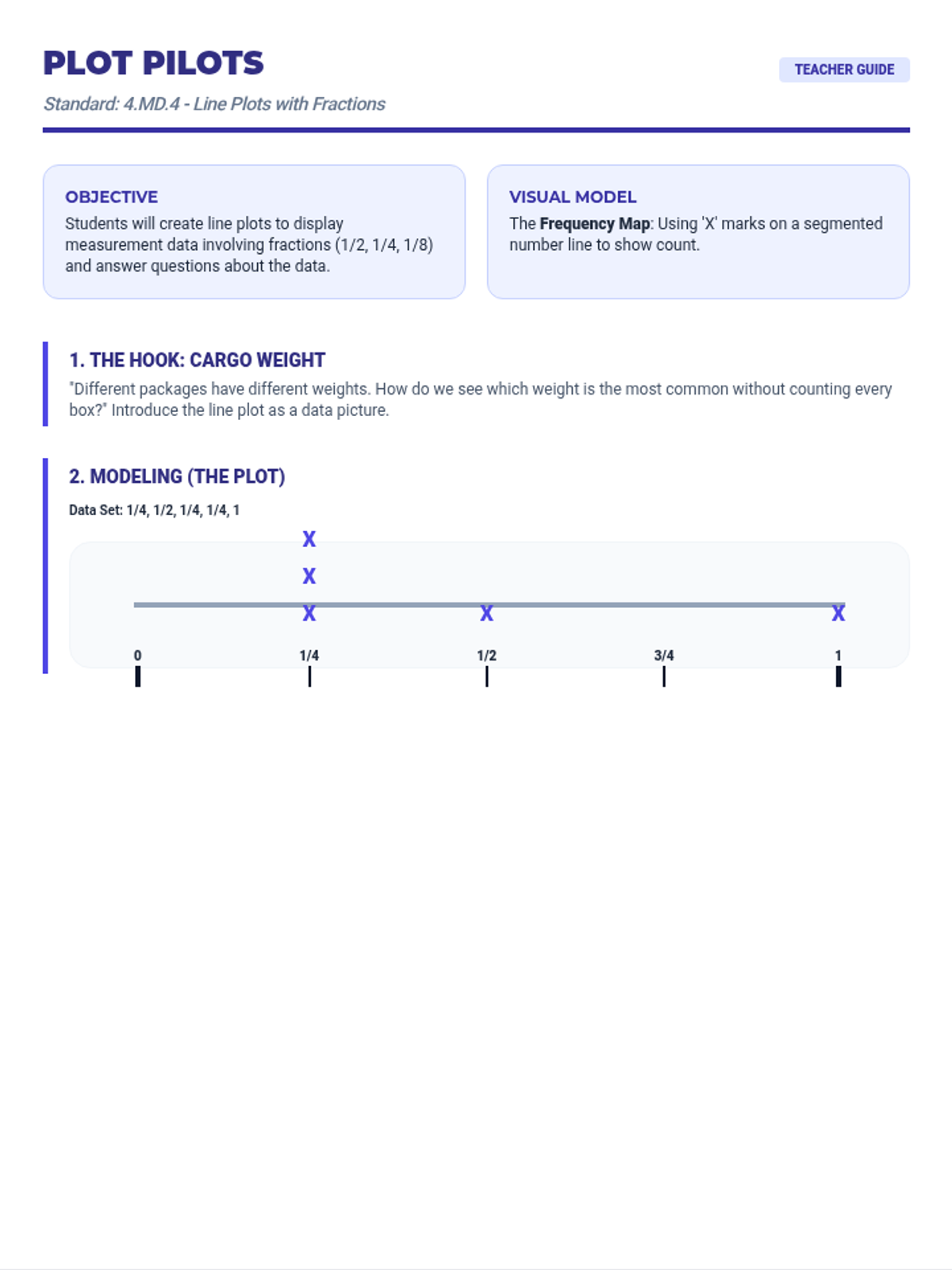
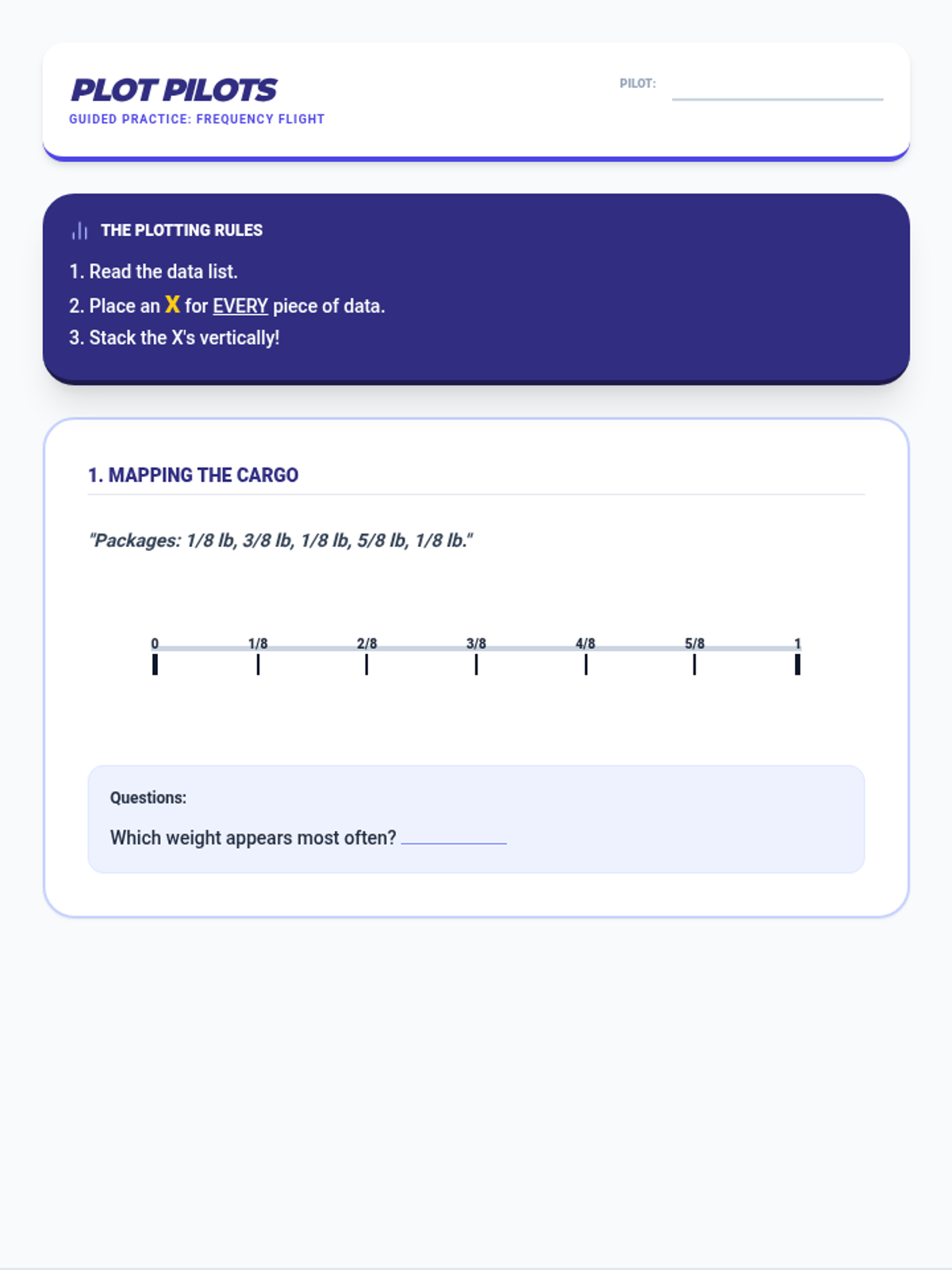
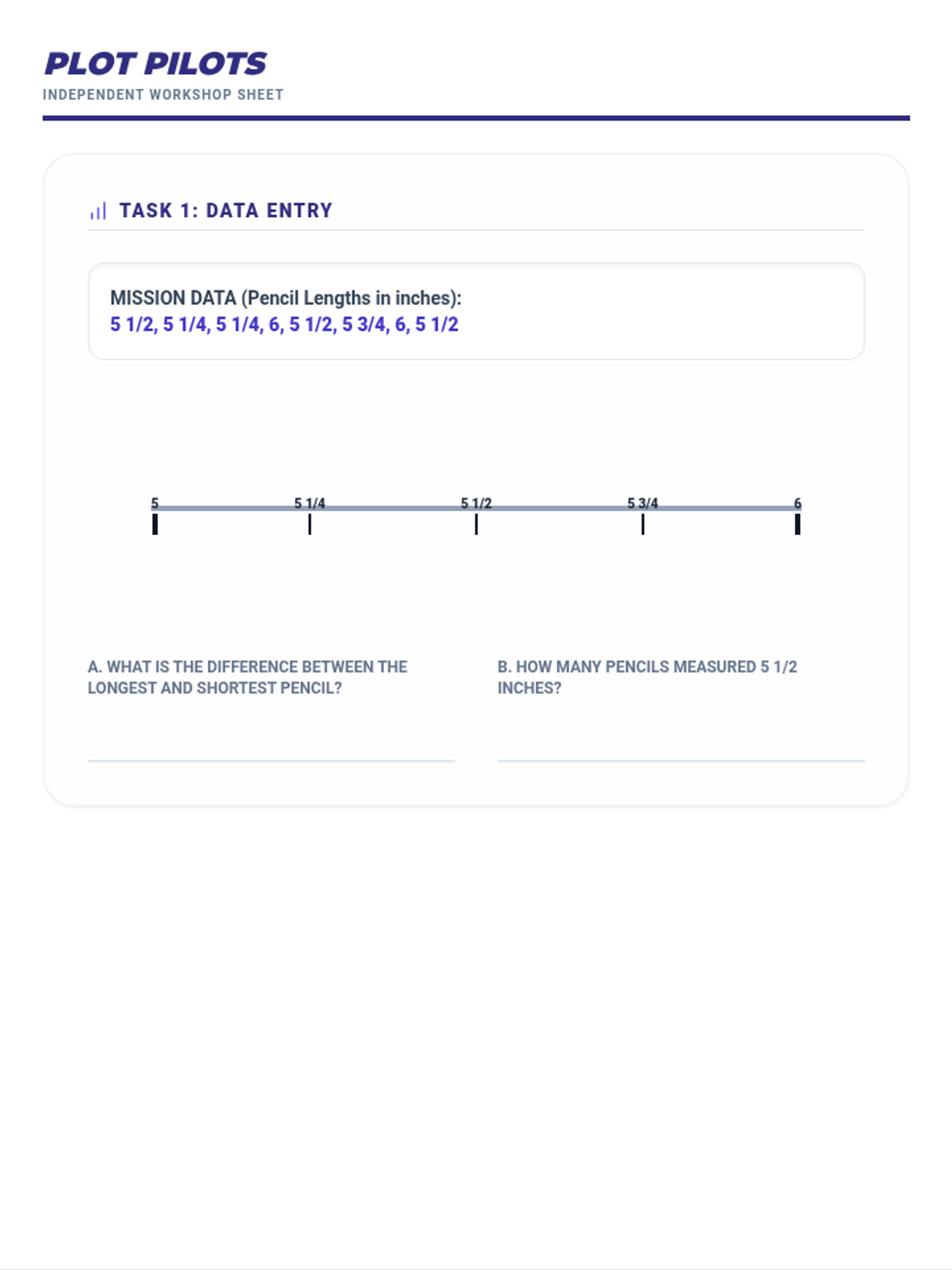
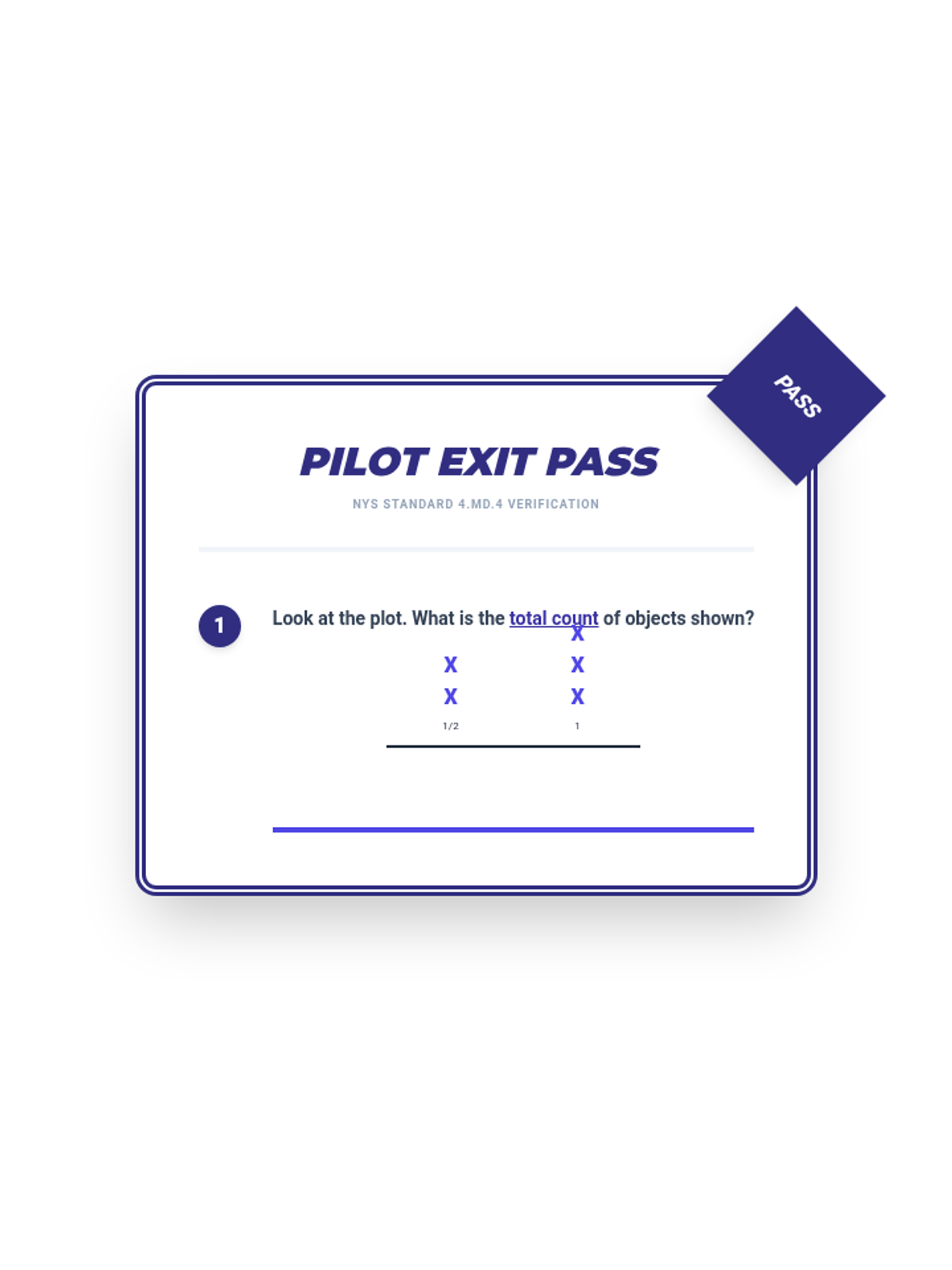
Tier 2 reteach for standard 4.MD.4: Make a line plot to display a data set of measurements in fractions of a unit.
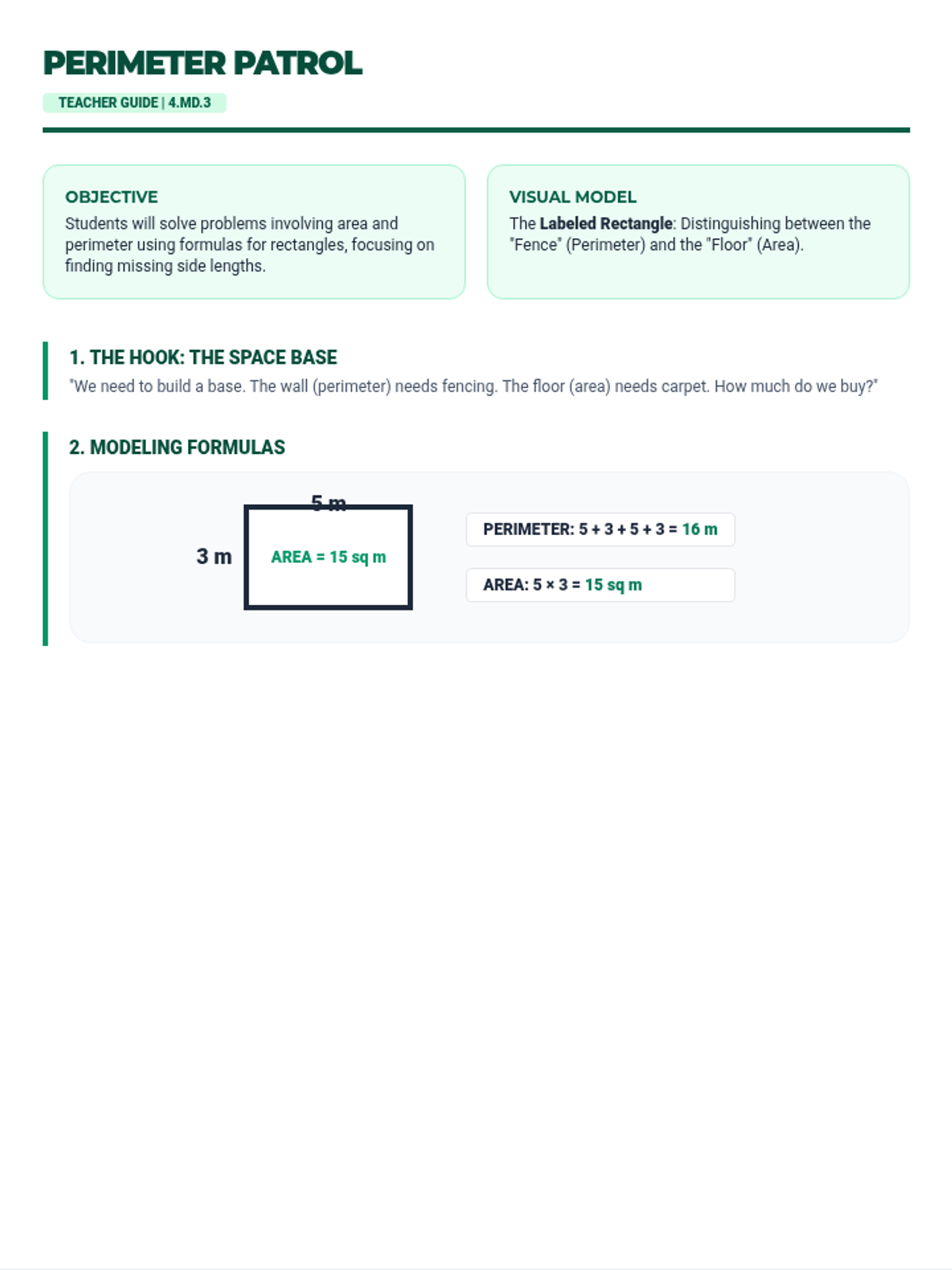
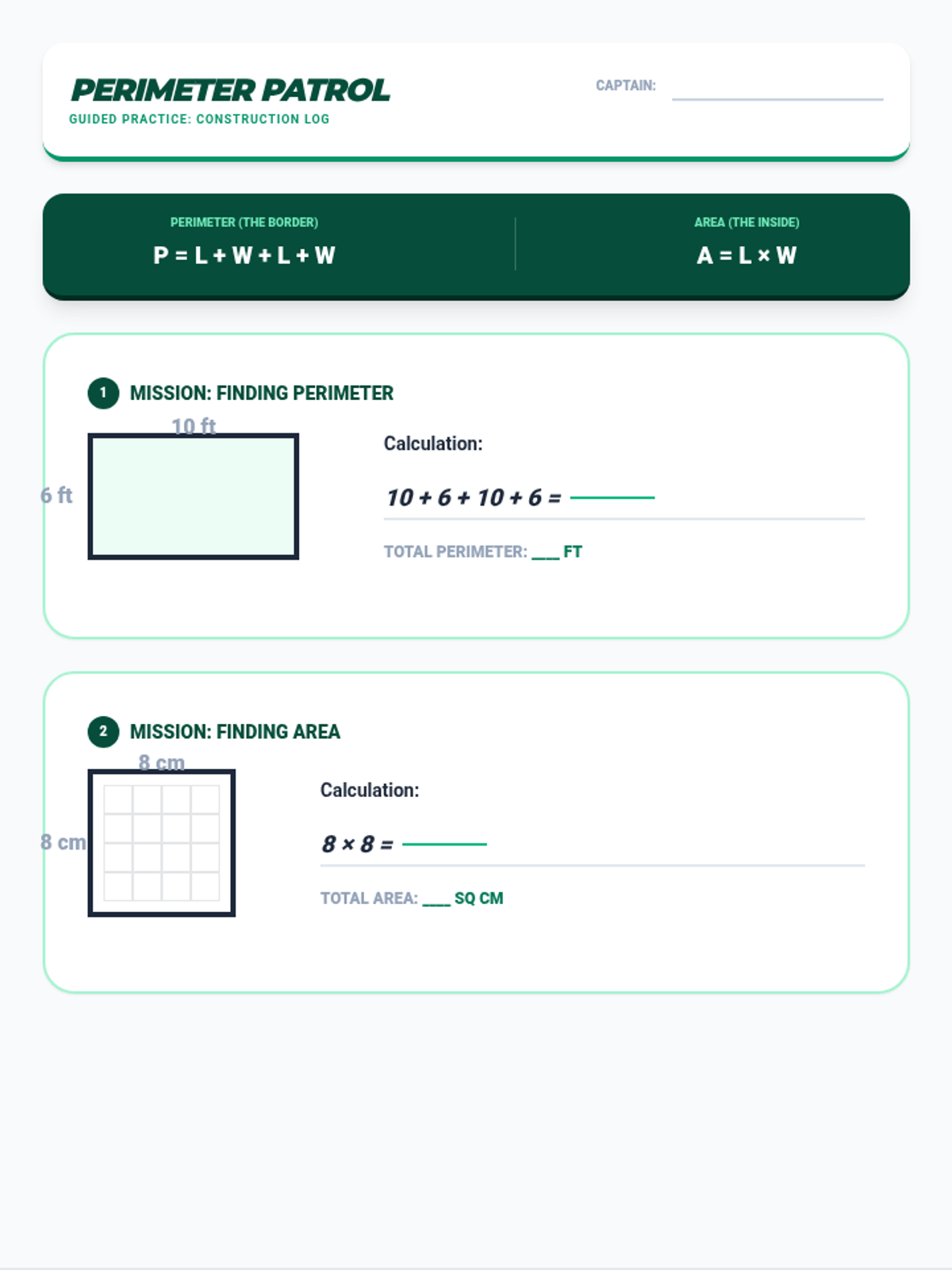
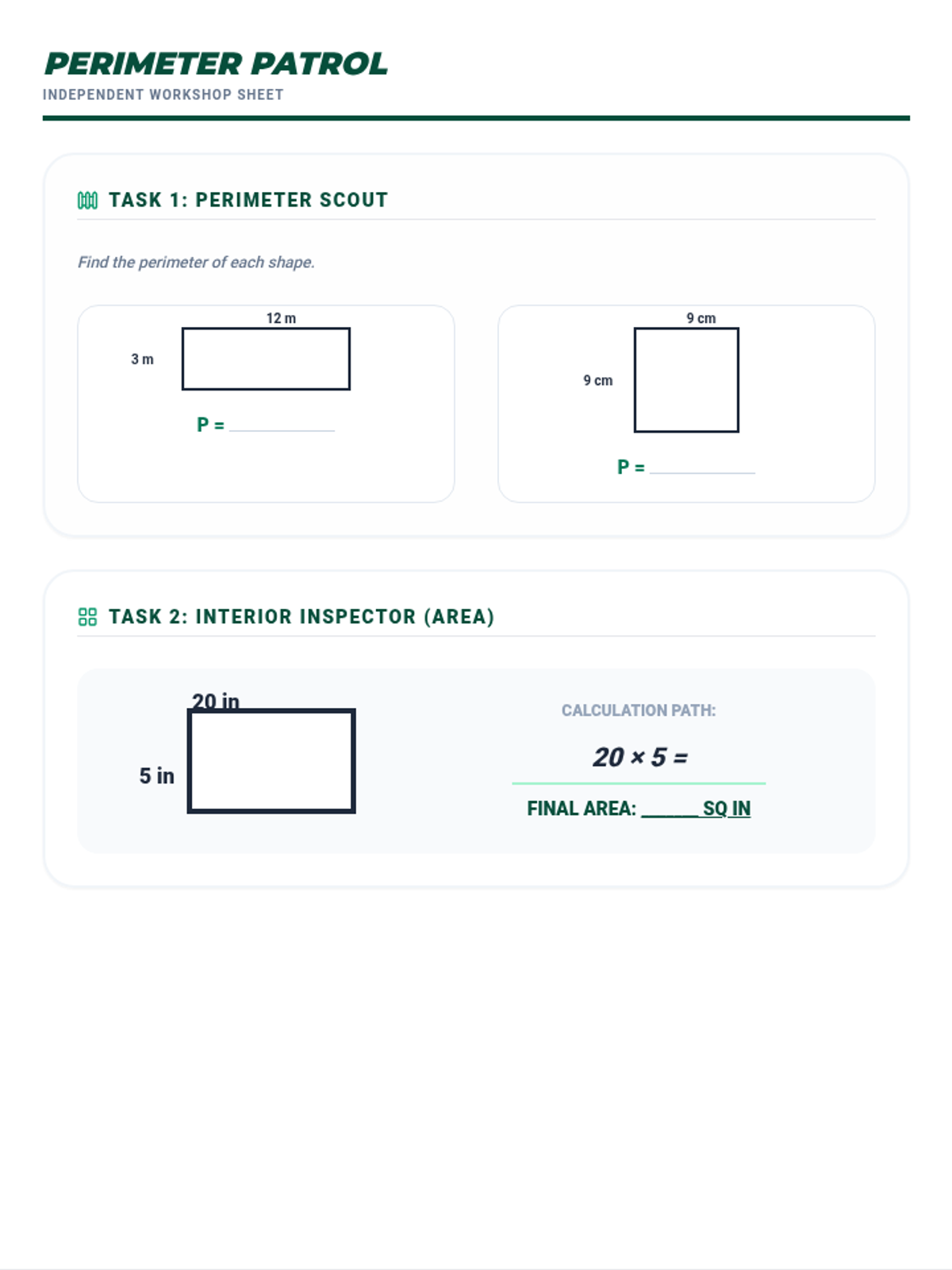
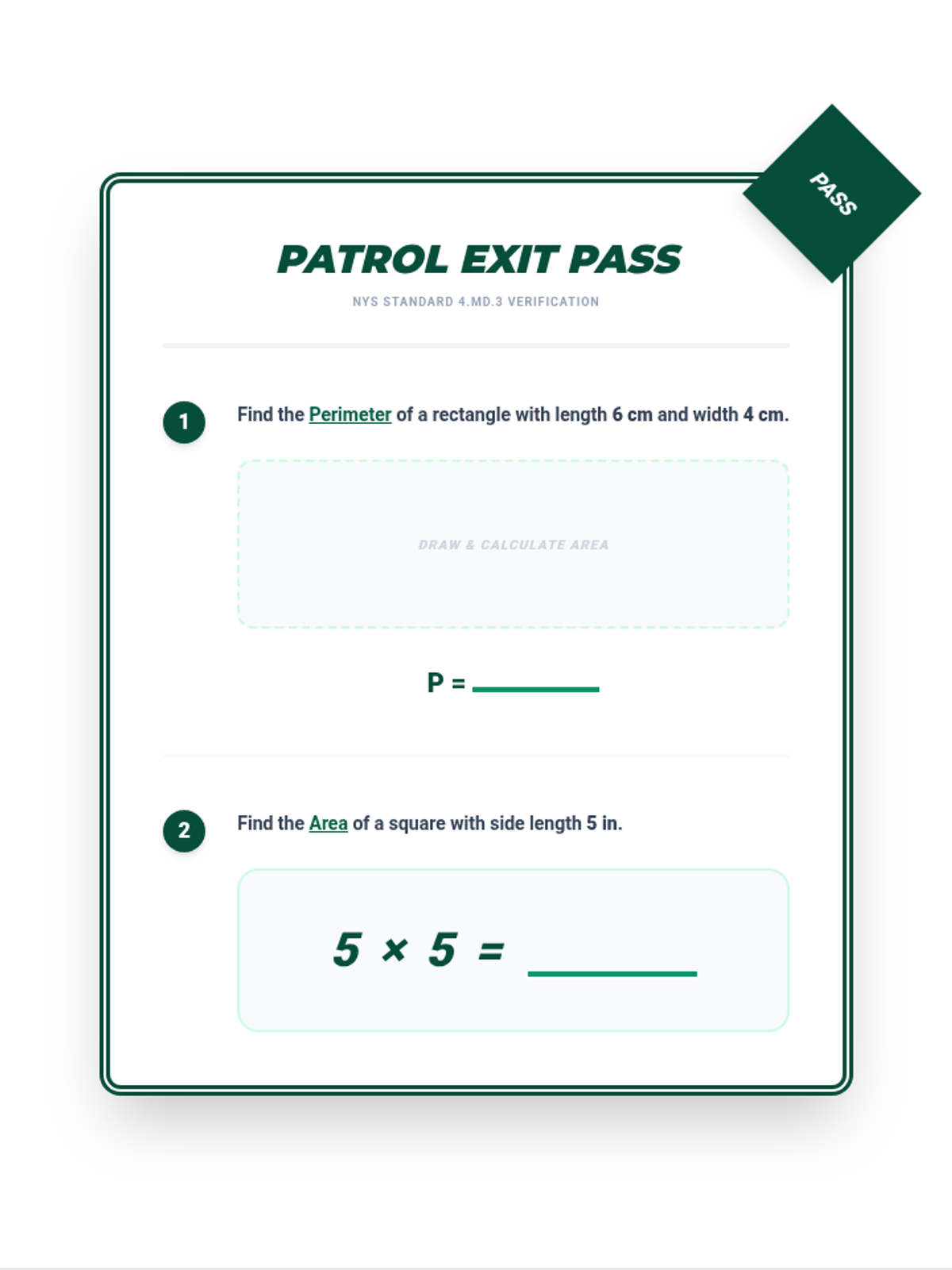
Tier 2 reteach for standard 4.MD.3: Apply the area and perimeter formulas for rectangles.
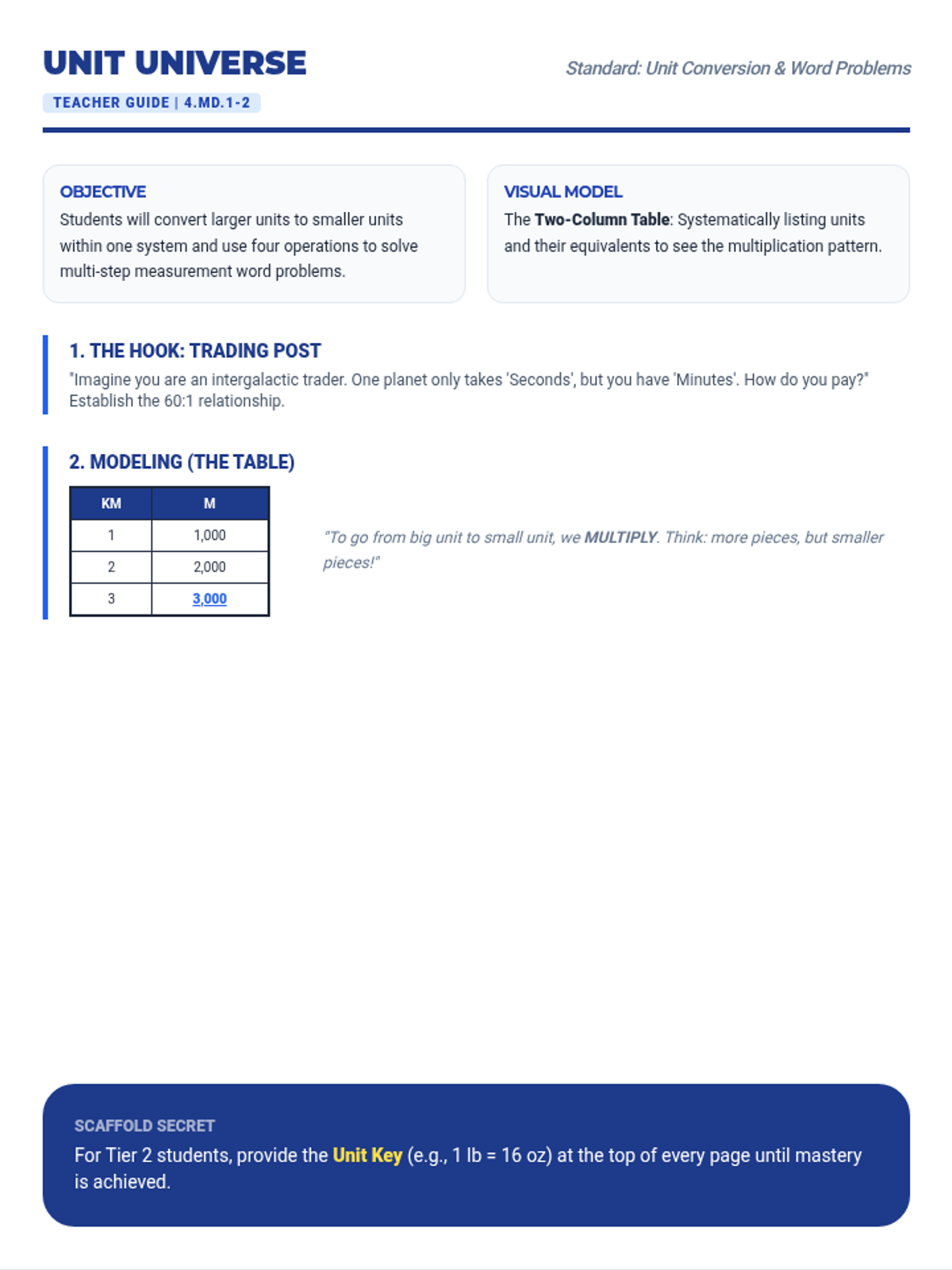
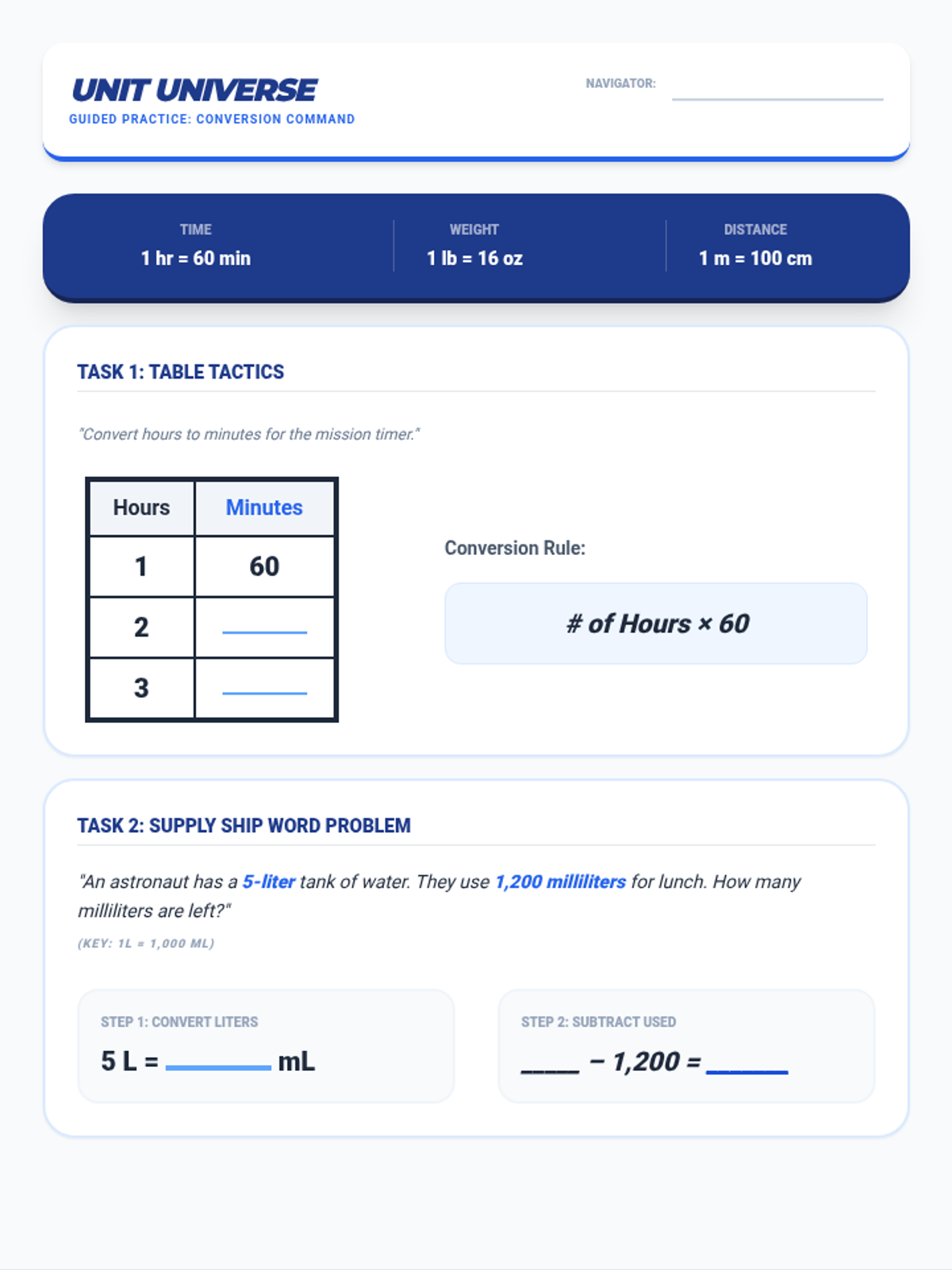
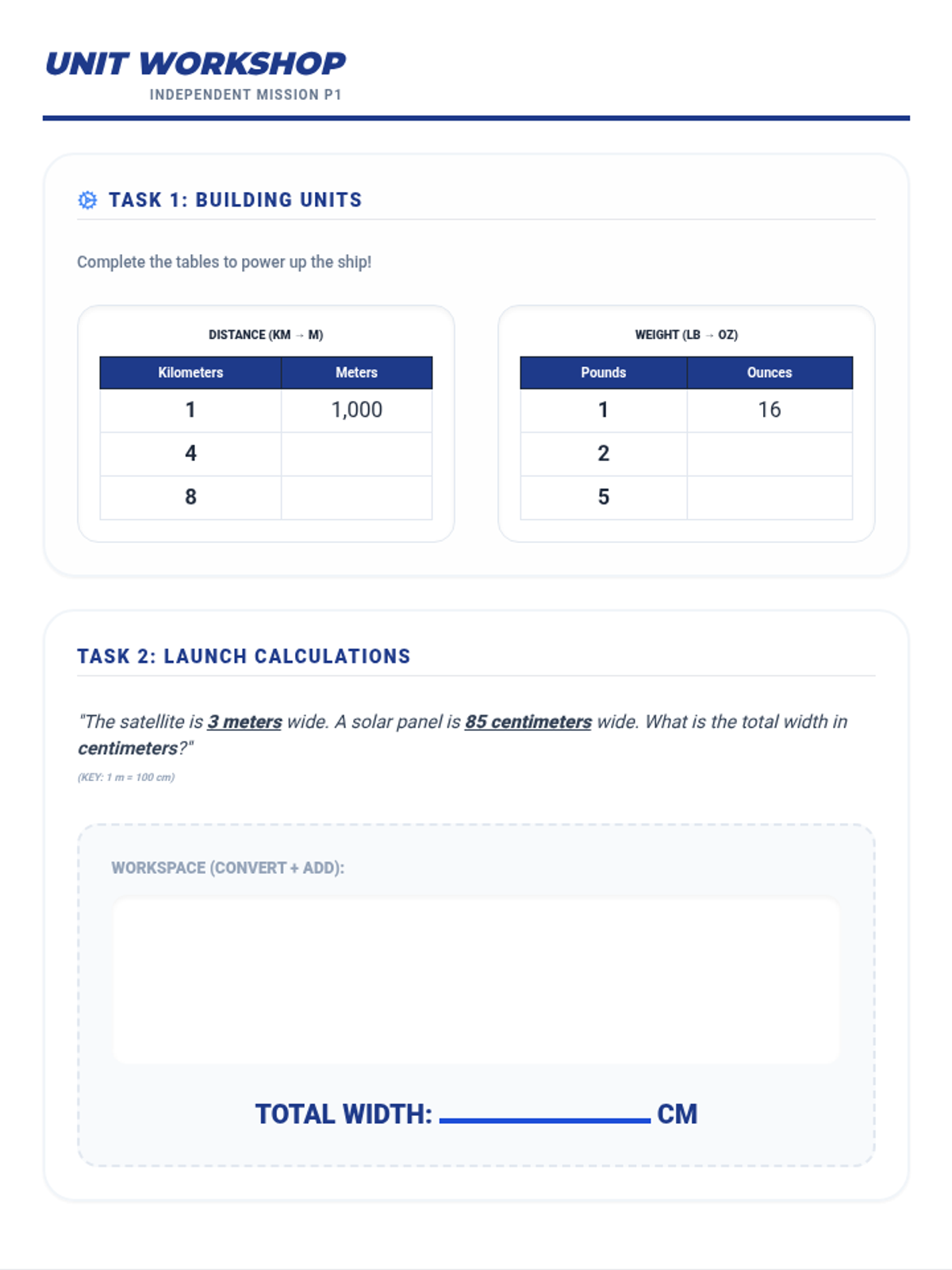
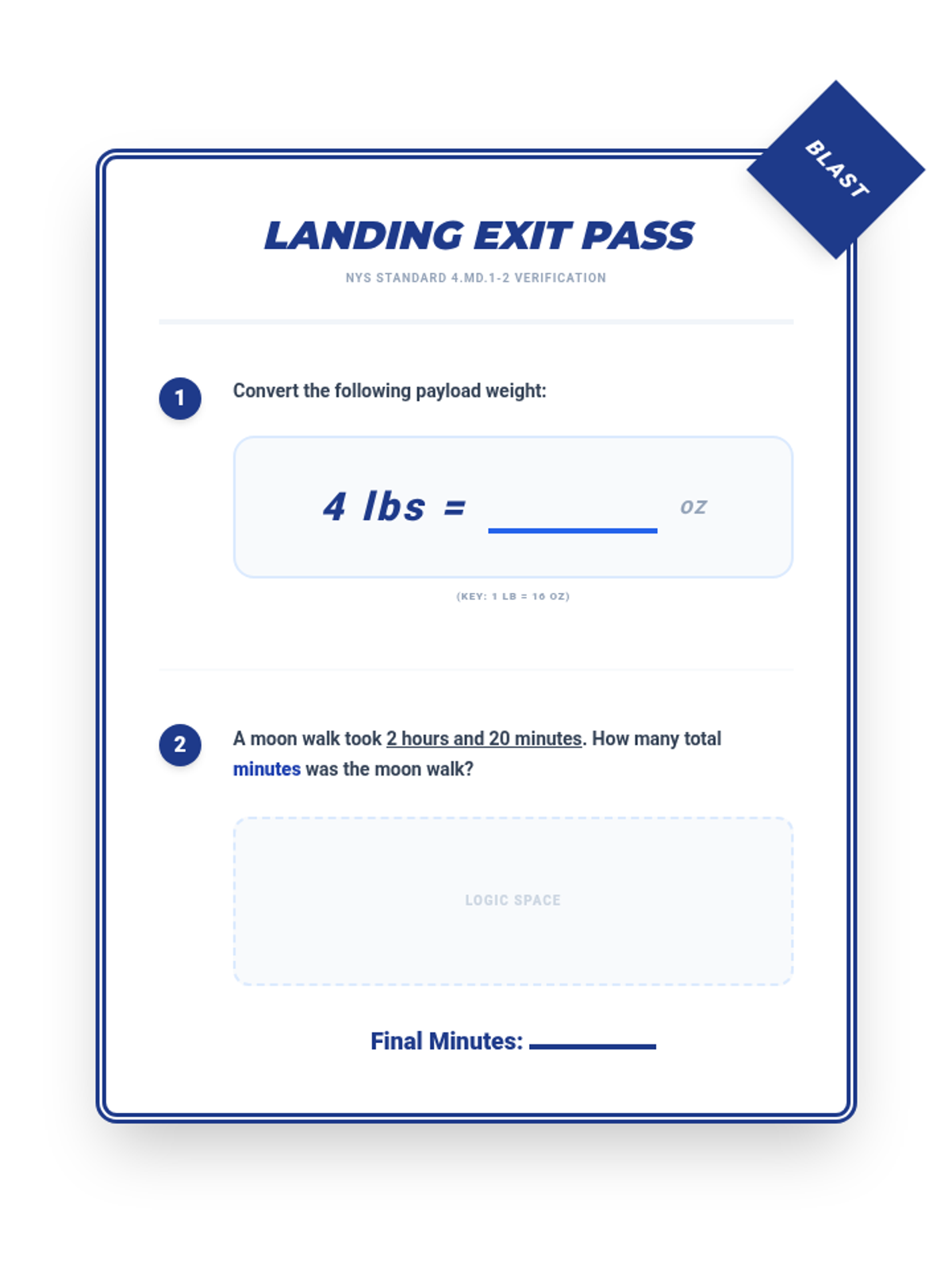
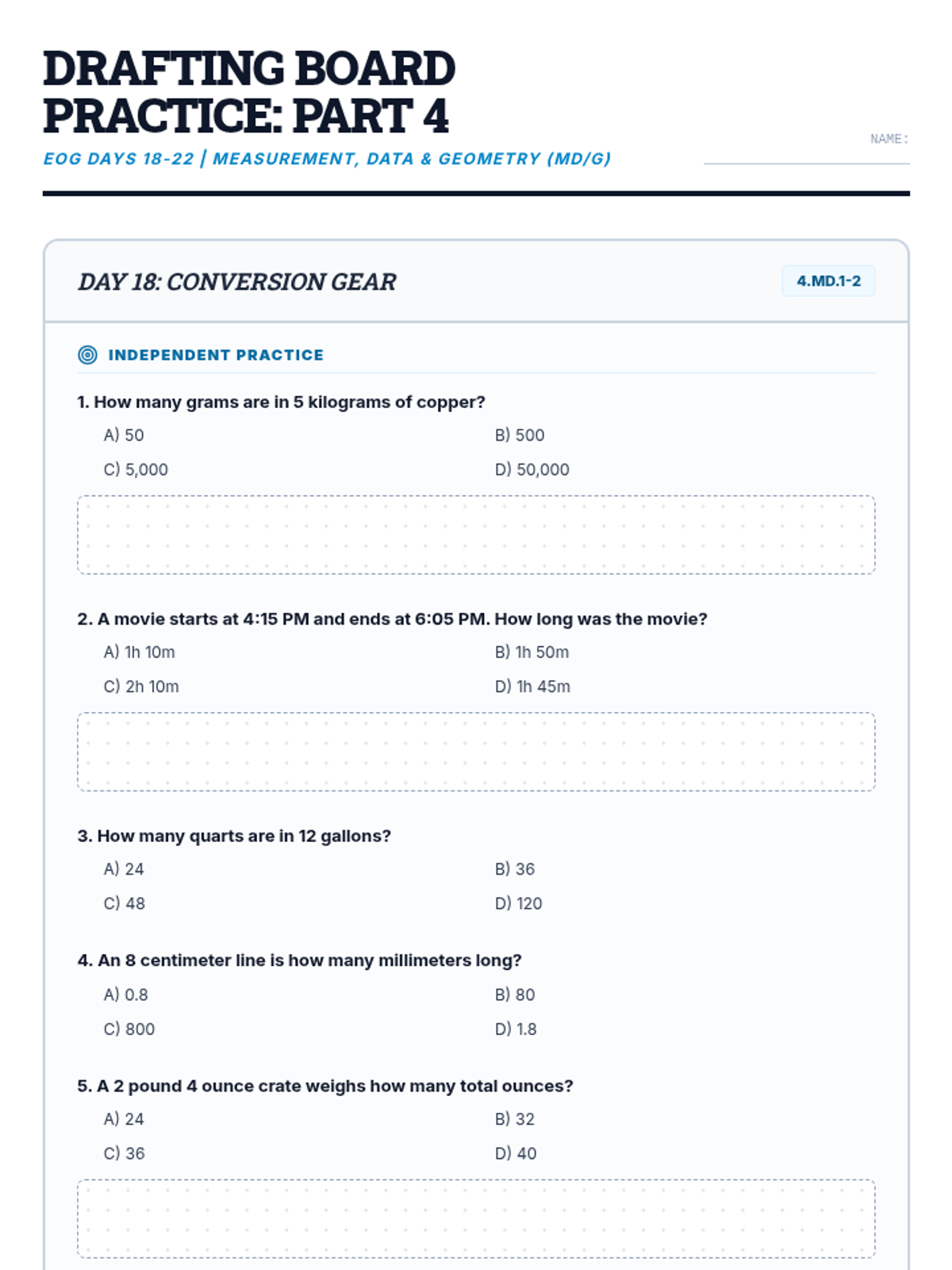
Tier 2 reteach for standards 4.MD.1 & 4.MD.2: Relative sizes of measurement units and solving word problems involving distance, time, volume, and mass.
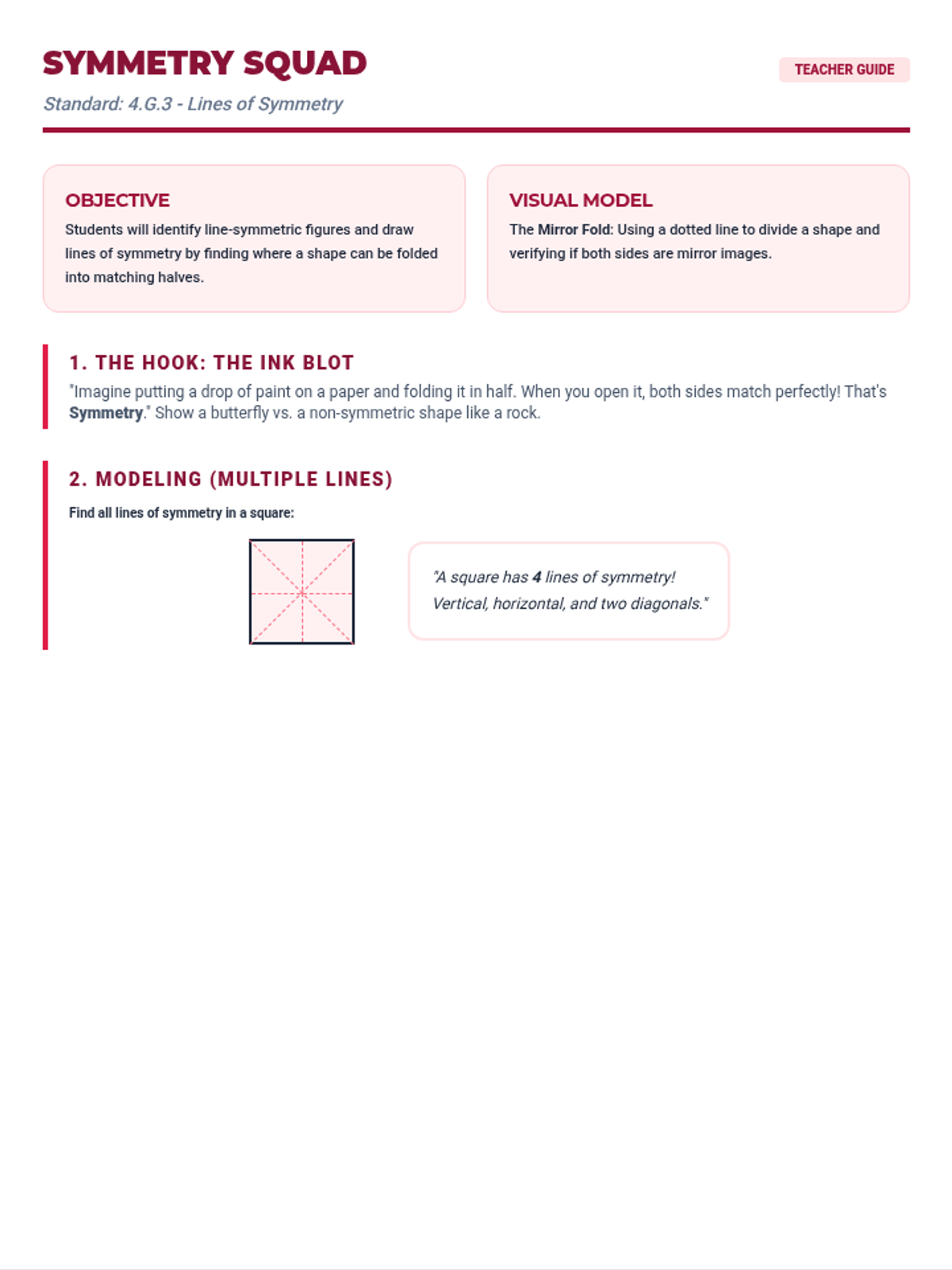
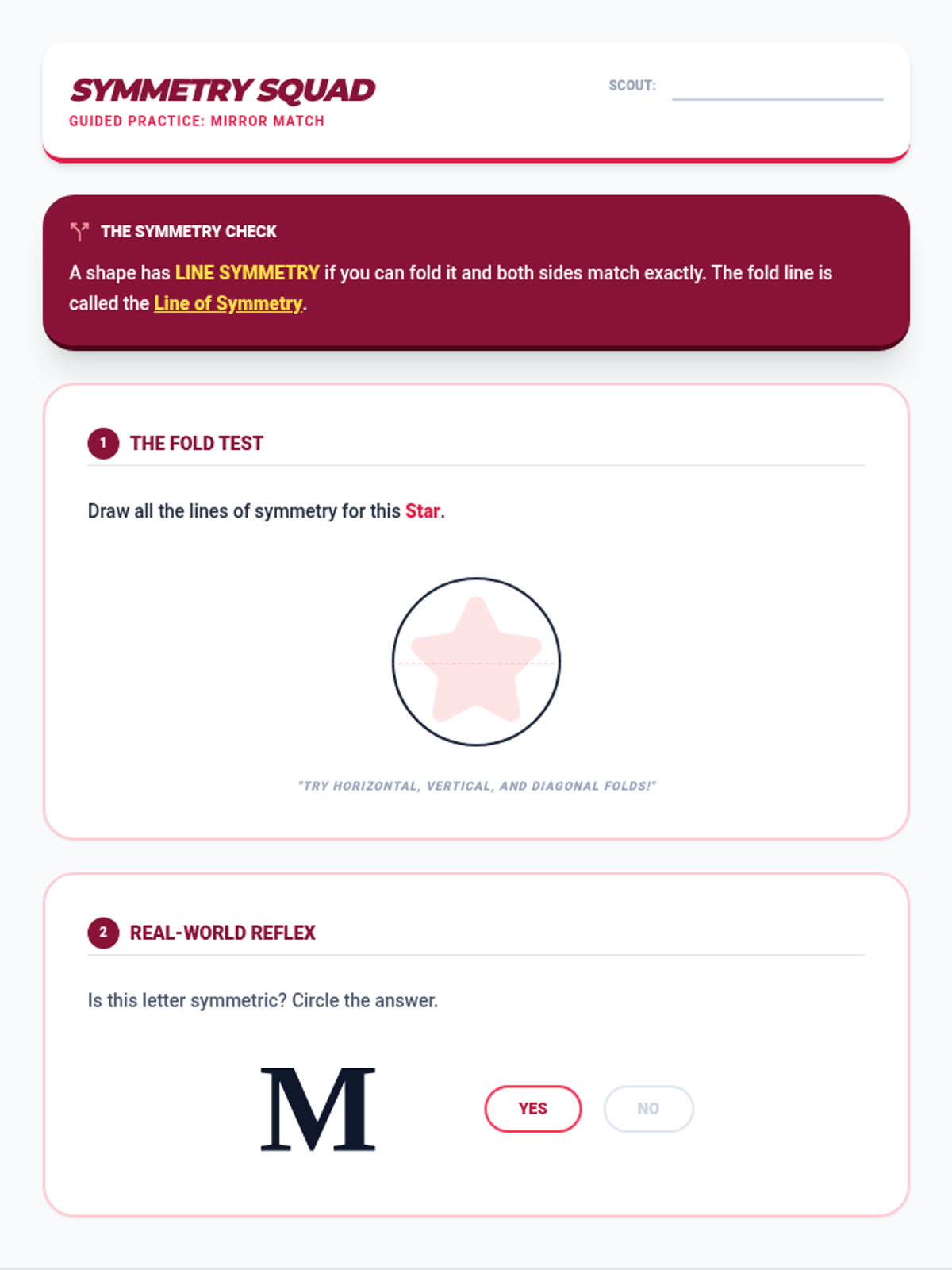
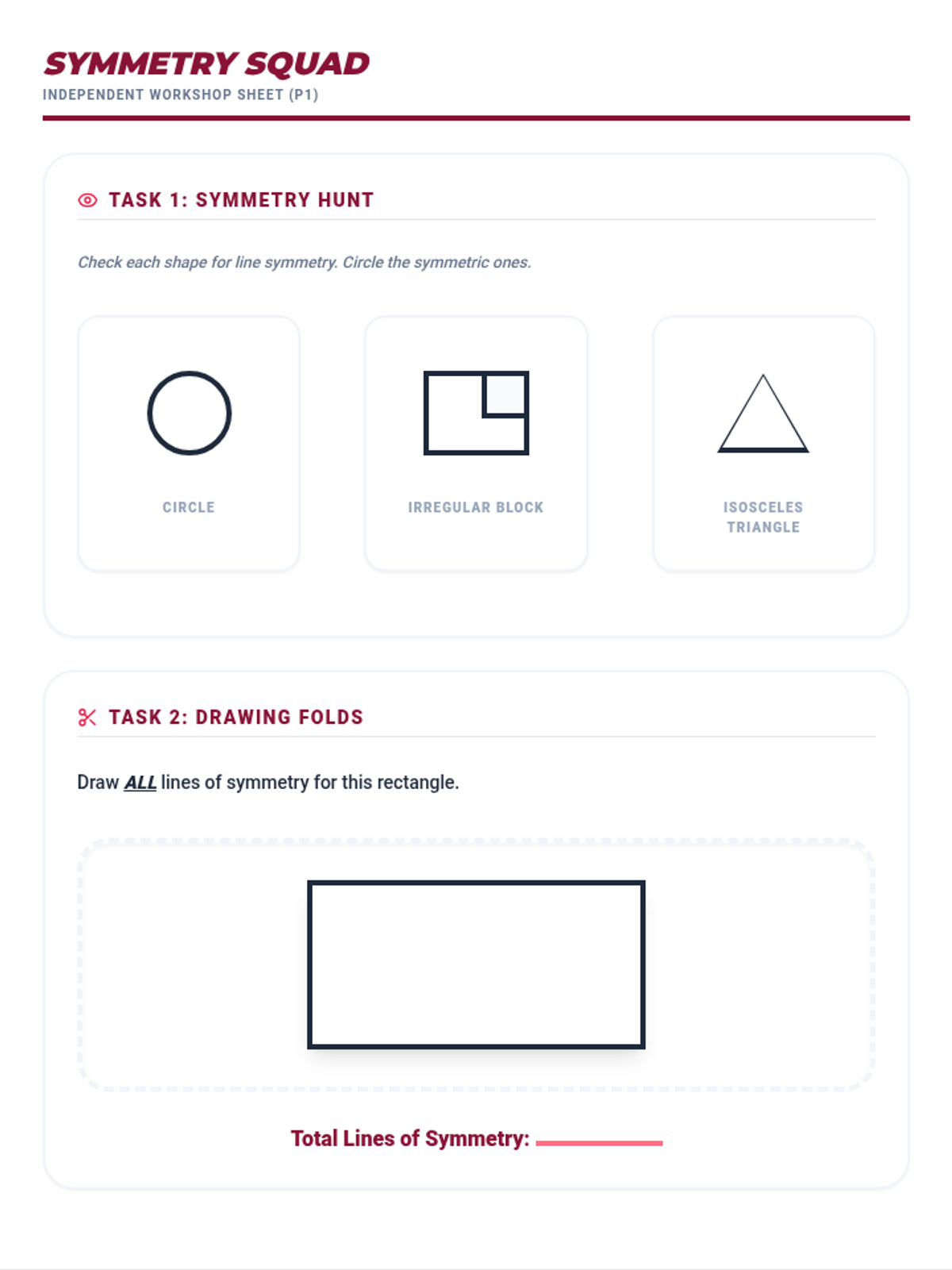
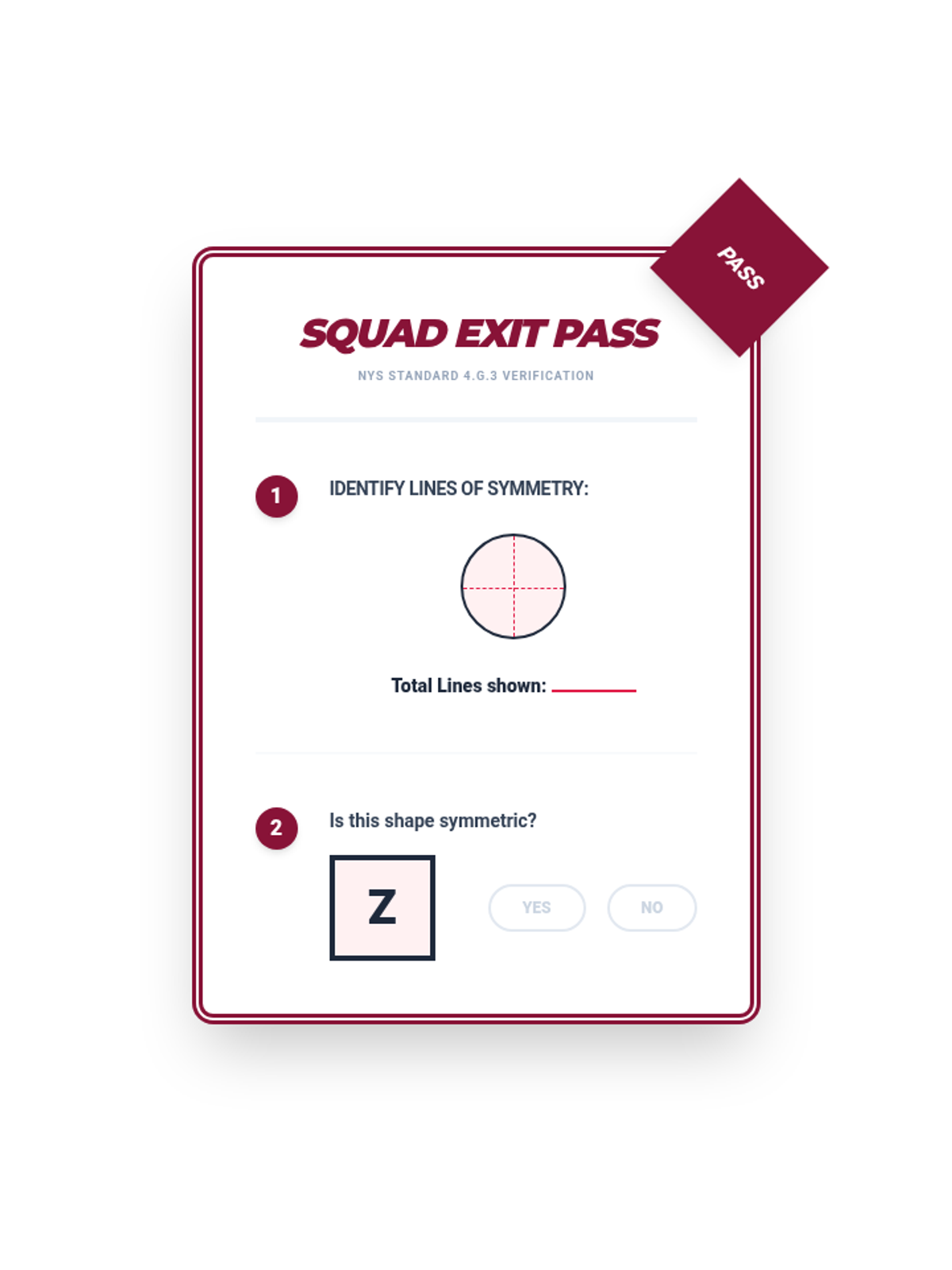
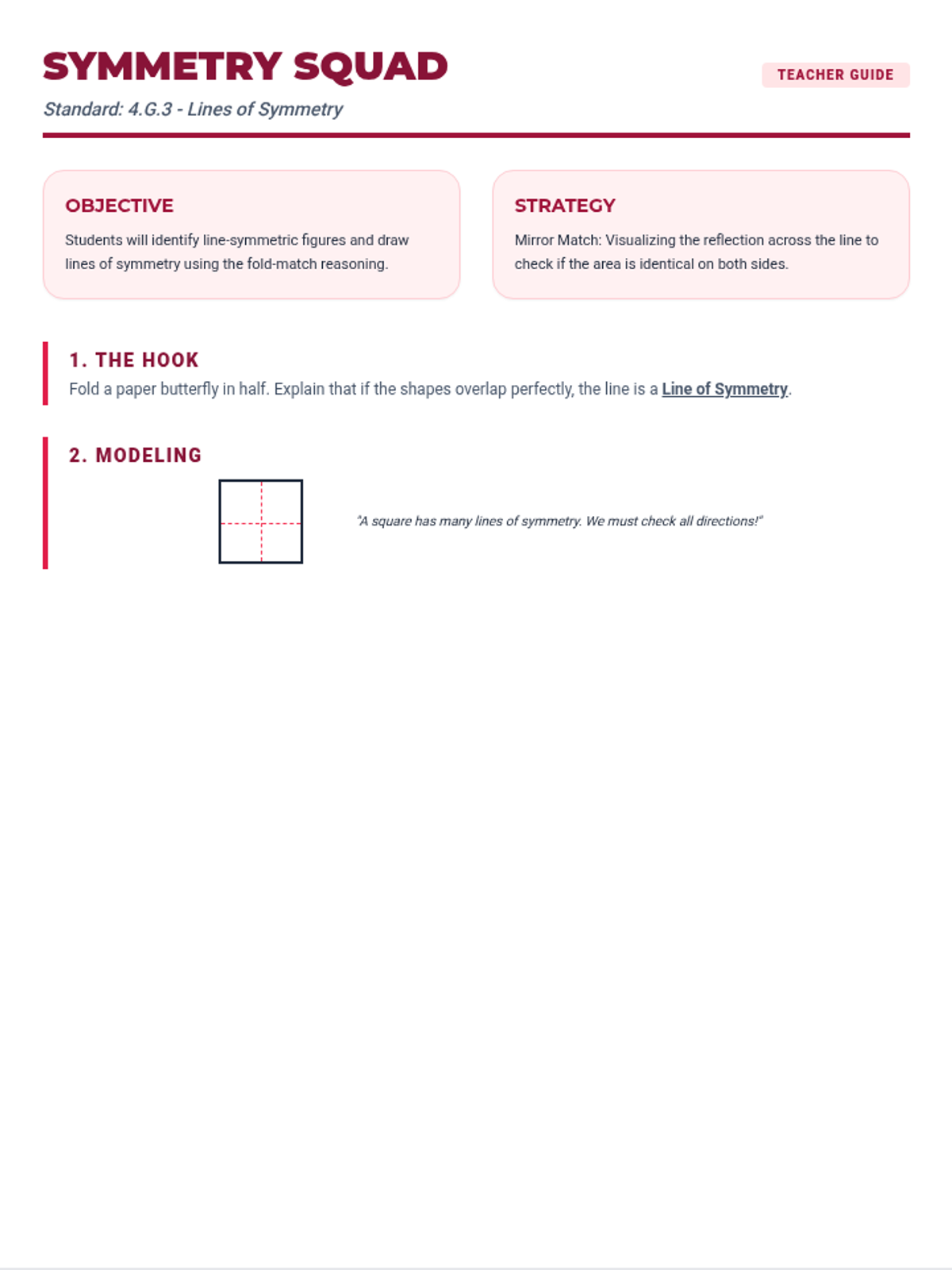
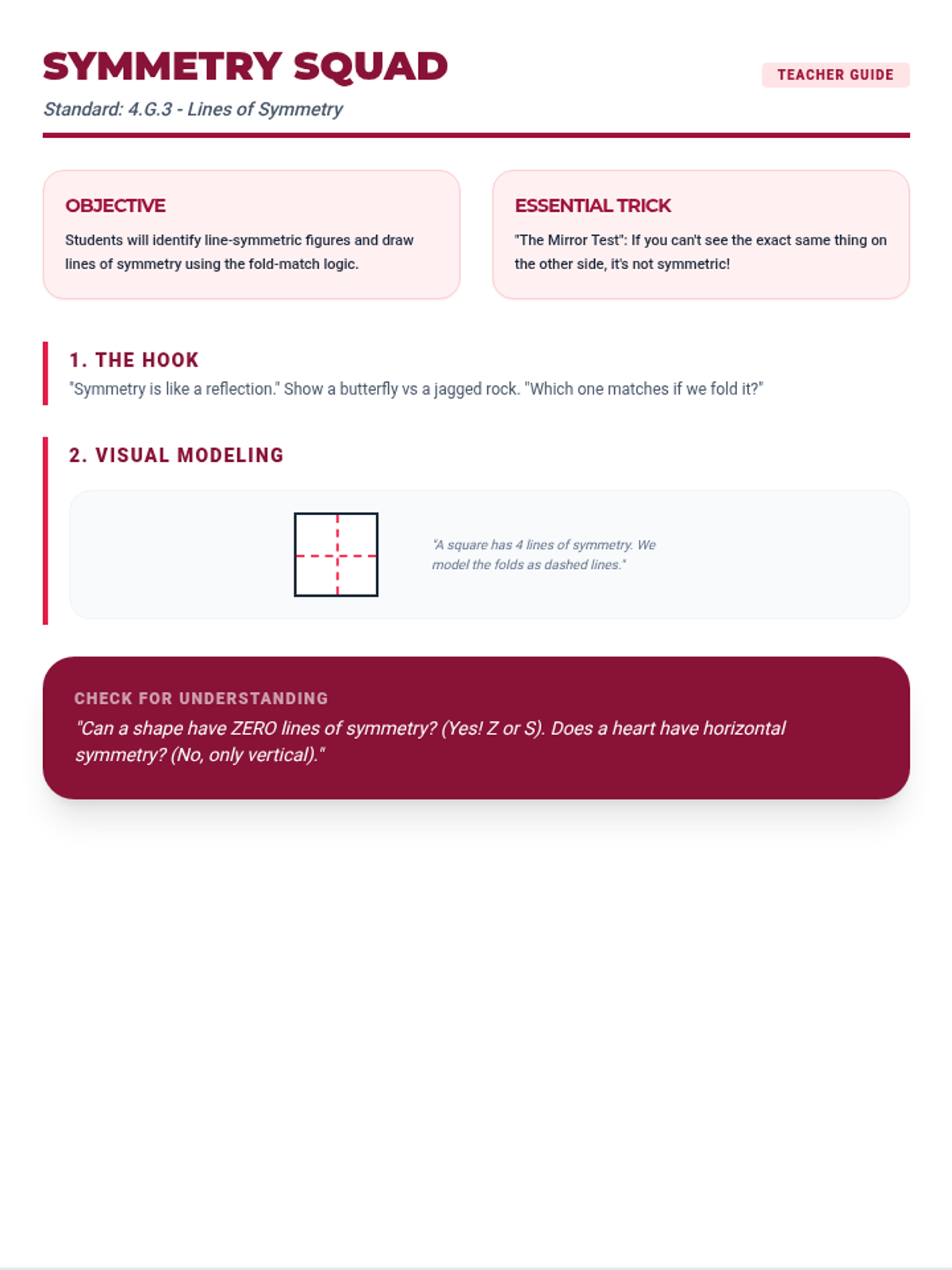
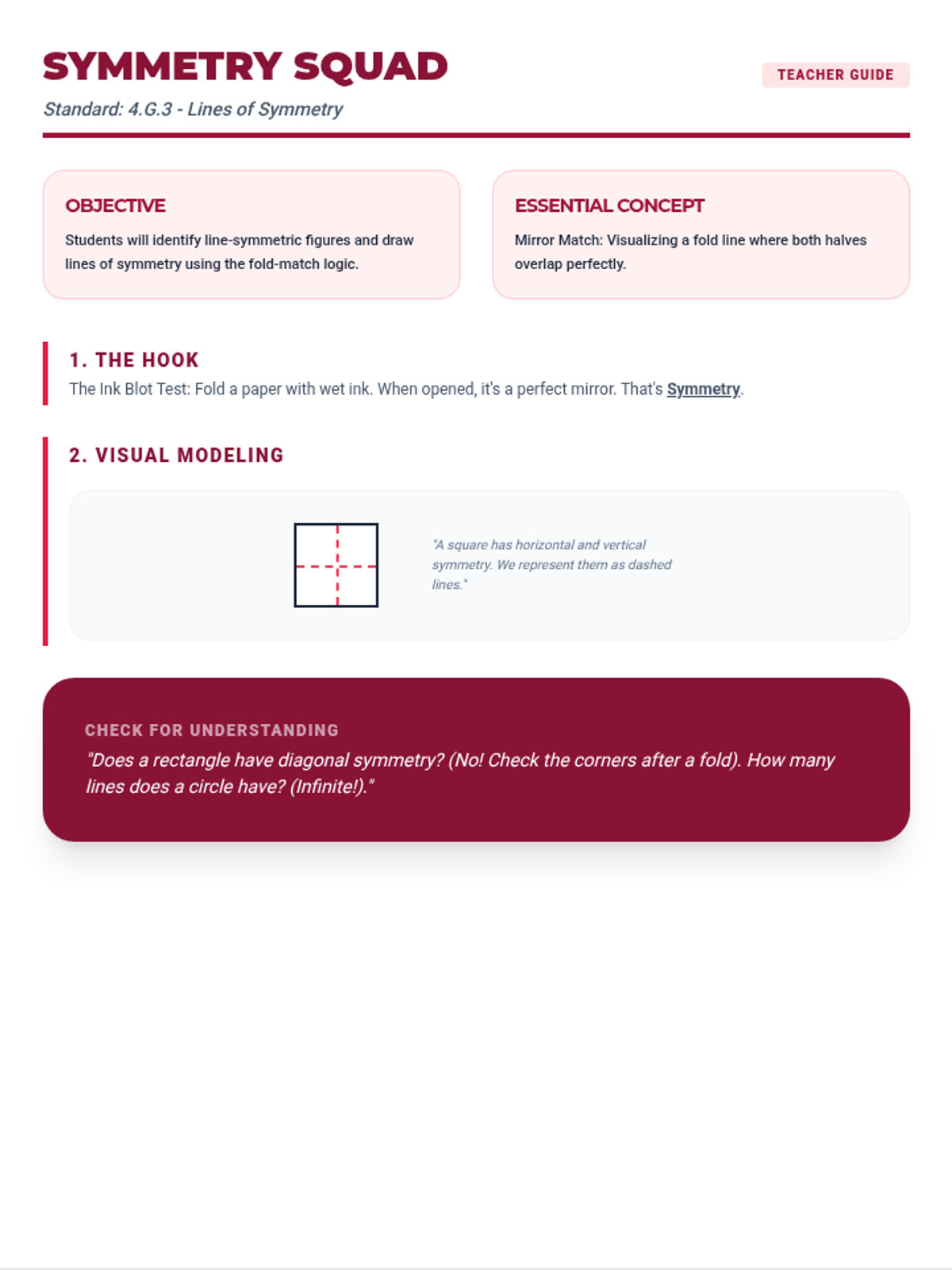
Tier 2 reteach for standard 4.G.3: Recognize a line of symmetry for a two-dimensional figure as a line across the figure such that the figure can be folded along the line into matching parts. Identify line-symmetric figures and draw lines of symmetry.
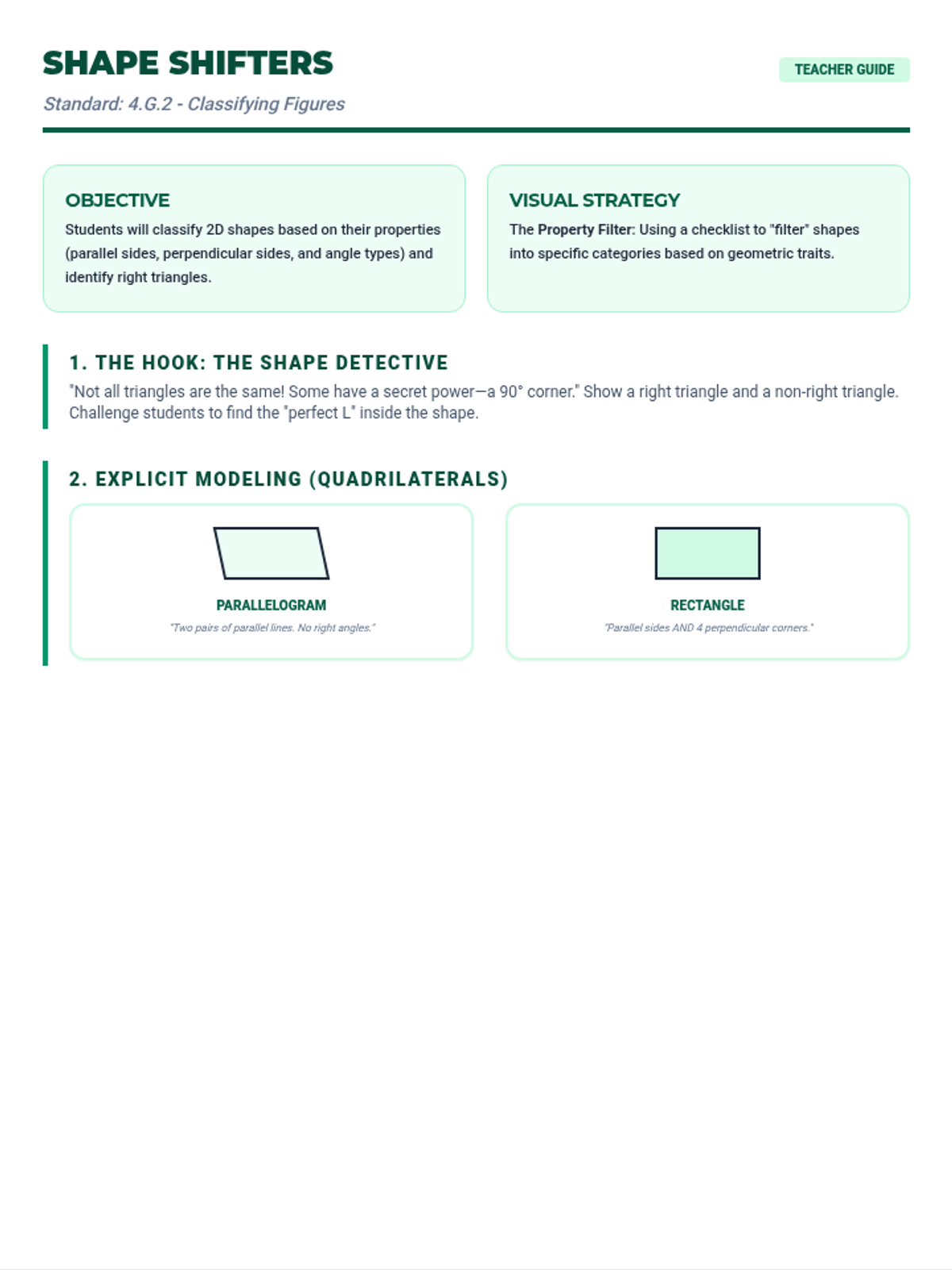
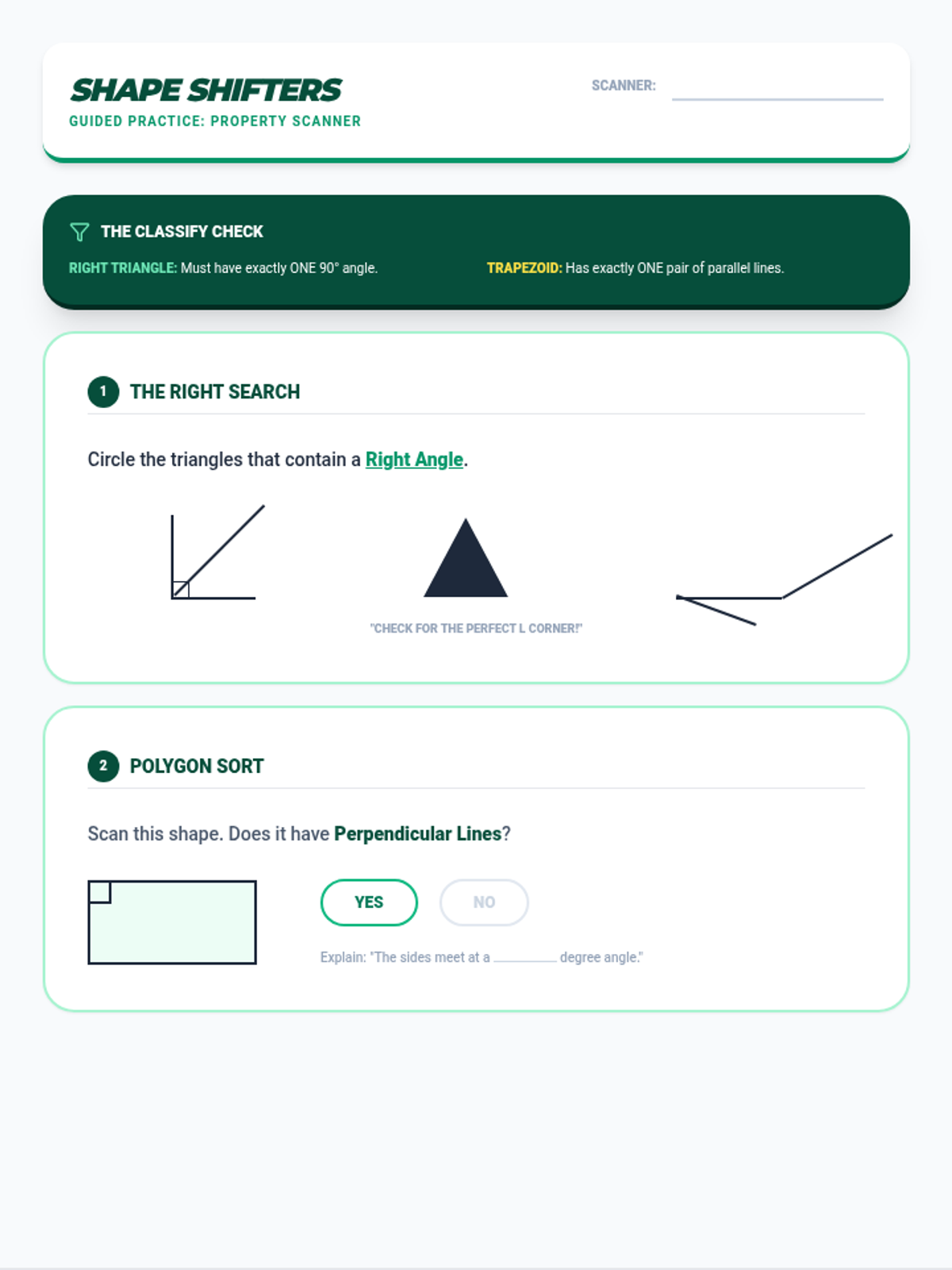
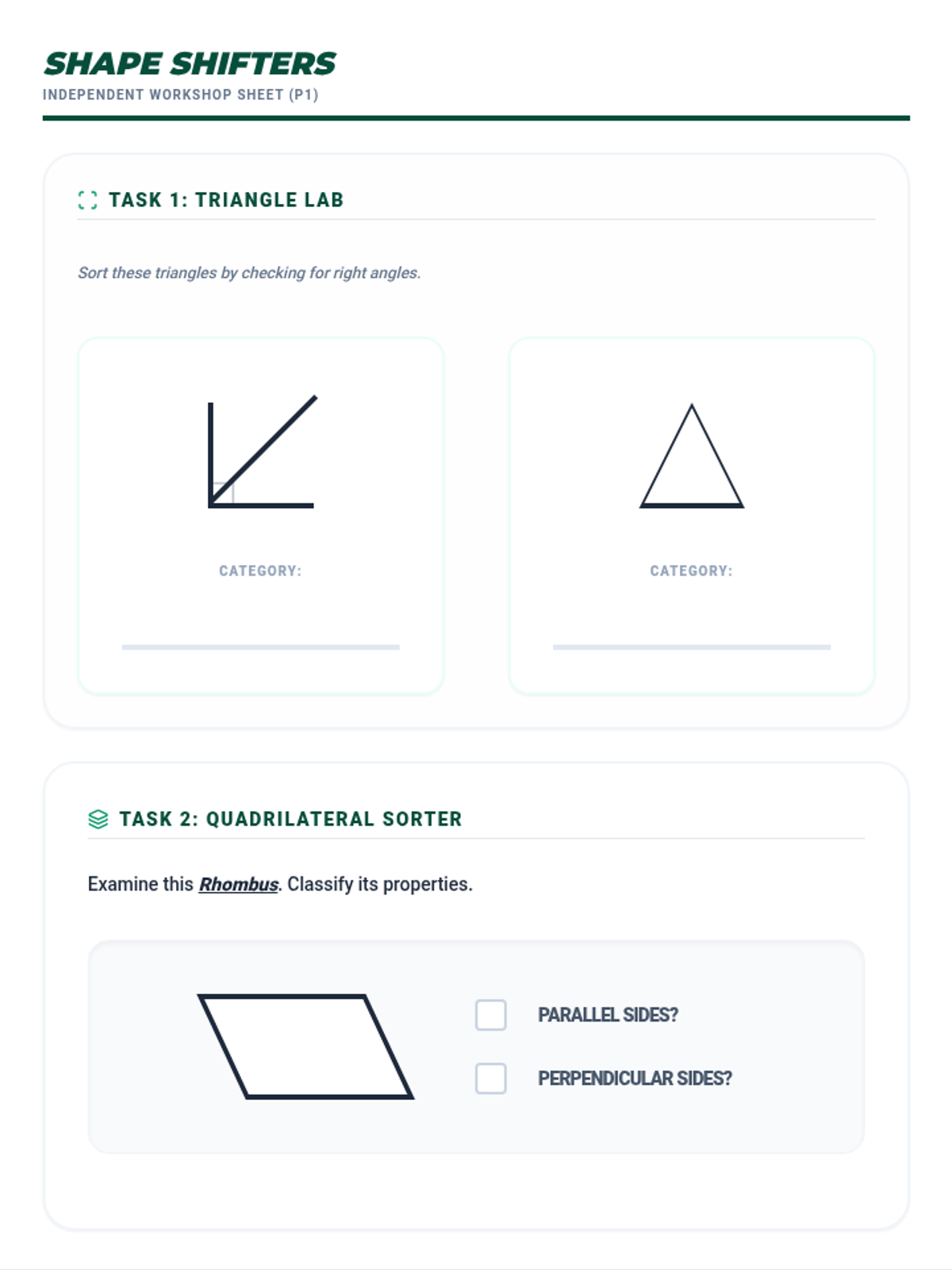
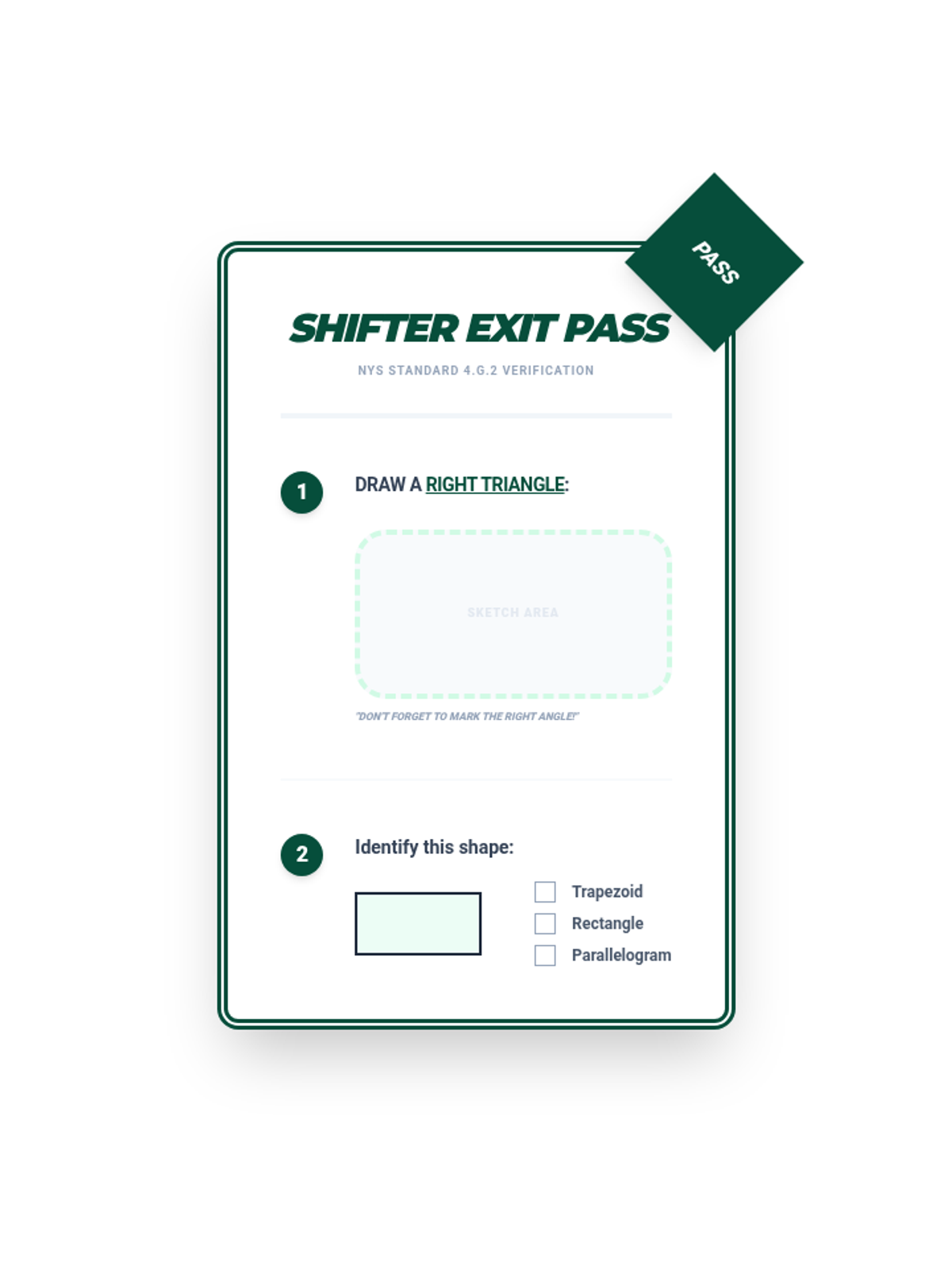
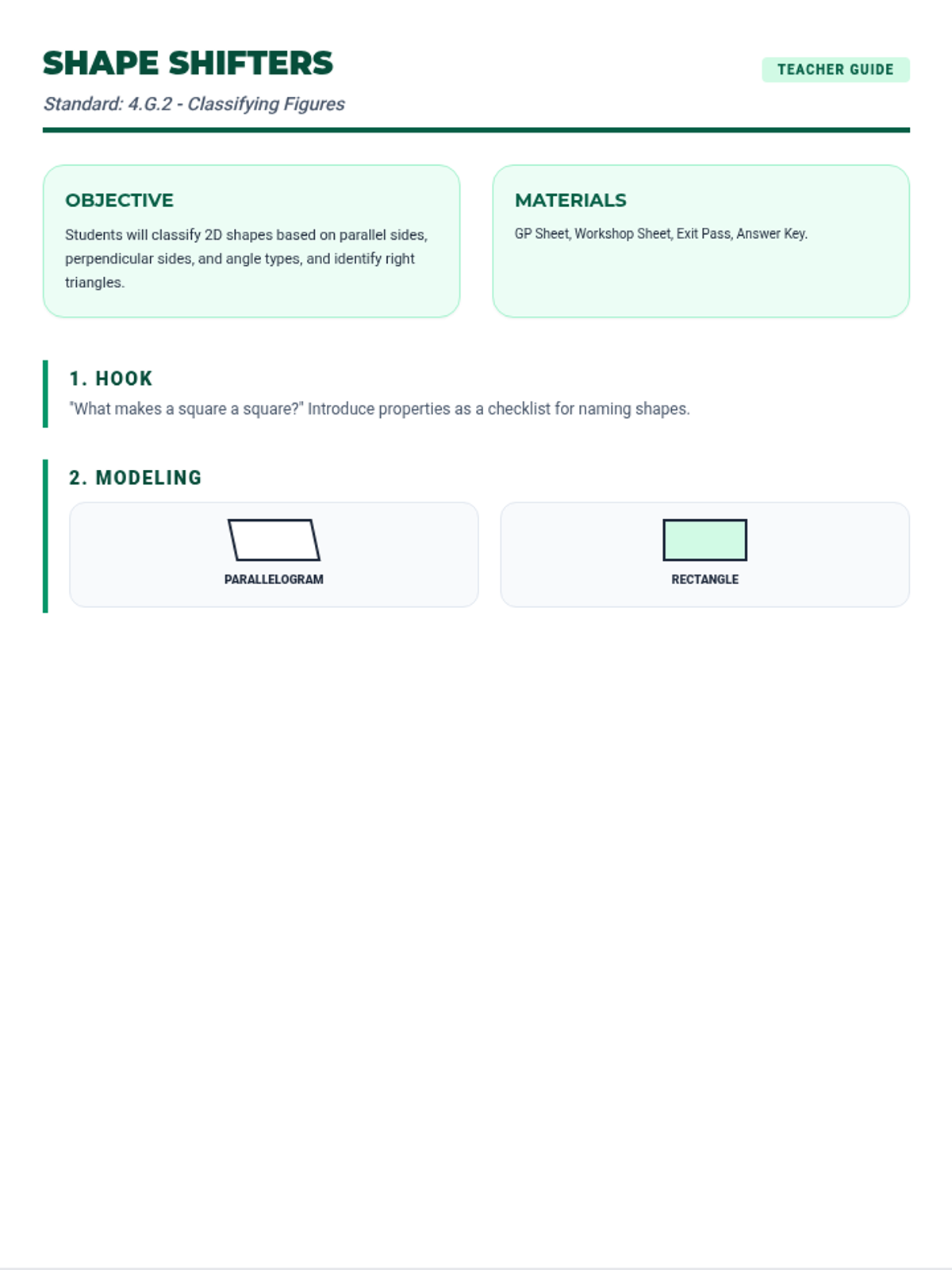
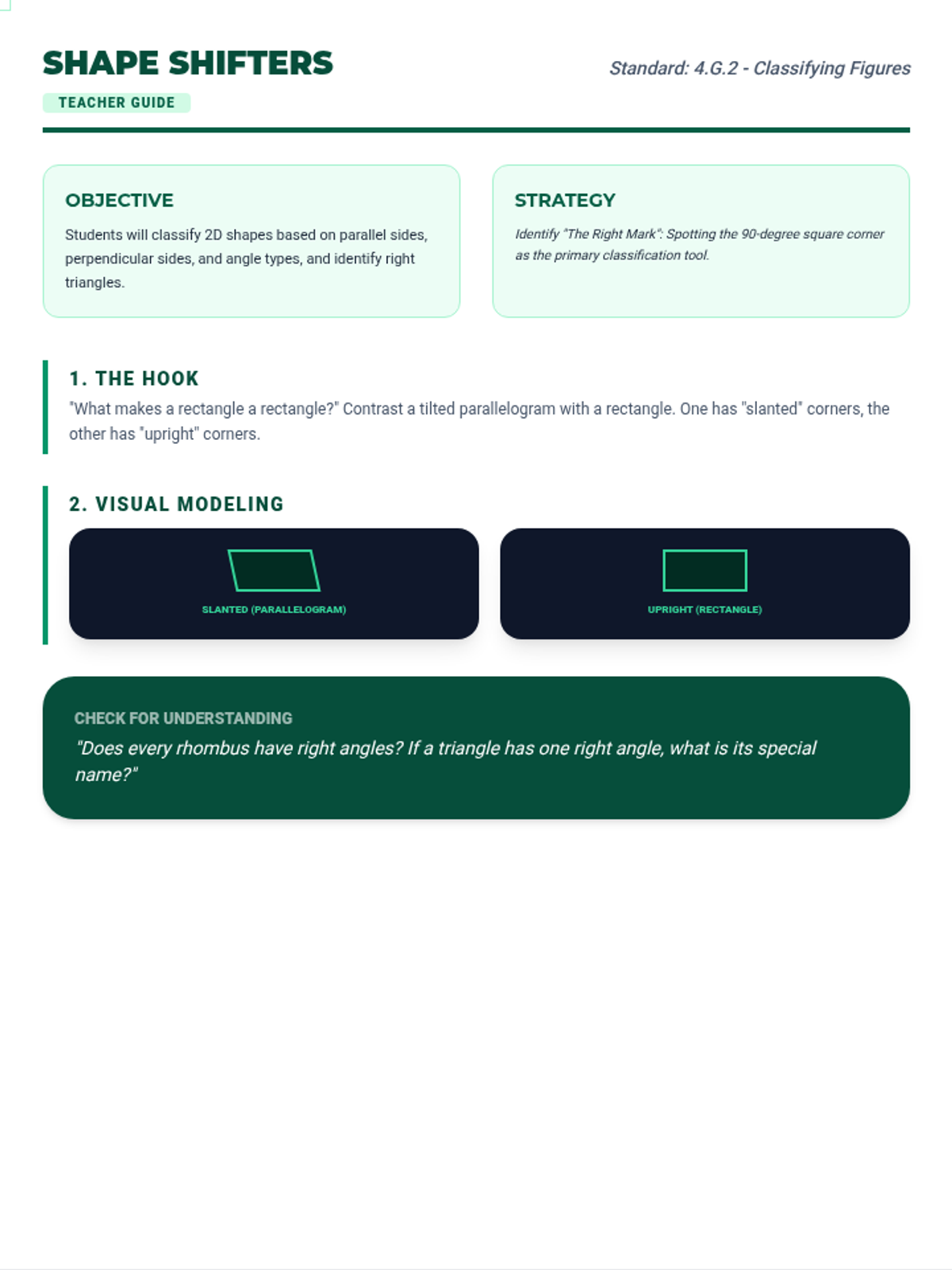
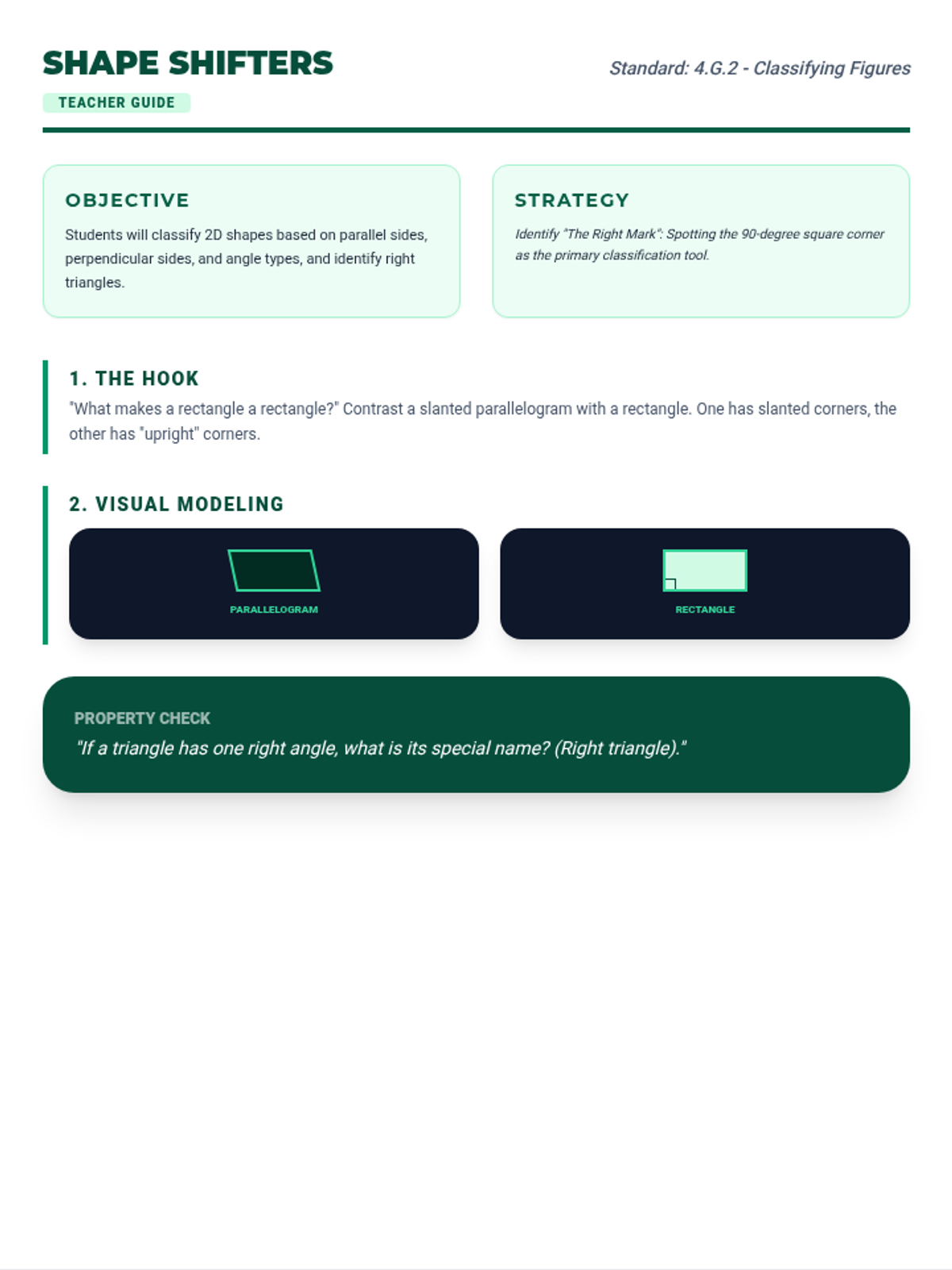
Tier 2 reteach for standard 4.G.2: Classify two-dimensional figures based on the presence or absence of parallel or perpendicular lines, or the presence or absence of angles of a specified size. Recognize right triangles as a category, and identify right triangles.
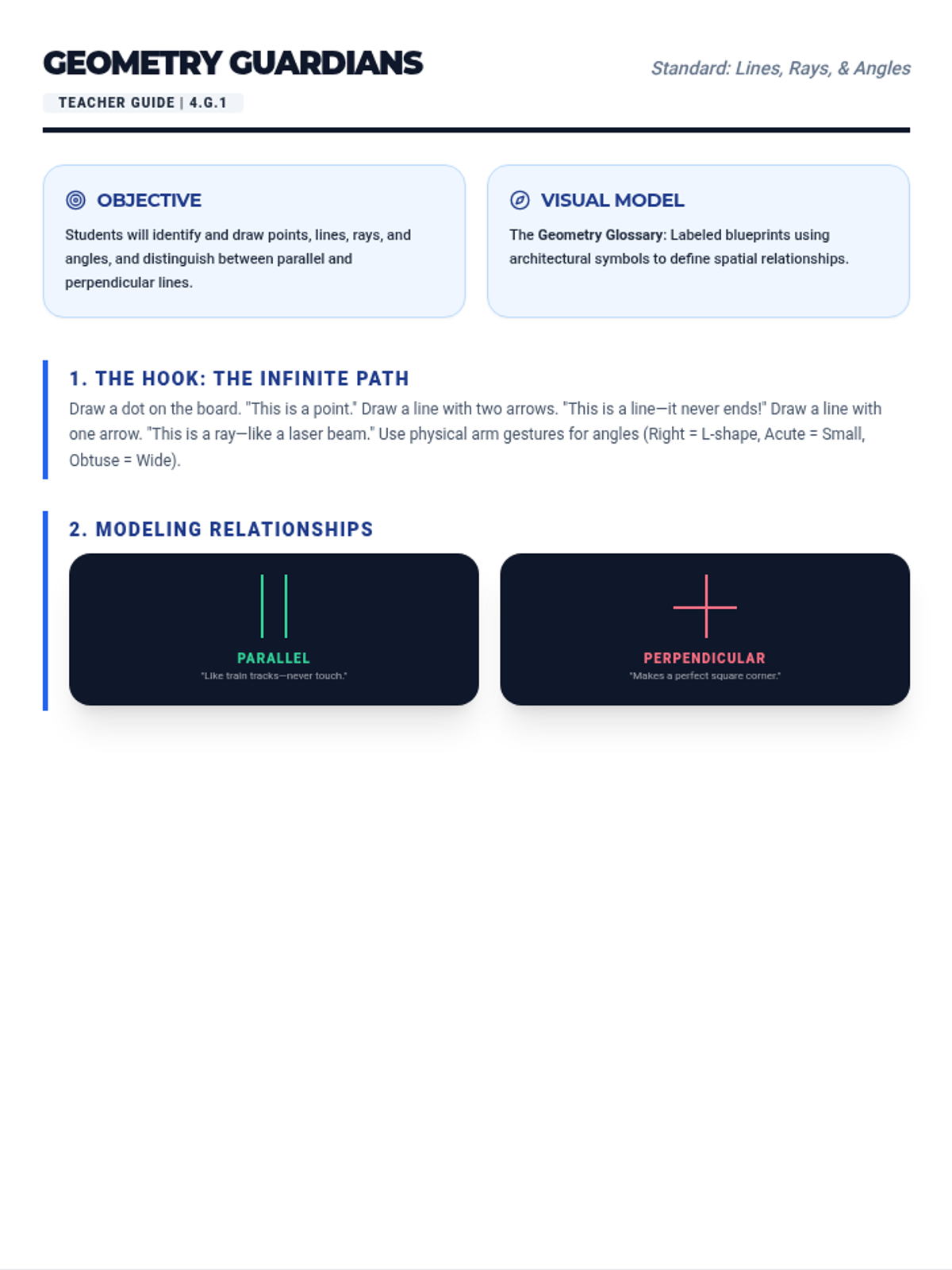
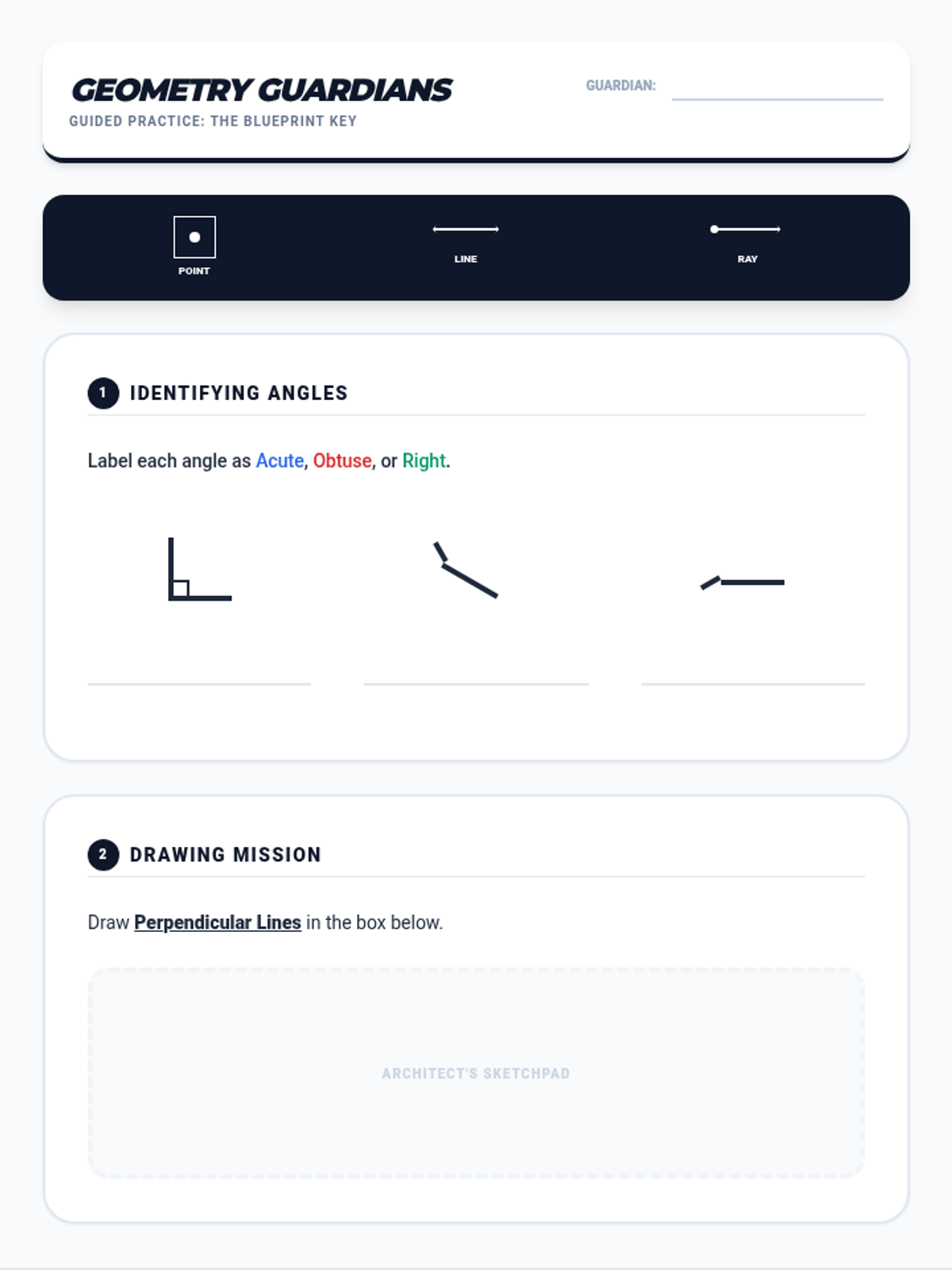
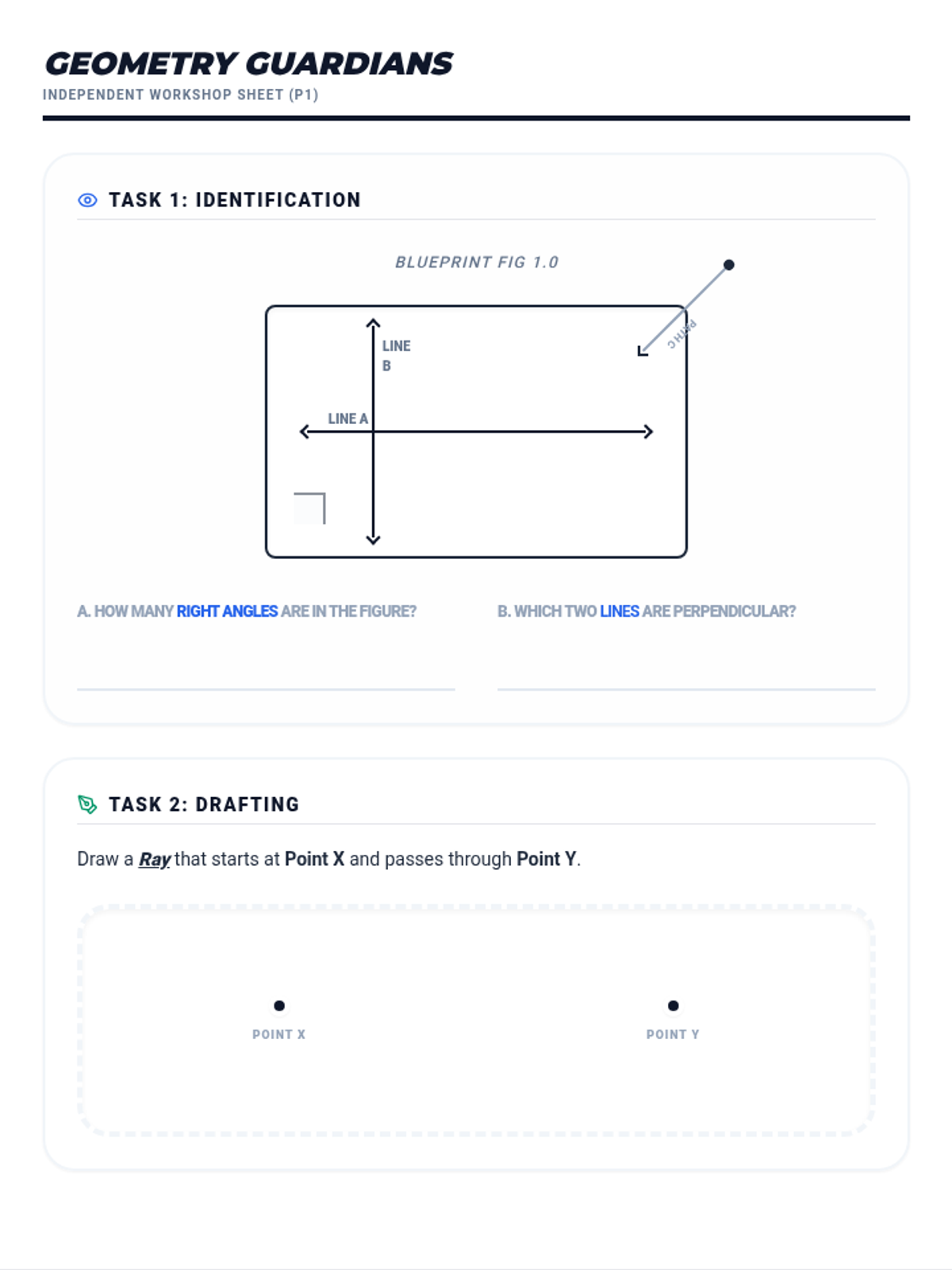
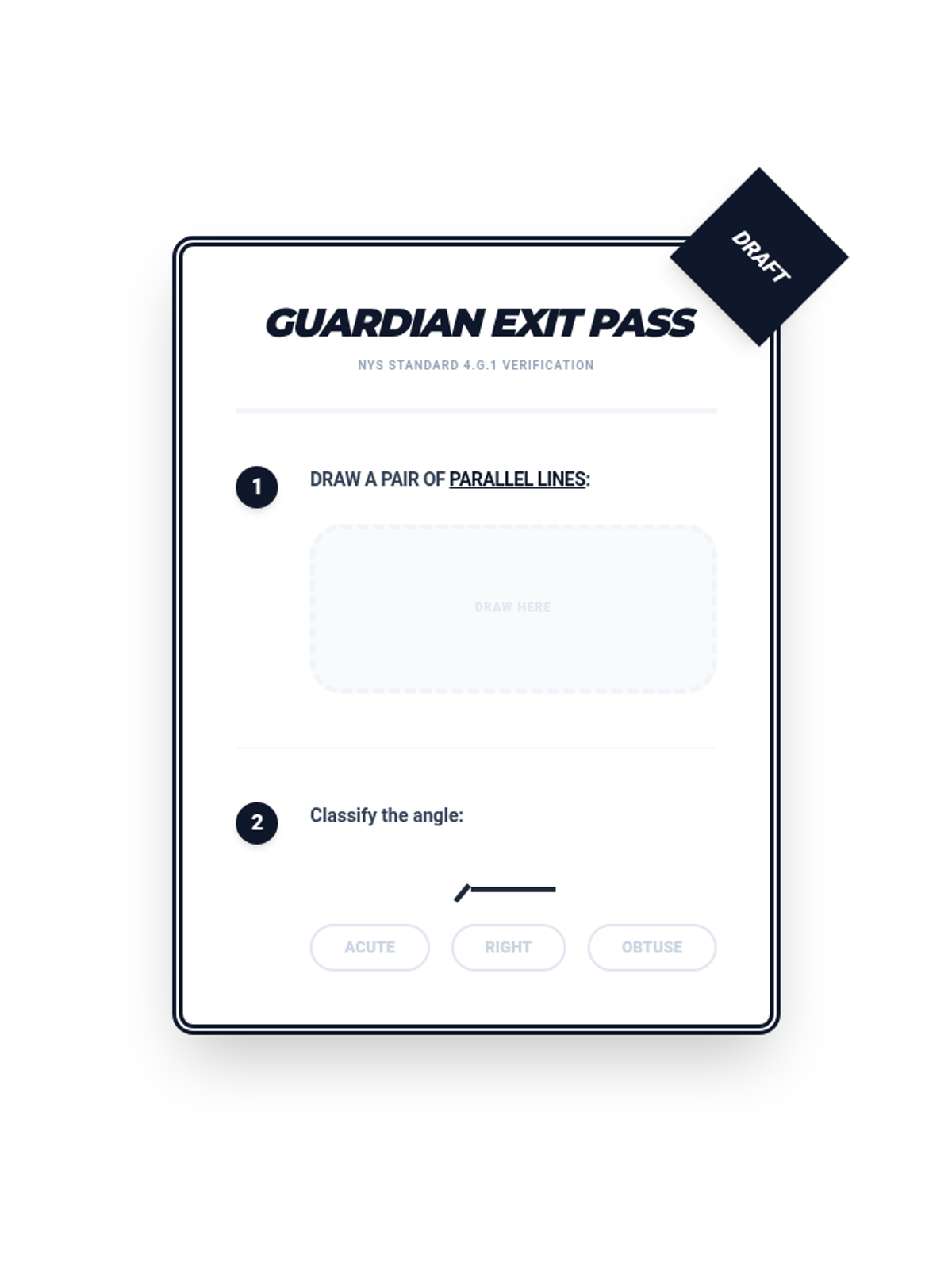
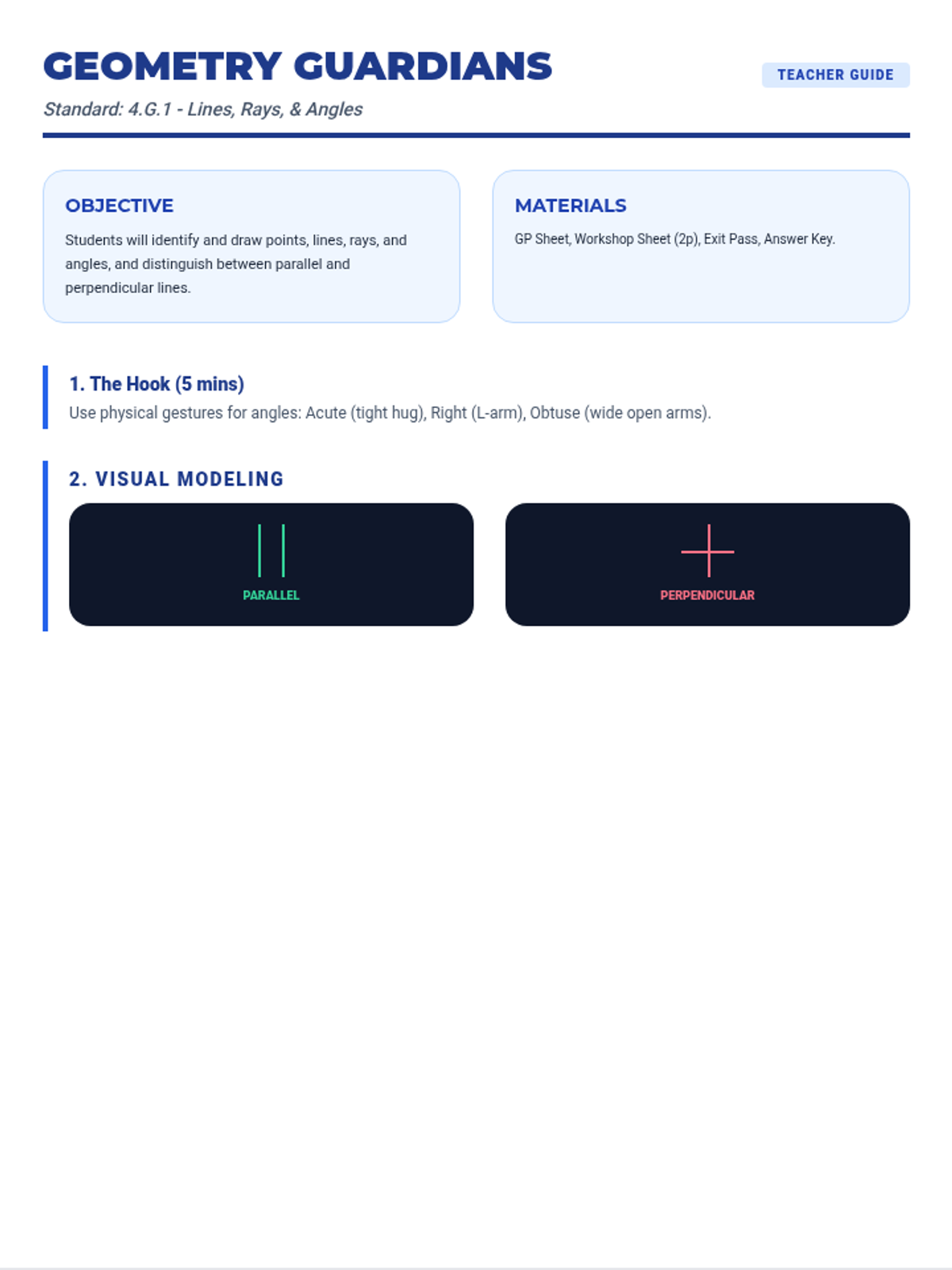
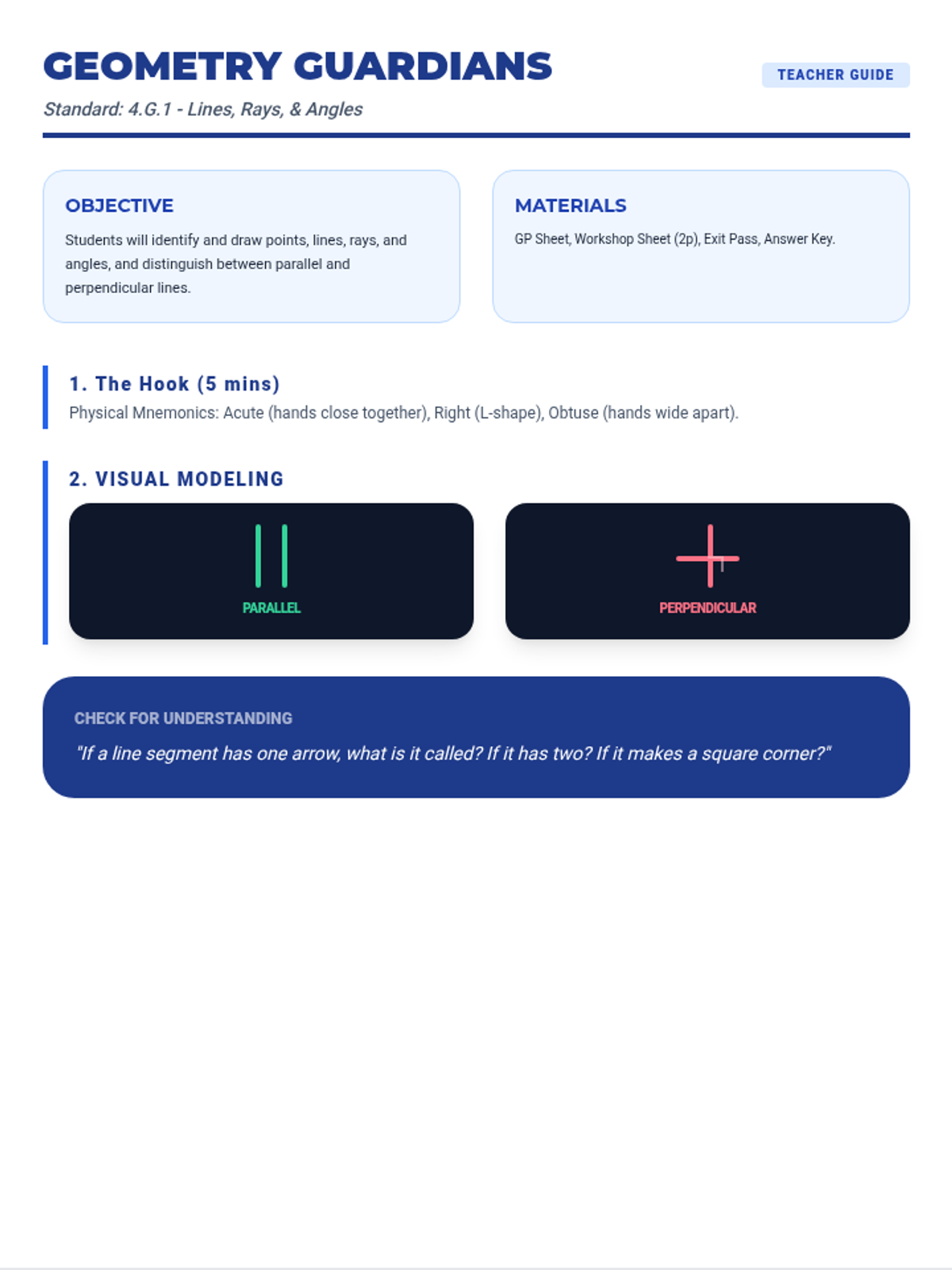
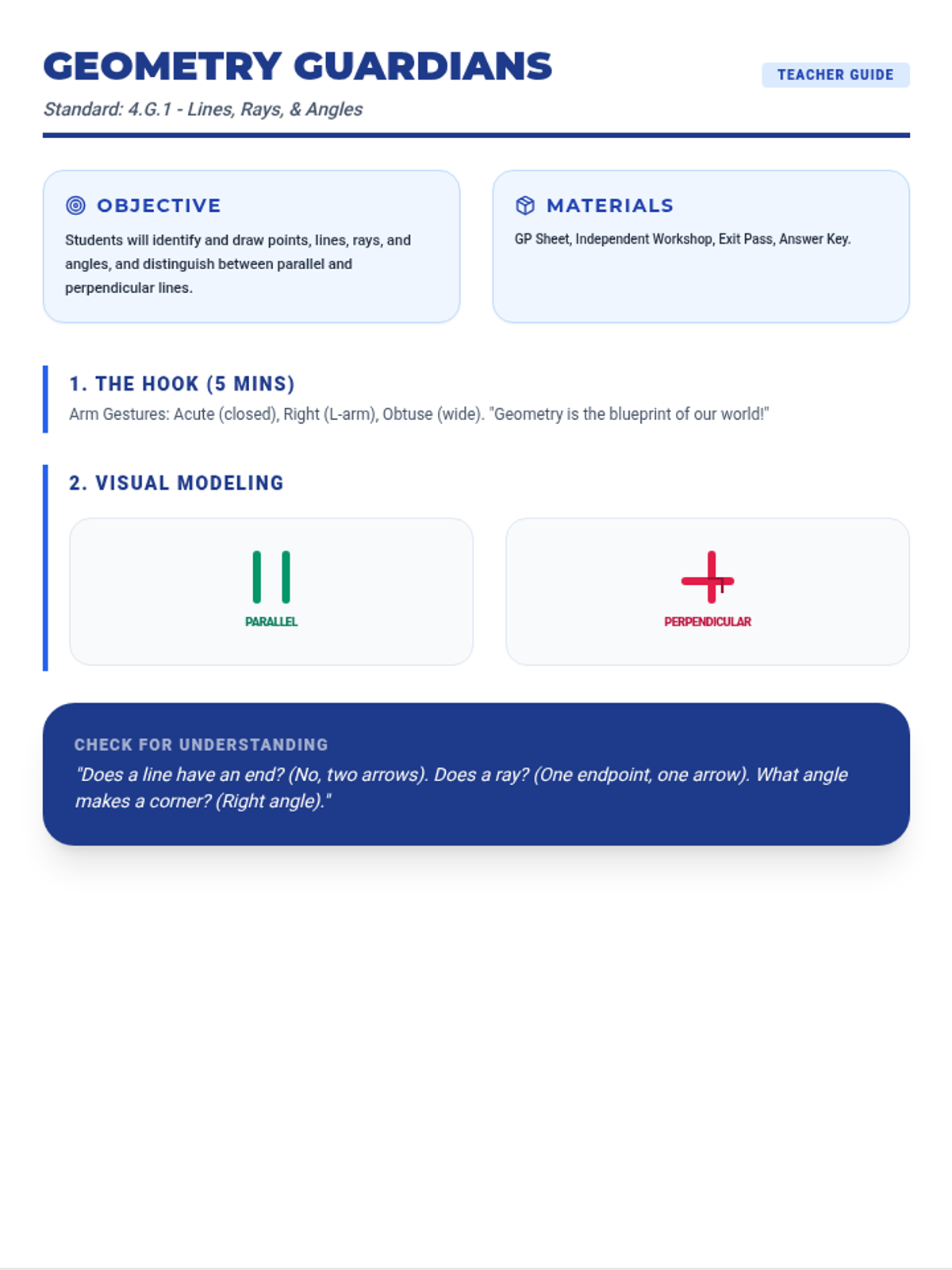
Tier 2 reteach for standard 4.G.1: Draw points, lines, line segments, rays, angles (right, acute, obtuse), and perpendicular and parallel lines. Identify these in two-dimensional figures.
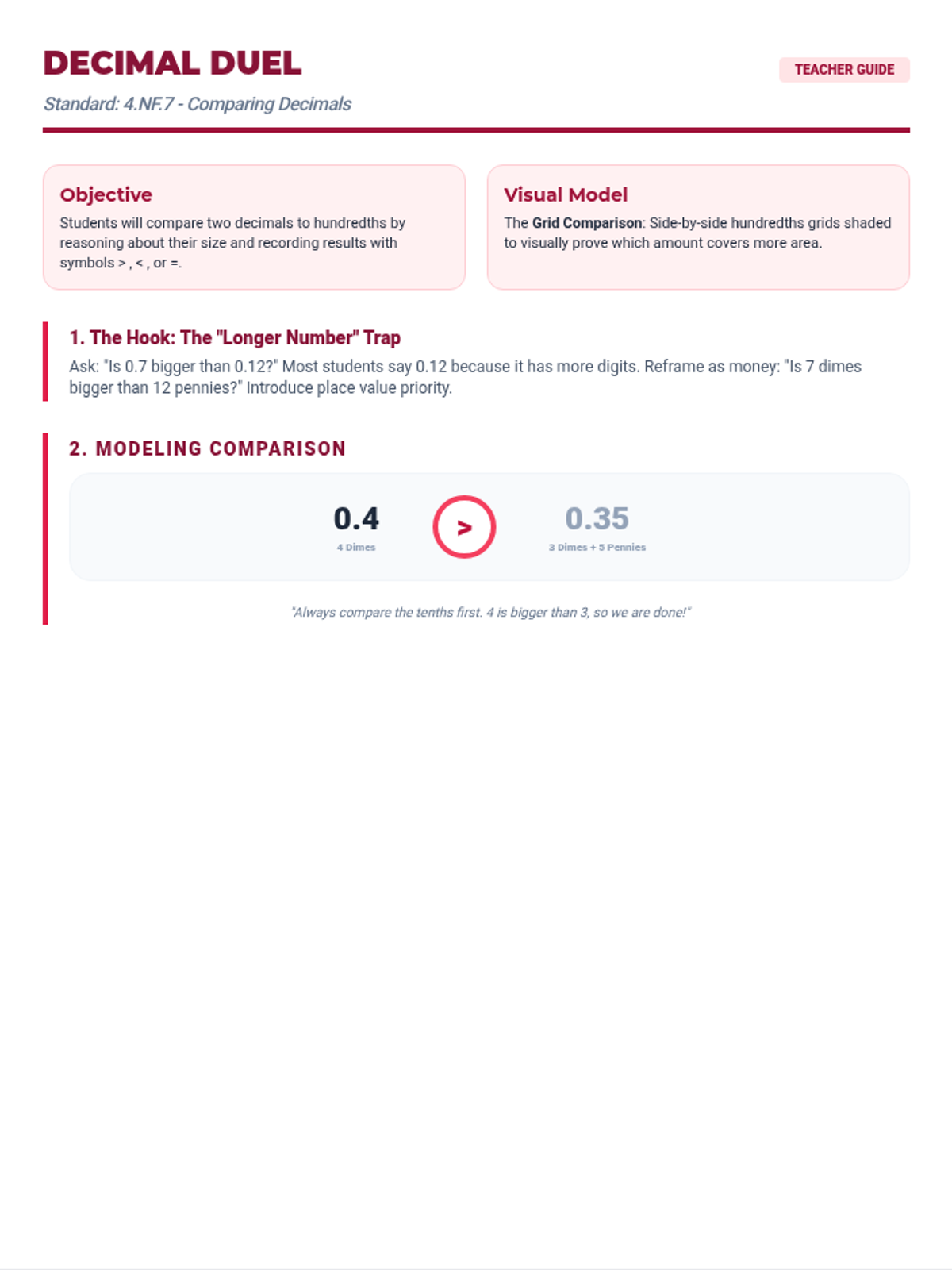
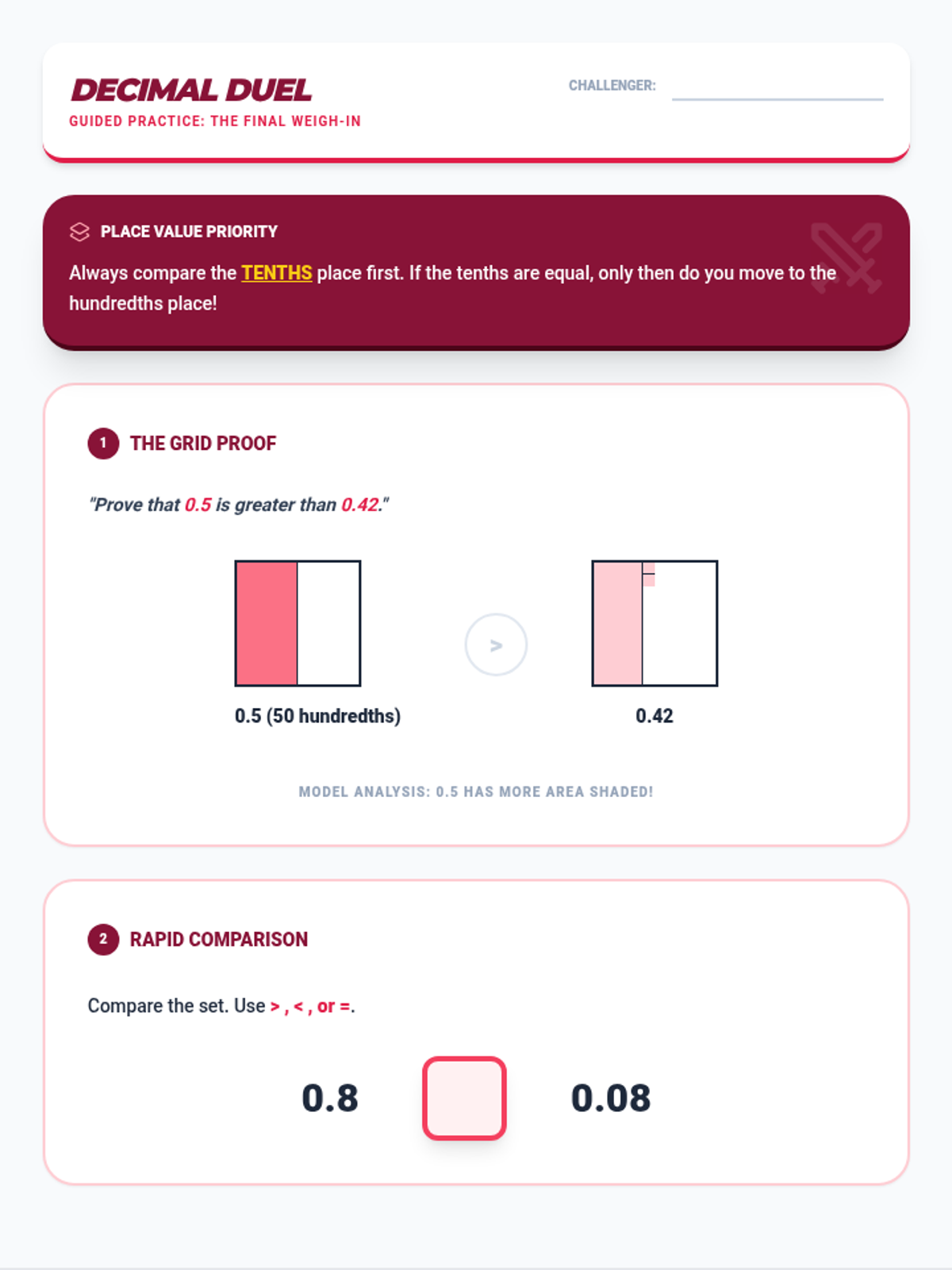
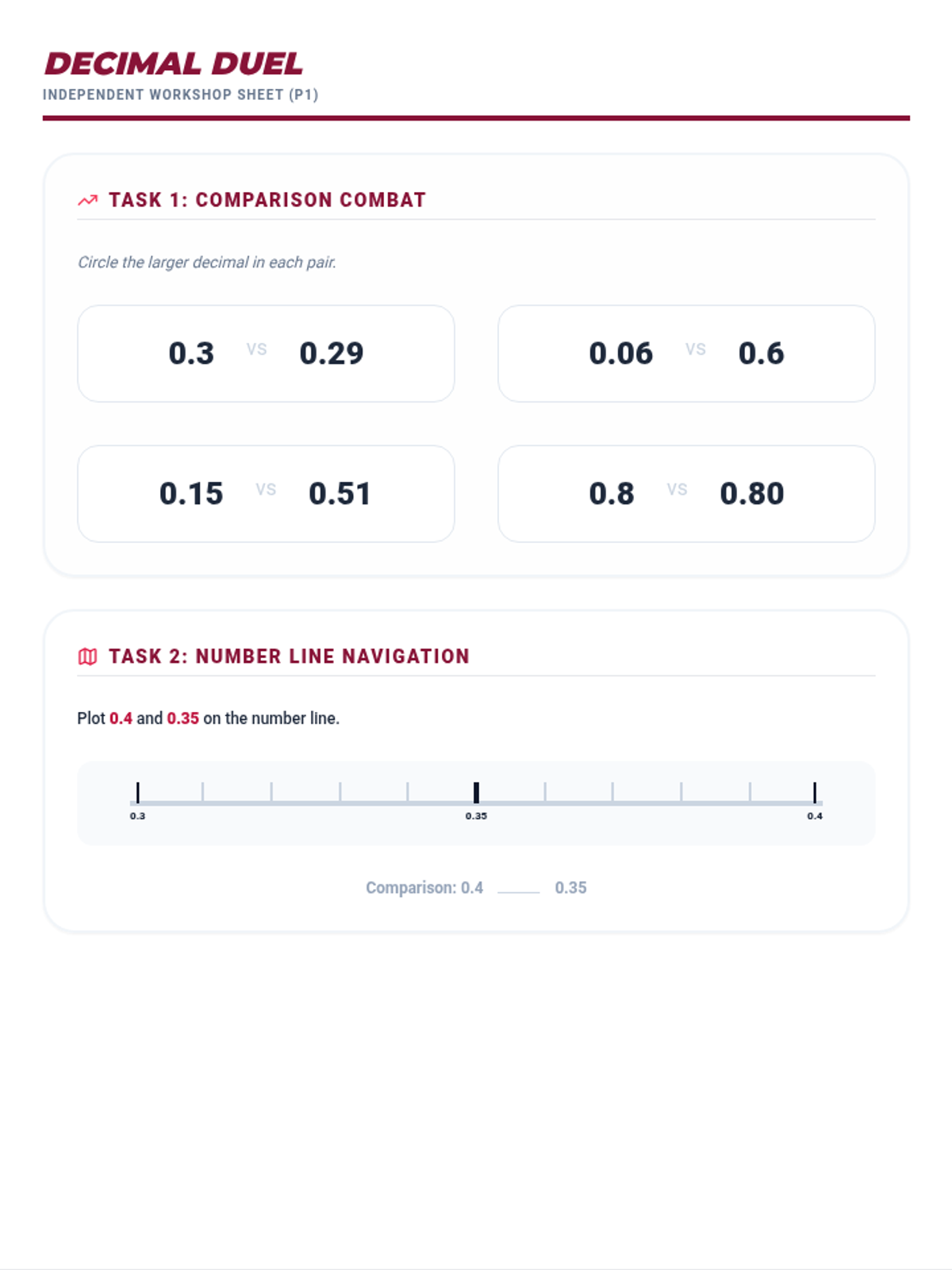
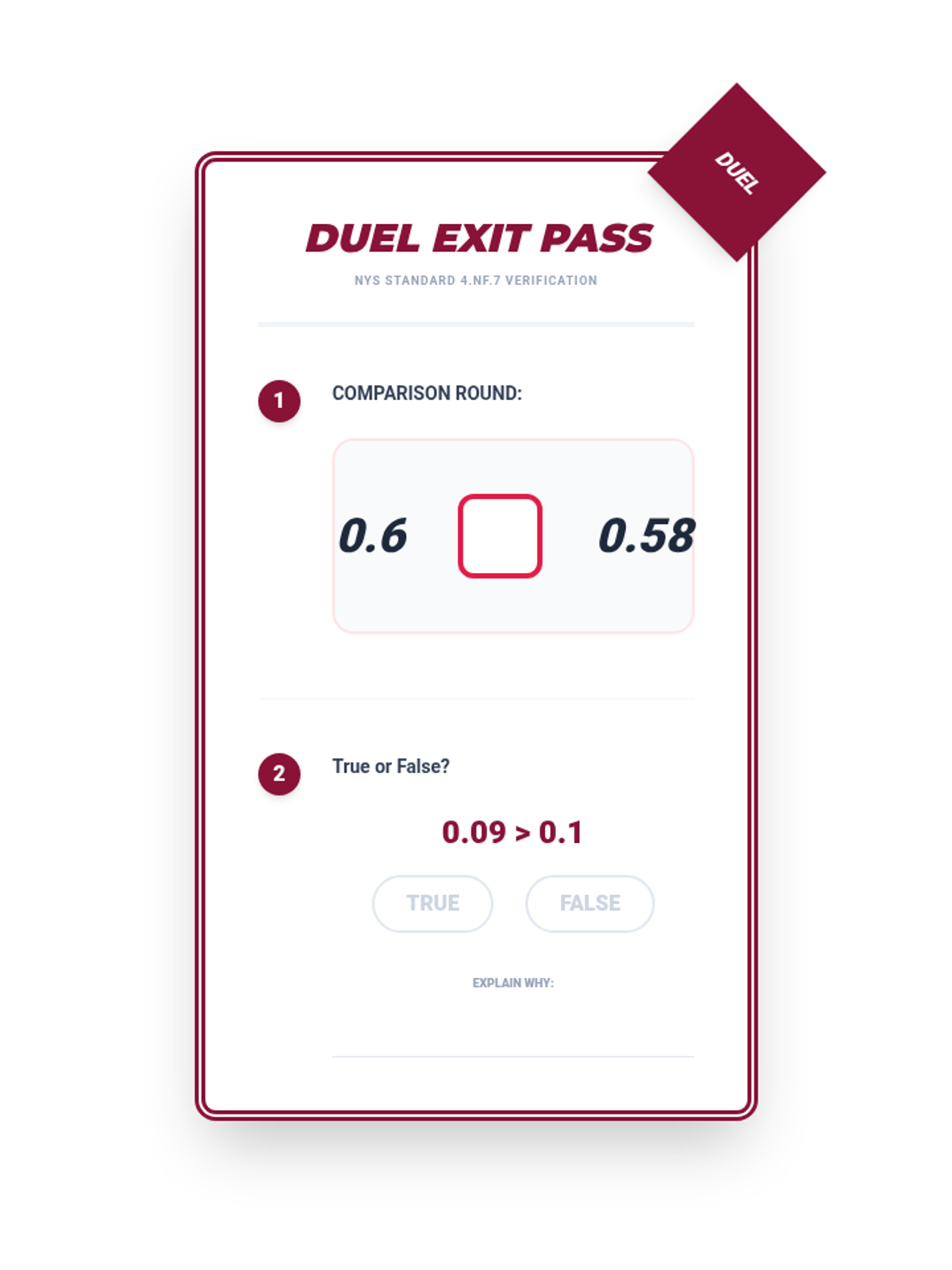
Tier 2 reteach for standard 4.NF.7: Compare two decimals to hundredths by reasoning about their size.
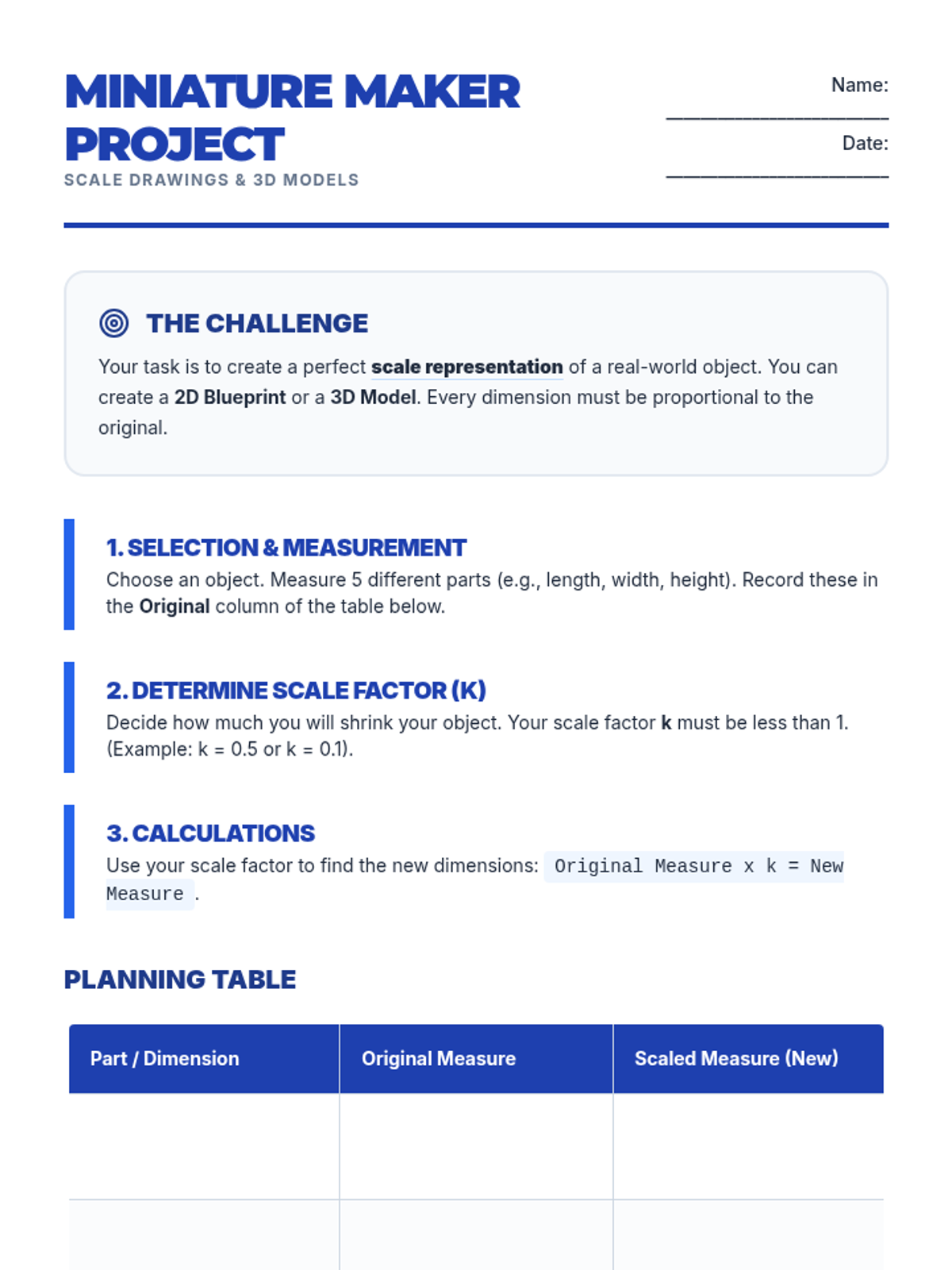
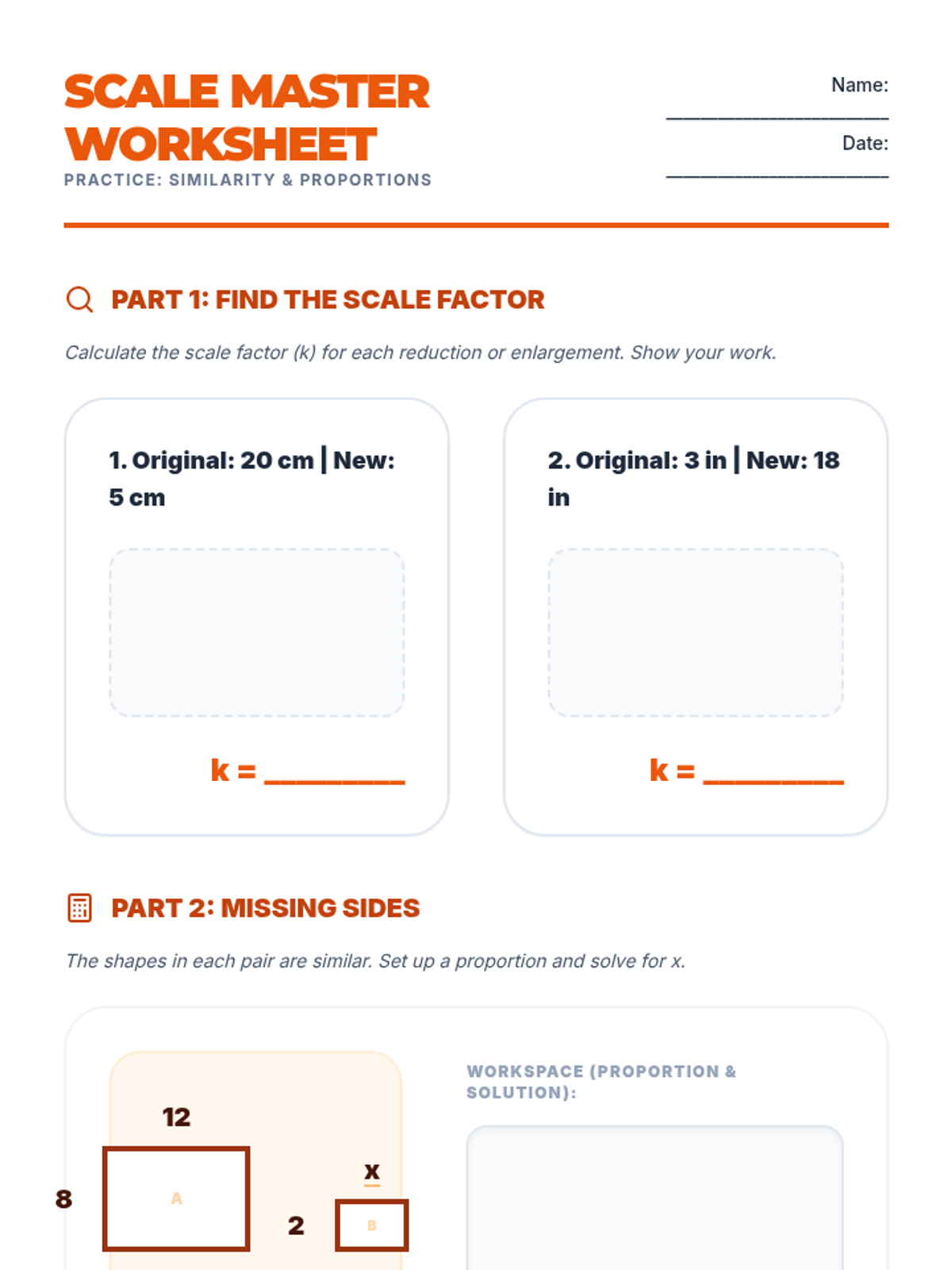
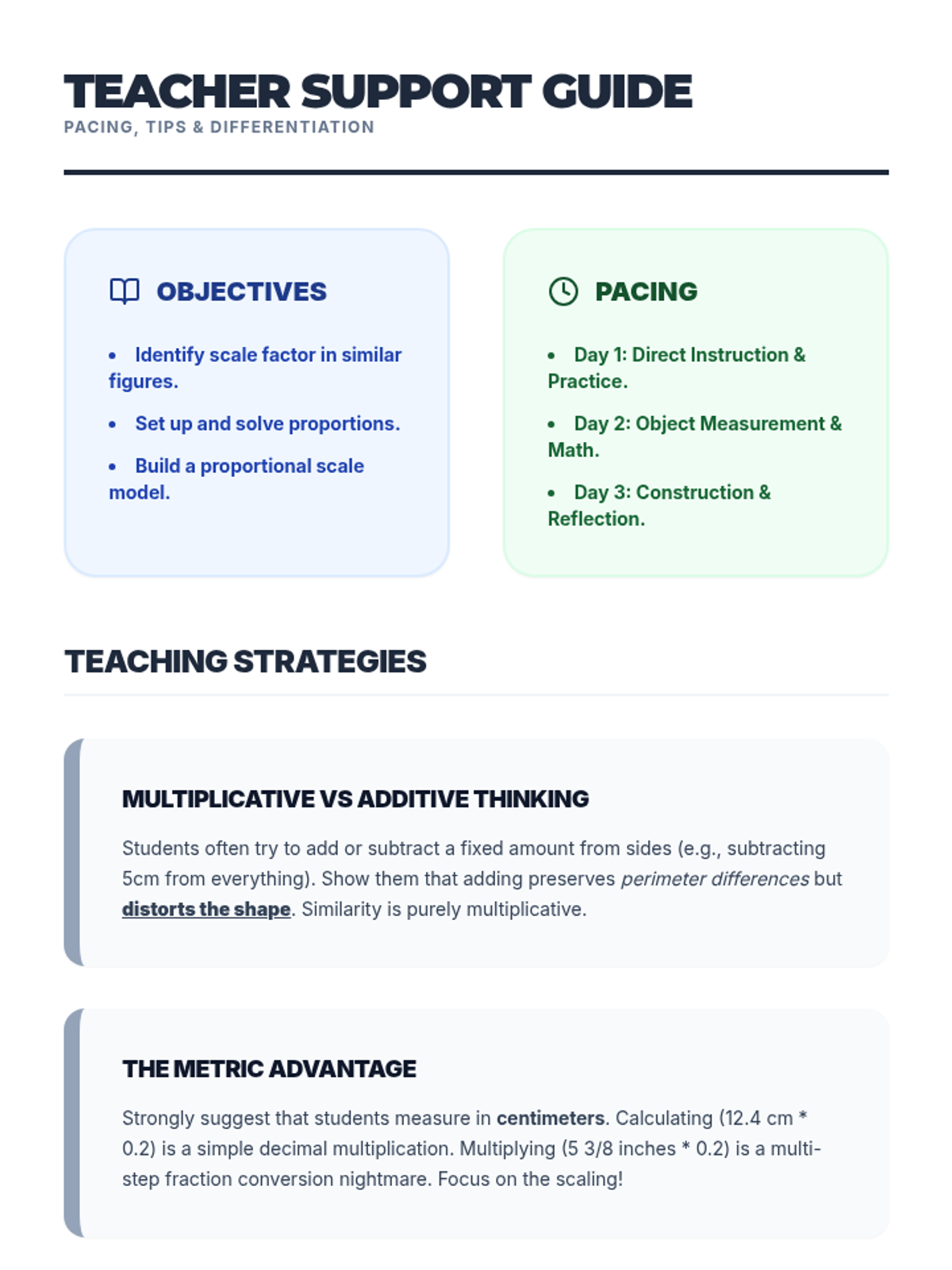
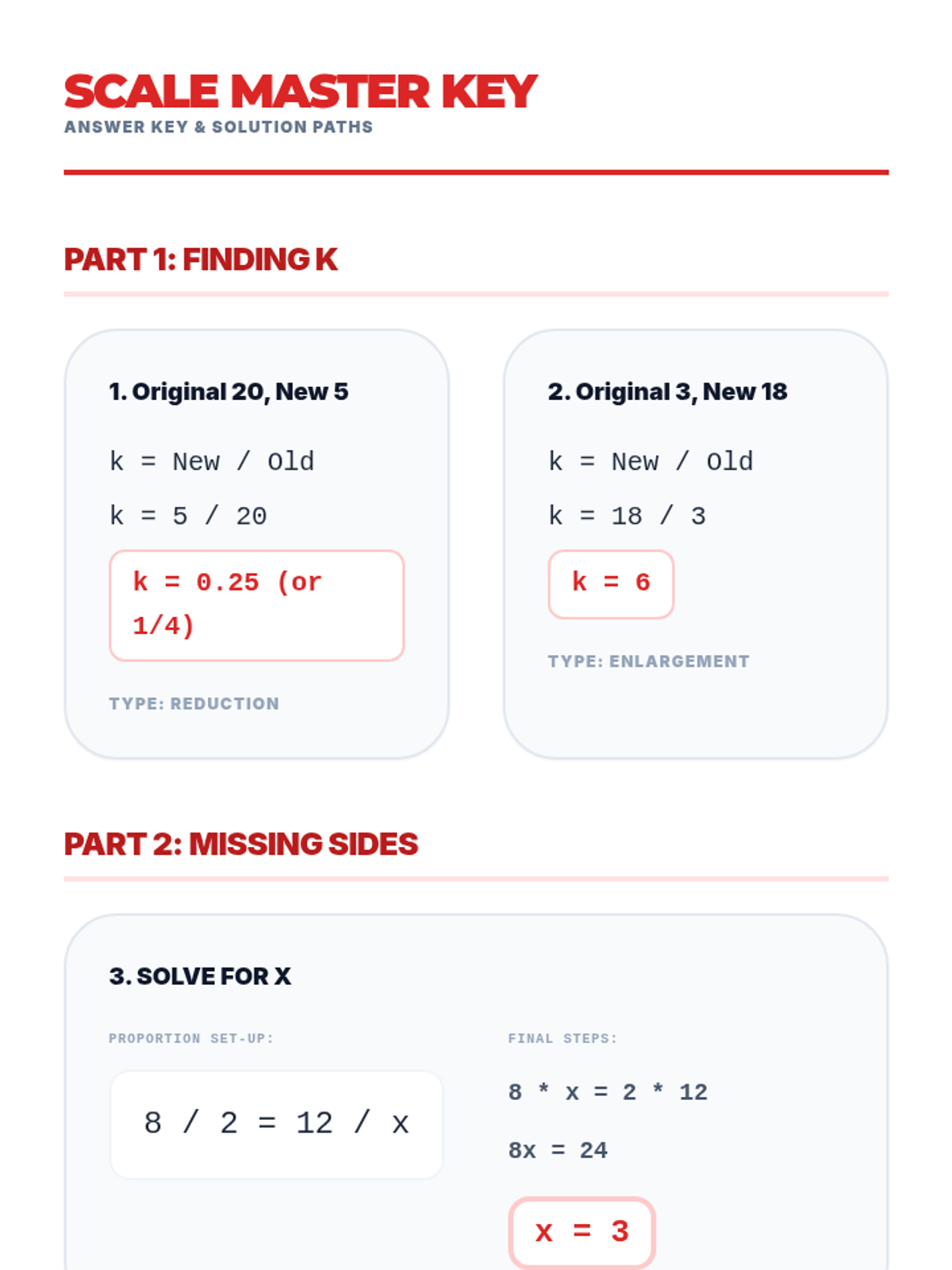
A project-based lesson where students apply concepts of similarity, scale factor, and proportions to create a scale drawing or 3D model of a real-world object. Students move from mathematical practice to creative application.
Students interpret and create line plots using measurement data involving fractions.
Students learn to measure objects to the nearest fourth of an inch and explore partition logic.
Students learn to measure objects to the nearest half-inch and are introduced to mixed numbers.
Analyzing and creating line plots to represent measurement data.
Using fraction equivalence to measure and record lengths accurately.
Expanding measurement skills to fourths of an inch and practicing with mixed numbers.
Introduction to measuring length in halves of an inch and understanding mixed numbers.
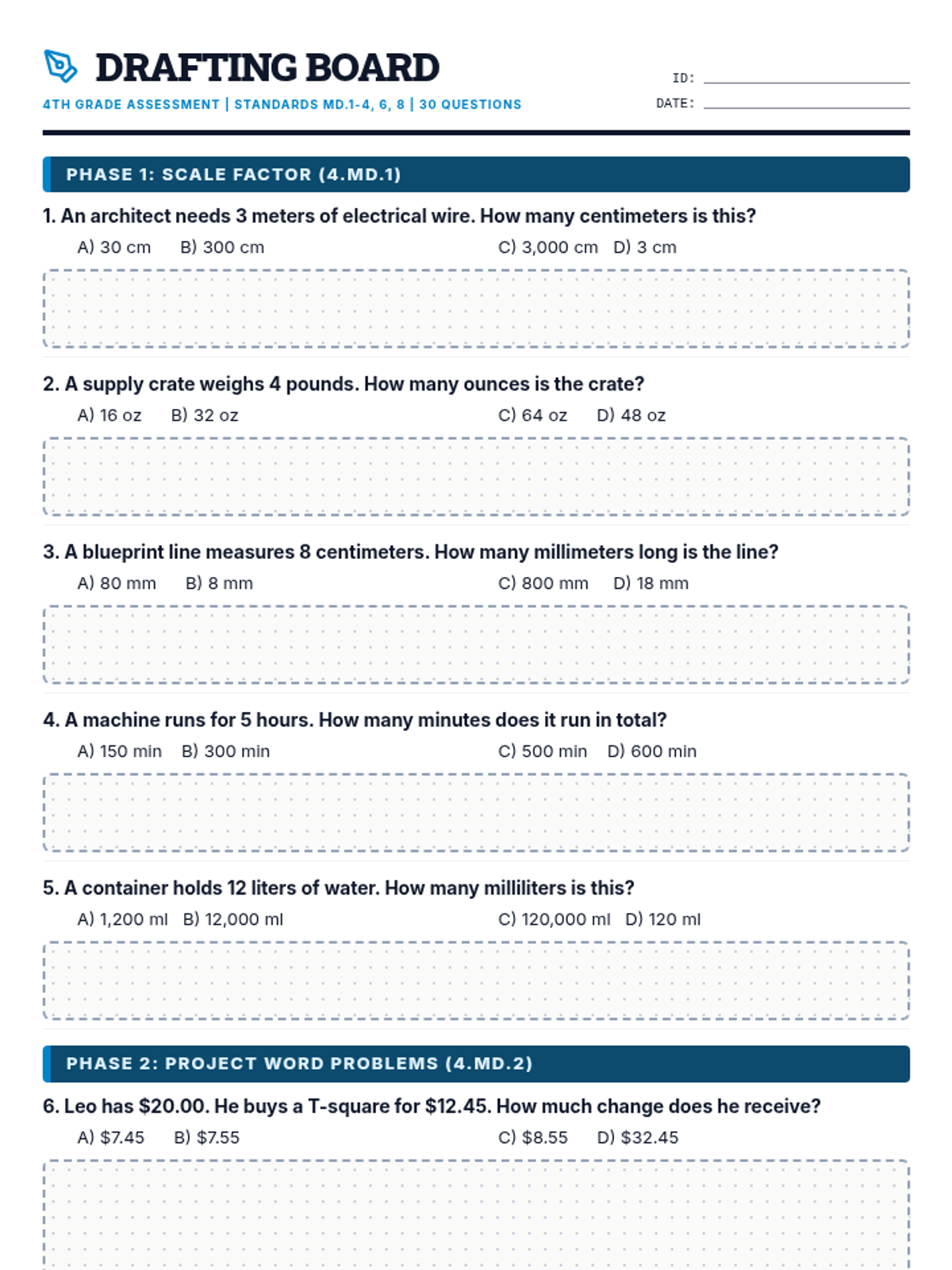
A precision-focused drafting-themed review of 4th grade Measurement and Data (MD) standards. Covers units and conversions (MD.1), measurement word problems (MD.2), area and perimeter (MD.3), line plots (MD.4), and angle measurement and addition (MD.6-7). Division has been removed from the curriculum.
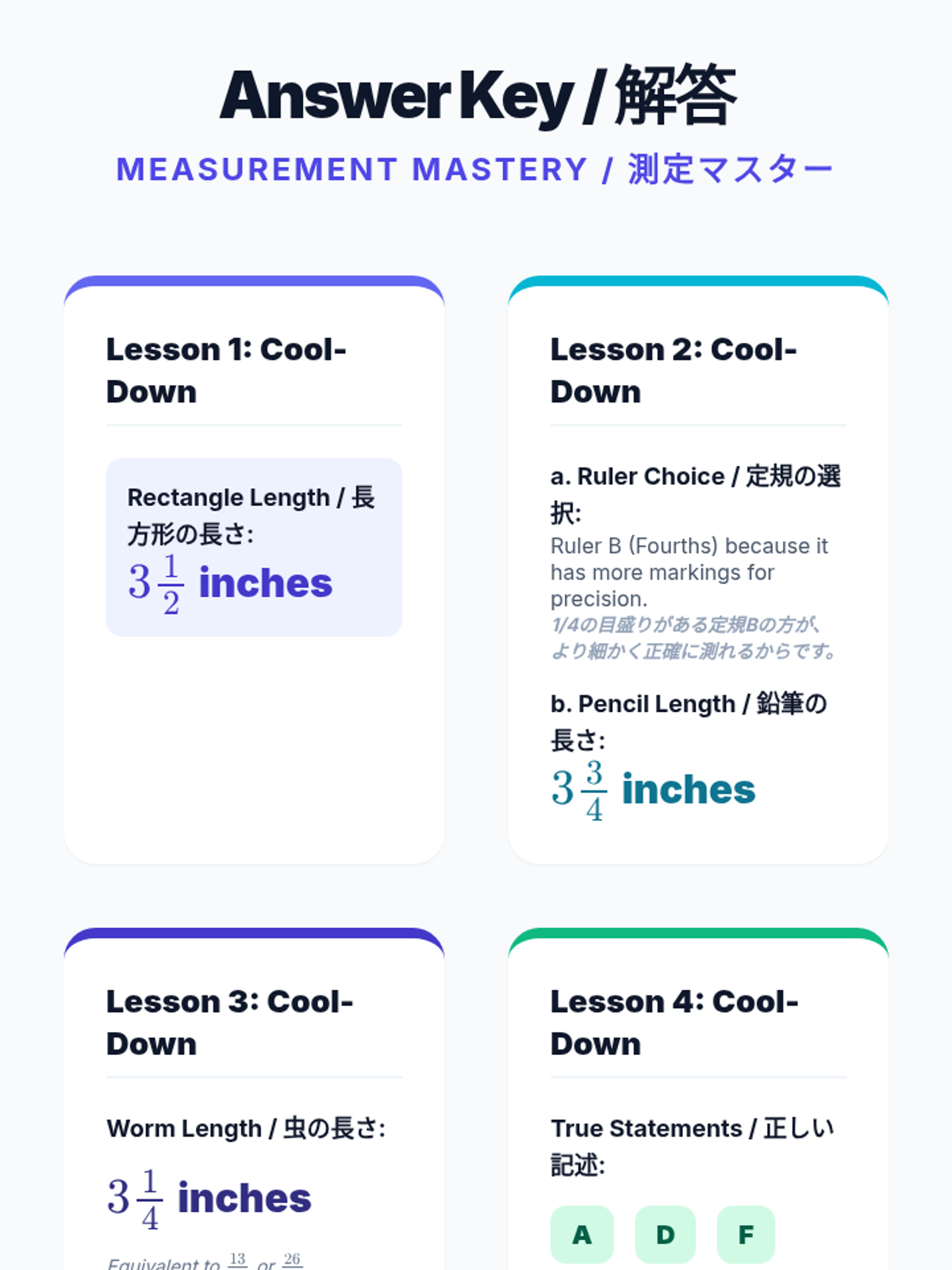
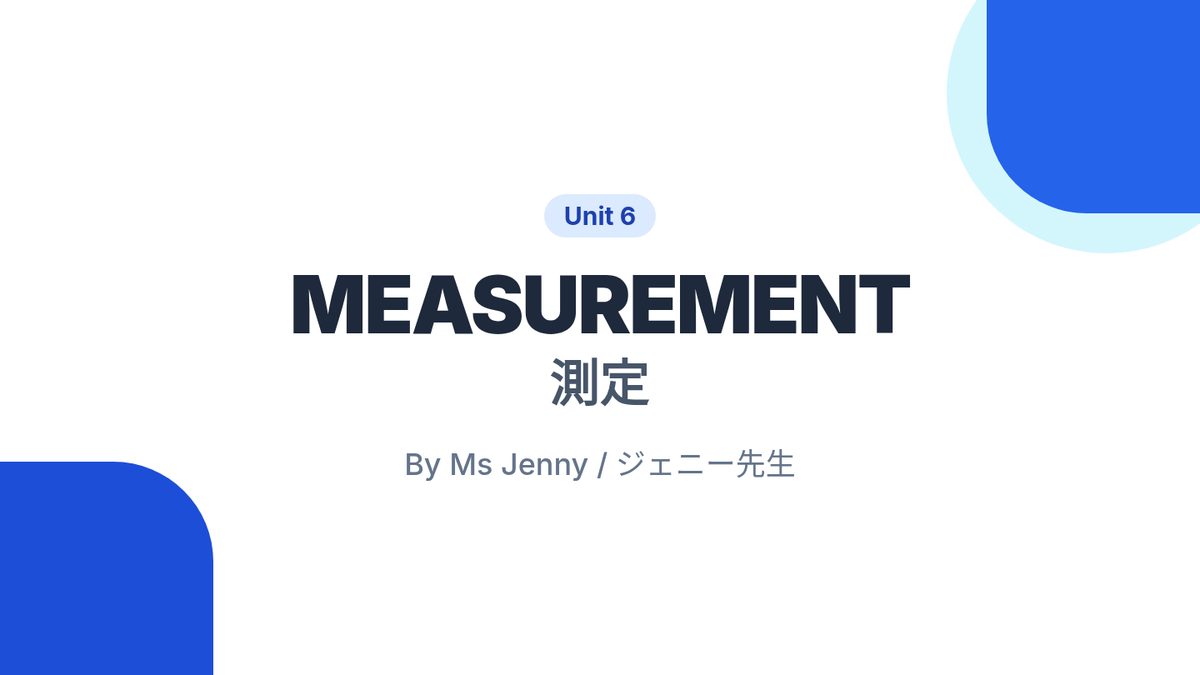
A comprehensive slide deck covering measurement in inches (halves and fourths) and interpreting data on line plots, provided in both English and Japanese.
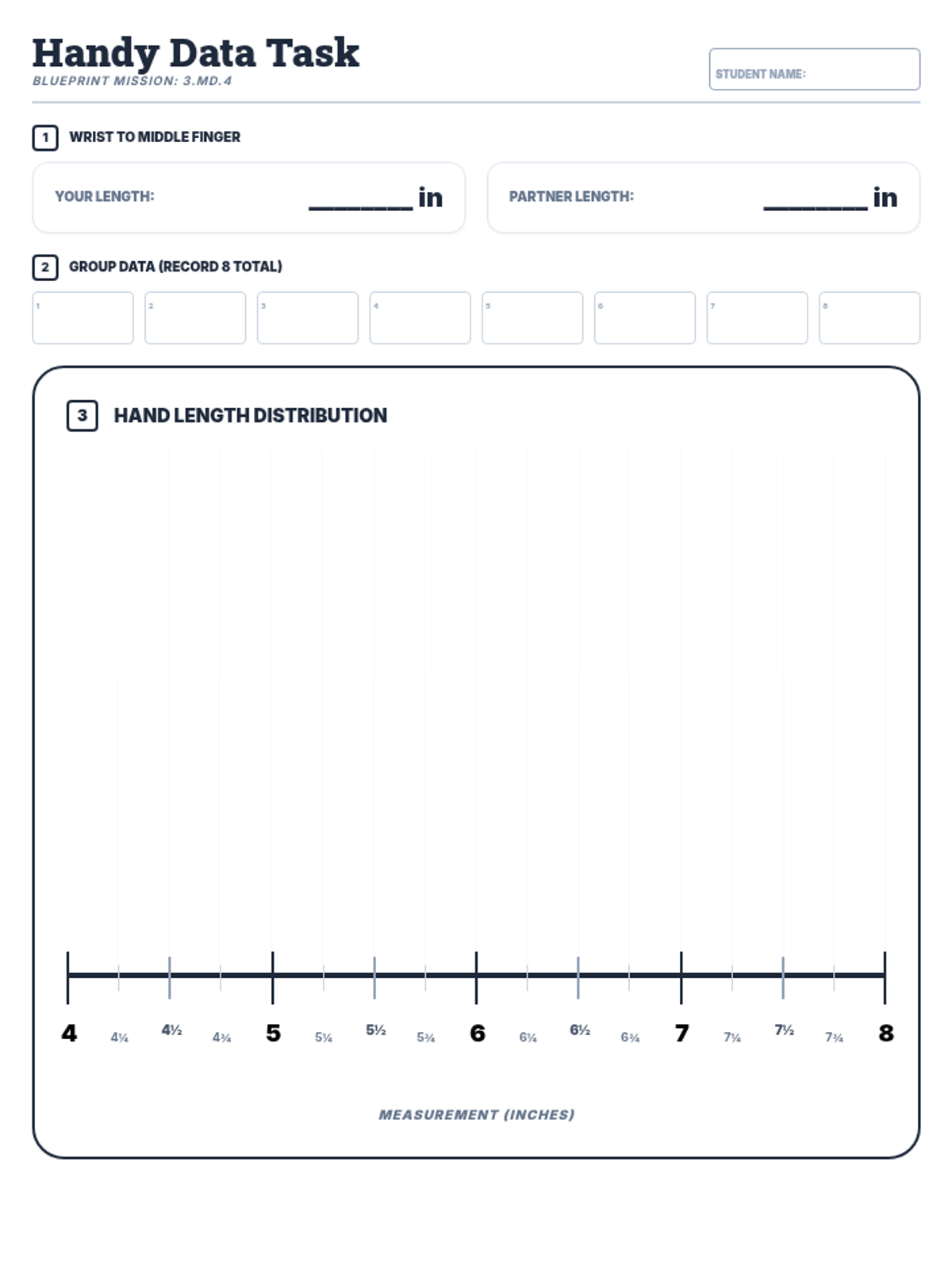
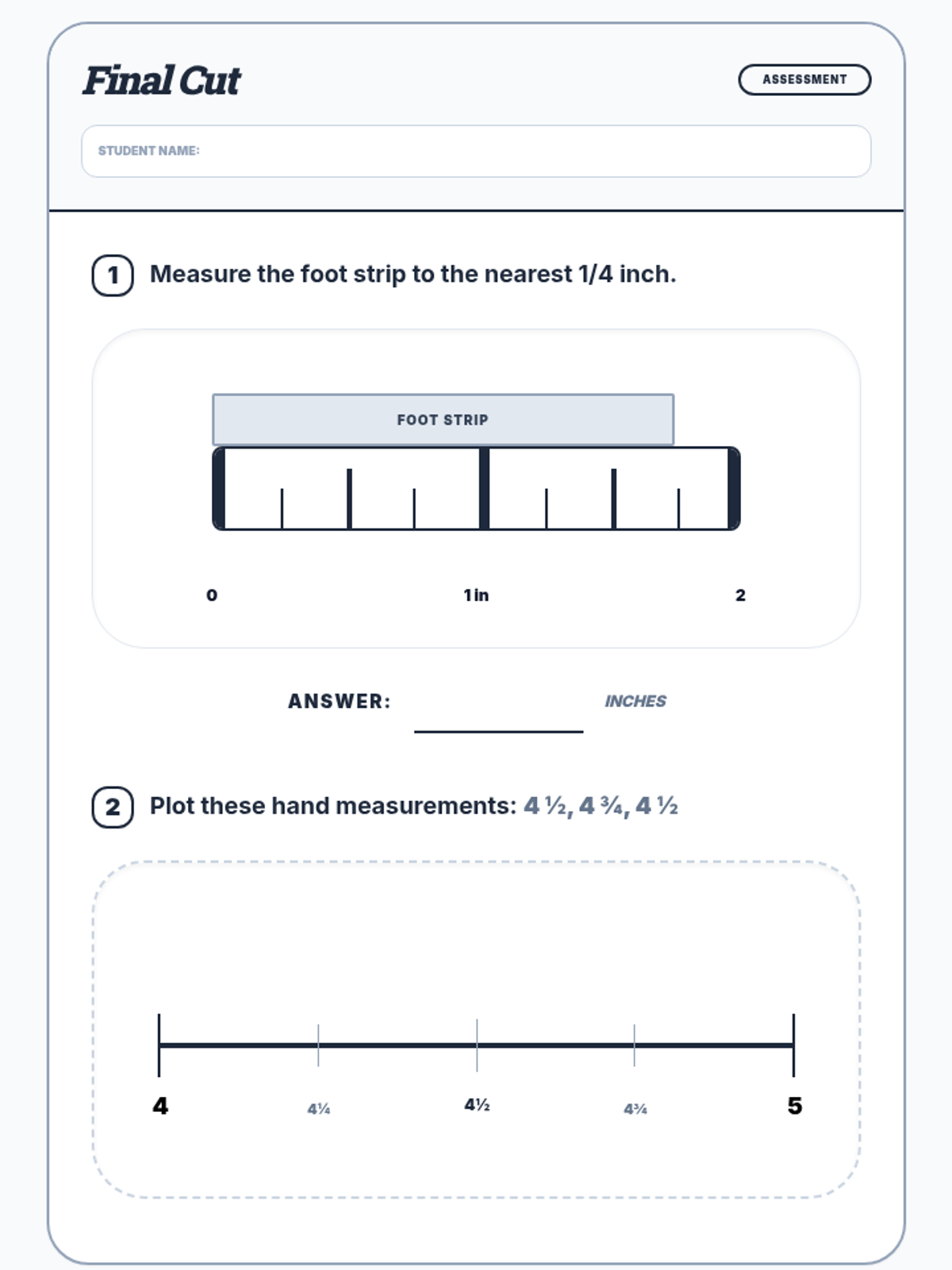
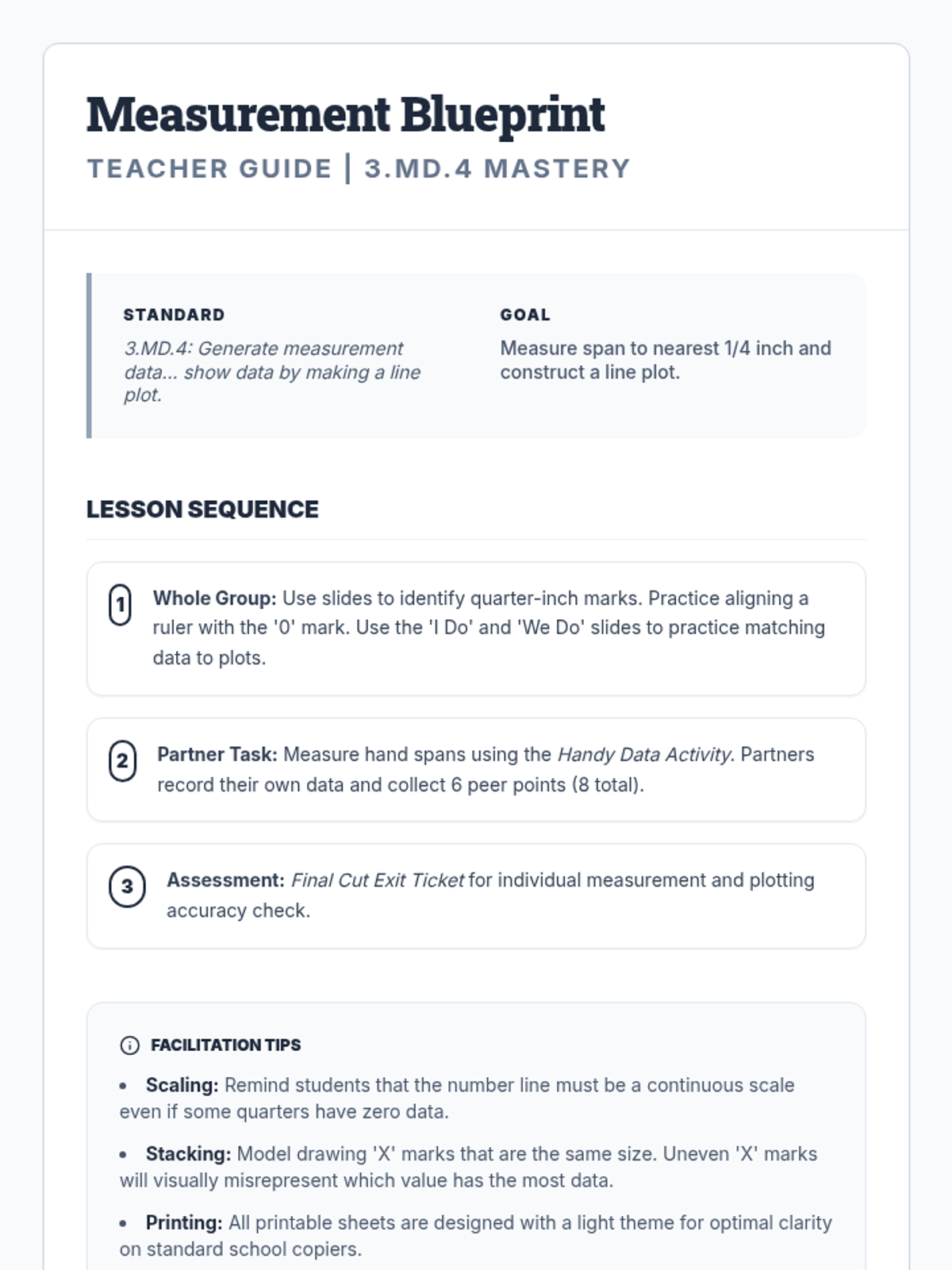
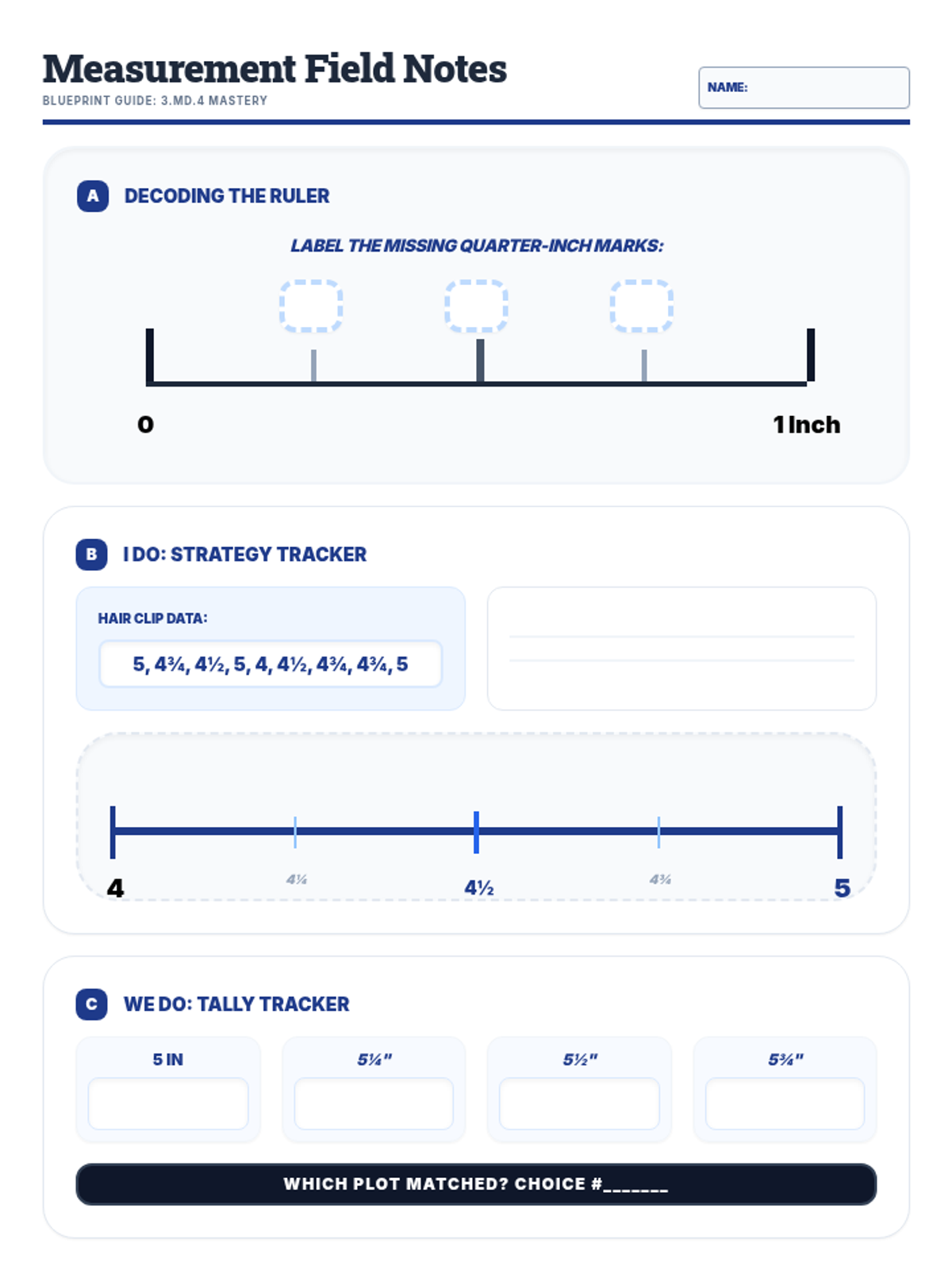
A comprehensive lesson on 3.MD.4 focusing on measuring to the nearest quarter inch and displaying that data on a line plot. Students measure their hand lengths to generate authentic data for analysis.
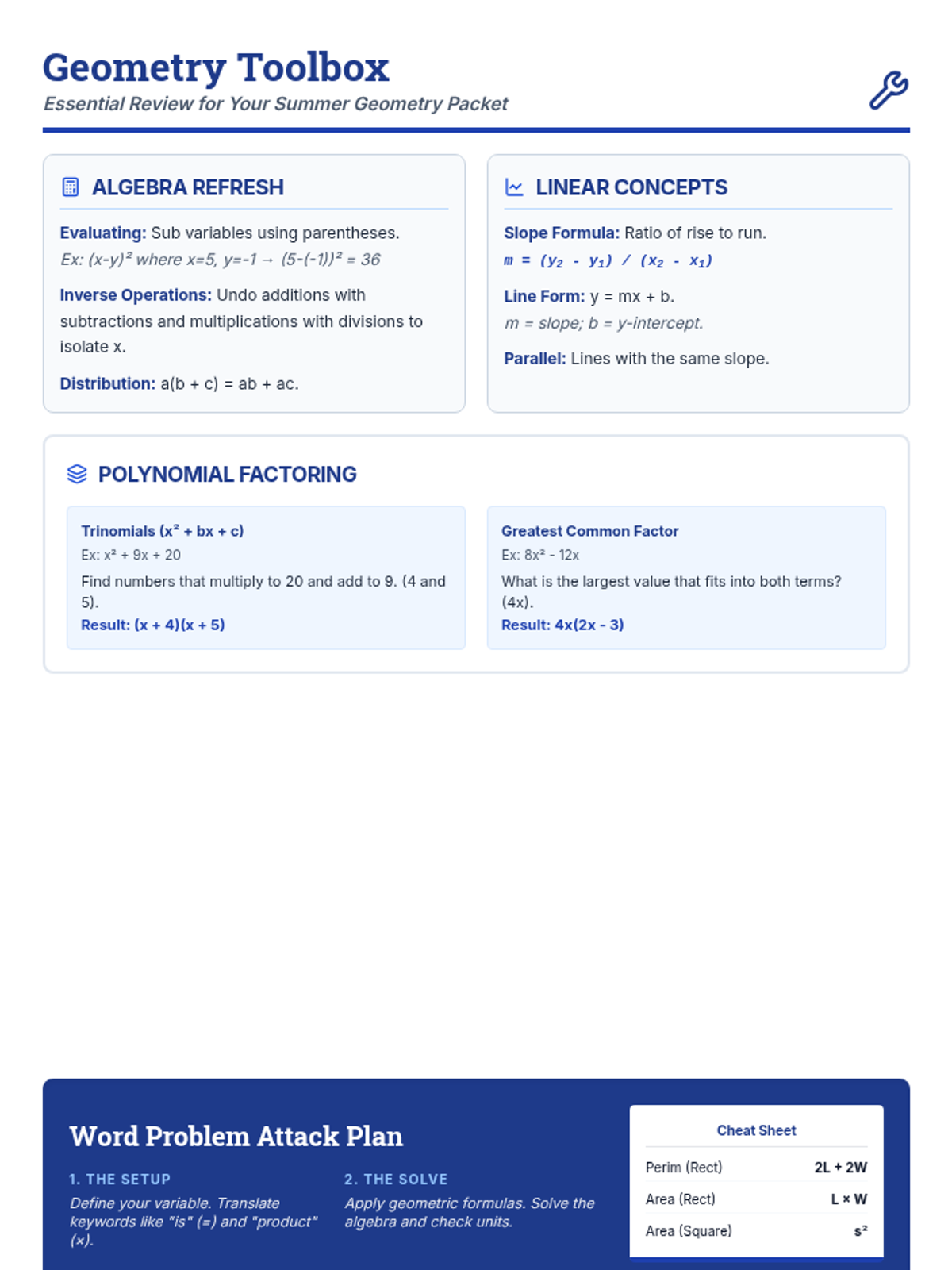
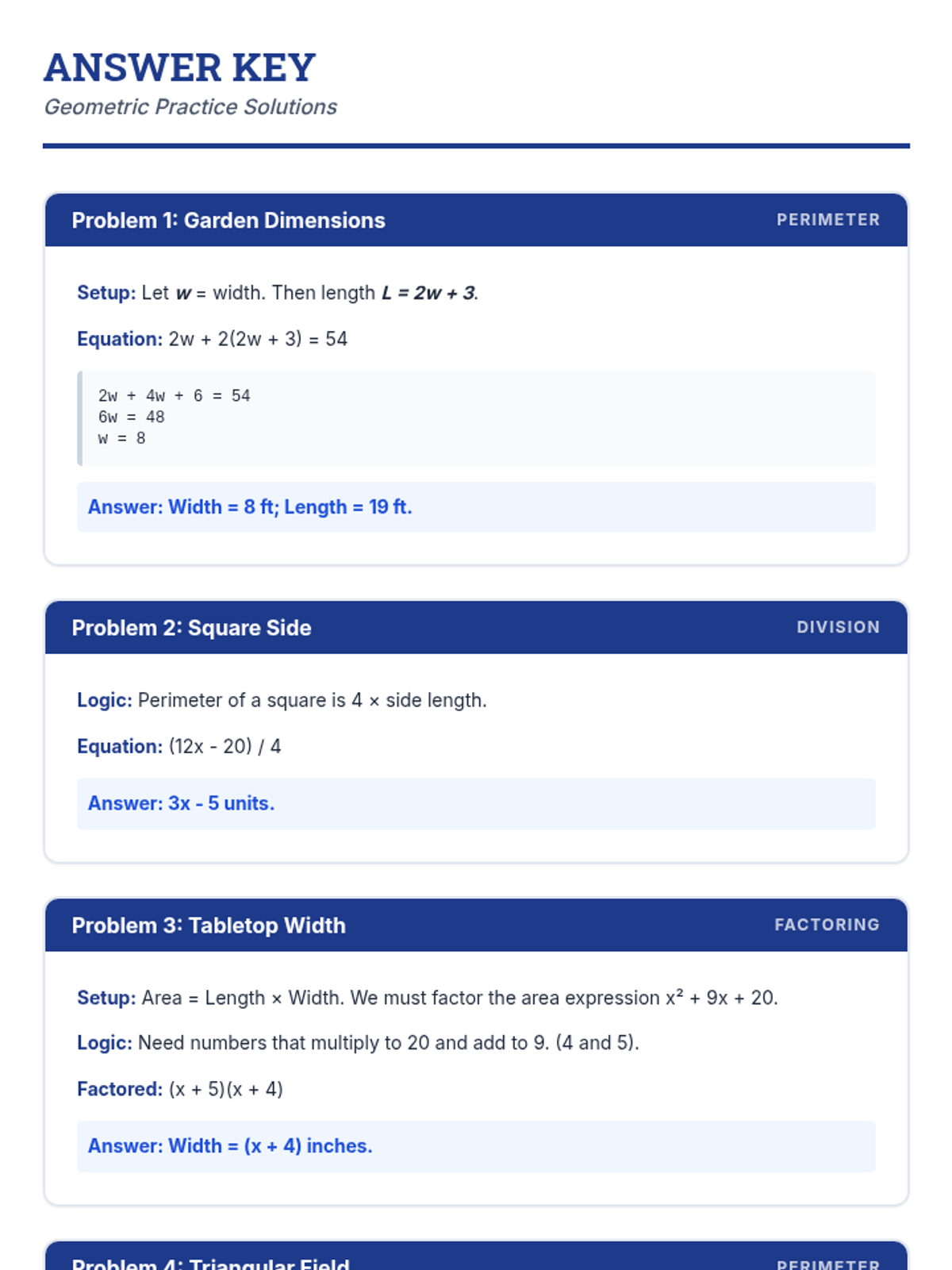
A collection of resources to support students completing their summer geometry packet, focusing on algebra foundations and geometric word problem applications.
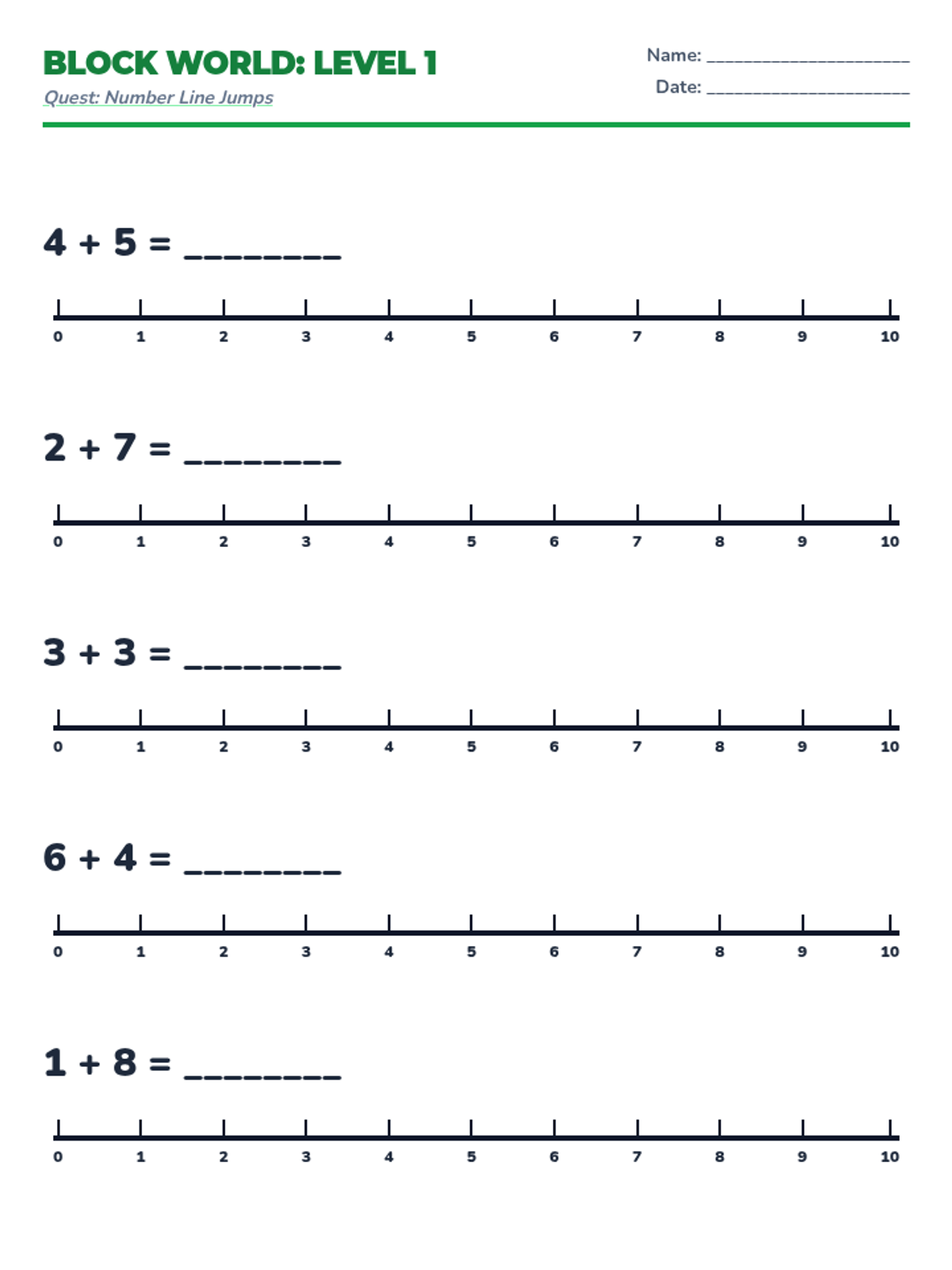
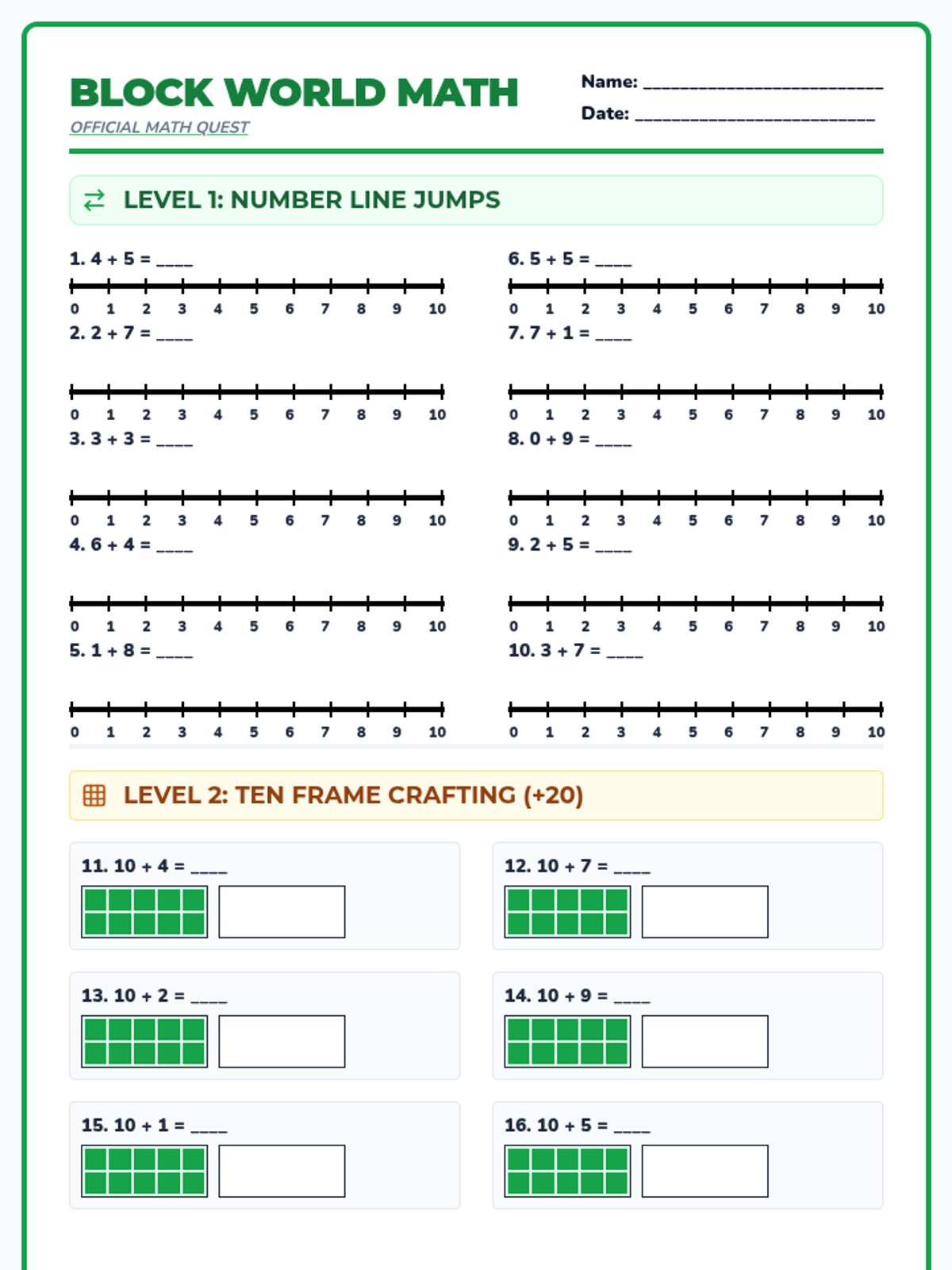
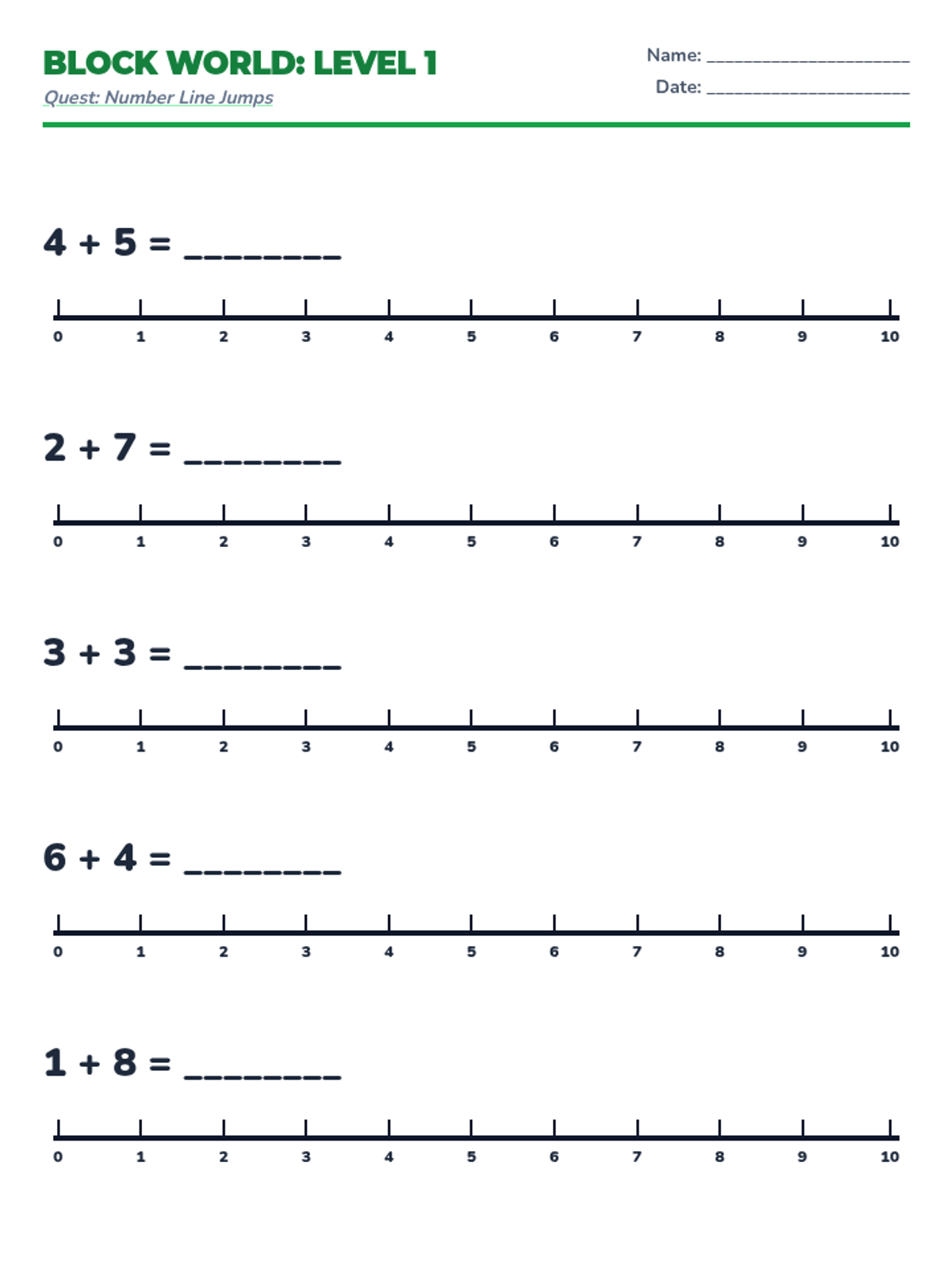
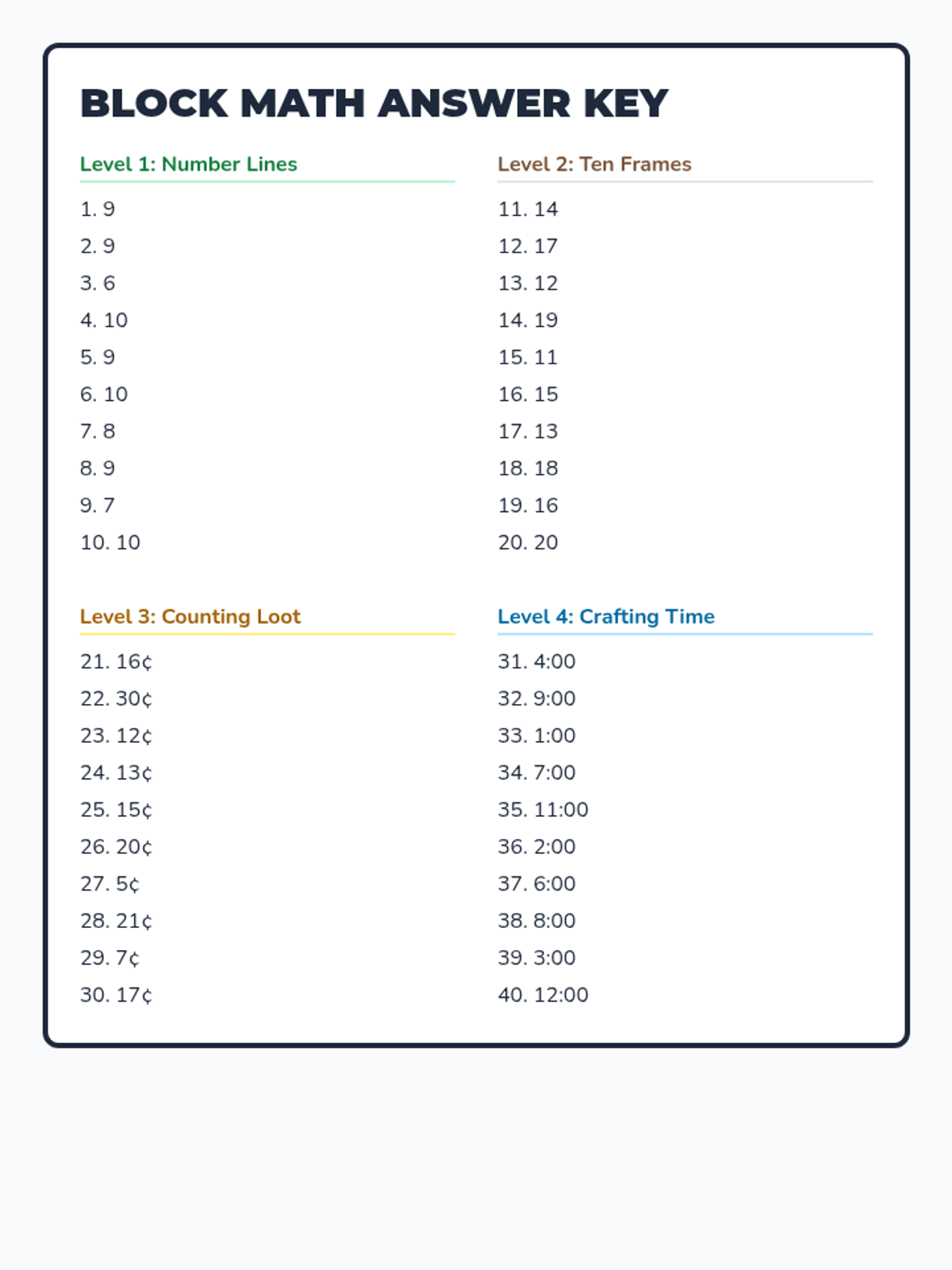
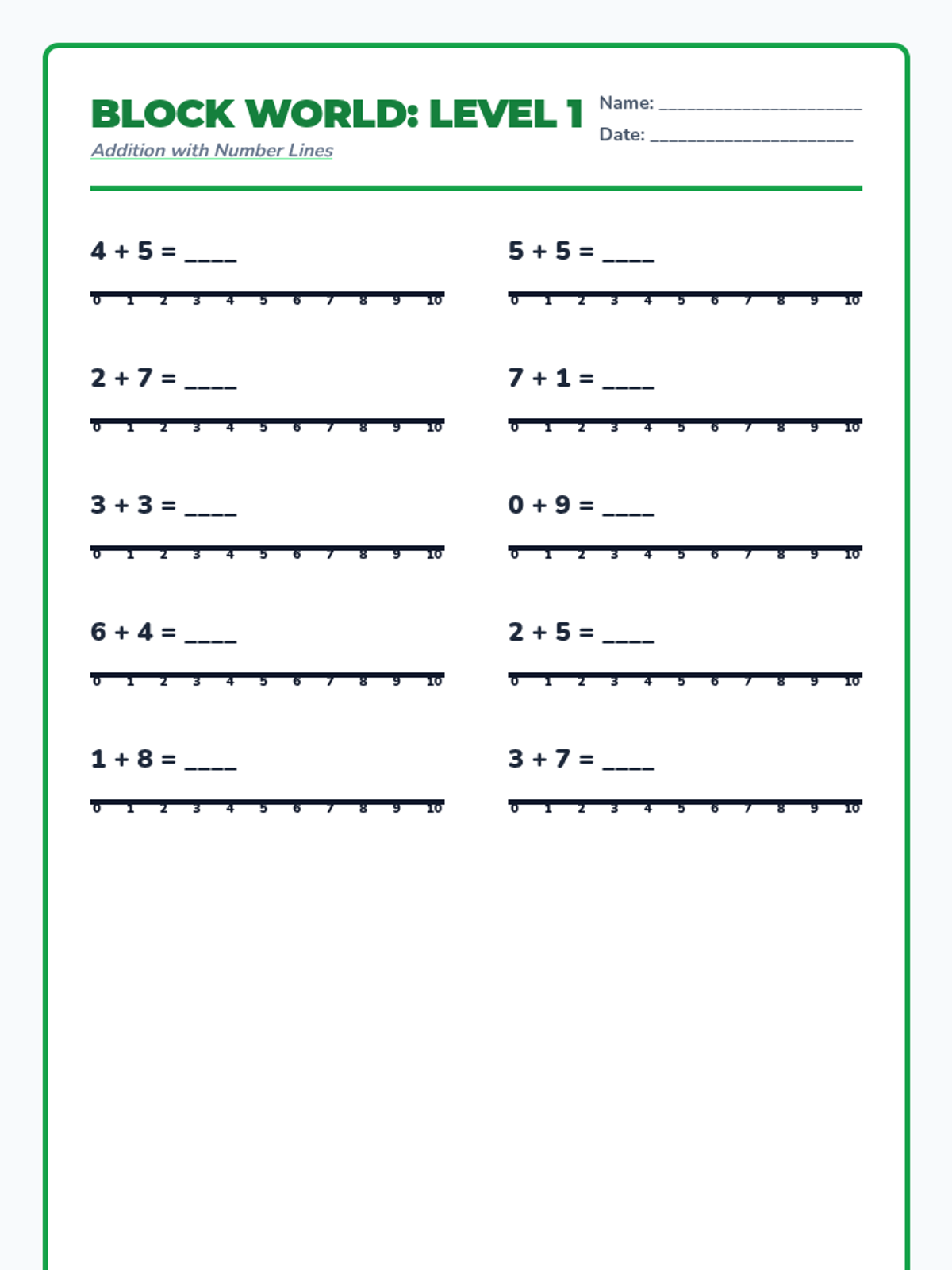
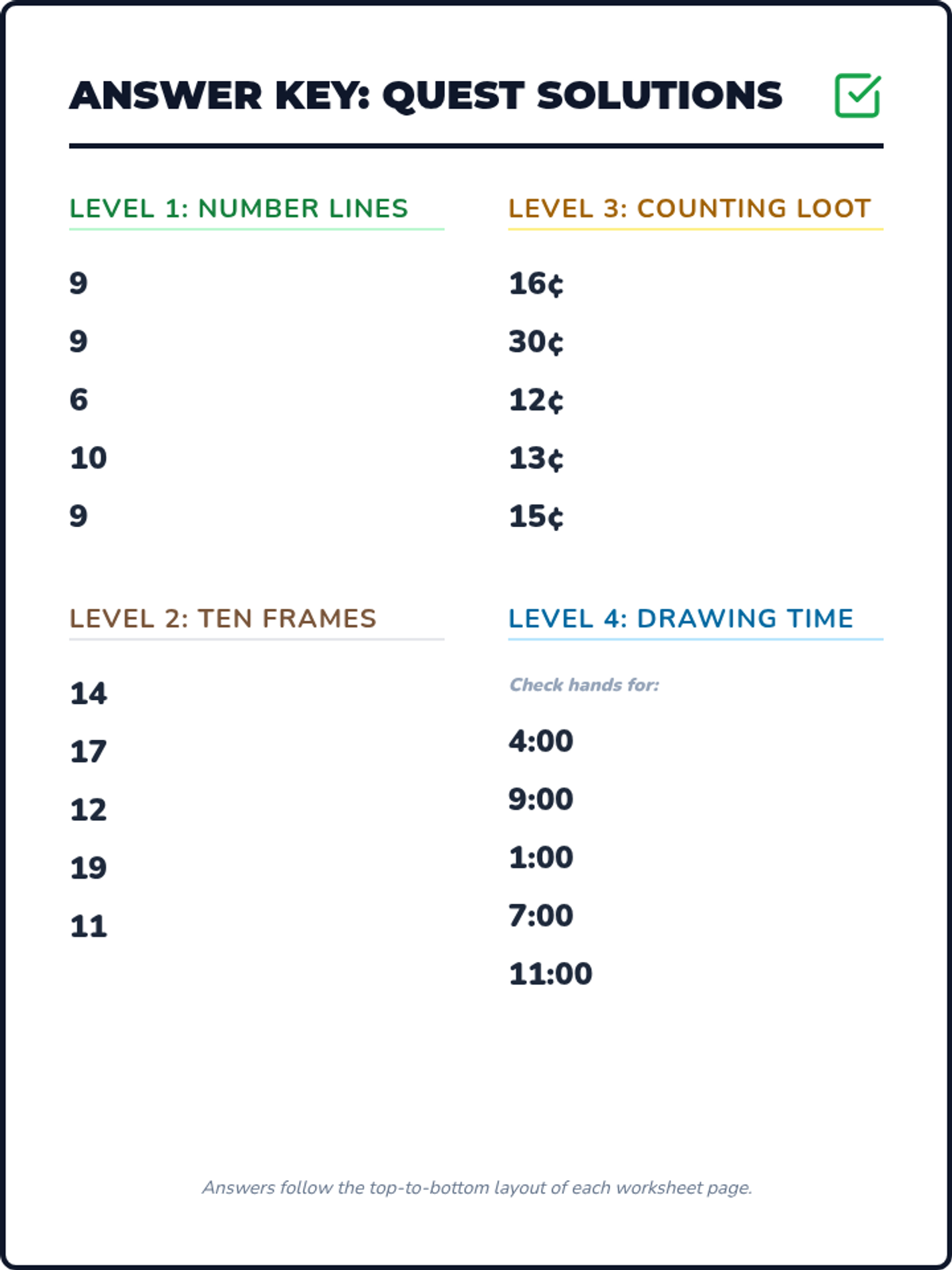
A Minecraft-themed math adventure covering addition with number lines, ten frames, counting coins, and telling time to the hour. Students will help Steve and Alex craft their way through mathematical challenges.
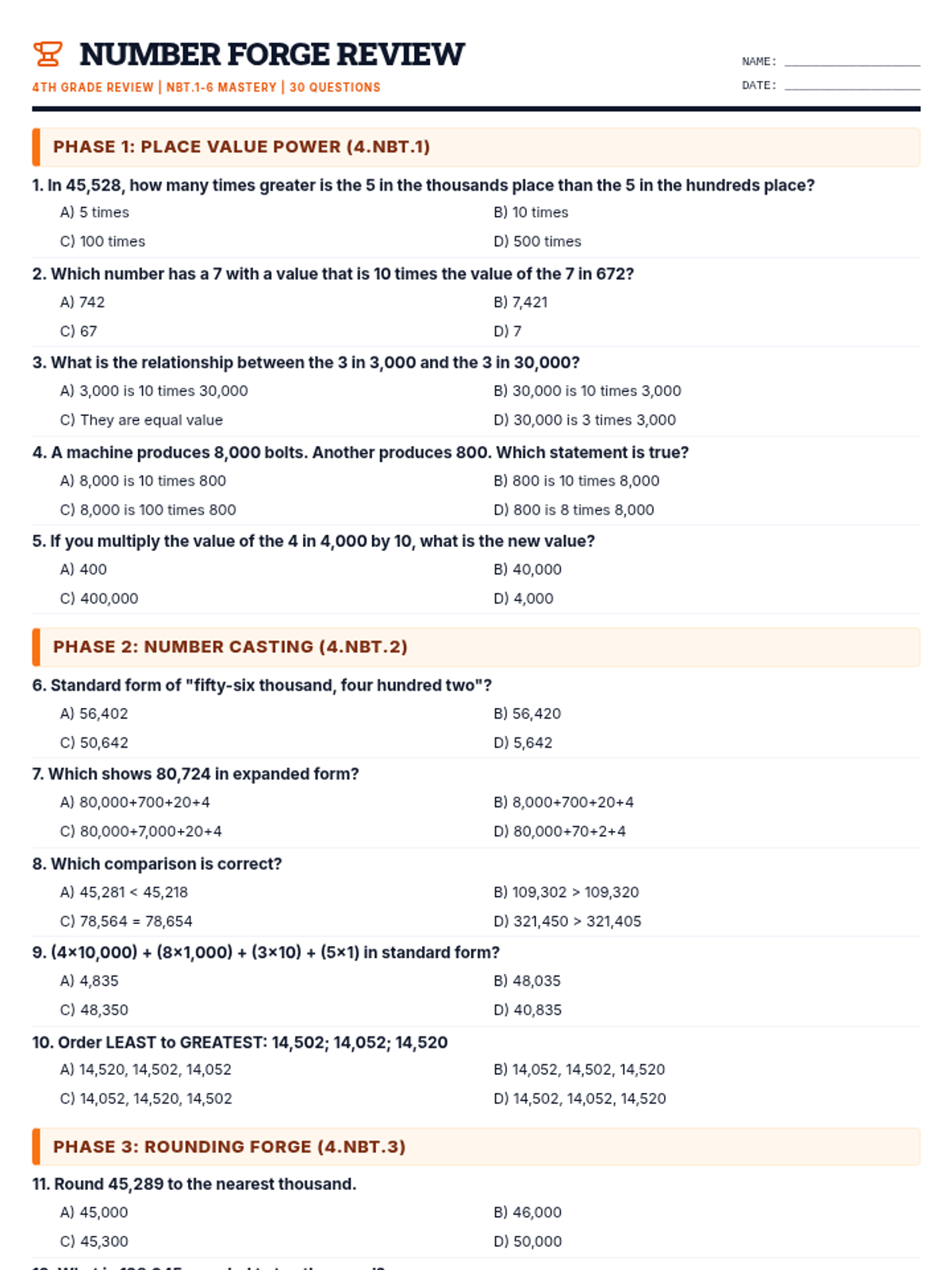
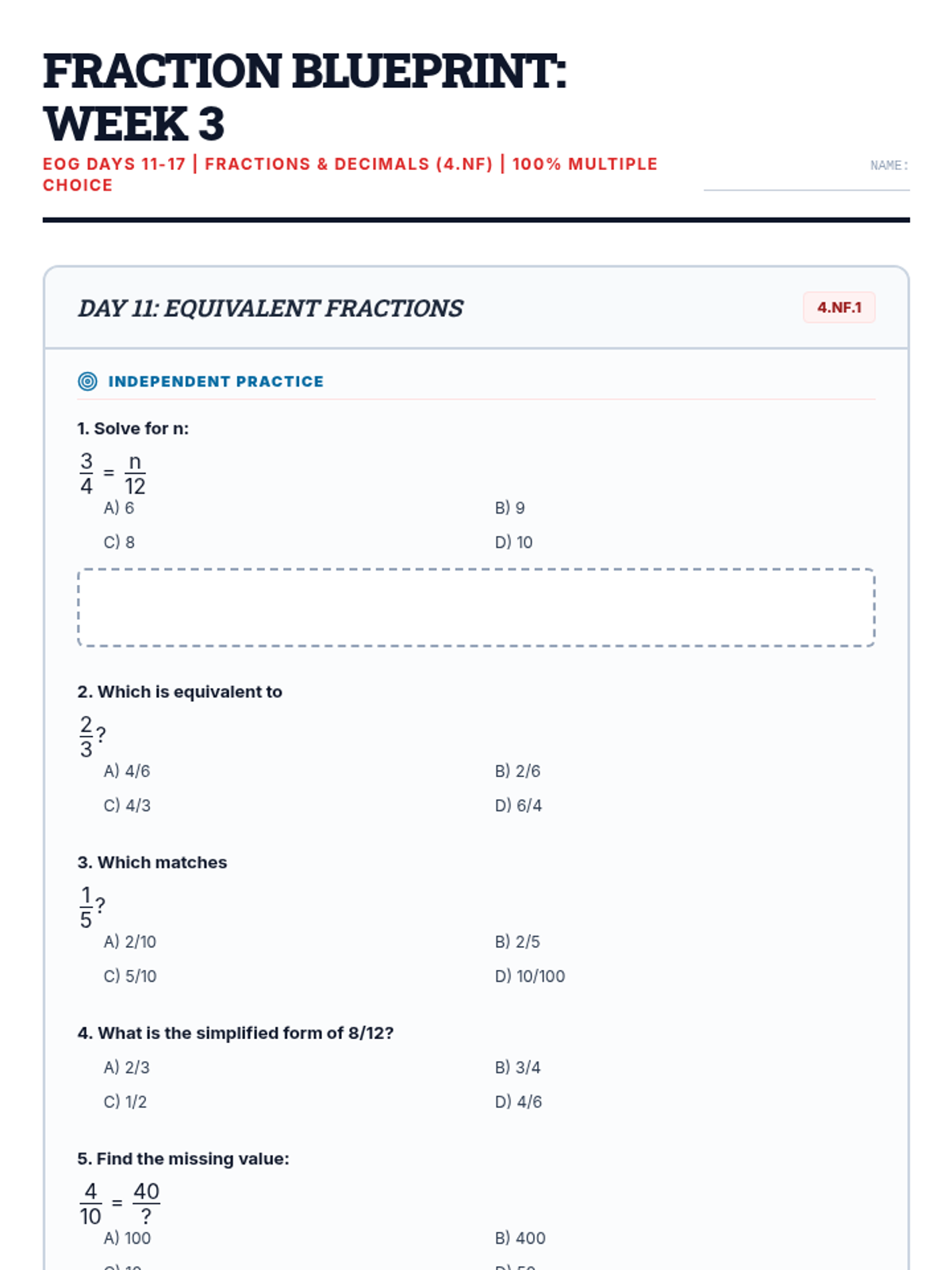
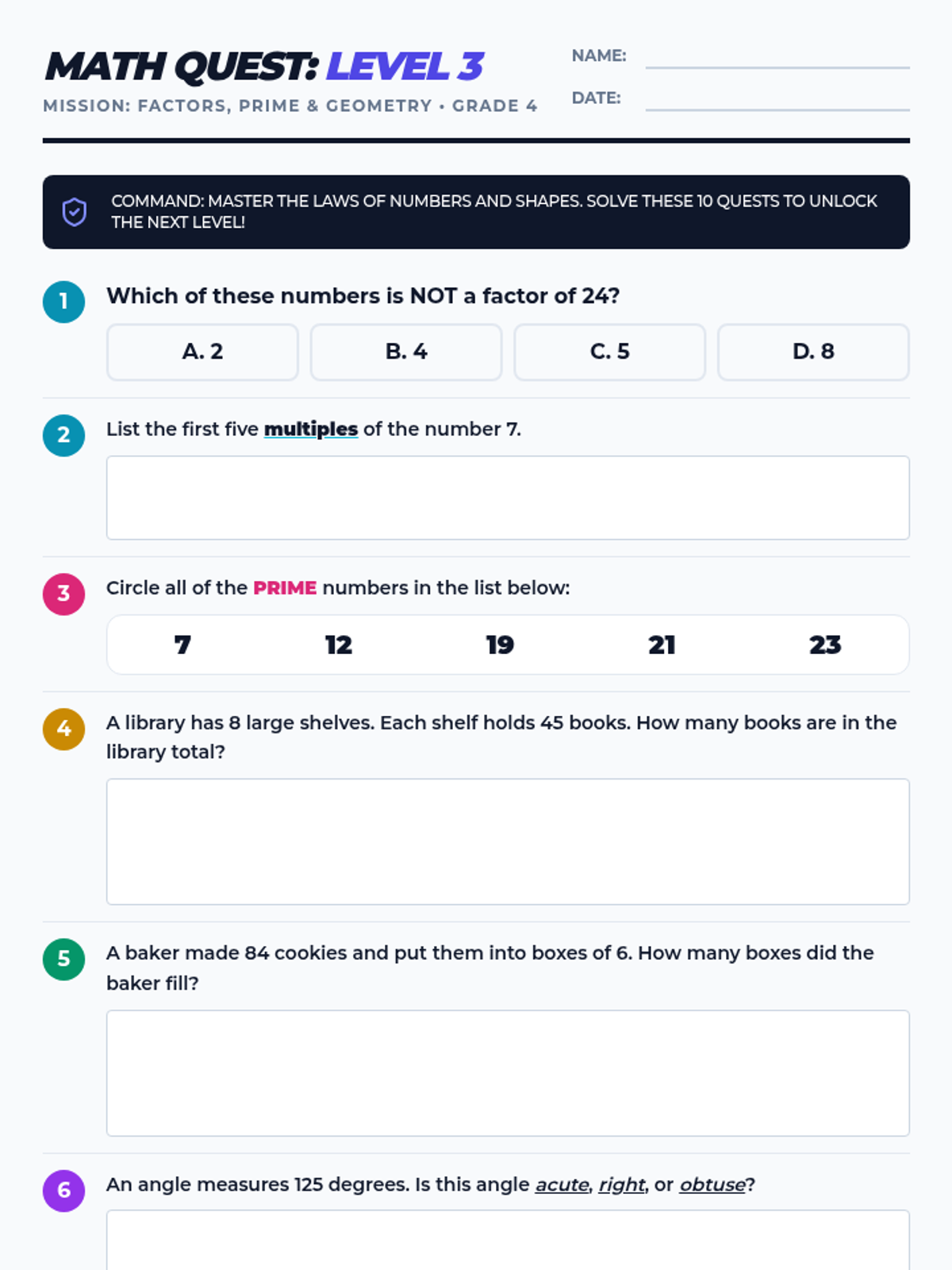
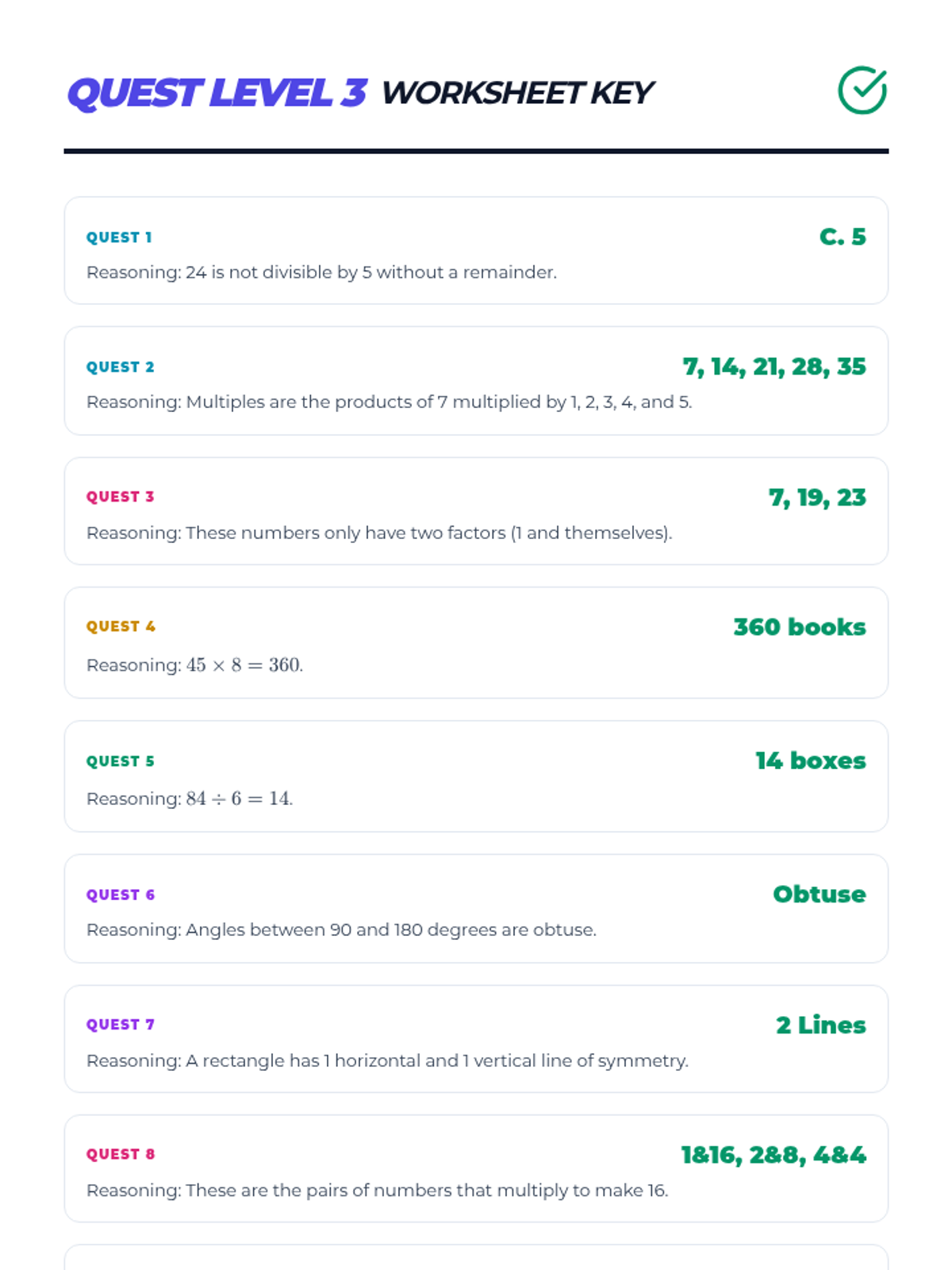
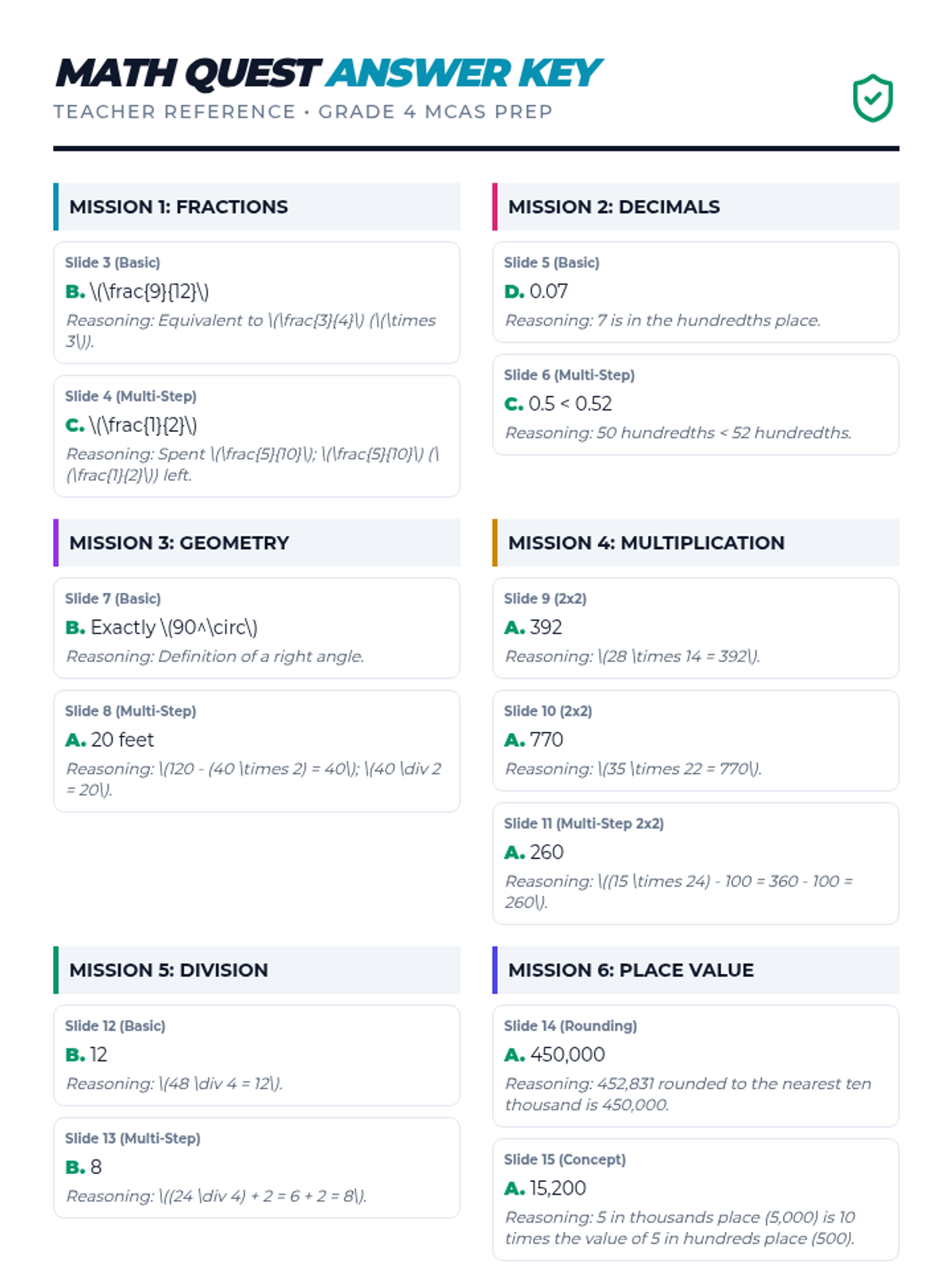
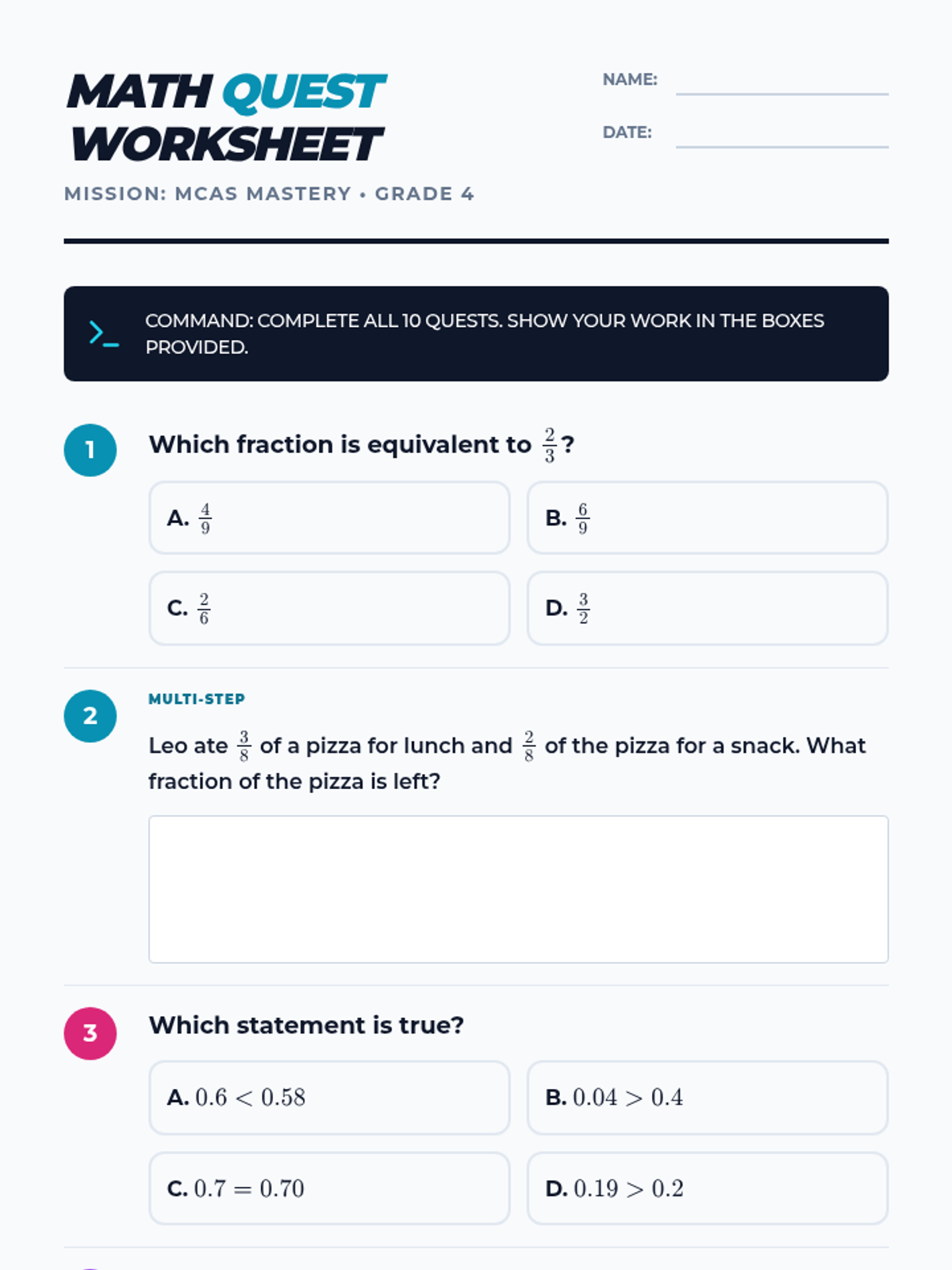
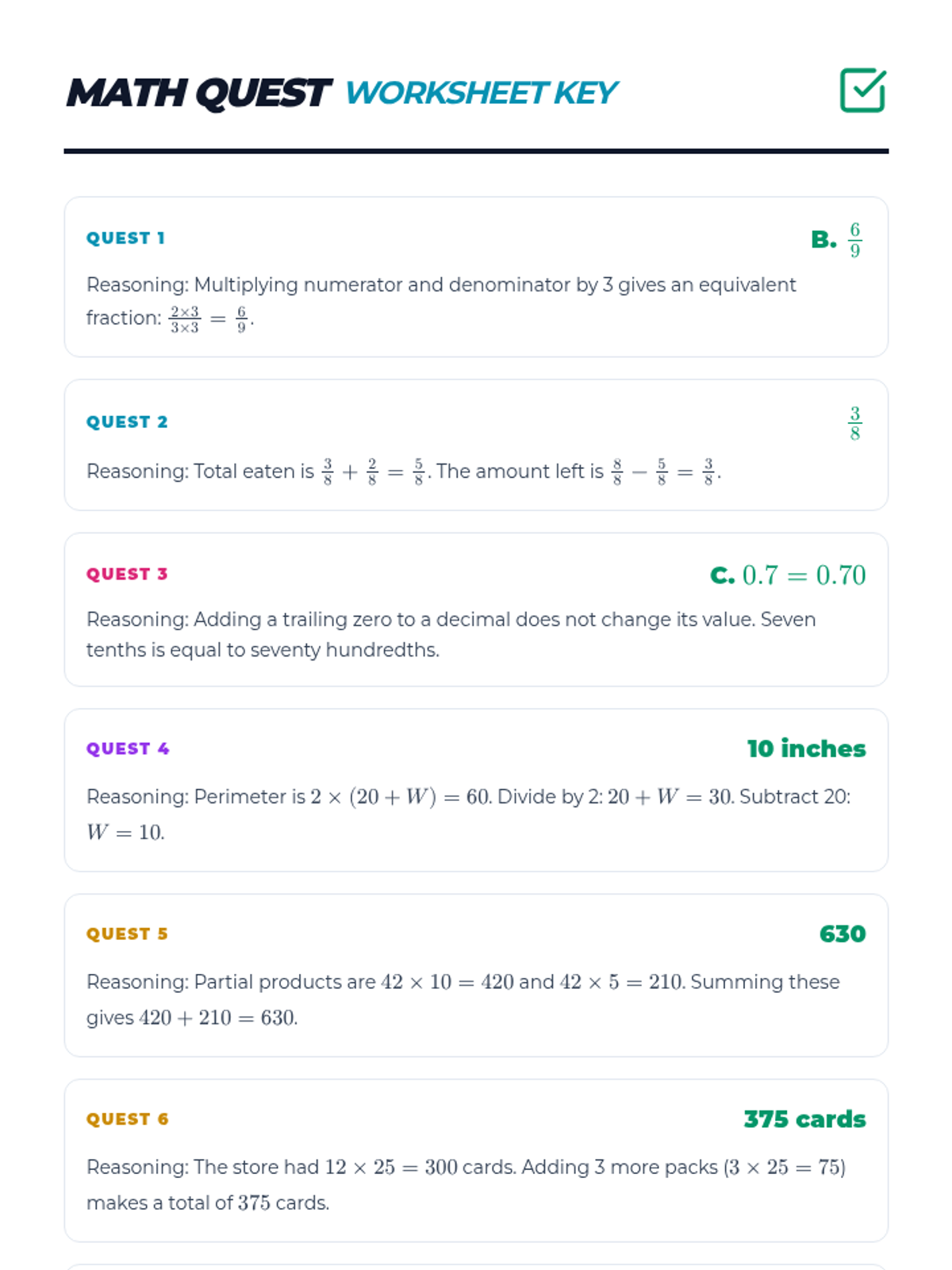
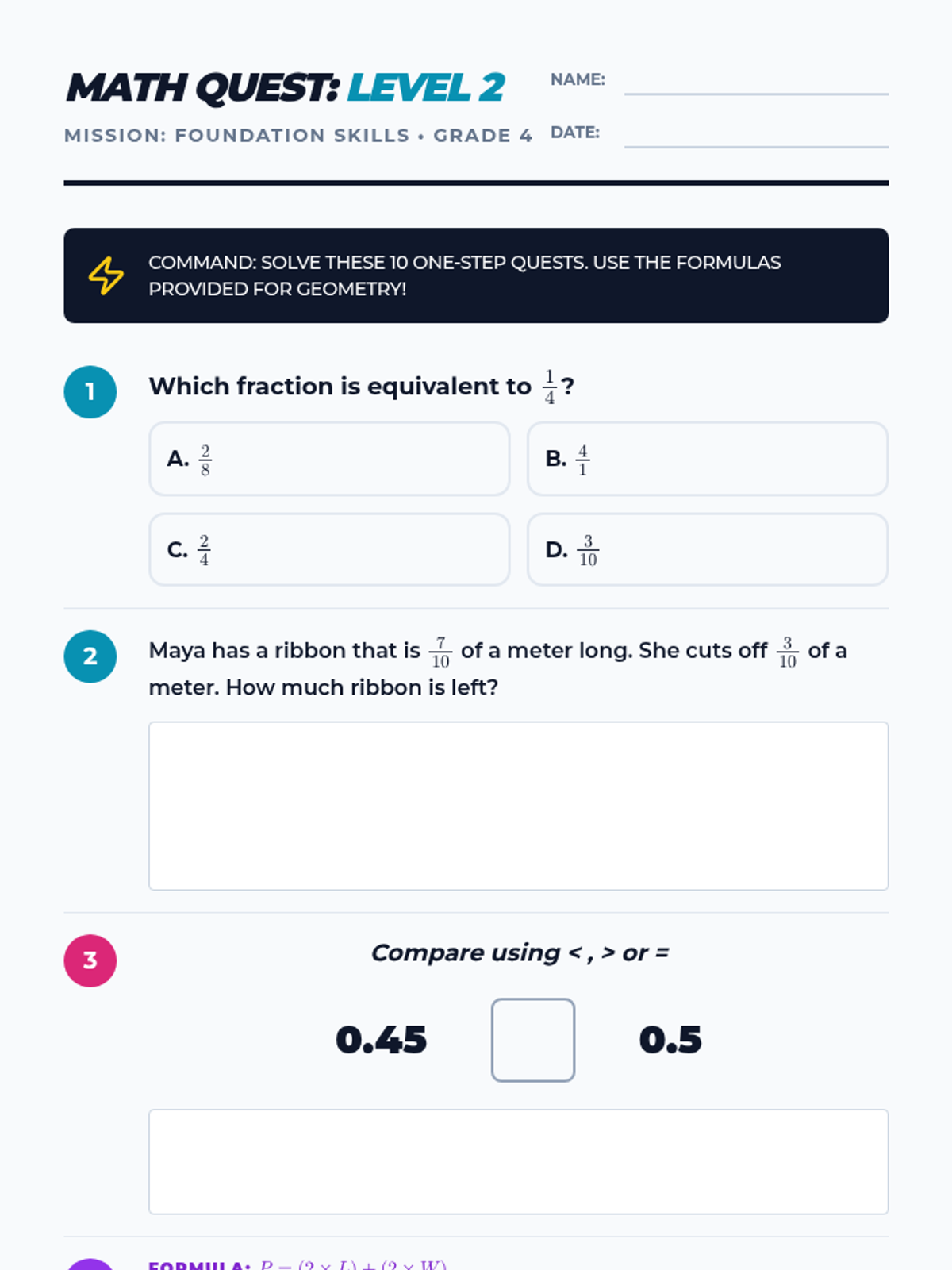
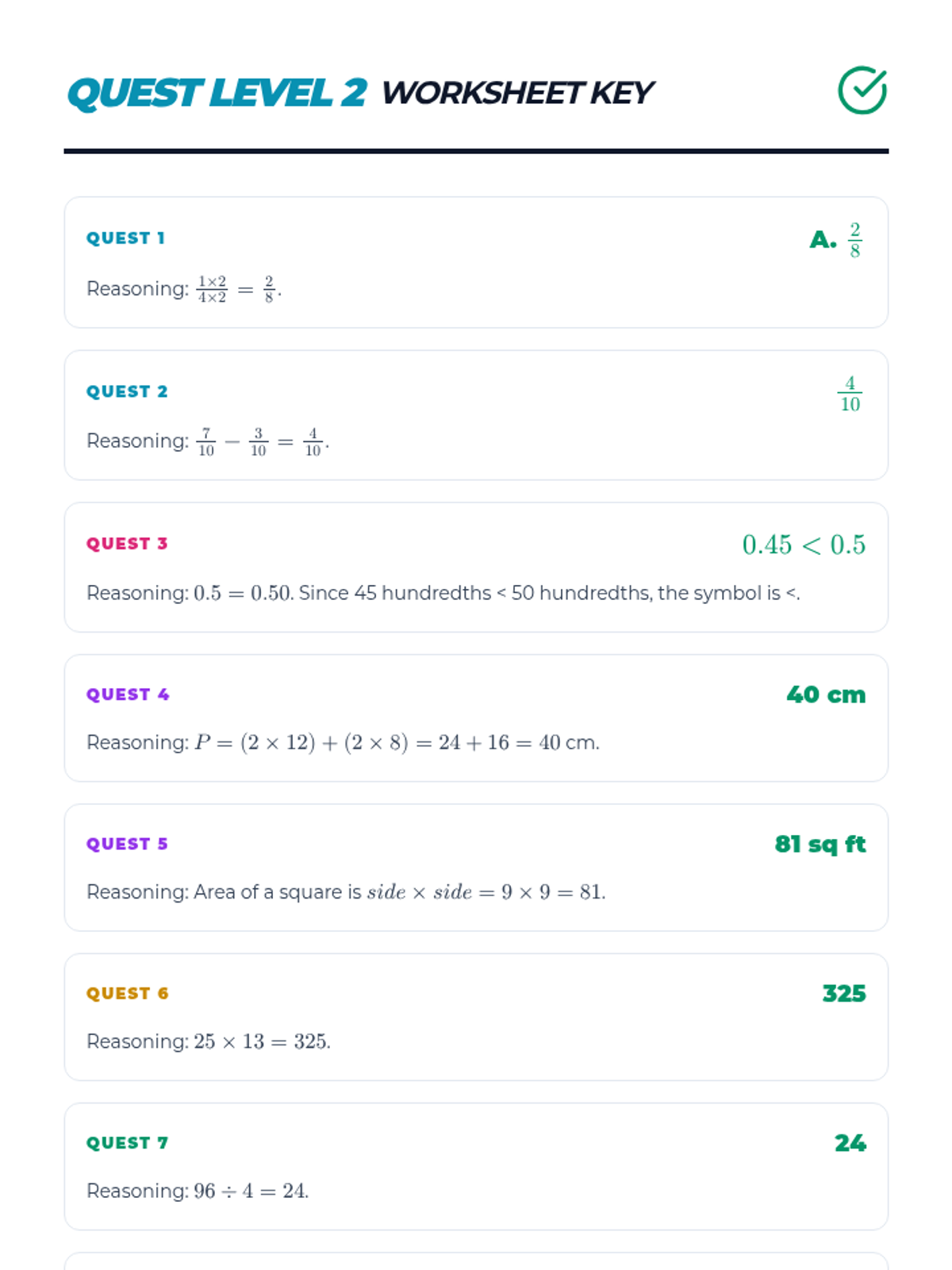
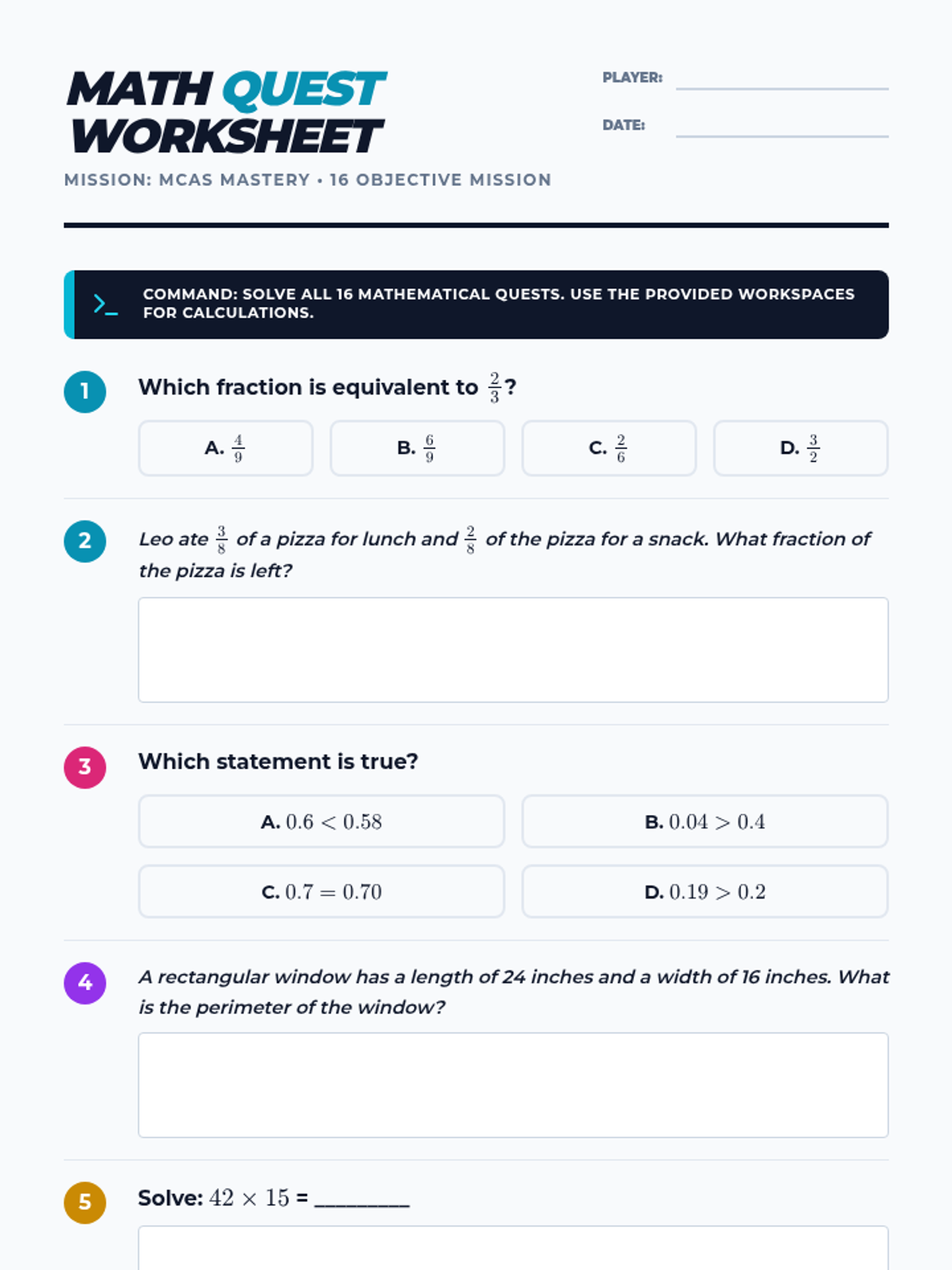
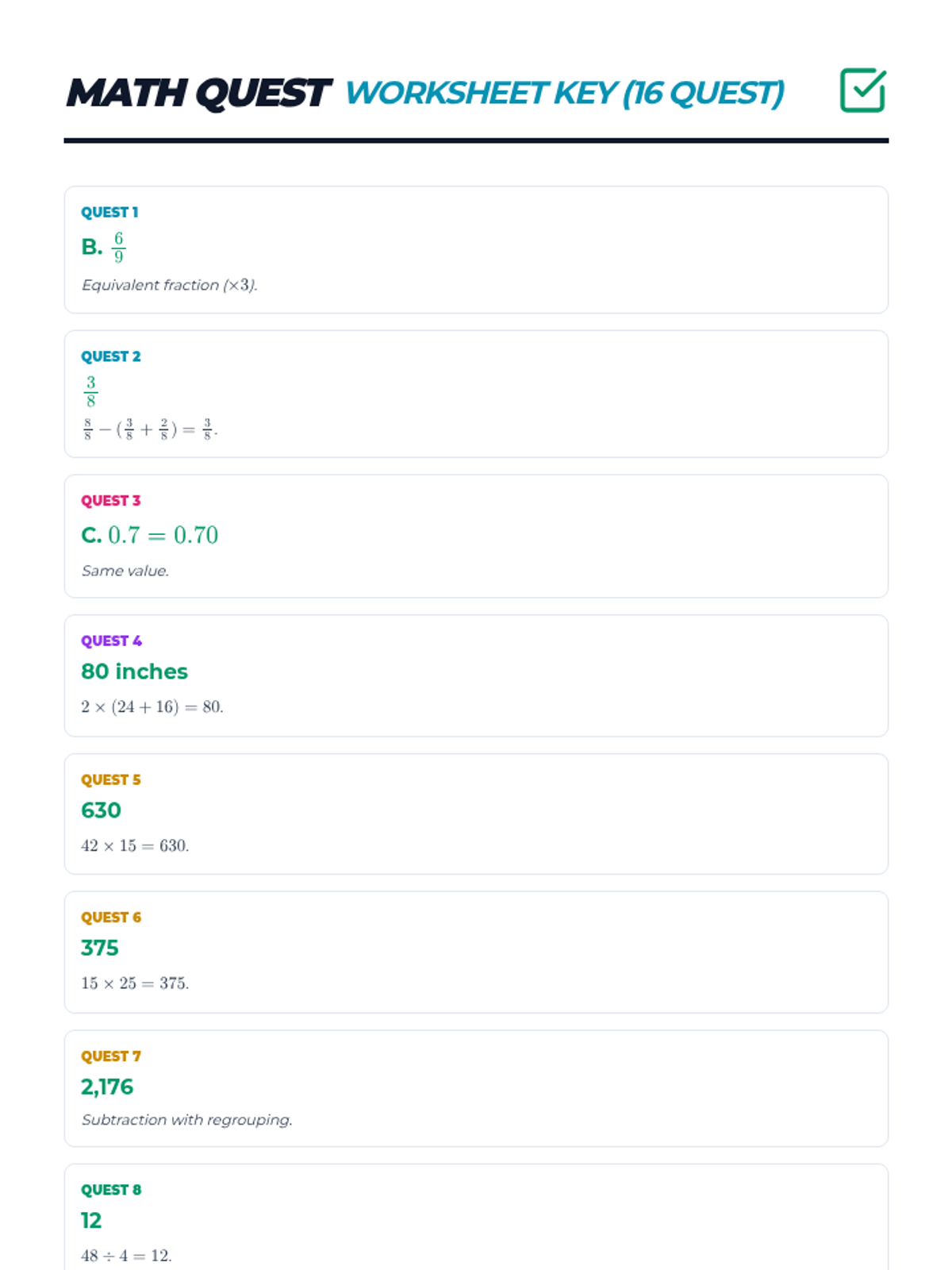
A comprehensive review of 4th Grade Math standards focused on fractions, decimals, geometry, and operations through the lens of MCAS-style questions. Students solve 12 "quests" ranging from basic recall to complex multi-step problems.
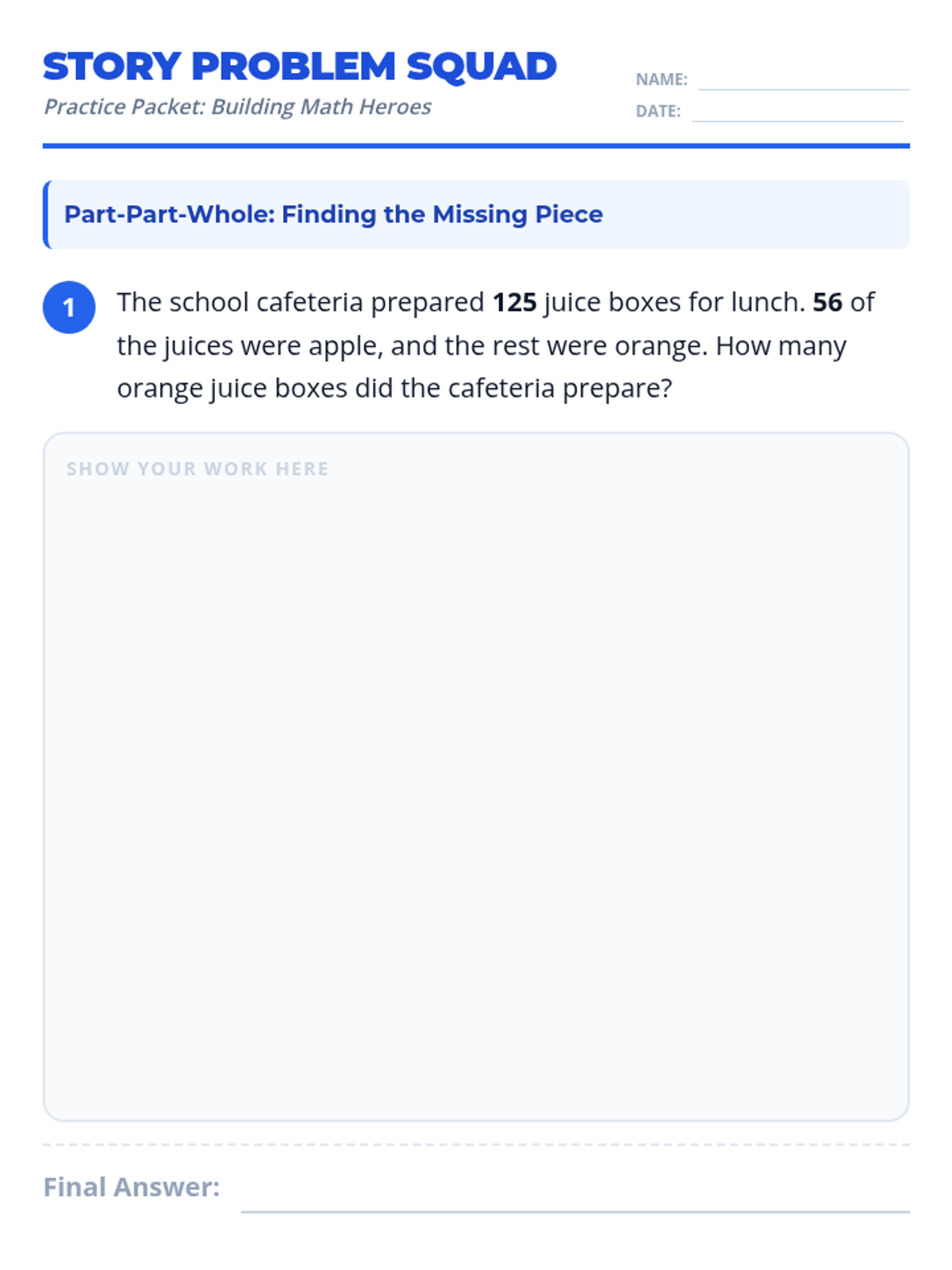
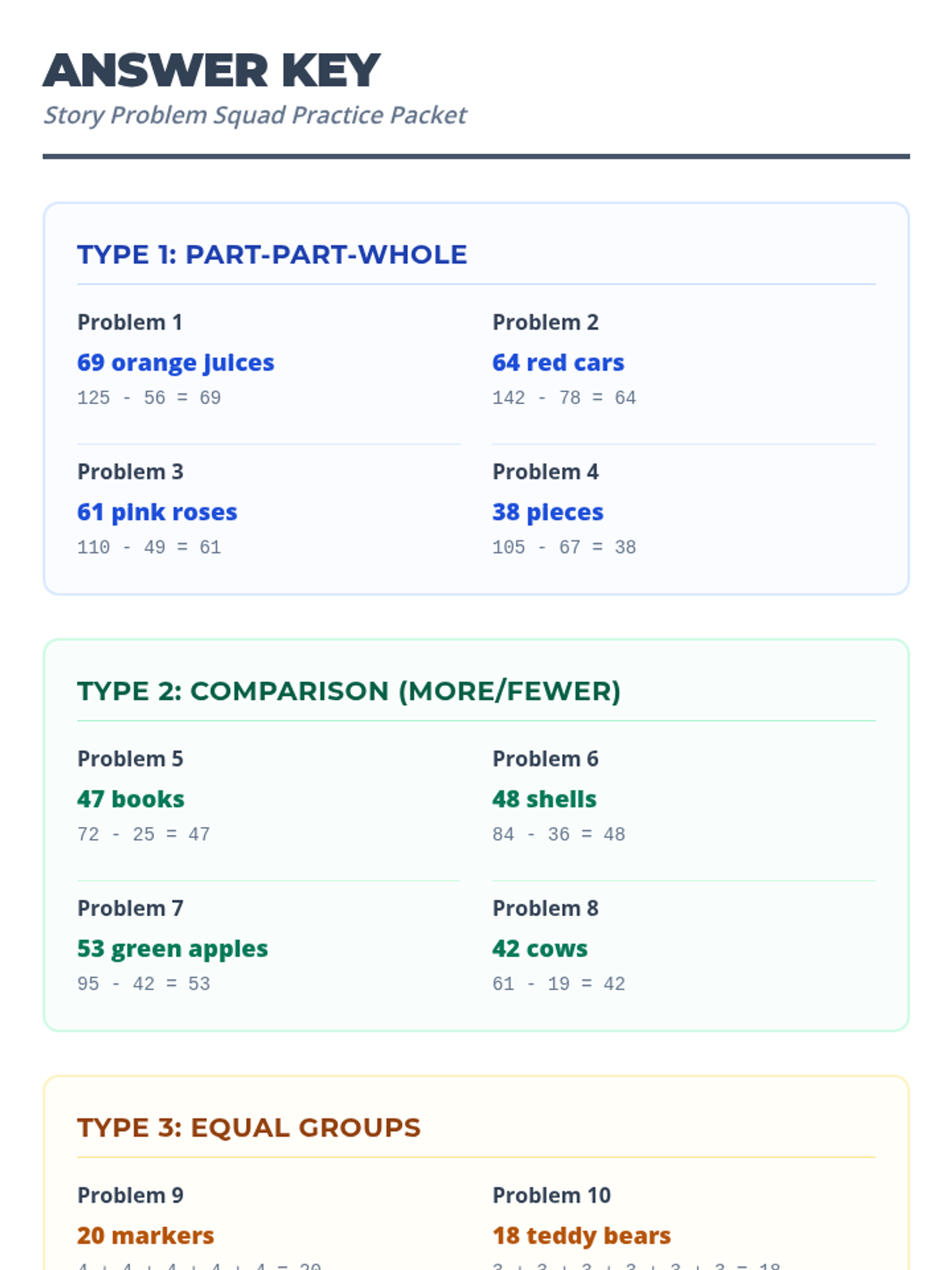
A comprehensive practice set focusing on the core word problem types encountered in 2nd grade math assessments, including part-part-whole, comparison, equal groups, and separate-start-unknown scenarios.
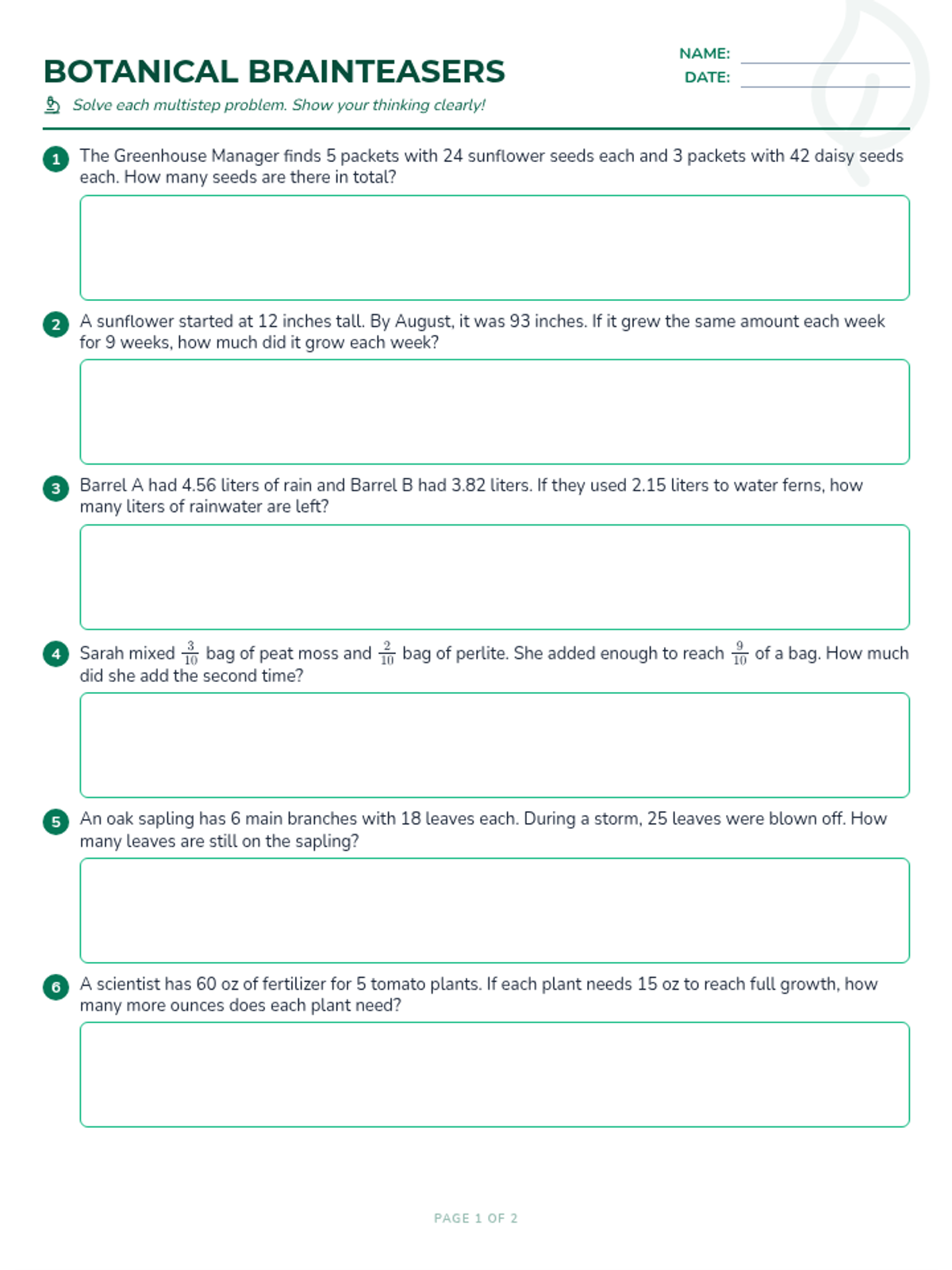
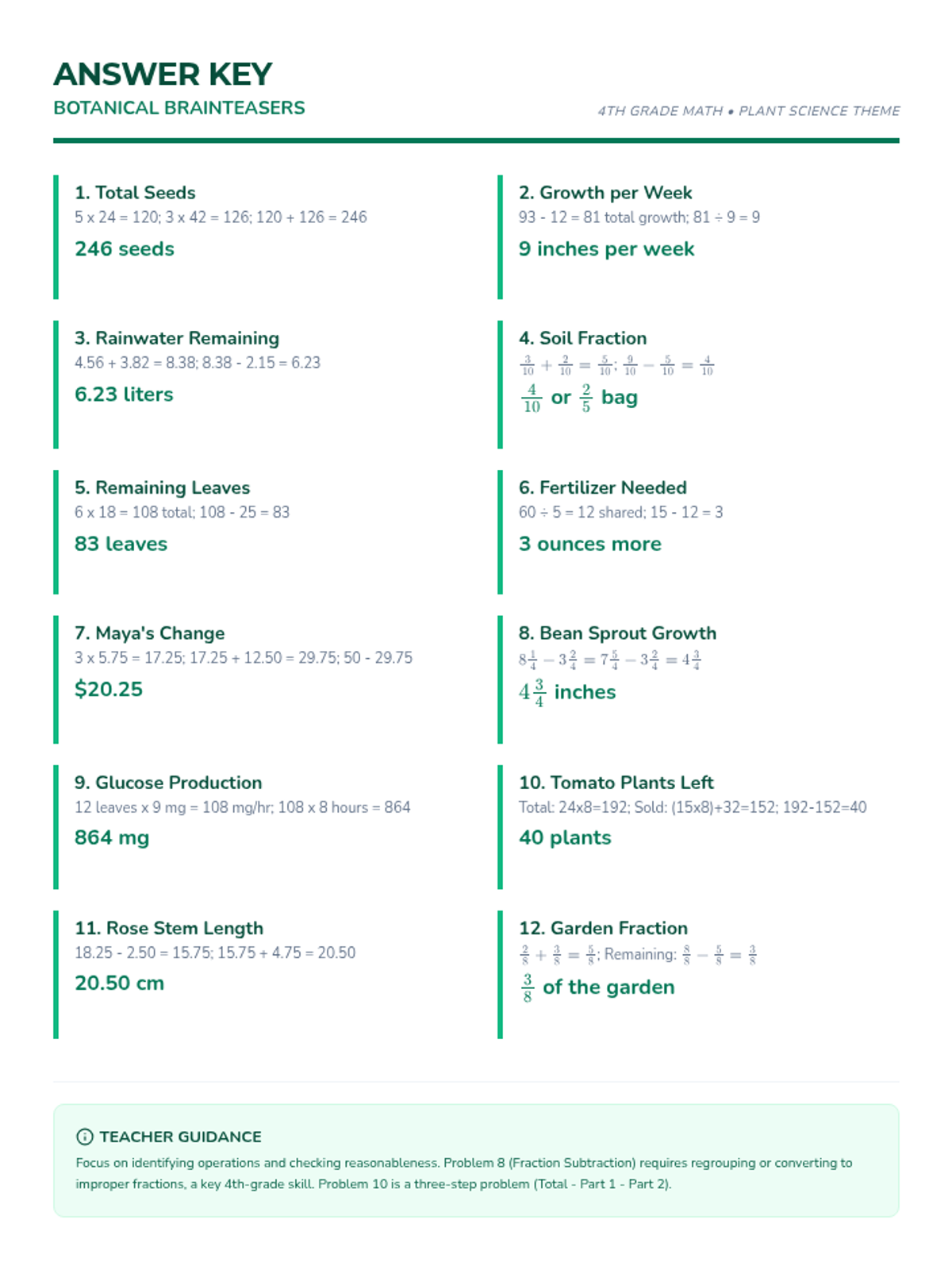
A math lesson focused on solving multistep word problems themed around plants and photosynthesis, incorporating multiplication, division, fractions, and decimals for 4th-grade students.
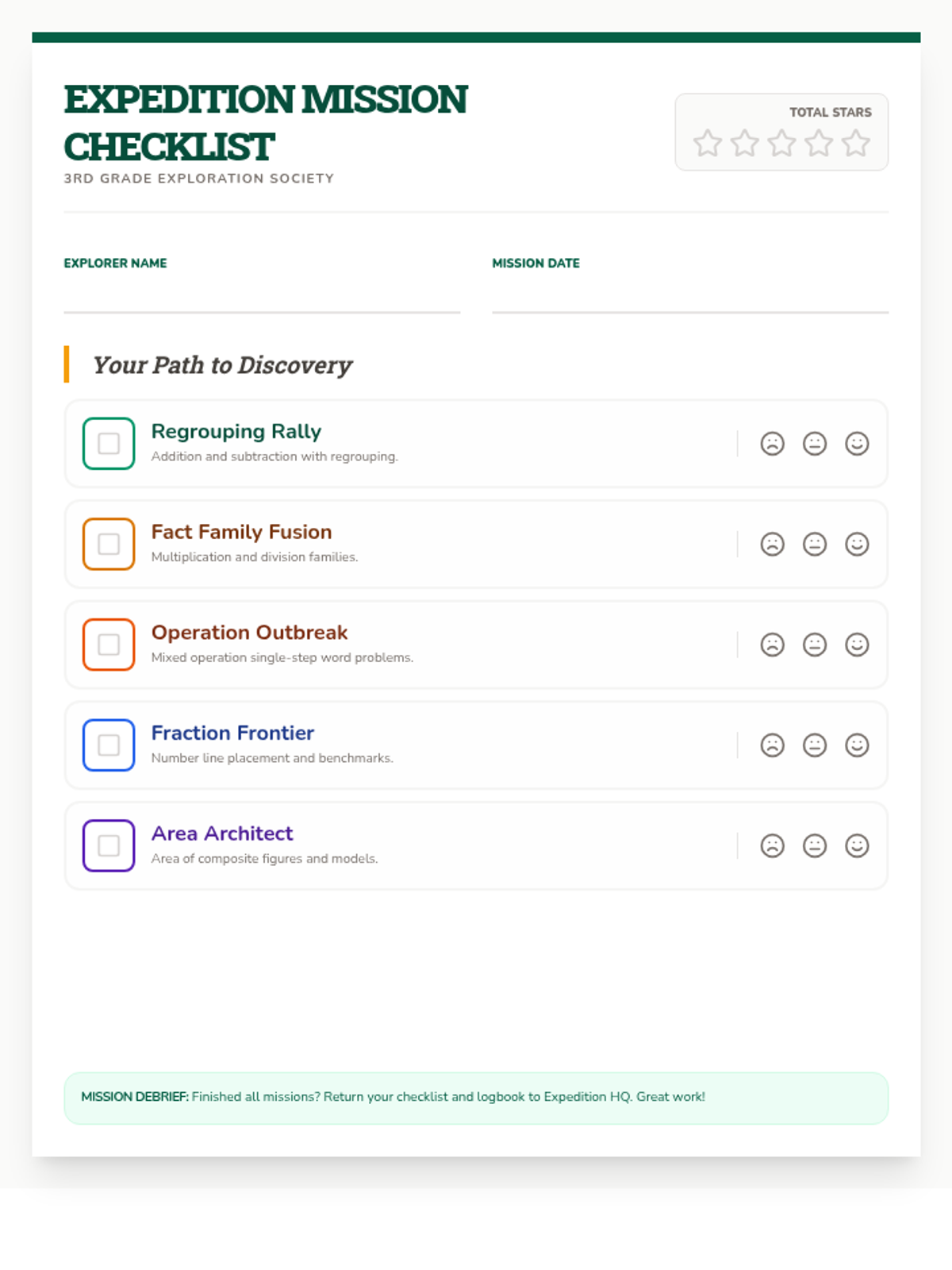
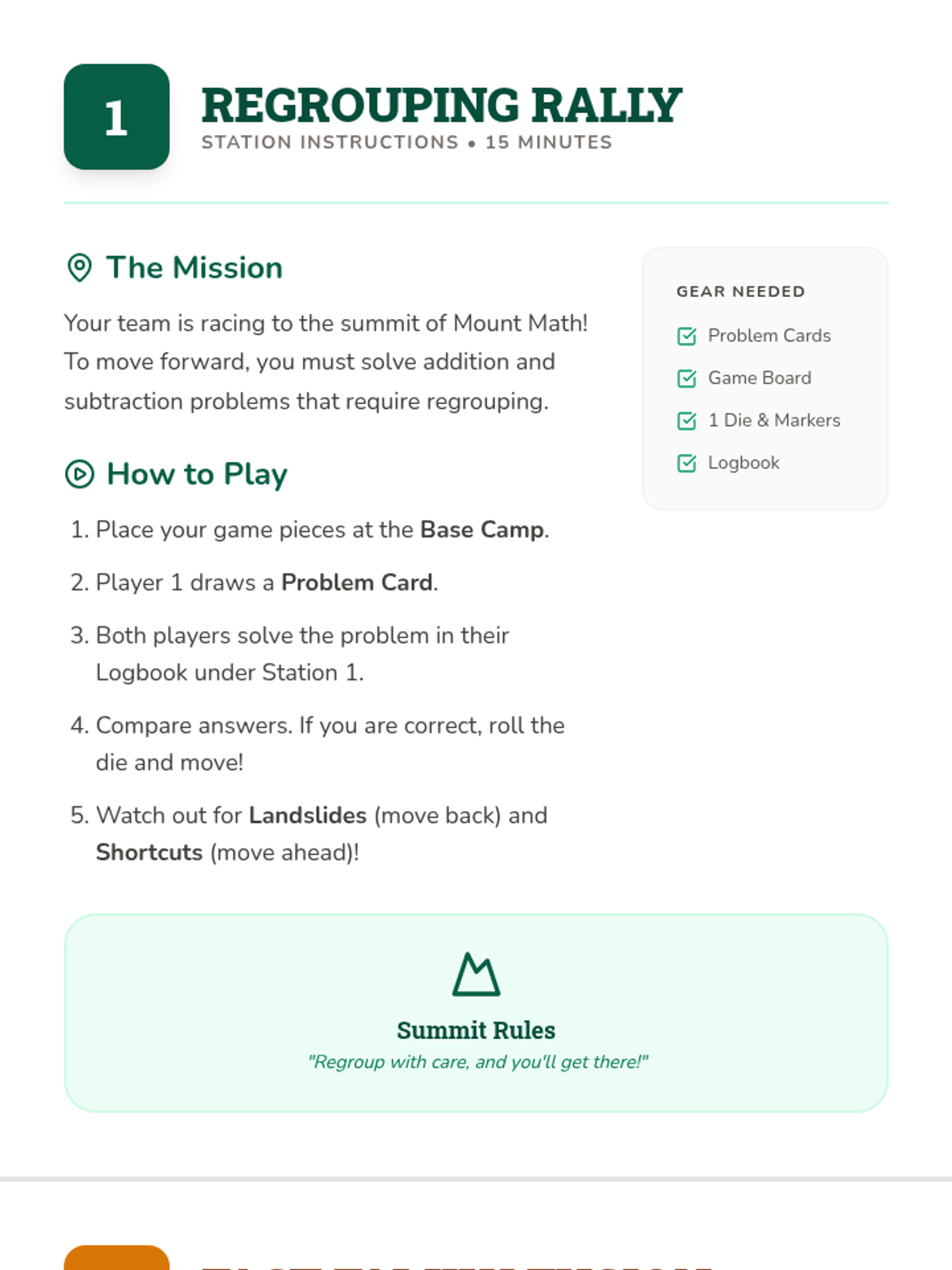
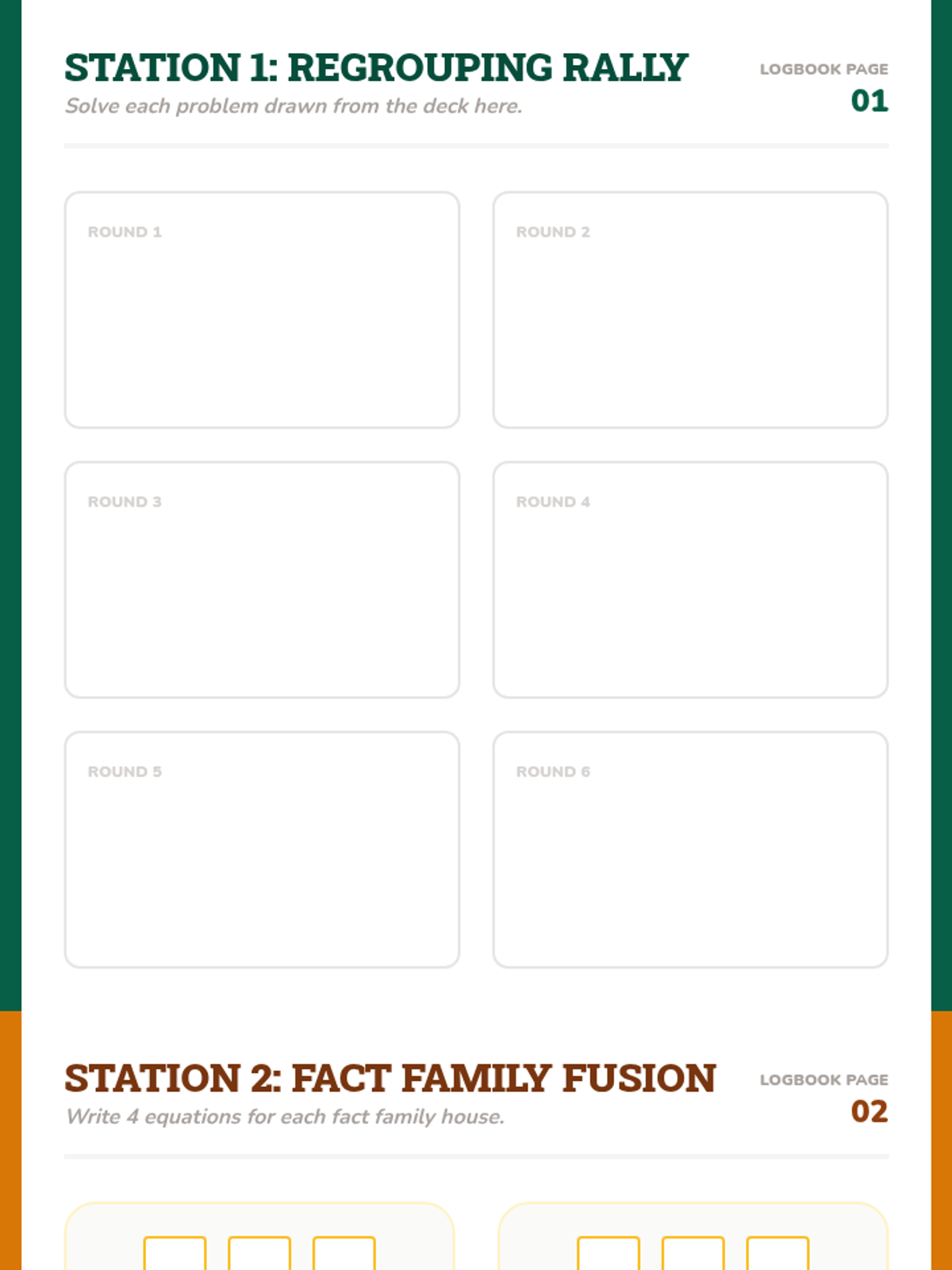
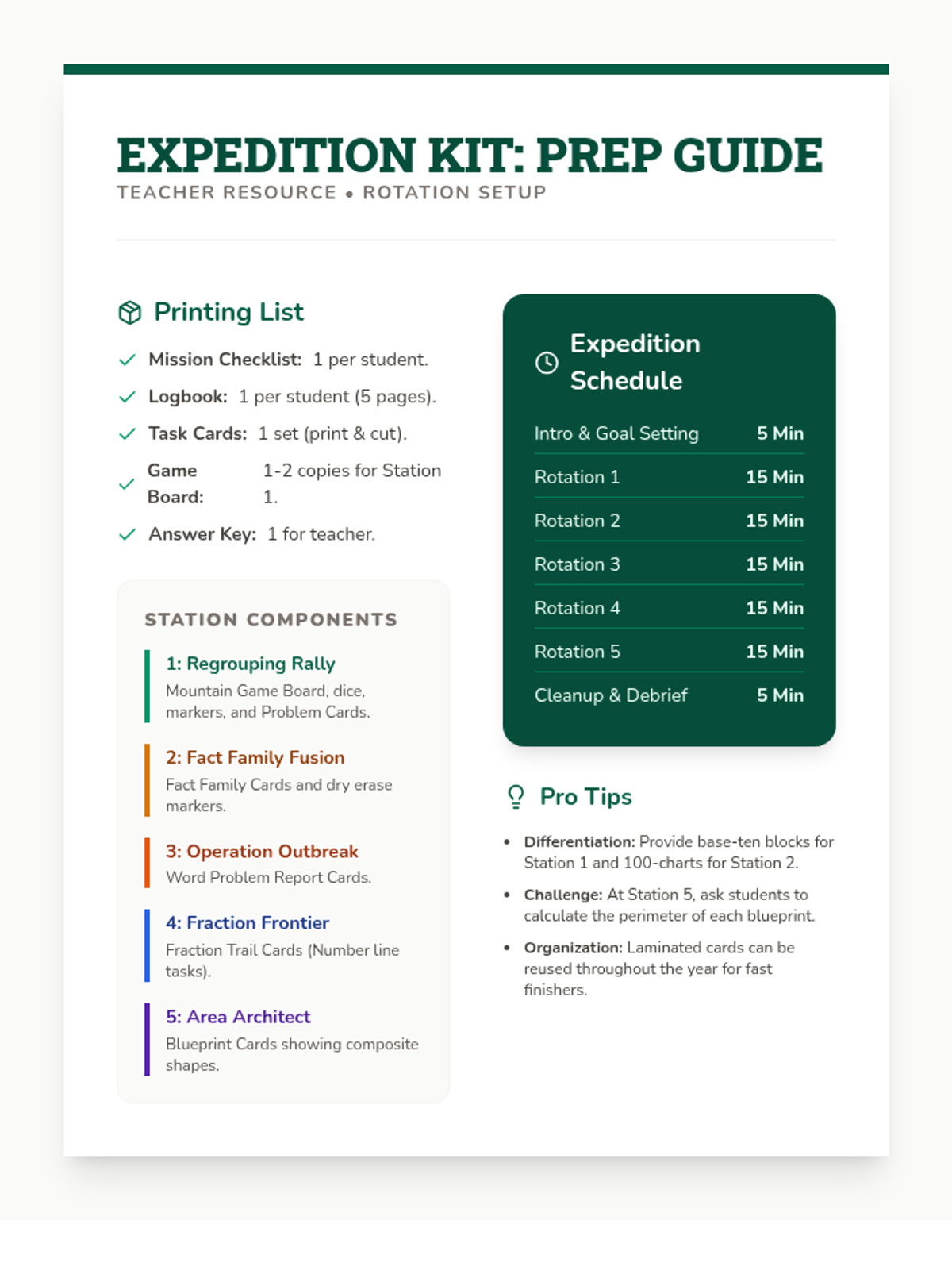
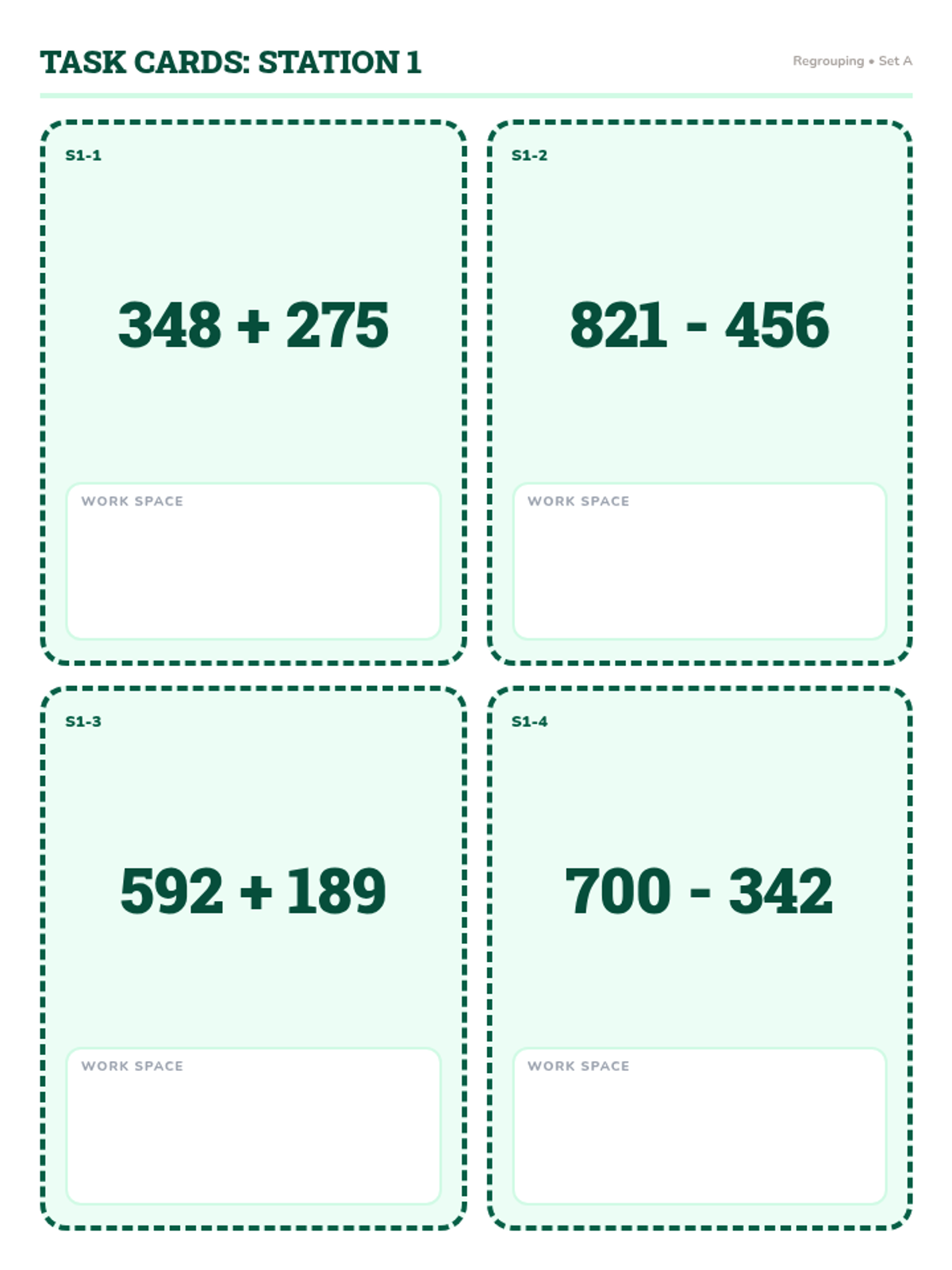
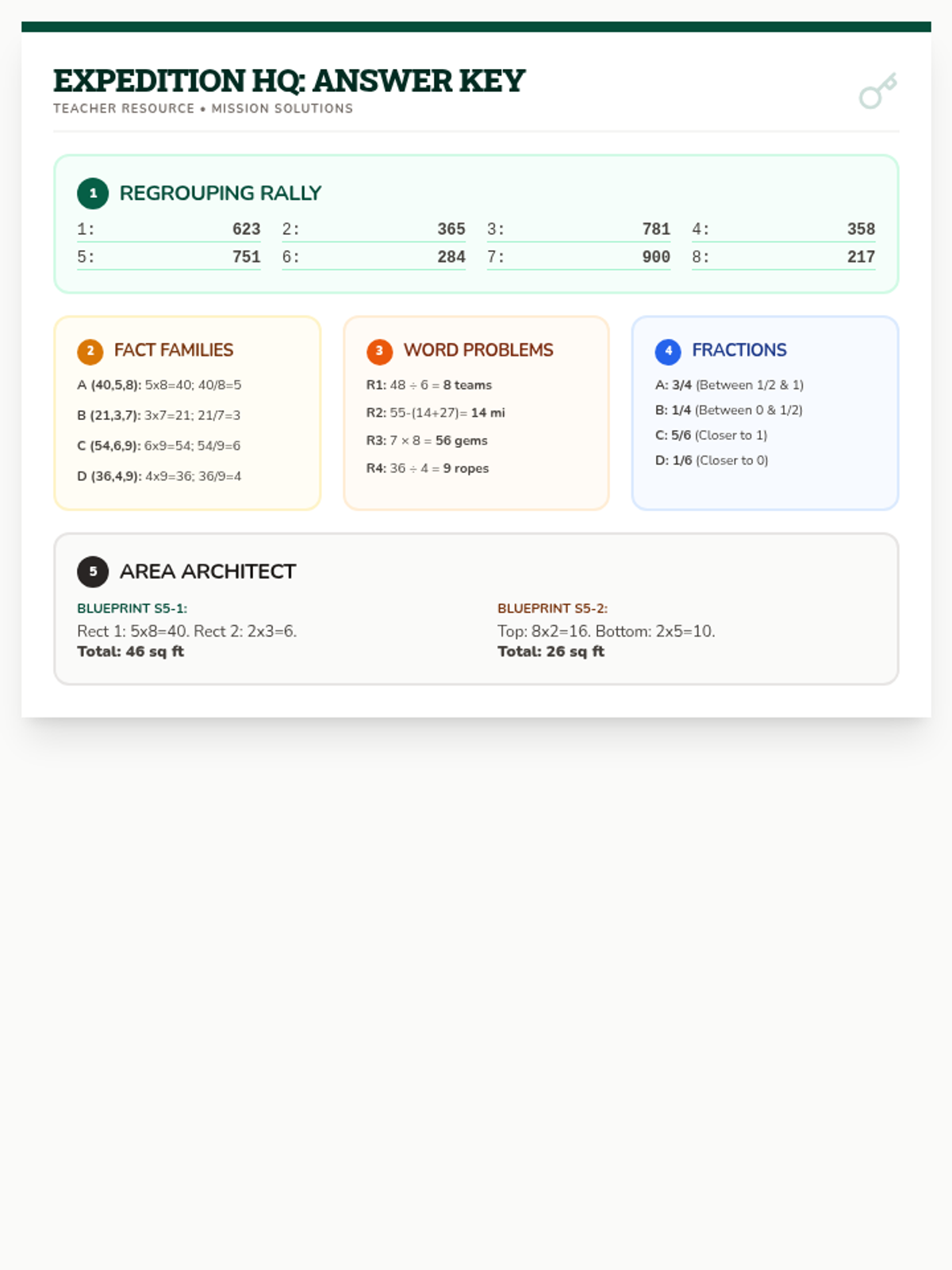
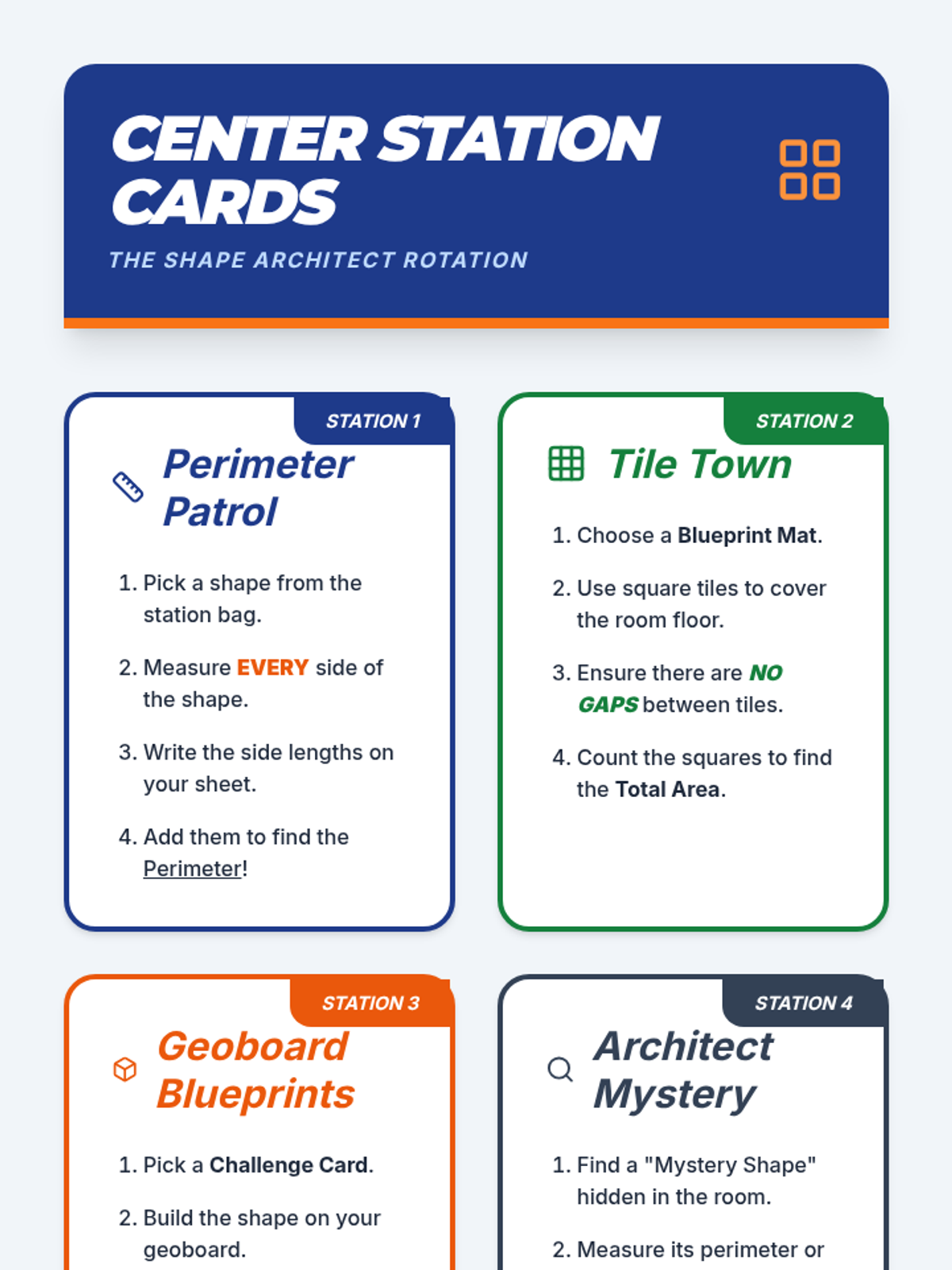
A comprehensive set of 5 math rotation stations including games, word problems, and geometry tasks. Each station is designed to be completed in 15 minutes by 3rd-grade students.
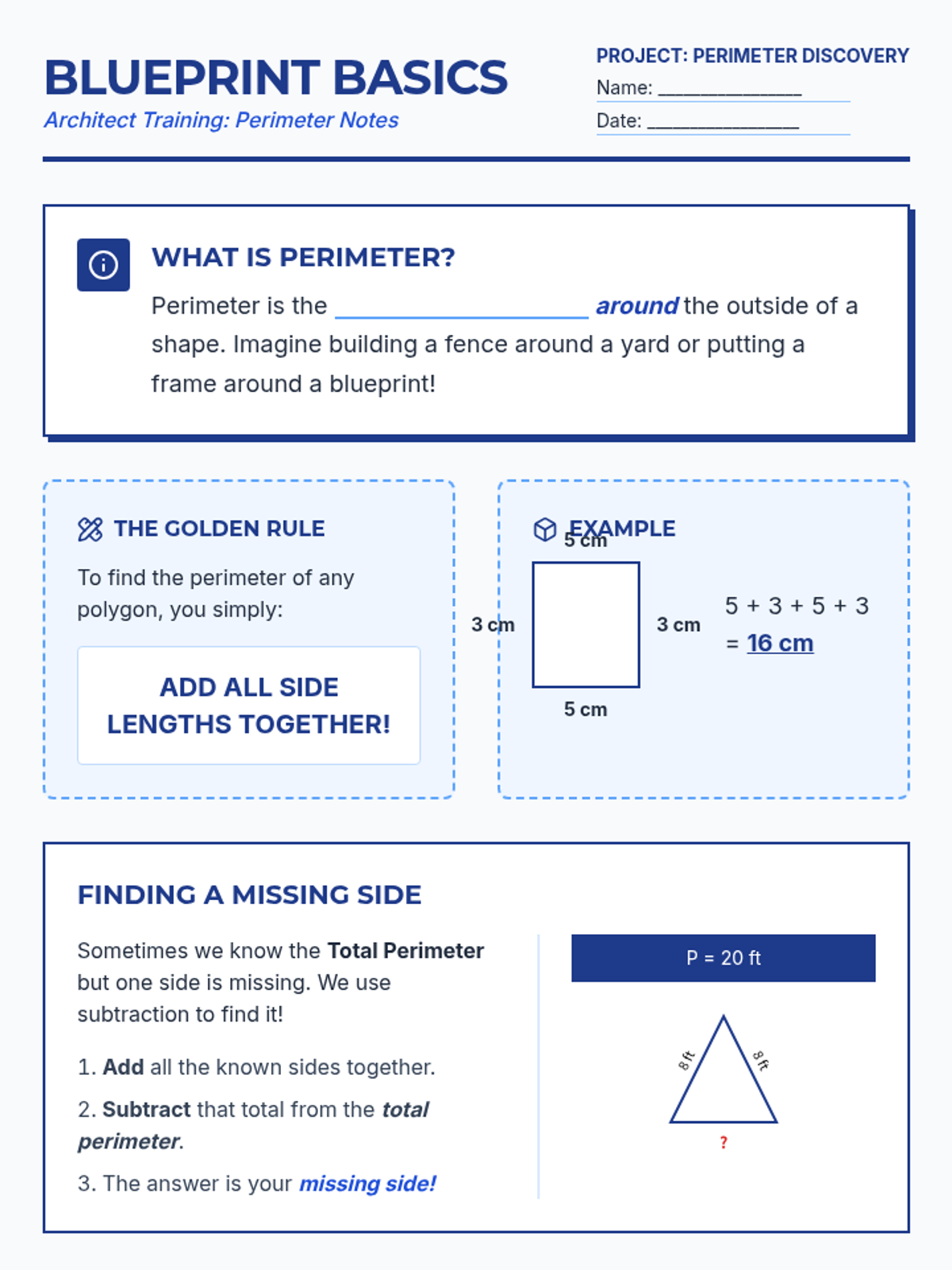
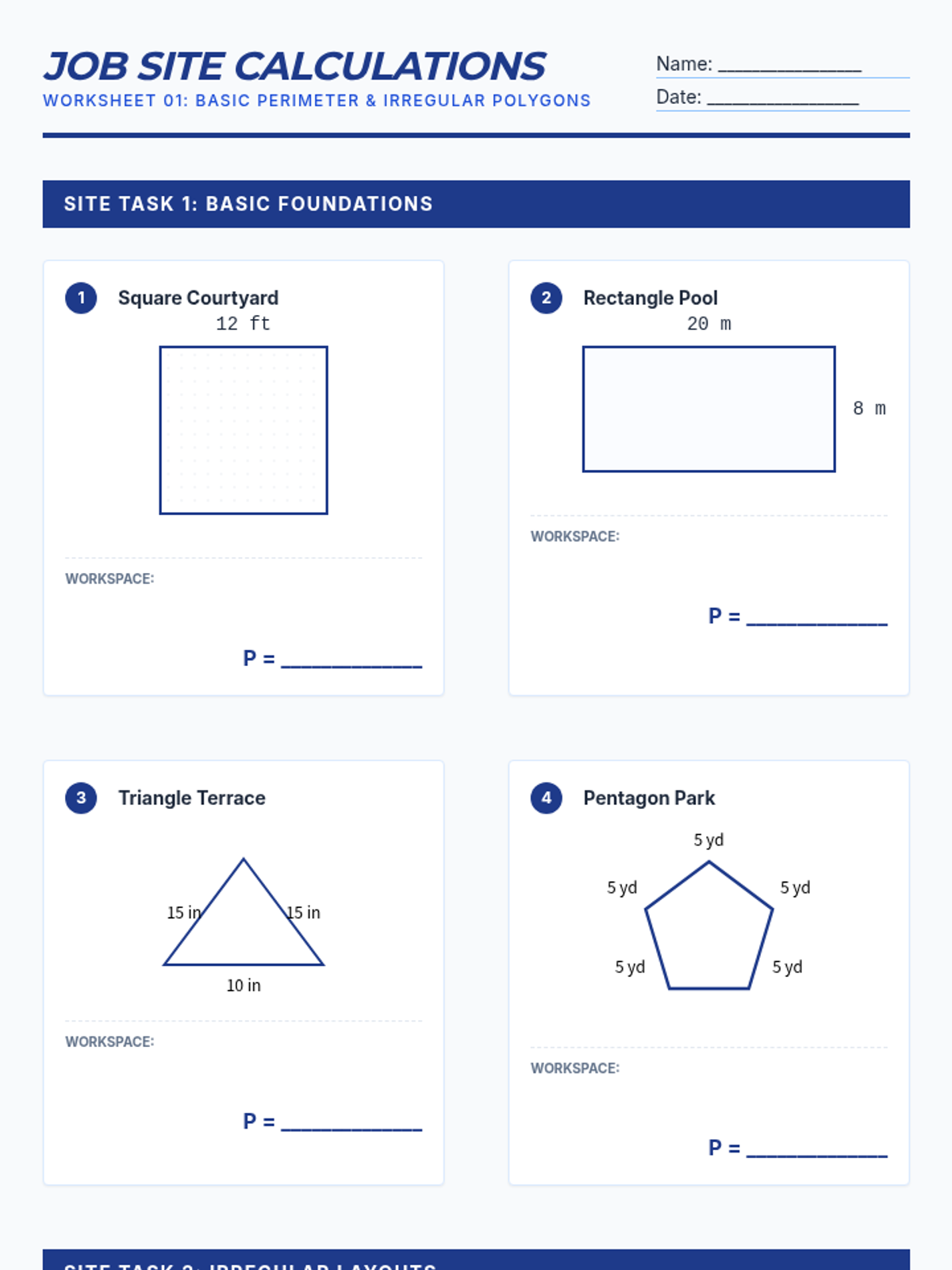
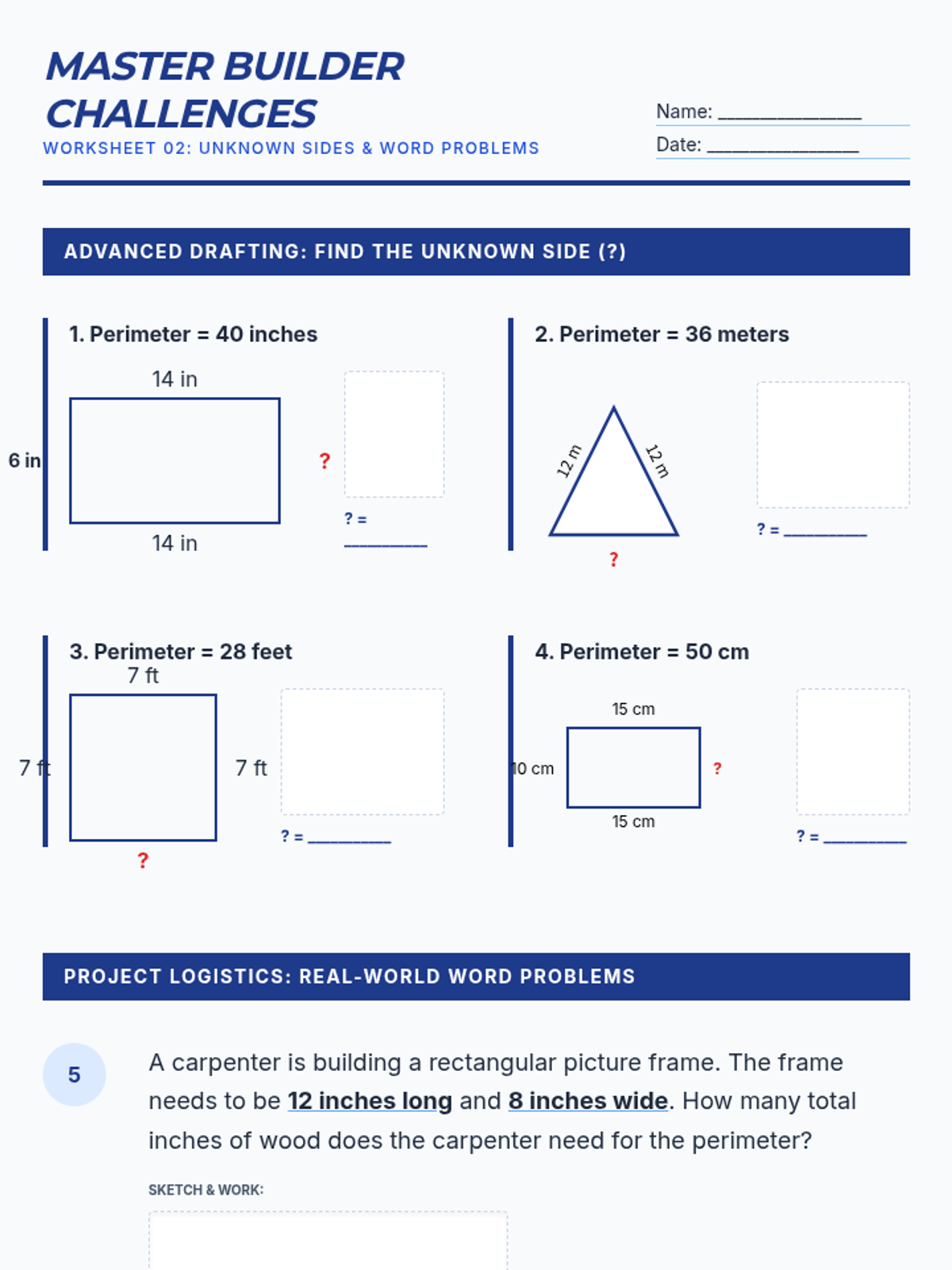
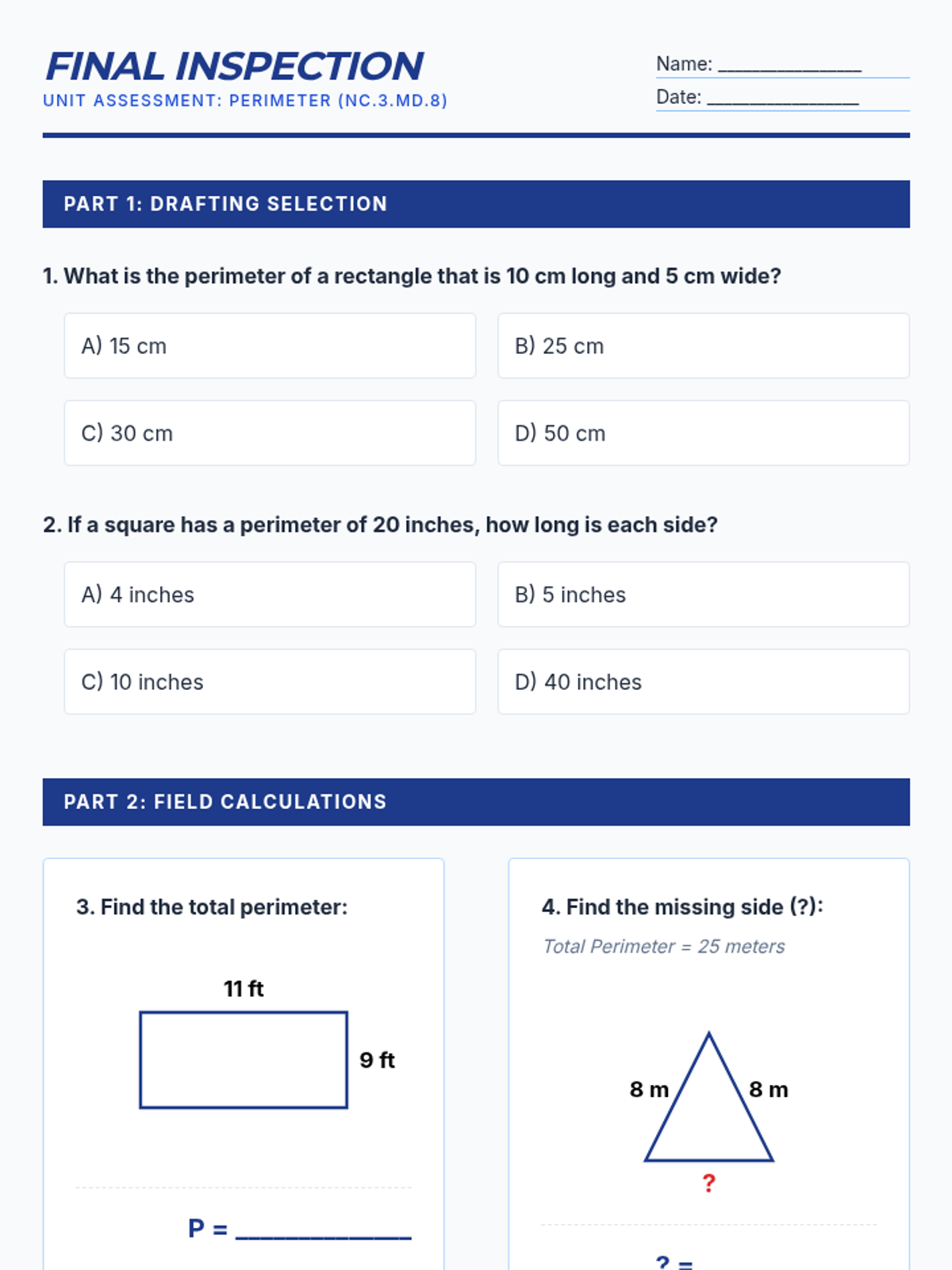
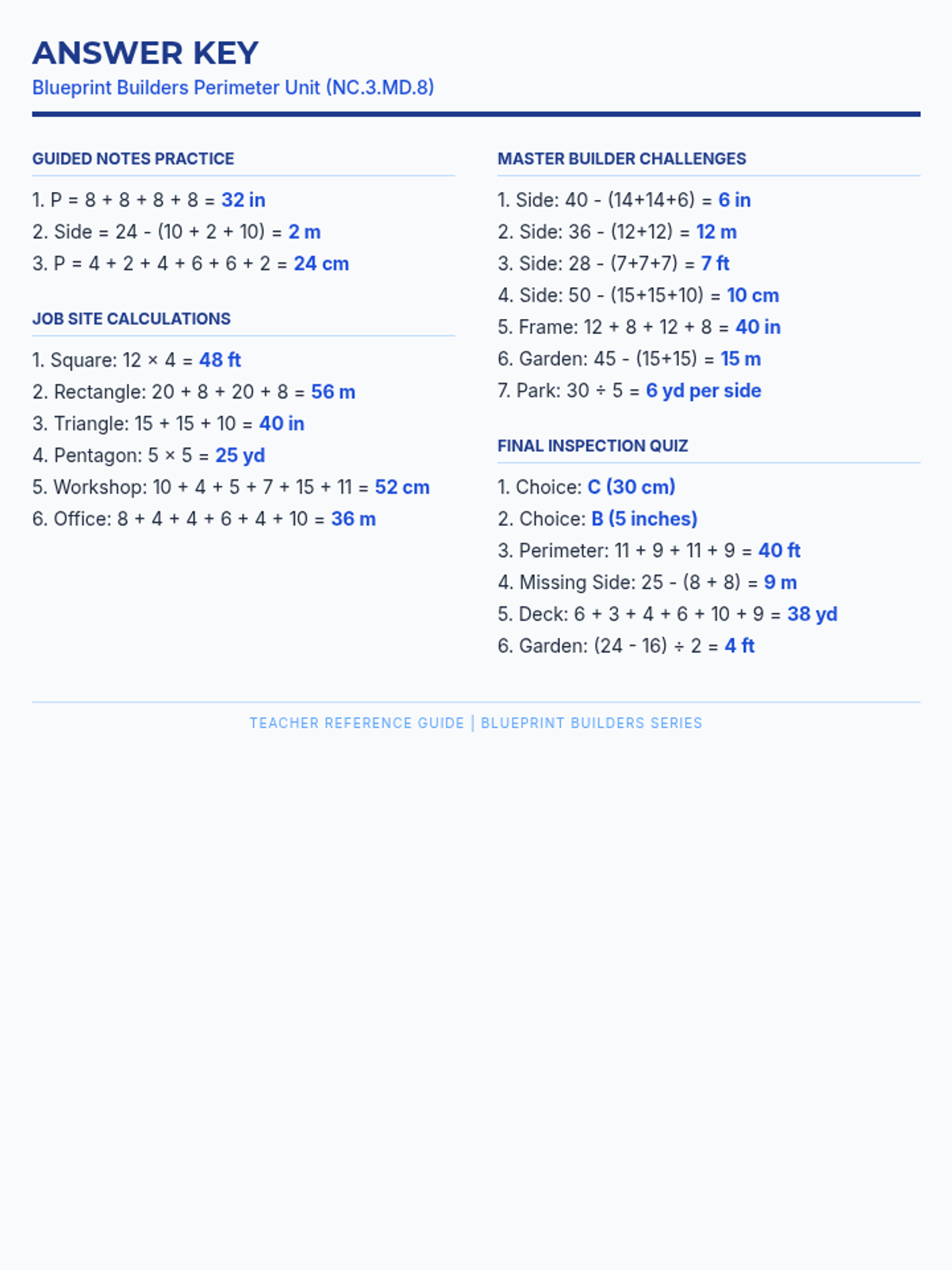
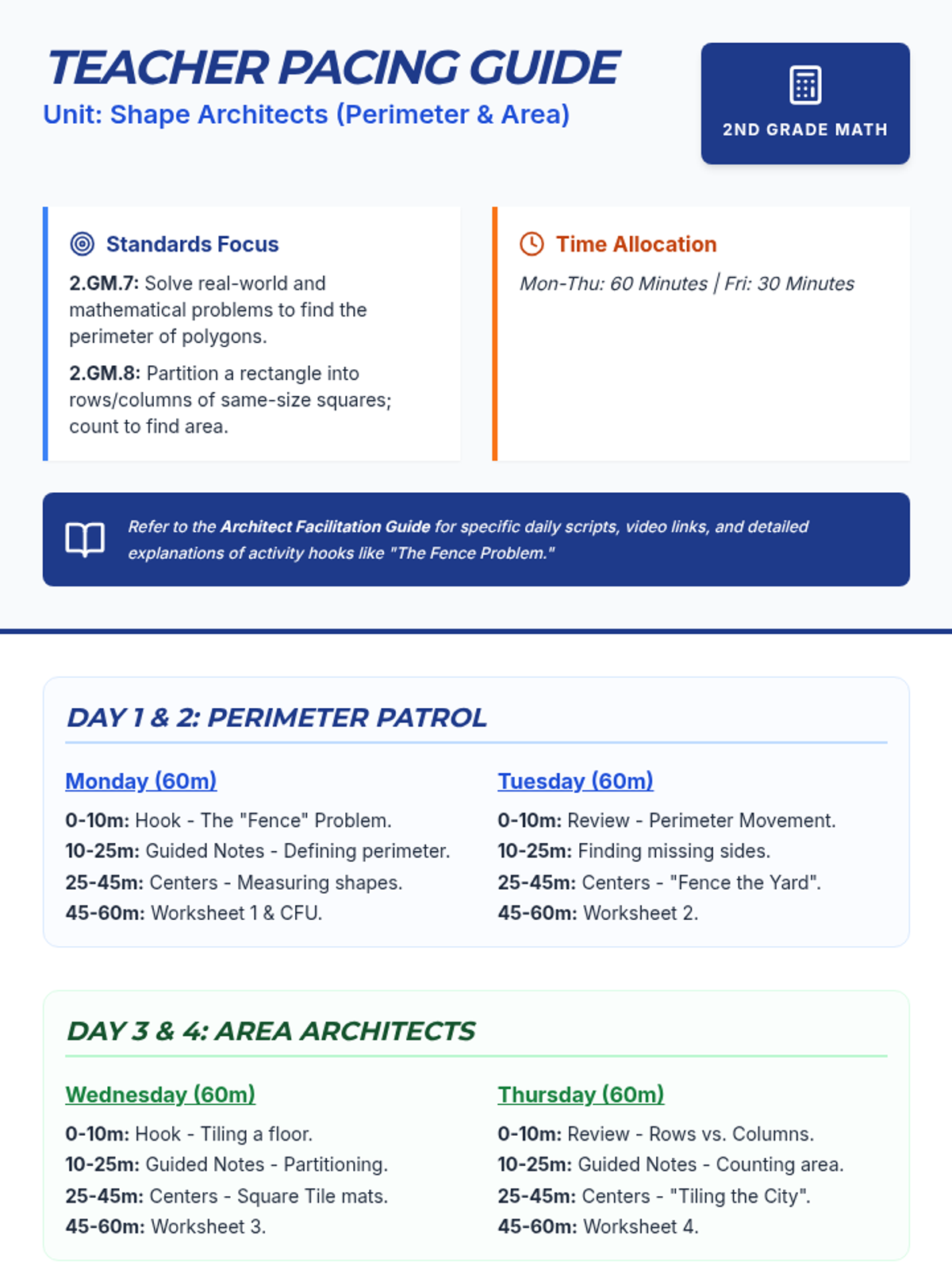
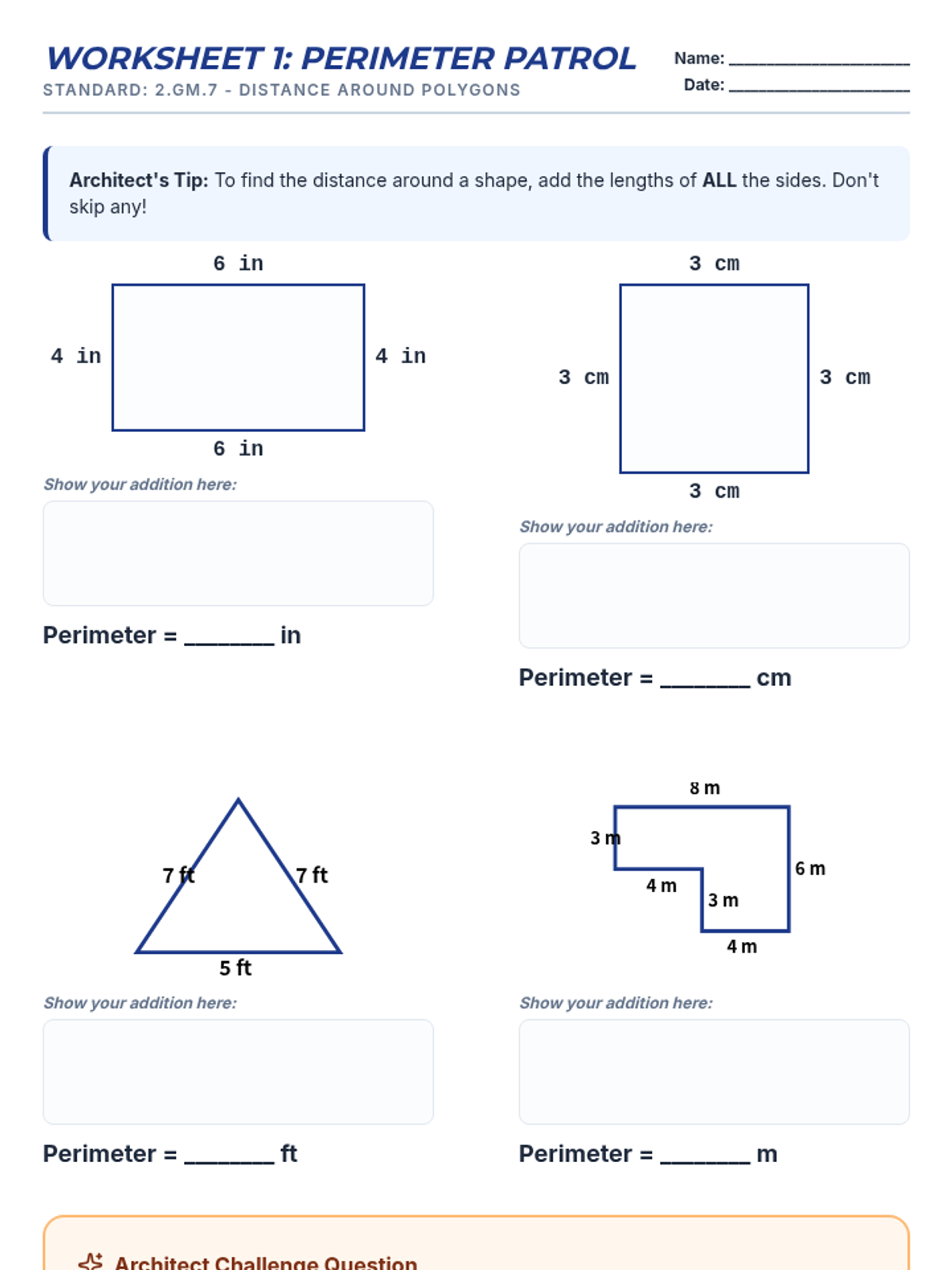
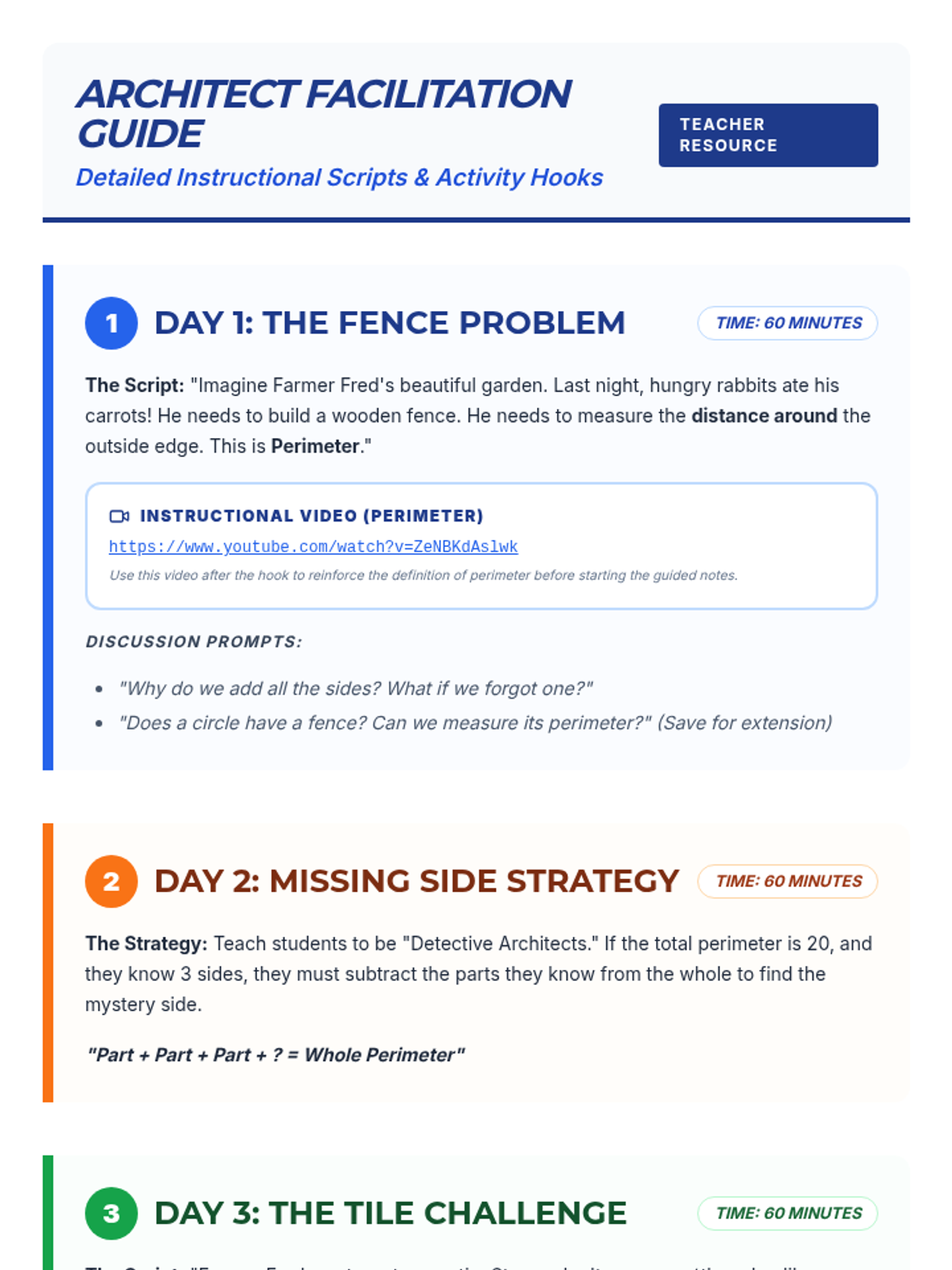
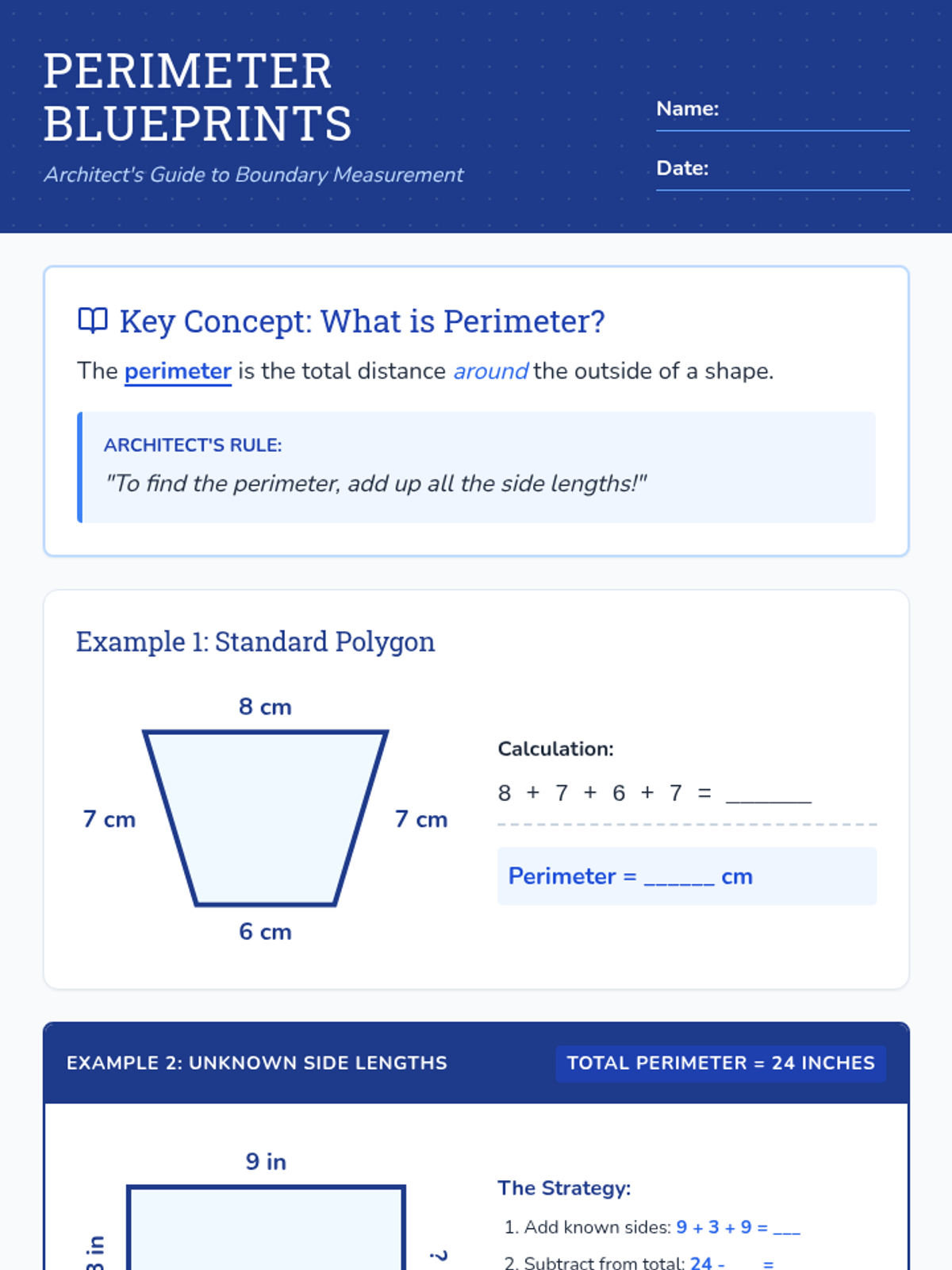
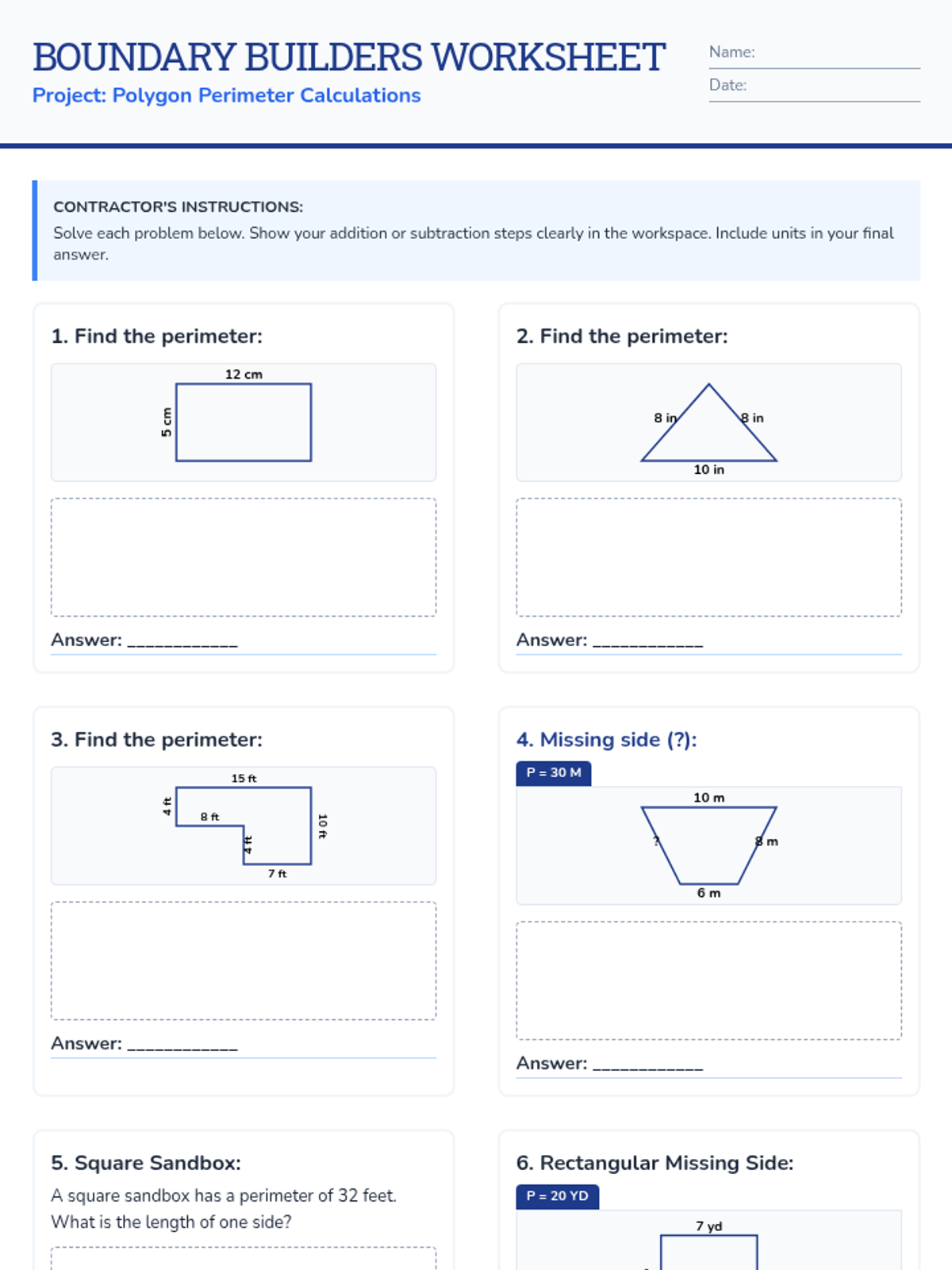
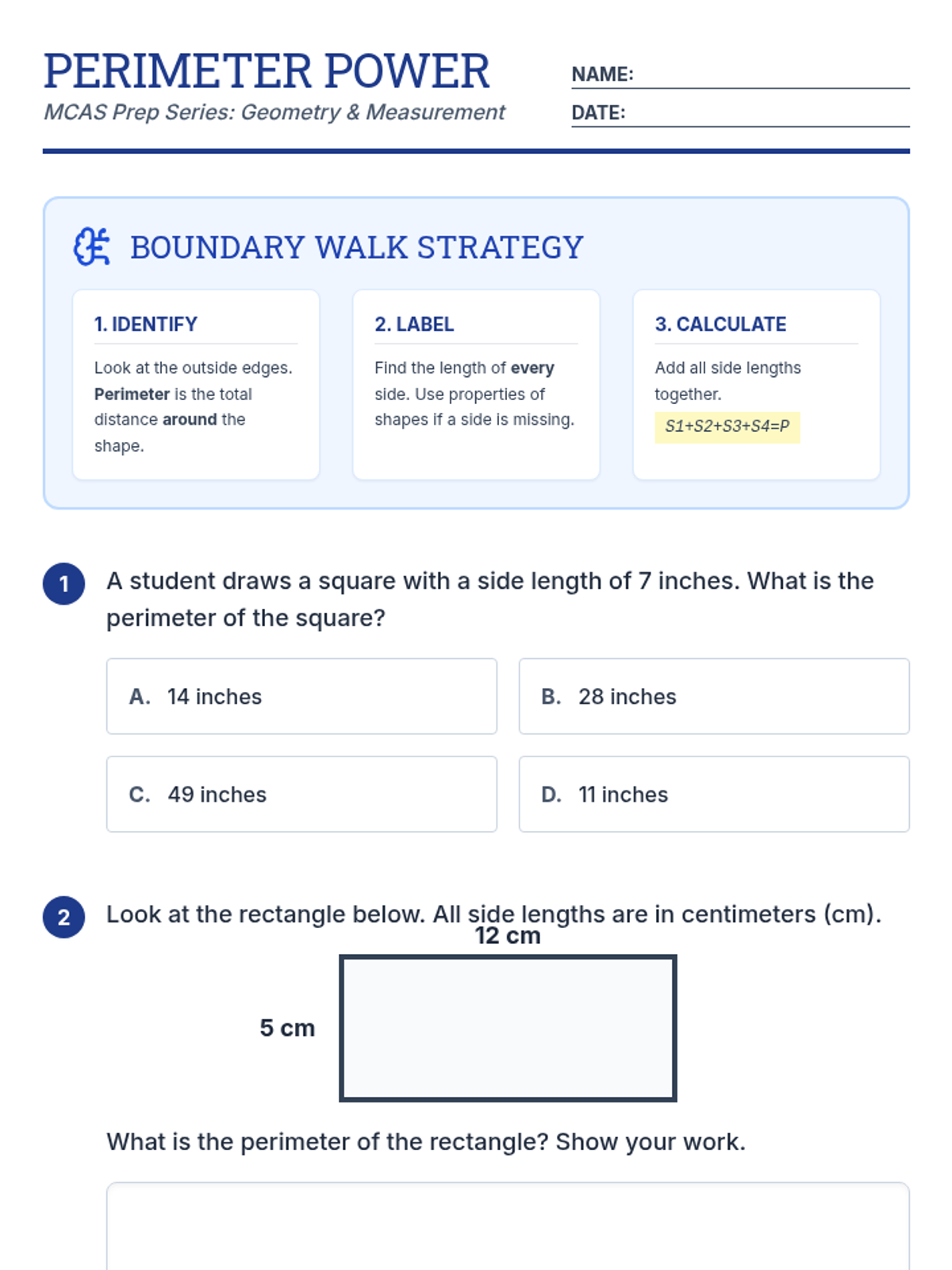
A comprehensive unit on finding the perimeter of various polygons, including unknown side lengths and real-world word problems, themed around architectural blueprints.
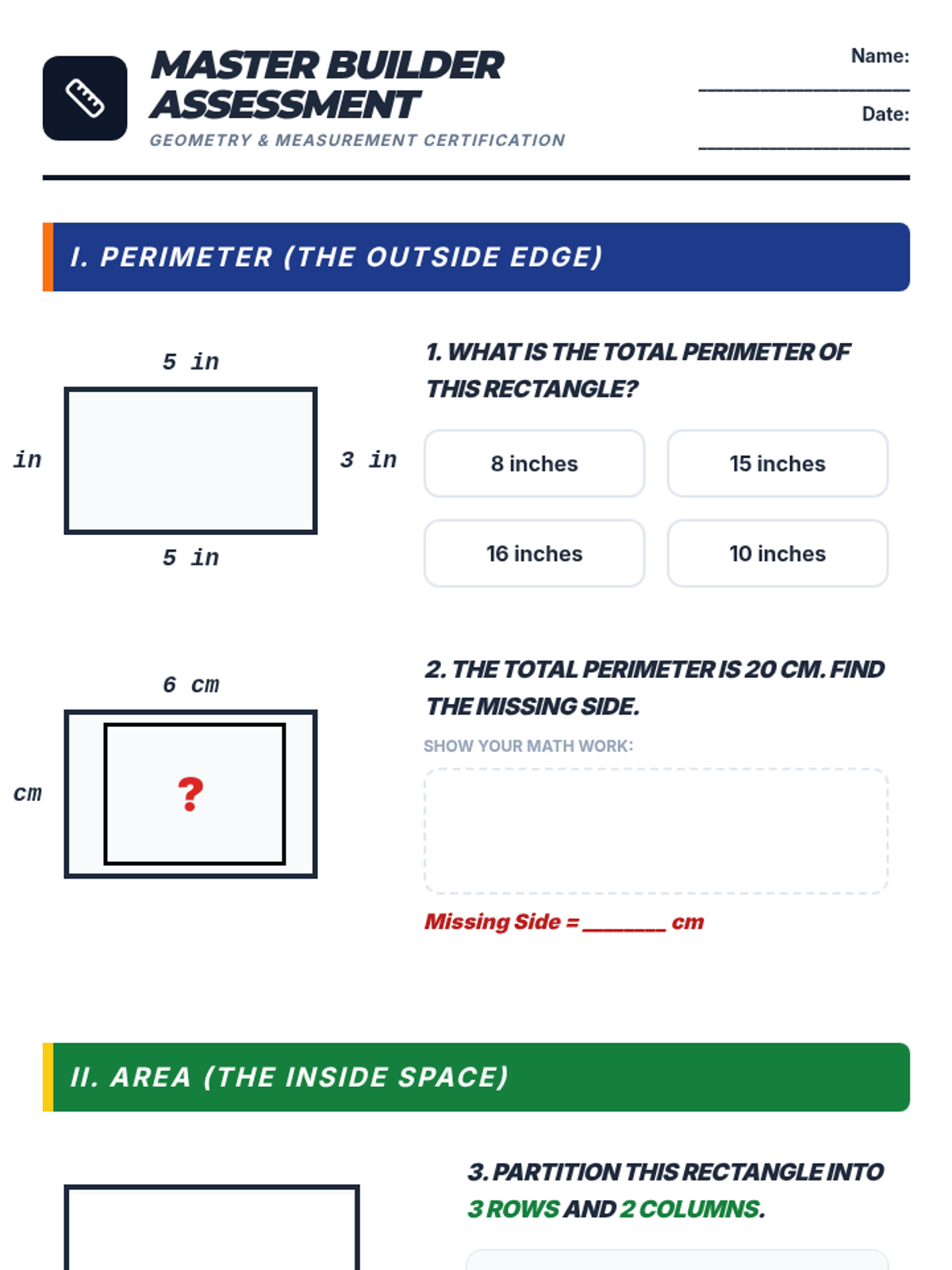
A cumulative review and formal assessment of perimeter and area concepts in a shortened Friday block.
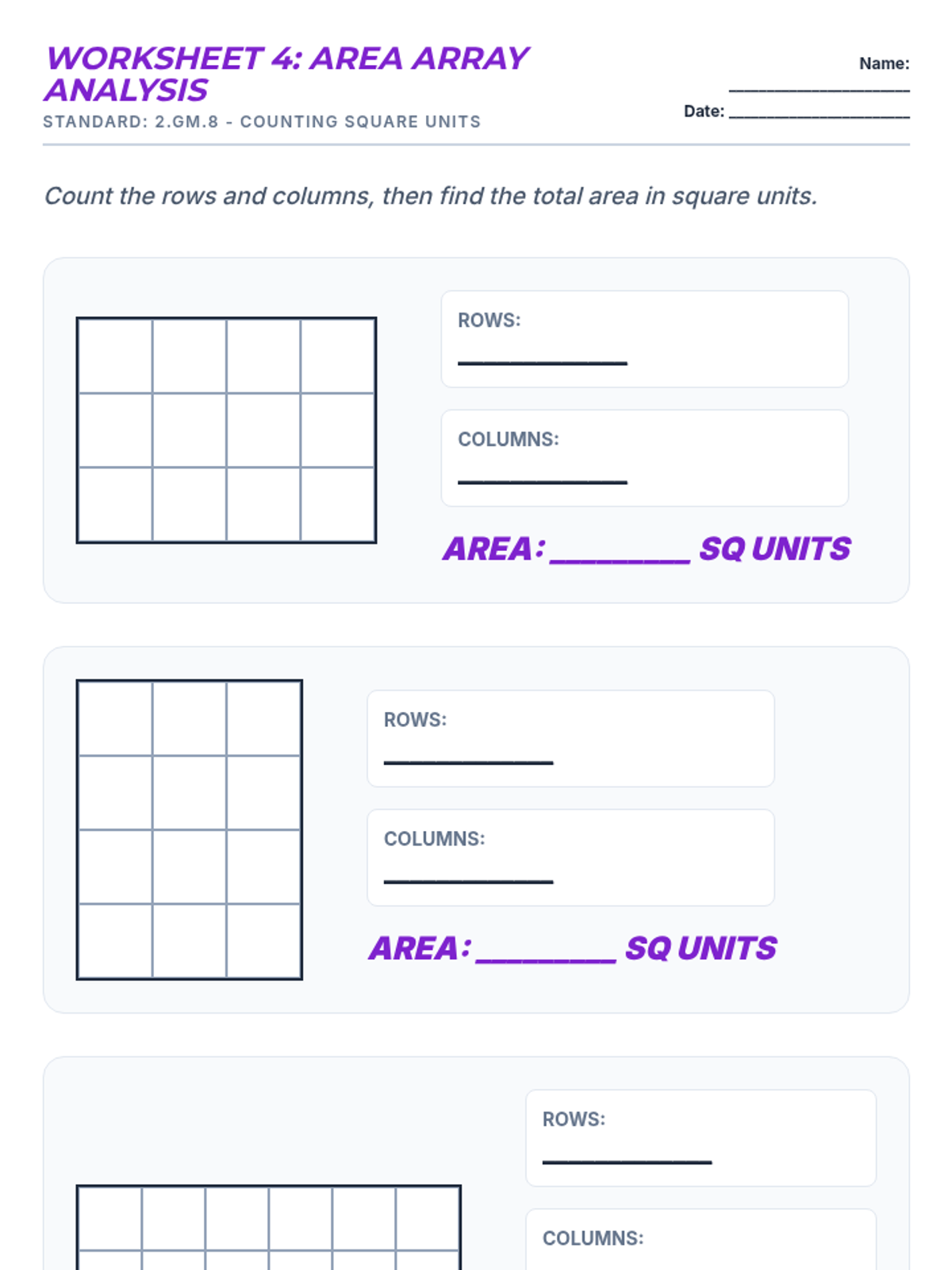
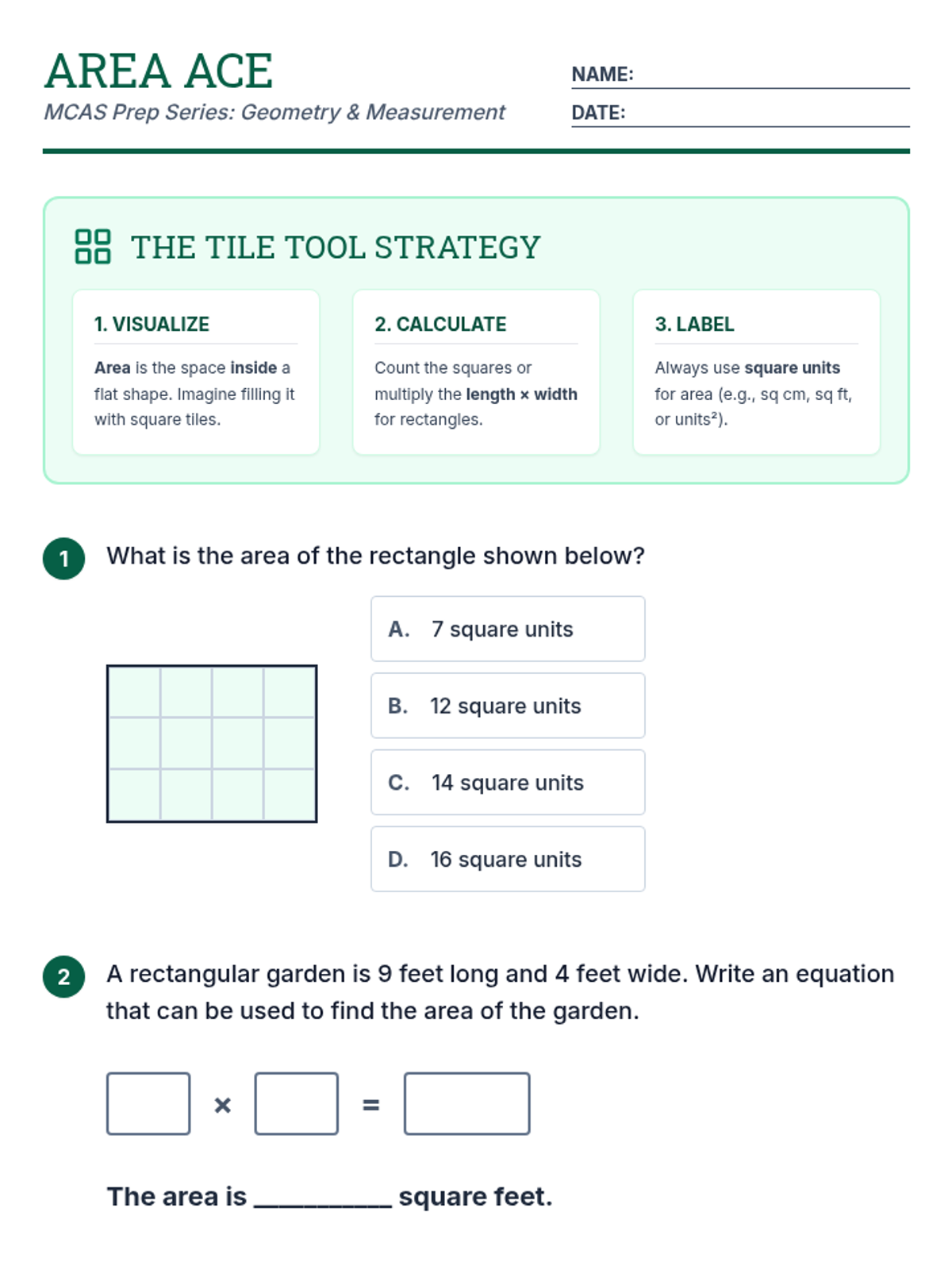
Reinforcing the concept of area through counting squares in arrays and understanding the relationship between rows, columns, and total area.
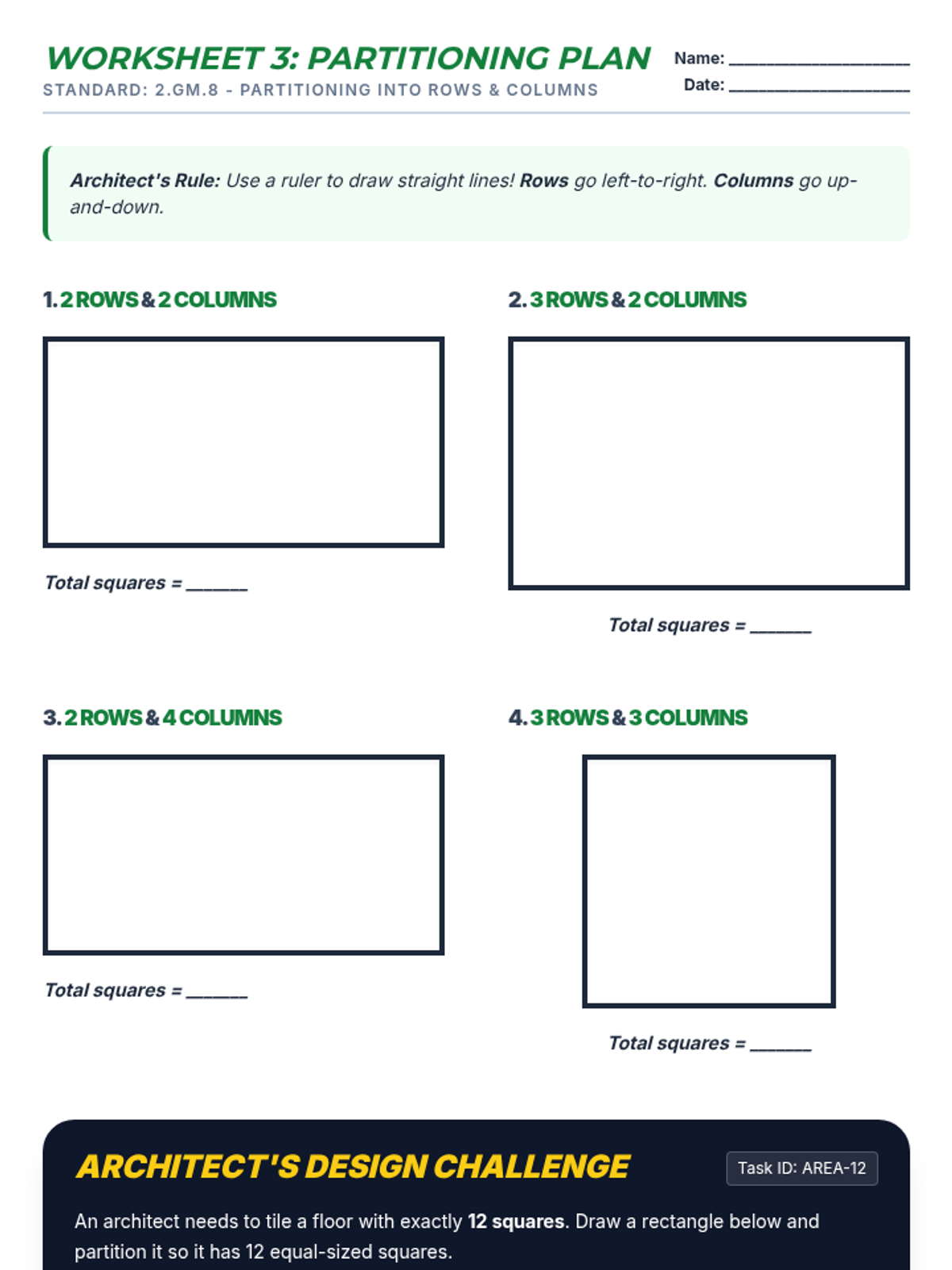
Introduction to area by partitioning rectangles into equal-sized rows and columns. Students will visualize area as the total number of squares inside a boundary.
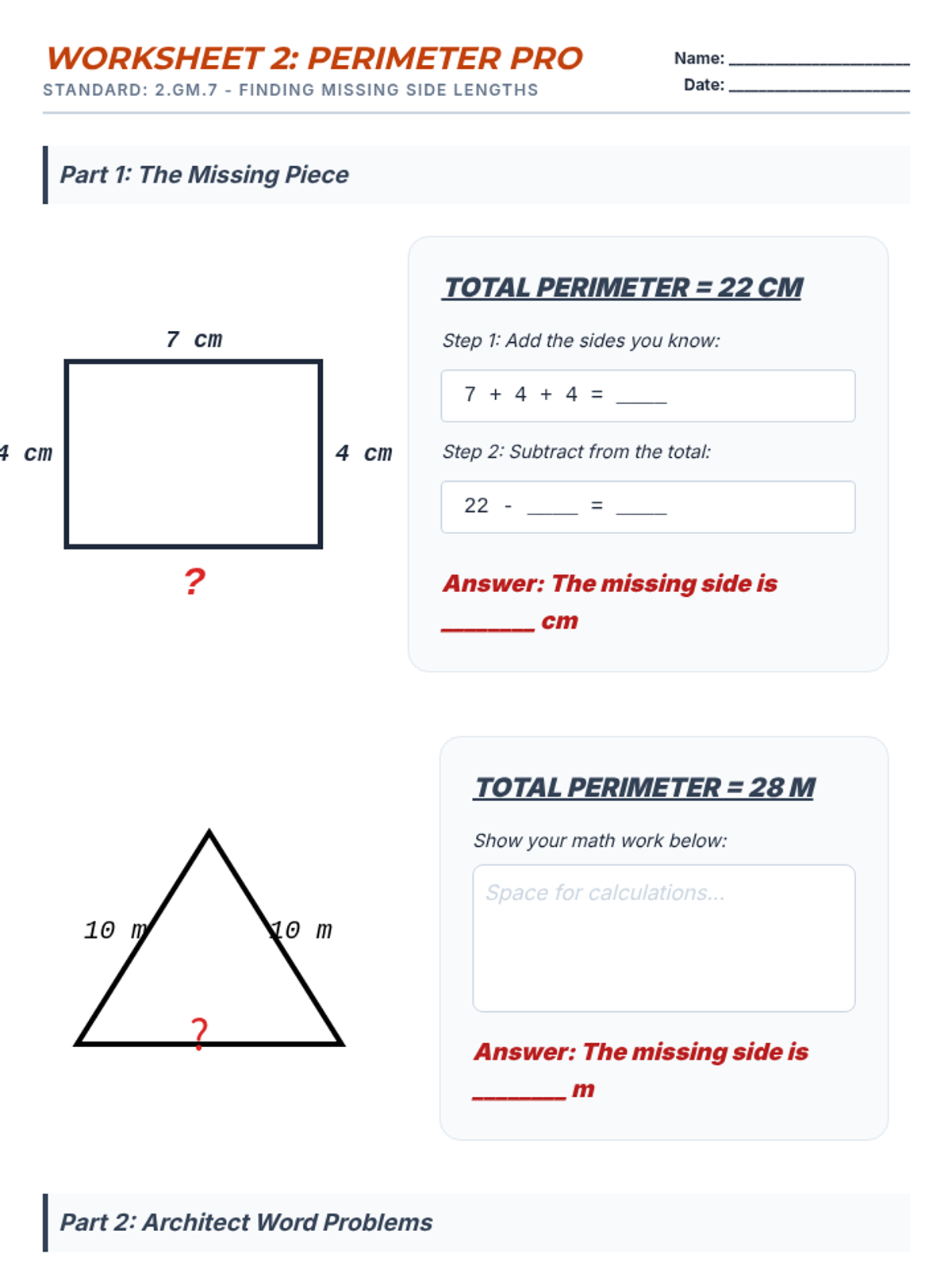
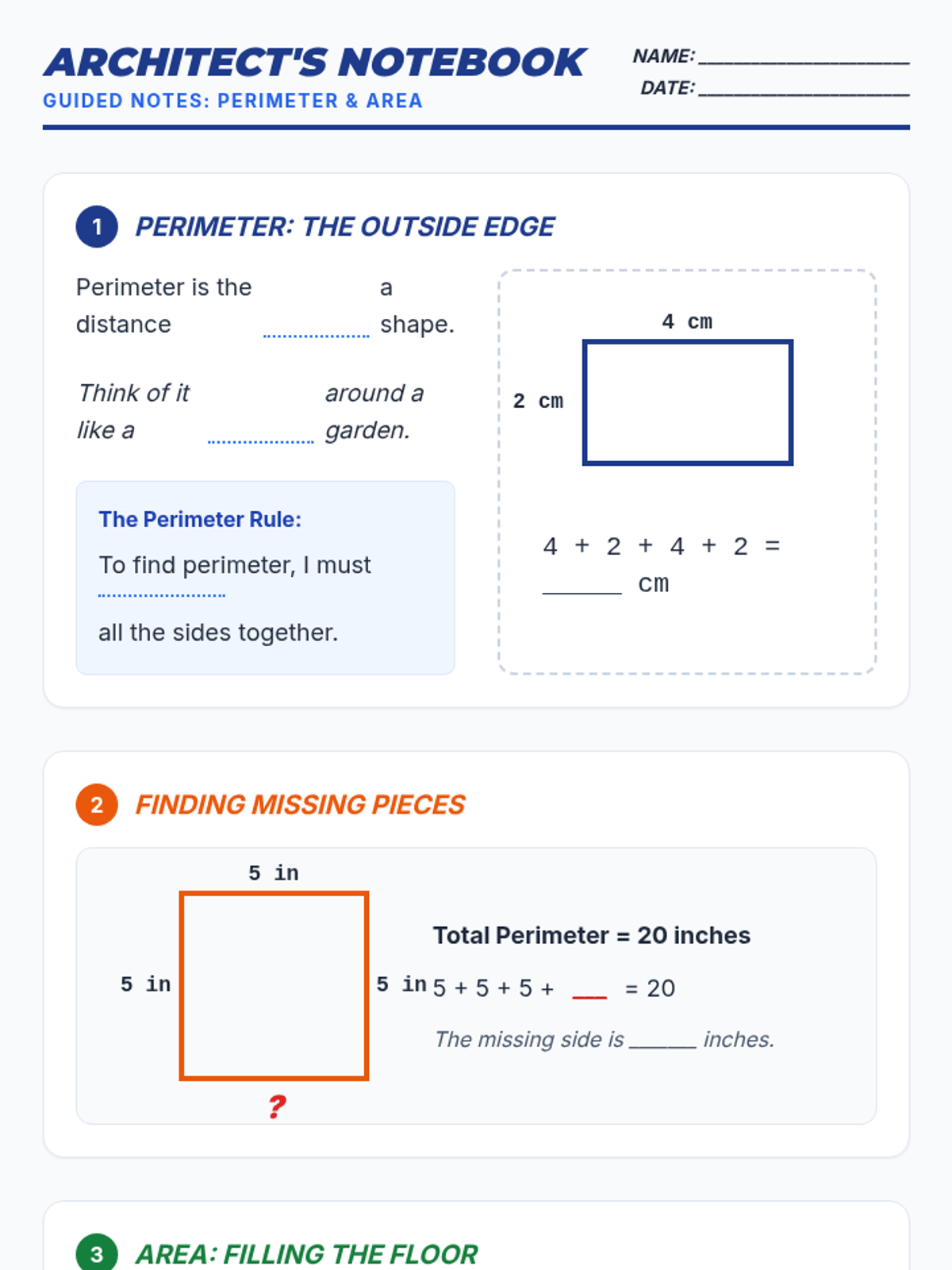
Advanced perimeter practice including finding missing side lengths and solving real-world word problems involving fences and borders.
Introduction to perimeter as the distance around a shape. Students will learn to measure sides and add them together to find the total perimeter.
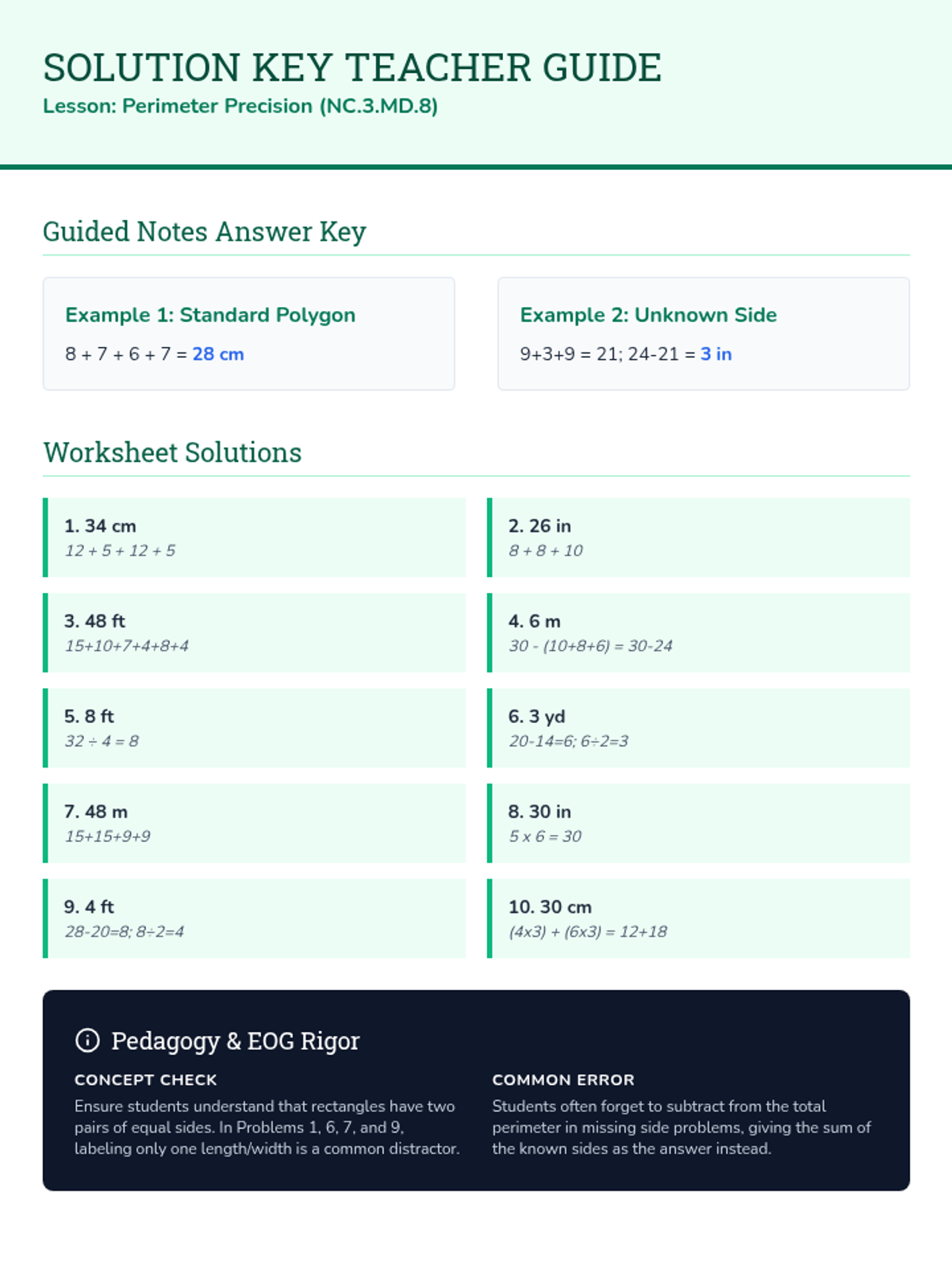
A comprehensive lesson on finding the perimeter of polygons and determining unknown side lengths when given the total perimeter, modeled after NC.3.MD.8 standards.
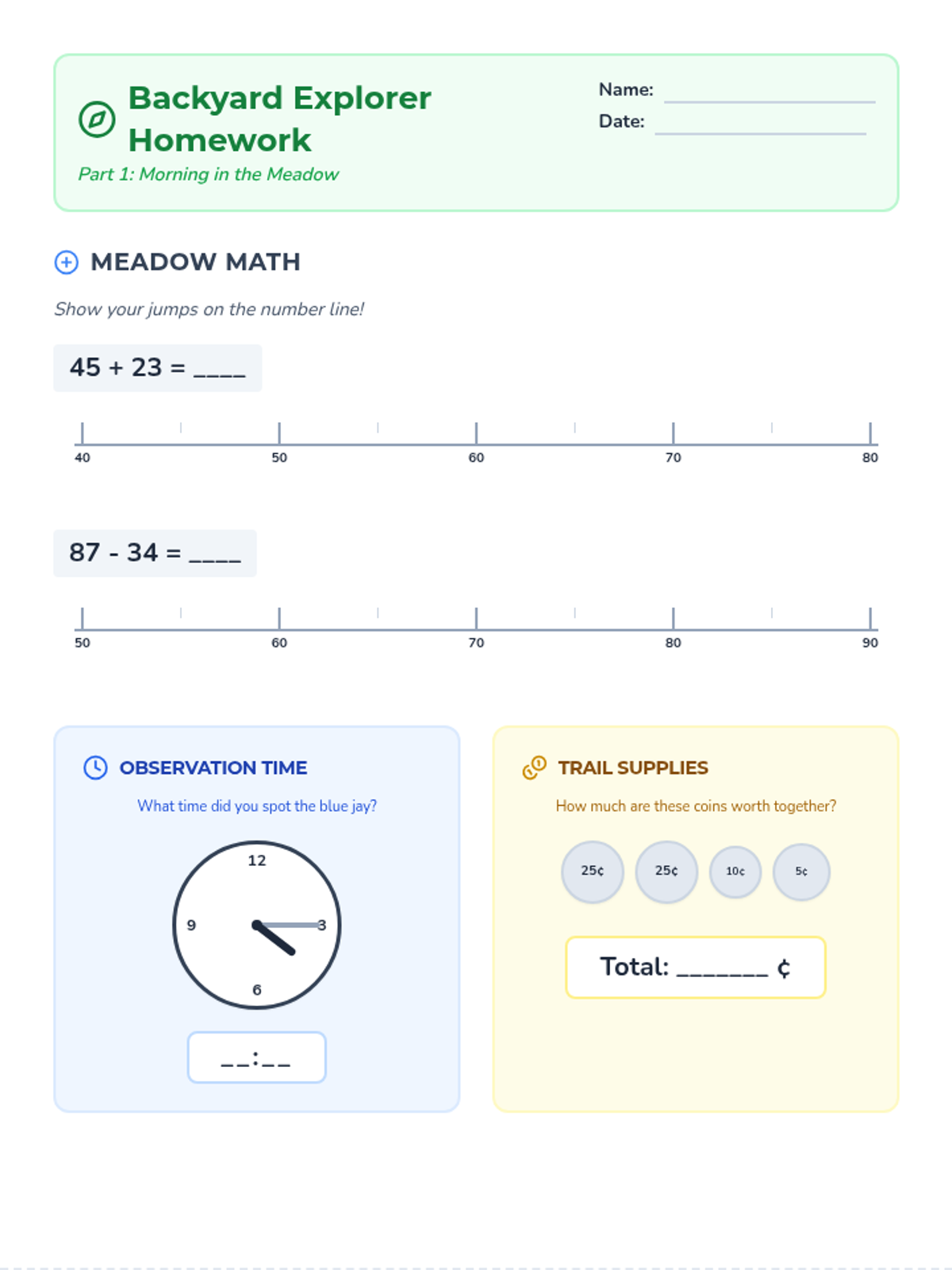
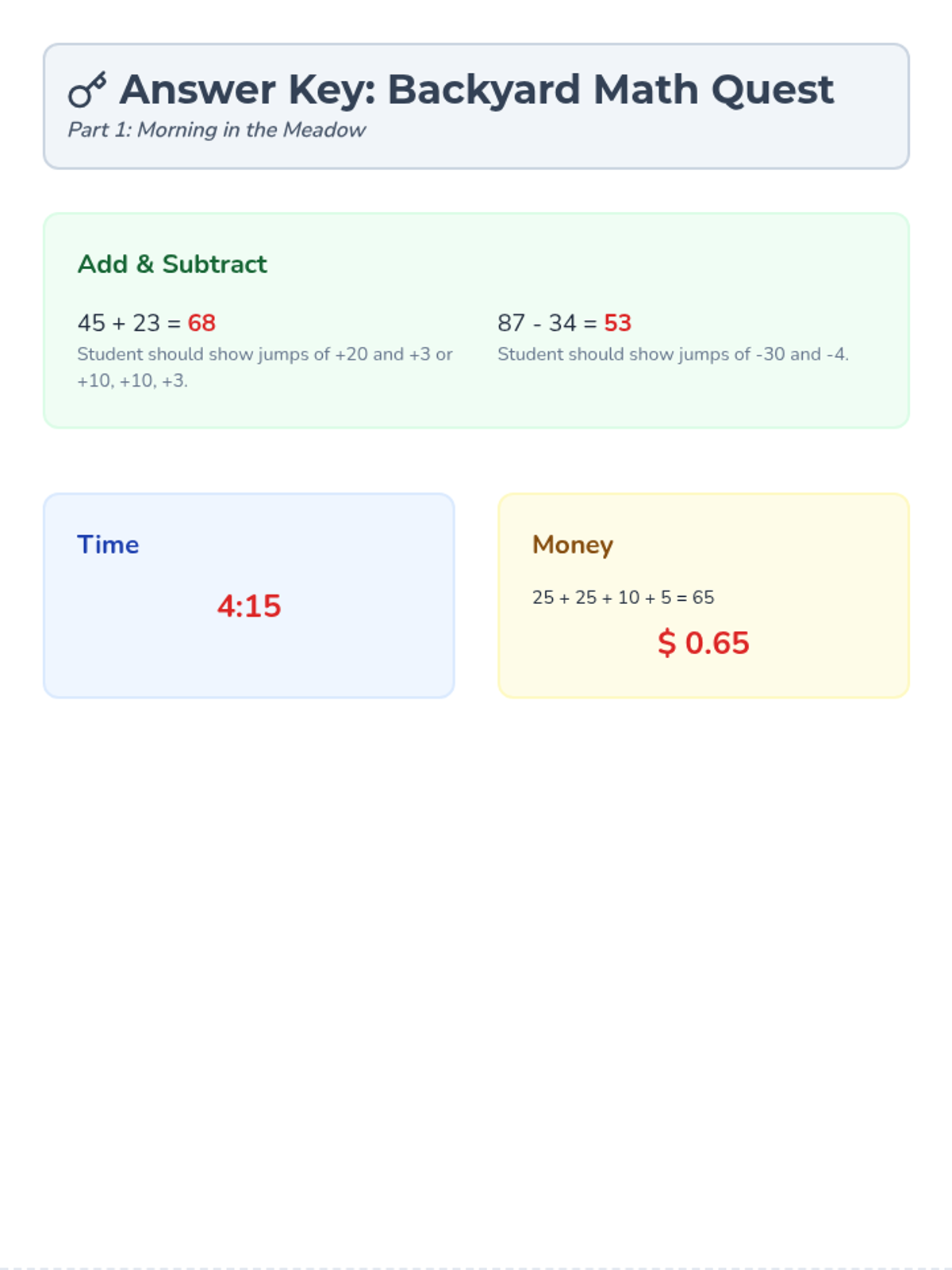
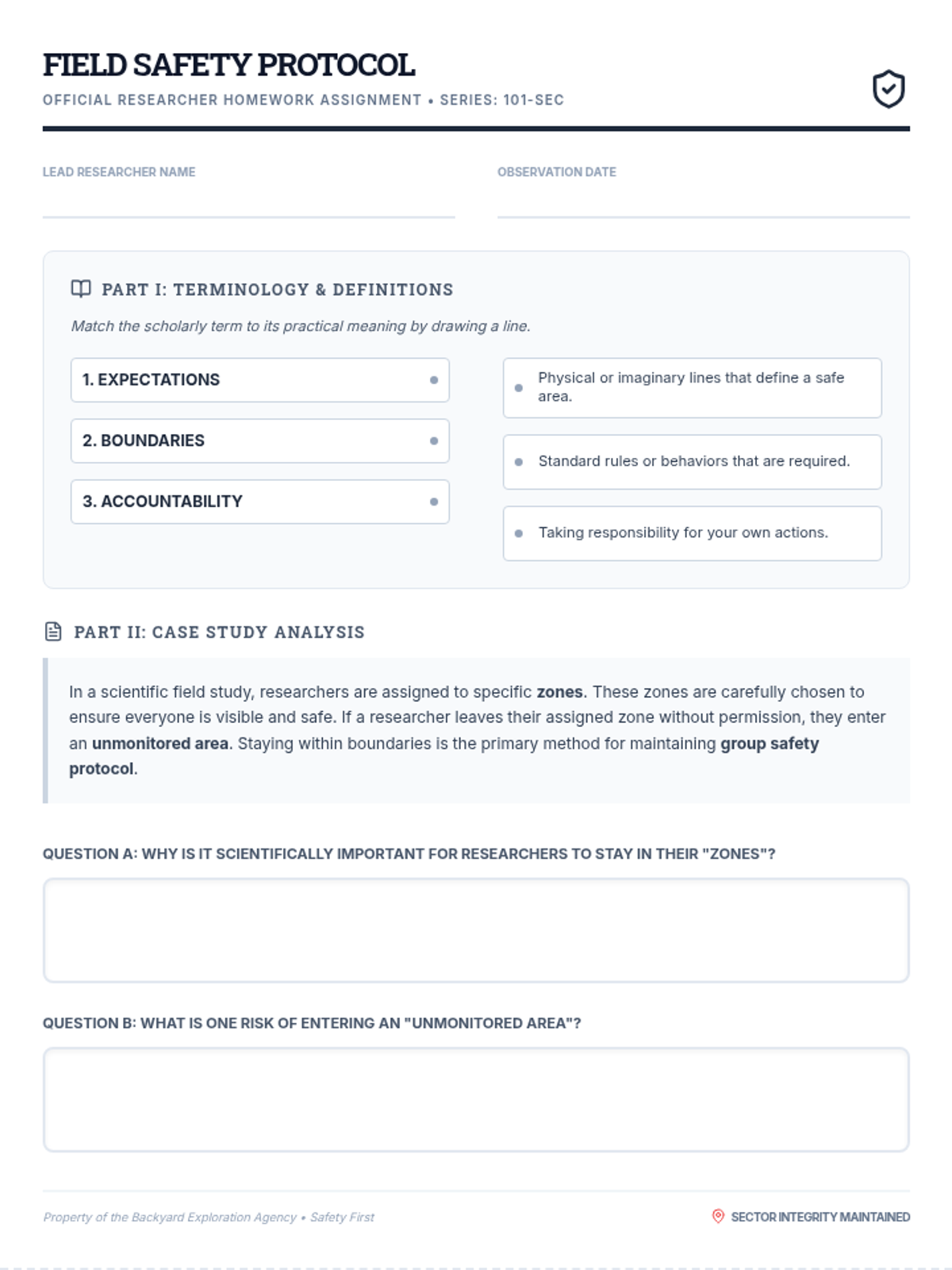
A comprehensive mixed review of 3rd-grade math concepts including arithmetic, time, money, fractions, and multiplication, all themed around a backyard exploration.
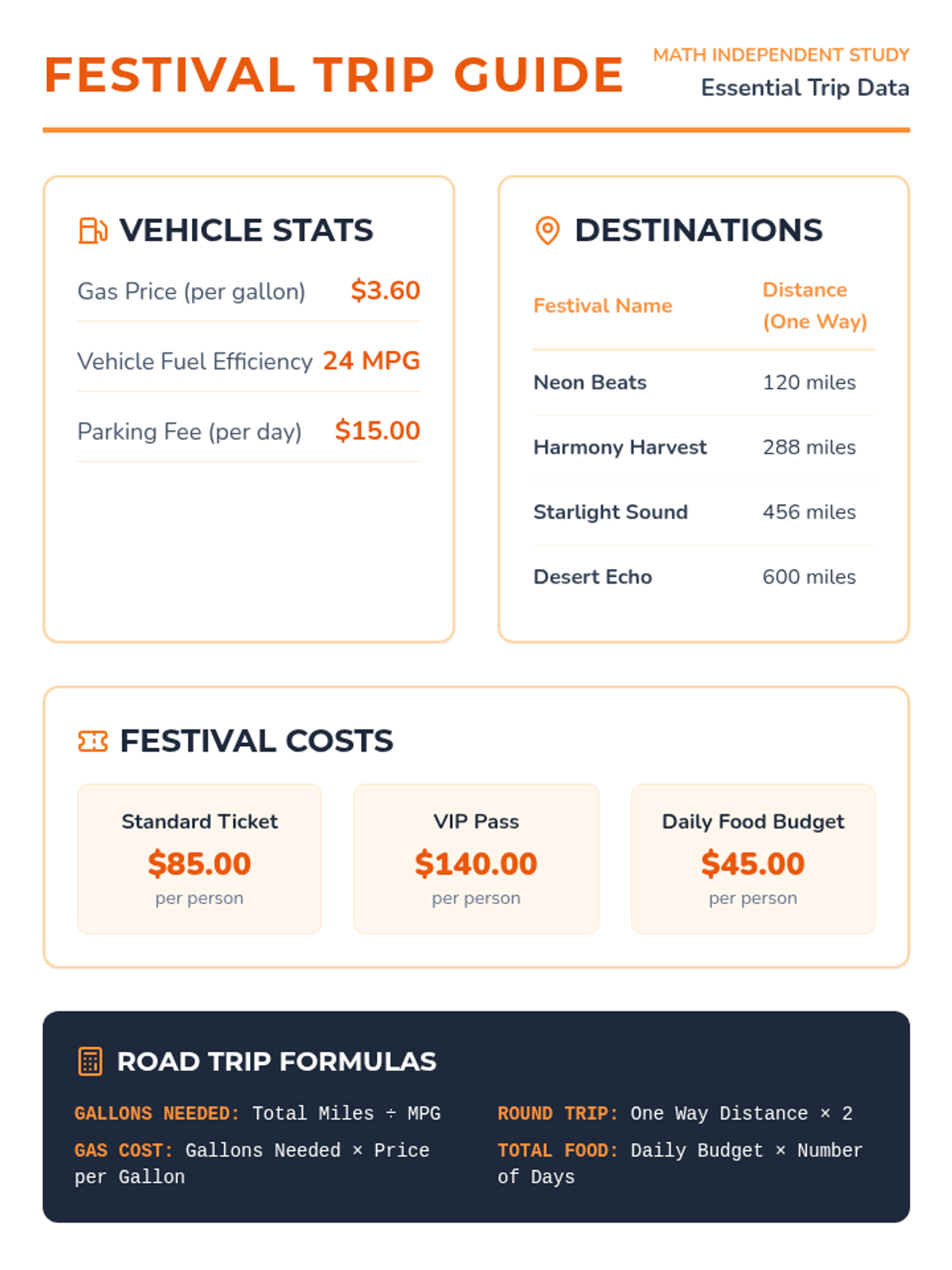
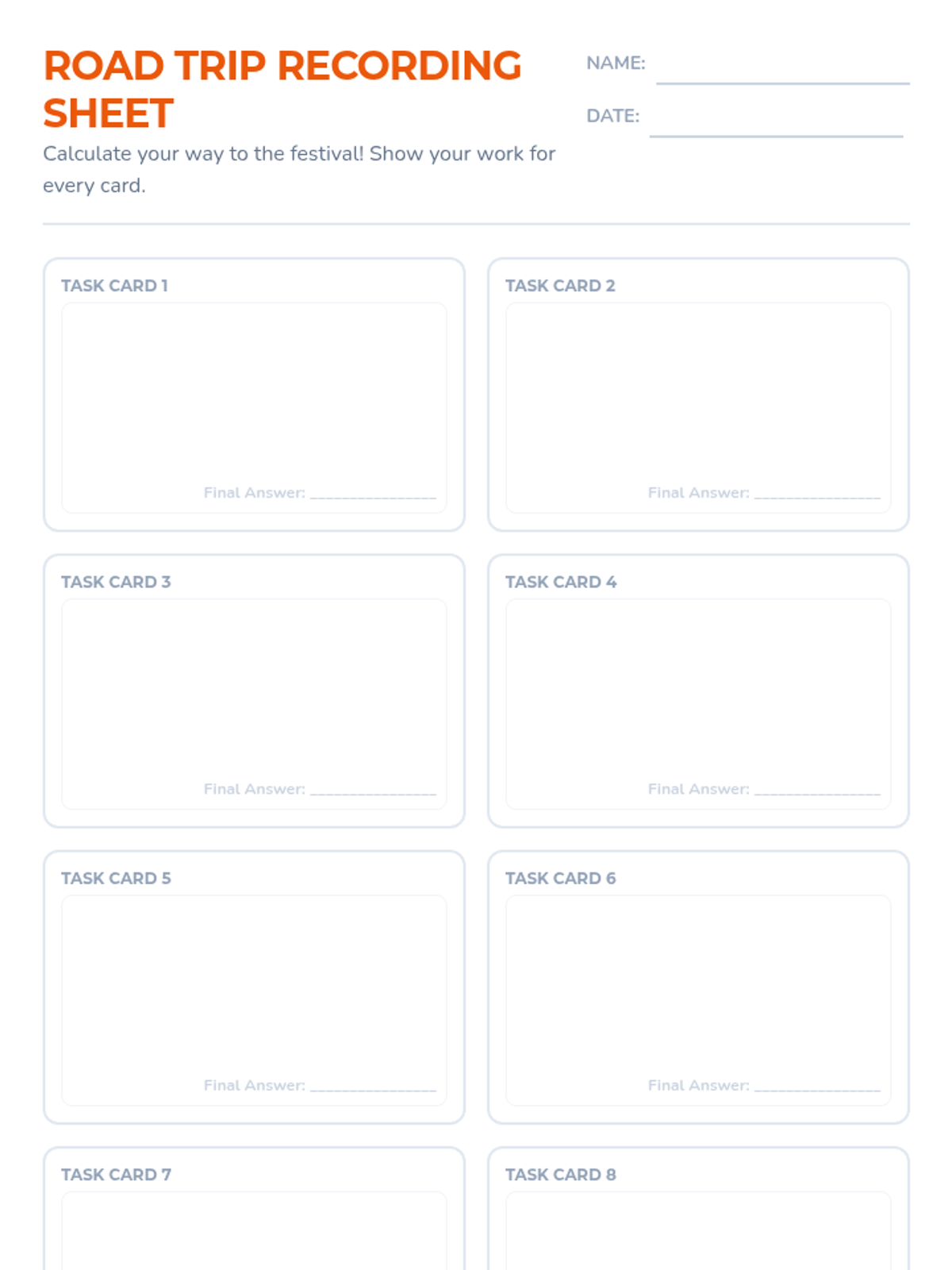
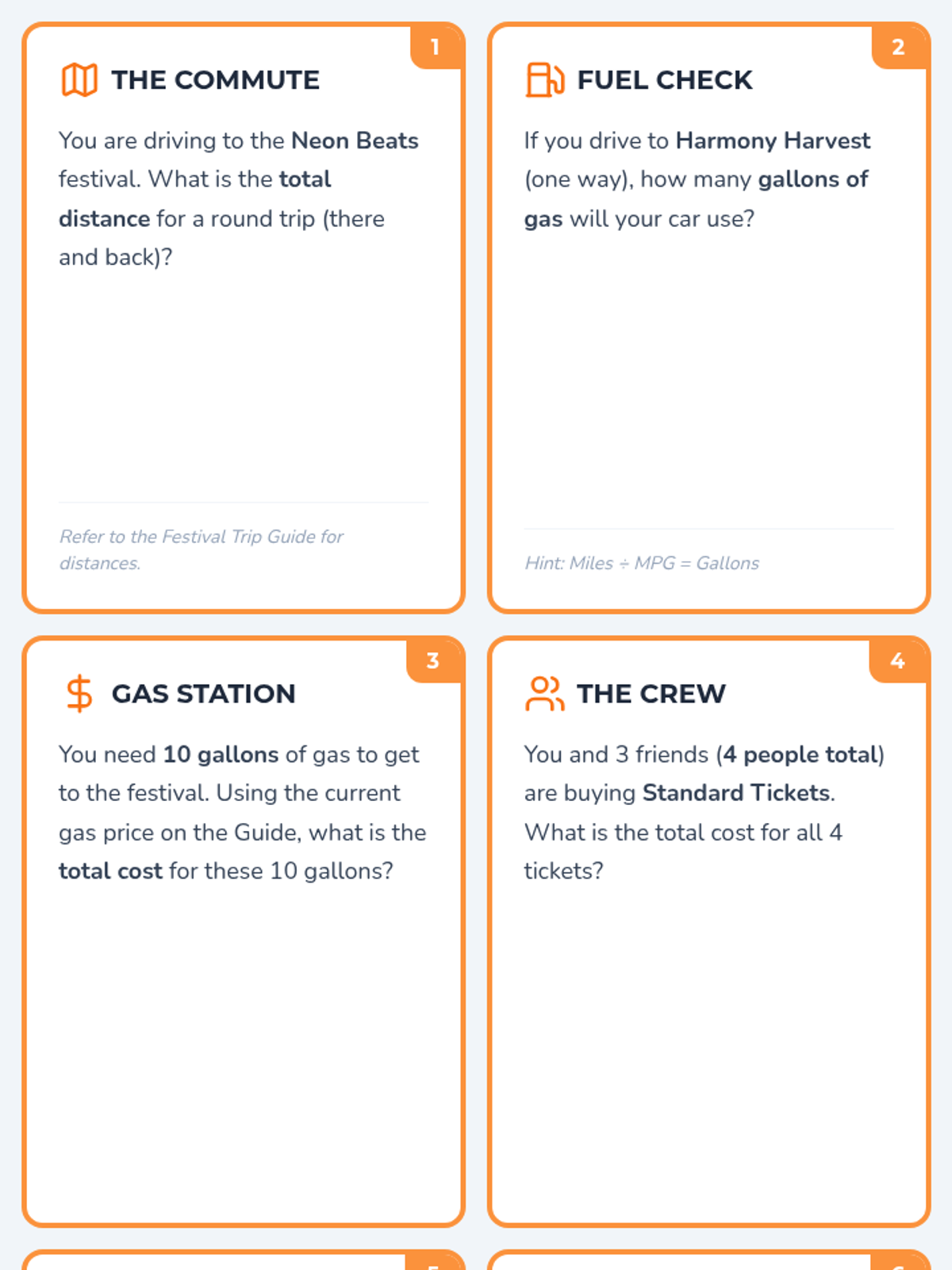
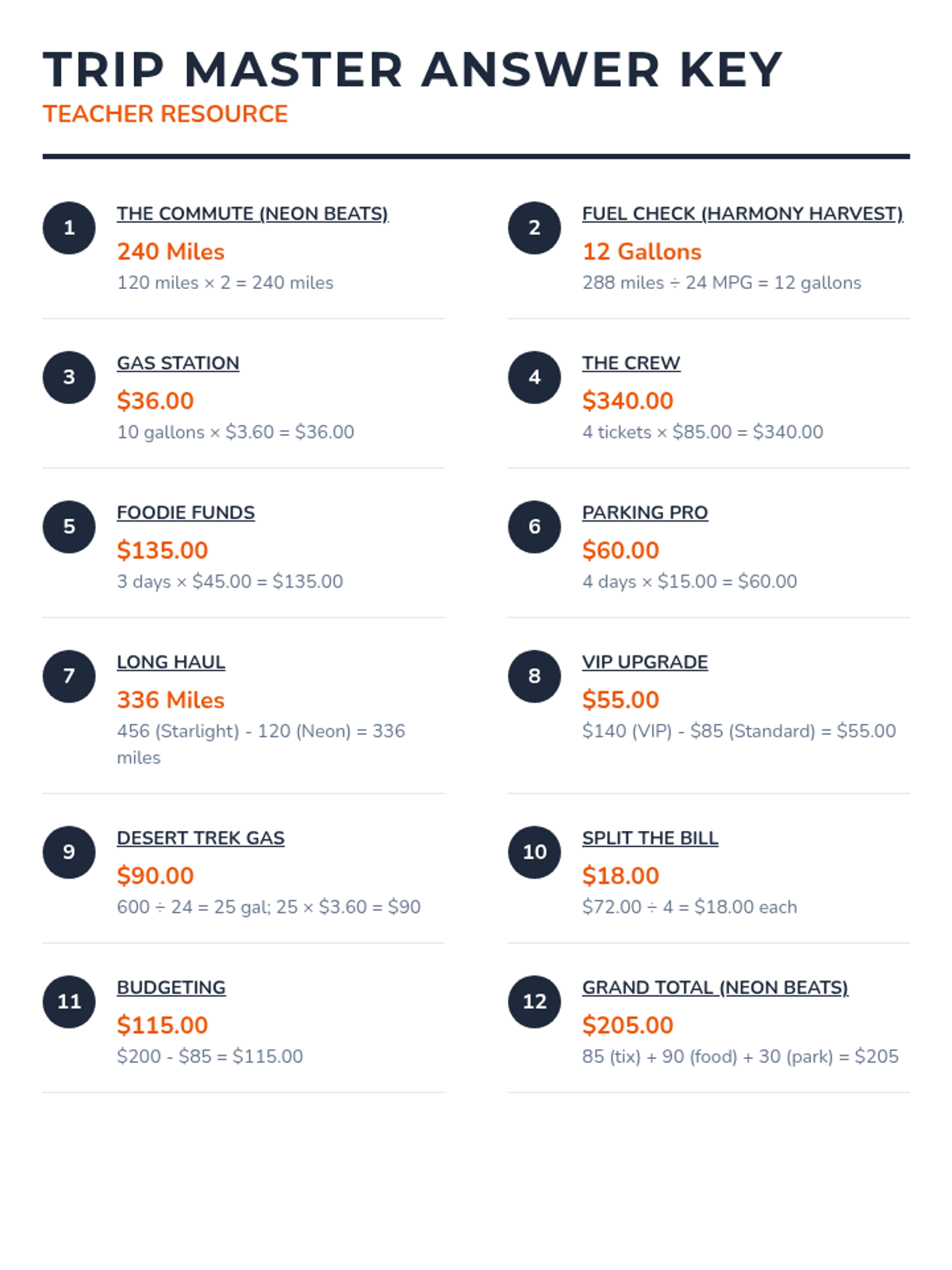
A math independent study unit where students calculate distances, fuel costs, and festival expenses for various road trip scenarios.
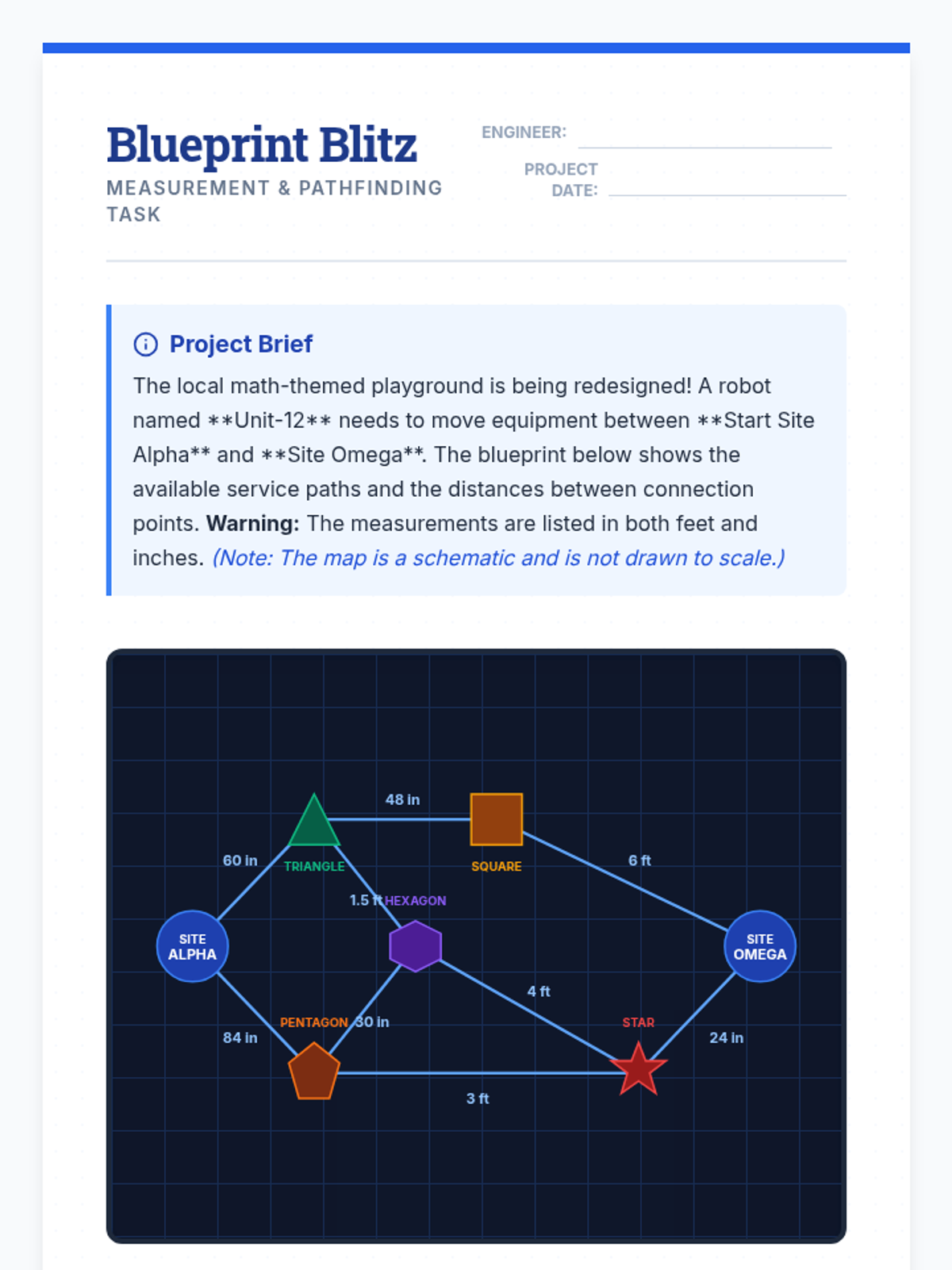
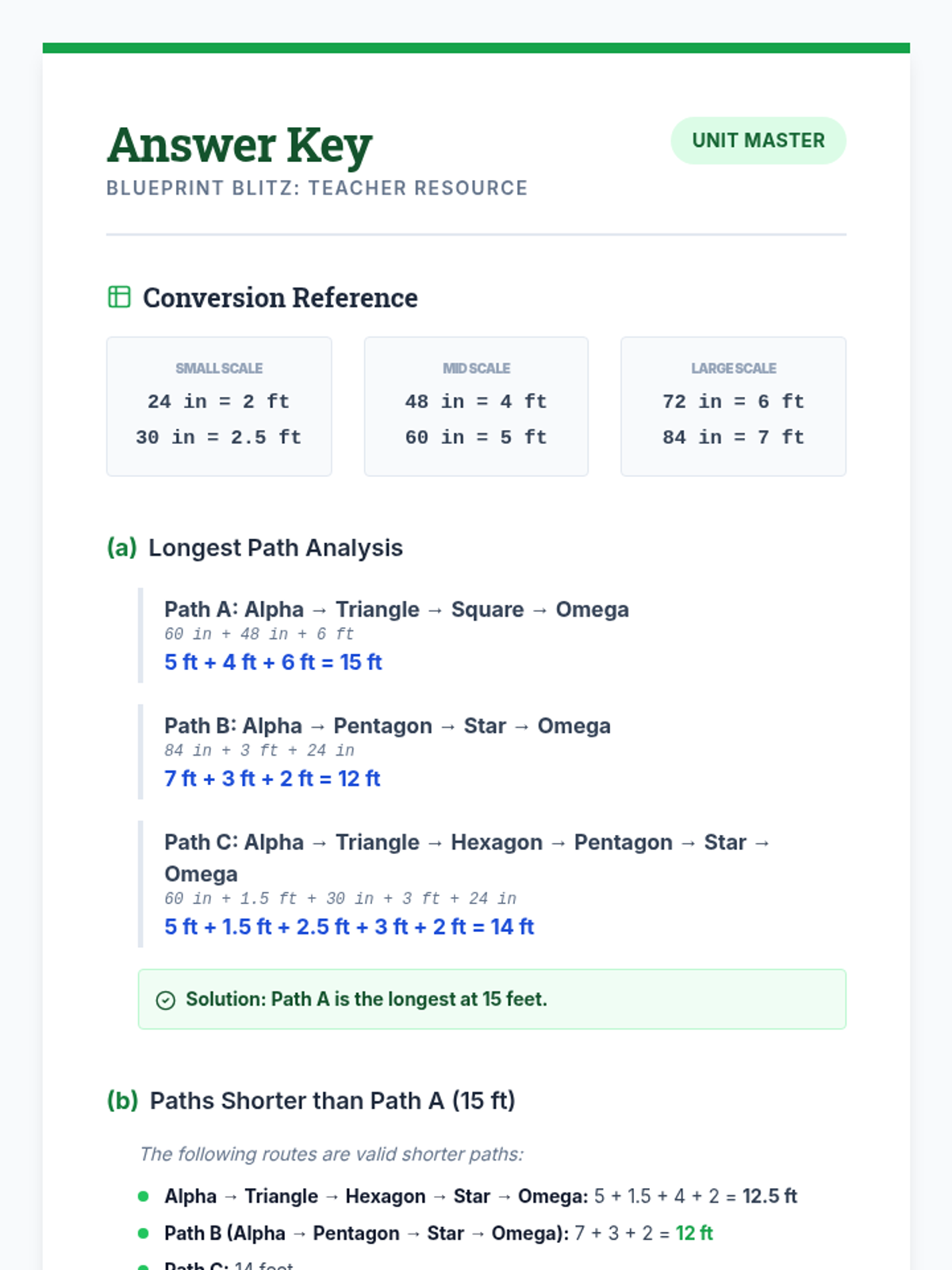
A lesson focused on unit conversion (feet and inches) through the lens of navigating a complex blueprint map. Students will calculate total distances of various paths and find the most efficient route.
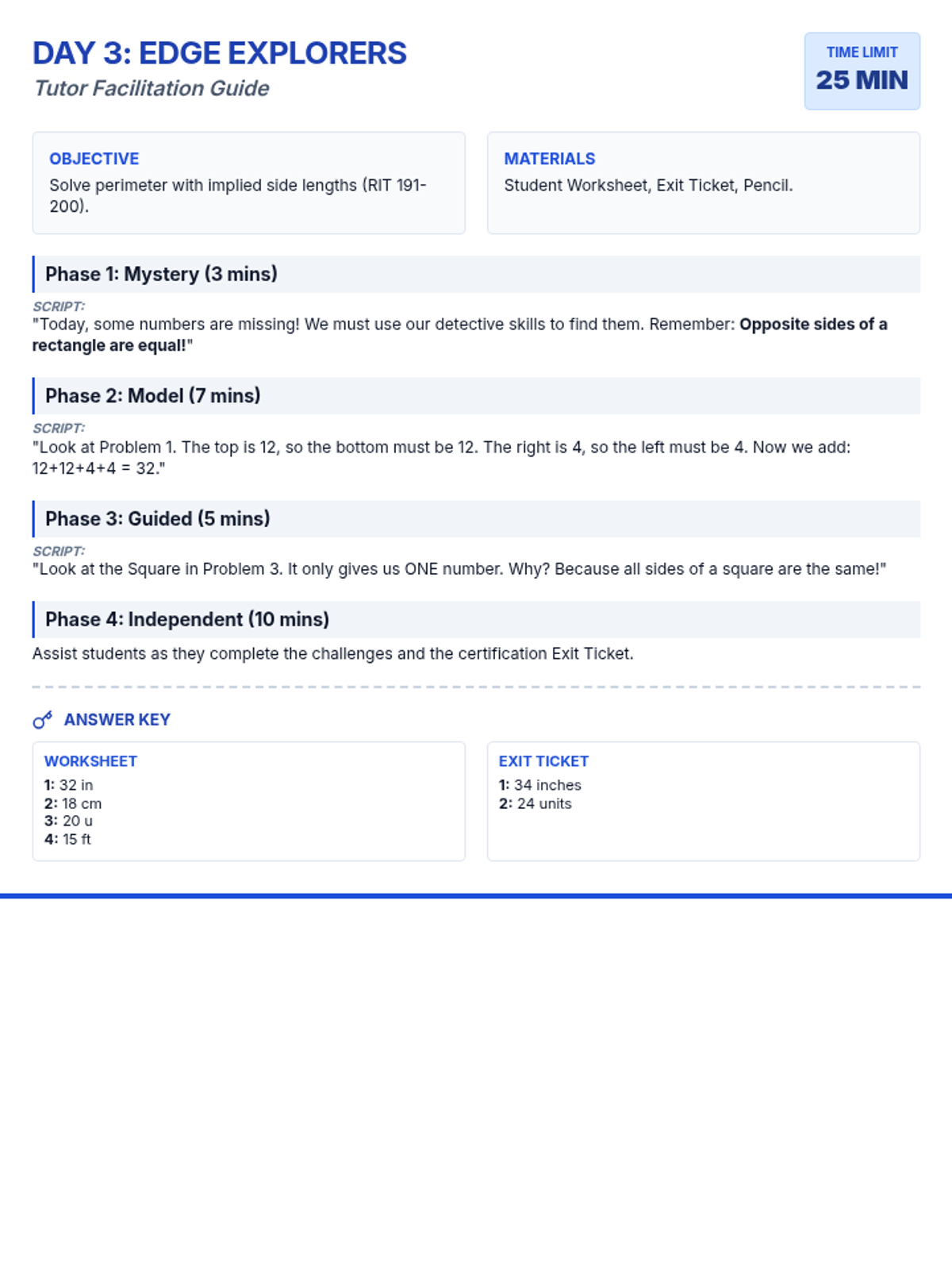
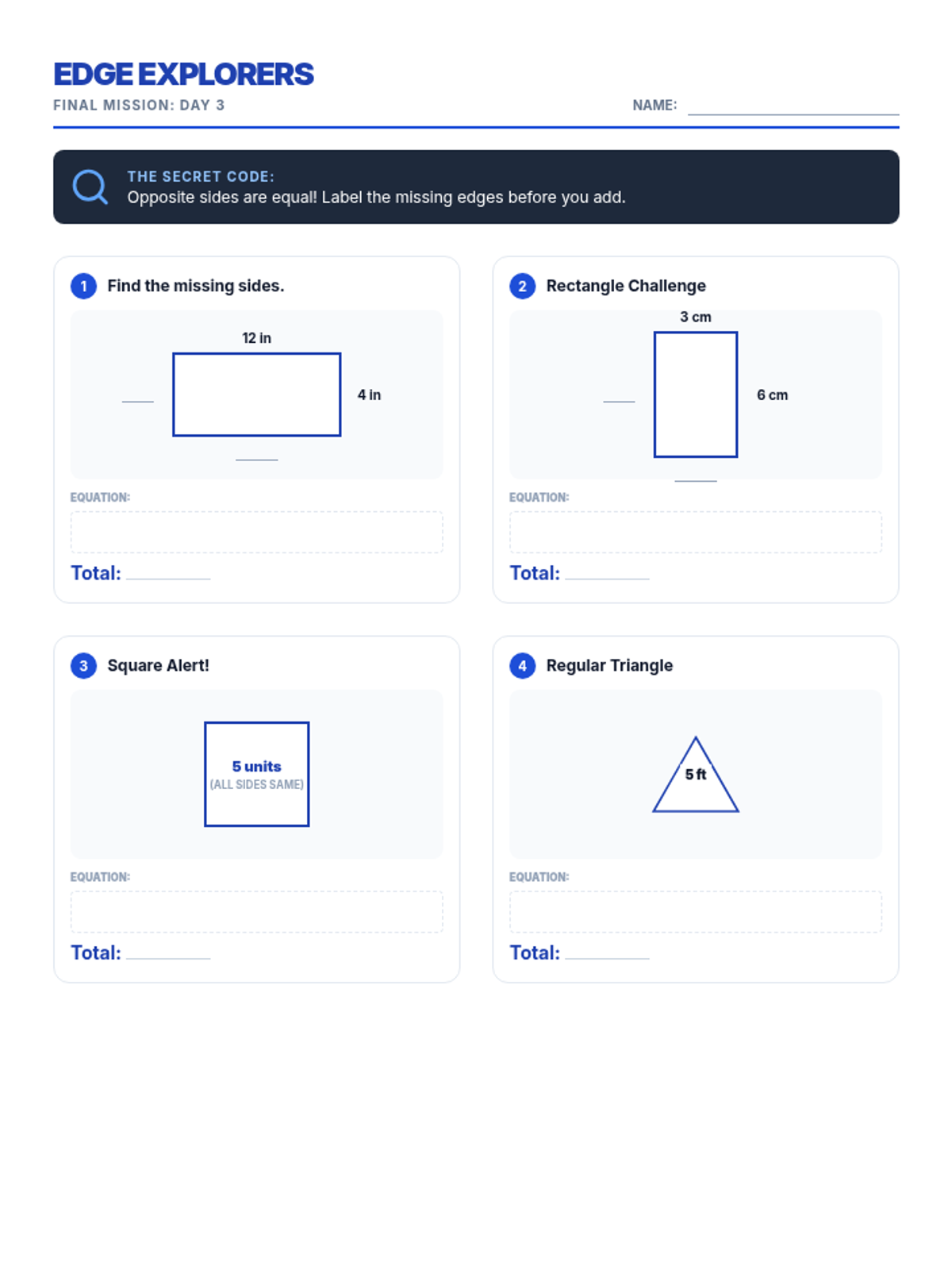
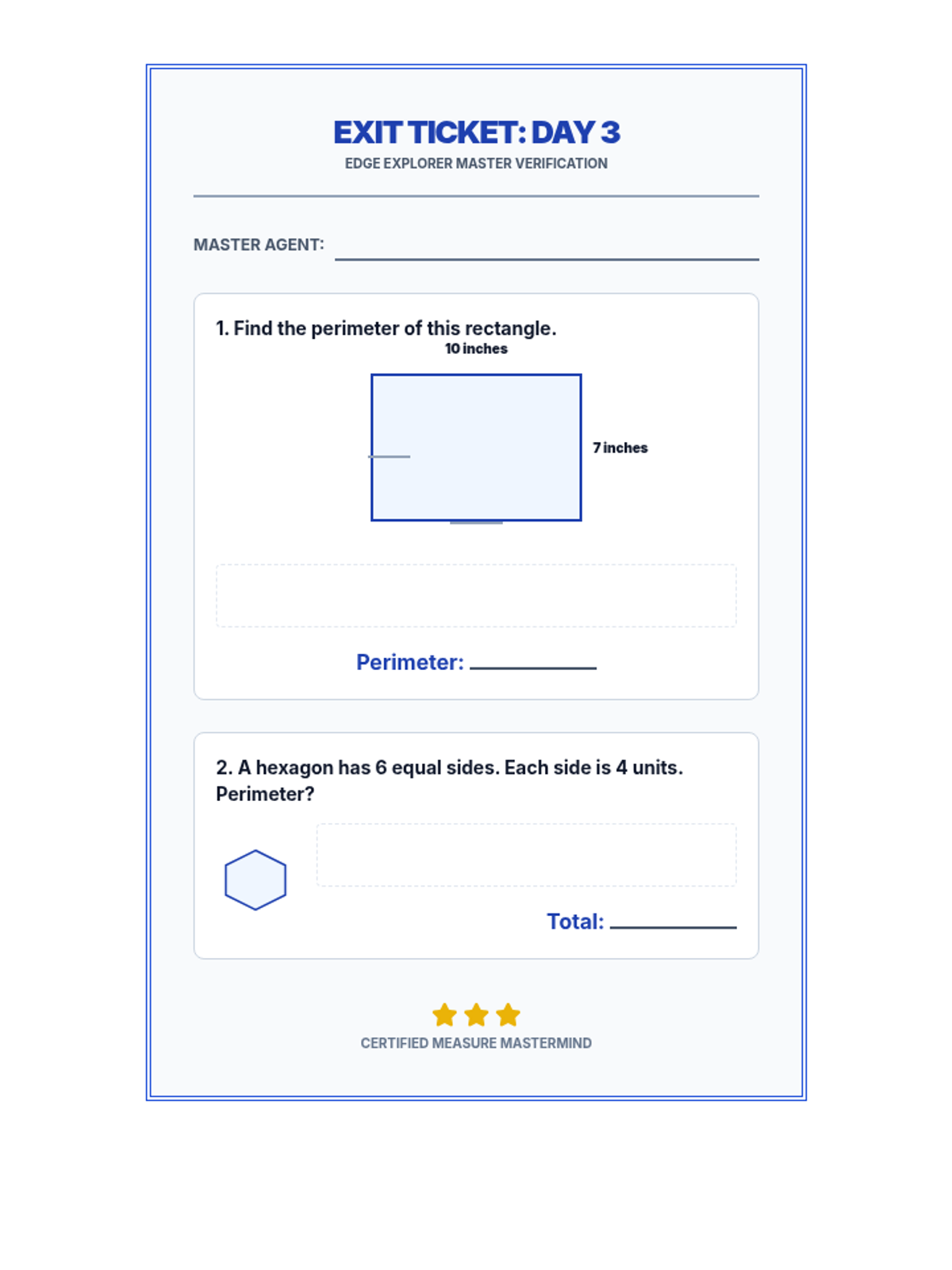
Students solve perimeter problems where some side lengths are implied or shapes are complex (191-200 focus).
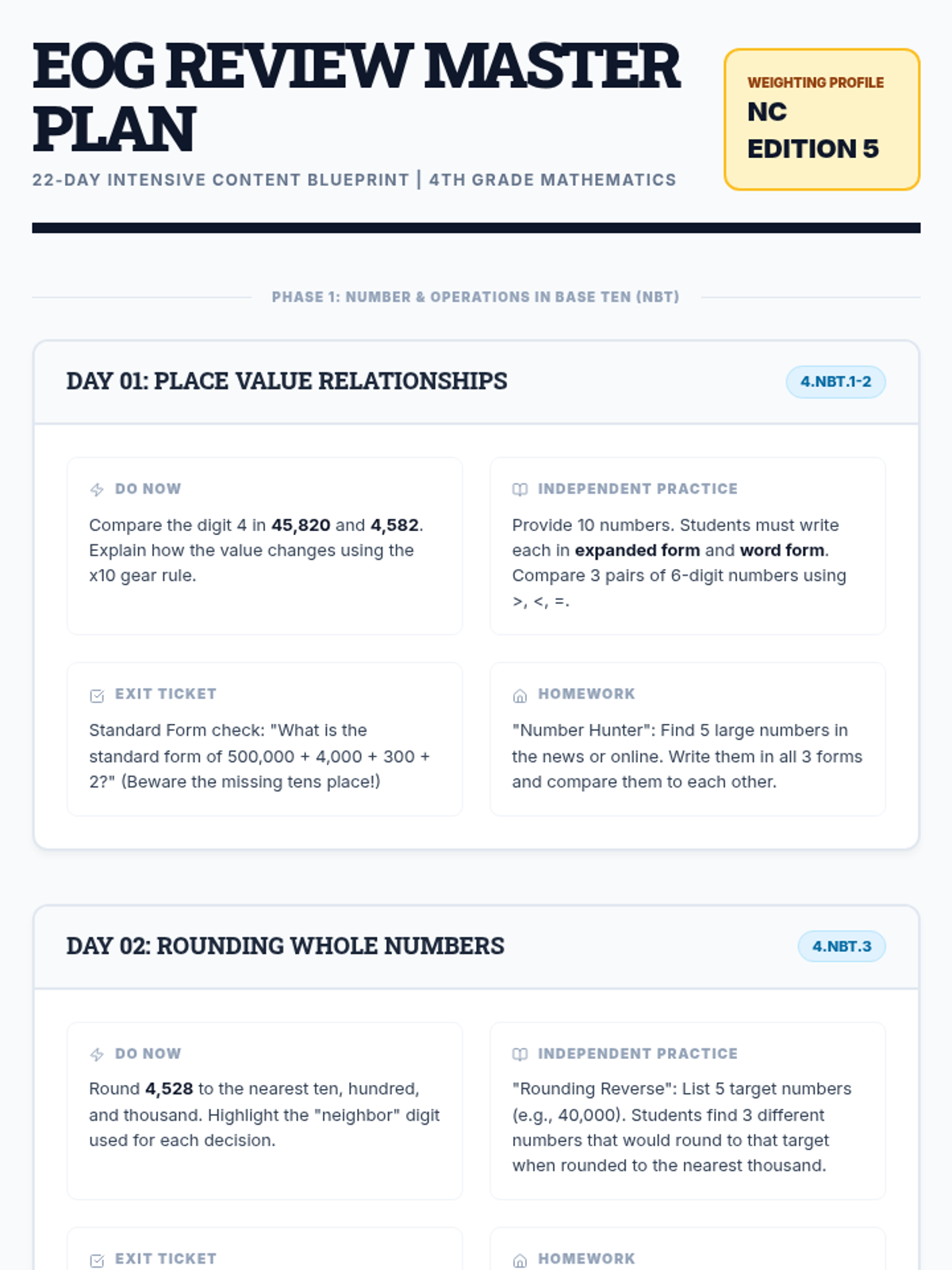
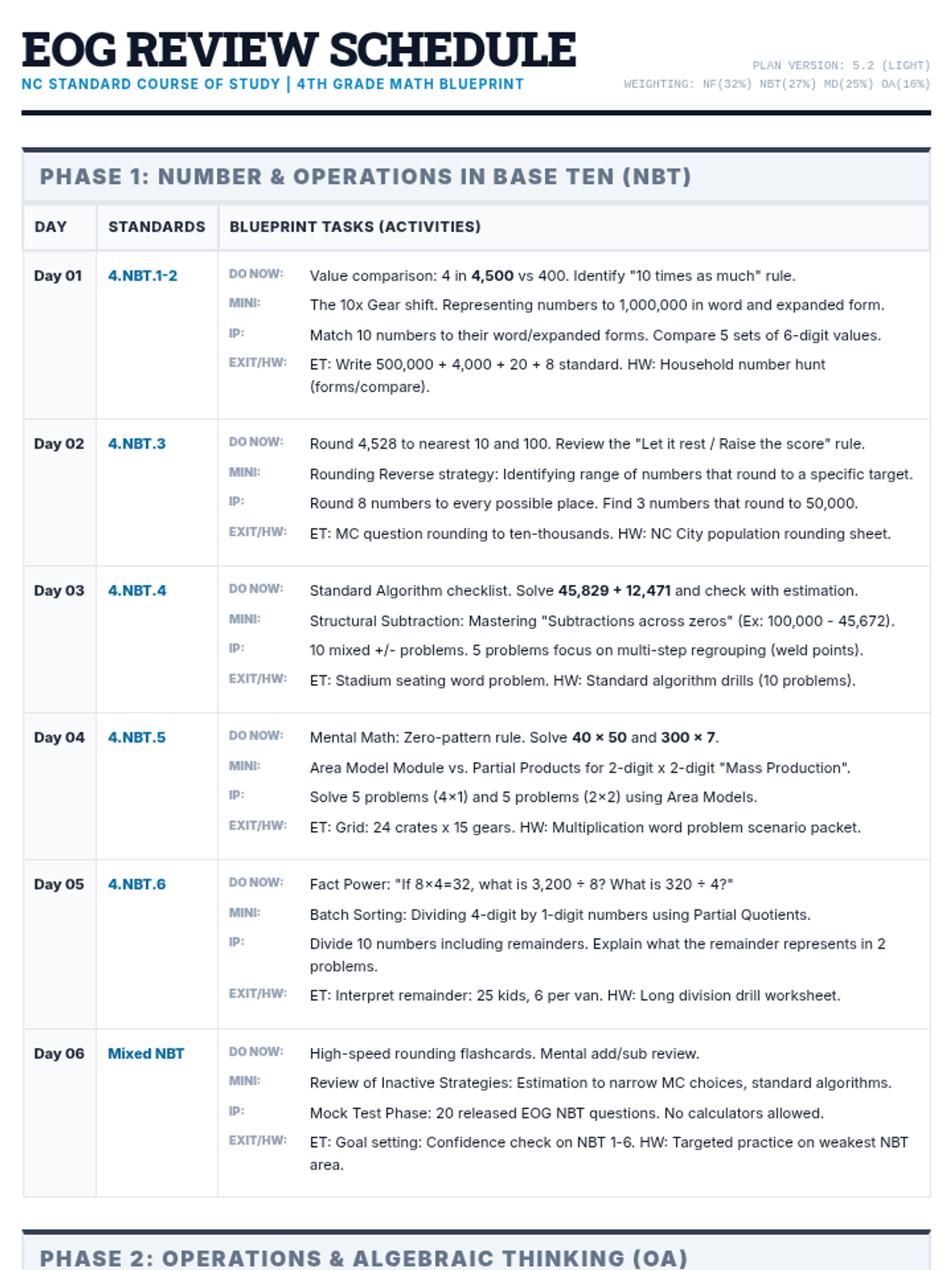
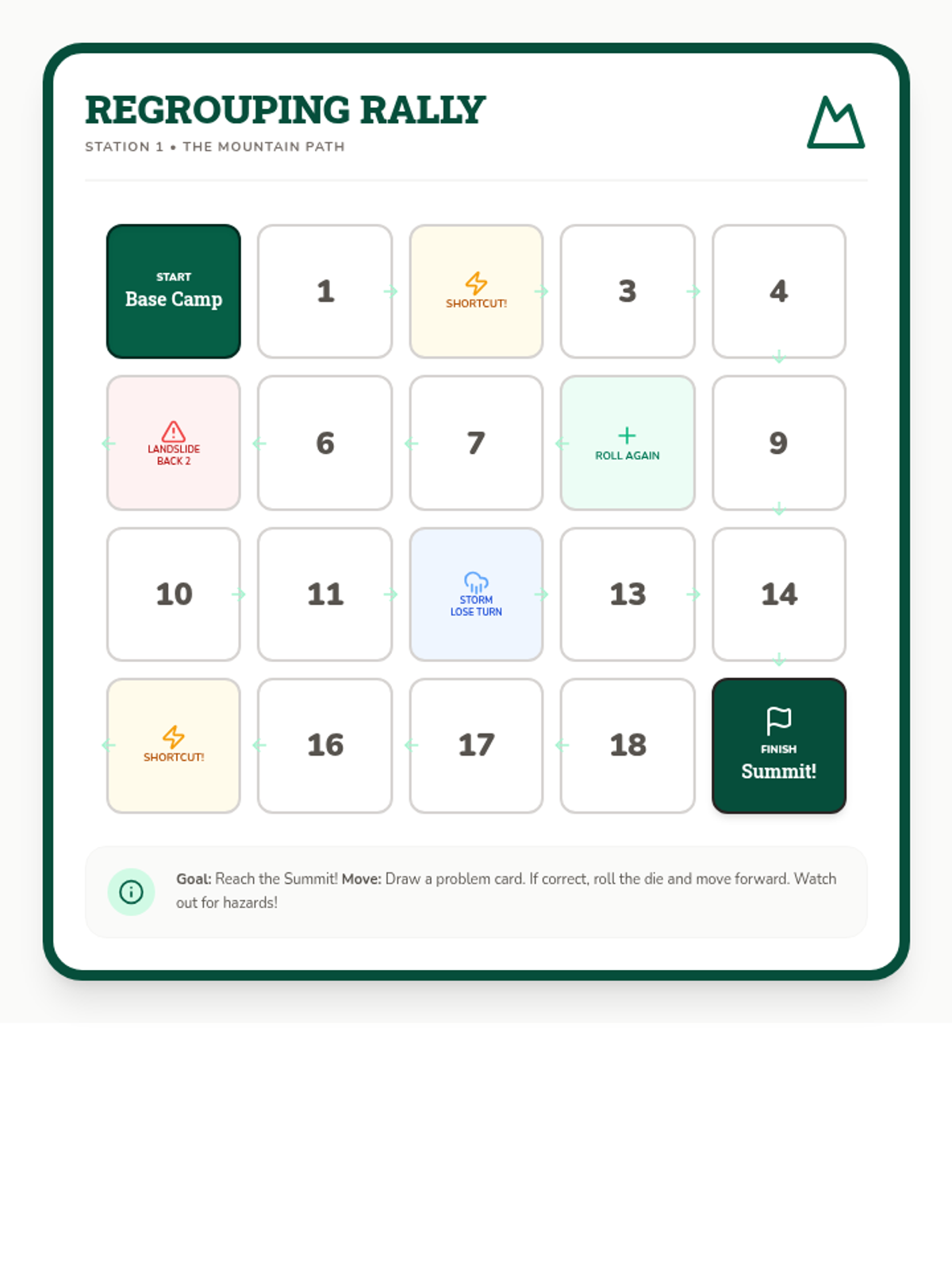
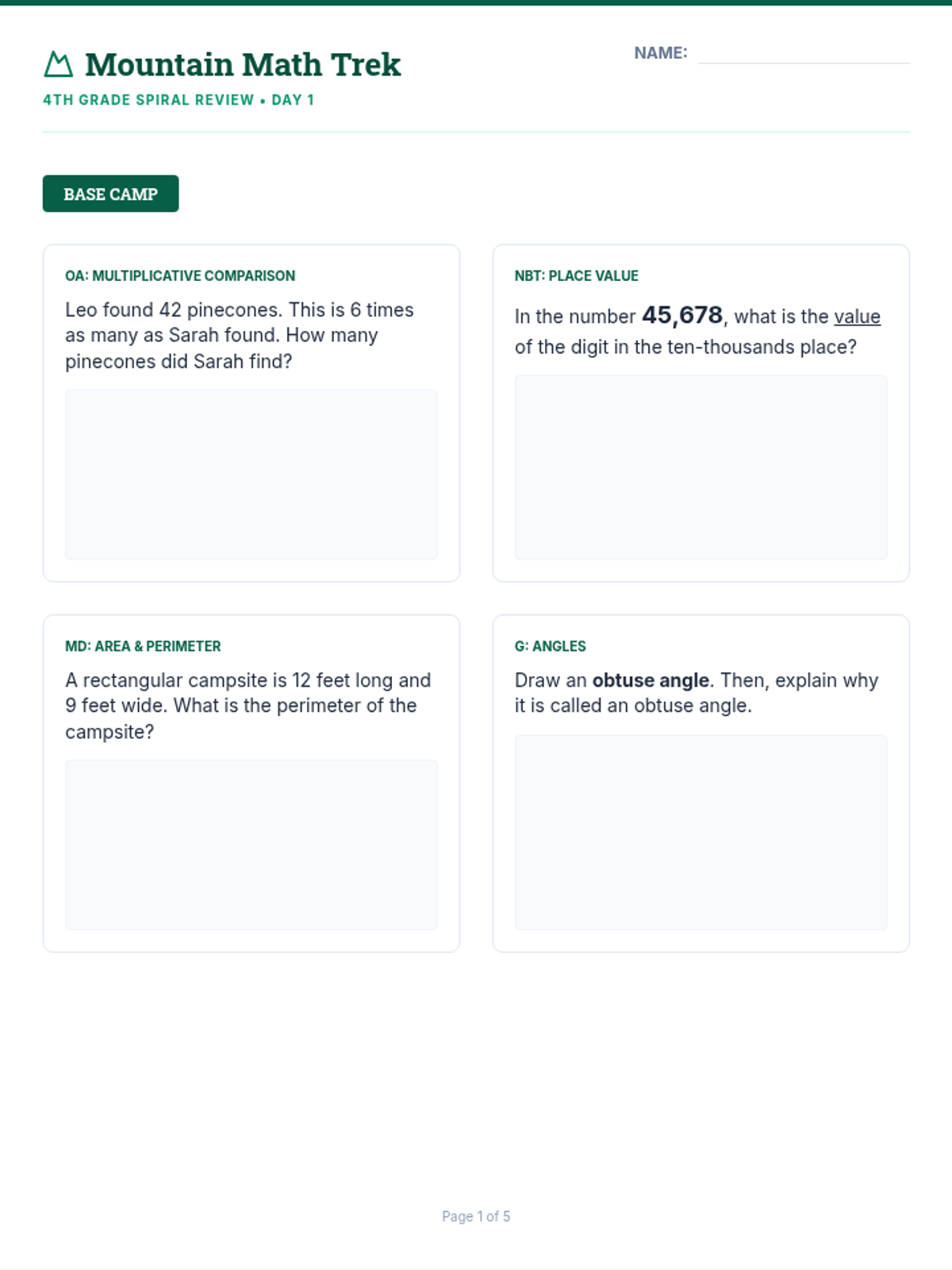
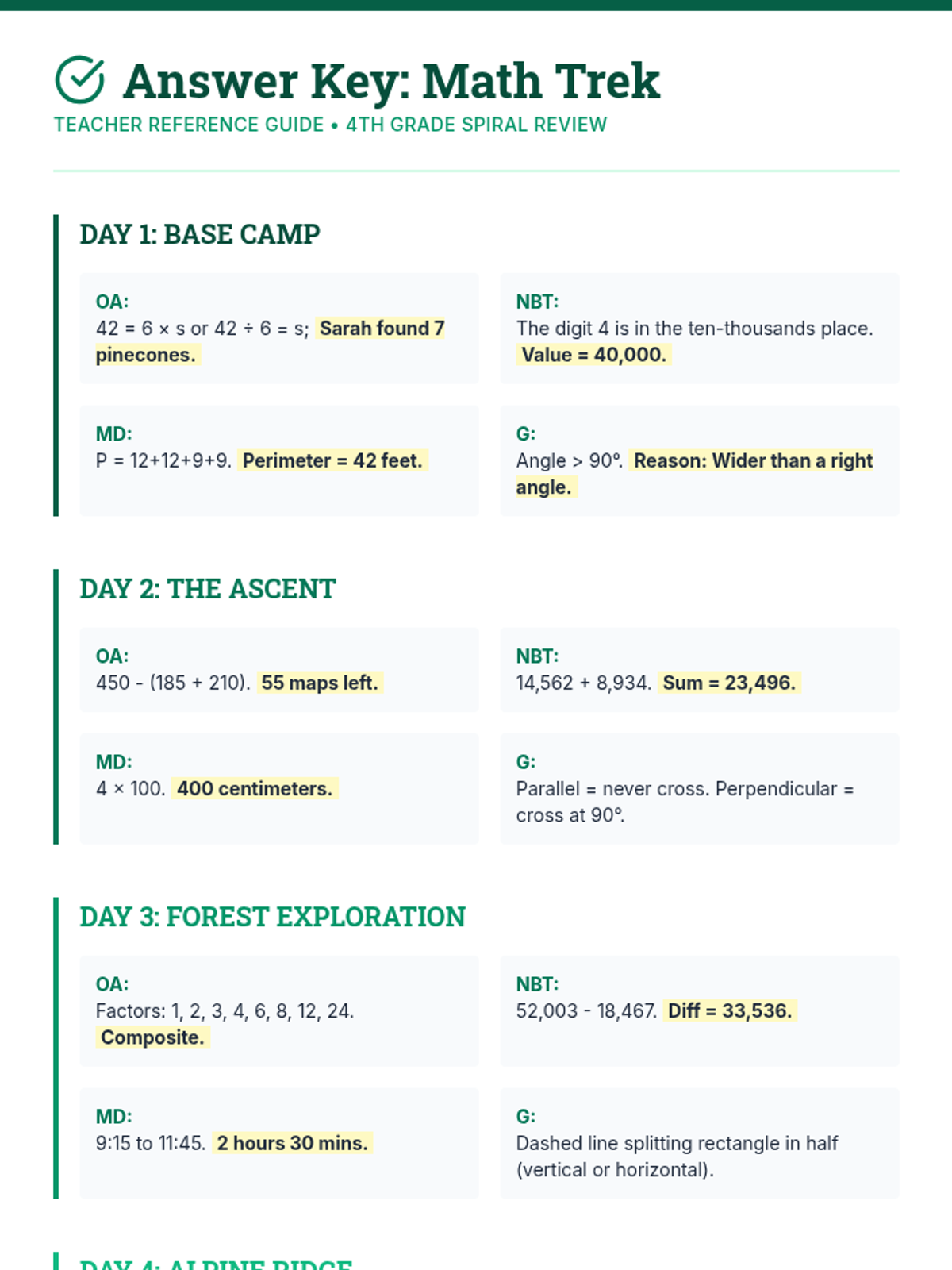
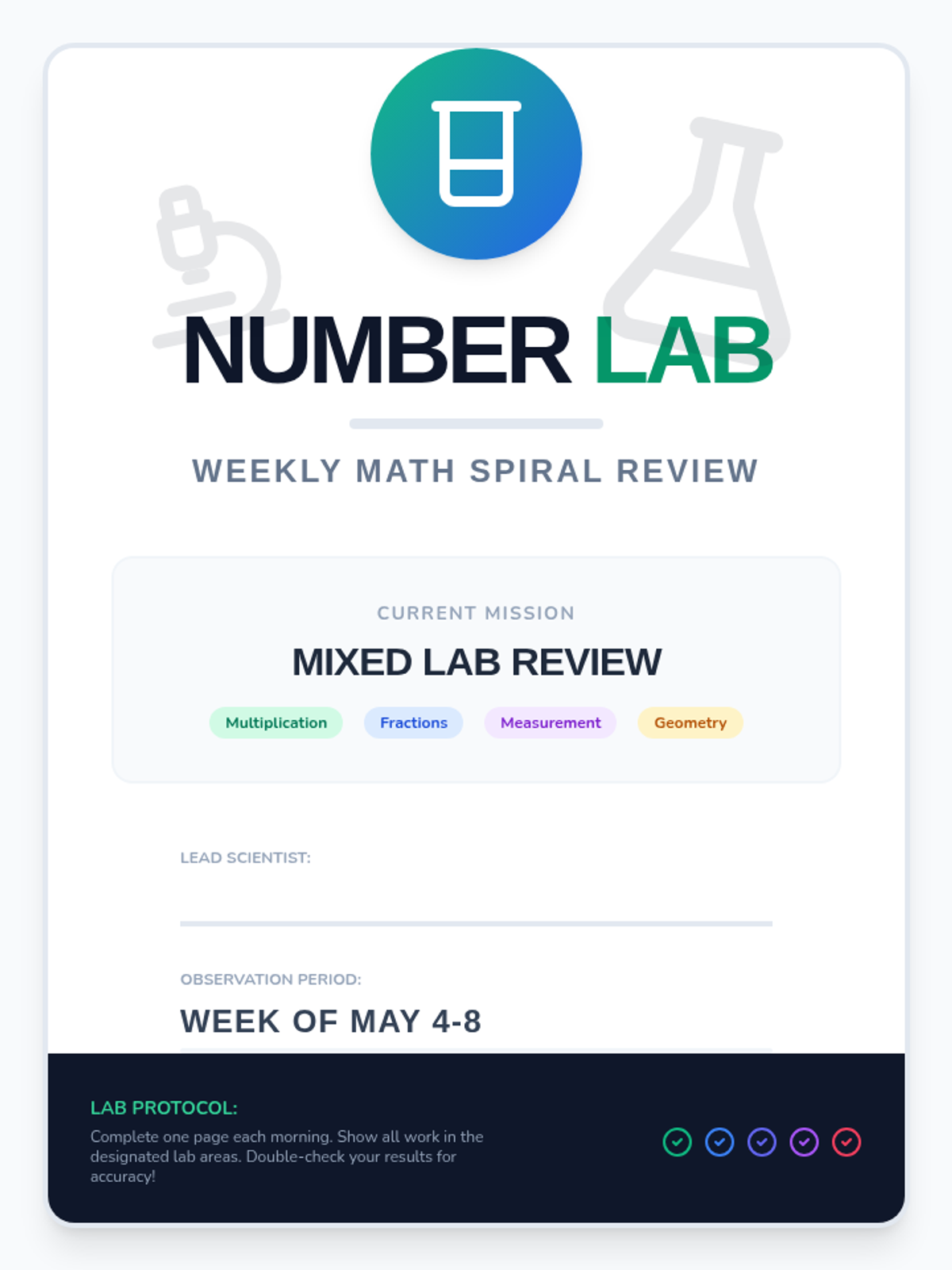
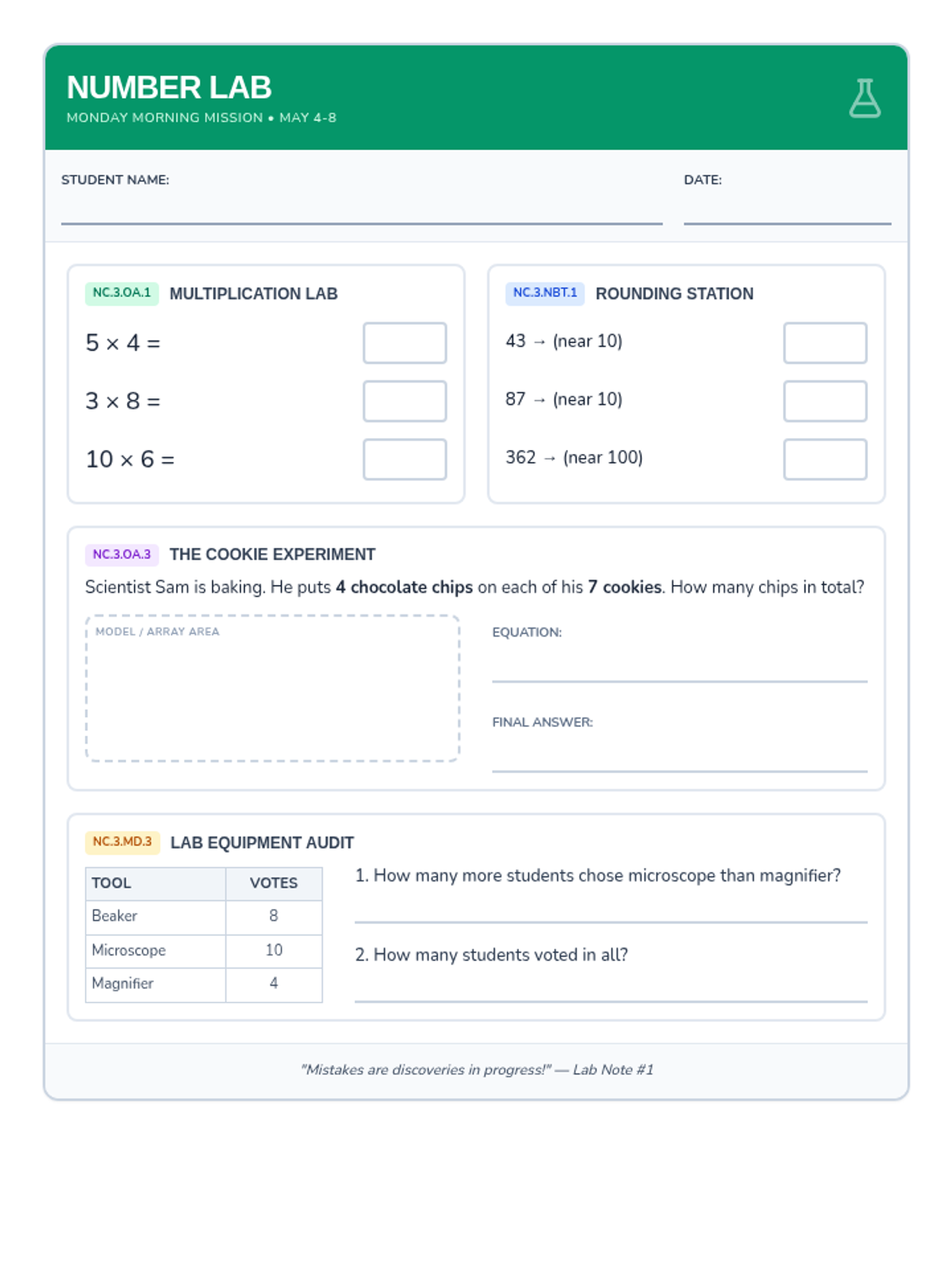
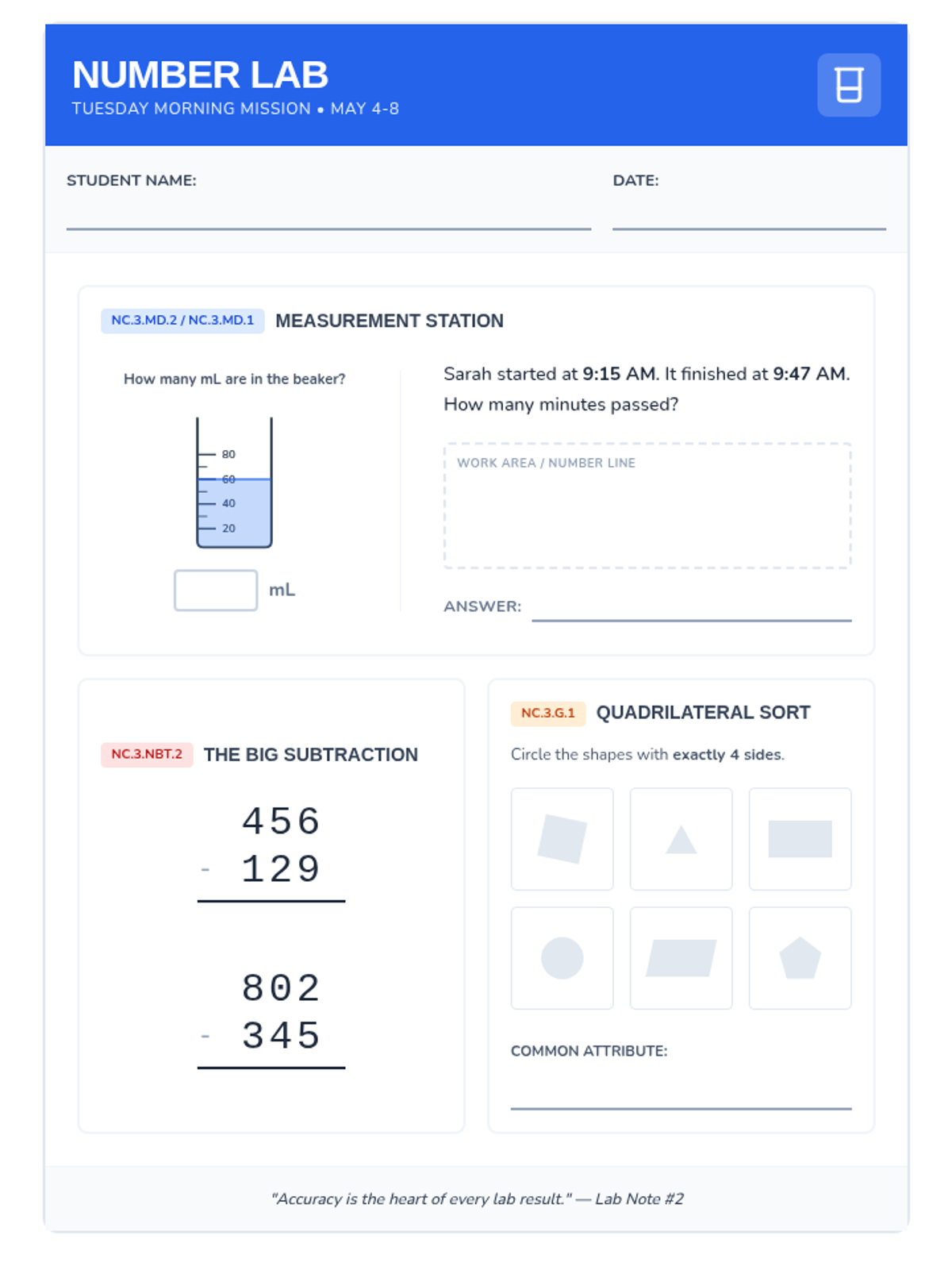
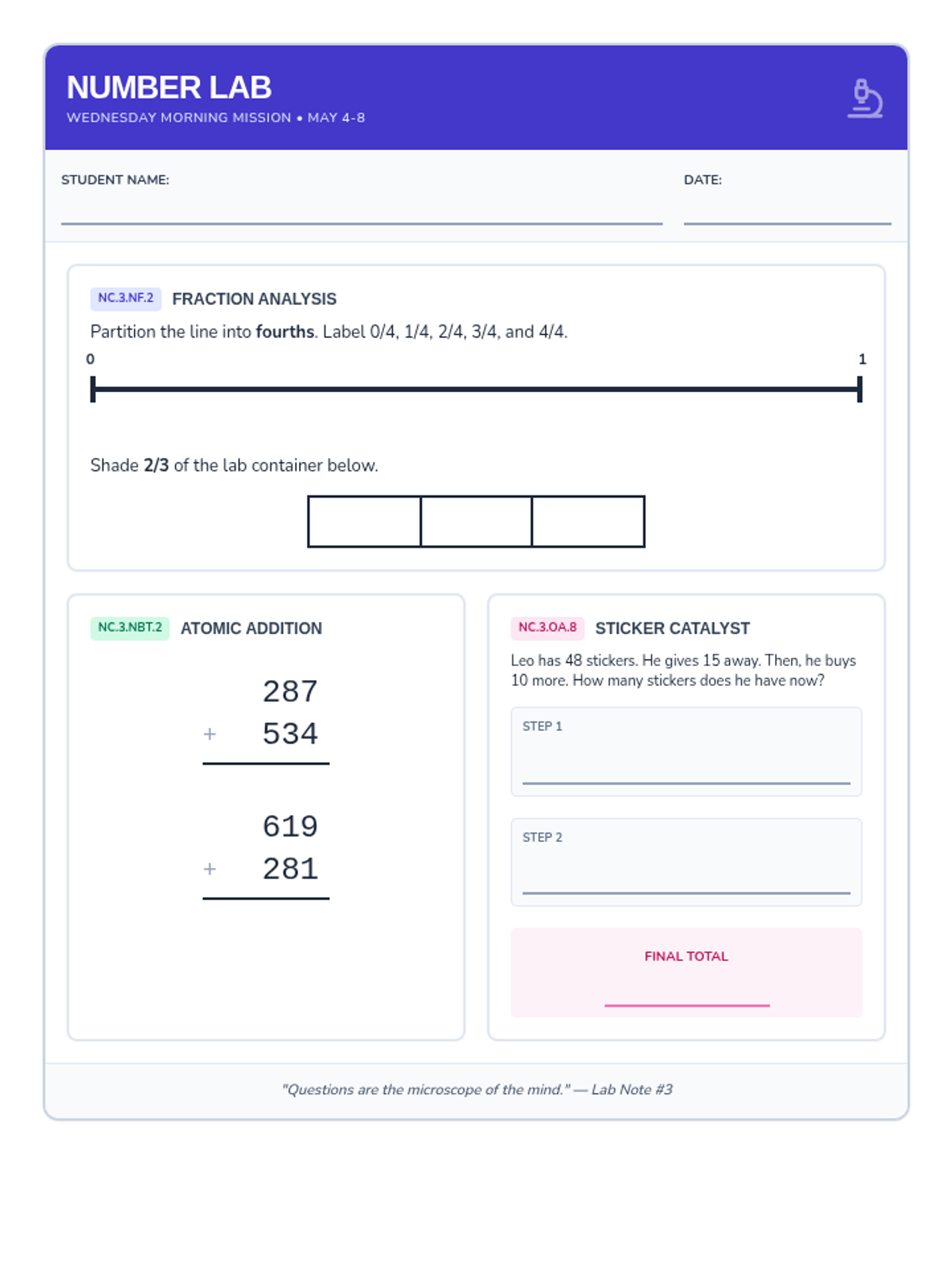
A 4th-grade spiral math review focused on North Carolina standards across Operations, Base Ten, Measurement, and Geometry. This week-long packet uses a mountain trekking theme to engage students in daily practice.
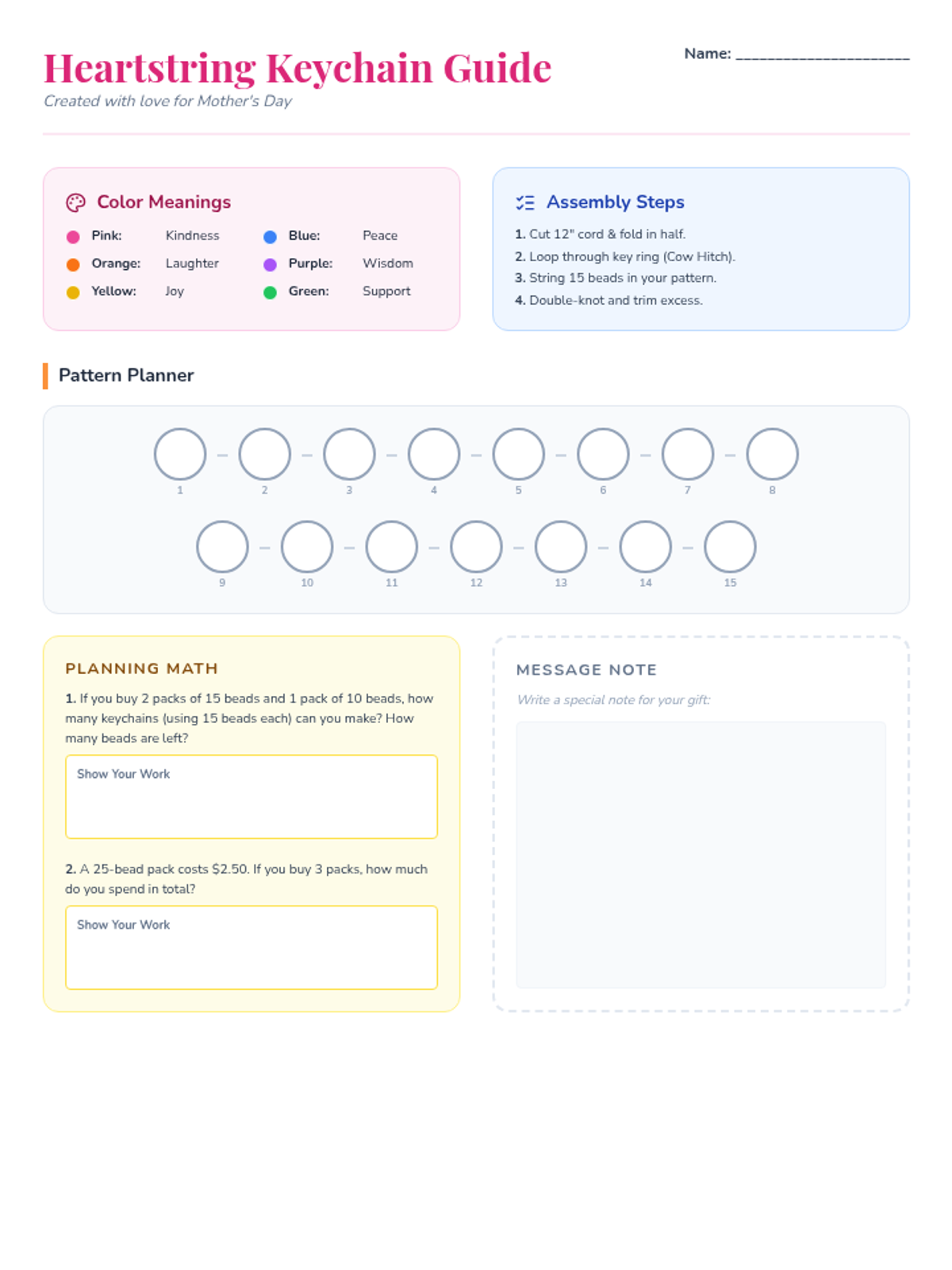
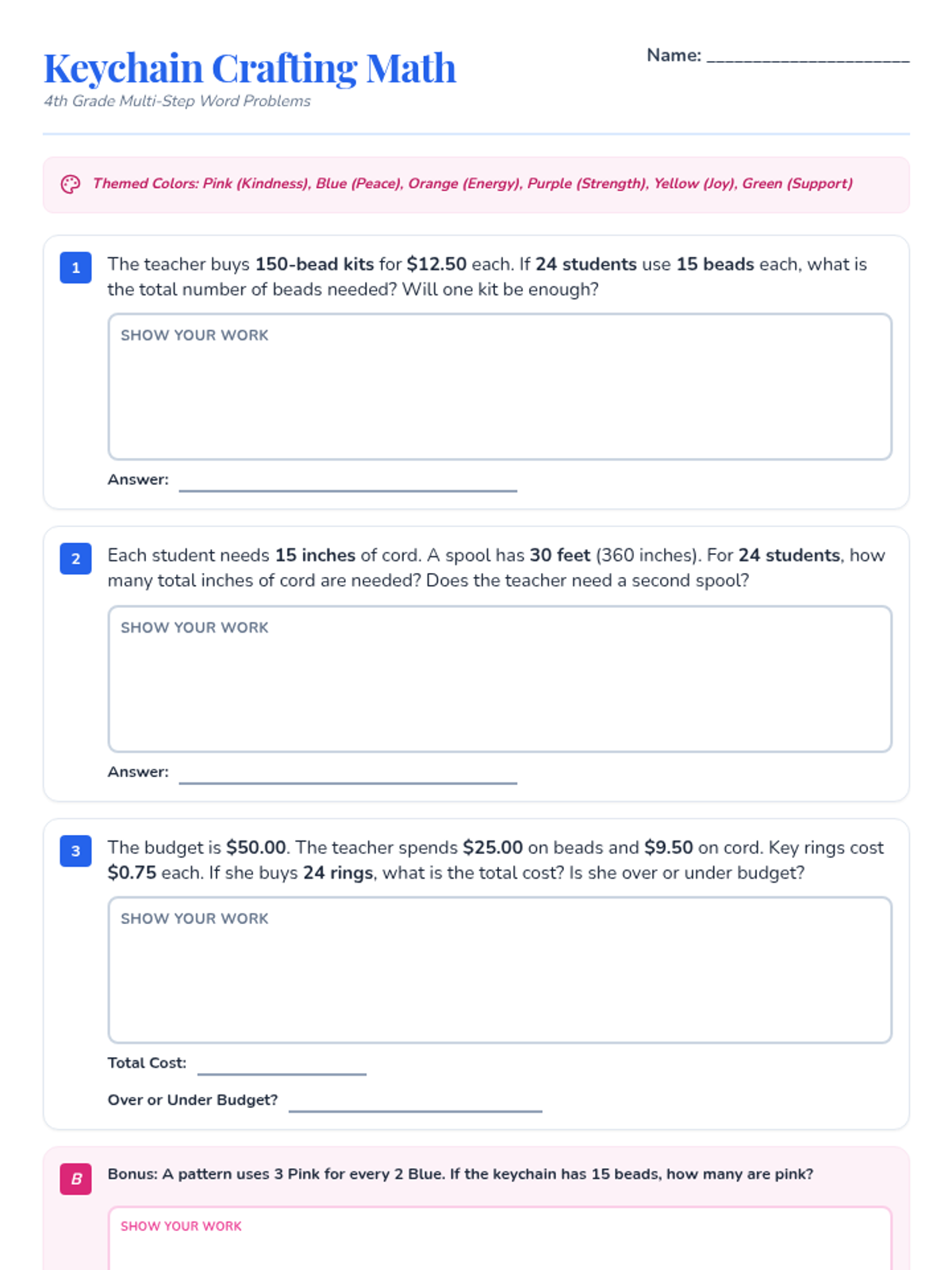
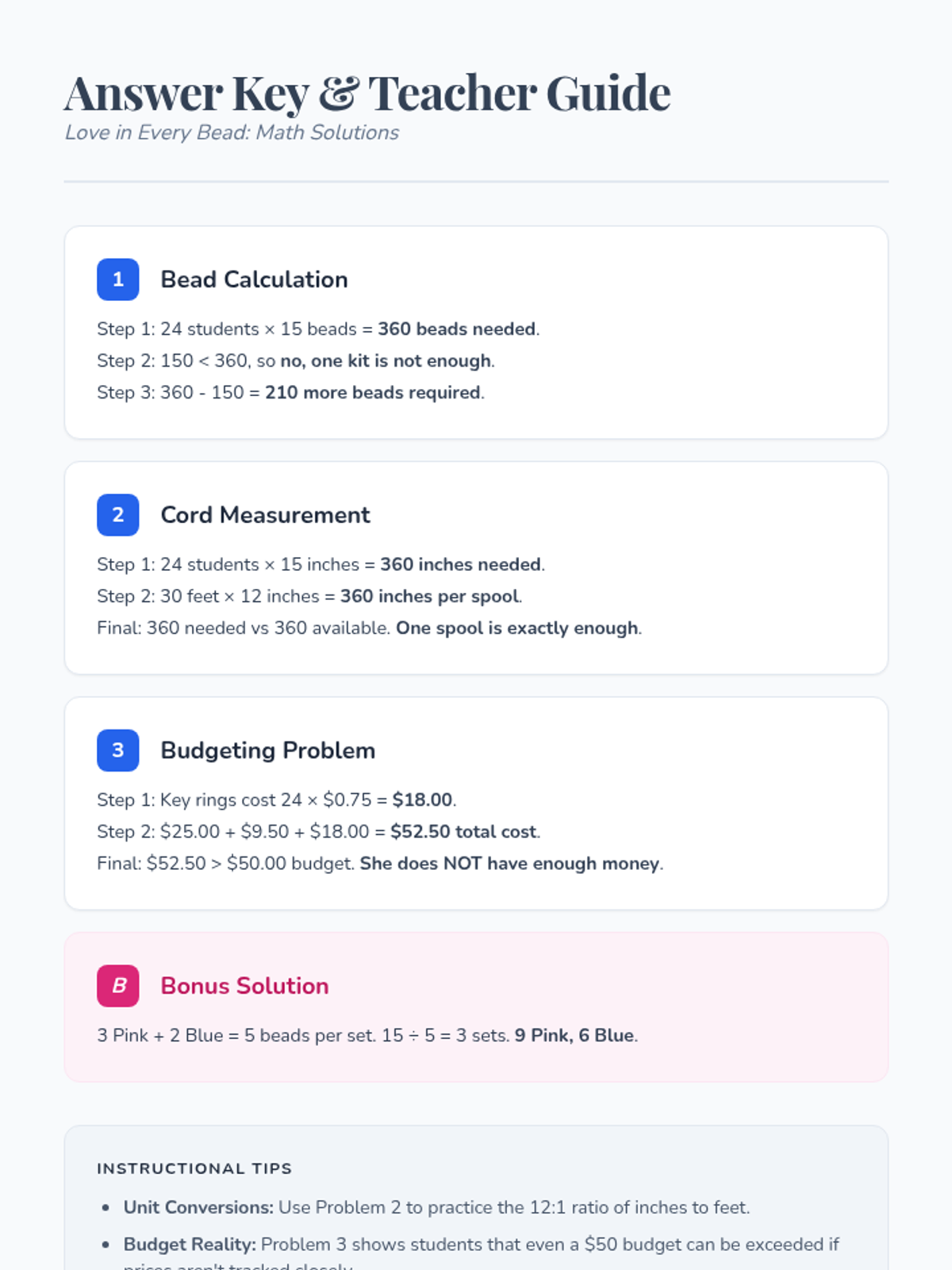
A creative Mother's Day lesson where students create personalized beaded keychains. The lesson integrates 4th-grade multi-step word problems themed around the crafting process, budgeting for supplies, and pattern design.
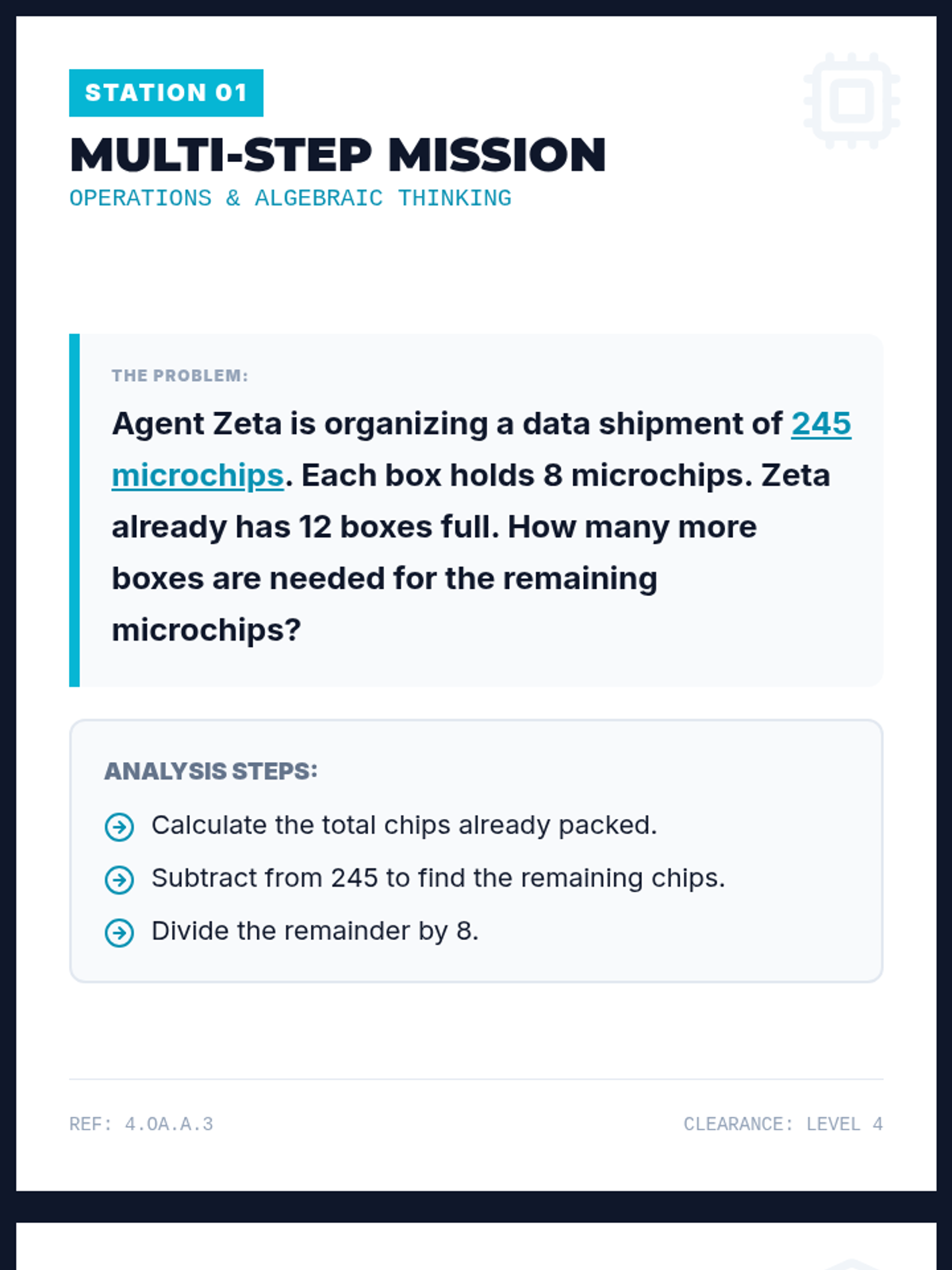
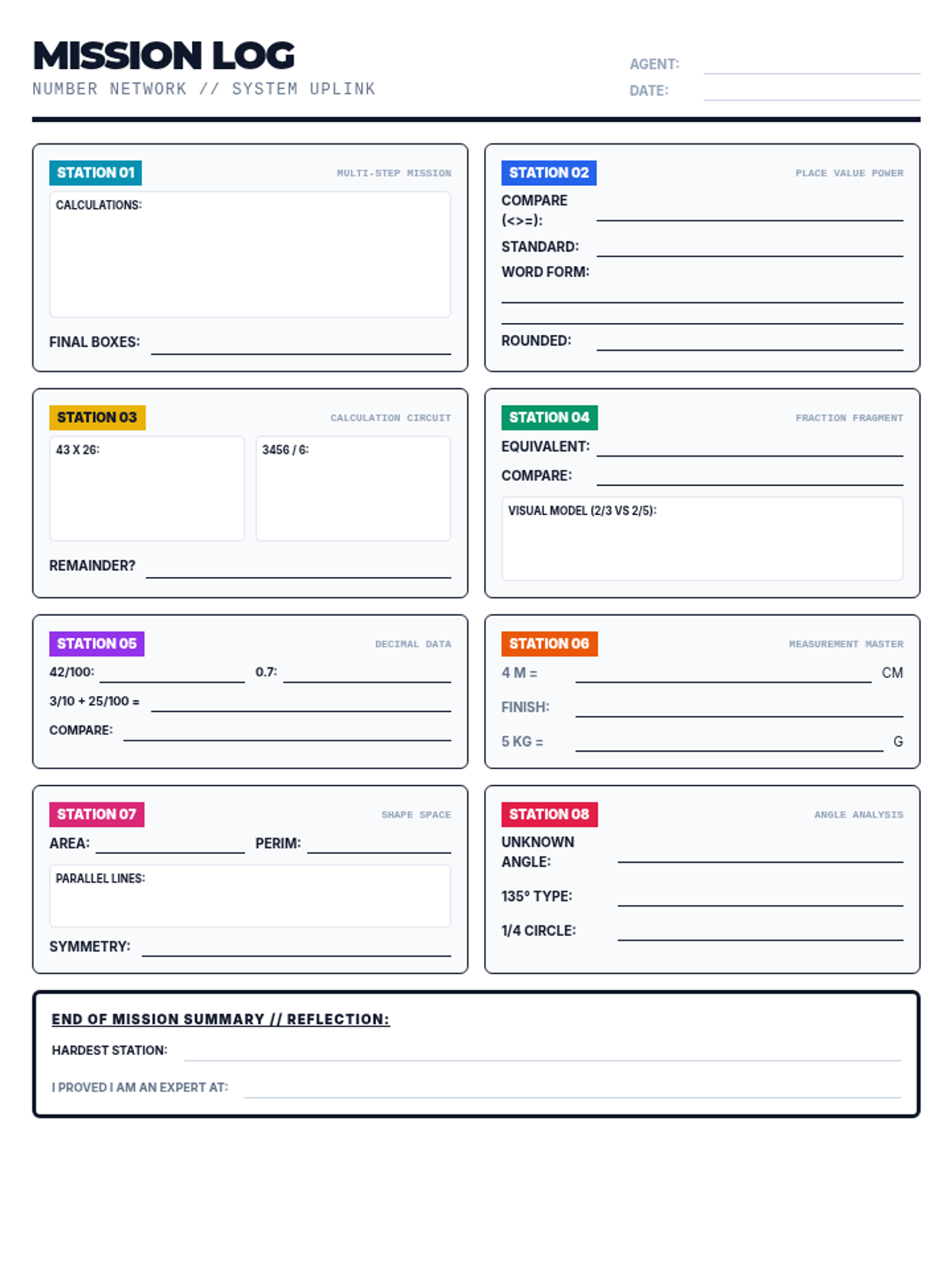
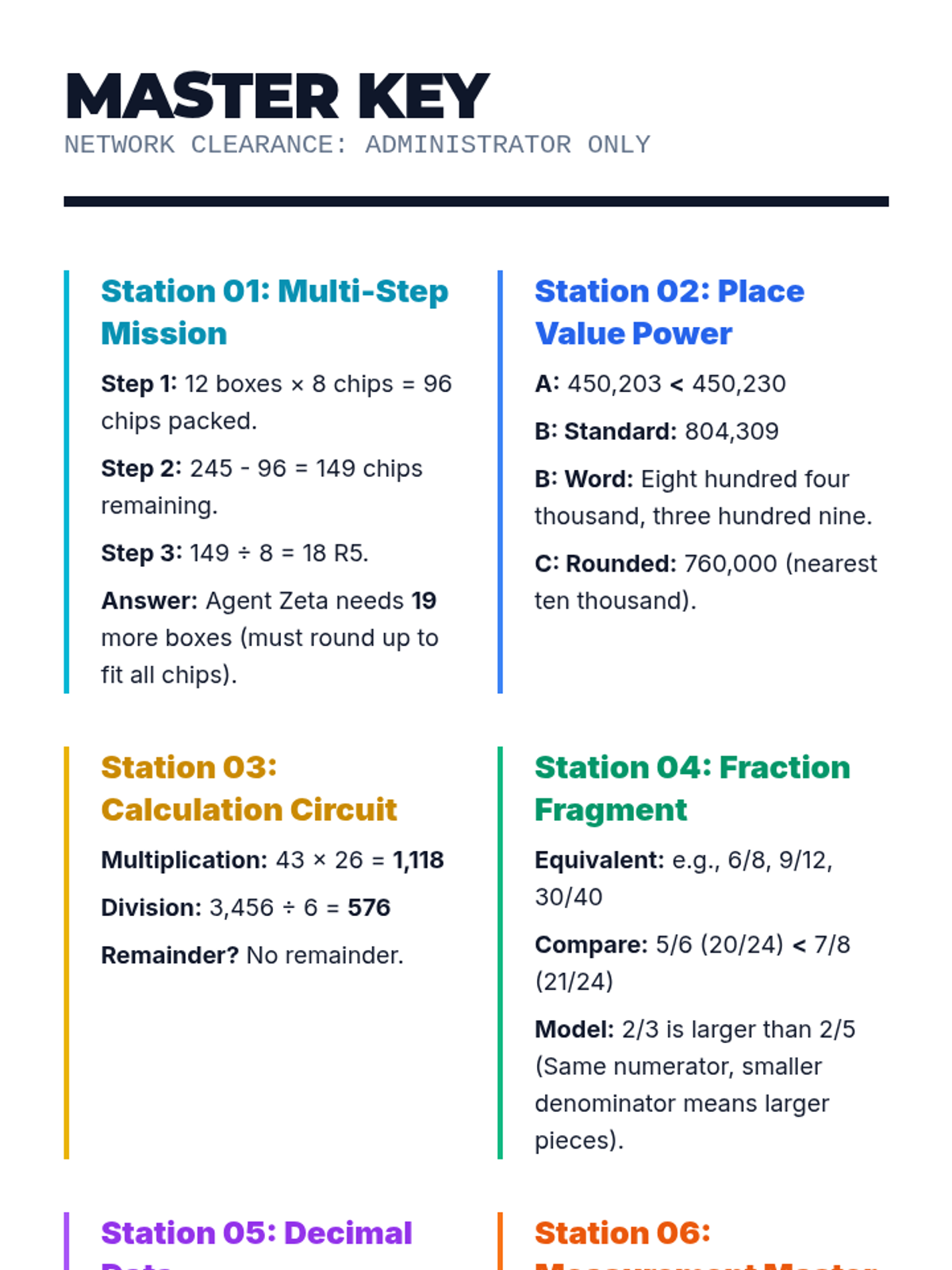
A comprehensive 4th-grade math spiral review designed as an interactive gallery walk. Students rotate through 8 high-energy stations covering all major domains to prepare for end-of-grade testing.
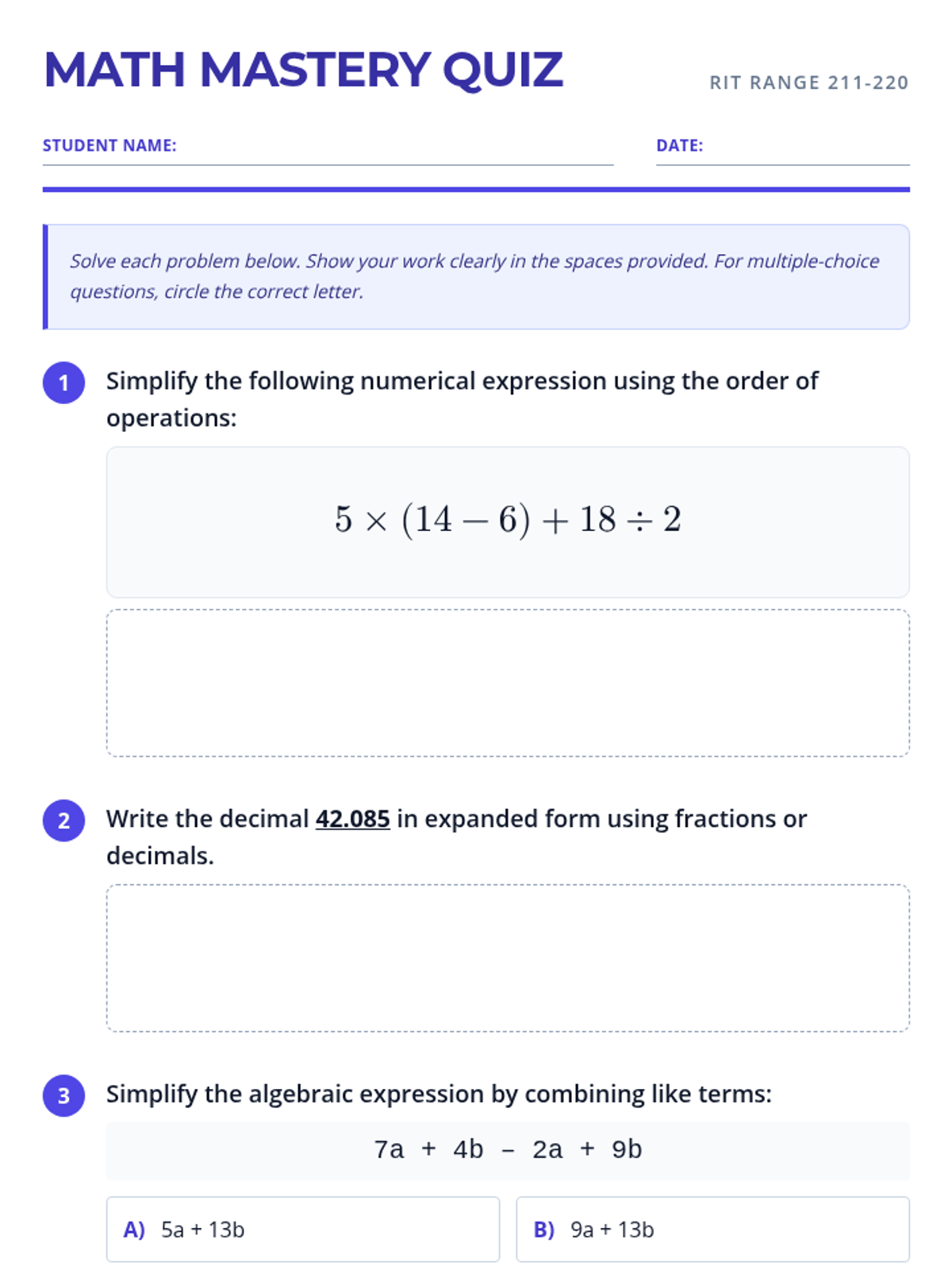
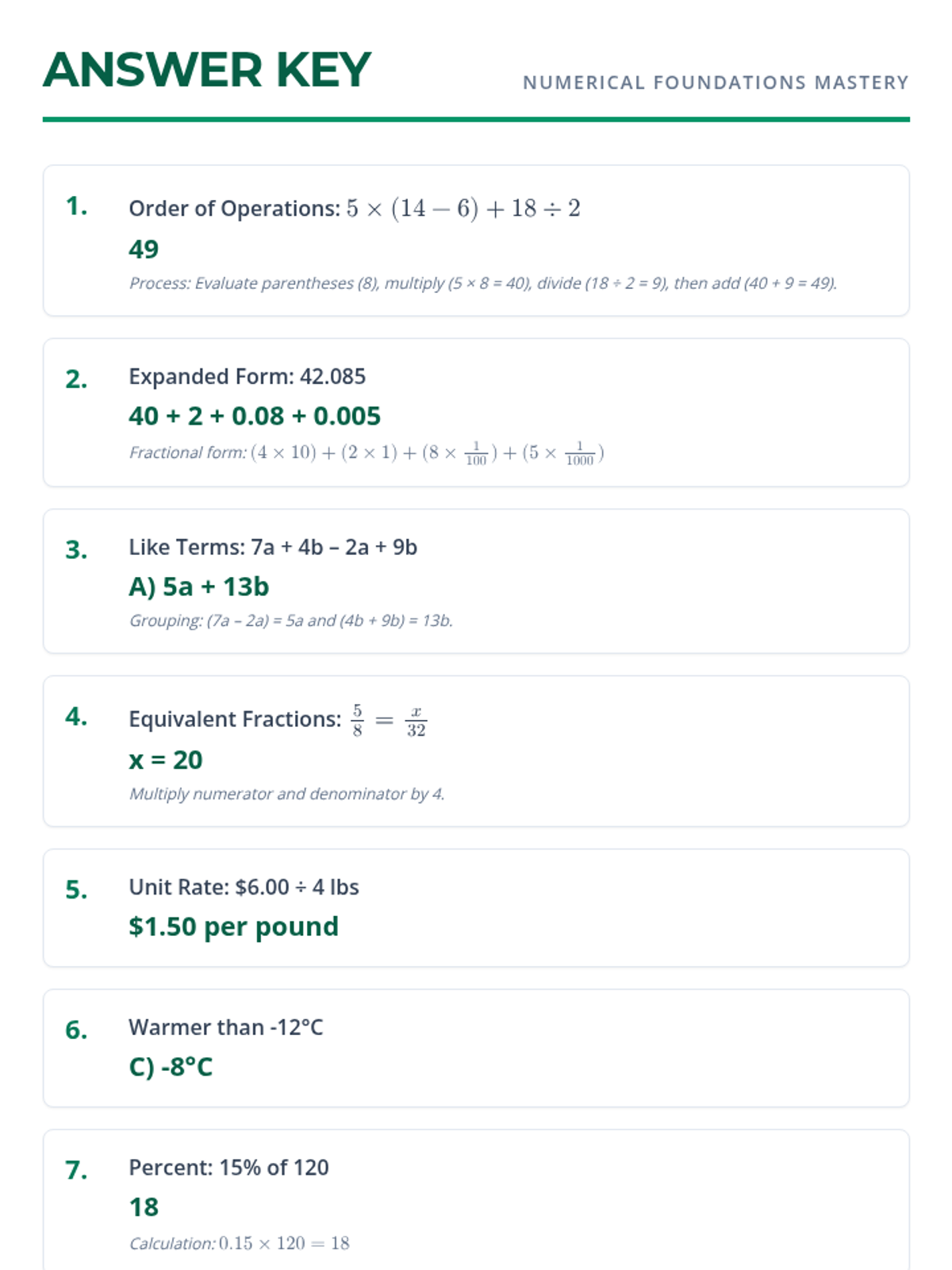
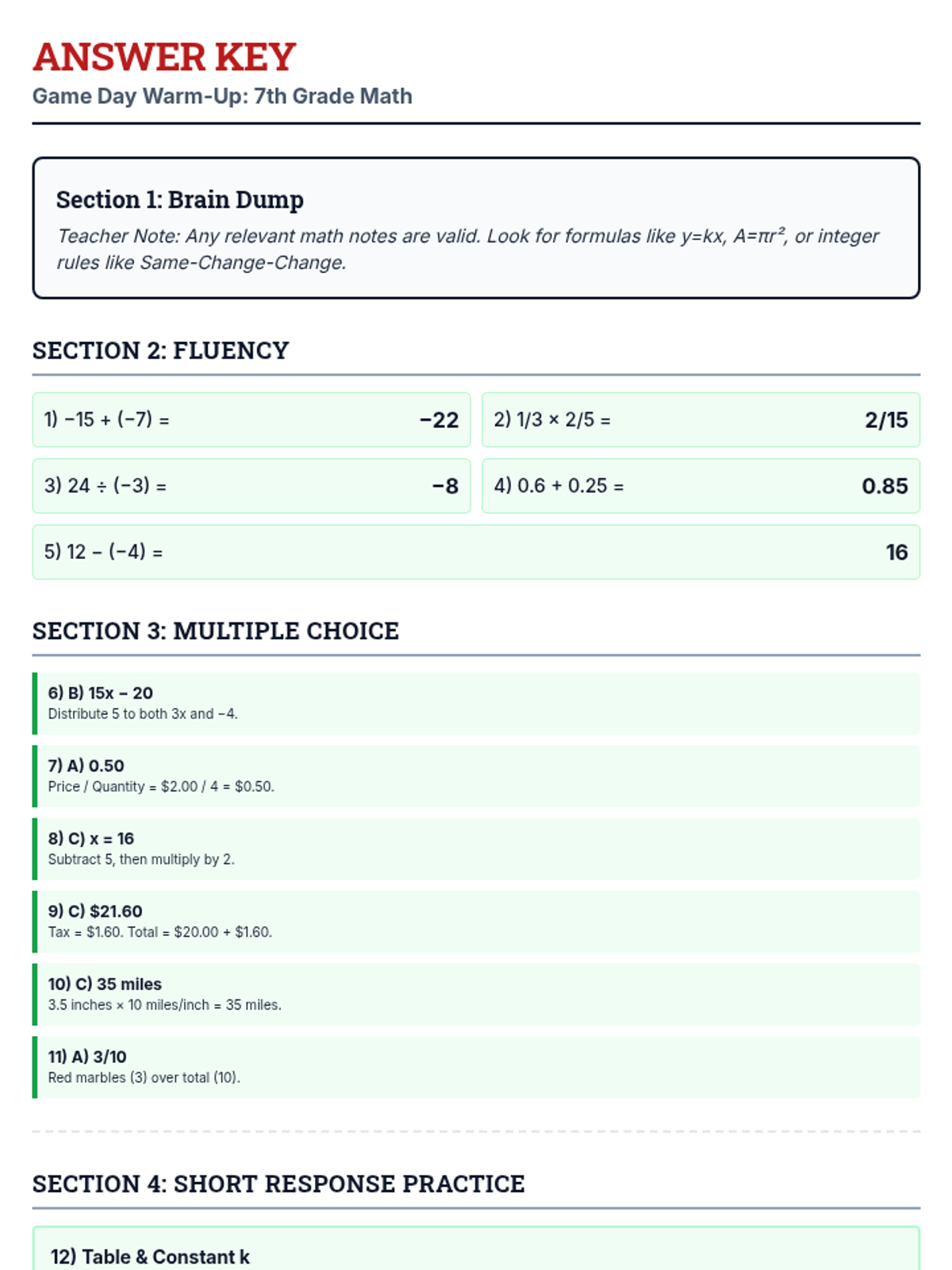
A comprehensive math assessment covering middle-grade concepts including algebraic expressions, numerical operations, fractions, decimals, and geometry. This lesson focuses on evaluating student proficiency across RIT 211-220 criteria through a structured quiz and detailed answer key.
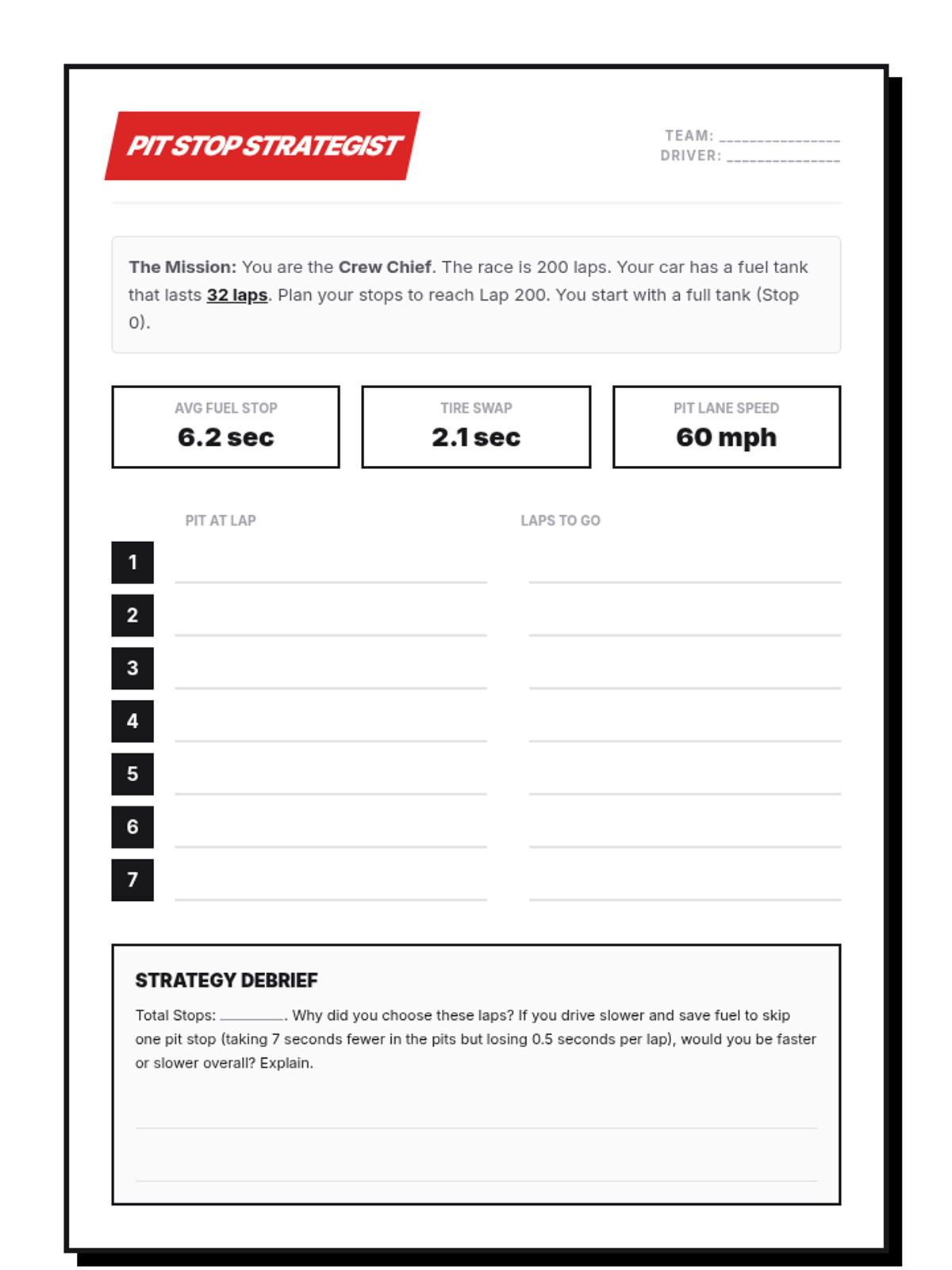
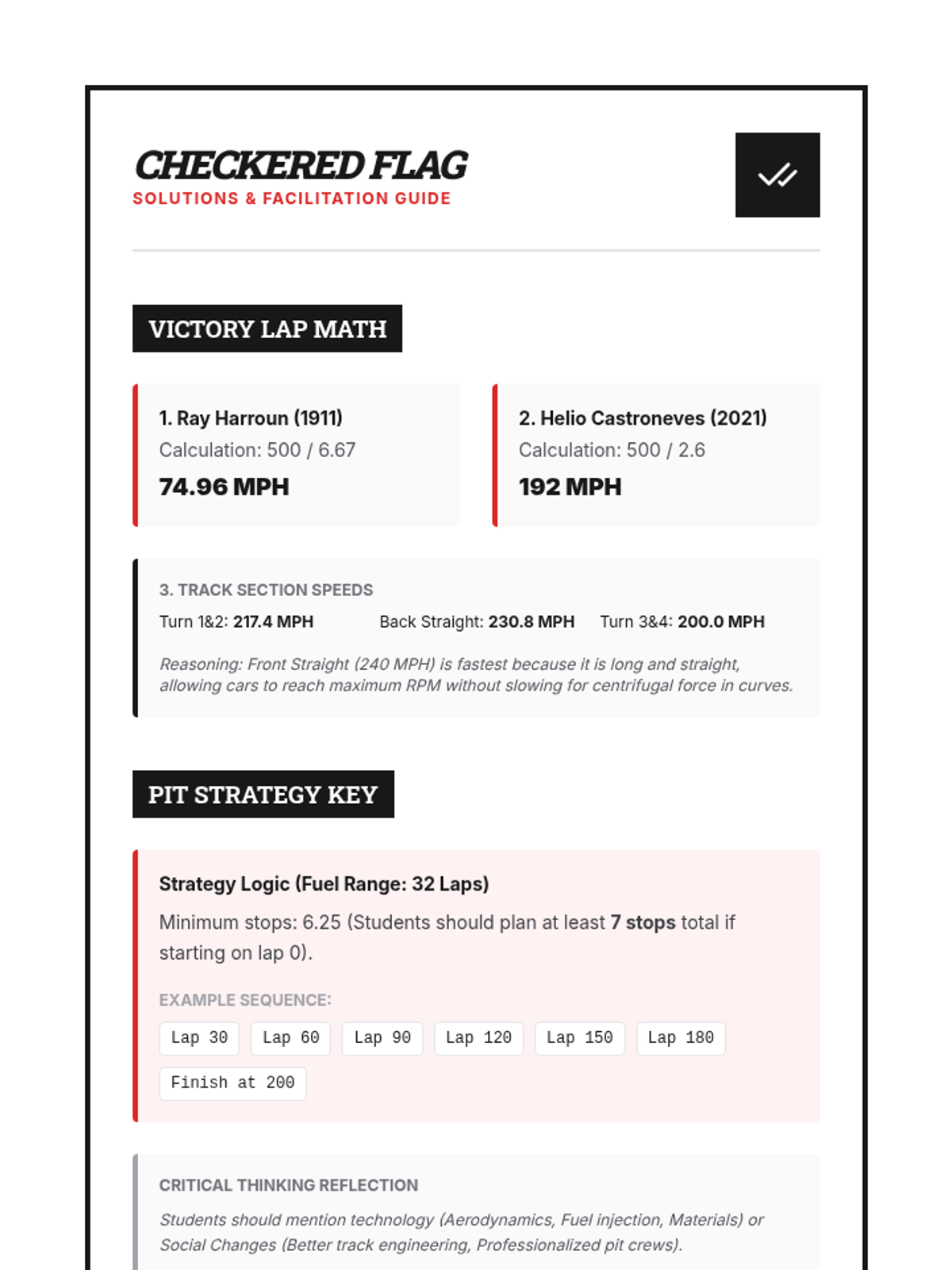
A high-octane math and social studies lesson where students explore the culture of the Indianapolis 500 while mastering speed calculations and strategic planning. Students will analyze racing data, calculate average speeds, and design fuel strategies for the world's most famous race.
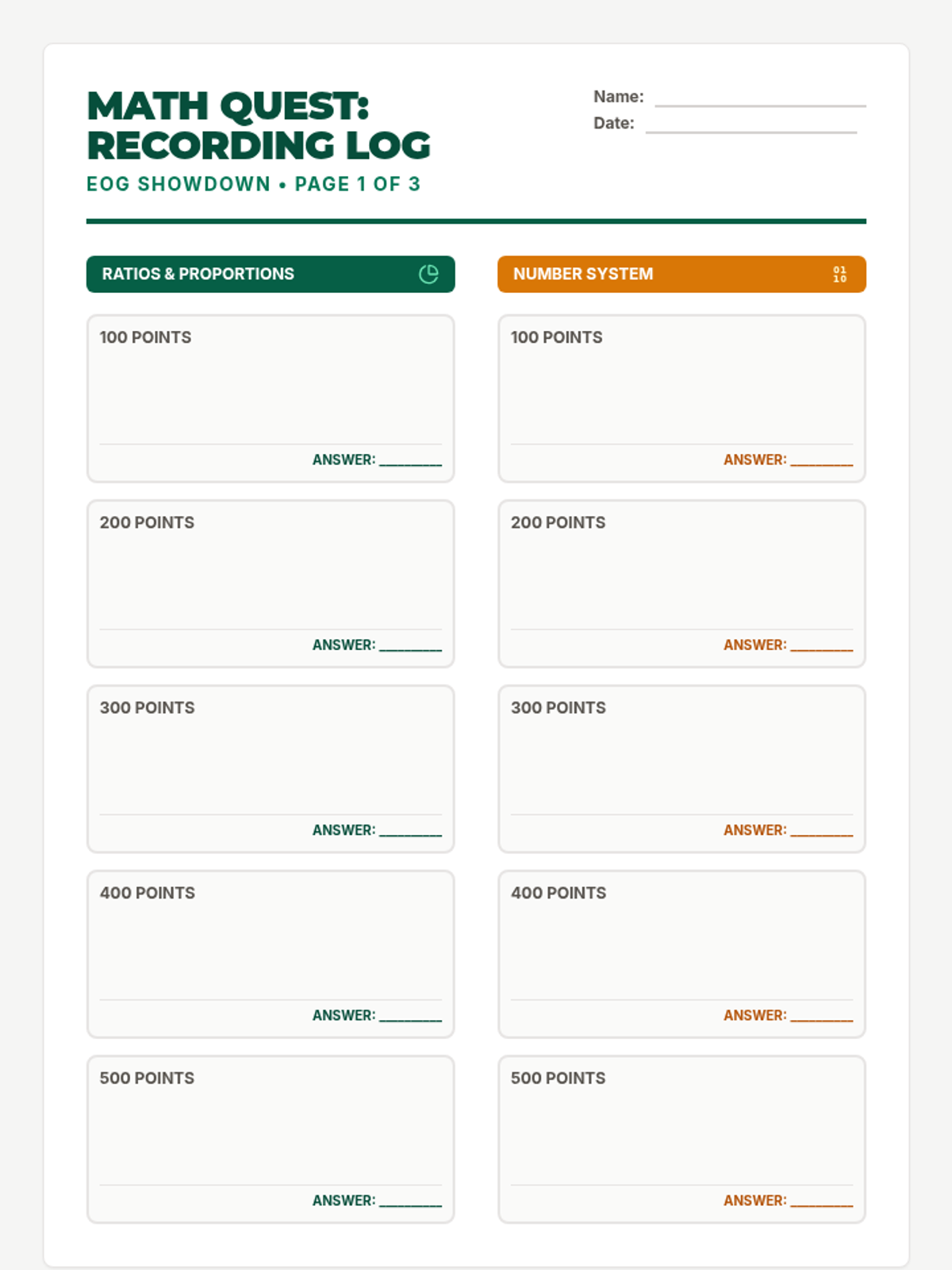
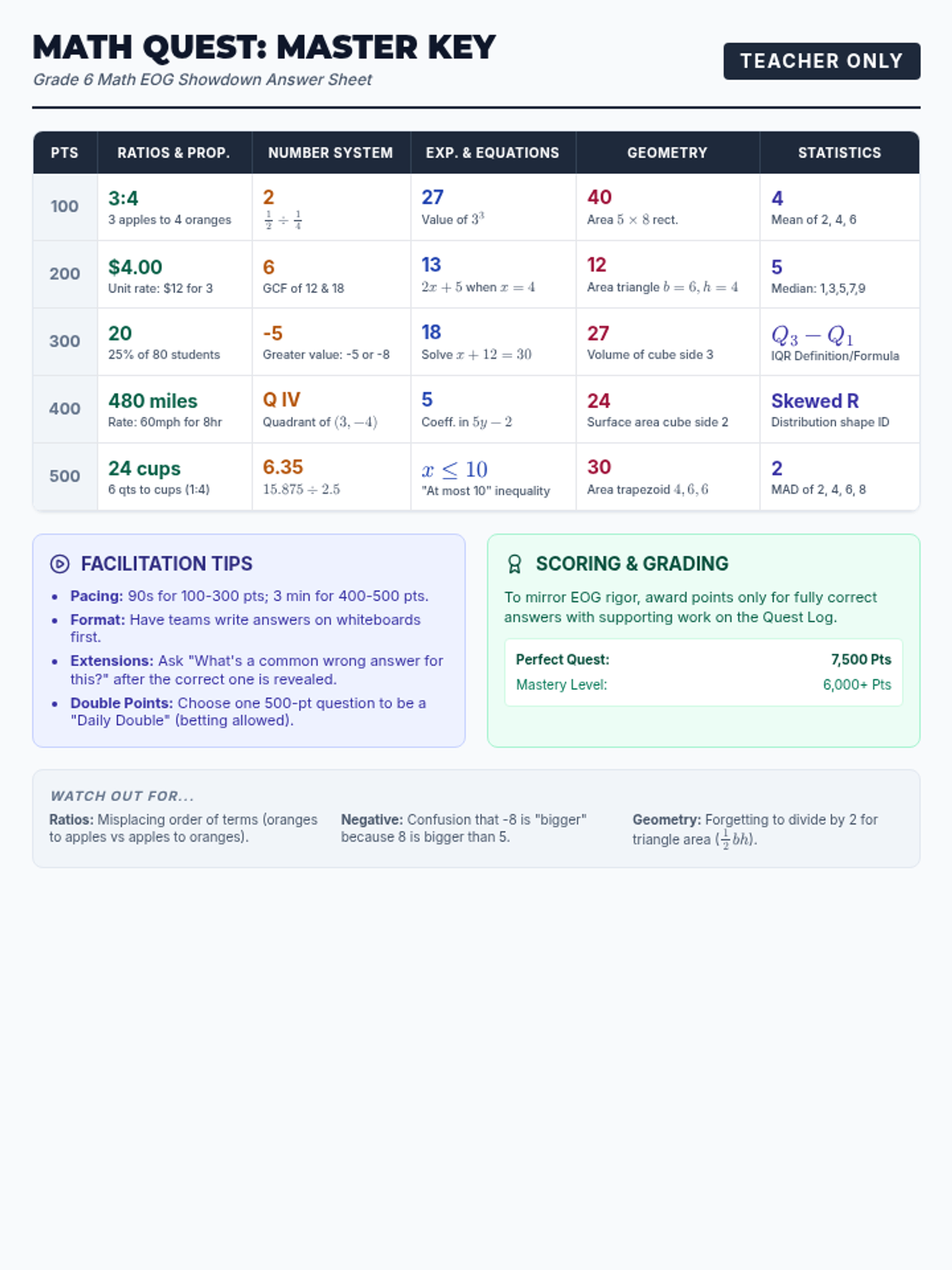
A high-energy review session using a Jeopardy-style game format to cover Ratios, The Number System, Expressions & Equations, Geometry, and Statistics. Students work individually or in teams to solve rigorous EOG-aligned problems.
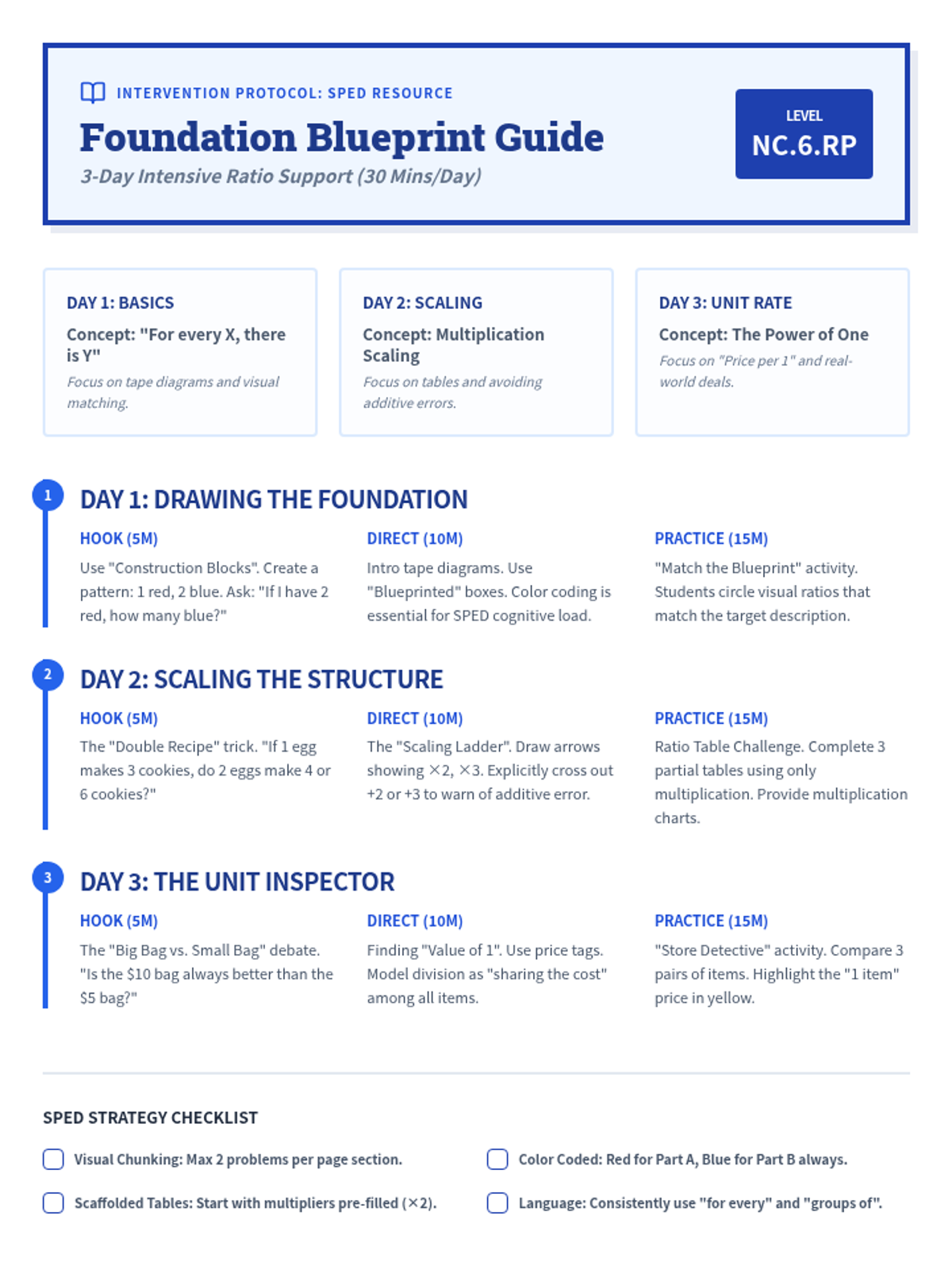
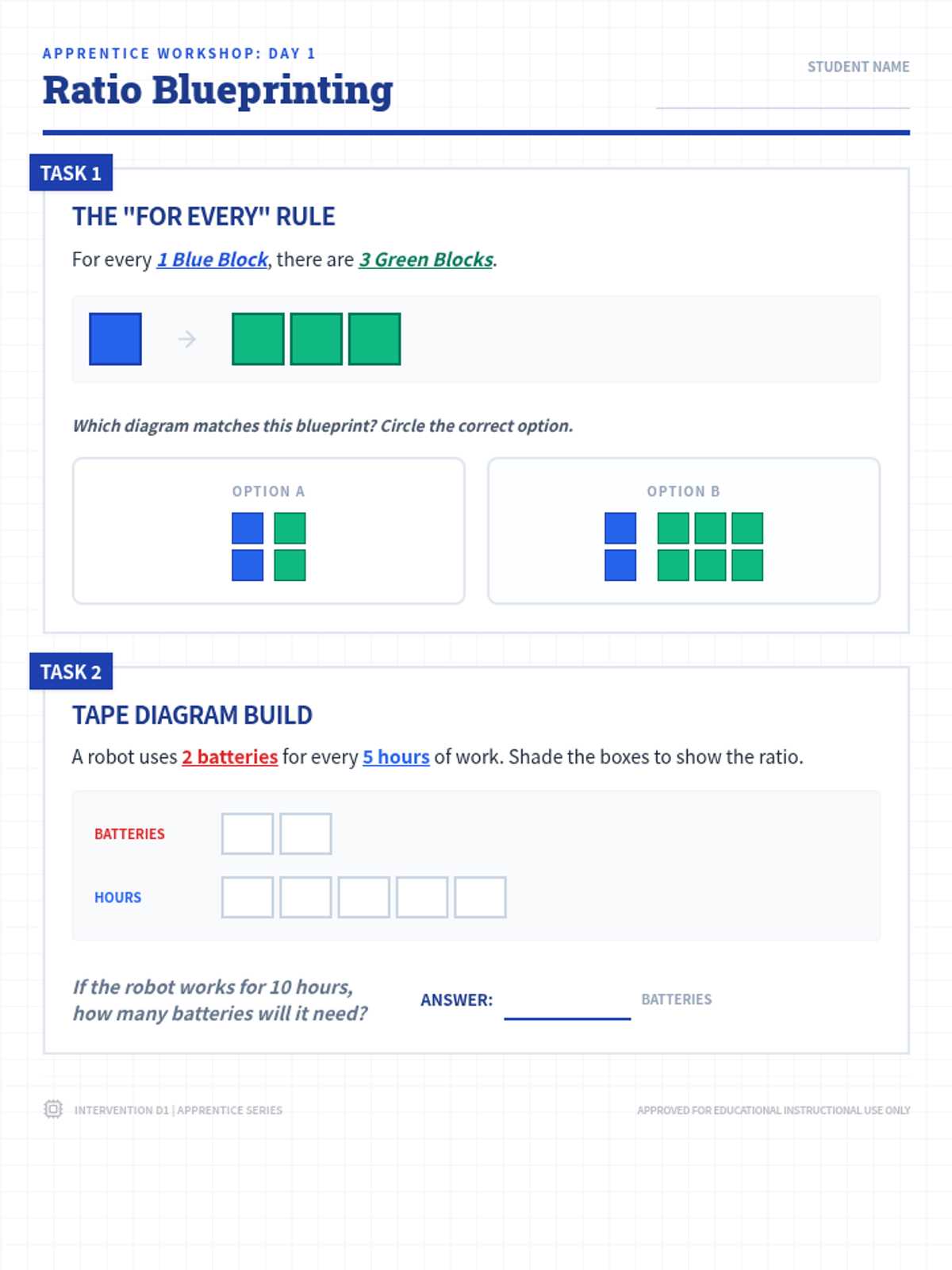
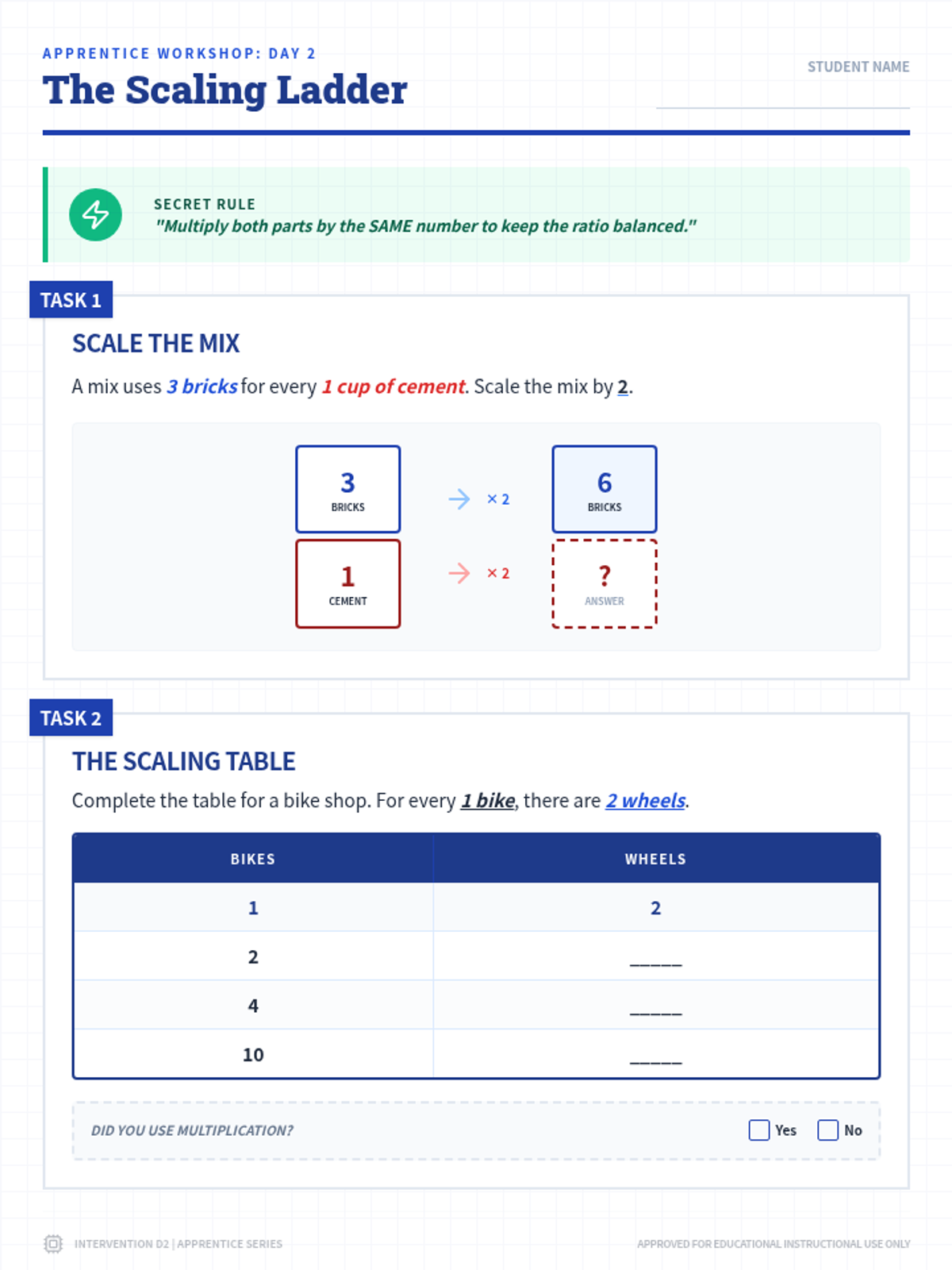
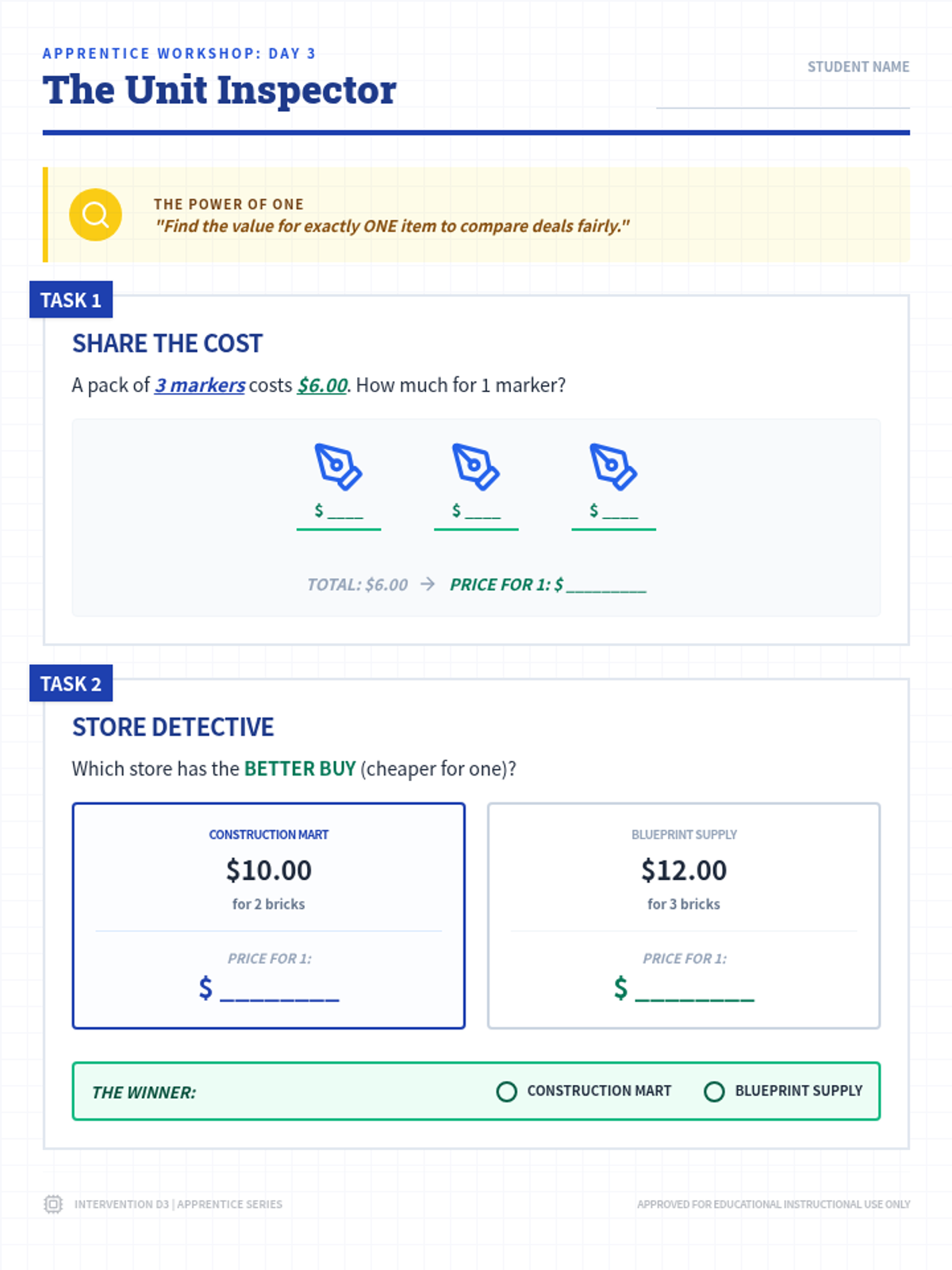
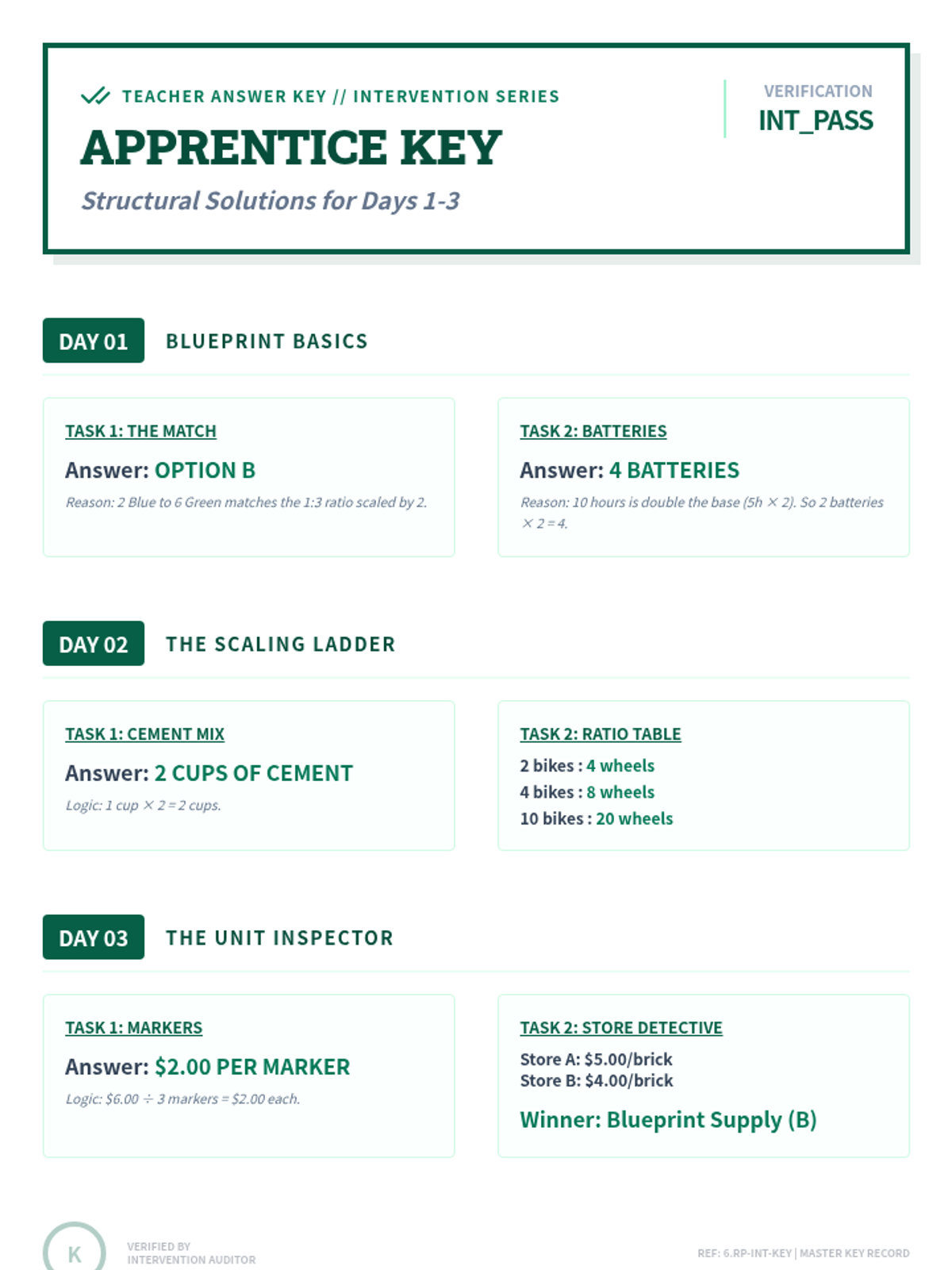
A focused 3-day intervention sequence for SPED resource students to master Grade 6 ratio concepts, specifically designed for 30-minute sessions with high visual support and simplified language.
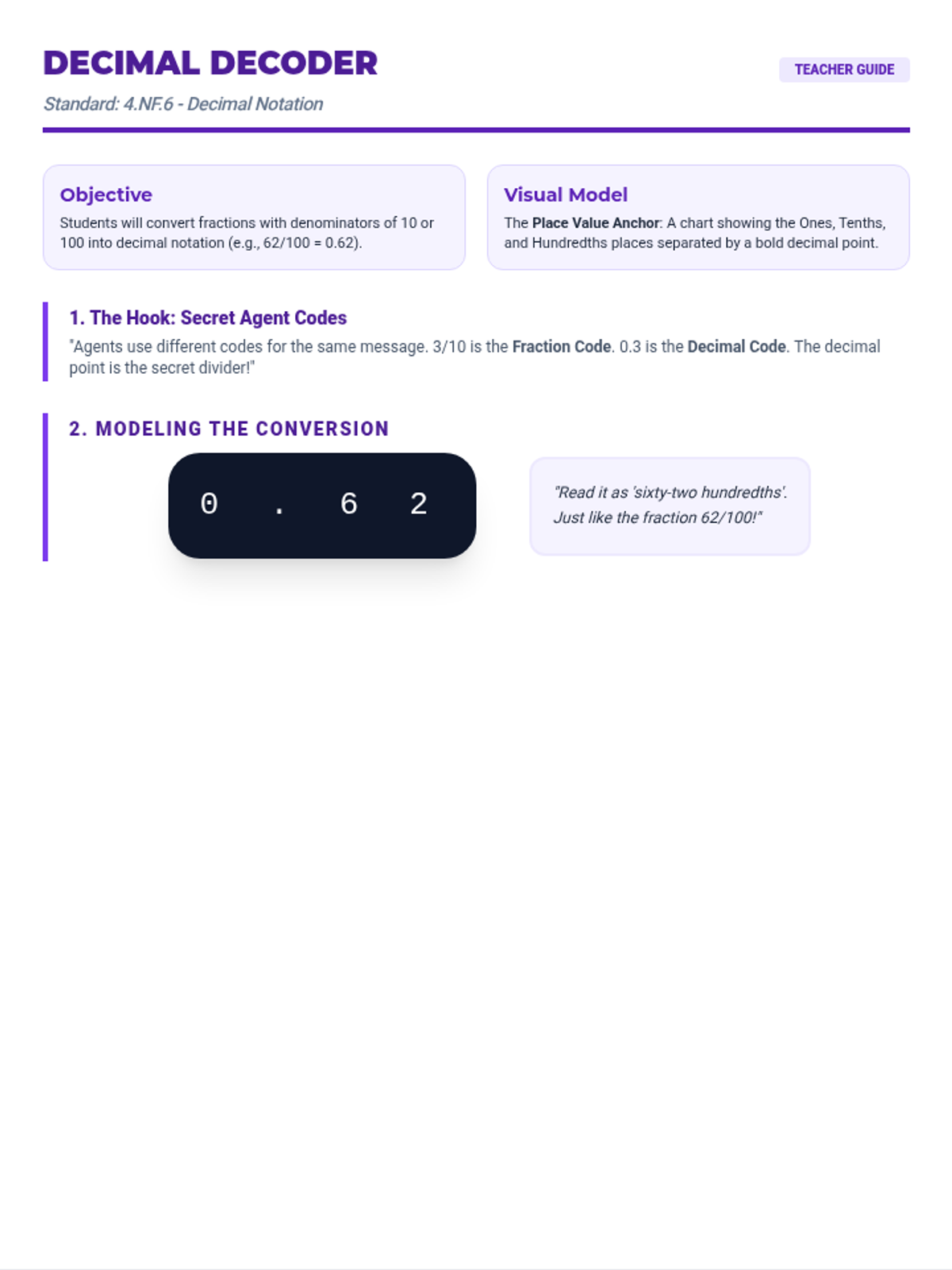
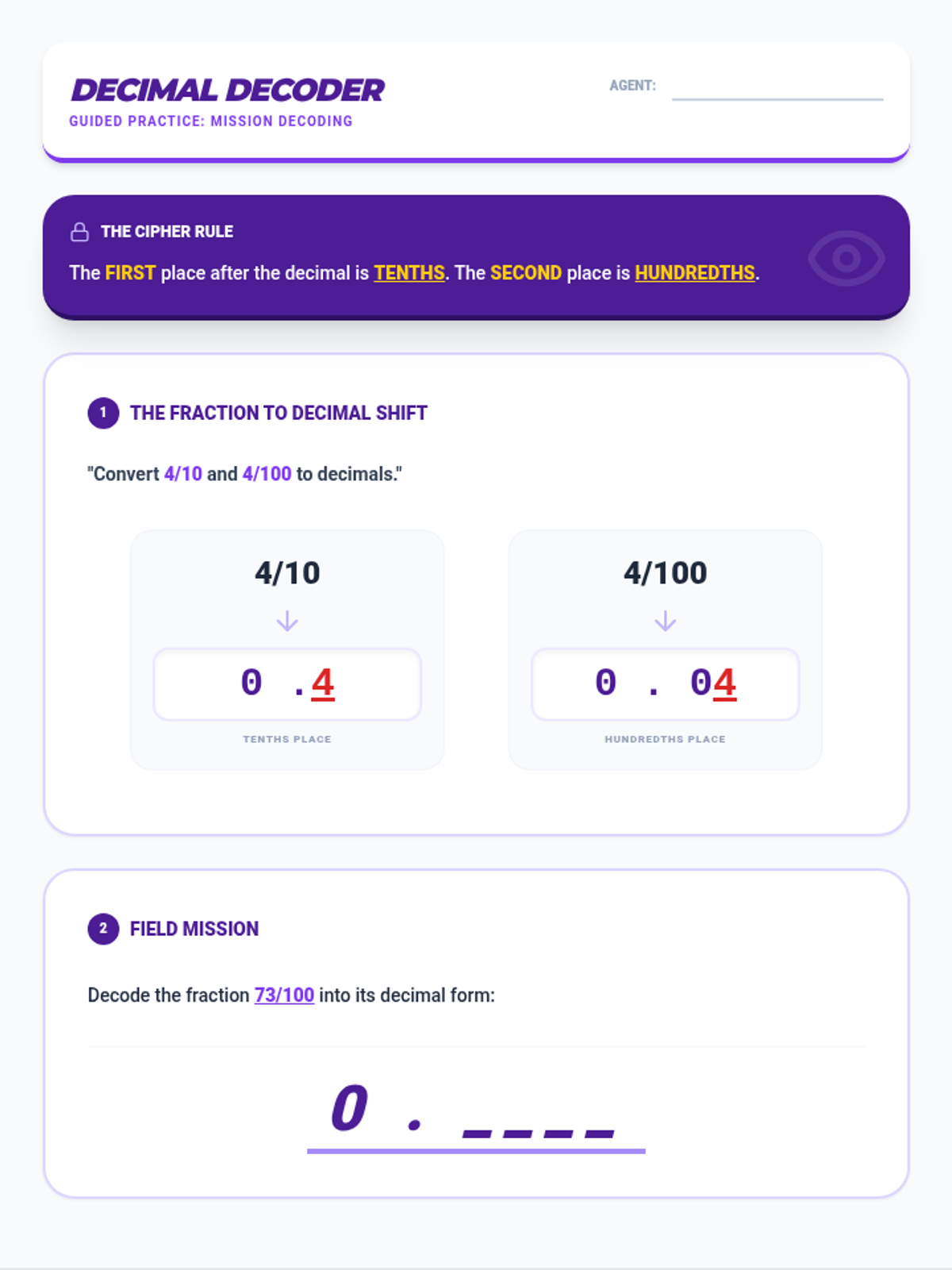
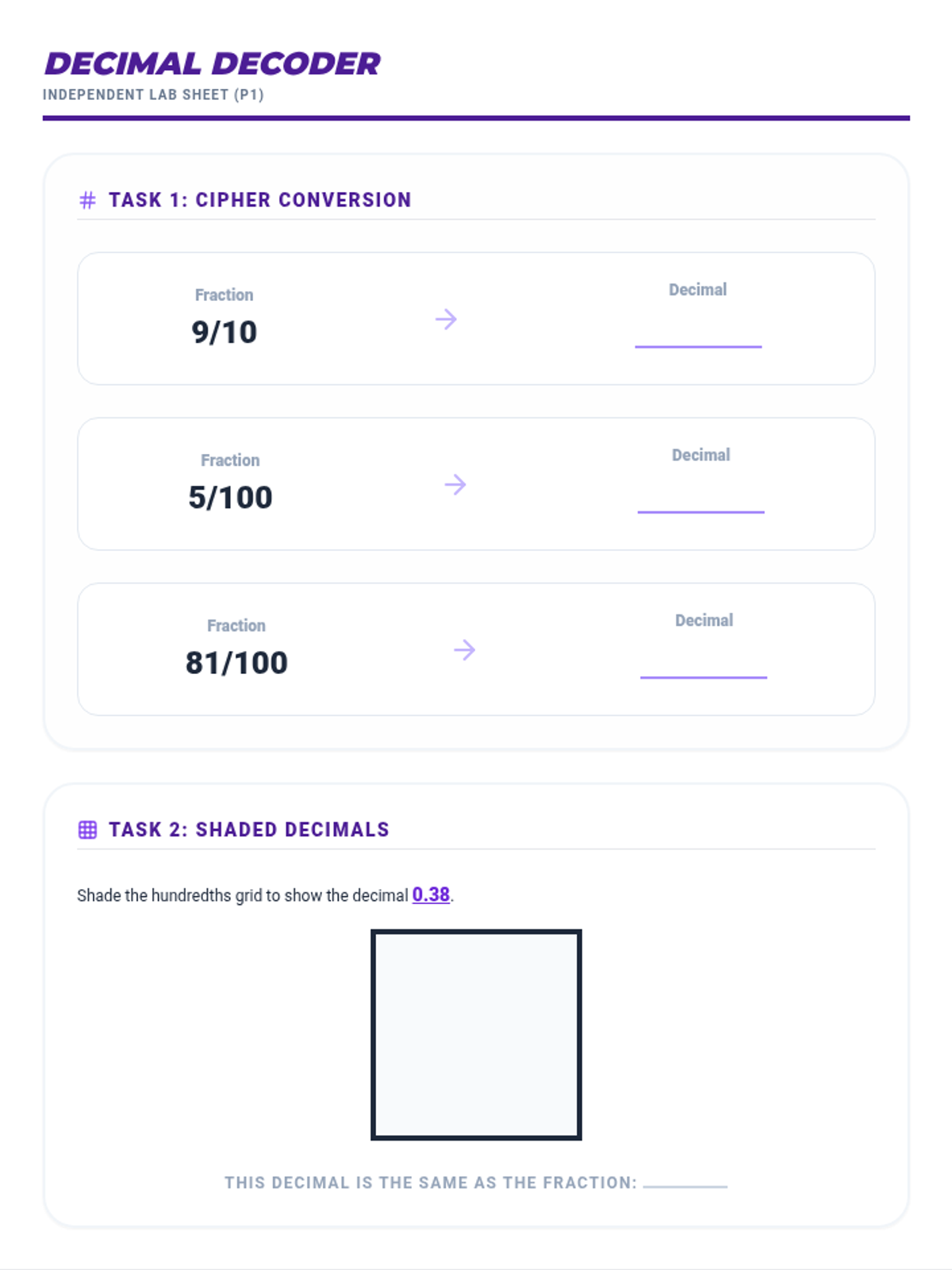
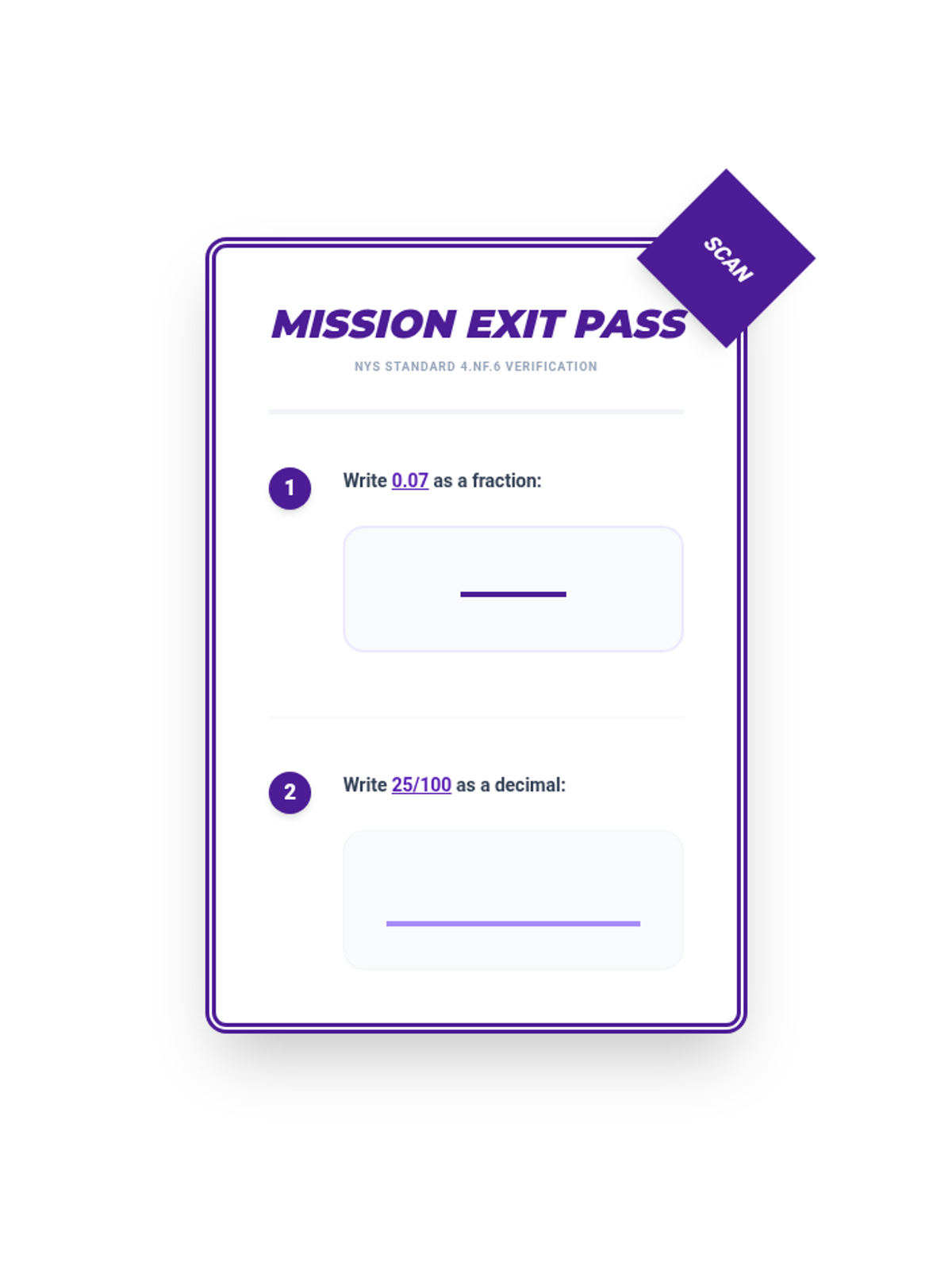
Tier 2 reteach for standard 4.NF.6: Use decimal notation for fractions with denominators 10 or 100.
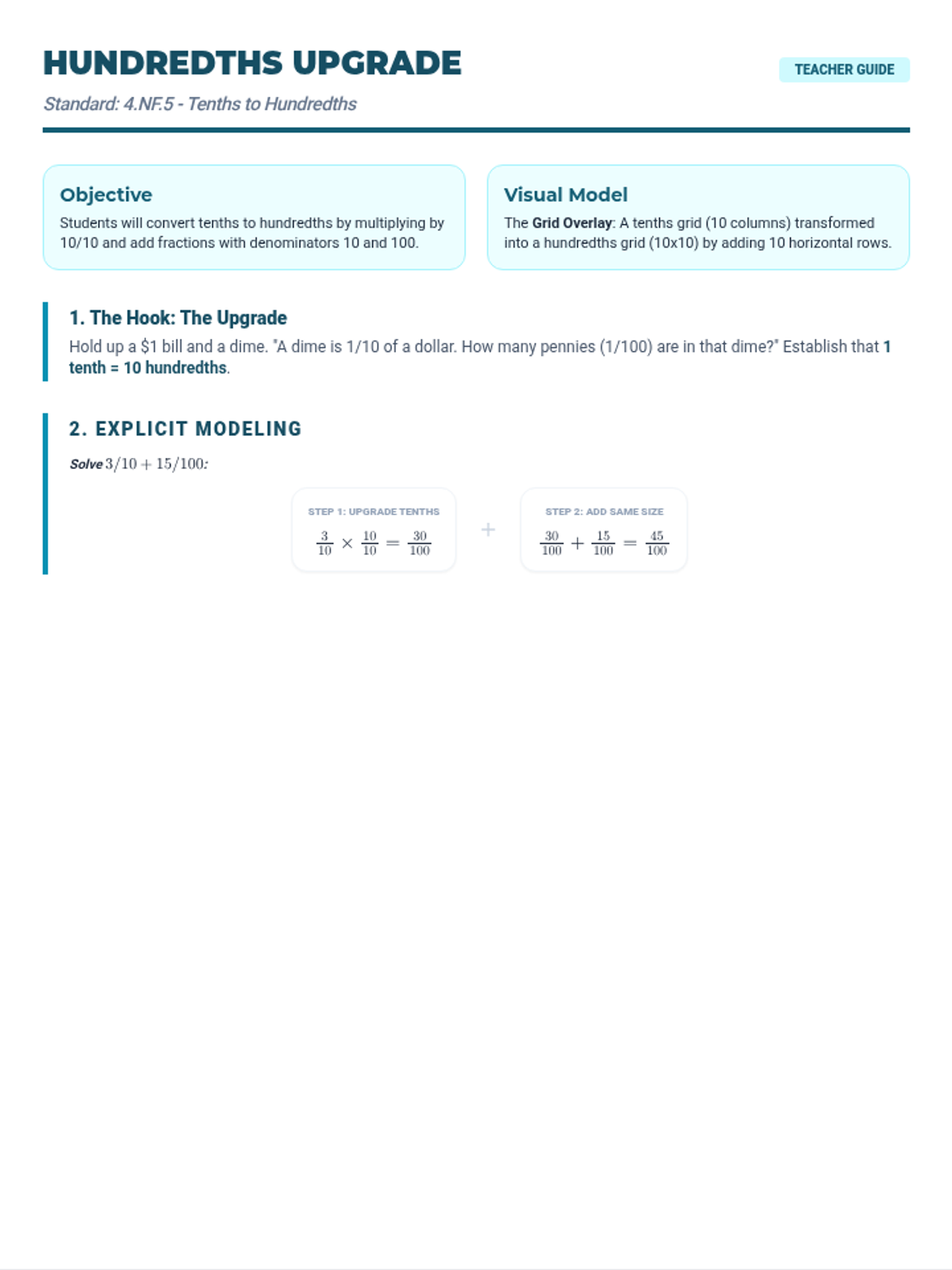
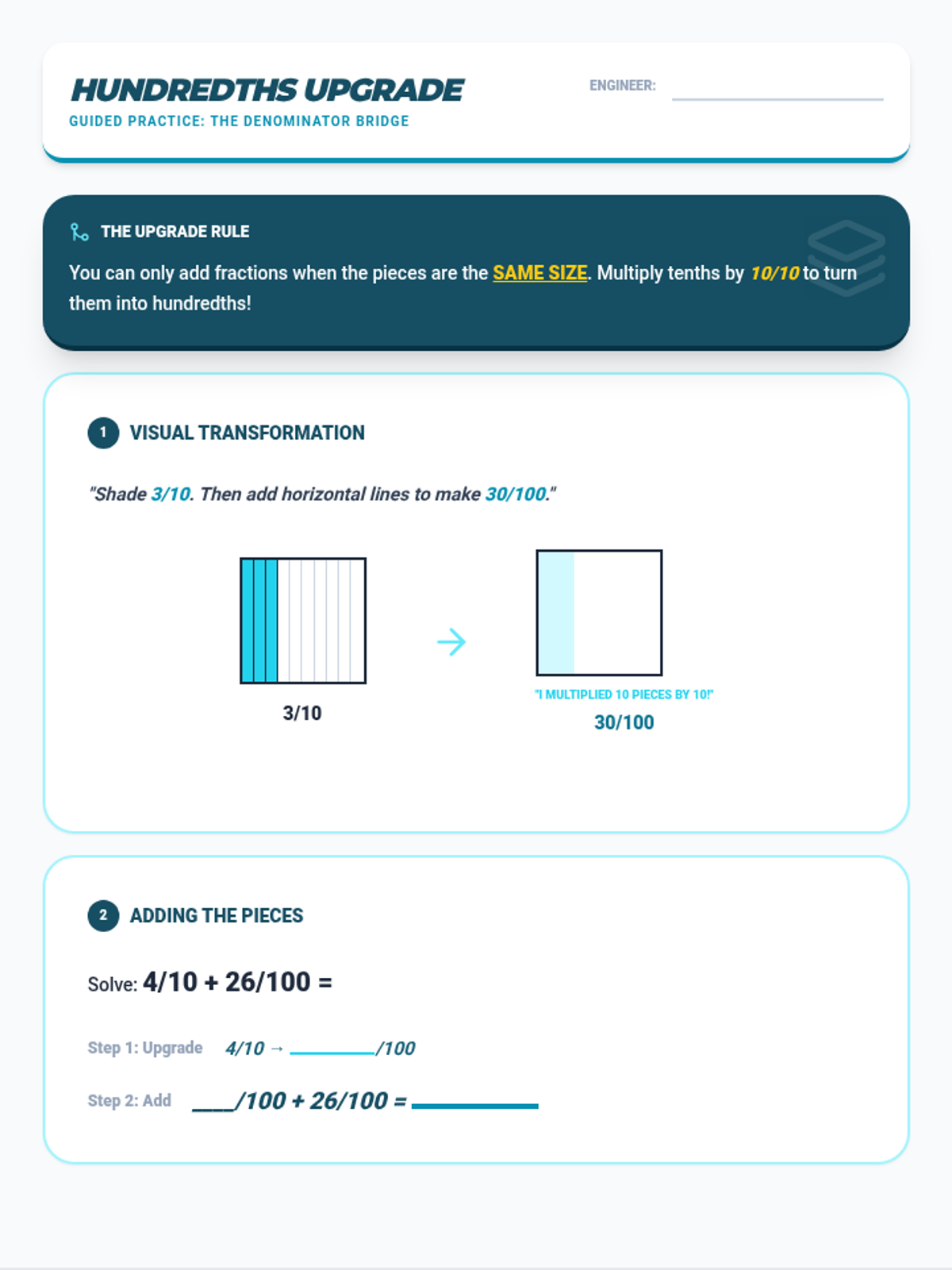
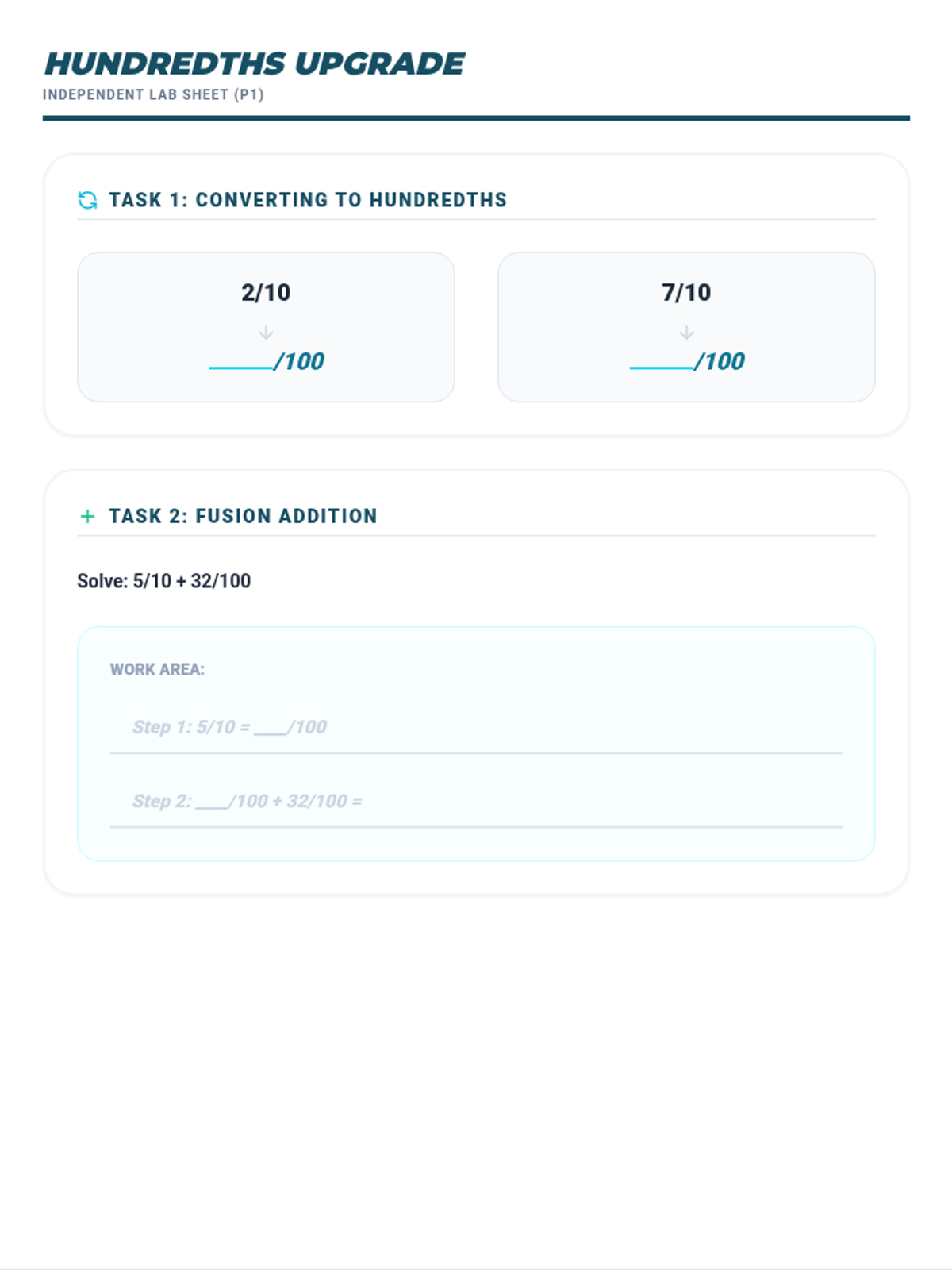
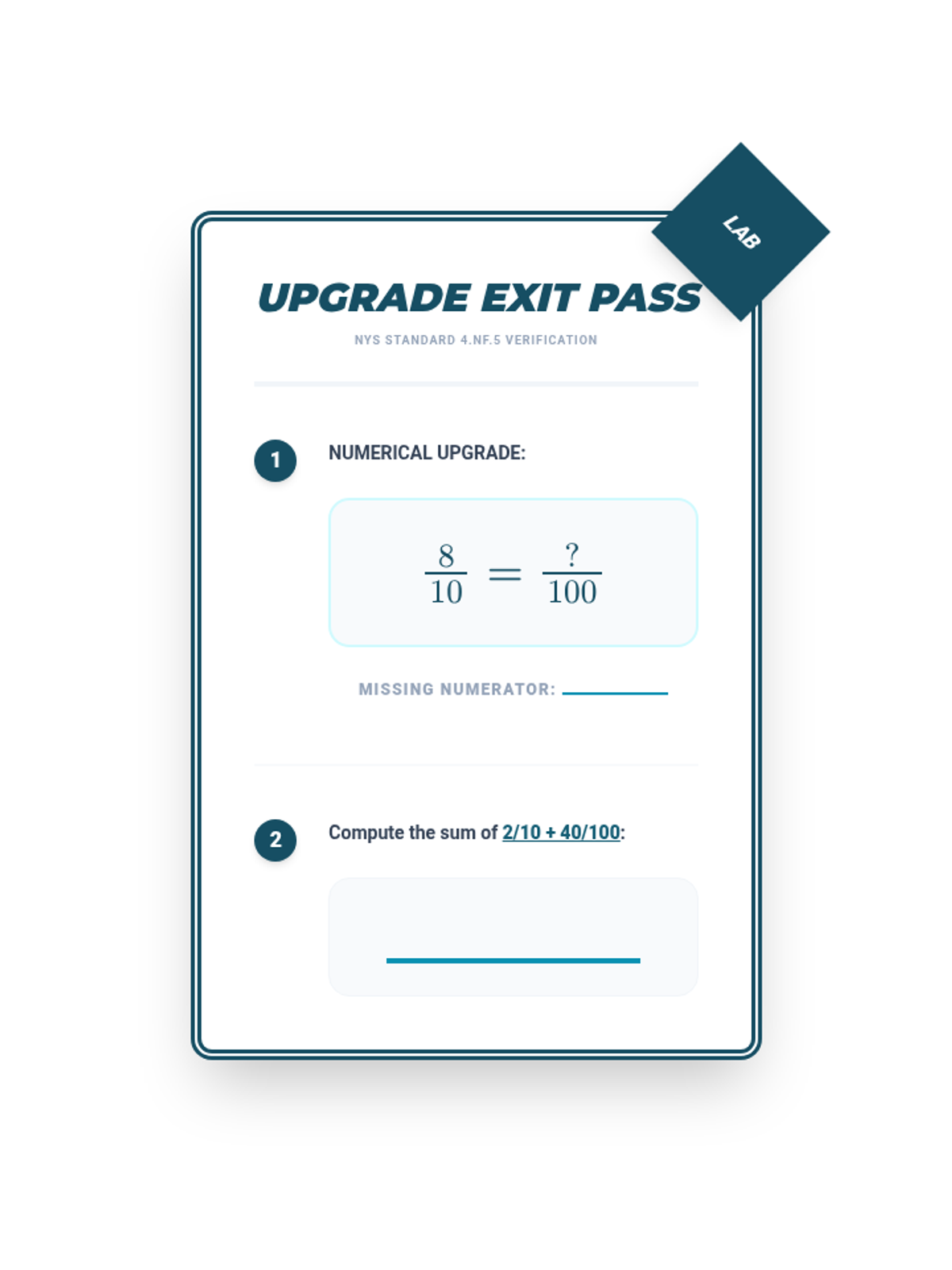
Tier 2 reteach for standard 4.NF.5: Express a fraction with denominator 10 as an equivalent fraction with denominator 100, and use this technique to add two fractions with respective denominators 10 and 100.
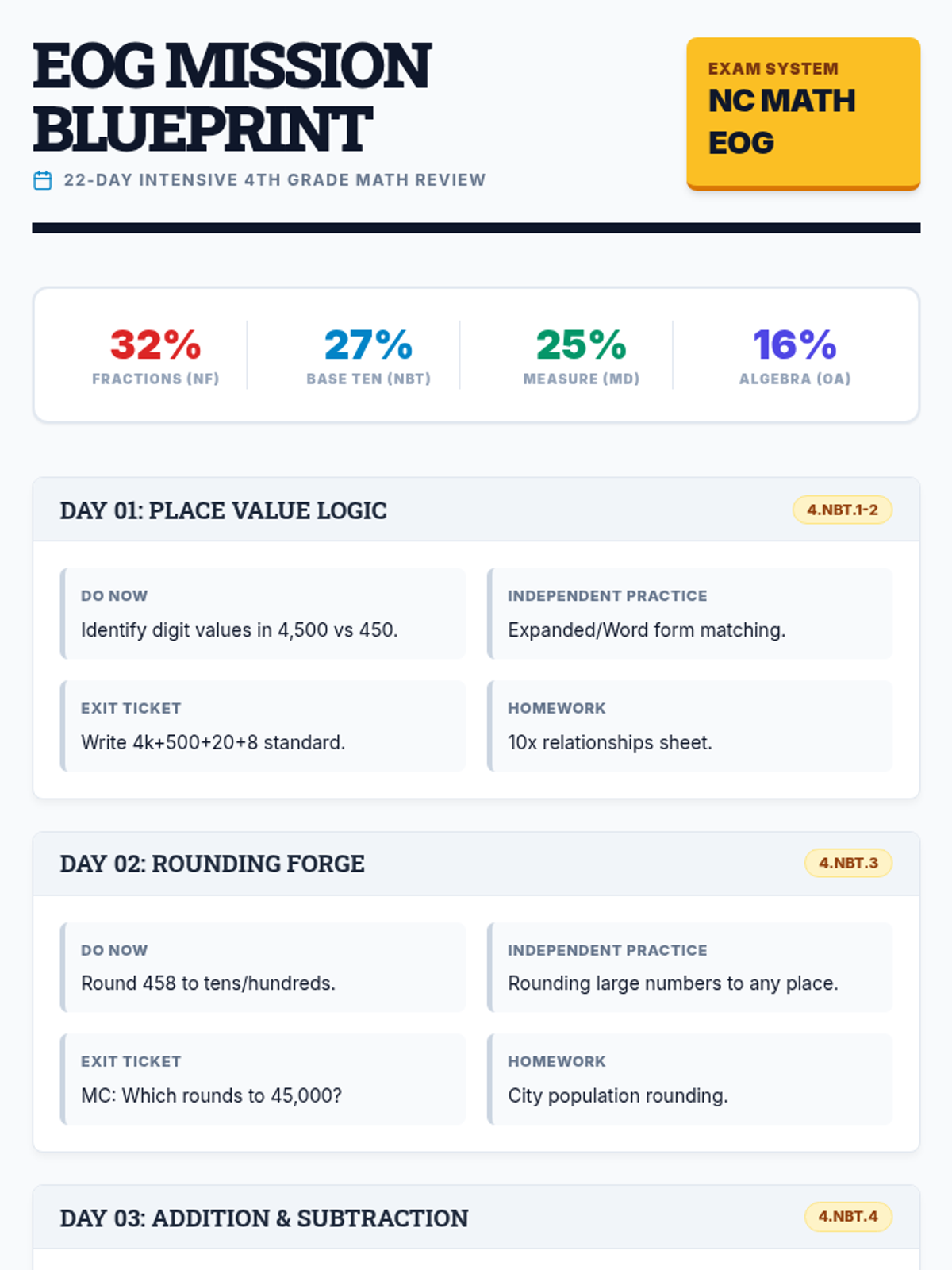
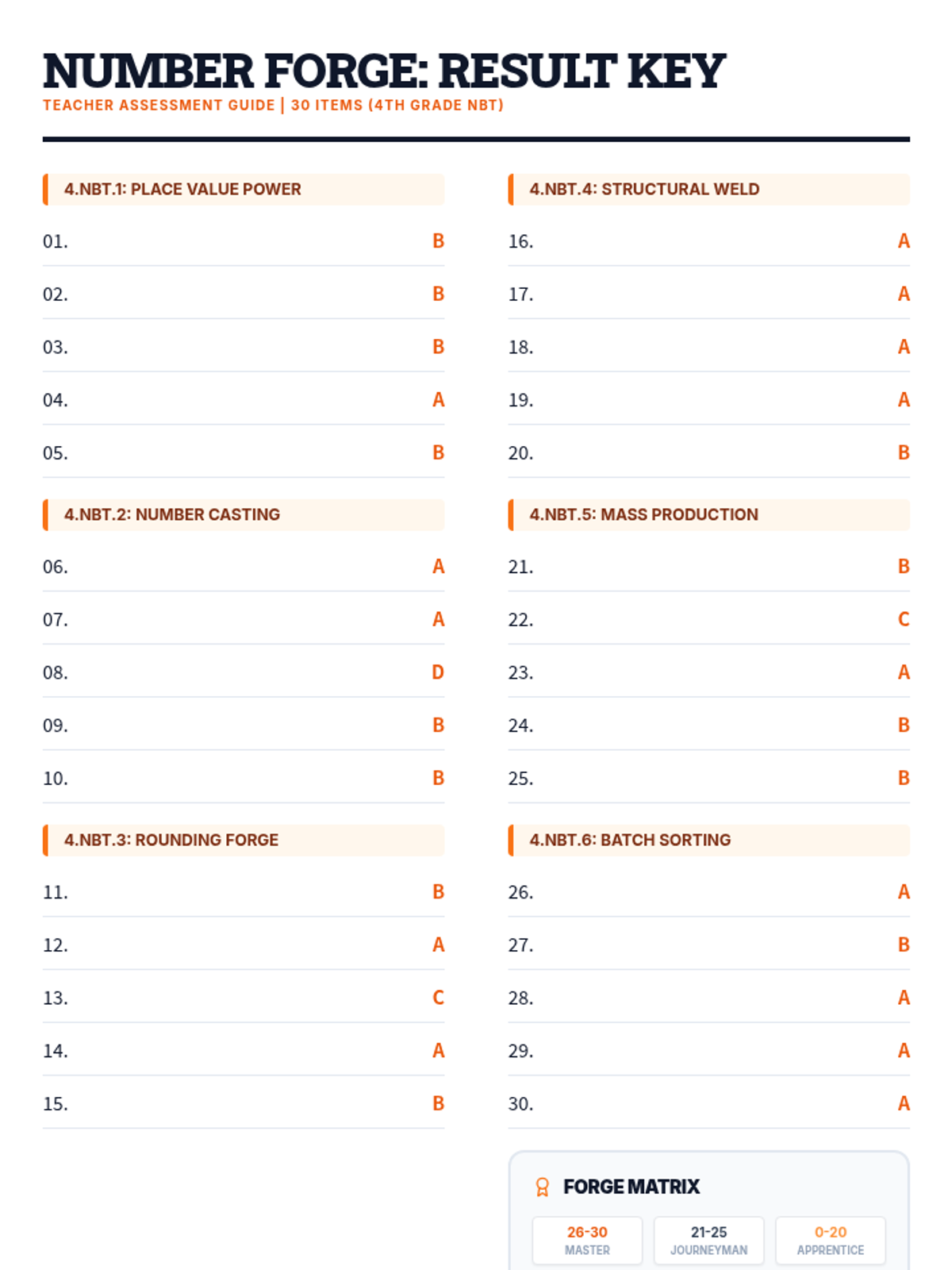
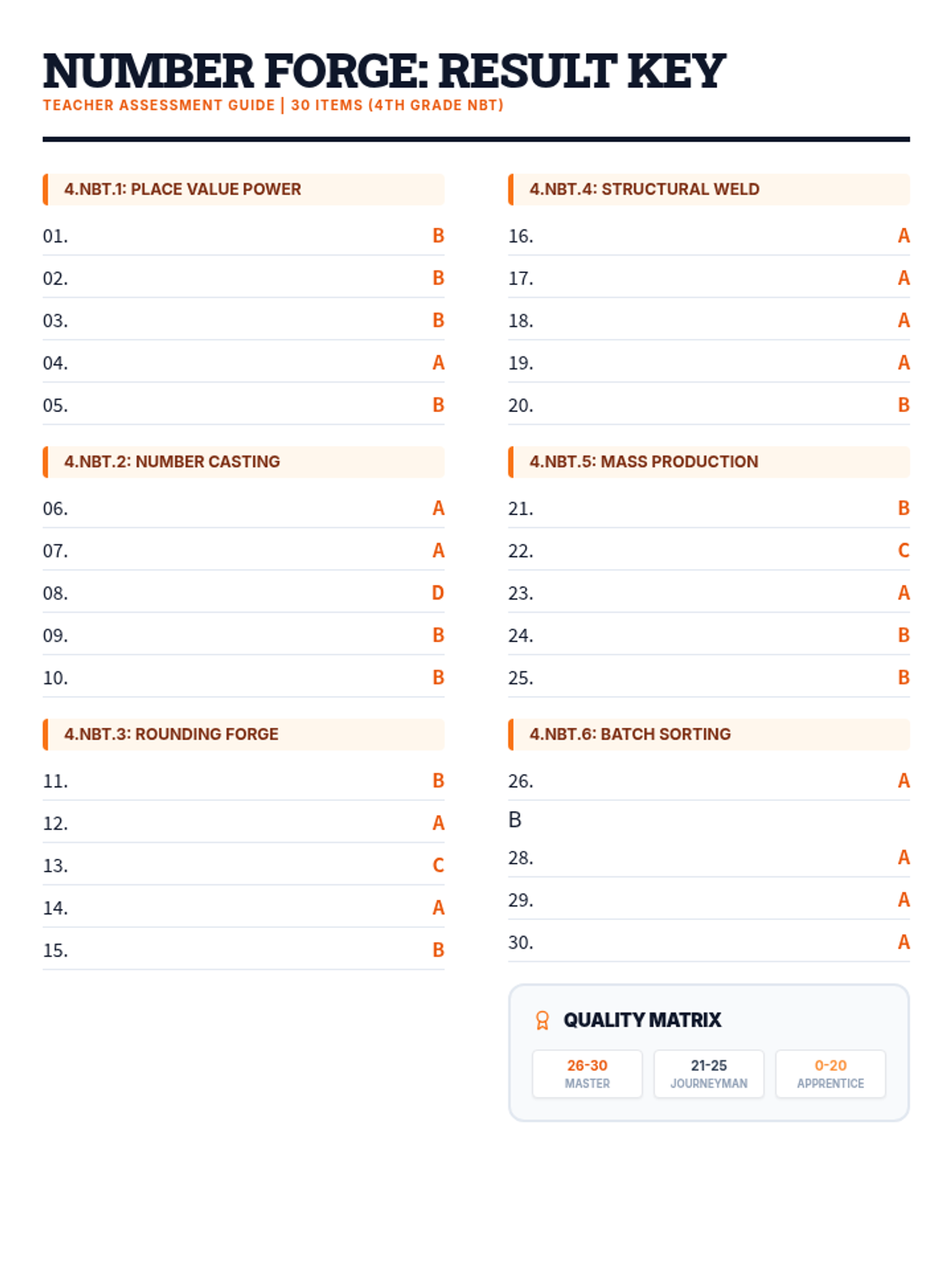
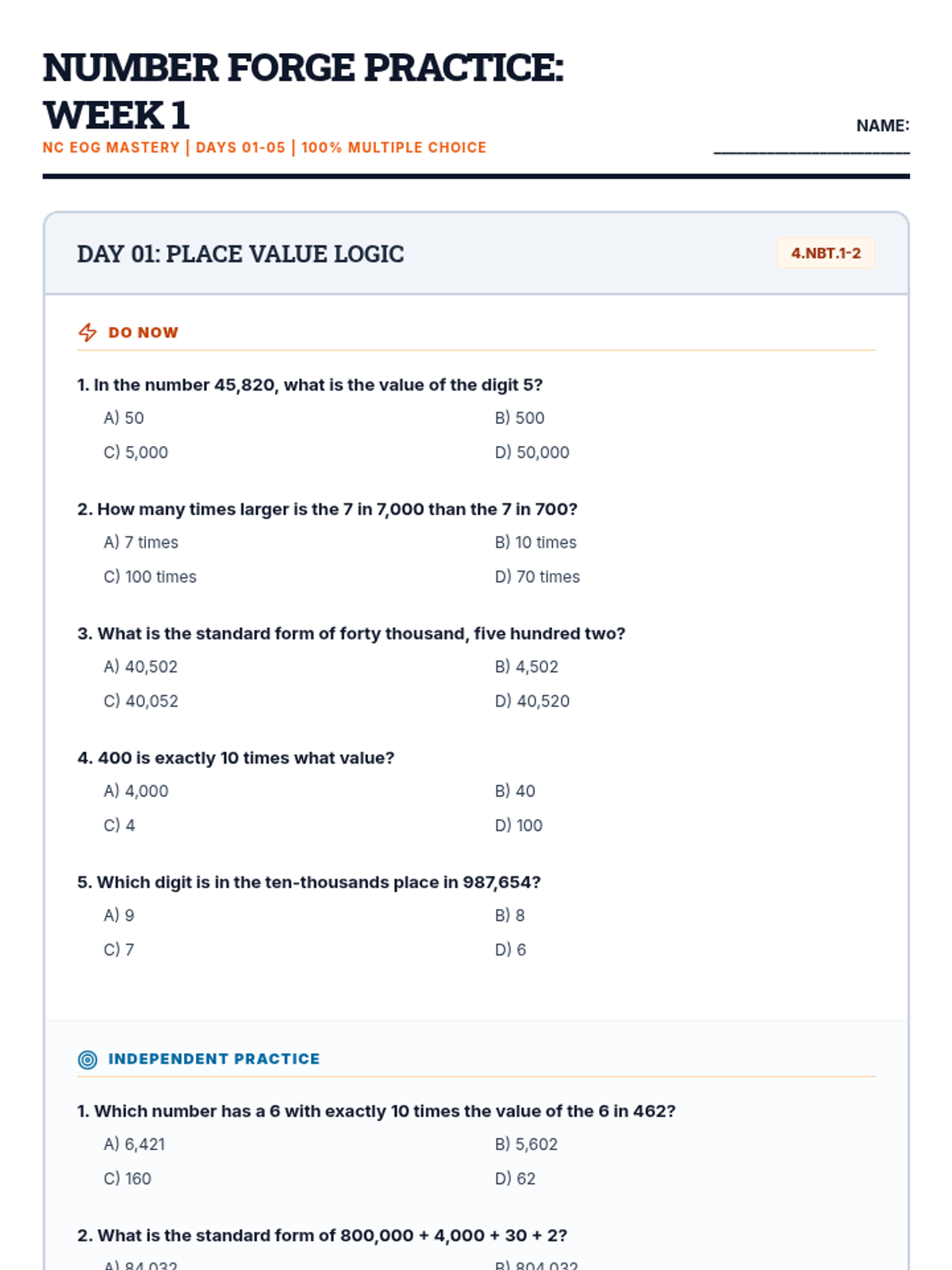
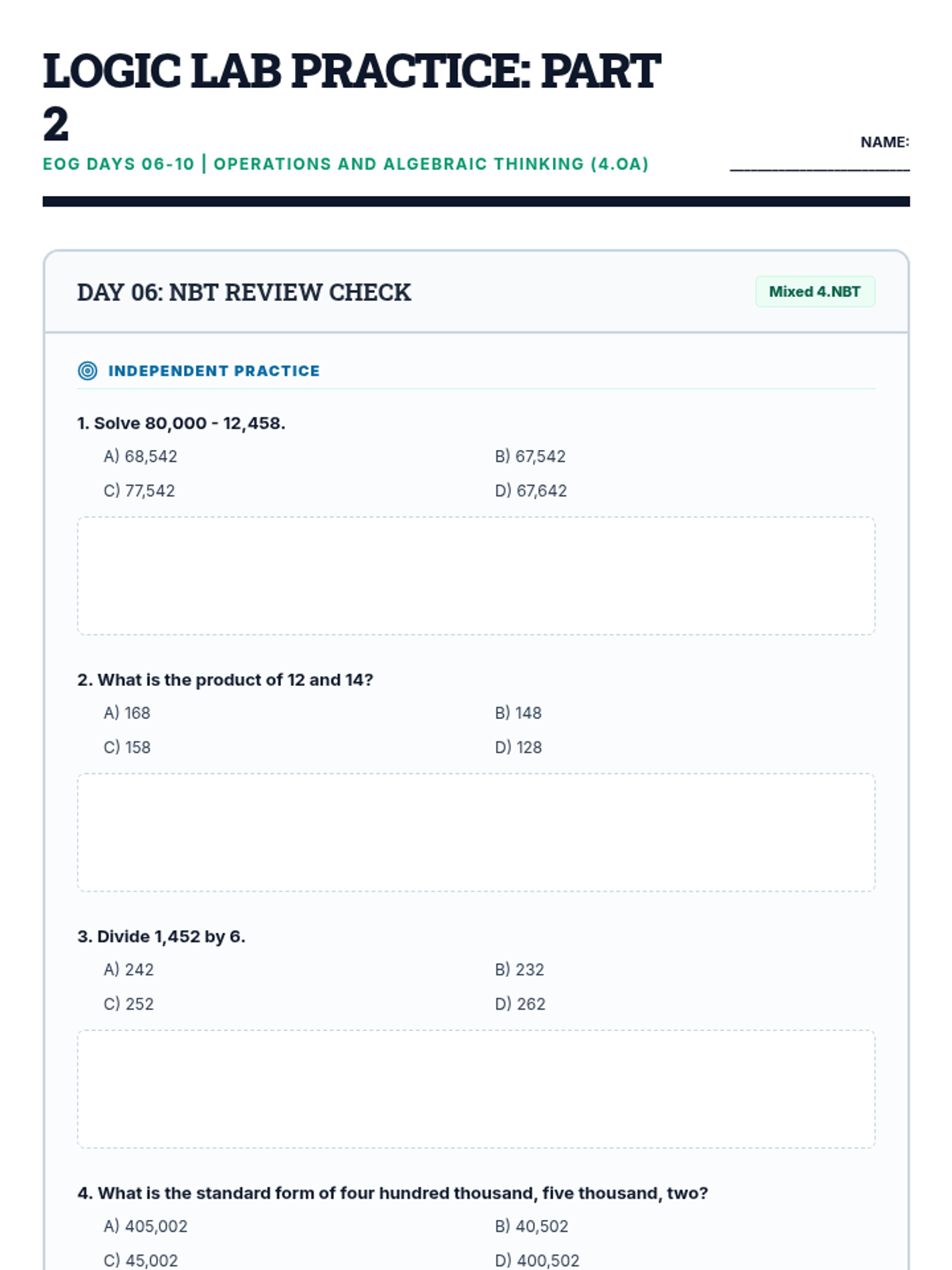
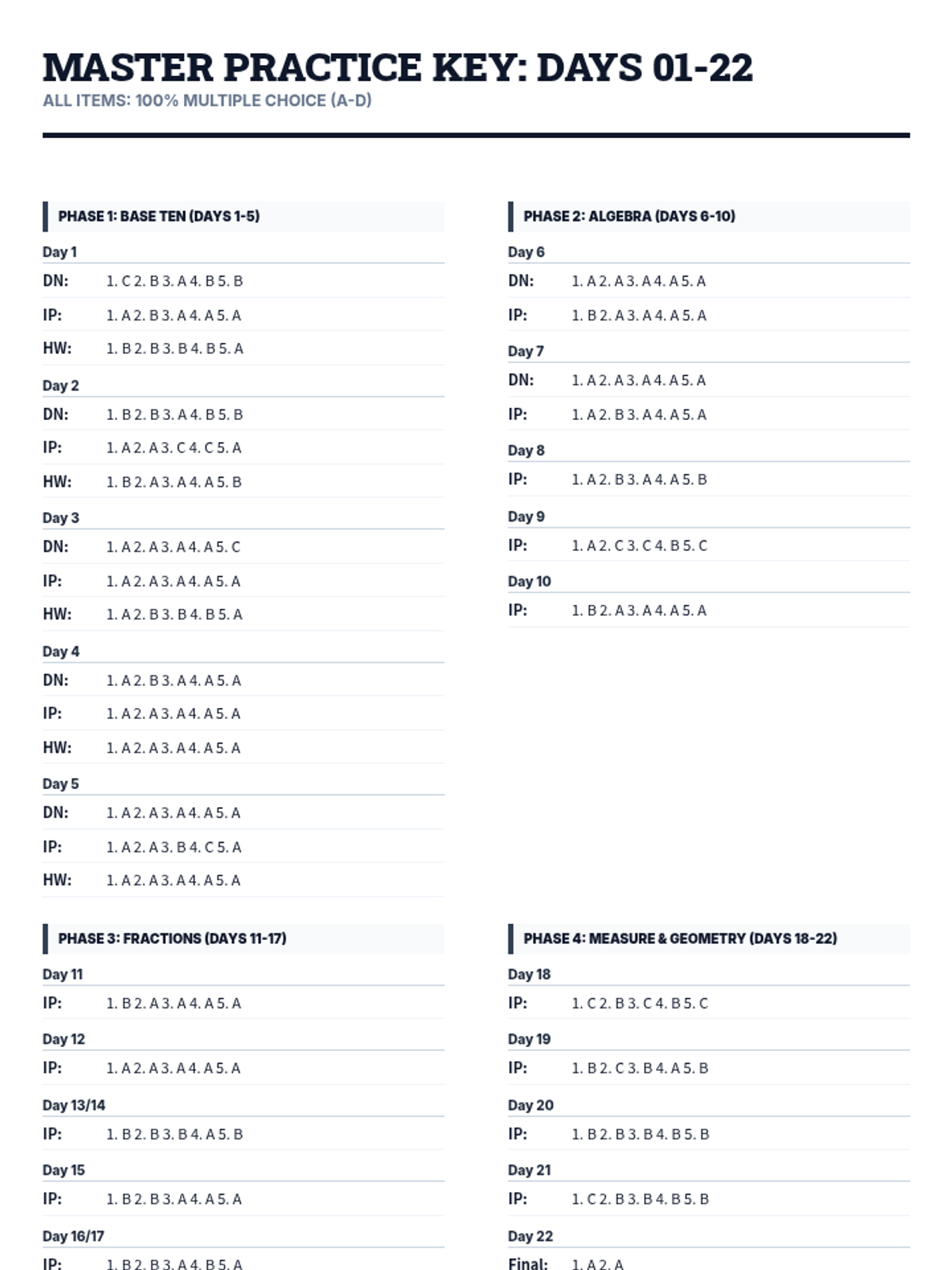
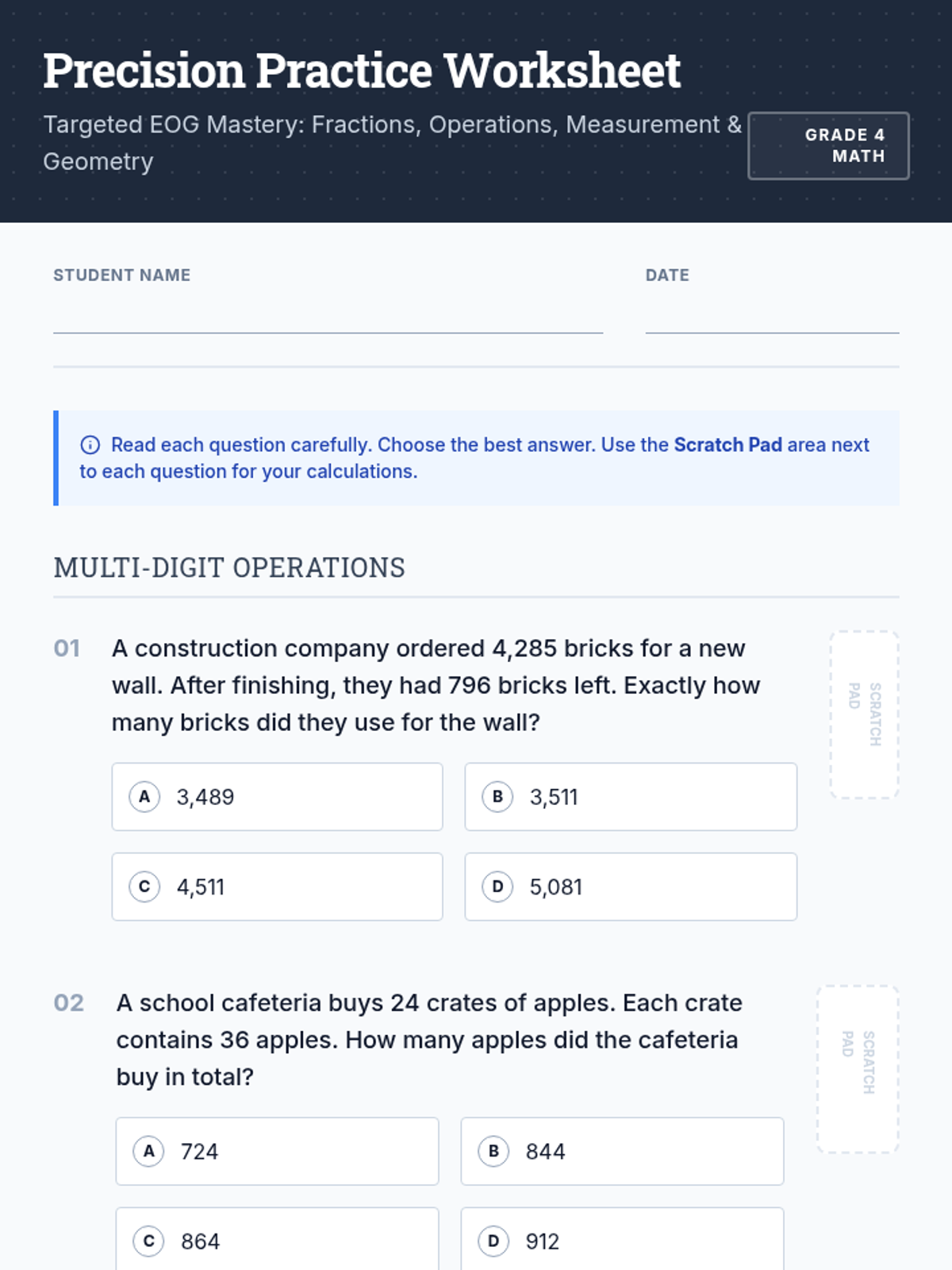
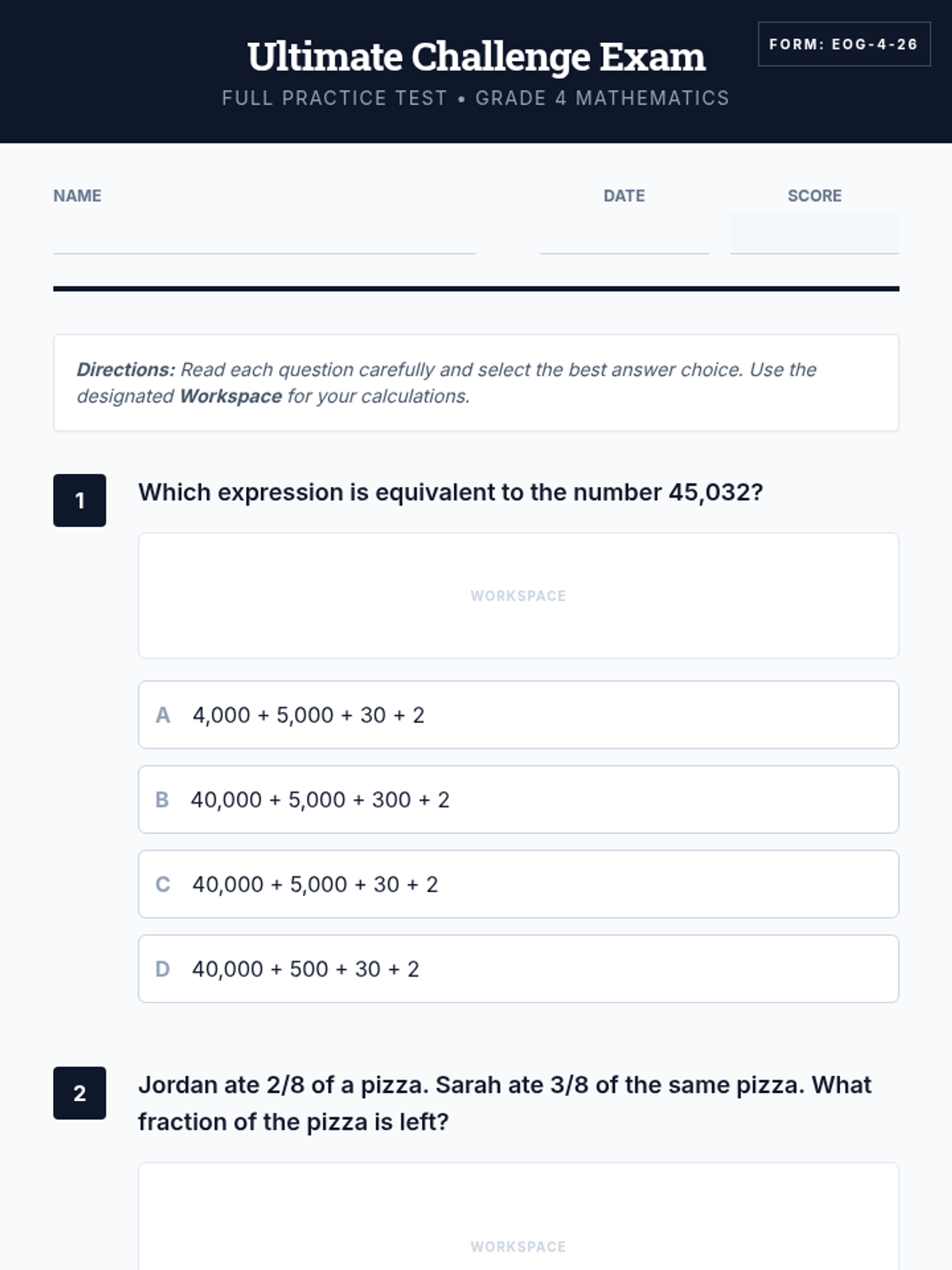
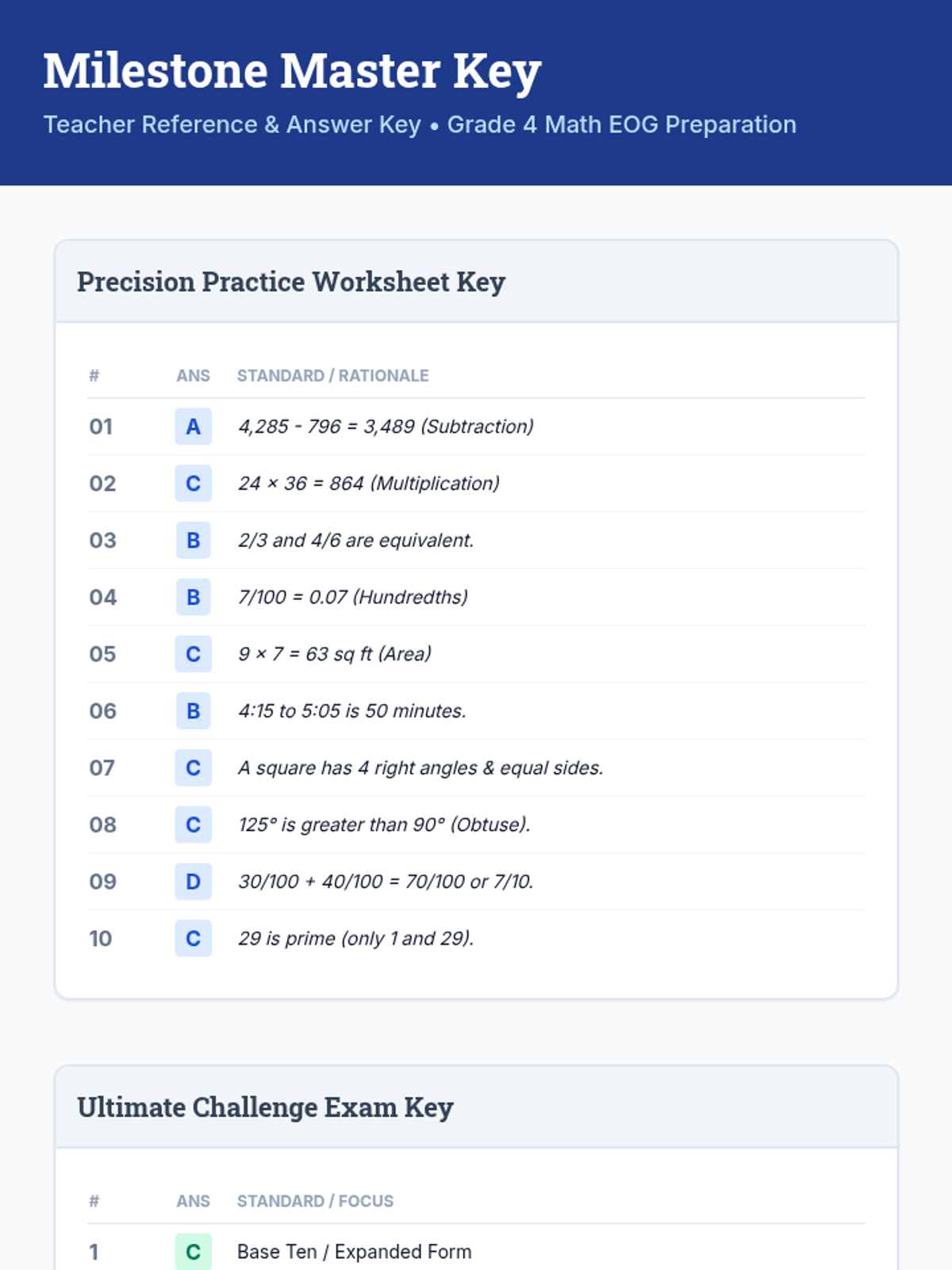
A comprehensive practice suite for 4th Grade Math EOG preparation, focusing on fractions, decimals, multi-digit operations, measurement, data, and geometry. This lesson includes targeted worksheets and a full-length practice exam designed to mimic the rigor of state assessments.
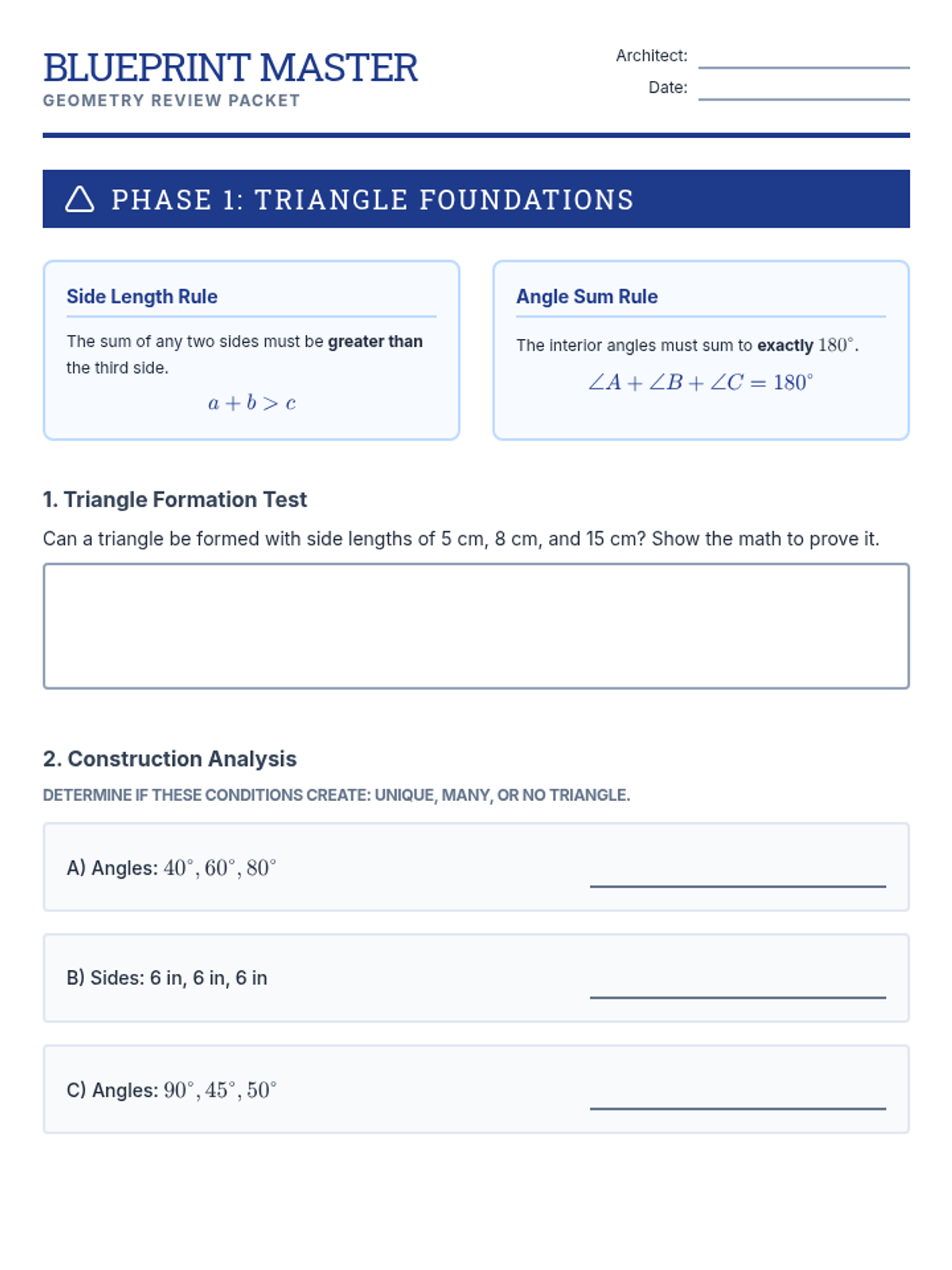
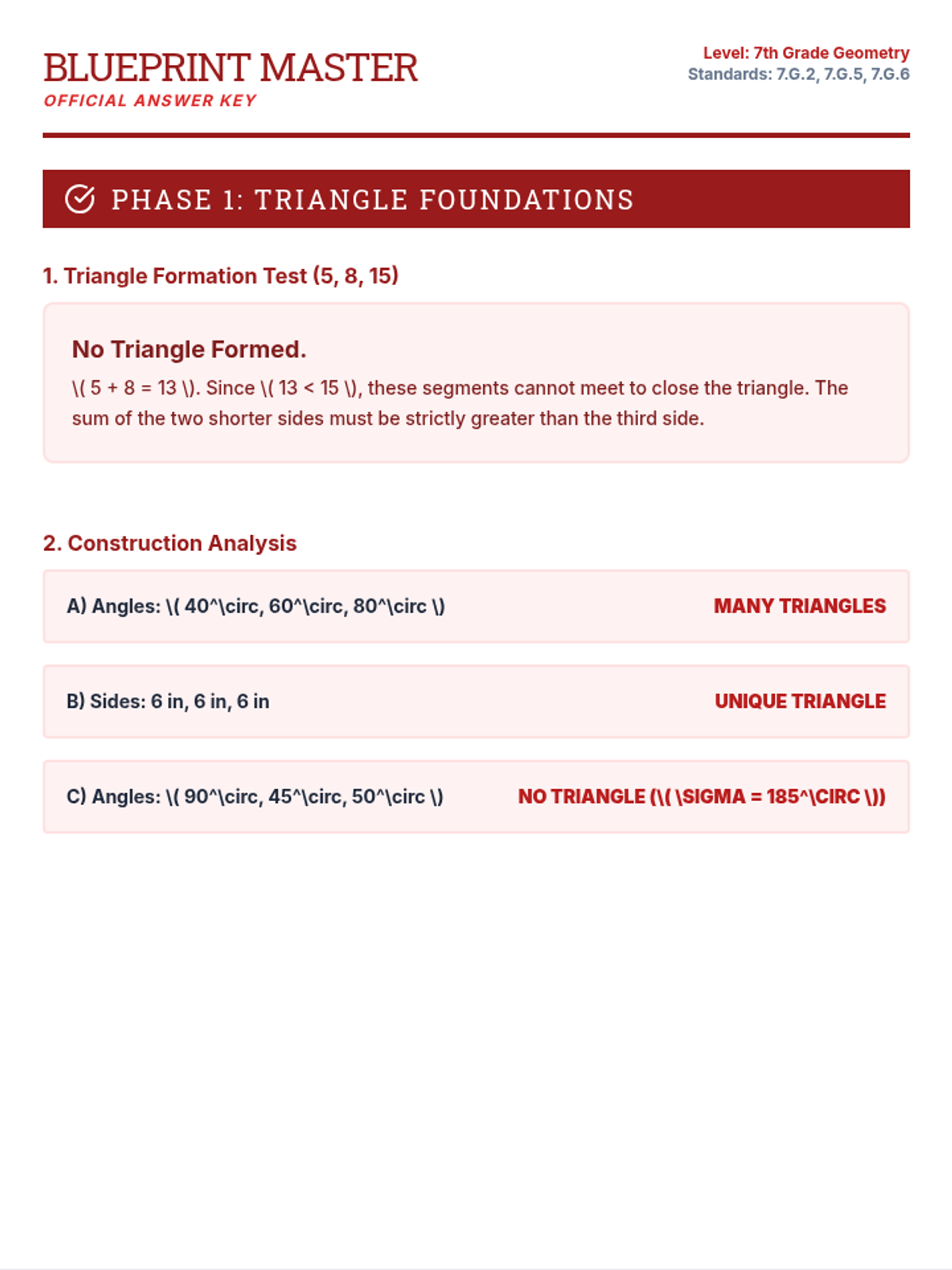
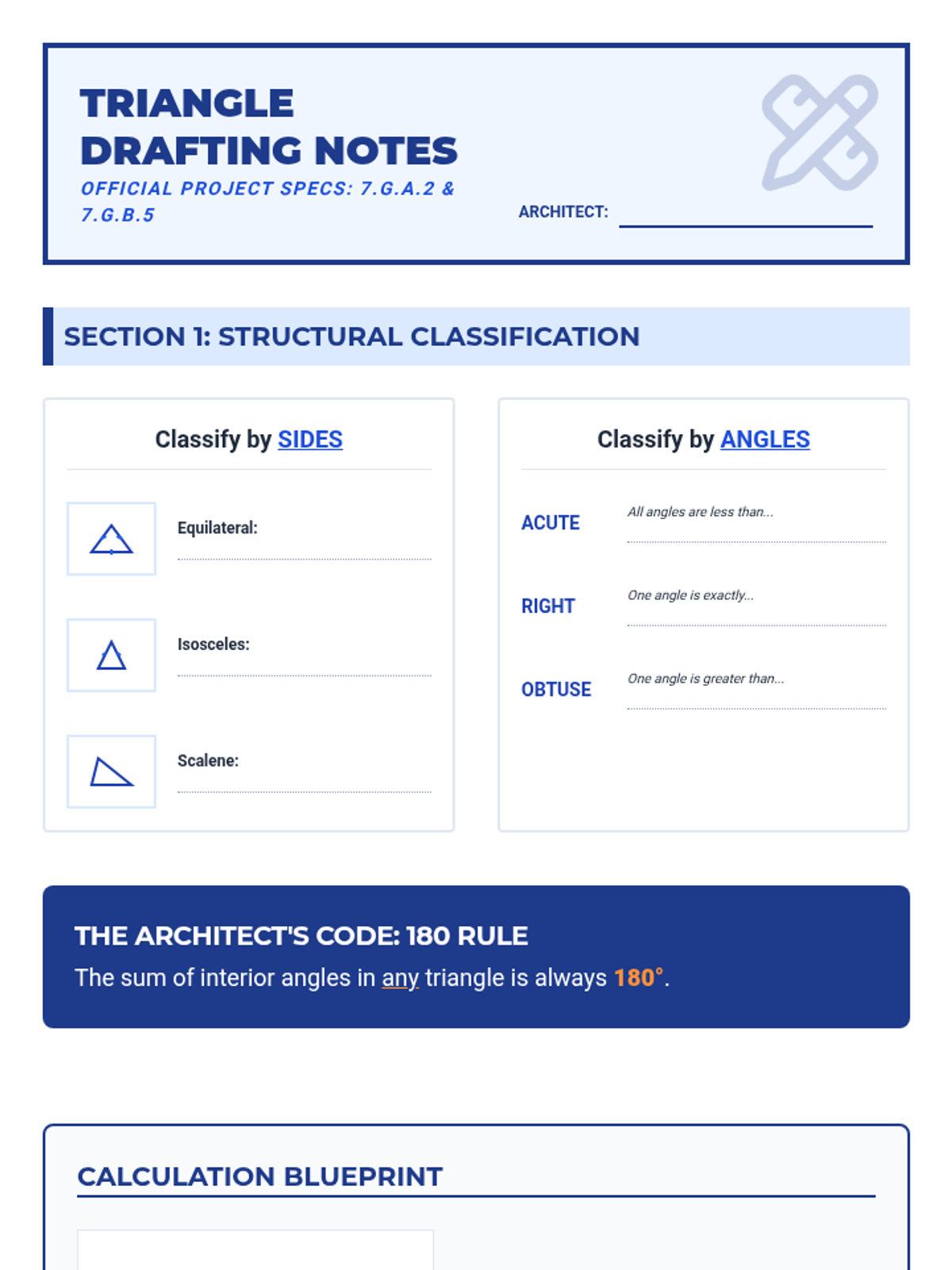
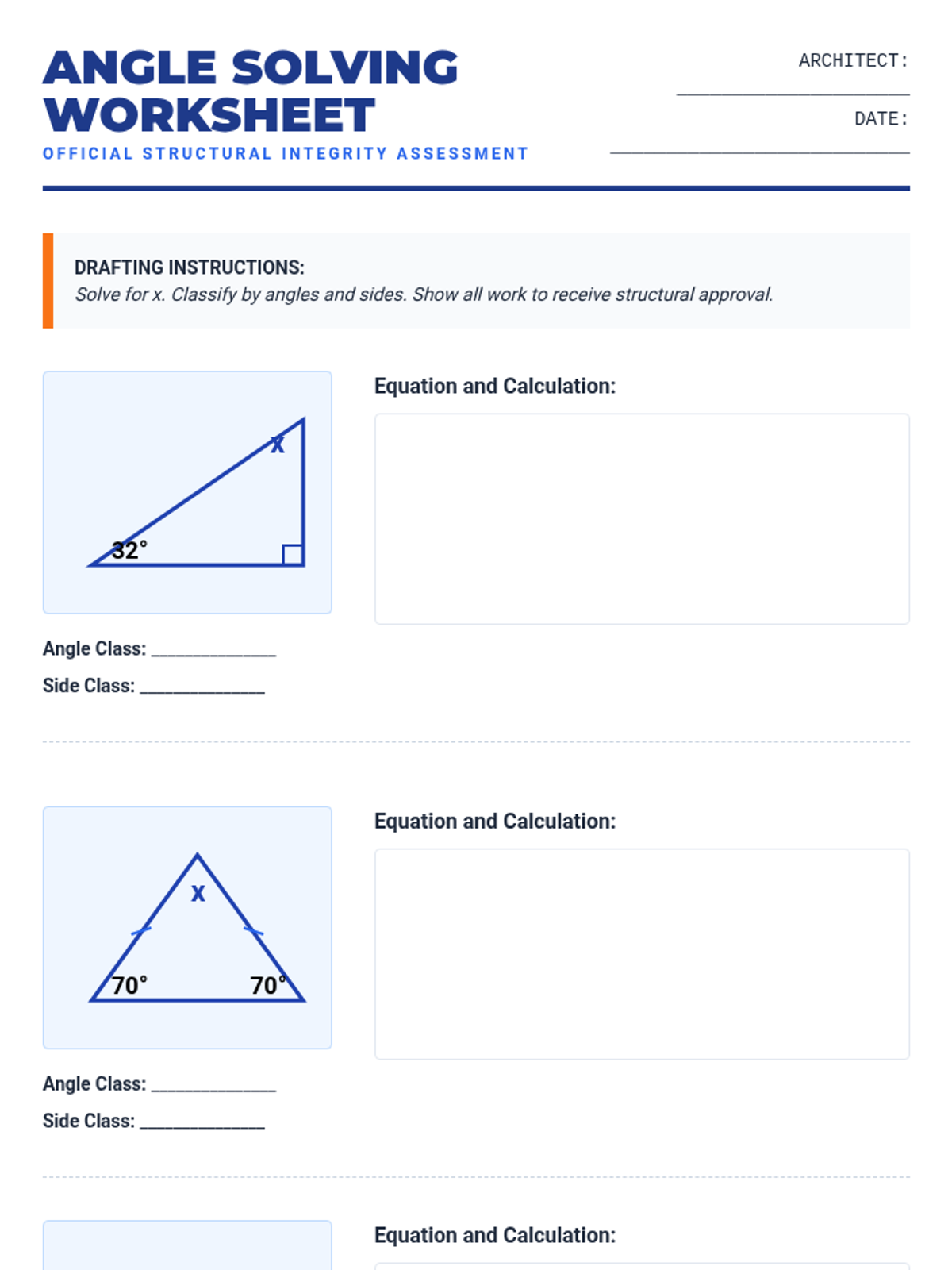
A comprehensive geometry review covering triangle construction, angle relationships, and 2D/3D measurements. Students take on the role of an architect to master essential geometric principles.
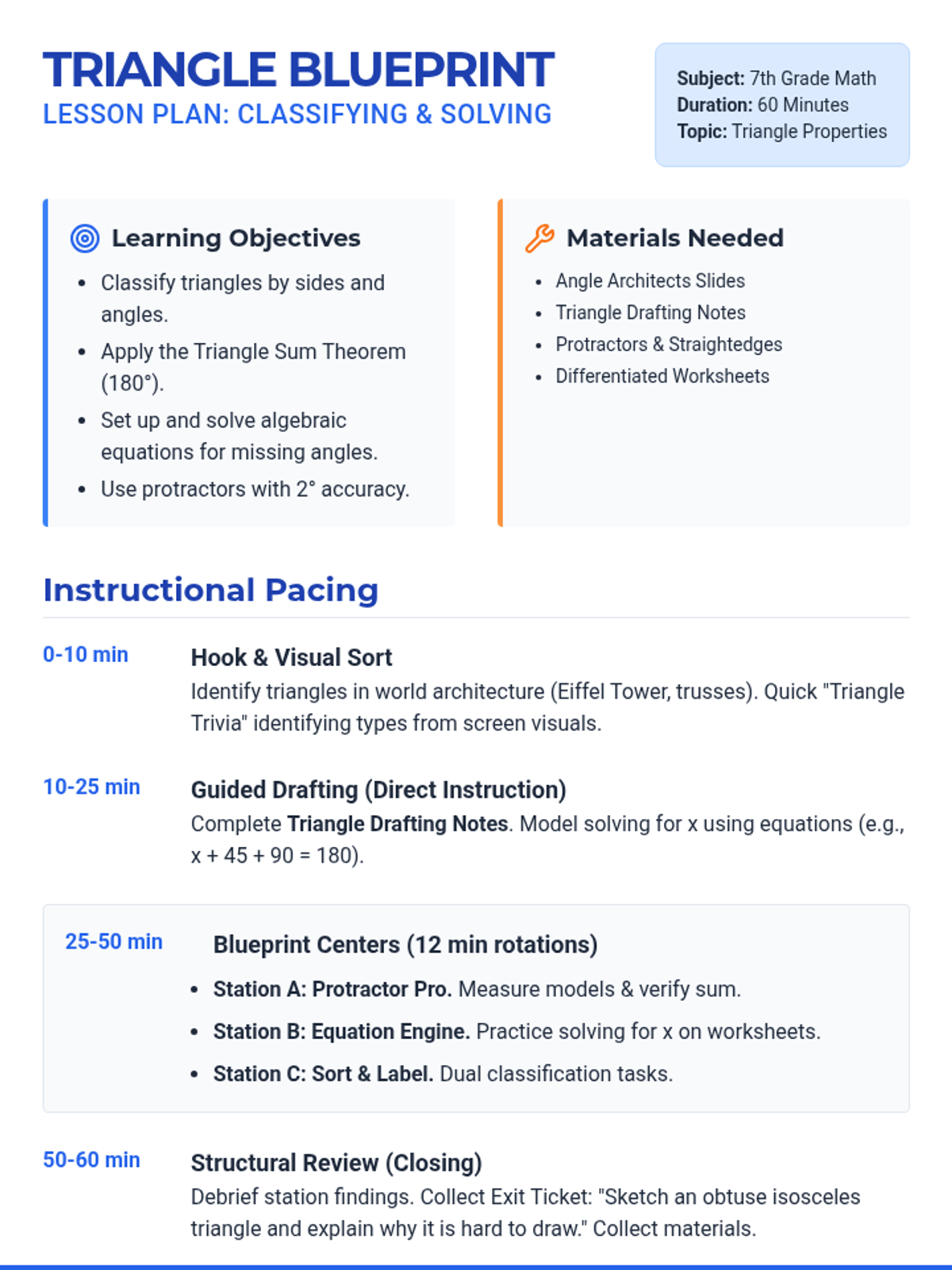
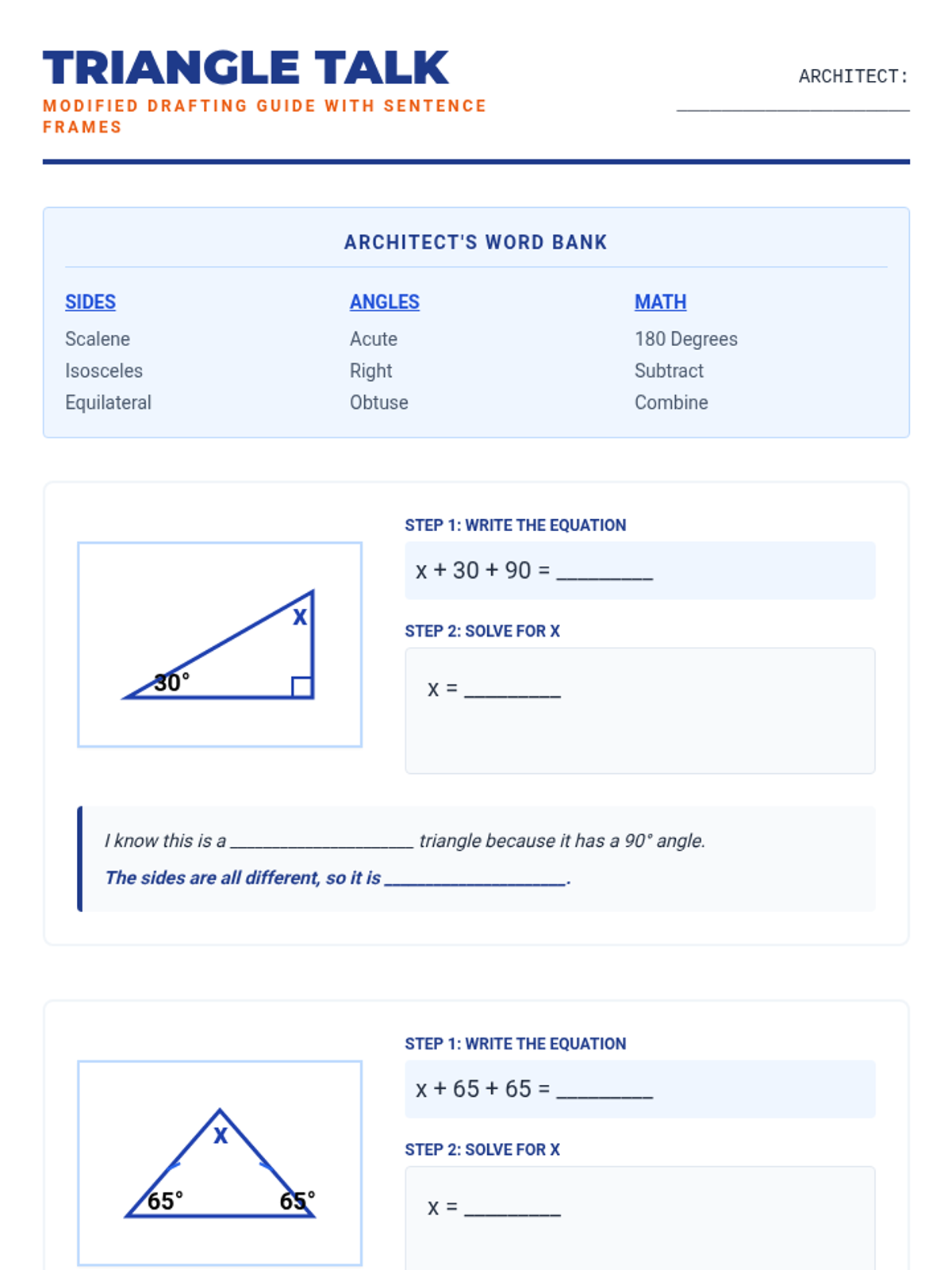
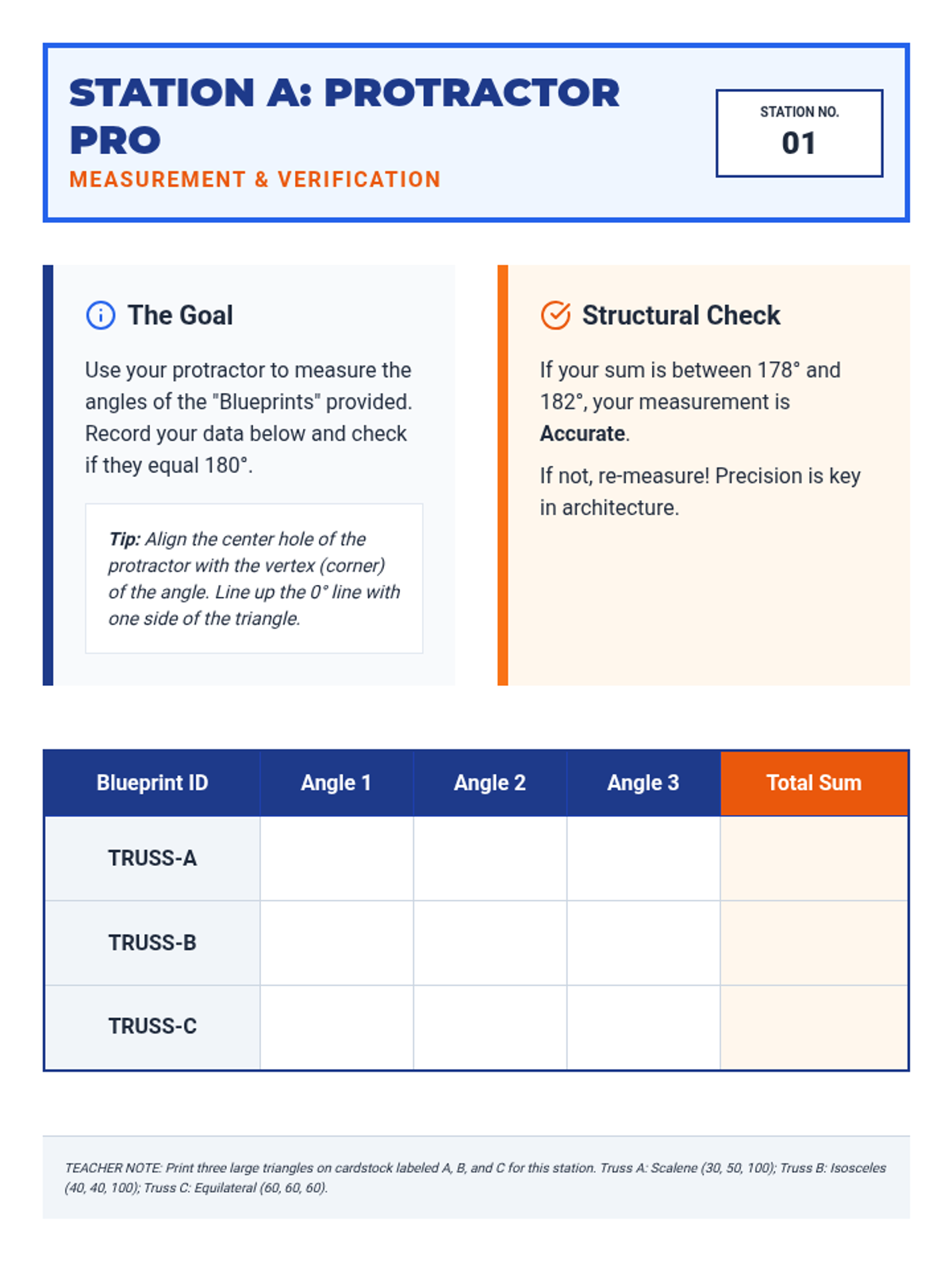
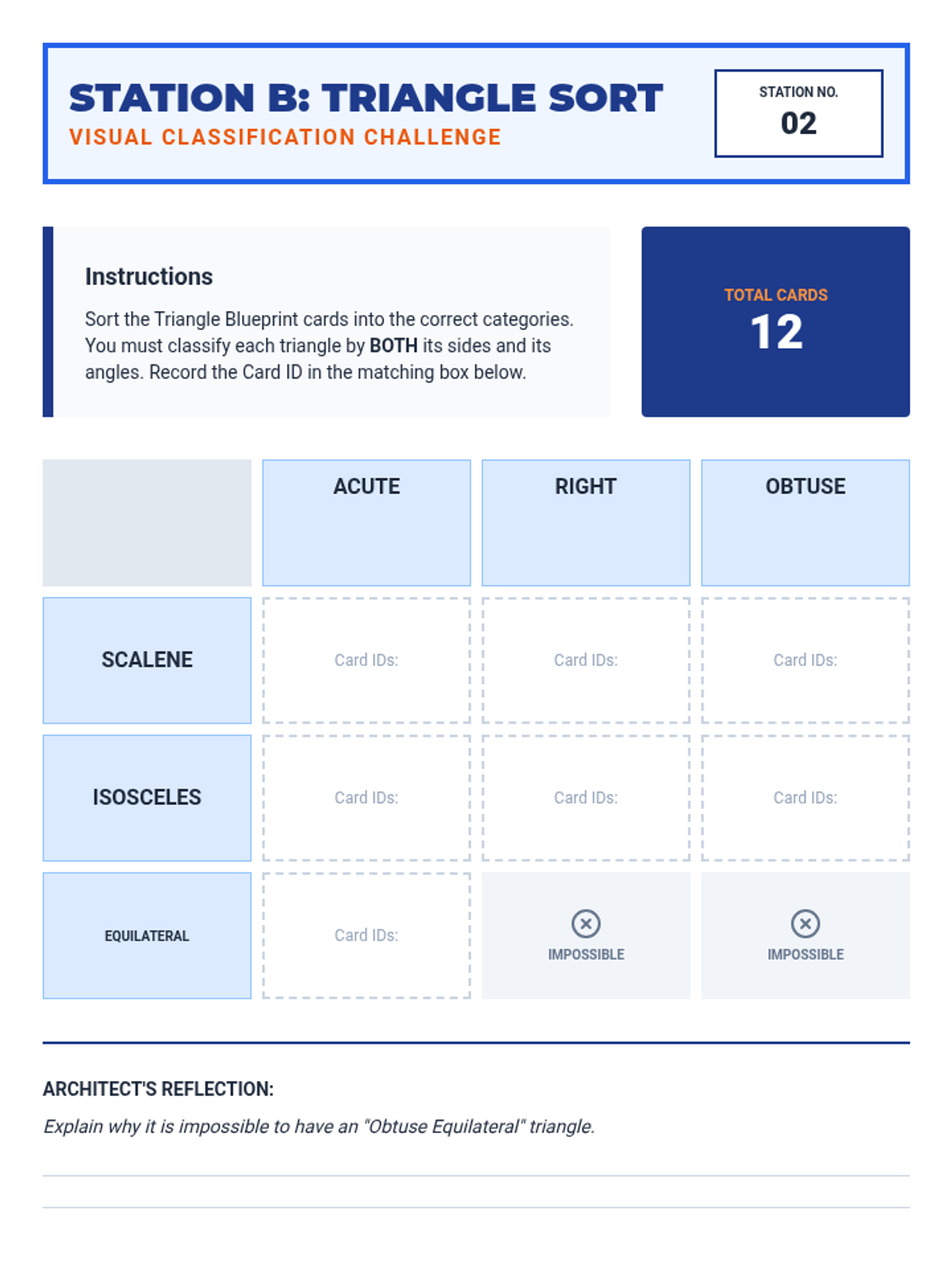
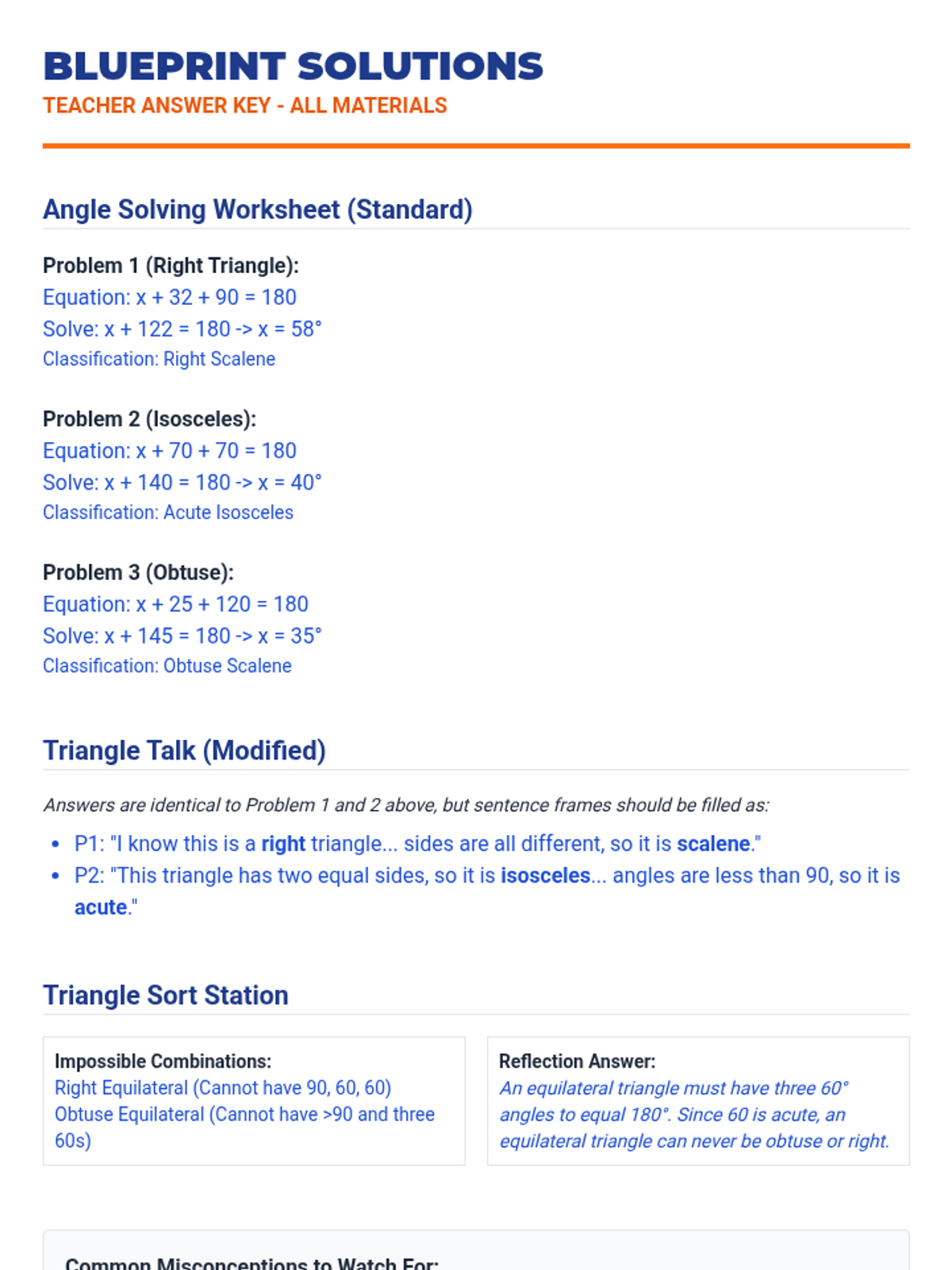
A comprehensive 7th-grade math lesson on triangle classification and angle relationships, featuring a blueprint-inspired aesthetic and tiered differentiation. Students will master visual identification, algebraic solving, and precise measurement using protractors.
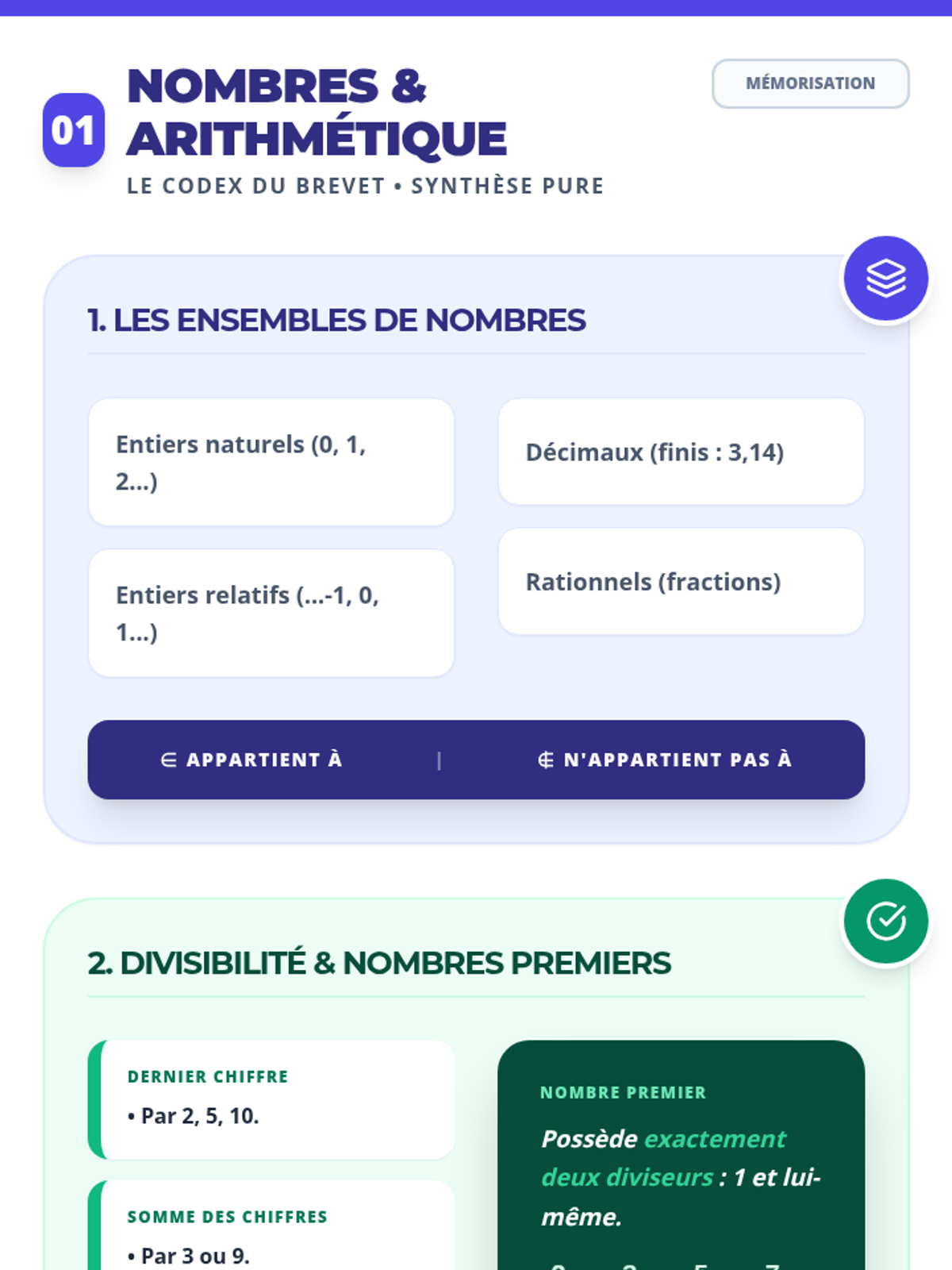
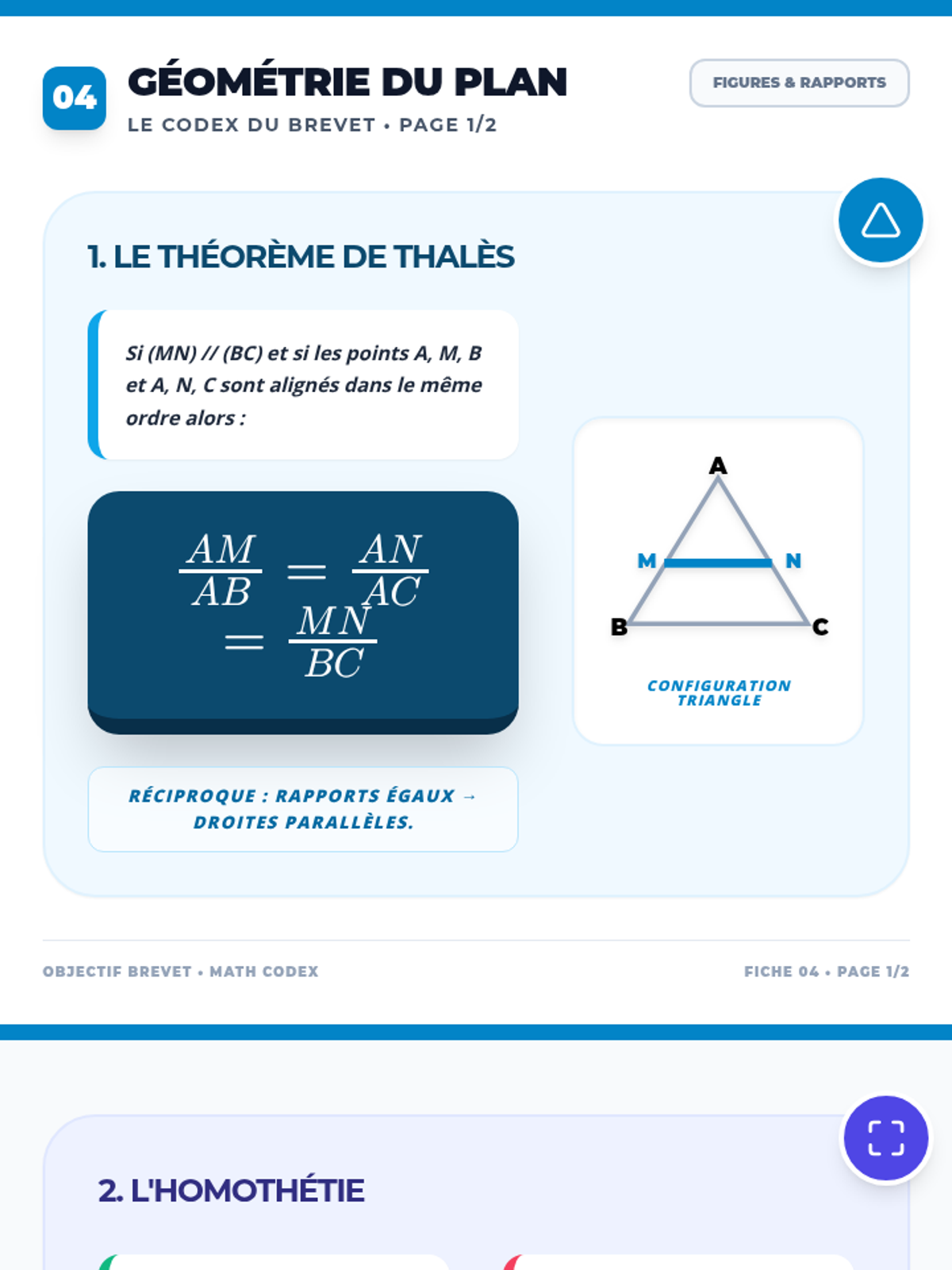
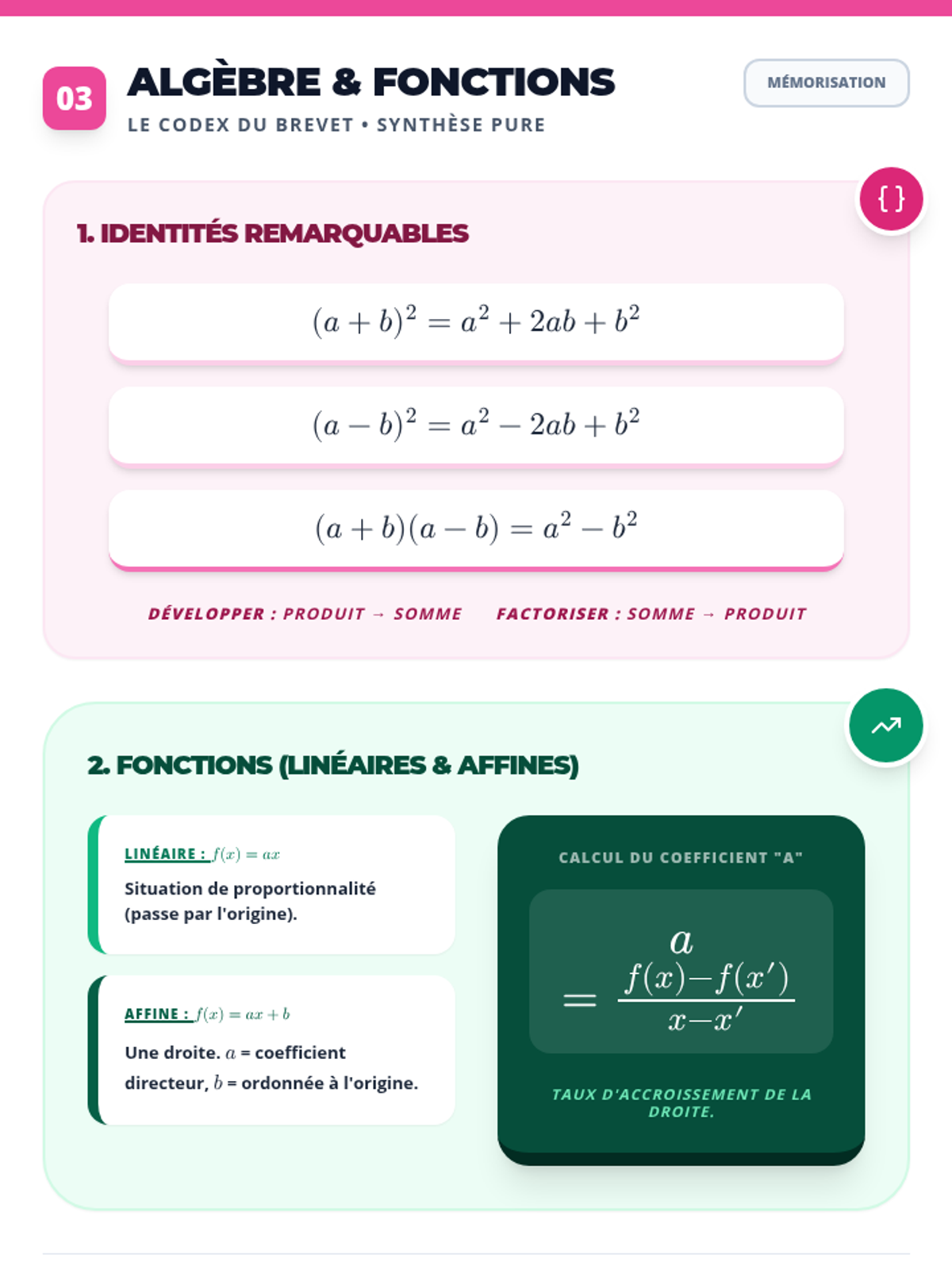
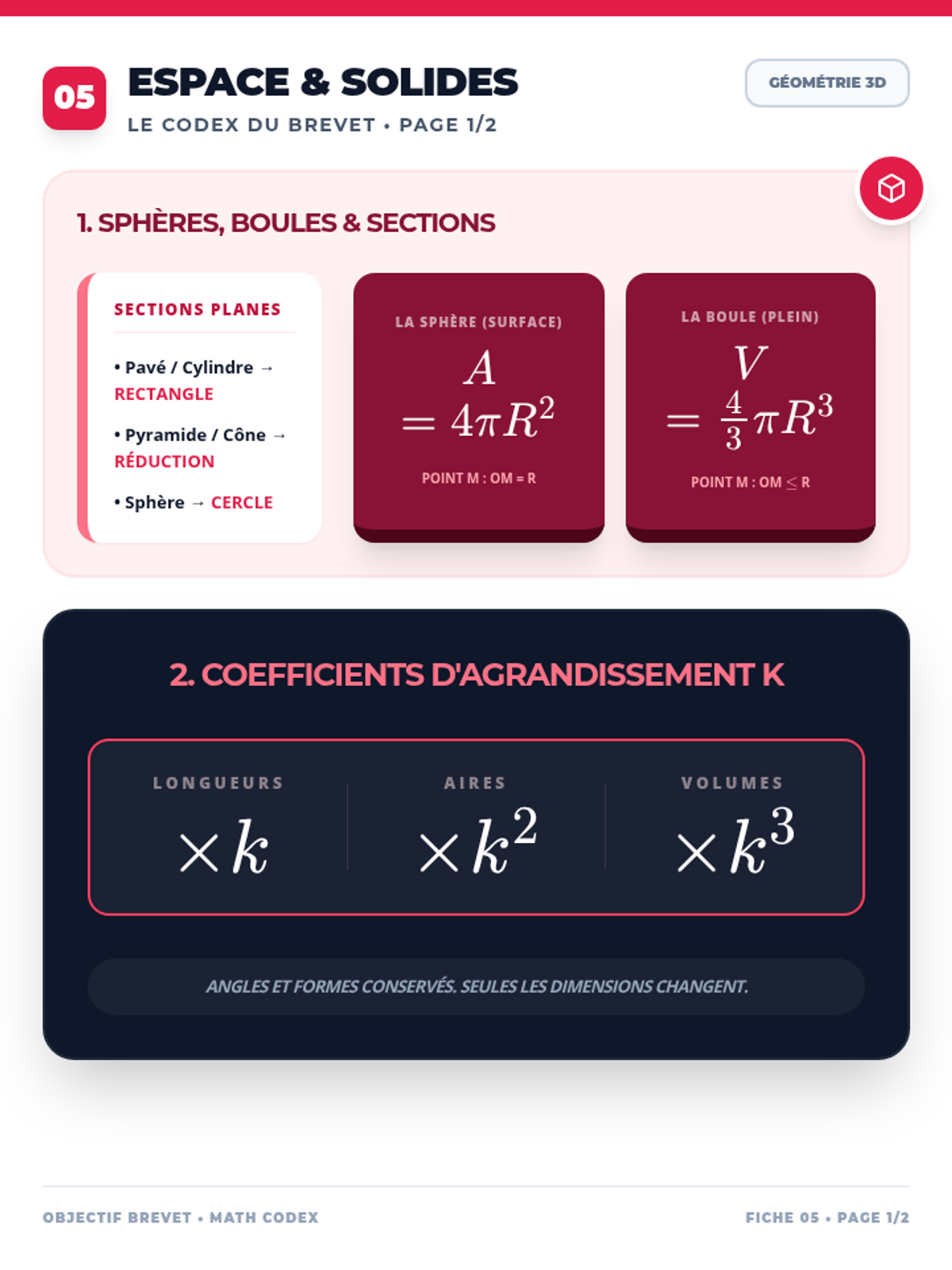
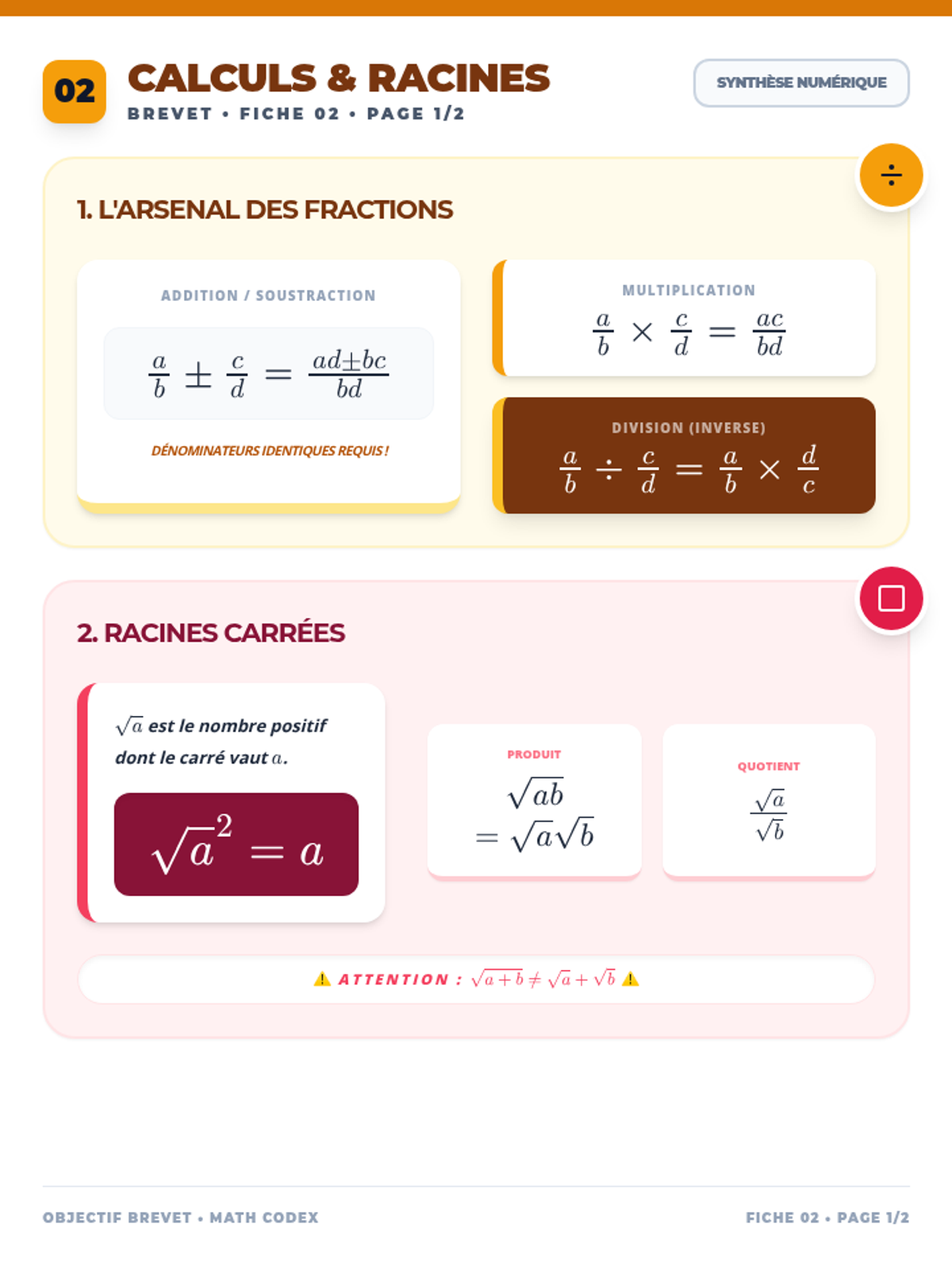
Une collection complète de fiches de révision et un diaporama dynamique pour maîtriser le programme de mathématiques de 3ème. Couvre l'arithmétique, l'algèbre, la géométrie et la trigonométrie avec des visuels clairs et modernes.
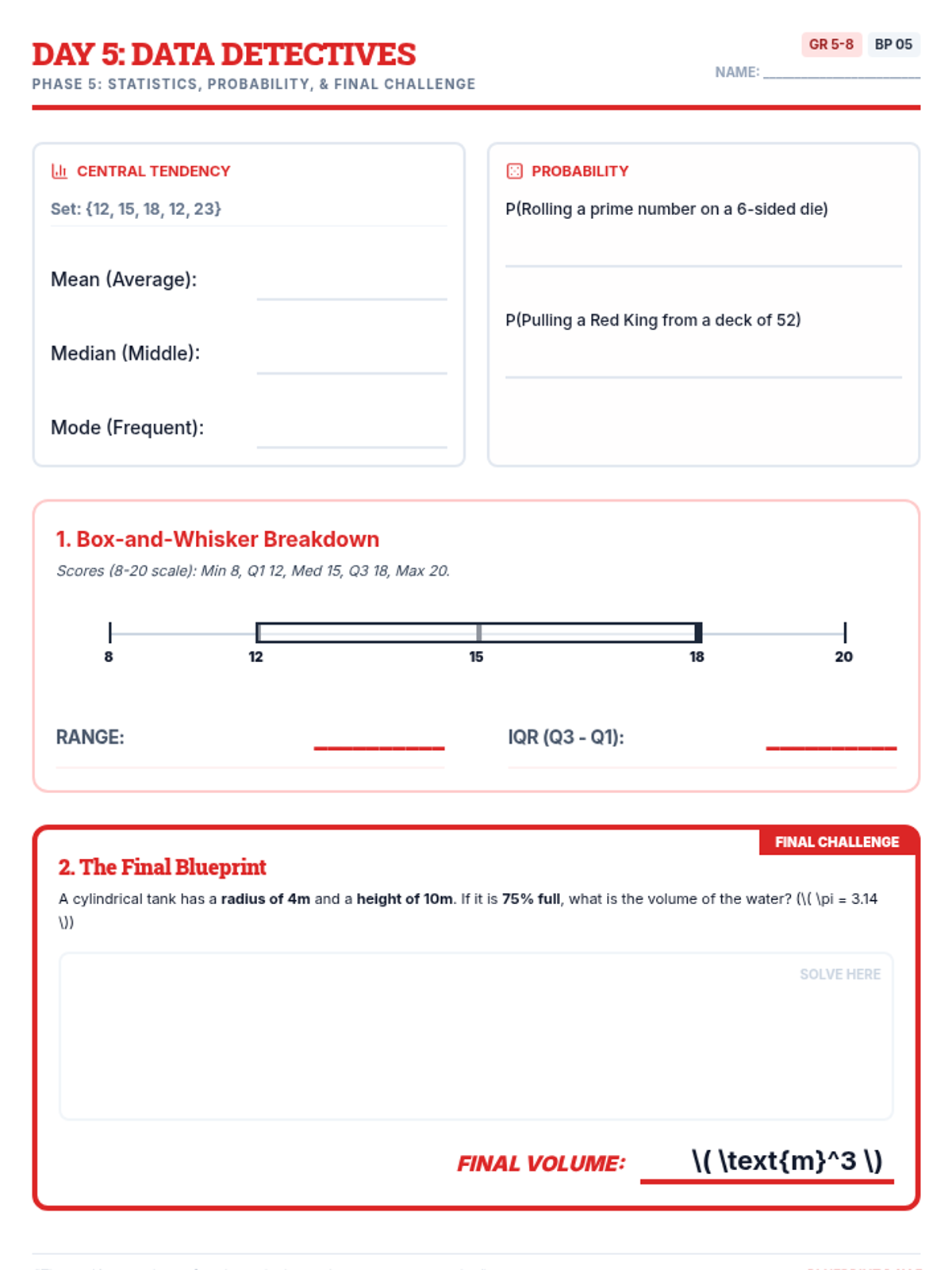
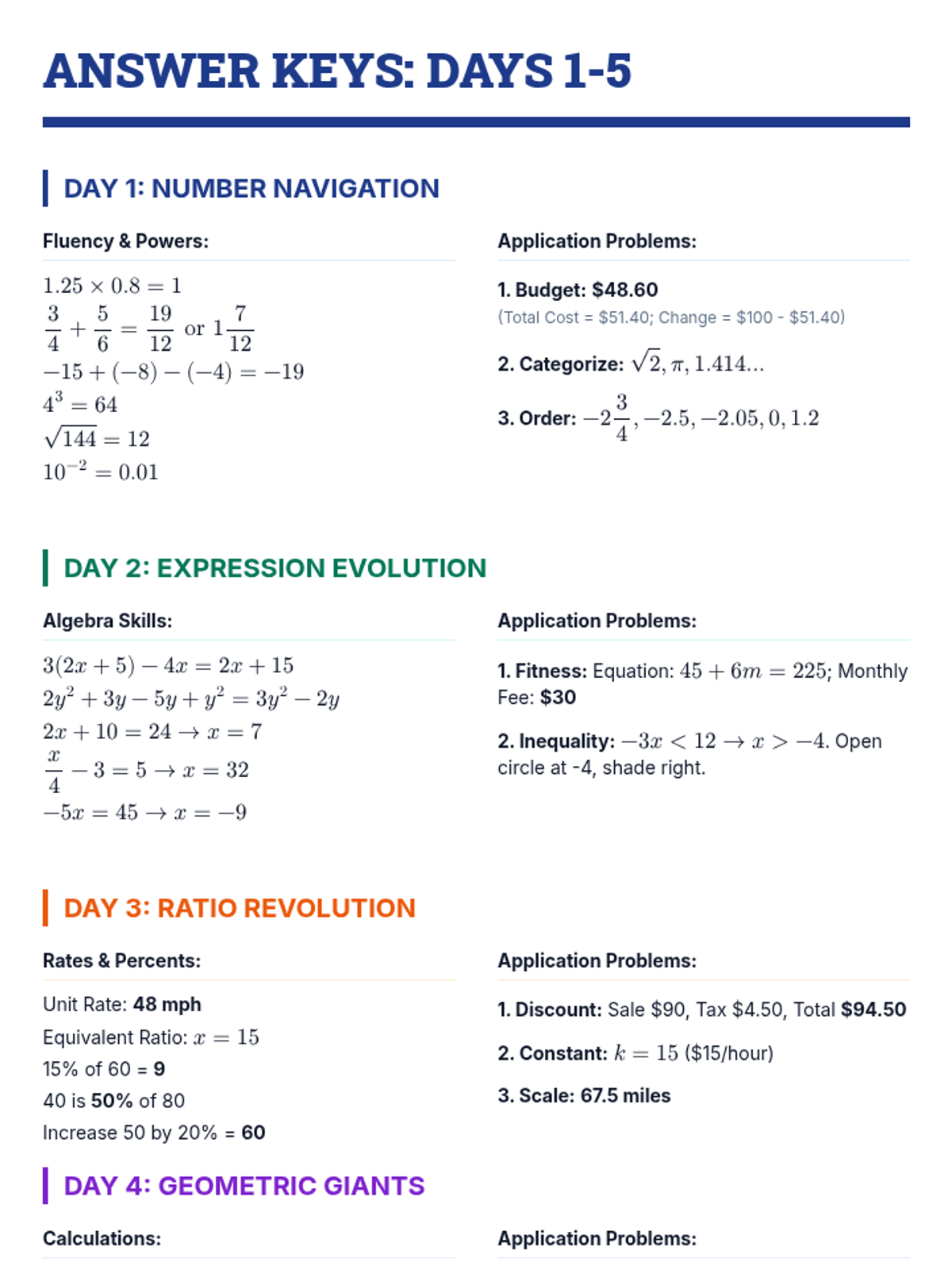
Day 5 concludes with statistics, probability, and a mixed challenge review of all concepts.
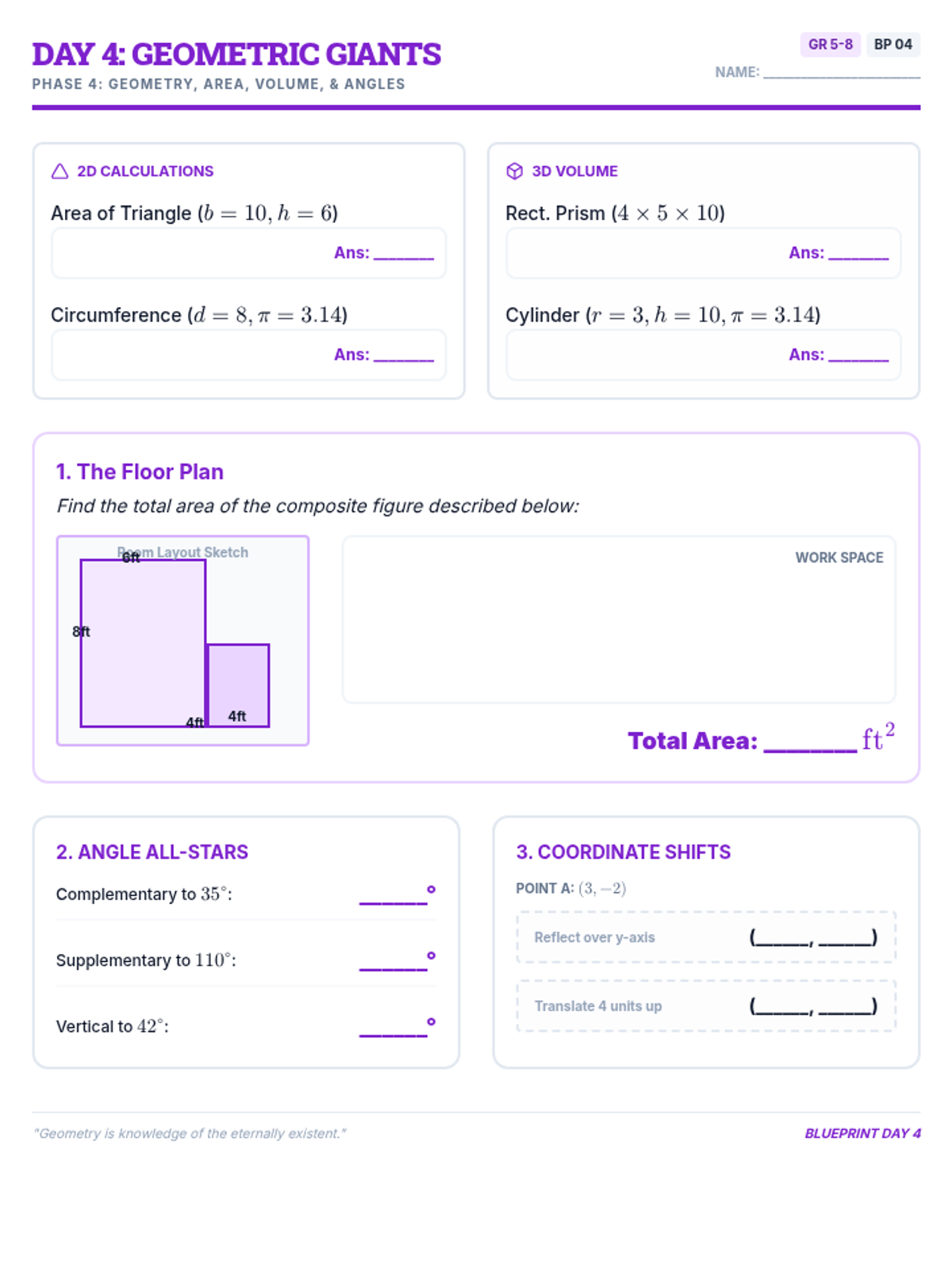
Day 4 explores geometry concepts including area, volume, and angle relationships.
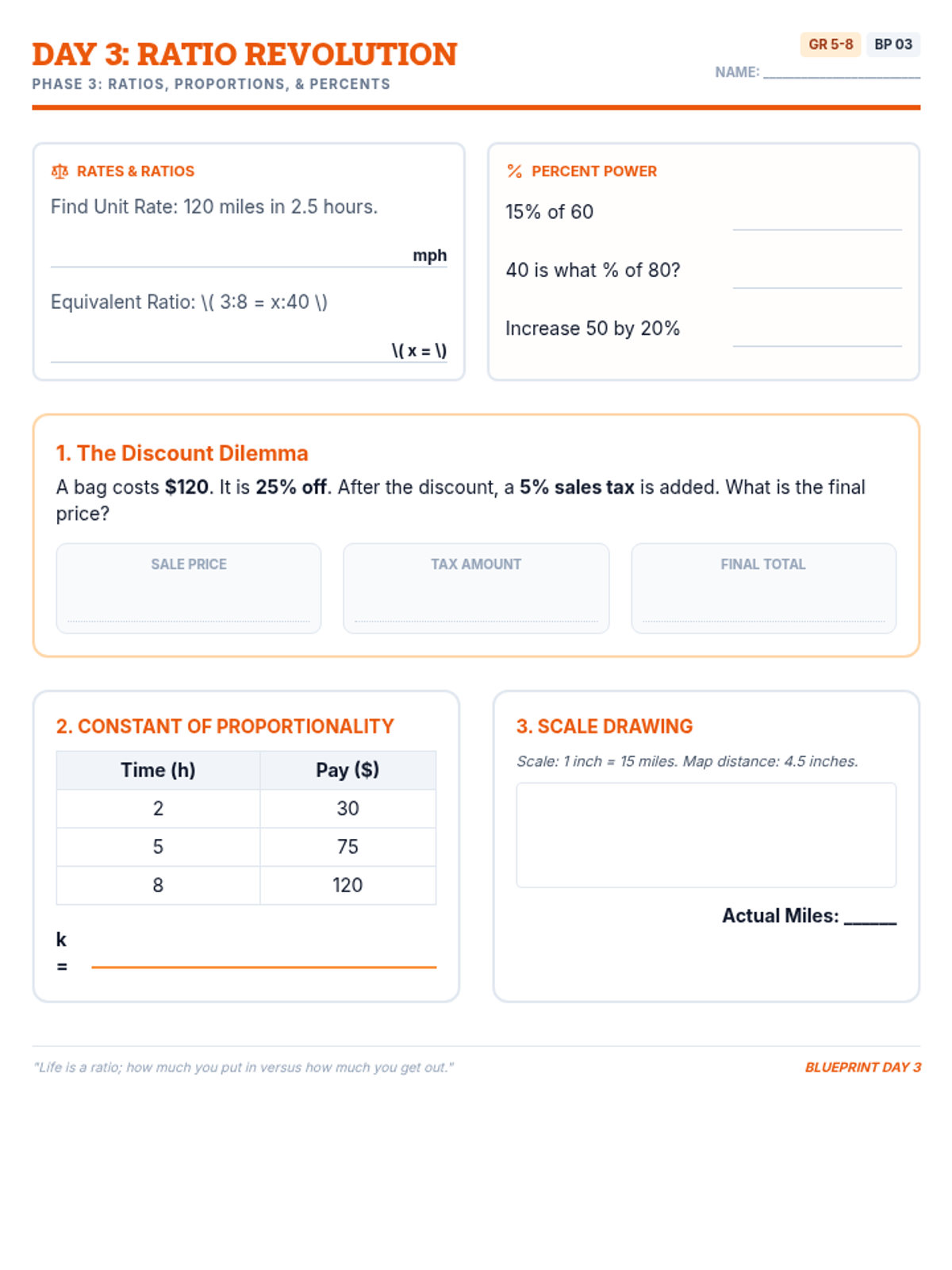
Day 3 focuses on ratios, proportions, and percentages in real-world contexts.
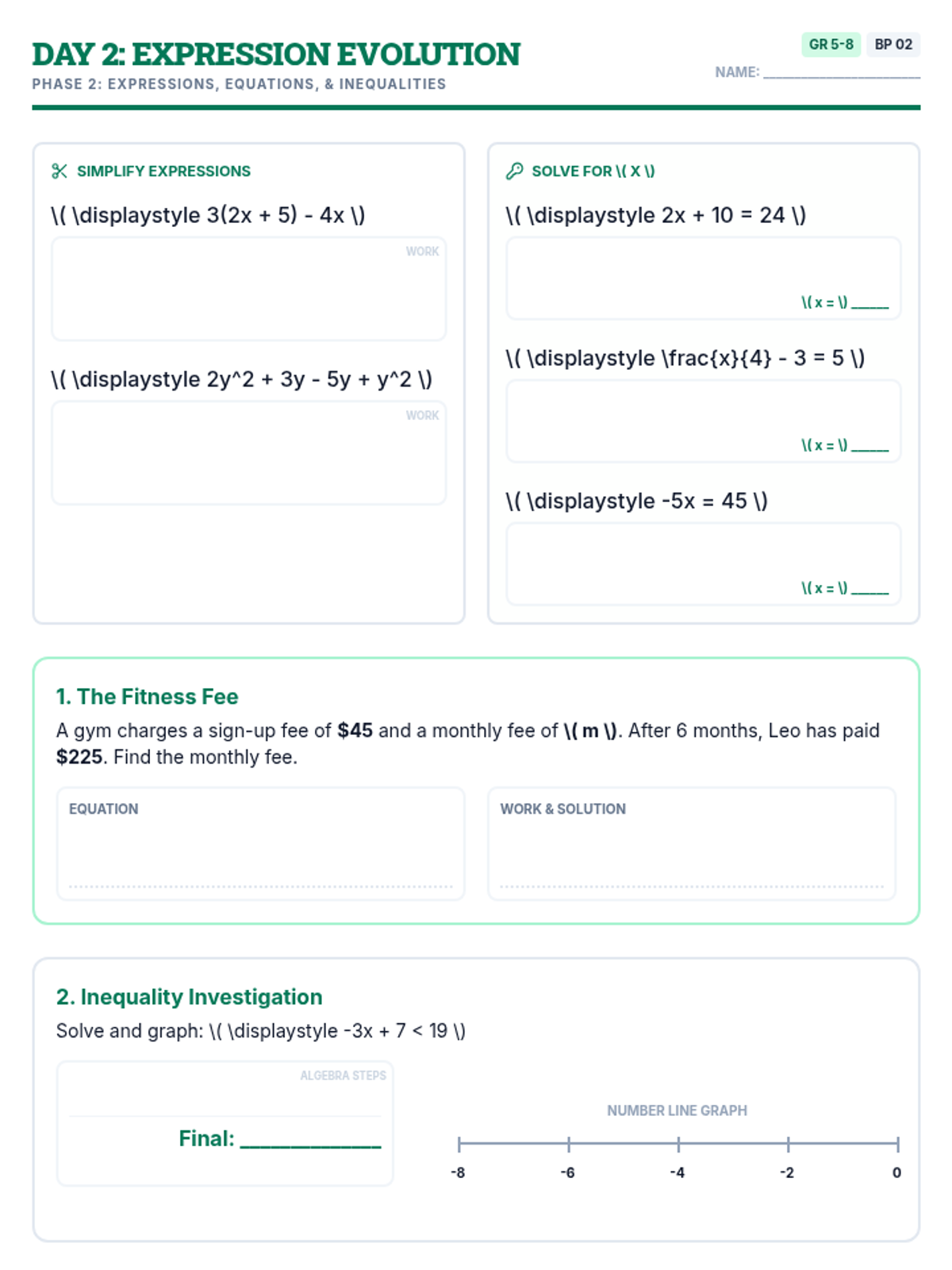
Day 2 covers expressions and equations, focusing on simplifying, solving, and translating word problems.
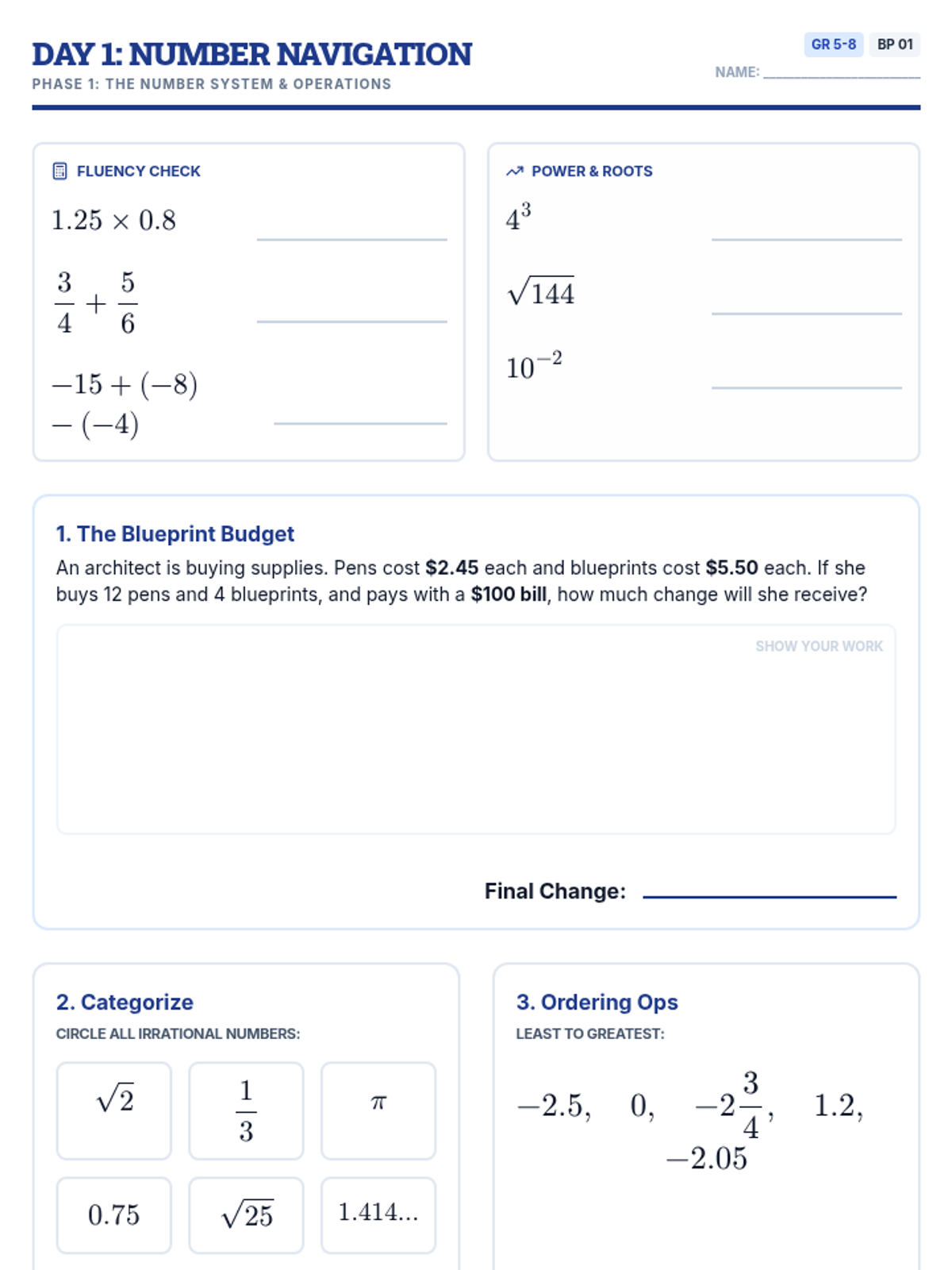
Day 1 focuses on number systems, including operations with fractions, decimals, and integers.
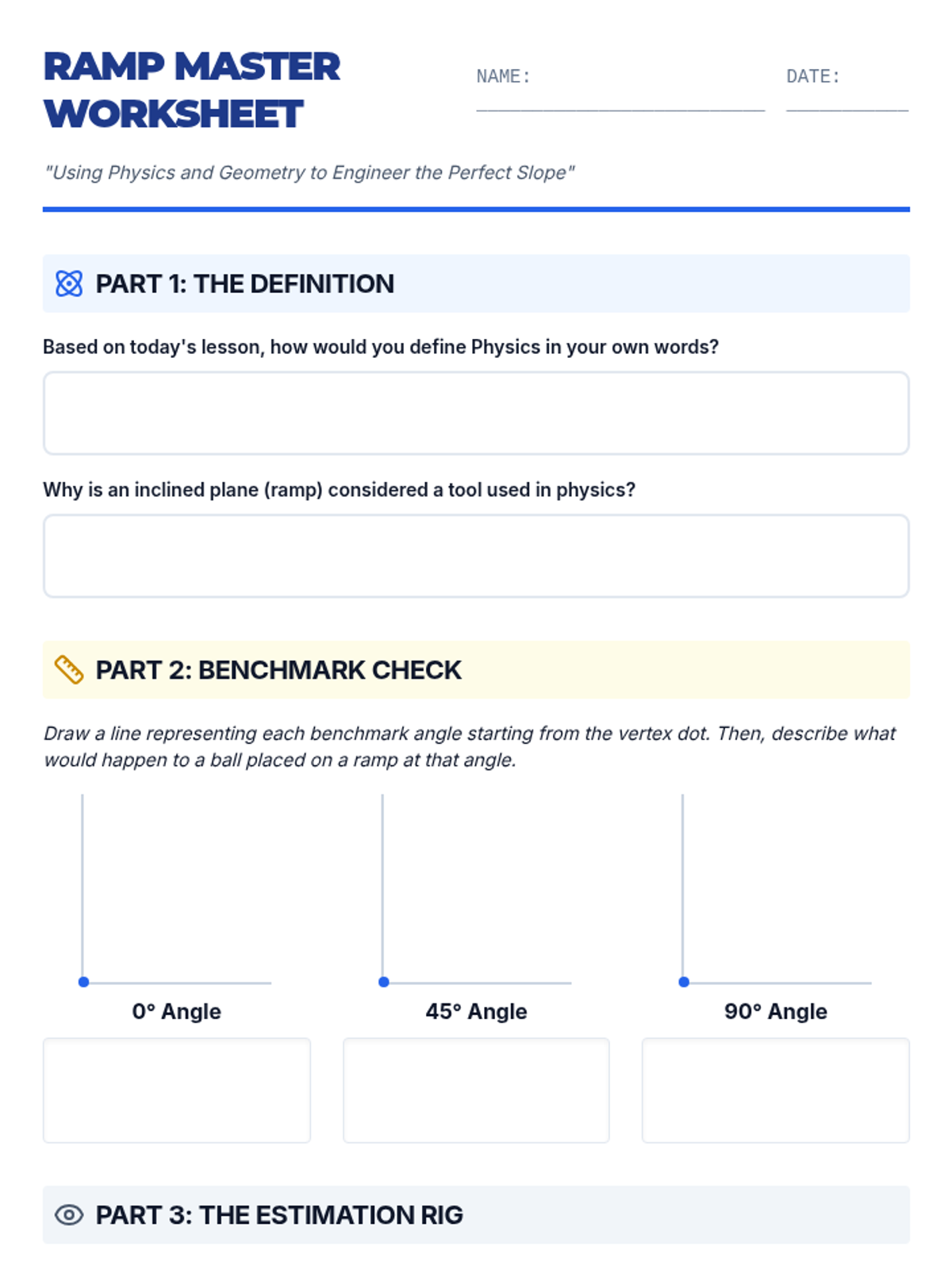
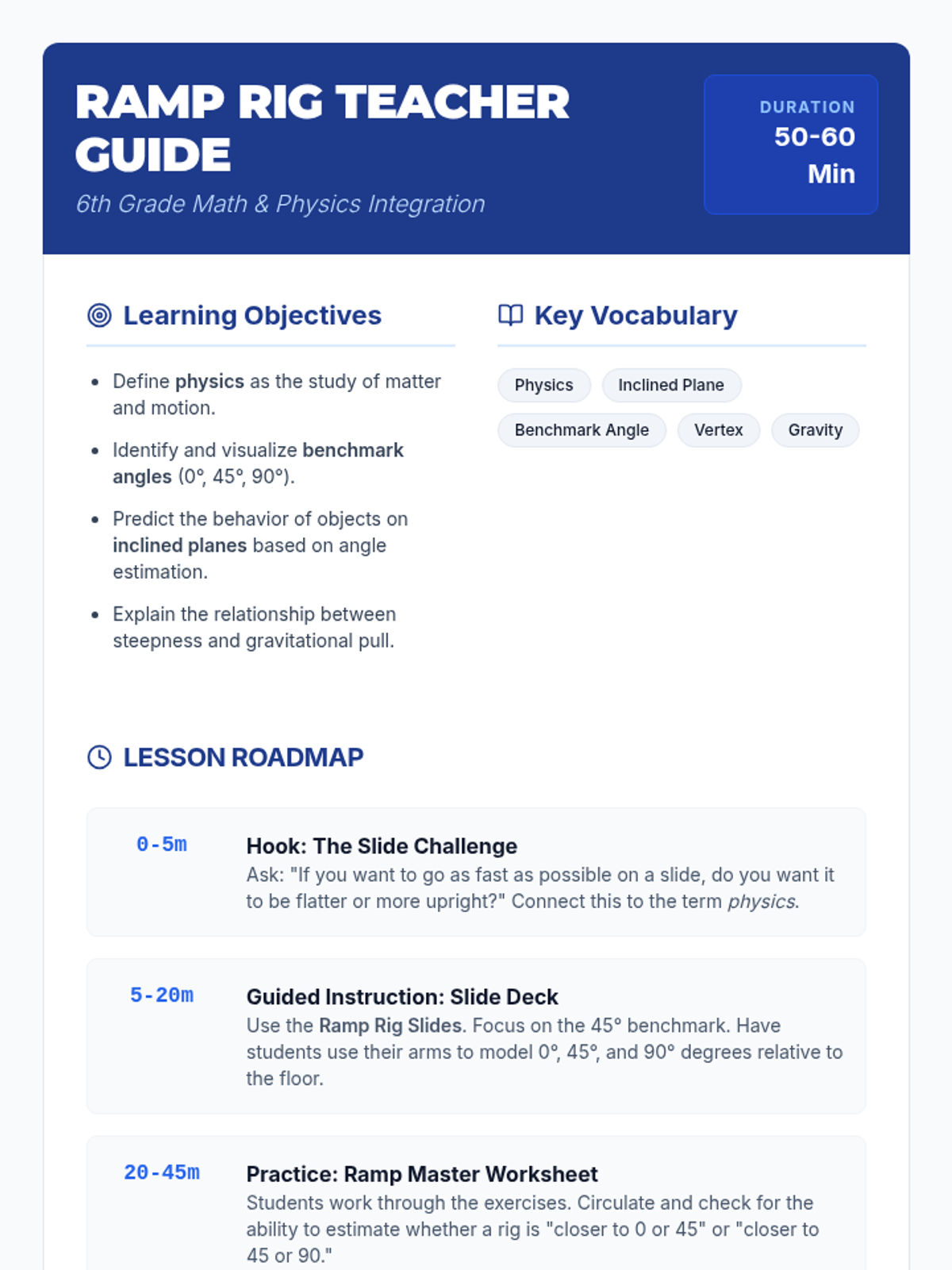
A 6th-grade math lesson exploring physics through the lens of geometry. Students learn to define physics and use benchmark angles (0, 45, 90) to predict the behavior of ramps and inclined planes.
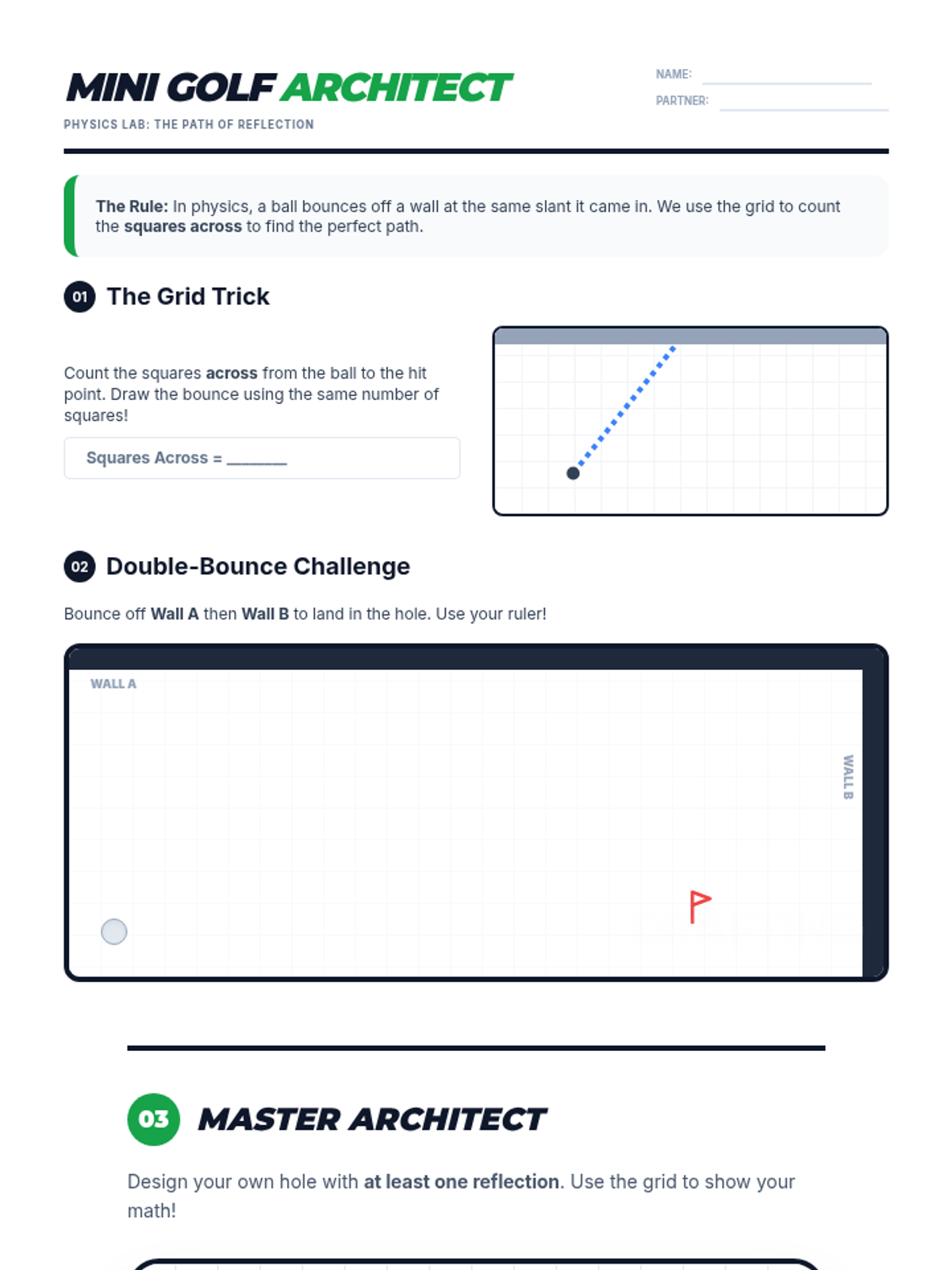
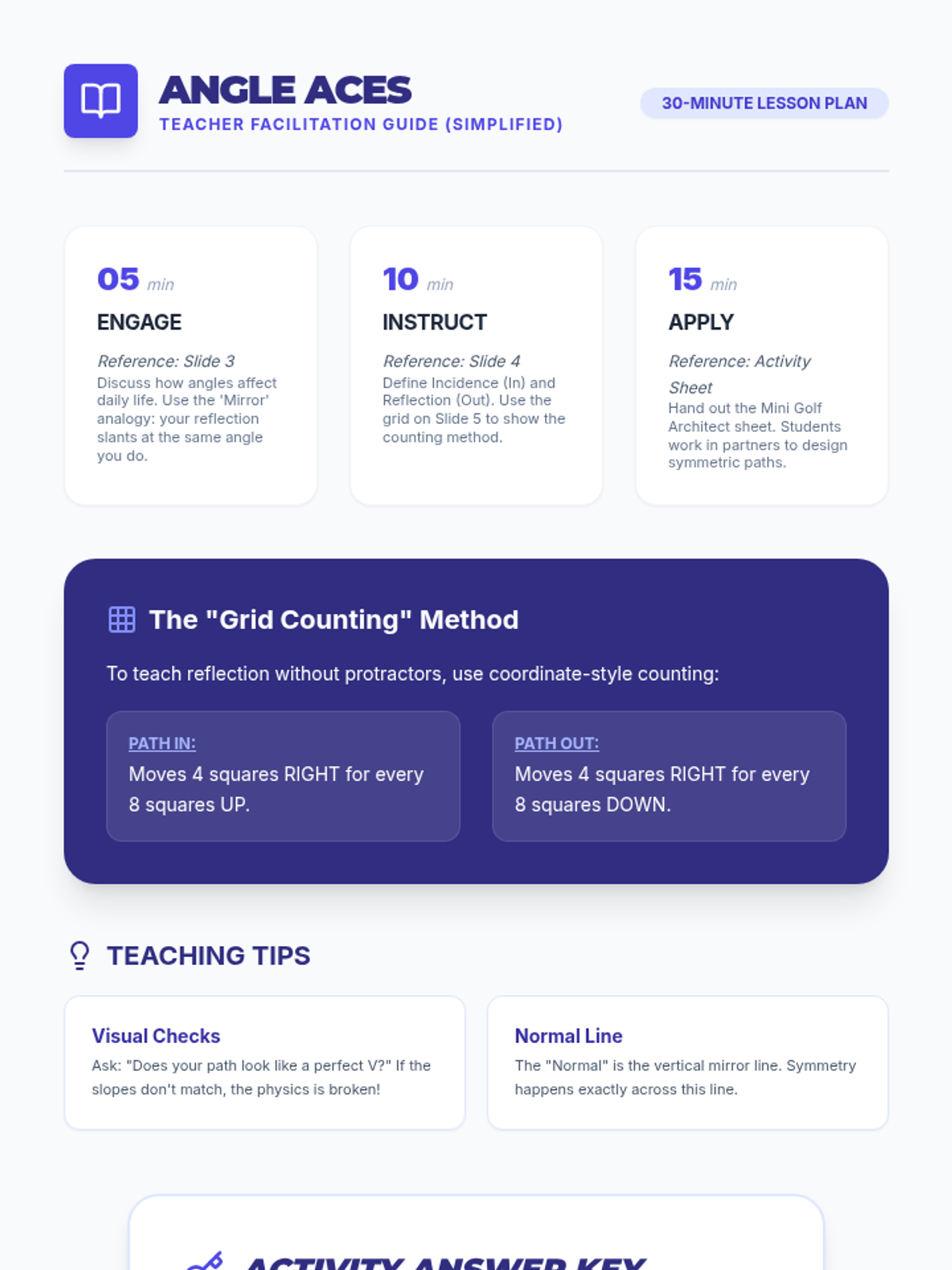
A 30-minute introductory physics lesson for 6th-grade math students focusing on the law of reflection and angles in mini-golf. Students learn to calculate and predict paths of motion using geometric principles.
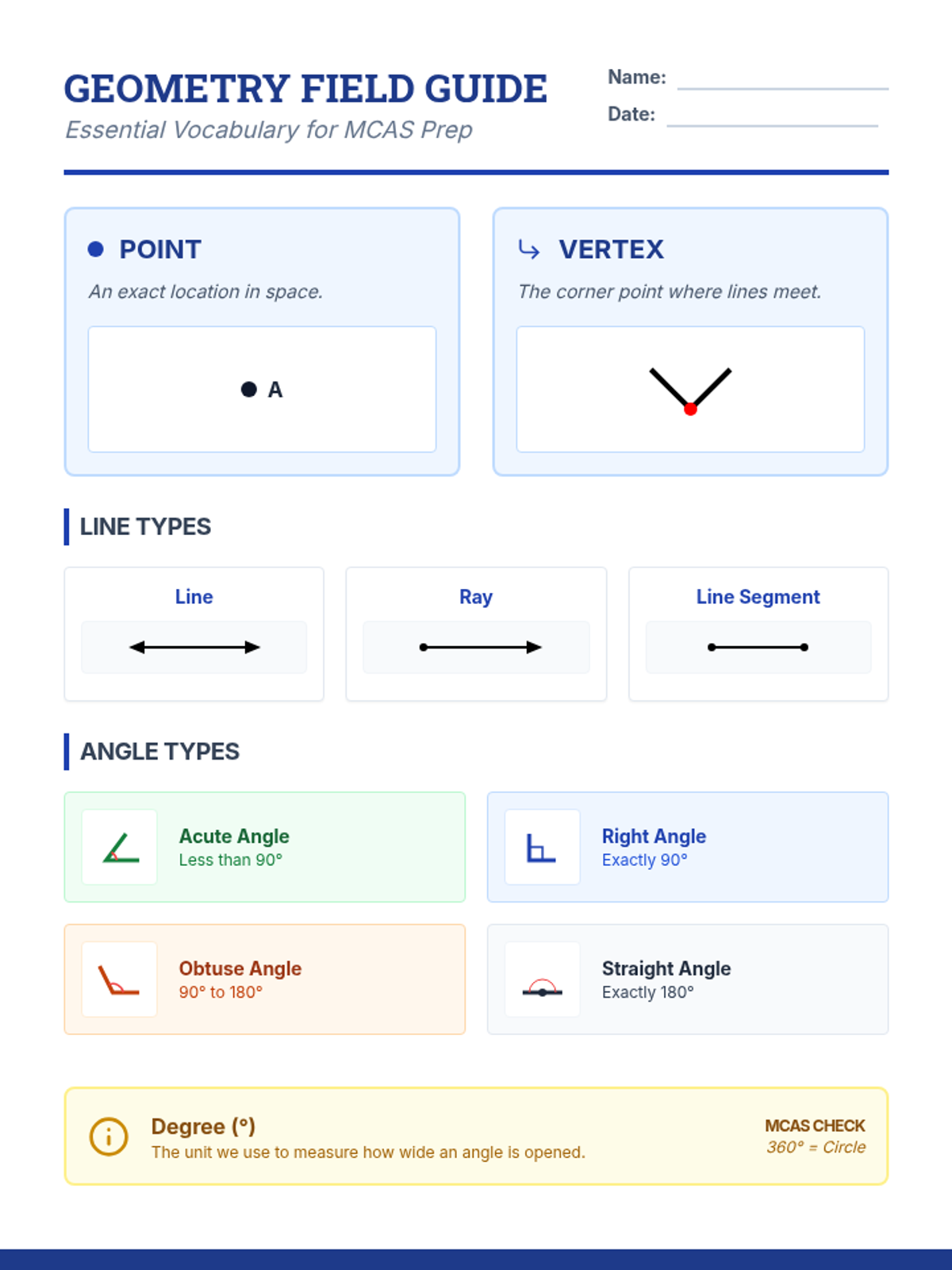
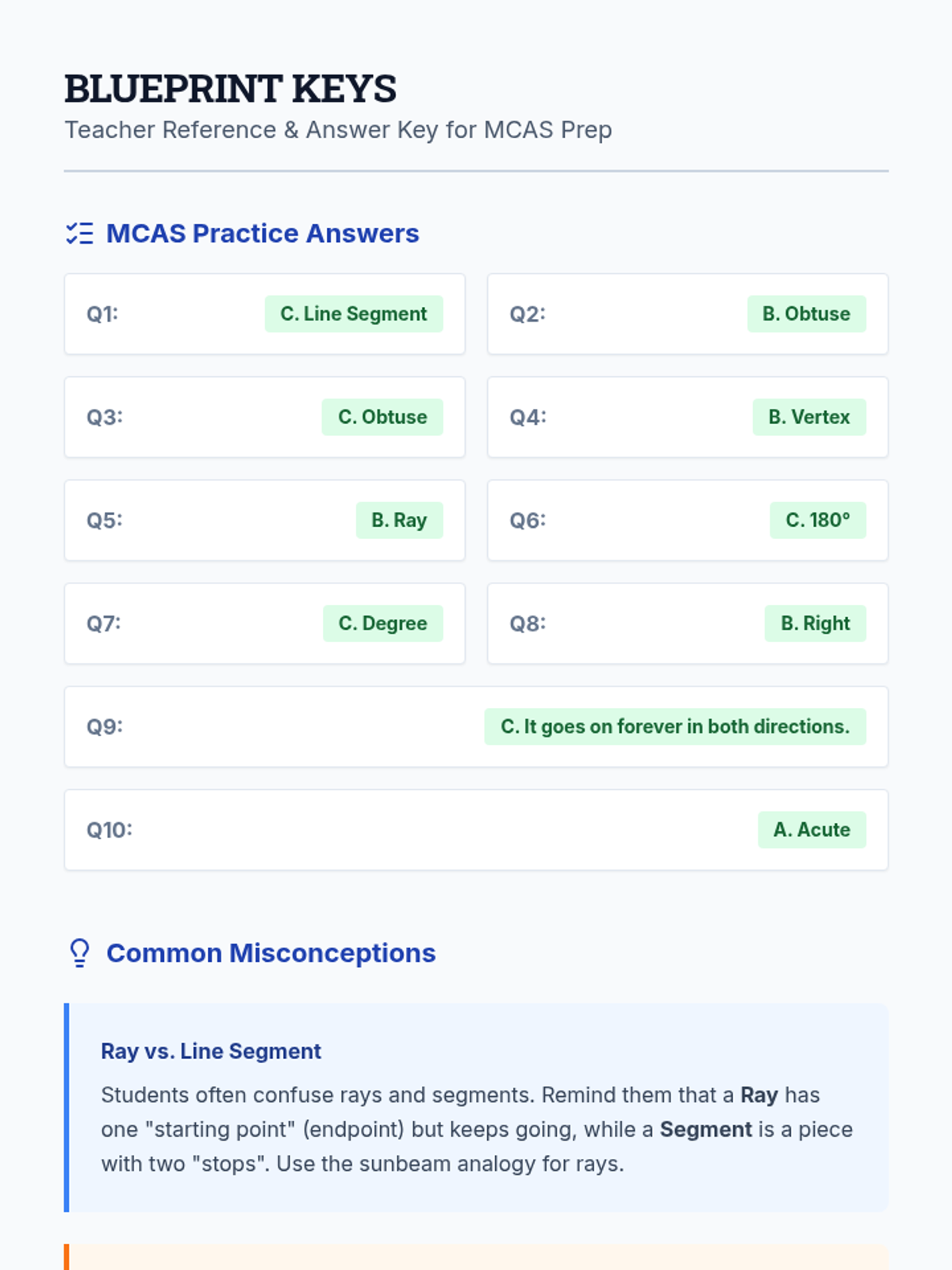
A comprehensive introduction to fundamental geometric terms and angle classifications, designed for Massachusetts MCAS preparation with high visual support.
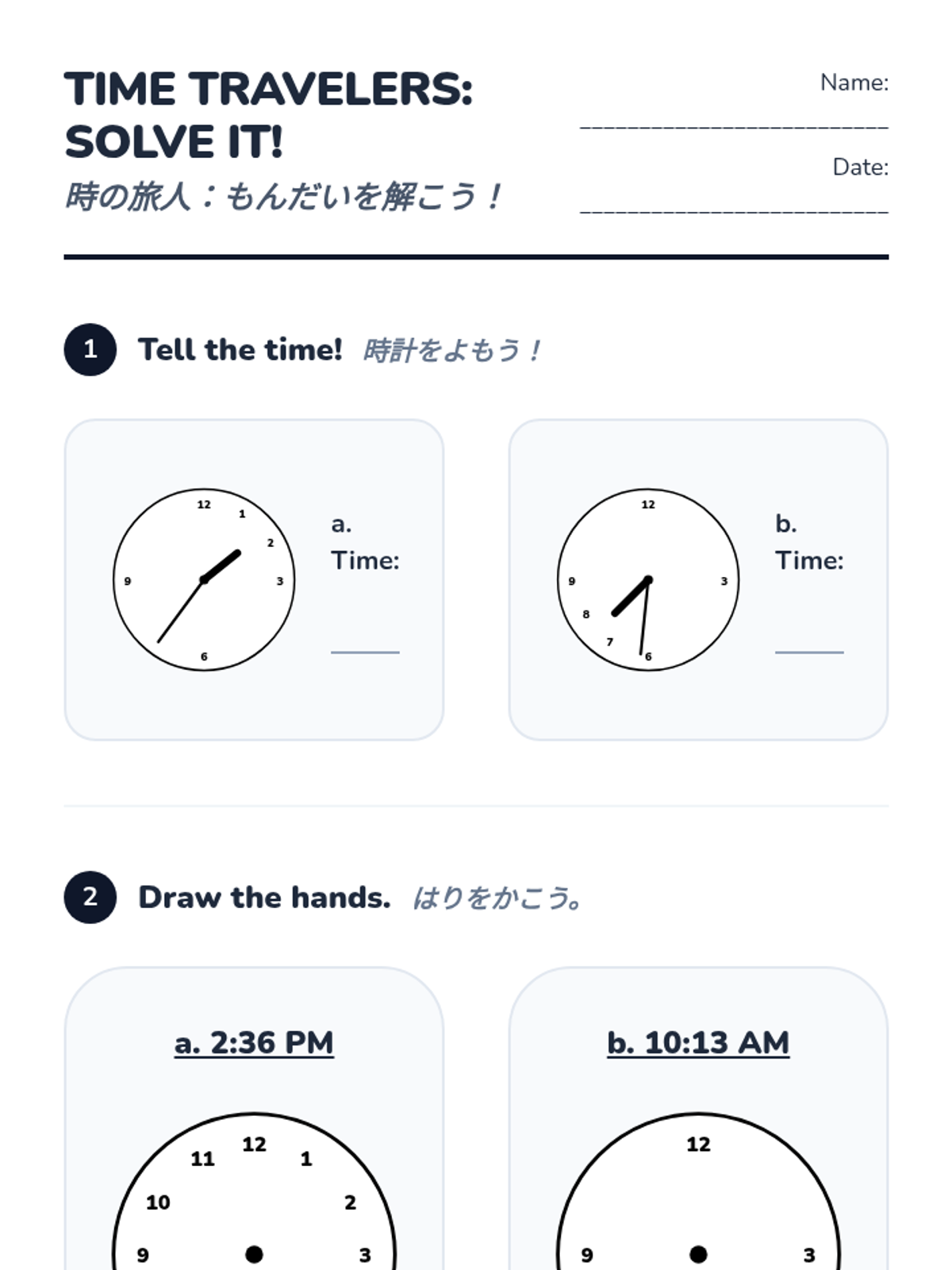
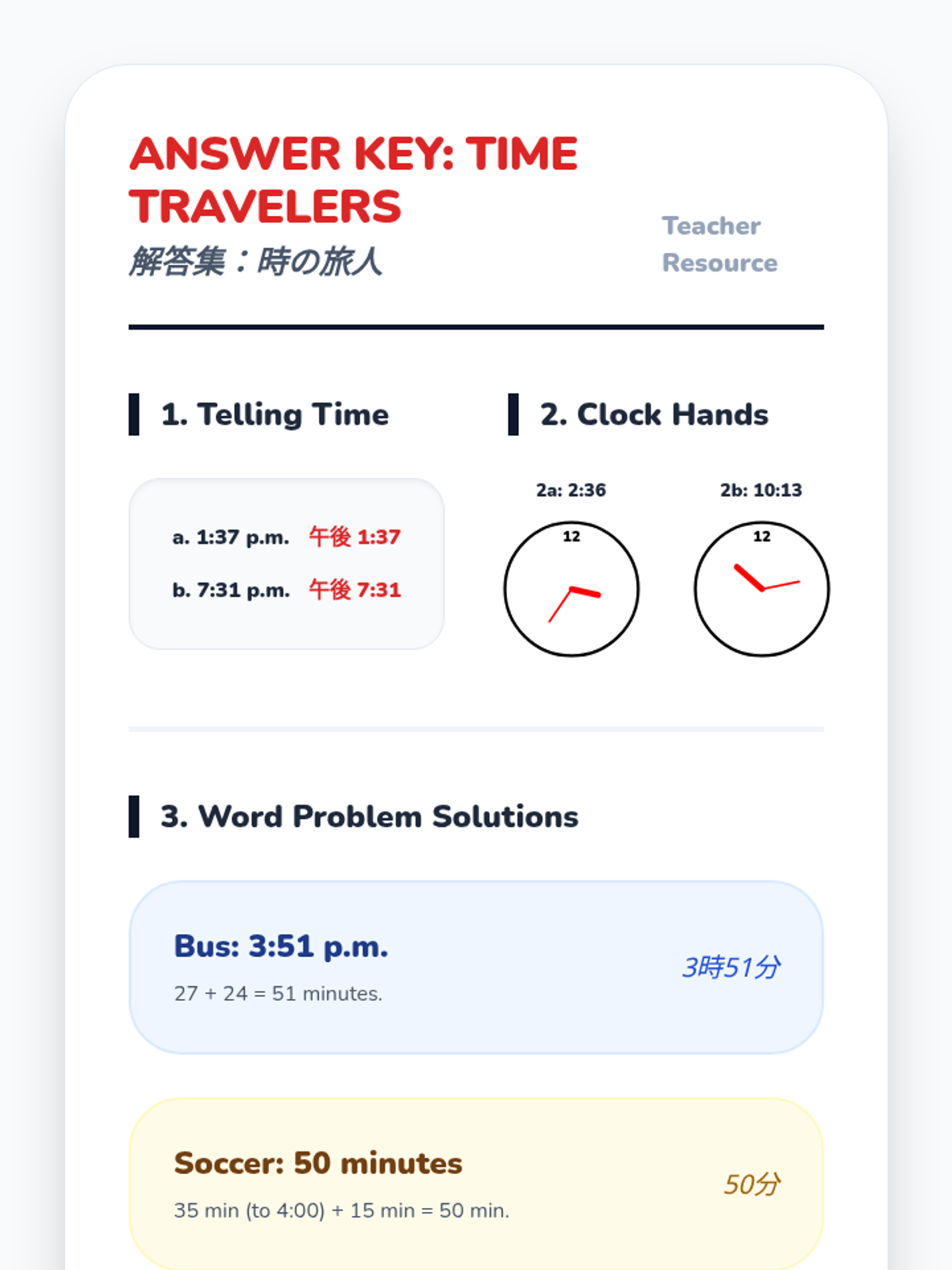
A bilingual (English and Japanese) lesson focused on solving time-related word problems, telling time to the minute, and understanding time intervals.
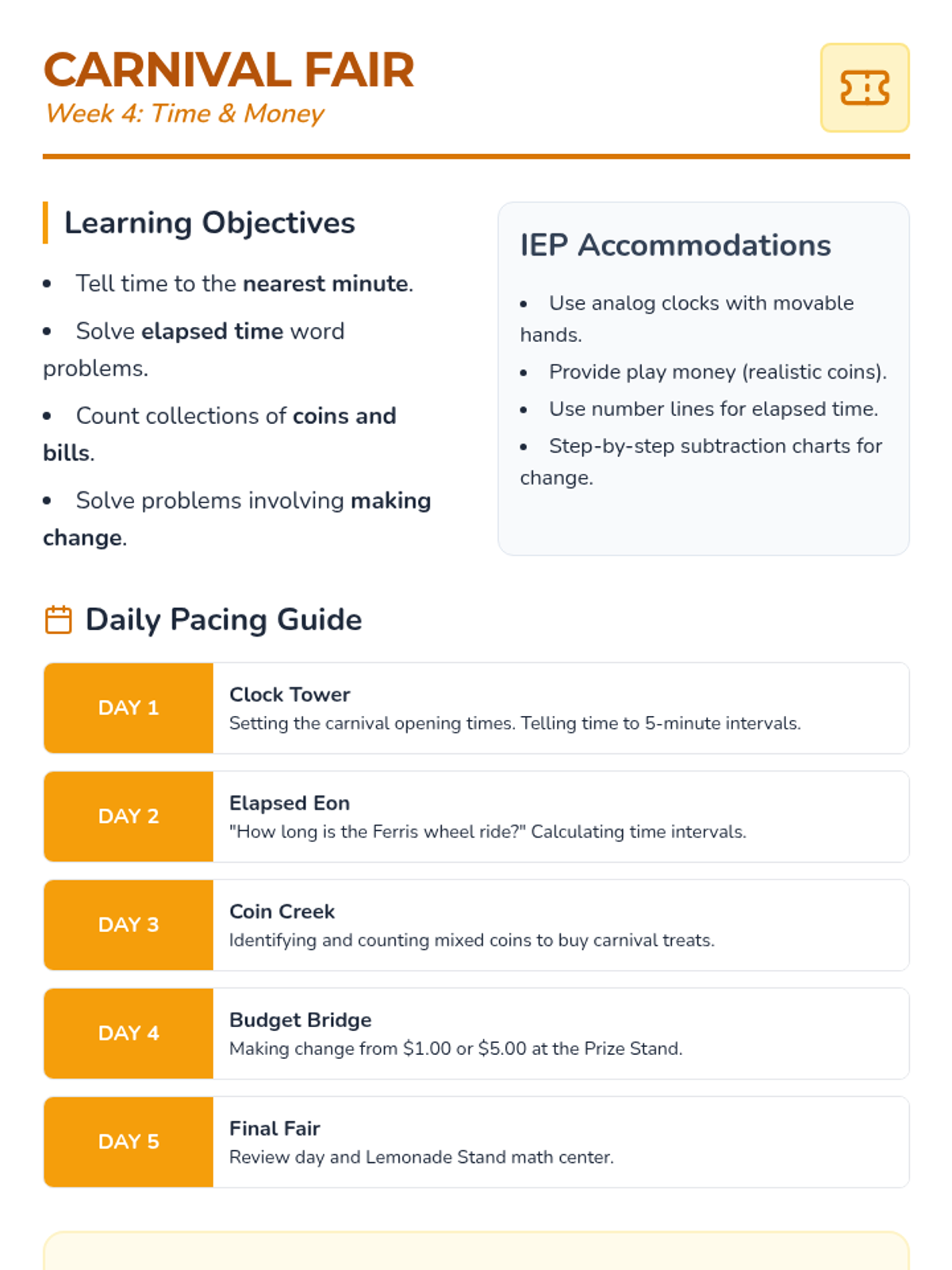
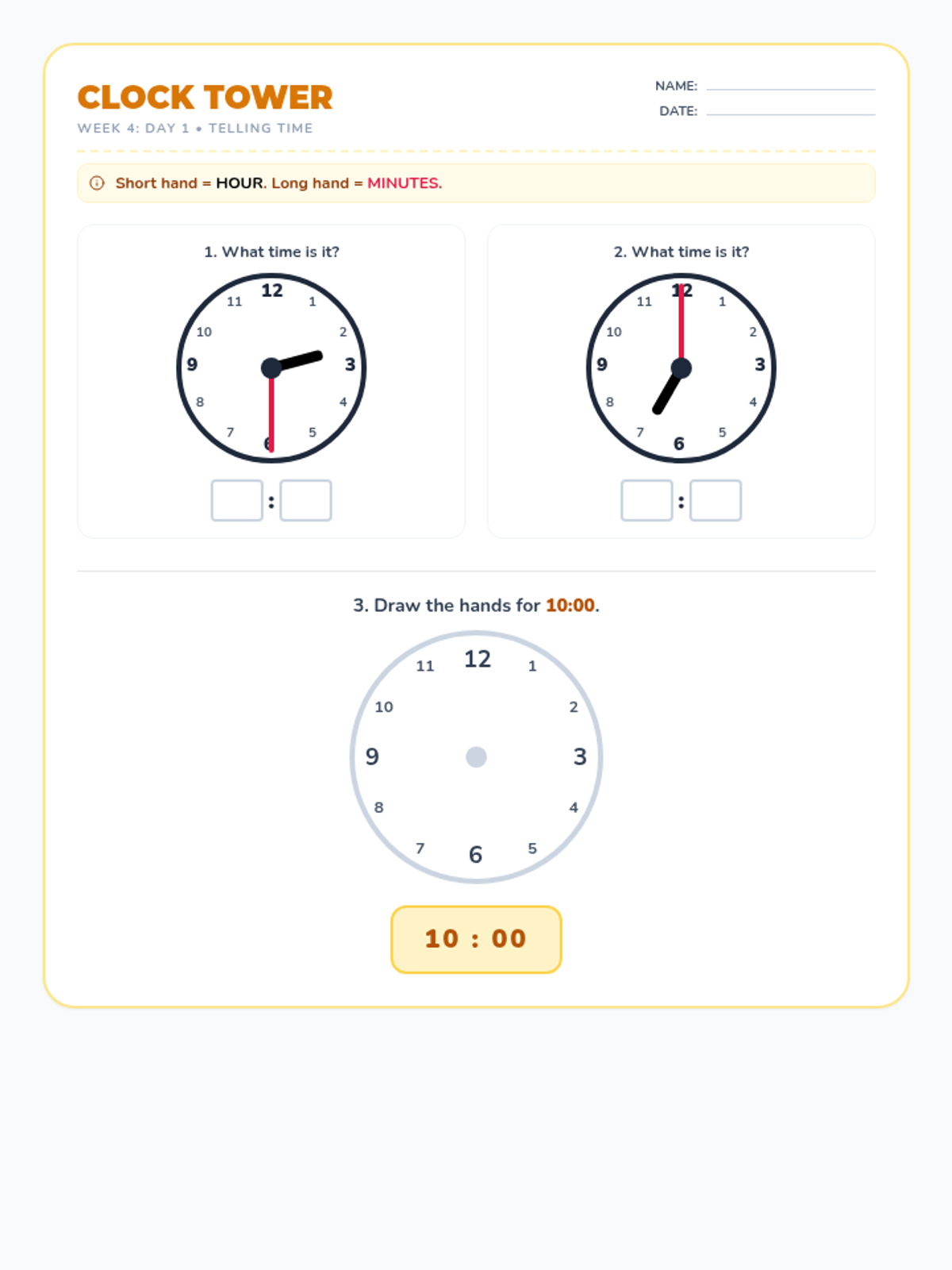
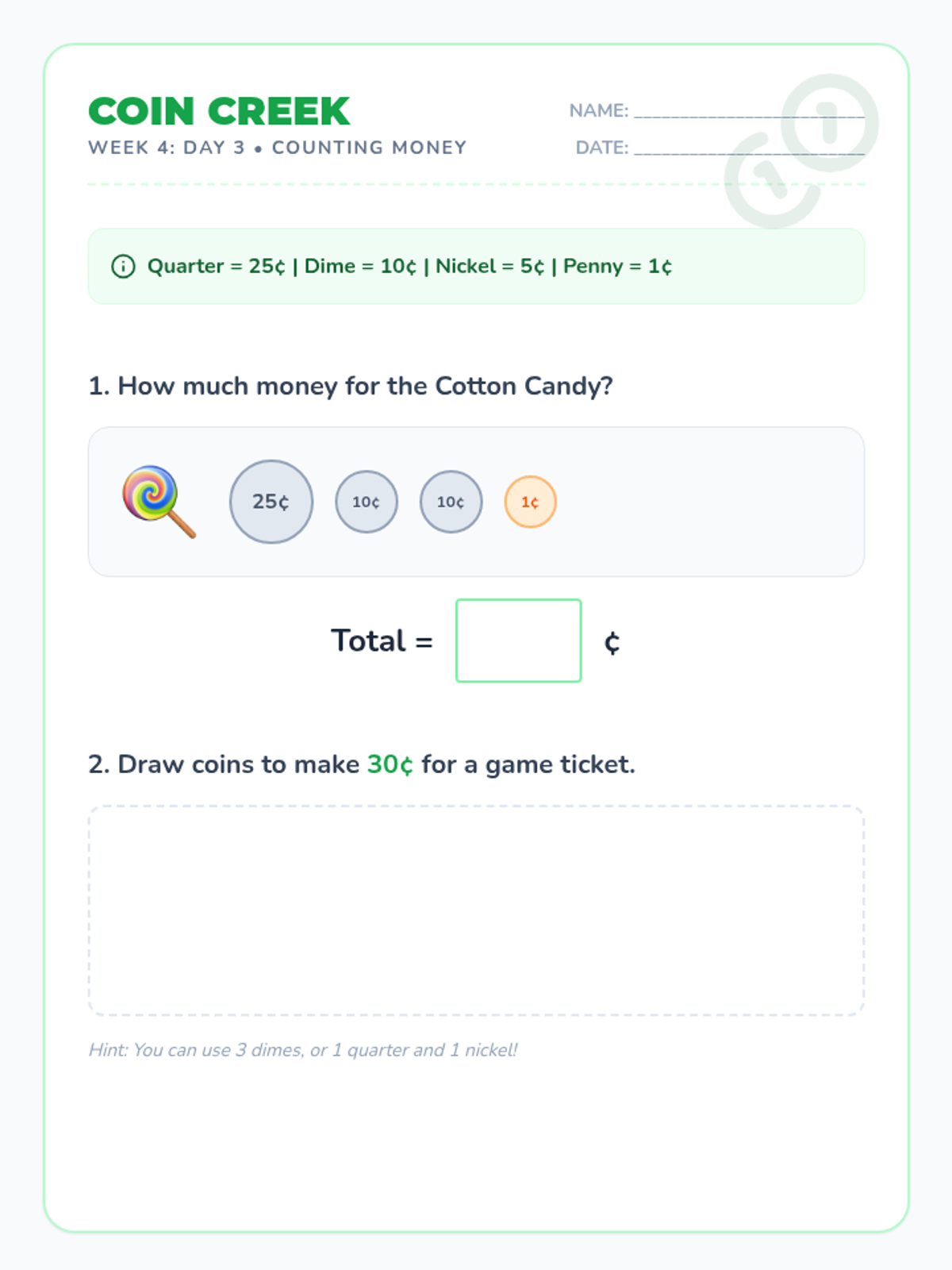
Week 4 focuses on telling time and counting money in a Carnival setting, teaching elapsed time, coin identification, and basic budgeting.
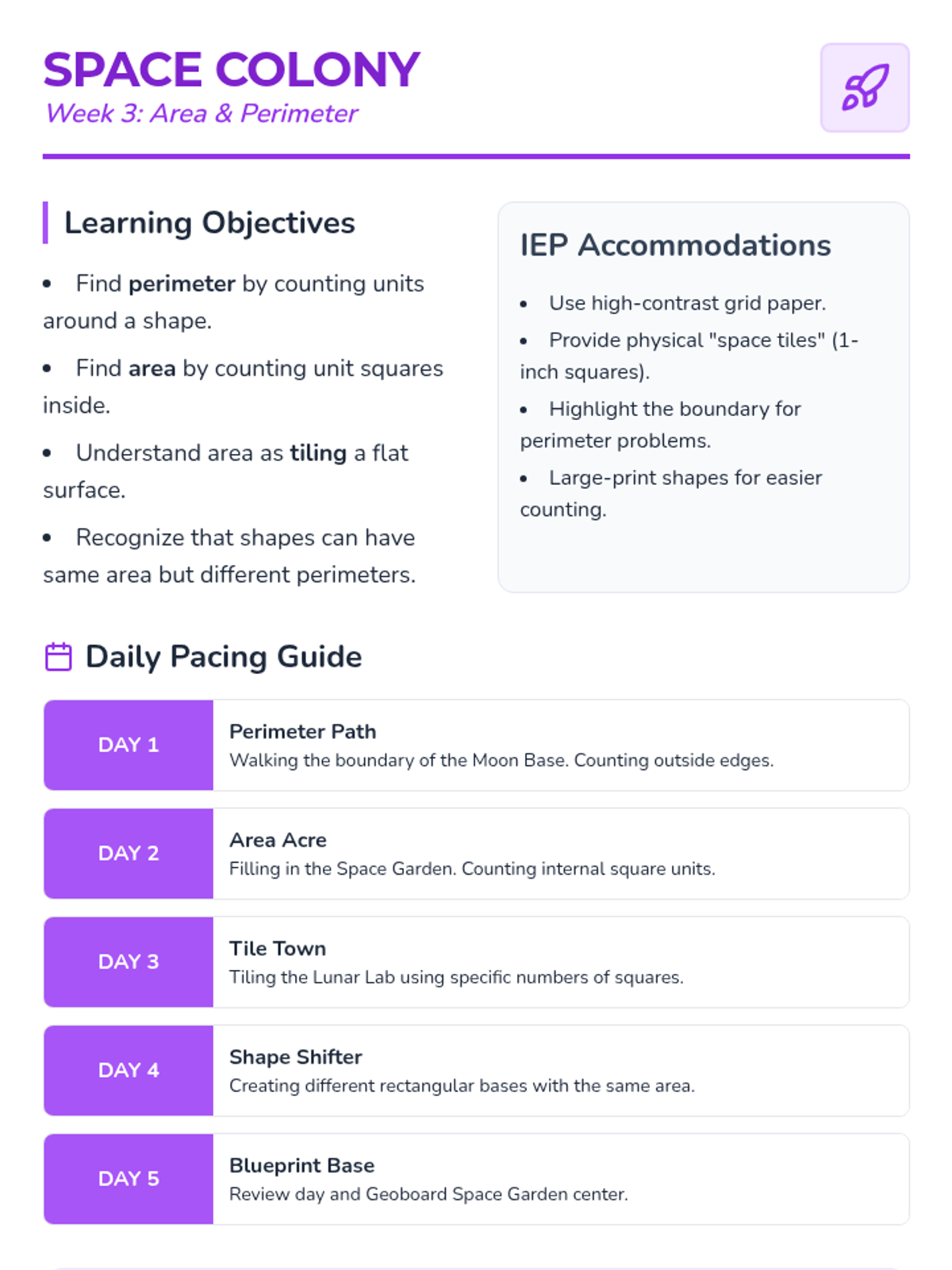
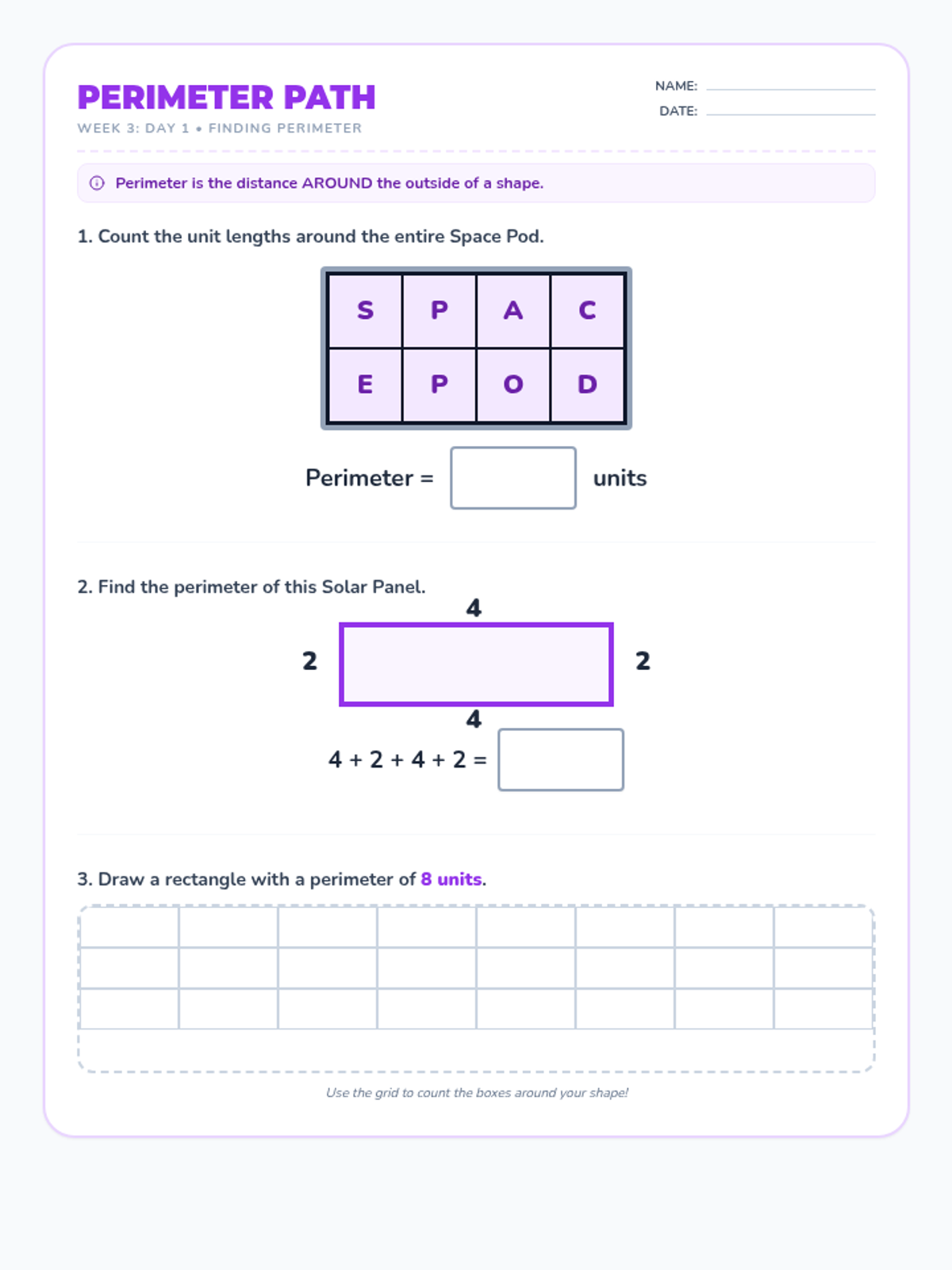
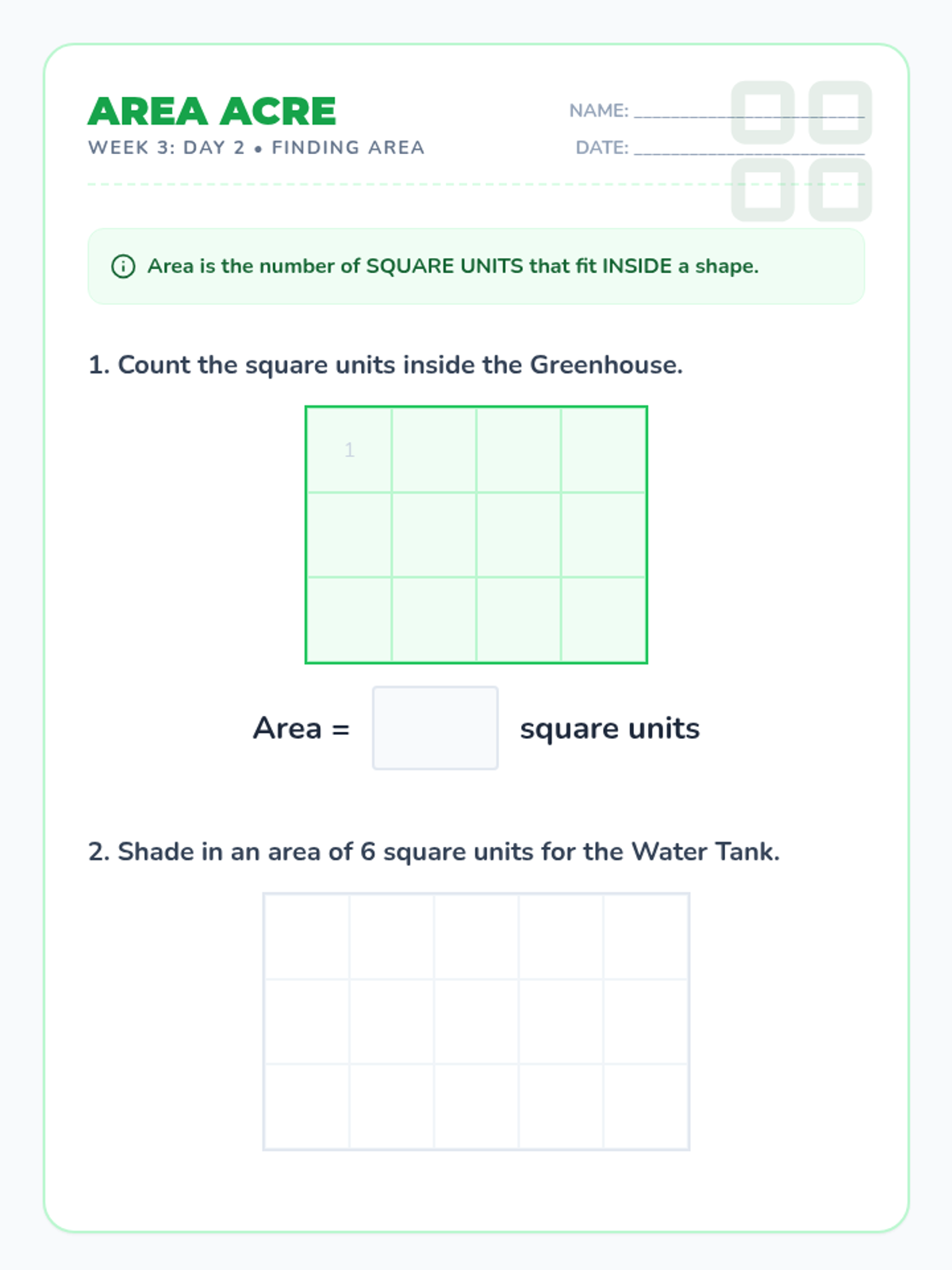
Week 3 covers area and perimeter while building a Space Colony, using grid paper, tiling, and simple addition to find boundaries and space.
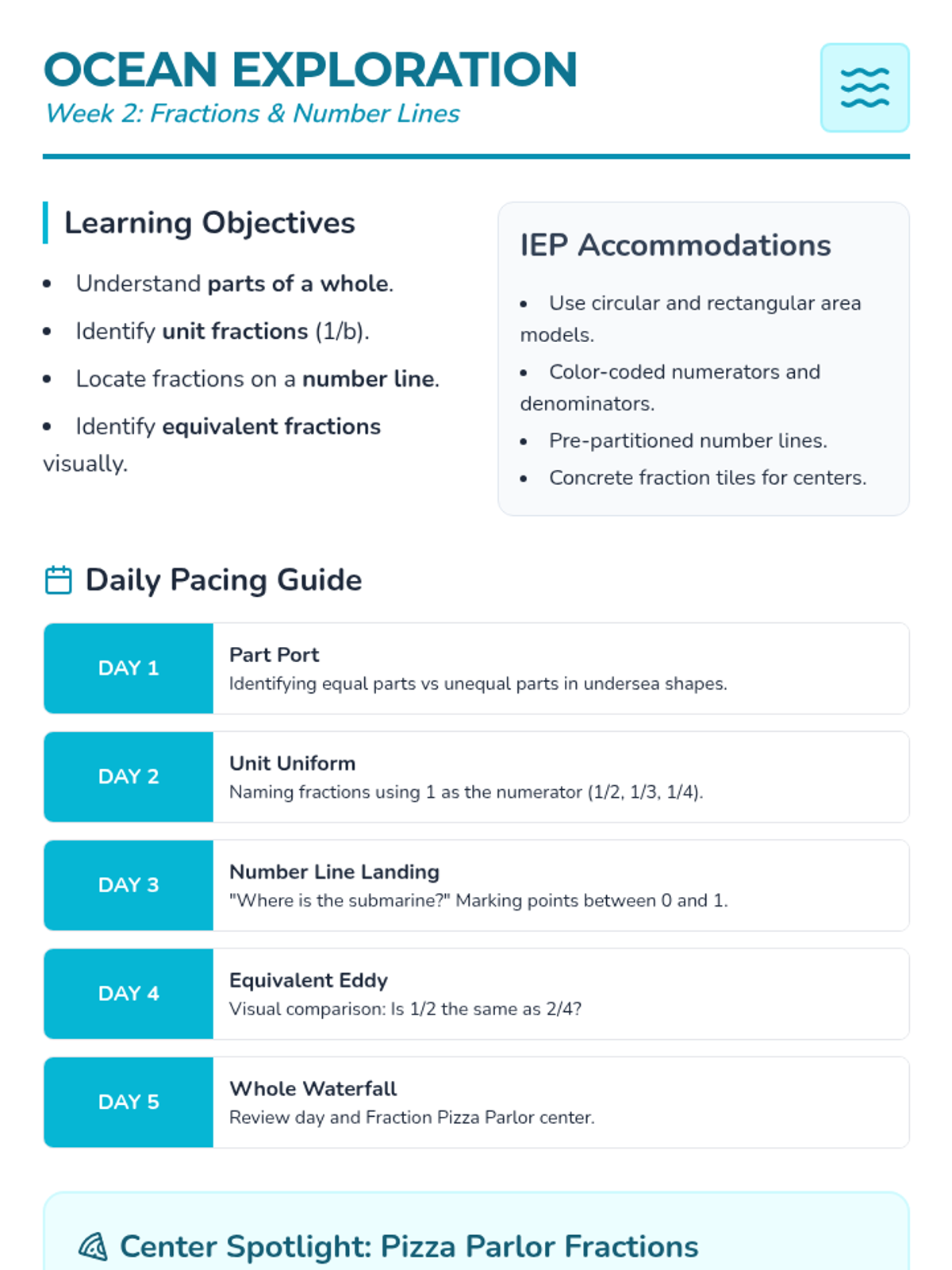
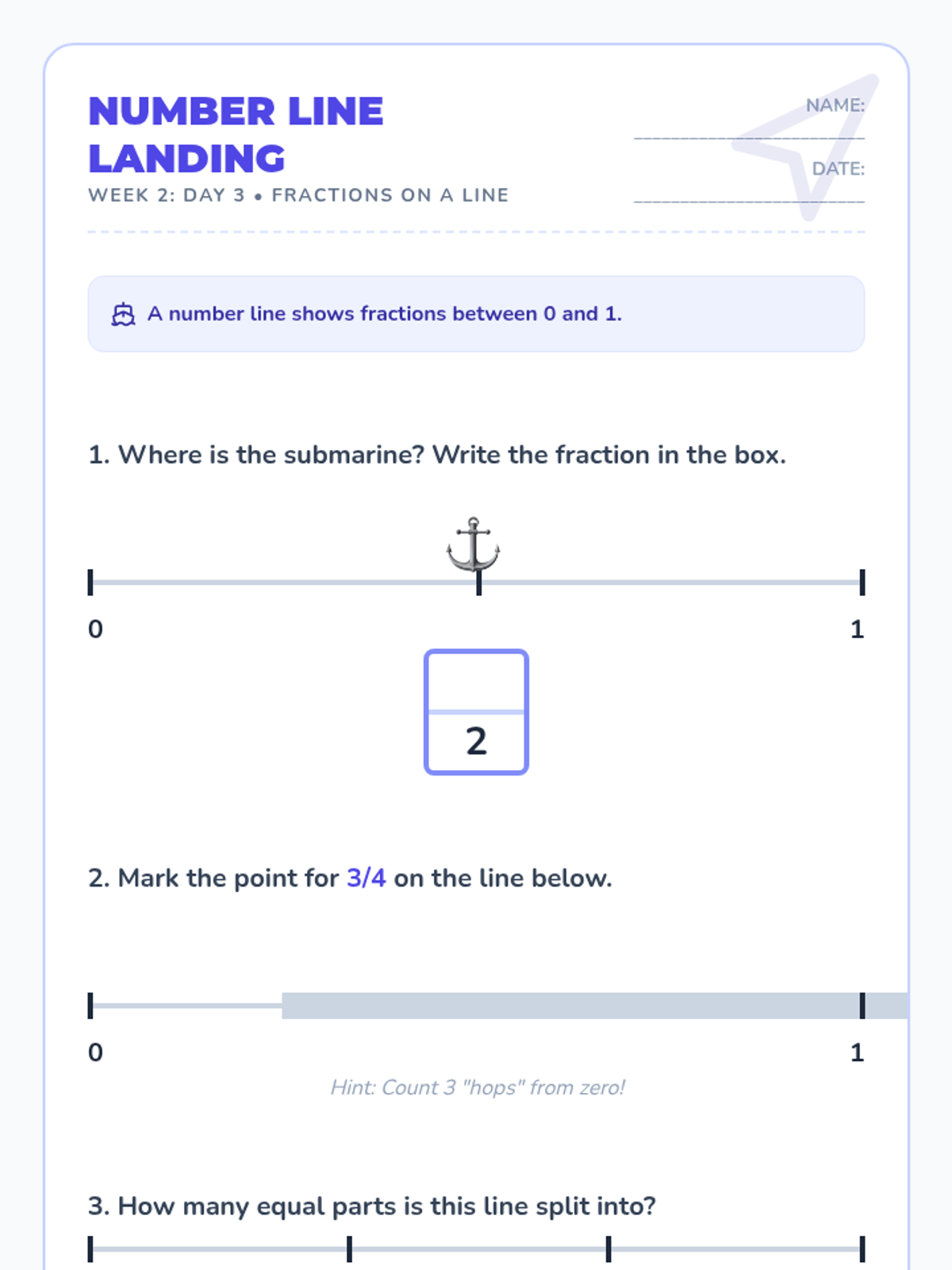
Week 2 explores fractions and number lines with an Ocean Exploration theme, focusing on parts of a whole, unit fractions, and locating numbers on a line.
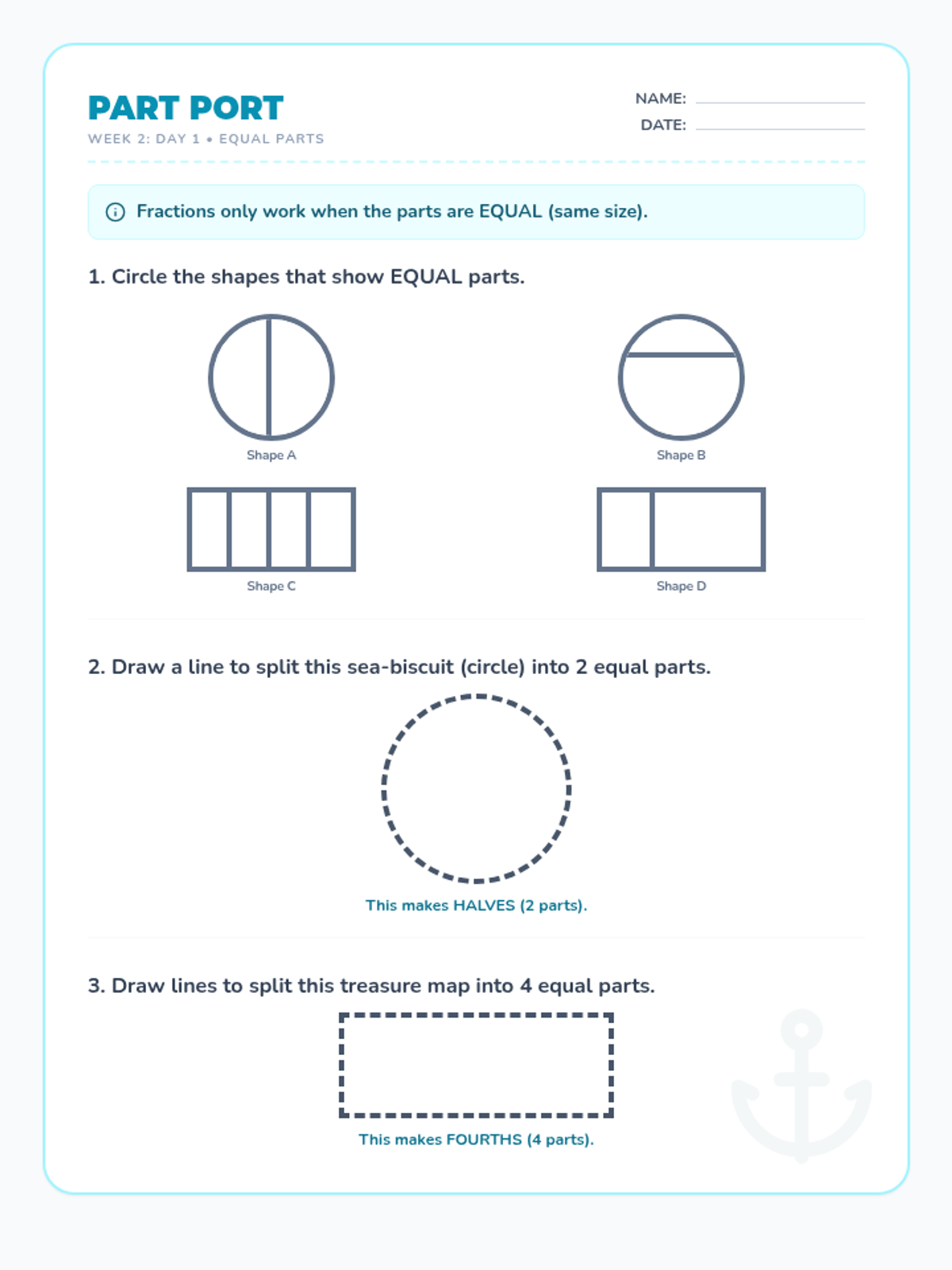
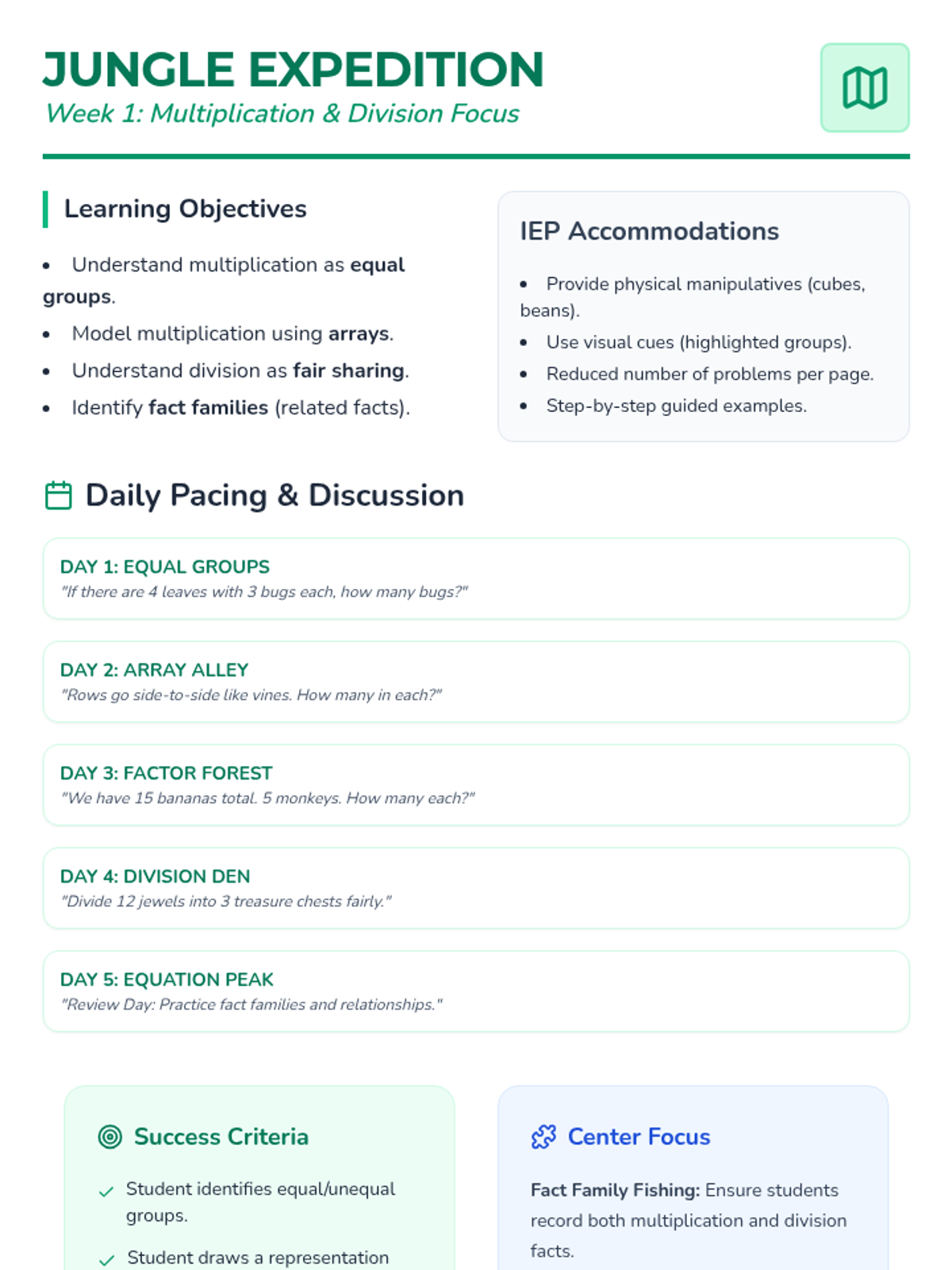
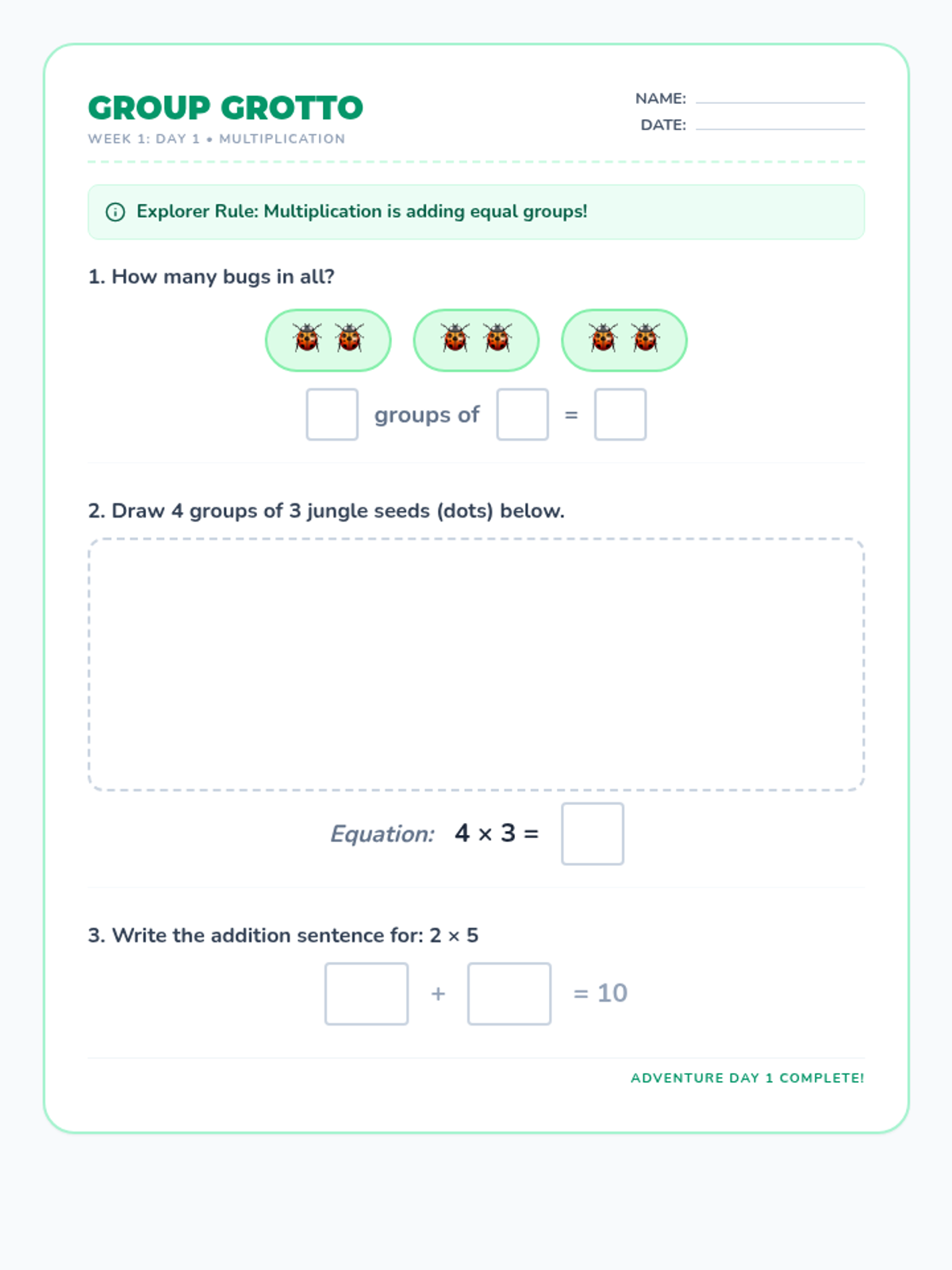
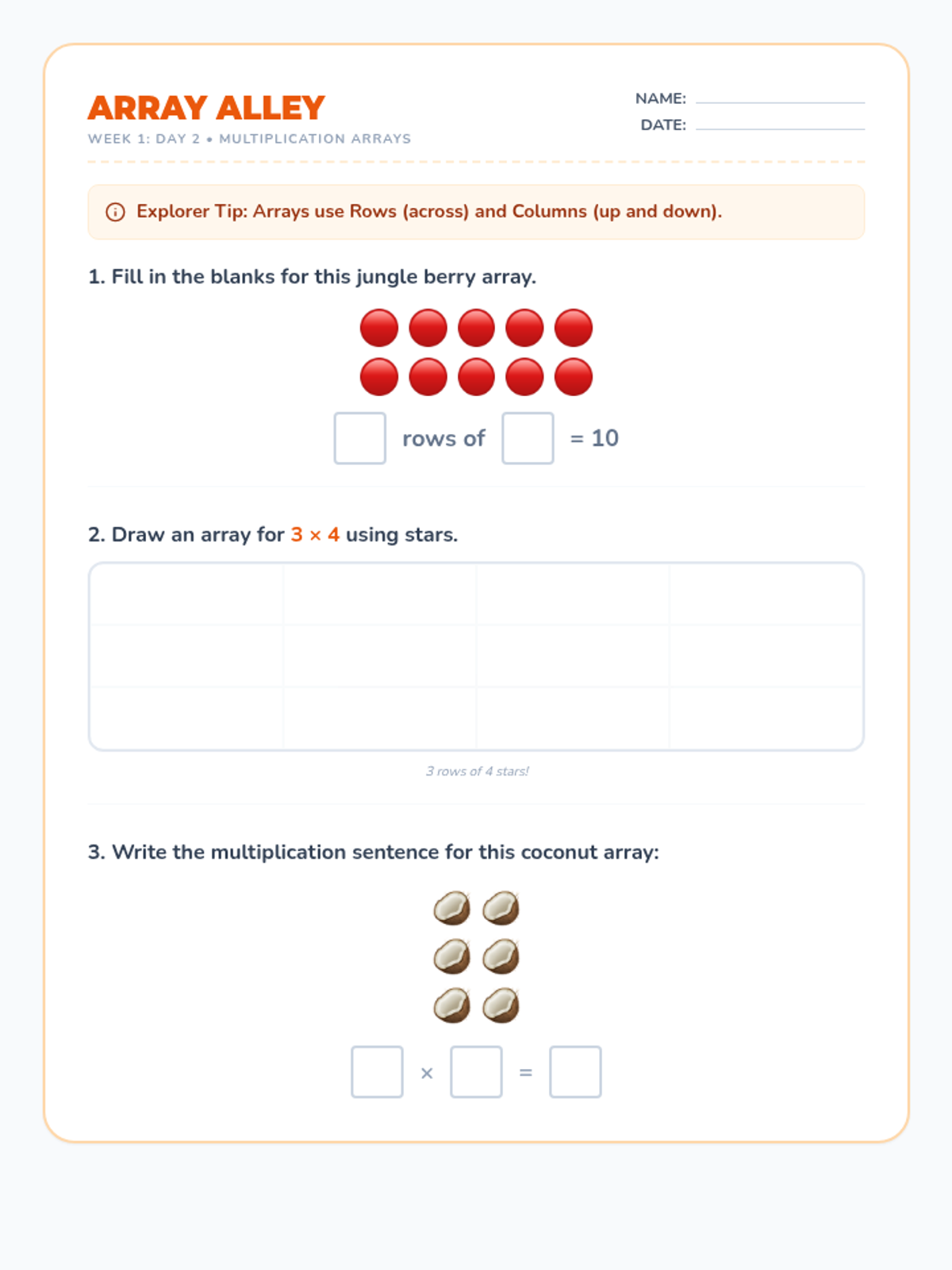
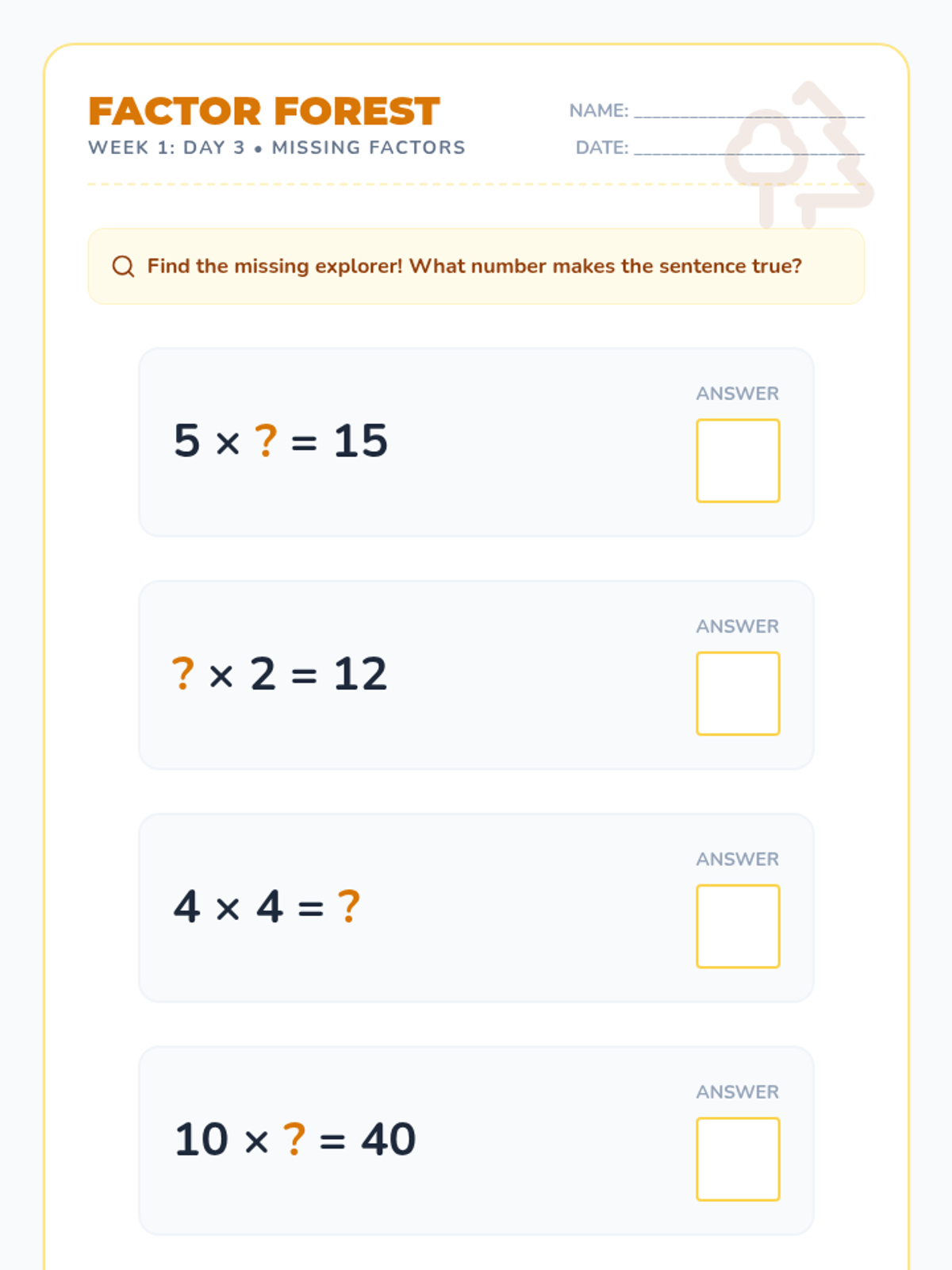
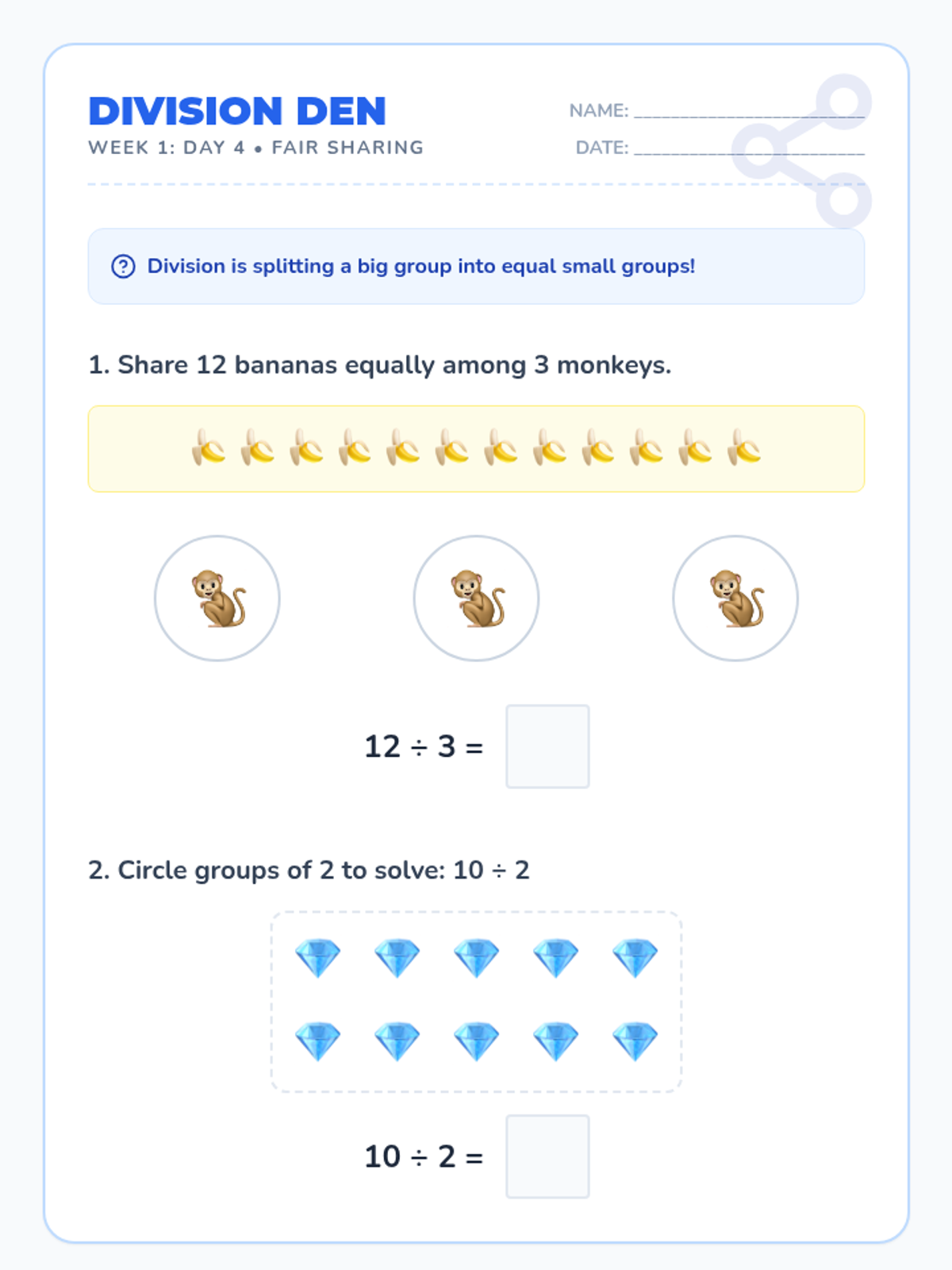
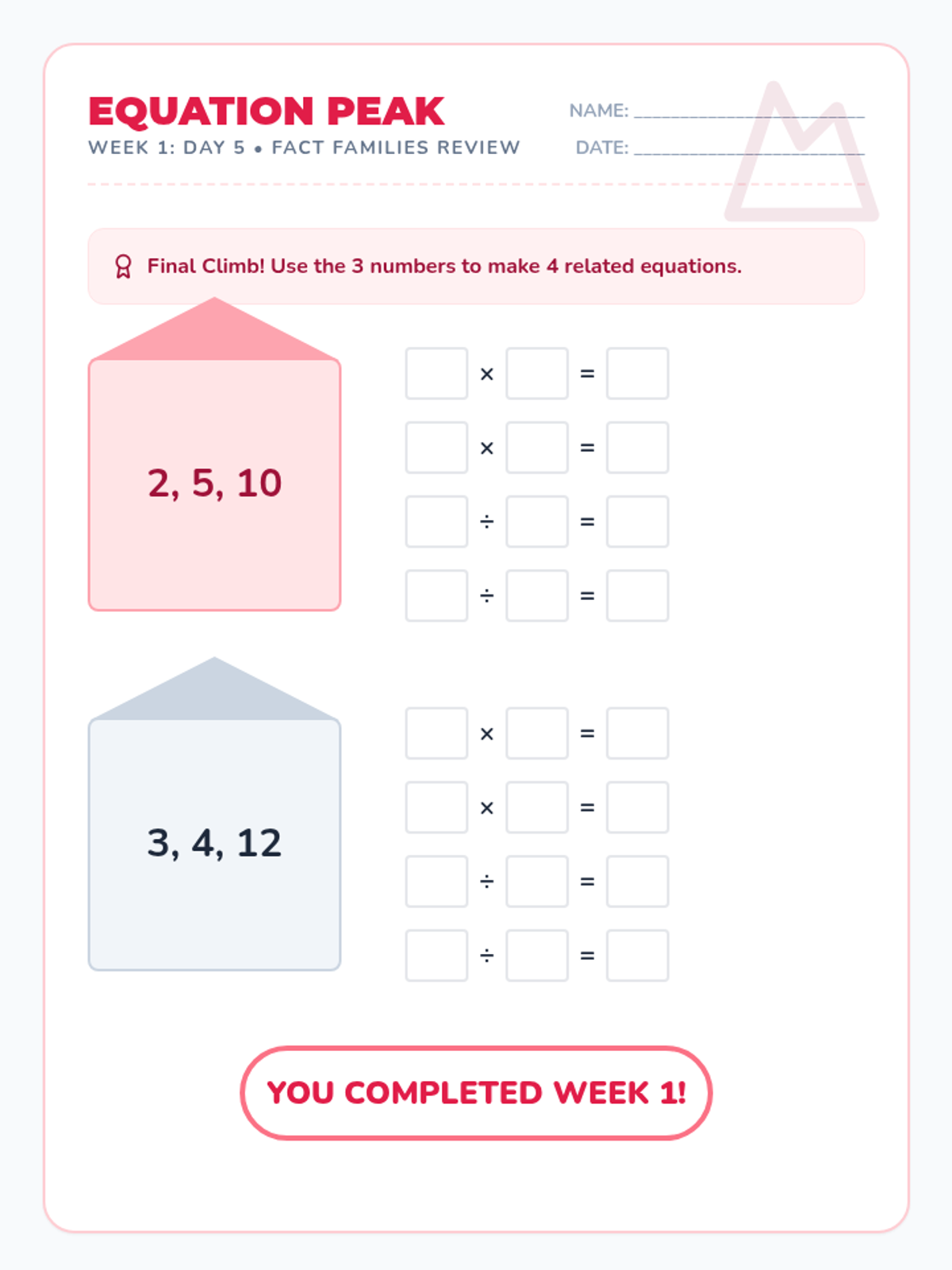
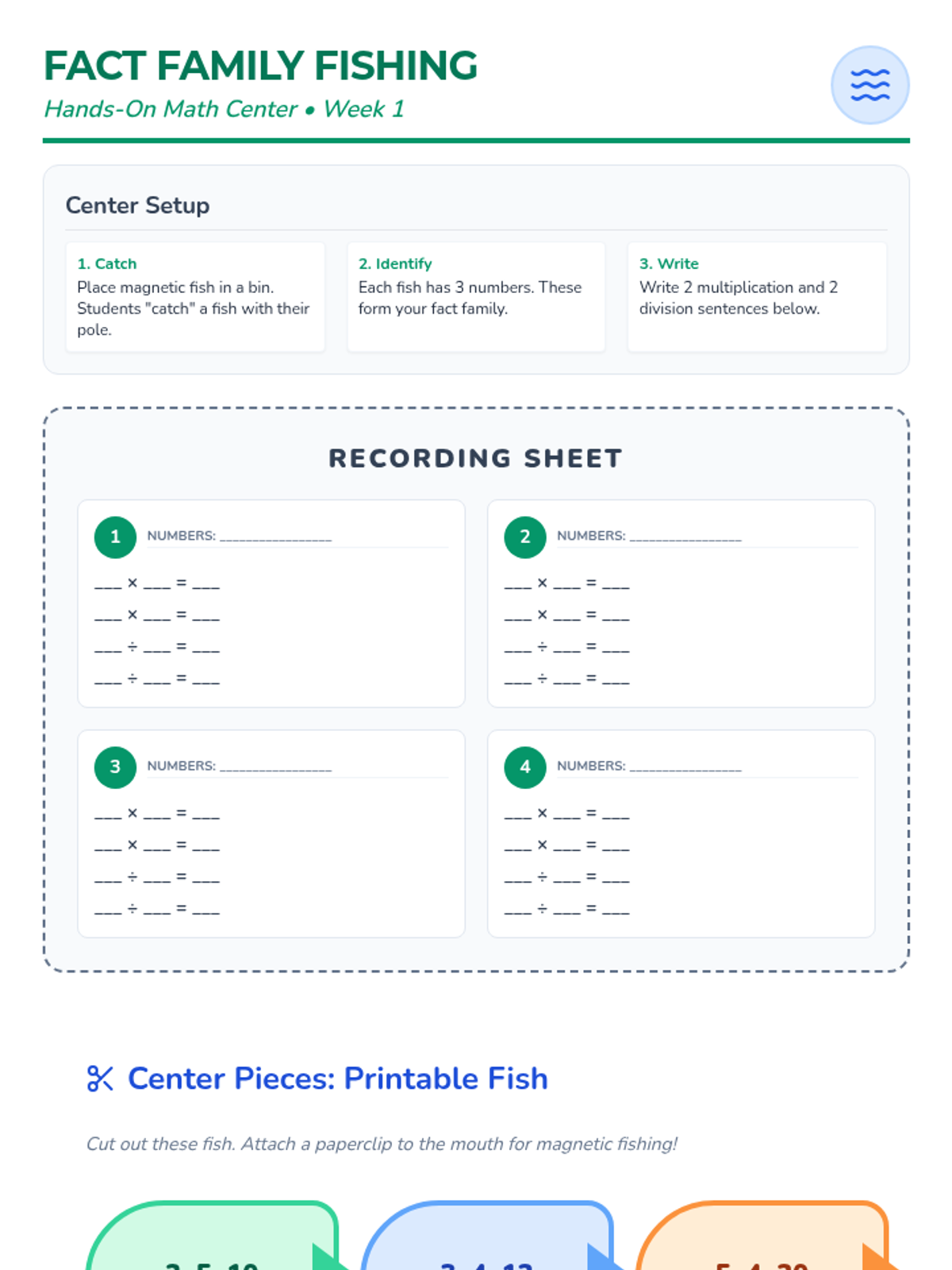
Week 1 focuses on multiplication and division through the lens of a Jungle Expedition, emphasizing equal groups, arrays, and basic fact fluency.
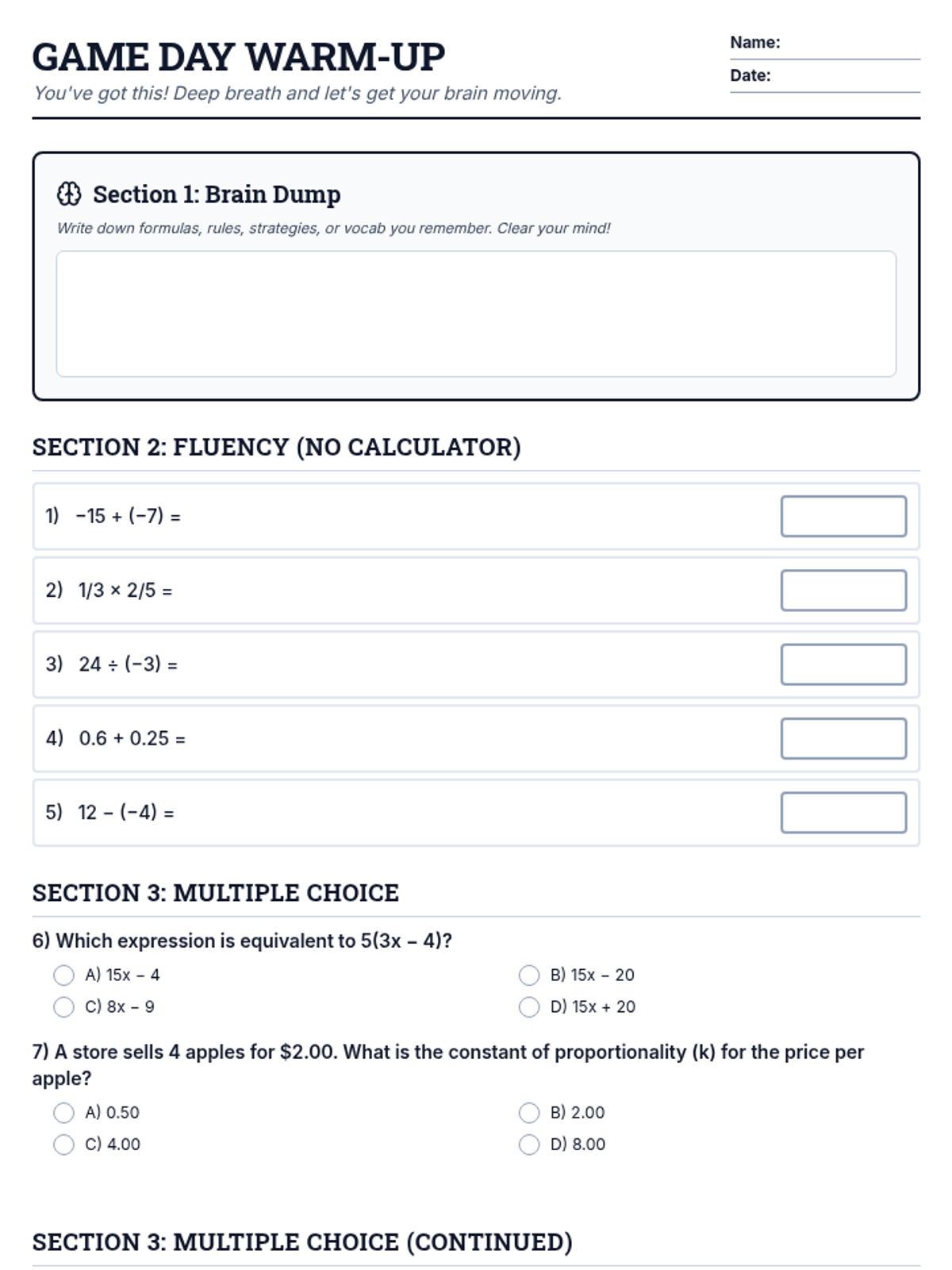
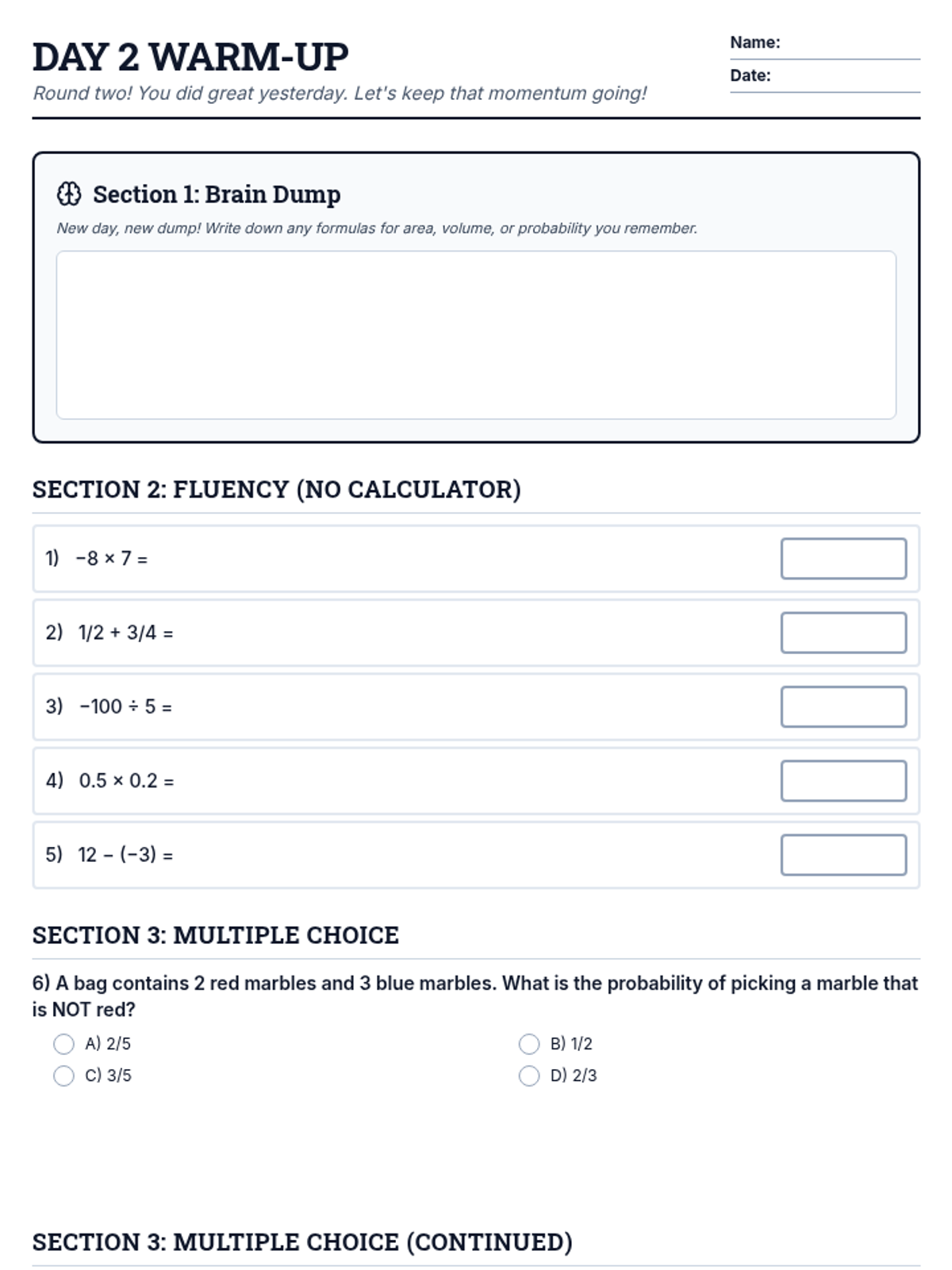
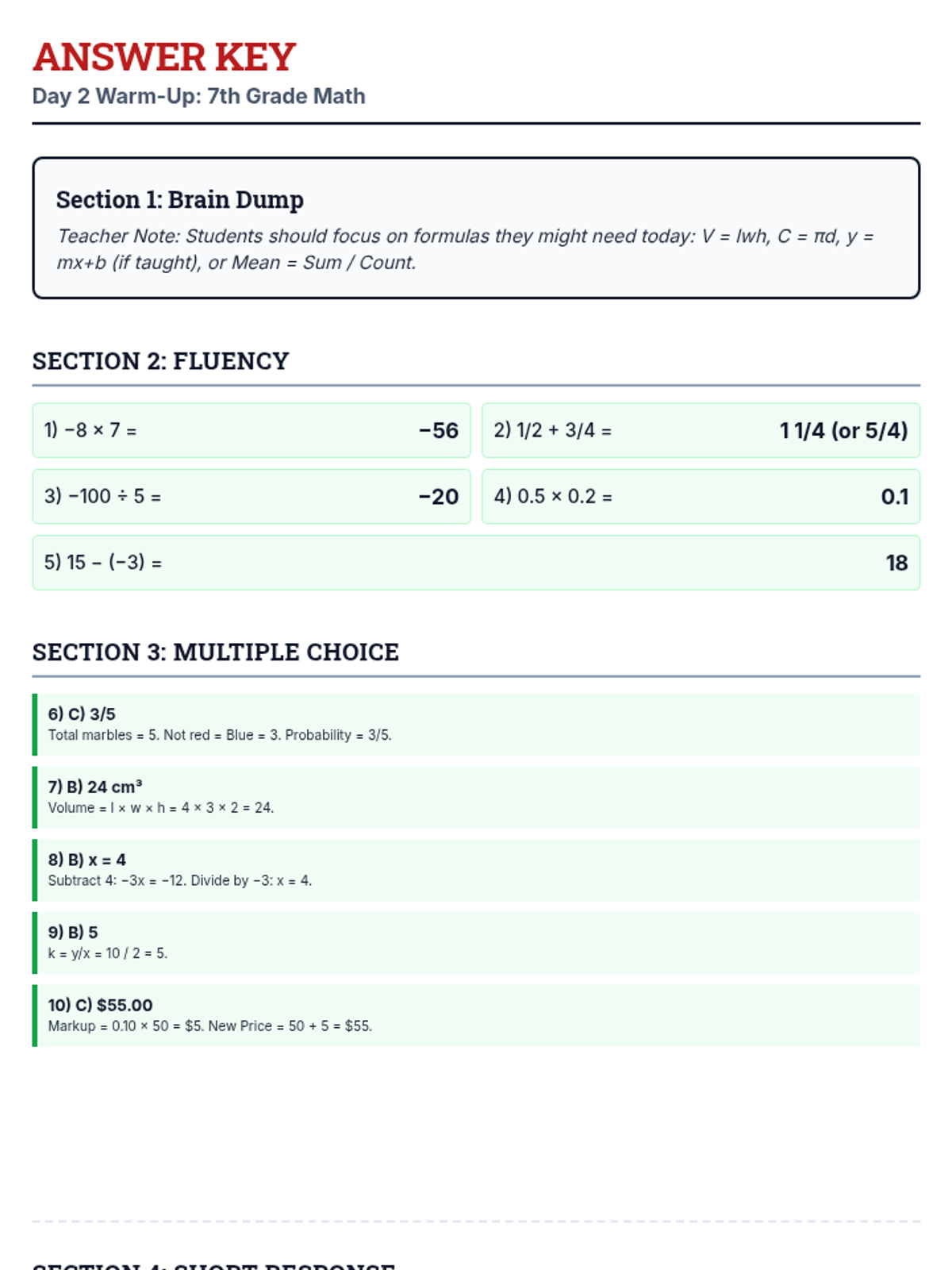
A low-pressure, confidence-building morning work packet designed for 7th-grade students on the day of their state math exam to help them warm up their thinking.
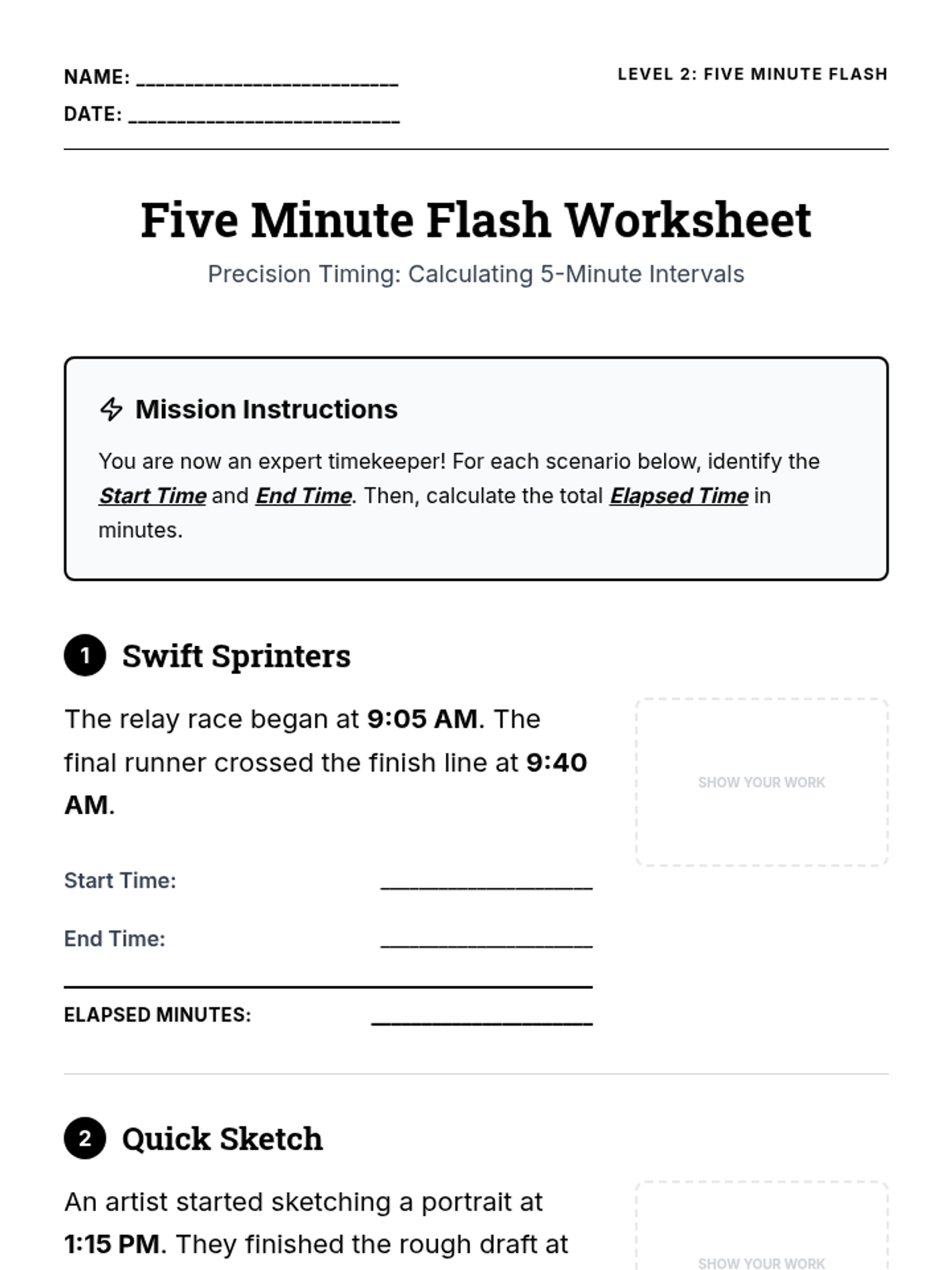
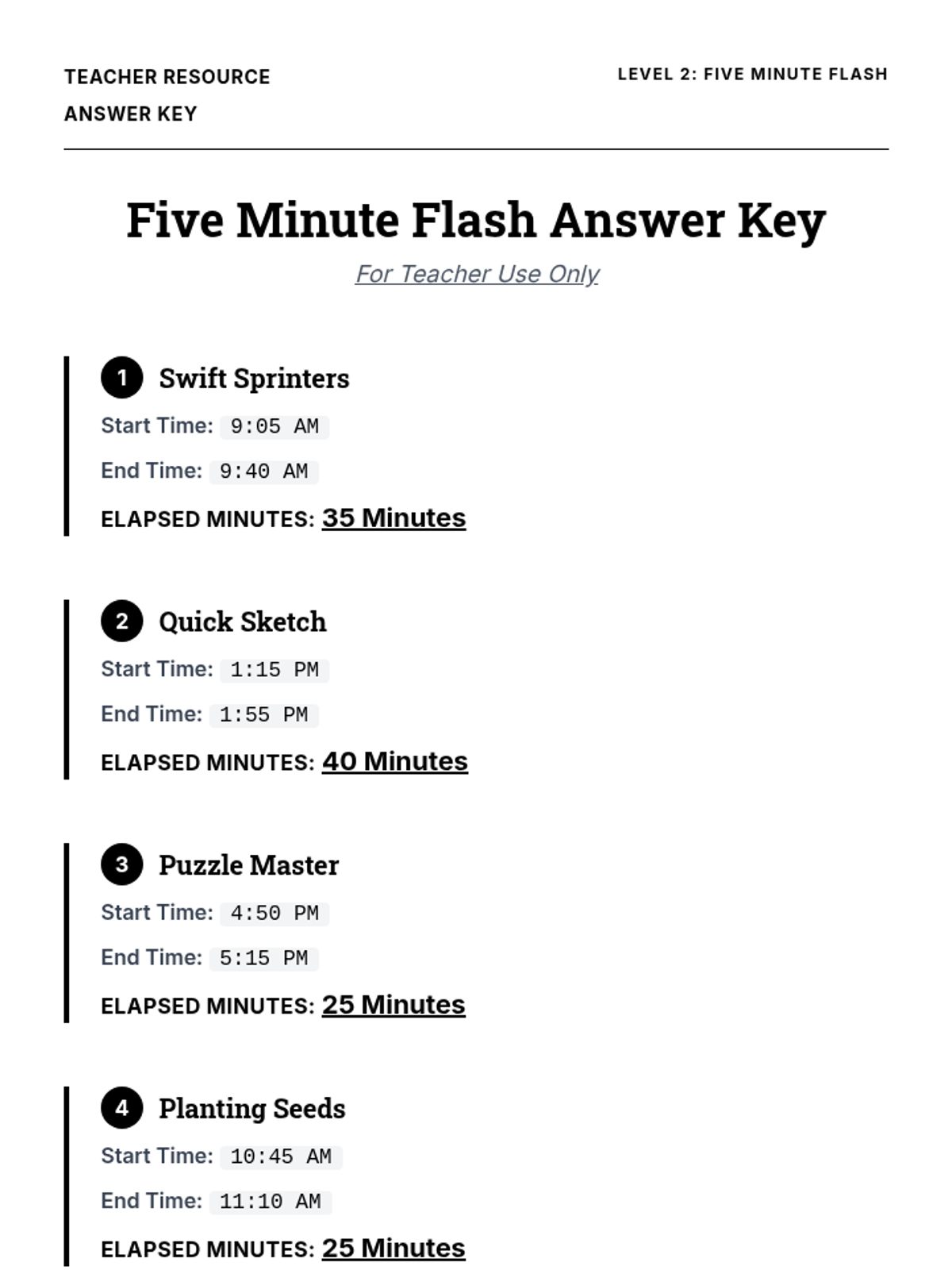
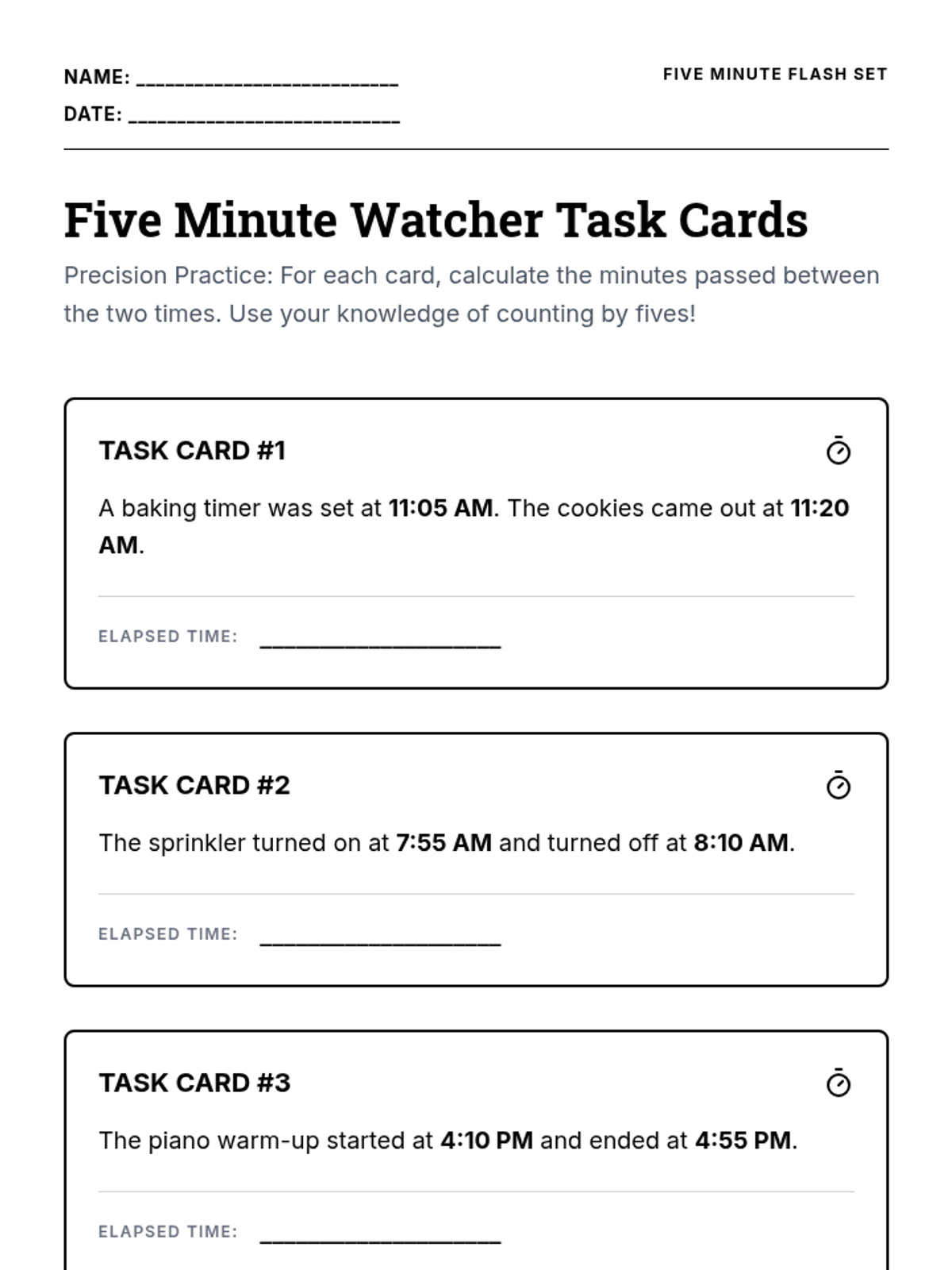
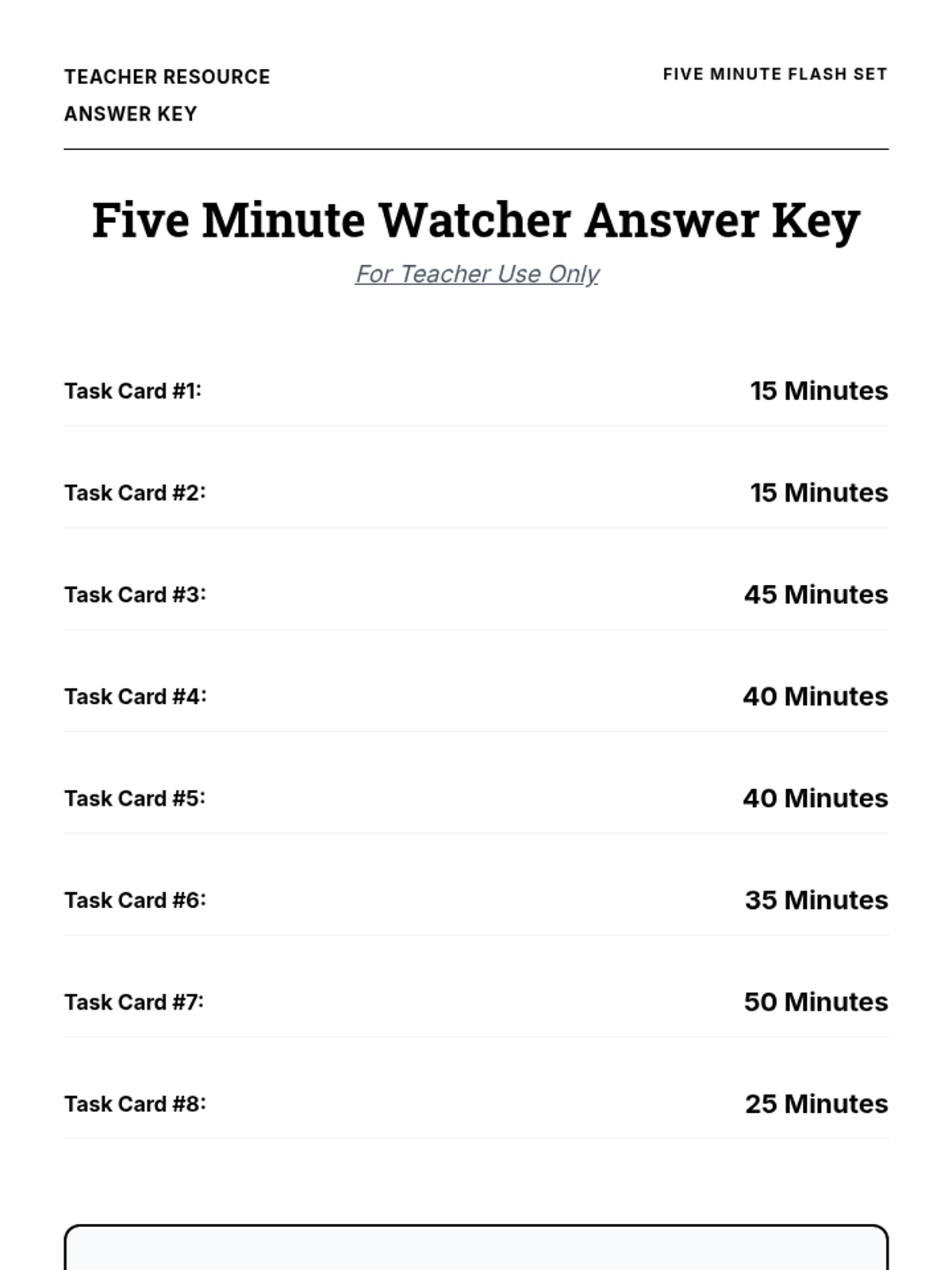
Advanced elapsed time practice focusing on five-minute intervals, providing the highest level of challenge in this unit.
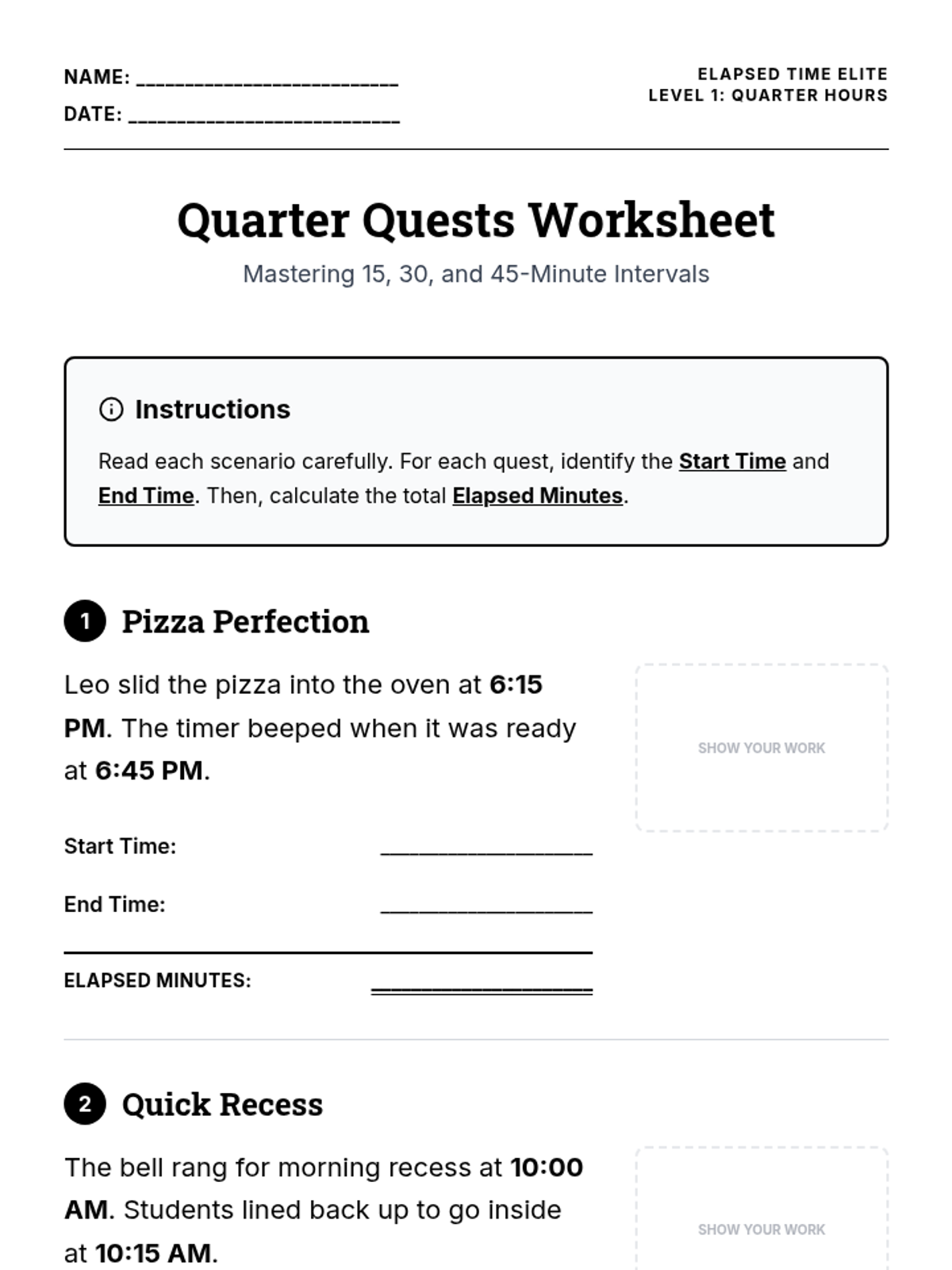
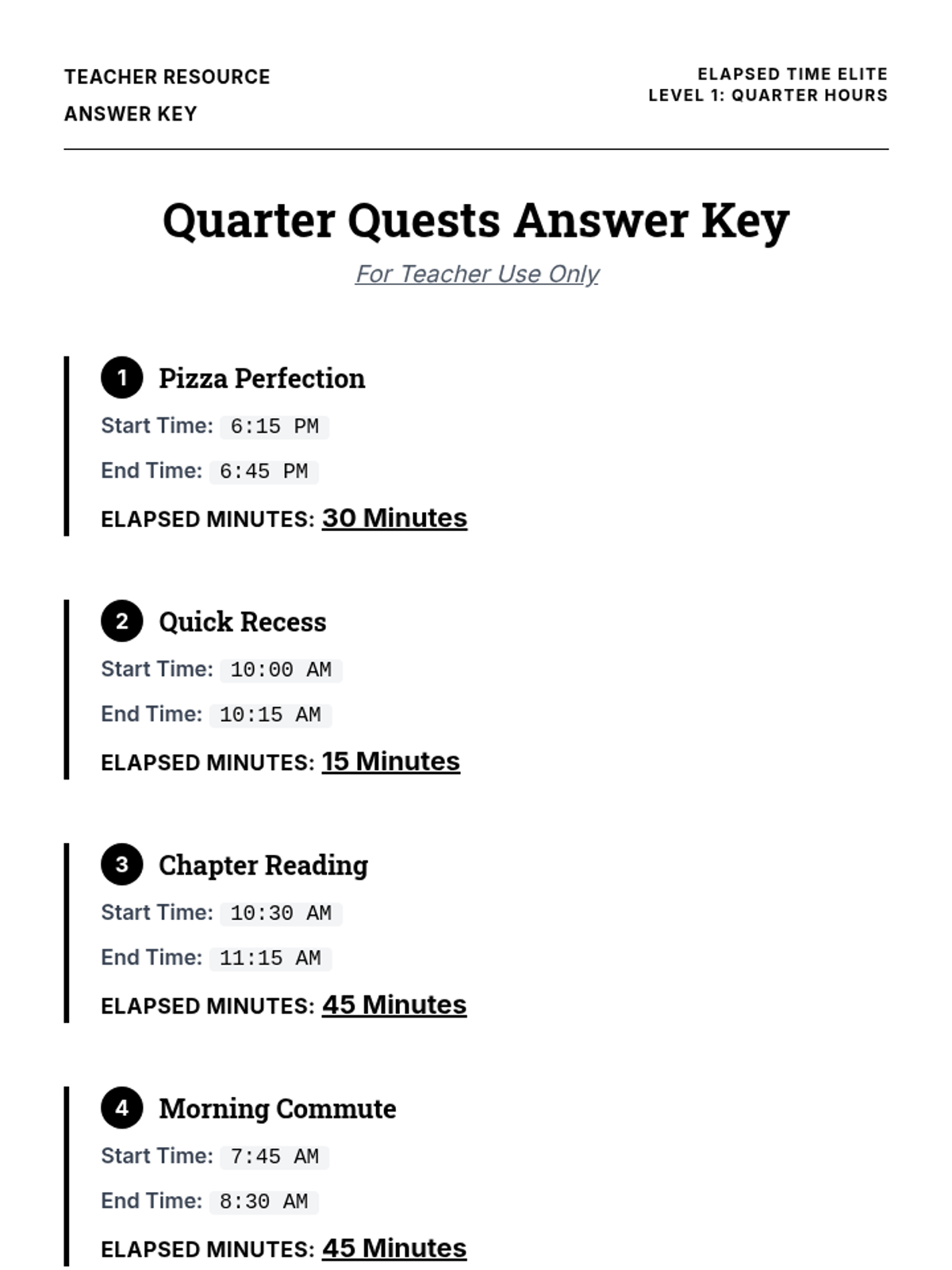
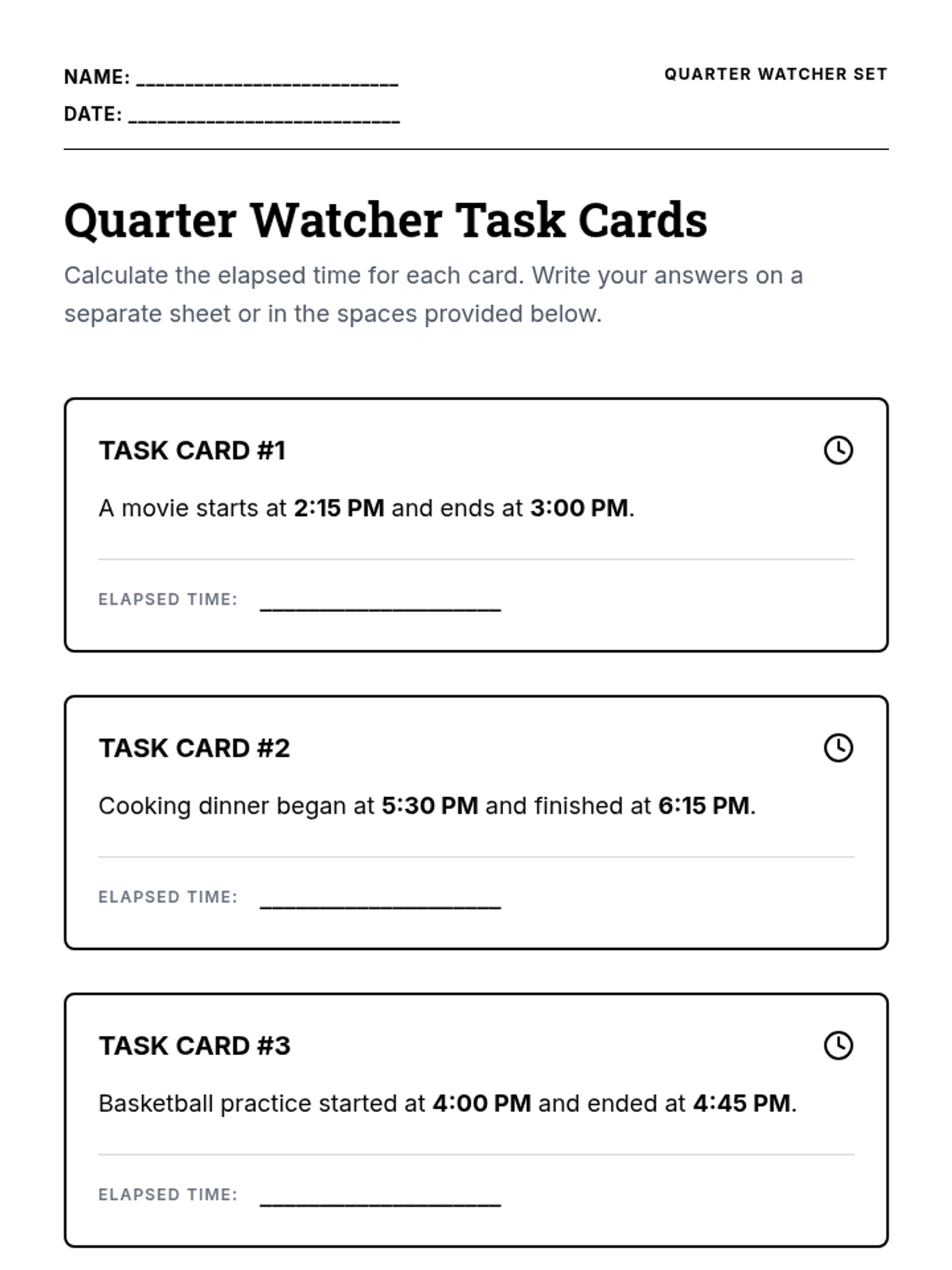
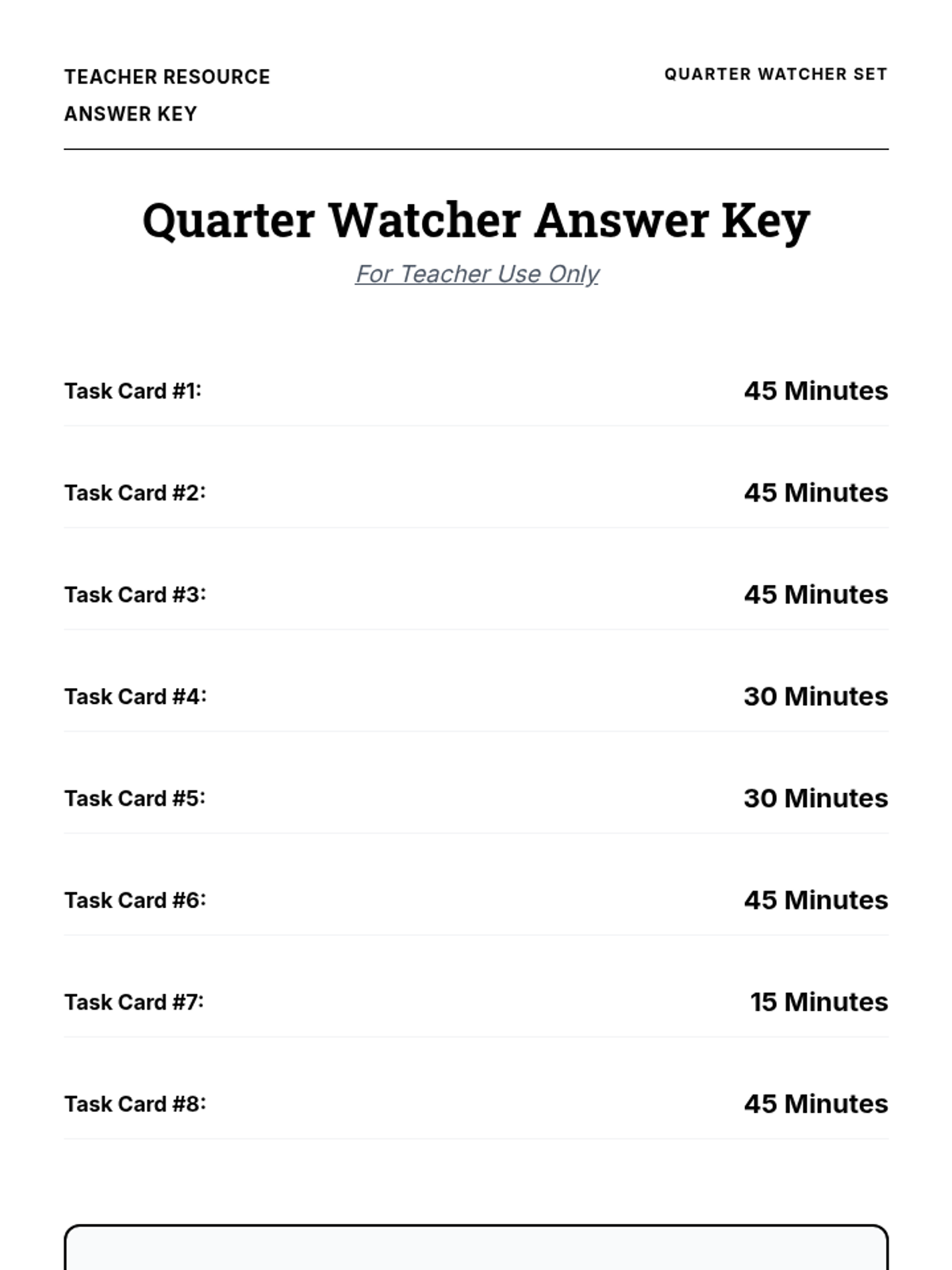
Materials for mastering elapsed time in 15, 30, and 45-minute increments using scenarios and analog clocks.
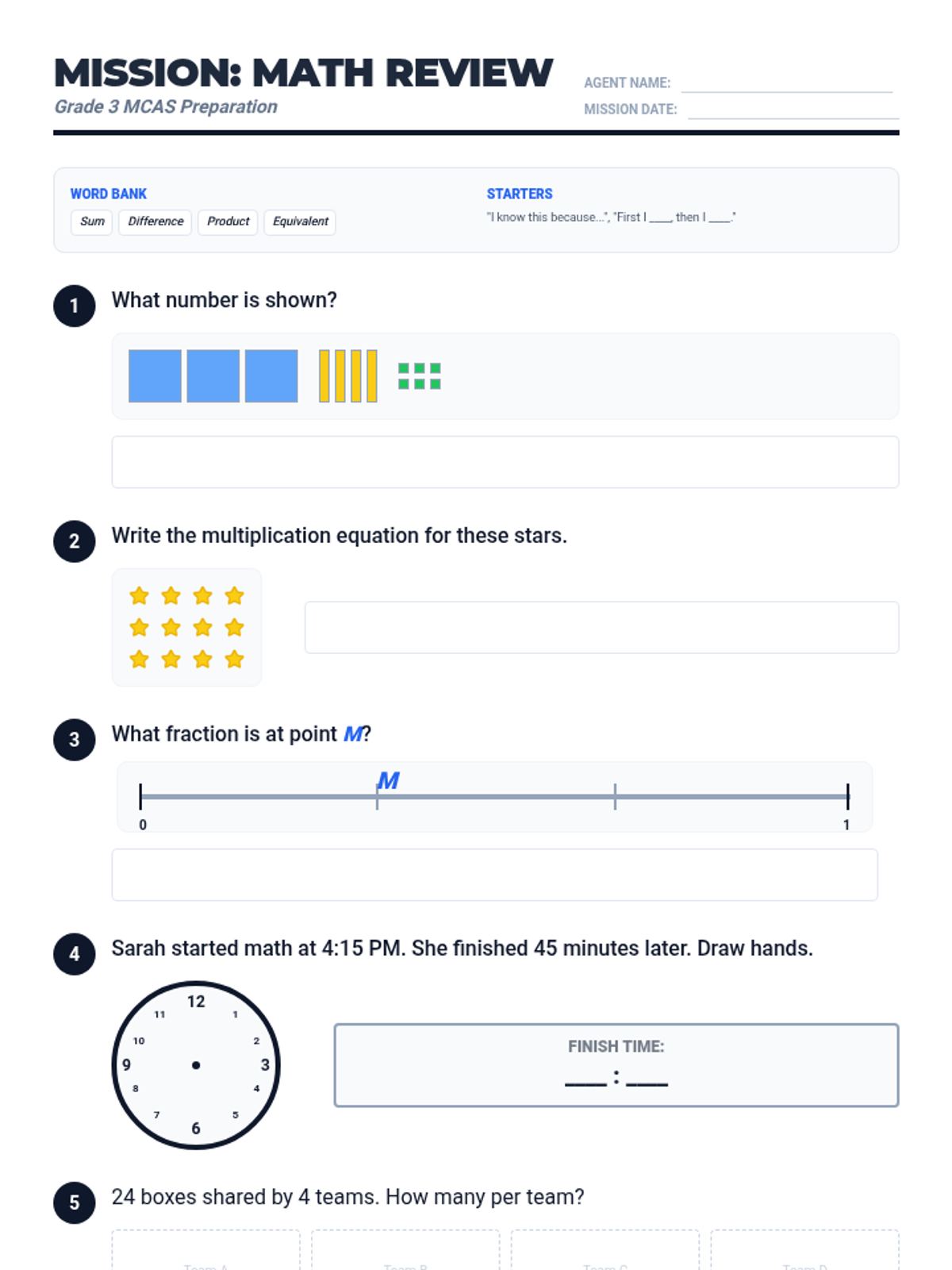
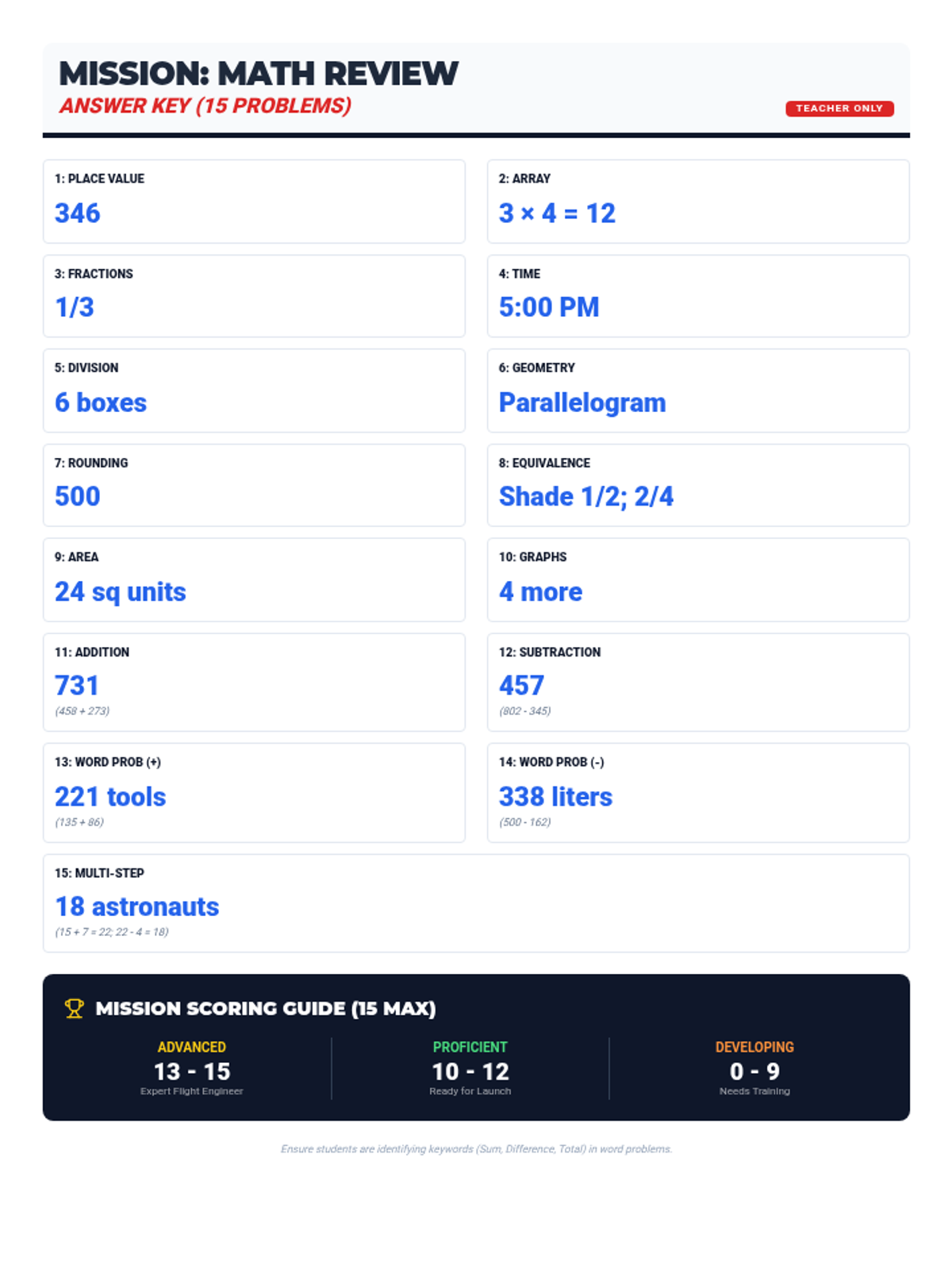
A comprehensive review session covering all 3rd-grade math domains to prepare students for the MCAS. This lesson provides visual aids like base-ten blocks, number lines, and arrays to support problem-solving strategies.
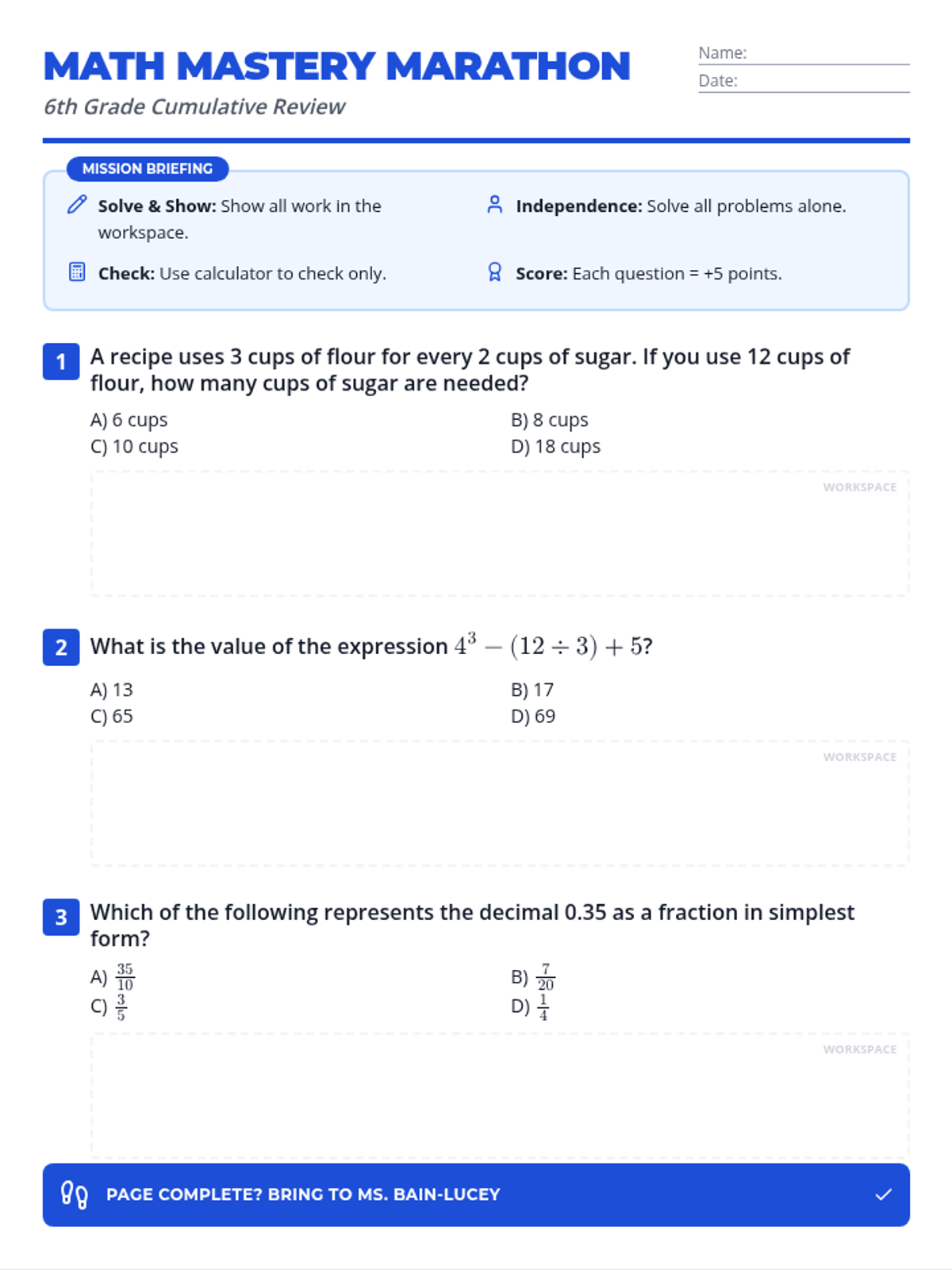
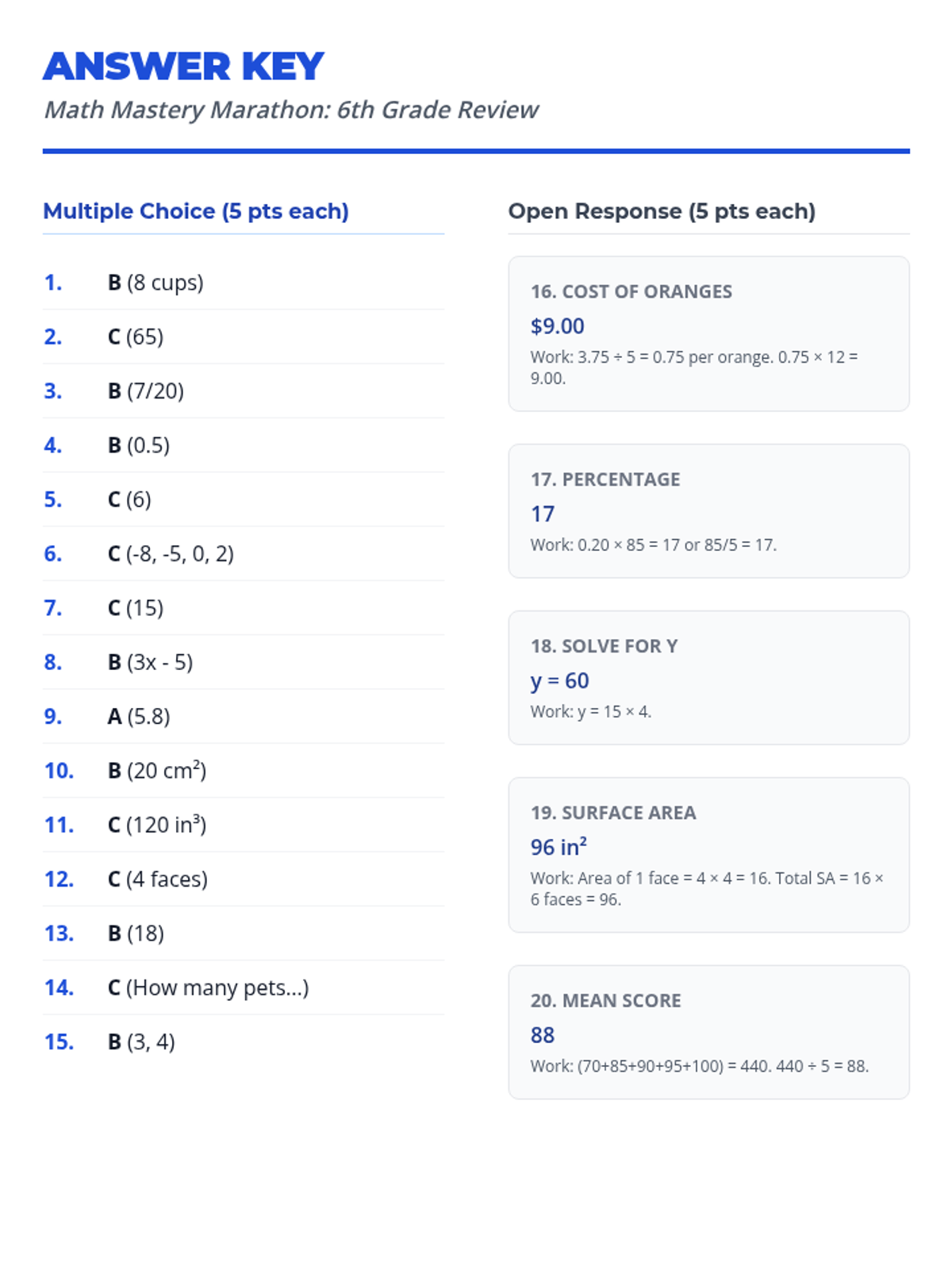
A comprehensive 6th-grade math cumulative review packet covering ratios, number systems, expressions, equations, geometry, and statistics.
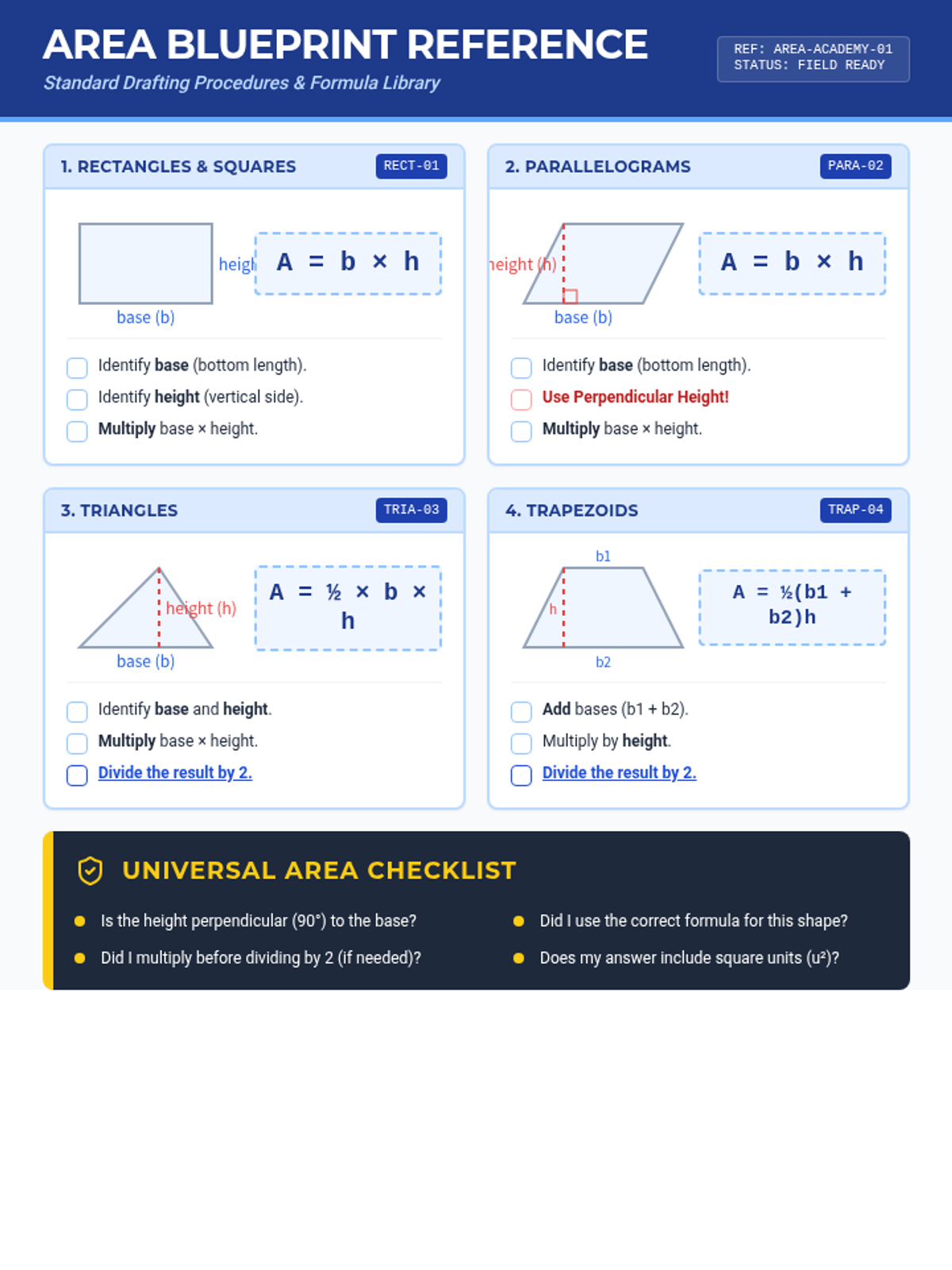
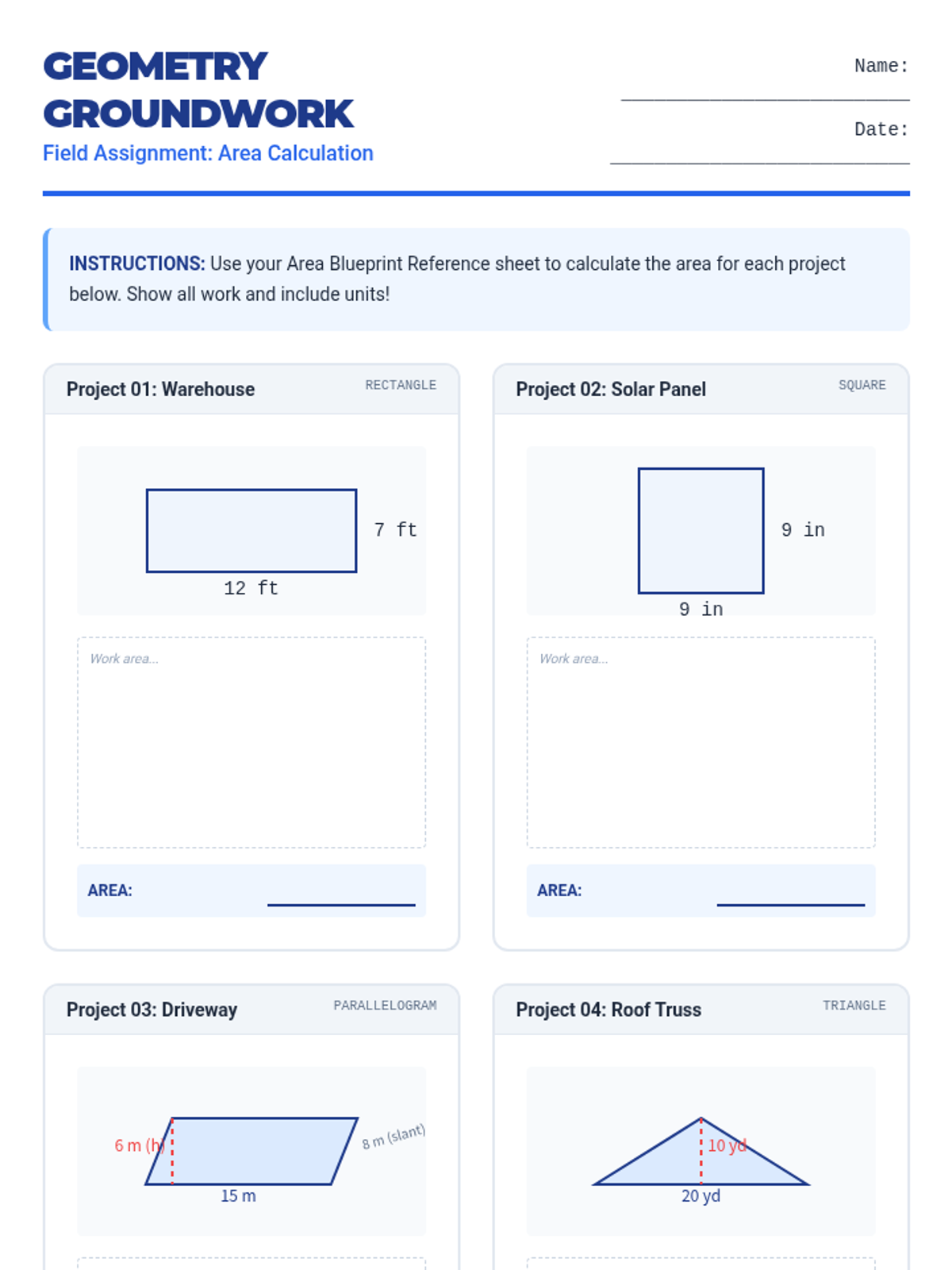
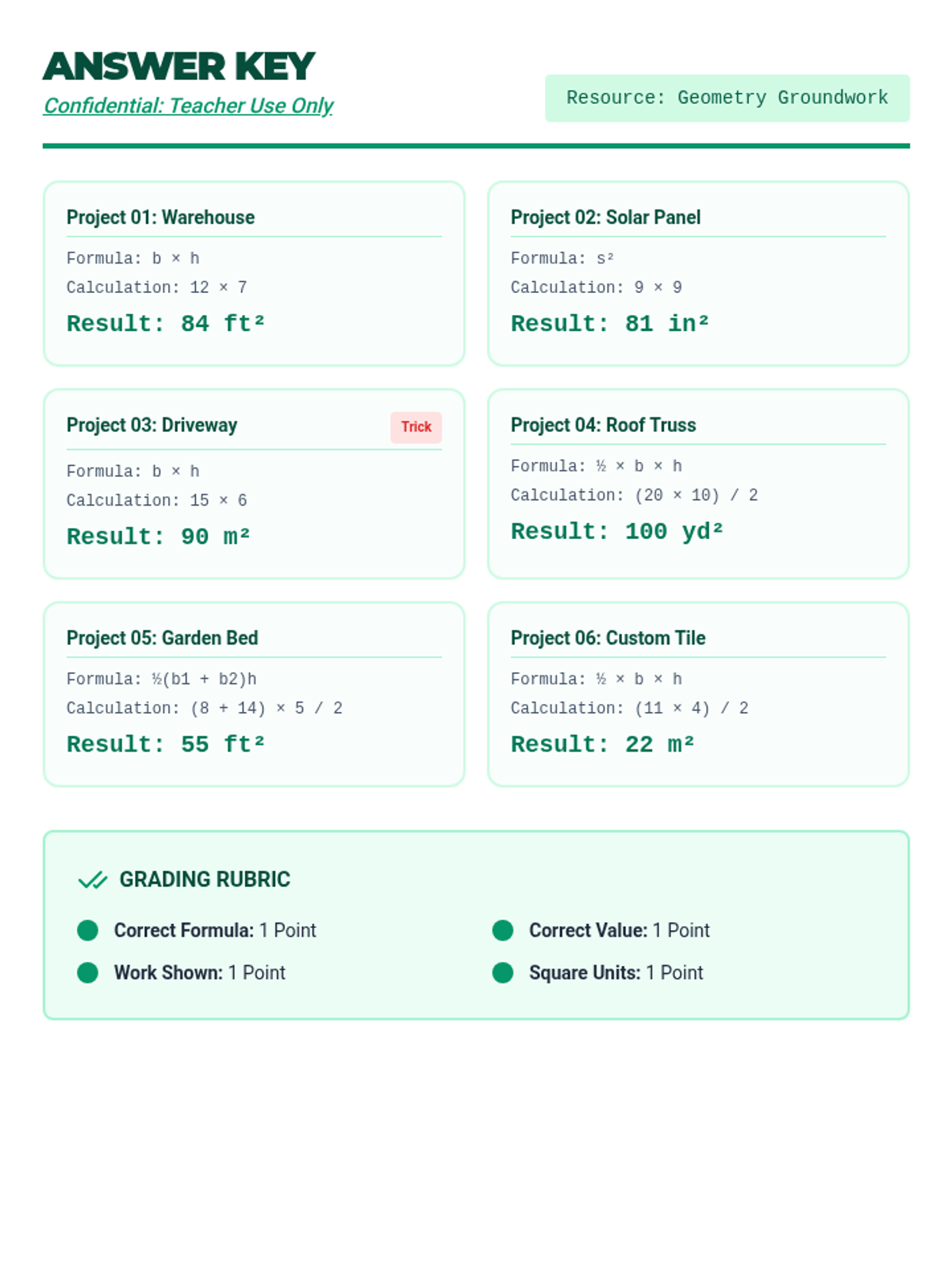
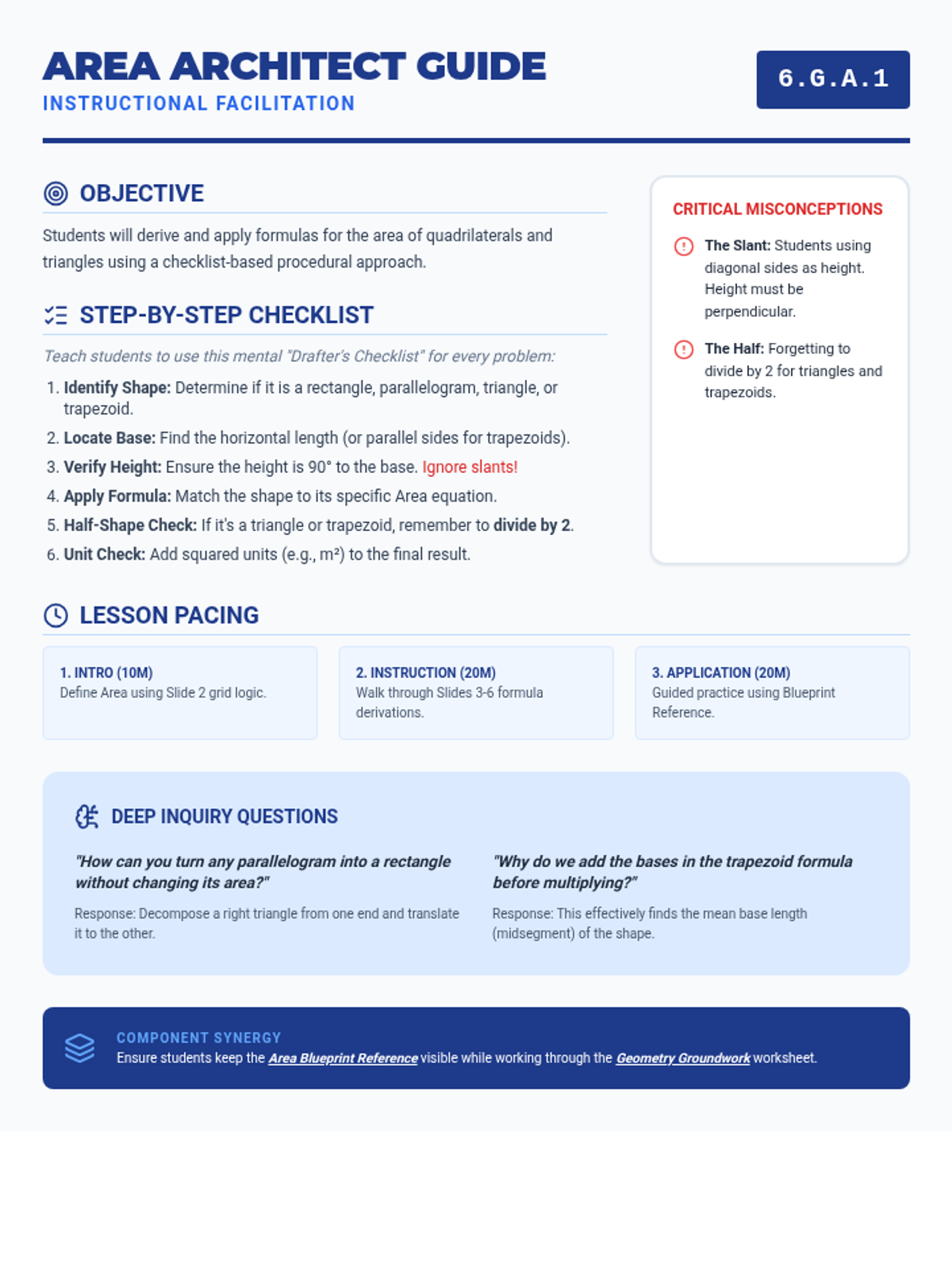
Students will learn to identify base and height dimensions and apply formulas to find the area of various quadrilaterals and triangles using step-by-step checklists.
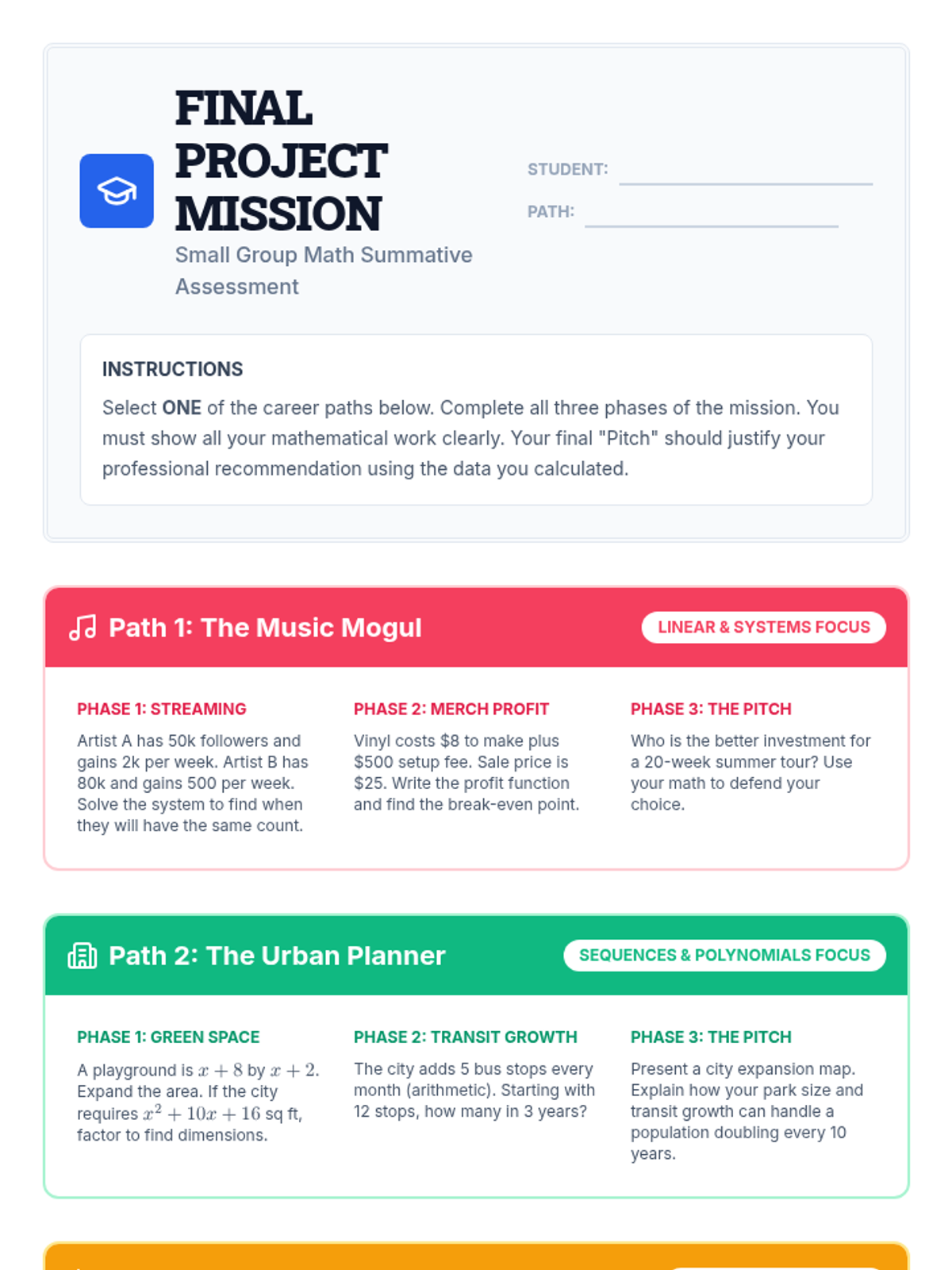
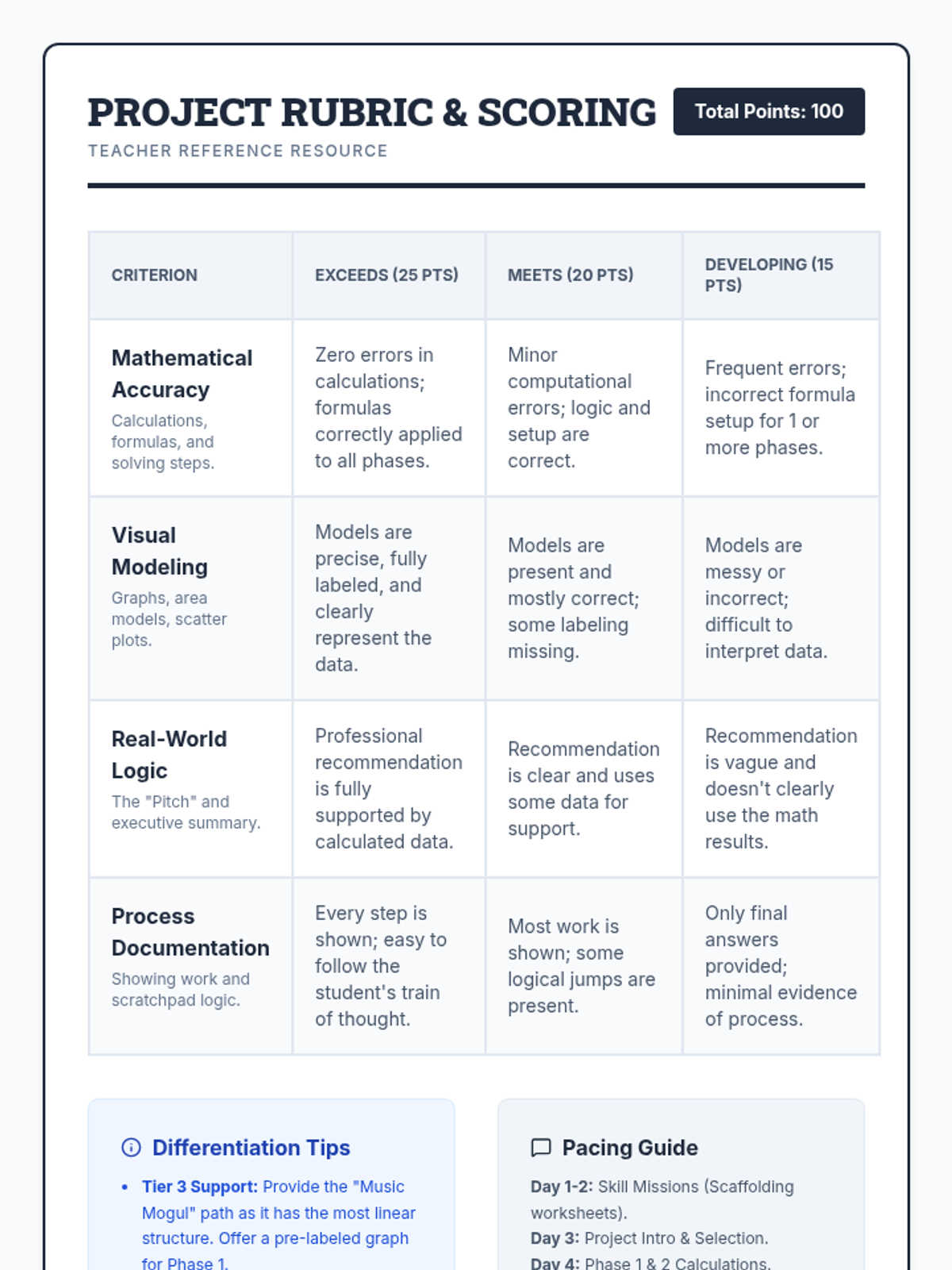
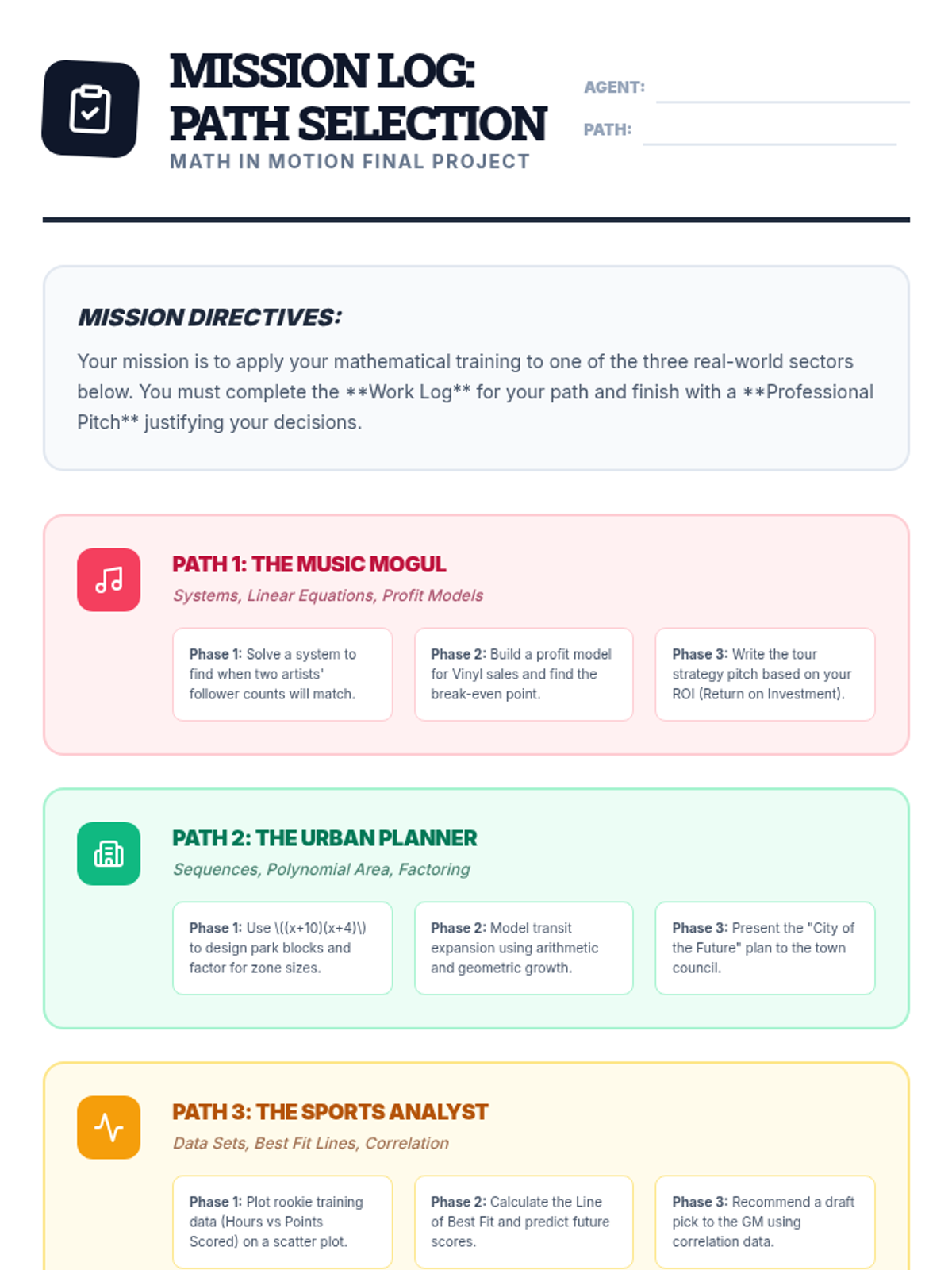
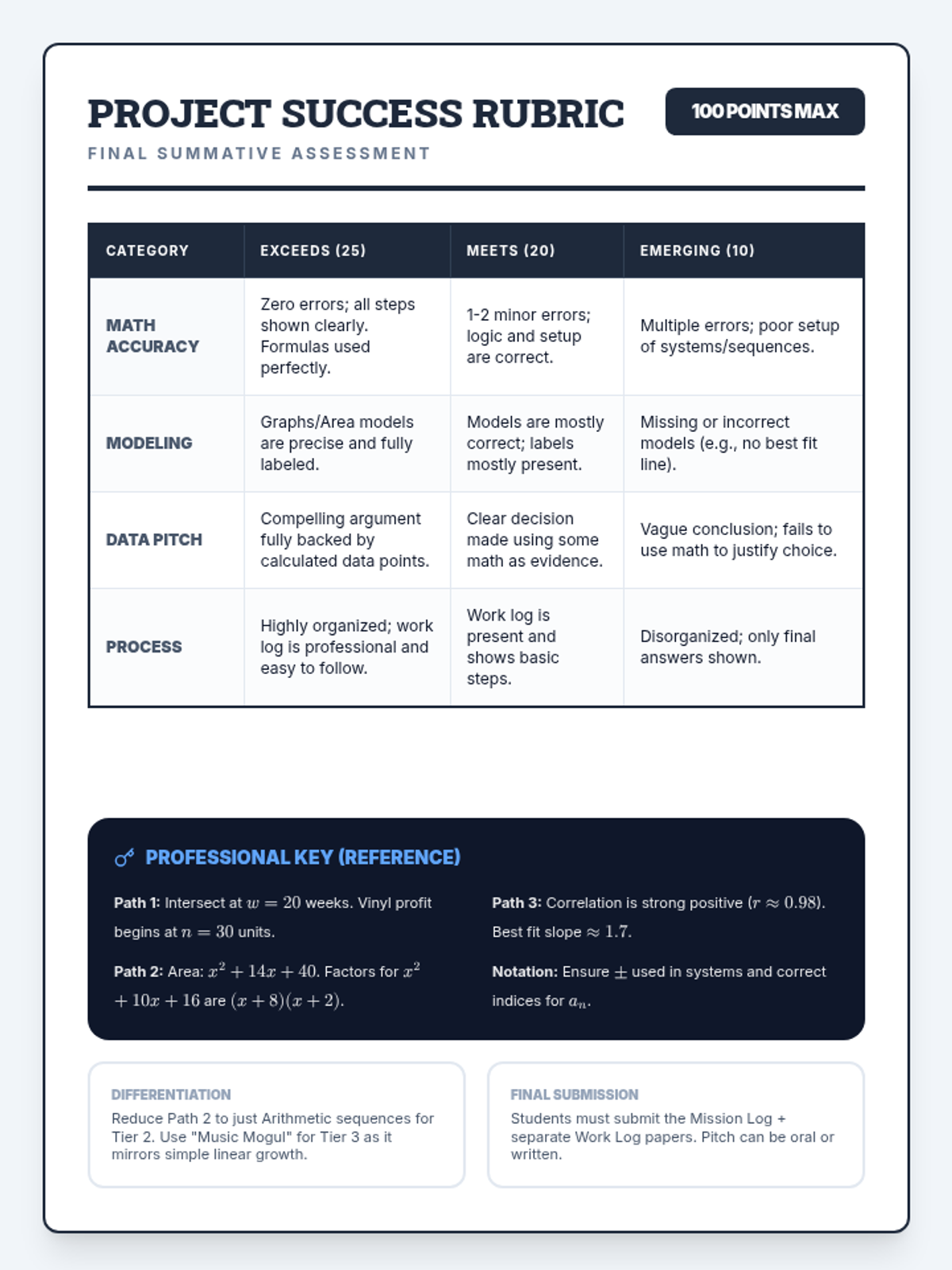
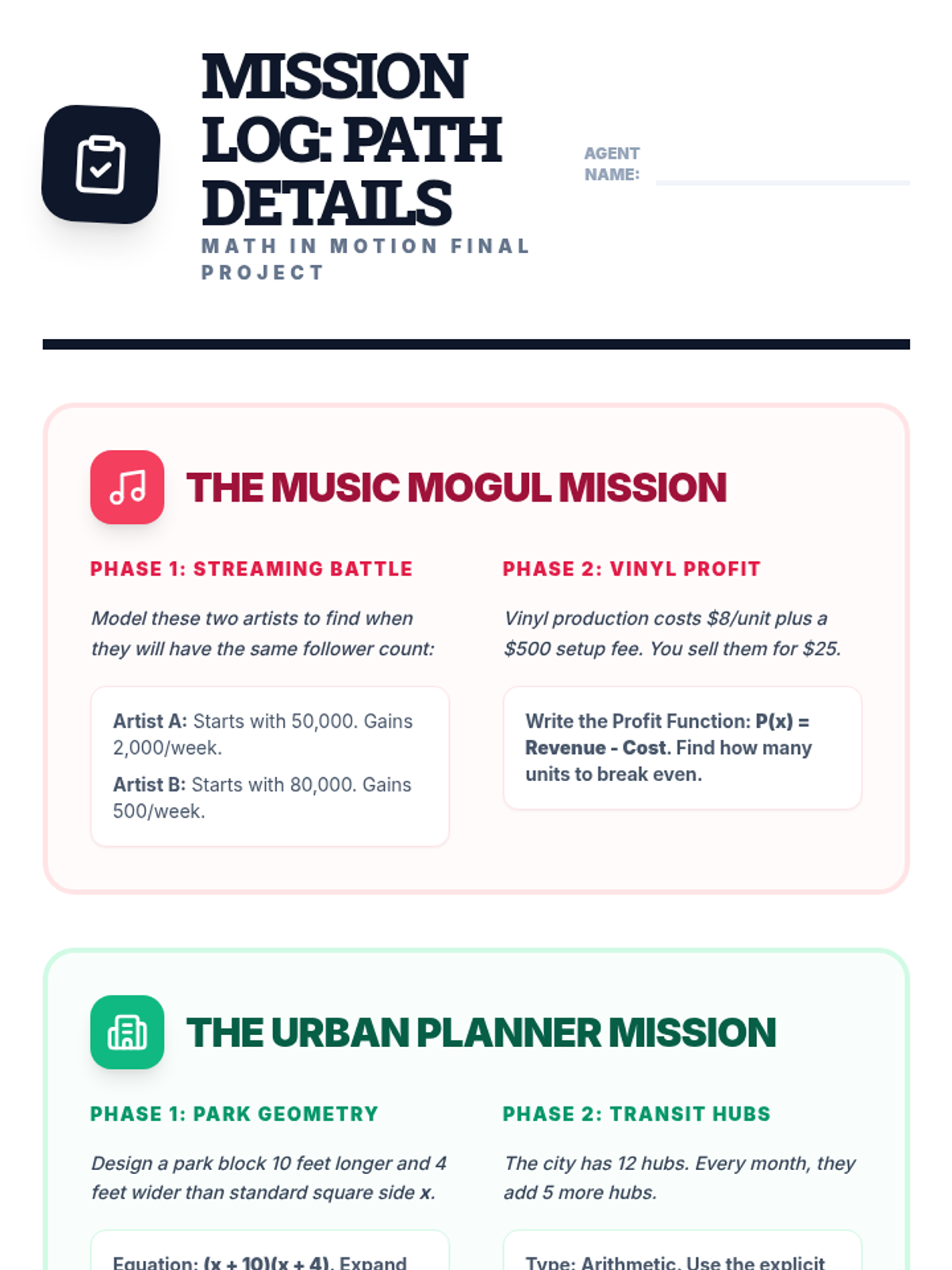
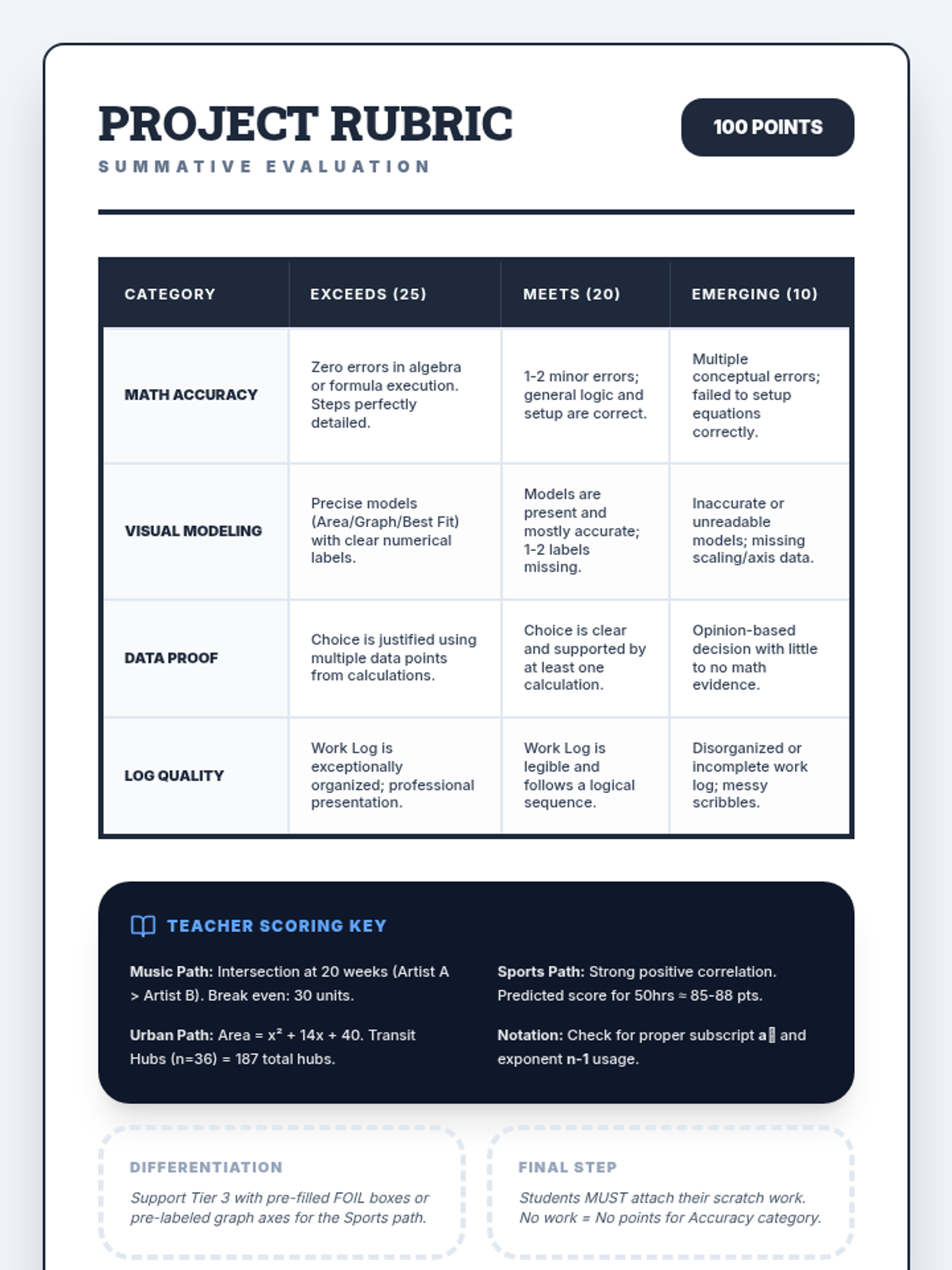
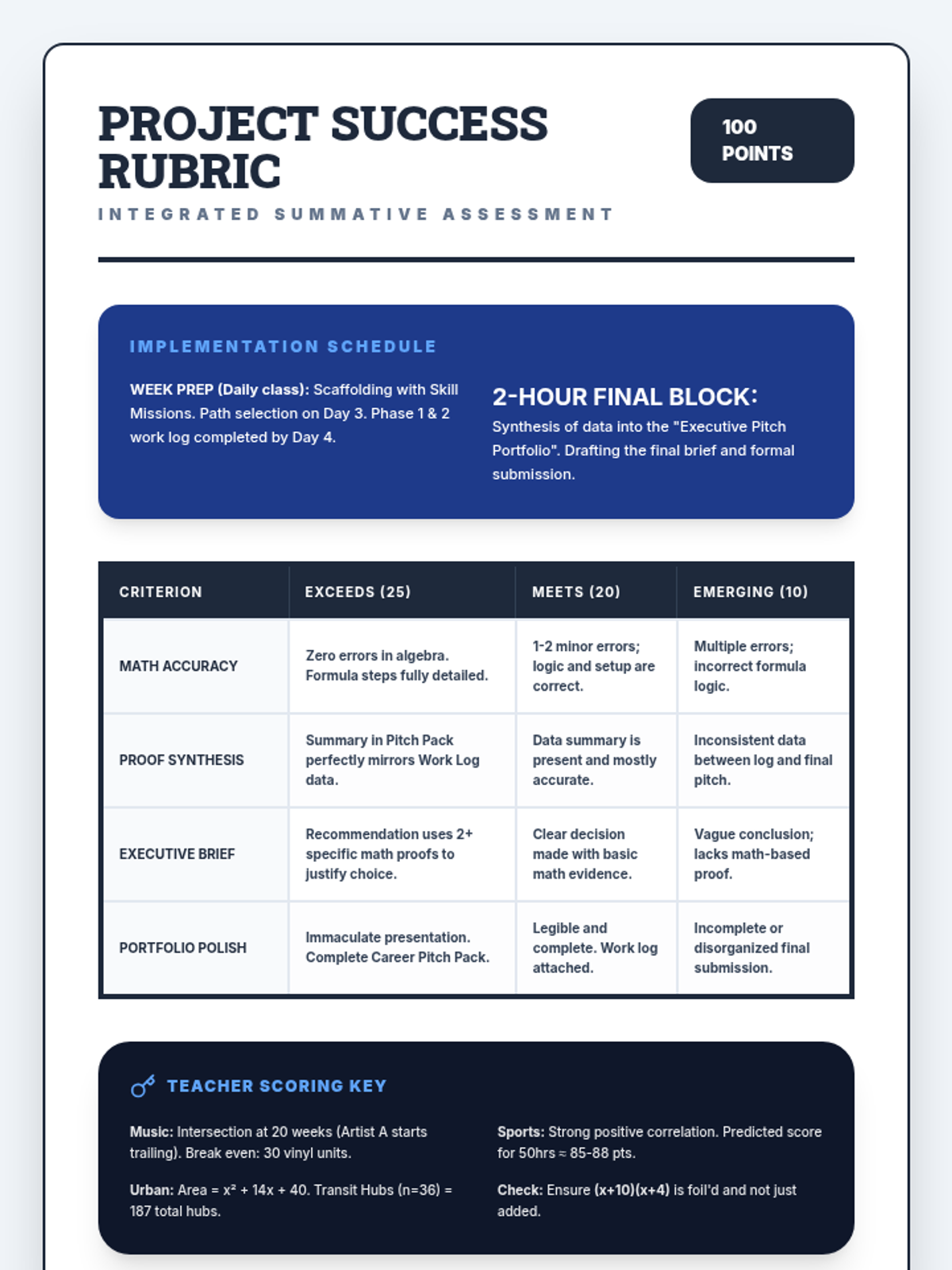
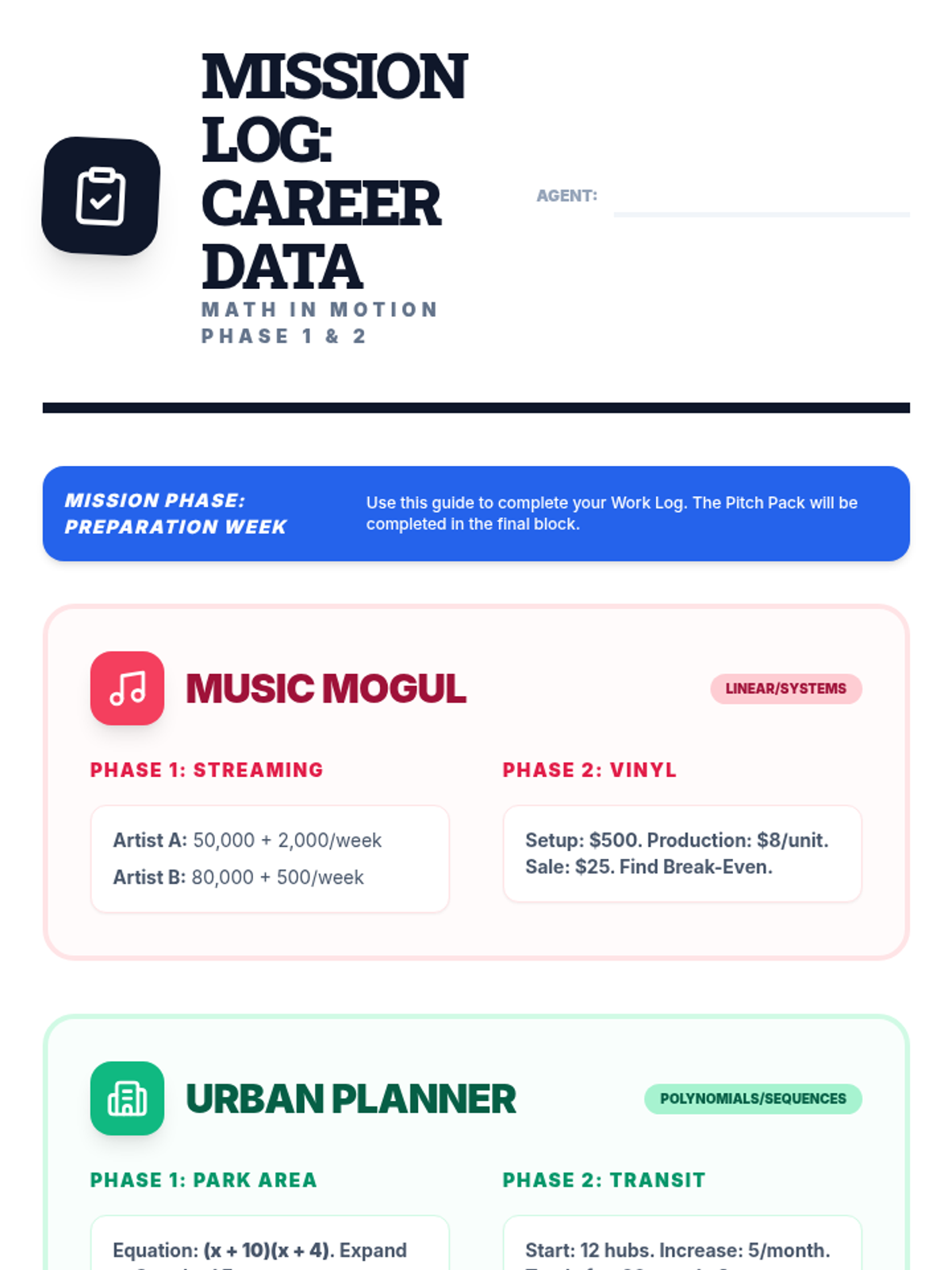
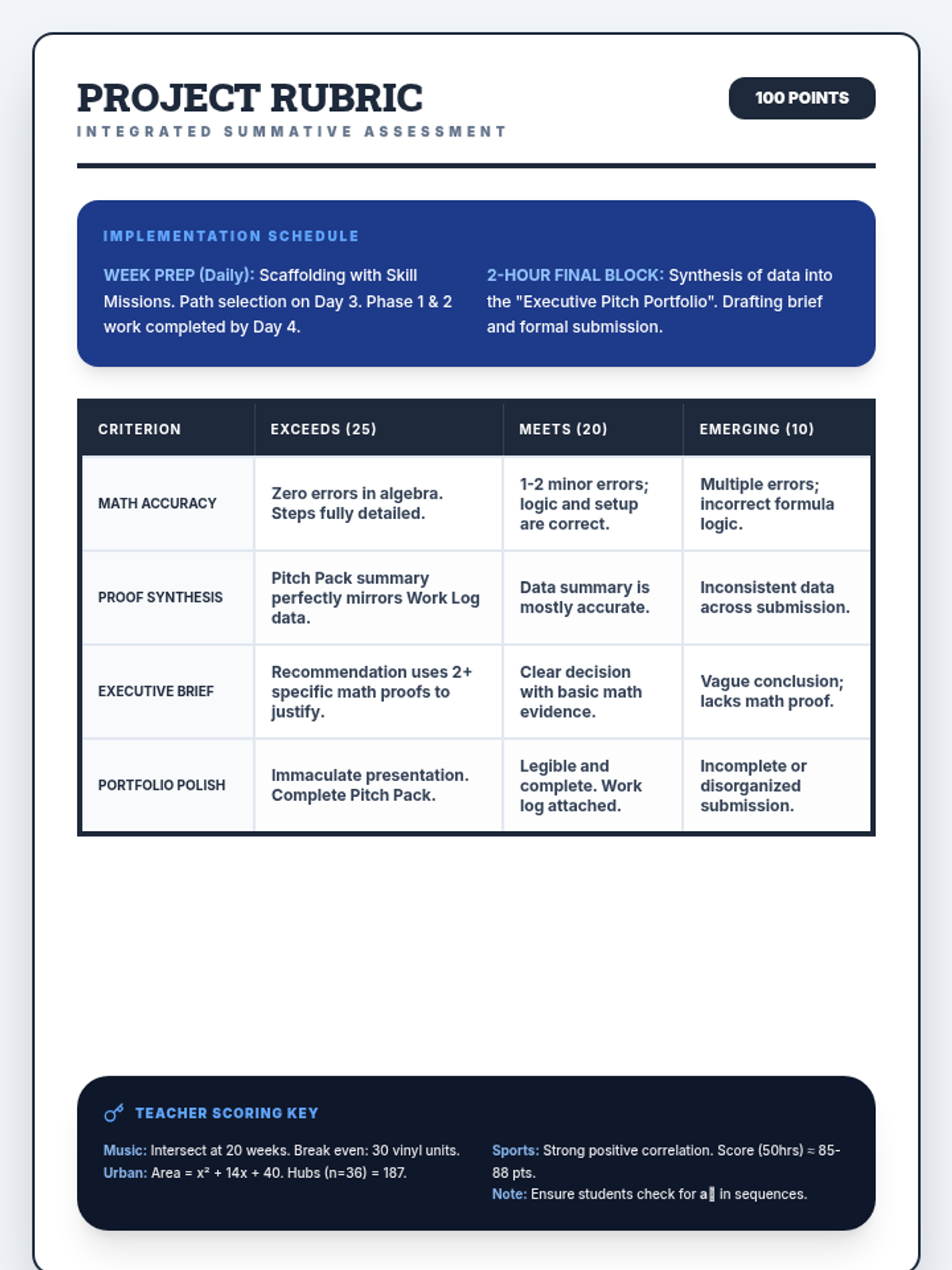
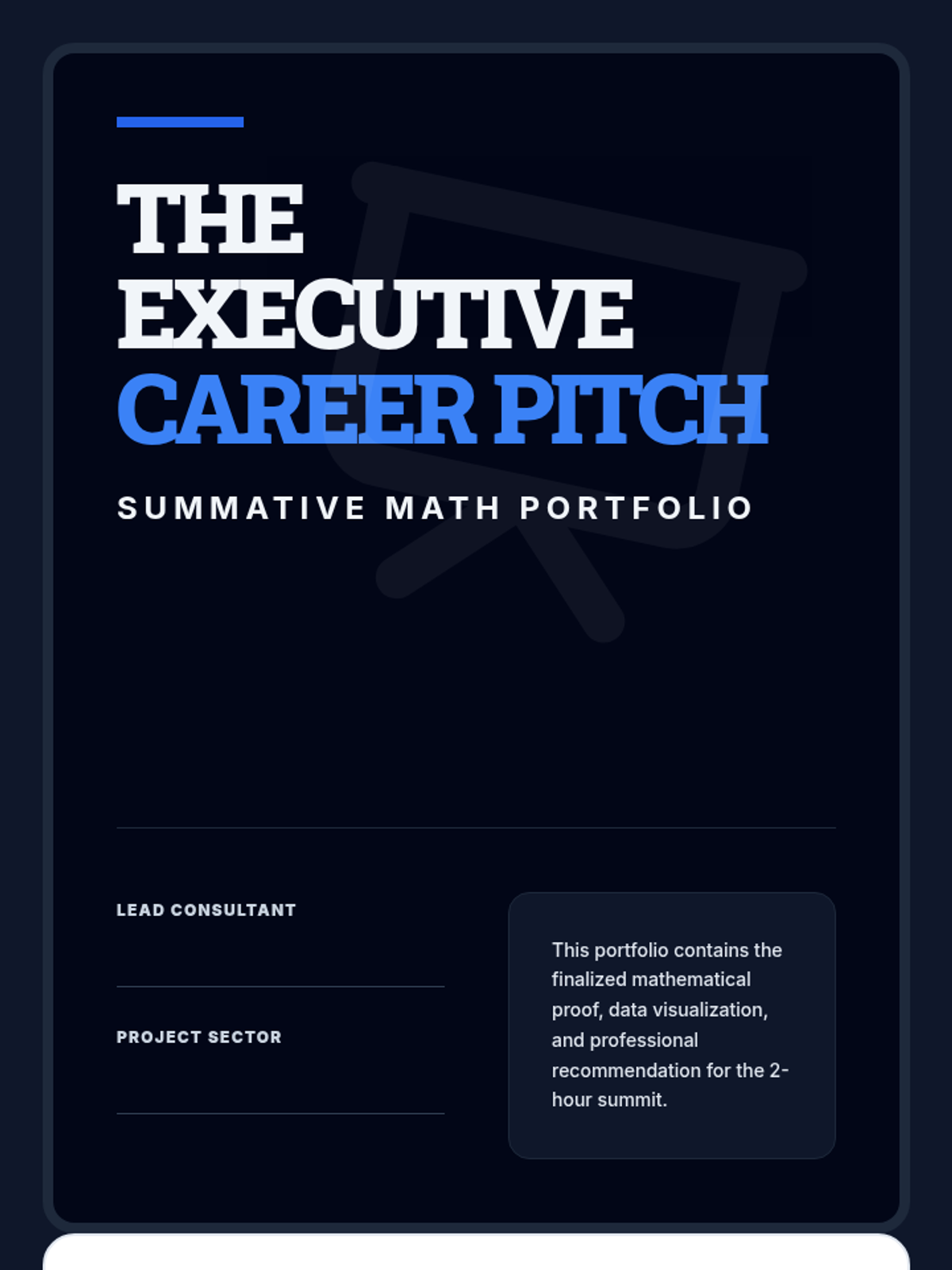
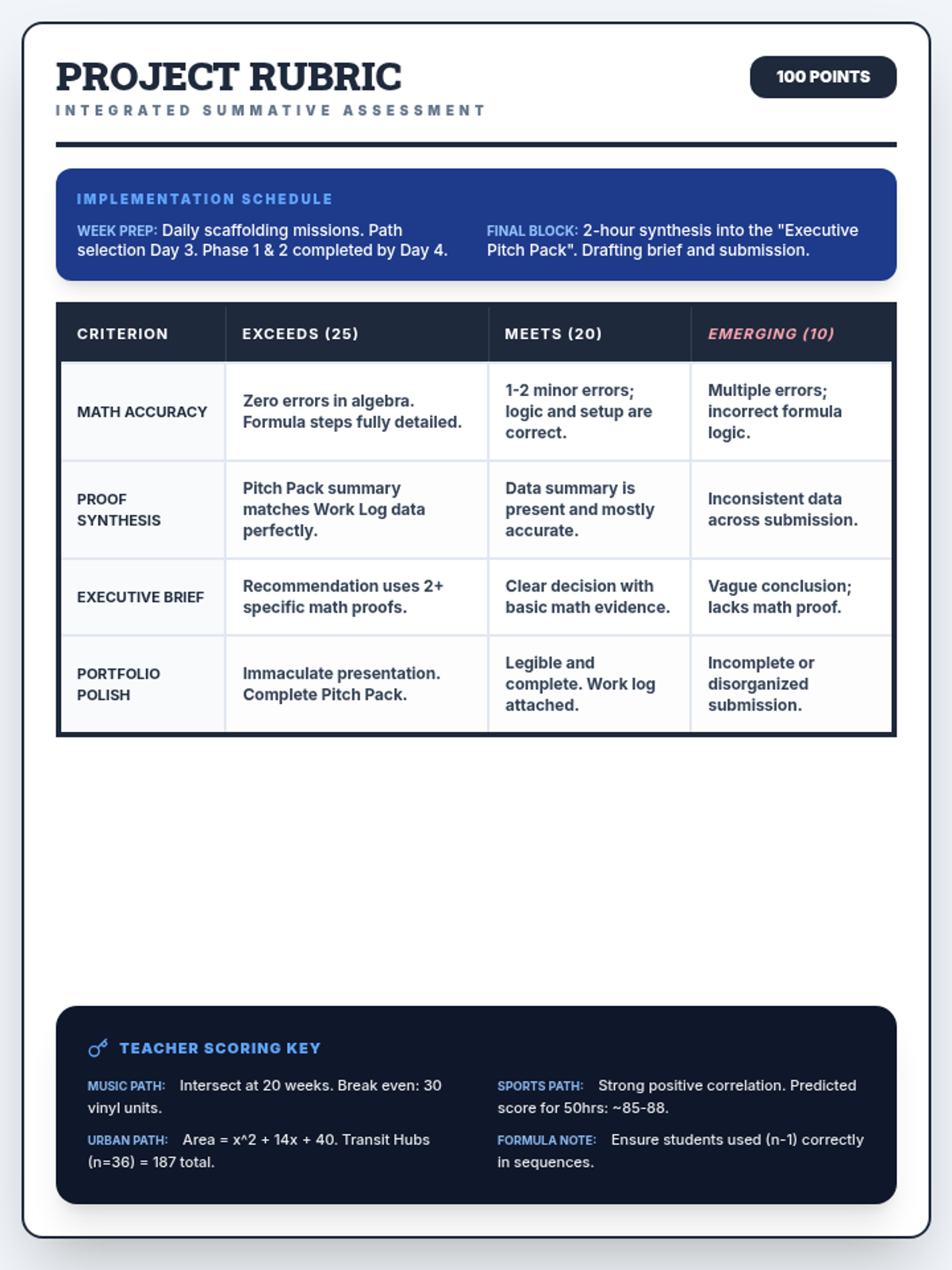
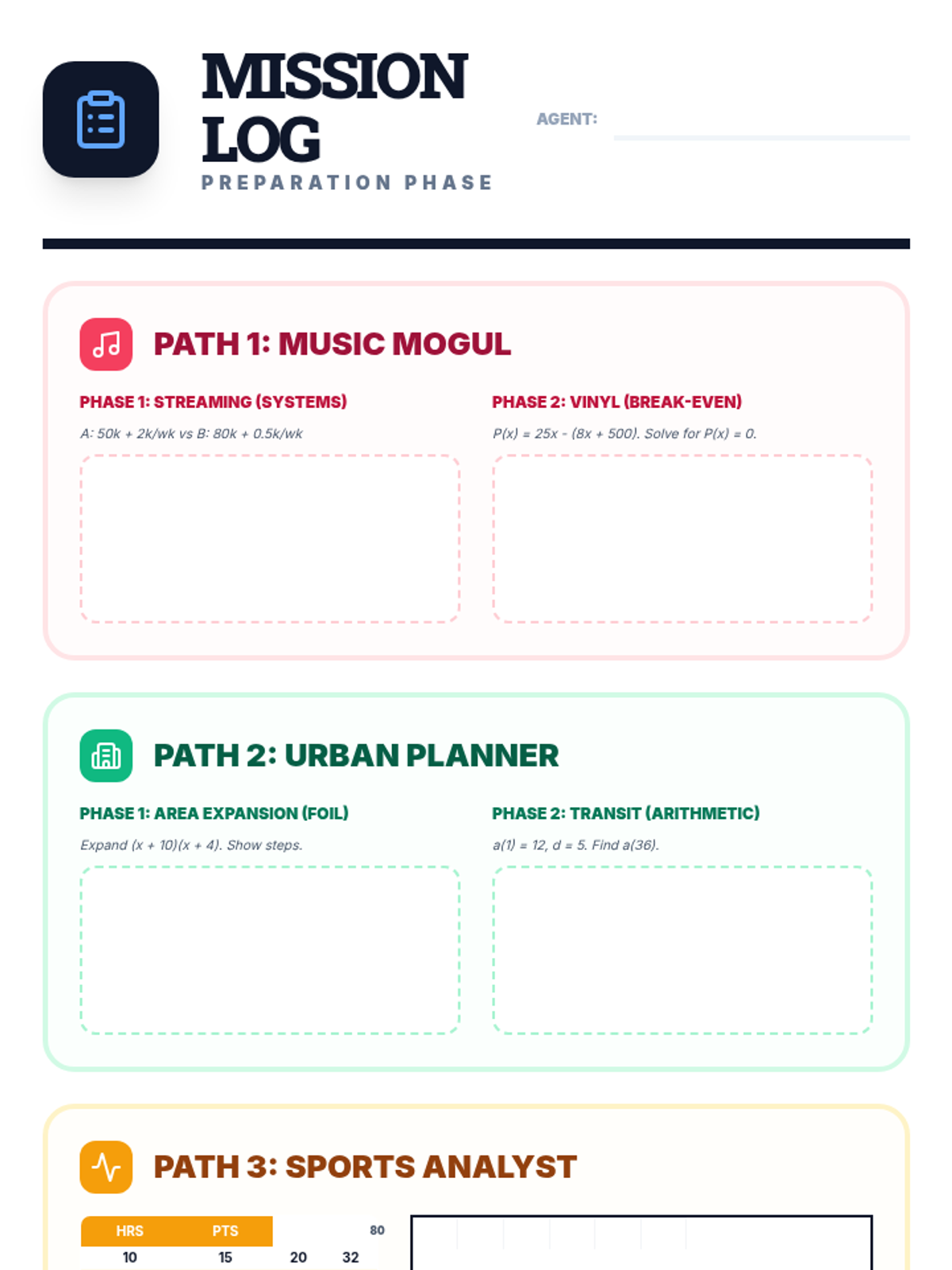
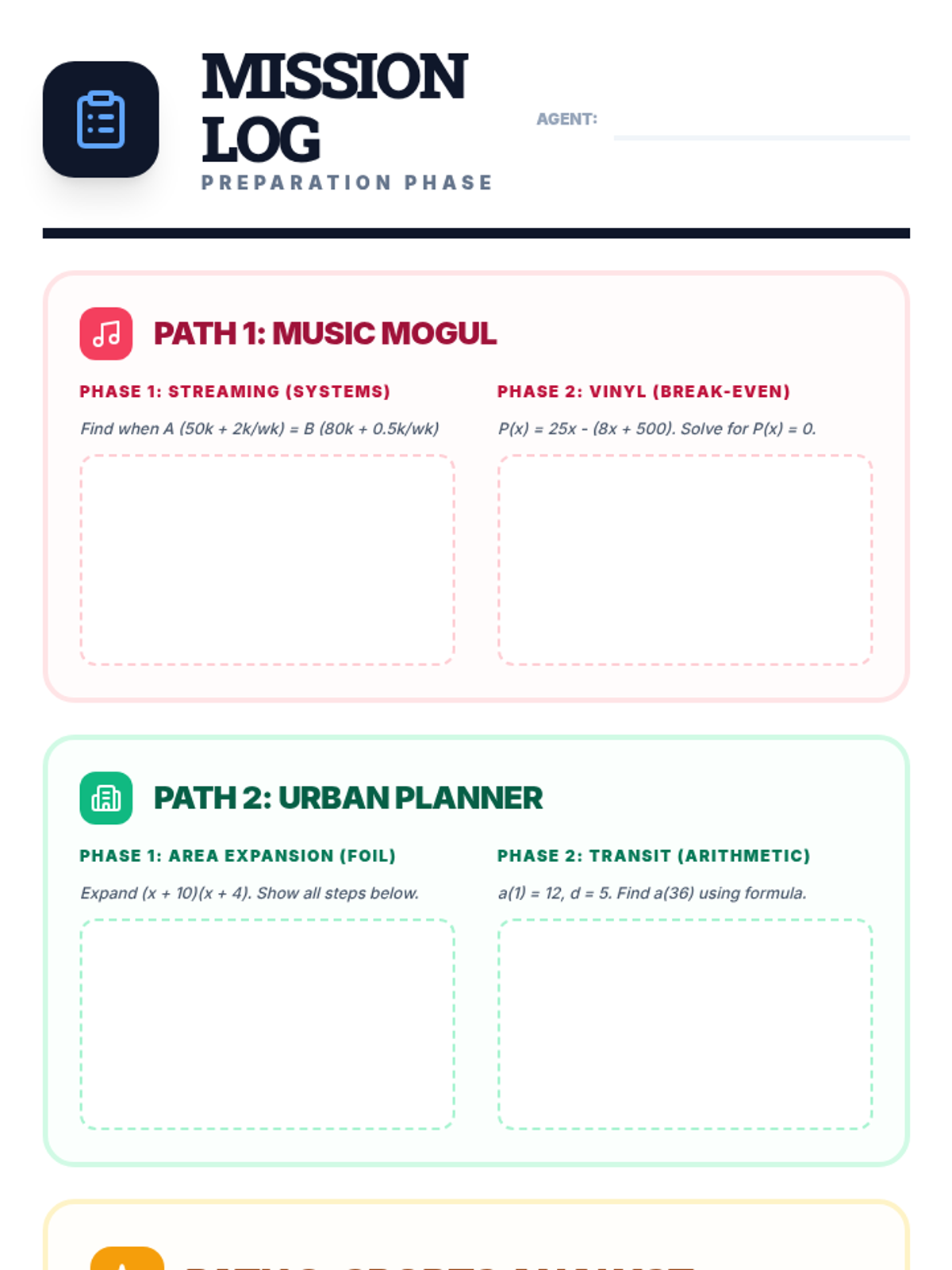
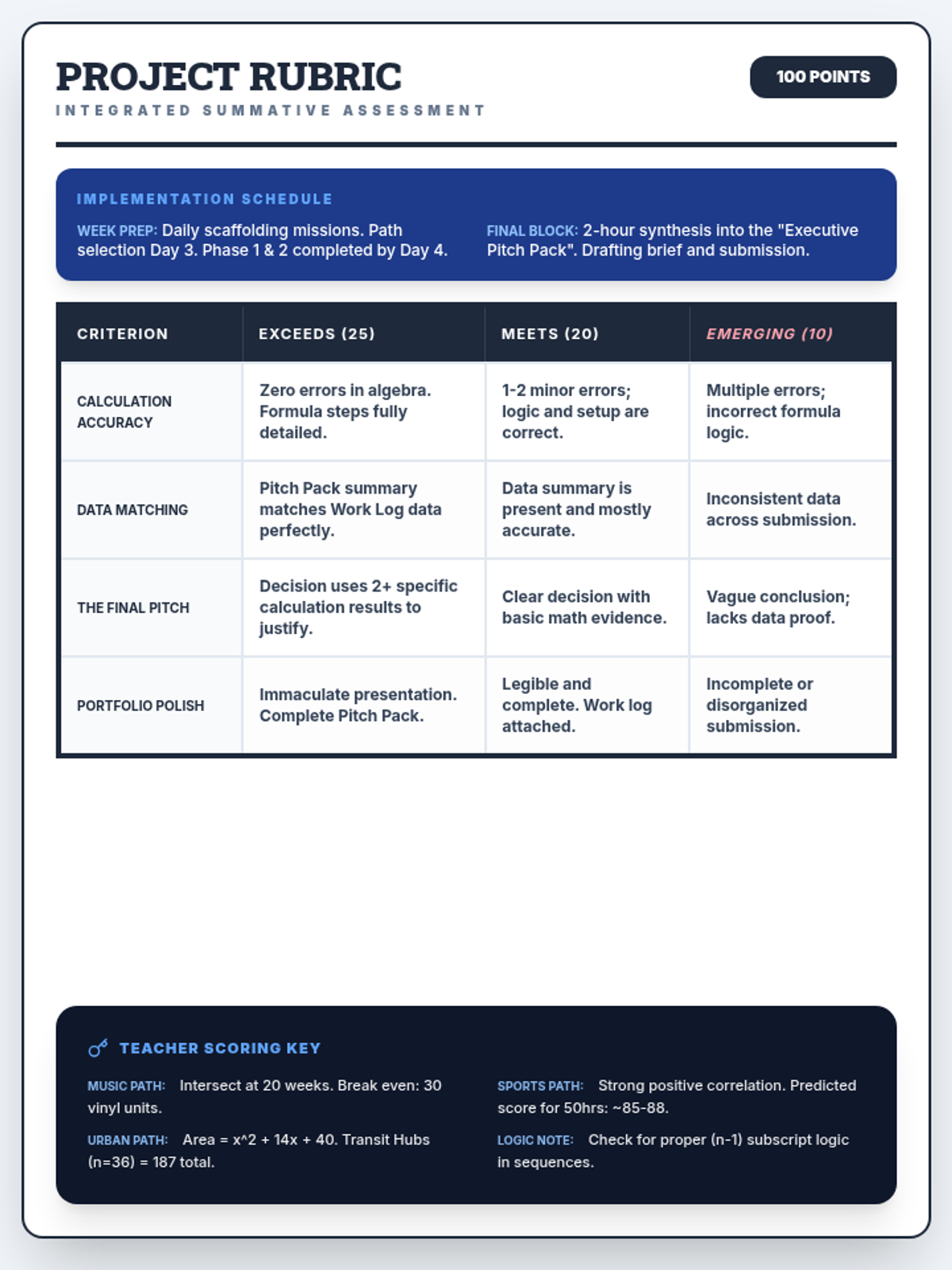
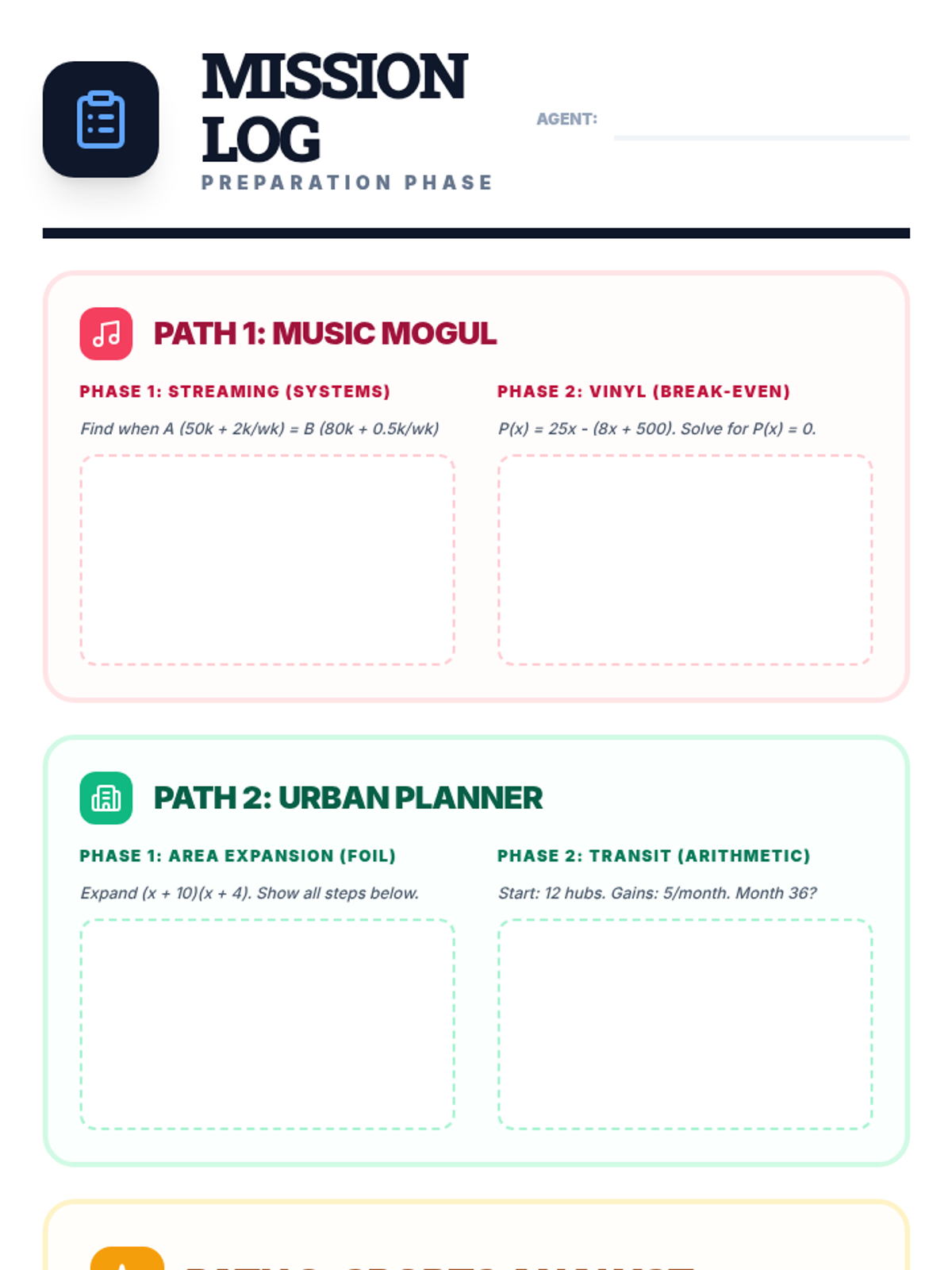
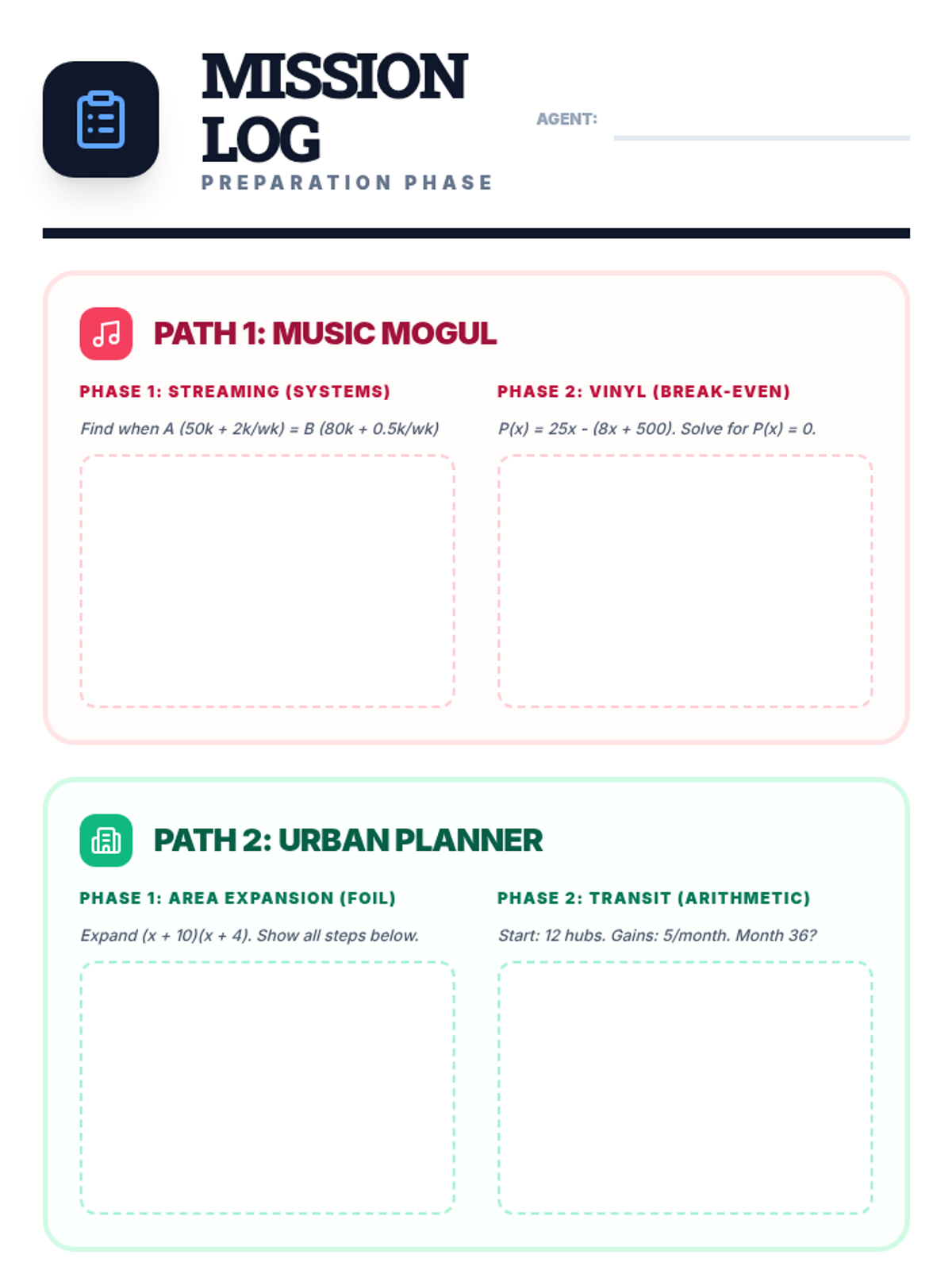
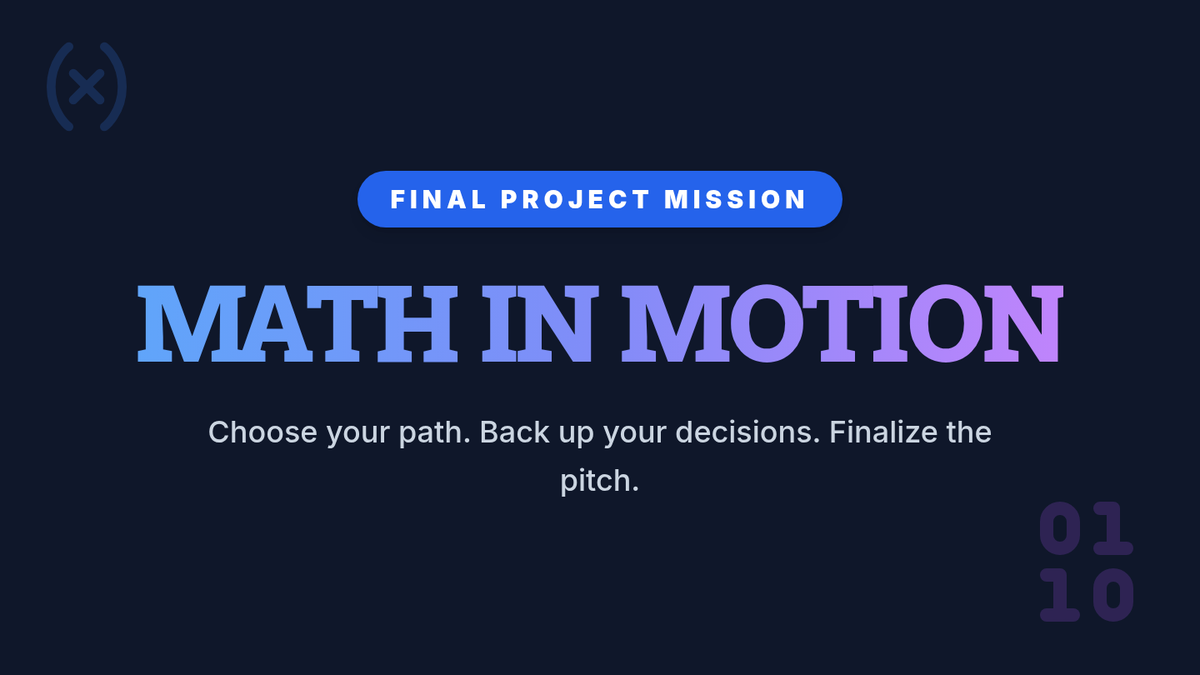
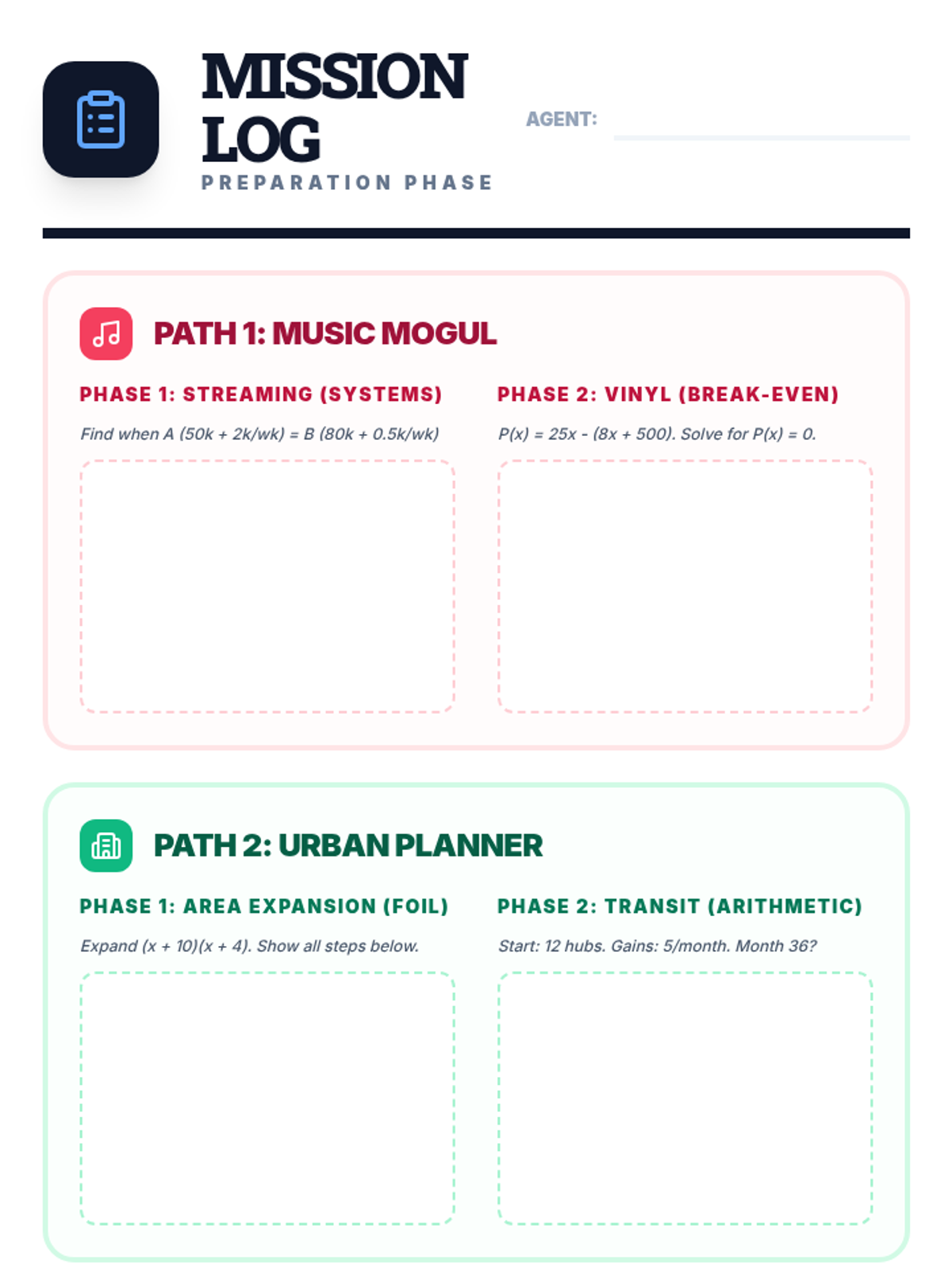
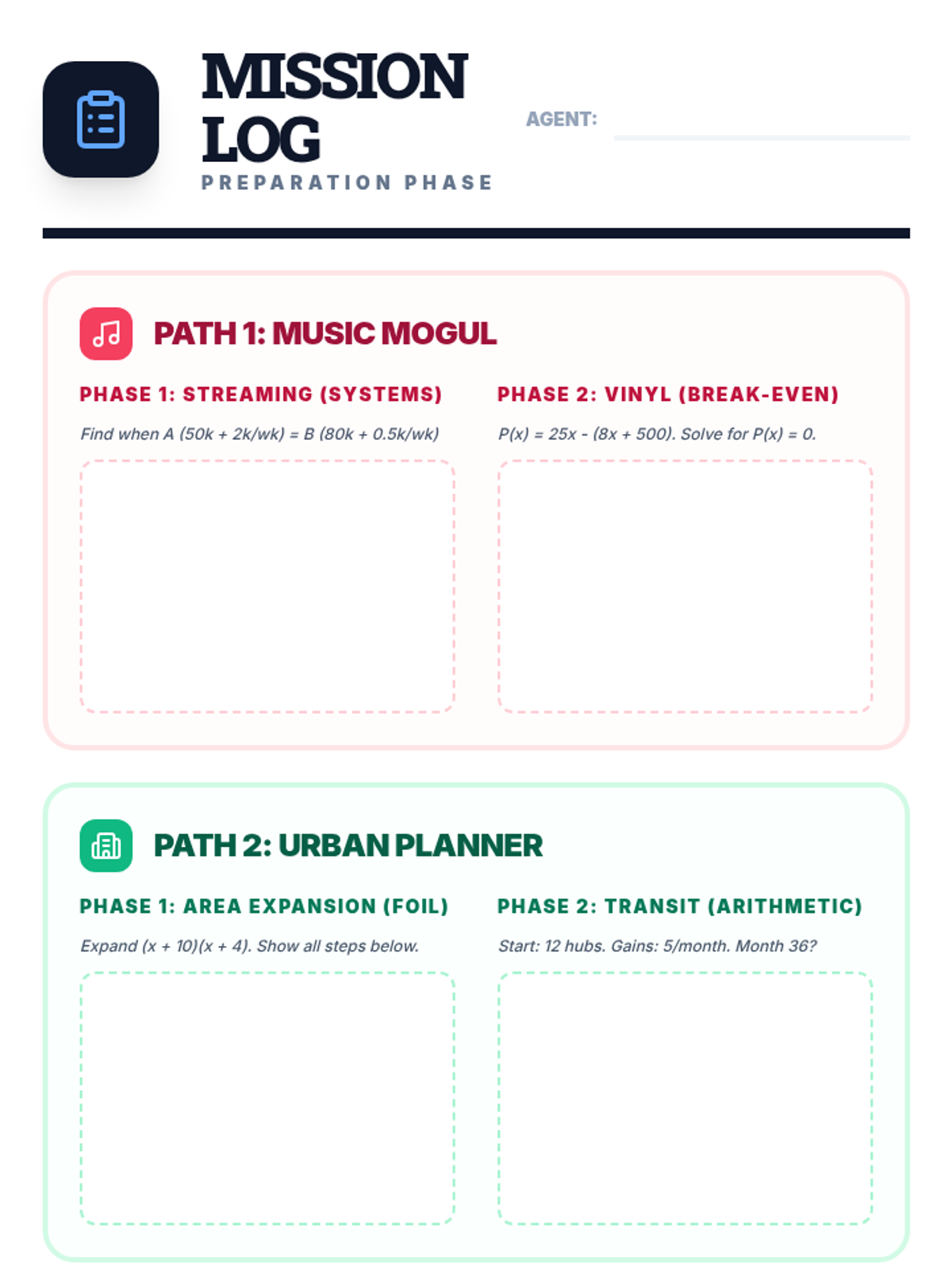
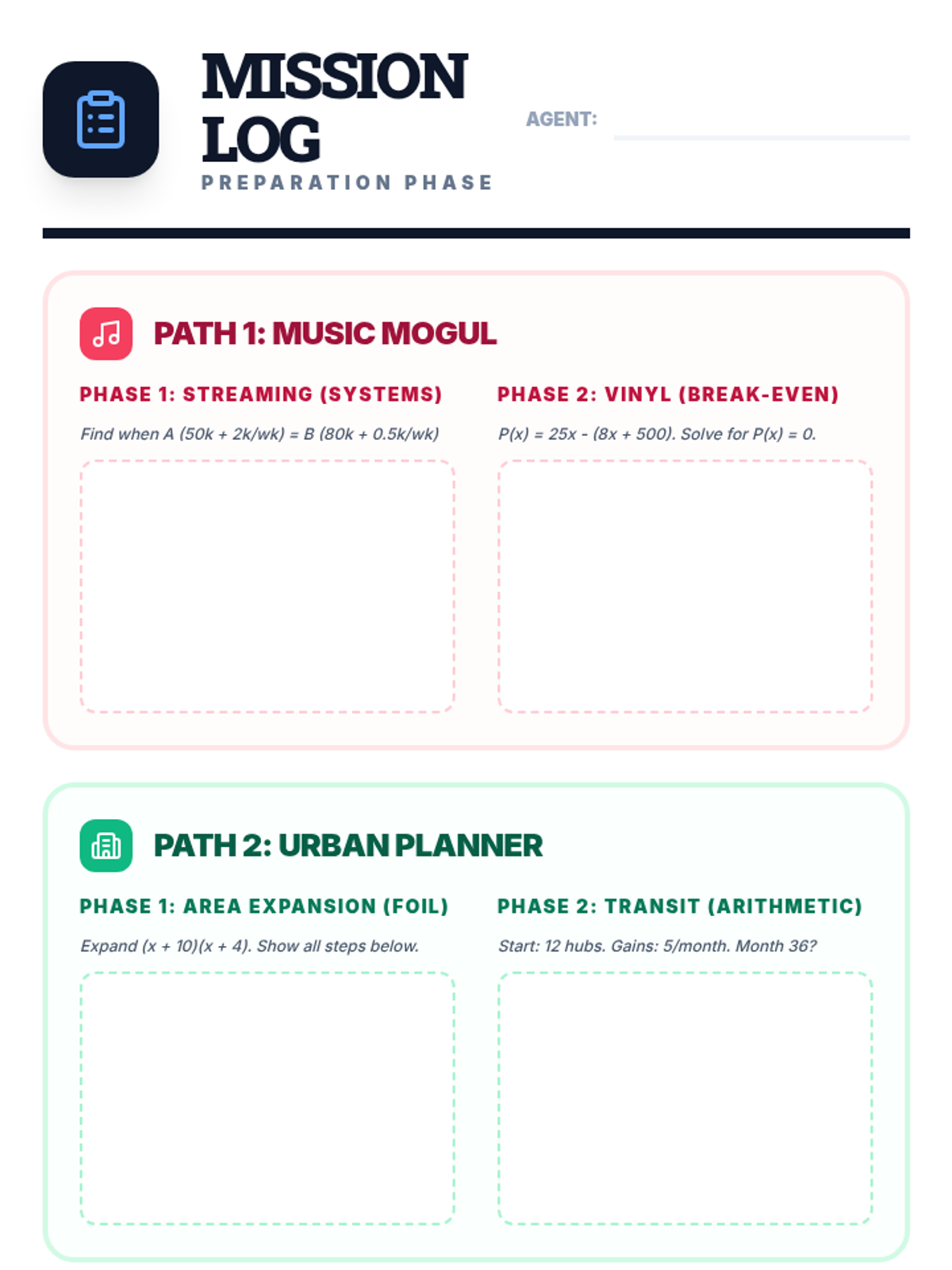
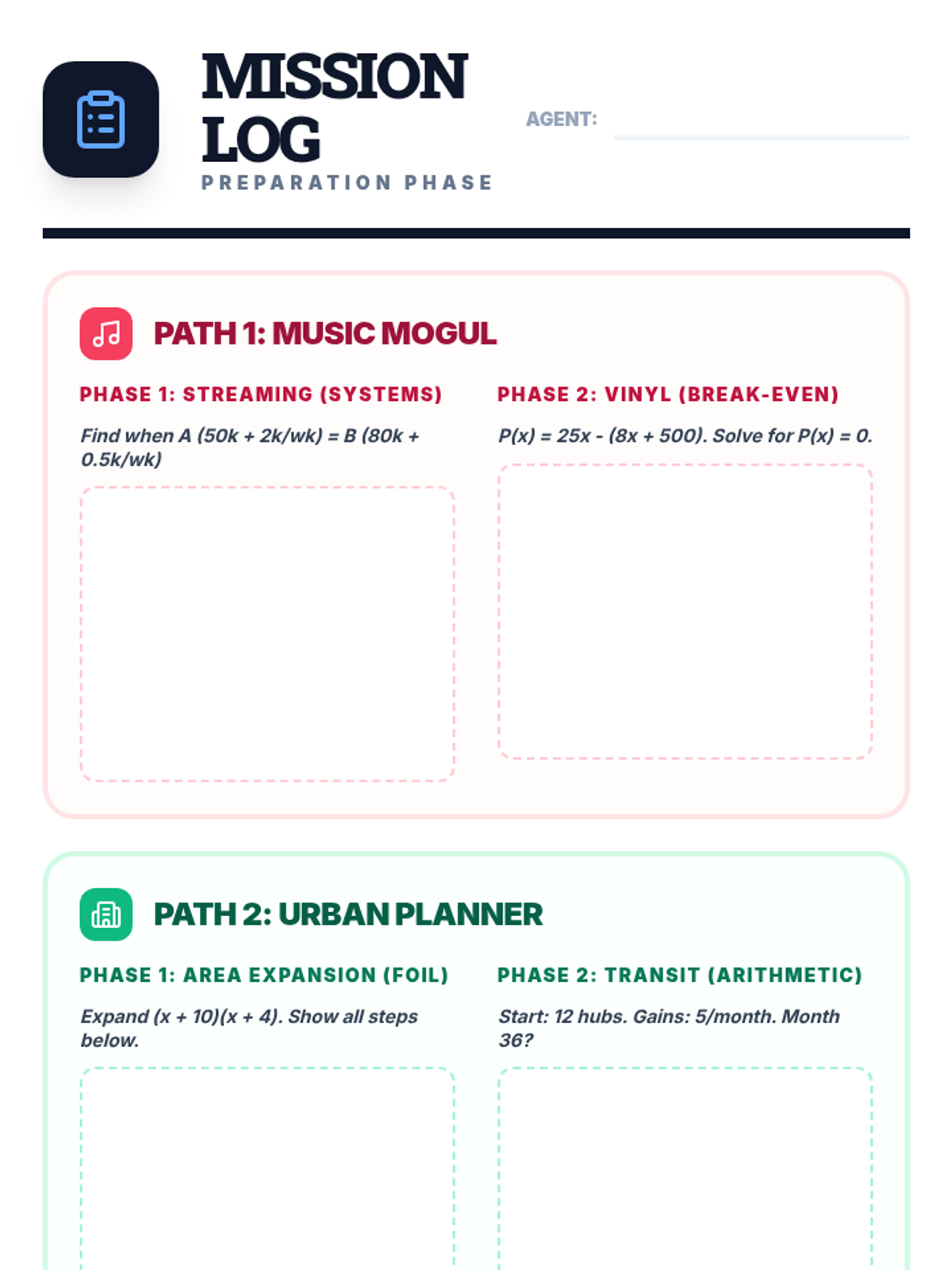
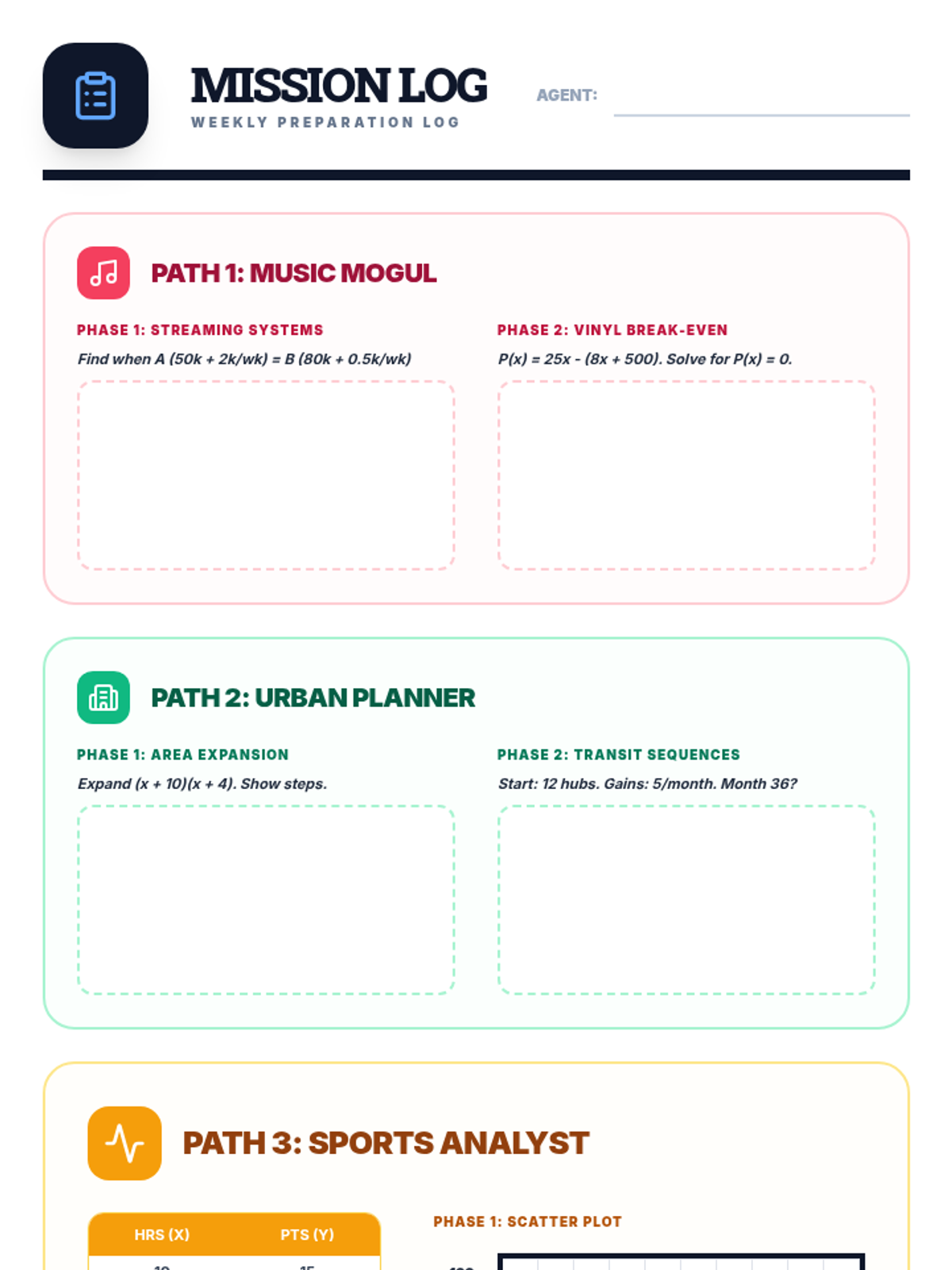
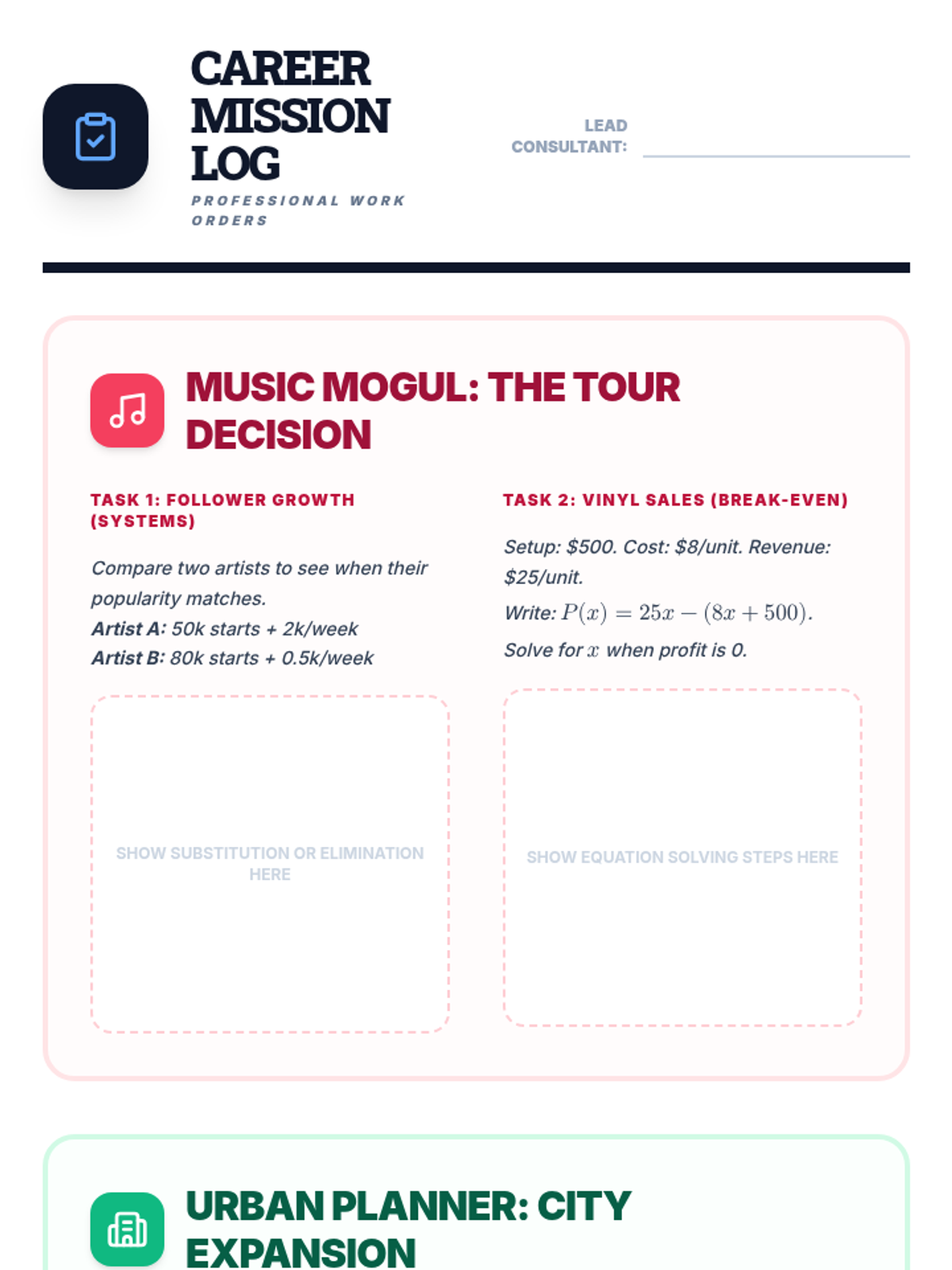
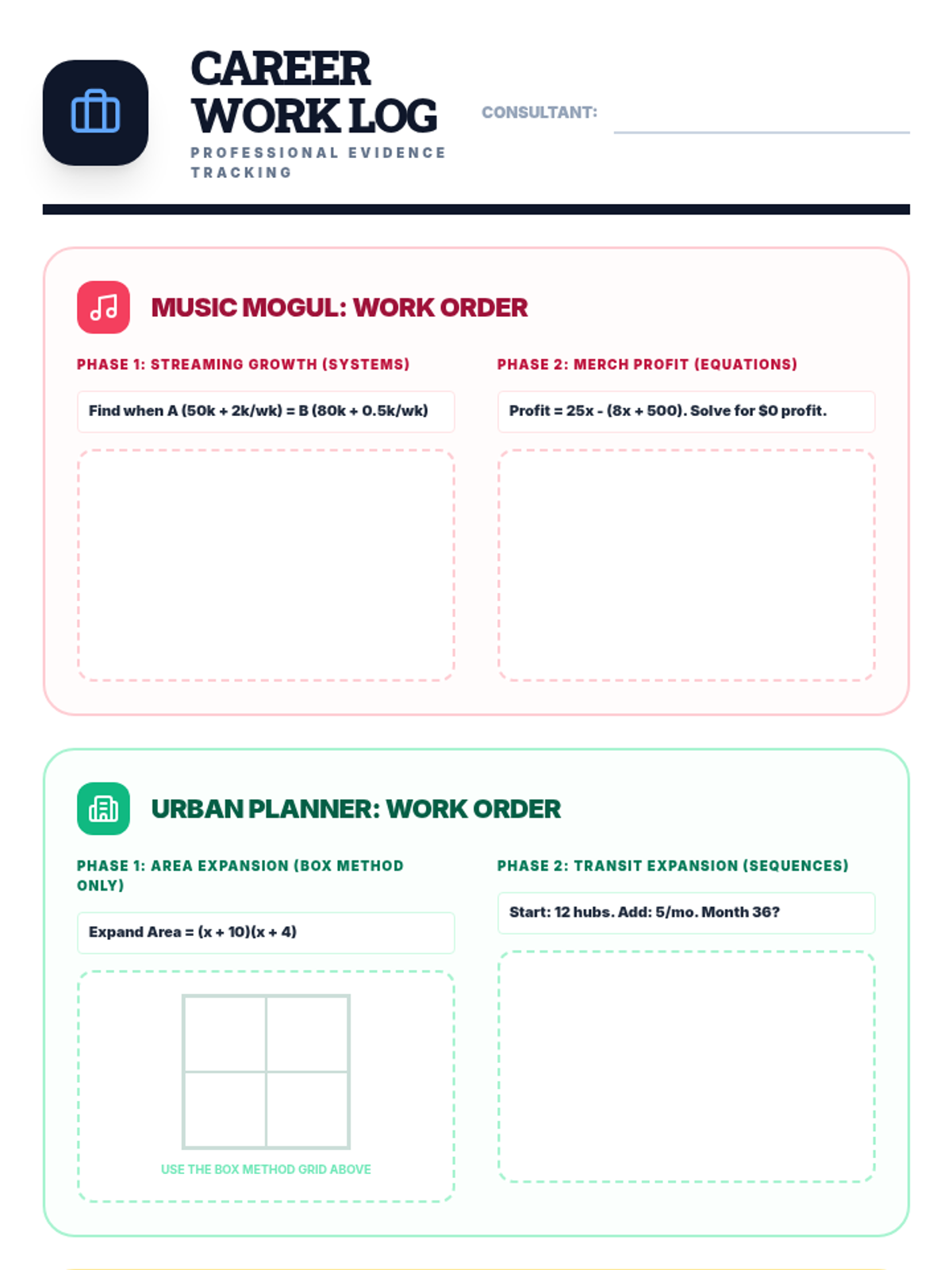
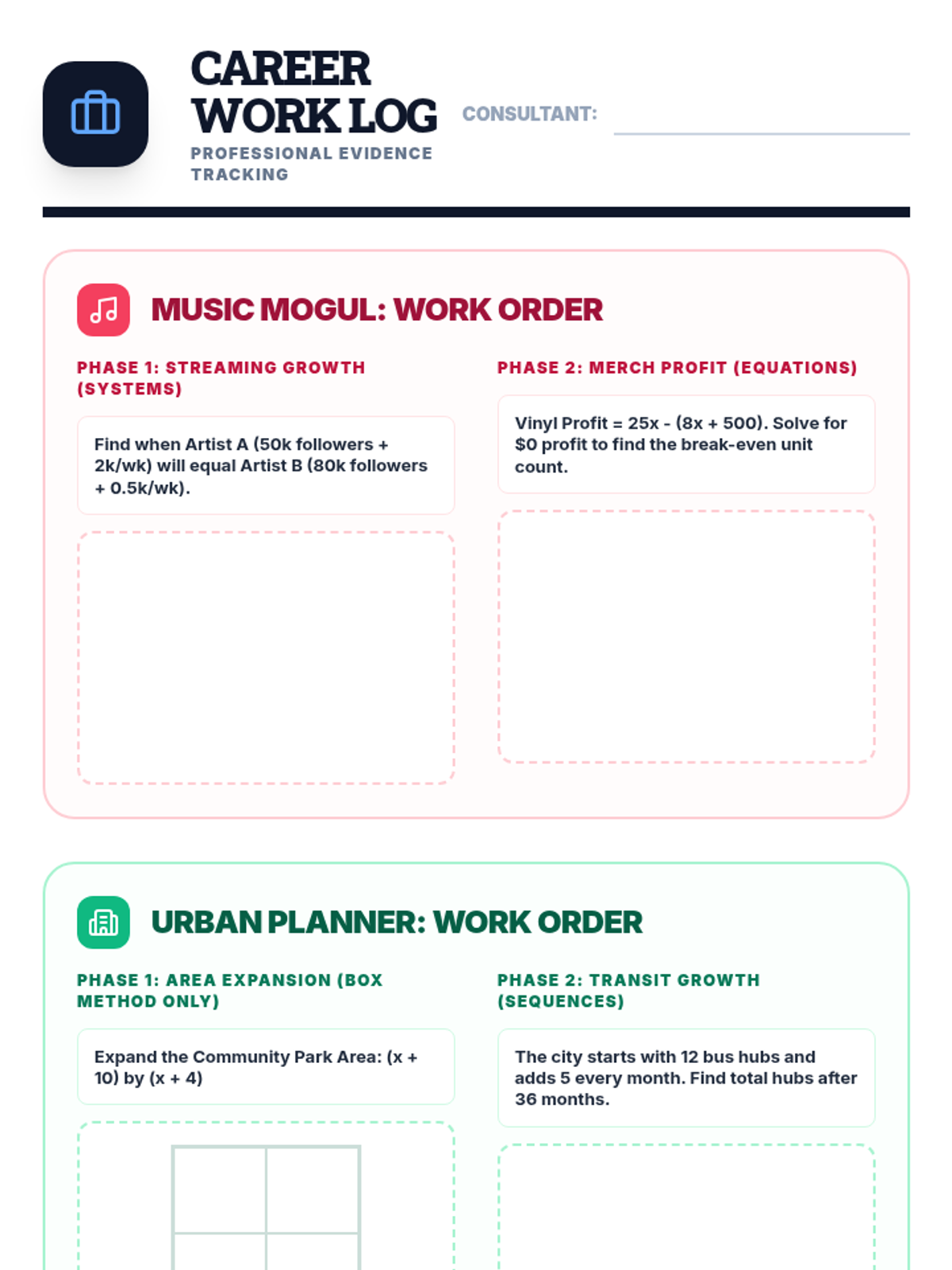
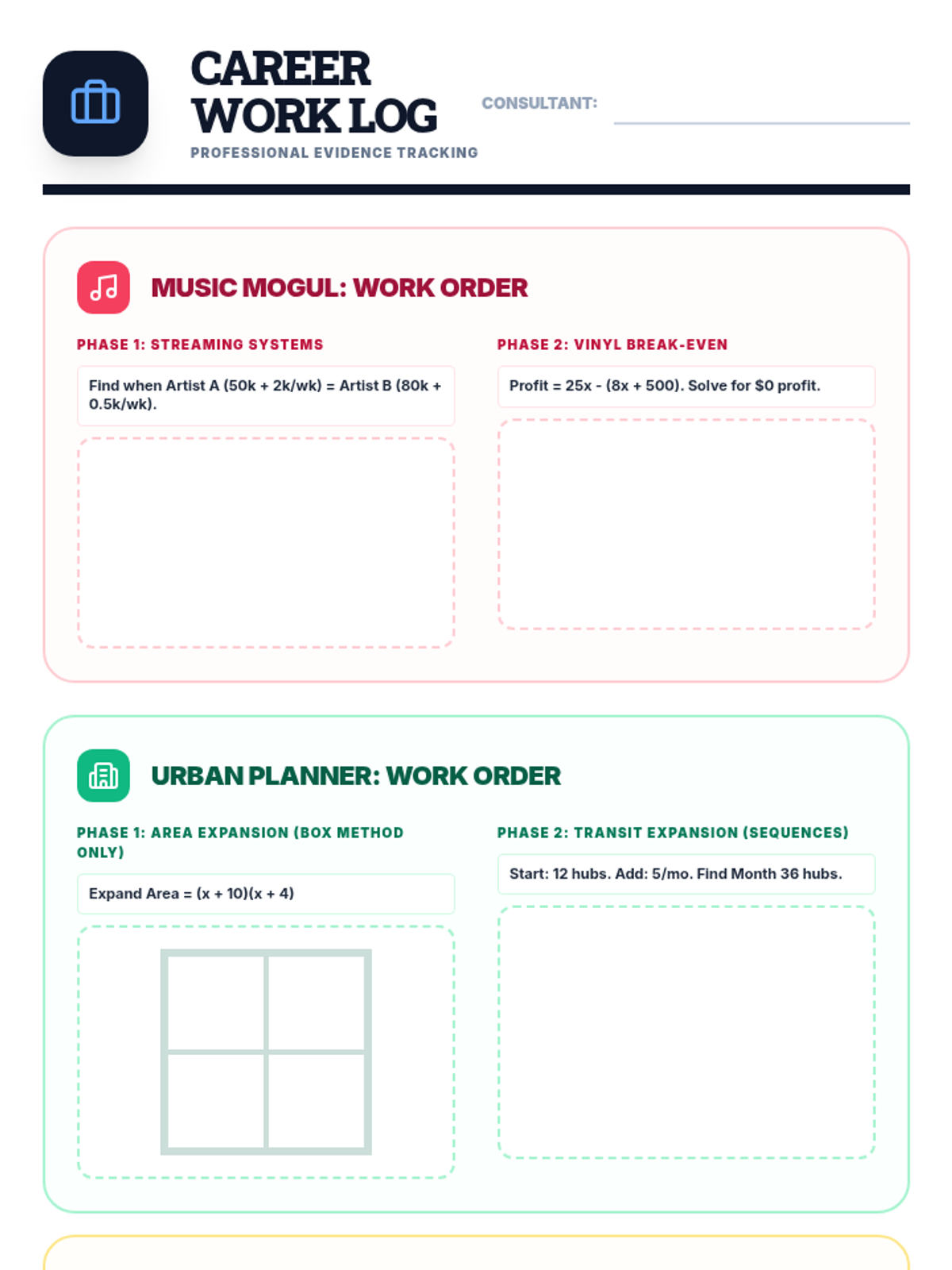
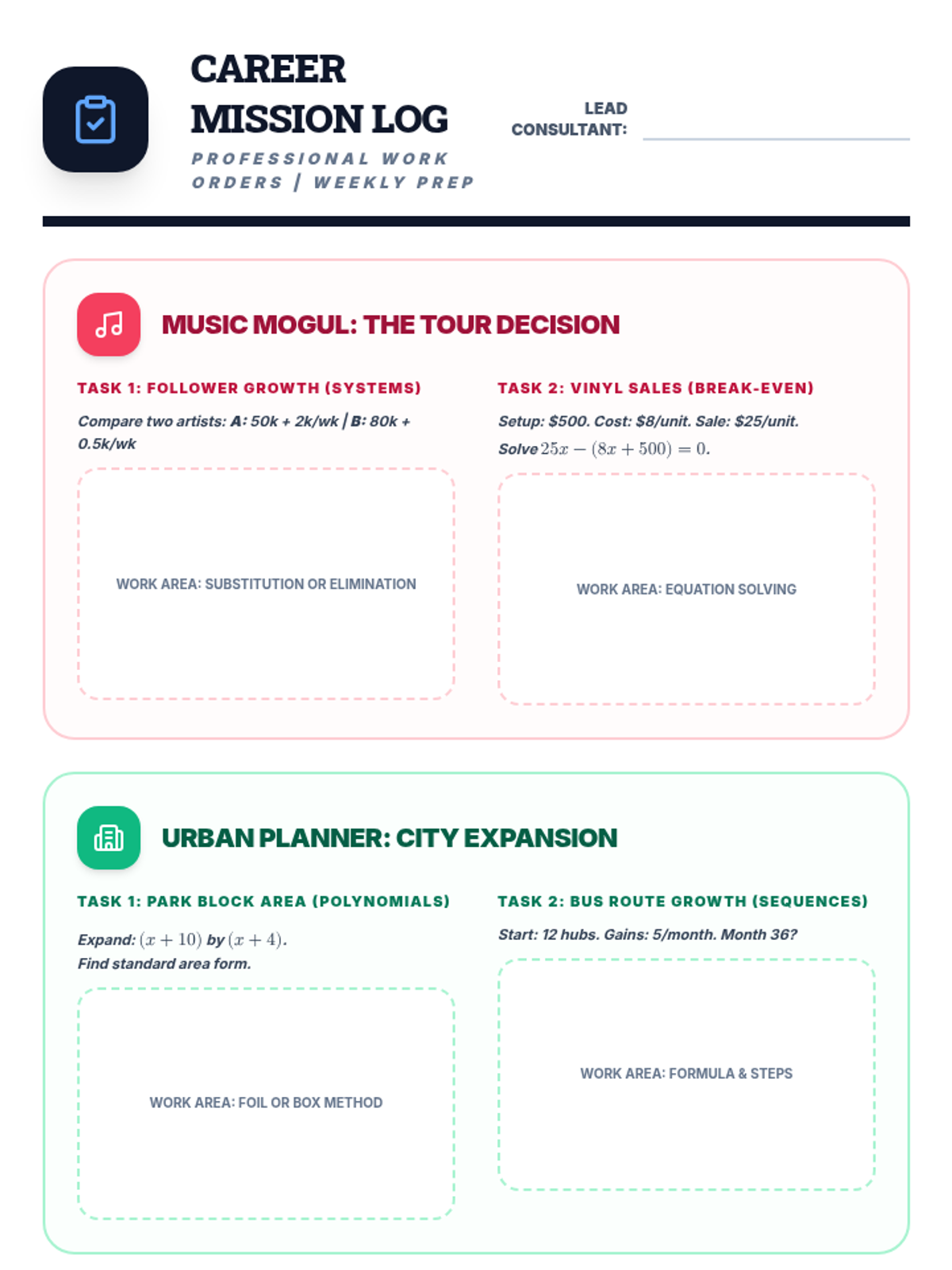
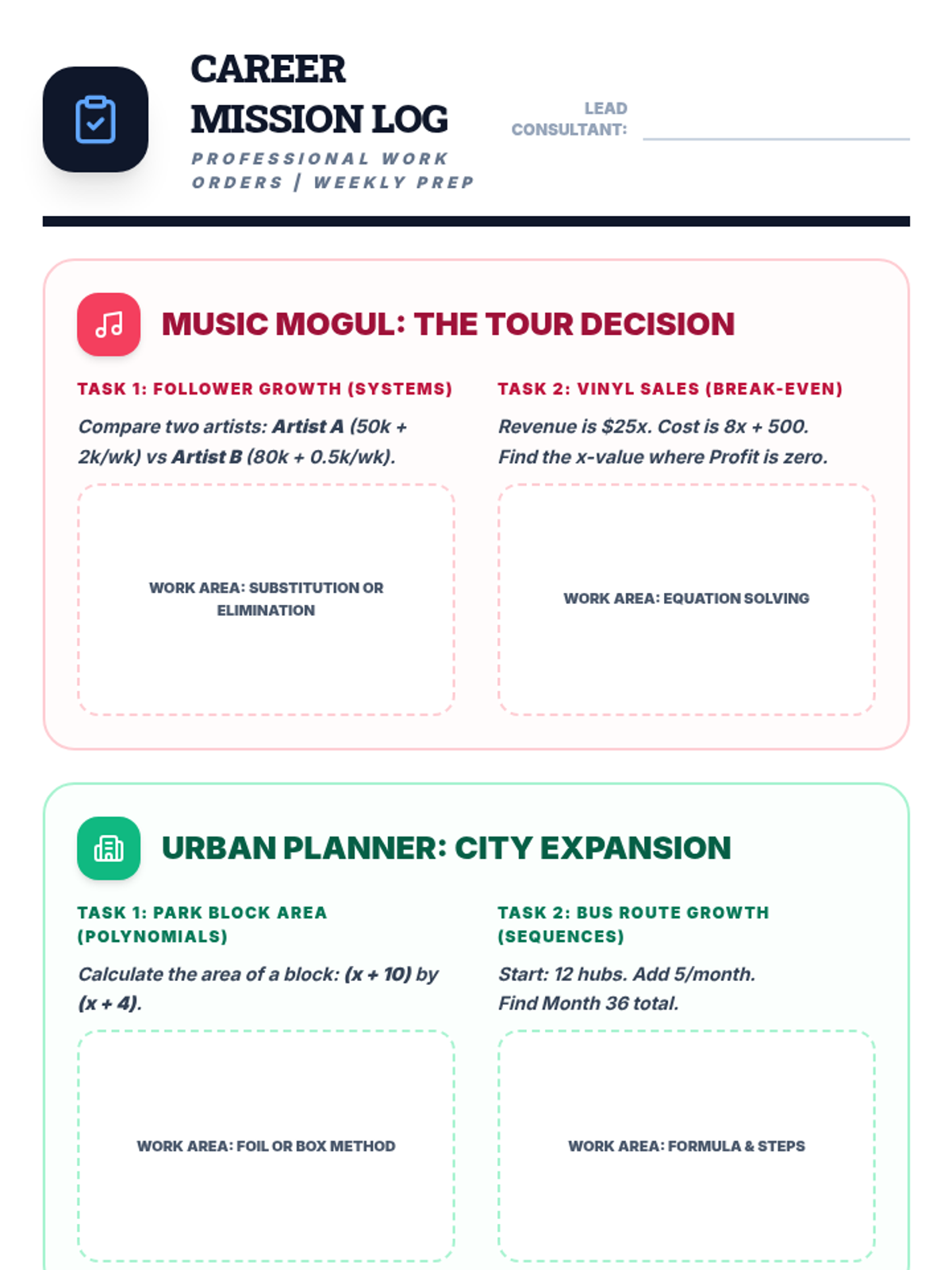
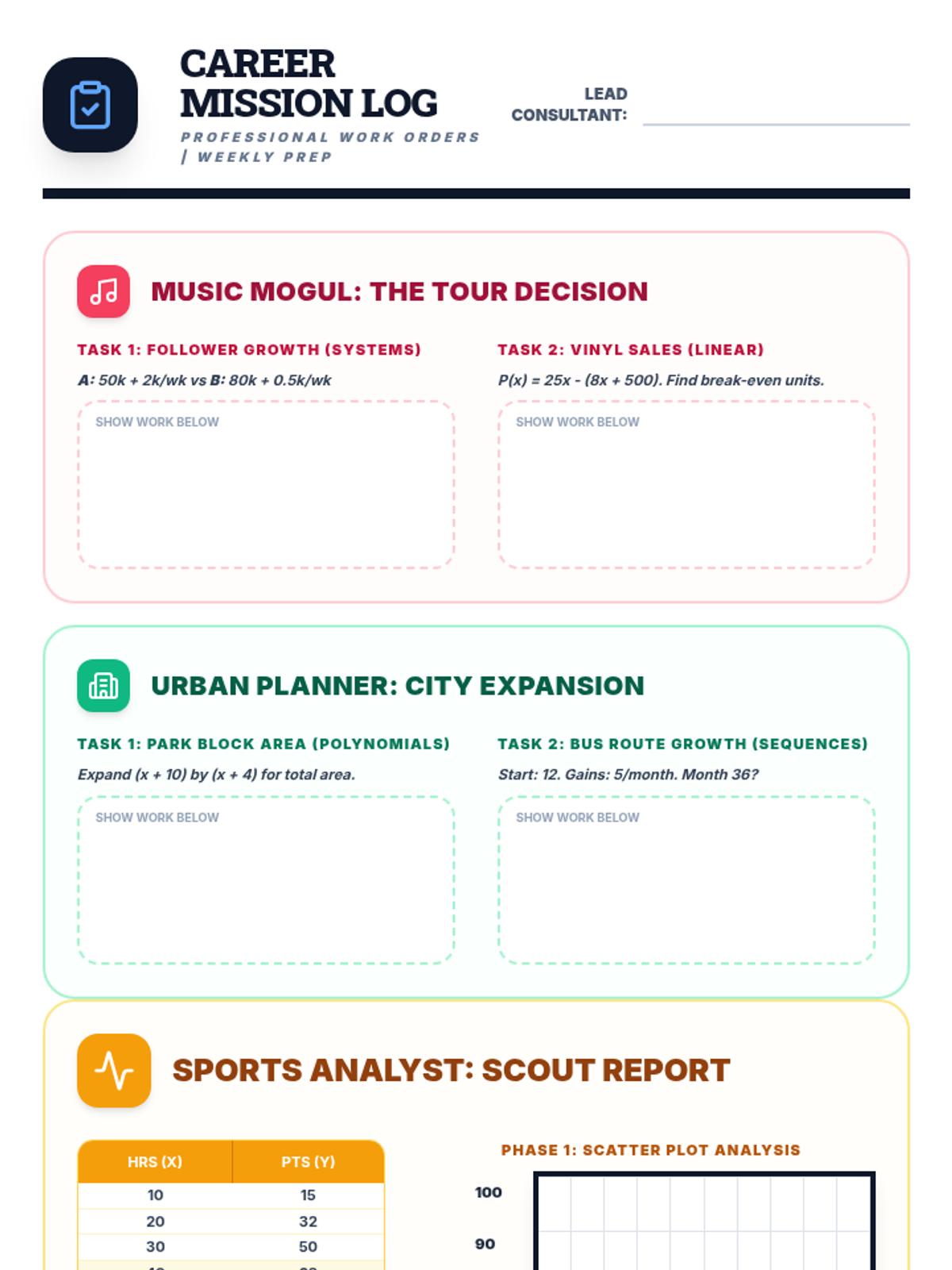
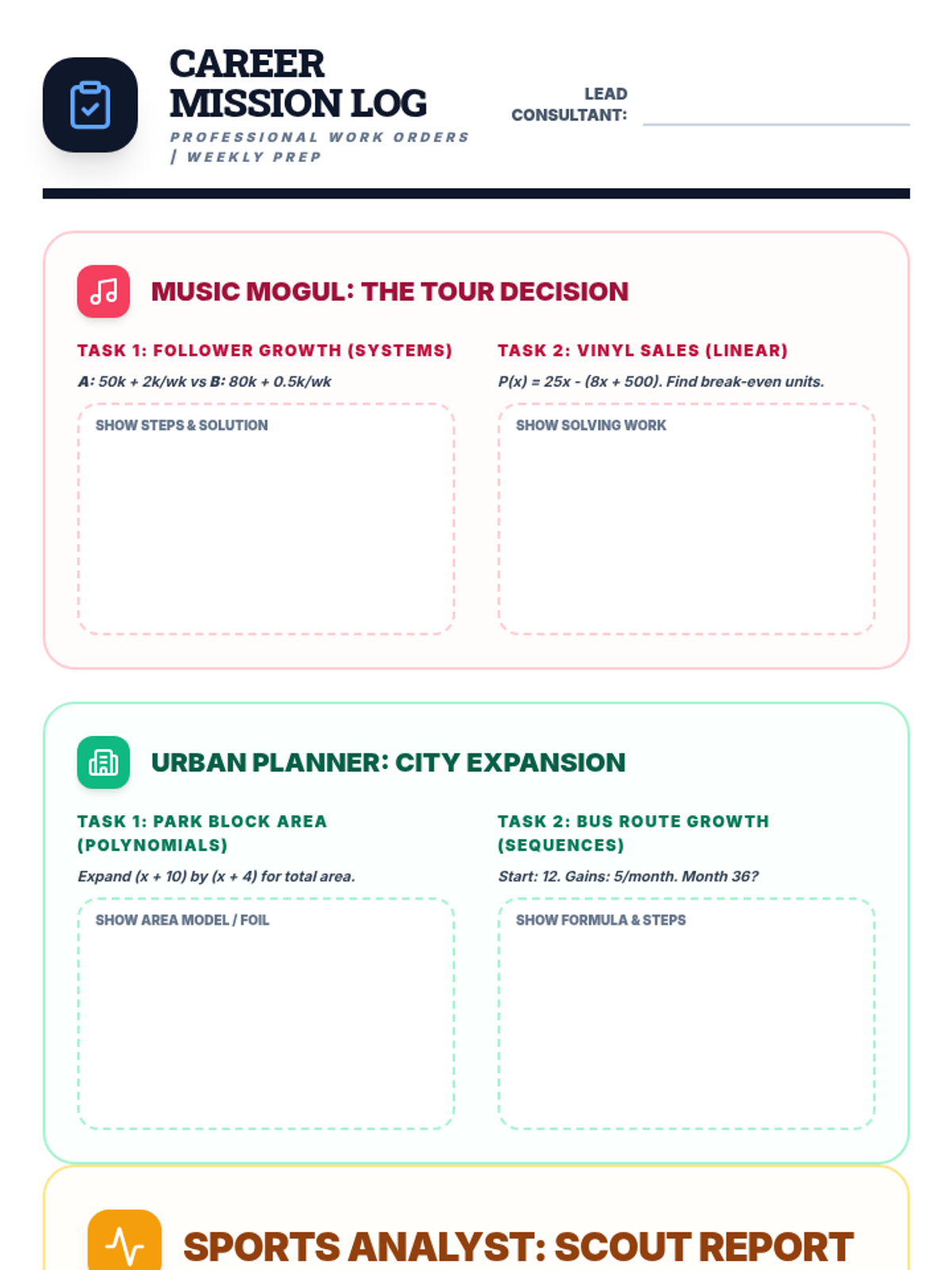
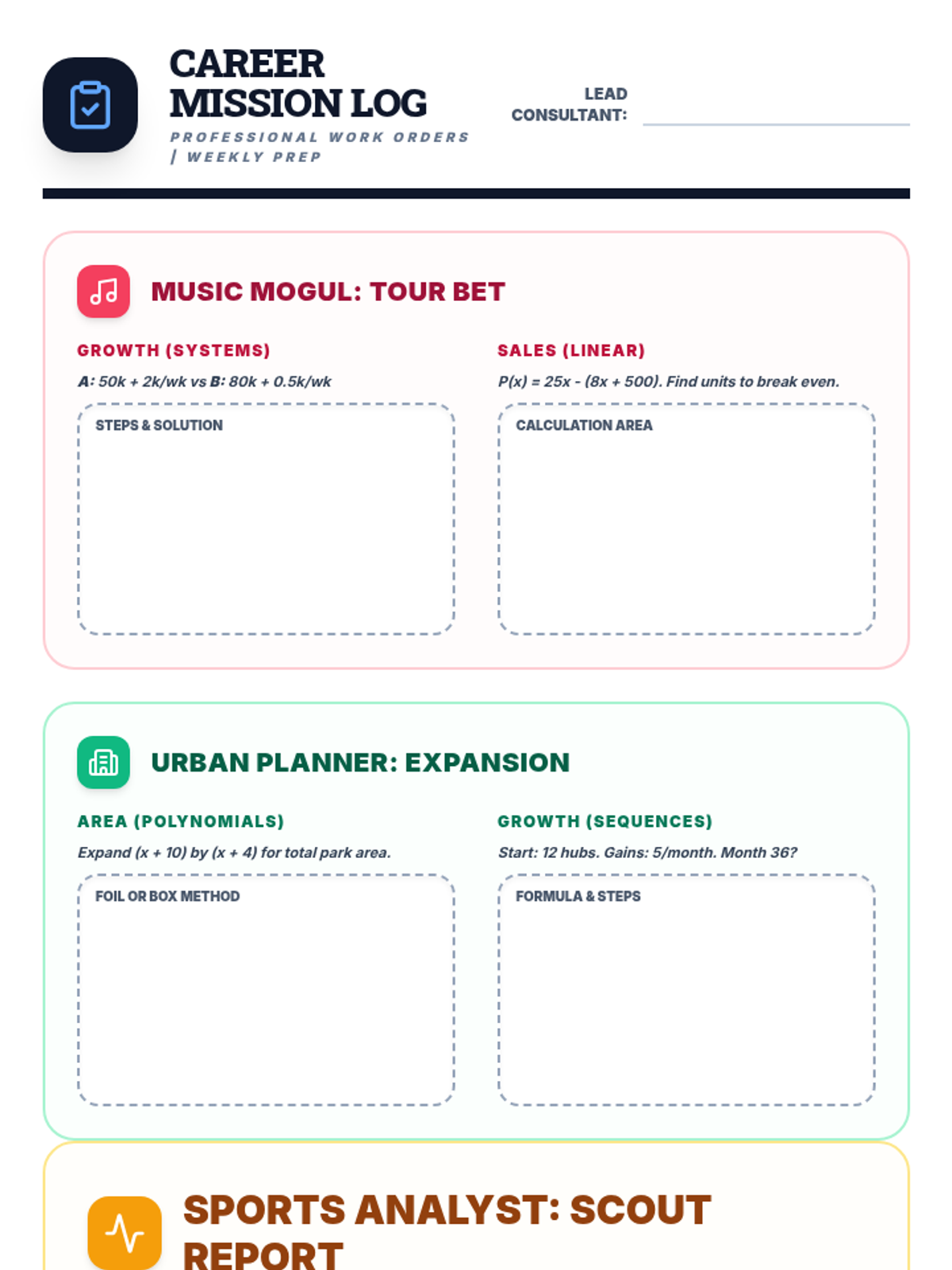
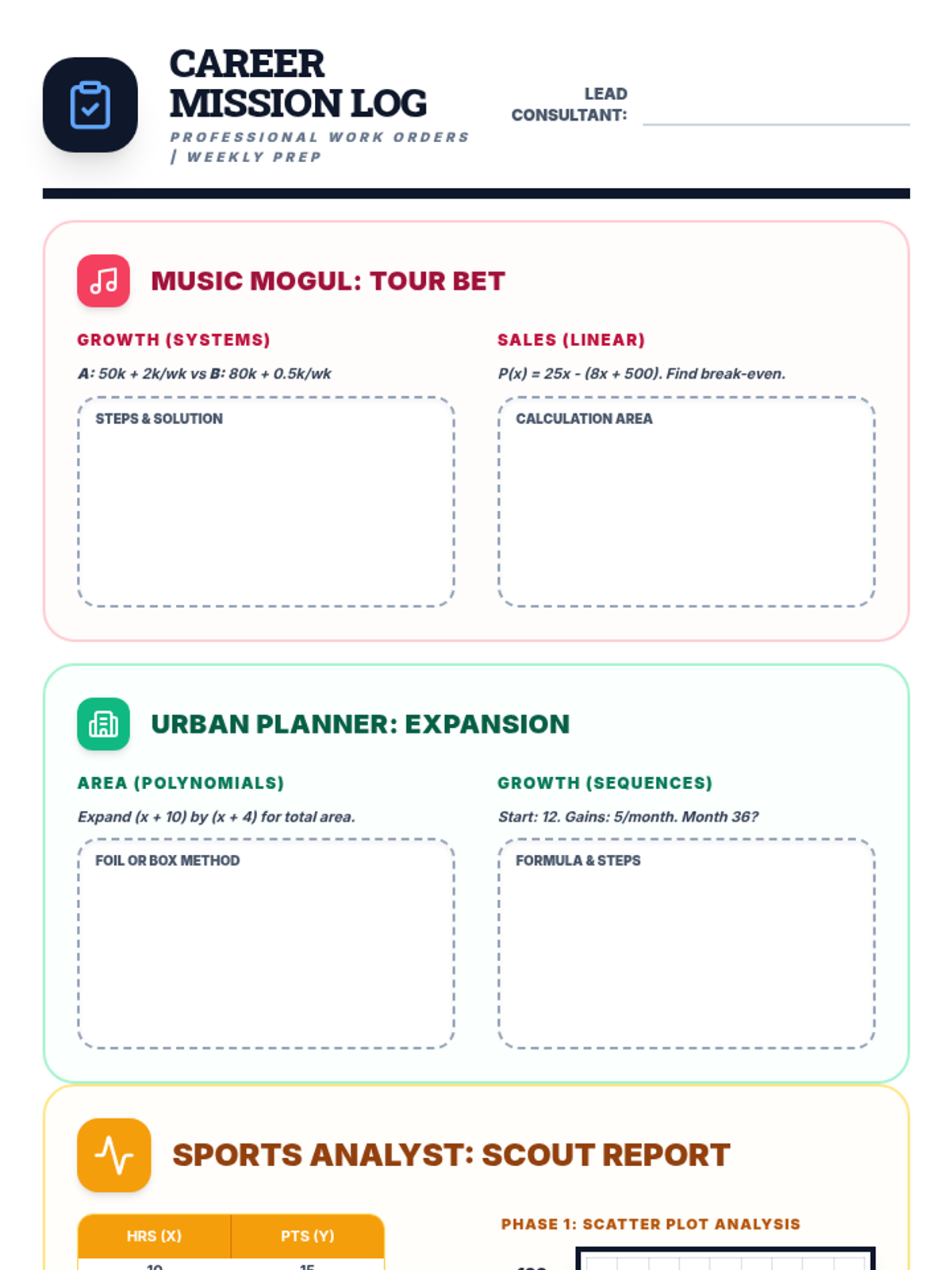
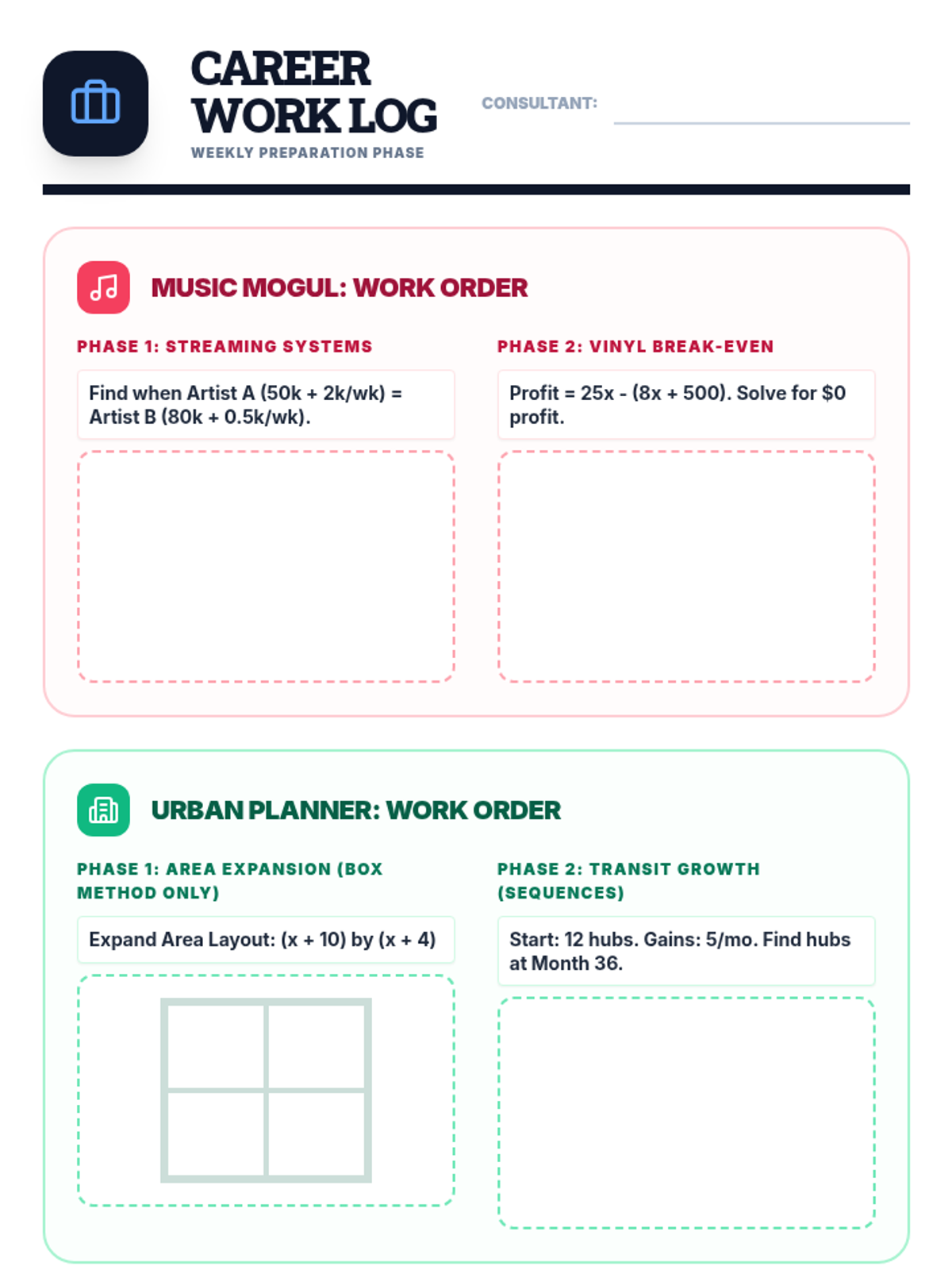
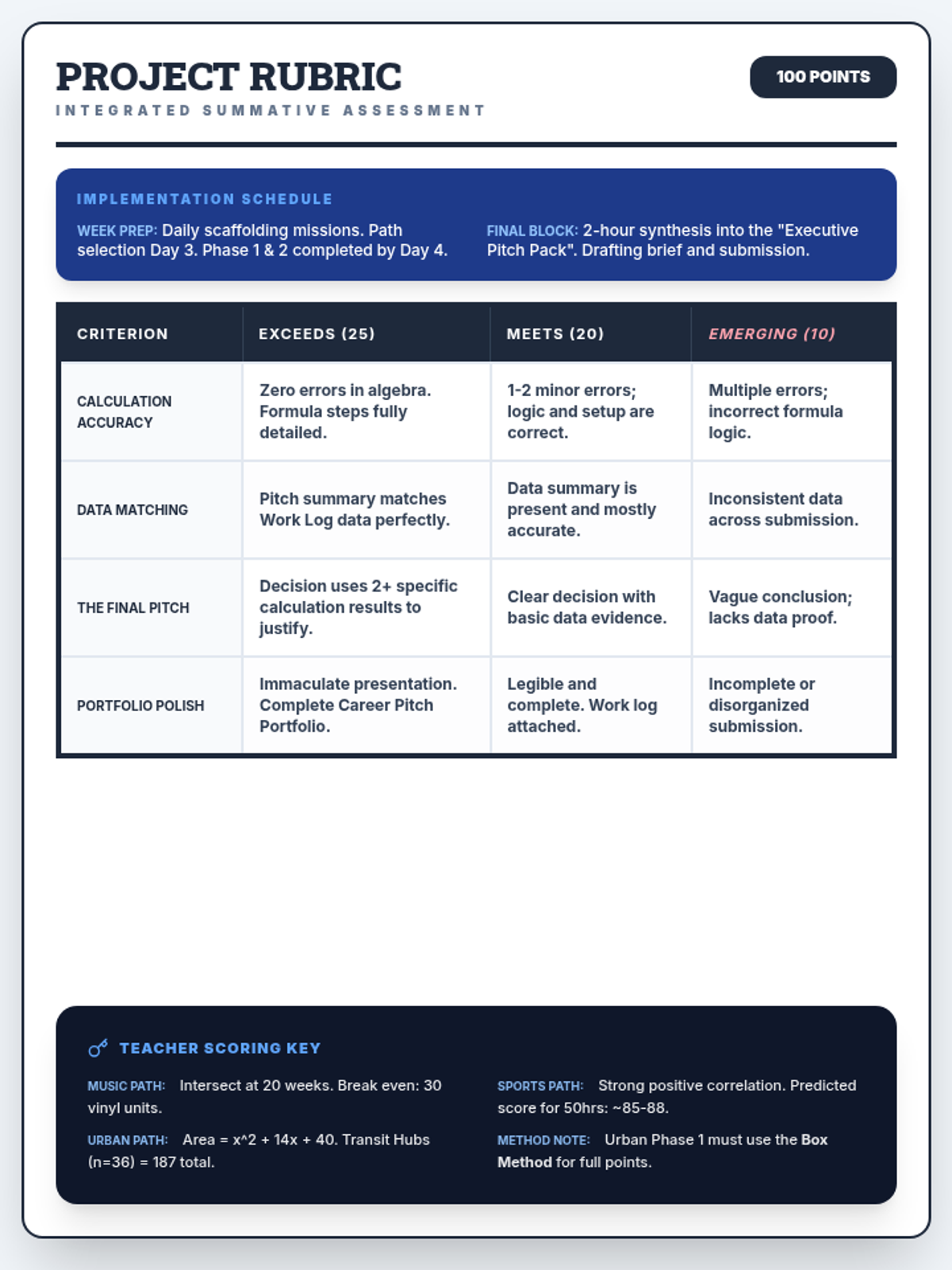
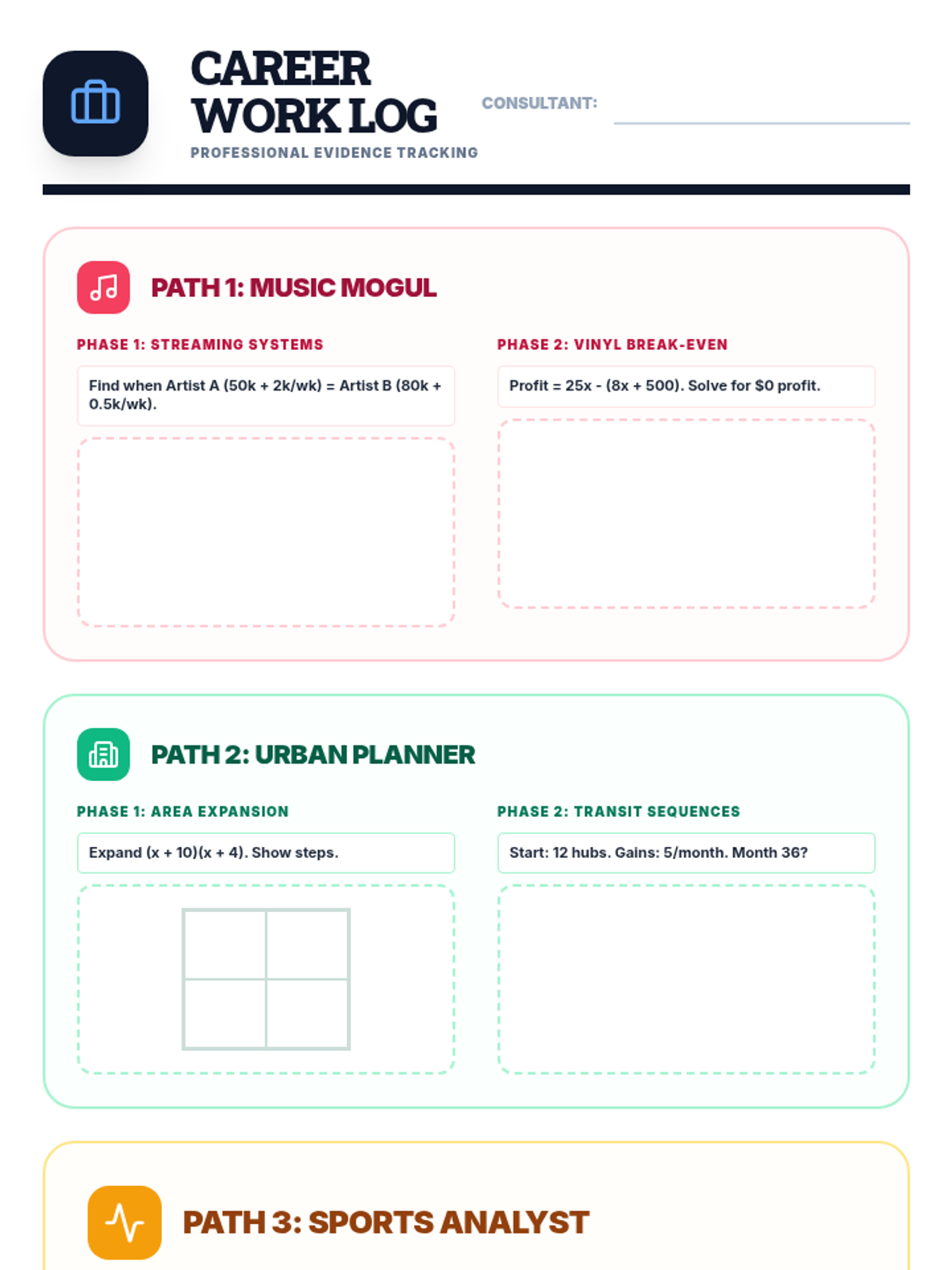
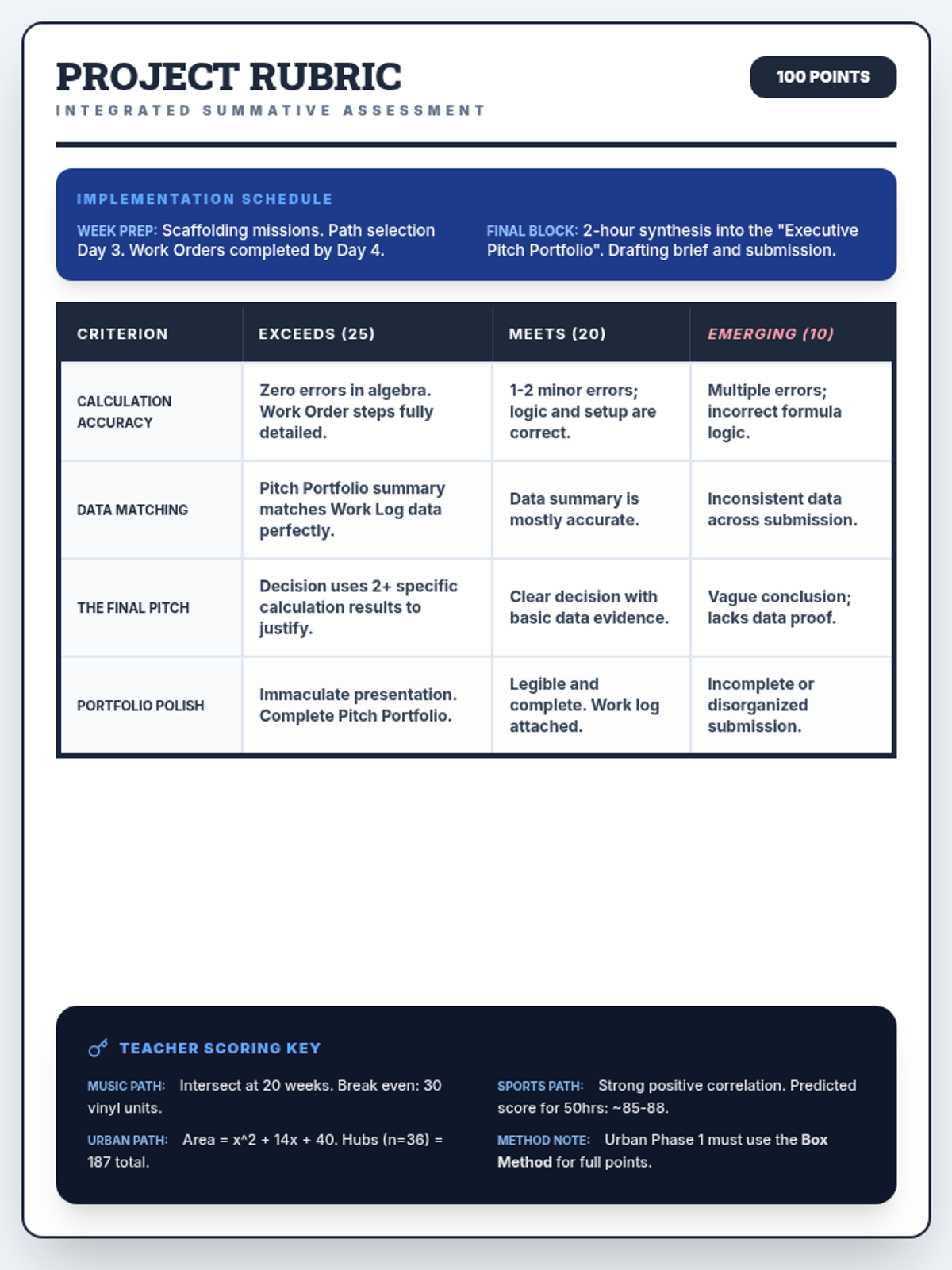
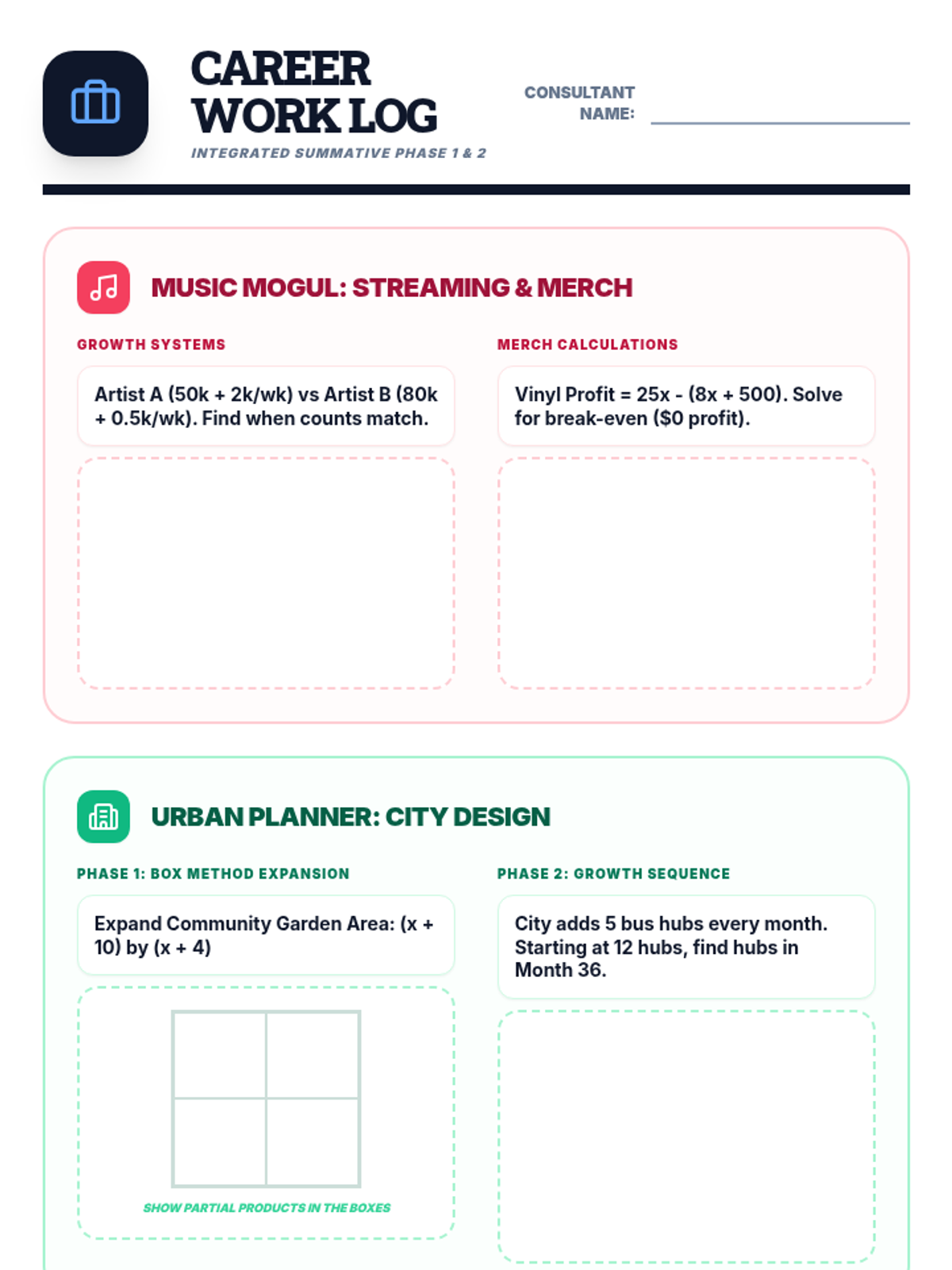
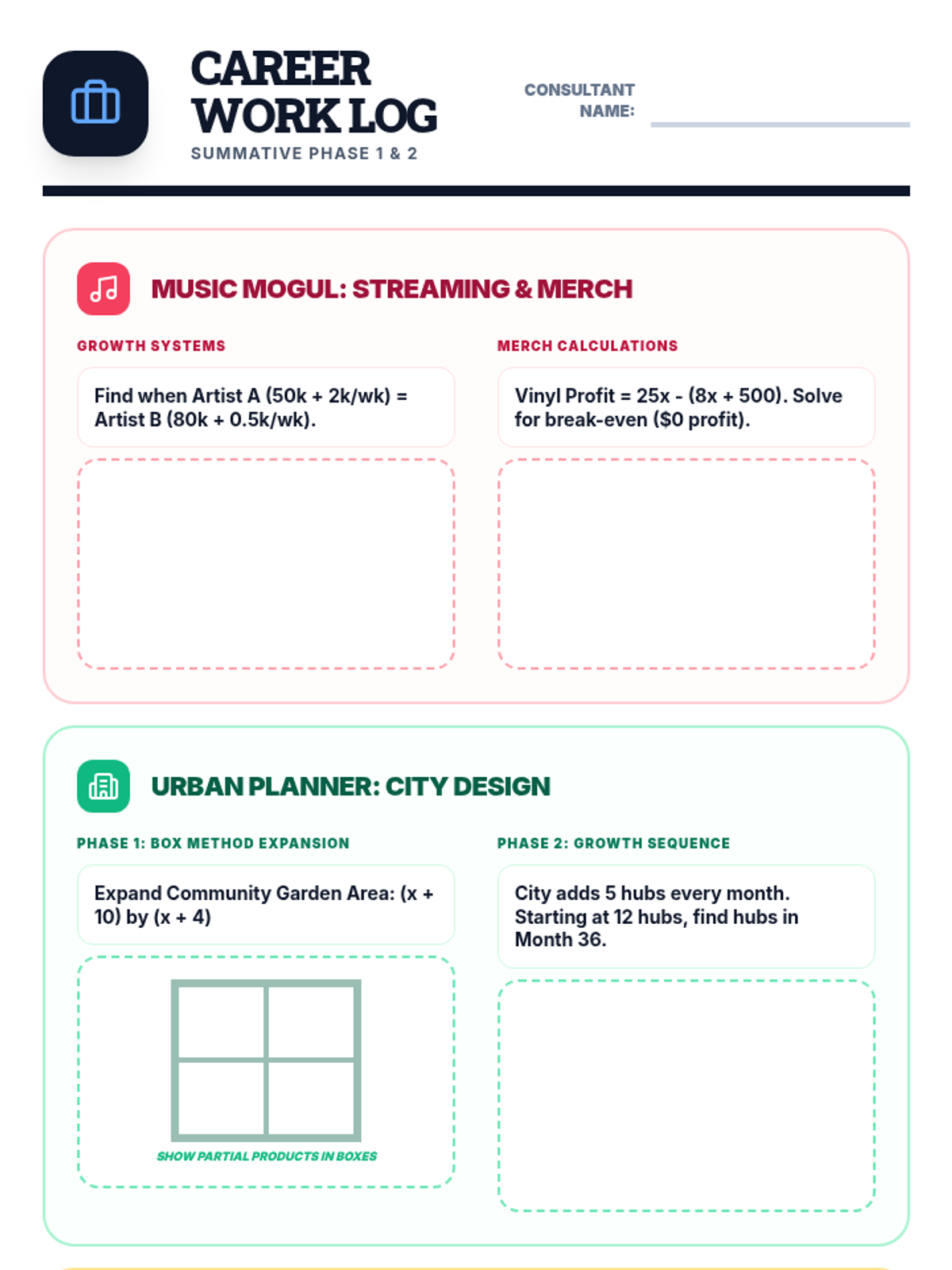
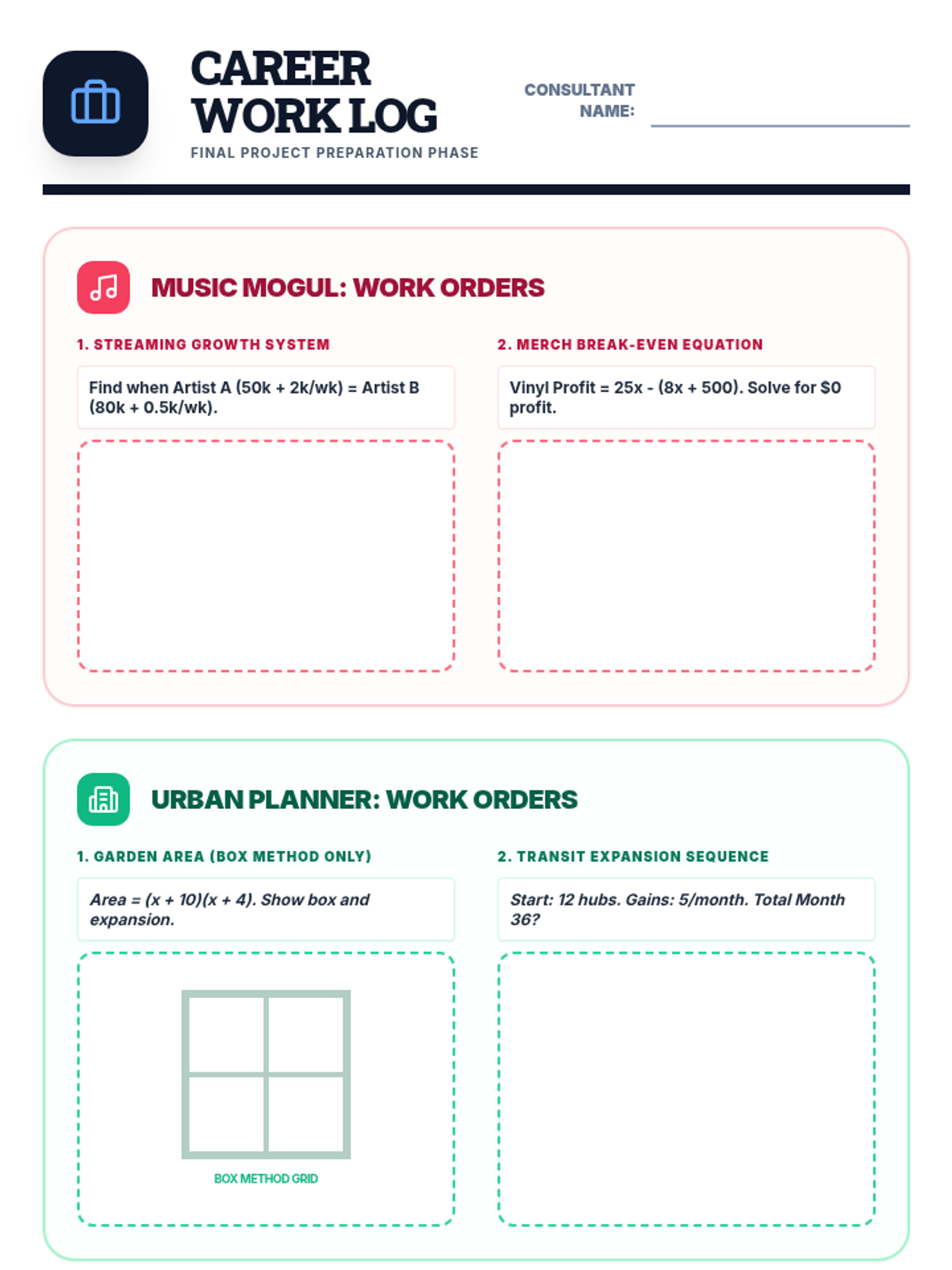
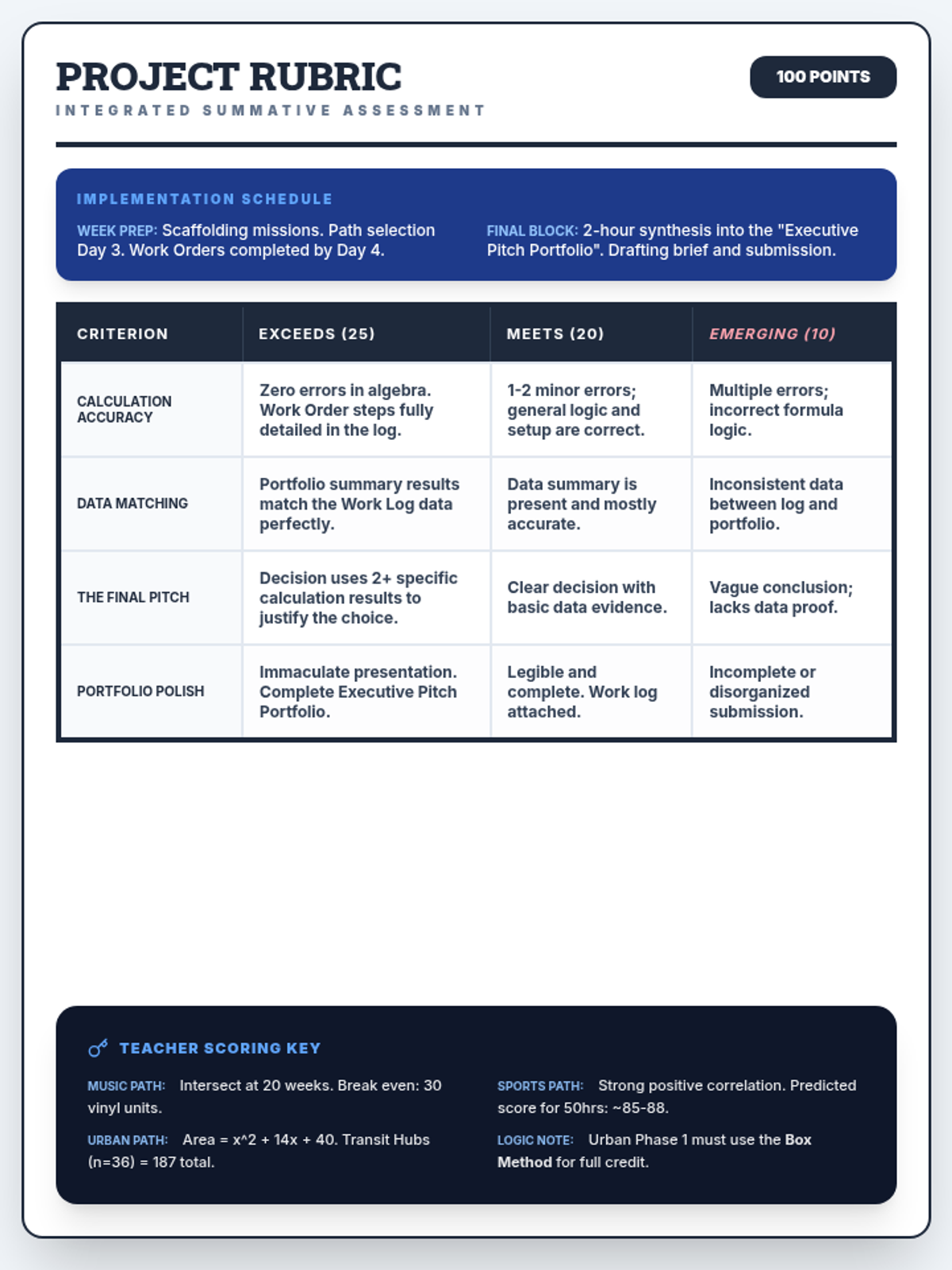
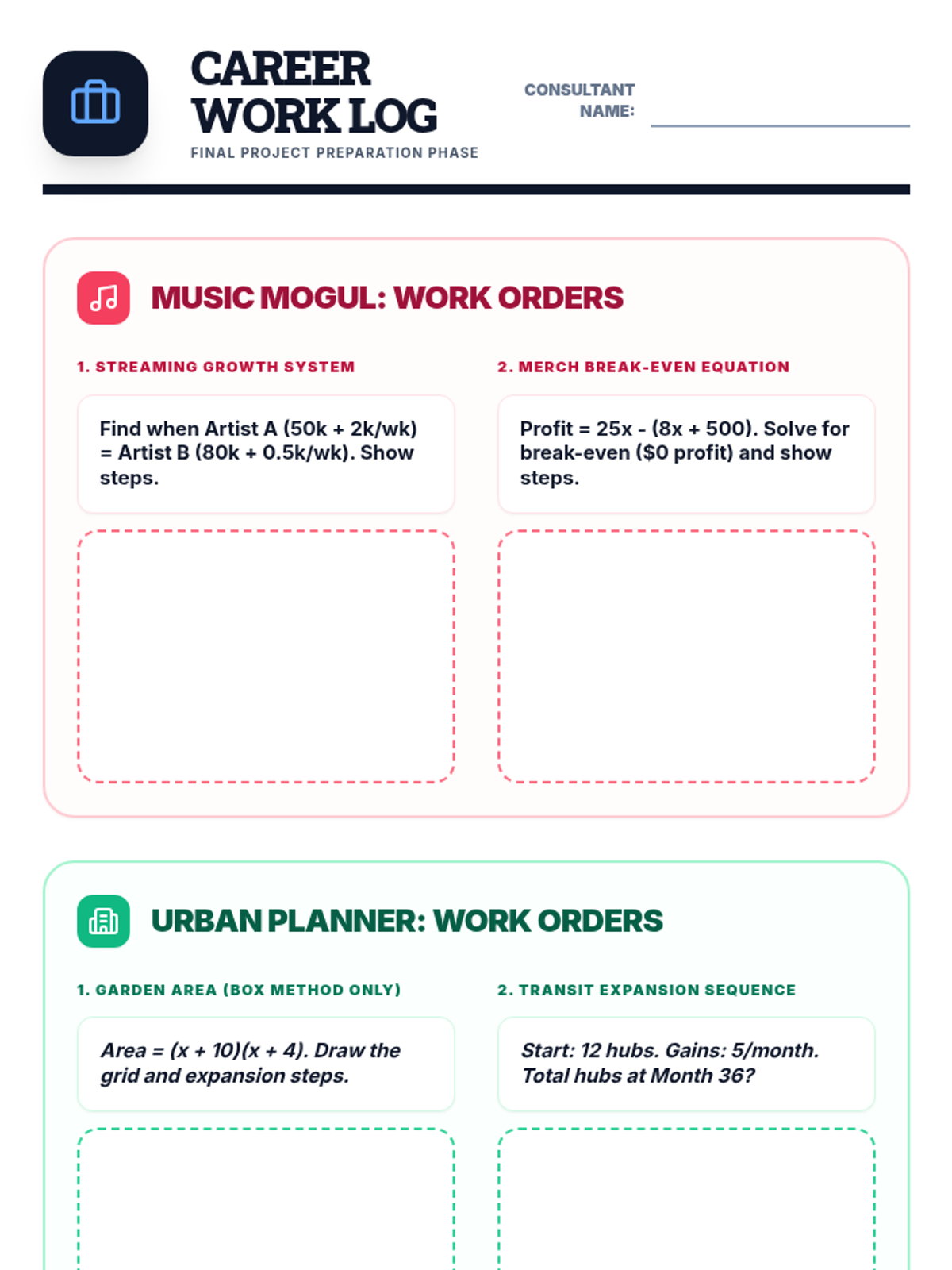
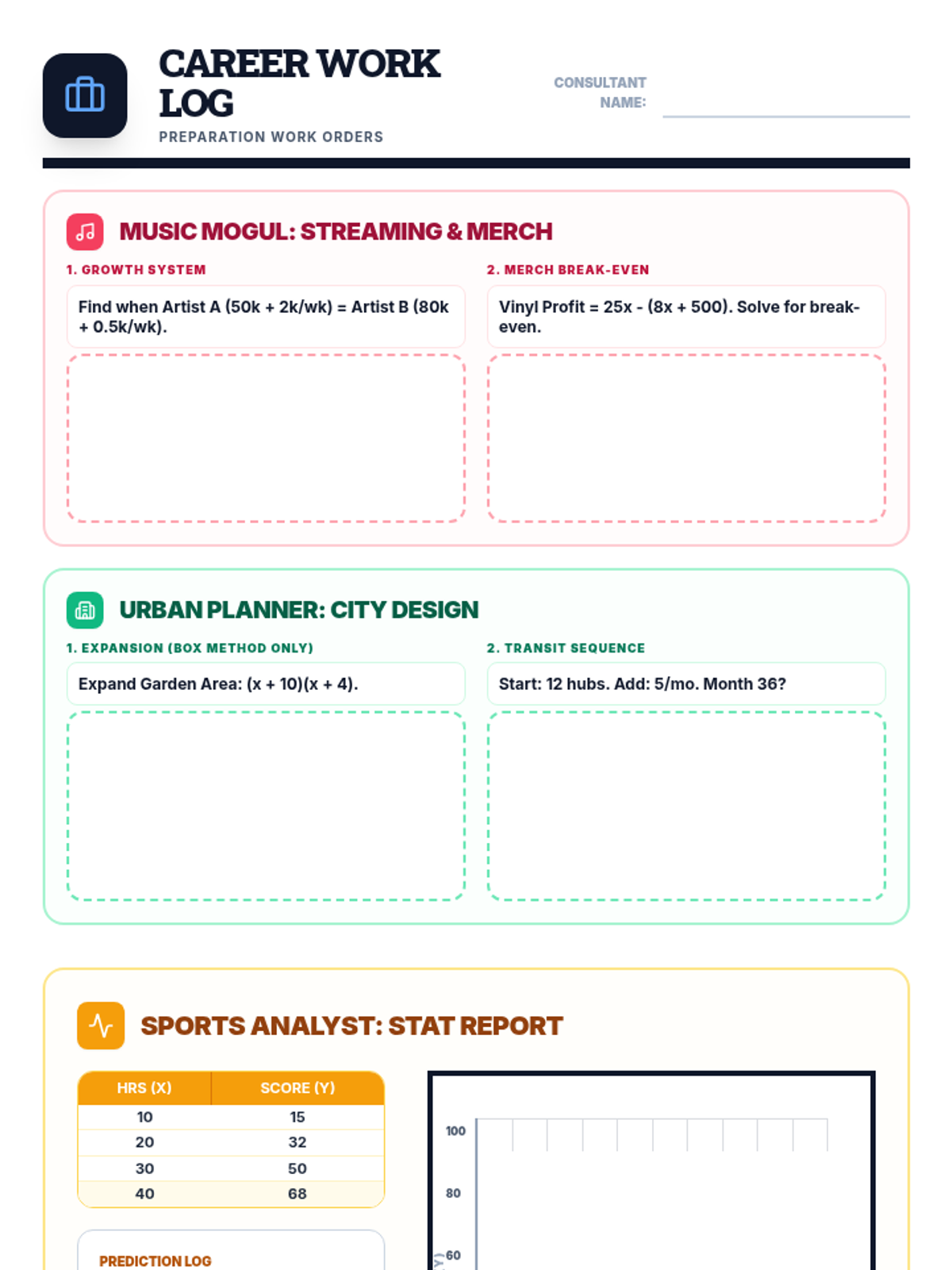
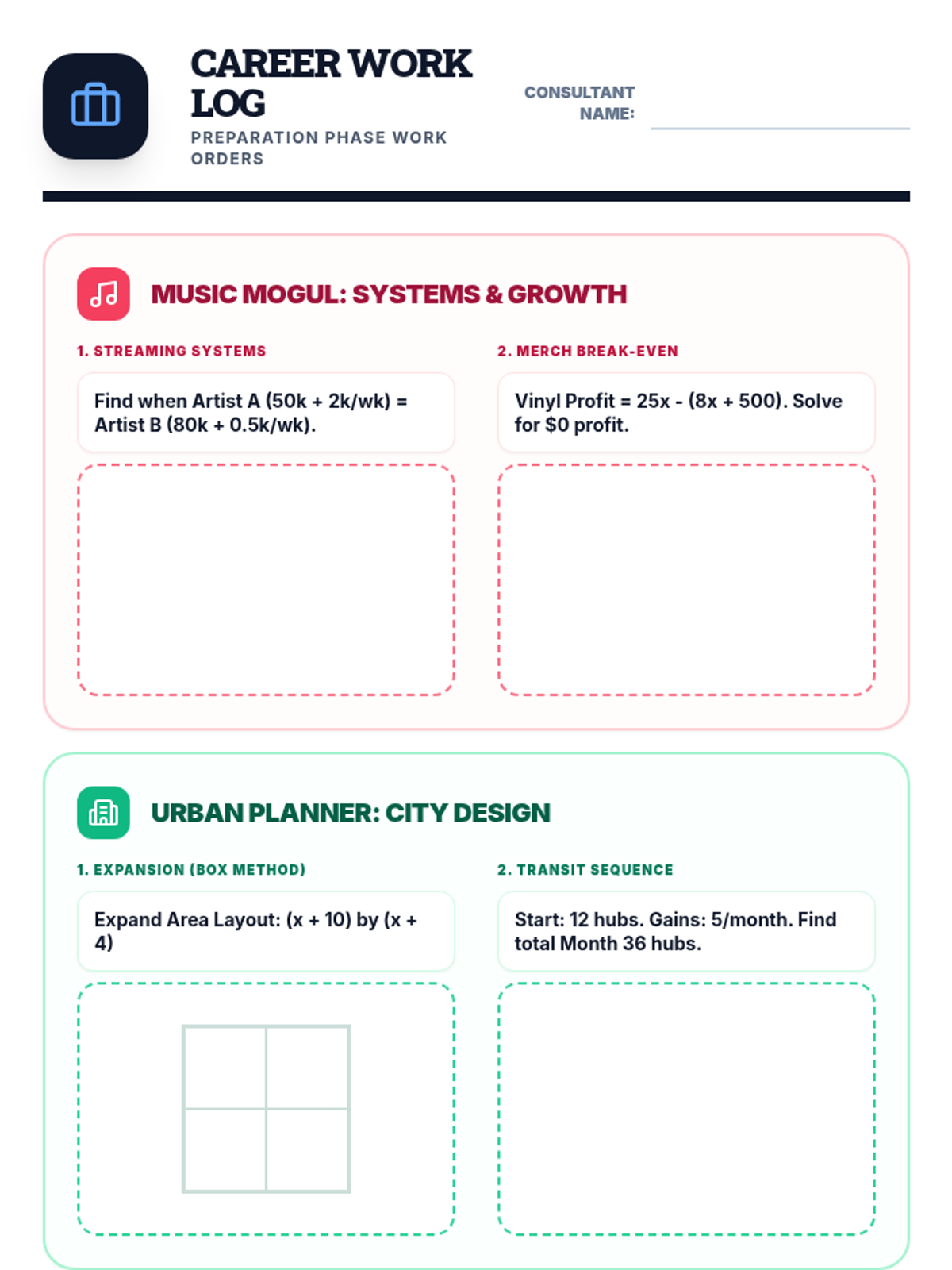
The final project phase where students select one of three real-world career paths (Music Mogul, Urban Planner, or Sports Analyst) to apply their mathematical knowledge in a summative assessment.
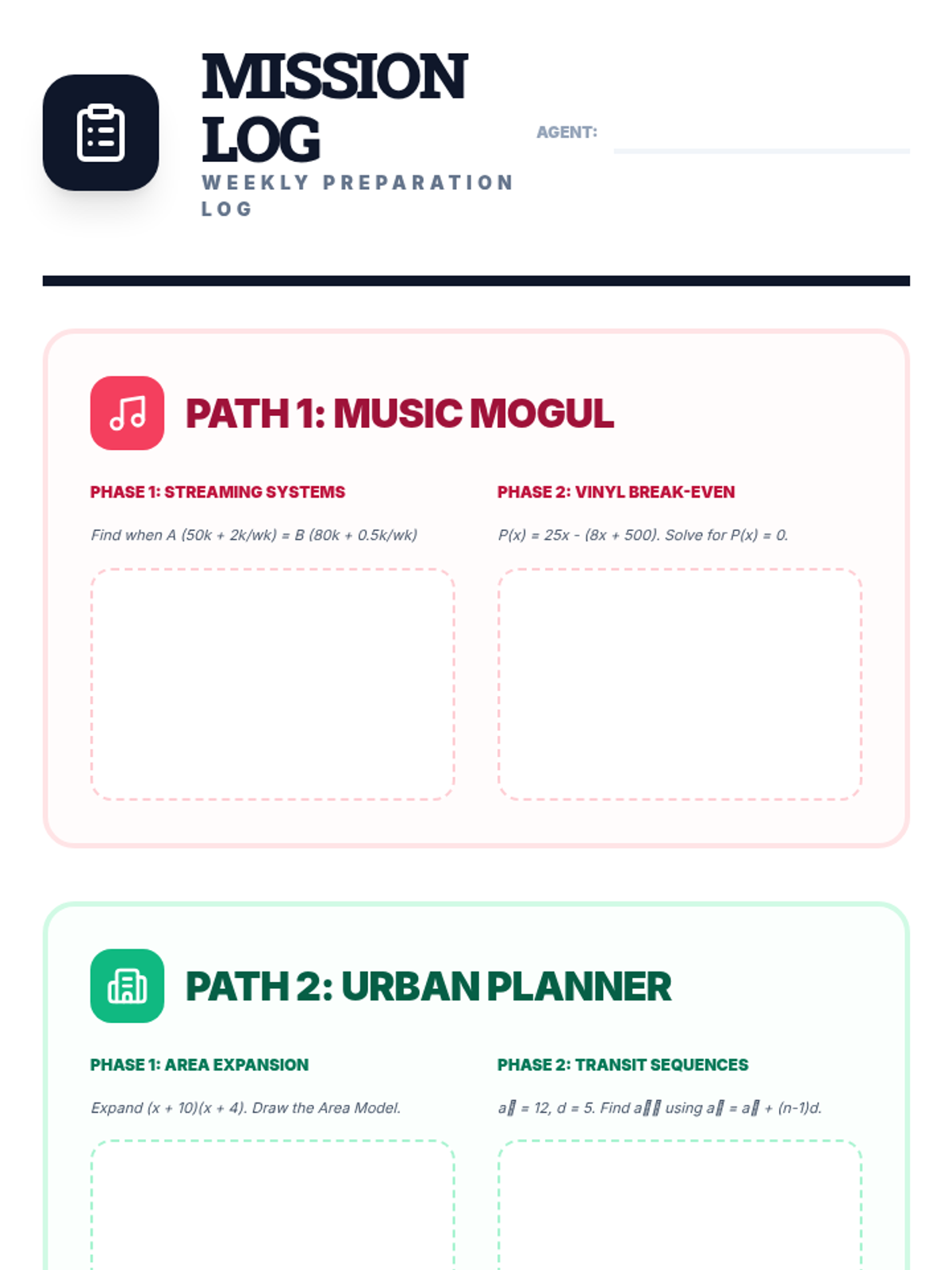
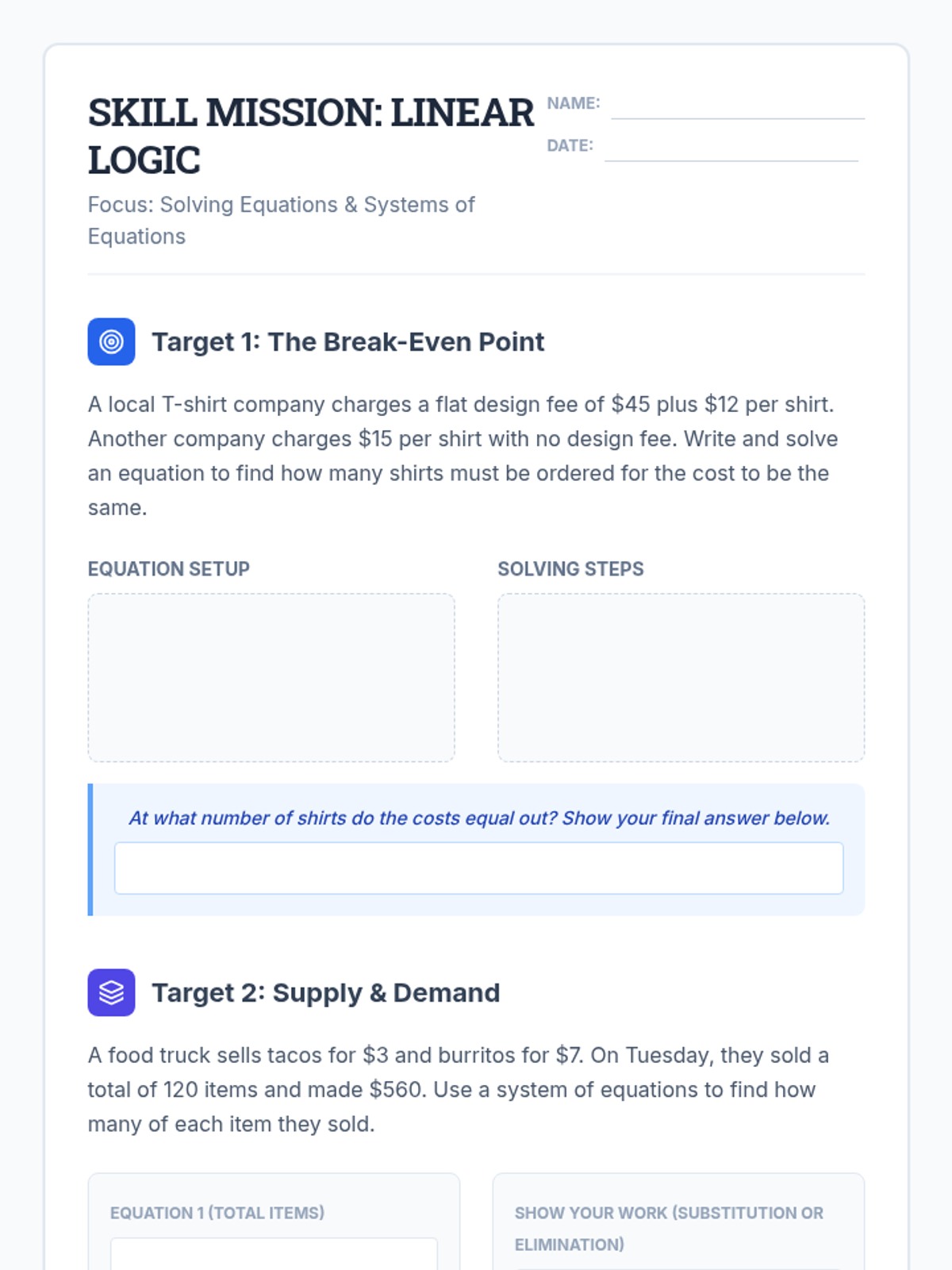
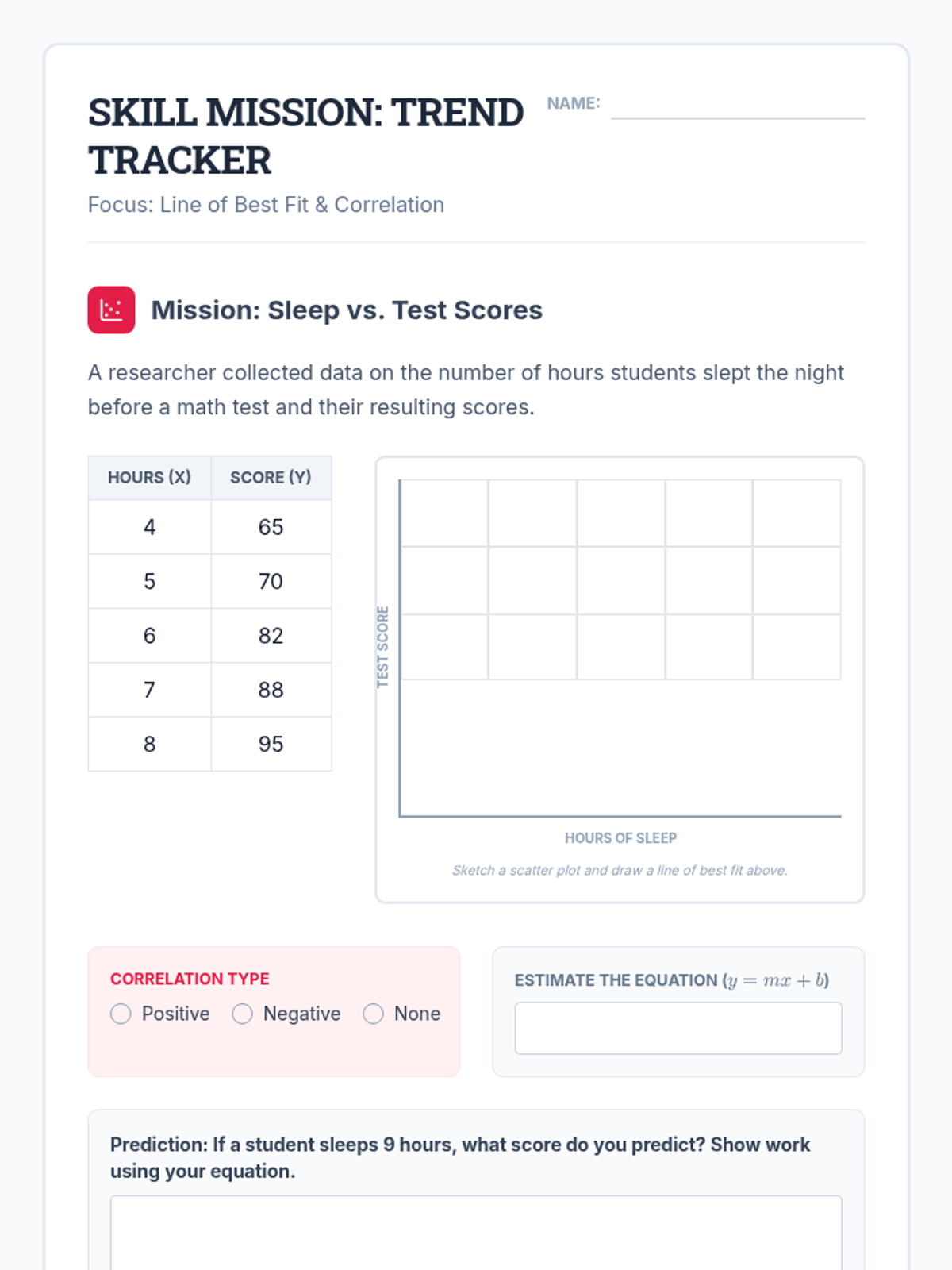
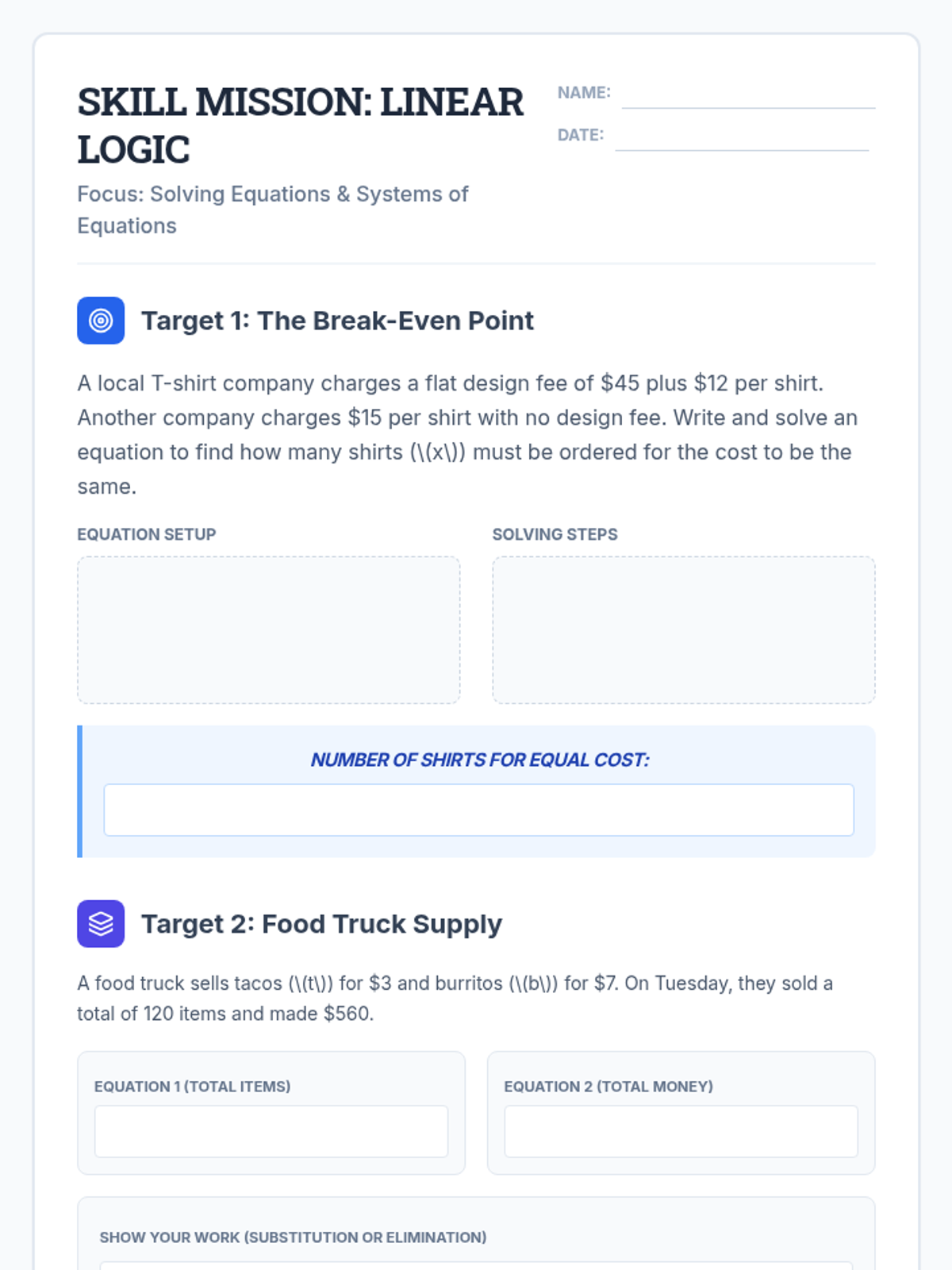
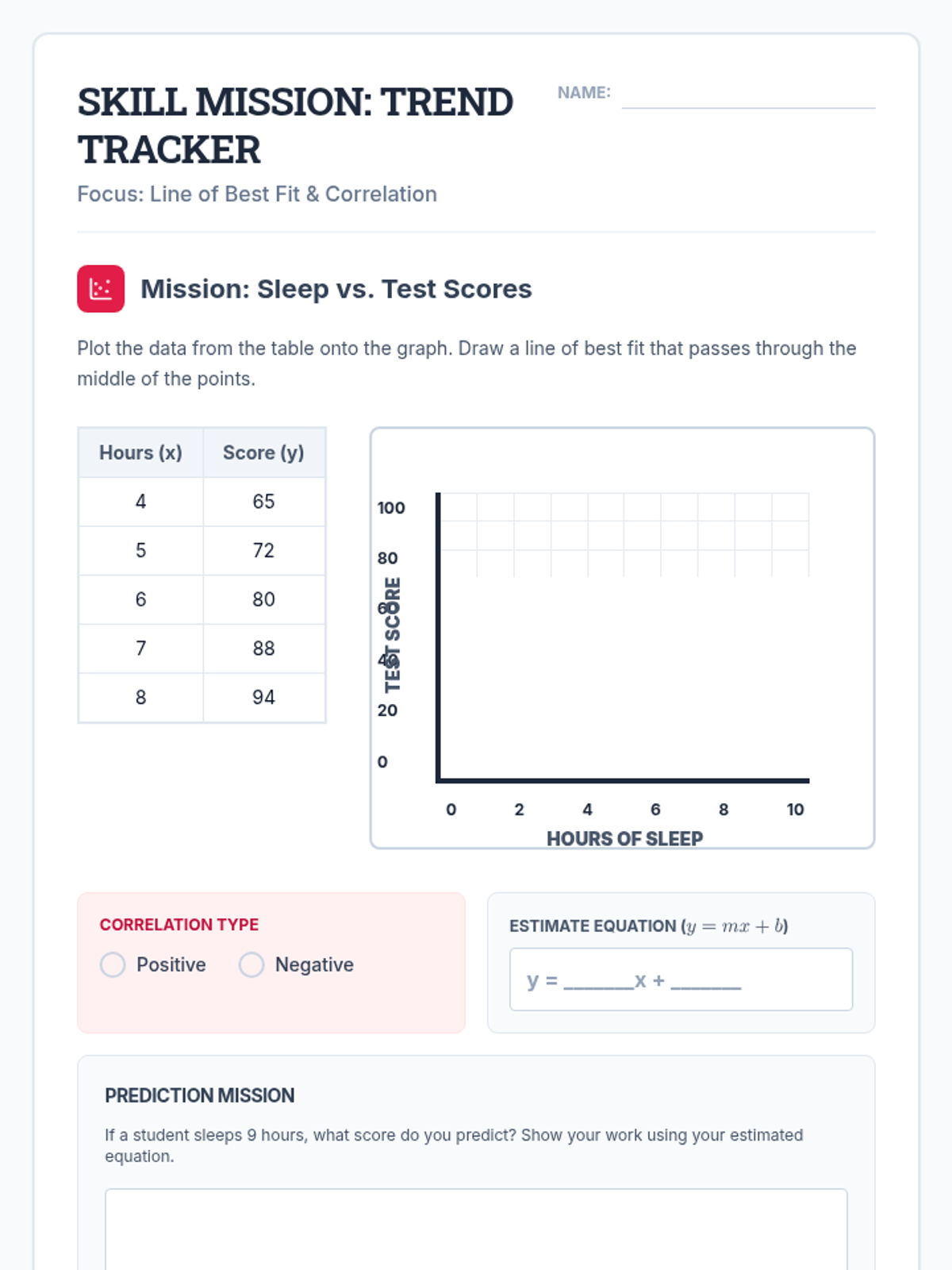
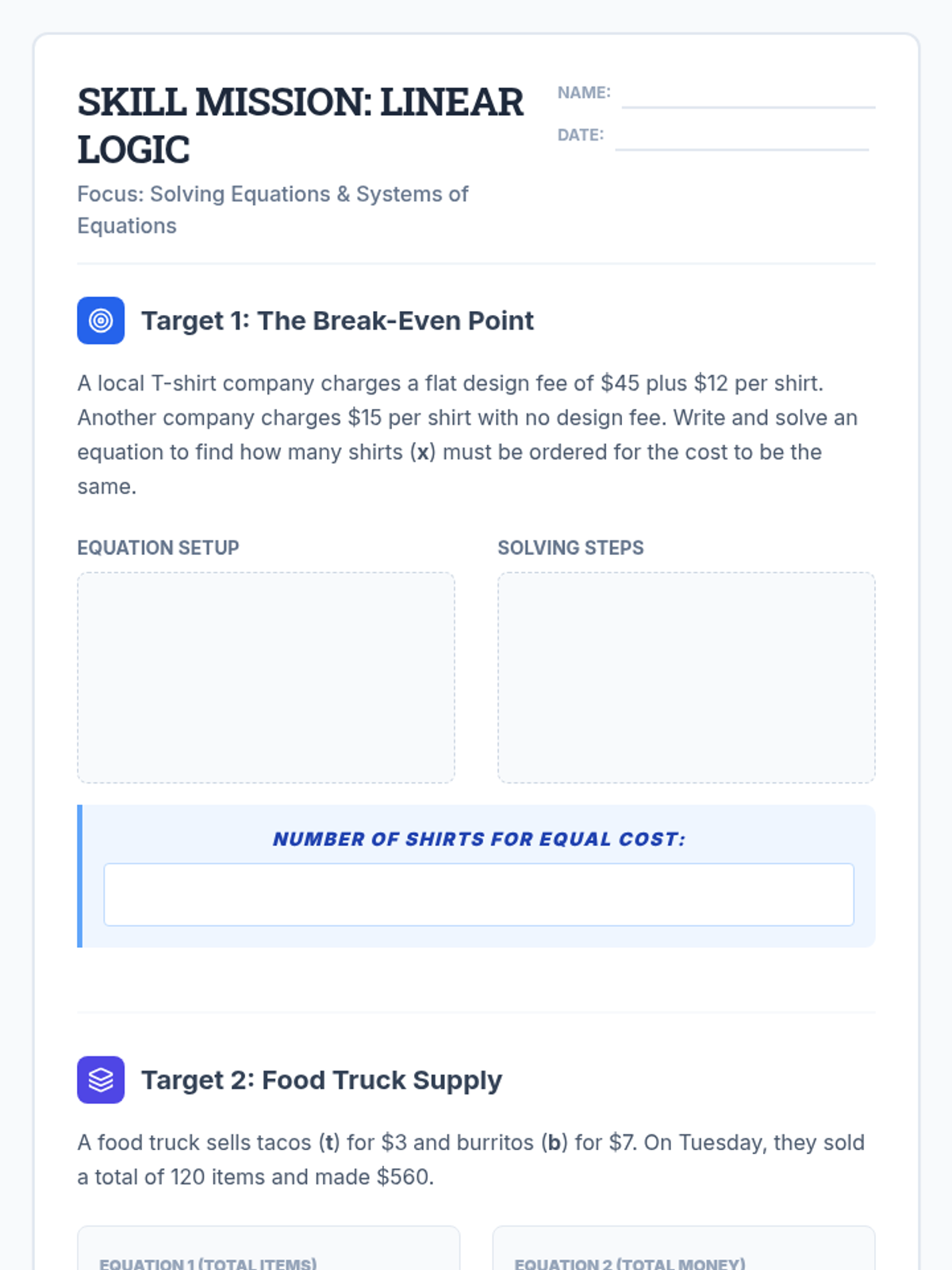
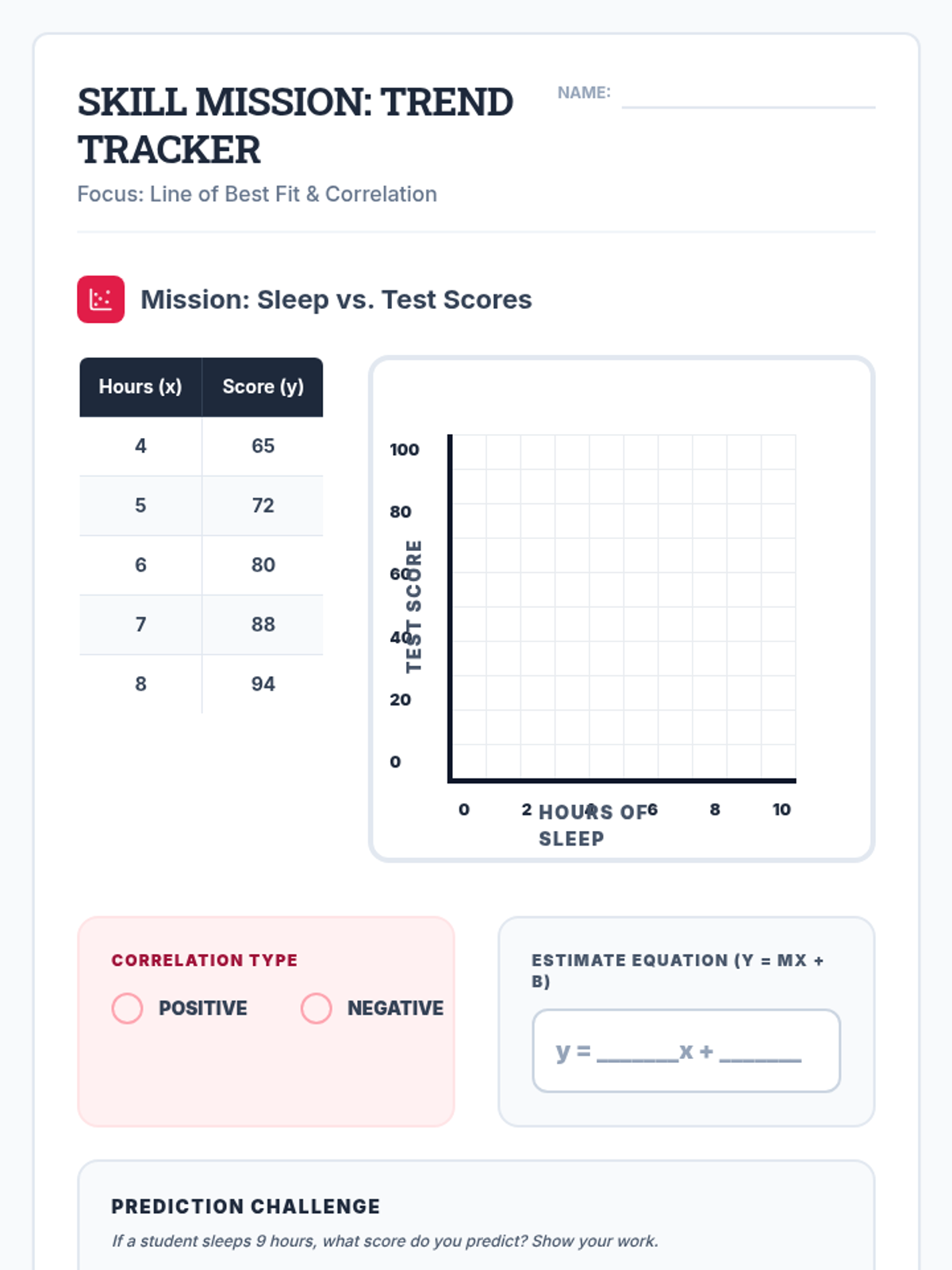
Scaffolded practice activities ('Skill Missions') that review key concepts: linear equations, systems, sequences, lines of best fit, and factoring. These activities ensure students have the foundational skills needed for their final project.
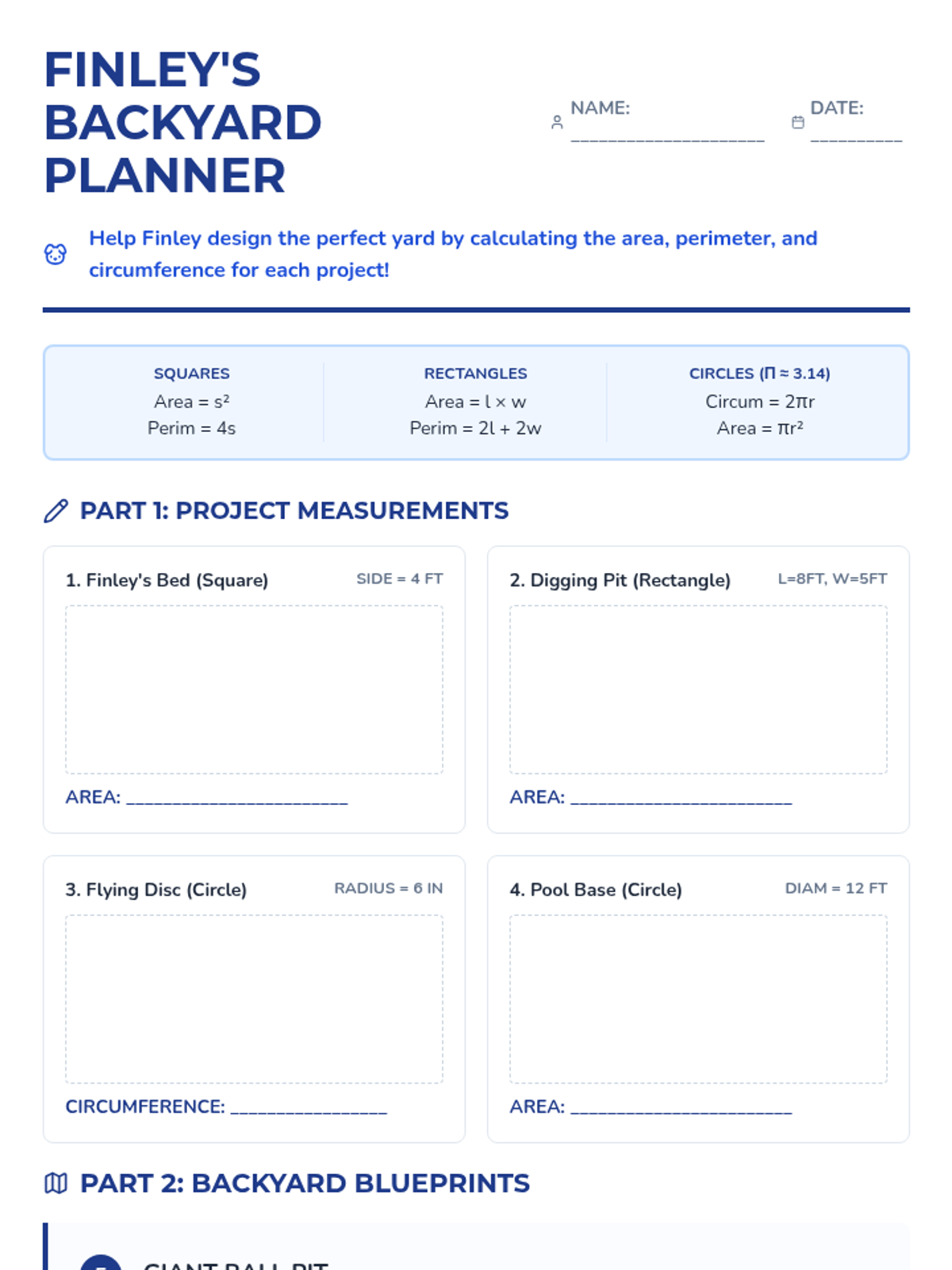
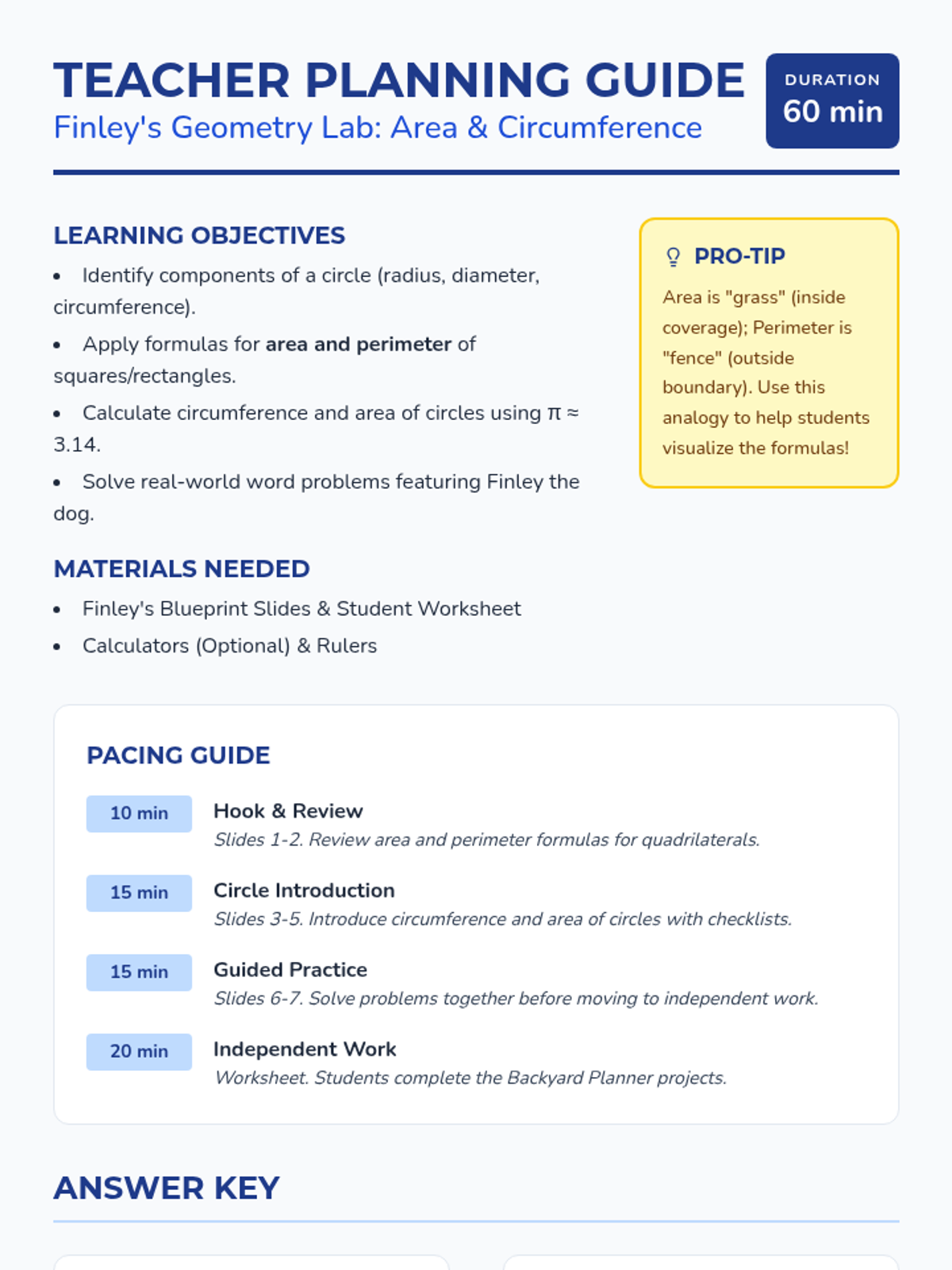
A geometry lesson focused on calculating the area of squares, rectangles, and circles, as well as the circumference of circles, featuring Finley the dog.
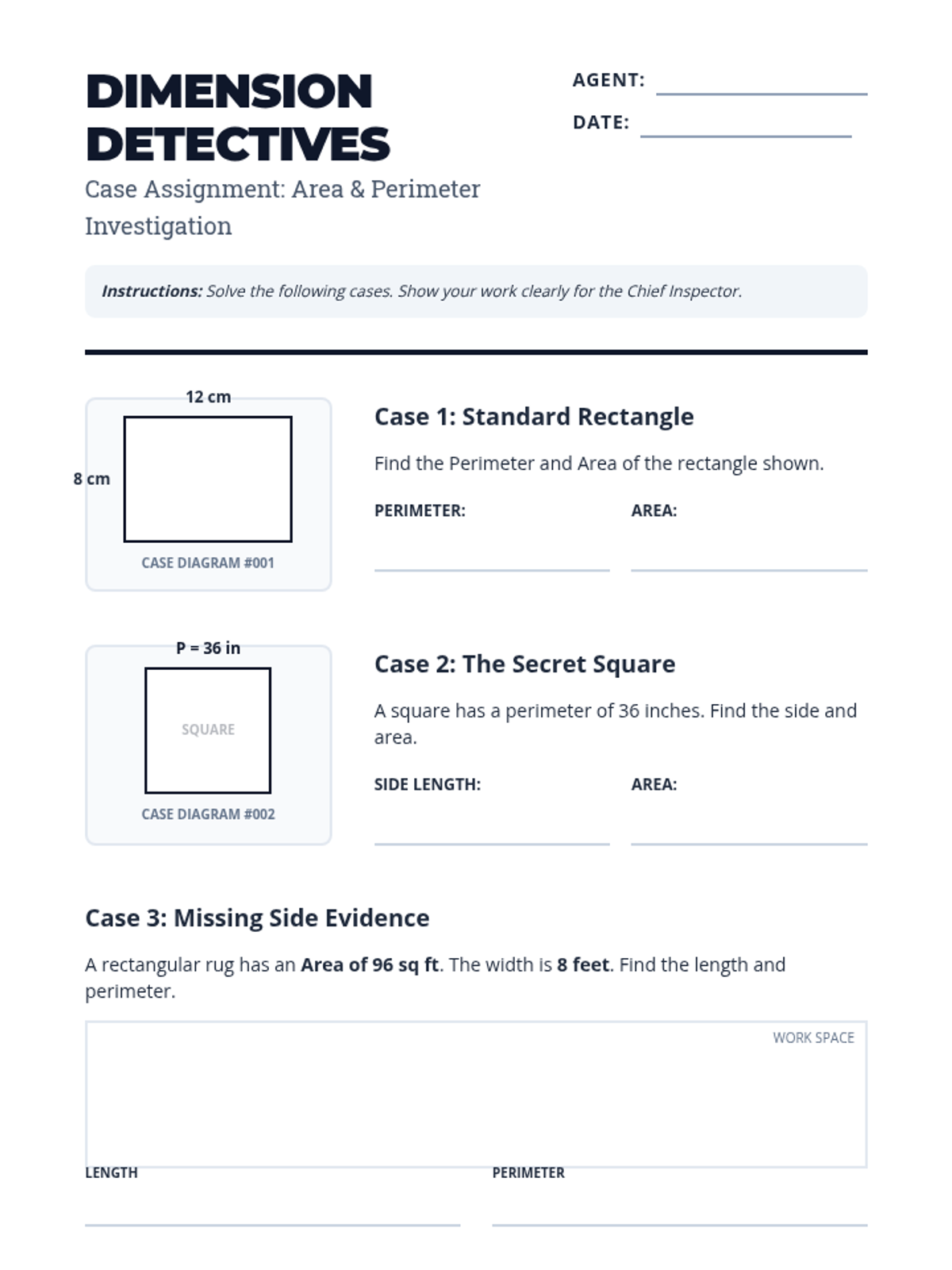
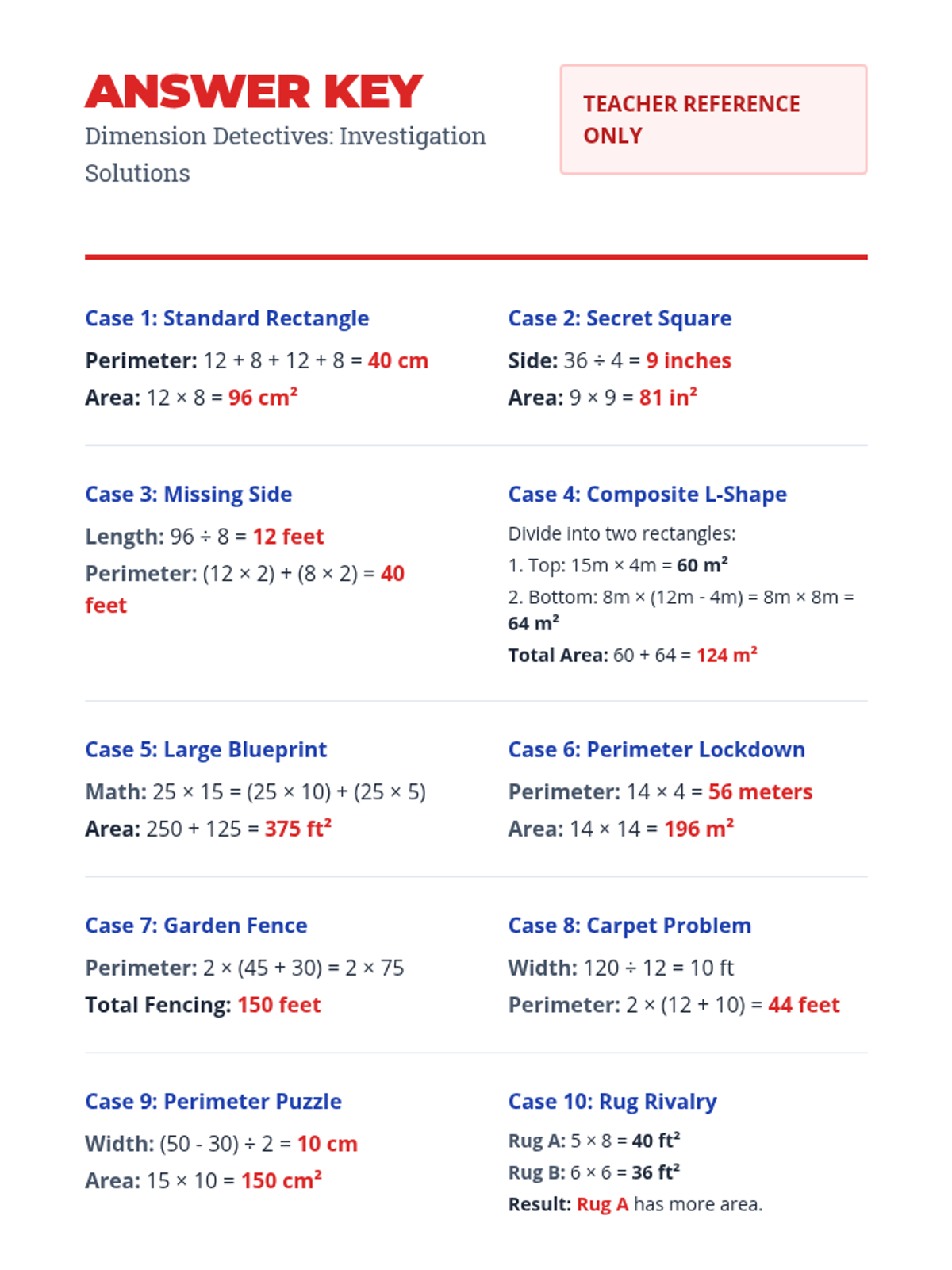
A fourth-grade lesson focusing on calculating area and perimeter of rectangles, squares, and composite L-shapes, including problems with missing dimensions and multi-digit multiplication.
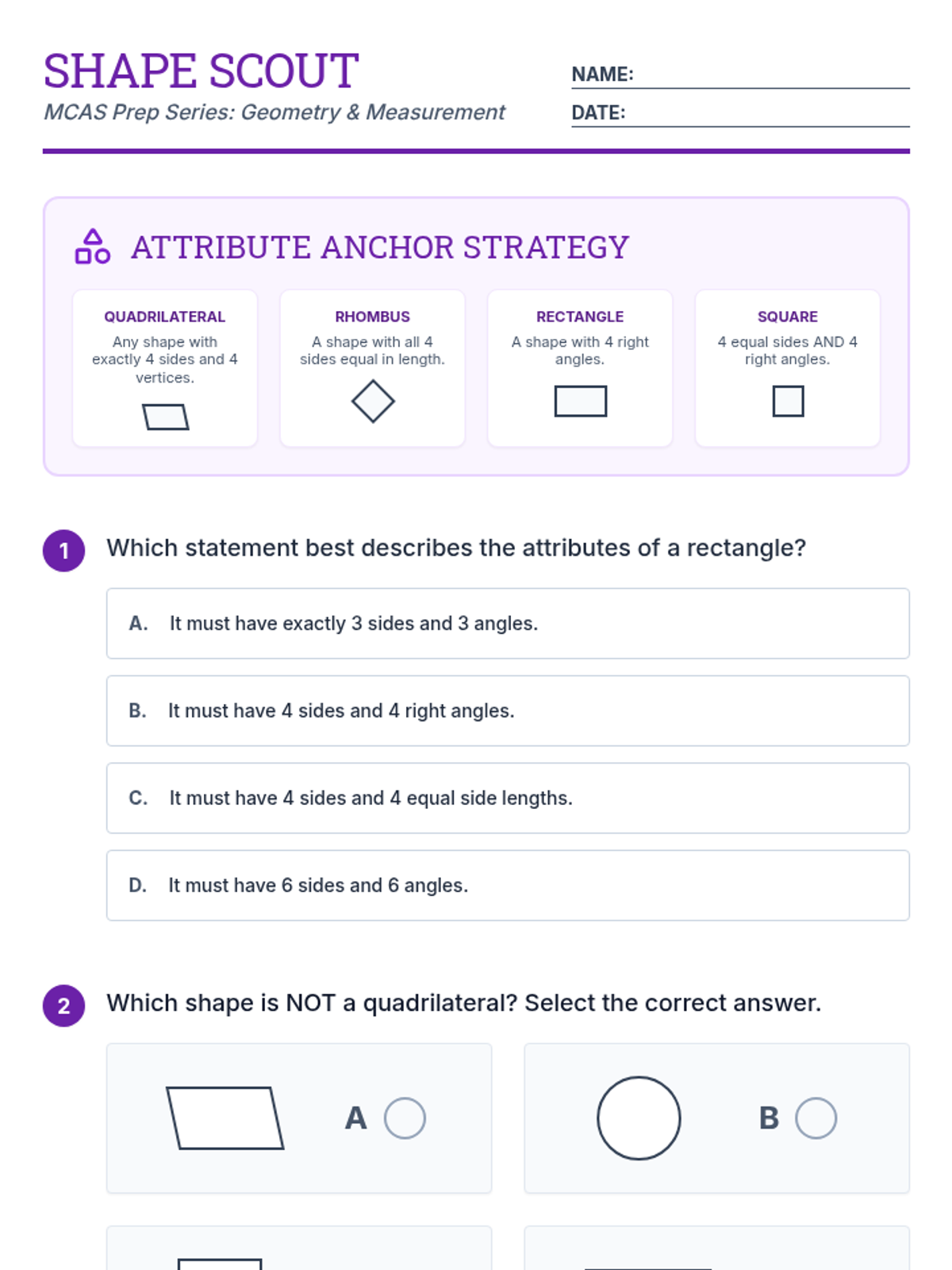
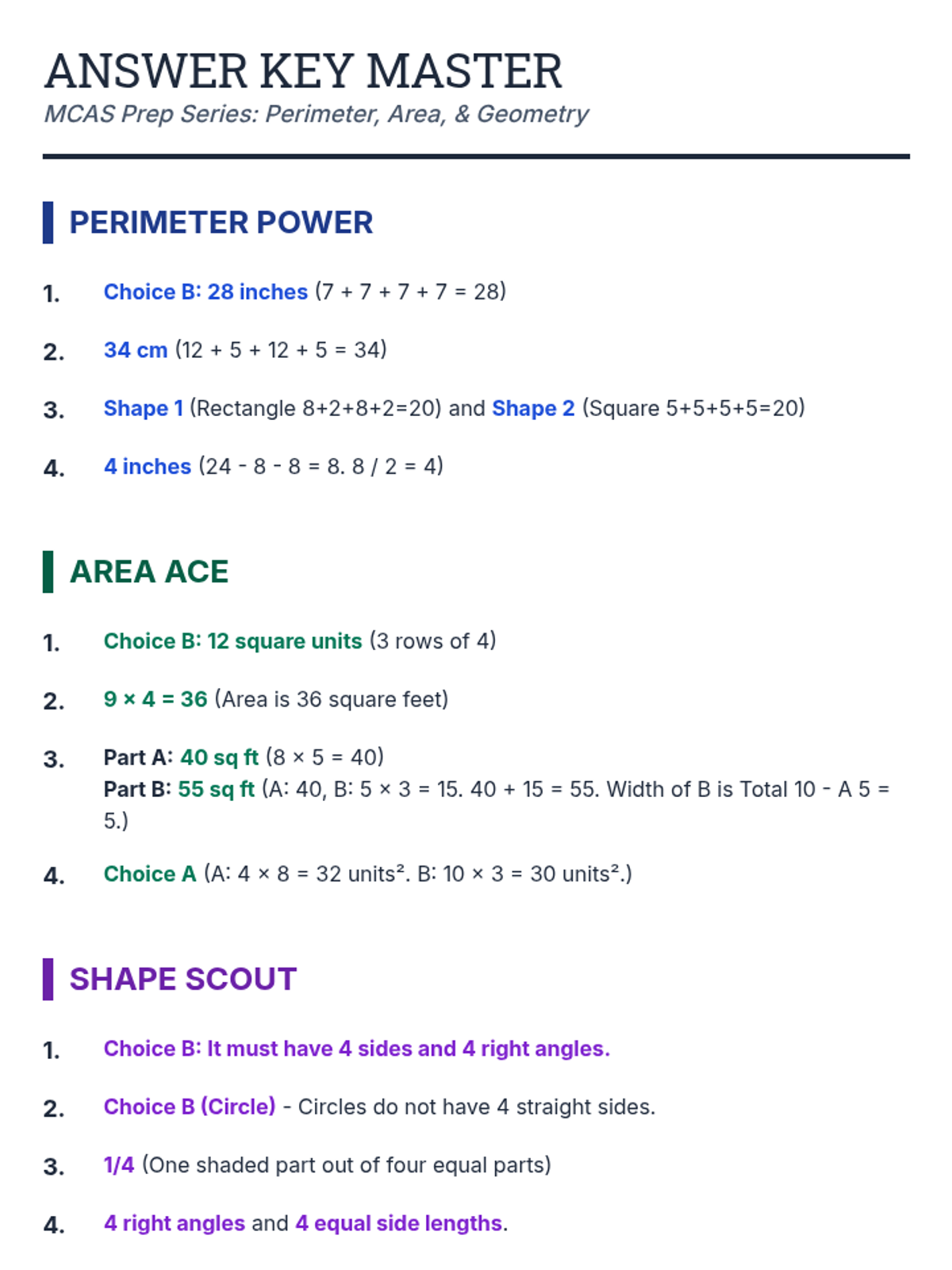
A comprehensive review unit focusing on Grade 3 MCAS standards for Area, Perimeter, and Geometry. This lesson includes practice worksheets with built-in strategy organizers to help students master common test-prep challenges.
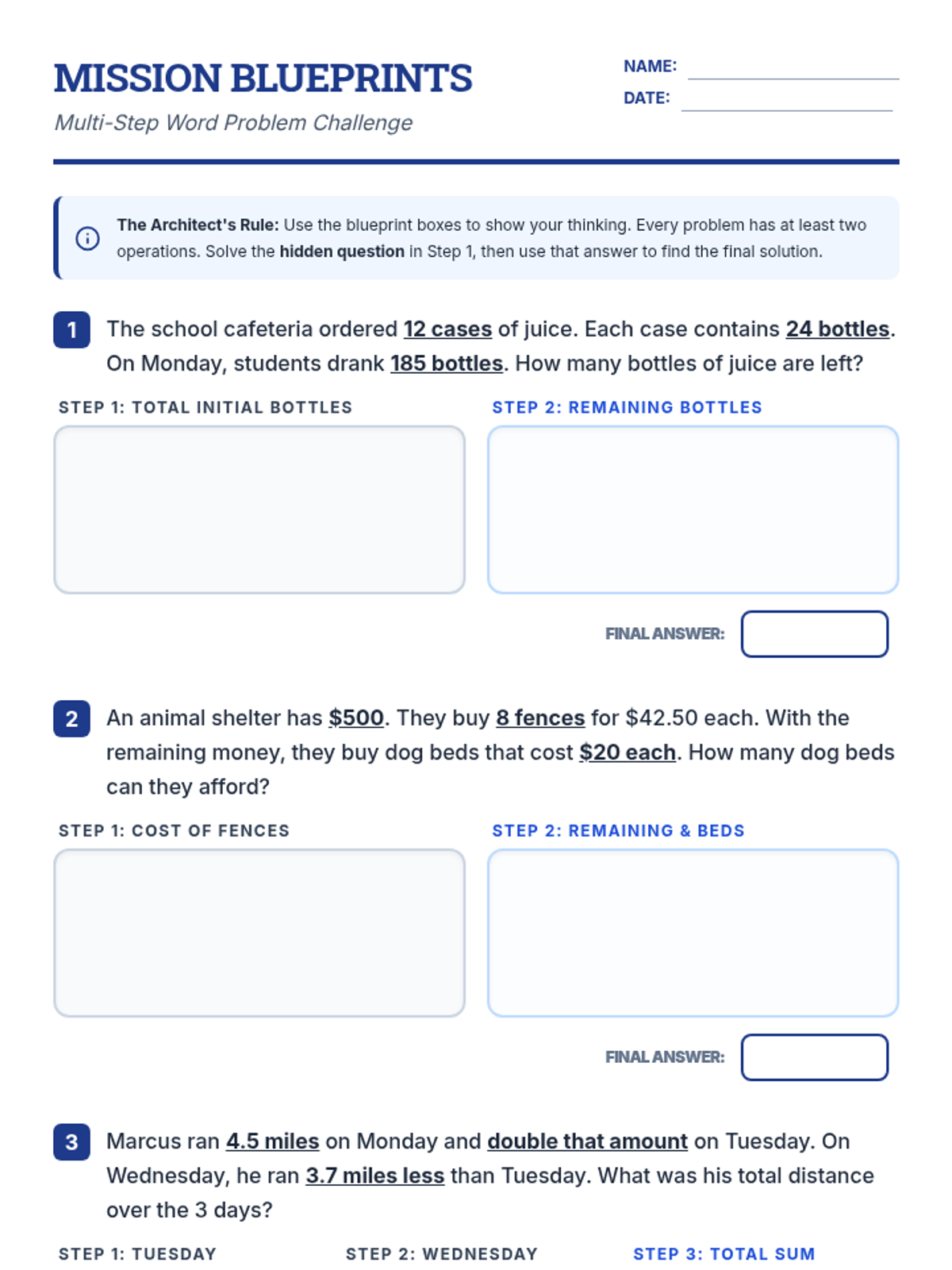
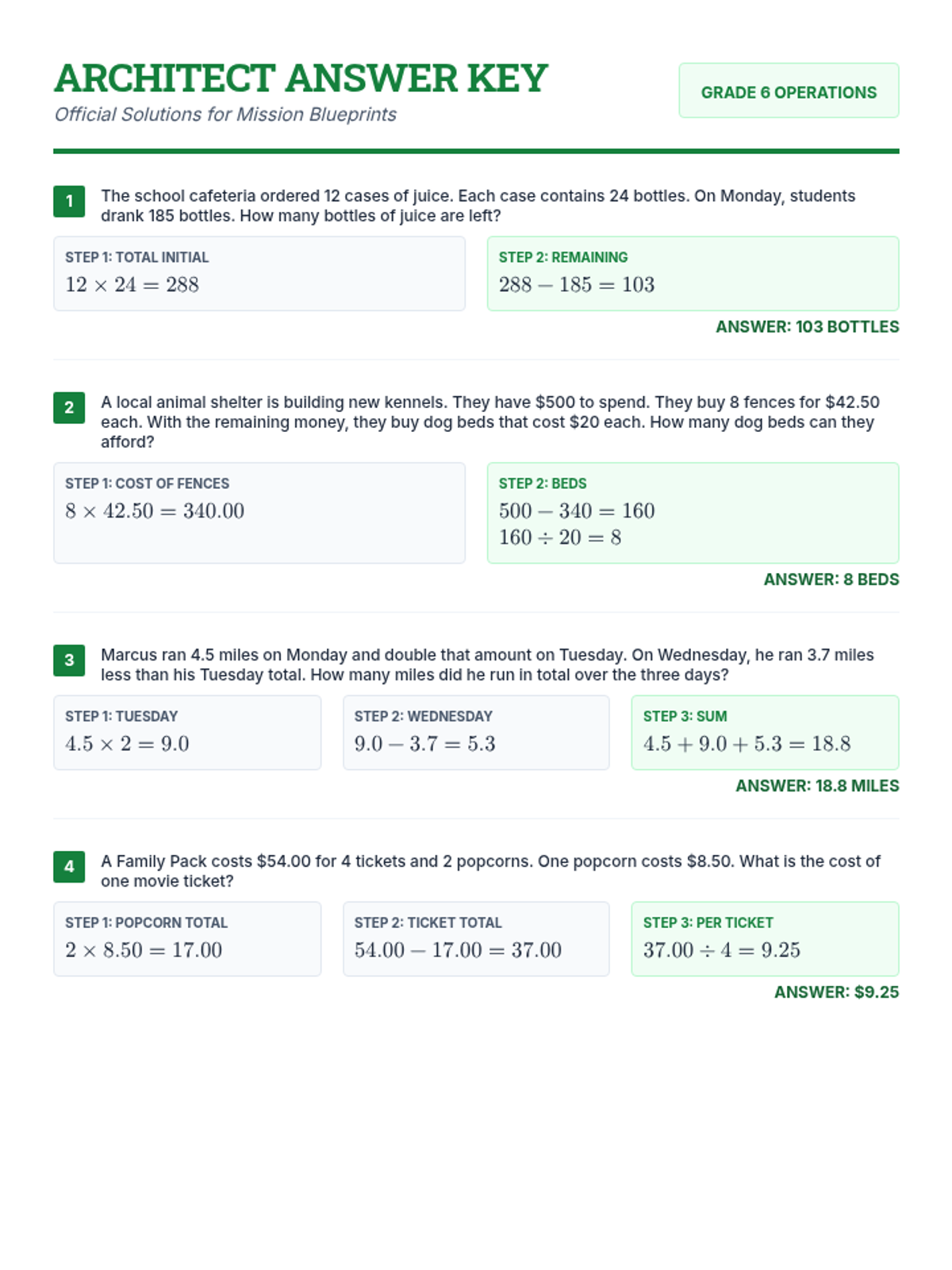
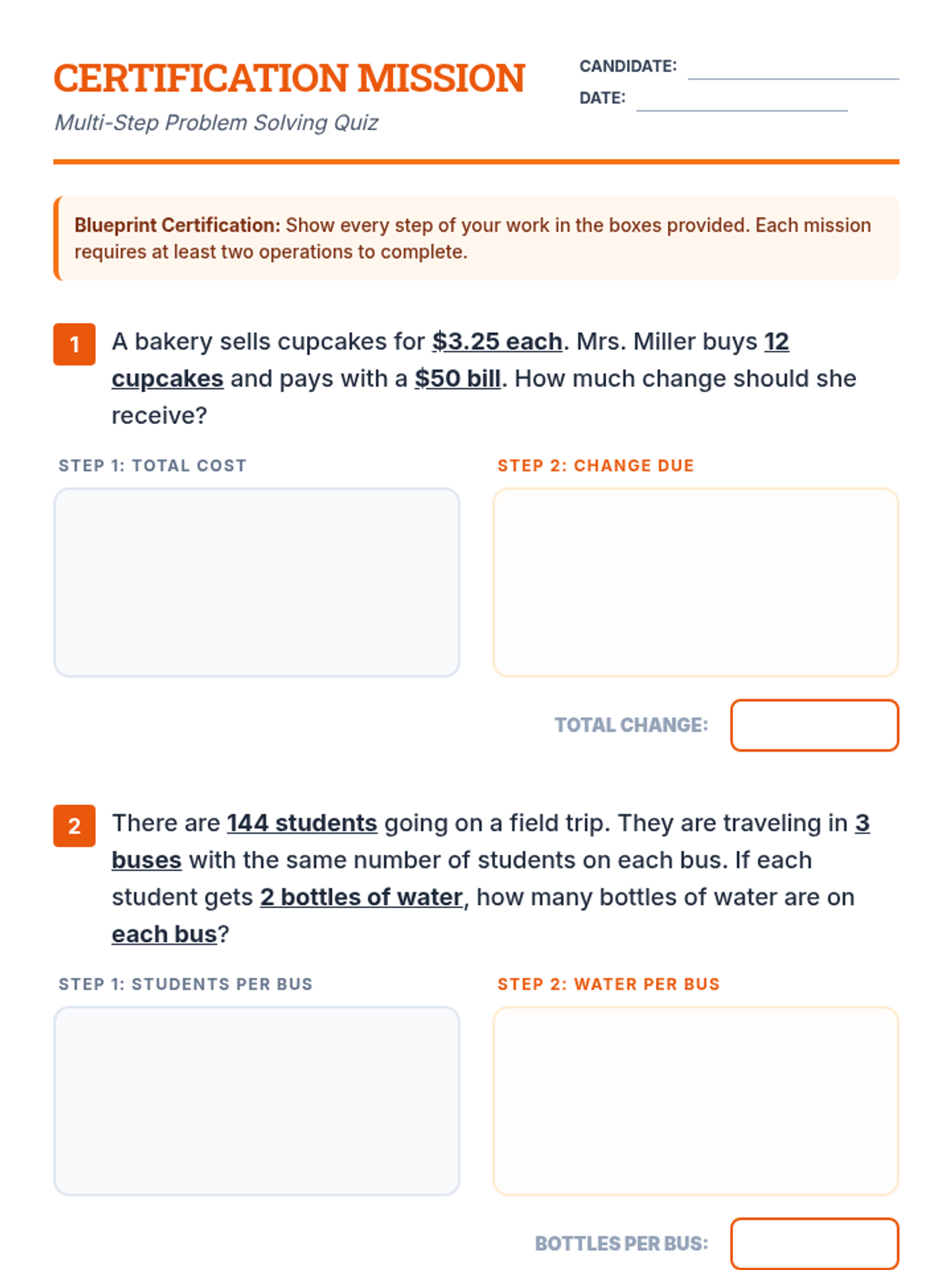
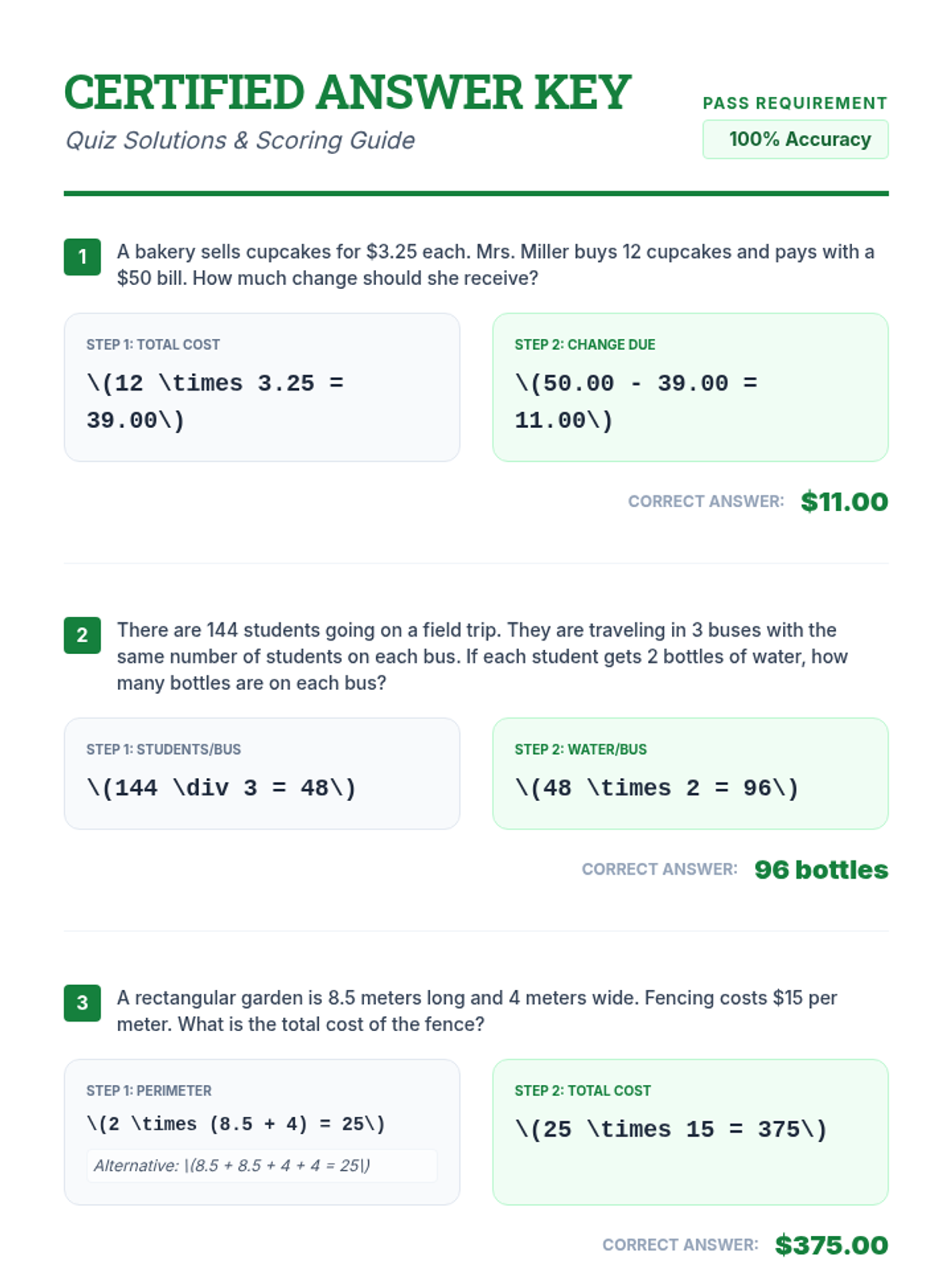
Students learn to use graphic organizer 'blueprints' to decompose multi-step word problems involving addition, subtraction, multiplication, and division into manageable steps.
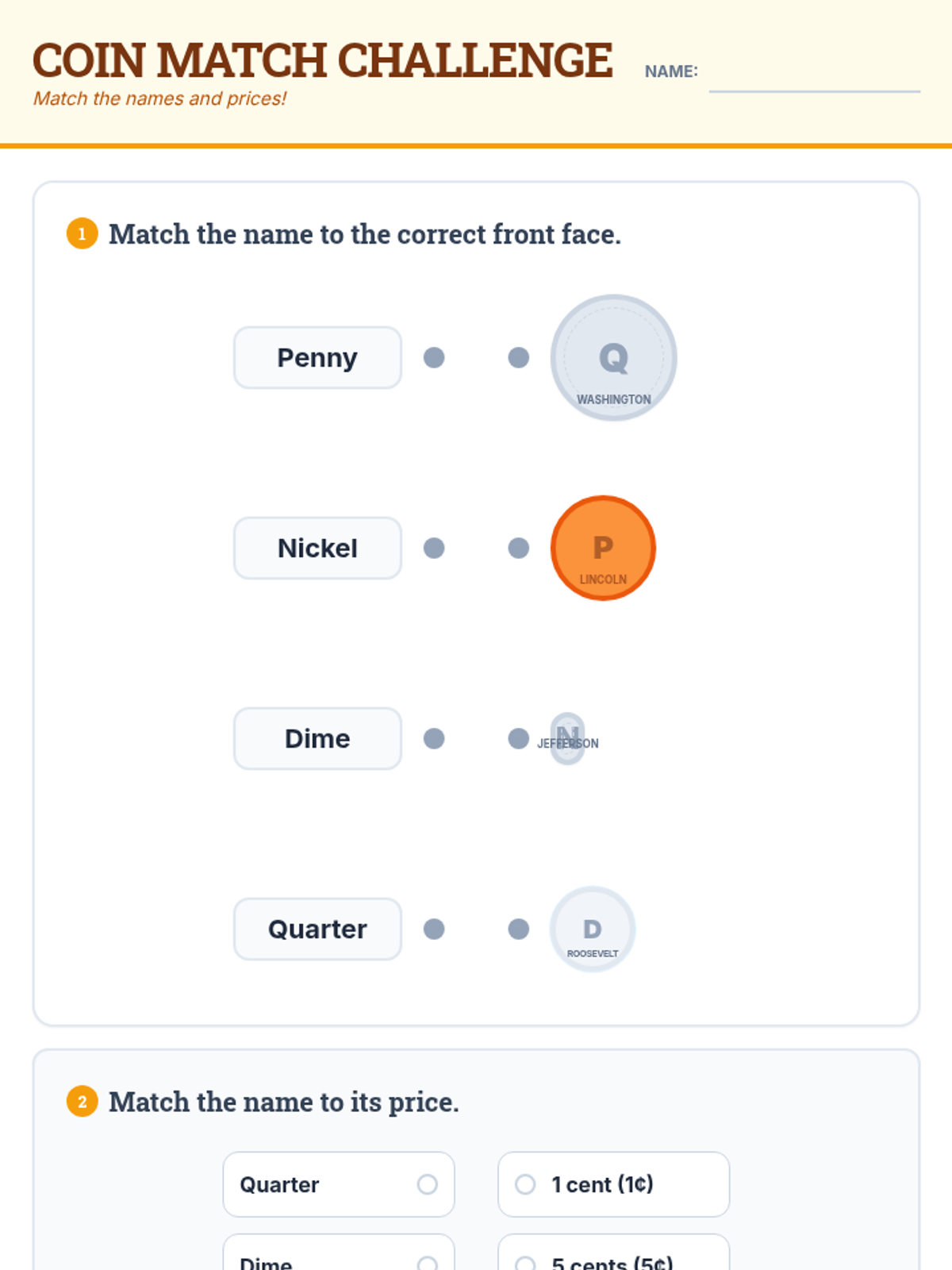
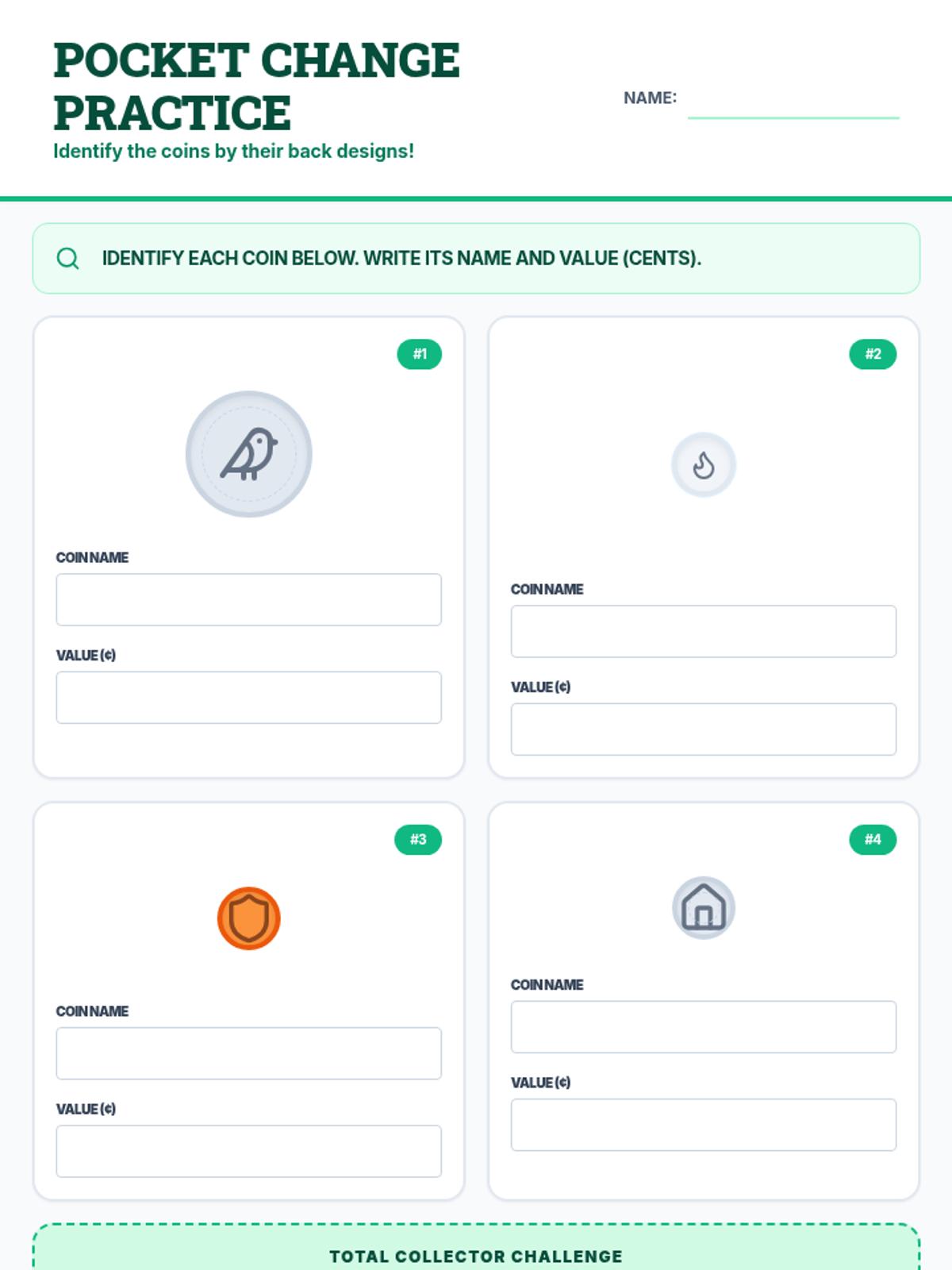
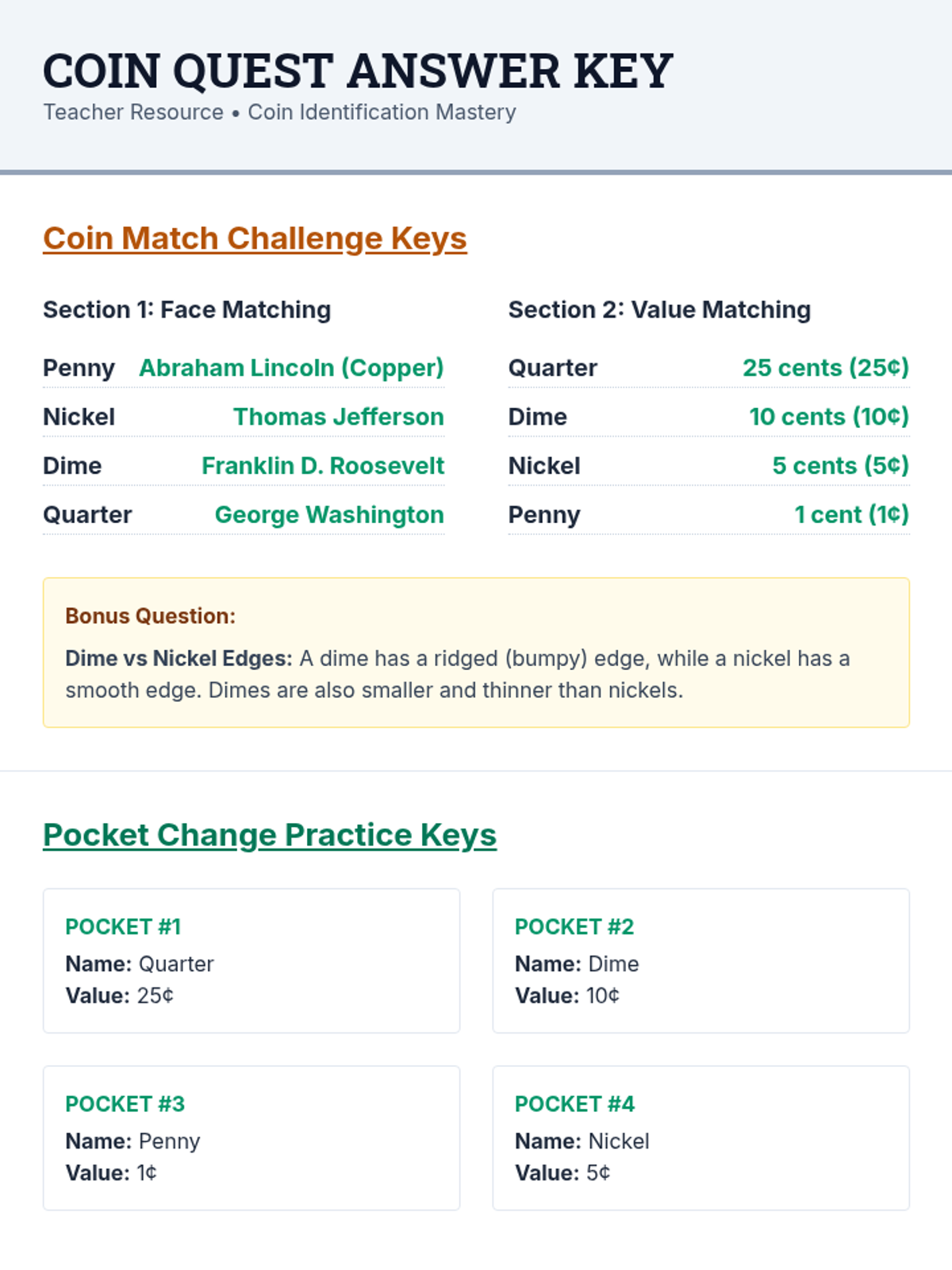
A hands-on lesson designed to help students master the identification of pennies, nickels, dimes, and quarters by their physical features and monetary values.
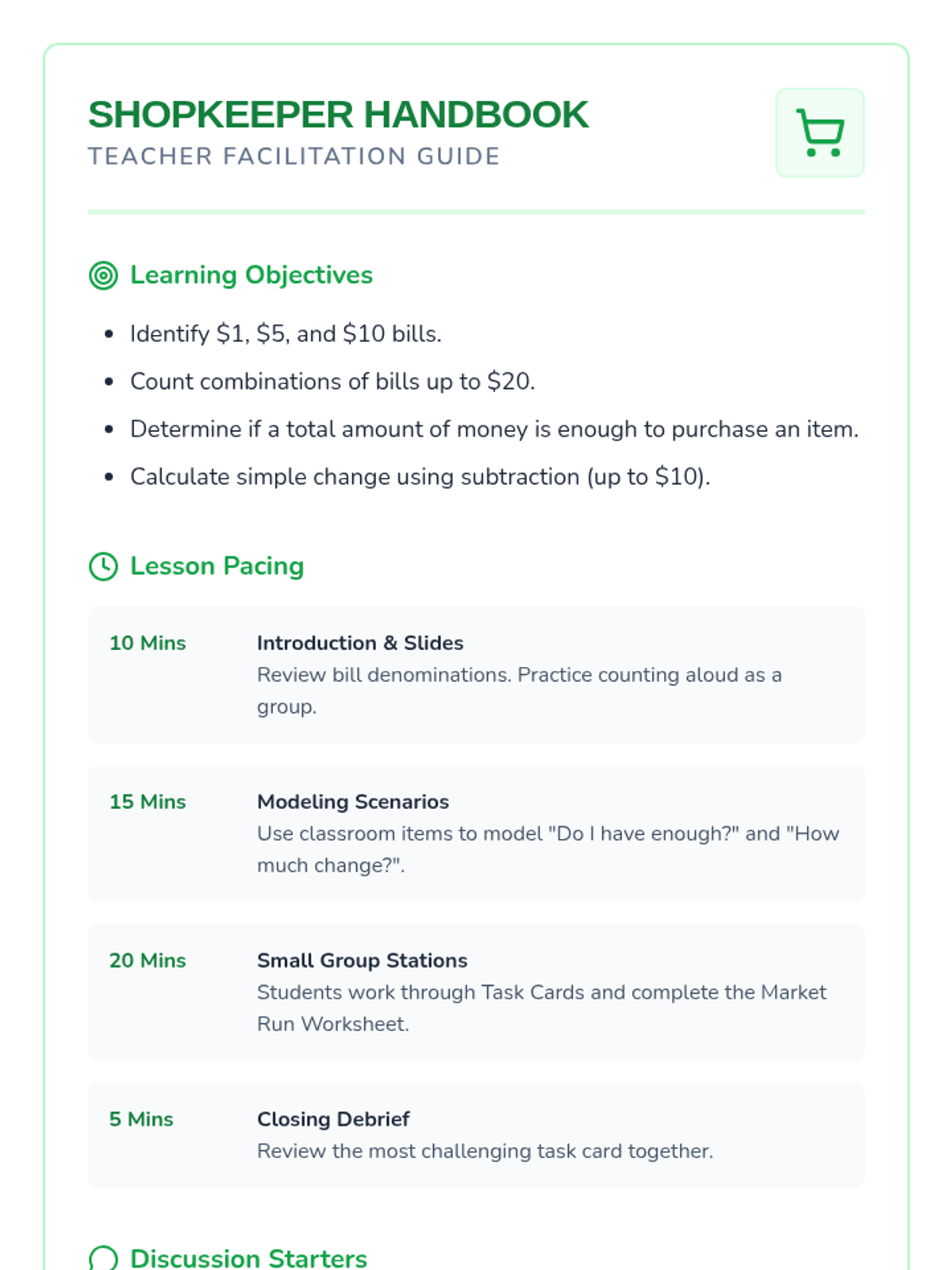
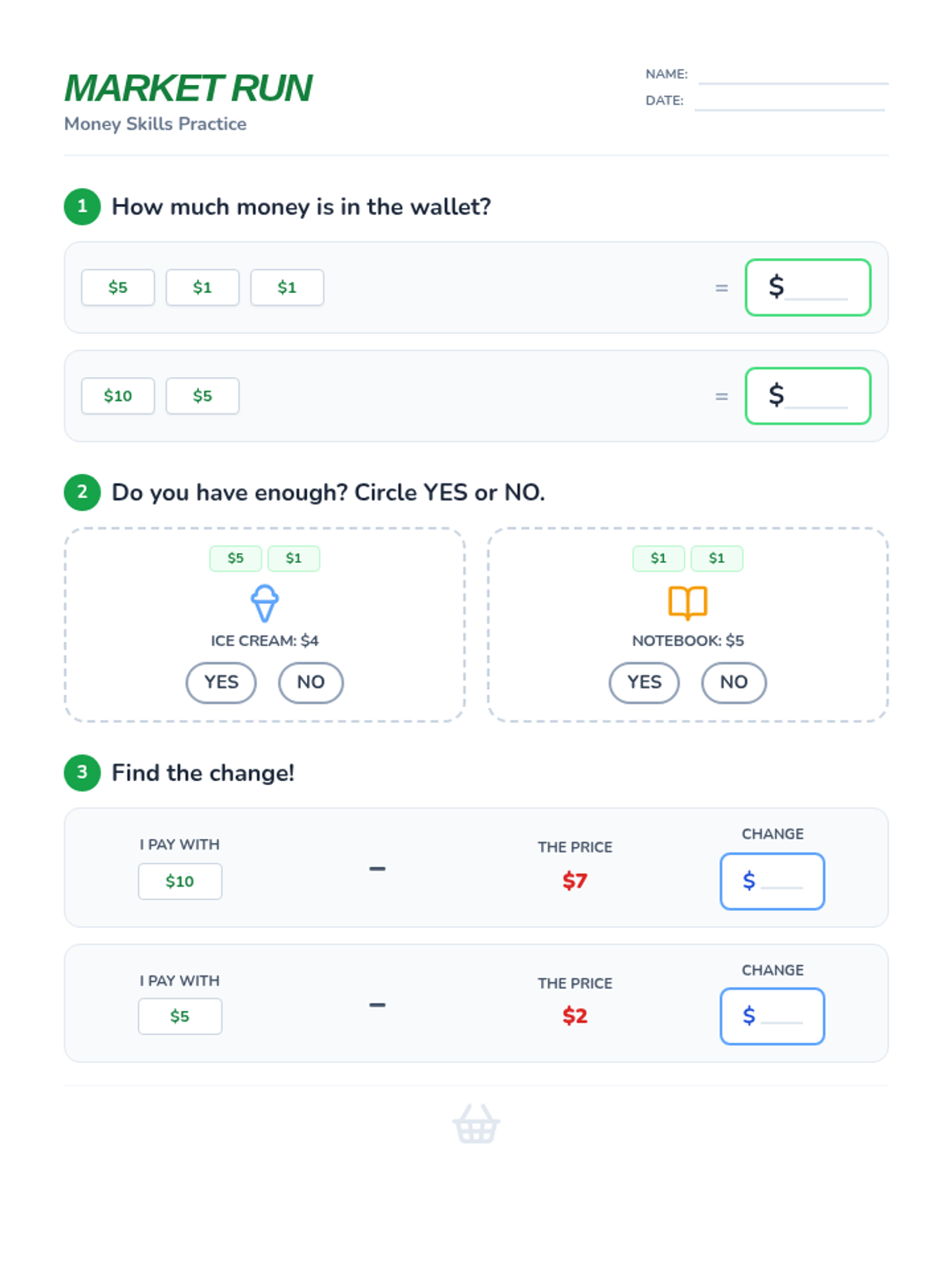
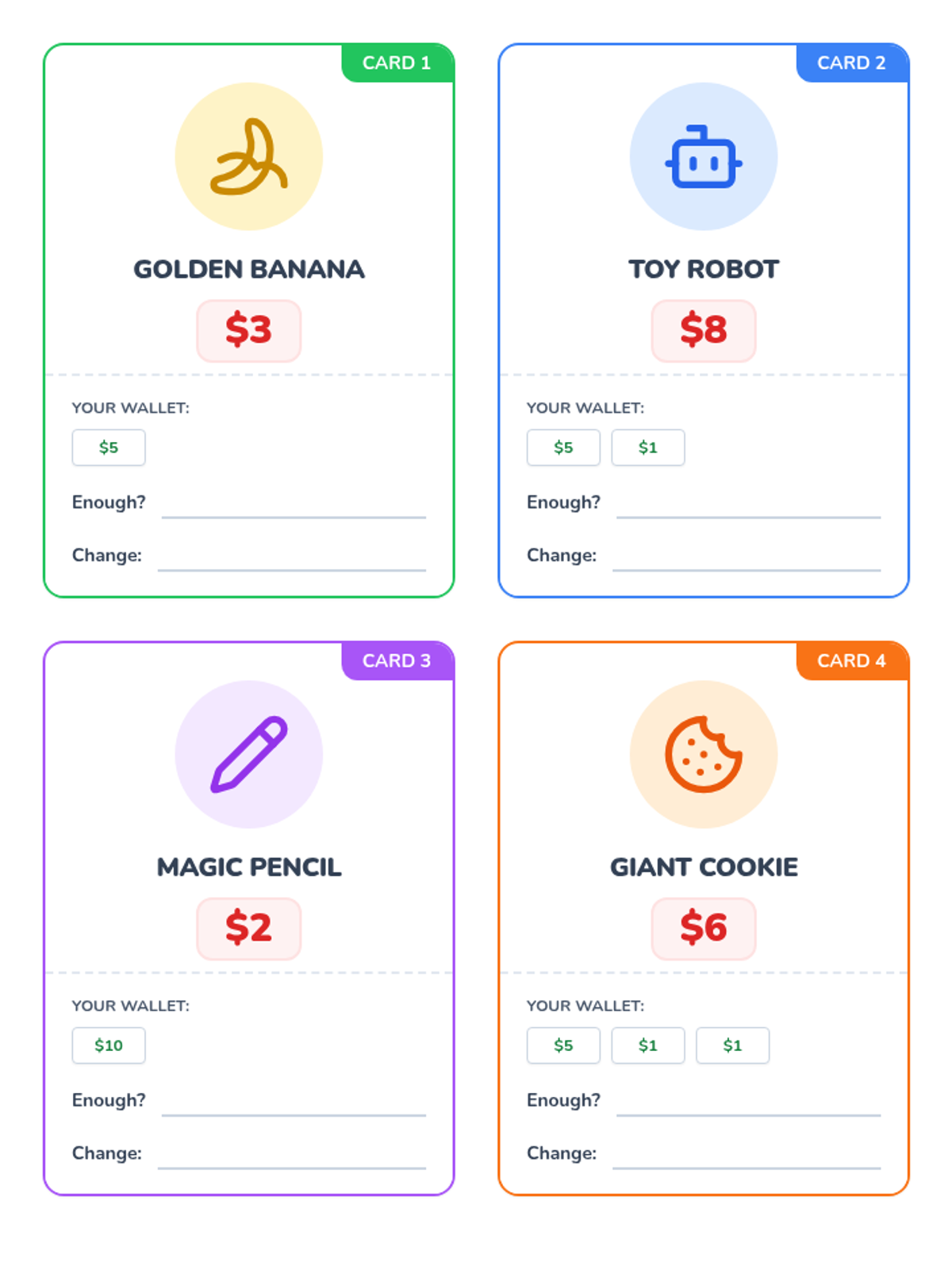
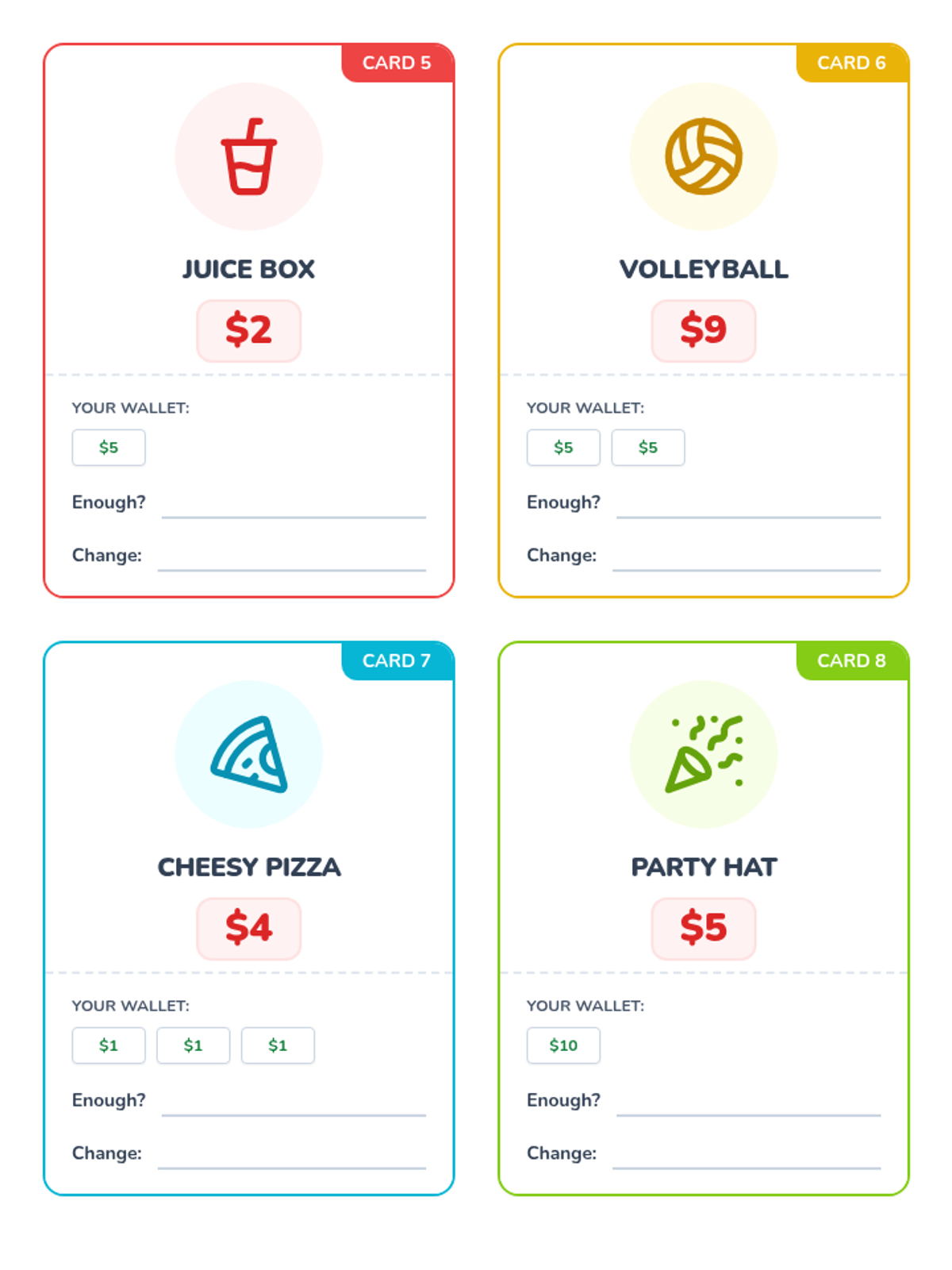
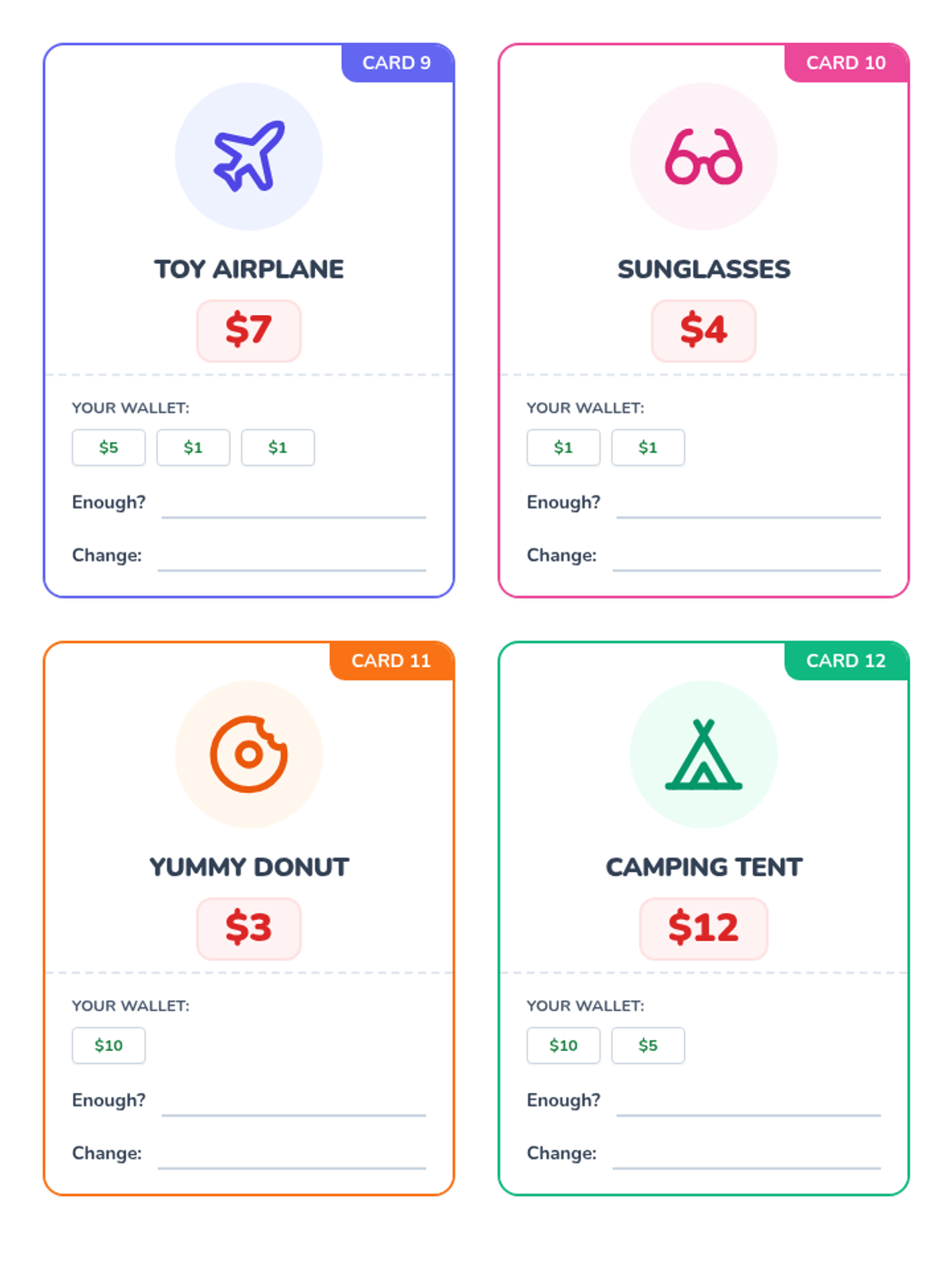
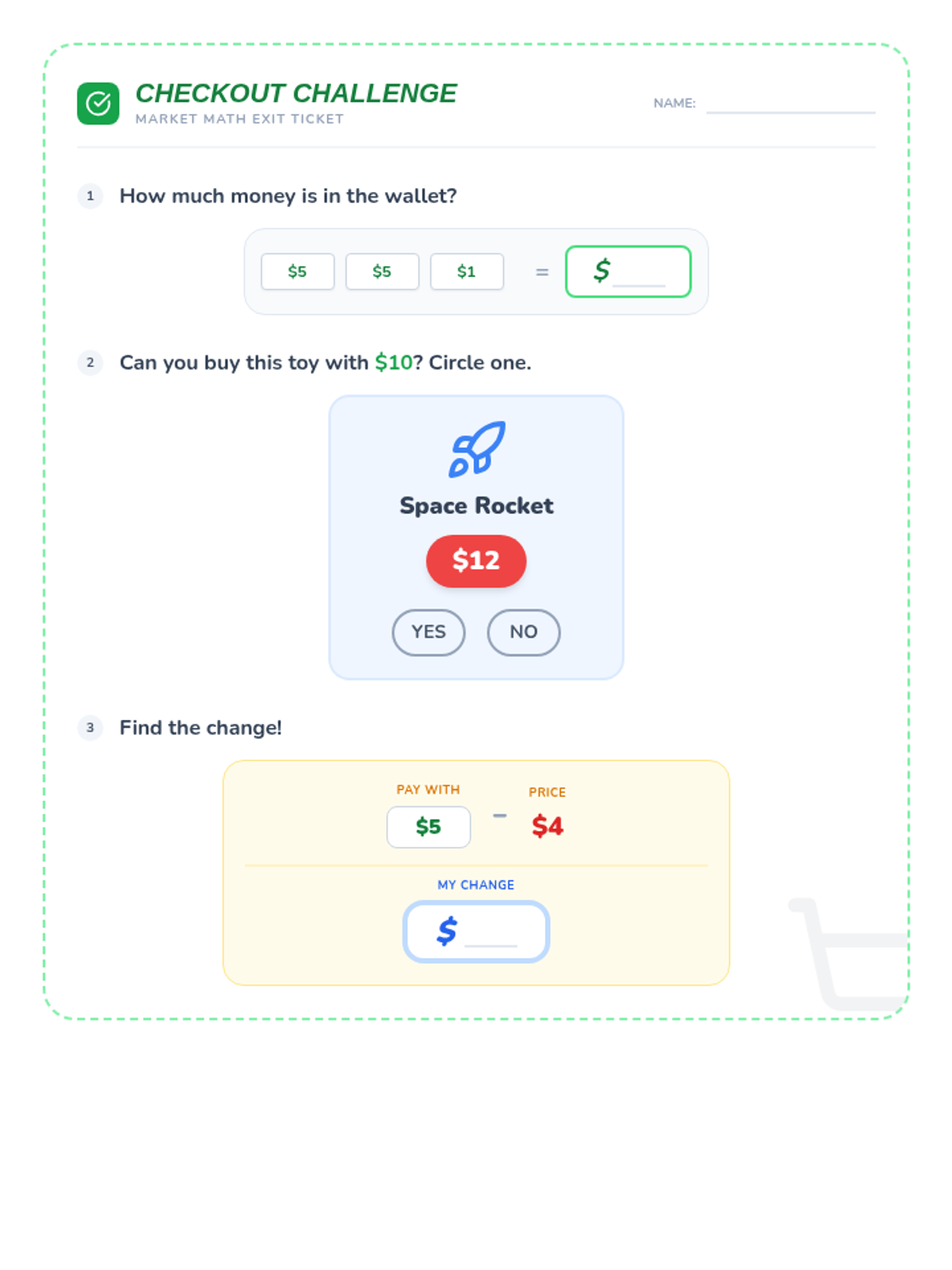
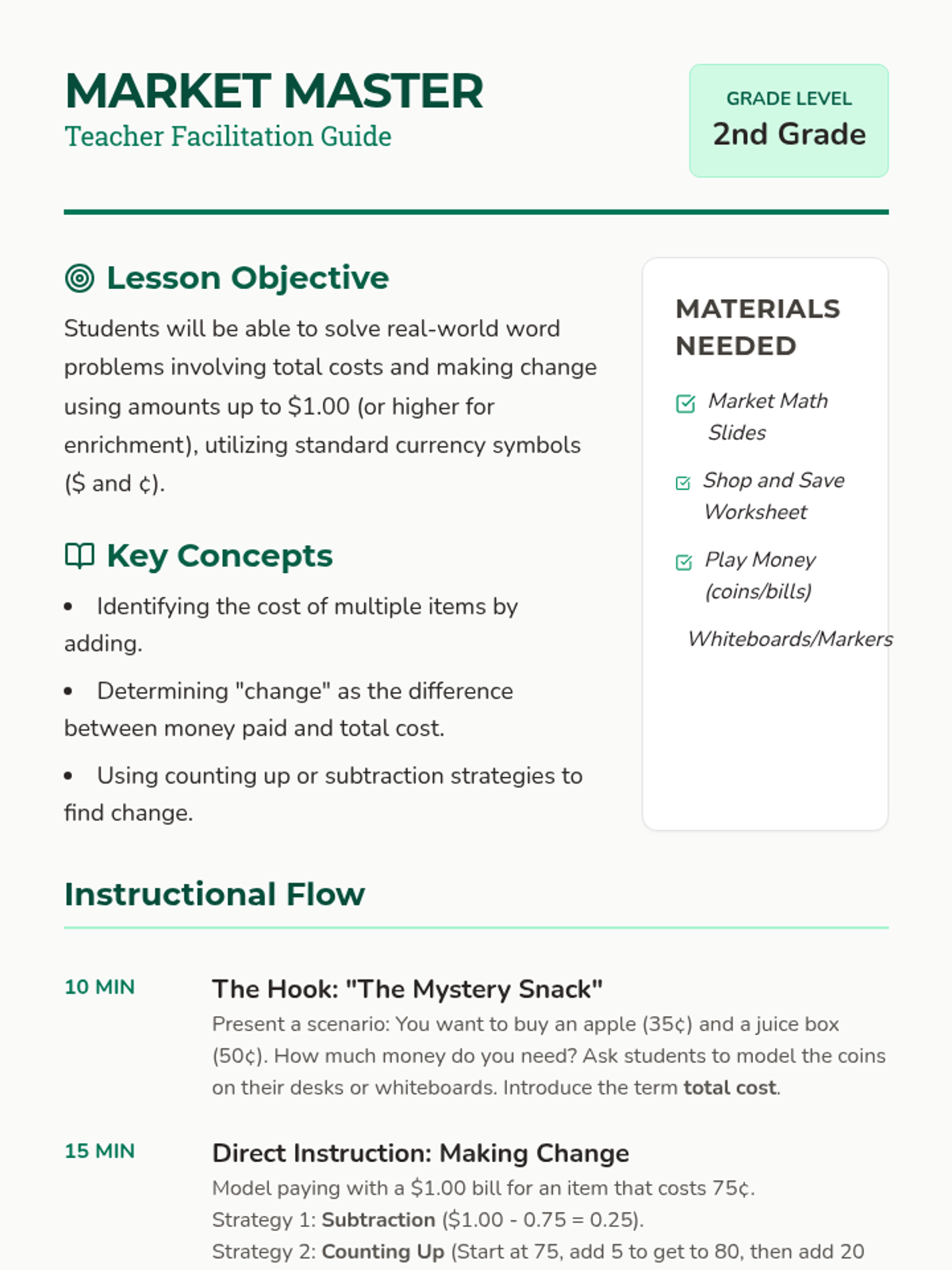
A hands-on introduction to counting dollar bills, determining if there is enough money for a purchase, and calculating simple change using a market-themed approach.
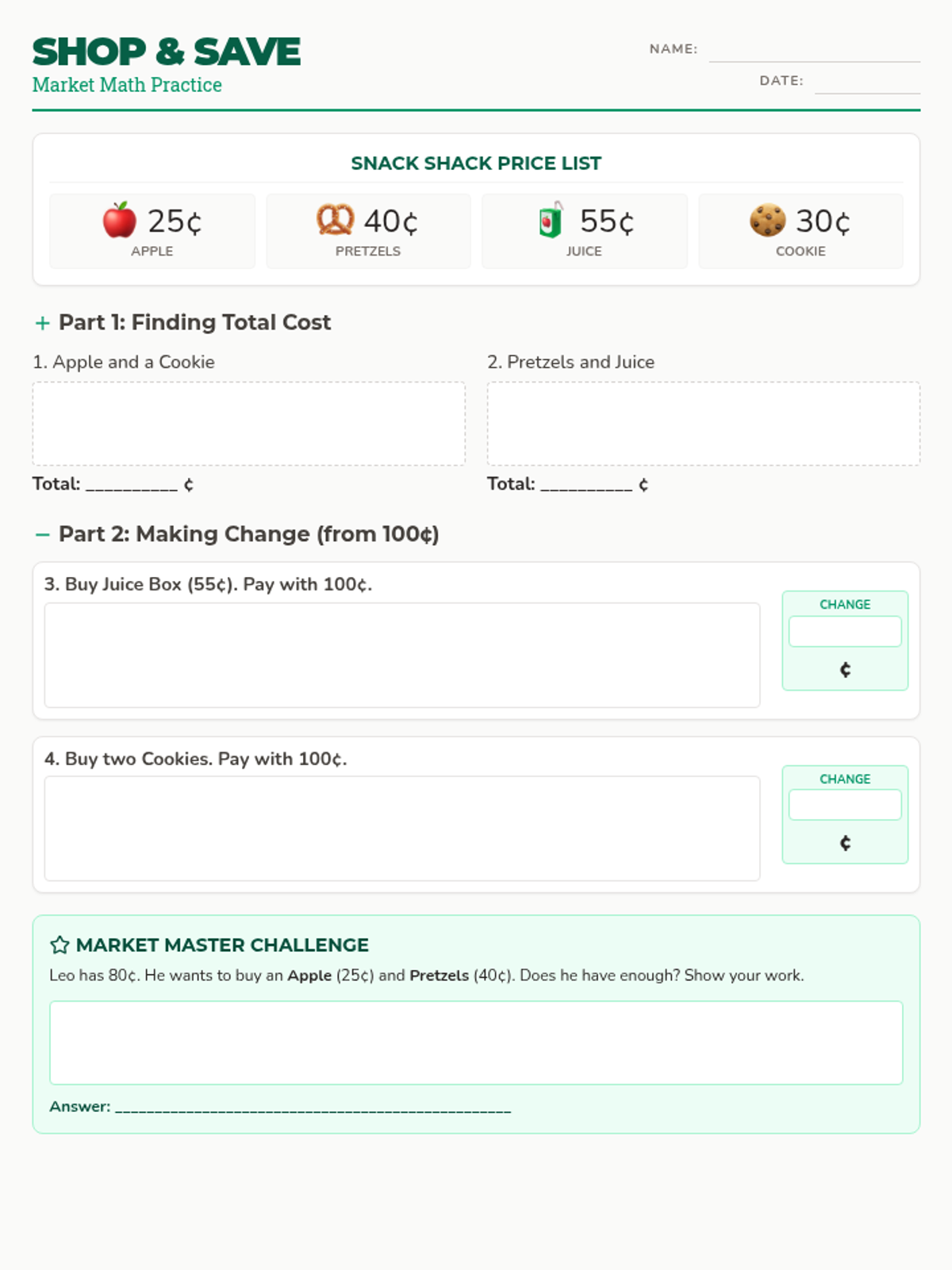
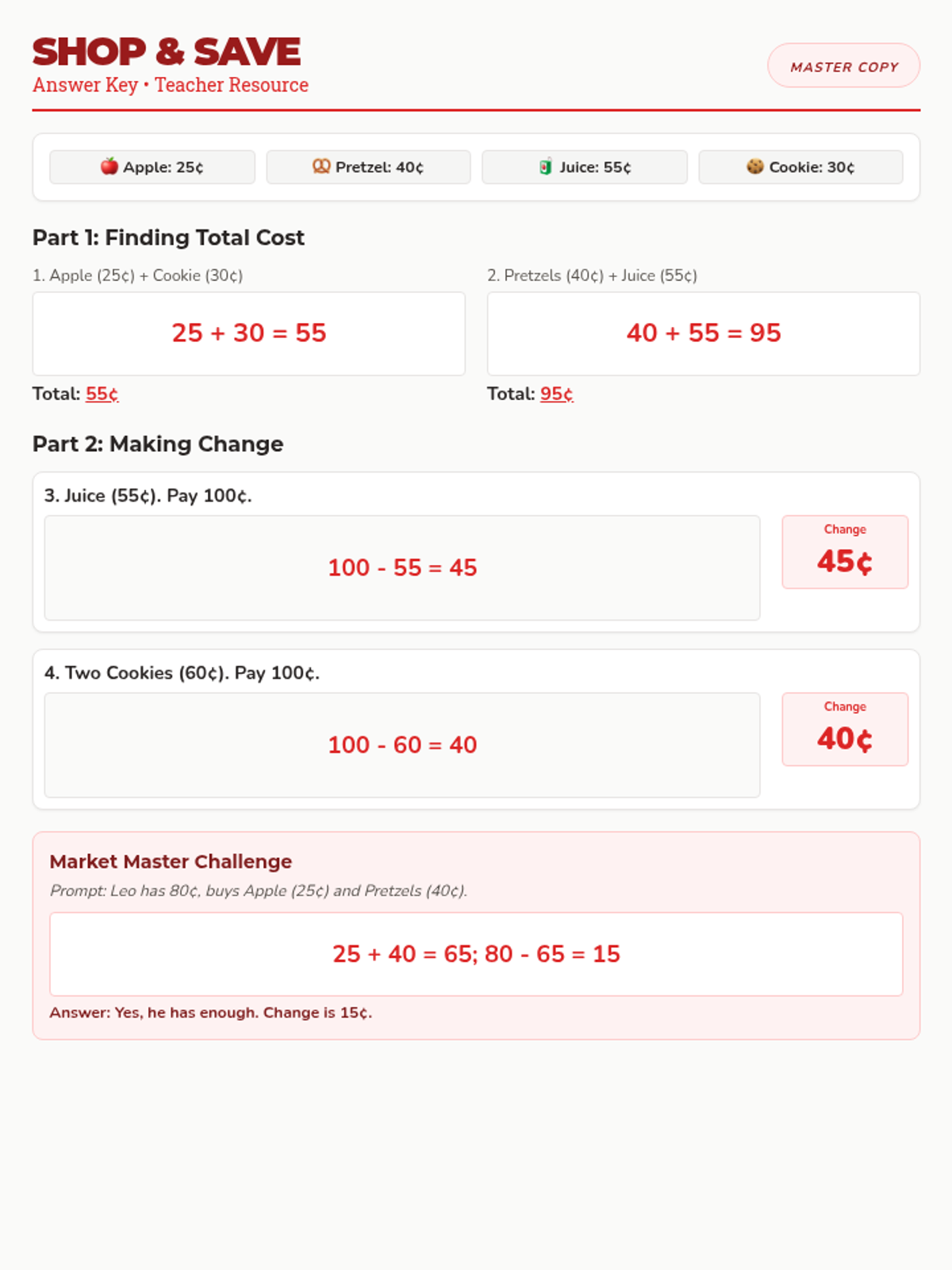
A comprehensive math lesson for 2nd-grade students focusing on practical money skills, including calculating total costs and making change in a classroom market setting.
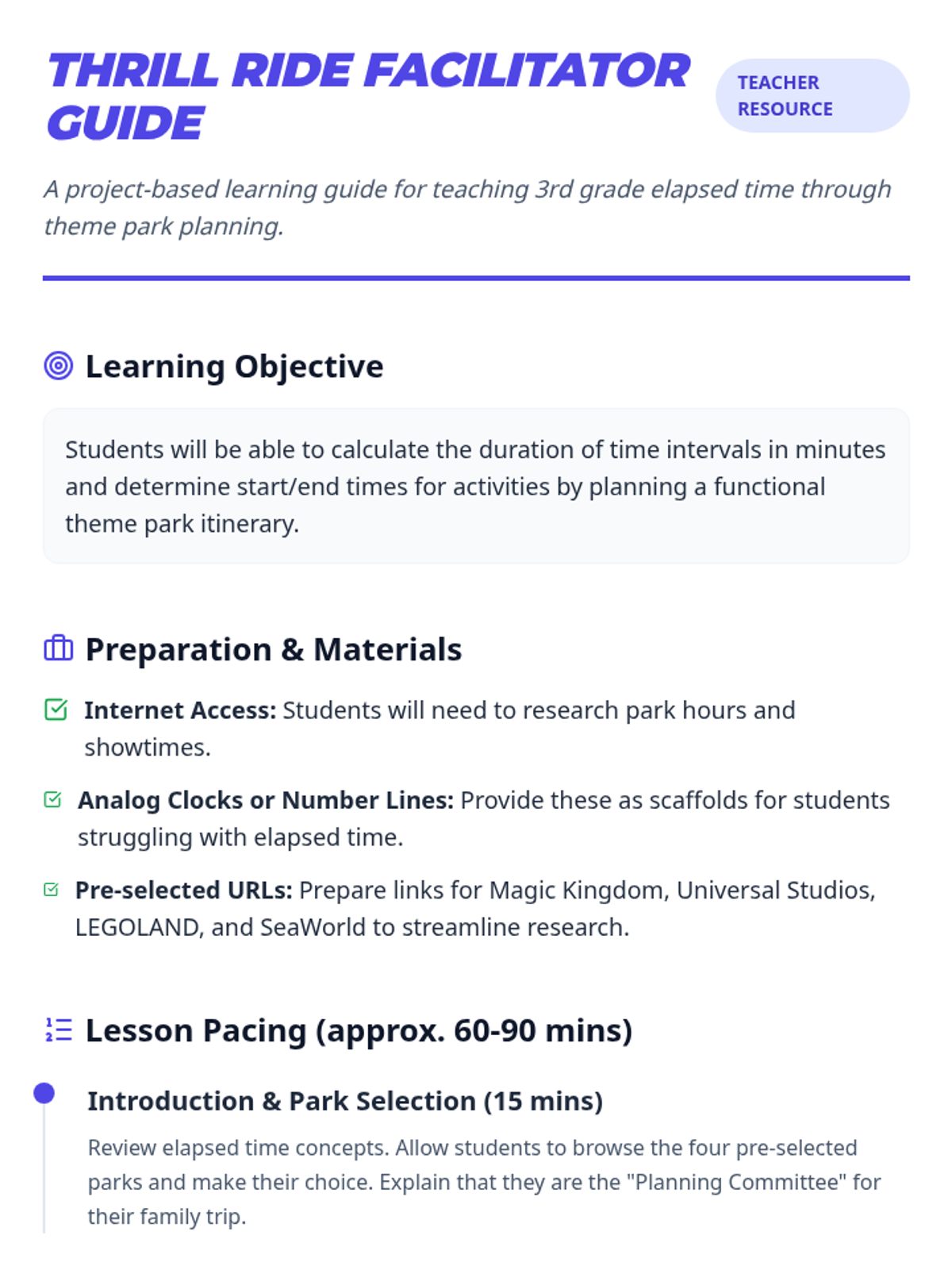
A project-based math lesson where 3rd-grade students apply elapsed time concepts to plan a detailed day at a major theme park. Students select a park, schedule their arrival and departure, and calculate durations for meals and special events.
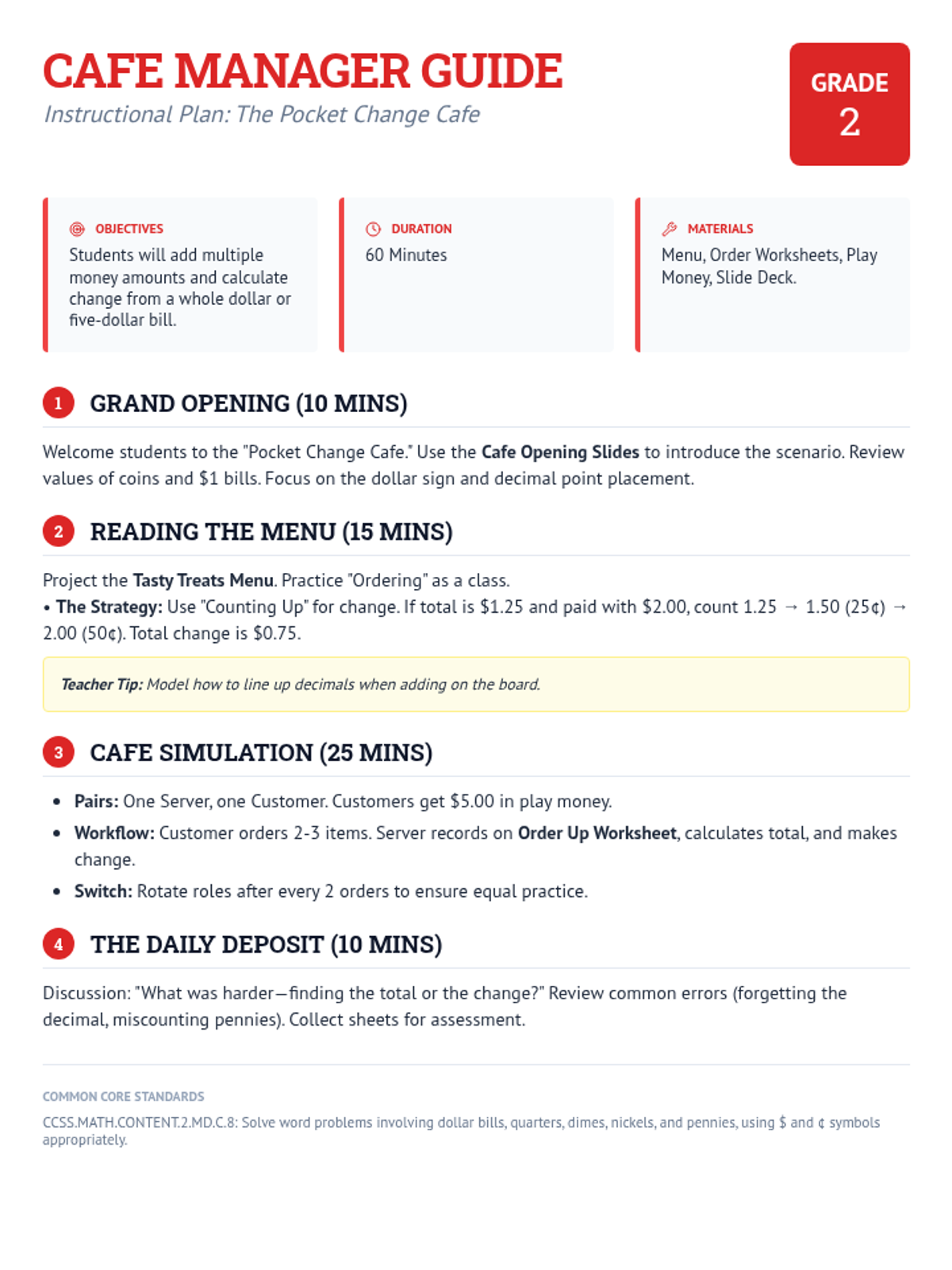
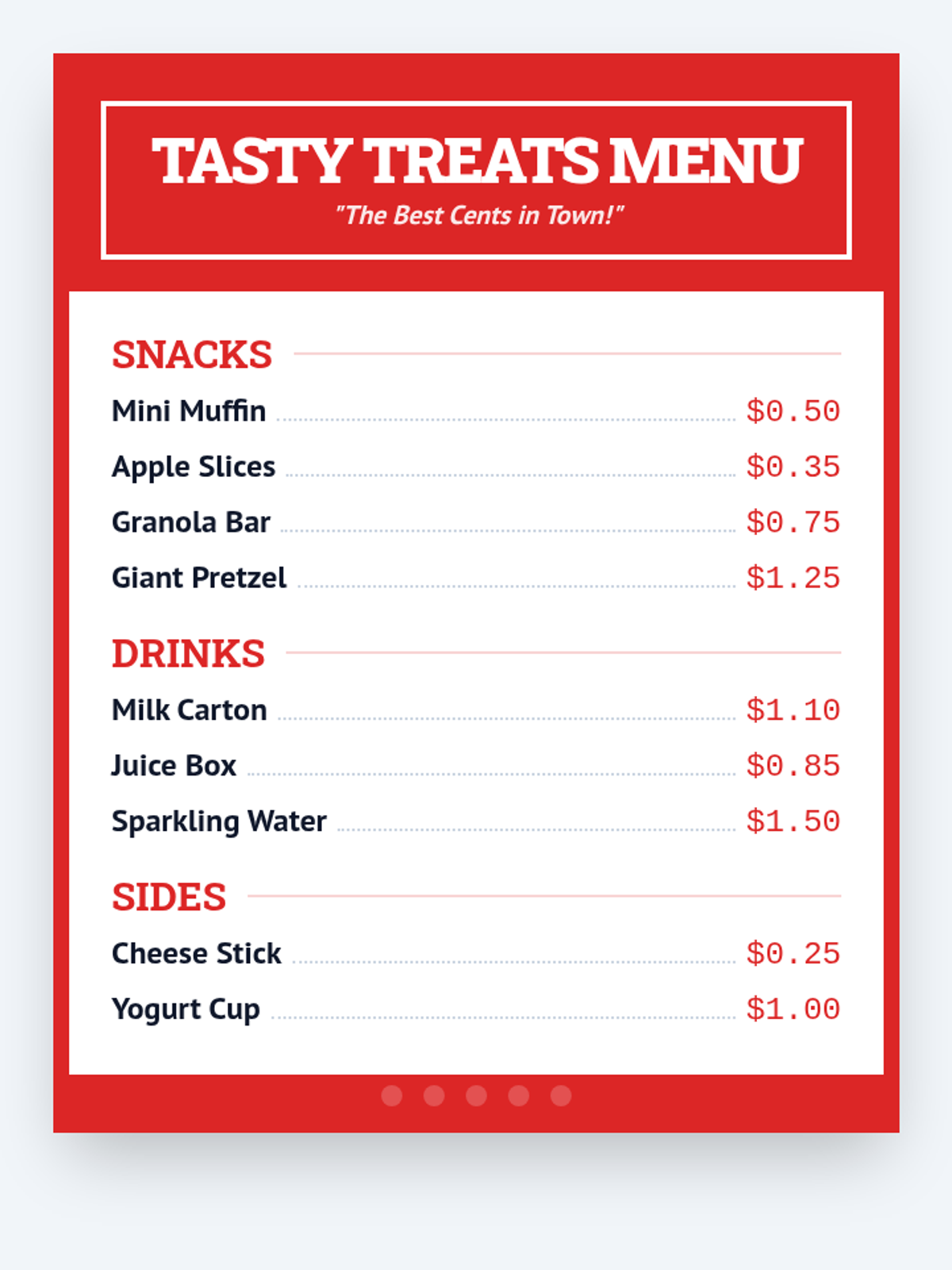
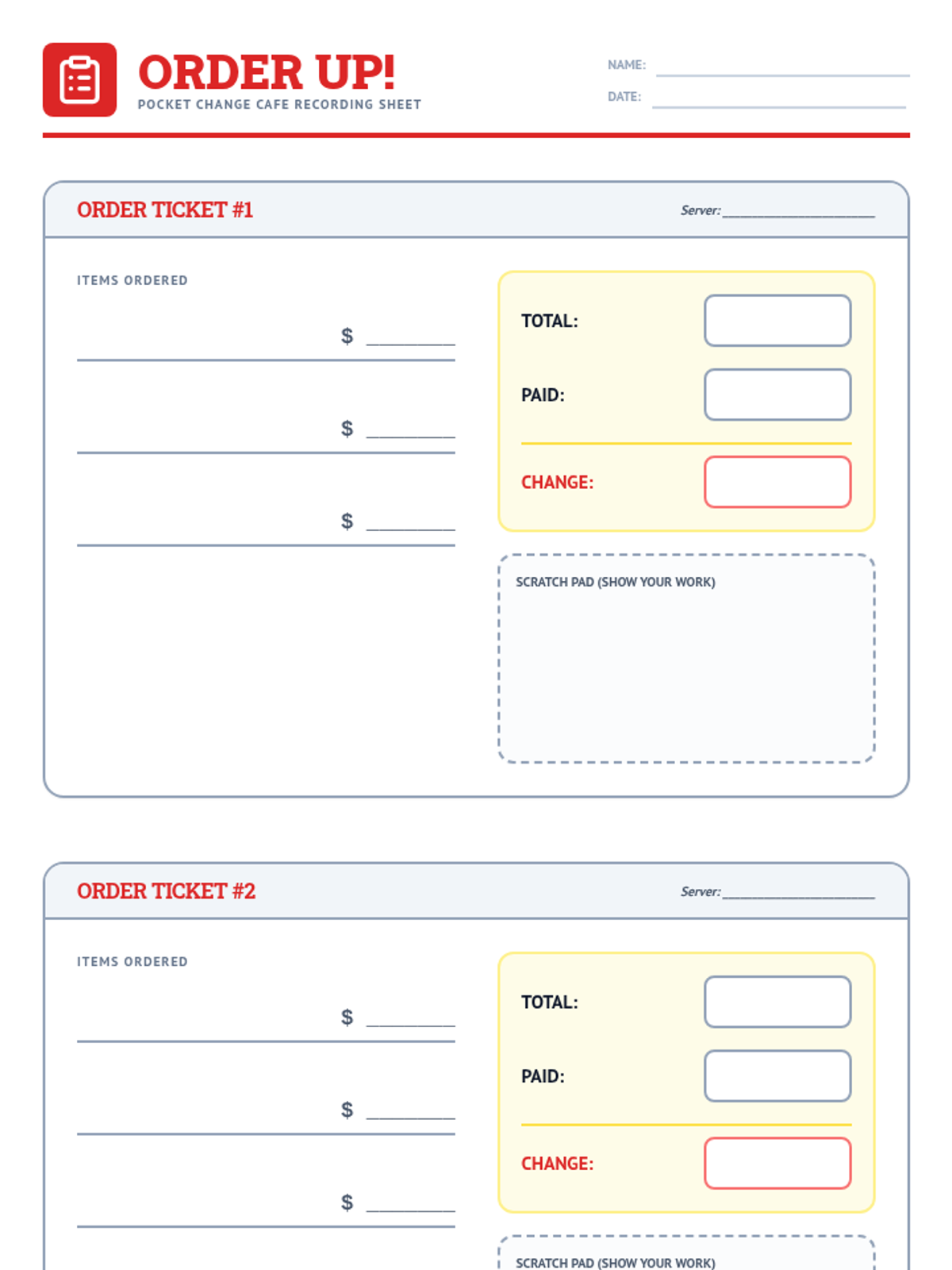
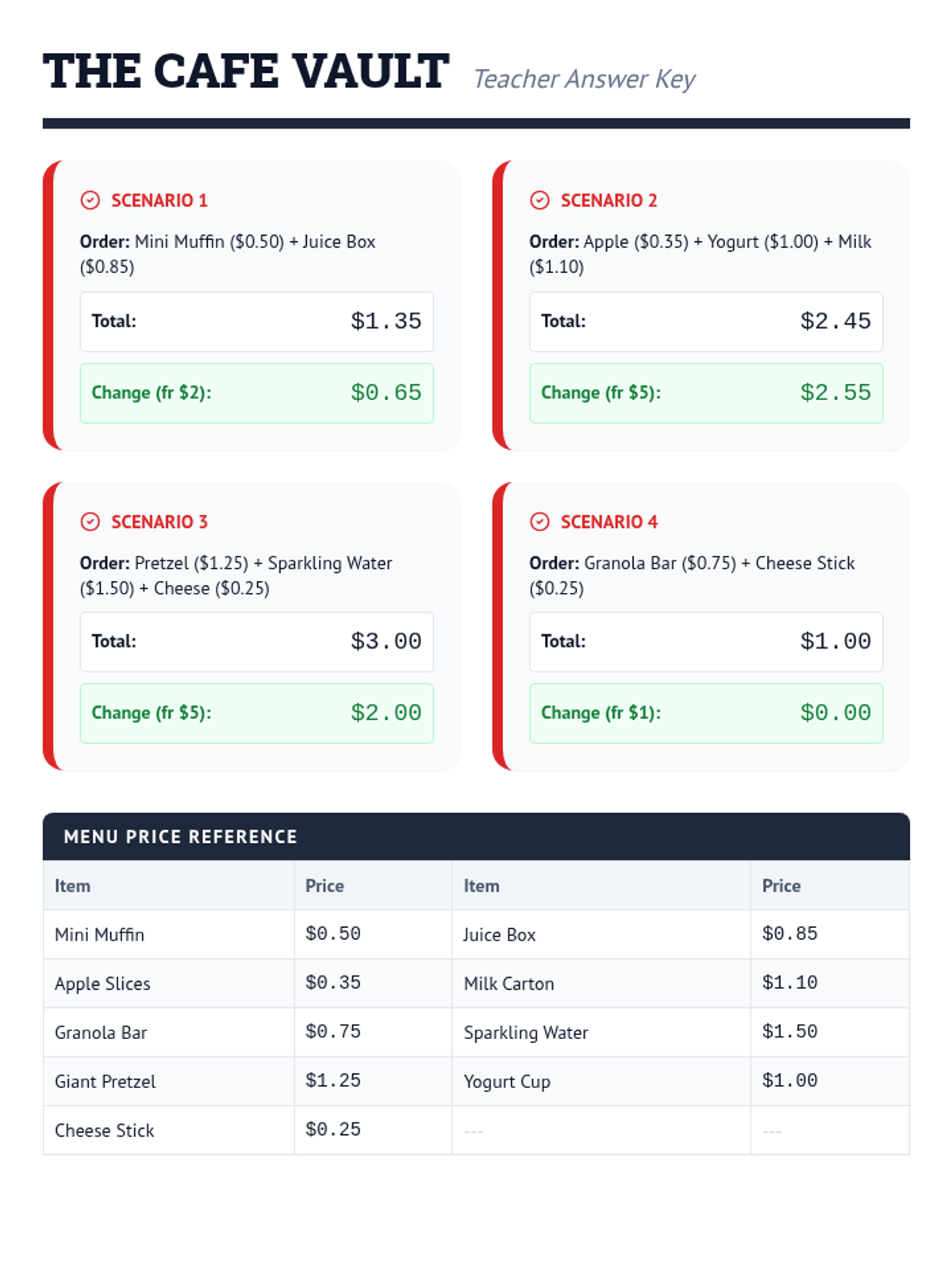
A hands-on math lesson where second graders practice adding and subtracting money by running a simulated diner. Students role-play as servers and customers to calculate totals and provide correct change.
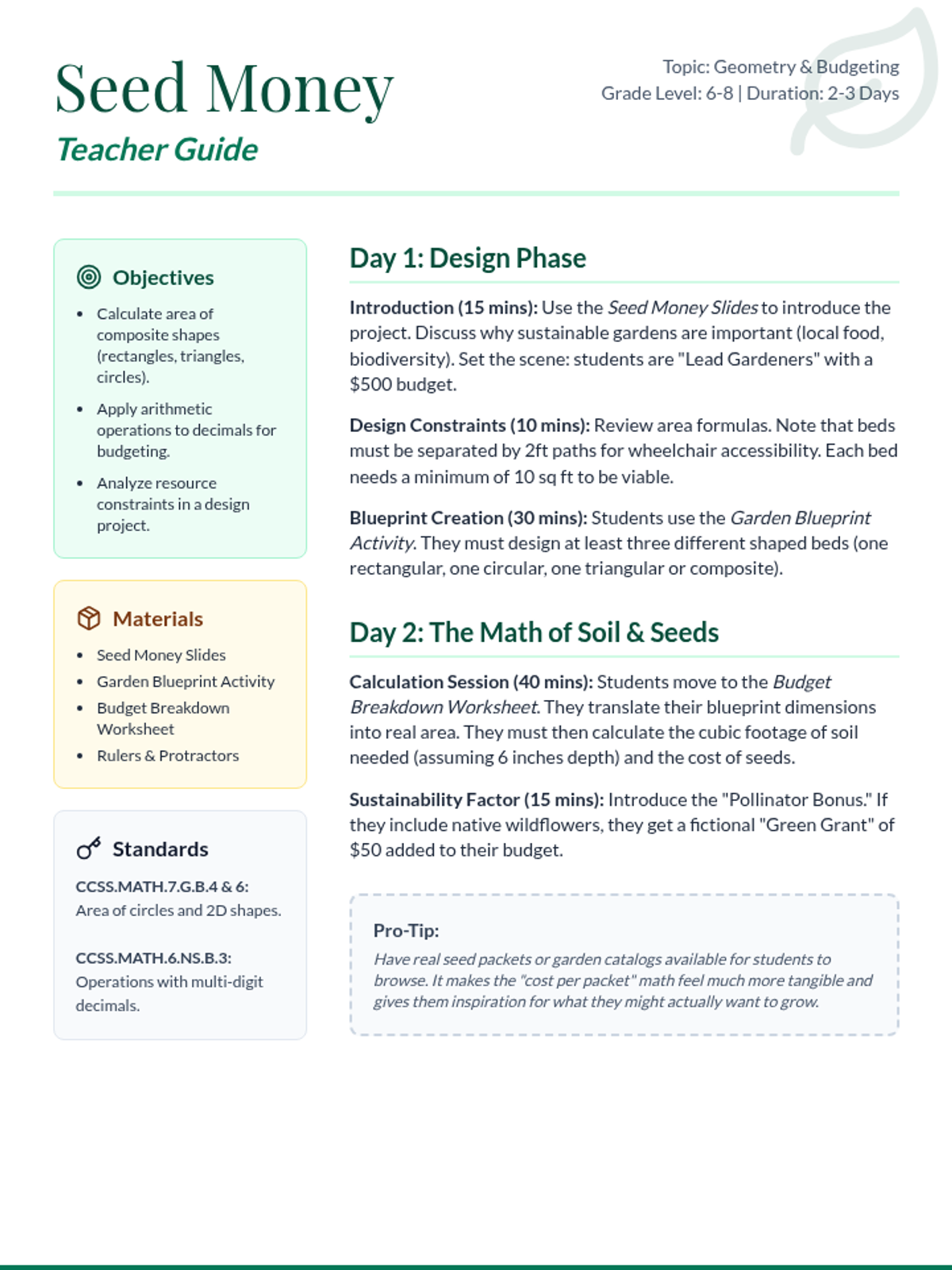
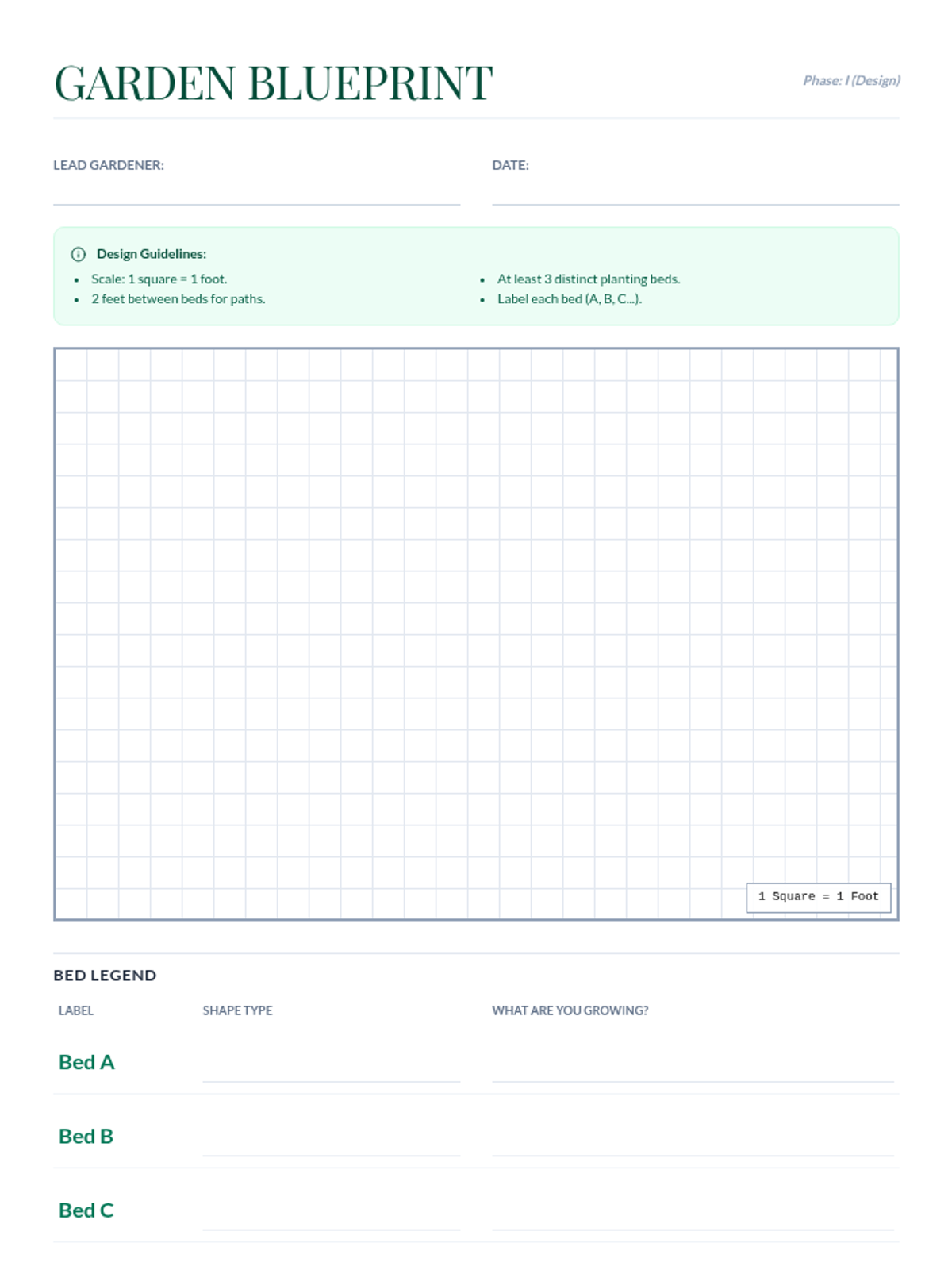
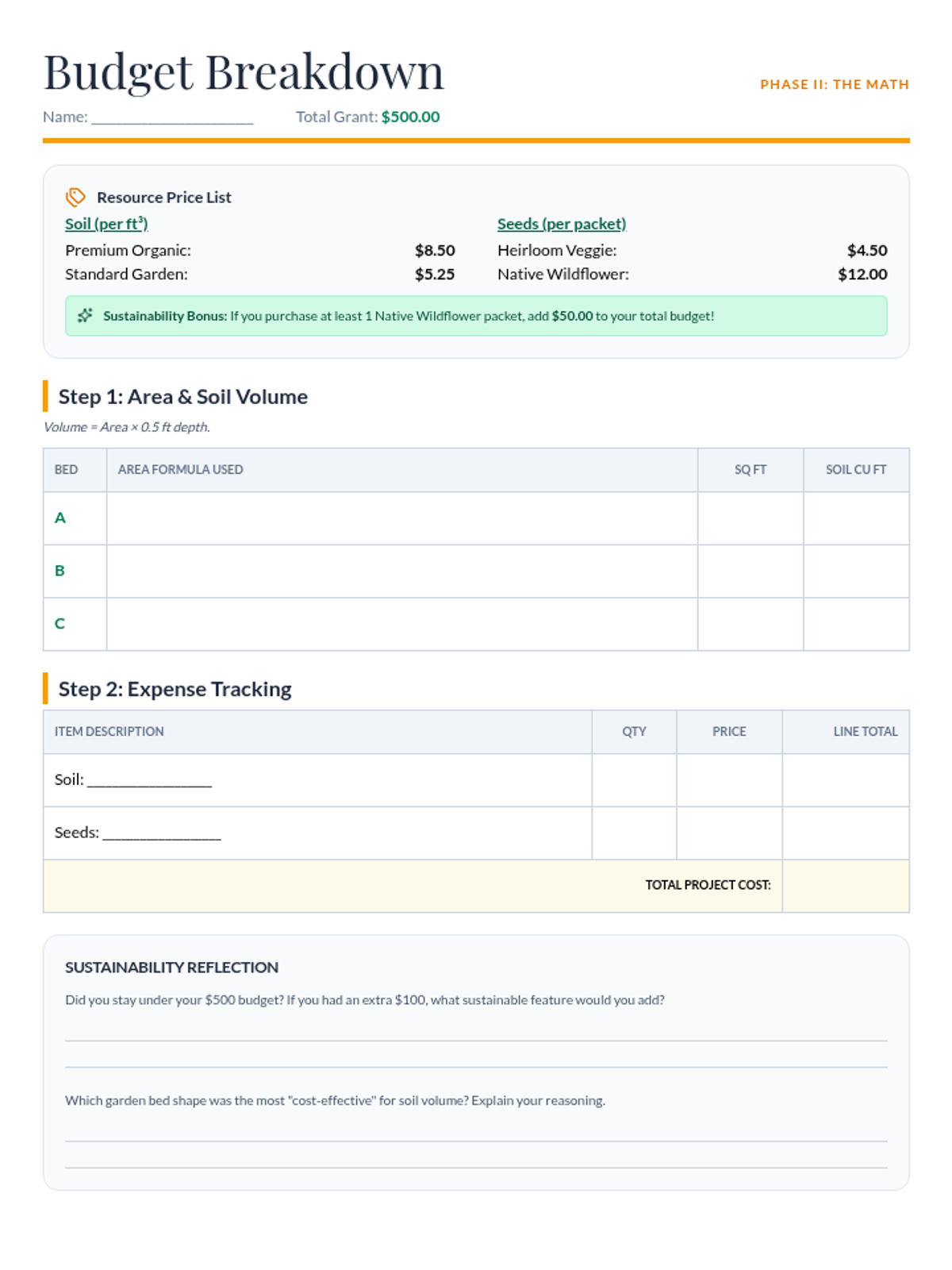
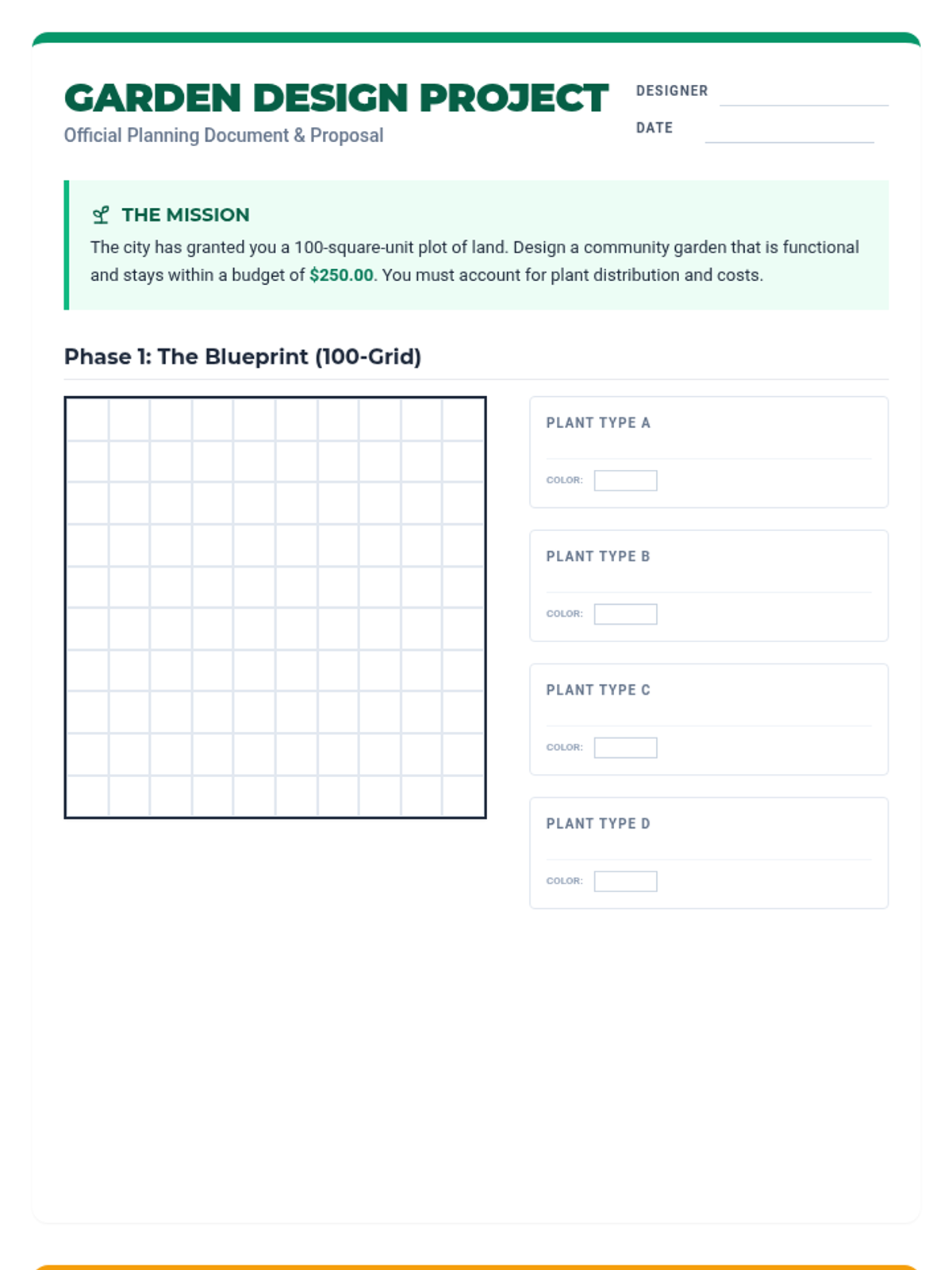
Students apply geometry and arithmetic to design a sustainable school garden, calculating area for planting beds and managing a $500 budget for soil and seeds.
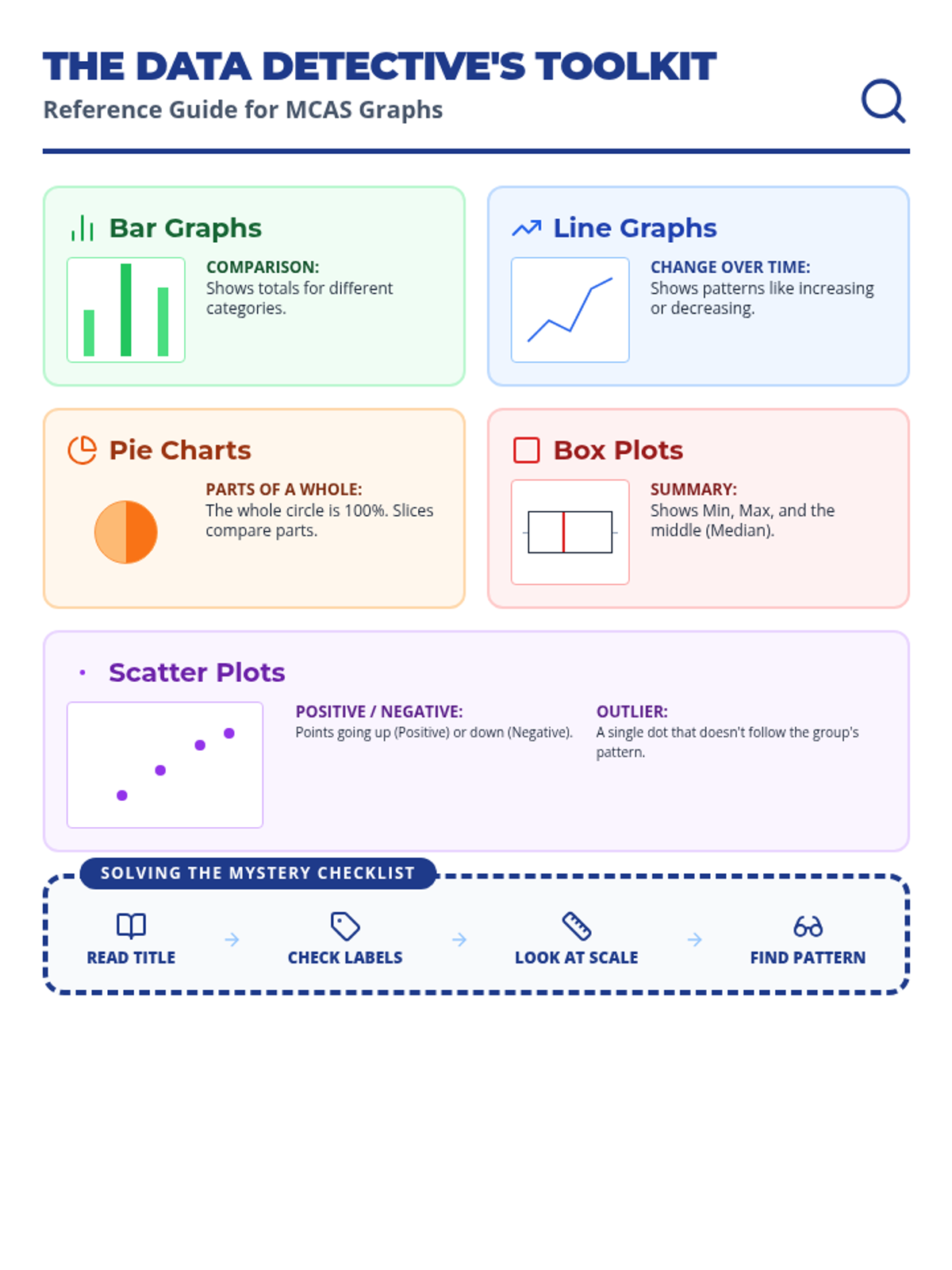
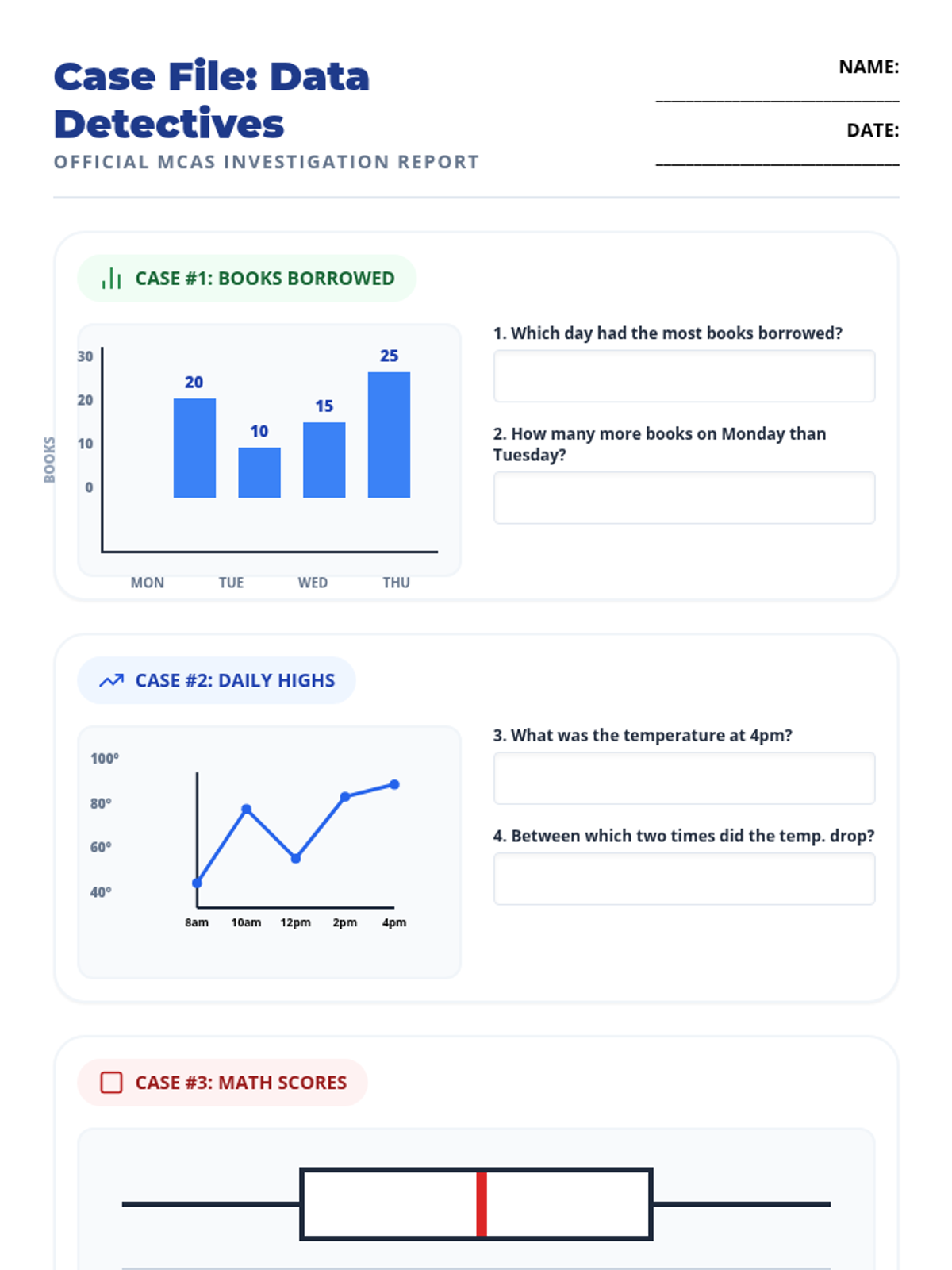
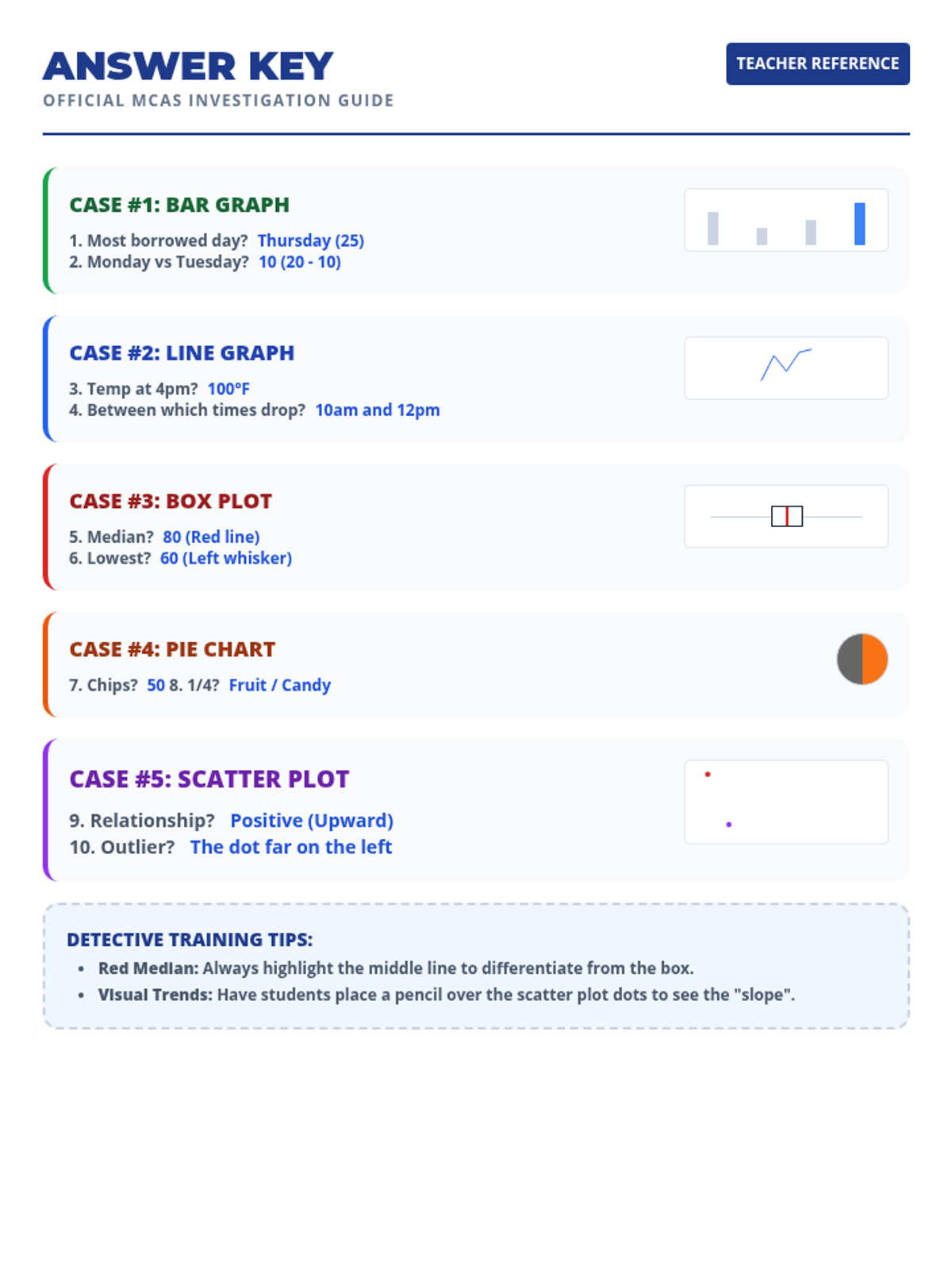
A focused lesson for 7th grade students (specifically designed for SPED support) to master interpreting data from box plots, bar graphs, pie charts, line graphs, and scatter plots in preparation for the MCAS.
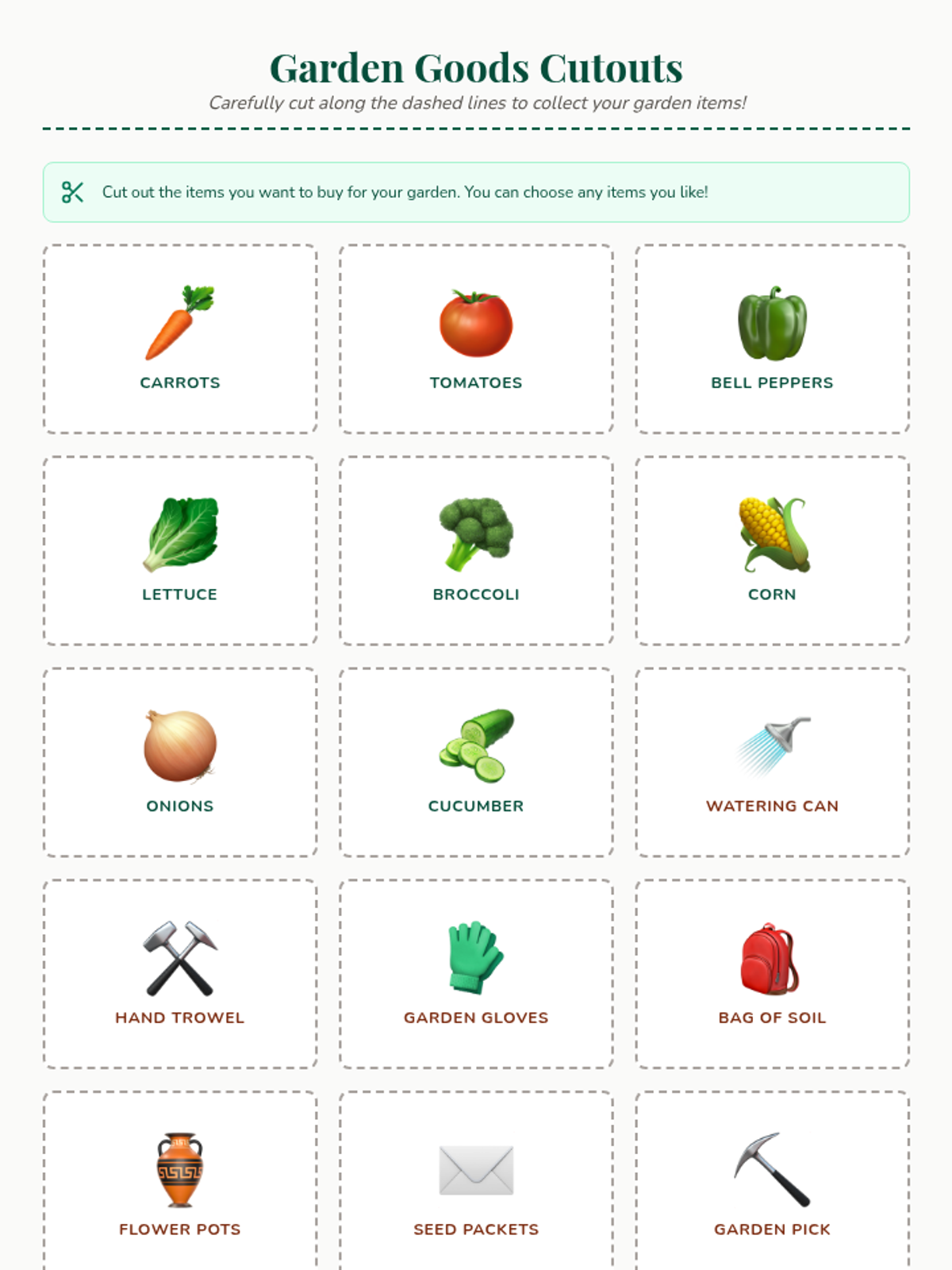
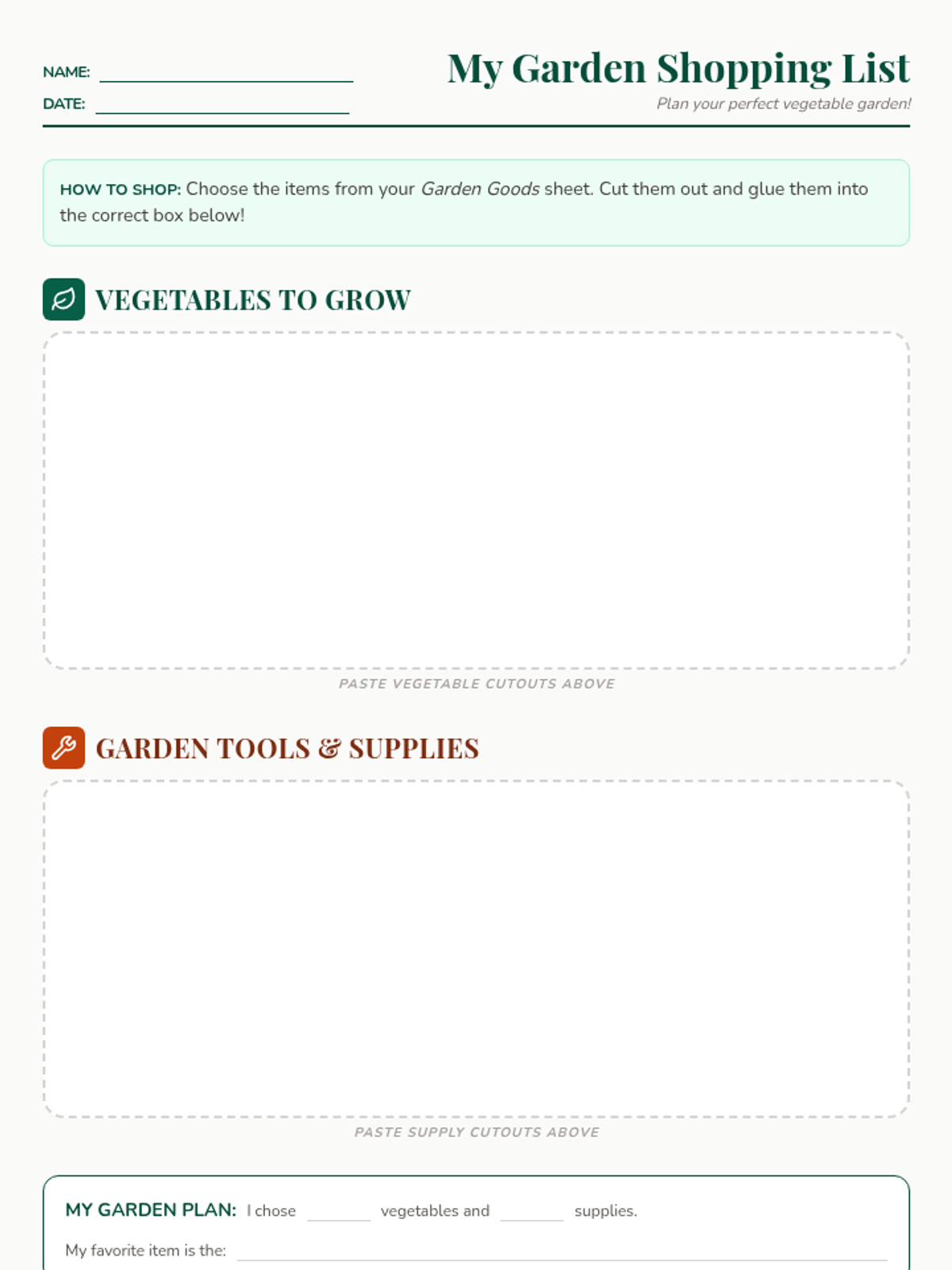
A hands-on activity where students select and sort vegetables and gardening supplies to plan their own garden space.
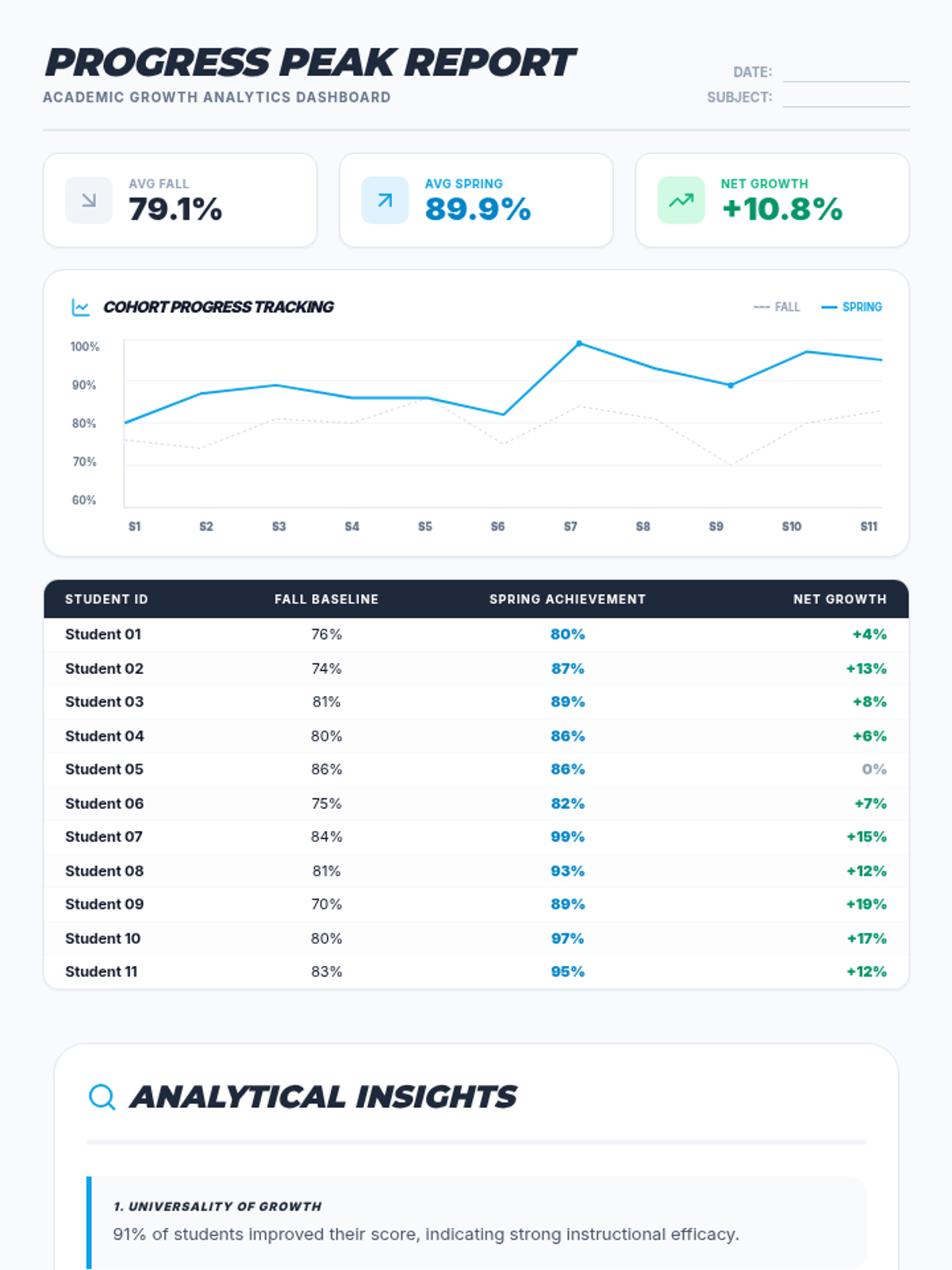
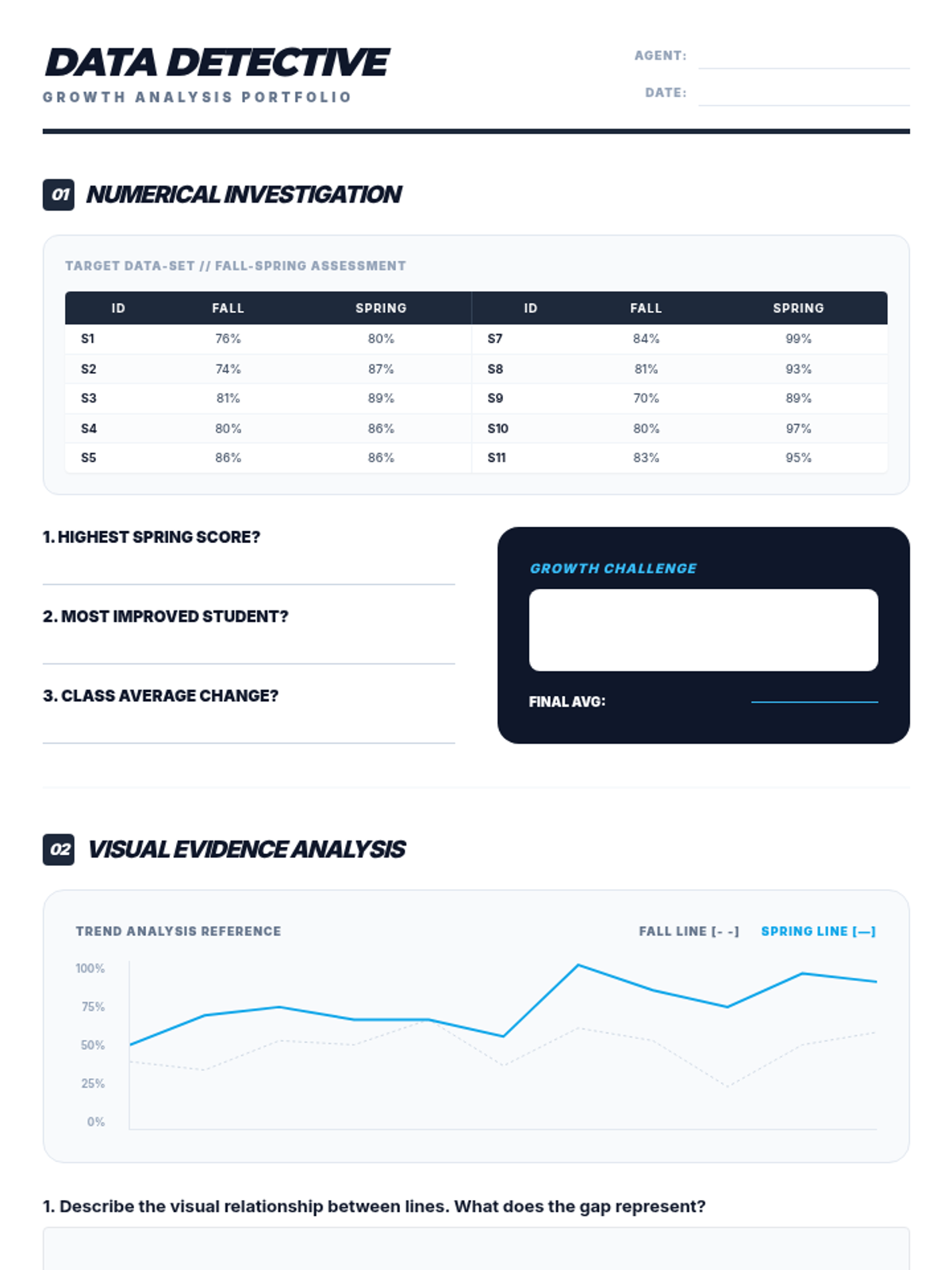
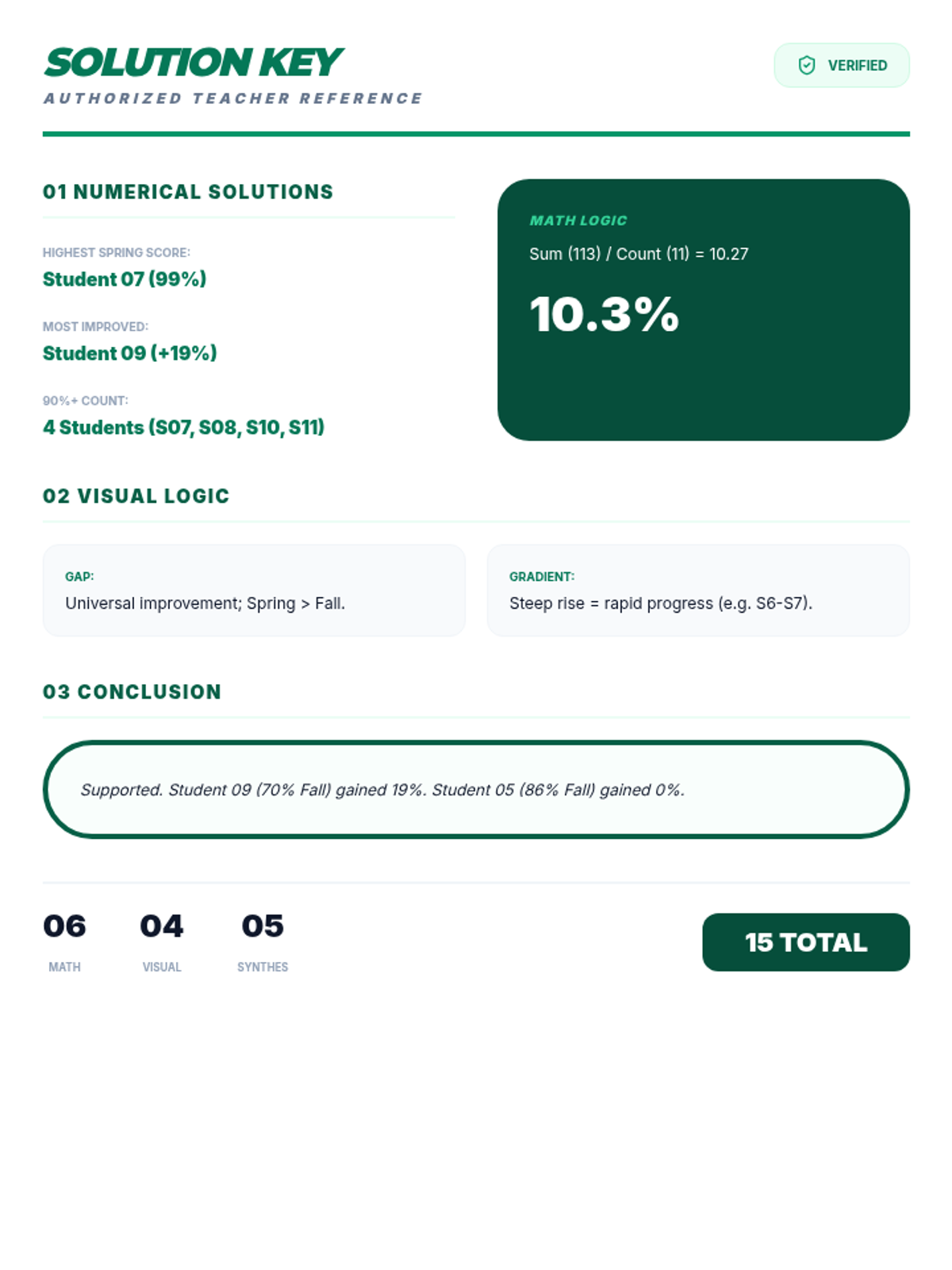
A lesson focused on visualizing academic progress data through line graphs and identifying key trends in student performance.
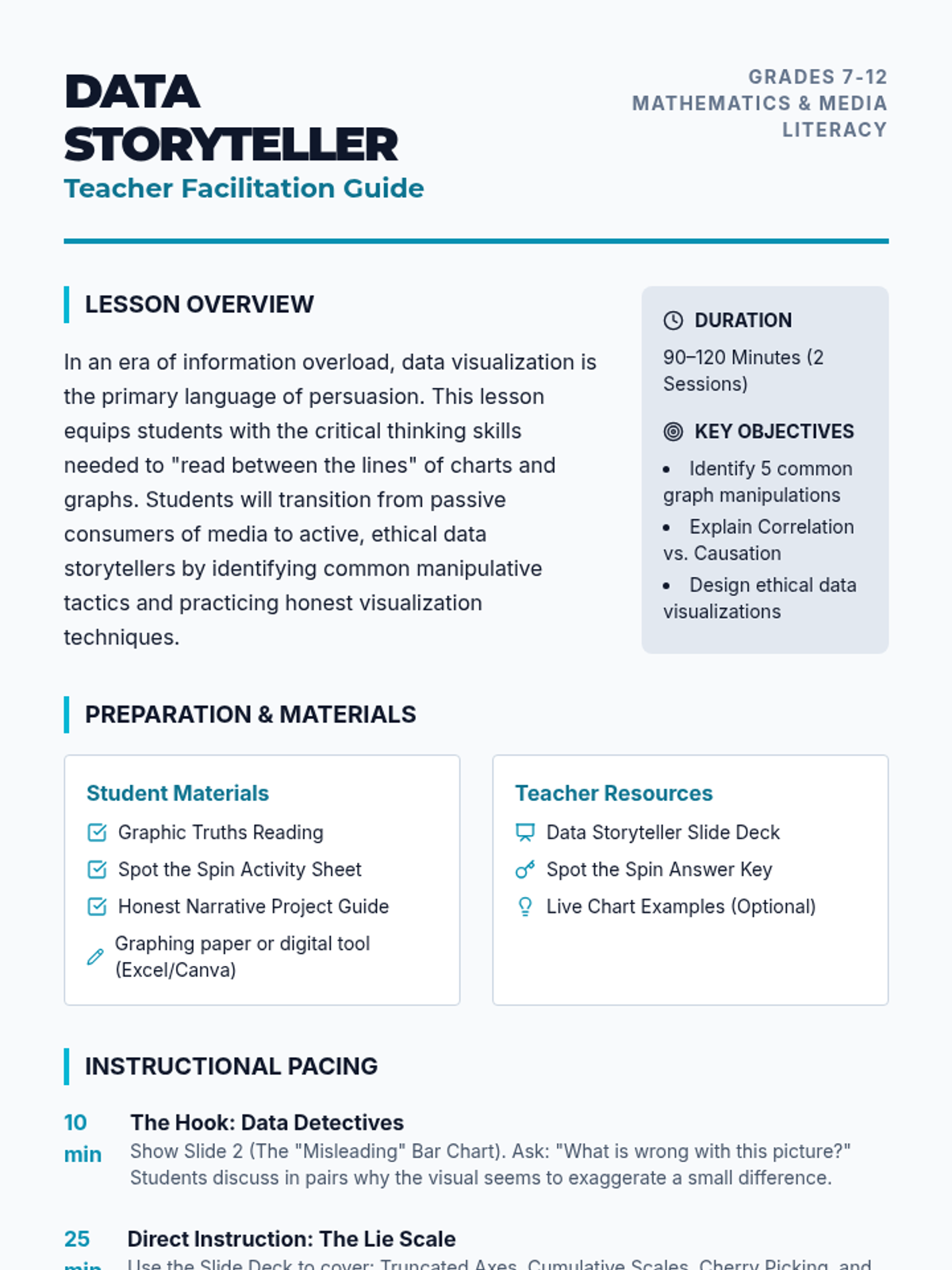
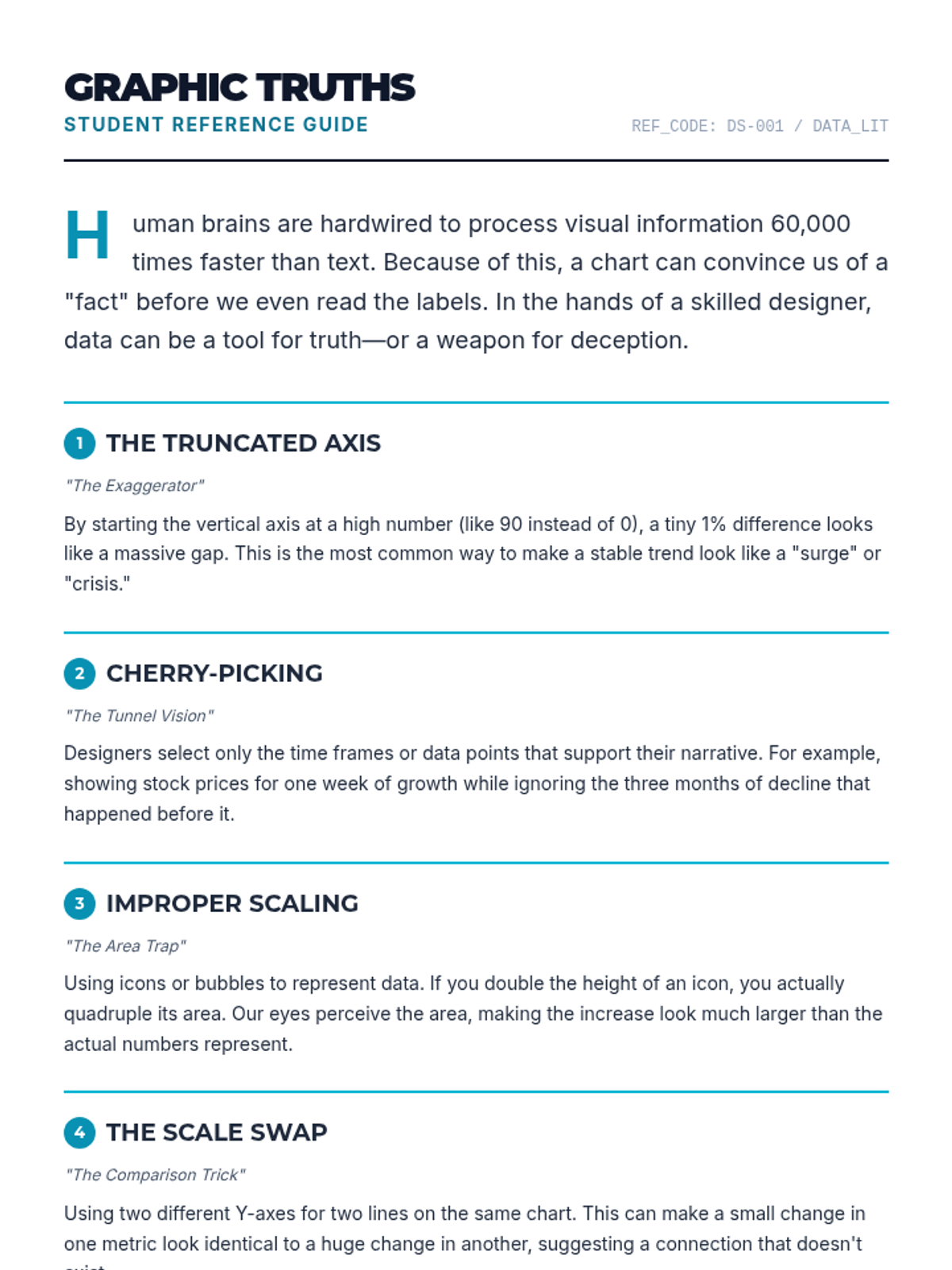
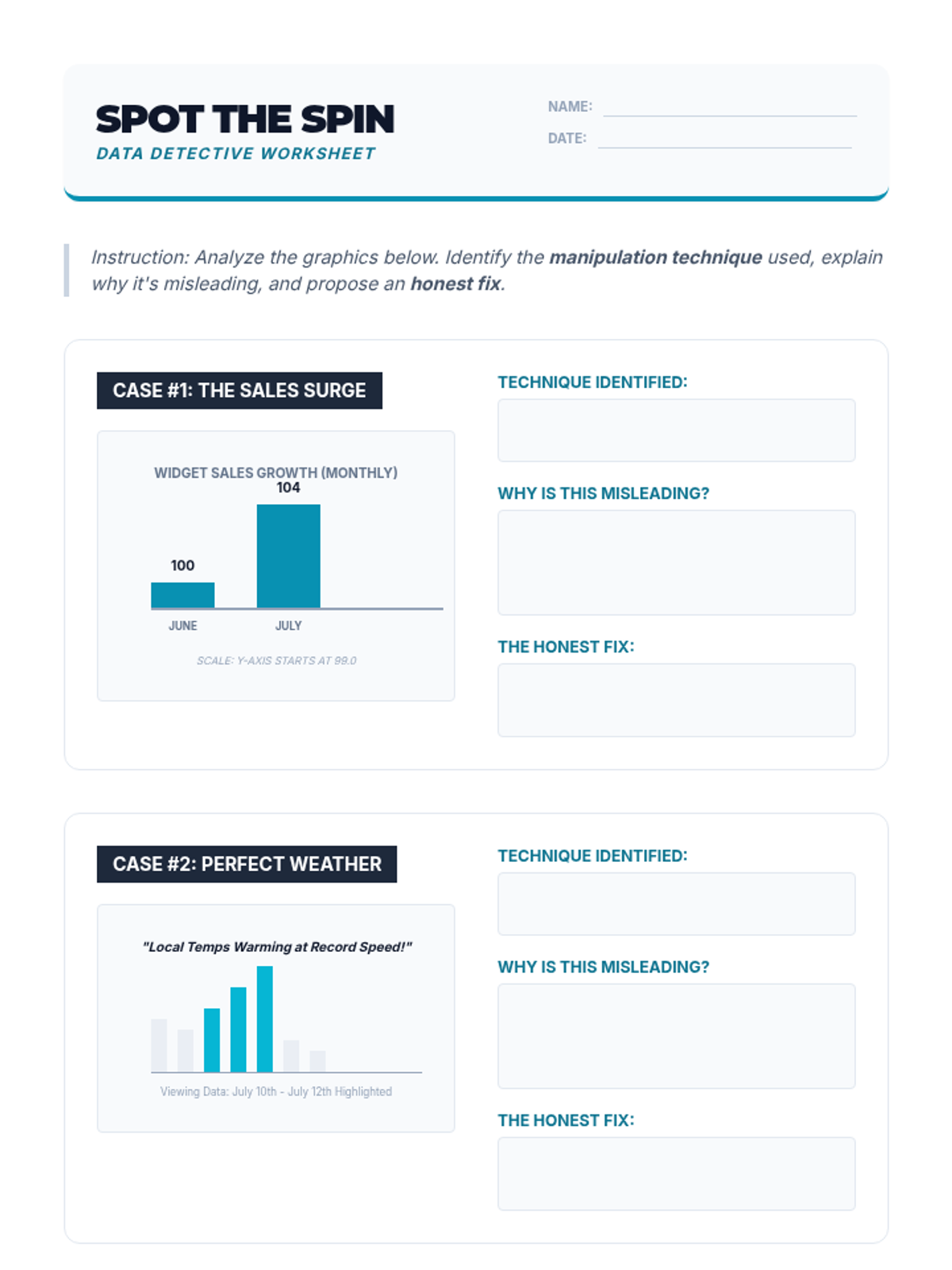
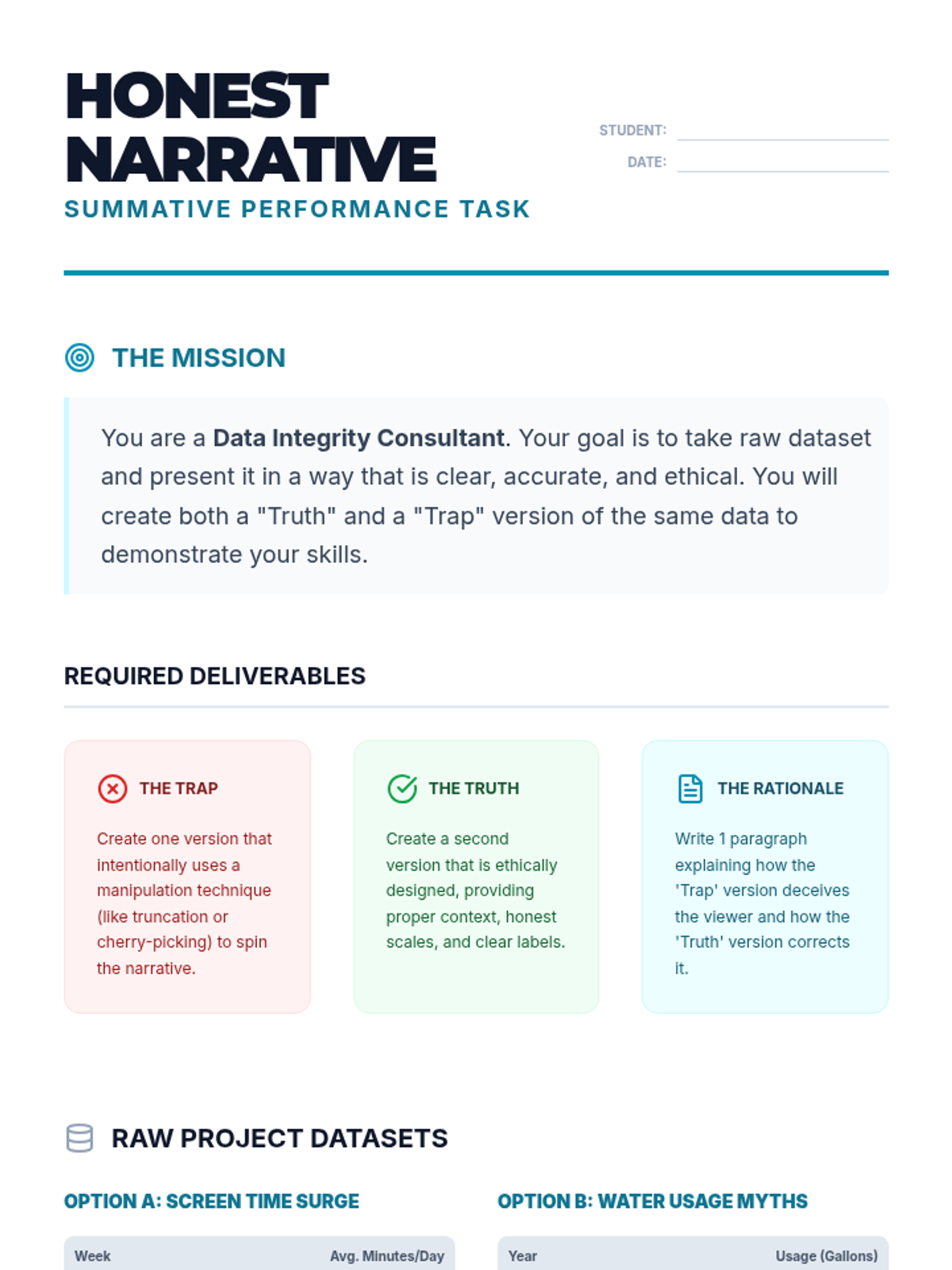
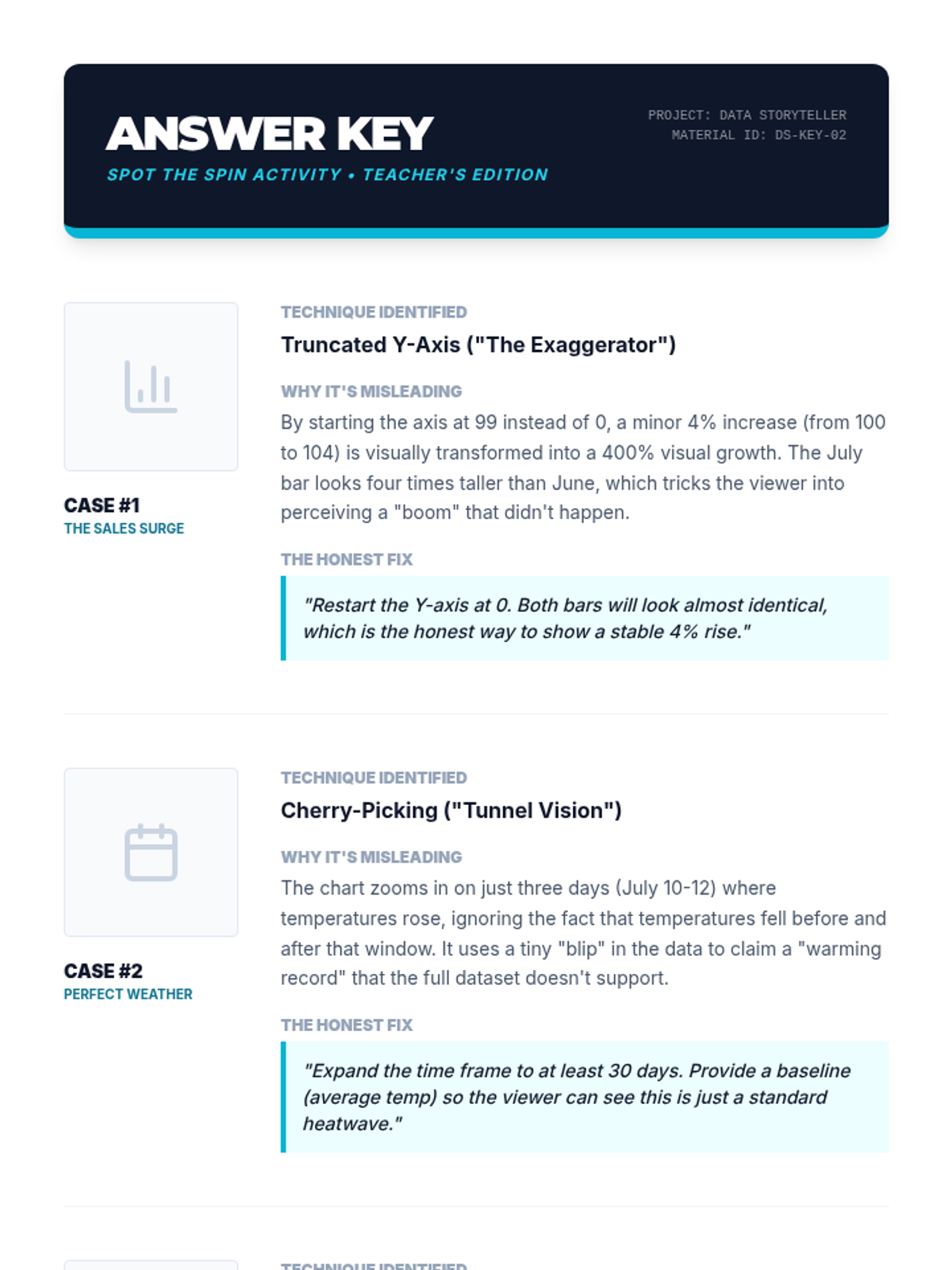
A comprehensive lesson for grades 7-12 focusing on data literacy, ethical visualization, and identifying misleading statistics in media. Students learn to decode 'chartjunk' and create their own honest data stories.
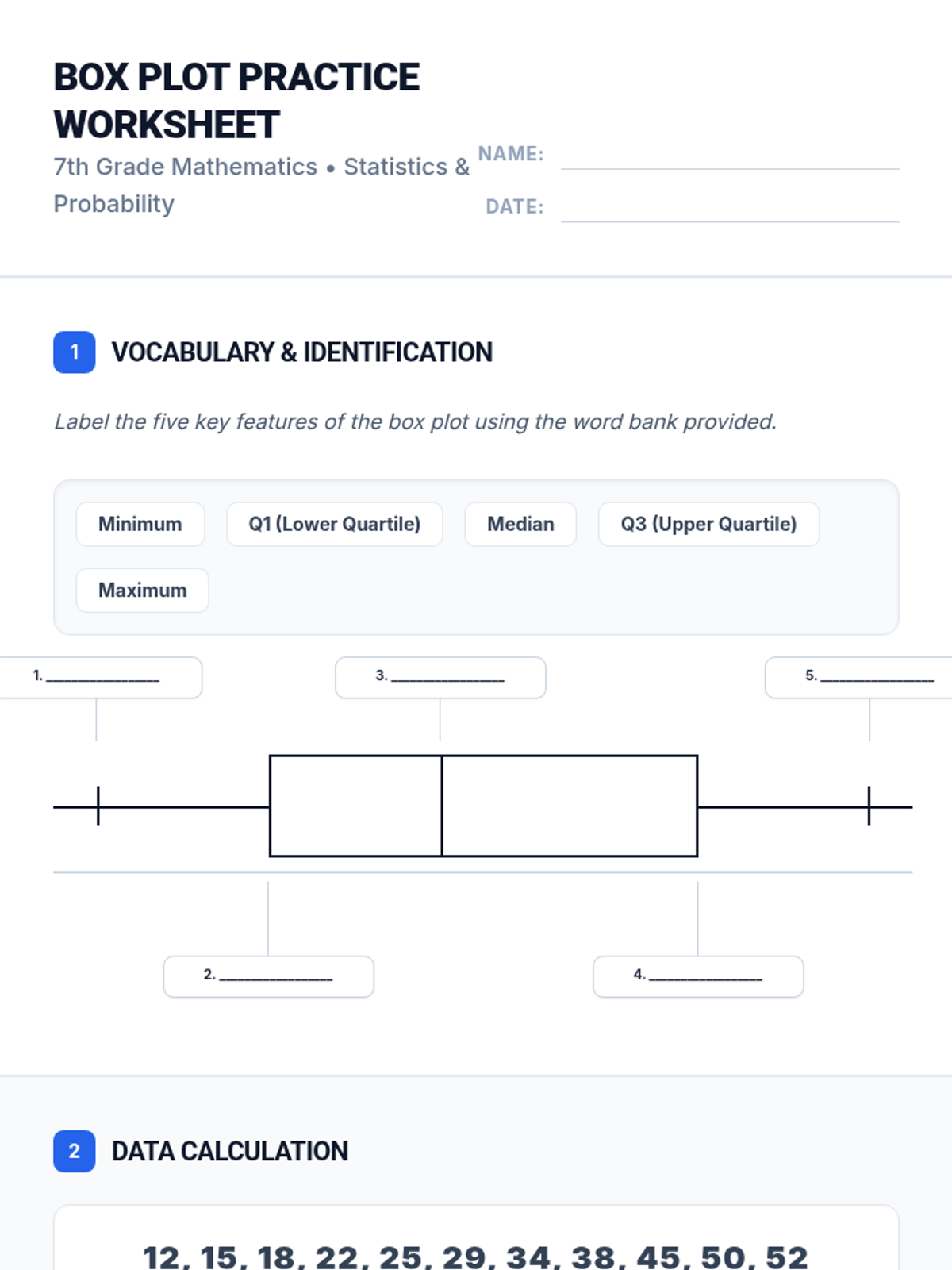
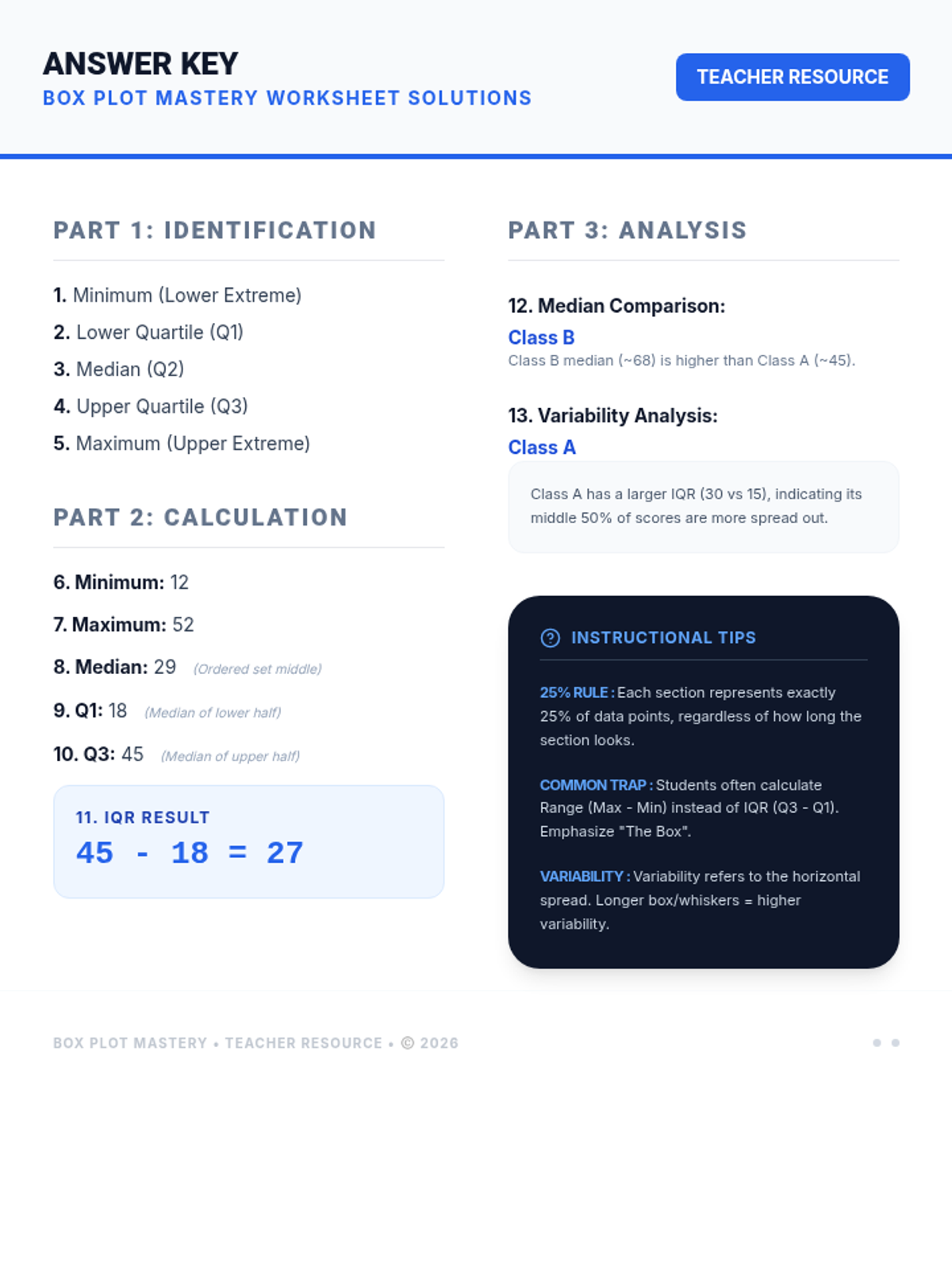
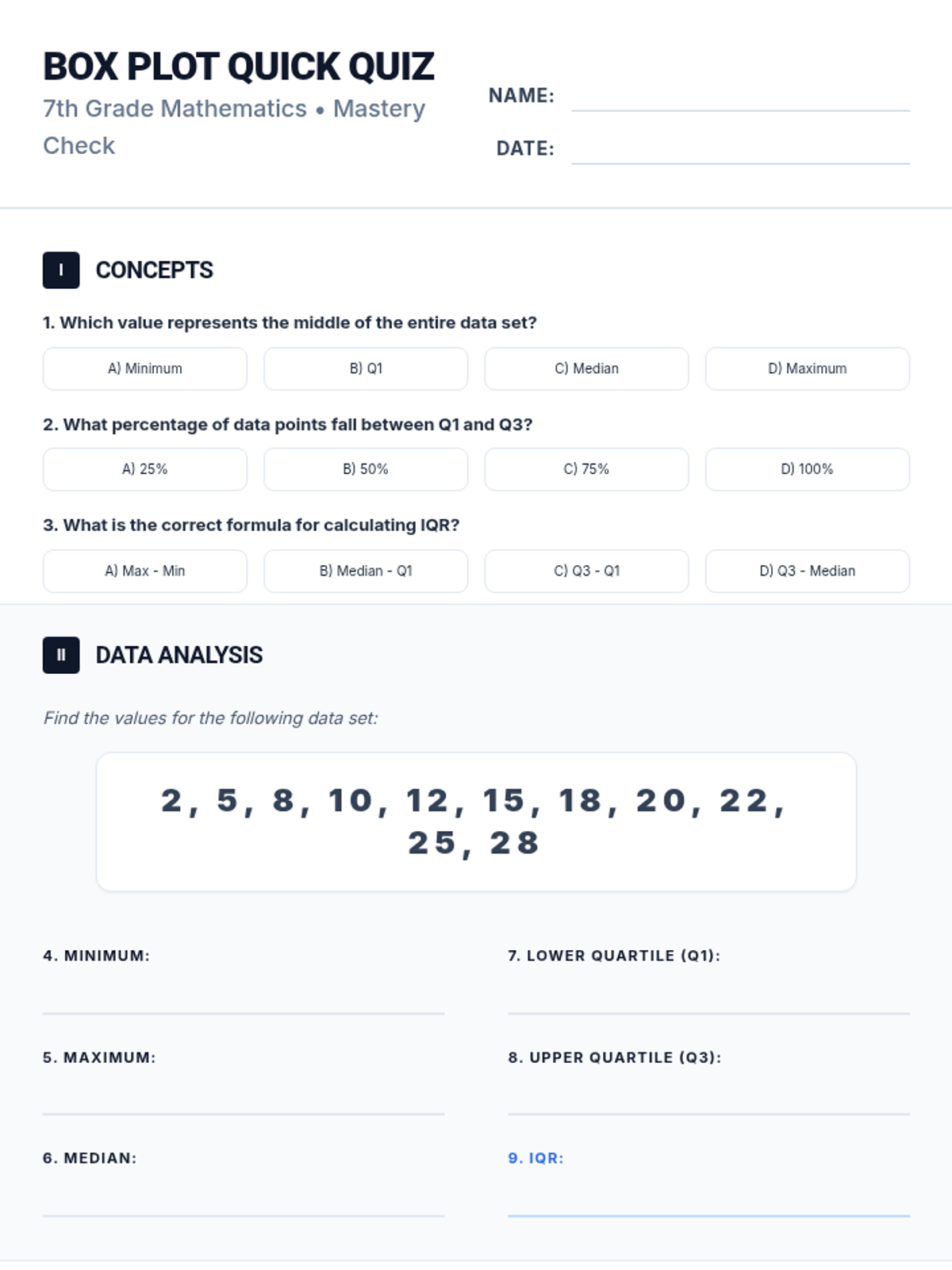
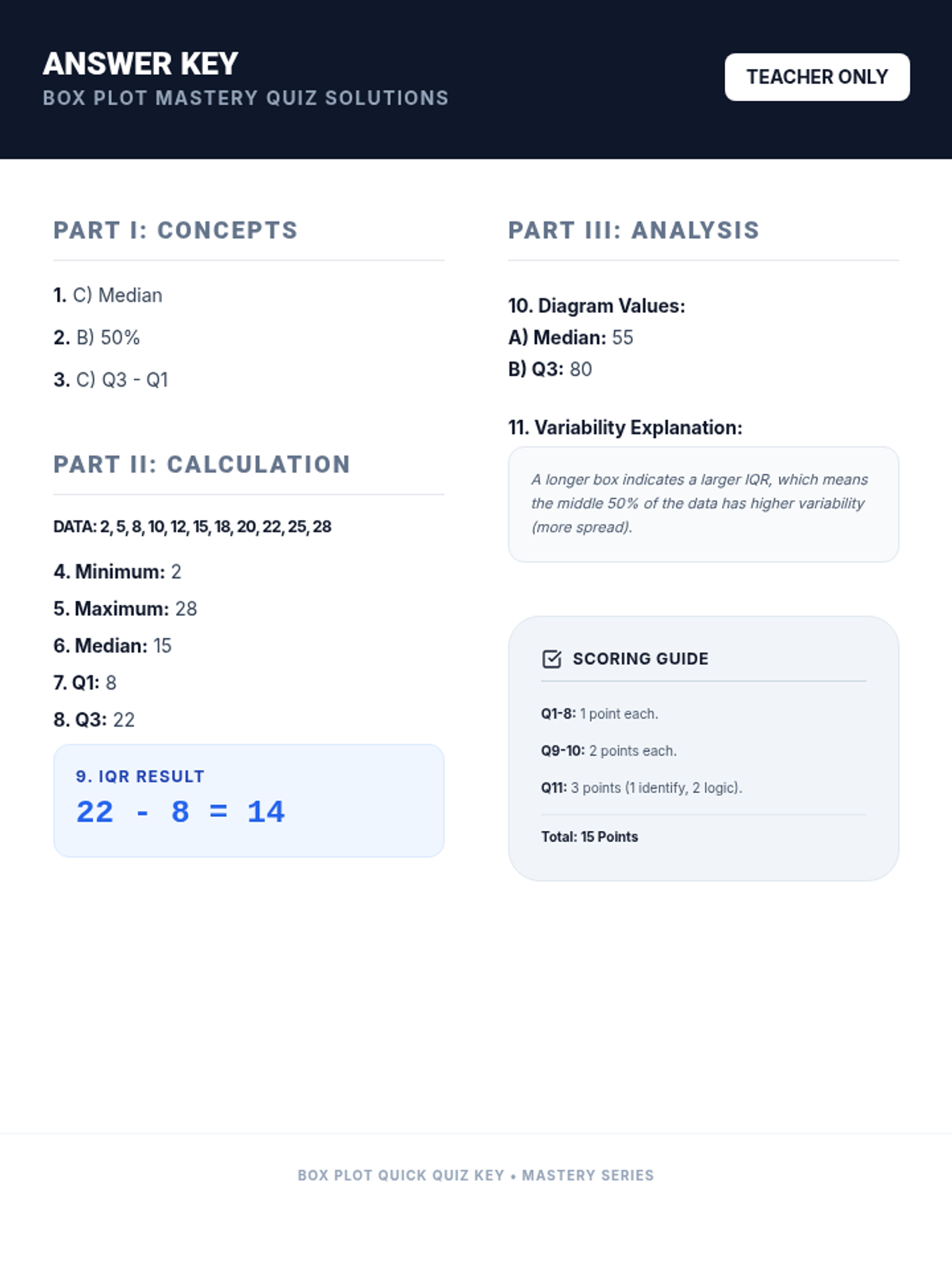
A 7th-grade math lesson focused on mastering the five-number summary and interquartile range for box-and-whisker plots, specifically designed for MCAS preparation.
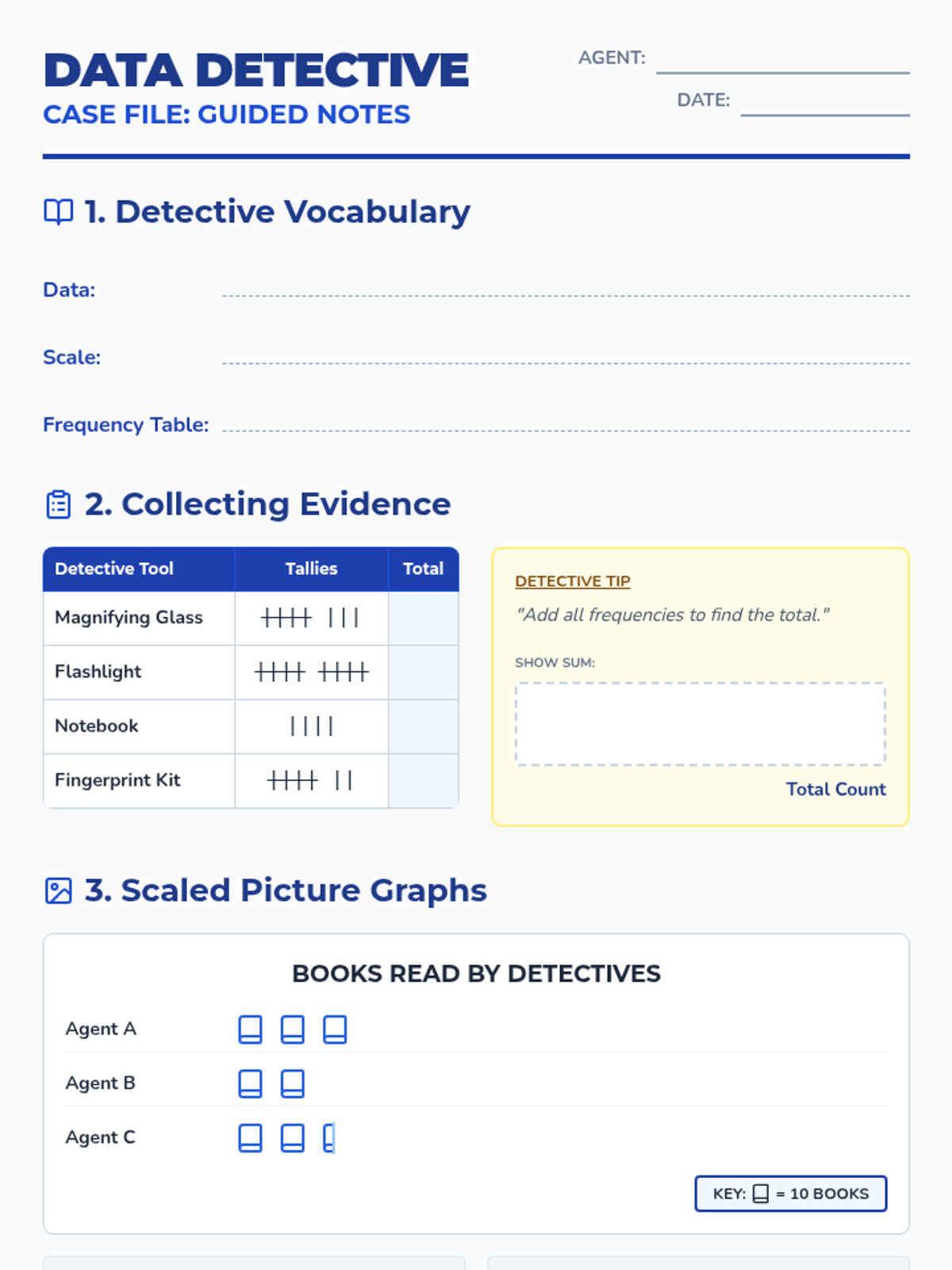
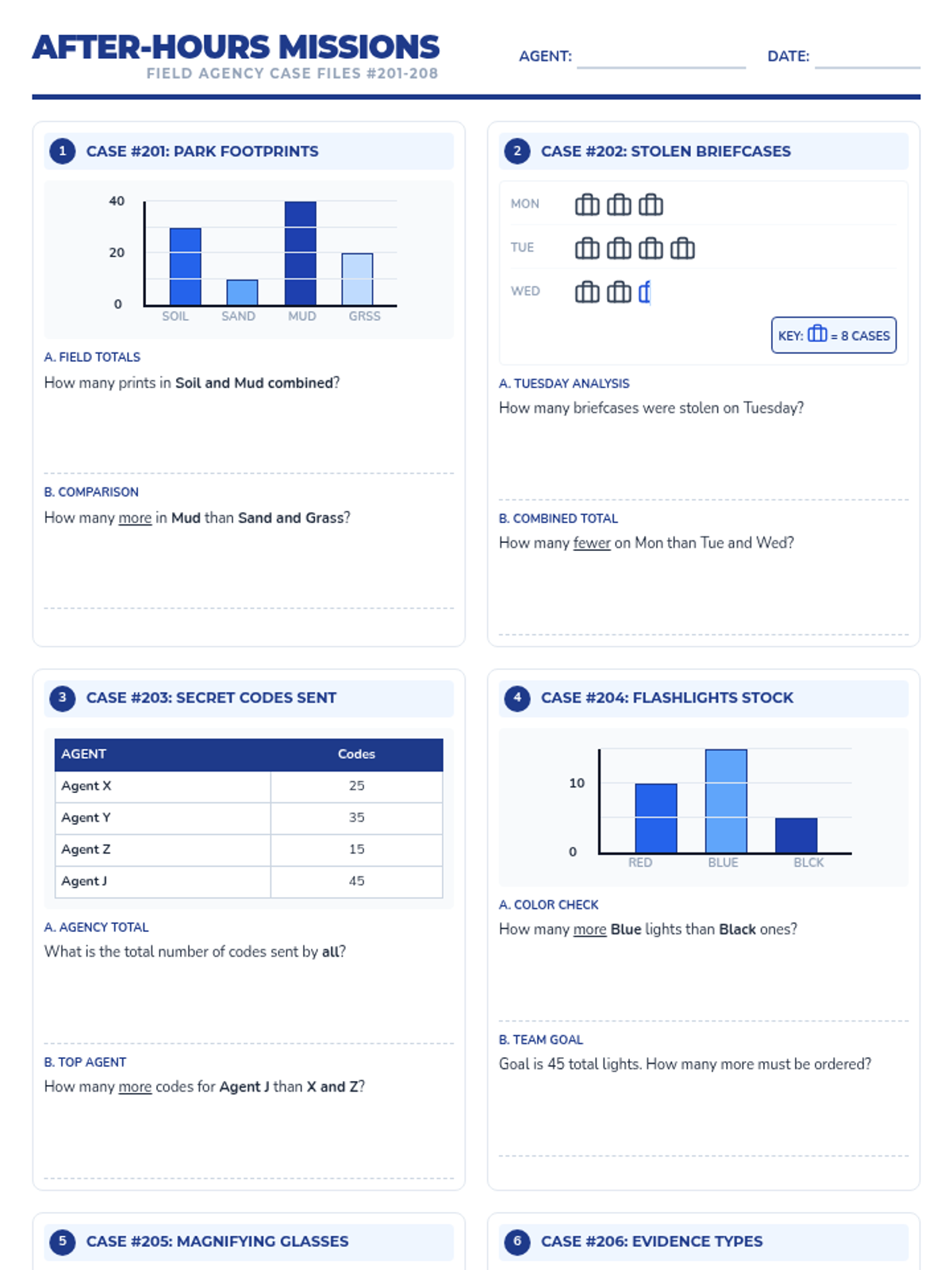
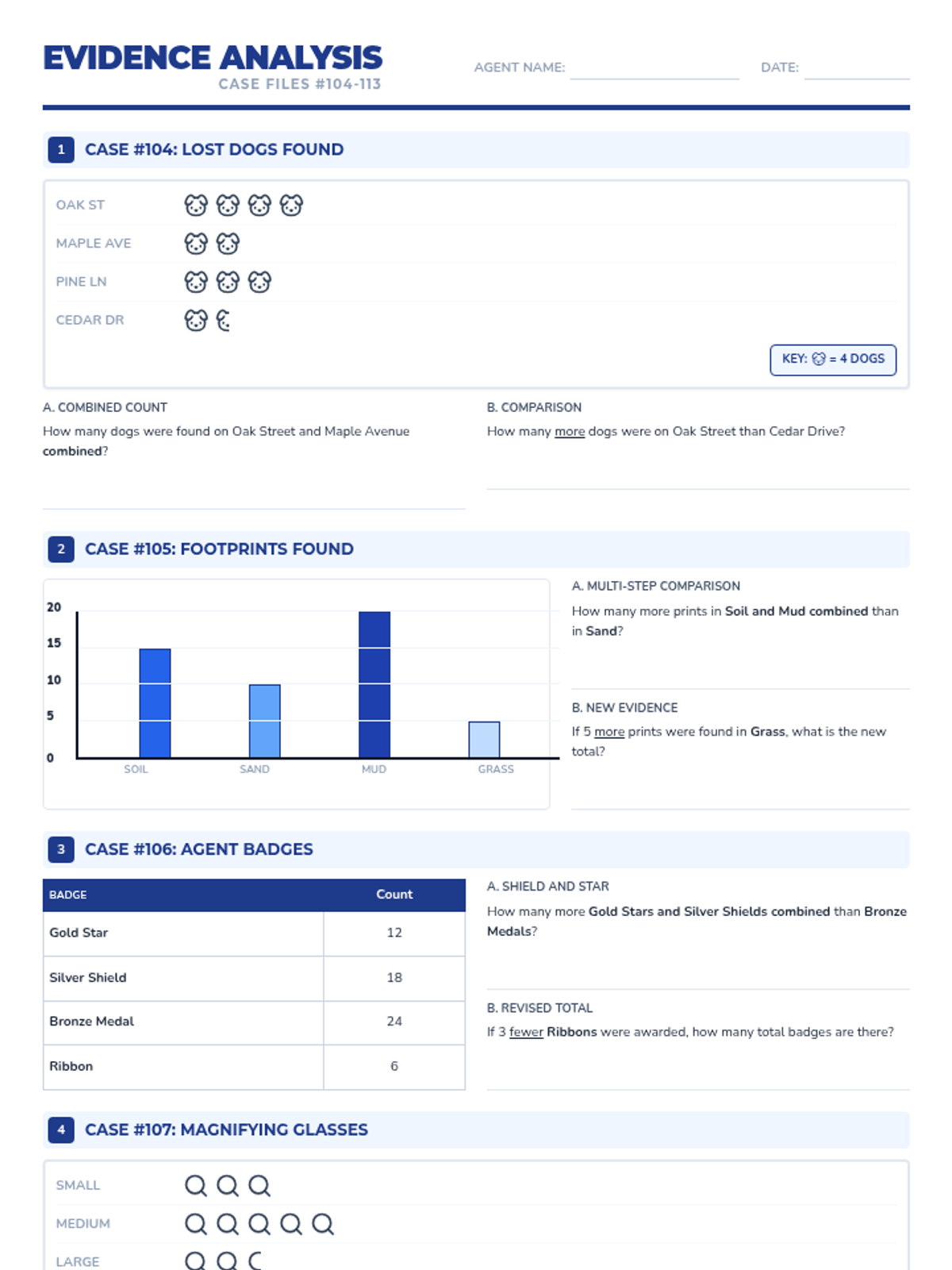
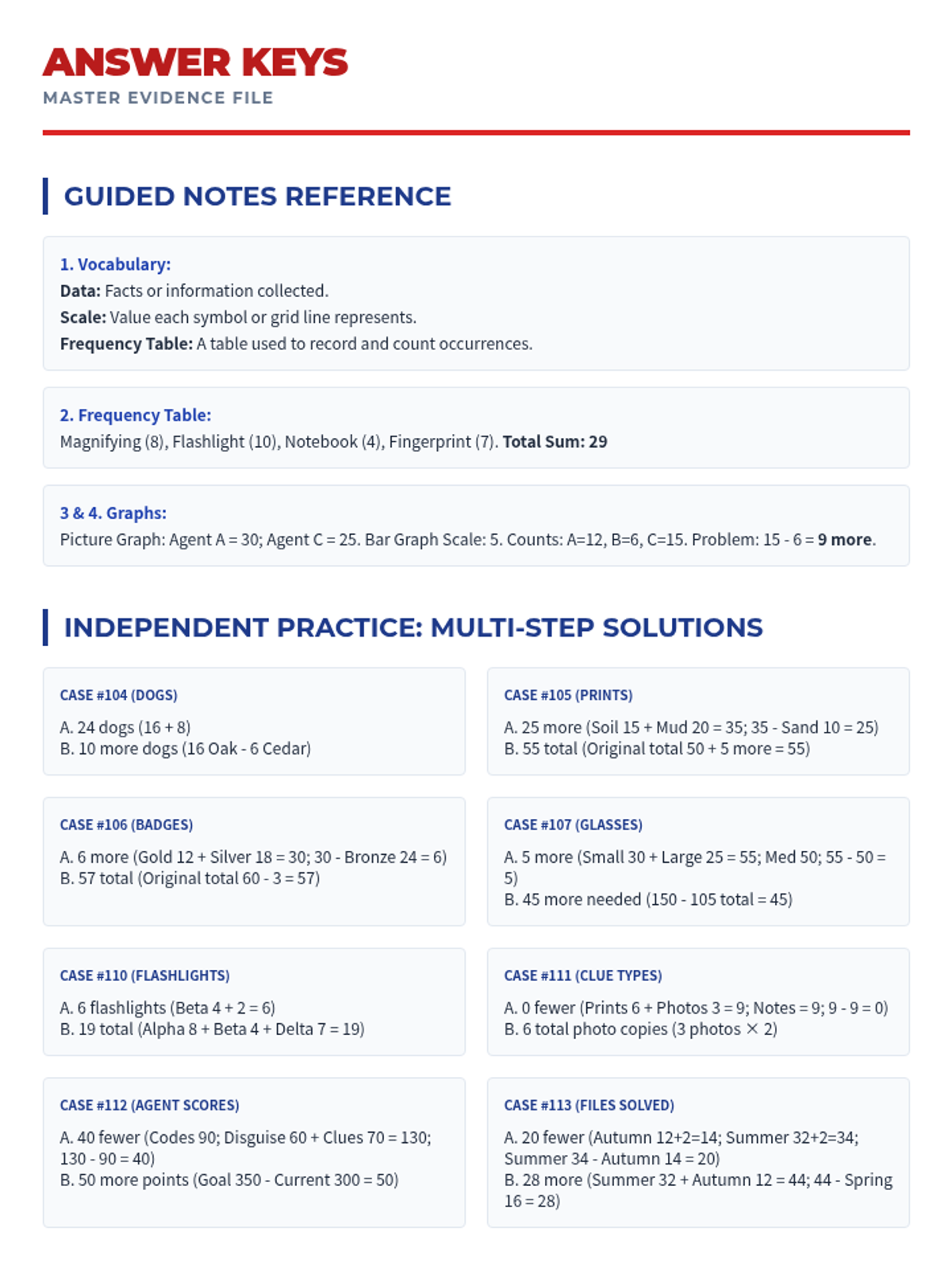
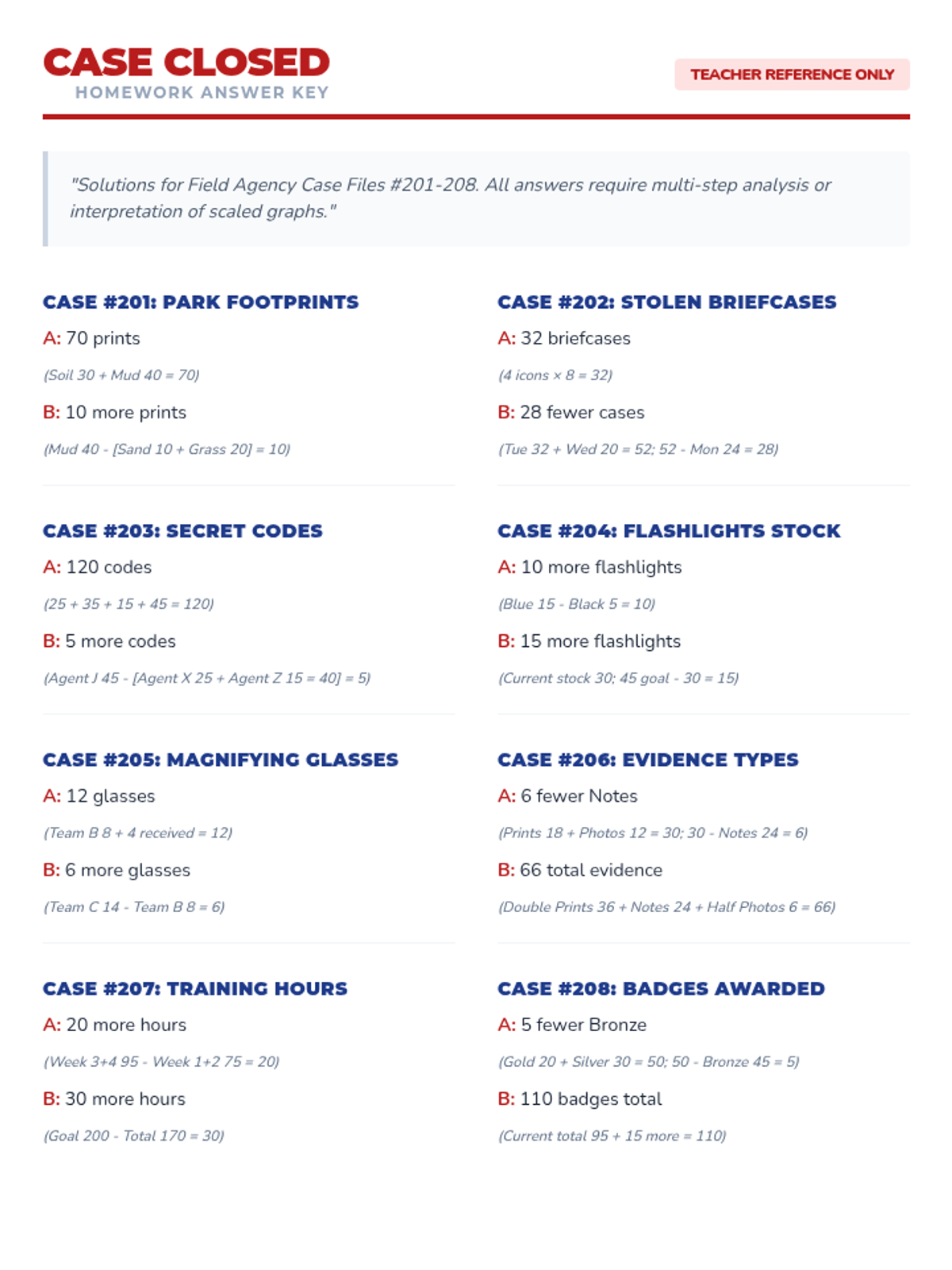
A comprehensive lesson on representing and interpreting scaled graphs, where students become 'Data Detectives' to collect, graph, and analyze information.
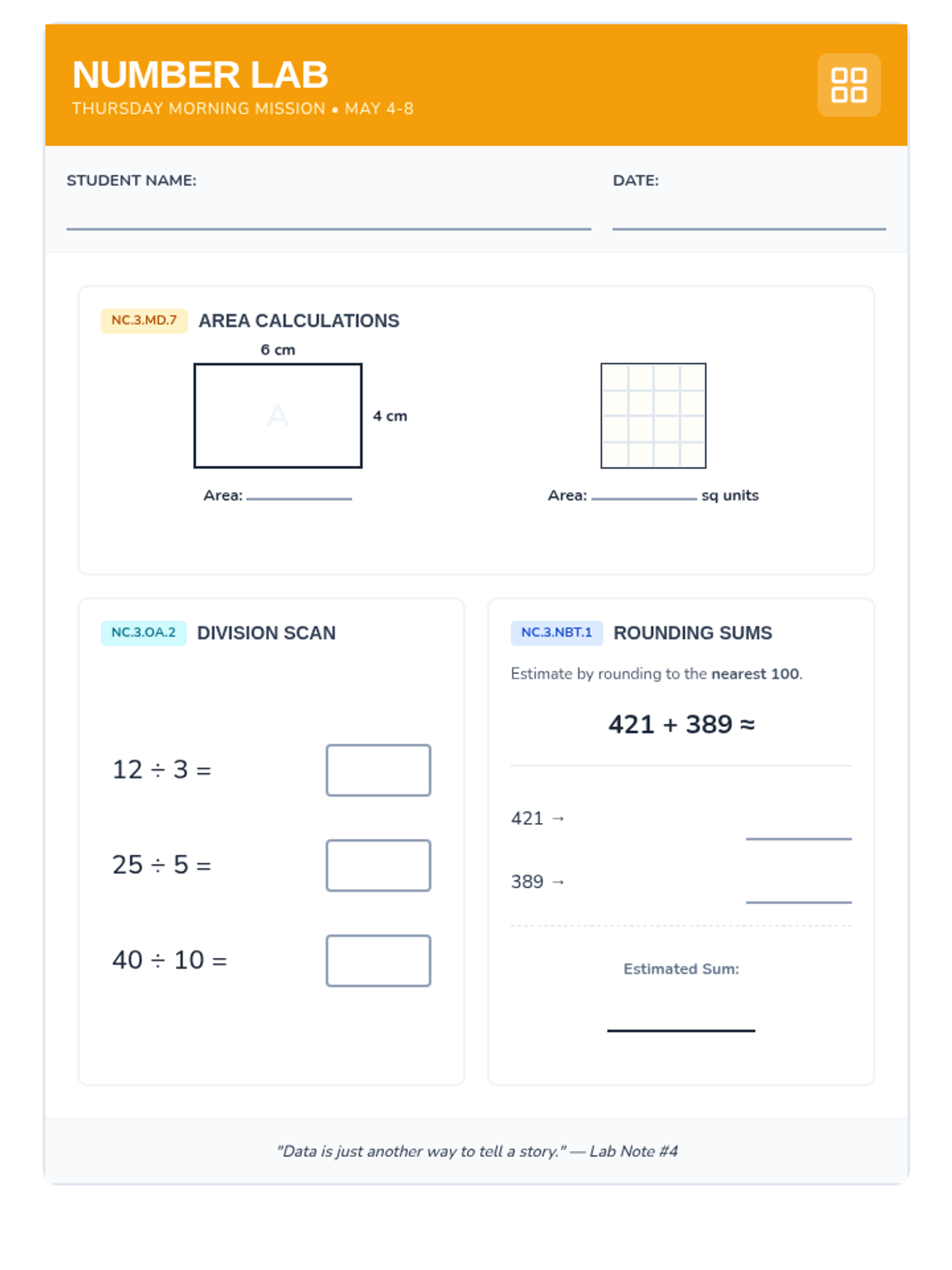
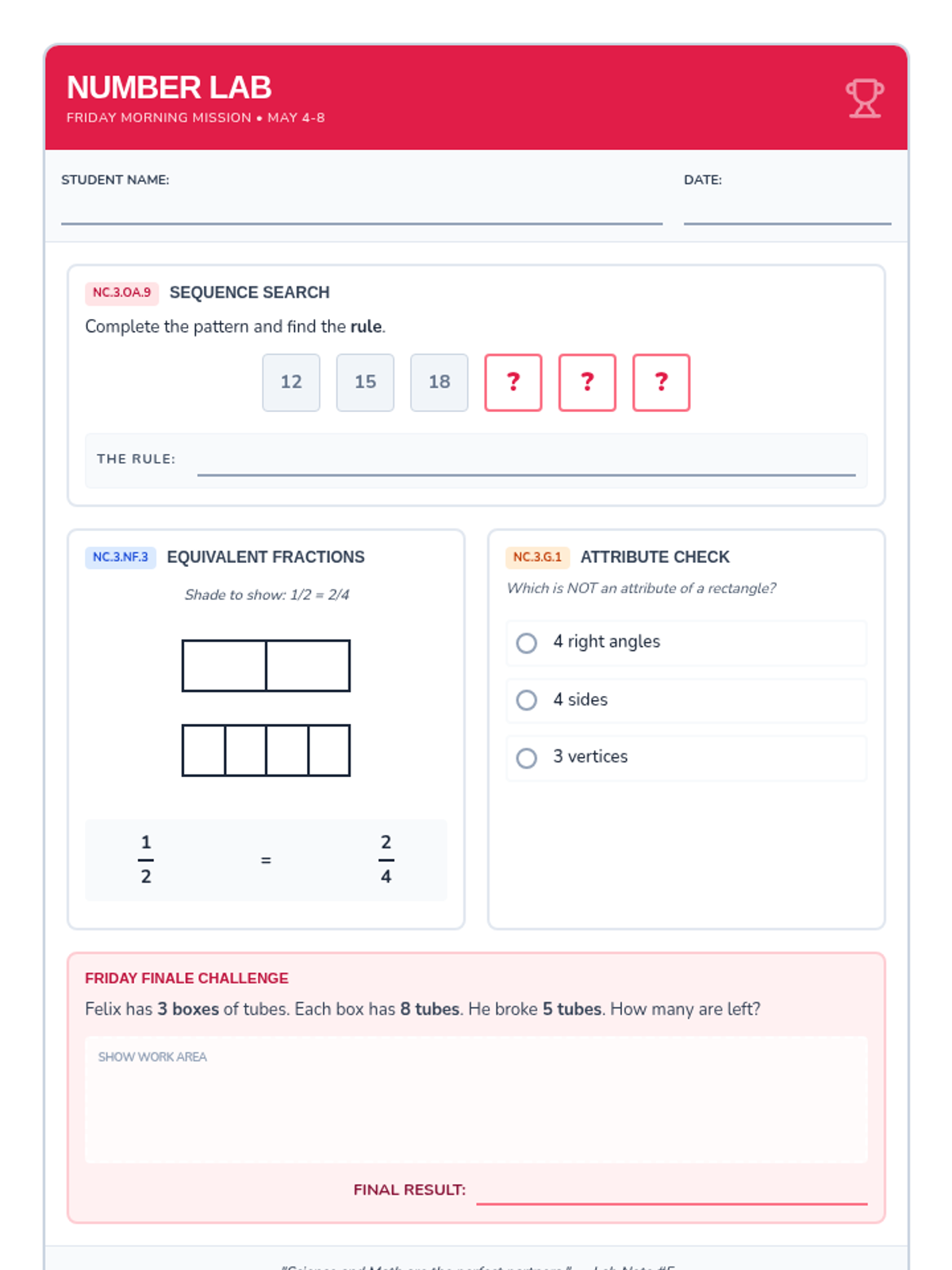
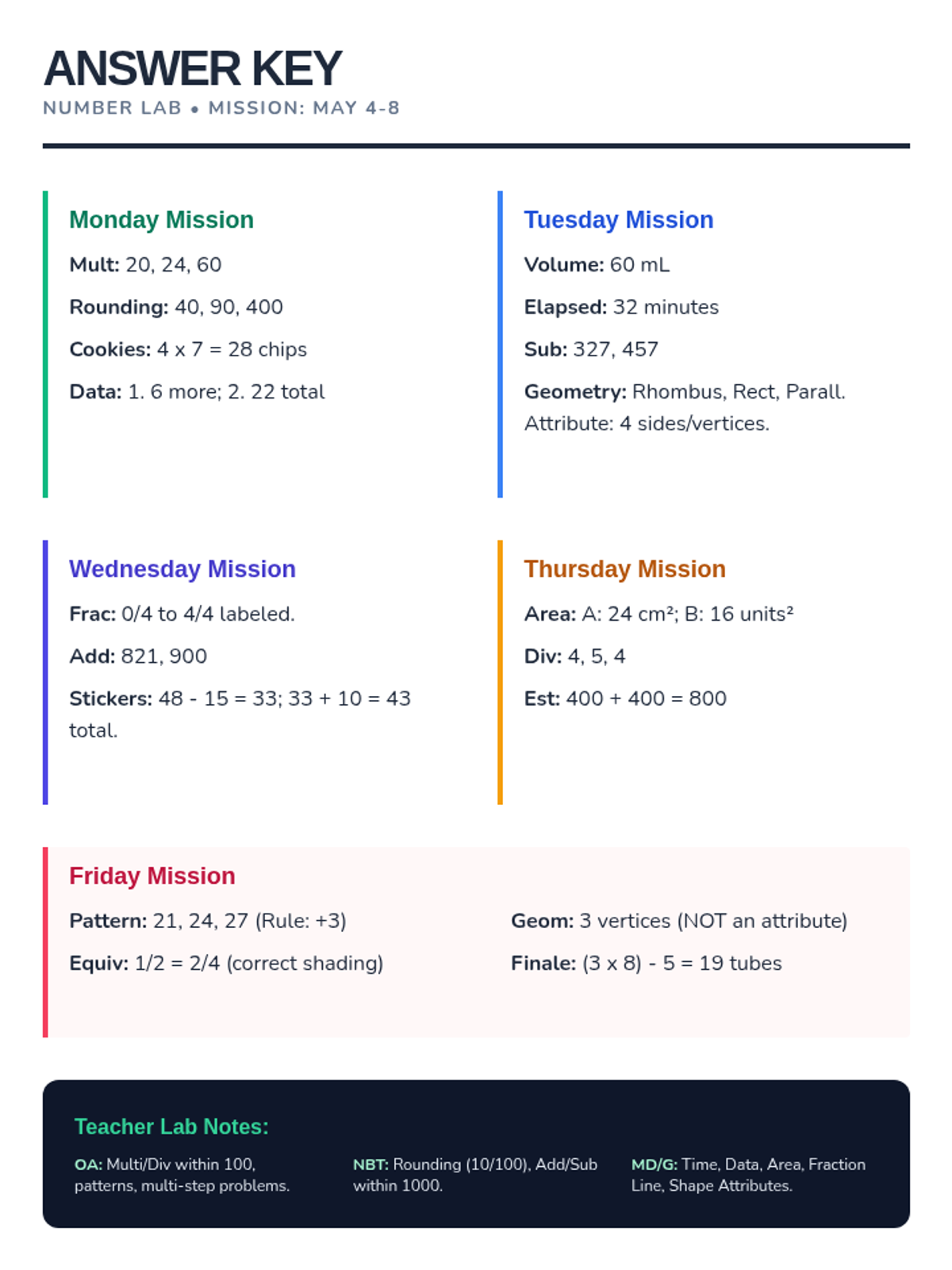
The first week of mixed spiral review covering rounding, multiplication within 100, elapsed time, fractions on number lines, and area.
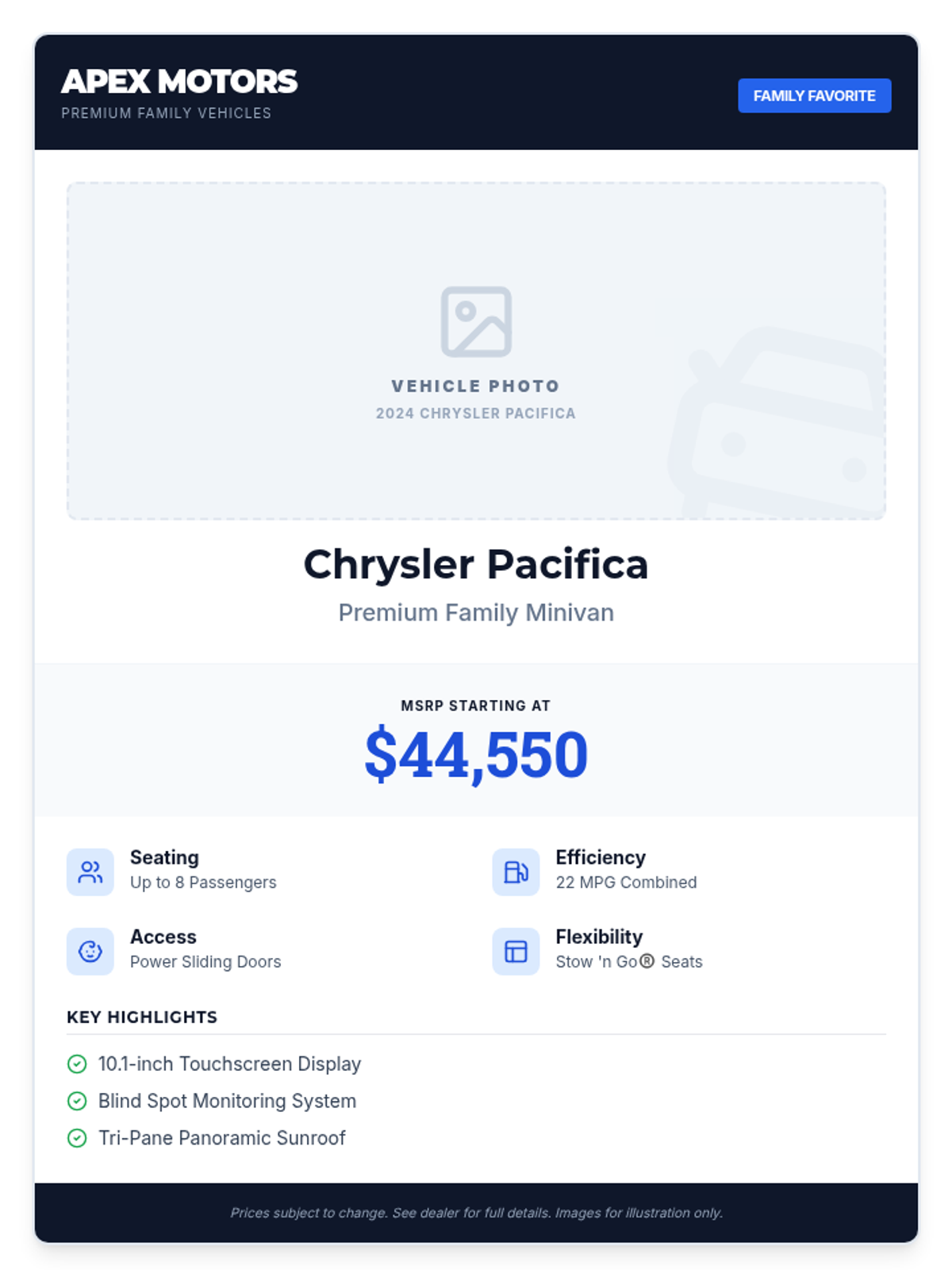
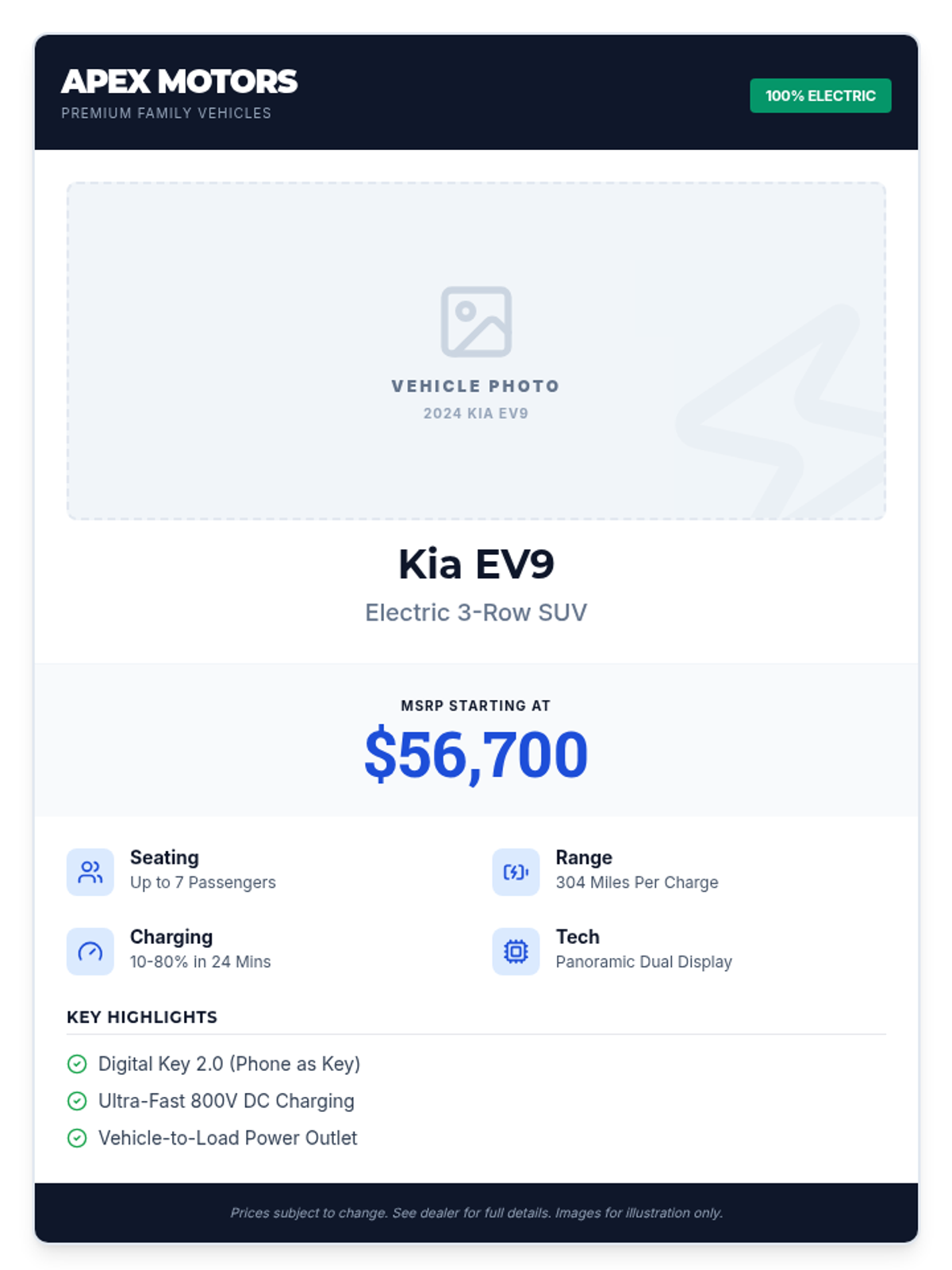
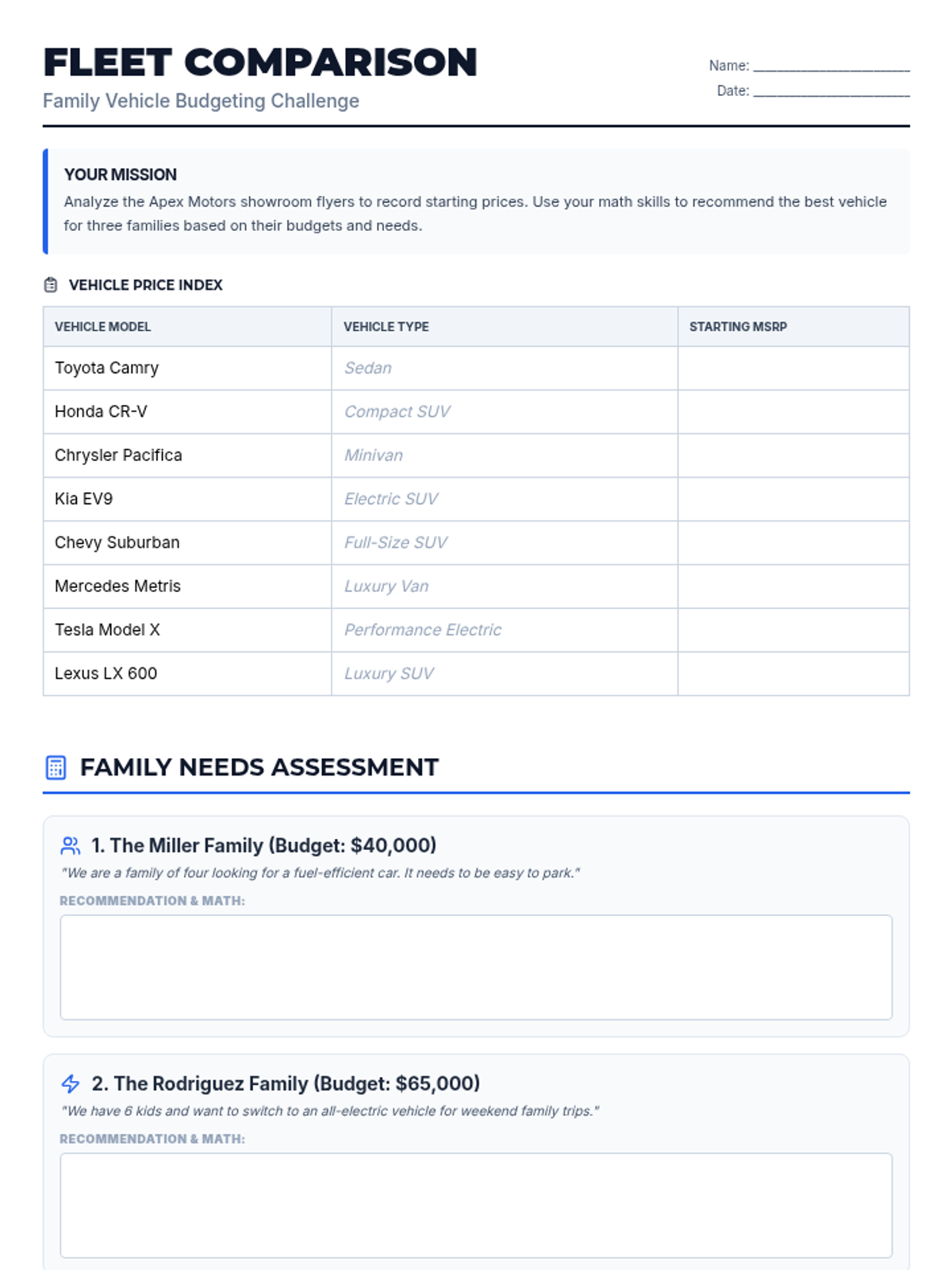
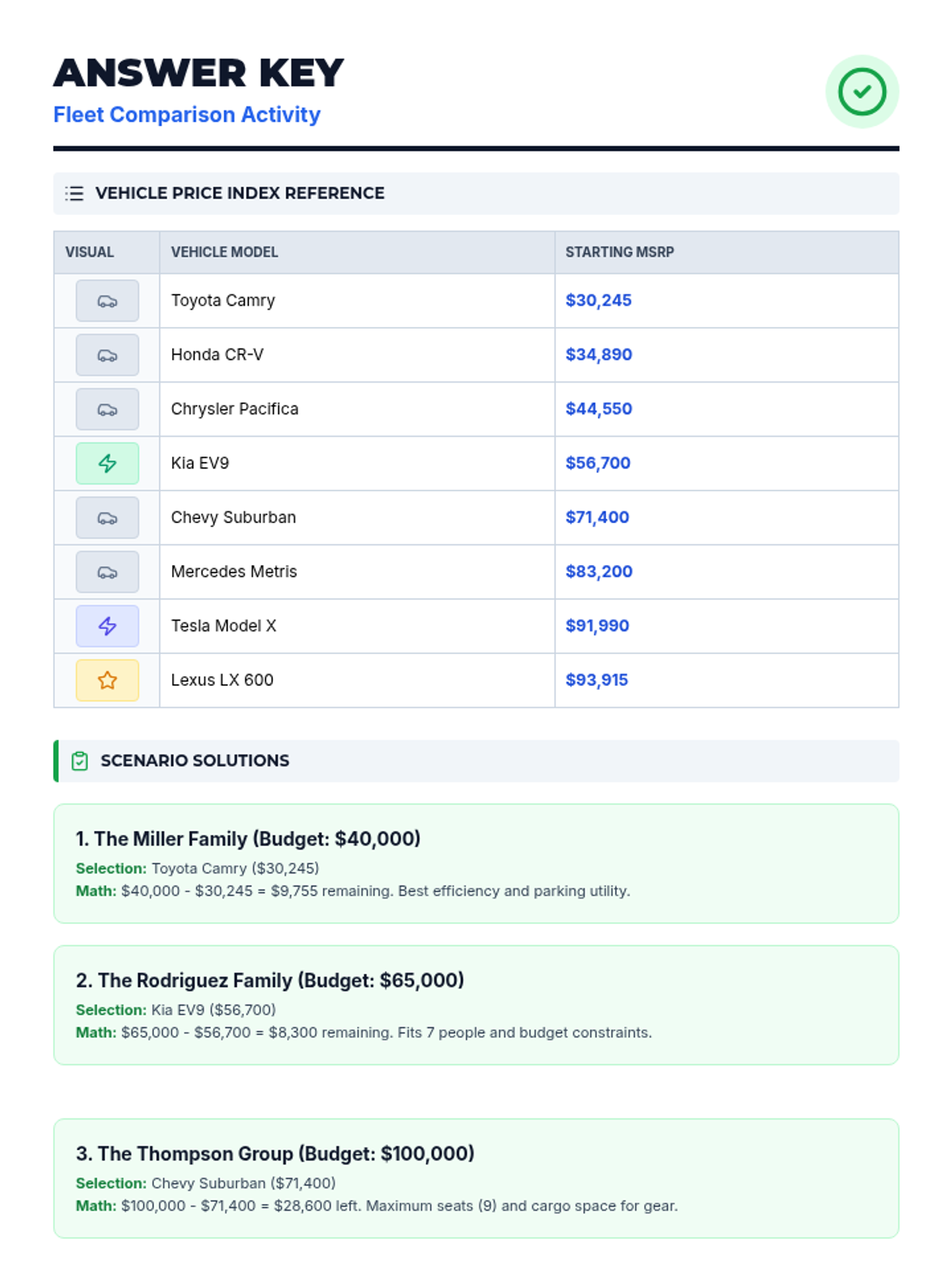
A hands-on math lesson where students analyze vehicle pricing, features, and budgeting for family-sized transport. Students use a series of showroom flyers to compare costs and make purchasing decisions based on specific family needs.
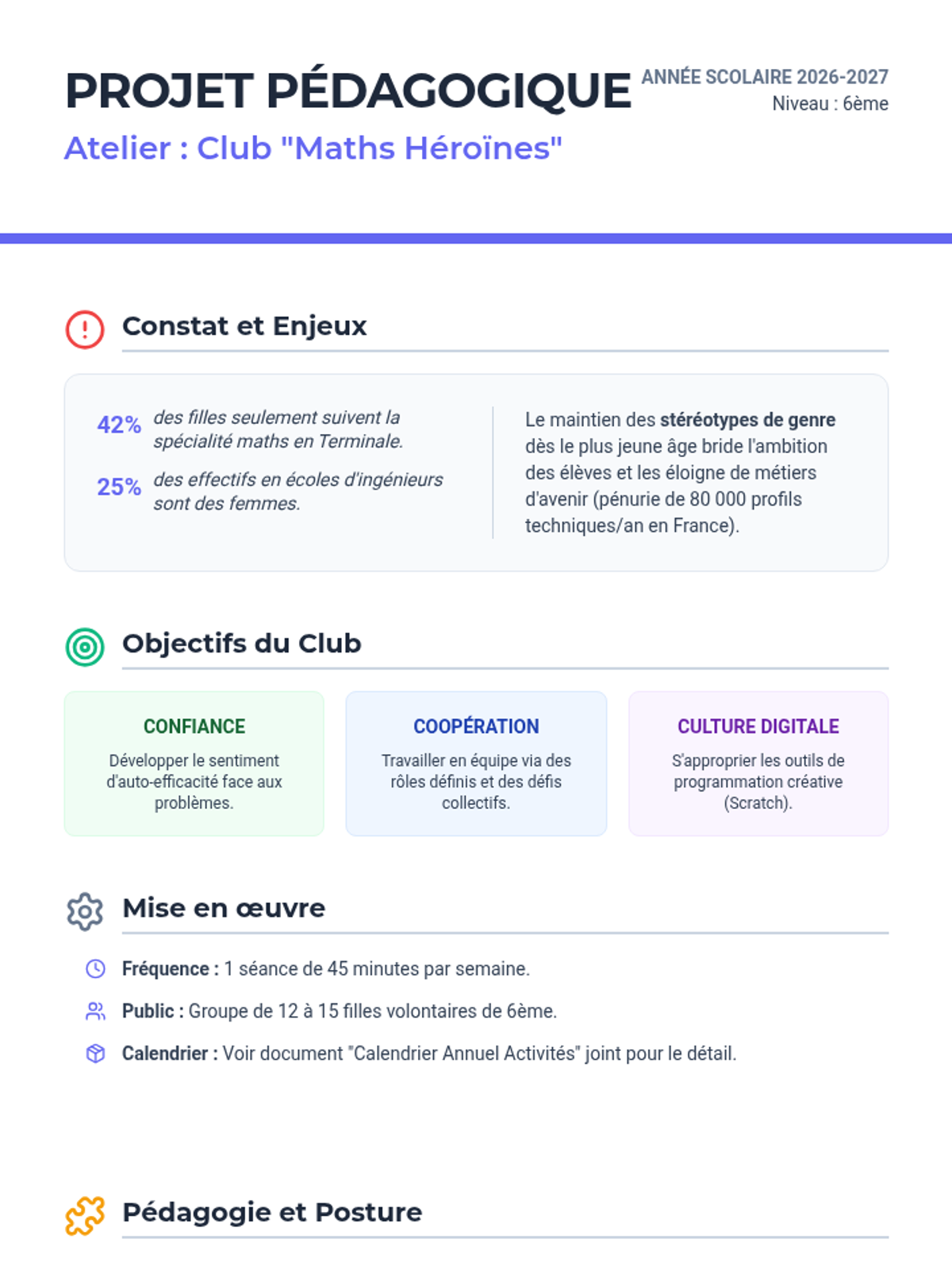
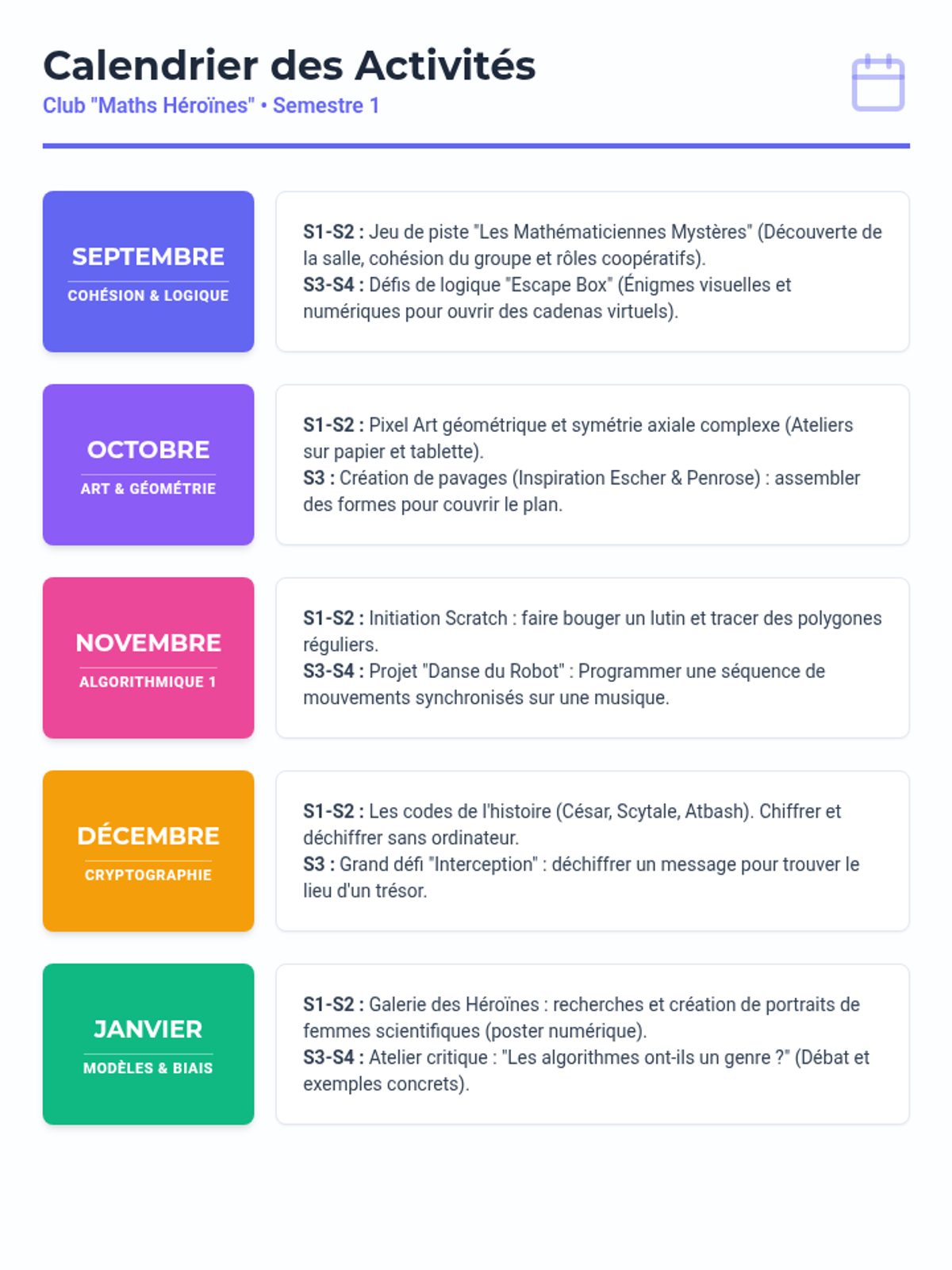
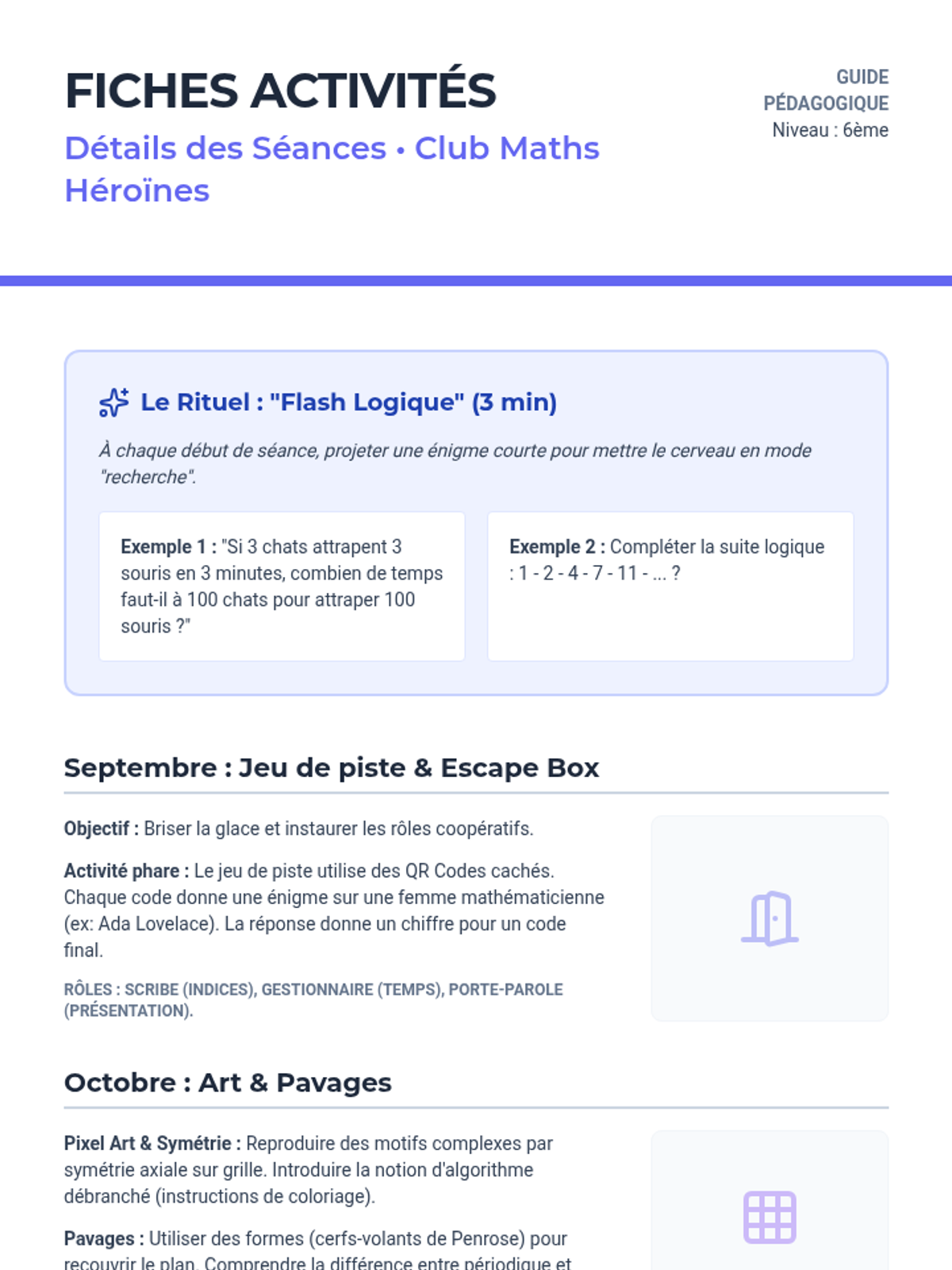
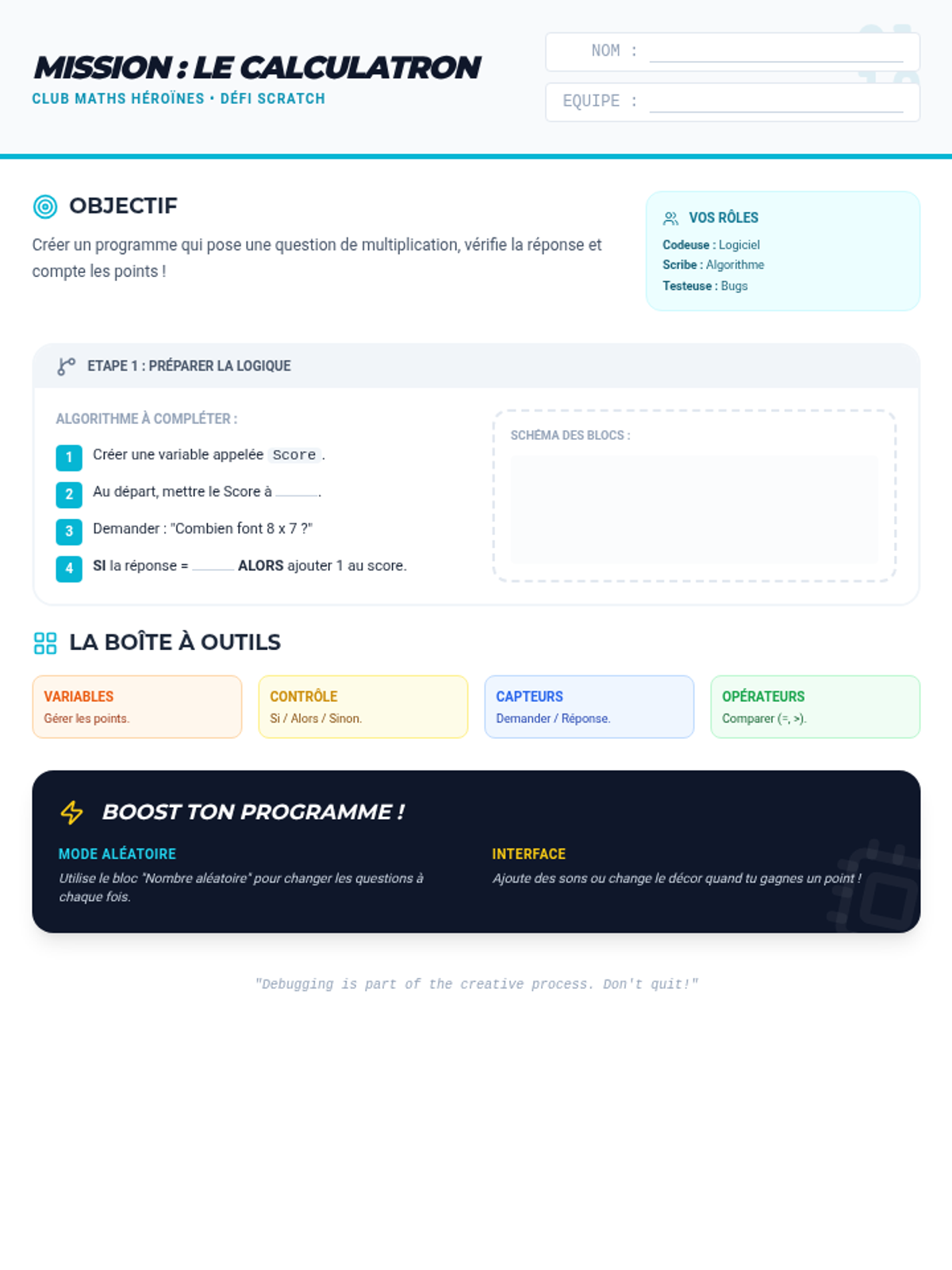
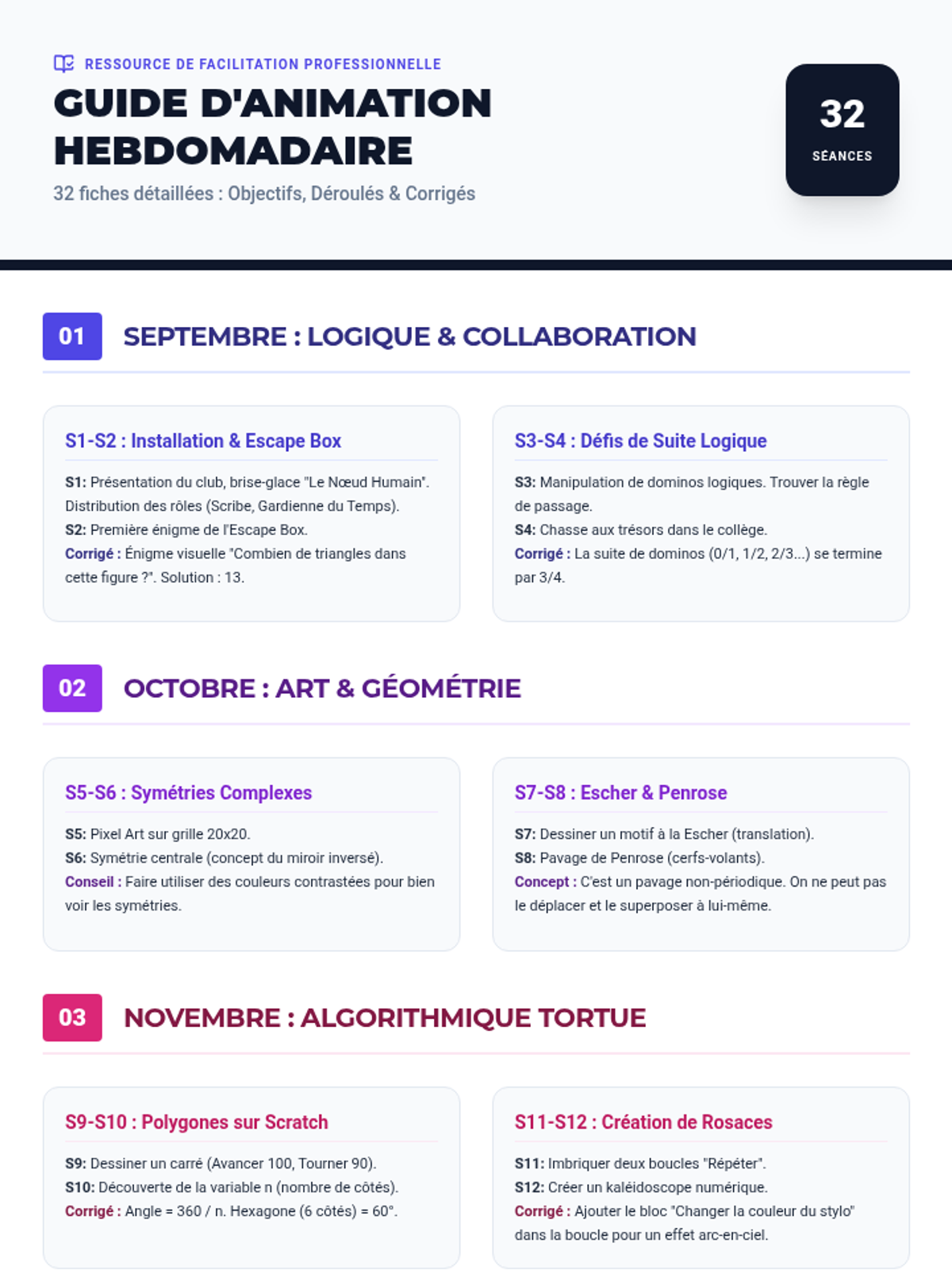
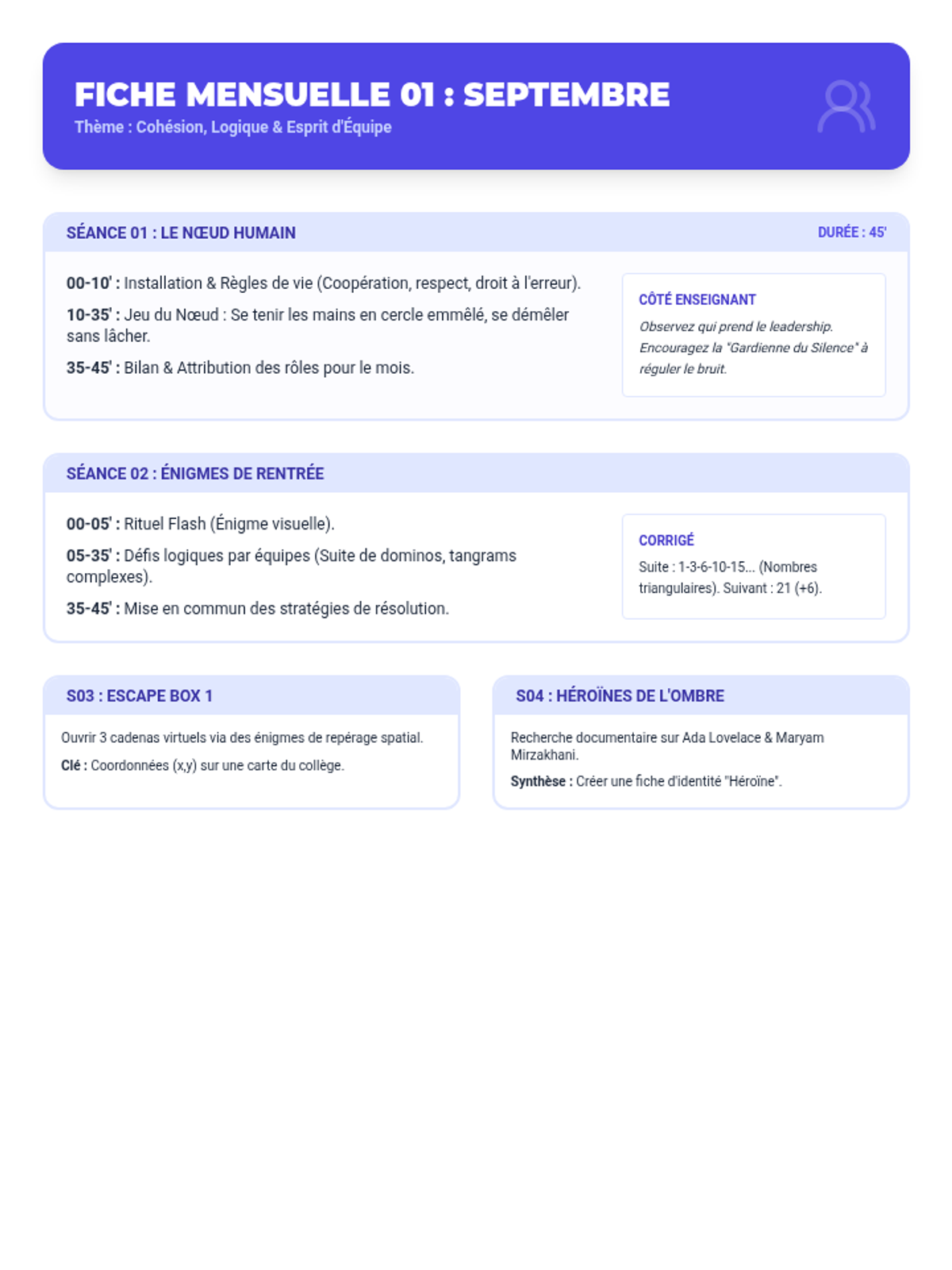
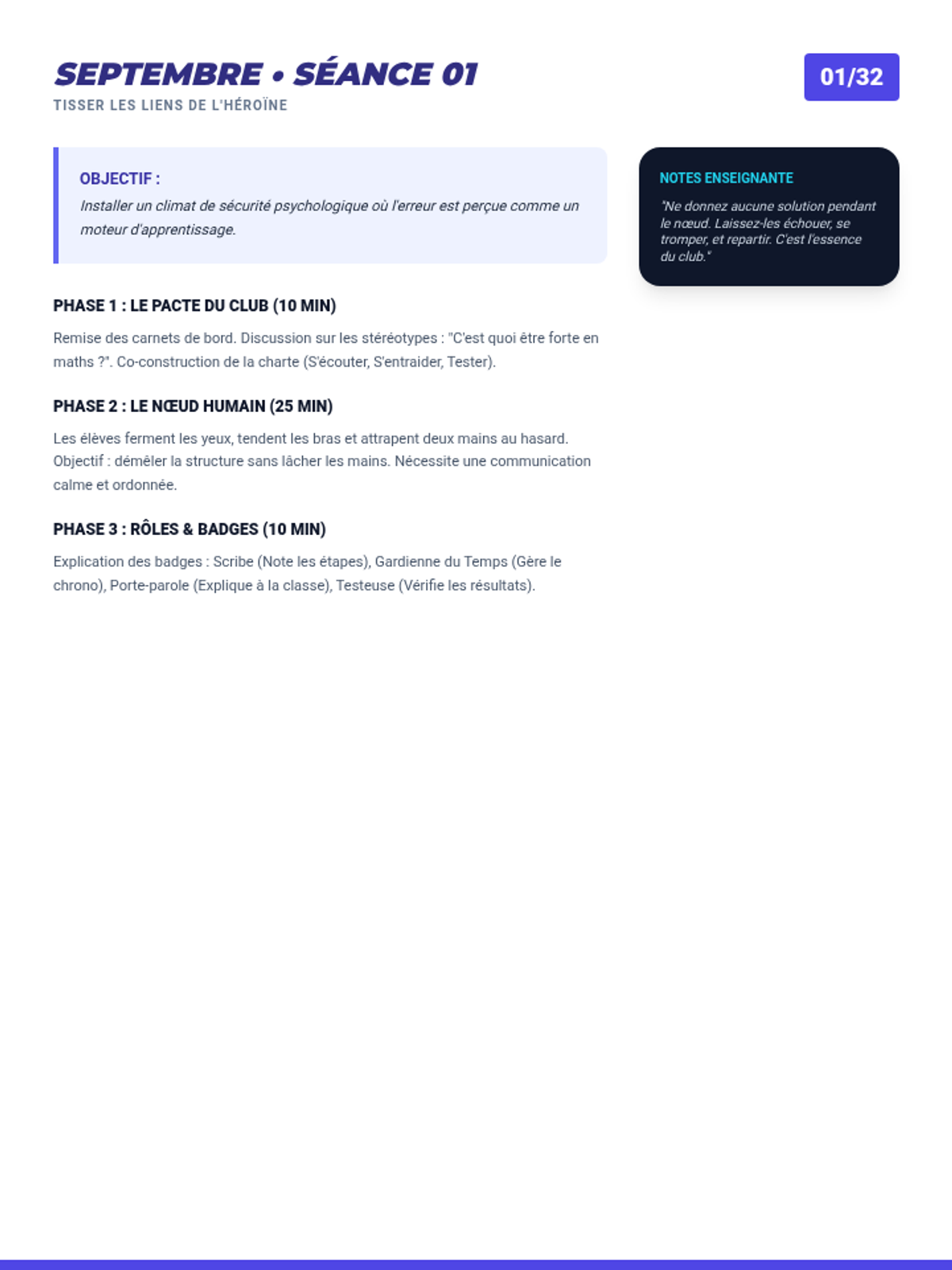
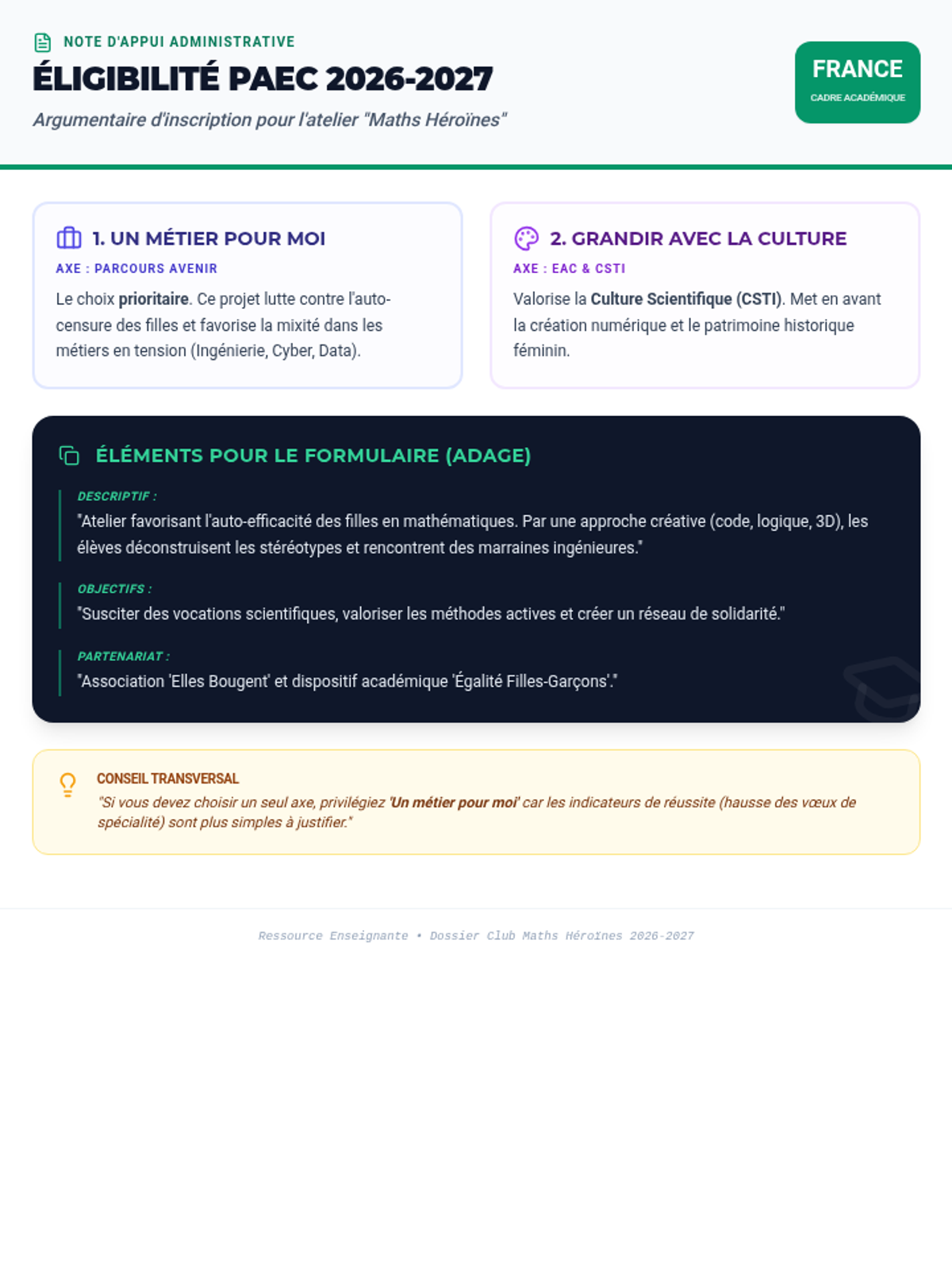
Ce module regroupe les documents administratifs et pédagogiques nécessaires à la mise en place d'un atelier hebdomadaire de 45 minutes pour promouvoir les mathématiques auprès des jeunes filles.
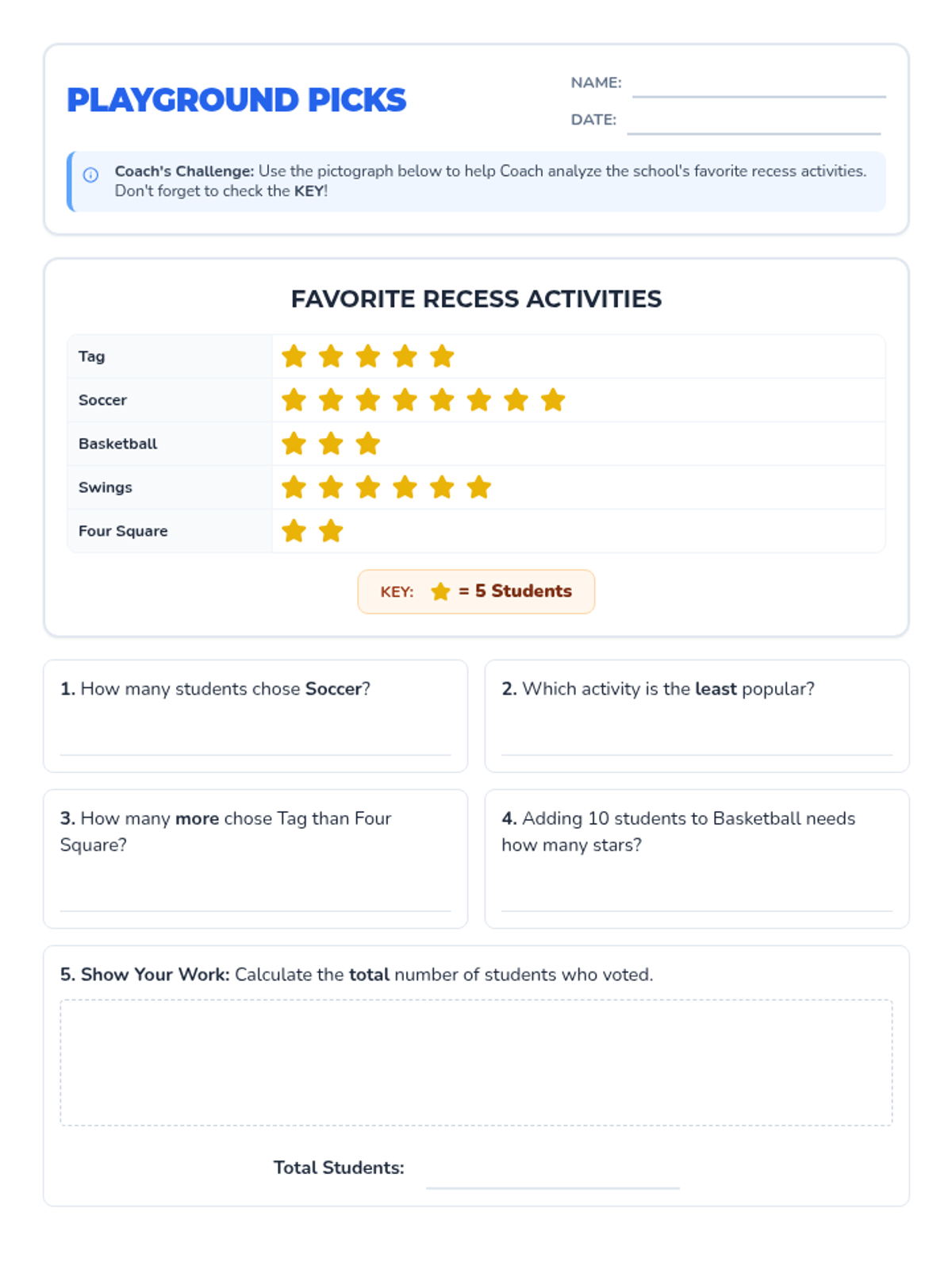
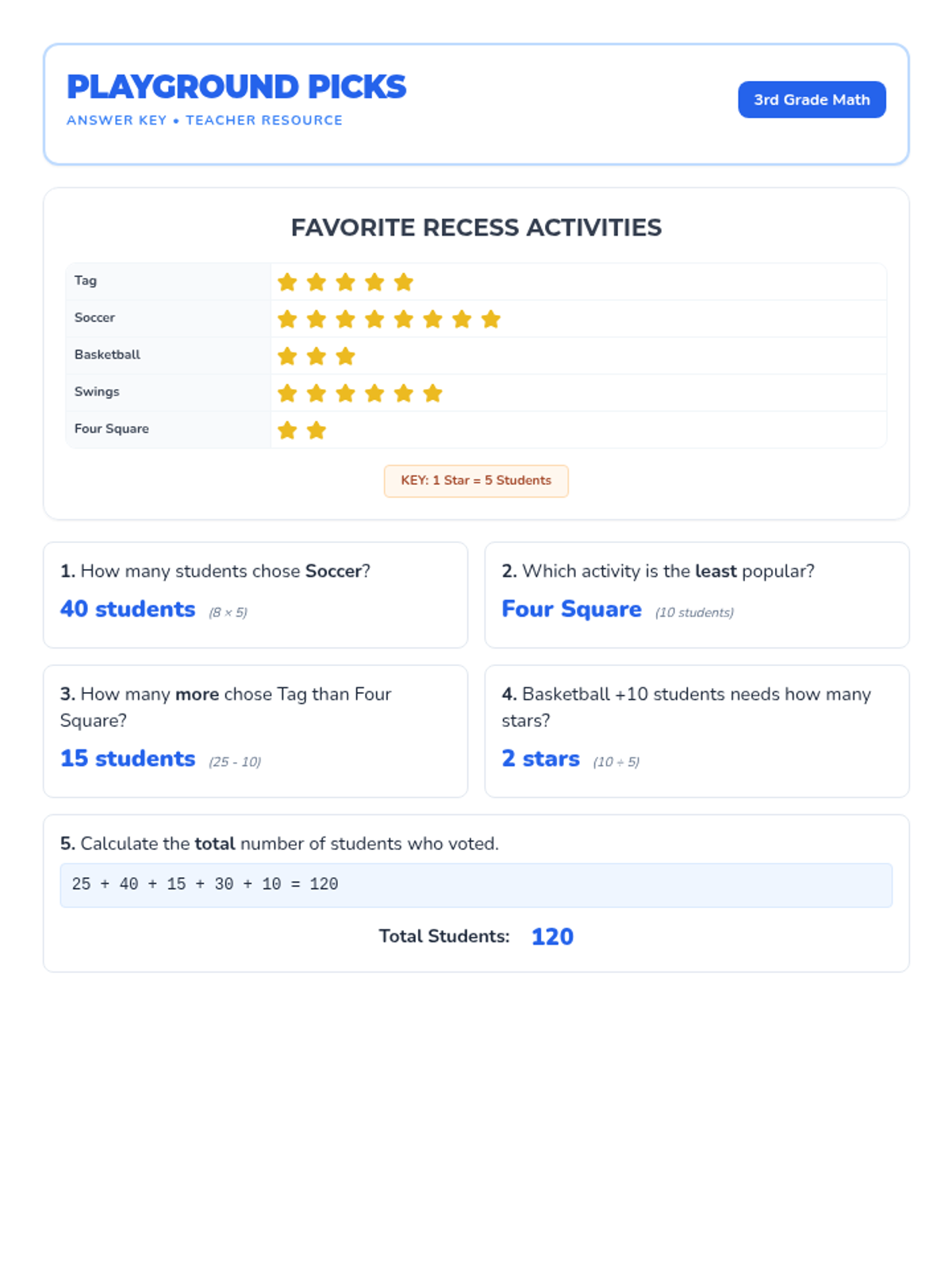
Students will learn to interpret and analyze data presented in pictographs within the context of favorite recess activities, focusing on understanding scales and keys.
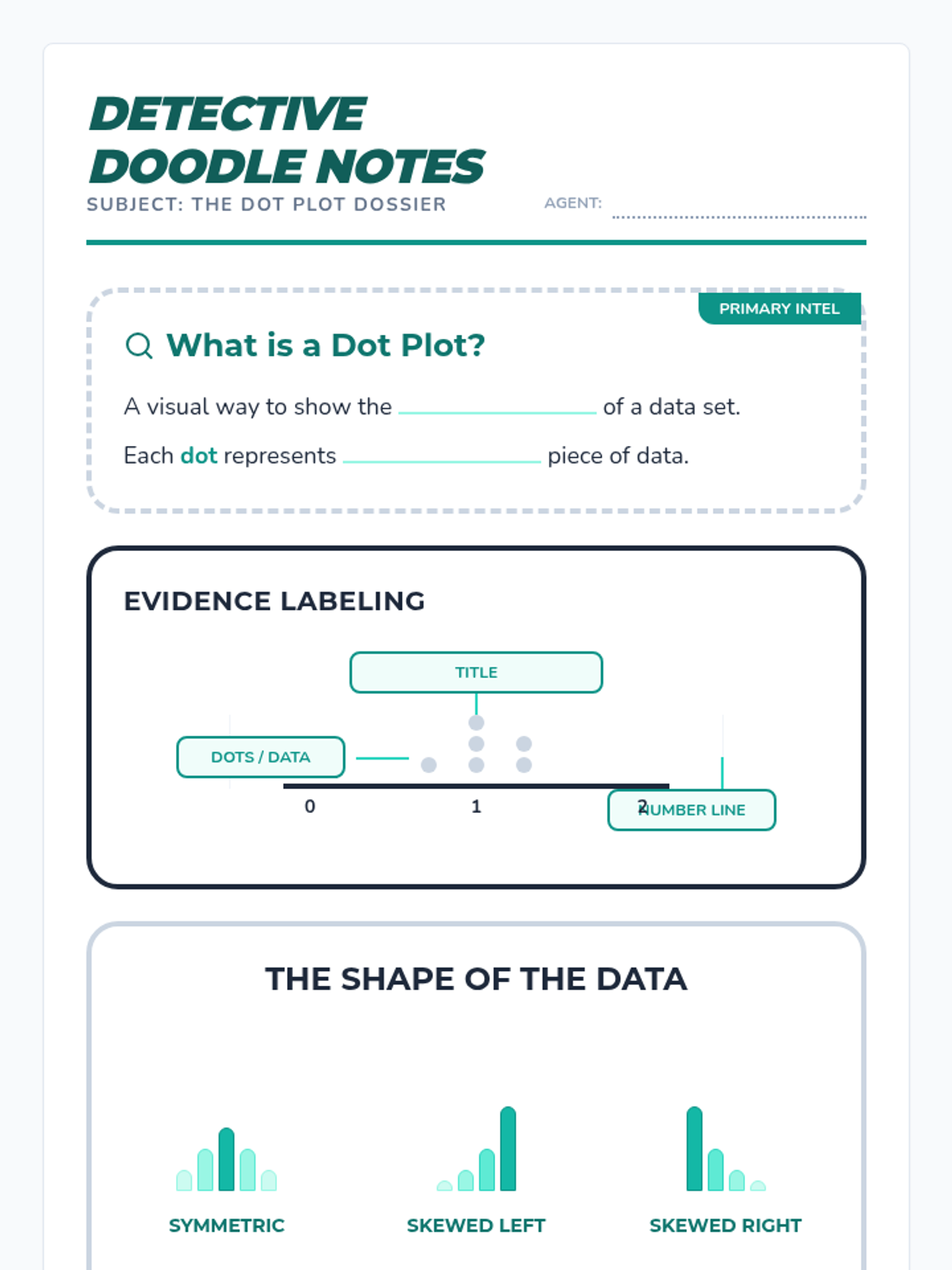
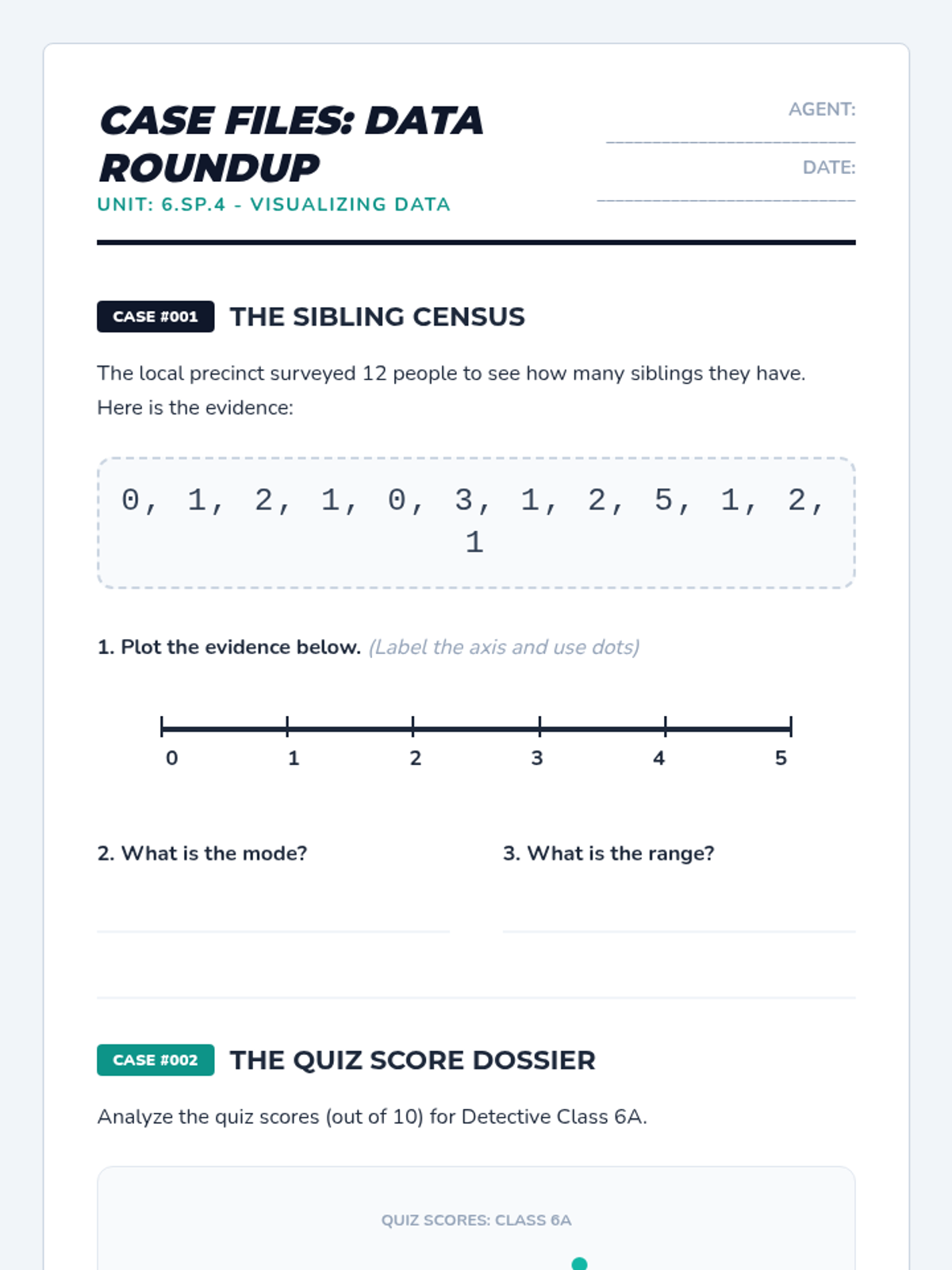
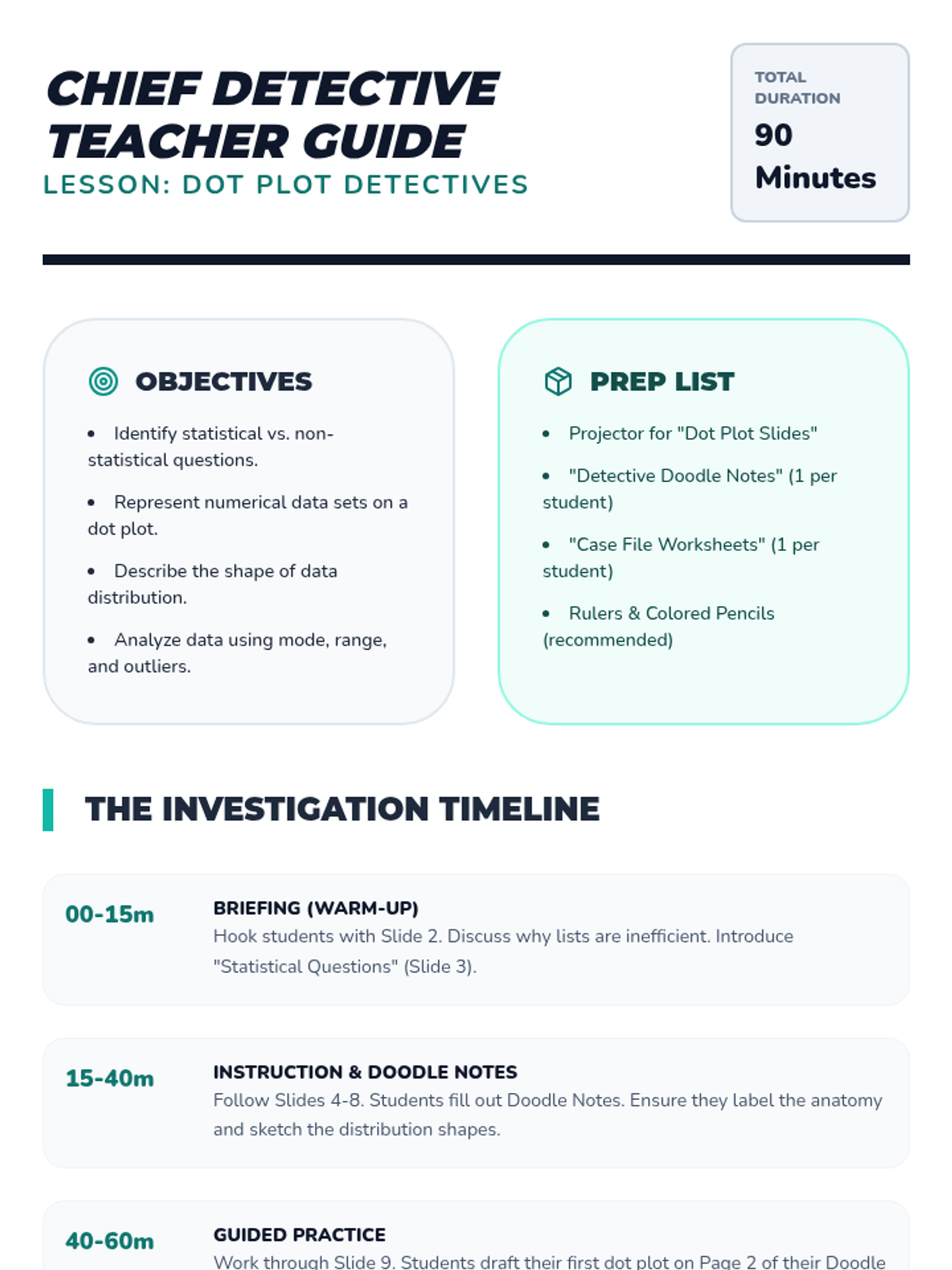
A comprehensive 90-minute lesson introducing 6th graders to dot plots, covering data collection, visual representation, and analysis of distribution shapes and central tendency.
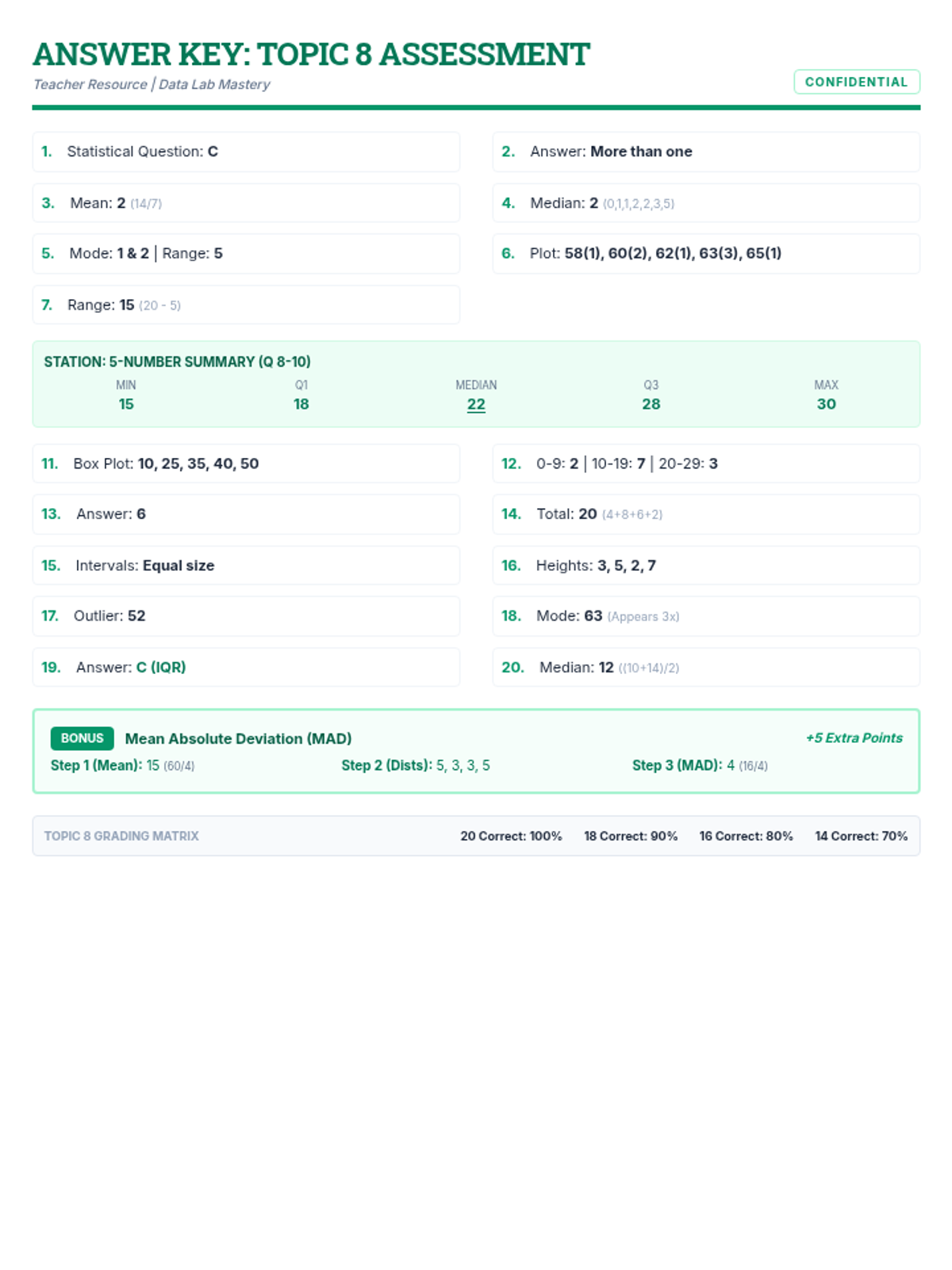
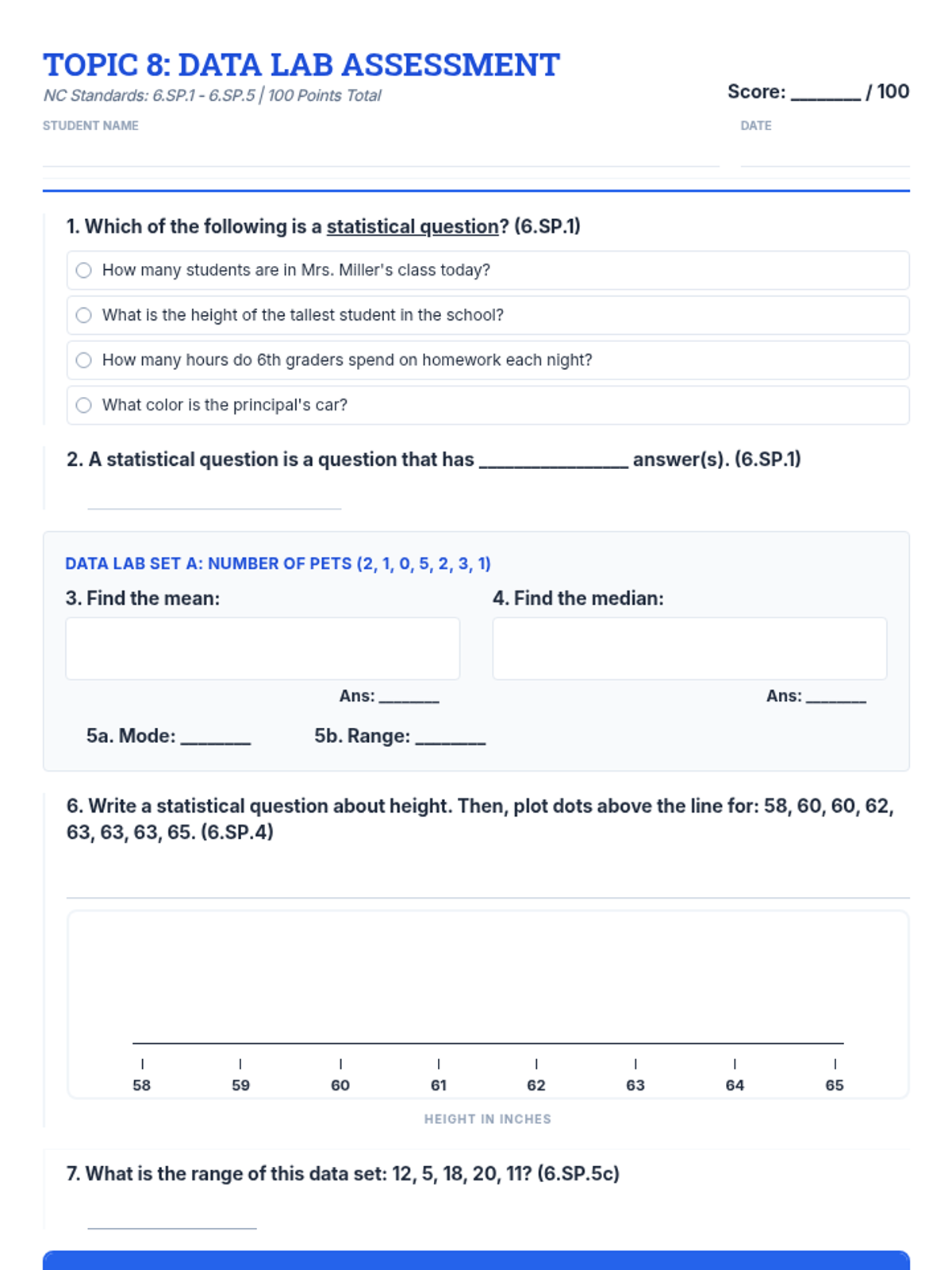
A comprehensive assessment covering 6th-grade statistics standards, including data display, measures of center and spread, and data interpretation. Students will create and analyze dot plots, histograms, and box plots while identifying statistical questions and describing distributions.
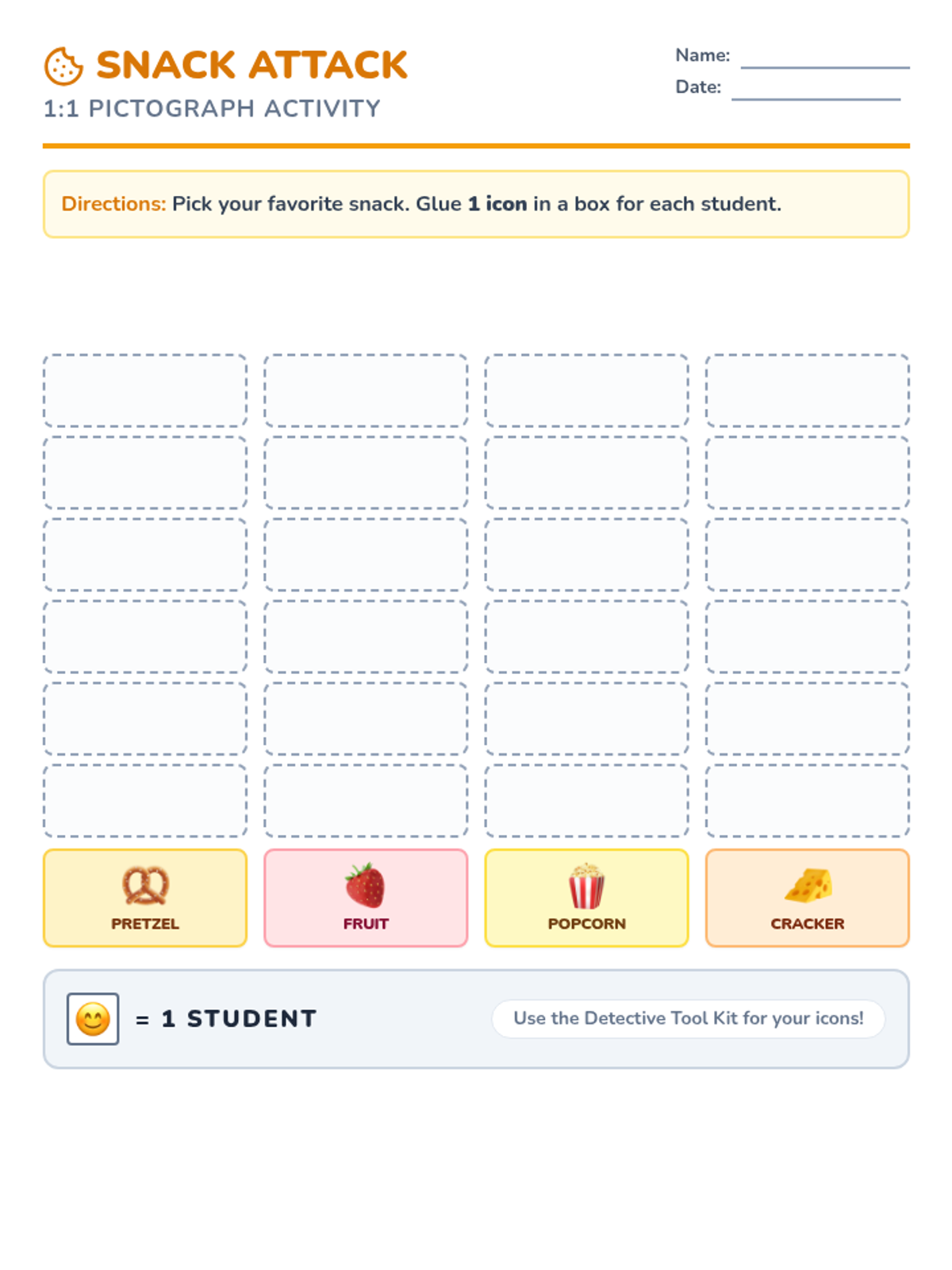
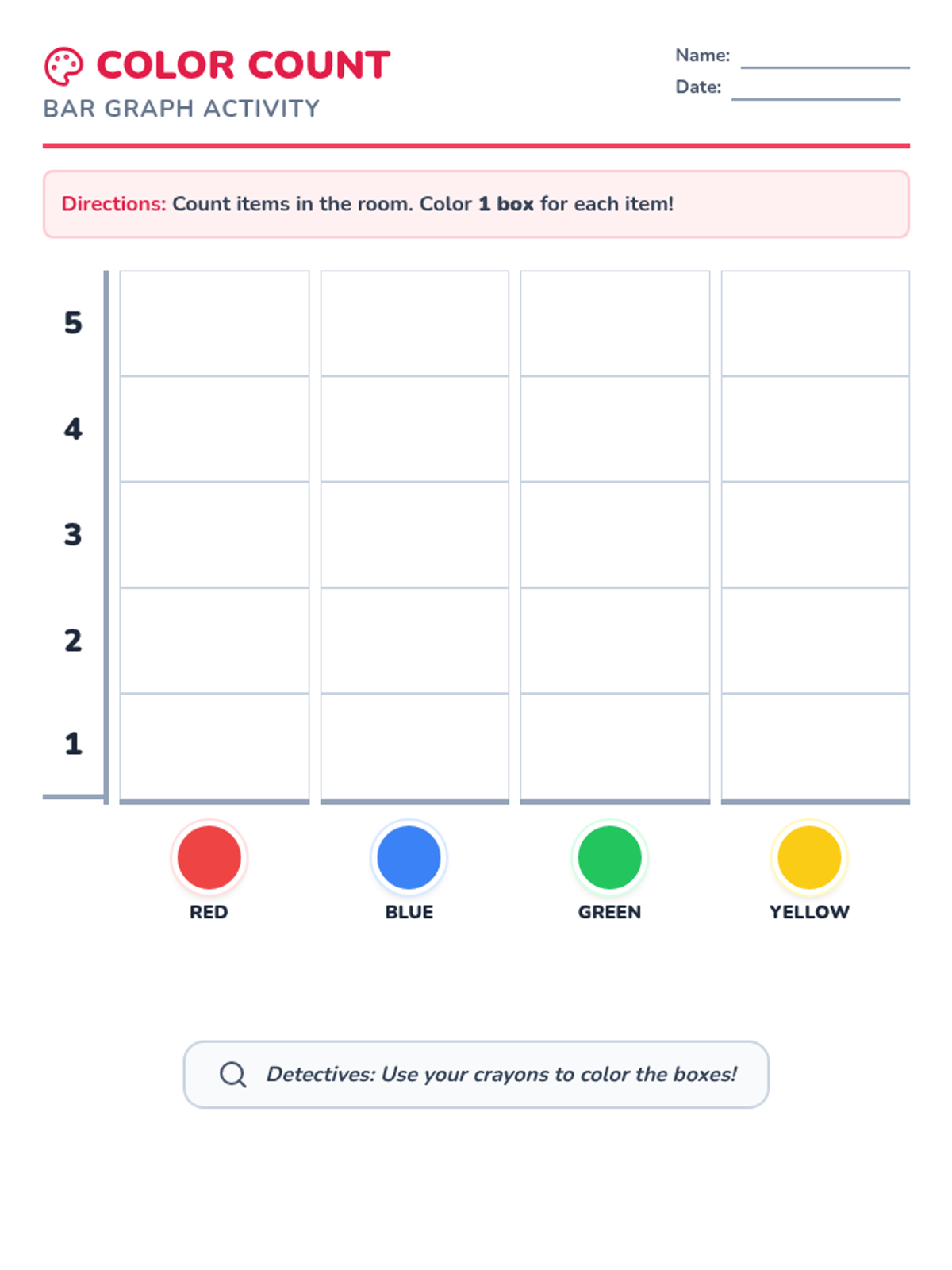
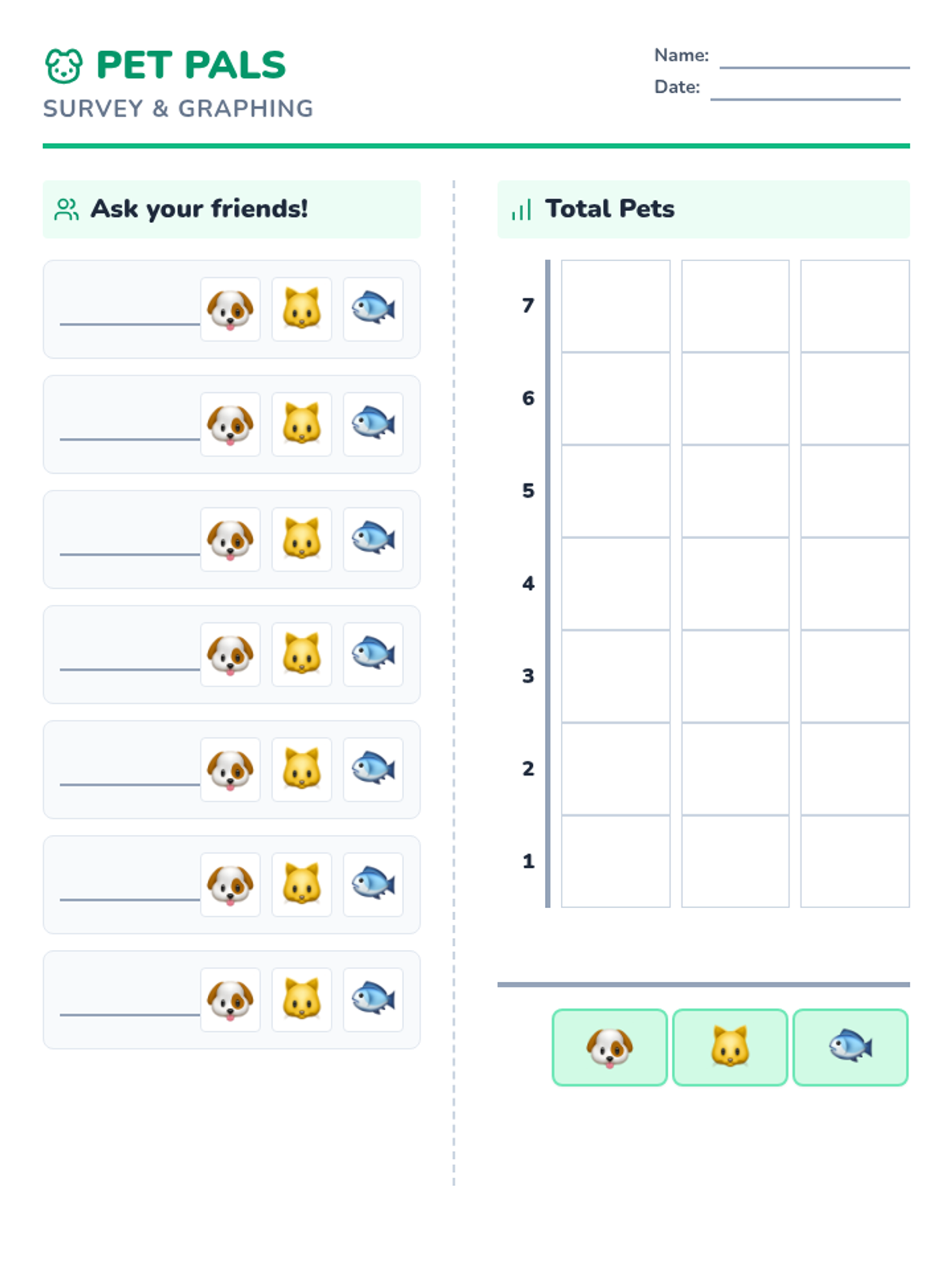
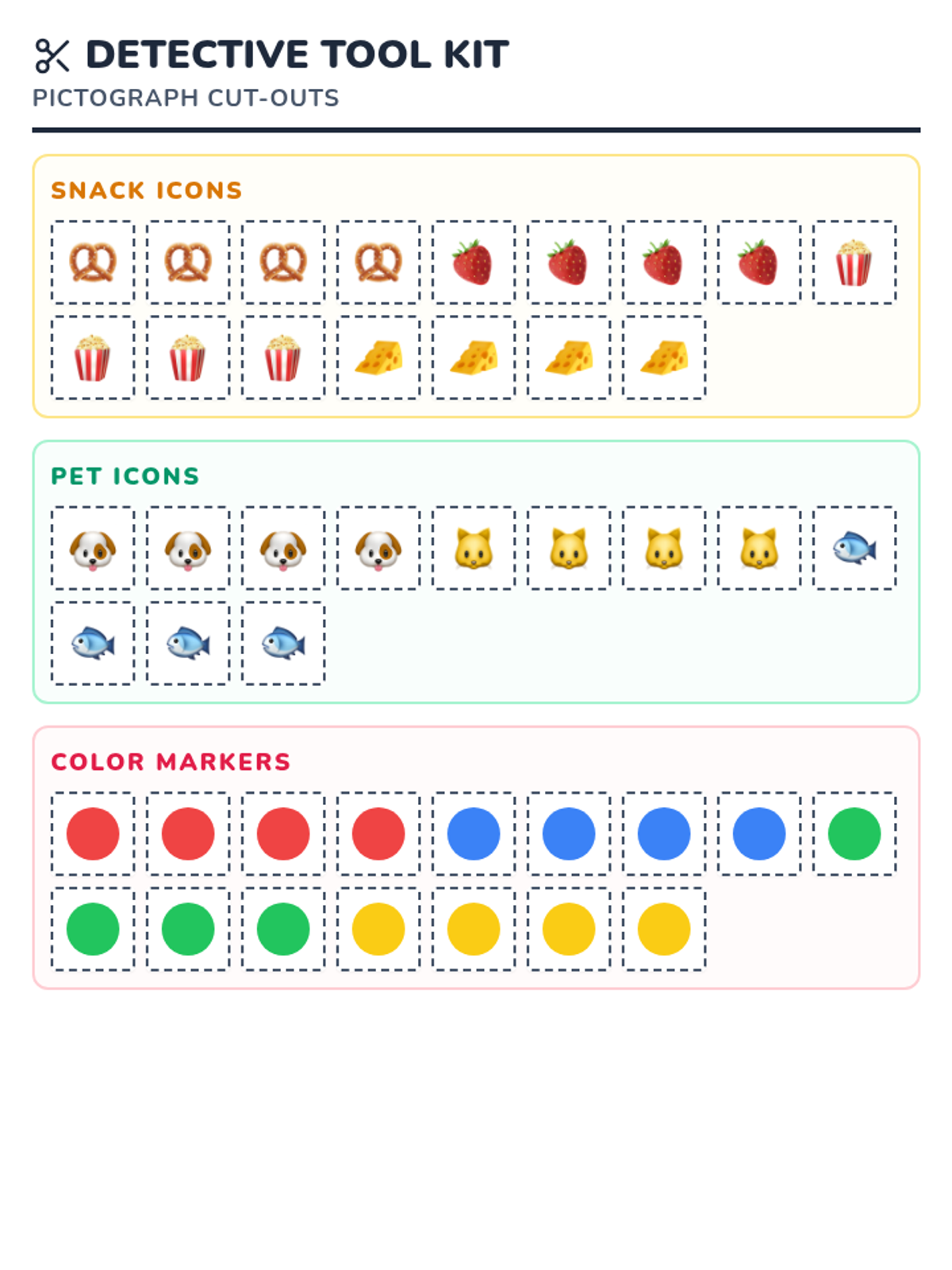
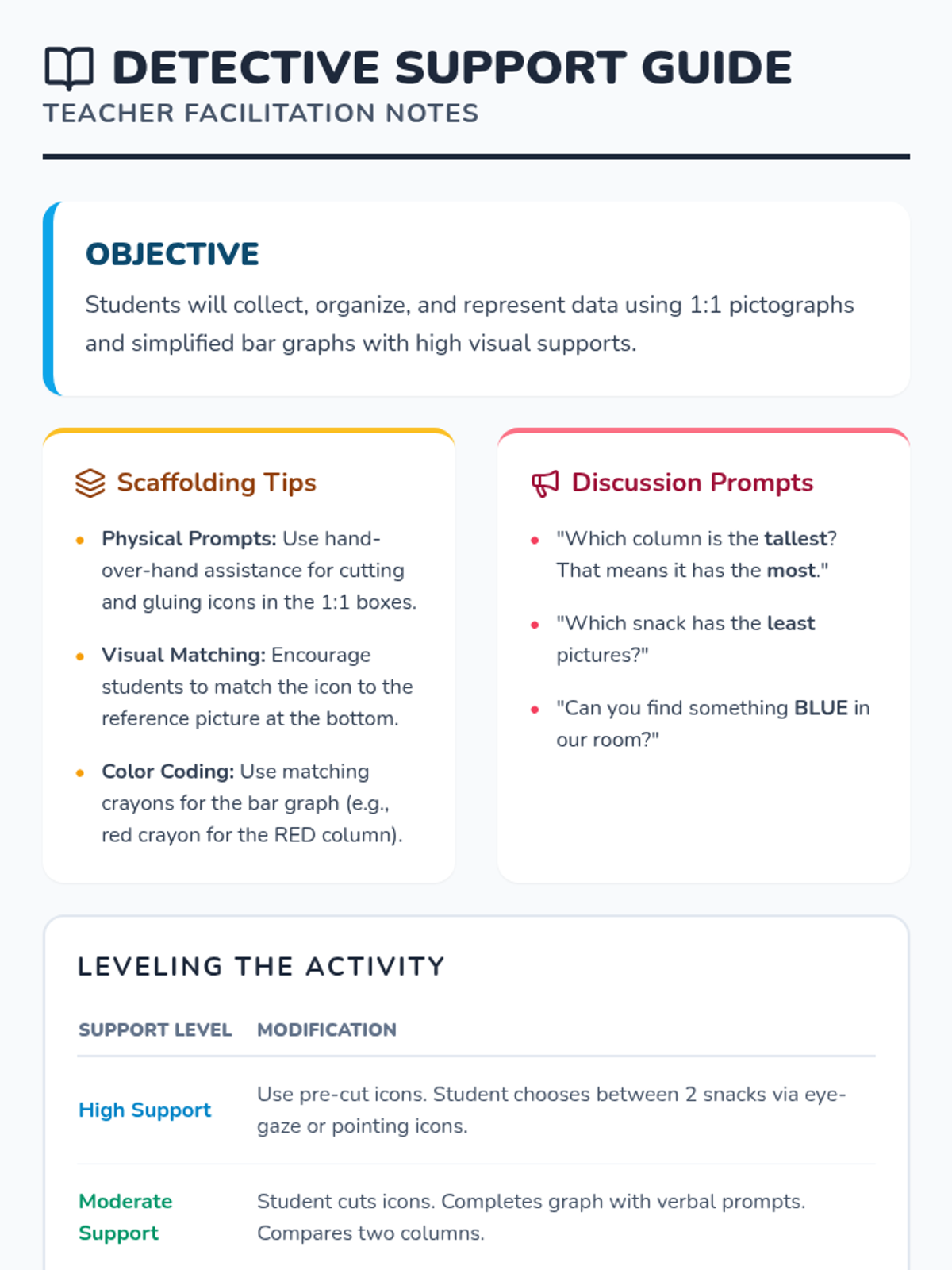
A hands-on graphing lesson designed for Essential Skills students, focusing on 1:1 pictographs and bar graphs using snack, color, and pet data with heavy visual supports.
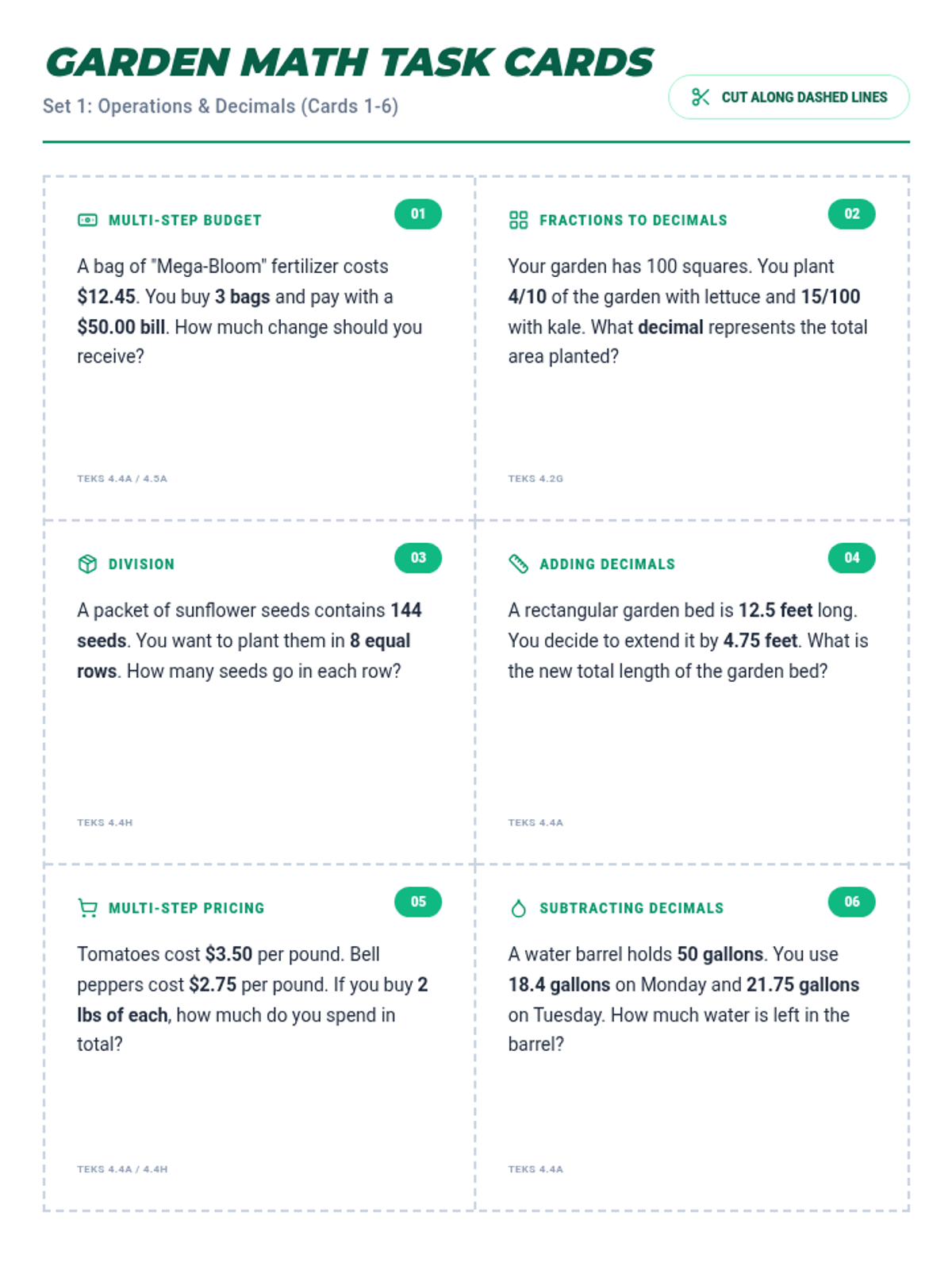
A math-focused project where students step into the role of garden designers to plan a community space while mastering multi-step word problems, decimal operations, and the relationship between fractions and decimals.
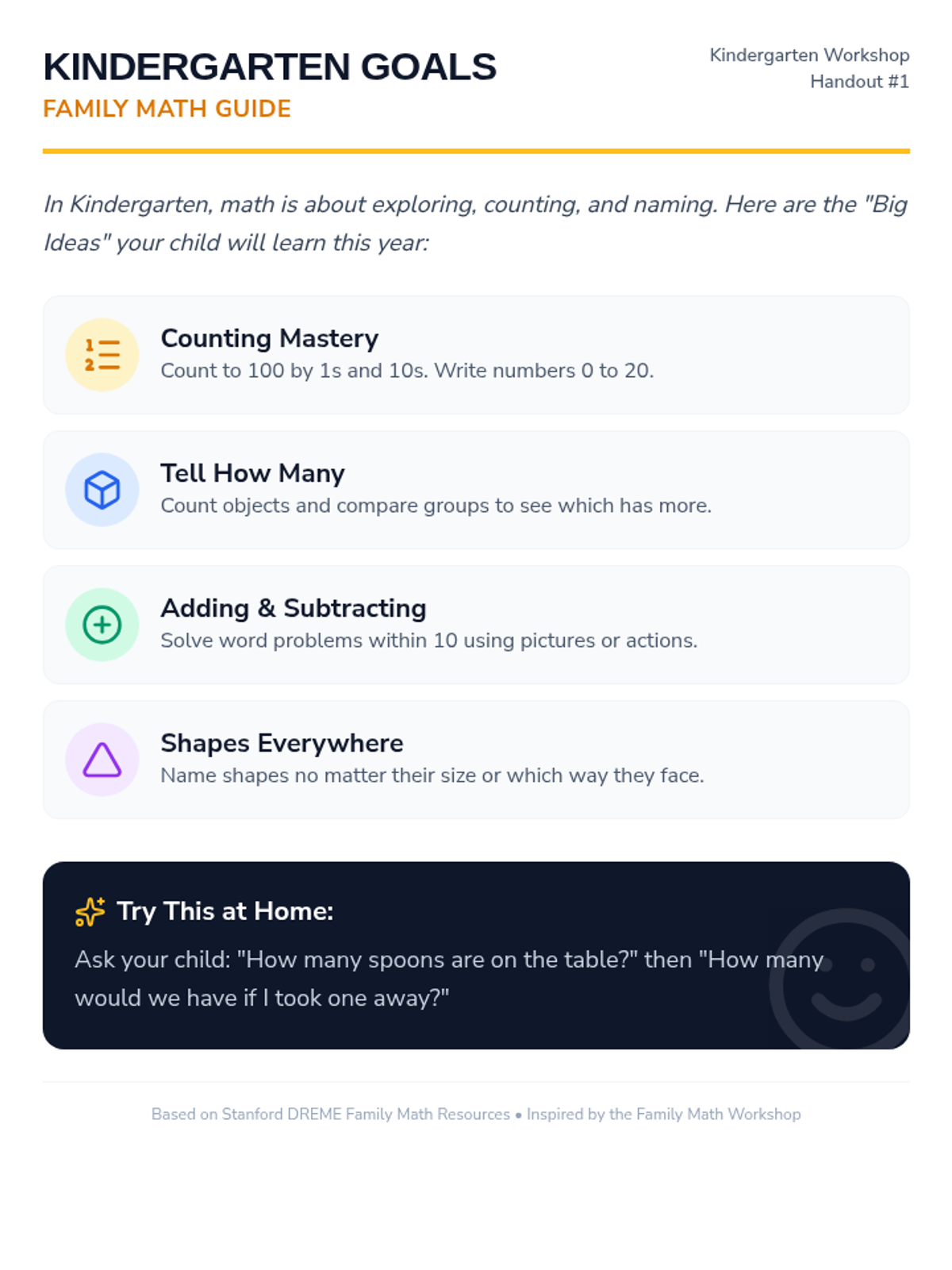
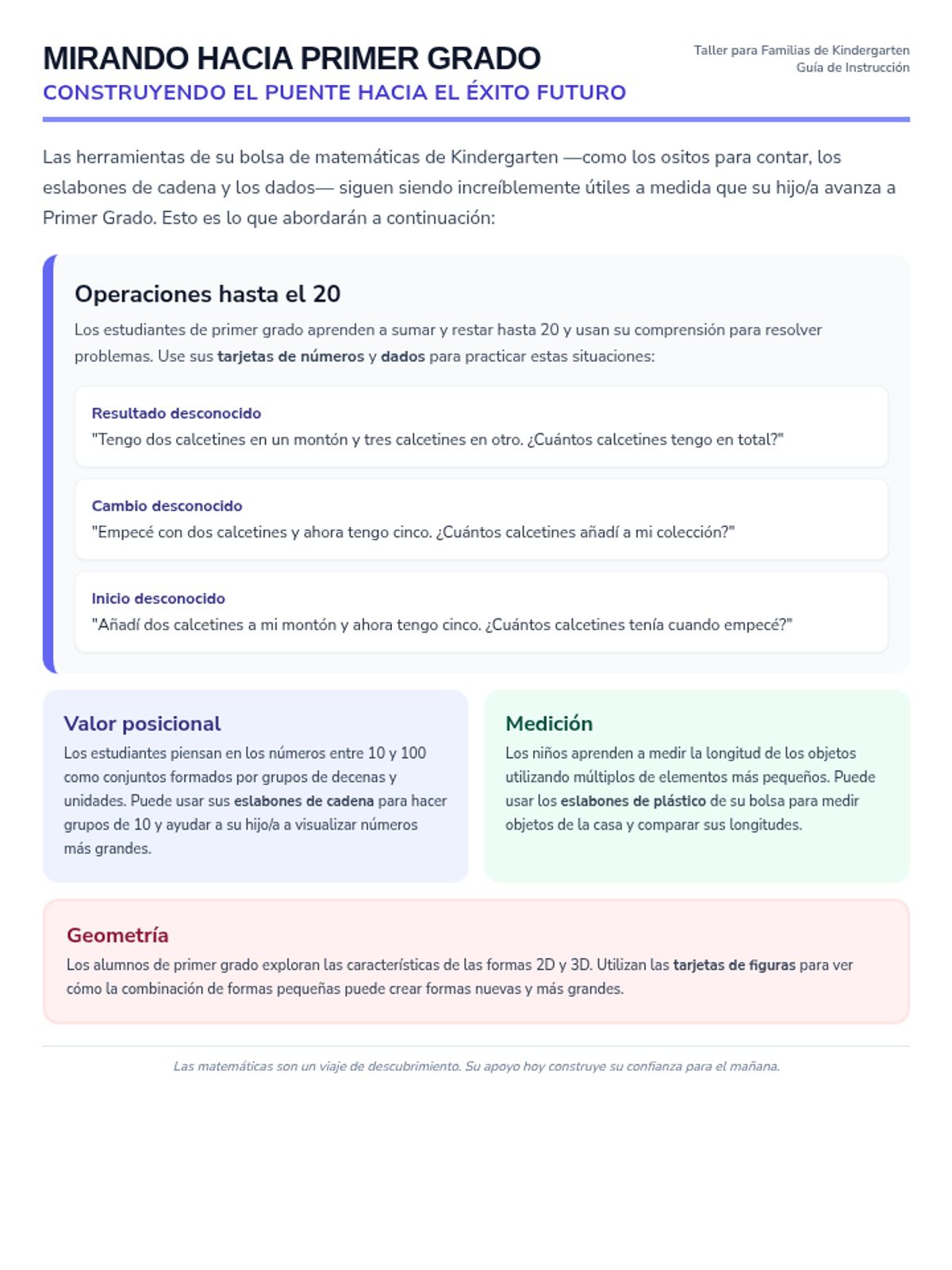
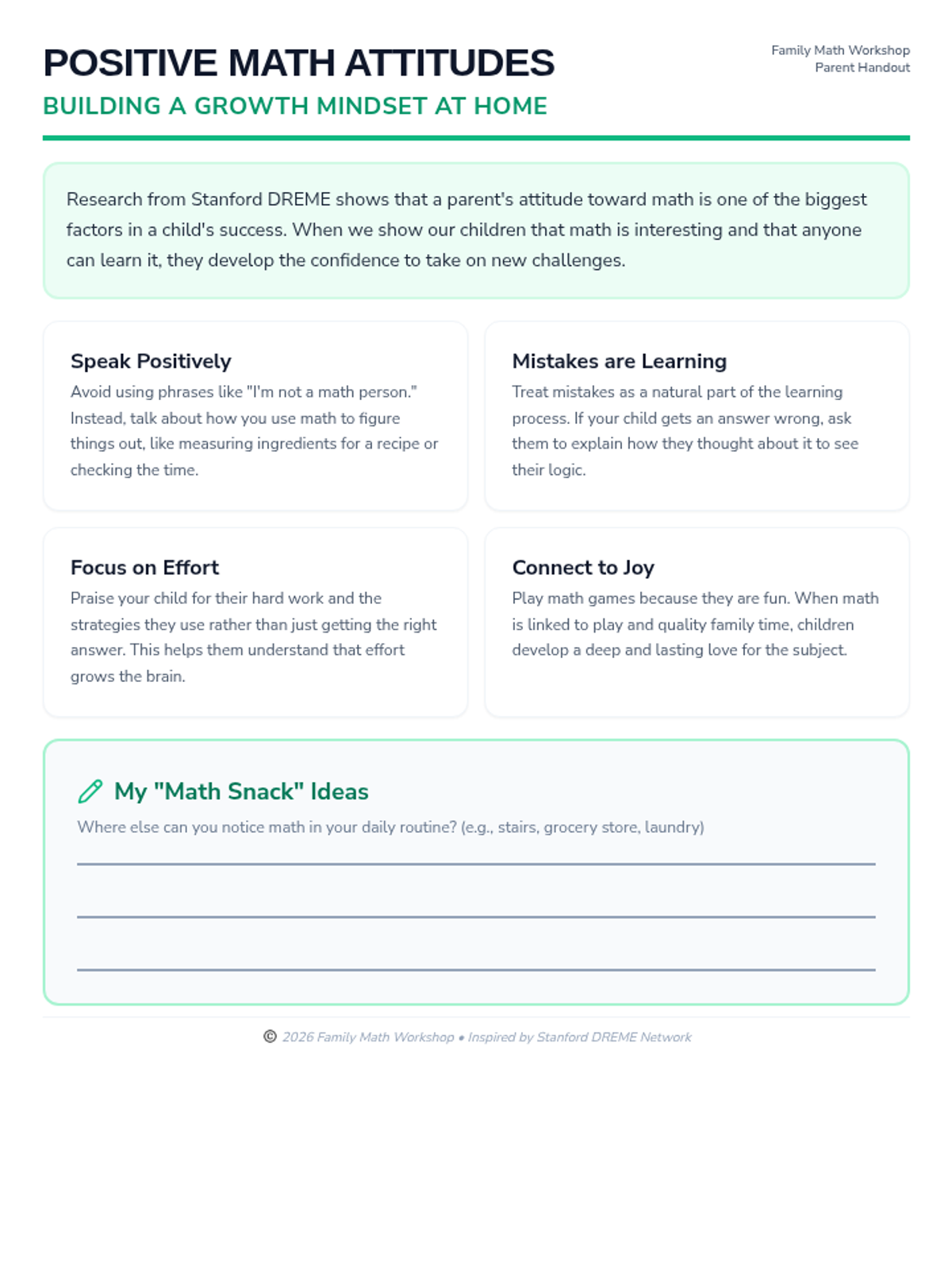
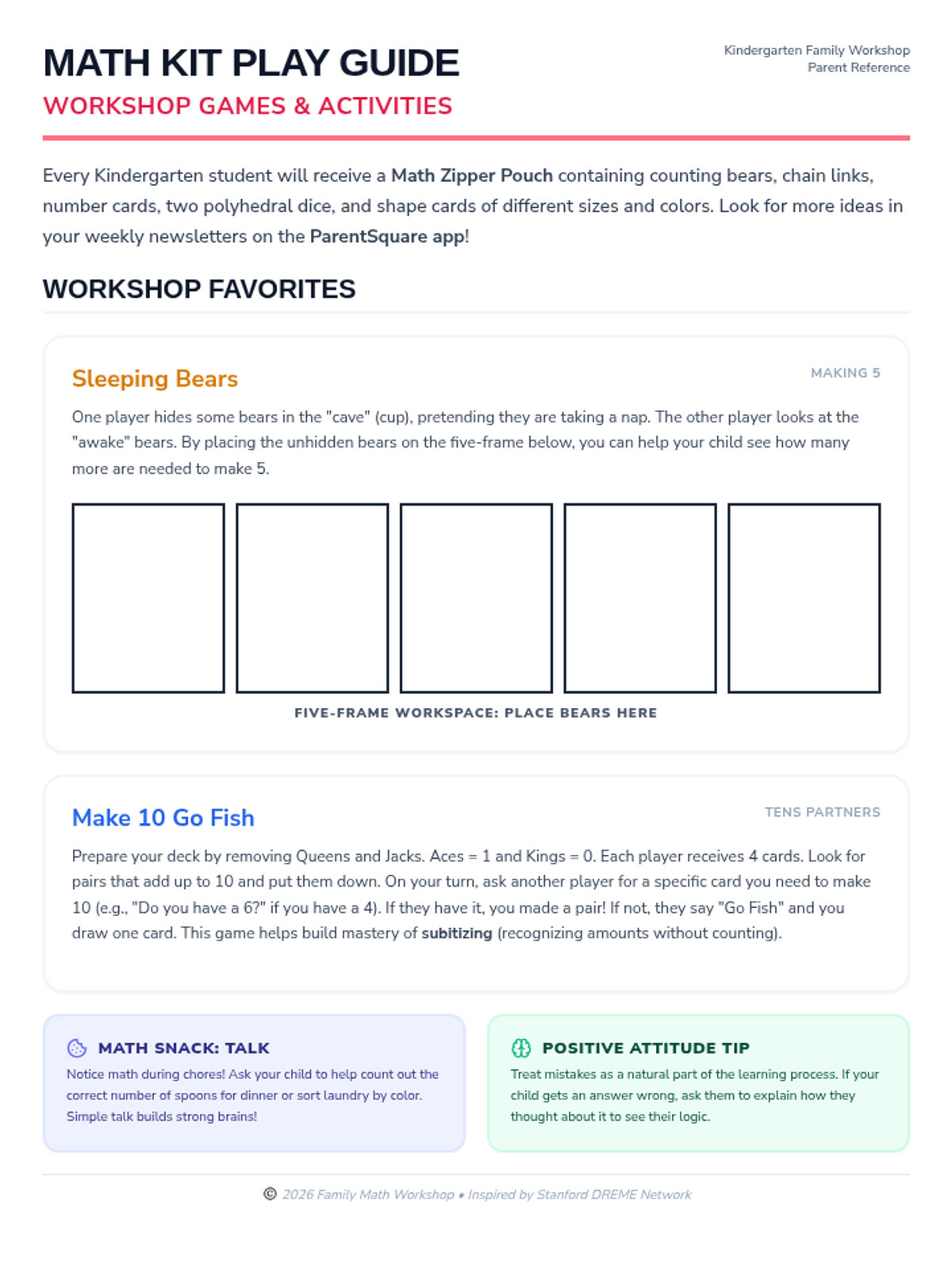
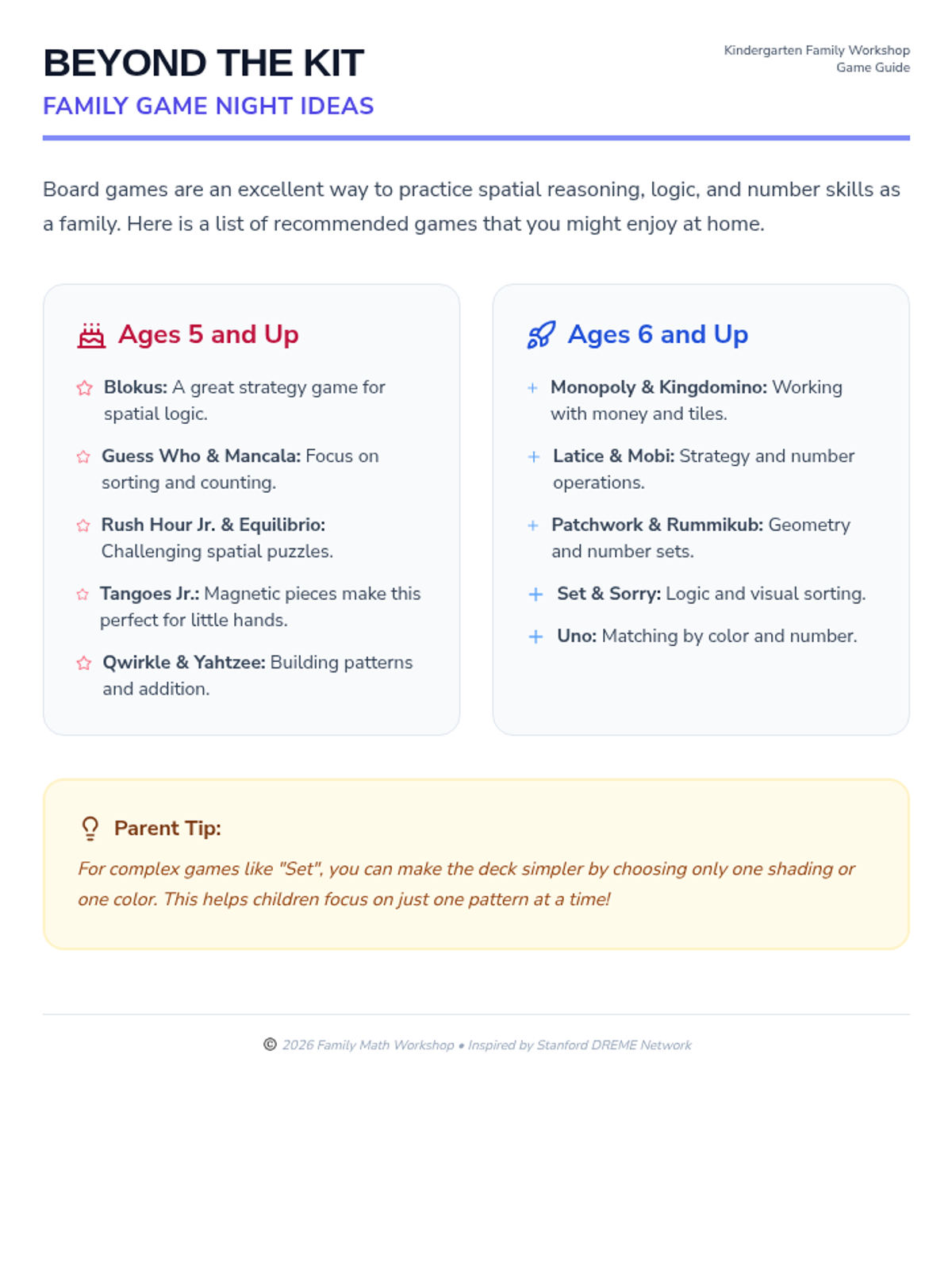
A comprehensive workshop for Kindergarten parents and guardians focused on building positive math attitudes and supporting math learning at home through play and daily routines. Based on Stanford DREME research.