A hands-on kindergarten lesson exploring the concept of volume through direct comparison, video observation, and sensory play. Students learn to use the terms empty, full, more, and less while investigating how different containers hold liquids.
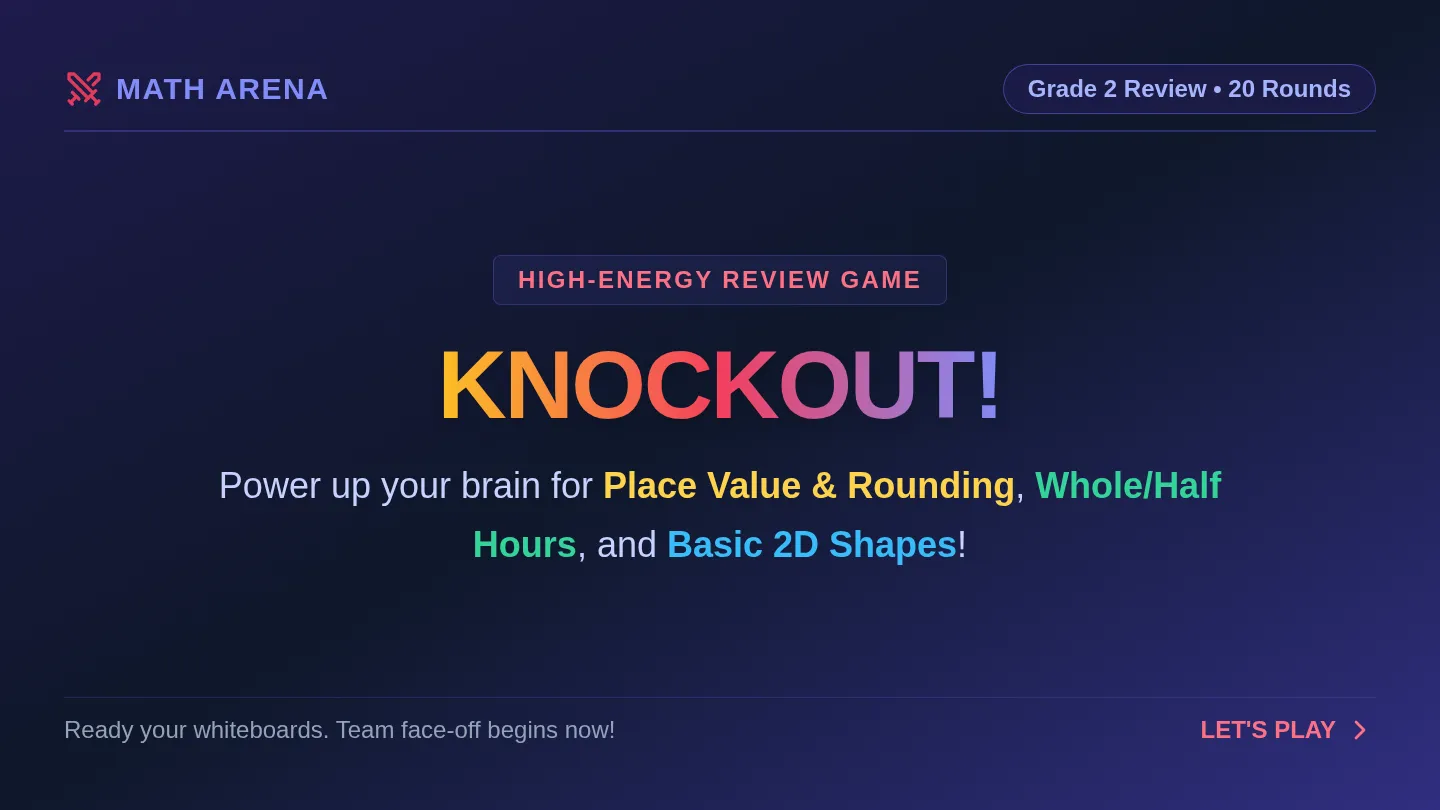
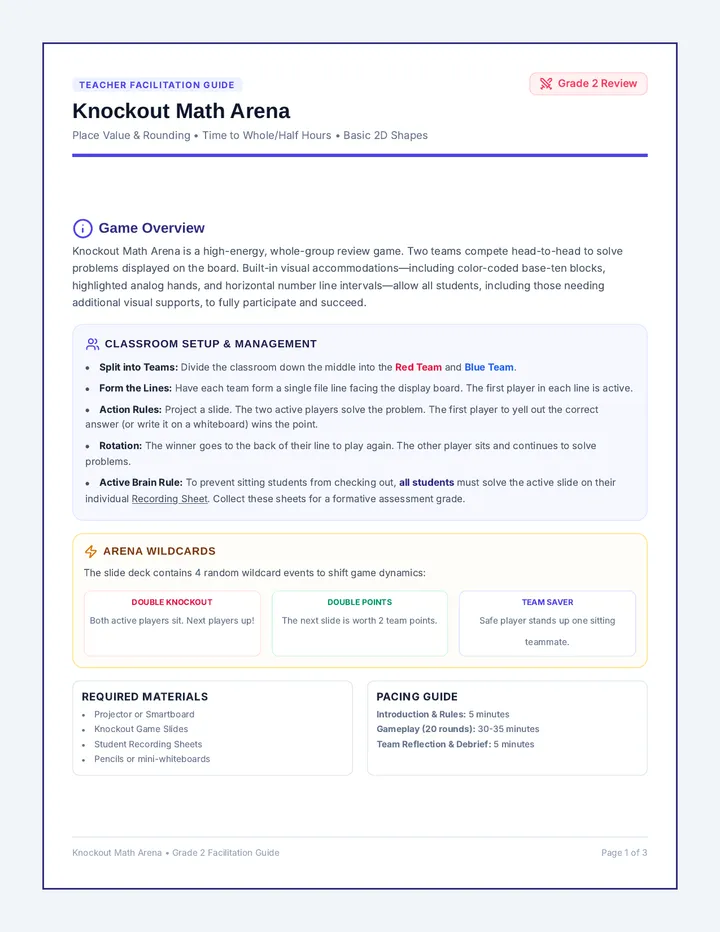
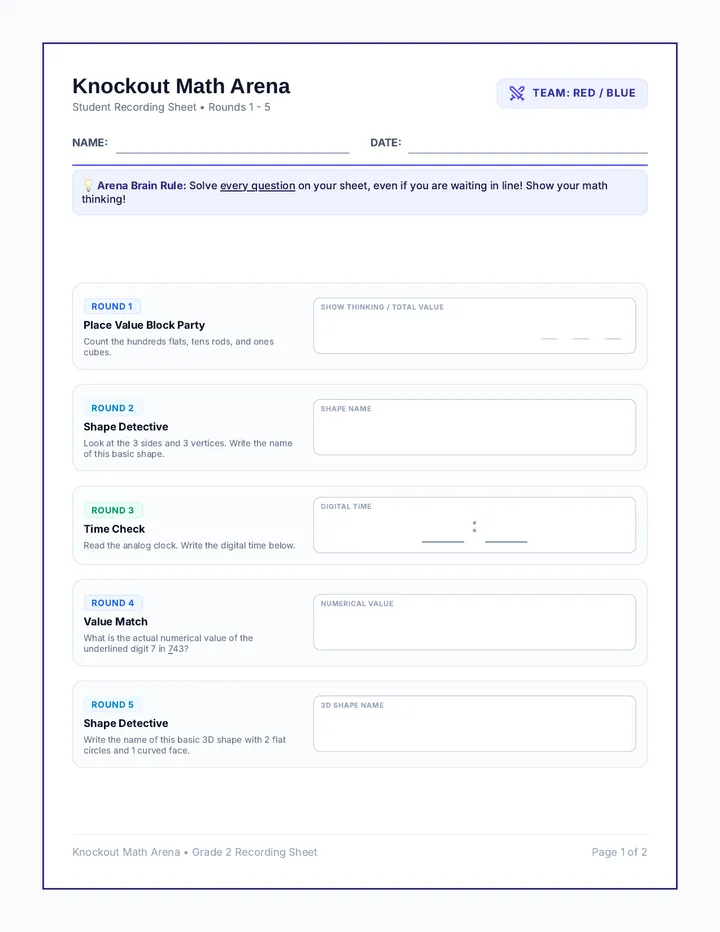
A high-energy, fast-paced review game targeting 2nd-grade place value, time, and geometric shape attributes. Includes a colorful slide deck, a comprehensive facilitation guide, and student recording sheets to keep the whole class engaged.
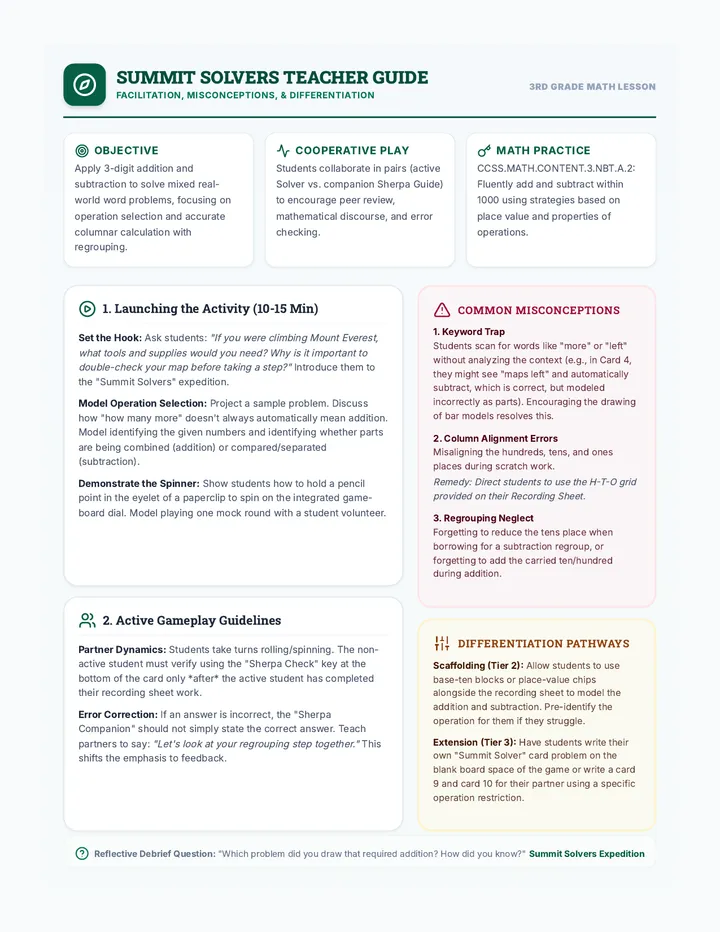
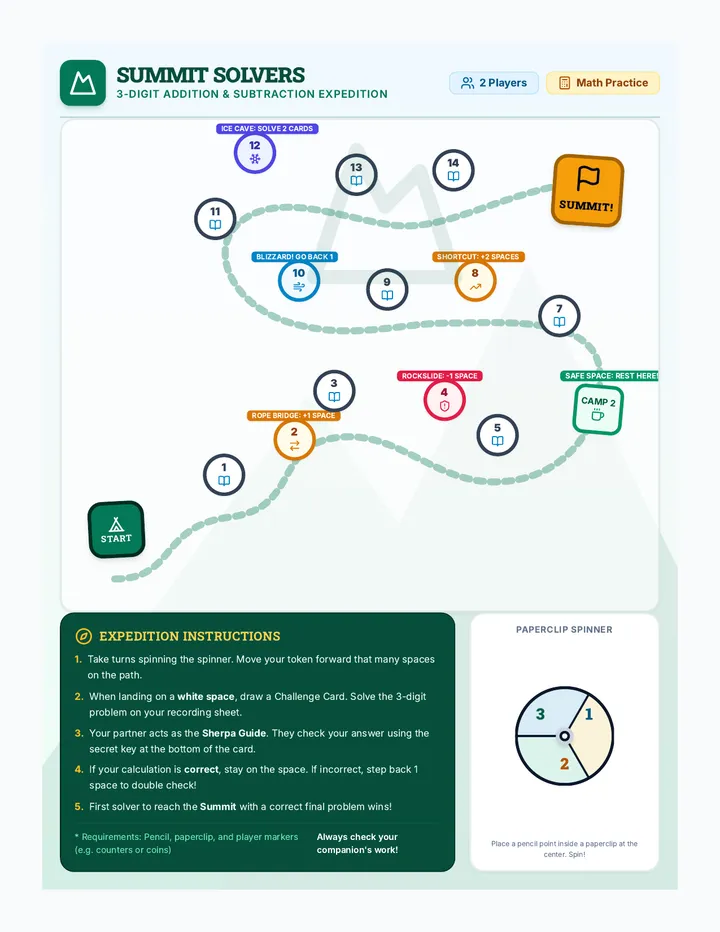
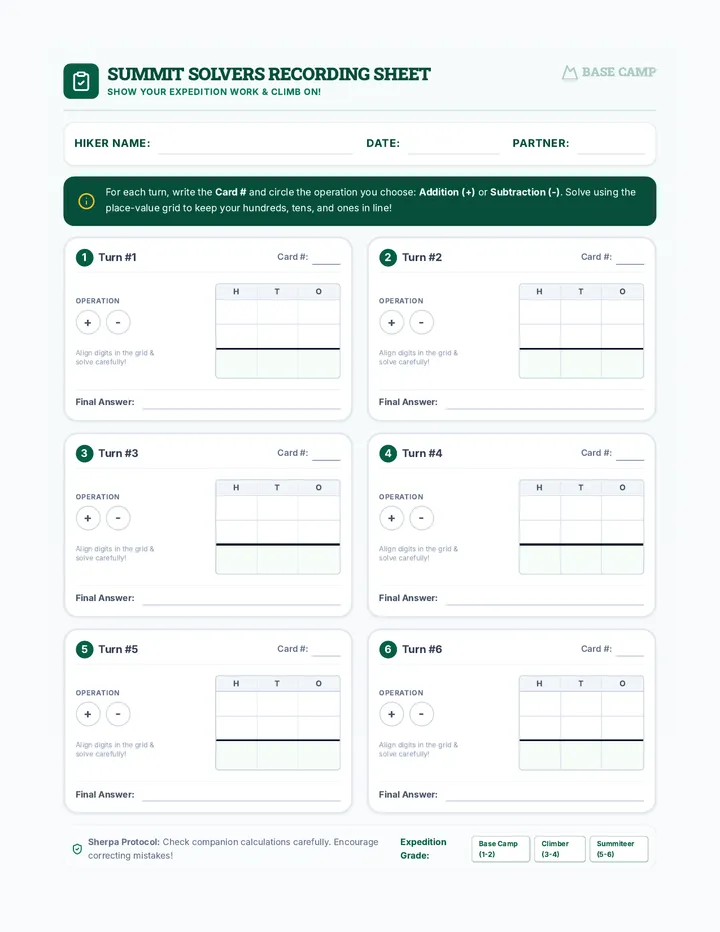
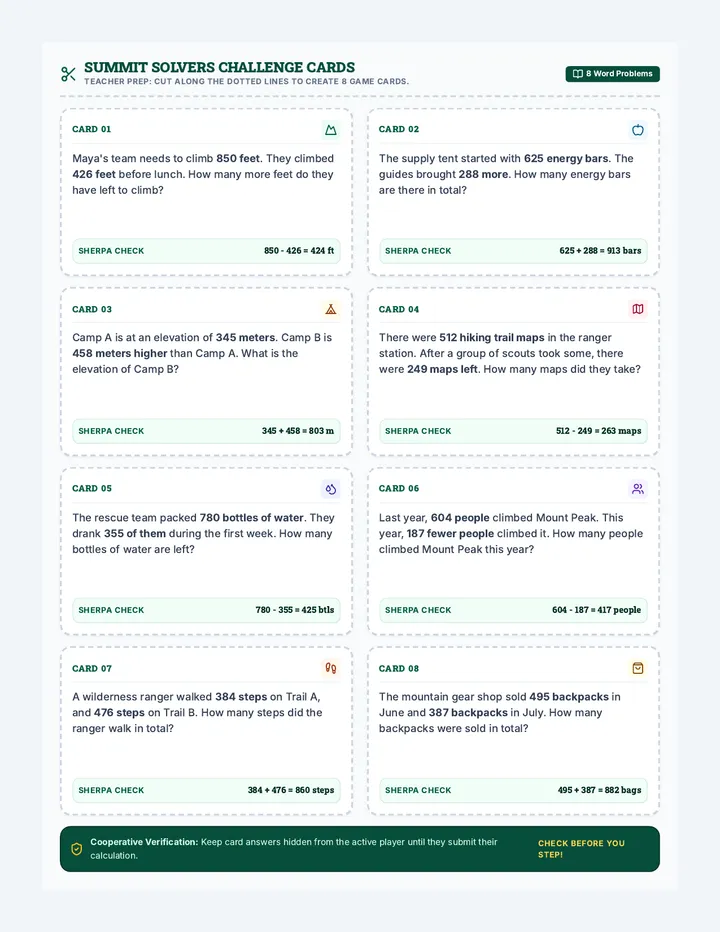
A collaborative third-grade board game focused on solving 3-digit addition and subtraction mixed word problems. Students climb a mountain by selecting correct operation, calculating precisely, and verifying answers with peer-checking challenge cards.
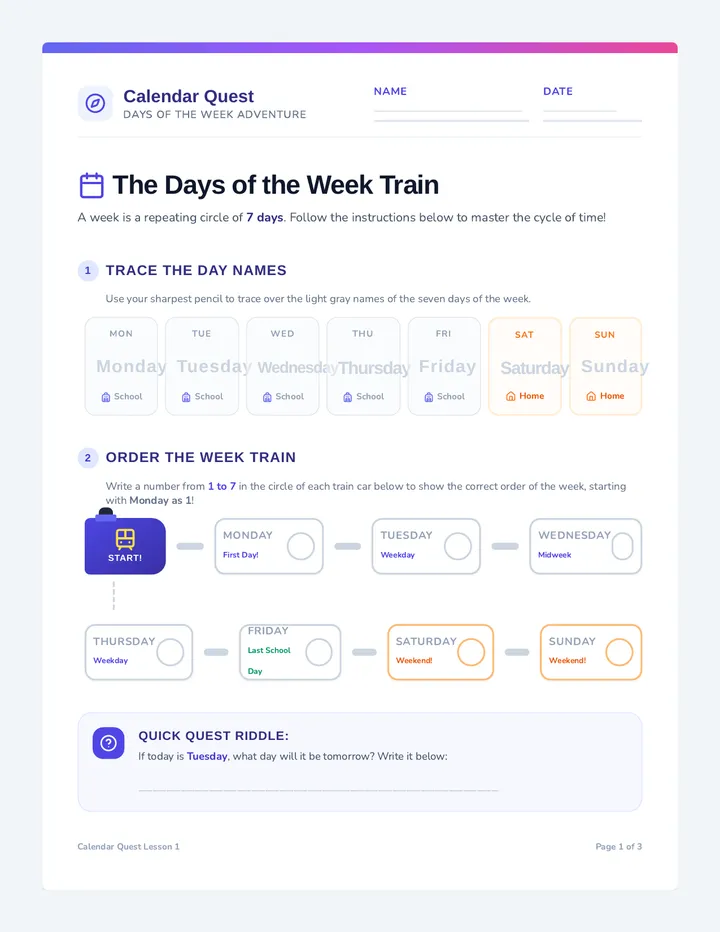
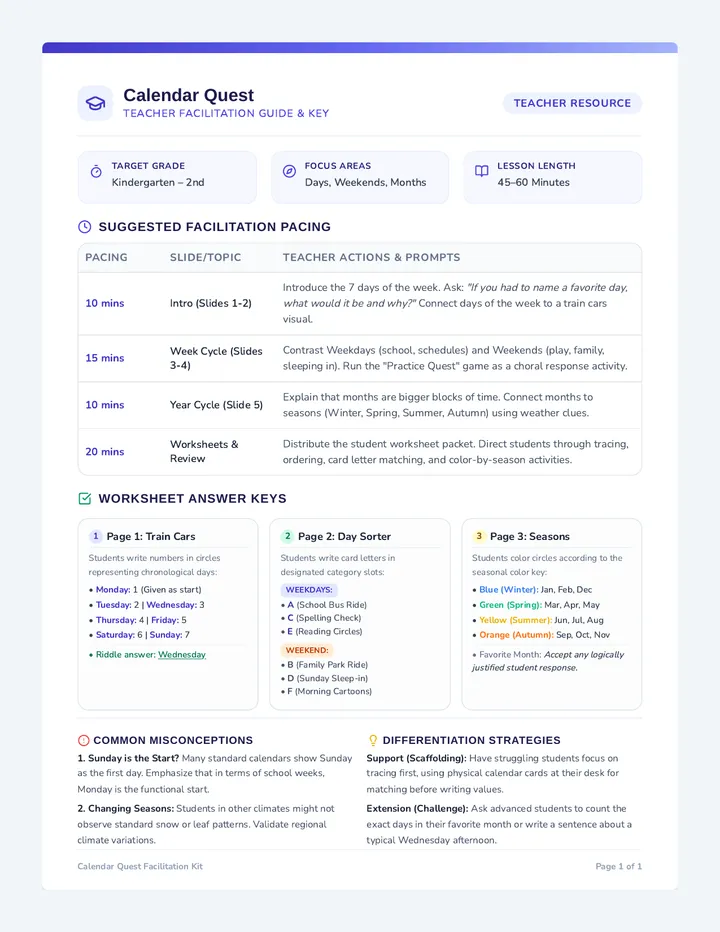
A foundational lesson introducing early elementary students to calendar concepts, including days of the week, weekdays versus weekends, and the twelve months of the year, contextualized with real-world school, home, and seasonal scenarios.
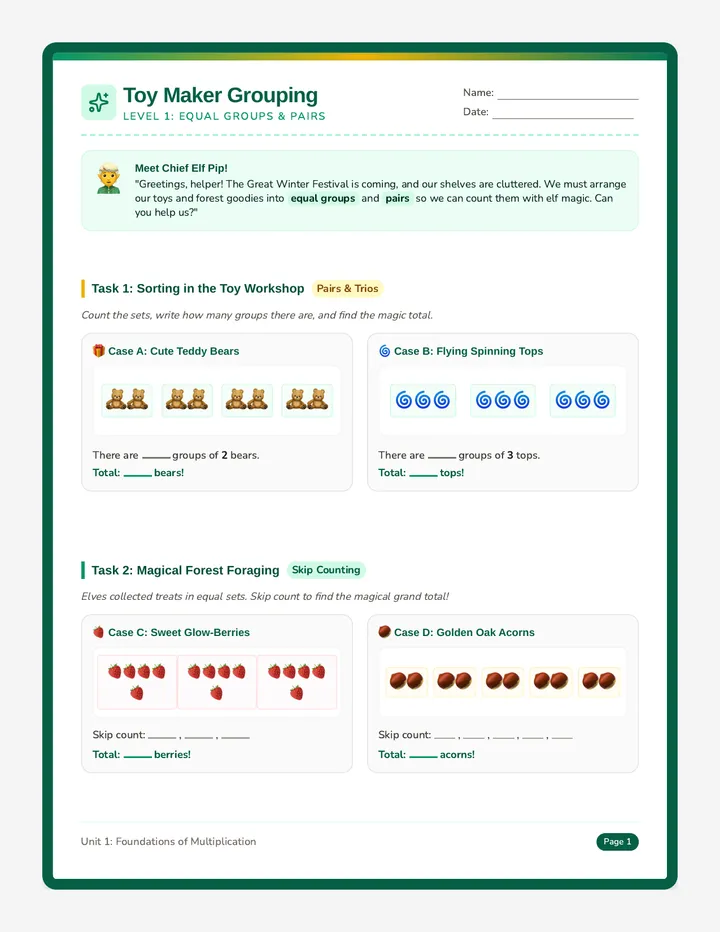
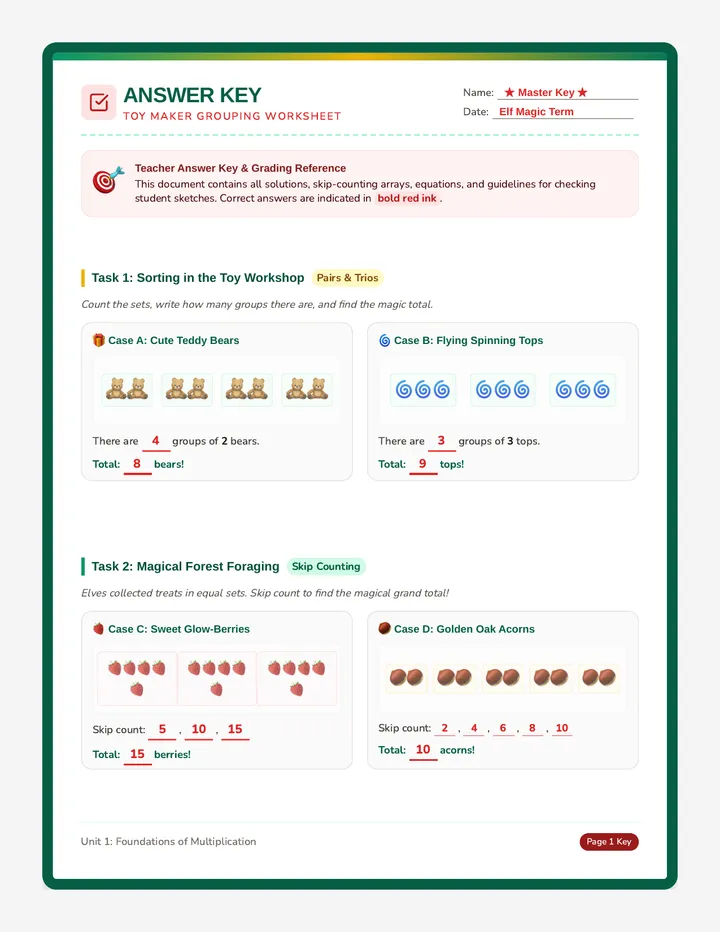
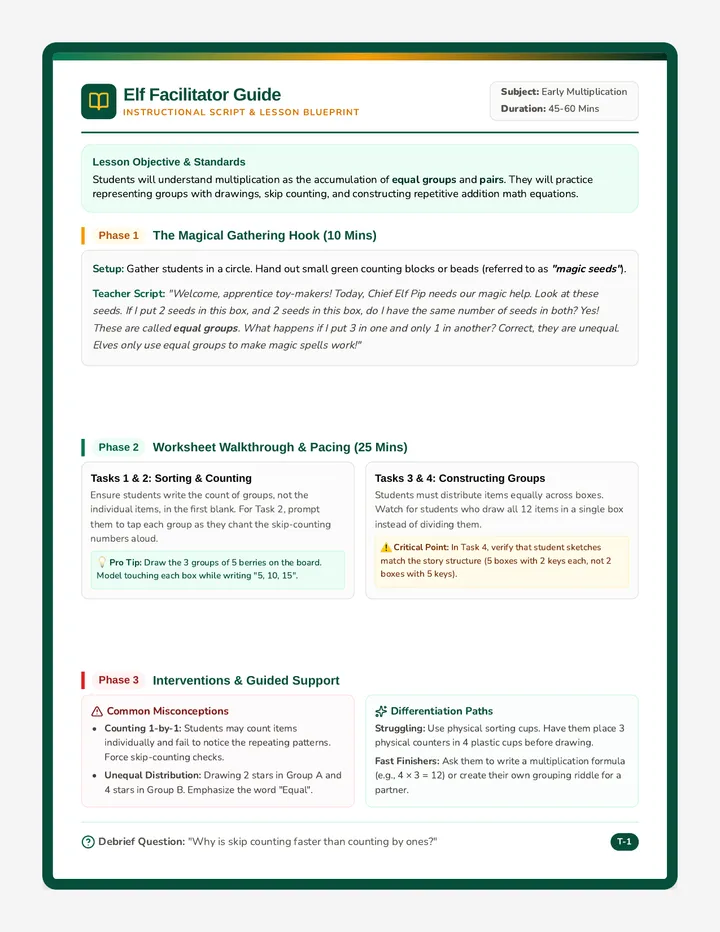
An introductory lesson on multiplication using equal groups and pairs, themed around magical elves making toys, foraging in the forest, and packing items. Students transition from concrete counting to skip counting and basic multiplication concepts.
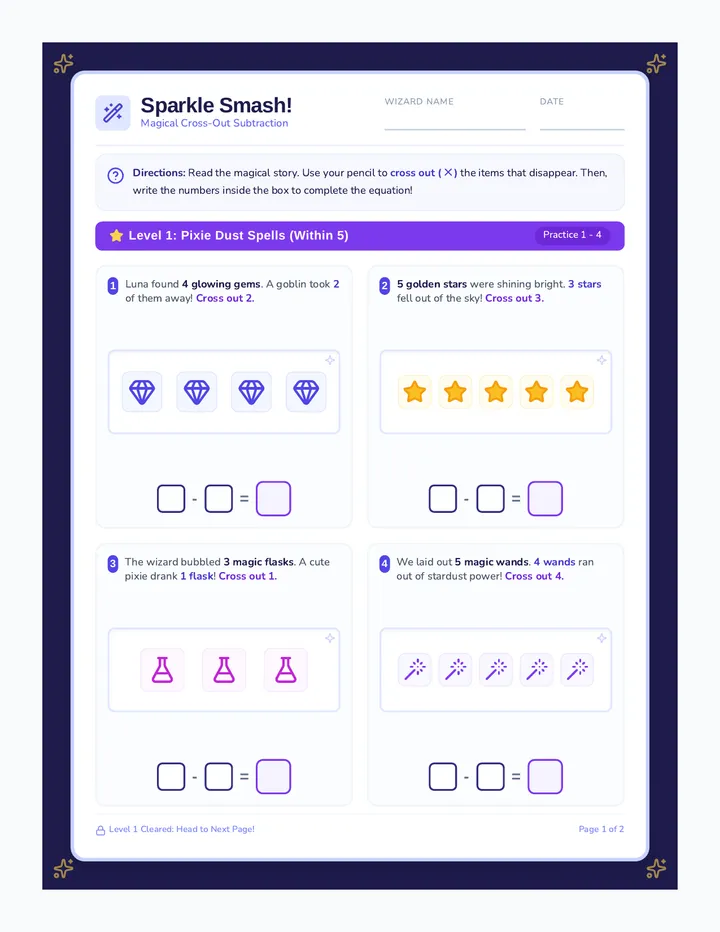
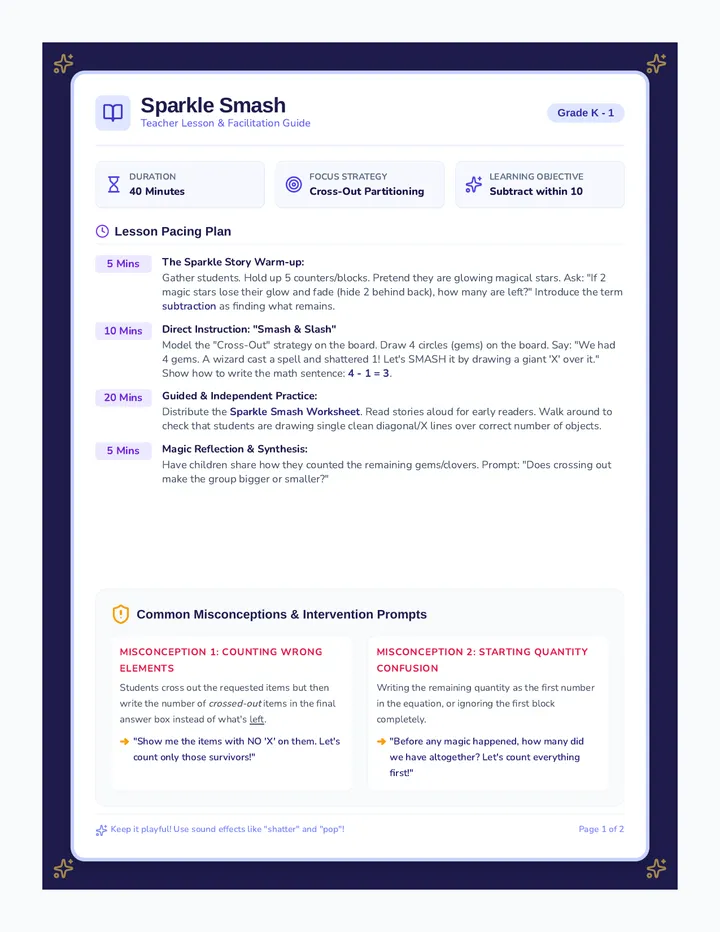
A magical introduction to subtraction within 10 using cross-out strategies with glowing stars, pixie dust, and magical gems.
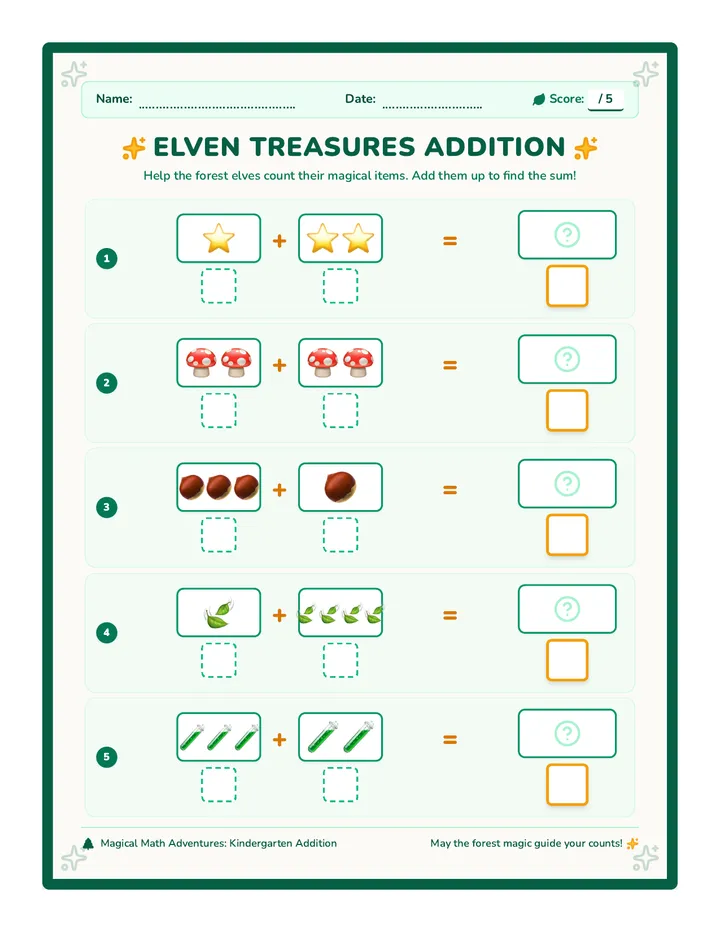
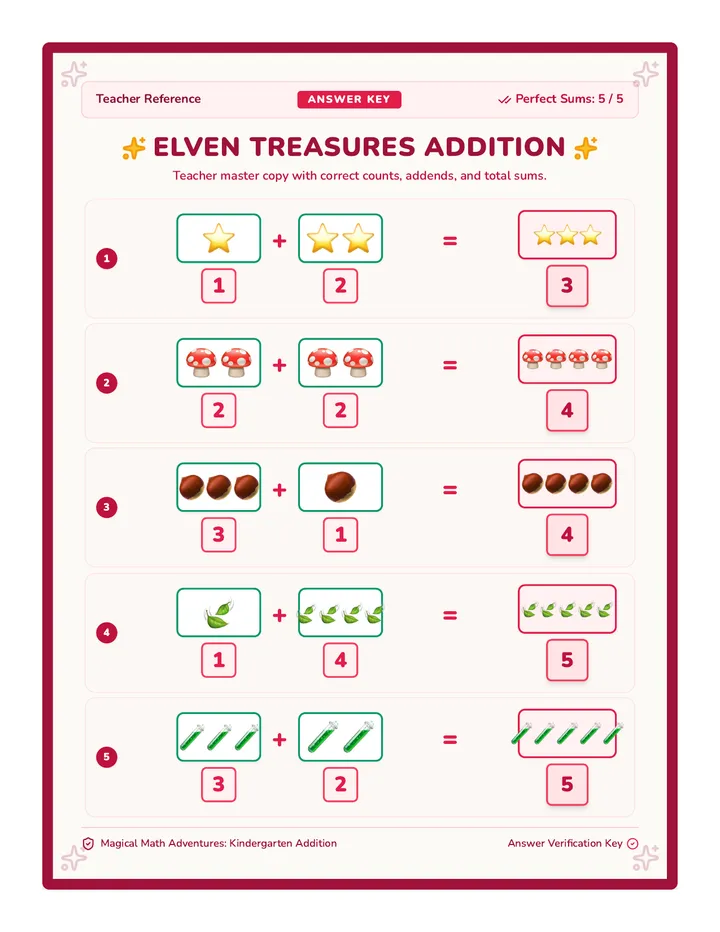
An introductory math lesson focused on picture addition up to 5 using cute elven items and forest treasures, designed to engage early kindergarteners in basic counting and operations.
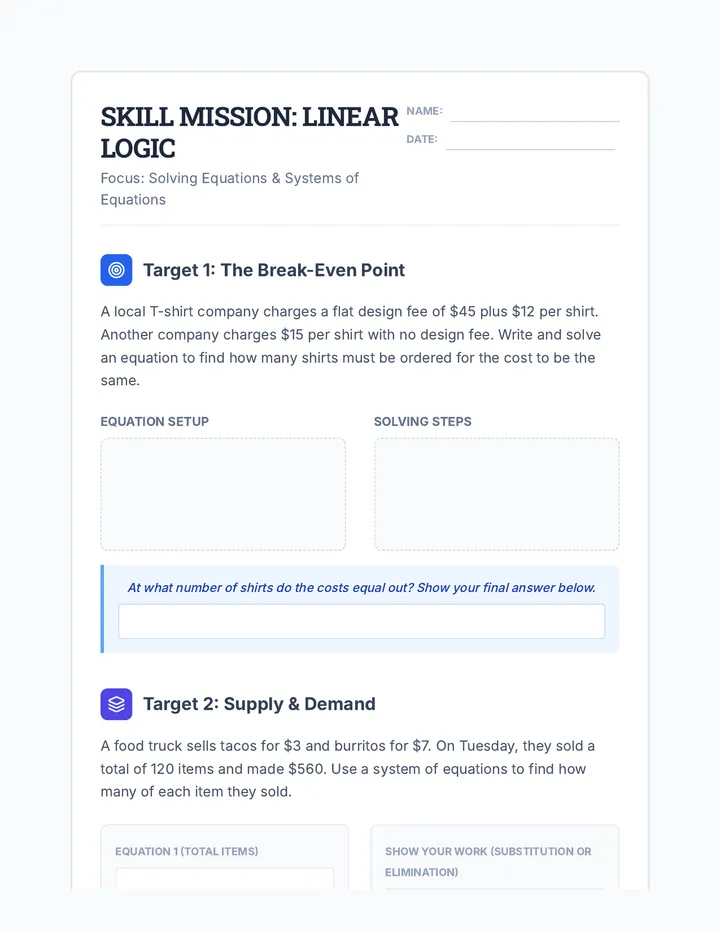
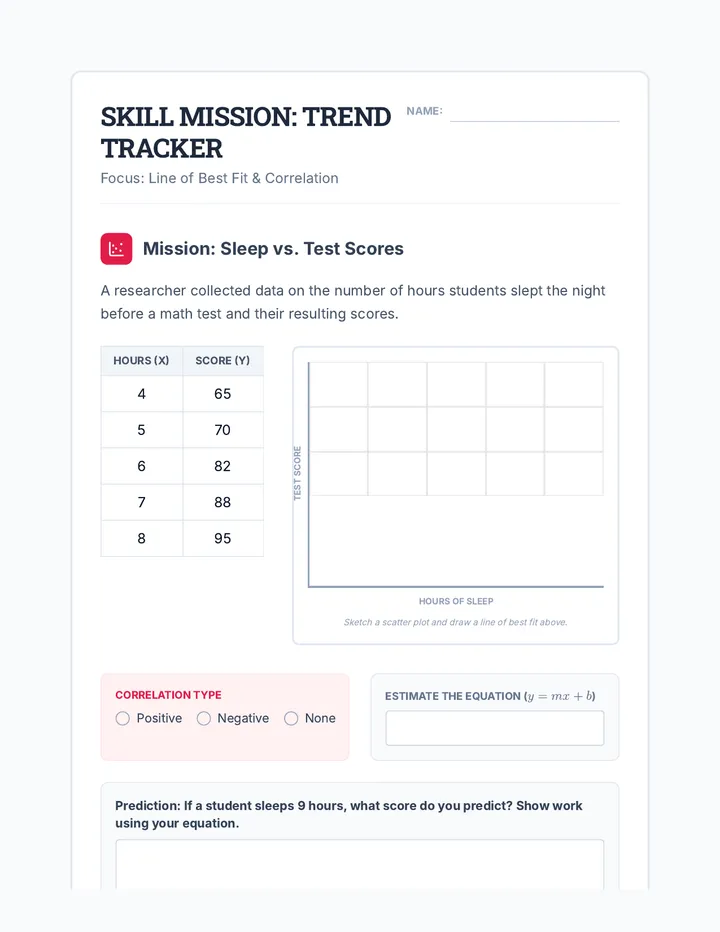
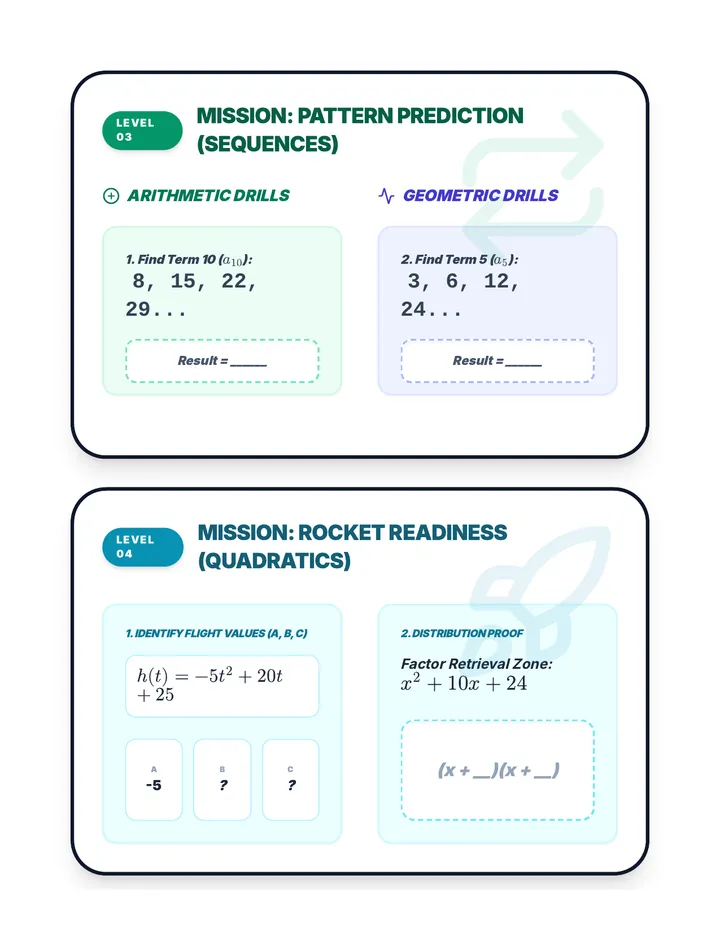
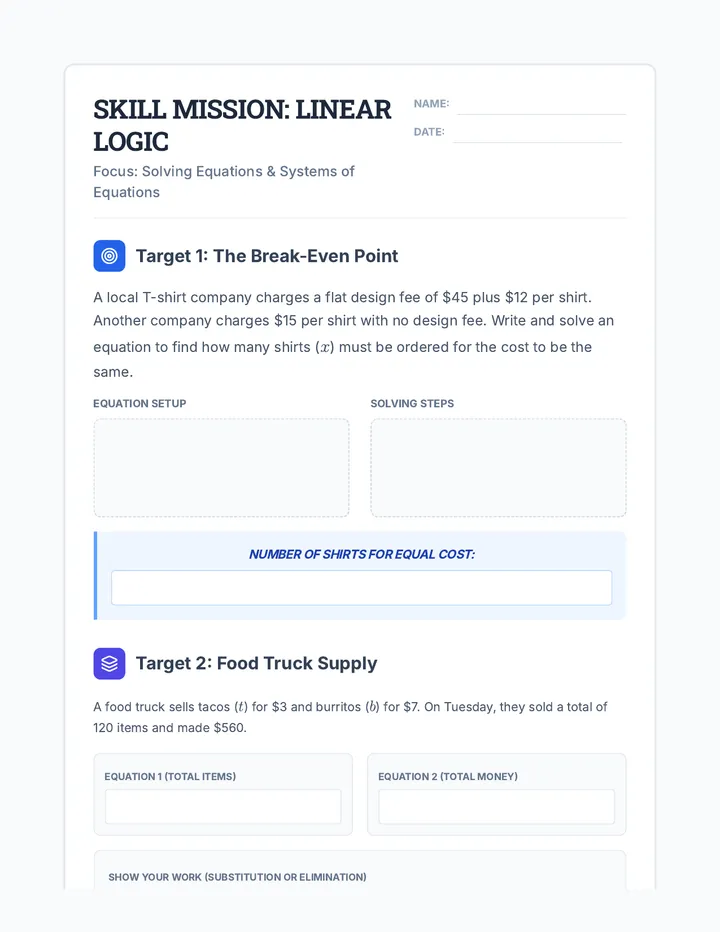
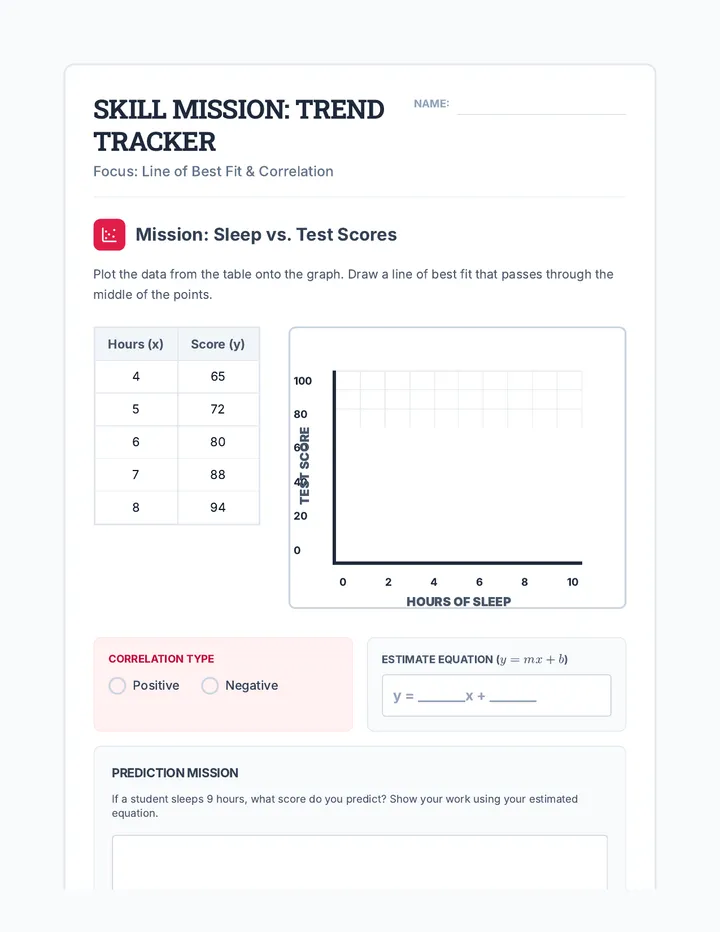
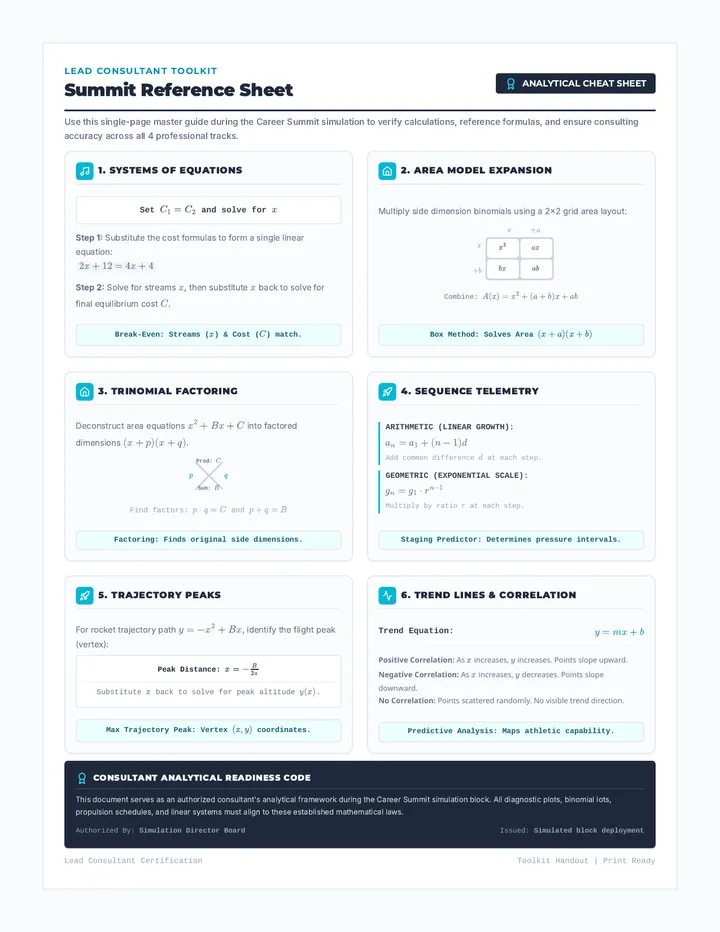
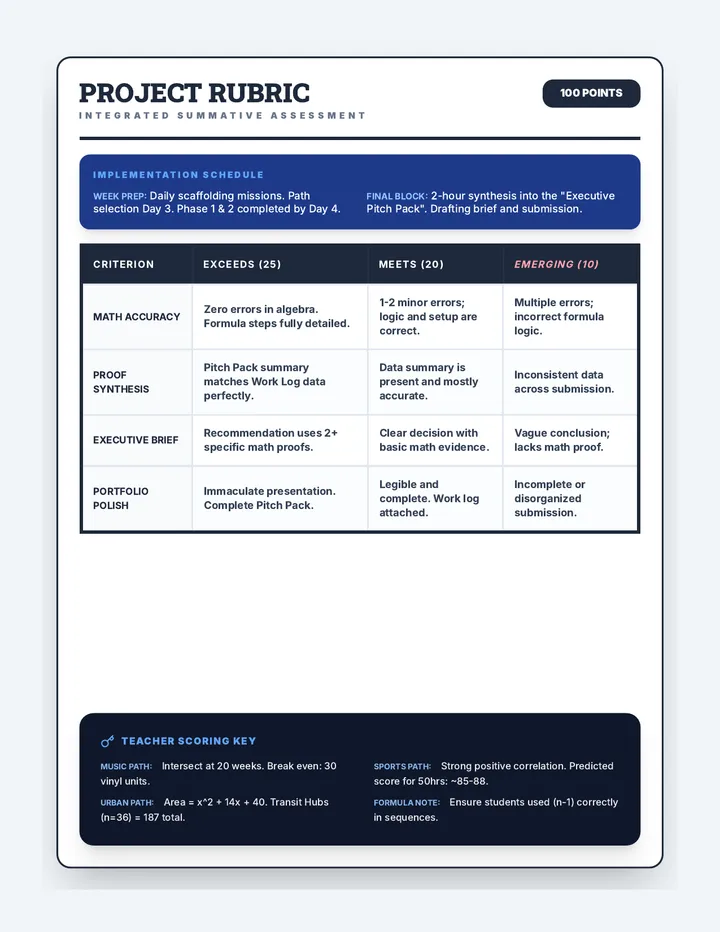
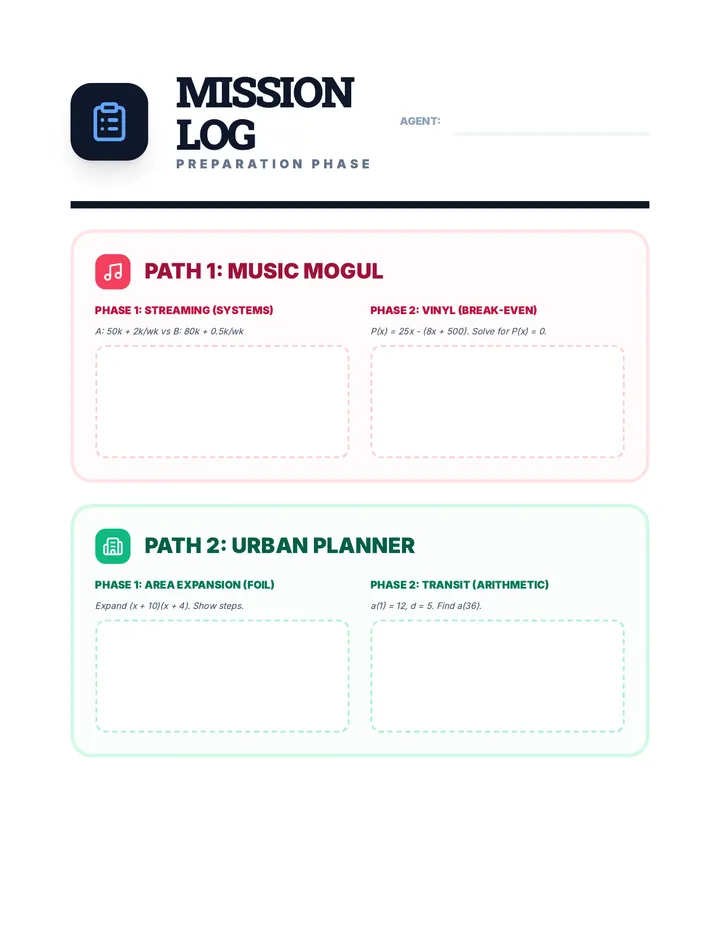
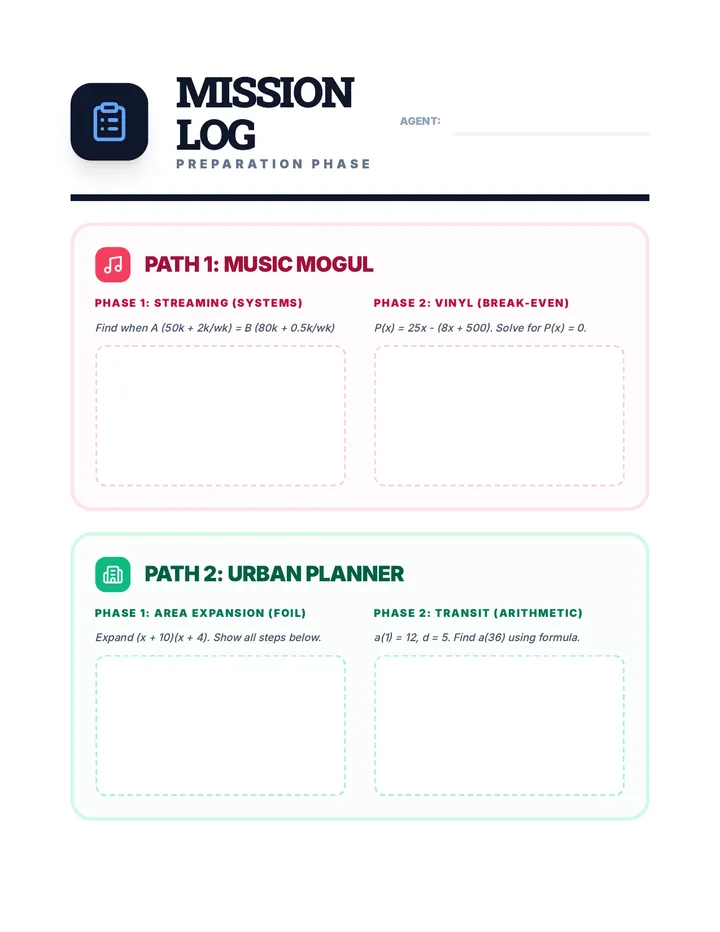
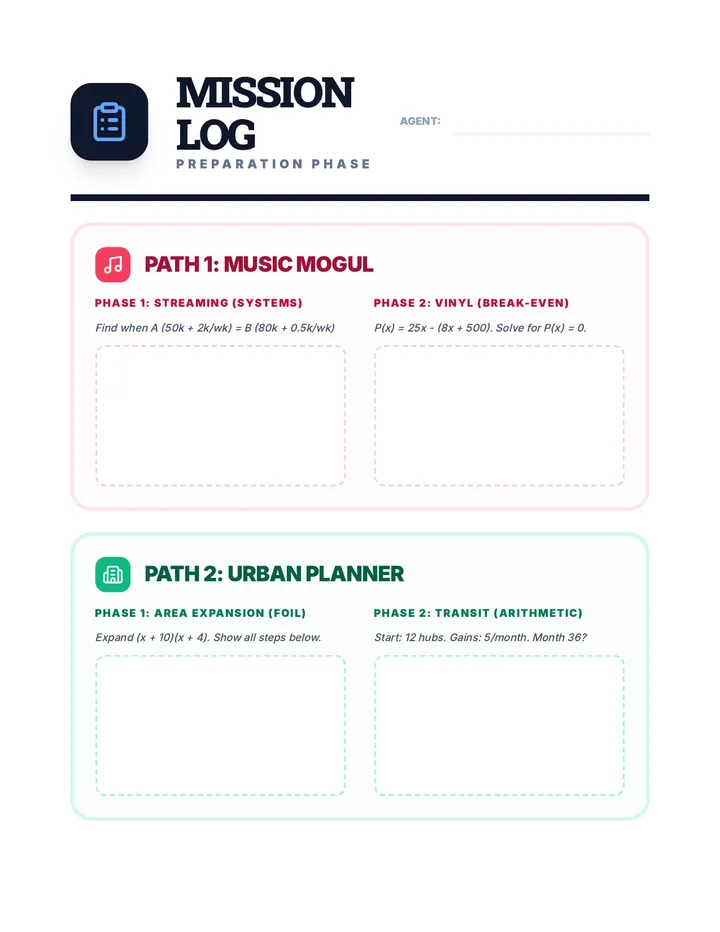
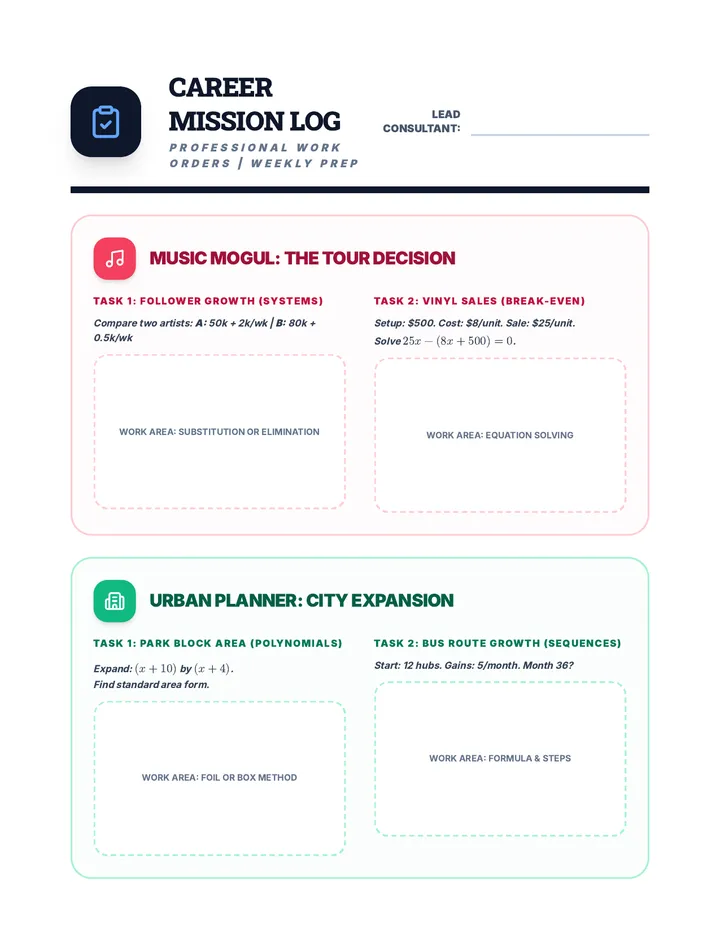
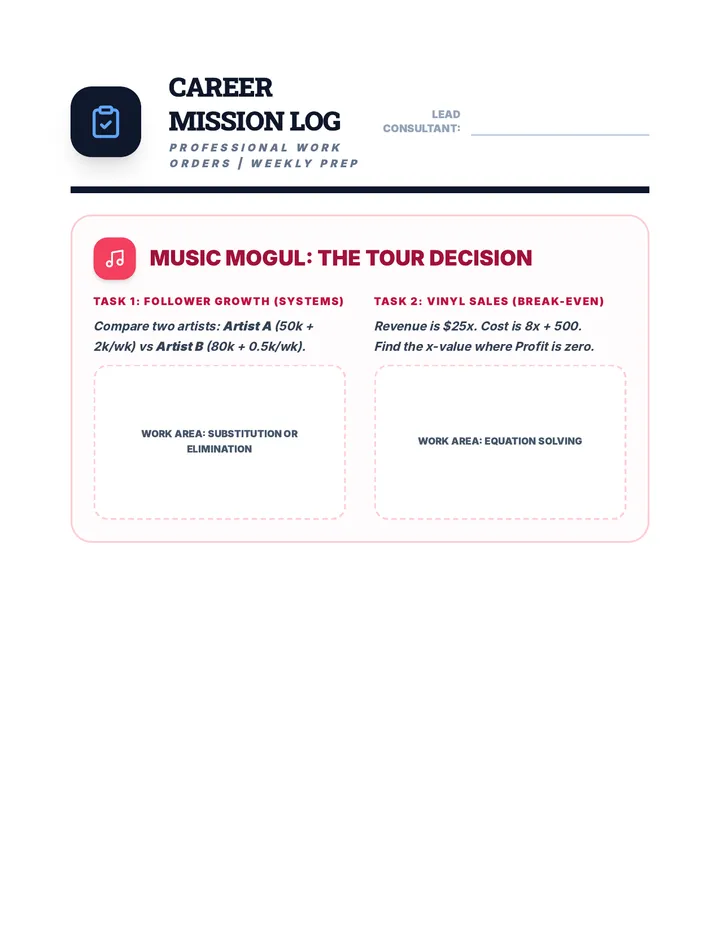
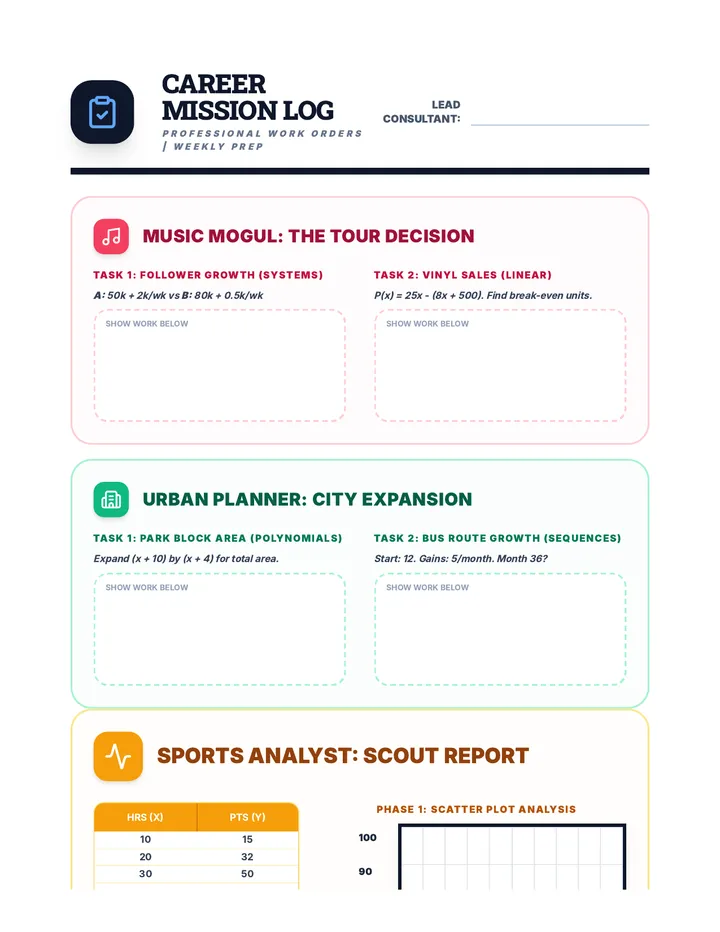
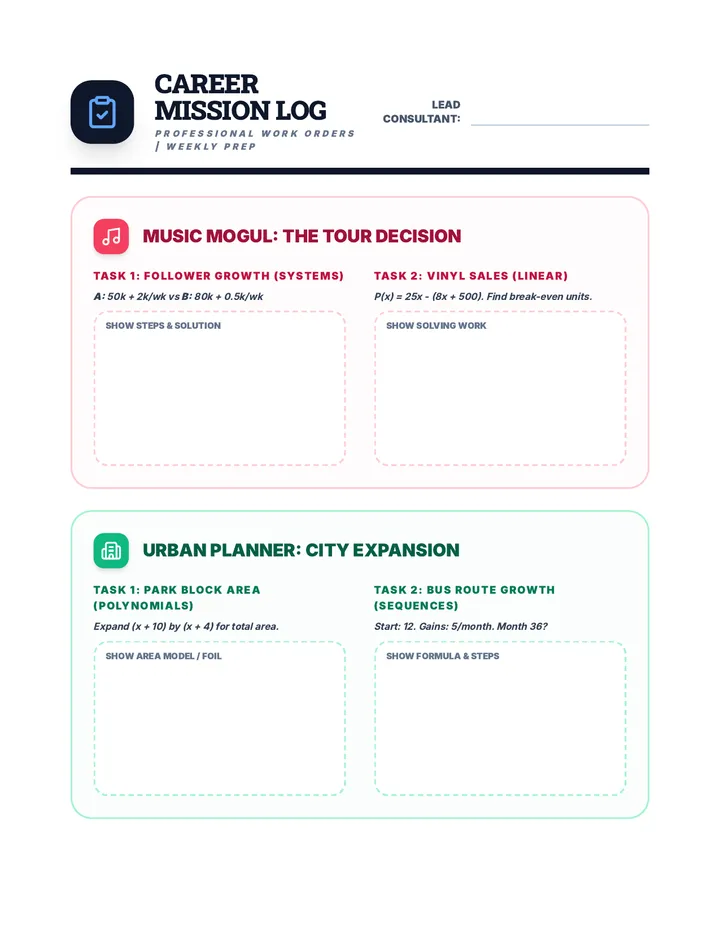
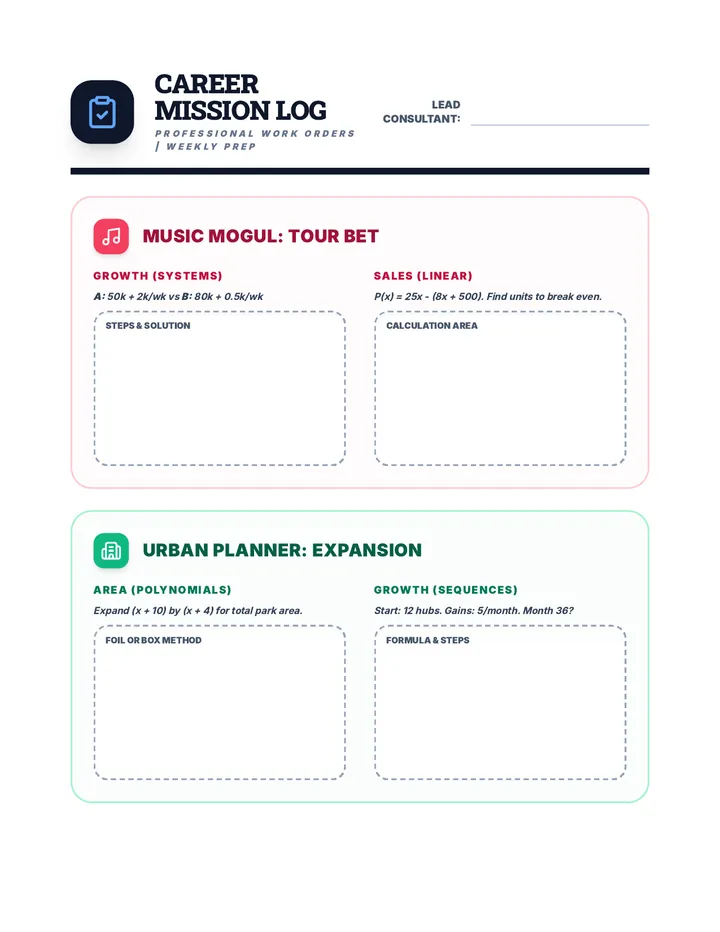
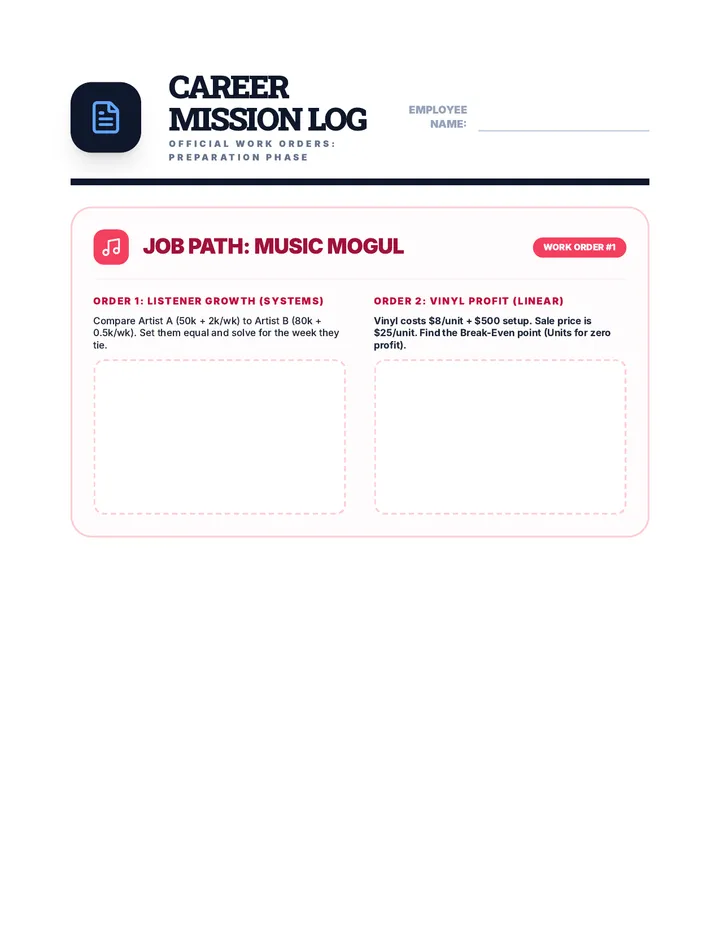
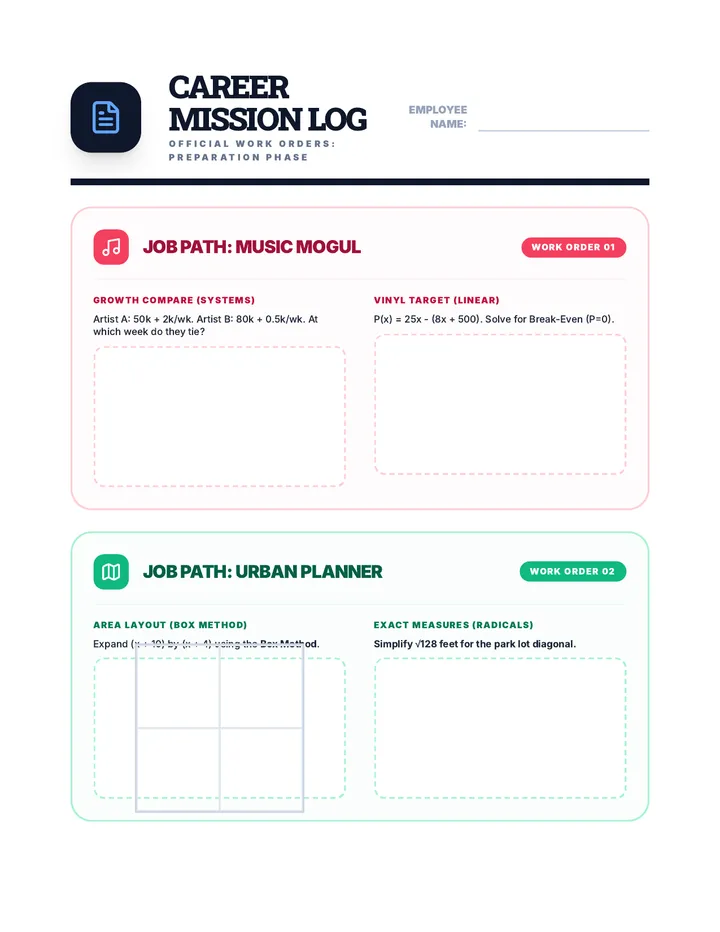
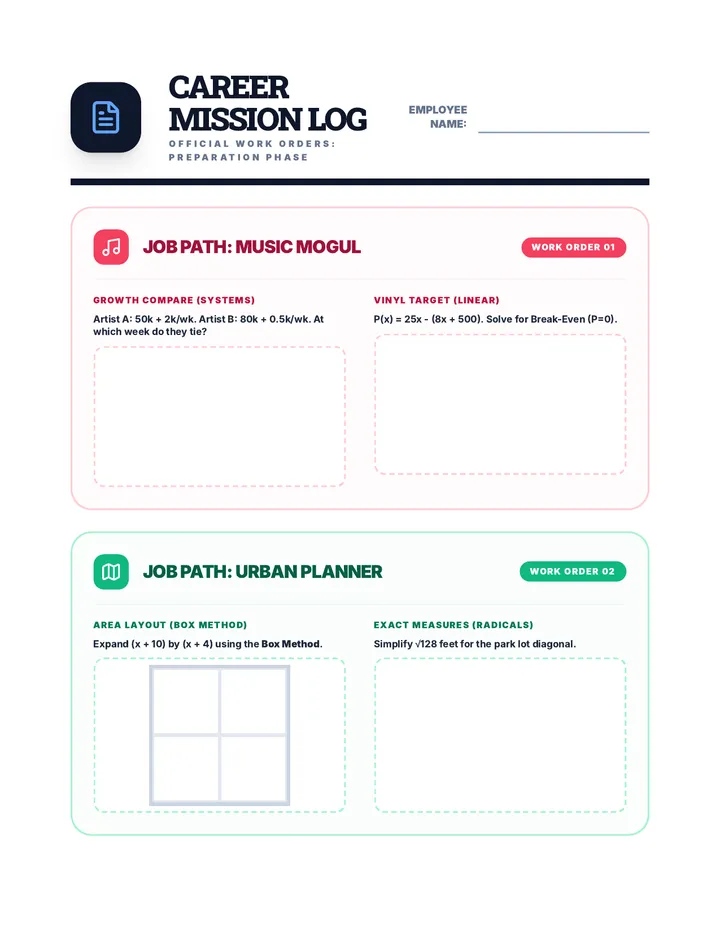
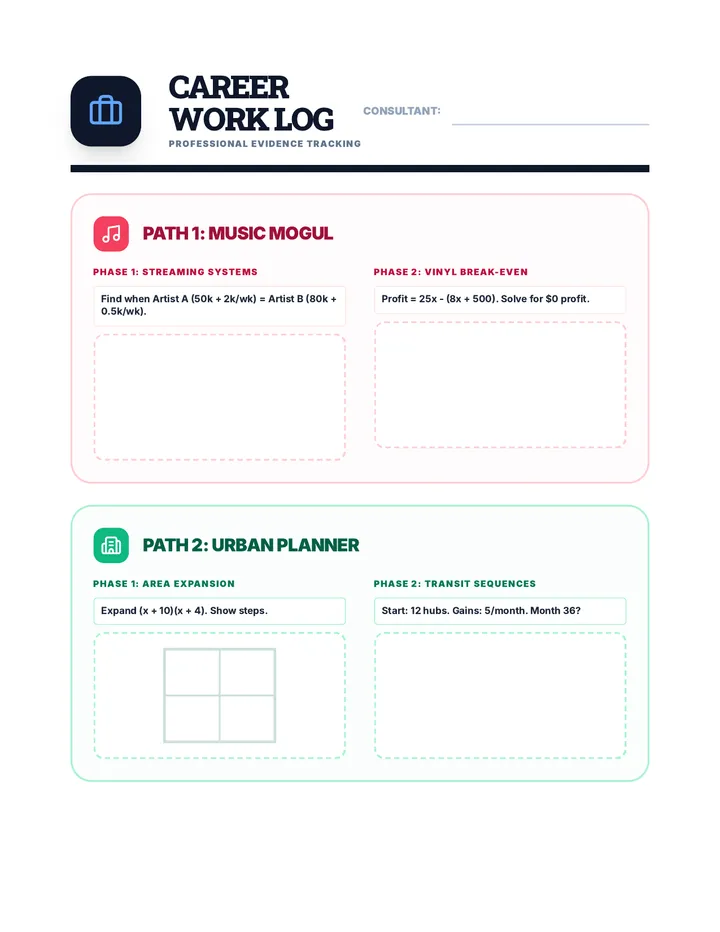
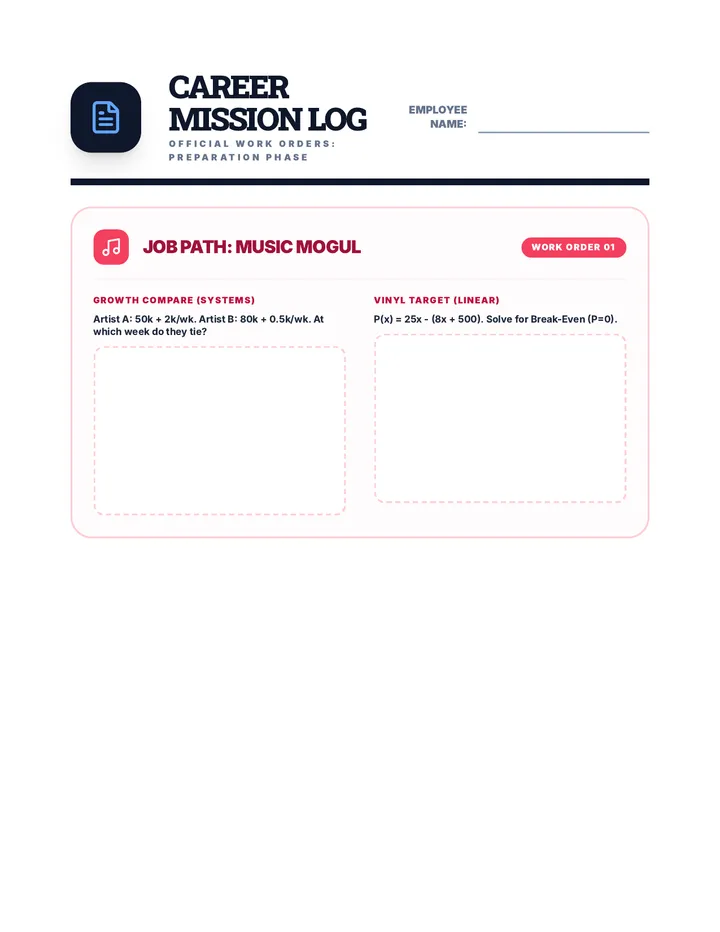
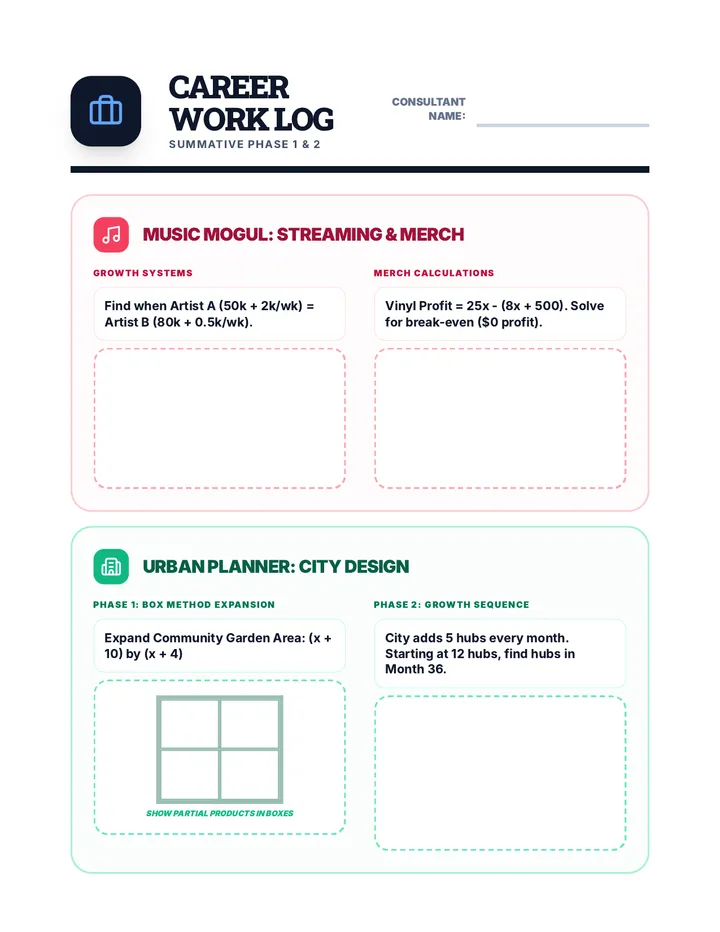
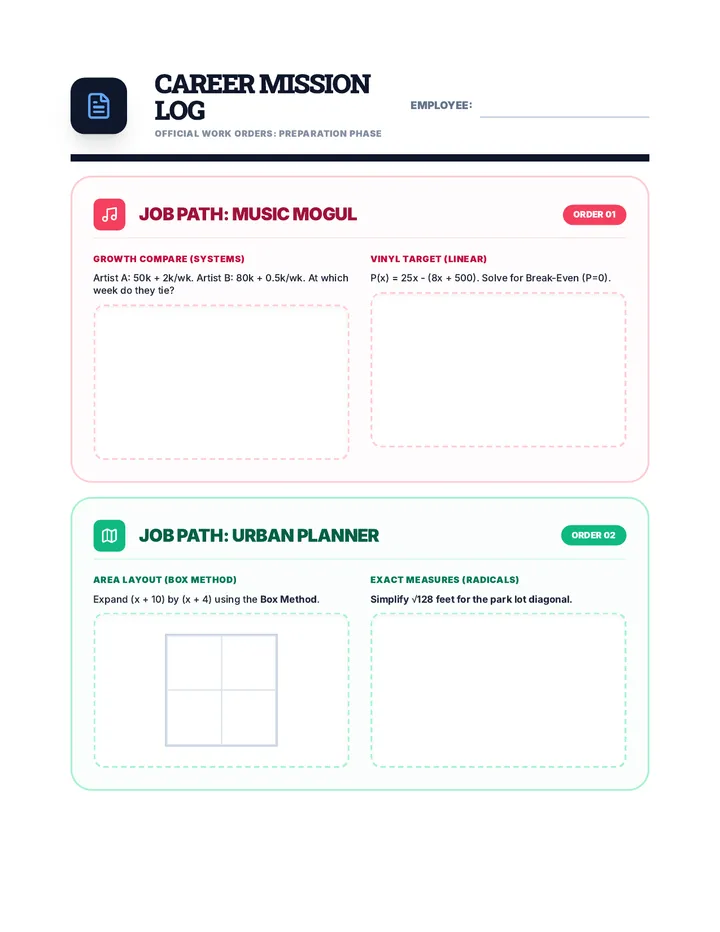
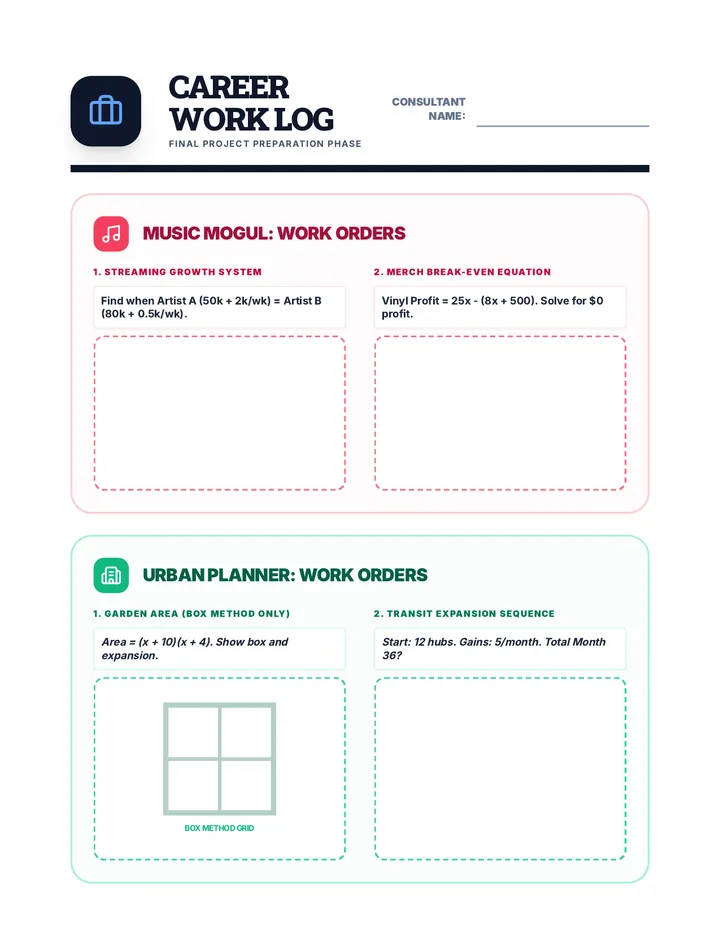
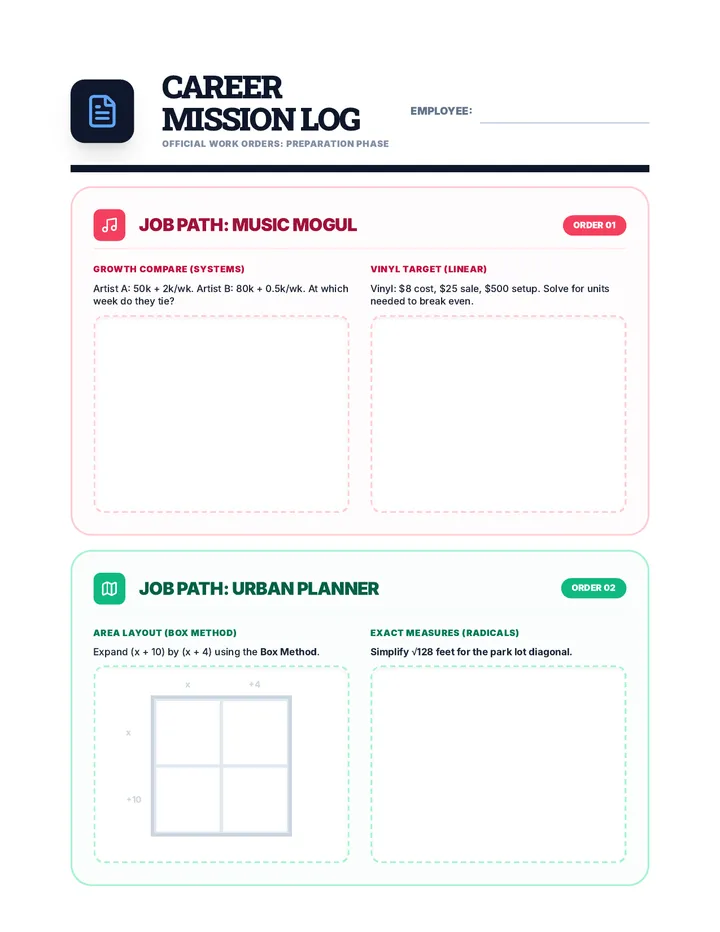
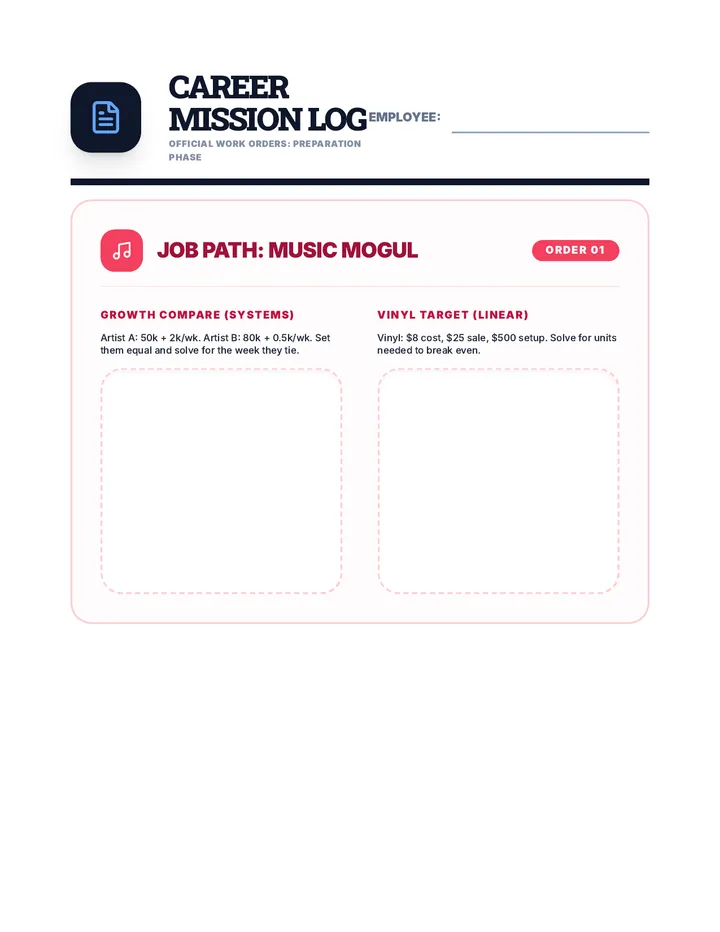
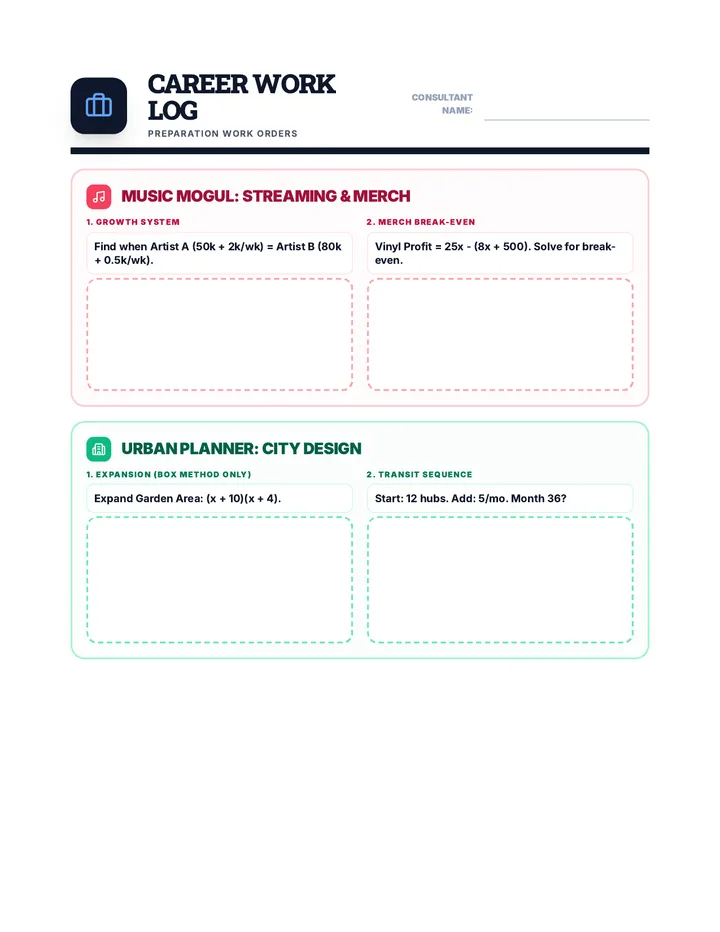
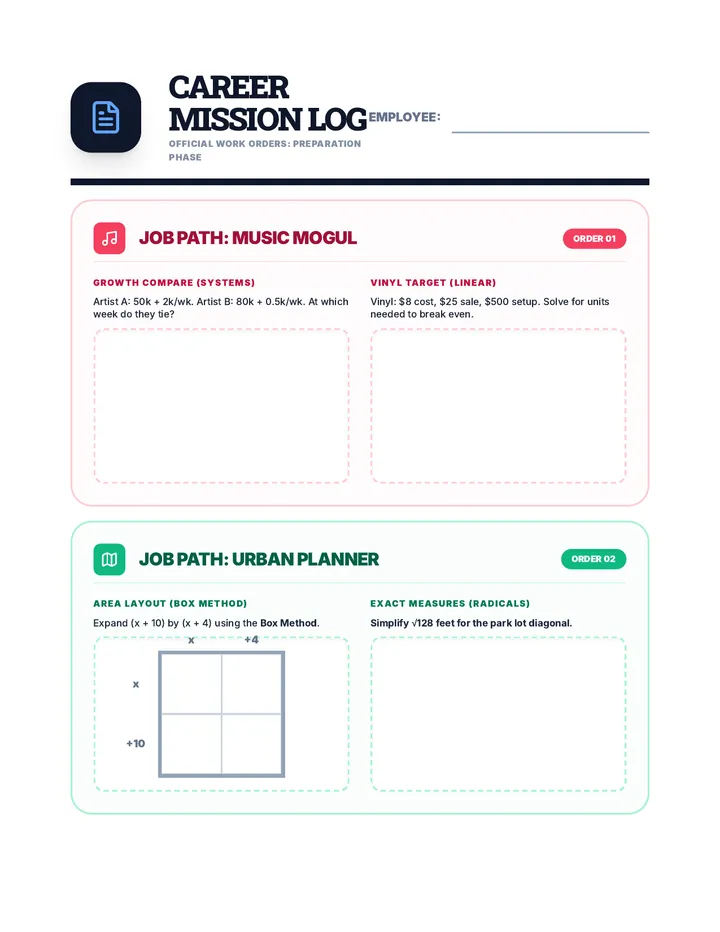
Scaffolded practice activities ('Skill Missions') that review key concepts: linear equations, systems, sequences, lines of best fit, and factoring. These activities ensure students have the foundational skills needed for their final project.
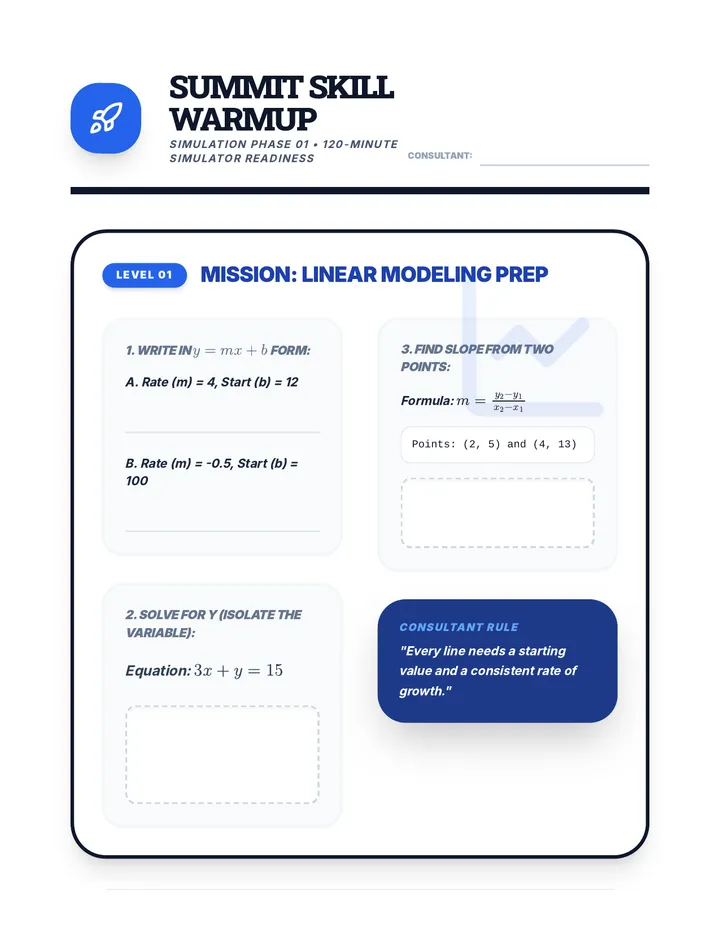
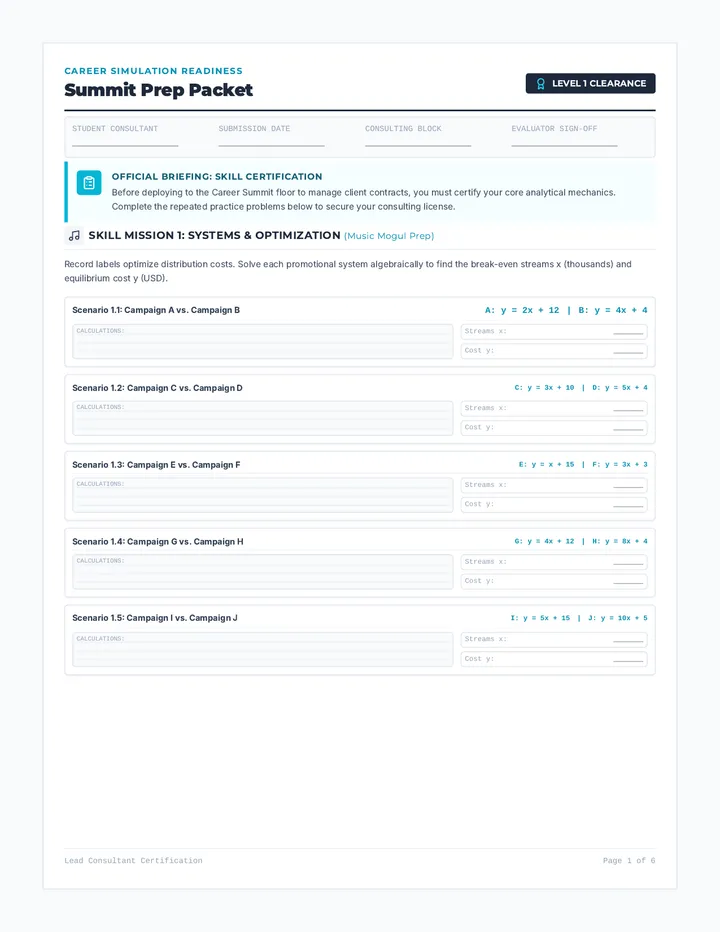
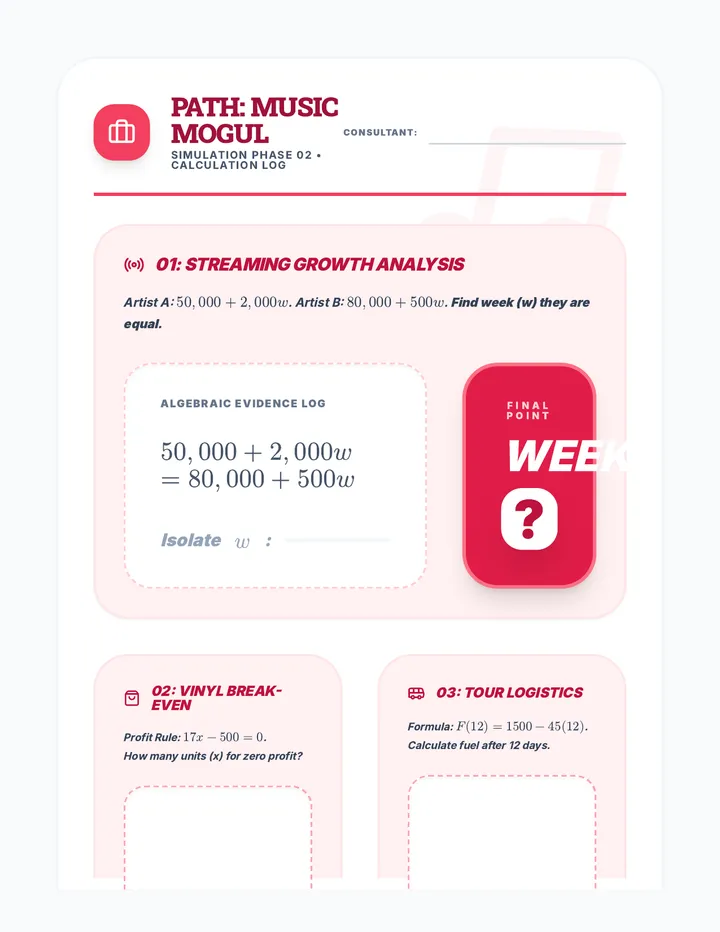
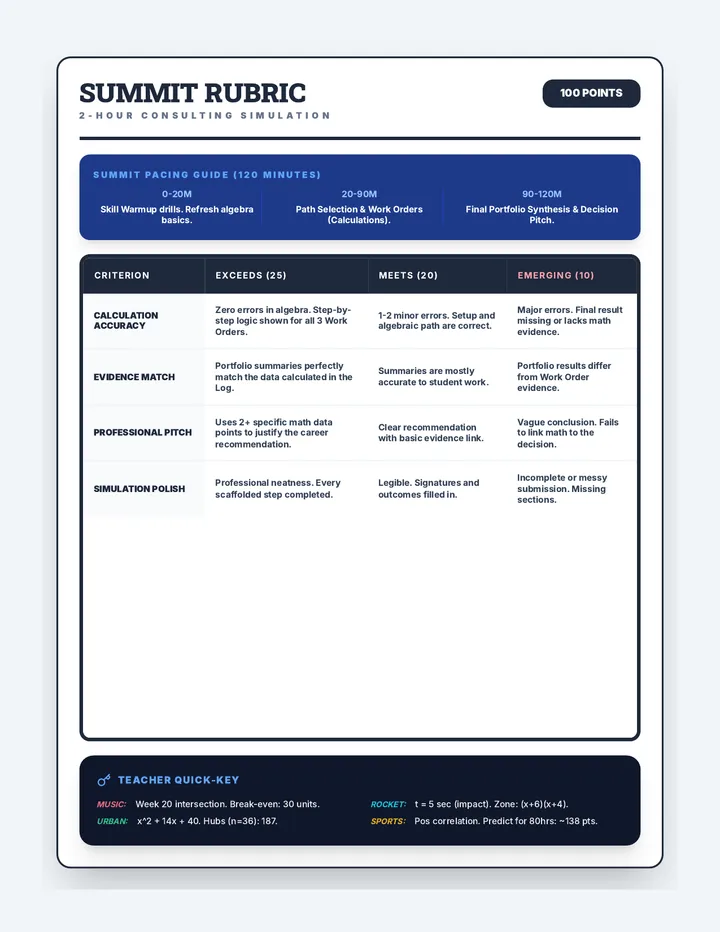
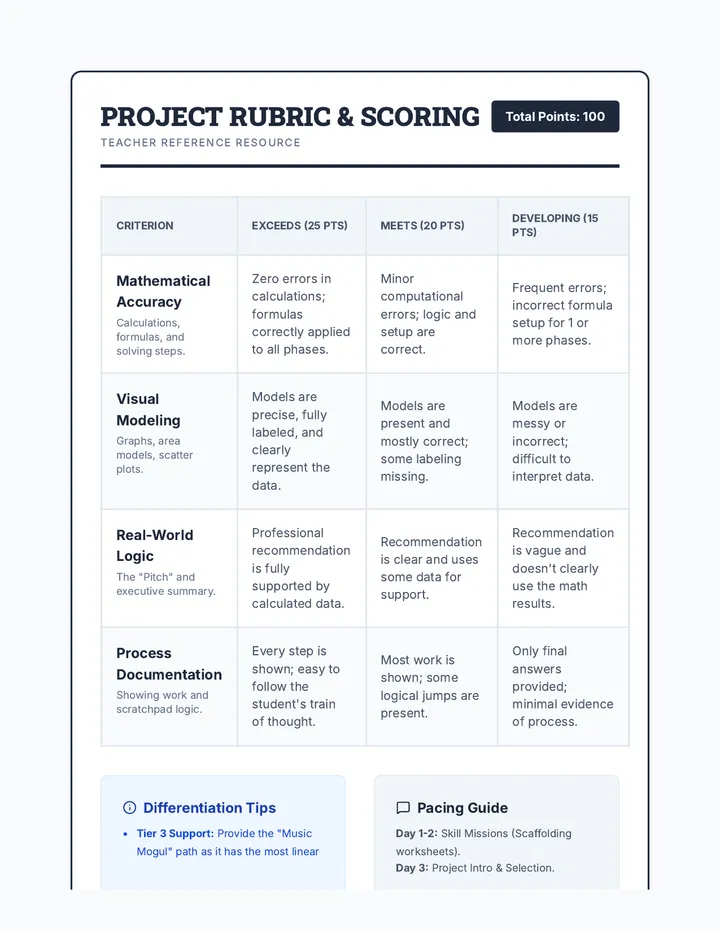
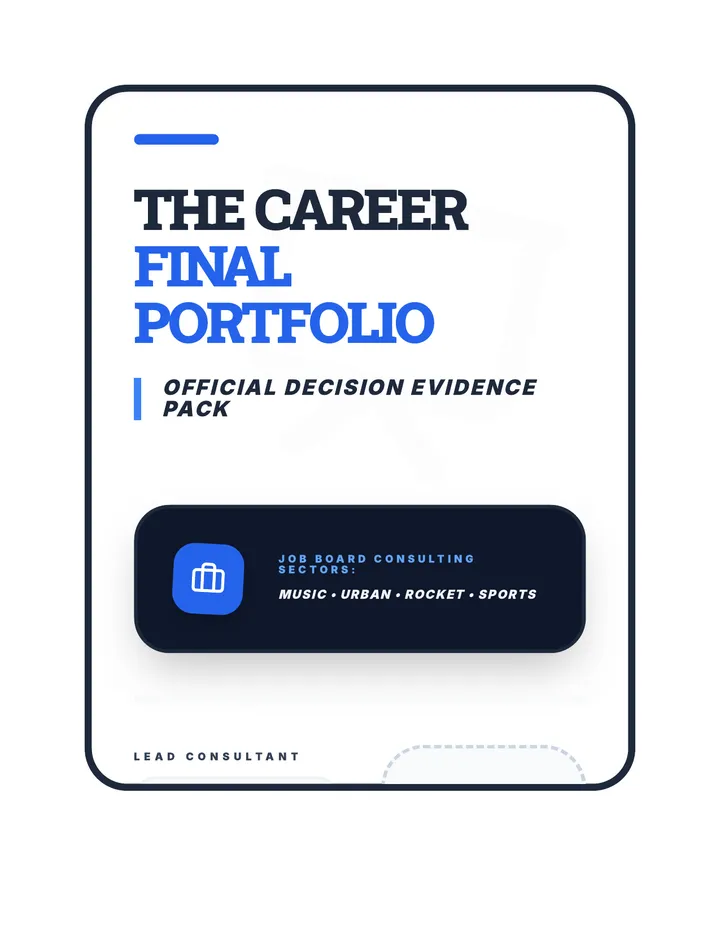
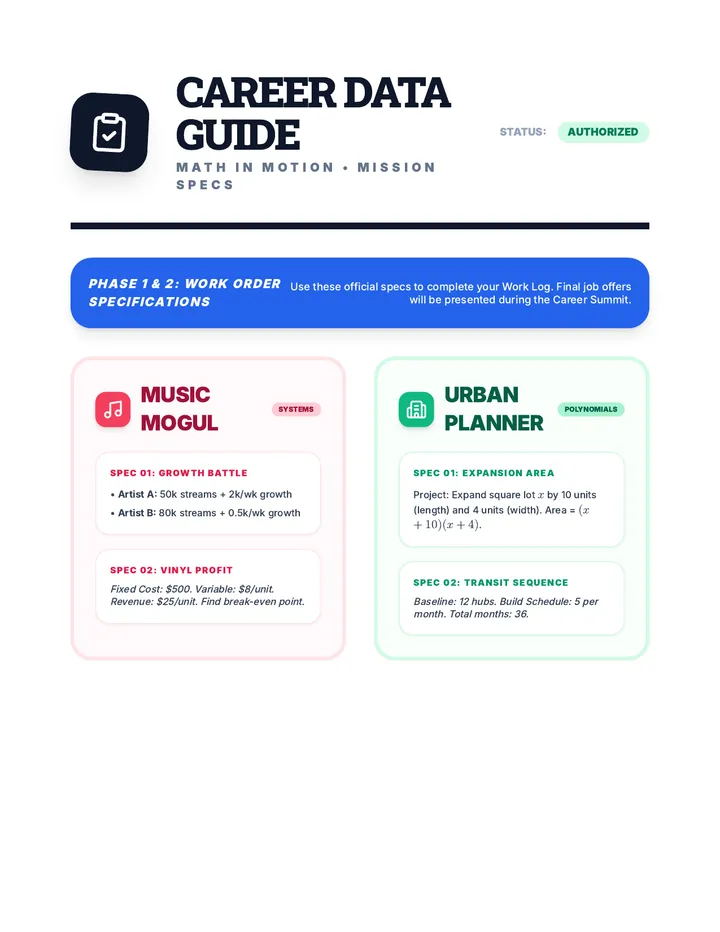
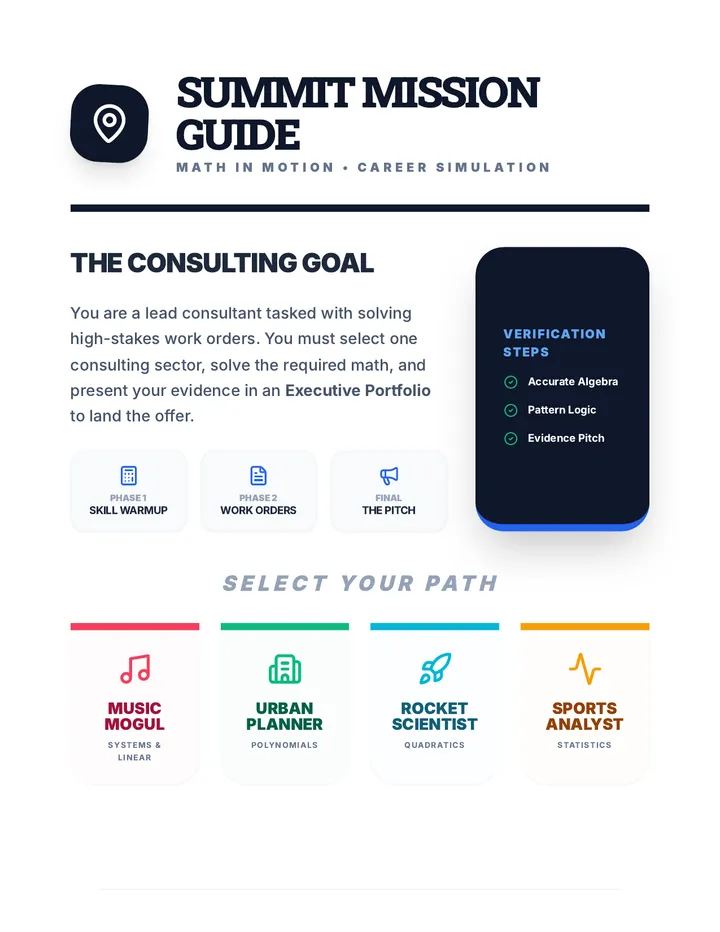
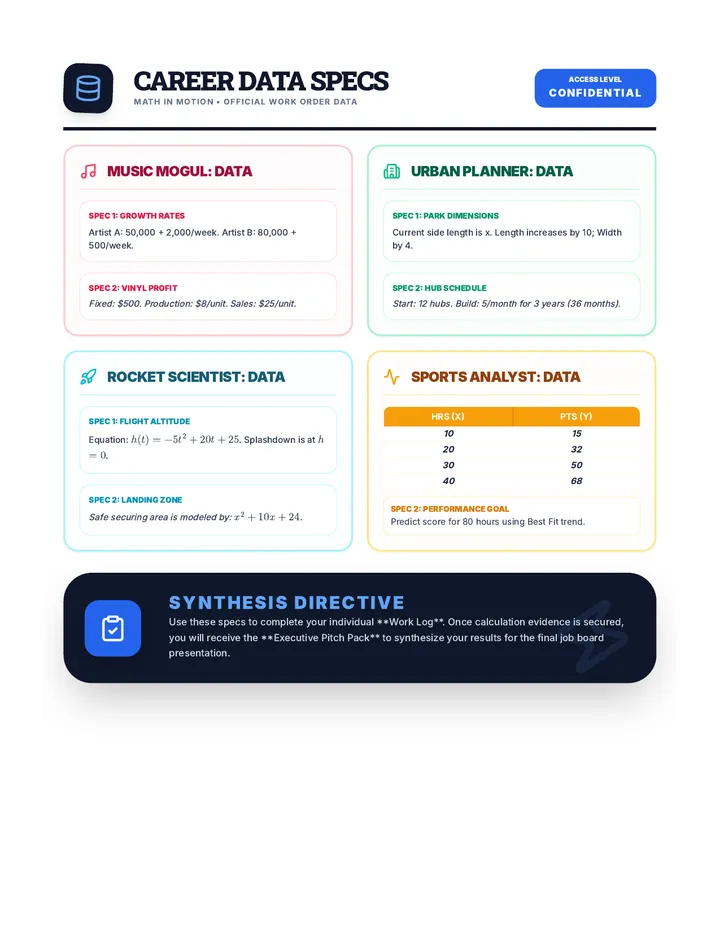
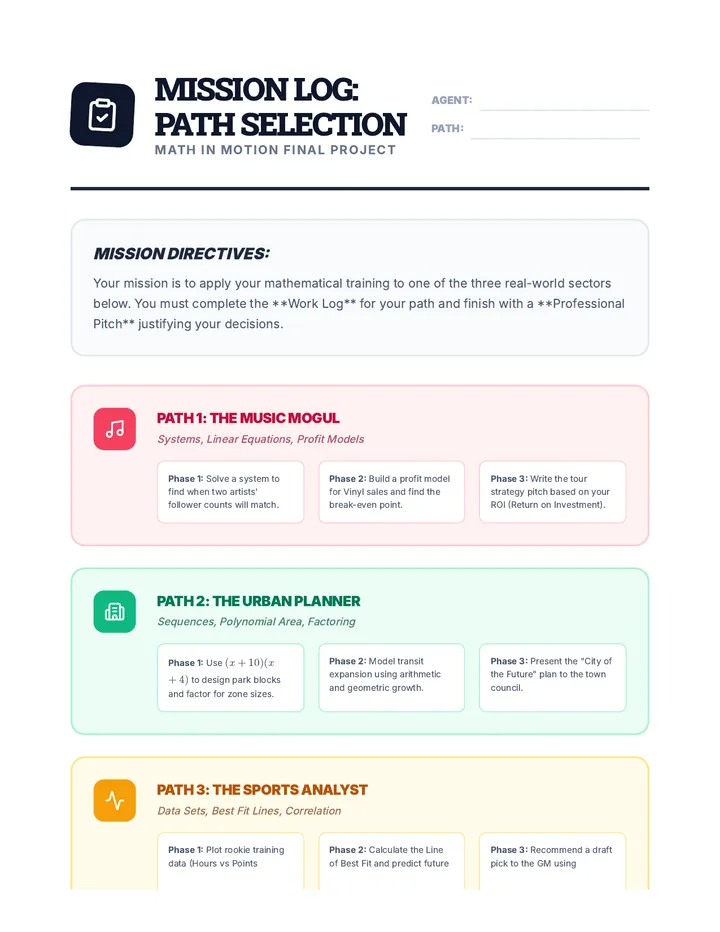
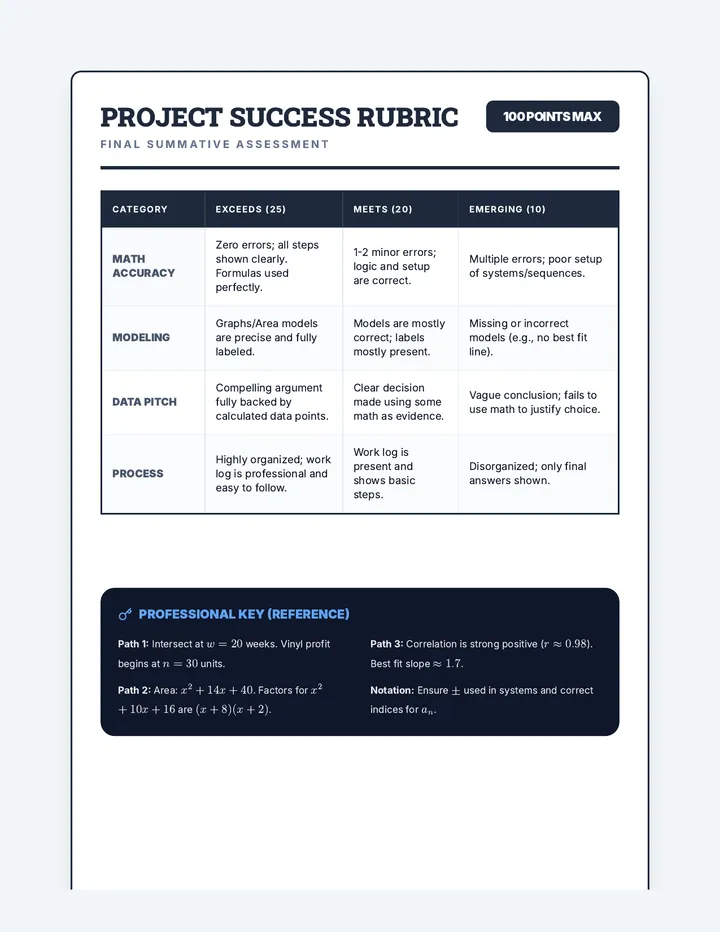
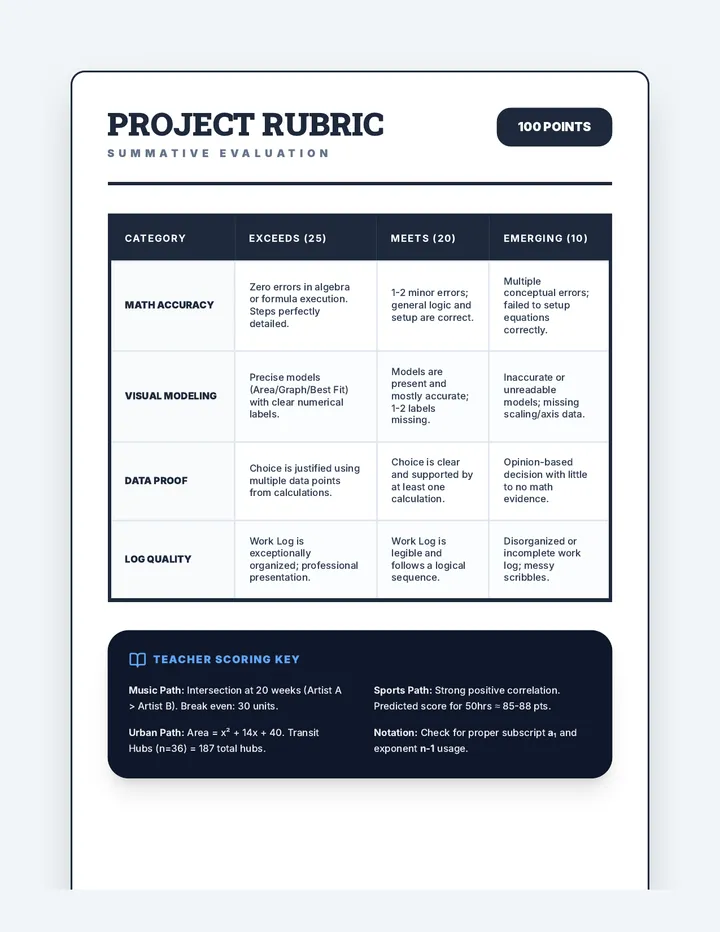
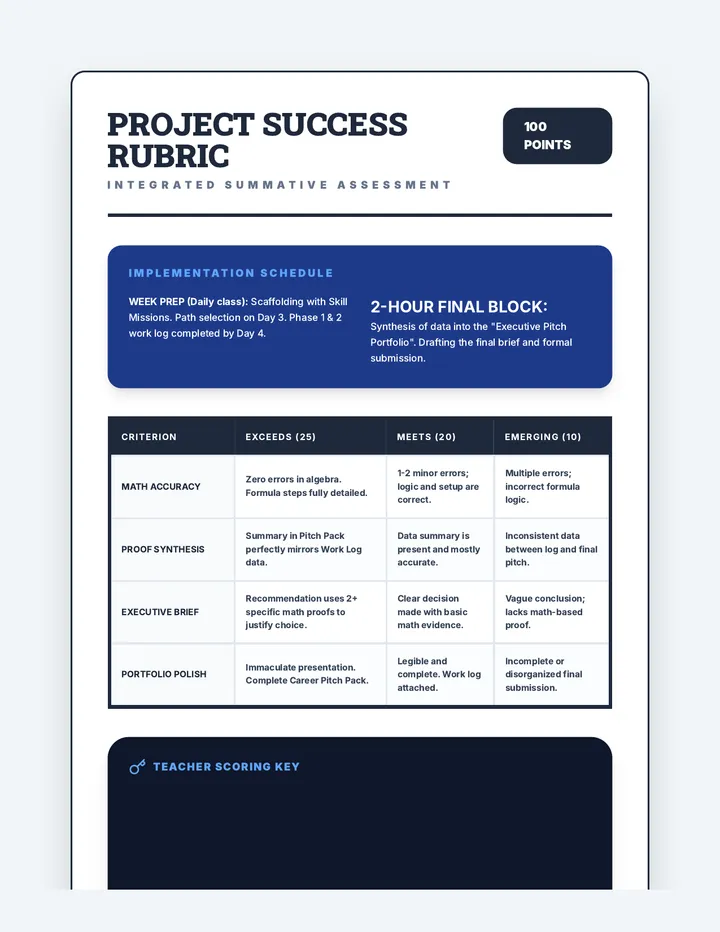
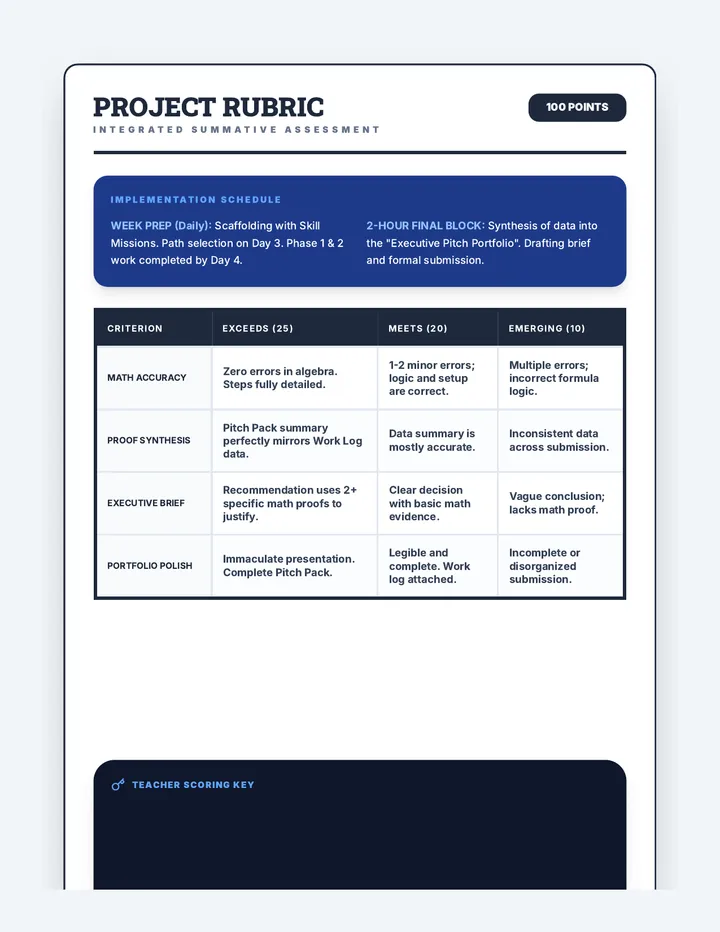
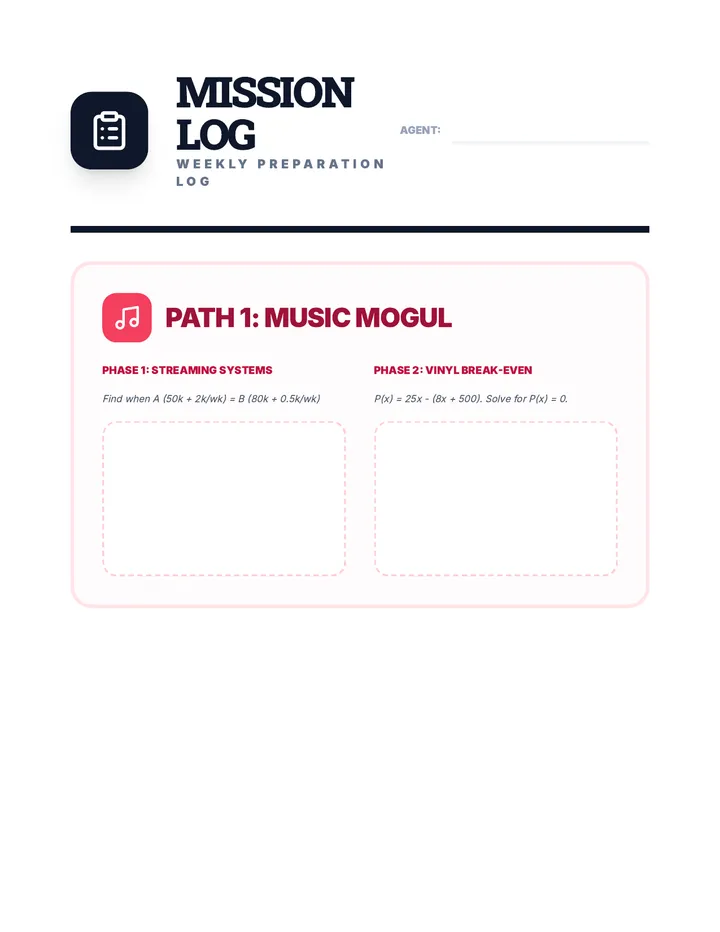
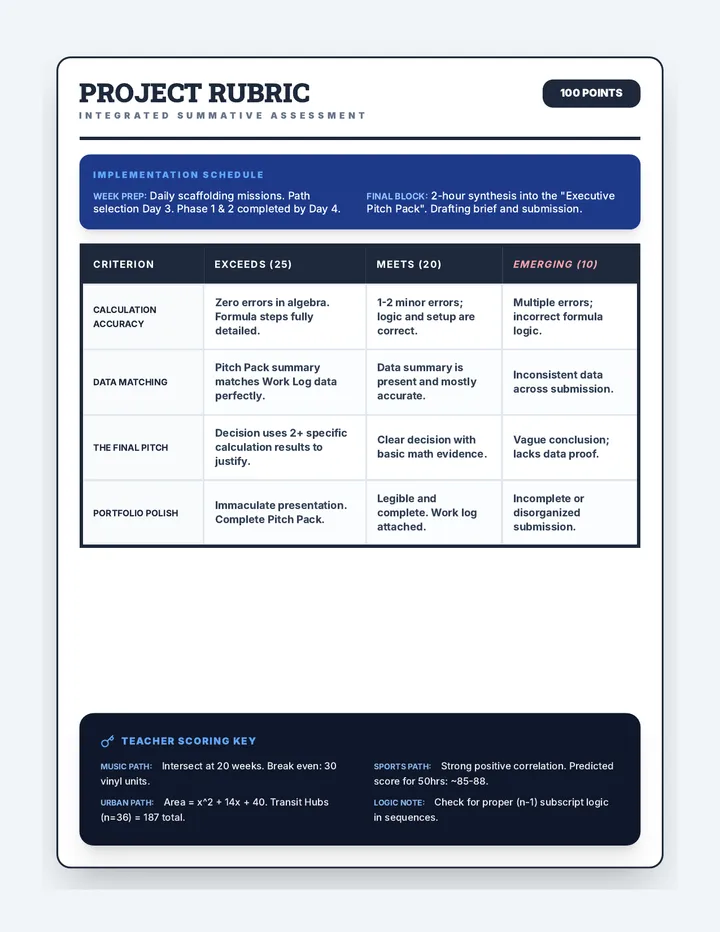
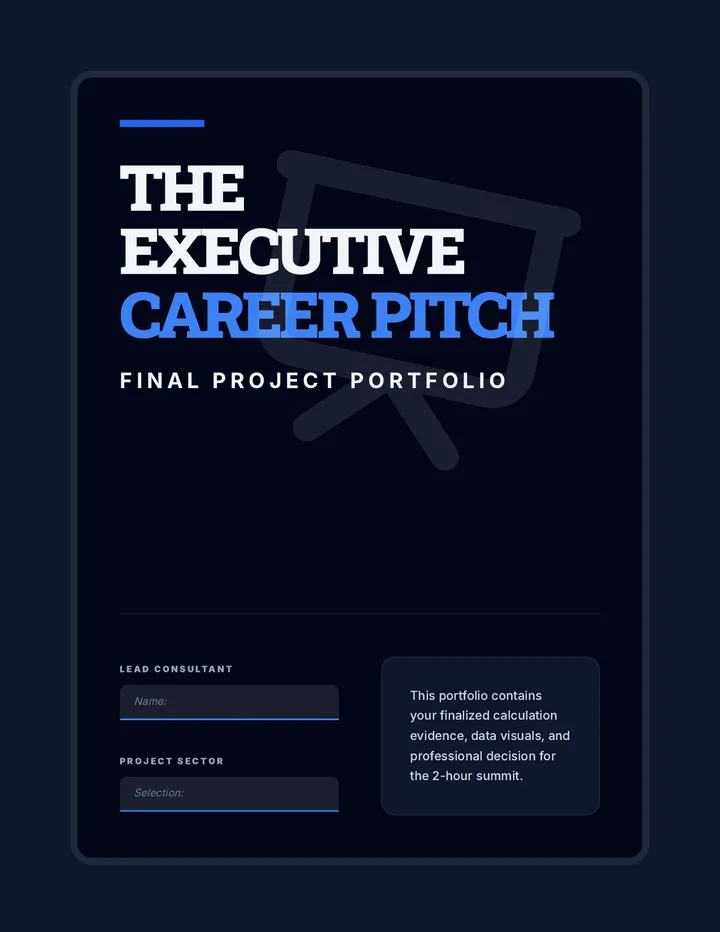
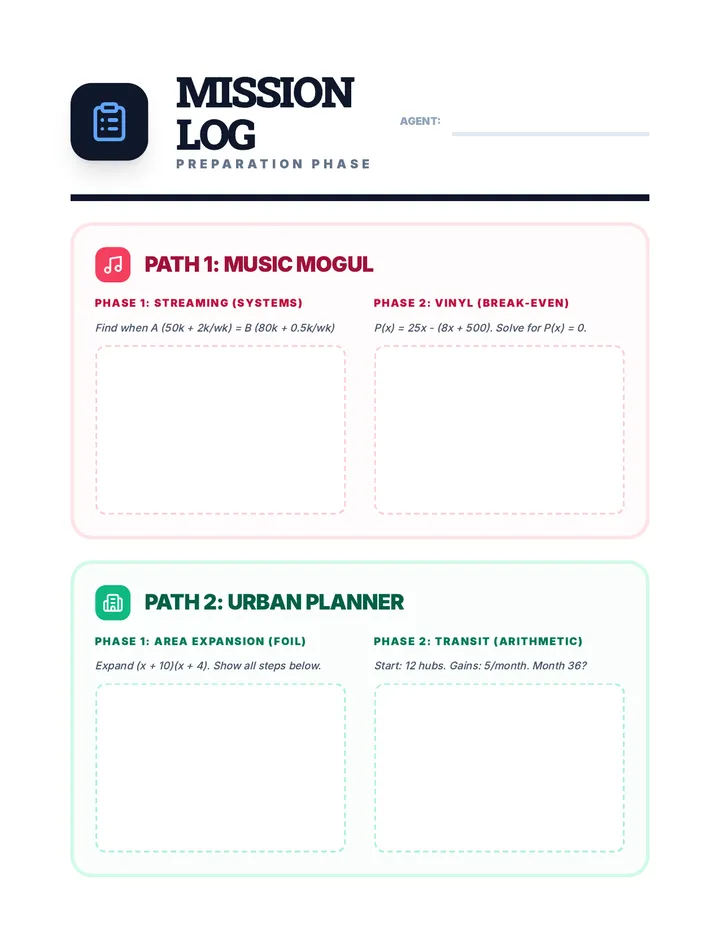
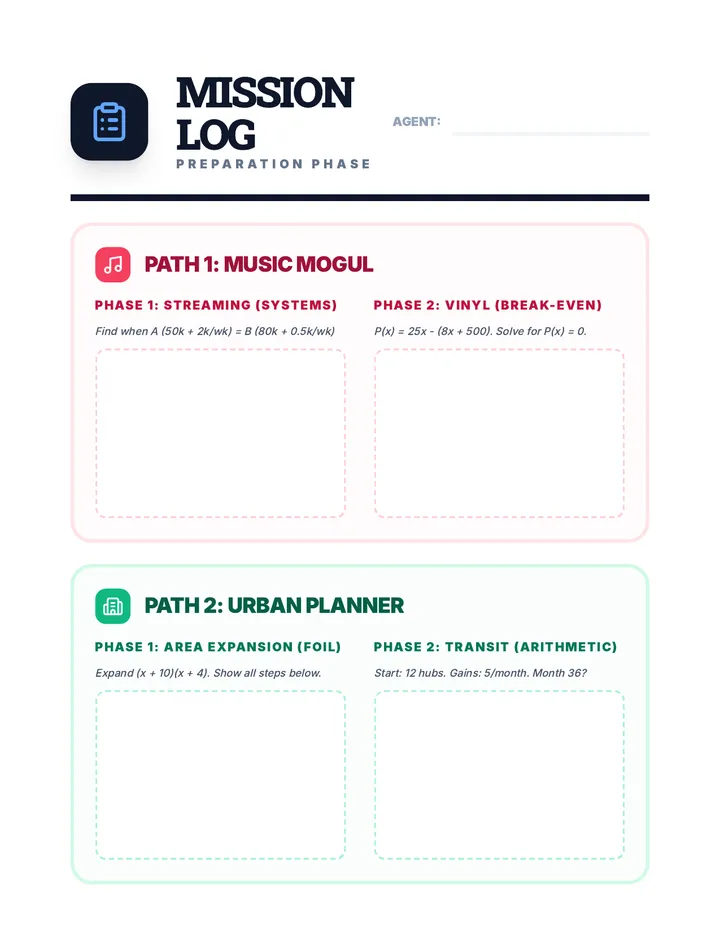
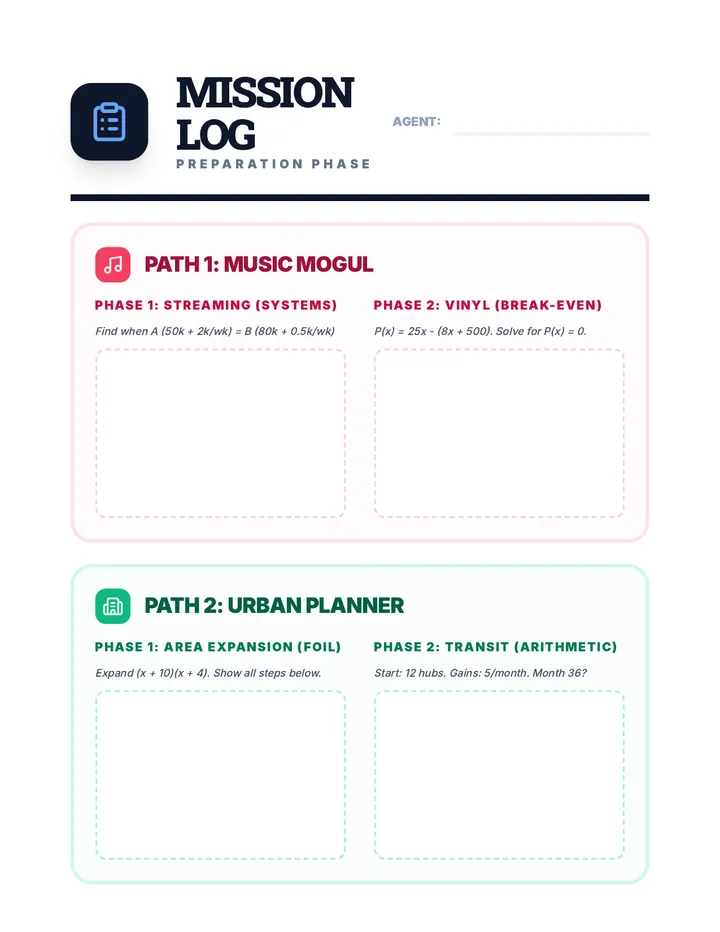
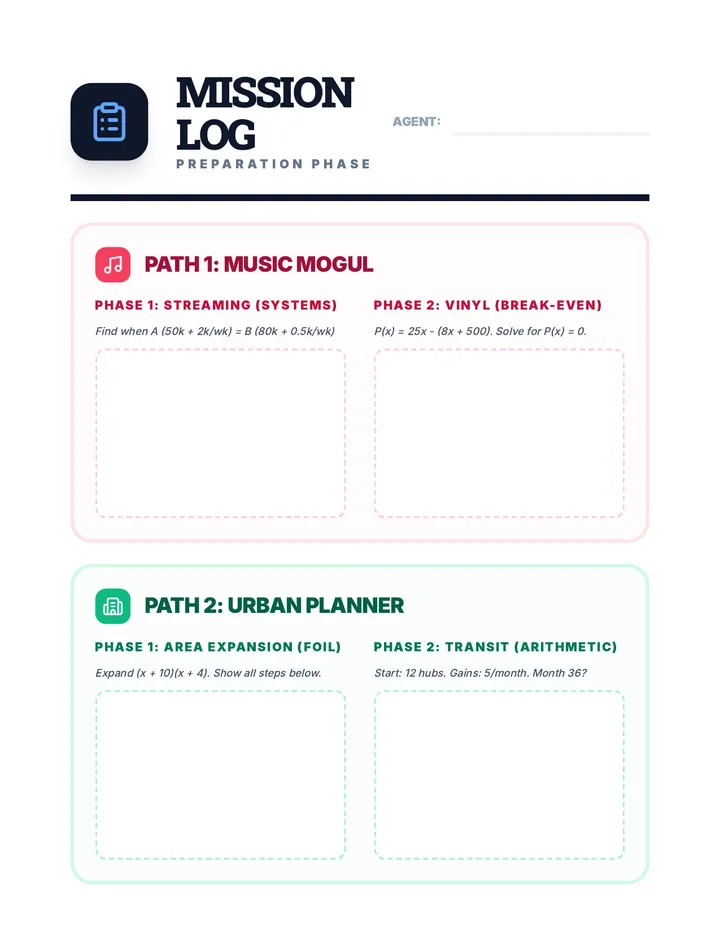
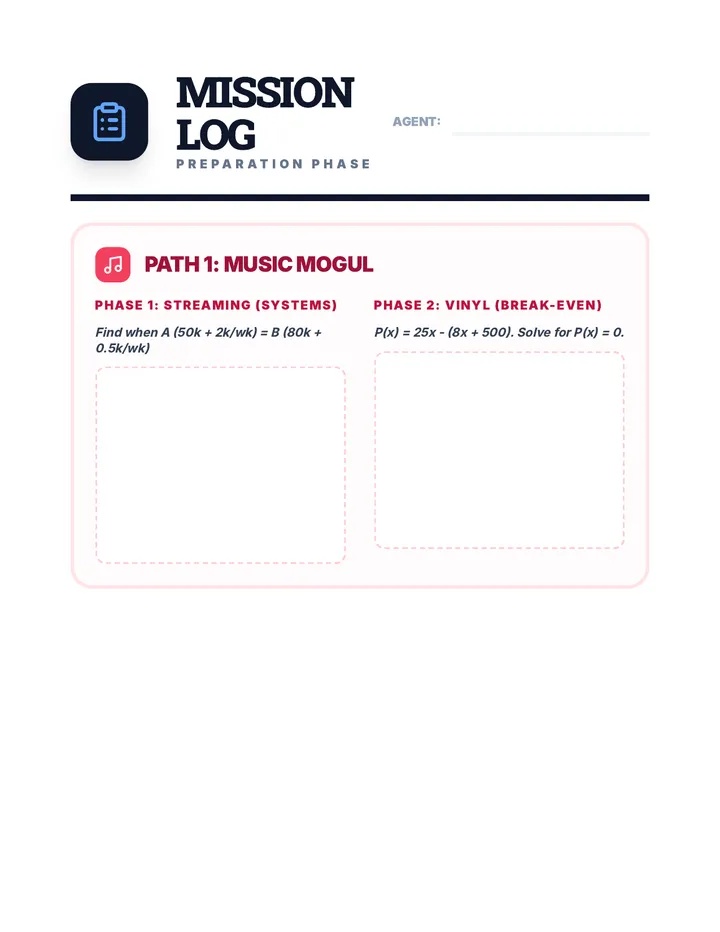
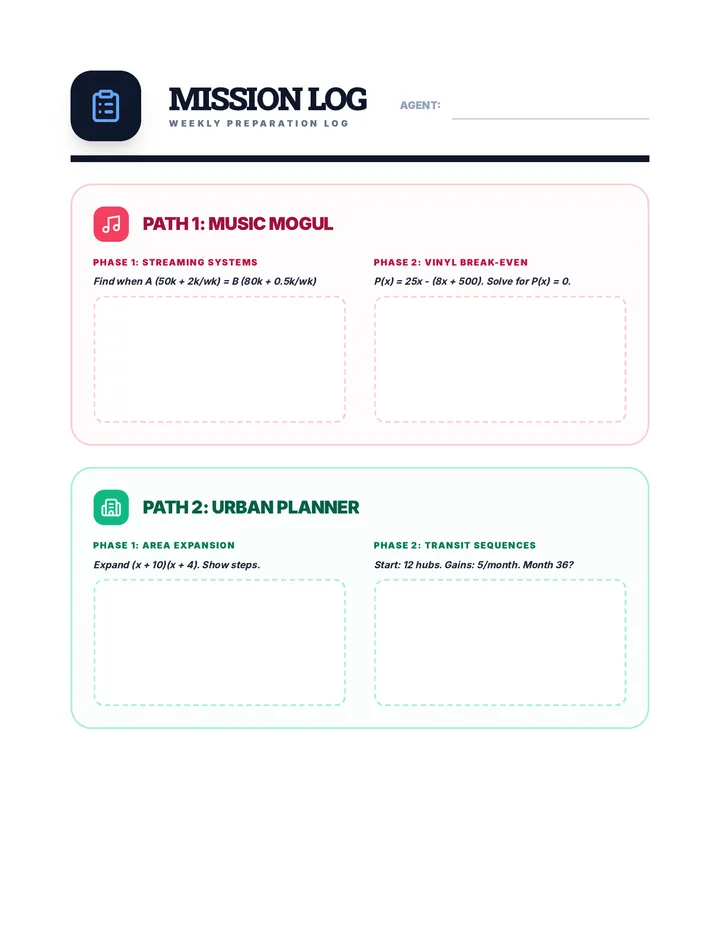
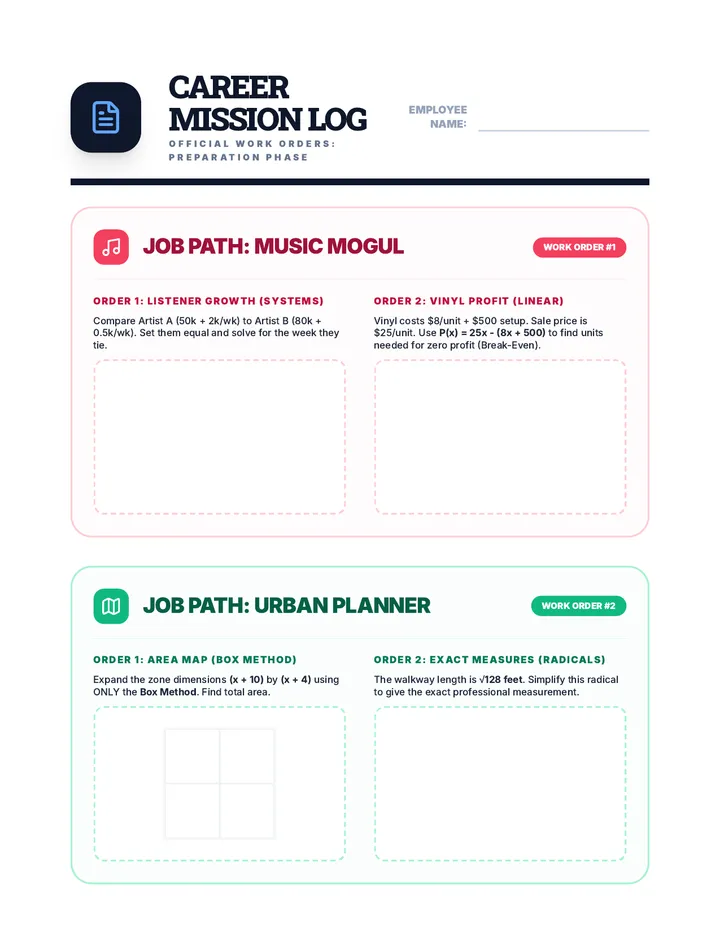
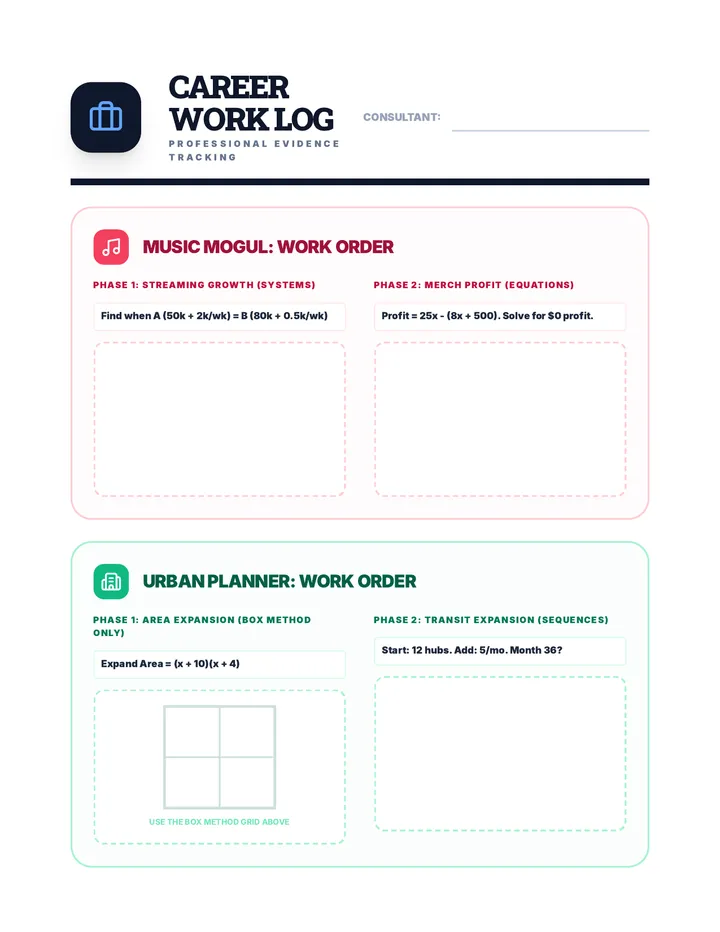
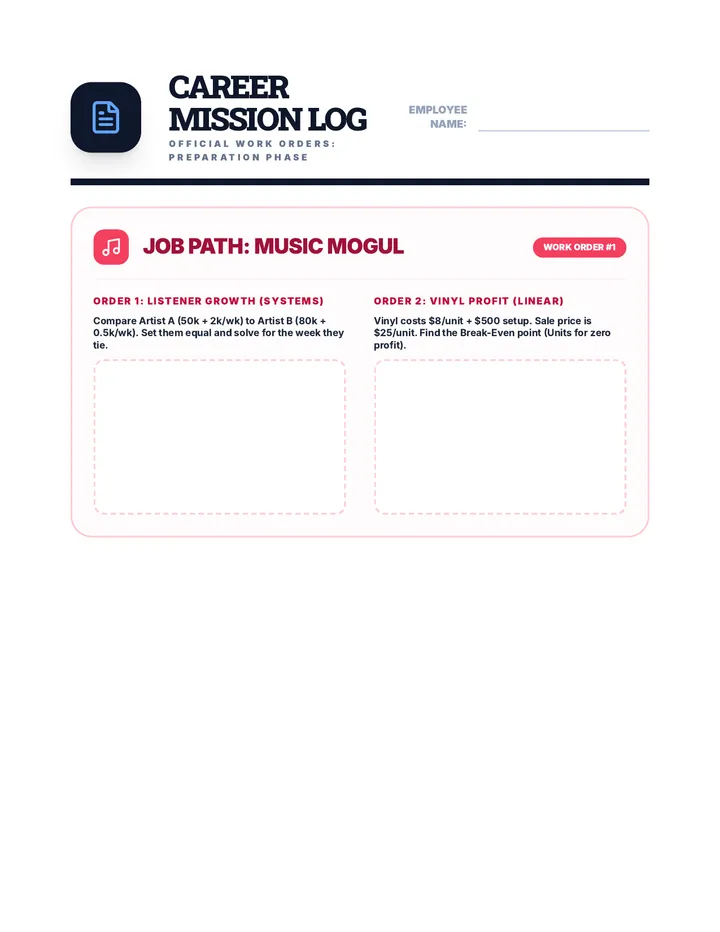
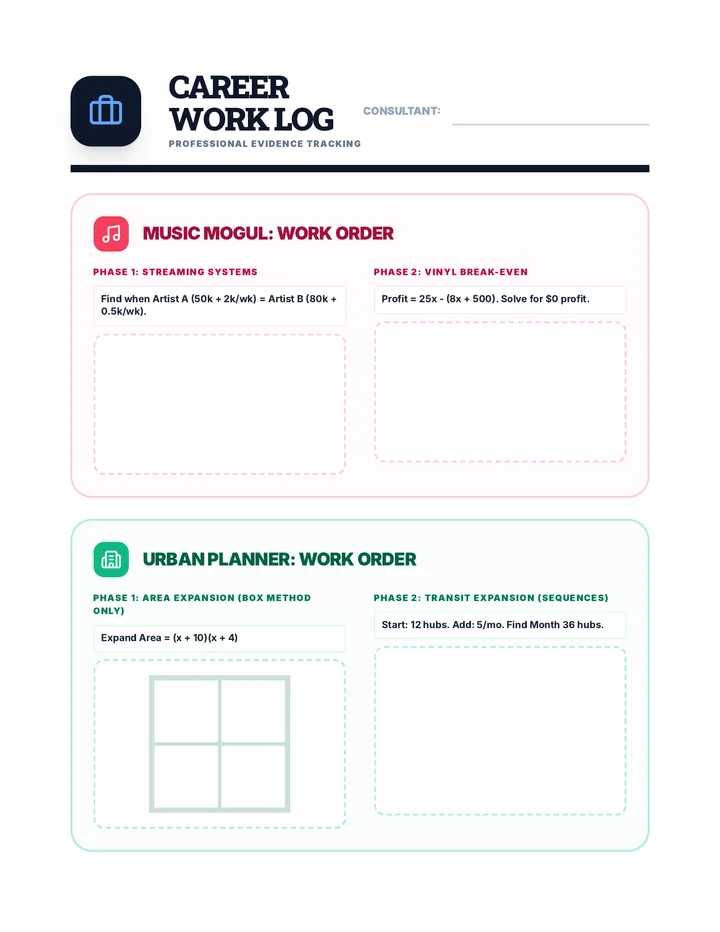
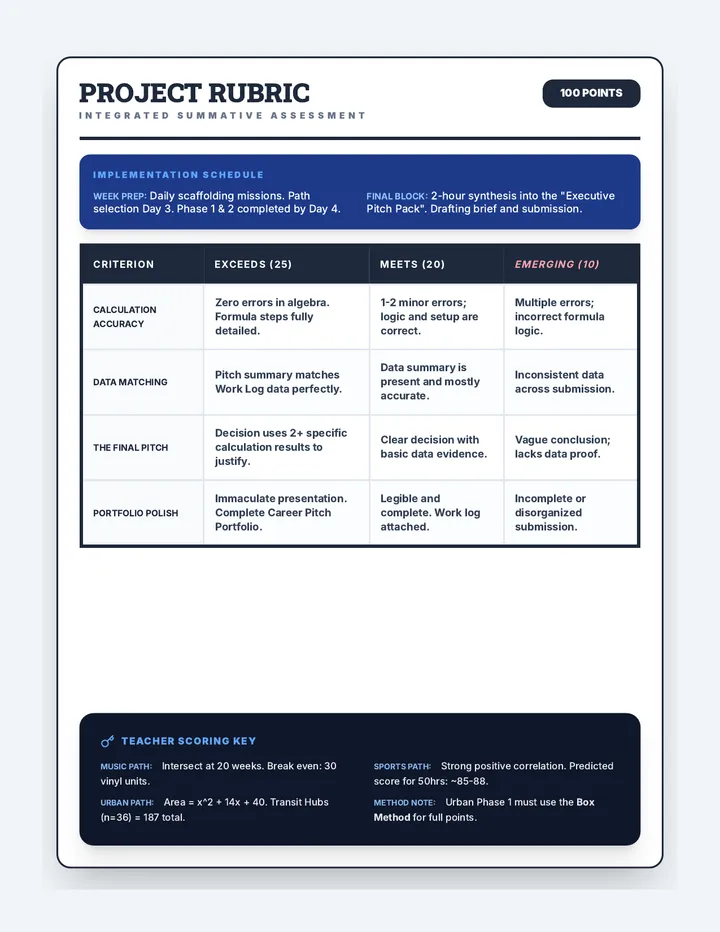
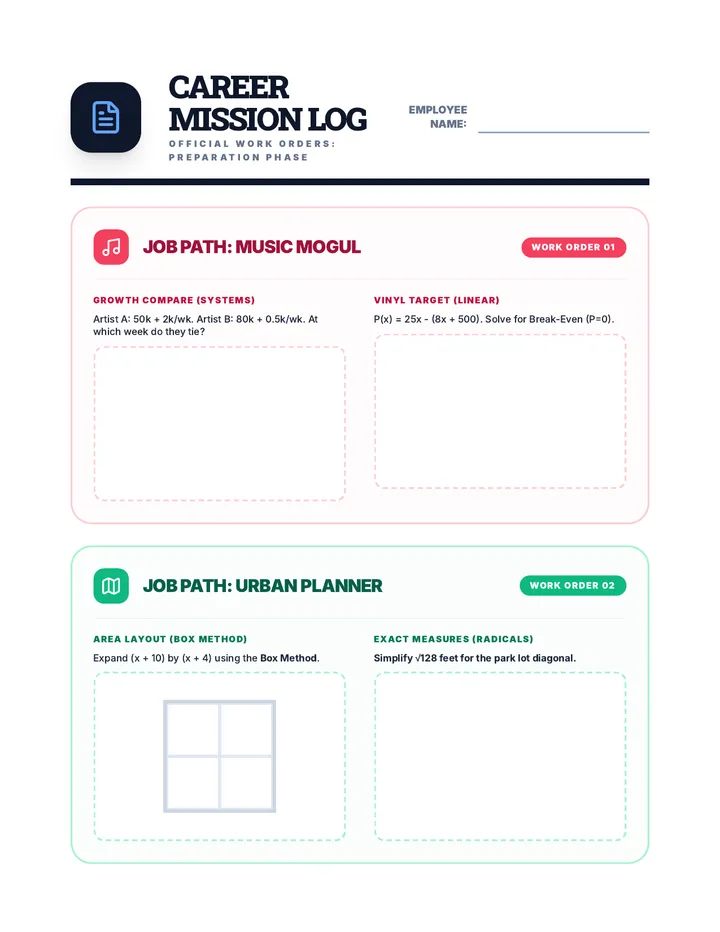
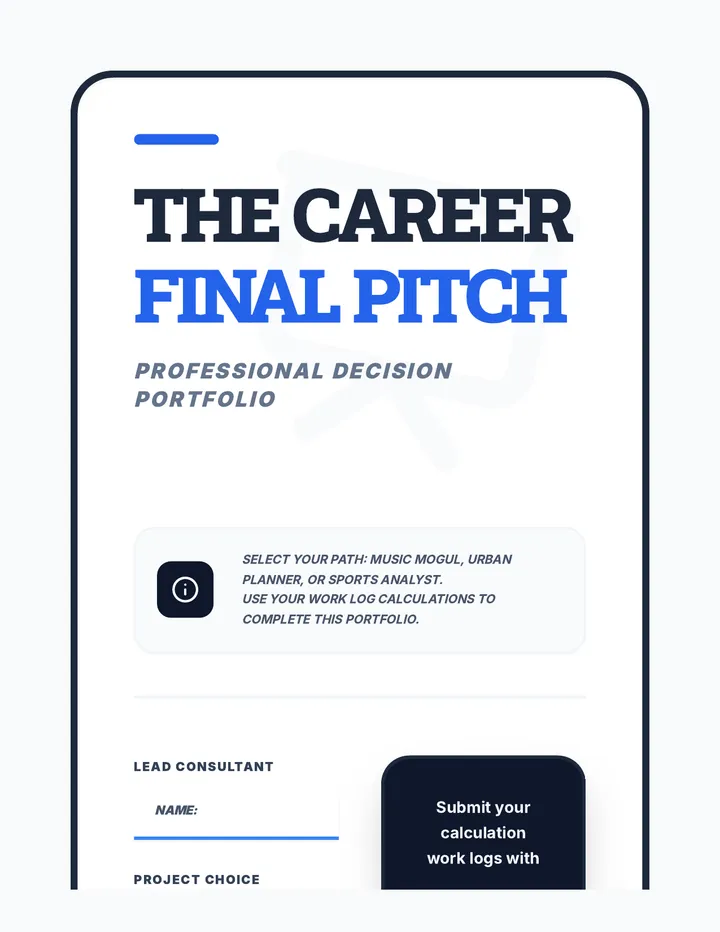
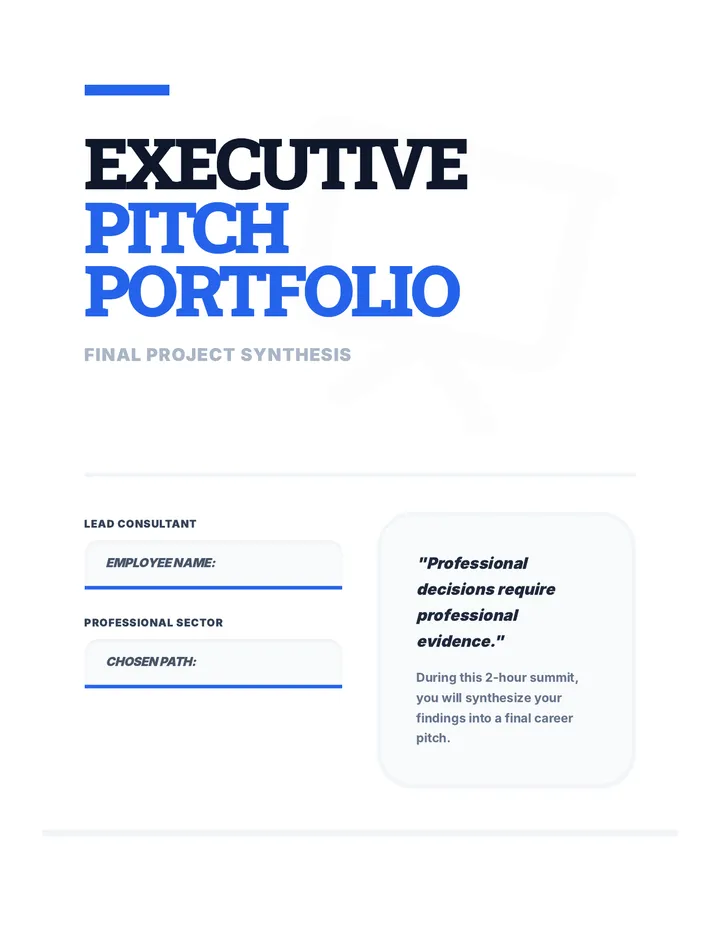
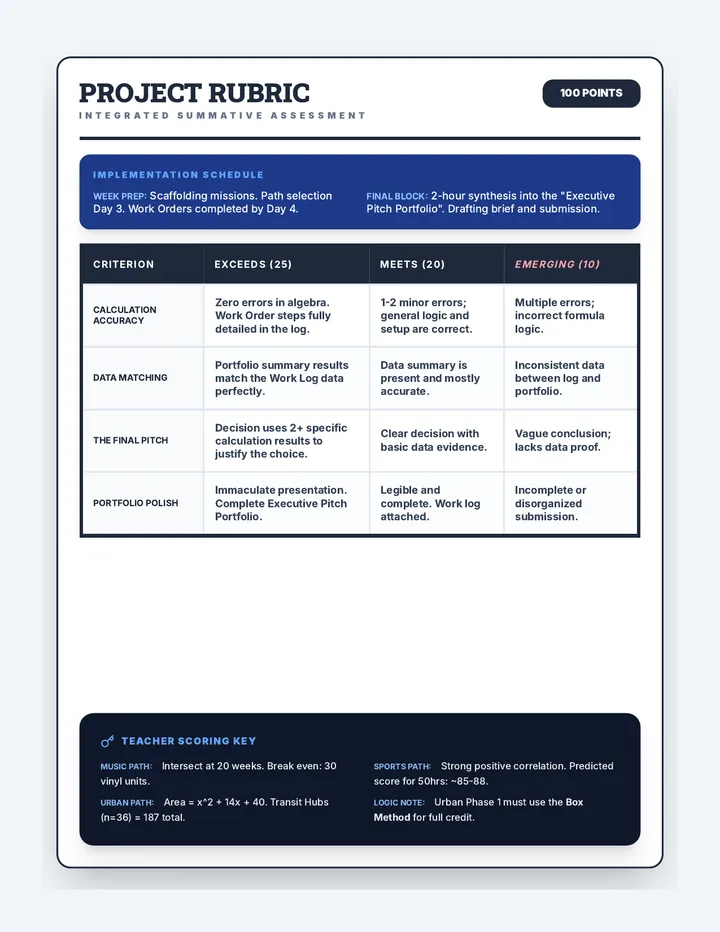
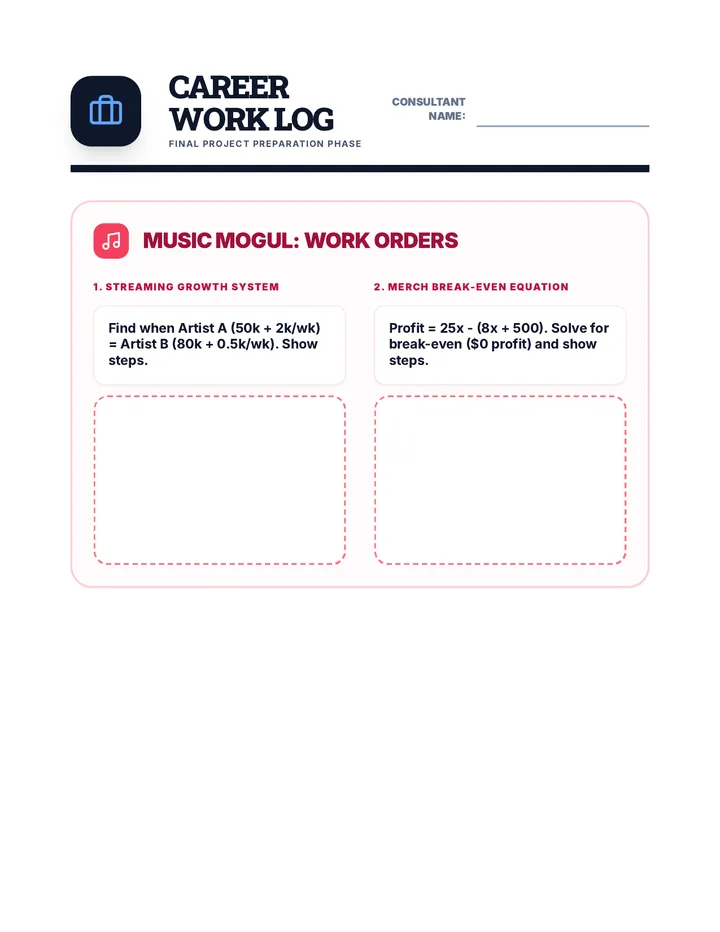
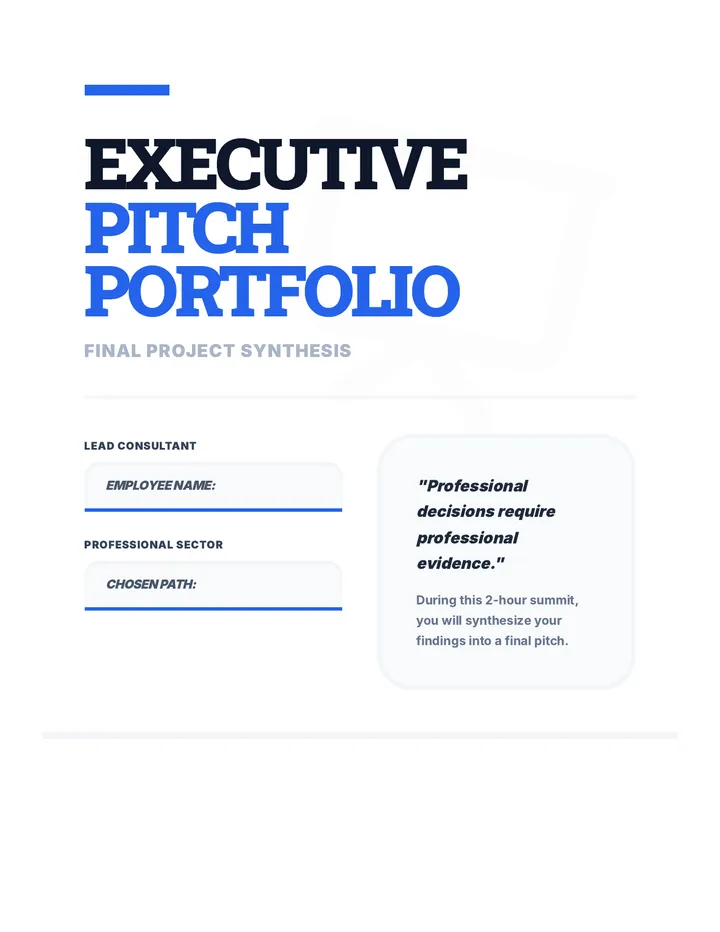
A high-intensity, 2-hour math simulation where students act as lead consultants. They complete a scaffolded Skill Warmup before choosing one of four career paths (Music, Urban, Rocket, or Sports) to solve real-world "Work Orders" and delivering an Executive Pitch.
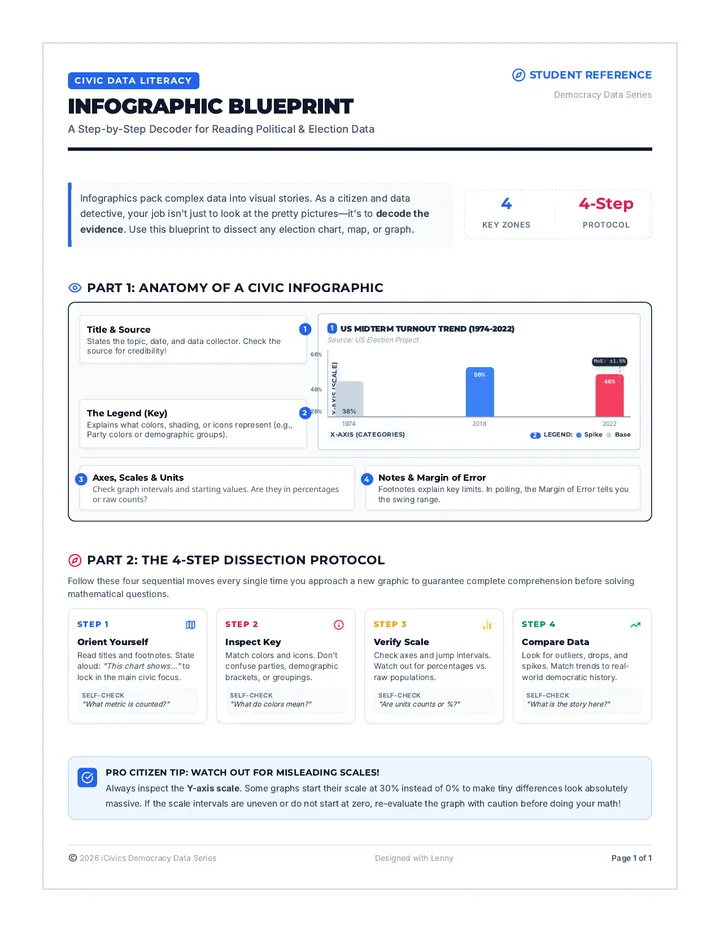
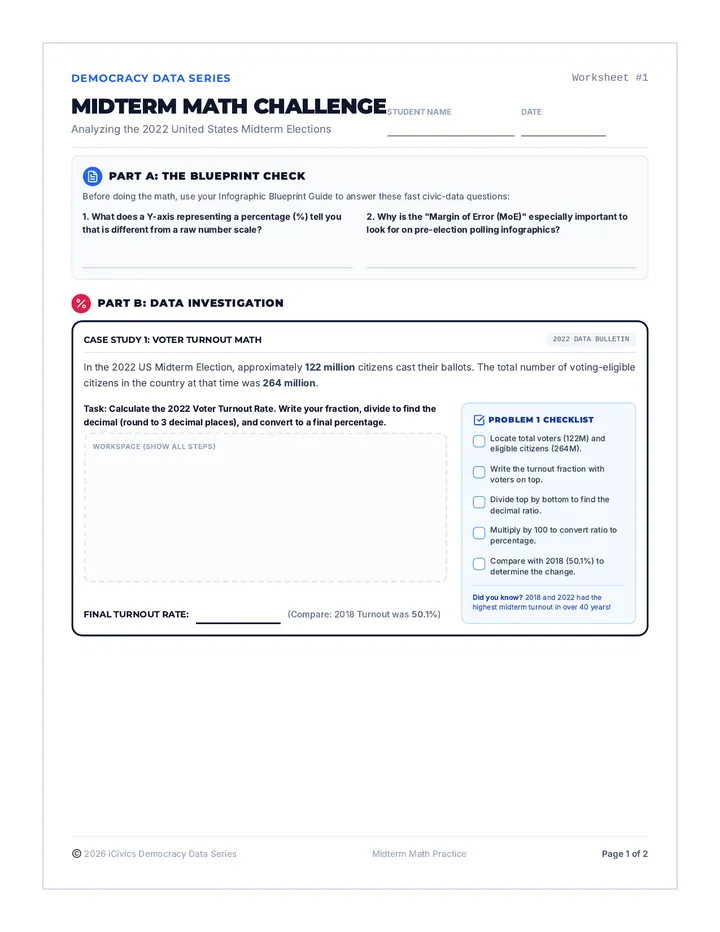
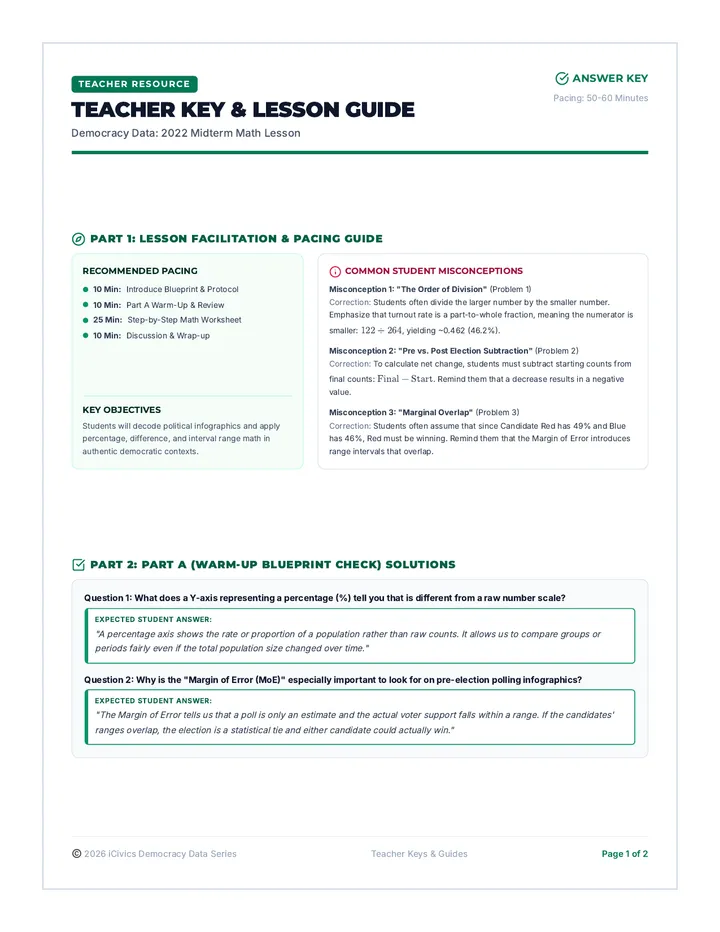
A civic-minded math lesson where students analyze real-world data from the 2022 midterm elections. Students learn to navigate complex infographics using structured reading strategies and tackle data-driven math questions with supportive step-by-step checklists.
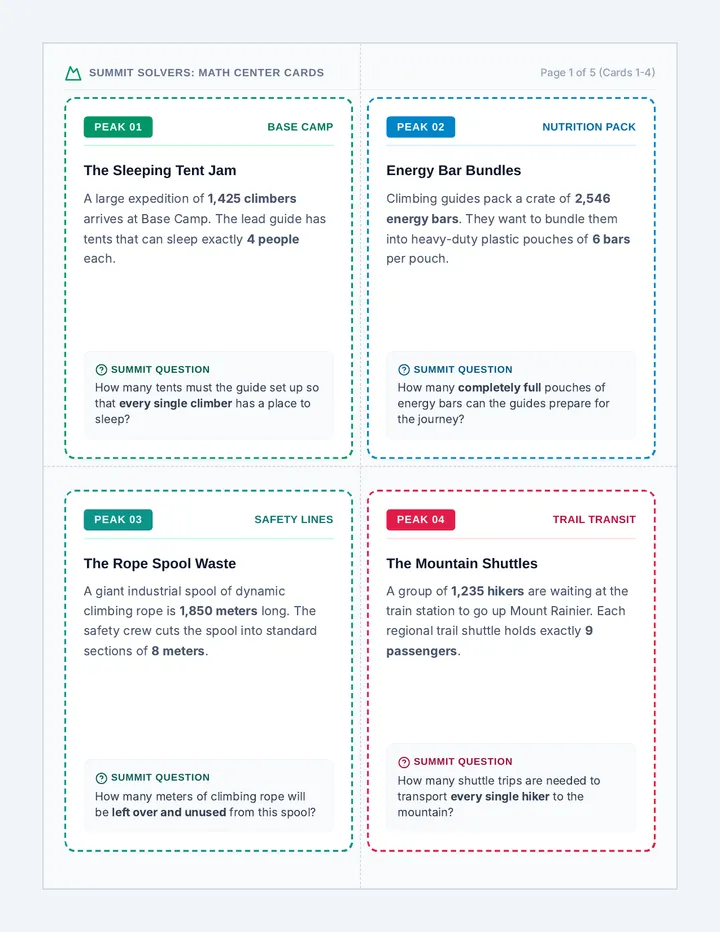
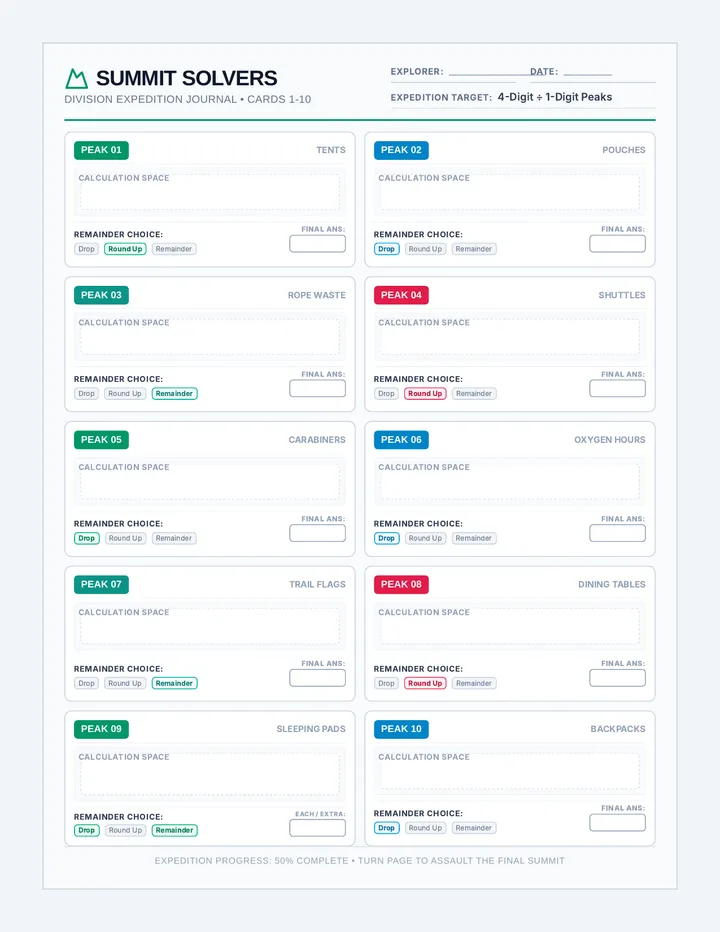
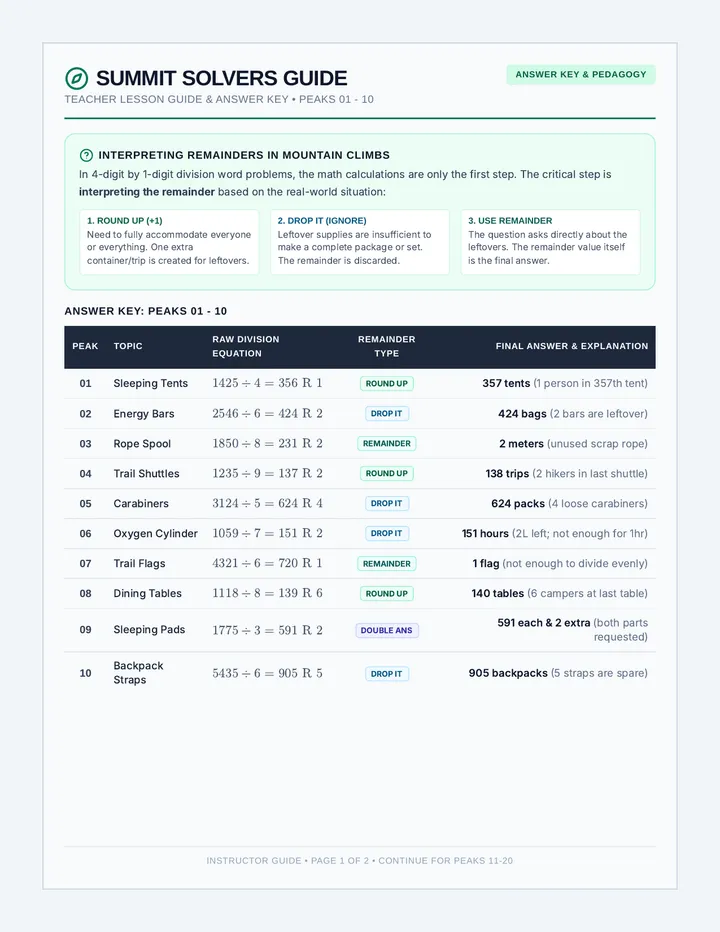
A math lesson focused on solving and interpreting 4-digit by 1-digit division word problems with remainders in a mountain climbing theme. Includes task cards, a recording sheet, and a detailed teacher answer guide.
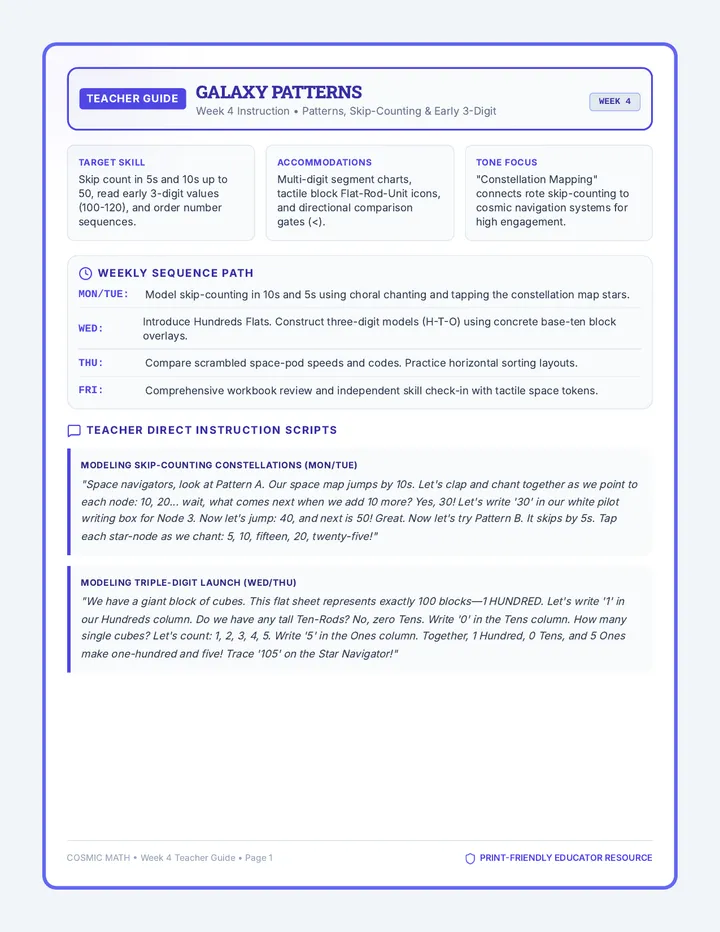
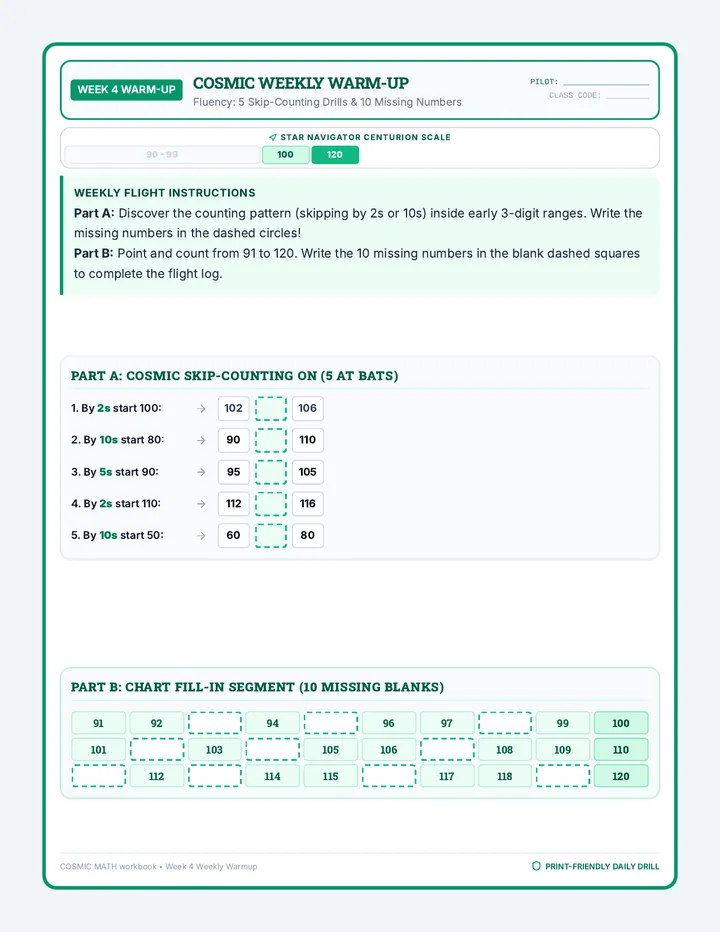
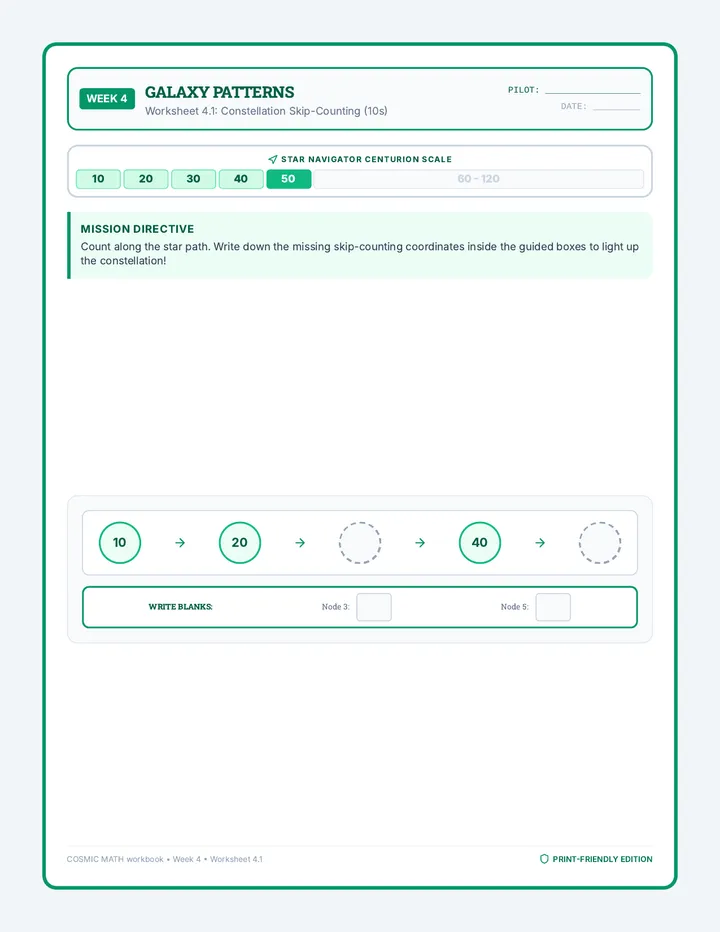
Introduces early 3-digit numbers (100-120), visual skip-counting (2s, 5s, 10s) using constellation maps, and ordering cosmic objects to build sequential logic.
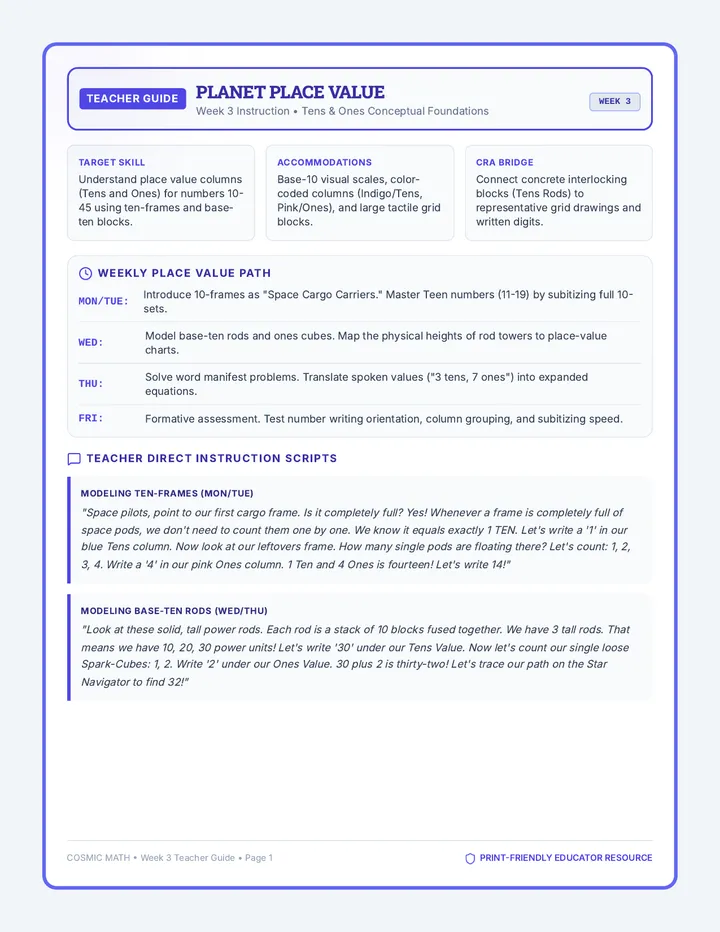
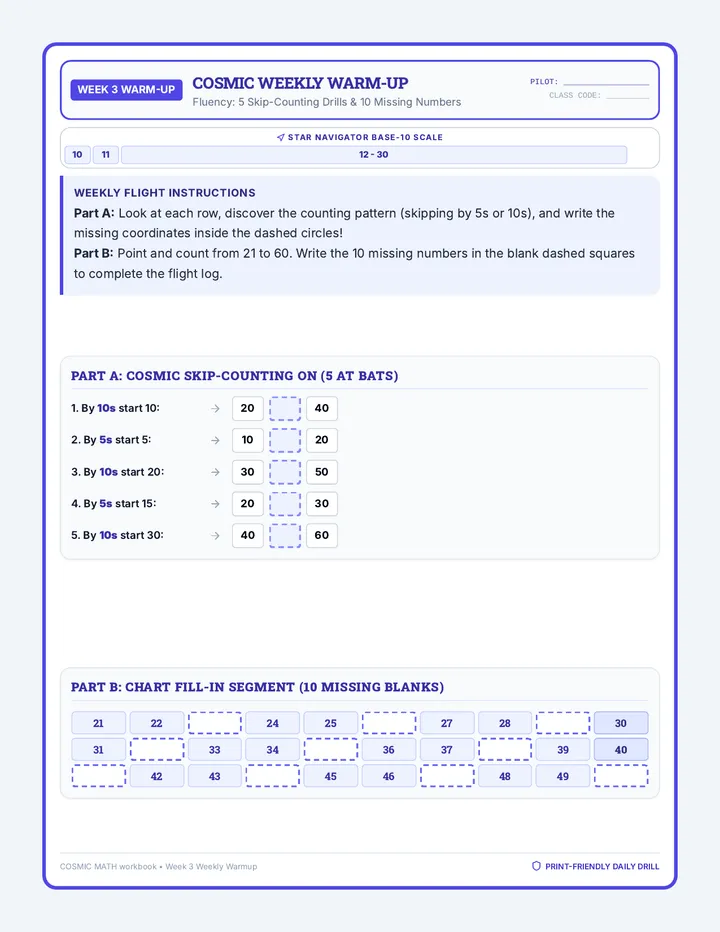
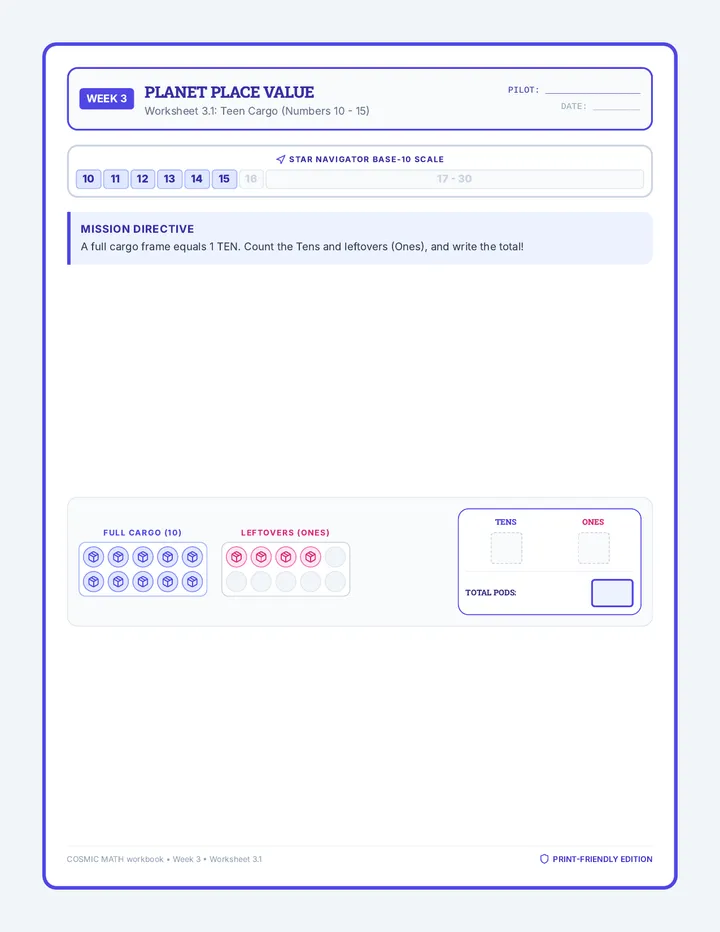
Focuses on identifying double-digit numbers (10-99), representing them using ten-frames and printable base-ten icons, and writing numbers in expanded place value charts (tens and ones) with clear physical boundaries.
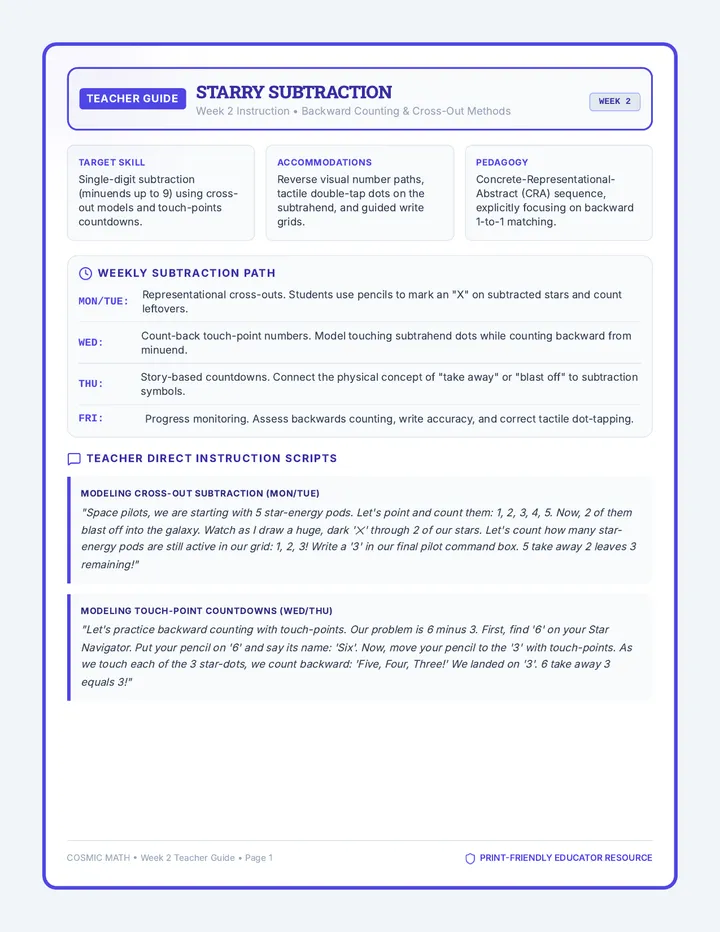
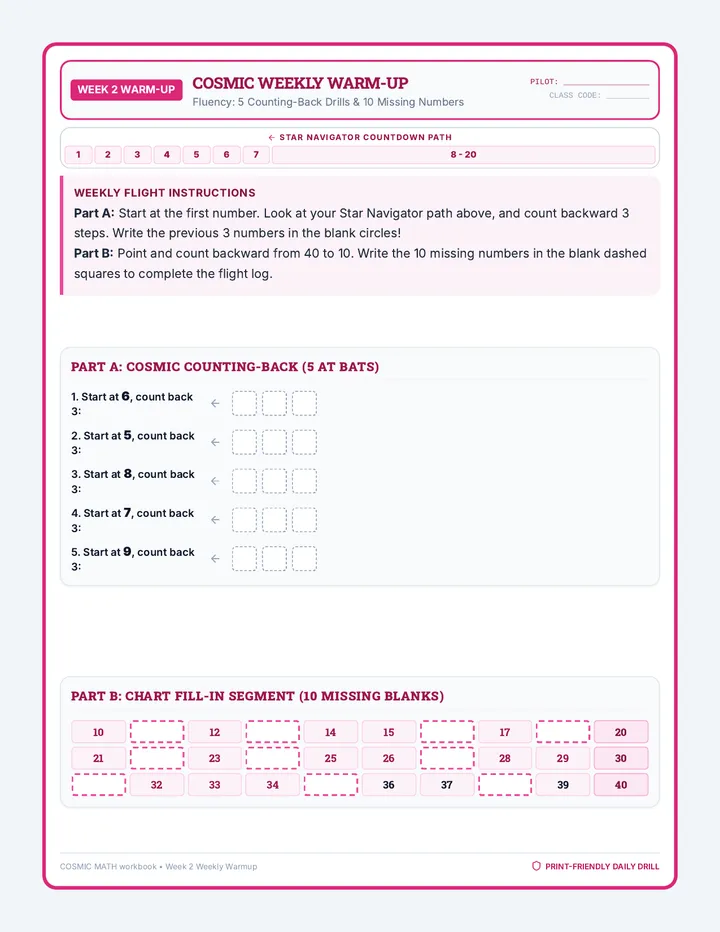
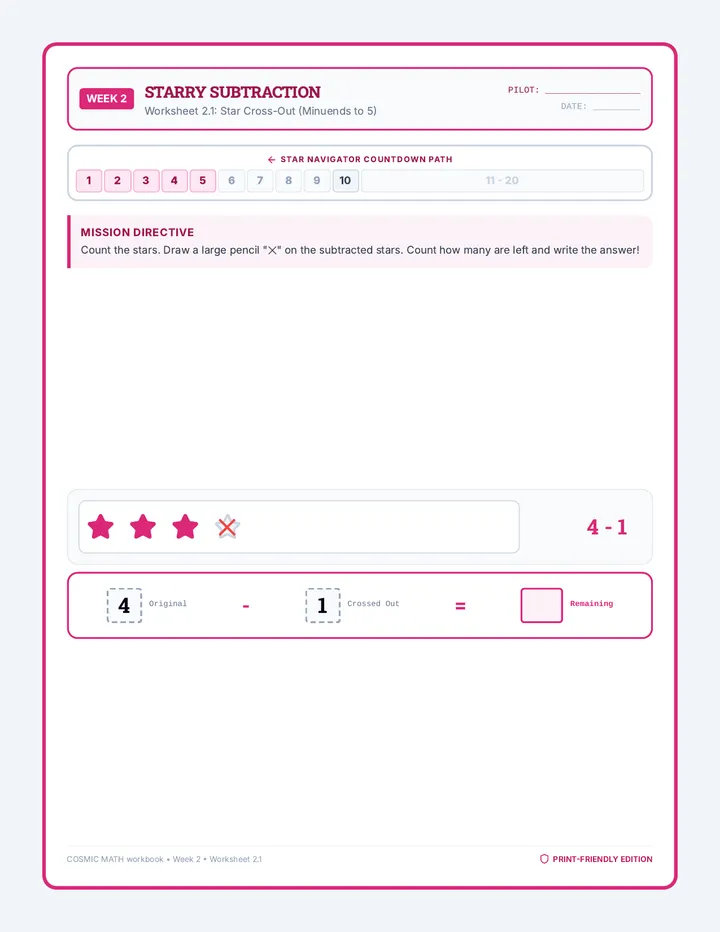
Covers single-digit subtraction (1-9) with cosmic countdowns, crossing-out stars or rocket fuel cells, embedded touch-points for backwards counting, and structured workspace templates.
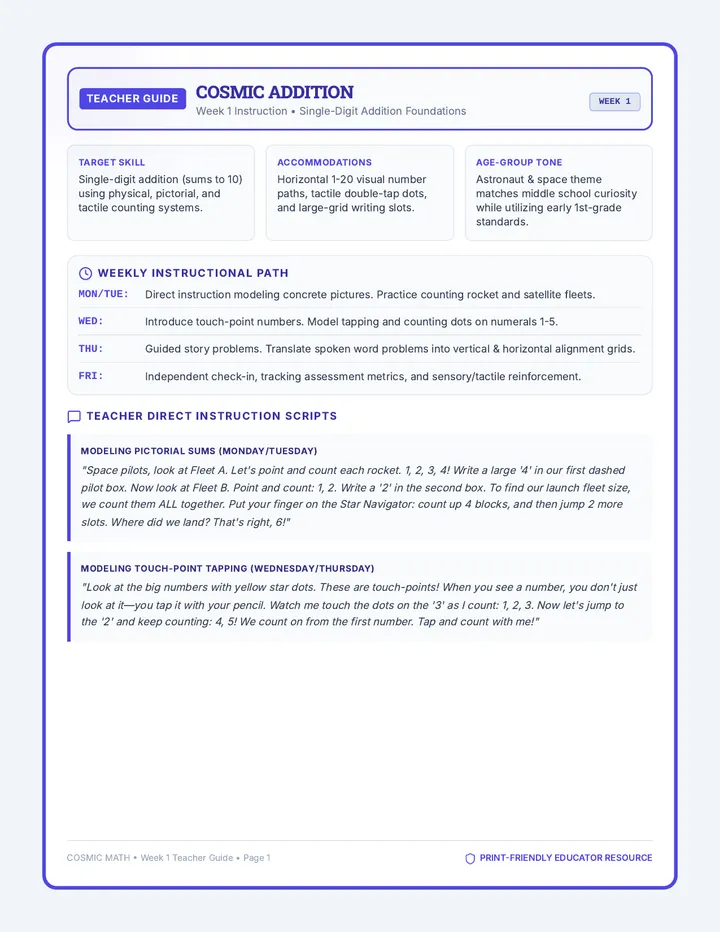
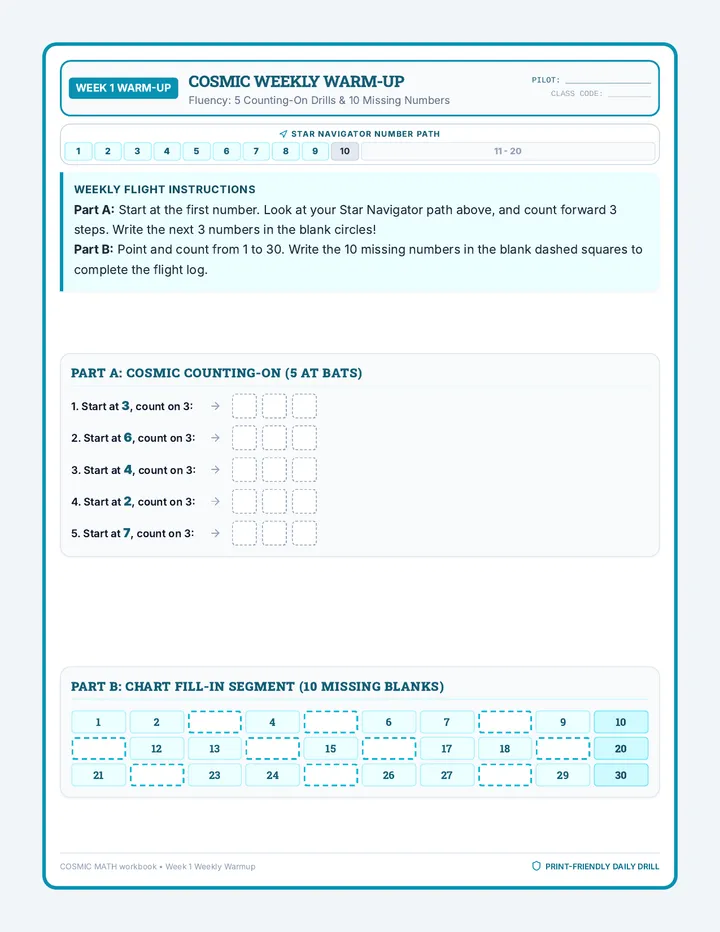
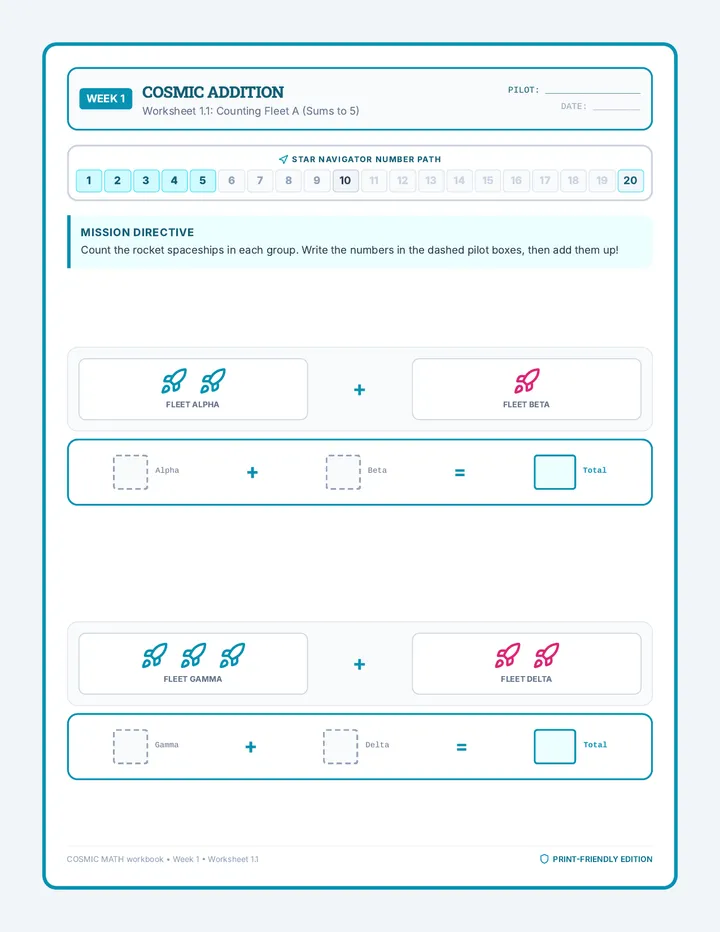
Focuses on single-digit addition (1-9) using embedded touch-point numbers, pictorial representations of spaceships and stars, a persistent 1-20 number path, and large guided workspace boxes for physical alignment.
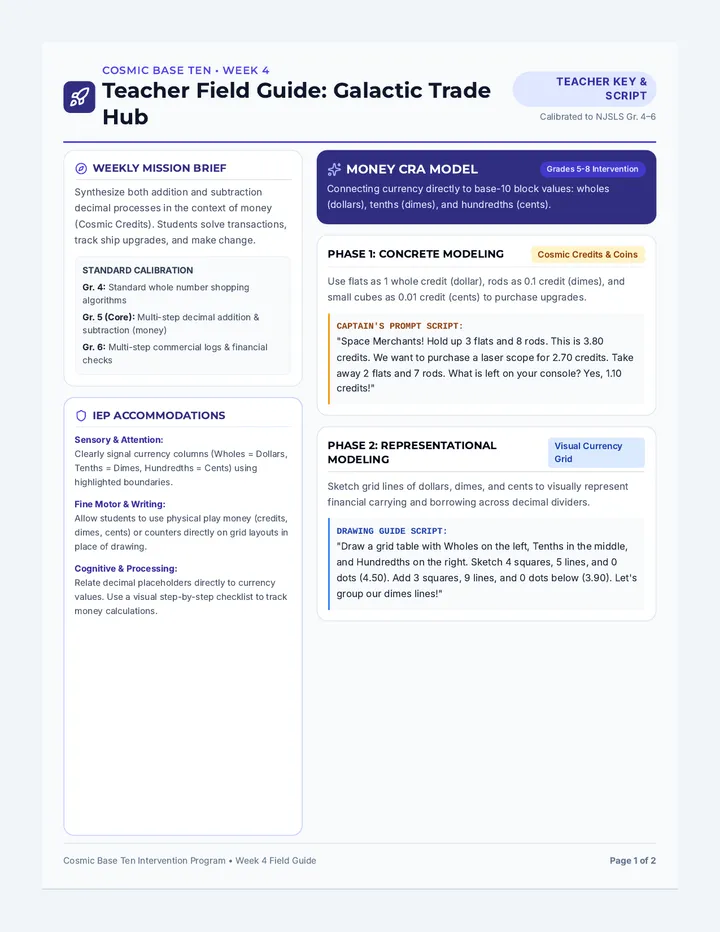
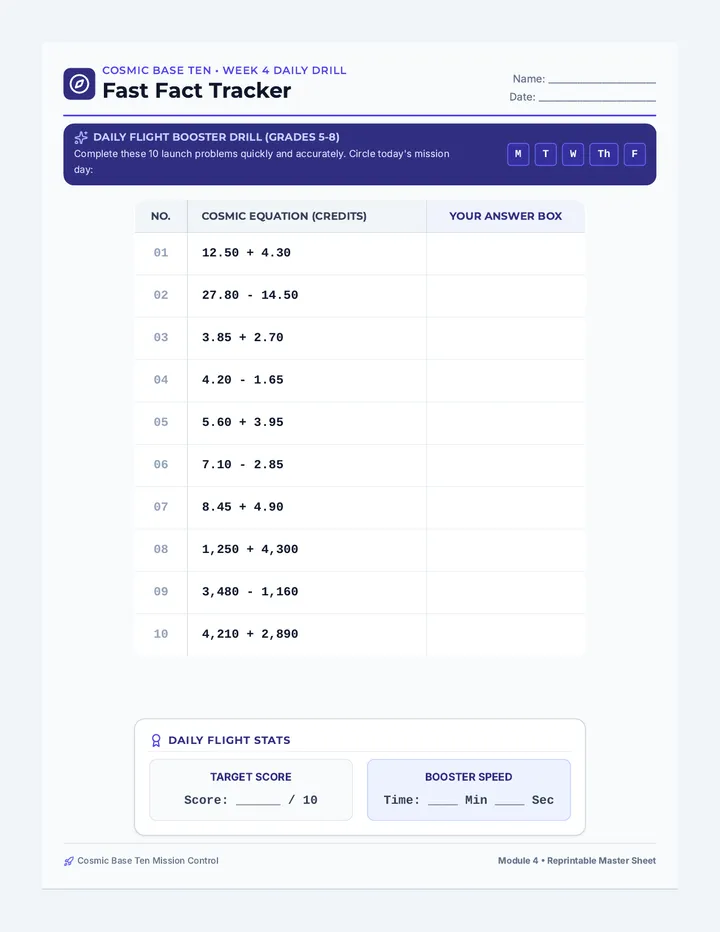
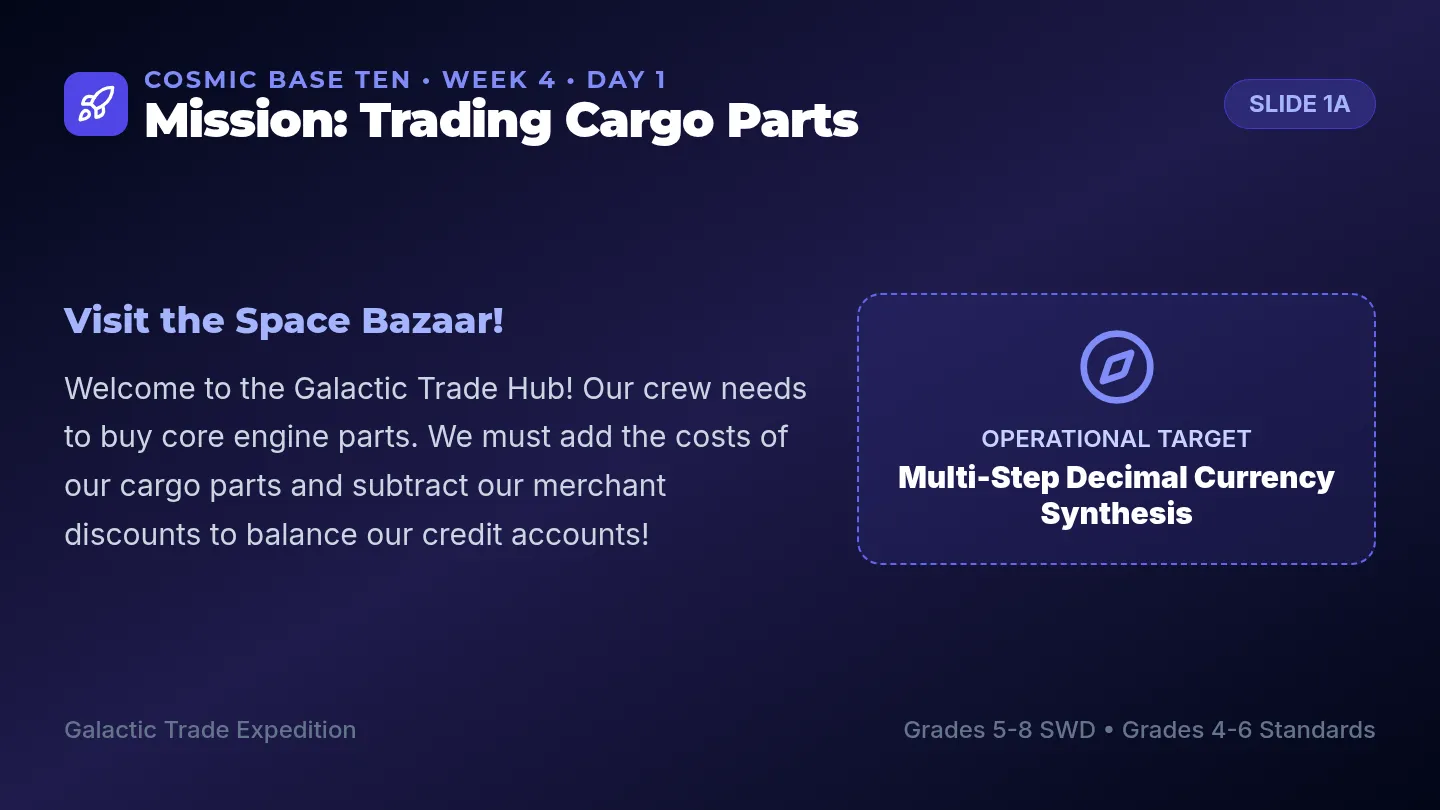
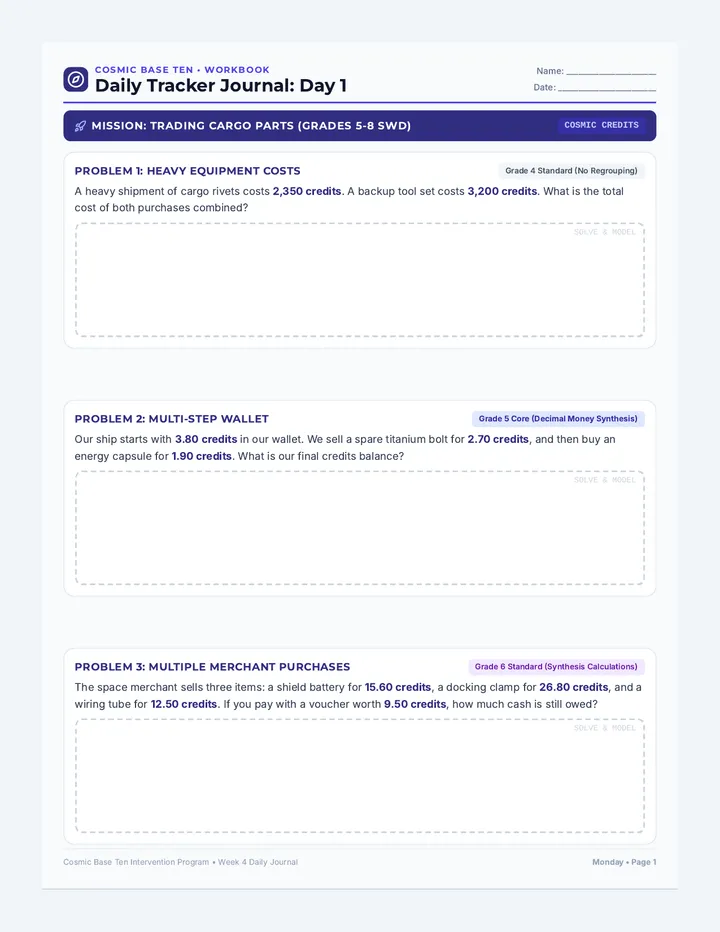
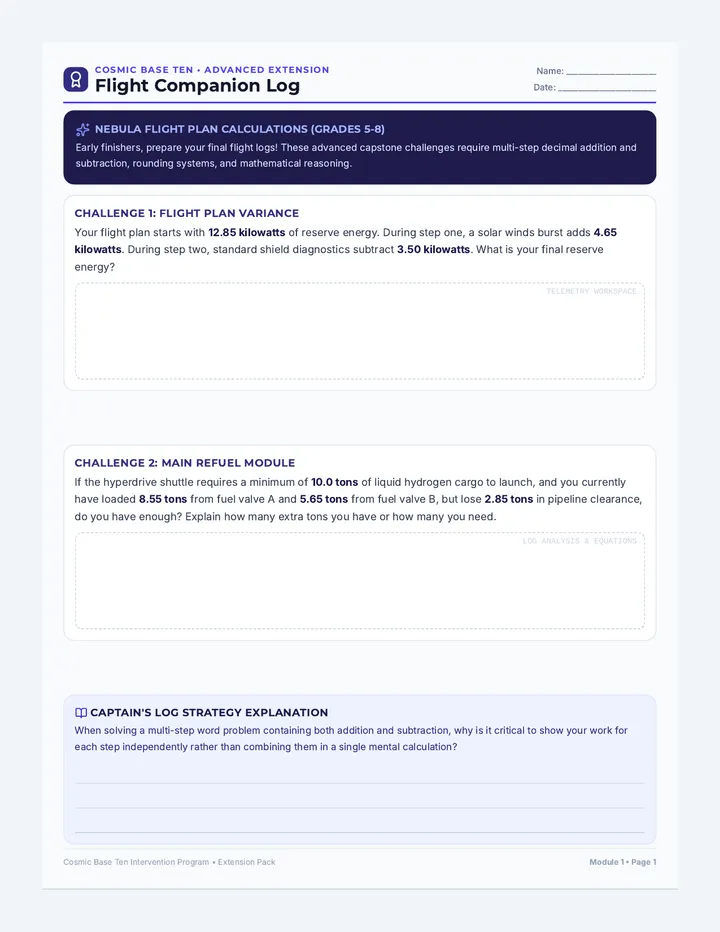
Week 4 is the capstone week where students synthesize their additive and subtractive decimal skills in the context of money. They solve multi-step commercial transactions, balance credit records, and purchase starship upgrades.
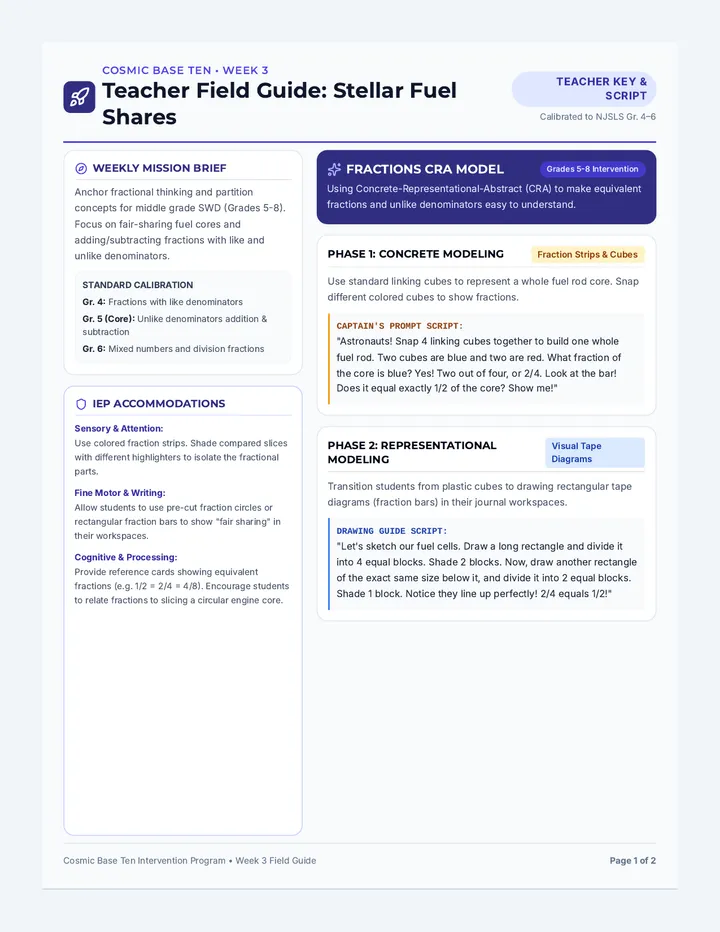
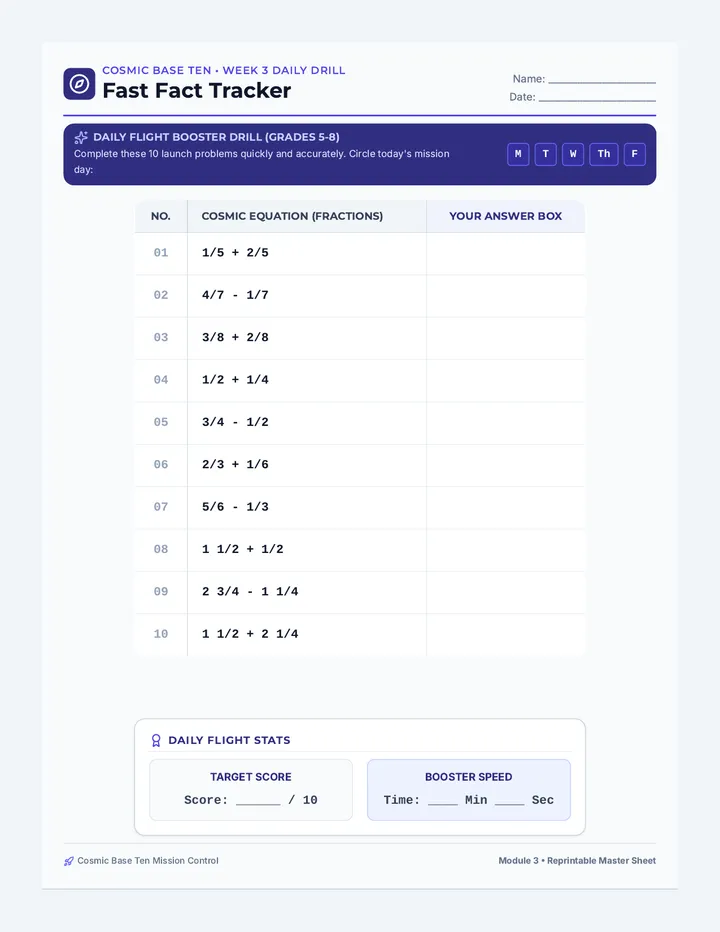
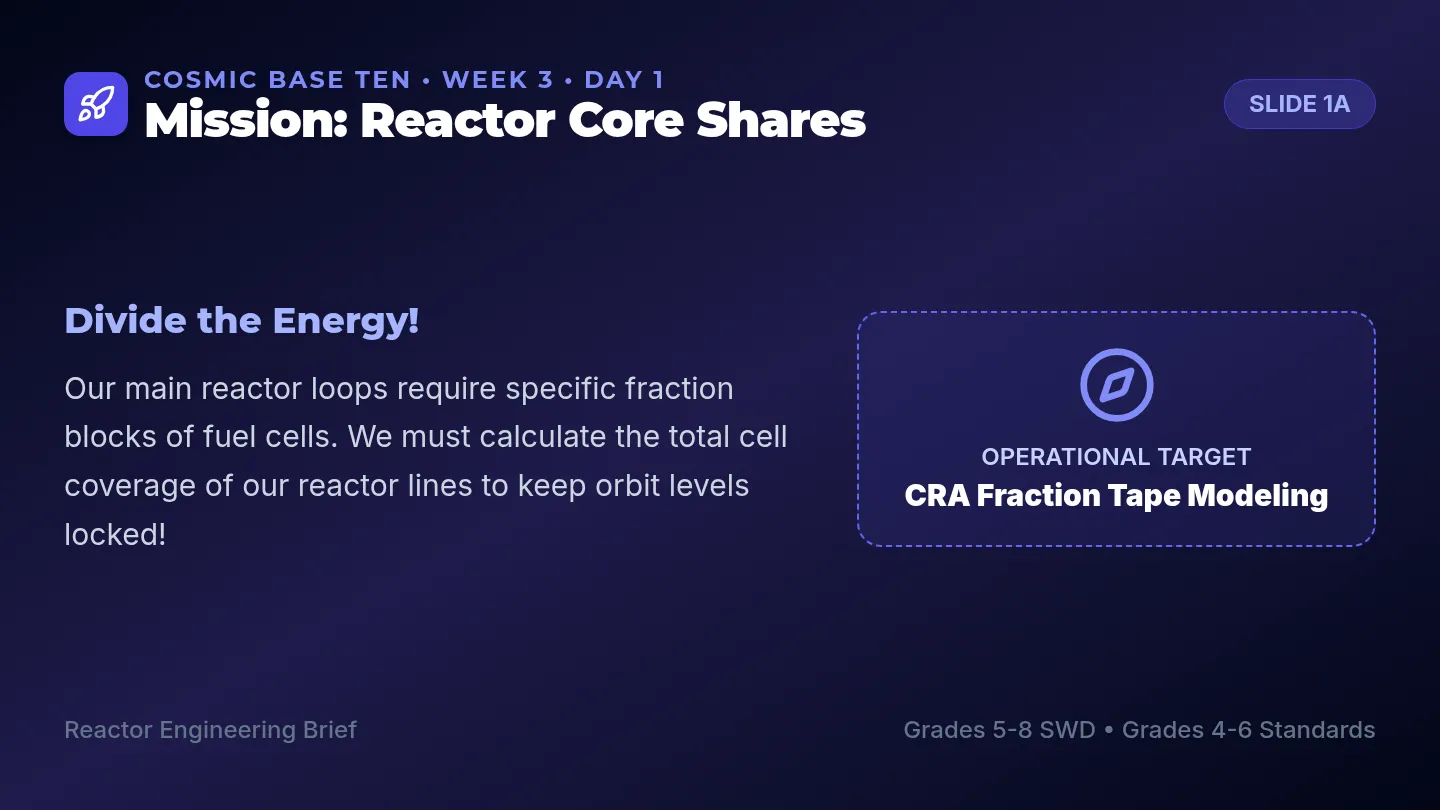
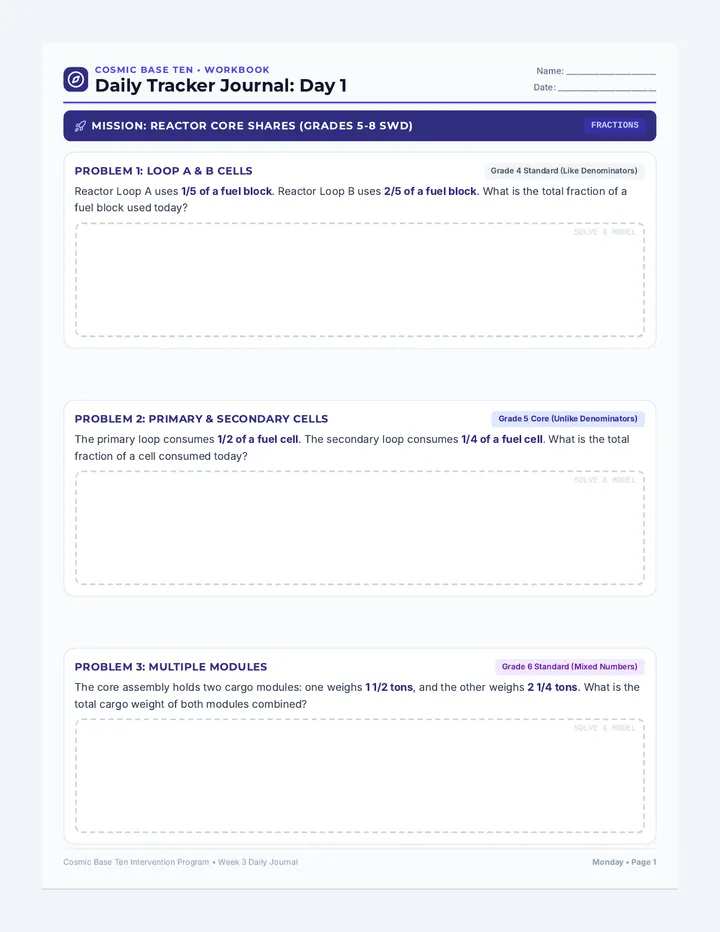
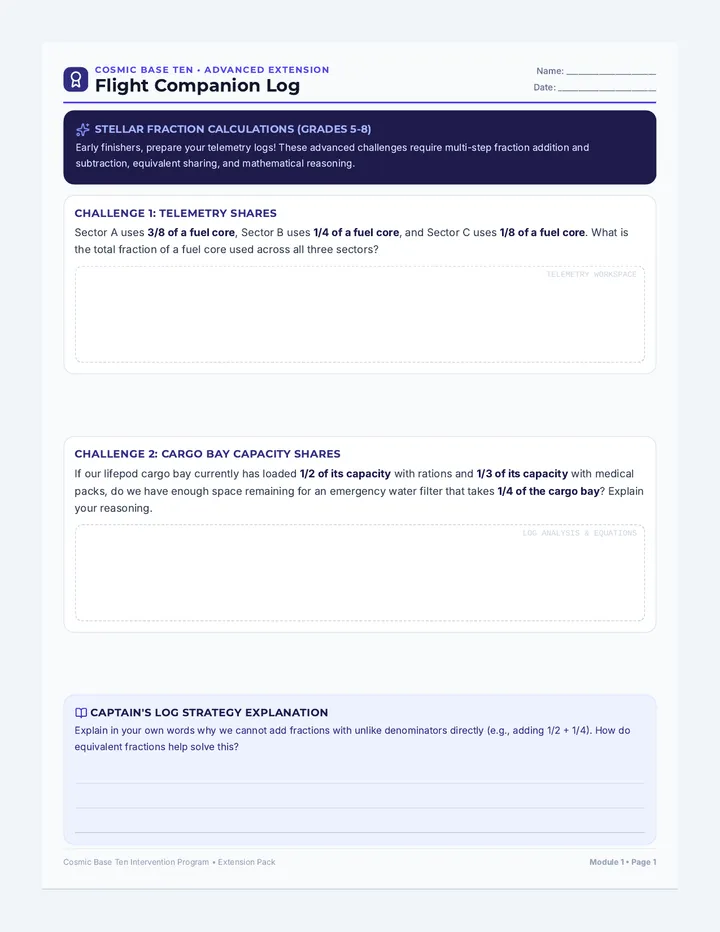
Week 3 focuses on partitioning, equivalent fractions, and adding or subtracting fractions with like and unlike denominators. Students practice fair-sharing reactor cores, dividing cargo weight, and mapping stellar orbits using fraction bars.
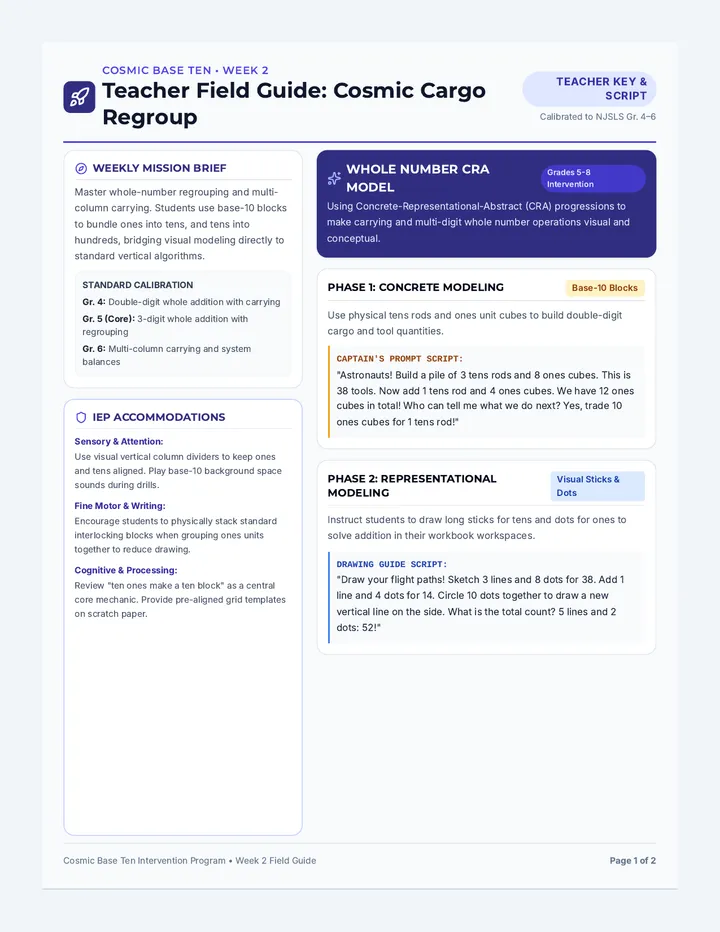
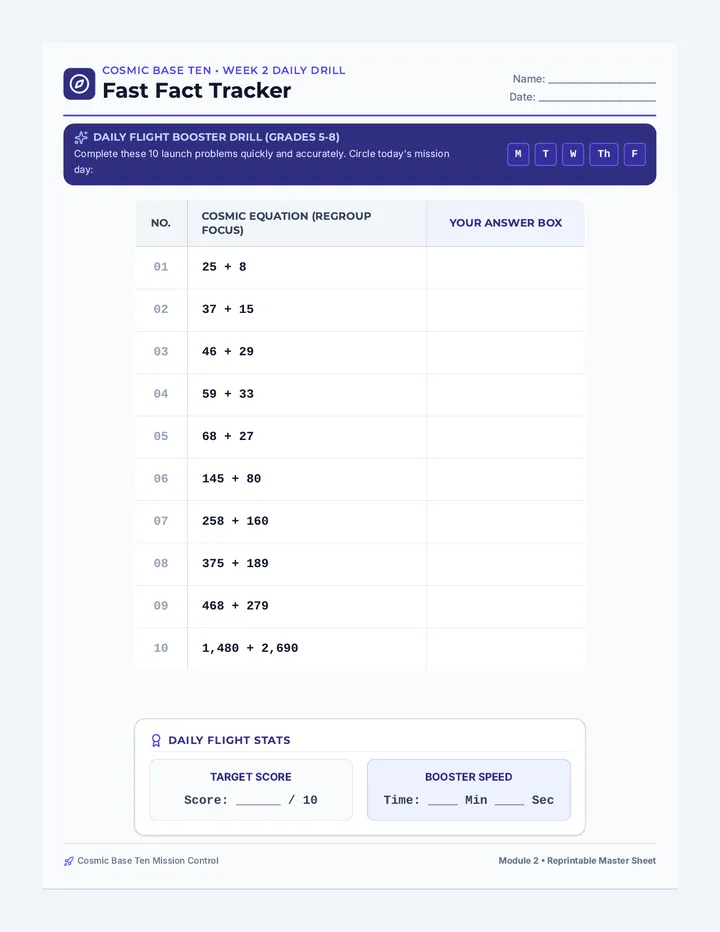
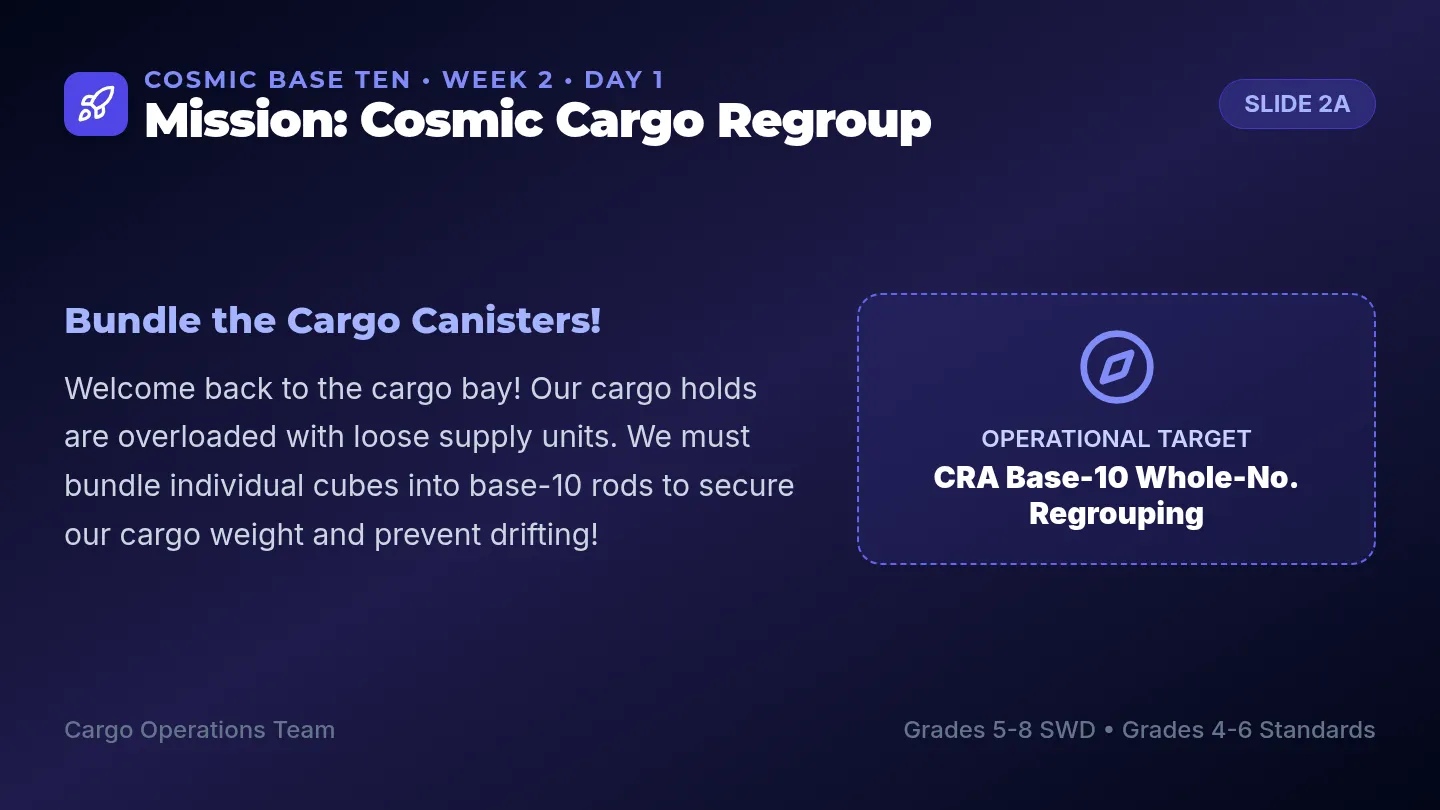
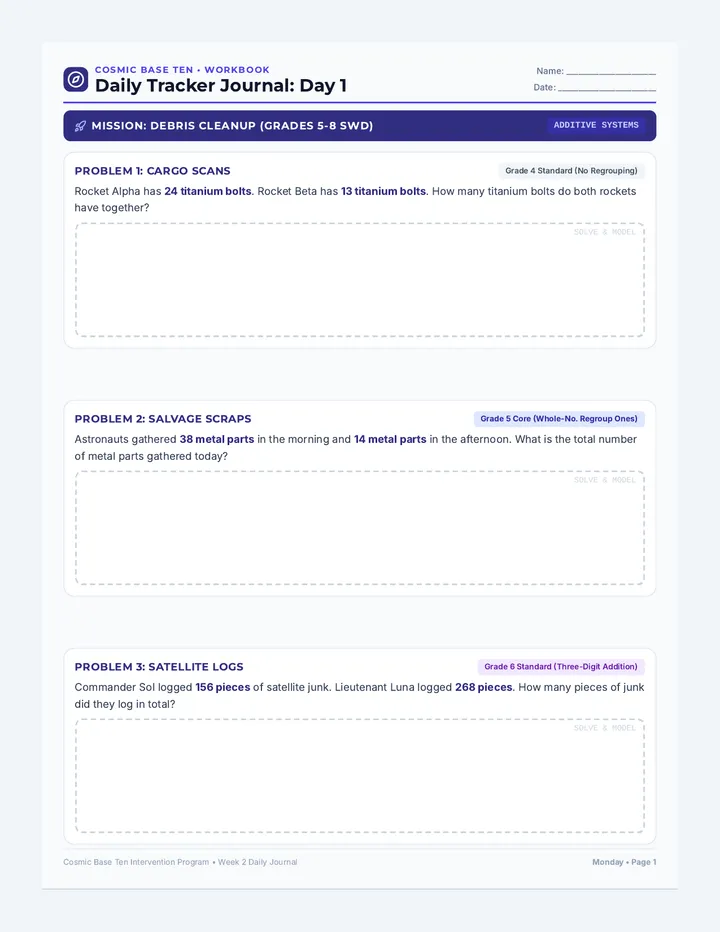
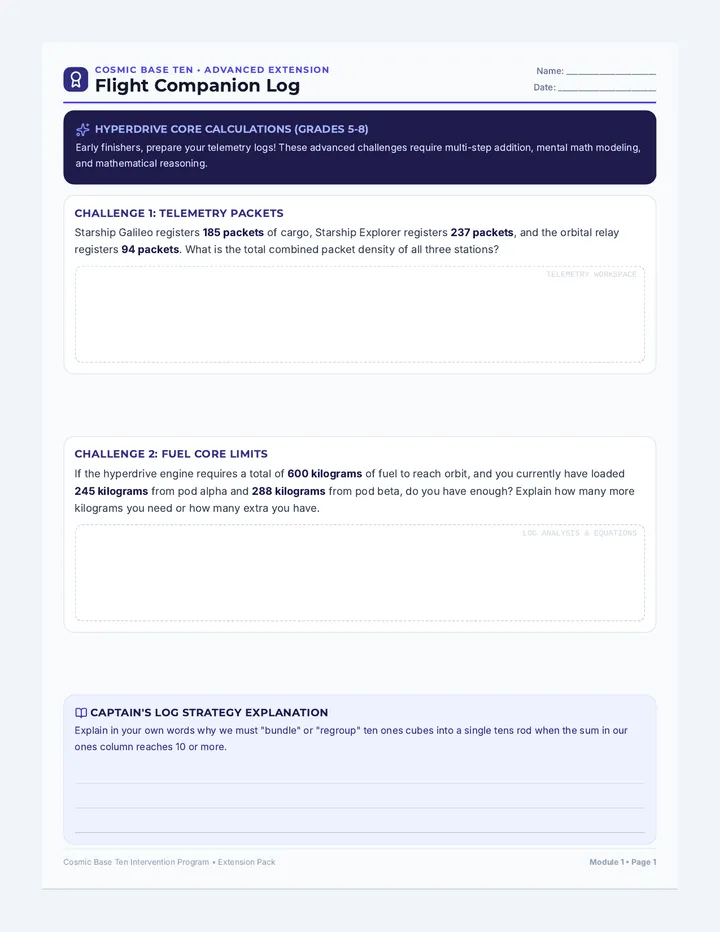
Week 2 focuses on mastering whole-number regrouping and multi-column carrying in the context of starship cargo inventories. Students use base-10 blocks to bundle ones into tens and tens into hundreds, bridging visual modeling directly to standard vertical algorithms.
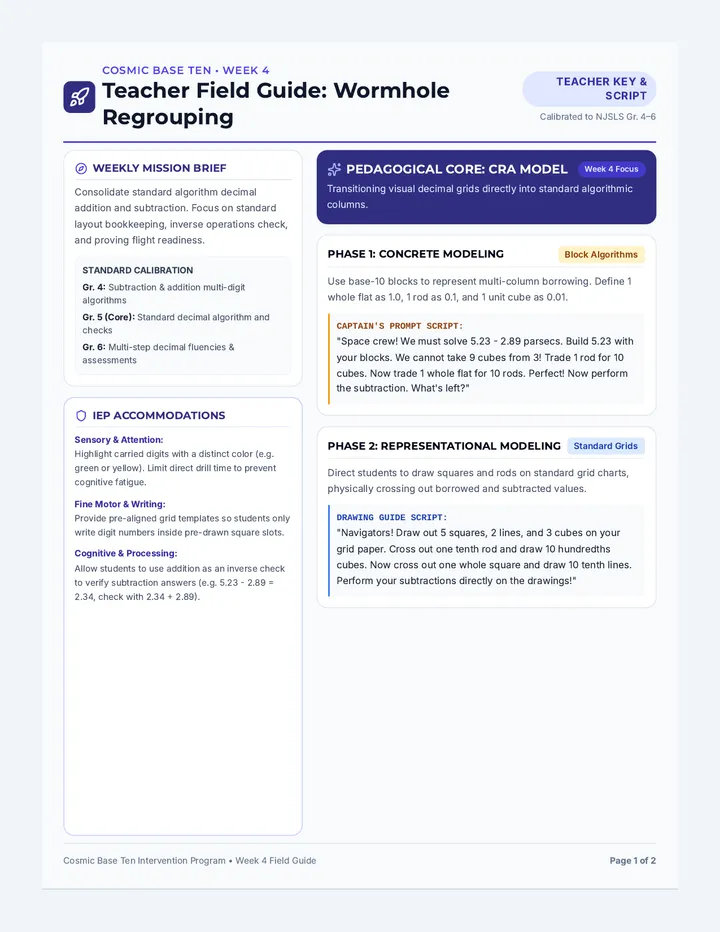
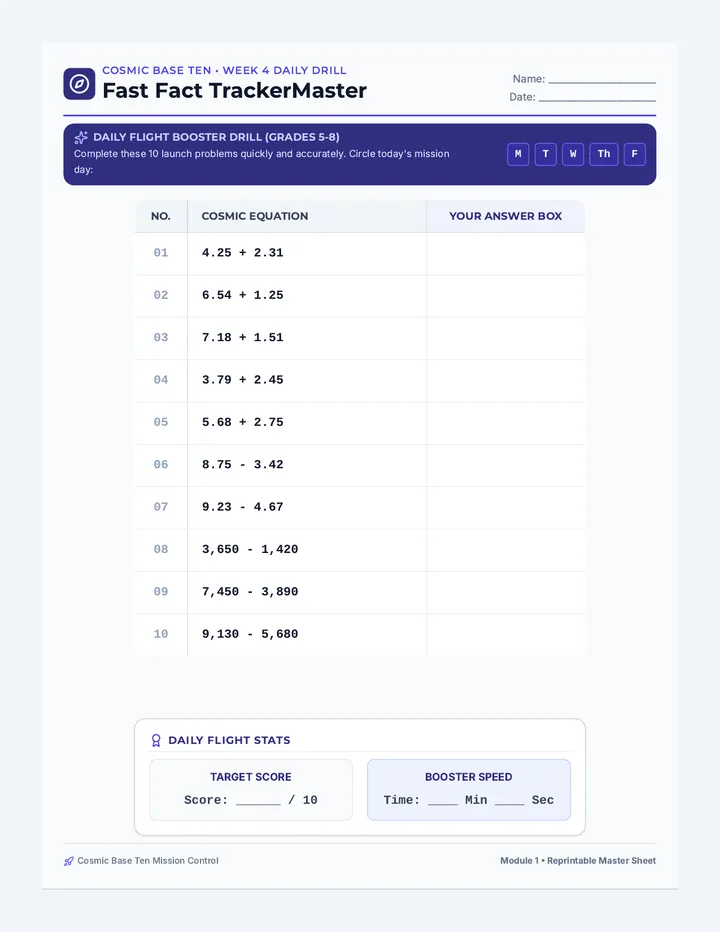
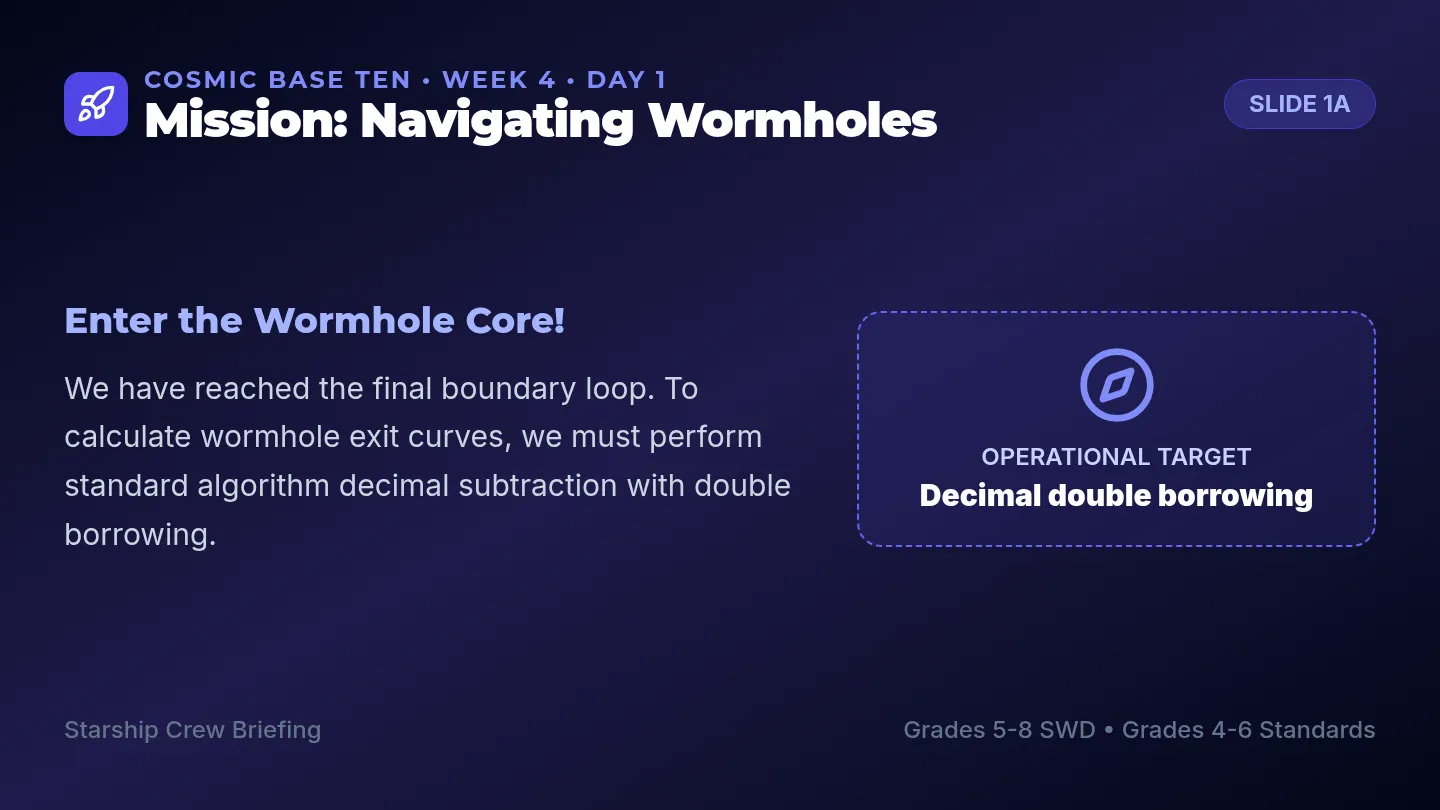
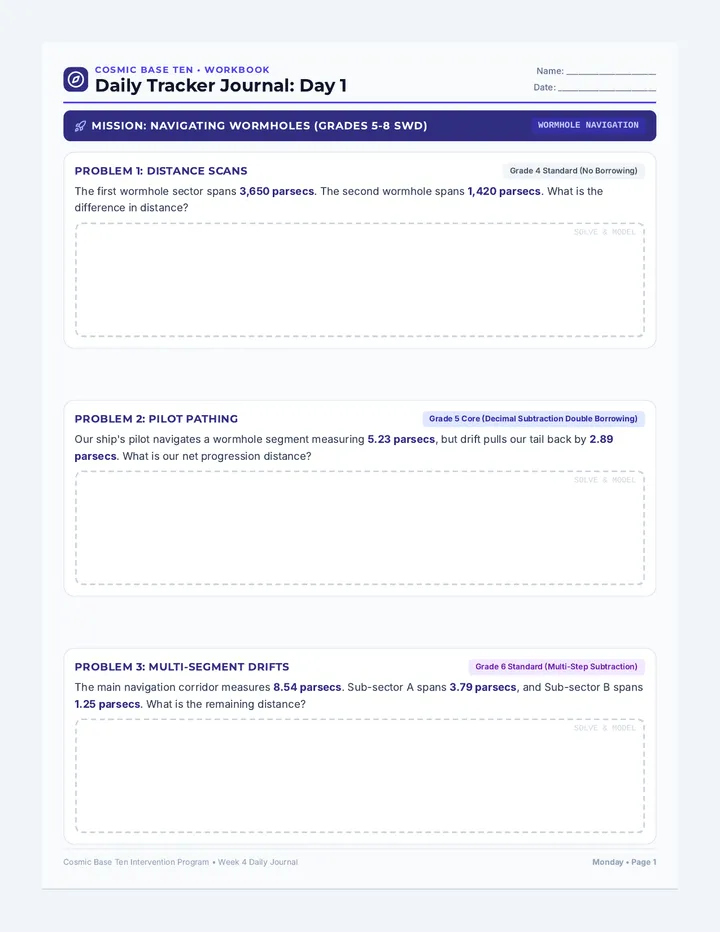
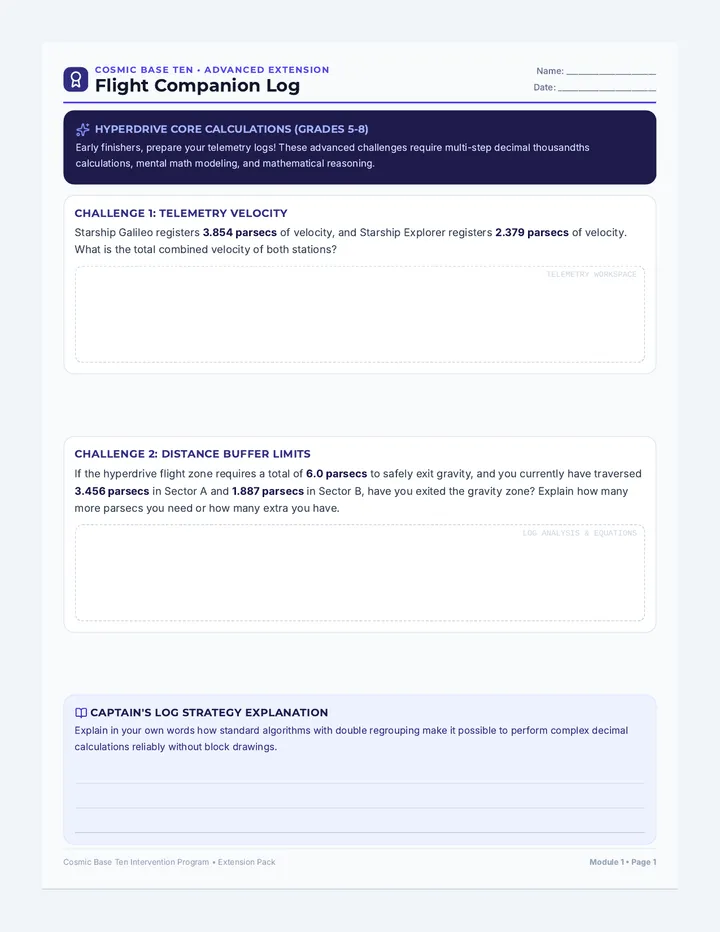
Week 4 focuses on standard algorithm decimal addition and subtraction, multi-step problem consolidation, and direct assessment of skills to confirm crew flight readiness.
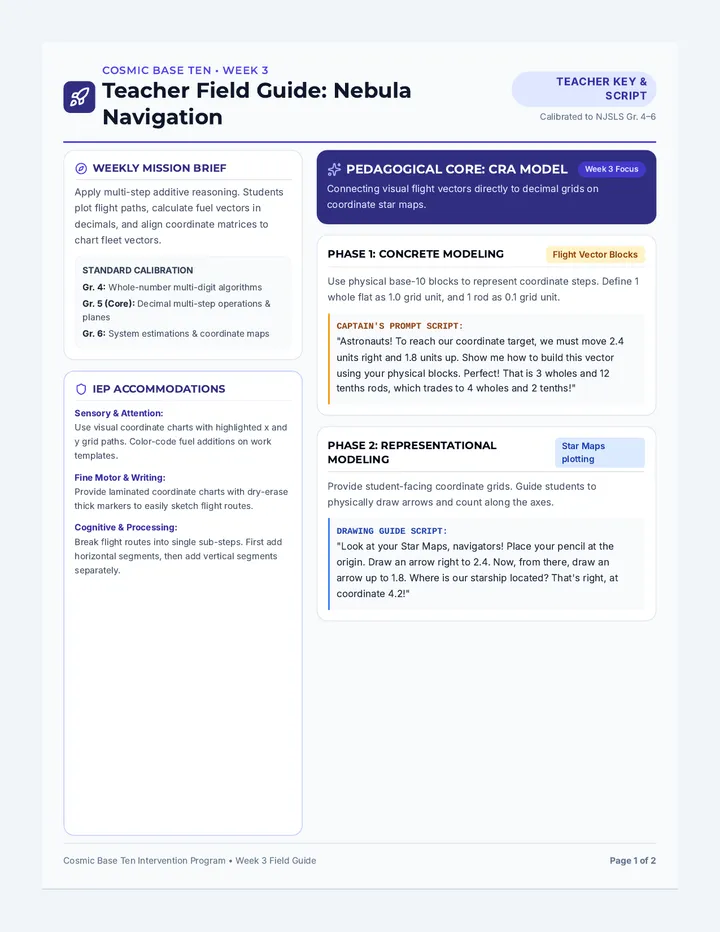
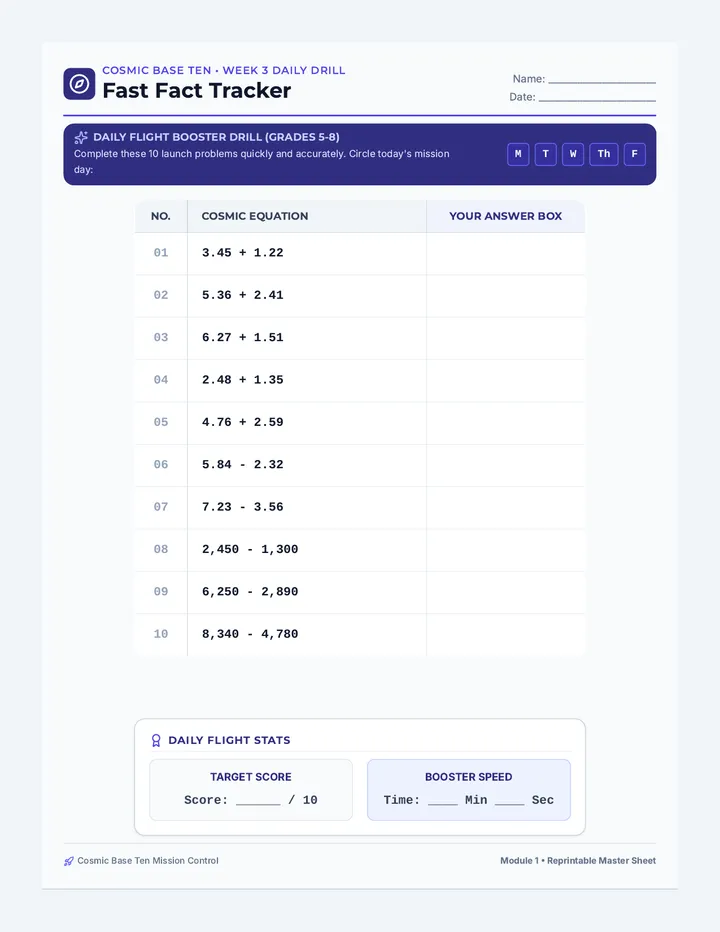
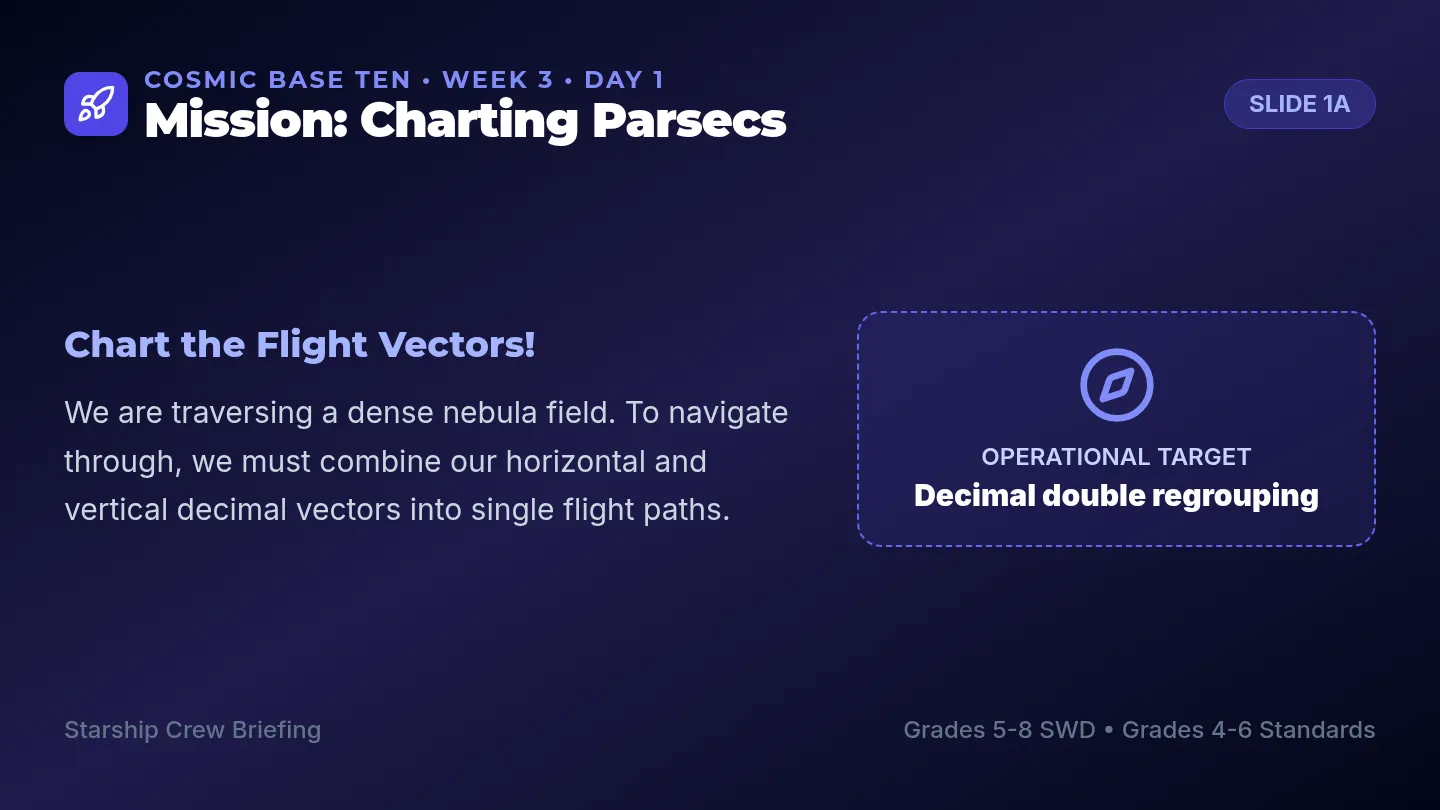
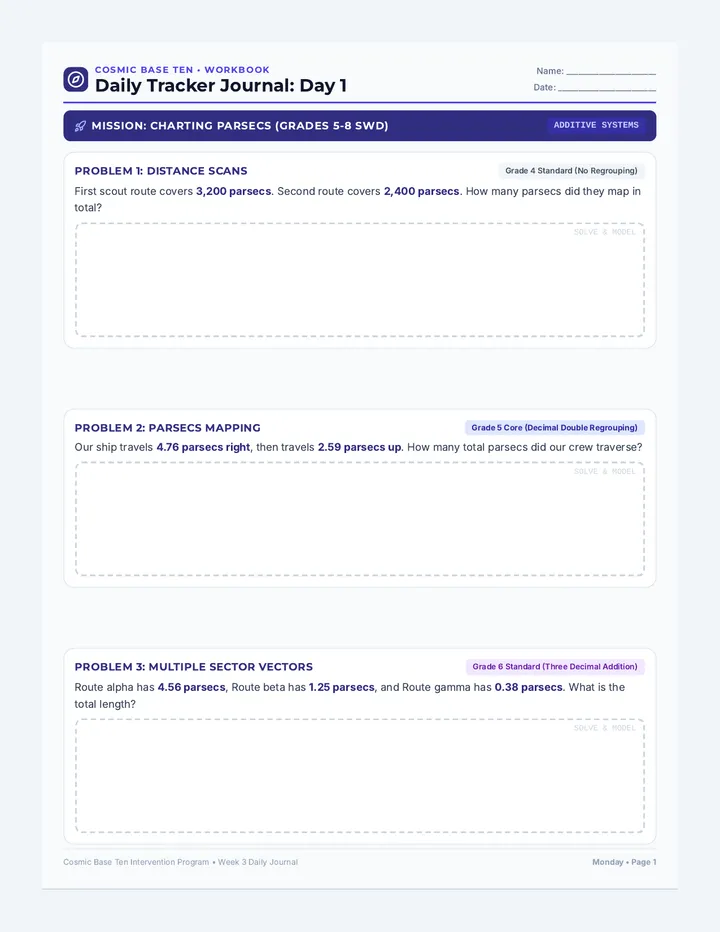
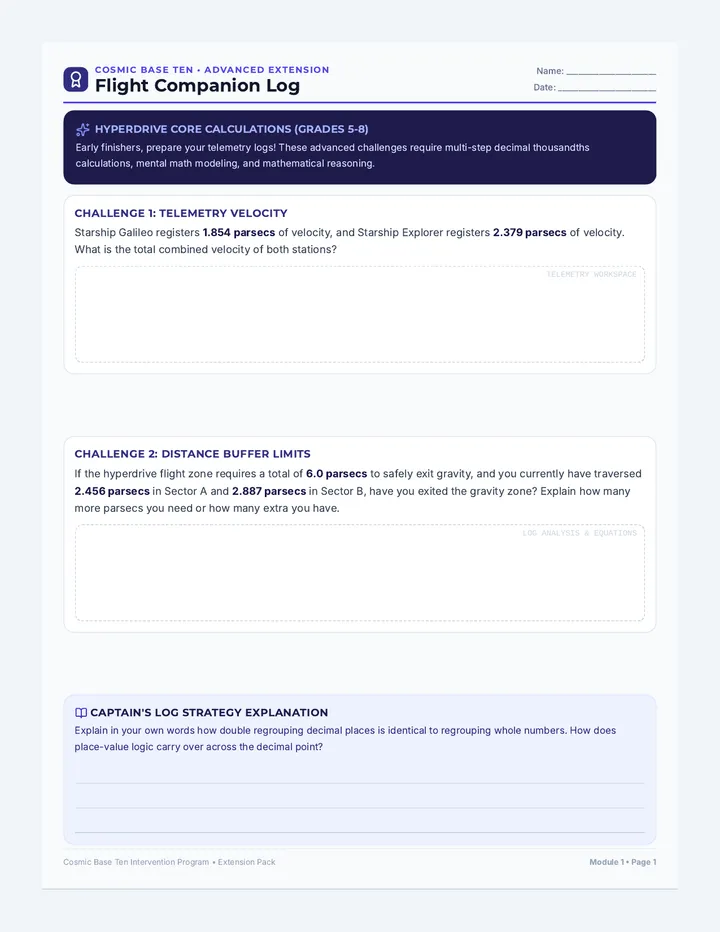
Week 3 focuses on multi-step additive reasoning, decimal subtraction, and aligning coordinates using star charts and compass tools to plan flight vectors for the fleet.
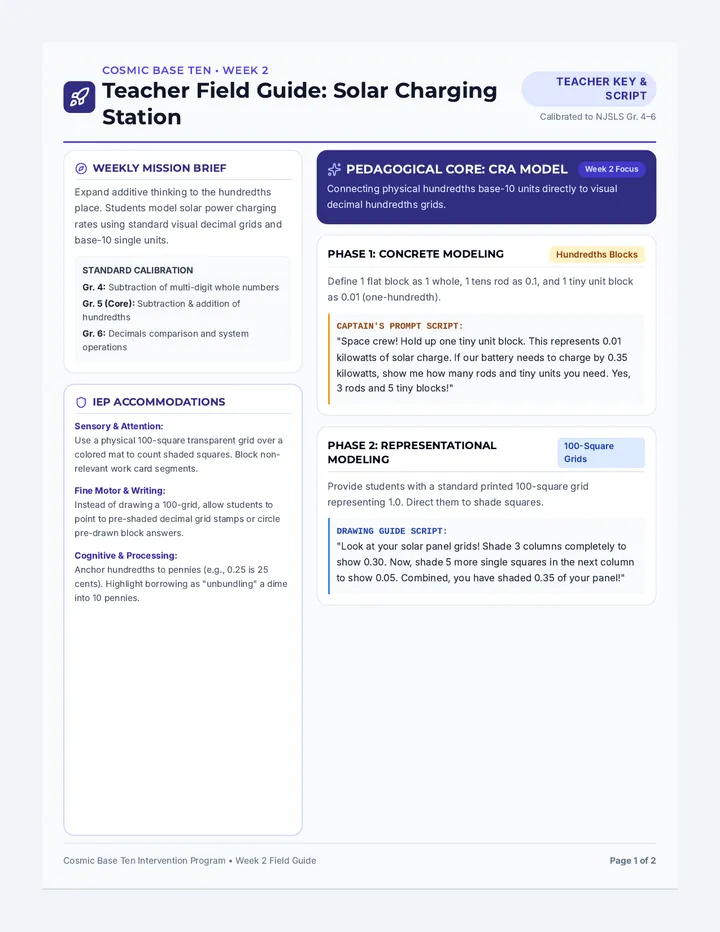
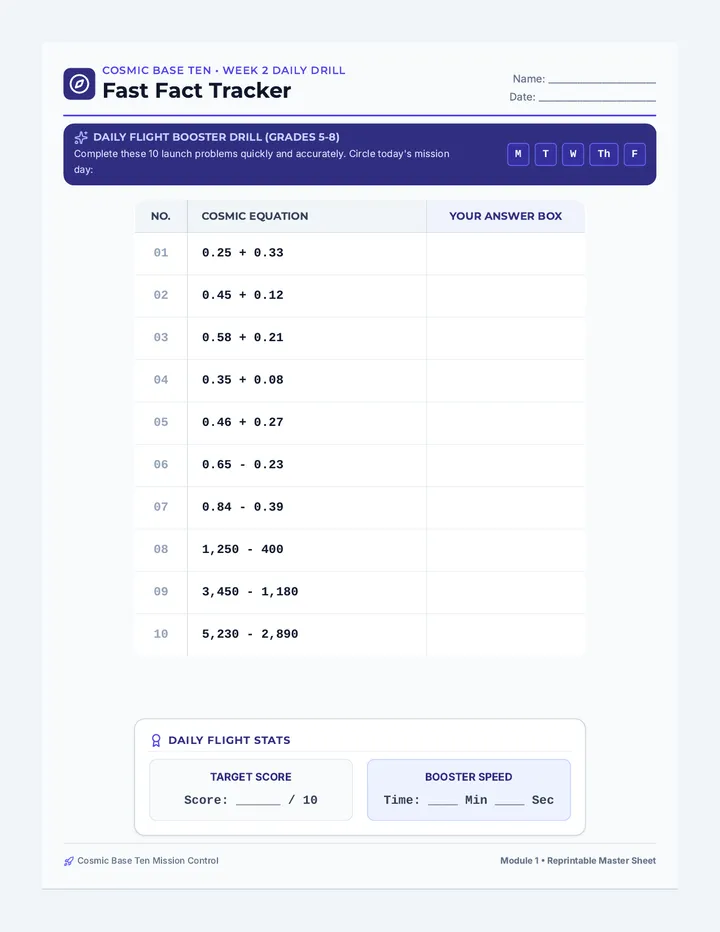
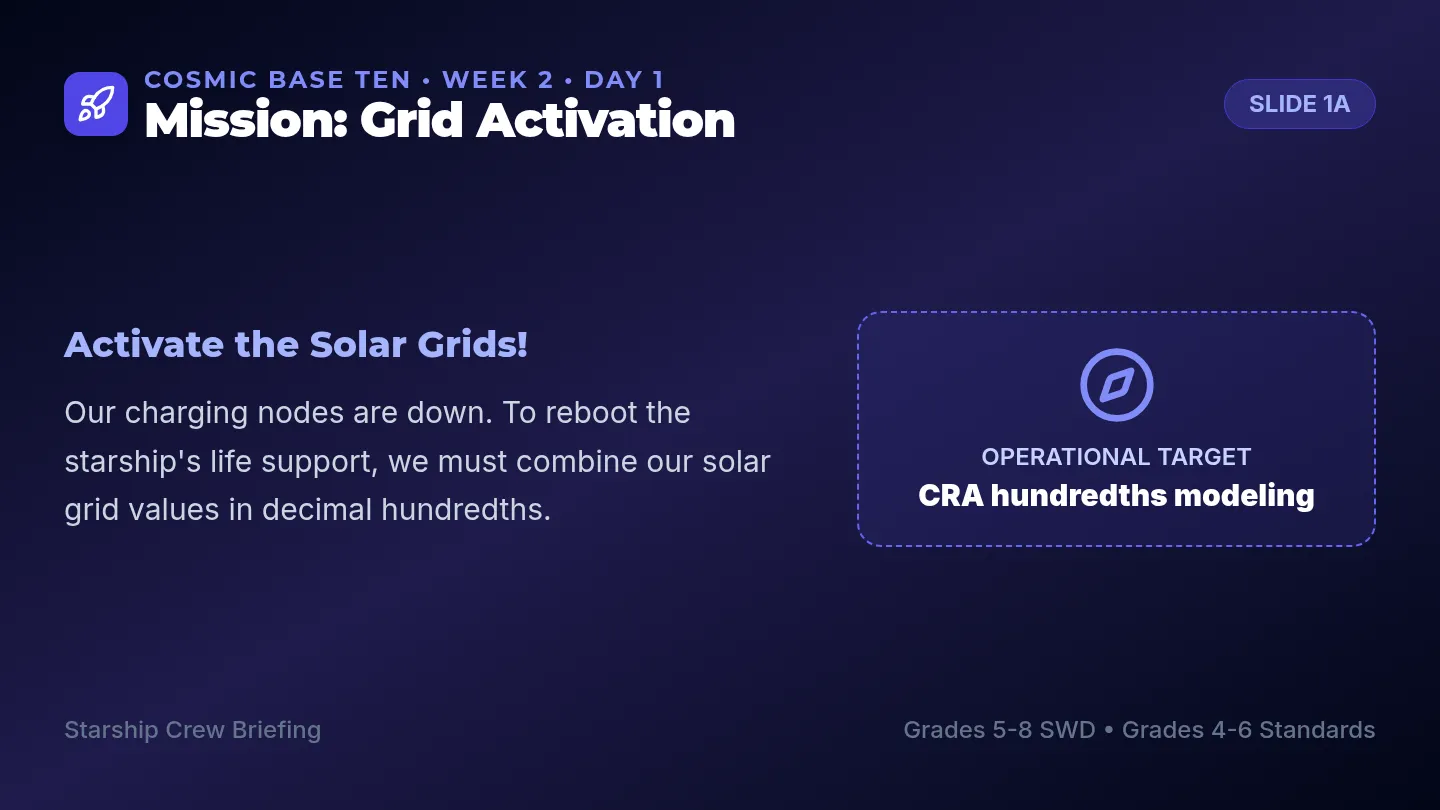
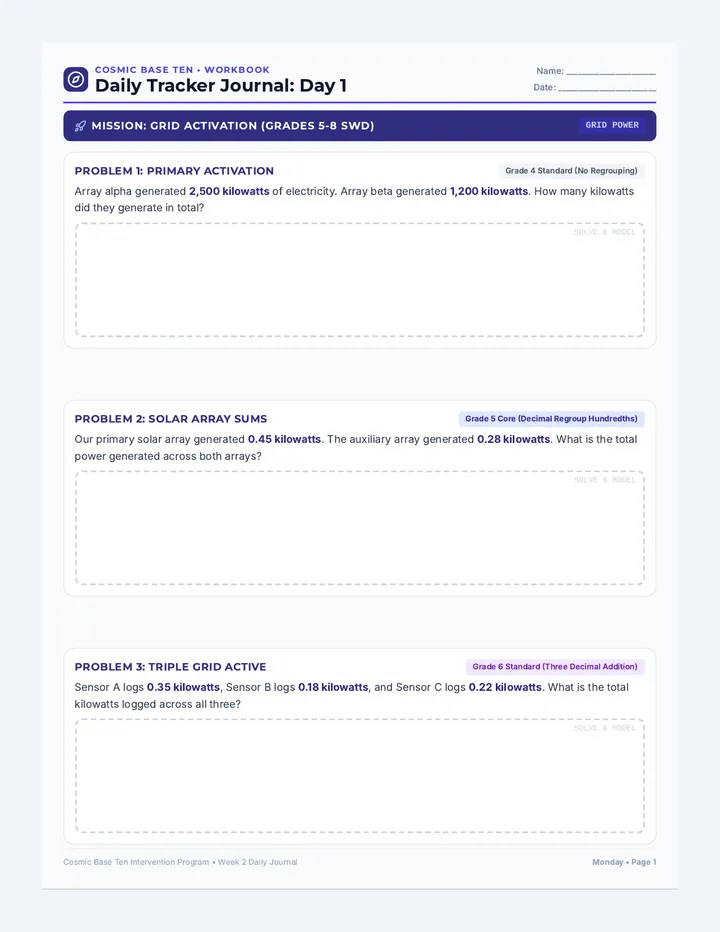
Week 2 focuses on decimal addition and subtraction with and without regrouping, using visual decimal grids and standard plastic base-10 blocks to represent tenths and hundredths in solar charging grid scenarios.
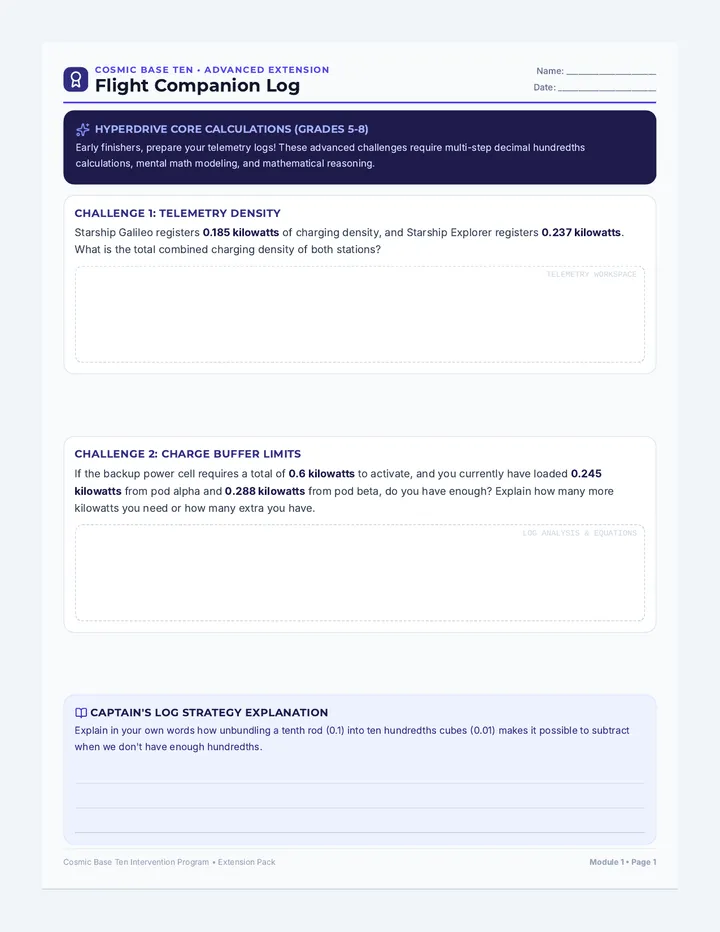
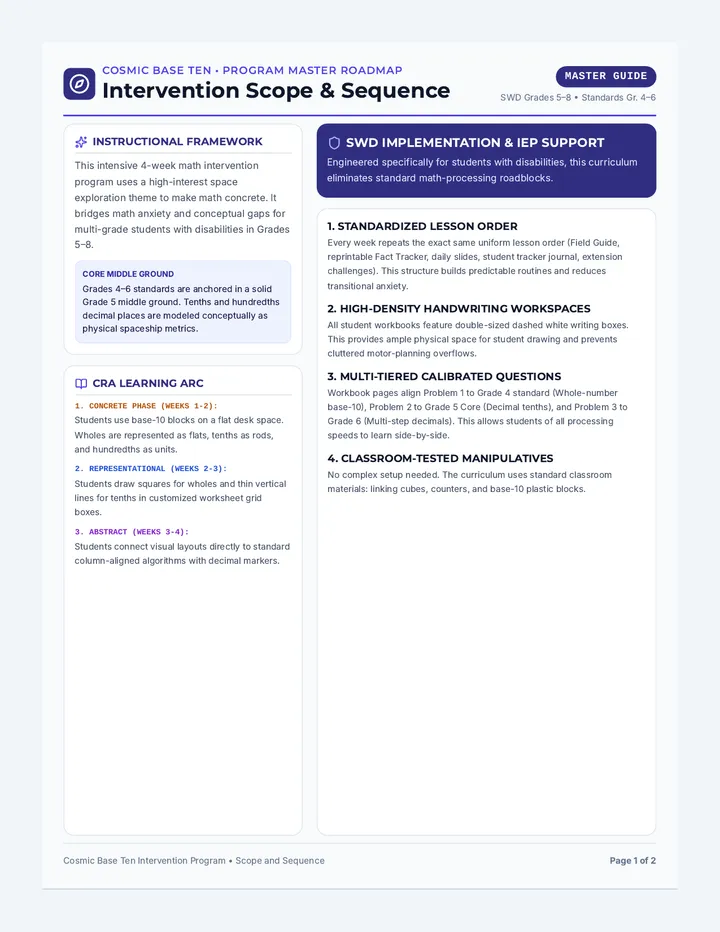
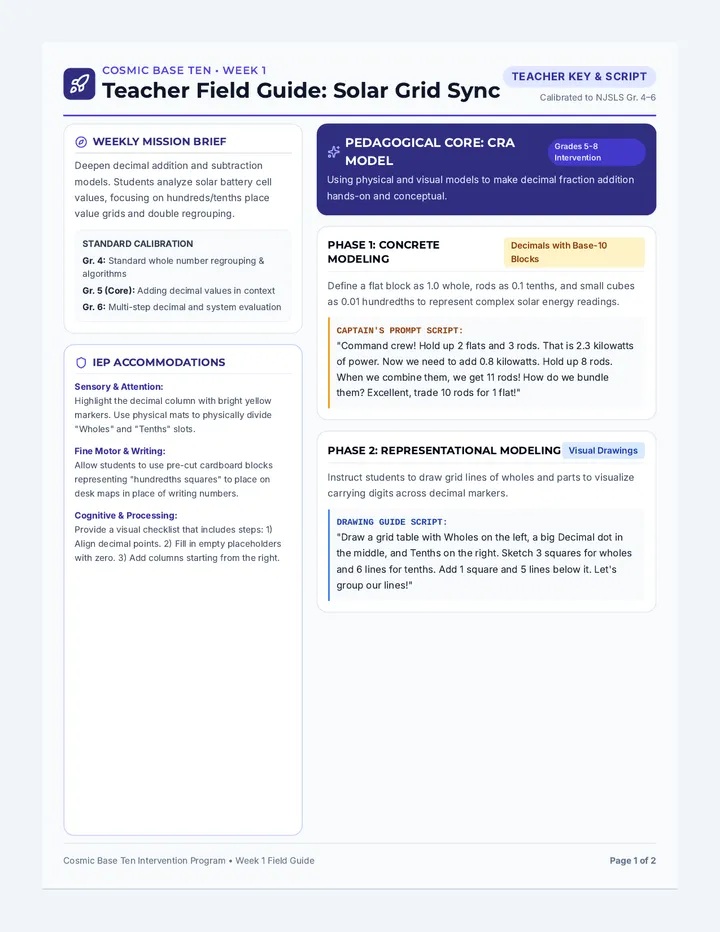
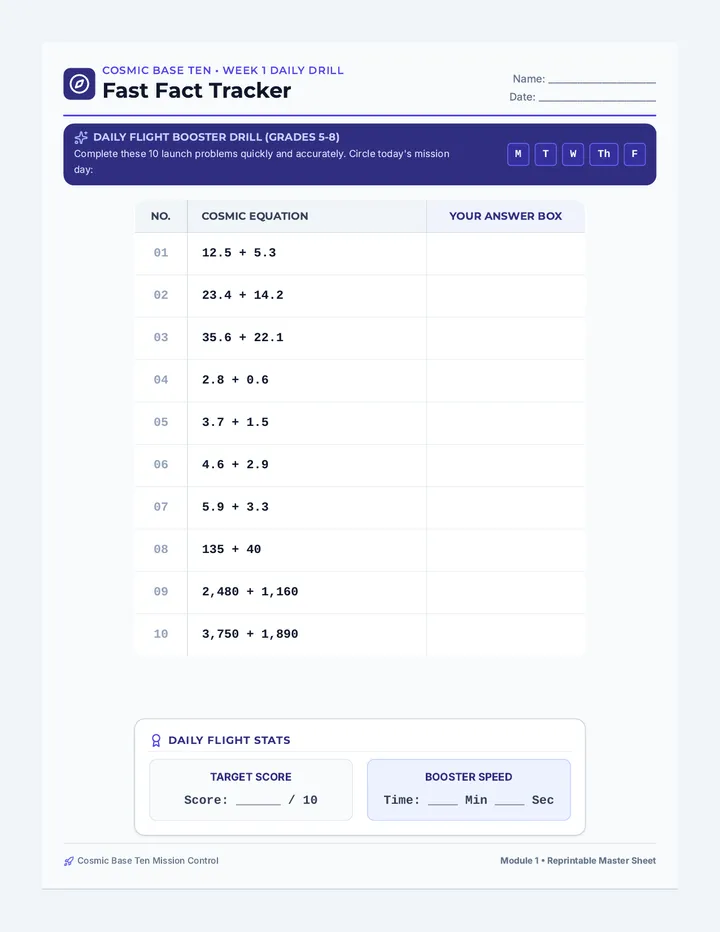
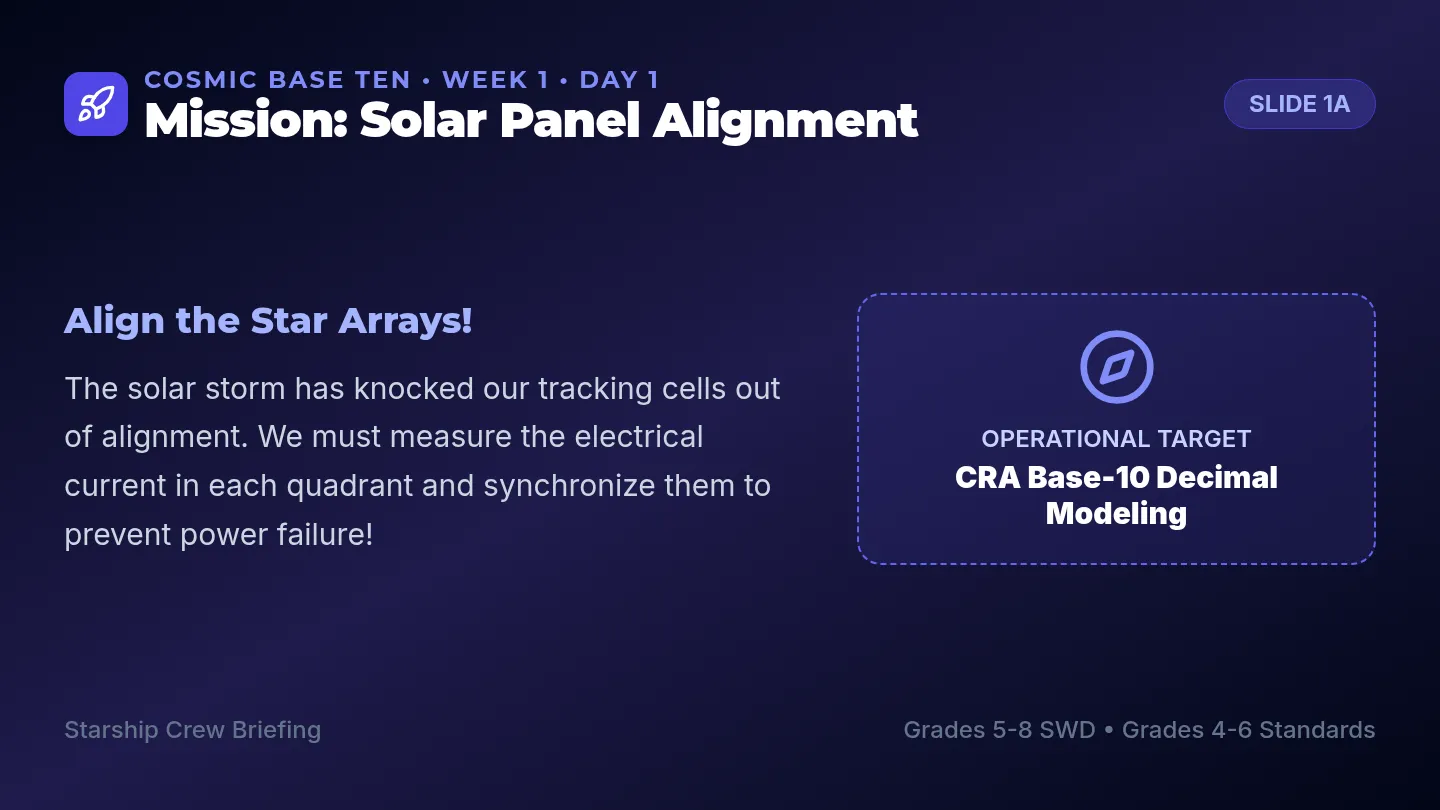
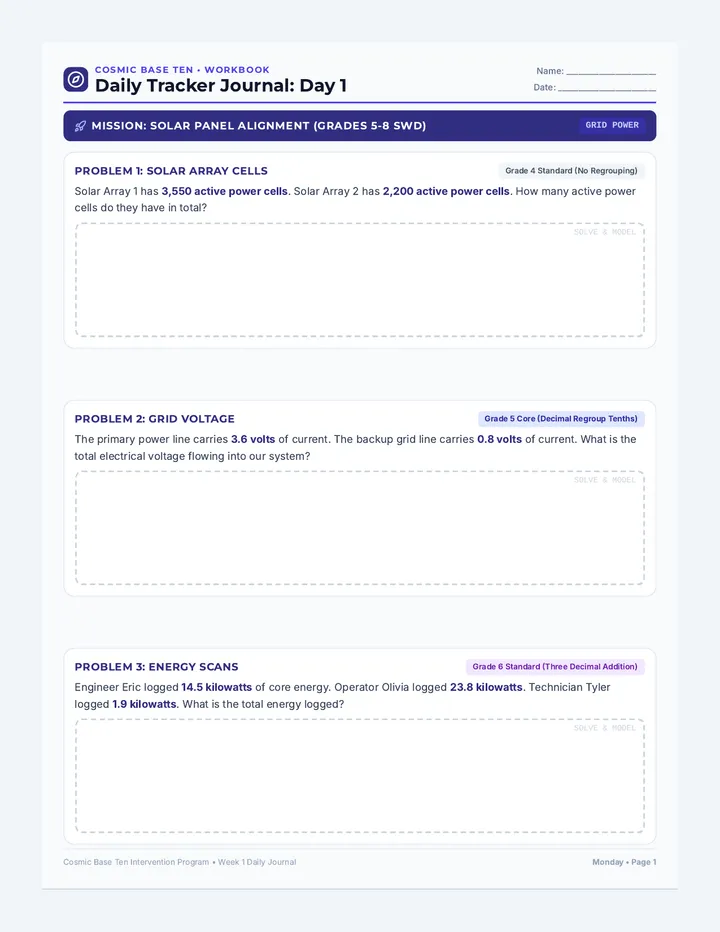
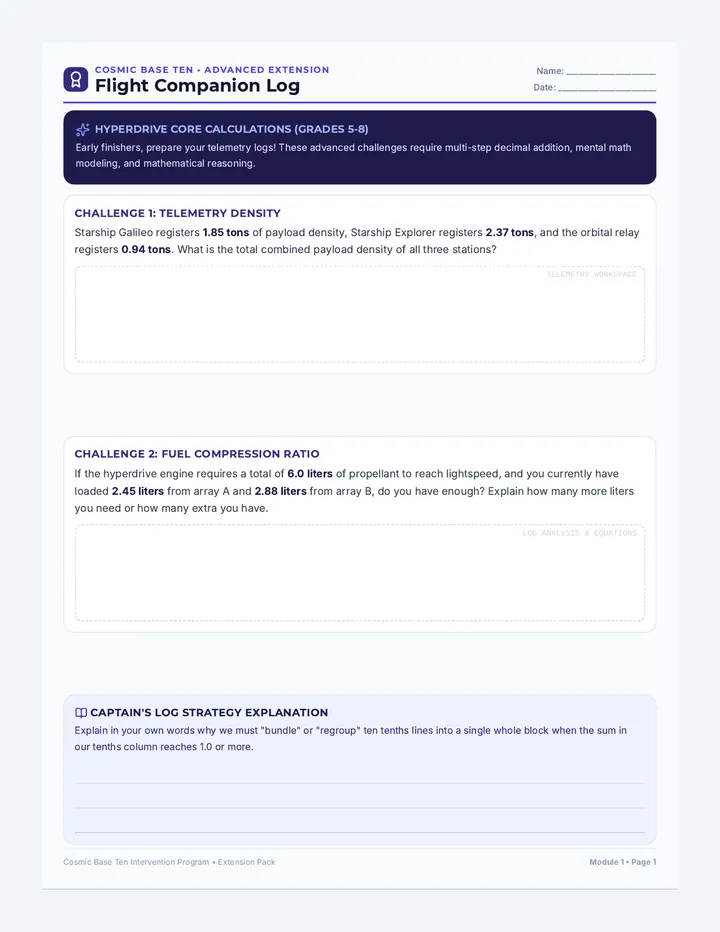
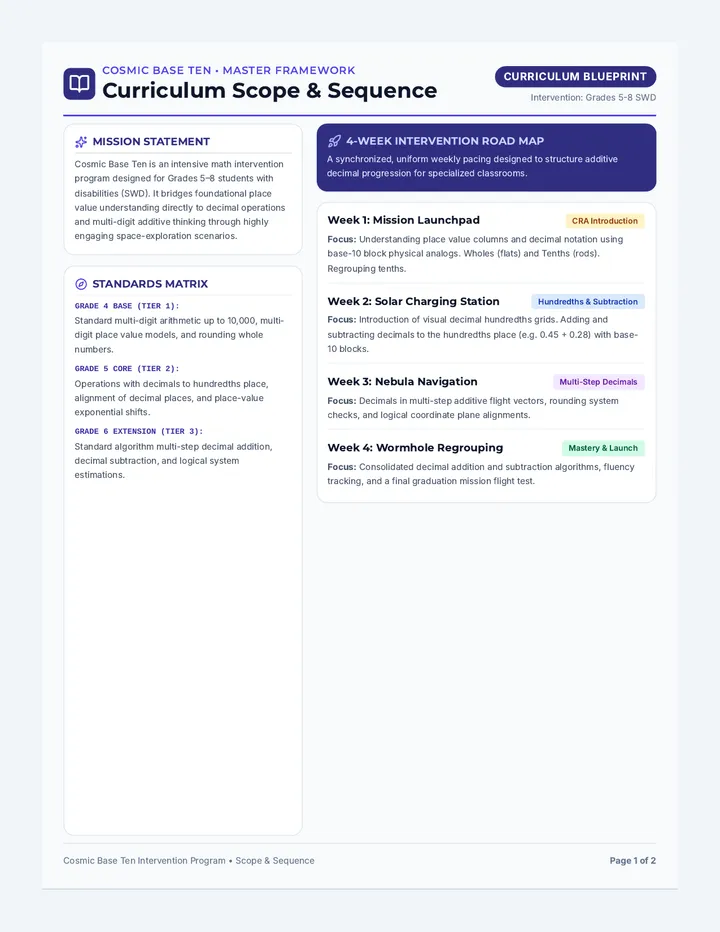
Week 1 focuses on deepening place value understanding and multi-step addition of decimals and whole numbers in space grid systems. Students practice regrouping tenths and wholes, balancing battery loads, and tracking fuel payload readings.
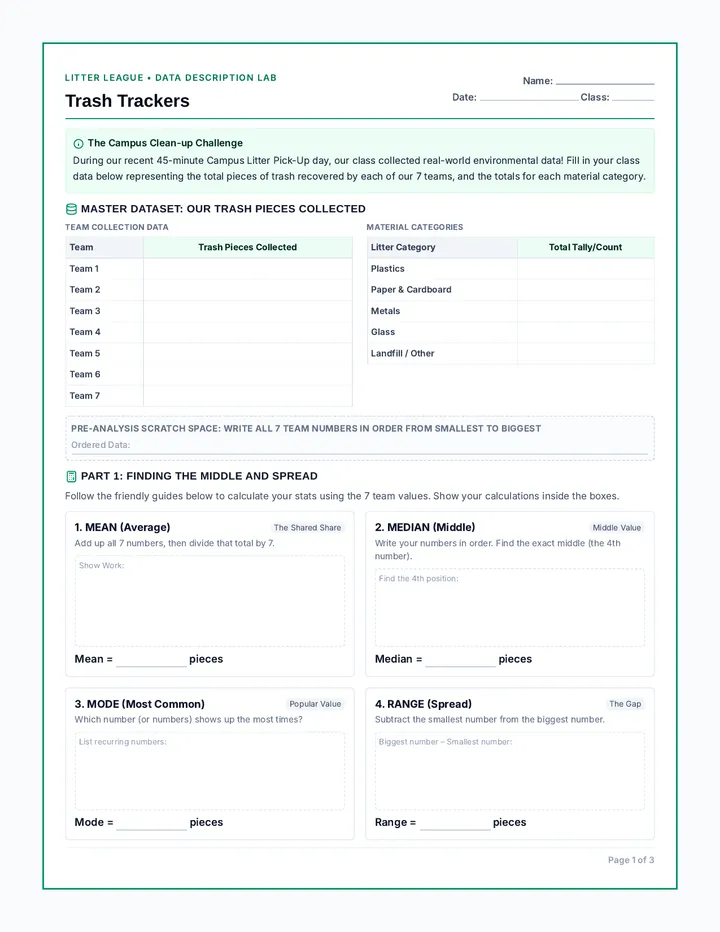
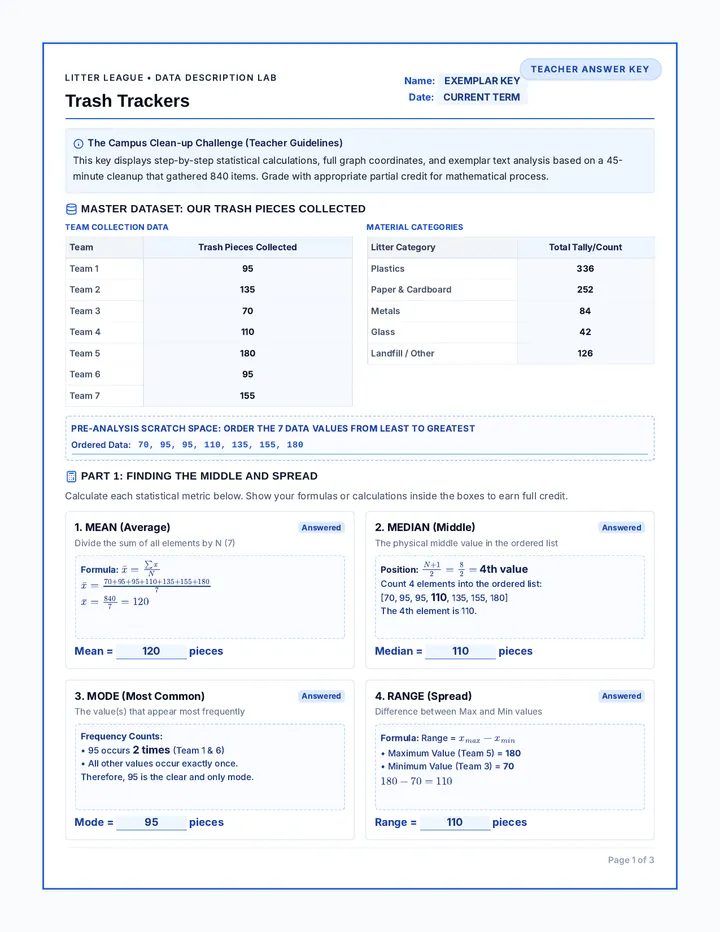
A data description and analysis lesson based on an active campus litter clean-up day. Students aggregate, analyze, and represent real-world physical clean-up data using statistical measures, dot plots, and histograms.
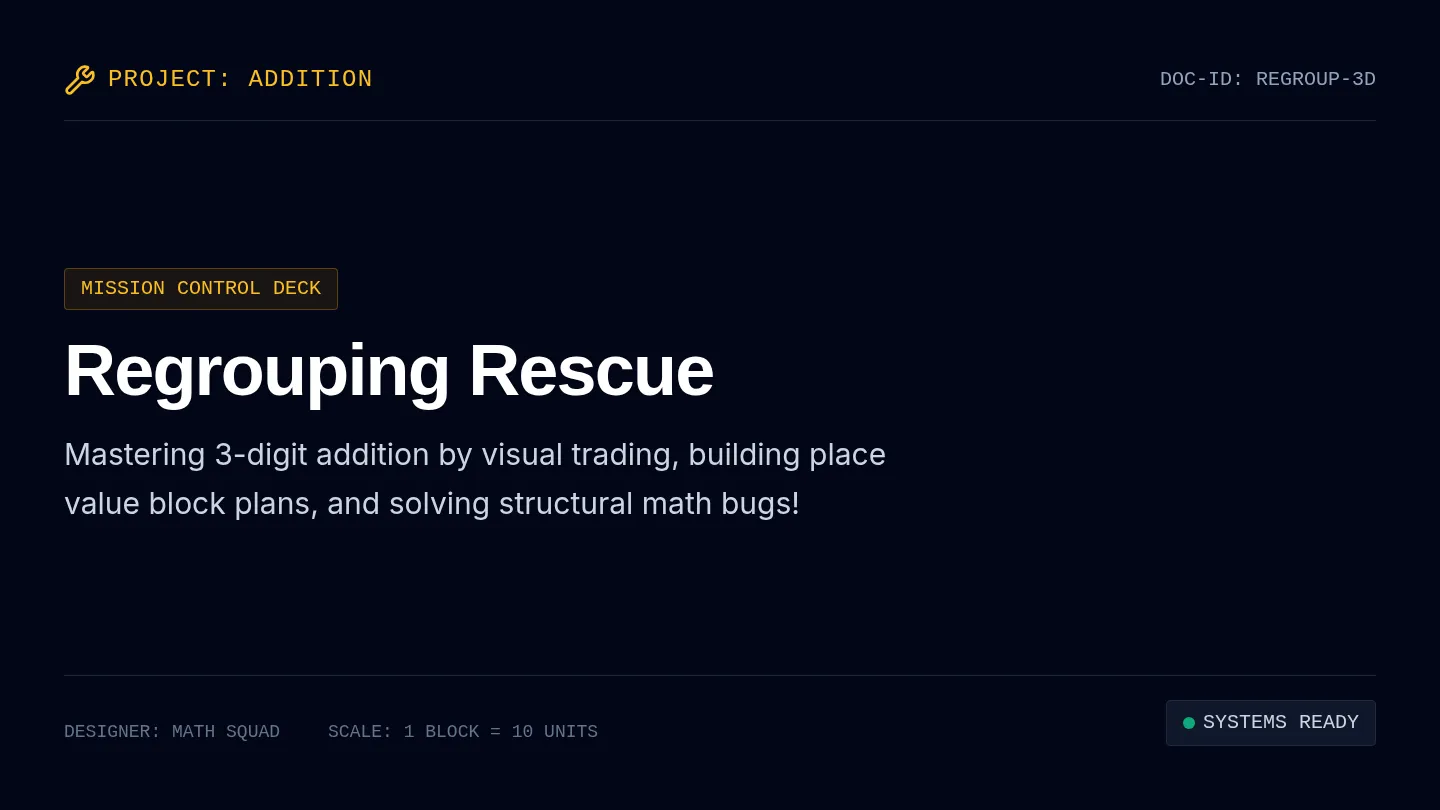
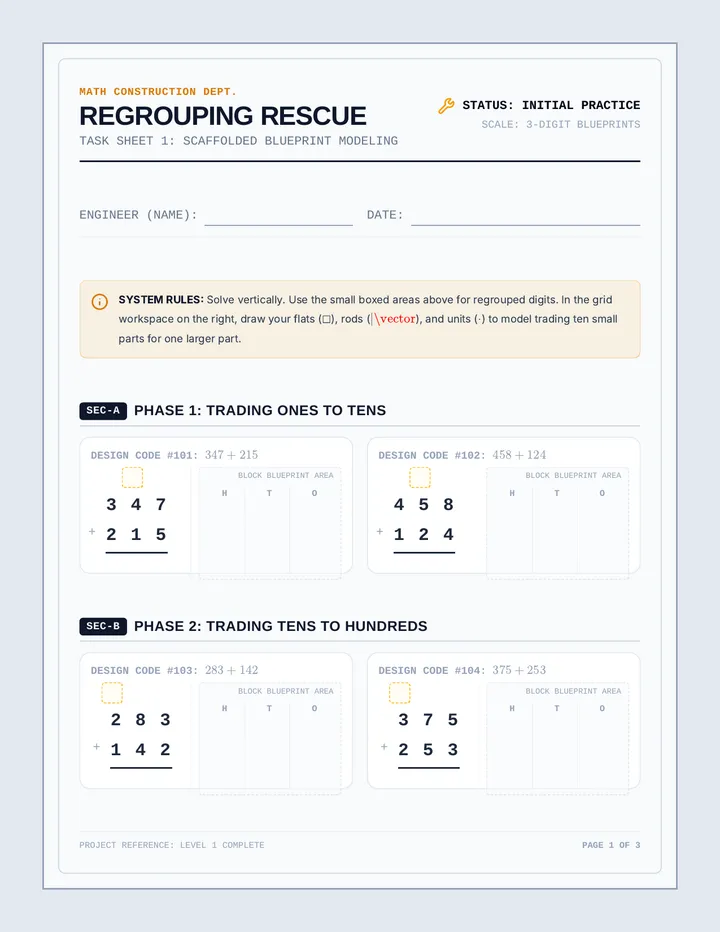
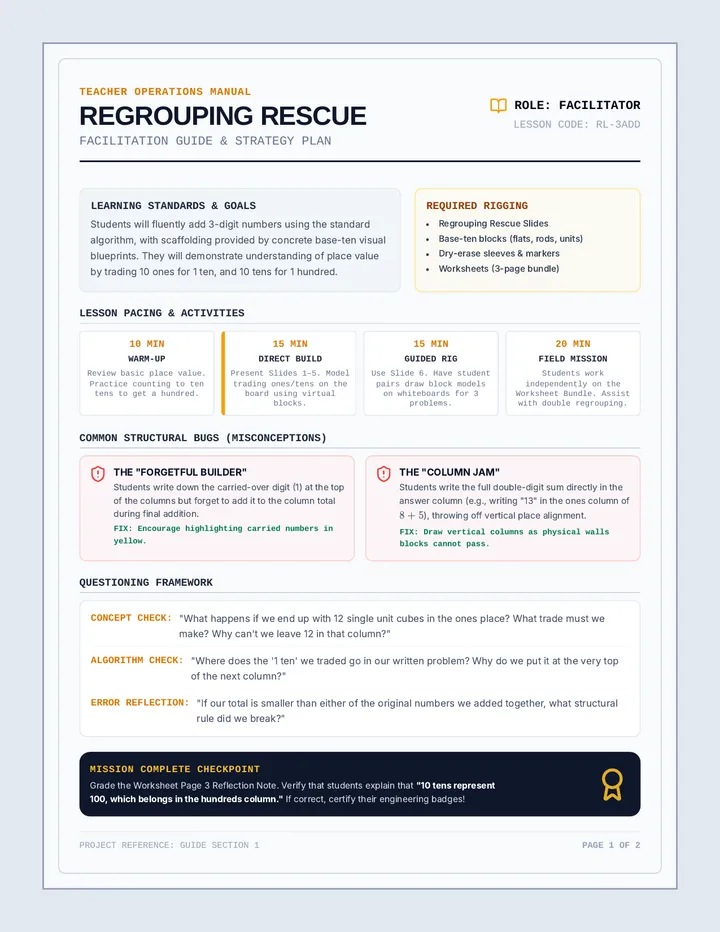
A comprehensive math lesson focused on 3-digit addition with regrouping, utilizing visual base-ten block models and place value charts to guide students from conceptual understanding to standard algorithm mastery.
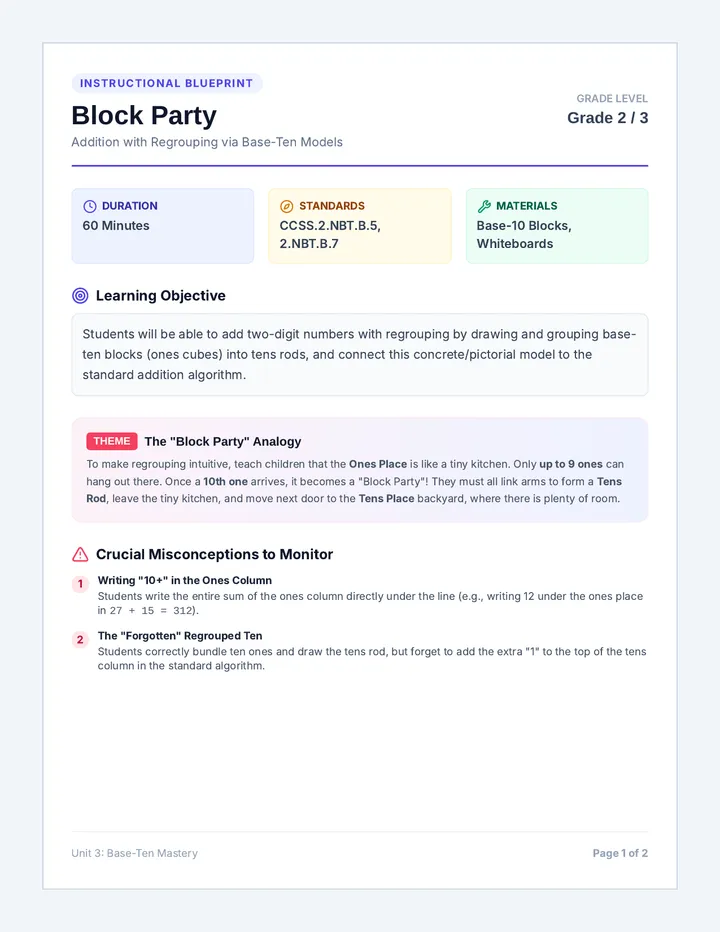
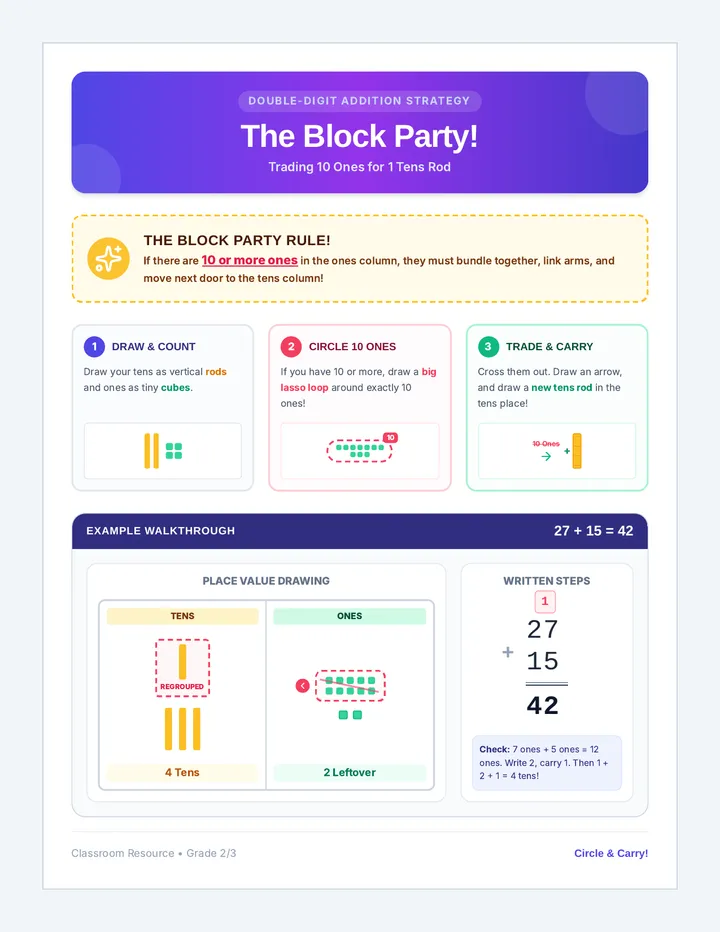
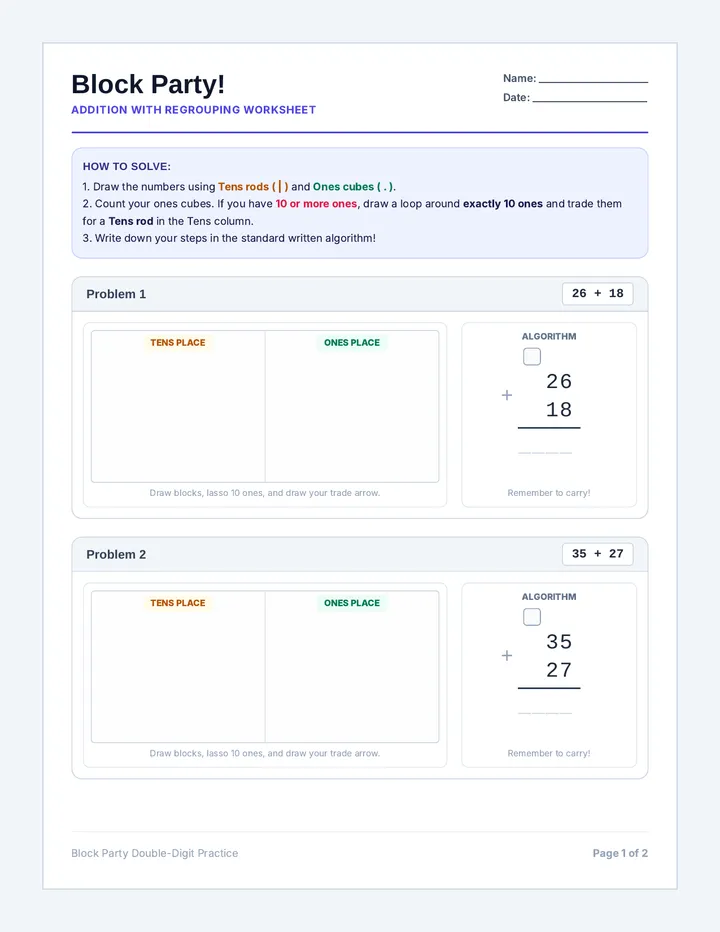
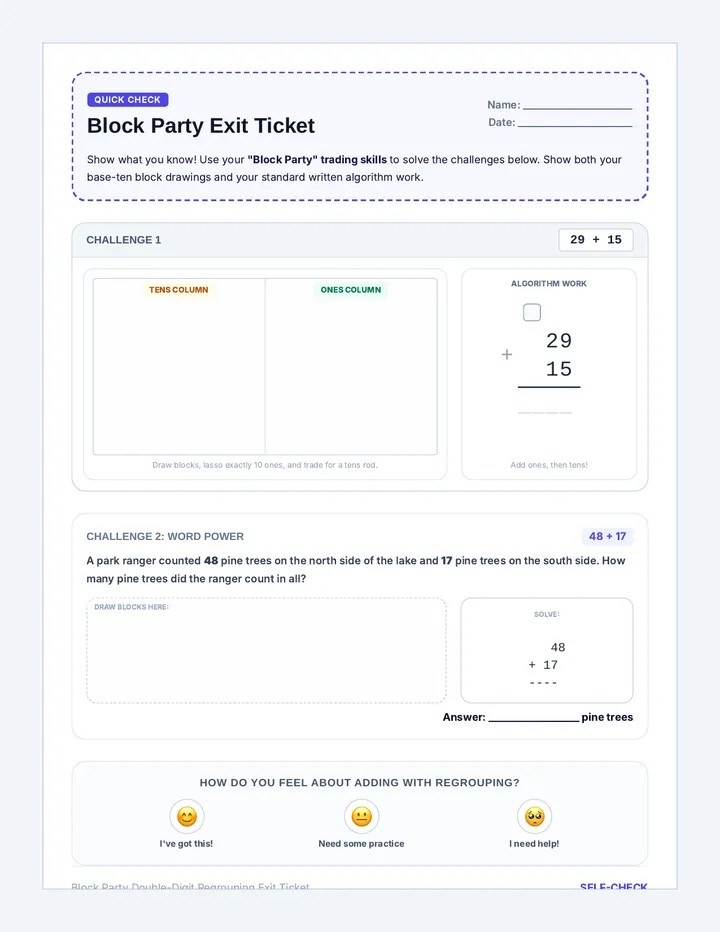
A highly visual, hands-on lesson that introduces double-digit addition with regrouping using base-ten blocks. Students learn to draw ones blocks, group ten of them together to trade for a tens rod, and record the regrouping process in the standard algorithm.
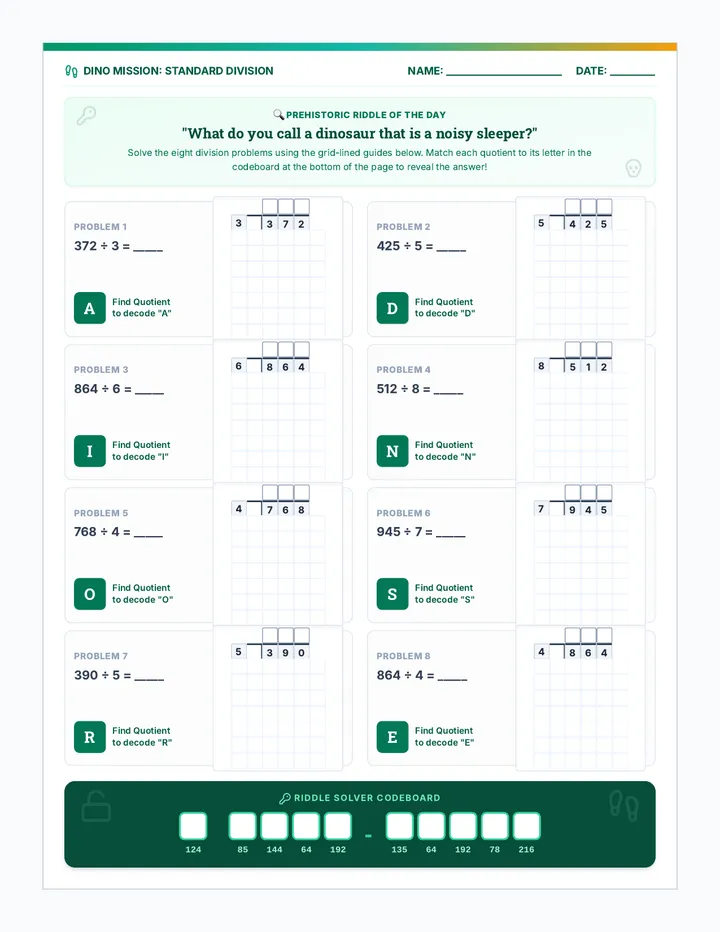
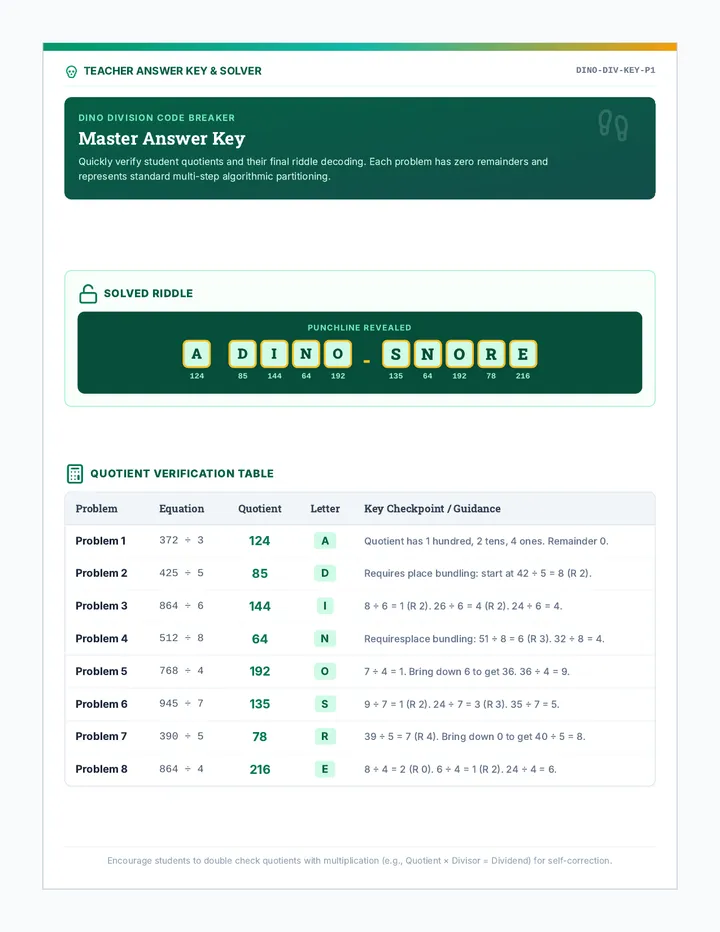
A standard division lesson where students solve 3-digit by 1-digit problems to decode a funny prehistoric riddle. Includes grid-aligned layout sheets for the standard algorithm.
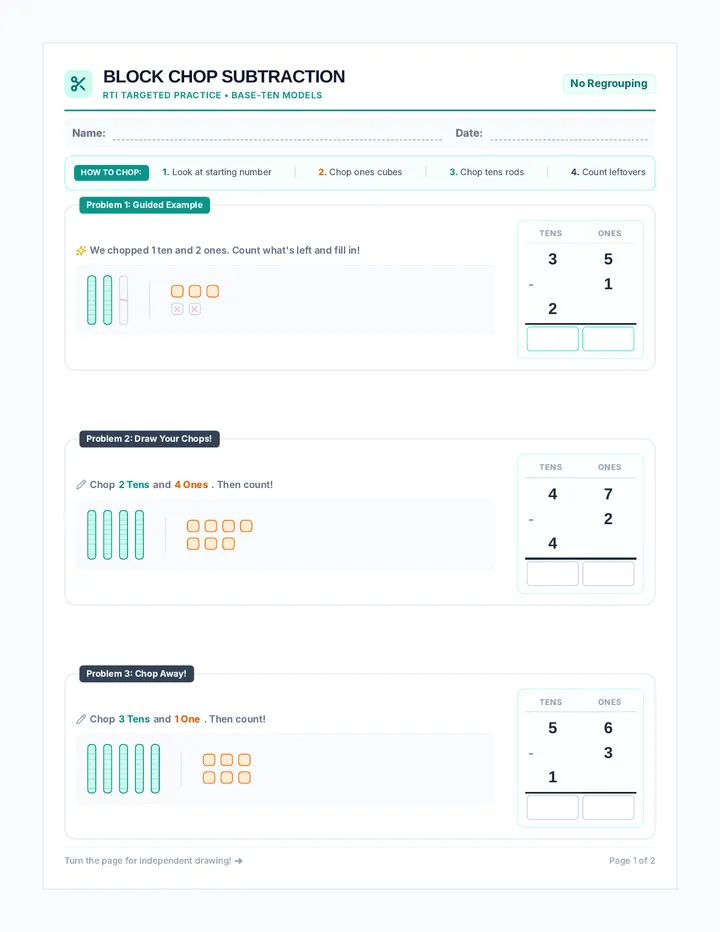
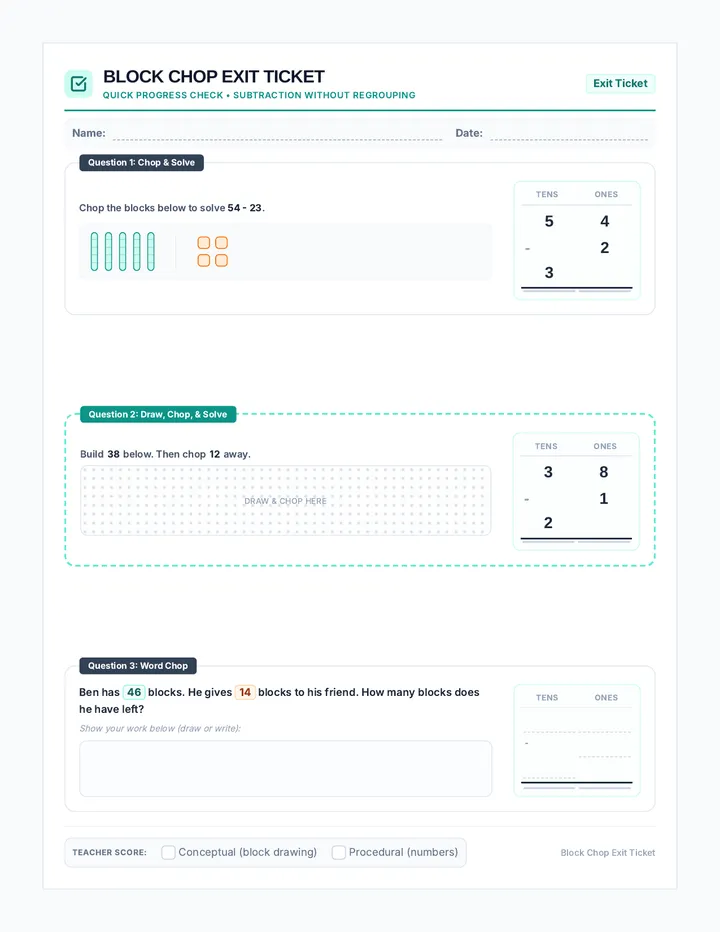
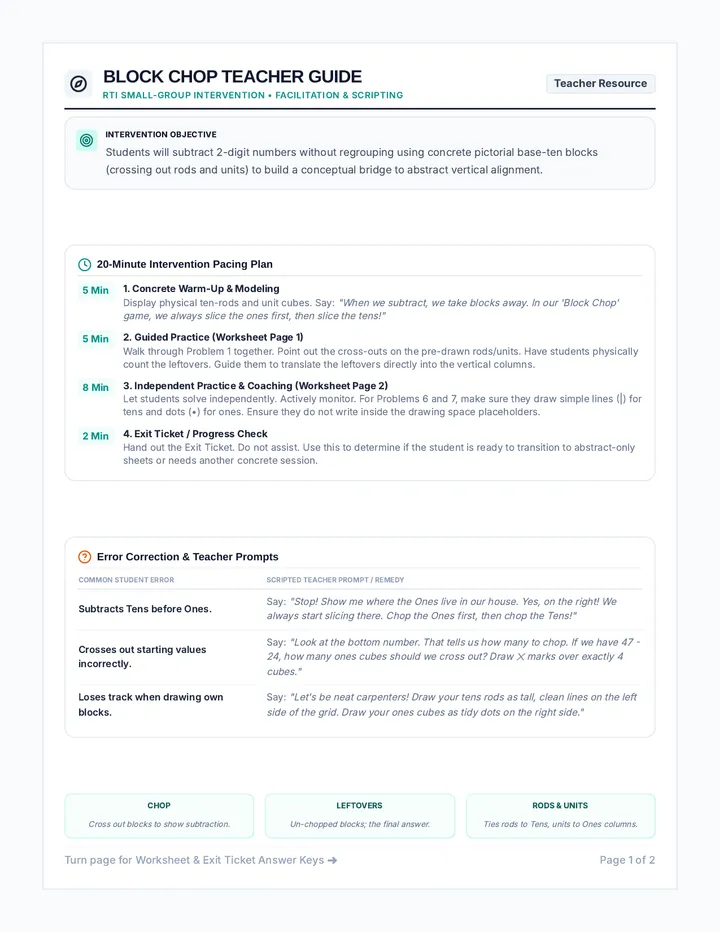
A targeted subtraction without regrouping intervention lesson using base-ten block pictorial representations. Designed for RTI small groups to build conceptual understanding by physically crossing out represented tens and ones before moving to abstract vertical subtraction.
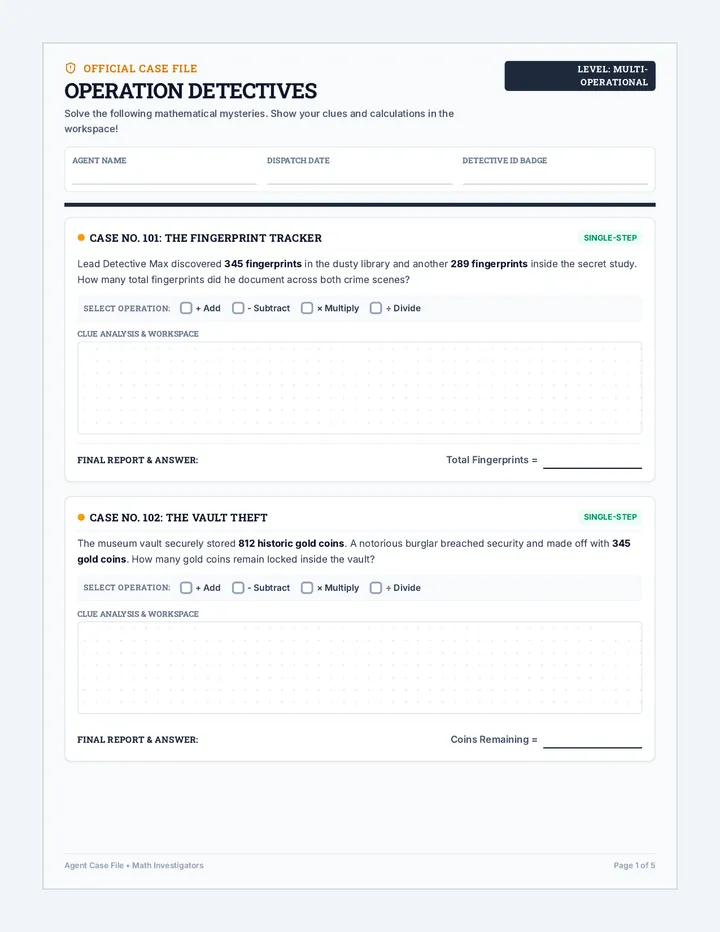
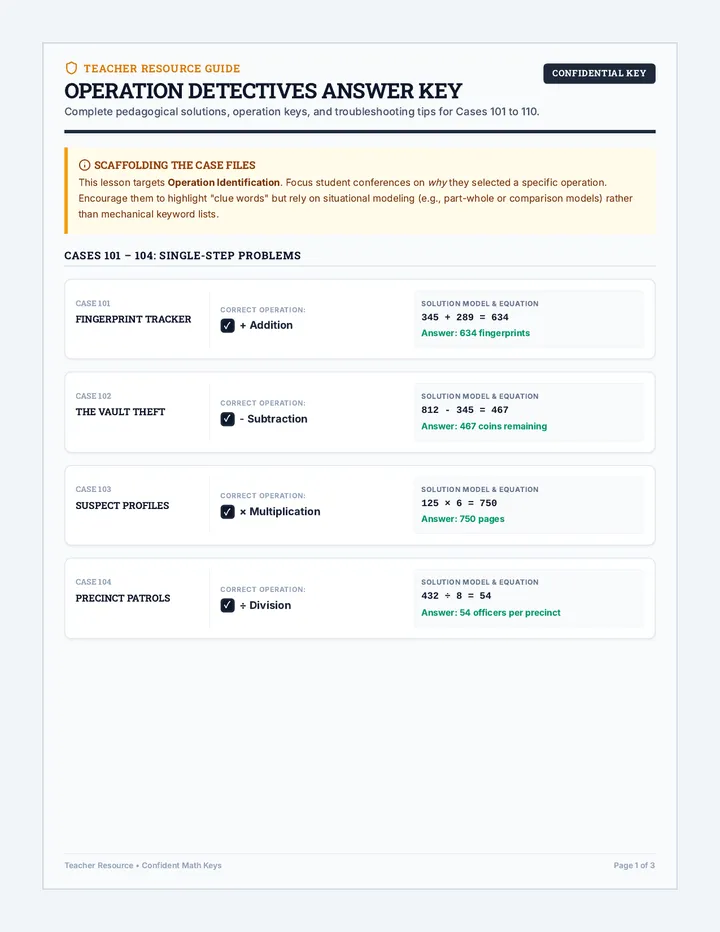
A rigorous math worksheet pack themed around solving detective cases. Students solve 10 single- and multi-step word problems involving 2-3 digit numbers across all four operations, using visual operation checkboxes and spacious dedicated workspaces.
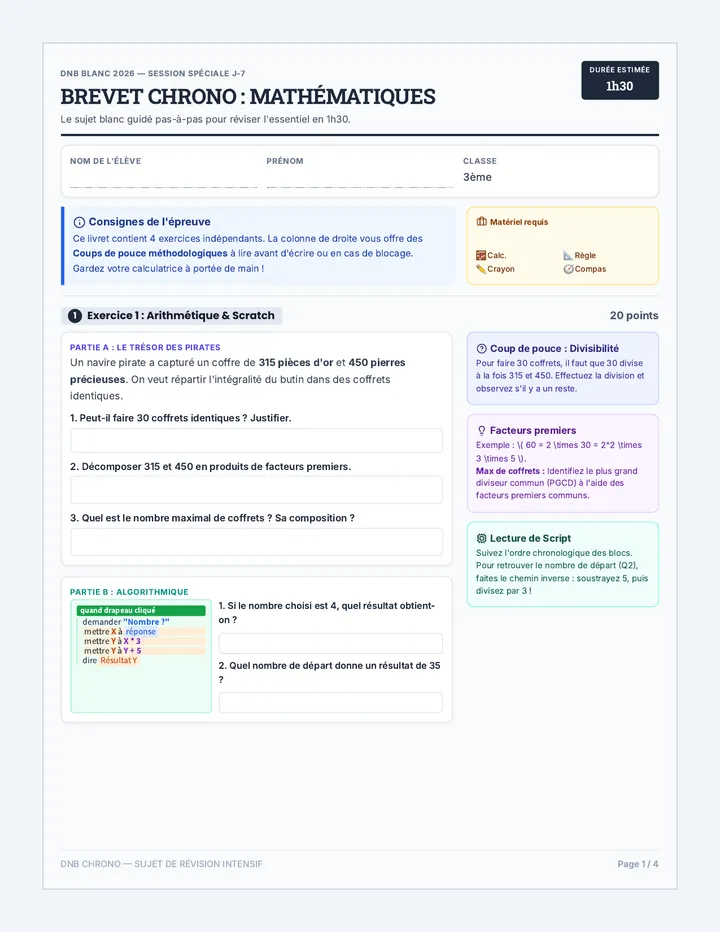
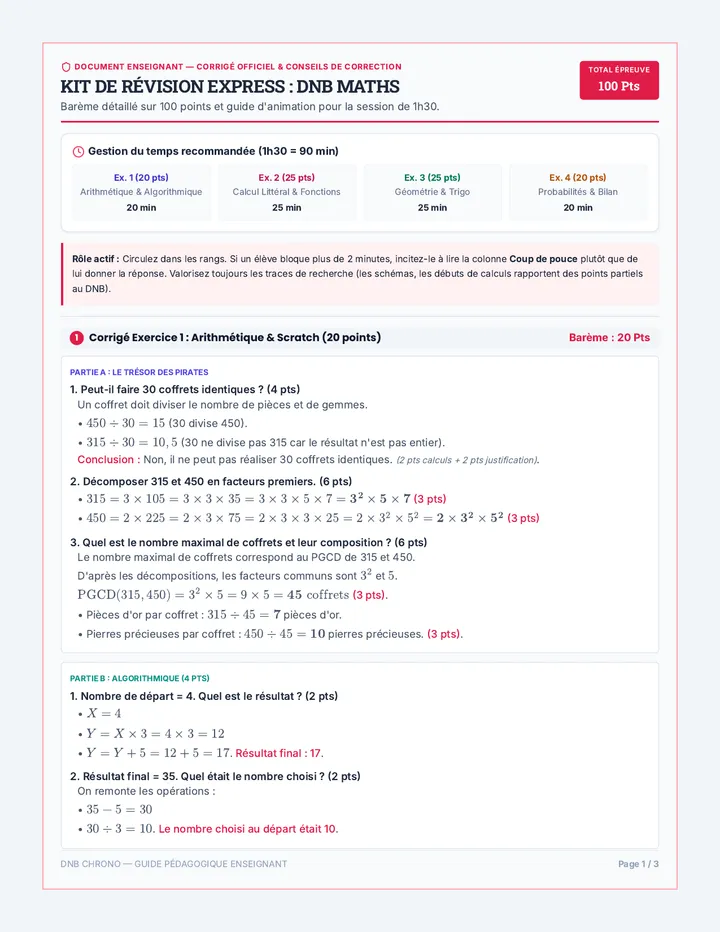
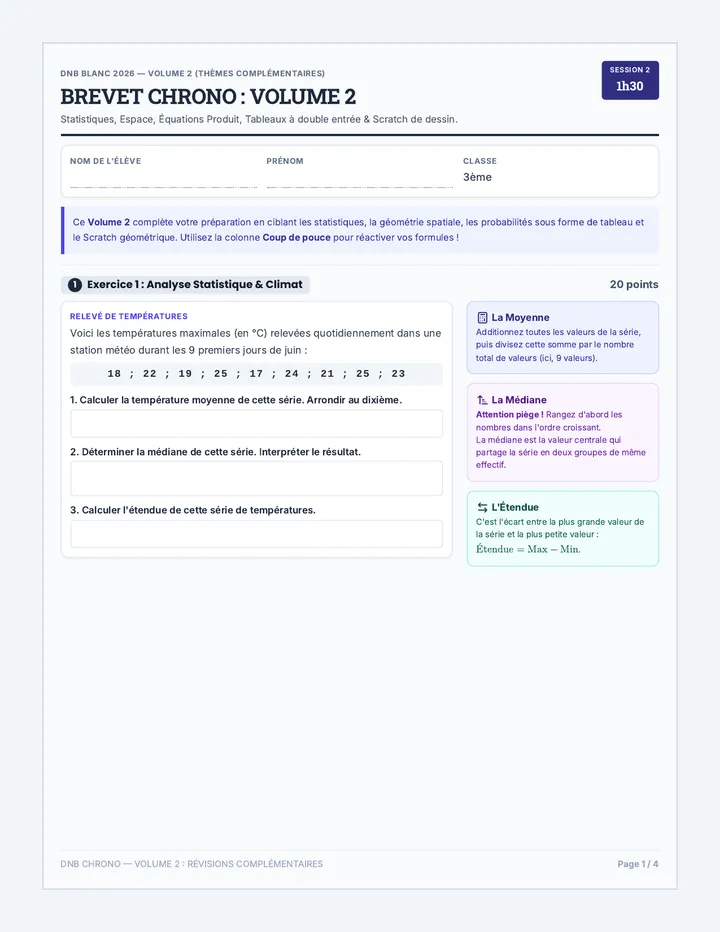
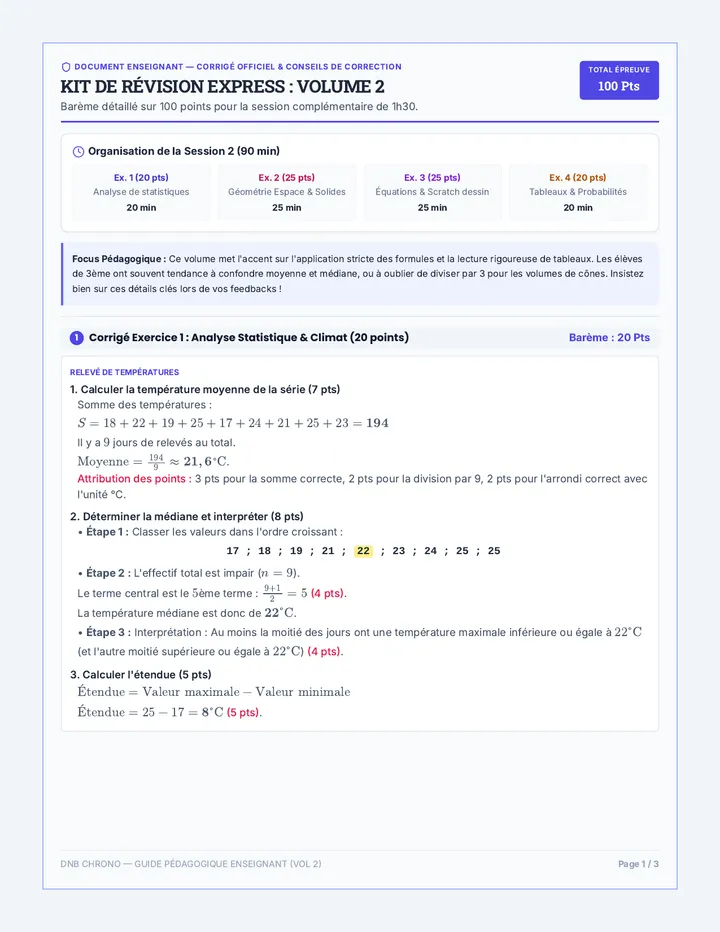
Un kit complet de révision de dernière minute pour le DNB de Mathématiques, comprenant un sujet blanc guidé pas-à-pas pour les élèves et un corrigé détaillé avec barème pour l'enseignant.
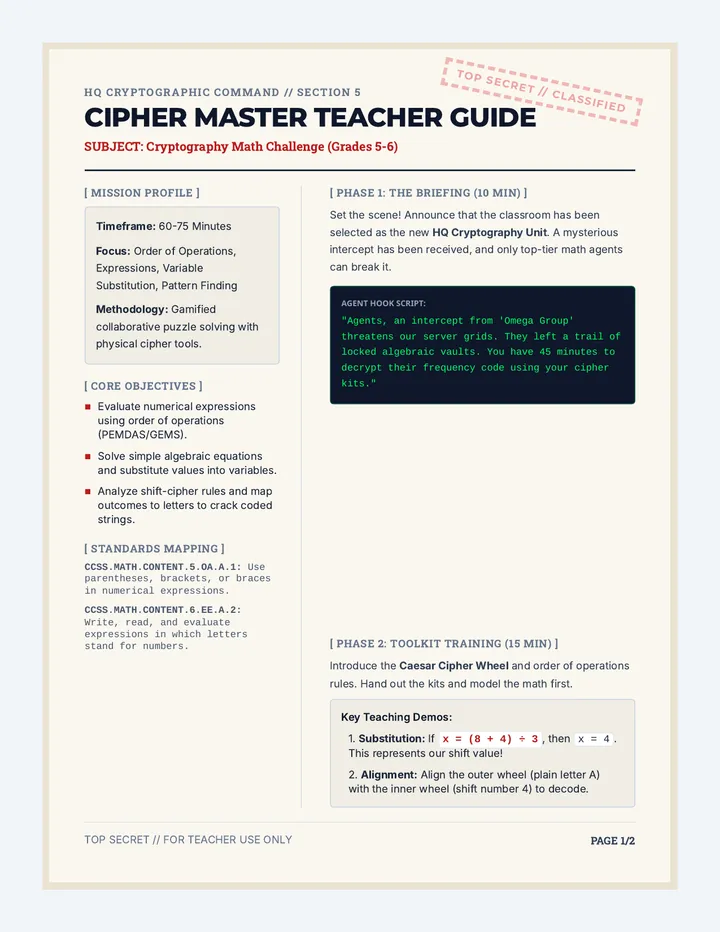
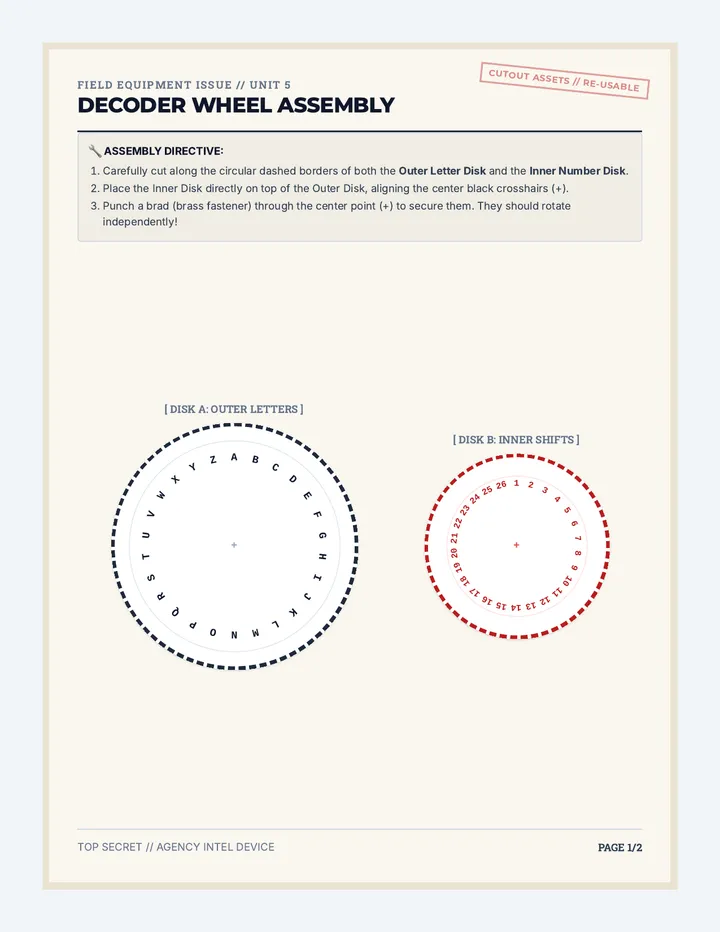
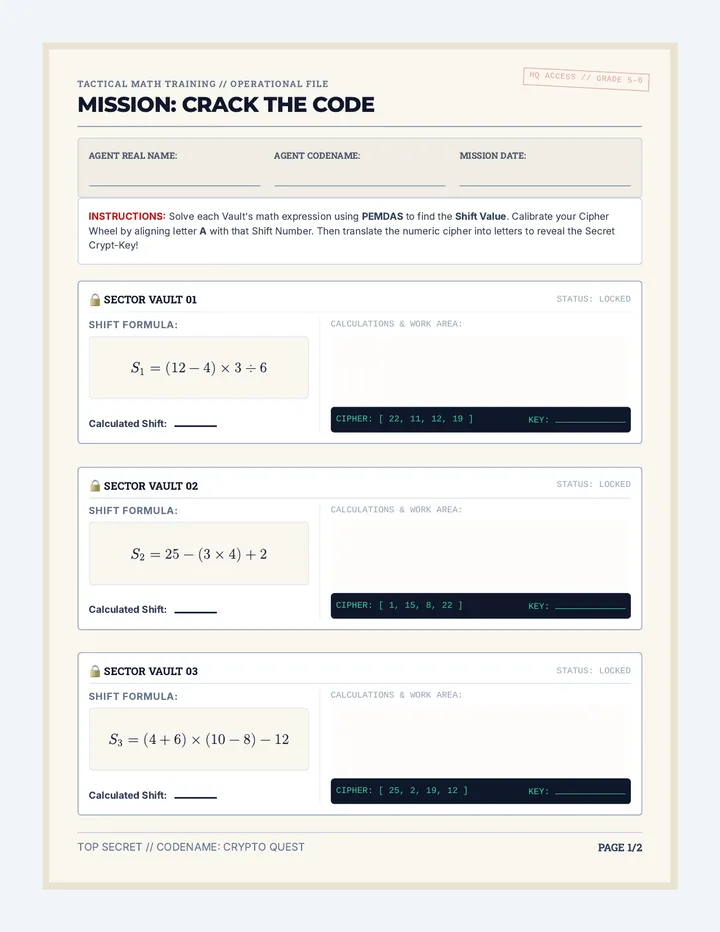
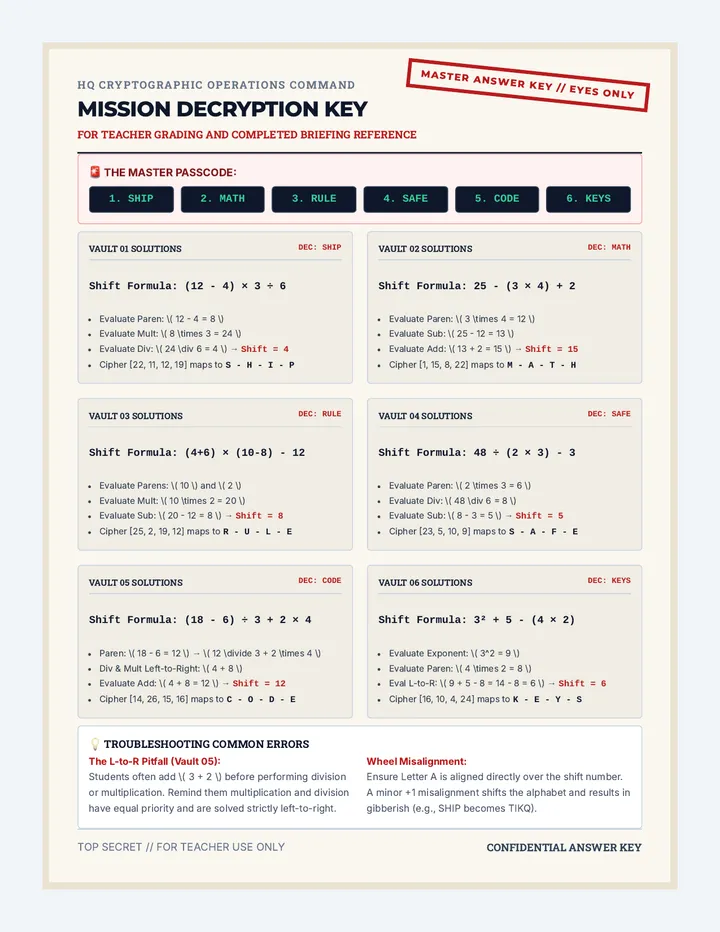
An immersive cryptography math lesson for 5th and 6th-grade students, integrating order of operations, algebraic thinking, and number patterns in a high-stakes spy briefing format.
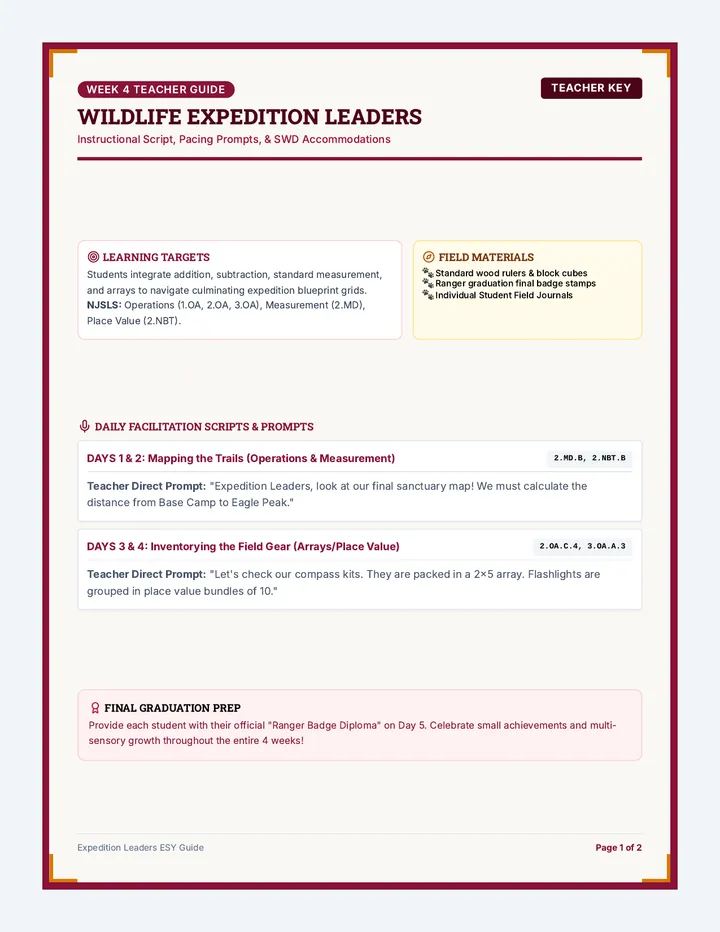
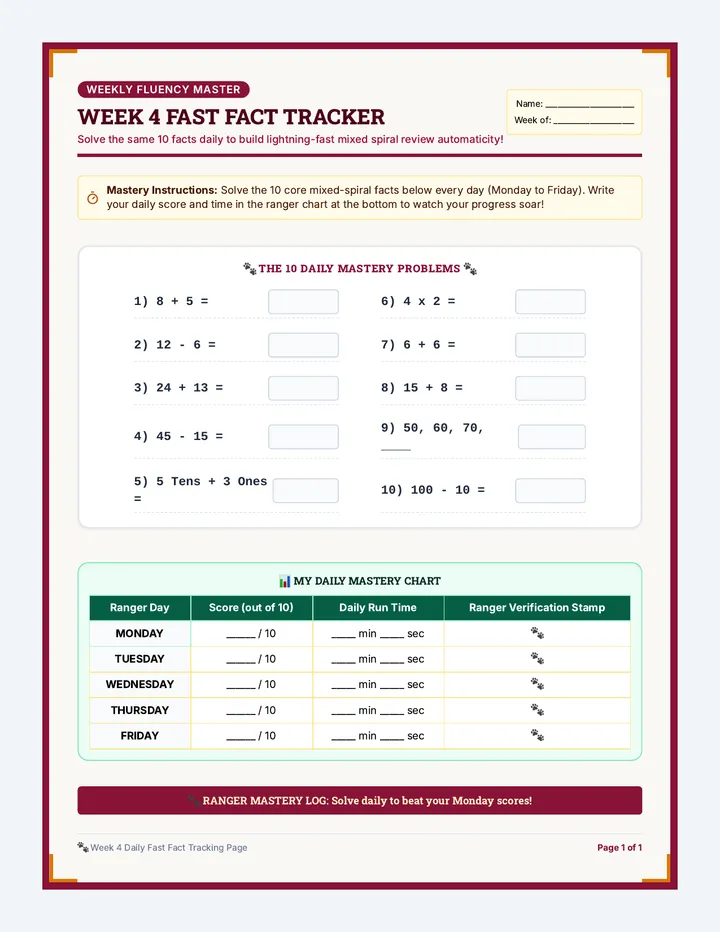
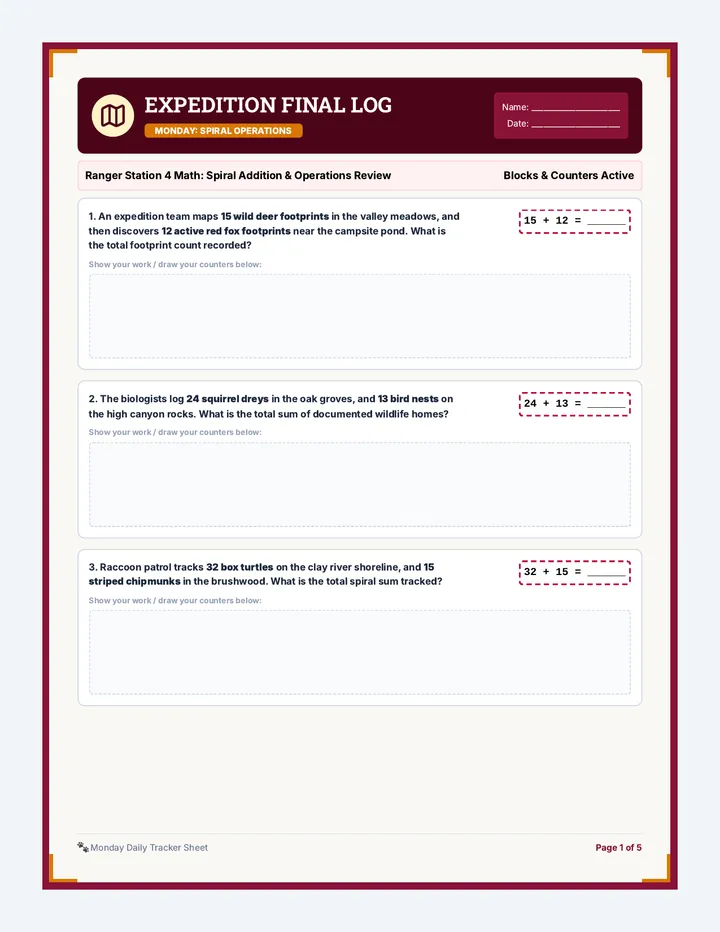
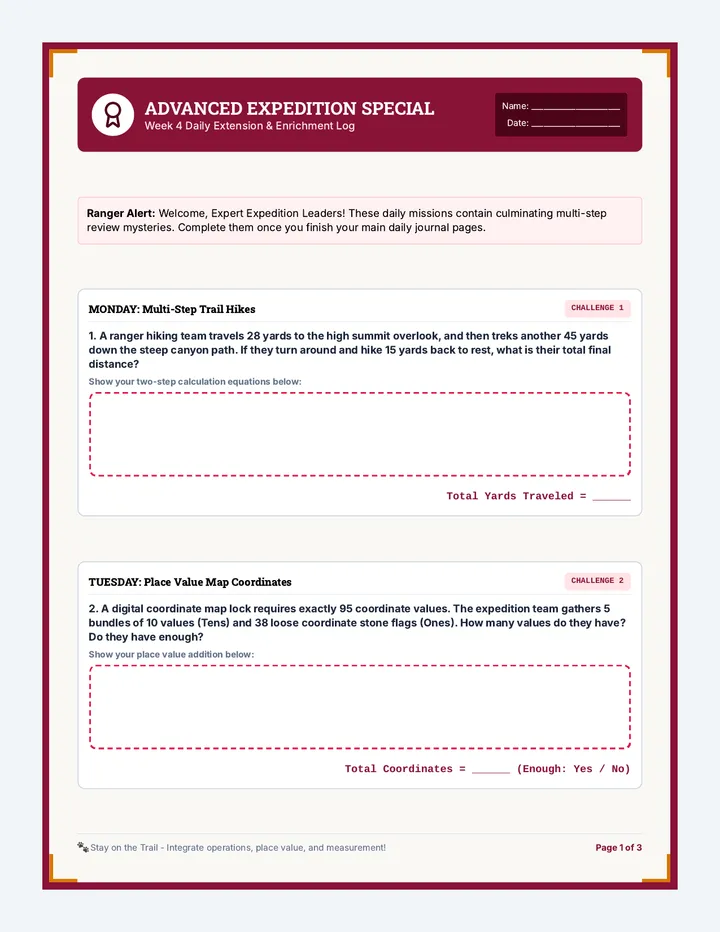
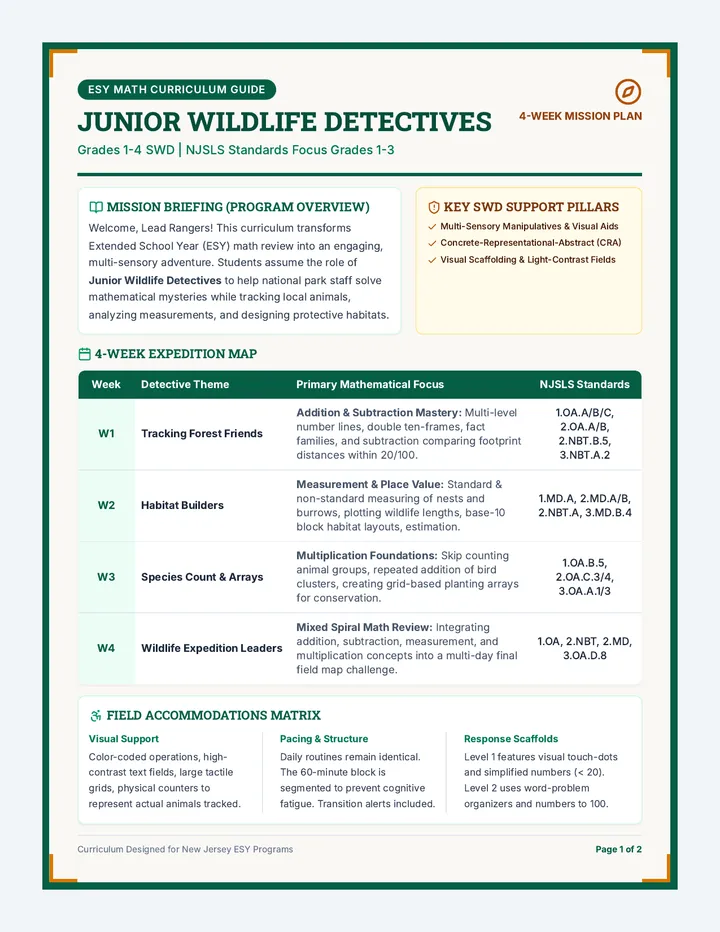
Week 4 of the ESY Wildlife Detective curriculum. Focuses on a comprehensive mixed spiral math review (NJSLS operations, place value, and measurement) through a culminating multi-day outdoor expedition challenge.
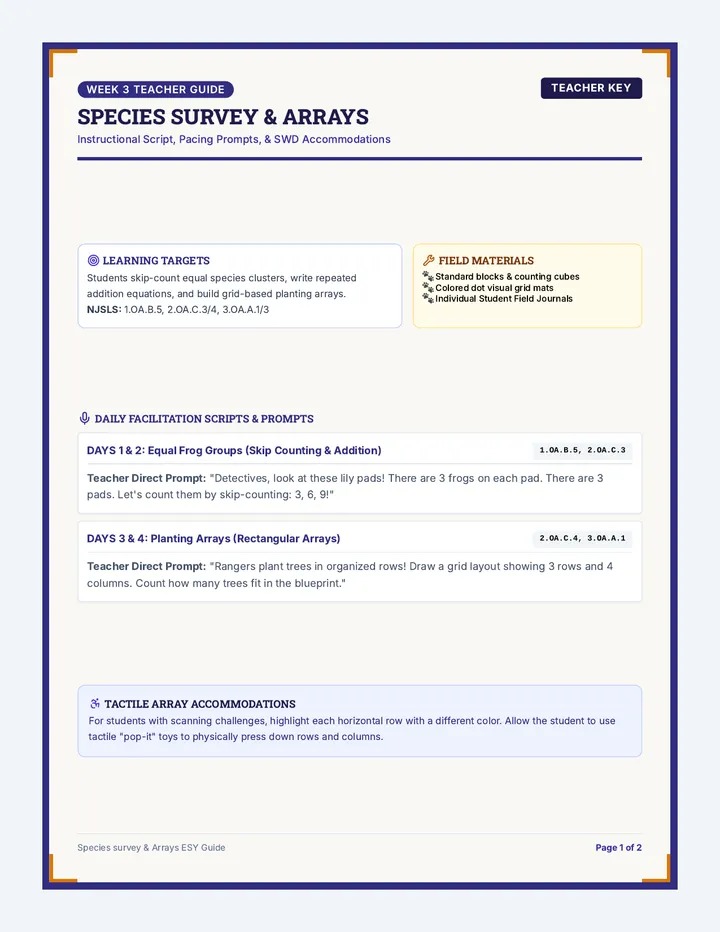
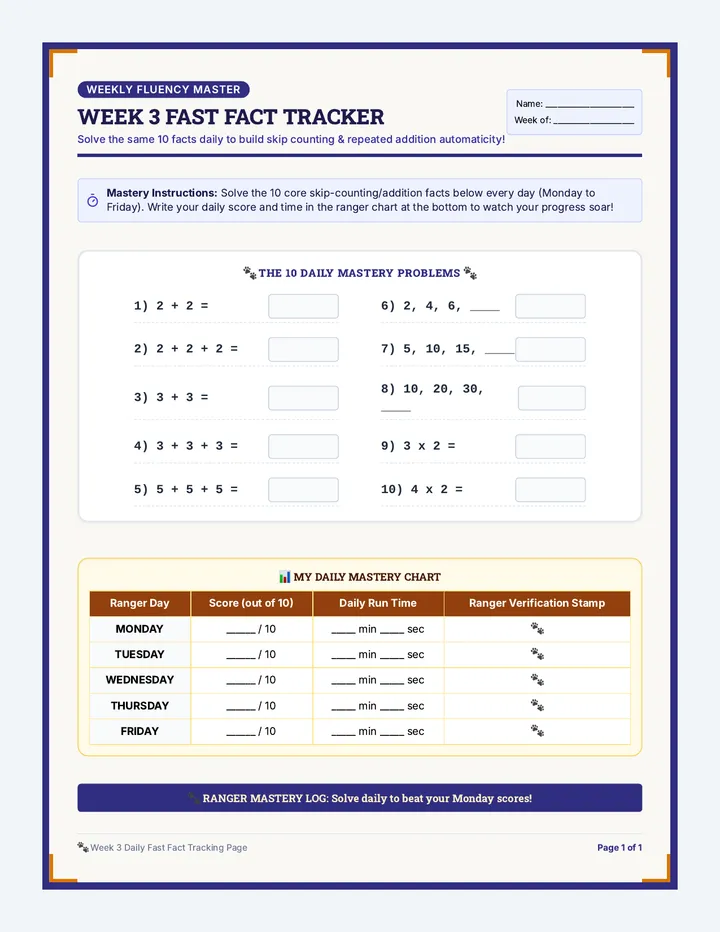
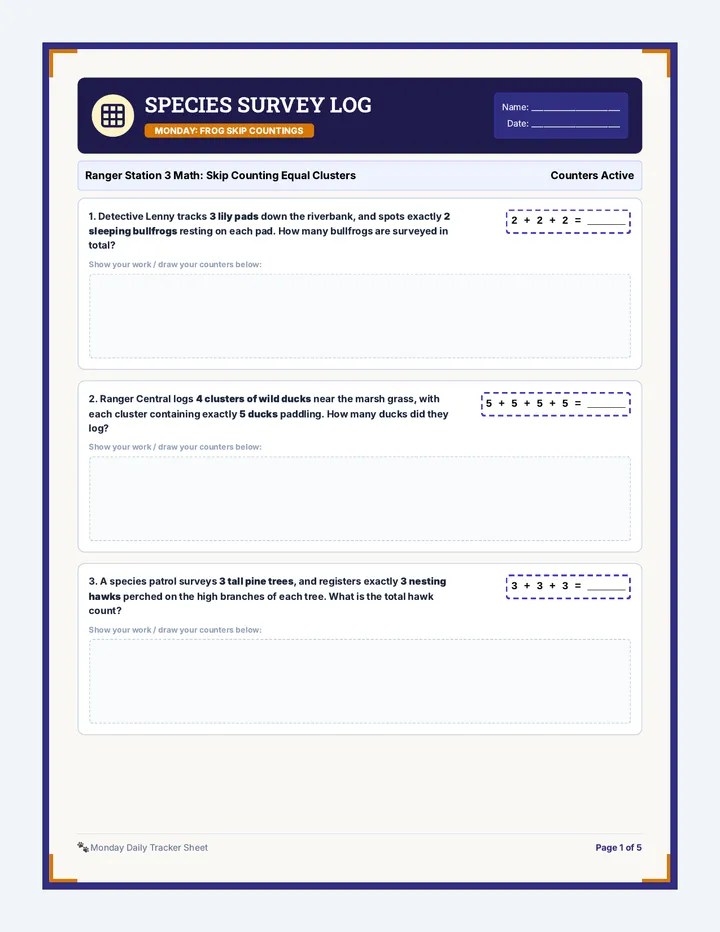
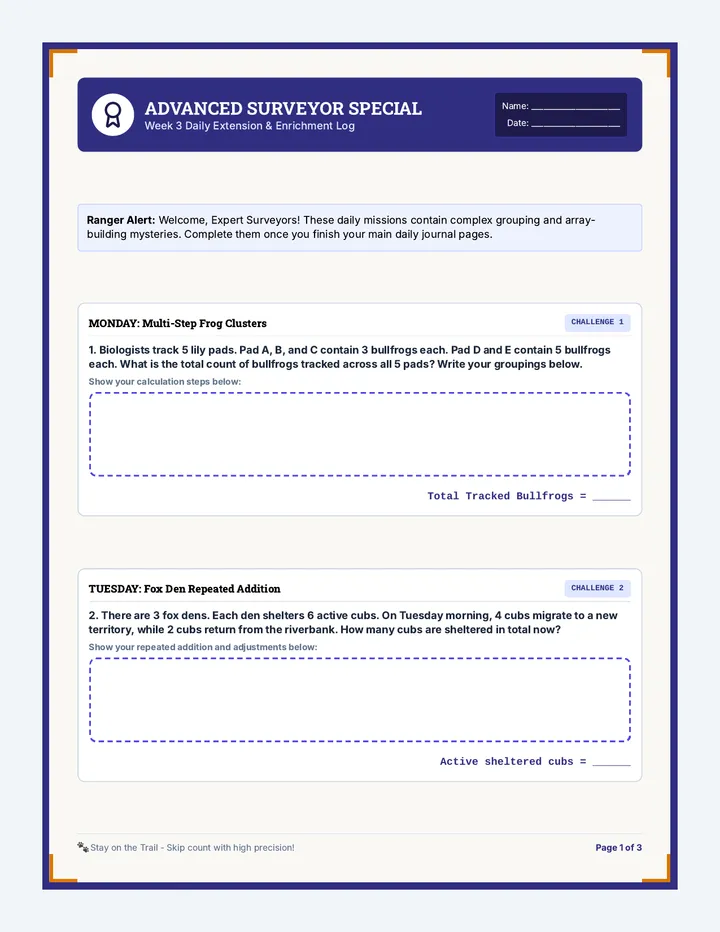
Week 3 of the ESY Wildlife Detective curriculum. Focuses on the foundations of multiplication (NJSLS 2.OA, 3.OA) through repeated addition, skip-counting animal clusters, and creating grid-based habitat arrays.
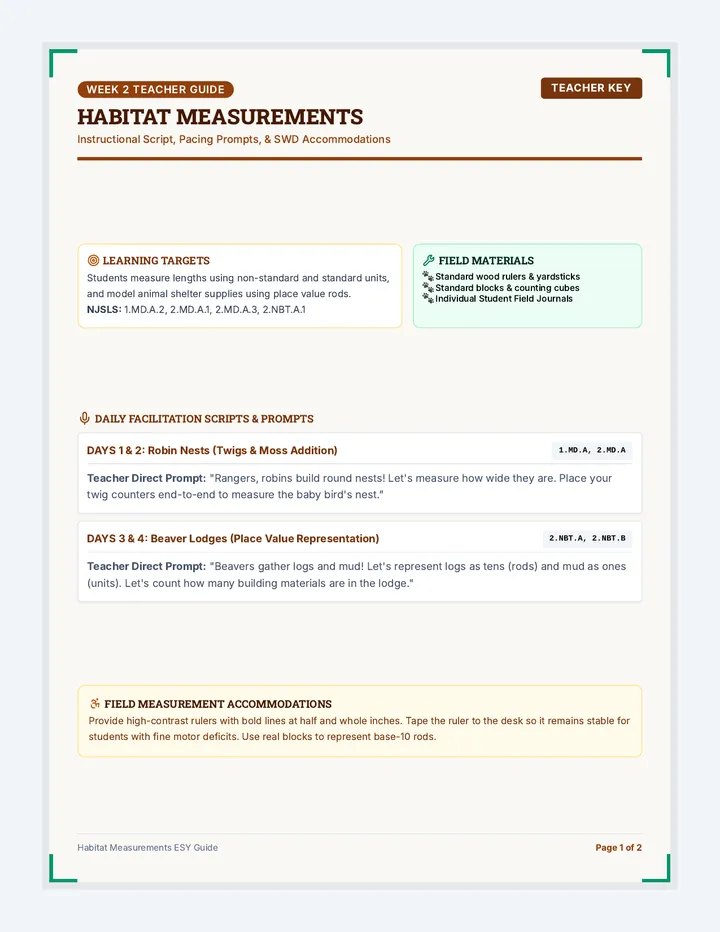
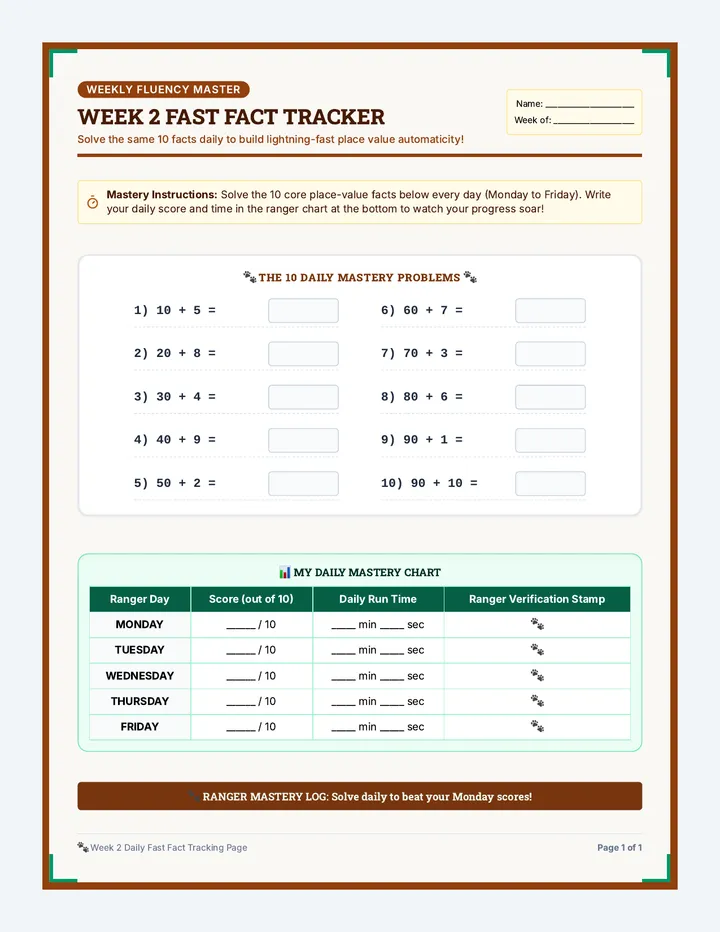
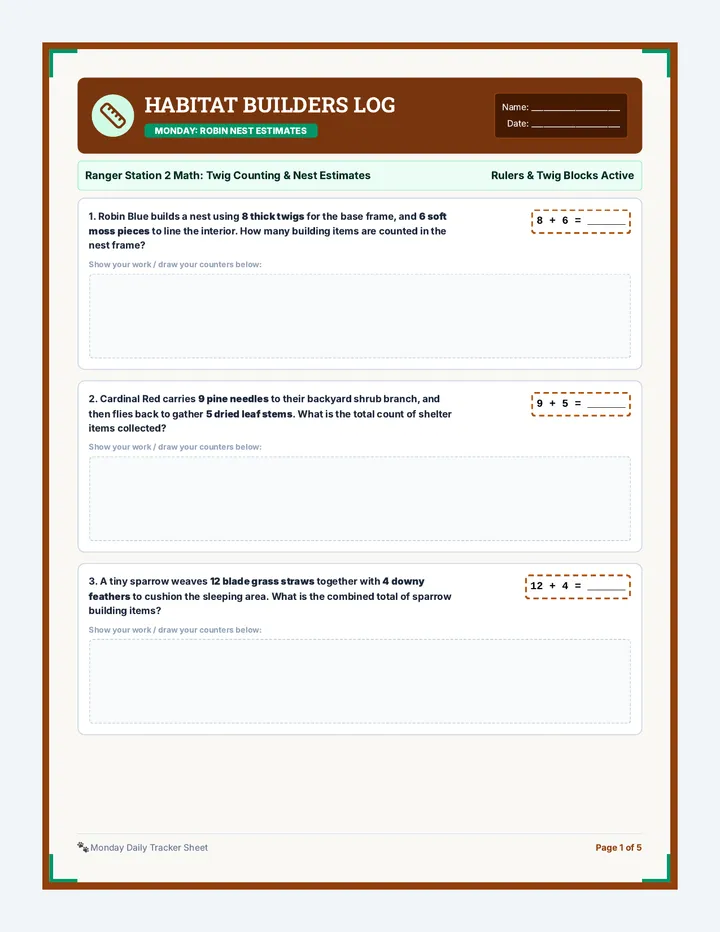
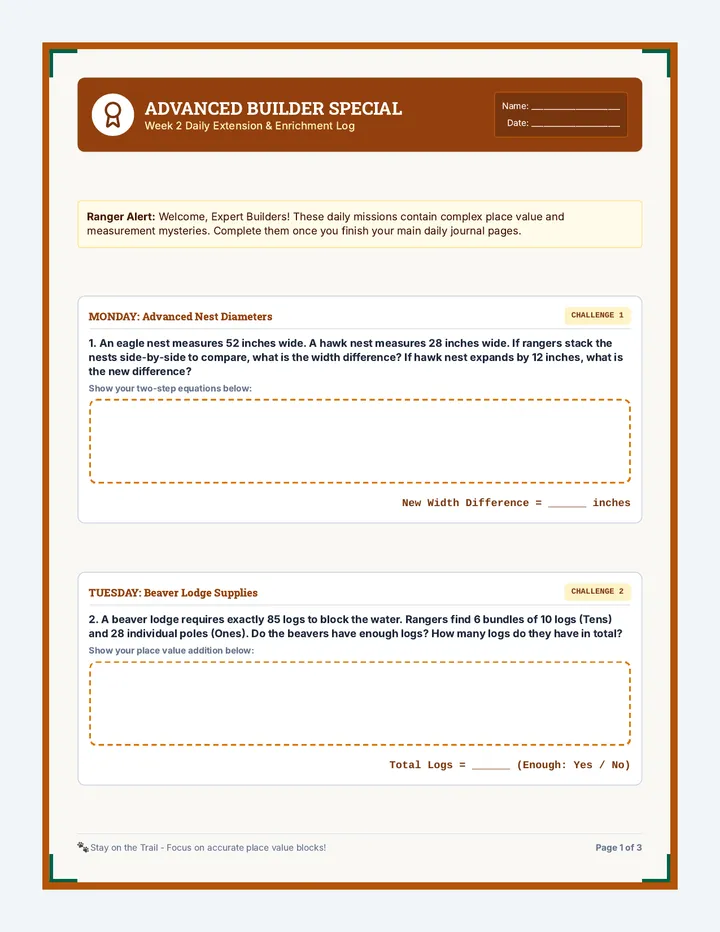
Week 2 of the ESY Wildlife Detective curriculum. Focuses on place value, estimation, and measurement (NJSLS 1.MD, 2.MD, 3.MD) by measuring nest diameters, estimating burrow lengths, and understanding animal sizes.
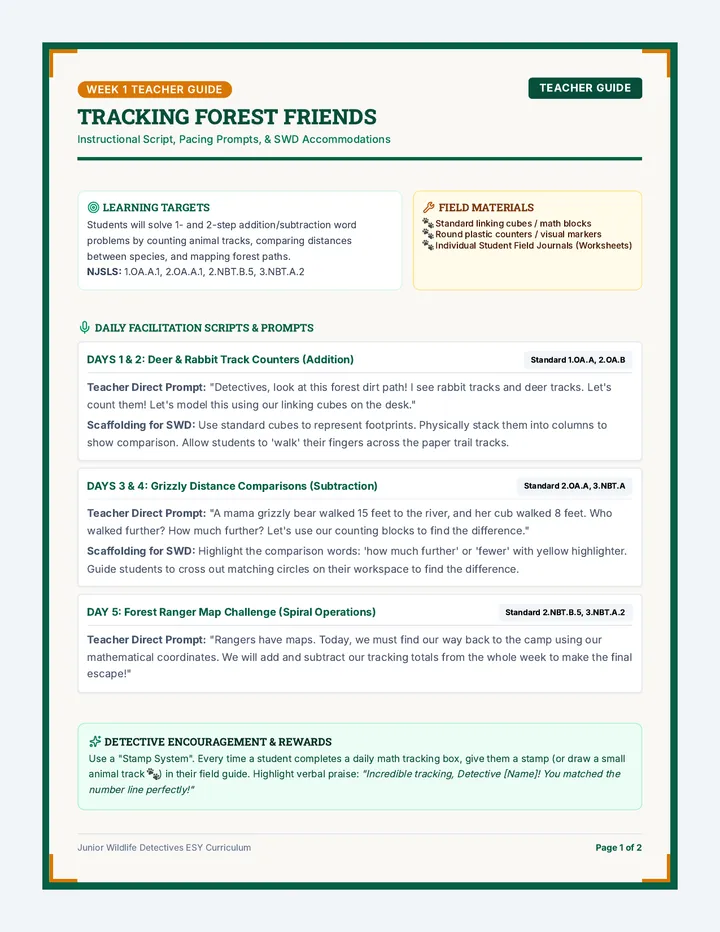
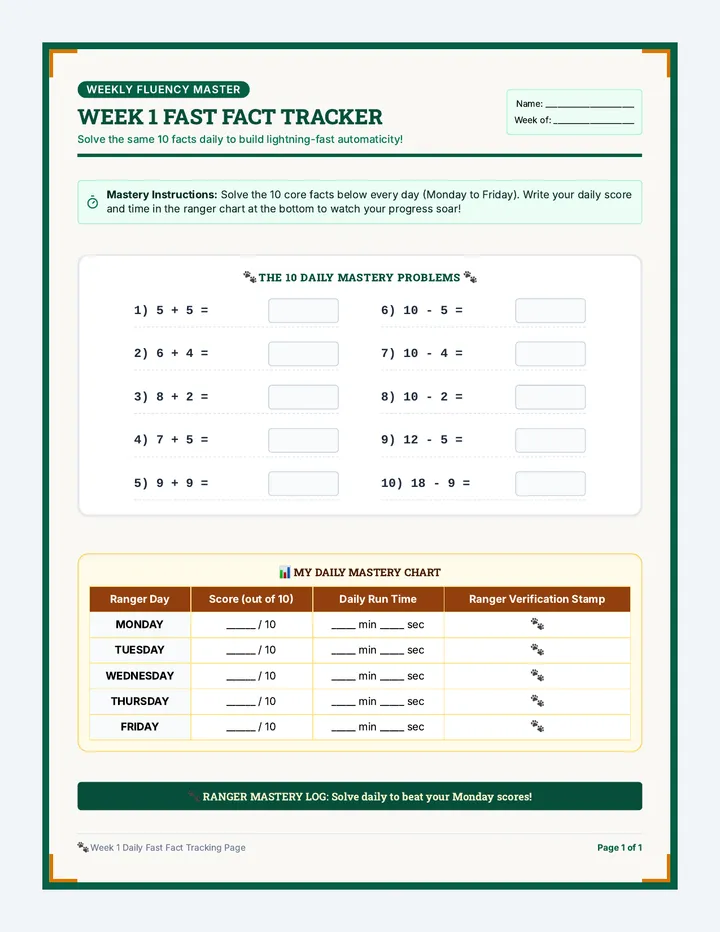
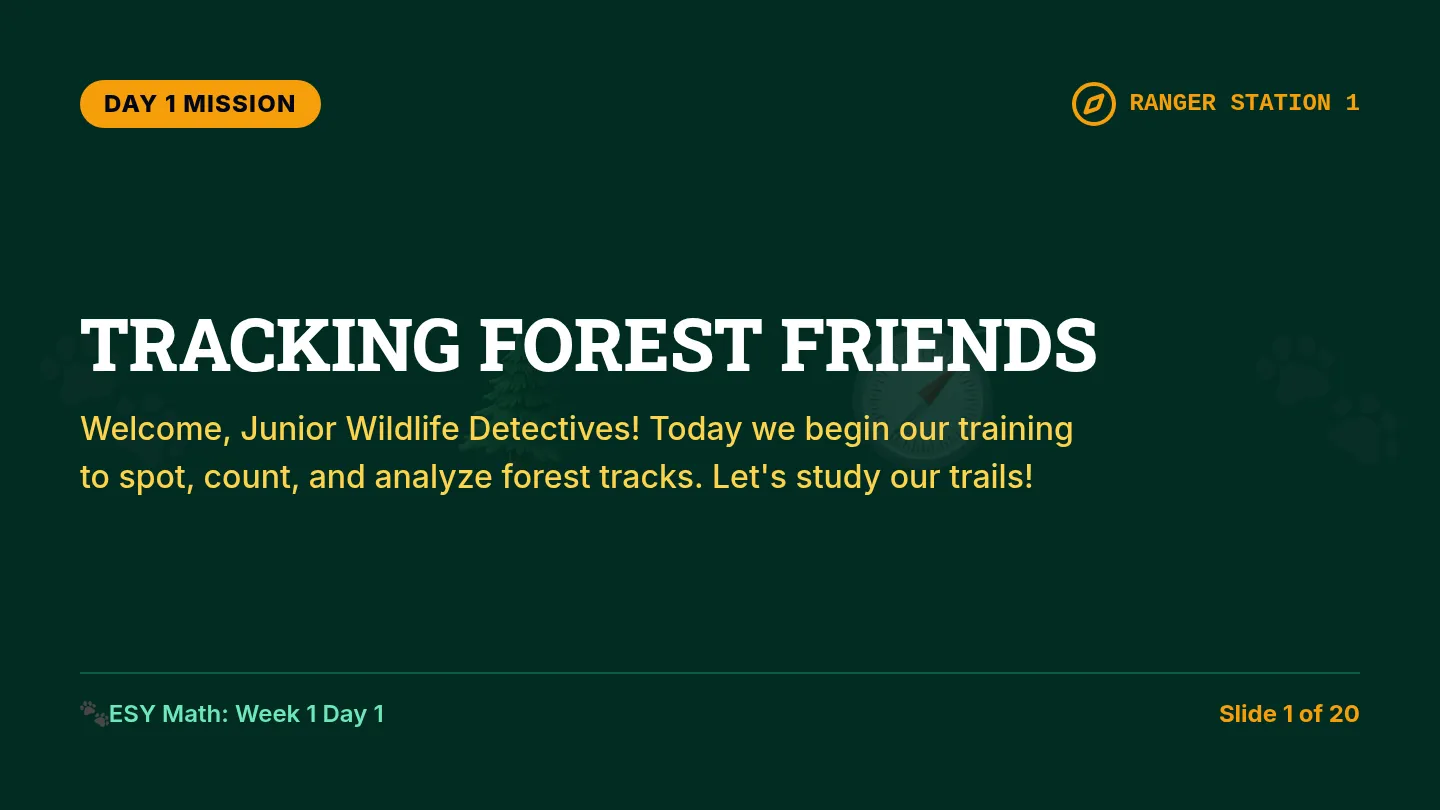
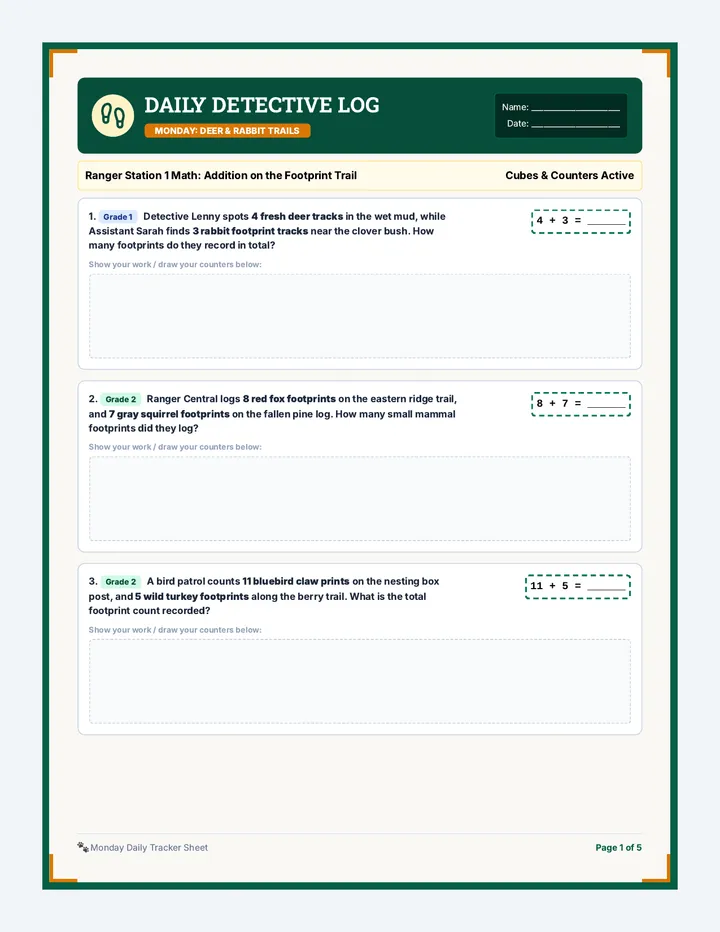
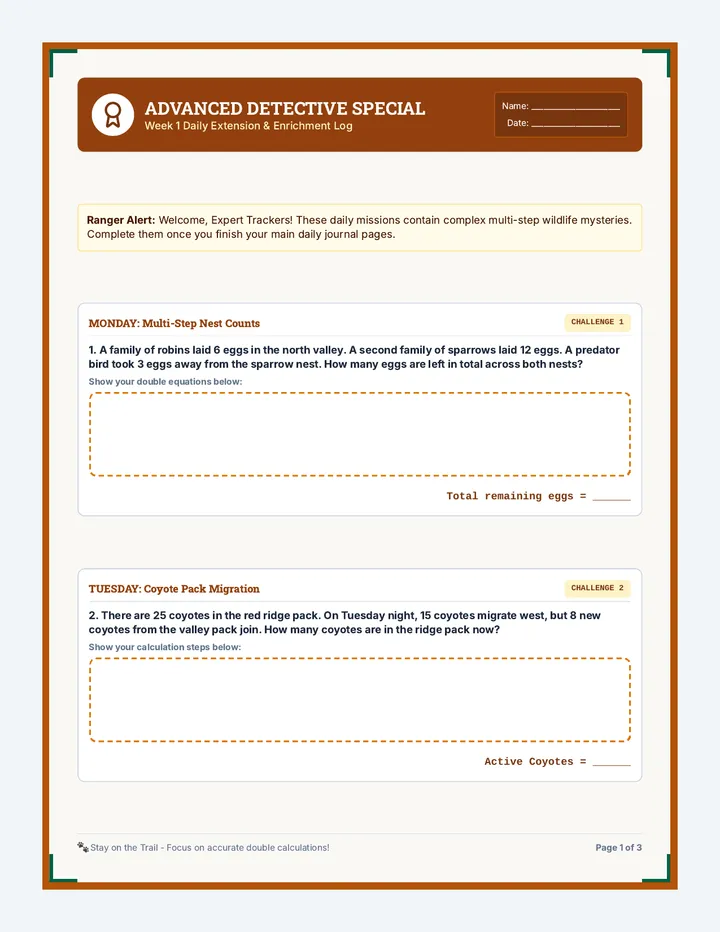
Week 1 of the ESY Wildlife Detective curriculum. Focuses on addition and subtraction mastery within 20 and 100 by tracking animal footprints, counting steps, and analyzing forest trail data. Scaffolded for grades 1-4.
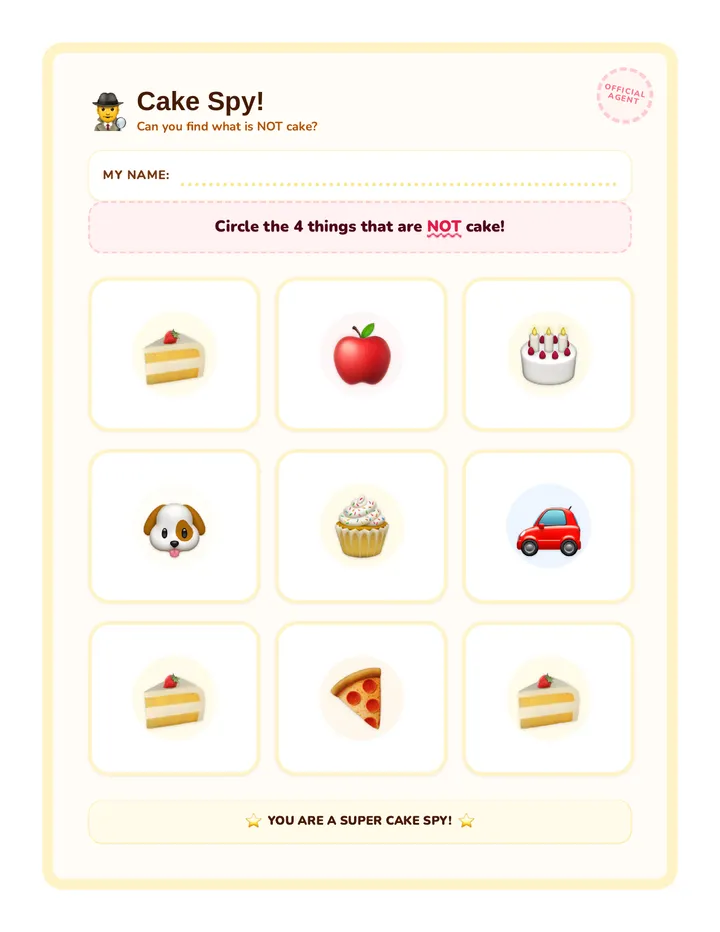
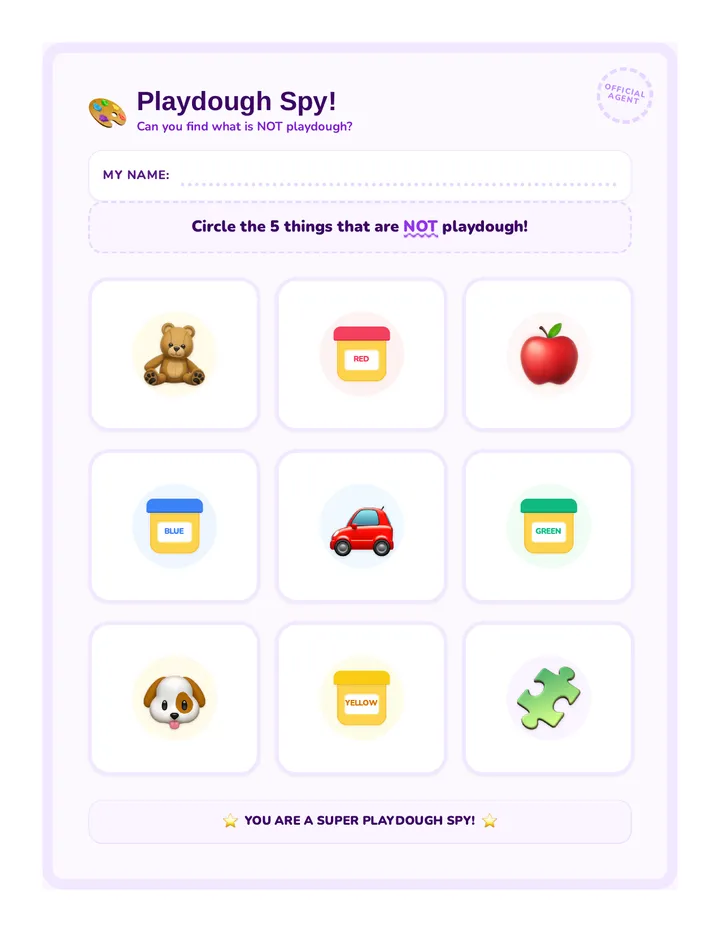
A foundational language and logic lesson for first graders to master the concept of negation ('not') through playful categorization activities.
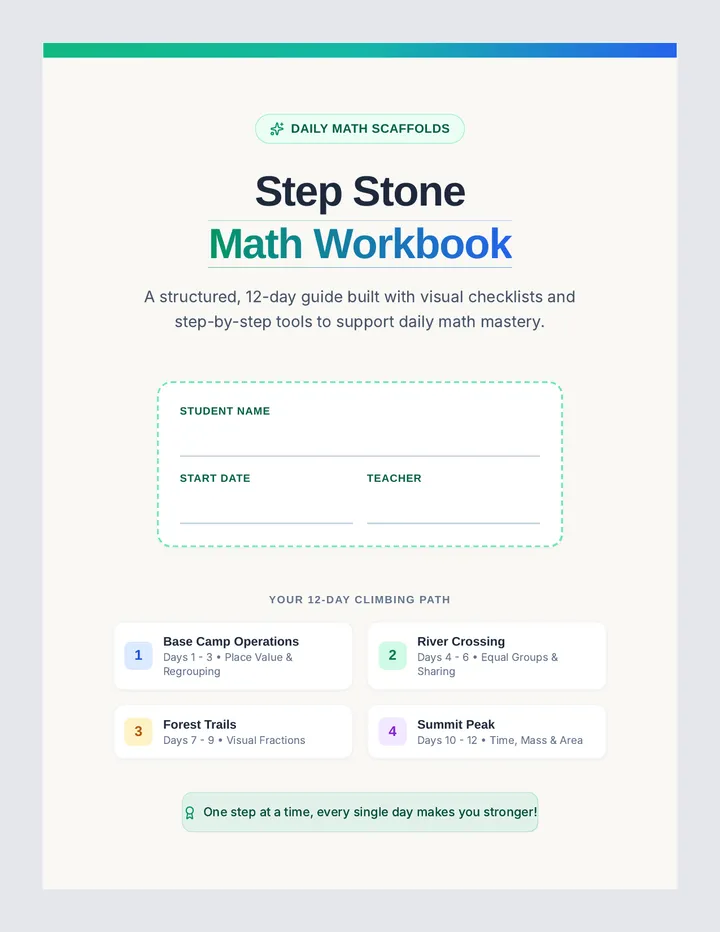
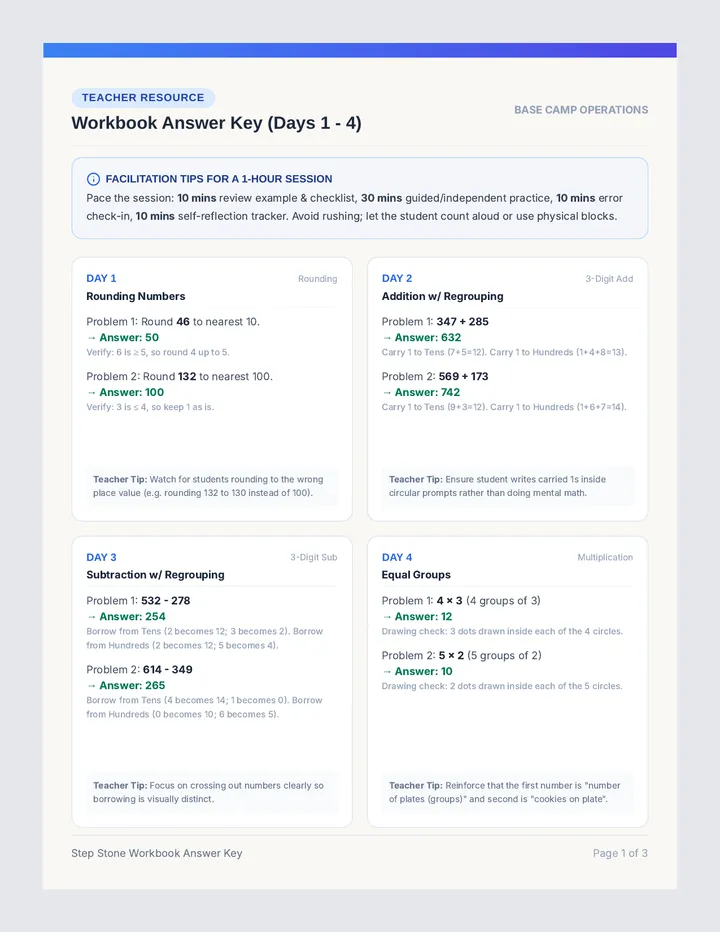
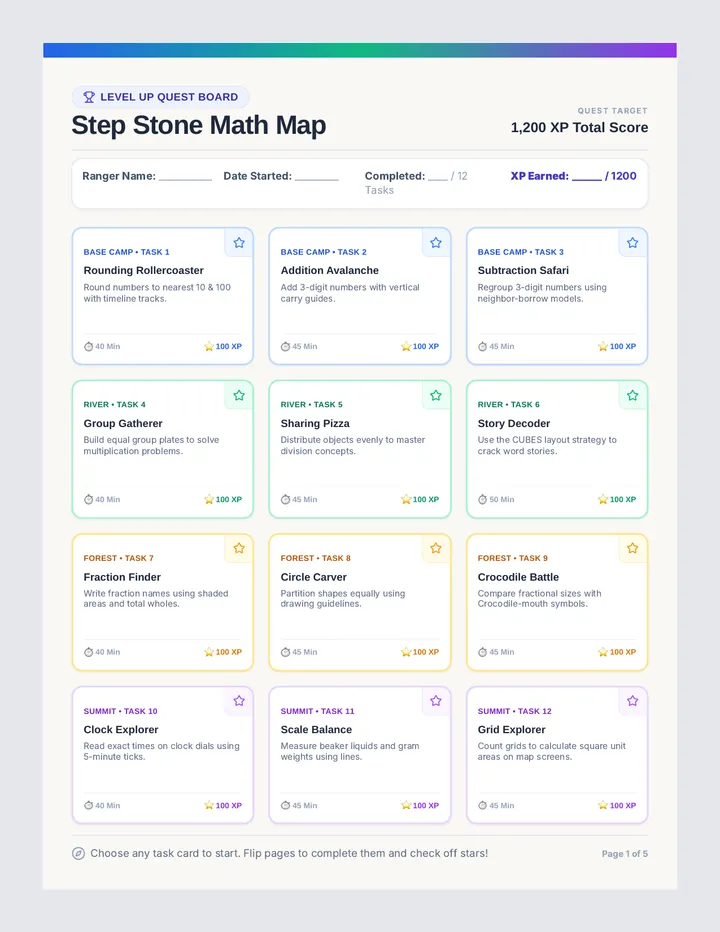
A collection of highly scaffolded daily math worksheets and guides designed for 7th-grade students with Specific Learning Disabilities (SLD) working at a foundational 3rd-grade level. Each day provides targeted skill practice, clear visual checklists, step-by-step scaffolds, and sensory-friendly layout.
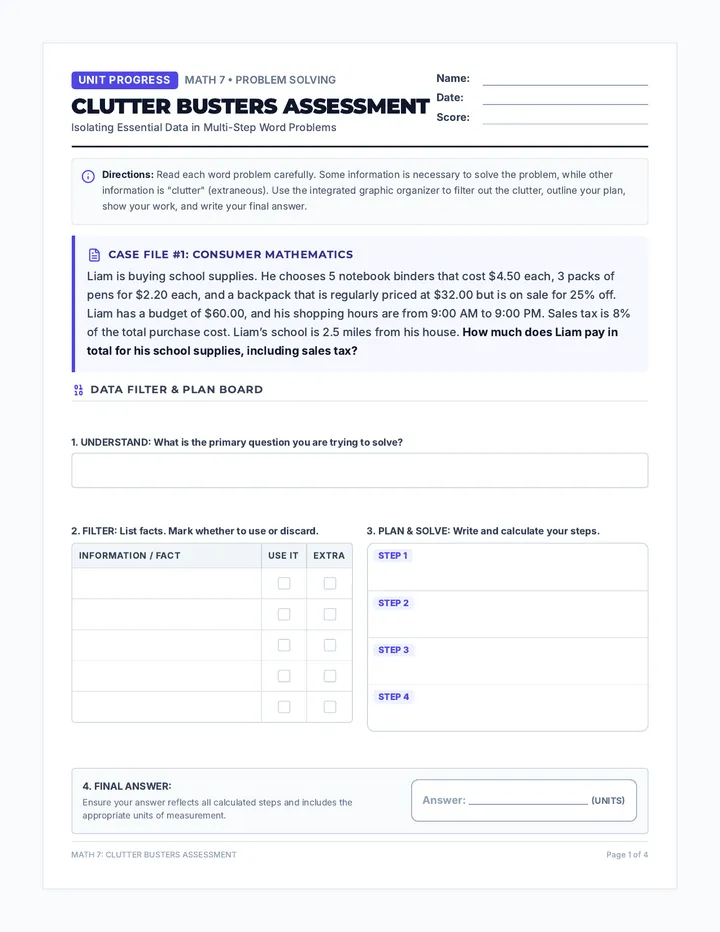
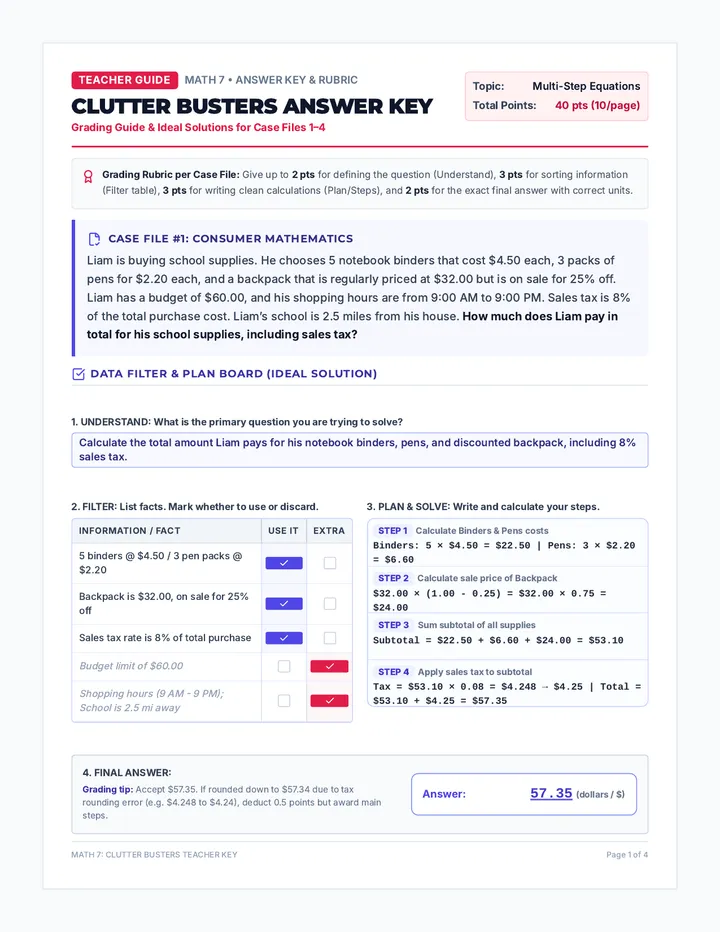
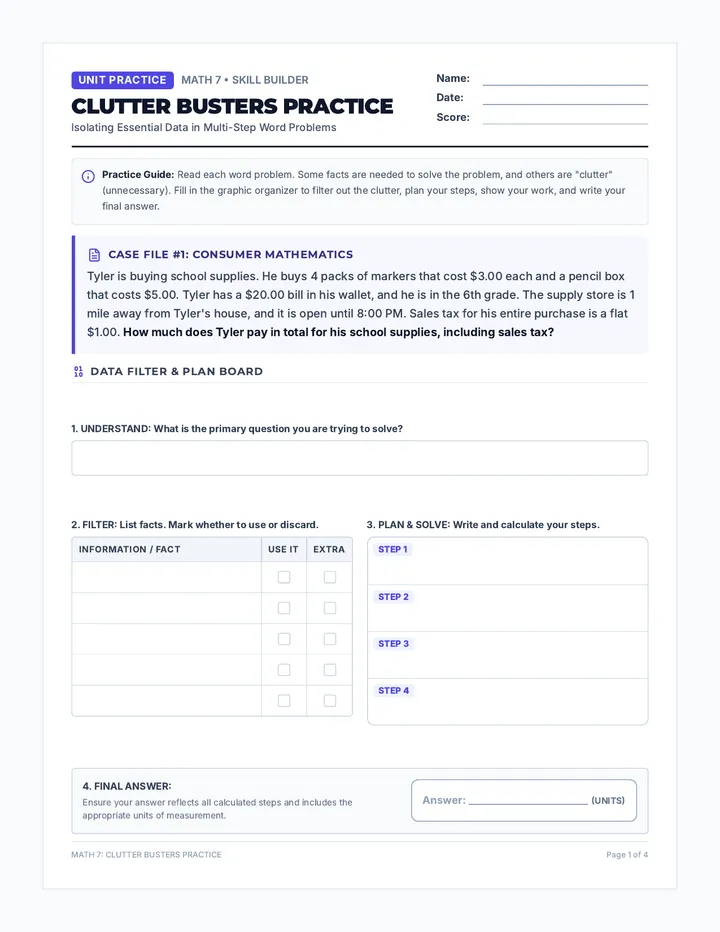
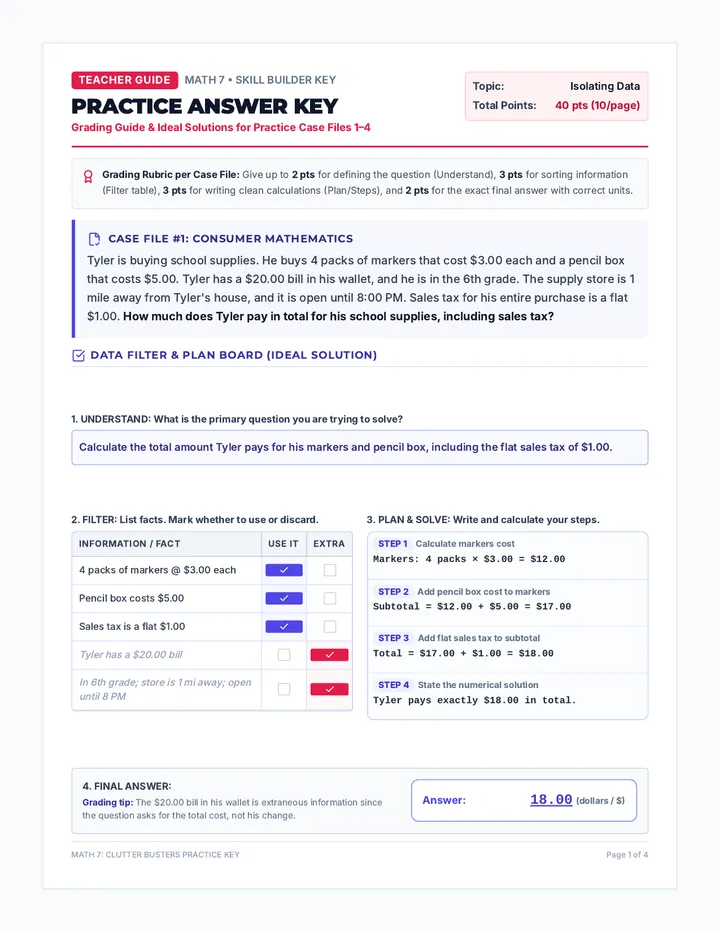
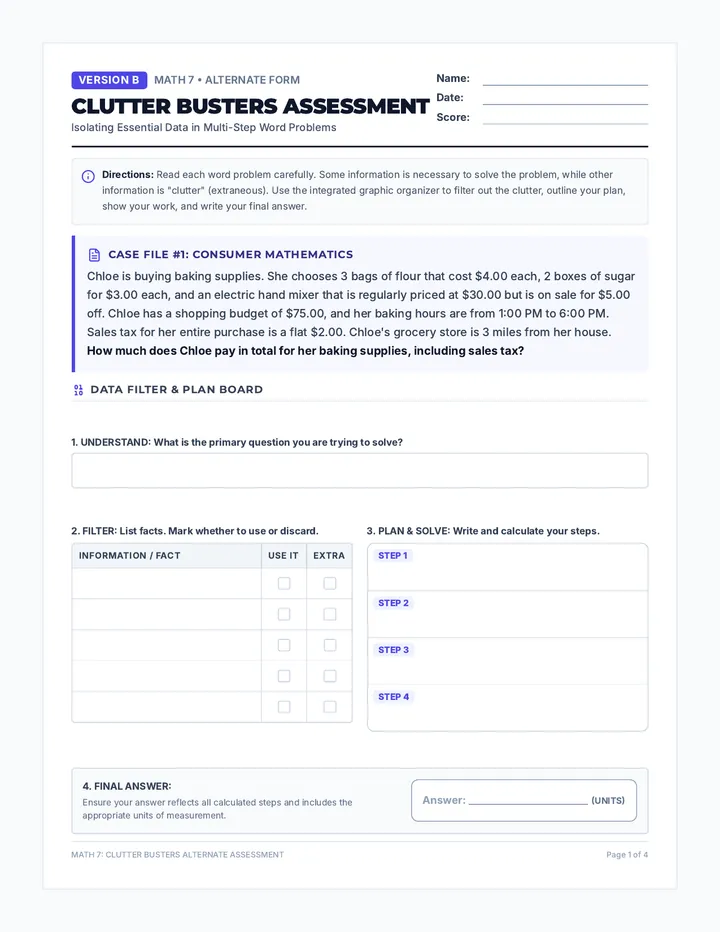
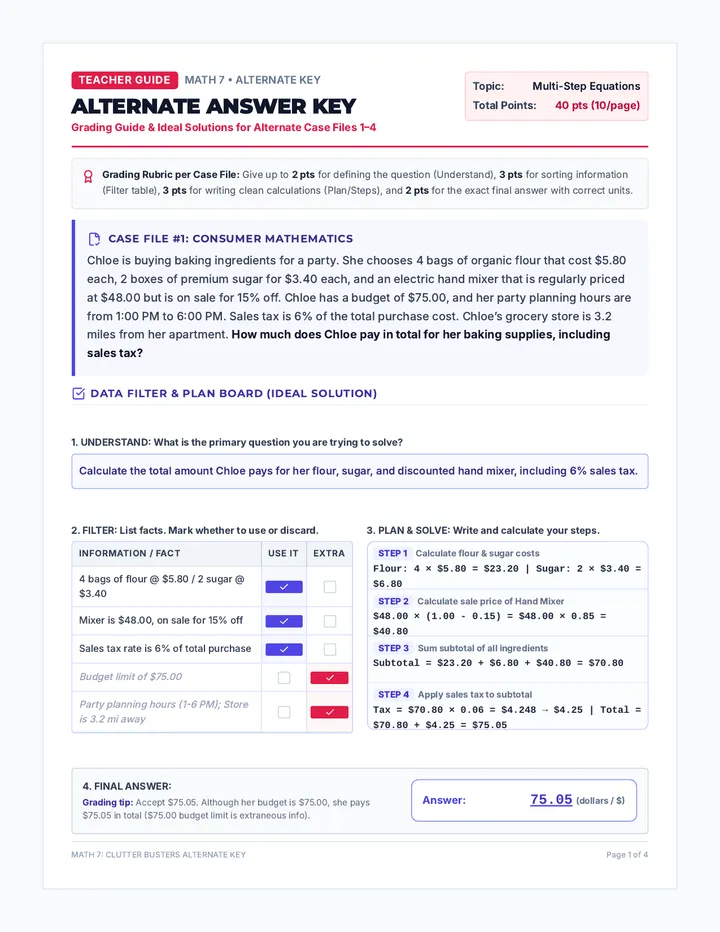
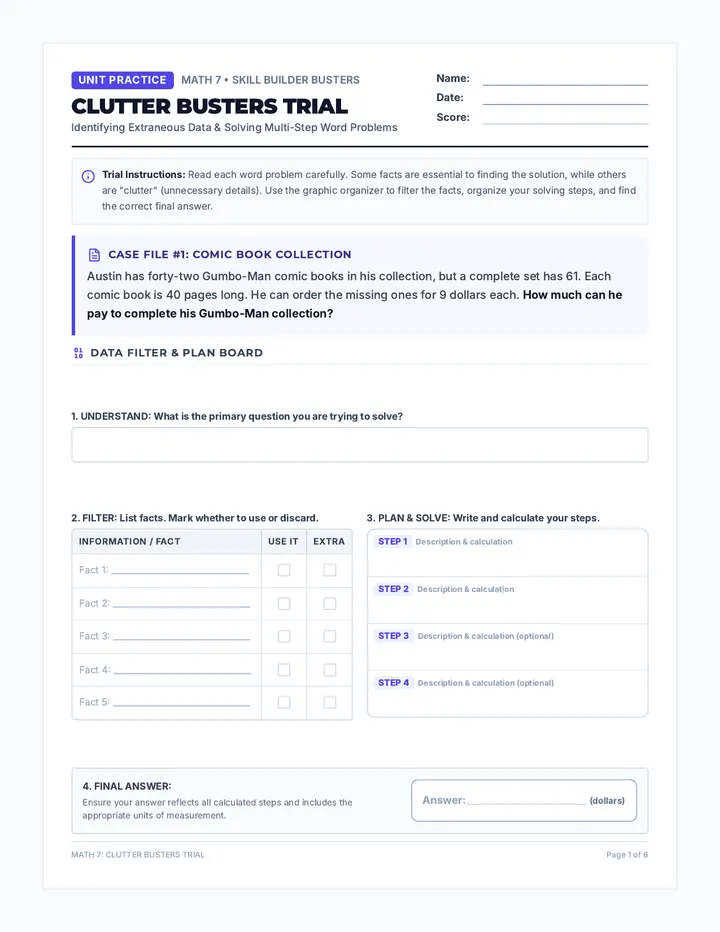
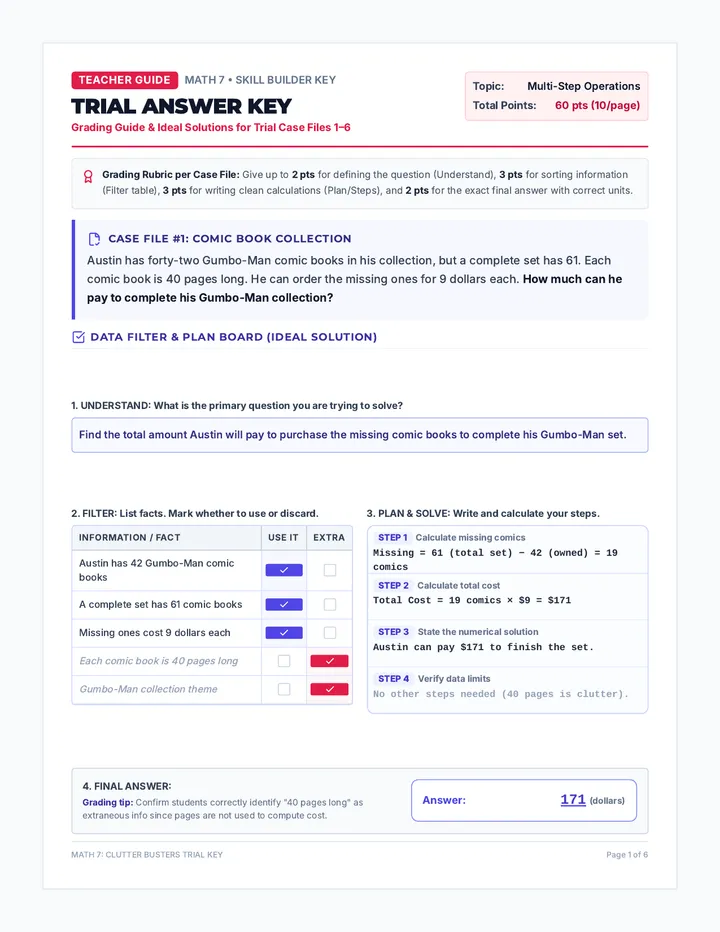
A middle-school math lesson focused on identifying and isolating extraneous information in multi-step word problems. It teaches students to separate relevant data from distracting context using an intuitive, column-based graphic organizer.
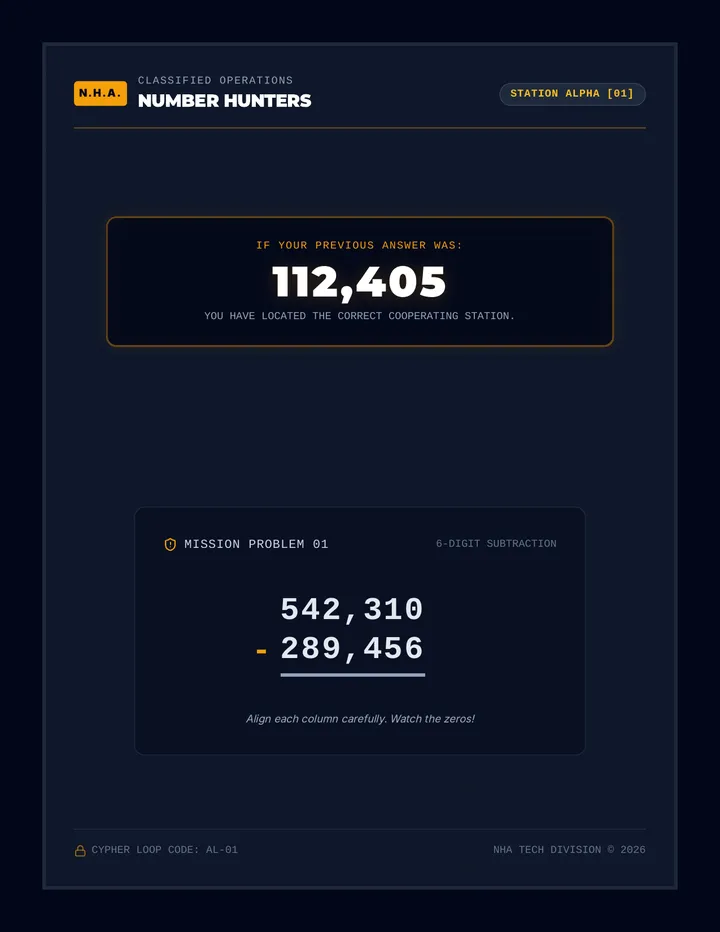
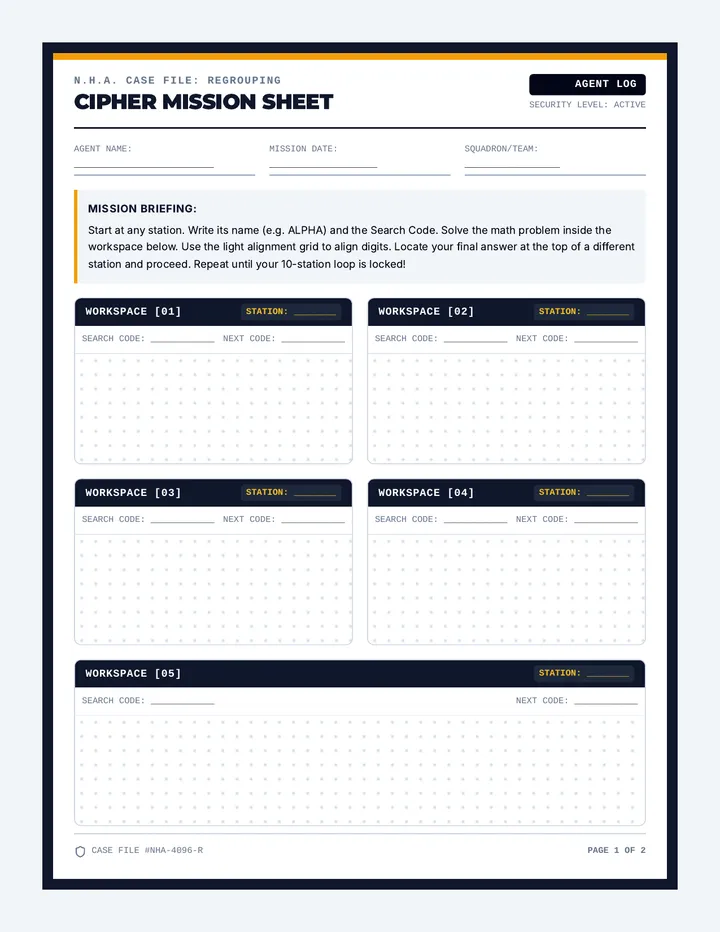
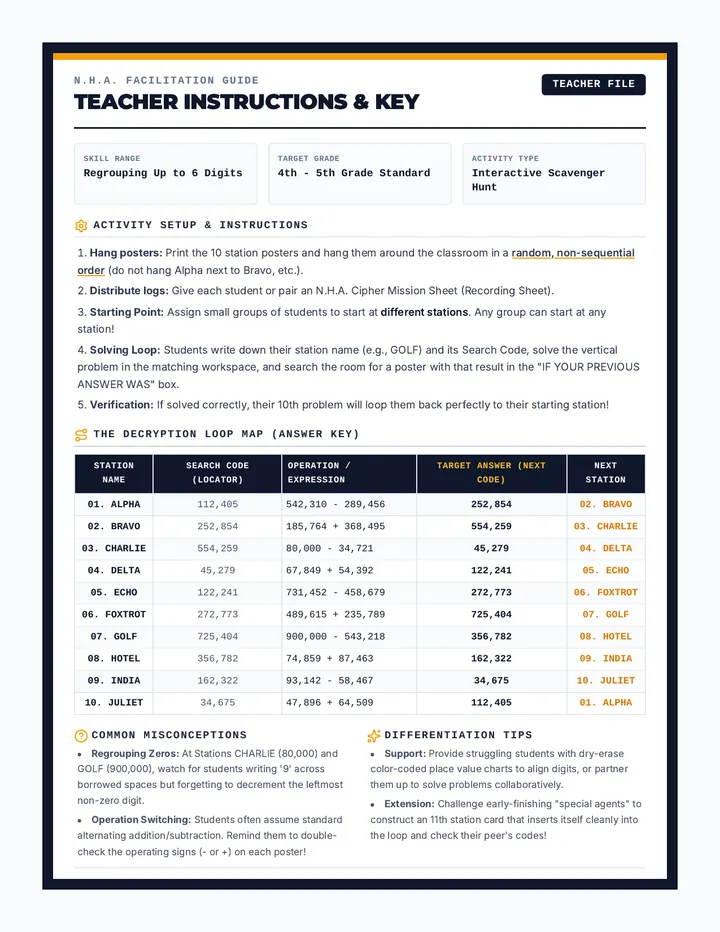
A high-energy scavenger hunt activity where students solve multi-digit addition and subtraction problems (up to six digits with regrouping) to cracked a secret cipher and find hidden coordinates. Includes station posters, a structured student recording sheet, and a detailed teacher instruction and answer key.