A quick, functional introduction to interpreting bar and pie charts using real-world life skills scenarios like budgeting and time management.
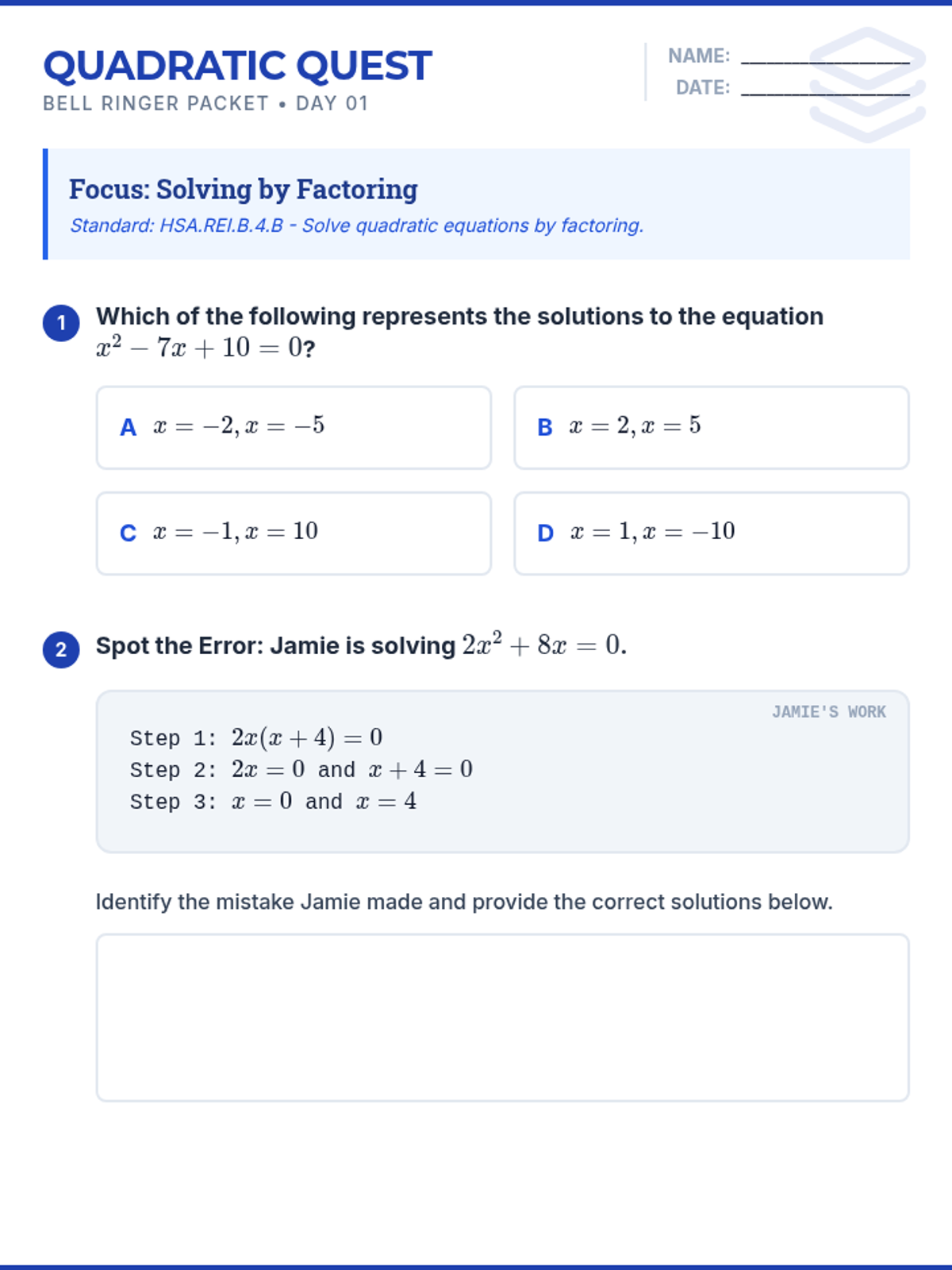
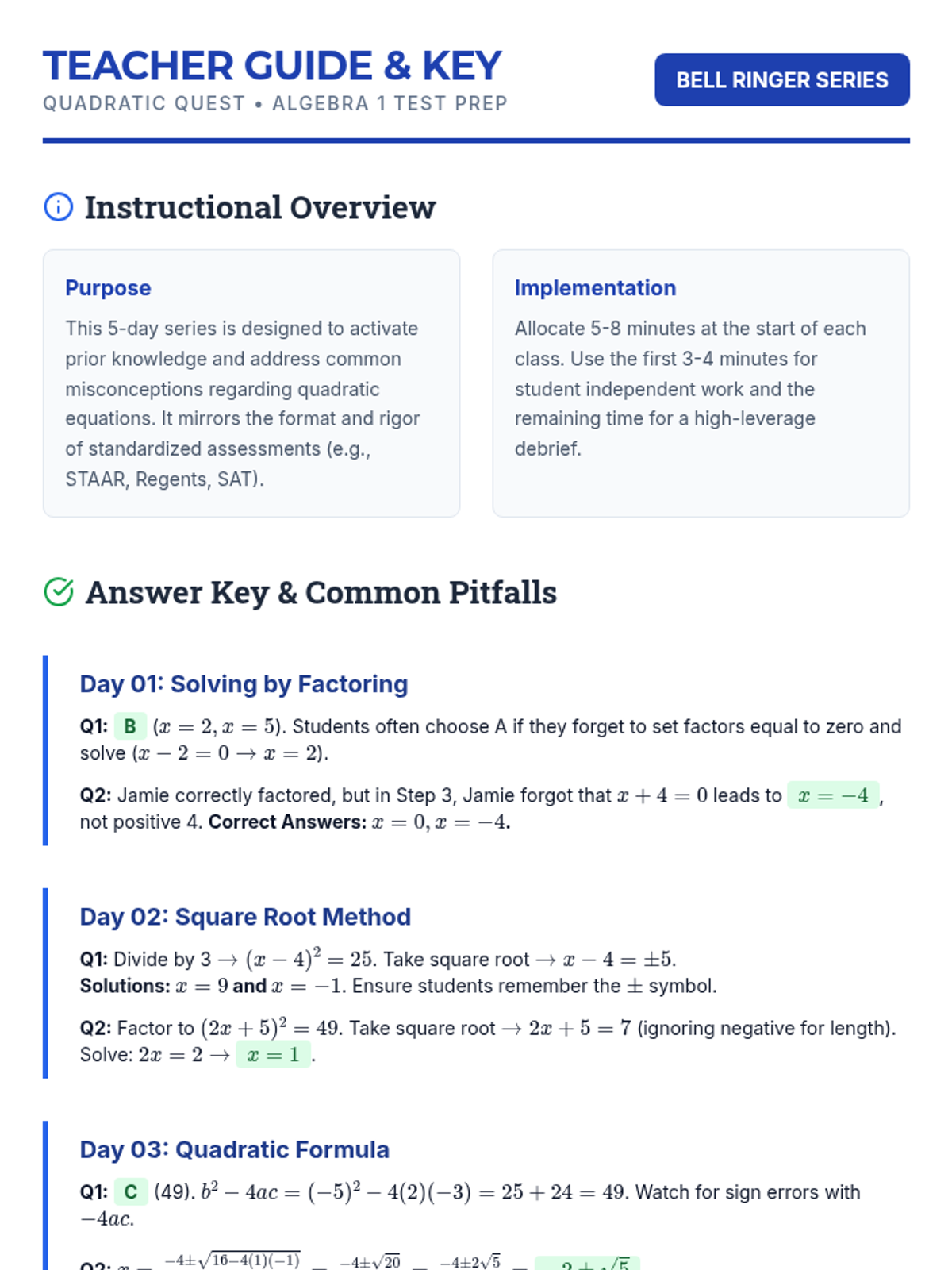
A comprehensive bell-ringer series designed to boost student confidence in solving, graphing, and applying quadratic equations for standardized tests.
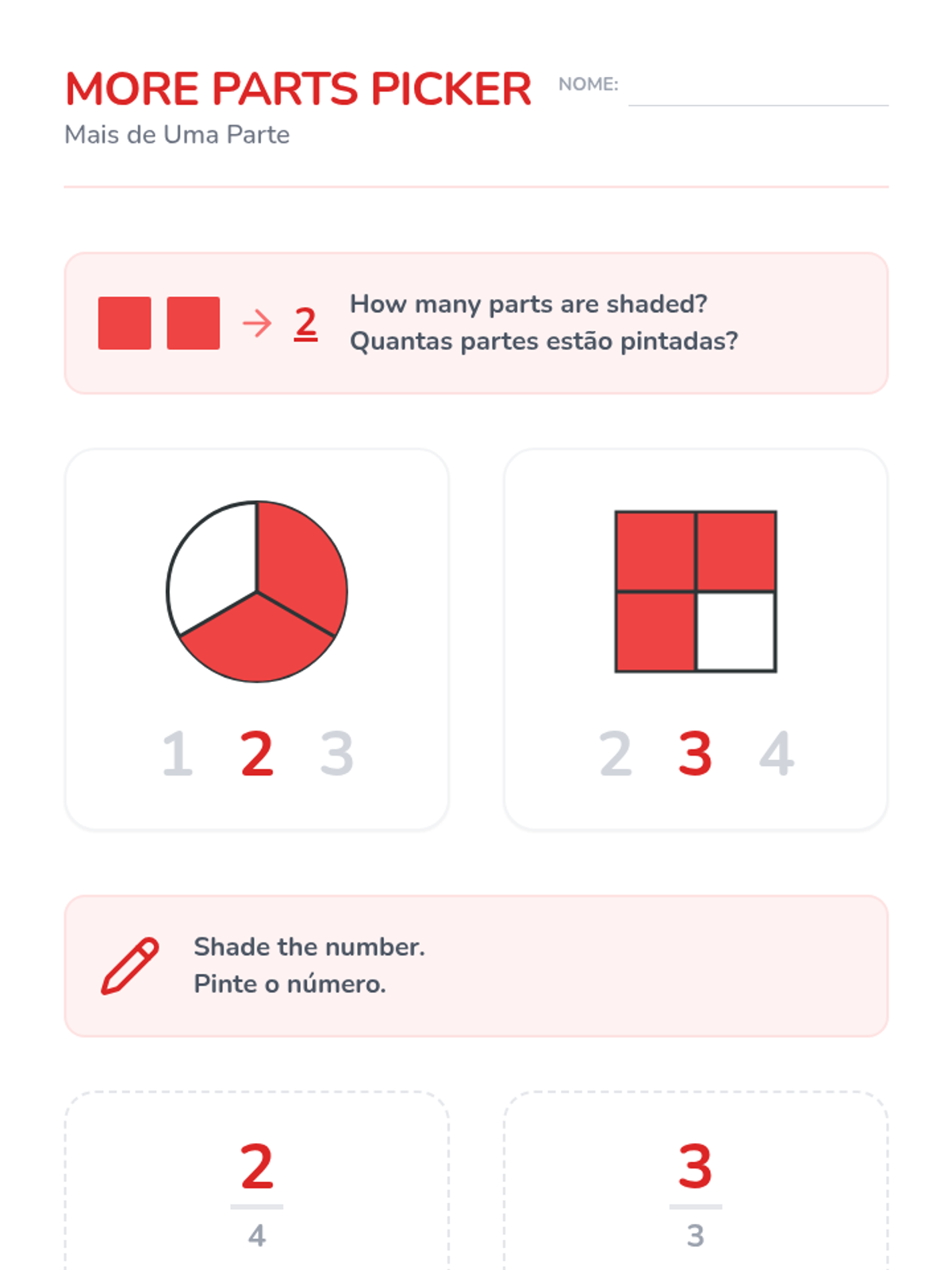
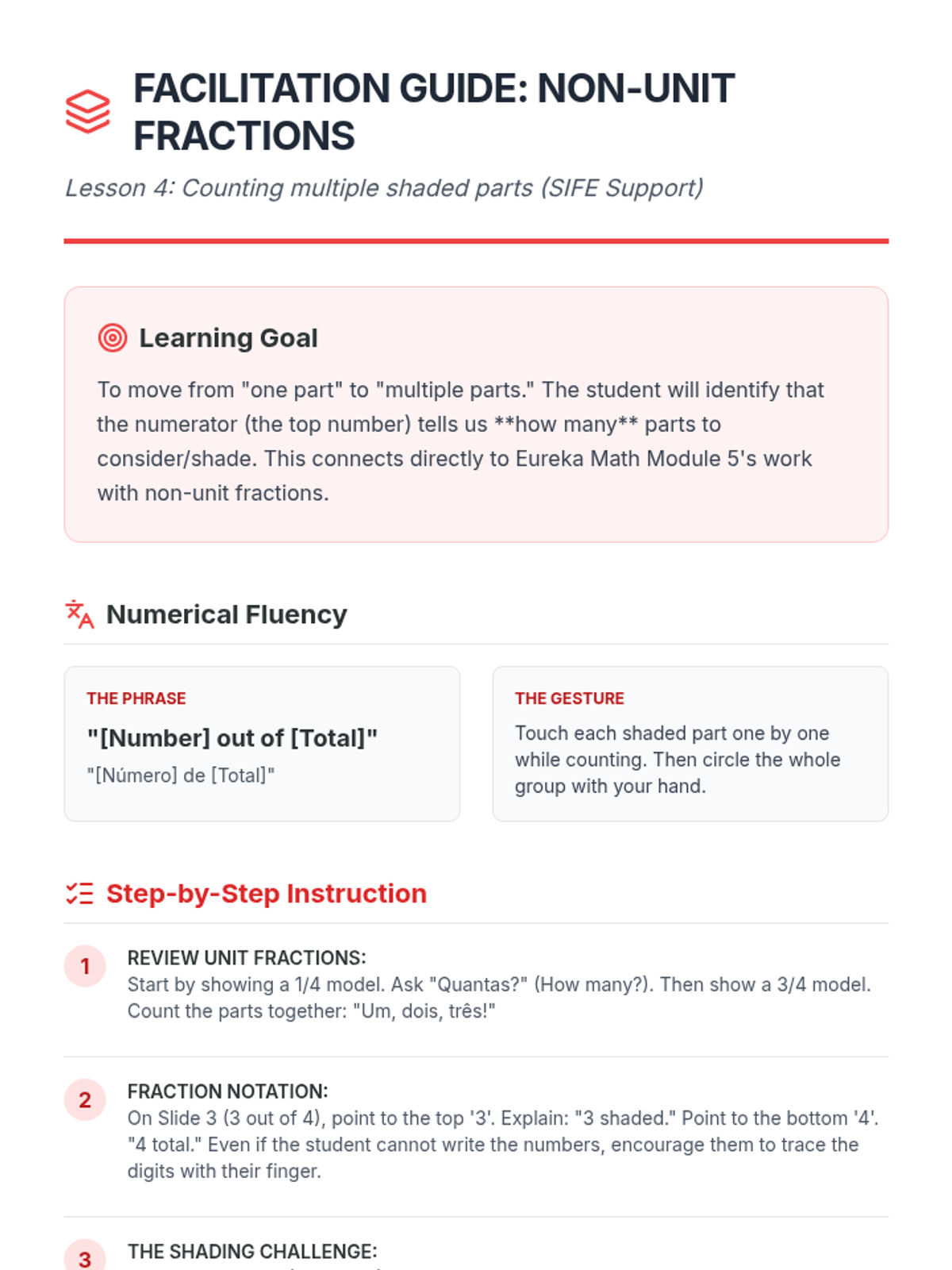
Introduces non-unit fractions by counting multiple shaded parts (e.g., 2 out of 3, 3 out of 4). Focuses on the verbal transition from "one part" to "many parts" while maintaining visual consistency.
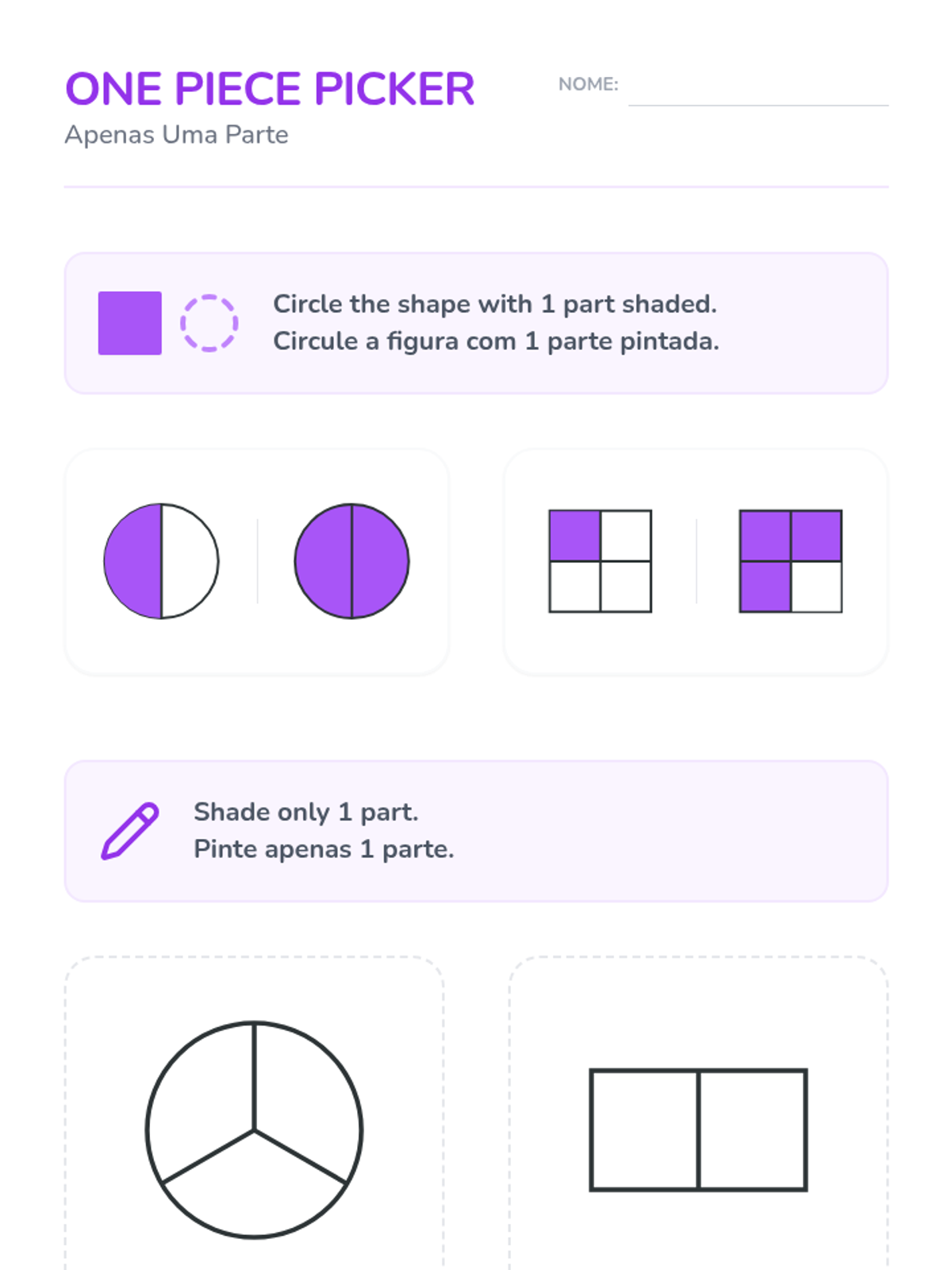
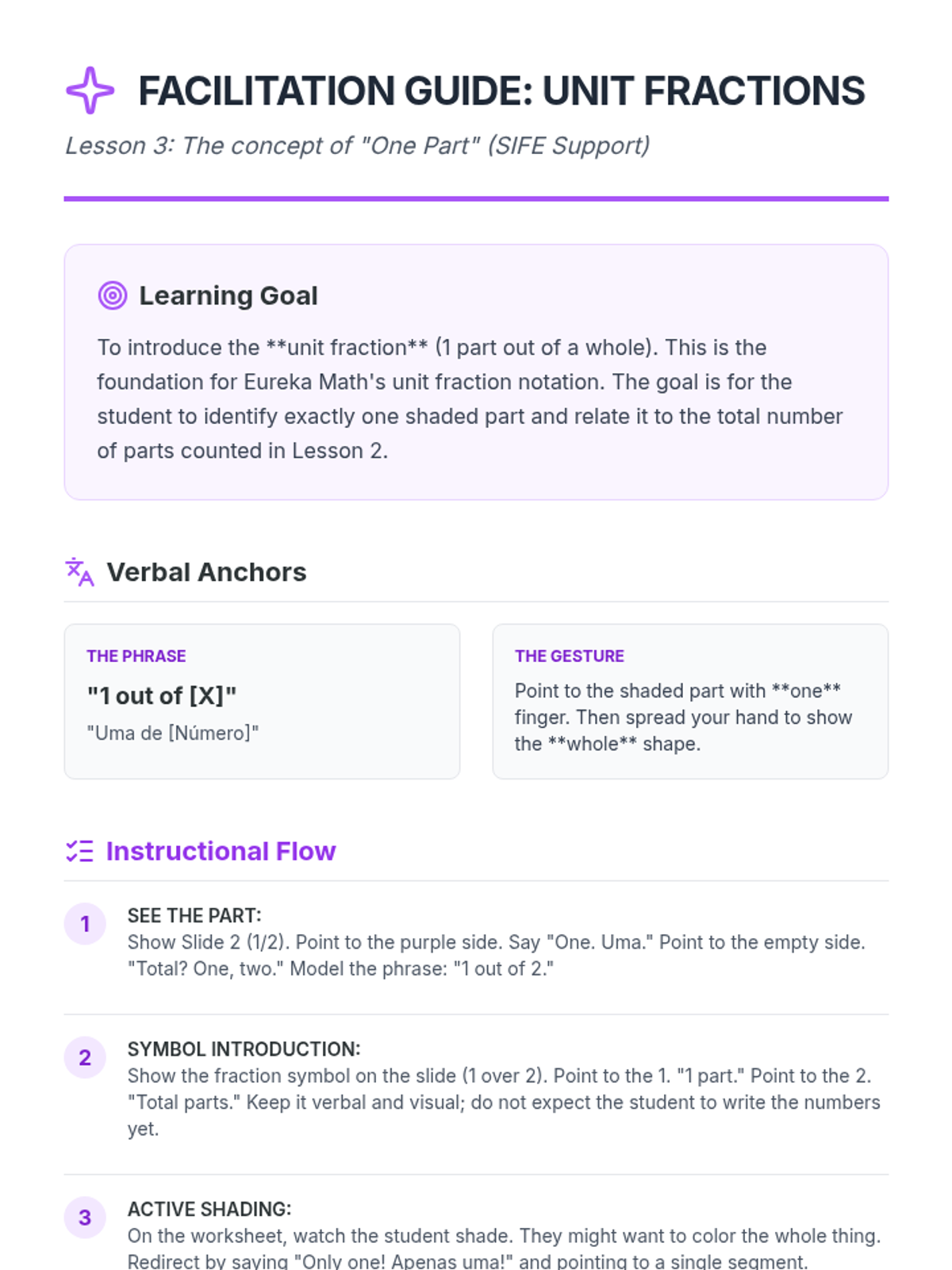
Introduces the concept of a unit fraction by identifying 'one part' out of a whole. Focuses on visual recognition of one shaded part and introduces the verbal phrasing 'one out of x' in English and Portuguese.
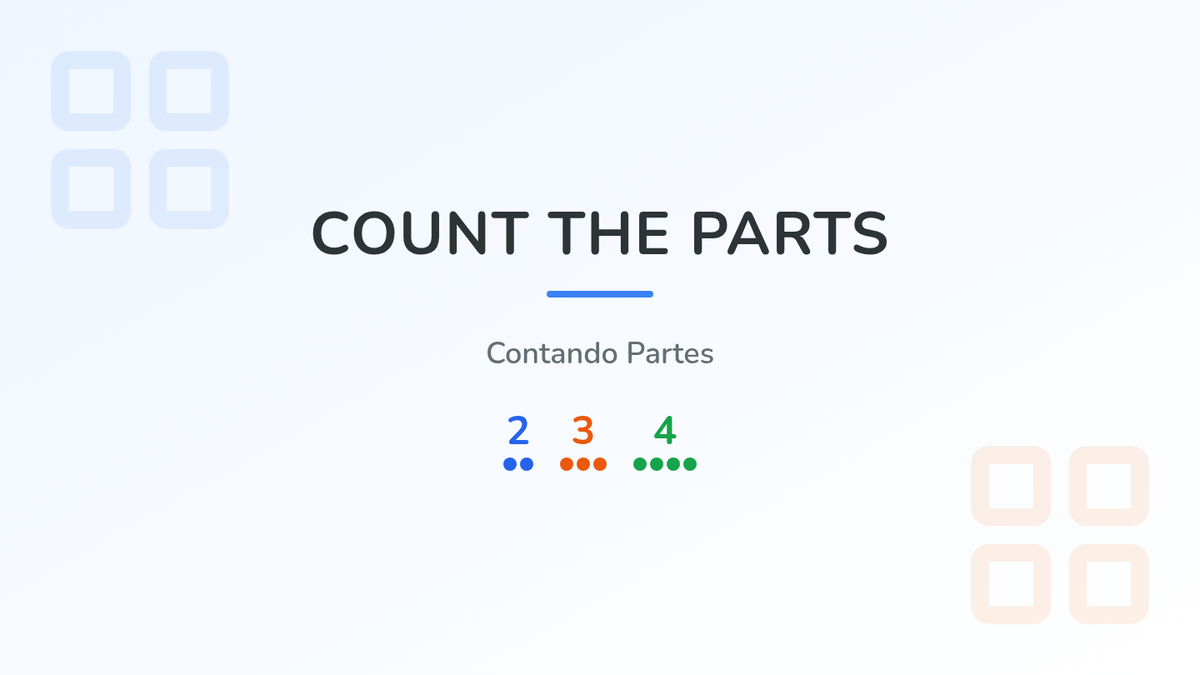
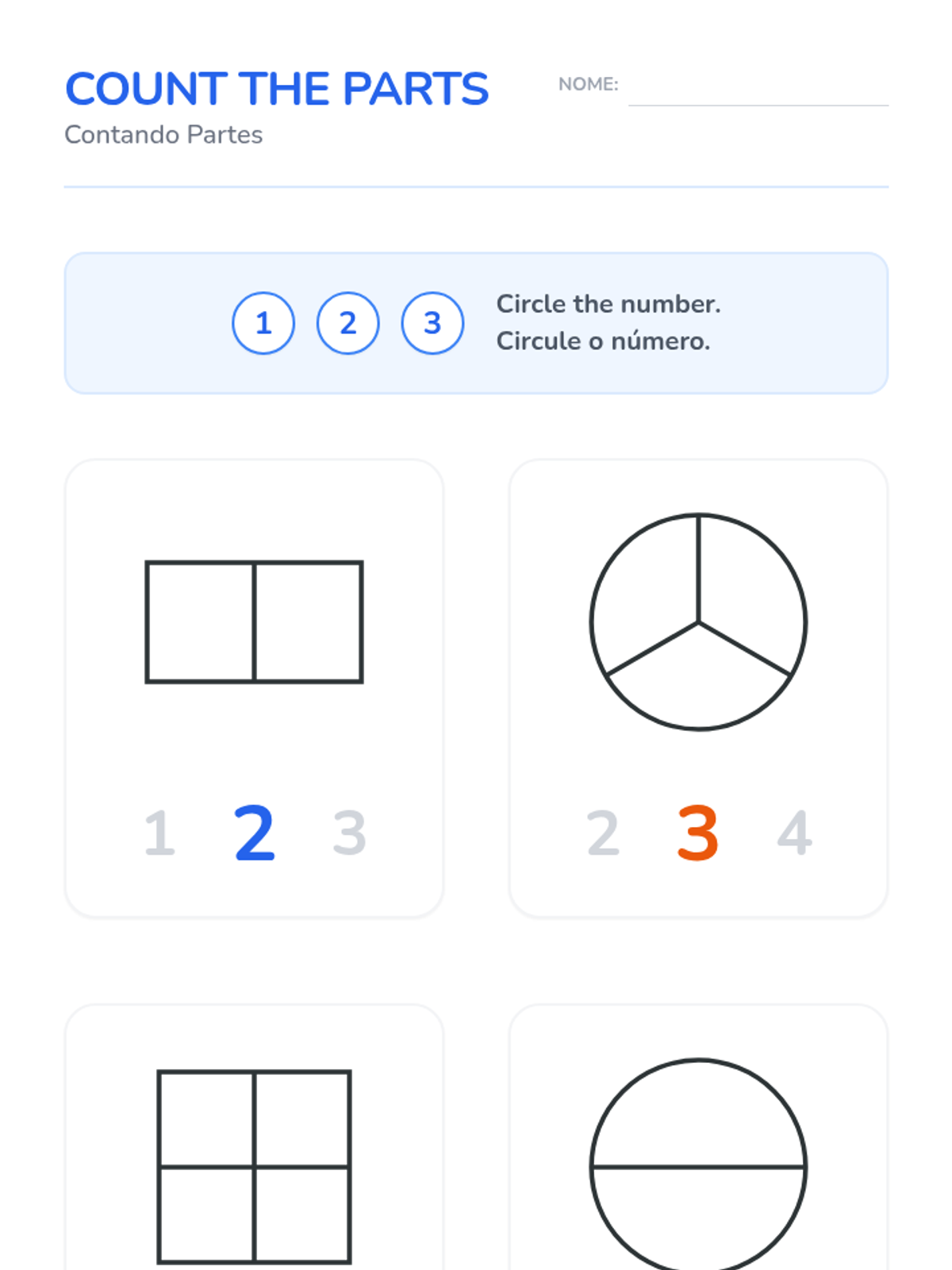
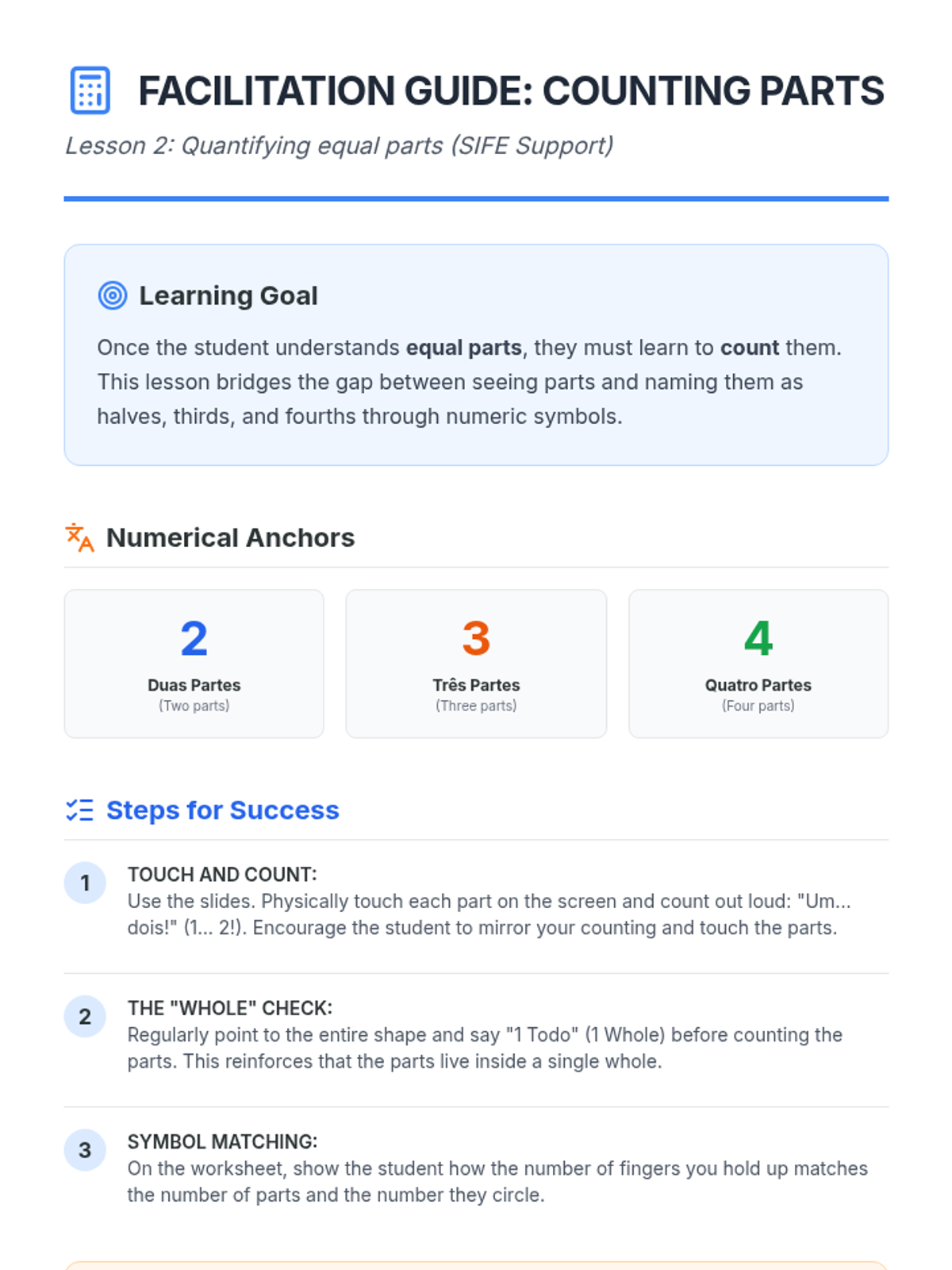
Focuses on identifying the number of equal parts (2, 3, and 4) in a whole. Introduces the vocabulary for halves, thirds, and fourths through visual counting and symbols, maintaining a low-literacy approach.
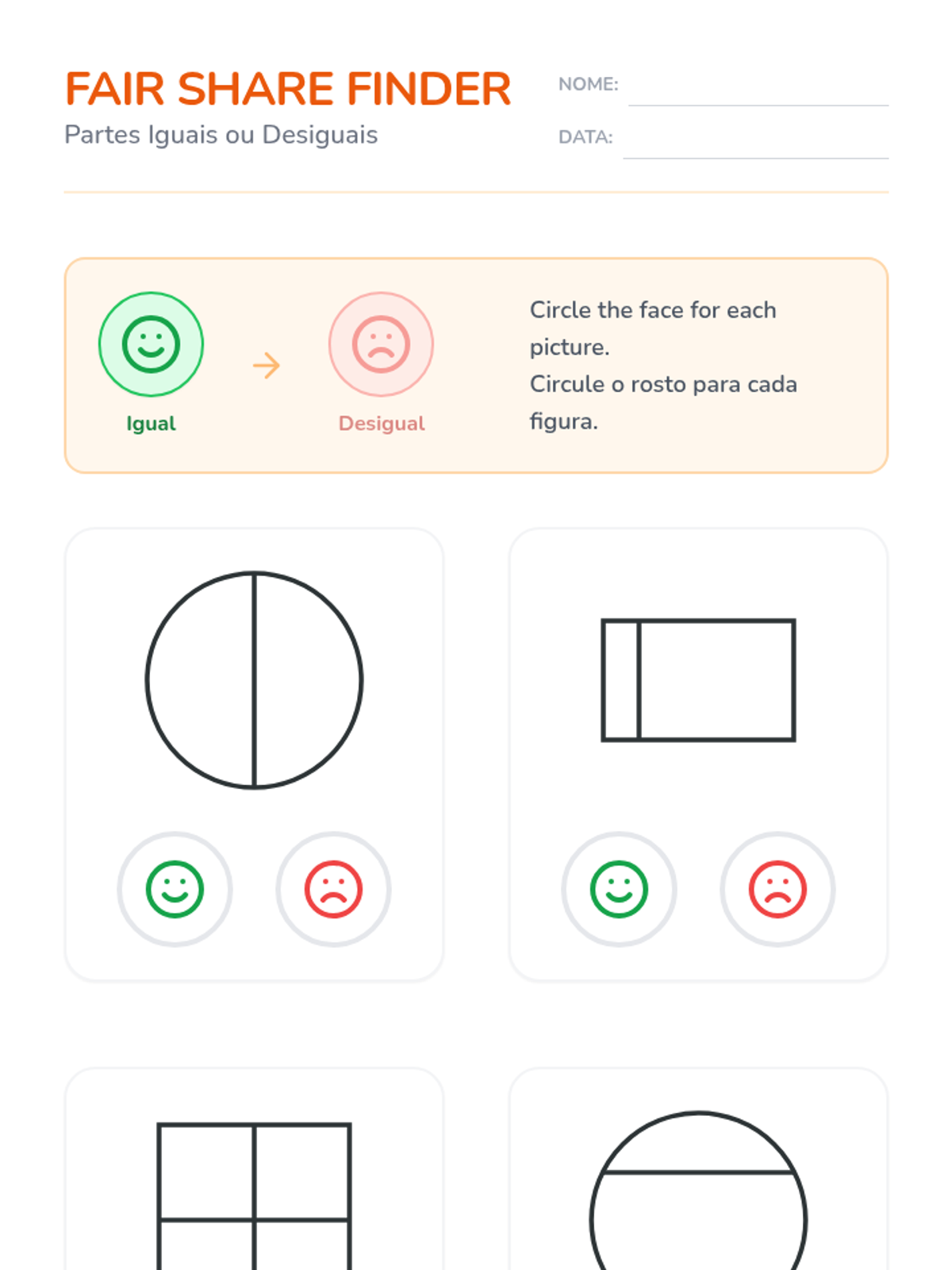
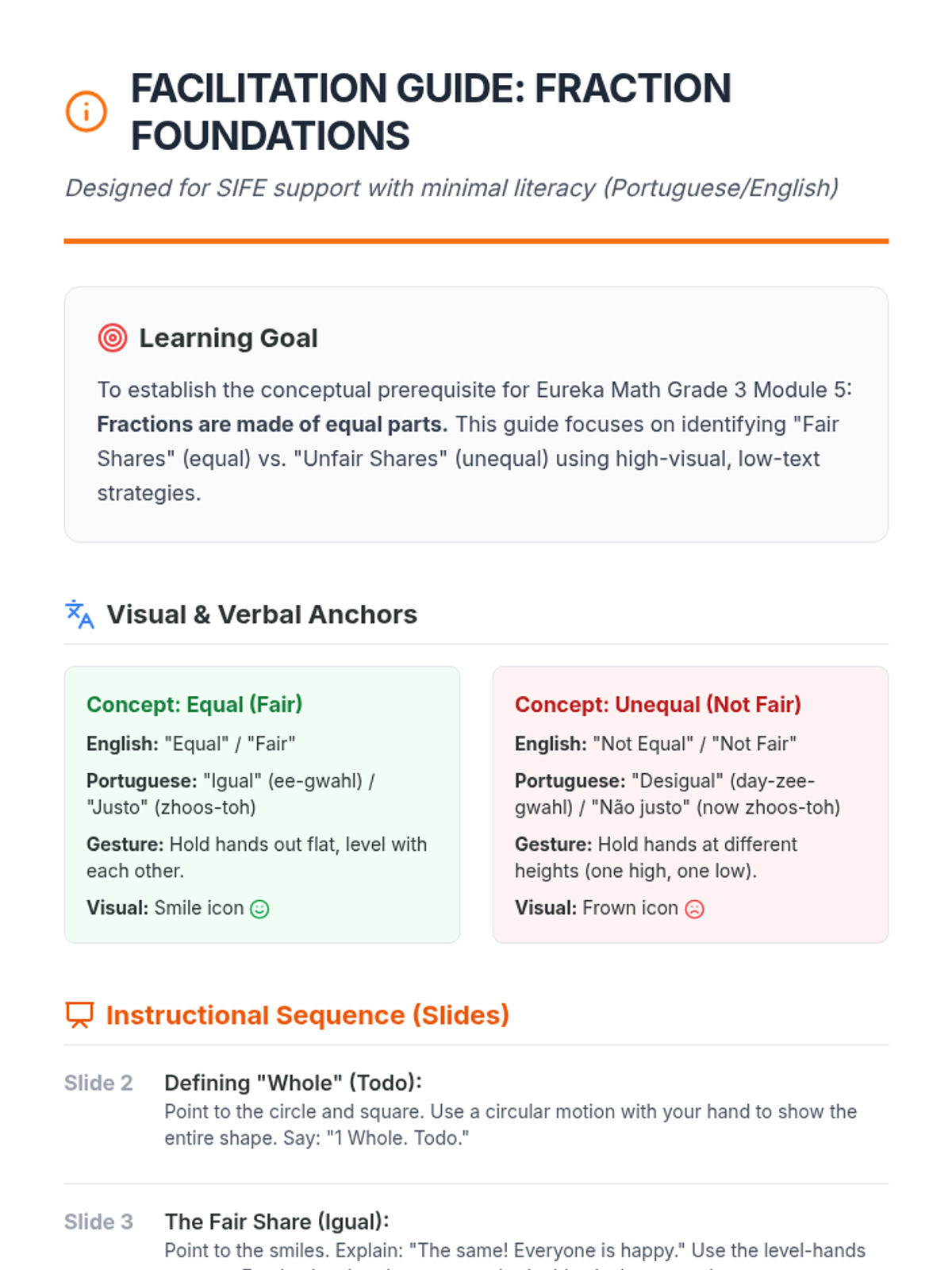
A foundational introduction to fractions as equal parts of a whole, specifically designed for students with interrupted education and no literacy. This lesson uses high-visual, low-text materials to assess and build conceptual understanding of partitioning and fair shares.
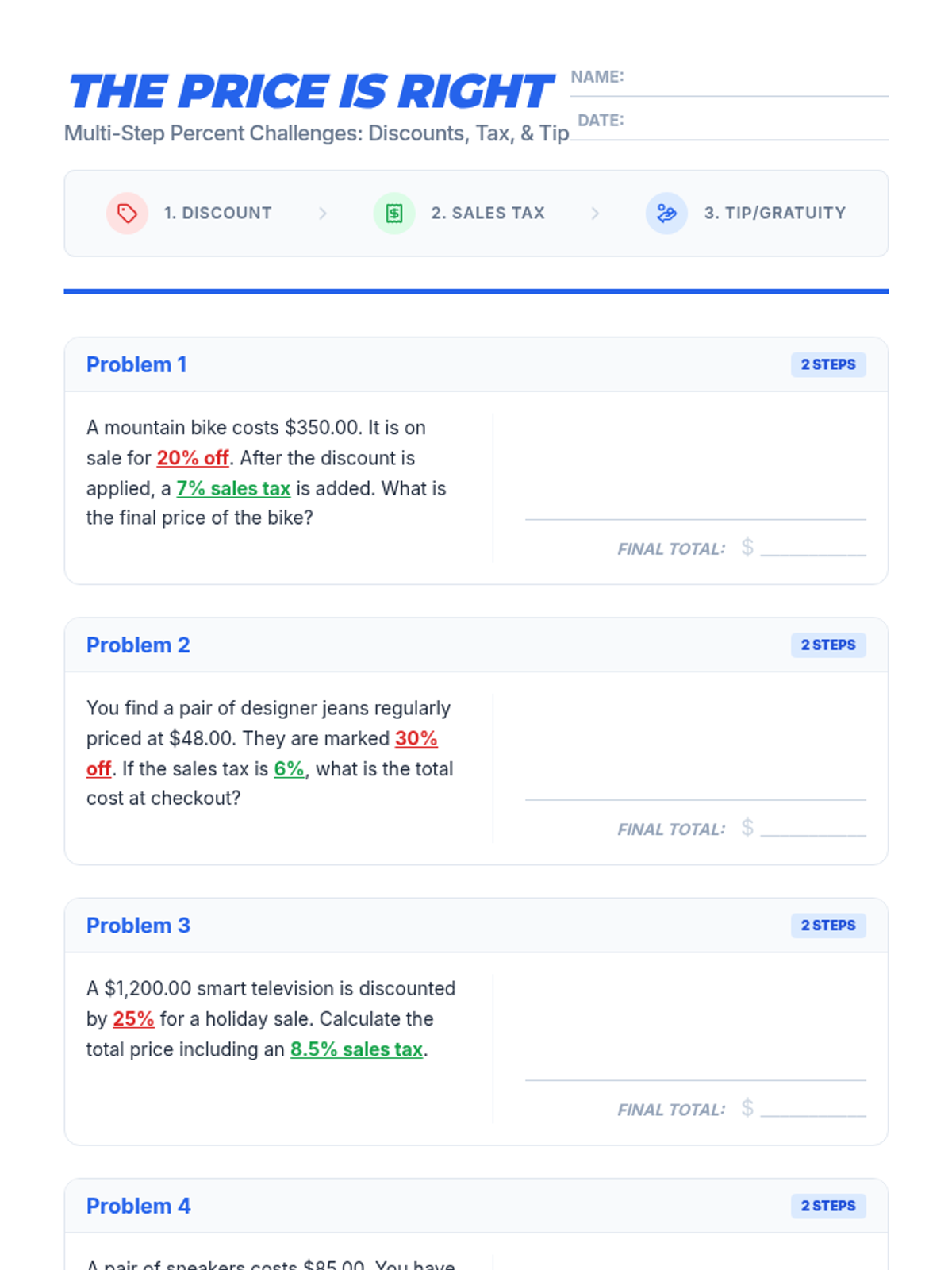
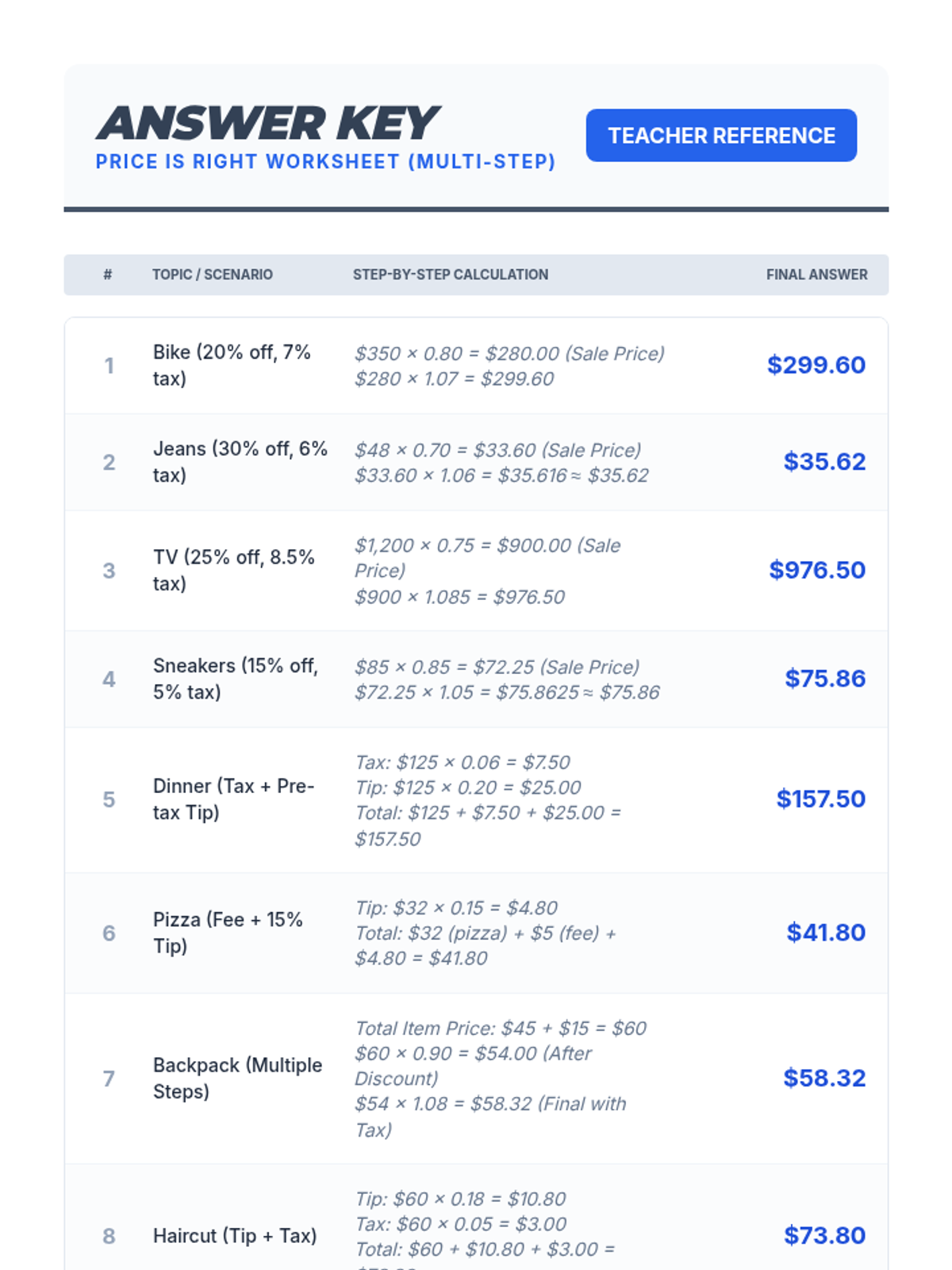
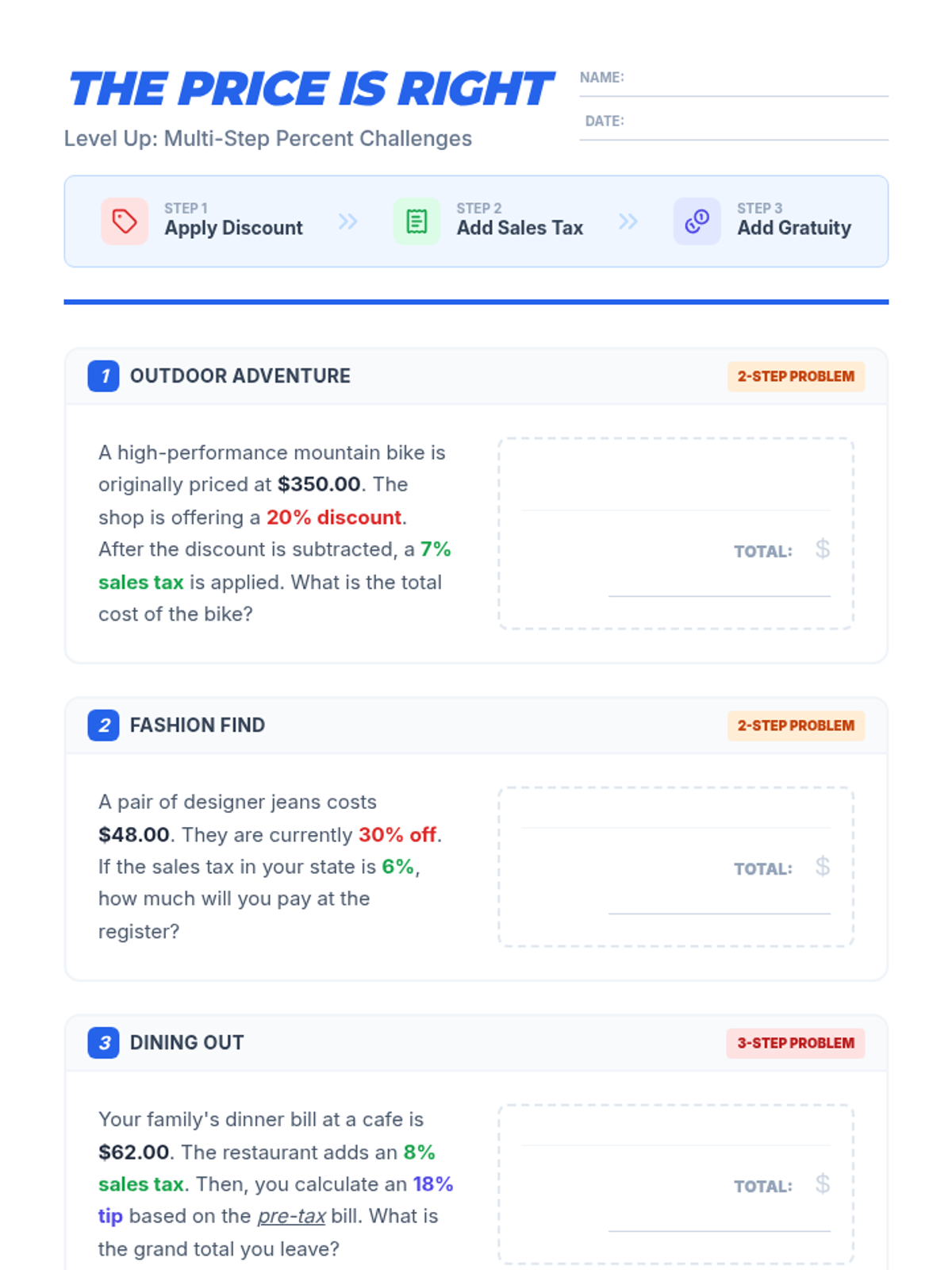
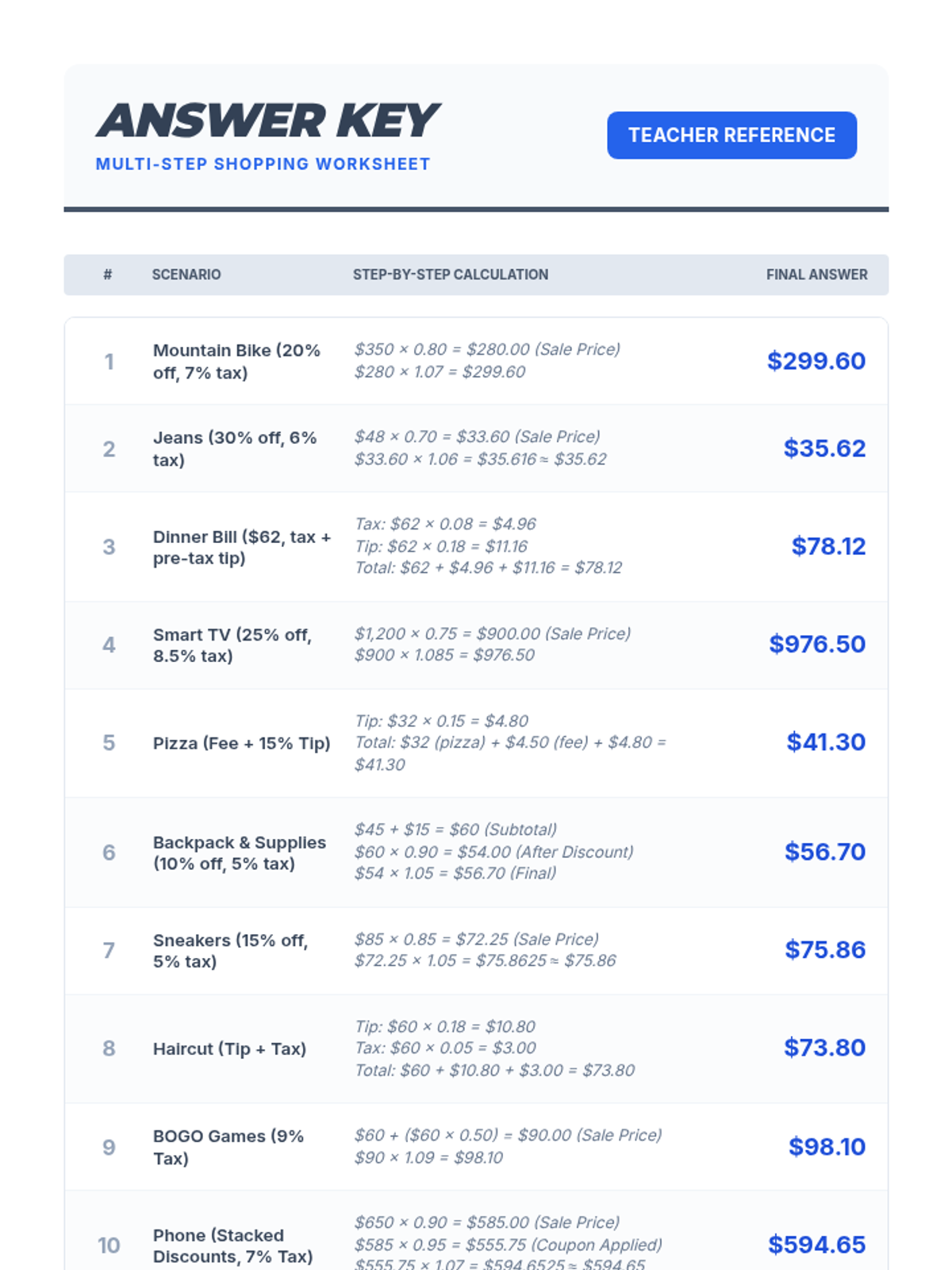
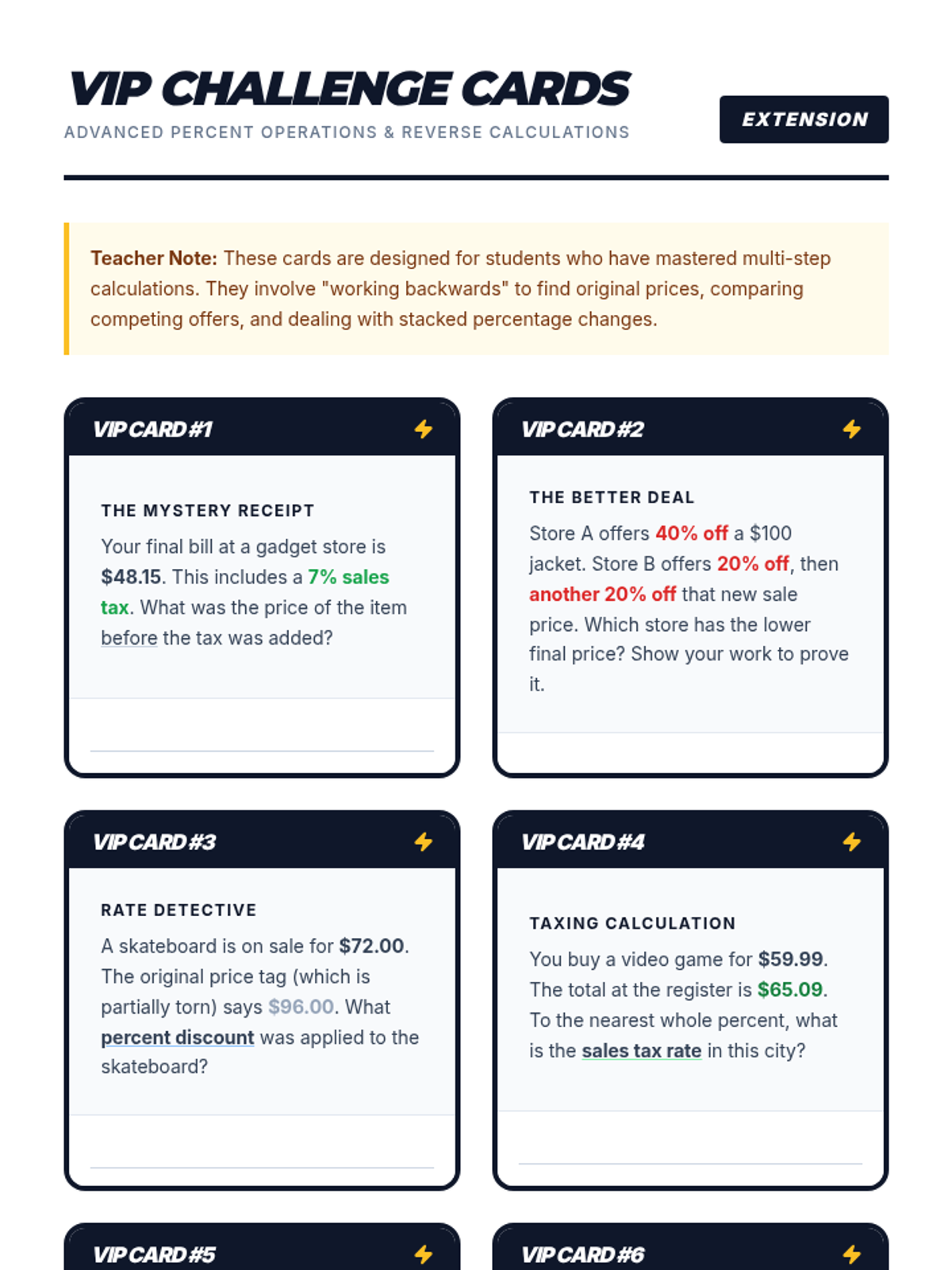
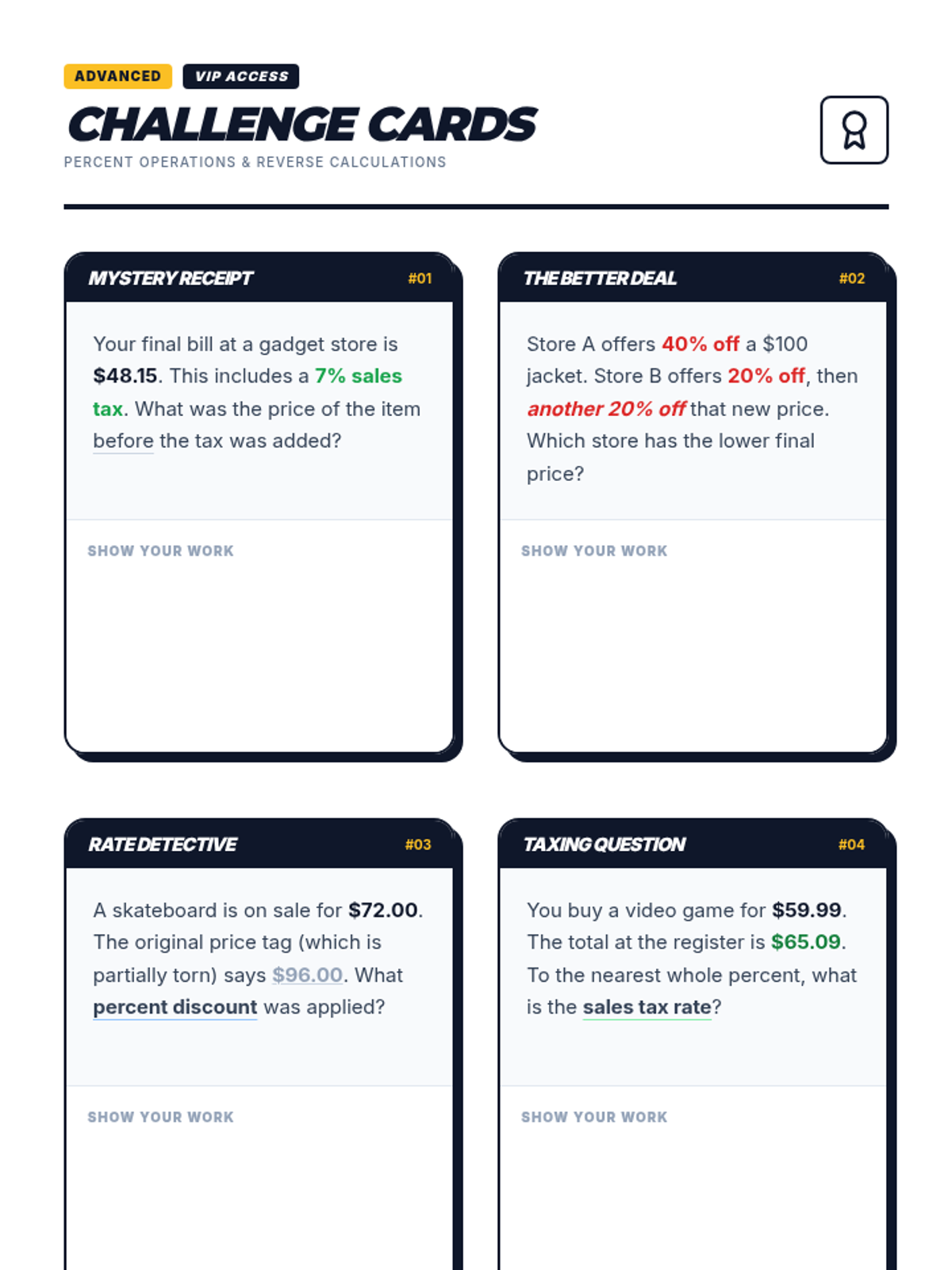
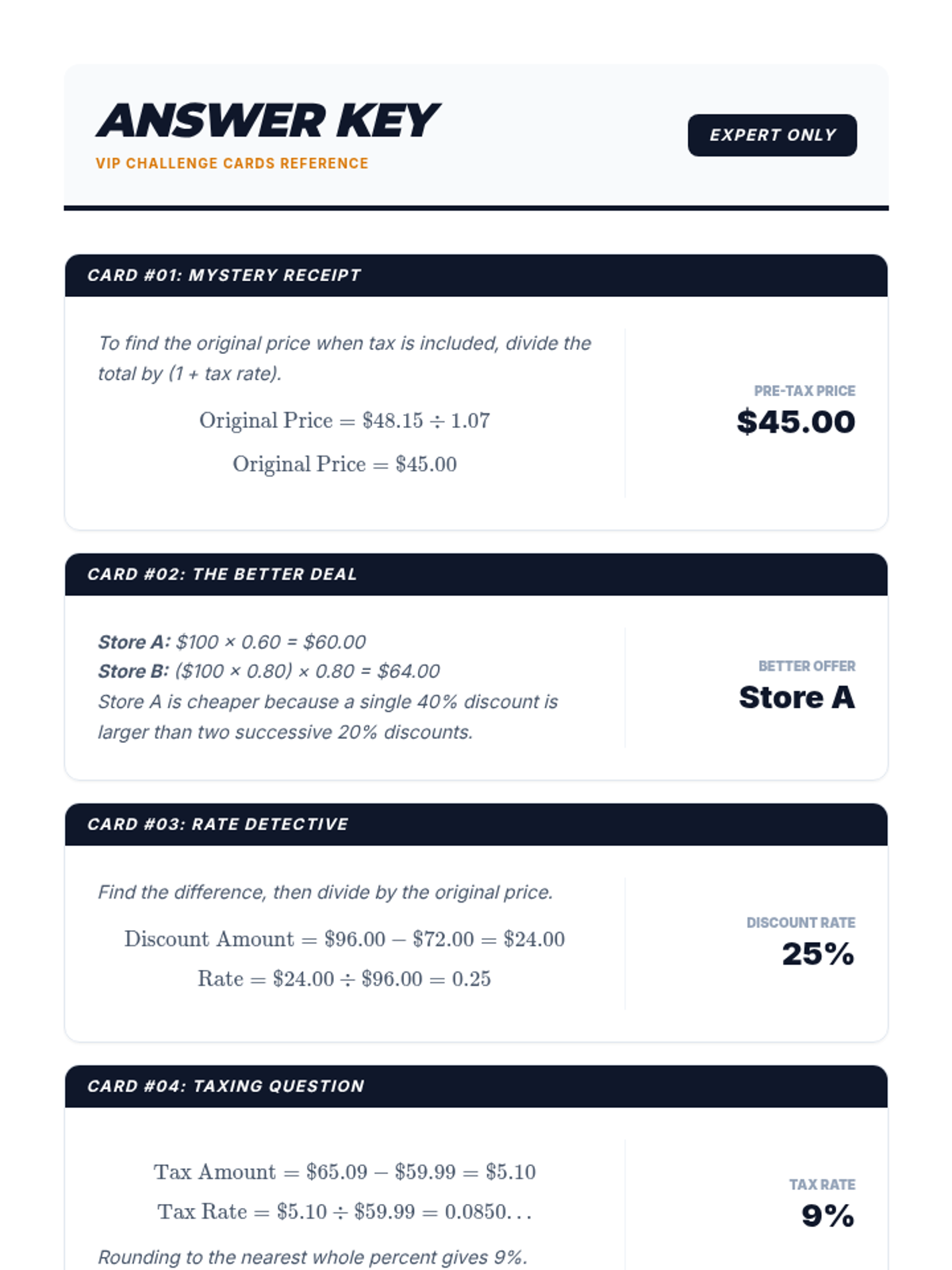
A practical math lesson for 7th-grade students on applying percentages to real-life shopping, including sales tax, gratuity (tip), and store discounts.
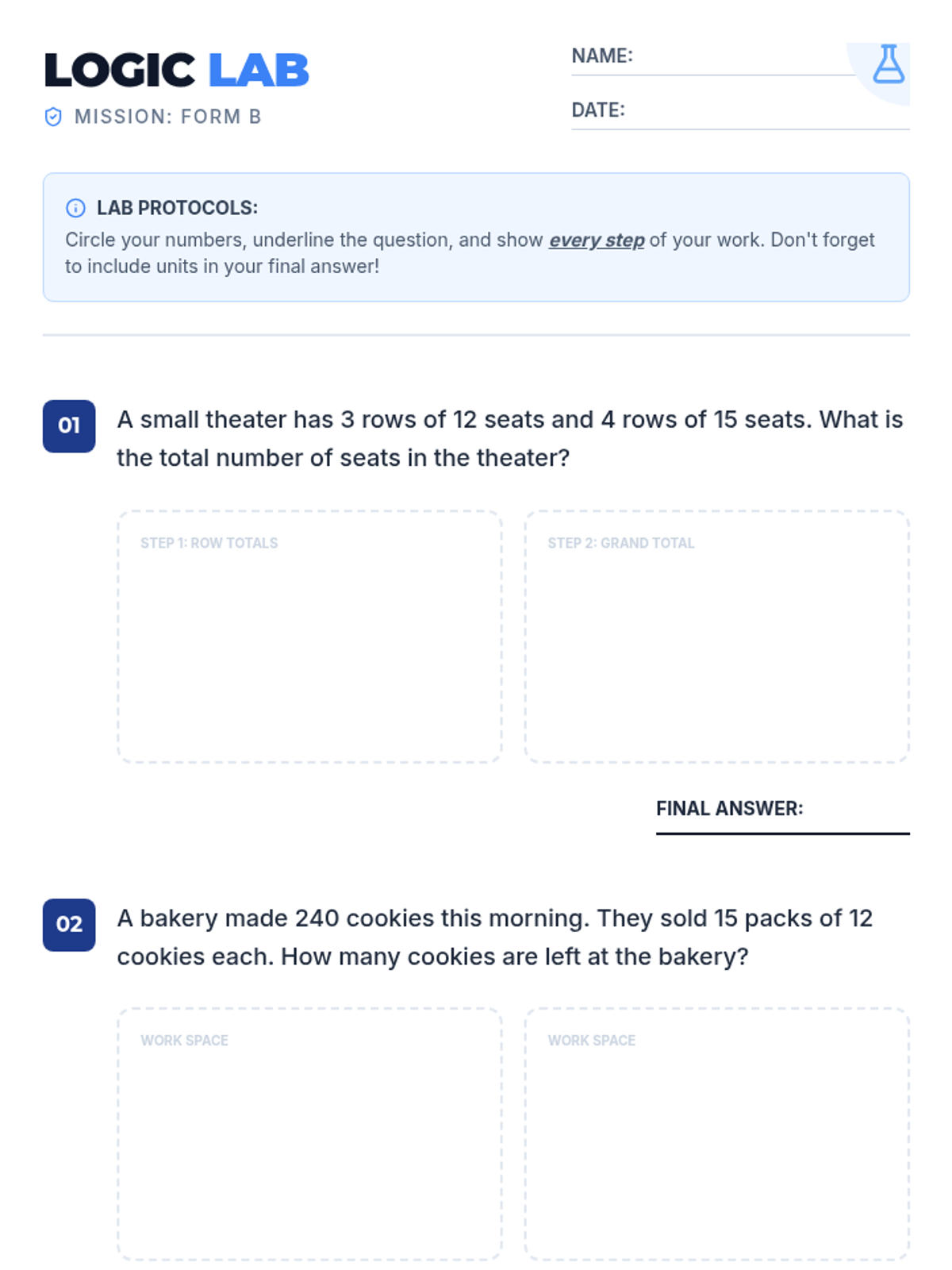
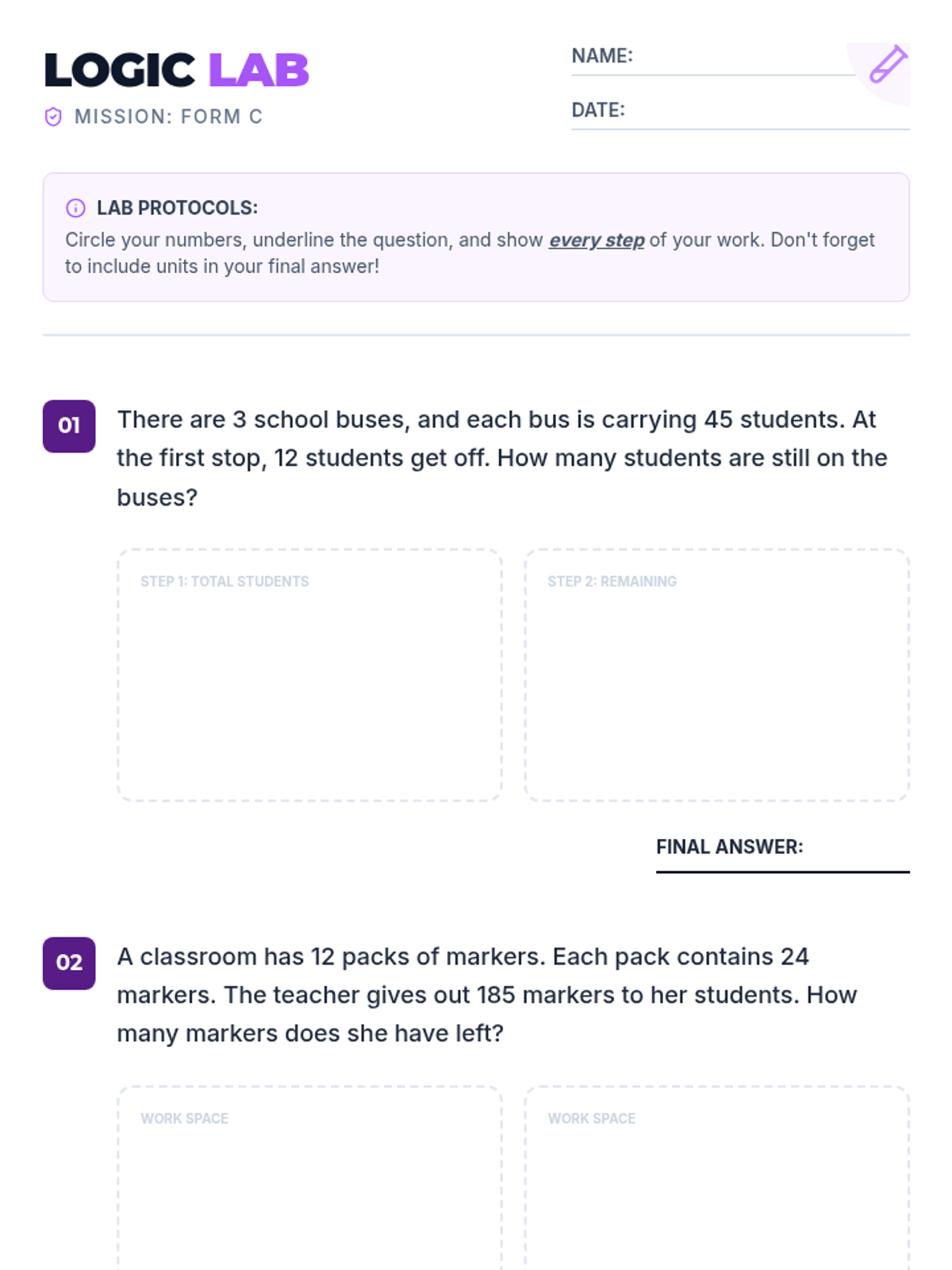
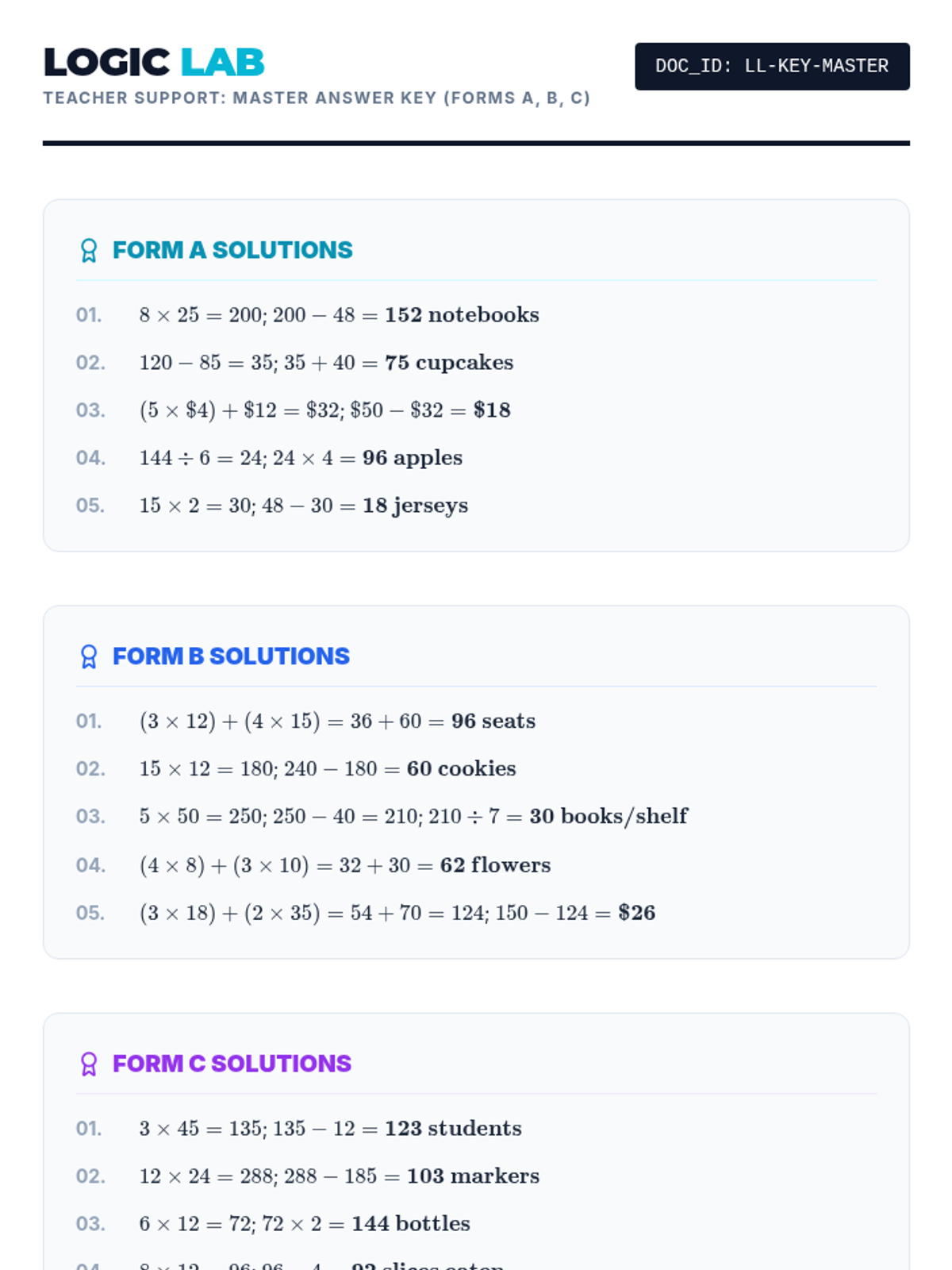
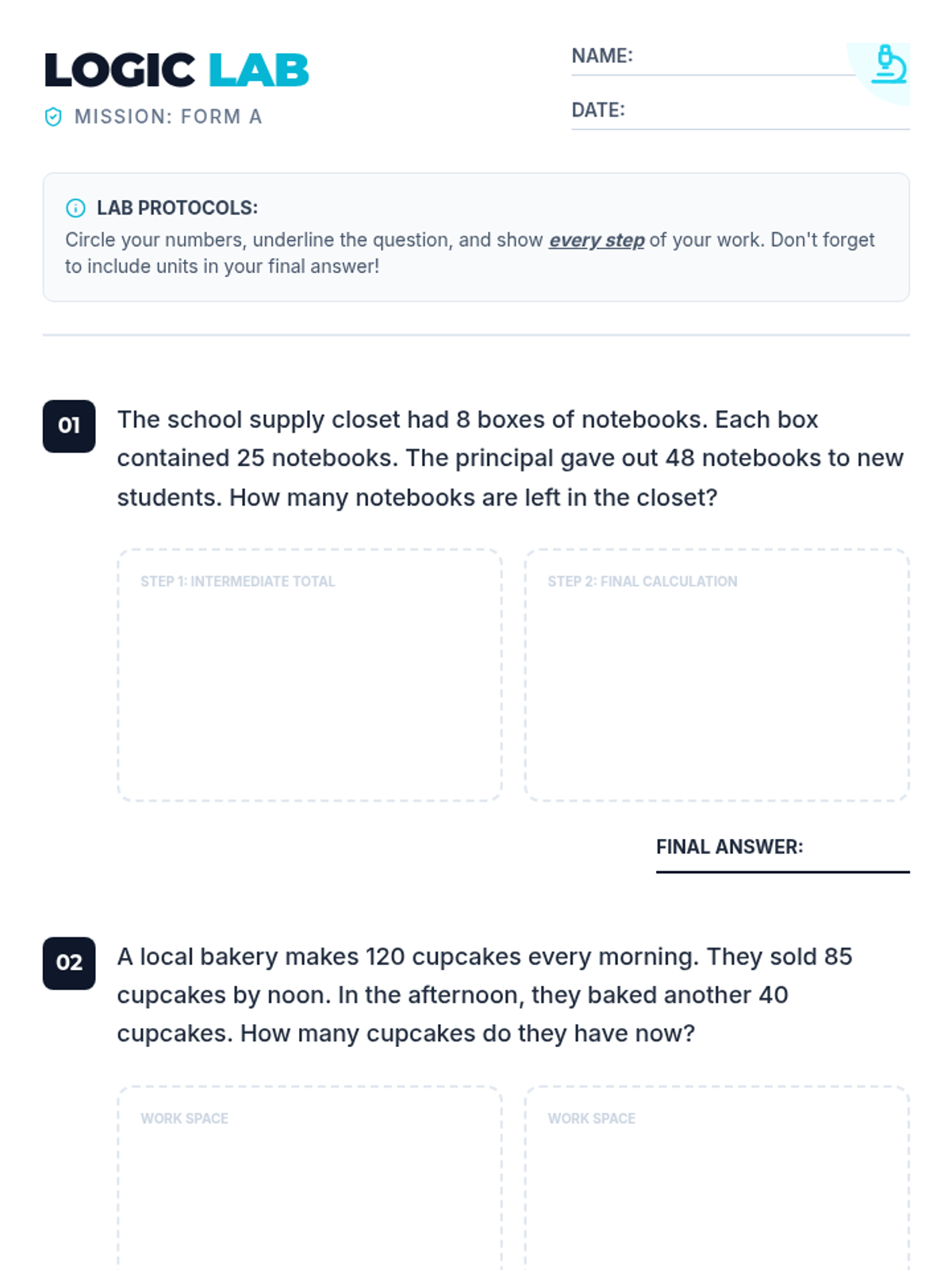
An intervention lesson focused on breaking down and solving multi-step word problems using whole numbers. Includes strategy instruction and a progress monitoring assessment.
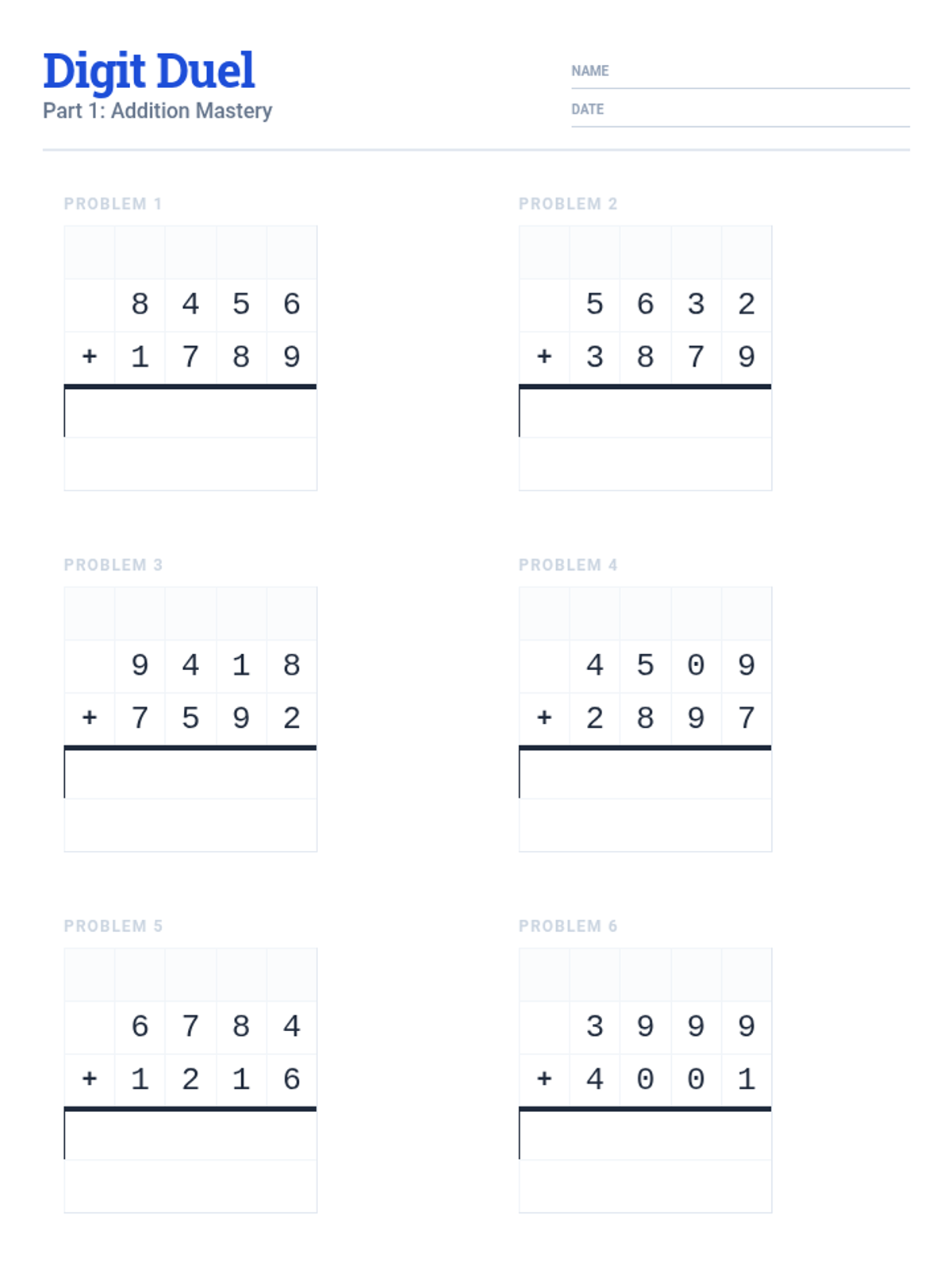
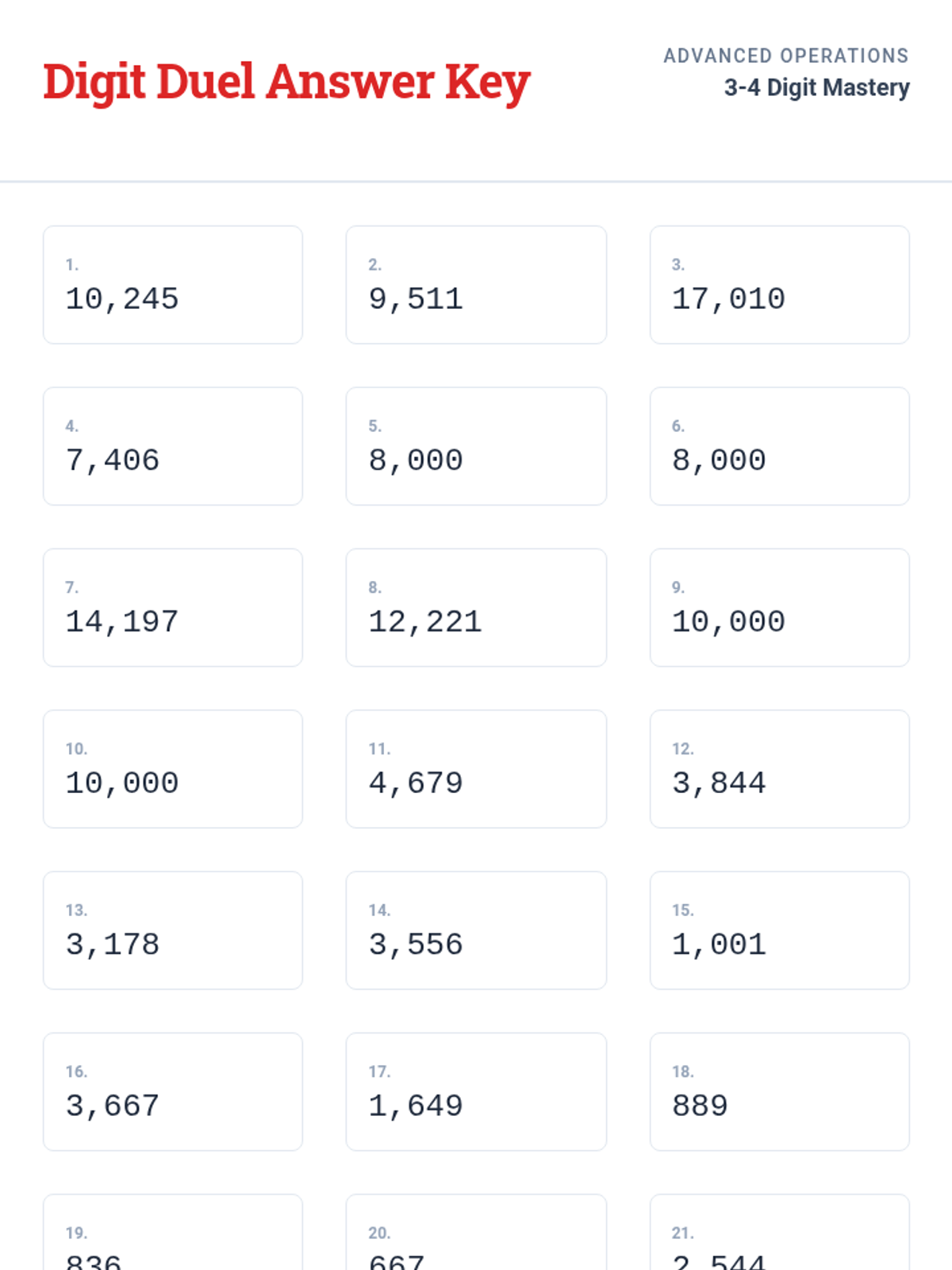
A comprehensive practice set focusing on 3 and 4-digit addition and subtraction with complex regrouping and borrowing across zeros.
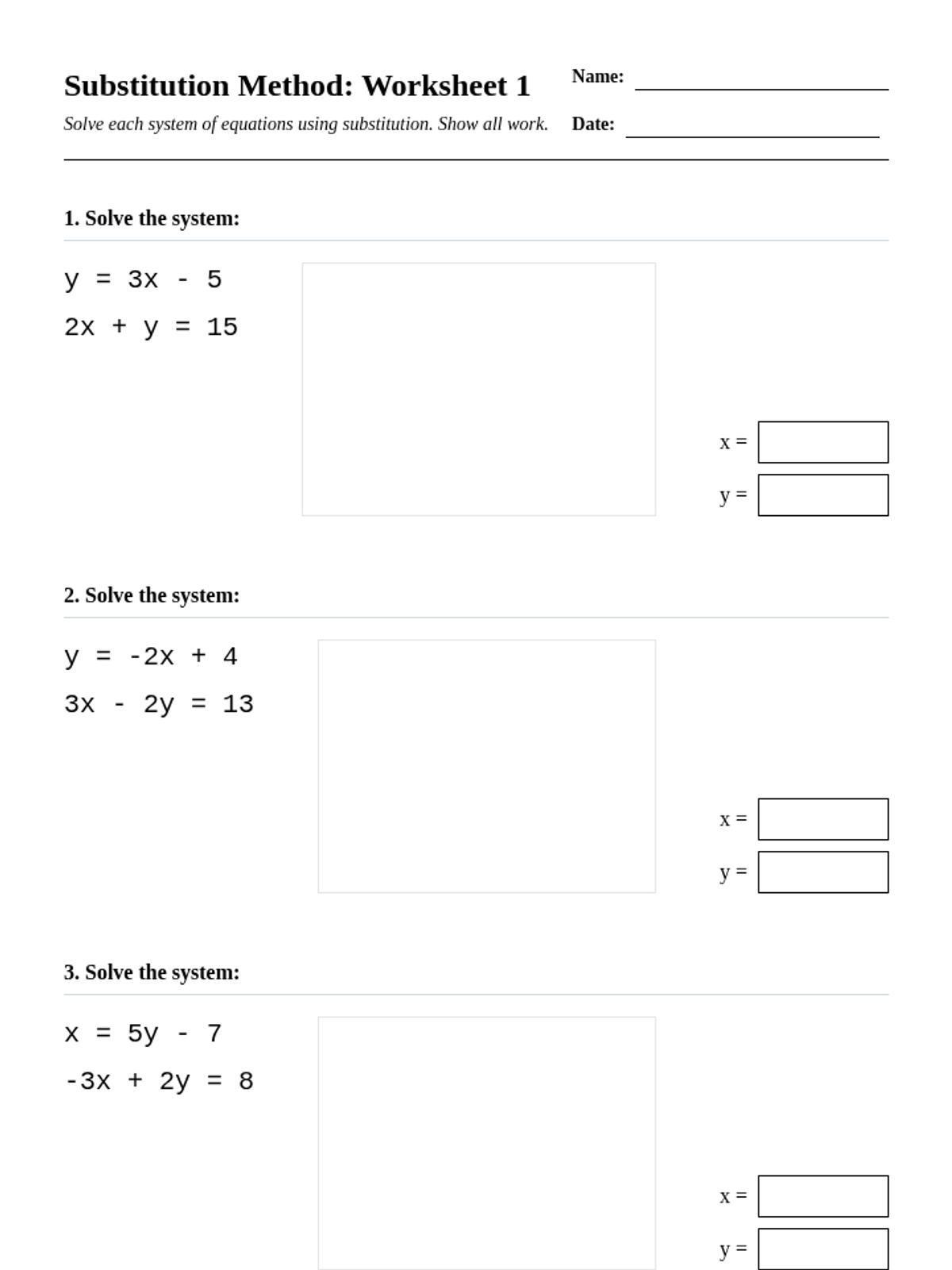
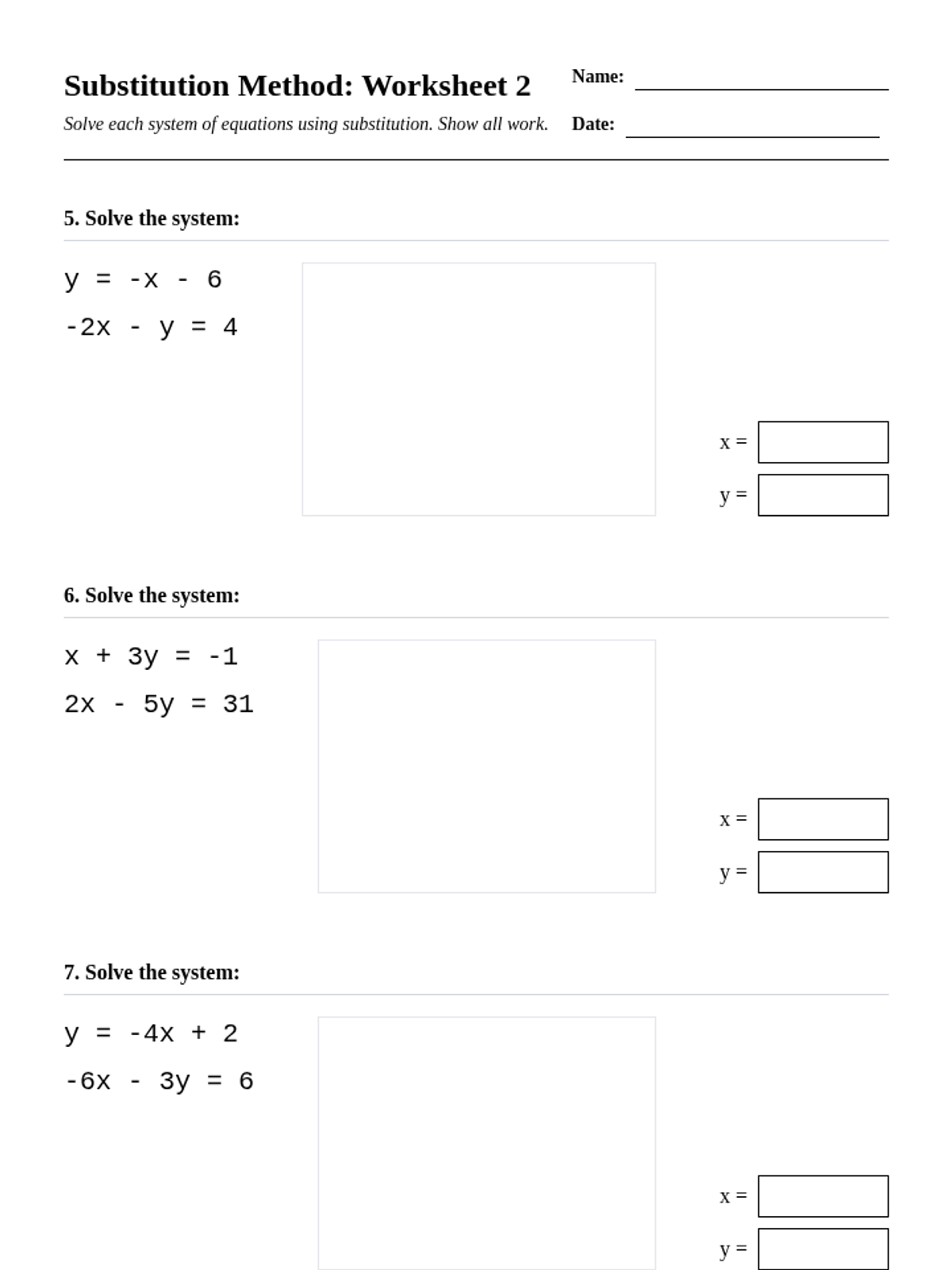
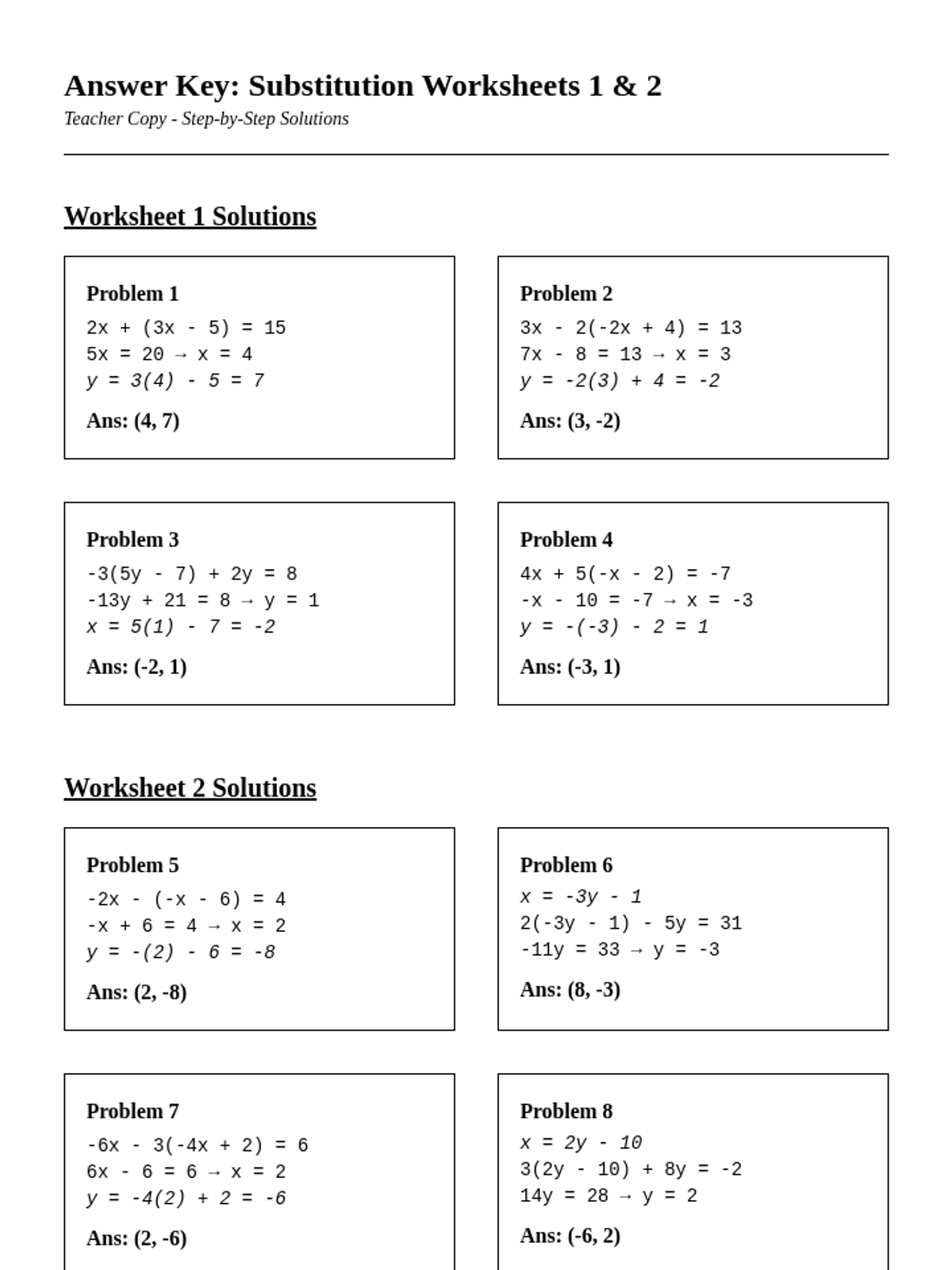
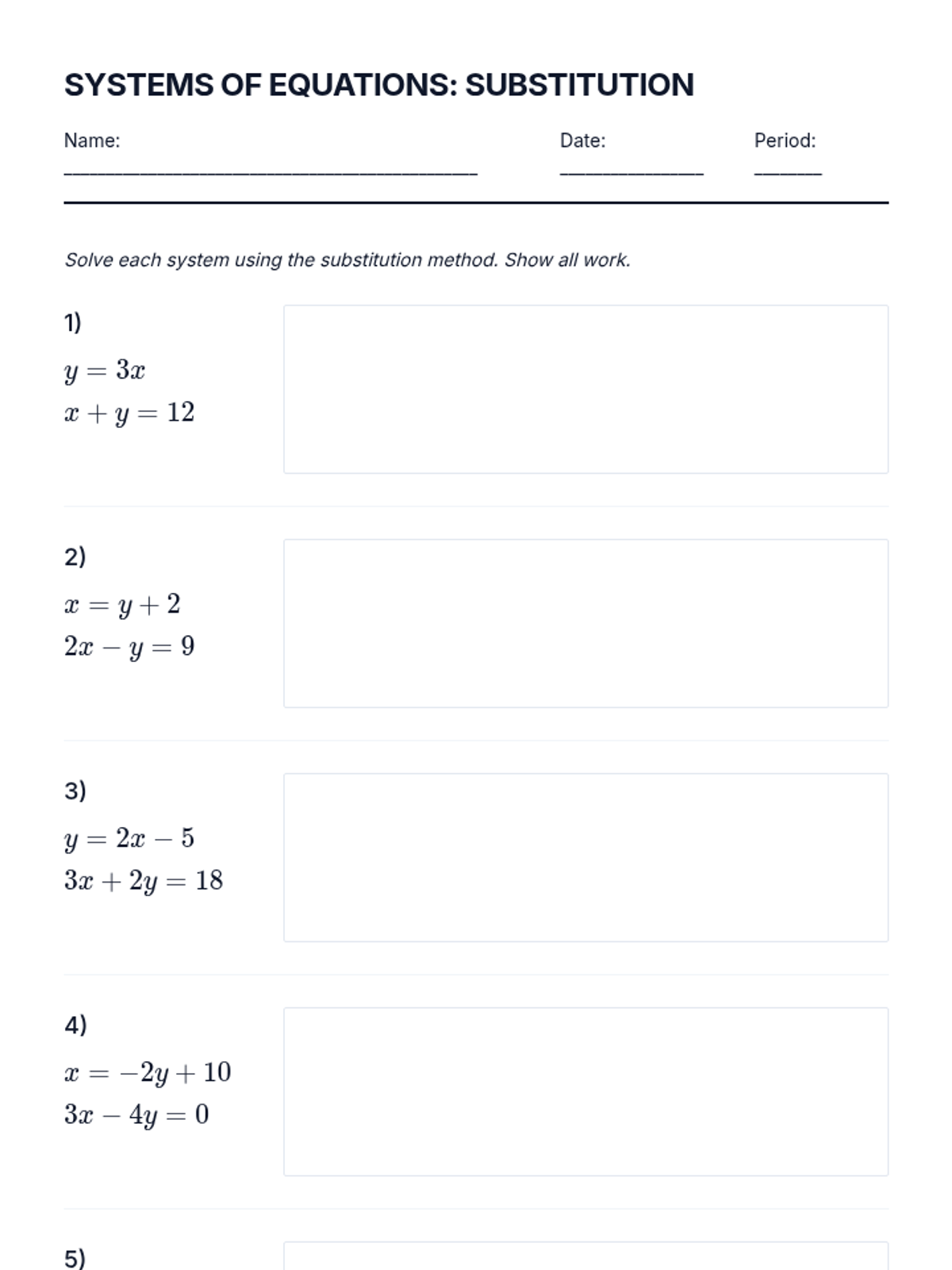
A lesson focused on solving systems of two linear equations using the substitution method, specifically highlighting the distribution of negative values and handling negative results.
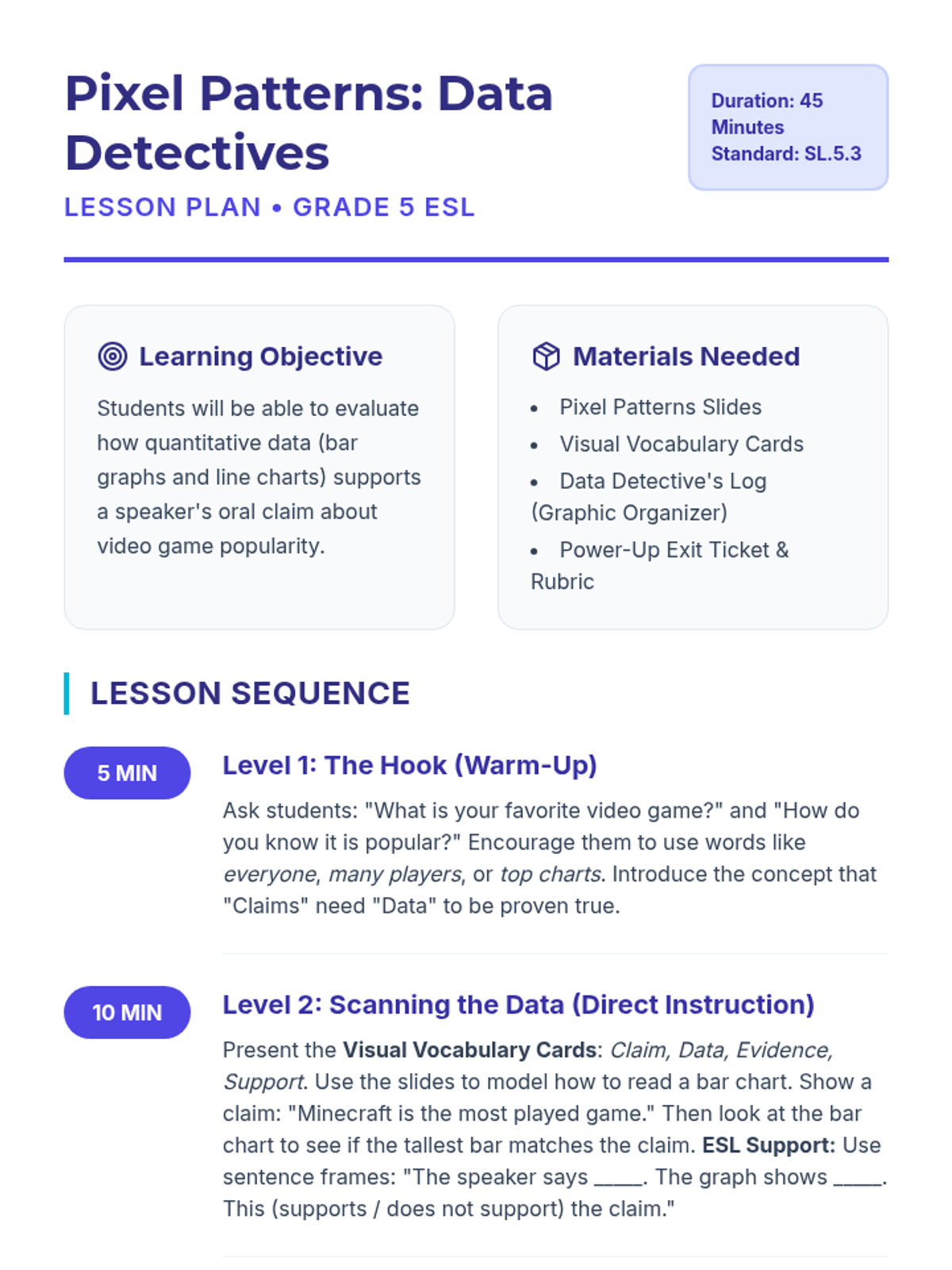
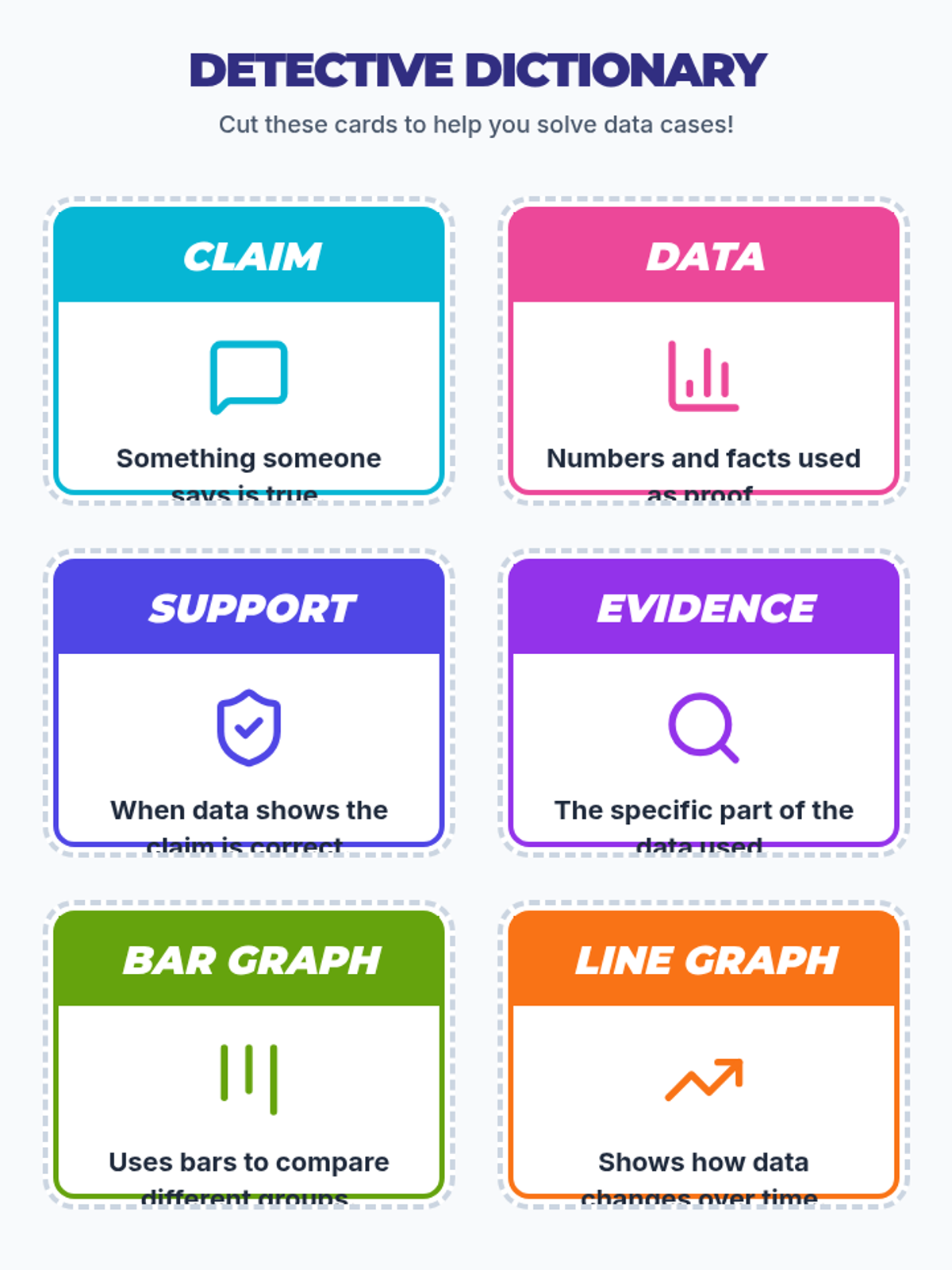
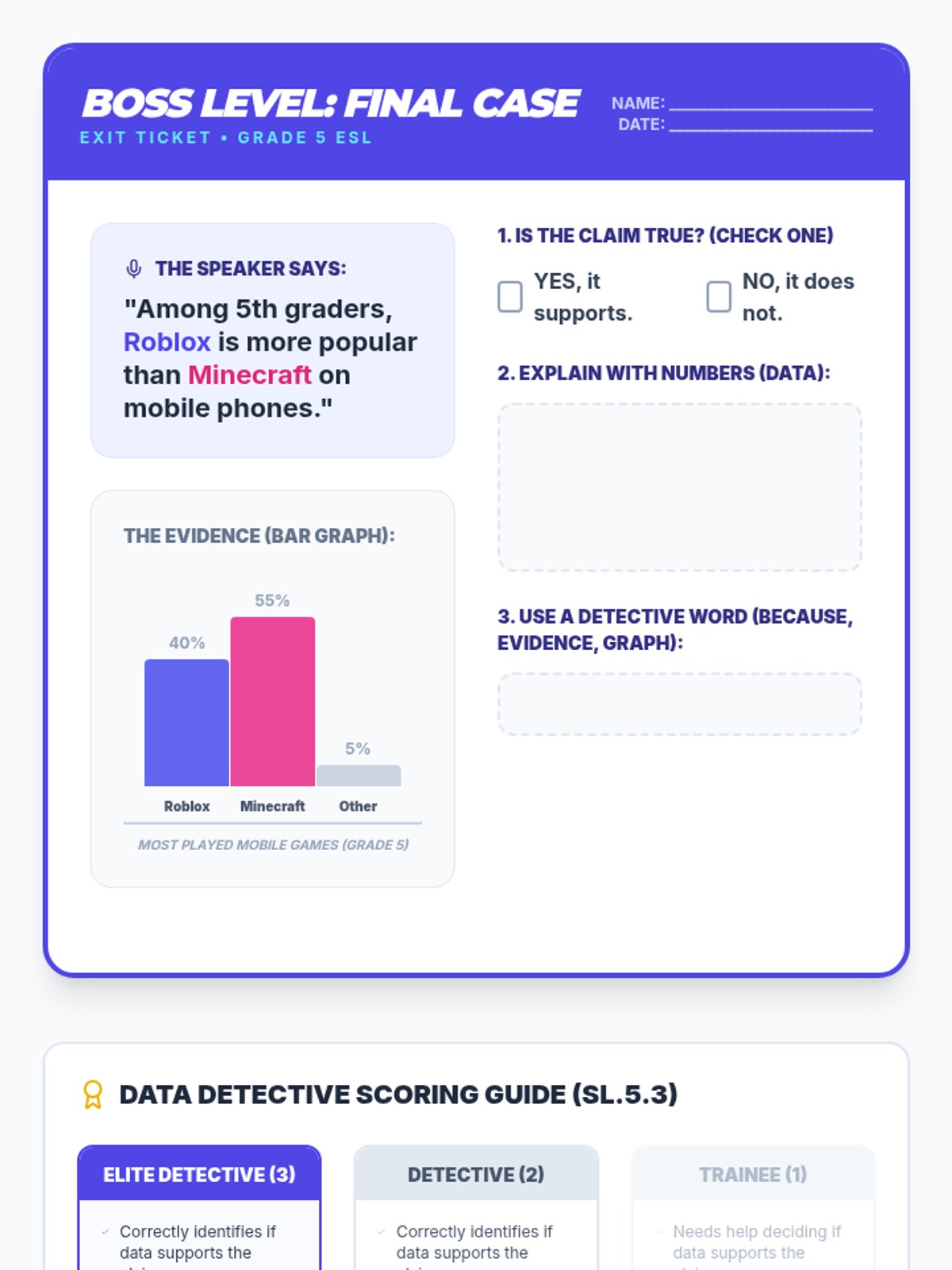
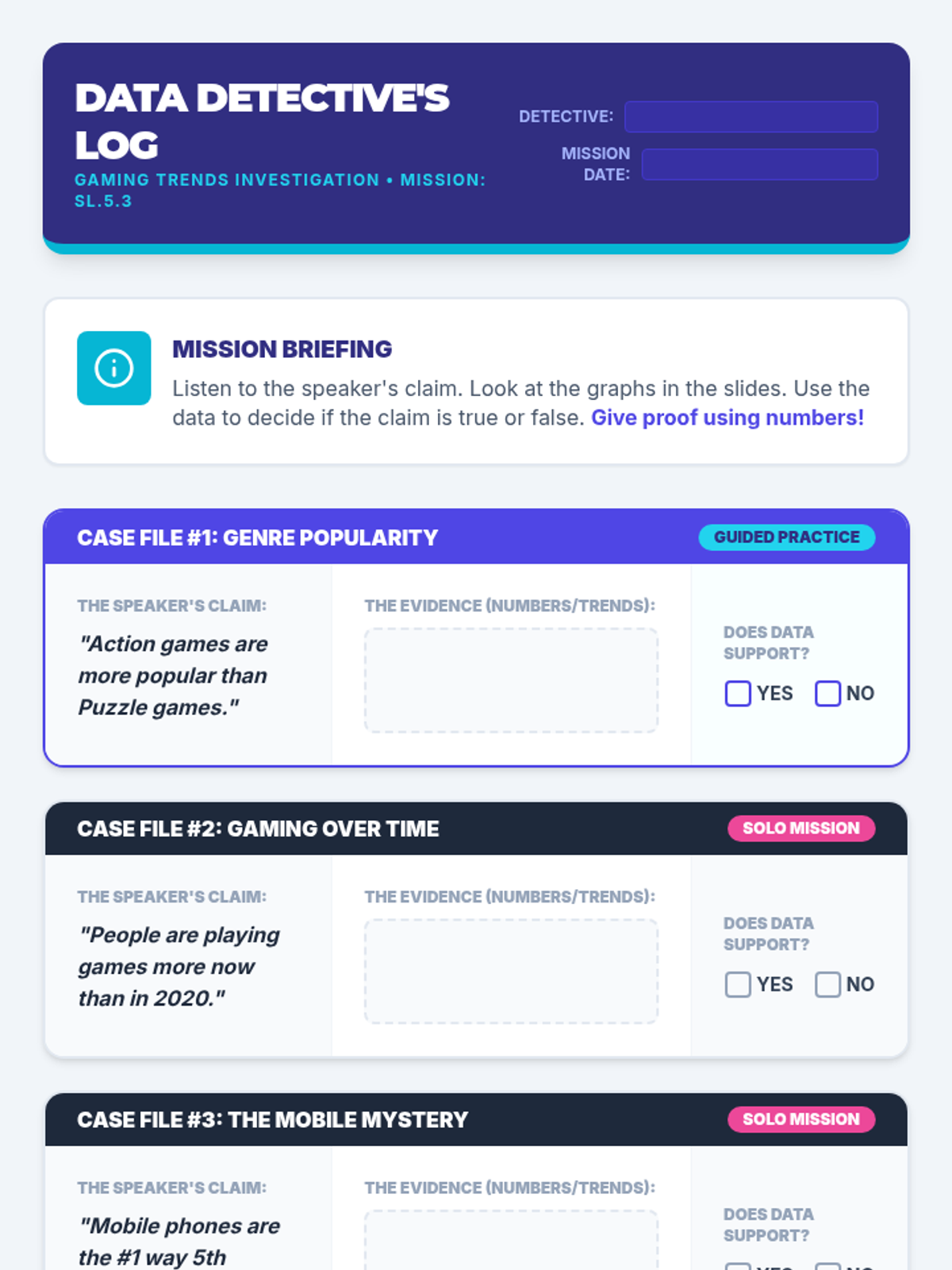
A 45-minute ESL lesson for 5th graders focused on evaluating how quantitative data supports oral claims, themed around video game popularity trends. Students act as 'Data Detectives' to verify gaming claims using charts and graphs.
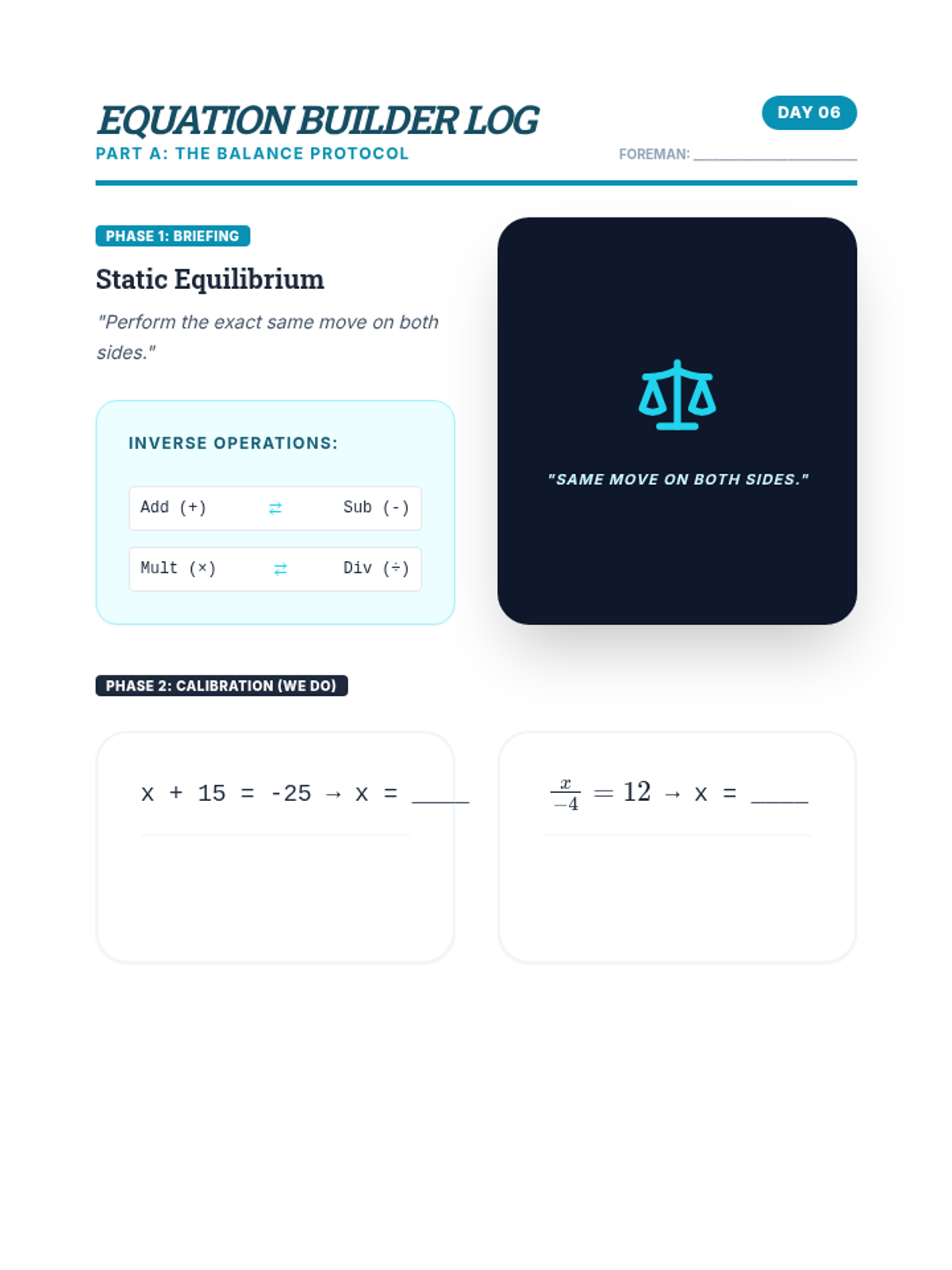
Introduces strategies for balancing and solving one-, two-, and multi-step linear equations using inverse operations.
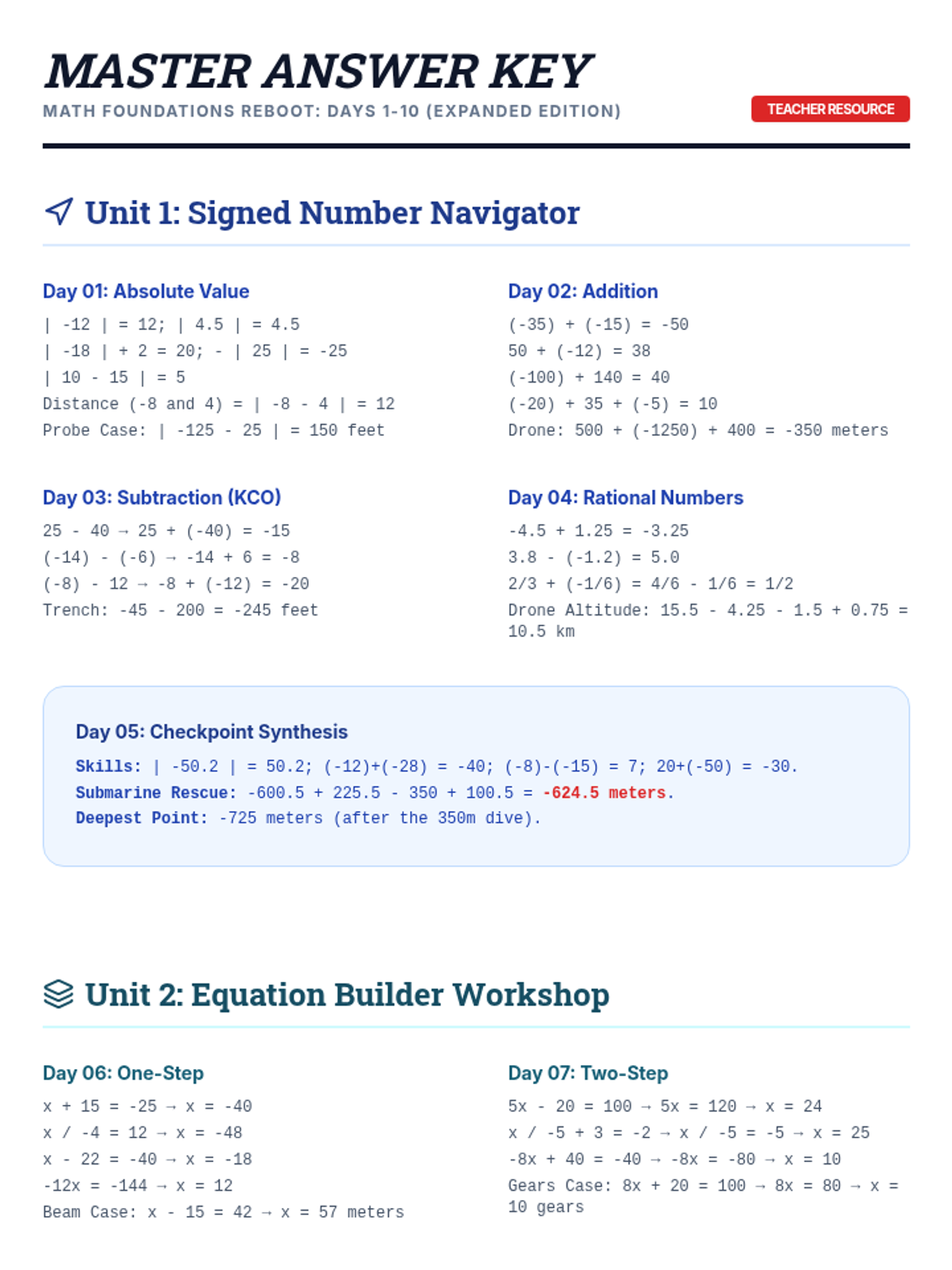
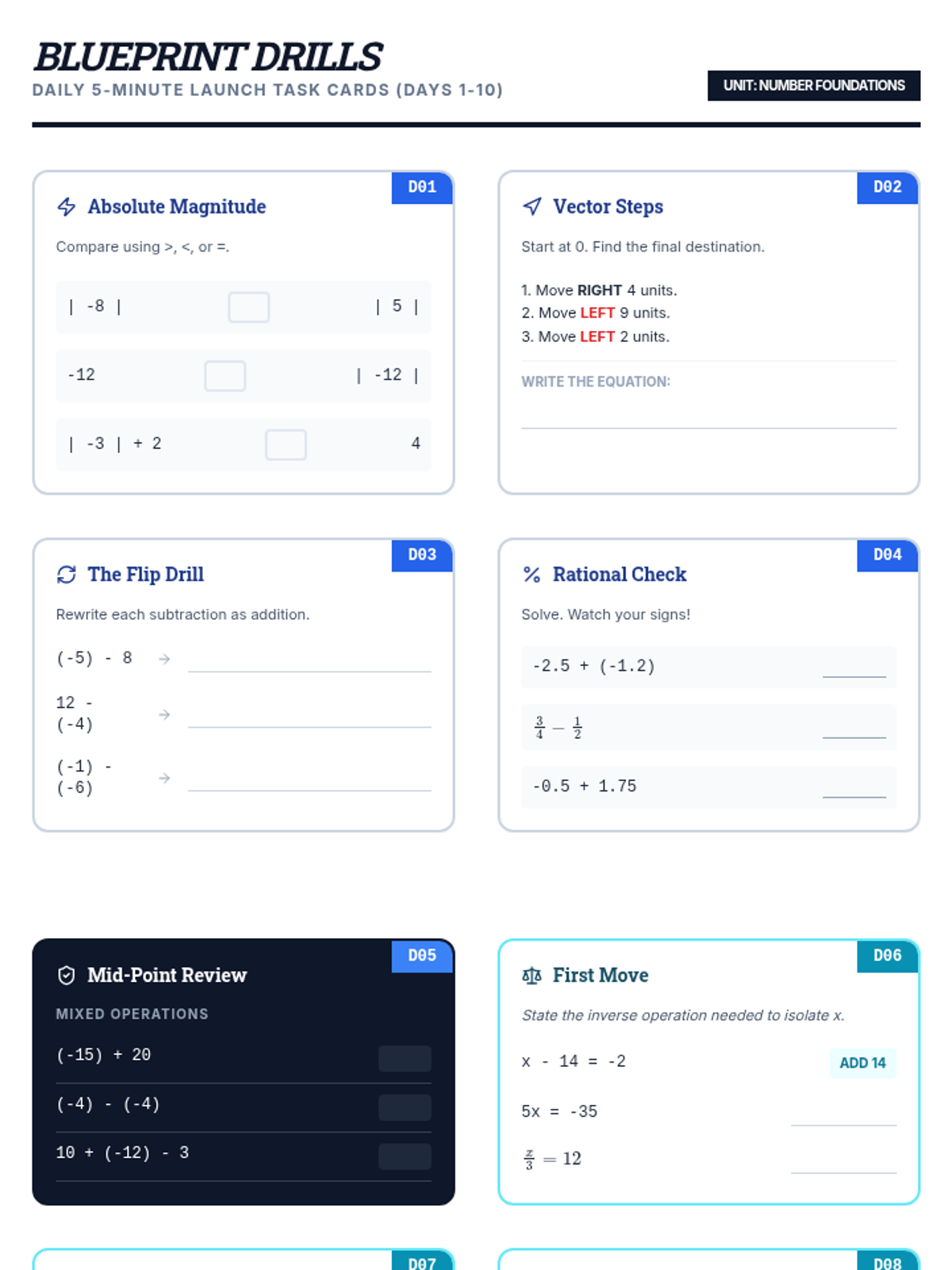
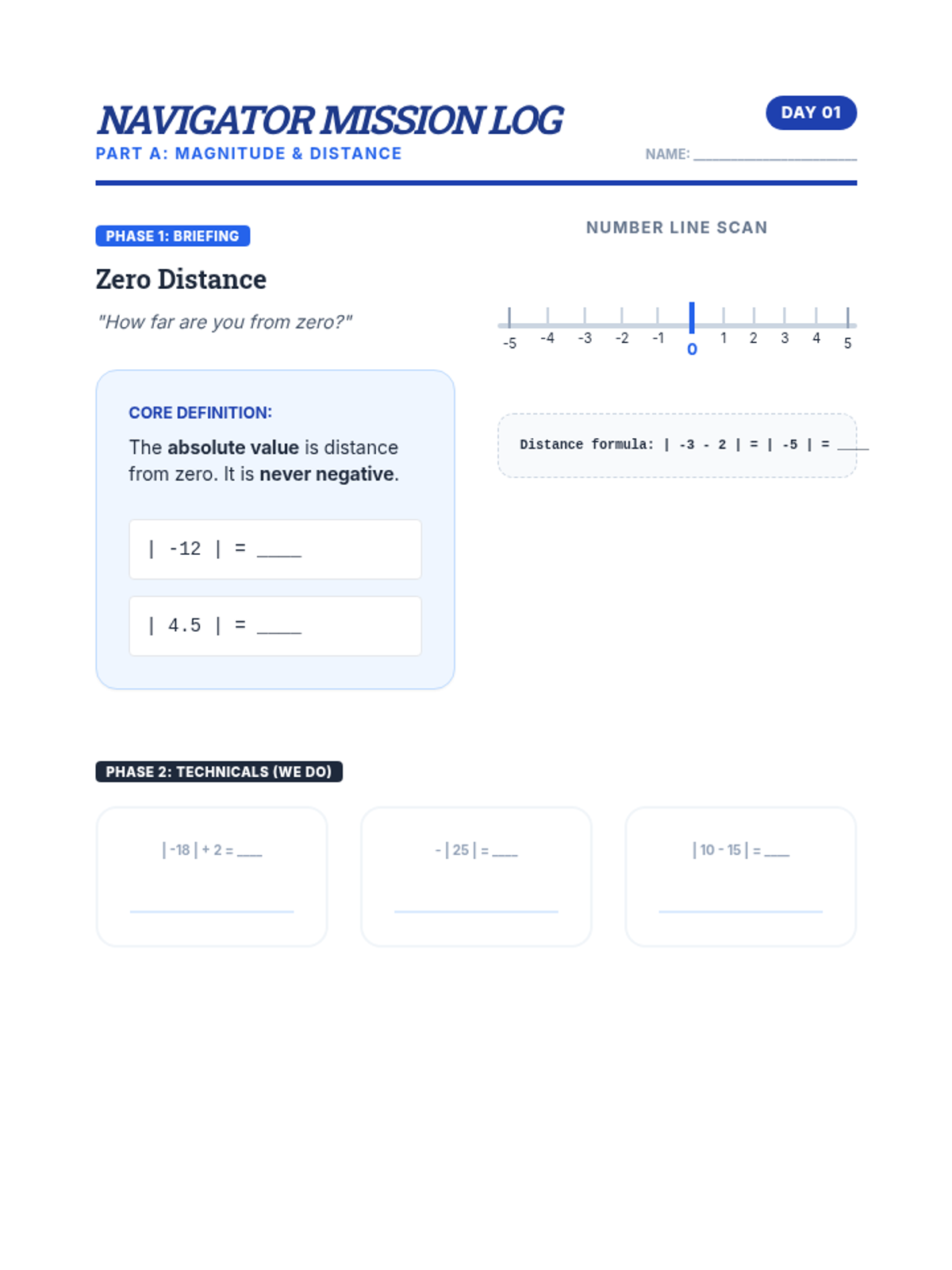
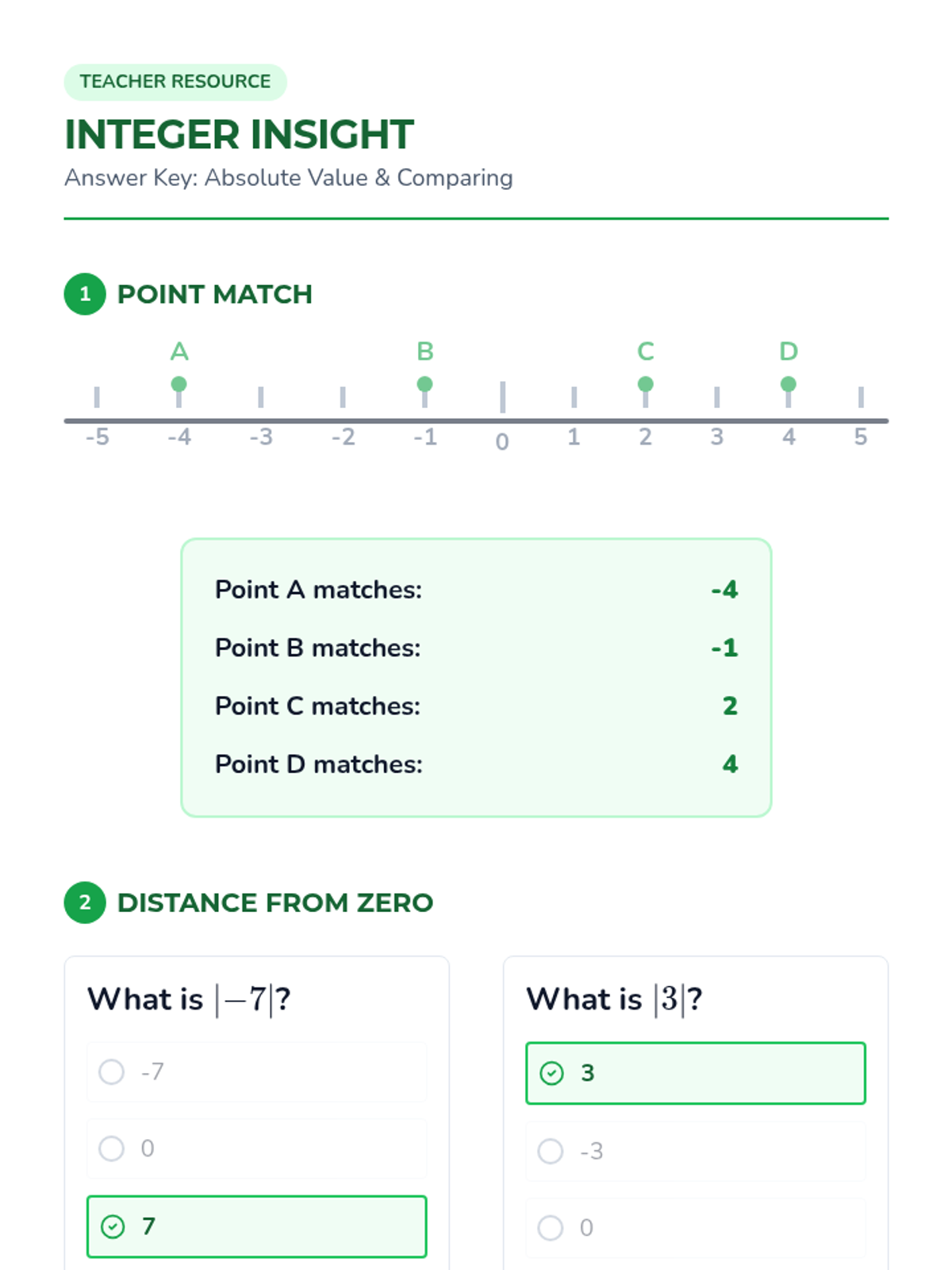
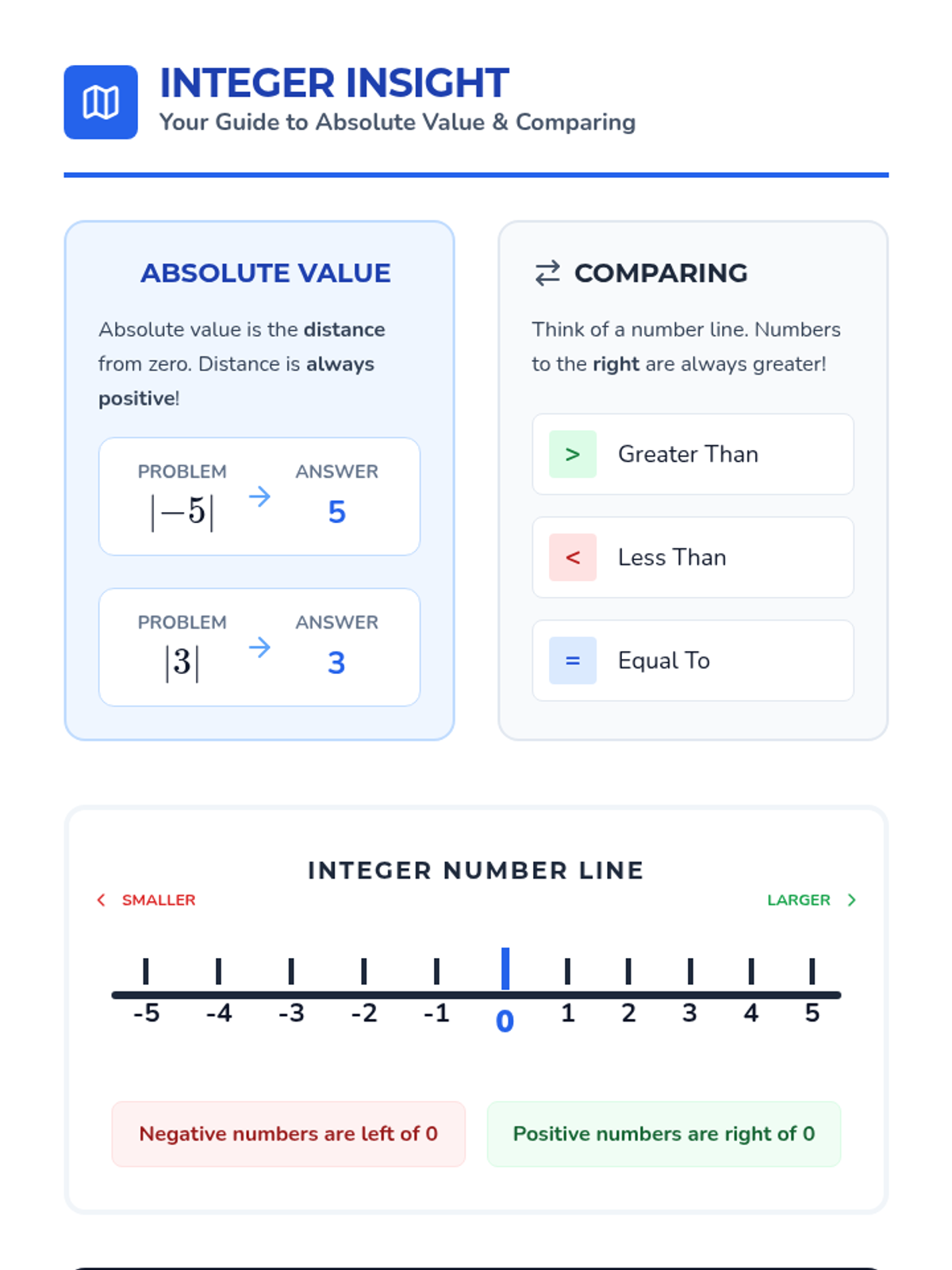
Focuses on mastery of integer operations, absolute value, and rational number properties through visual number line navigation.
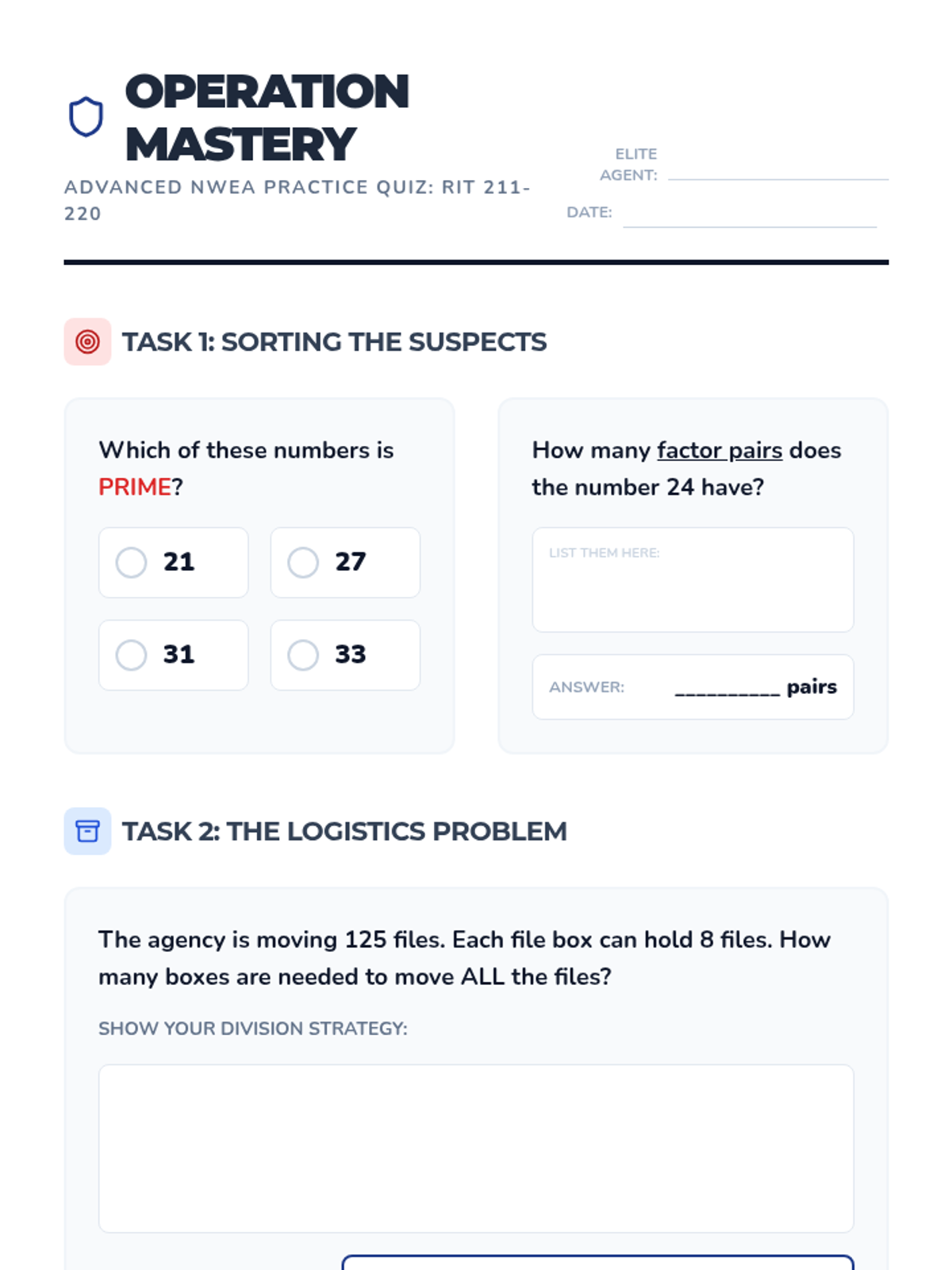
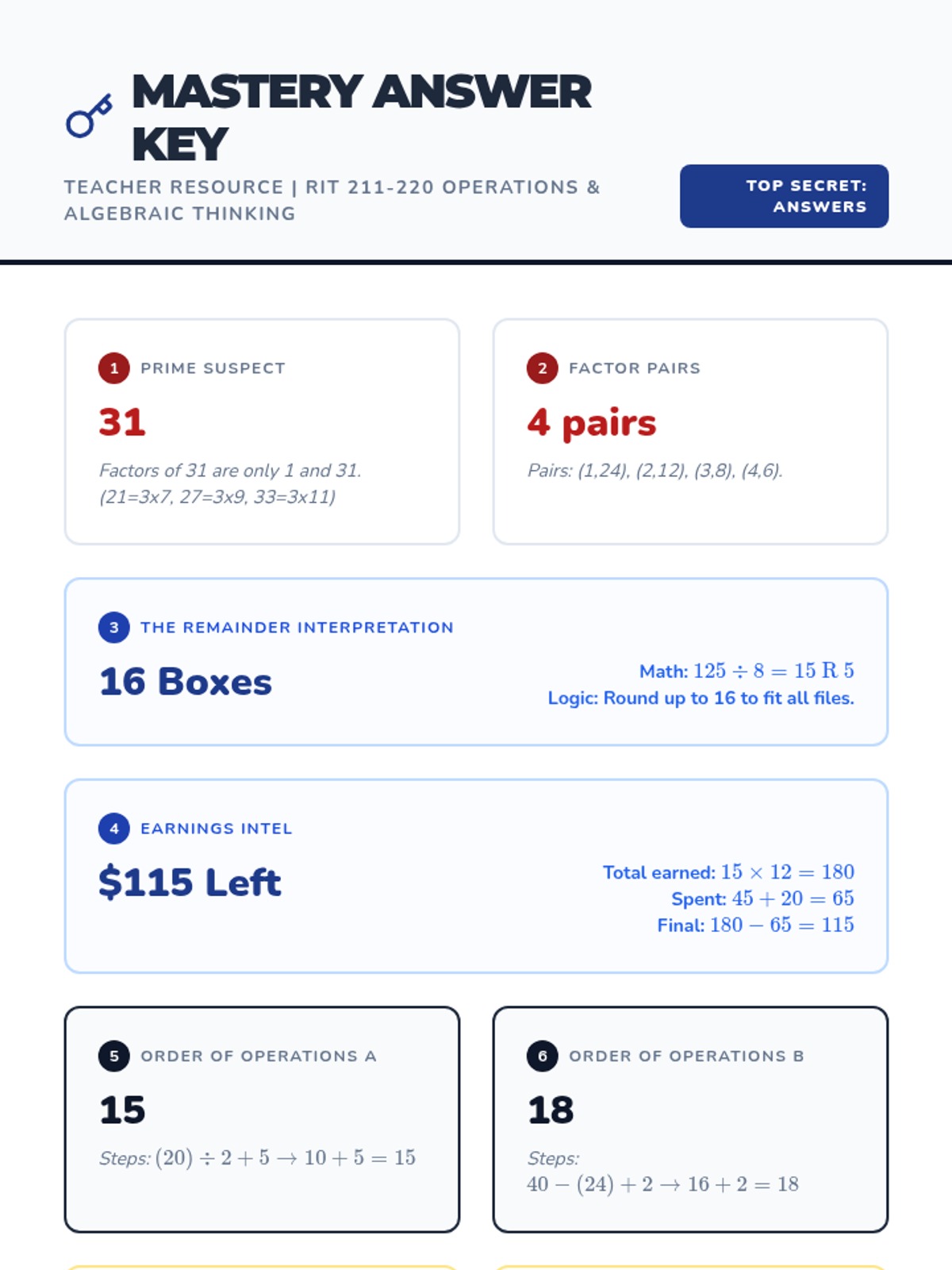
Advanced operations and algebraic thinking for the RIT 211-220 range, covering factors, multiples, prime/composite numbers, and multi-step word problems with remainders.
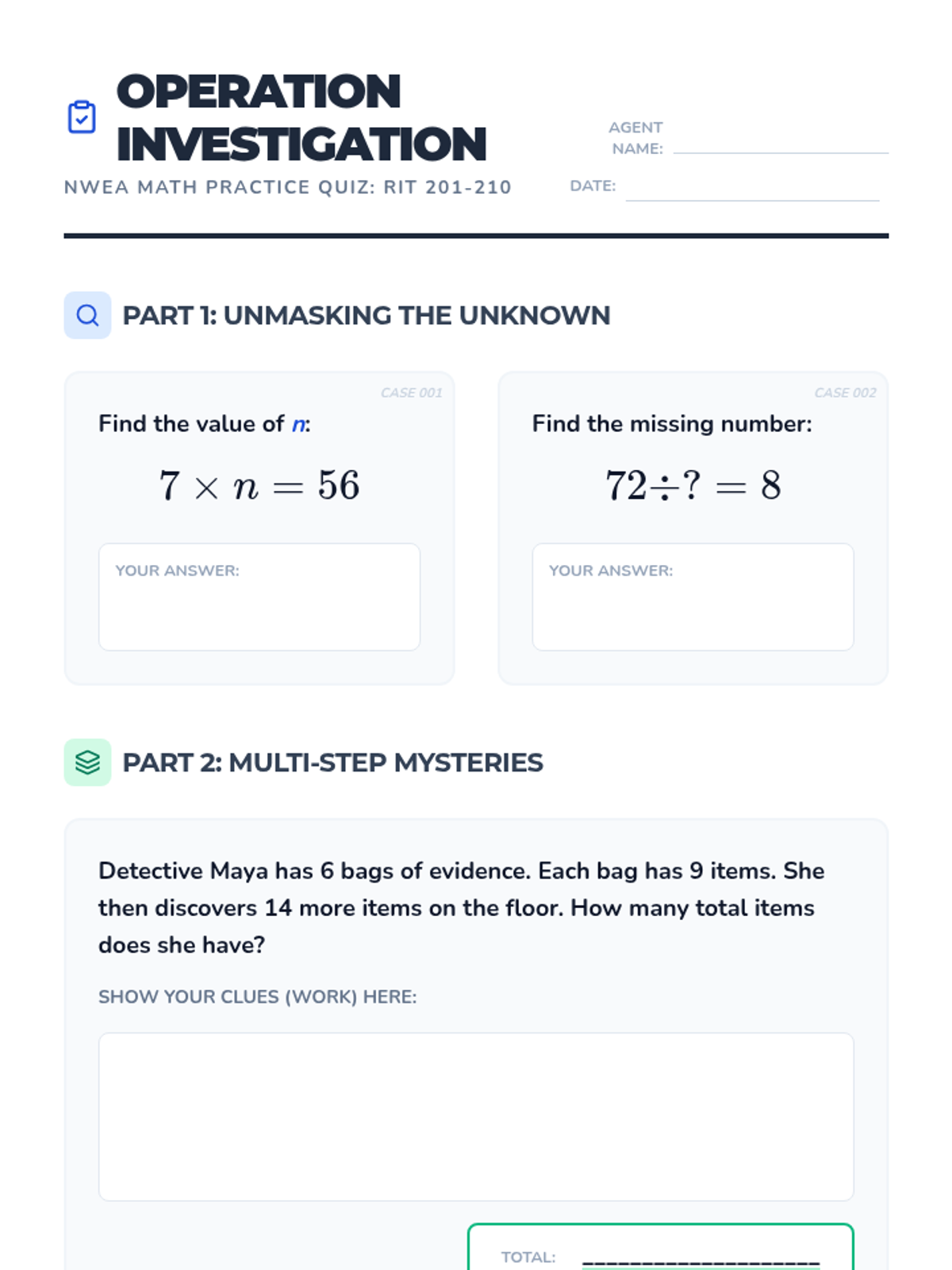
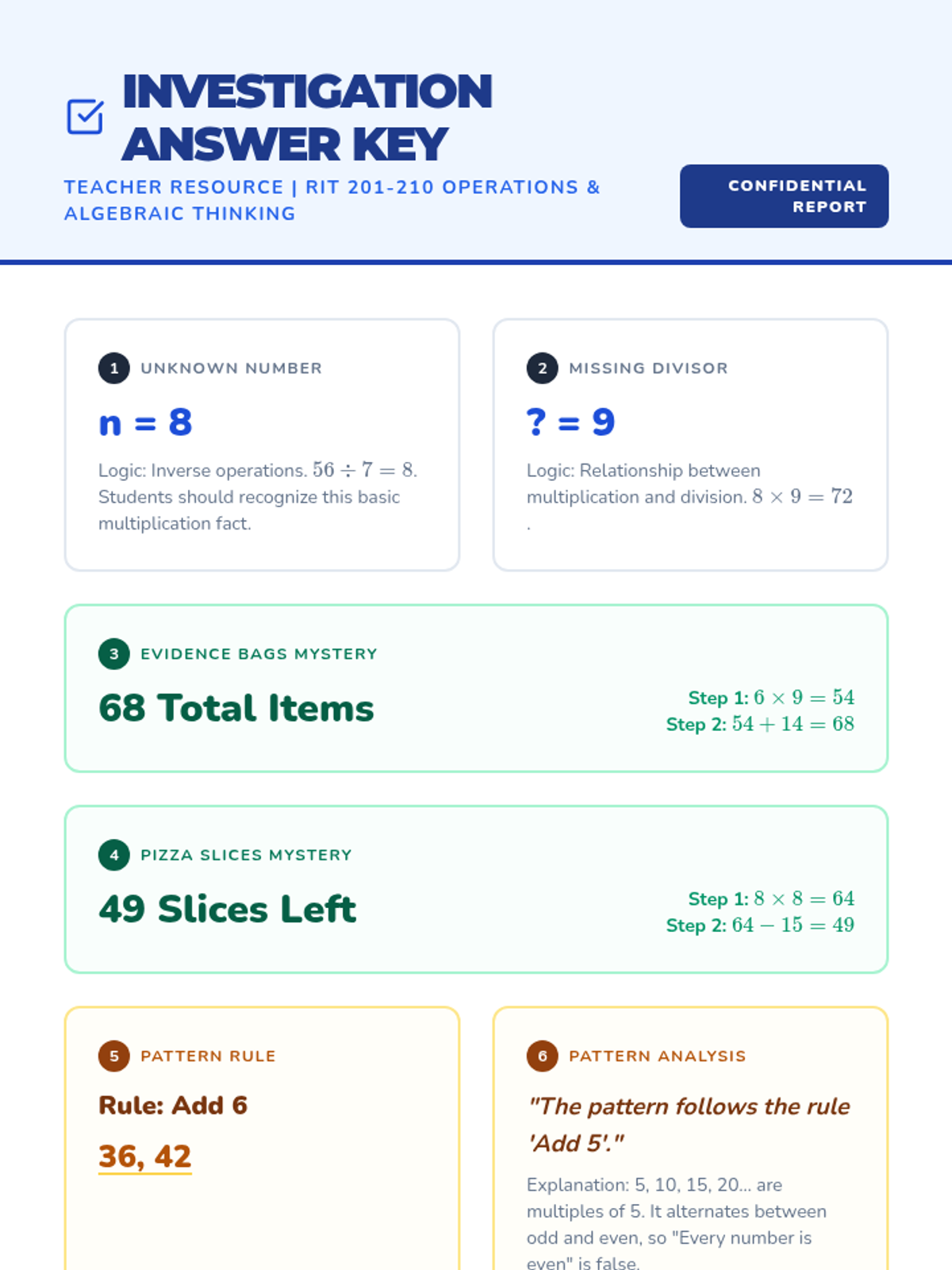
A targeted practice session focusing on Operations and Algebraic Thinking for students in the RIT 201-210 range, featuring multi-step word problems, patterns, and algebraic properties.
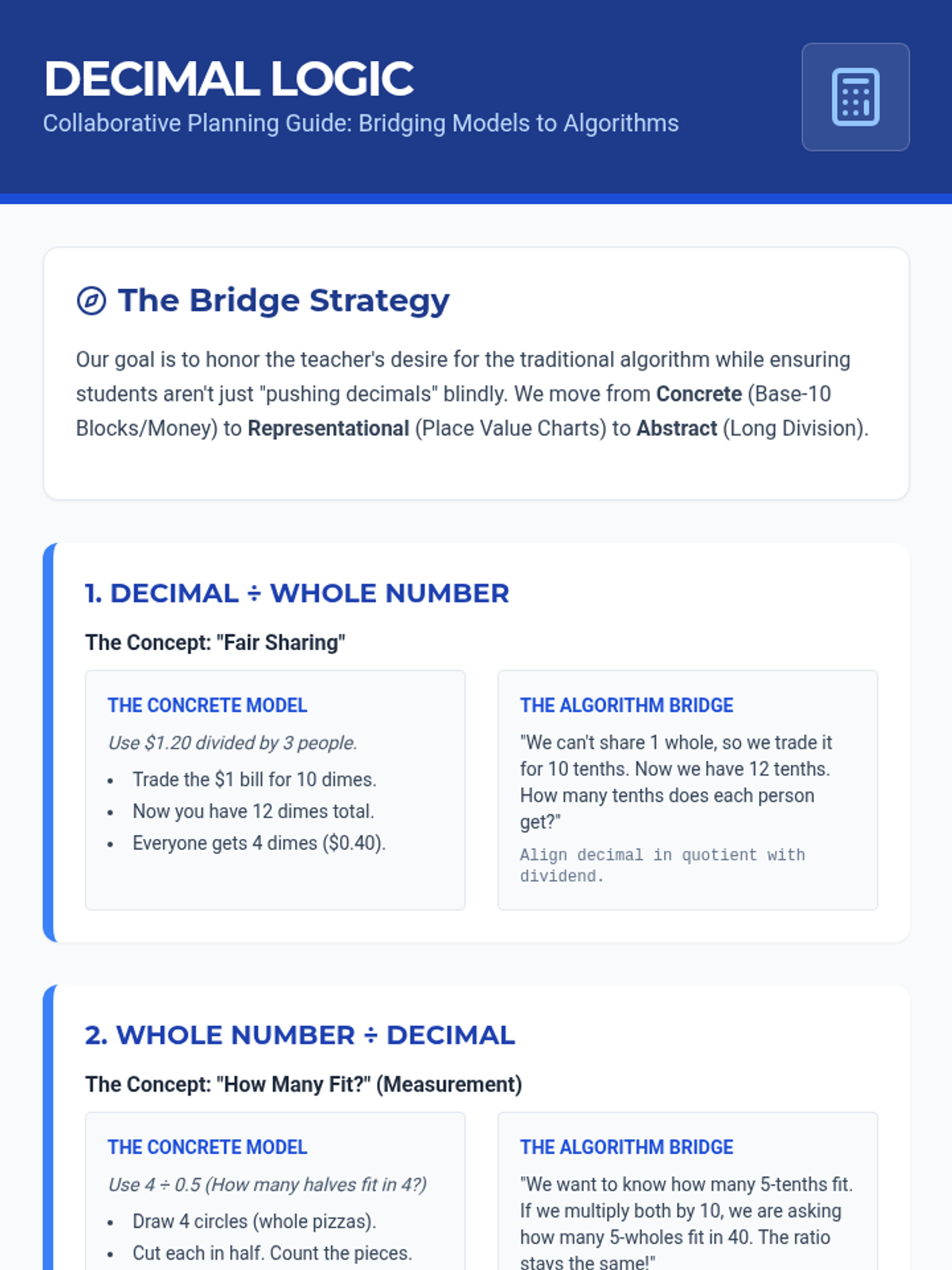
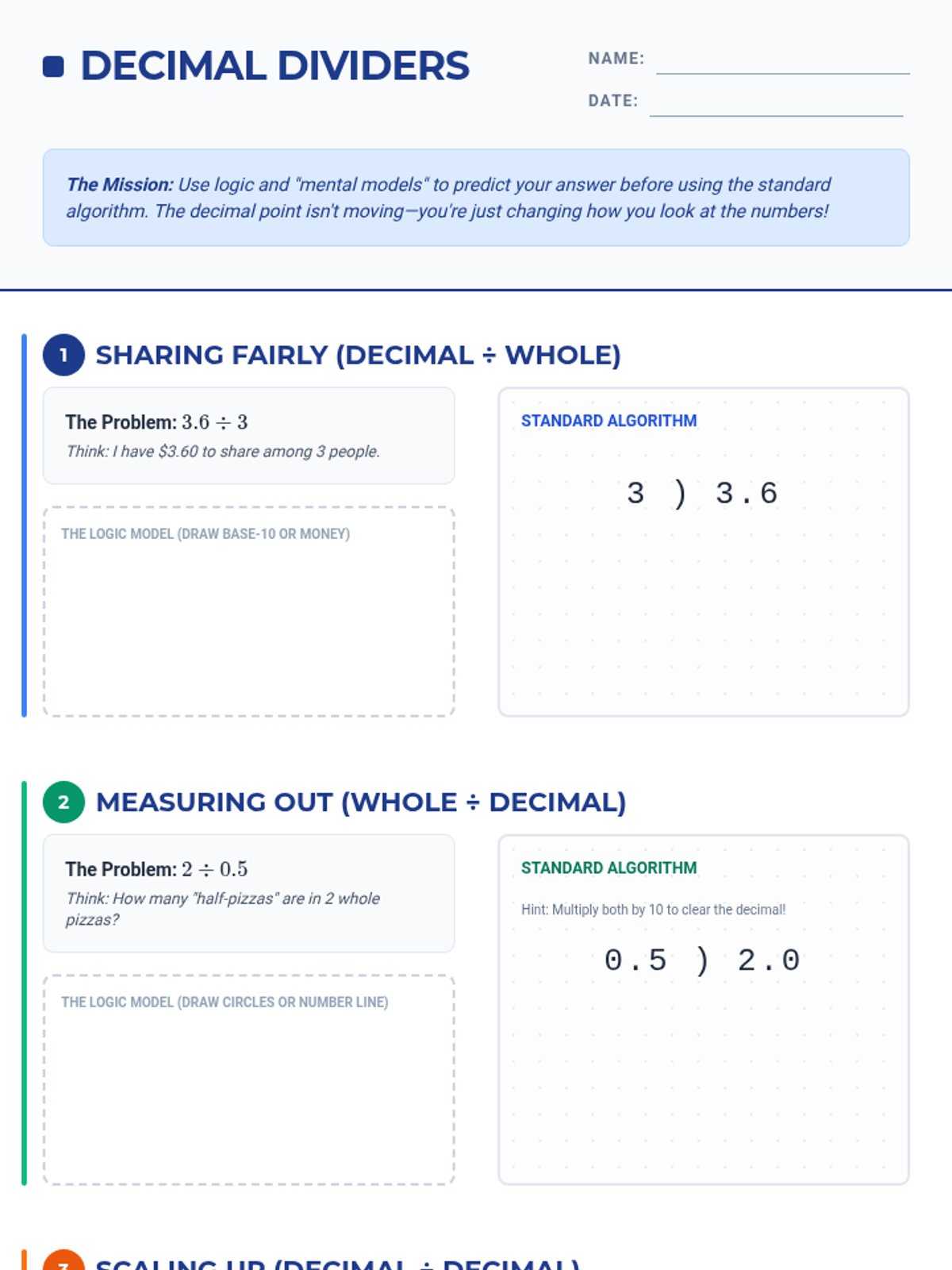
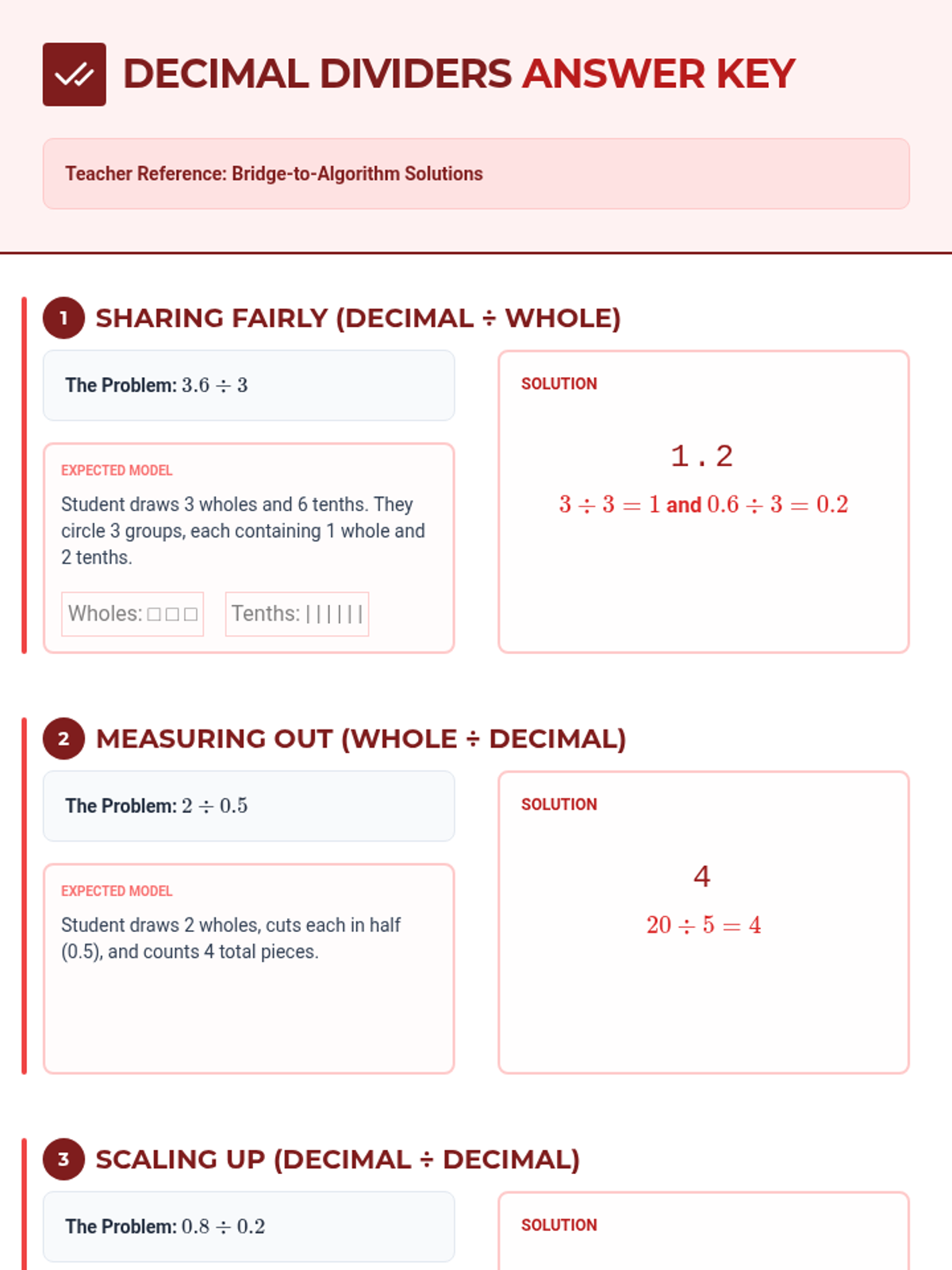
A lesson focused on bridging the conceptual understanding of decimal division with the standard algorithm, covering three key scenarios: decimal by whole number, whole number by decimal, and decimal by decimal.
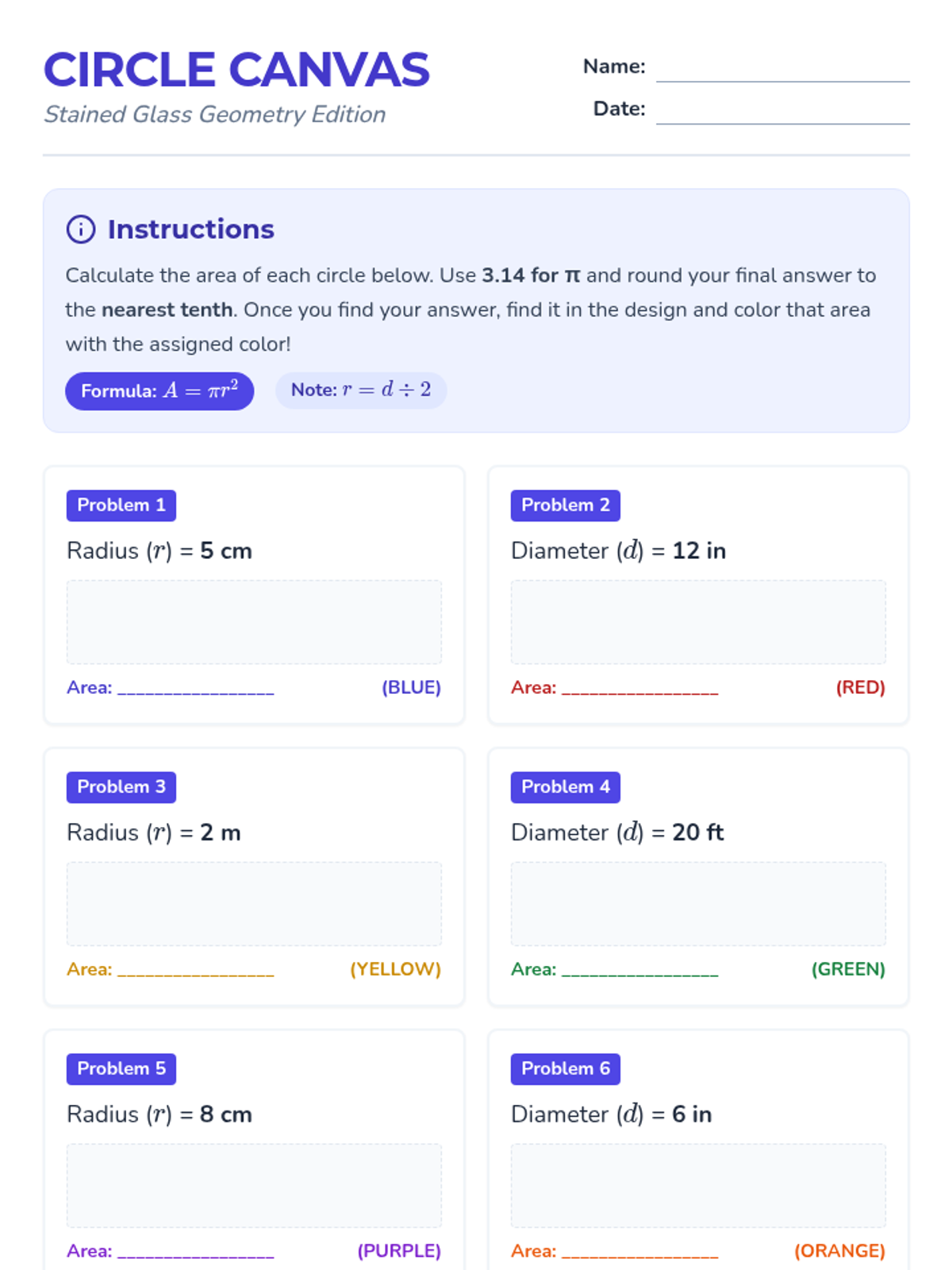
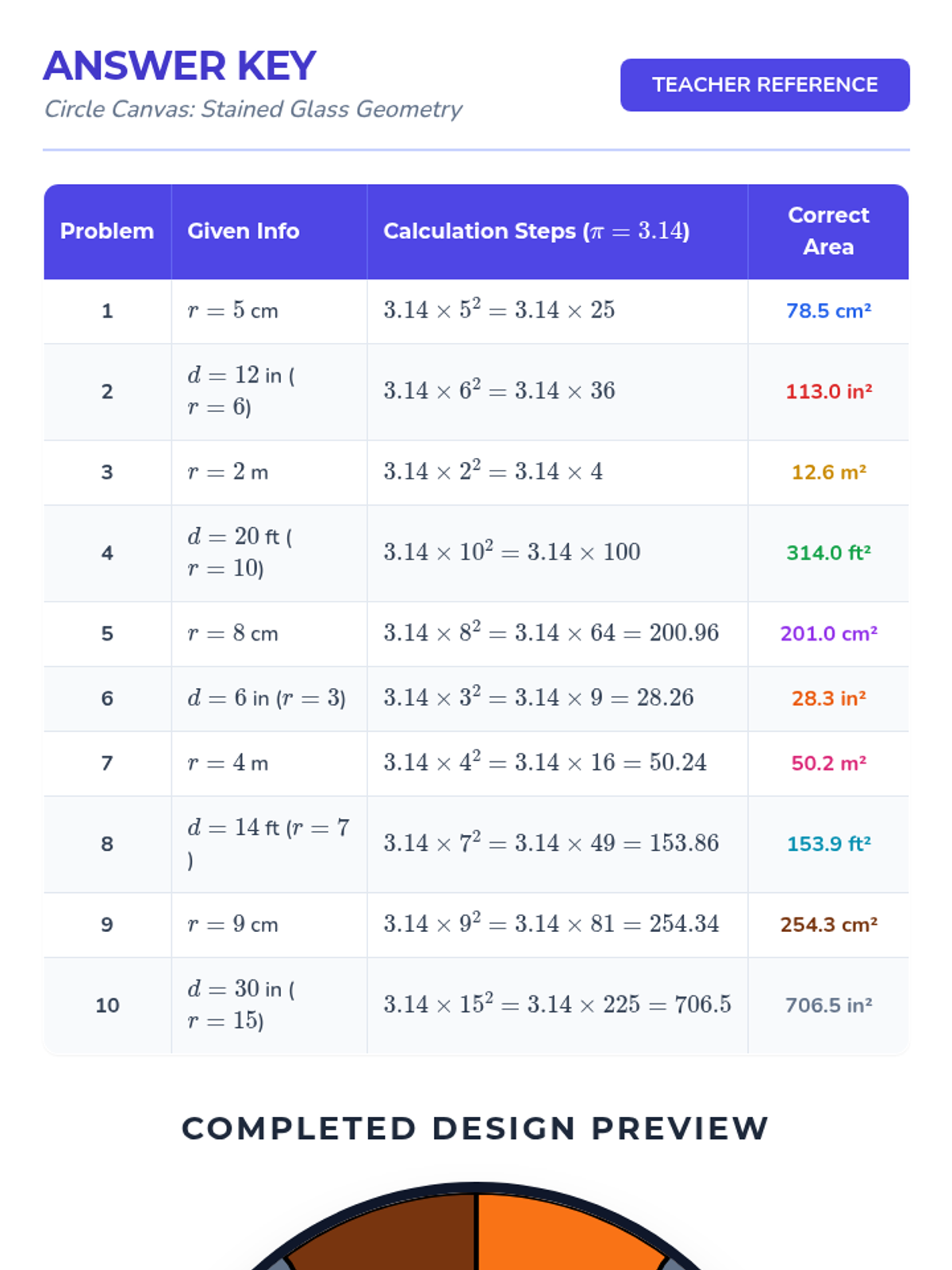
A creative math lesson focused on calculating the area of circles using radius and diameter, featuring a coloring art activity to reinforce learning.
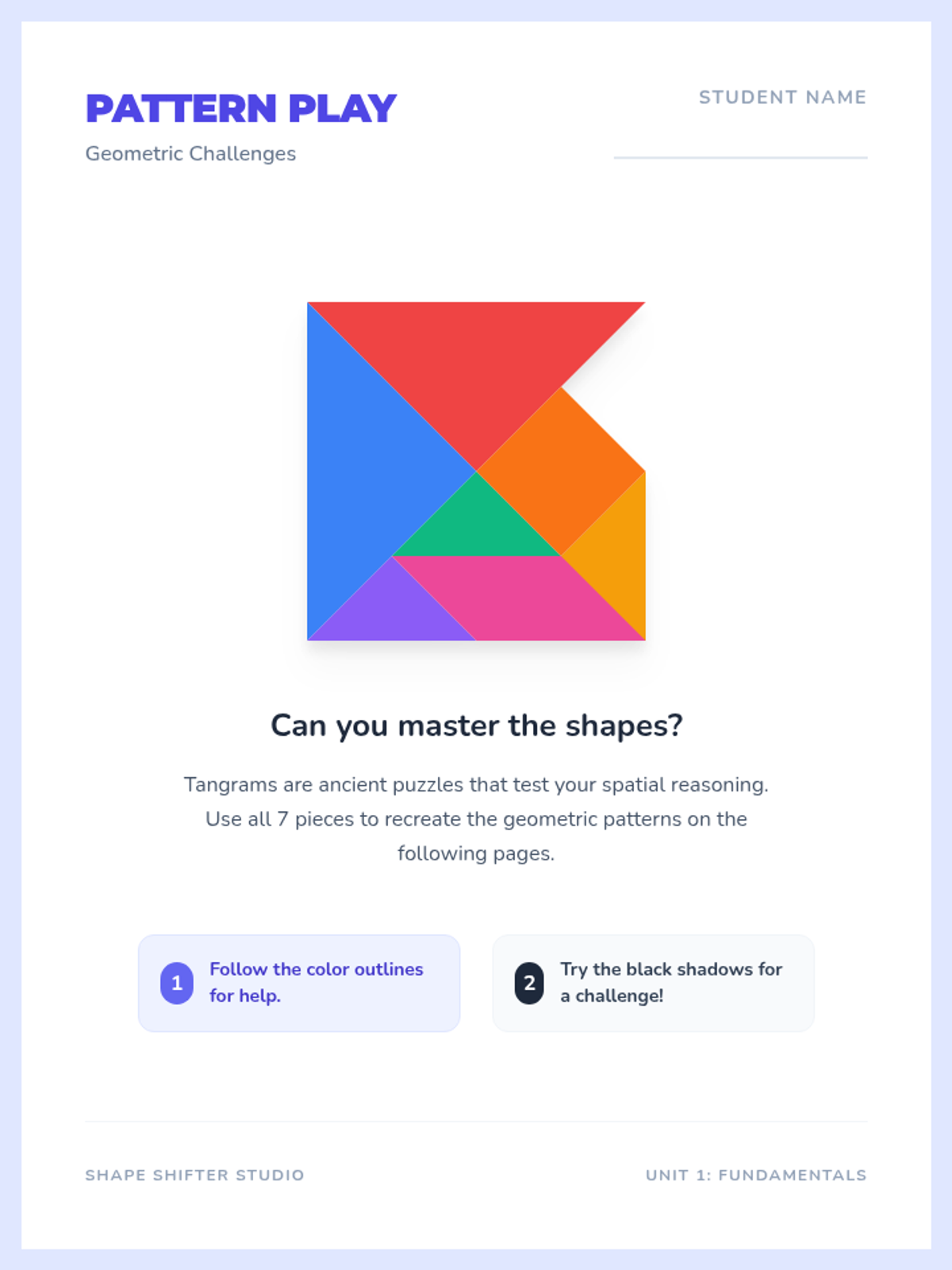
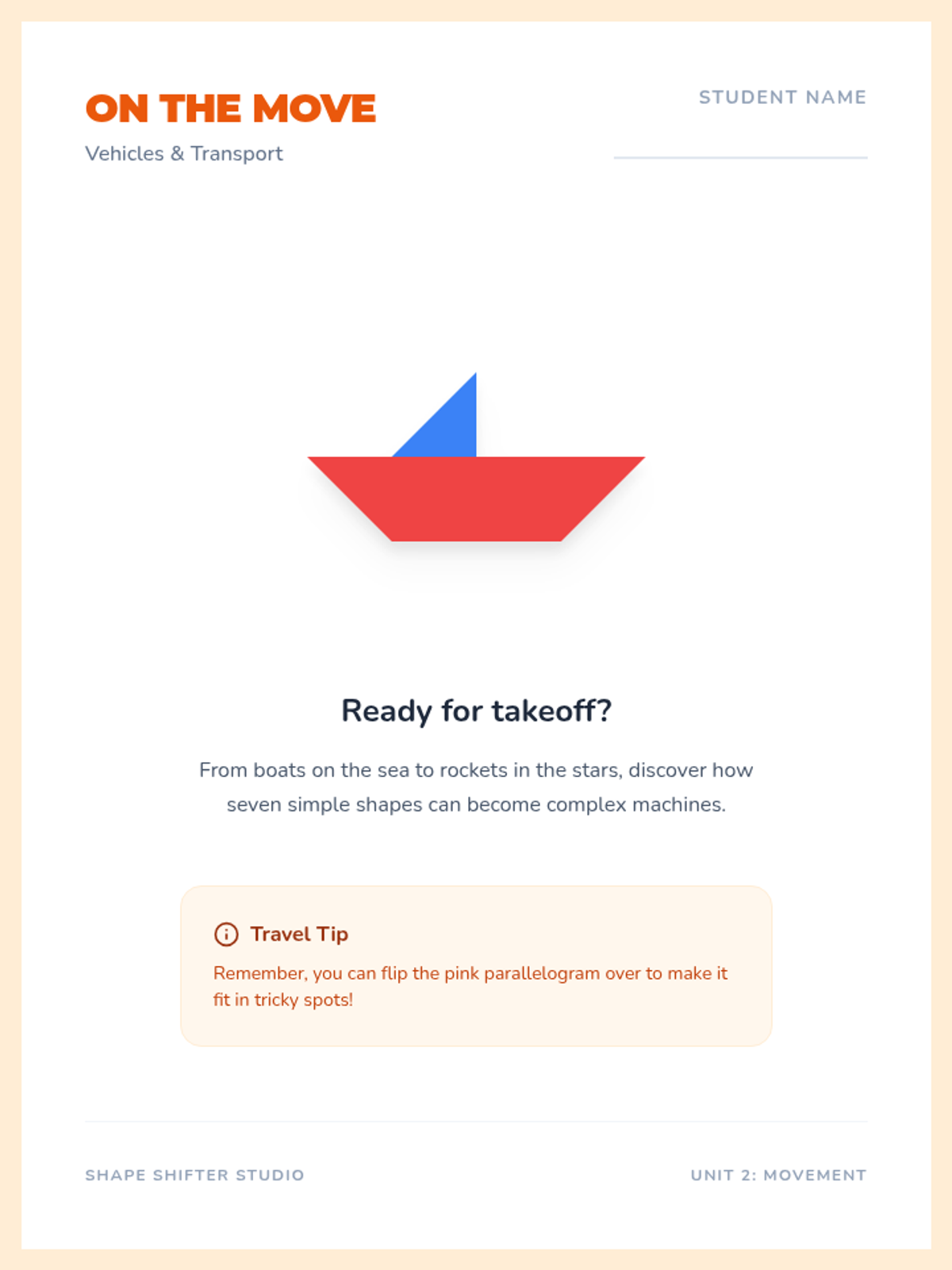
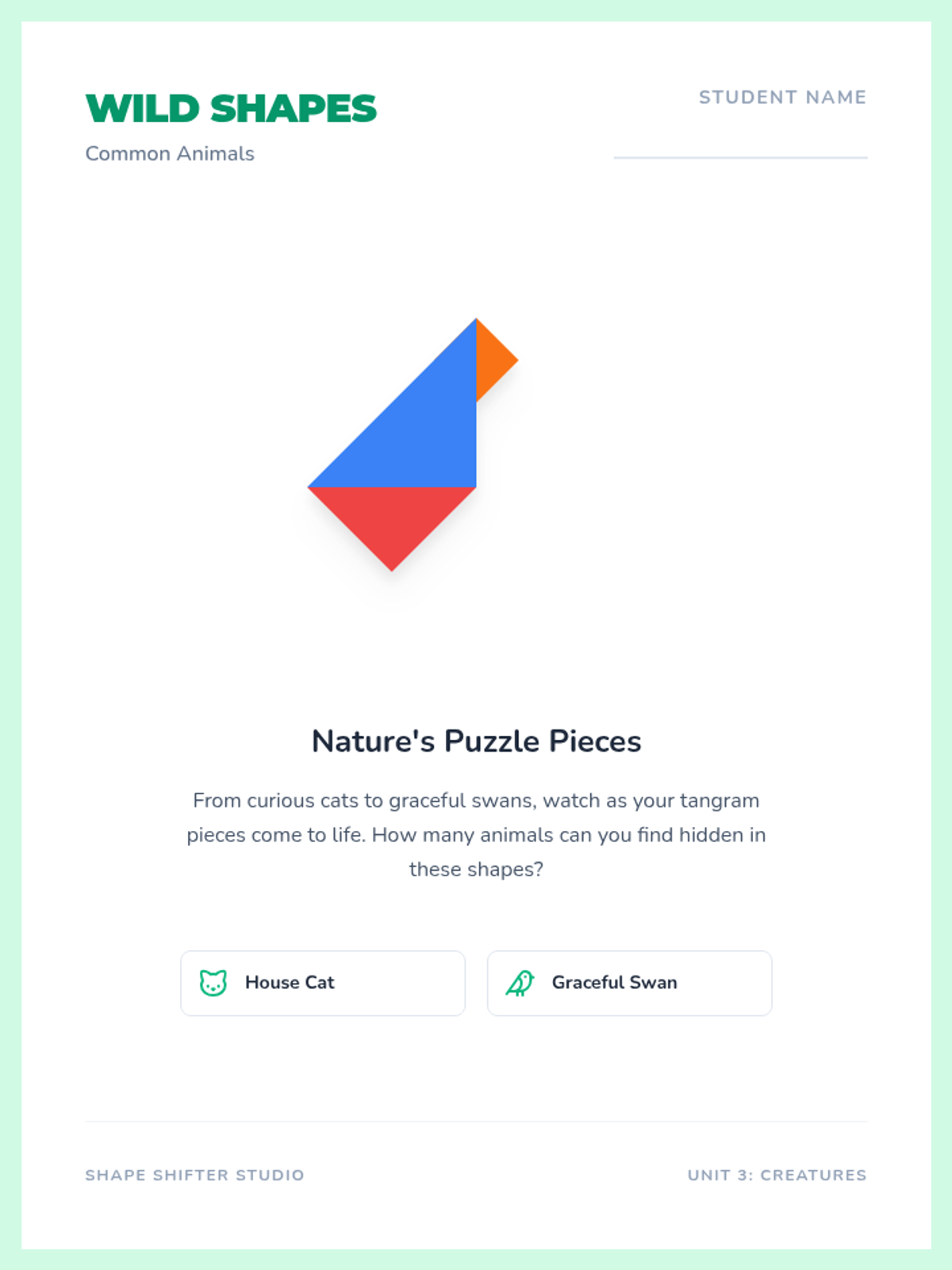
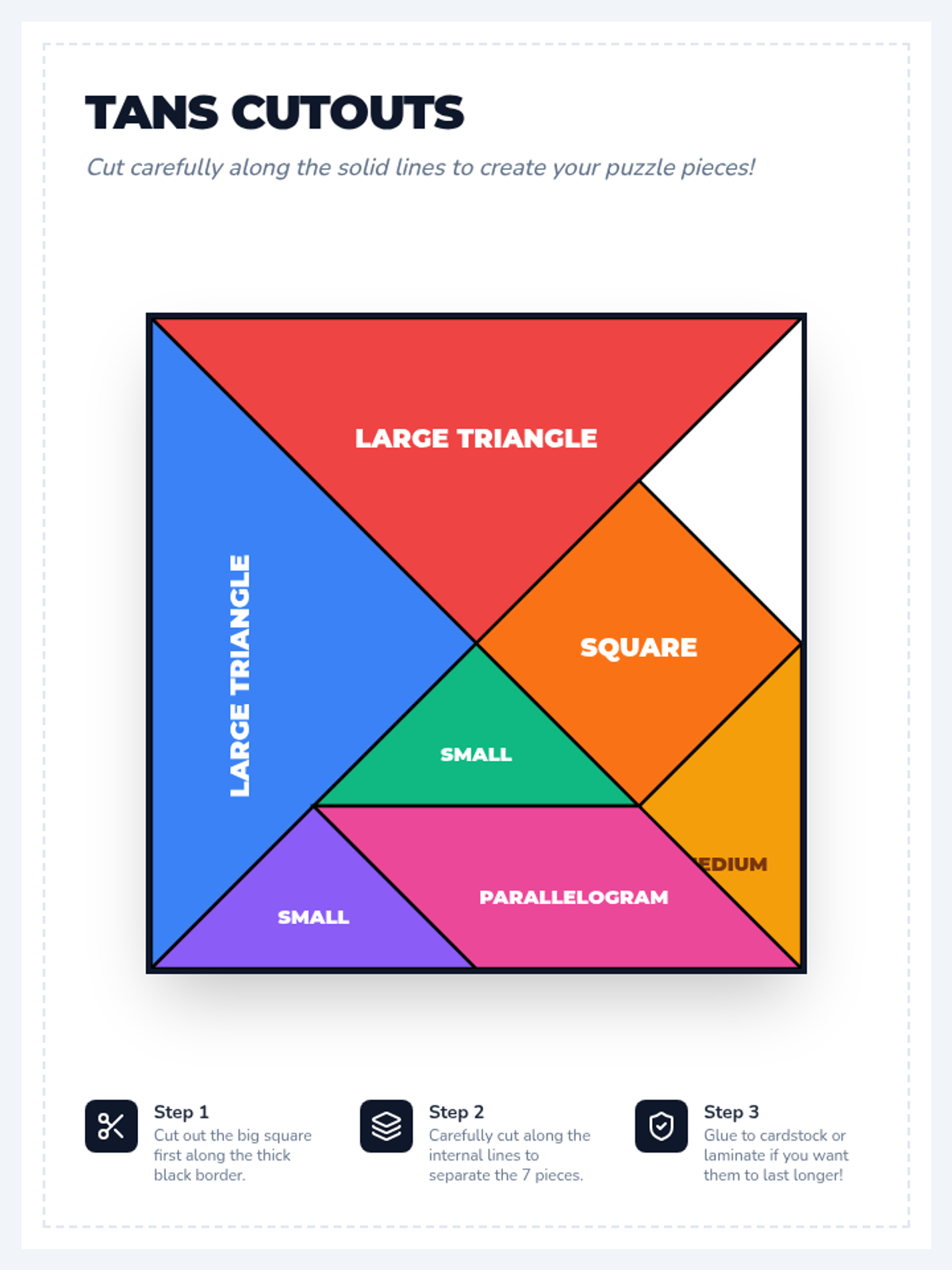
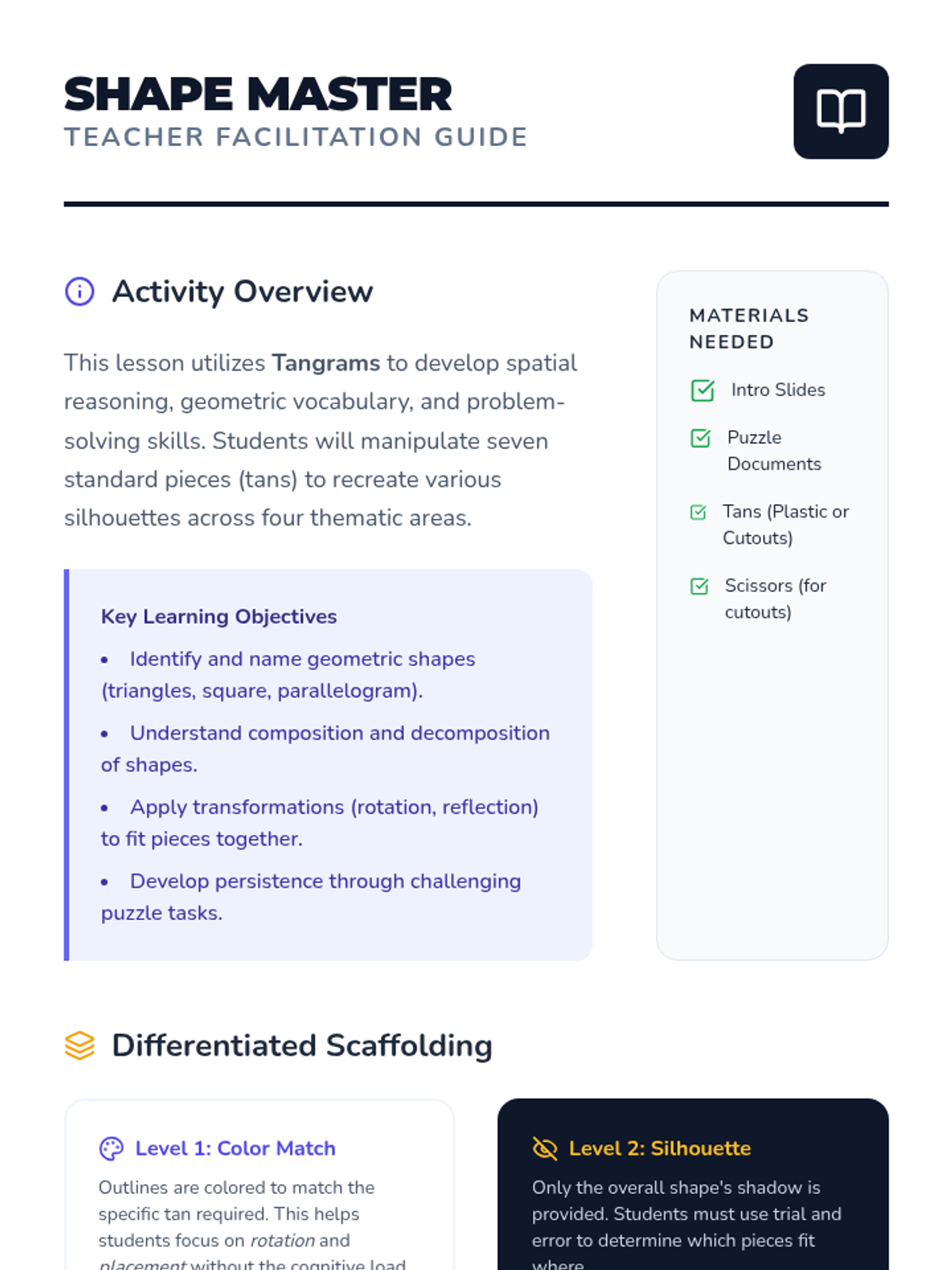
A hands-on exploration of geometry and spatial reasoning using tangrams, featuring puzzles across four diverse themes with varying difficulty levels.
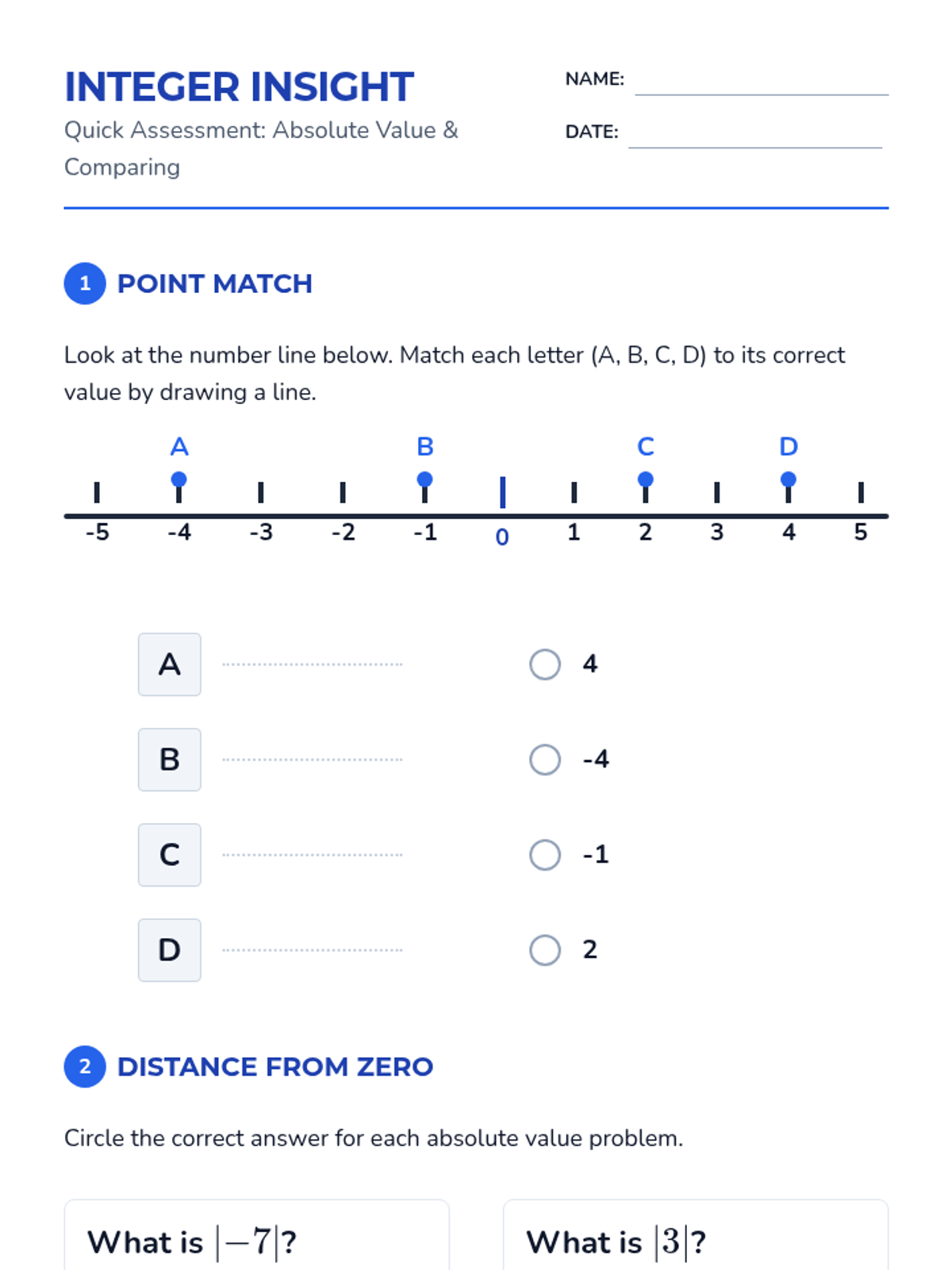
A quick assessment designed for IEP students to demonstrate their understanding of single-digit absolute value and integer comparison.
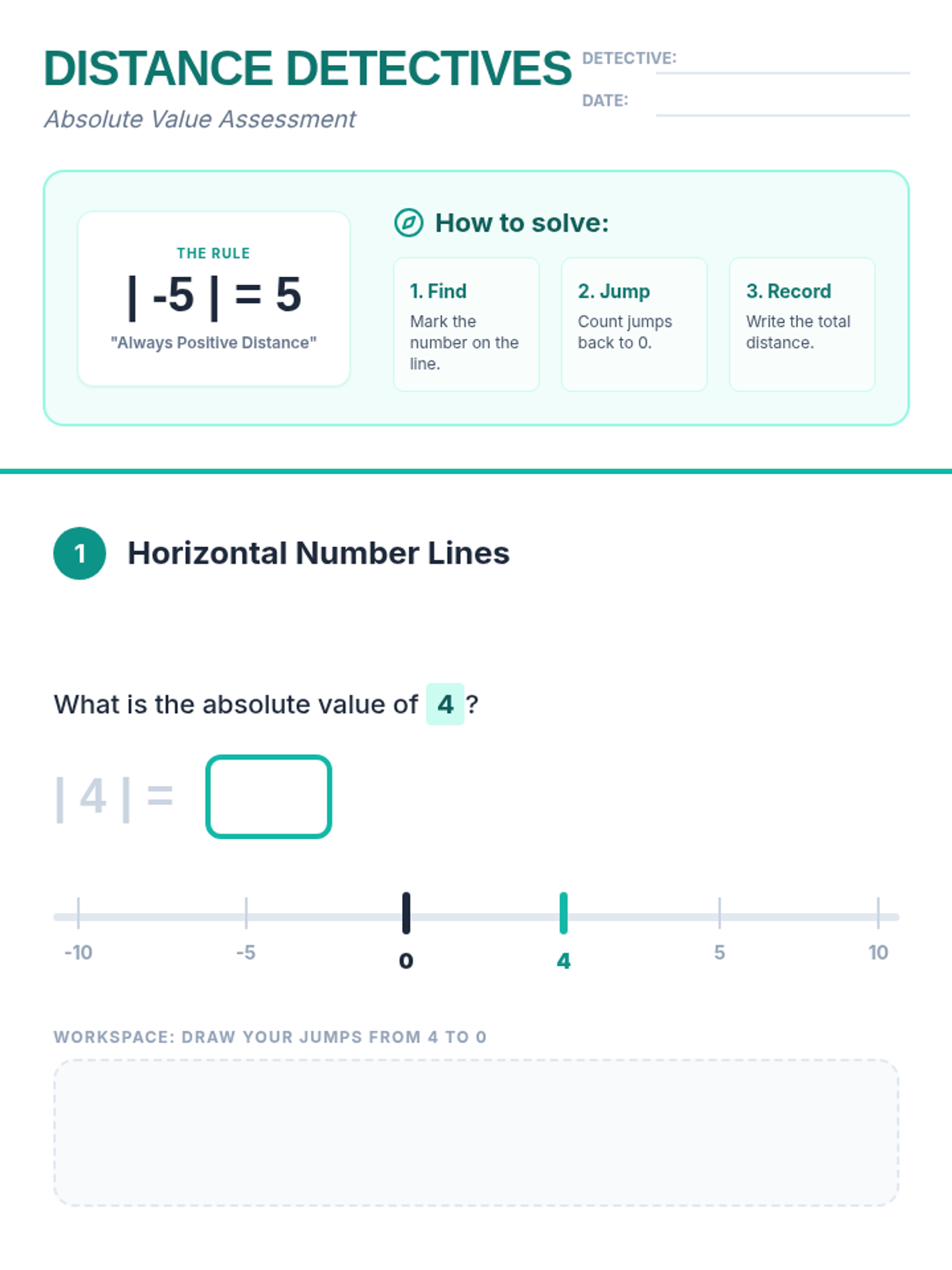
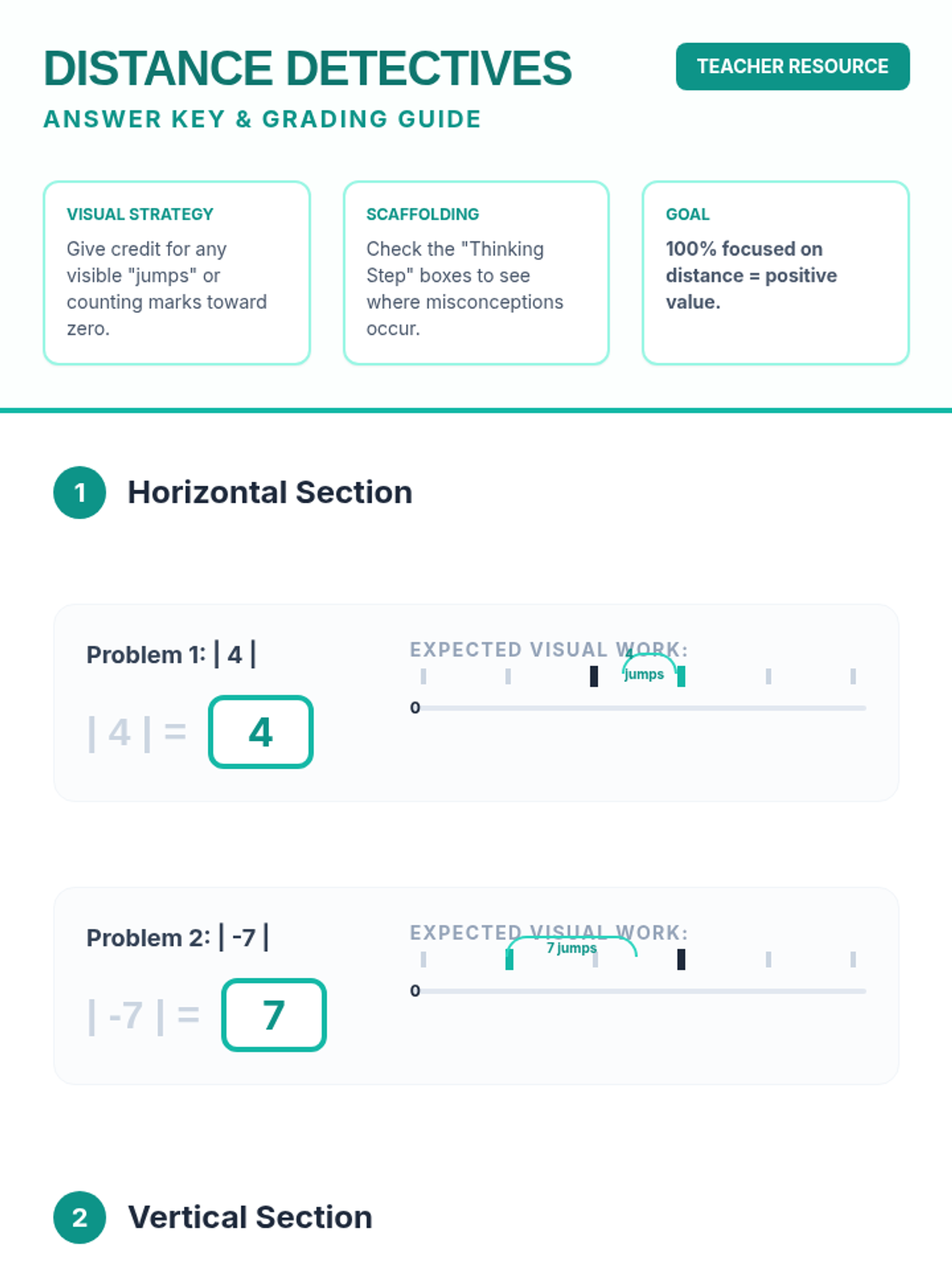
A foundational lesson on absolute value using the "distance from zero" concept, designed specifically for students requiring visual scaffolding and concrete representations.
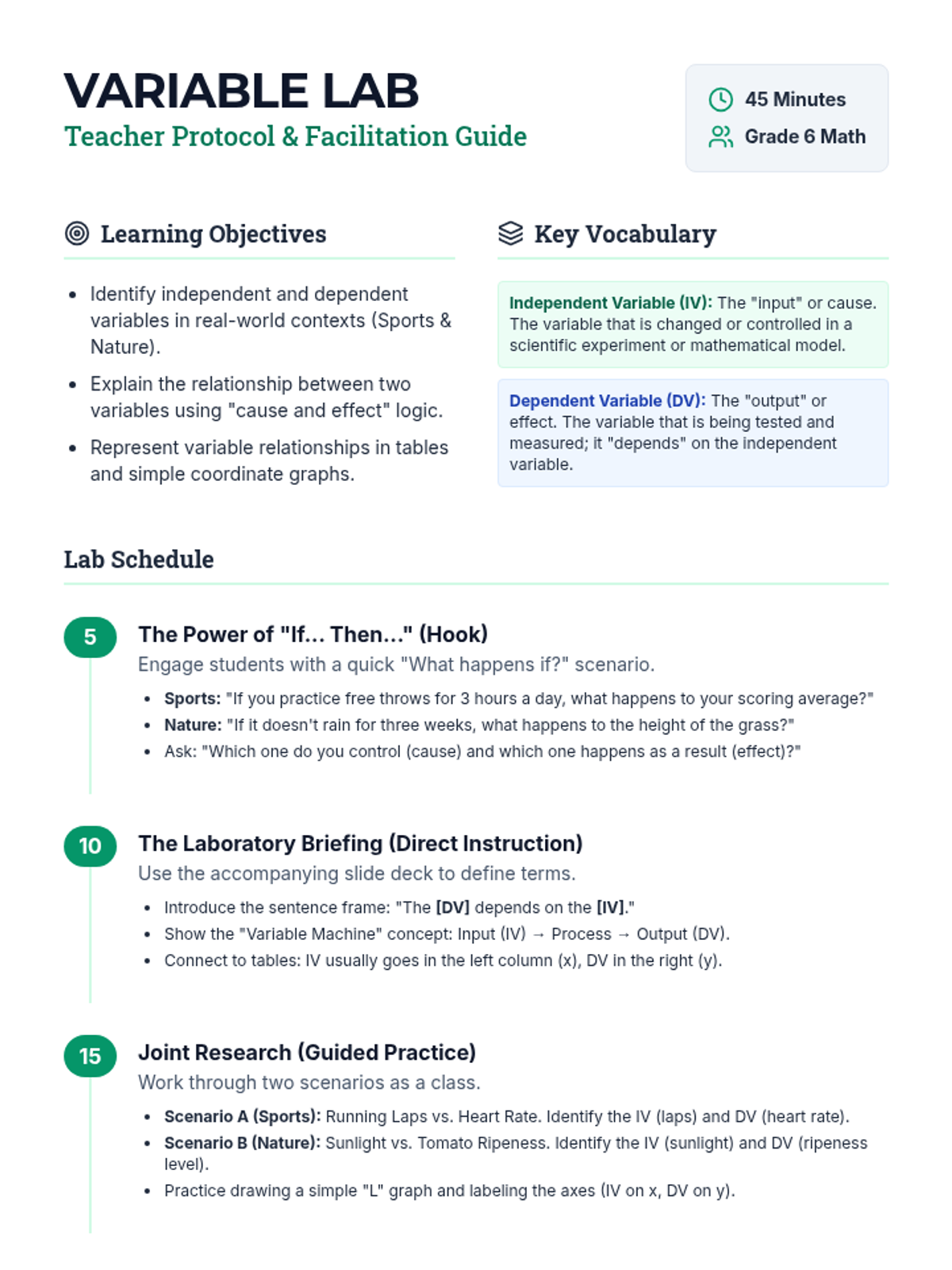
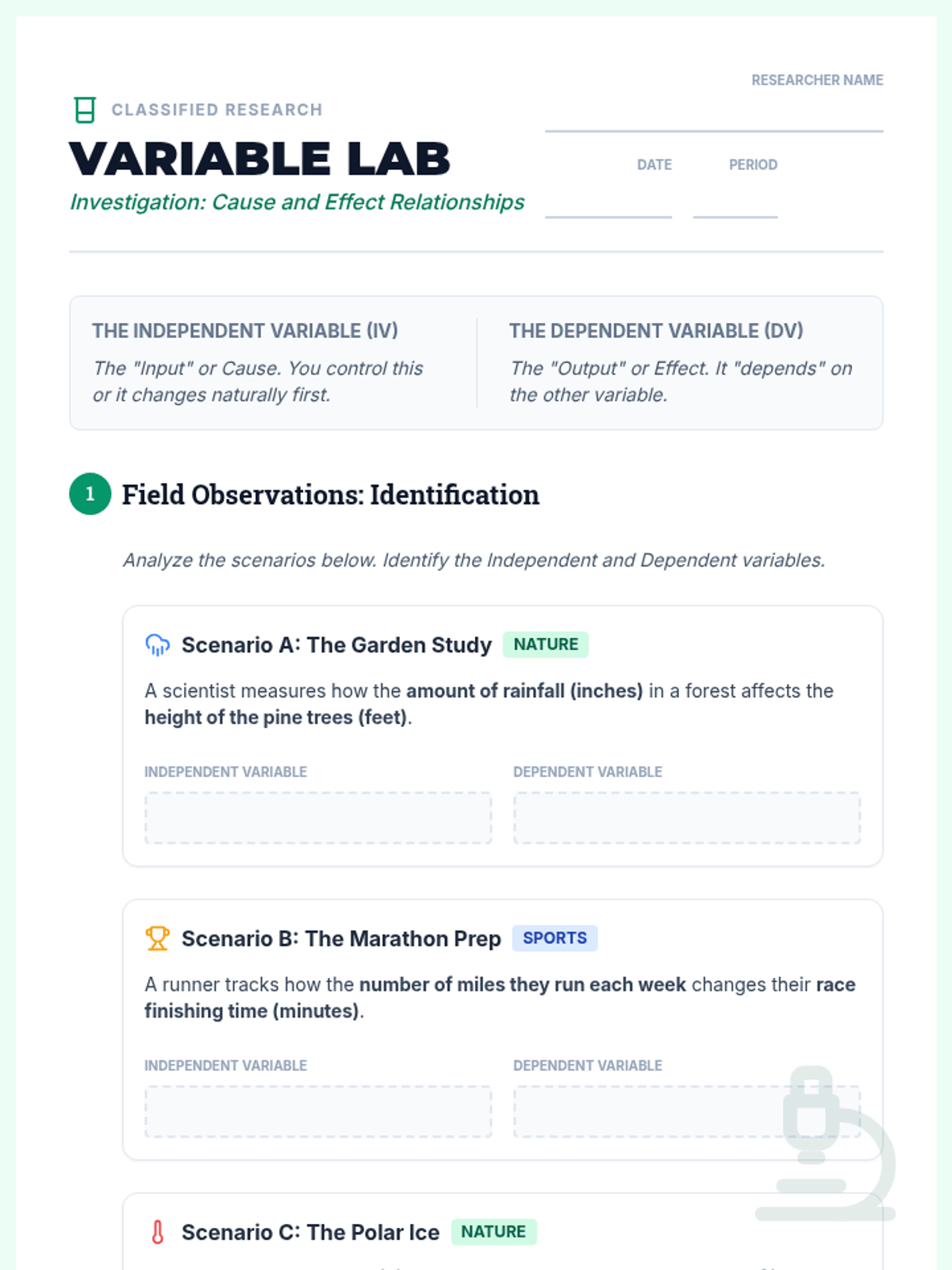
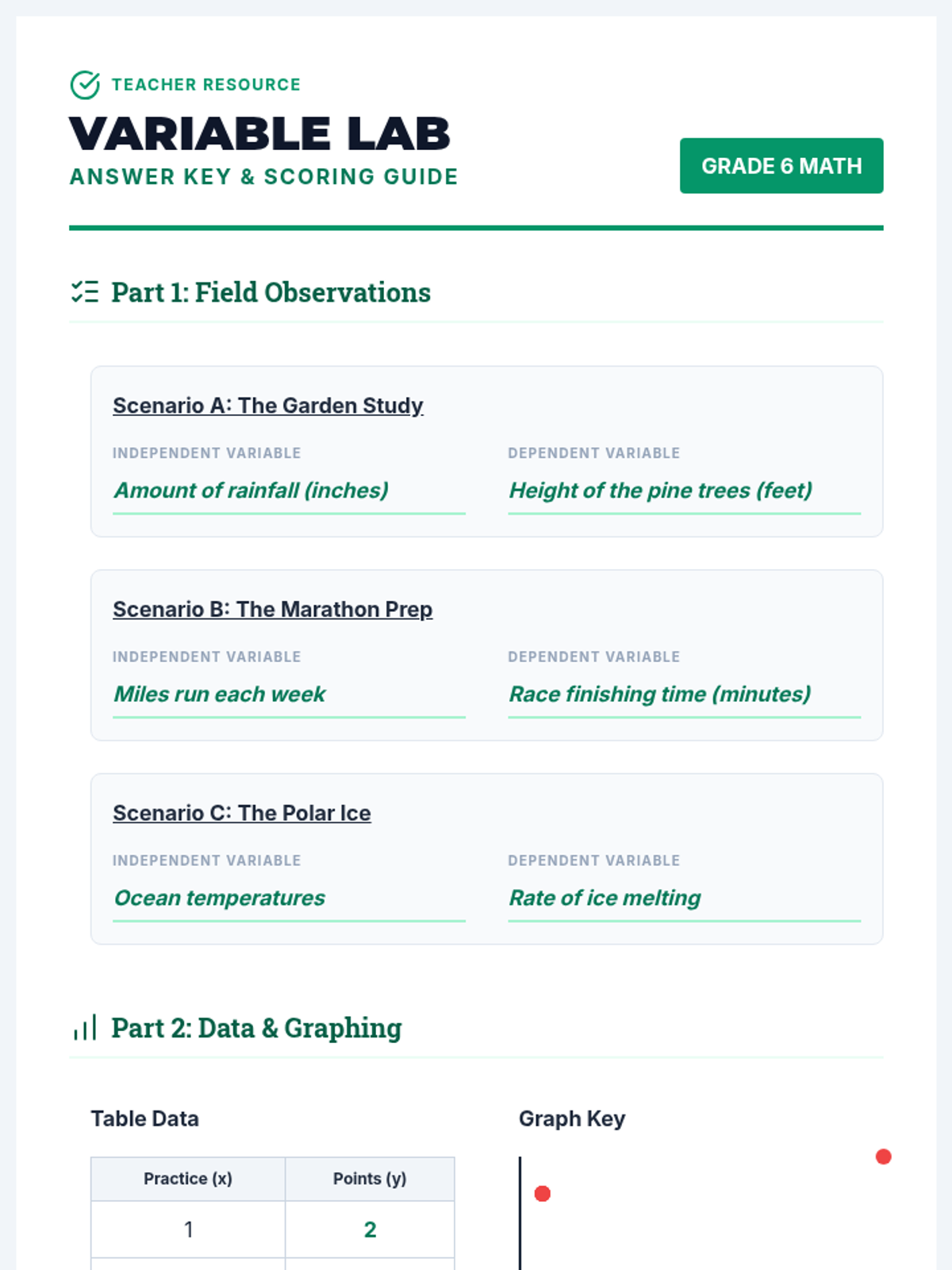
A 45-minute introductory lesson on independent and dependent variables using sports and nature contexts. Students will learn to identify variables, understand cause-and-effect relationships, and represent them in tables and graphs.
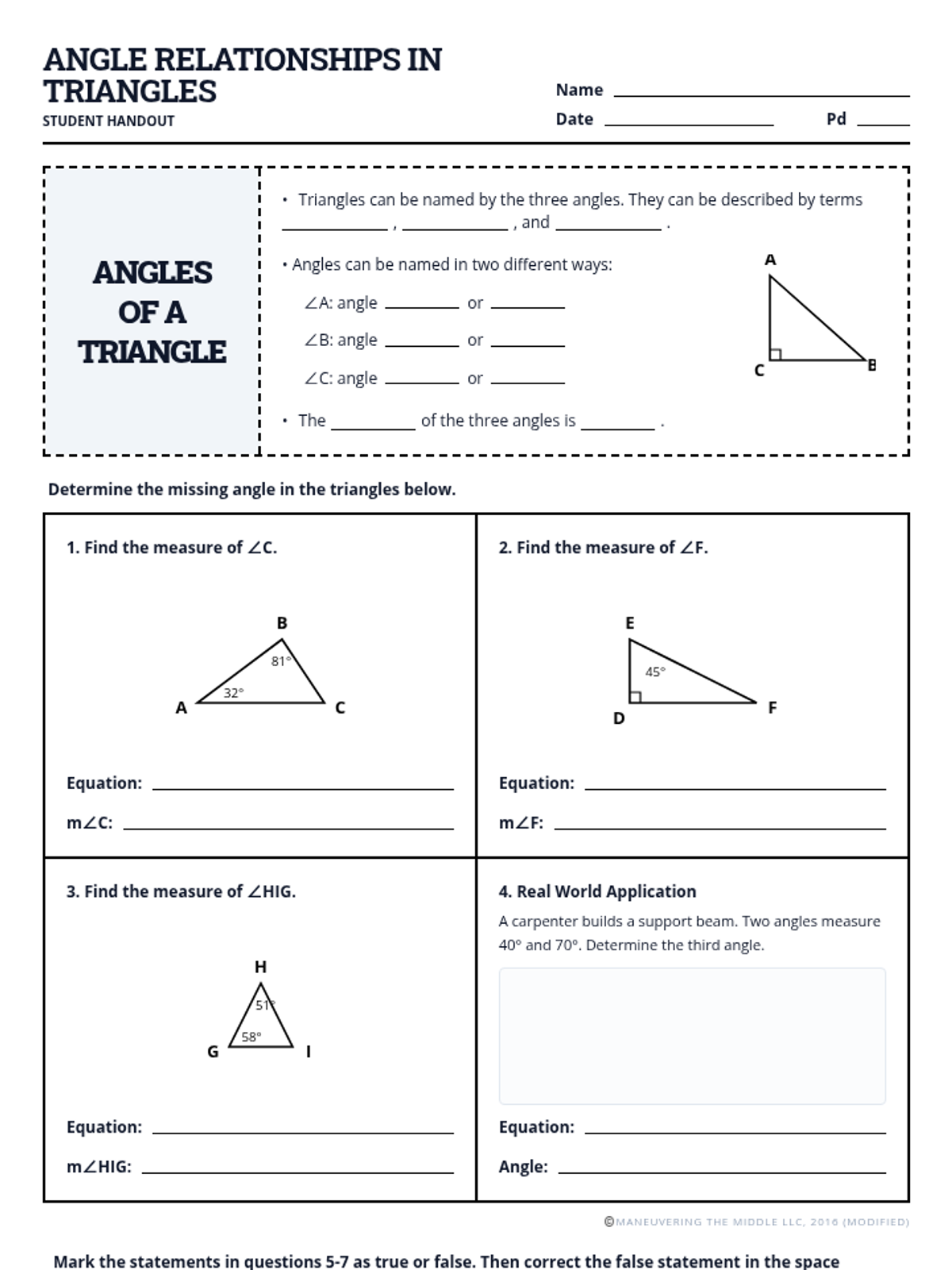
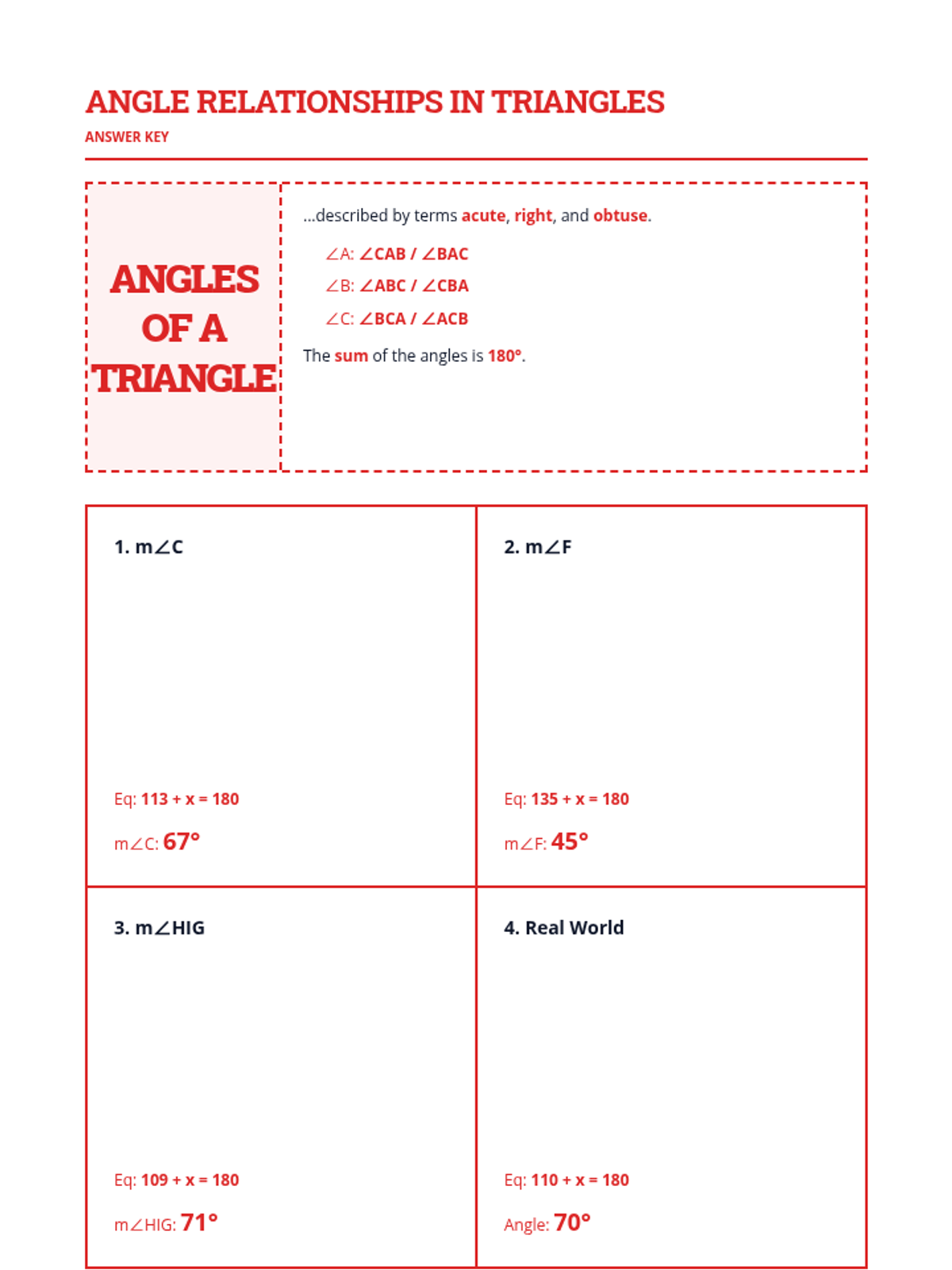
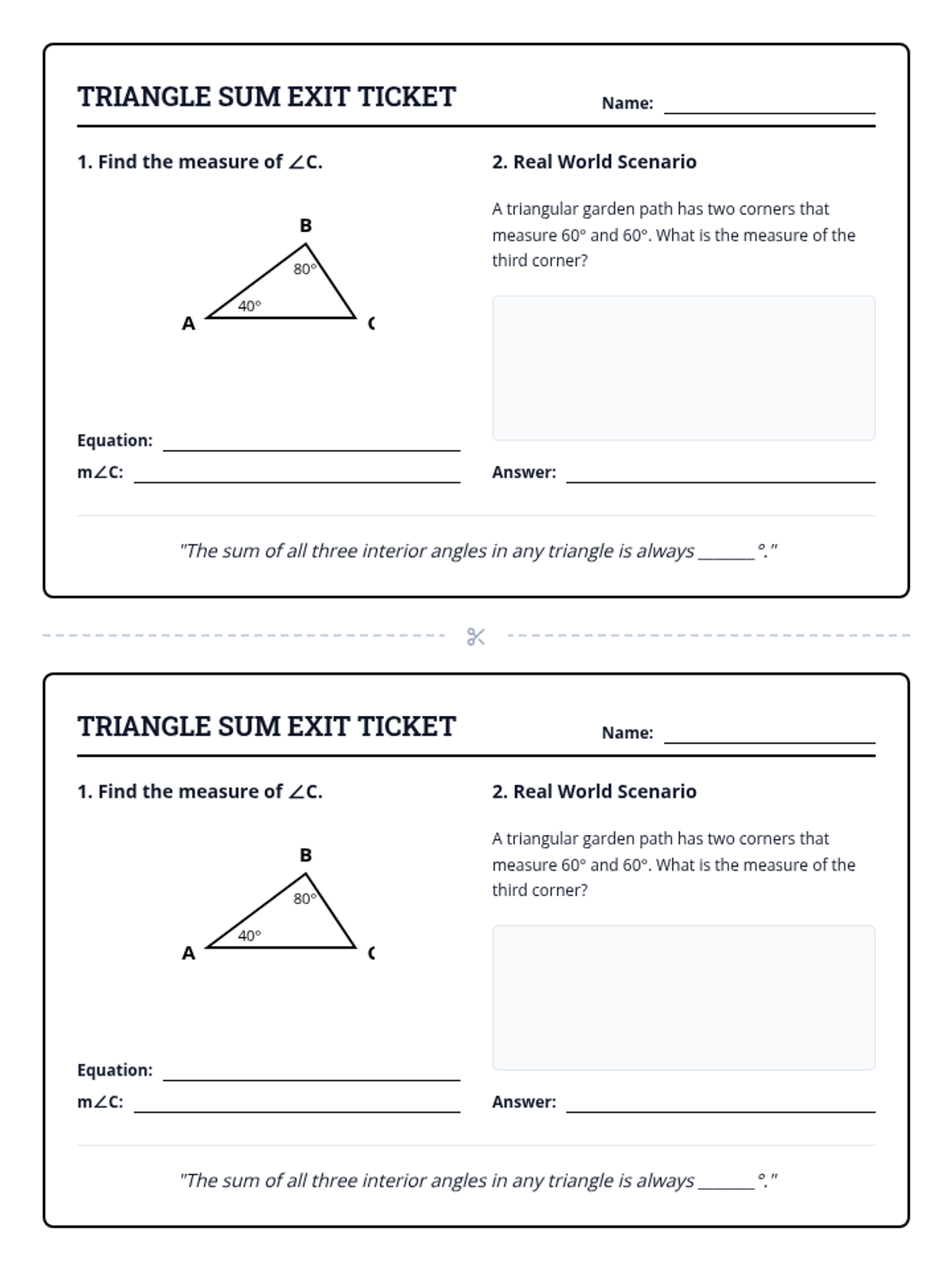
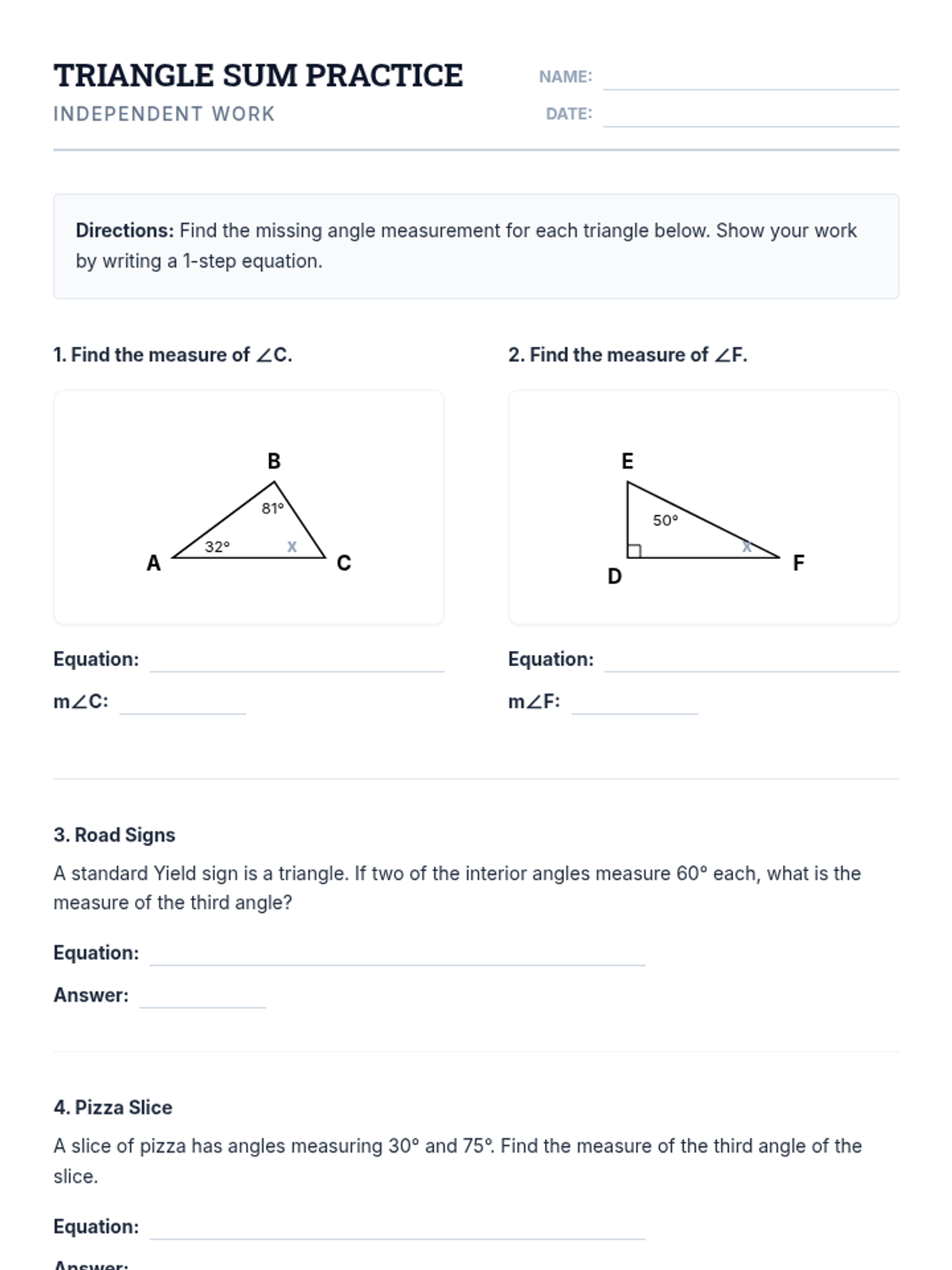
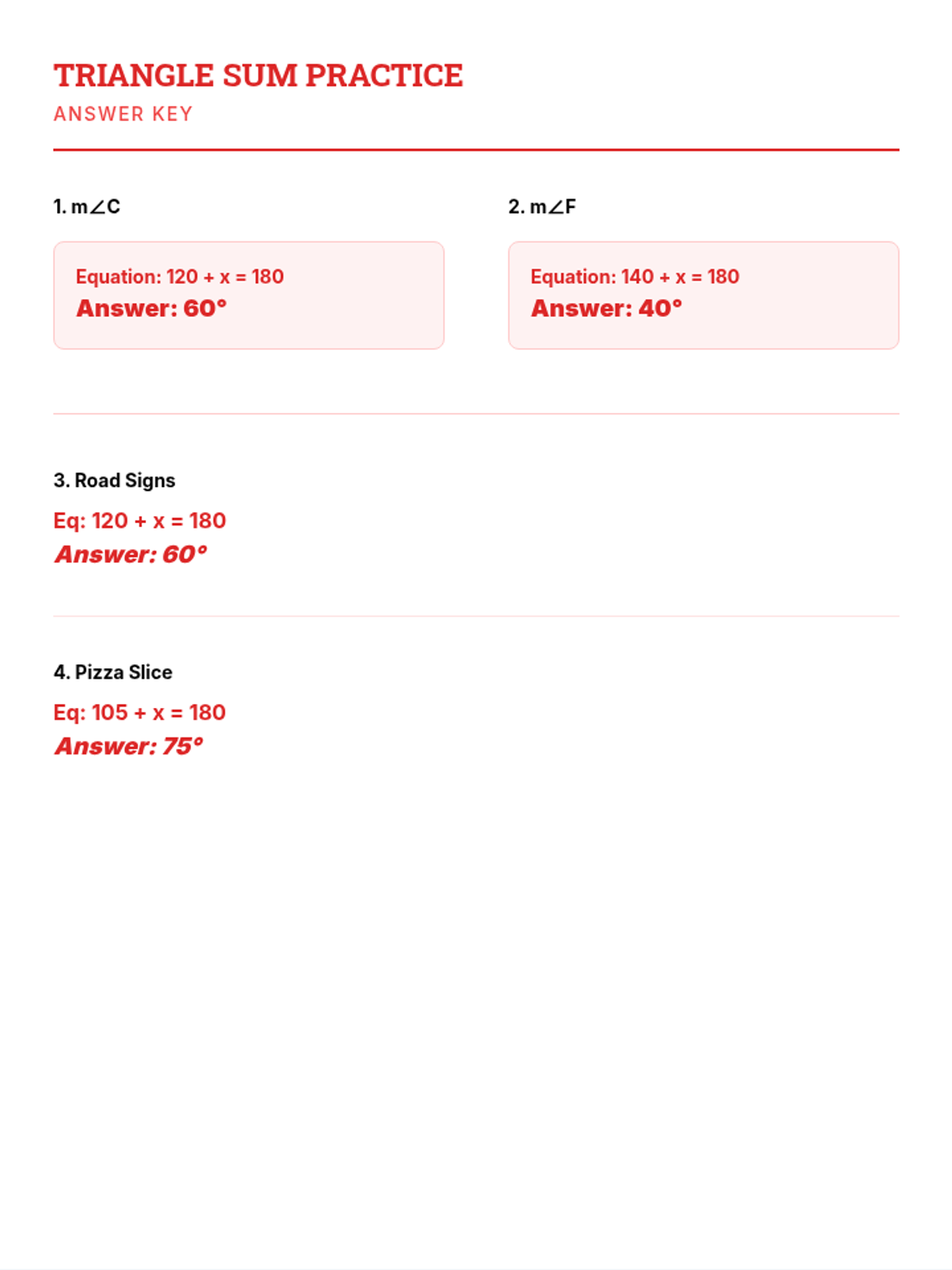
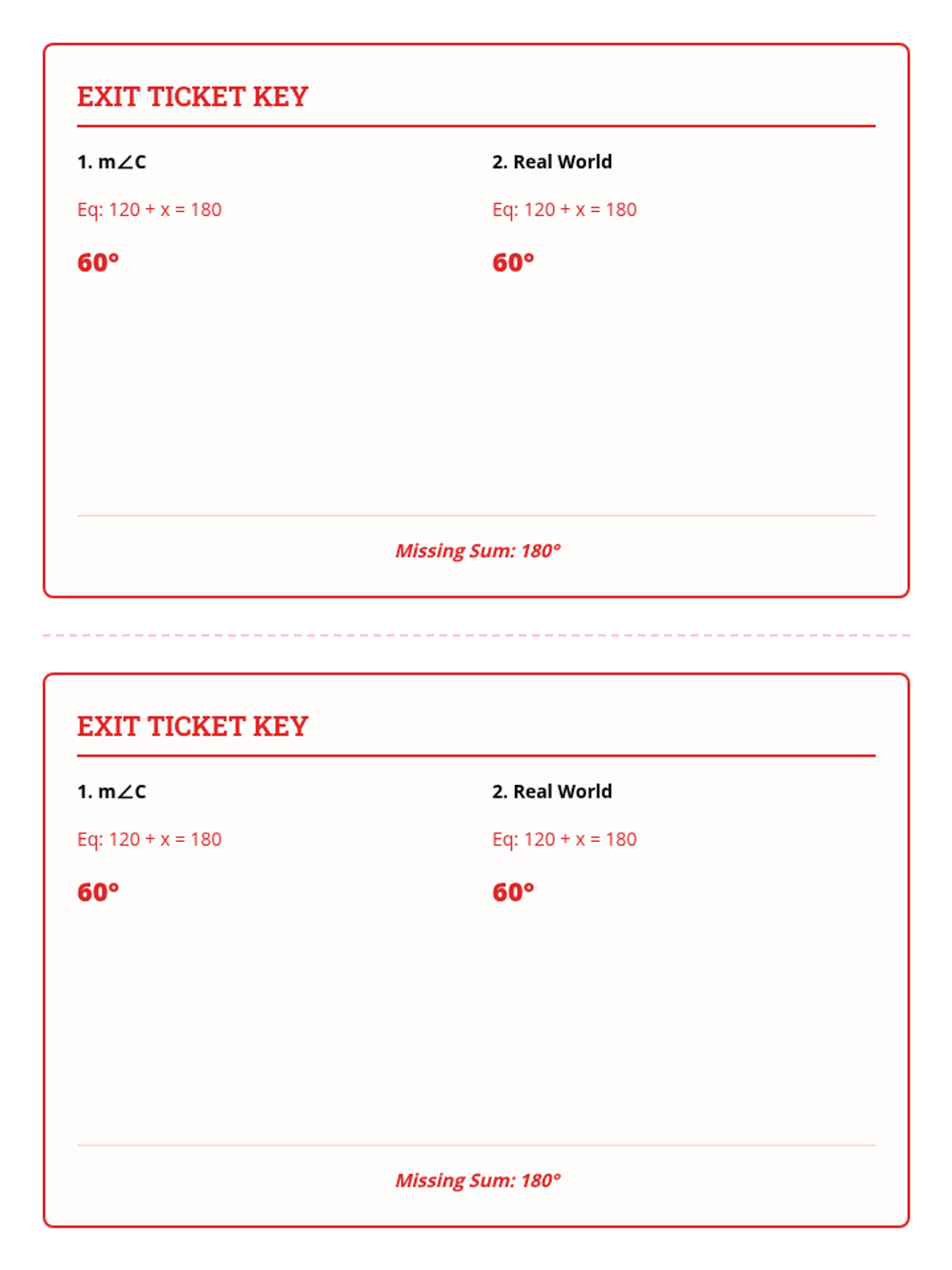
A simplified lesson on the Triangle Sum Rule, focusing on 3-letter angle naming and solving for missing angles using one-step equations with whole numbers.
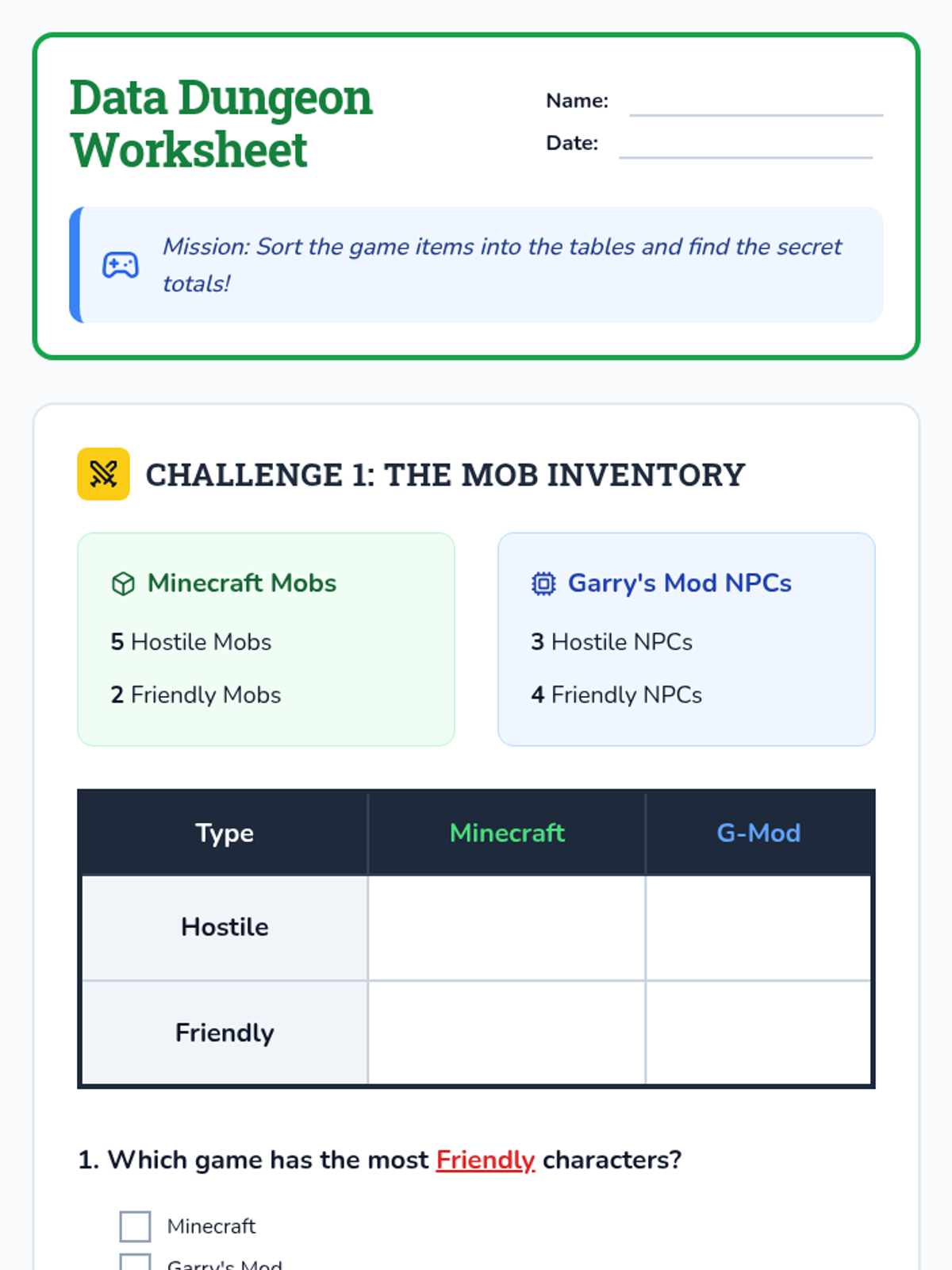
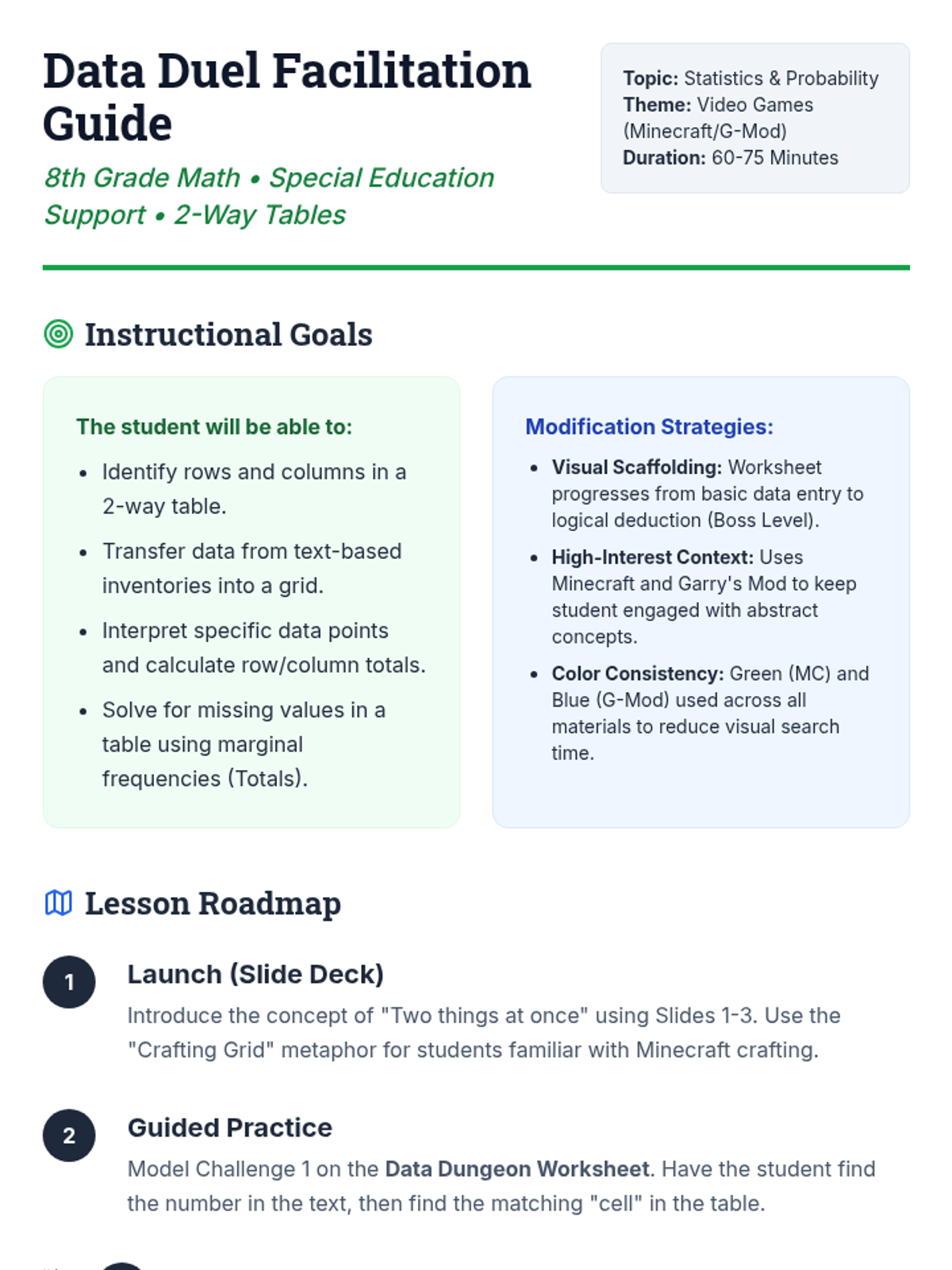
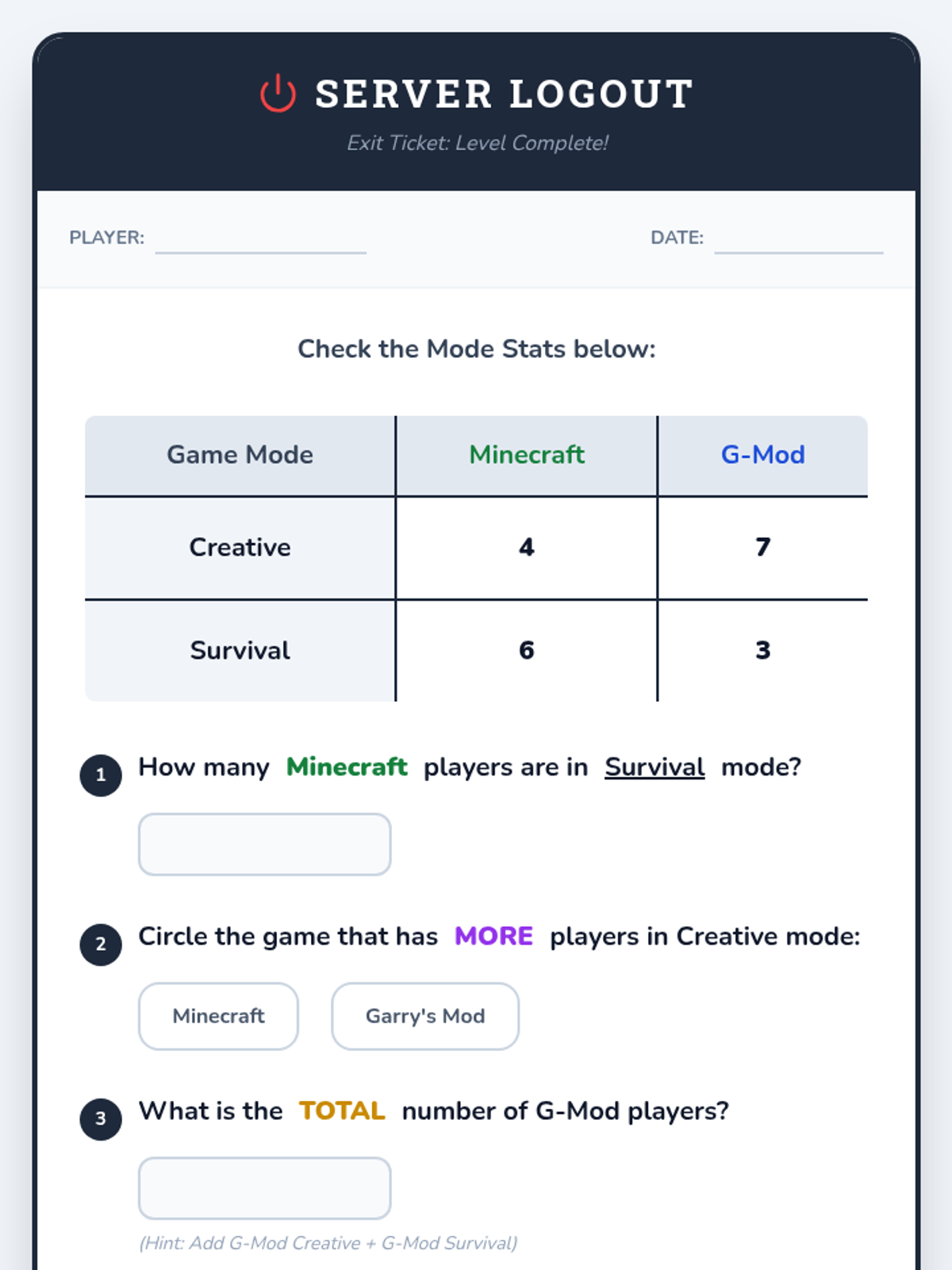
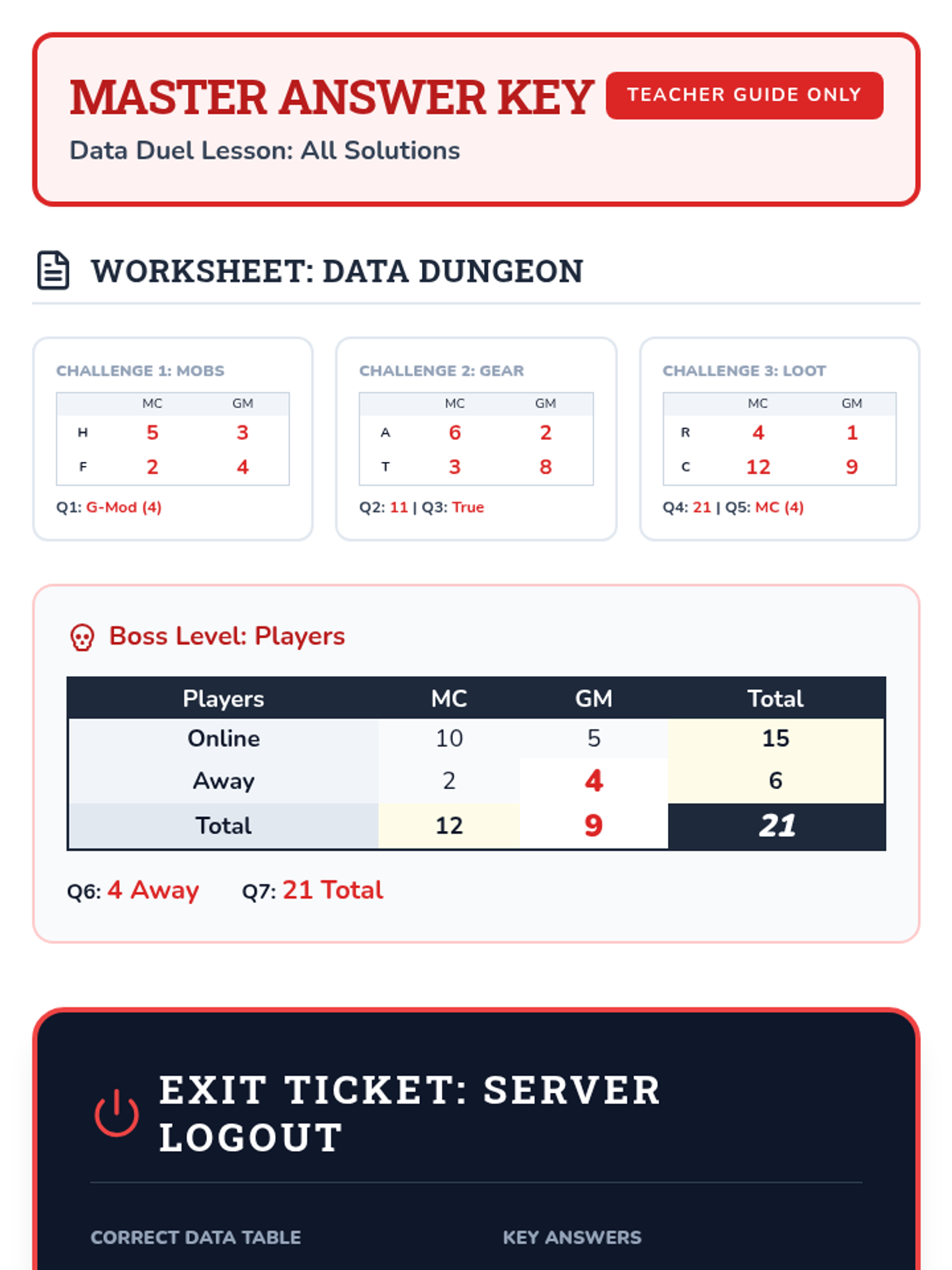
A visual, video-game themed lesson on two-way frequency tables designed for 8th-grade special education students using Minecraft and Garry's Mod examples.
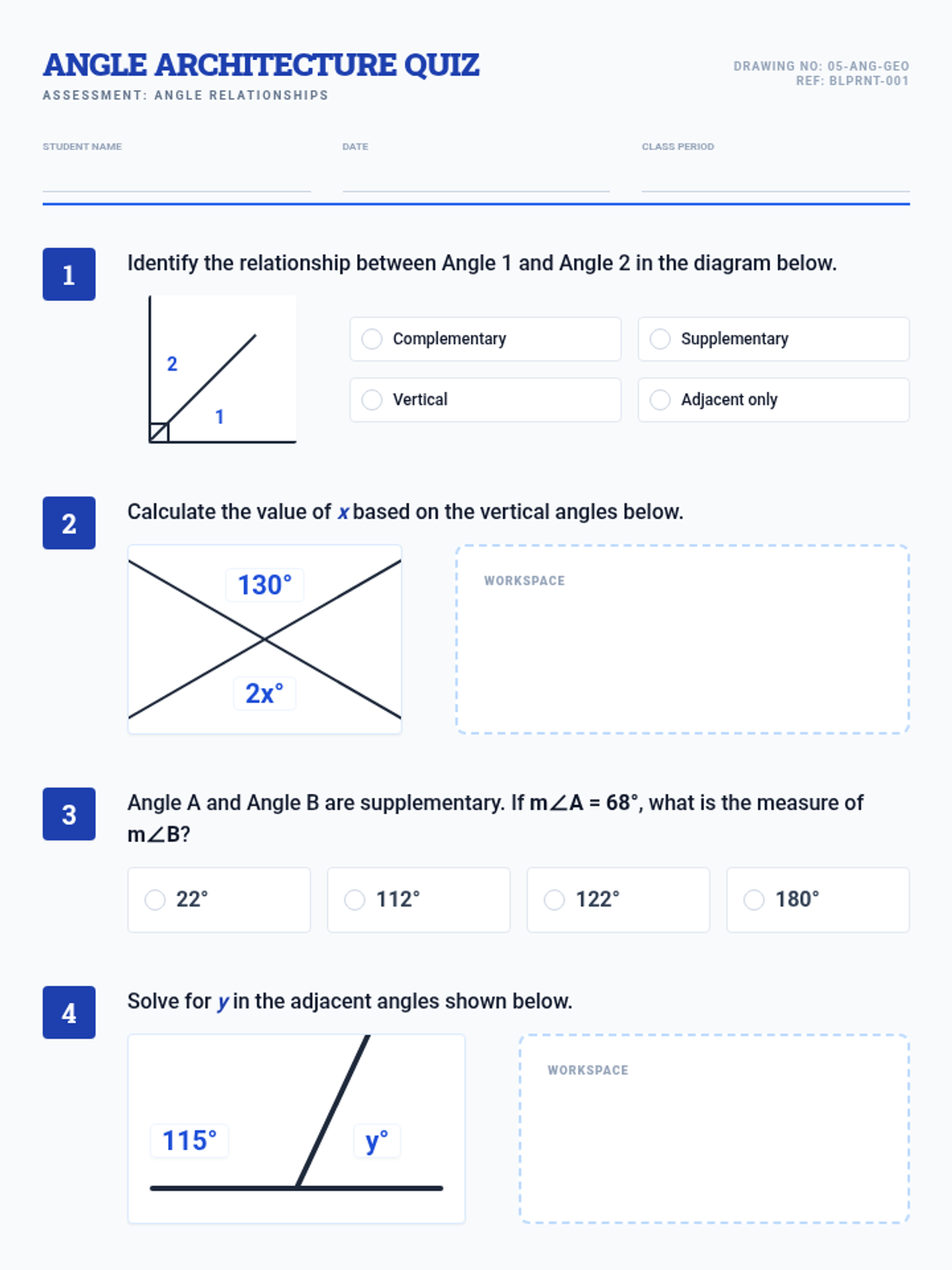
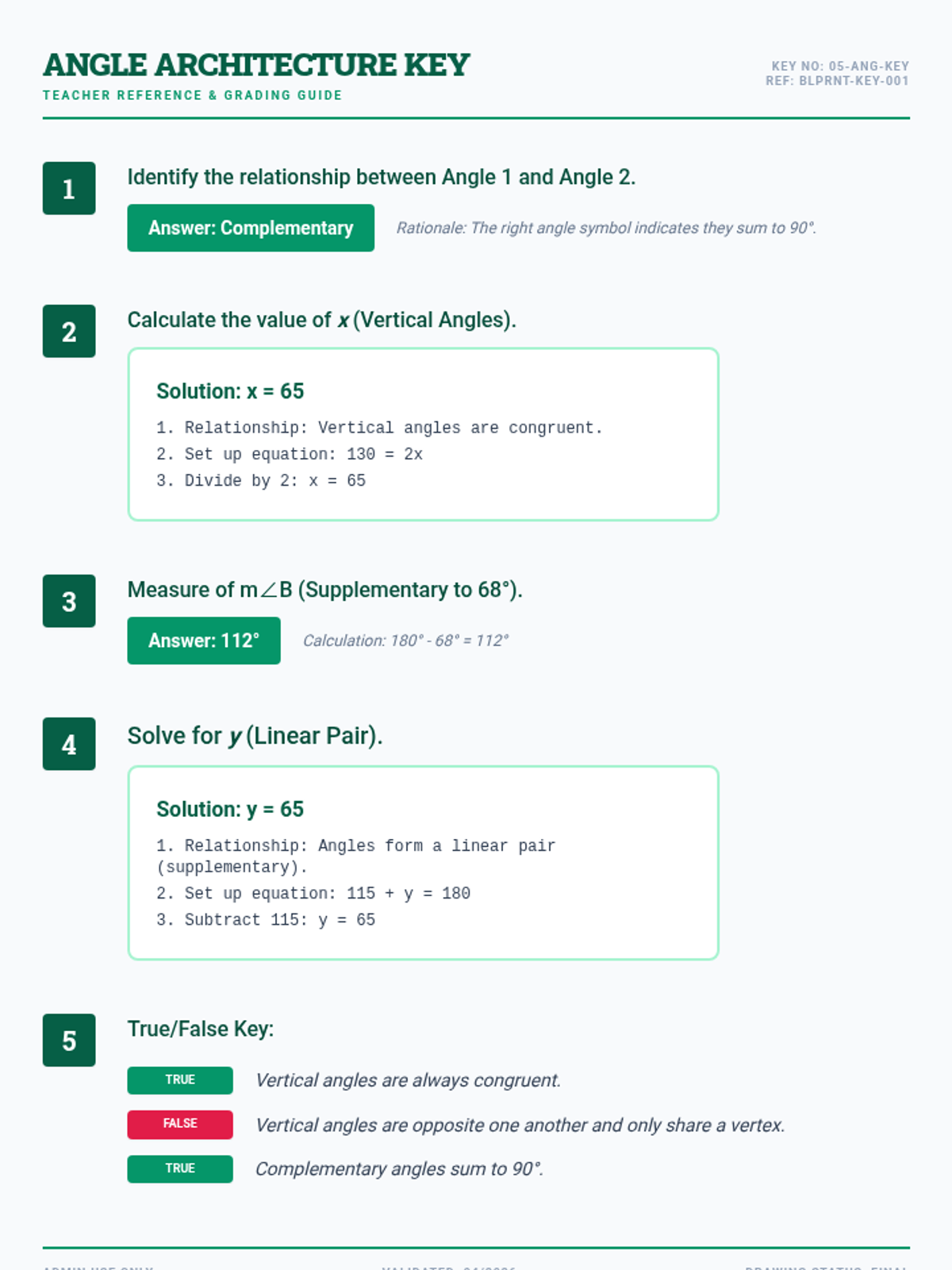
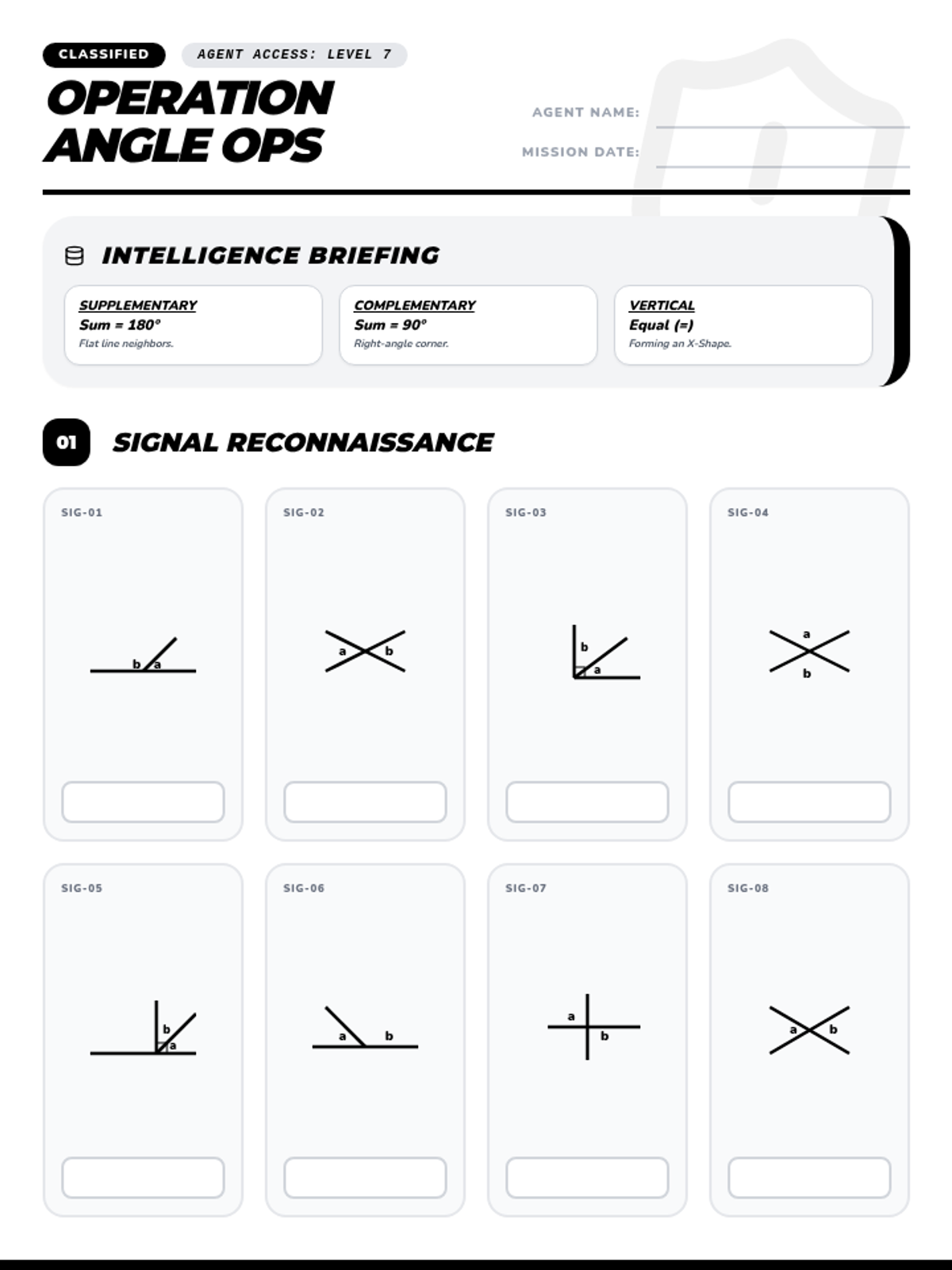
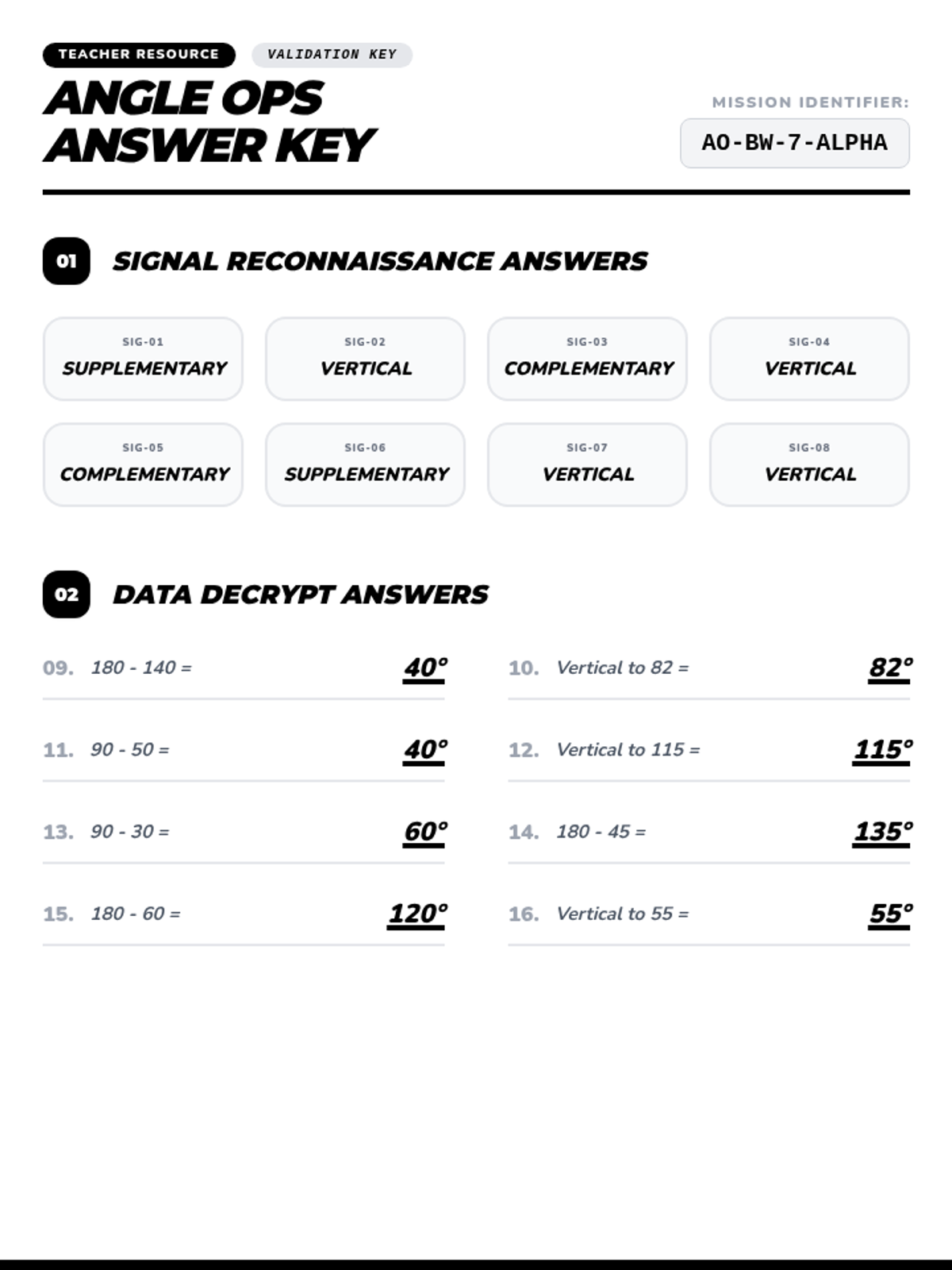
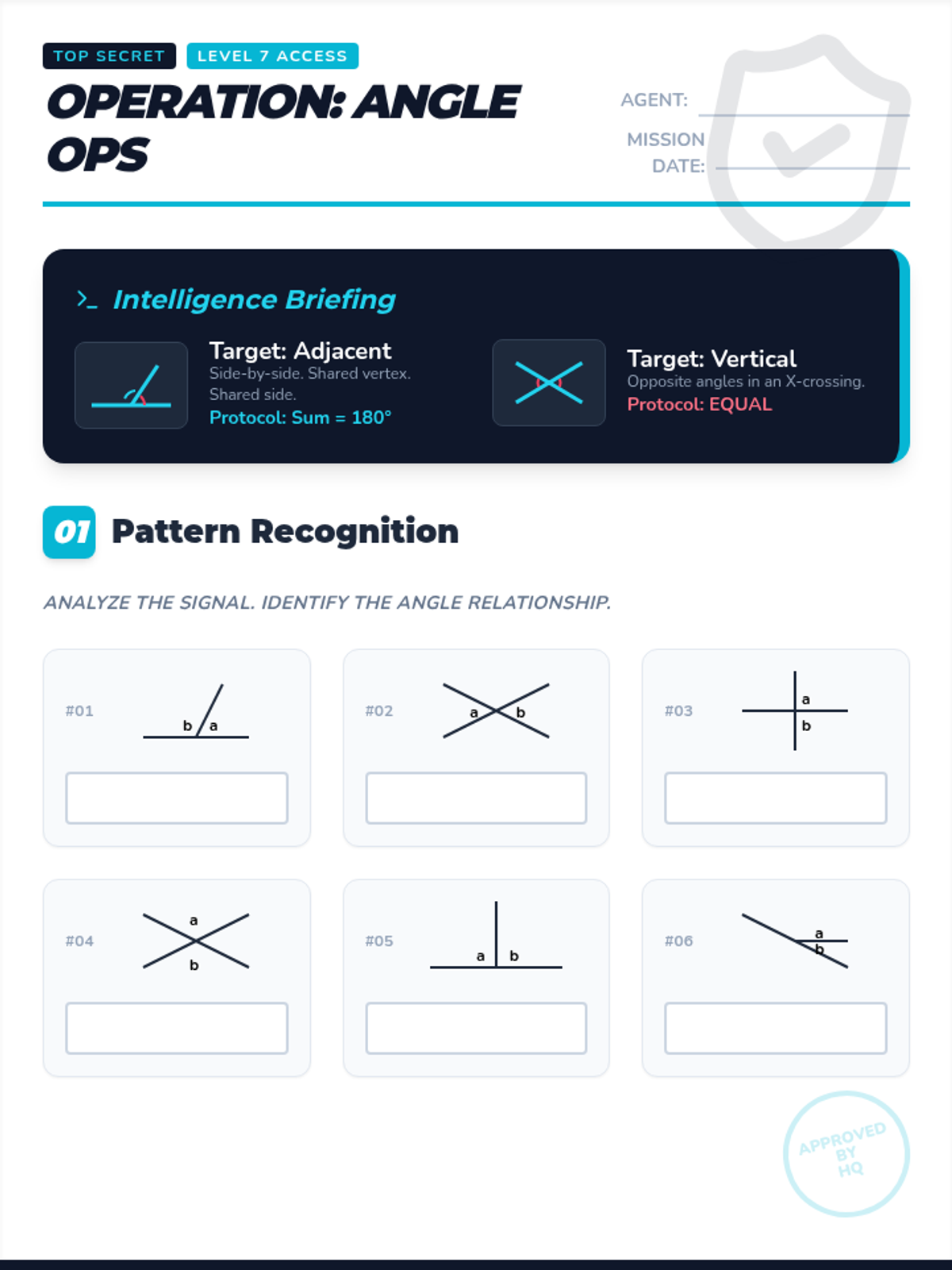
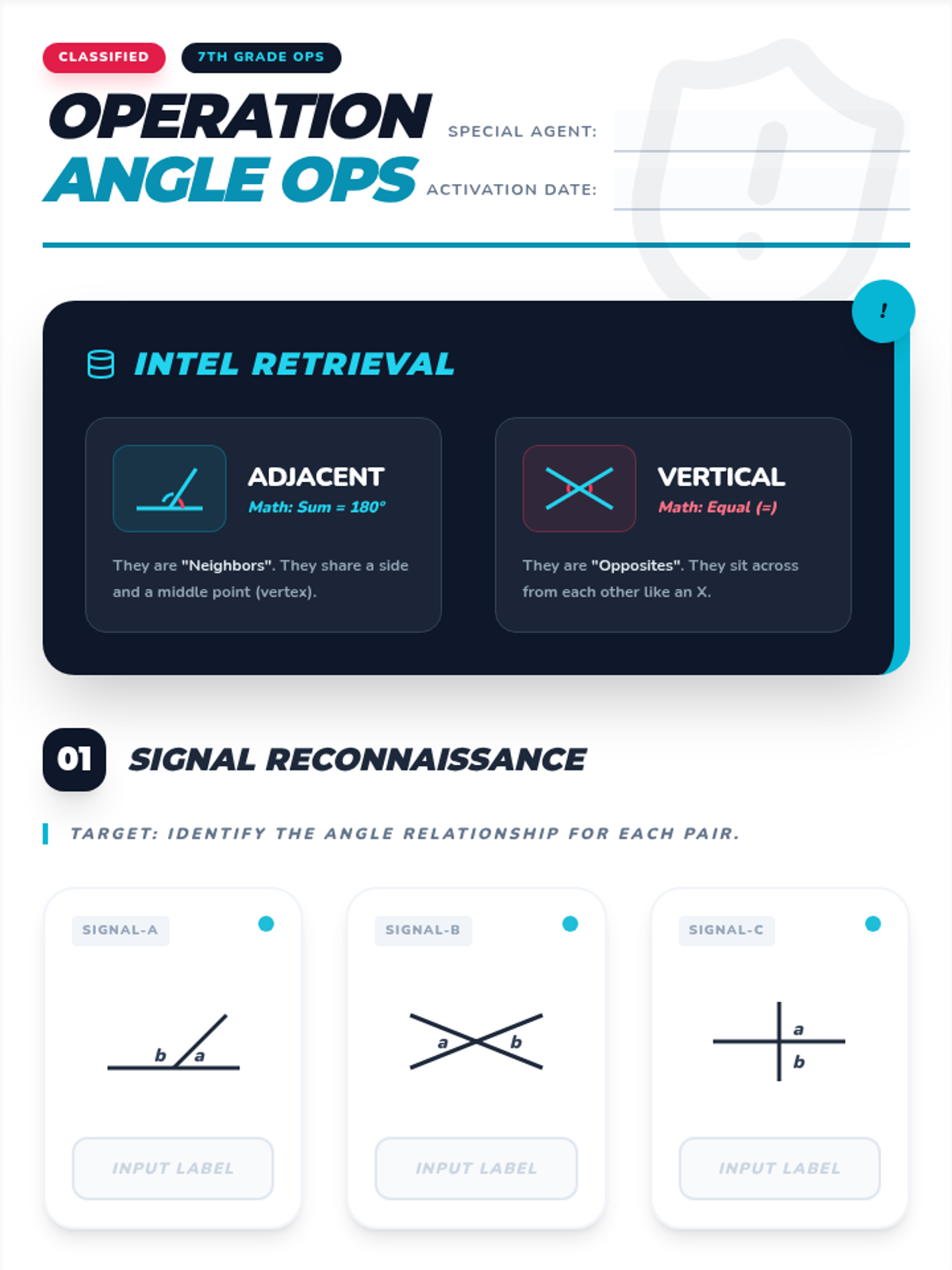
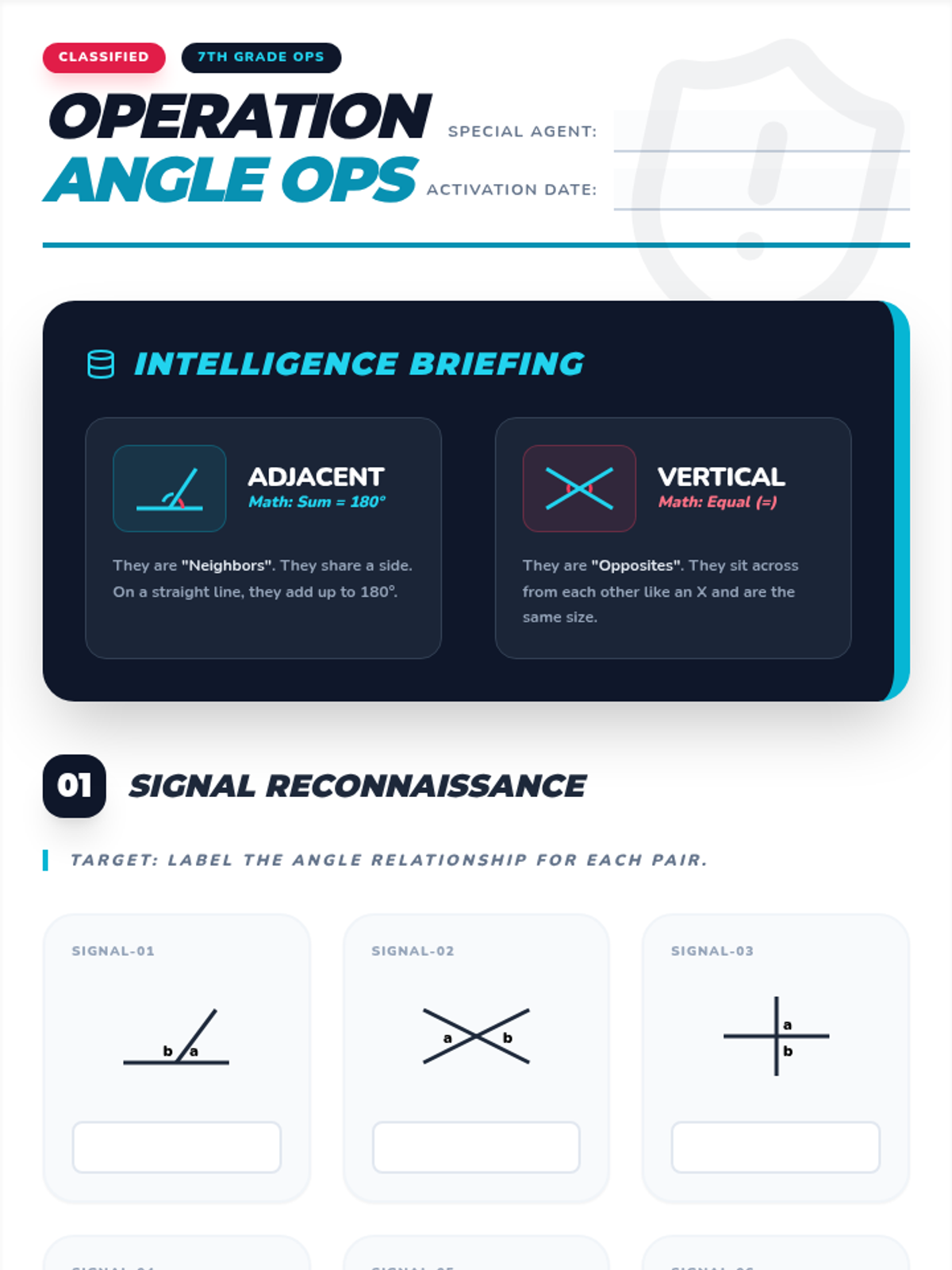
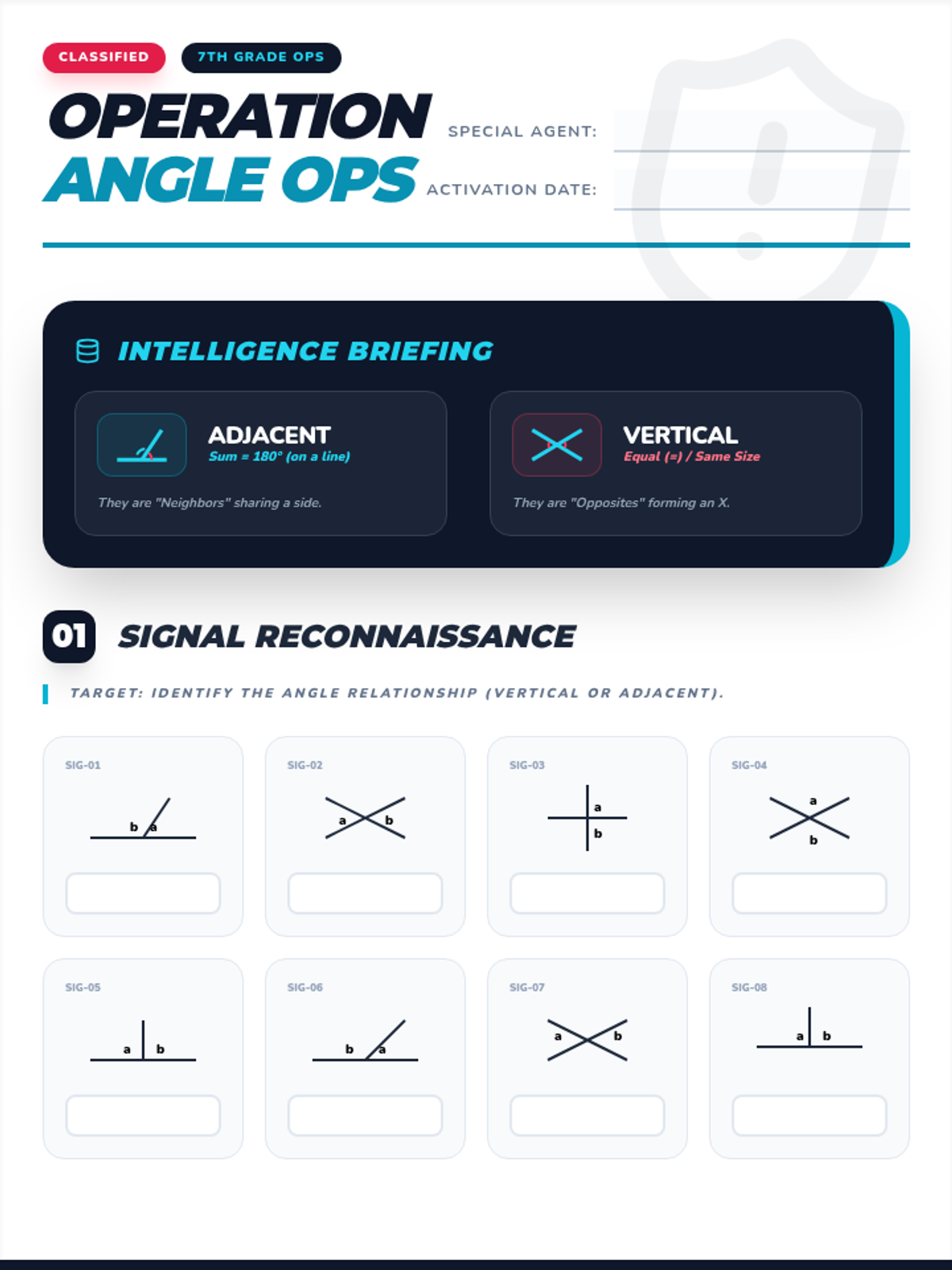
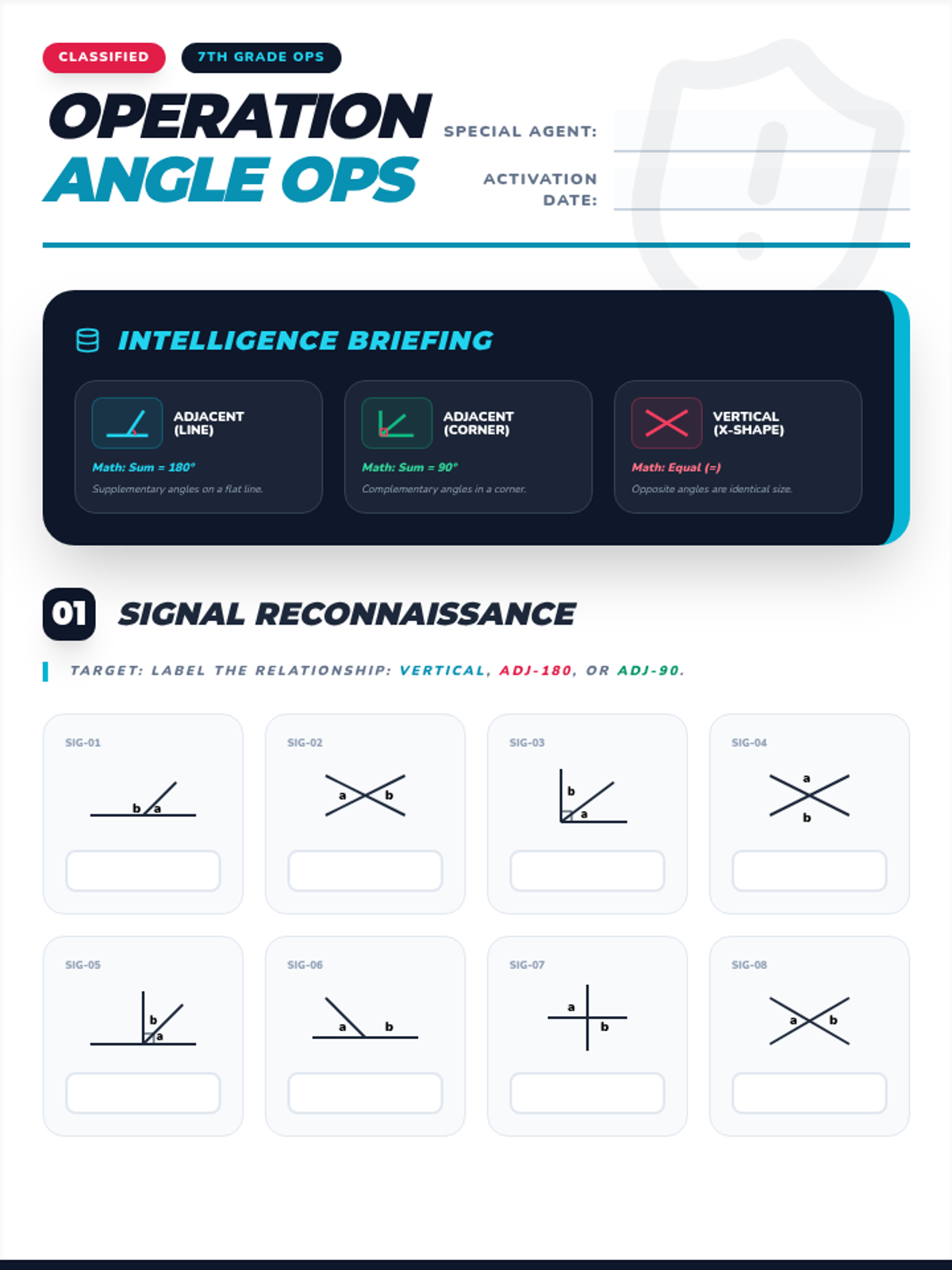
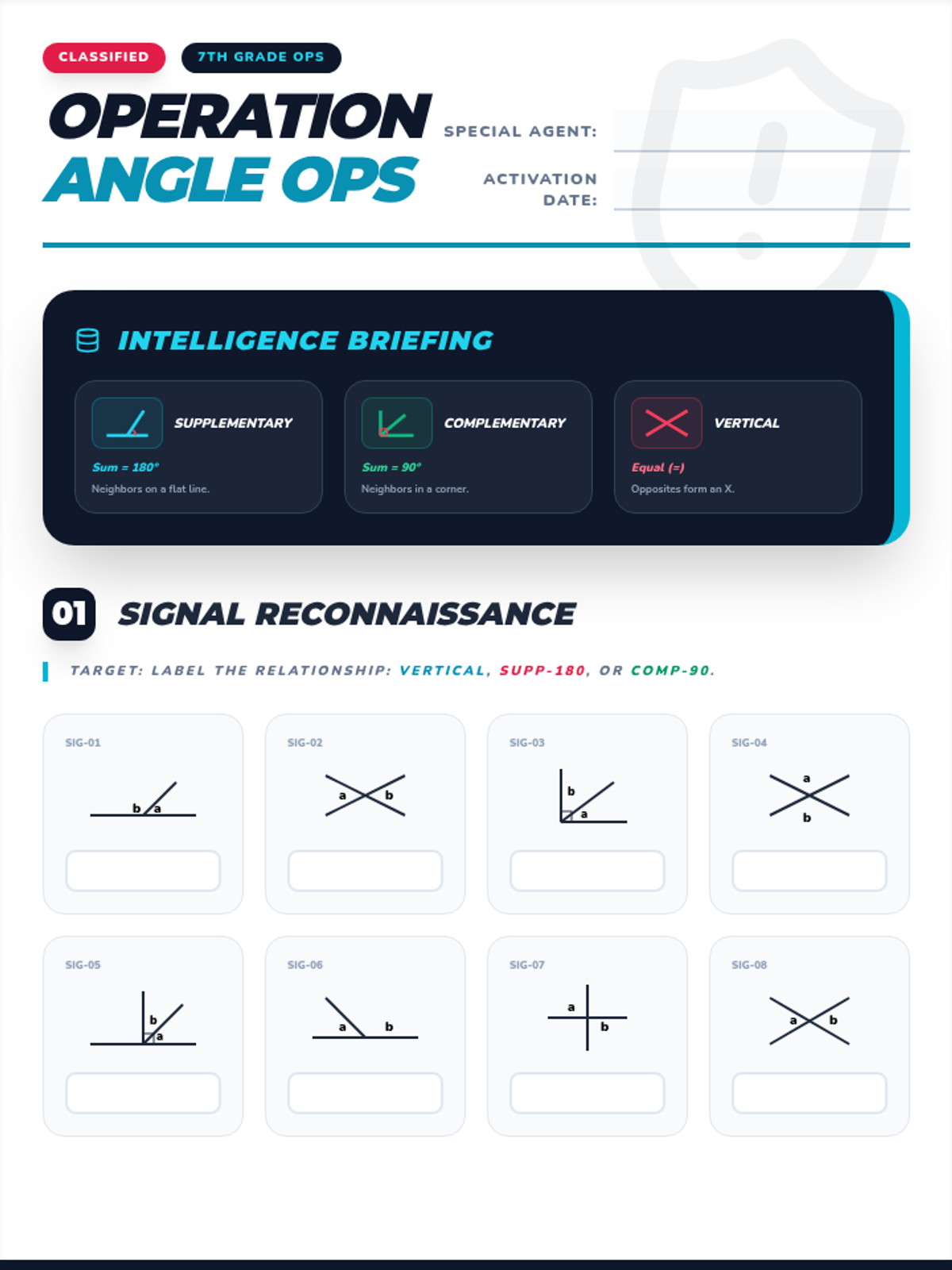
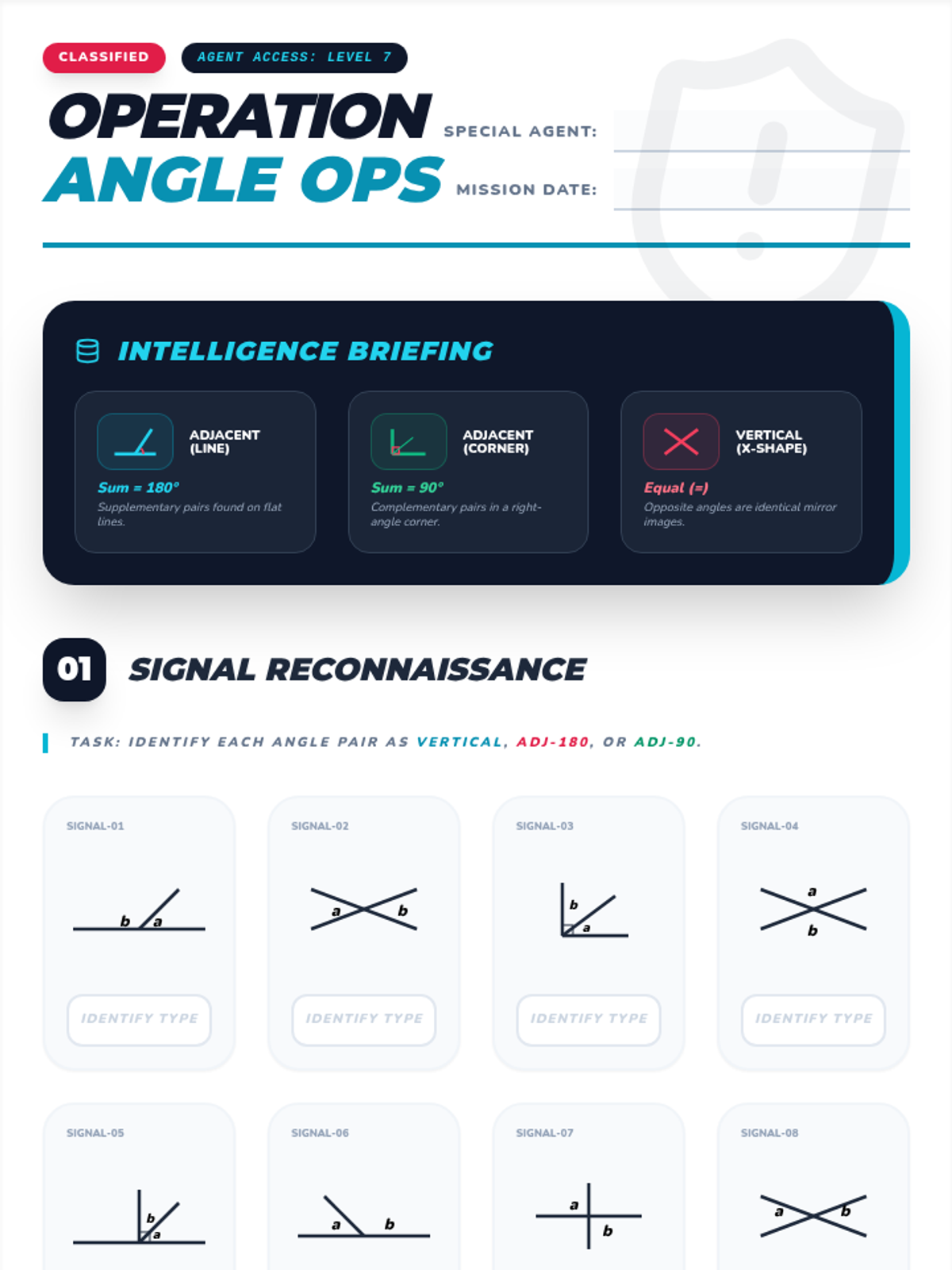
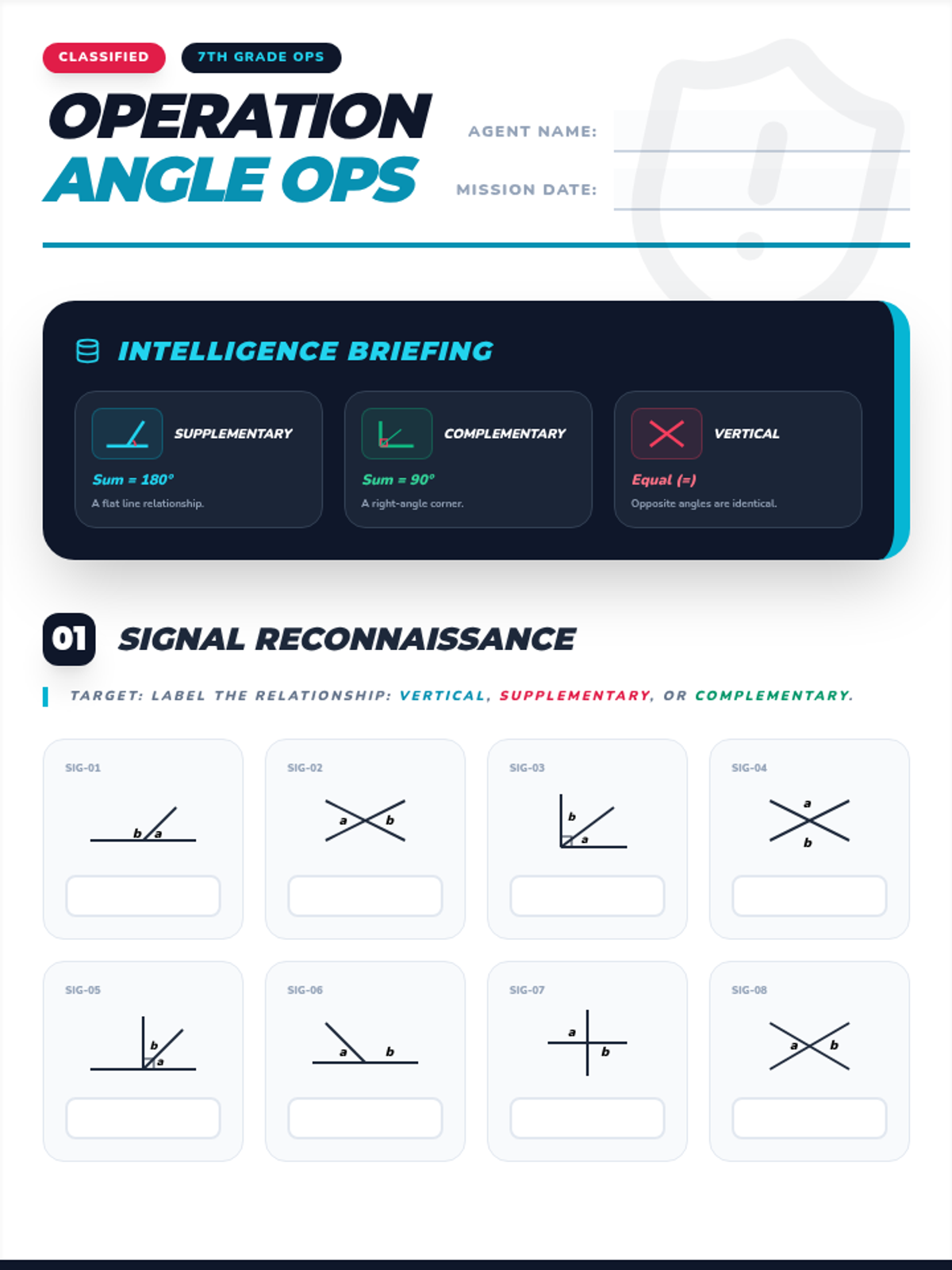
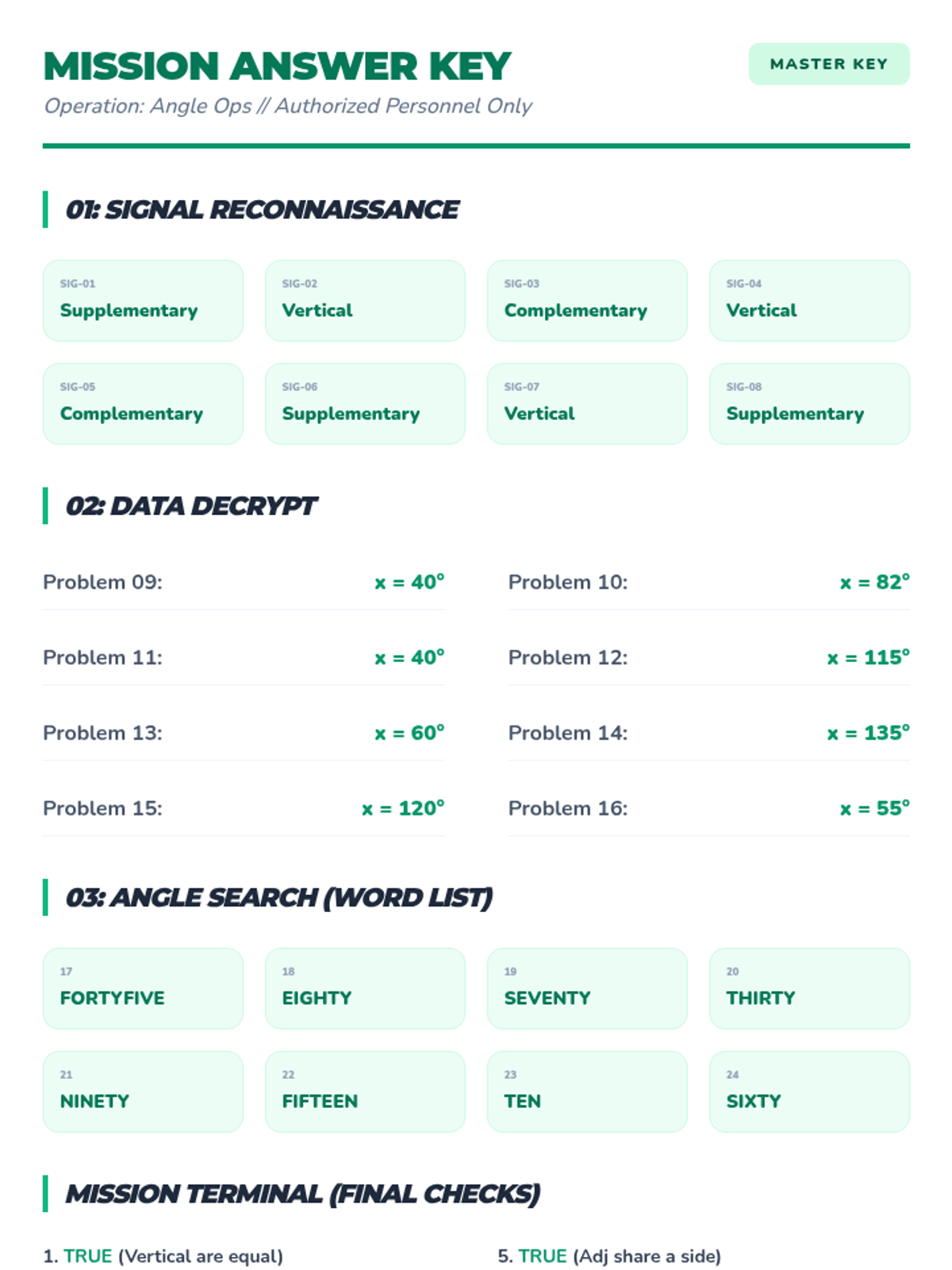
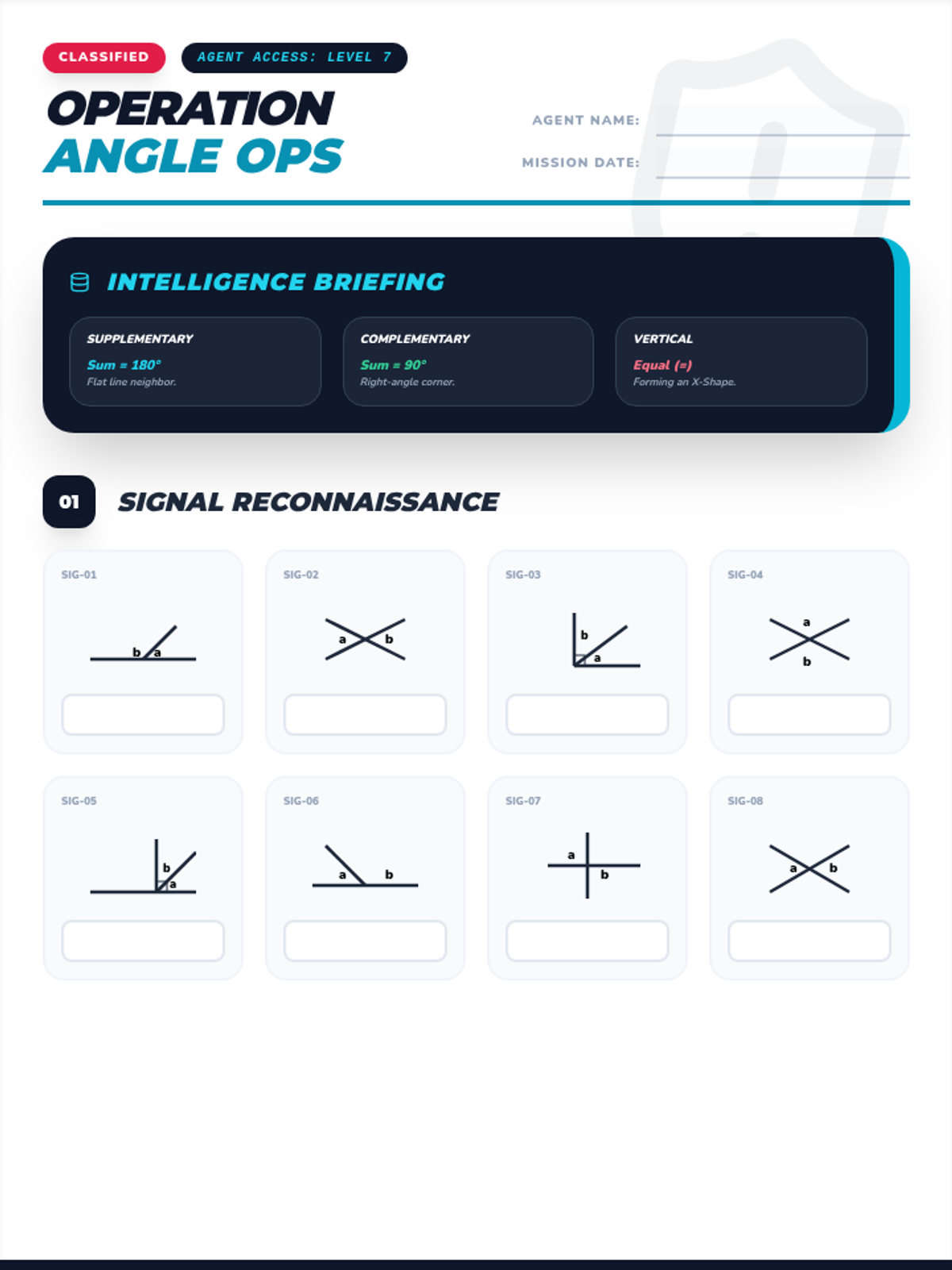
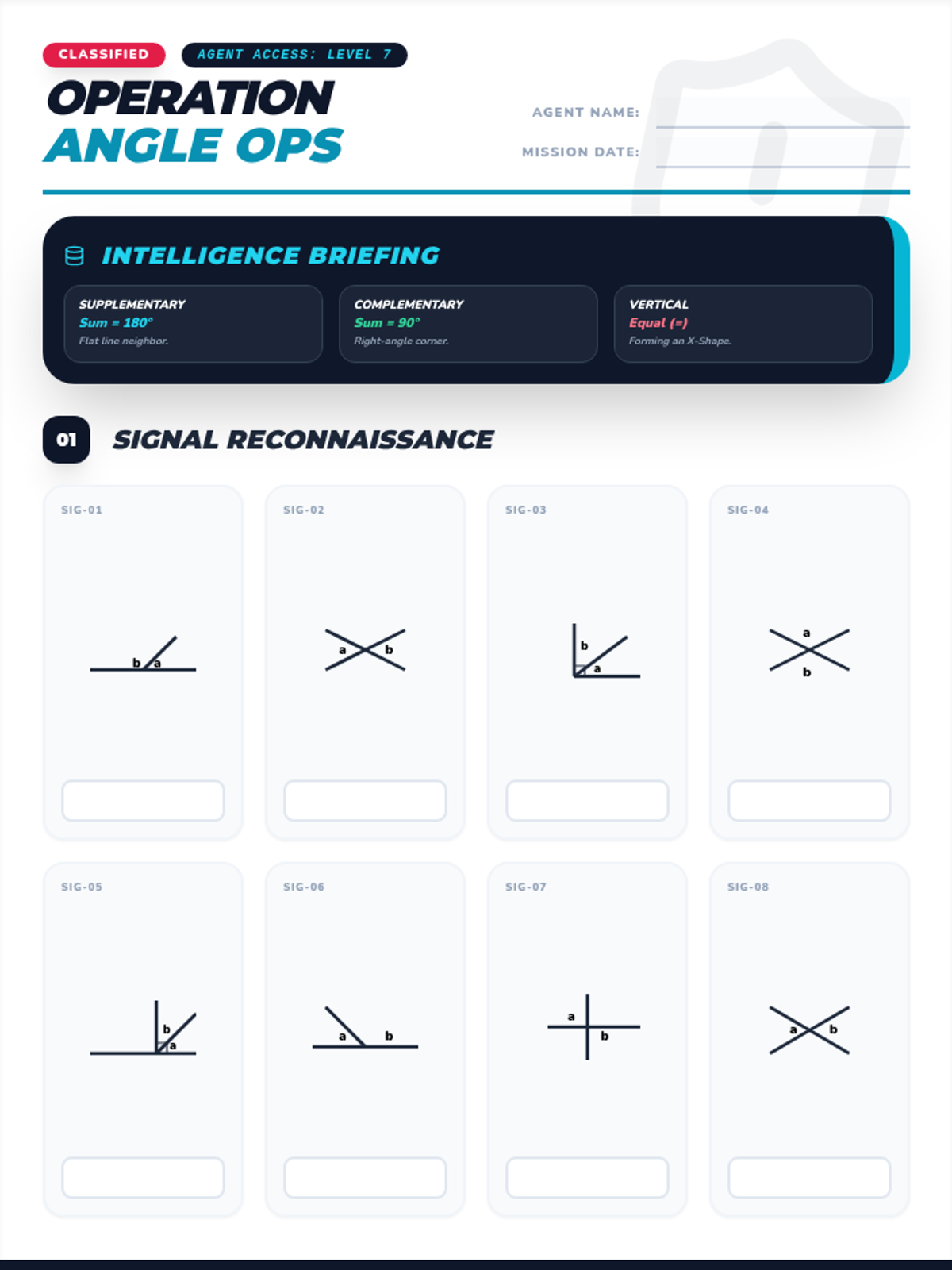
A focused assessment on identifying and calculating angle relationships including complementary, supplementary, adjacent, and vertical angles.
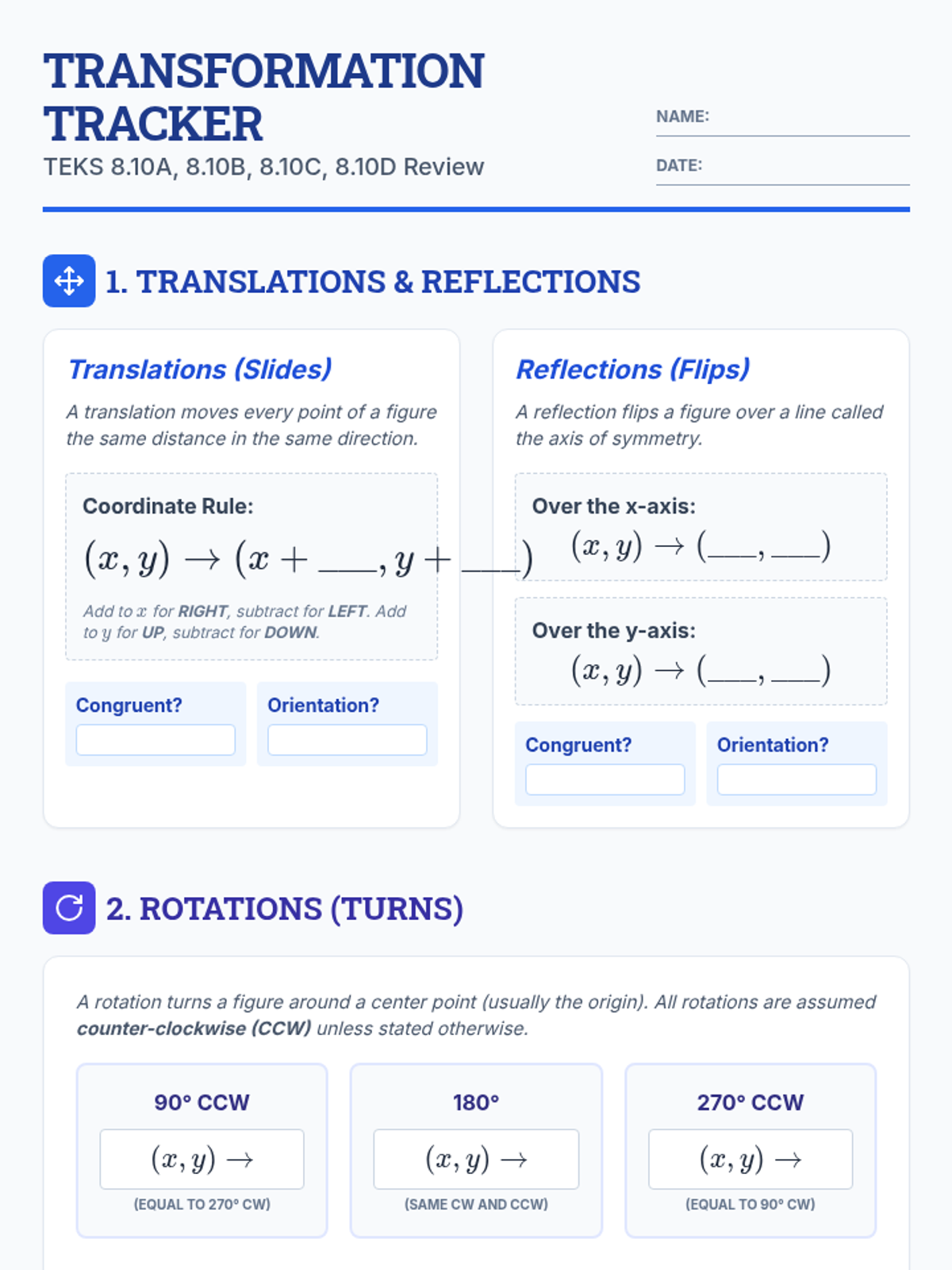
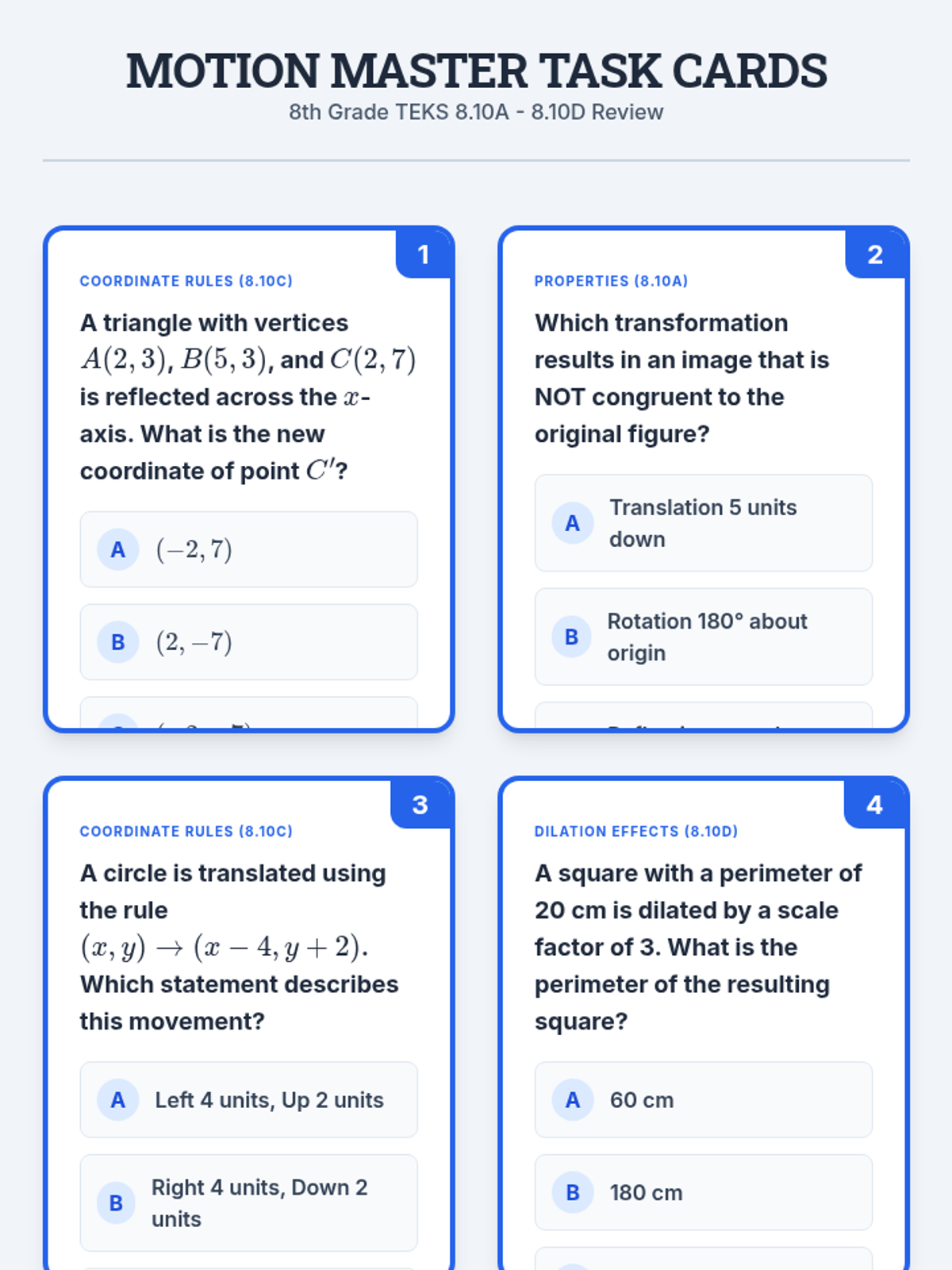
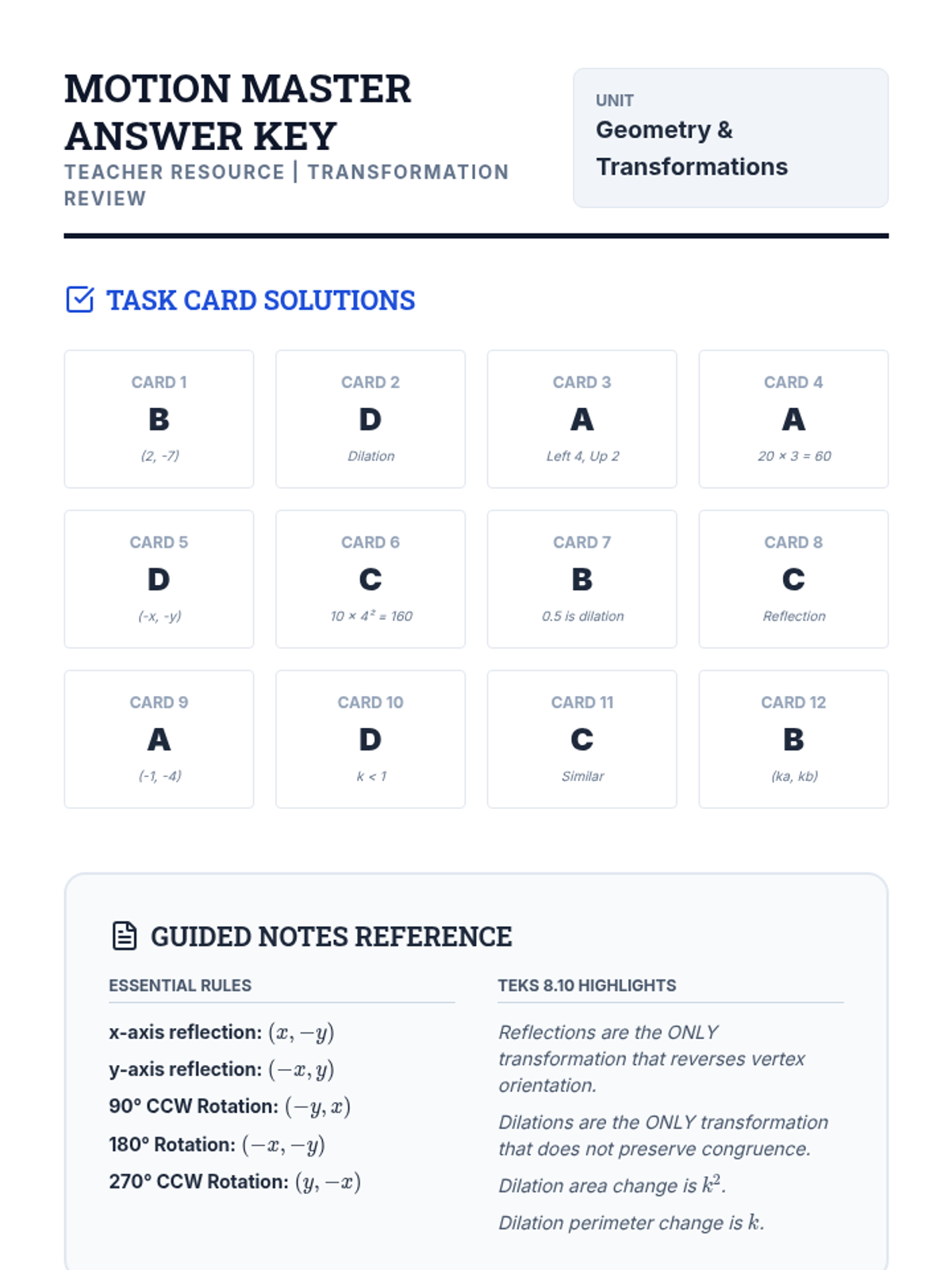
A comprehensive review of geometric transformations including translations, reflections, rotations, and dilations, focusing on coordinate rules and algebraic representations.
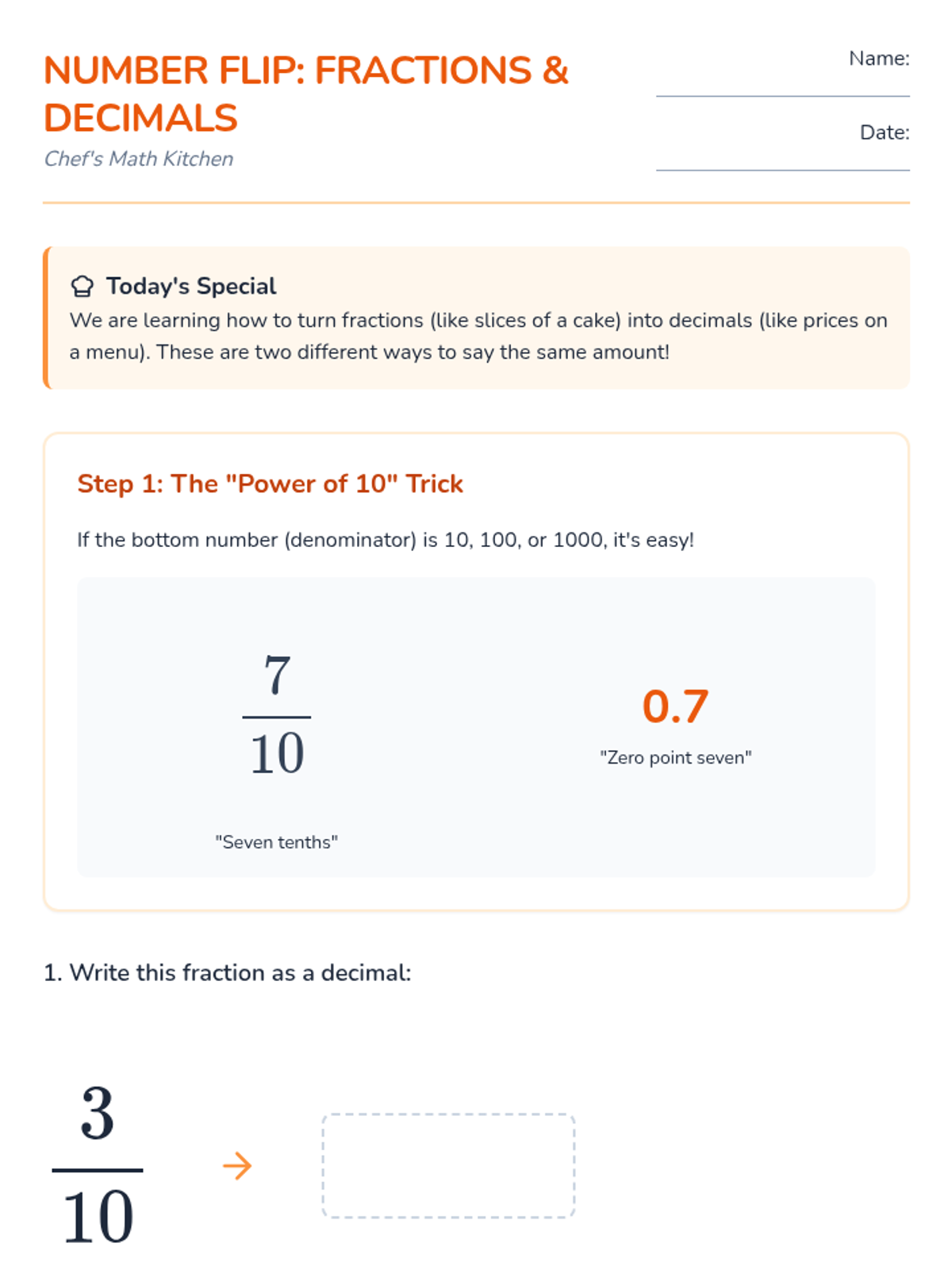
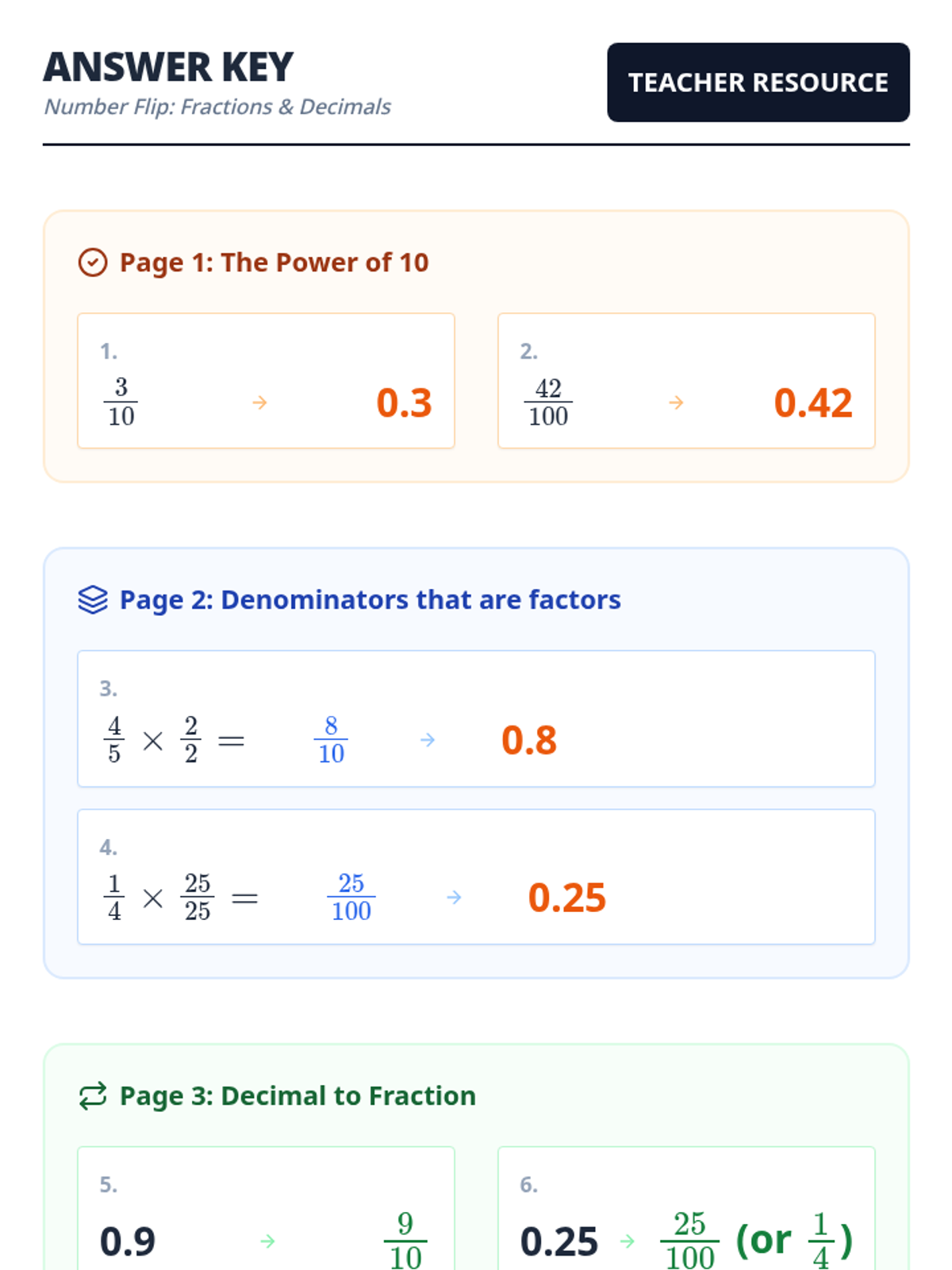
A lesson focused on understanding and converting between fractions and decimals using visual models and step-by-step procedures. Designed for students needing scaffolded support and reduced visual clutter.
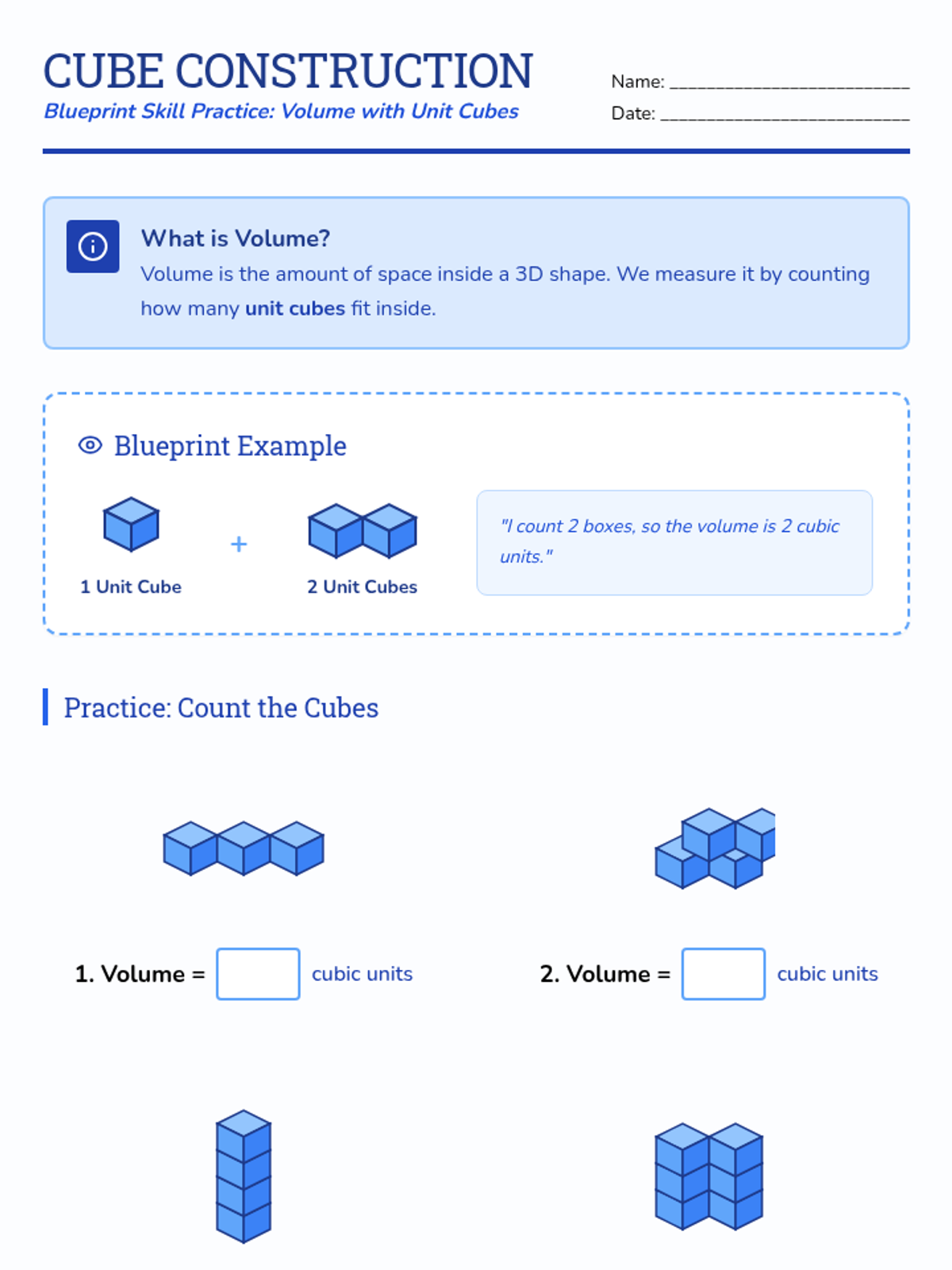
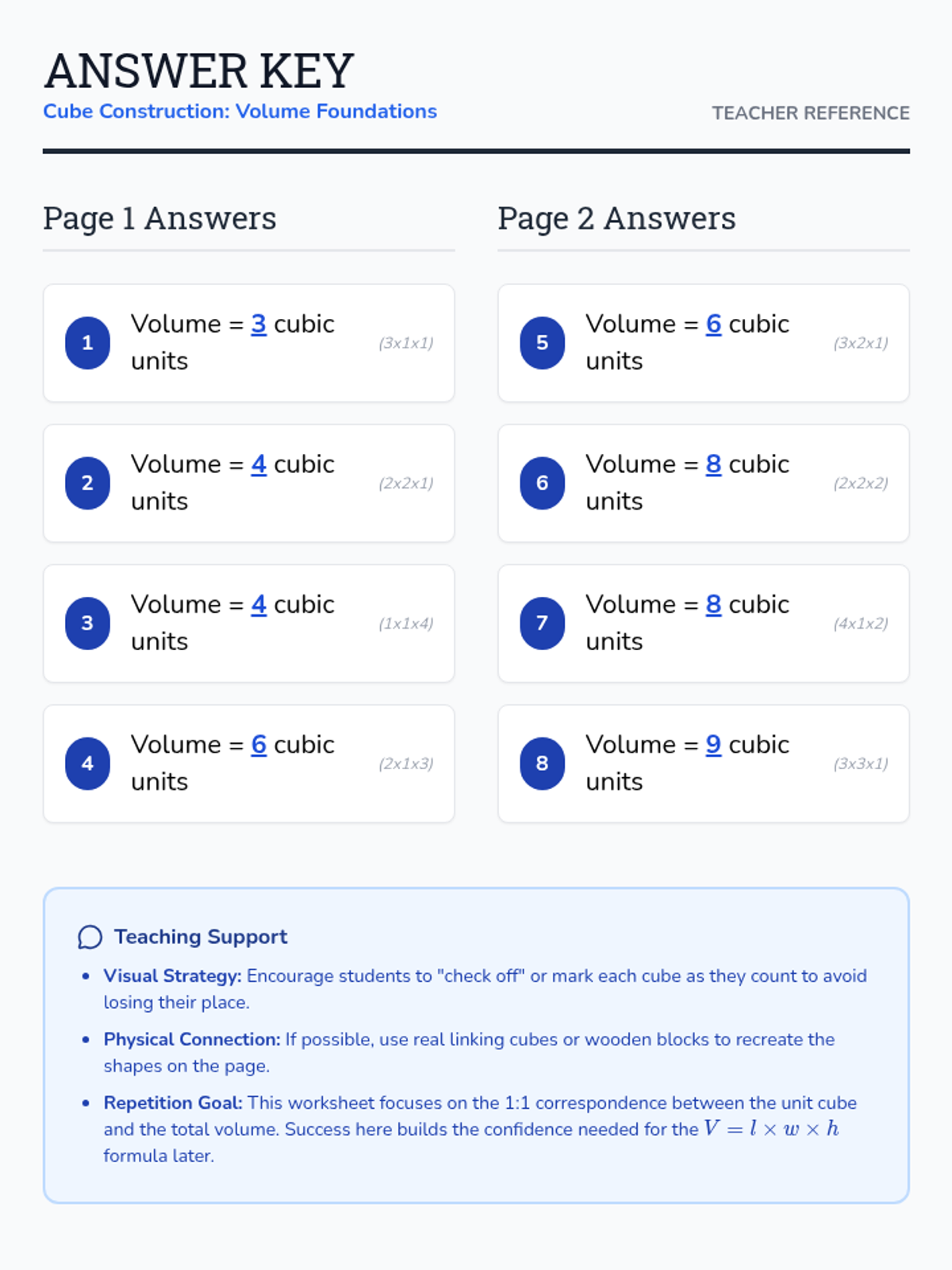
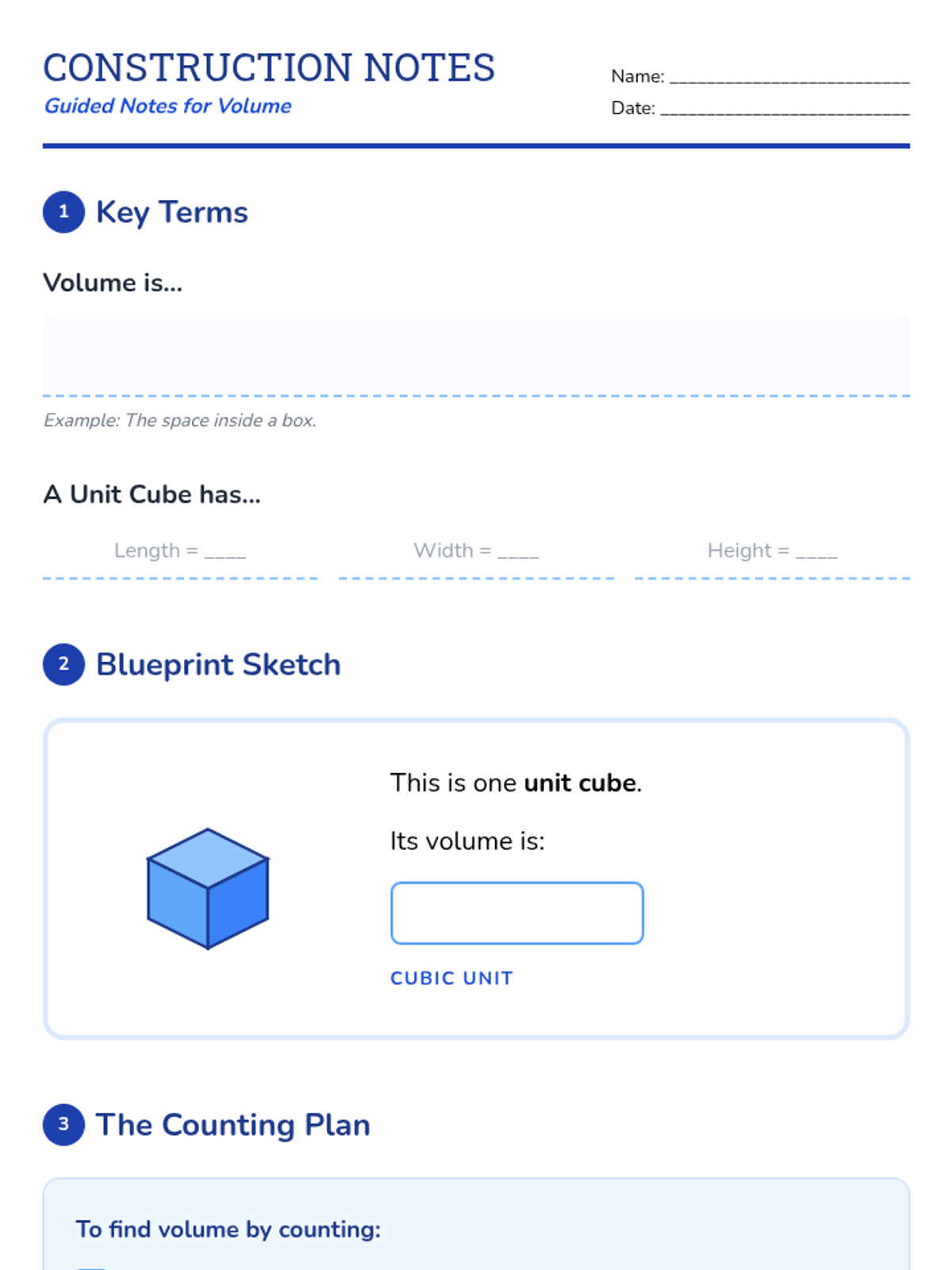
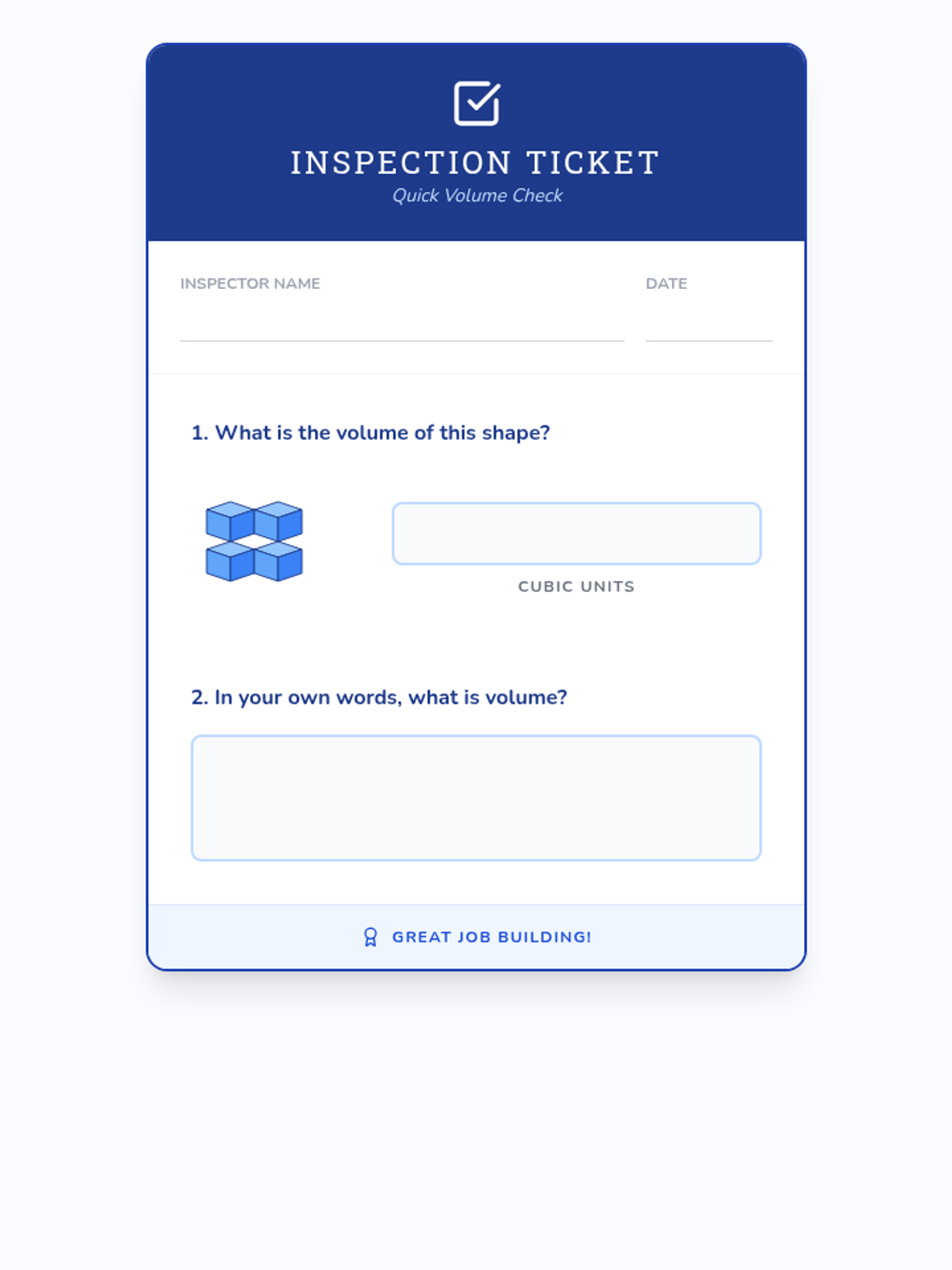
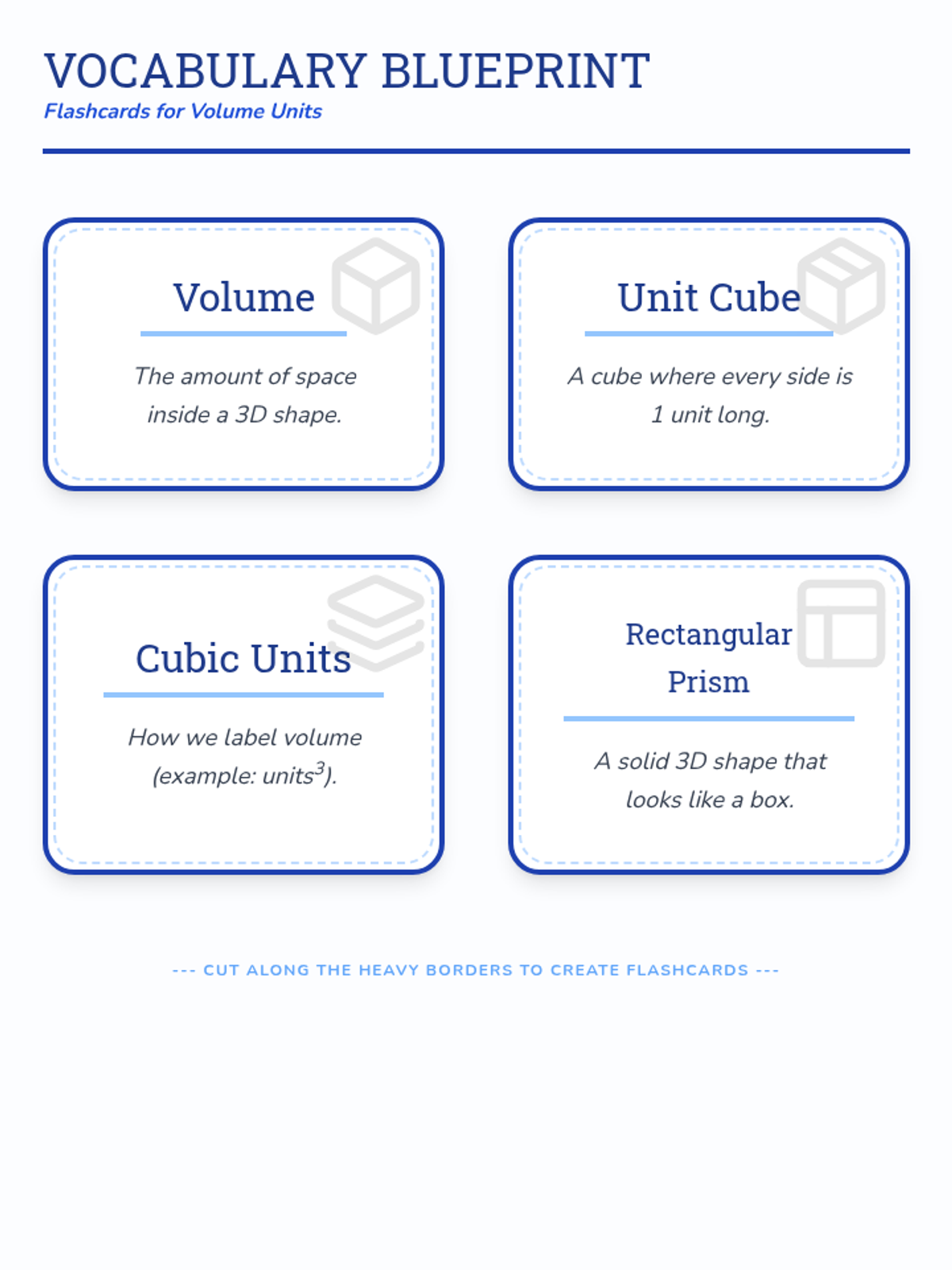
A lesson focused on developing a foundational understanding of volume by counting unit cubes within rectangular prisms, designed for students needing repetitive skill practice and clear visual support.
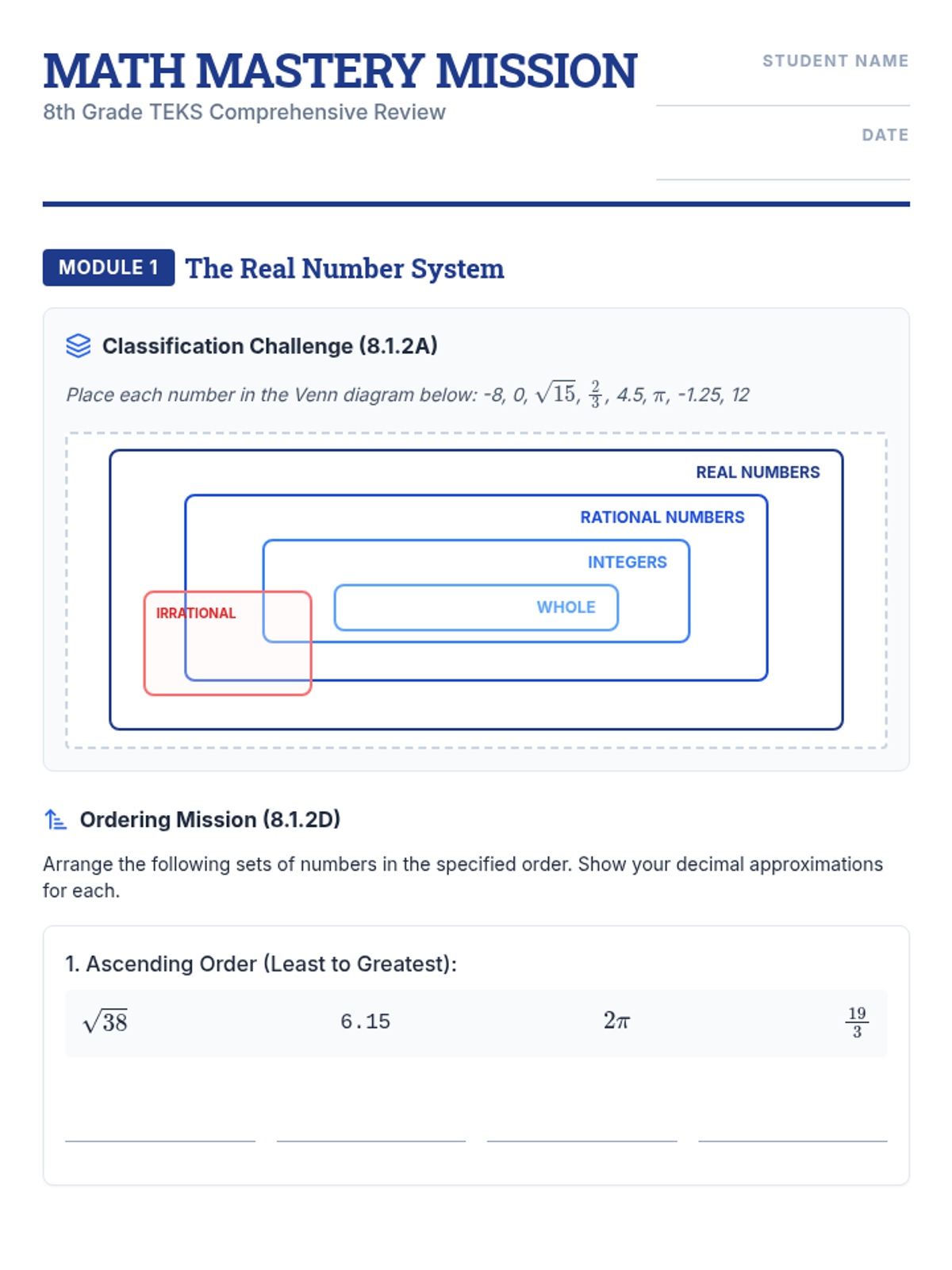
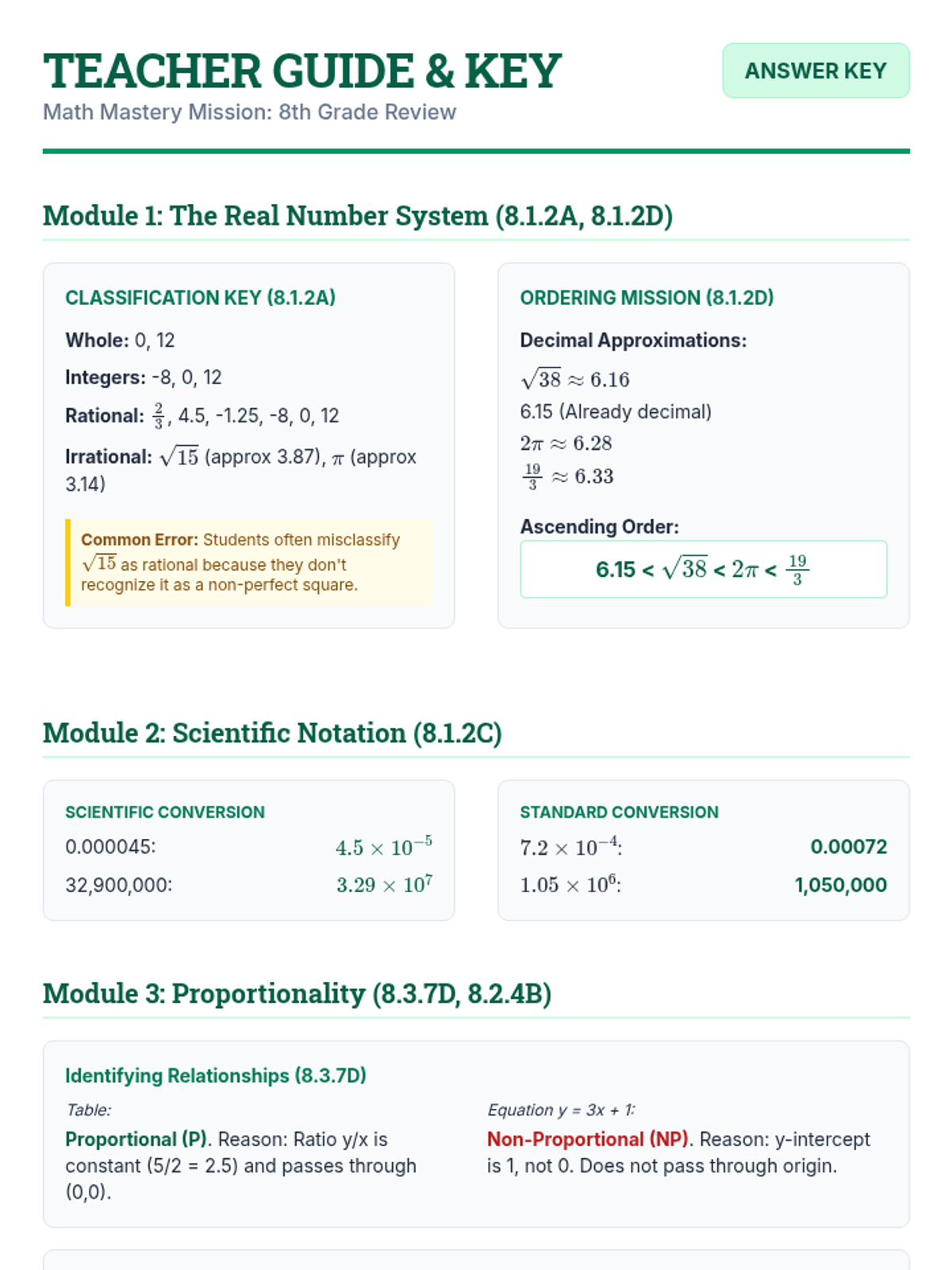
A comprehensive 8th-grade math review covering real number relationships, linear functions, and proportionality to prepare students for standardized testing.
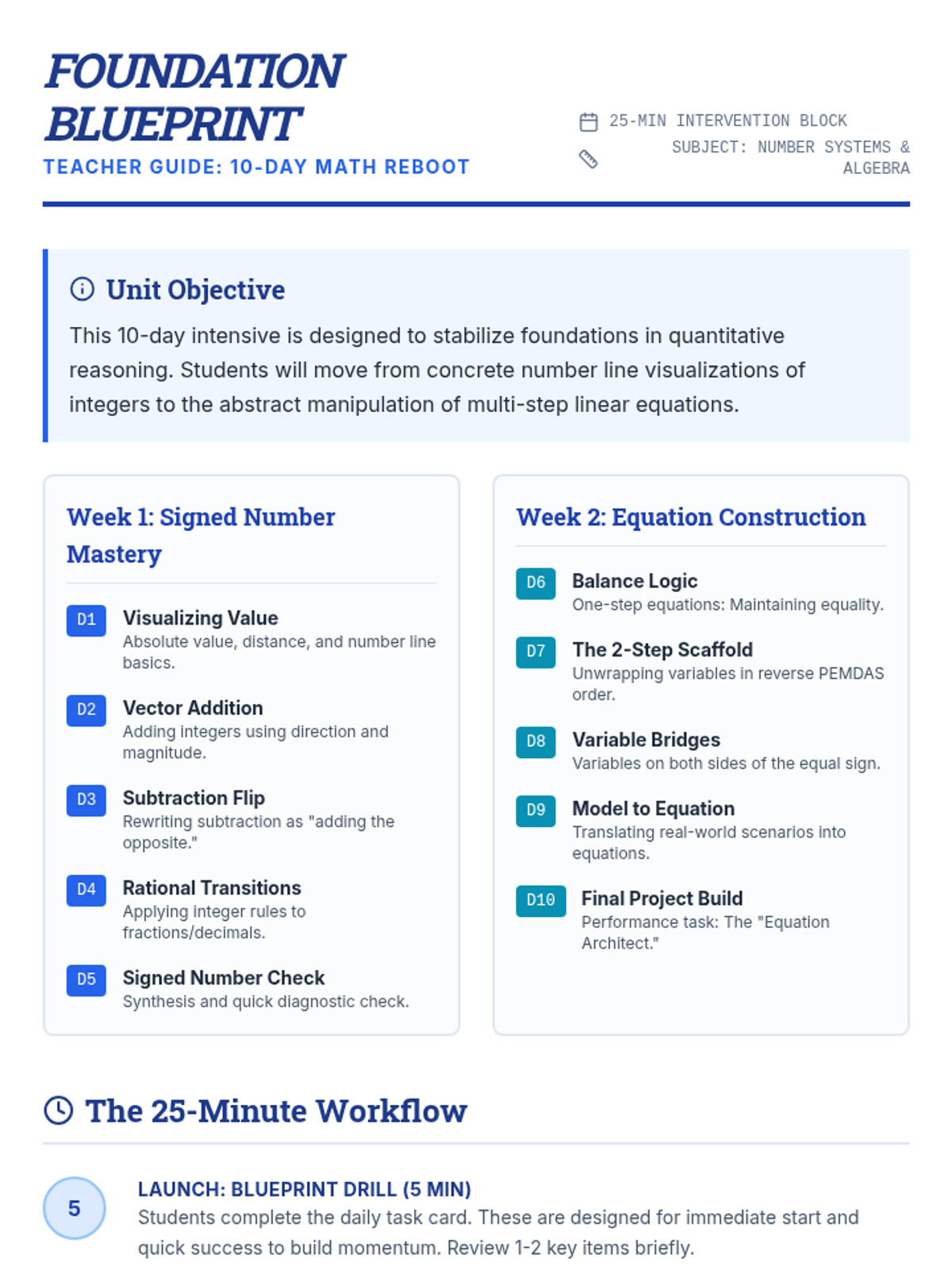
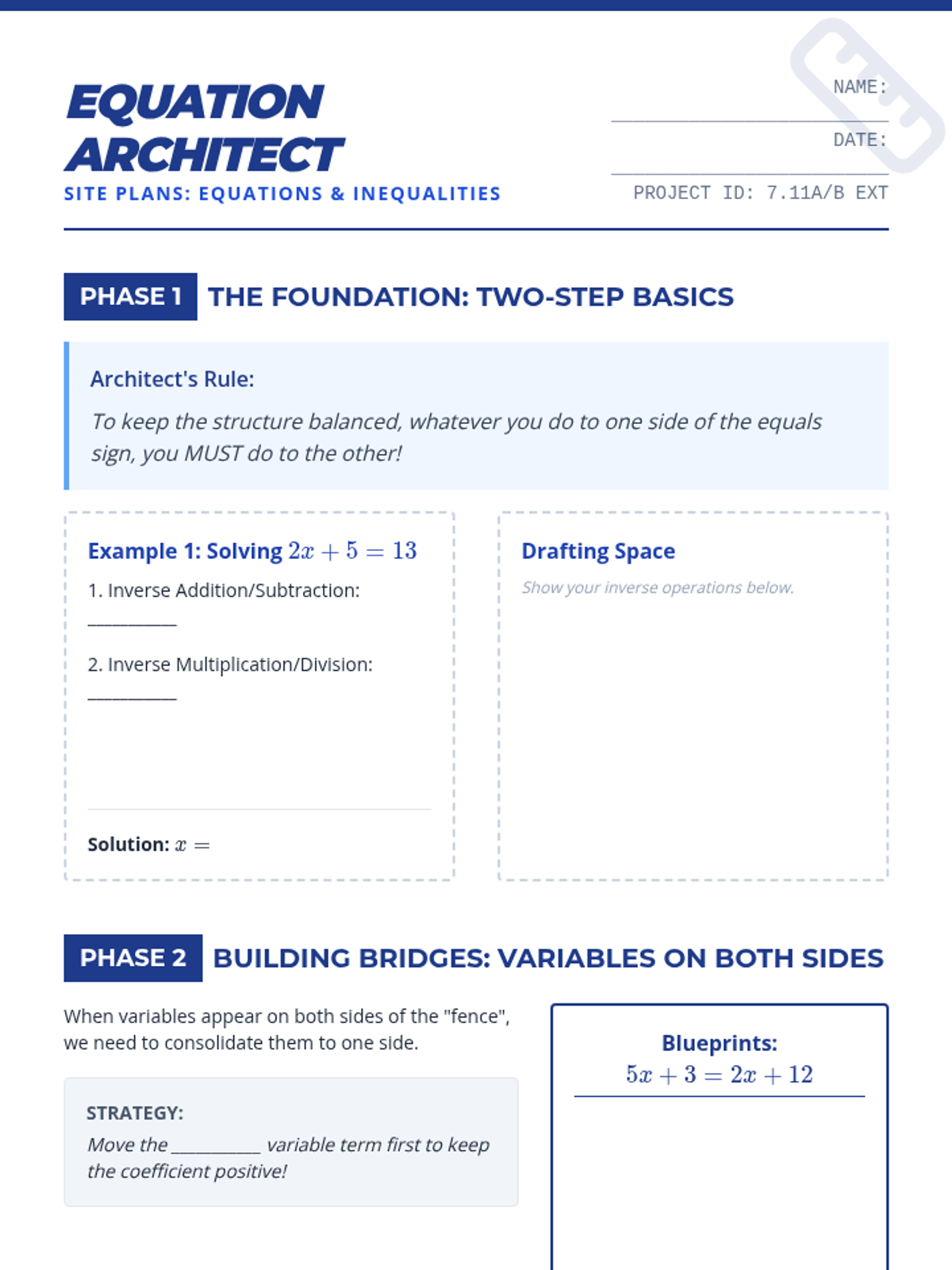
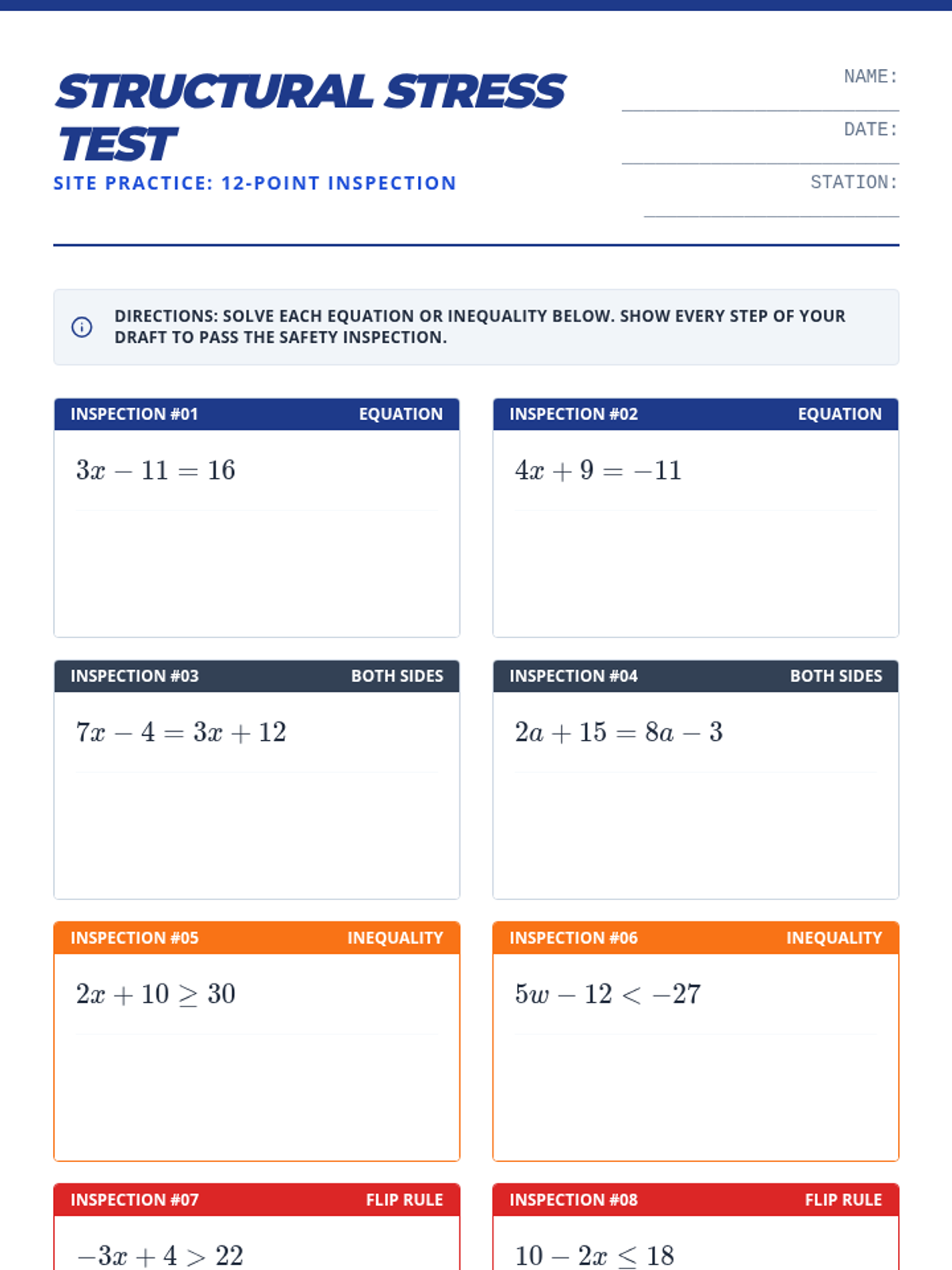
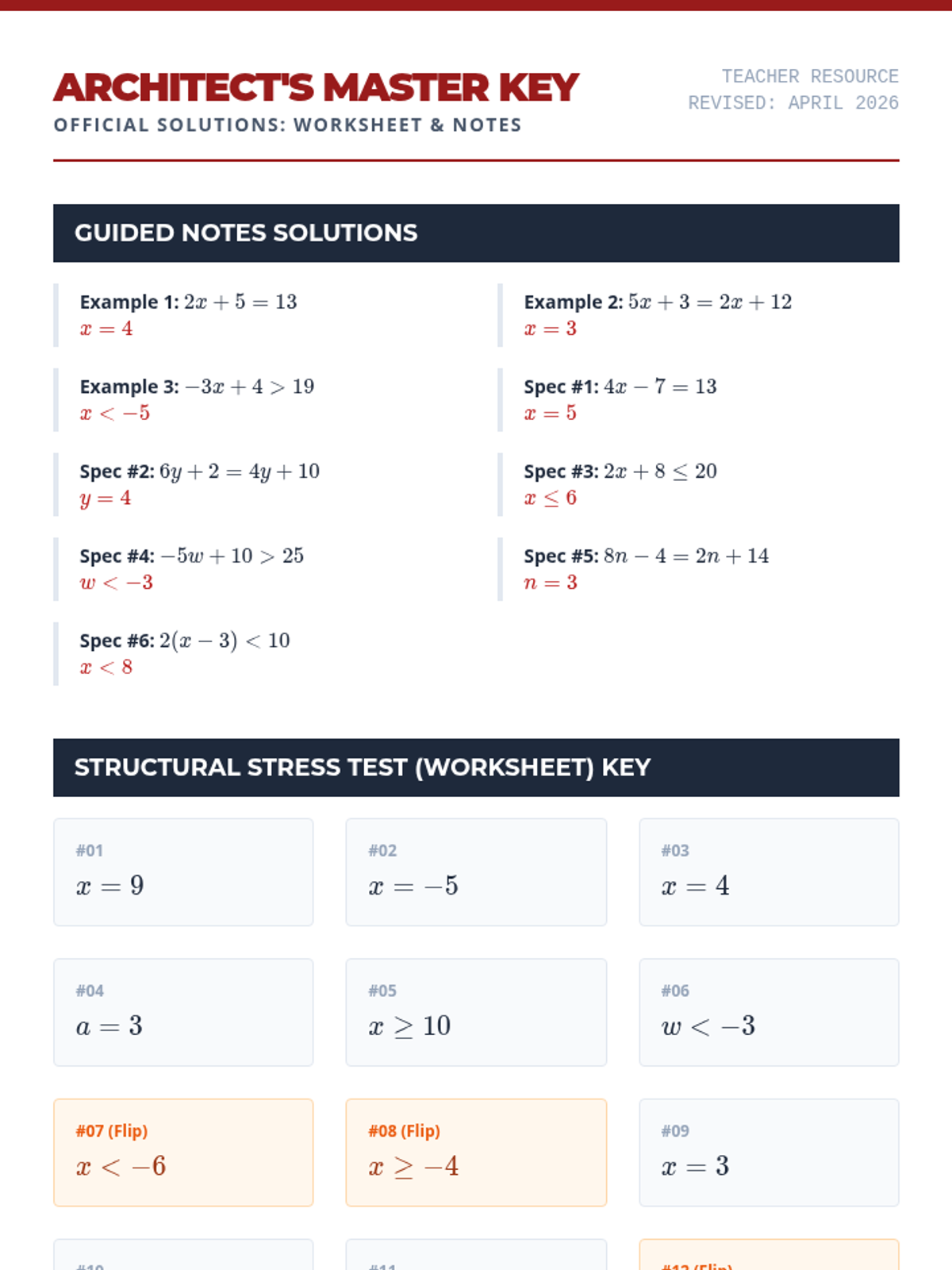
A comprehensive lesson on solving two-step equations and inequalities, including variables on both sides and the sign-reversal rule for inequalities. Students will 'draft' their solutions using architectural-themed guided notes and practice exercises.
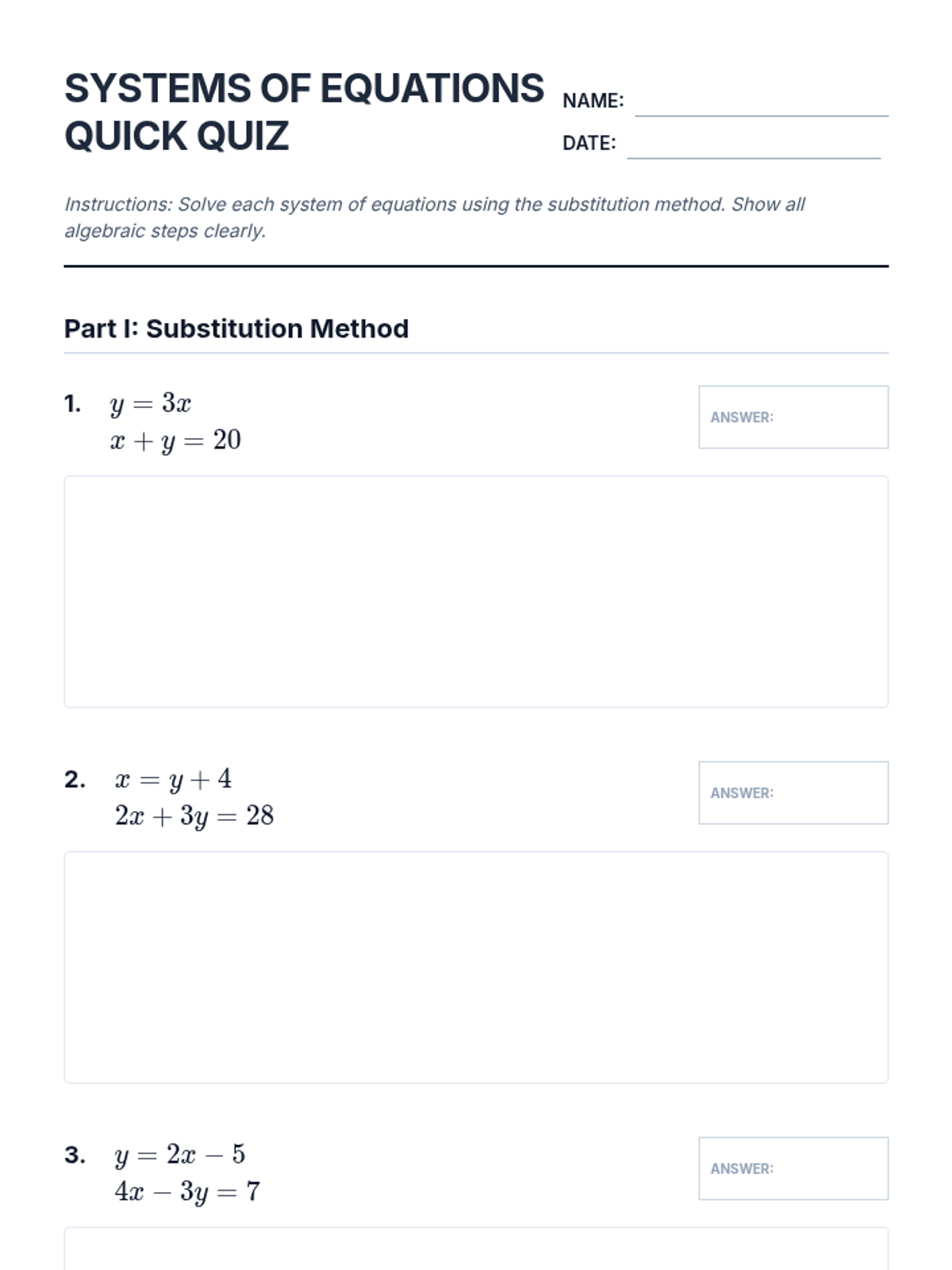
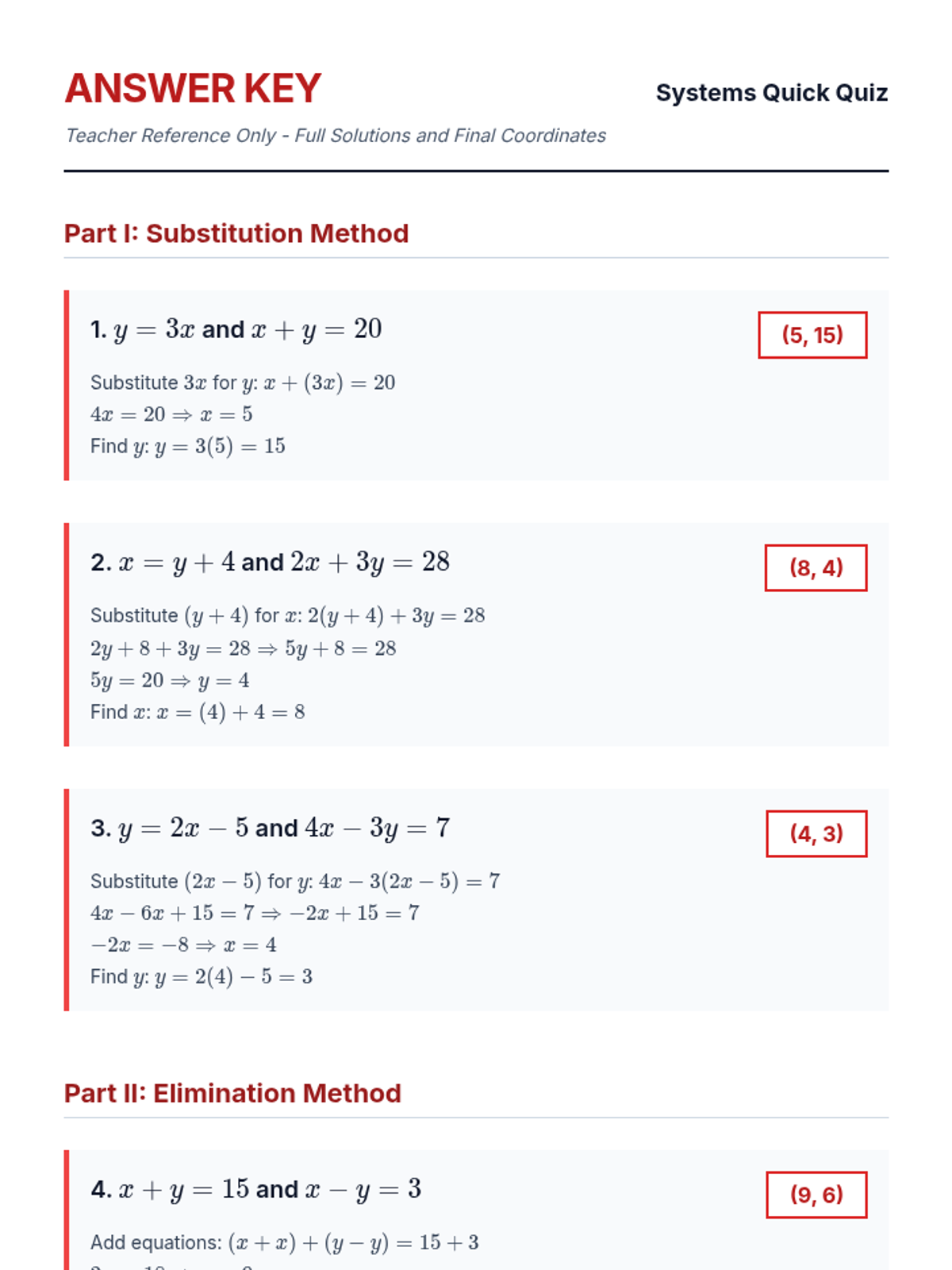
A focused quiz assessing student proficiency in solving systems of linear equations using both substitution and elimination methods.
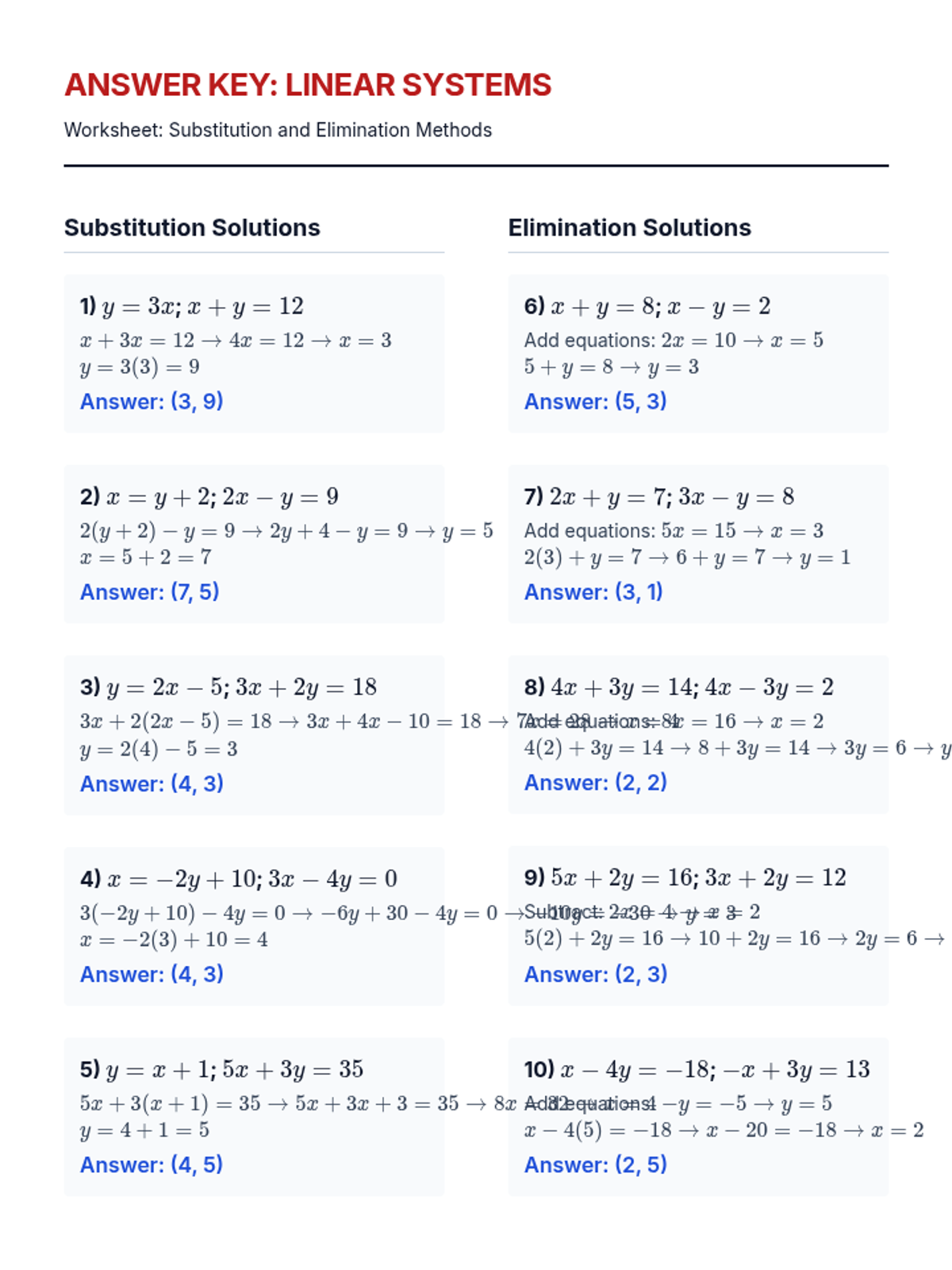
A straightforward lesson on solving systems of linear equations using the two primary algebraic methods: substitution and elimination. Designed for 9th-grade algebra students.
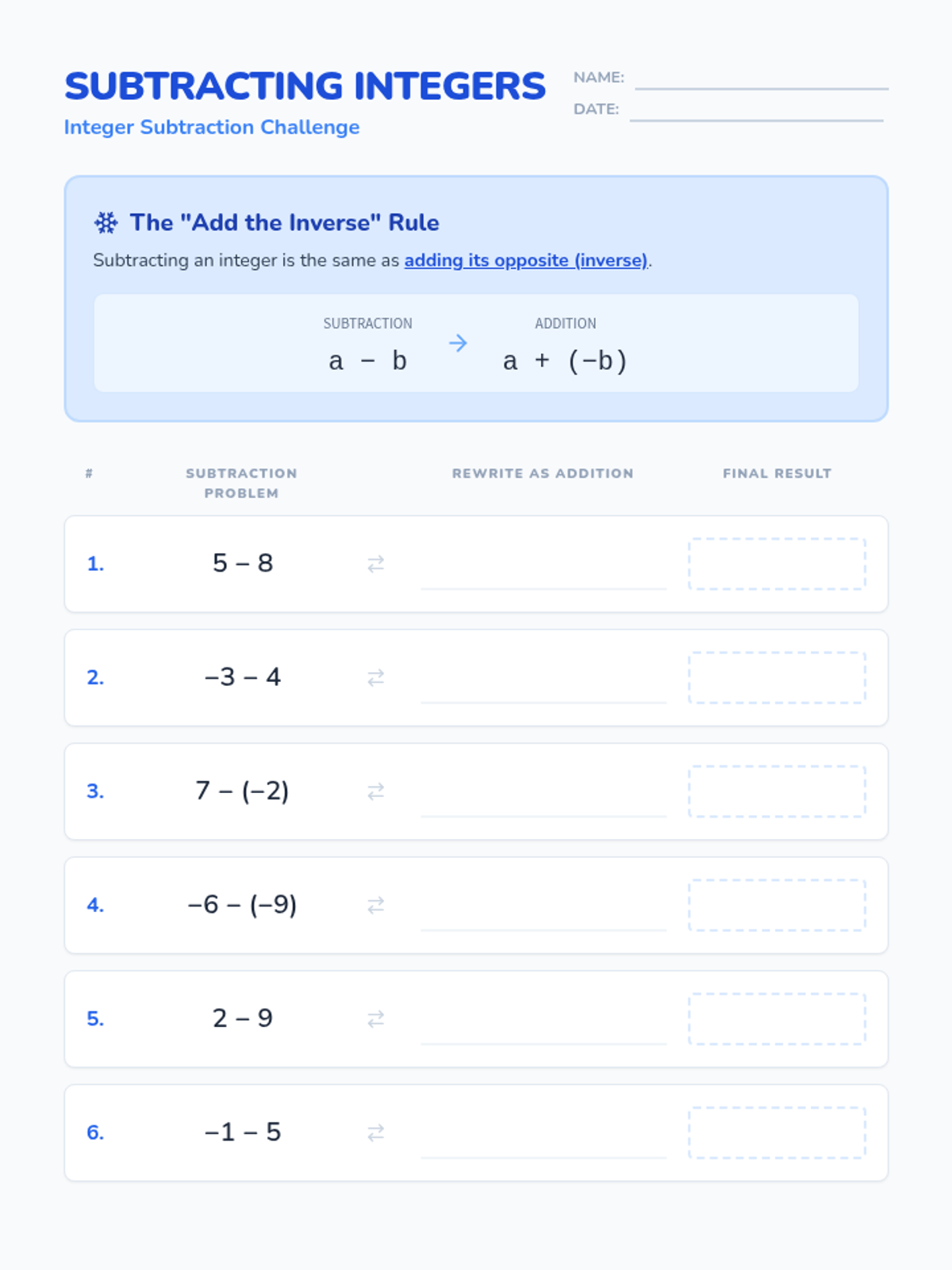
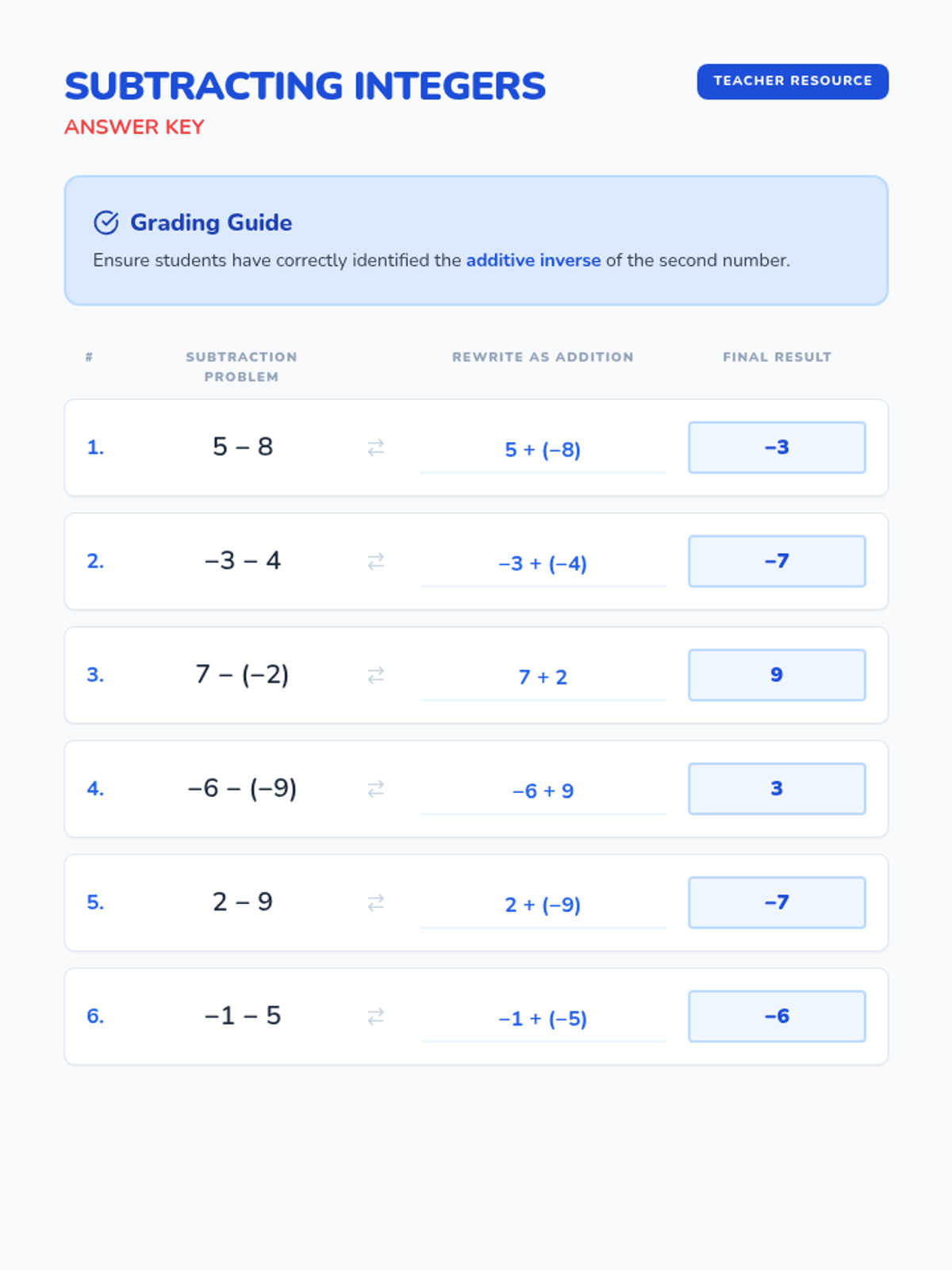
A lesson focused on subtracting integers by rewriting them as addition of the inverse. Students practice with single-digit integers to build foundational fluency.
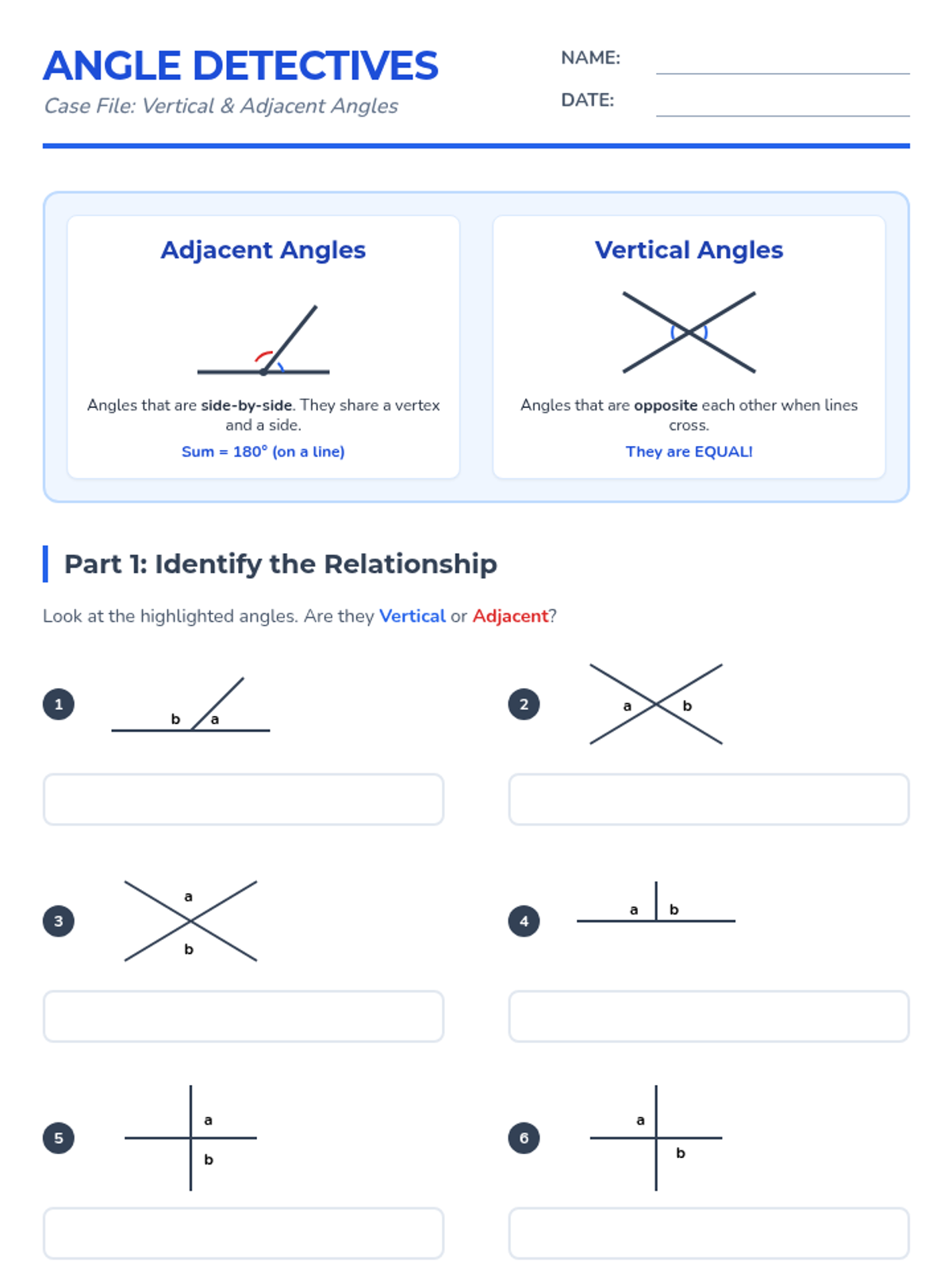
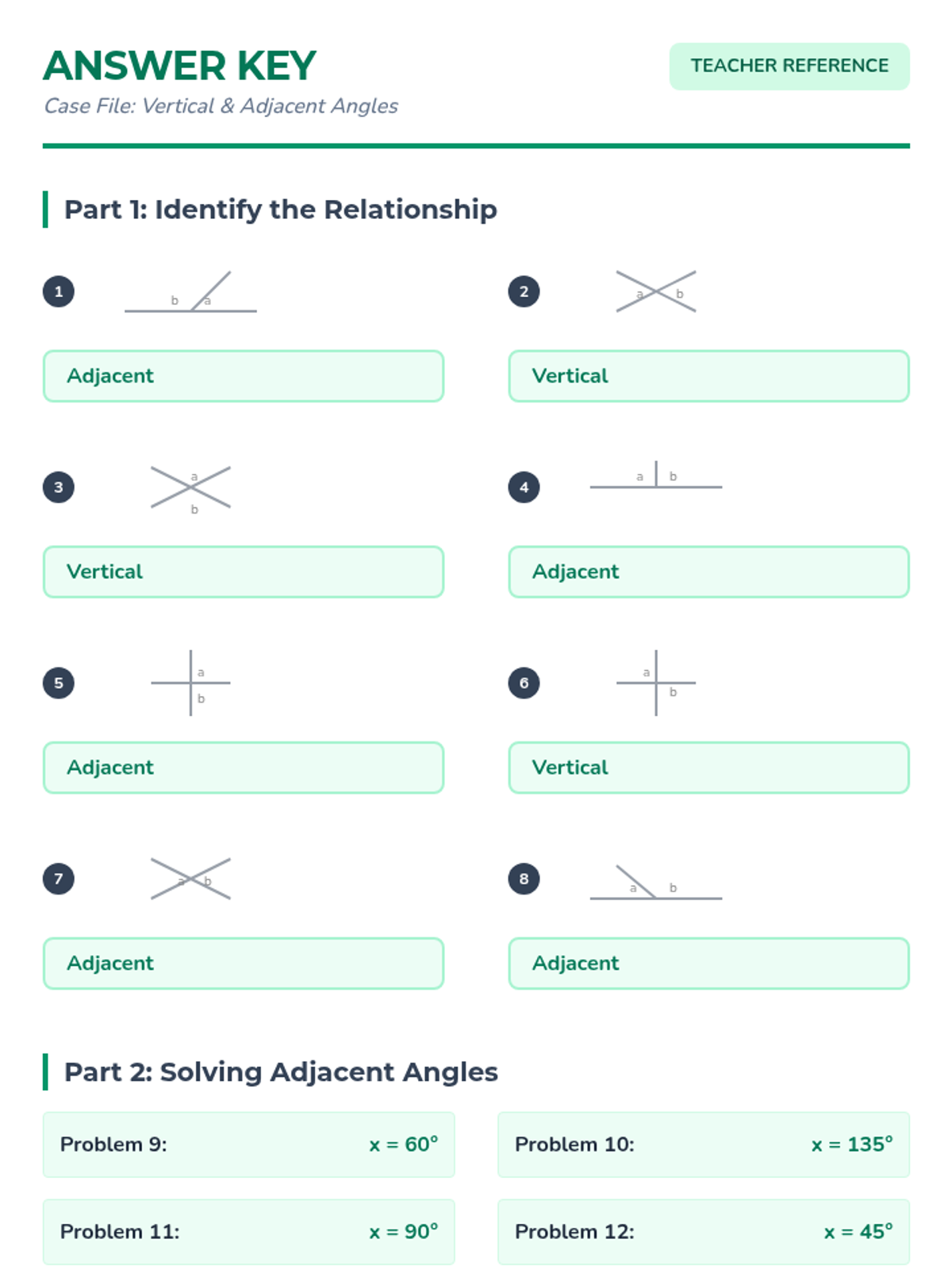
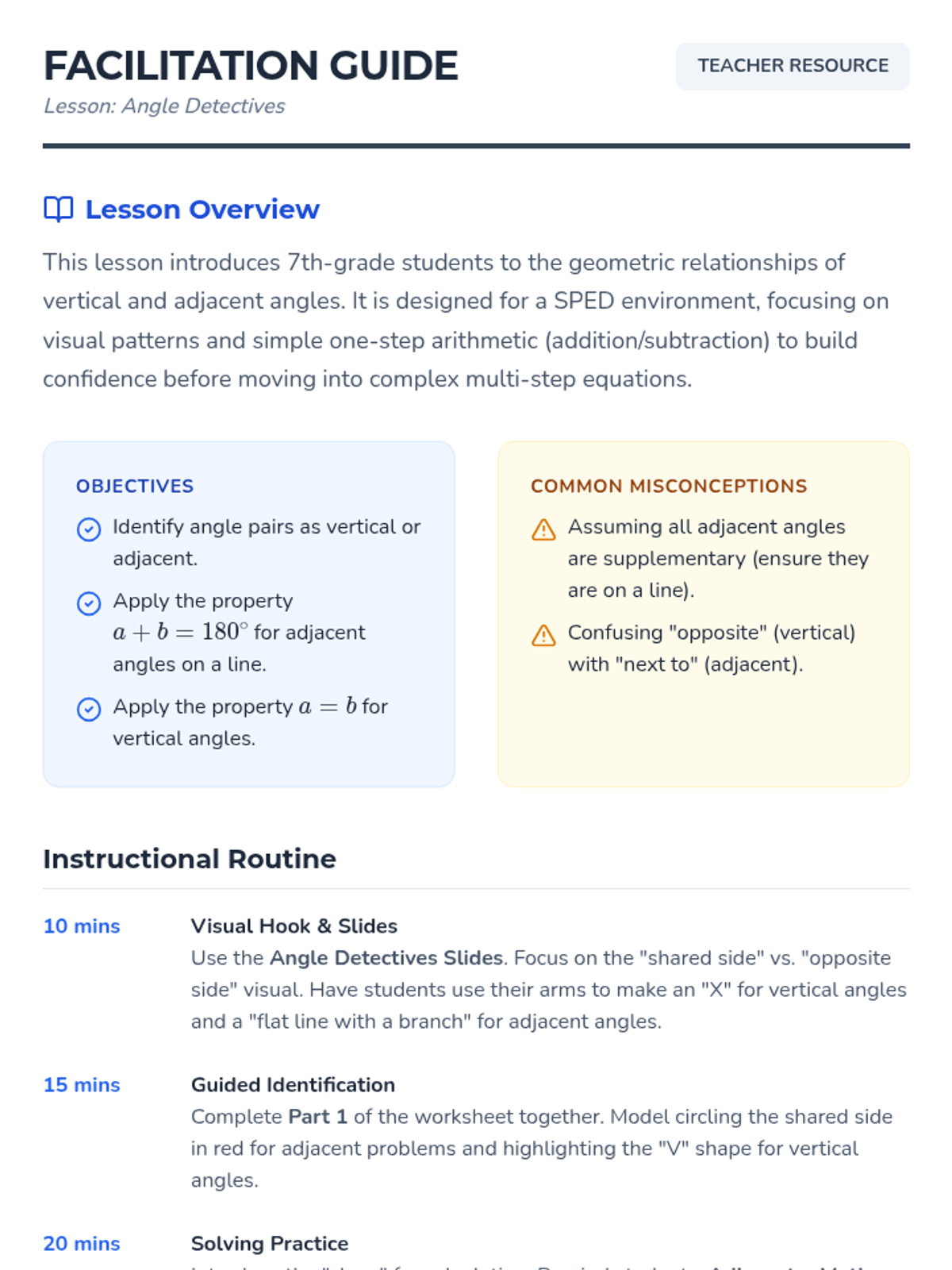
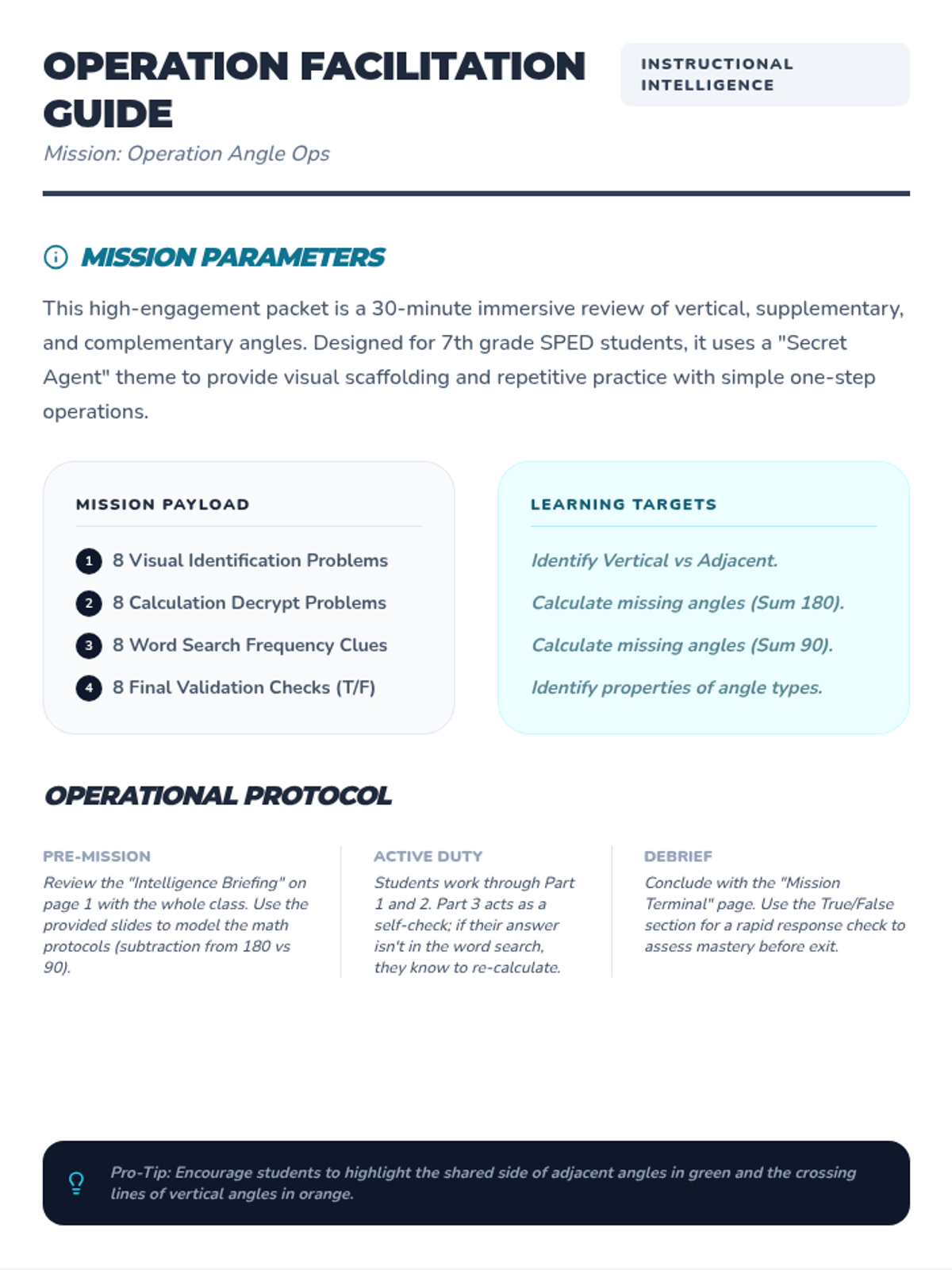
This lesson focuses on identifying and calculating measures for vertical and adjacent angles using simple one-step equations, designed specifically for learners who benefit from clear visual scaffolding.
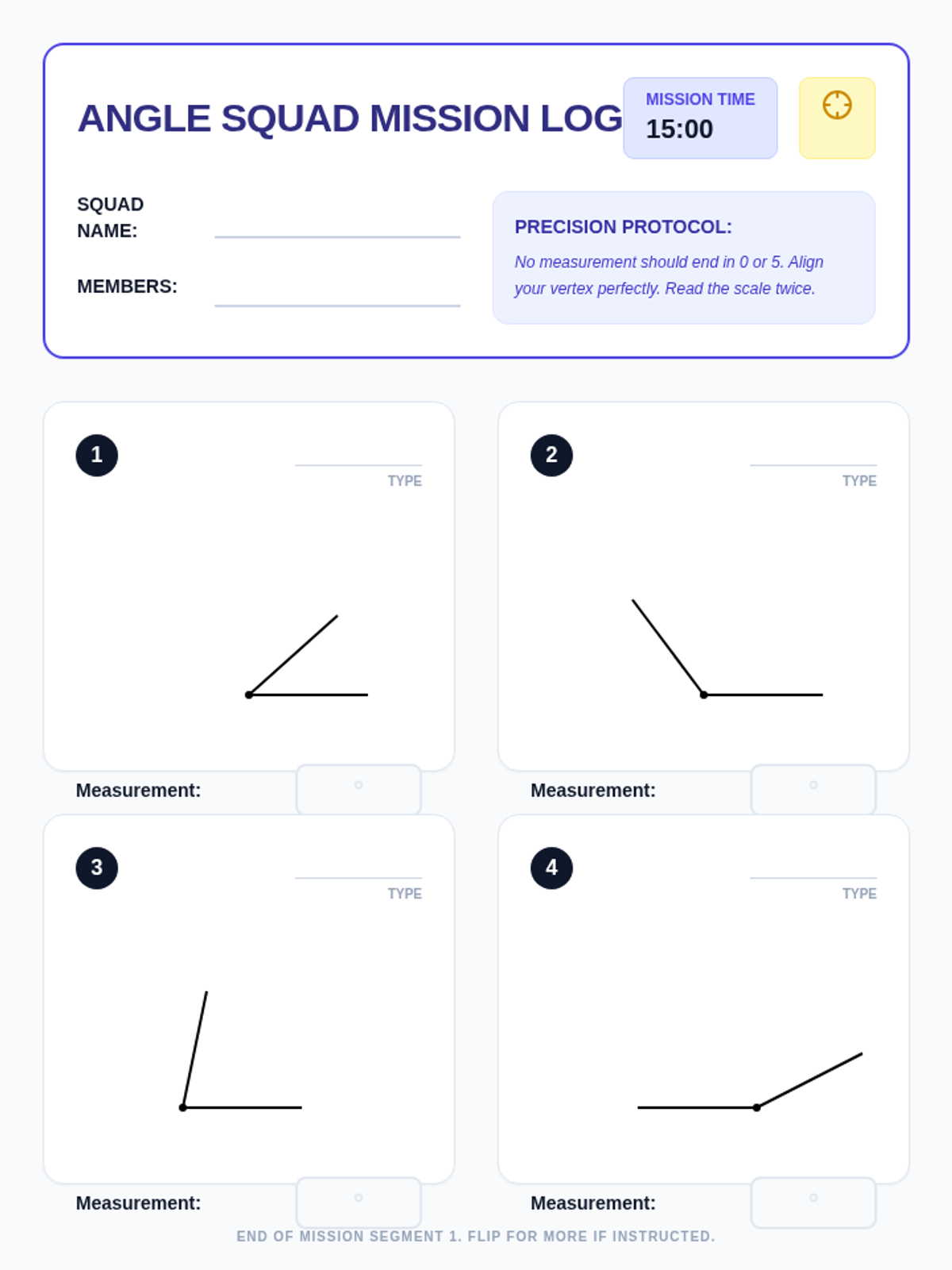
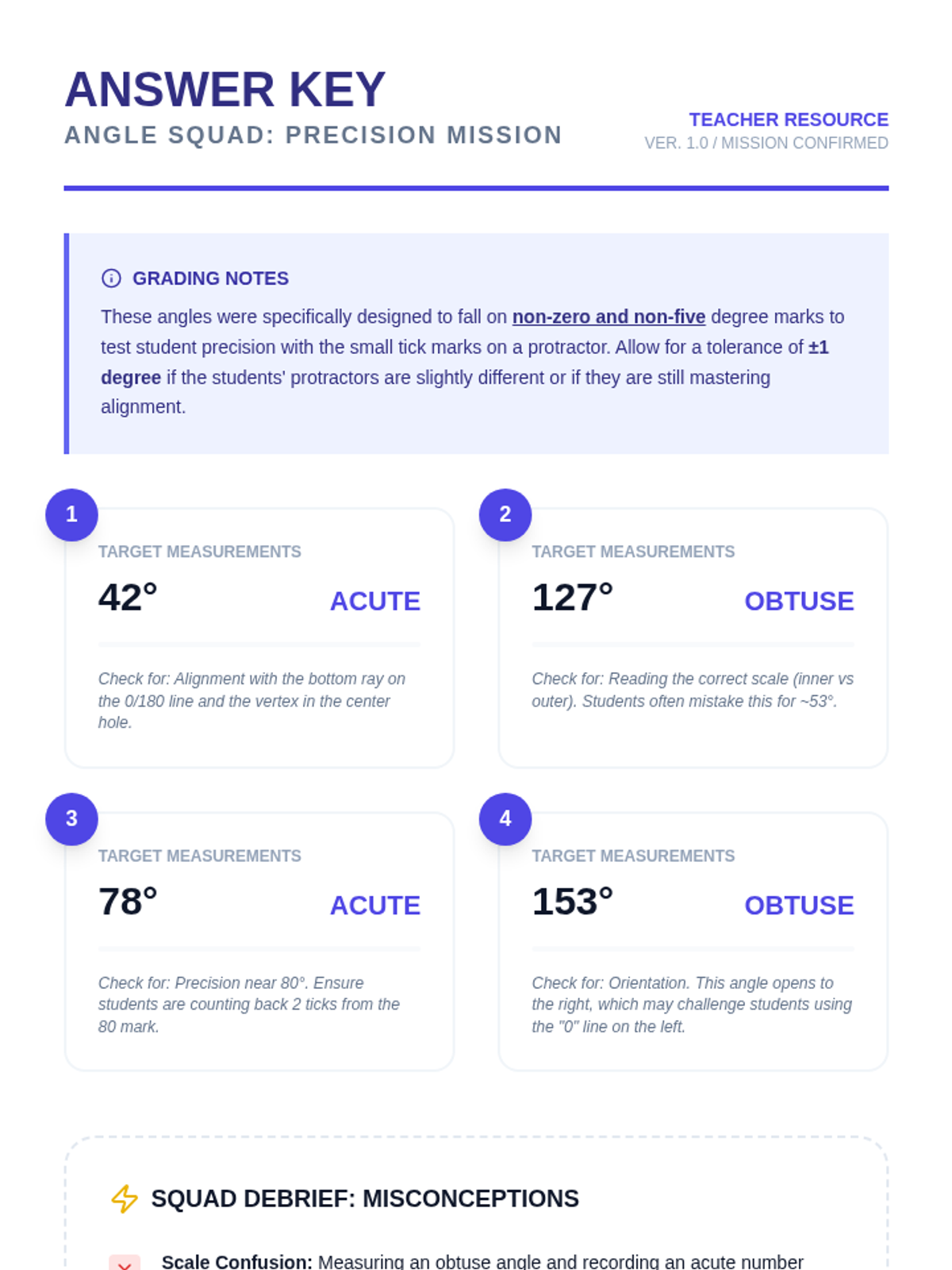
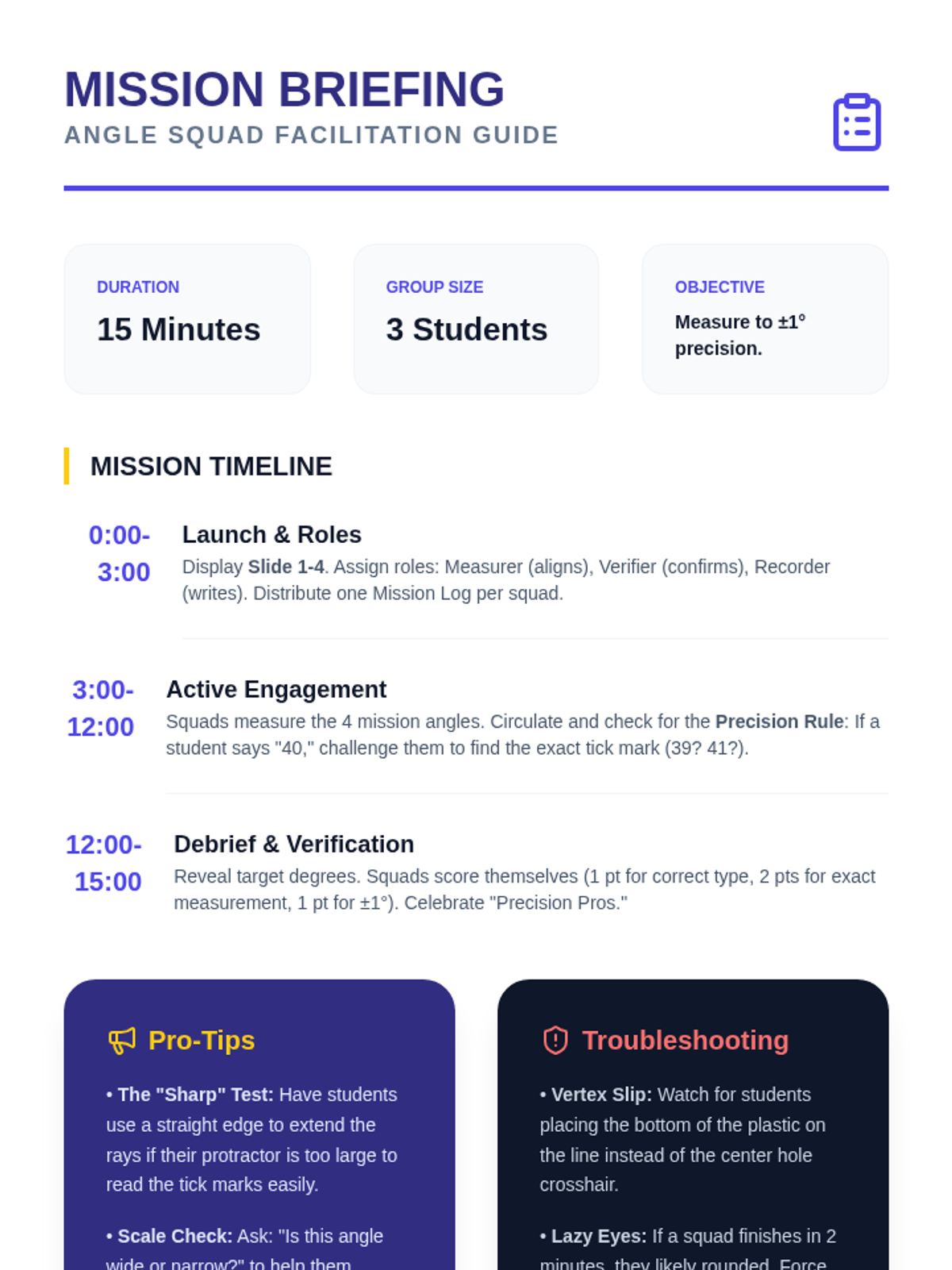
A 15-minute collaborative activity where students work in teams to measure acute, obtuse, and right angles with degree-level precision using a protractor.
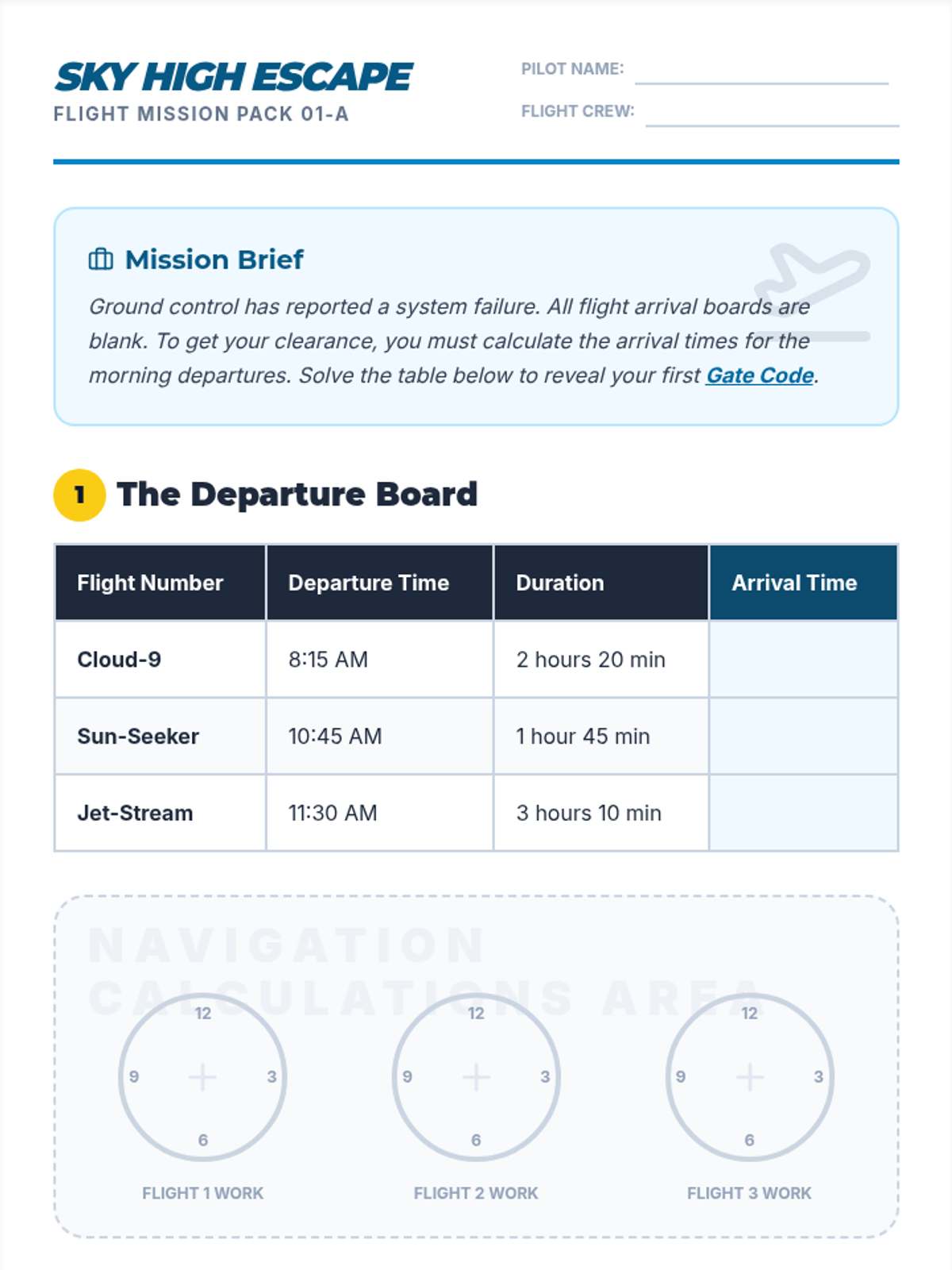
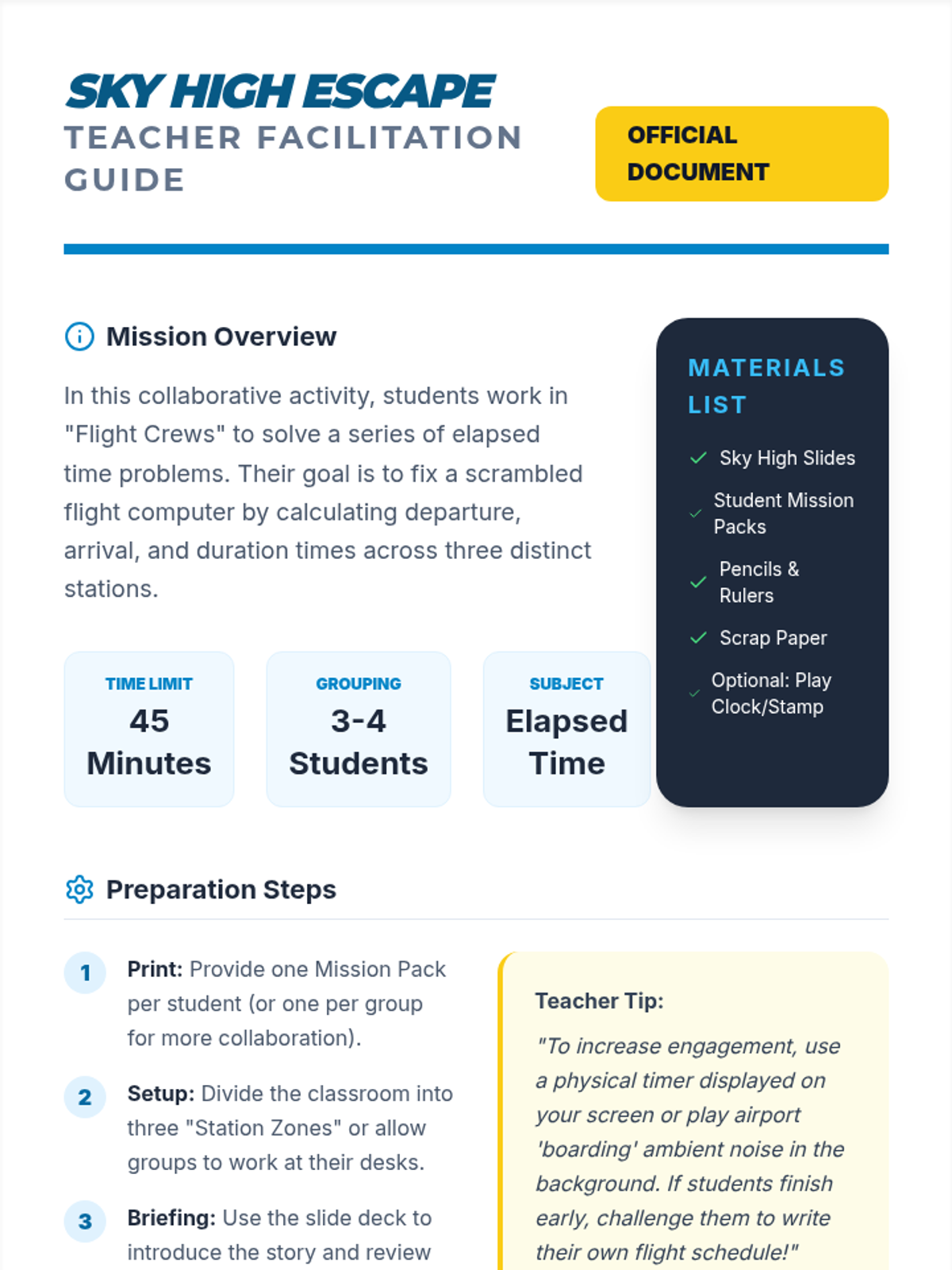
A collaborative escape room activity where students solve elapsed time puzzles themed around air travel and flight schedules to 'unlock' their grounded plane.
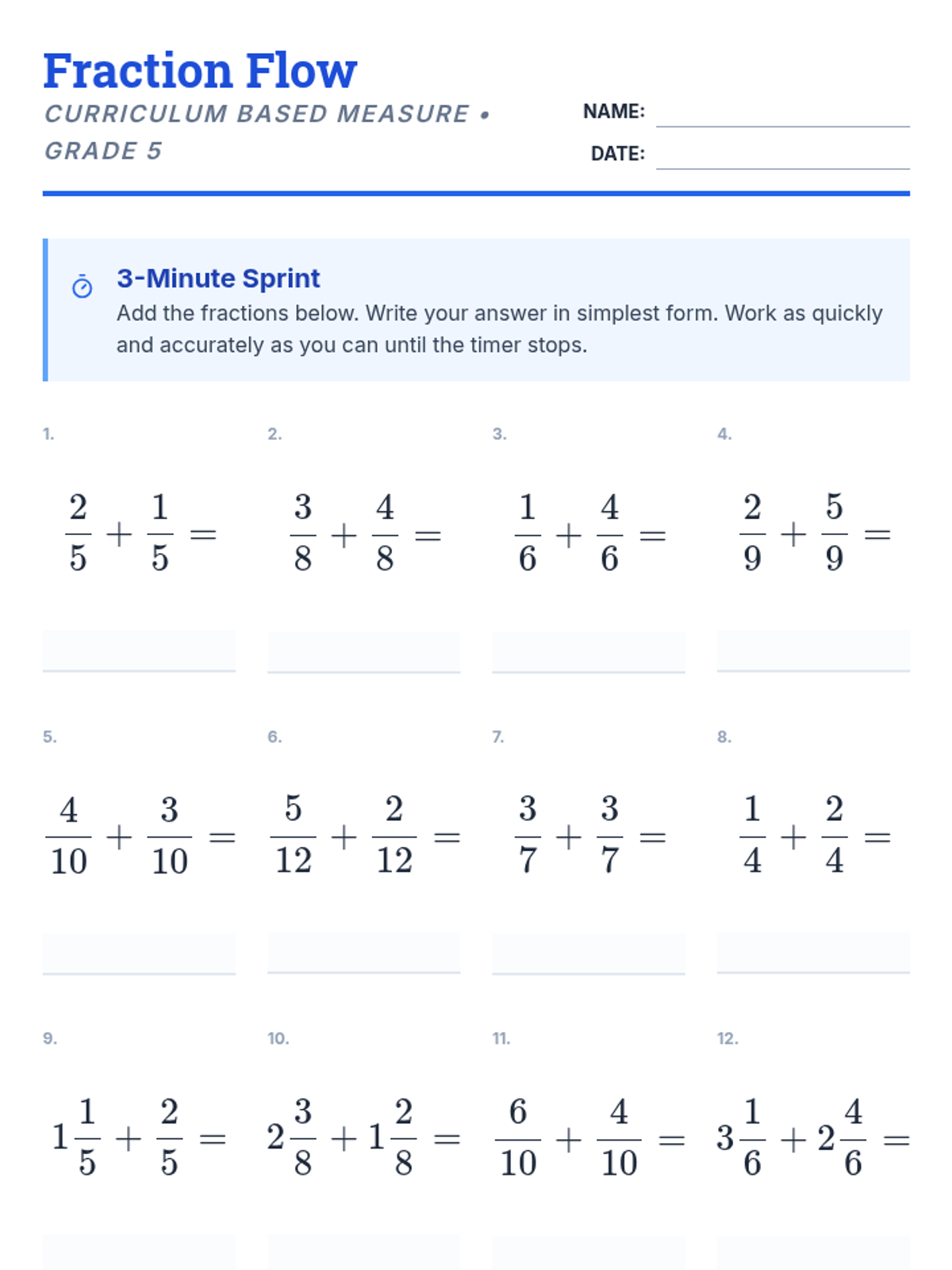
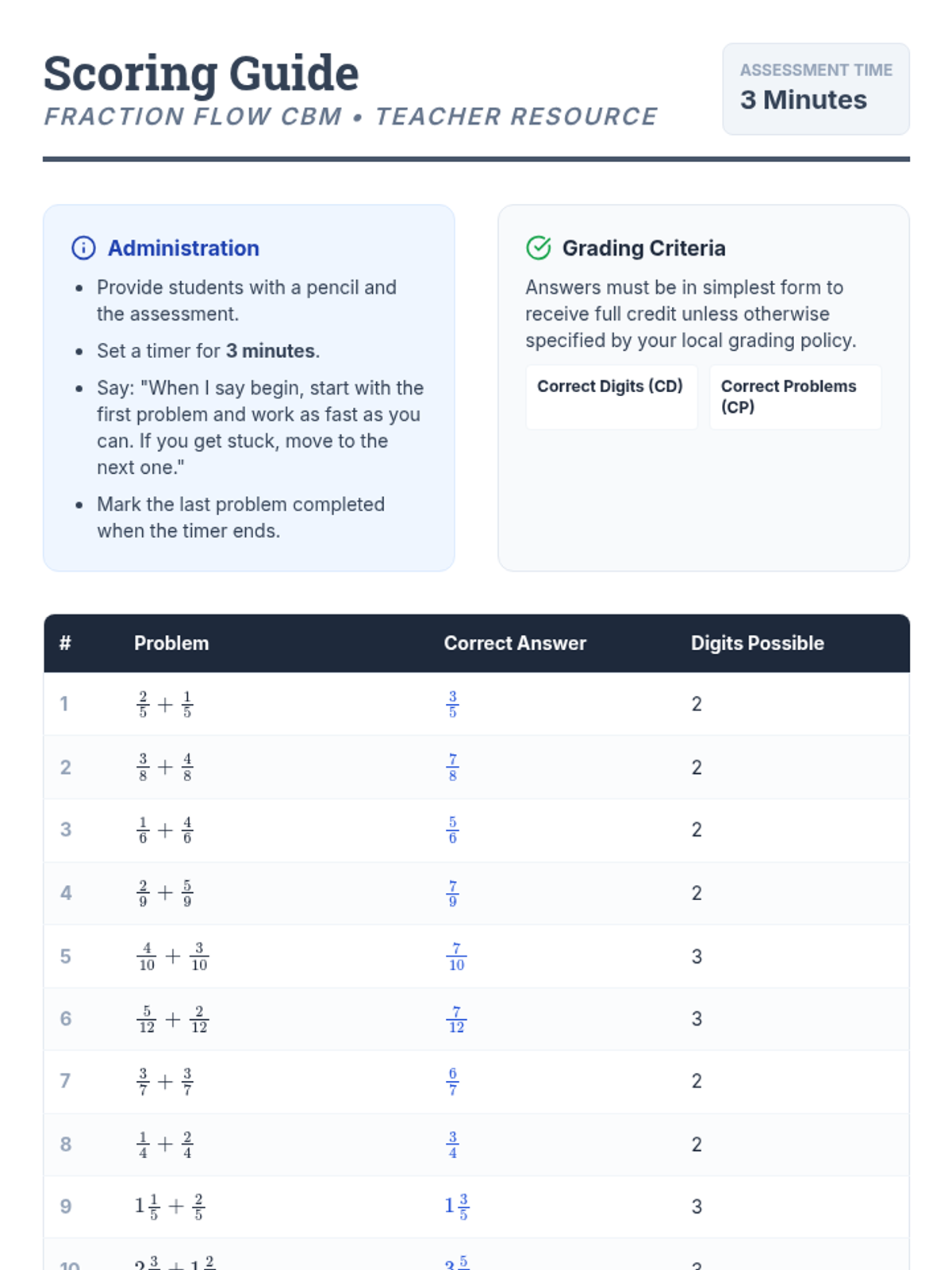
A 3-minute curriculum-based measure designed for 5th-grade students to assess fluency and accuracy when adding fractions with common denominators, including computation and word problems.
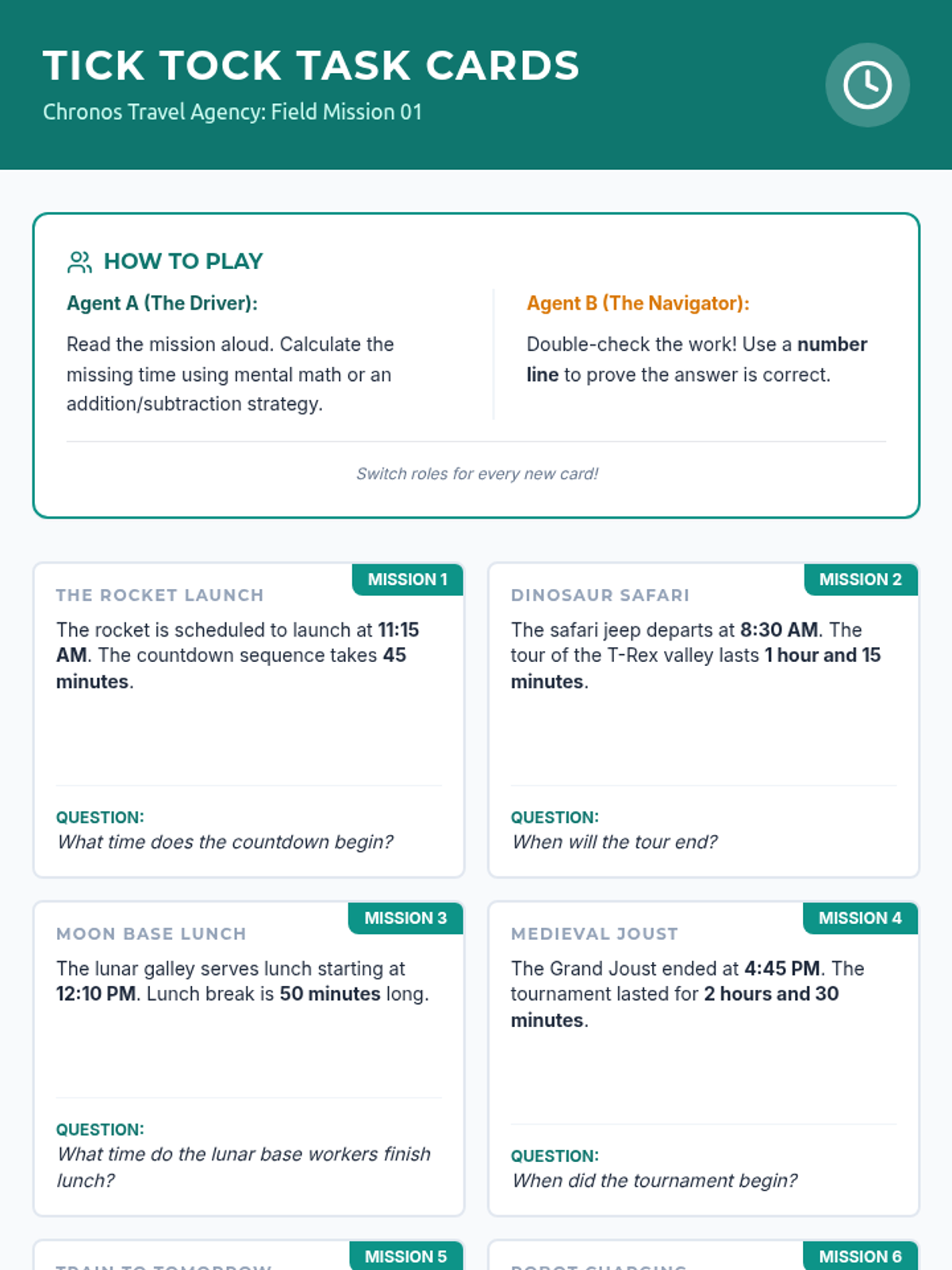
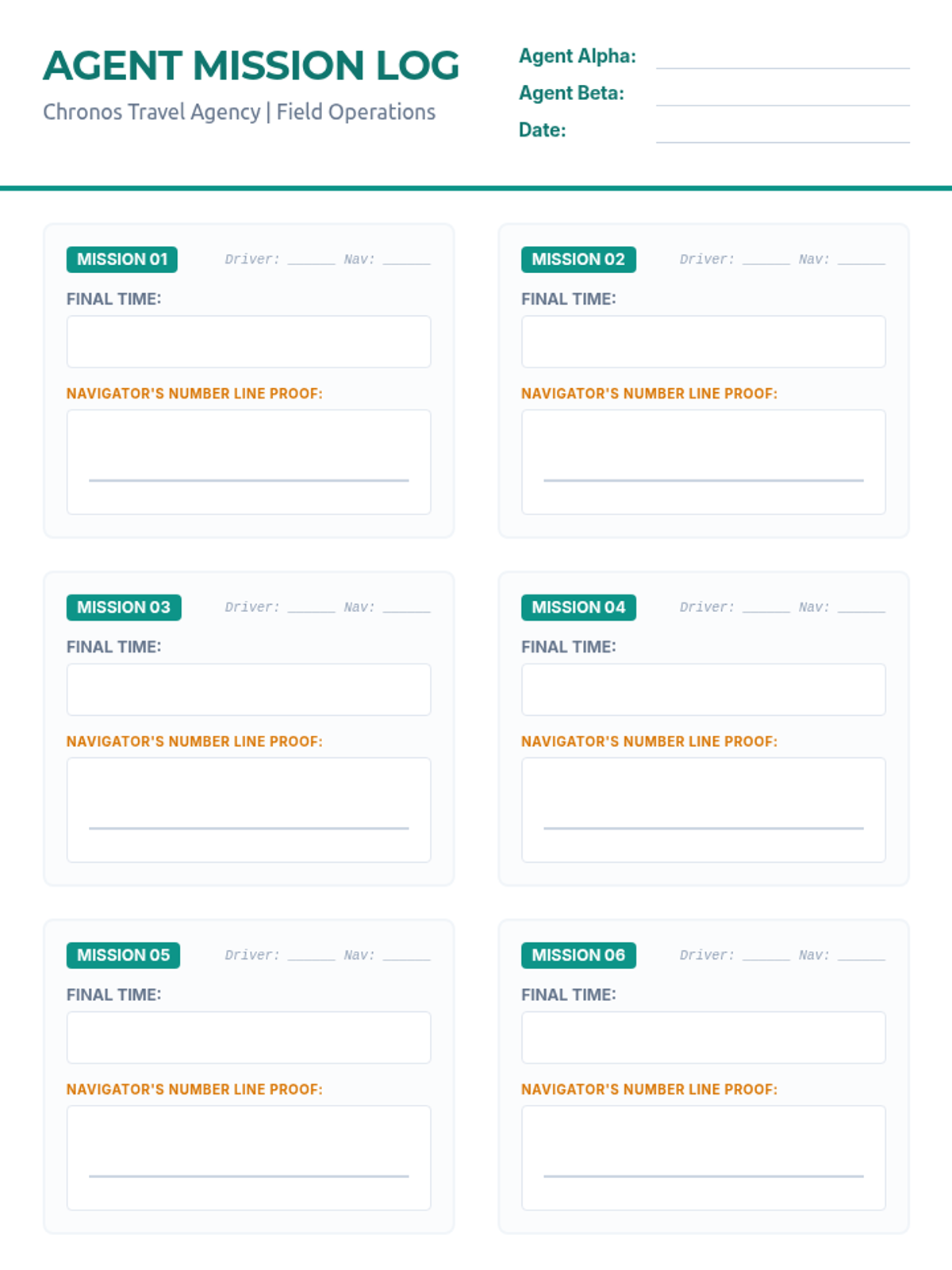
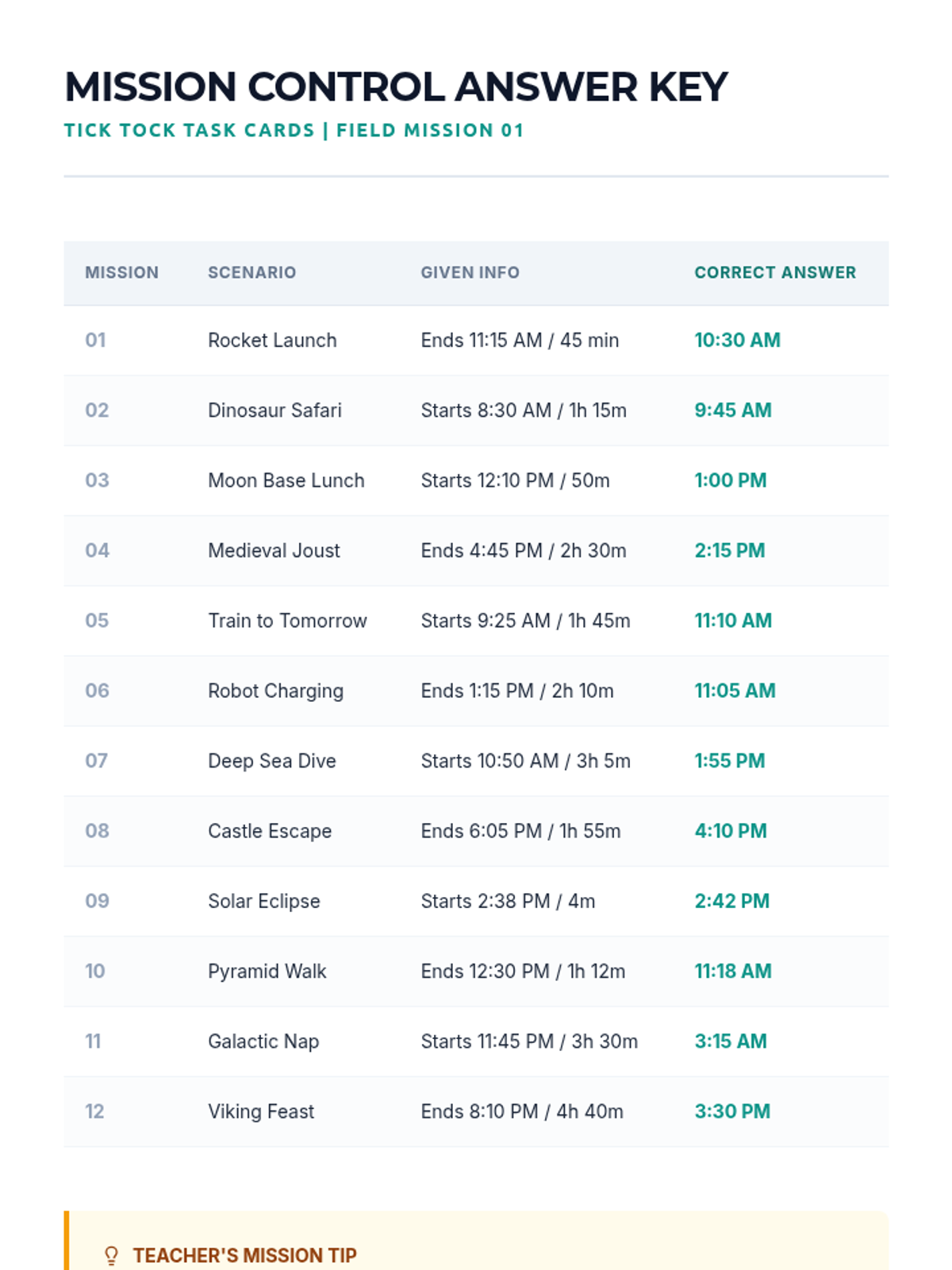
Students explore elapsed time by calculating start and end times through collaborative partner tasks. Using a time travel agency theme, they practice mental math and number line strategies to solve real-world duration problems.
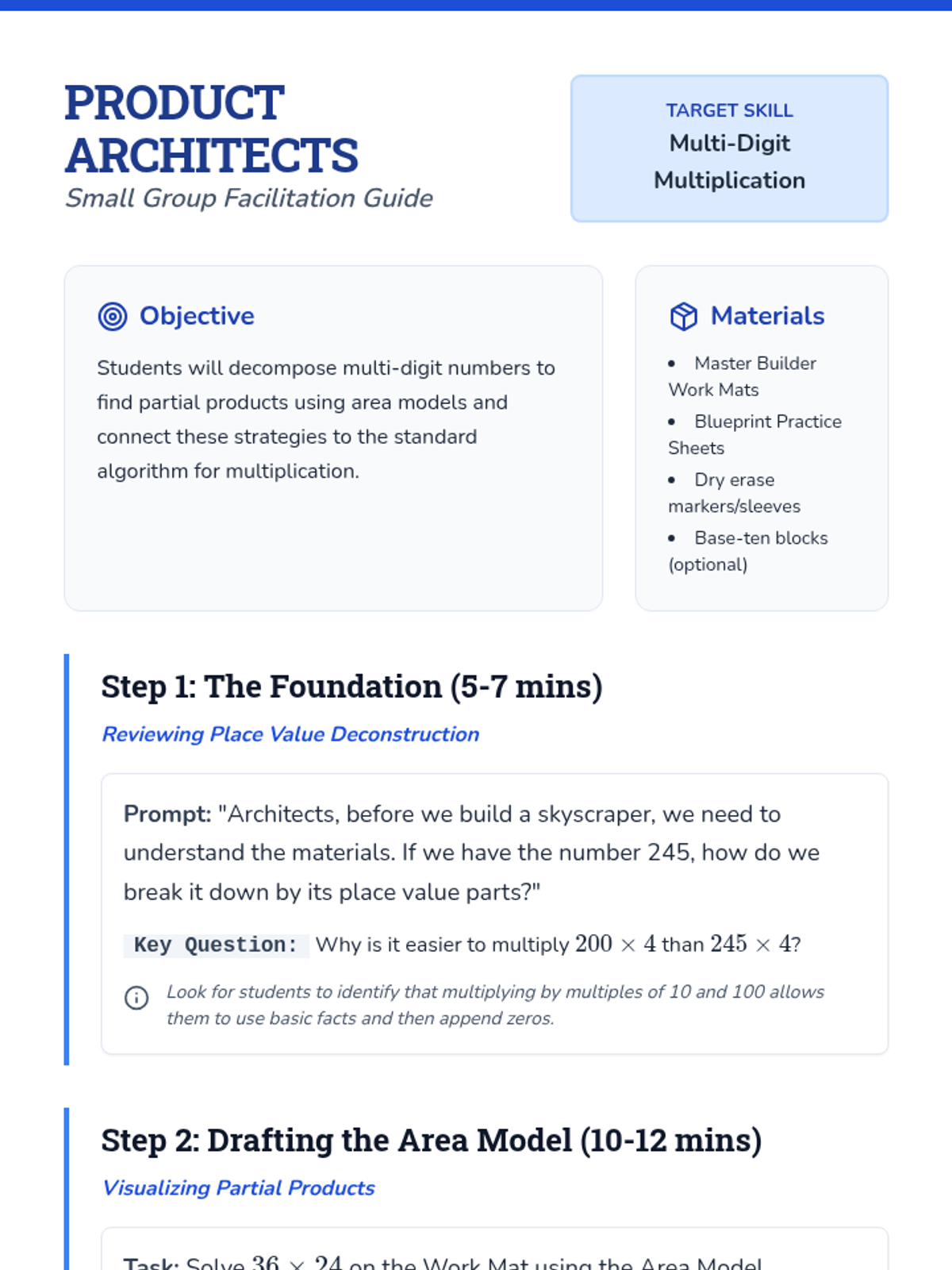
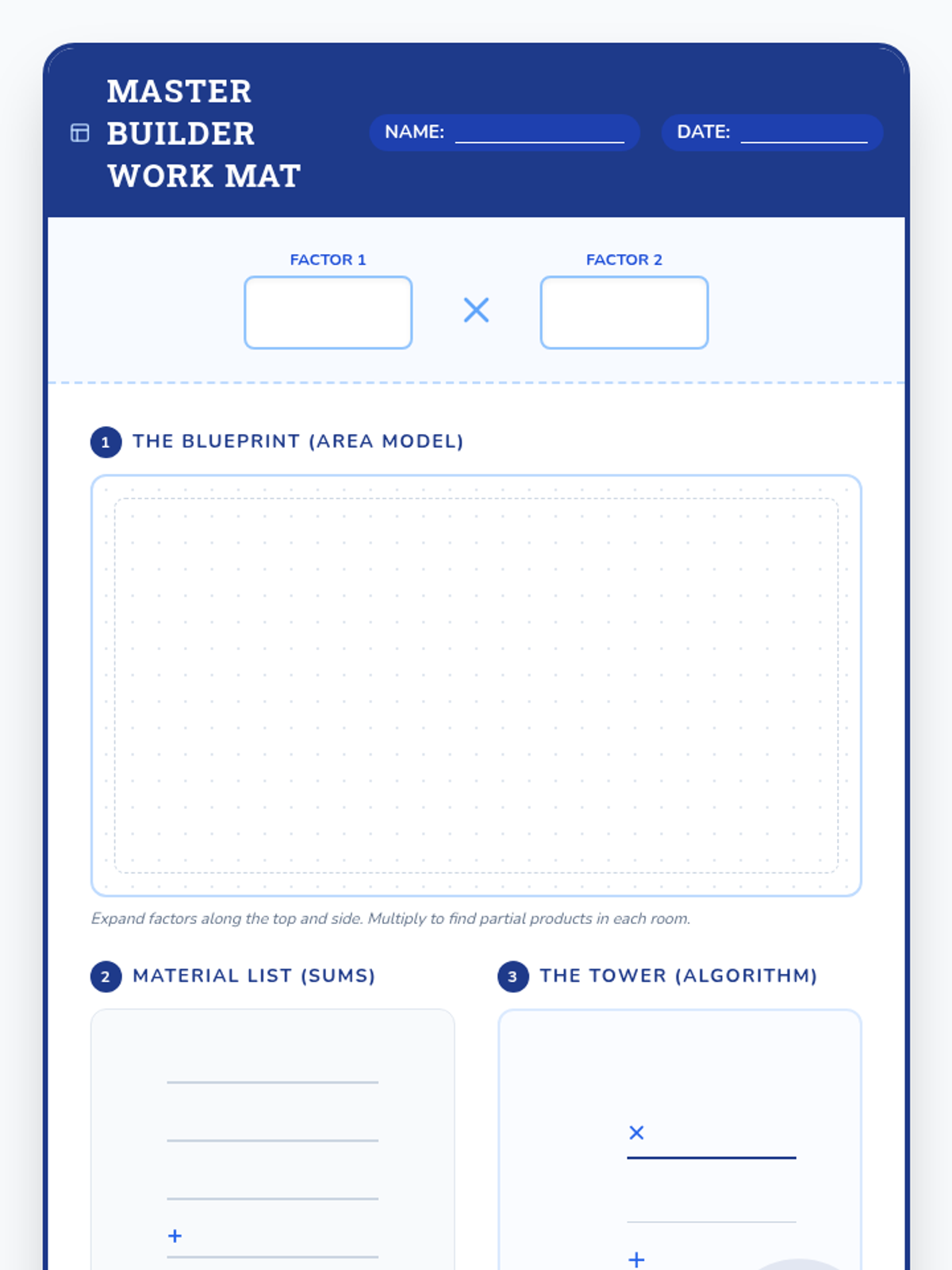
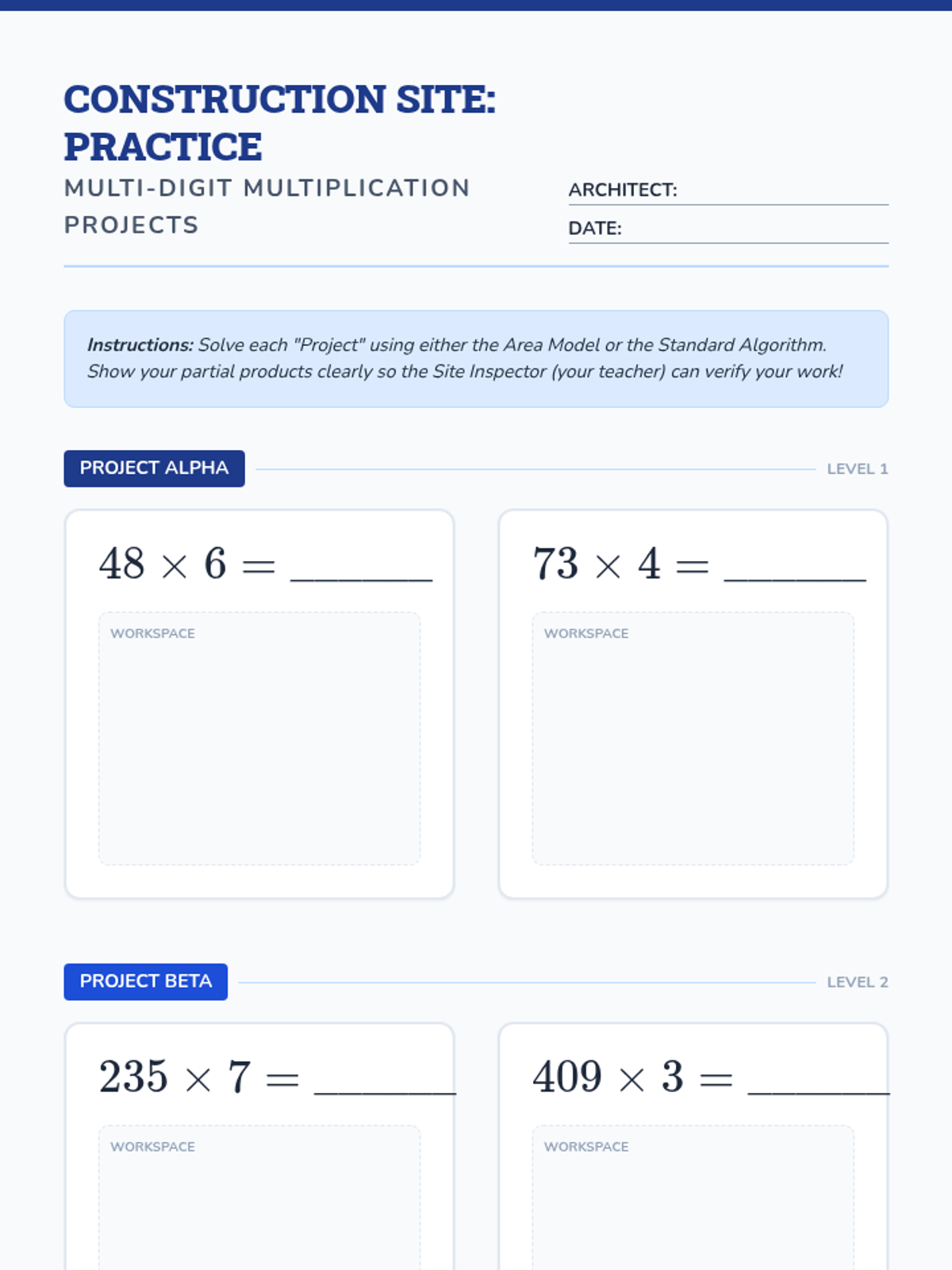
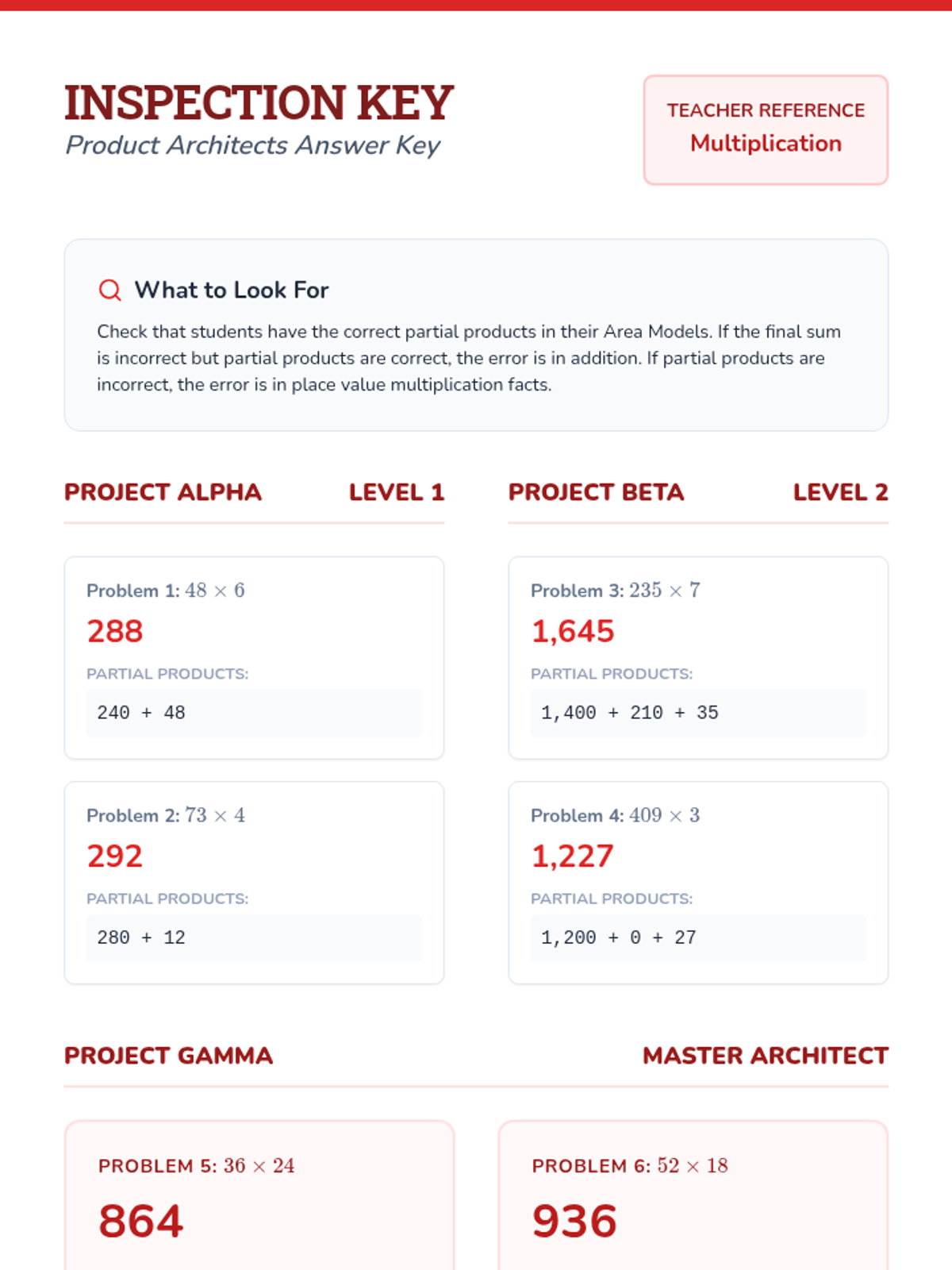
A small group intervention lesson focused on multi-digit multiplication using area models and the standard algorithm. Students act as 'Product Architects' to build large products from smaller parts.