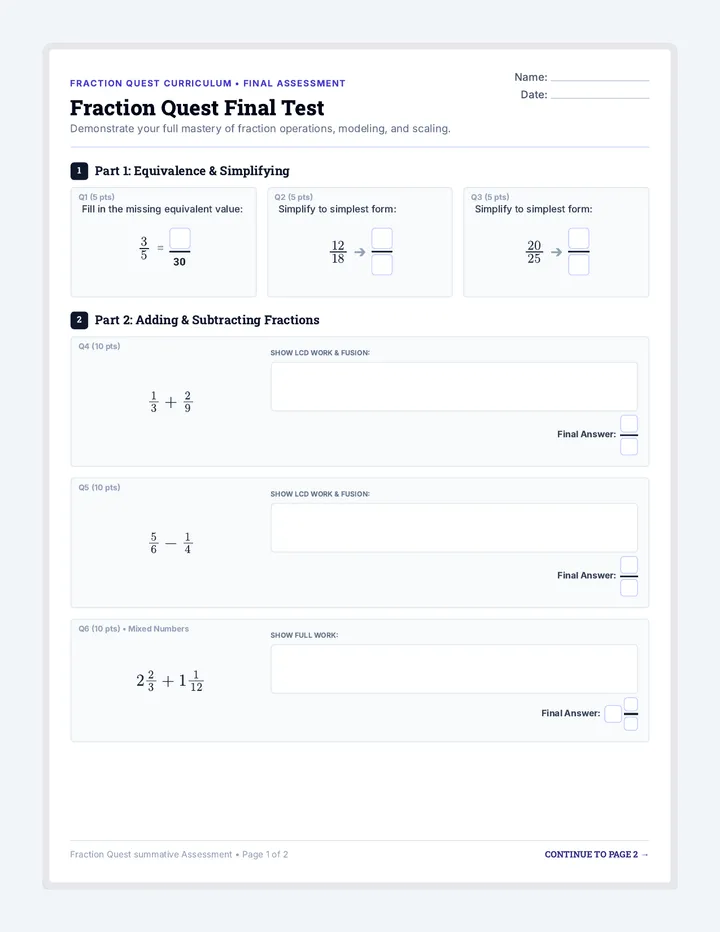
Introduces non-unit fractions by counting multiple shaded parts (e.g., 2 out of 3, 3 out of 4). Focuses on the verbal transition from "one part" to "many parts" while maintaining visual consistency.
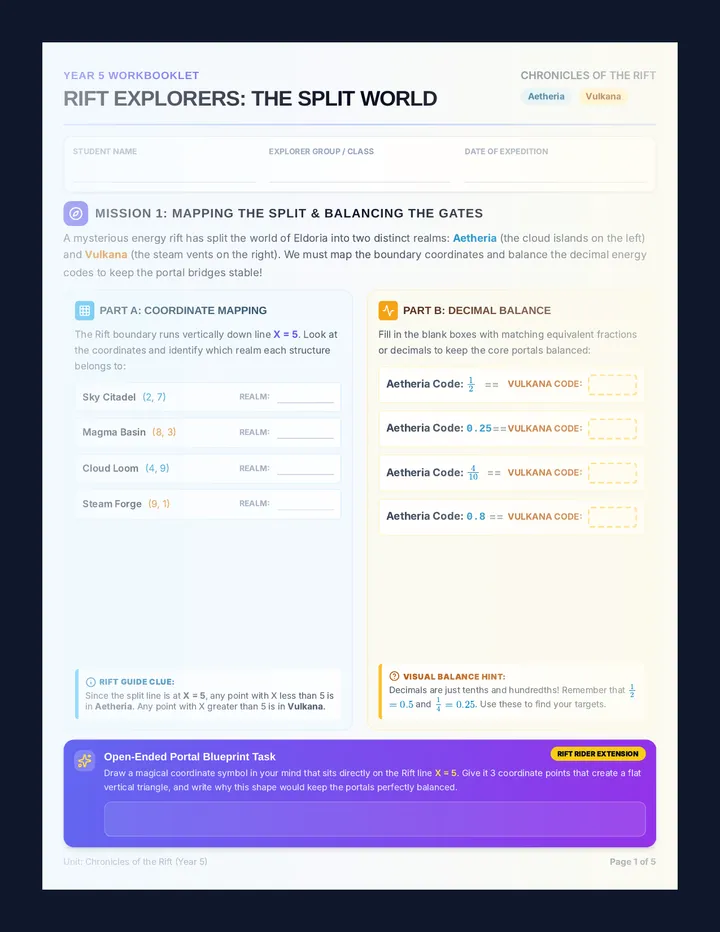
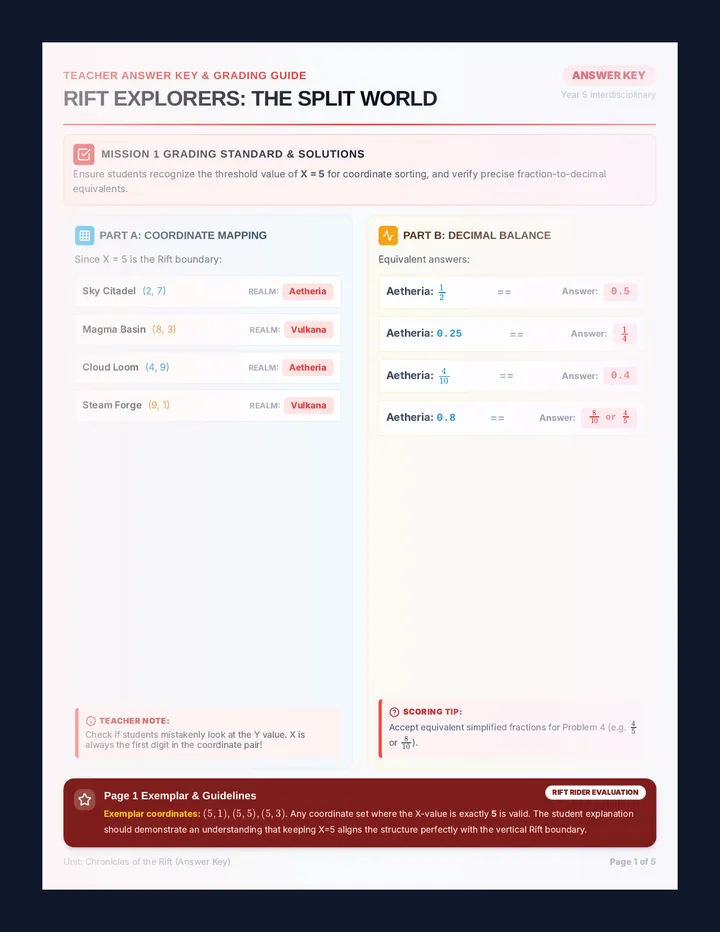
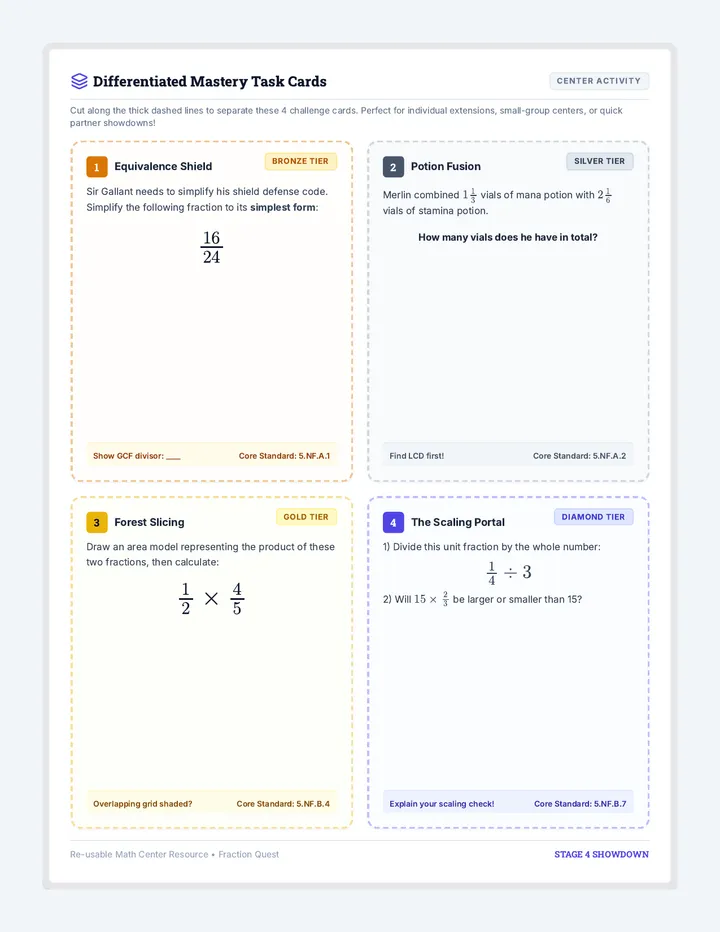
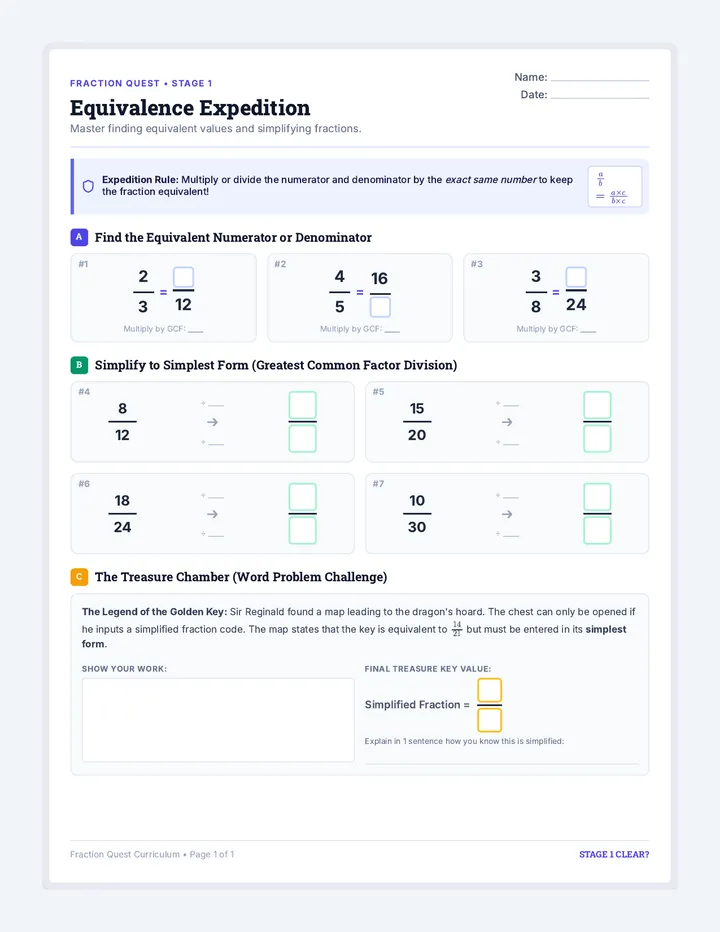
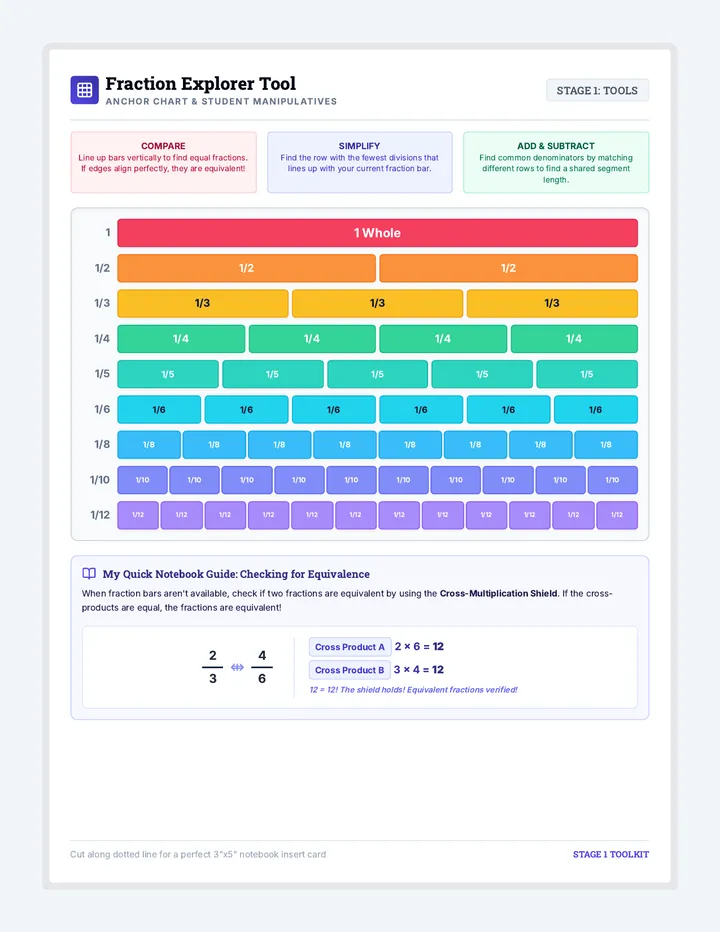
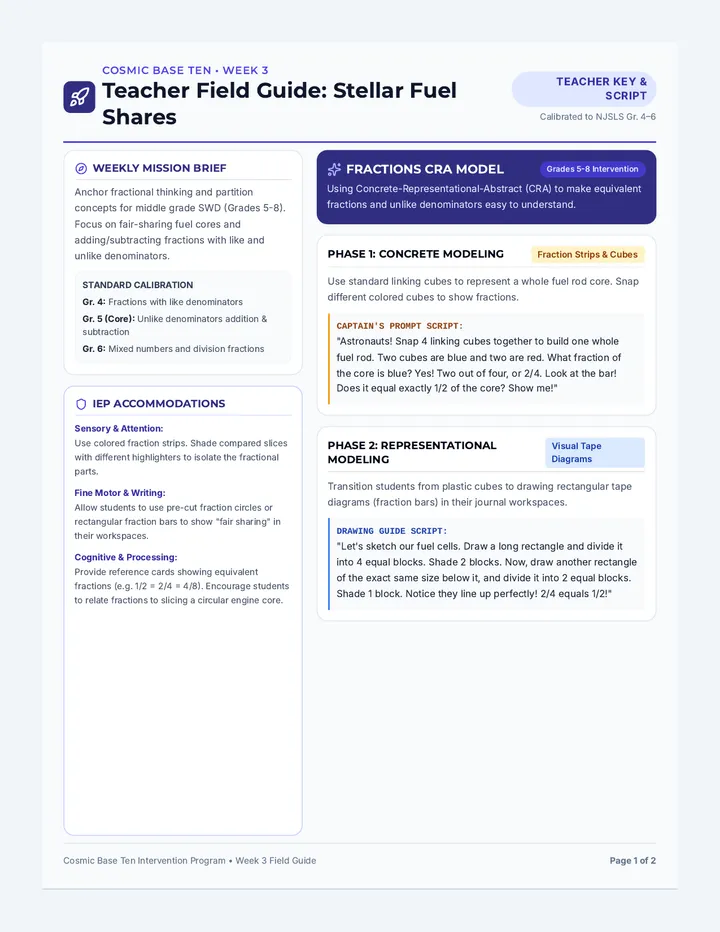
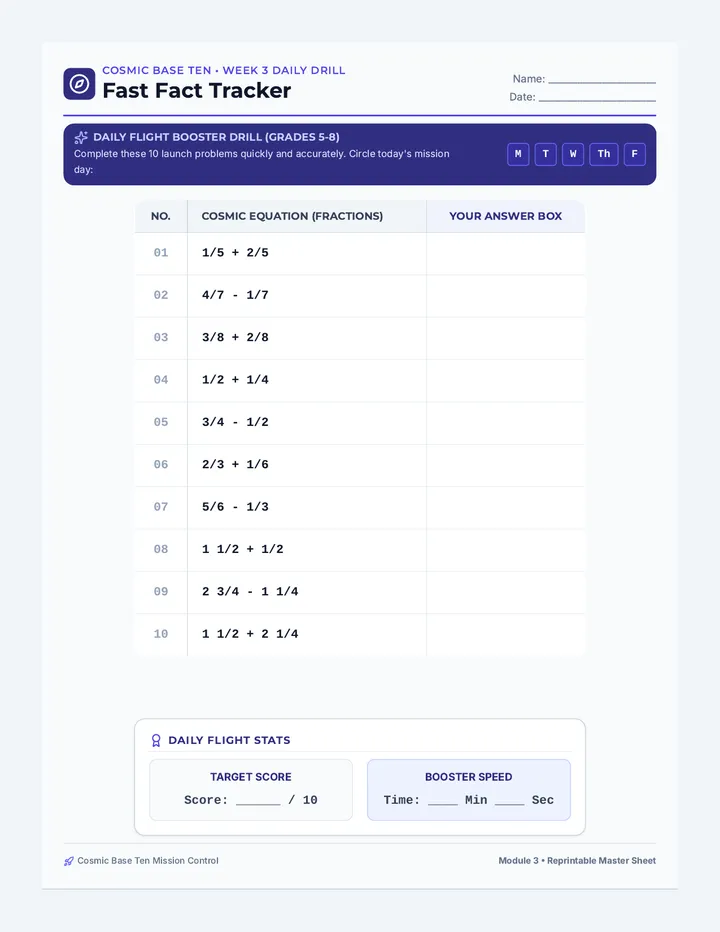
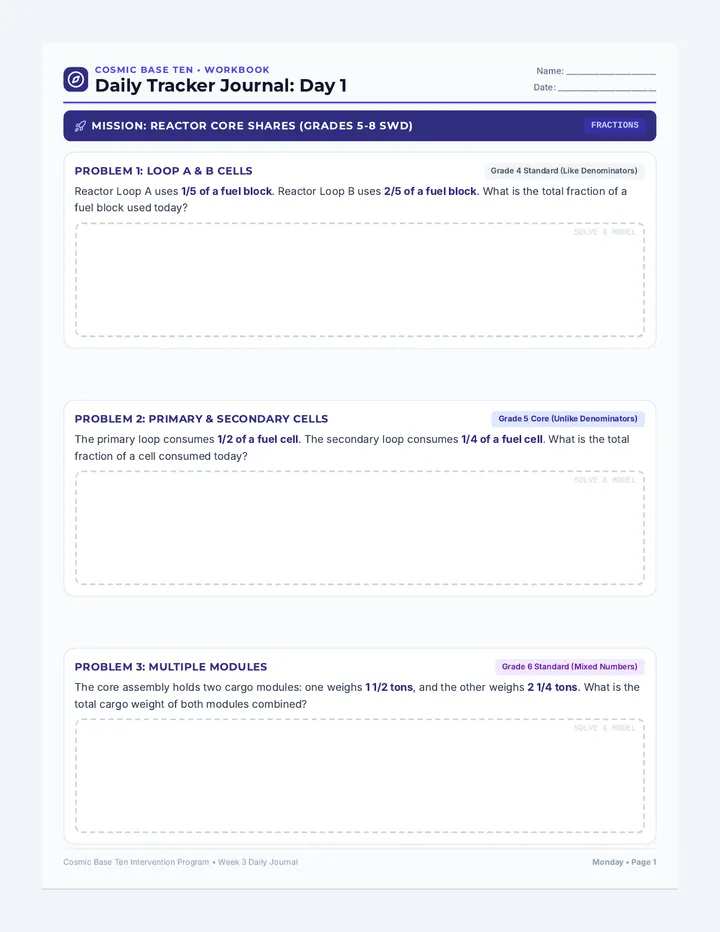
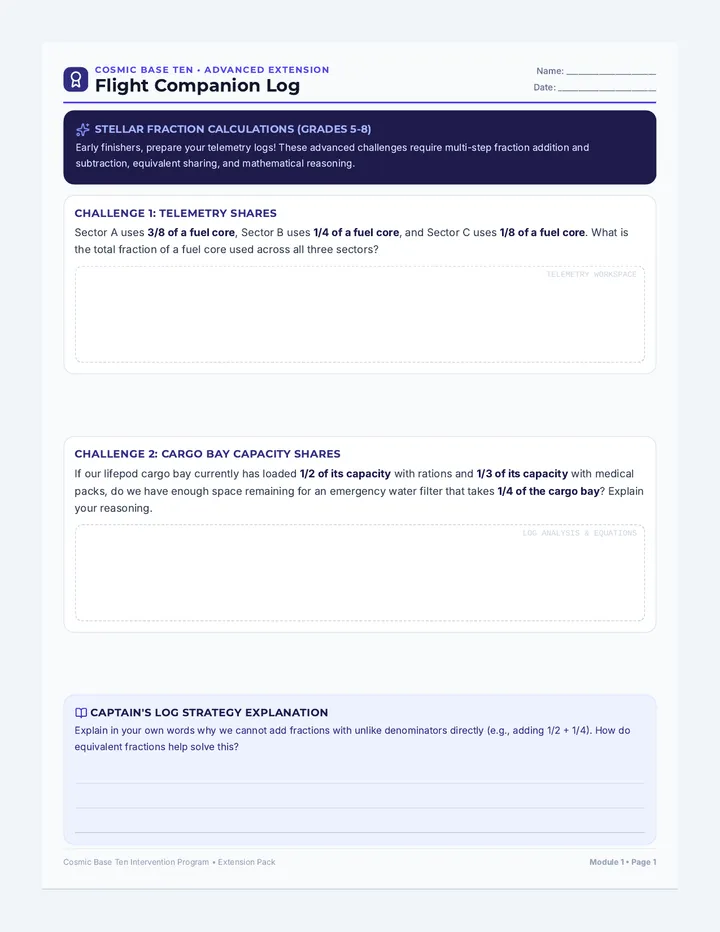
Explores fraction equivalence and comparison using blueprint segments to ensure building stability and precision.
Introduces fractions as equal parts of structural sections and placing fractional values on a construction number line.
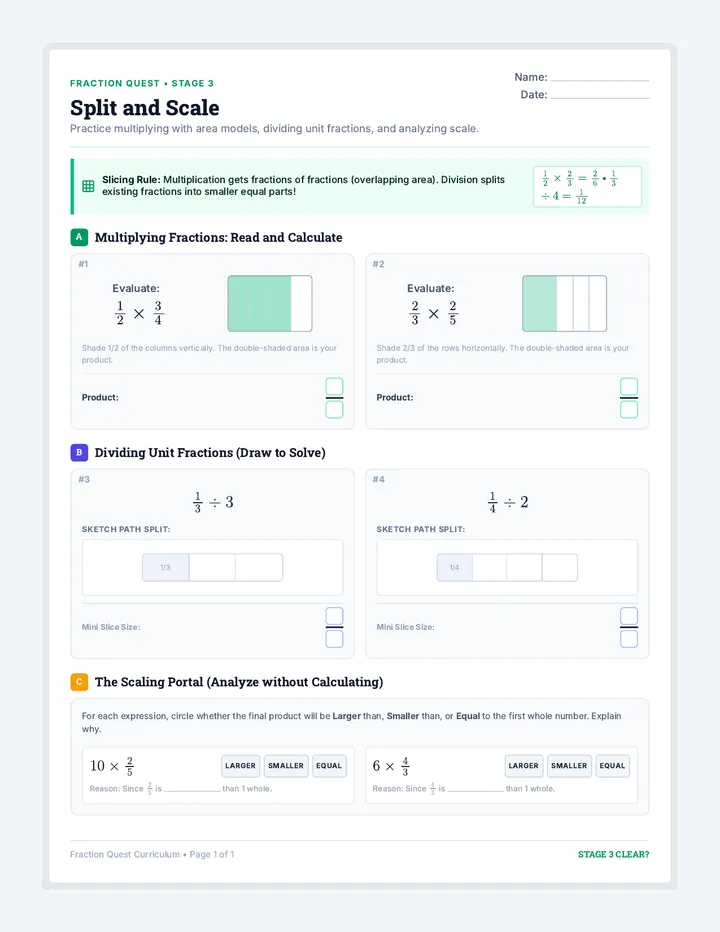
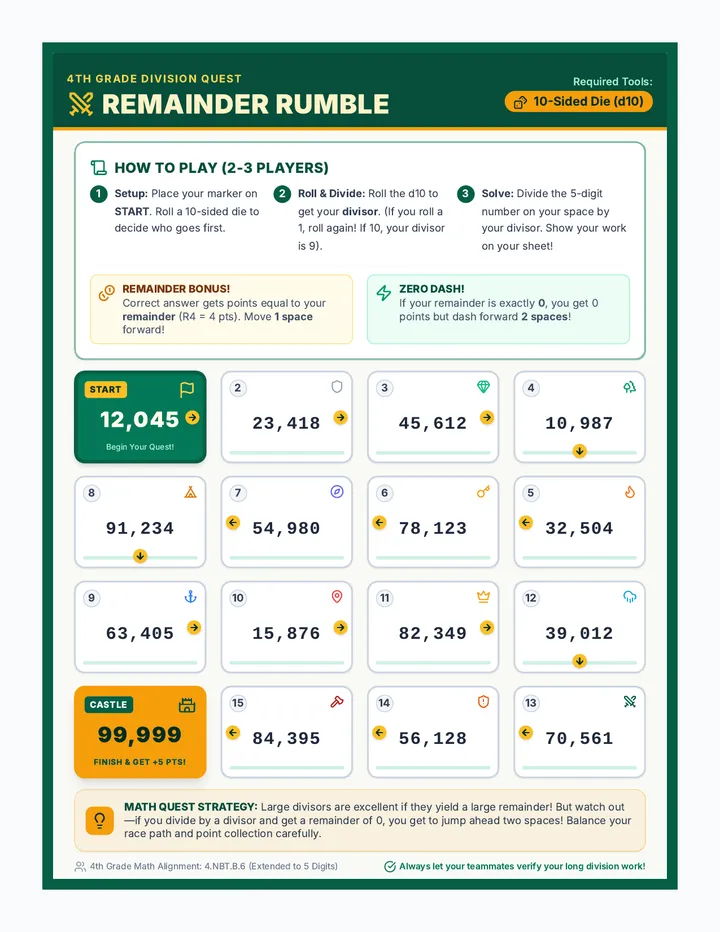
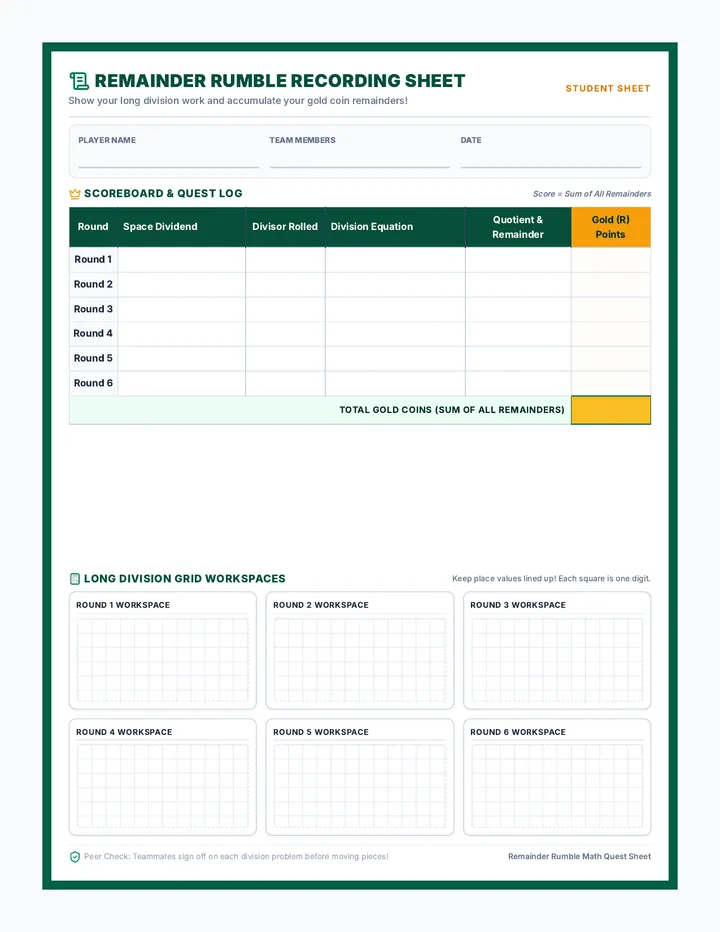
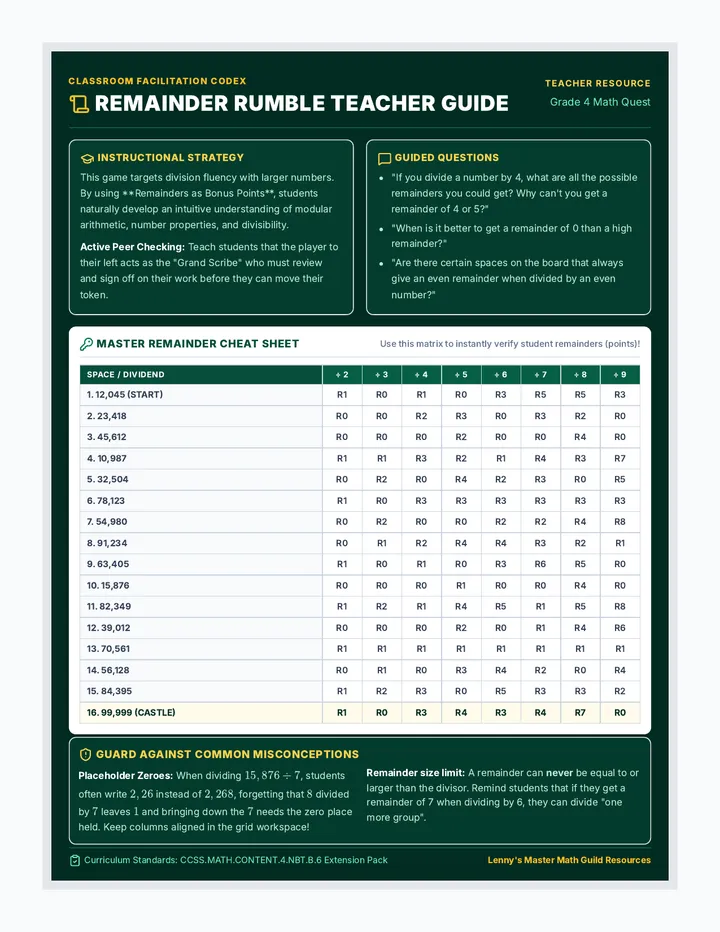
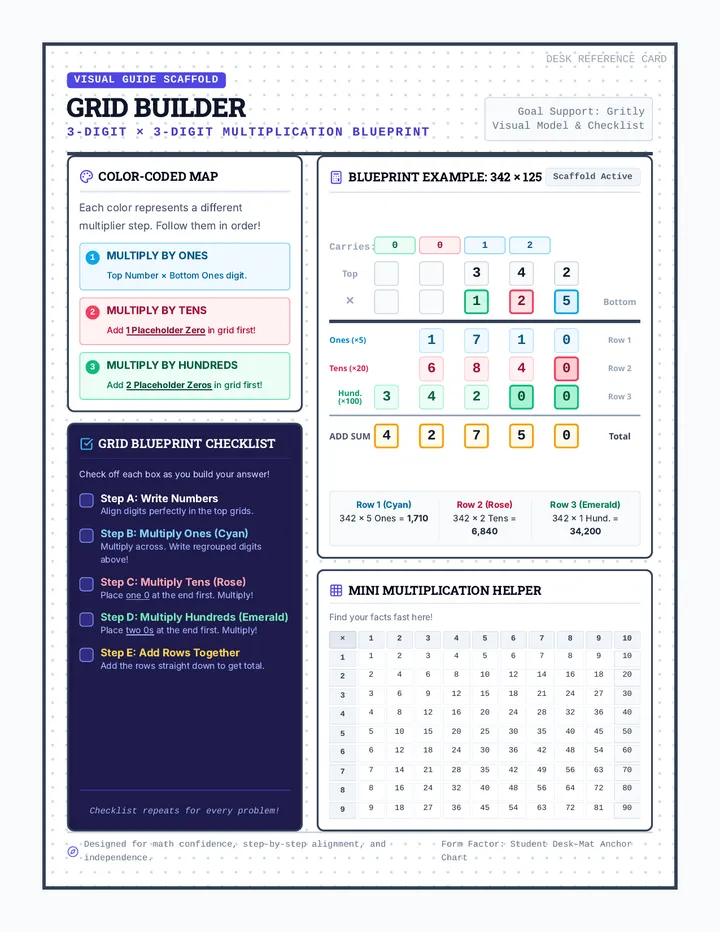
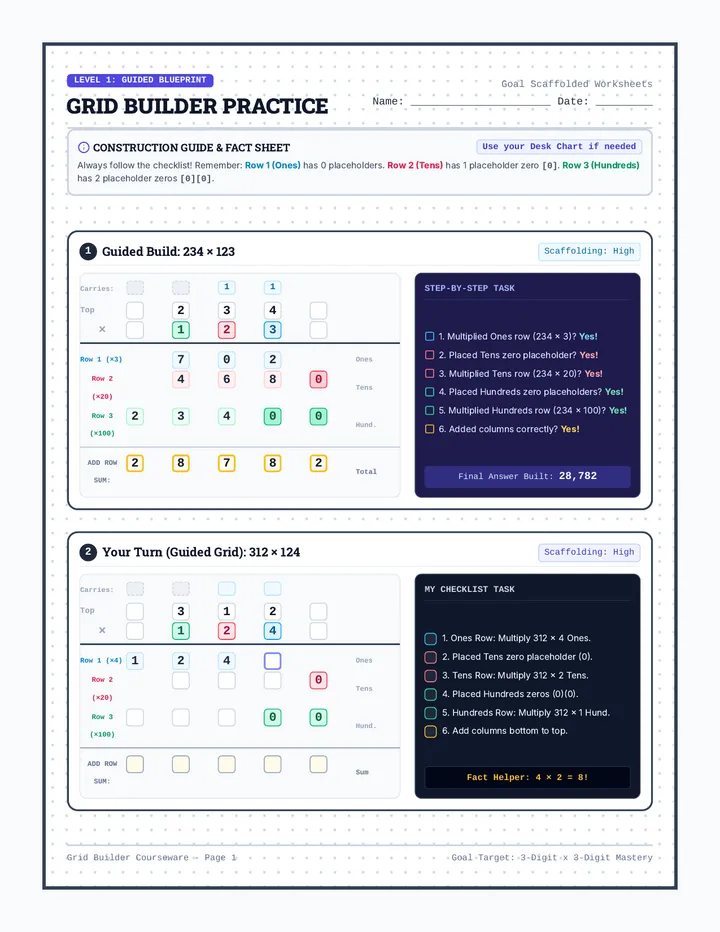
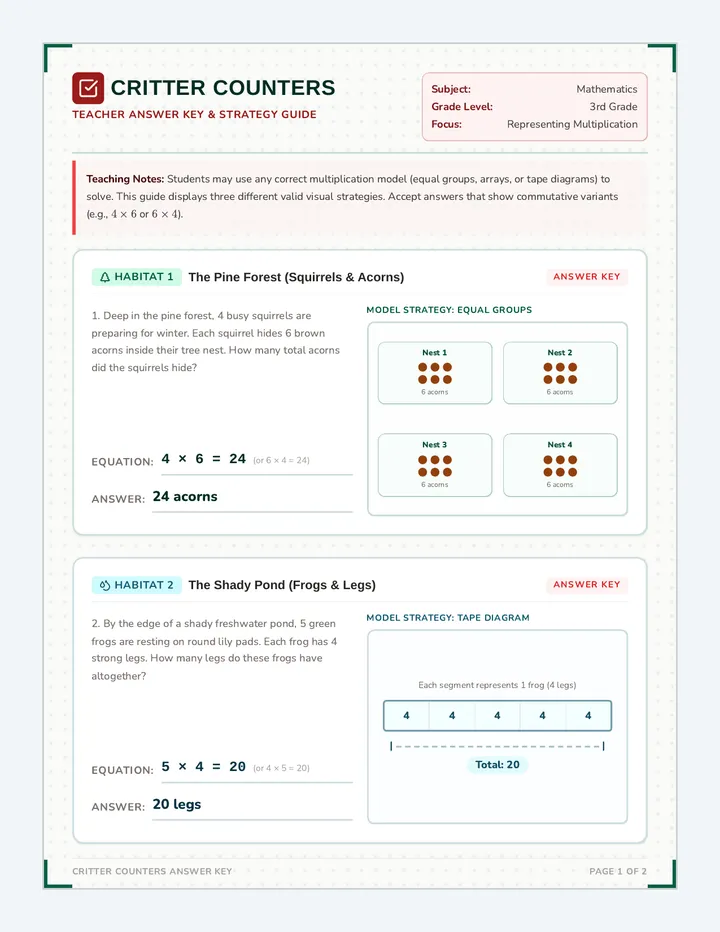
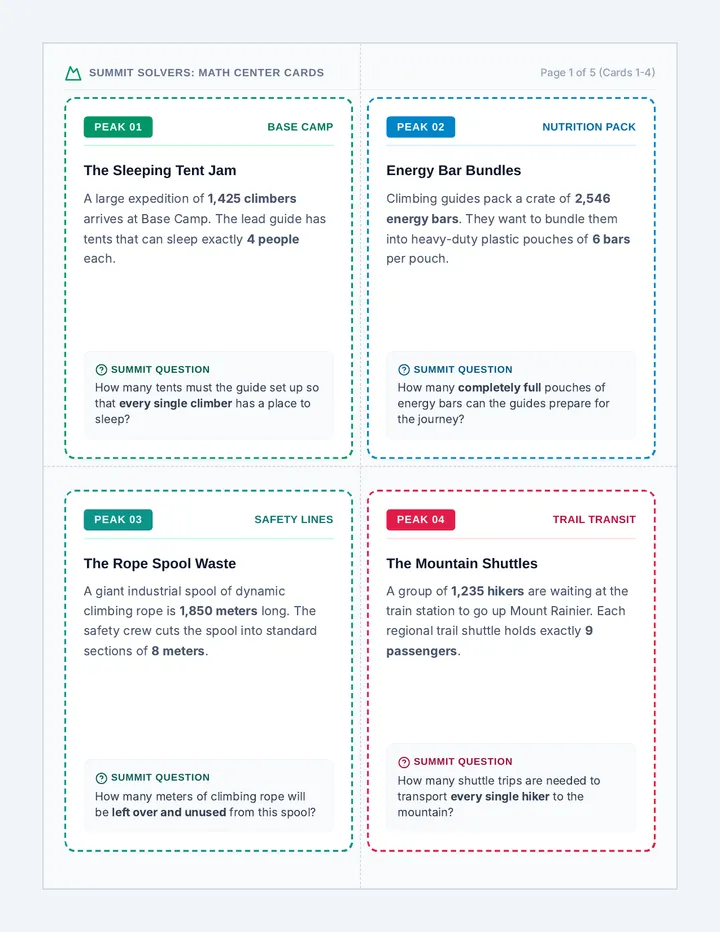
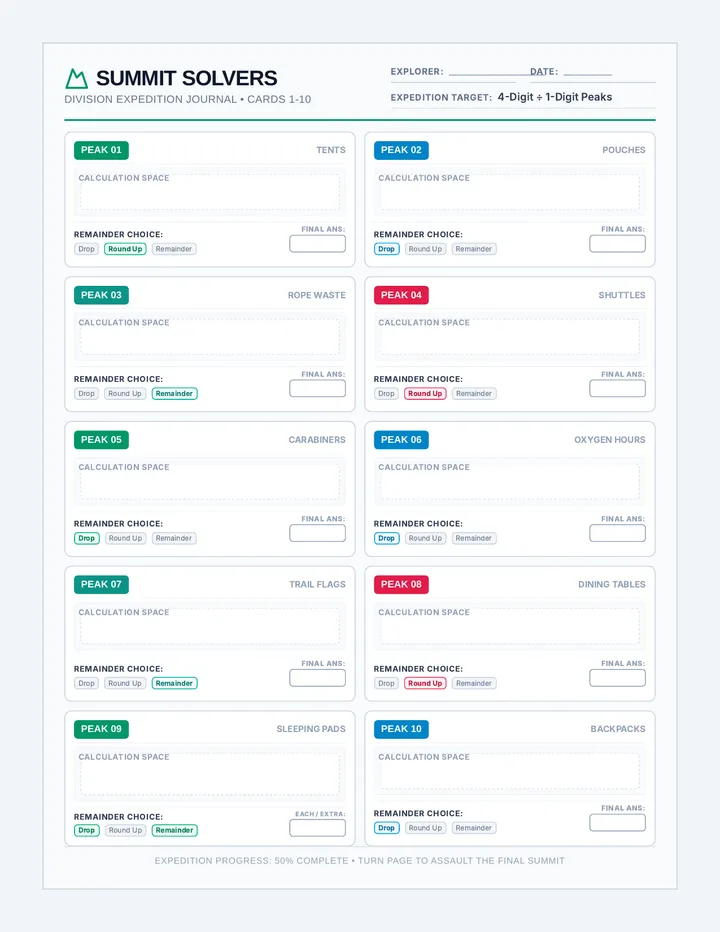
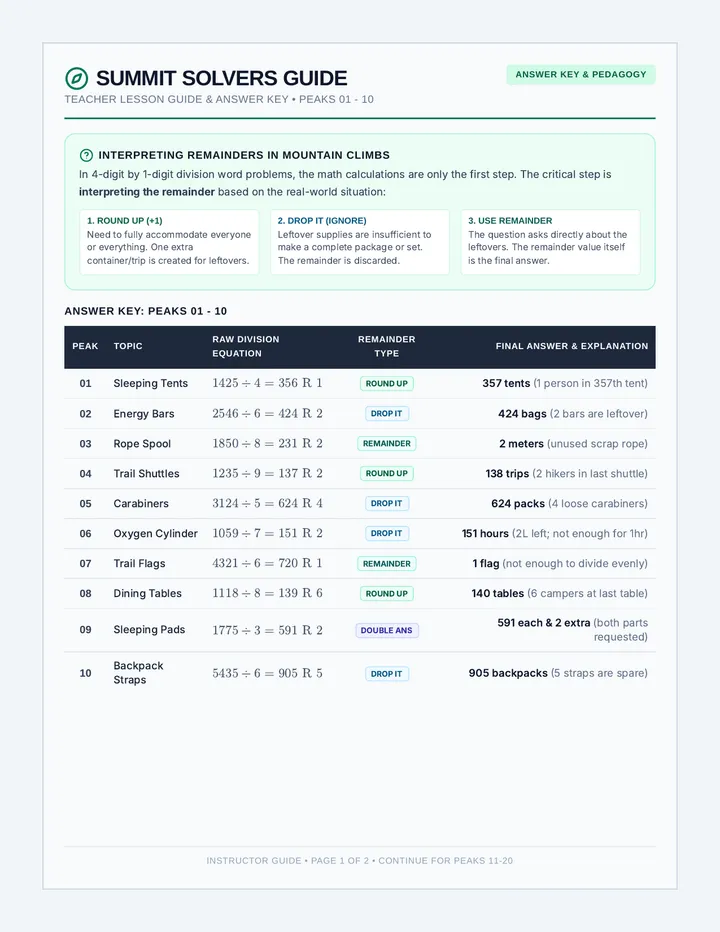
Builds fluency in multiplication and division through resource distribution challenges and word problems.
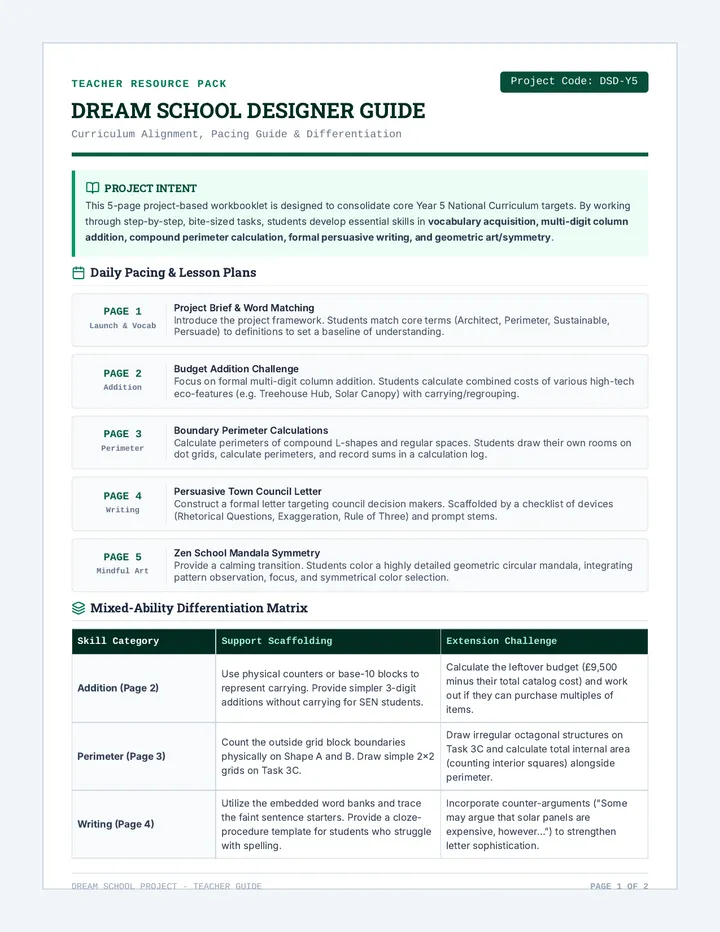
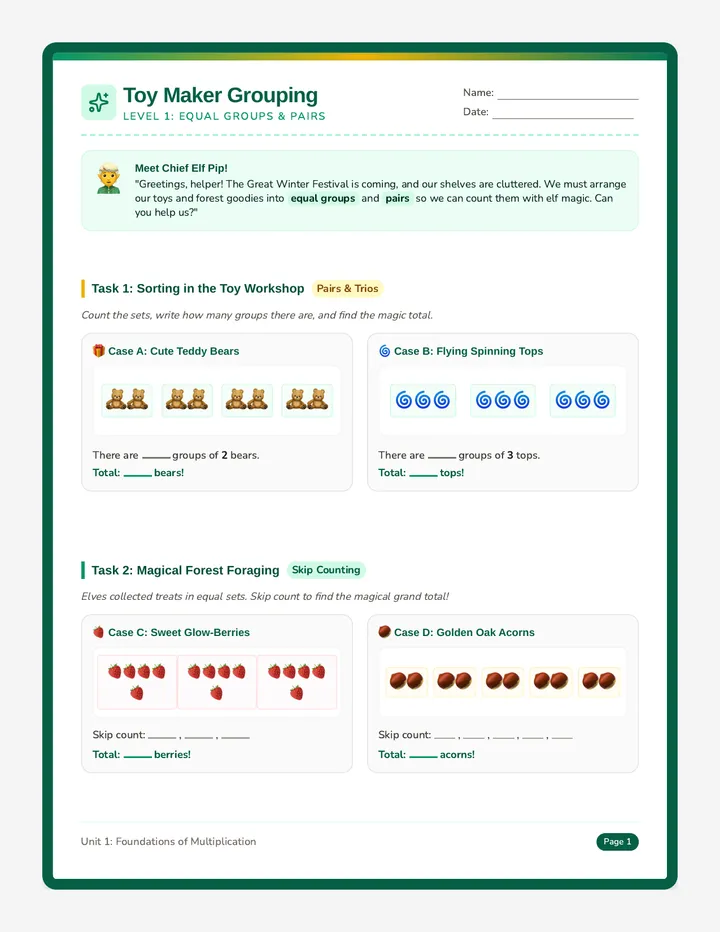
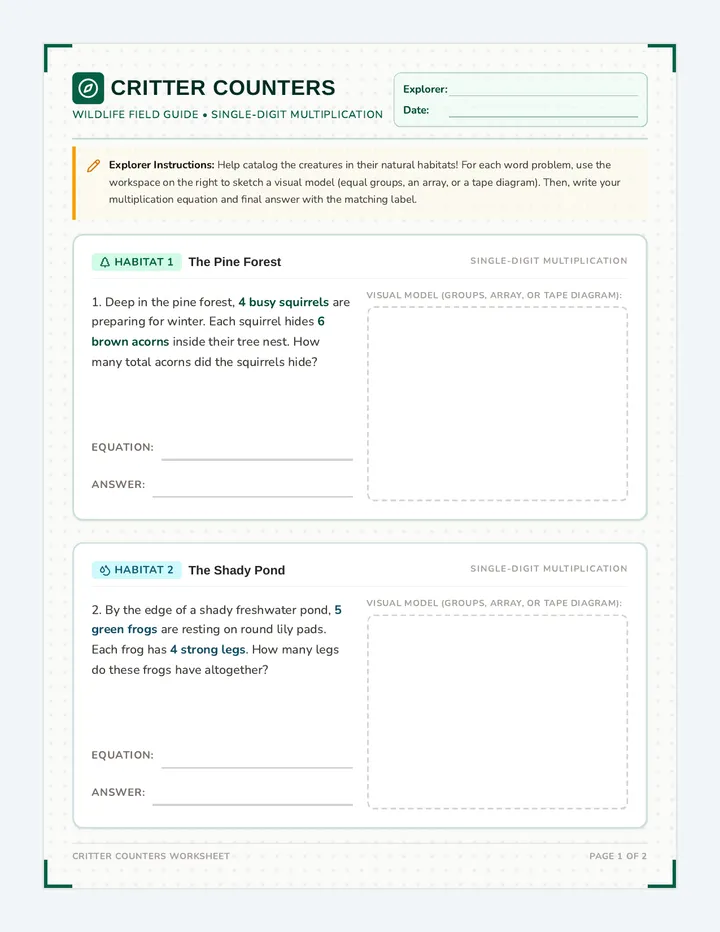
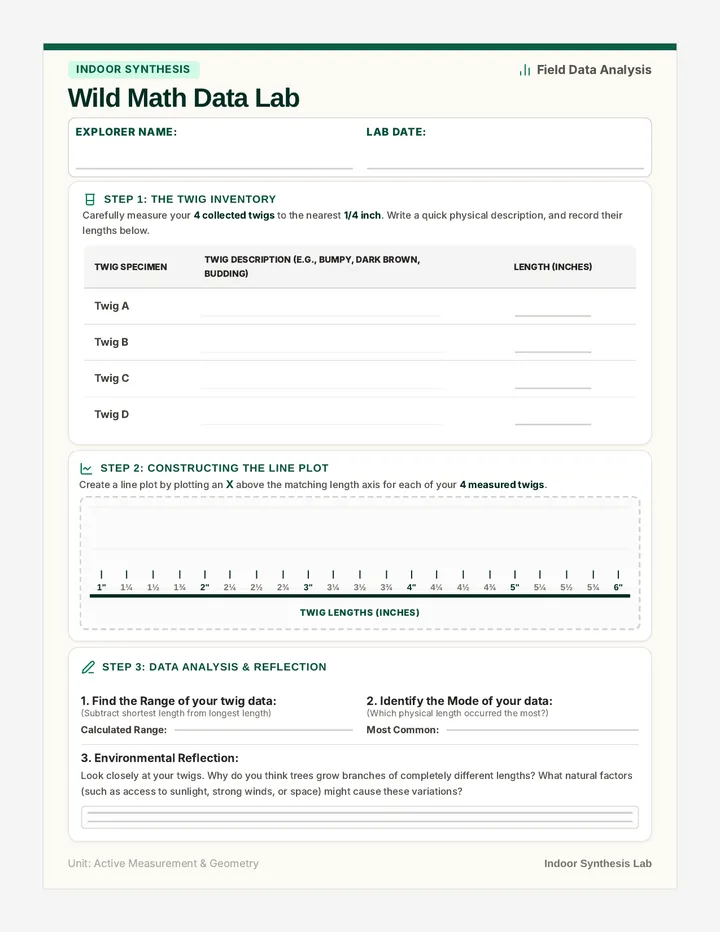
Connects multiplication concepts to area measurement, using tiling and rectangular models to plan room layouts.
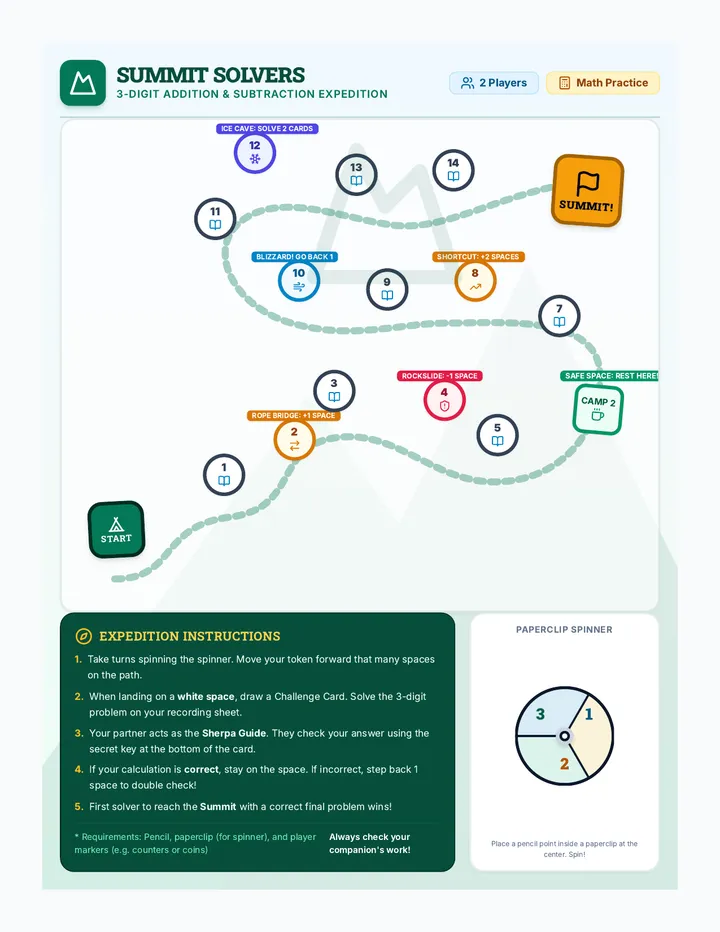
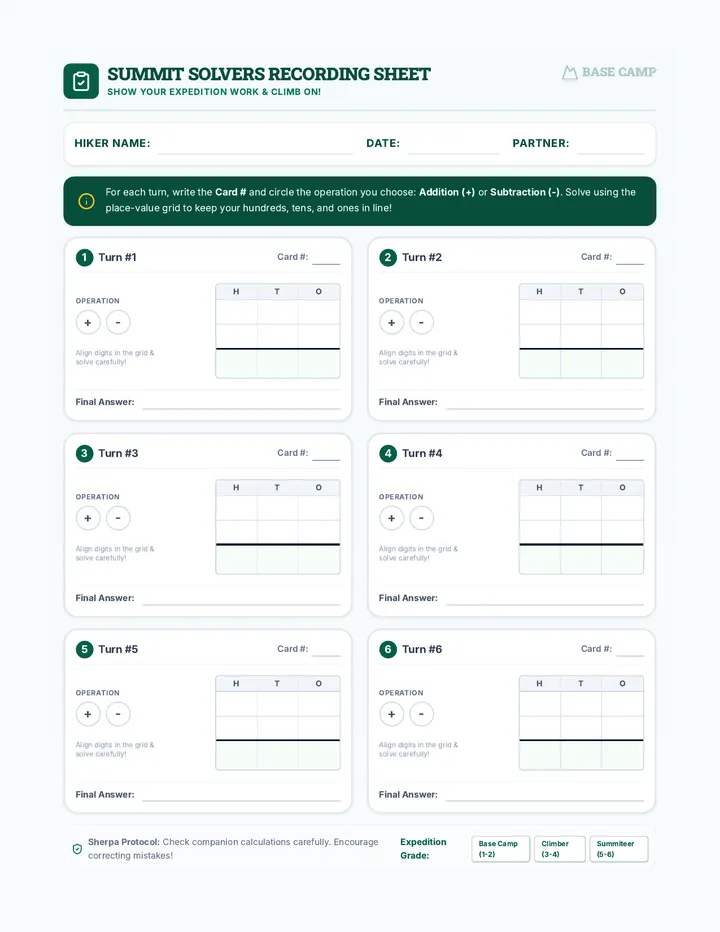
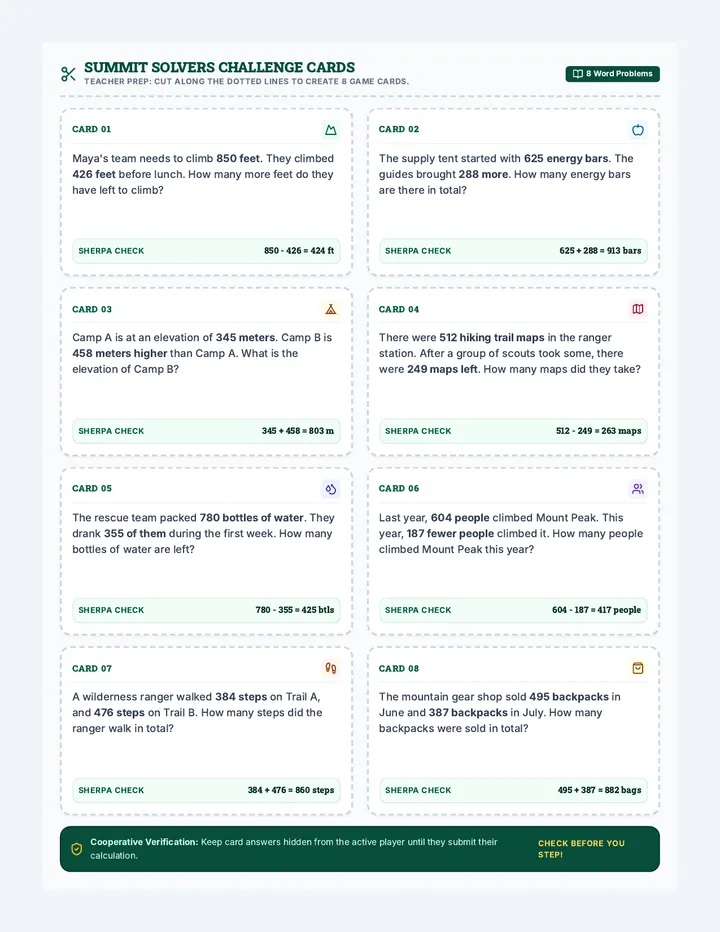
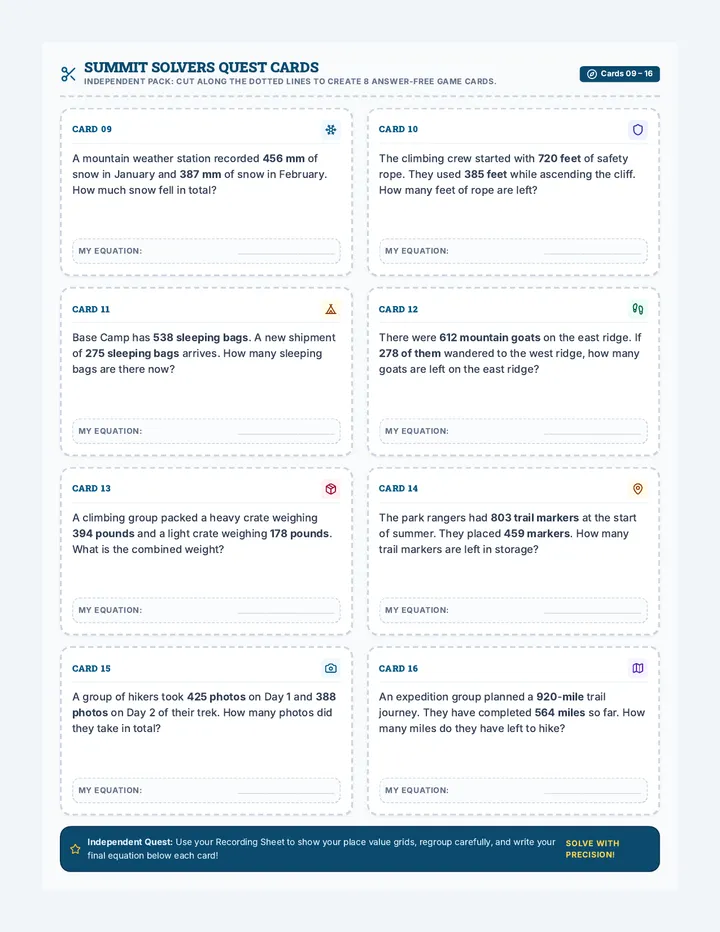
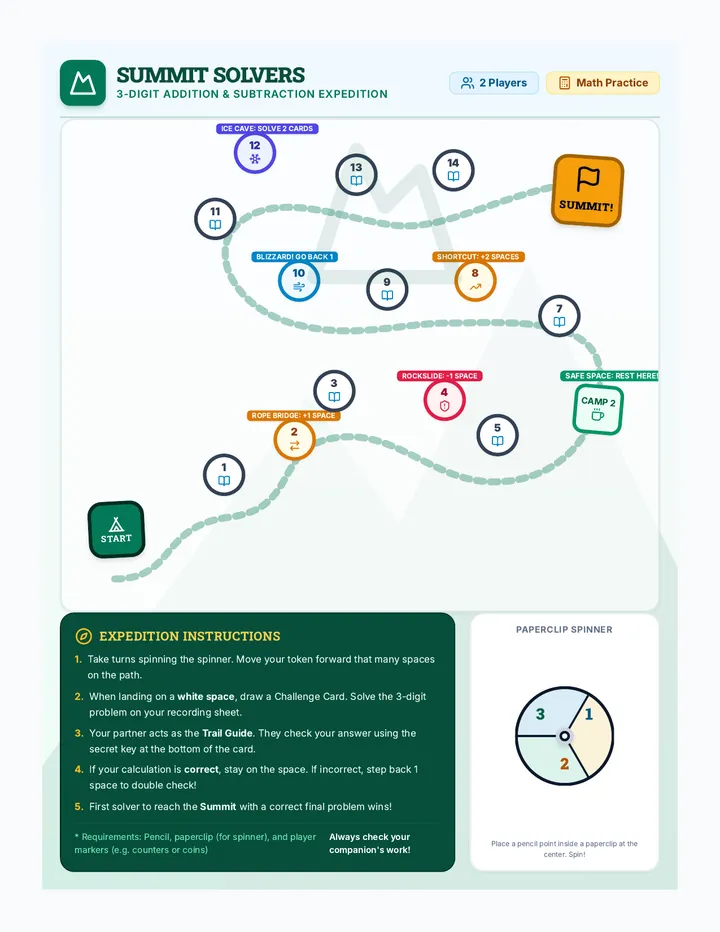
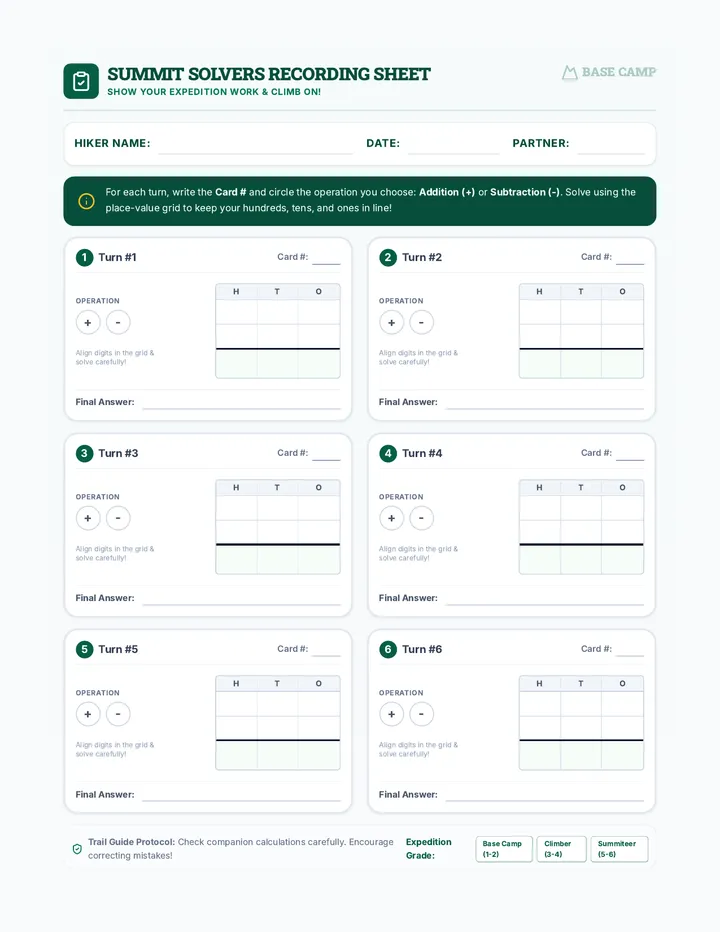
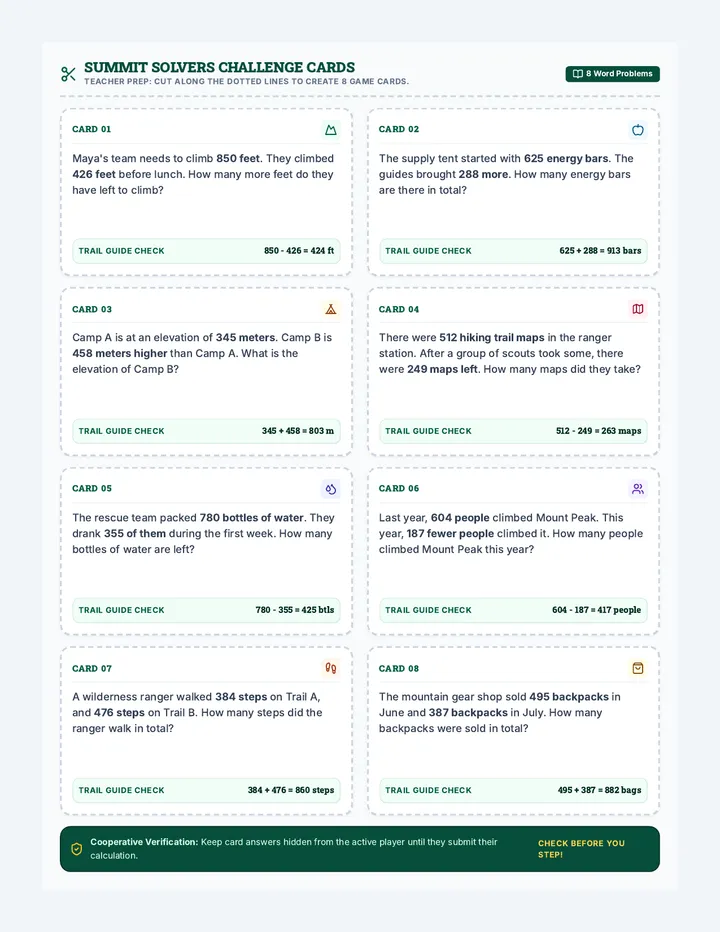
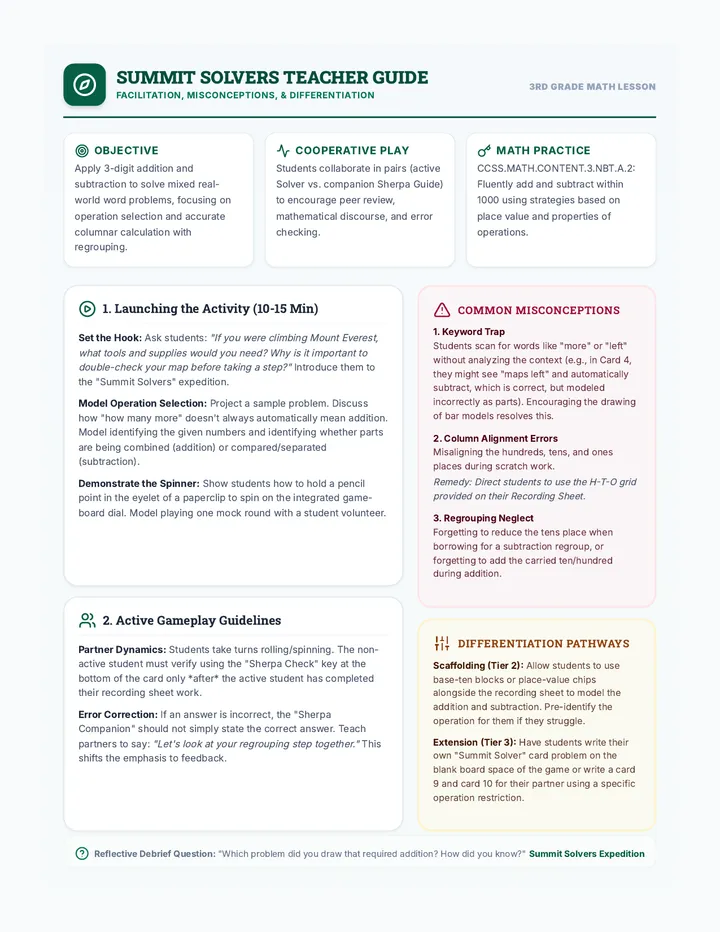
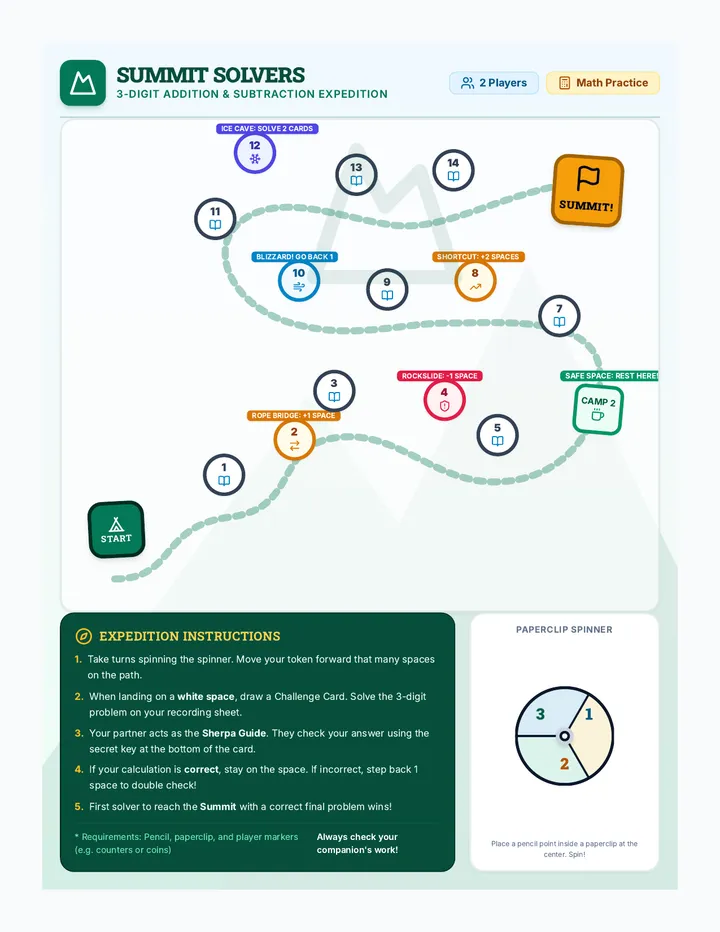
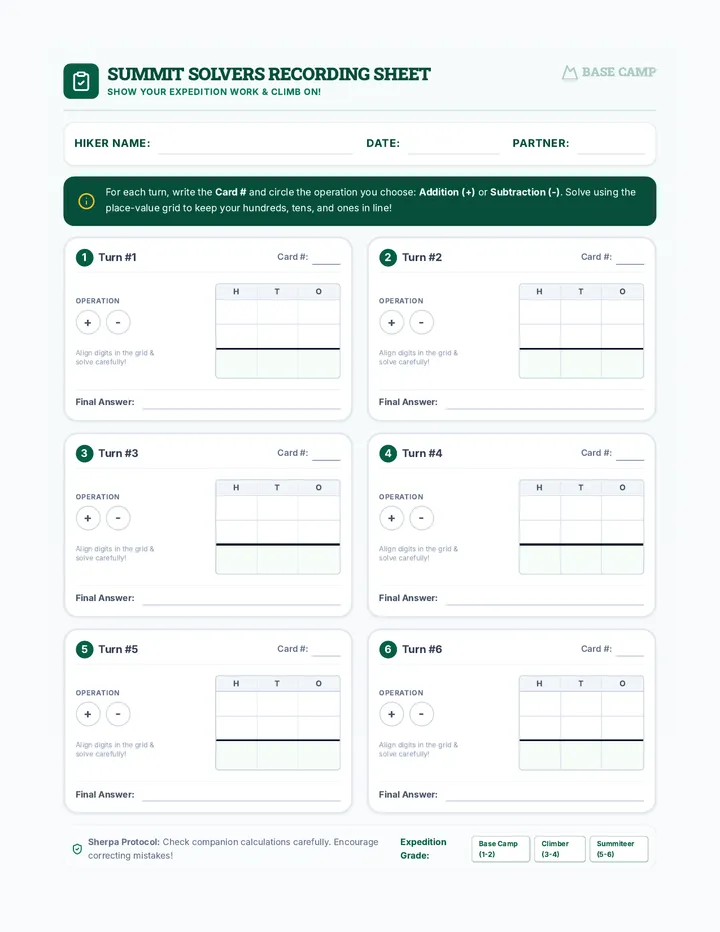
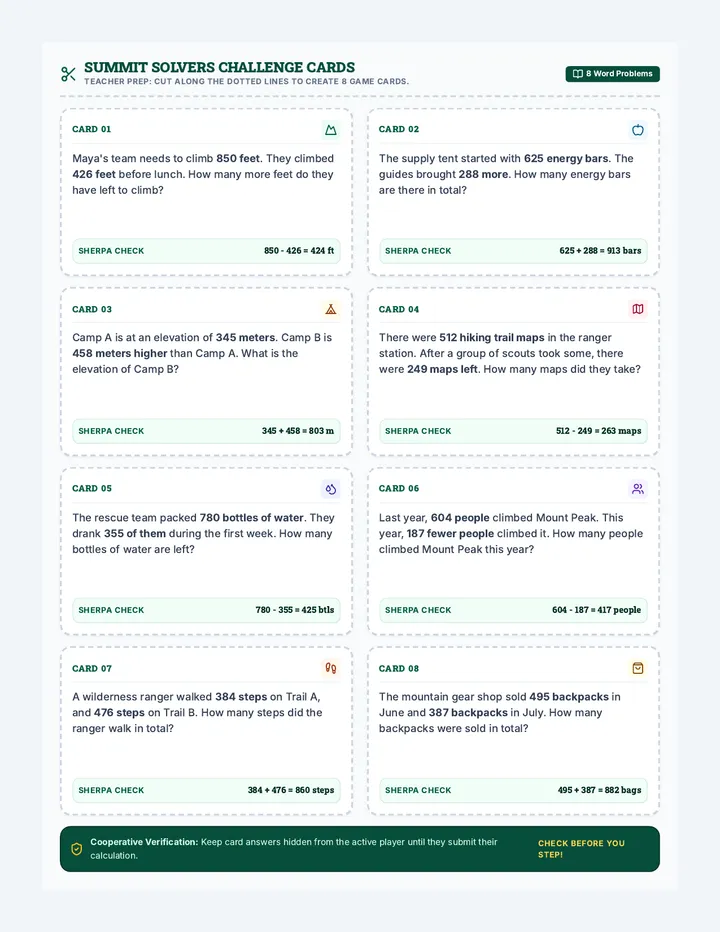
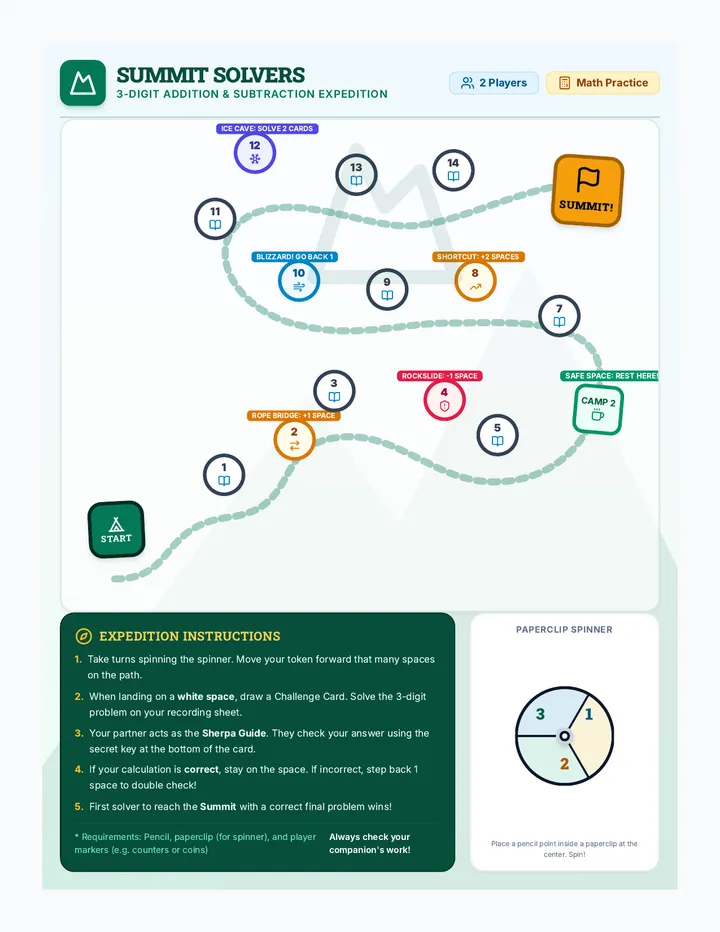
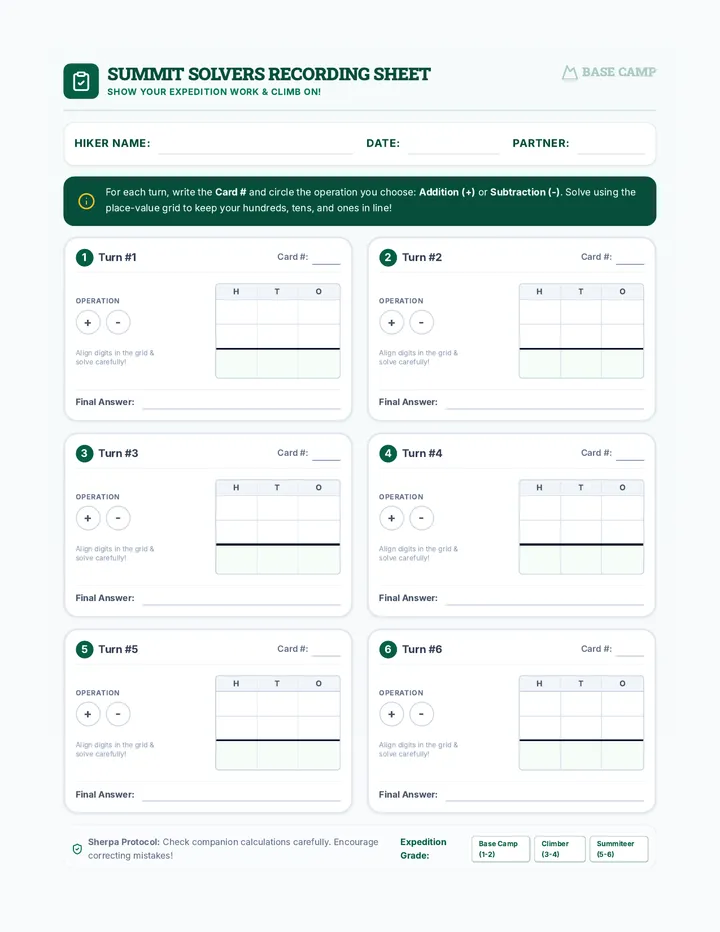
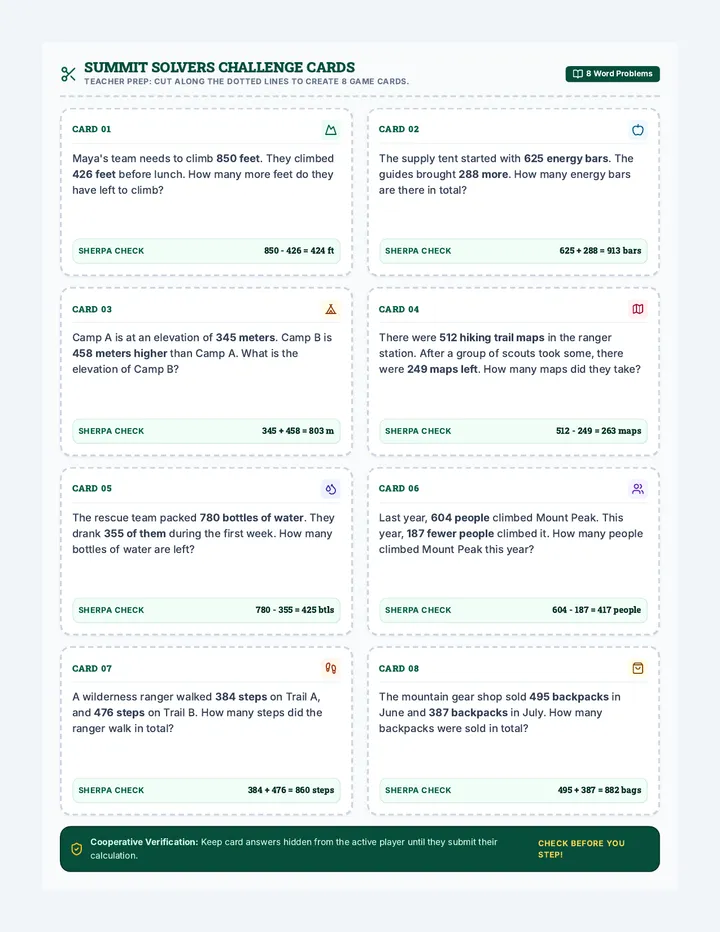
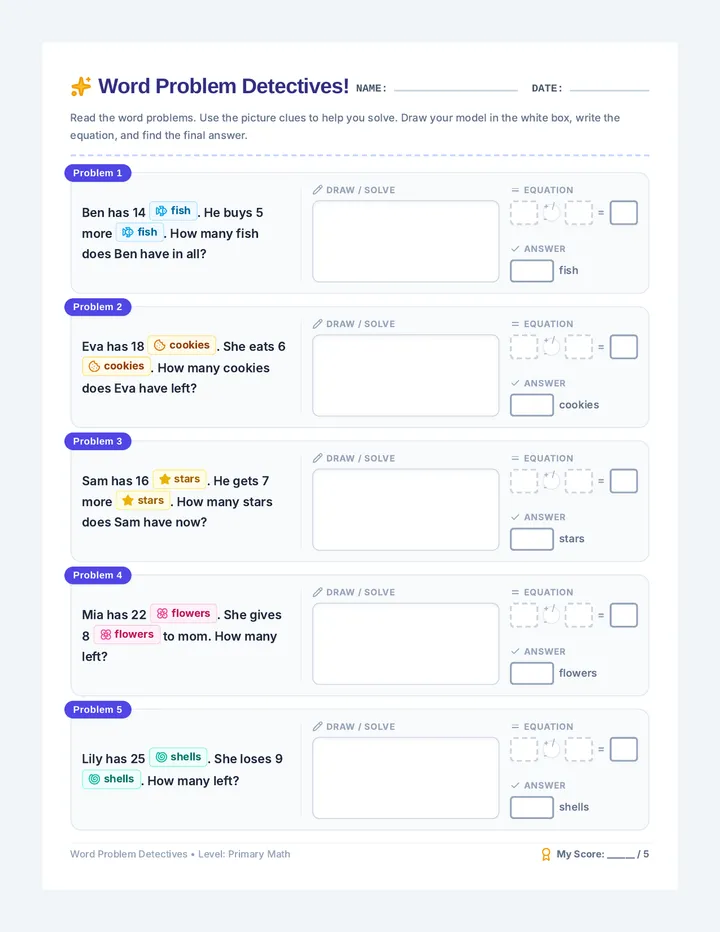
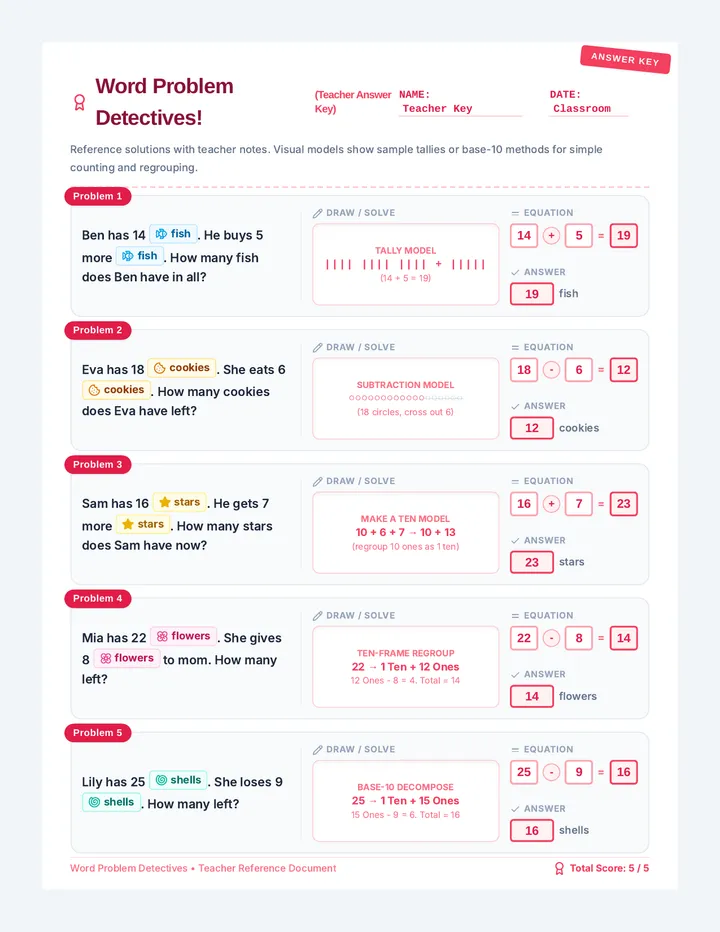
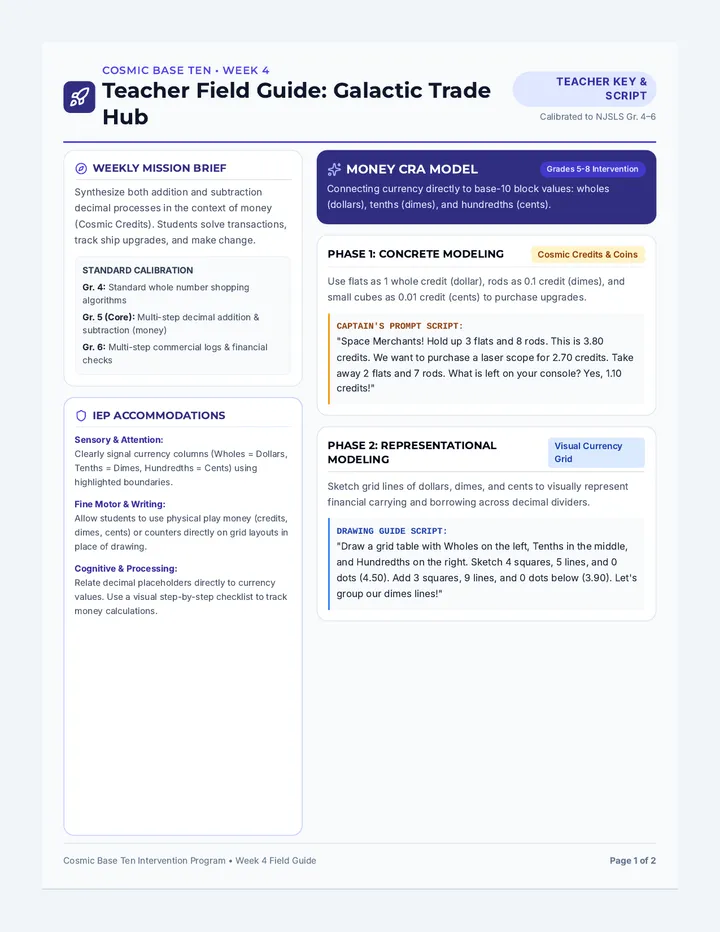
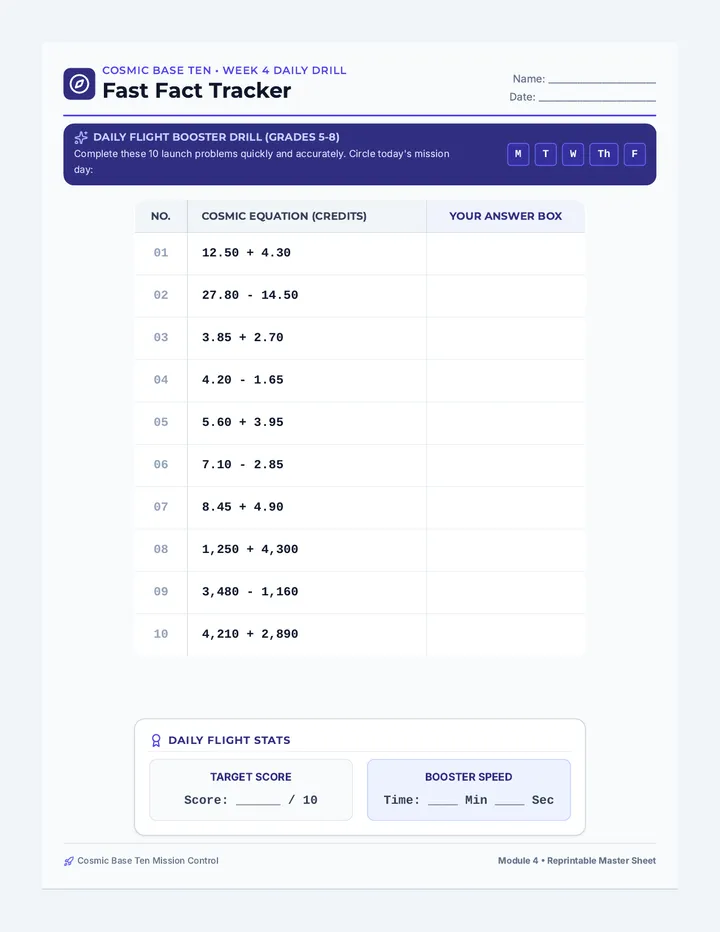
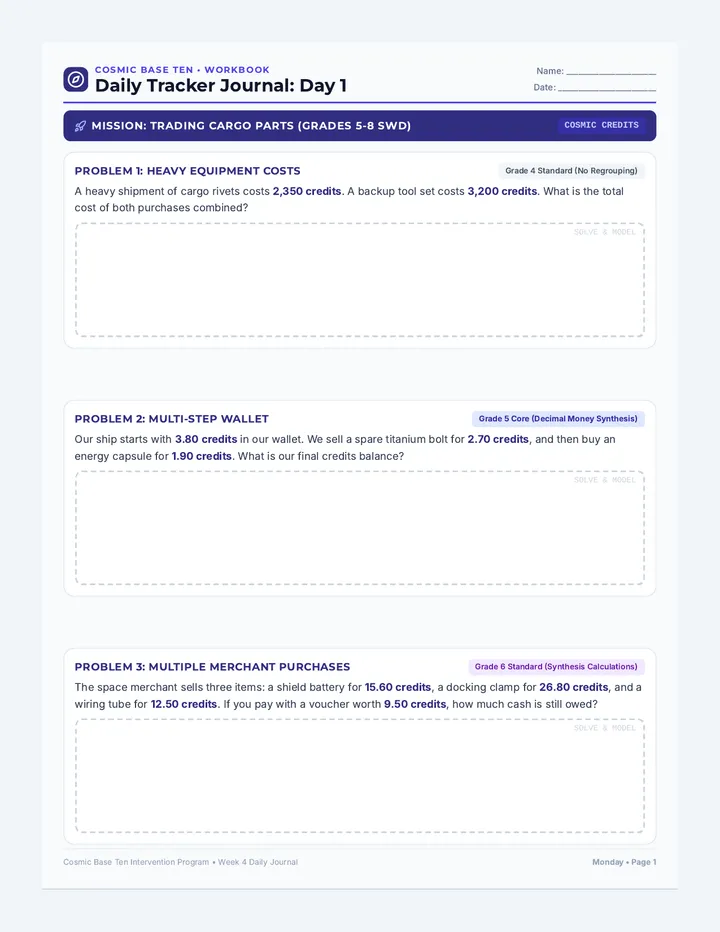
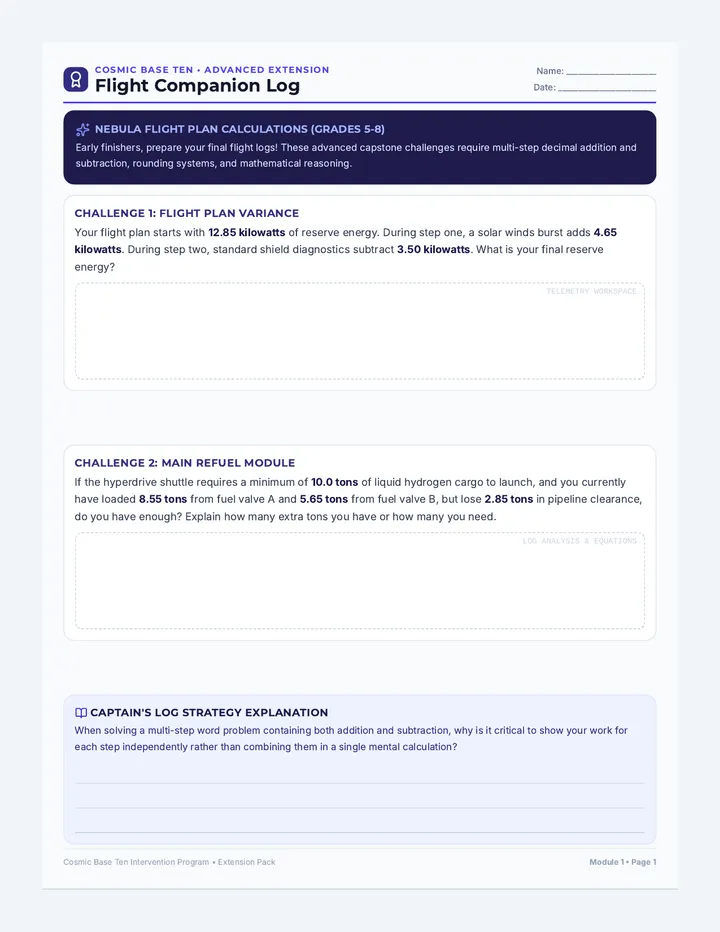
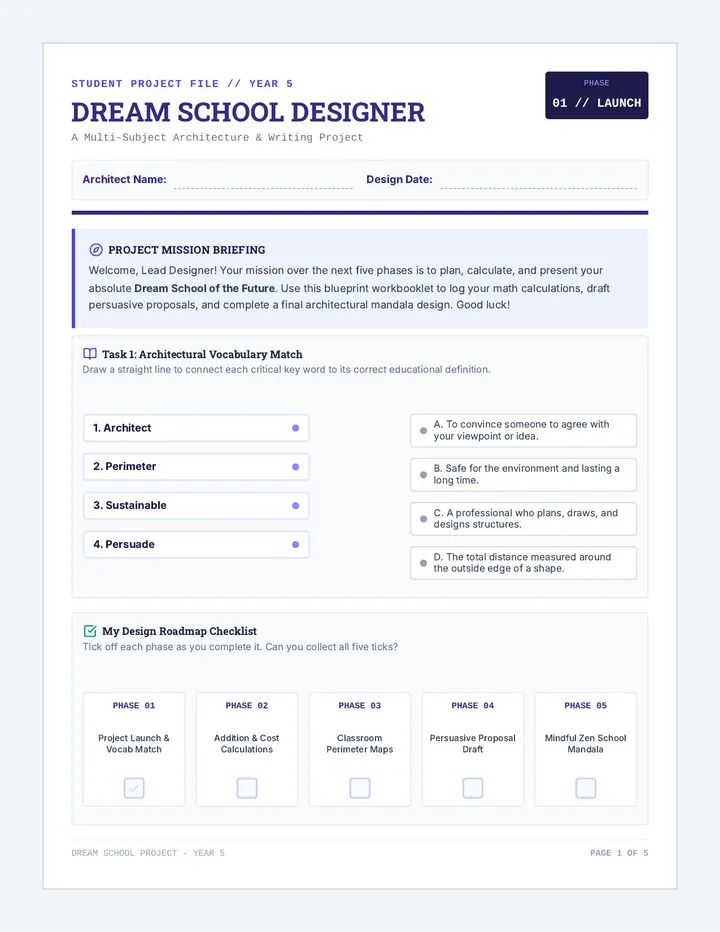
Focuses on multi-digit addition and subtraction within 1,000, rounding to estimate, and solving two-step word problems in the context of material costs.
This lesson teaches students how to calculate total costs of multiple items and make spending decisions based on a fixed budget.
This lesson focuses on identifying US coins (penny, nickel, dime, quarter) and their respective values through visual recognition and matching.
Introduces the concept of a unit fraction by identifying 'one part' out of a whole. Focuses on visual recognition of one shaded part and introduces the verbal phrasing 'one out of x' in English and Portuguese.
Focuses on identifying the number of equal parts (2, 3, and 4) in a whole. Introduces the vocabulary for halves, thirds, and fourths through visual counting and symbols, maintaining a low-literacy approach.
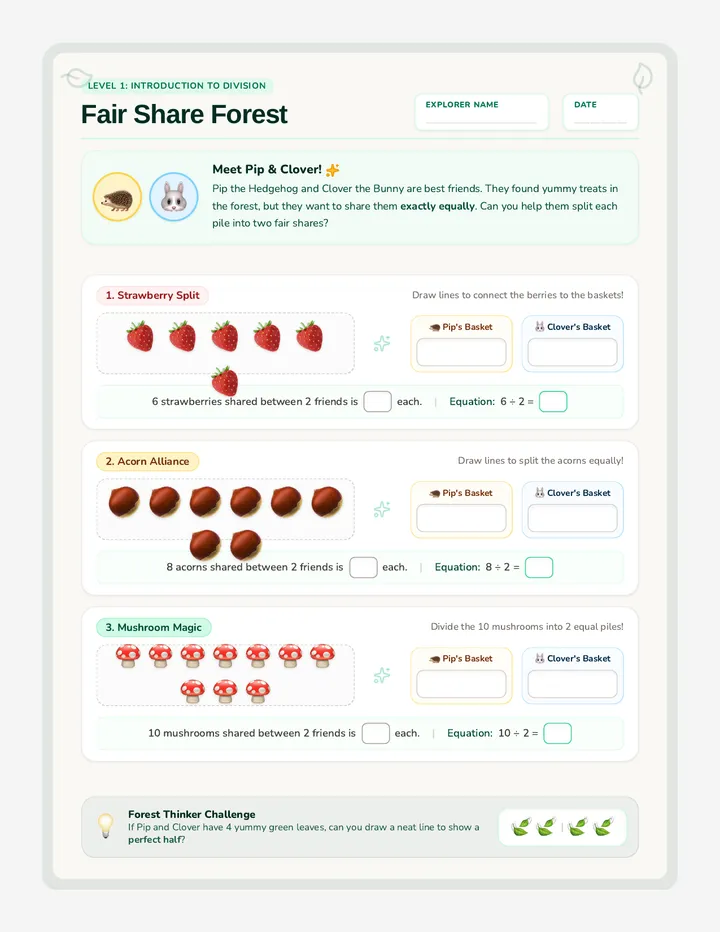
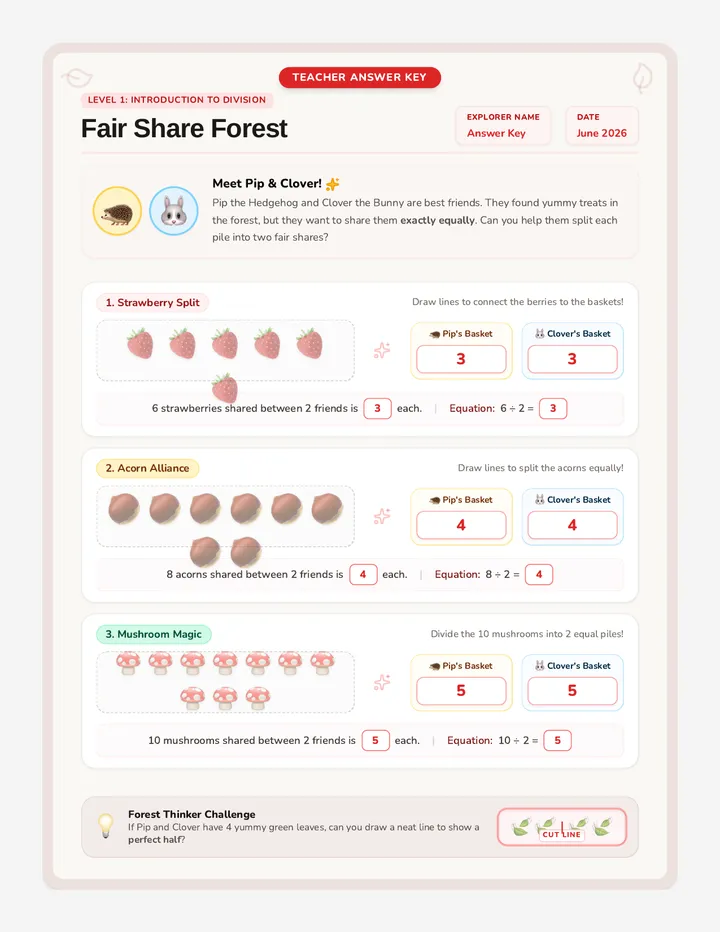
A foundational introduction to fractions as equal parts of a whole, specifically designed for students with interrupted education and no literacy. This lesson uses high-visual, low-text materials to assess and build conceptual understanding of partitioning and fair shares.