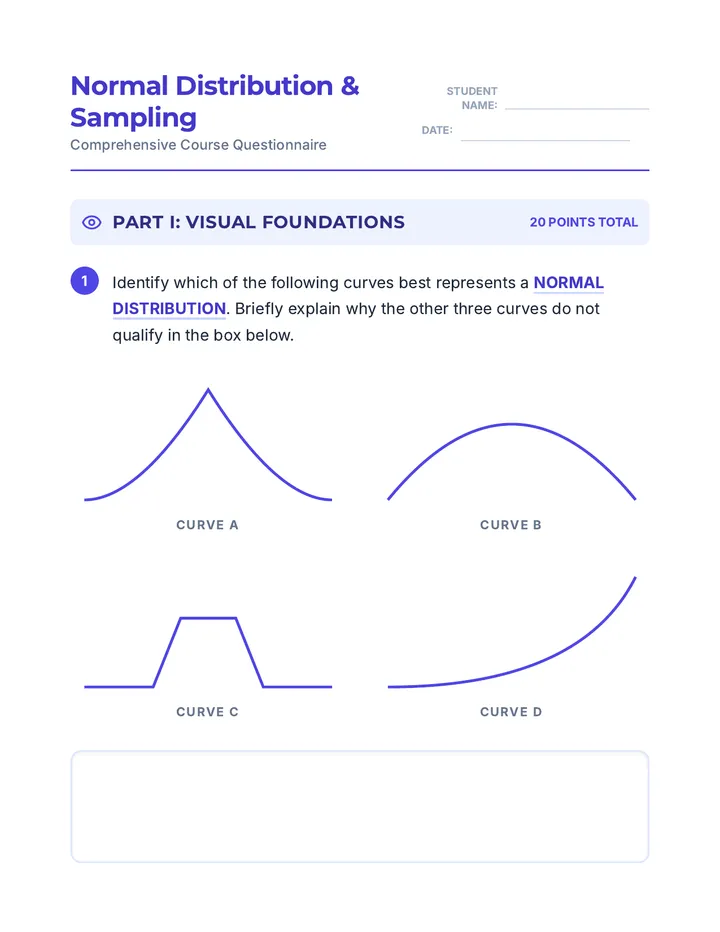
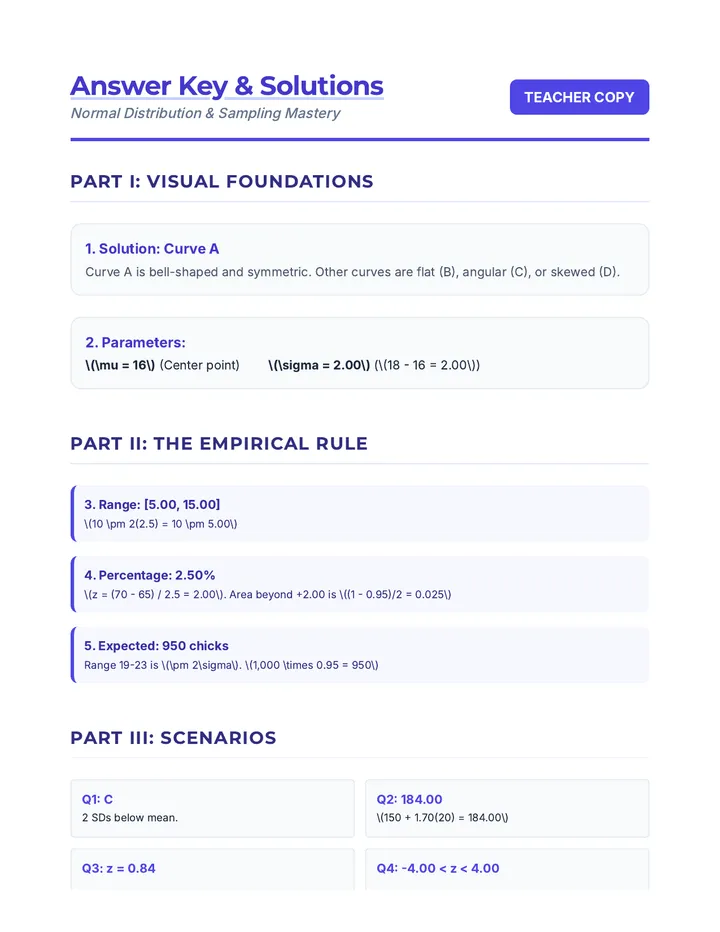
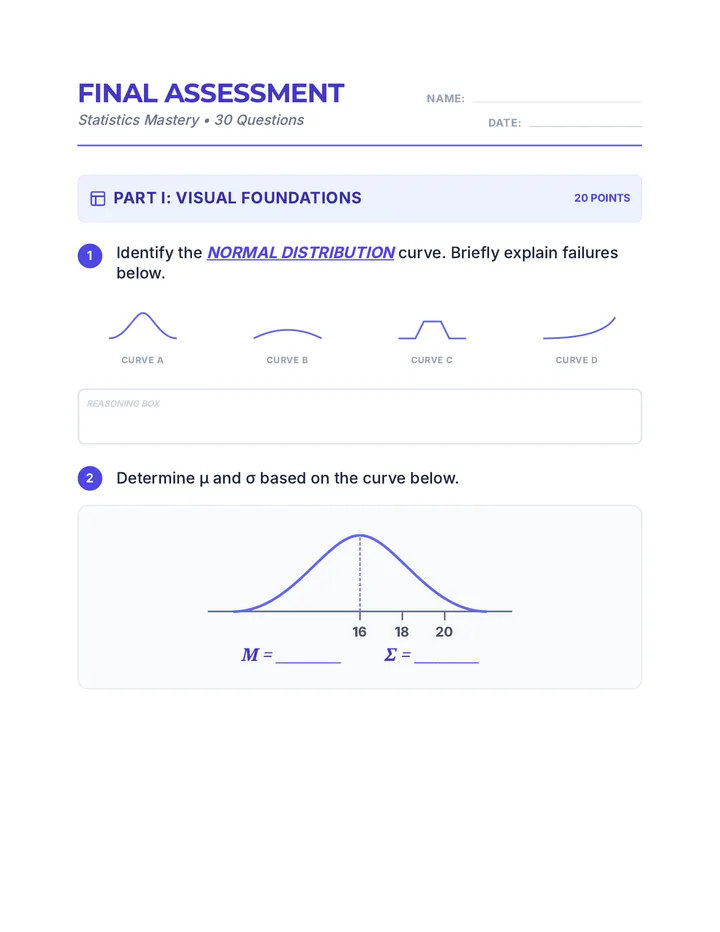
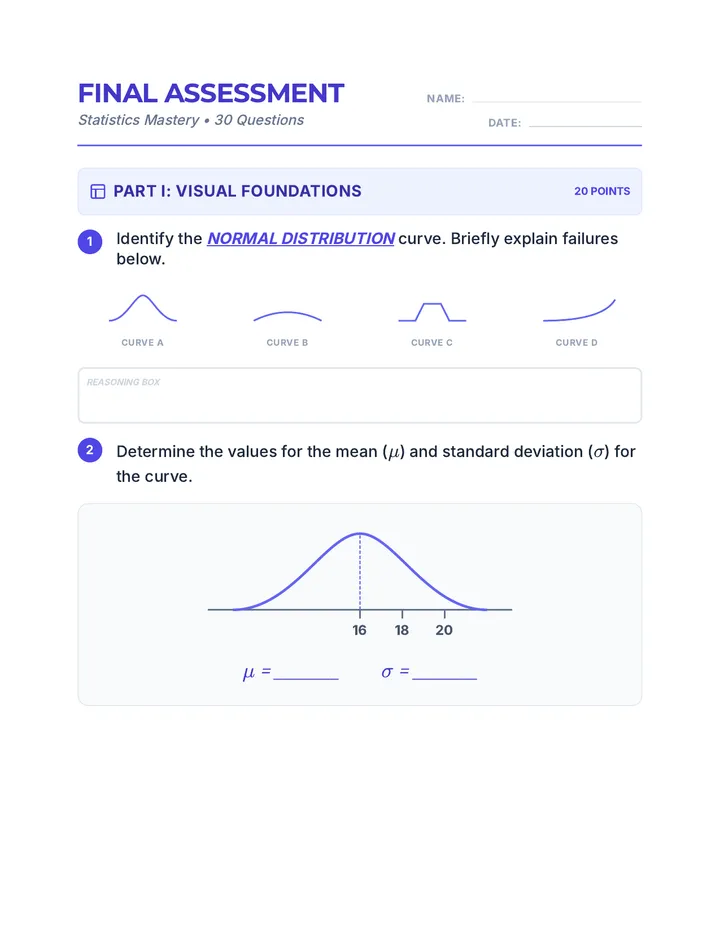
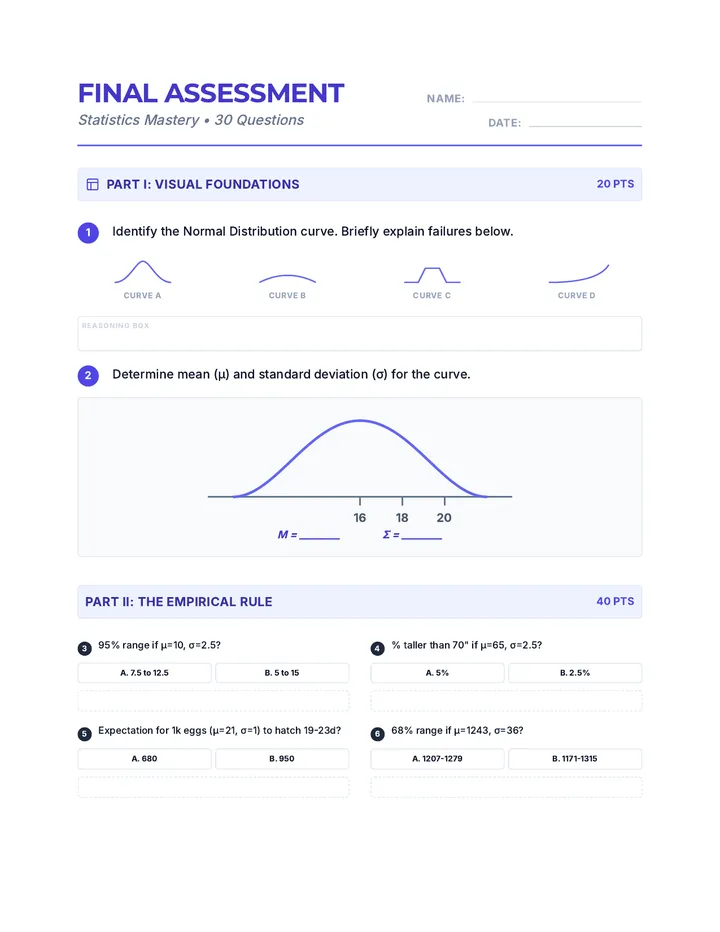
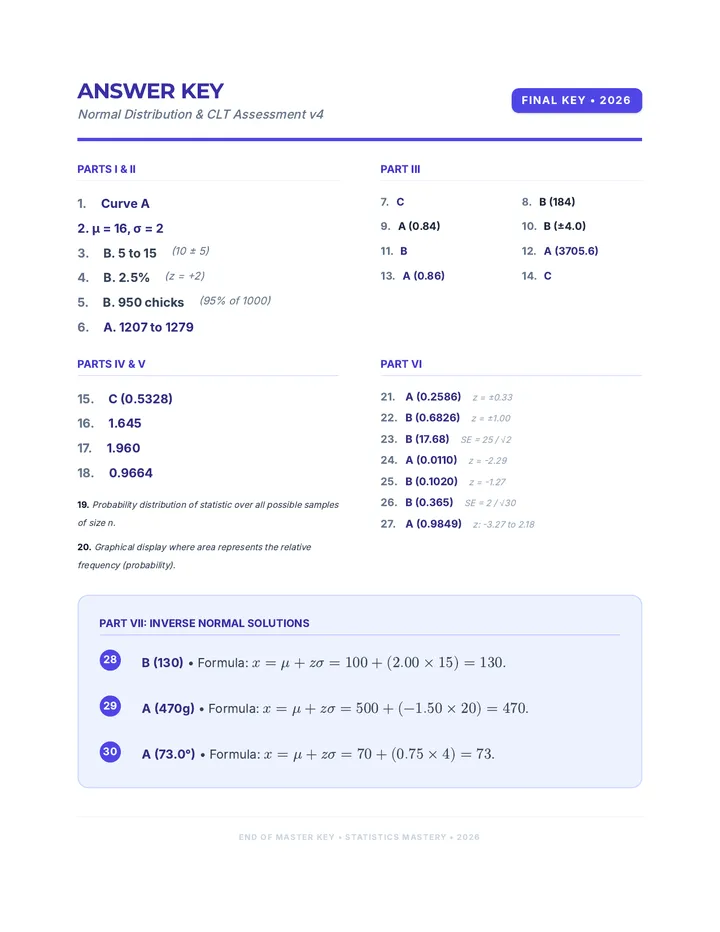
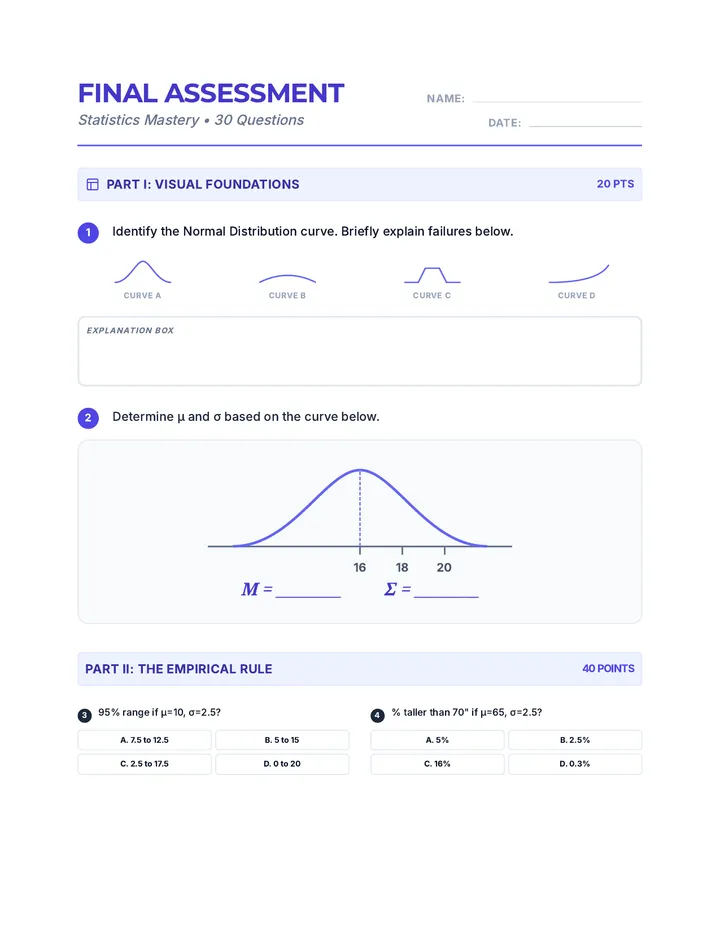
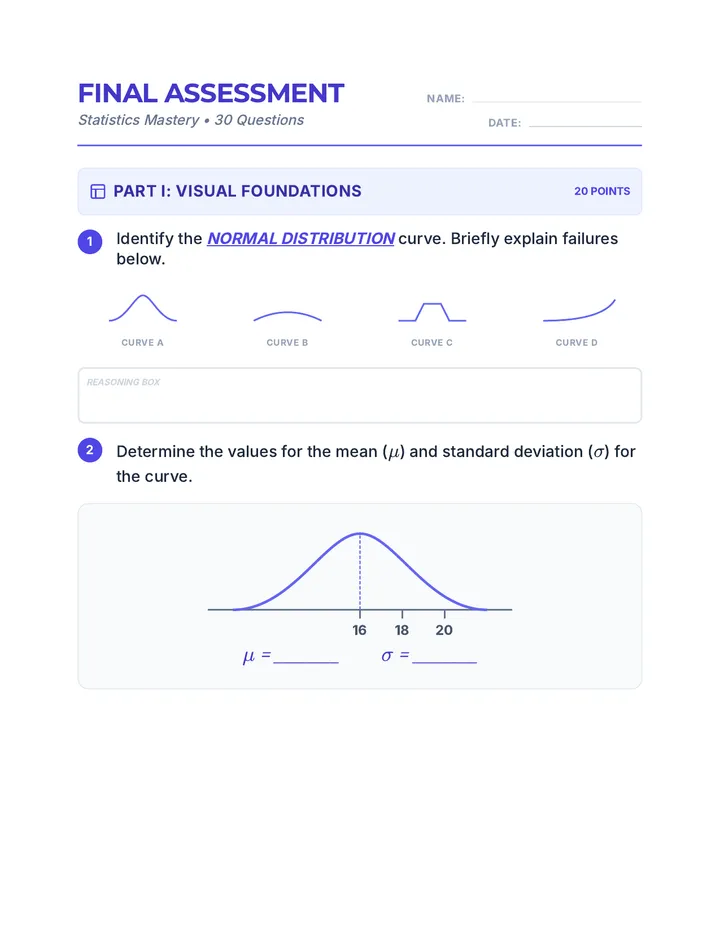
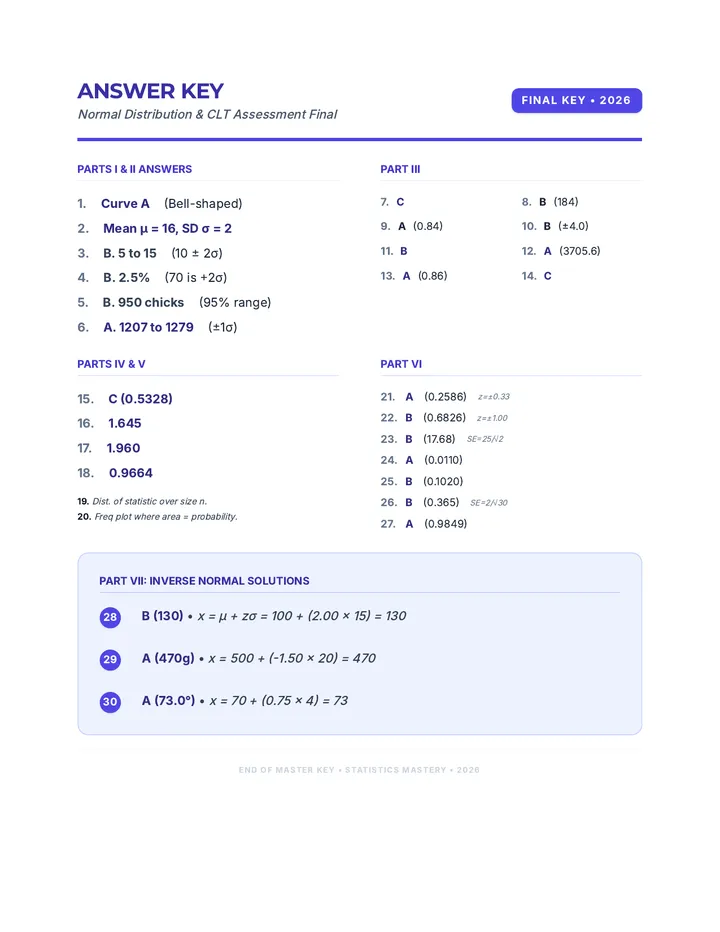
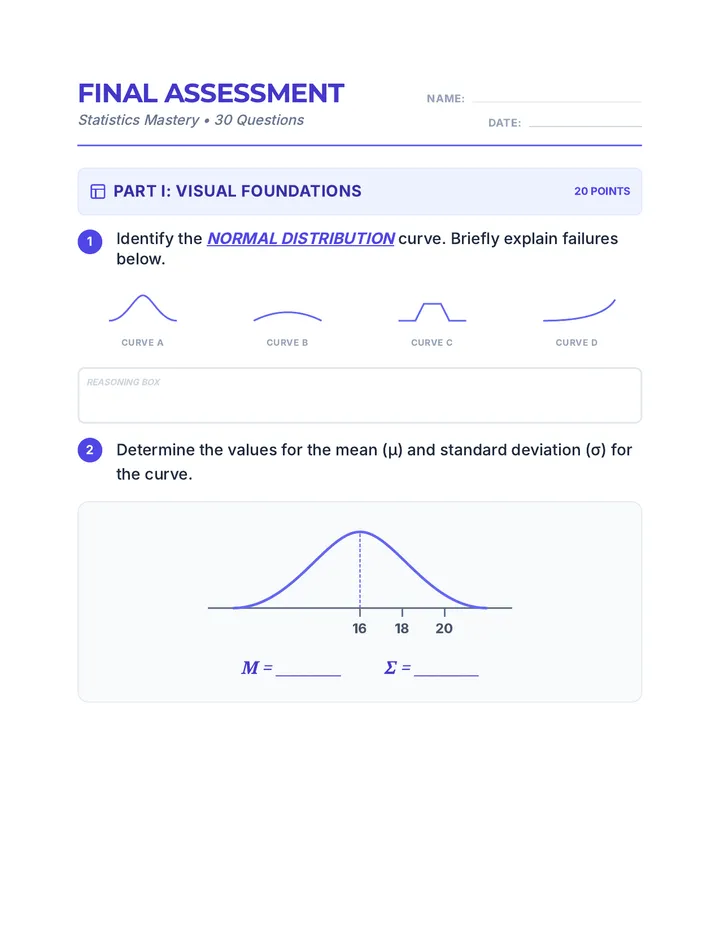
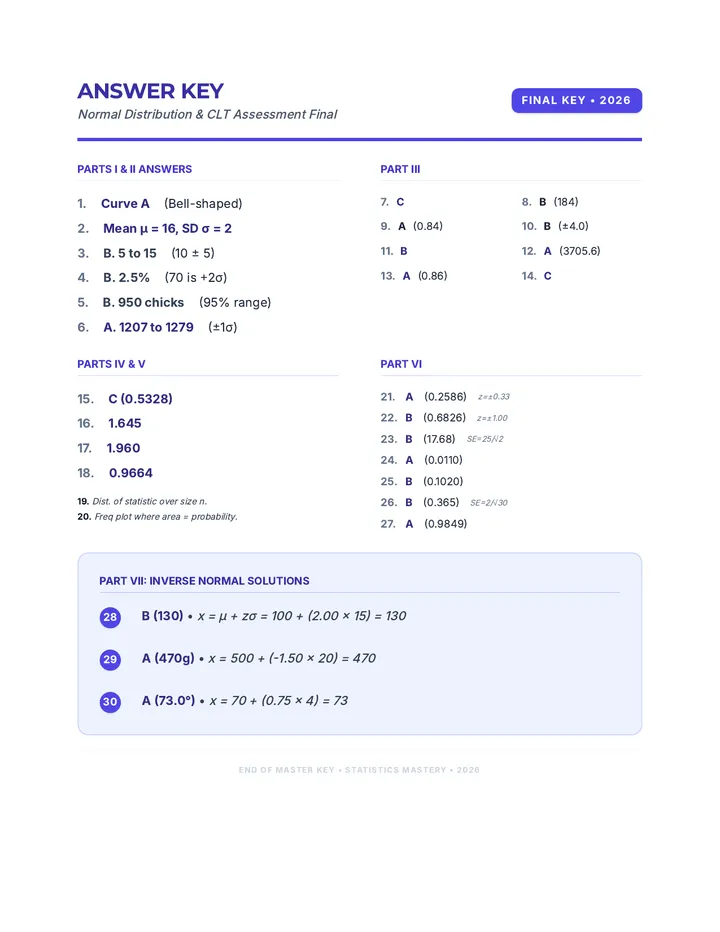
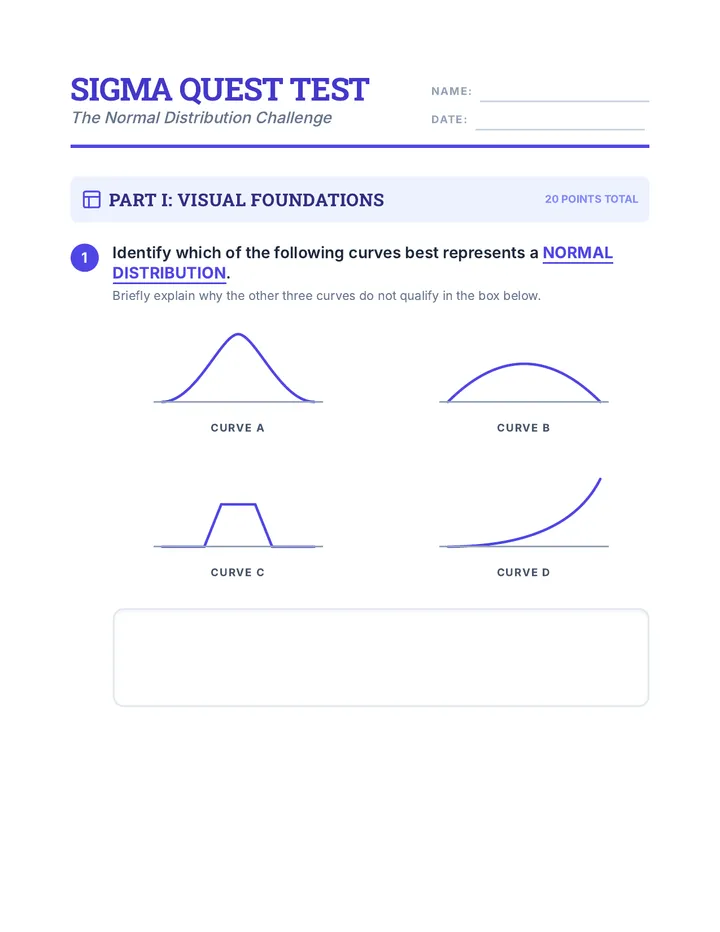
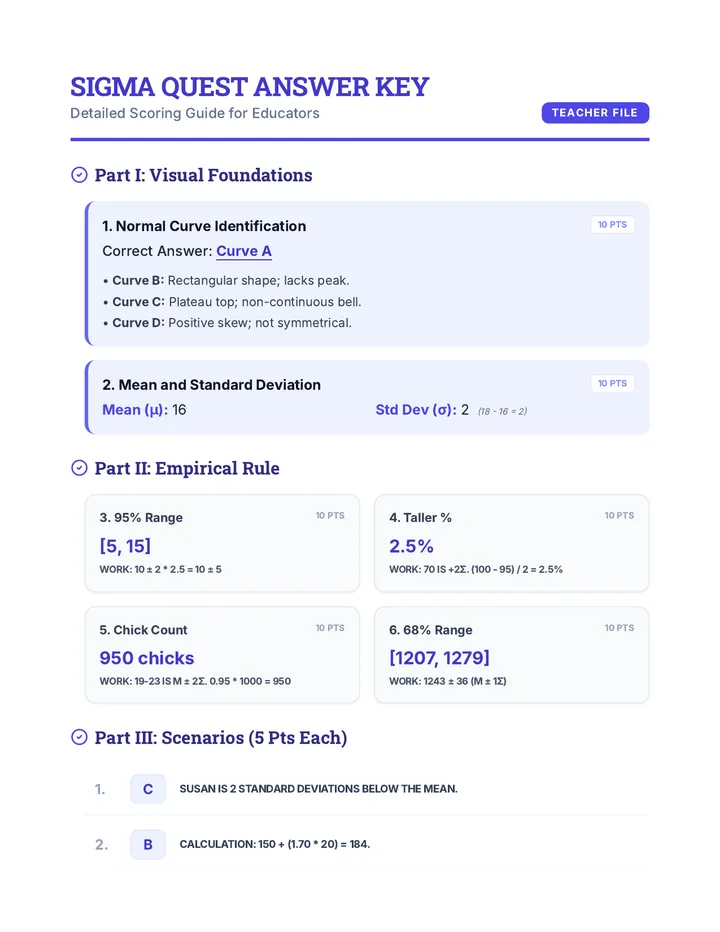
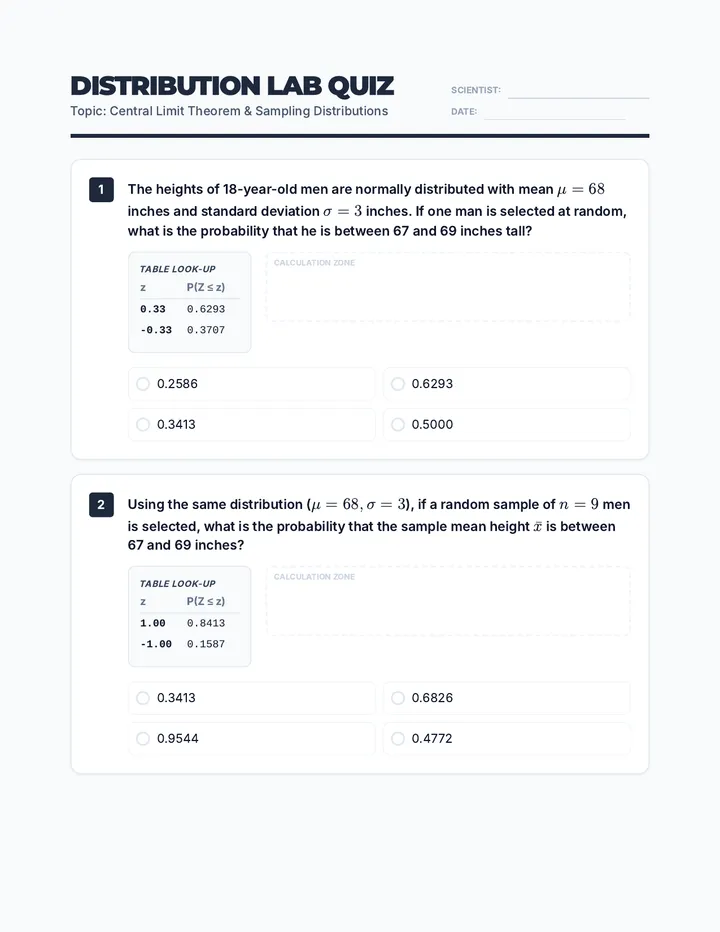
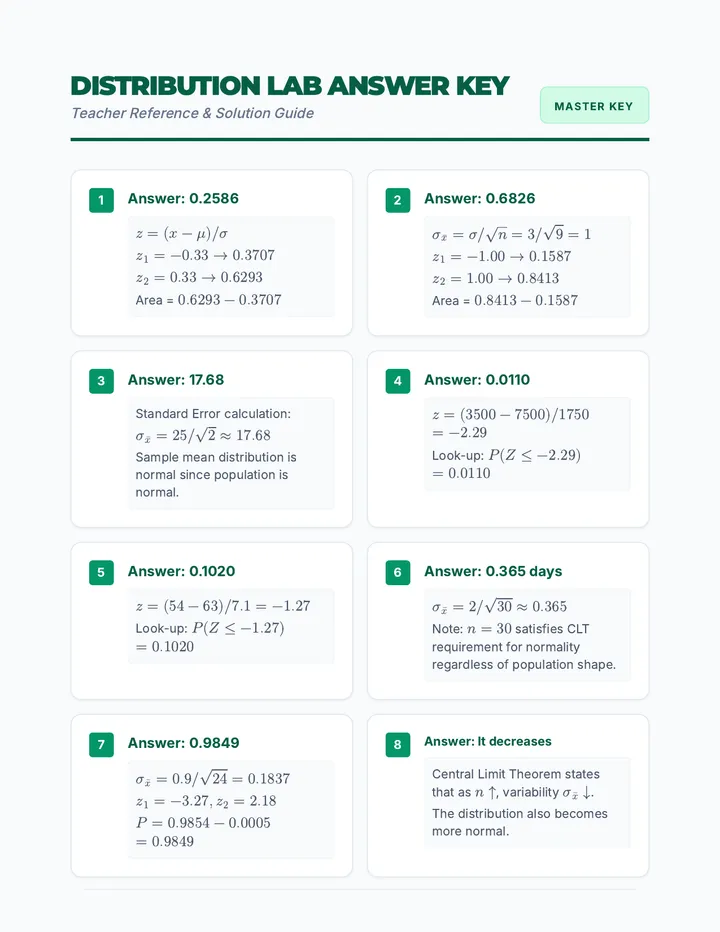
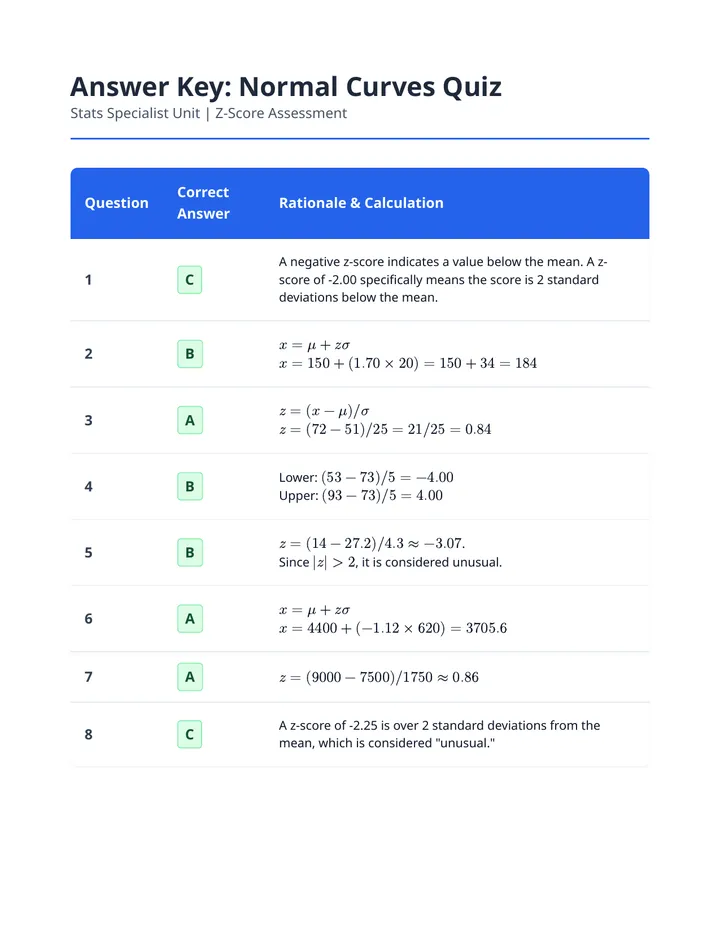
Calculer et interpréter la moyenne, la médiane et le mode, ainsi que la variance et l'écart-type pour décrire la forme d'une distribution.
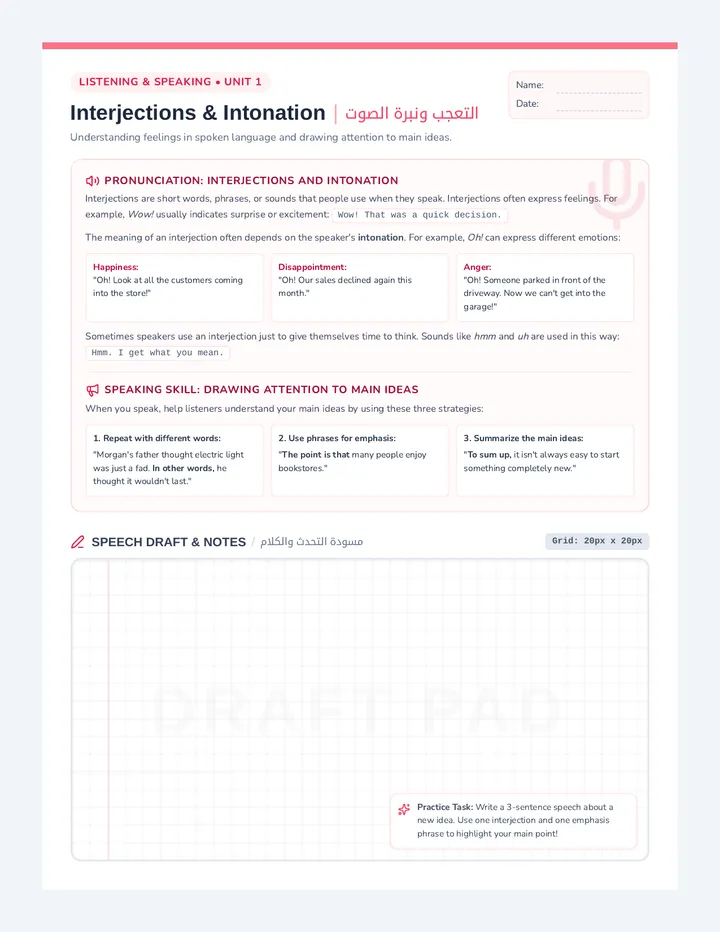
A high-intensity review session for AP Precalculus Unit 3, covering trigonometric functions, inverse functions, and polar coordinates through a "Radar Tech" thematic lens.
A comprehensive review for Unit 3 of AP Precalculus, focusing on trigonometric and polar functions through reference materials and practice assessments.
Explore the mesmerizing world of fractals where art meets mathematics. Students investigate recursive patterns, self-similarity, and the mind-bending paradox of infinite perimeters within finite spaces.
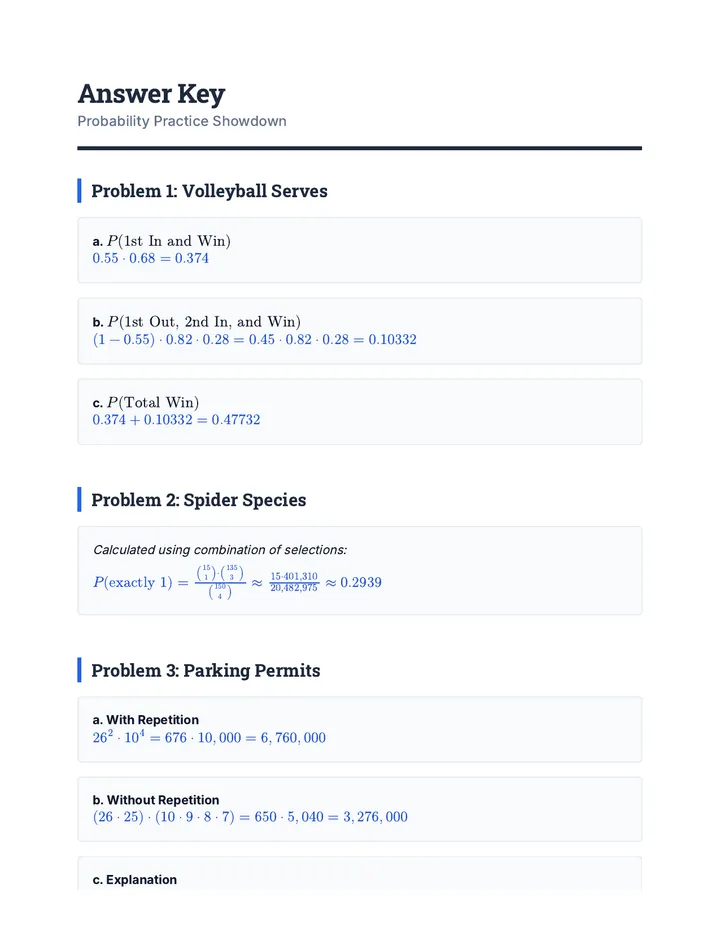
Students apply conditional probability and compound event analysis to understand the survival dynamics of species in vernal pools, bridging biology and statistical reasoning.
This lesson focuses on simplifying trigonometric expressions using fundamental identities: reciprocal, odd-even, Pythagorean, and cofunction. It provides scaffolded practice transitioning from basic one-step simplifications to more complex algebraic manipulations.
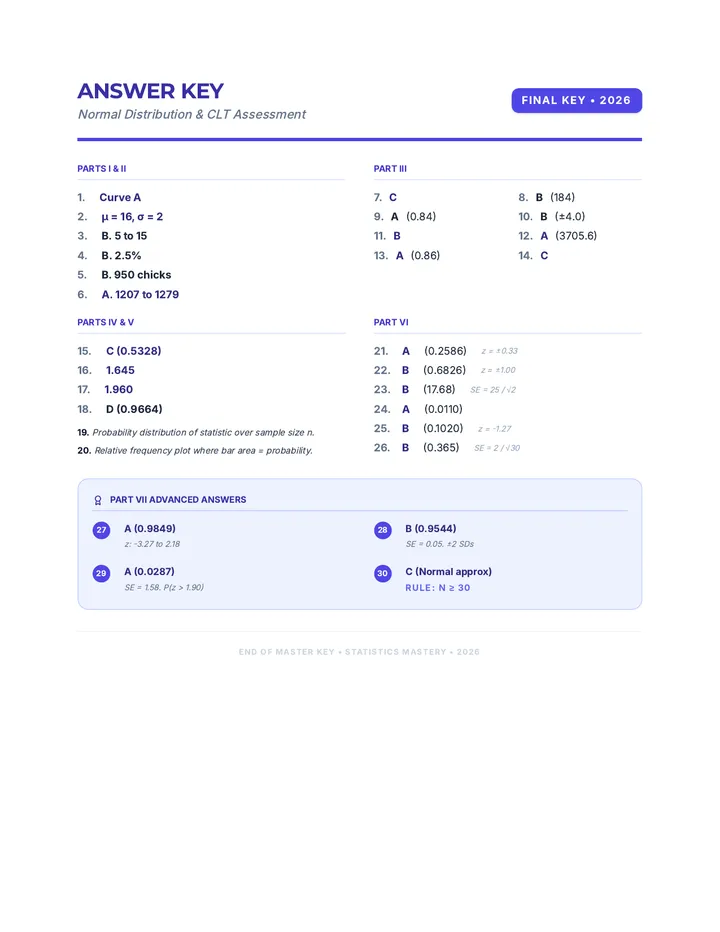
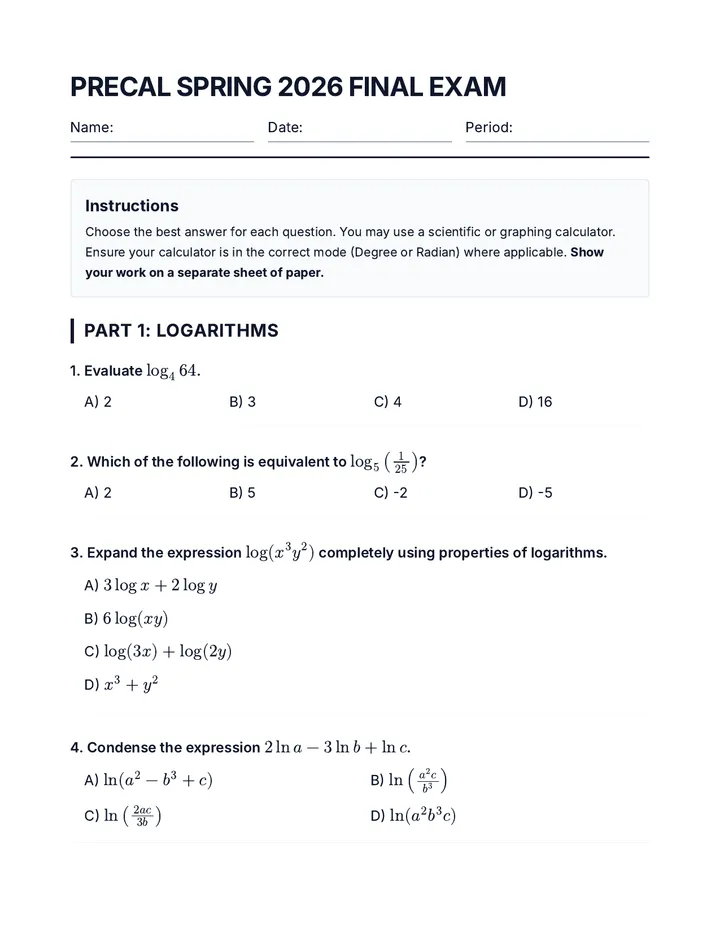
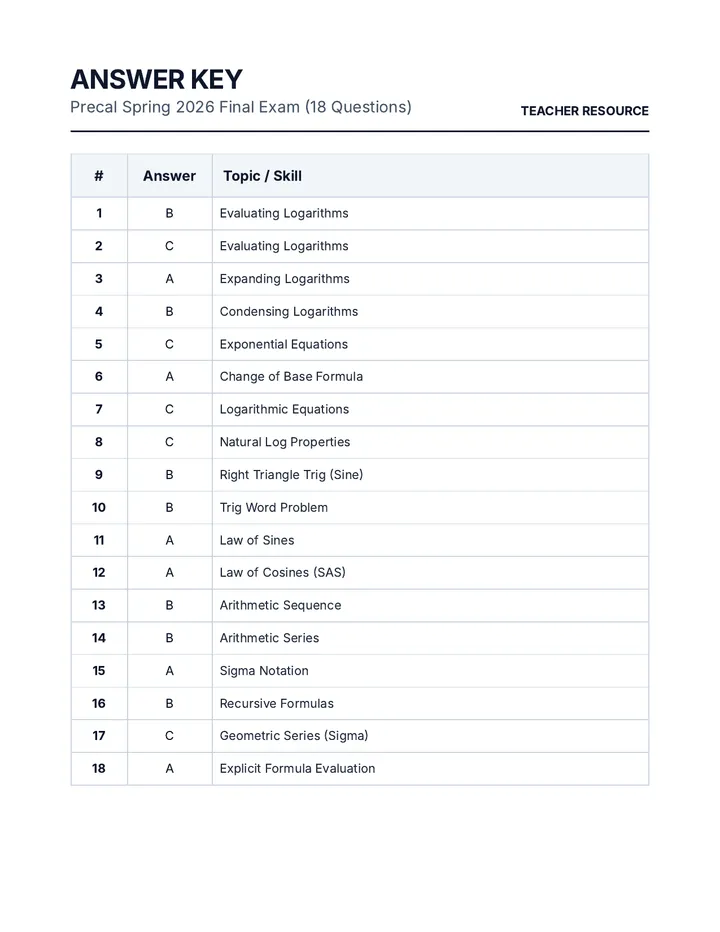
A focused practice session on converting logarithmic equations into their exponential equivalents using the definition of a logarithm.
A focused lesson on calculating binomial probabilities for independent coin toss events, specifically focusing on 'all-or-nothing' outcomes.
A lesson focused on calculating the margin of error for population means when the population standard deviation is known. Students practice using z-scores for different confidence levels.
A focused practice session on constructing z-confidence intervals for the mean using raw data and known population standard deviations.
A lesson focused on calculating and interpreting confidence intervals for population means when the population standard deviation is known. Students practice identifying key statistics and applying the Z-interval formula to real-world scenarios.
A practice lesson focusing on the relationship between confidence levels and interval width. Students analyze sets of intervals to identify specific confidence levels based on their precision.
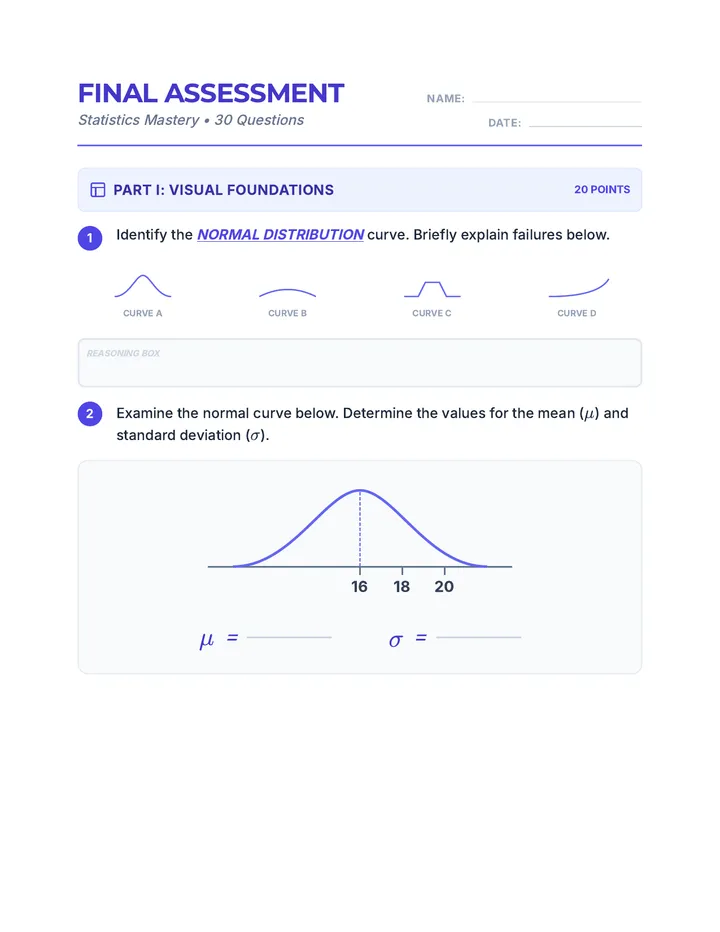
Applies geometry and arithmetic to everyday tasks like cooking measurements, home DIY projects, and travel planning.
Covers the financial aspects of independent living, including renting, utility usage math, and basic insurance concepts.
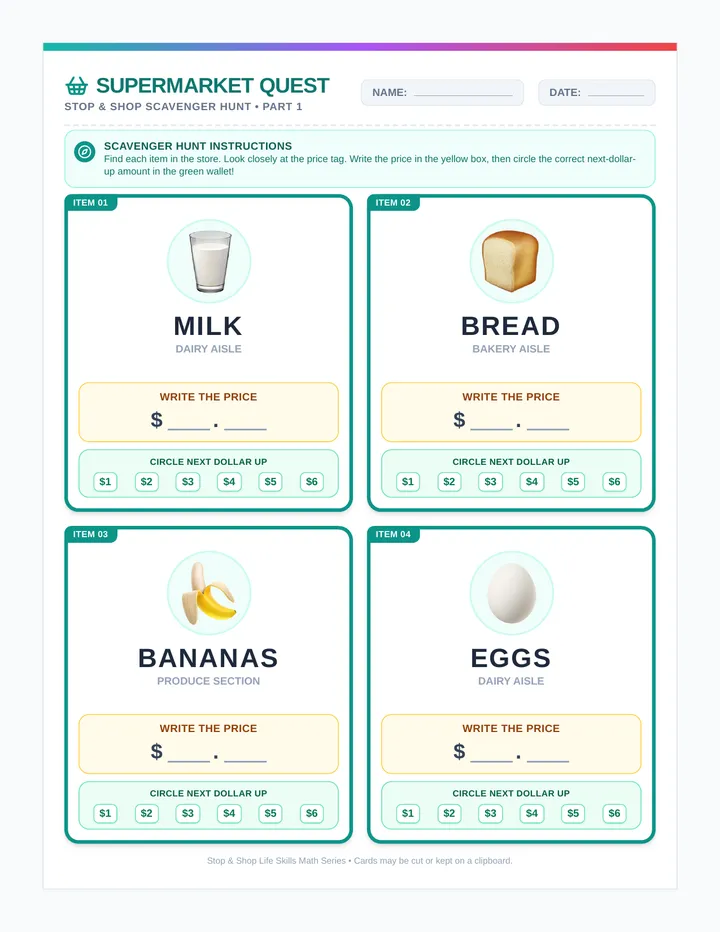
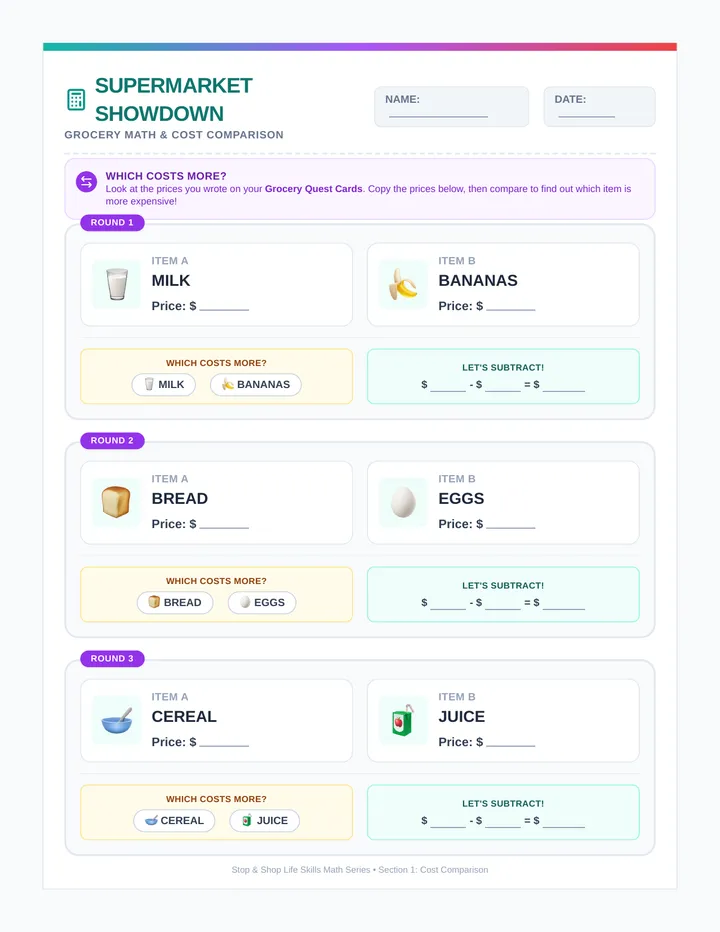
Practical applications of percentages and ratios in shopping, including sales tax, discounts, tips, and unit price comparisons.
Explores the math behind interest rates (APR), credit card statements, and the long-term impact of debt.
Teaches students how to categorize expenses, use the 50/30/20 rule, and build a sustainable monthly budget.
Focuses on understanding gross vs. net pay, reading paystubs, and calculating common tax deductions to prepare students for their first professional earnings.
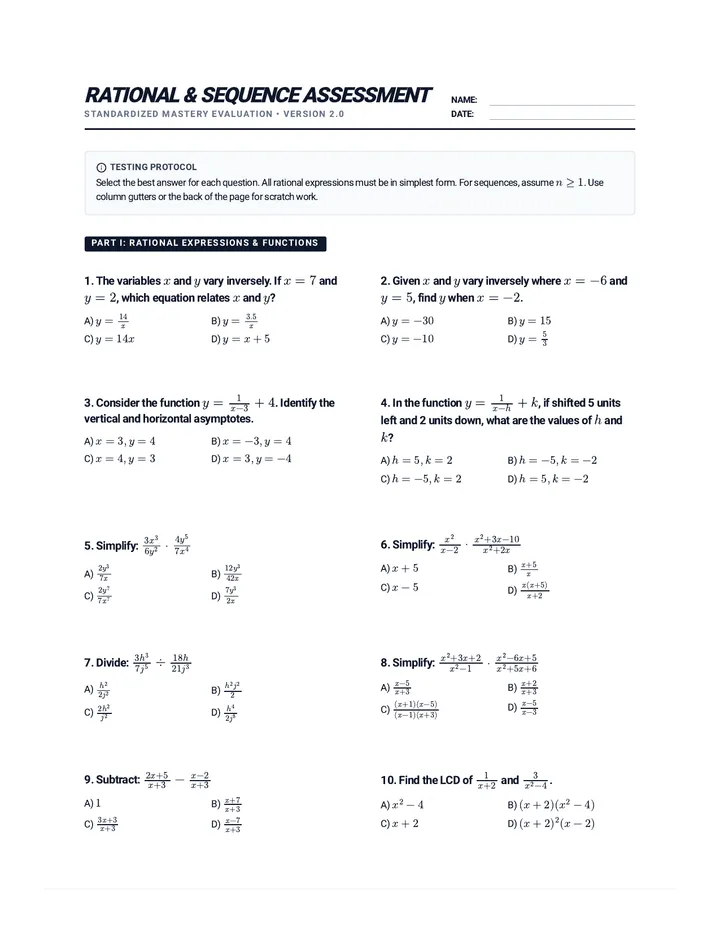
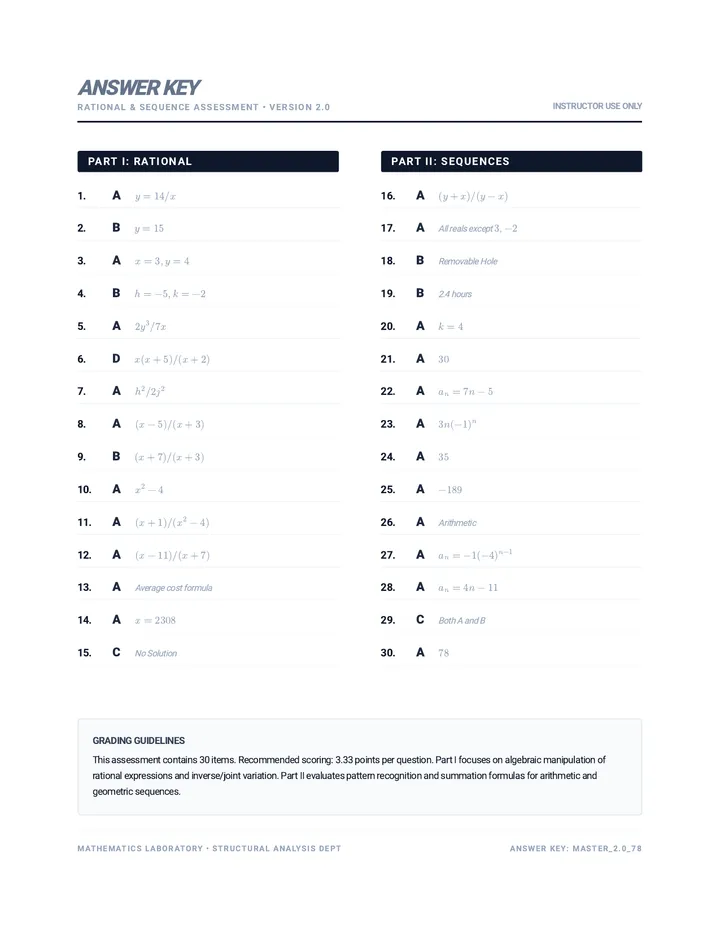
A comprehensive lesson on identifying and calculating vertical asymptotes, horizontal asymptotes, and removable discontinuities (holes) in rational functions. Students will practice factoring and simplifying functions to reveal their underlying structure.
A lesson comparing the structural attributes of exponential and rational functions, focusing on asymptotes, domain, and range.
A lesson focused on identifying the domain and range of rational functions using set-builder notation. Students analyze various horizontal and vertical asymptotes to determine functional constraints.
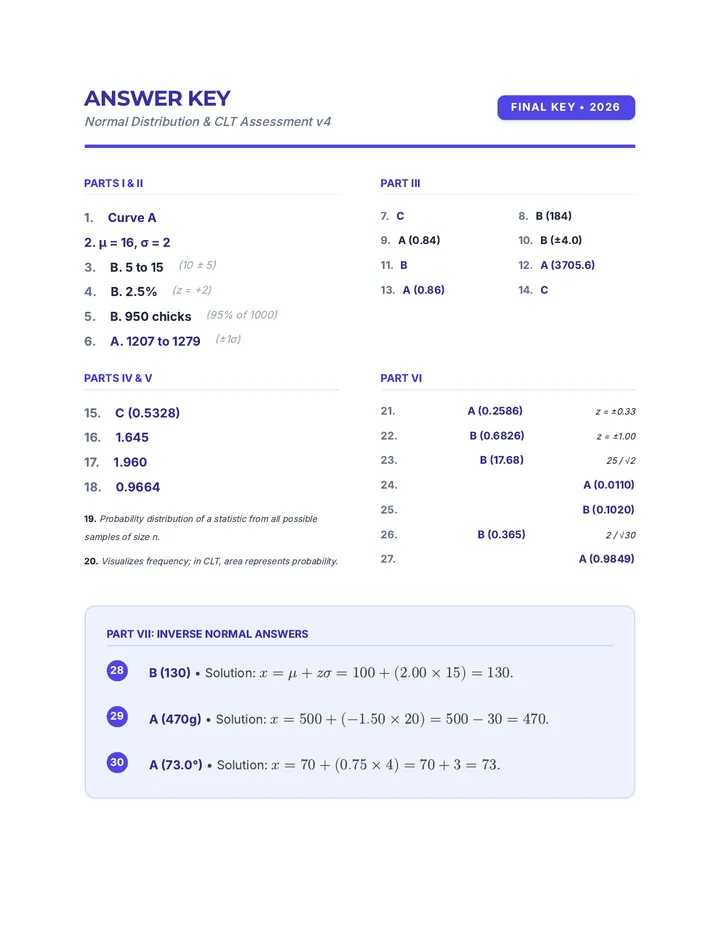
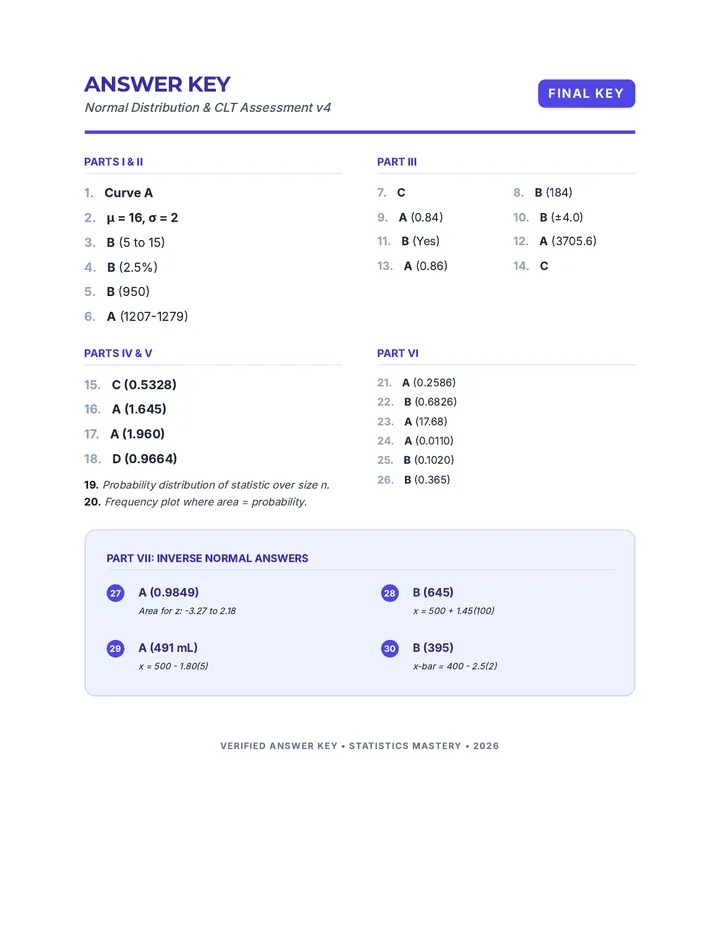
A lesson focused on precision, teaching students to calculate arrival times down to the minute. Includes more complex multi-step scenarios and a "Transit Planner" extension for advanced learners.