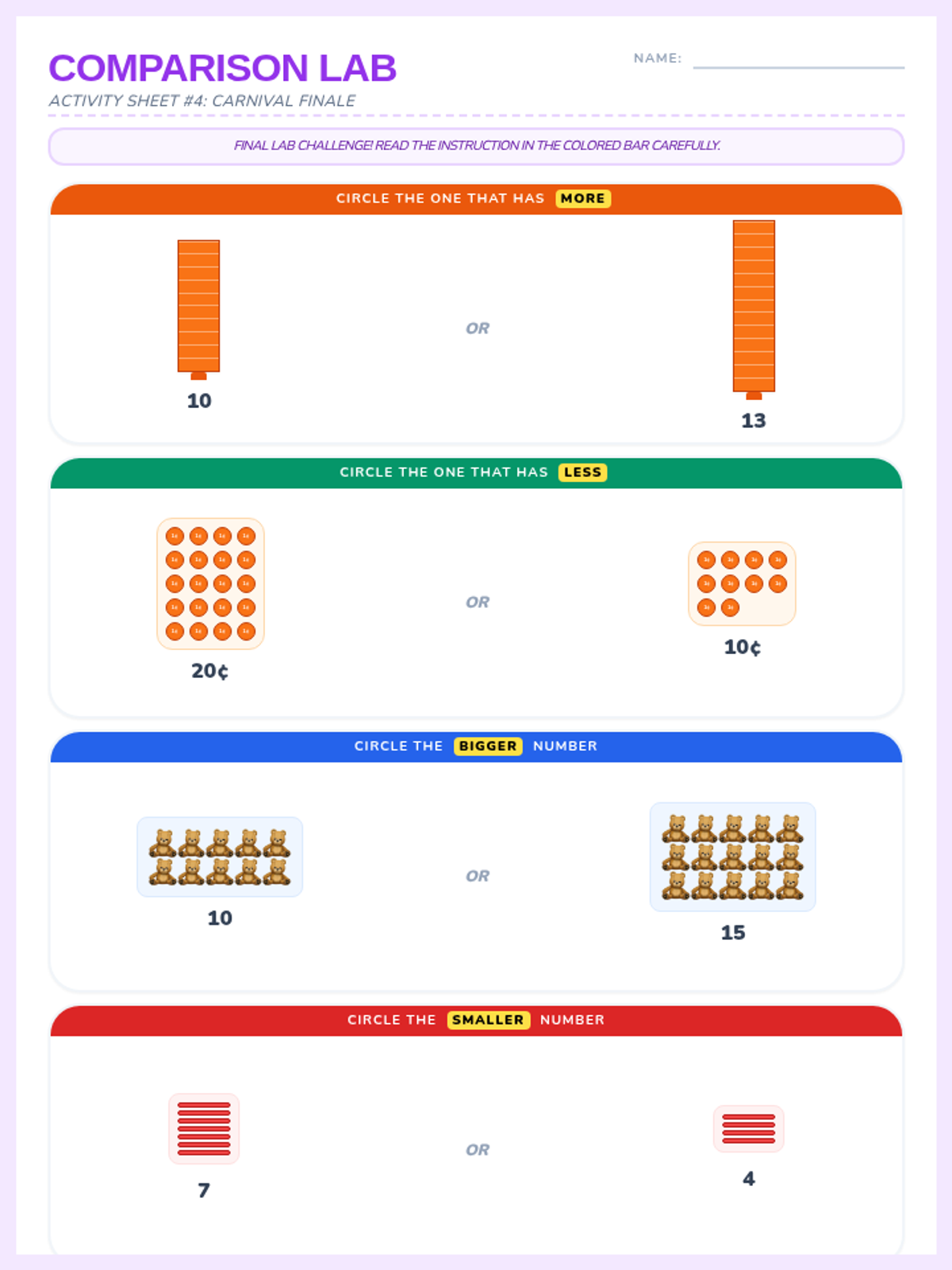
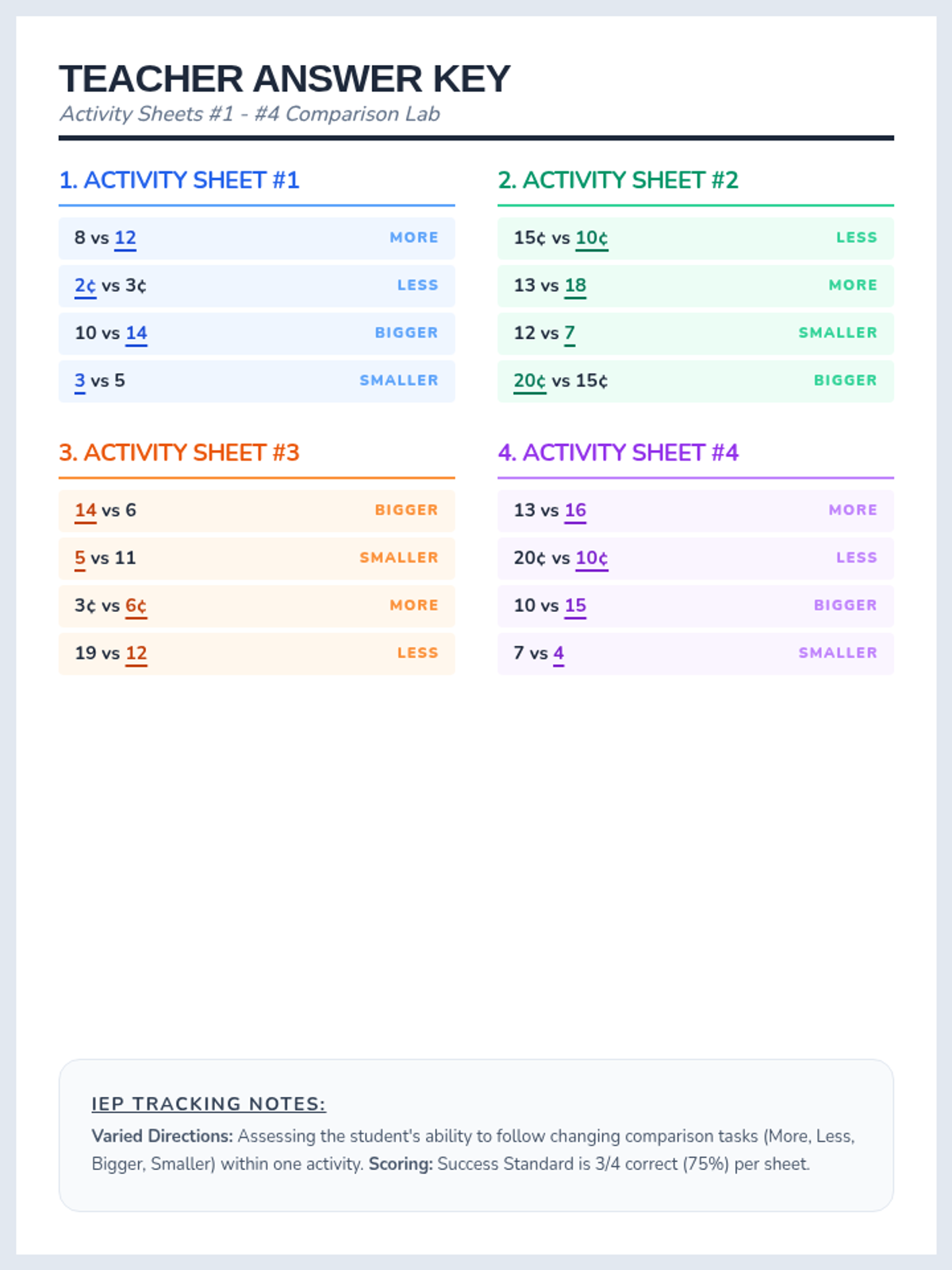
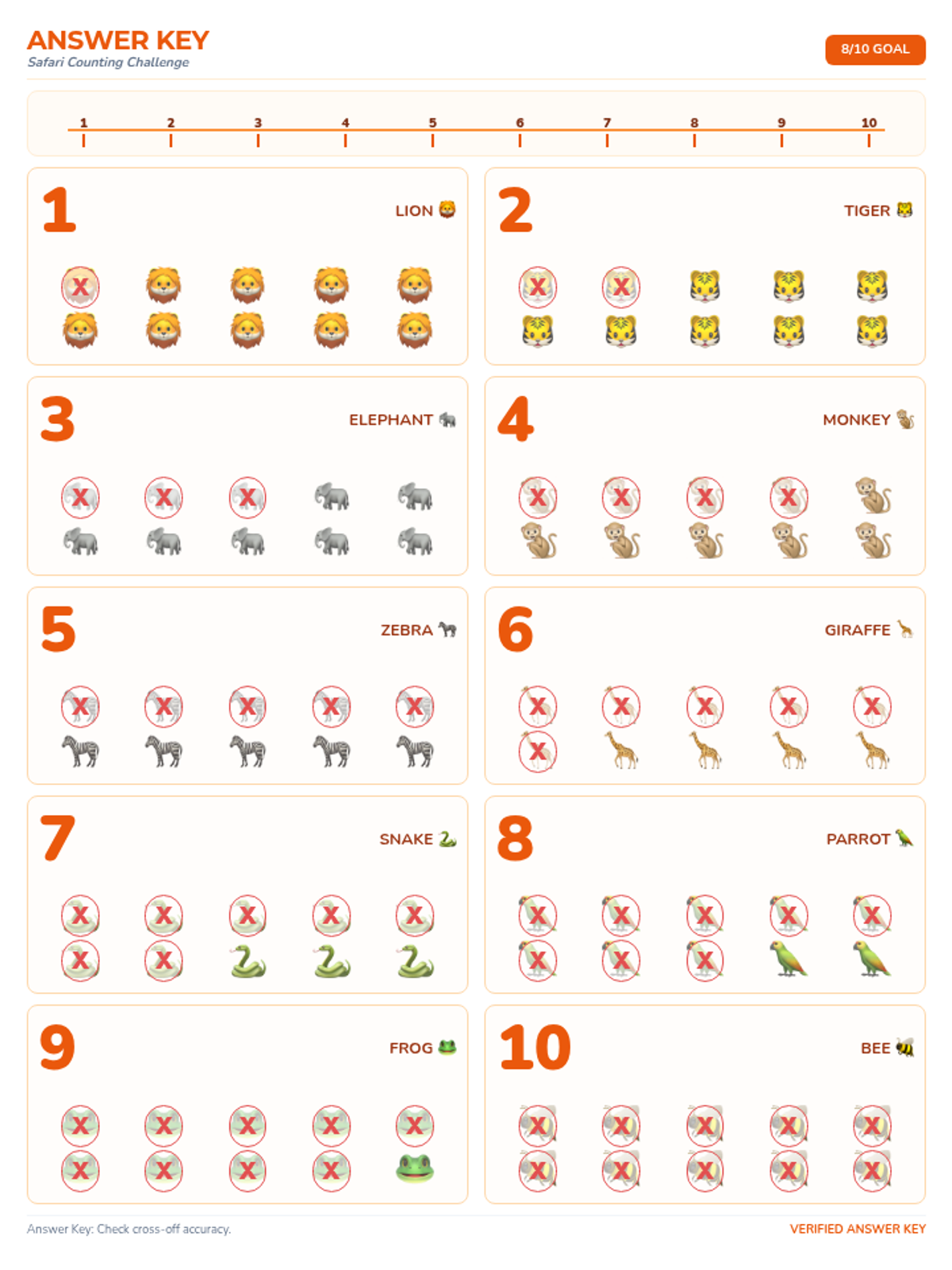
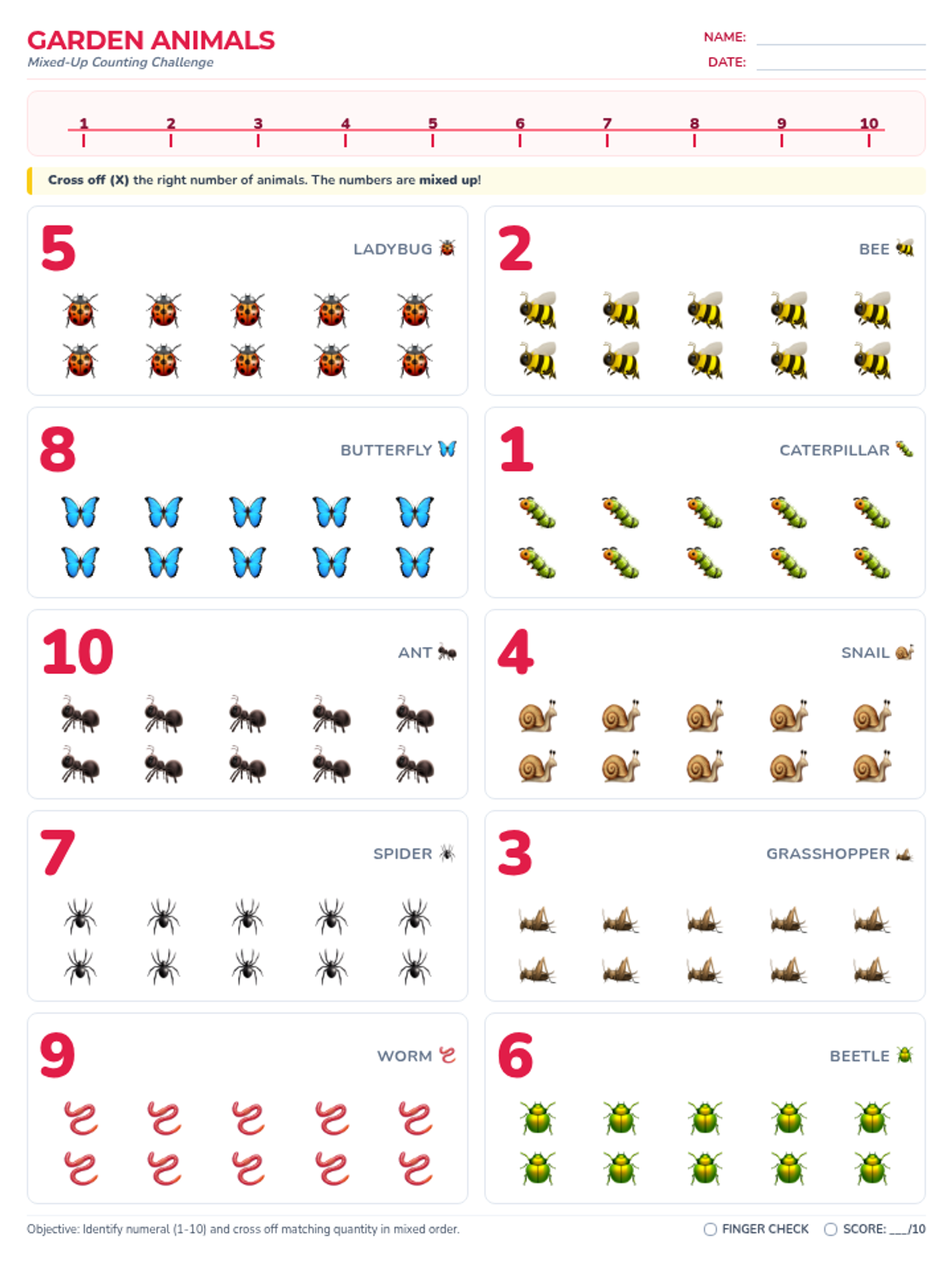
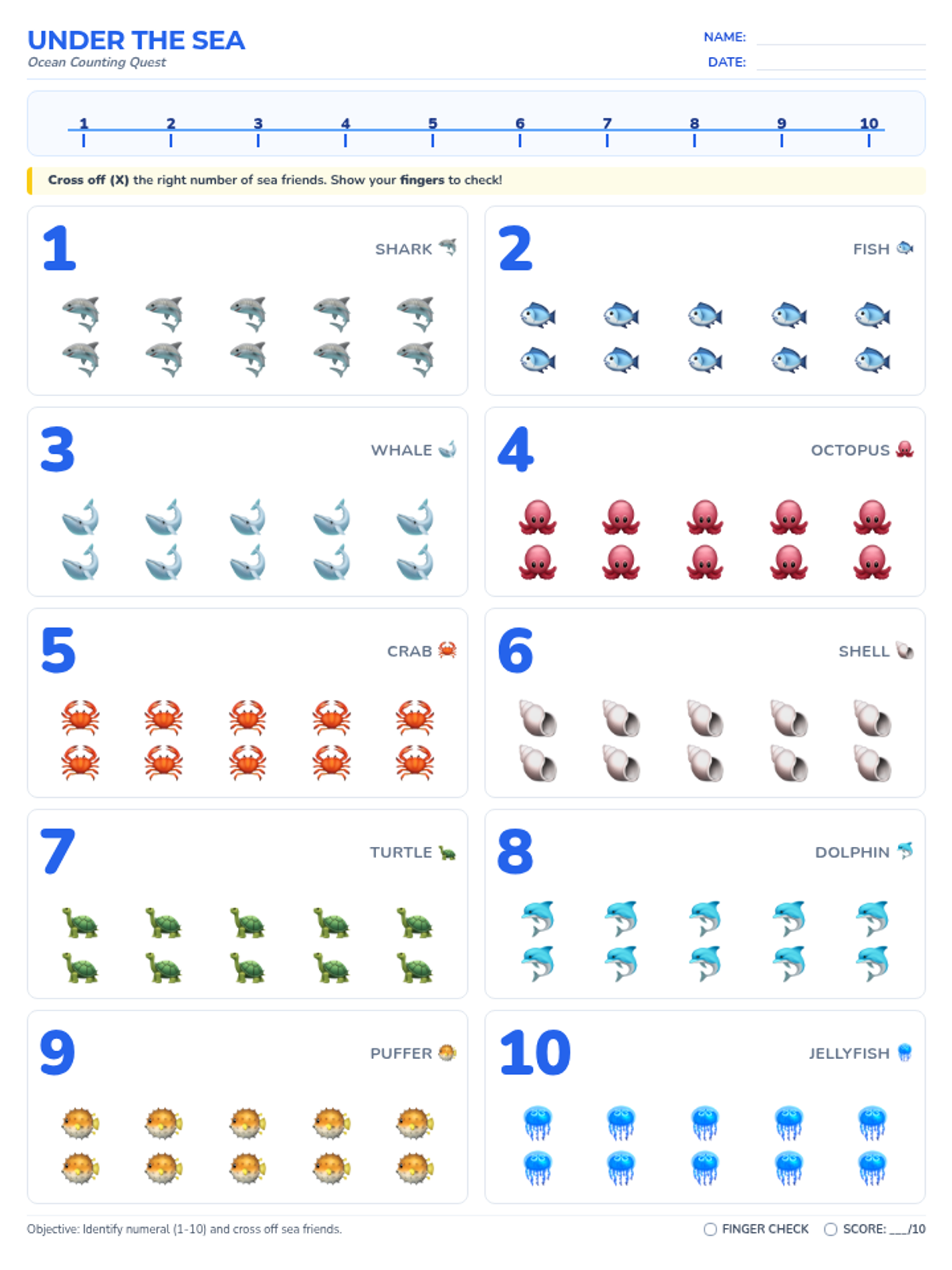
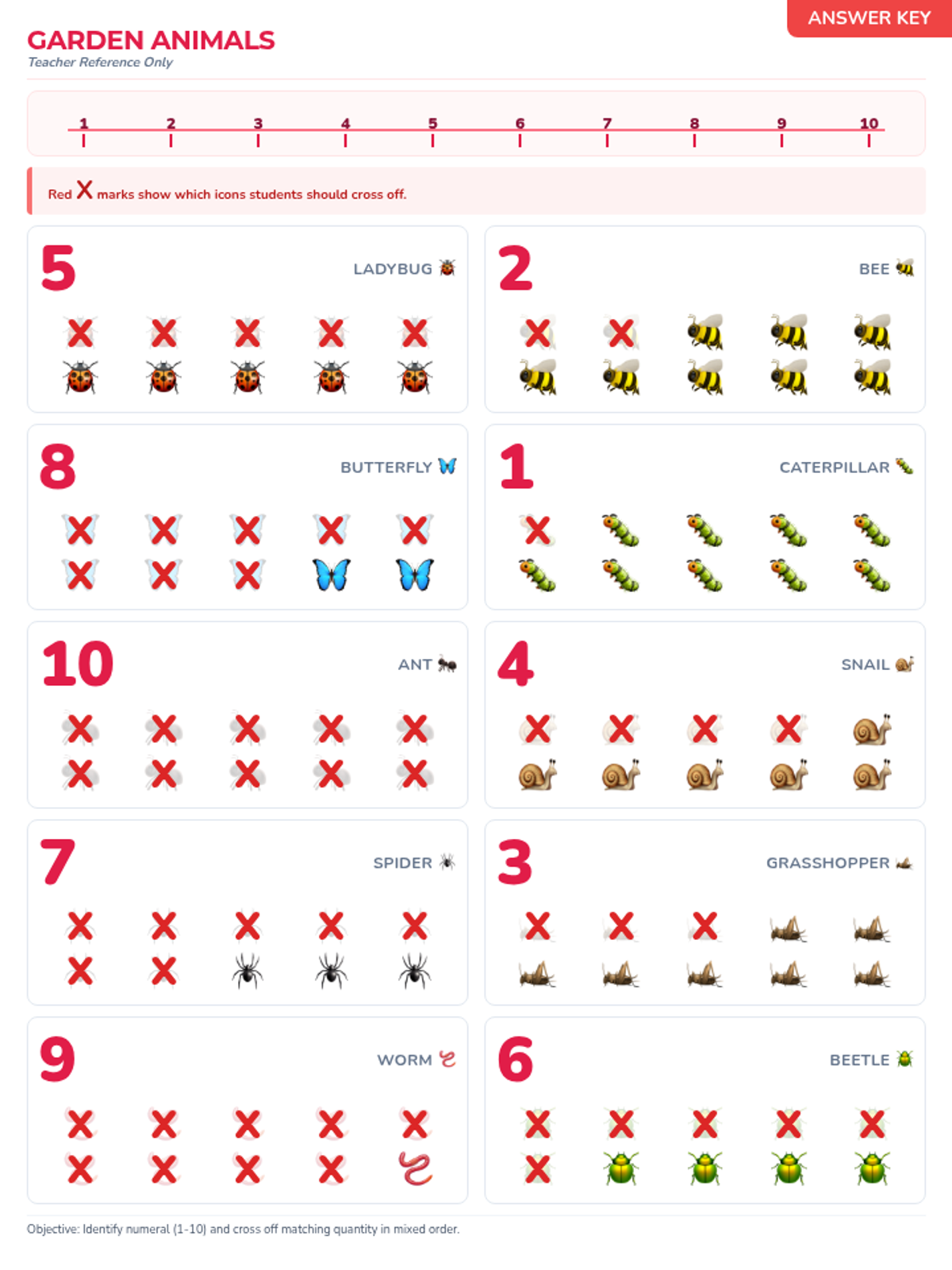
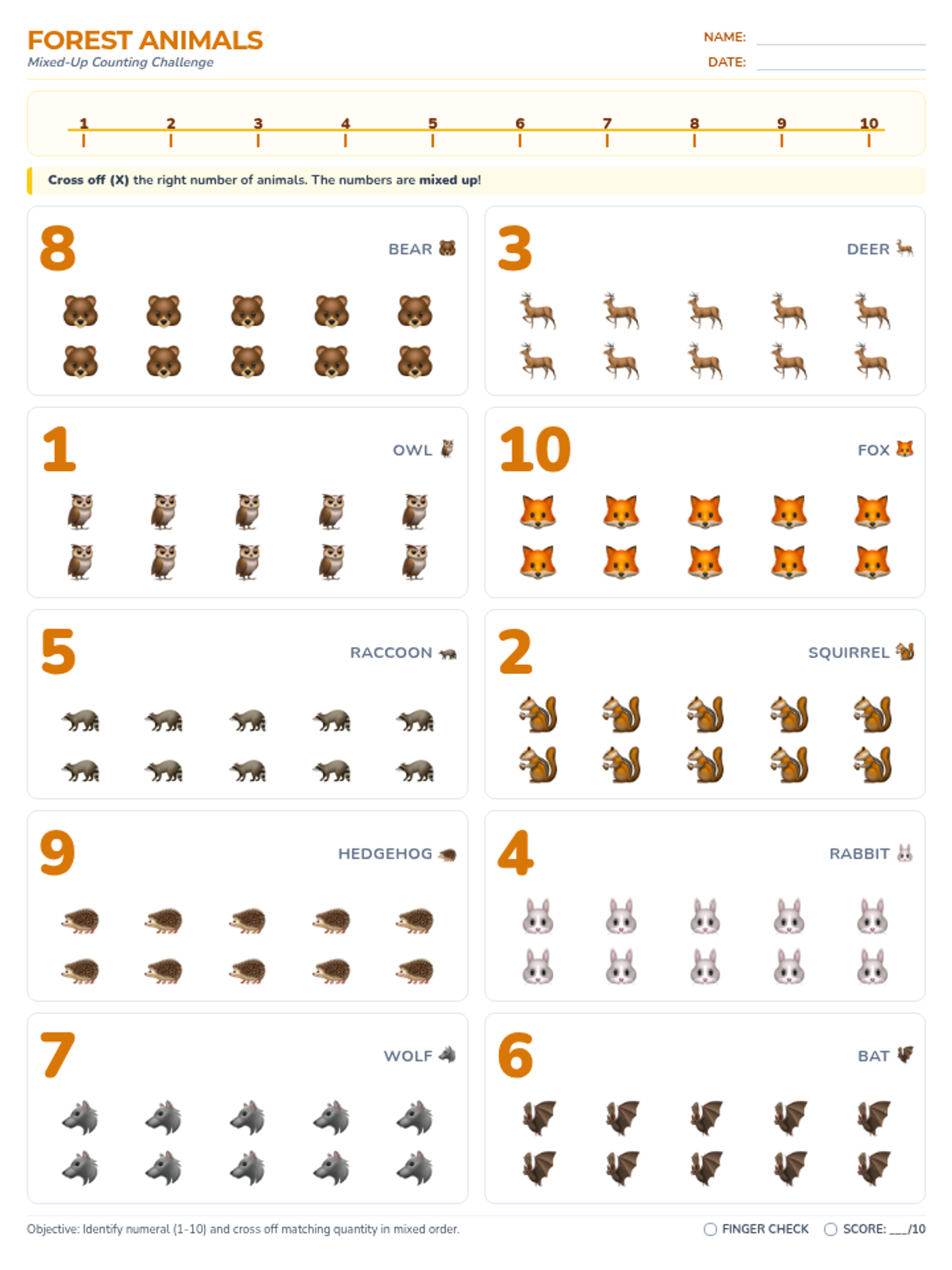
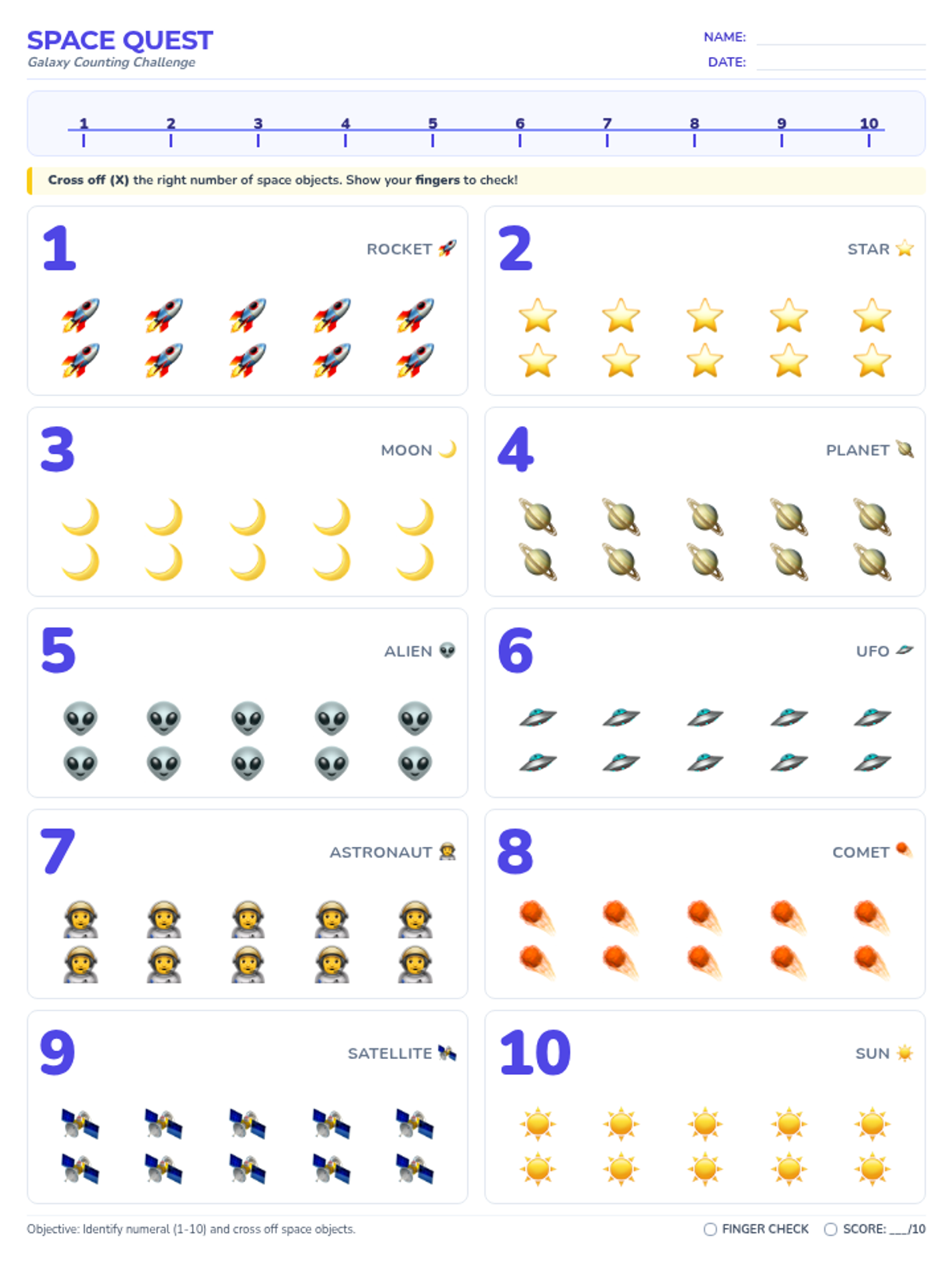
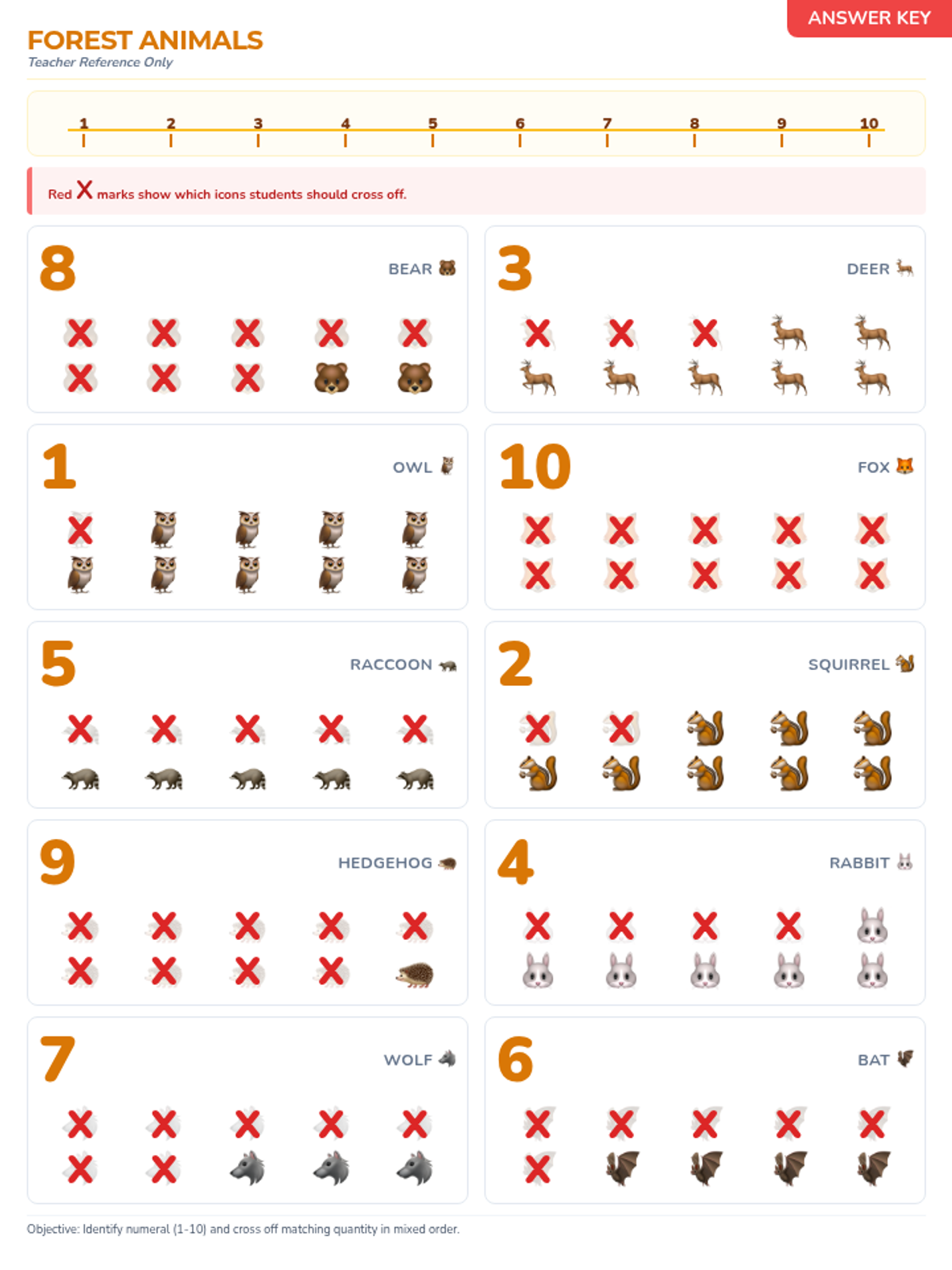
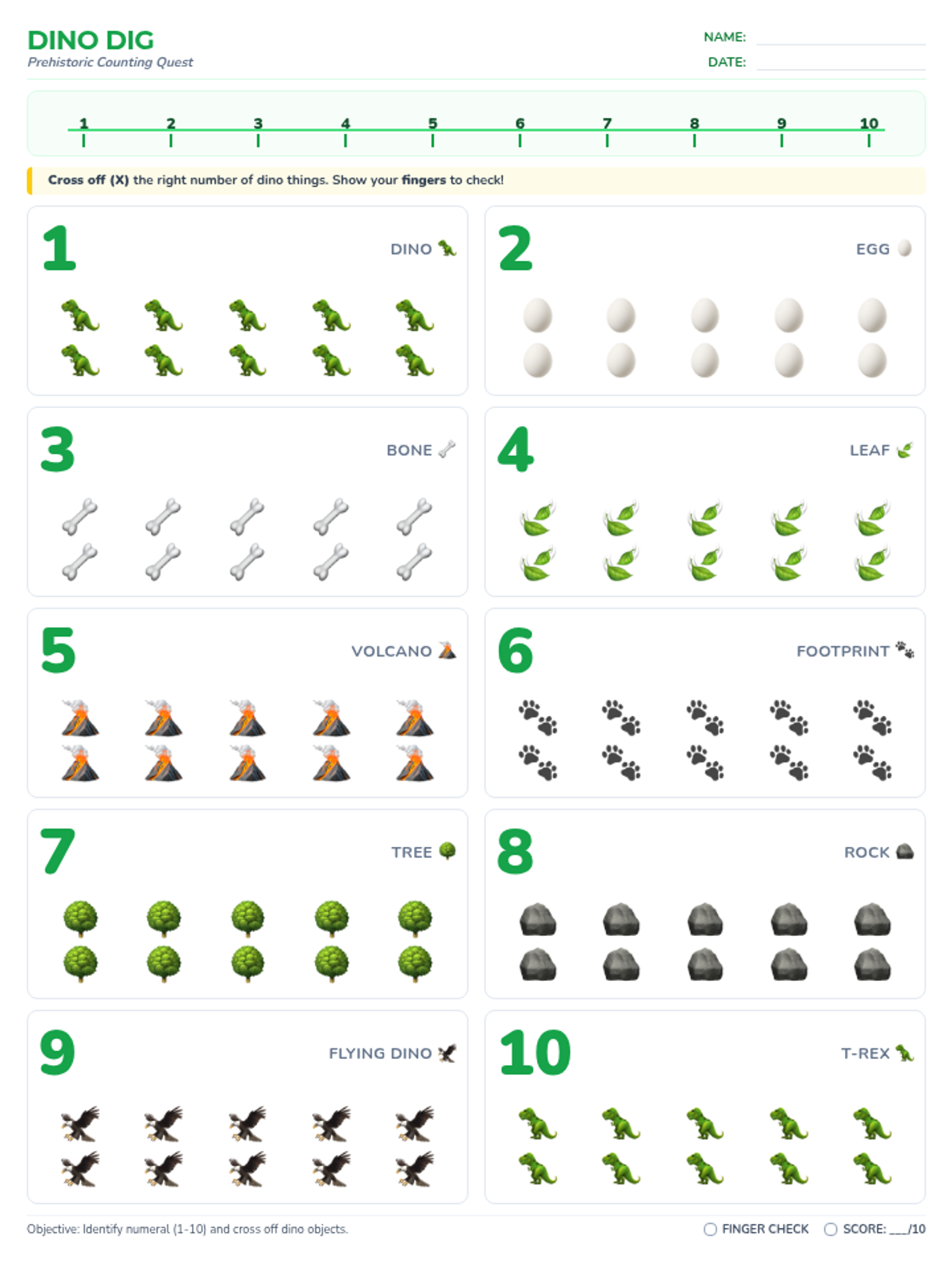
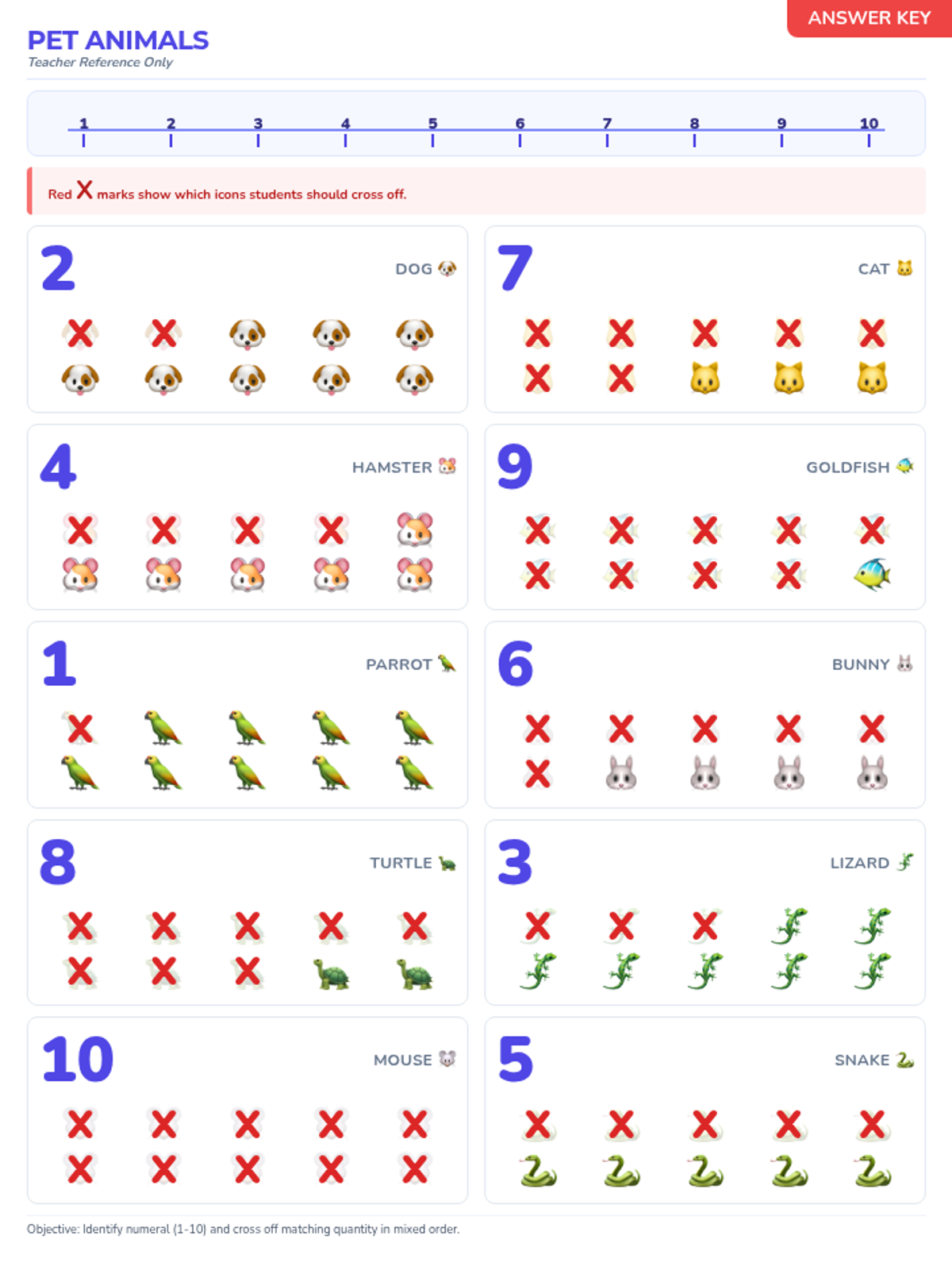
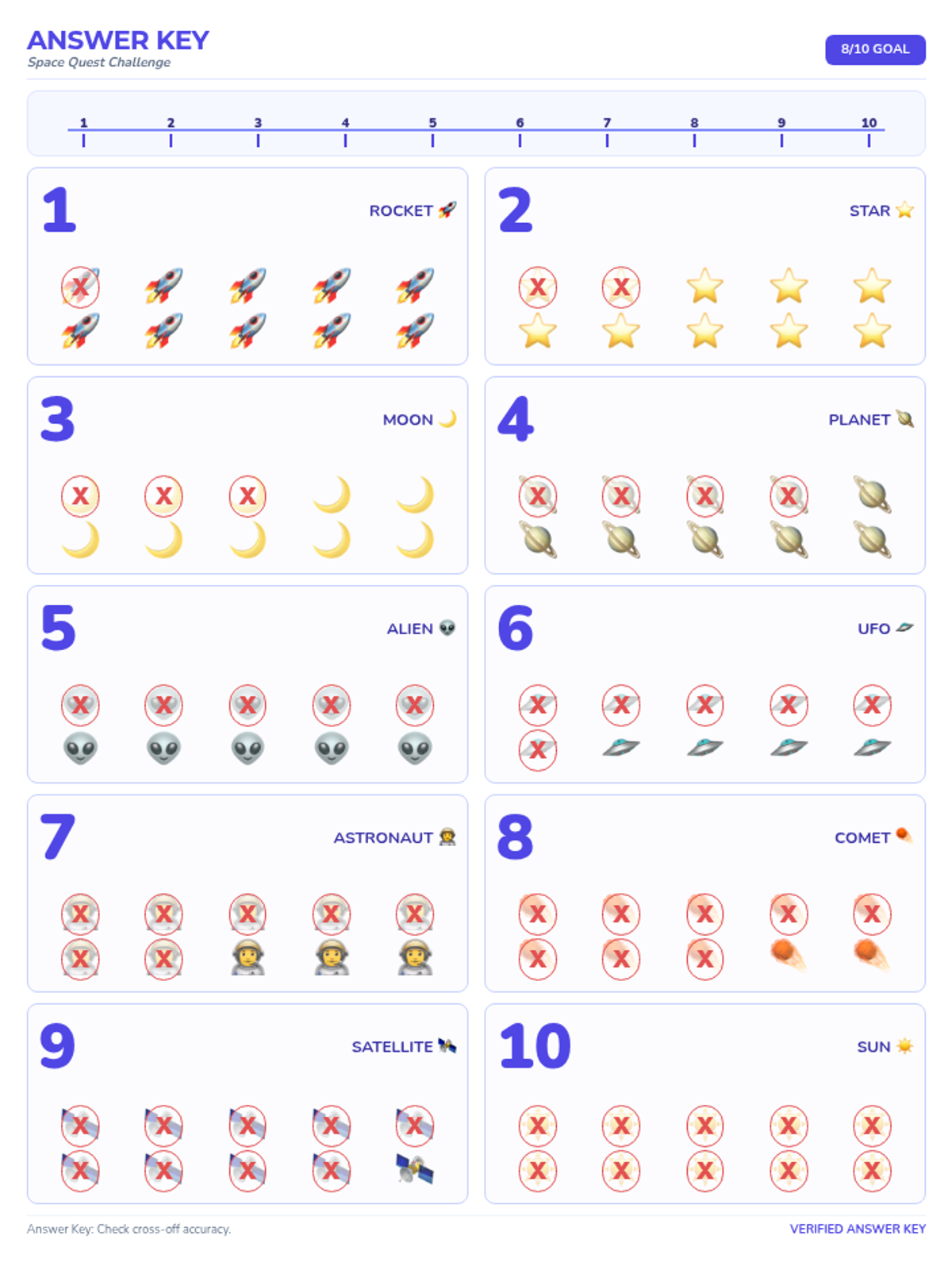
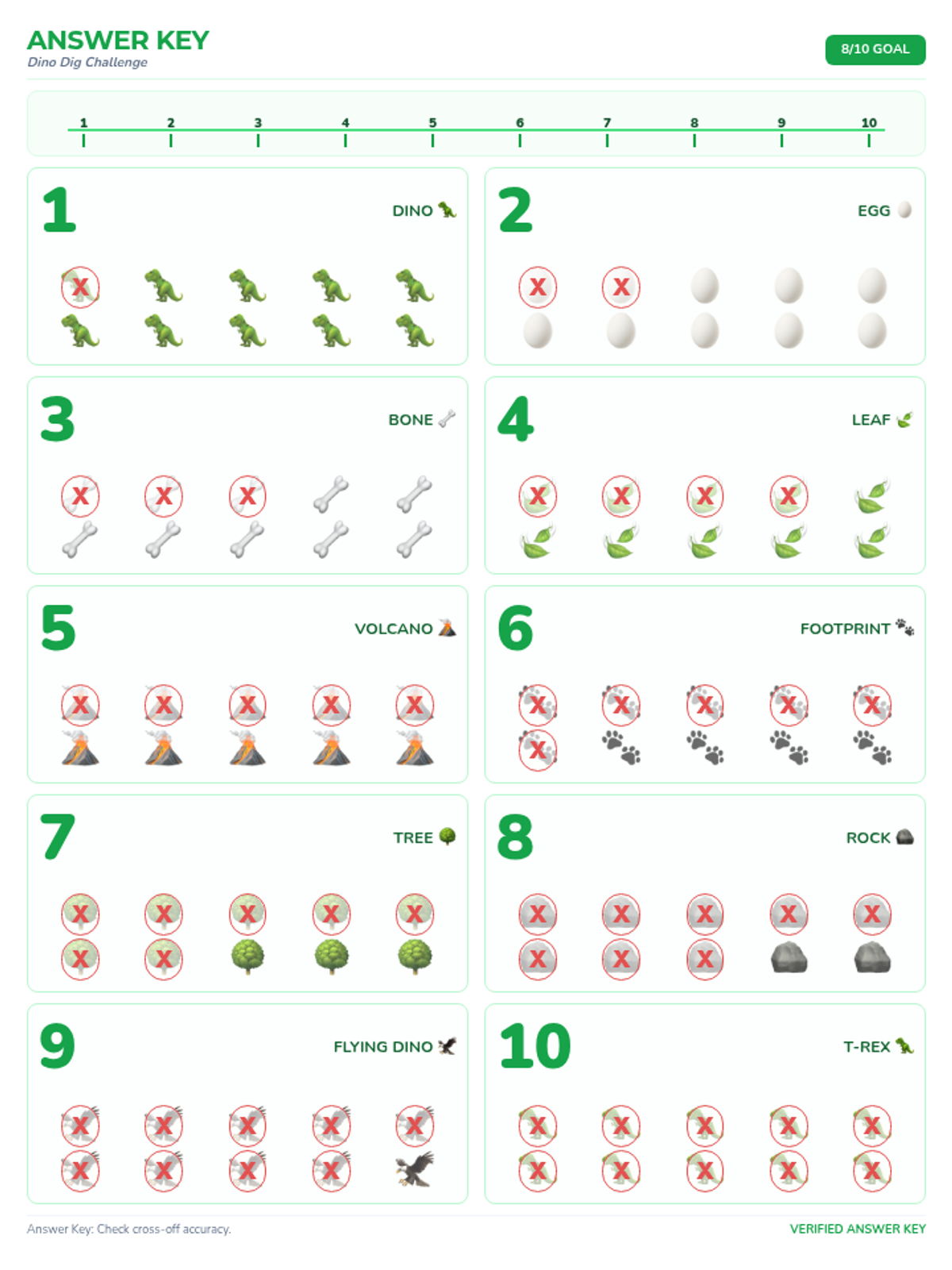
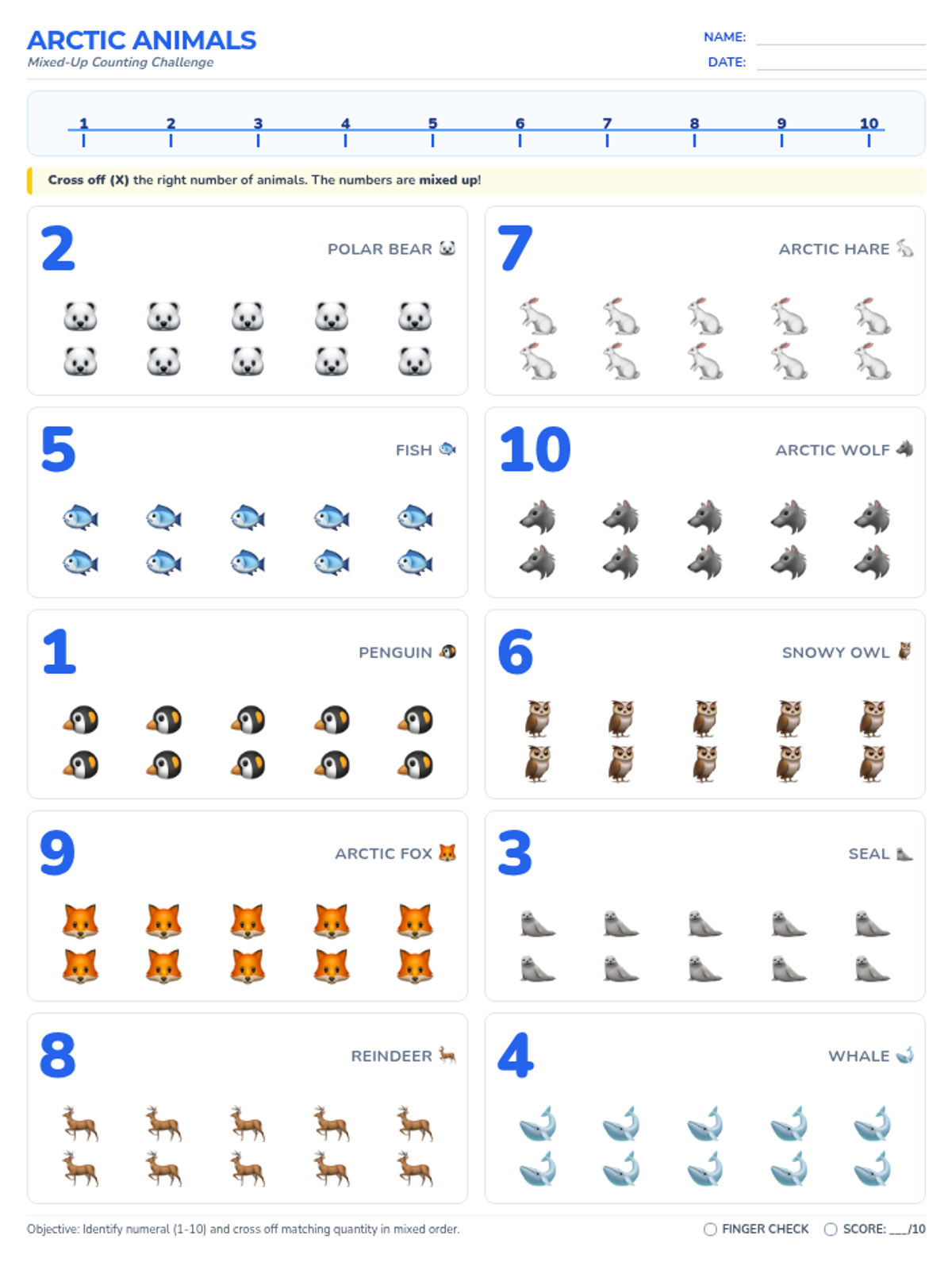
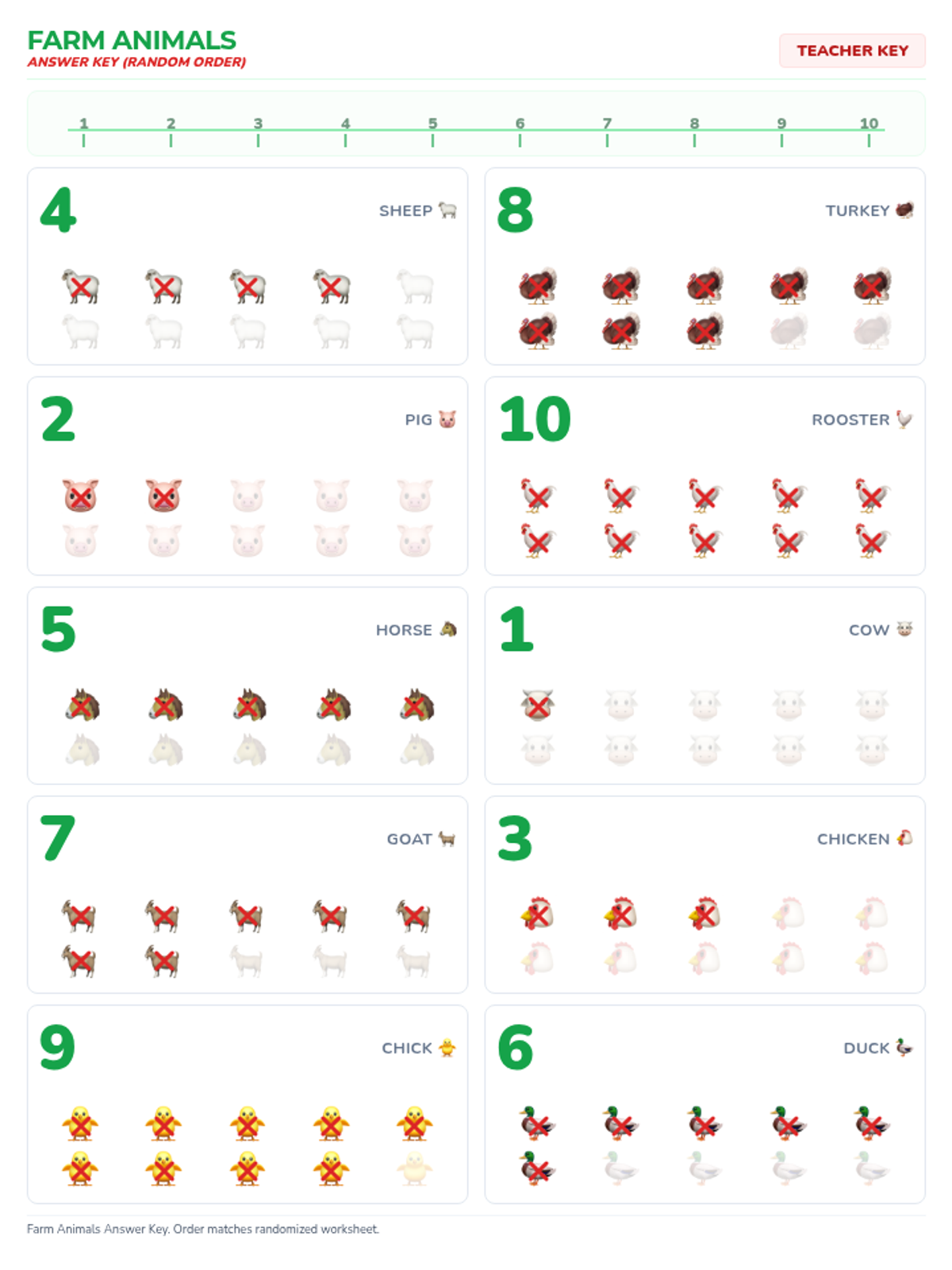
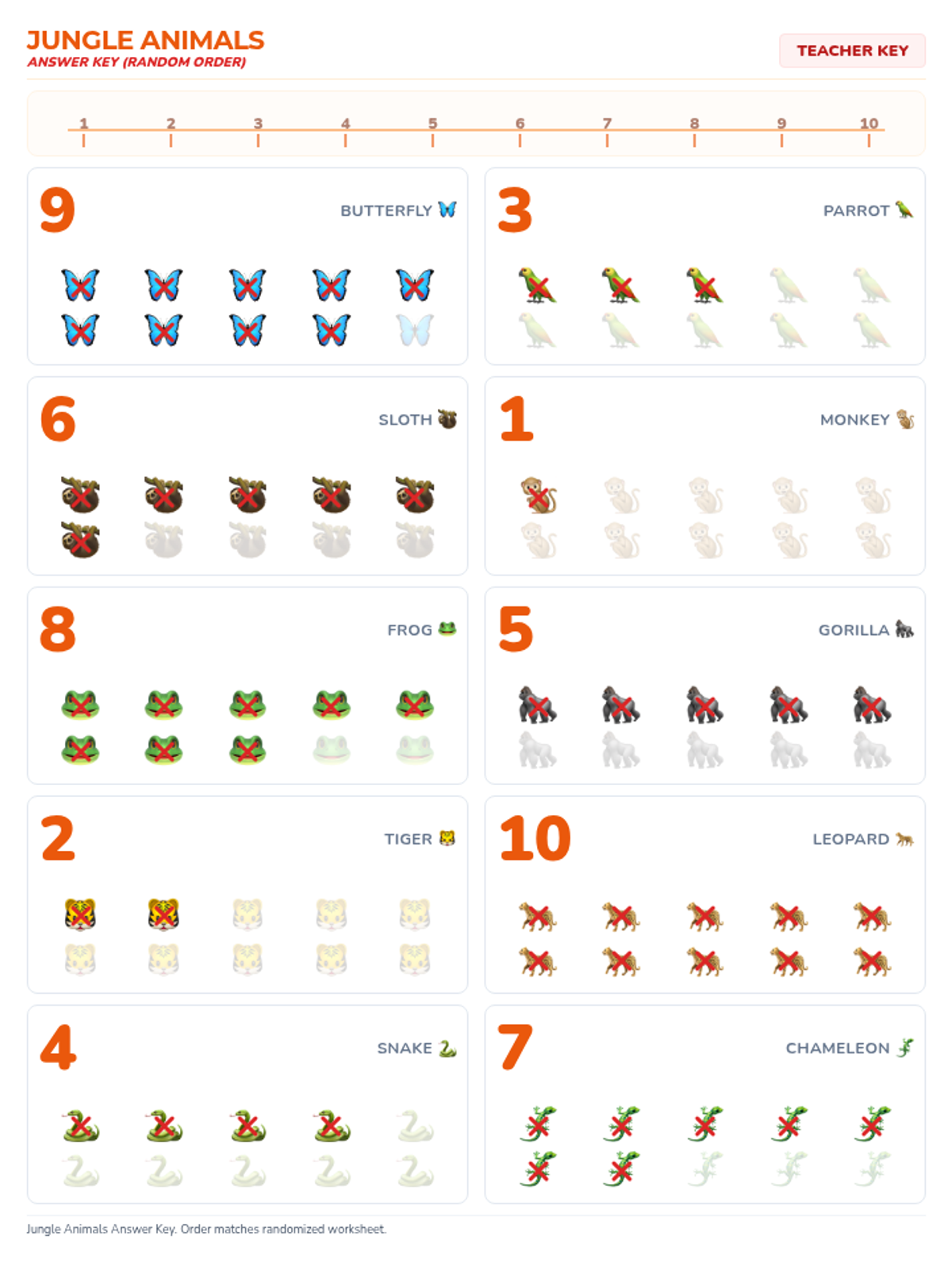
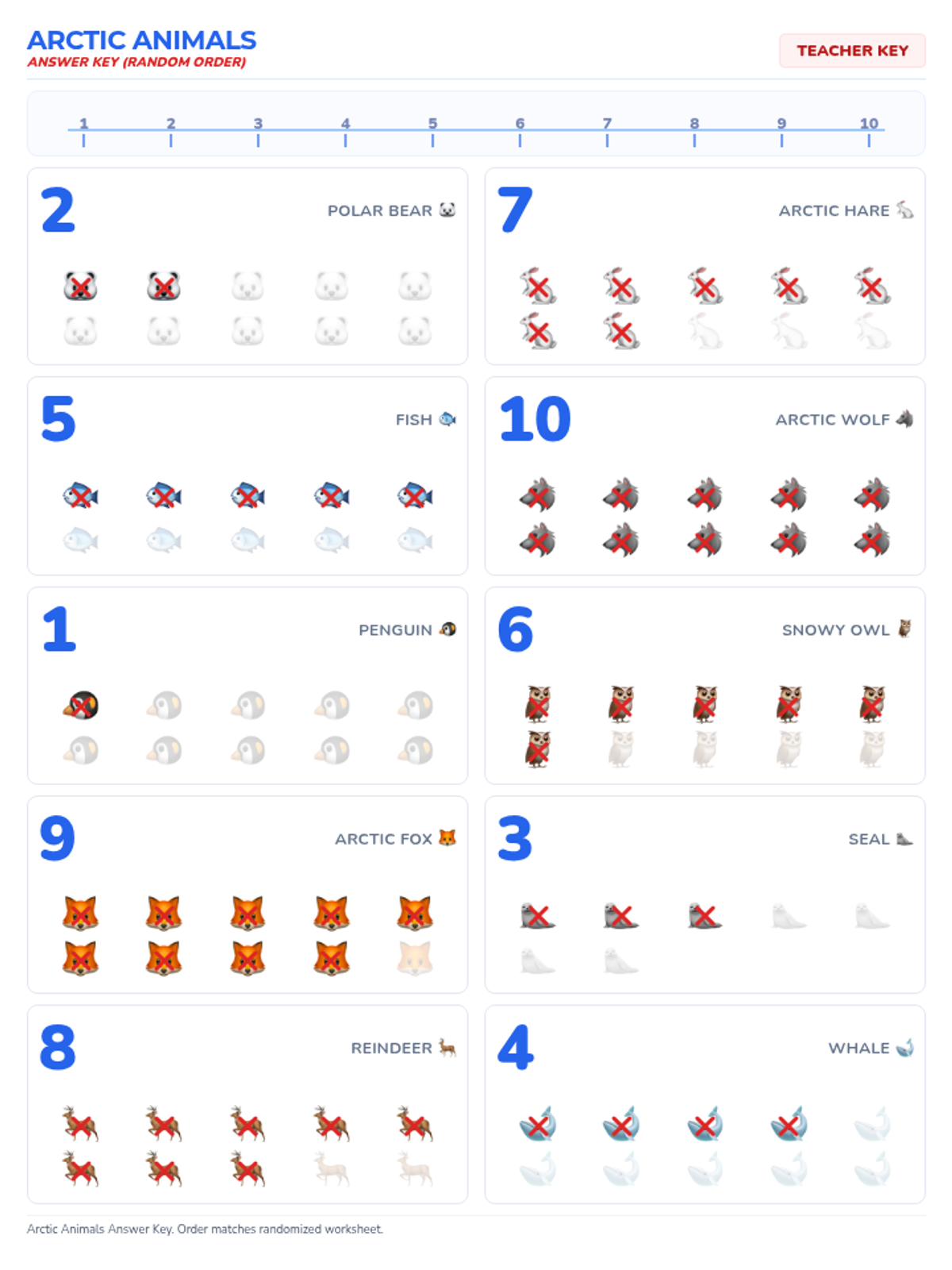
One-to-one correspondence, numeral identification, and comparison of quantities using terms like greater than or less than. Establishes the foundation for numerical literacy and early arithmetic operations.
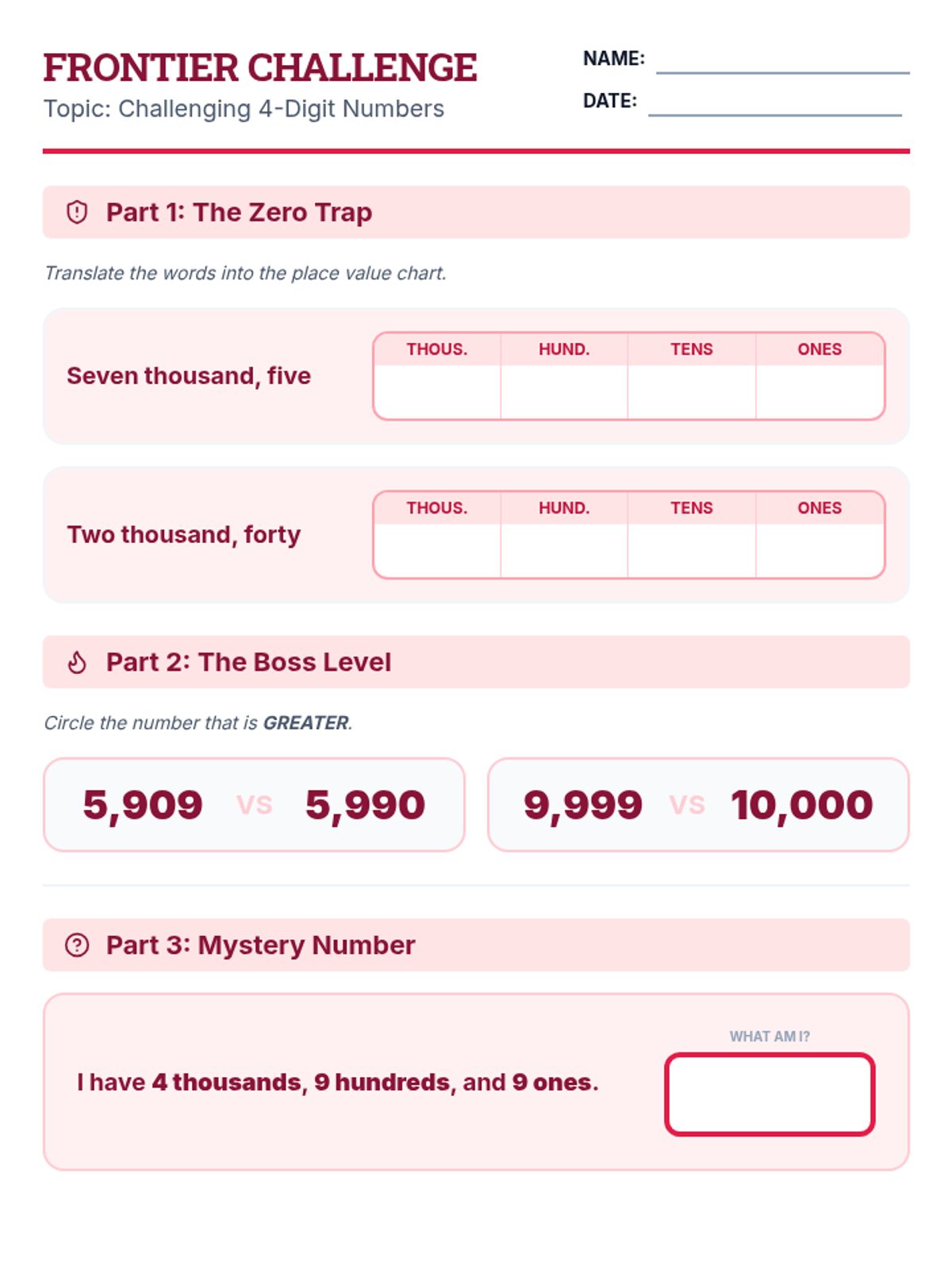
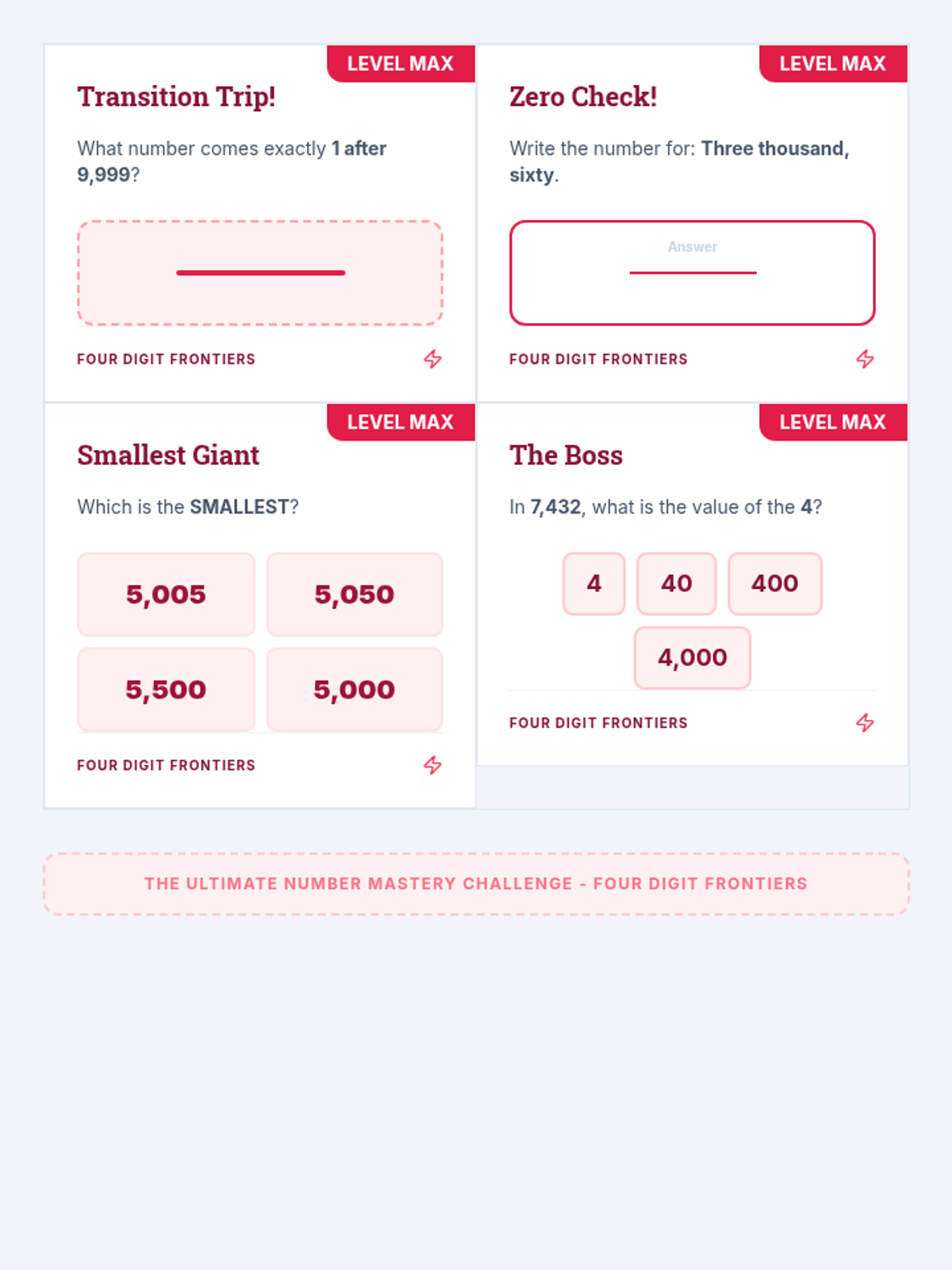
Explores numbers beyond 1,000, focusing on the thousands place value and comparing large numbers that look similar to test place value mastery.
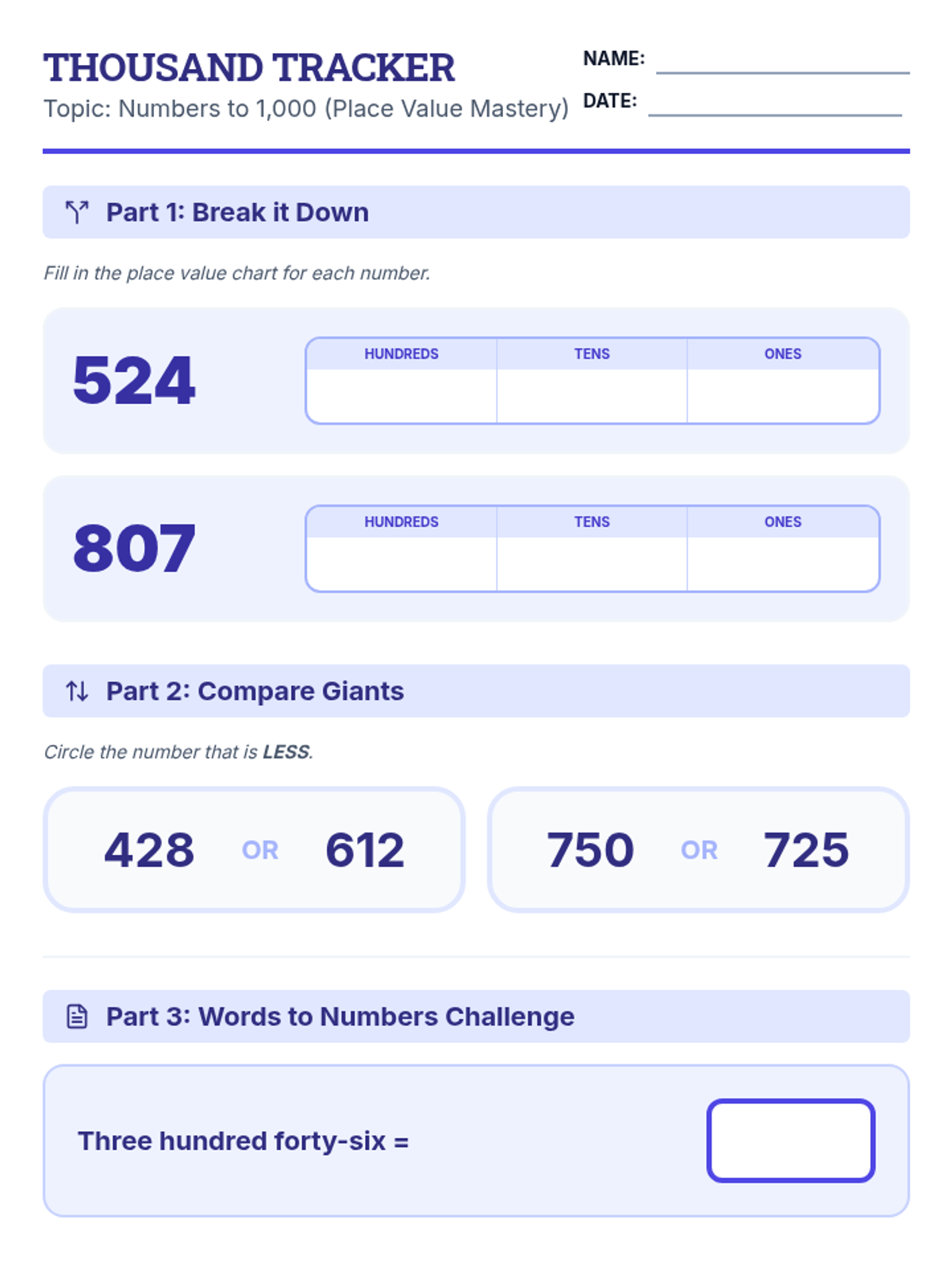
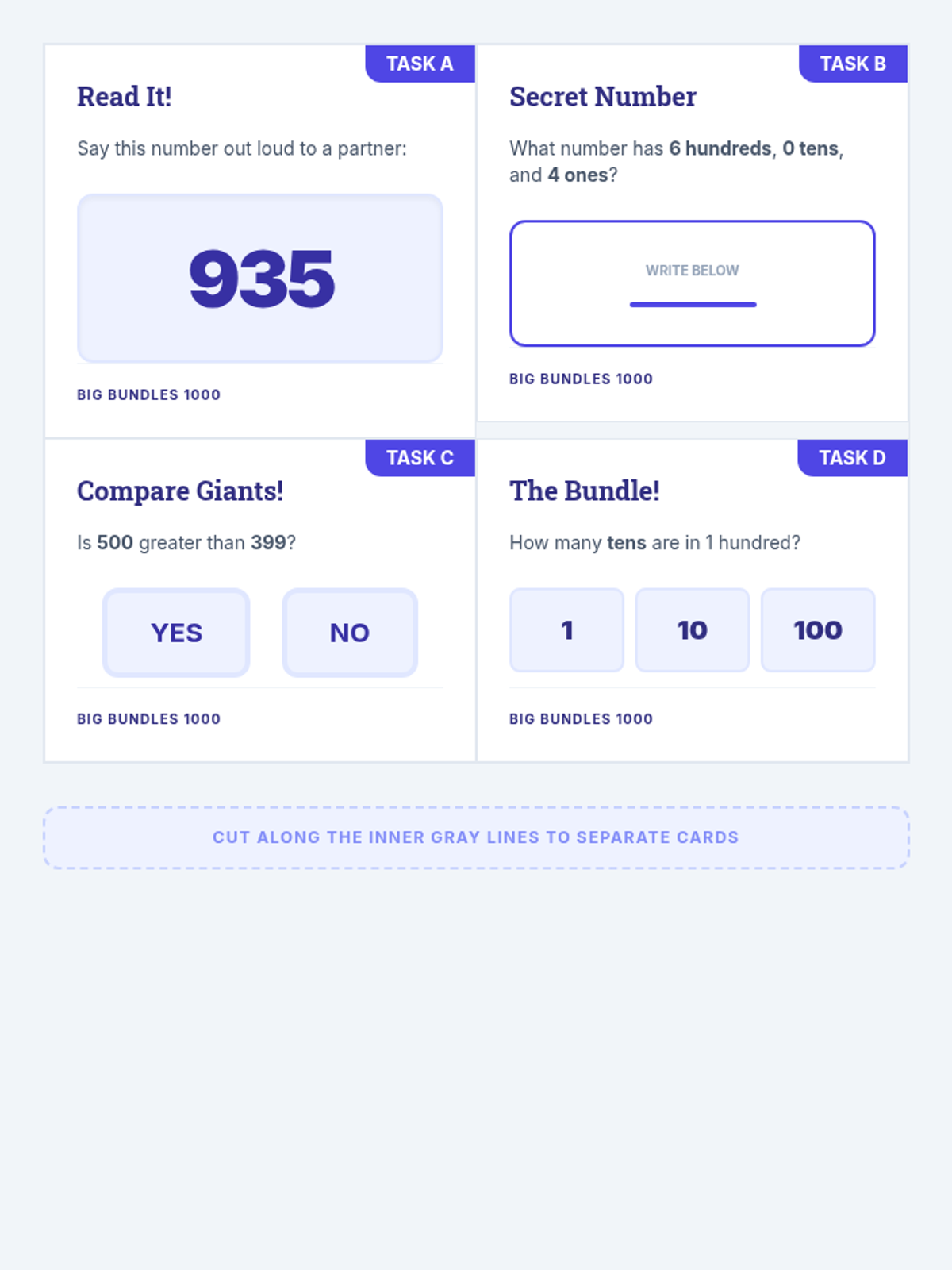
Expands number sense to 1,000, focusing on hundreds, tens, and ones with visual place value models and comparison strategies.
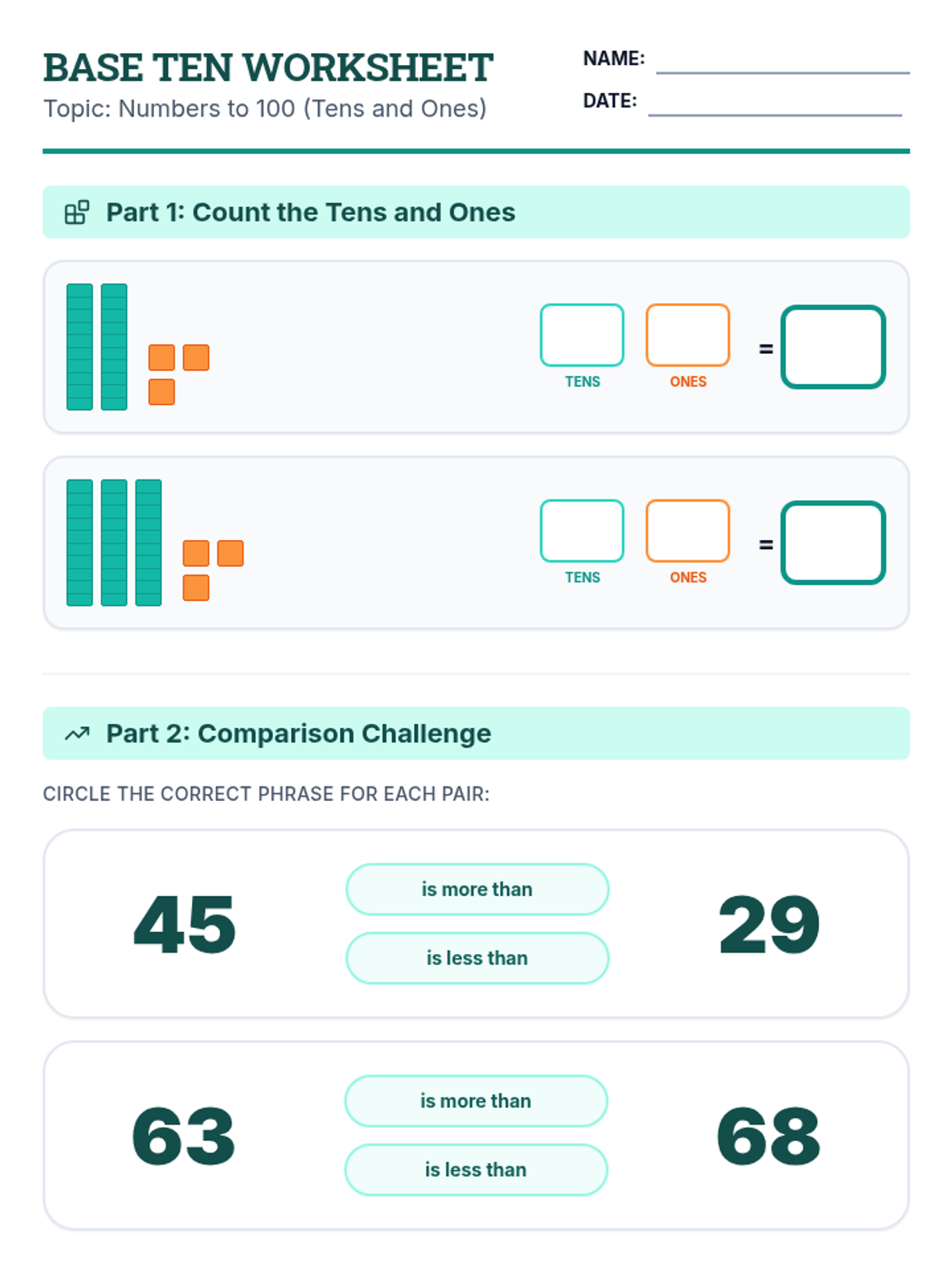
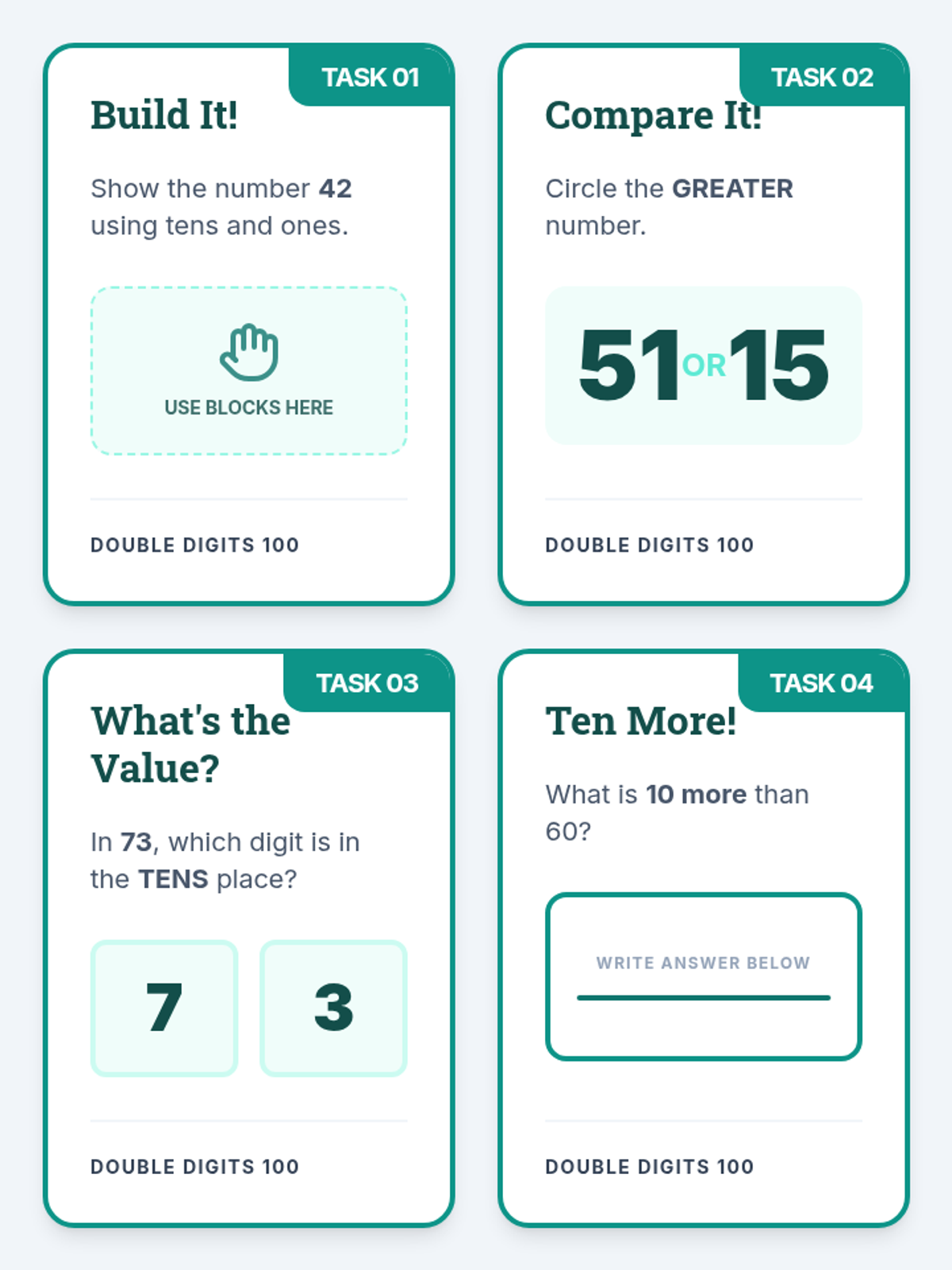
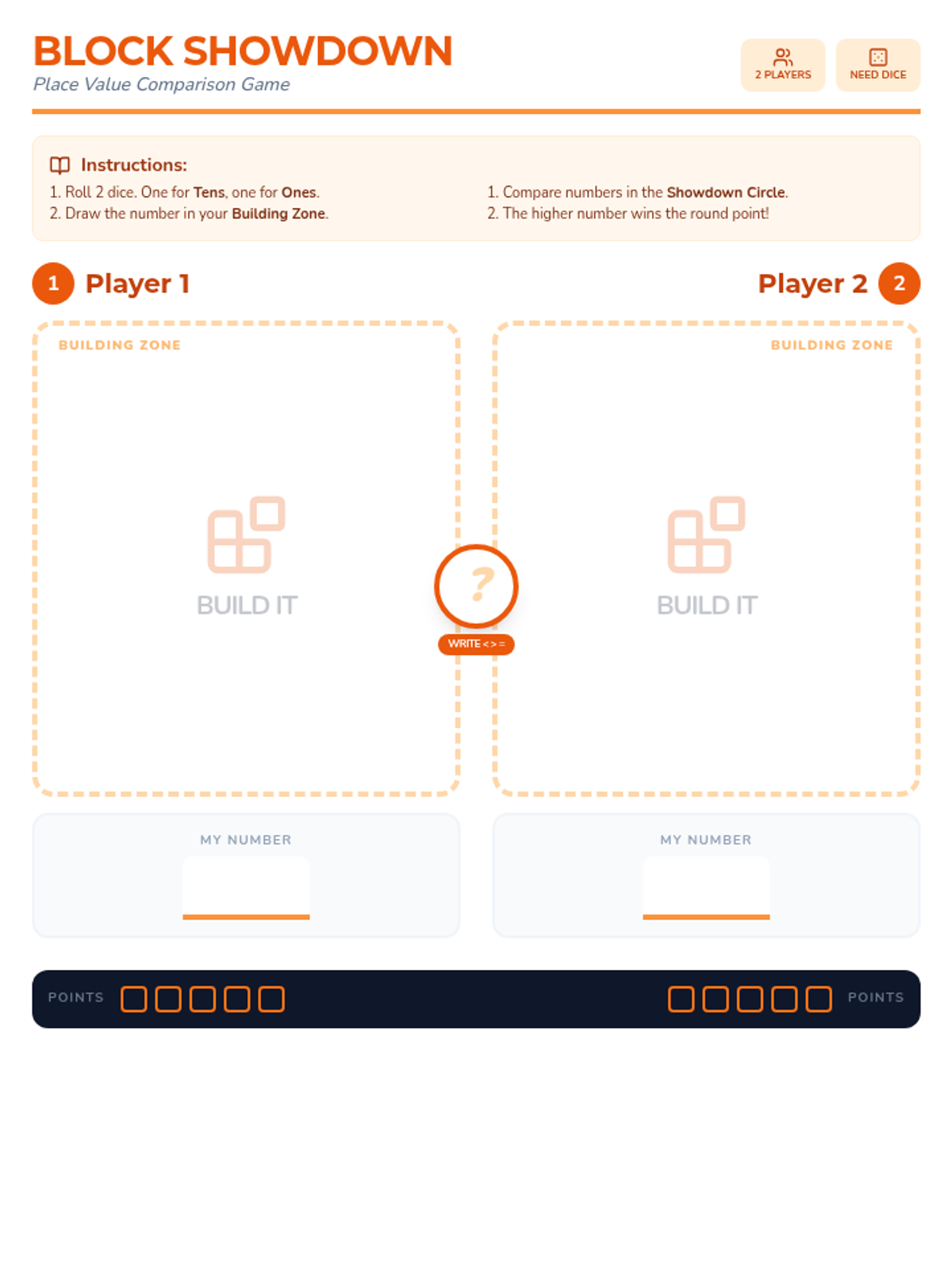
Introduces place value for numbers up to 100, using base-ten blocks (tens and ones) to help students visualize and compare larger values.
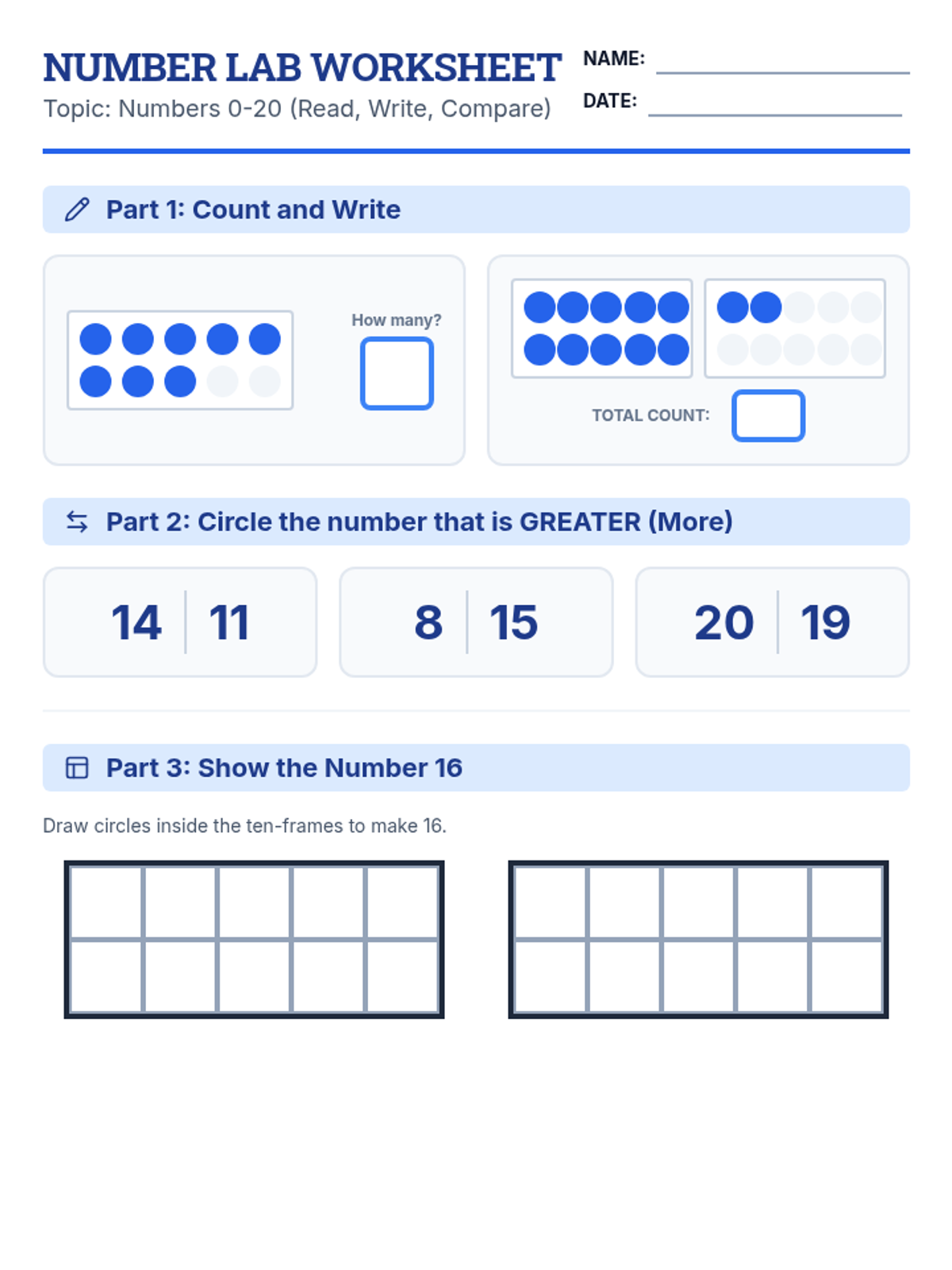
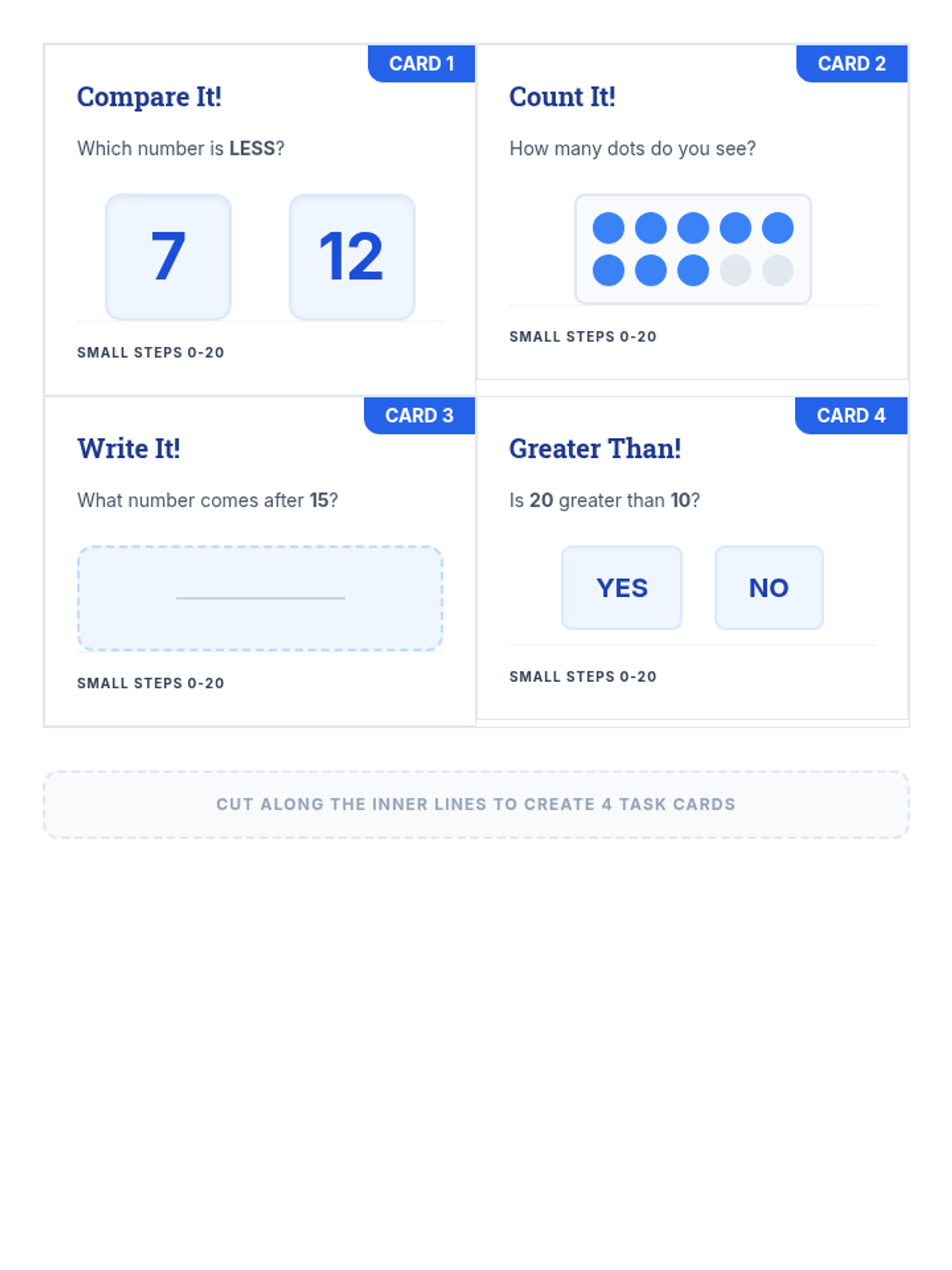
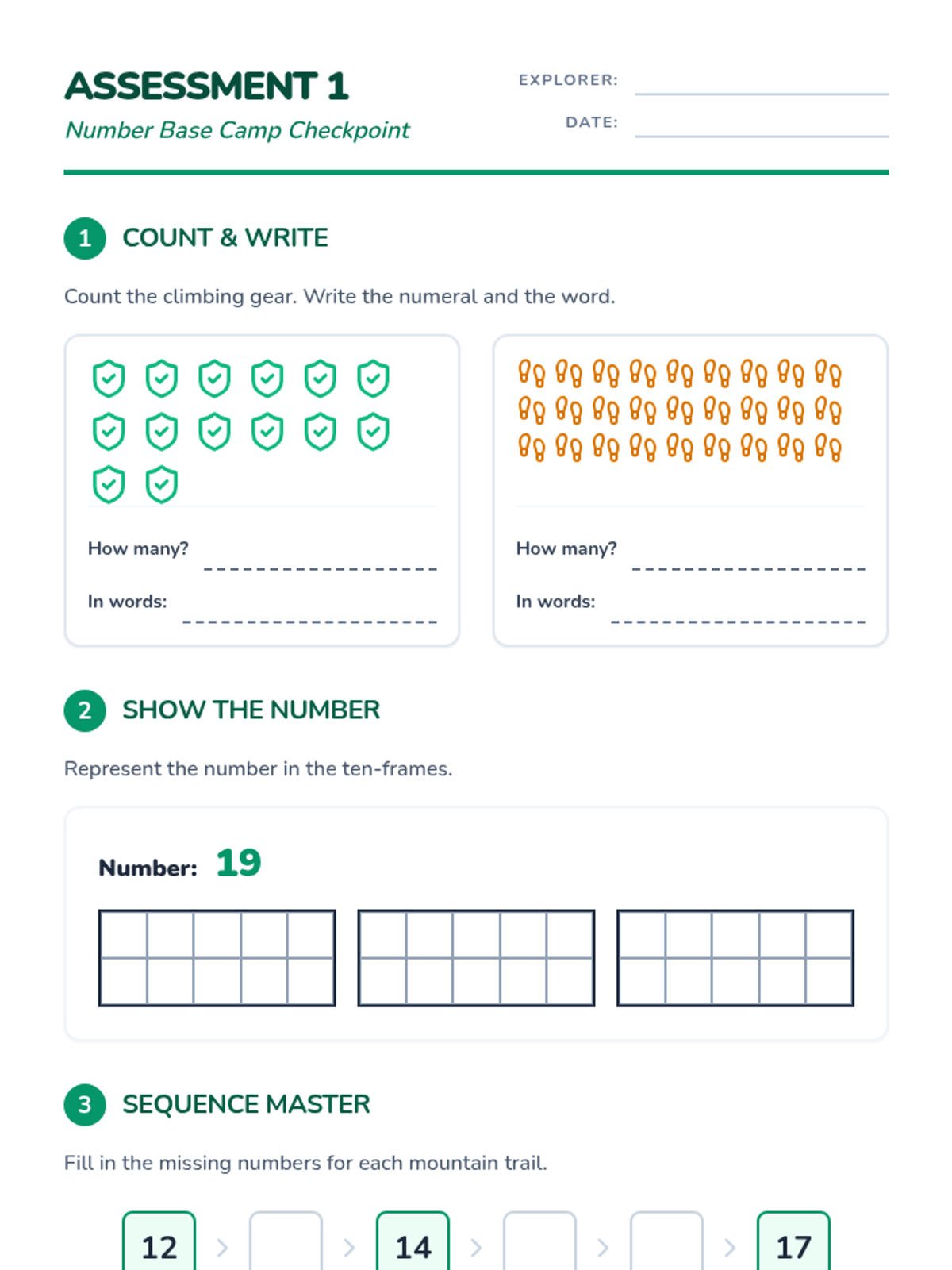
Focuses on reading, writing, and comparing numbers from 0 to 20 using ten-frames and counters to provide concrete visual support.
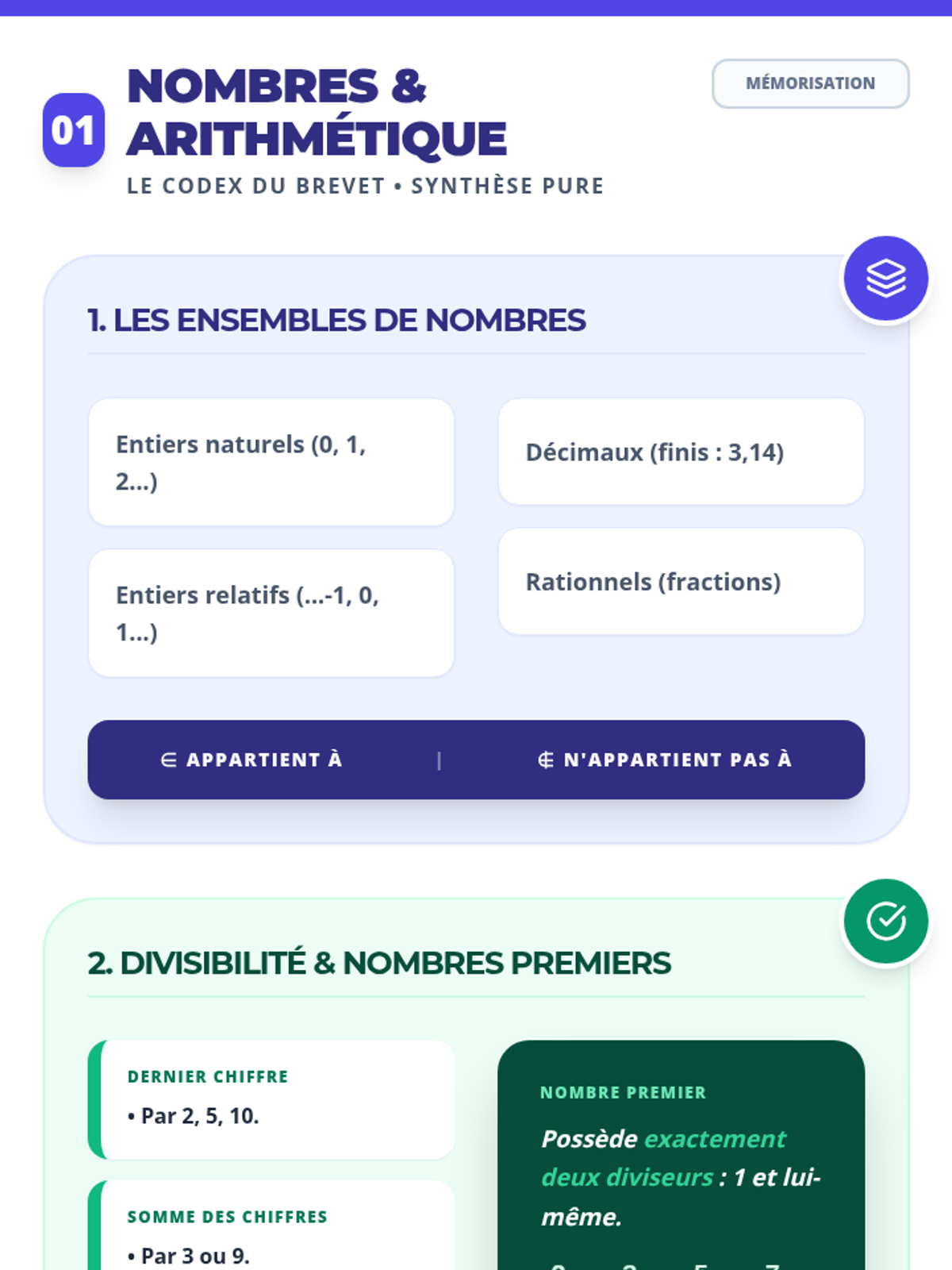
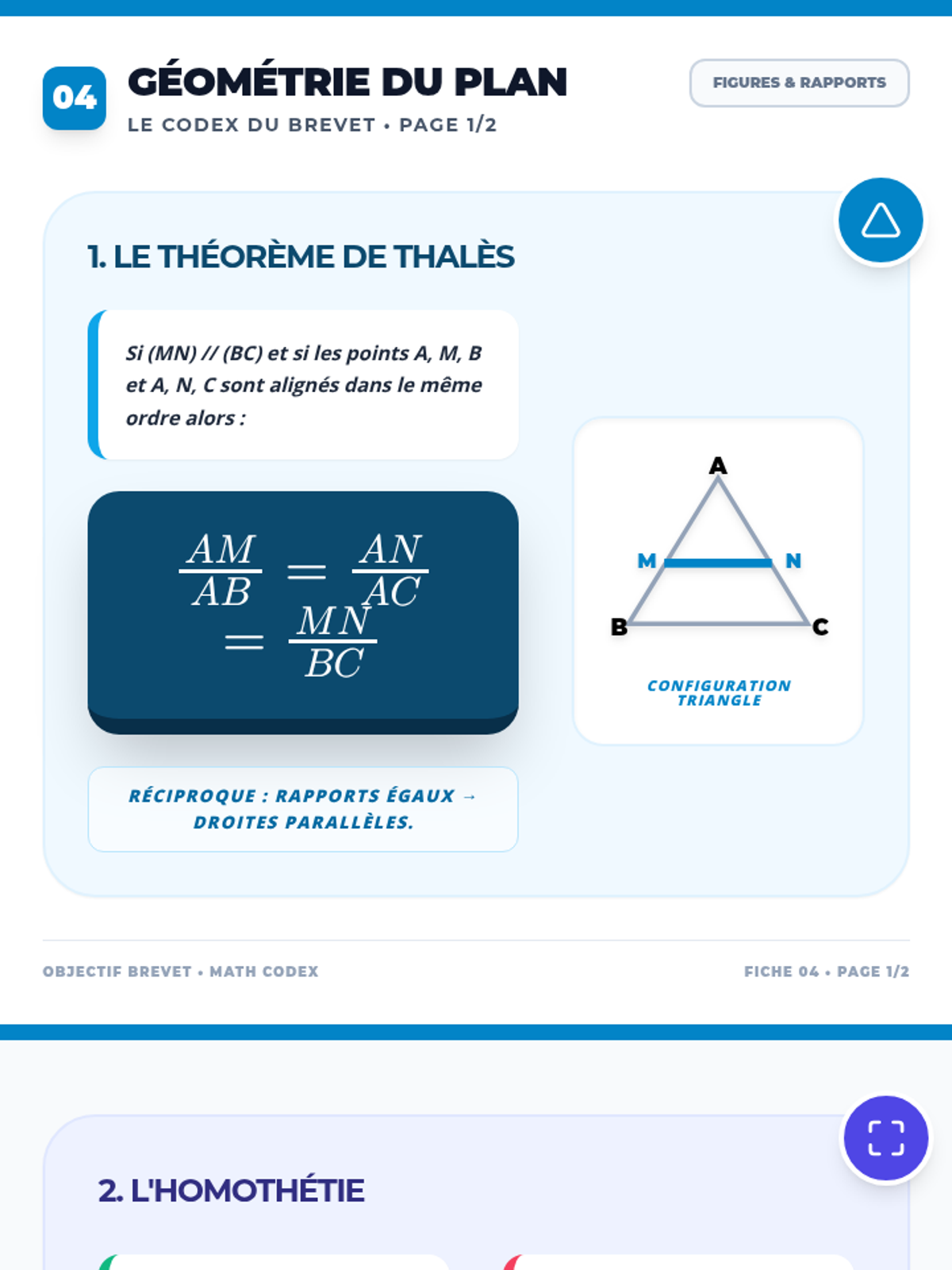
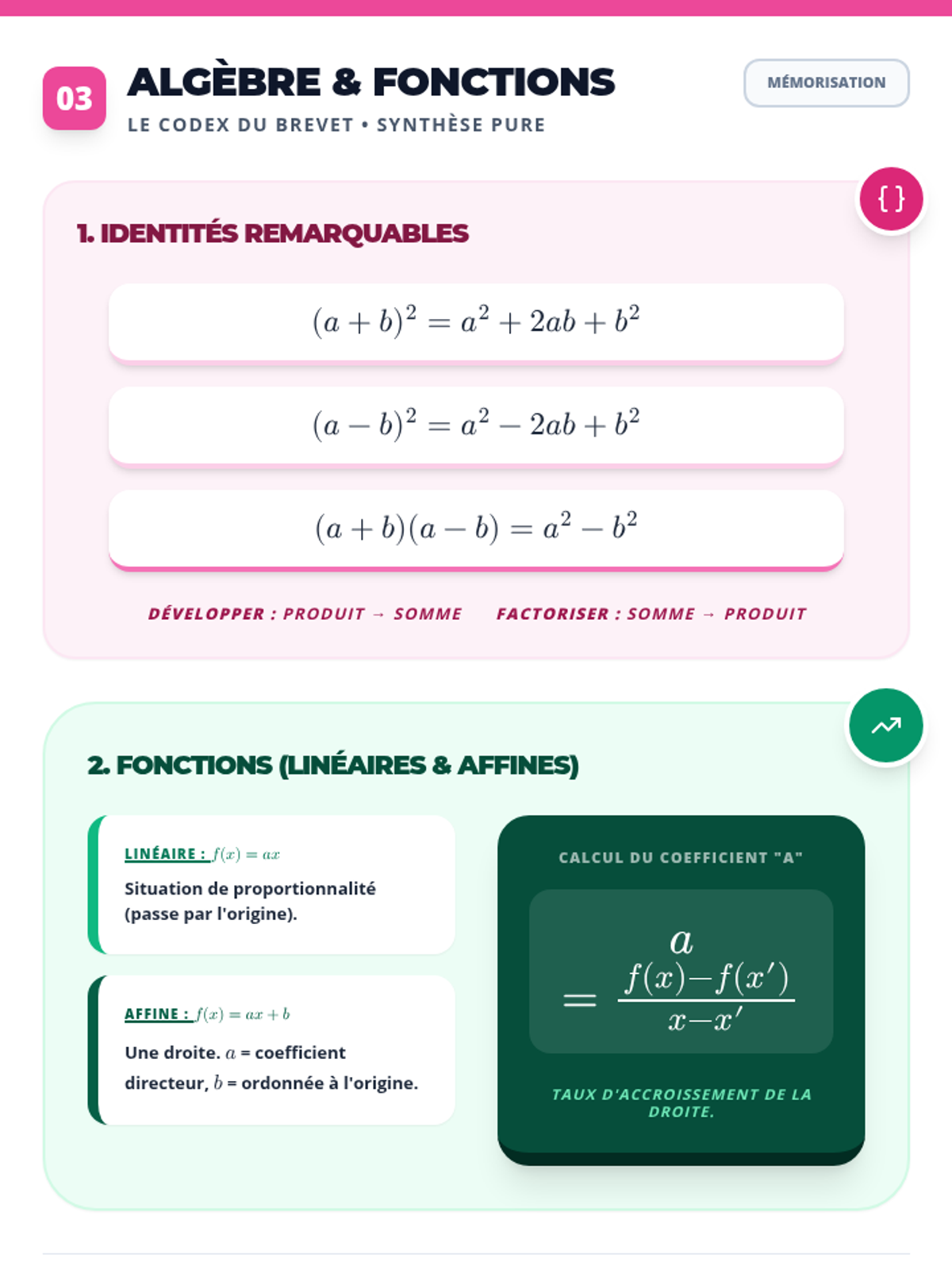
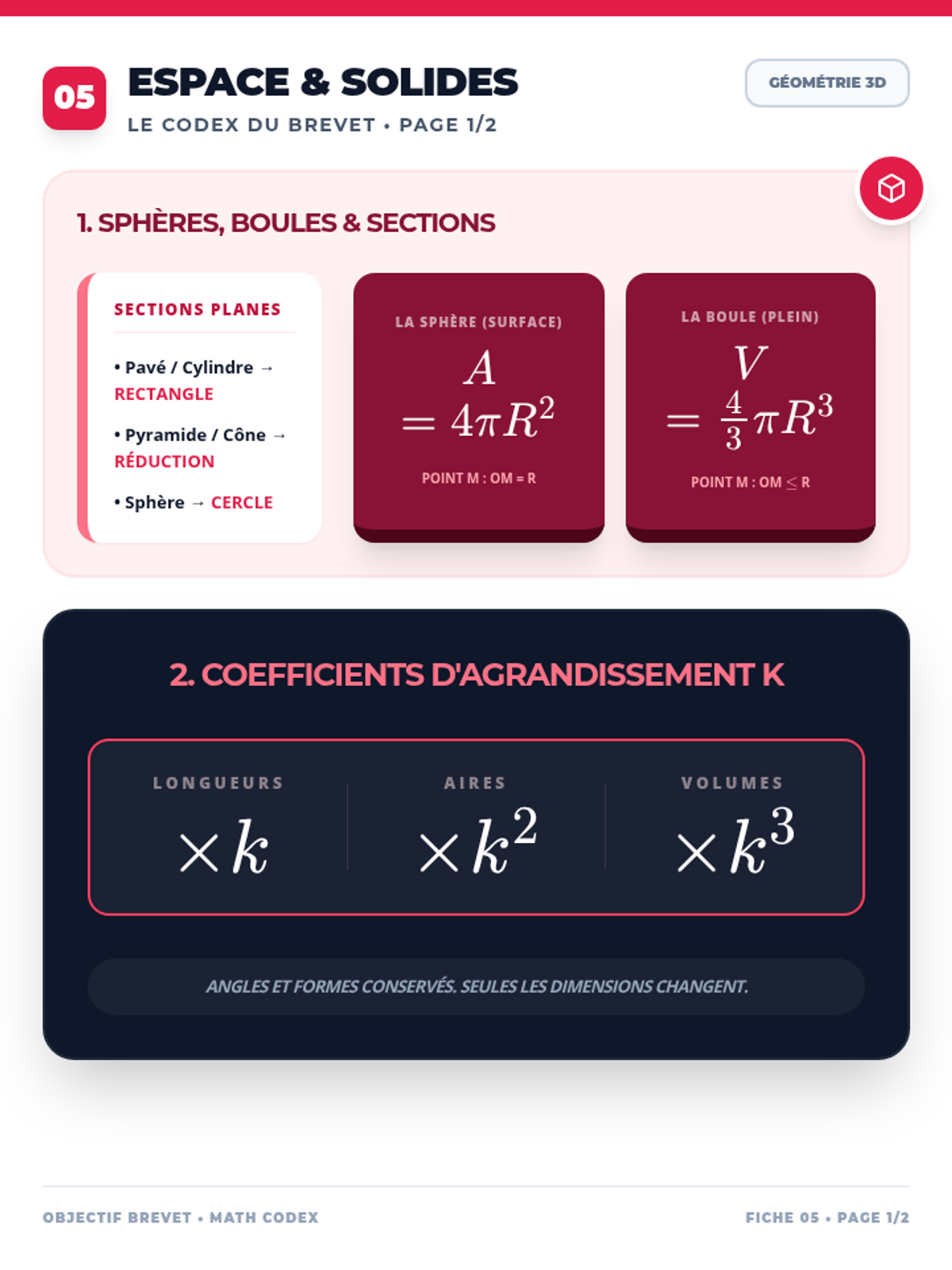
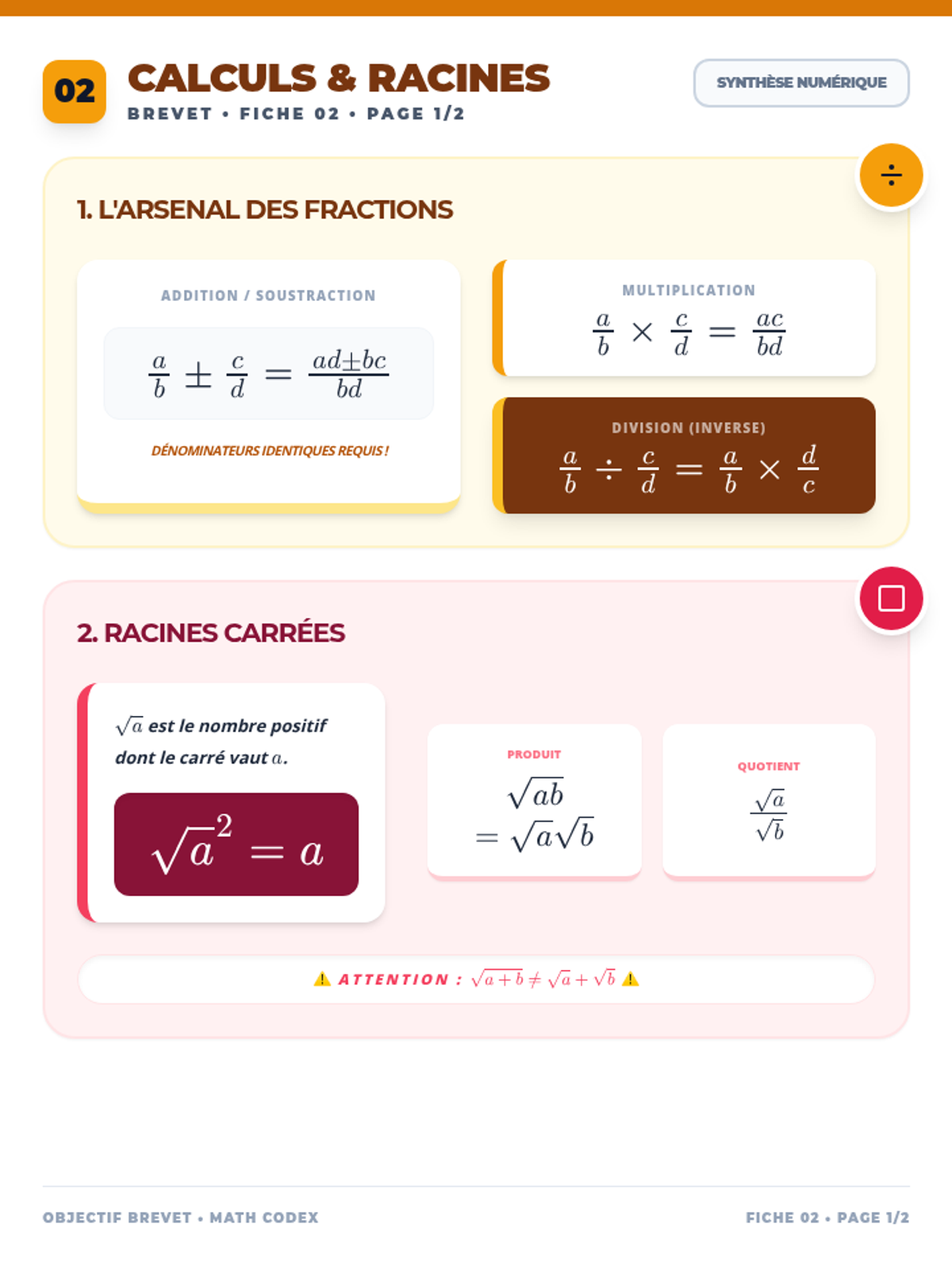
Une collection complète de fiches de révision et un diaporama dynamique pour maîtriser le programme de mathématiques de 3ème. Couvre l'arithmétique, l'algèbre, la géométrie et la trigonométrie avec des visuels clairs et modernes.
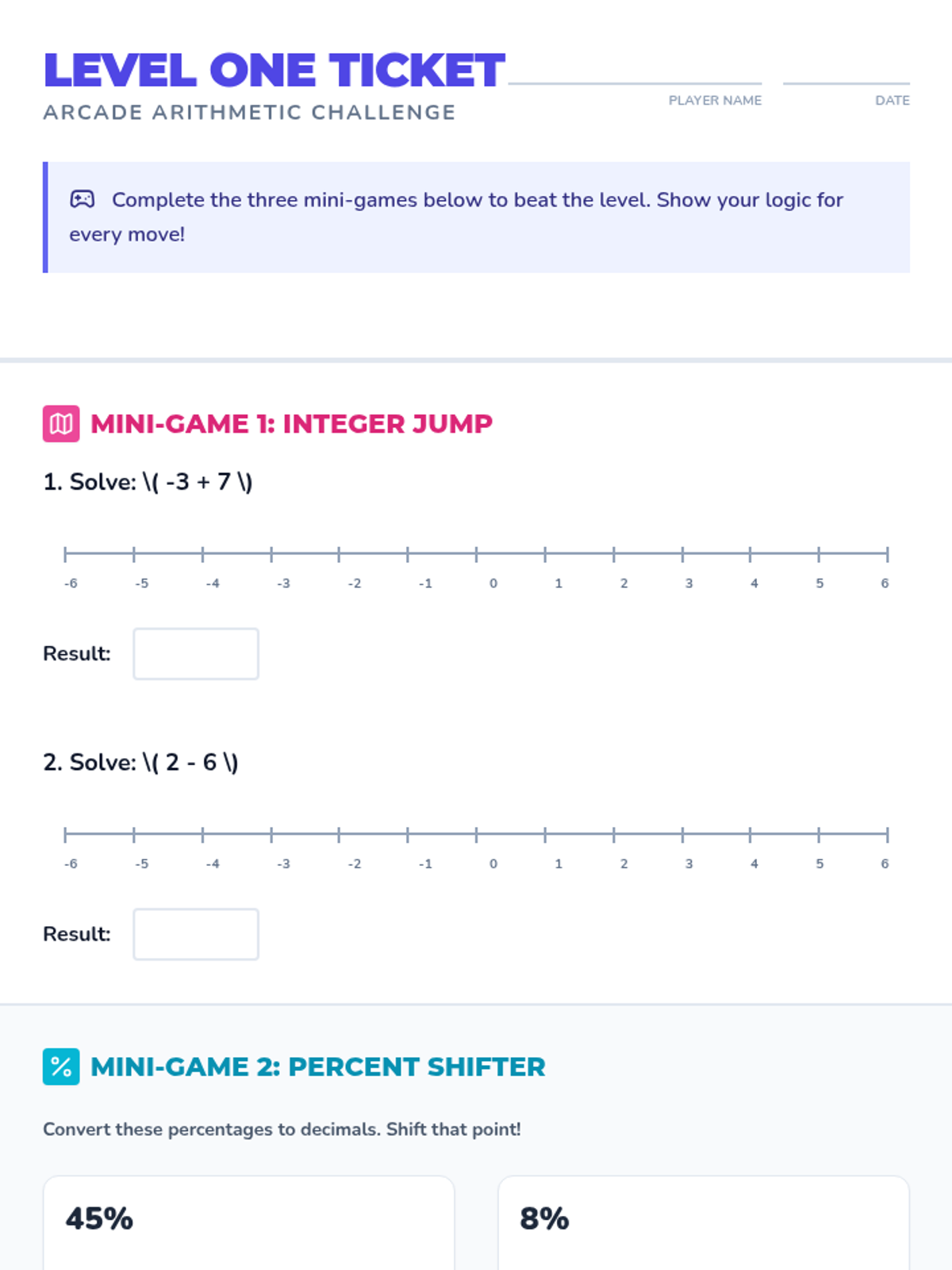
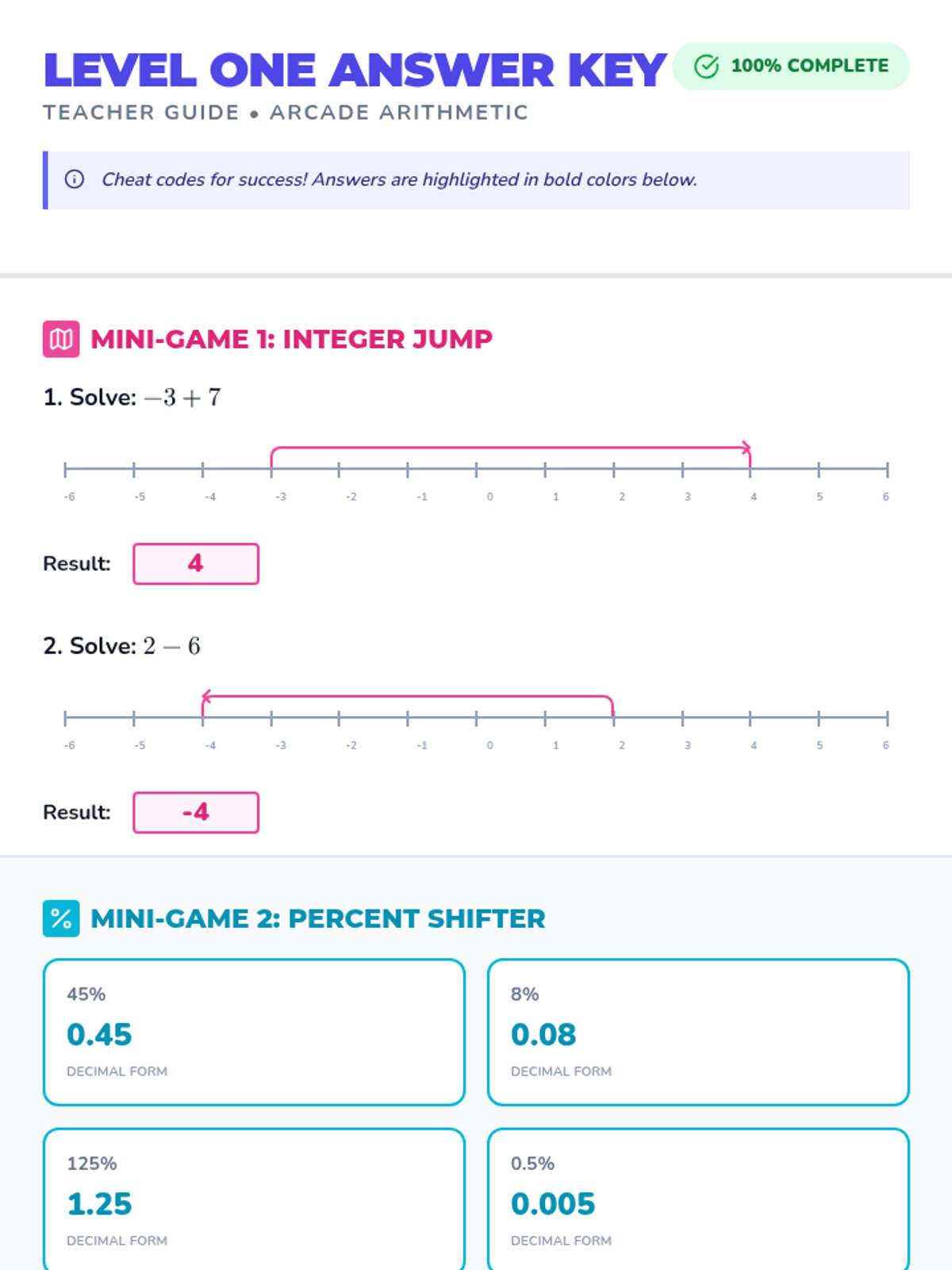
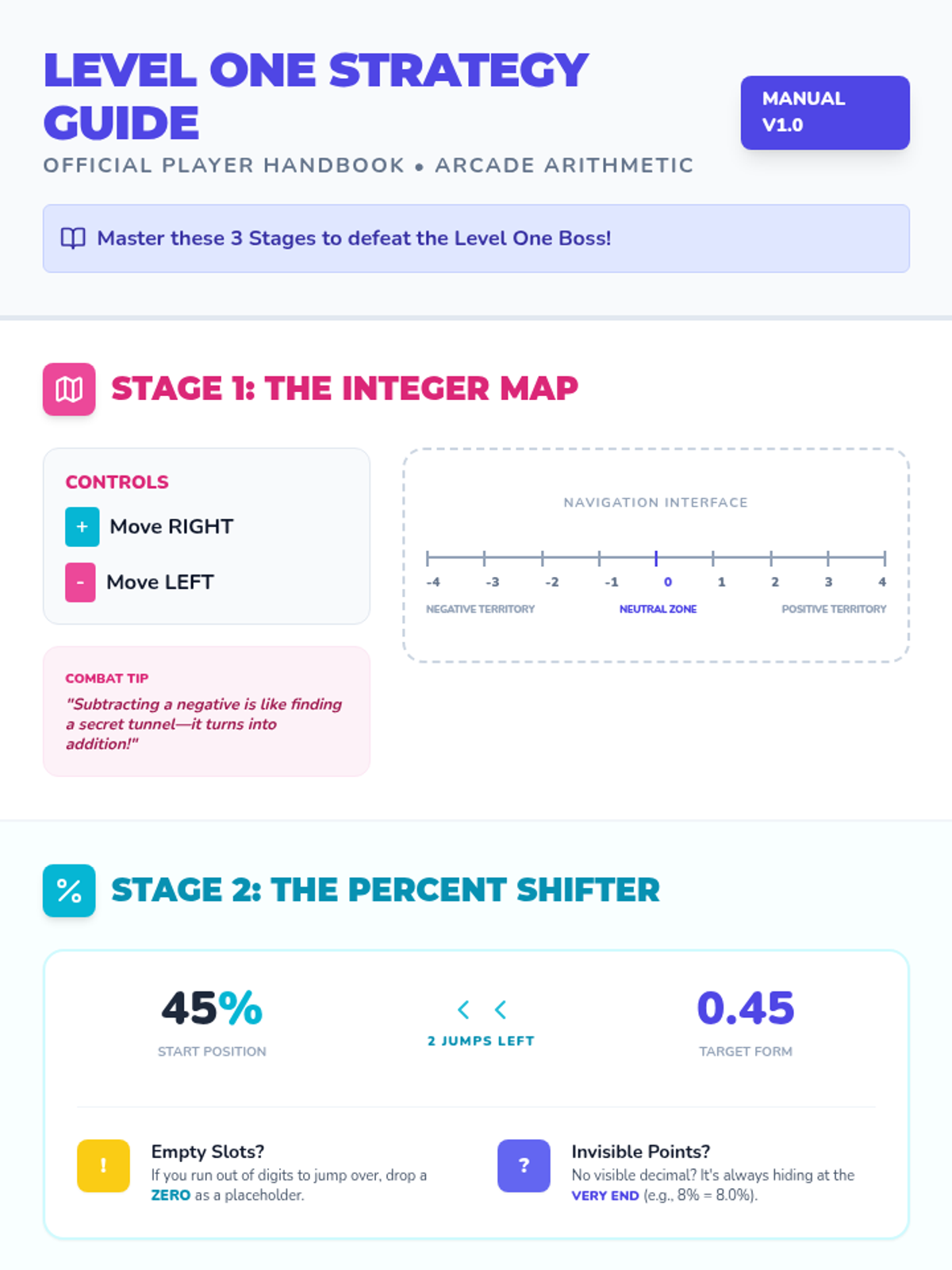
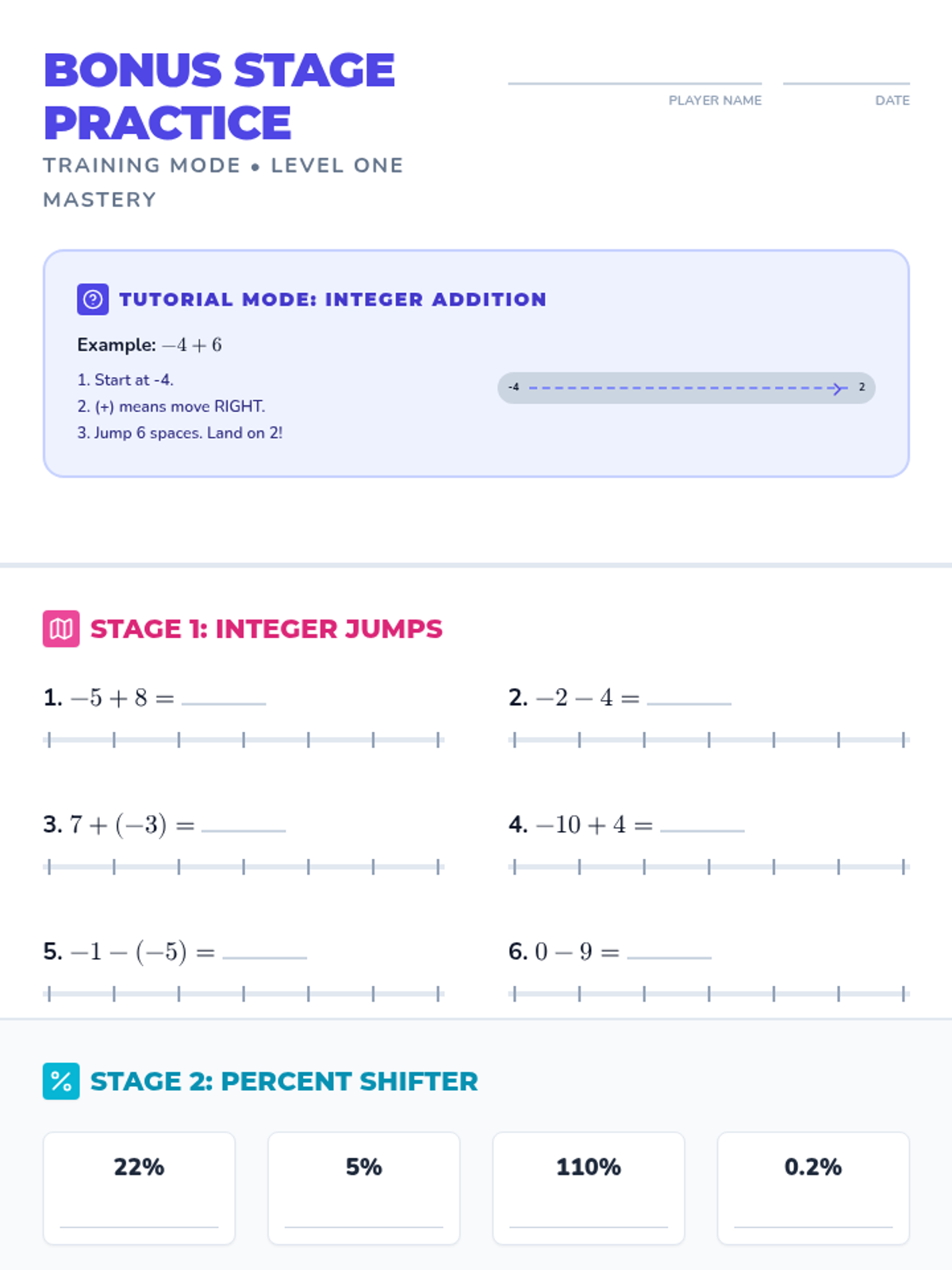
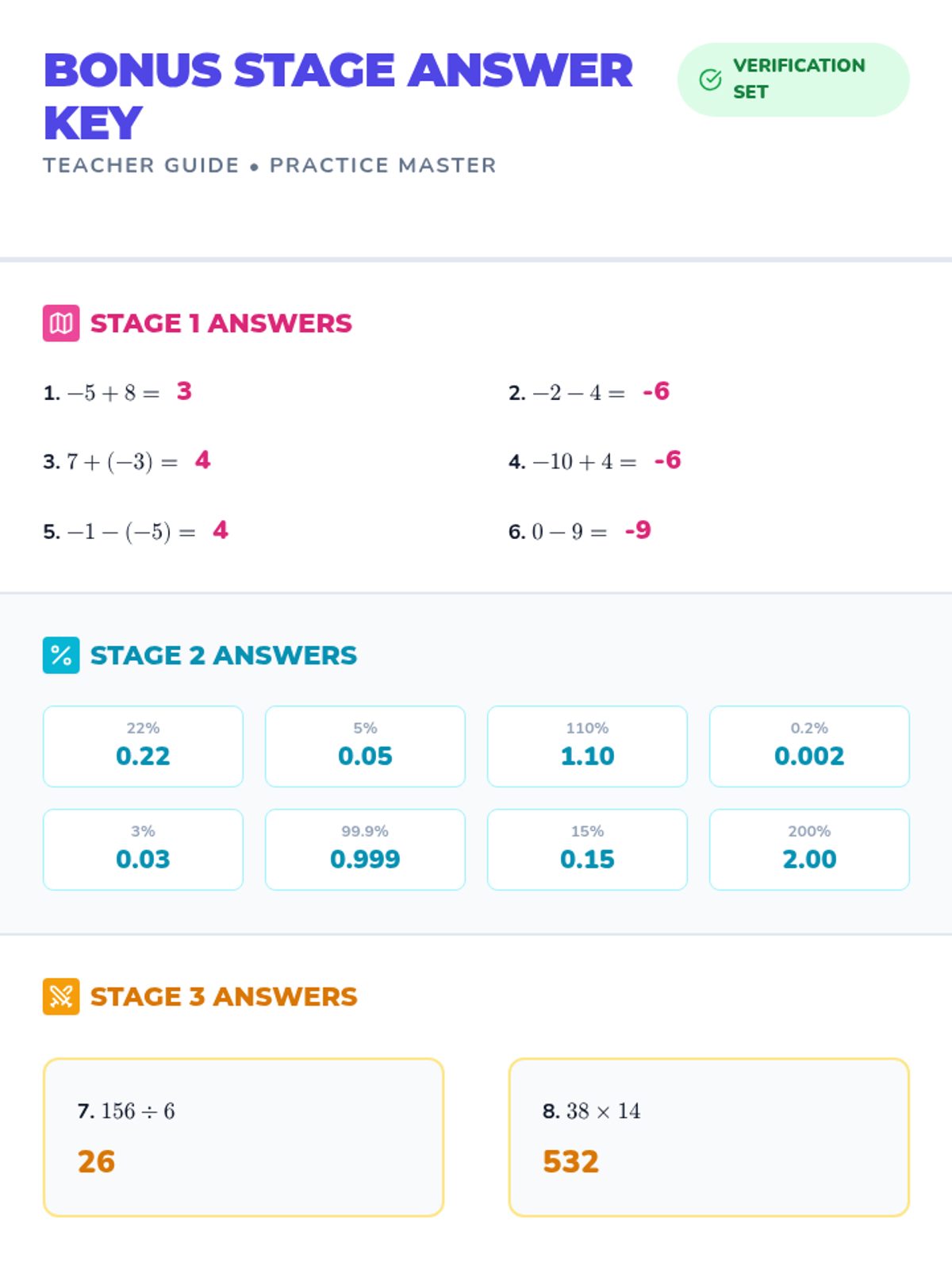
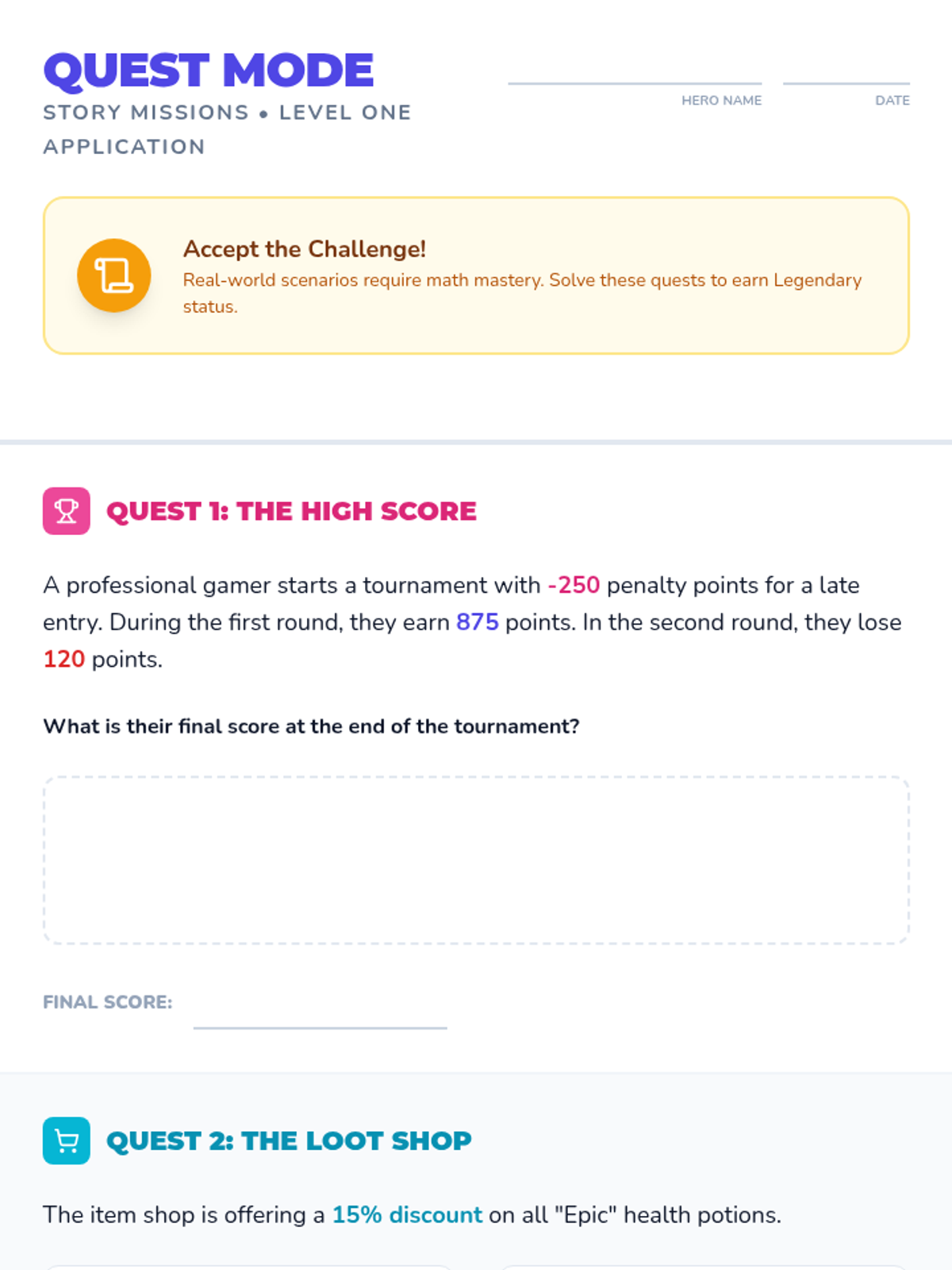
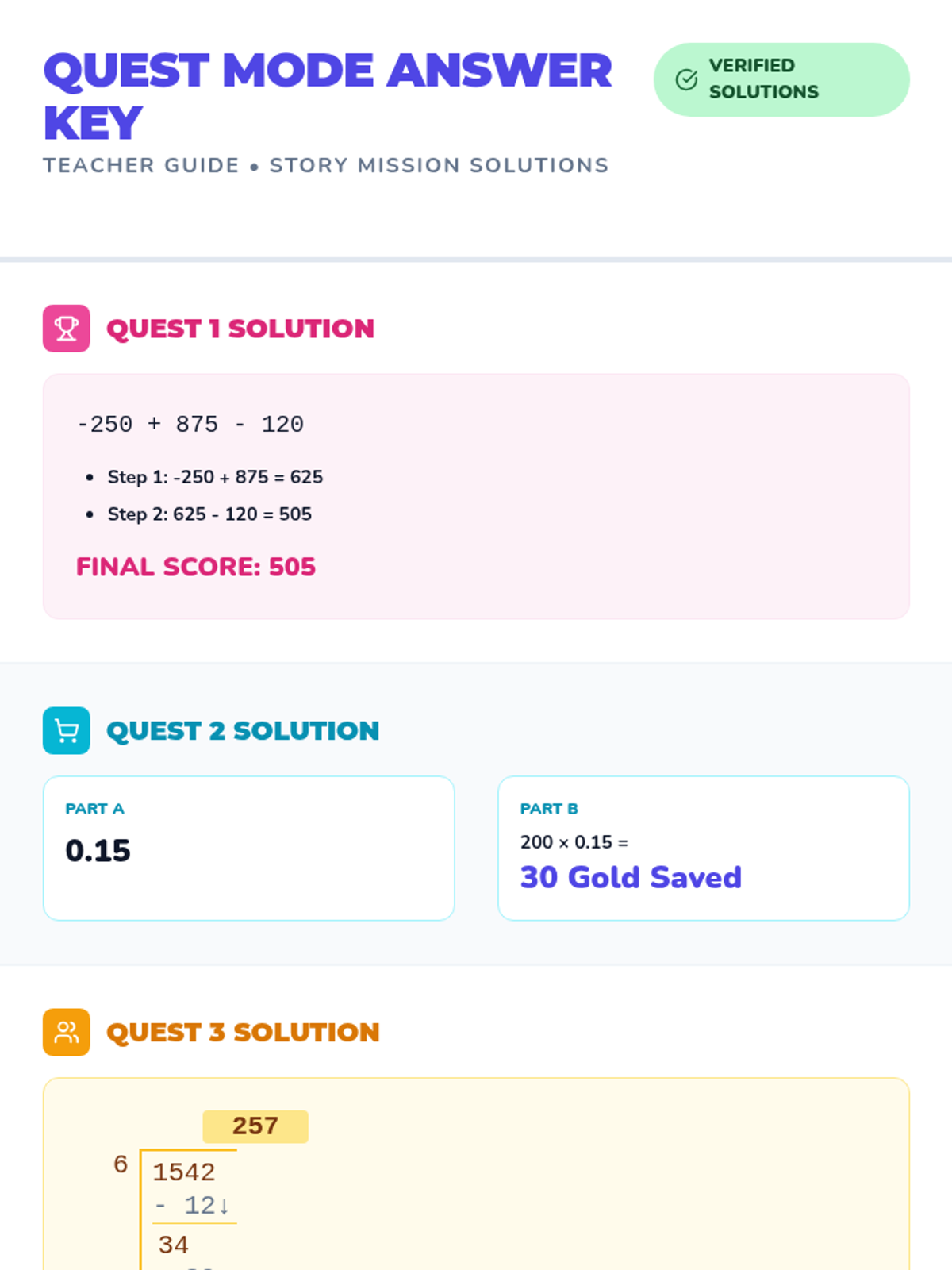
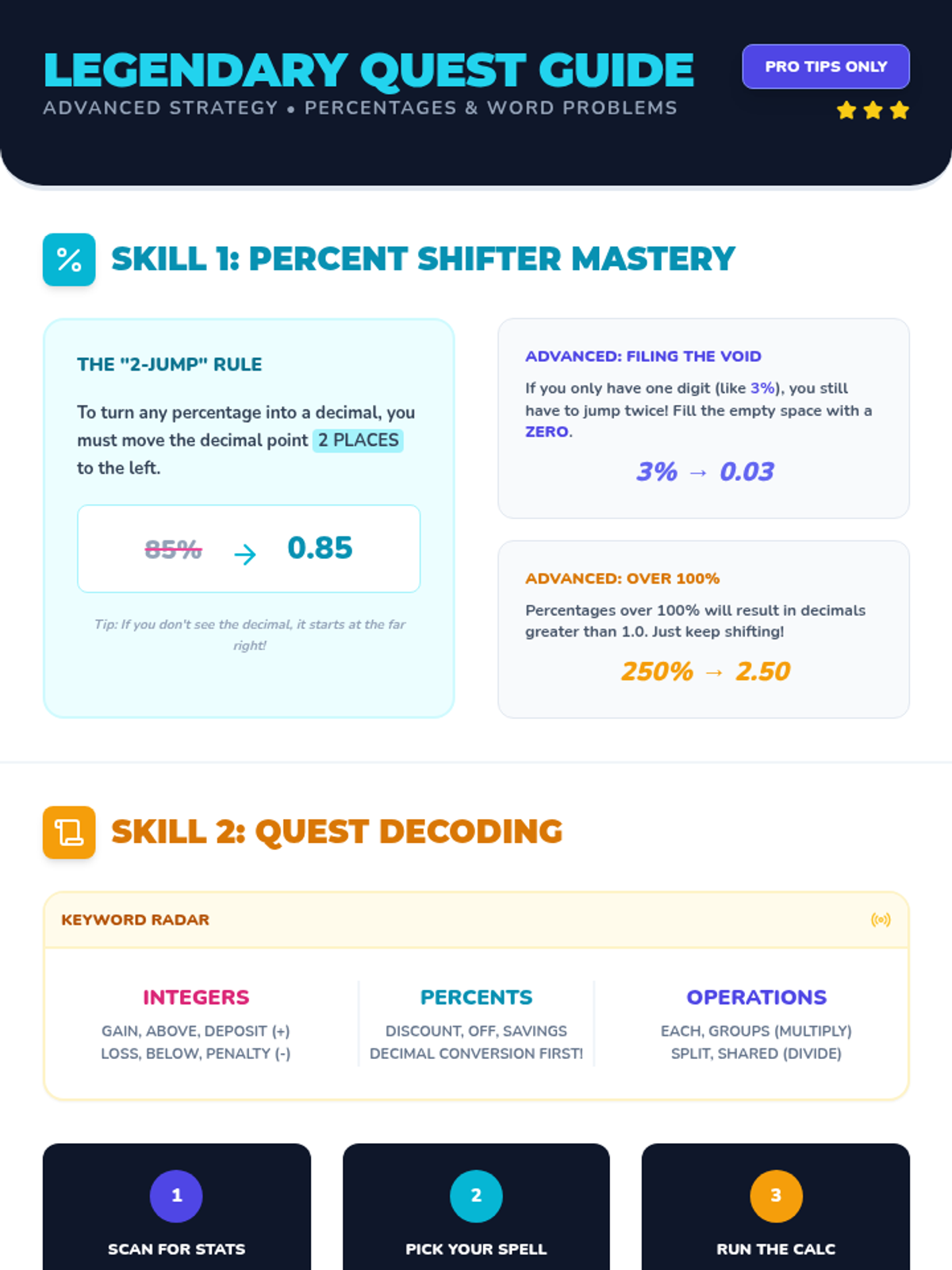
A fast-paced review of foundational math skills, including integer operations with number lines, percentage-to-decimal conversions, and multi-operation fluency. Students 'level up' their skills through arcade-themed challenges.
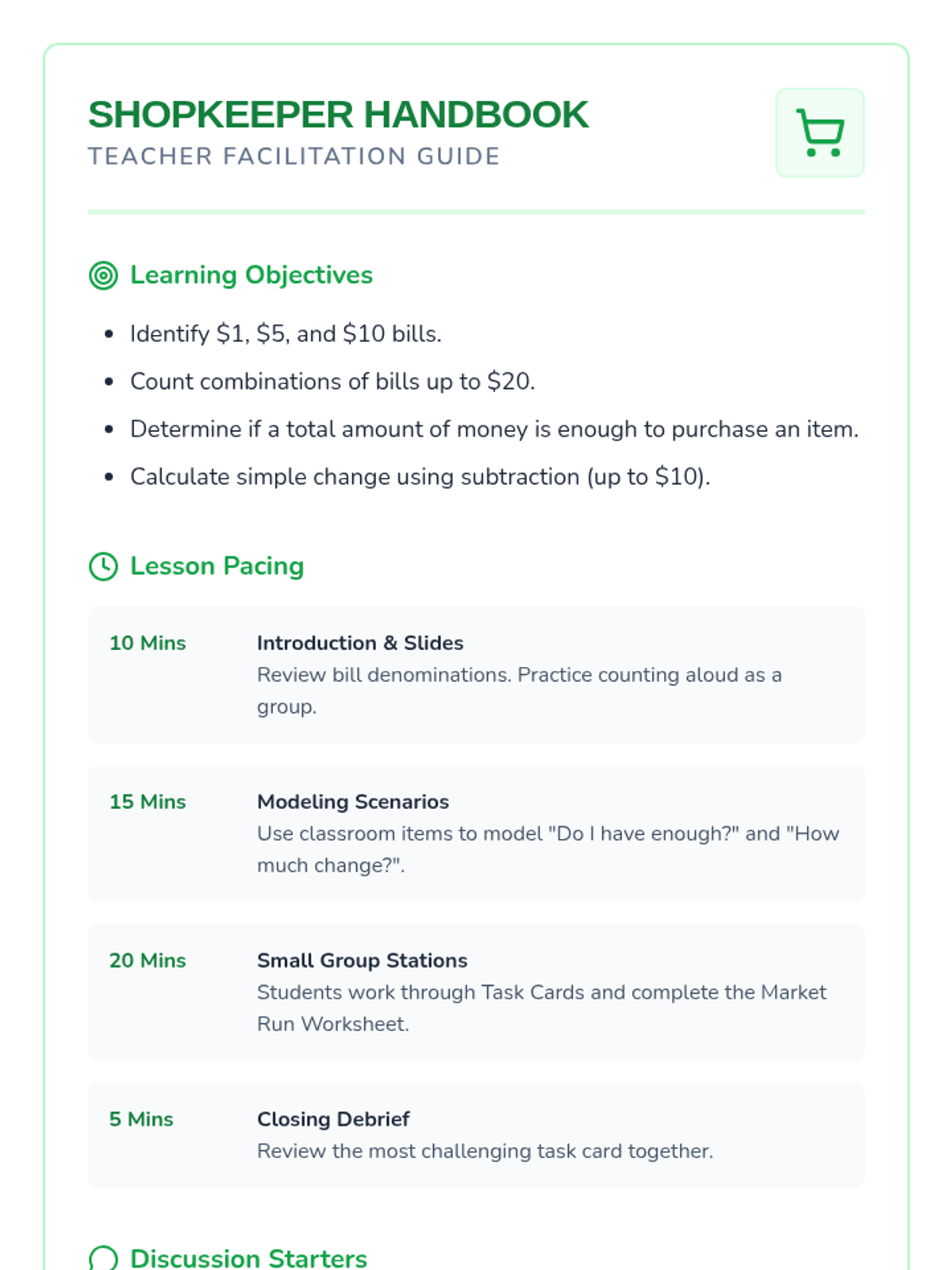
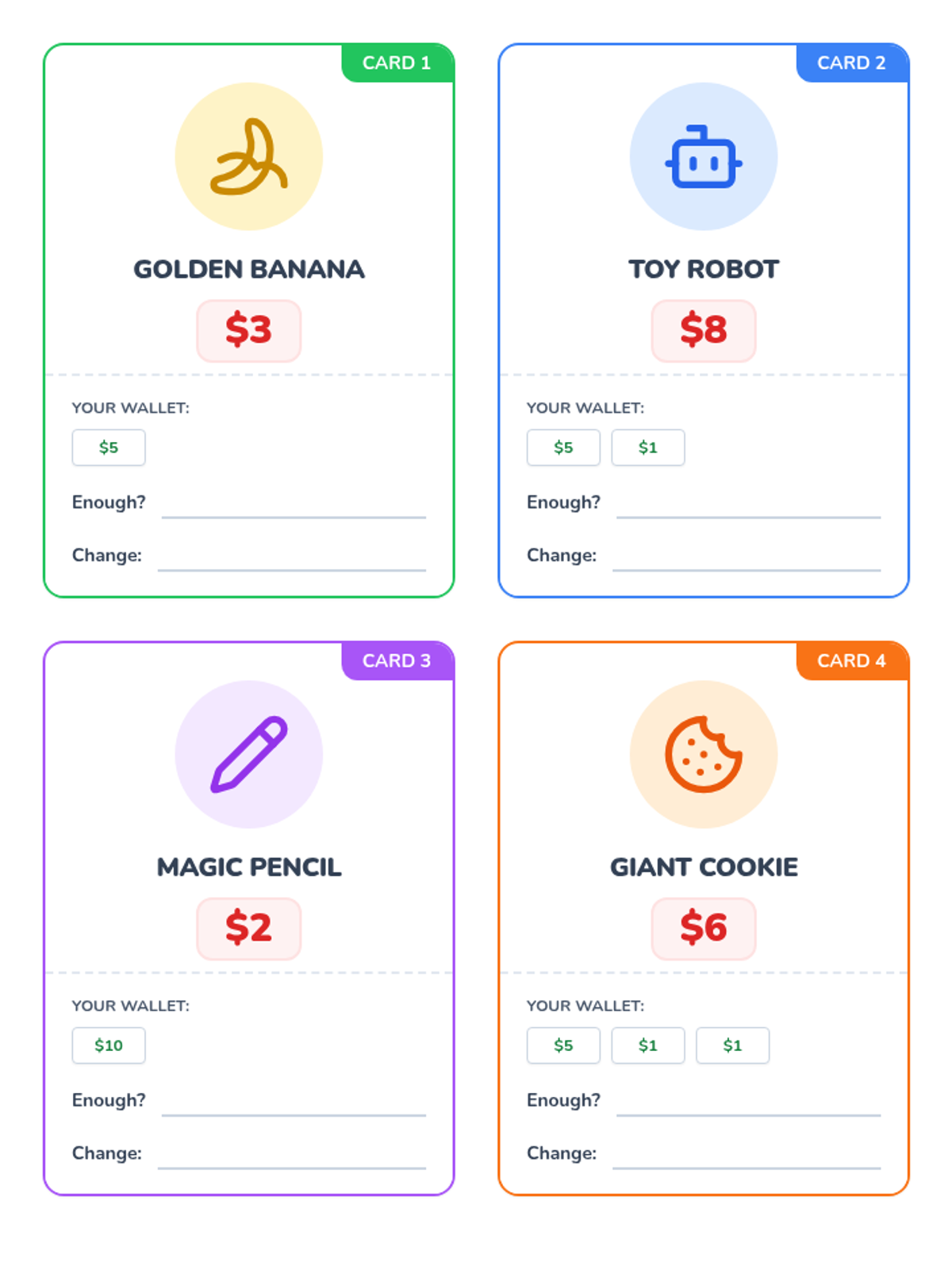
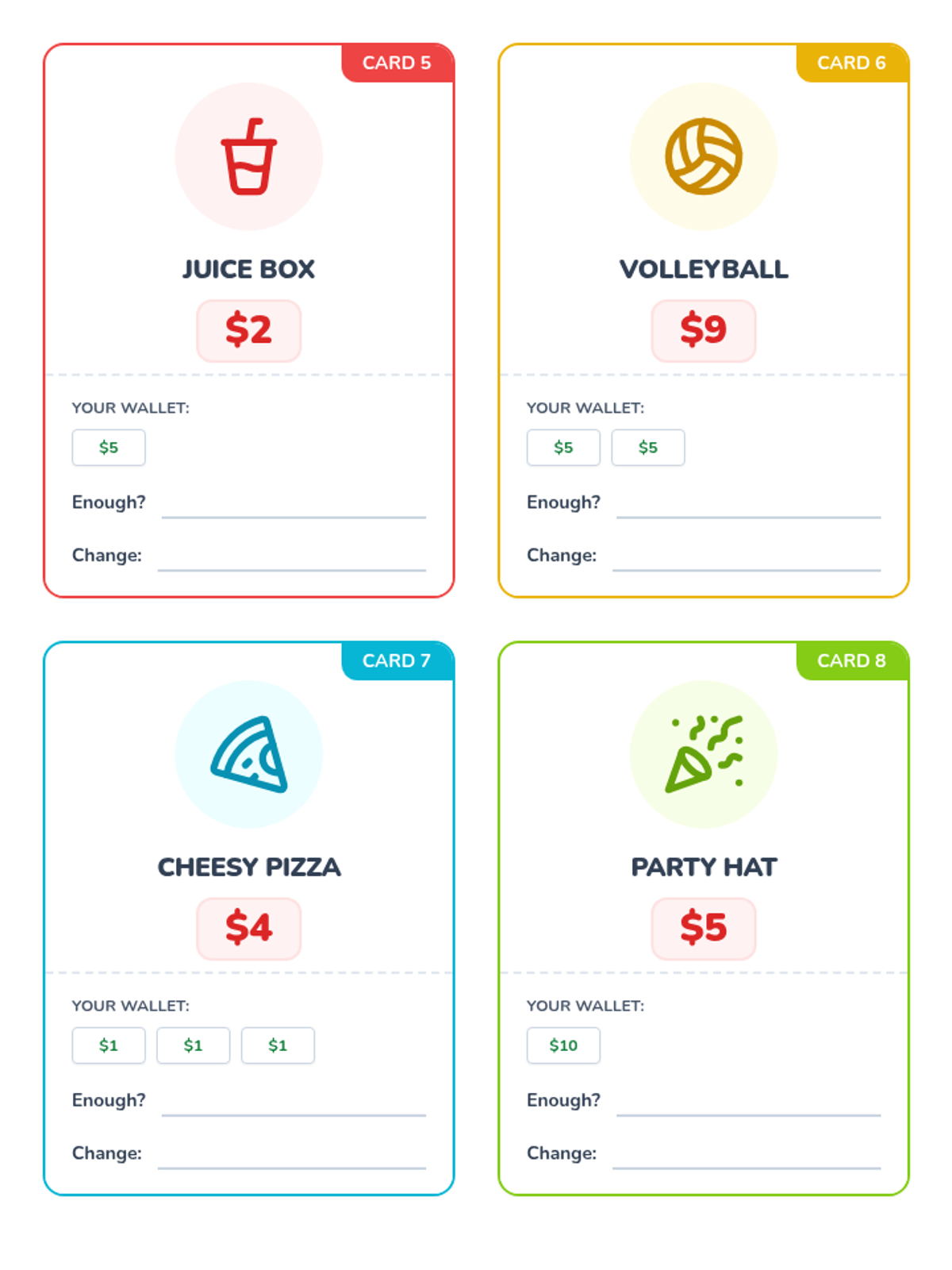
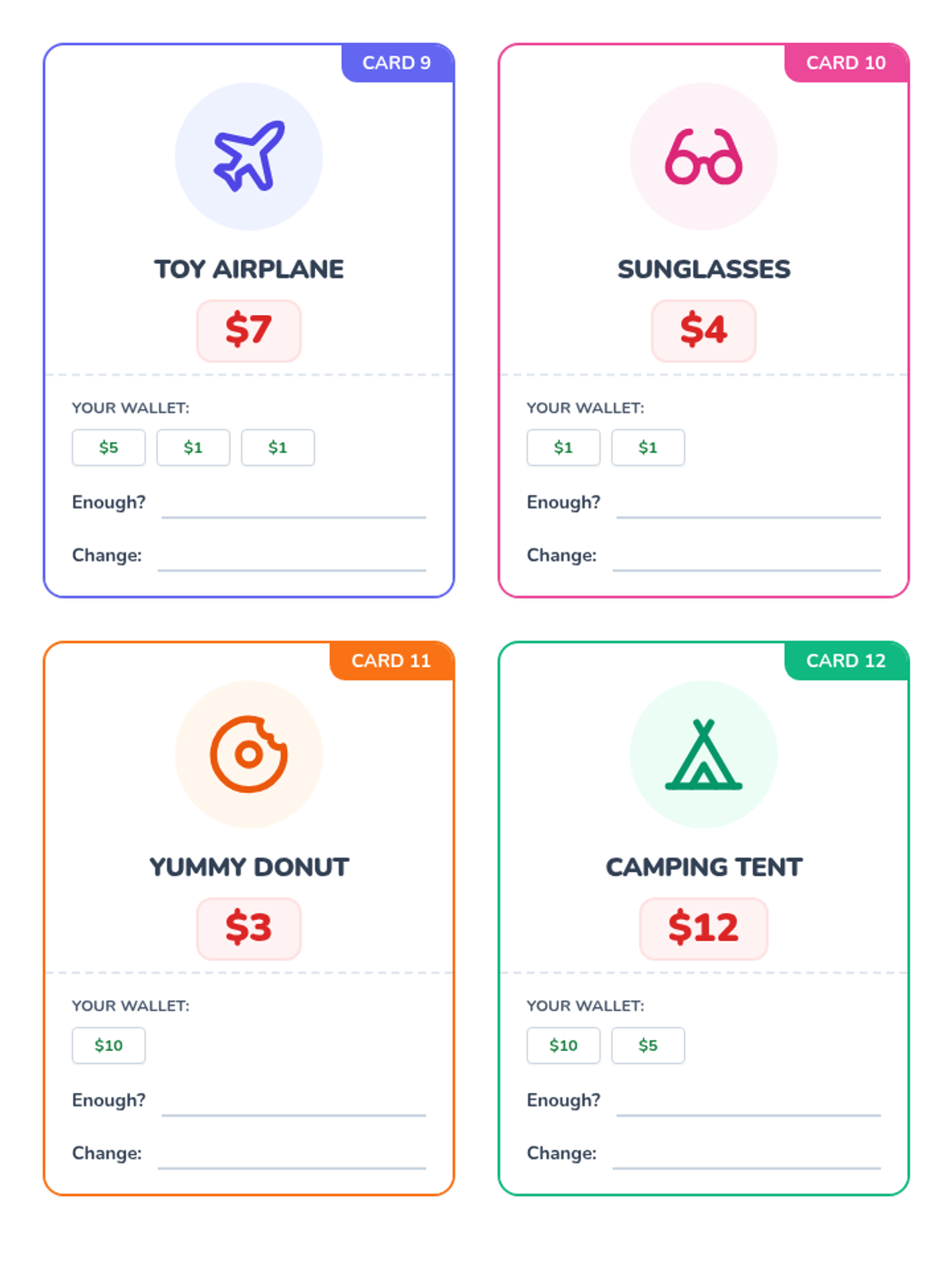
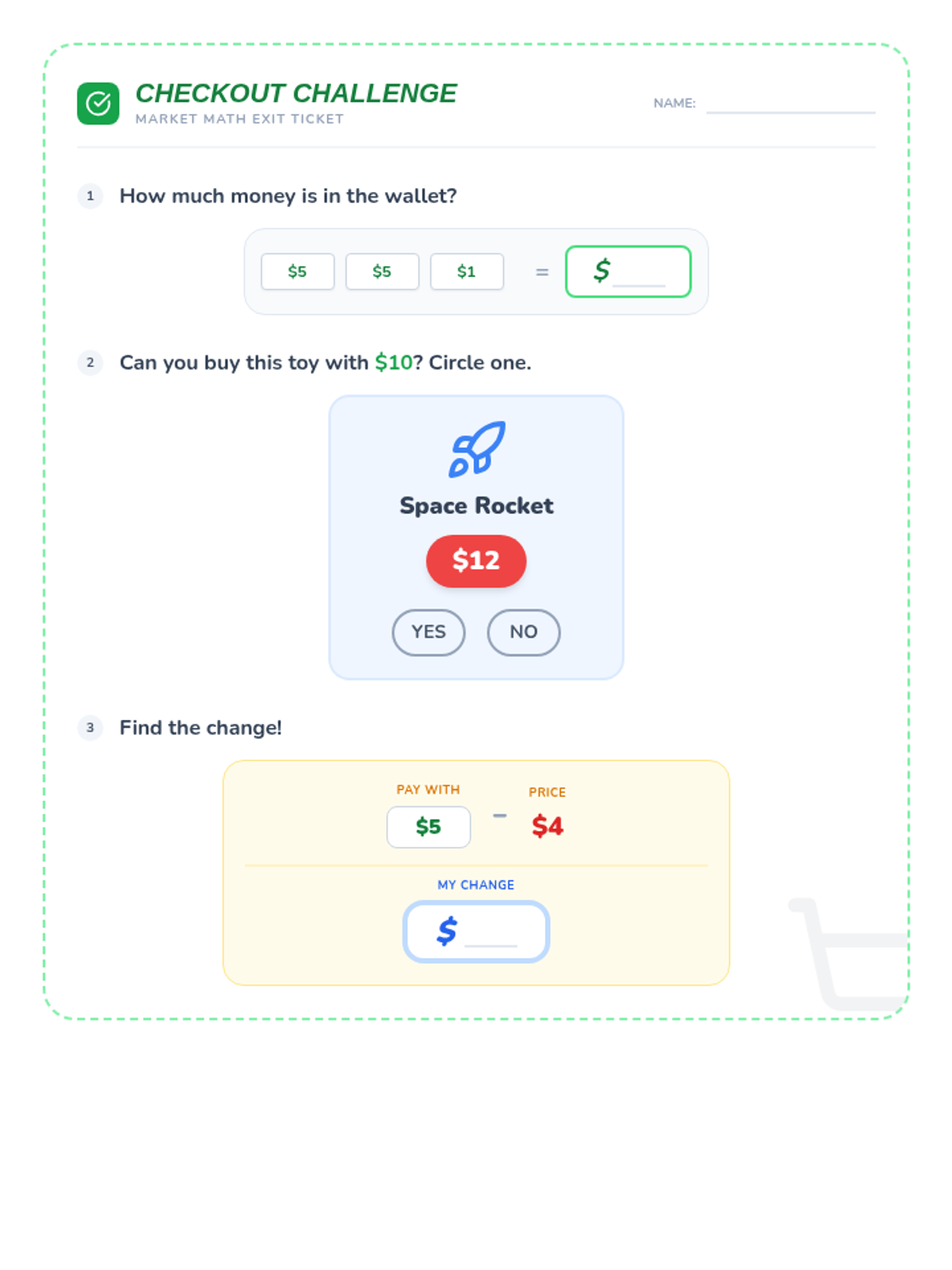
A hands-on introduction to counting dollar bills, determining if there is enough money for a purchase, and calculating simple change using a market-themed approach.
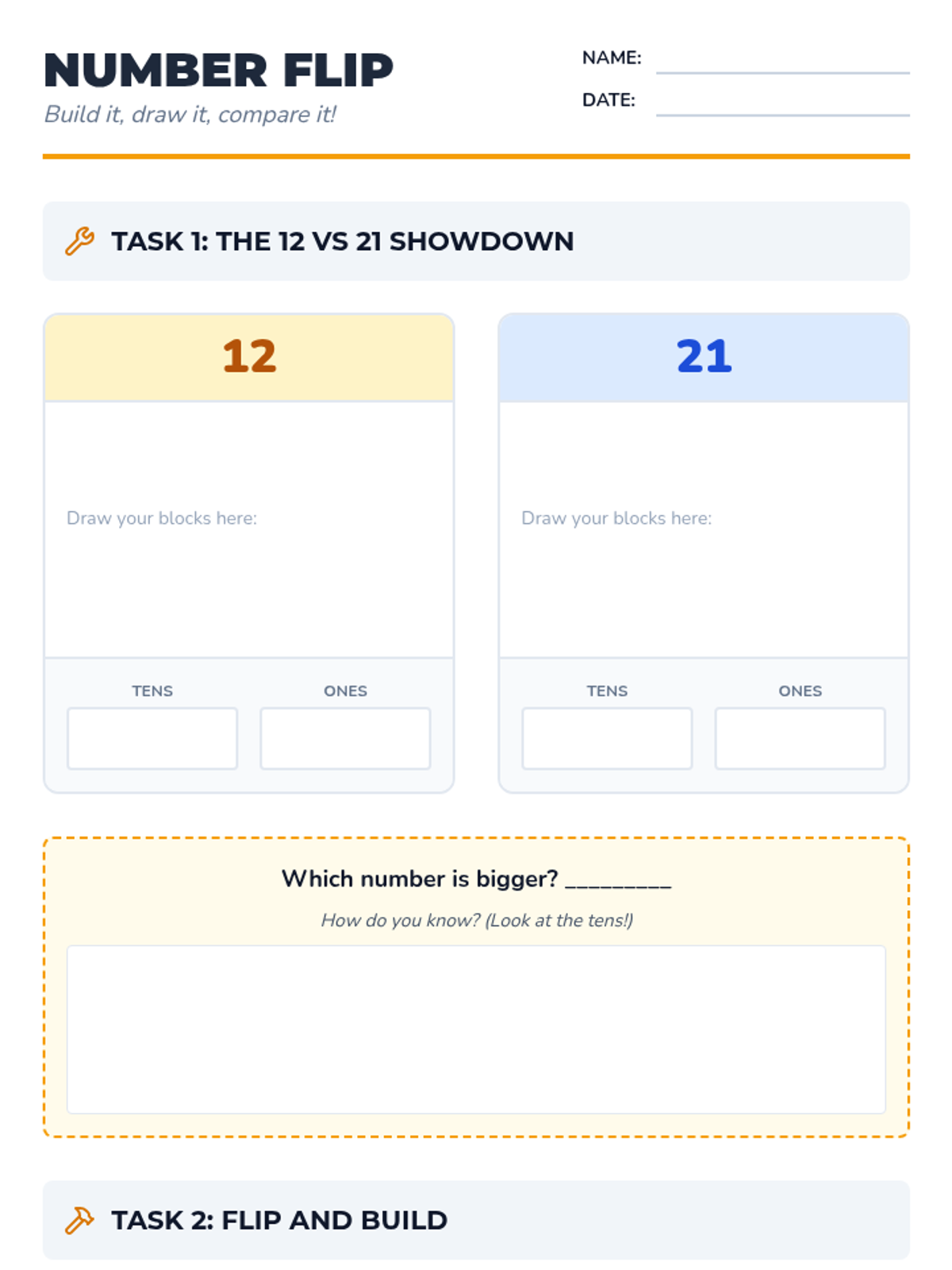
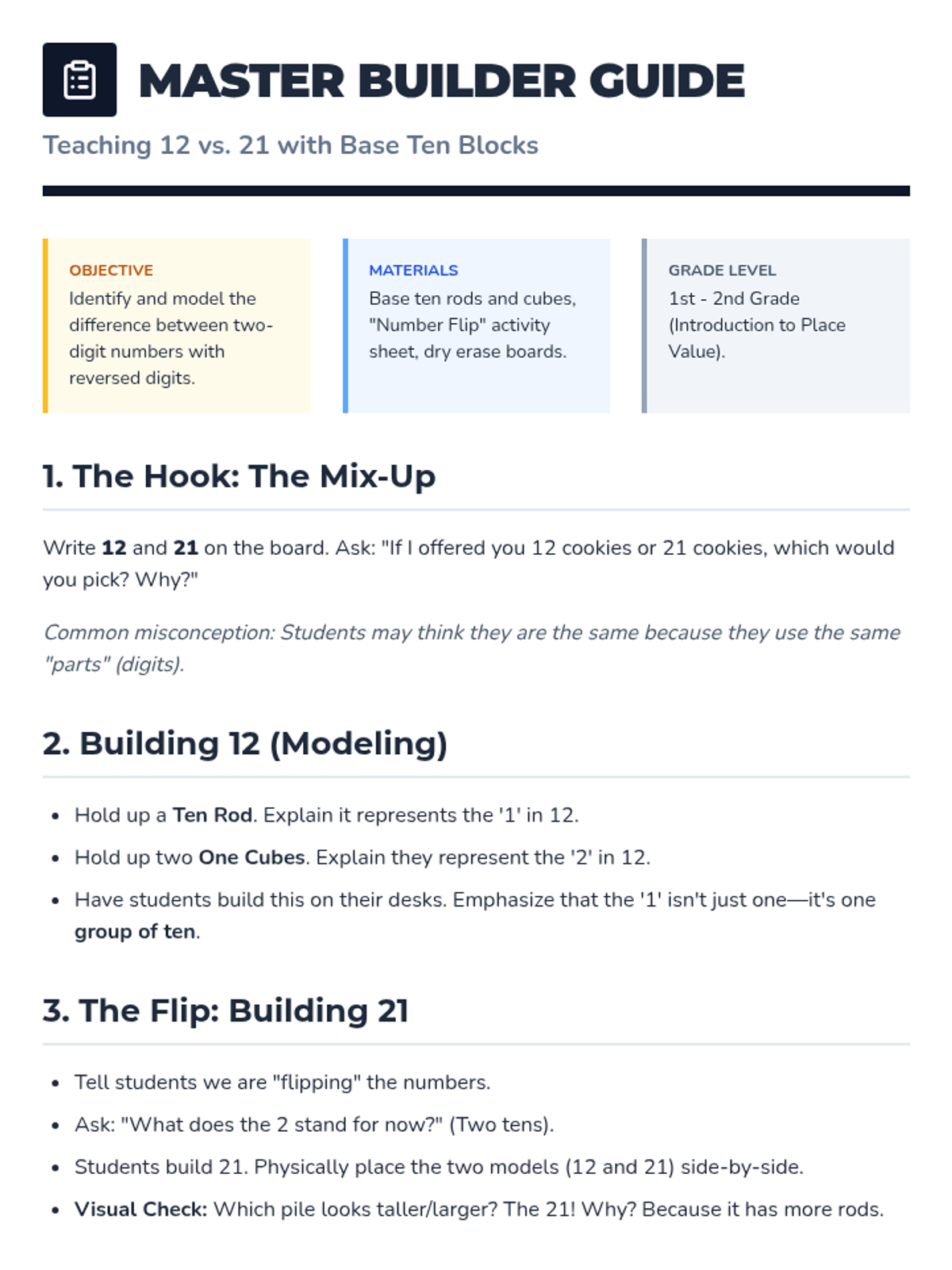
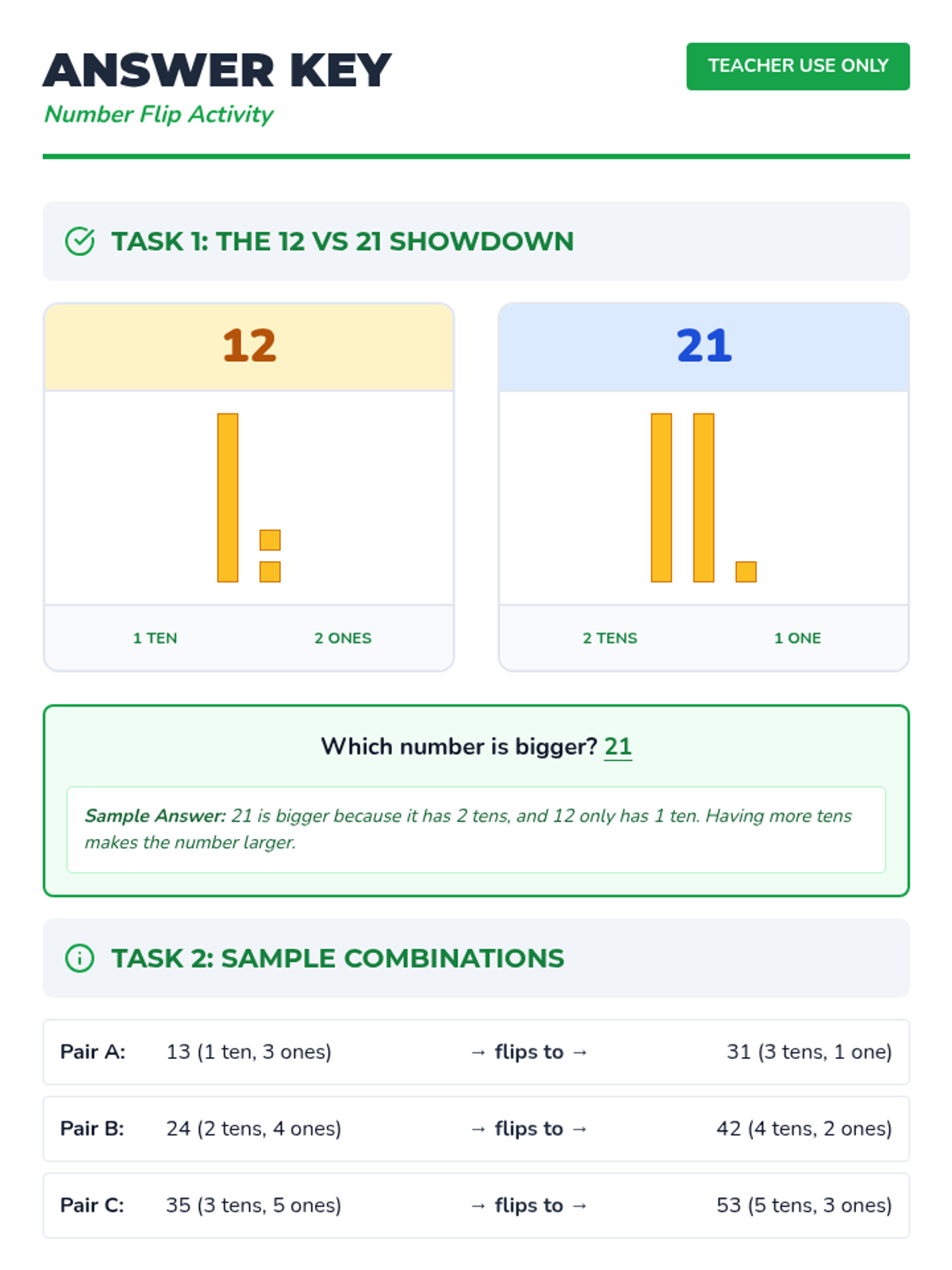
A hands-on lesson using base ten blocks to help students differentiate between two-digit numbers with reversed digits, specifically 12 and 21. Students will build, draw, and compare models to understand how the position of a digit changes its value.
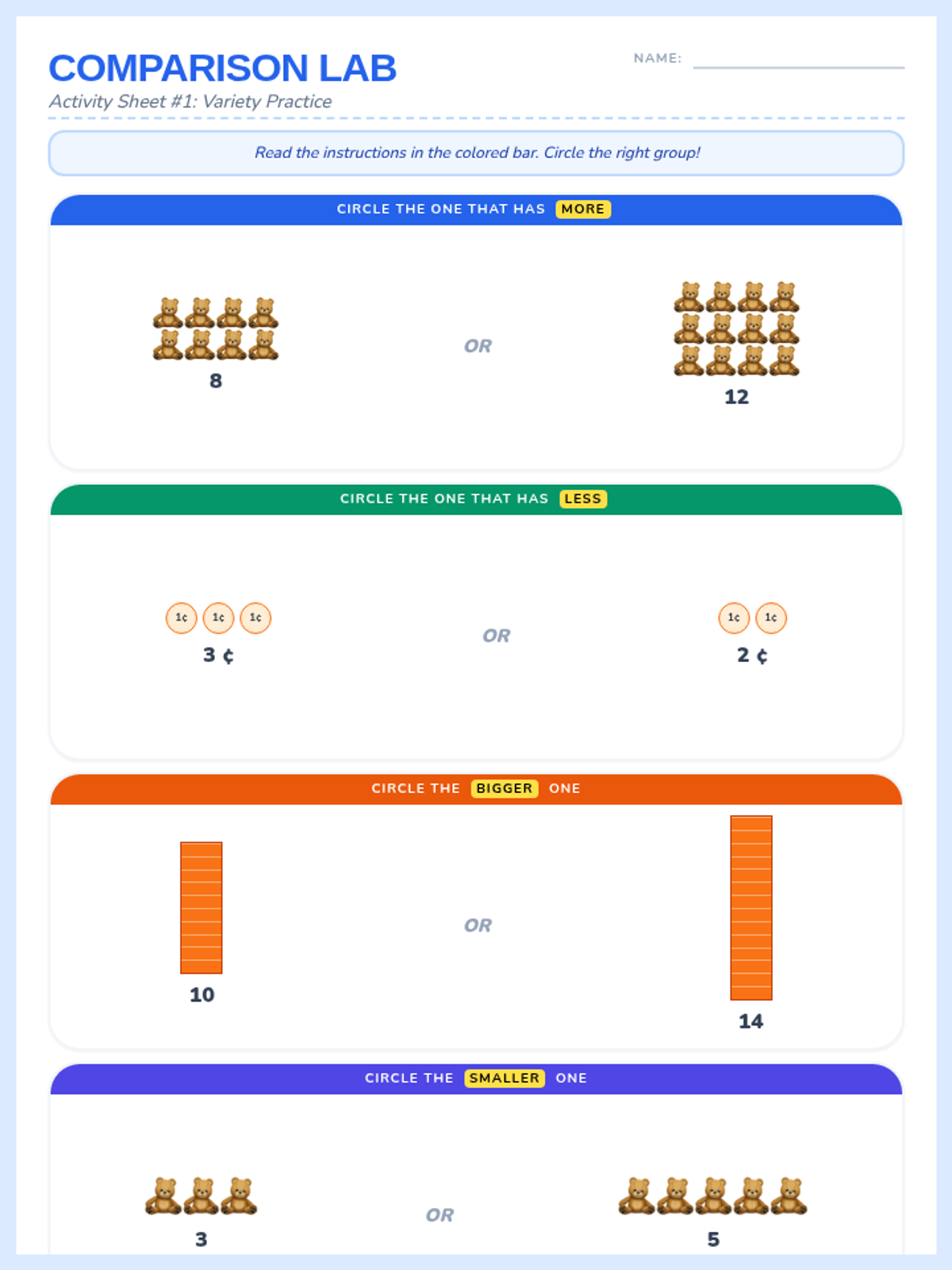
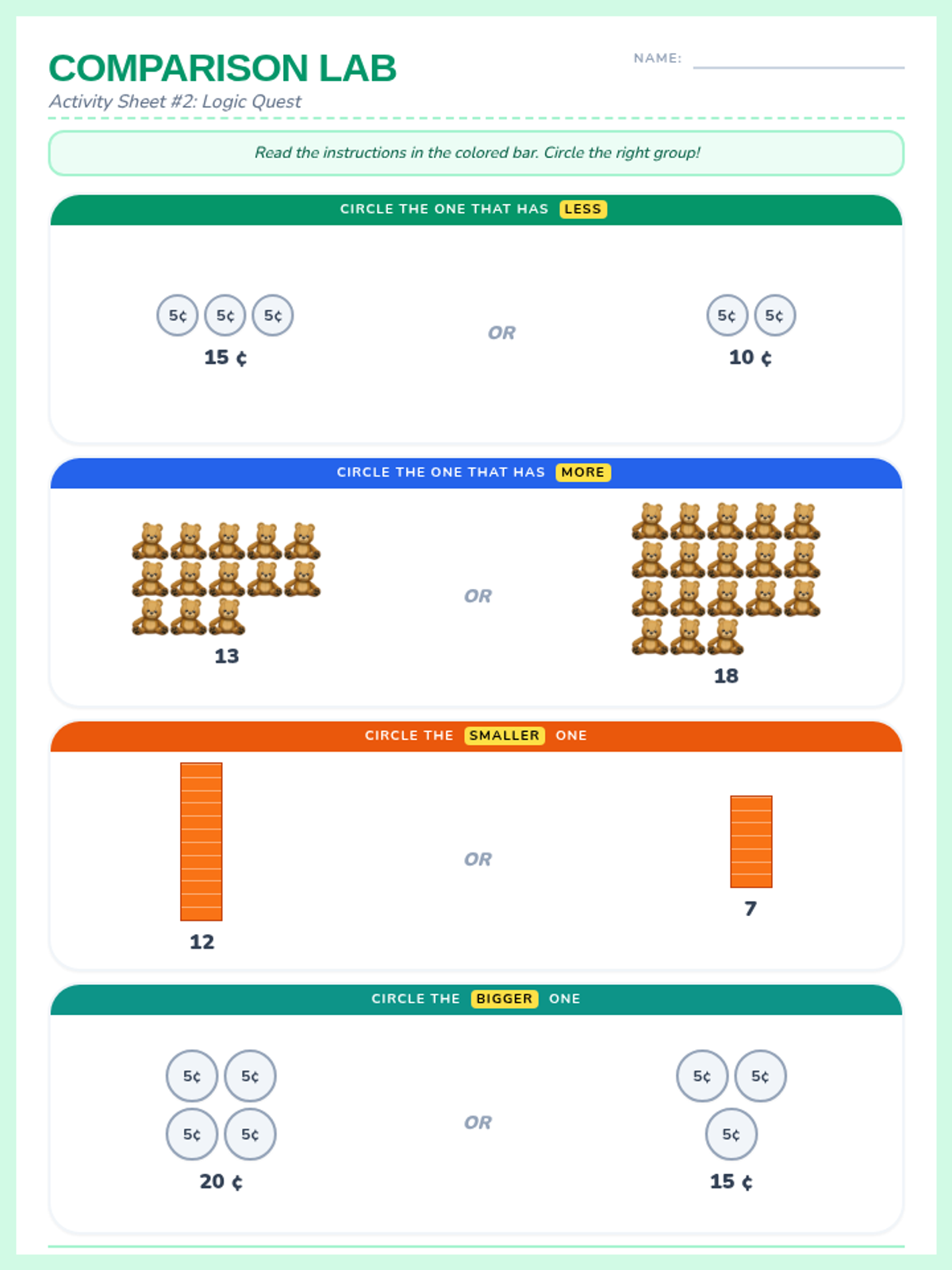
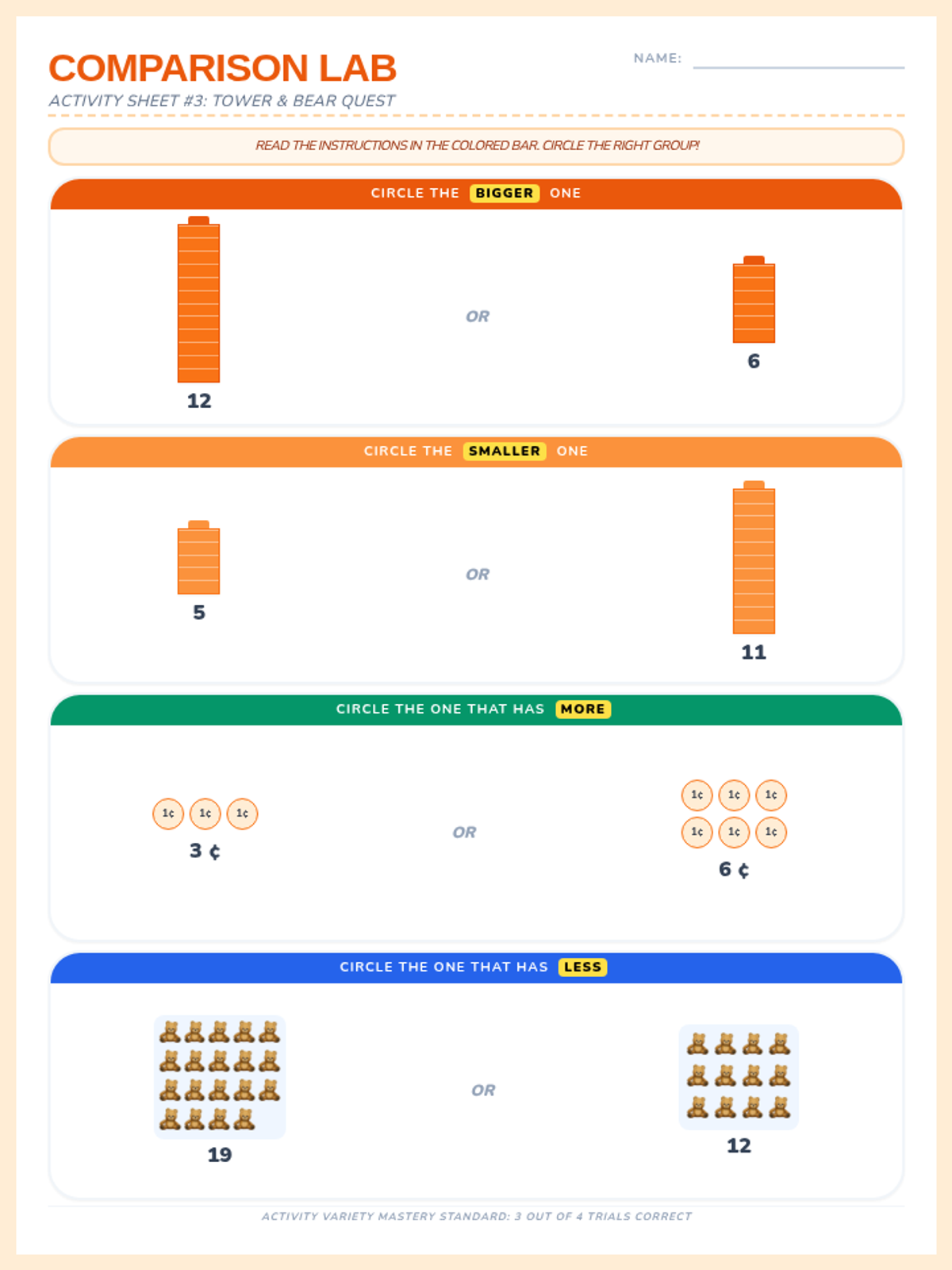
A set of hands-on math worksheets designed to help students master comparing numbers up to 20 using counting bears, coins, and Unifix cubes.
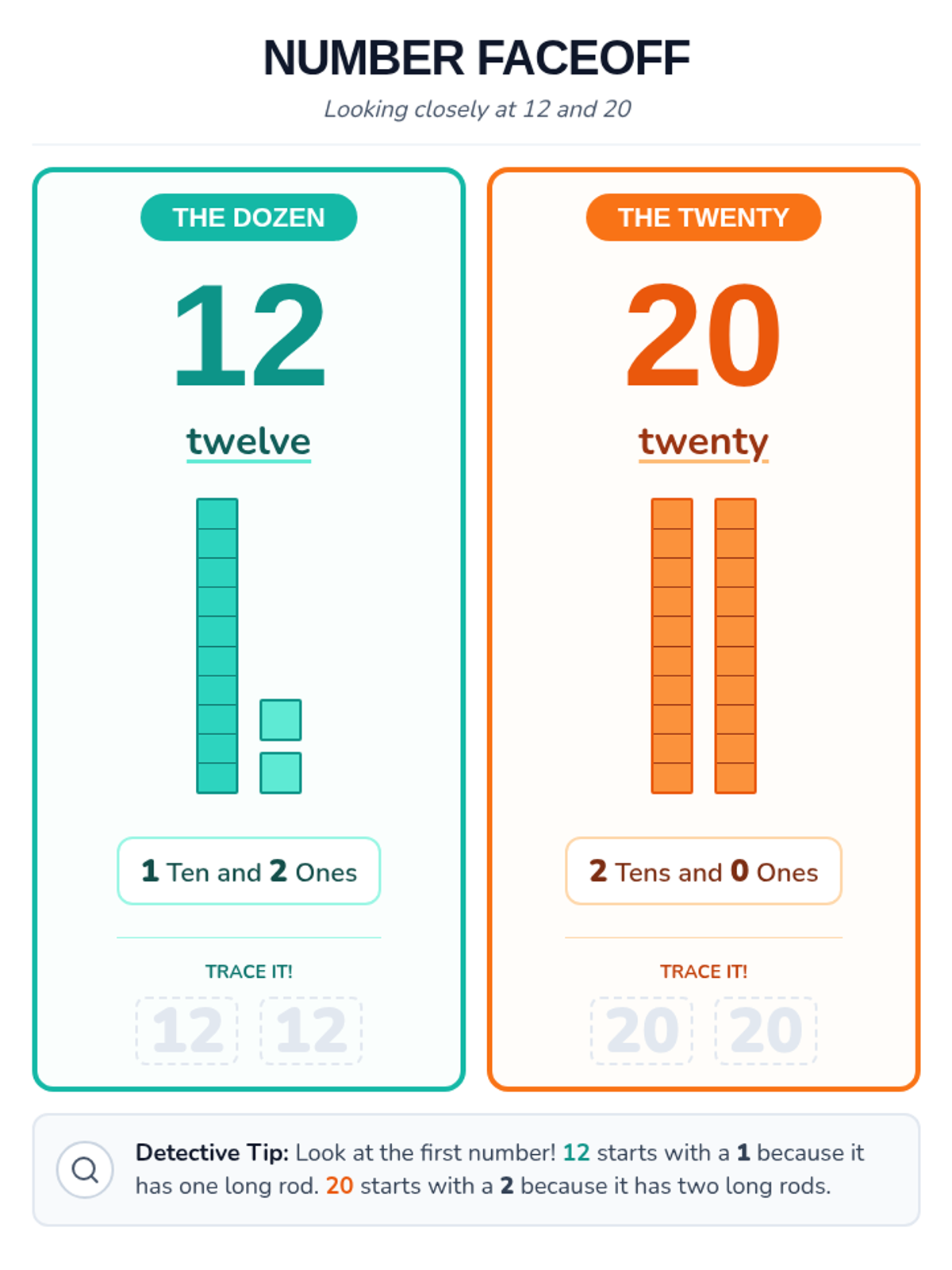
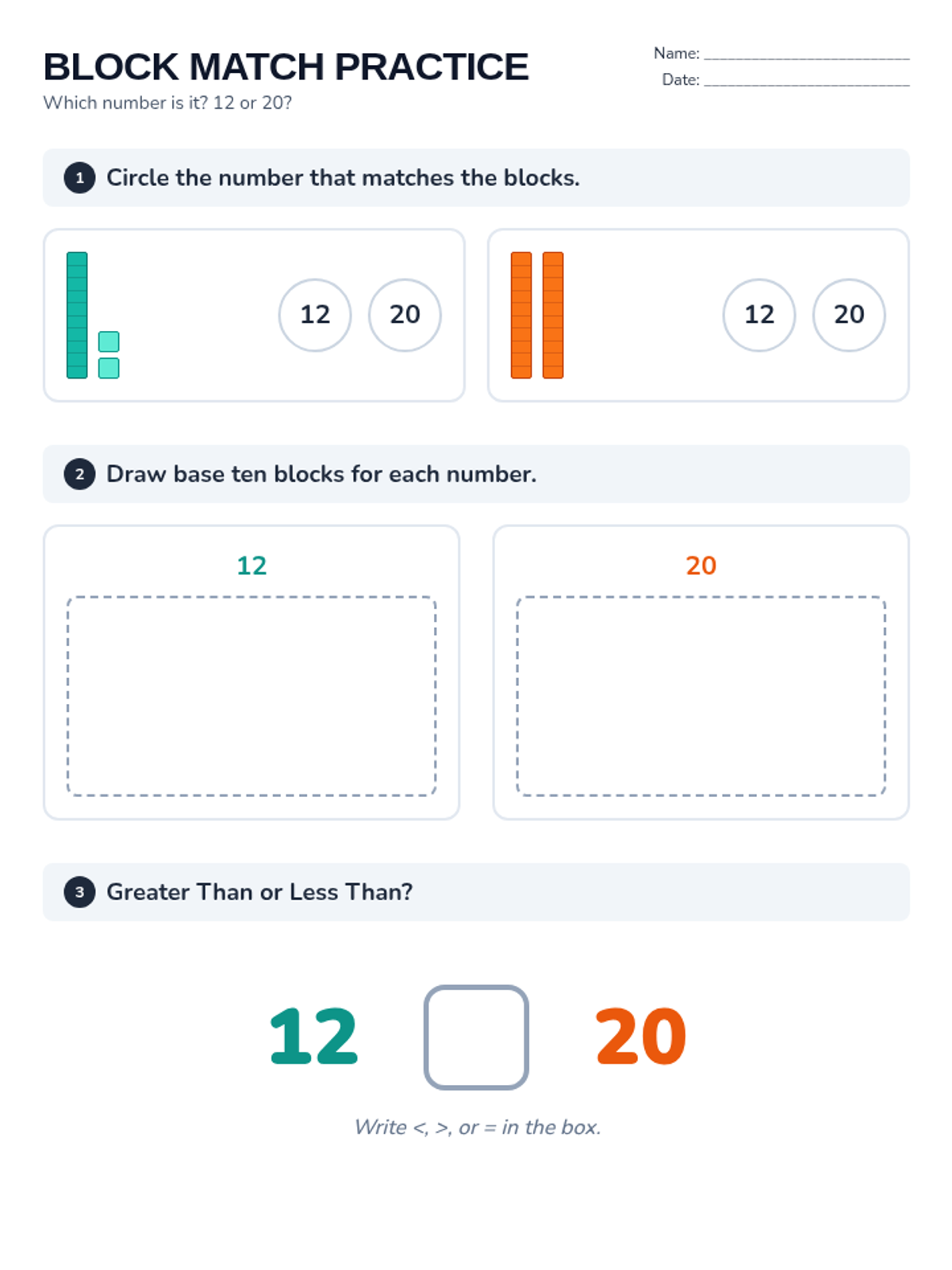
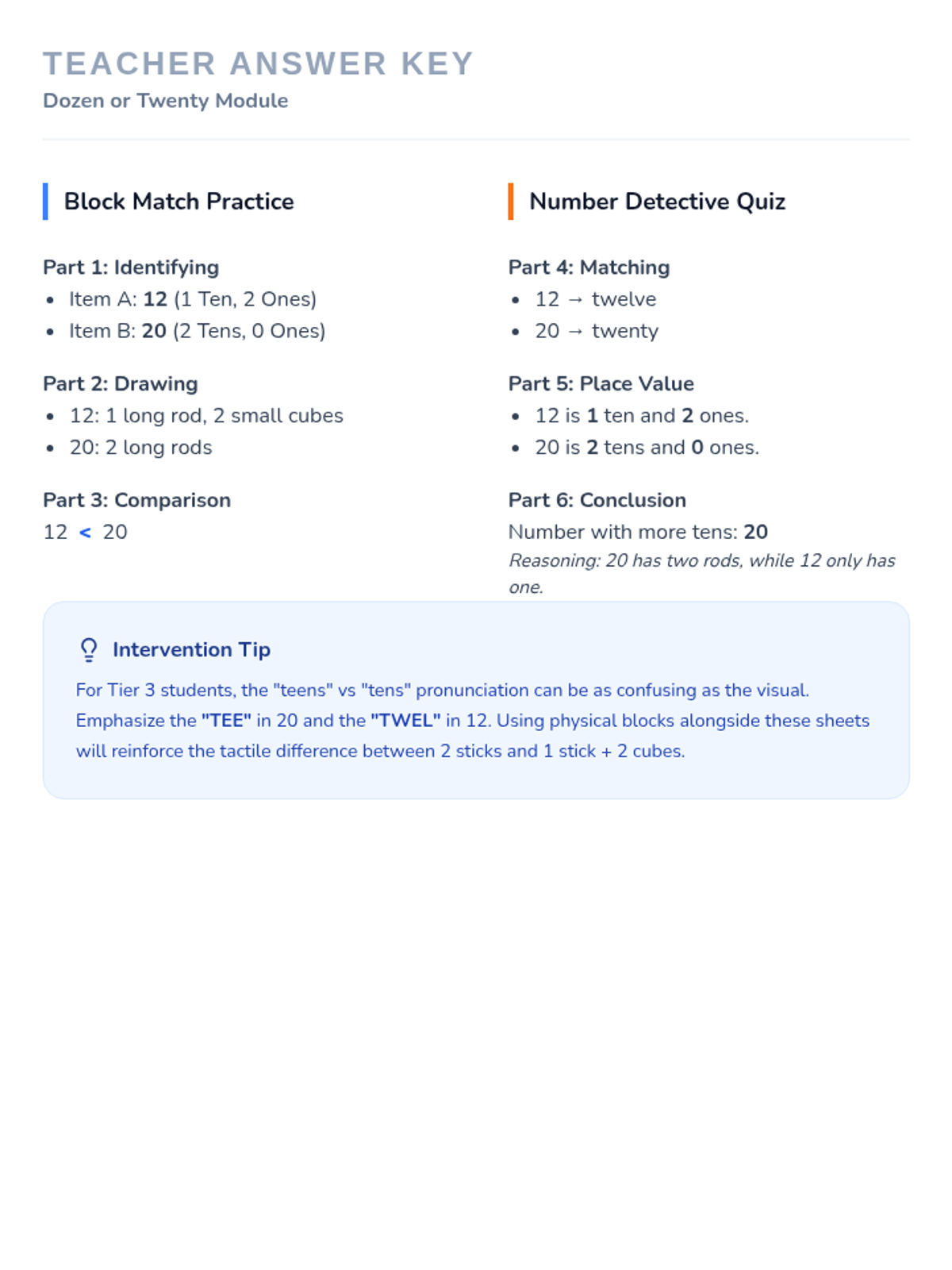
A targeted intervention lesson to help students distinguish between the numbers 12 and 20 using base ten block visualizations and comparative practice.
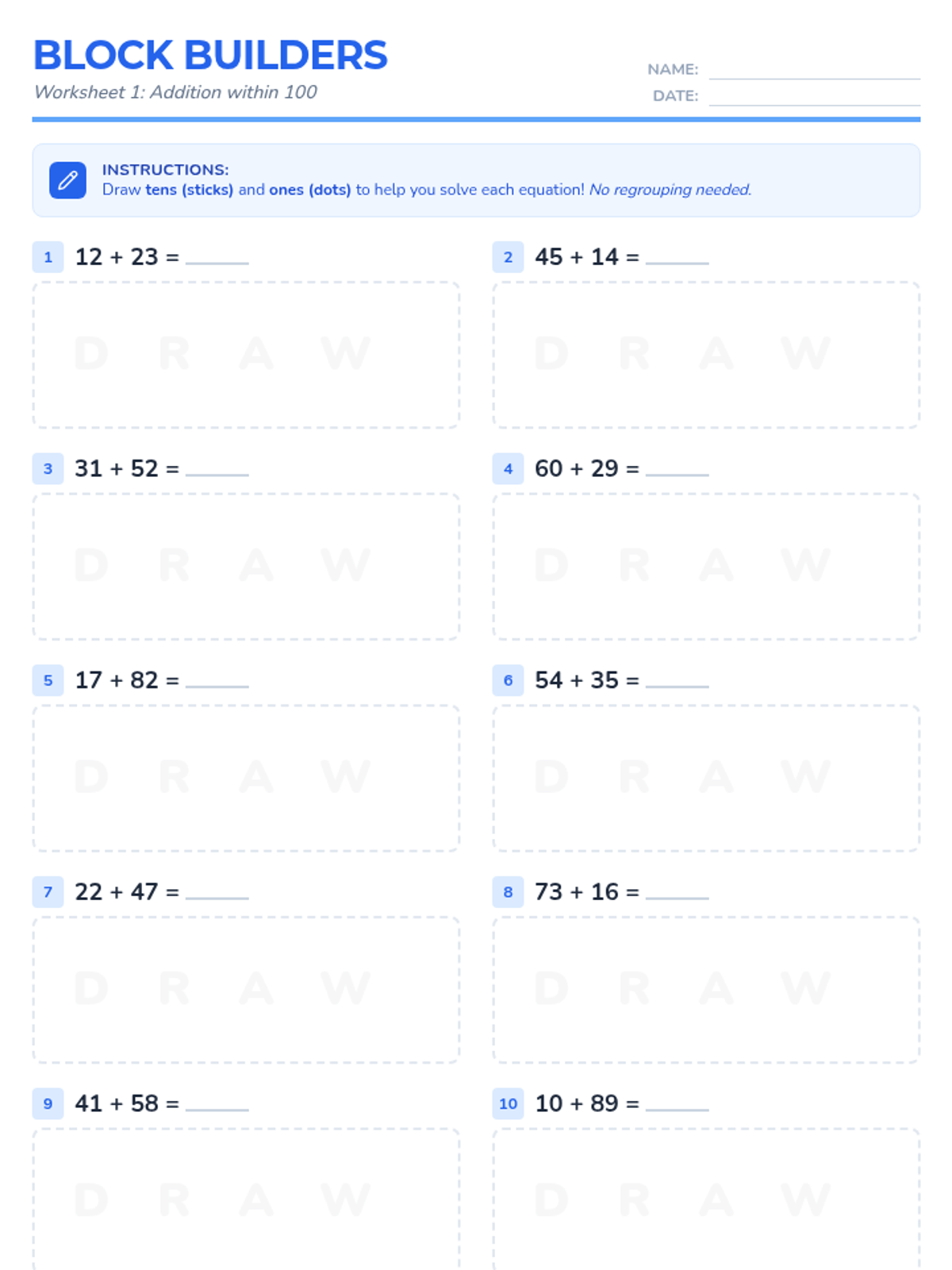
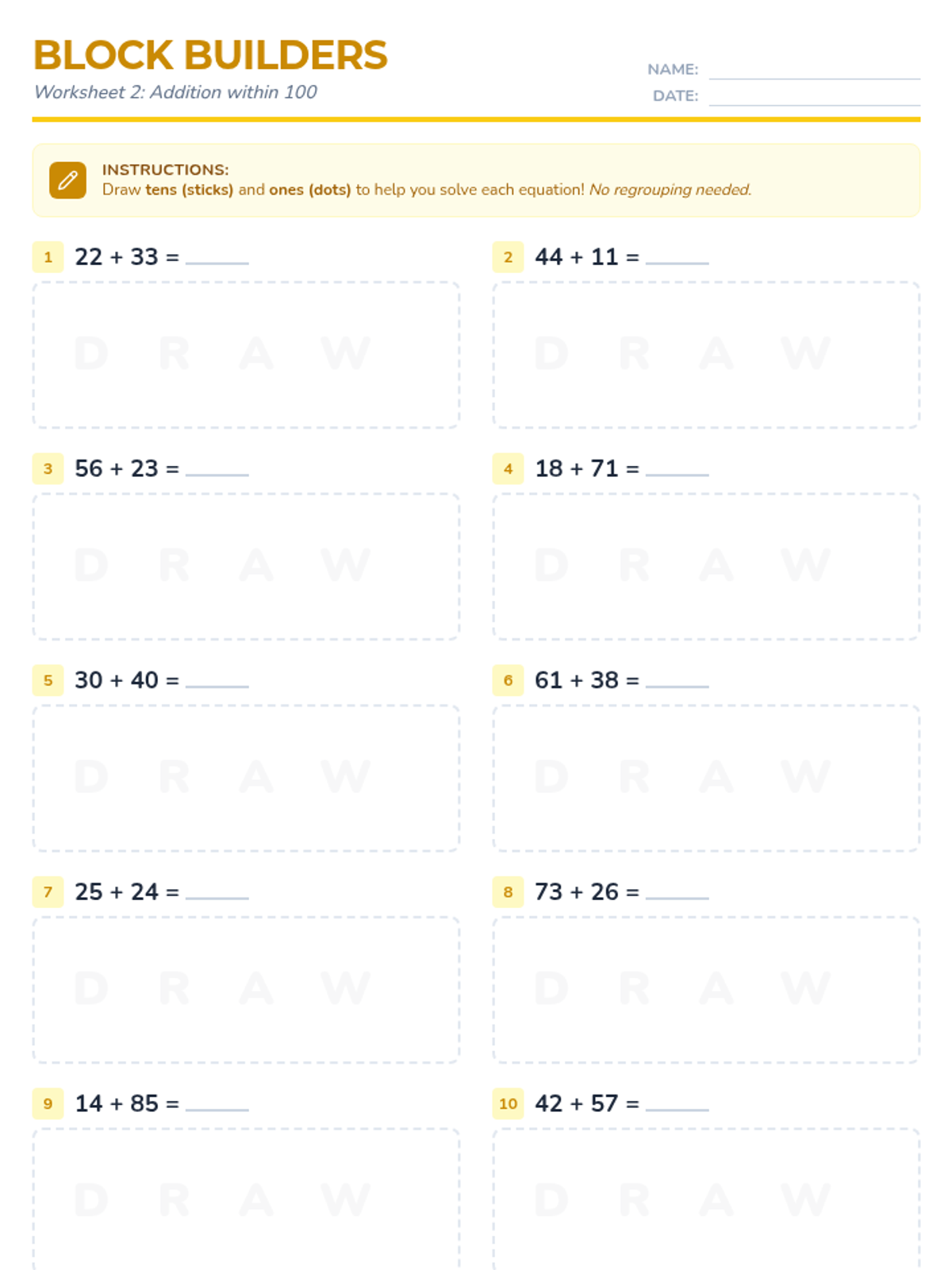
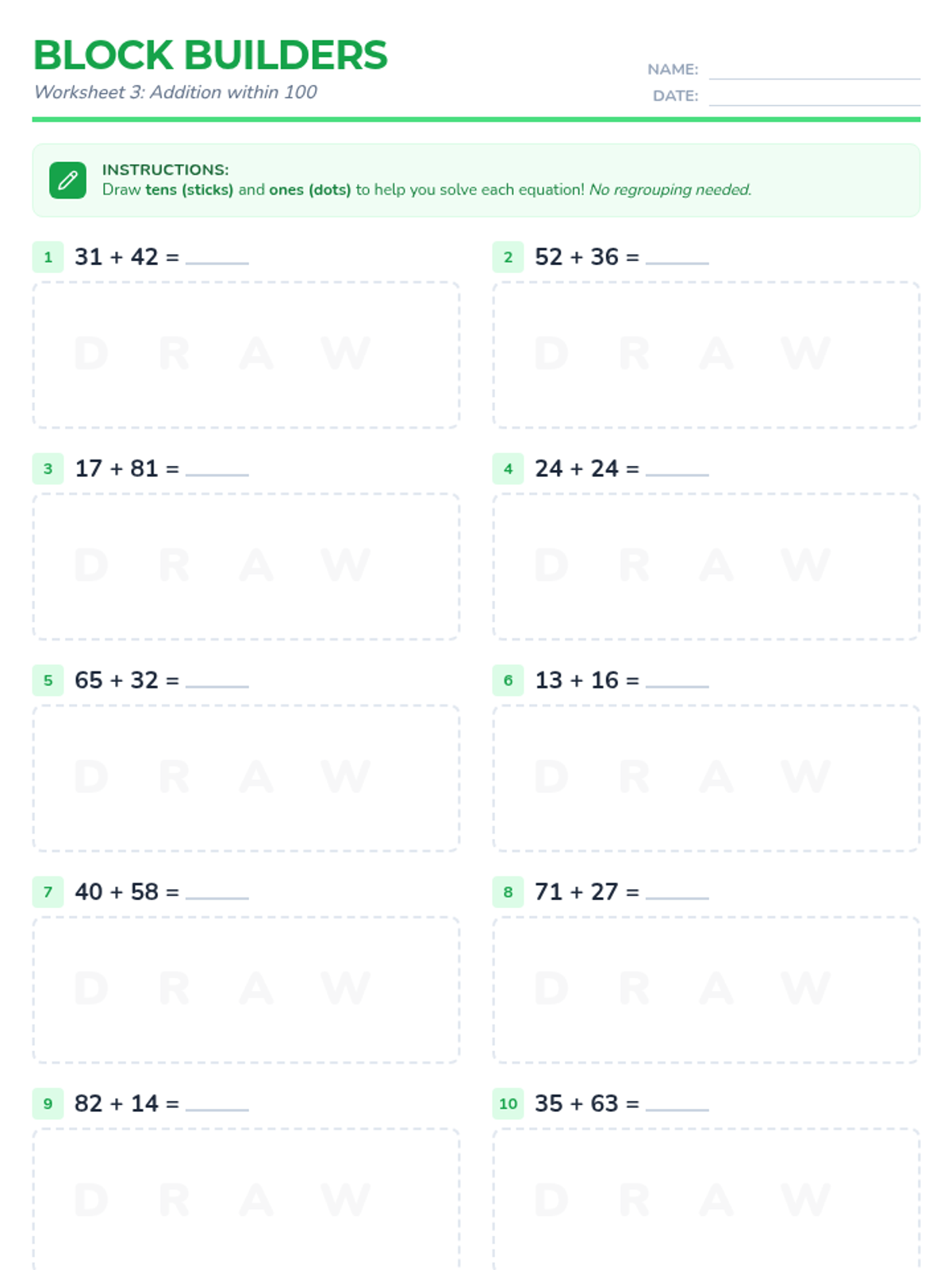
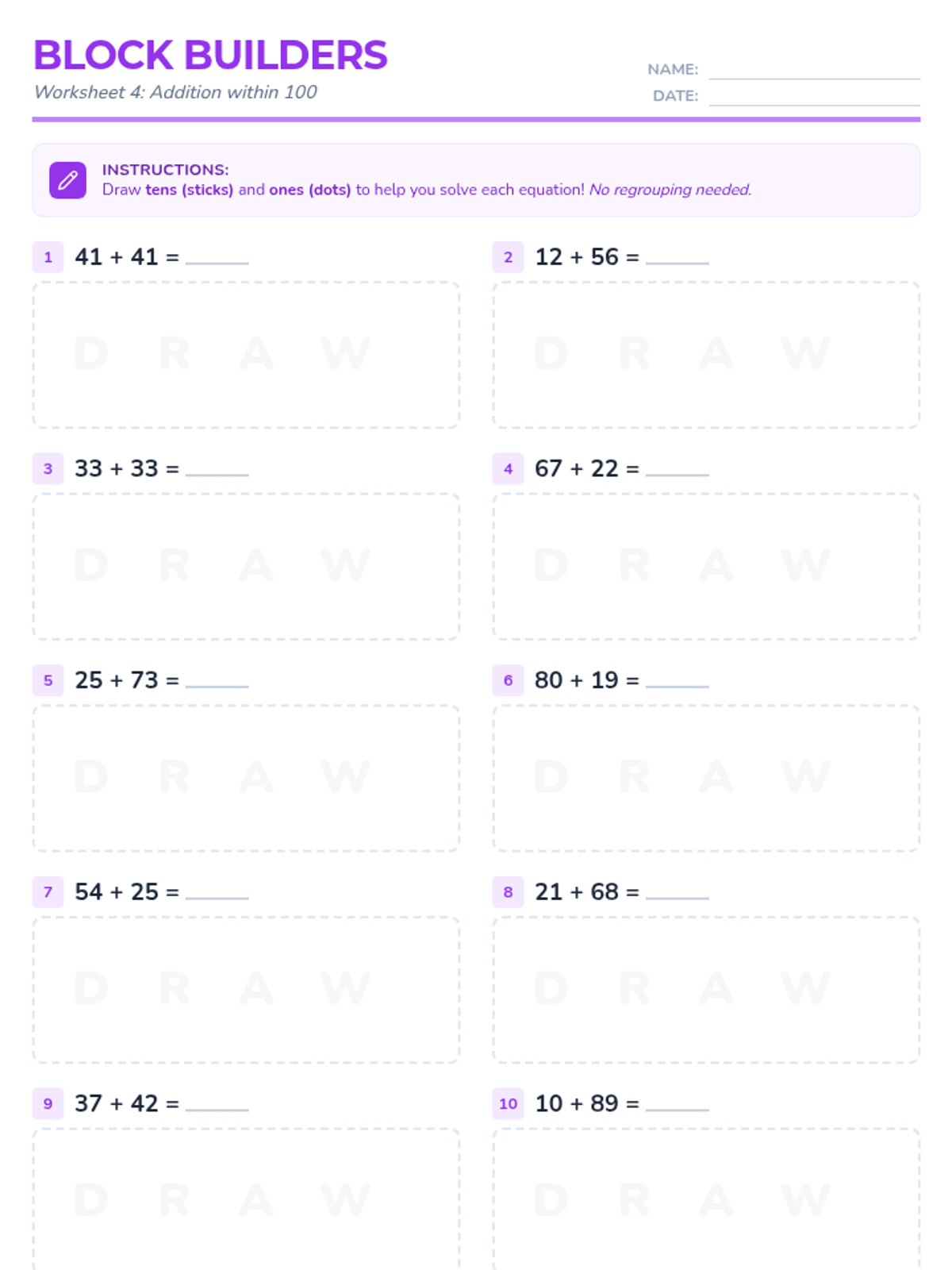
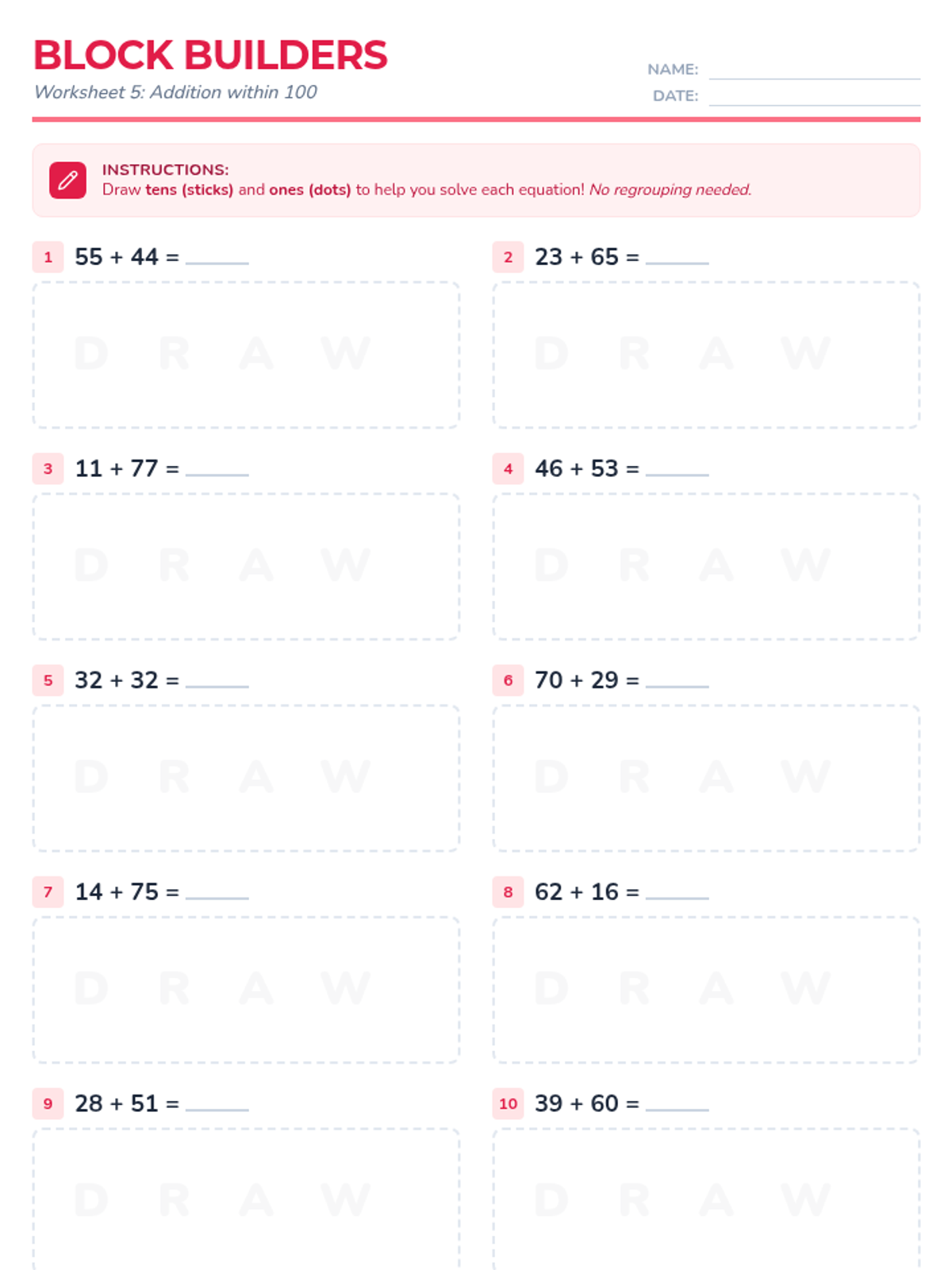
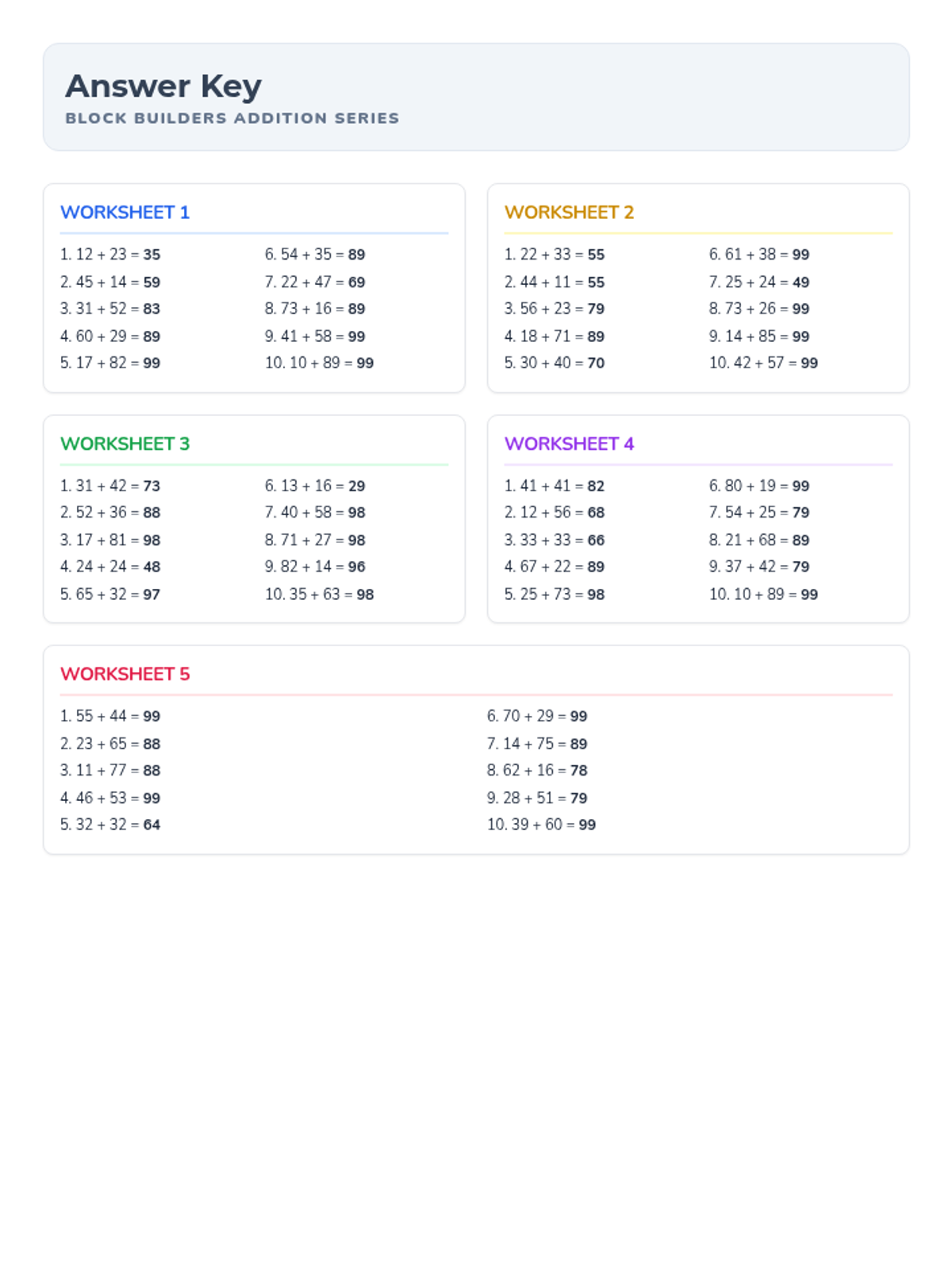
A series of worksheets designed to help first-grade students practice two-digit addition without regrouping using the visual aid of base ten blocks. Students will 'build' numbers with tens and ones to solve horizontal equations.
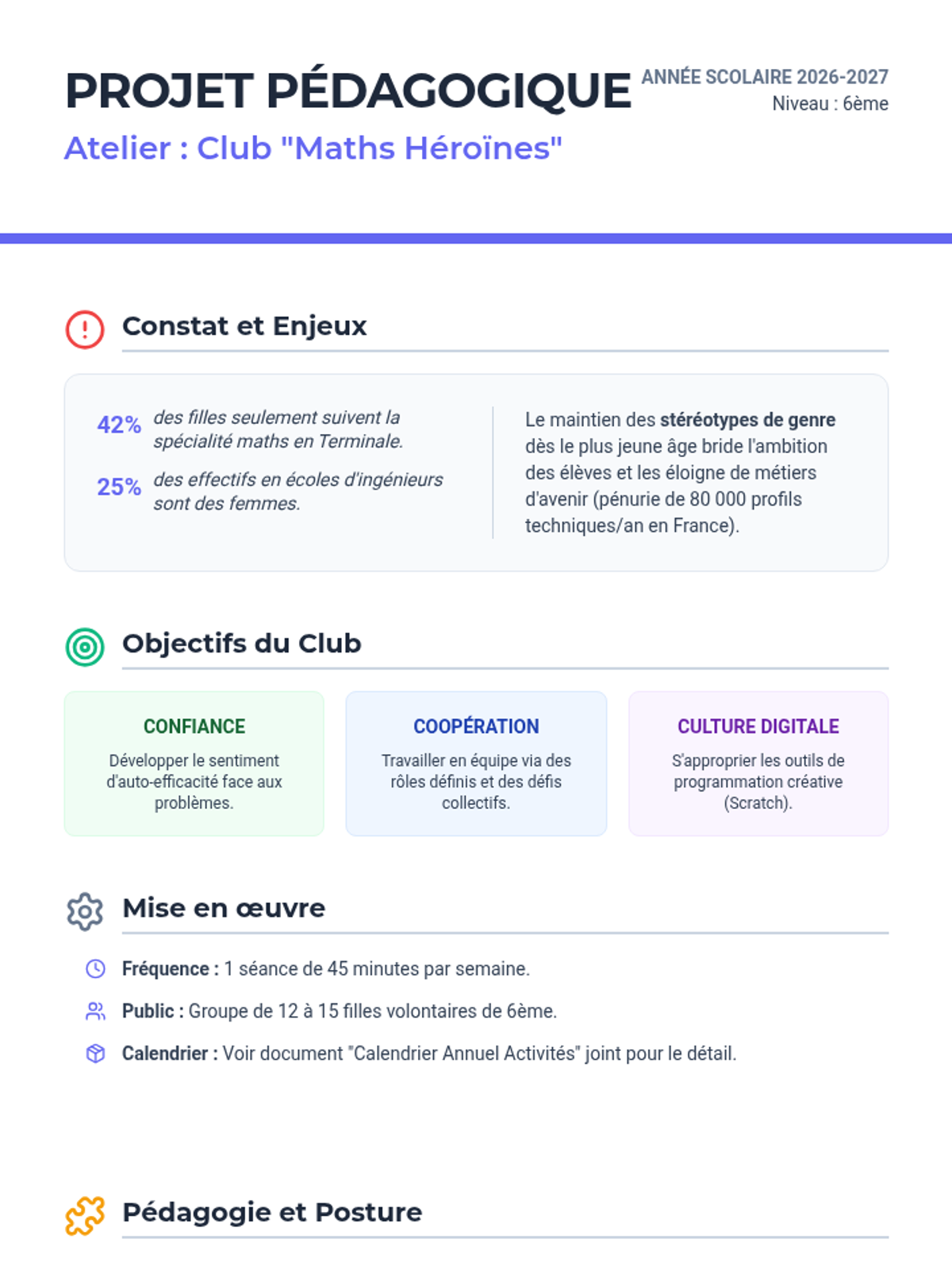
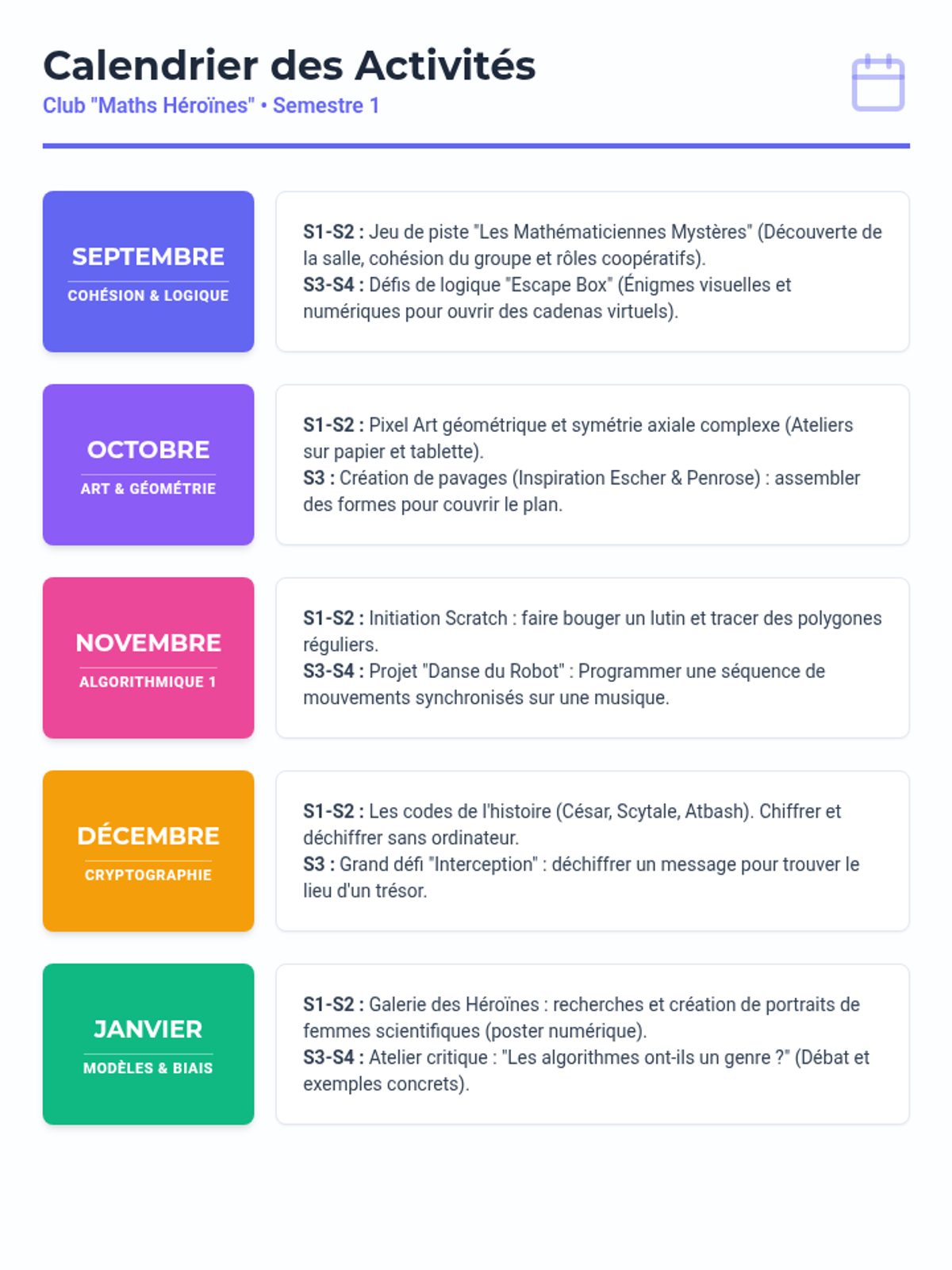
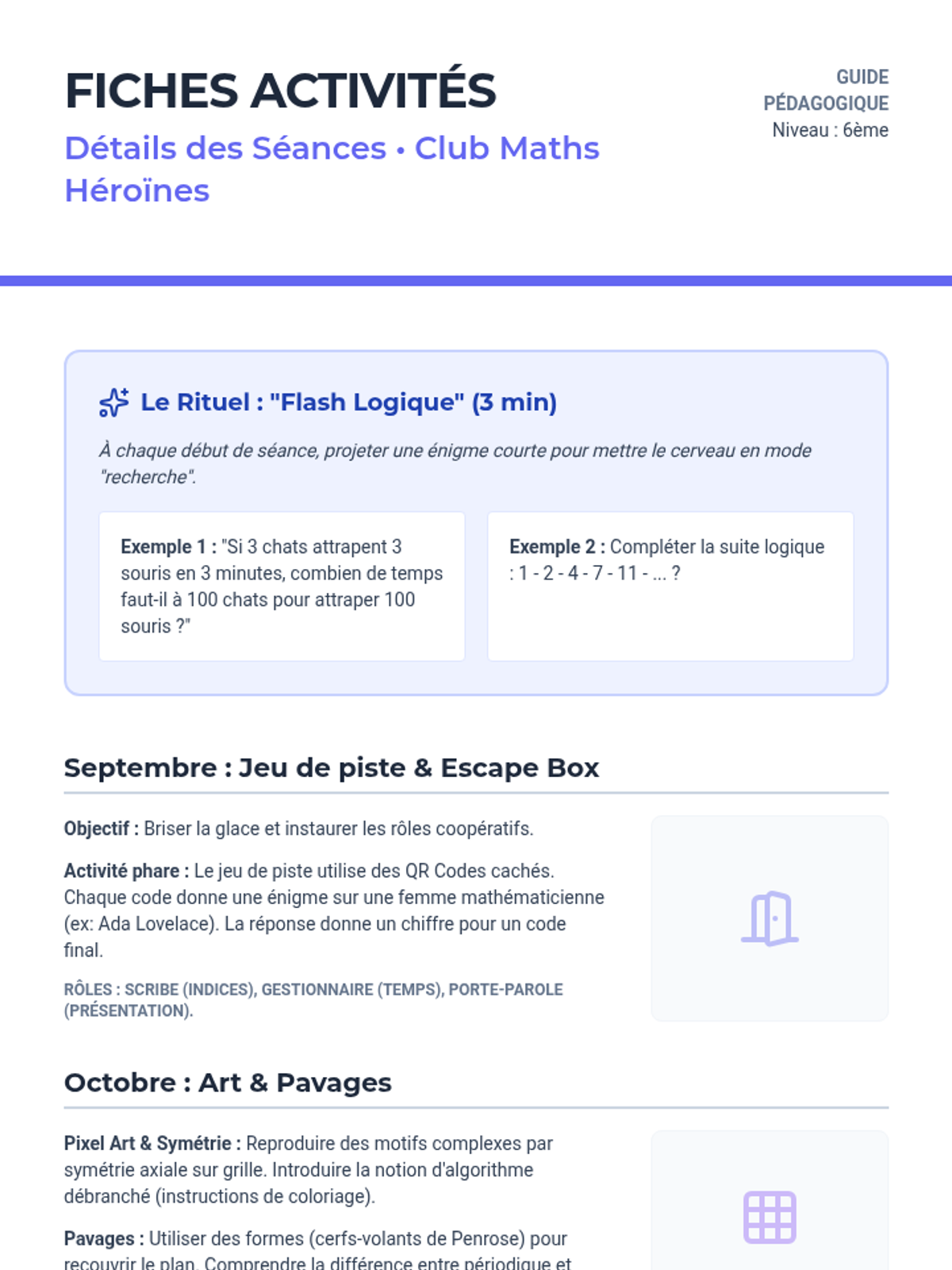
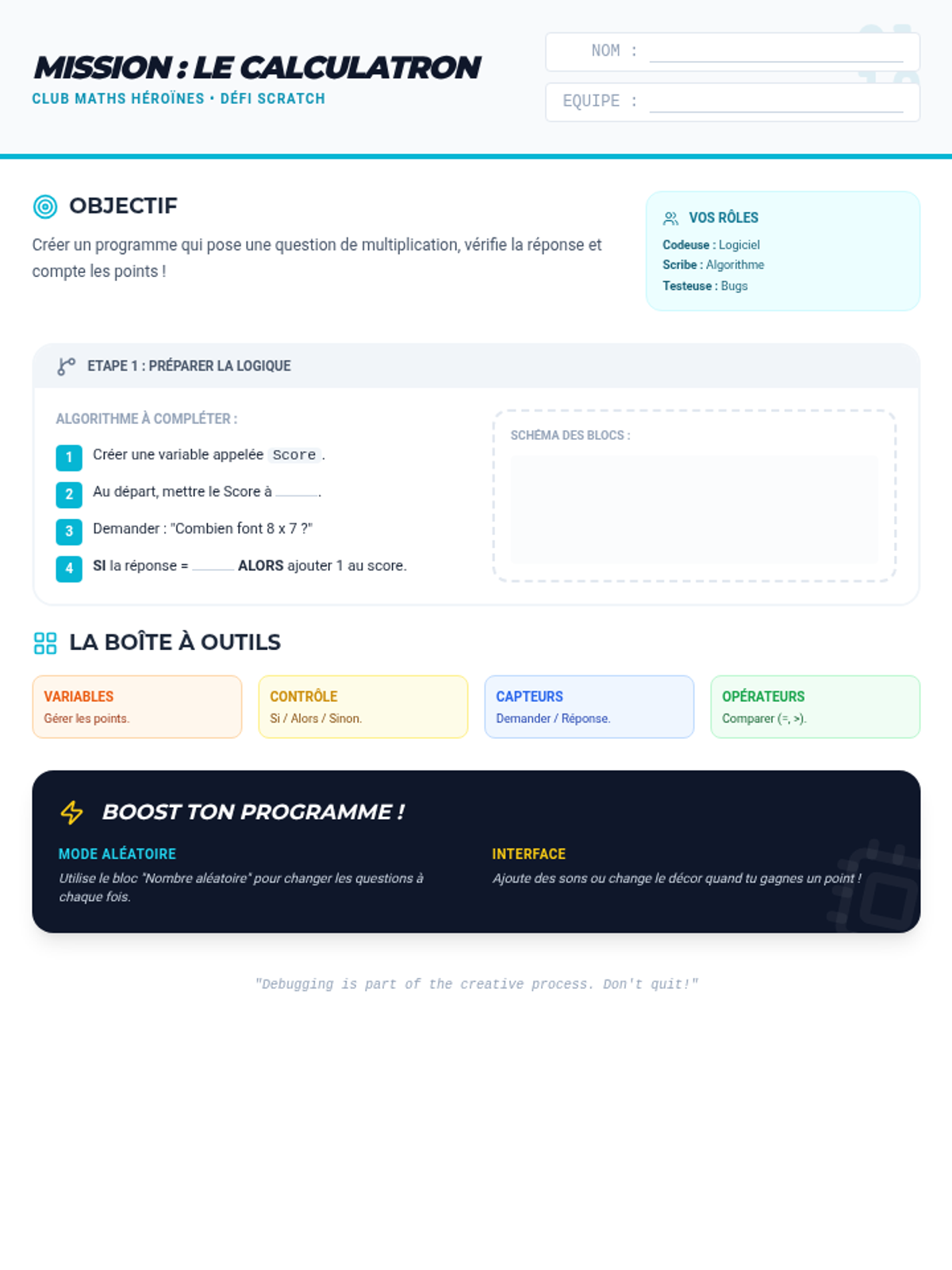
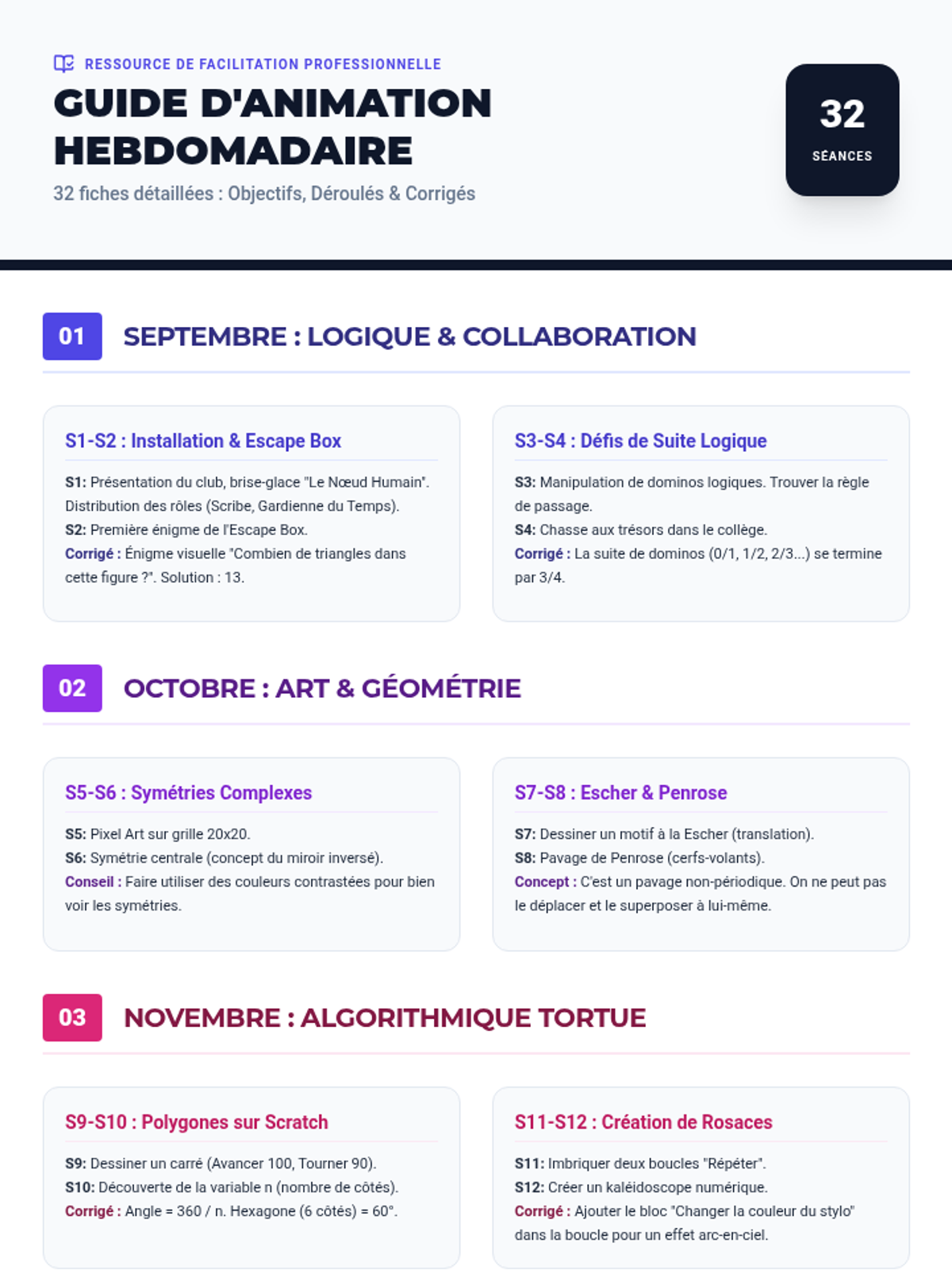
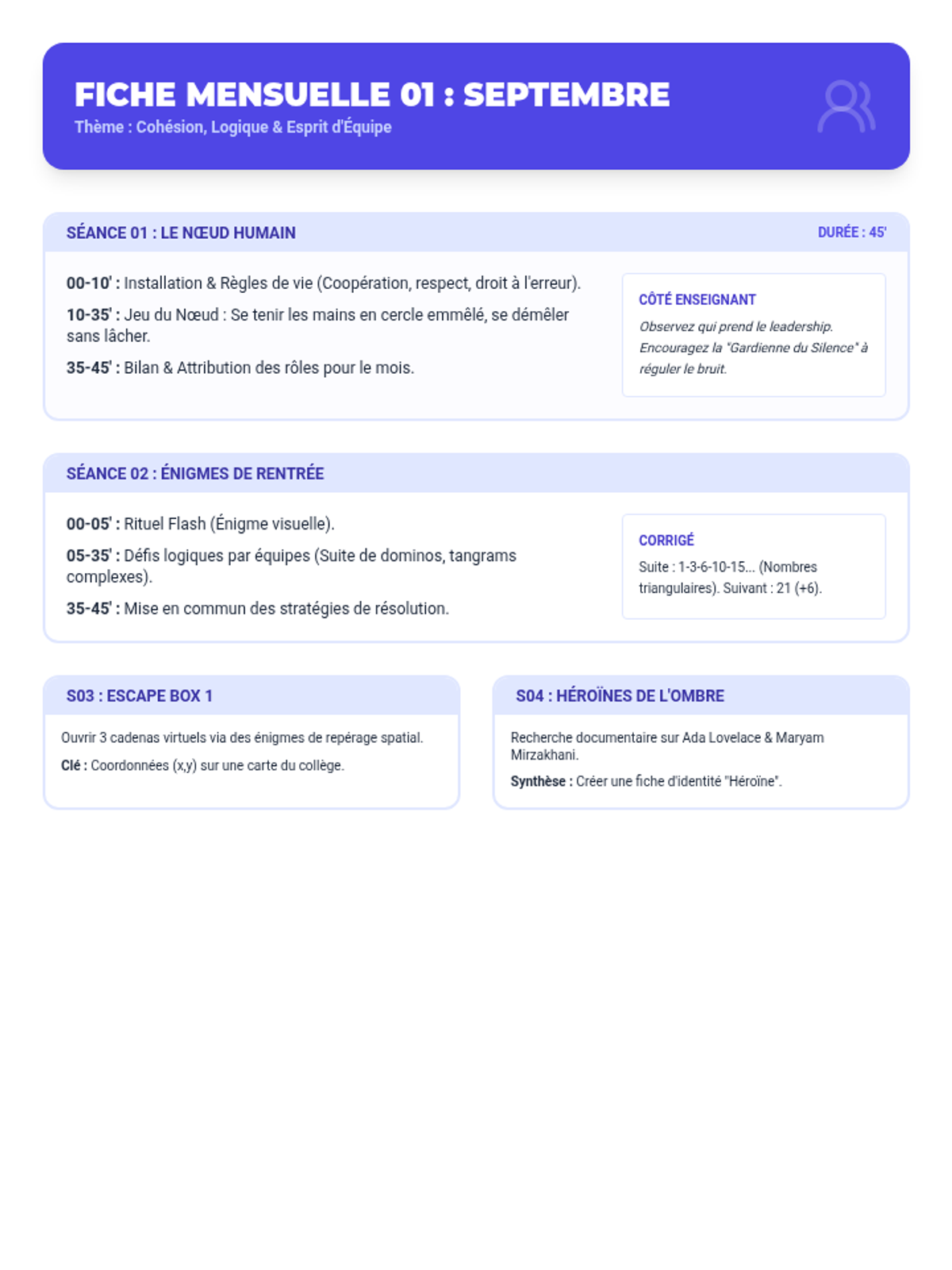
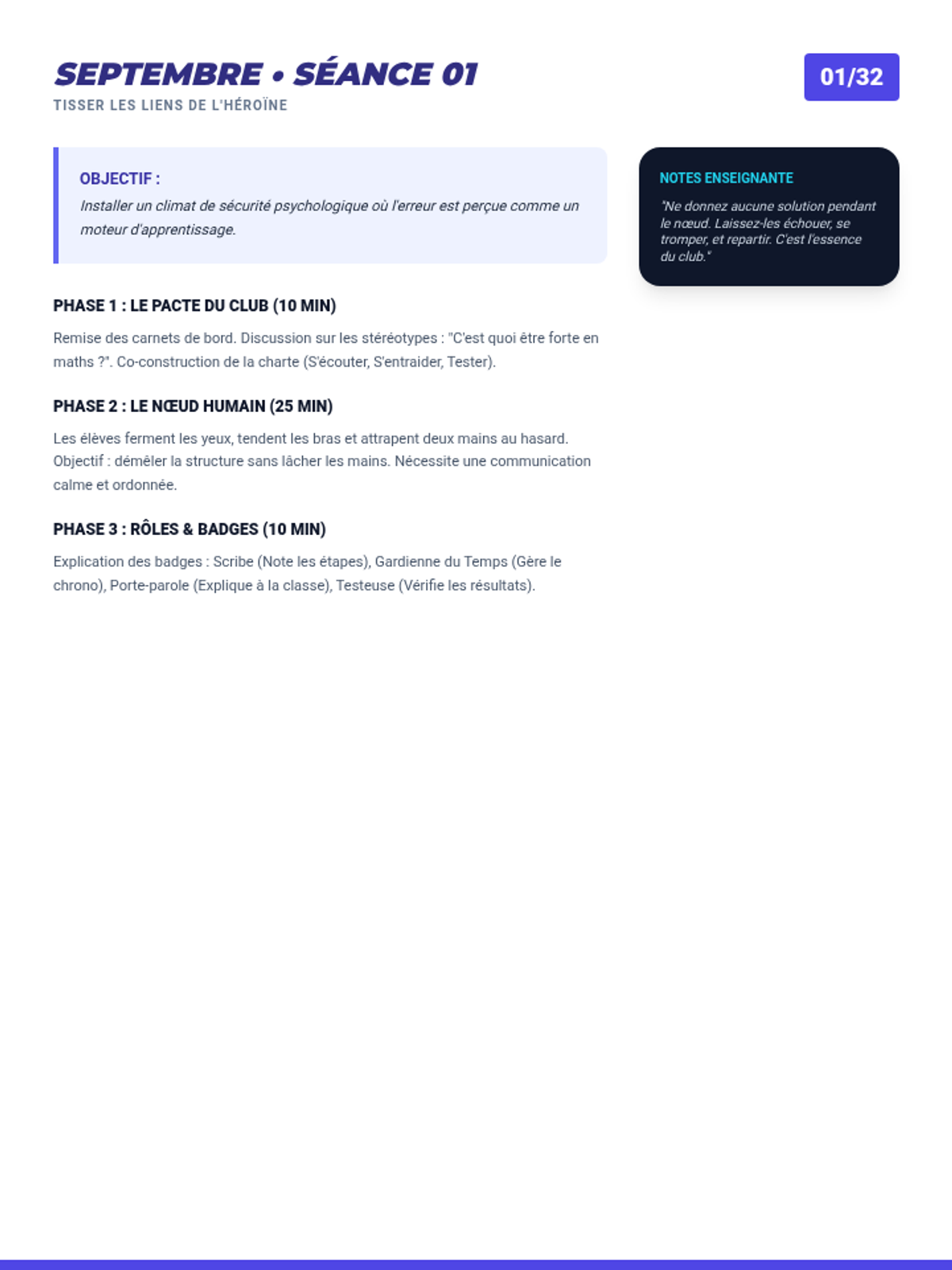
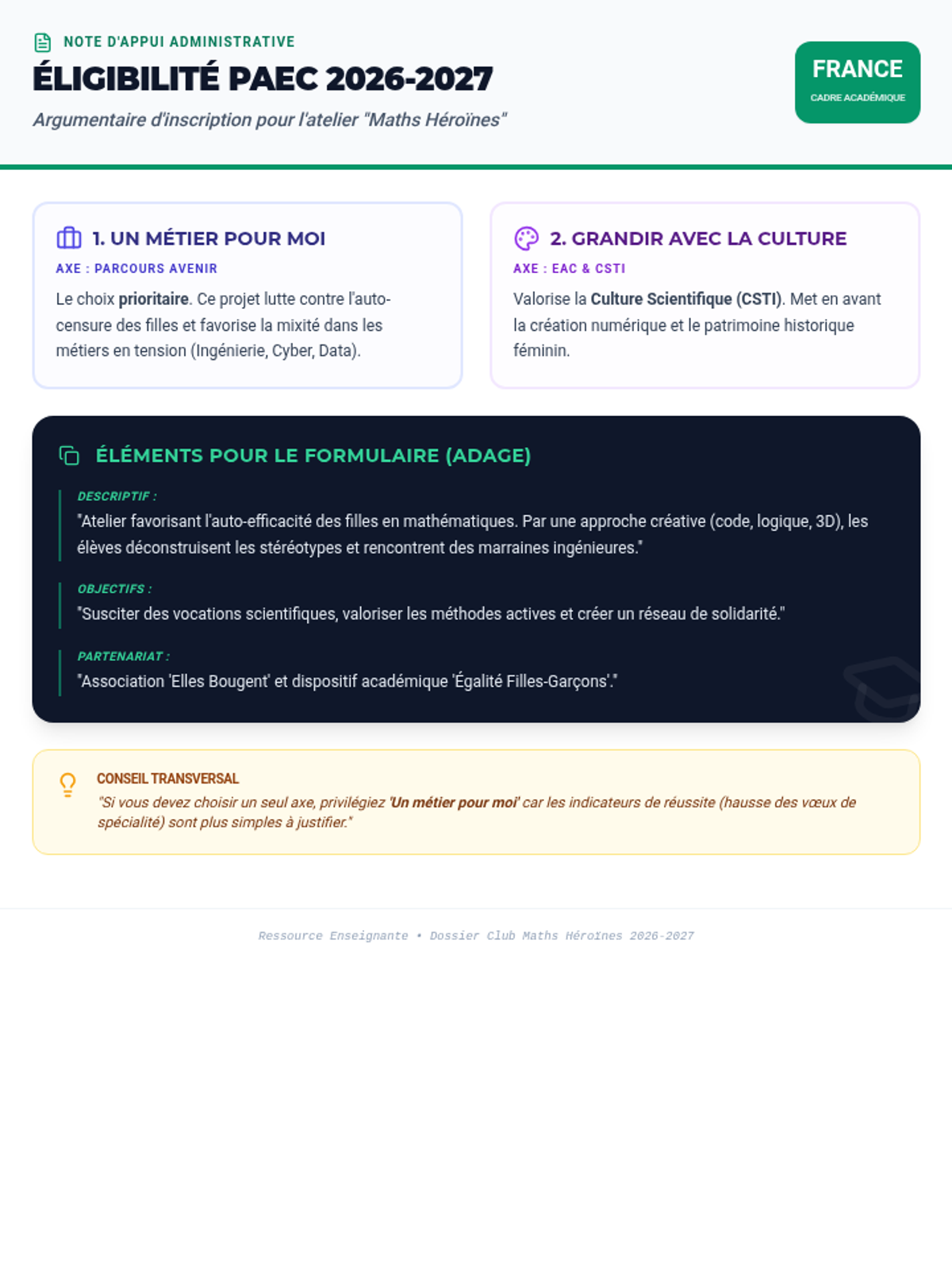
Ce module regroupe les documents administratifs et pédagogiques nécessaires à la mise en place d'un atelier hebdomadaire de 45 minutes pour promouvoir les mathématiques auprès des jeunes filles.
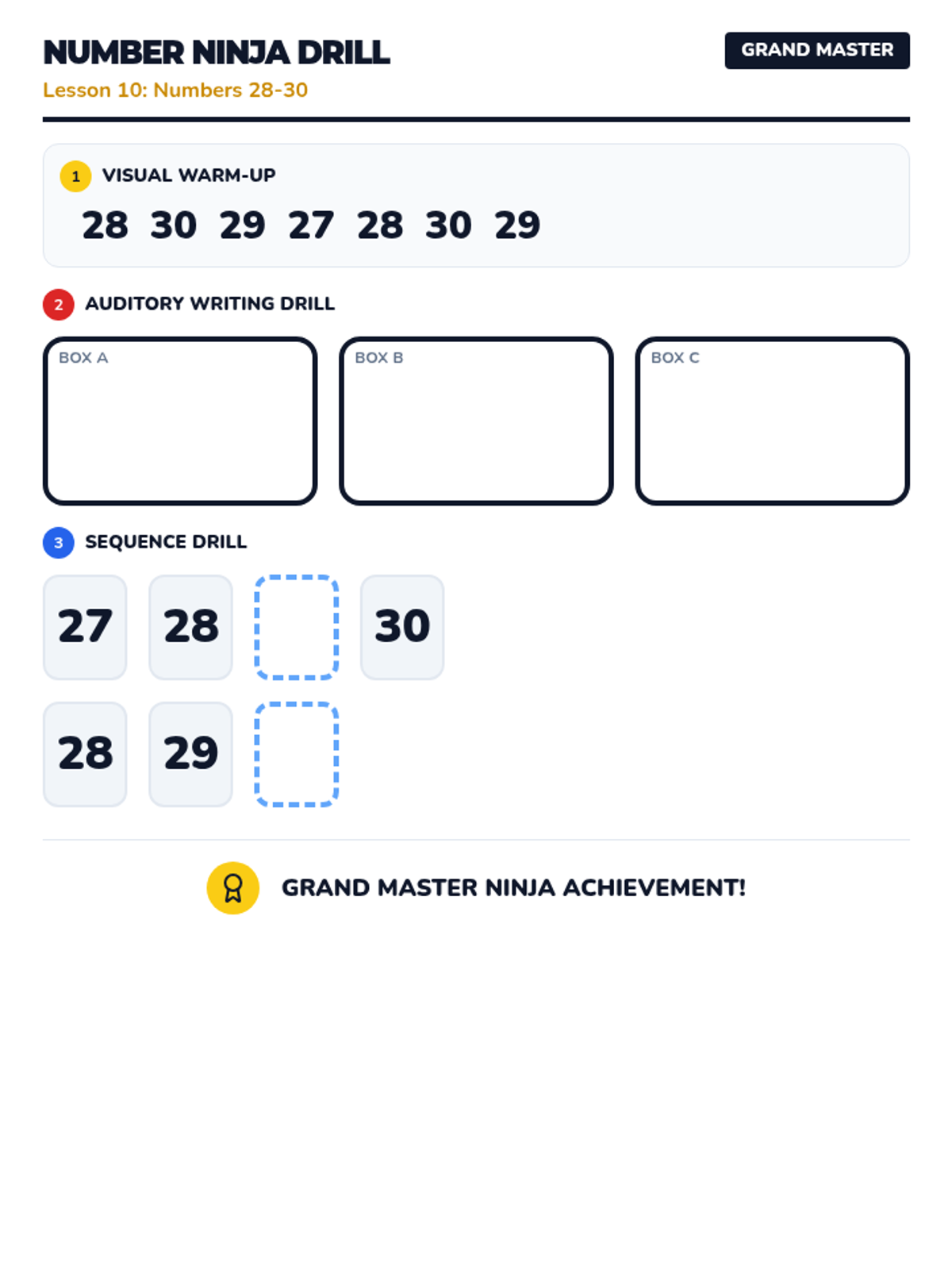
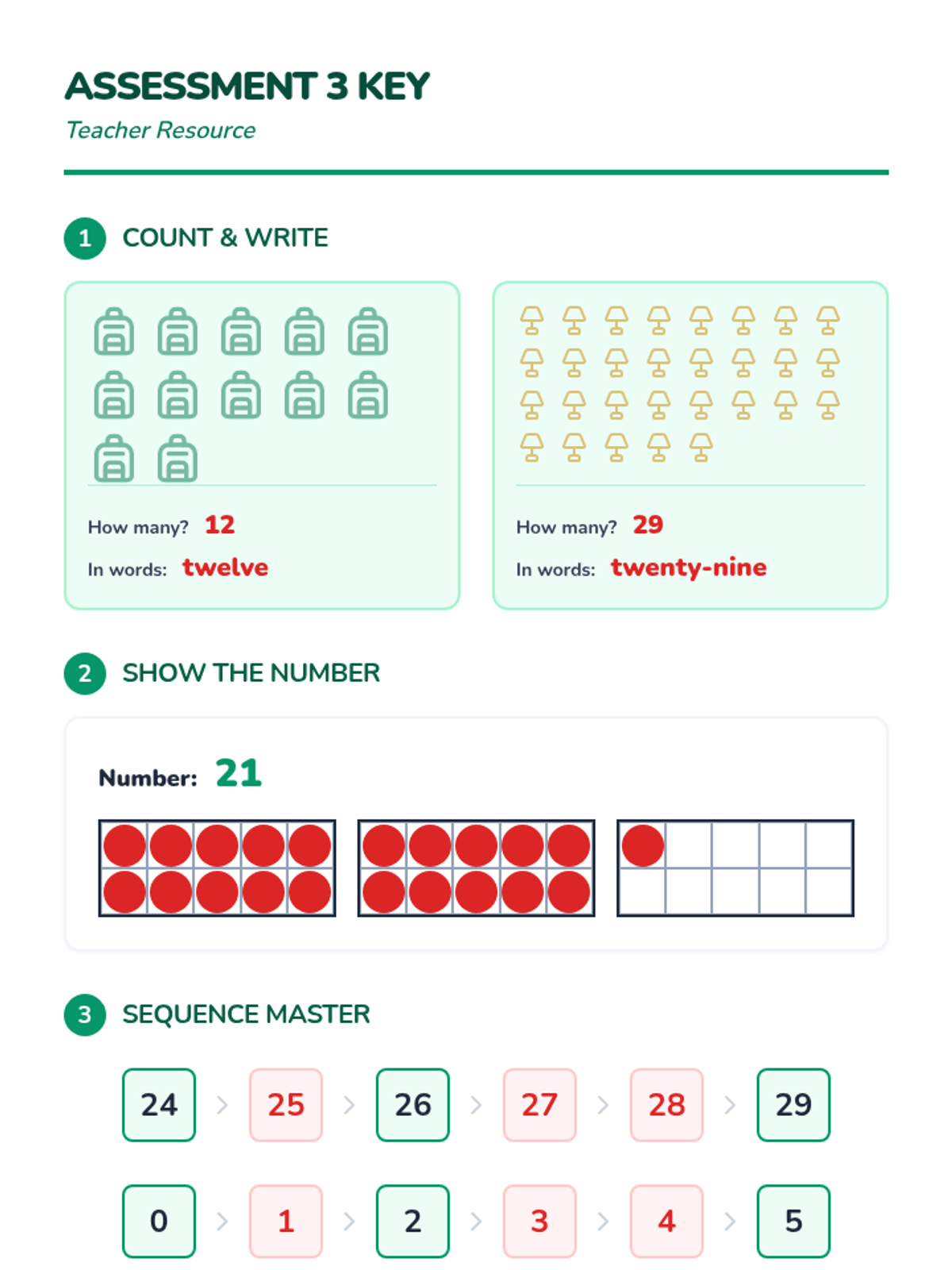
Focuses on numbers 28-30 and a comprehensive review of all numbers 1-30.
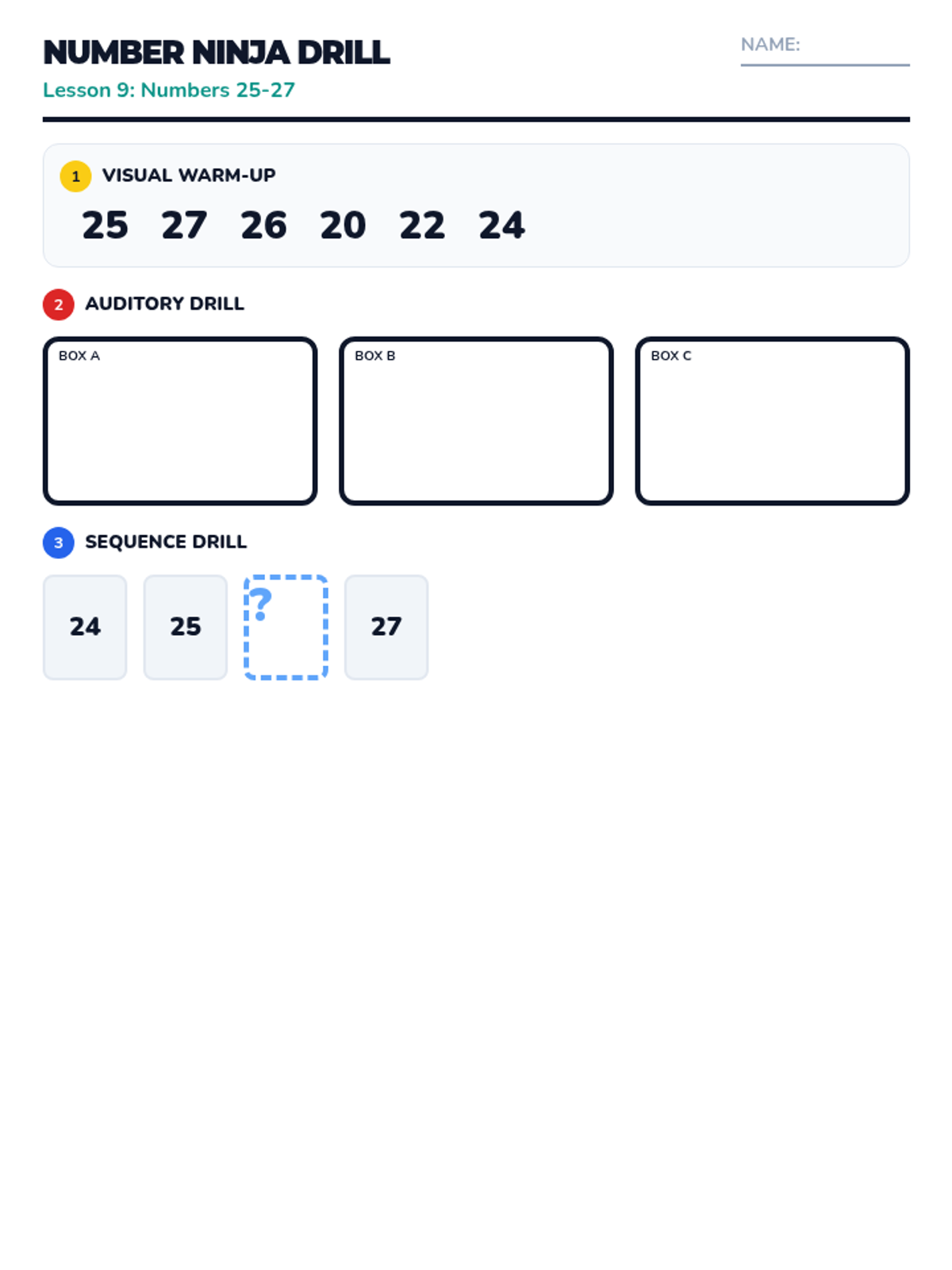
Focuses on numbers 25-27 with cumulative review of 1-24.
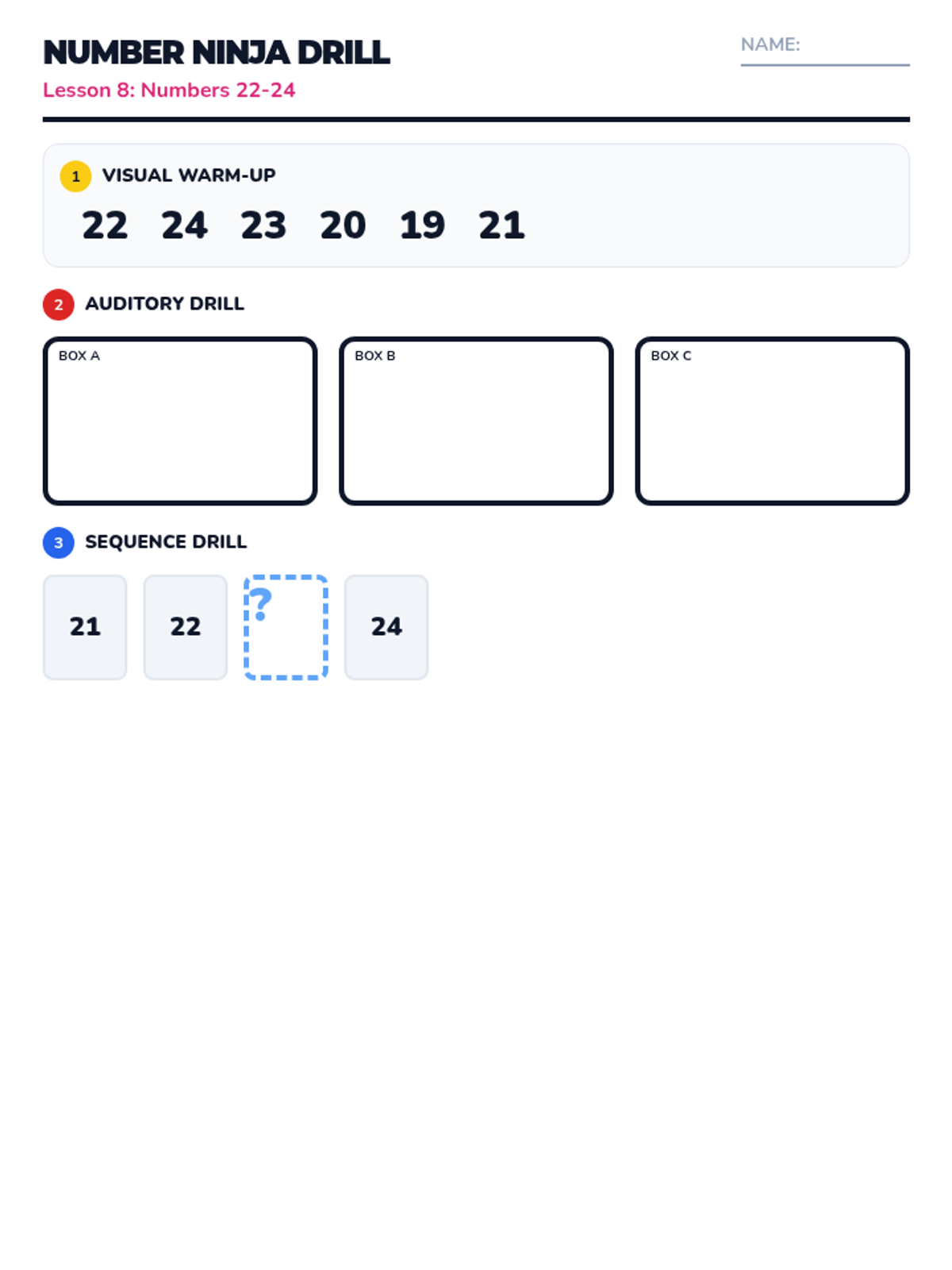
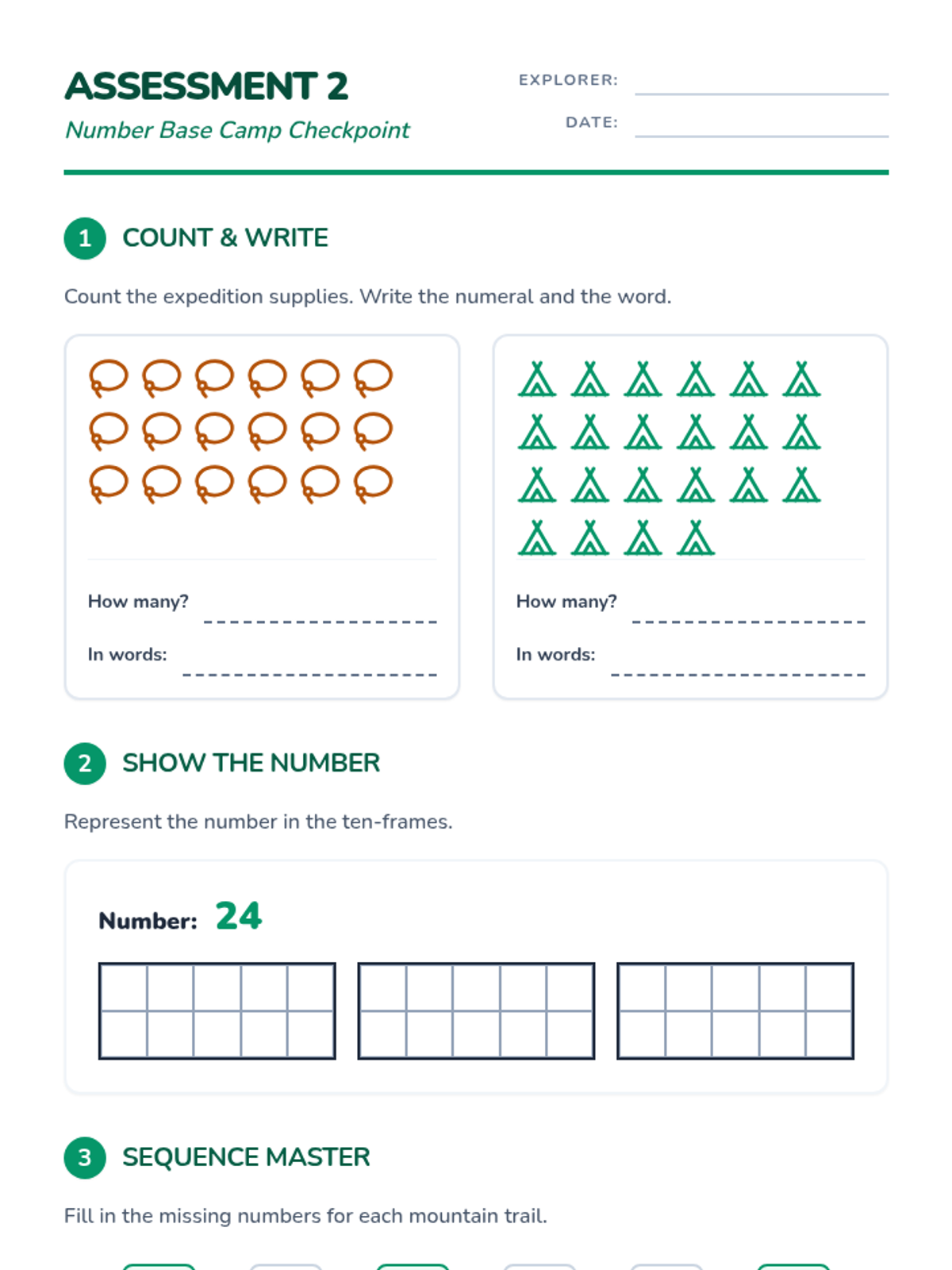
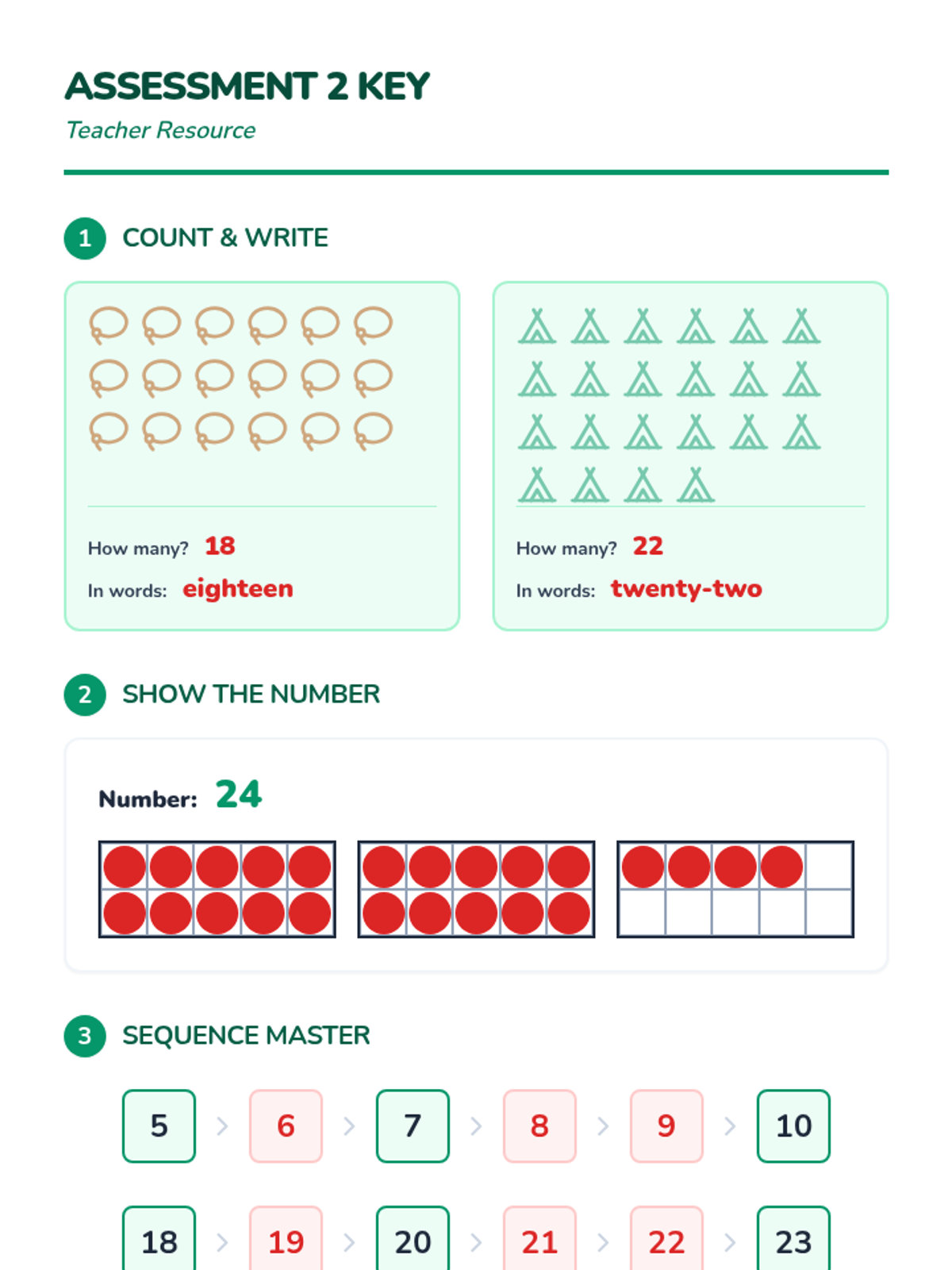
Focuses on numbers 22-24 with cumulative review of 1-21.
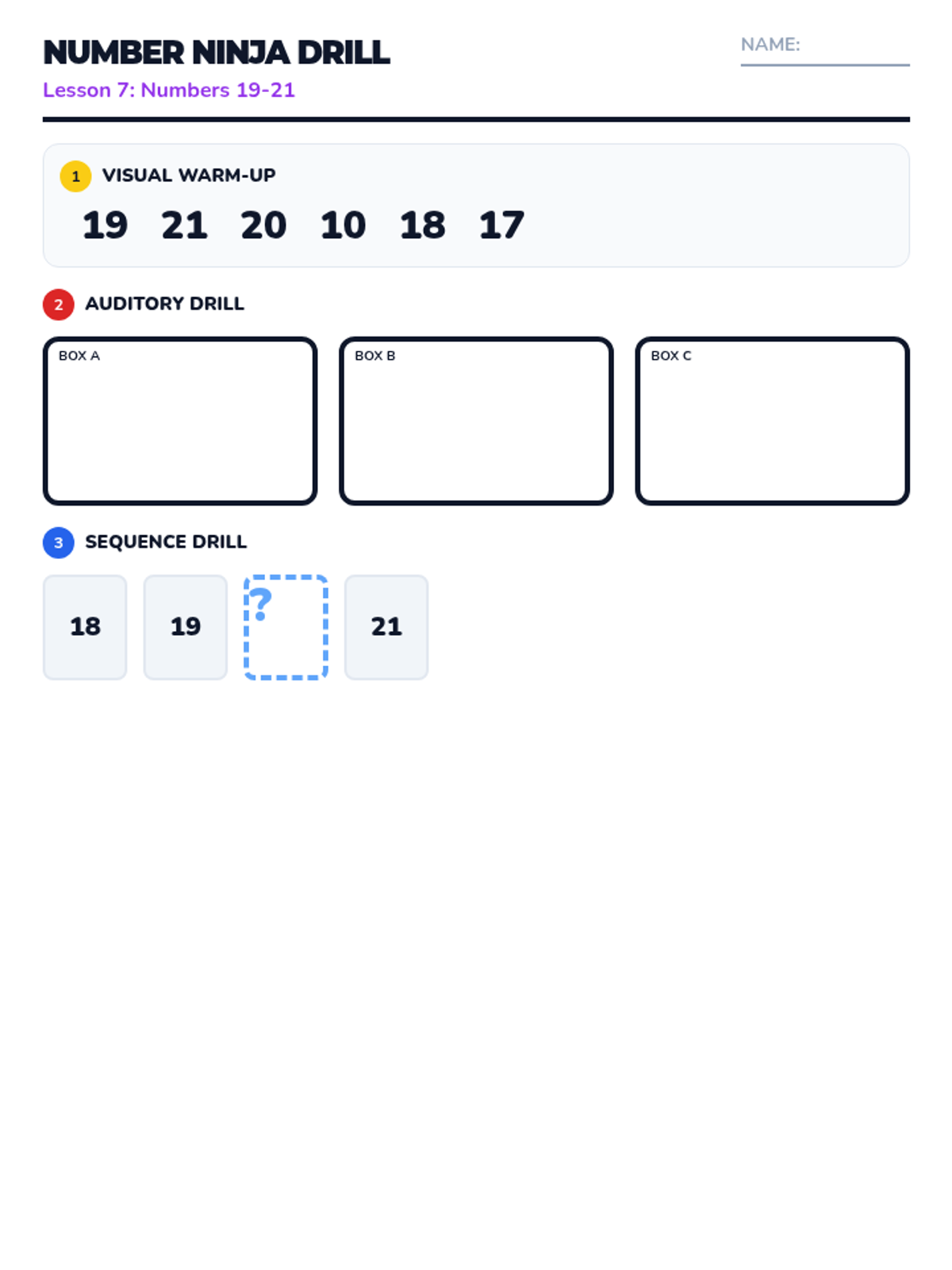
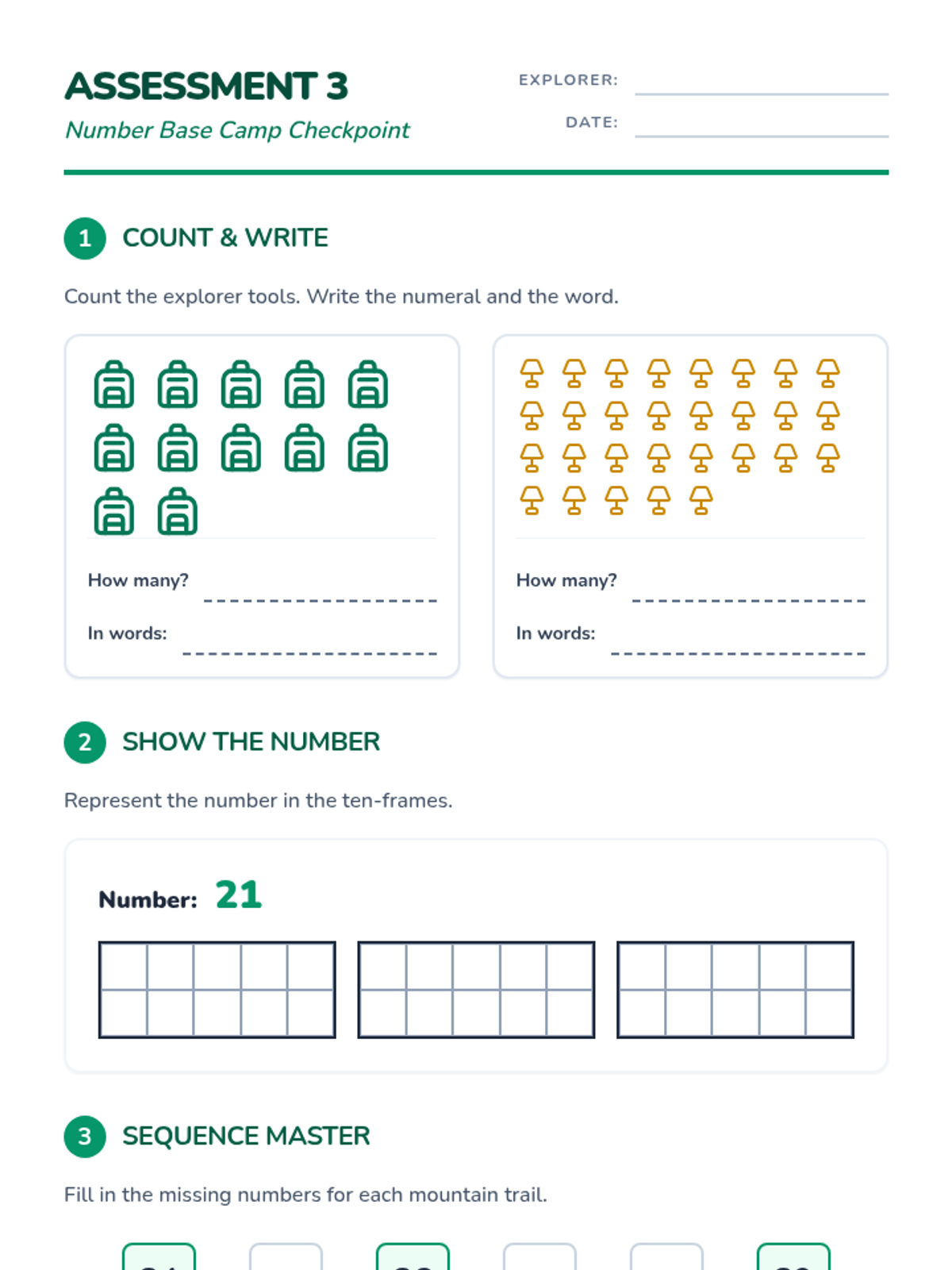
Focuses on numbers 19-21, crossing the bridge into the twenties and reviewing 1-18.
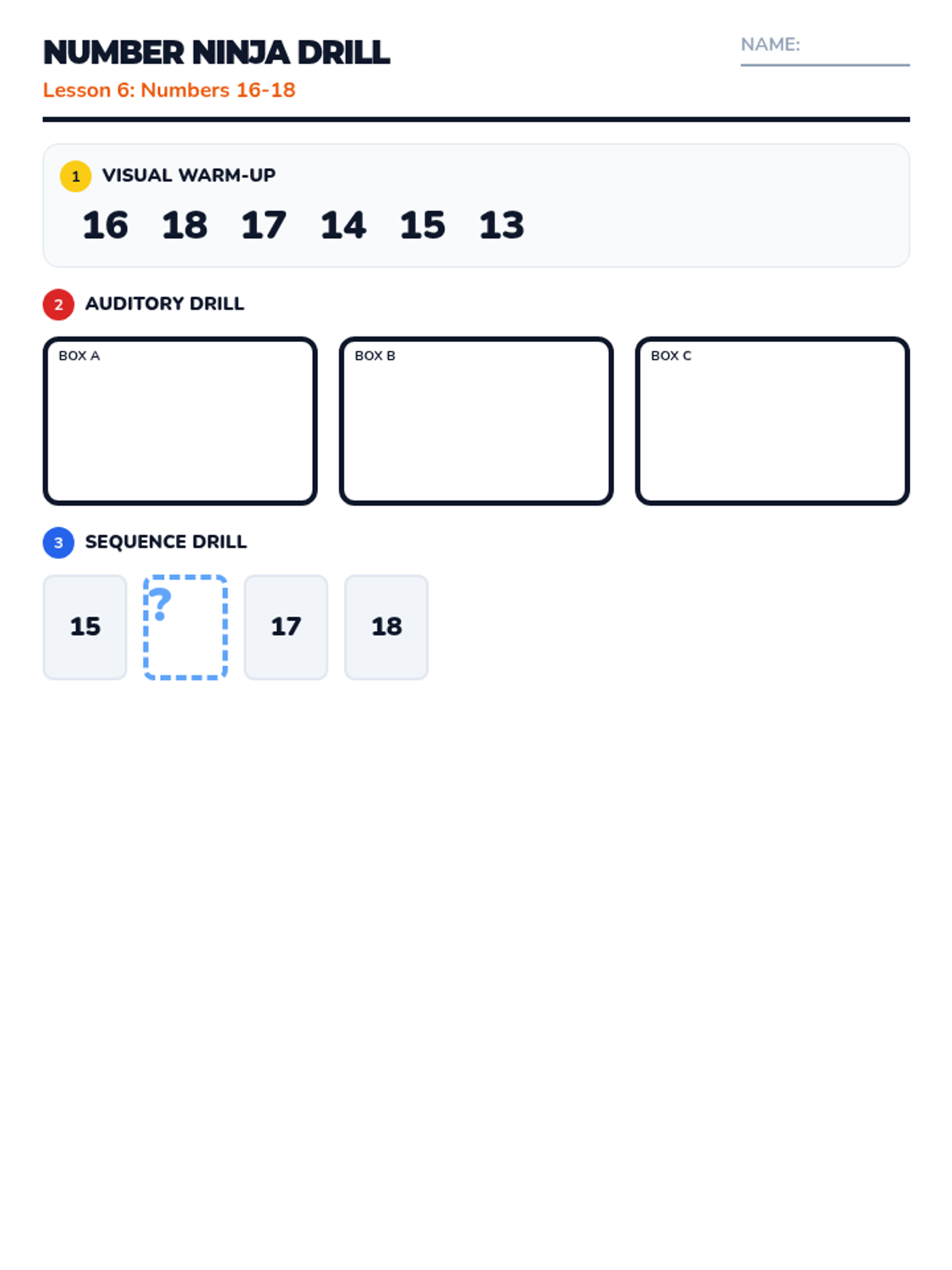
Focuses on numbers 16-18 and cumulative review of 1-15.
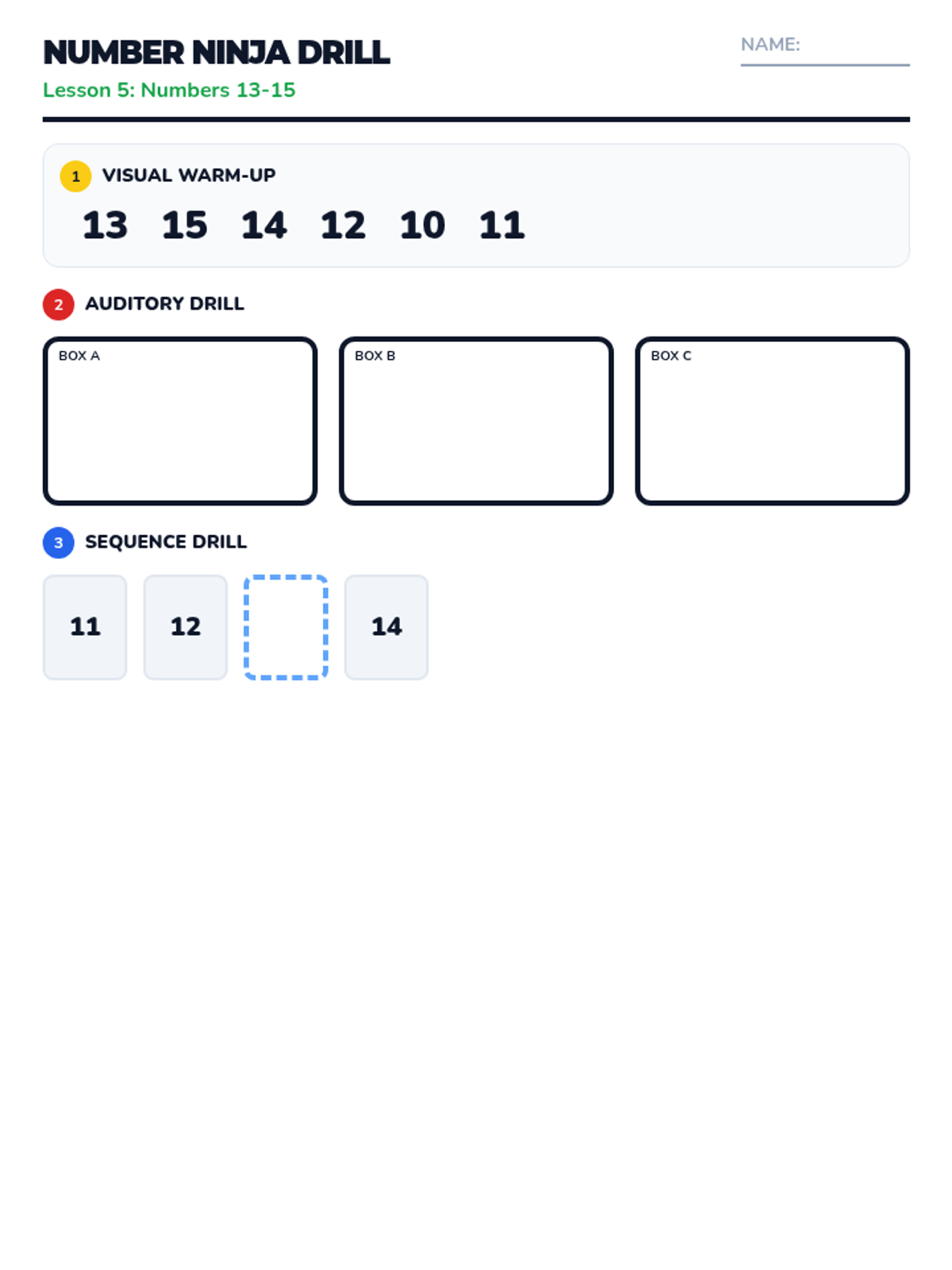
Focuses on numbers 13-15, emphasizing the 'teen' suffix and reviewing numbers 1-12.
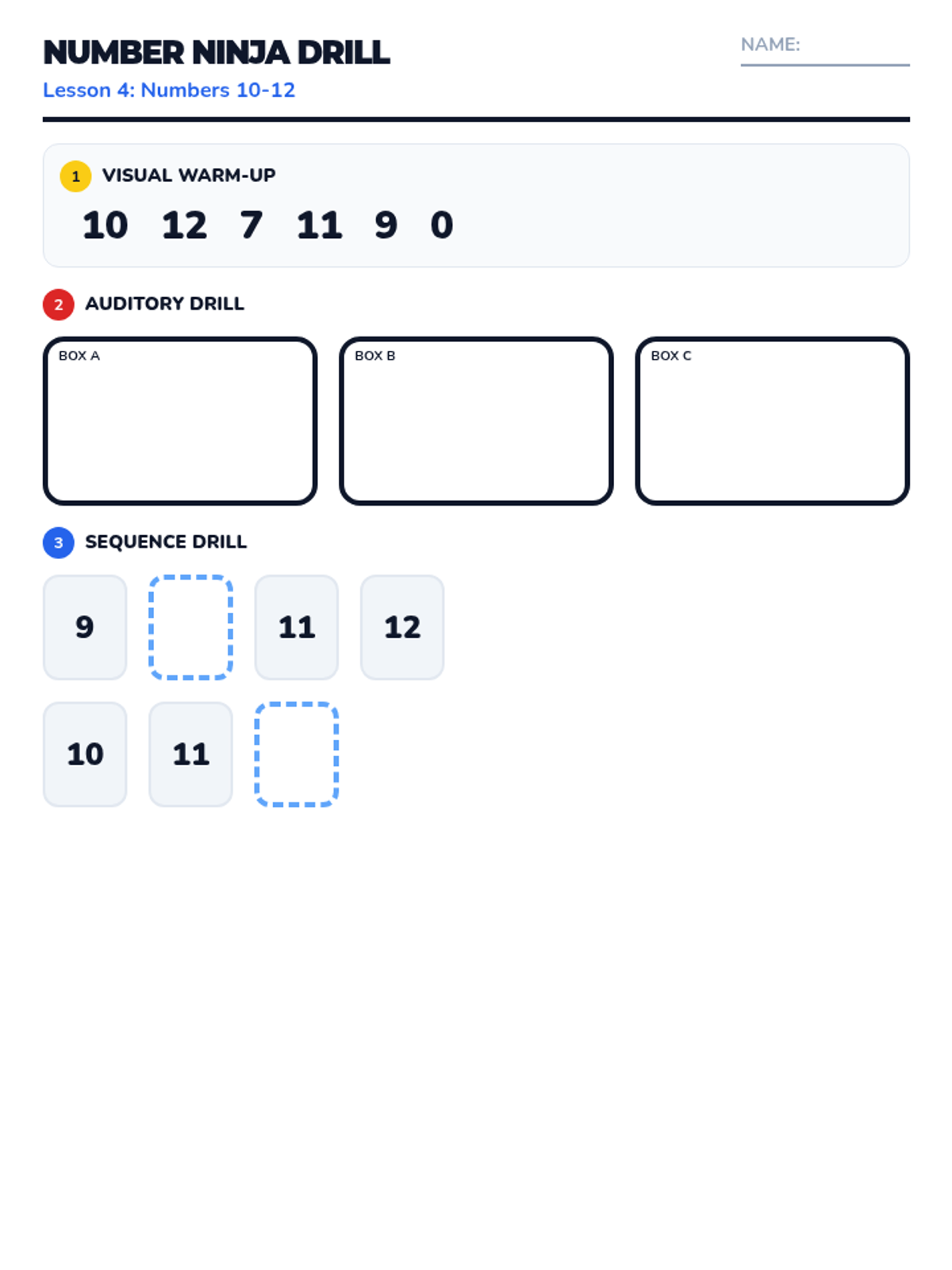
Focuses on numbers 10-12, introducing the teen number structure while reviewing 1-9.
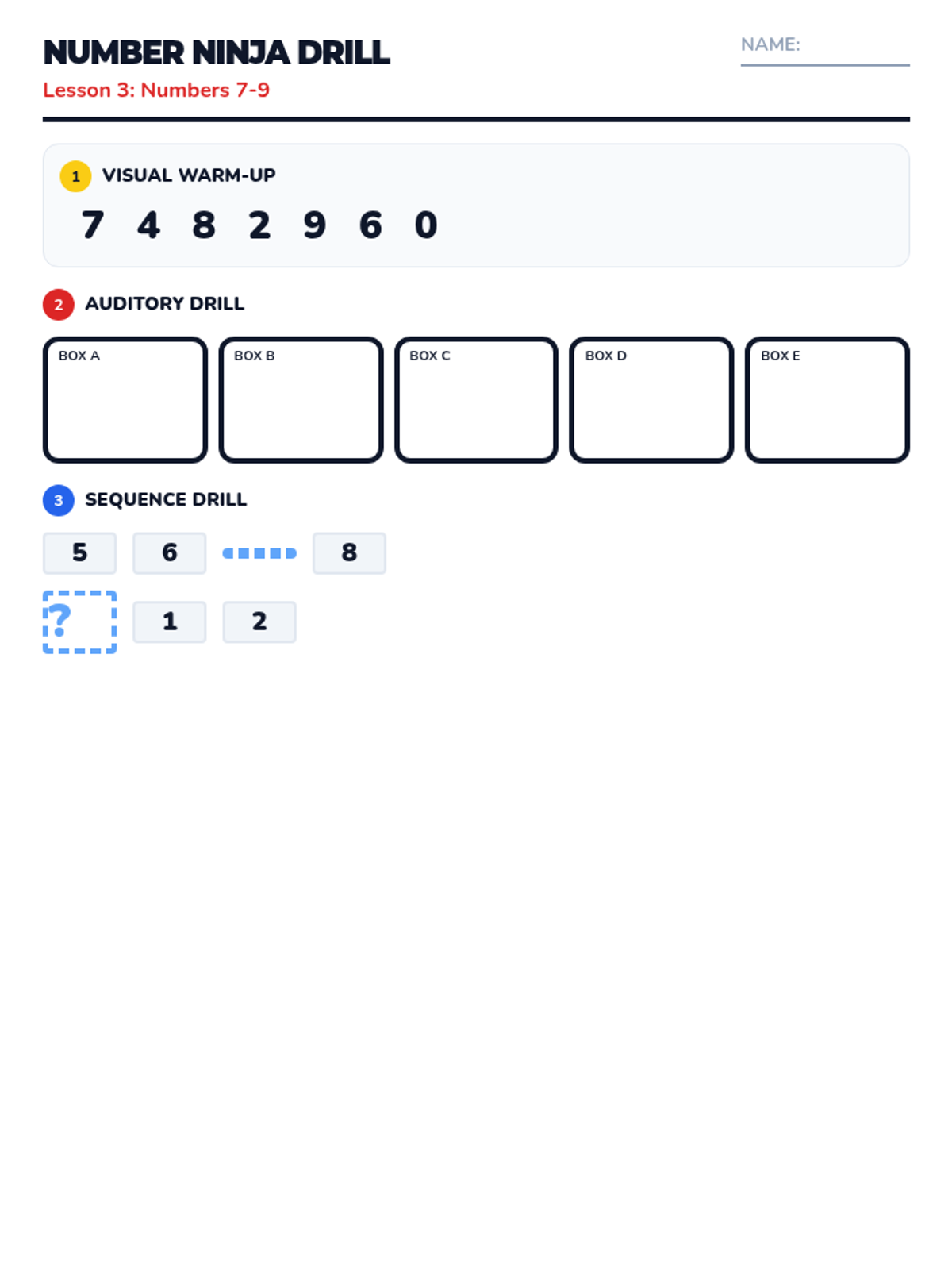
Focuses on numbers 7-9 with review of 1-6. Introduces teen precursors and zero conceptualization.
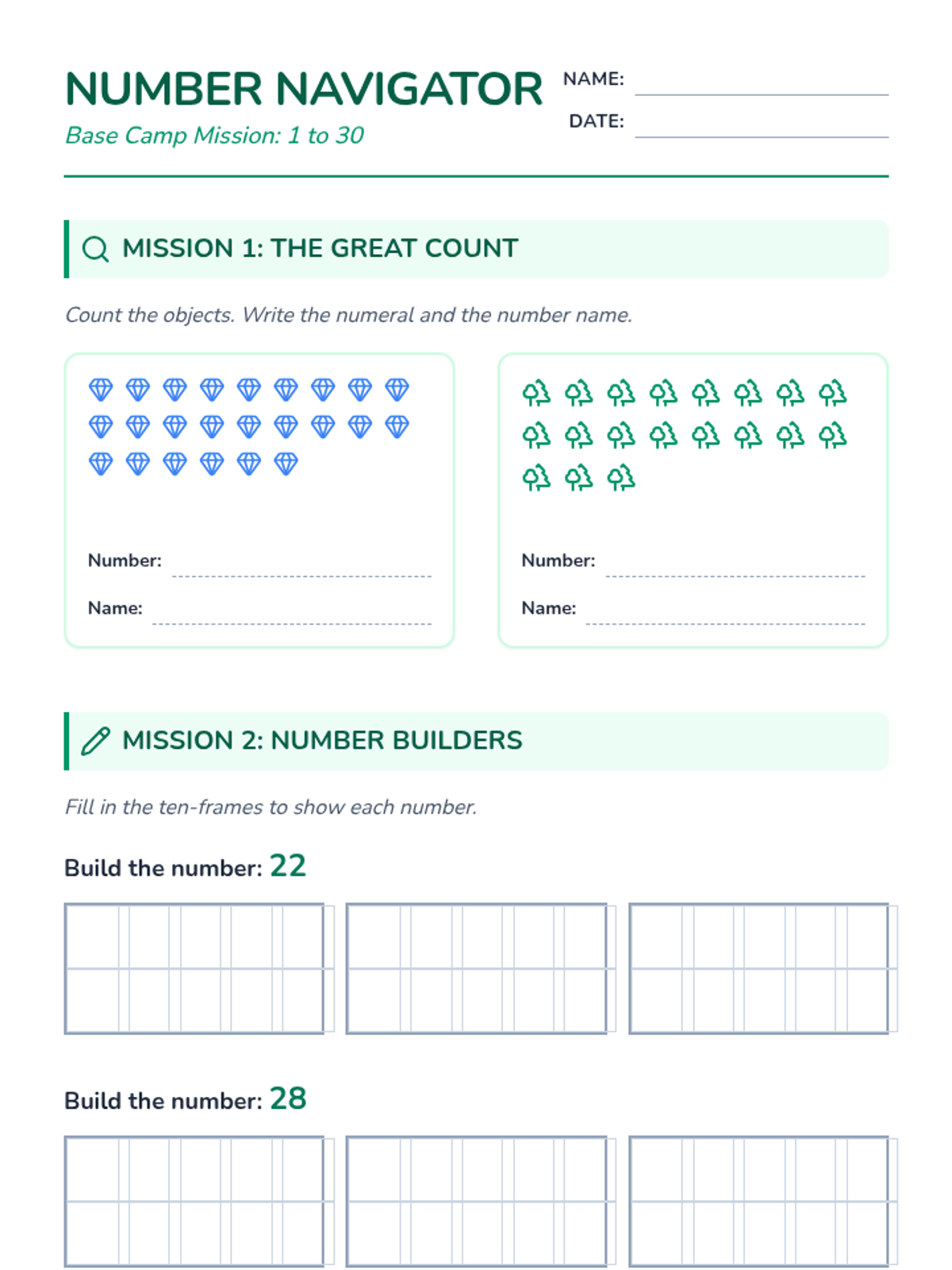
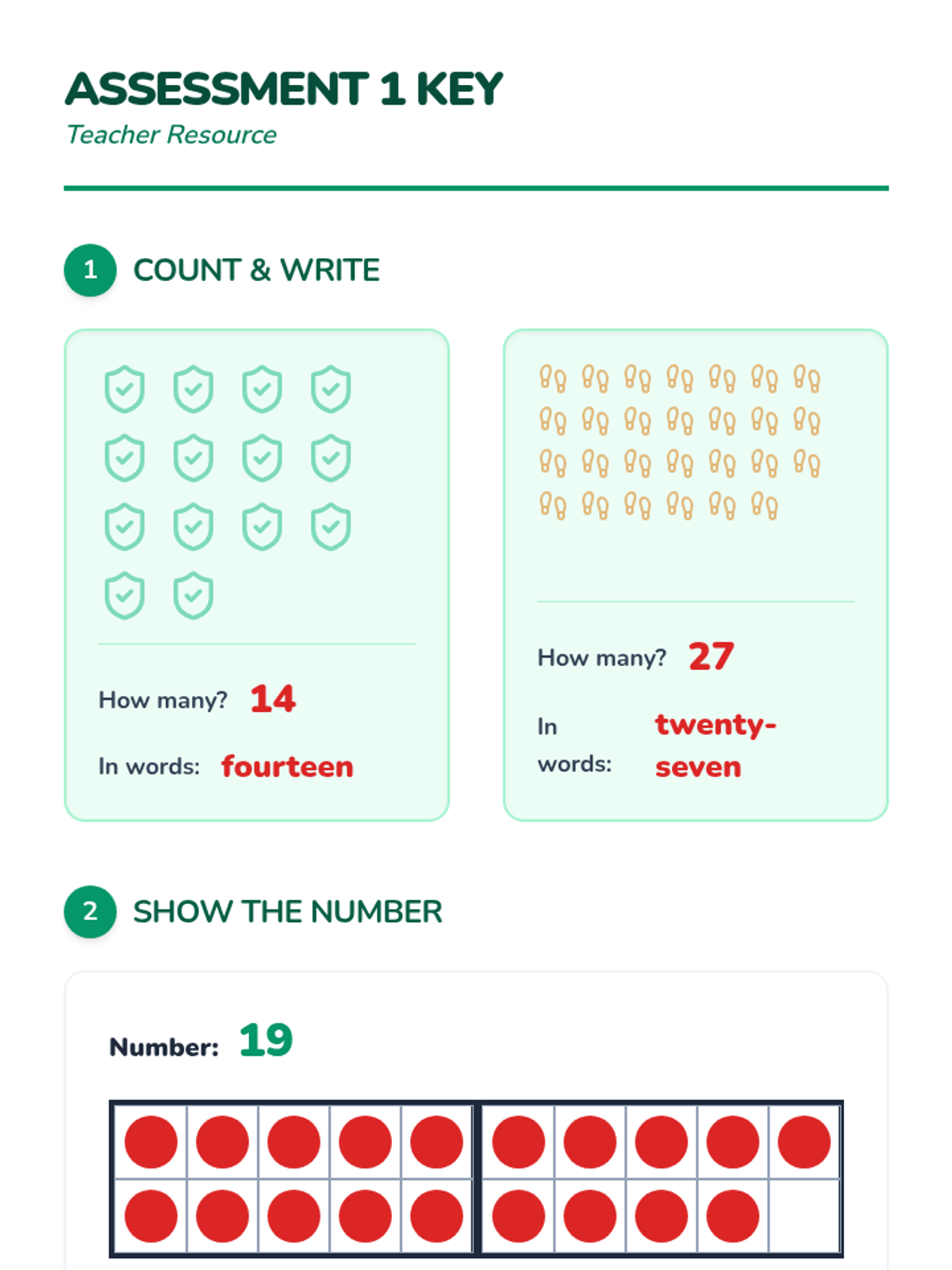
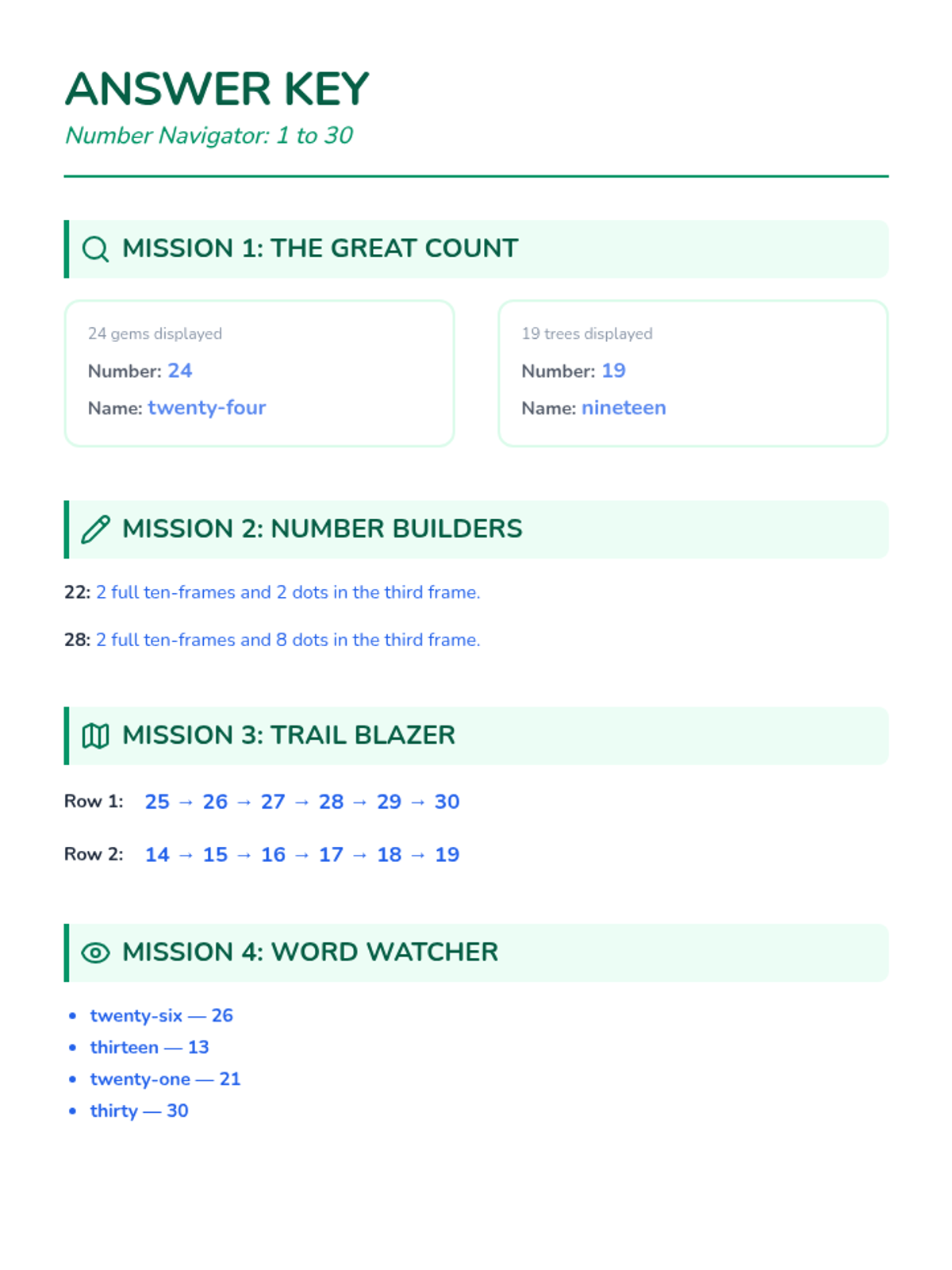
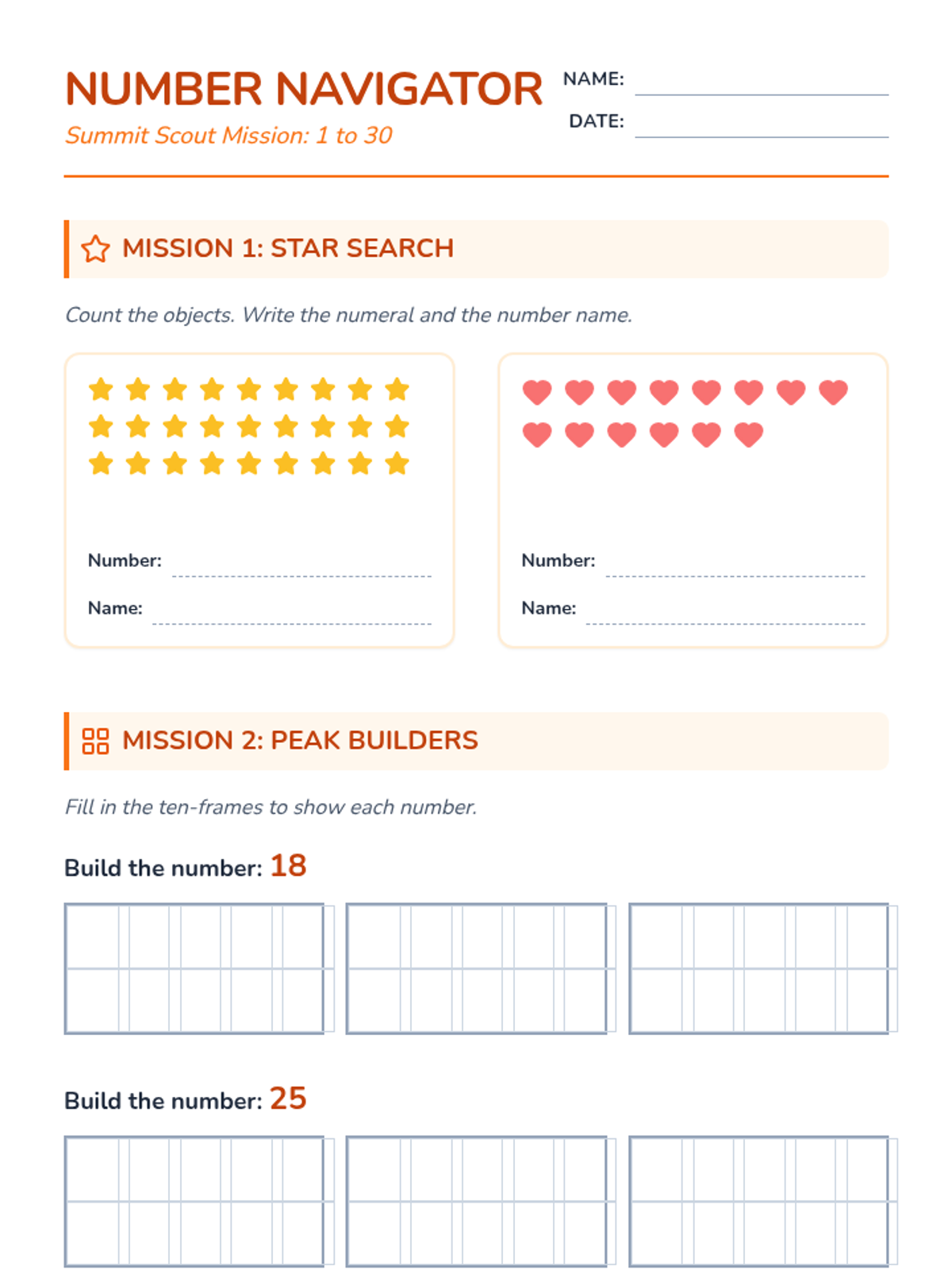
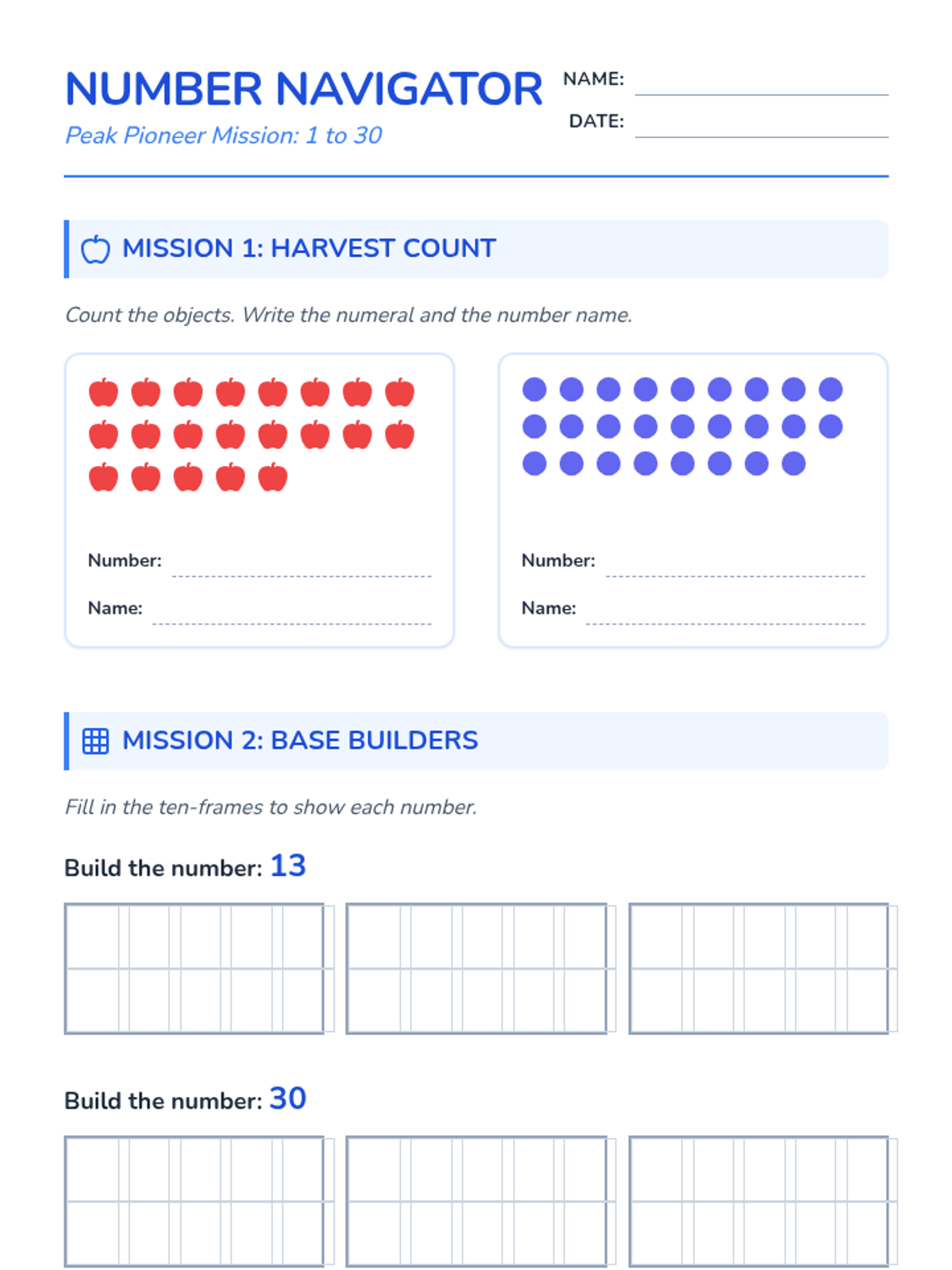
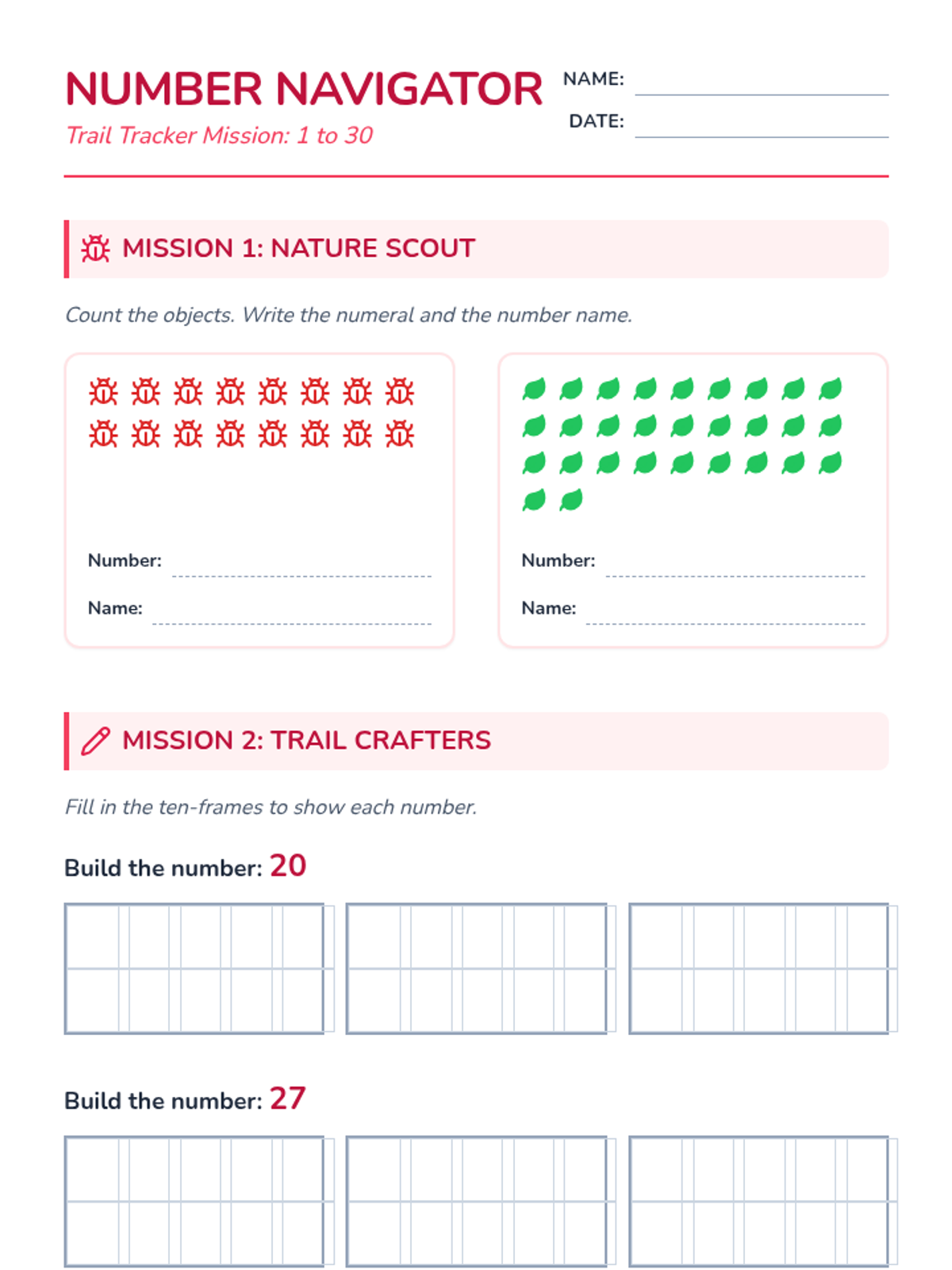
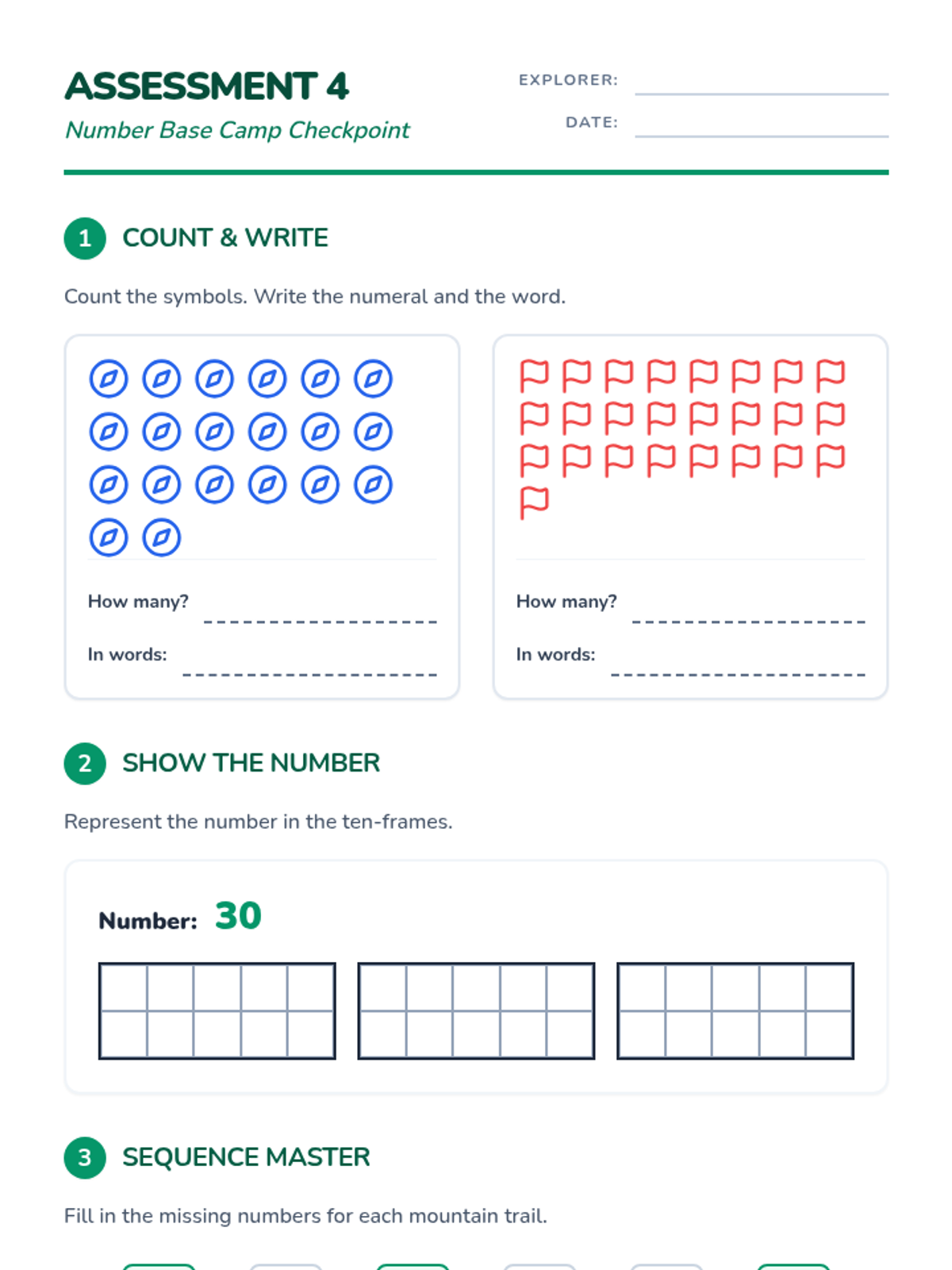
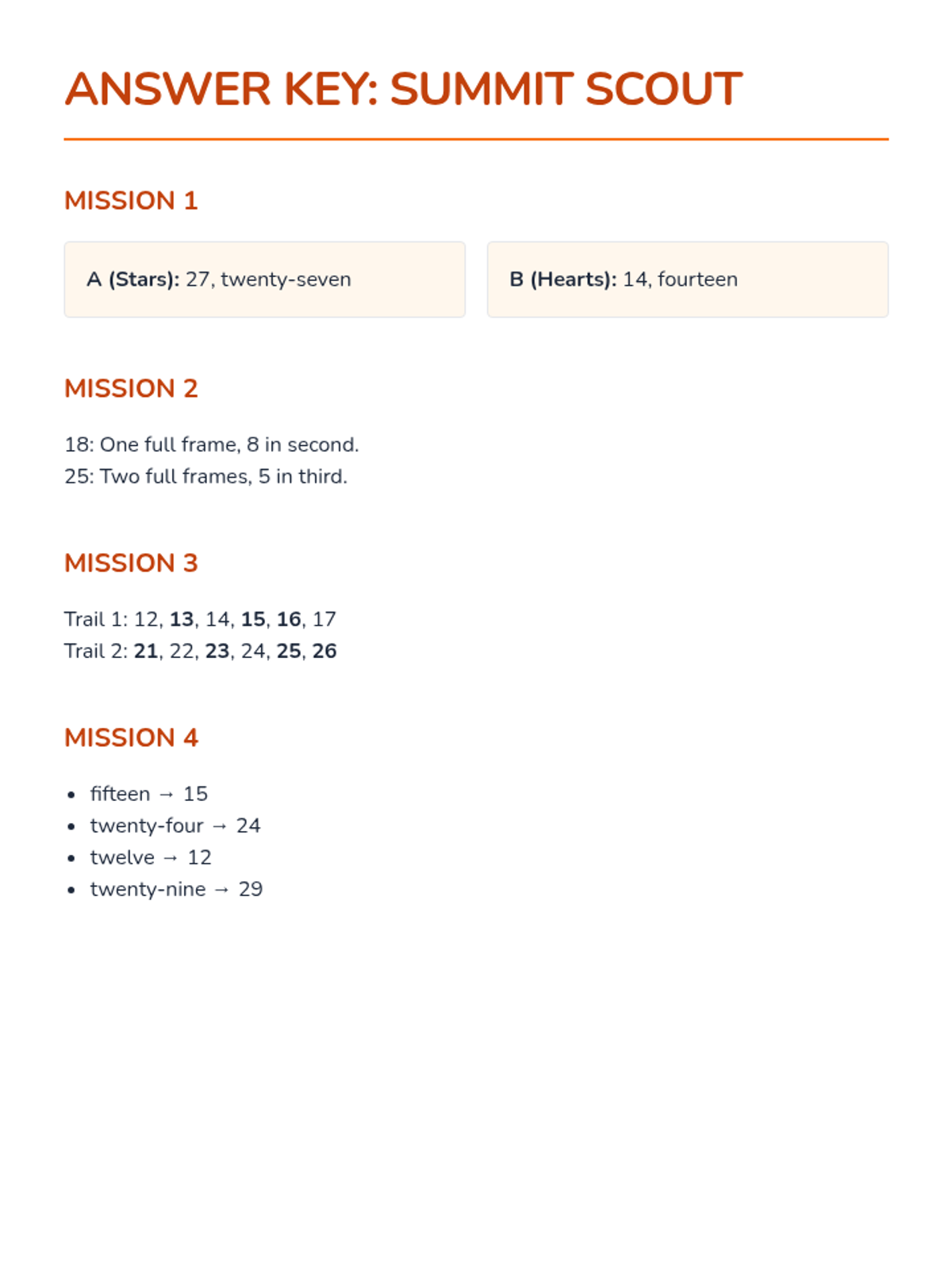
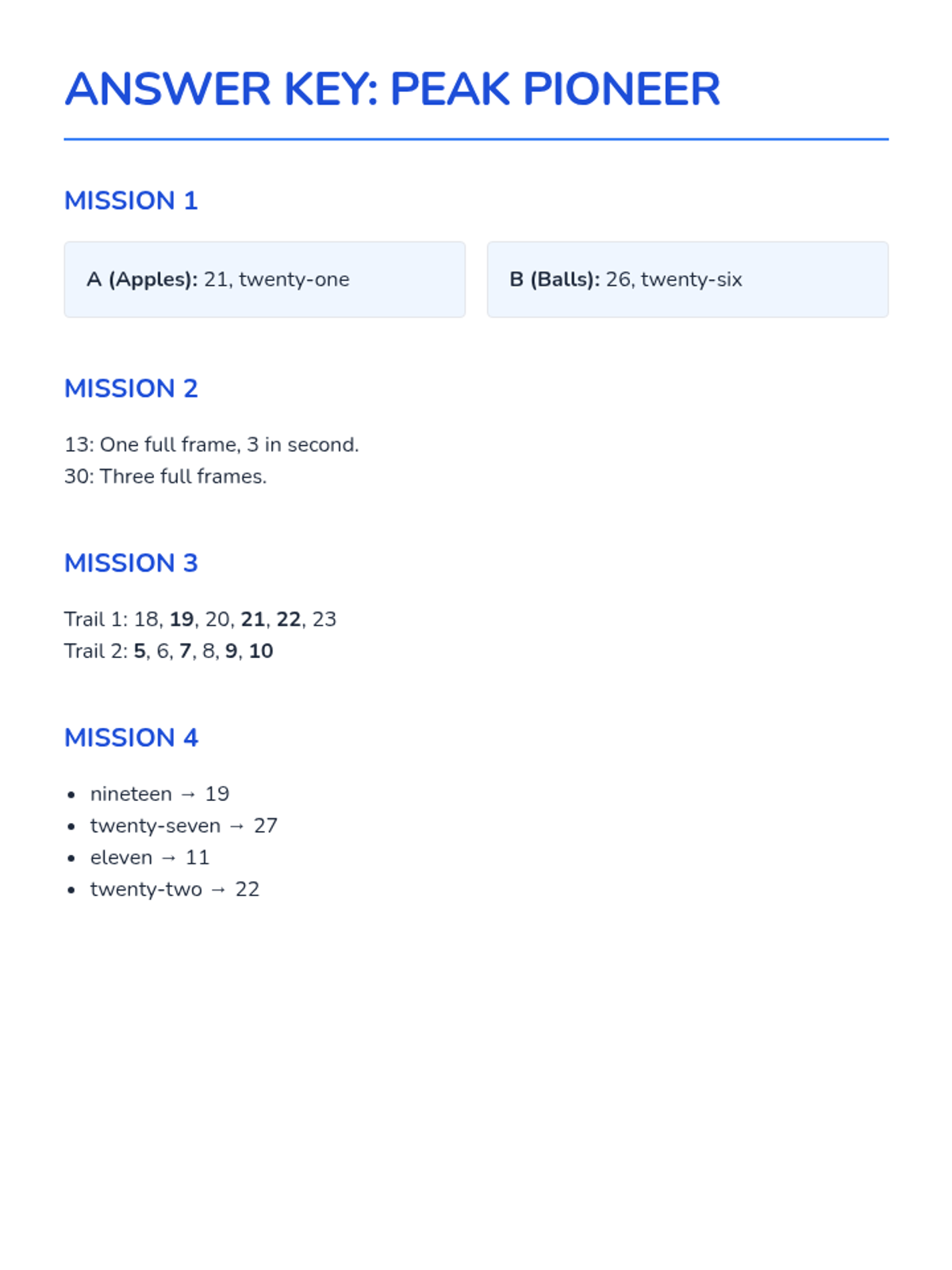
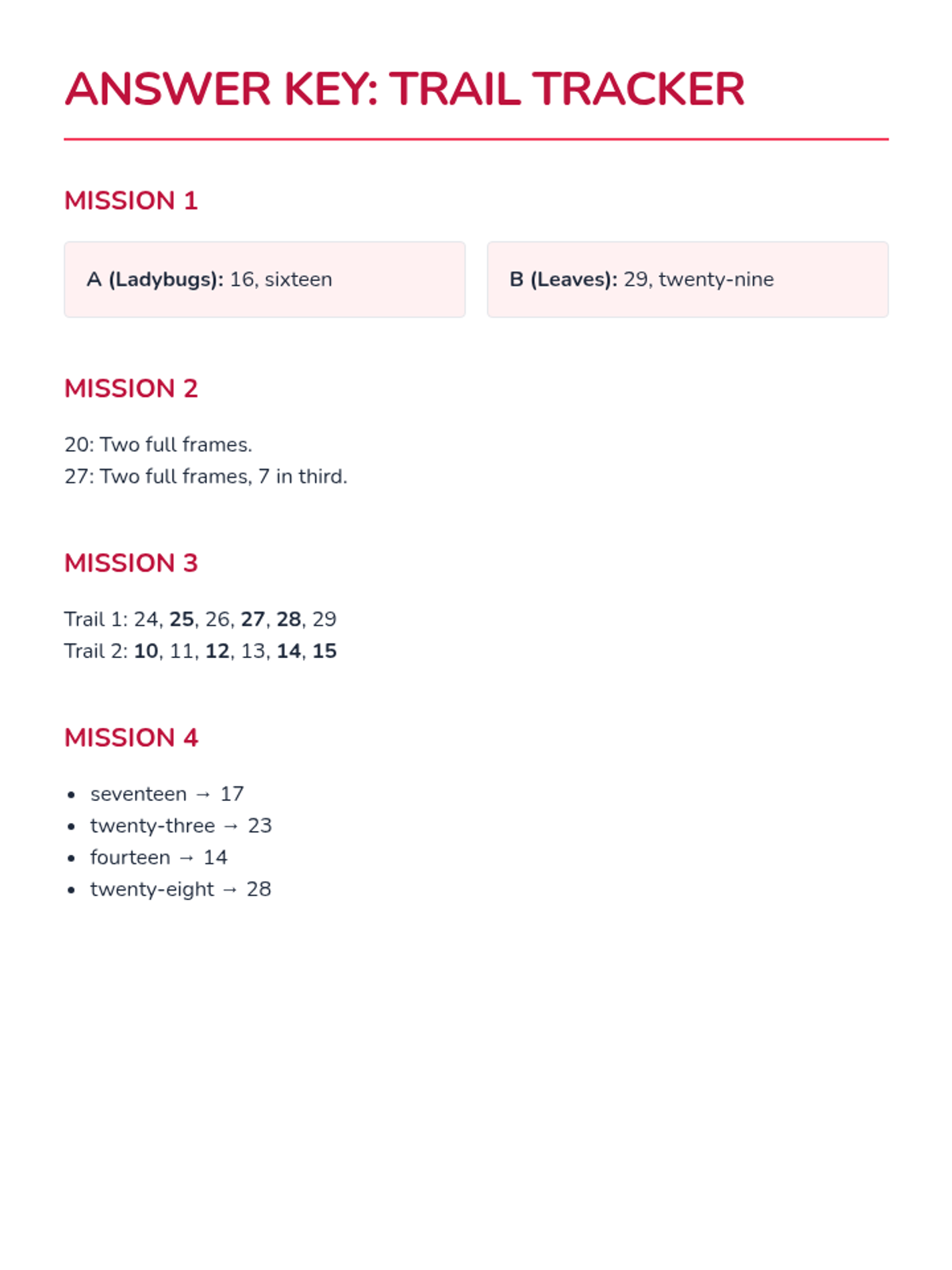
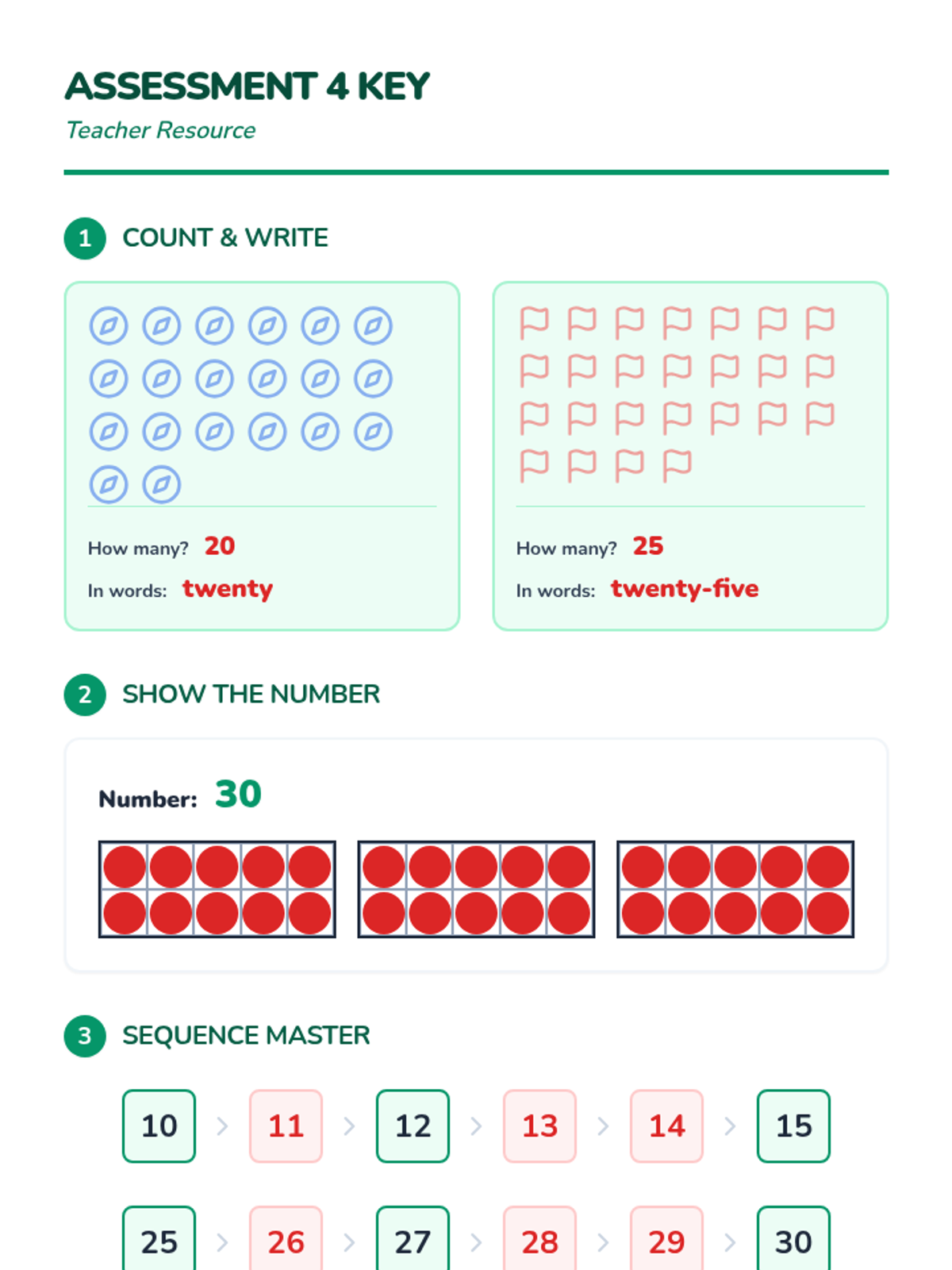
A comprehensive lesson focused on mastering numbers up to 30, covering counting, recognizing, representing, naming, and ordering quantities through hands-on practice and assessment.
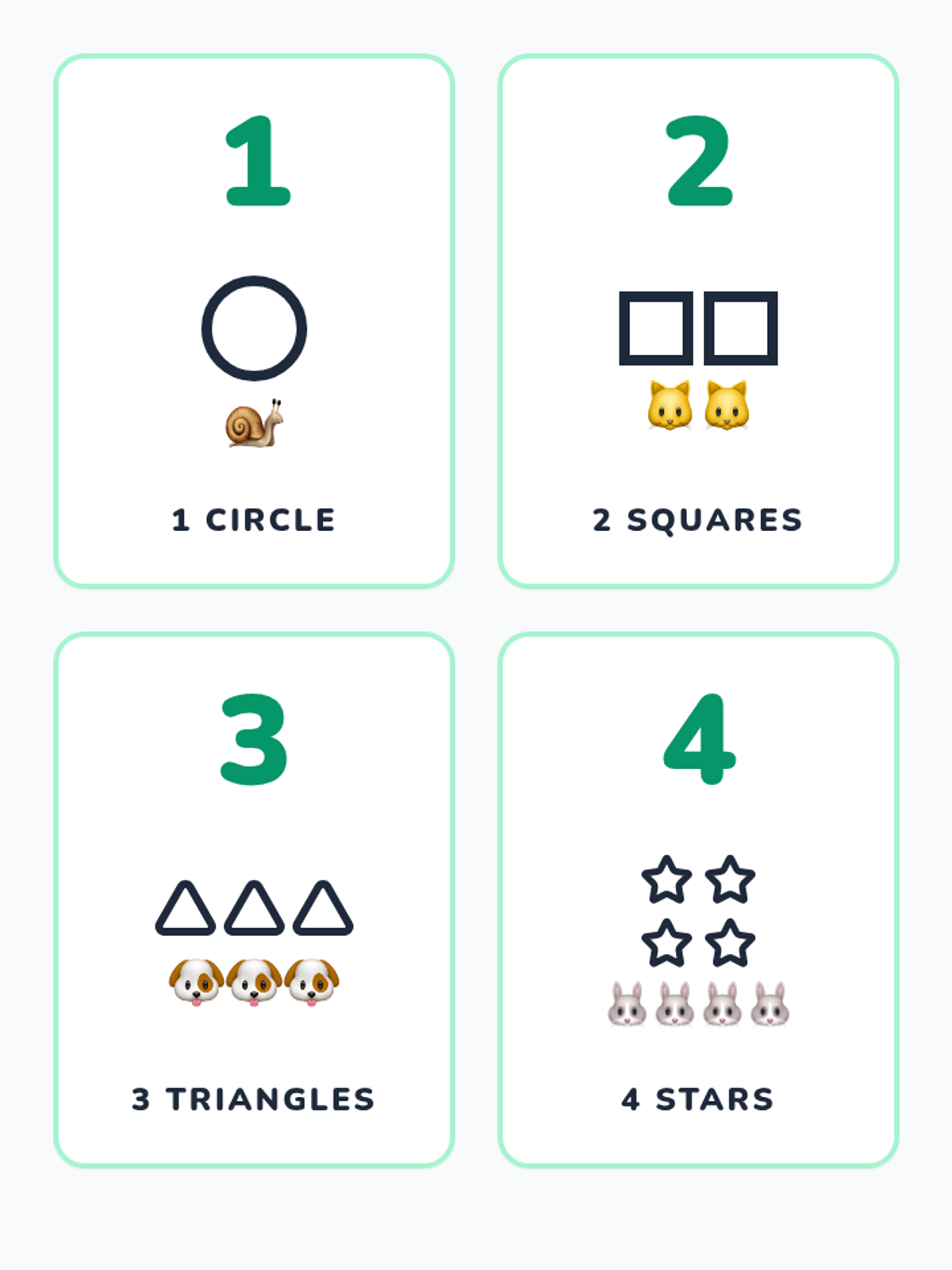
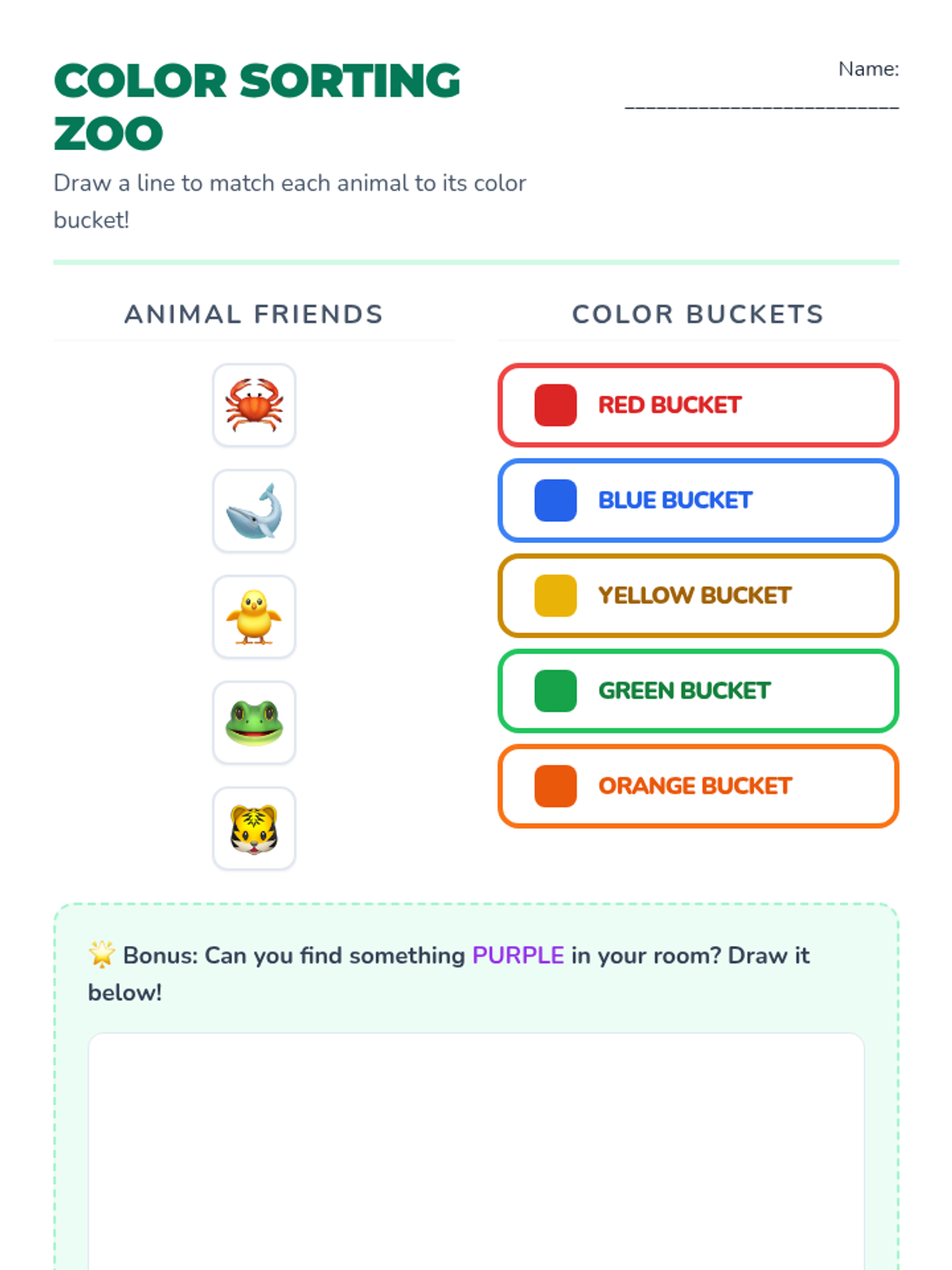
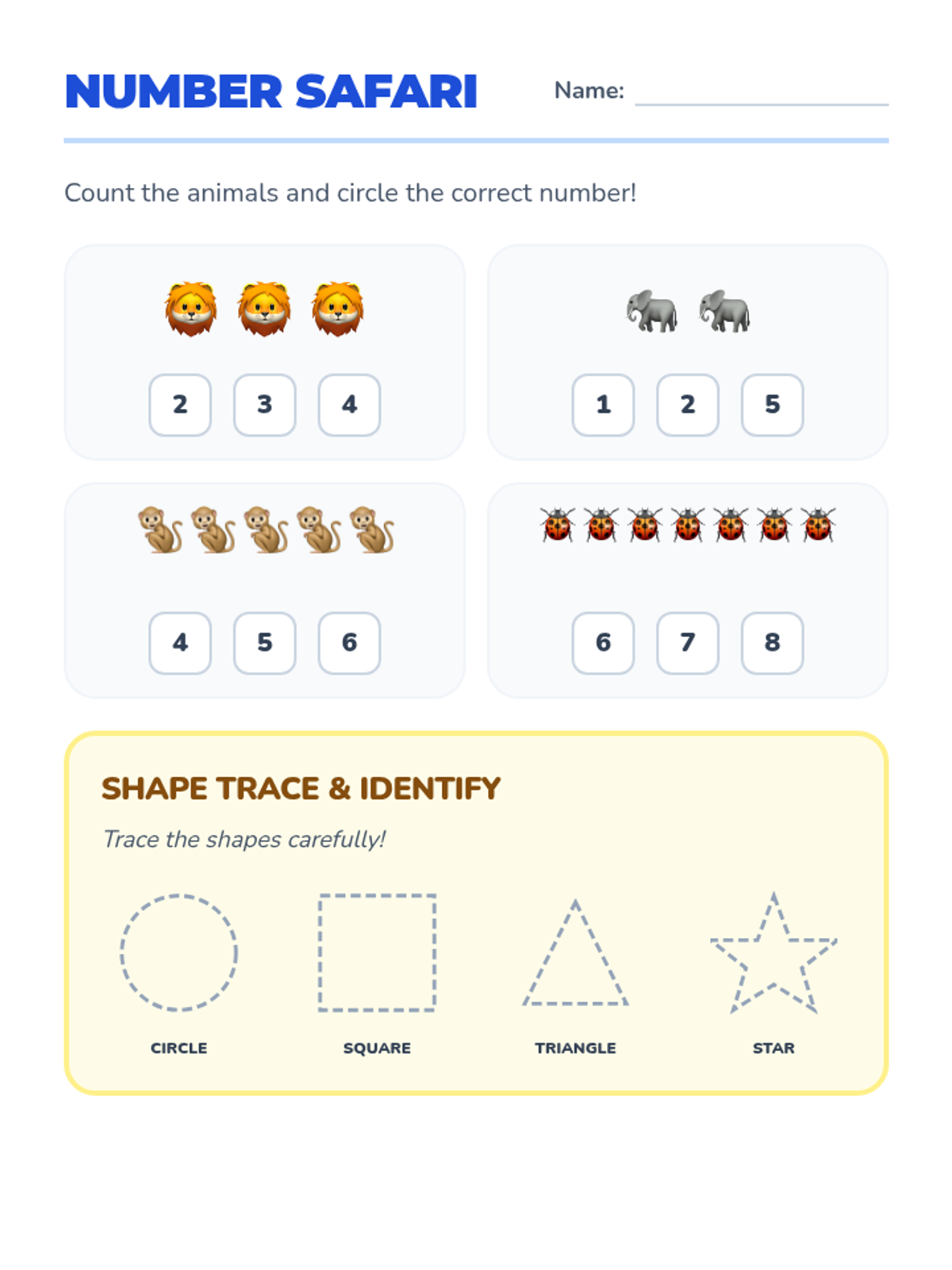
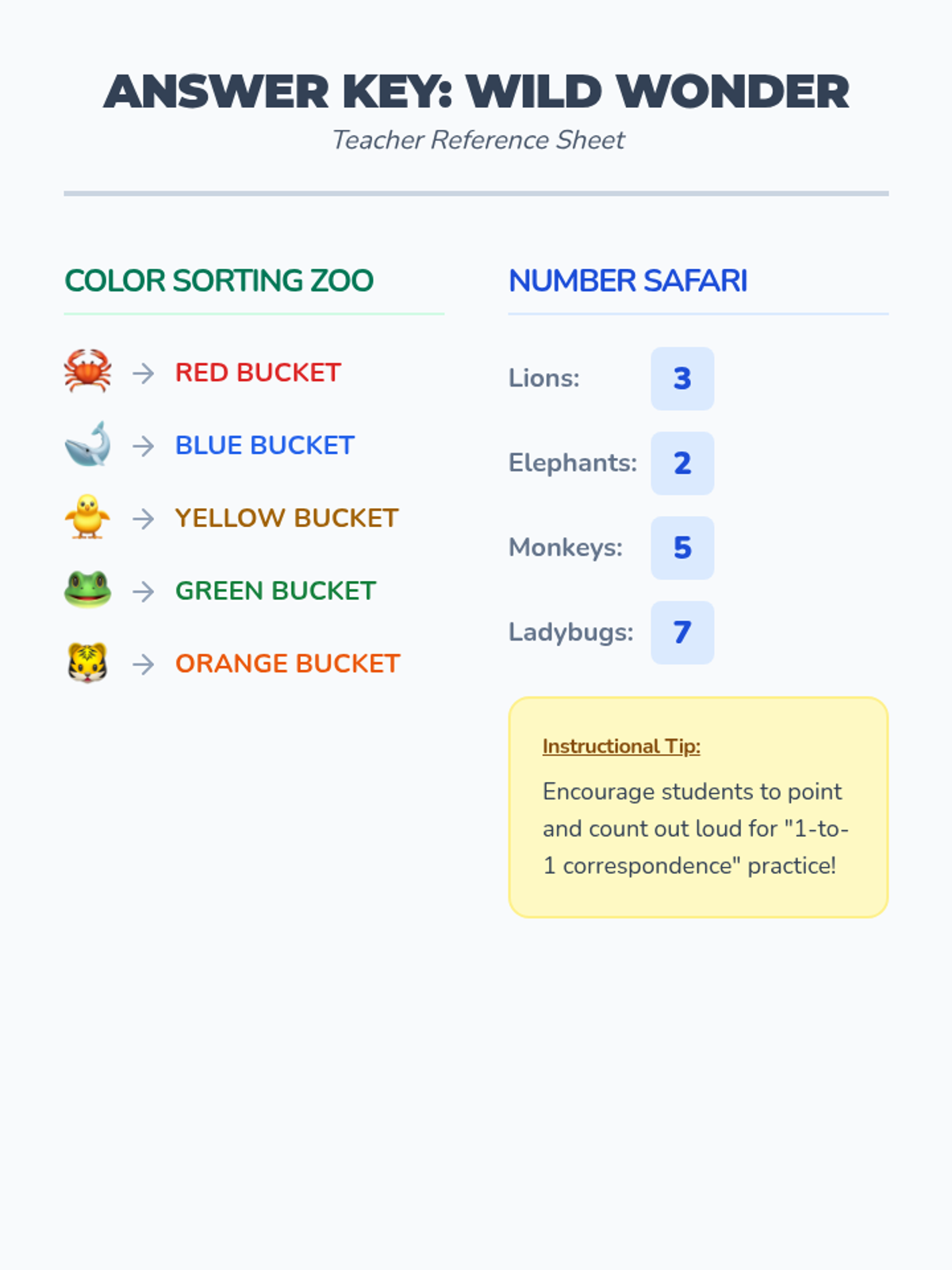
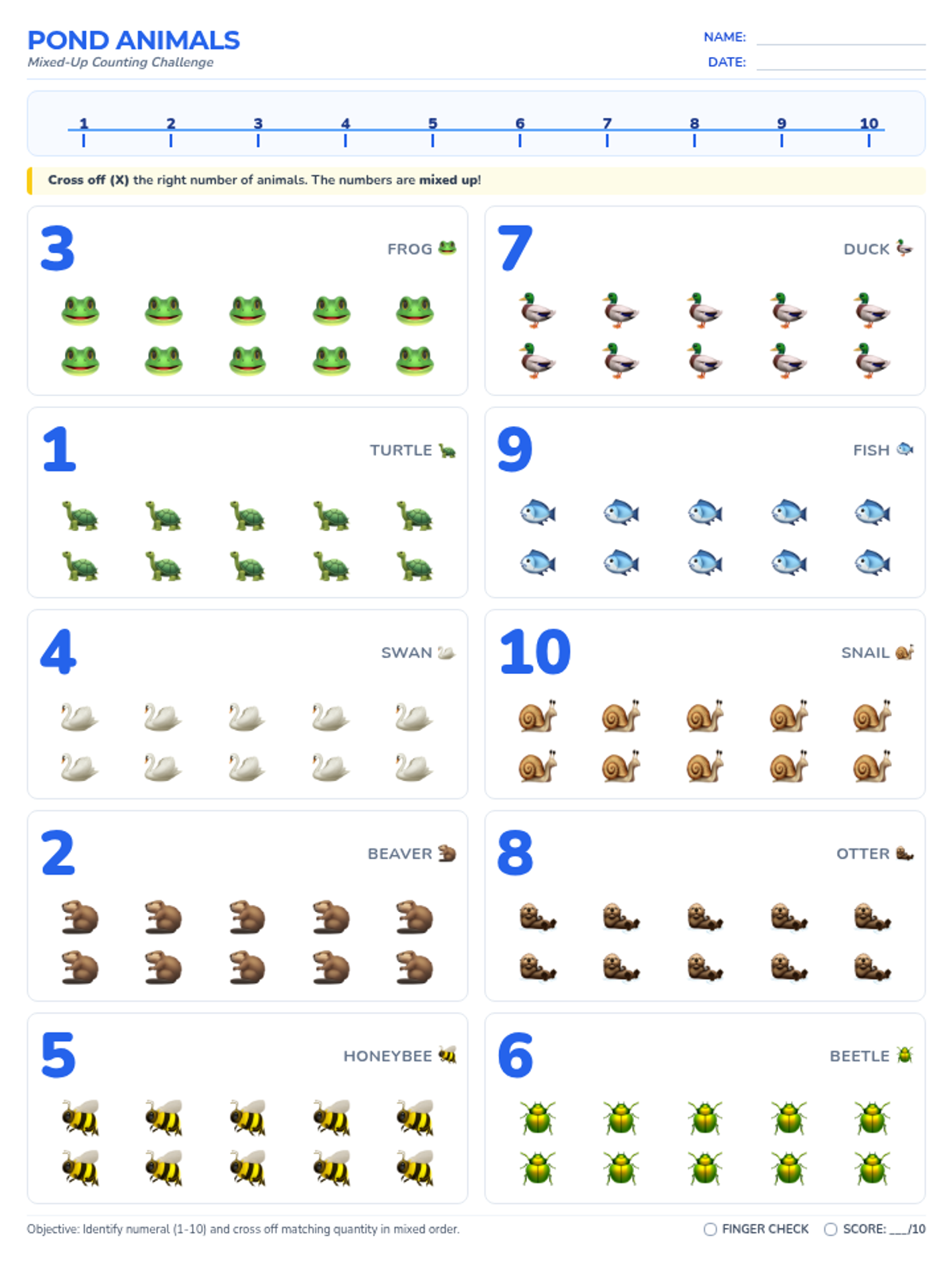
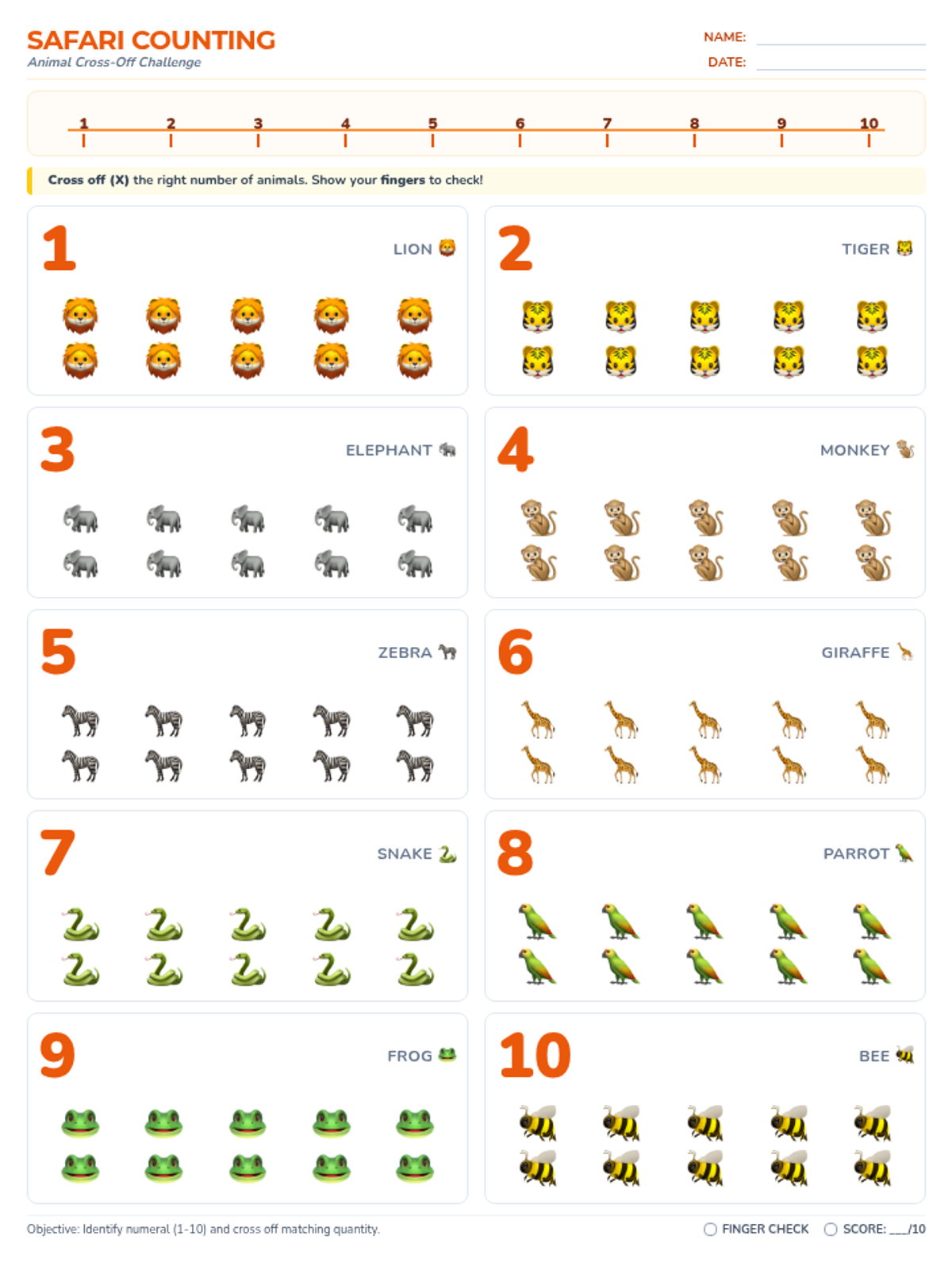
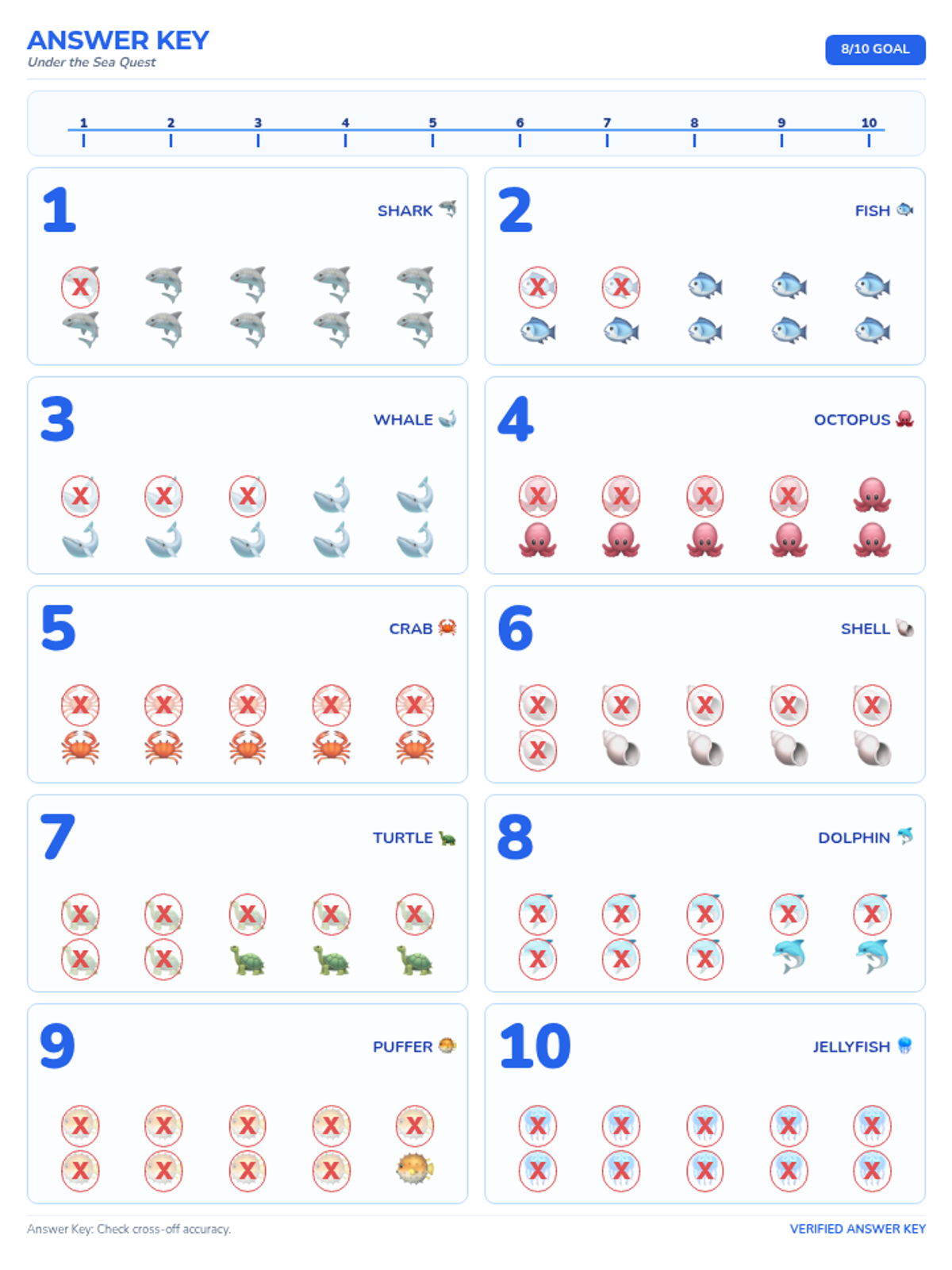
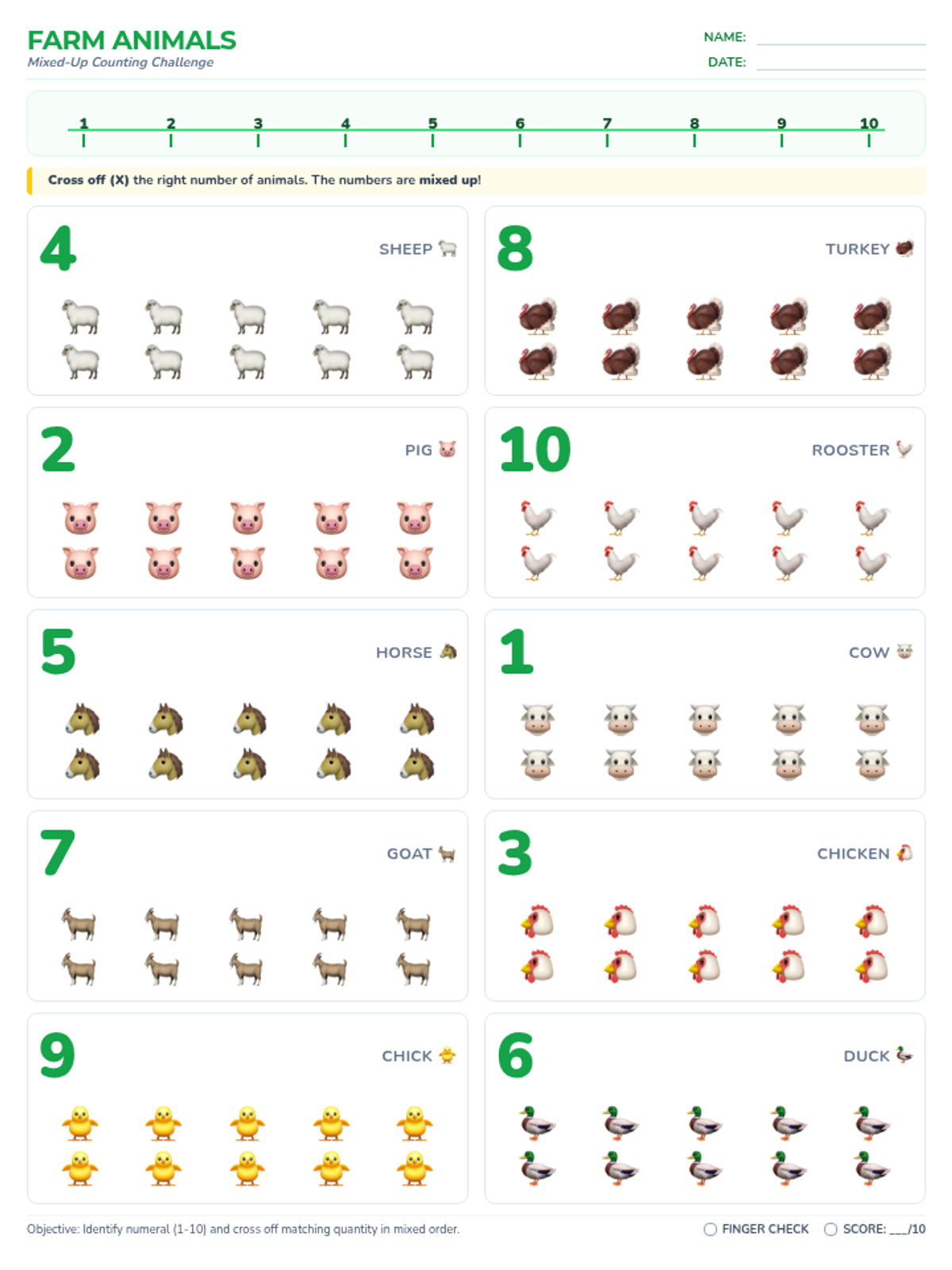
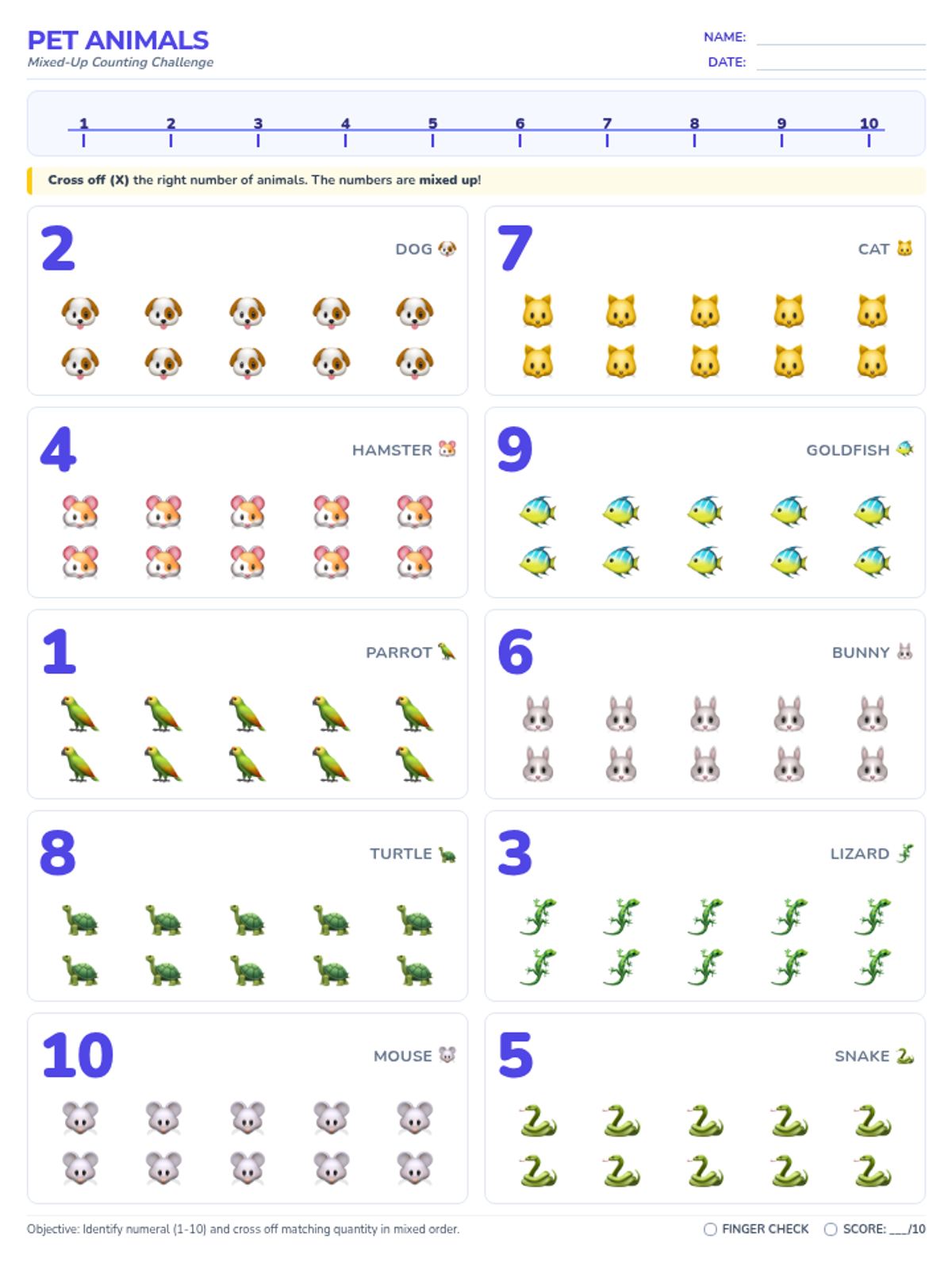
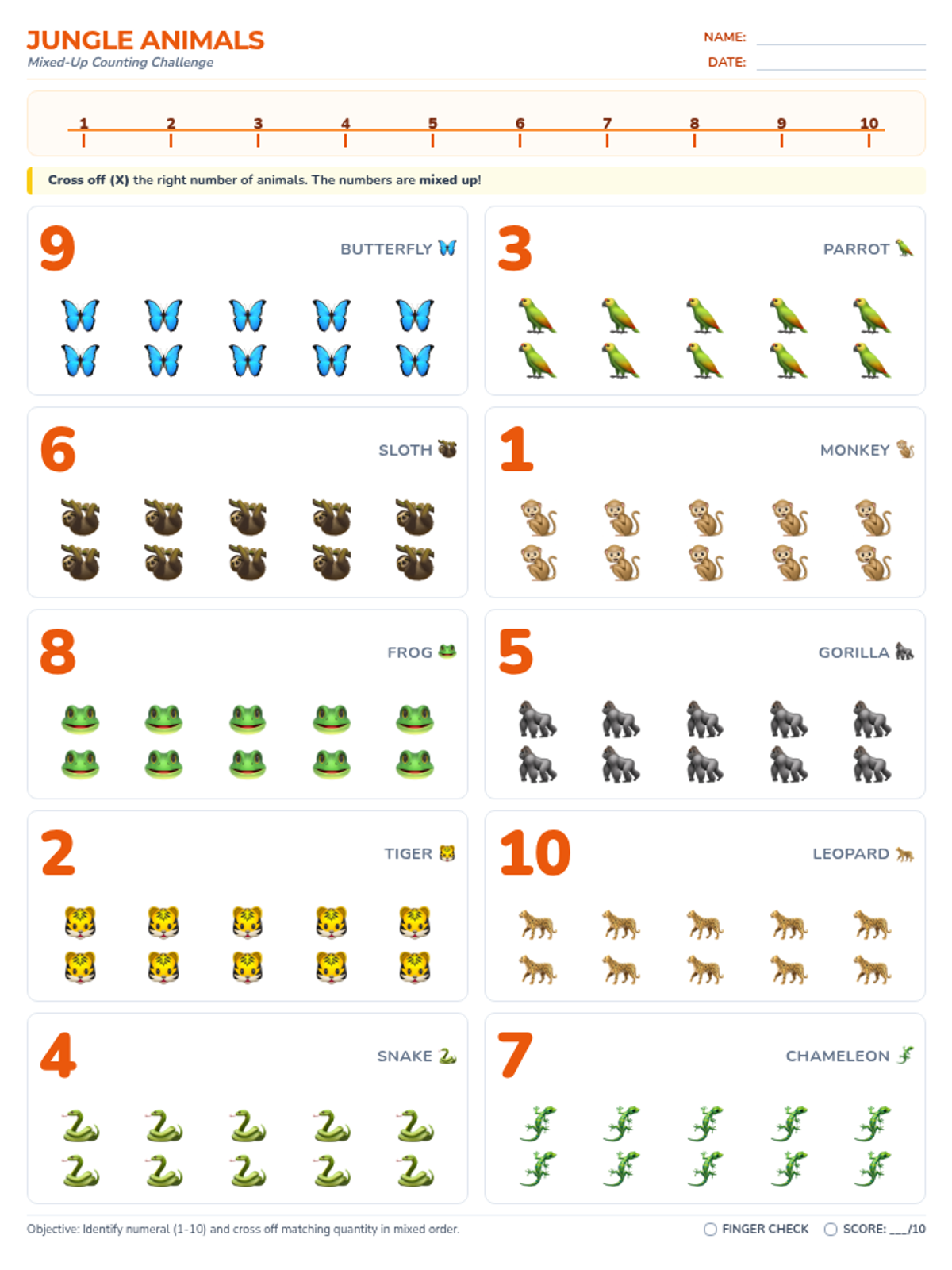
An engaging introduction to foundational skills including numbers 1-10, primary and secondary colors, basic 2D shapes, and counting through a vibrant animal-themed curriculum.
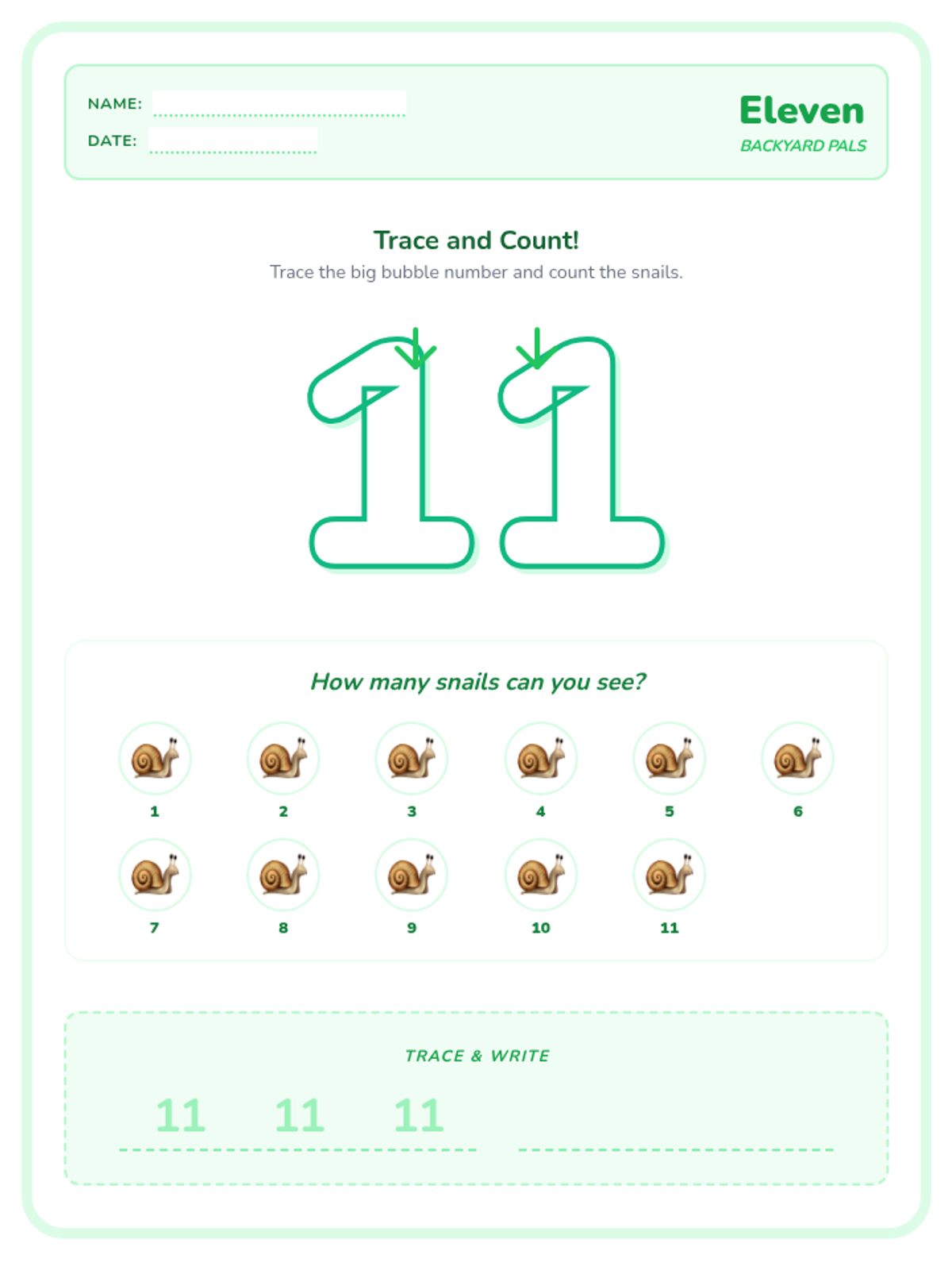
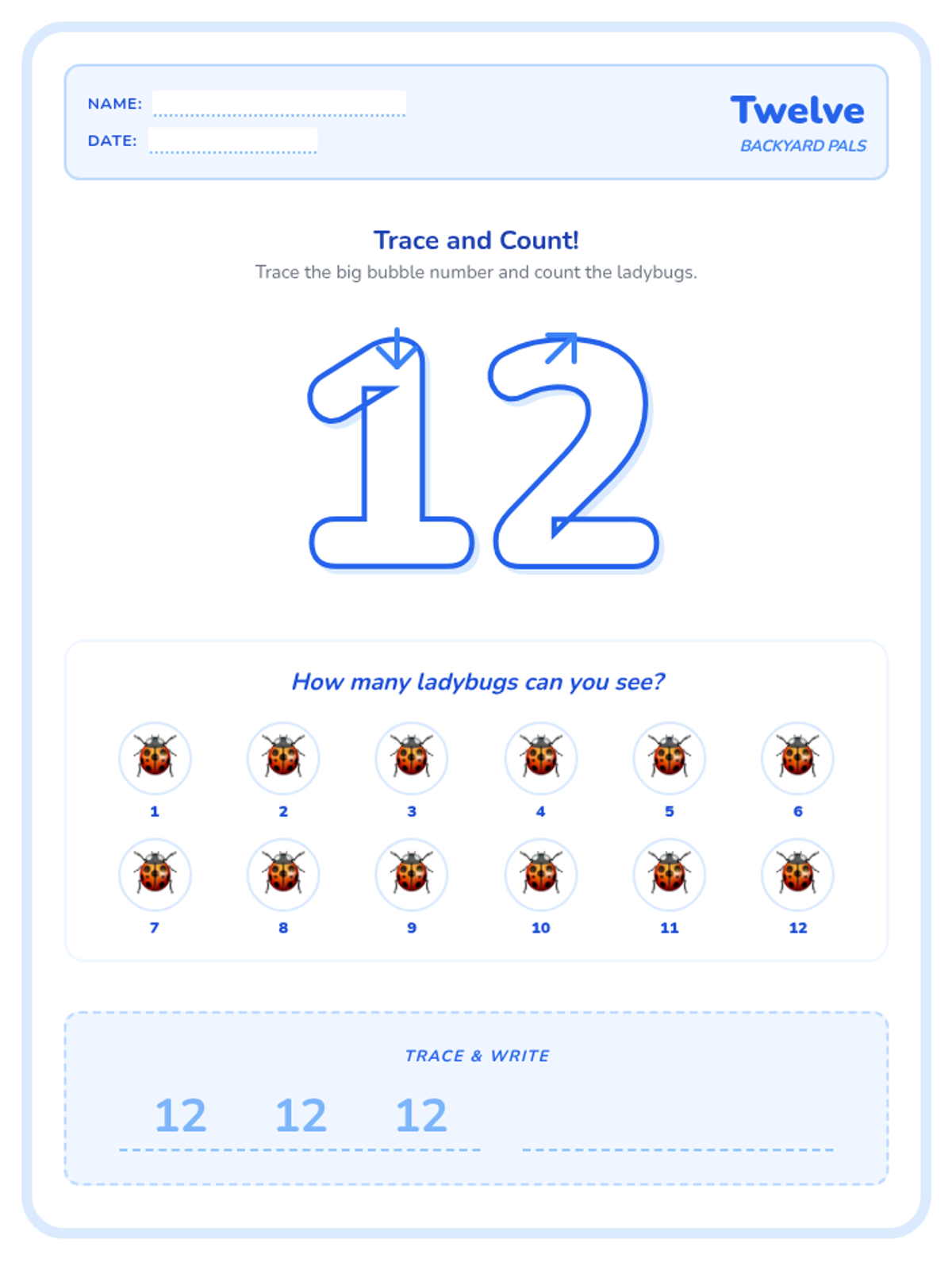
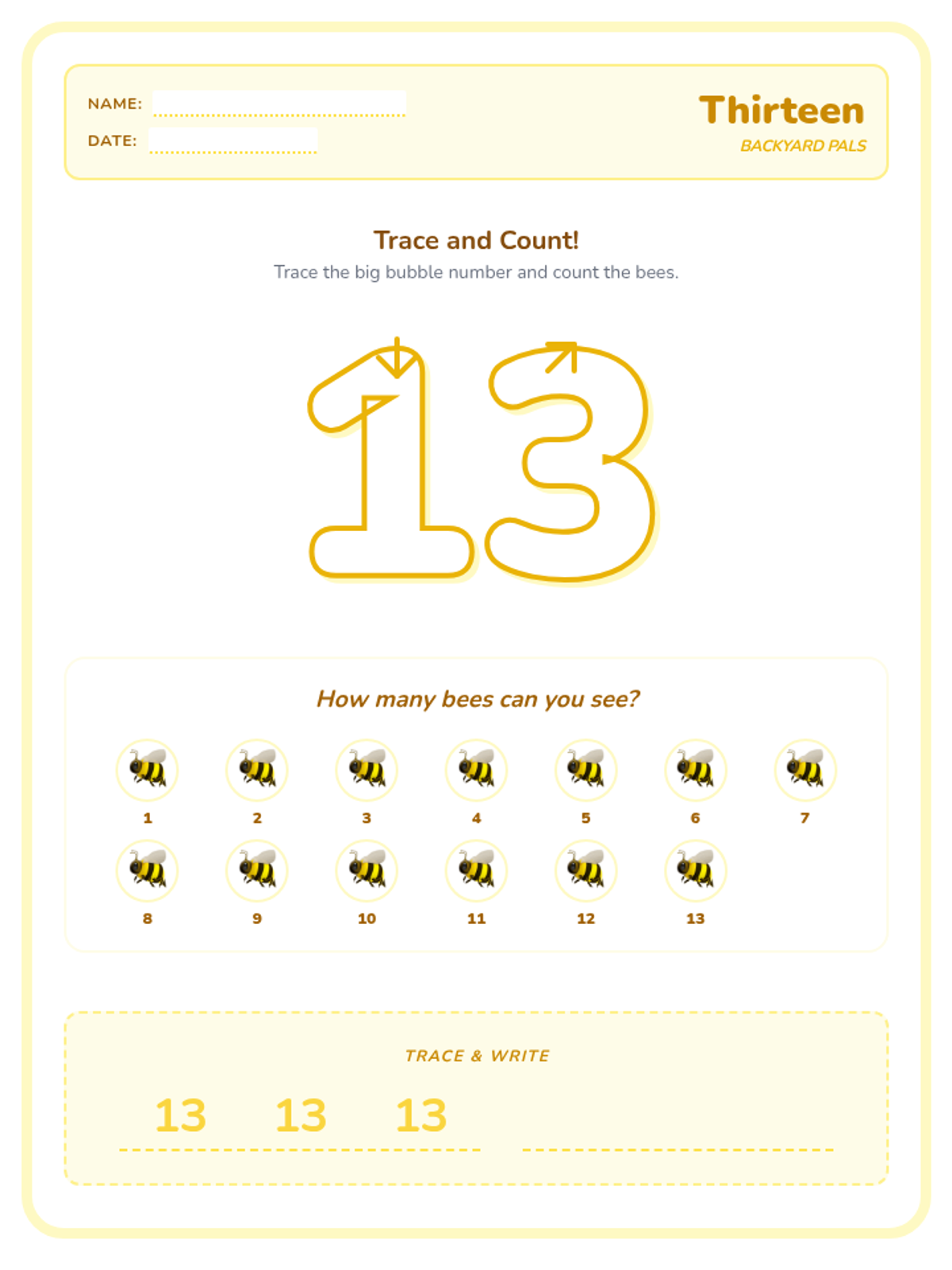
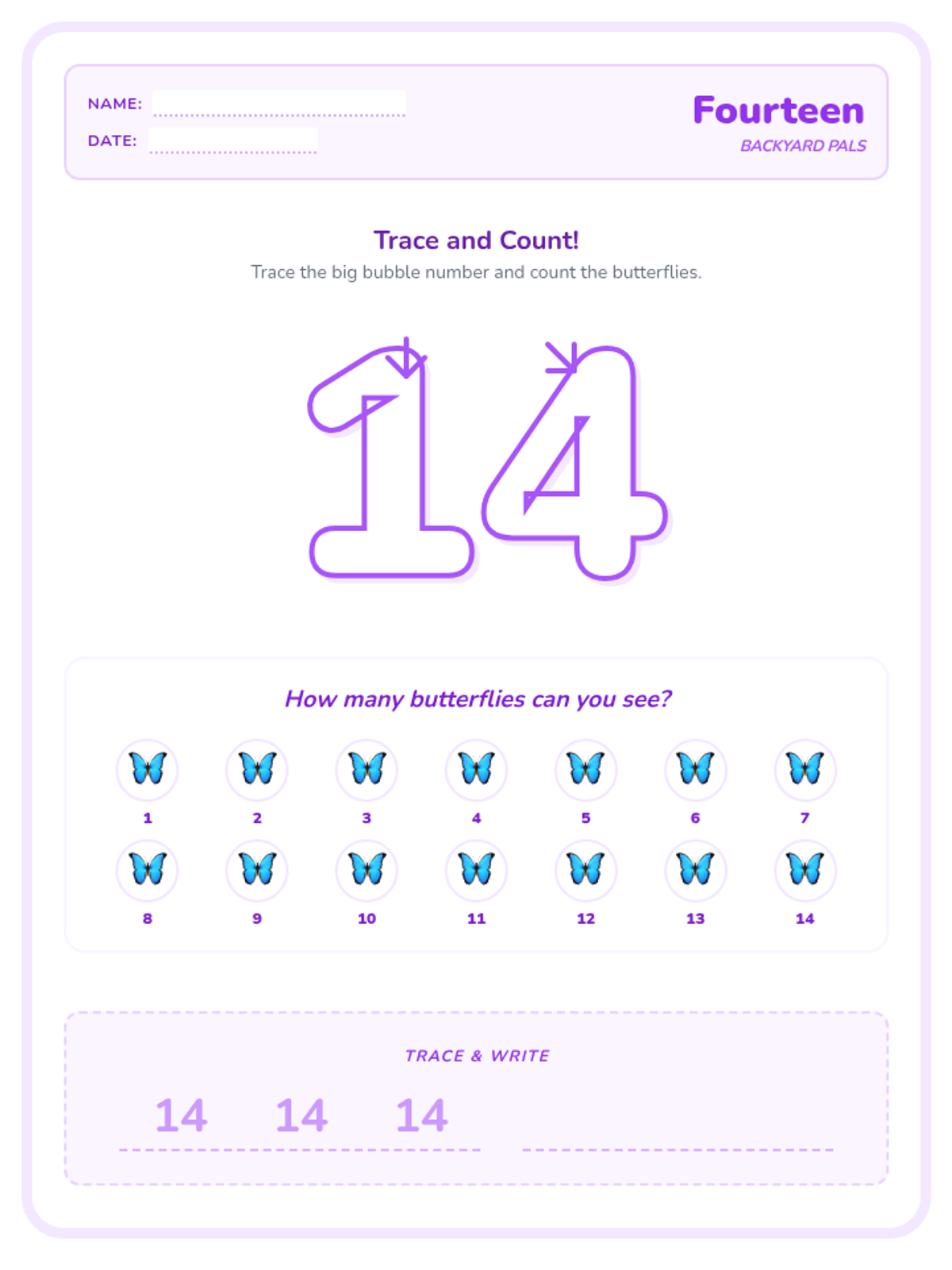
A series of tracing and counting worksheets for numbers 11 through 14, featuring large bubble numbers for tactile practice and garden-themed objects for counting.
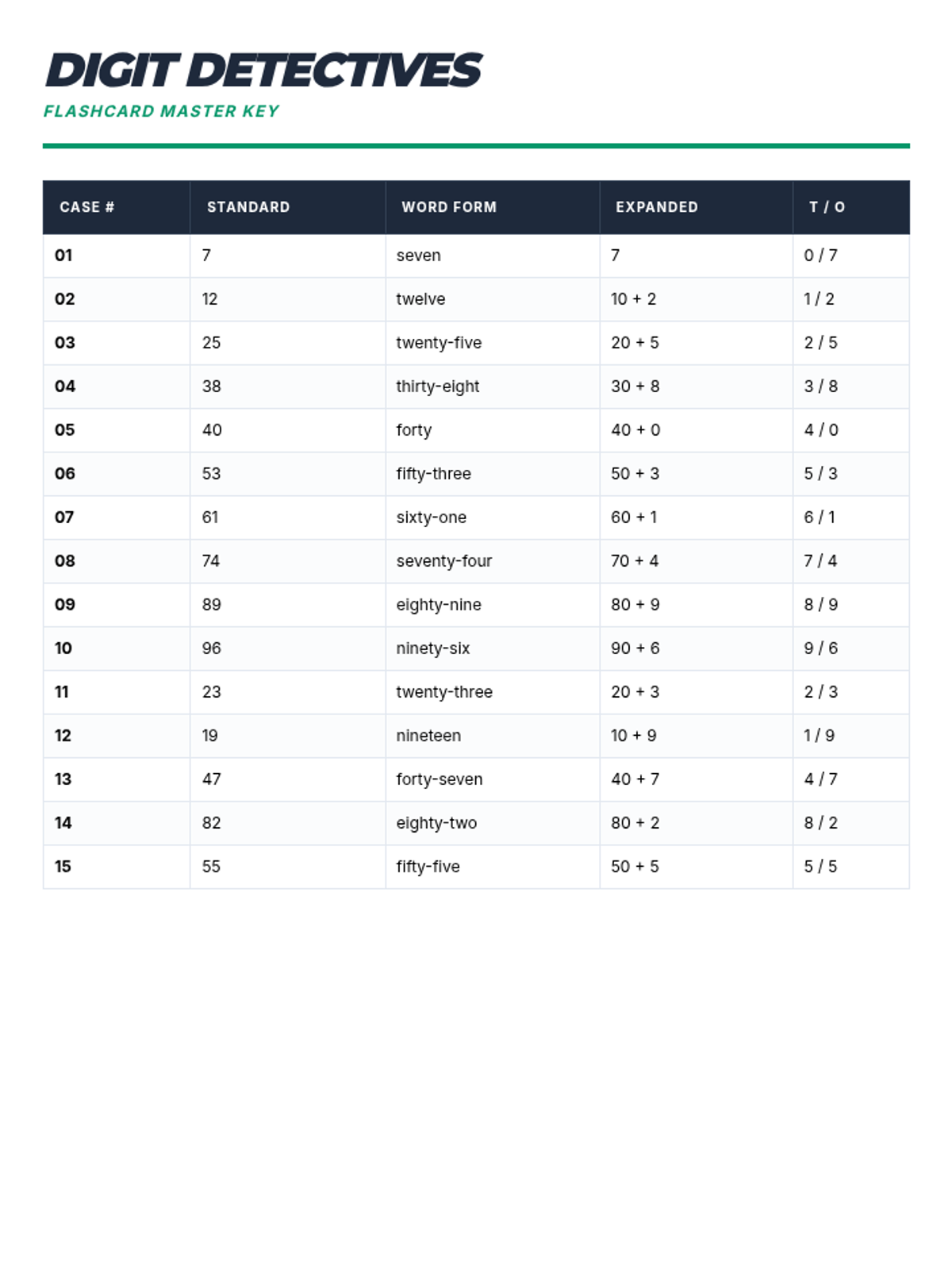
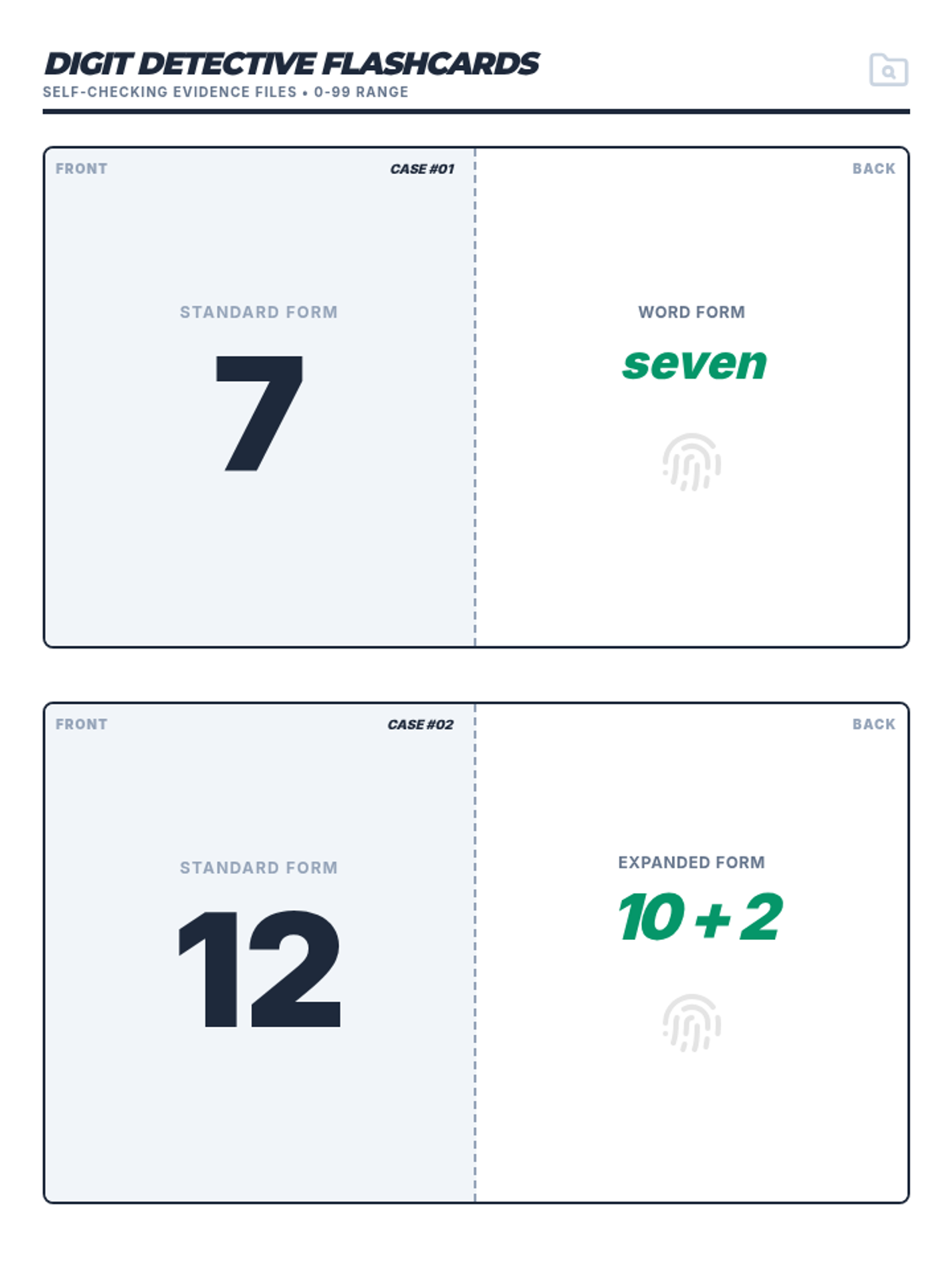
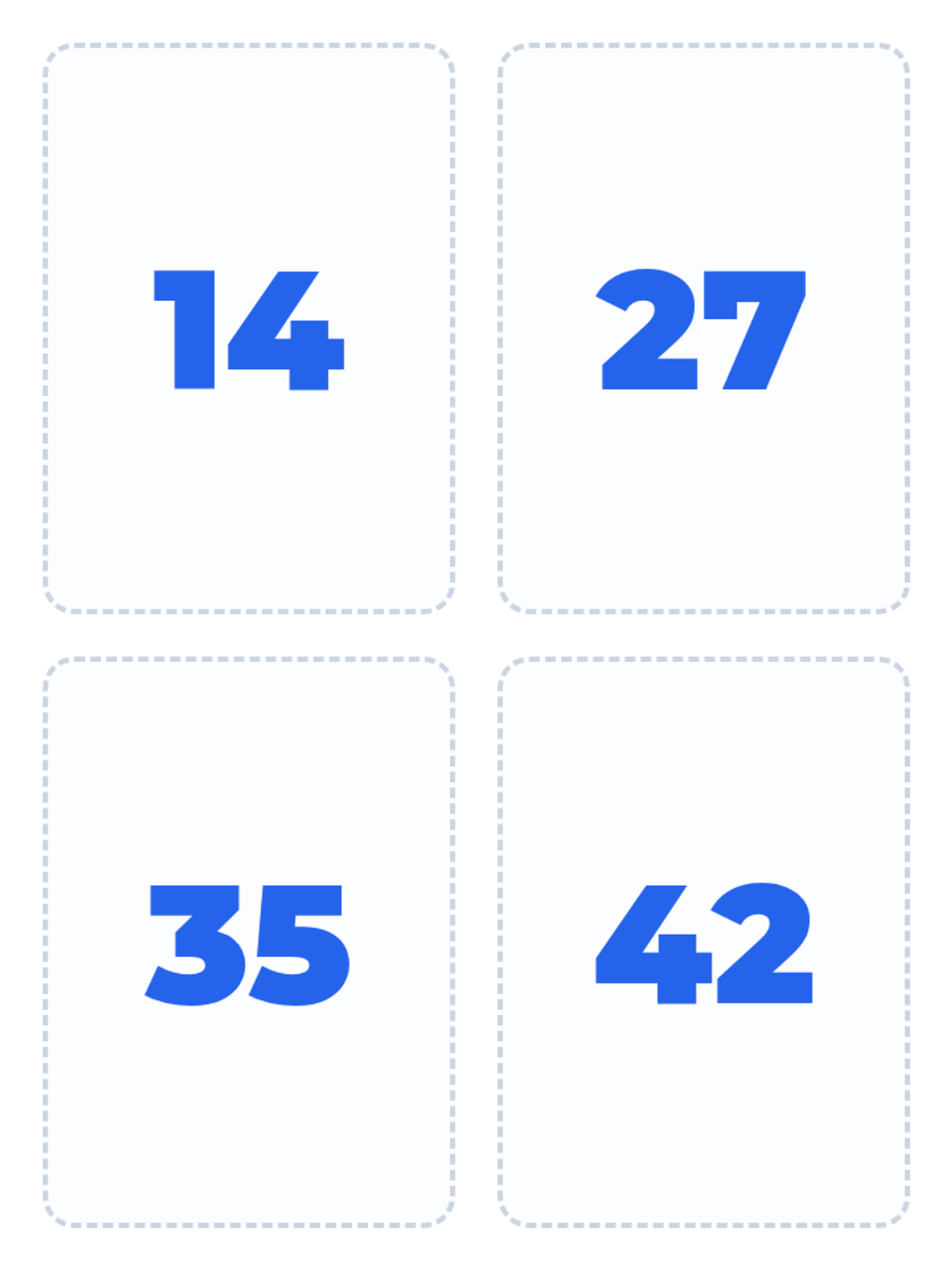
A lesson focused on representing numbers 0-99 in various forms including standard, word, expanded, and place value. Students act as 'Digit Detectives' to solve number cases.
A foundational lesson on representing two-digit numbers using base ten blocks and word forms to build place value fluency.
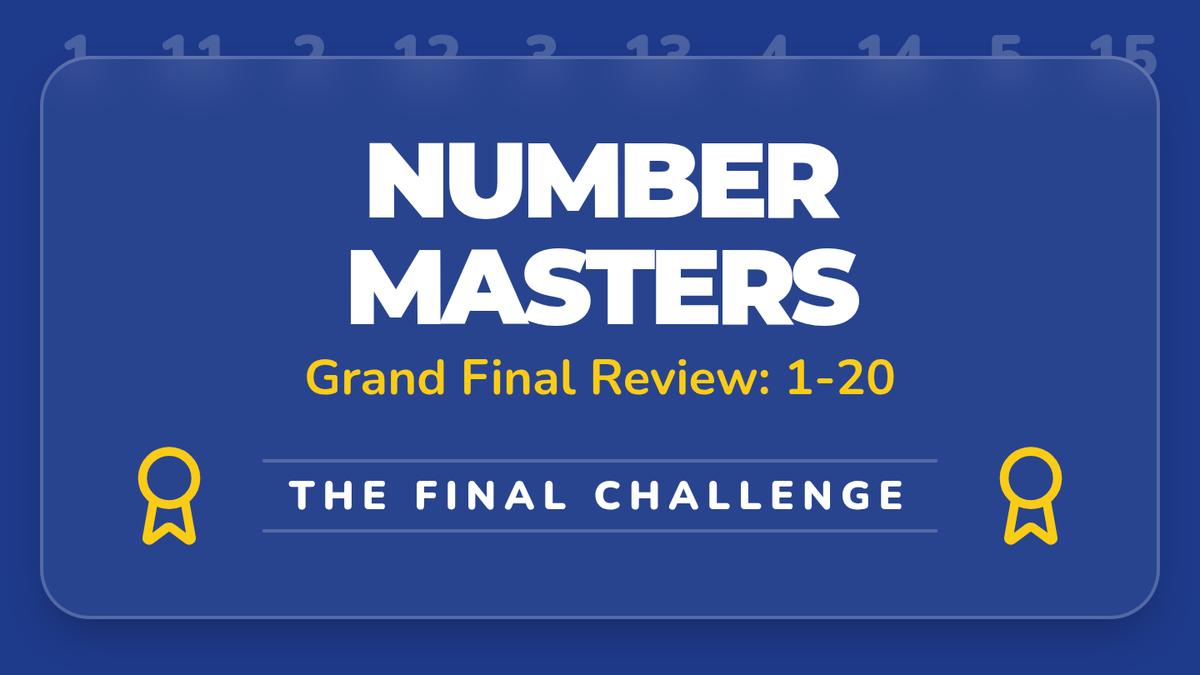
Final cumulative review of all numbers 1-20 in all drill parts.
Focus on the larger sequence of 10-20 to build teen fluency.
Advanced practice with numbers 1-15 in mixed order.
Deep dive into the often-confused teen numbers 11-15.
Completing the numbers up to 20 with 17, 18, 19, and 20.
Focus on numbers 14, 15, and 16, emphasizing the 'teen' suffix.
Introduction to the tricky teen numbers 11, 12, and 13.
Cumulative review of numbers 1-10 with intensive sequence practice.
Focus on identification and writing of numbers 6-10, with review of numbers 1-5.
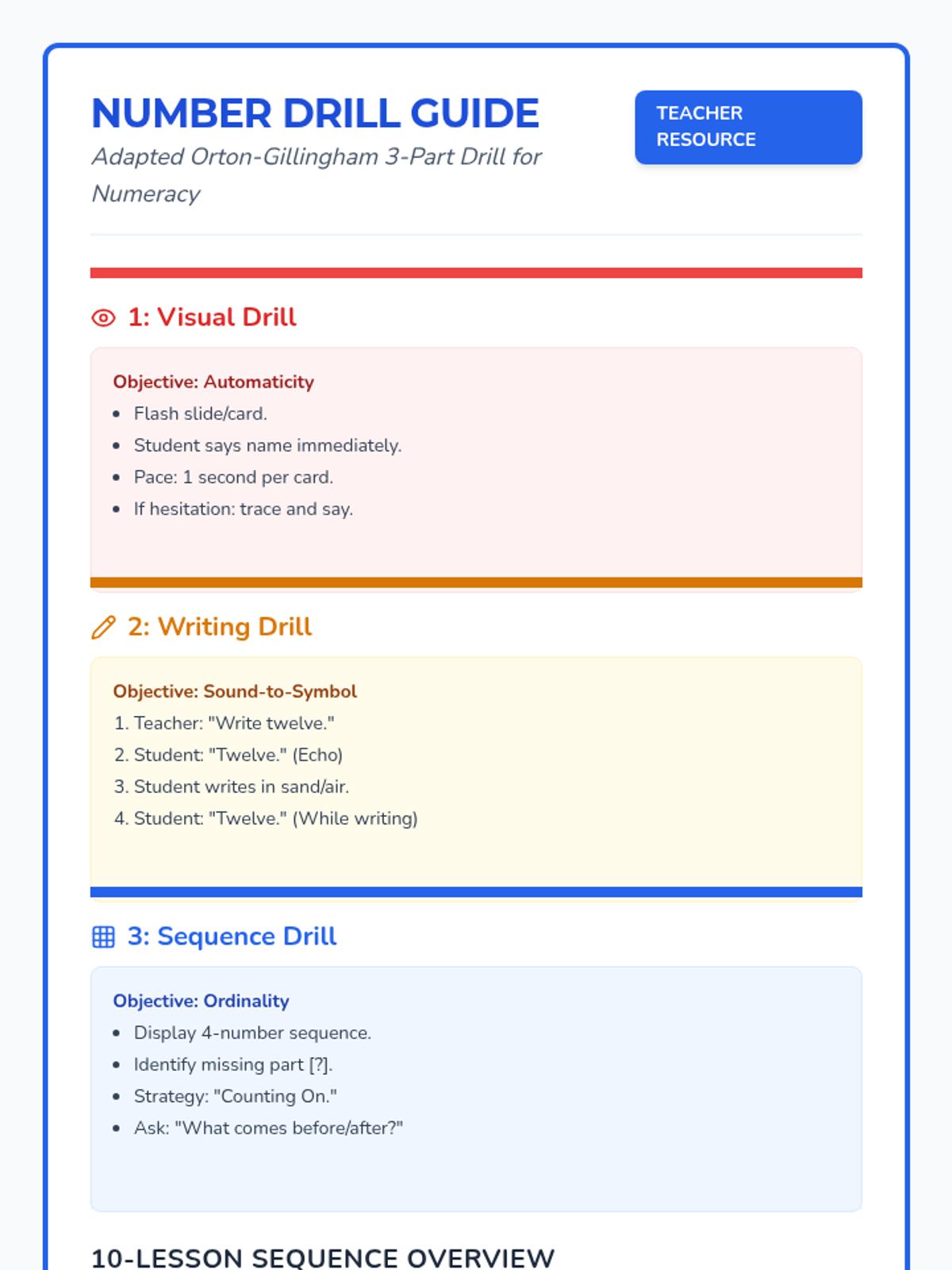
Focus on identification and writing of numbers 1-5, featuring a 3-part drill for visual, auditory, and sequential skills.
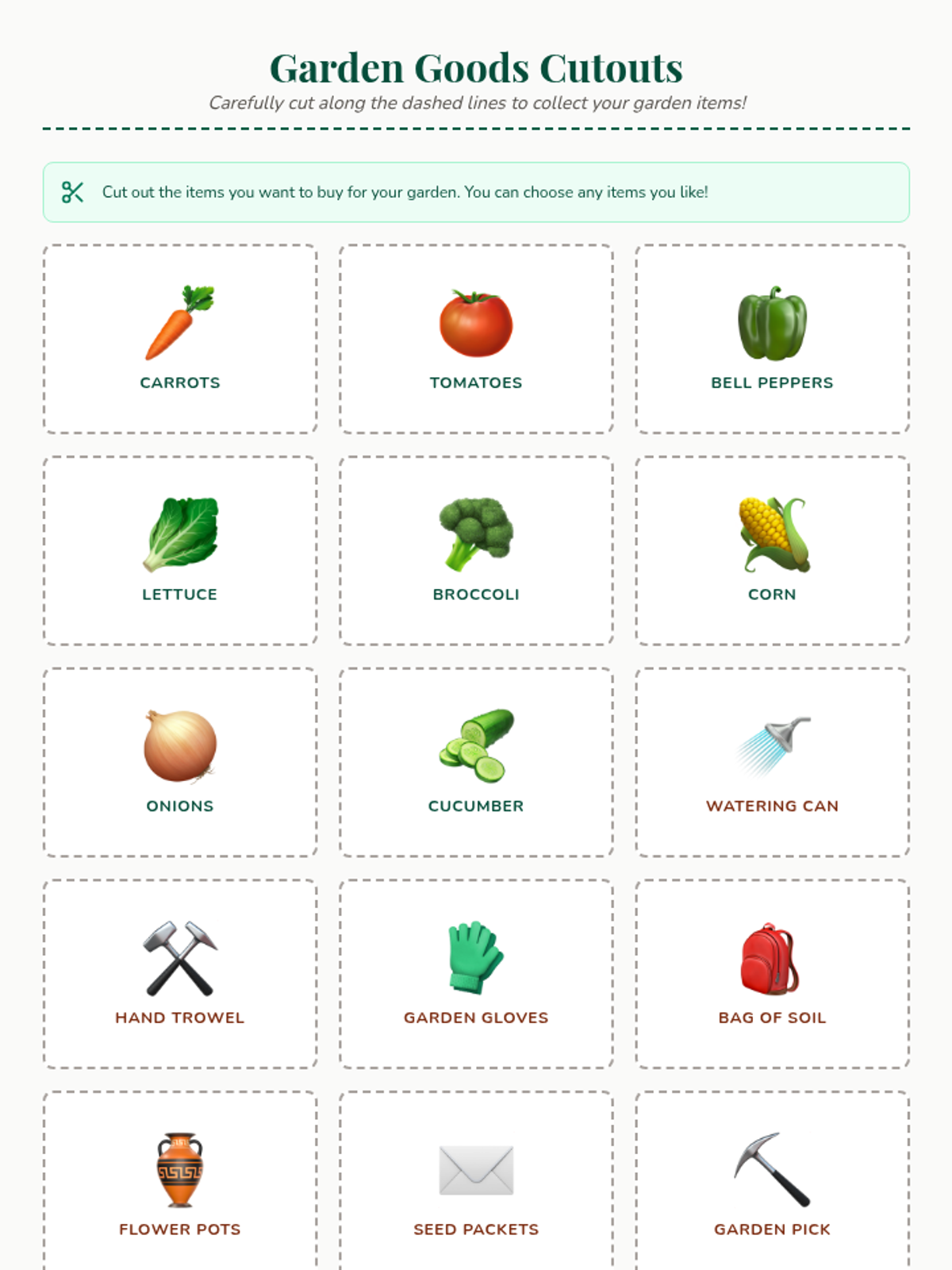
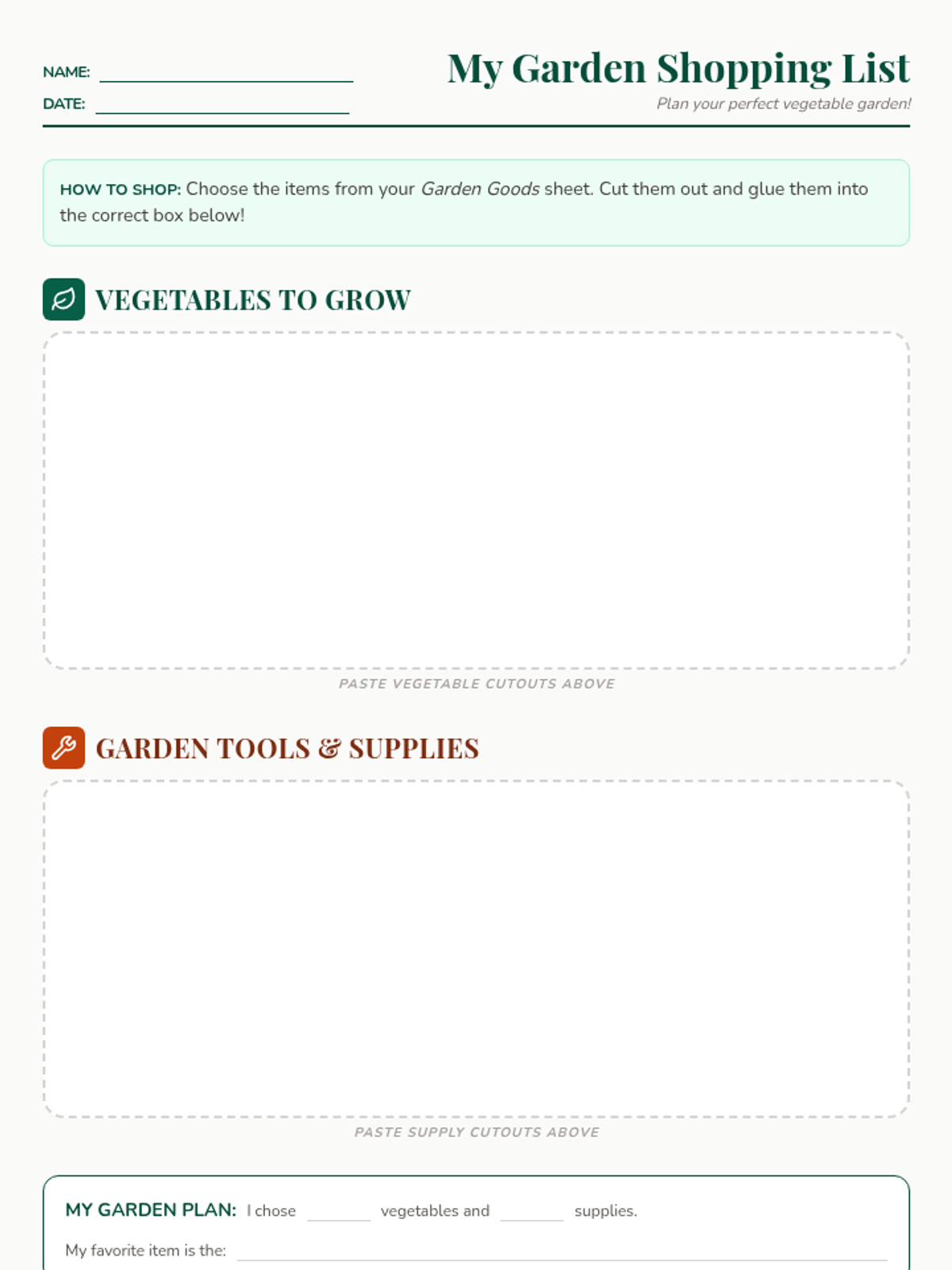
A hands-on activity where students select and sort vegetables and gardening supplies to plan their own garden space.
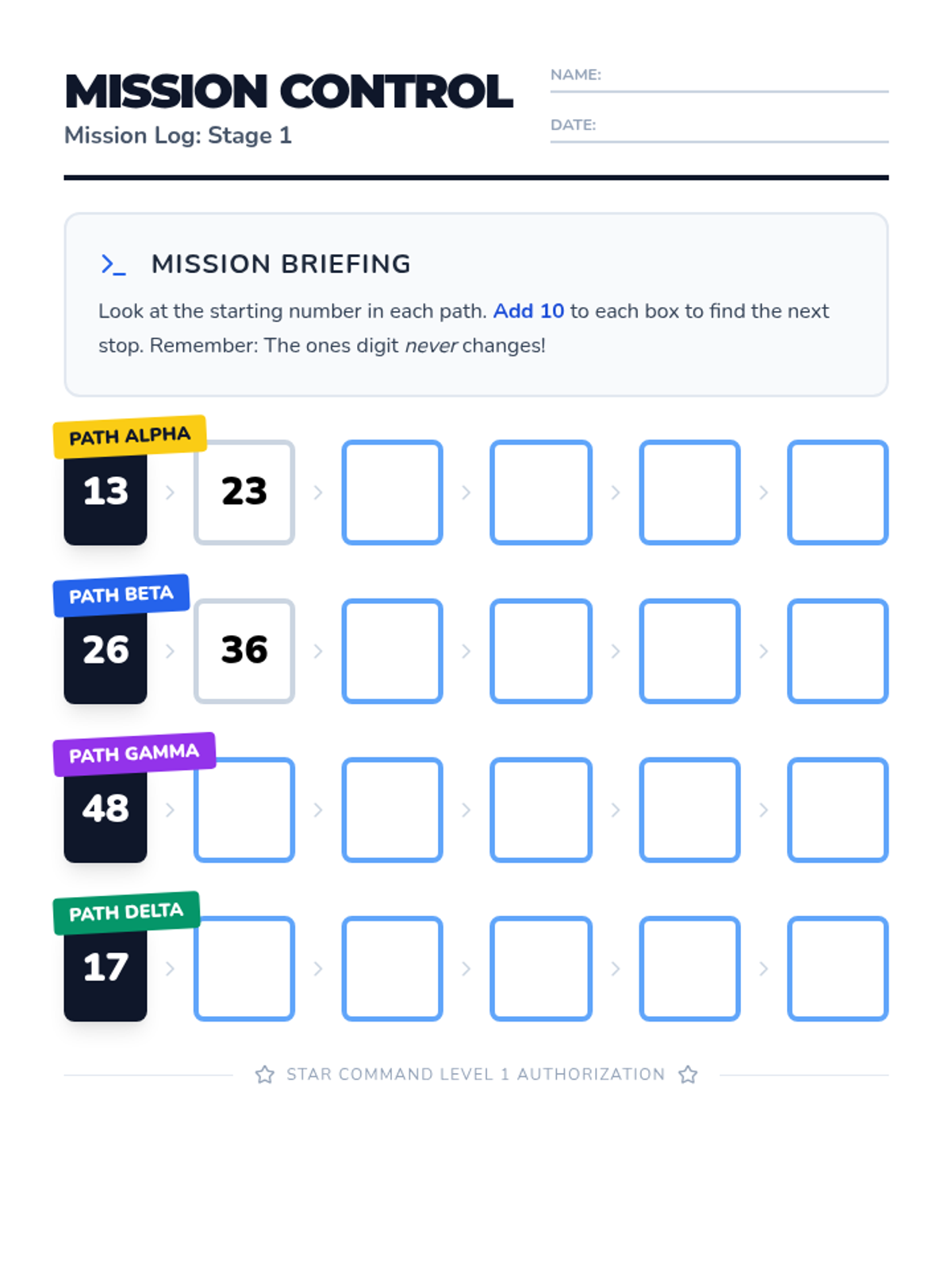
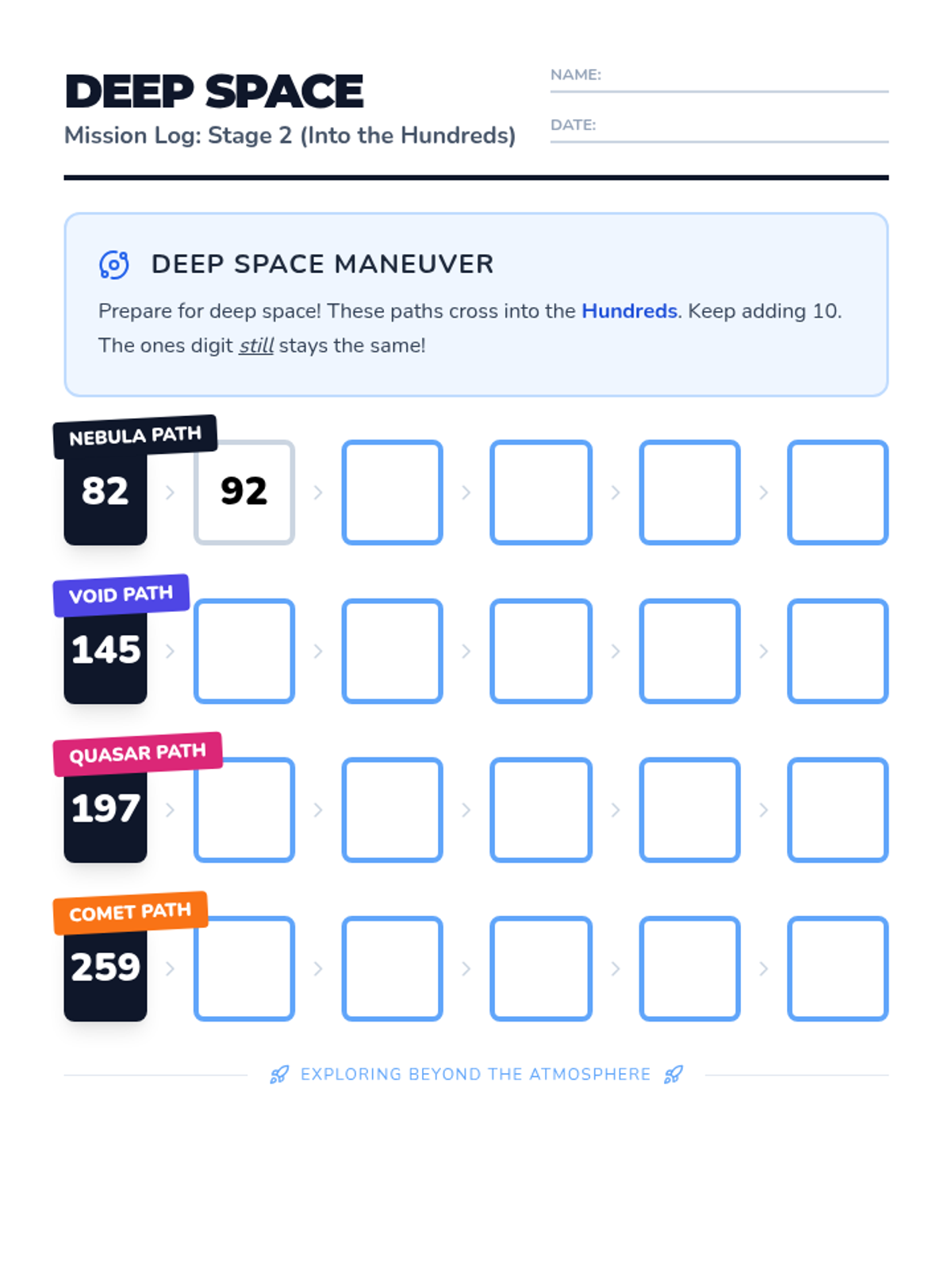
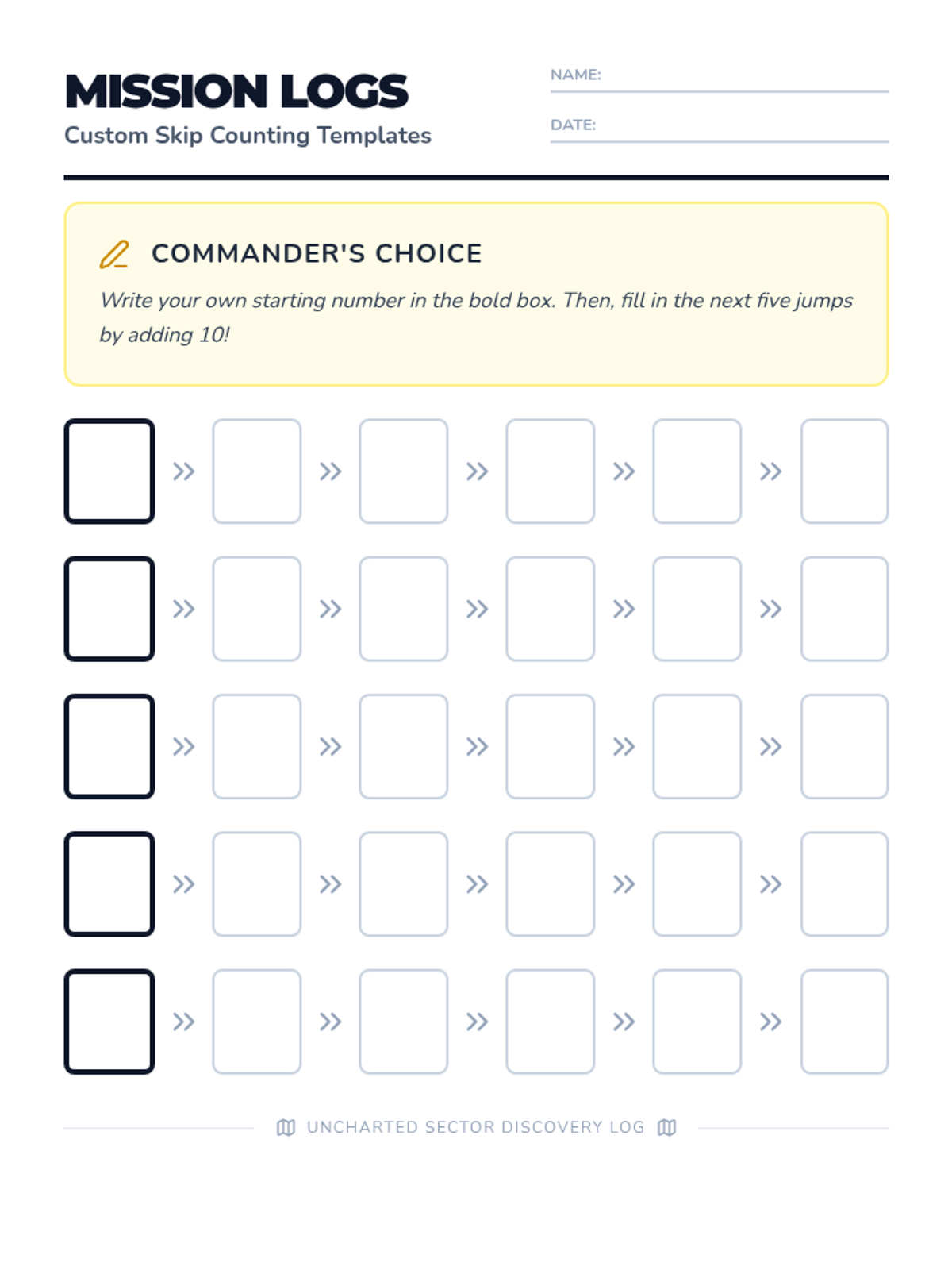
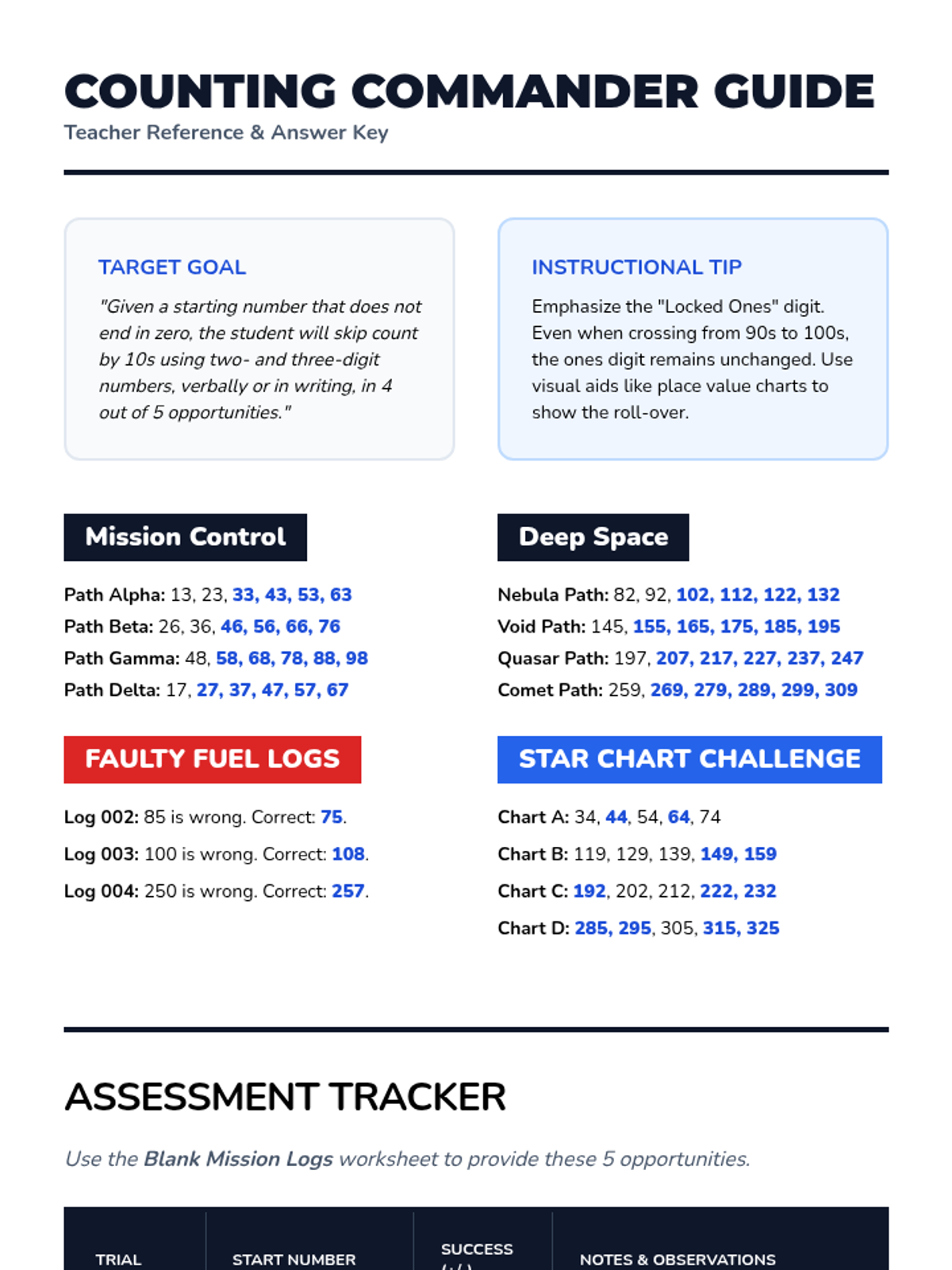
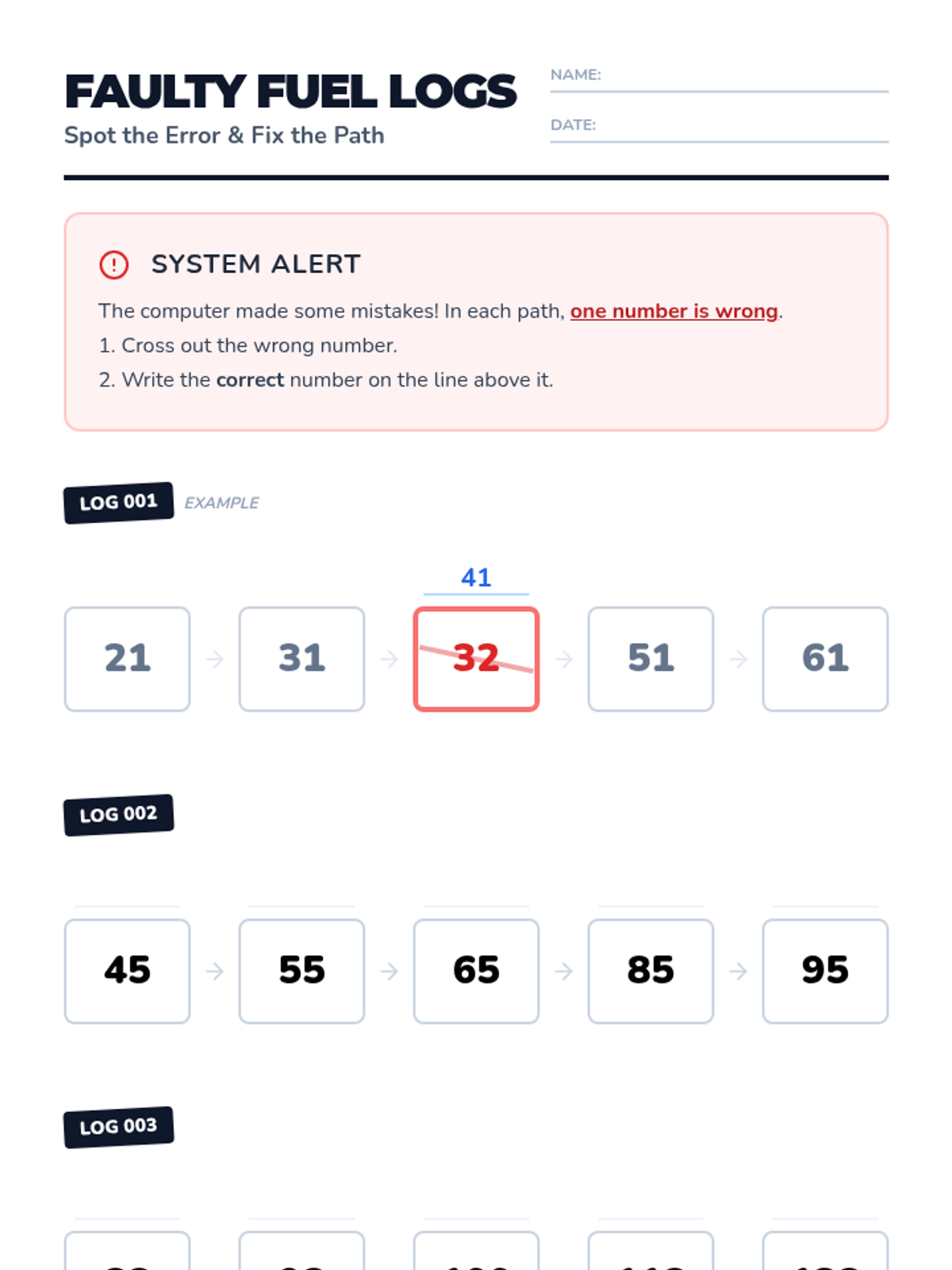
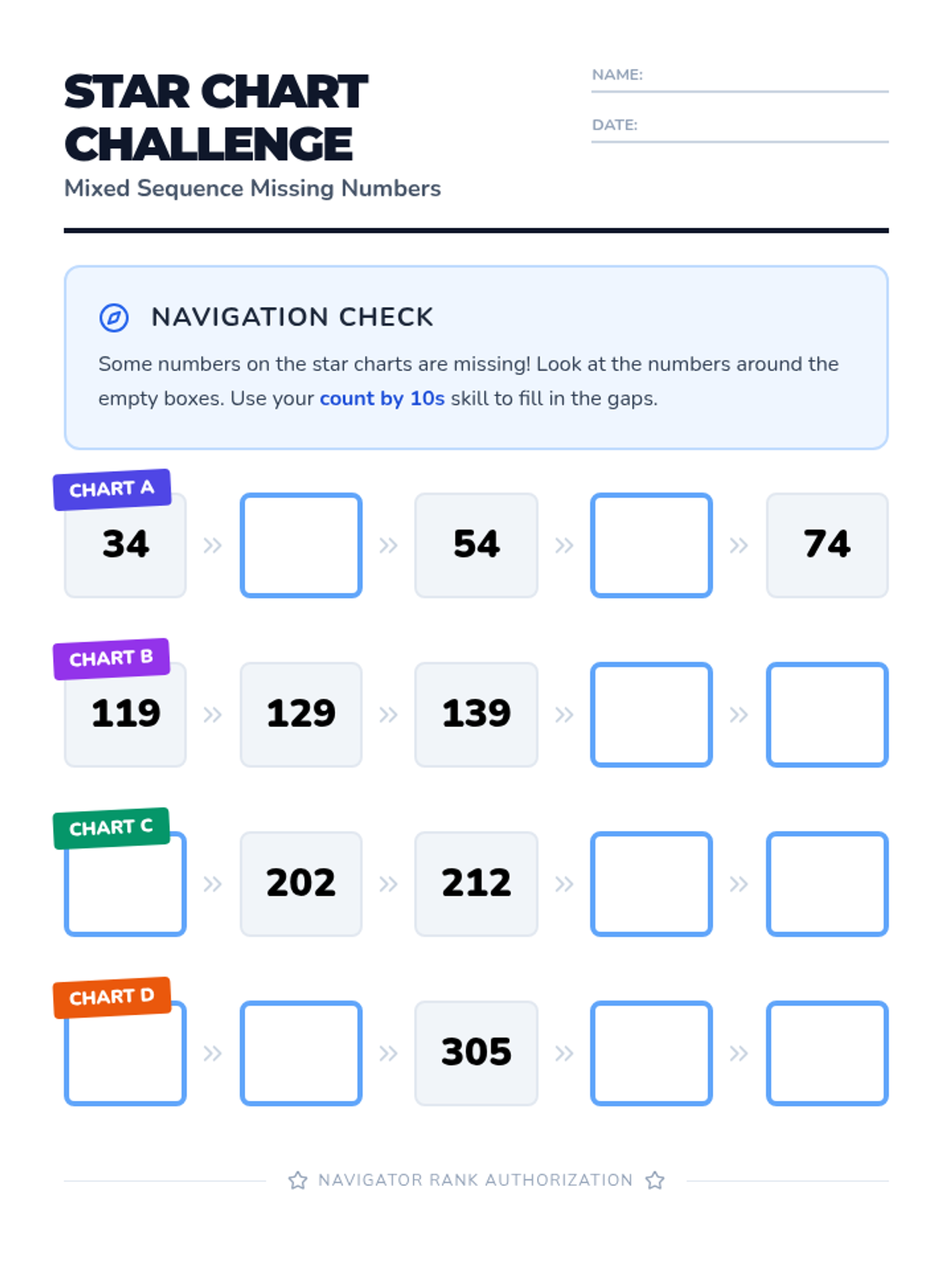
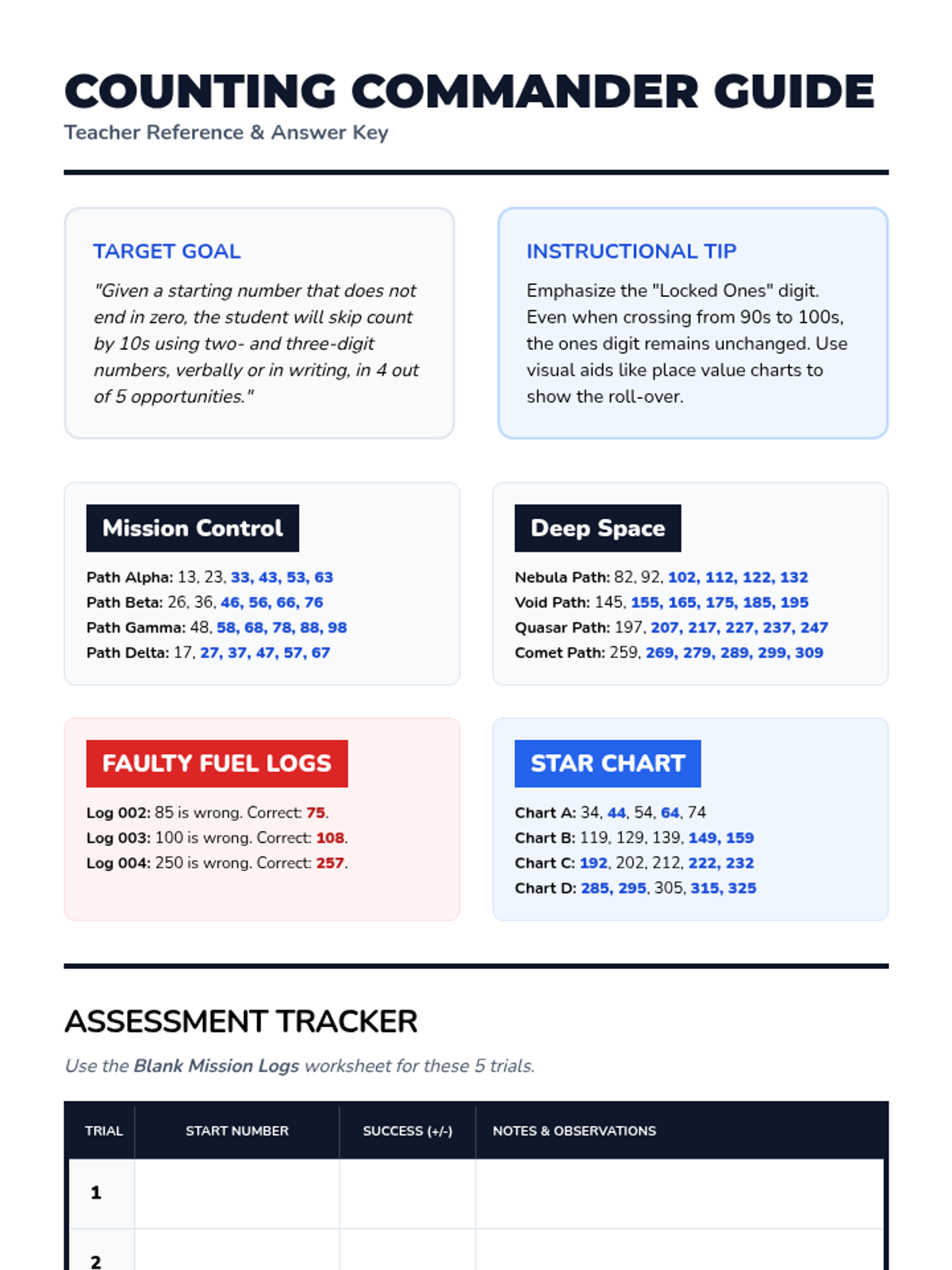
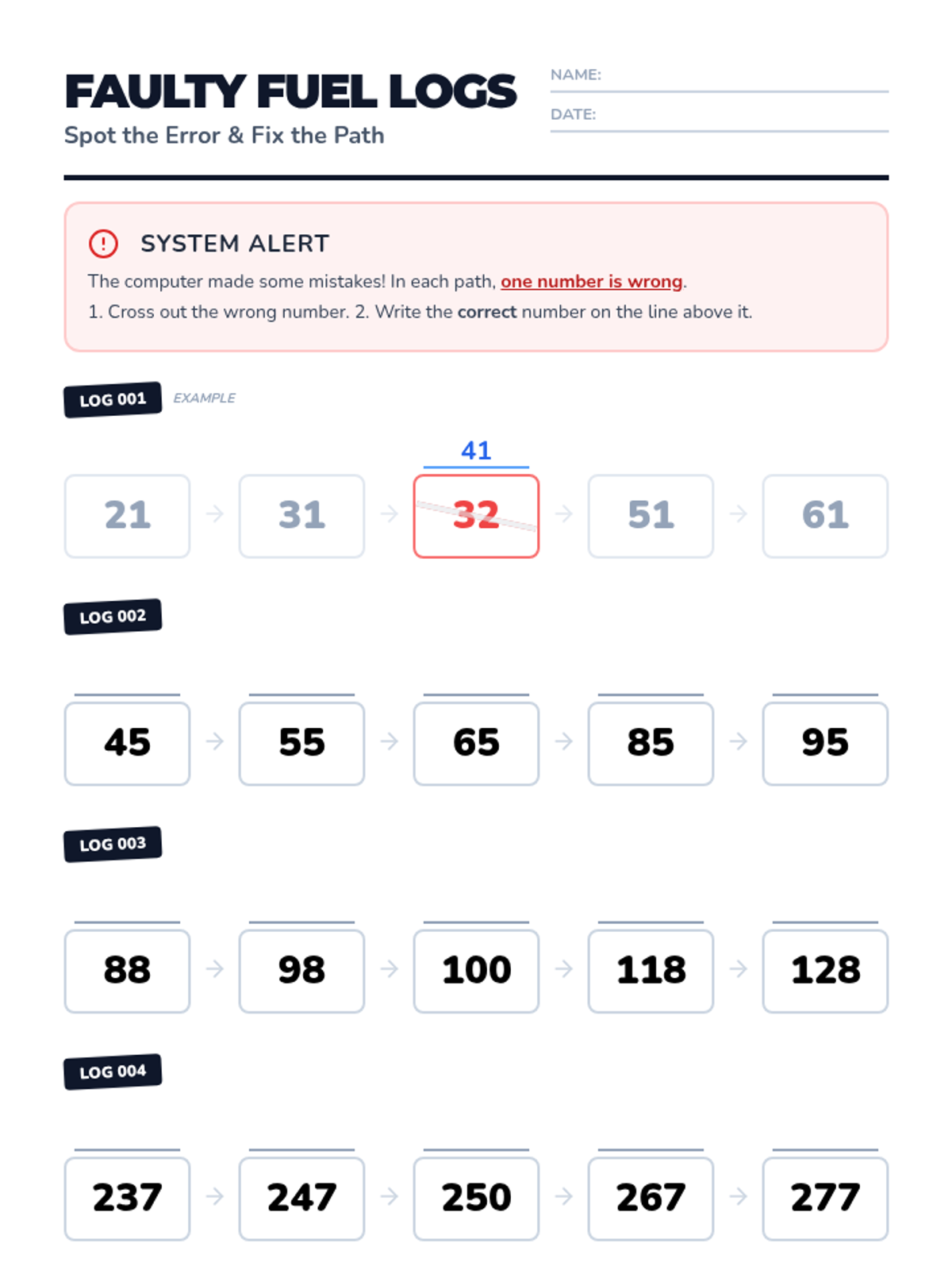
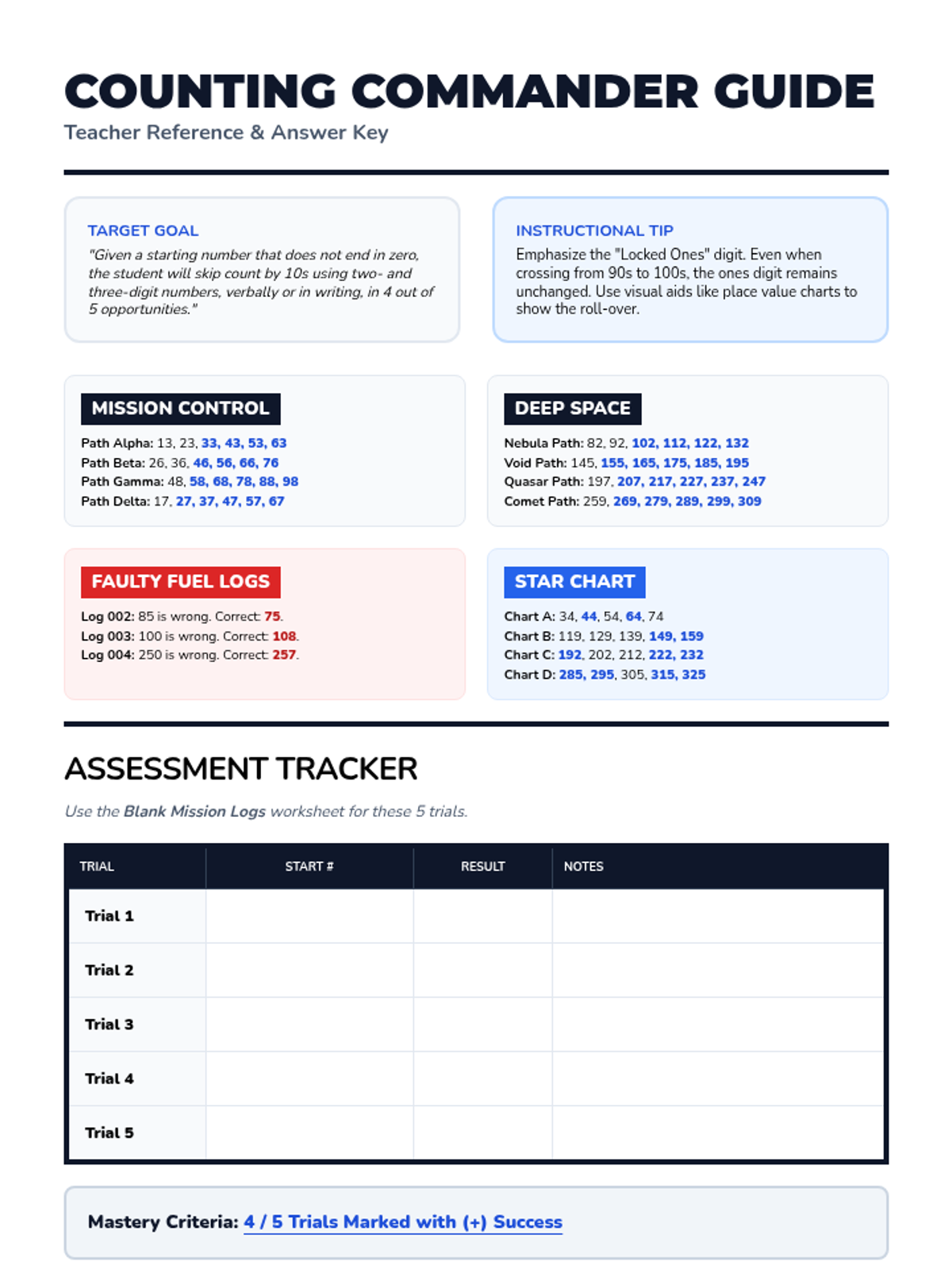
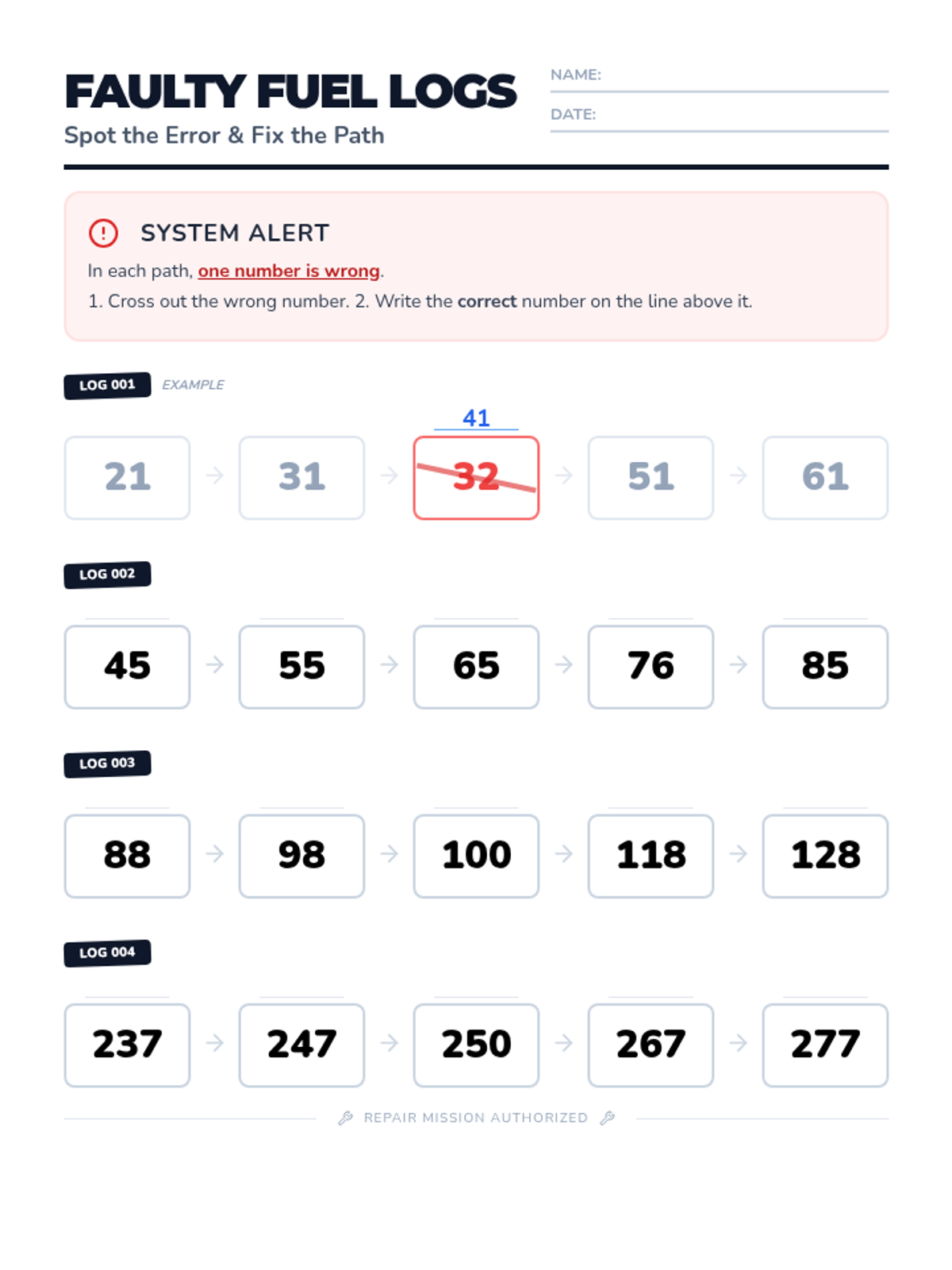
A cosmic-themed lesson focusing on skip counting by 10s starting from non-zero digits. Students explore patterns in the tens place and learn to navigate the transition from two-digit to three-digit numbers.
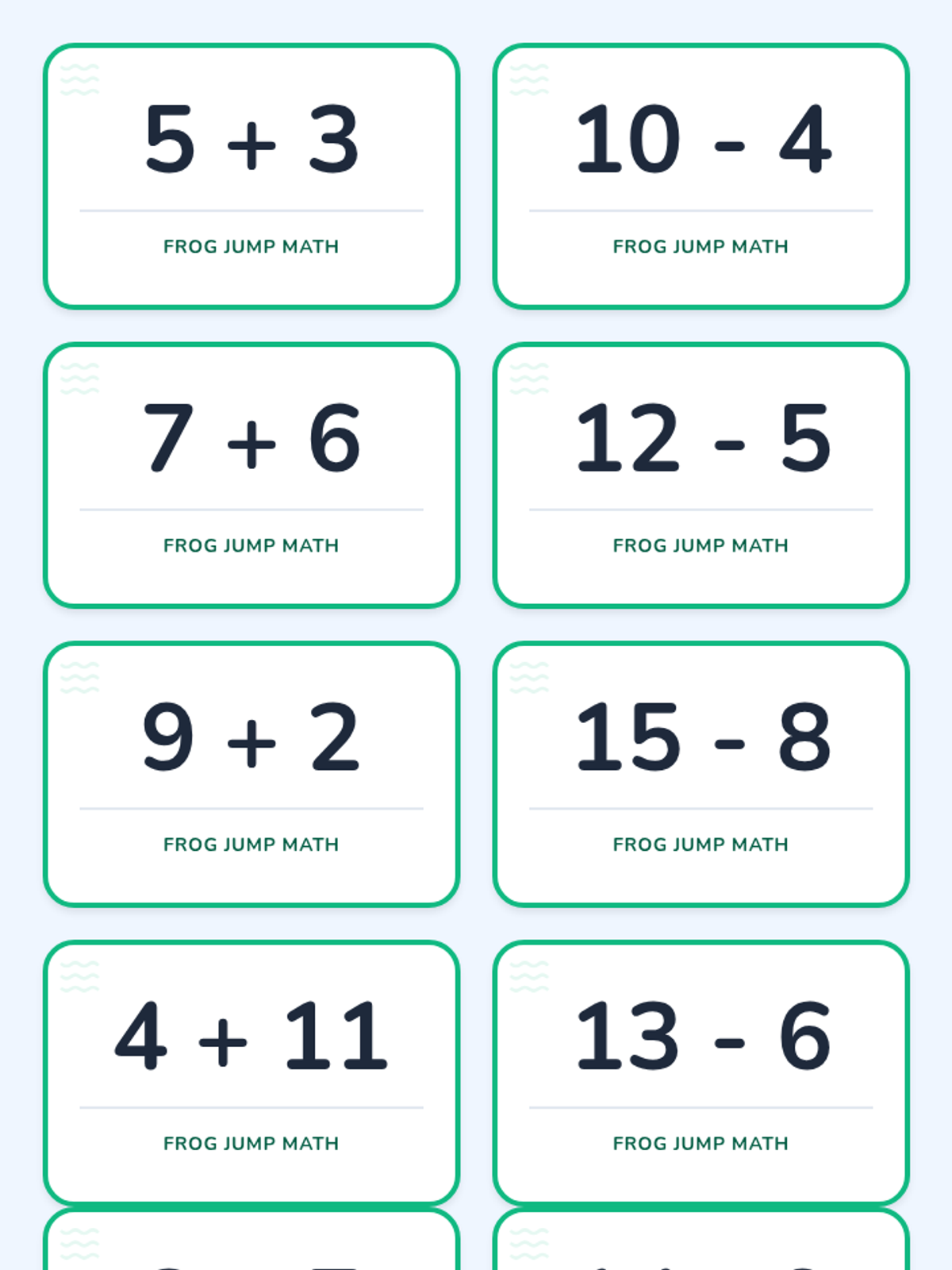
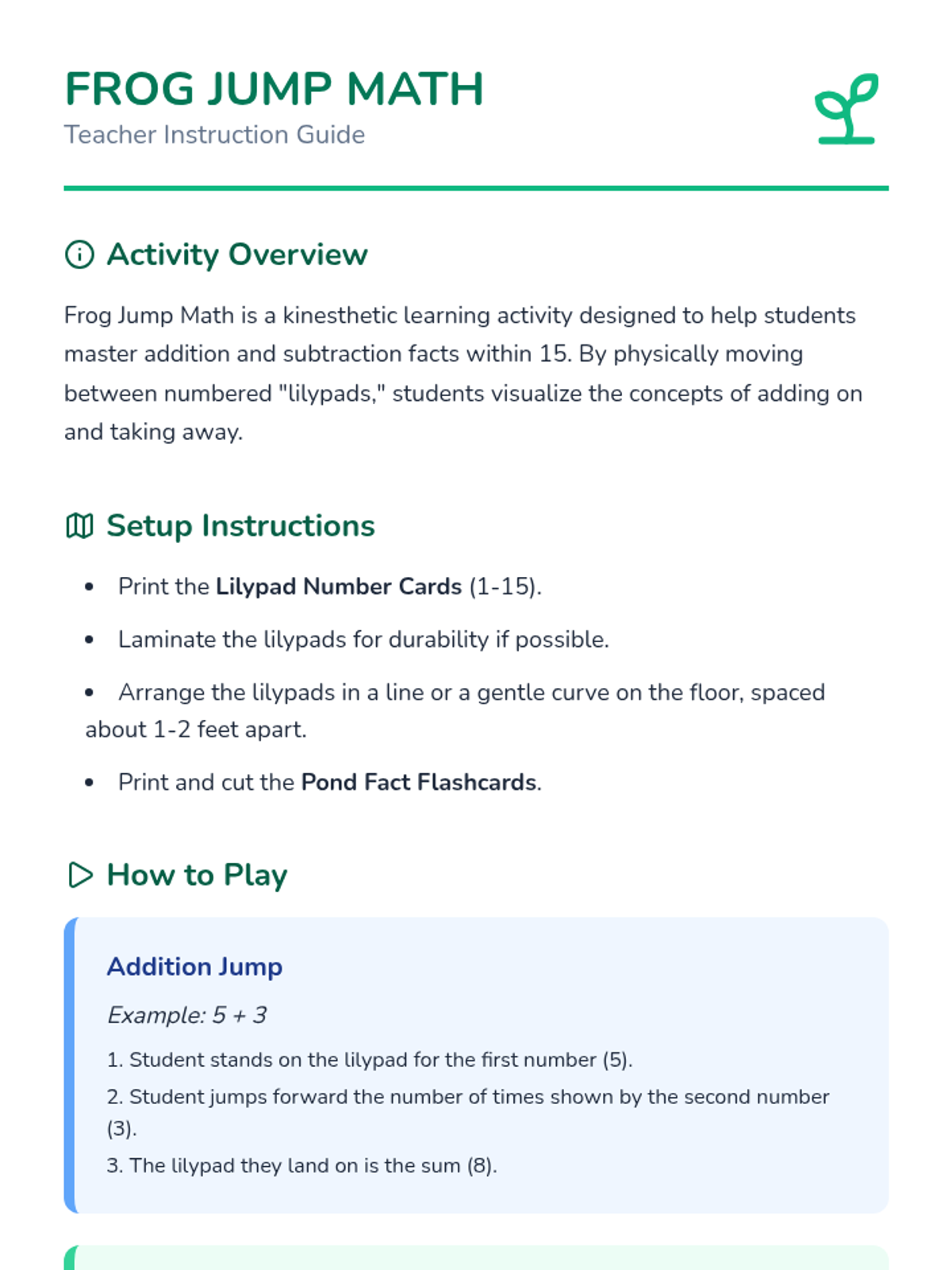
A set of hands-on materials for practicing addition and subtraction within 15, featuring large lilypad floor markers and matching math fact flashcards.
A first-grade math lesson focused on adding and subtracting within 20 using flower and garden-themed drawings. Students will practice counting blooms and bugs to solve mixed equations.
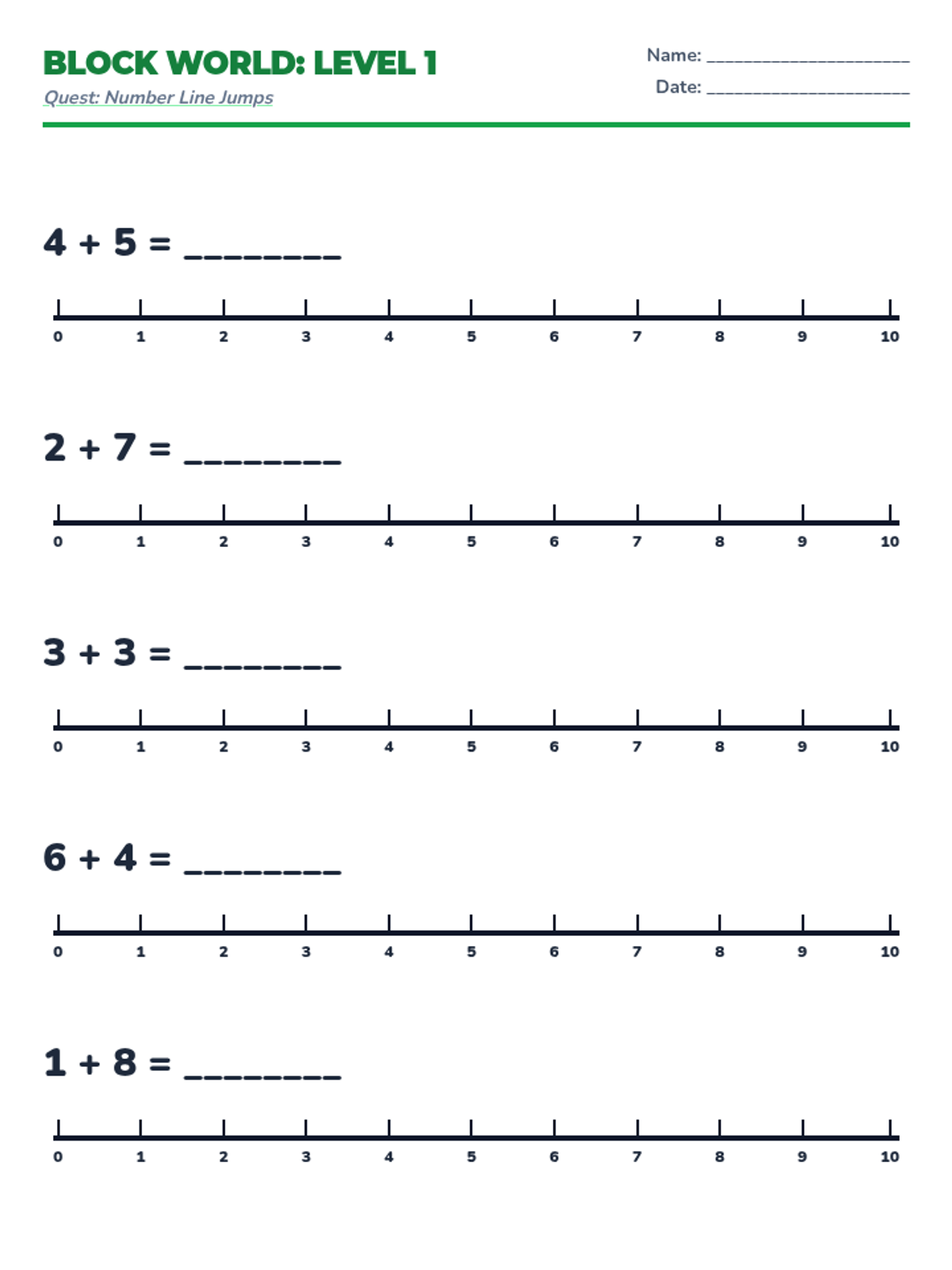
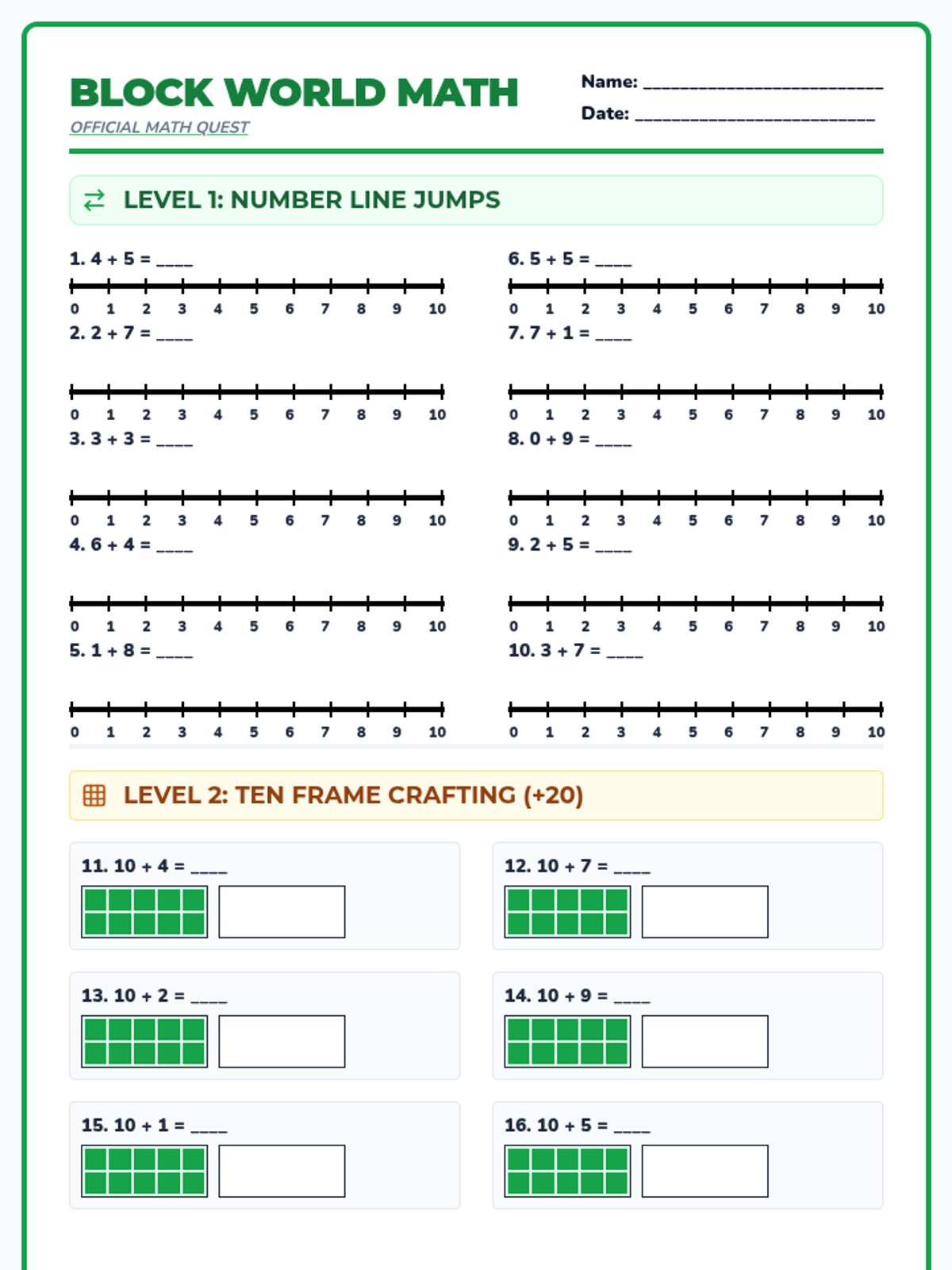
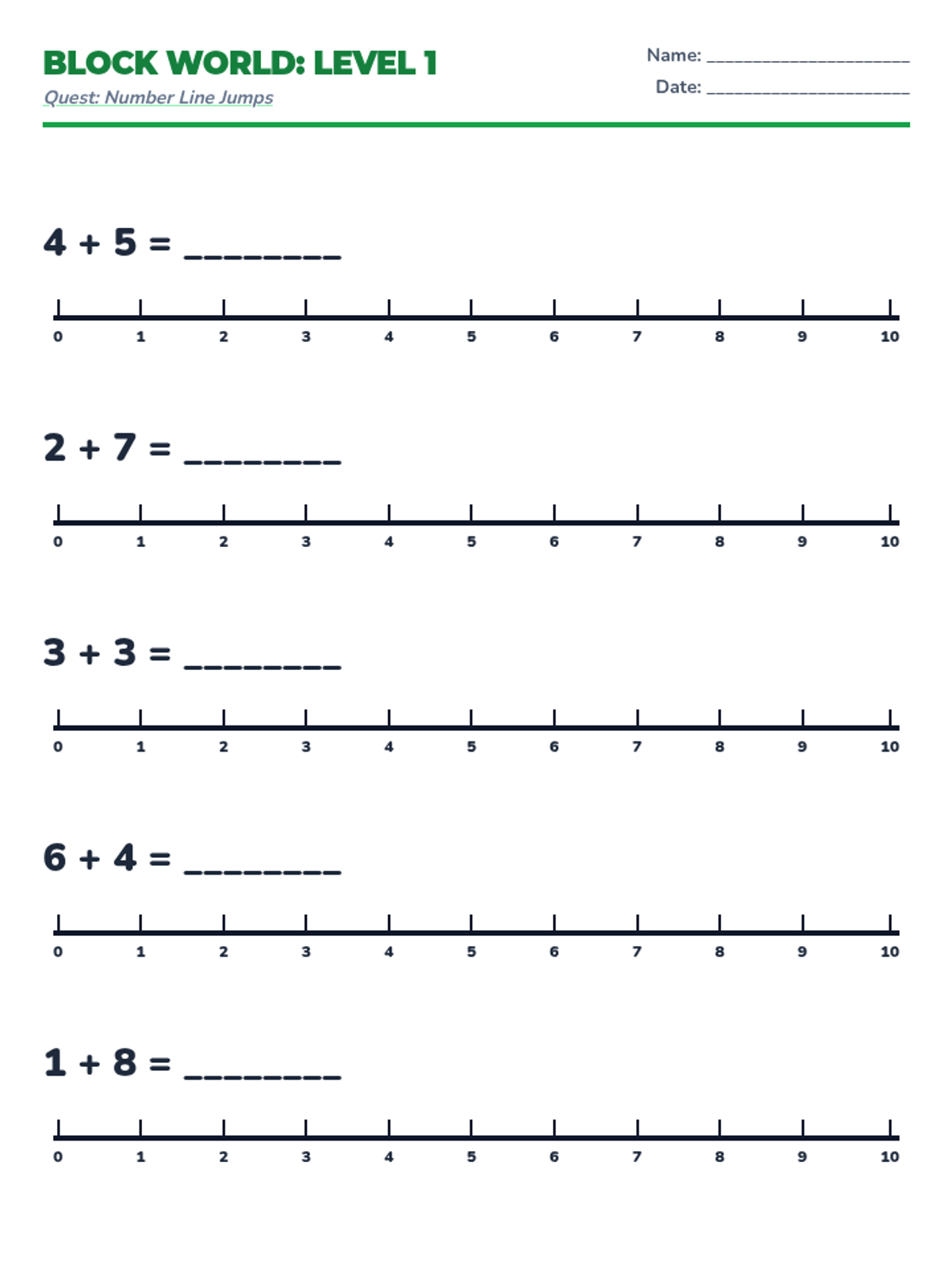
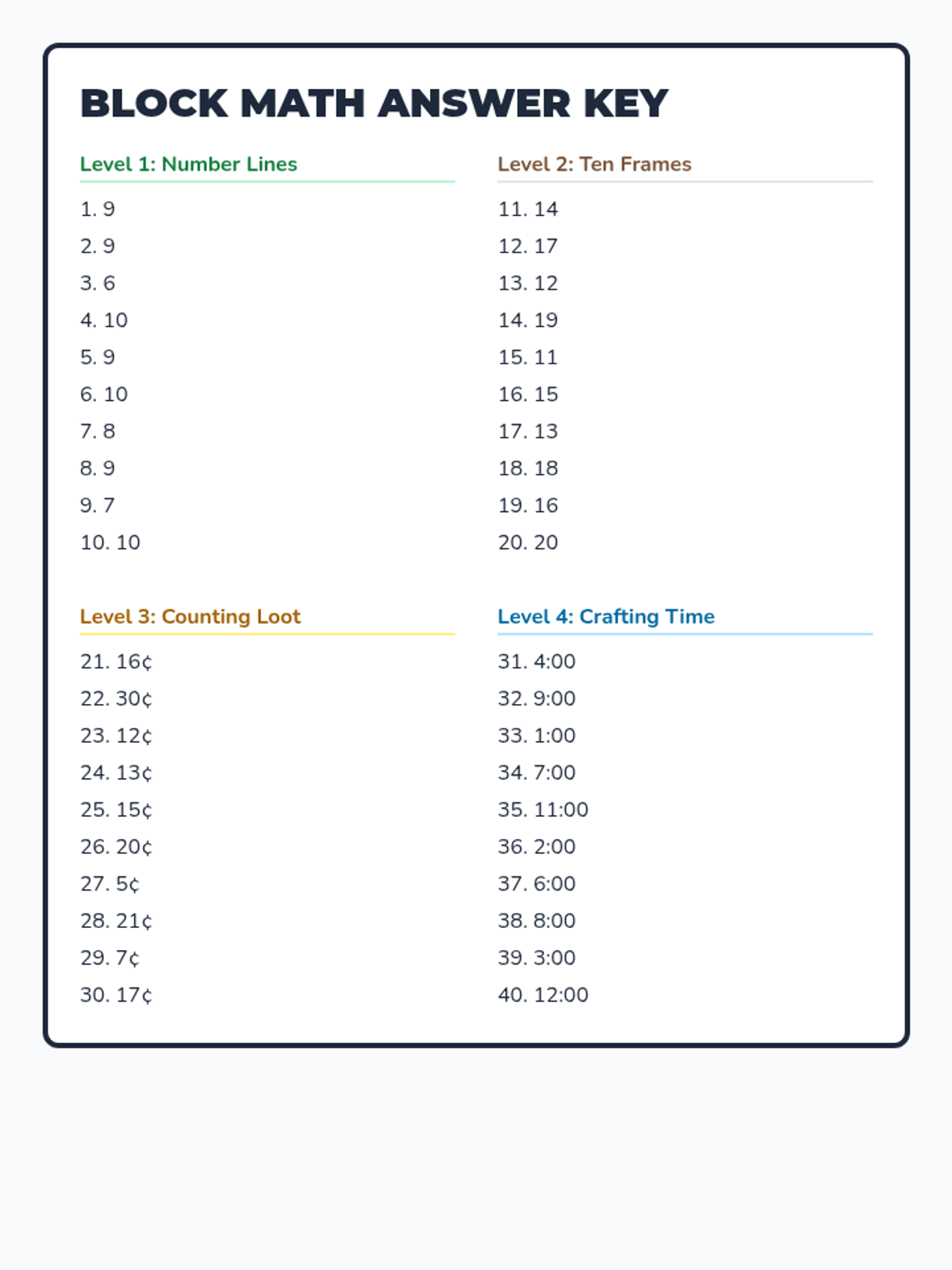
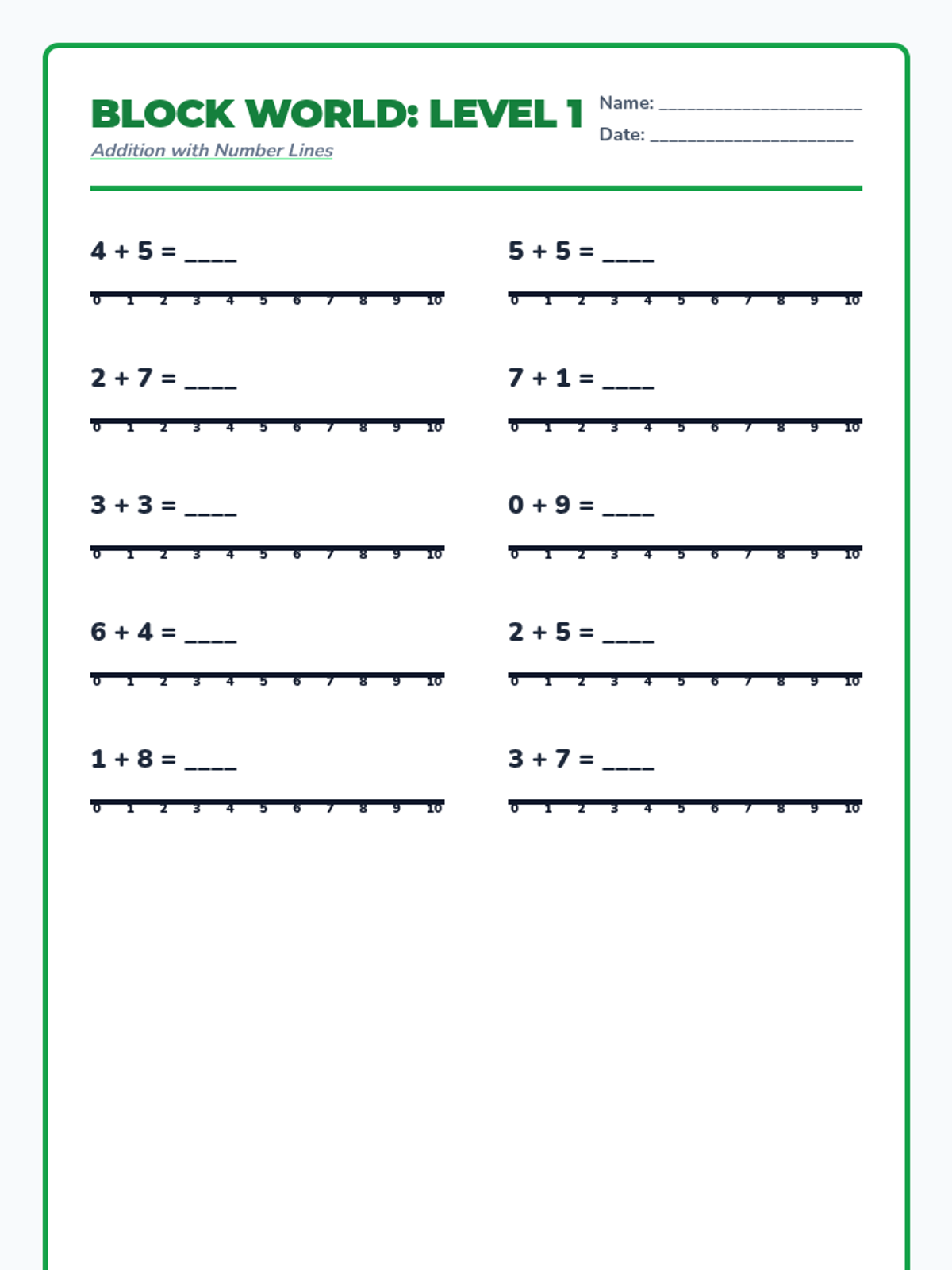
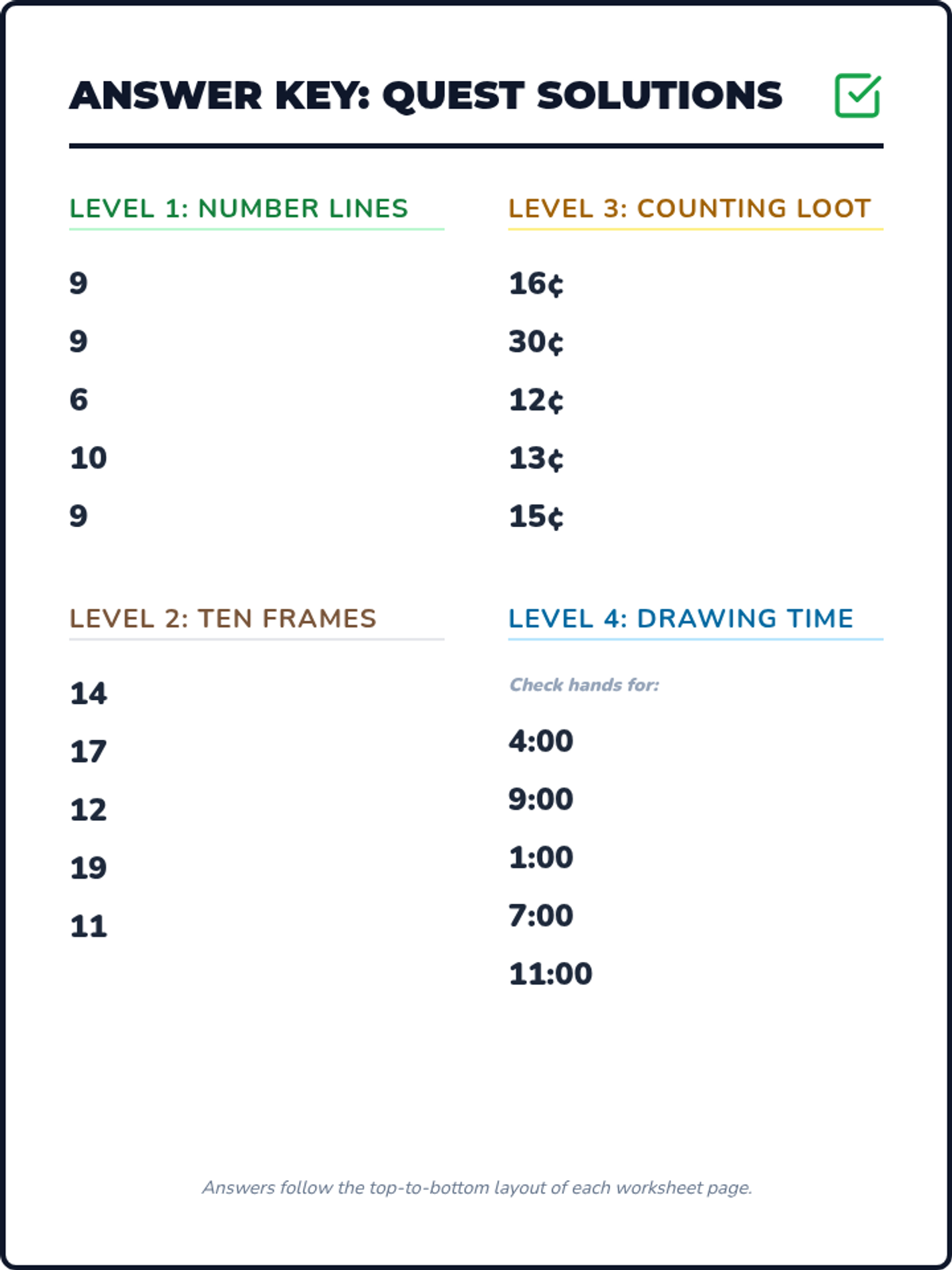
A Minecraft-themed math adventure covering addition with number lines, ten frames, counting coins, and telling time to the hour. Students will help Steve and Alex craft their way through mathematical challenges.
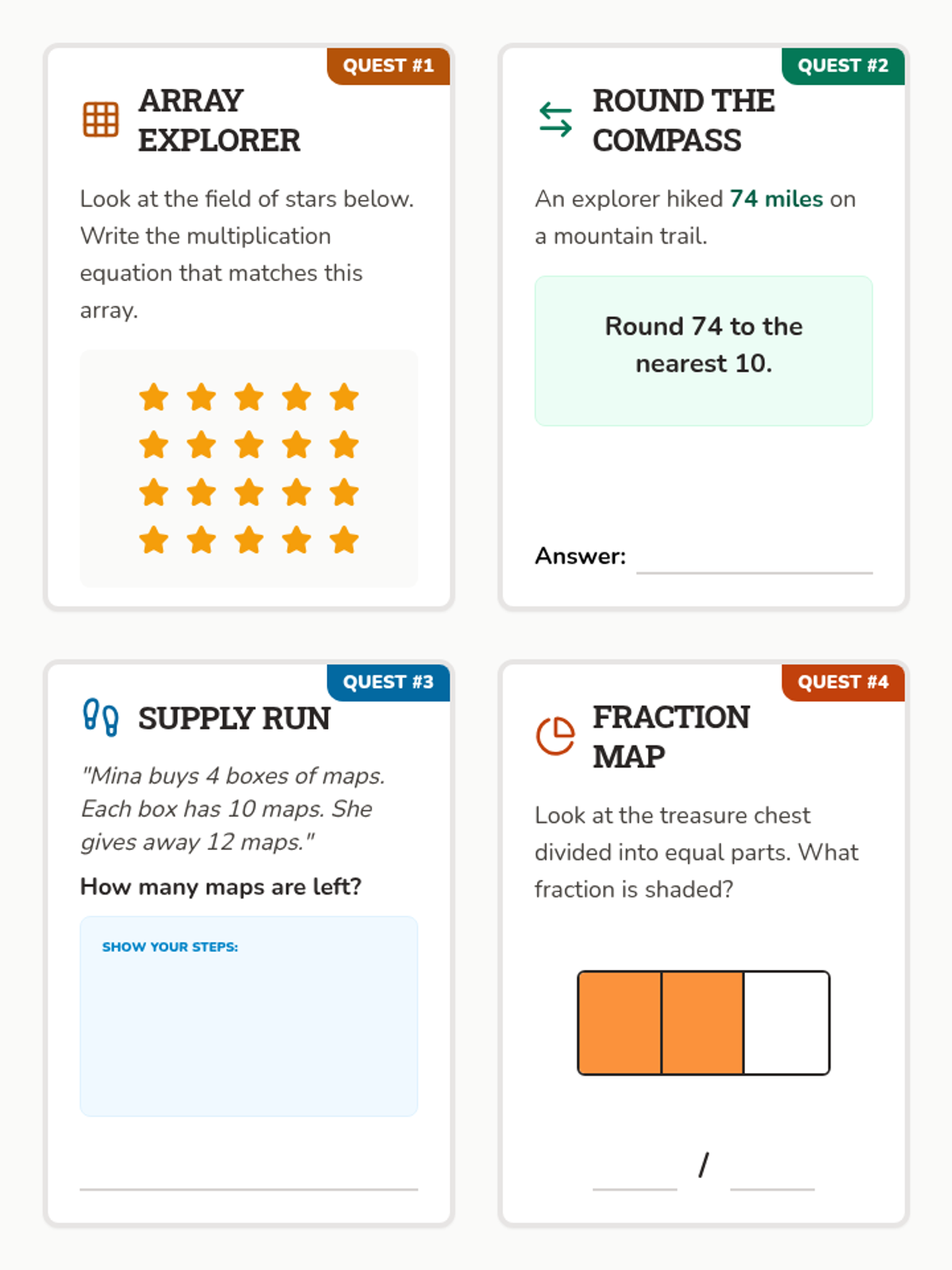
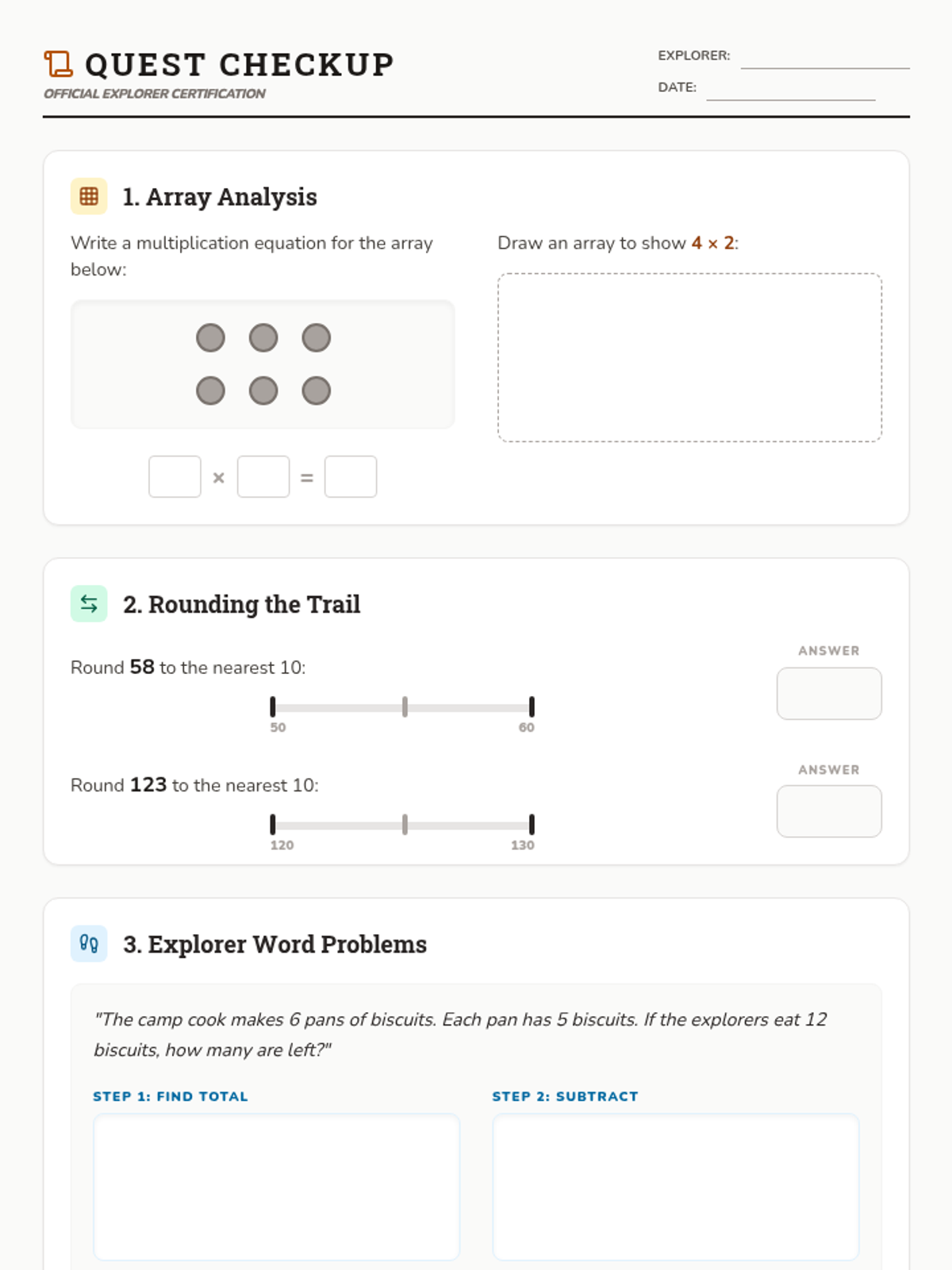
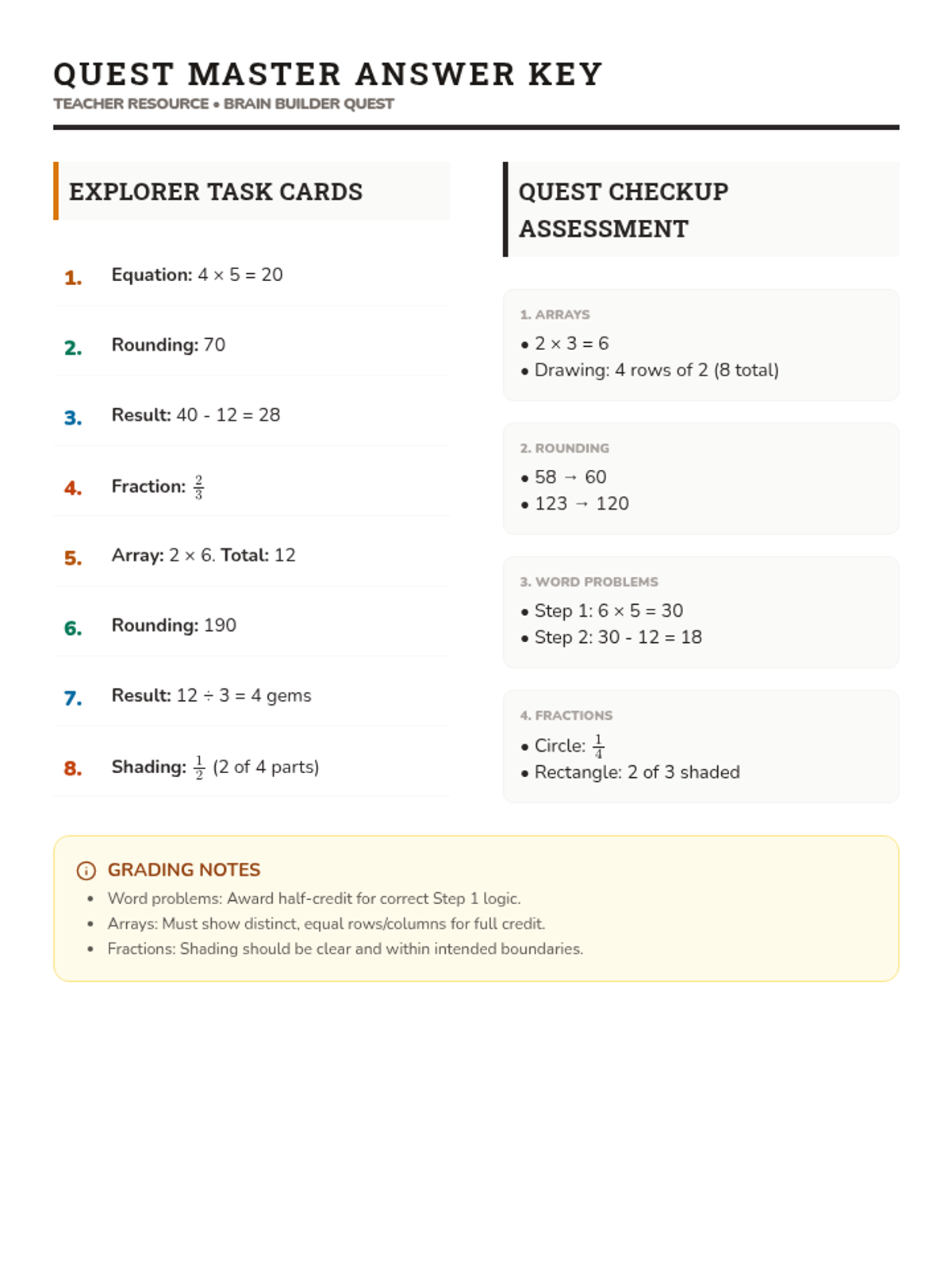
A comprehensive math review covering multiplication arrays, rounding to the nearest 10, multi-step word problems, and fraction identification through an explorer-themed adventure.
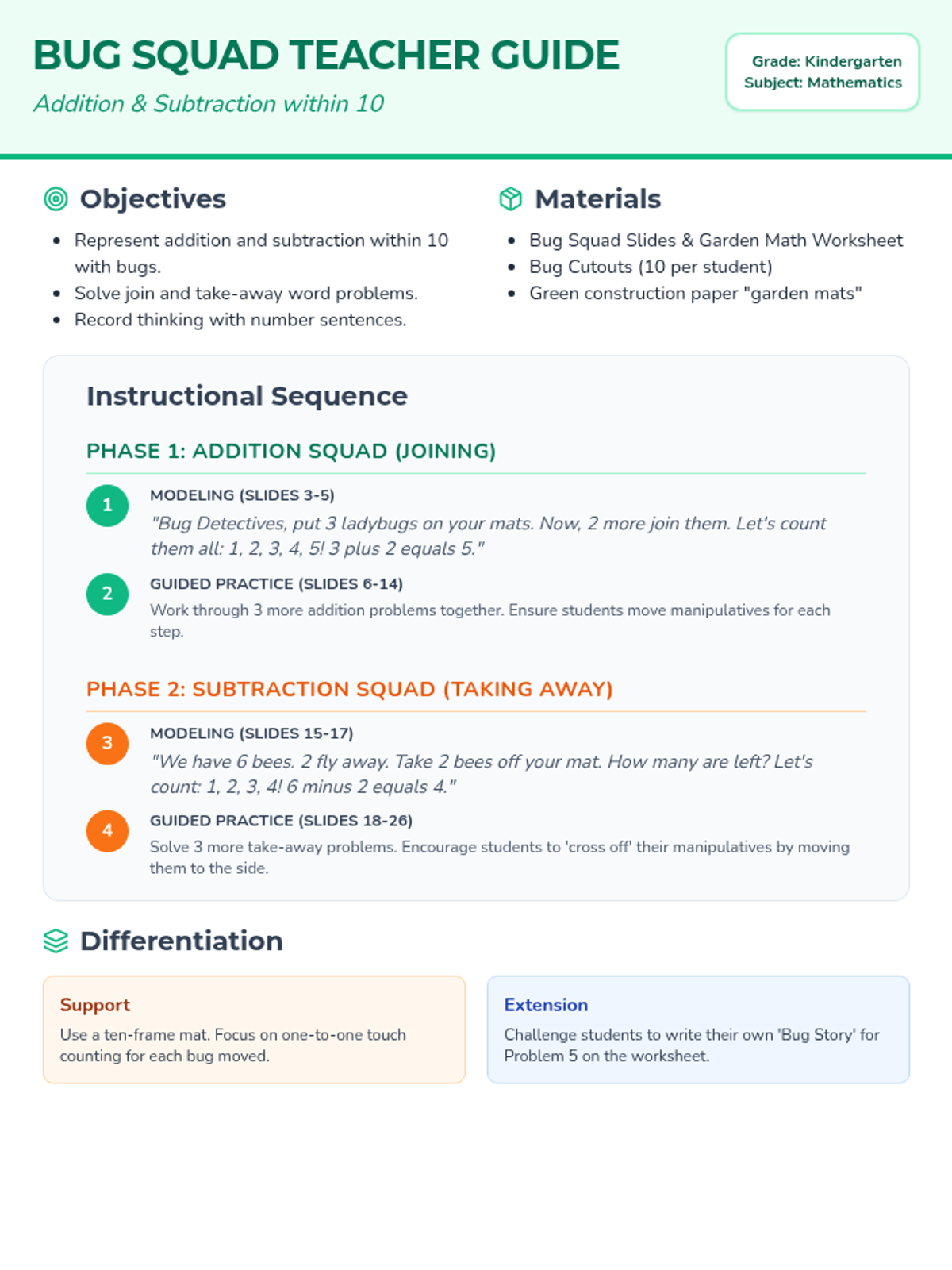
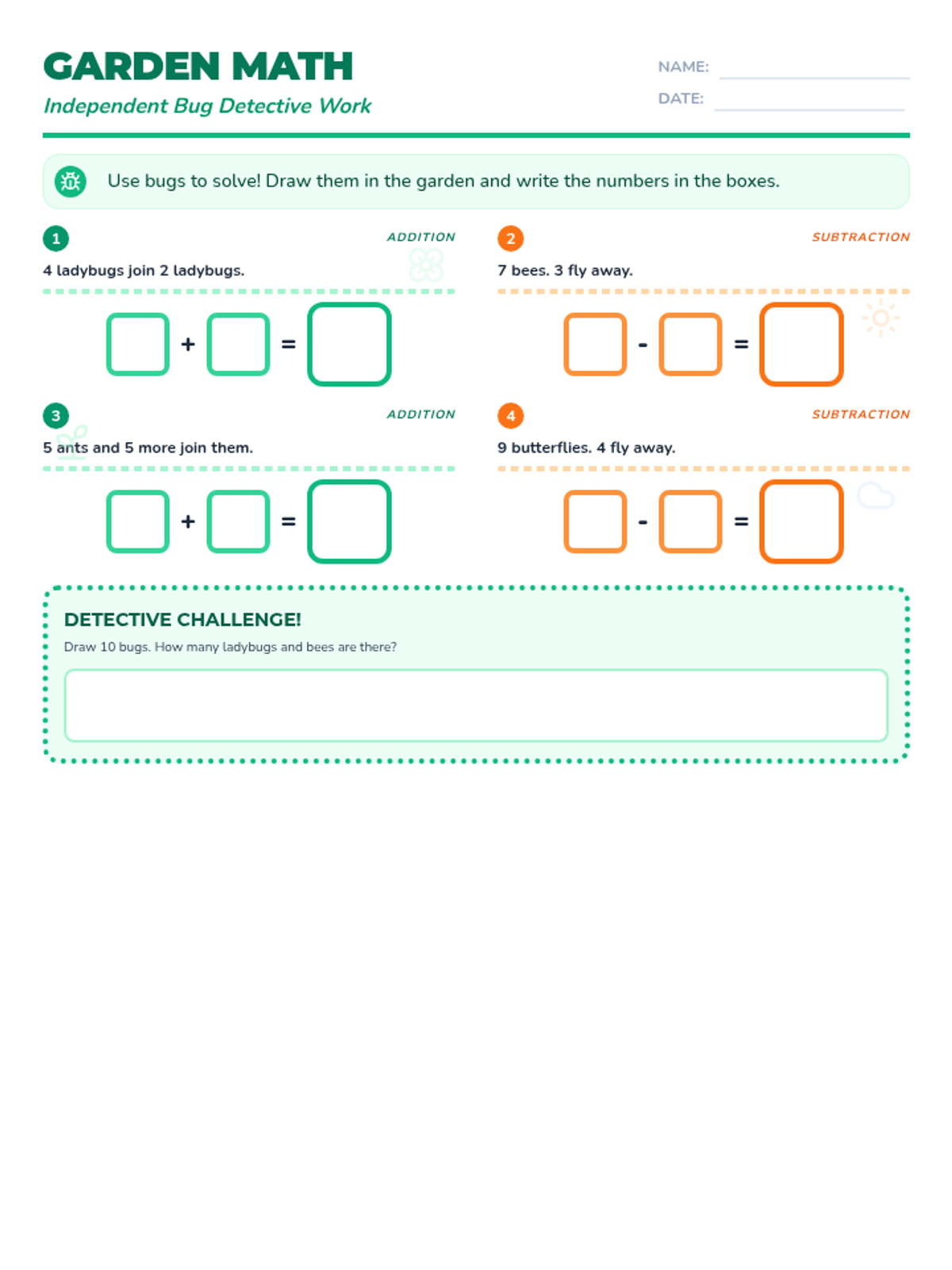
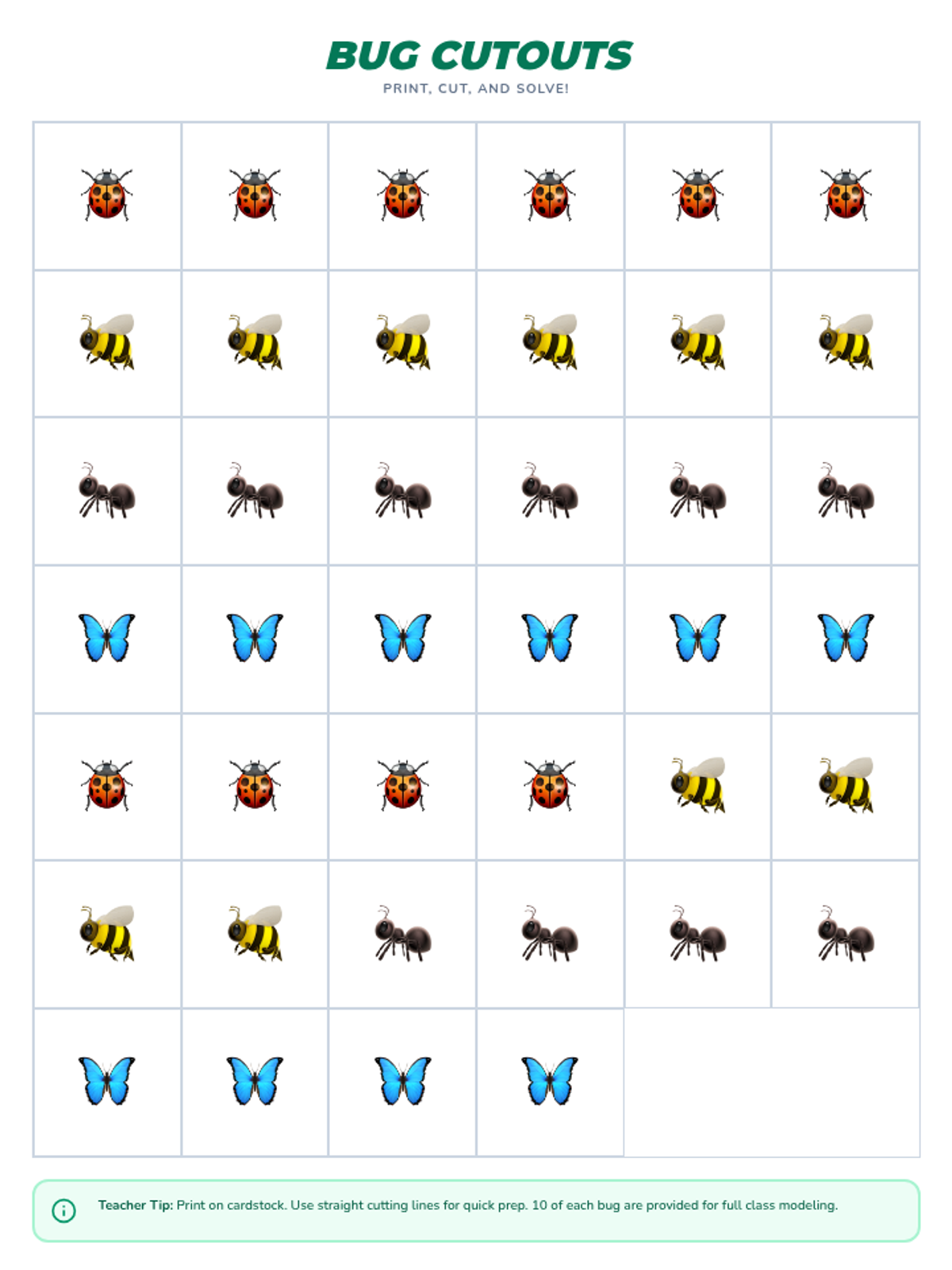
A hands-on Kindergarten lesson using bug manipulatives to model and solve addition and subtraction problems within 10. Students progress from concrete modeling with the teacher to independent practice.
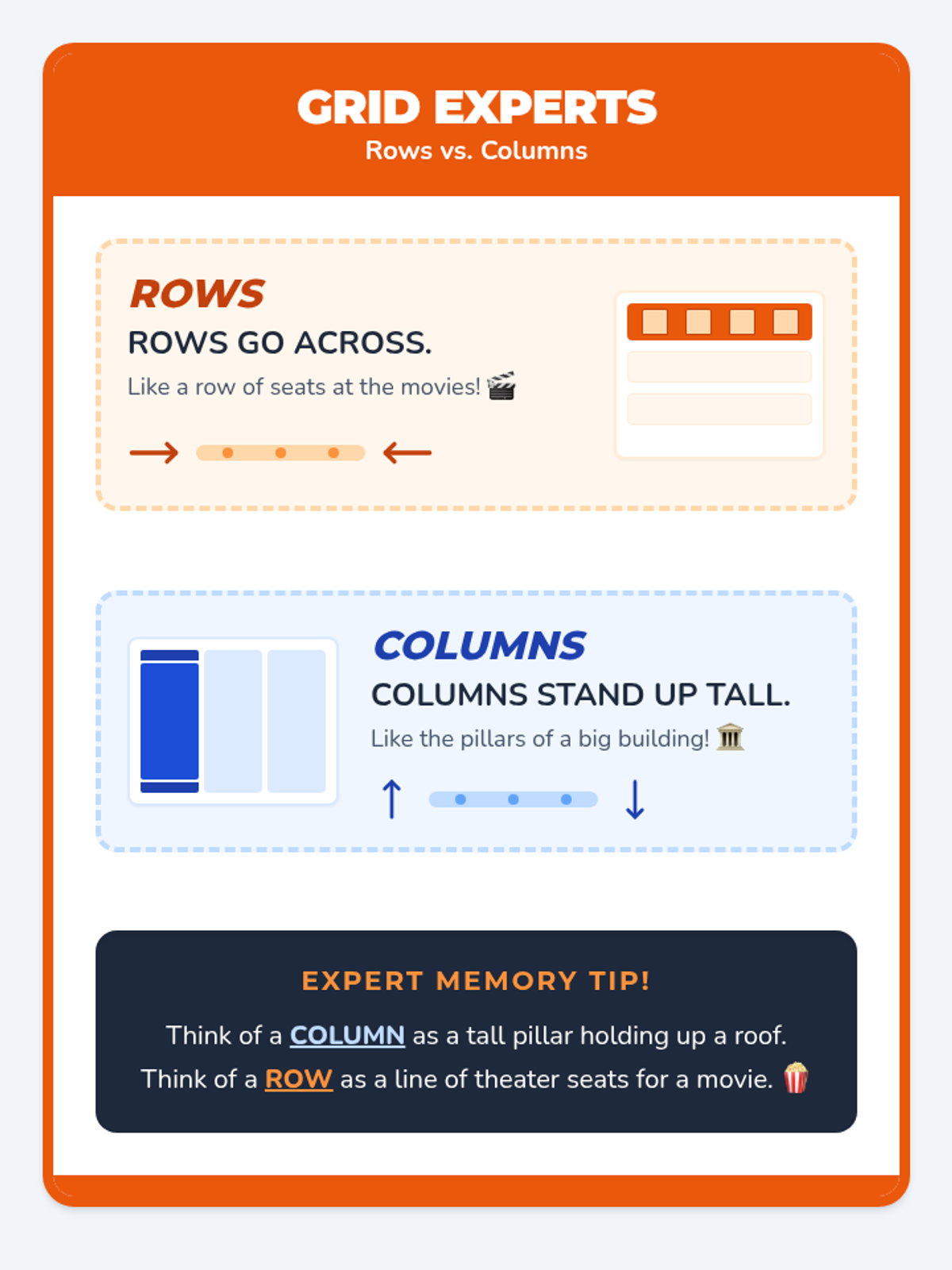
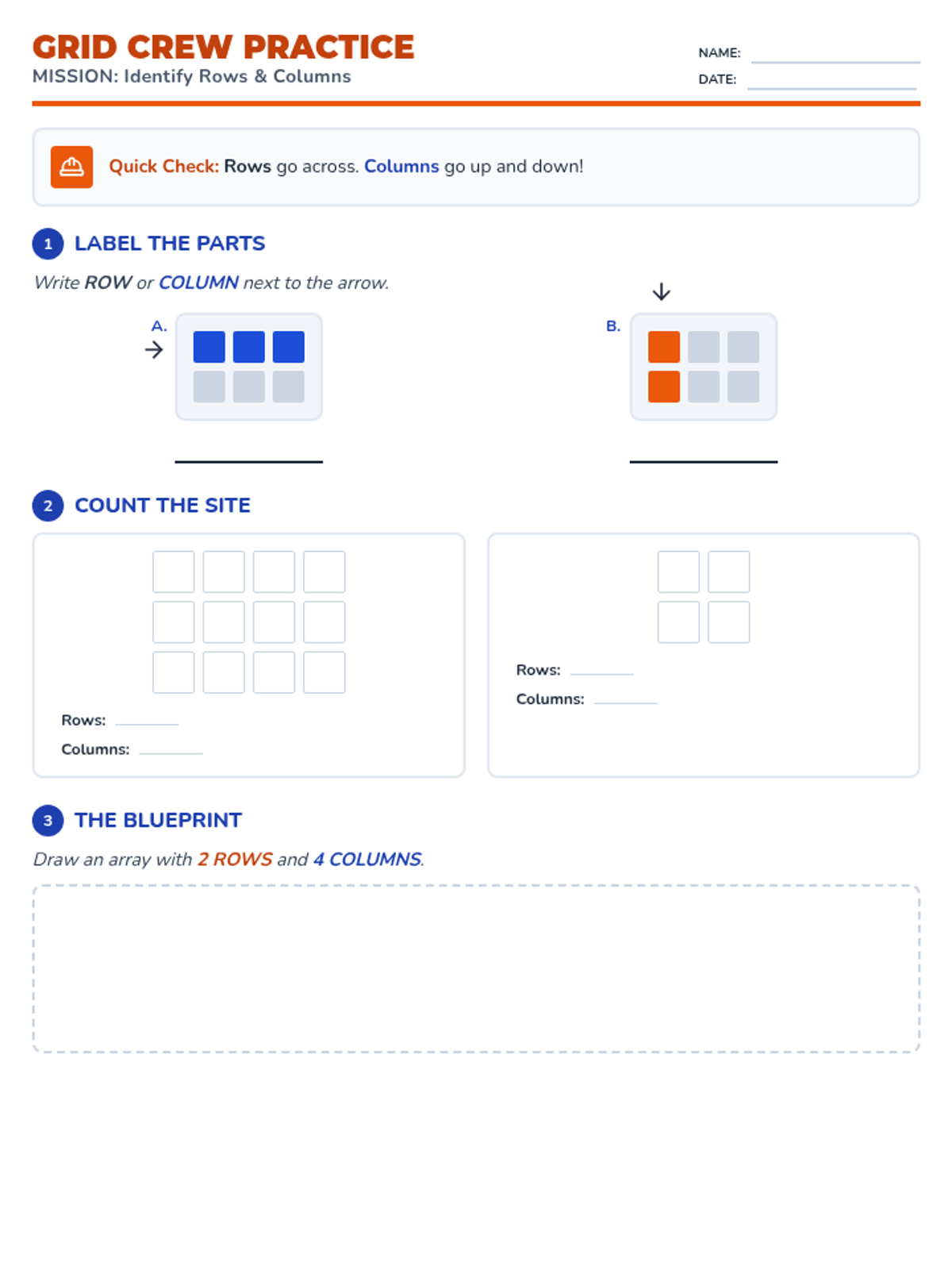
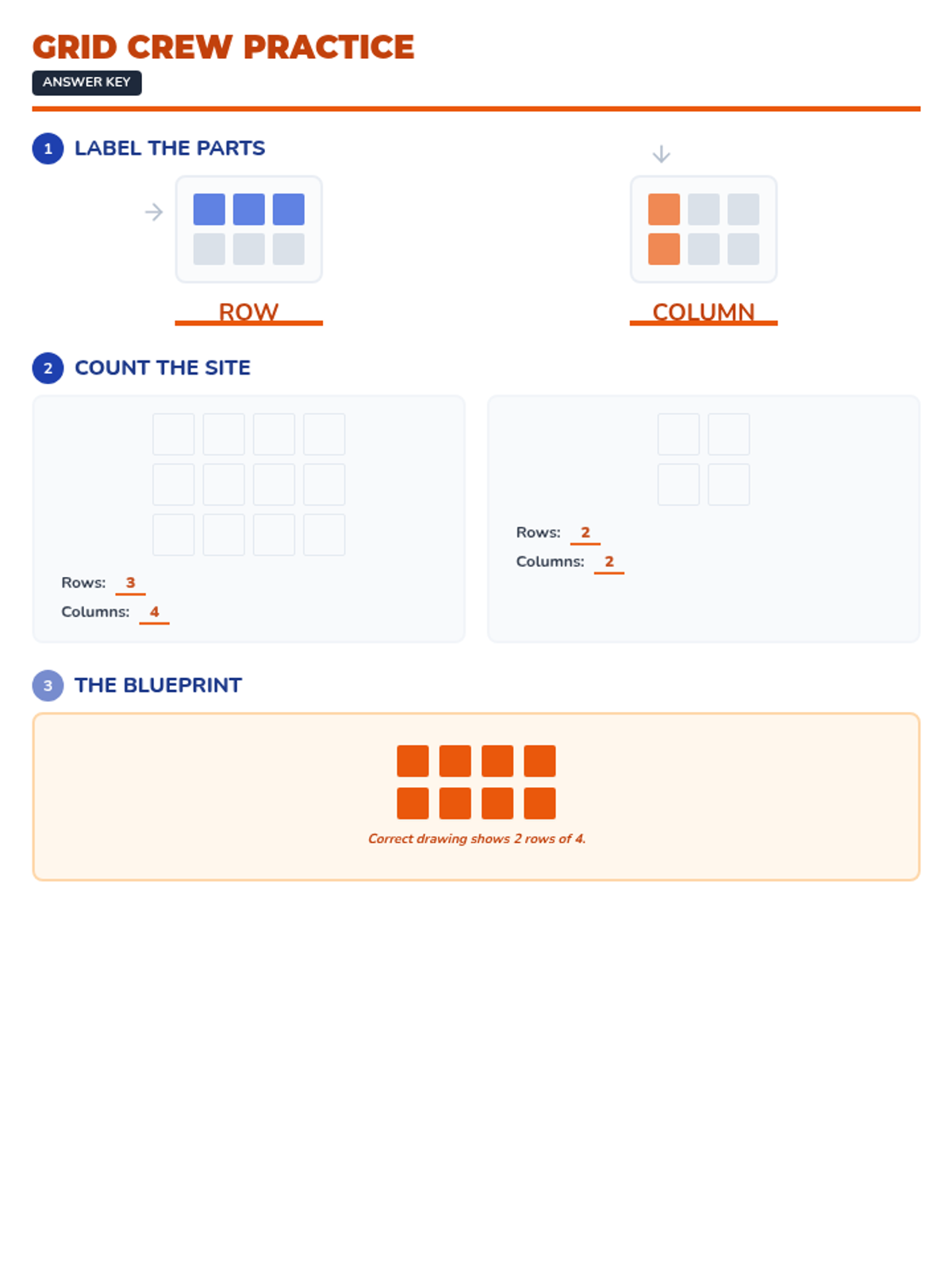
A fundamental geometry and measurement lesson focused on distinguishing between horizontal rows and vertical columns using architectural mnemonics. Students will learn to identify and count components of a grid or array.
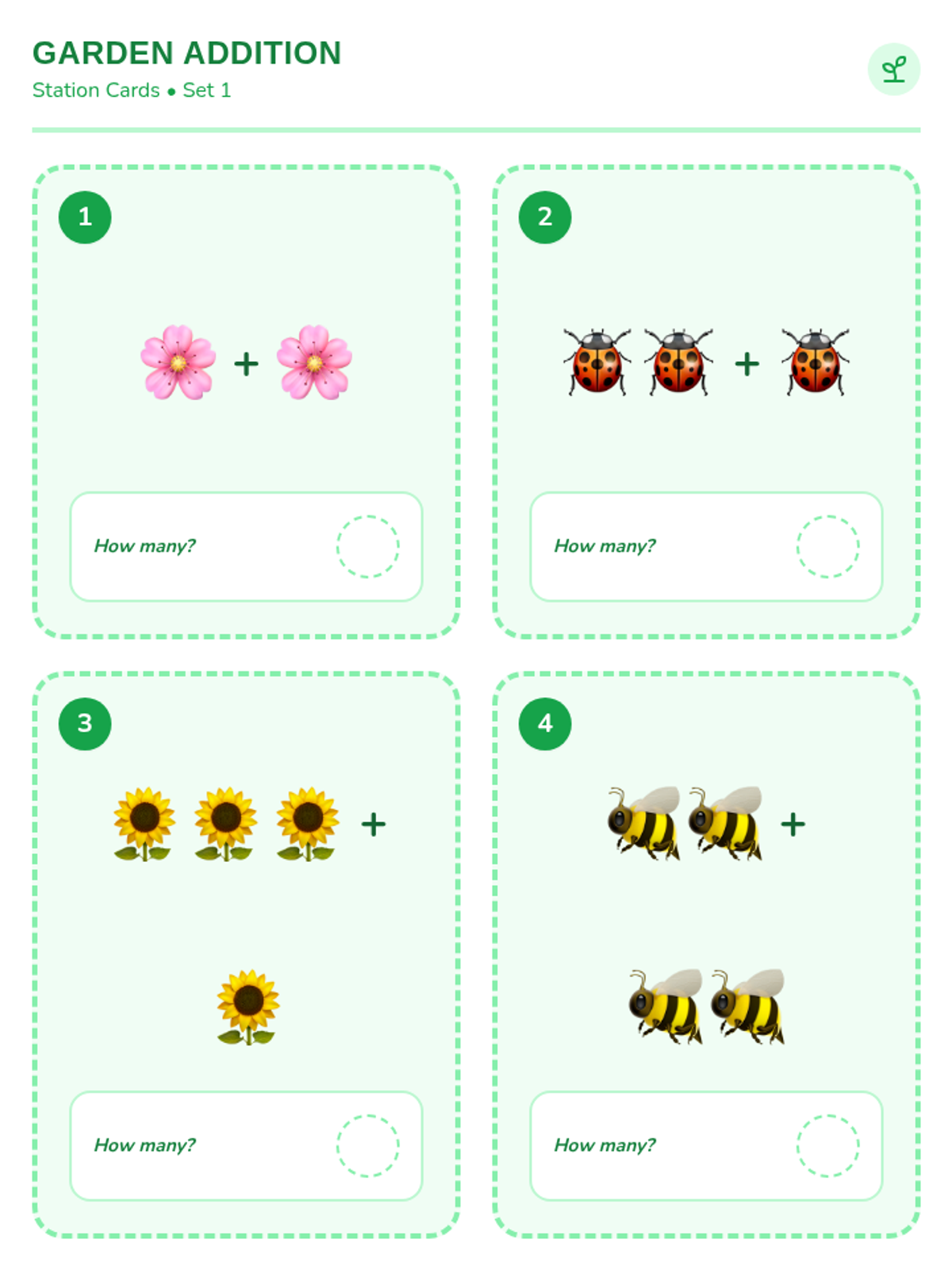
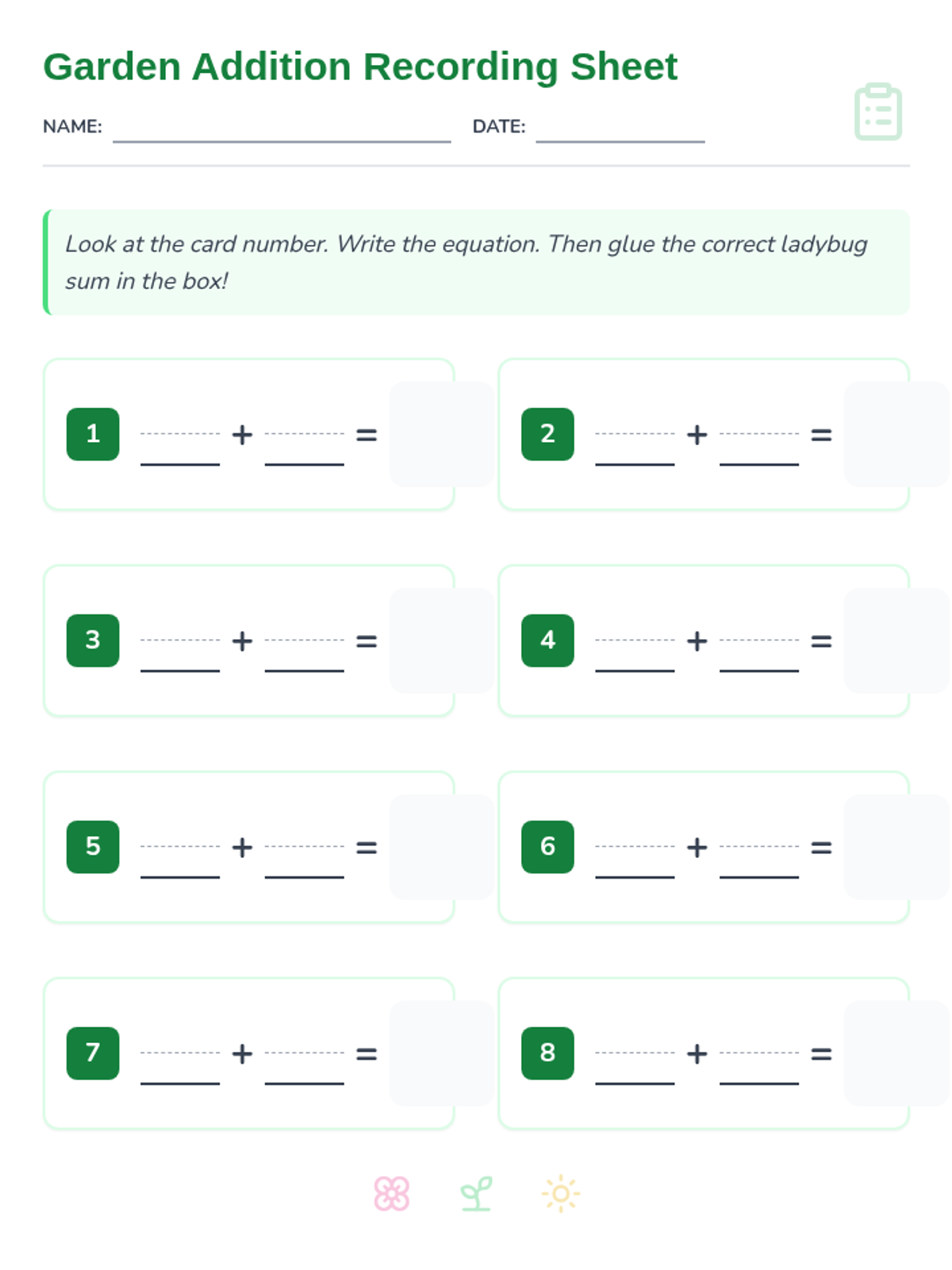
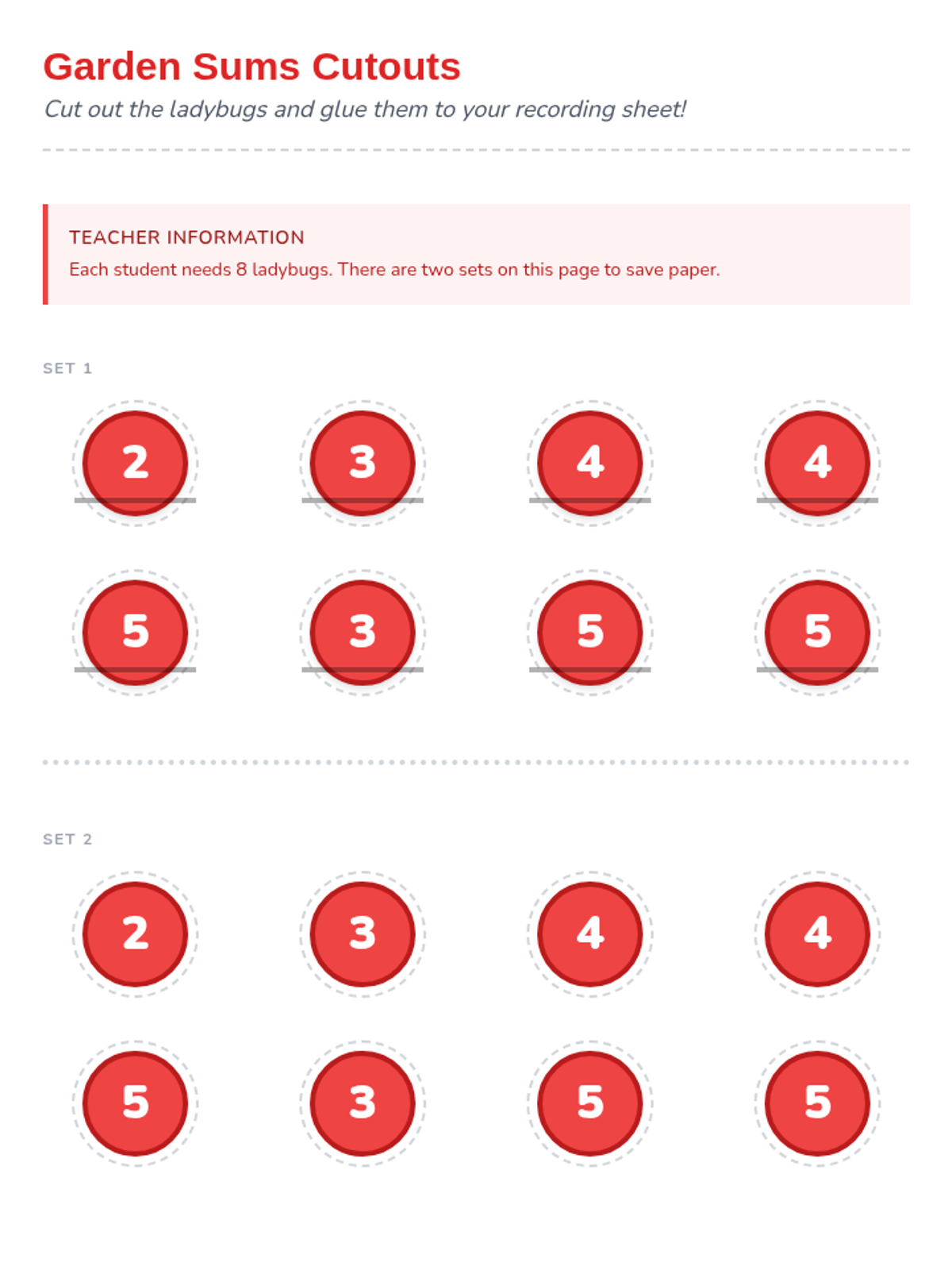
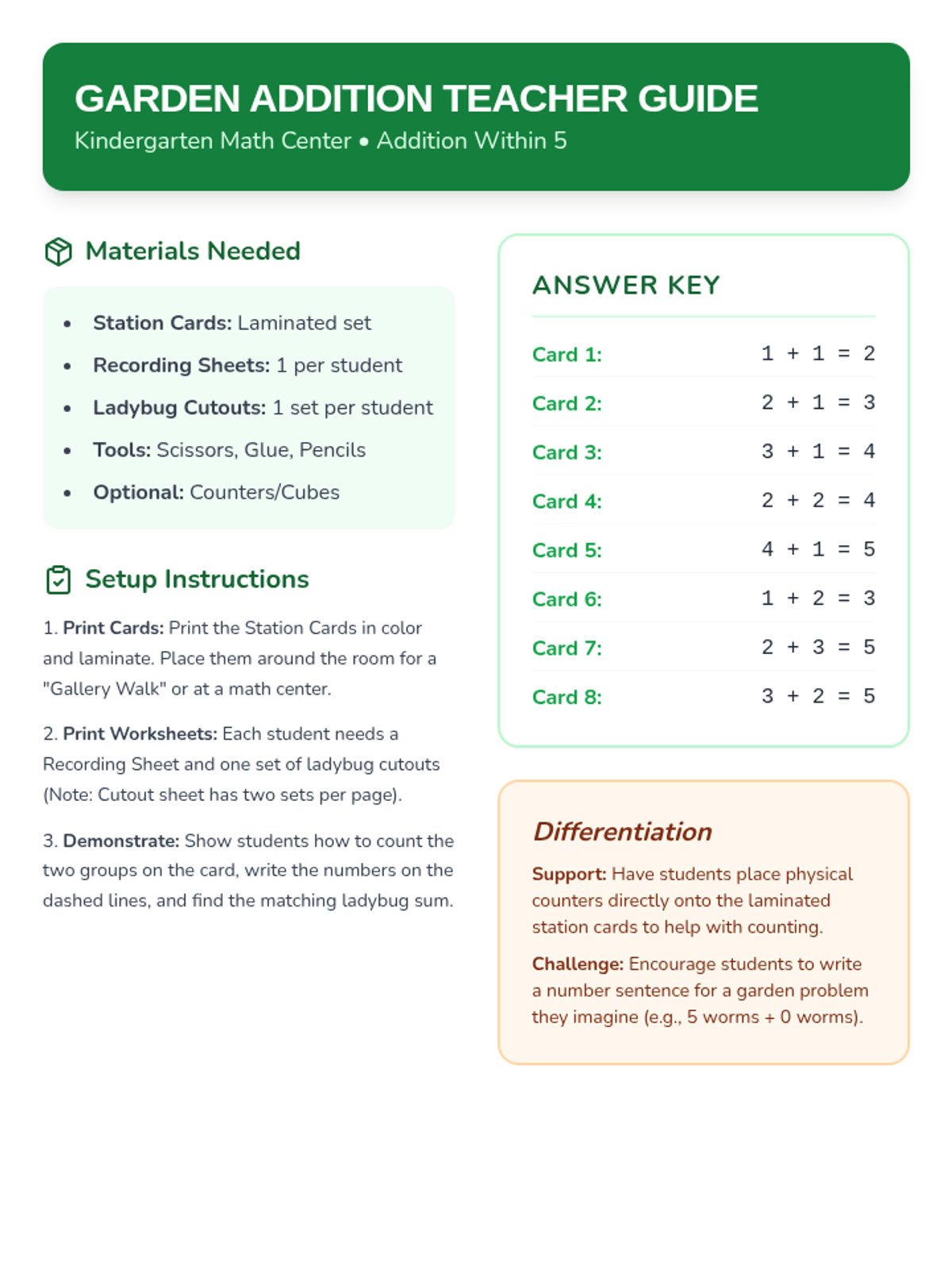
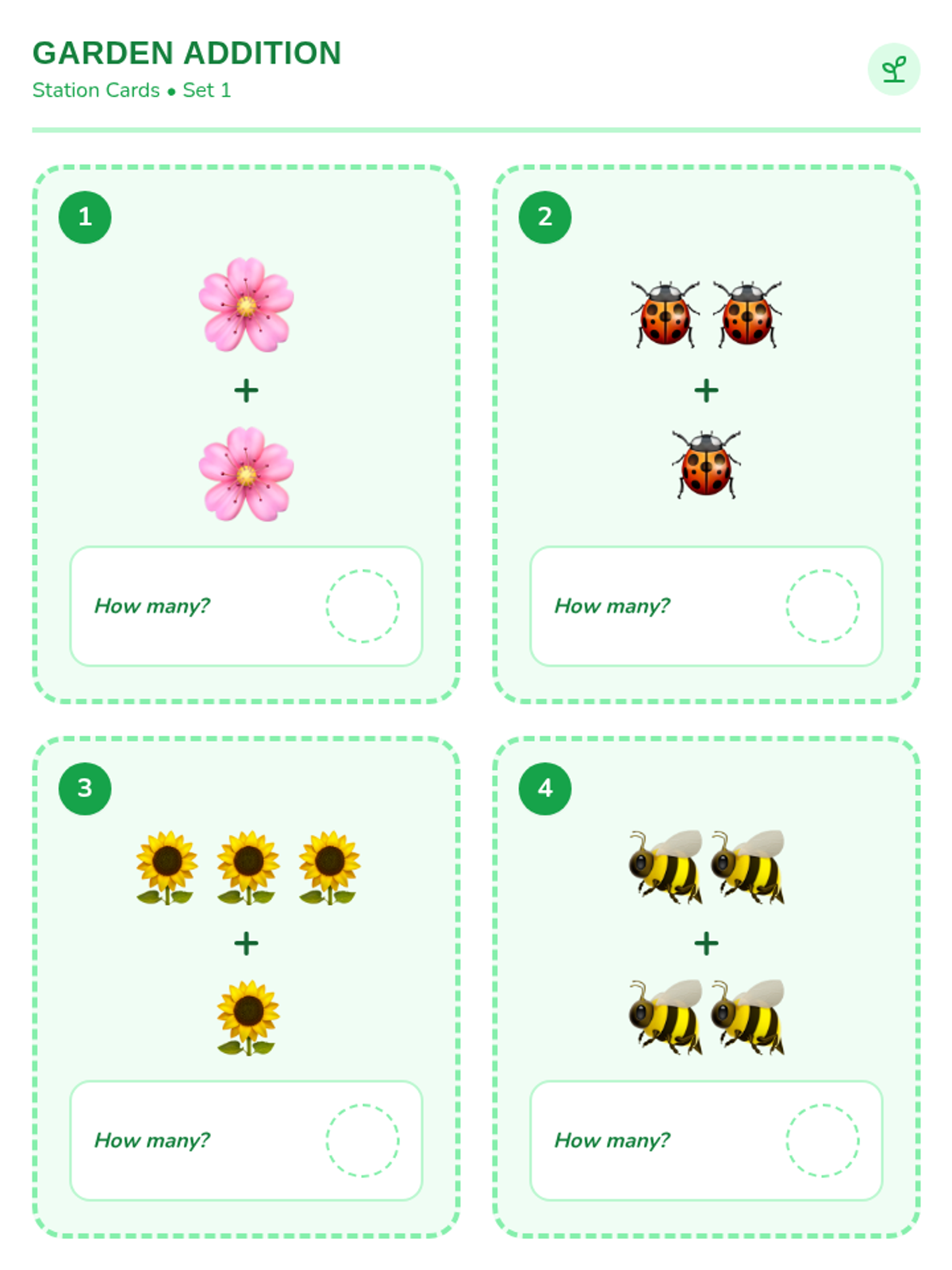
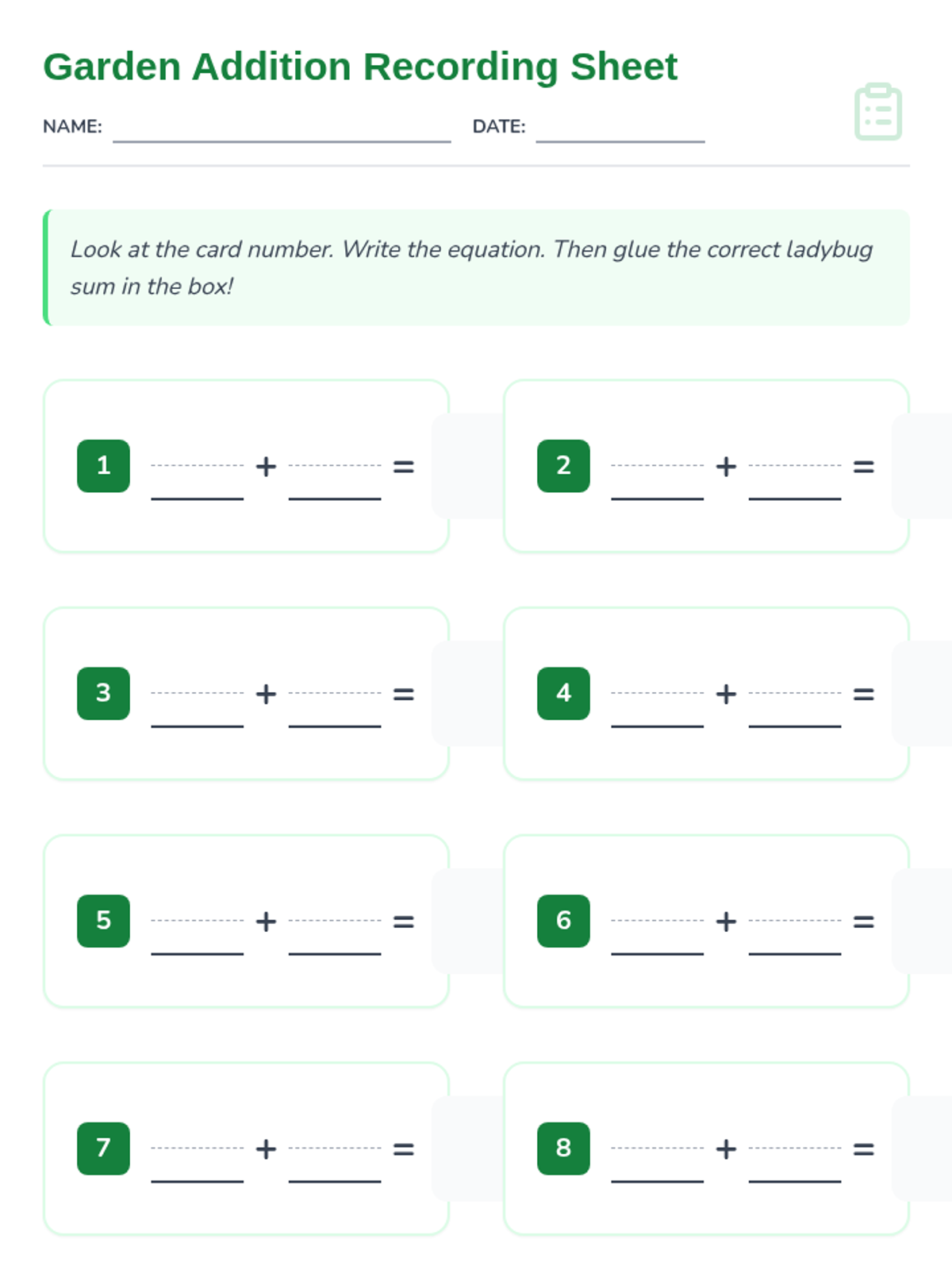
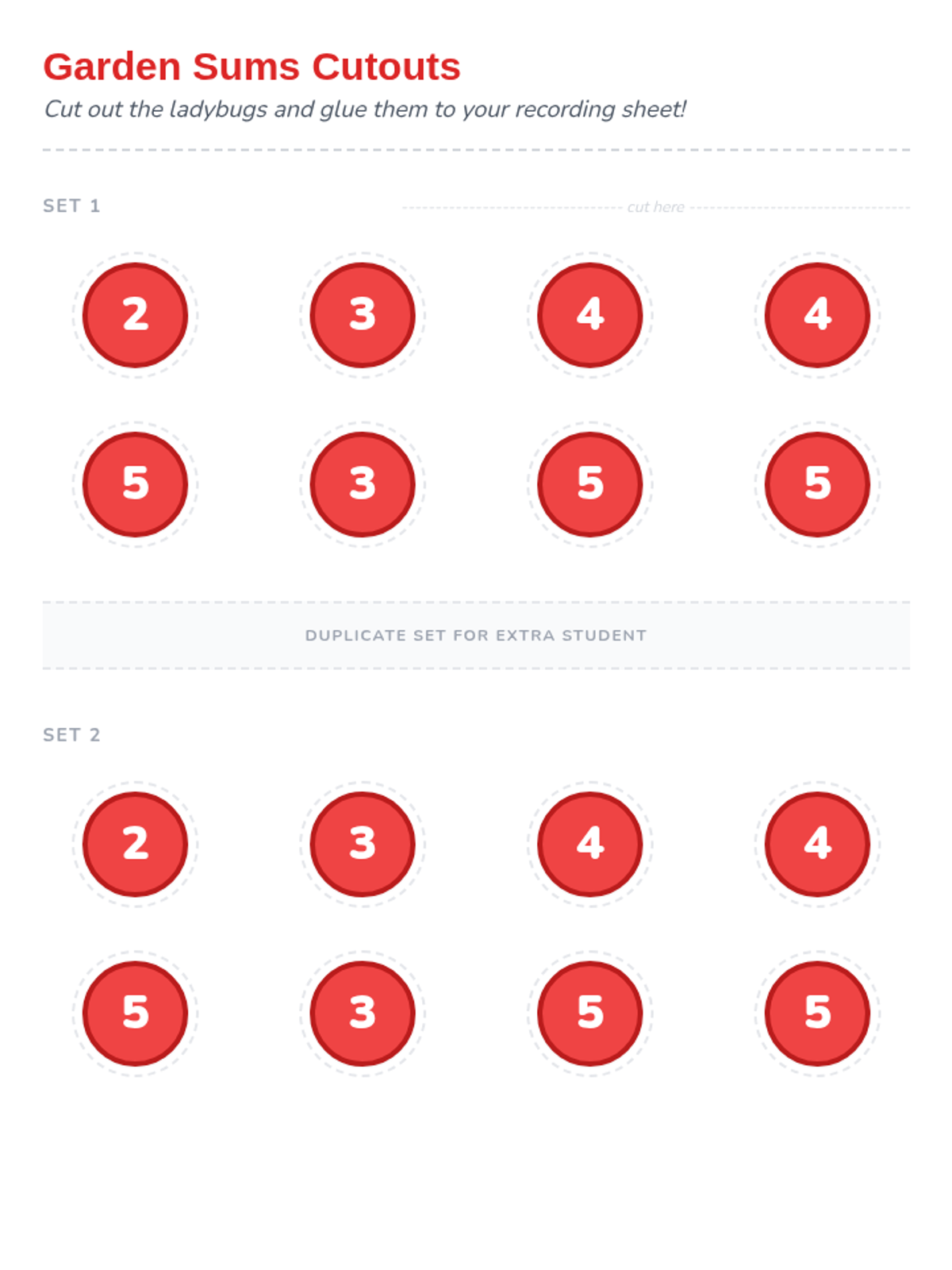
A hands-on kindergarten math center where students use visual garden-themed cards to practice addition within 5, completing a cut-and-paste recording sheet.
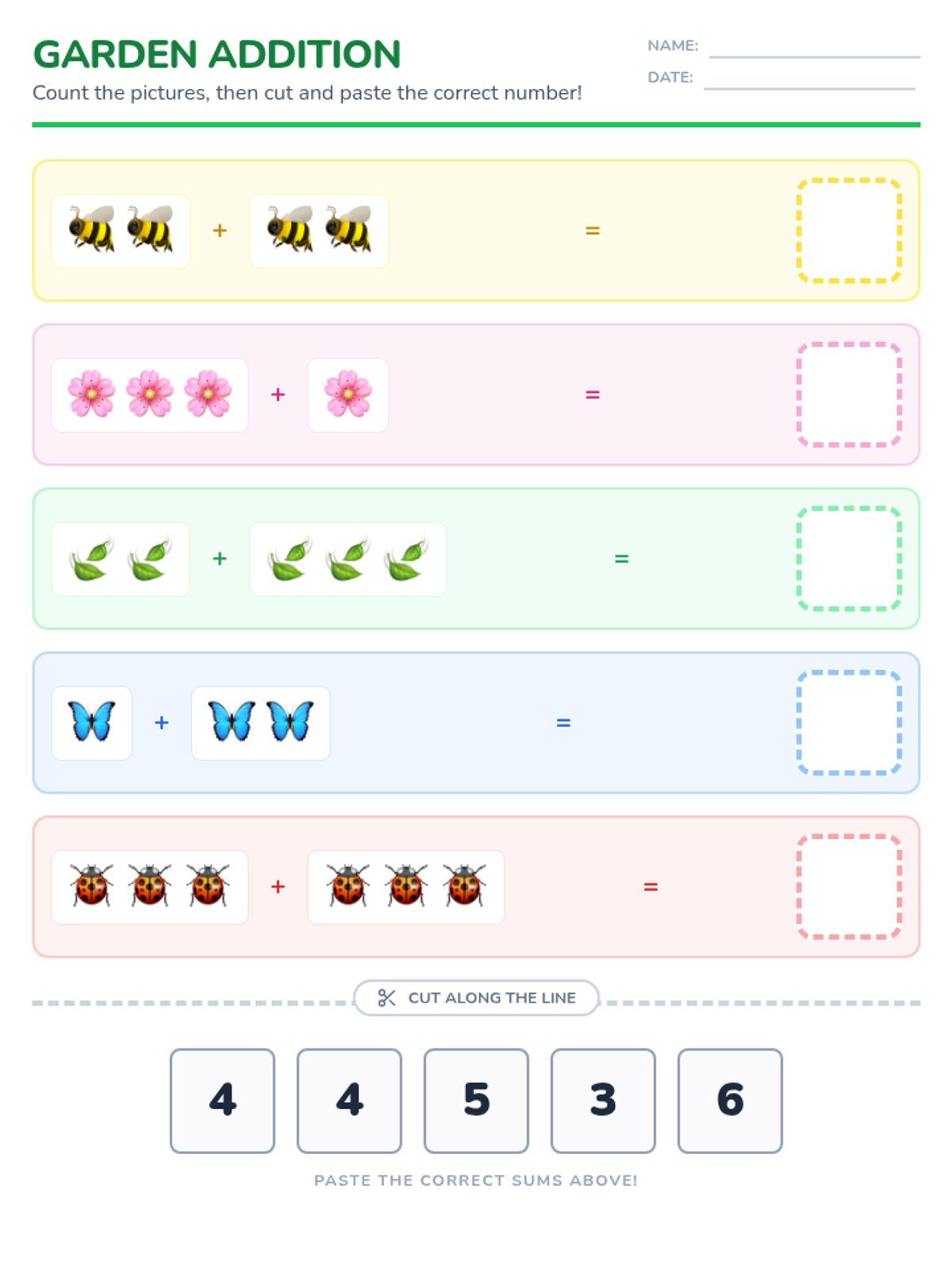
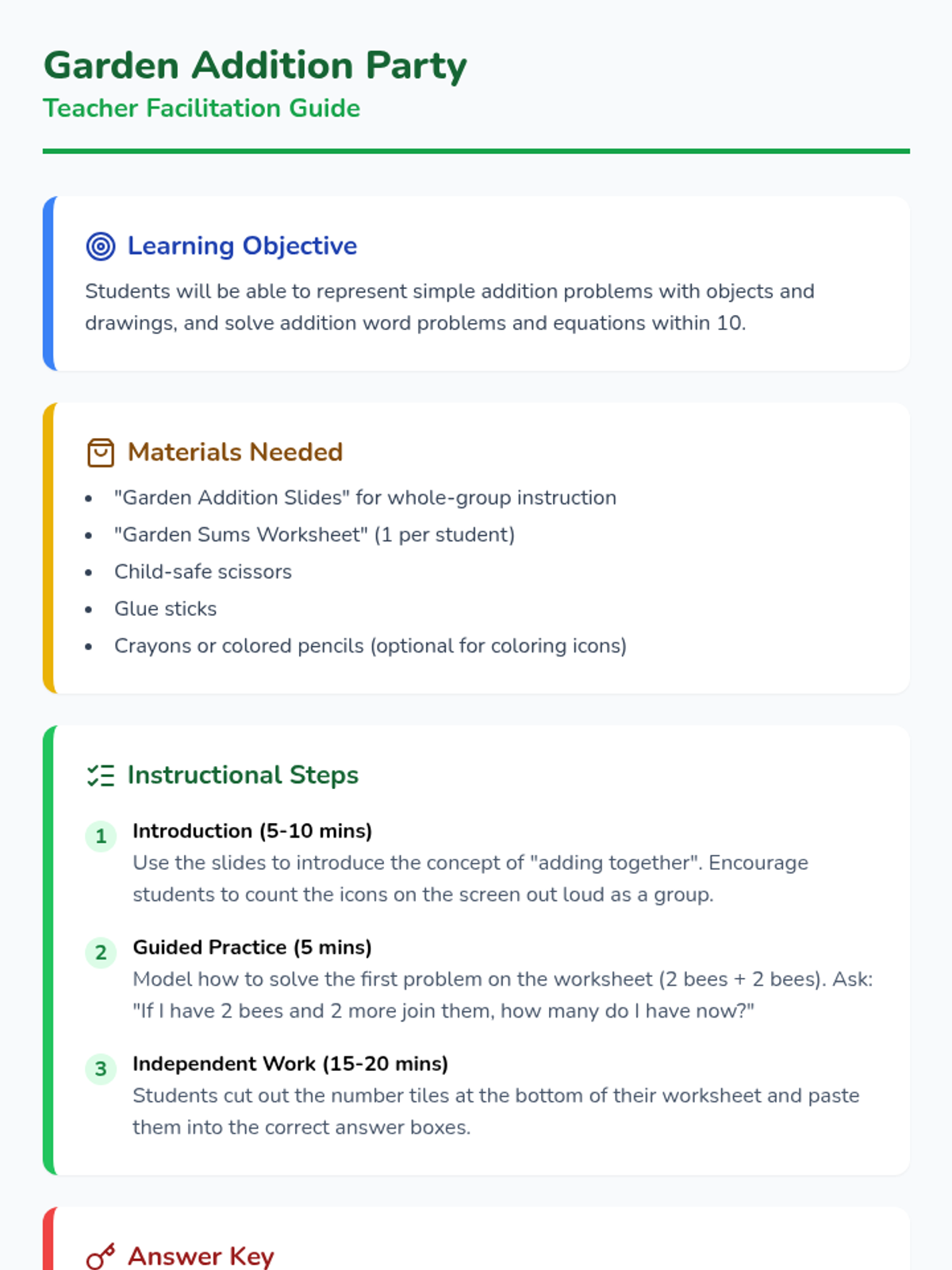
A beginner-friendly kindergarten math lesson introducing simple addition through garden-themed visuals and a hands-on cut-and-paste activity.
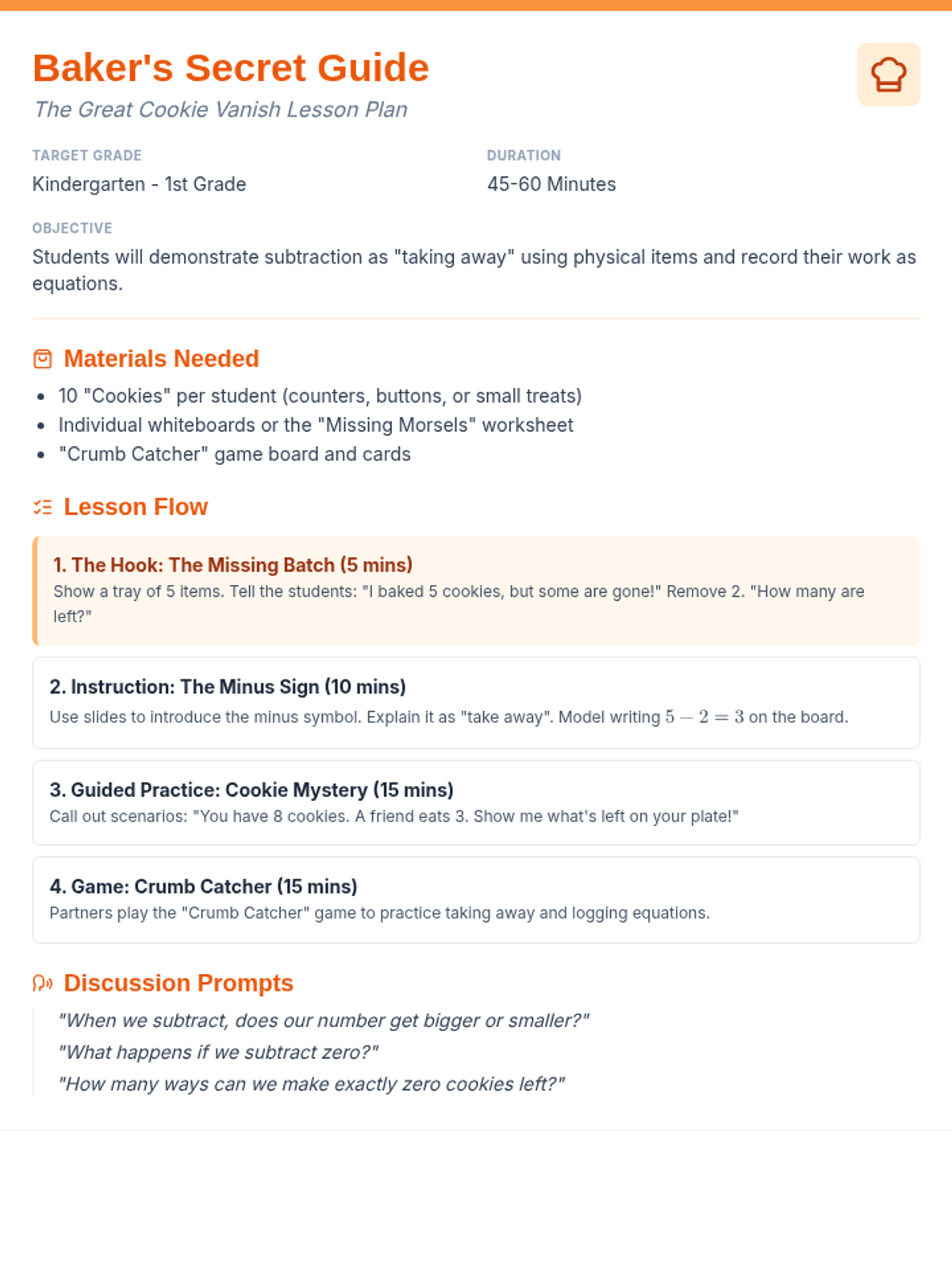
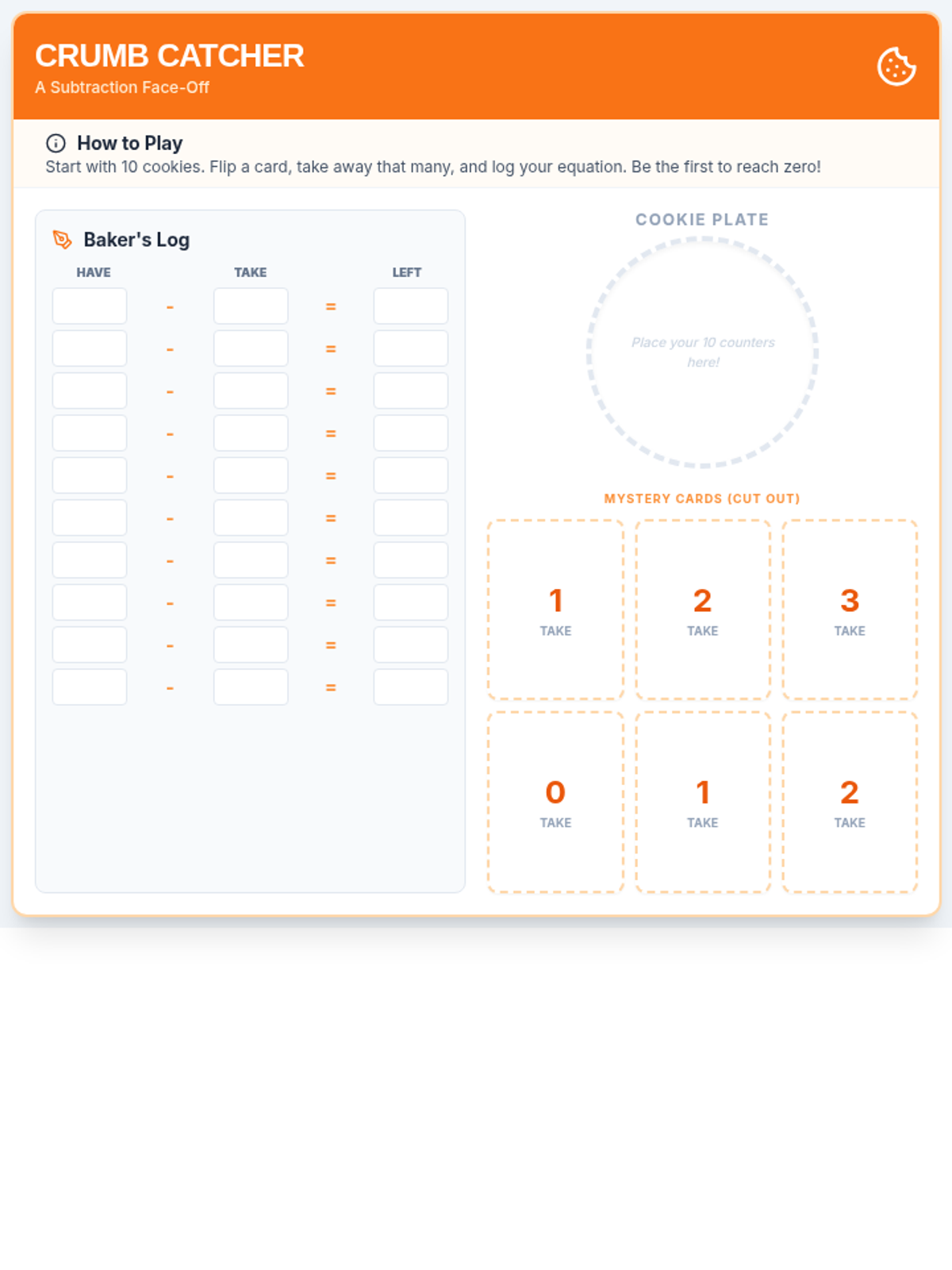
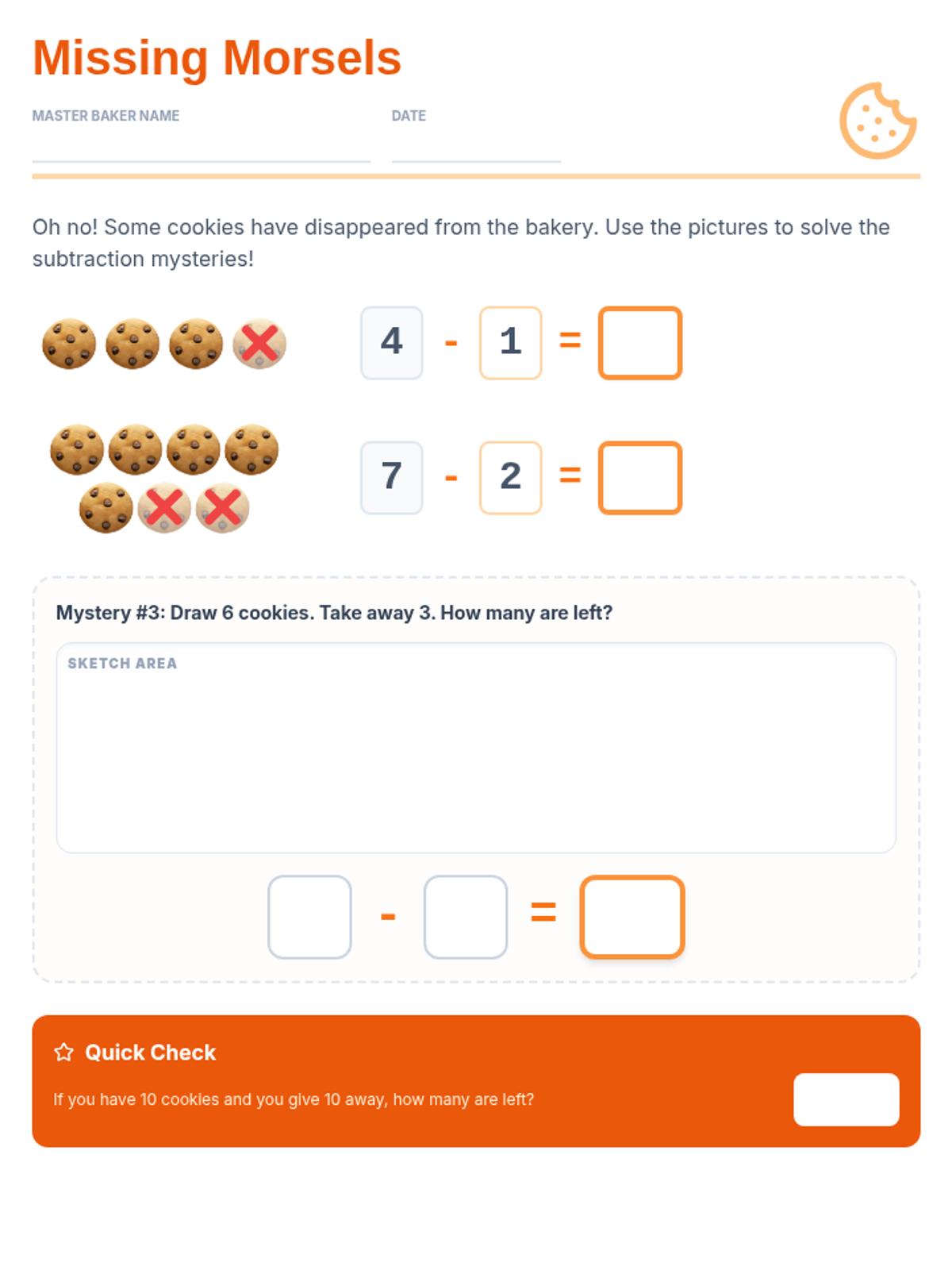
A storytelling-based introduction to subtraction where students solve the mystery of disappearing cookies using manipulatives and simple equations.
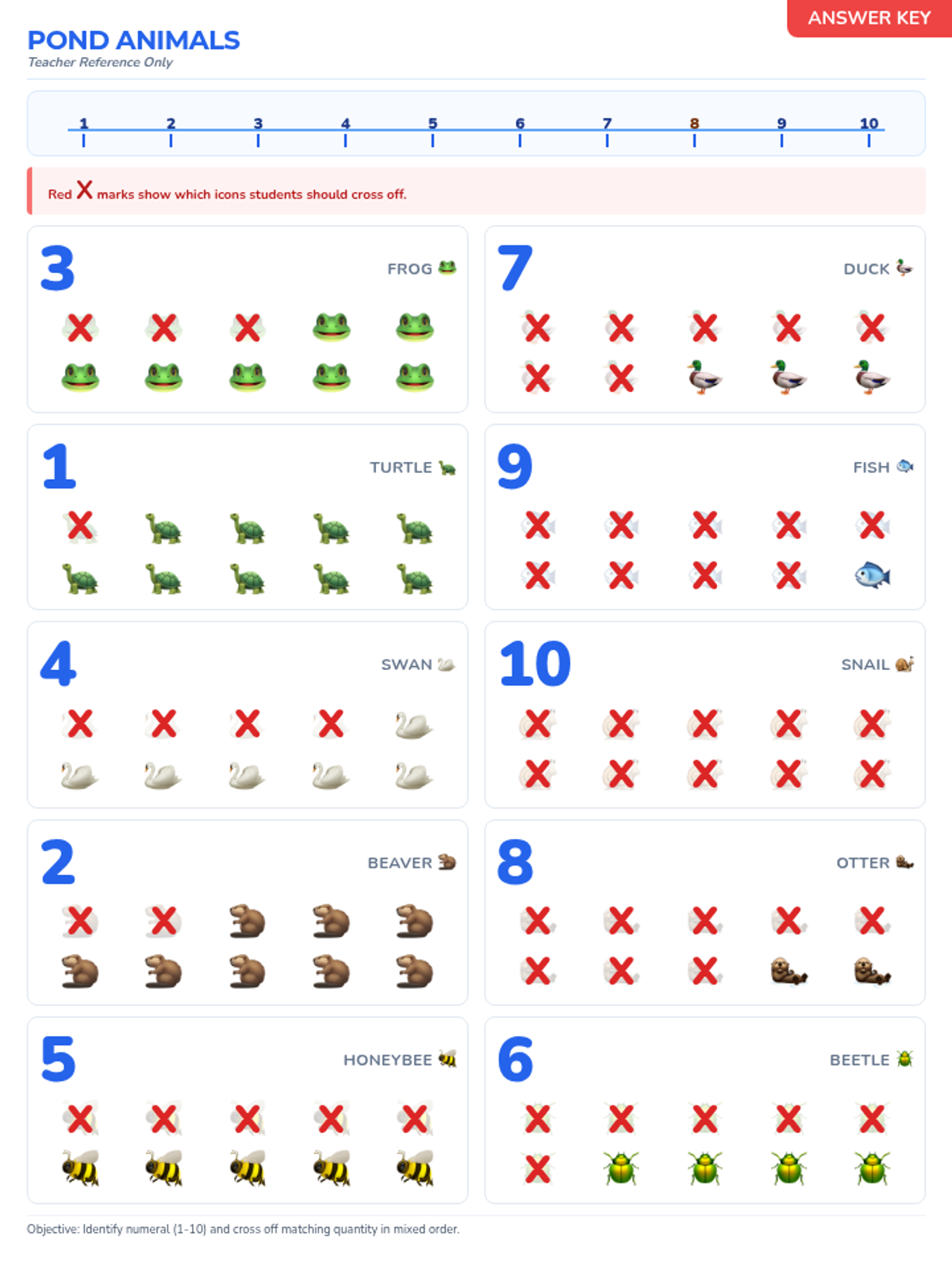
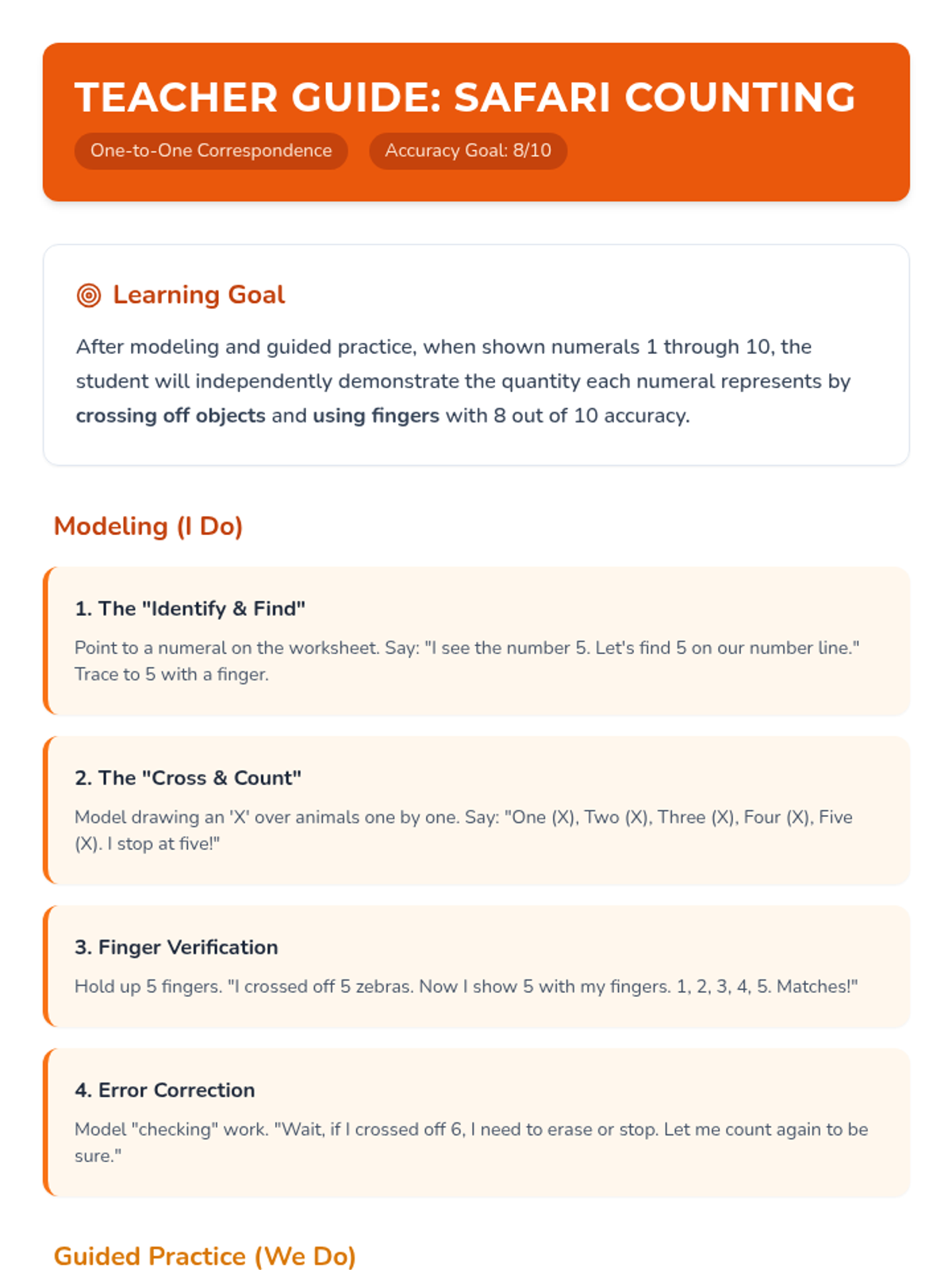
A foundational math lesson focused on one-to-one correspondence for numbers 1-10, using visual number lines, physical counting, and finger representation.