A visual-guessing game lesson where students identify famous artworks based on close-up details of hands. This lesson focuses on observation skills and art history recognition.
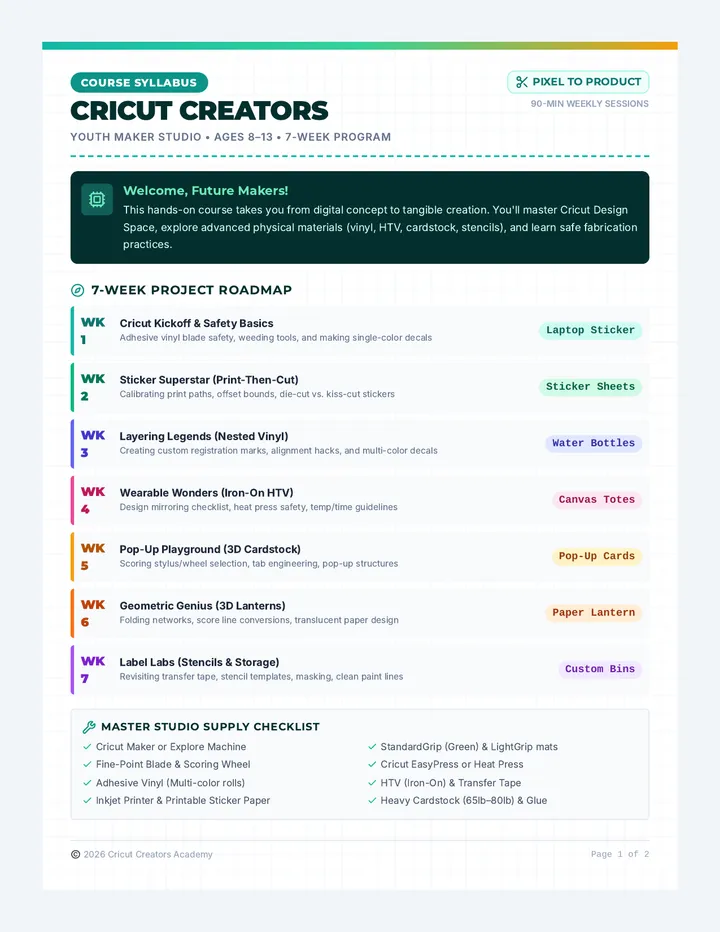
A 7-week beginner-friendly Cricut Design Space and crafting course designed for youth ages 8-13. Students transition from pixel to product, mastering vinyl, heat transfer, 3D papercrafting, and custom labeling while emphasizing safety and creative prototyping.
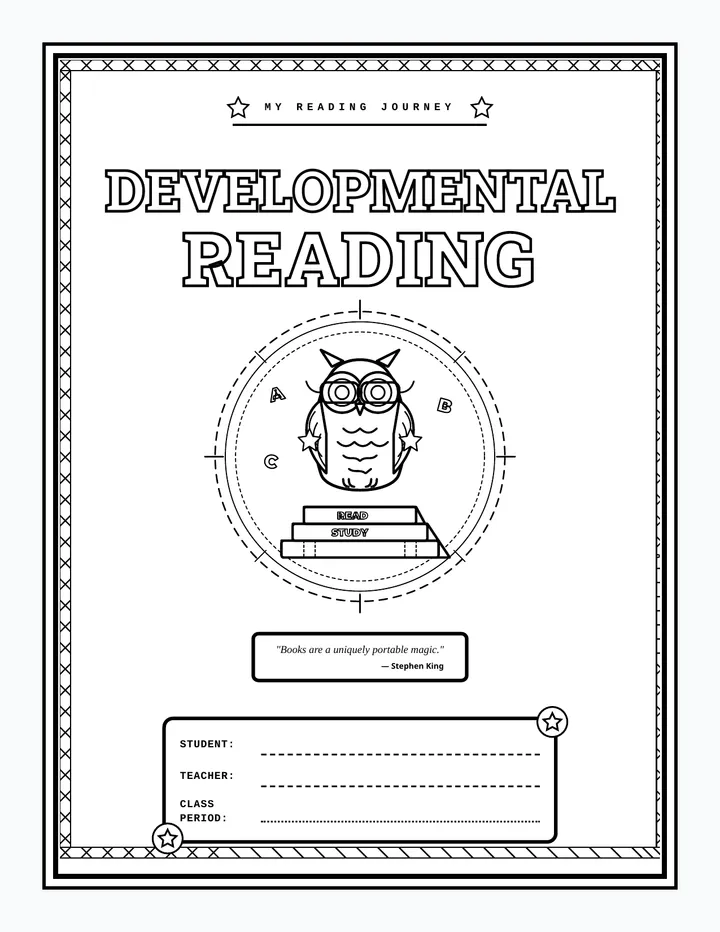
A creative collection of ultra-dense, zentangle-inspired coloring binder covers for middle school students to customize their subjects, featuring rich line-art doodles and structured student personalization cards.
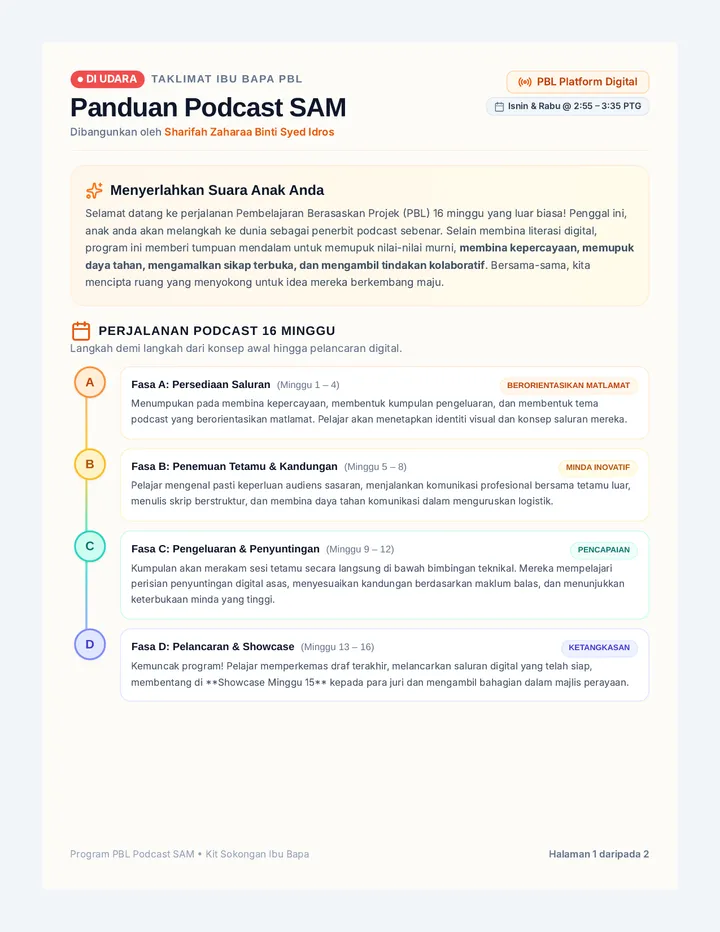
Satu Panduan Taklimat Ibu Bapa dan Kit WhatsApp Sedia-Salin 2 halaman yang komprehensif, mesra, dan penuh inspirasi dalam Bahasa Melayu untuk program Pembelajaran Berasaskan Projek (PBL) Projek Podcast SAM. Merangkumi peta jalan visual 16 minggu, butiran jadual kelas (Isnin & Rabu jam 2:55-3:35 petang), panduan sokongan rumah, dan templat mesej siaran mudah alih yang dioptimumkan.
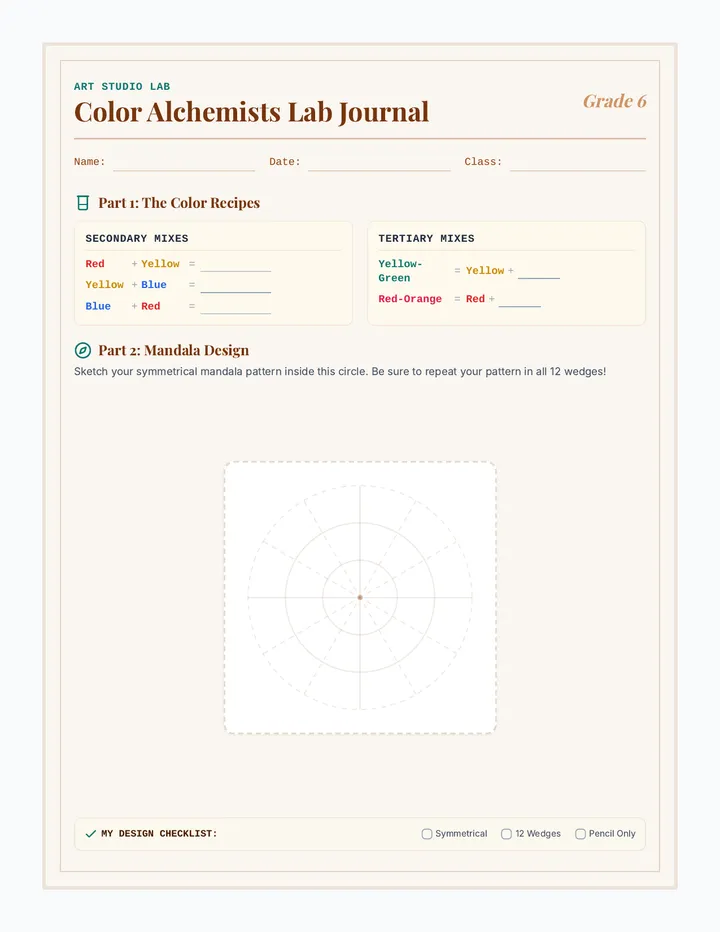
A dynamic visual arts curriculum designed for sixth-grade students, introducing foundational artistic concepts like color theory, radial symmetry, composition, and mixed-media layering through immersive, hands-on studio projects.
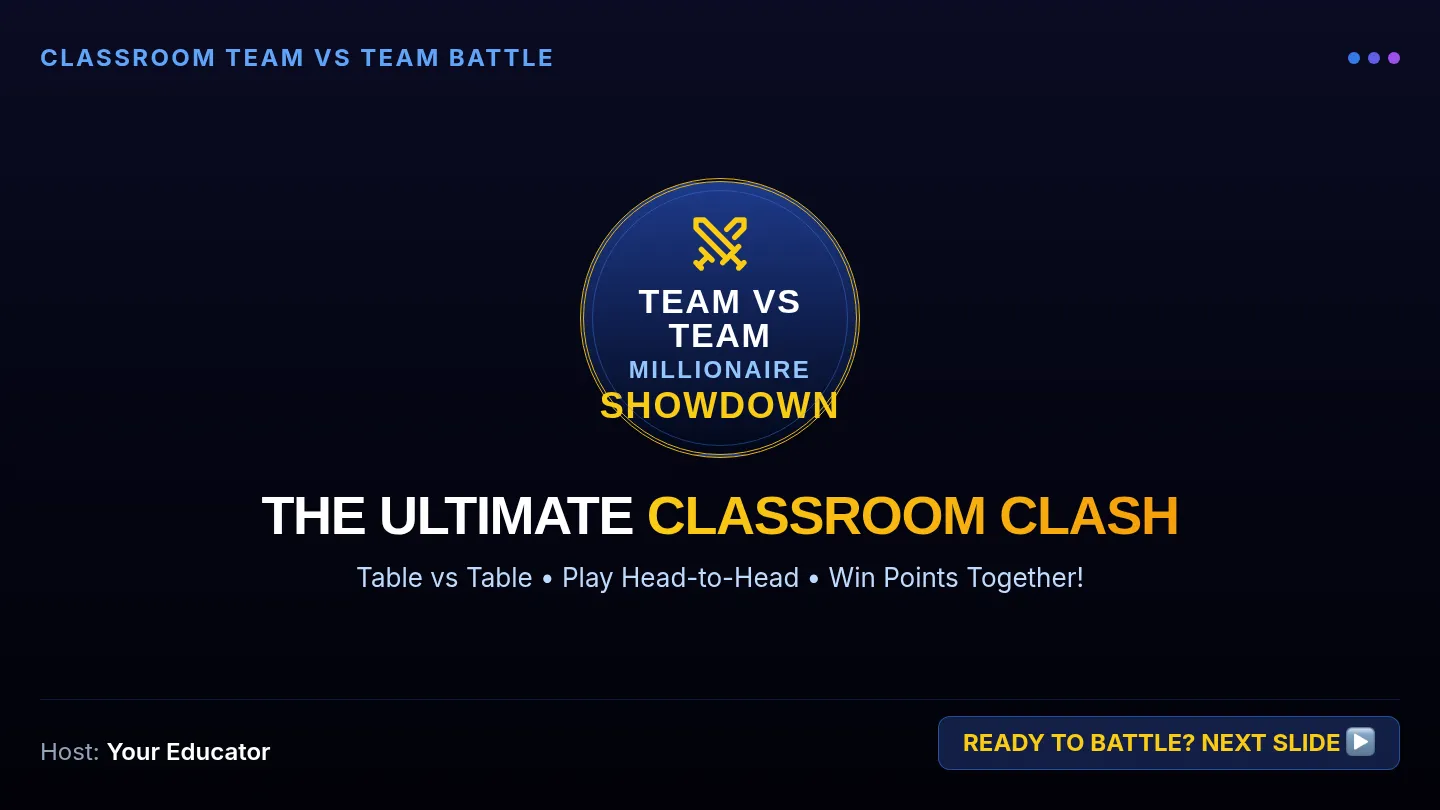
An immersive, game-show style classroom trivia challenge covering topics from pop culture and sports to hobbies and general knowledge. Includes a high-impact presentation slide deck and a detailed Host Guide to facilitate gameplay, engagement, and learning.
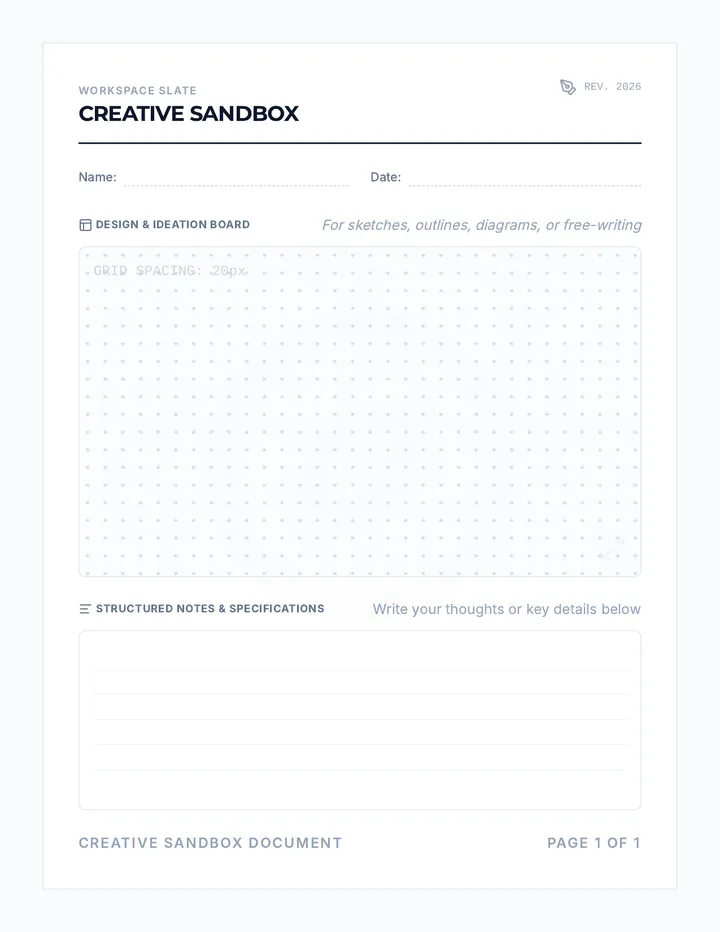
A beautiful, minimalist, and highly versatile blank student workspace designed as a creative sandbox. Features a professional header, name/date inputs, a dot-grid sketching arena, and ruled lines for brainstorming, planning, or writing.
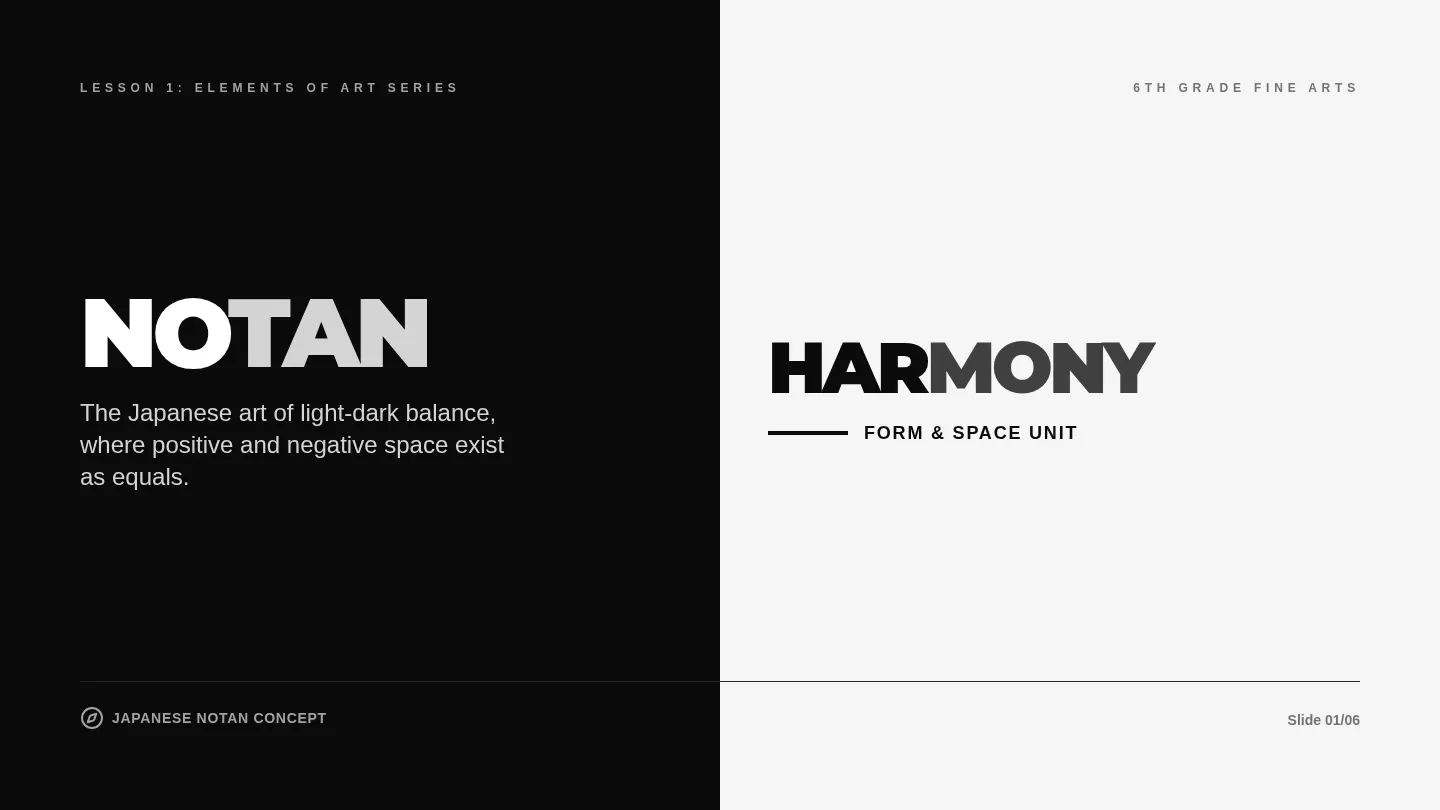
A comprehensive 6th-grade art unit exploring the intersection of global traditions, elements of art, and three-dimensional sculpting. Students transition from flat designs to sculptural forms using sketching, color theory, and paper-construction techniques.
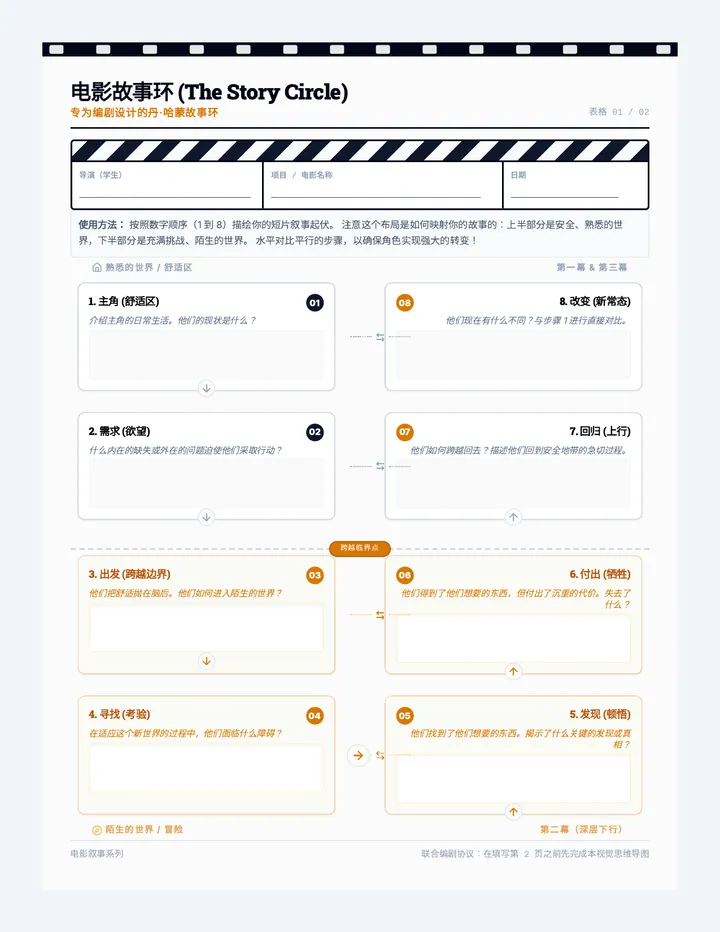
A lesson on utilizing Dan Harmon's Story Circle to structure high-impact short films. Students explore character arcs, visual storytelling beats, and pacing through a visual graphic organizer and screenplay planner.
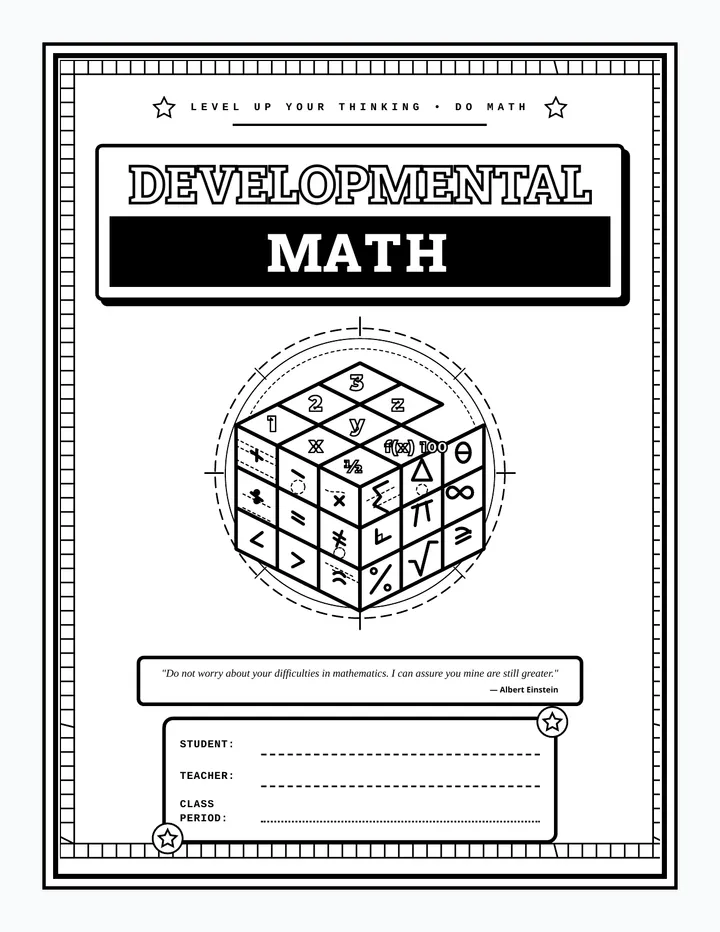
An ultra-clean coloring binder cover for Developmental Math, designed with a massive central 3D zentangle Rubik's Cube as the single math-related coloring masterpiece, framed by a thick checkerboard border and a prominent horizontal title banner.
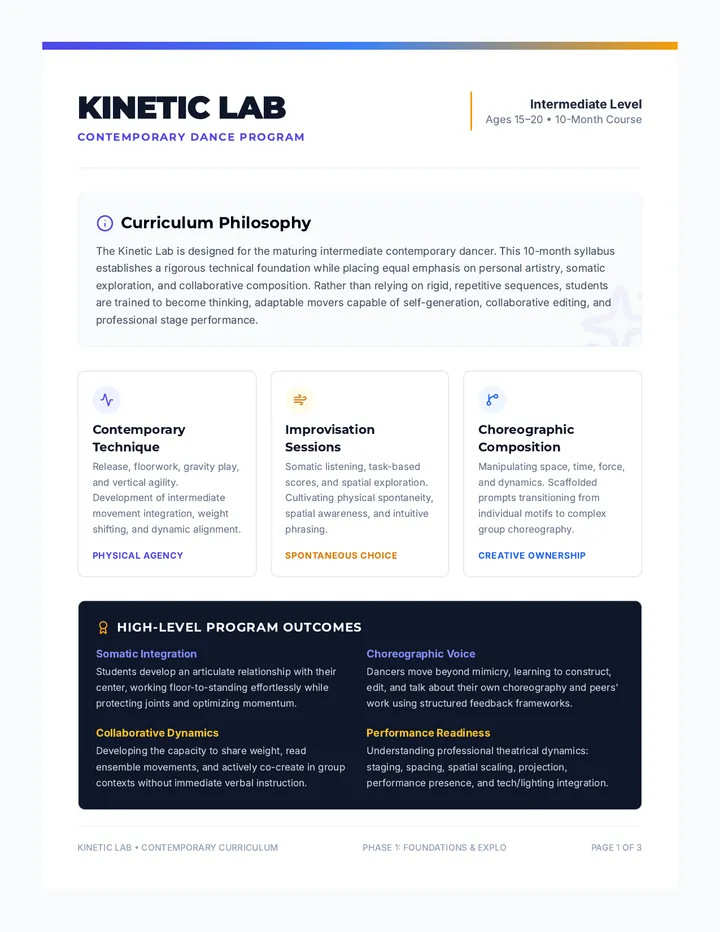
A comprehensive 10-month contemporary dance curriculum for intermediate dancers aged 15-20. The program integrates technical training, improvisation practices, and choreographic composition lessons, culminating in a polished group showcase piece.
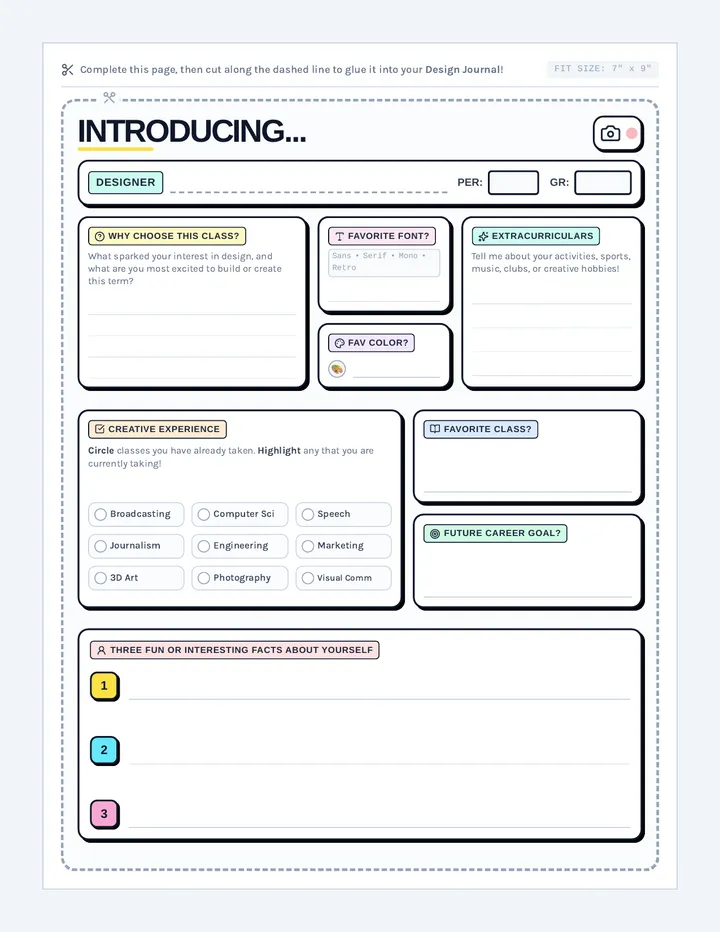
An introductory lesson focused on setting up the students' physical design journals, reflecting on their creative backgrounds, and setting goals for the design course.