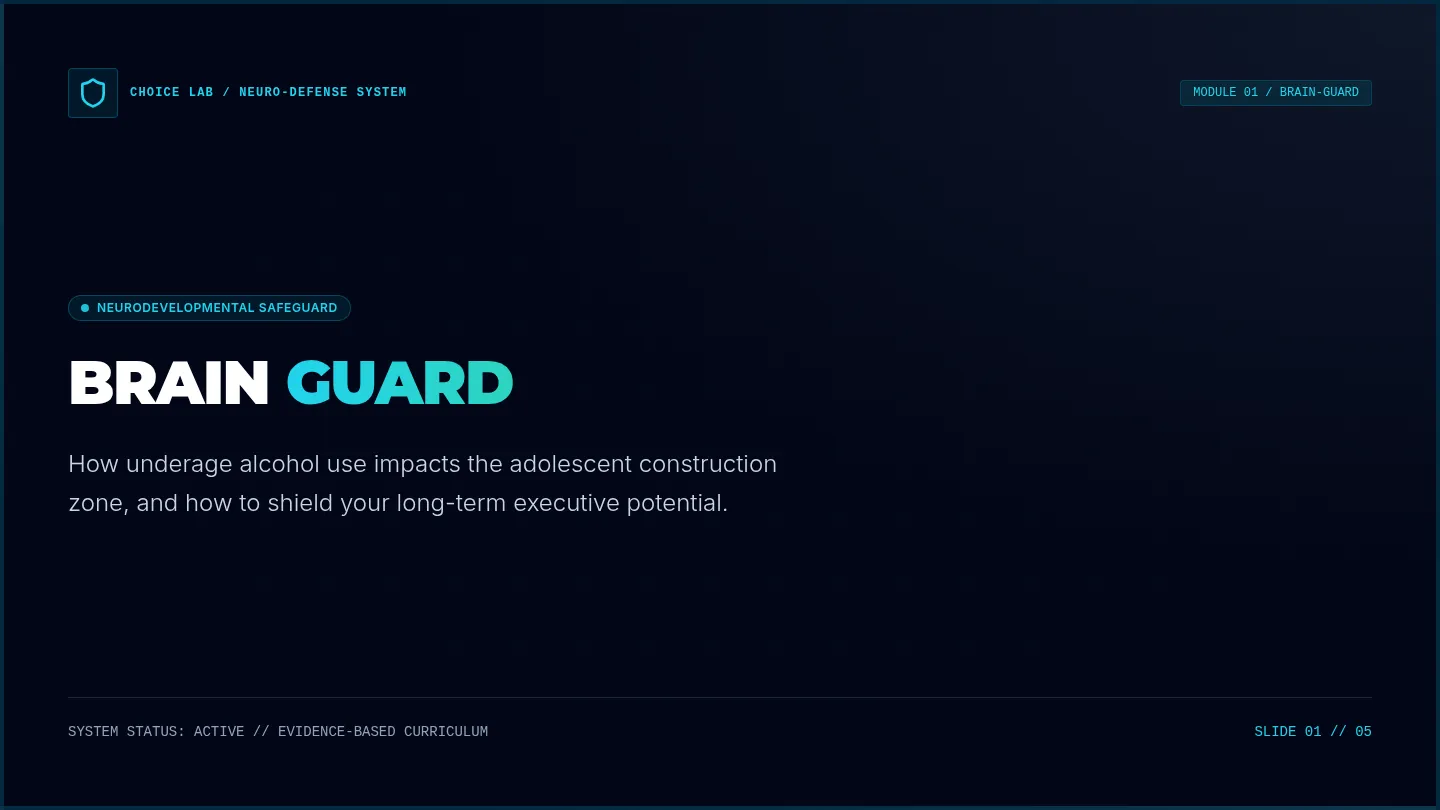
Corporate Playbook Slides
Public Health Intelligence
Orientation Module
Commercial Determinants of Health (CDoH)
The Corporate Playbook
How industry targeting, commercial practices, and systemic power directly shape health equity and community environments.
Exposing Market Tactics
Equity-Centered Analysis
Slide 1 of 10
Core Concept
What is Commercial Influence?
CDoH
The Commercial Determinants of Health (CDoH) are the corporate strategies, market activities, and political structures that directly dictate public health outcomes.
The Profit vs. Health Tension
Multi-billion dollar corporations are legally driven to maximize shareholder wealth. Often, this means aggressively expanding markets for health-harming products, externalizing the healthcare and social costs onto the public.
Market Realities
Corporate survival depends on growth, which frequently targets saturated or highly responsive populations to secure steady revenue.
Systemic Impact
Instead of neutral transactions, commercial practices shape who has affordable access to wellness and who is flooded with disease-promoting items.
Discussion Focus: Identifying hidden corporate structures around us. Slide 2 of 10
Upstream Thinking
Upstream Prevention vs. Downstream Treatment
Public Health Core
Upstream (Prevention)
Fixing the root causes of disease and addiction before they ever occur.
"Building a guardrail at the top of the cliff so nobody falls."
Structural Policy & Zoning
Downstream (Treatment)
Responding to illness, injury, and addiction after the harm has already occurred.
"Parking ambulances at the bottom of the cliff to treat injuries."
Clinical Therapy & ER Visits
Public health focuses on the ROOT upstream environments. Slide 3 of 10
Exploitative Tactics
Targeting Vulnerable Communities
Structural Targeting
Aggressive Density
Liquor stores, fast-food chains, and tobacco retailers are systematically over-concentrated in low-income neighborhoods, creating artificial exposure.
Place-Based Flooding
Hyper-Local Marketing
Cultural tailoring, heavy billboard placements, and point-of-sale discounts target Black, Latino, and marginalized youths to drive high-volume usage.
Cultural Capture
Predatory Finances
Payday lenders and rent-to-own shops cluster near vulnerable zones, stripping generational wealth and reducing funds needed for healthy food or shelter.
Wealth Extraction
Key Takeaway: Targeting is not accidental; it is driven by algorithmic data and zoning loopholes. Slide 4 of 10
Substance Use Focus
How Environment Shapes Behavior
The Physical Setup
Exposure Triggers Addiction
Public health research demonstrates that physical environment is a primary driver of substance use. It is not merely a matter of personal "willpower."
- ◼ Visual cues (billboards, window signs) normalize risk-taking behaviors.
- ◼ High density of outlets reduces travel distance, ensuring near-constant availability.
Environmental Flooding
"We aren't just choosing what products we want to buy; the physical environment is curated to make substance use the easiest, cheapest, and most immediate escape."
— Dr. Marcus Vance, Community Health Advocate
Class Reflection: How many alcohol or vape displays do you pass on your way to school? Slide 5 of 10
Diagnostic Framework
The 4 Ps: Corporate Playbook Framework
4 Ps of CDoH
P1
Product
Designed for maximum palatability and addictiveness (e.g., fruit flavors in high-nicotine e-cigarettes, high-fructose syrups in cheap beverages).
P2
Price
Kept artificially low via scale or subsidized ingredients to exploit economically stressed consumers looking for cheap options.
P3
Place
Over-saturated point-of-sale placements and high outlet density in low-income tracts, combined with a lack of protective local zoning rules.
P4
Promotion
Hyper-localized, culturally tailored marketing, neon point-of-sale displays, and local event sponsorships targeting youth of color.
Your Mission: Use this diagnostic tool to evaluate community-level health disparities. Slide 6 of 10
Equity Foundations
Understanding Levels of Impact
Structural vs. Individual
Systemic
Structural
The combined impact of policies, federal and state laws, socioeconomic conditions, and programs across multiple interconnected systems.
E.g., Zoning and trade laws
Organization
Institutional
Rules, operational policies, and internal practices maintained within a single organization (like a school district or a health clinic).
E.g., School wellness policies
Personal
Individual
Pre-judgment, implicit bias, stereotypes, or personal generalizations made about a person or group, impacting immediate clinical or personal care.
E.g., Interpersonal bias
Policy Design Rule: Interventions must target the structural and institutional levels to create lasting health equity. Slide 7 of 10
Tactical Simulation
The Secret Pitch Challenge
Reverse Engineering
Your Youth Leader squad has been tasked with launching a new, popular product for teens.
But there's a catch: your product contains a serious hidden physical downside.
The Mission:
Work together to reverse-engineer corporate marketing (P1: Product, P2: Price, P3: Promotion), and see if you can sell the hype so well that people ignore the physical risk.
Step 1: Code Name
Establish your target teen product & identify its hidden vulnerability.
Step 2: Mask the Risk
Deploy high-sugar flavors, low-cost subscriptions, and influencer hype.
Step 3: Debrief
Analyze how easily target populations are manipulated by corporate design.
Goal: Deconstruct real commercial mechanics by executing them ourselves. Slide 8 of 10
Interactive Mission
Small Group Case Study Analysis
Hands-on Task
Expose how industries hijack community wellness using local data.
In your assigned investigative teams, analyze your local neighborhood profile. Highlight the spatial distribution of risk factors, corporate storefront positioning, and demographic overlays.
Group Deliverables:
- Identify the corporate tactics visible in your assigned neighborhood map.
- Map out the 4 Ps utilized by the target industry.
- Draft a policy intervention targeting the Structural level instead of just individual choice.
Global Video Context
To dive deeper, refer to global corporate health determinants via community case files.
Note: Instructors can display supplementary material here.
Ready your Targeting Tactics Worksheets! Slide 9 of 10
Action Framework
Designing for True Health Equity
The Path Forward
"How do we make sure the policies and programs we put in place do not contribute to inequities?"
When planning public health campaigns, we must transition from demanding "better personal willpower" to restricting "predatory corporate access."
Pillar 1
Stay Committed to Equity at the Center
Pillar 2
Listen Well & Continuously to All Groups
Pillar 3
Act Directly on Authentic Community Input
Final discussion: Commit to what really works for diverse communities. Slide 10 of 10
Targeting Tactics Worksheet
PUBLIC HEALTH INVESTIGATIVE LAB
EQUITY AUDIT FILE
Subject: Commercial Determinants of Health (CDoH)
CASE STUDY FILE REF: CDOH-082026
Investigator Name(s)
Audit Date
Target Neighborhood
Part 1: The Environmental Scan
CORE EVIDENCE Research proves that the physical environment is a primary driver of behaviors like substance use.
Identify physical markers, outlet densities, or marketing setups in your assigned zone. Examine how big industries target marginalized communities, manipulate environment, and manufacture health disparities.
1. Spatial Assessment: How does the over-concentration of fast food, alcohol retailers, or vape shops in this community directly influence peer habits and normalize risk behaviors?
Part 2: The 4 Ps Corporate Dissection
Corporations utilize a strategic marketing mix (the 4 Ps) to capture local market share. Analyze how your target industry deploys these weapons in marginalized neighborhoods.
P1. PRODUCT FORMATS Sensory
How is the product modified or flavored (e.g., fruit vape pods, high-sugar drinks) to increase addiction and appeal to youth?
P2. PRICE & DISCOUNTING Affordability
What strategies (e.g., multi-buy discounts, coupons, point-of-sale markdowns) make health-harming products cheaper?
P3. PLACE & ACCESSIBILITY Spatial
How close are retail sites to schools, housing, or parks? Look at zoning and visual proximity.
P4. PROMOTIONAL TACTICS Media
How do they use cultural icons, targeted social media ads, or storefront signs to appeal to the demographic?
Lenny Public Health Curriculum Series — Corporate Playbook Page 1 of 2
Part 3: Pinpointing Levels of Impact
To build lasting health equity, we must identify the systemic levels where corporate strategies operate. Review the definitions below and evaluate how targeted mechanisms damage communities.
Systemic Power
Structural
Combined impact of policies, federal laws, zoning systems, and multi-sector programs.
Single Org Rules
Institutional
Specific operational rules, standards, and guidelines maintained within a single organization.
Personal Level
Individual
Interpersonal pre-judgment, systemic implicit bias, and health behaviors of individual people.
2. Intersecting Structures: How do low-income housing rules (Institutional) and town zoning laws (Structural) interact with corporate practices to lock vulnerable groups into high-exposure, high-disparity health environments?
Secret Pitch Activity Sheet
YOUTH LEADERS PUBLIC HEALTH ACADEMY
THE SECRET PITCH
Tactical Reverse-Engineering Simulation — Prep Guide
STAGE 1: PREP
Your squad has been hired by a major conglomerate to launch a popular new teen product. The catch? Your product has a serious hidden physical downside. You must reverse-engineer commercial tactics (flavor-masking, micro-pricing, social media hype) to sell the product so well that teens ignore the physical risks.
The Simulation Goal
By attempting to manufacture a corporate "hype machine" yourself, you will expose how easily public health choices are compromised by commercial and environmental design.
Step 1: Product Formulation & Hidden Side Effects
Brainstorm your mock product (e.g., a neon-colored focus drink, a customized high-nicotine pocket diffuser, or a low-cost high-sodium energy bar) and identify its hidden chemical/physical downside.
Product Code Name / Brand Name
The Hidden Physical Downside
Step 2: Consumer Targeting & Social Vulnerability
Companies do not launch products blindly. They analyze community profiles. Describe who your target teen group is, and identify what existing stressors or environmental loops (lack of sports parks, school stress, peer isolation) make them vulnerable to buying your product.
Target Youth Demographic (Age, lifestyle, subculture)
Vulnerabilities We Will Exploit (e.g., exam stress, need for quick energy, desire to fit in)
Lenny Public Health Curriculum Series — Corporate Playbook Activity Sheet — Page 1 of 2
YOUTH LEADERS PUBLIC HEALTH ACADEMY
THE SECRET PITCH
Tactical Reverse-Engineering Simulation — Blueprint
STAGE 2: BLUEPRINT
Now that your target audience and hidden risk are established, deploy your marketing tactics below. Detail how your squad will structure the Product flavor, Price point, and Promotion hype.
Structuring the Sell
P1. PRODUCT MASKING
How do you modify sensory features (flavors, textures, shapes) to make the physical danger completely invisible?
P2. PRICE CAPTURE
What subscription model, micro-pricing, or loss-leader trials make this cheap for youths to buy repeatedly?
P3. PROMOTION HYPE
What social media apps, influencer sponsorships, or neighborhood billboards will you flood to create desire?
Upstream Debrief (Critical Reflection)
When groups do things like flavor-masking, predatory pricing, and social media hyper-targeting, how does that expose the danger of relying on "personal choice" downstream? Why are upstream public health regulations (like bans on flavorings or capping density) the only true ways to protect youth populations?