A hands-on arts and social-emotional learning lesson where students create sock puppets to explore and express a range of emotions through creative play and short skits.
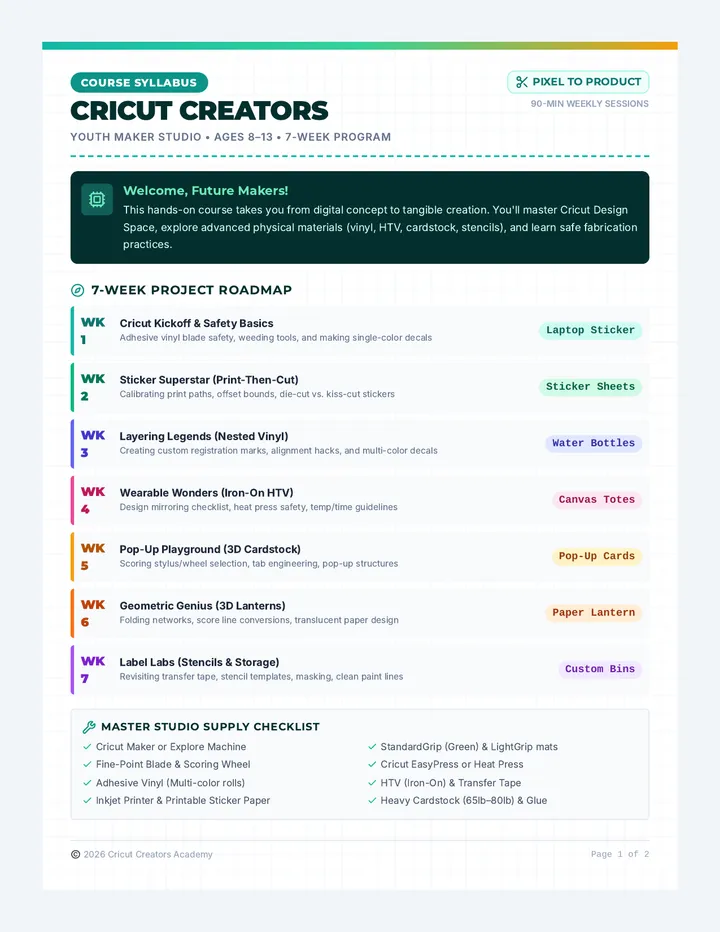
A 7-week beginner-friendly Cricut Design Space and crafting course designed for youth ages 8-13. Students transition from pixel to product, mastering vinyl, heat transfer, 3D papercrafting, and custom labeling while emphasizing safety and creative prototyping.
A creative collection of ultra-dense, zentangle-inspired coloring binder covers for middle school students to customize their subjects, featuring rich line-art doodles and structured student personalization cards.
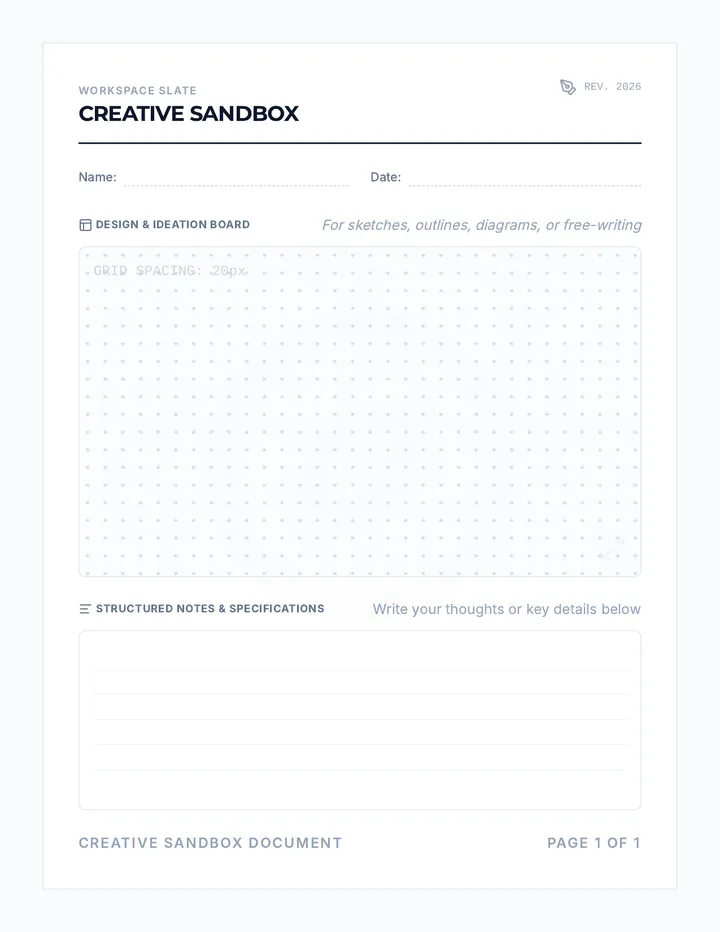
A beautiful, minimalist, and highly versatile blank student workspace designed as a creative sandbox. Features a professional header, name/date inputs, a dot-grid sketching arena, and ruled lines for brainstorming, planning, or writing.
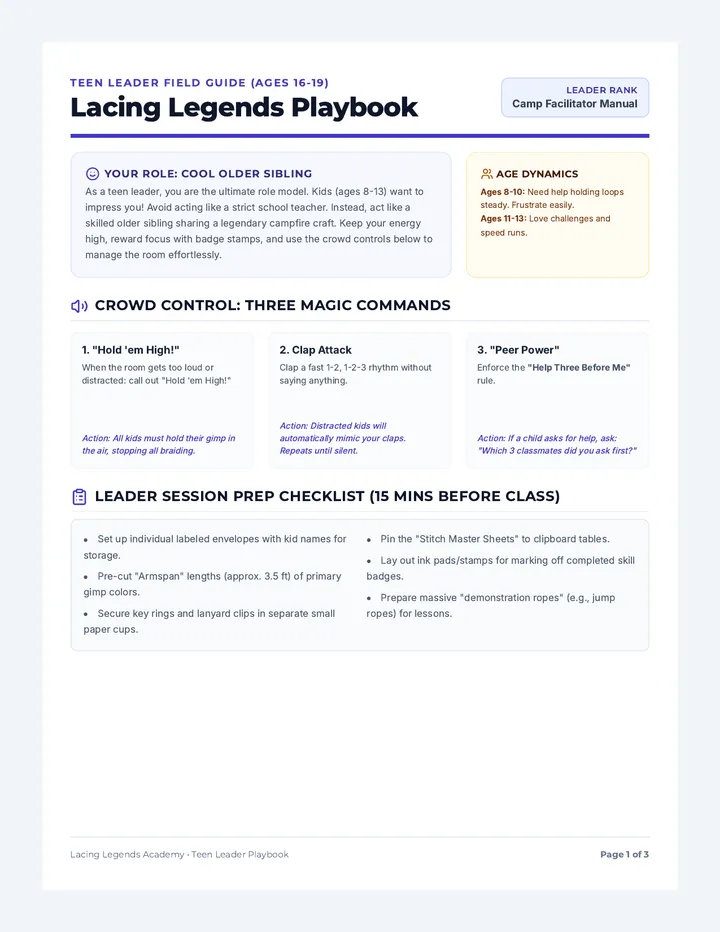
A comprehensive 7-week plastic lacing (gimp) curriculum for youth ages 8-13. This program guides students from absolute beginners to master crafters, focusing on the Starter, Square (Box), and Circle (Barrel) stitches to create custom keychains and bracelets.
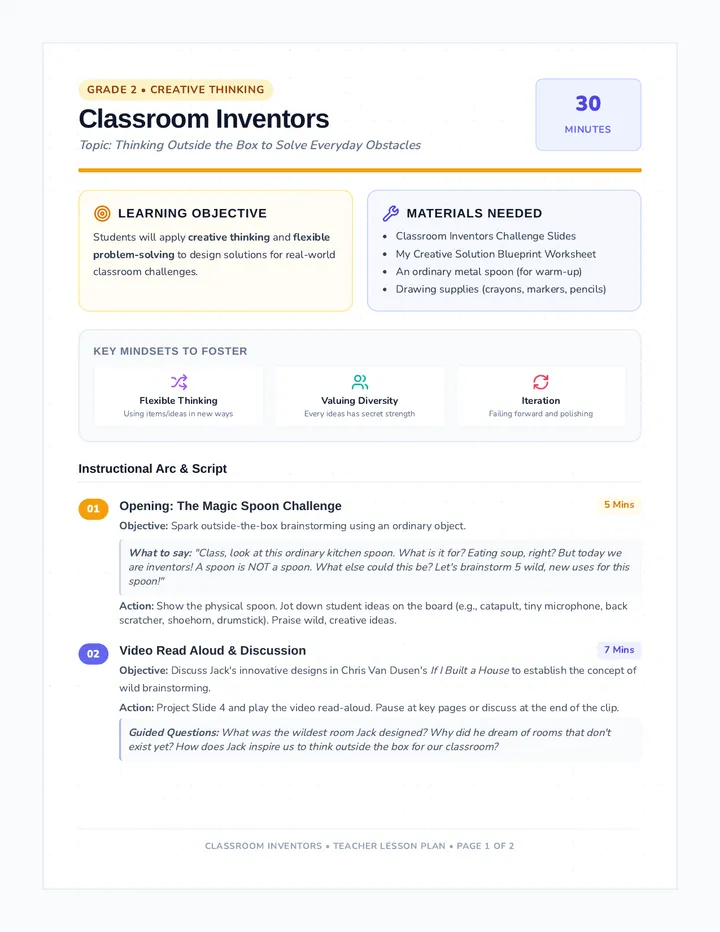
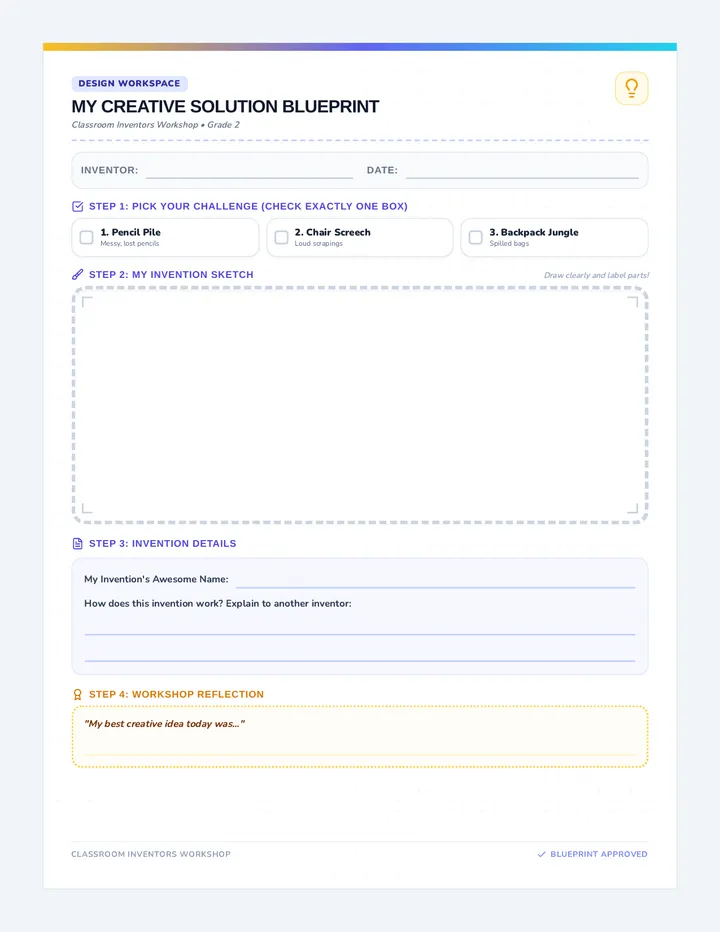
A 2nd-grade lesson on flexible problem-solving and creative thinking. Students learn to think outside the box by brainstorming inventive solutions to common classroom challenges, promoting resilience, diverse perspectives, and design thinking.
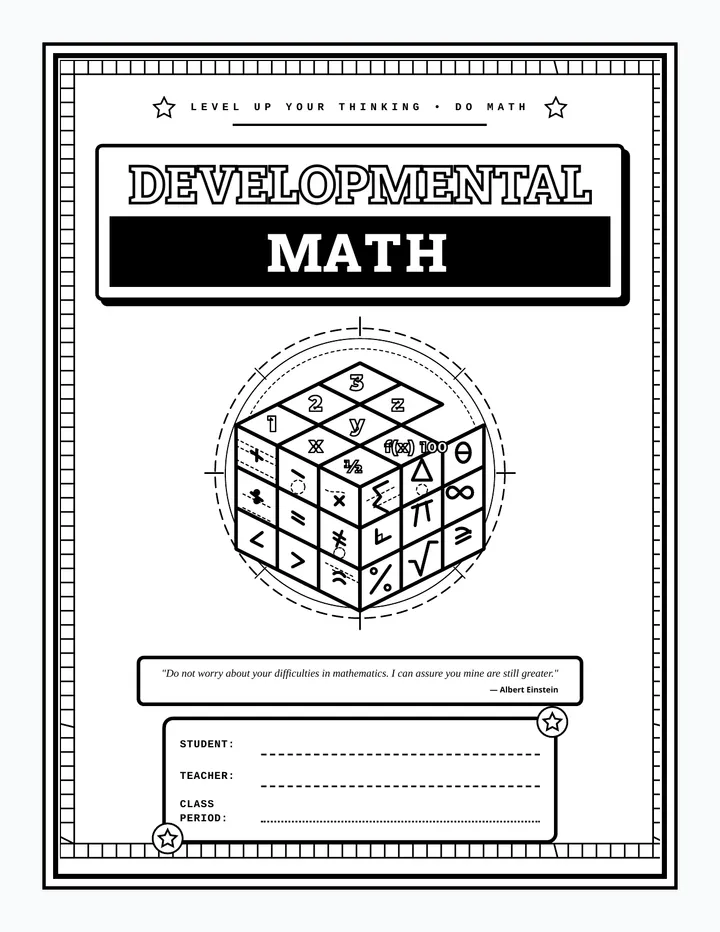
An ultra-clean coloring binder cover for Developmental Math, designed with a massive central 3D zentangle Rubik's Cube as the single math-related coloring masterpiece, framed by a thick checkerboard border and a prominent horizontal title banner.
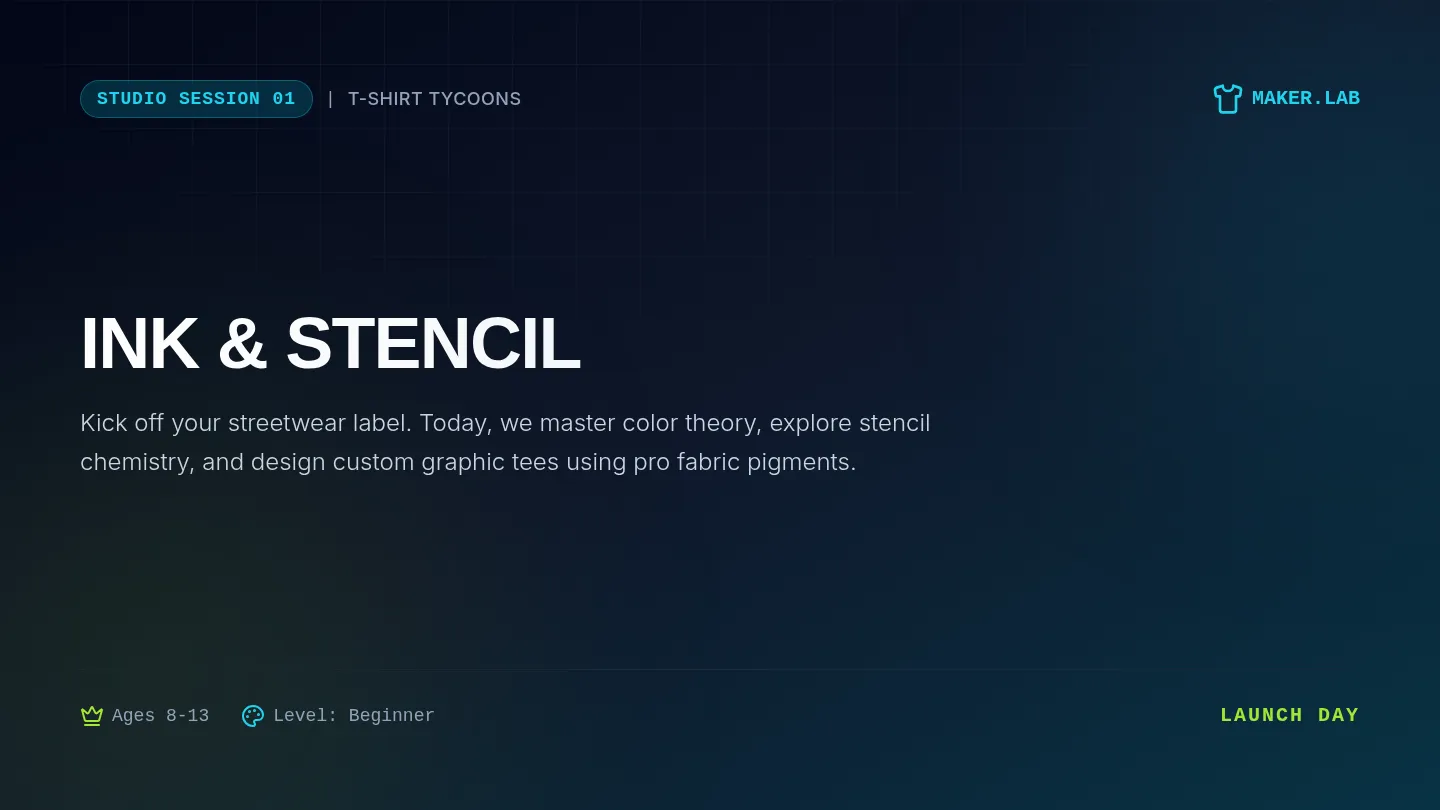
A 7-week youth wearable art and entrepreneurial course where students ages 8-13 design, dye, cut, and press custom custom t-shirts using pro-level makerspace techniques.
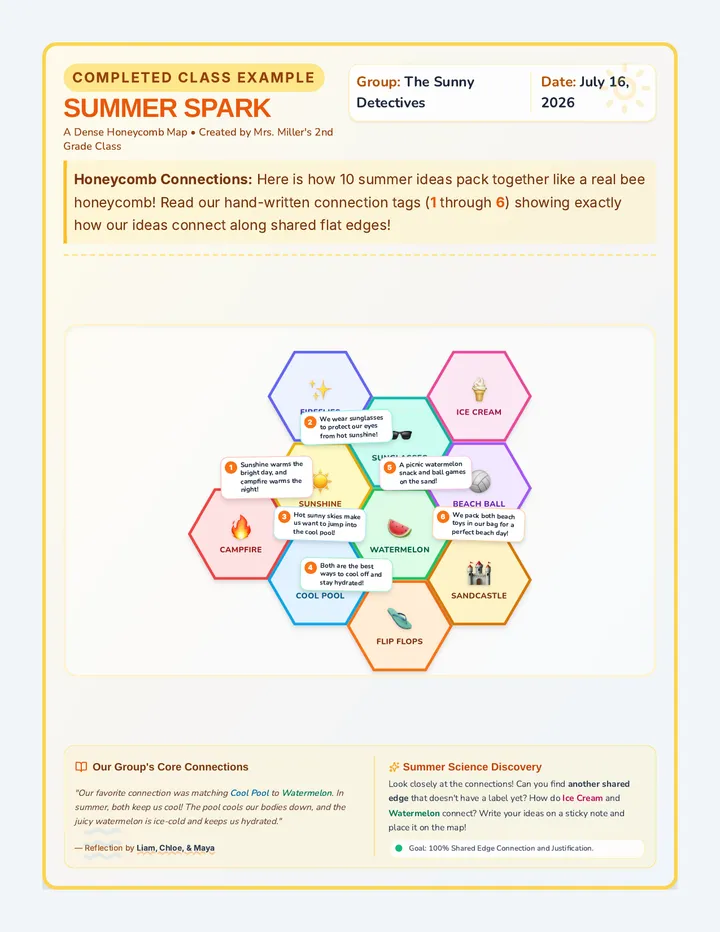
A creative lesson exploring seasonal connections and critical thinking using hexagons. Students link sensory concepts, activities, and memories of summer.
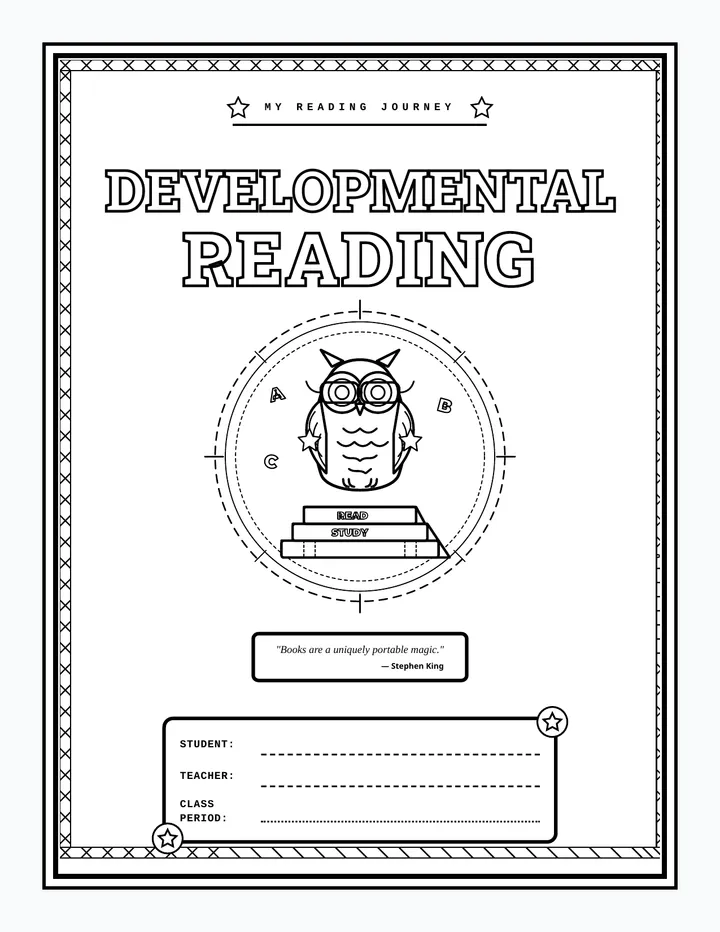
A beautifully clean, zentangle-inspired coloring binder cover for Developmental Reading. Features a massive central Wisdom Owl wearing reading glasses and perched on a stack of books as the single coloring masterpiece, framed by a delicate double-lined geometric border and a classic slab-serif outline title.
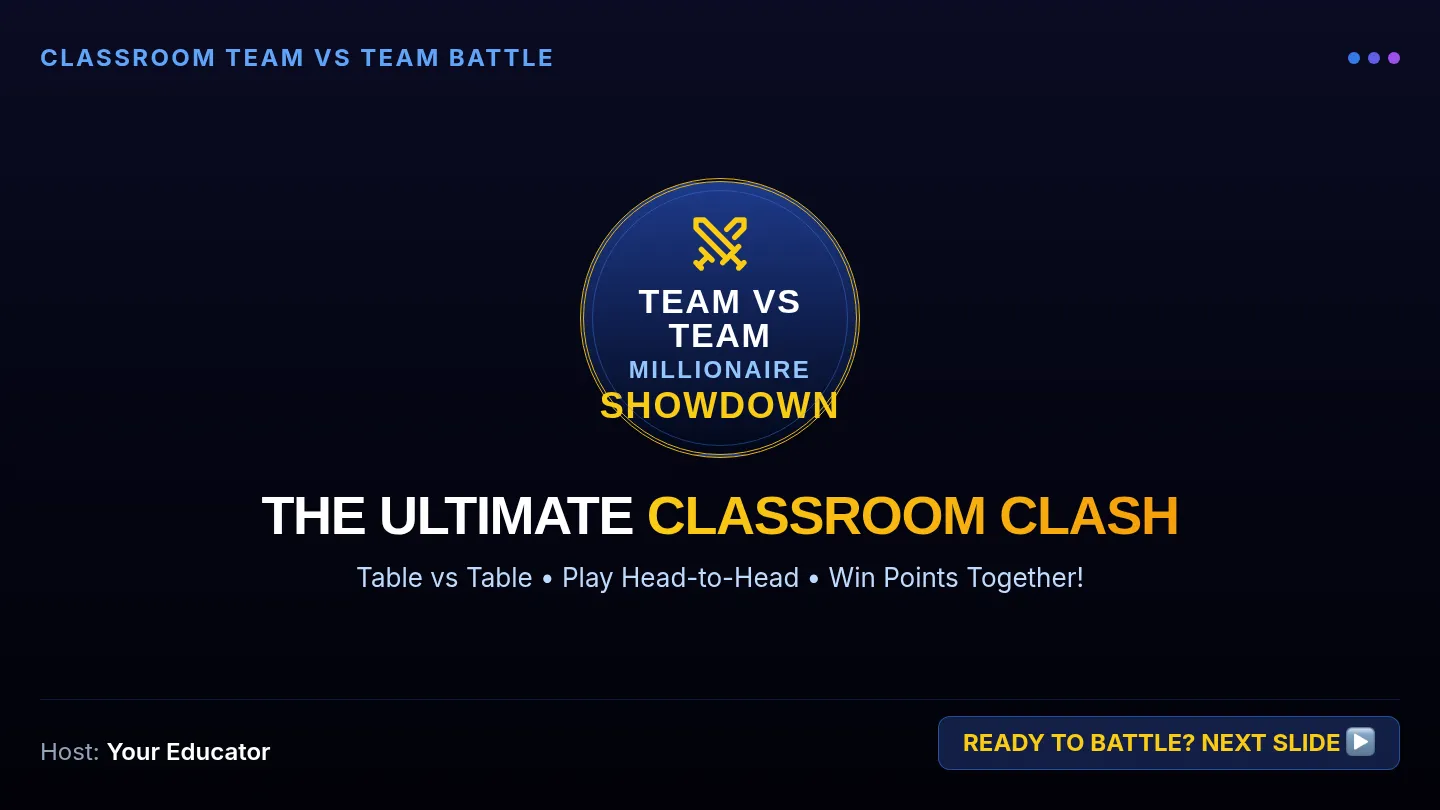
An immersive, game-show style classroom trivia challenge covering topics from pop culture and sports to hobbies and general knowledge. Includes a high-impact presentation slide deck and a detailed Host Guide to facilitate gameplay, engagement, and learning.
A highly structured, visually engaging, and print-ready creative problem-solving blueprint worksheet for second-grade students to sketch, name, and describe their inventions.