Lenny.com
Explore
Create
ActivitiesNewMathEnglish Language ArtsScience & EngineeringSocial StudiesGlobal LanguagesHealth & Physical EducationSpecial EducationCounseling & Life SkillsArts & CreativityESL
Lenny.com
Lenny.com
Explore
Create
ActivitiesNewMathEnglish Language ArtsScience & EngineeringSocial StudiesGlobal LanguagesHealth & Physical EducationSpecial EducationCounseling & Life SkillsArts & CreativityESL
Lenny.com
Arts & CreativityCreative ThinkingIdea GenerationArtistic ExpressionArtistic ProcessCollaboration in ArtsVisual and Graphic ArtsGraphic DesignDrawing and PaintingSculpture and 3D ArtPrintmaking and GraphicsPhotography andDigital Design and MediaArt History and AppreciationMusicMusic FundamentalsSinging and Vocal PerformanceInstrumental MusicMusic Composition and CreationMusic History and AppreciationDanceCreative MovementDance TechniquesChoreographyDance History and CultureTheaterDramatic Play and ImaginationActing SkillsPlaywriting and Script DevelopmentTechnical TheaterTheater ProductionTheater History and AppreciationArts and SocietyArt in Culture and CommunityInterdisciplinary ConnectionsArts Advocacy

Acting Skills

Character analysis, vocal projection, and physical movement techniques for stage performance. Builds improvisation skills and script interpretation methods to develop believable characters.

Lenny.com

Solutions

Lenny for EducatorsLenny for SchoolsLenny for Districts

Product

ExploreSign inCreateSupportAbout

Resources

Getting startedMTSS Acceleration Program

© 2026 Lenny Learning Inc.

TermsPrivacyAccessibility
LinkedInInstagramX
Lenny

Videos

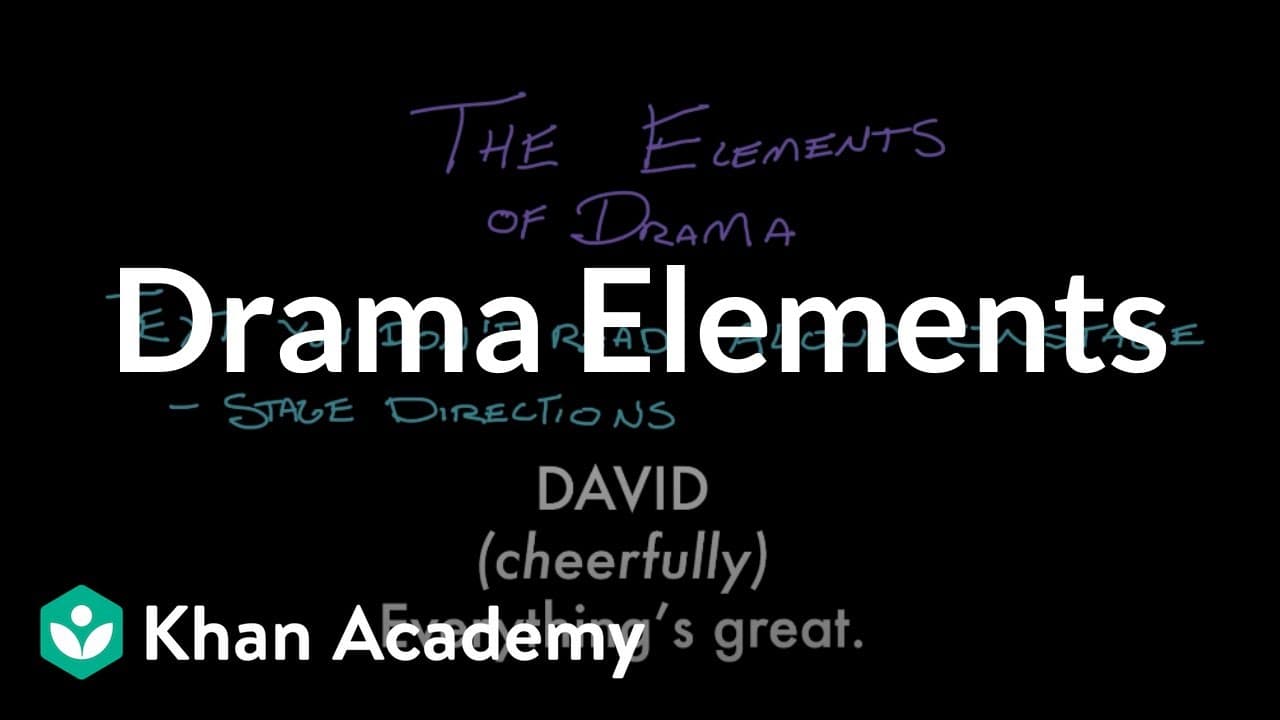
Understanding the Elements of Drama and How to Read a Play

Understanding the Elements of Drama and How to Read a Play

This engaging educational video breaks down the fundamental elements of drama and teaches students how to read a play script. Through a humorous meta-narrative where the narrators, David and Hannah, act out the process of reading, viewers learn the distinct differences between reading prose and reading dramatic scripts. The video explains technical formatting including stage directions, dialogue, and character tags, ensuring students understand what is meant to be spoken aloud versus what provides instructions for actors and directors. The content covers key structural components of plays, such as the difference between Acts and Scenes, and introduces specific literary terminology like 'Dramatis Personae' (cast list). It also provides a practical demonstration of how parenthetical directions influence an actor's tone and delivery. The video uses visual examples of script formatting to help students identify setting descriptions, props, and character cues. For the classroom, this video serves as an excellent introduction to a drama unit or a guide for reading Shakespeare. It simplifies complex literary concepts like 'Chekhov's Gun'—the principle that elements introduced early in a story must have significance later—by using a funny, recurring visual gag involving a bird. Teachers can use this resource to help students transition from reading novels to reading plays, creating a foundation for performance activities or literary analysis.
Khan AcademyKhan Academy

4mins 12s

Materials

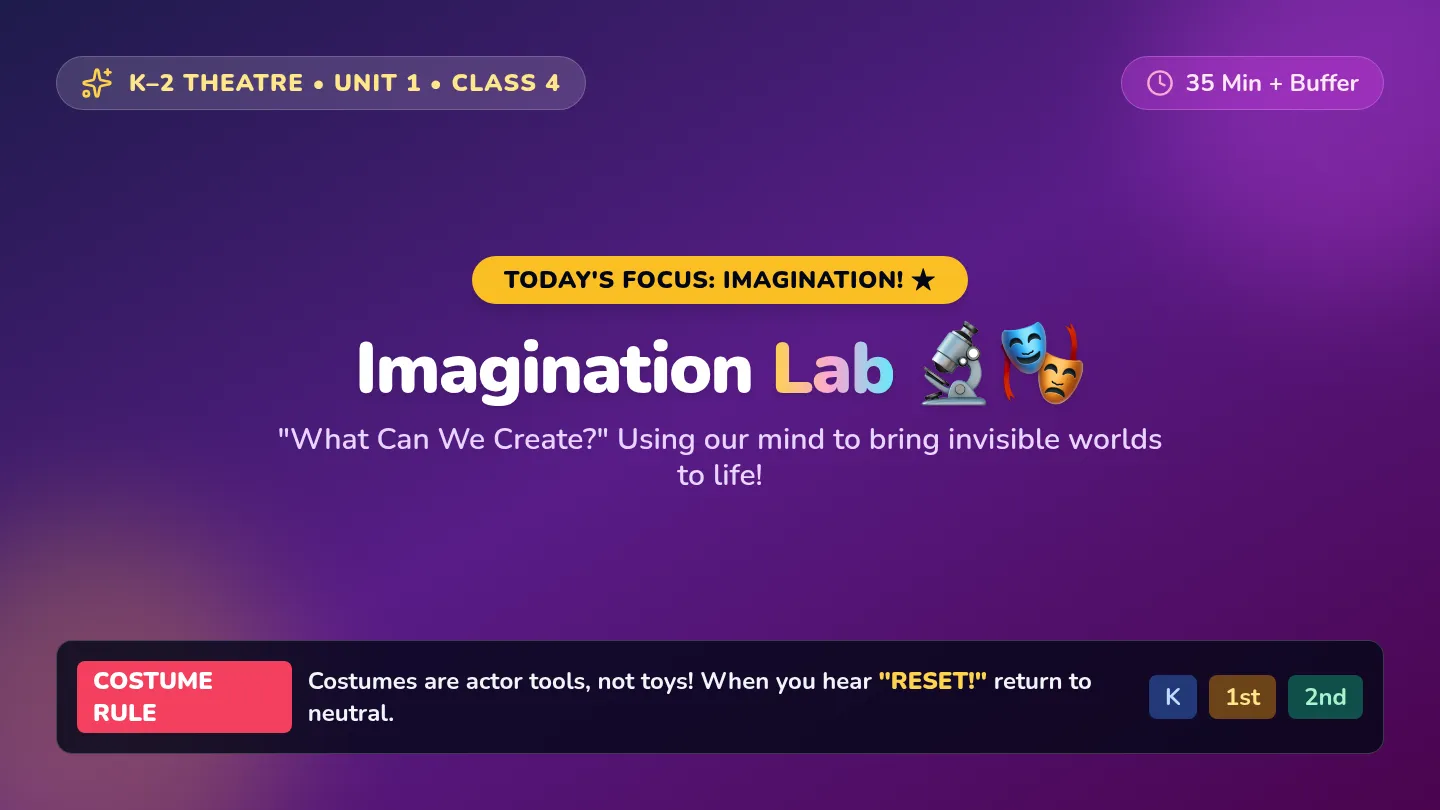
Imagination Lab Slides

Imagination Lab Slides

Vibrant, high-energy 9-slide presentation for K-2 Performing Arts Unit 1, Class 4: 'Imagination Lab'. Designed as a visual aid for students and a complete teaching guide with timing, script cues, game prompts, and K-2 differentiation.

S

slee

Thunder Zoo Readers Theater Script

Thunder Zoo Readers Theater Script

An engaging 15-minute readers theater script rewritten for a 3rd grade reading level, featuring 18 speaking parts (6 humans and 12 zoo animals) caught in an exciting zoo thunderstorm. Includes simple vocabulary, clear sentence structures, sound cues, and grade-appropriate discussion questions.

J

jeffreychadwick.inspiretx

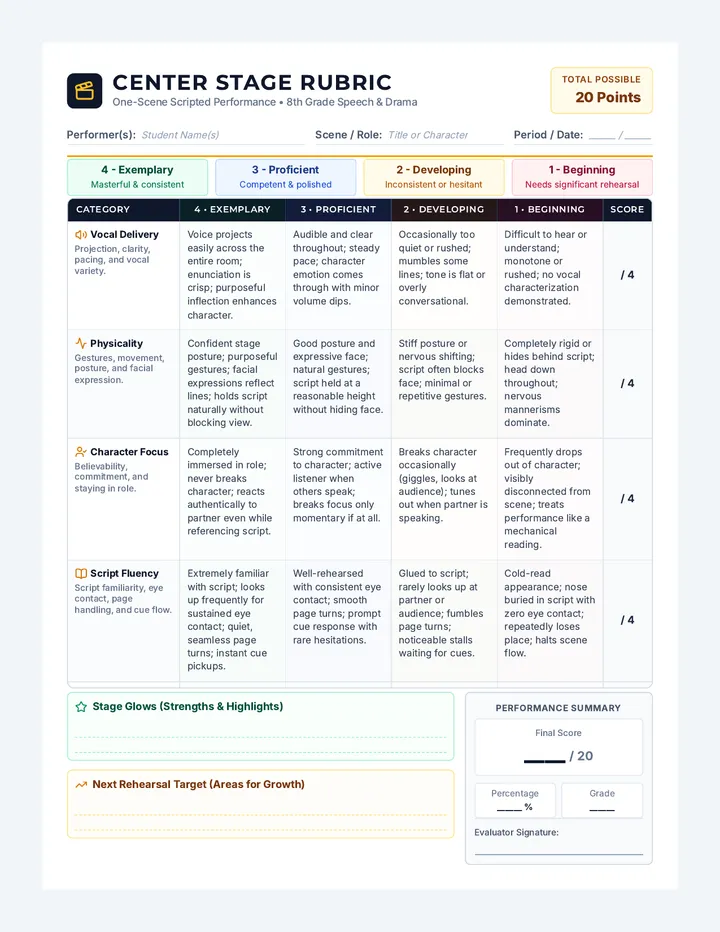
Center Stage Performance Rubric

Center Stage Performance Rubric

A single-page evaluation rubric for 8th-grade speech students performing a scripted one-scene drama. Features five core dimensions including script familiarity, eye-contact balance, and cue flow, with a four-level scoring scale and constructive feedback section.

S

Susan.Denzler

Spotlight Search Survey

Spotlight Search Survey

A comprehensive, visually stunning 2-page theatre interest inventory for high school students, featuring a classic theatrical aesthetic. It guides students through reflecting on their overall interest in theatre, rating their comfort with public speaking and performance, and checking off their interests across performance, design, technical crew, and creative leadership roles.

OT

Olivia Theilemann

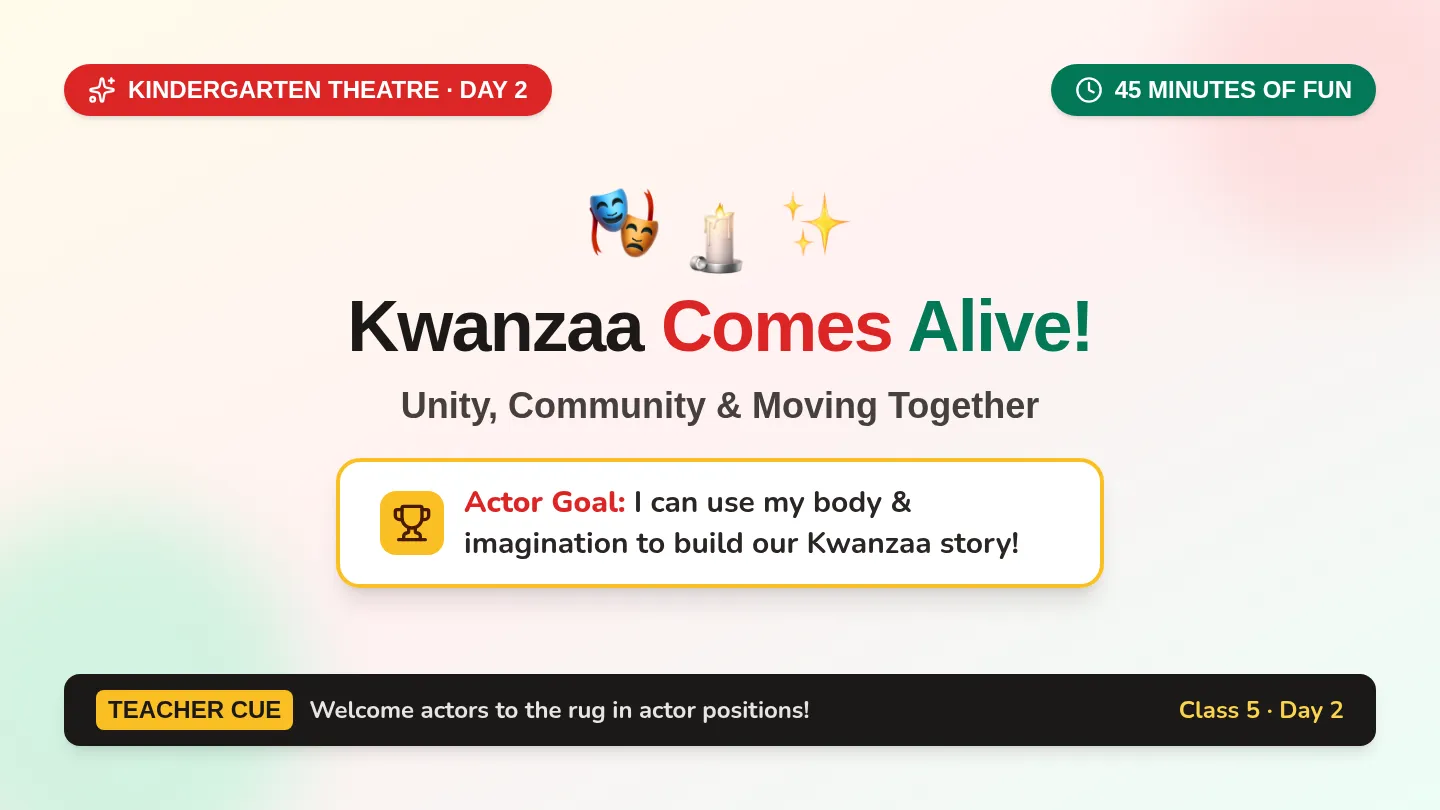
Kwanzaa Alive Slides

Kwanzaa Alive Slides

A vibrant, high-energy 10-slide kindergarten theatre deck guiding students through Musical Freeze, Kwanzaa color recall, kinara recognition, Umoja partner mirroring, imagination adventure, and the stage performance sequence.

S

slee

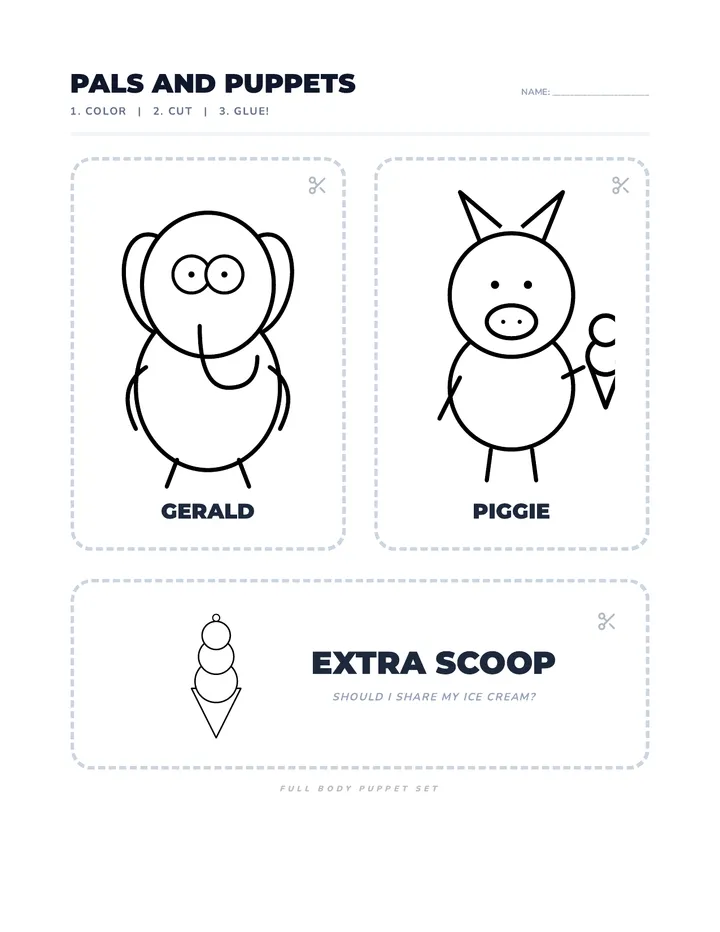
Pals and Puppets Coloring Sheet

Pals and Puppets Coloring Sheet

An updated coloring and cutout activity sheet featuring full-body versions of Gerald and Piggie, with Piggie holding an ice cream cone, plus an extra ice cream for sharing.

AM

Angelica Martinez

Sequences

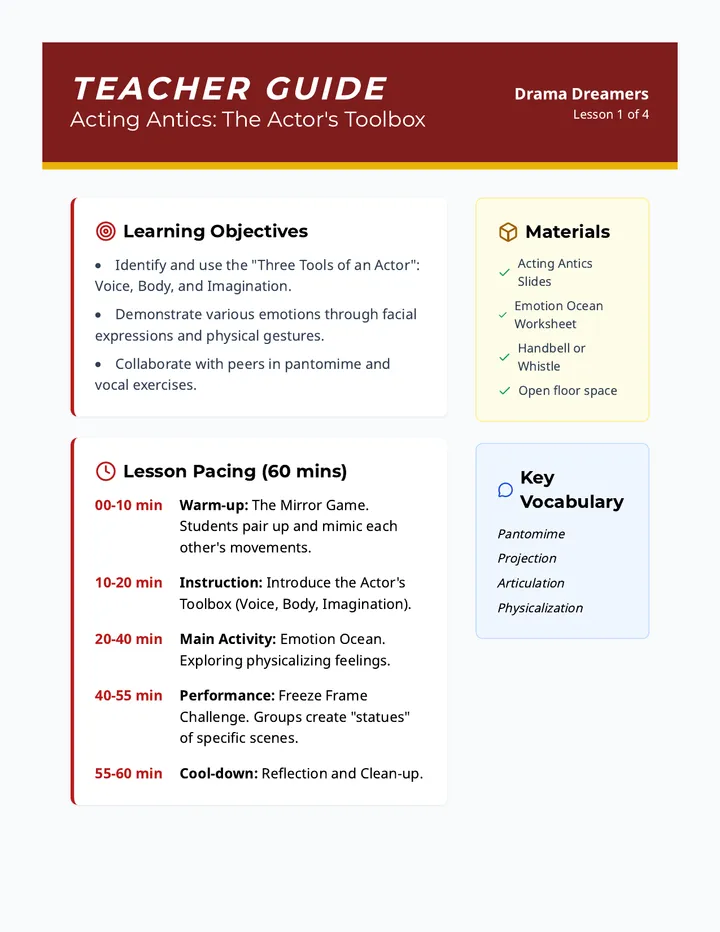
Acting Antics Teacher Guide

Drama Dreamers

A comprehensive introduction to theater for elementary students, covering acting techniques, playwriting, stage types, theater history, and technical "behind the scenes" magic. Students move from basic expression to designing and performing with confidence.

MF

Melissa Figliuolo

16
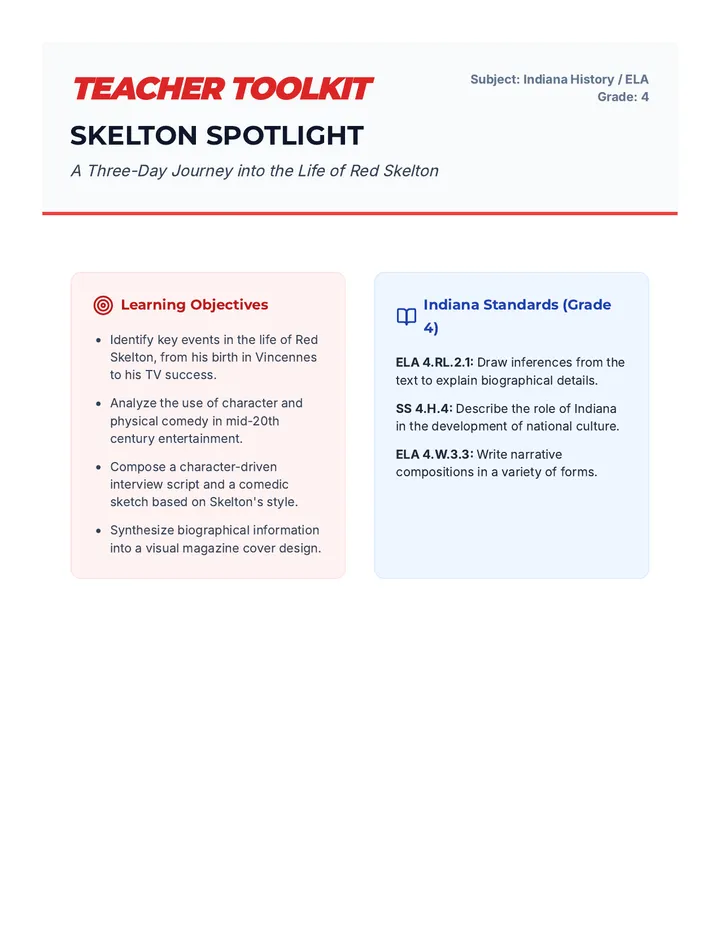
Skelton Spotlight Teacher Guide

Skelton Spotlight

A three-day exploration of the life and legacy of Indiana-born comedian Red Skelton, presented in a vibrant magazine format. Students explore his early life in Vincennes, his iconic characters, and his lasting impact on American comedy through reading and creative performance activities.

MG

Matthew Gaudin

8
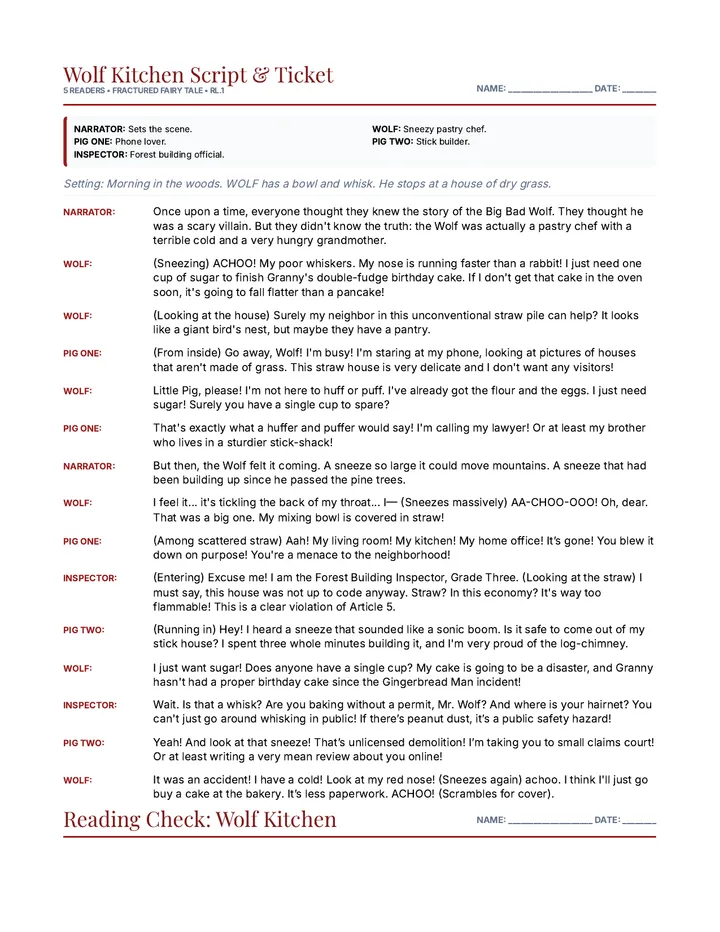
Wolf Kitchen Script & Ticket

Fractured Theater

A collection of five fractured fairy tale reader's theater scripts designed for groups of five students, focusing on fluency, expression, and creative retelling.

DG

Danielle Garland

6
Structure Secrets Slides

Social Sleuths

A unit focused on play structure, fluency, and social-emotional problem solving through mystery-themed scripts. Students analyze plot elements while practicing performance skills.

KB

Krista Bodkin

7
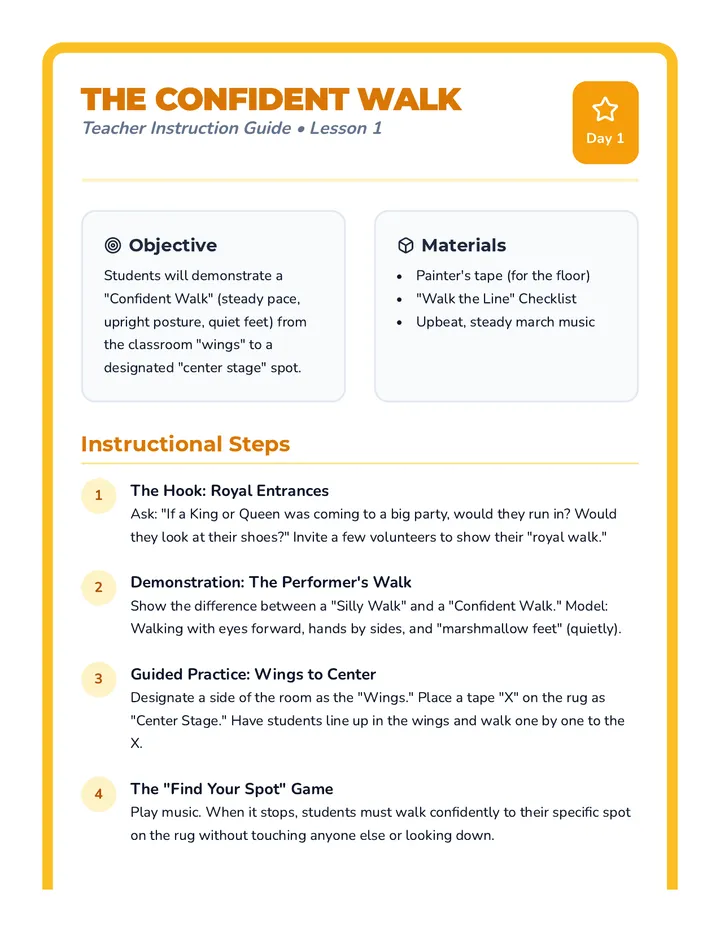
Confident Walk Teacher Guide

Performer Power

A Kindergarten music sequence focused on stage presence, performance routine, and building confidence through role-play and preparation. Students learn the full cycle of a performance, from walking on stage to the final bow.

16
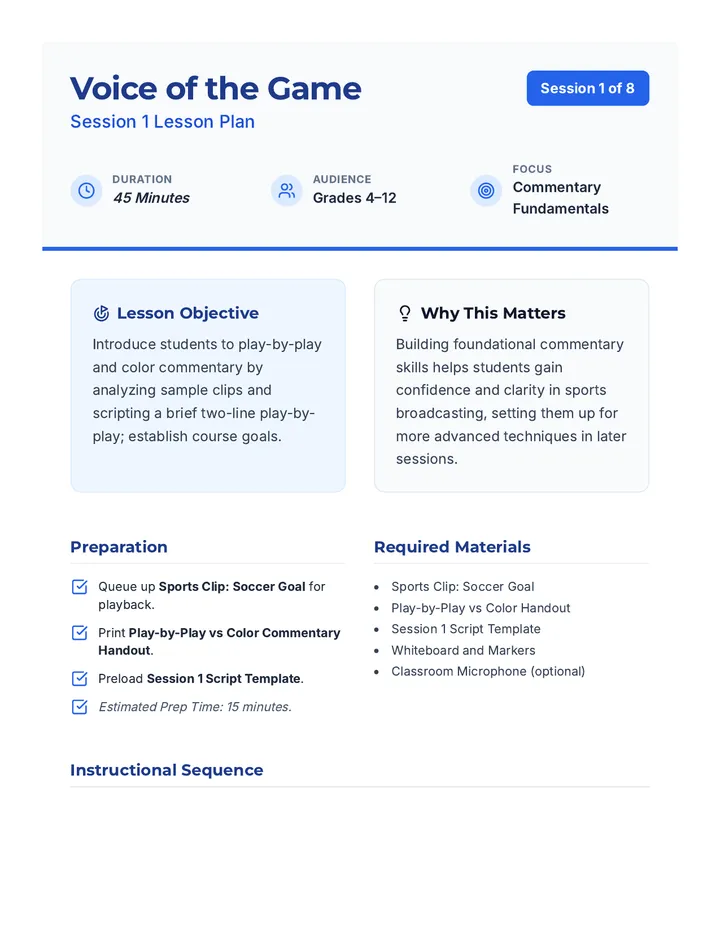
Voice of the Game Lesson Plan

Game-day Voices

An 8-session sports broadcasting course for grades 4–12, covering play-by-play, color commentary, interviewing, camera work, audio mixing, and live production directing. Students progress from foundational vocal skills to a complete capstone broadcast project.

27