This sequence guides seventh-grade students from identifying macronutrients to designing nutritionally complete daily menus through hands-on analysis and visual estimation.
A short sequence of lessons exploring the intersection of physical health and mental wellbeing, focusing on the neurochemistry of exercise and healthy habits.
A comprehensive mental health lesson sequence focused on helping middle school students distinguish between normal emotional fluctuations and clinical depressive disorders using the Intensity, Duration, and Interference (IDI) criteria.
A comprehensive wellness unit designed to empower students with lifelong healthy habits. Students explore nutrition, exercise, sleep, and emotional regulation through the lens of 'hero training'.
This sequence uses a case study approach to teach 7th-grade students how to recognize suicide warning signs, navigate digital cries for help, map out support networks, and take ethical action as supportive bystanders. Students move from identifying clues to committing to a personal safety protocol.
A comprehensive 5-lesson sequence for 7th-grade students focused on recognizing mental health warning signs and practicing the ACT (Acknowledge, Care, Tell) framework. Students transition from understanding mental health as a spectrum to identifying specific red flags and overcoming barriers to reporting concerns to trusted adults.
This sequence explores the social and emotional complexities of seeking help via crisis hotlines. Students analyze common barriers like stigma and fear, debunk myths about emergency services, and practice supportive communication to help peers access professional resources.
This sequence demystifies the process of accessing crisis support by breaking down the mechanics of hotlines and text lines. Students learn to distinguish between emergency services (911) and crisis hotlines (988), understand the experience of reaching out, and create personal resource tools for future use.
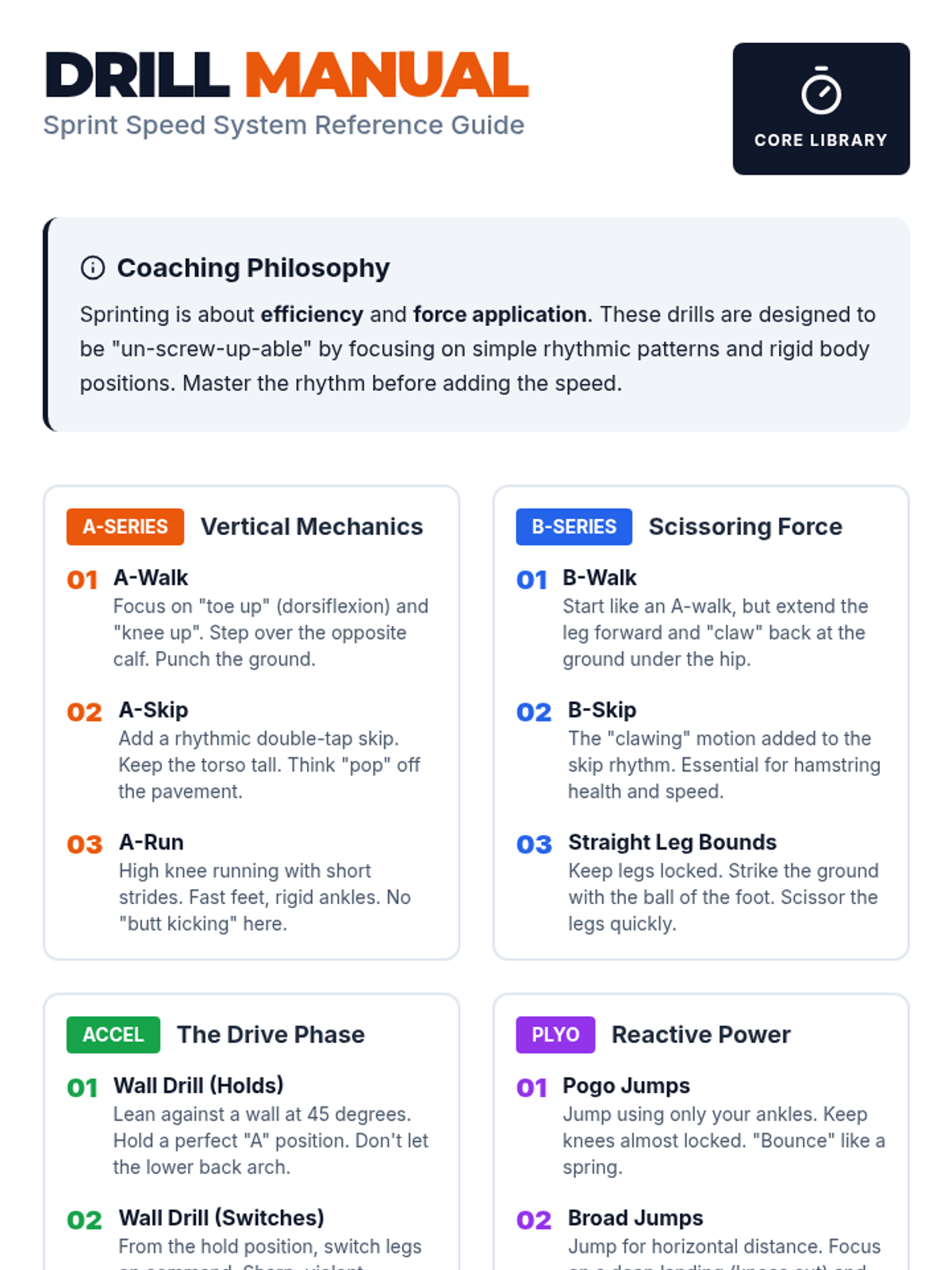
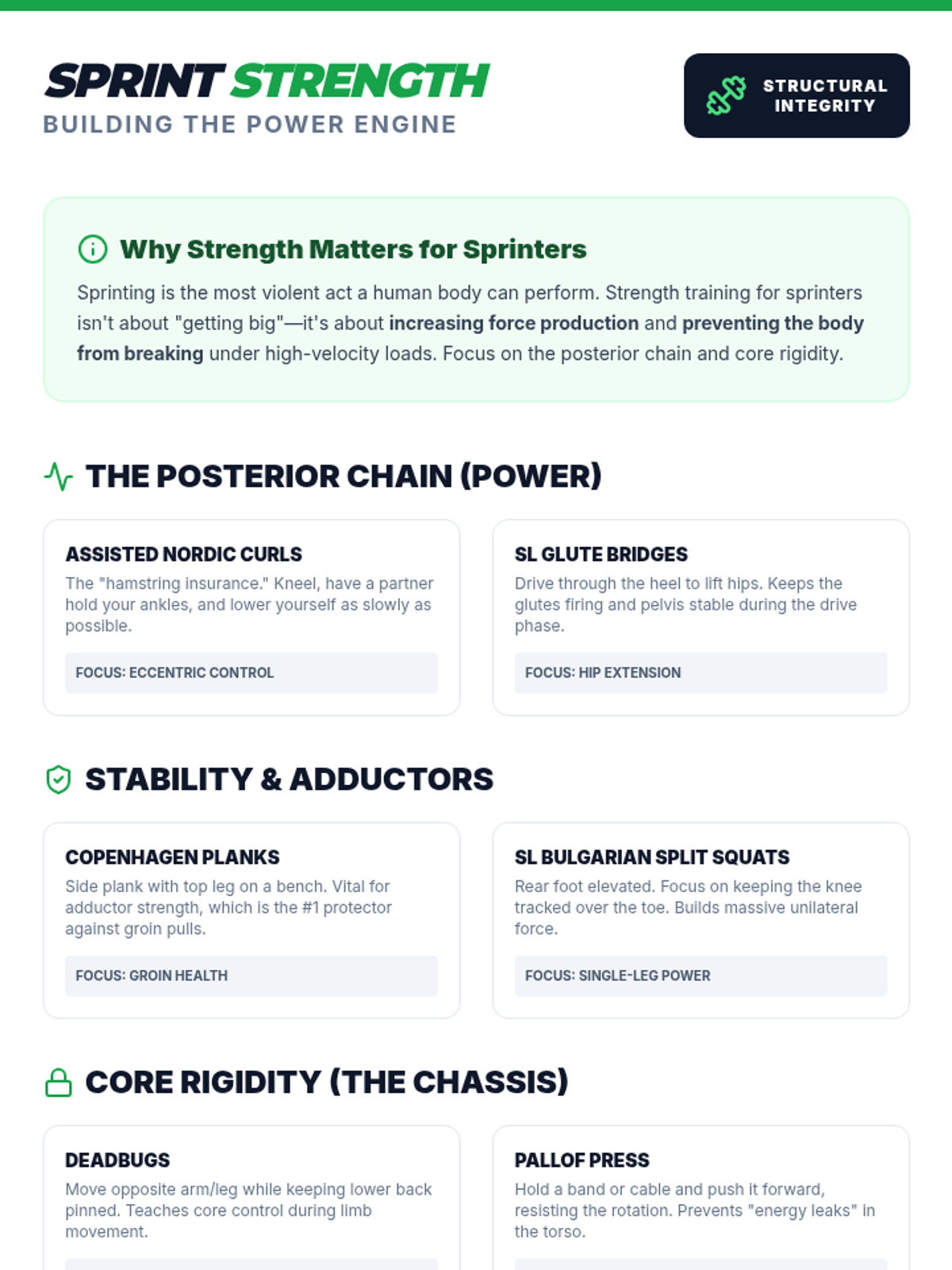
A comprehensive unit for 6th-grade PE focusing on the rules, officiating, and strategy of Track and Field. Students transition from athletes to officials, concluding with a student-led mini-meet.
A comprehensive 5-lesson unit for 7th grade students focusing on the technical skills and officiating rules of field events, specifically the long jump and shot put. Students progress from foundational mechanics to a full-scale competition simulation.
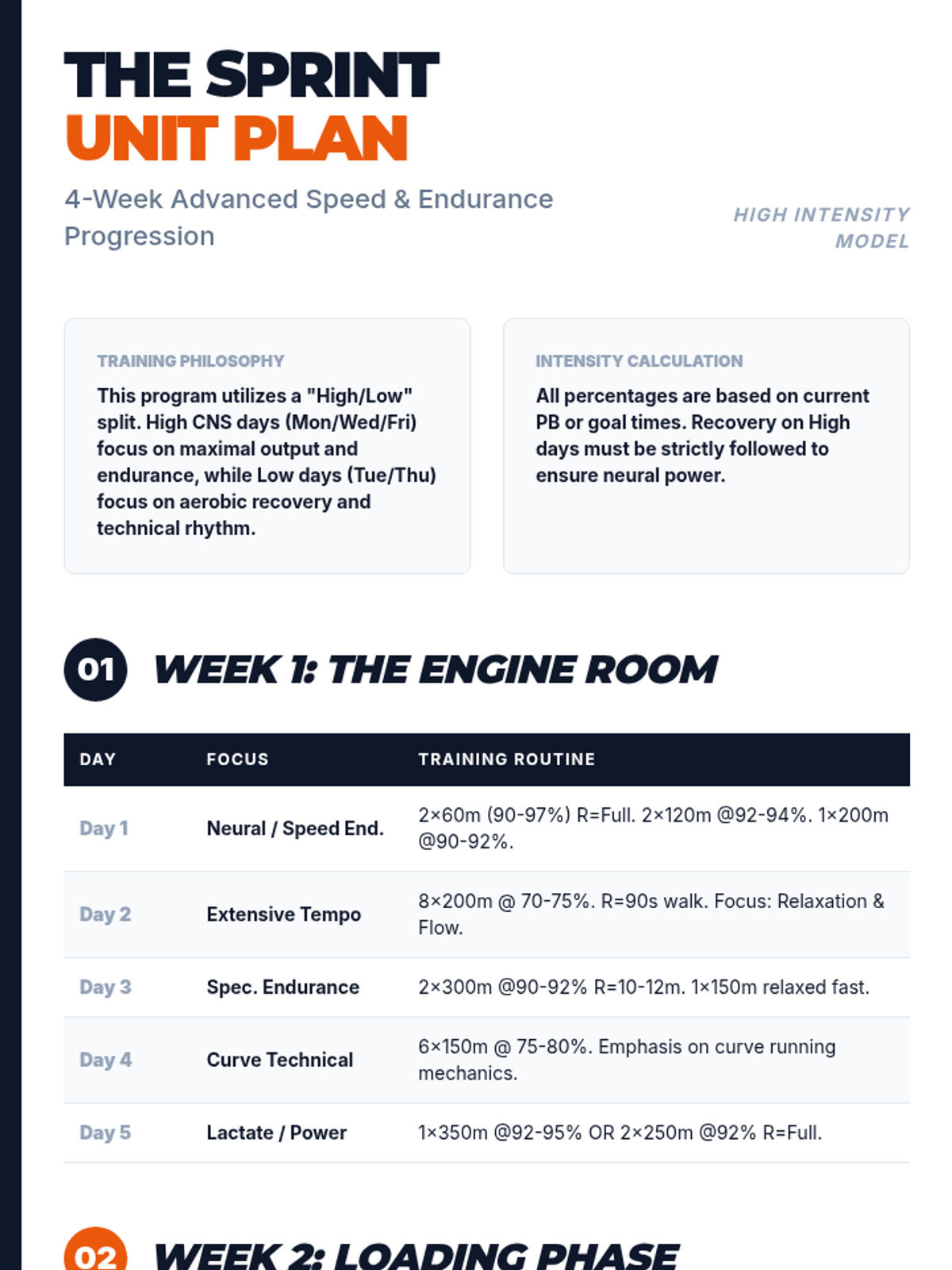
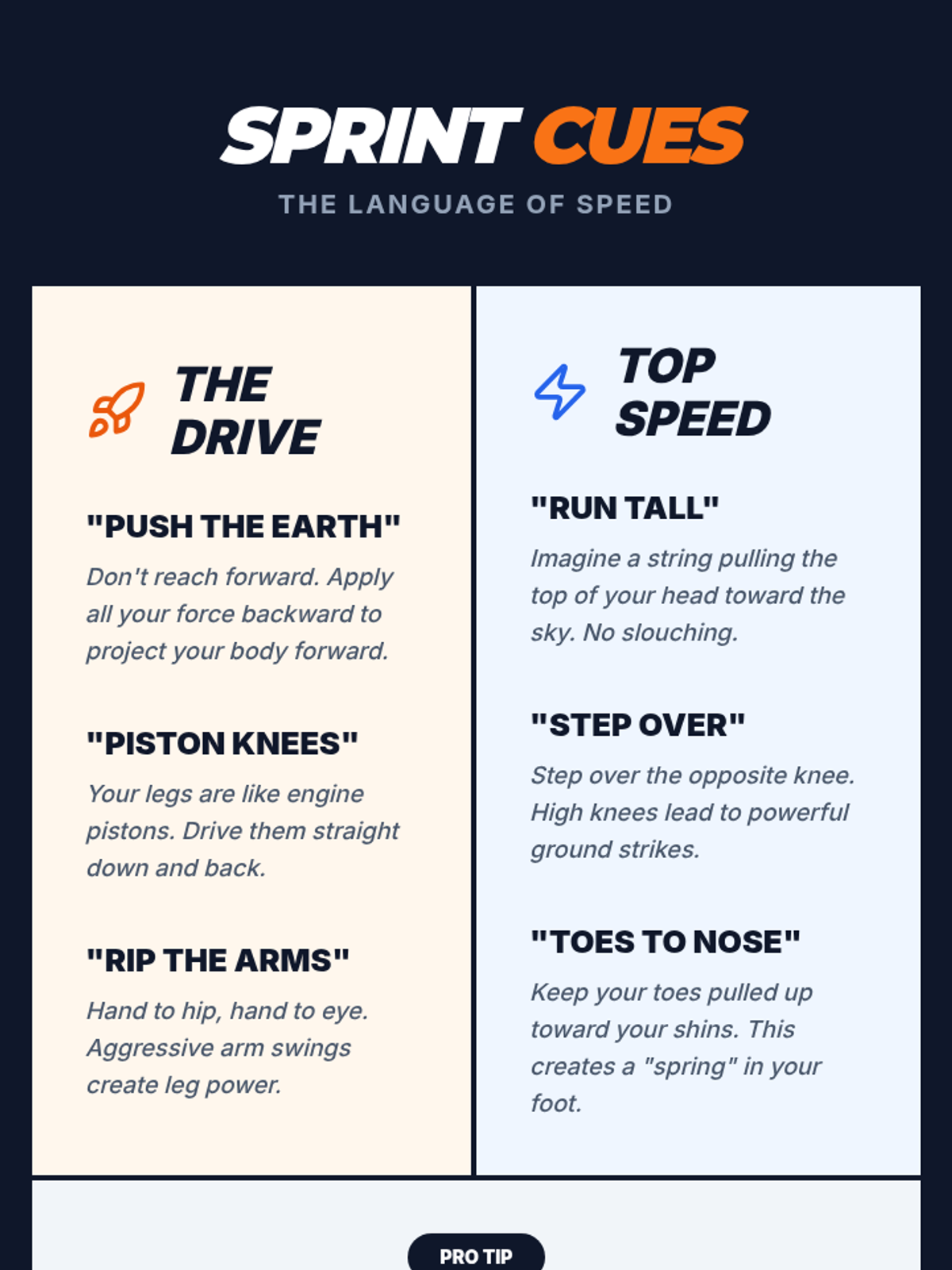
A comprehensive 7th-grade unit on track and field mechanics, covering explosive starts, top-speed form, relay handoffs, and pacing strategies for middle-distance events. Students progress from technical skill acquisition to strategic application in timed trials.
This physical education sequence guides 7th-grade students through the art of martial arts forms (Kata). Students progress from learning traditional patterns to designing, refining, and performing their own choreographed defensive sequences, emphasizing discipline, rhythm, and mental focus.
A 5-lesson unit for 7th grade students focusing on the biomechanics of self-defense, specifically blocking, deflecting, and leverage-based wrist releases. Students explore how to use their body efficiently to protect themselves and escape physical confrontation.
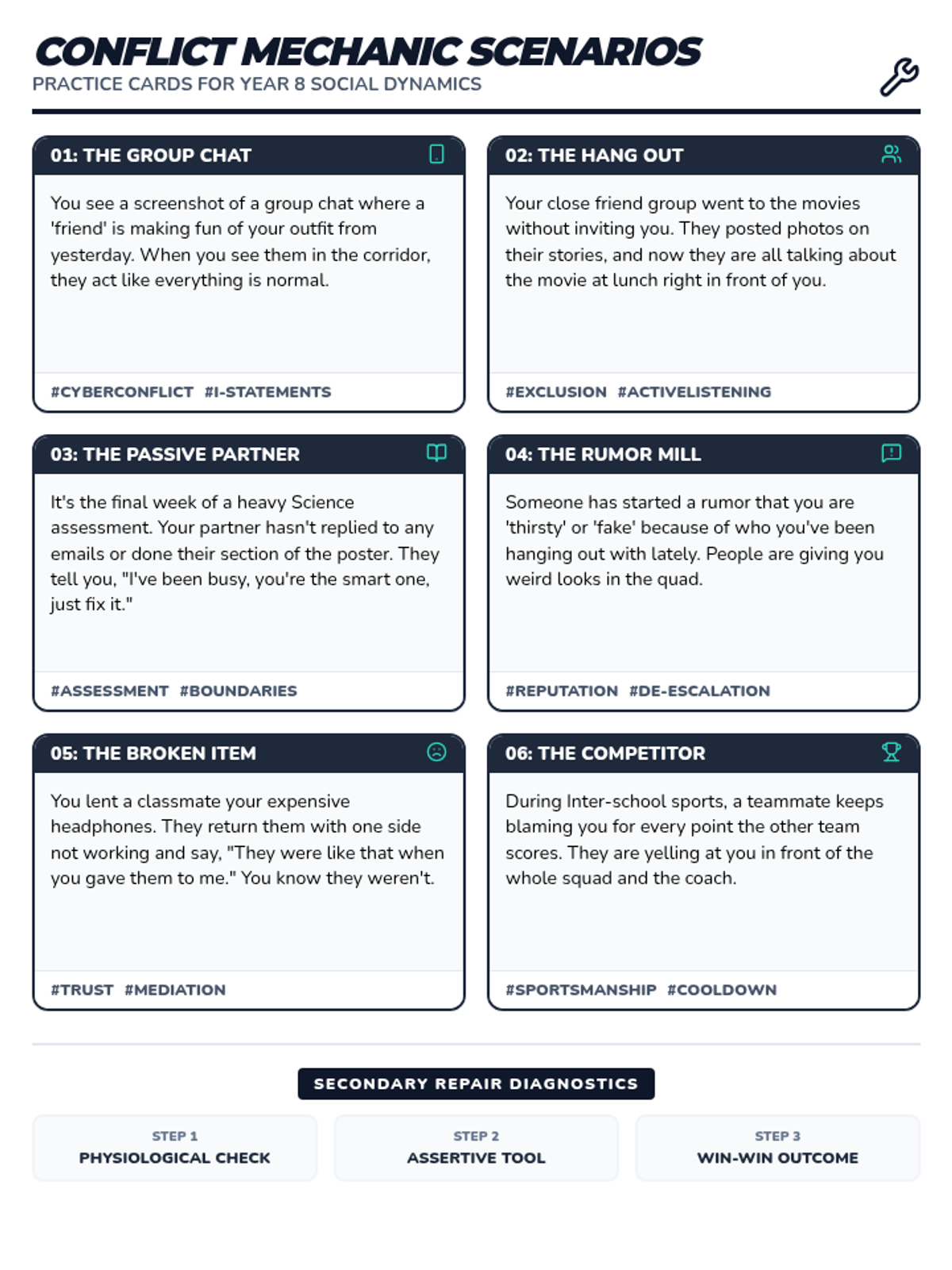
This sequence shifts focus from physical combat to the mental and verbal aspects of self-defense, prioritizing conflict avoidance. Students learn threat assessment, assertive communication, and environmental scanning through Cooper's Color Code and role-playing scenarios.
A foundational unit for 7th-grade students focusing on the physical prerequisites of martial arts and self-defense: balance, stability, safe movement, and injury prevention through breakfalls. Students explore how controlling their center of gravity and core can enhance their physical safety and stability.
This sequence integrates physics concepts with fundamental floor skills to help students understand the mechanics of tumbling. Students explore center of mass, rotational mechanics, leverage, and force absorption through hands-on practice and video analysis.
This sequence focuses on the biomechanics and safety of gymnastics apparatus work, specifically the balance beam and vault. Students progress from foundational balance skills to complex vaulting mechanics, emphasizing center of gravity, explosive power, and peer spotting.
This sequence explores the physics of gymnastics, focusing on biomechanical principles like center of gravity, rotational inertia, and momentum transfer to improve tumbling performance. Students transition from static balance to dynamic rotation, culminating in a frame-by-frame video analysis of their own movement.
This 7th-grade physical education sequence focuses on the artistic side of gymnastics, teaching students to transition between isolated tumbling skills to create a cohesive routine. Students will explore choreography, aesthetic extensions, and peer feedback to refine their movements before a final showcase.
A 7th-grade gymnastics unit focusing on the physics of balance on elevated surfaces and the explosive mechanics of vaulting. Students explore center of gravity, rhythmic approaches, and safe landing techniques through station-based inquiry and skill-building.
A foundational gymnastics sequence for 7th grade, focusing on safety, core engagement, and body mechanics across floor exercises from landings to handstands and cartwheels.
A 5-lesson sequence for 7th graders focusing on the psychological aspects of human trafficking, specifically grooming, peer recruitment, and boundary setting. Students learn to identify manipulative relationship dynamics and practice refusal skills to protect themselves and their peers.
This sequence explores the critical principles of water safety, from environmental risk assessment and buoyancy science to identifying distress and performing non-entry rescues. Students move from understanding physical risks to becoming advocates for safe practices in their communities.
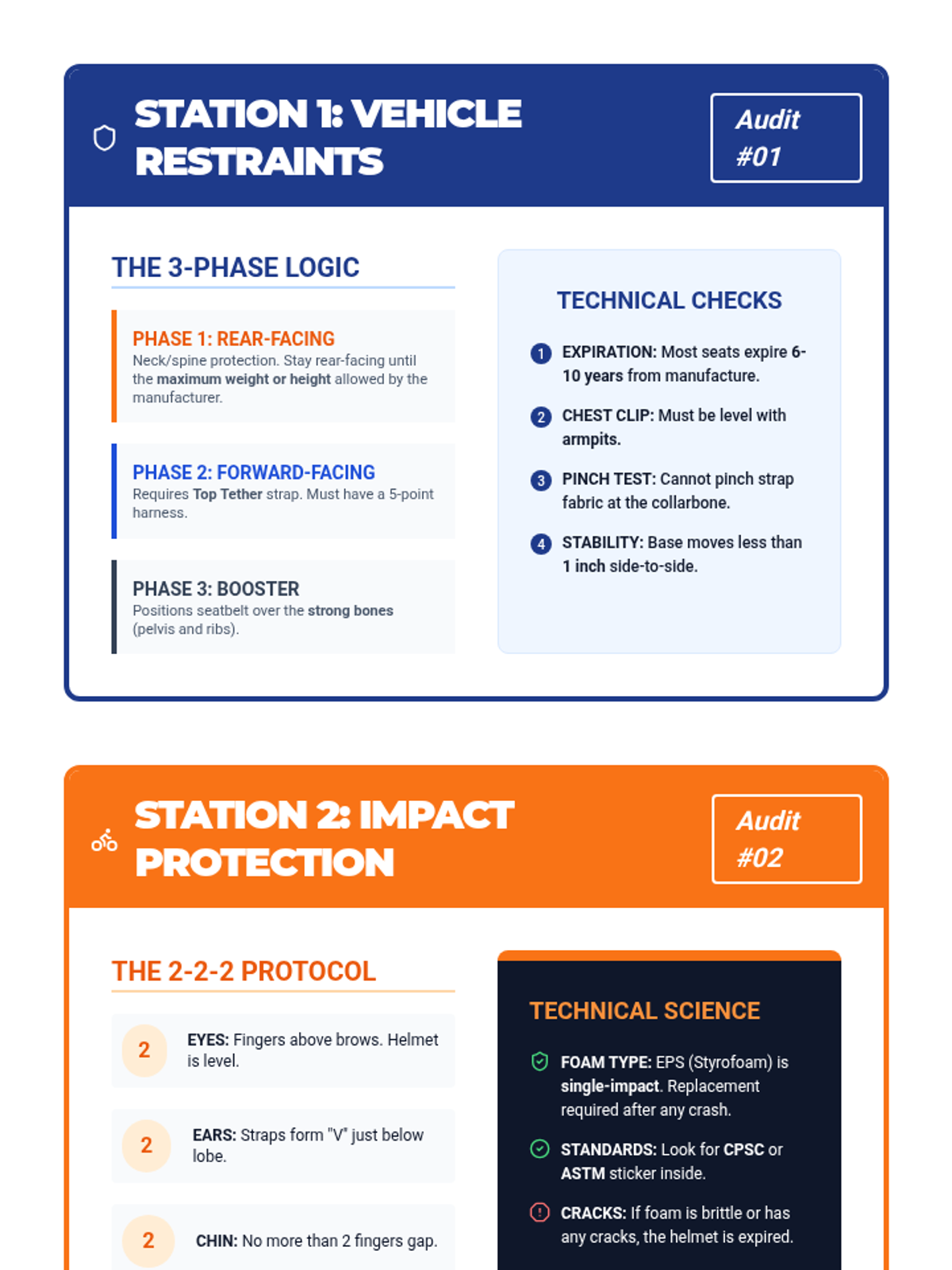
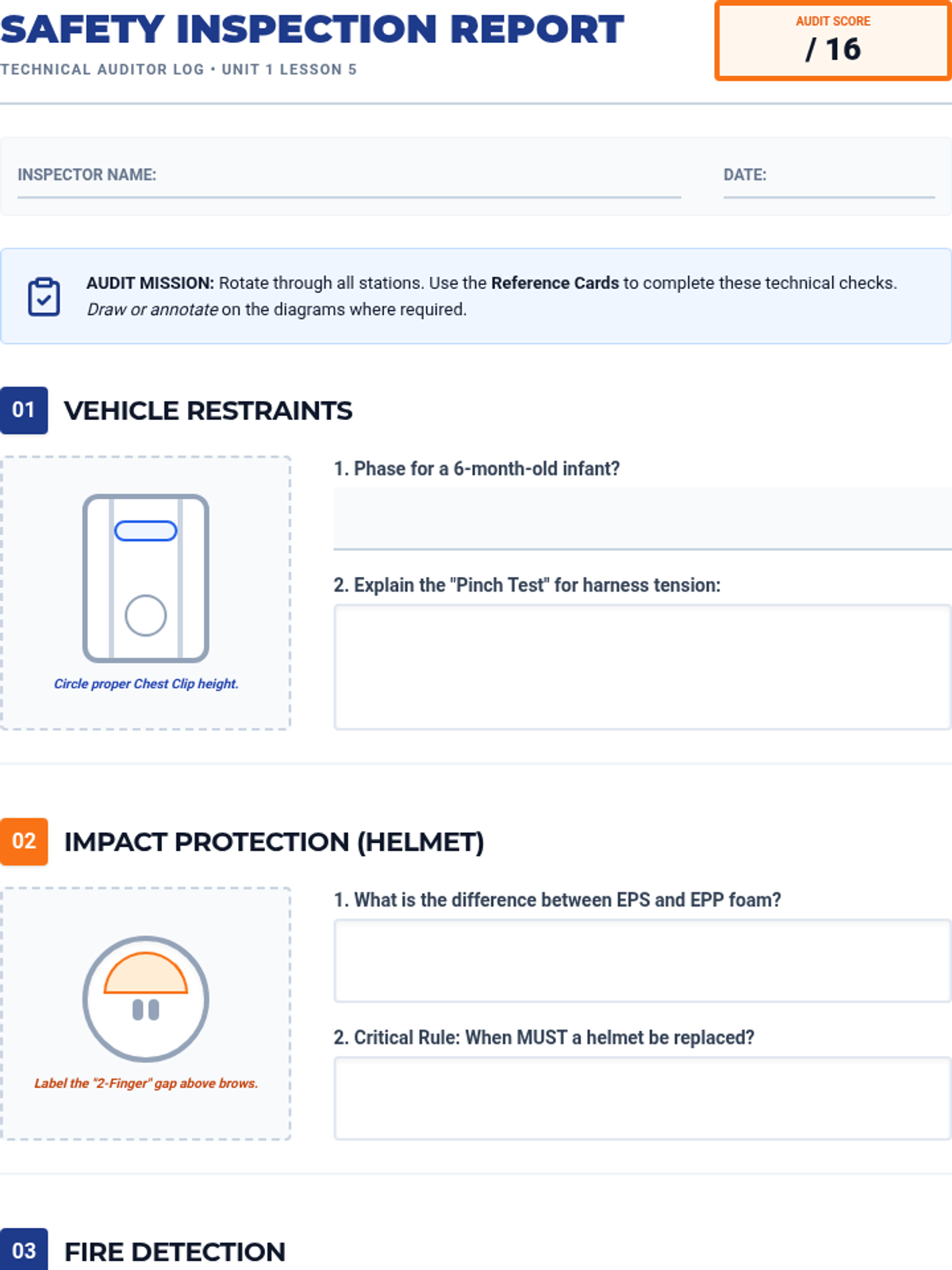
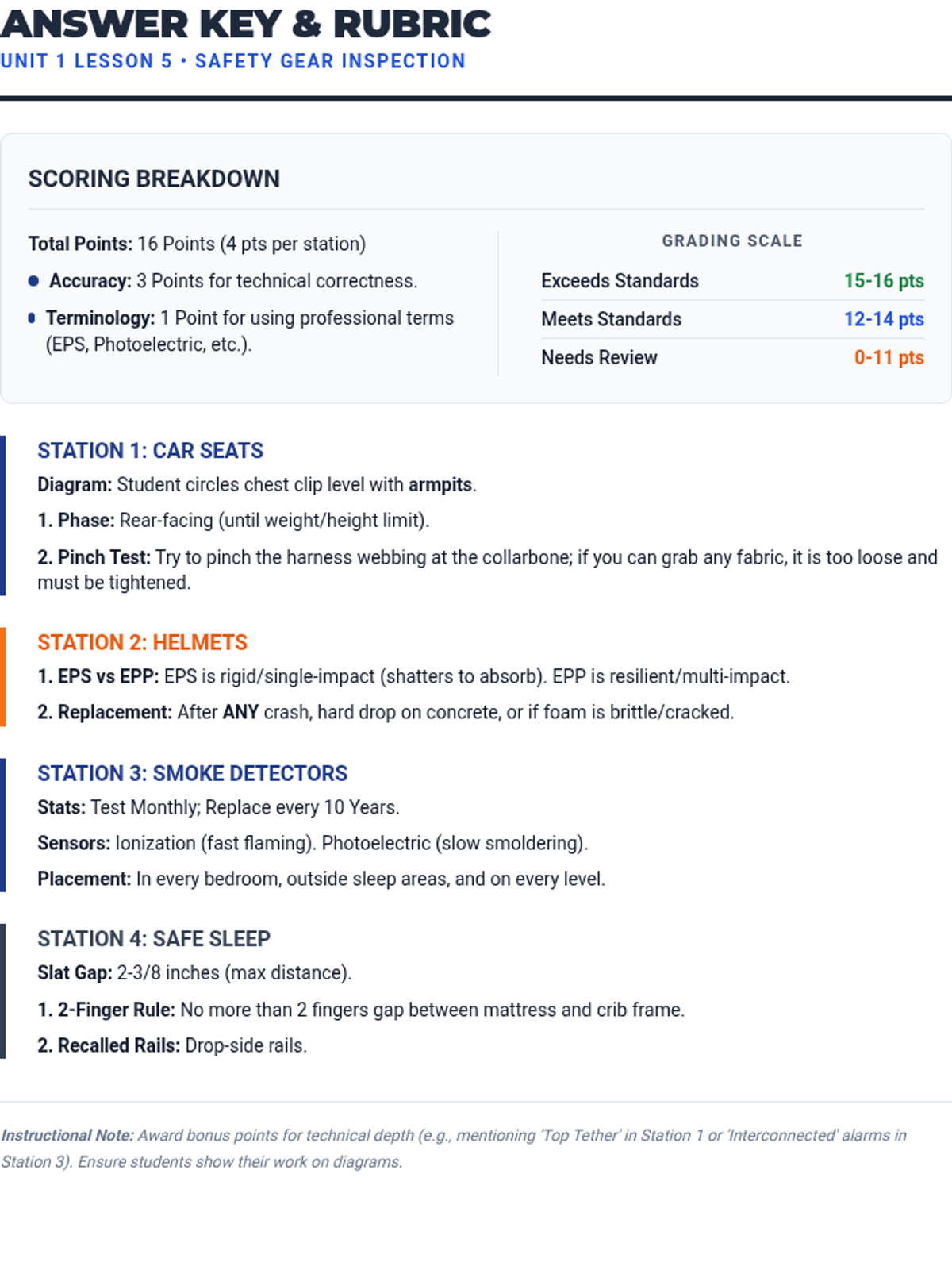
This comprehensive 7th-grade health sequence empowers students to move from passive knowledge to active risk assessment in fire and water safety. Students analyze fire chemistry, design complex escape routes, differentiate between water environments, and master non-entry rescue techniques.
This project-based sequence shifts focus to community awareness, reporting protocols, and systemic understanding of human trafficking. Students investigate labor trafficking, recognize signs in peers, learn professional reporting protocols, and develop bystander intervention skills, culminating in a peer-led awareness campaign.
This sequence focuses on the technical foundations of football (soccer), including dribbling, passing, receiving, and tactical movement. Students progress from individual ball mastery to dynamic team-based possession drills.
This project-based sequence integrates all skills into a simulated tournament structure where students take ownership of team management. Teams draft lineups, design playbooks, and officiate matches, gaining a holistic understanding of the sport. The sequence focuses on applying technical skills and tactical knowledge in a competitive environment, with designated reflection periods to adjust strategies. Students learn that successful outcomes rely on preparation, adaptation, and fair play as much as athletic ability.
This sequence focuses on the individual technical foundations of football (soccer), progressing from dribbling and passing to receiving, shielding, and dynamic possession. Students develop individual ball mastery to understand how it contributes to team success.
A 5-lesson unit for 7th graders exploring the physiological link between breath and the nervous system, featuring hands-on practice with diaphragmatic, box, and 4-7-8 breathing techniques.
A comprehensive 7th-grade football sequence focusing on the technical mastery of shooting and the tactical discipline of defending, culminating in competitive small-sided games.
This sequence transforms 7th-grade students from individual players into a cohesive passing unit. It covers the biomechanics of the push pass, the tactical geometry of triangles, and high-speed possession games, emphasizing non-verbal communication and spatial awareness.
A comprehensive 7th-grade unit focusing on ball mastery, dribbling techniques, and maintaining possession under pressure through progressive skill-building and game-based simulations.
A comprehensive 8th-grade physical education unit focused on the tactical side of soccer, covering defensive containment, unit coordination, spatial awareness, and transition play.
A comprehensive 7th-grade unit focusing on musicality, internalizing the beat, and translating rhythm into precise physical movement. Students progress from basic pulse identification to complex syncopation and collaborative rhythmic composition.
A 6th-grade inquiry-based sequence where students investigate the science of microorganisms to develop evidence-based personal hygiene protocols. The sequence covers microbial transmission, hand hygiene efficacy, oral health, body odor biology, and personal wellness planning.
A 7th-grade inquiry-based sequence that investigates the physiological effects of relaxation on the nervous system. Students act as researchers, collecting data on their own vitals and sleep patterns while mastering Progressive Muscle Relaxation (PMR).
This sequence explores the critical distinction between therapeutic use and illicit misuse of prescription stimulants. Students analyze case studies, legal ramifications, and ethical implications while developing healthy alternatives for academic focus and stress management.
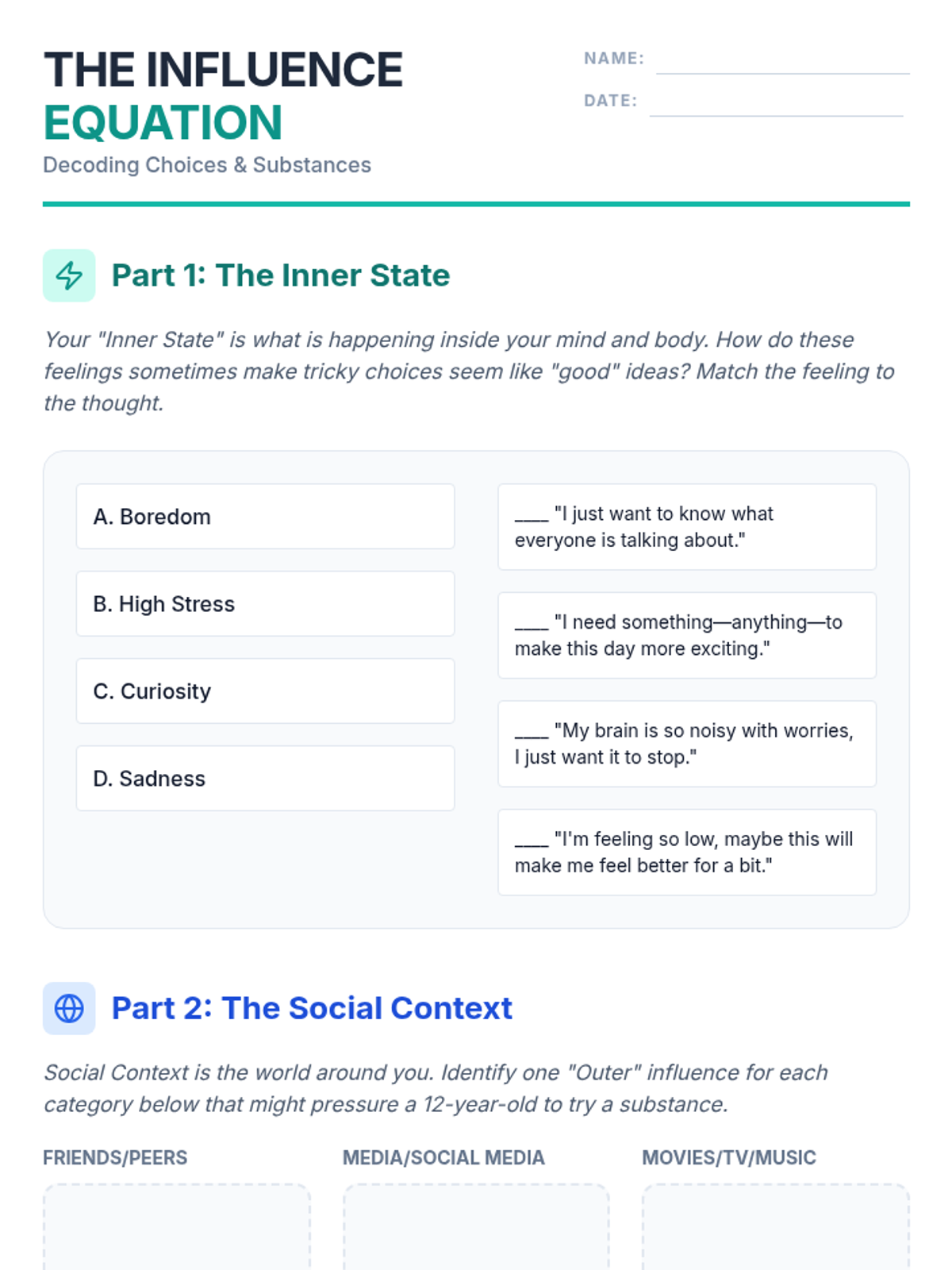
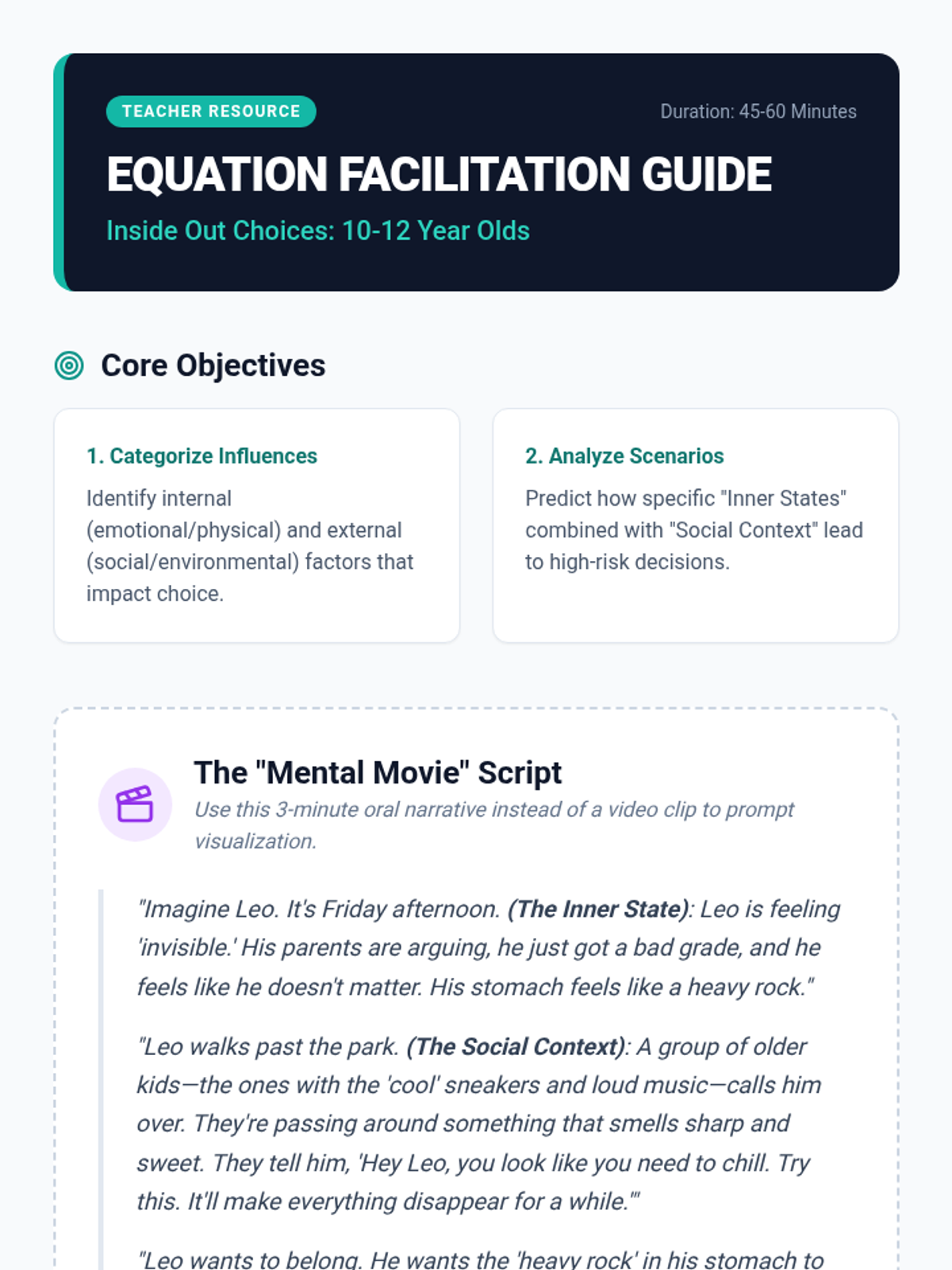
A workshop-style sequence for 7th-grade students focused on stimulant awareness, refusal strategies, and peer support. Students move from identifying pressure points to practicing real-world refusal techniques and learning how to connect friends with community resources.
A 5-lesson unit for 7th graders exploring the classification of illicit stimulants, the biological mechanism of tolerance, the cycle of dependency, the impact on life priorities, and the science of neurological recovery.
A comprehensive investigation into caffeine consumption, marketing tactics, and physiological effects, designed to transform 7th-grade students into critical analysts of the energy drink industry.
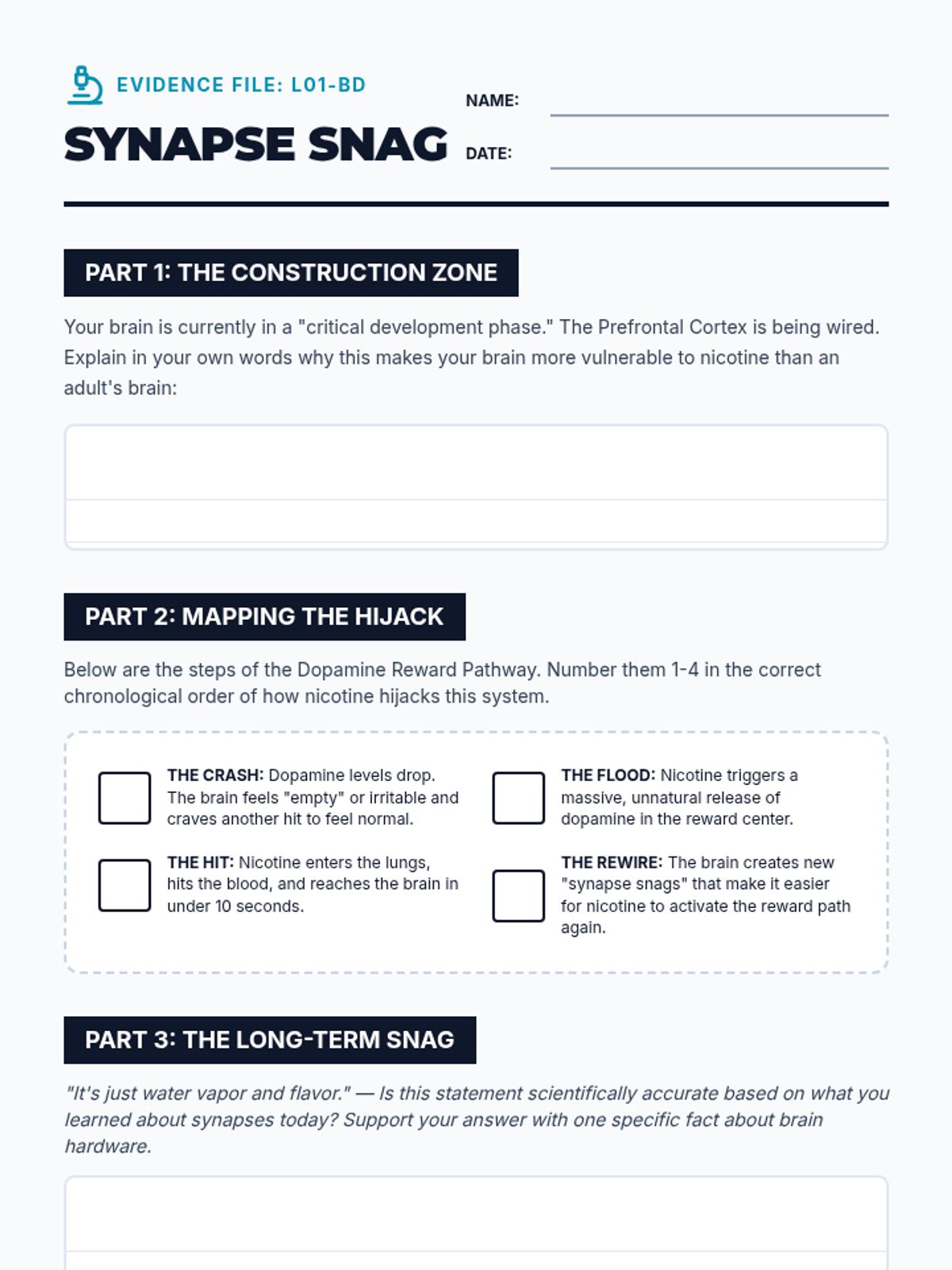
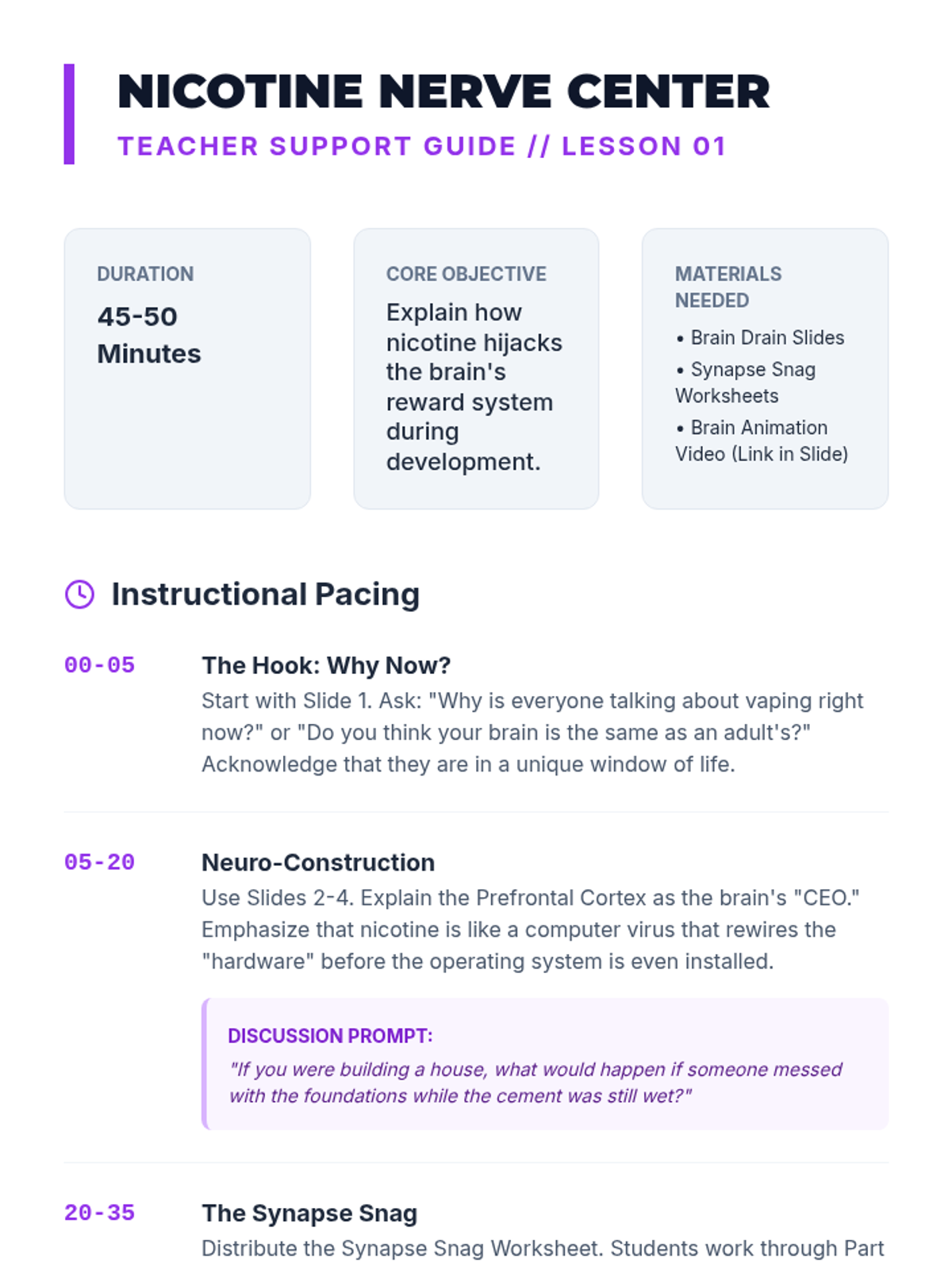
This sequence explores the biological effects of stimulants on the human Central Nervous System. Students progress from understanding baseline brain-body communication to modeling the disruptive 'crash' cycle and mapping systemic physical impacts.
A comprehensive 5-lesson sequence for 7th-grade students focused on the medical purpose, risks of misuse, and legal implications of prescription stimulants like ADHD medication. Students move from understanding legitimate medical protocols to advocating for safe practices and debunking common myths about 'study drugs.'