A comprehensive 7th-grade unit focusing on ball mastery, dribbling techniques, and maintaining possession under pressure through progressive skill-building and game-based simulations.
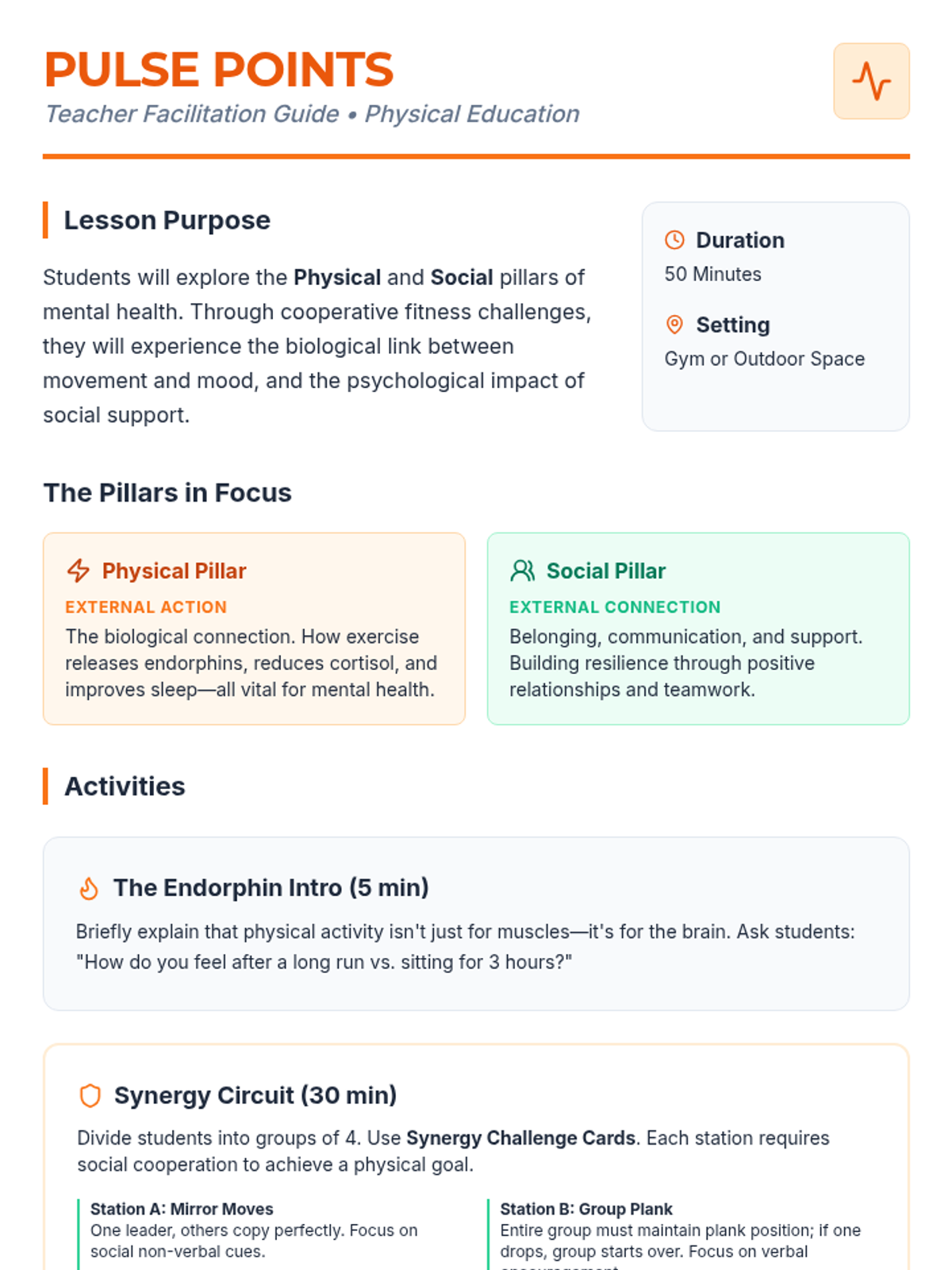
A short sequence of lessons exploring the intersection of physical health and mental wellbeing, focusing on the neurochemistry of exercise and healthy habits.
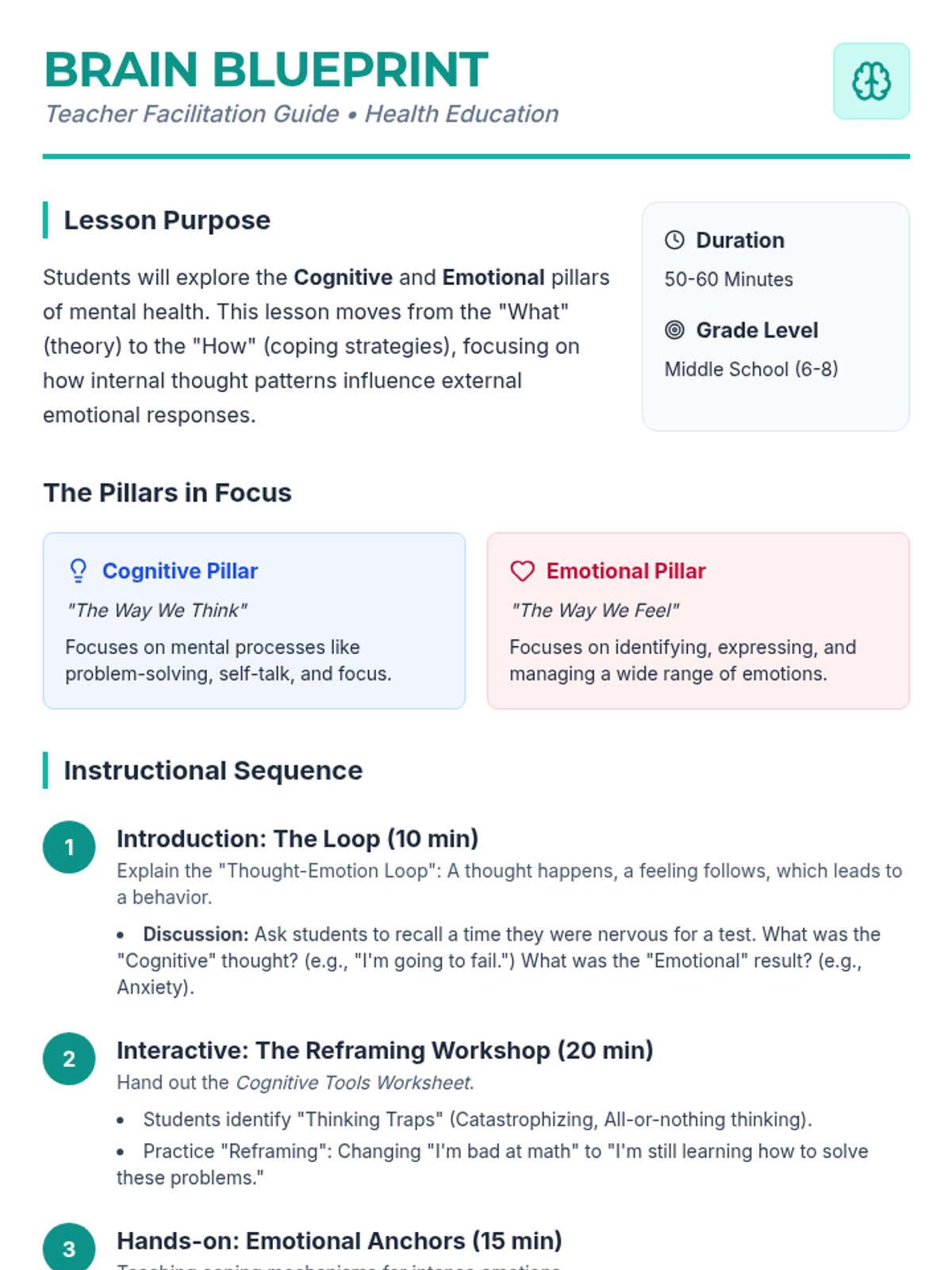
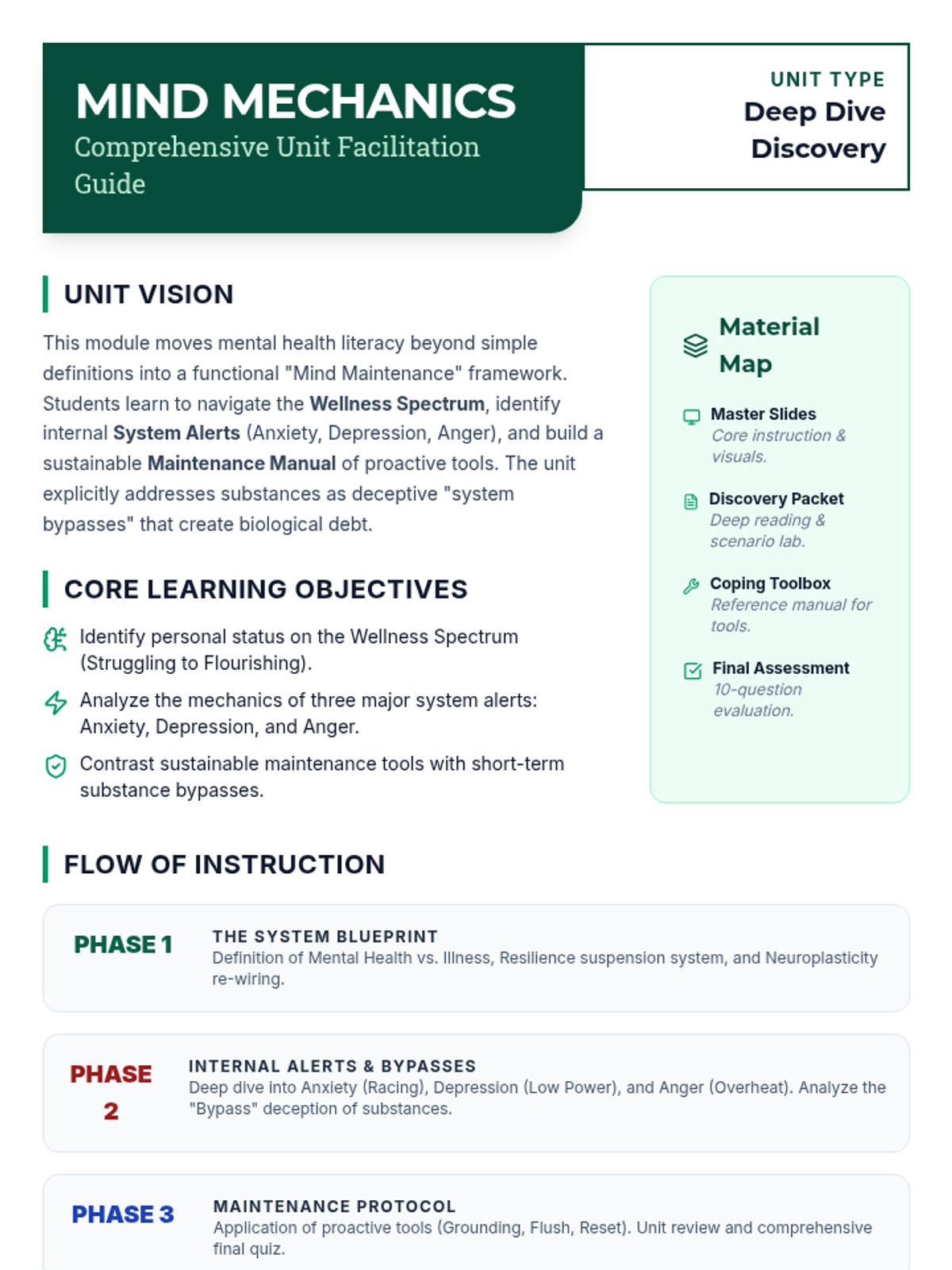
A comprehensive mental health lesson sequence focused on helping middle school students distinguish between normal emotional fluctuations and clinical depressive disorders using the Intensity, Duration, and Interference (IDI) criteria.
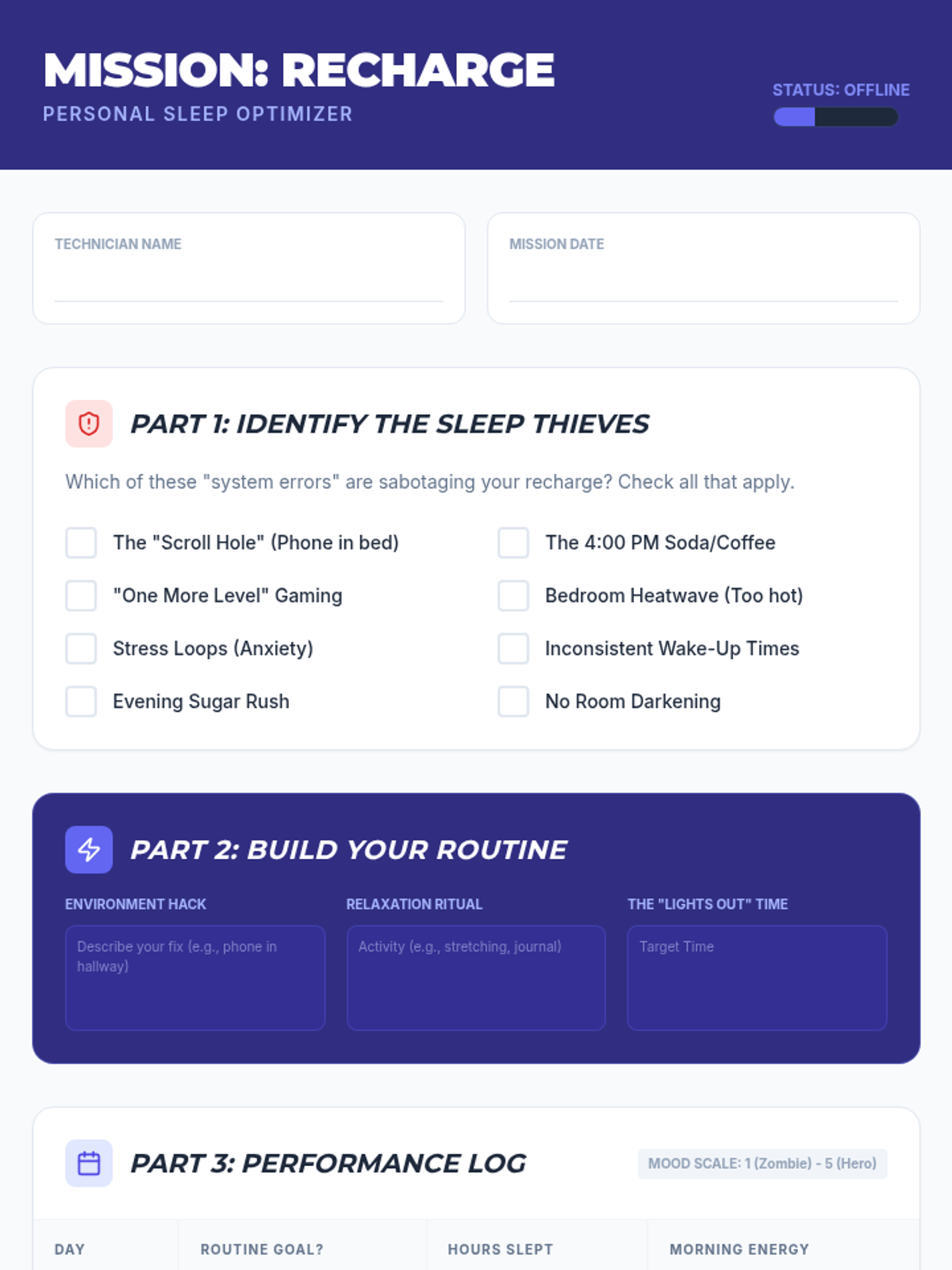
A comprehensive wellness unit designed to empower students with lifelong healthy habits. Students explore nutrition, exercise, sleep, and emotional regulation through the lens of 'hero training'.
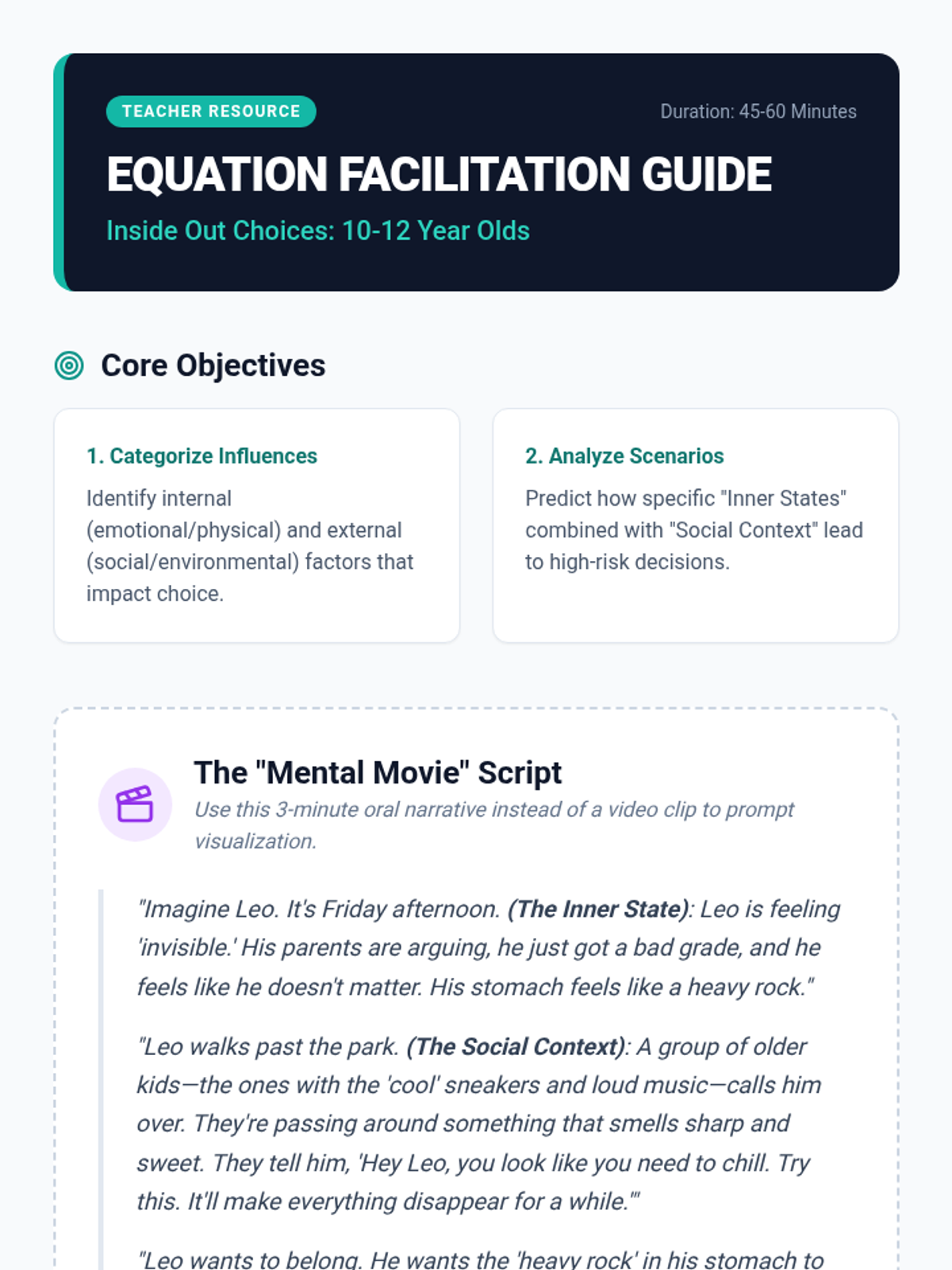
This sequence uses a case study approach to teach 7th-grade students how to recognize suicide warning signs, navigate digital cries for help, map out support networks, and take ethical action as supportive bystanders. Students move from identifying clues to committing to a personal safety protocol.
A comprehensive 5-lesson sequence for 7th-grade students focused on recognizing mental health warning signs and practicing the ACT (Acknowledge, Care, Tell) framework. Students transition from understanding mental health as a spectrum to identifying specific red flags and overcoming barriers to reporting concerns to trusted adults.
This sequence explores the social and emotional complexities of seeking help via crisis hotlines. Students analyze common barriers like stigma and fear, debunk myths about emergency services, and practice supportive communication to help peers access professional resources.
This sequence demystifies the process of accessing crisis support by breaking down the mechanics of hotlines and text lines. Students learn to distinguish between emergency services (911) and crisis hotlines (988), understand the experience of reaching out, and create personal resource tools for future use.
A comprehensive unit for 6th-grade PE focusing on the rules, officiating, and strategy of Track and Field. Students transition from athletes to officials, concluding with a student-led mini-meet.
A comprehensive 5-lesson unit for 7th grade students focusing on the technical skills and officiating rules of field events, specifically the long jump and shot put. Students progress from foundational mechanics to a full-scale competition simulation.
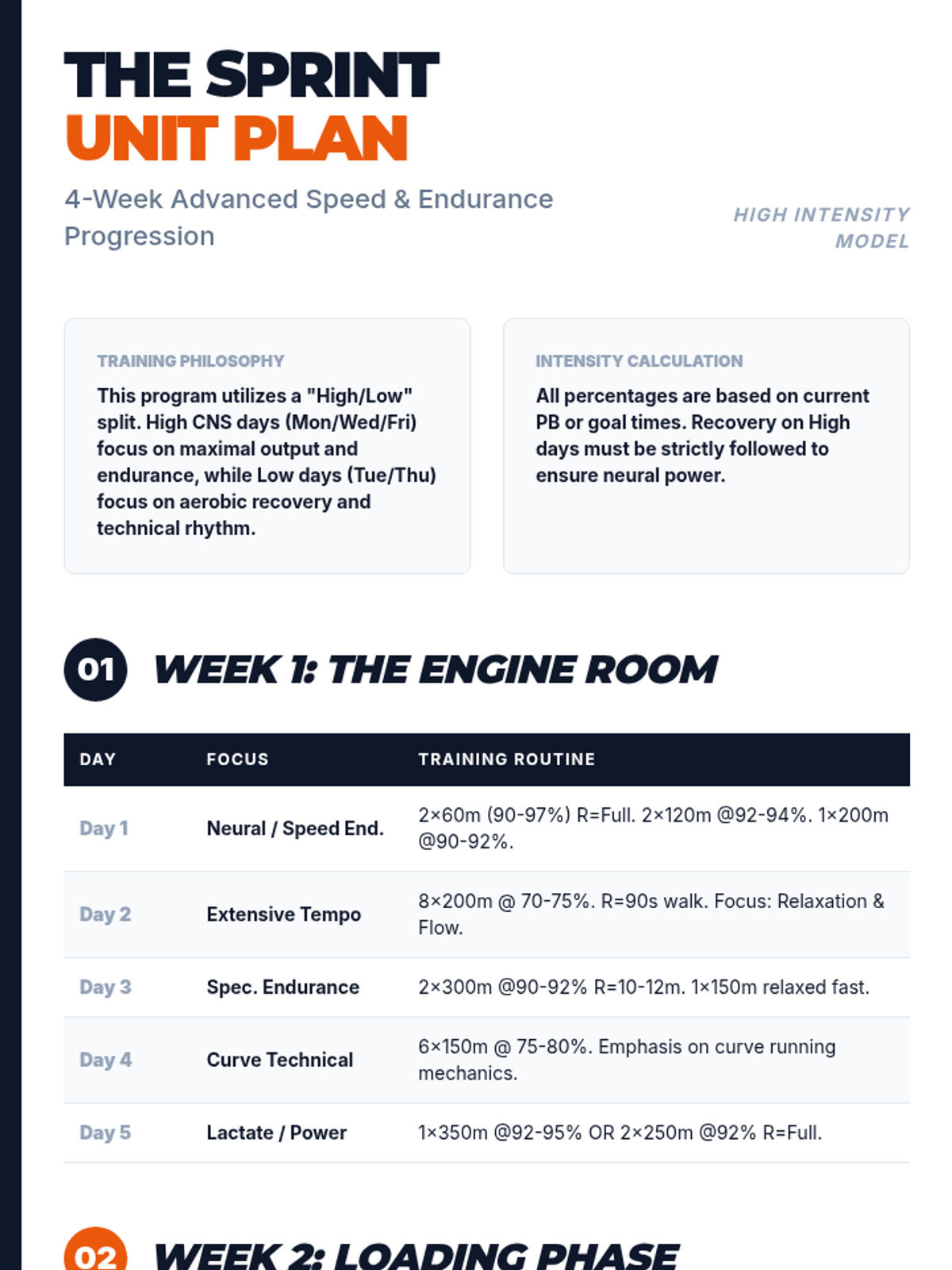
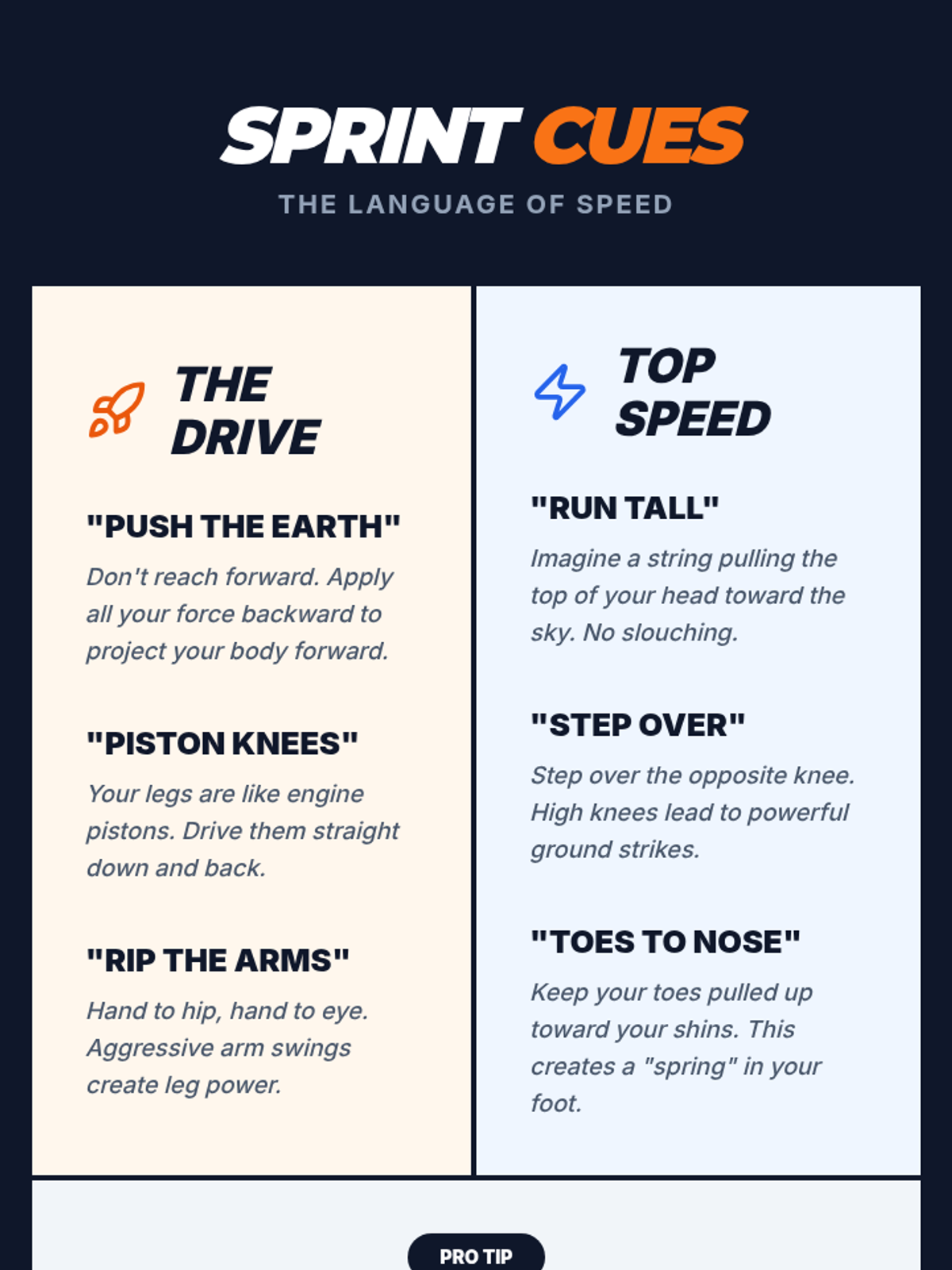
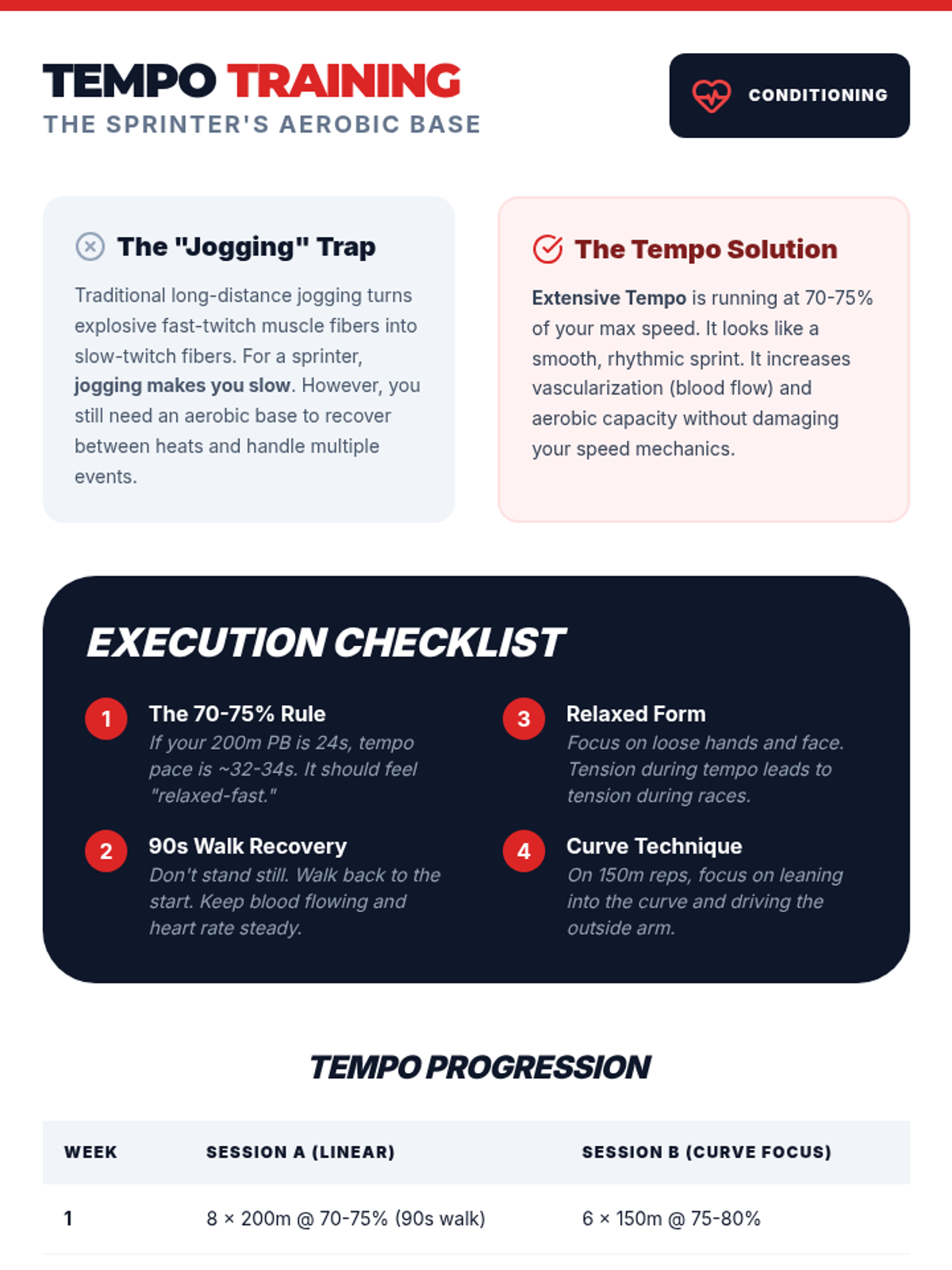
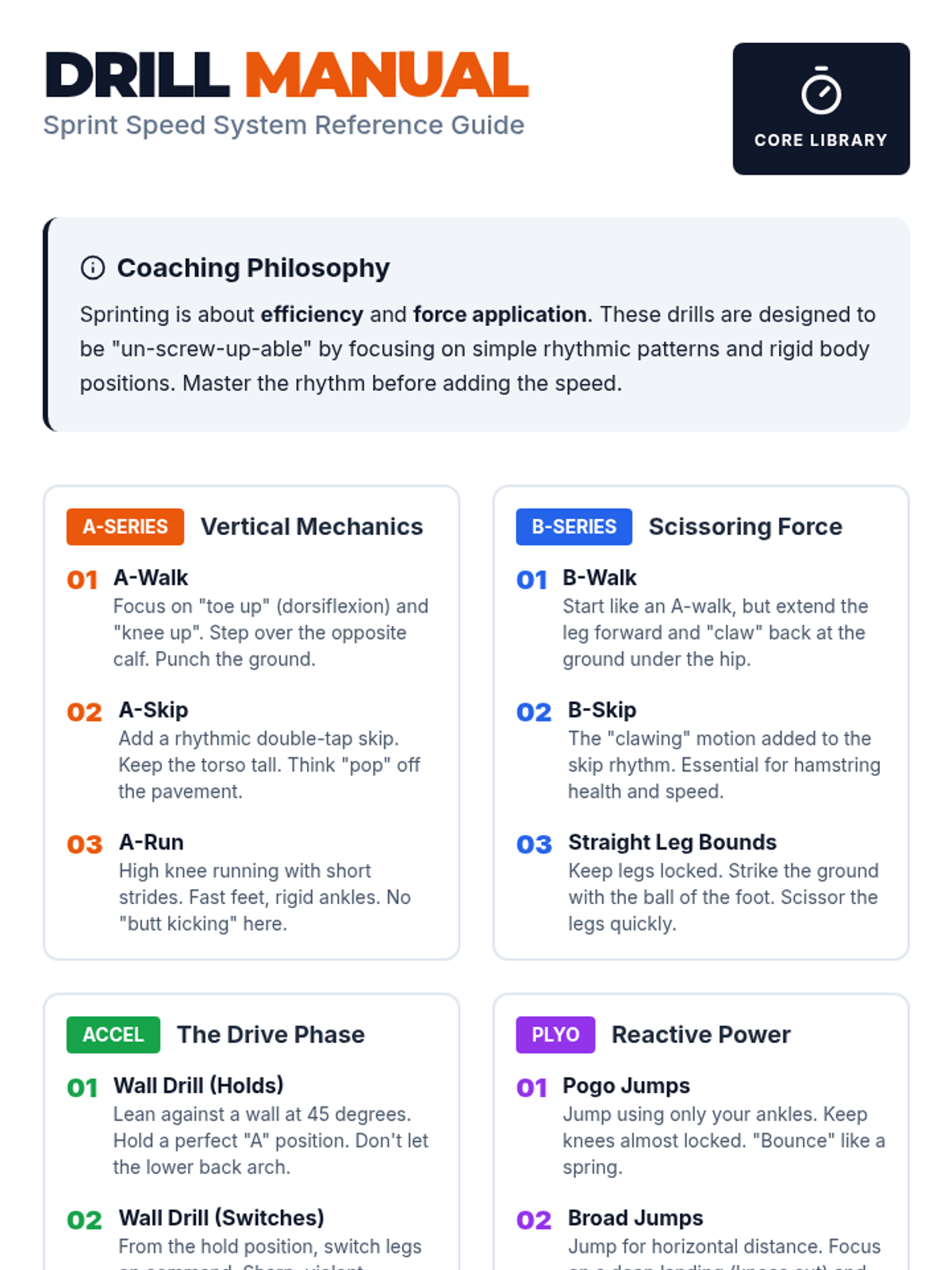
A comprehensive 7th-grade unit on track and field mechanics, covering explosive starts, top-speed form, relay handoffs, and pacing strategies for middle-distance events. Students progress from technical skill acquisition to strategic application in timed trials.
This physical education sequence guides 7th-grade students through the art of martial arts forms (Kata). Students progress from learning traditional patterns to designing, refining, and performing their own choreographed defensive sequences, emphasizing discipline, rhythm, and mental focus.
A 5-lesson unit for 7th grade students focusing on the biomechanics of self-defense, specifically blocking, deflecting, and leverage-based wrist releases. Students explore how to use their body efficiently to protect themselves and escape physical confrontation.
This sequence shifts focus from physical combat to the mental and verbal aspects of self-defense, prioritizing conflict avoidance. Students learn threat assessment, assertive communication, and environmental scanning through Cooper's Color Code and role-playing scenarios.
A foundational unit for 7th-grade students focusing on the physical prerequisites of martial arts and self-defense: balance, stability, safe movement, and injury prevention through breakfalls. Students explore how controlling their center of gravity and core can enhance their physical safety and stability.