Peer relationship navigation, conversational turn-taking, and stress management strategies within supportive group settings. Develops communal belonging through shared mental health education and collaborative skill practice.
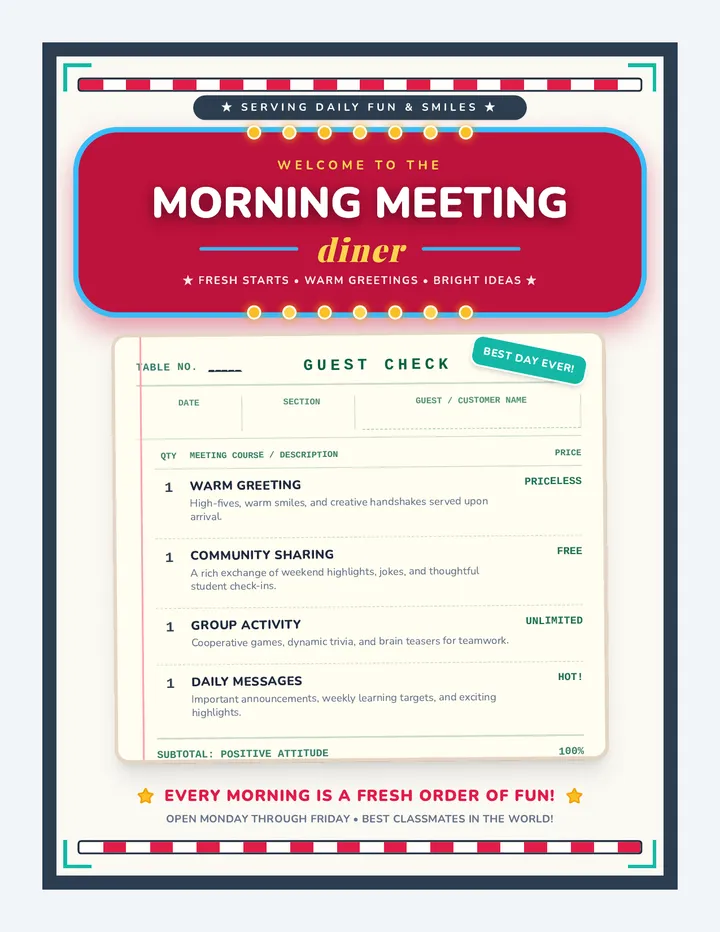
A retro diner-themed cover page for student folders or binders with an extra-large red neon signboard and a kid-friendly, rounded font style. The "Best Day Ever!" sticker has been relocated to the top-right corner of the Guest Check (positioned inside its border to avoid clipping) to avoid overlapping the marquee signboard.
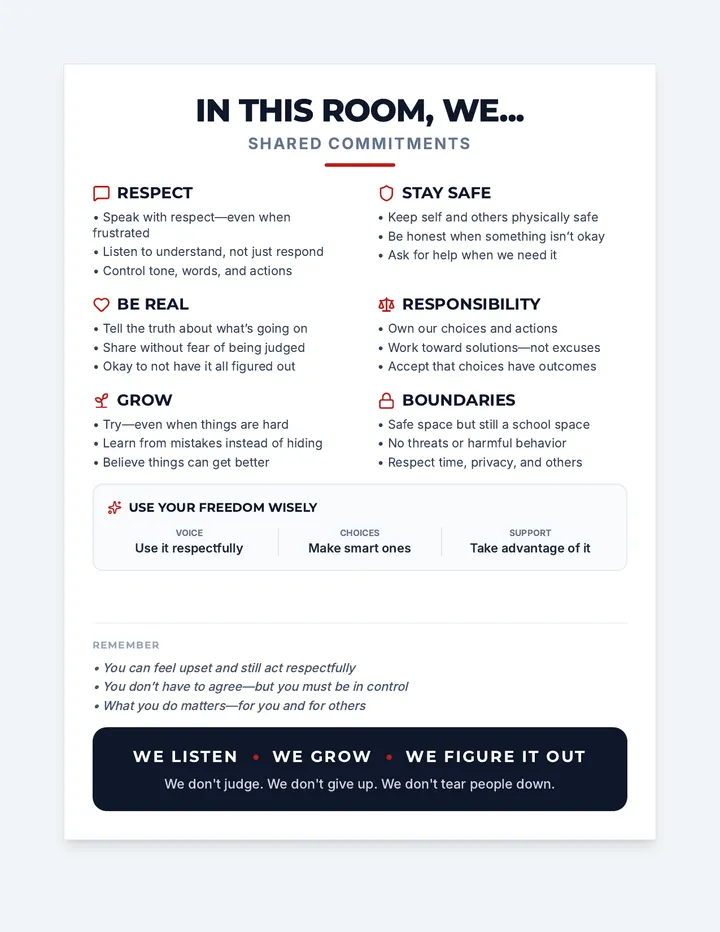
A professional and calming 11x17 office poster for a high school social worker, featuring shared commitments for respect, safety, and personal growth.
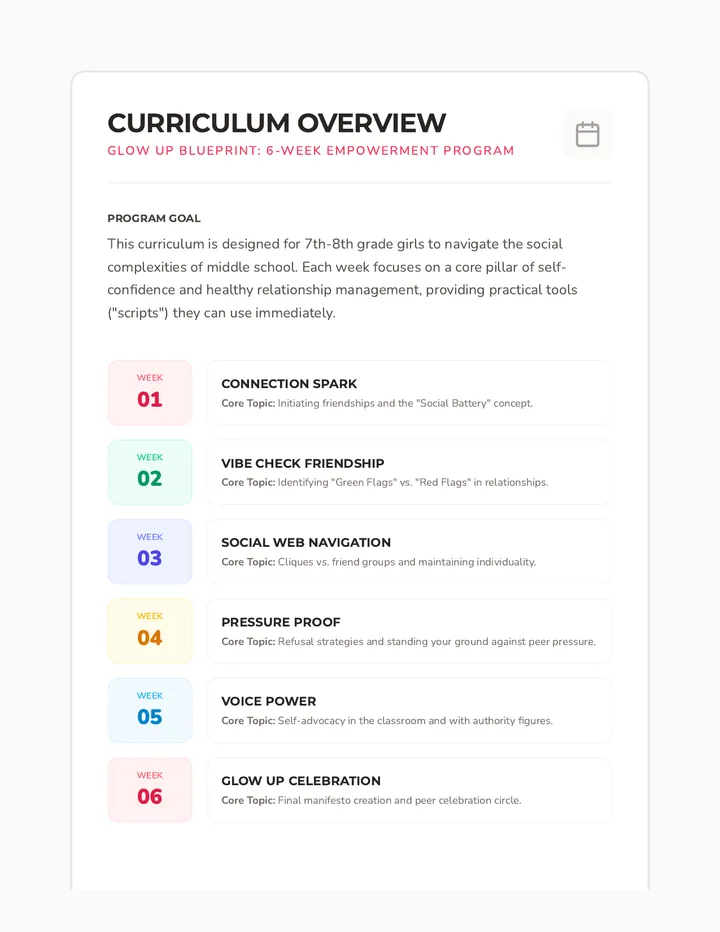
A comprehensive teacher's overview for the 6-week Glow Up Blueprint curriculum, detailing the core topics and flow of the entire program for easy reference.
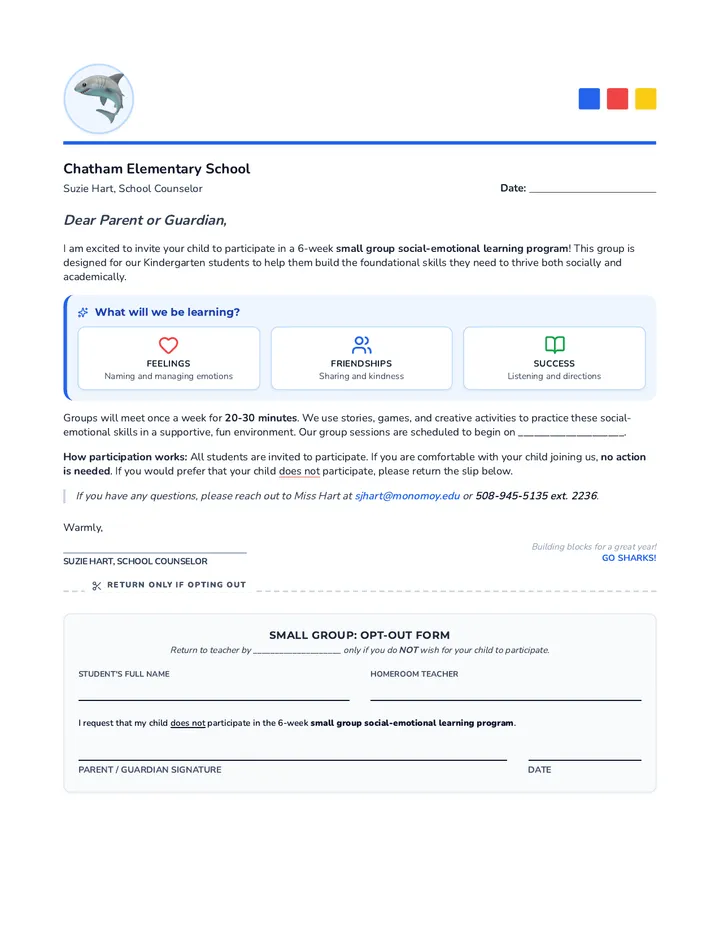
A personalized parent opt-out letter for Chatham Elementary School. It features school-specific details, counselor Suzie Hart's name, a shark mascot graphic, and a professional layout for a 6-week small group social-emotional learning program.
A comprehensive 20-minute guide for facilitating an elementary staff community circle. It includes a timed agenda, opening and closing quotes, and multiple "getting to know you" prompts to foster professional connection and community.
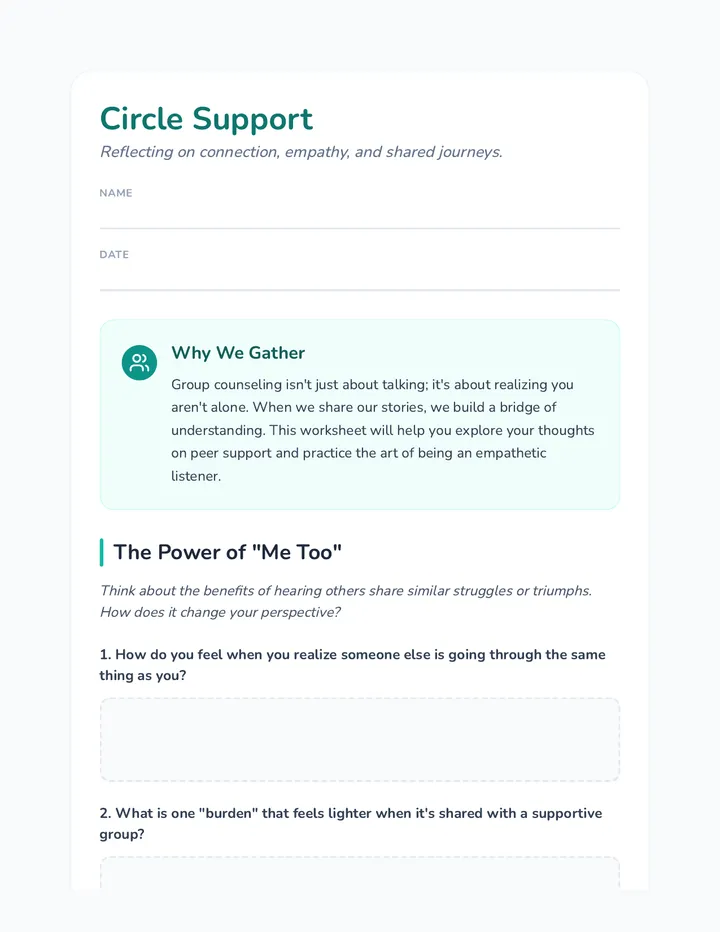
A calming, two-page self-reflection worksheet focused on the benefits of peer support in group counseling and developing empathetic listening skills. It includes reflective prompts, a comfort-level scale, and specific active listening habits to practice.
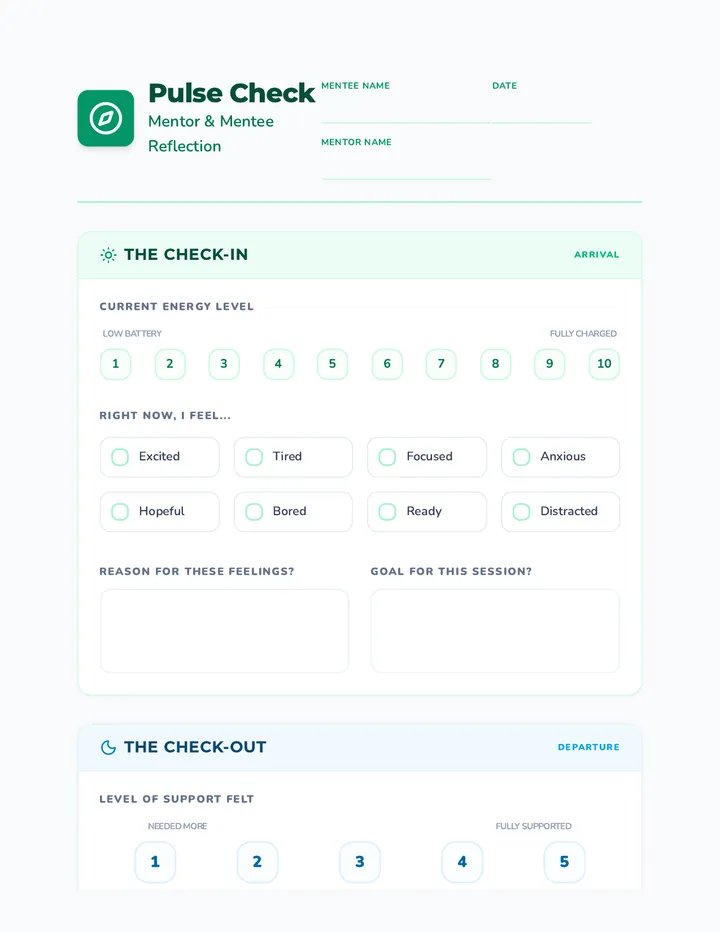
A refined check-in/out form for mentors and mentees with dedicated sections for arrival energy, emotional state, session goals, and post-session reflection.
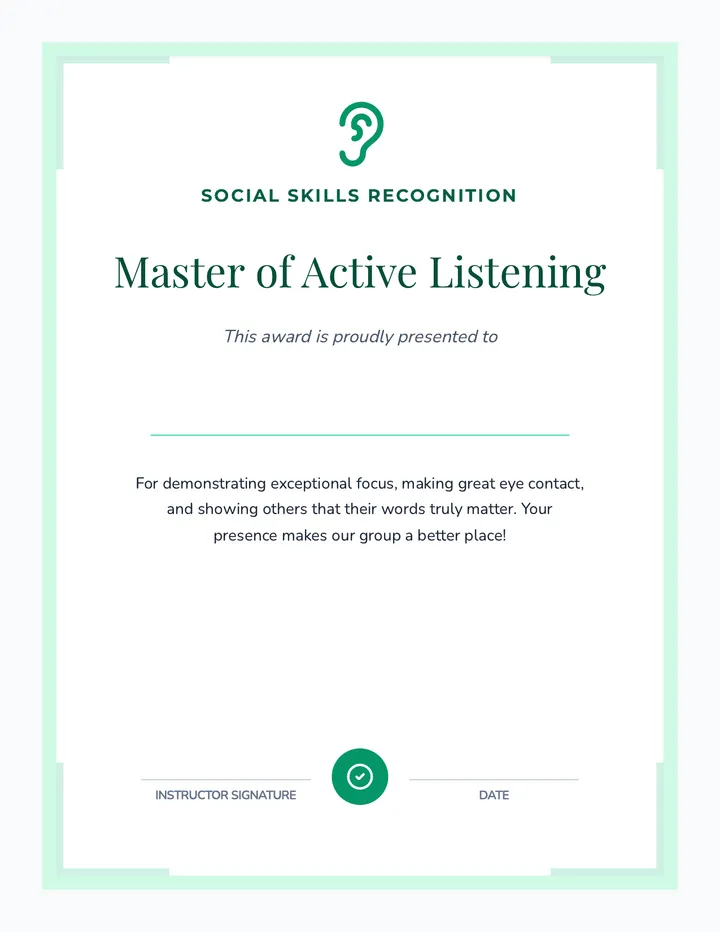
A set of six printable certificates for social skills group participants, featuring distinct awards for active listening, turn-taking, problem-solving, conflict resolution, empathy, and general participation. Each certificate includes a decorative border, themed iconography, and dedicated space for student names and teacher signatures.
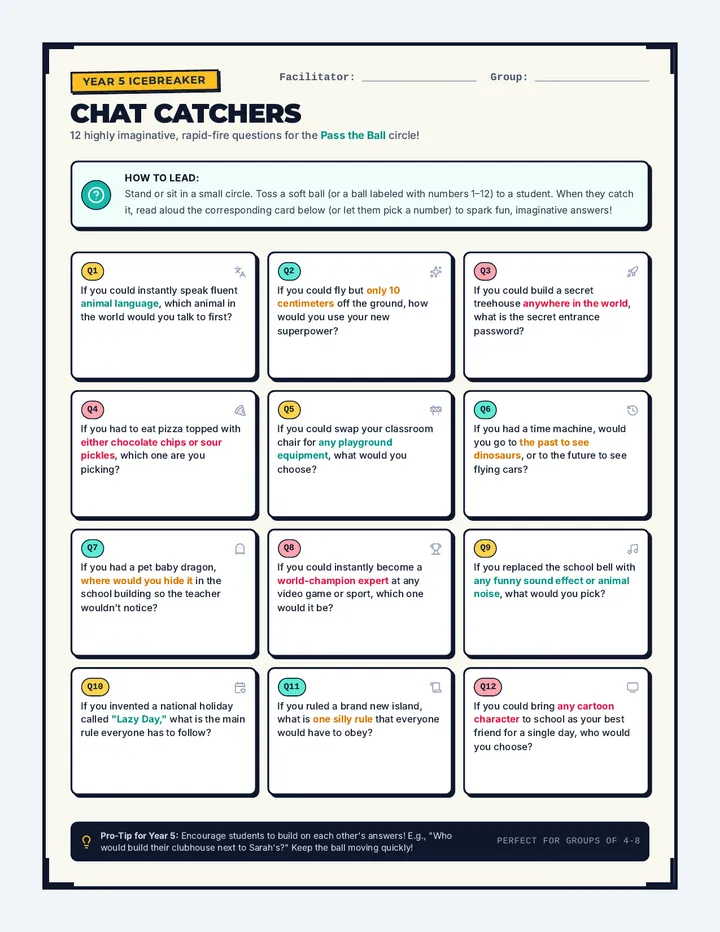
An adapted version of the teacher cheat sheet with simplified, rapid-fire hypothetical questions designed to keep the game fast-paced and stress-free for Year 5 students.
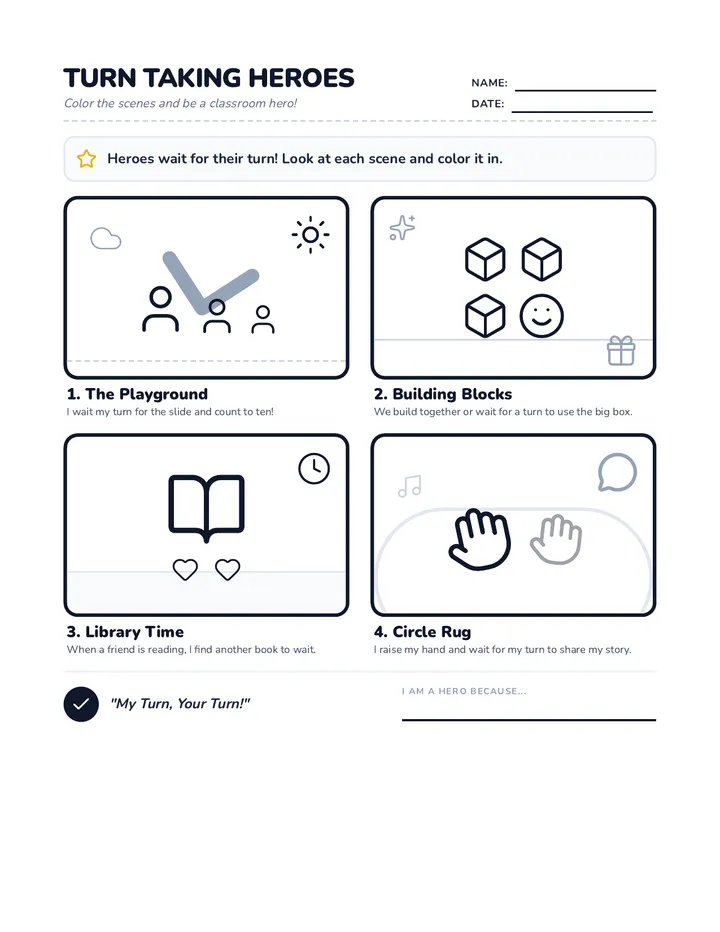
A creative coloring page for 1st grade students focusing on turn-taking. It features four distinct scenarios (playground, toys, books, and circle time) with prompts and large, thick-bordered areas for coloring. Revised to fit on a single page with enhanced visual elements and better contrast.
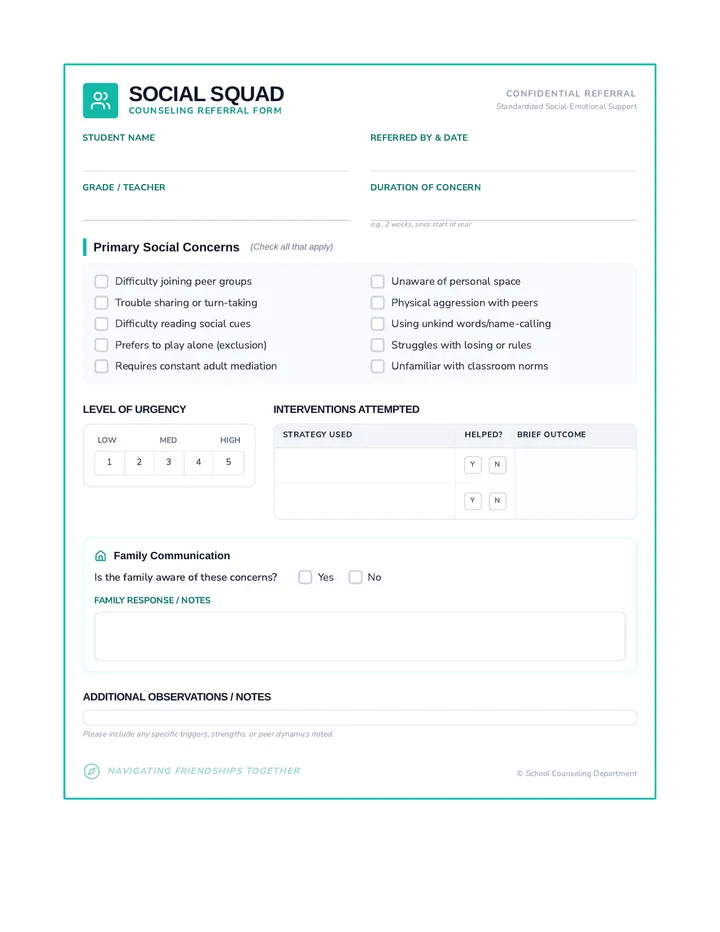
A revised comprehensive school counseling referral form for teachers, optimized to fit on a single page. It features clearer sections for social concerns, a more functional interventions table, and improved spacing for student work areas.
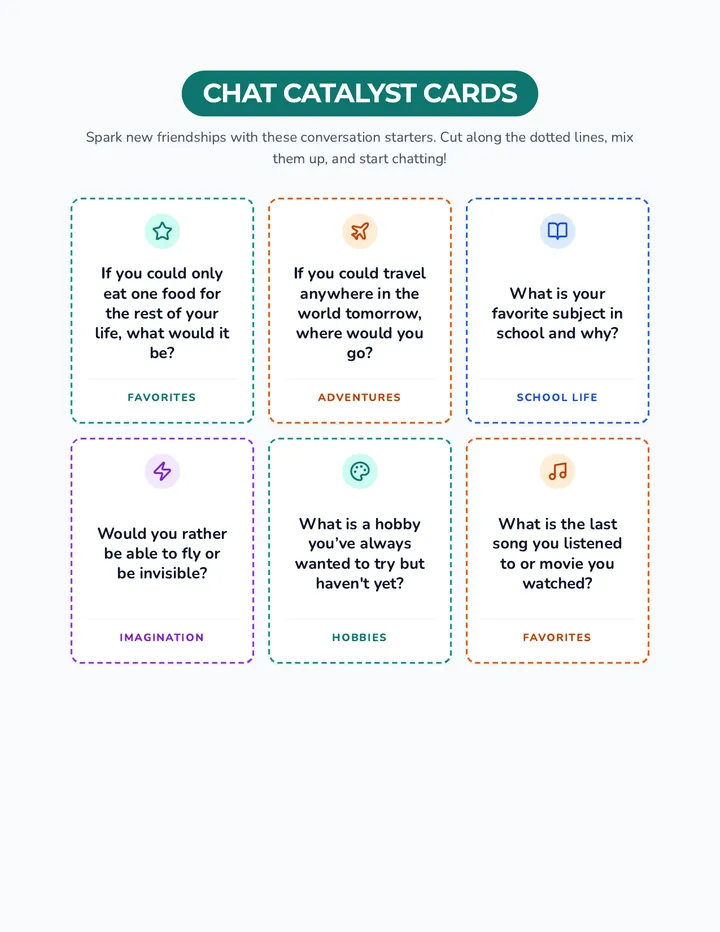
A set of printable conversation starter cards designed for students to break the ice and build new friendships. The cards feature varied prompts across categories like favorites, adventures, school life, and imagination.
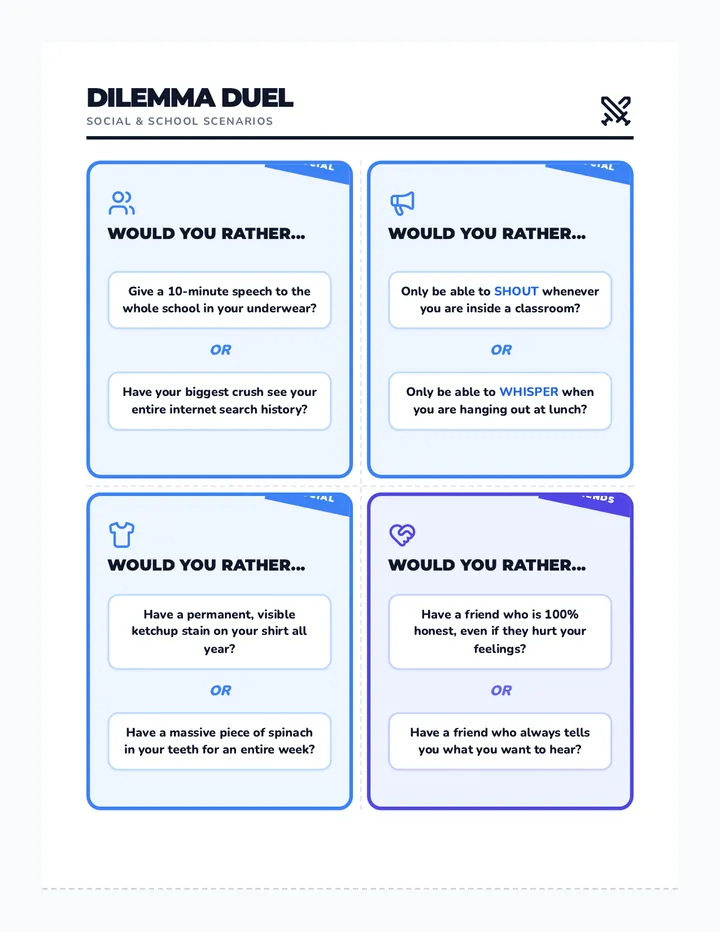
An expanded set of 16 high-energy Would You Rather cards designed for 6th-grade boys, now including deeper scenarios on peer relationships and self-esteem. Layout adjusted with larger margins for safer printing.
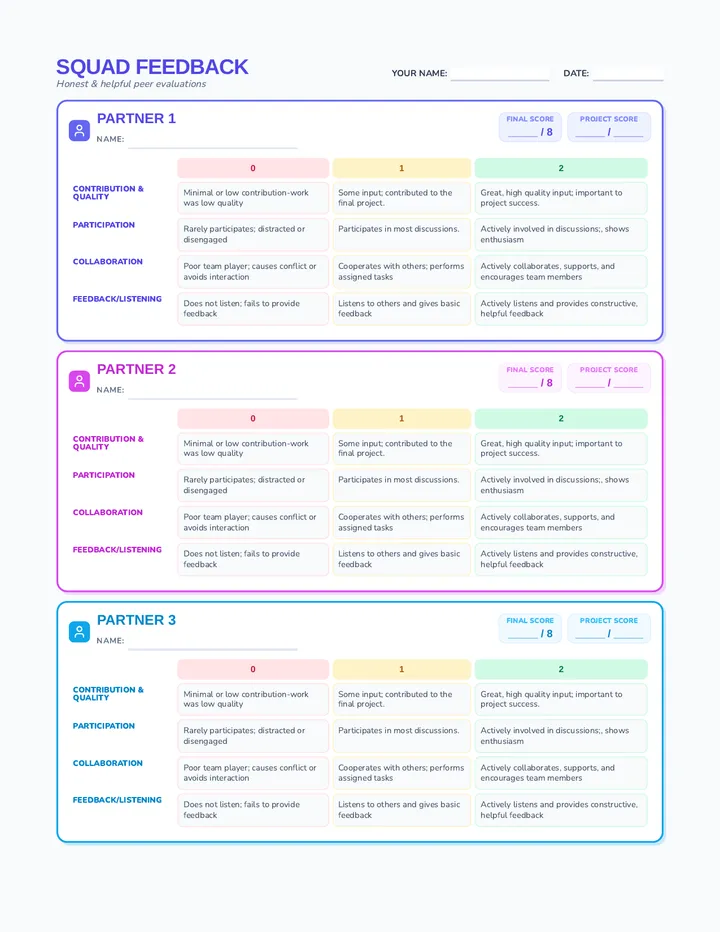
A compact, colorful, and playful peer feedback rubric for group projects, featuring three distinct sections for evaluating different partners across four key criteria, all optimized to fit on a single page.
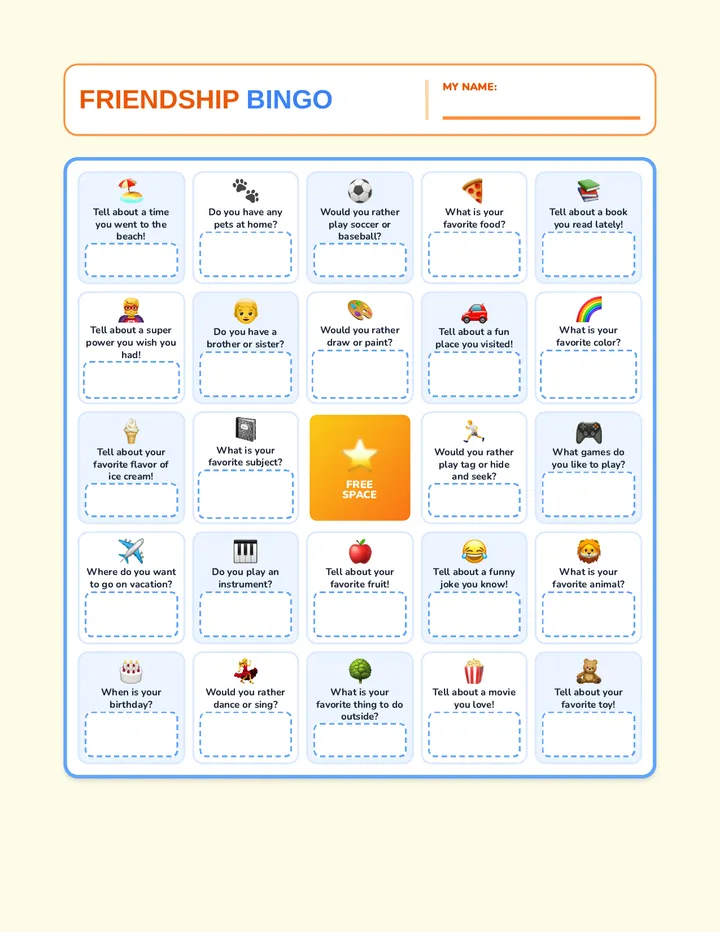
A vibrant 5x5 'Get to Know You' Bingo worksheet for 2nd grade students titled Friendship Bingo, featuring summer, hobby, and school-themed squares reframed as questions and prompts. Optimized for a single page with large signature boxes and no footer instructions.
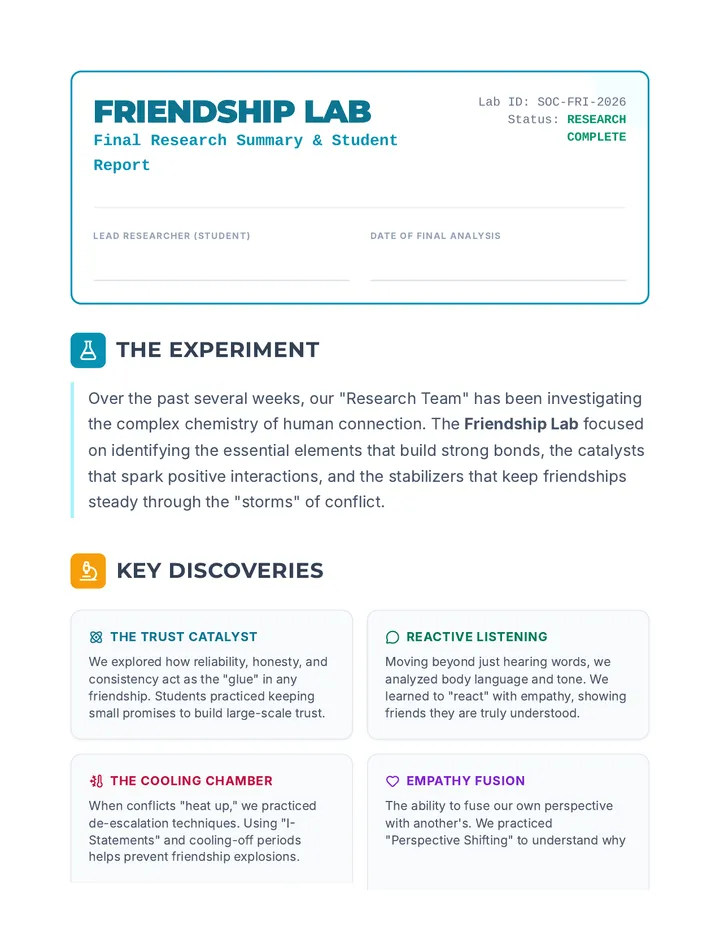
A laboratory-themed parent summary handout for the conclusion of a 'Friendship Lab' social skills group. Includes conceptual summaries of trust, listening, conflict resolution, and empathy, with a structured student-specific notes area for the facilitator.
An updated, student-ready reference sheet for lunchroom conversations, featuring structured sections for icebreakers, open-ended questions, and a "Conversation Menu," plus a personal brainstorming area for students.
A single-page choice board designed for high visibility on an 11x17 poster, featuring bold titles and clear game descriptions in a compact layout.
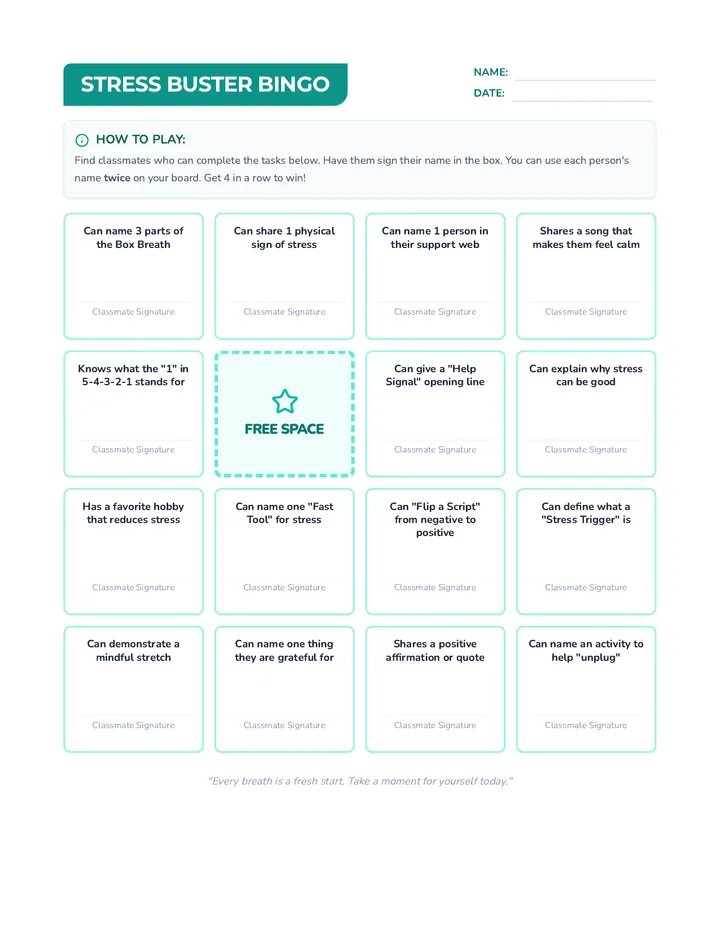
A revised 4x4 Human Bingo board activity designed to help students interact while reviewing stress-management strategies. Optimized for single-page printing and readability.
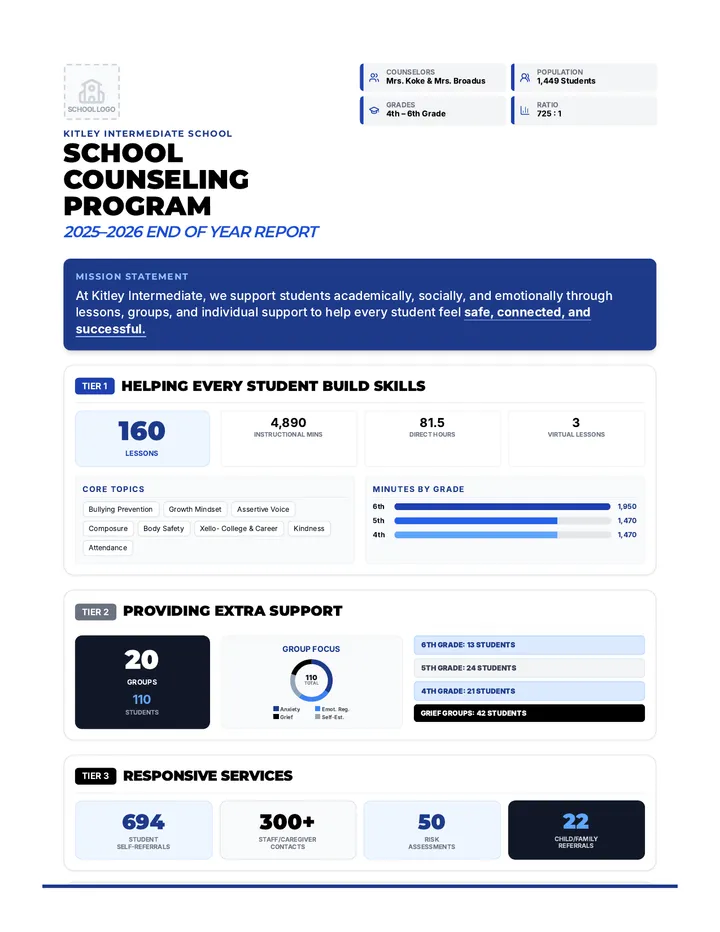
A redesigned front-and-back school counseling report for Kitley Intermediate School, optimized for print with tight layouts ensuring all Tier 1-3 data, outcome goals, and student growth metrics fit onto two pages. Includes placeholder boxes for school logos.
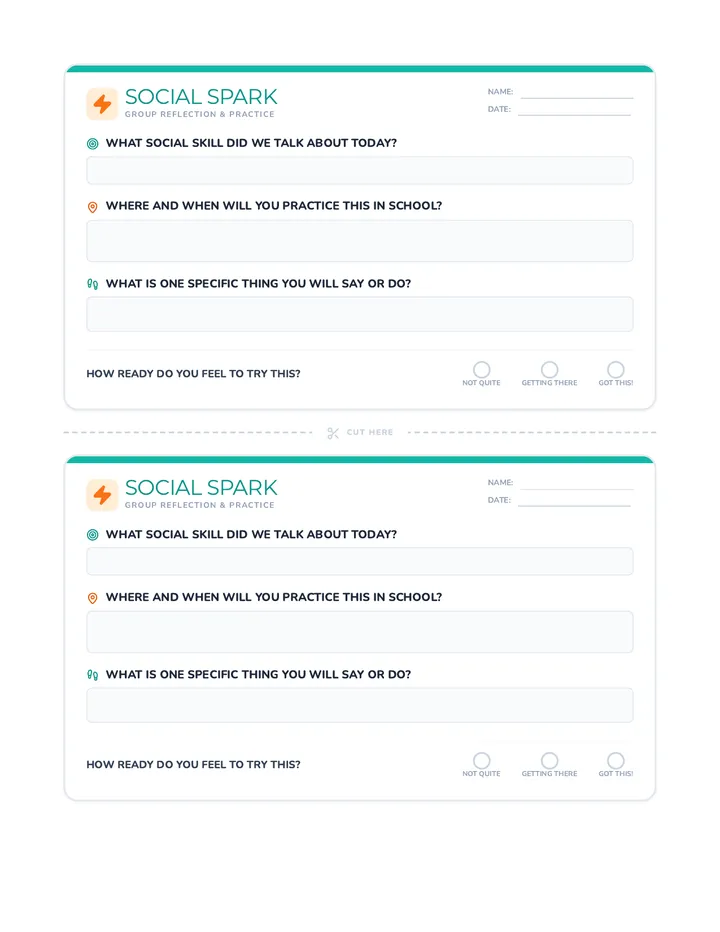
A set of two printable exit tickets on one page designed for social skills groups. Students can identify the skill of the day, plan when and where they will practice it, and reflect on their confidence level. Slimmed down to fit perfectly on a single 8.5x11 page.
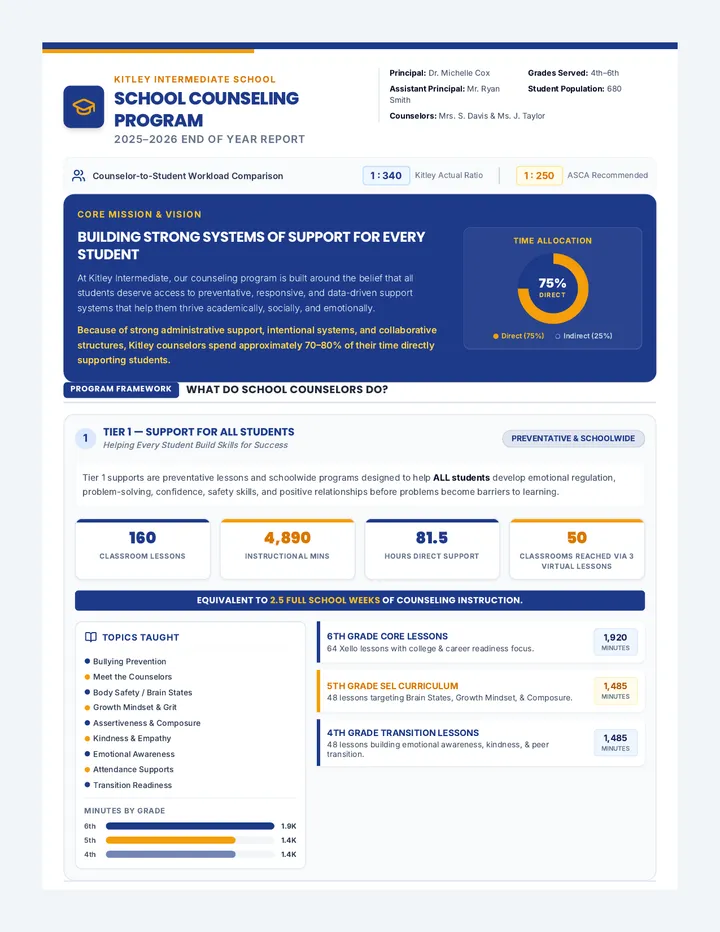
A front-and-back portrait annual report for Kitley Intermediate School Counseling Program. Uses a high-impact infographic design with rich charts, custom graphics, and detailed stats to explain Tier 1, 2, and 3 services and counseling outcome data.
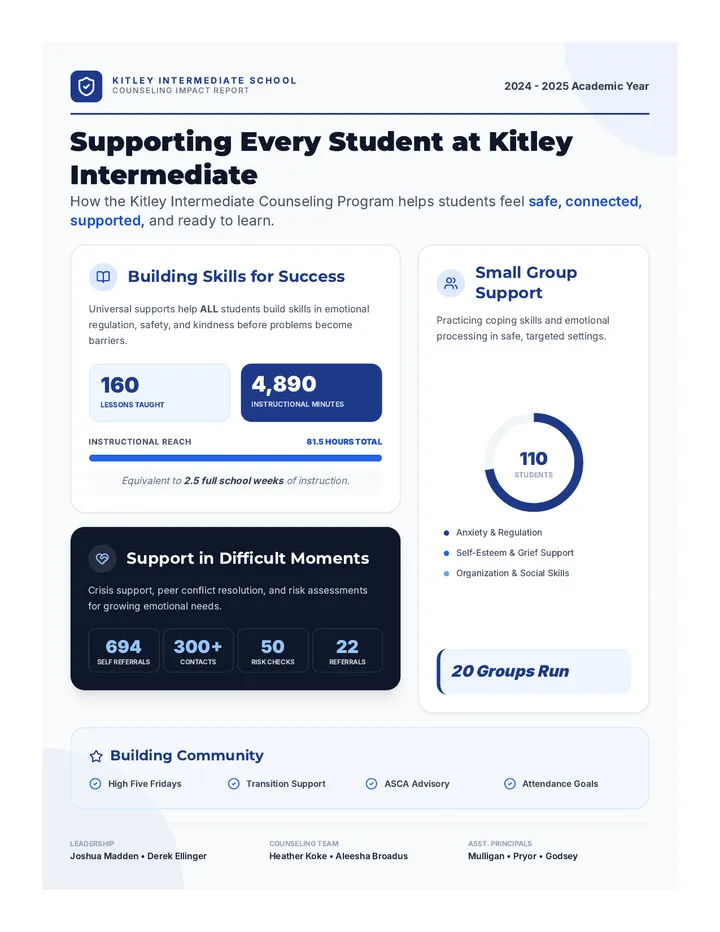
A one-page front-and-back annual school counseling impact report for Kitley Intermediate School. It uses a professional corporate layout to present classroom lessons, small groups, and responsive services data, as well as attendance and learning growth outcomes from the 2024-2025 school year.
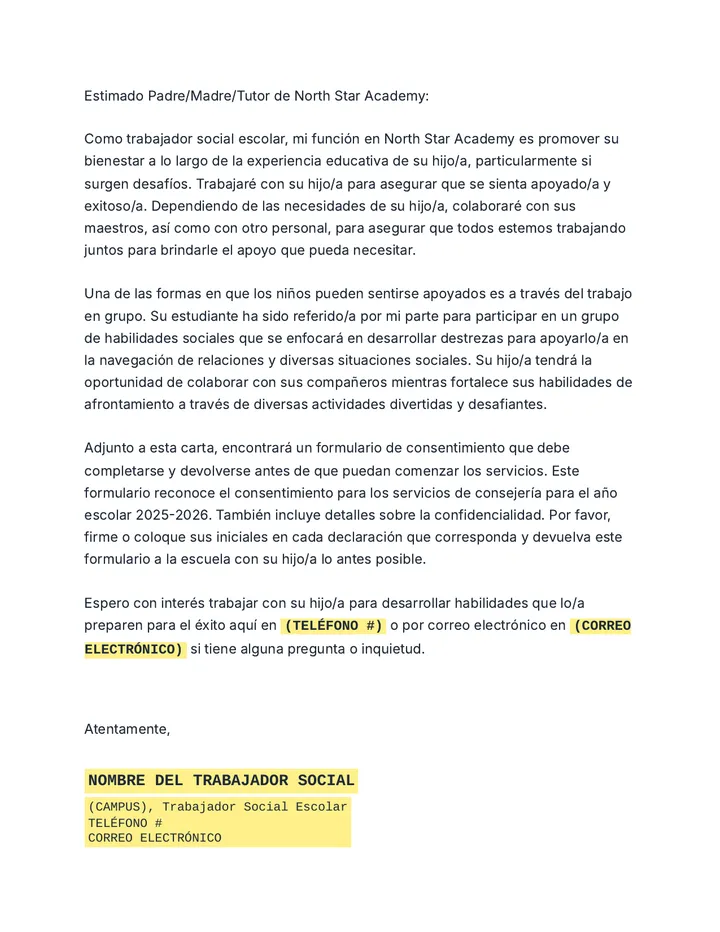
A professional Spanish translation of the school counseling consent form and cover letter for North Star Academy, with the school branding header removed as requested.
The ultimate compact version of the Adulting Celebration Chart with ultra-reduced line spacing and minimal vertical gaps. It utilizes tiny icons, condensed font sizes, and tight leading to provide a high-density workplace tracking experience that fits multiple players and comprehensive metrics in a single printable view. It moves metric descriptions inline to save vertical space.
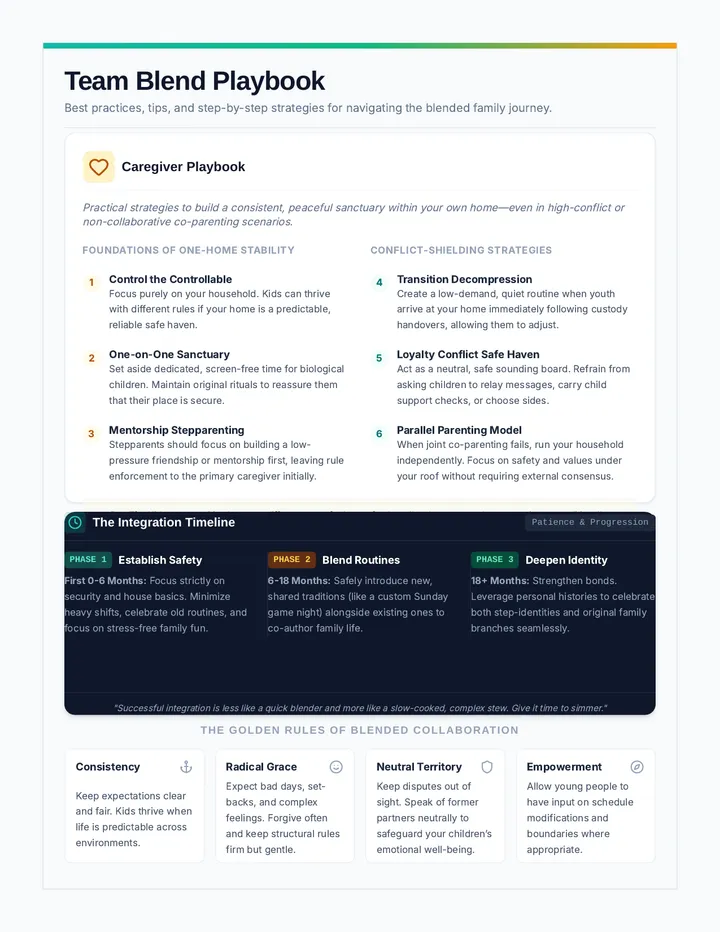
A highly visual, comprehensive one-page infographic playbook for blended families, focusing on single-household stability for caregivers. It features practical advice for establishing consistency when co-parenting is not healthy, step-by-step transition phases, and key golden rules for long-term bonding.
A set of 20 discussion prompt cards for middle school girls, focusing on peer conflict (gossip, group projects) and academic organization (time management, binder systems). The cards feature a bullet-journal aesthetic with clear scenario text and guided discussion points for small group work.
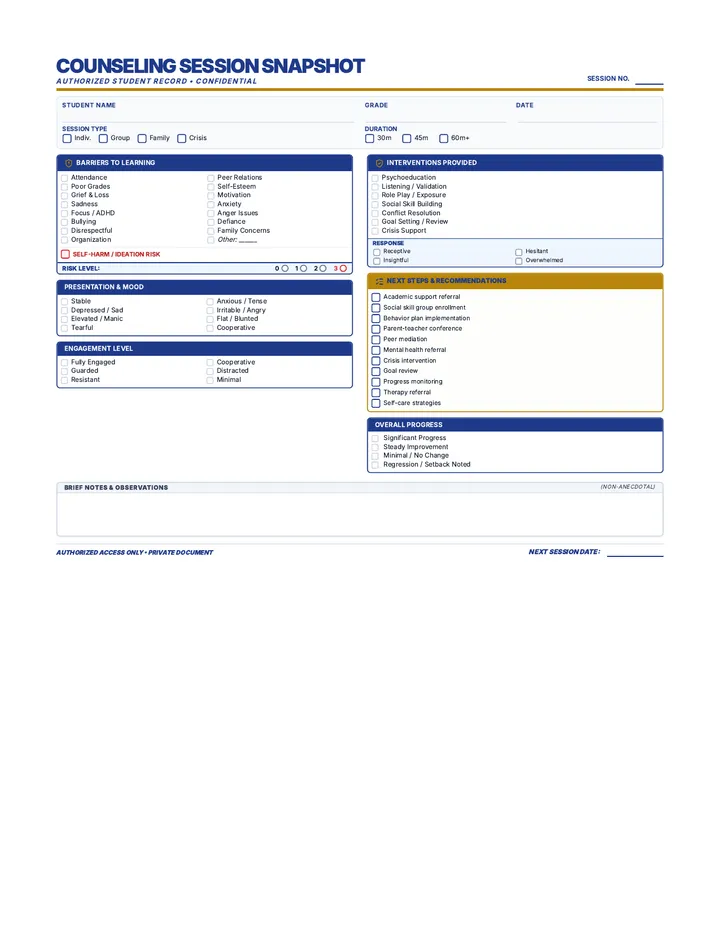
An optimized one-page school counseling session record with reduced spacing to fit A4 paper. It maintains the professional blue and gold theme while consolidating intake barriers, mood assessment, interventions, and next-step recommendations into a clean, checkbox-driven layout.
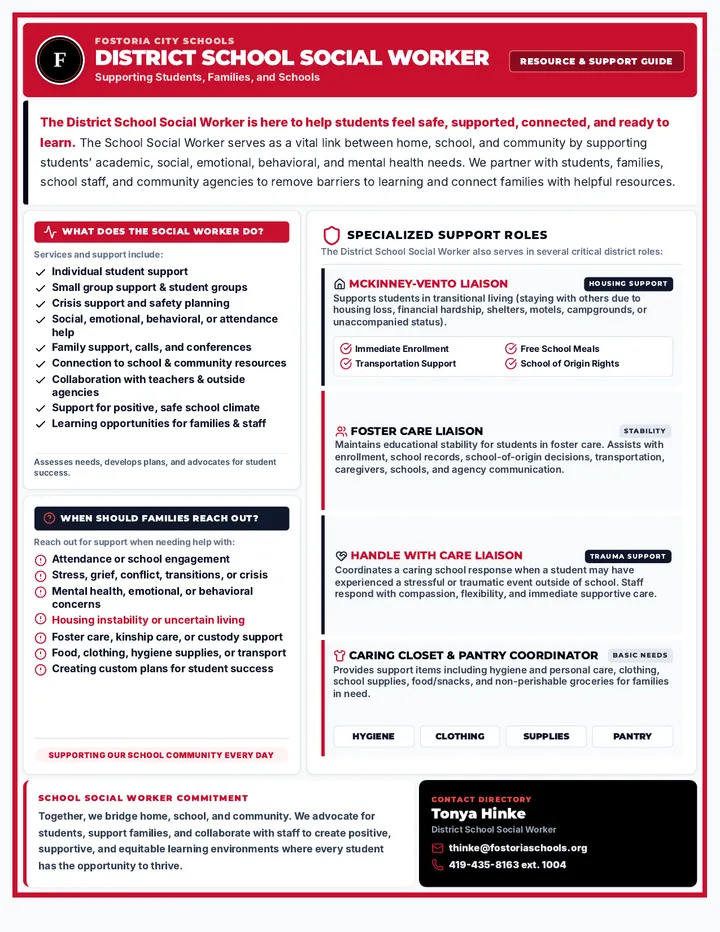
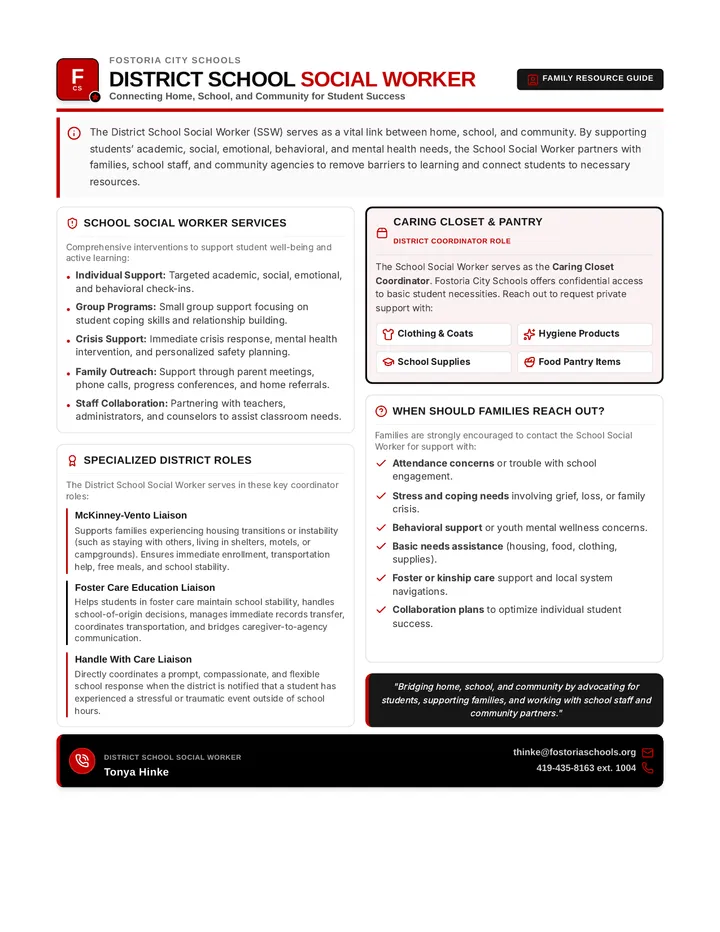
An elegant, highly professional single-page outreach and resources flyer for the District School Social Worker of Fostoria City Schools. It utilizes clean grids, custom program cards, clear visual cues, and a modern color scheme to ensure absolute legibility and optimal use of space.
An updated visually striking school district informational flyer for Fostoria City Schools. It removes any 'we' pronouns, features the custom FCS logo, explicitly details the Social Worker's role as the Caring Closet Coordinator, uses decreased margins to fill the 8.5x11 page size, and expands the original text details while retaining large, accessible text.
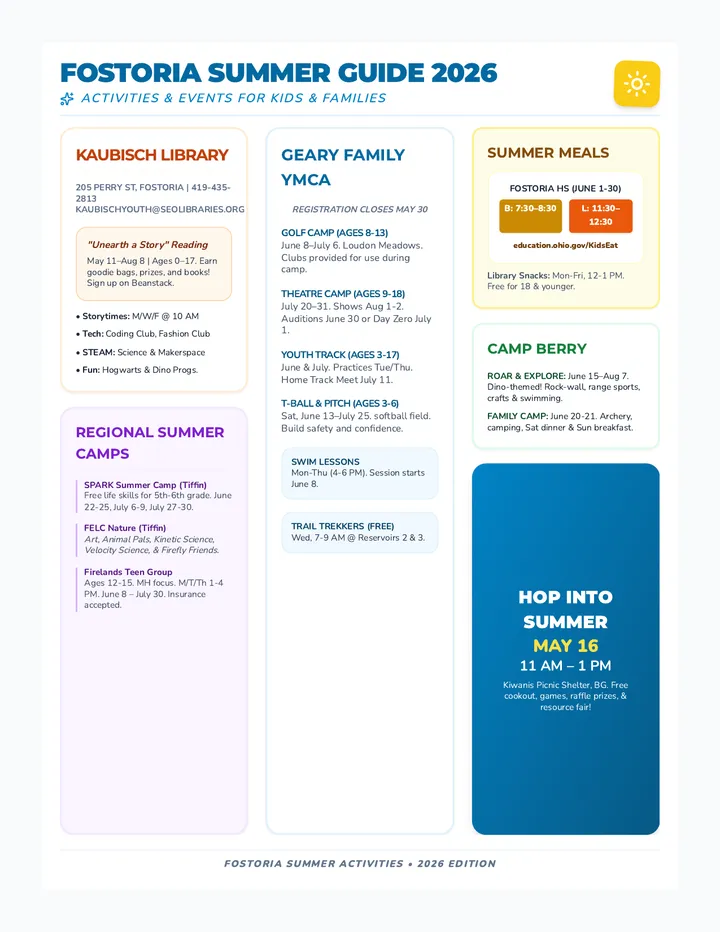
A high-density 2-sided guide that packs all resources from the original document into a modern 3-column layout to maximize content and minimize white space. Side 1 covers library programs, YMCA sports, summer camps, and free meals. Side 2 focuses on family support hubs, food pantries, housing aid, crisis hotlines, and transportation services for Fostoria families.
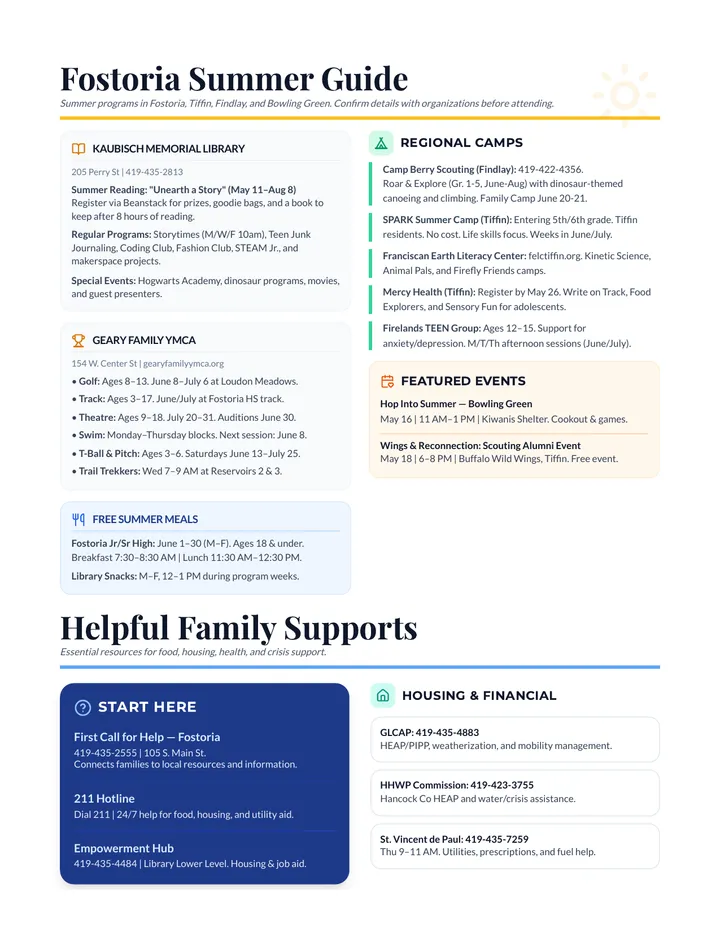
A detailed 2-page resource sheet for families in the Fostoria area. Page 1 covers summer activities, library programs, camps, and events. Page 2 provides a comprehensive guide to family supports, food resources, housing, transportation, and crisis health.
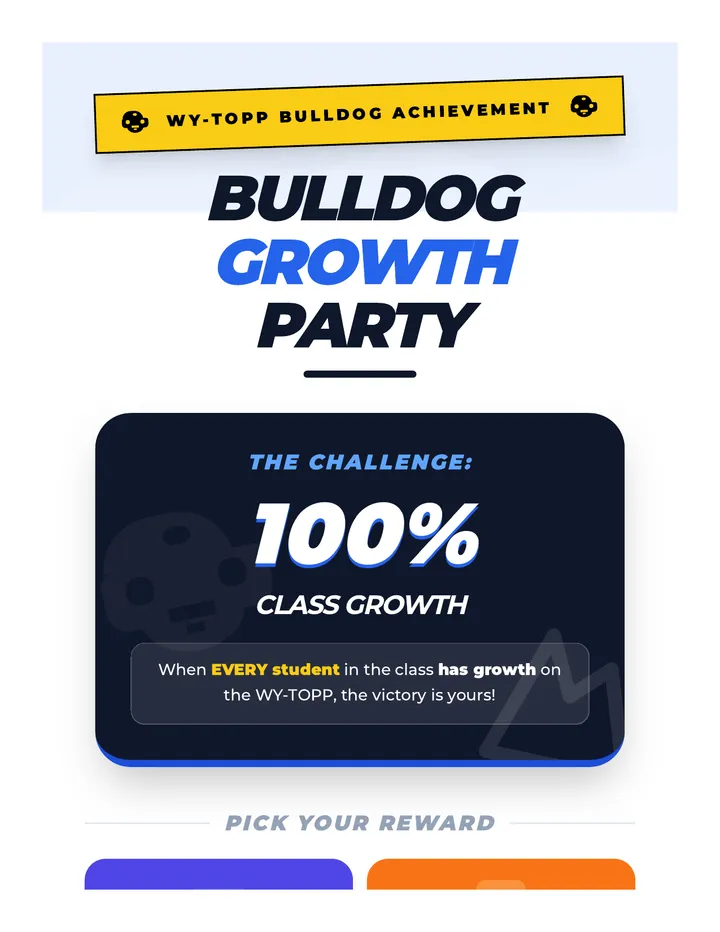
A high-energy flyer for middle schoolers celebrating WY-TOPP achievement with bulldog branding. Reverted to the standard 8.5x11 layout while maintaining all text and icon updates. Features a modern geometric mountain landscape, custom bulldog icons, bold "Bulldog Growth Party" typography, and vibrant colored status bullets.
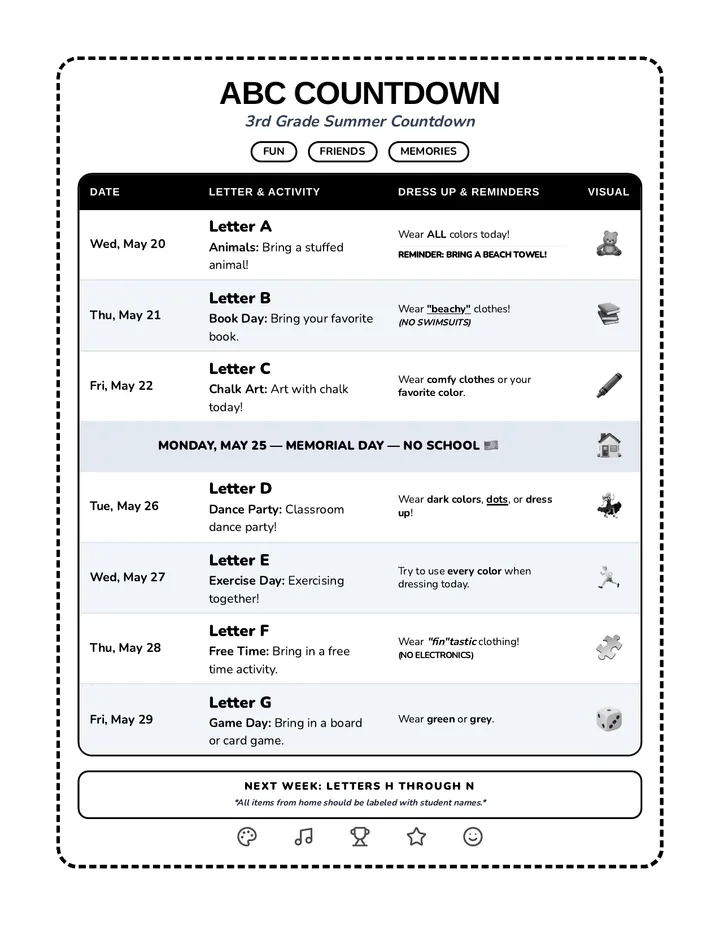
A high-contrast black and white ABC Countdown calendar for 3rd grade students. This version is optimized for grayscale printing, using clear borders, bold text, and neutral backgrounds to maintain visual clarity without color ink.
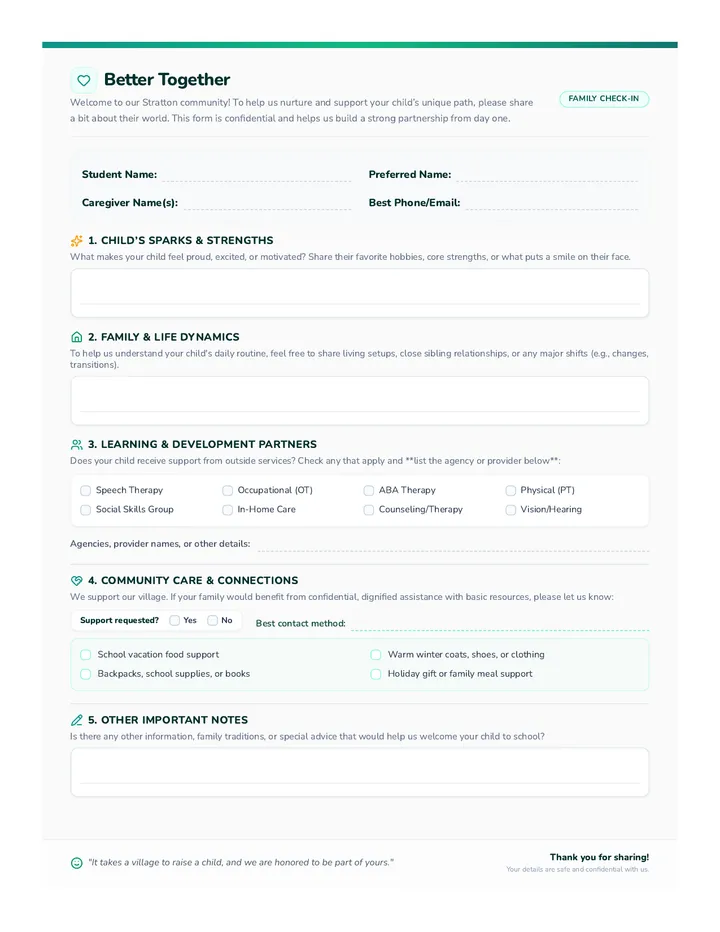
A short, welcoming, and compassionate one-page connection form for families to complete at the beginning of the school year. Revised to reference the Stratton community, update the community support heading, add a Yes/No option for assistance, update food support description, change Grown-Up to Caregiver, add a 5th section for other important notes, and include notes to list agencies for special services.
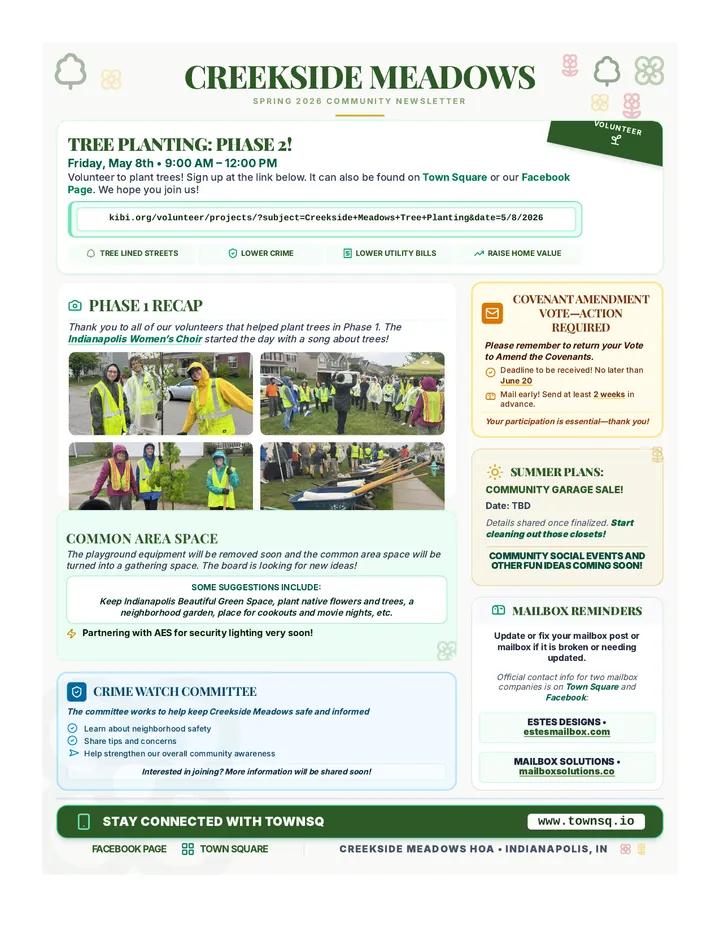
A consolidated, high-legibility single-page community newsletter for Creekside Meadows. The layout features all four community photos in a 2x2 grid on the left side, alongside the Common Area Space (now with more specific transformation details and suggestions) and updated Crime Watch sections. Content includes the tree planting feature, Phase 1 recap with choir details, summer plans (garage sale and social events details), covenant voting (Action Required), and mailbox reminders (with vendor info). Featuring a vibrant spring theme with enhanced floral decorations. Layout optimized to fit perfectly on a single page.