A celebratory achievement certificate for students who complete the Rhythm Rebels music unit, featuring a racing theme.
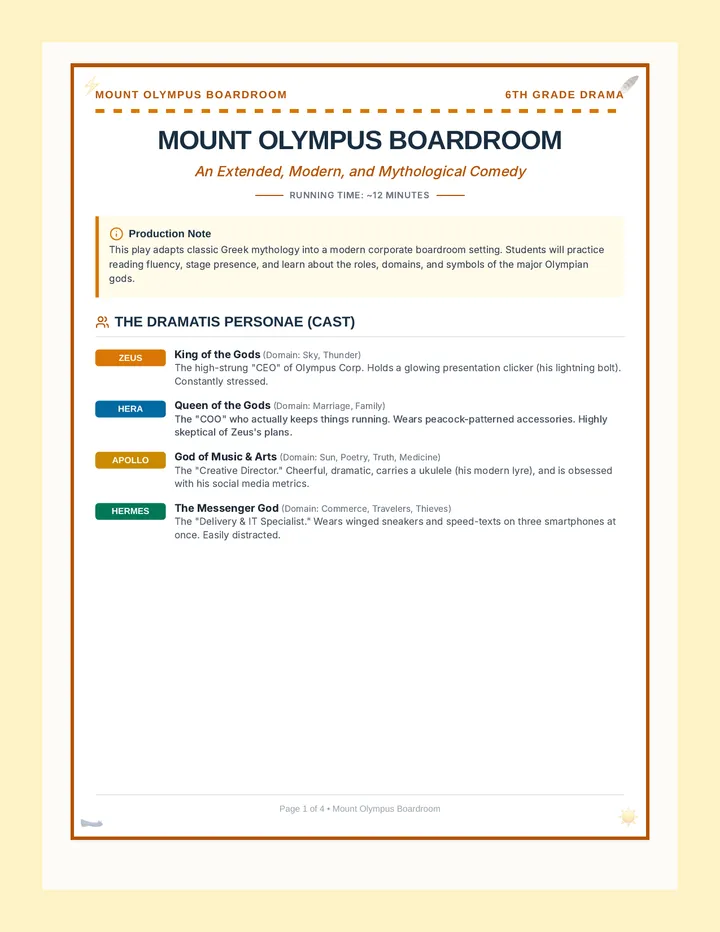
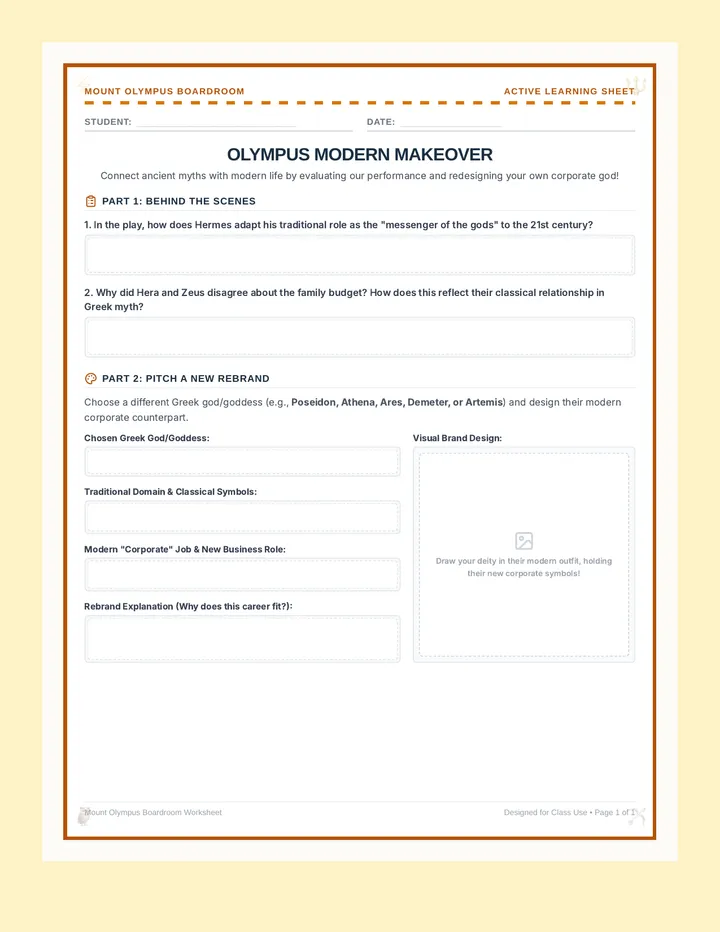
A unit of humorous, educational lessons where students perform modern comedic plays about ancient pantheons. Students explore the domains, symbols, and myths of Greek and Egyptian deities while practicing reading fluency, character design, and critical analysis.
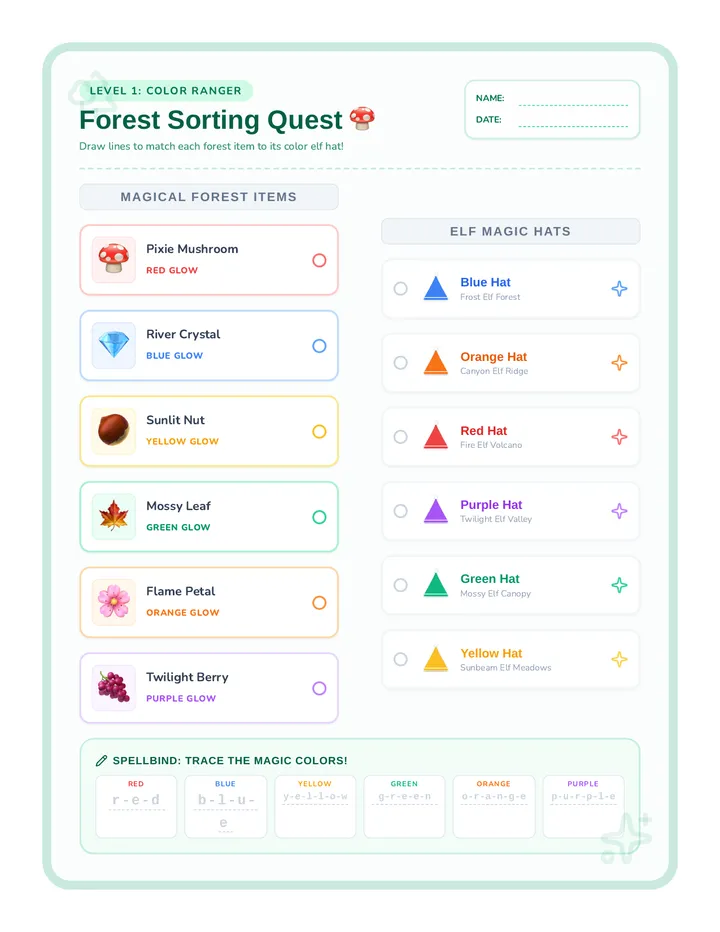
A whimsical and engaging preschool-to-kindergarten lesson focused on basic color recognition, color mixing, sorting, and emotional connection to colors in a magical elf-themed forest. Includes hands-on worksheets, color-matching flashcards, coloring pages, and teacher facilitation notes.
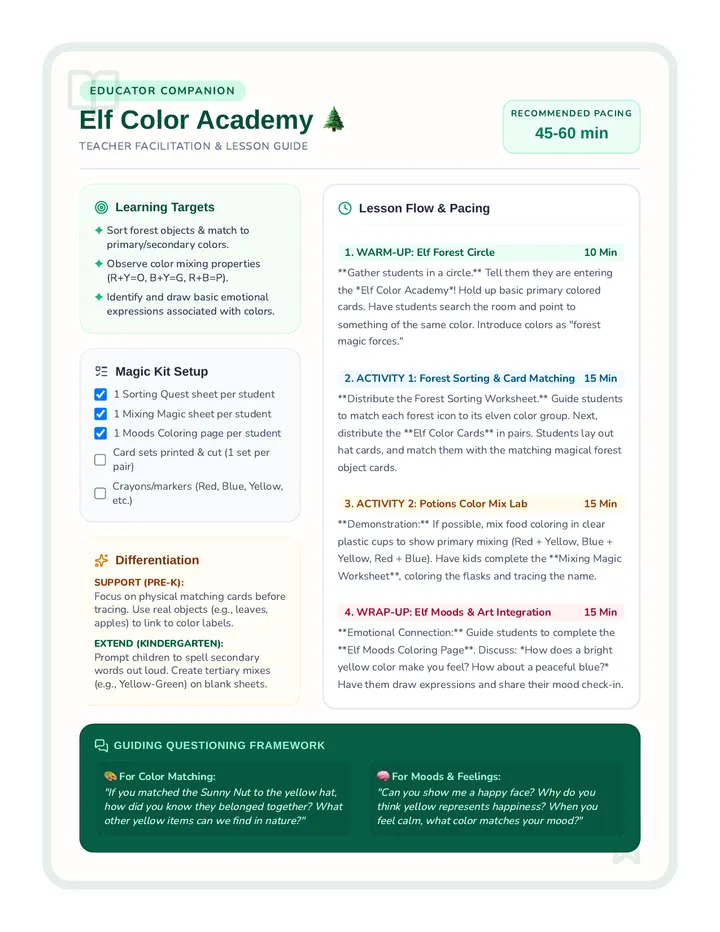
A teacher facilitation guide for the Elf Color Academy lesson. Includes learning objectives, material prep list, step-by-step instructional pacing (warm-up, core activities, wrap-up), and questioning guides.
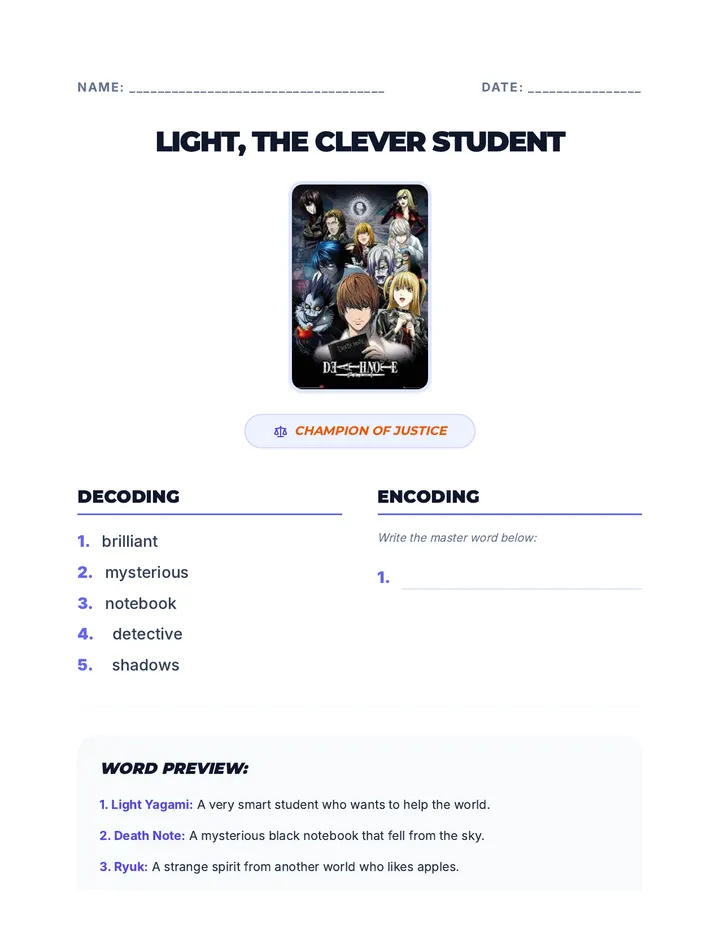
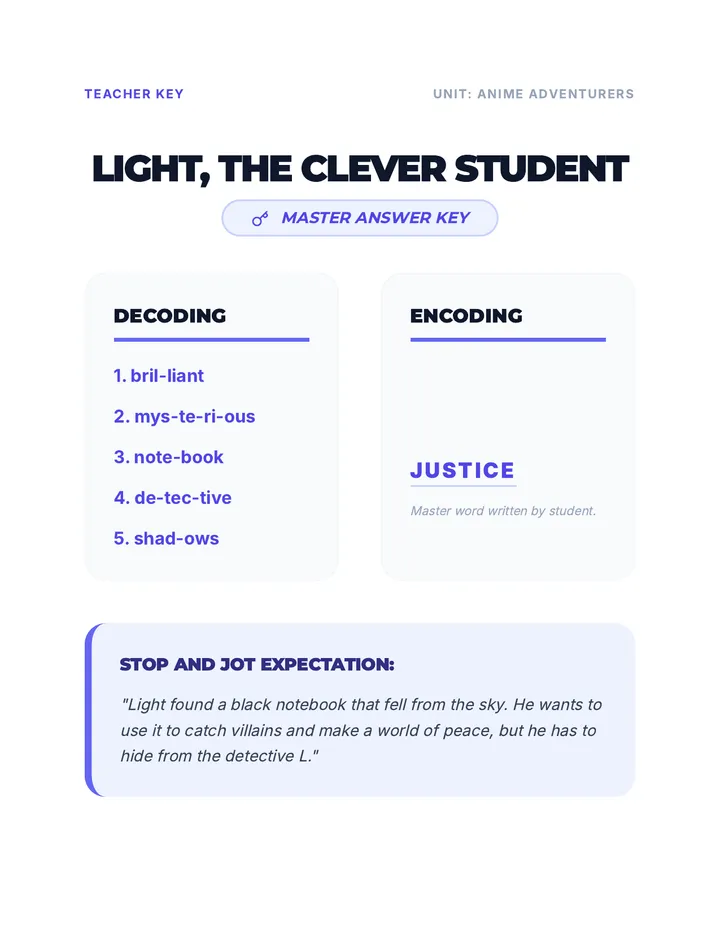
A collection of reading fluency and comprehension lessons based on popular anime stories, adapted for a 3rd-grade reading level. Each lesson follows a standardized format including decoding practice, fluency passages, comprehension checks, and a creative mission.
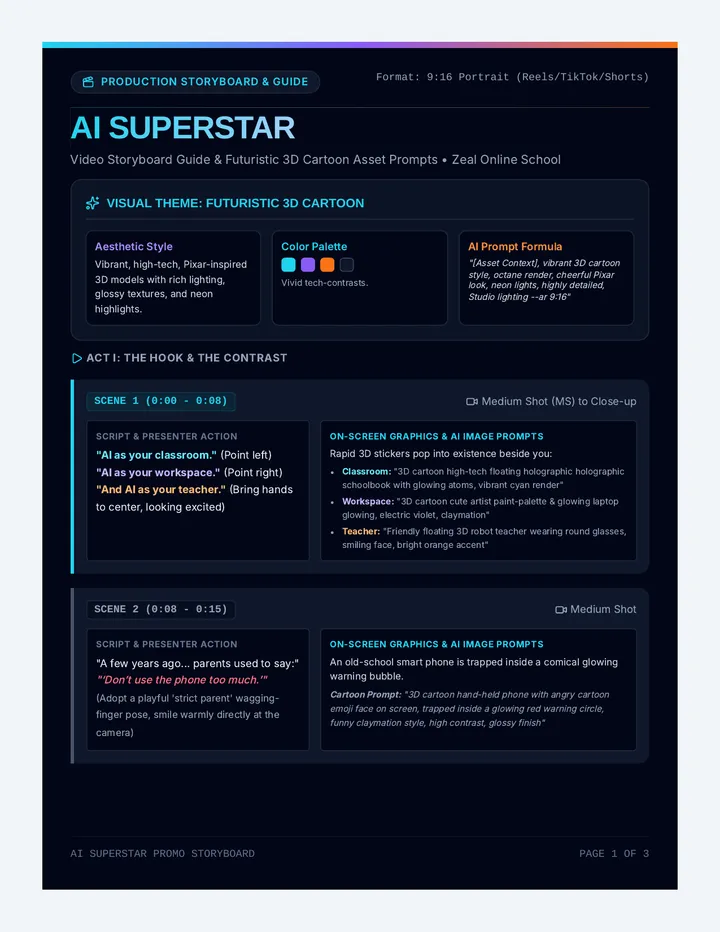
Production plan and storyboard guide for the 'AI Superstar' promotional video. This lesson contains the visual storyboard detailing framing, presenter actions, and specific 3D cartoon image prompts to help the presenter record and edit the promotional video.
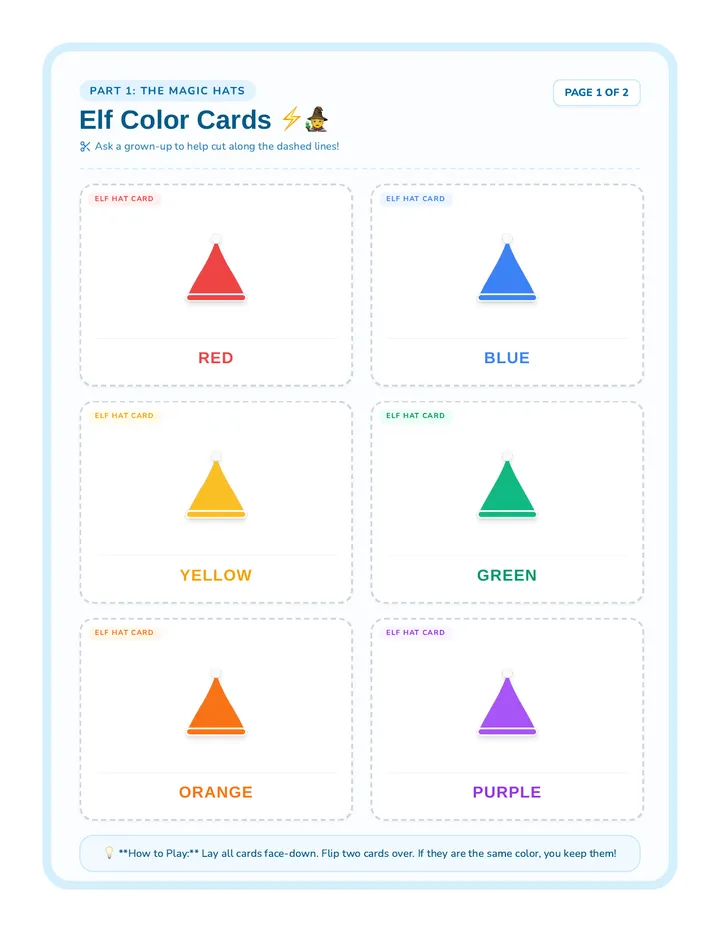
Printable double-sided or single-sided color matching flashcards. Page 1 contains 6 colorful elf hat cards with tracing words, and Page 2 contains 6 matching magical forest object cards.
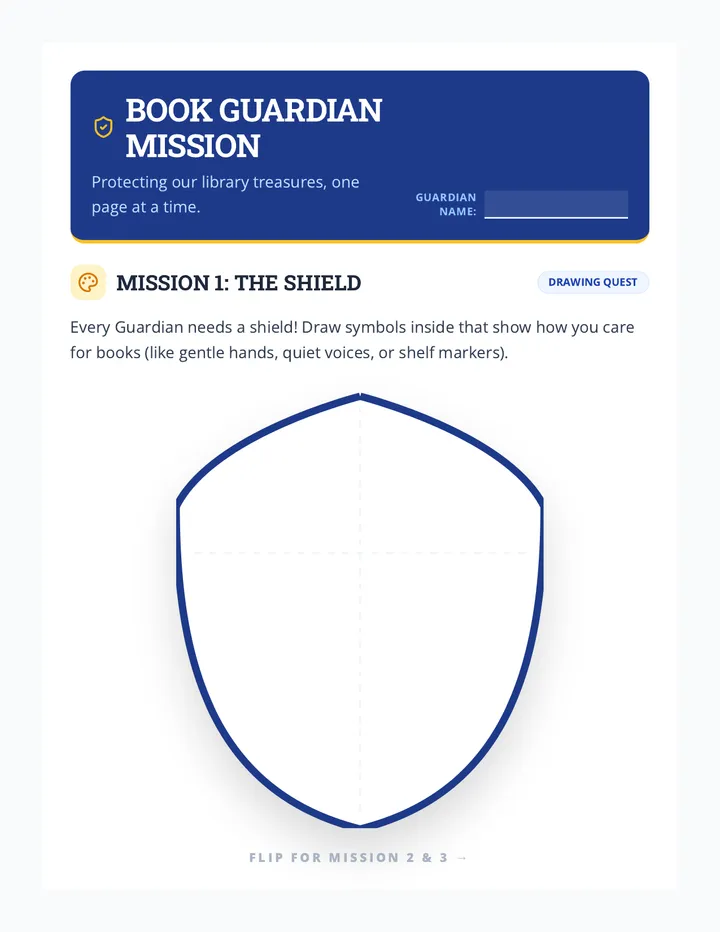
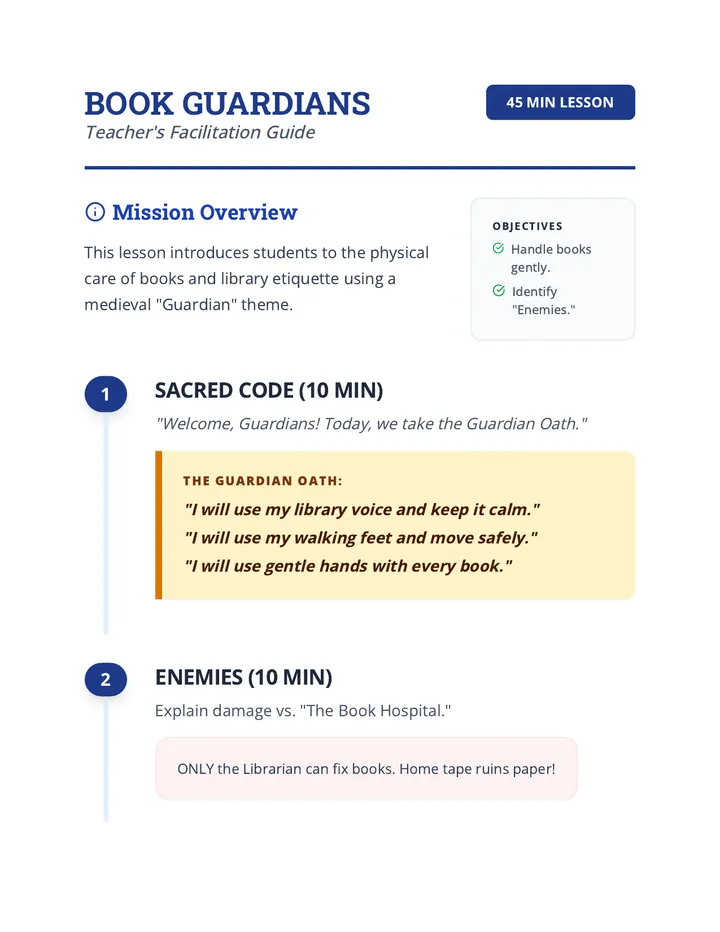
A comprehensive introduction to library skills, covering both the physical care of books and the intellectual skills needed to find and evaluate information.
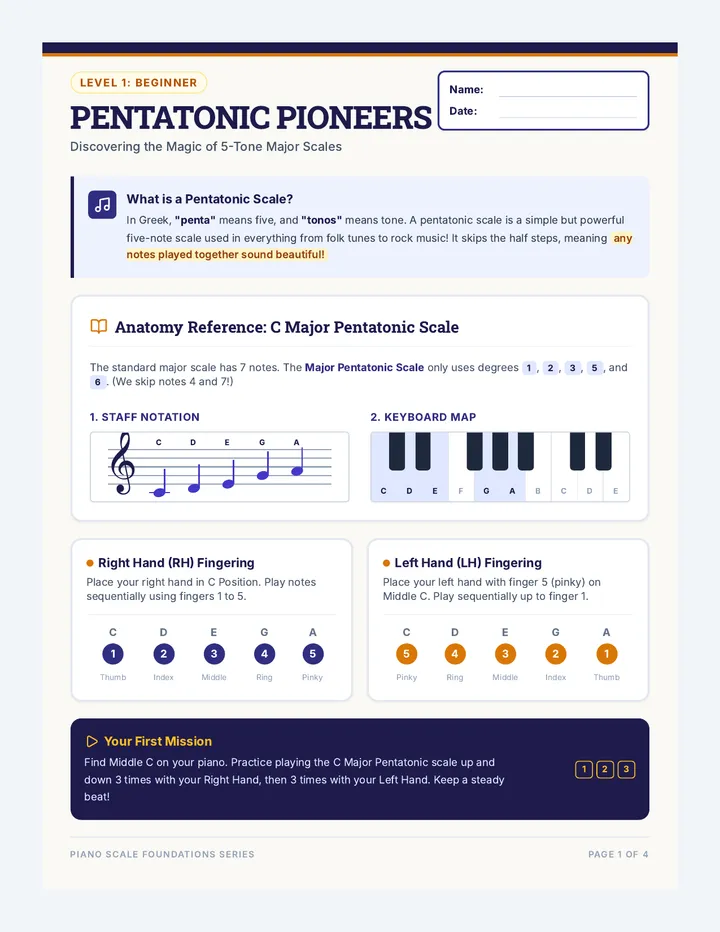
A lesson dedicated to learning the fundamentals of major scales on the piano, beginning with pentatonic scales. Contains an interactive multi-page mini booklet with keyboard coloring, staff notation trace-and-write, and fingering guides.
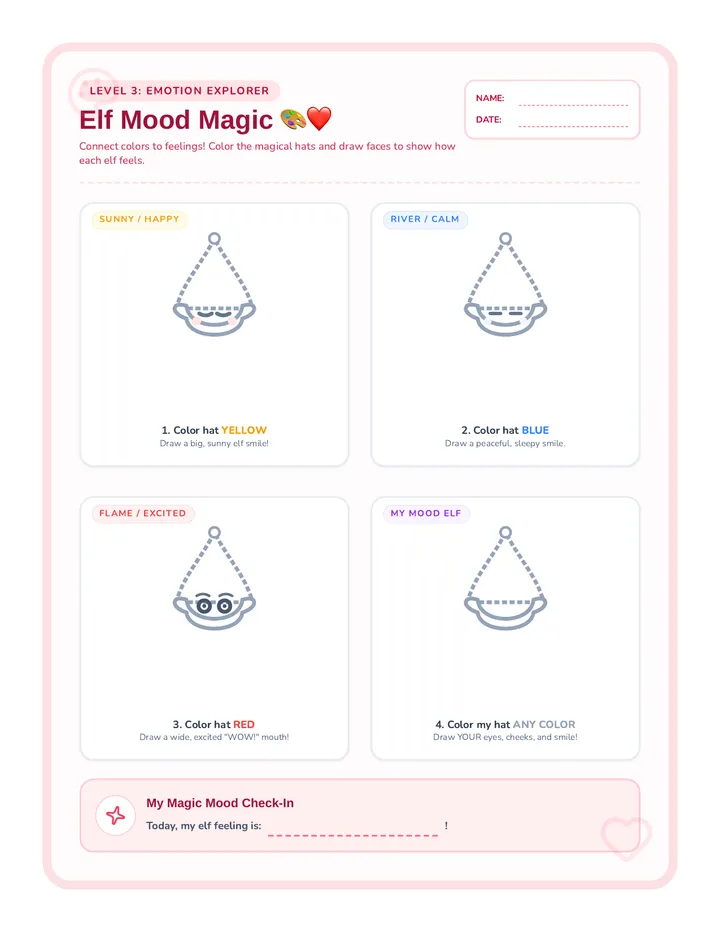
A student coloring page where children connect colors to emotions by drawing facial expressions and coloring the hats of four cute magical forest elves representing different moods.
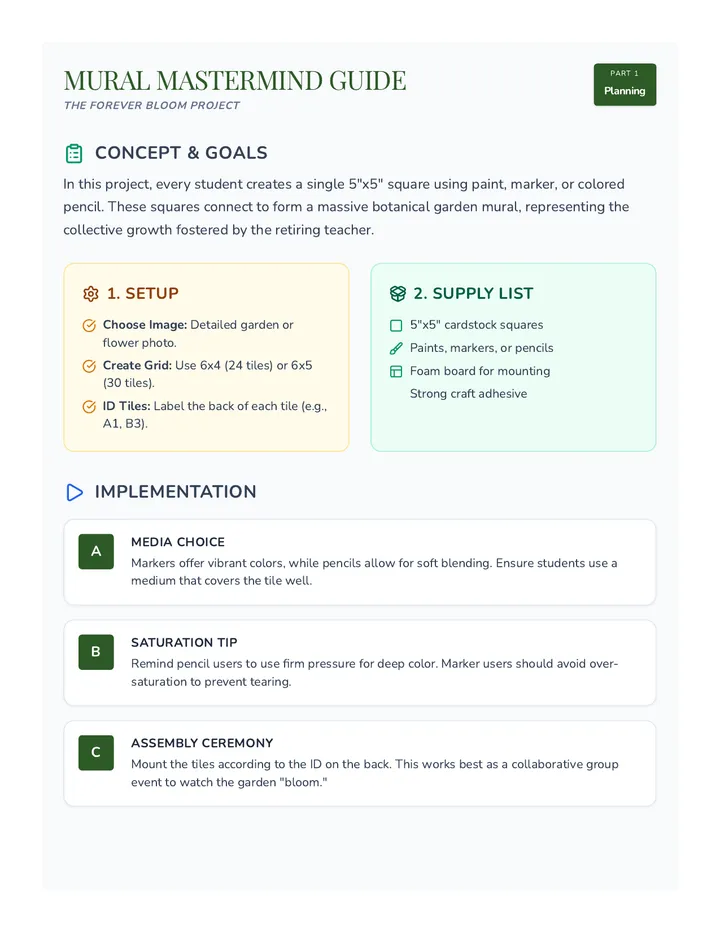
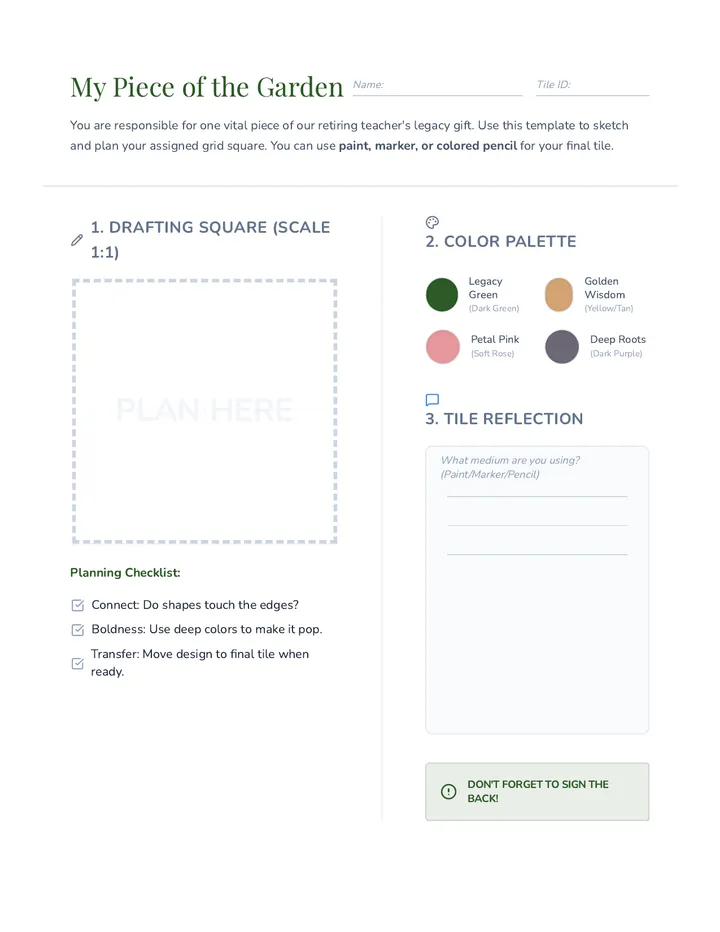
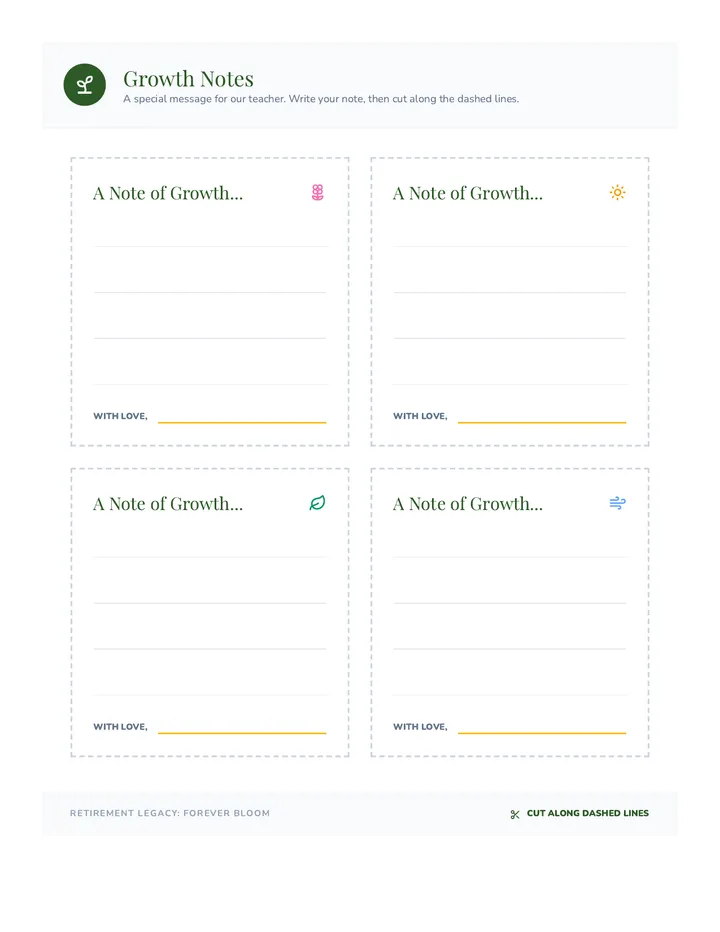
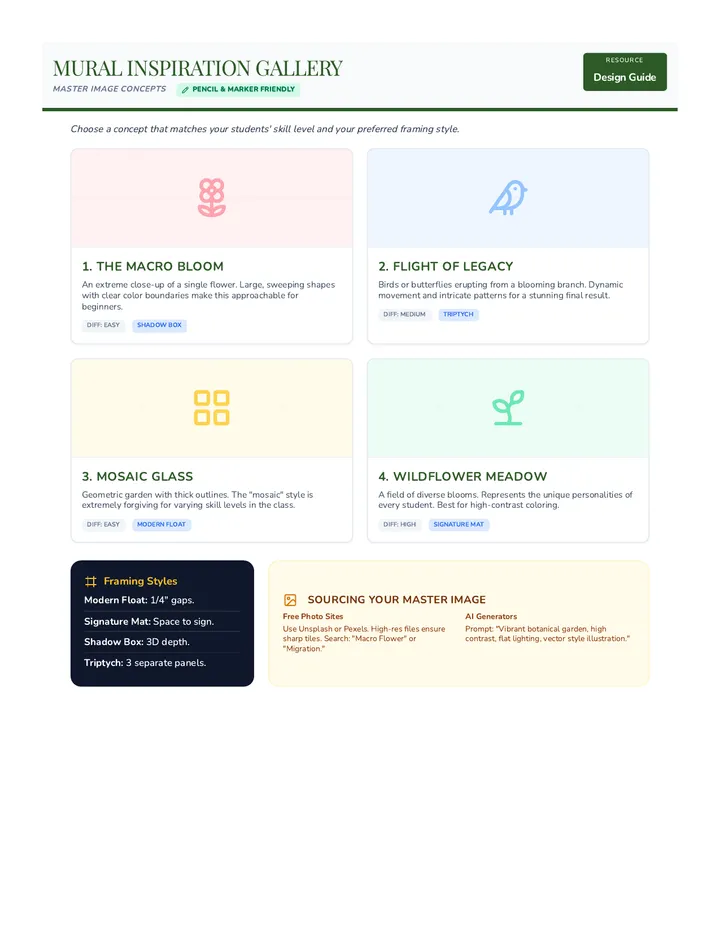
A collaborative art sequence where students create a large-scale mosaic mural to honor a retiring teacher, focusing on themes of growth, beauty, and legacy.
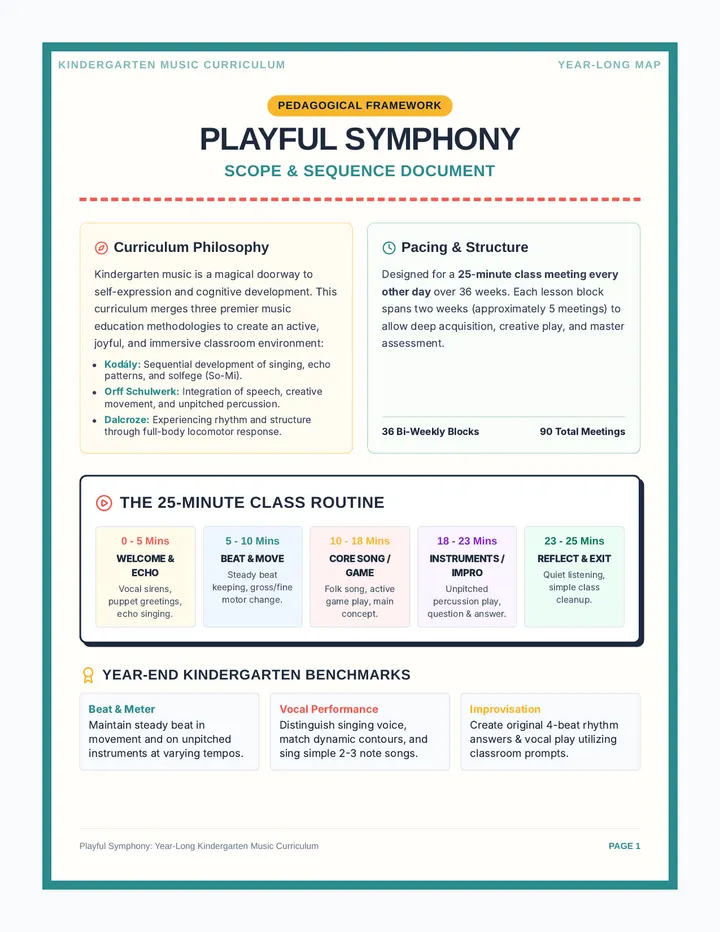
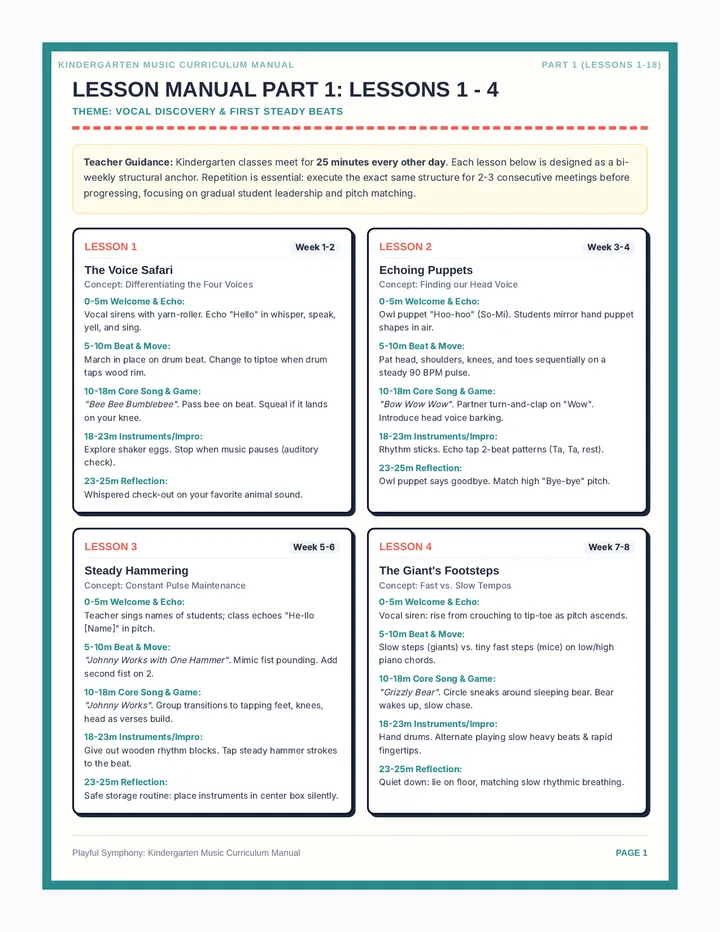
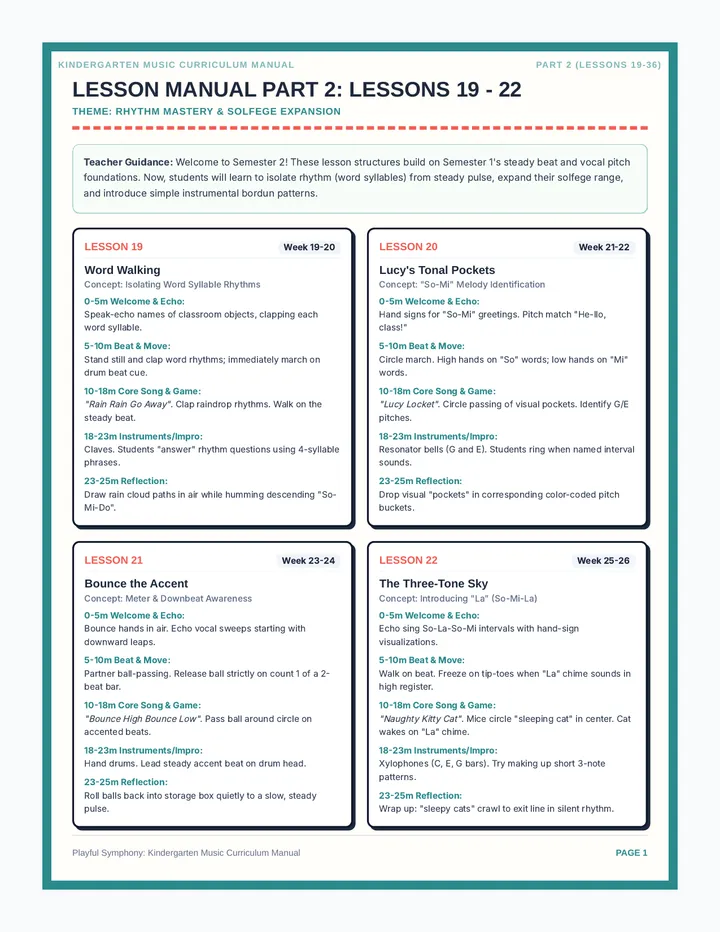
A comprehensive, year-long curriculum for Kindergarten Music. It contains a detailed Scope and Sequence Document and two highly granular Lesson Structure Manuals detailing 36 distinct bi-weekly lesson plans.
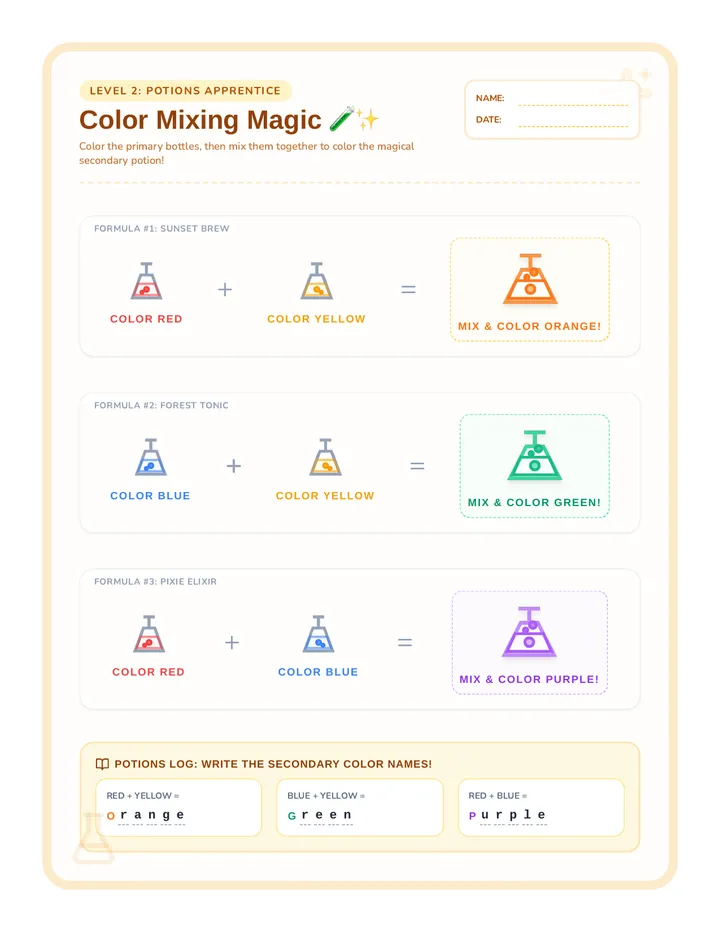
A student worksheet where children explore color mixing by coloring in cute potion flasks for primary colors and tracing/coloring the resulting secondary colors.