A structured 20-minute session plan for facilitators, including timing, song selection, and interaction tips for parent-child engagement.
An elite curriculum analyzing cult internet masterpieces, media cross-pollination, and experimental digital narratives from the 2000s and 2010s.
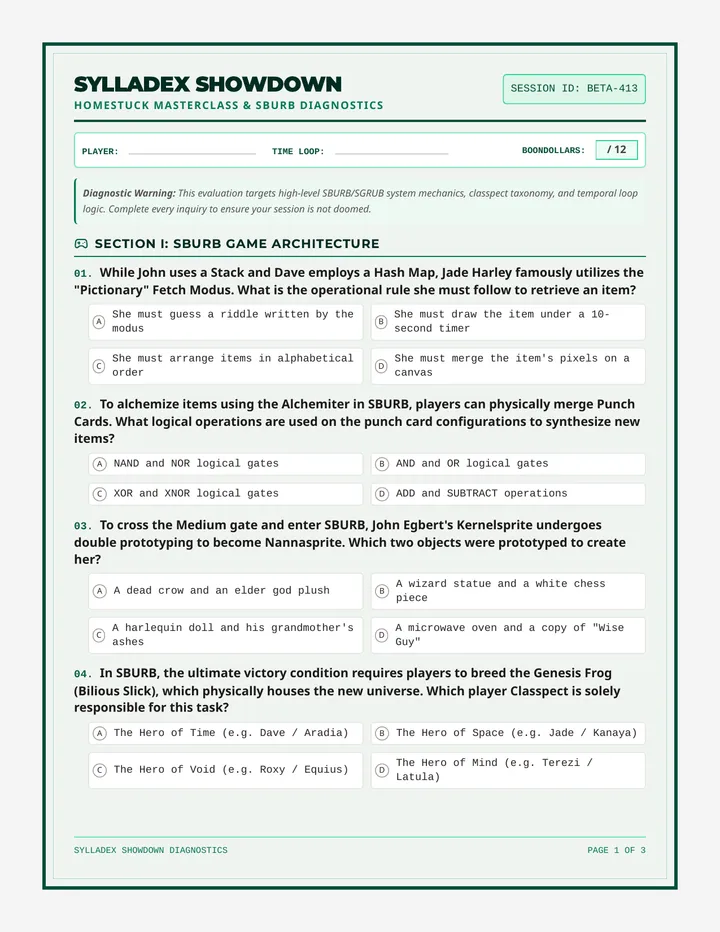
An advanced exploration of Homestuck's universe, focusing on Sburb/Sgrub game mechanics, Troll hierarchy, classpect taxonomy, and complex narrative timelines.
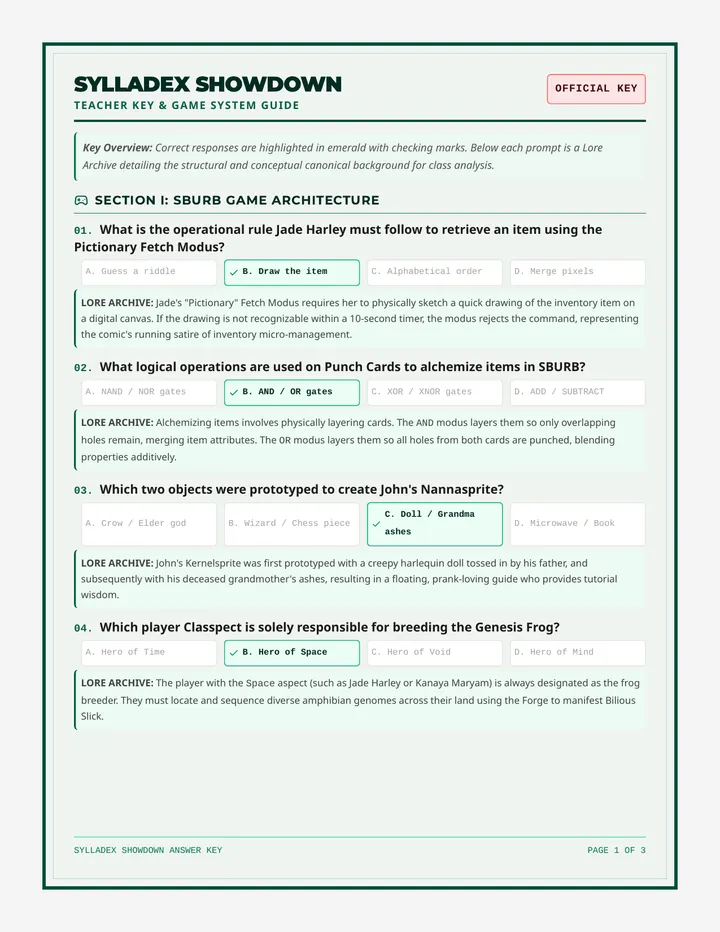
The teacher answer key for the 'Homestuck Masterclass' trivia lesson. Contains the correct responses to all 12 questions, alongside detailed historical and creative explanations (the 'Lore Archive') for each answer, plus grading rubrics.
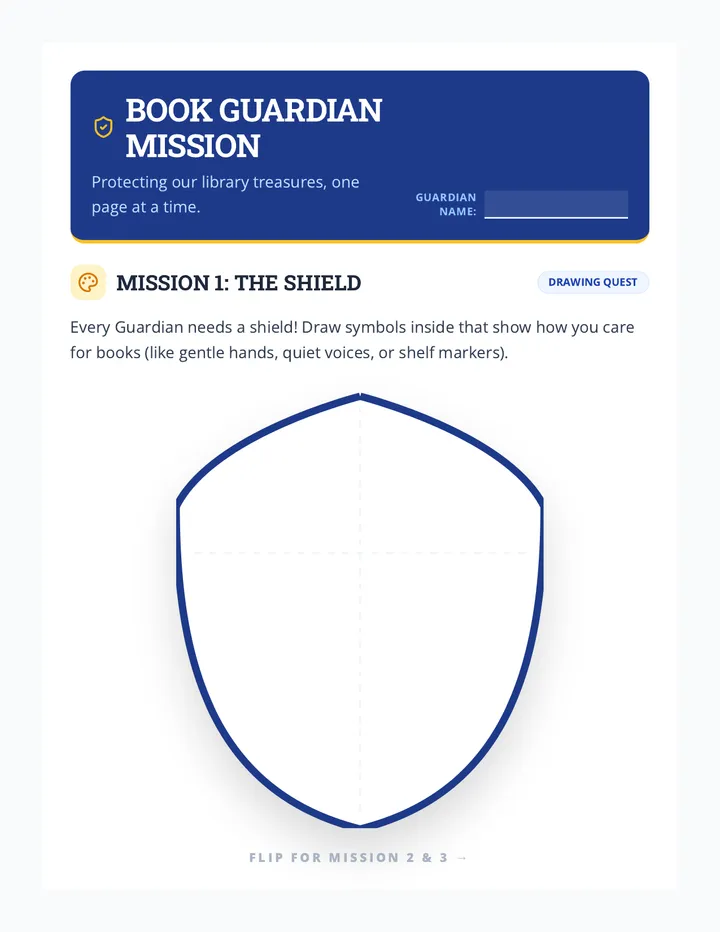
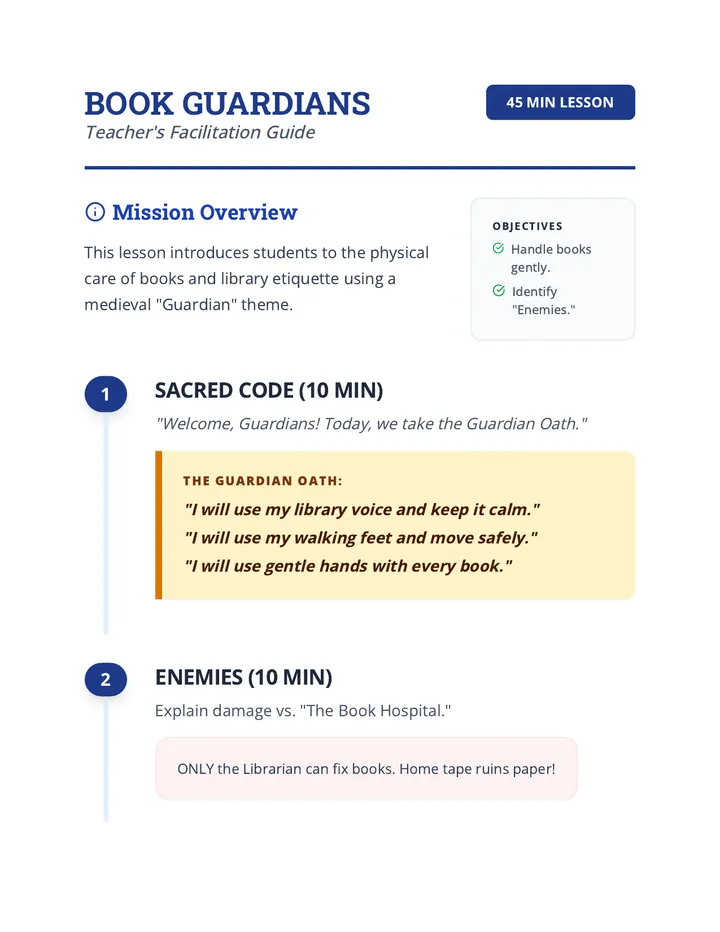
A comprehensive introduction to library skills, covering both the physical care of books and the intellectual skills needed to find and evaluate information.
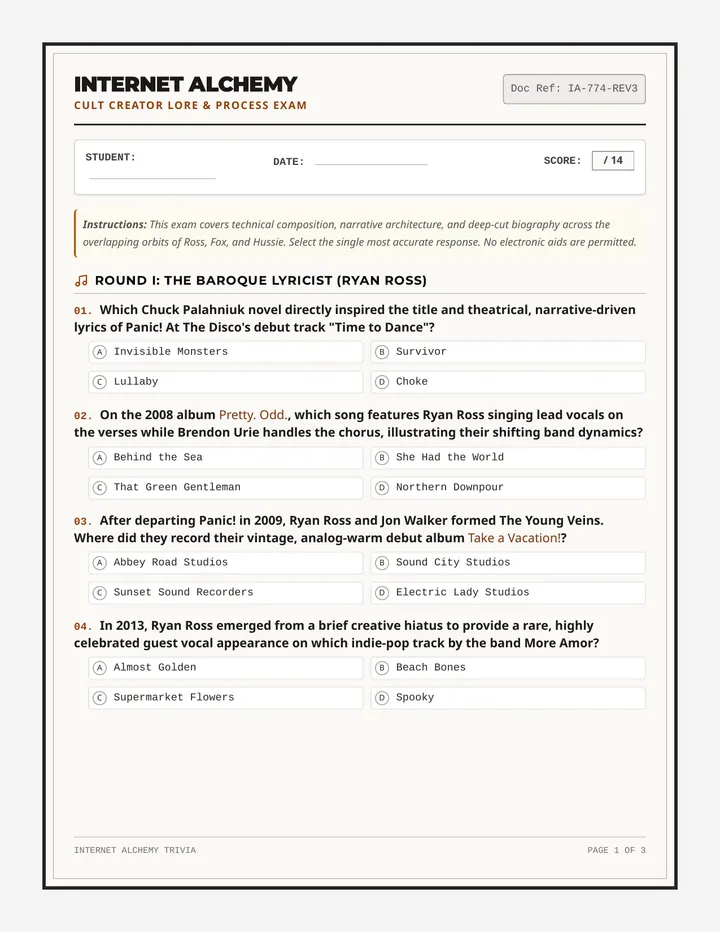
A highly niche, technical trivia lesson analyzing the creative paths, obscure internet lore, and overlapping fanbases of cult figures Ryan Ross, Toby Fox, and Andrew Hussie. Designed for adult or college-level pop culture and game design fans.
The student trivia quiz sheet for the 'Homestuck Masterclass' lesson. Contains 12 highly advanced, technical questions about SBURB game mechanics, hemospectrum hierarchy, classpect taxonomy, and time loop paradoxes, styled in a retro PC terminal aesthetic.
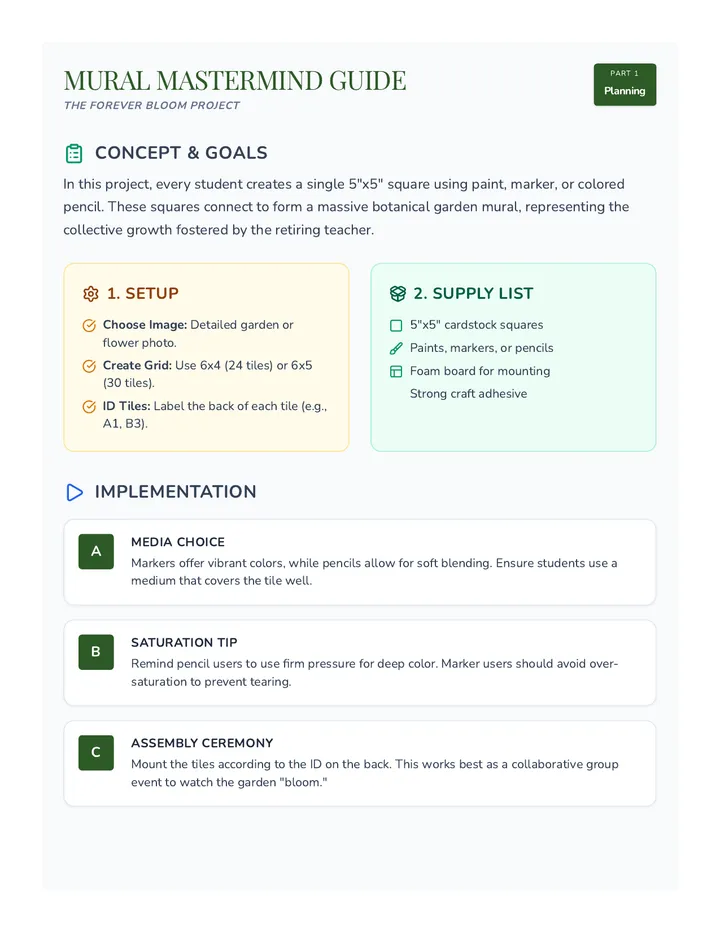
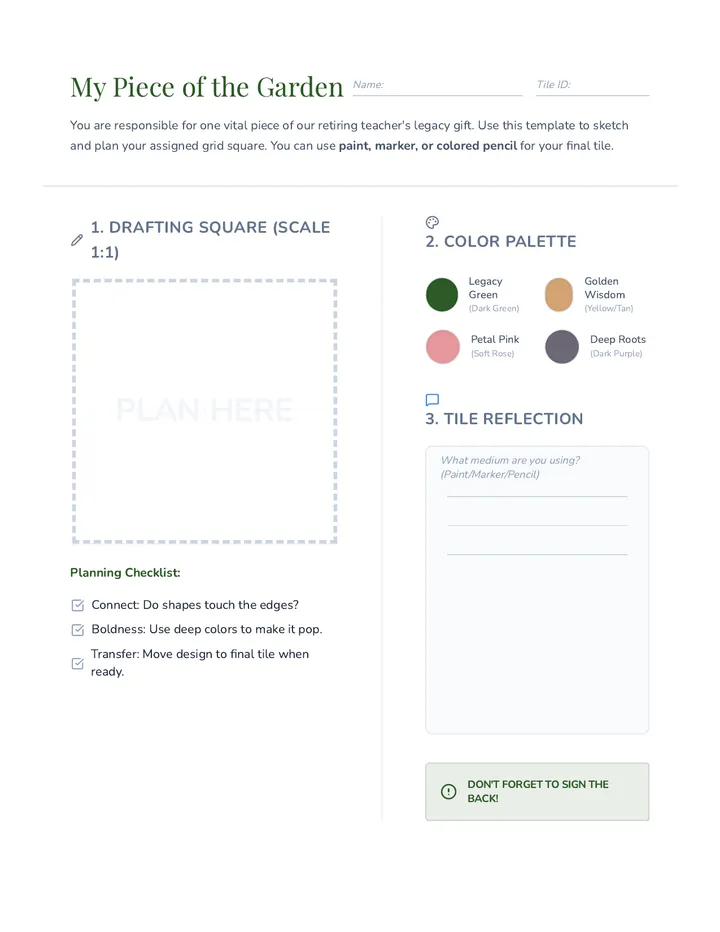
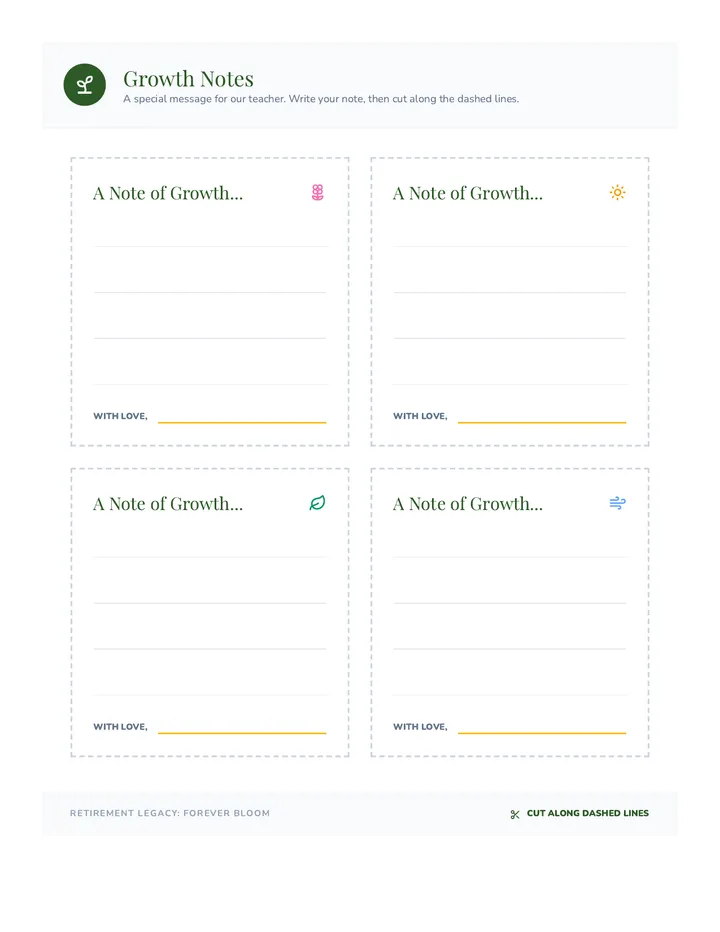
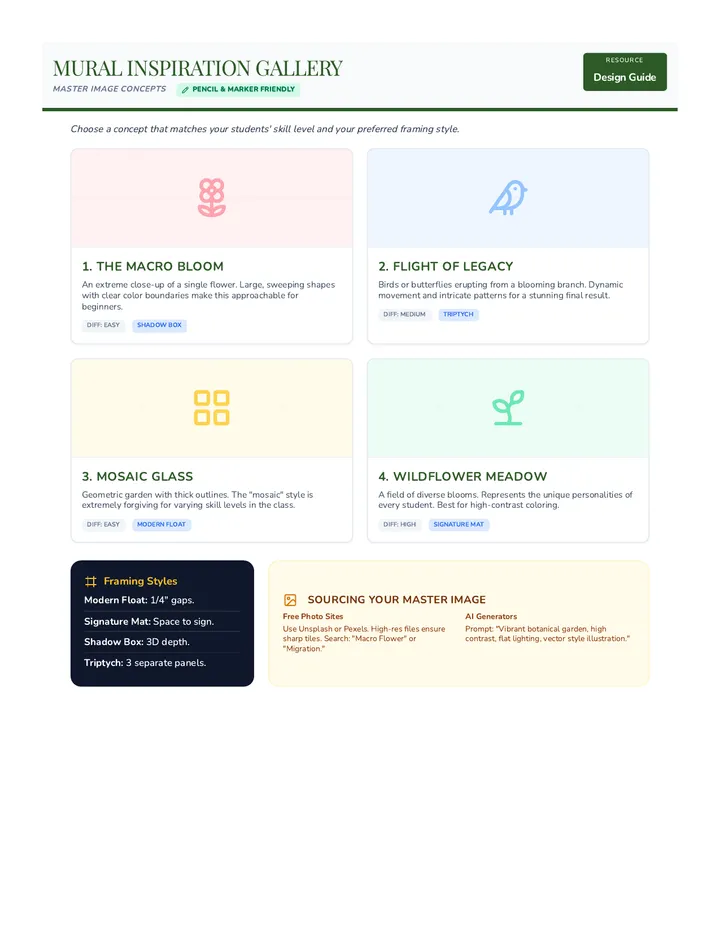
A collaborative art sequence where students create a large-scale mosaic mural to honor a retiring teacher, focusing on themes of growth, beauty, and legacy.
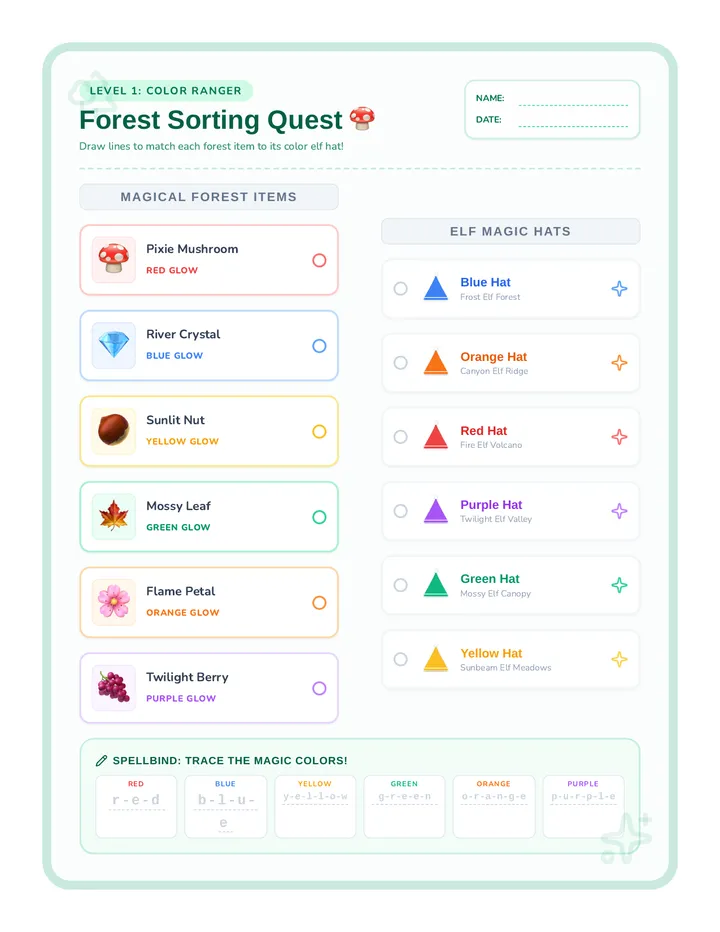
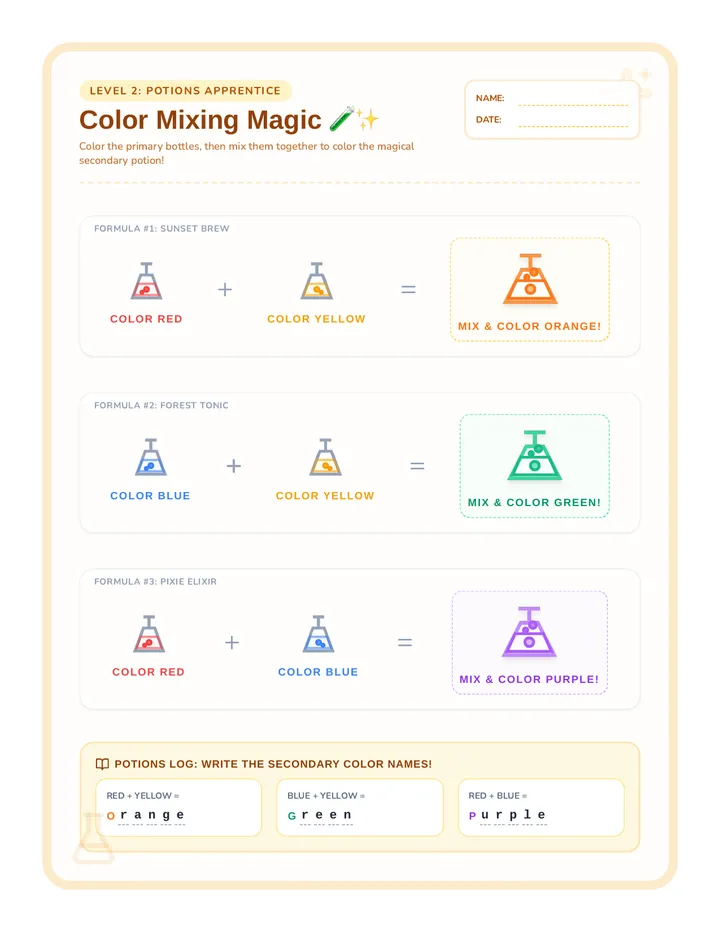
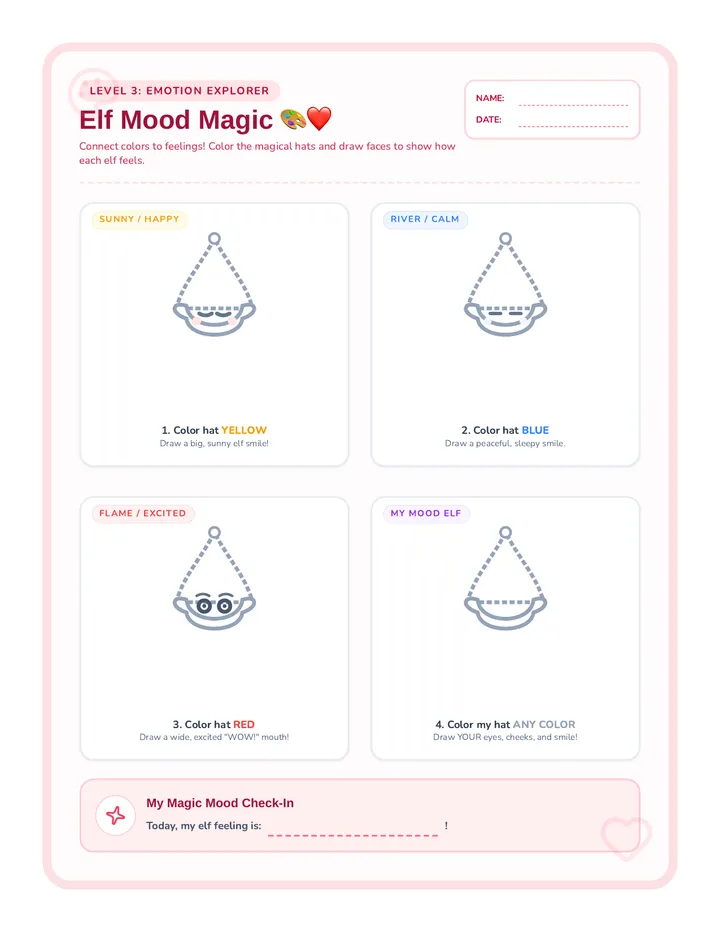
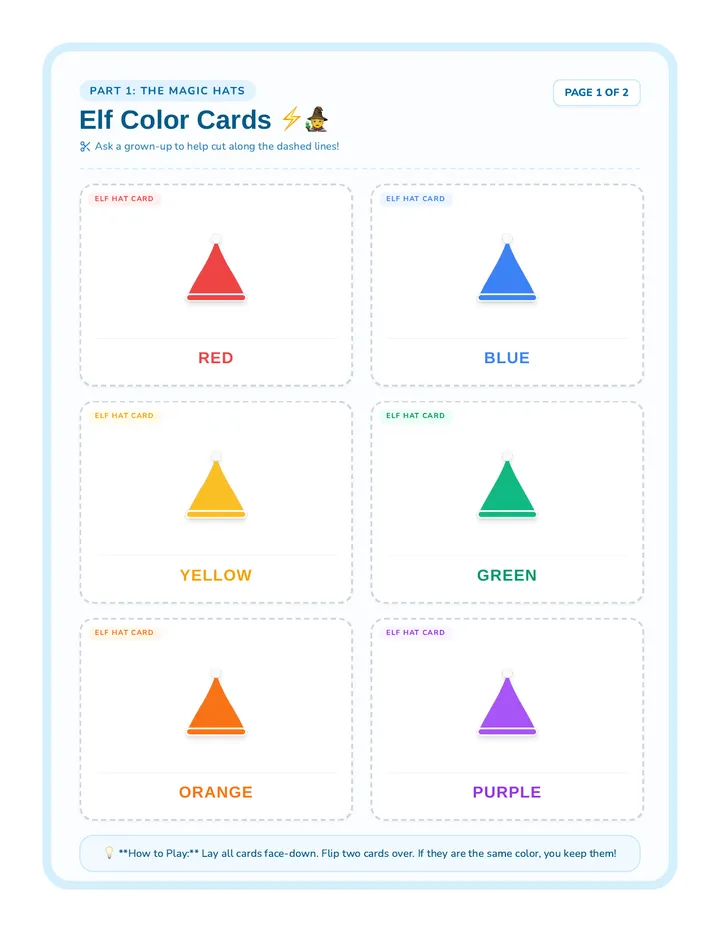
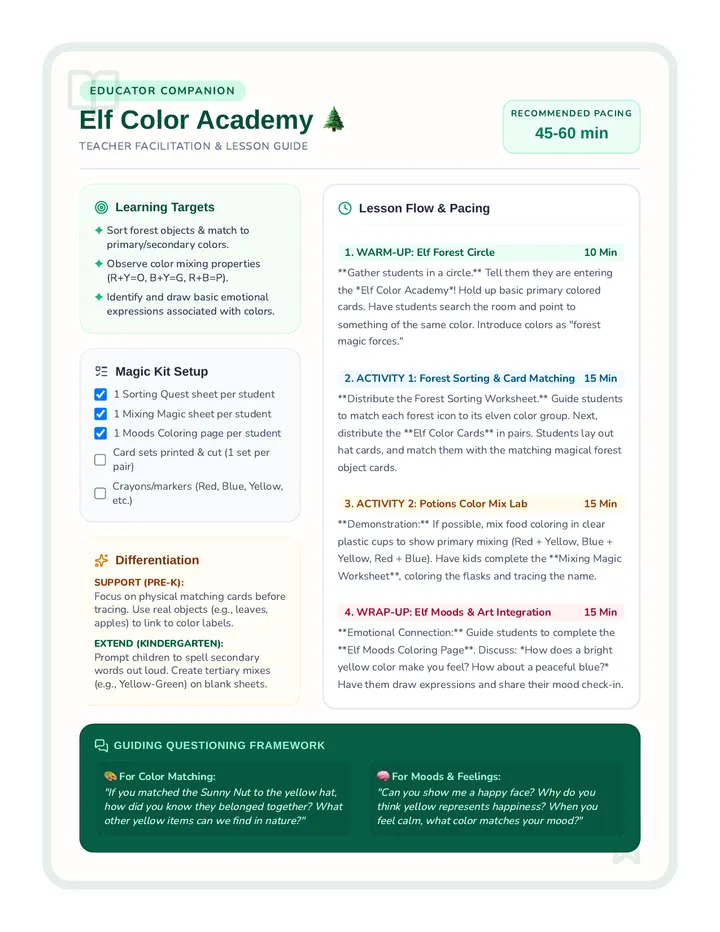
A whimsical and engaging preschool-to-kindergarten lesson focused on basic color recognition, color mixing, sorting, and emotional connection to colors in a magical elf-themed forest. Includes hands-on worksheets, color-matching flashcards, coloring pages, and teacher facilitation notes.
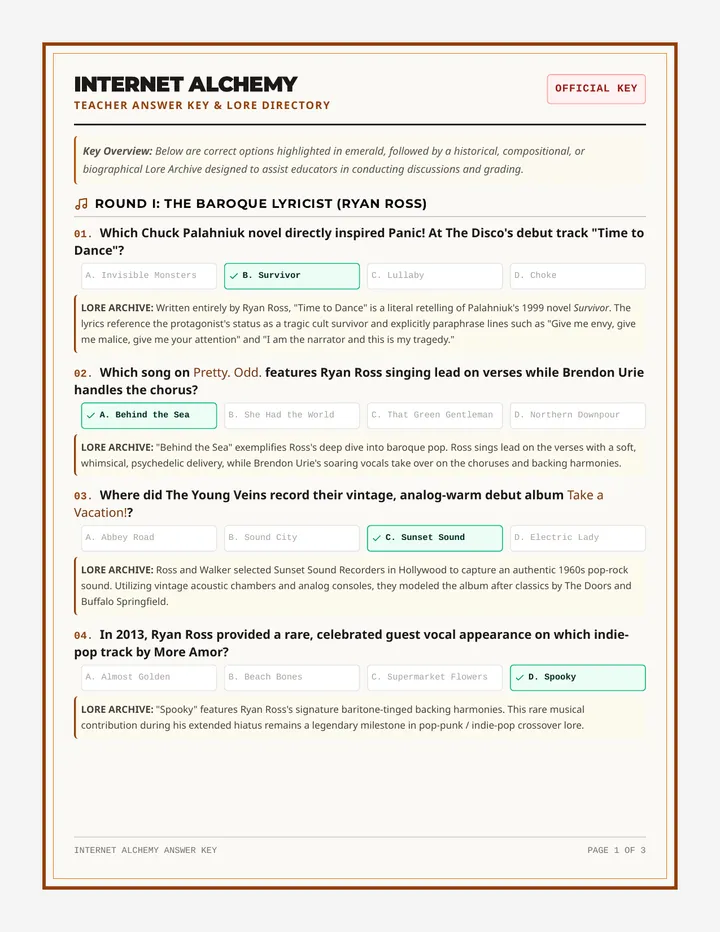
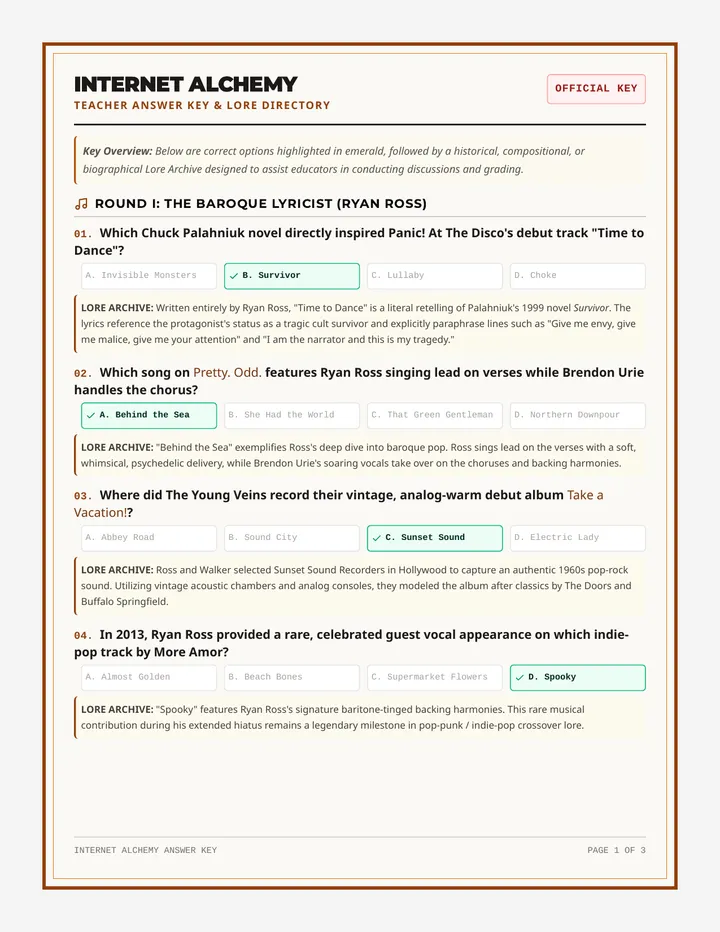
The teacher answer key for the 'Internet Alchemy' trivia lesson. Contains the correct responses to all 14 questions, alongside detailed historical and creative explanations (the 'Lore Archive') for each answer, plus grading rubrics.
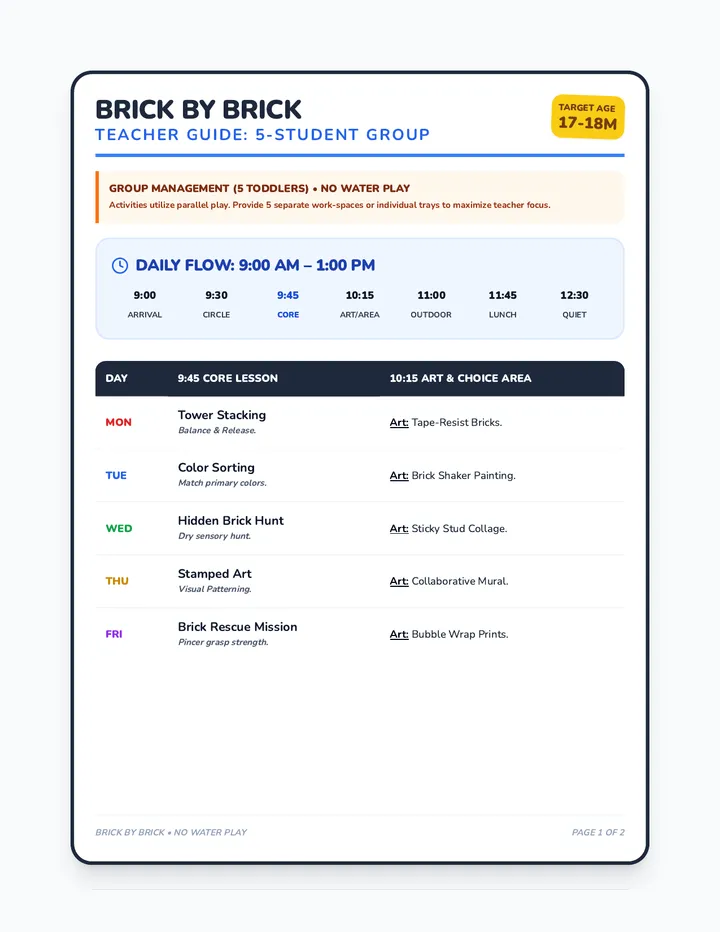
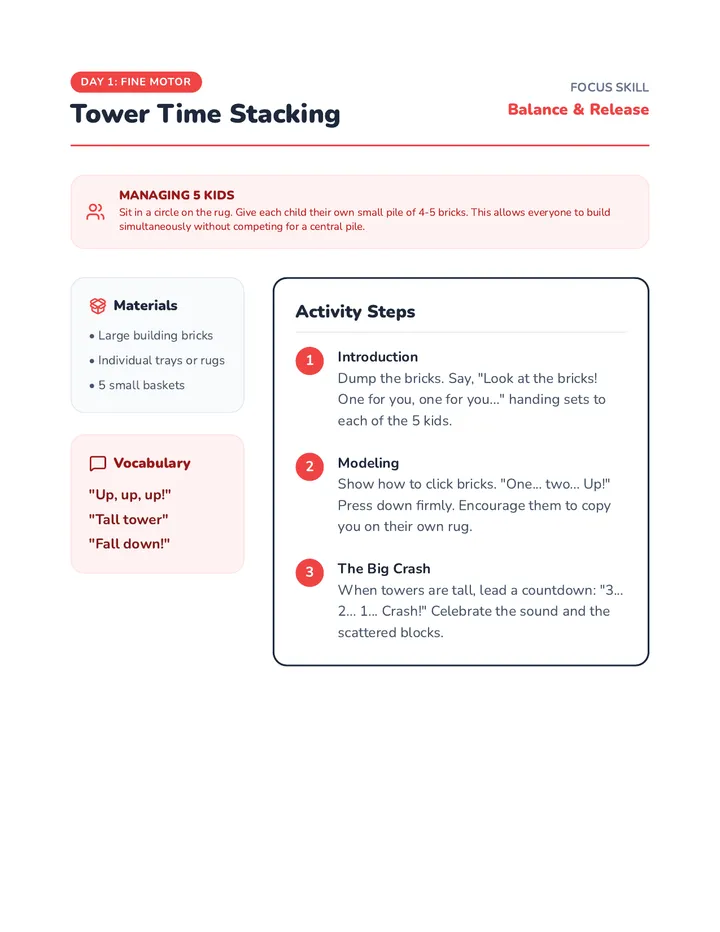
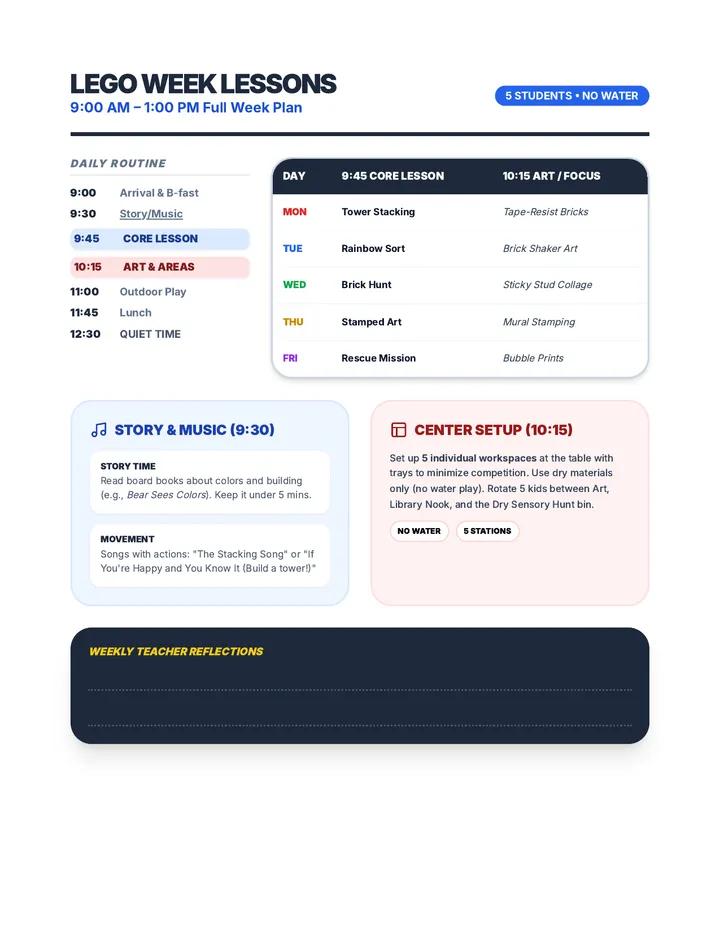
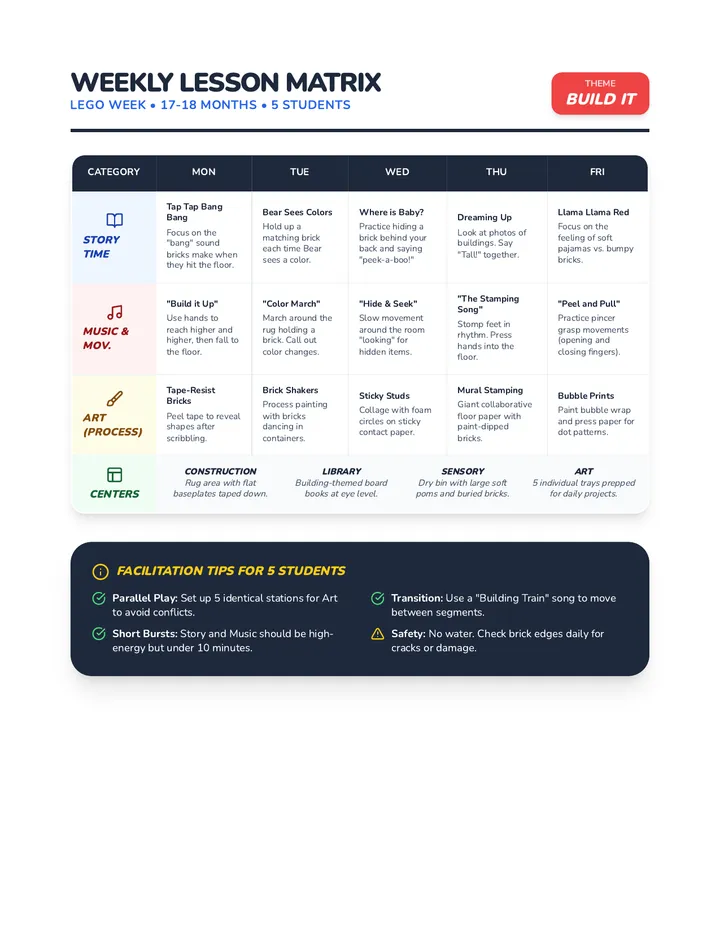
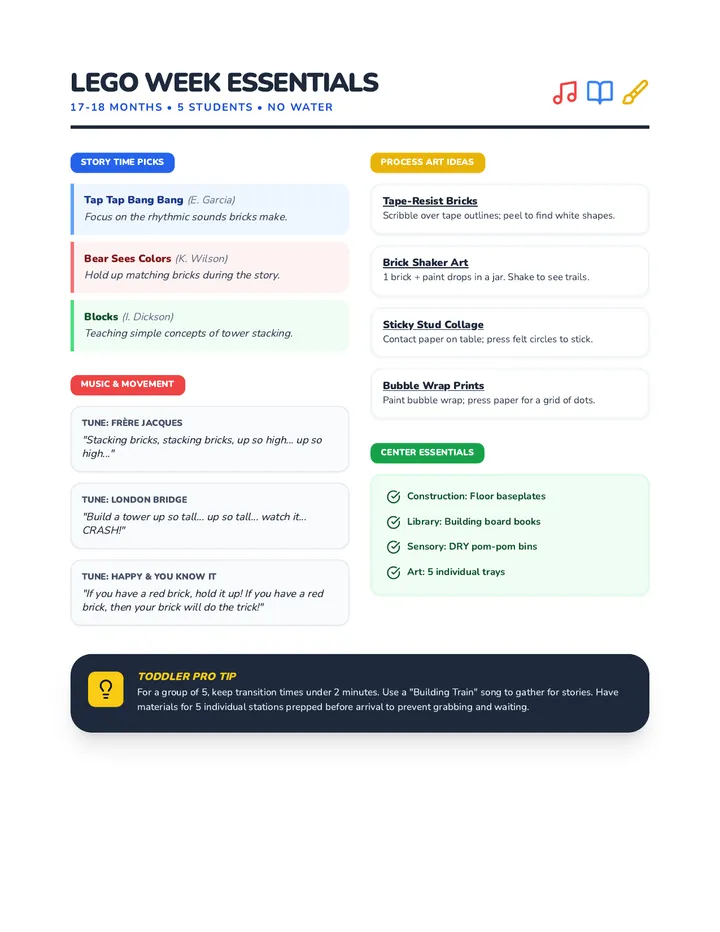
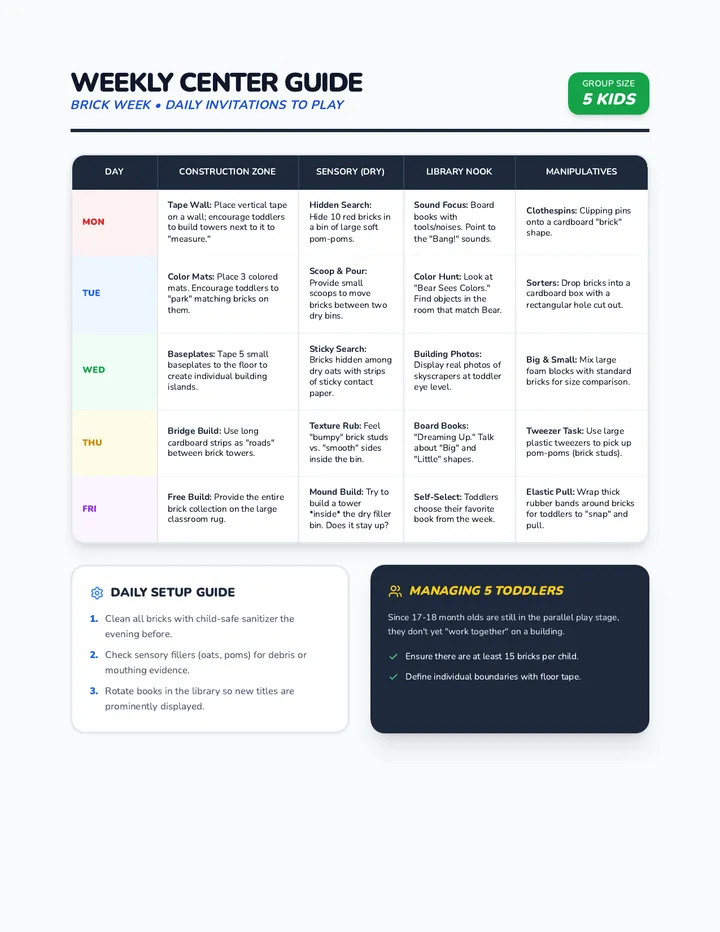
A collection of comprehensive week-long curricula for toddlers aged 17-18 months. Each themed week focuses on developmental play, sensory exploration, and fine motor skills for a group of 5 students with zero water play.
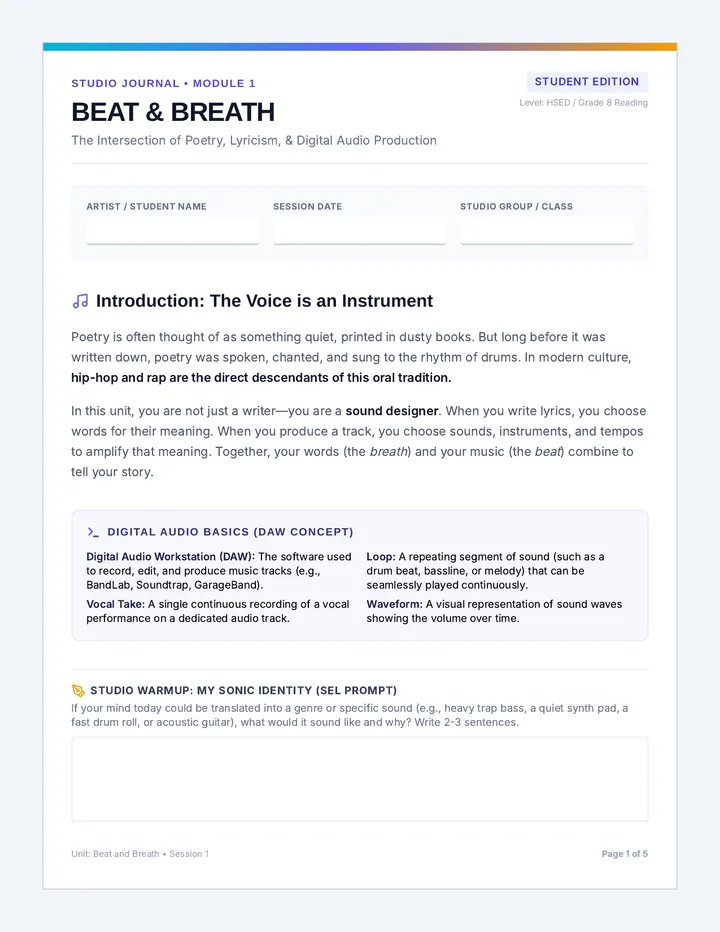
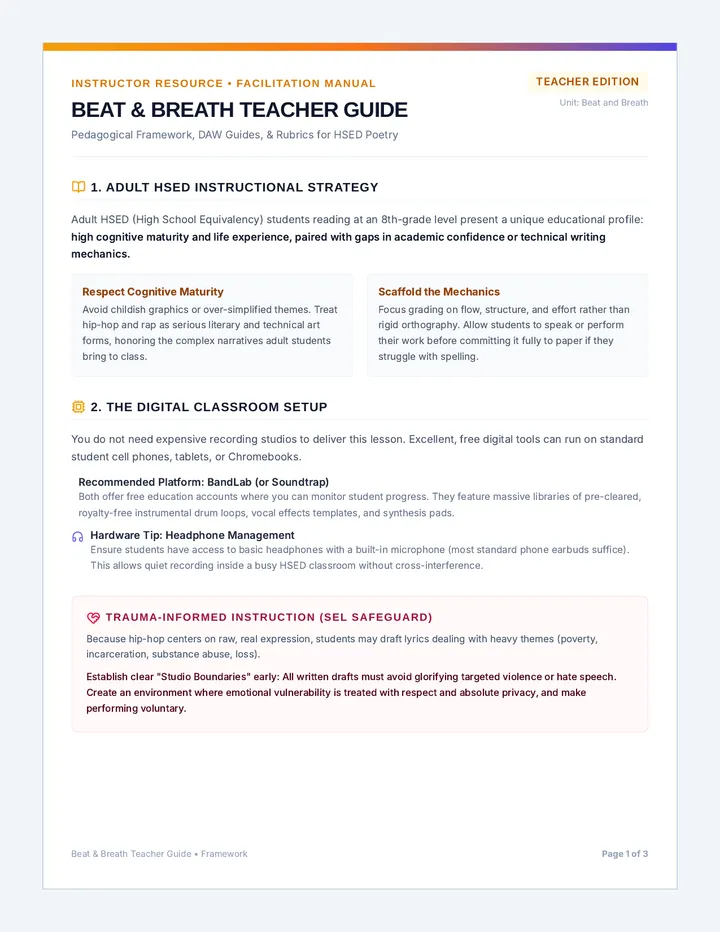
A comprehensive poetry and music production unit for adult HSED students. It integrates poetry analysis, hip-hop lyricism, emotional self-expression (SEL), and digital audio production concepts into a cohesive, print-ready student workbook and teacher guide.