Specialized vocabulary and complex sentence structures across mathematics, science, and social studies. Develops the linguistic precision needed to analyze academic texts and participate in disciplinary discussions.
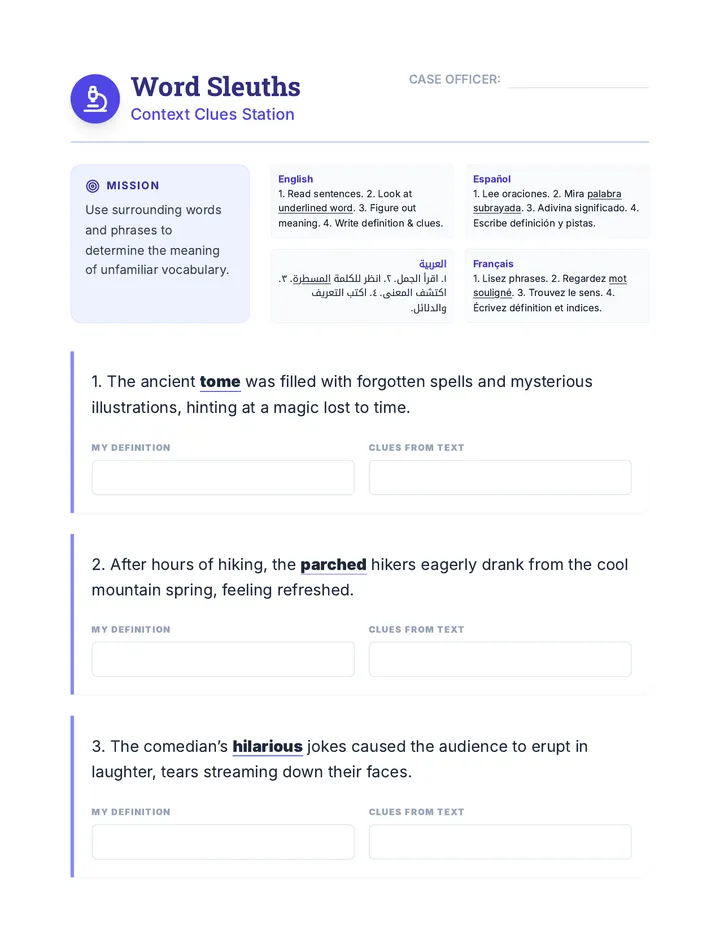
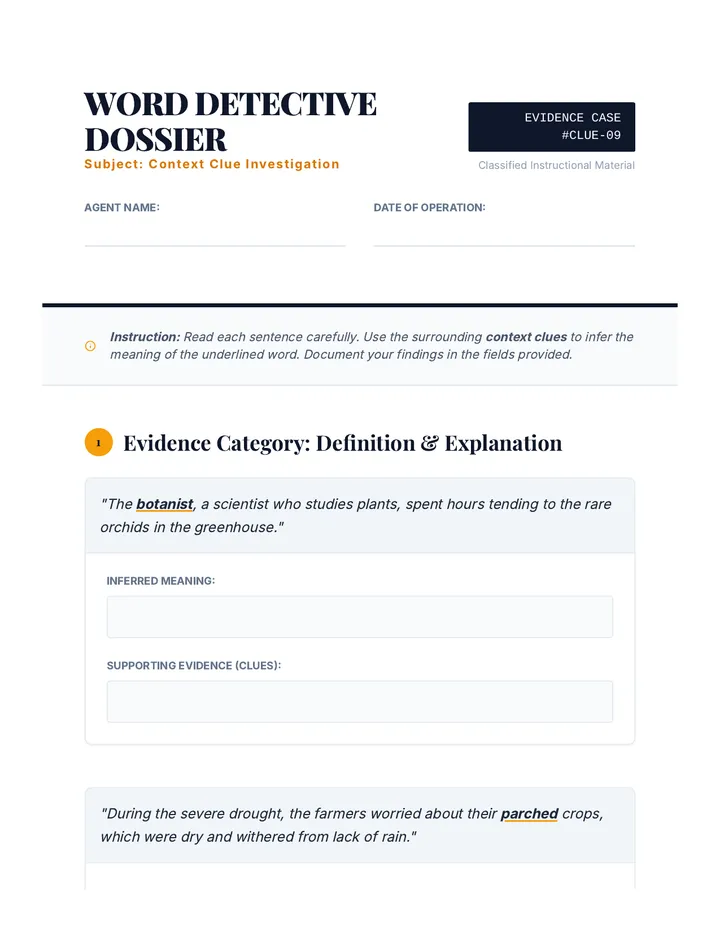
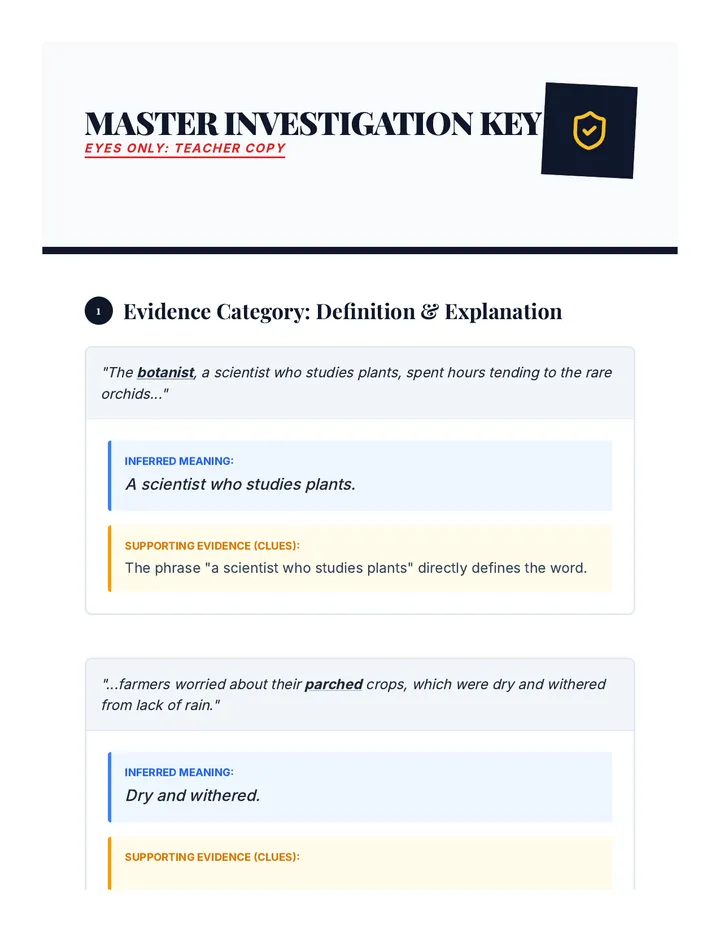
A sequence designed for 7th-grade ESL students to master the art of inferring unknown academic vocabulary through context clues, morphology, syntax, and tone analysis. This unit transforms vocabulary gaps from roadblocks into solvable puzzles using a "Word Detective" theme.
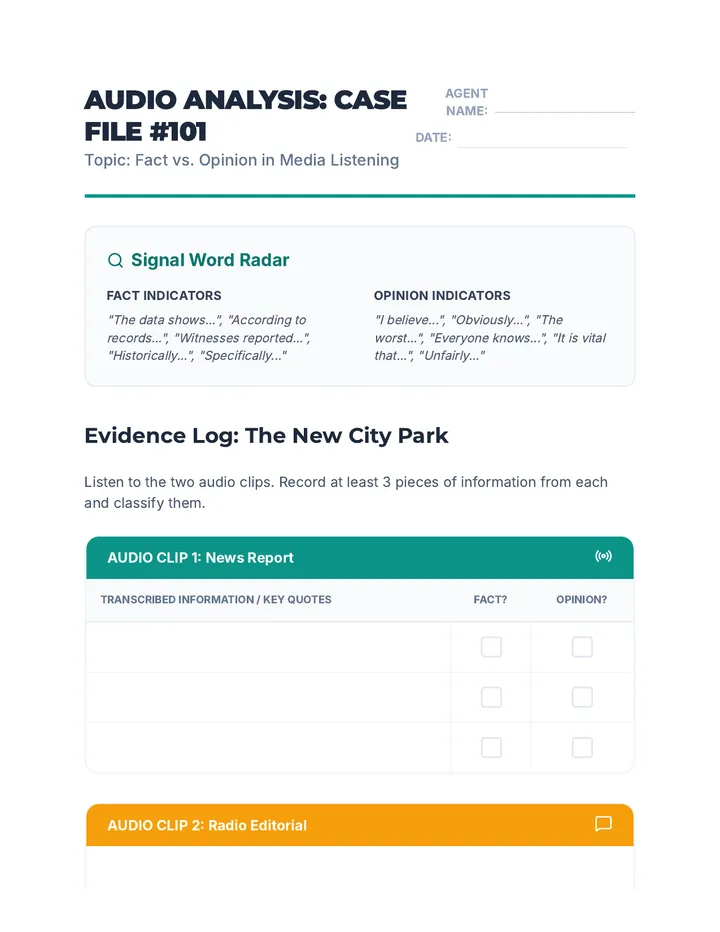
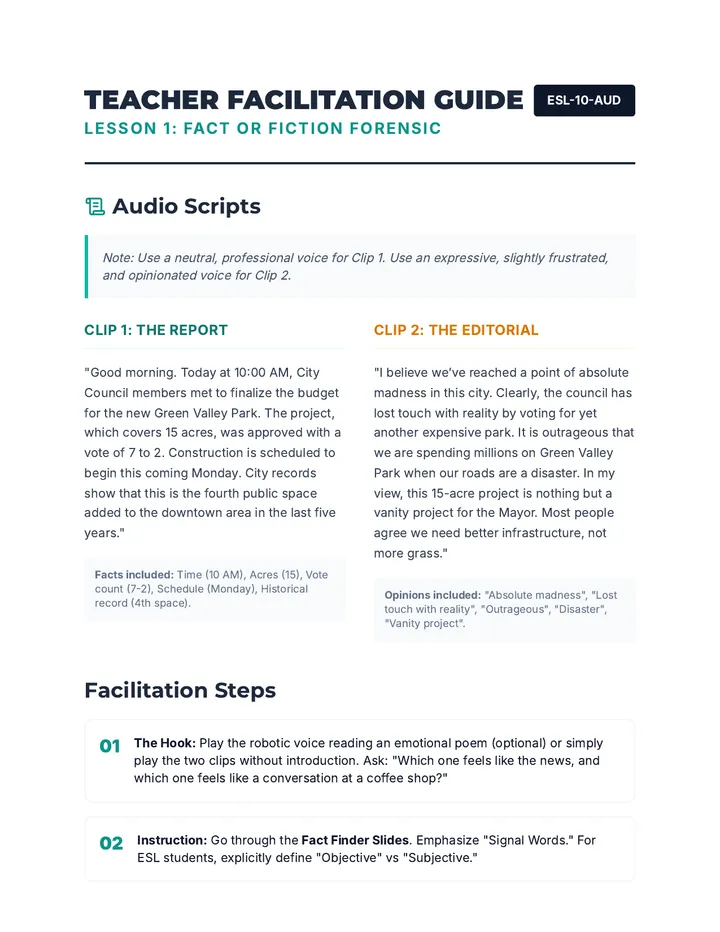
A 10th-grade ESL sequence focused on advanced listening skills. Students learn to detect bias, analyze tone, identify rhetorical devices, and infer speaker relationships through various audio sources like news, speeches, and podcasts.
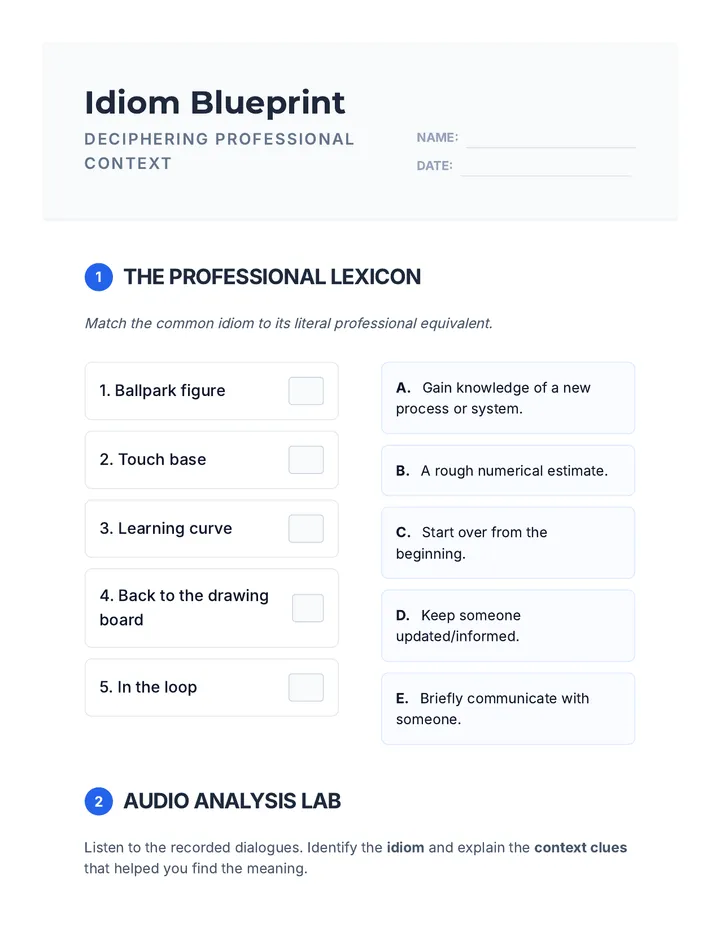
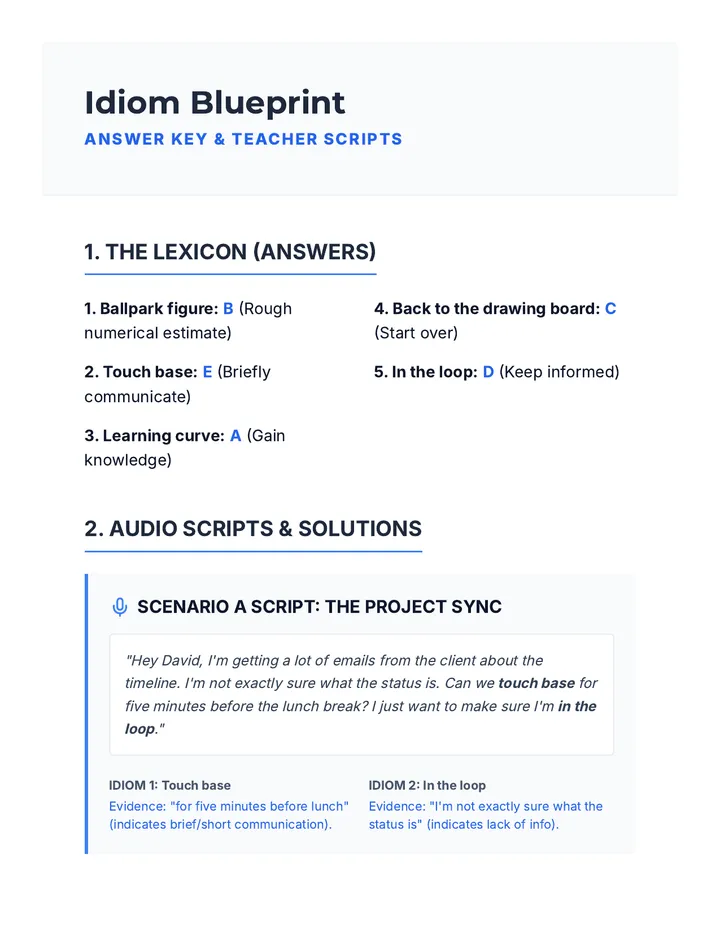
A 5-lesson sequence for graduate students to master idiomatic language, phrasal verbs, and cultural nuances in professional and academic networking environments. Students move from decoding literal meaning to applying figurative language in a high-stakes networking simulation.
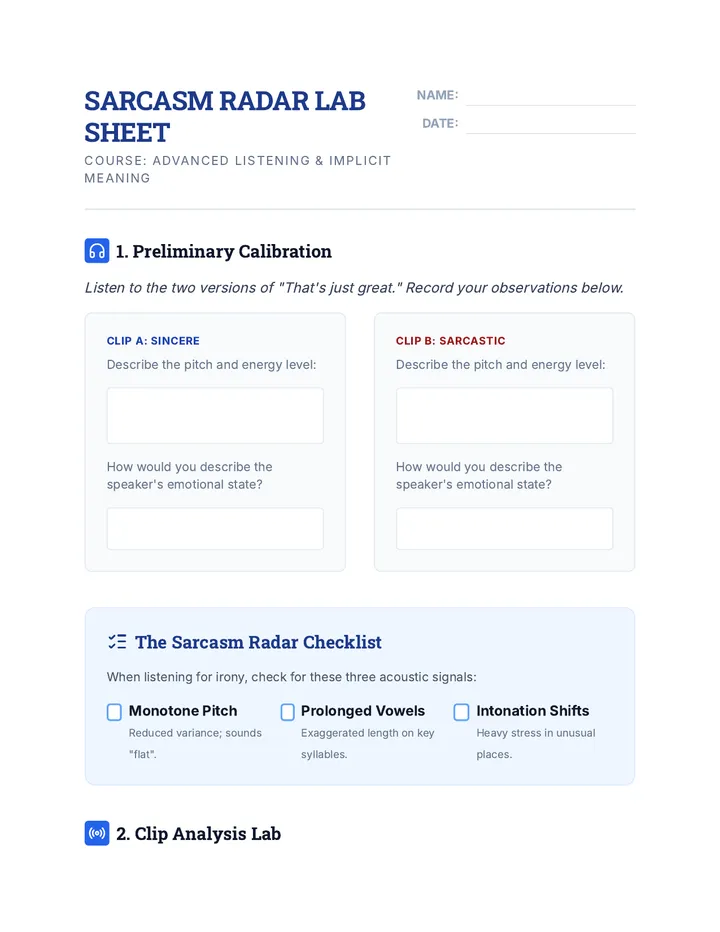
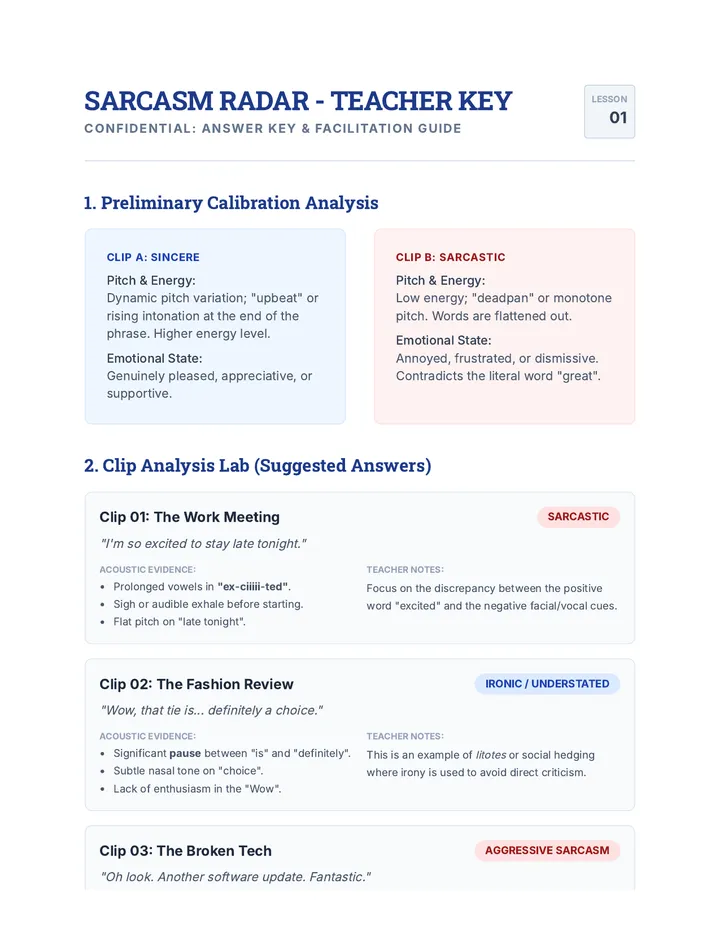
This sequence for graduate ESL students explores the nuances of English beyond literal meaning. Students will master the ability to detect sarcasm, bias, contrastive stress, and professional register, equipping them for complex academic and professional communication.
An advanced exploration of English orthography for undergraduate students, focusing on the etymological origins and morphological structures of blends, digraphs, and trigraphs. This sequence prepares future educators to explain the 'why' behind spelling irregularities using historical linguistics and structural analysis.
This sequence guides intermediate ESL students through the complexities of spoken English, moving from basic sentence stress to the nuances of sarcasm, idioms, and academic signposting. Students will develop the ability to infer speaker intent and respond appropriately in real-world scenarios.
A comprehensive ESL sequence for 3rd graders focused on the language of comparative analysis. Students move from identifying attributes to constructing complex sentences and writing full comparative reports using content from science and social studies.
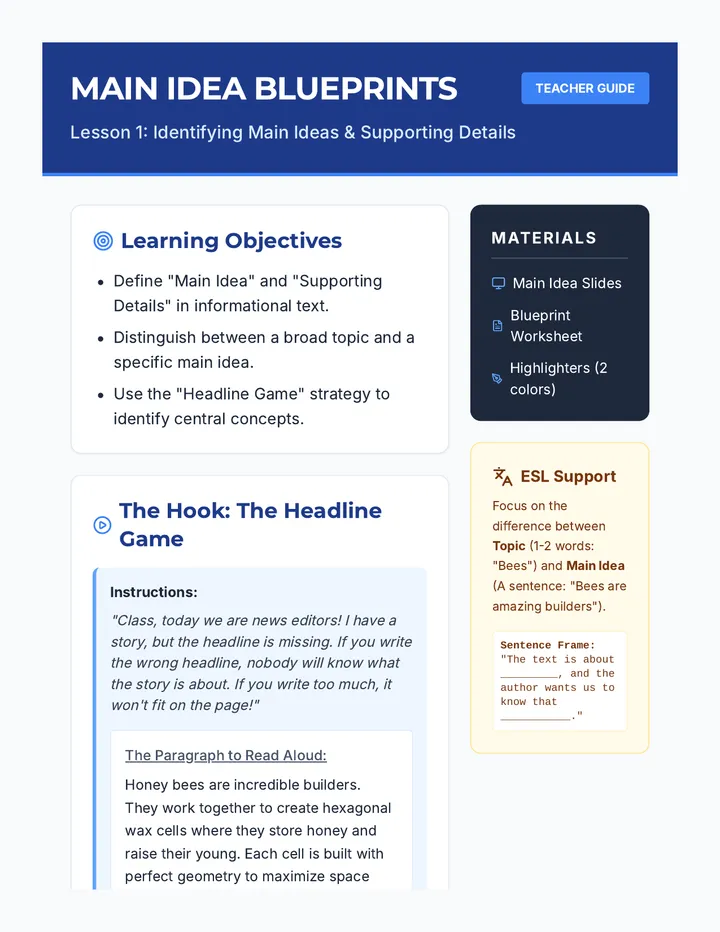
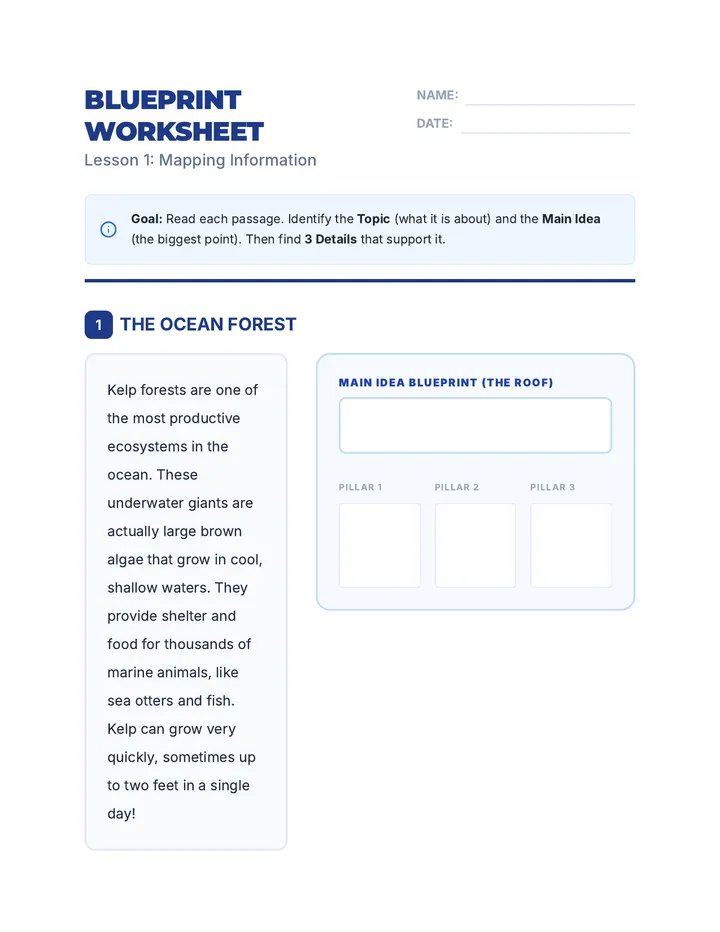
A 5-lesson sequence for 5th Grade ESL students focused on developing academic English skills through paraphrasing and synthesizing information. Students progress from identifying main ideas to drafting complete summary reports using multiple sources and formal attribution.
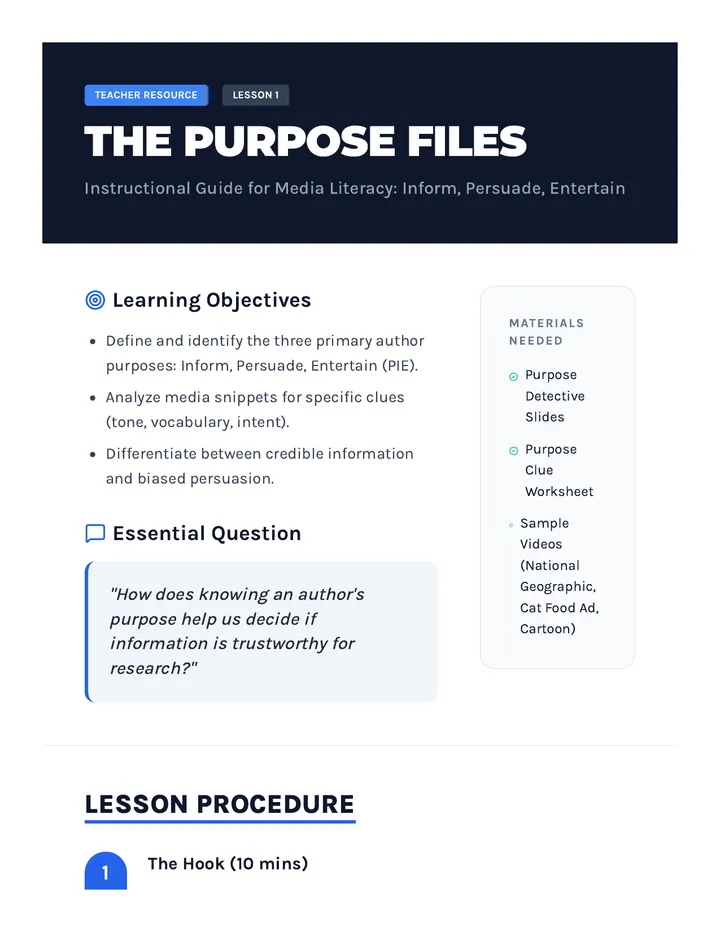
A 5-lesson sequence for 5th-grade ESL students to develop media literacy and research skills. Students learn to distinguish author purpose, evaluate website credibility using the 5 W's, identify bias, and corroborate information across multiple sources.
A comprehensive workshop-style unit for 6th Grade ESL students focused on the linguistic mechanics of paraphrasing and synthesizing information. Students move from identifying core concepts to orally retelling information, transforming individual sentences, and finally weaving multiple sources into a single coherent paragraph without plagiarizing.
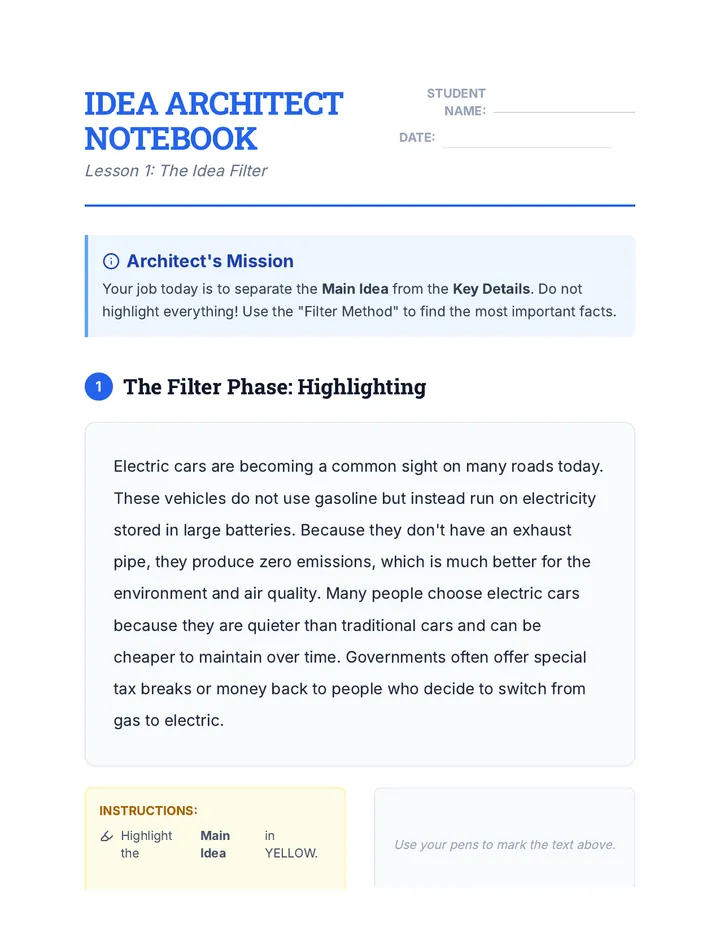
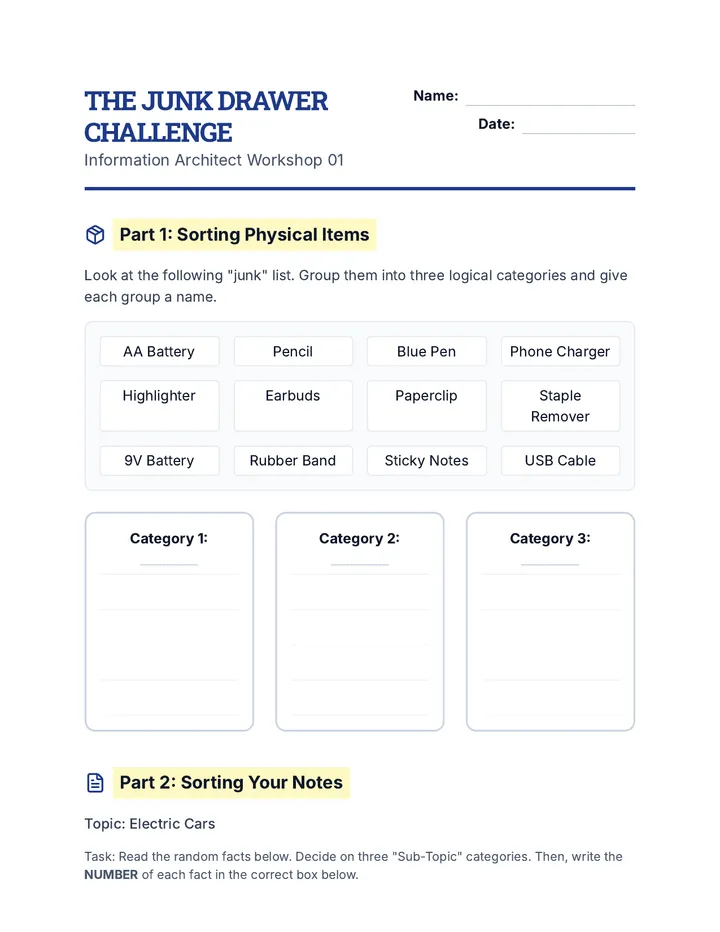
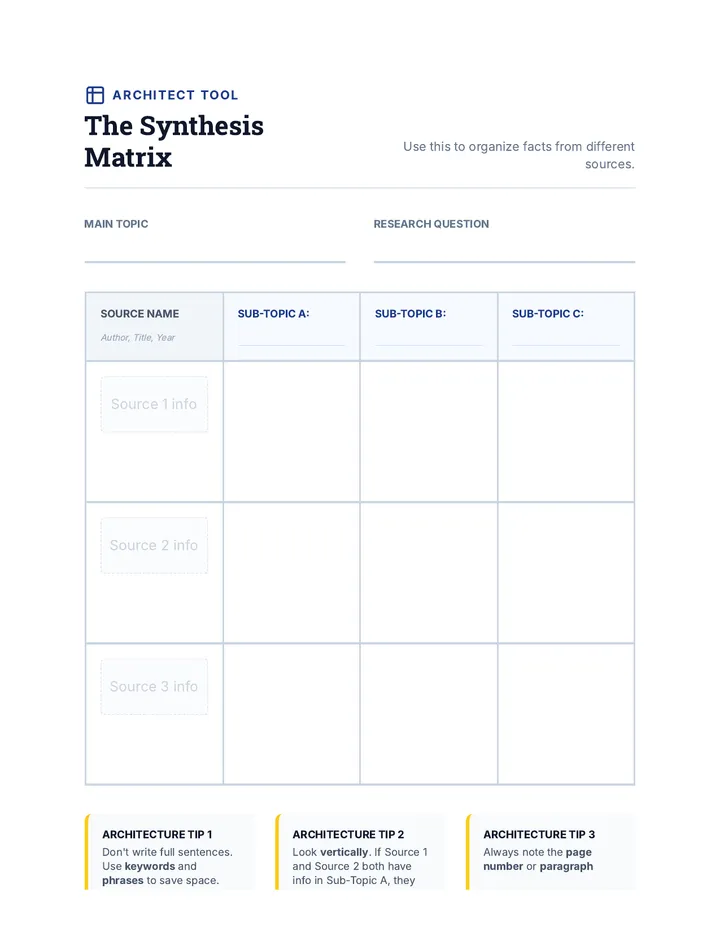
A comprehensive 5-lesson sequence designed for 7th-grade ESL students to master the art of synthesizing information. Students progress from organizing raw research notes to writing sophisticated, cohesive academic paragraphs using evidence from multiple sources.
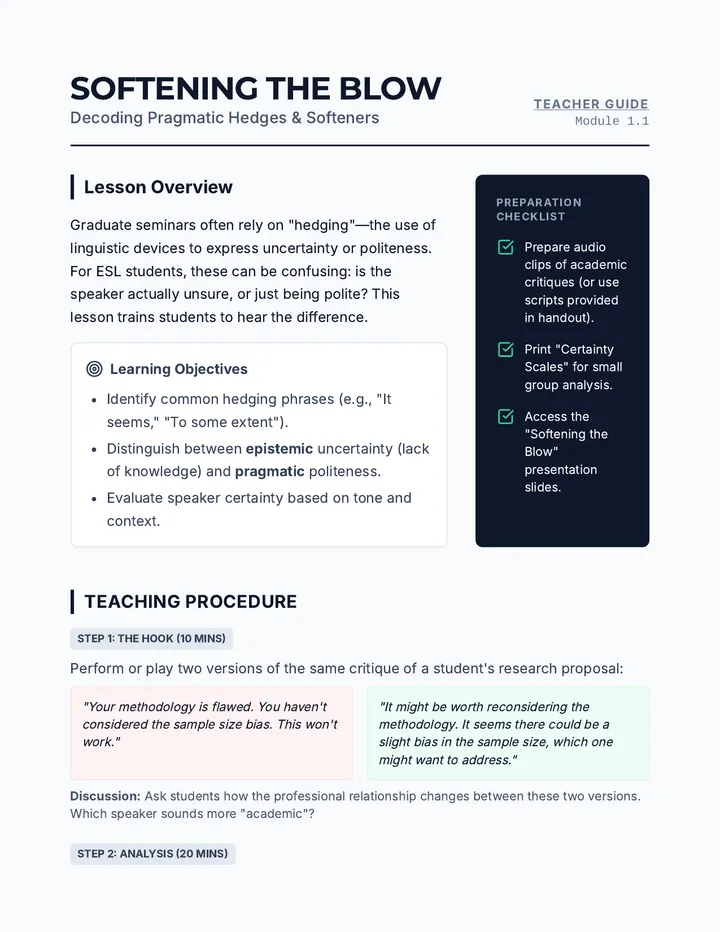
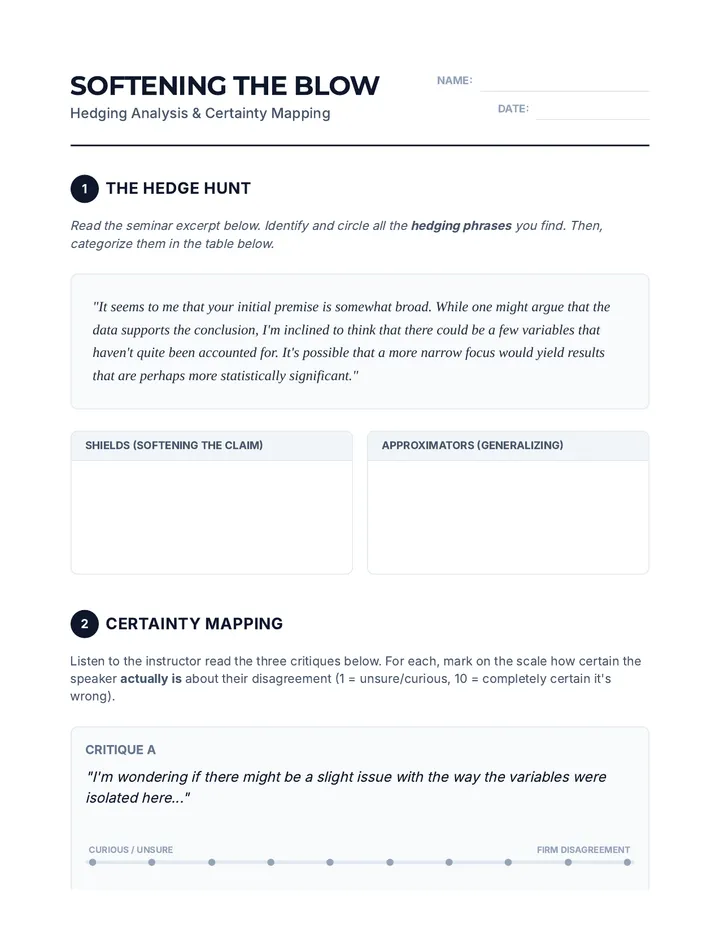
A graduate-level ESL listening sequence focused on the pragmatics of academic discourse. Students learn to navigate the subtleties of seminar discussions by identifying hedging, turn-taking signals, disagreement strategies, and multi-speaker argument threads.
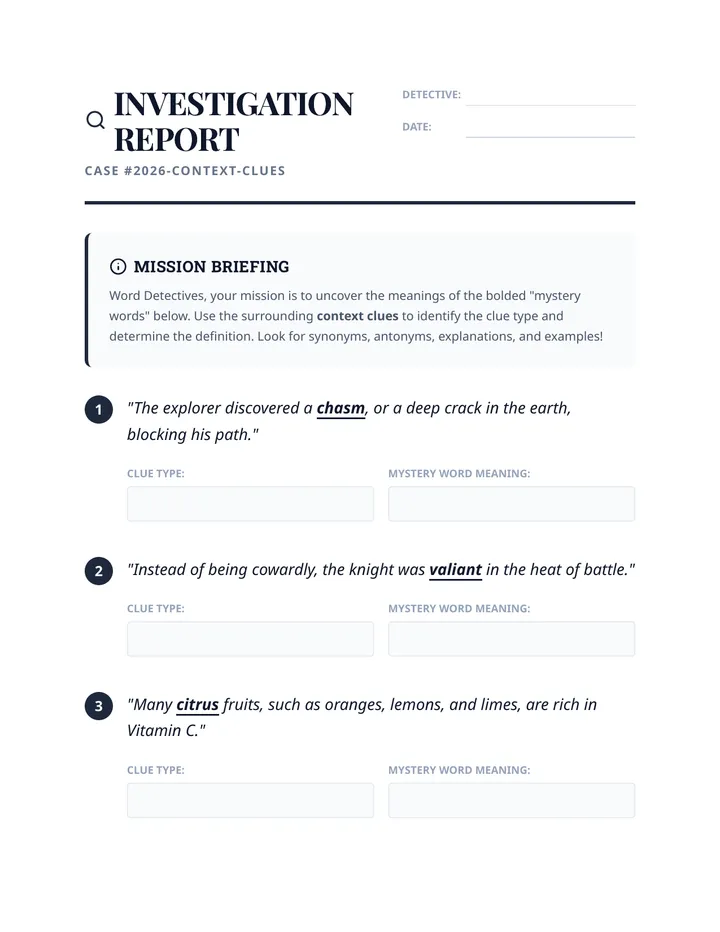
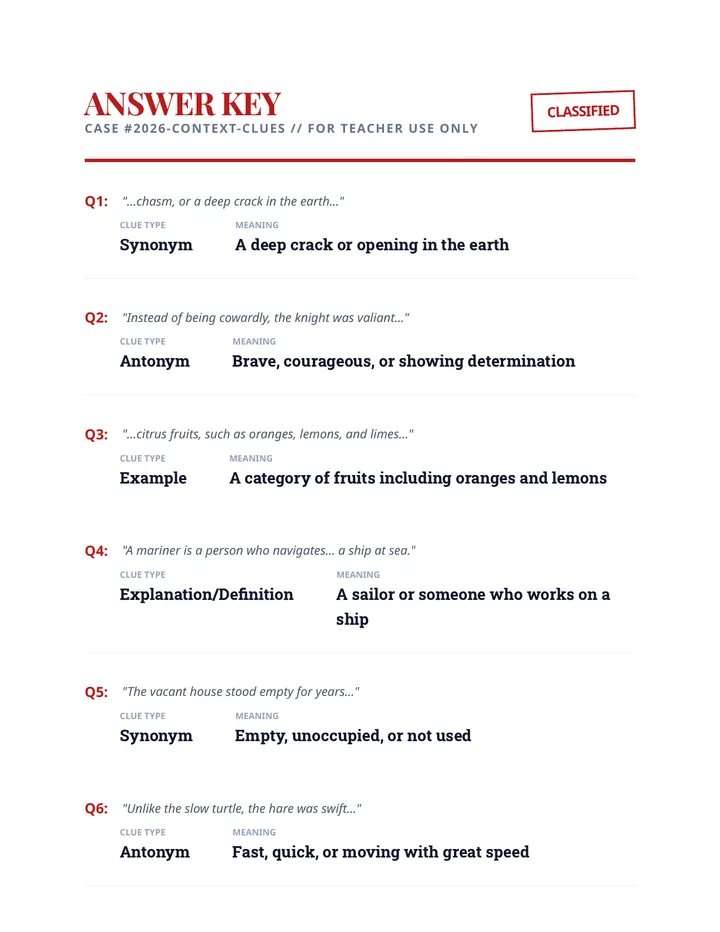
A 30-minute lesson for elementary students focused on using context clues (definitions, synonyms, antonyms, and examples) to decode academic vocabulary. Includes interactive slides, a scavenger hunt game, and independent practice.
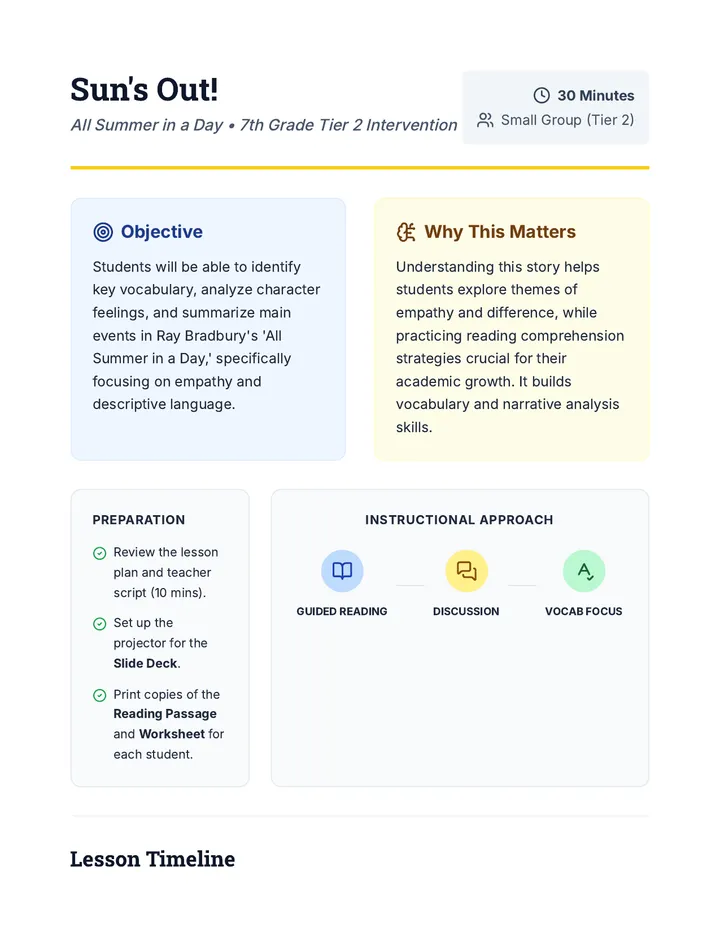
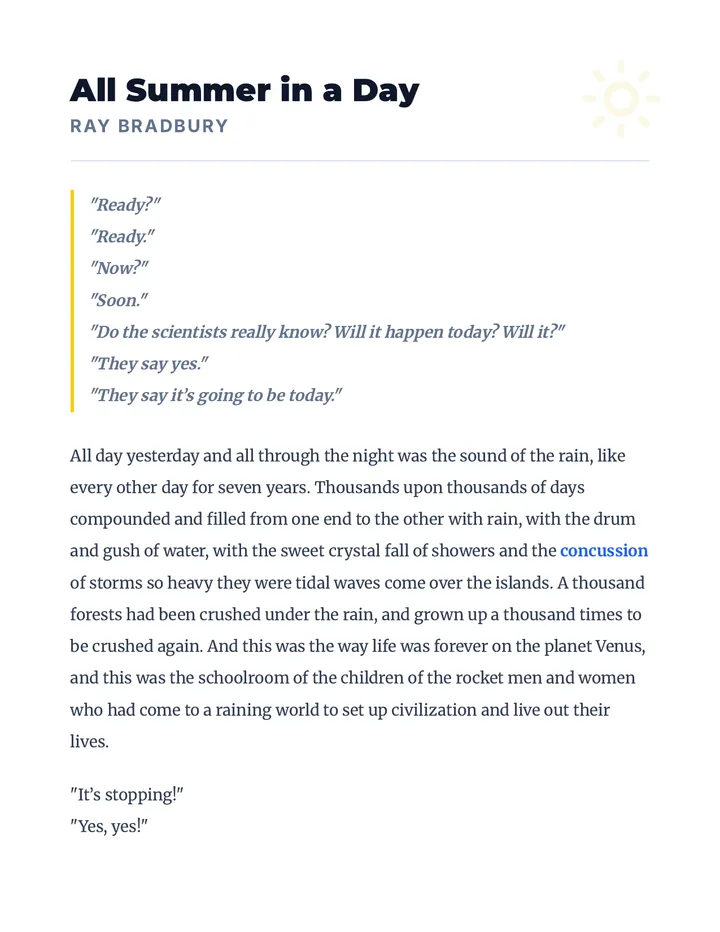
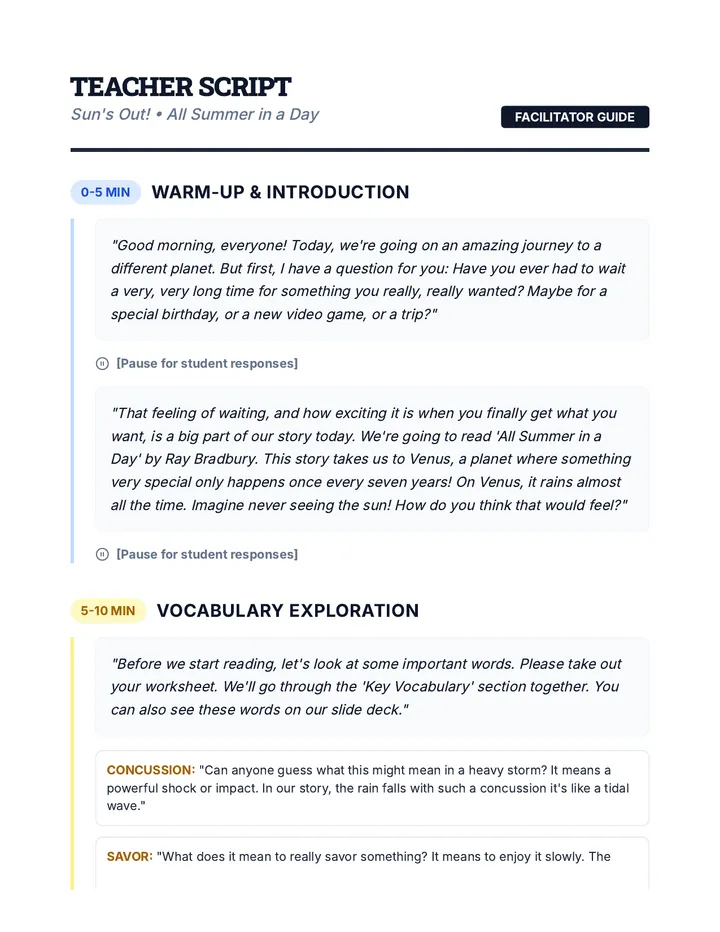
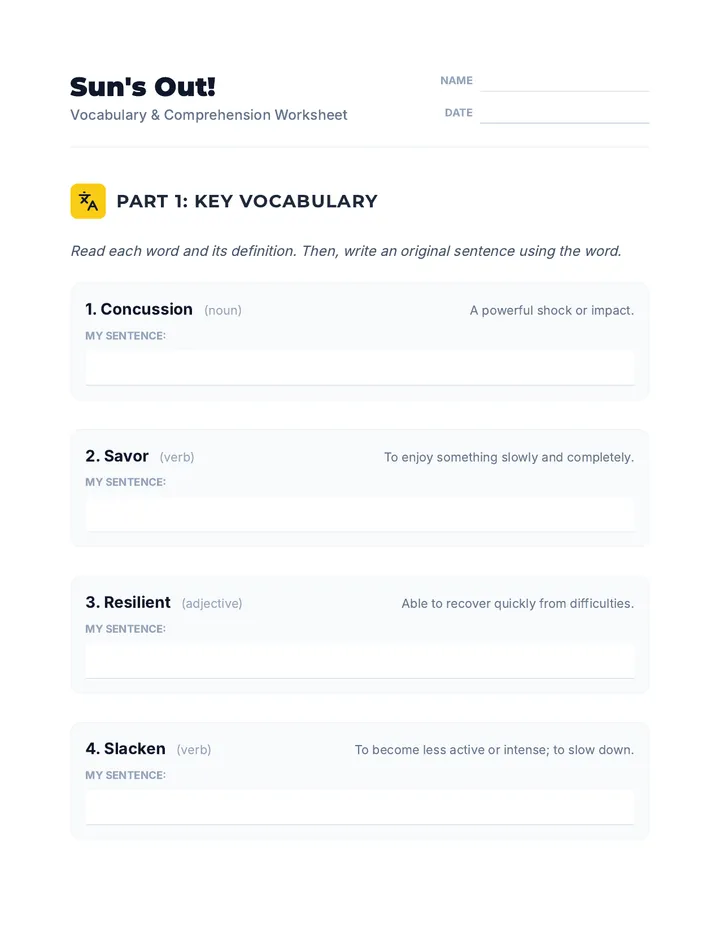
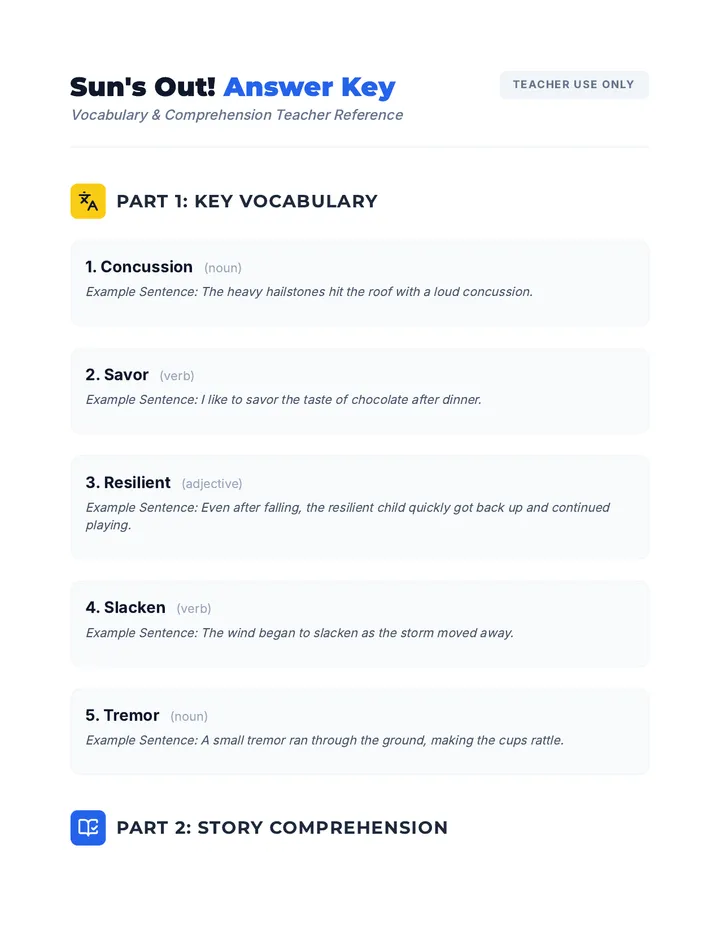
A 30-minute Tier 2 intervention lesson for 7th-grade students exploring Ray Bradbury's 'All Summer in a Day.' Focuses on vocabulary, character empathy, and comprehension through guided reading and discussion.
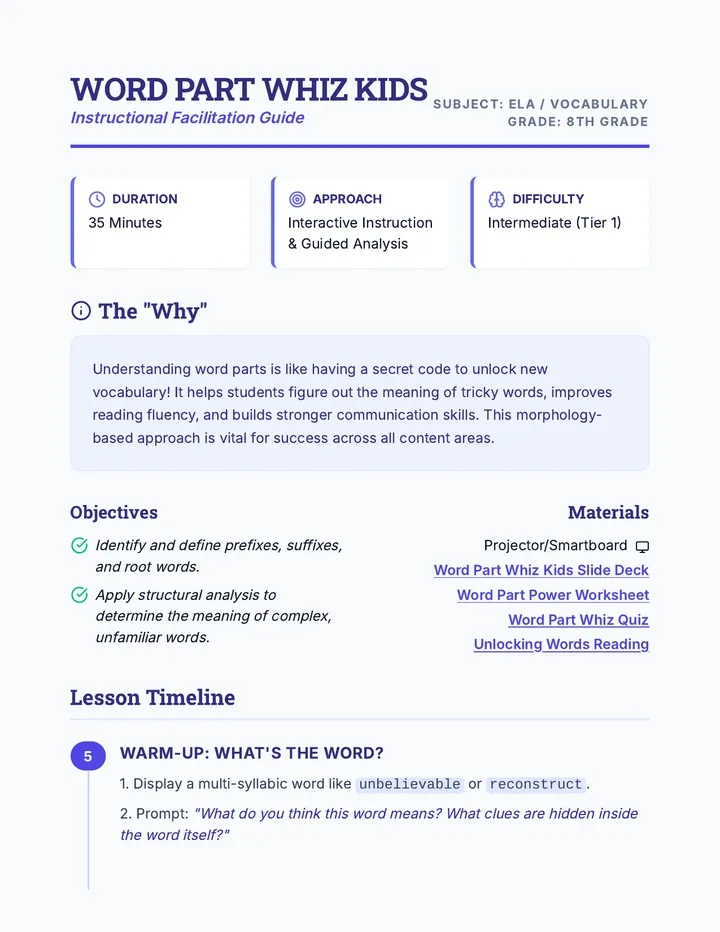
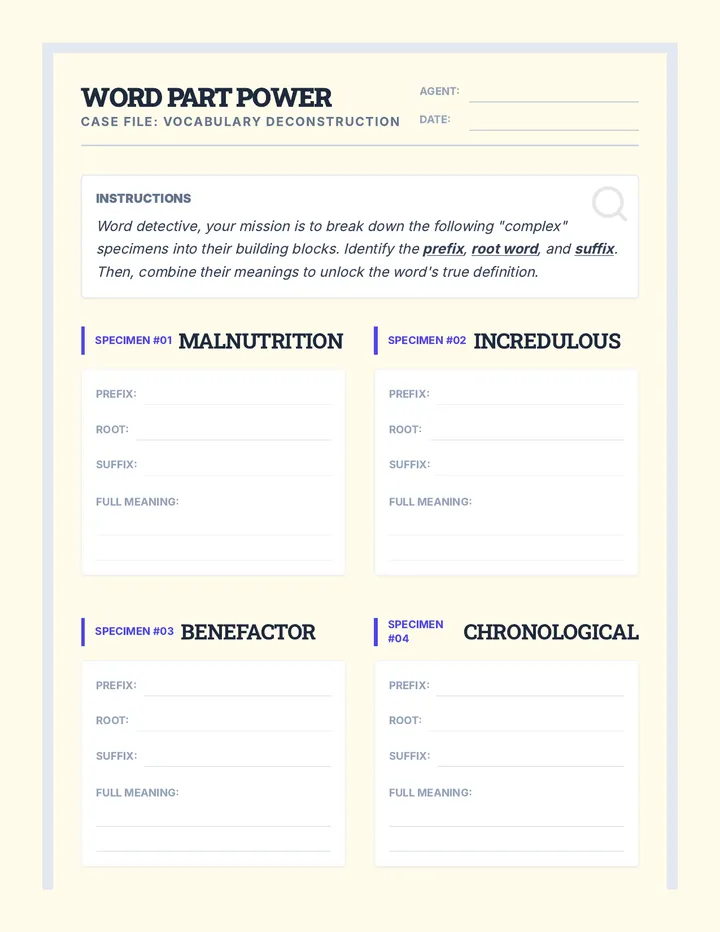
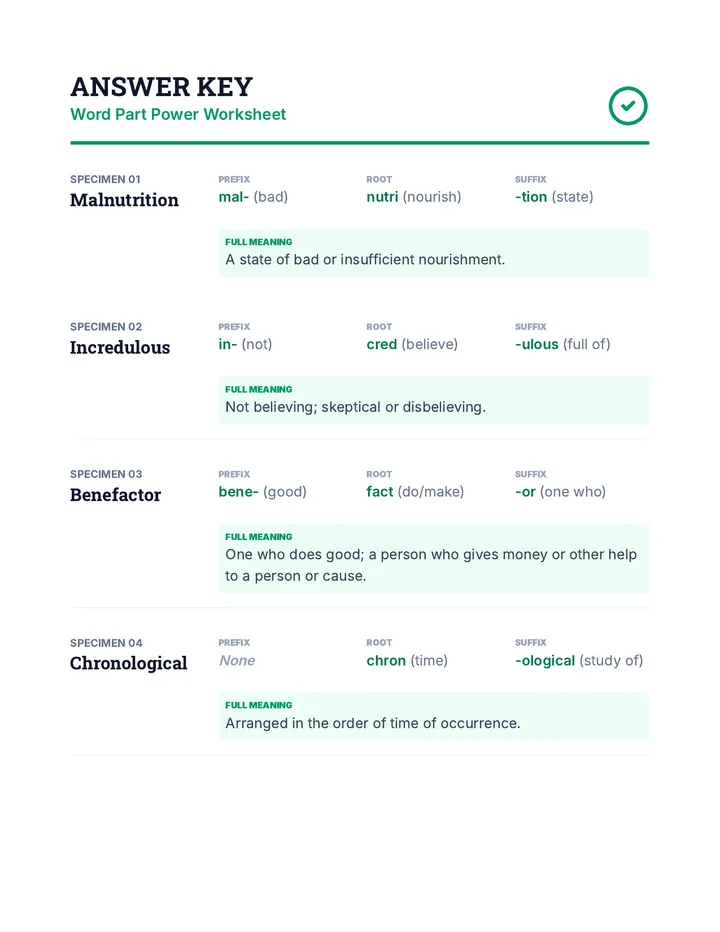
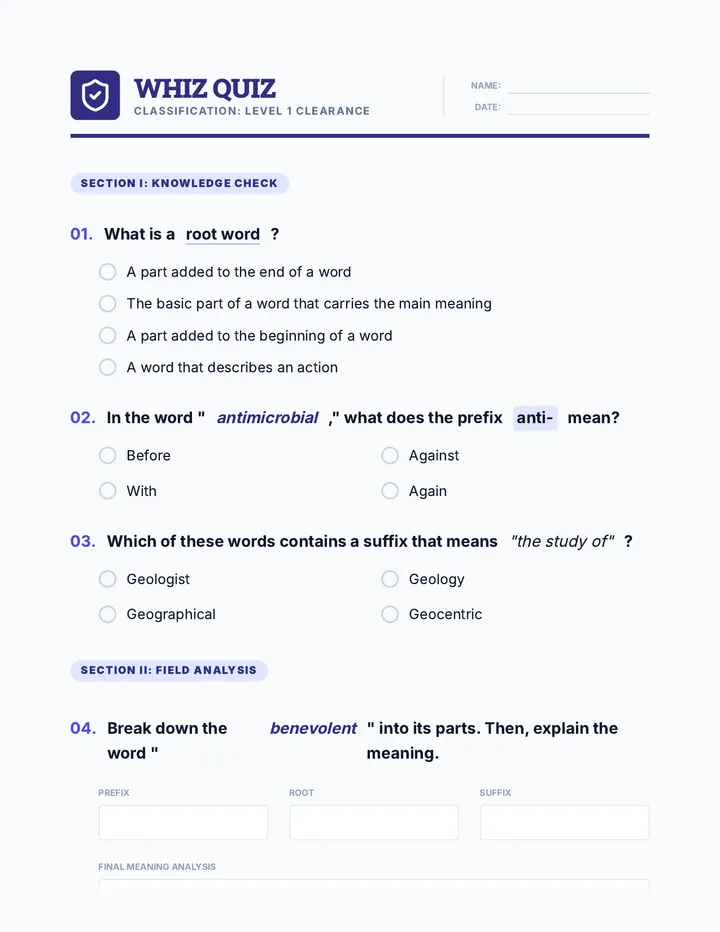
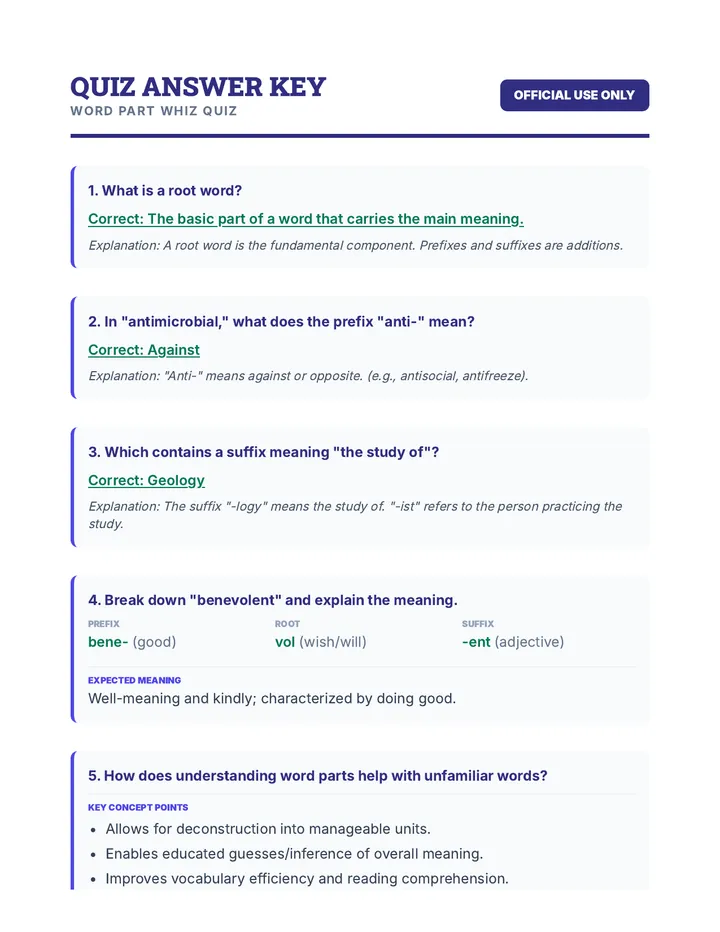
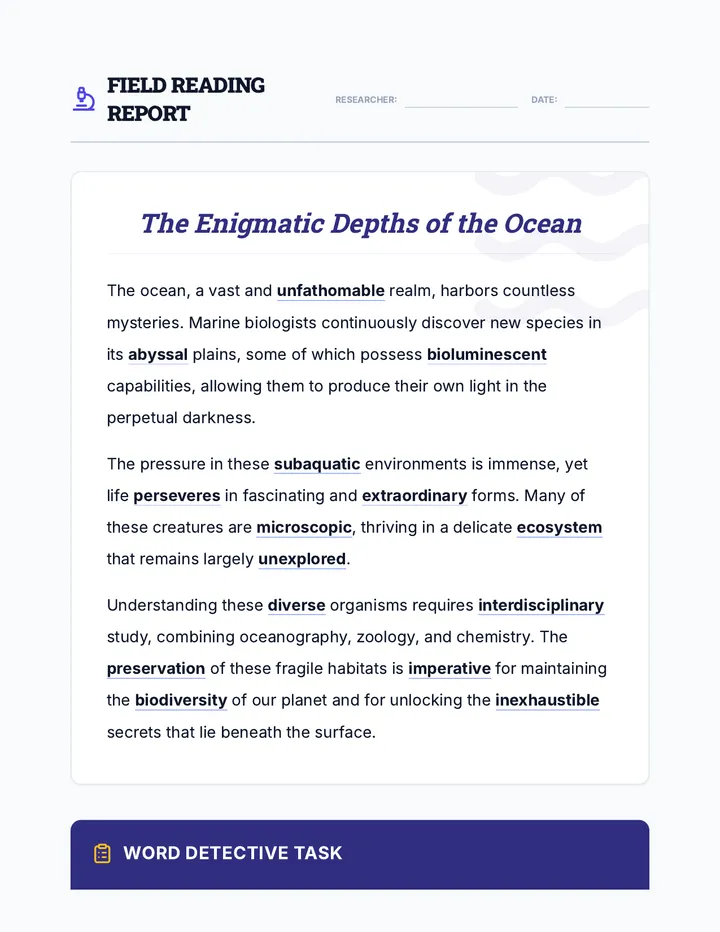
A 35-minute lesson for 8th graders on deconstructing complex words into prefixes, suffixes, and root words to improve vocabulary and comprehension. Students act as 'word detectives' to unlock the meanings of unfamiliar academic language.
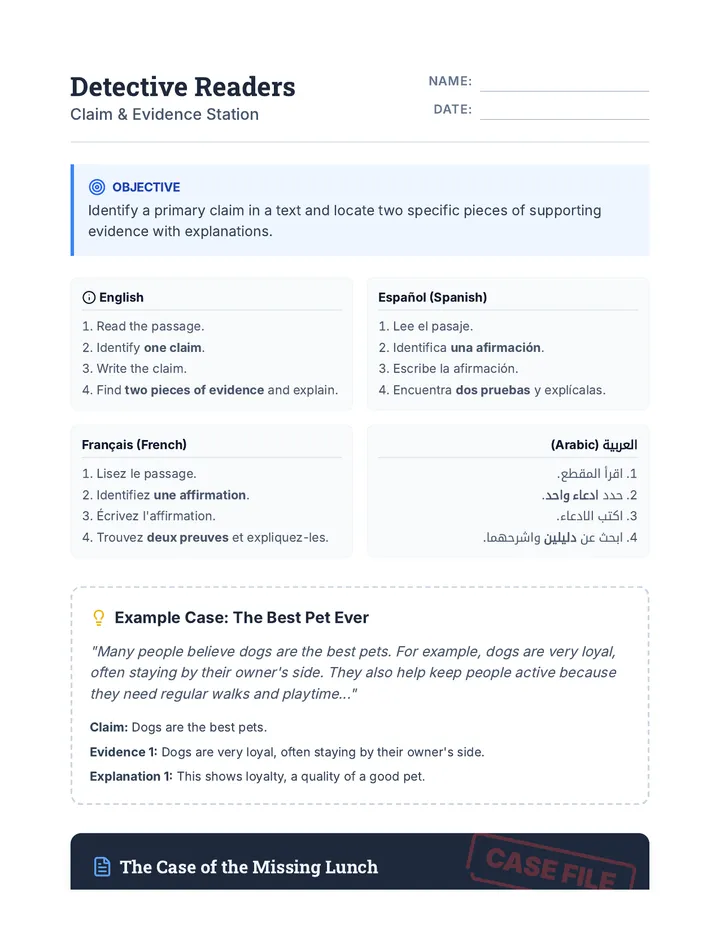
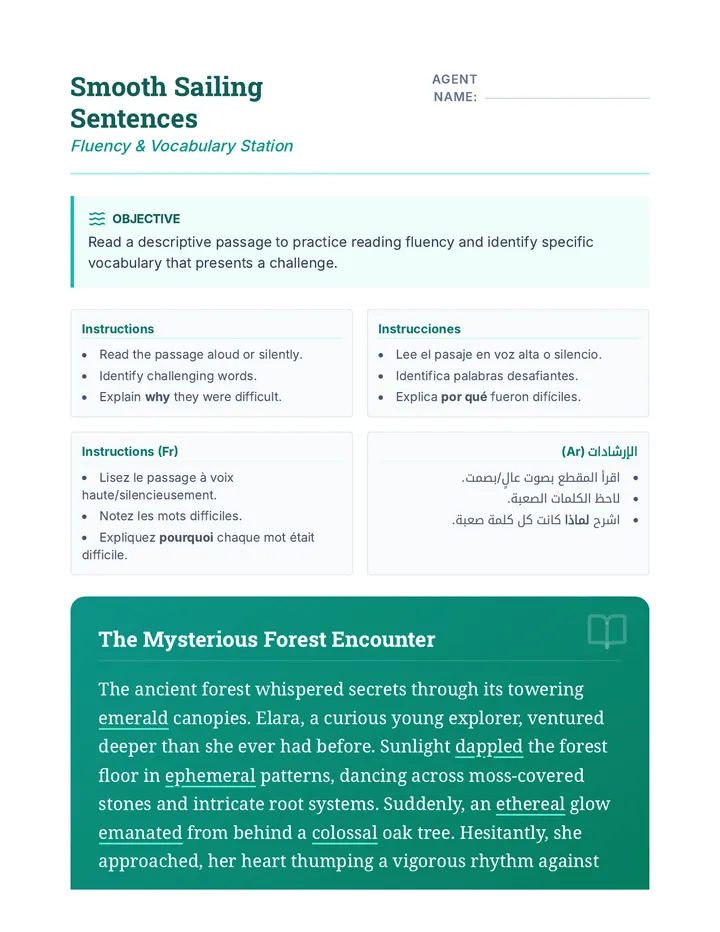
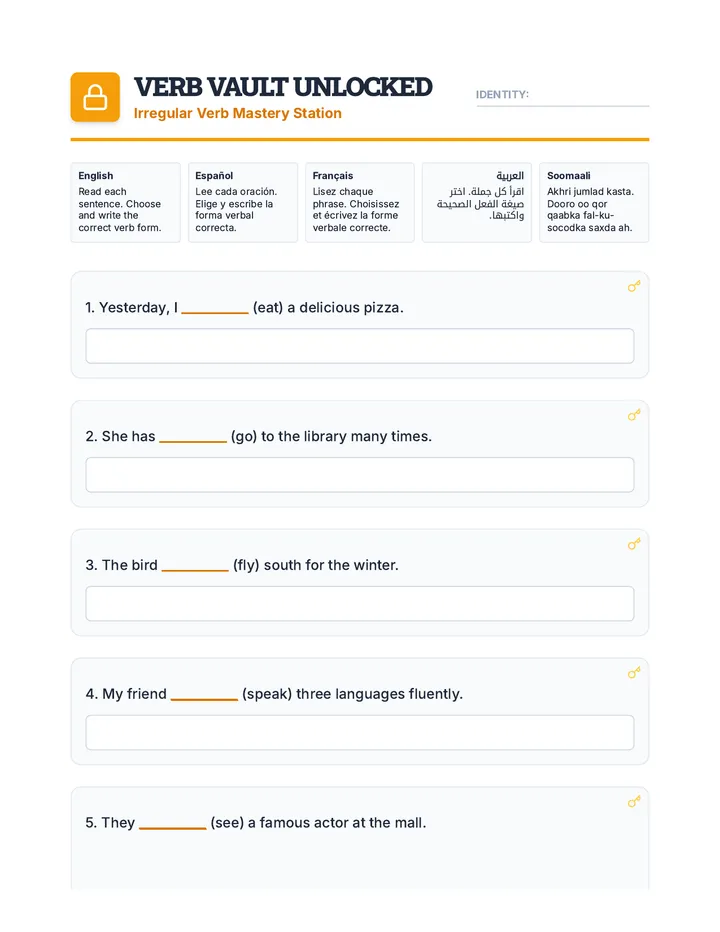
A station-based lesson for 9th-grade ESL students focusing on core language skills: claim and evidence, reading fluency, irregular verbs, context clues, and morphology. Students rotate through five 12-minute stations designed for targeted practice and engagement.
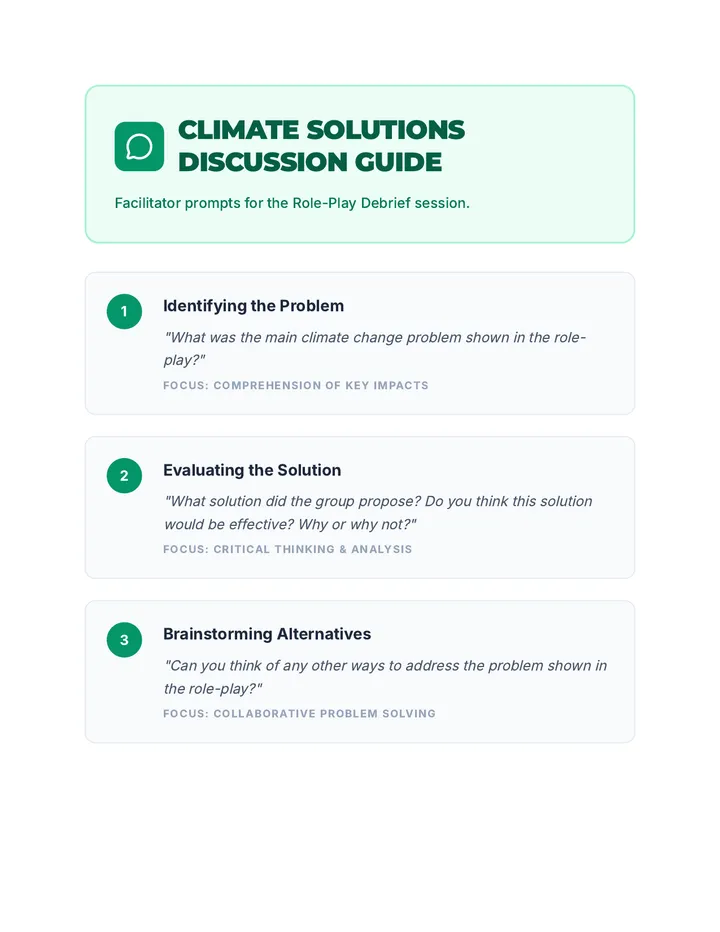
A 60-minute interactive lesson for 13-14 year old English language learners focused on climate change vocabulary, civic engagement, and collaborative problem-solving. Students explore causes, effects, and solutions through reading, role-play, and creative projects.
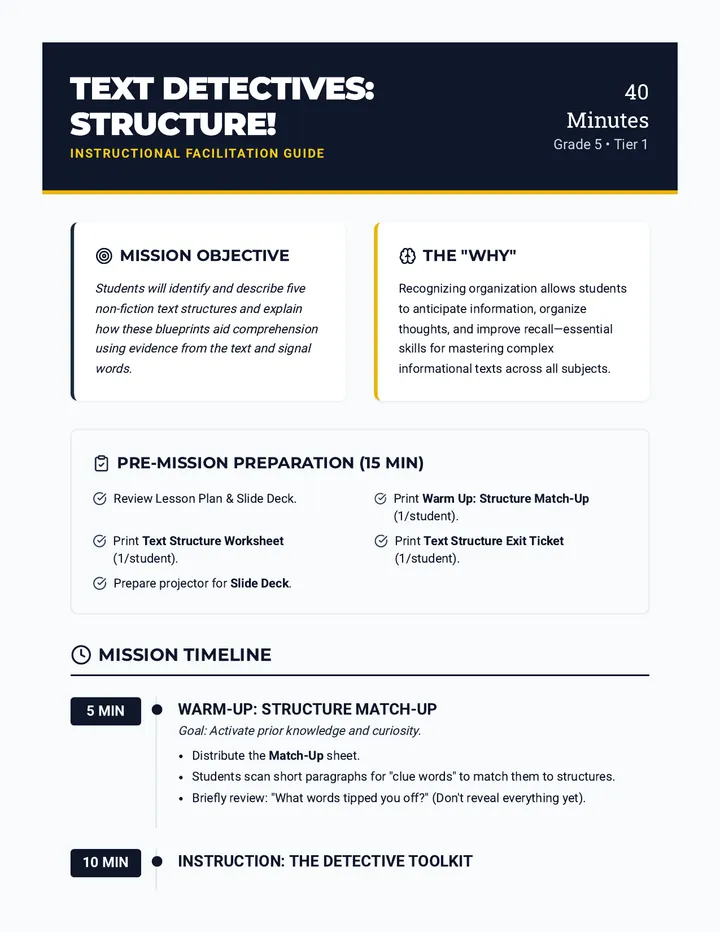
A 40-minute lesson where 5th-grade 'Text Detectives' learn to identify five common non-fiction text structures: description, sequence, compare/contrast, cause/effect, and problem/solution. Students use signal words and organizational clues to improve their reading comprehension.
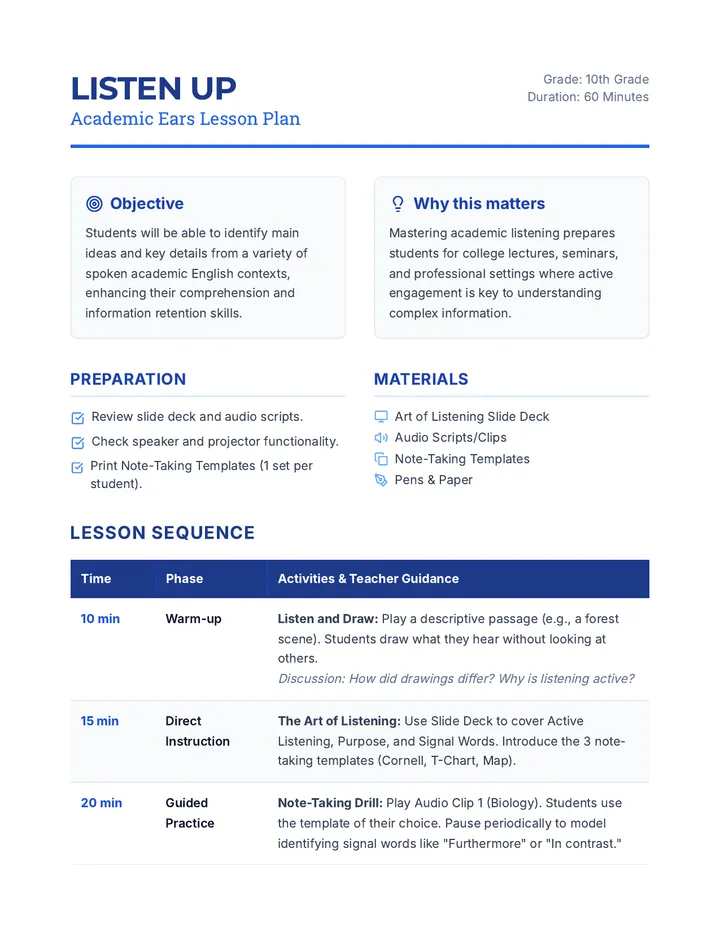
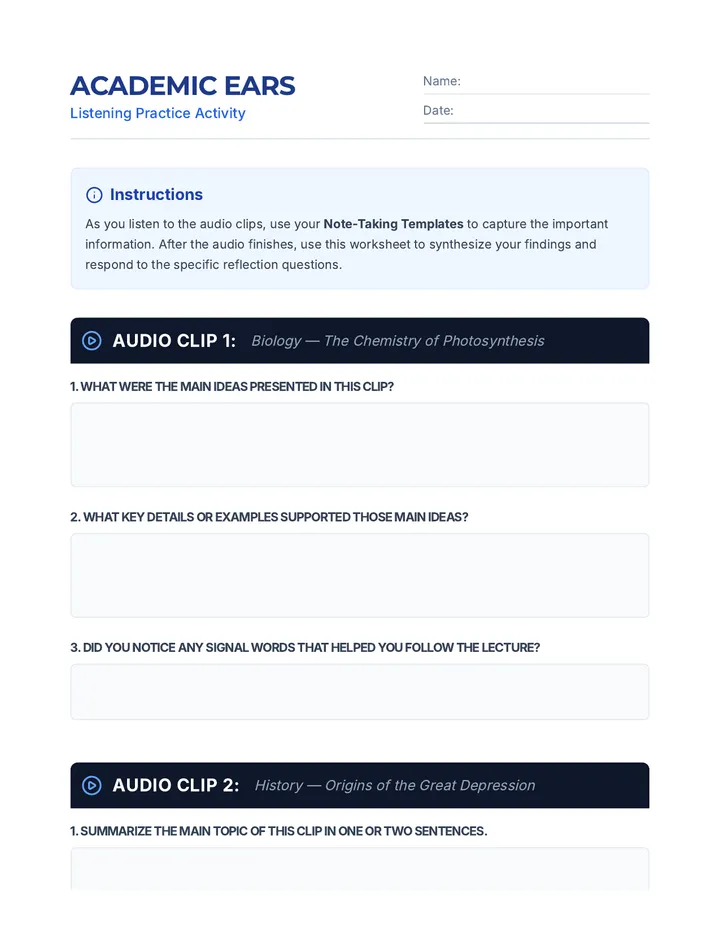
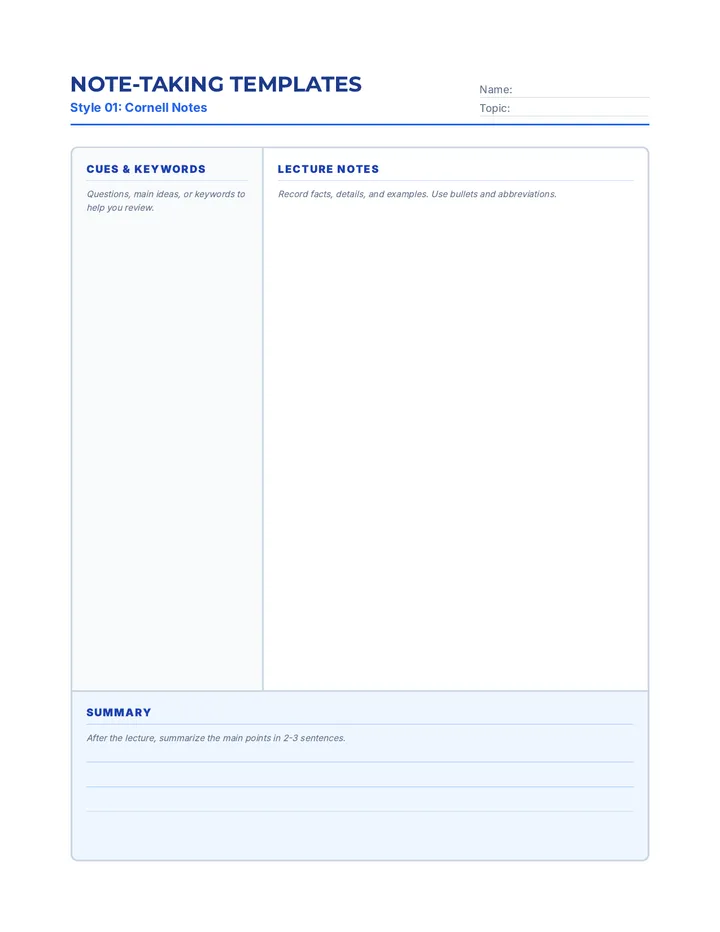
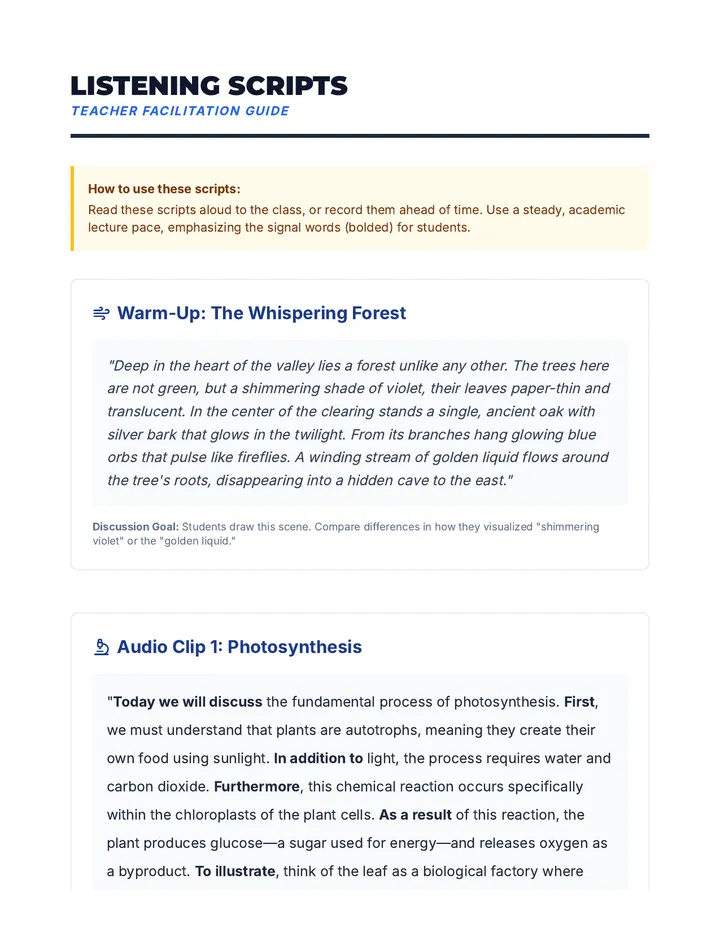
A comprehensive 60-minute lesson for 10th-grade students focused on active listening, note-taking strategies, and identifying key information in academic settings.
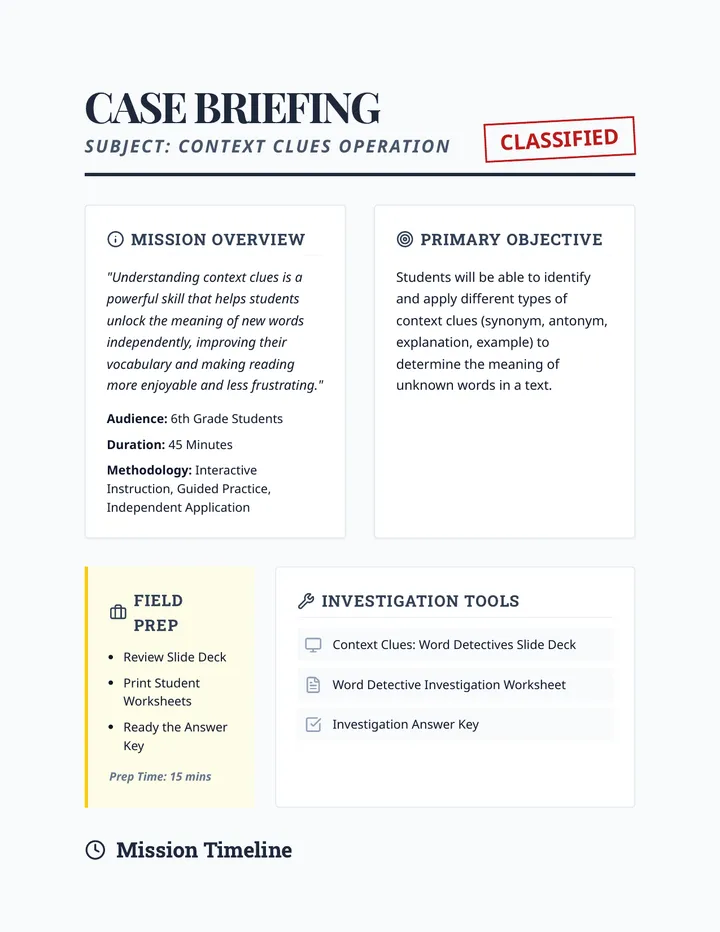
A 45-minute lesson for 6th graders to master four types of context clues (synonym, antonym, explanation, and example) through an engaging 'Word Detective' theme.
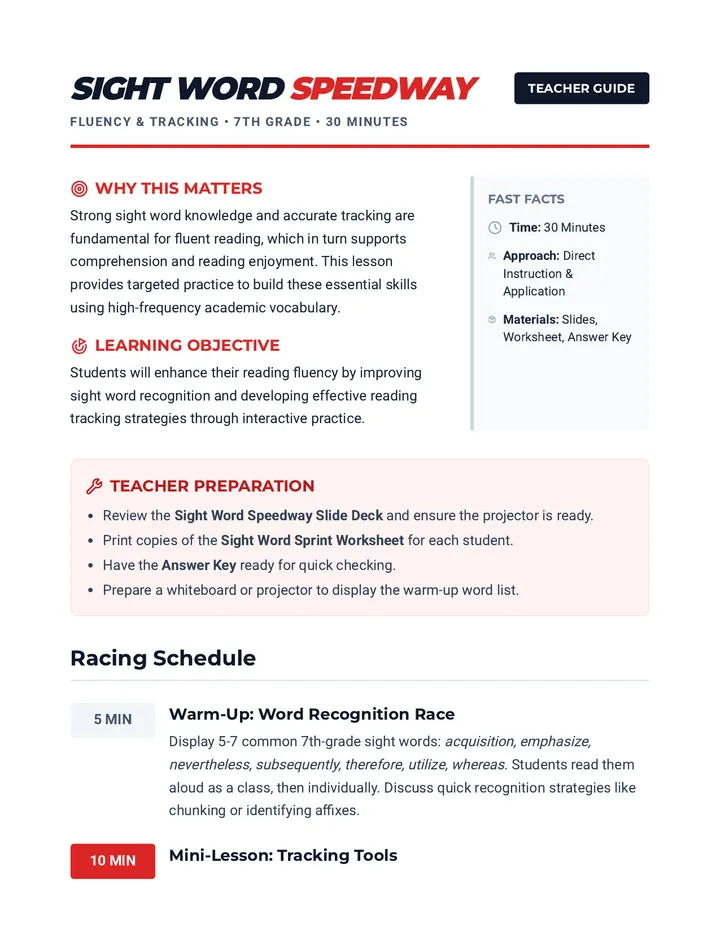
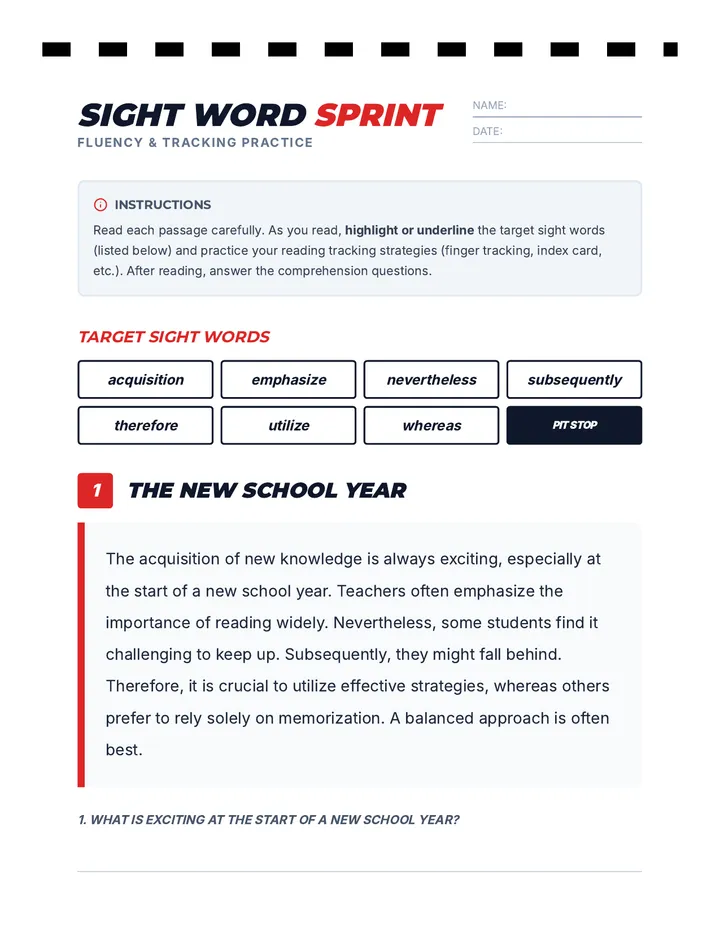
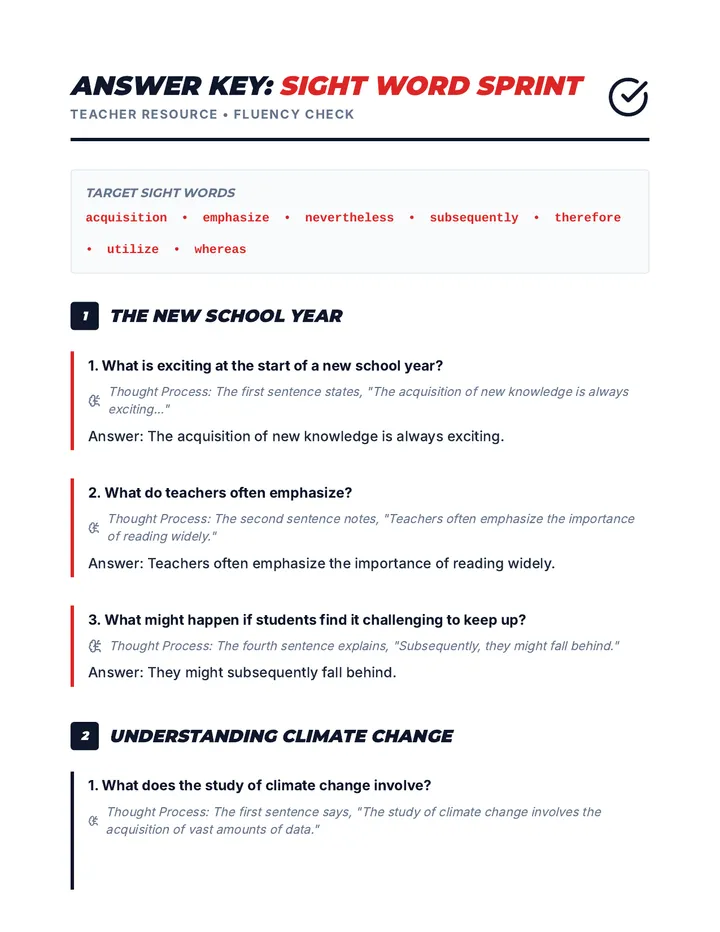
A 30-minute Tier 1 lesson for 7th-grade students focused on enhancing reading fluency through sight word recognition and tracking strategies. Students practice with academic vocabulary in a racing-themed environment.
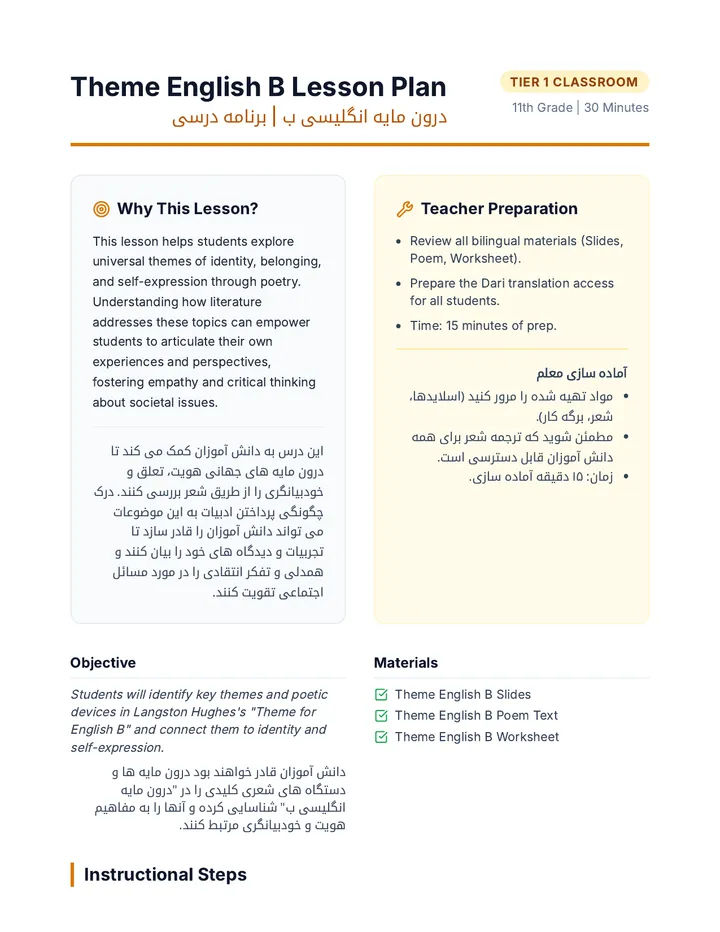
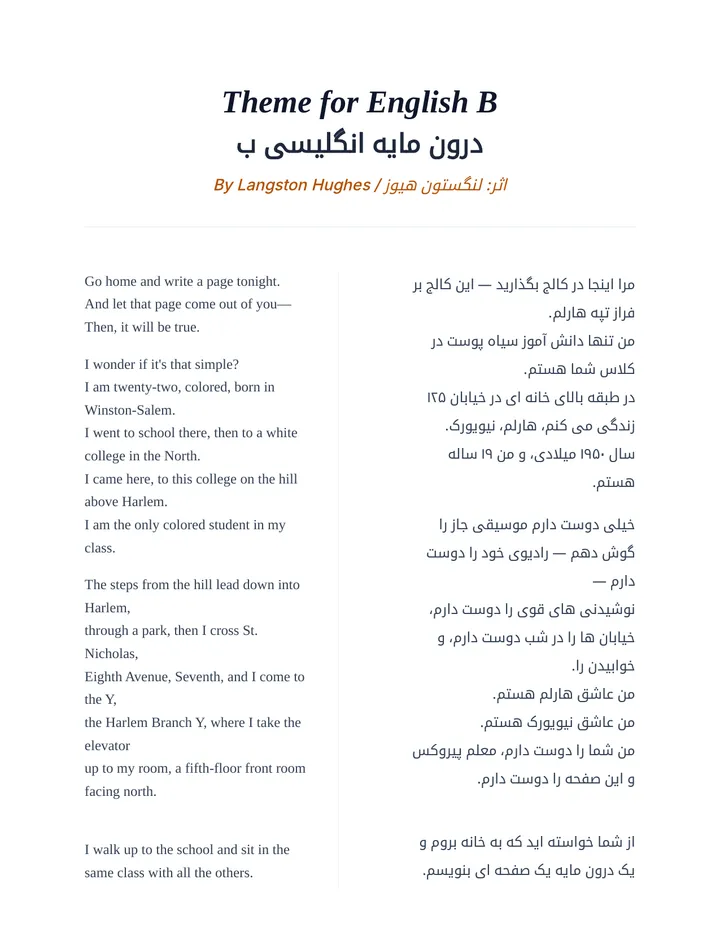
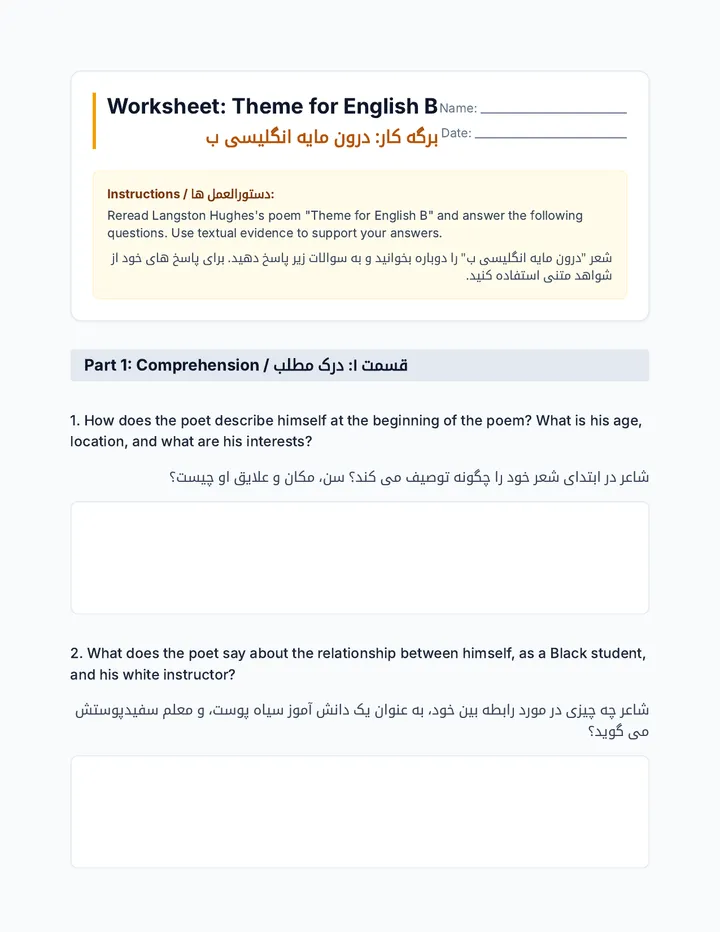
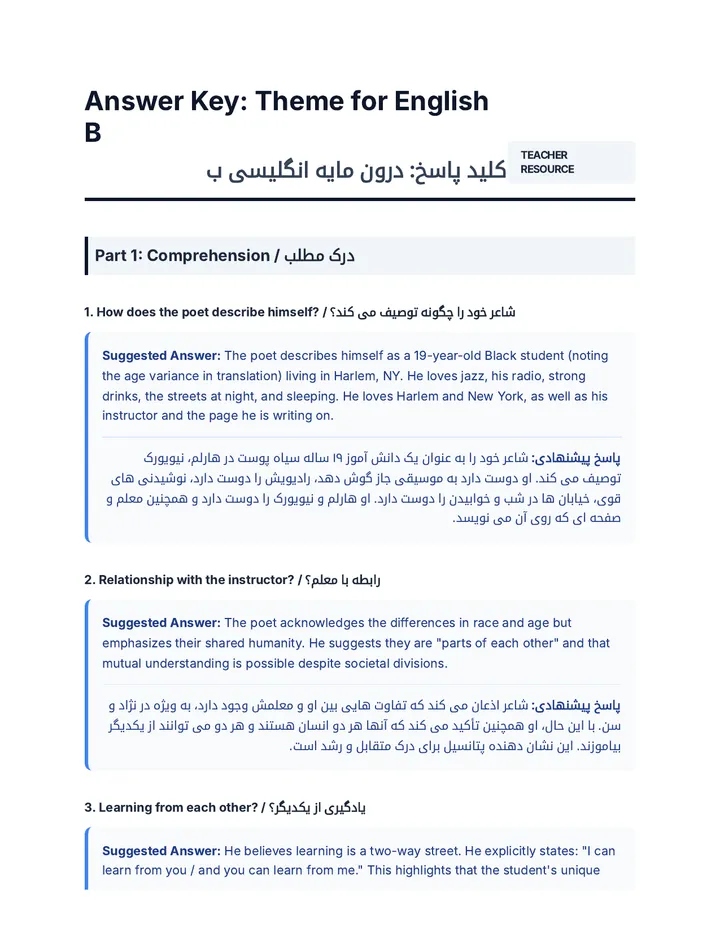
A 30-minute bilingual lesson for 11th-grade students exploring identity, race, and self-expression through Langston Hughes's 'Theme for English B' in Dari and English.
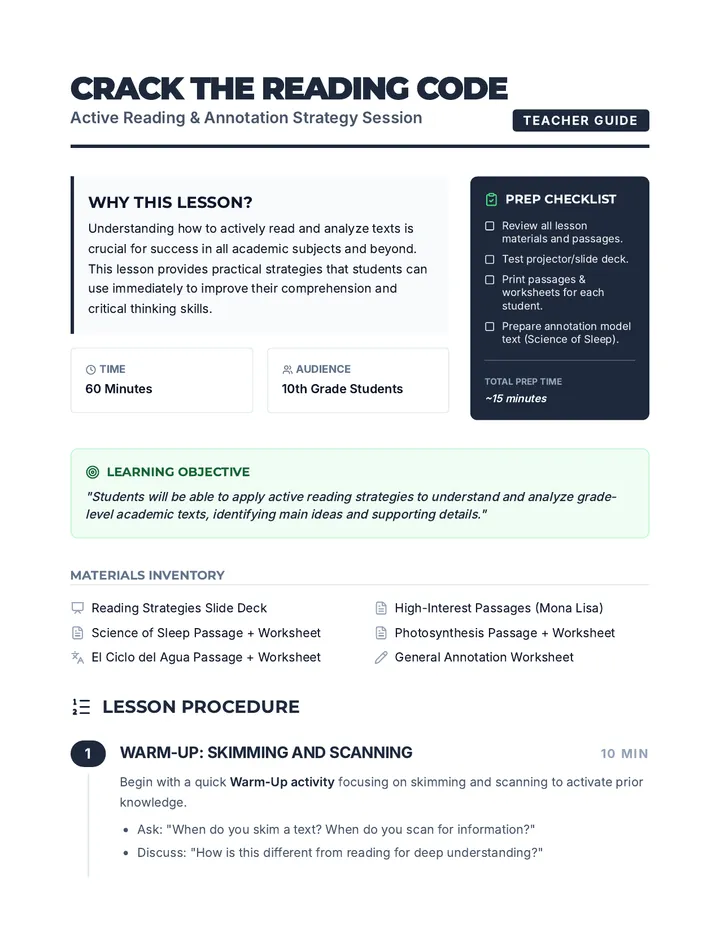
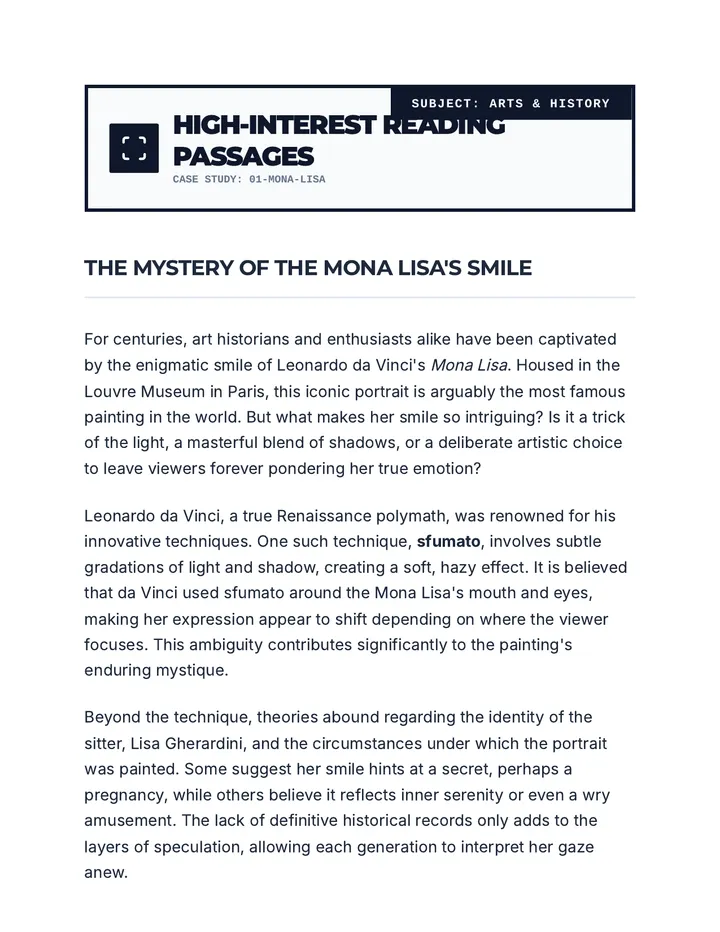
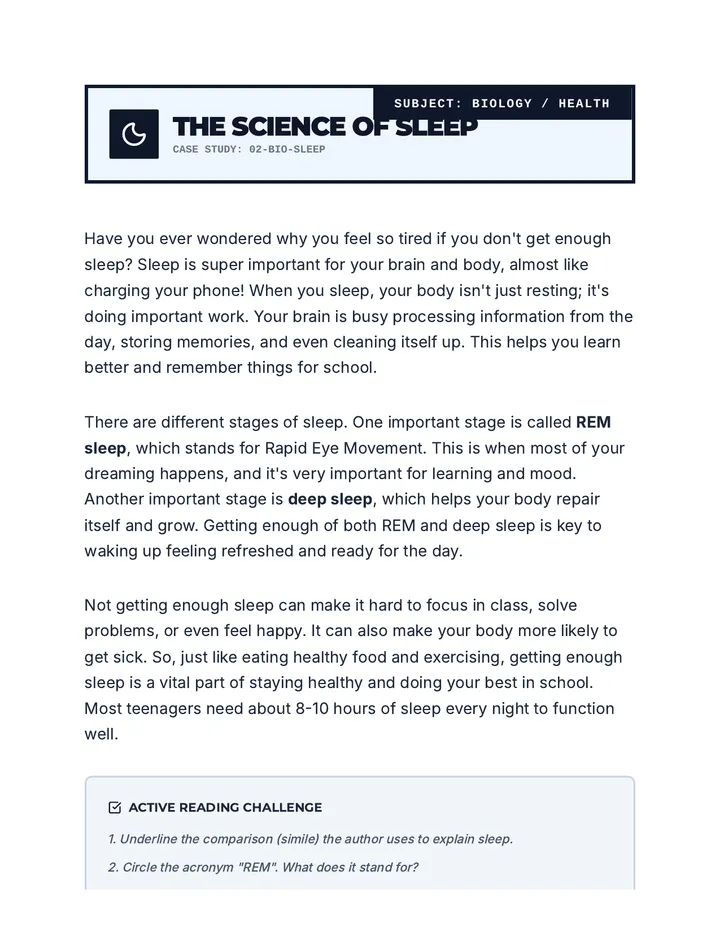
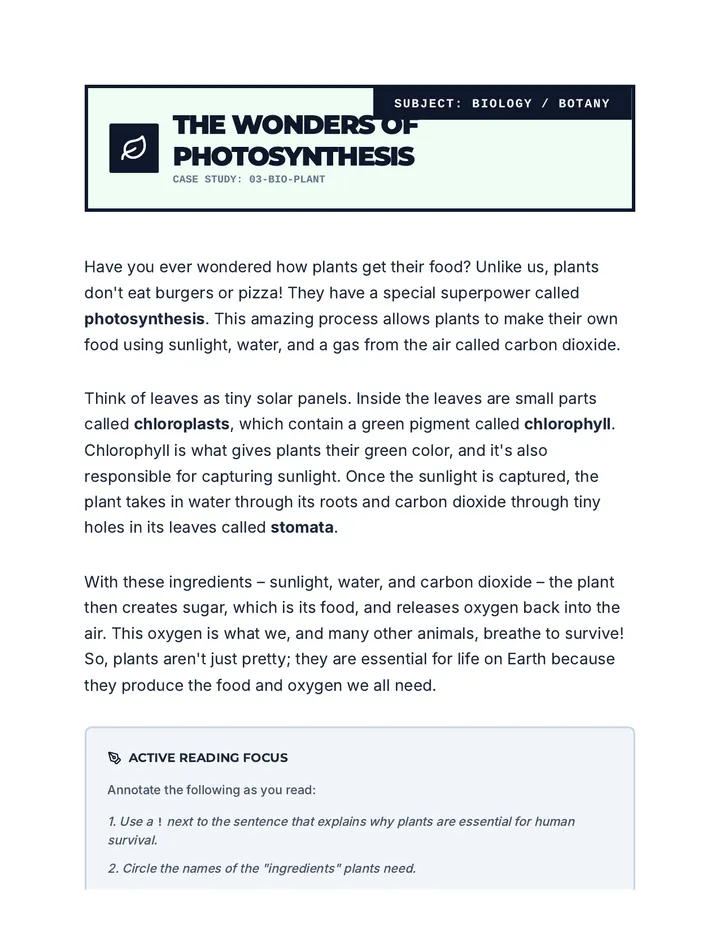
A 60-minute lesson for 10th-grade students focused on active reading strategies, annotation techniques, and identifying main ideas. Students will practice these skills through guided and independent reading of high-interest academic texts.
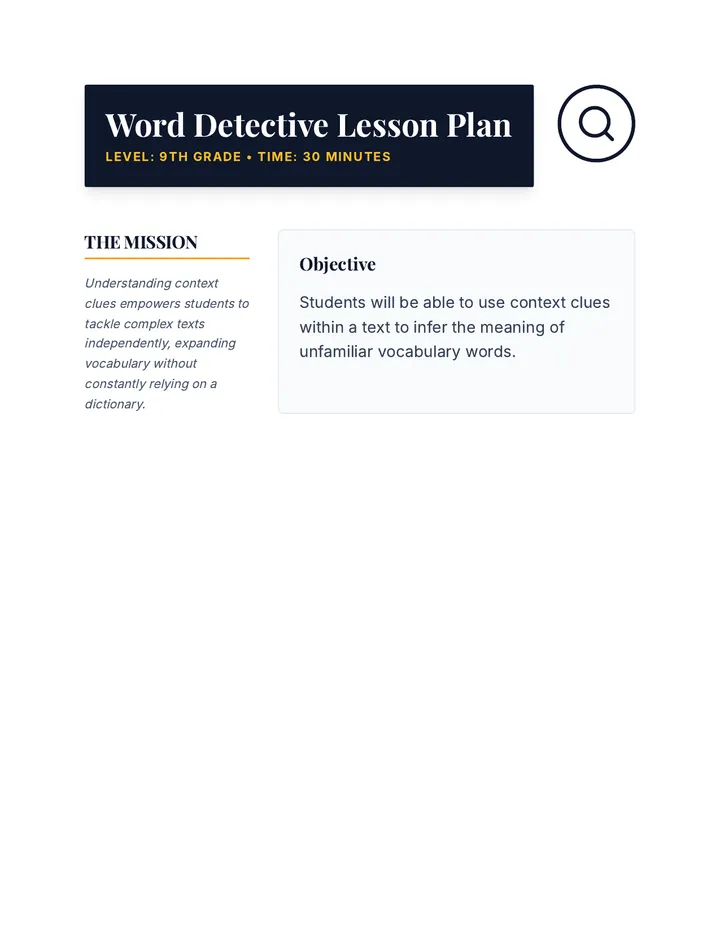
A 30-minute lesson for 9th-grade students on using context clues (definition, synonym, antonym, and example) to infer the meaning of unfamiliar vocabulary words.