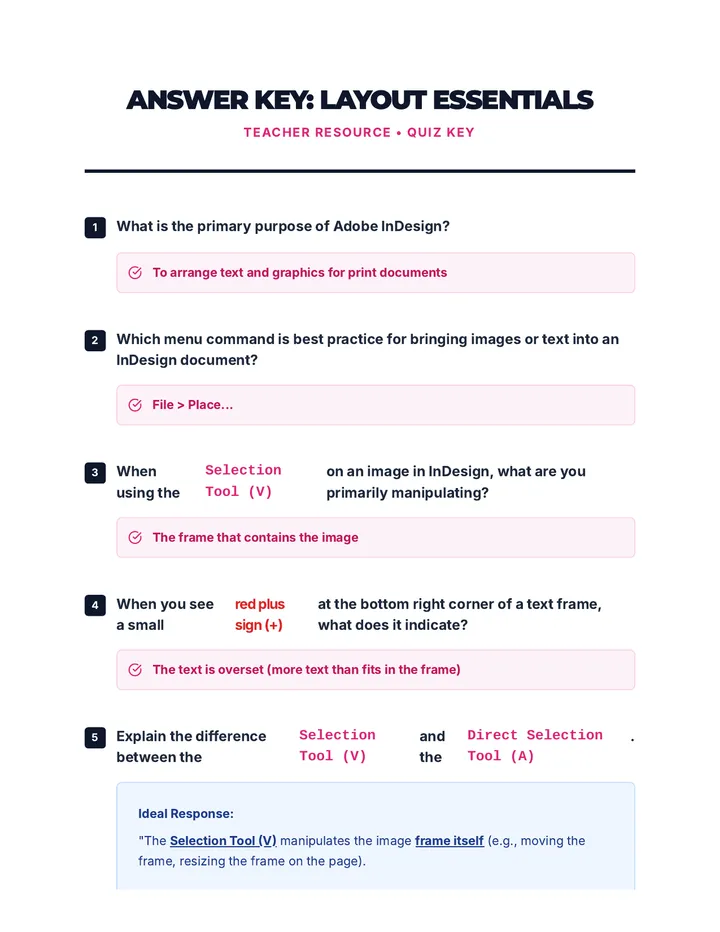
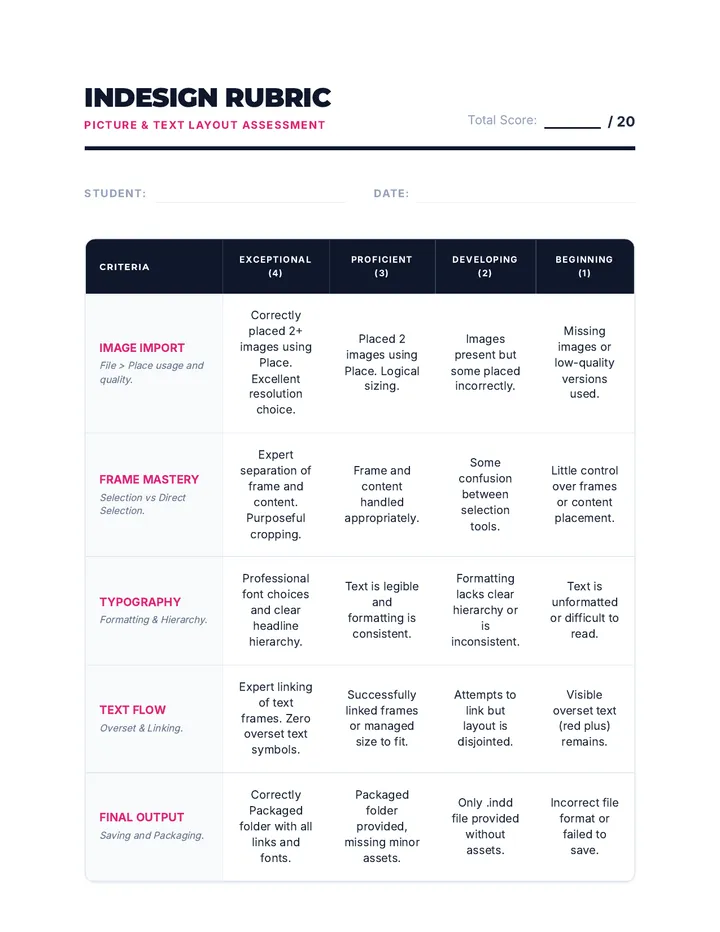
Fundamental techniques for drawing, painting, sculpture, and photography alongside modern digital design principles. Analyzes historical artistic movements while building skills in printmaking and graphic media.
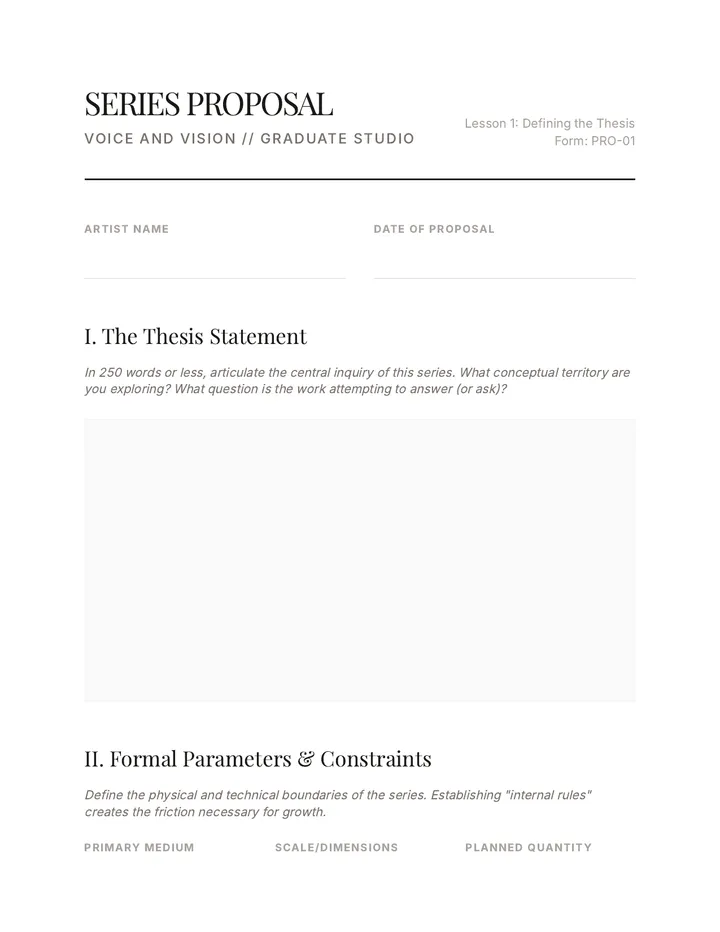
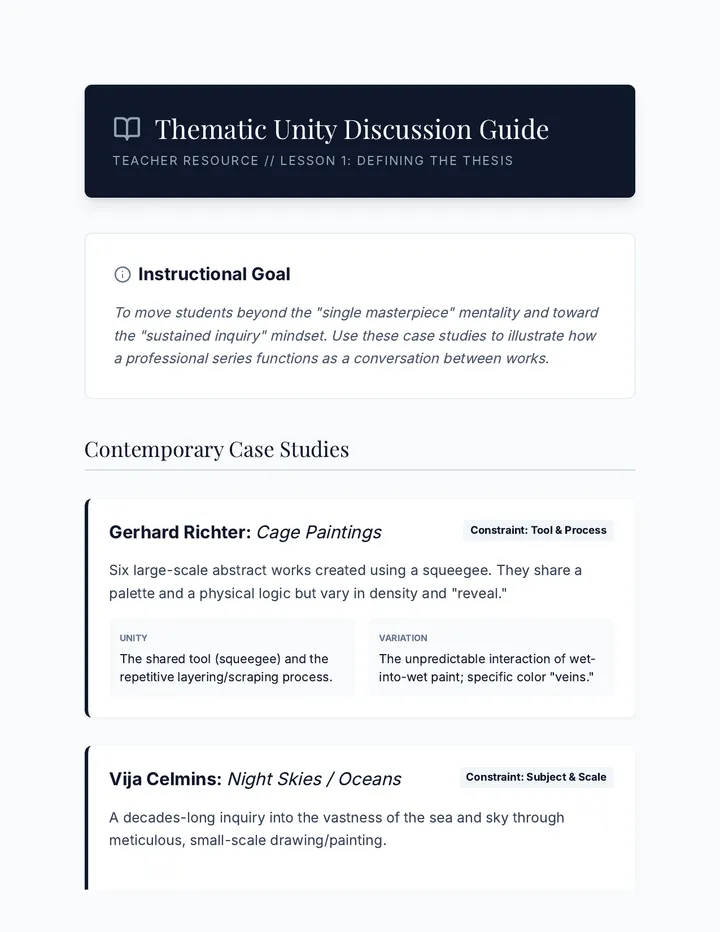
A graduate-level studio sequence focused on the transition from technical exercises to a cohesive, professional body of work. Students develop a thematic series, tackle the challenges of large-scale execution, engage in rigorous formal critiques, and curate a final presentation.
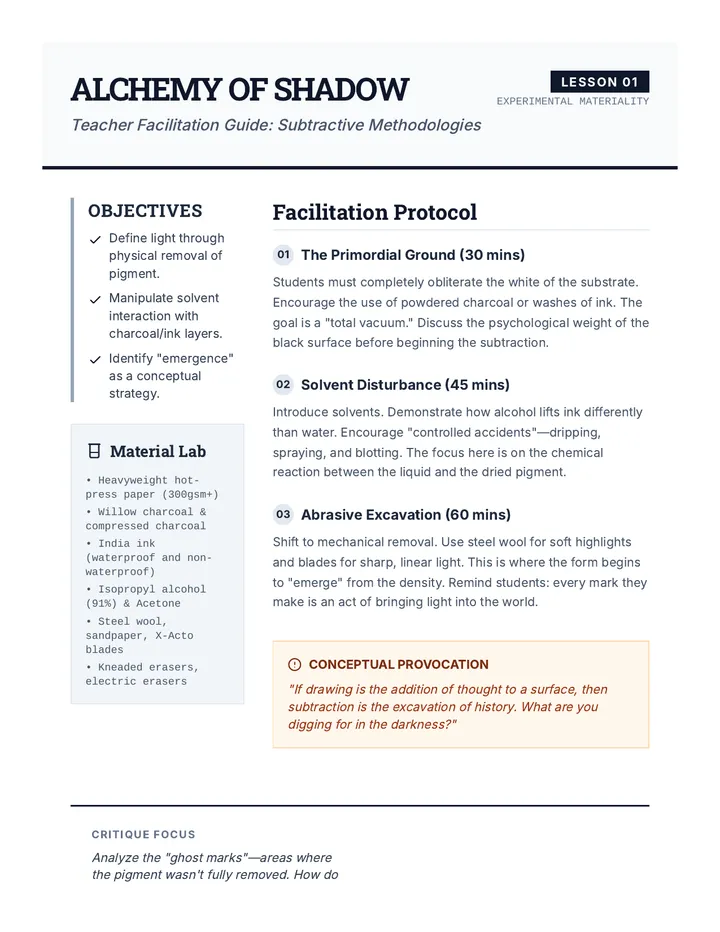
A graduate-level exploration of the intersection between medium and meaning. Students innovate with traditional materials, exploring chemical interactions, substrate manipulation, and mixed-media synthesis to develop a unique 'mark-making' vocabulary where physical texture contributes to conceptual depth.
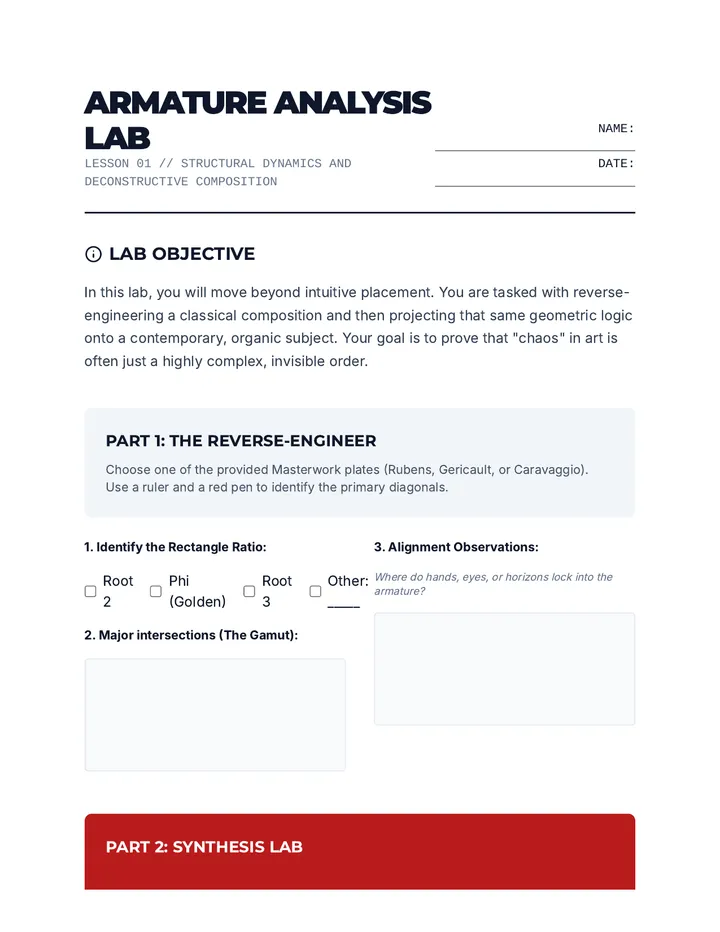
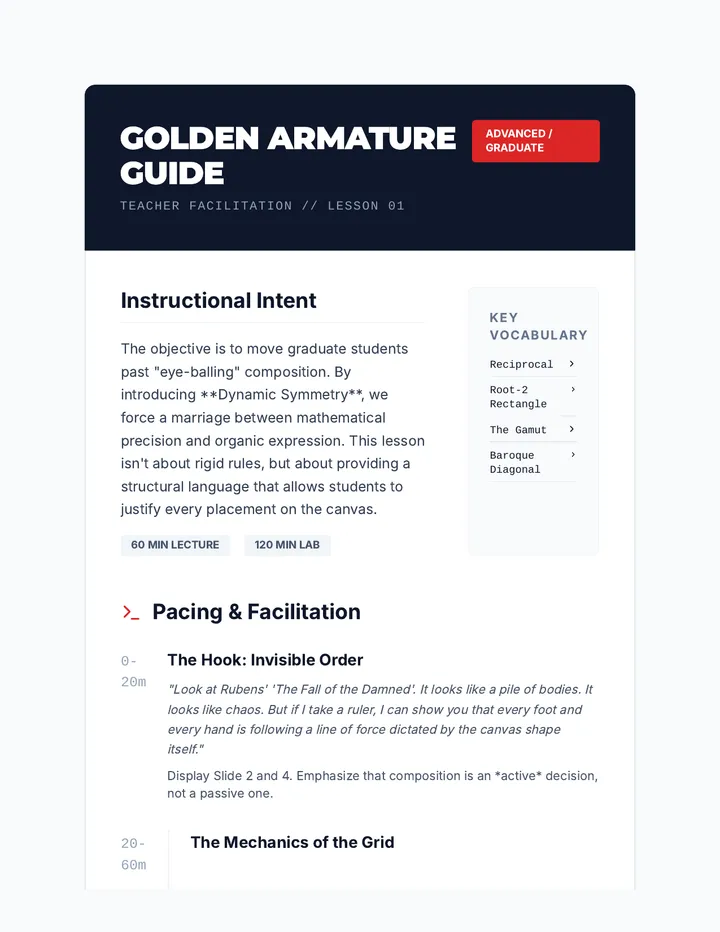
This advanced sequence for graduate students explores the deconstruction of classical composition through dynamic symmetry, edge tension, non-Euclidean perspective, and visual hierarchy. Students will move from rigid geometric analysis to 'anti-compositional' strategies to create contemporary, tension-filled imagery.
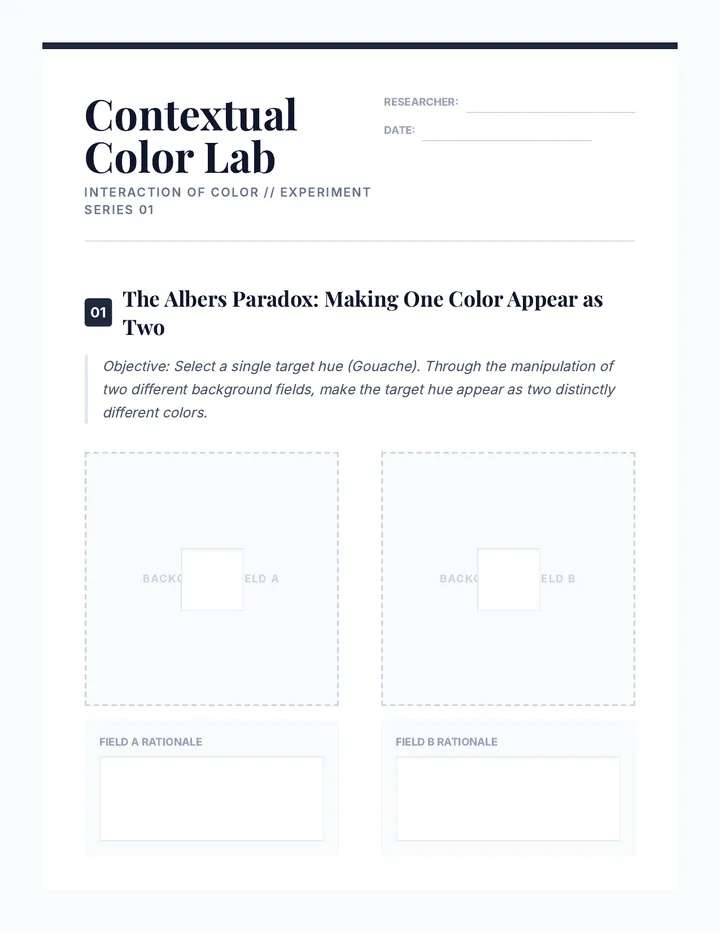
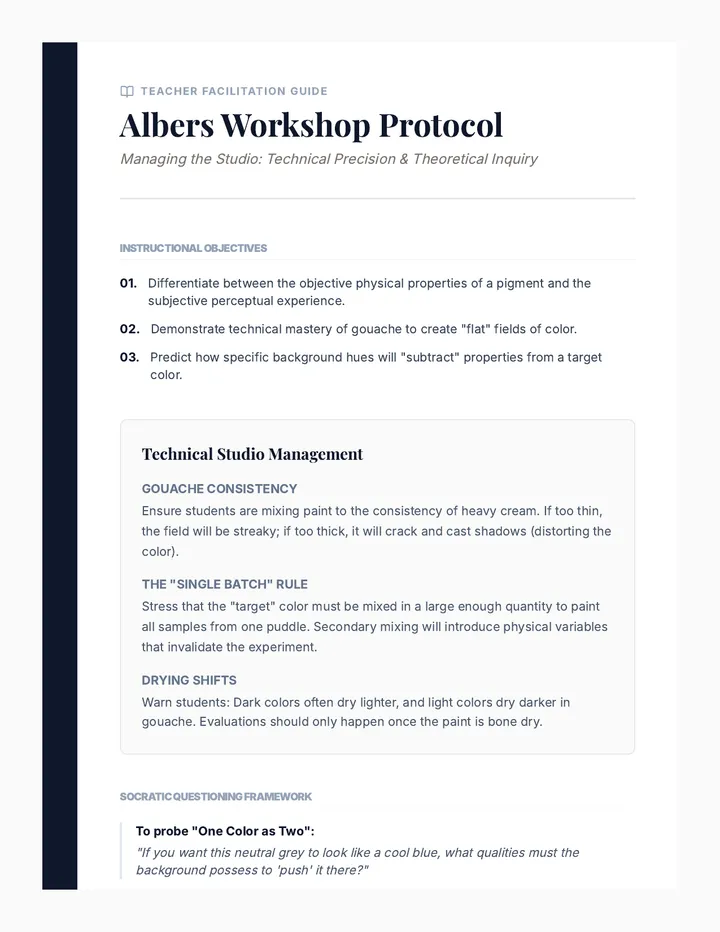
An intensive graduate-level investigation into the physics, psychology, and application of color in fine art, focusing on relativity, semiotics, and narrative.
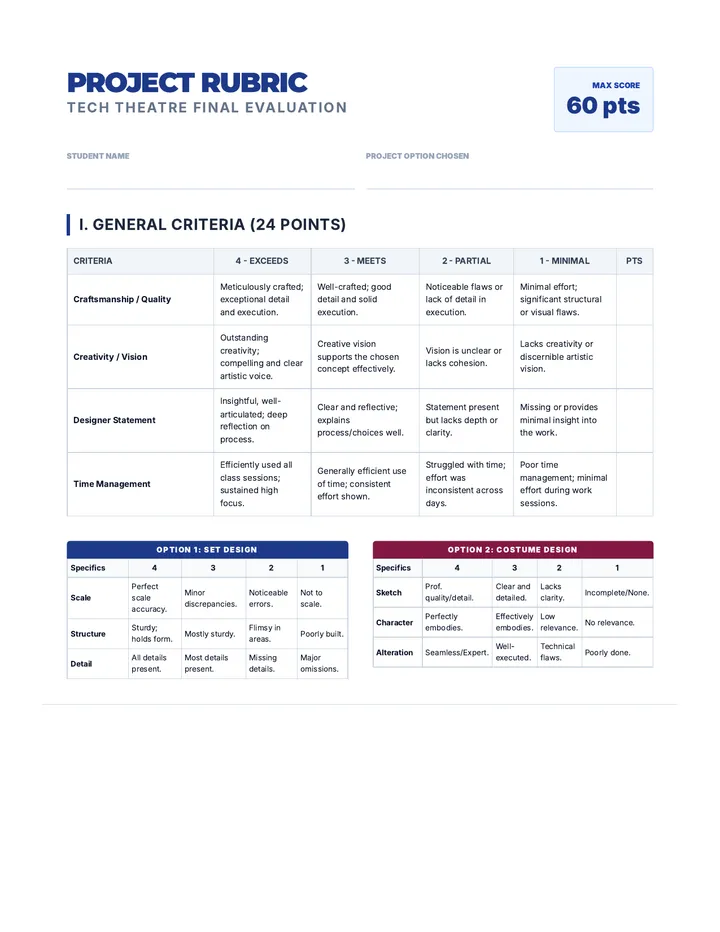
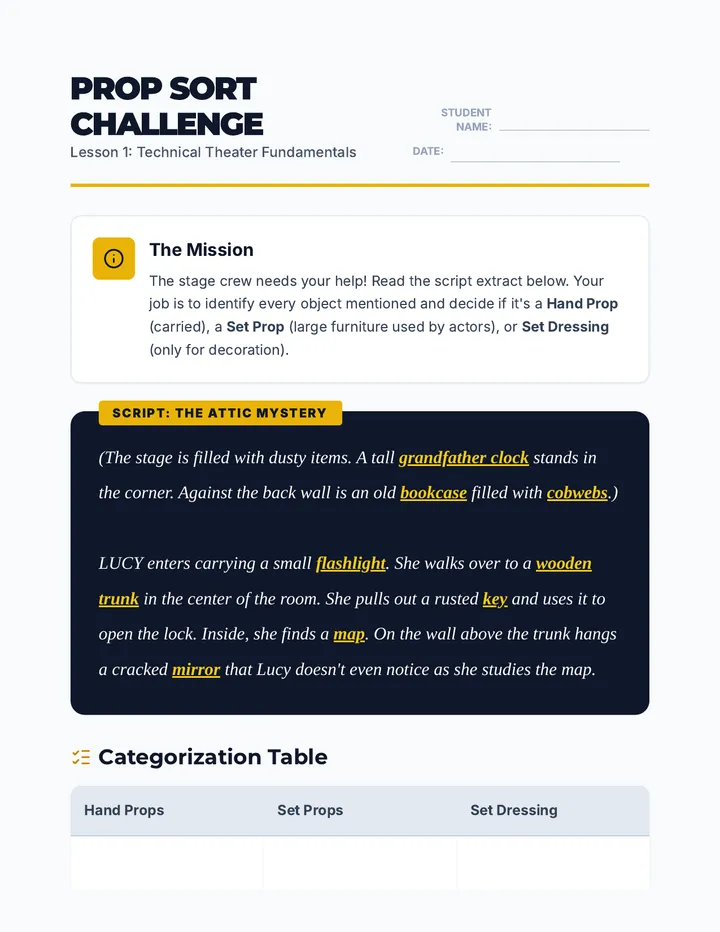
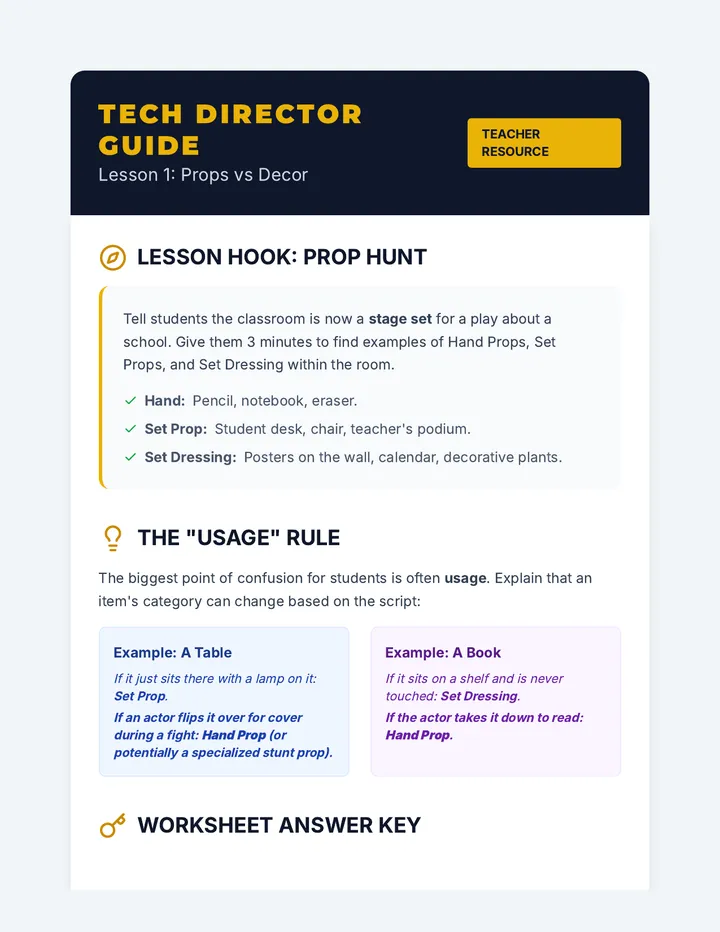
Students investigate how costumes and properties (props) function as tools for character development and storytelling. The sequence guides students through the process of distinguishing between prop types, exploring costume psychology, fabricating safe props, and mastering backstage organization.
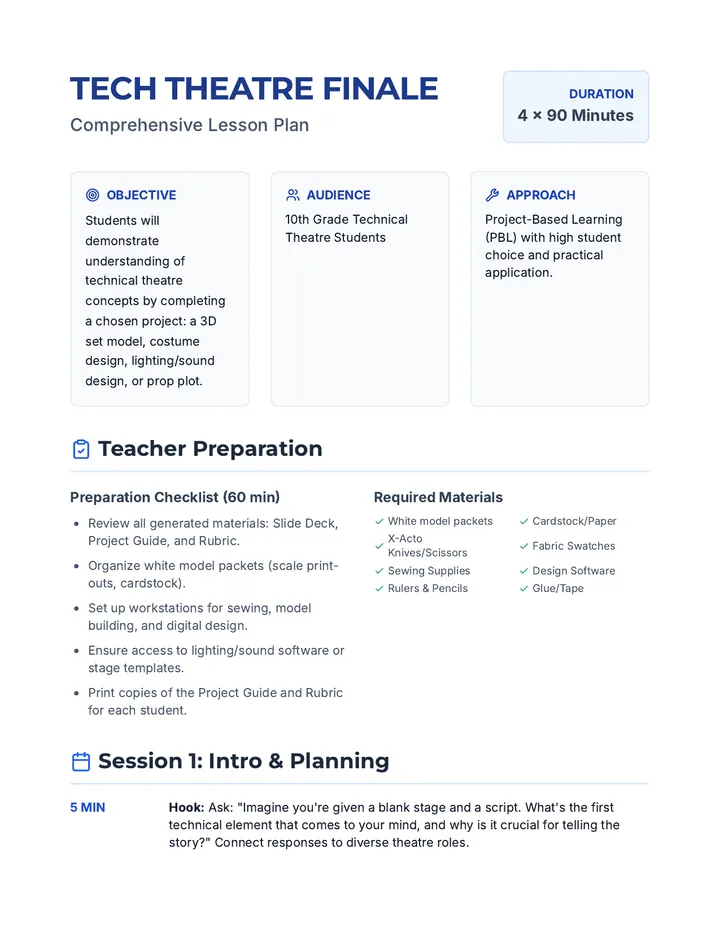
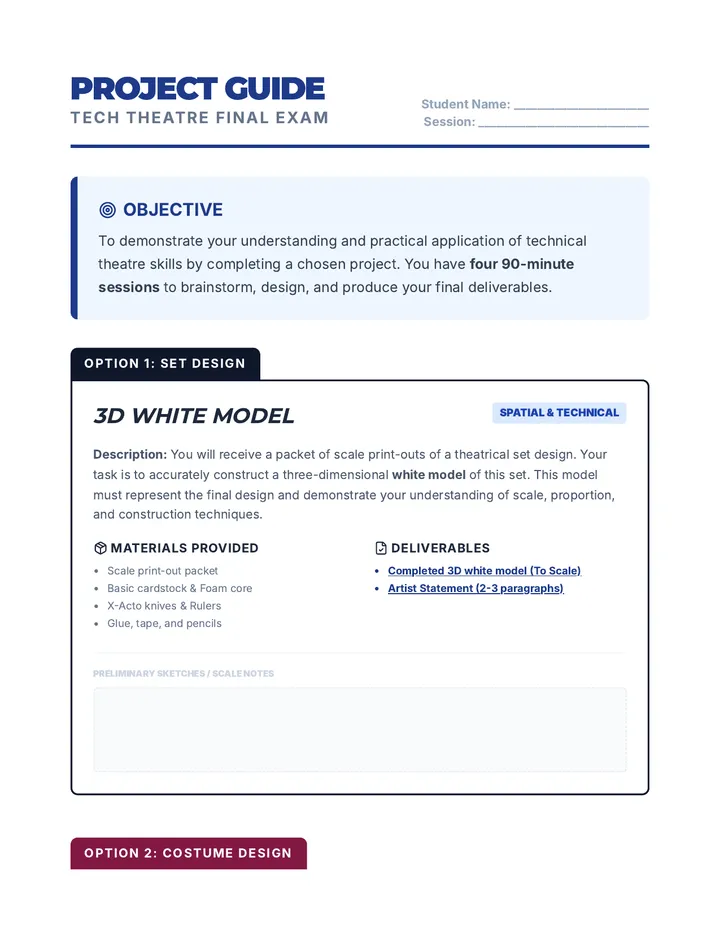
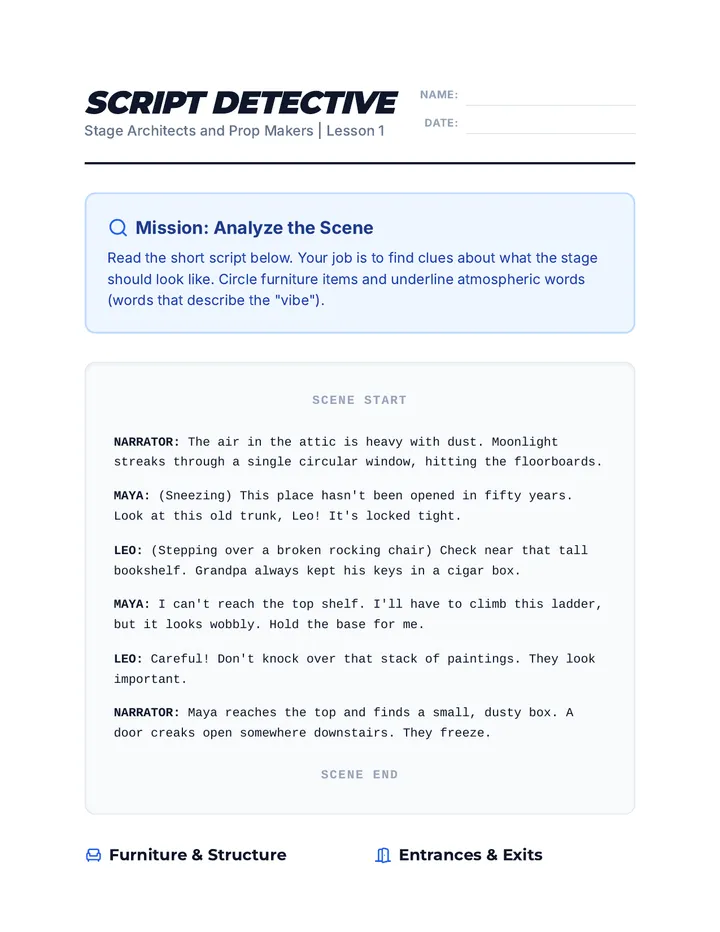
This hands-on sequence introduces 4th graders to the visual and engineering side of theater. Students analyze scripts to design environments, draft scale floor plans, build 3D scenic models, and fabricate props, emphasizing spatial reasoning and storytelling through physical space.
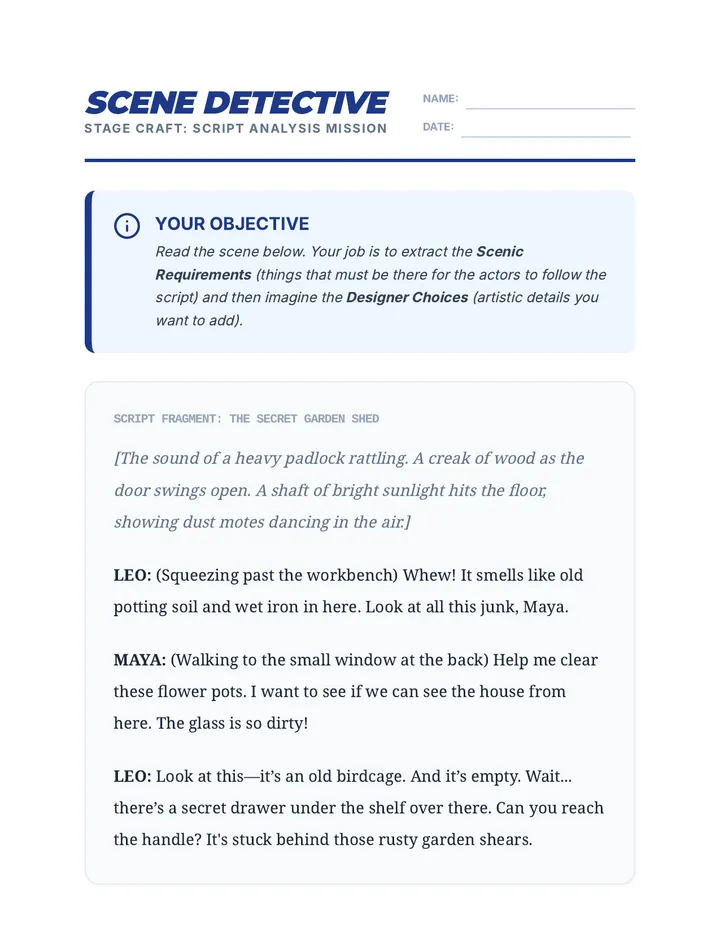
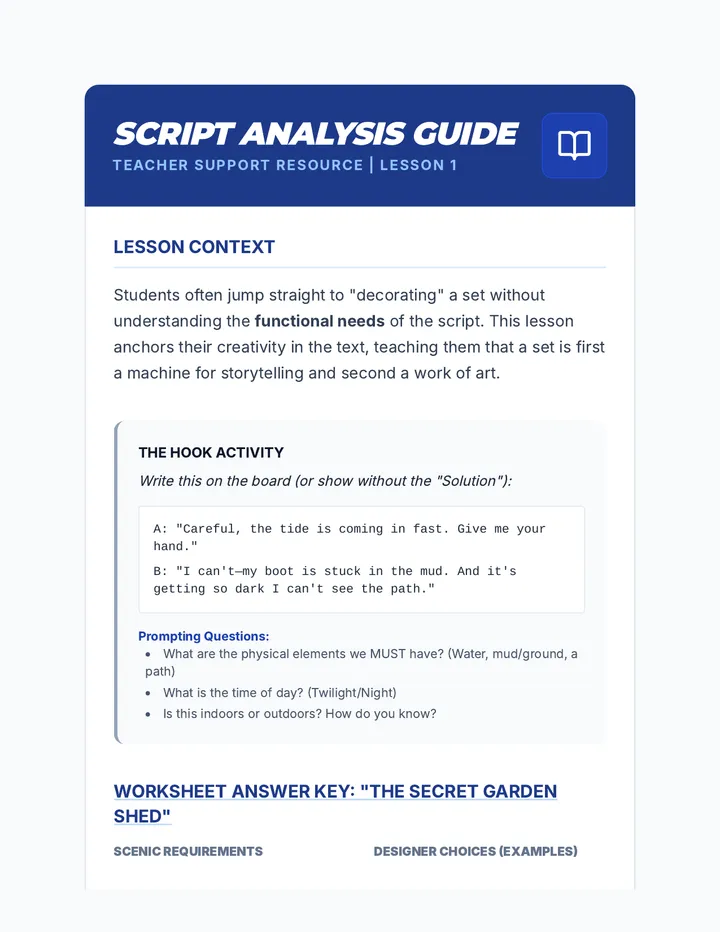
Students step into the shoes of a set designer to transform a written script into a physical world through script analysis, floor planning, mood boards, and 3D model construction. The sequence emphasizes how visual choices in color, texture, and space support the storytelling.
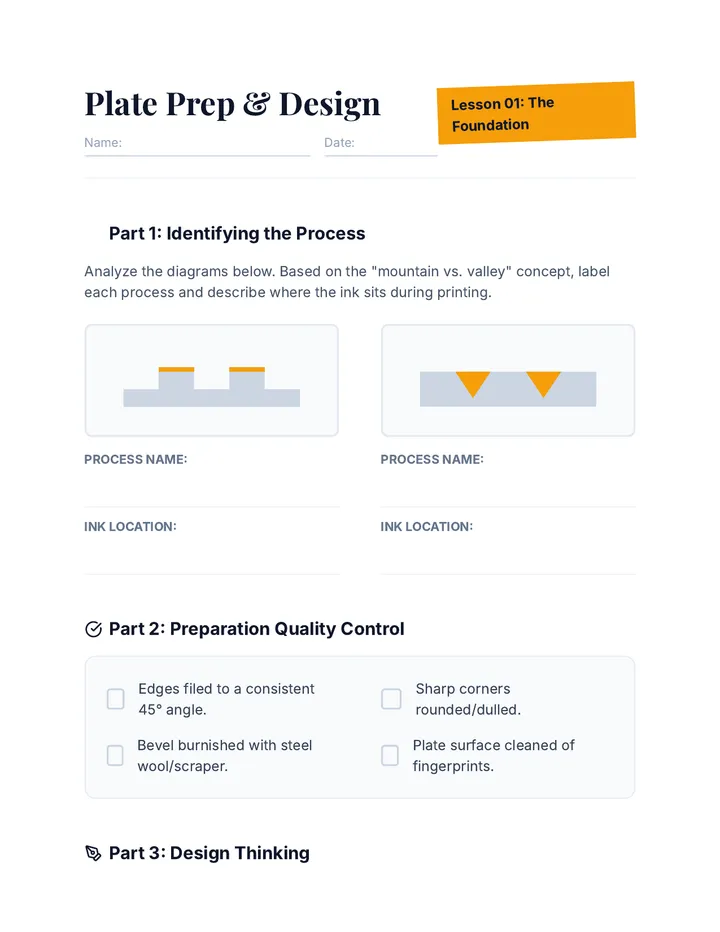
A comprehensive 12th-grade unit on intaglio drypoint printing, covering historical context, plate preparation, incising techniques, inking/wiping, press operation, and chine-collé integration. Students move from raw plate preparation to pulling professional-grade prints.
A comprehensive 11th-grade unit on the mechanics of intaglio printmaking, focusing on drypoint techniques, plate preparation, the chemistry of wiping, and chine-coll\u00e9 integration. Students master the relationship between physical pressure and visual atmosphere.
A 5-lesson sequence exploring the experimental nature of monoprinting. Students investigate ink properties, transparency, and layering through additive/subtractive methods, found object textures, masking, and ghost printing, culminating in a curated portfolio.
A 4th-grade printmaking unit where students transform found textures into complex printing plates. Through inquiry and experimentation, students explore collography by building, sealing, inking, and pressing tactile 'matrices'.
An inquiry-based art sequence where 4th graders explore multi-layer stencil printing, focusing on color theory, registration, and visual deconstruction. Students move from analyzing professional prints to creating their own multi-layered color compositions.
A comprehensive introduction to the art and industry of screen printing, covering stencil logic, tool mechanics, registration, and production workflows for 9th-grade students.
An inquiry-based exploration of monoprinting for 3rd graders, focusing on additive and subtractive methods, texture discovery, and trace techniques using Gelli plates or plexiglass. Students move from experimental mark-making to a final mixed-media collage, learning that every print is a unique 'one-of-a-kind' impression.
A comprehensive 7th-grade unit that integrates graphic design principles with the physical craft of screen printing. Students learn about typography, visual hierarchy, and composition while navigating the technical challenges of stencil-making and screen printing to create a persuasive poster series.
A 5-lesson journey into music composition using graphic notation. Students explore sound textures, invent visual symbols for audio, compose narrative soundscapes, and lead ensembles as conductors.
A vibrant, hands-on introduction to Spanish and Latin American art masters for Pre-K students. Children explore self-expression, shapes, lines, and community through the works of Kahlo, Picasso, Miró, Rivera, and Mexican folk art.
A vibrant visual arts sequence for Kindergarteners exploring Hispanic culture through the works of Frida Kahlo, Mexican Alebrijes, Papel Picado, Talavera pottery, and community murals. Students develop fine motor skills and cultural appreciation while exploring patterns, colors, and storytelling through art.
A 5-lesson unit for 2nd graders exploring influential Spanish and Latin American artists. Students learn about Frida Kahlo, Diego Rivera, Pablo Picasso, and Alebrijes folk art through a workshop model, focusing on self-expression, community storytelling, and cultural identity.
A systematic progression for 1st-grade students to master scissor skills, from basic safety and 'thumbs up' grips to complex geometric cutting and artistic collage creation. The sequence emphasizes bilateral coordination, paper manipulation, and precision through engaging, hands-on activities.
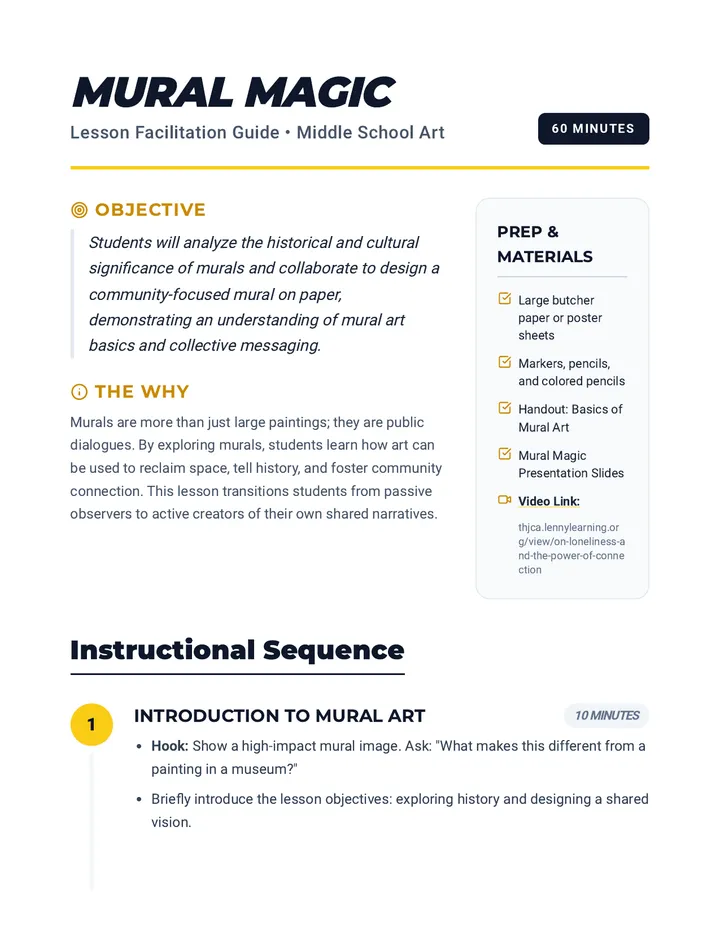
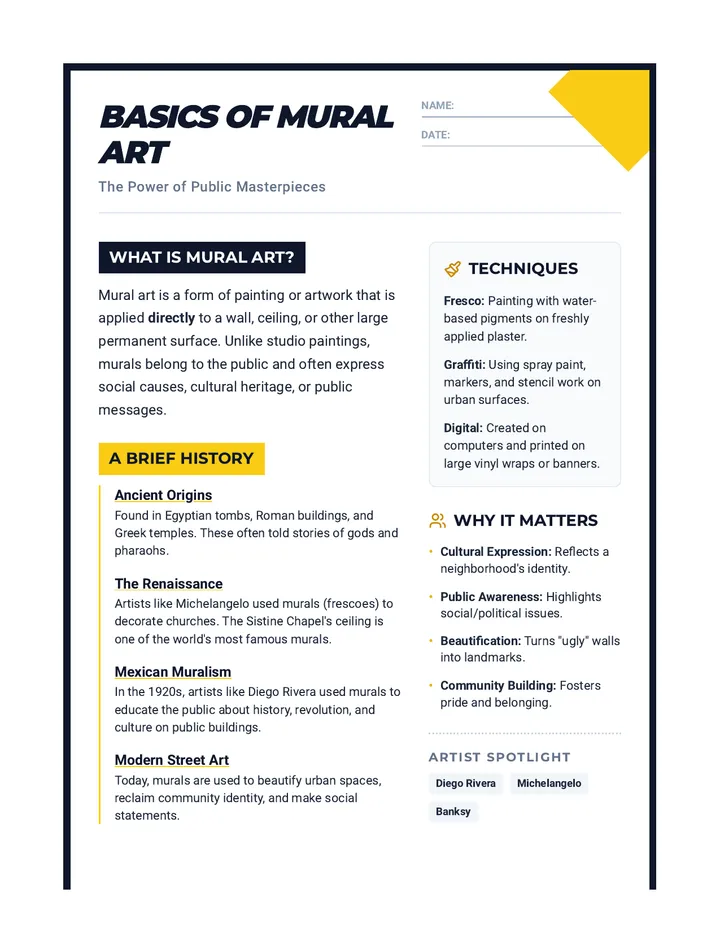
A project-based sequence where 7th-grade students act as community organizers to launch an arts advocacy campaign, moving from needs assessment to a final pitch.
A project-based unit where 8th-grade students act as cultural consultants to research, design, and pitch arts advocacy campaigns for their local communities. Students learn to combine data-driven evidence with persuasive storytelling and visual design to effect real-world change.
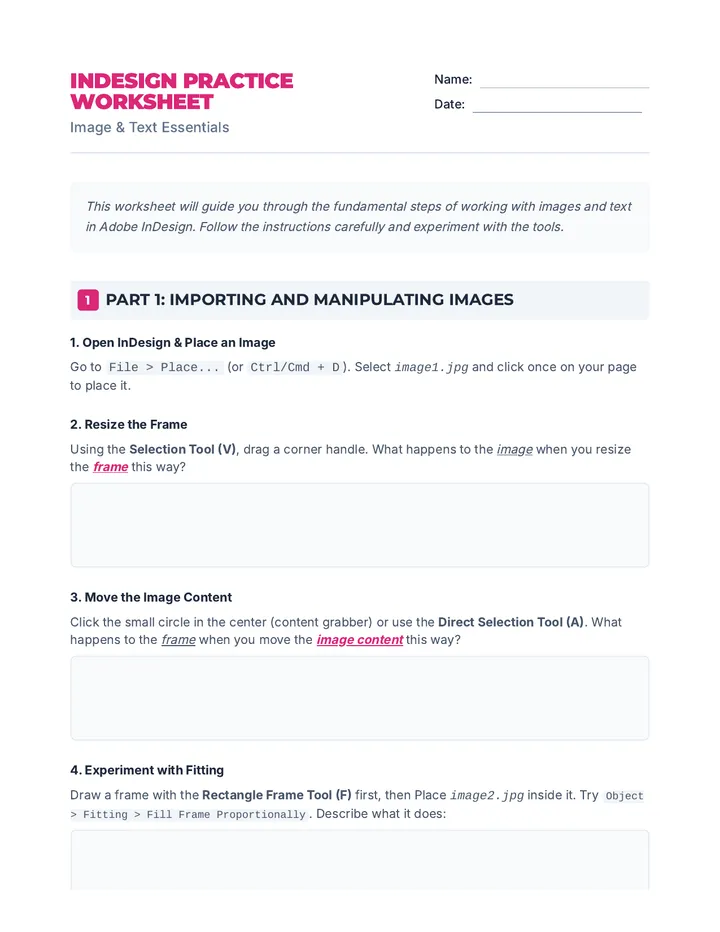
A high school sequence exploring the intersection of digital design and traditional printmaking. Students learn to bridge vector precision with analog texture through zine production and professional practice.
A comprehensive high school sequence exploring the technical and artistic intersection of screen printing and typographic design, from emulsion chemistry to final editioning.
A comprehensive 8th-grade unit bridging traditional printmaking concepts with modern digital graphic design. Students explore typography anatomy, vector illustration, grid-based layouts, and digital color theory to create professional-quality visual communications.
A comprehensive 10th-grade course on screen printing, covering its historical roots, technical darkroom processes, and professional production workflows. Students transform graphic designs into mass-produced art.
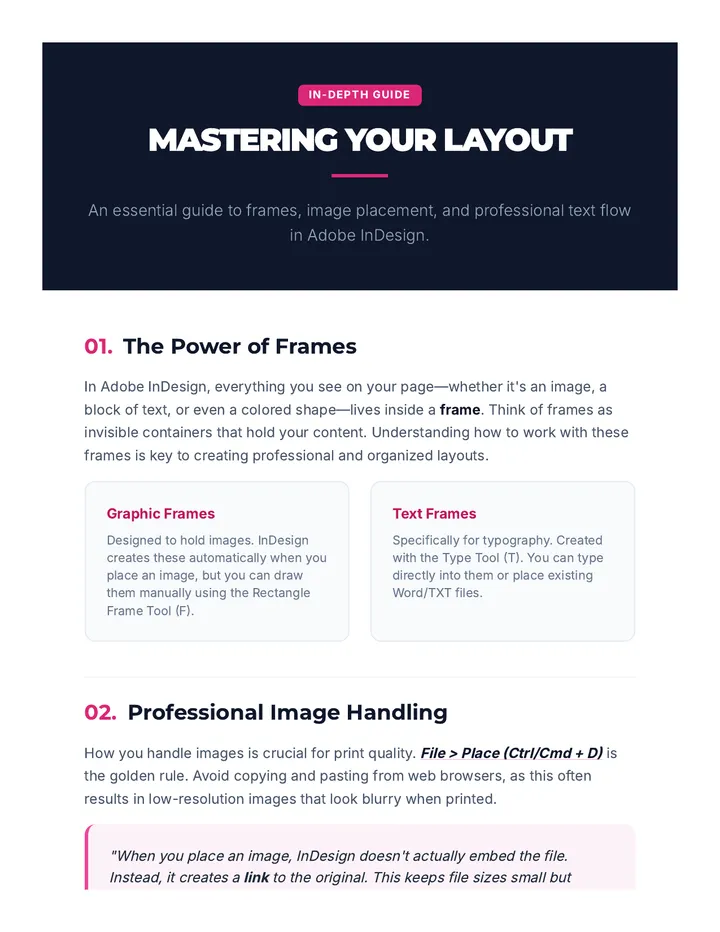
A comprehensive introduction to digital graphic design and typography for 10th-grade students. This sequence bridges the gap between traditional art and modern vector-based technology, focusing on anatomy, hierarchy, logo design, and print preparation.
This sequence explores the intersection of digital design and traditional printmaking. Students learn to combine the precision of vector graphics with the tactile, organic qualities of analog transfers and mixed media to create a professional 'hybrid' portfolio.
This 11th Grade sequence introduces students to the technical and creative world of screen printing. Over five lessons, students master the photo-emulsion process, layer-based design thinking, typography, and professional production techniques, culminating in a multi-color print run.
A comprehensive introduction to typography and digital layout for 5th graders, blending traditional art analysis with modern graphic design skills. Students explore font psychology, visual hierarchy, and digital tools to create impactful visual communications.
A comprehensive introduction to the world of screen printing and stencil graphics for 5th graders. Students learn to simplify images into high-contrast designs, manage the mechanics of 'islands and bridges,' and master the squeegee pull to create repeatable art on various surfaces.
A project-based sequence for 4th-grade students exploring typography, layout, and stencil printmaking to create communicative graphic posters. Students act as designers, learning how visual elements and text work together to convey messages effectively.
This advanced graduate-level sequence explores the intersection of typographic design and large-format screen printing. Students master complex grid systems, CMYK color separation, and high-precision technical execution to create impactful graphic narratives.
A 5-lesson unit for 9th-grade students exploring the fusion of typography and imagery. Students transition from manual layout techniques and font psychology to digital vector design and the production of a physical 8-page Zine.
A comprehensive introduction to graphic design and typography for 6th grade, focusing on how visual elements communicate mood, hierarchy, and meaning. Students transition from analyzing font psychology to creating their own balanced layouts and logos, culminating in a professional-style client pitch.
A project-based unit where 6th-grade students explore the intersection of Pop Art and graphic design. They learn stencil-based screen printing techniques to produce bold, reproducible icons on paper or fabric.
A comprehensive workshop-style sequence for undergraduate students exploring the intersection of relief printmaking and typography. Students master subtractive carving, typographic layout, ink chemistry, and professional editioning standards.
A comprehensive sequence for undergraduate students exploring the intersection of digital graphic design and traditional screen printing. Students master the end-to-end workflow from digital color separation and halftone creation to darkroom screen preparation, multi-color registration, and high-volume production management.
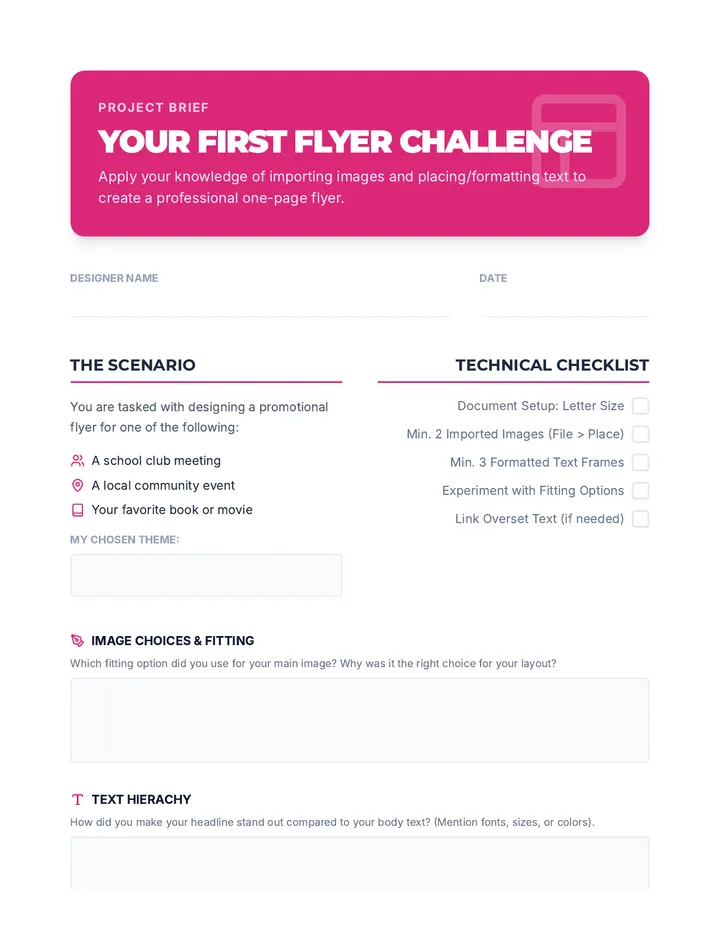
A 5-lesson unit introducing 3rd-grade students to graphic design and typography principles. Students explore how font styles and layout arrangements communicate emotion and message, culminating in a professional-style book cover design project.
A project-based sequence where 3rd-grade students explore the fundamentals of graphic design through stencil making and screen printing. Students master the concepts of positive and negative space, learn the technical constraints of stencil 'bridges', and produce multi-layered graphic posters.
A design-focused sequence for 3rd graders on how costumes and props communicate character. Students analyze traits, select costume elements, and build cardboard props to bring characters to life.
A project-based unit where 3rd-grade students learn the art of set design by transforming story descriptions into miniature 3D scale models. Students analyze text, draft layouts, and construct shoebox dioramas to communicate time, place, and mood.
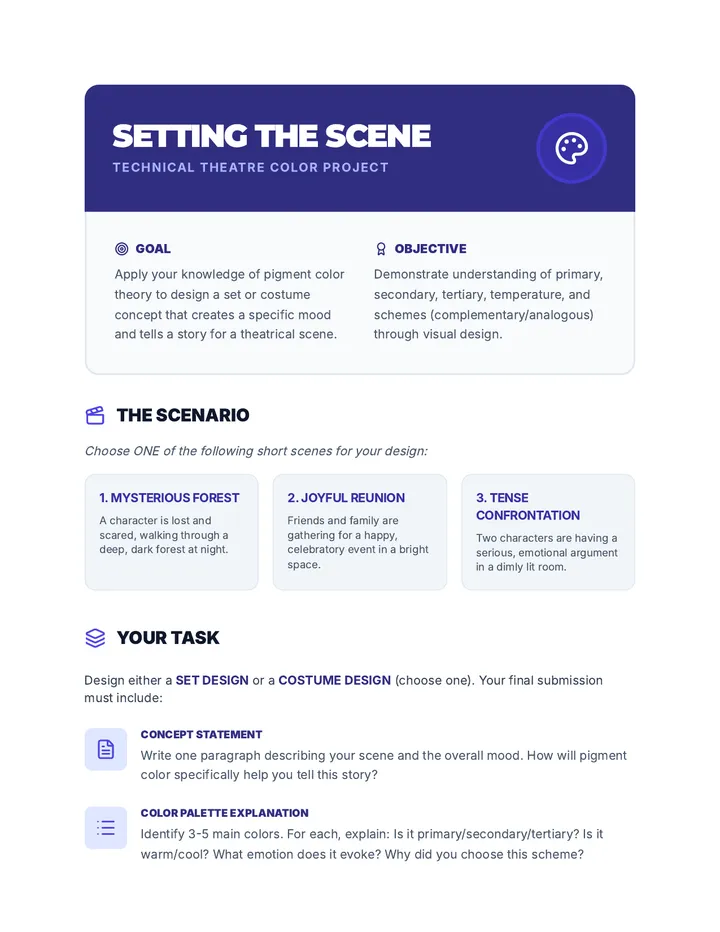
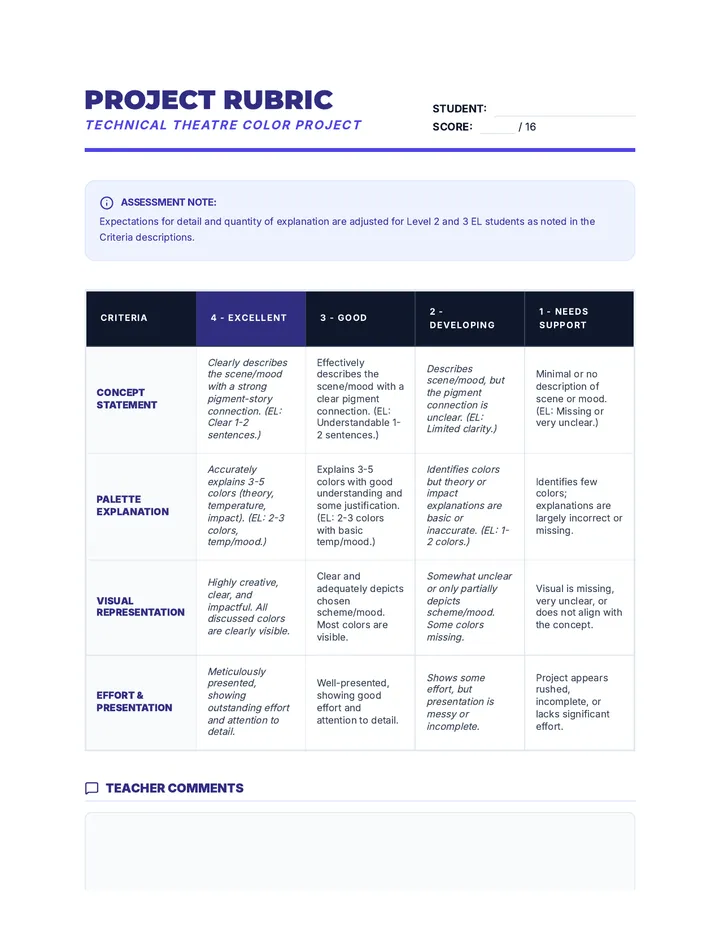
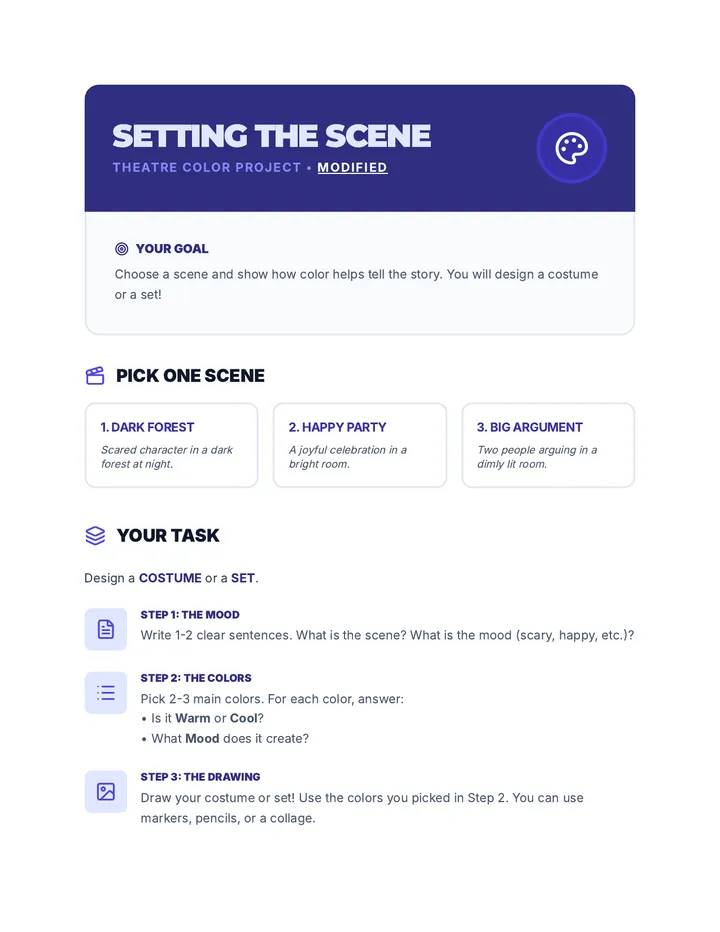
A project-based sequence for 4th graders exploring the technical world of theater production. Students learn to manipulate space, materials, sound, and light to tell compelling stories, culminating in a design showcase.
A comprehensive 5th-grade art sequence introducing the subtractive process of relief printing. Students progress from conceptualizing mirrored imagery and carving soft blocks to mastering ink application and producing a numbered edition of prints.
A graduate-level exploration of the artist book, integrating letterpress printing, relief graphics, and structural binding to investigate the relationship between physical form and narrative sequence.
A Kindergarten sequence introducing the fundamentals of relief printing. Students explore texture, create their own stamps, and learn to make repeating patterns through hands-on exploration.
A Kindergarten sequence exploring the traditional arts and crafts of Native peoples across North America, focusing on pottery, weaving, totem poles, beadwork, and regalia. Students learn about cultural symbolism, functional art, and regional styles through hands-on creation.
This workshop-style sequence immerses 1st-grade students in the artistic traditions of various Native American nations, focusing on patterns, symbols, and craftsmanship. Students explore pottery, weaving, and carving to understand how art reflects community history and personal identity.
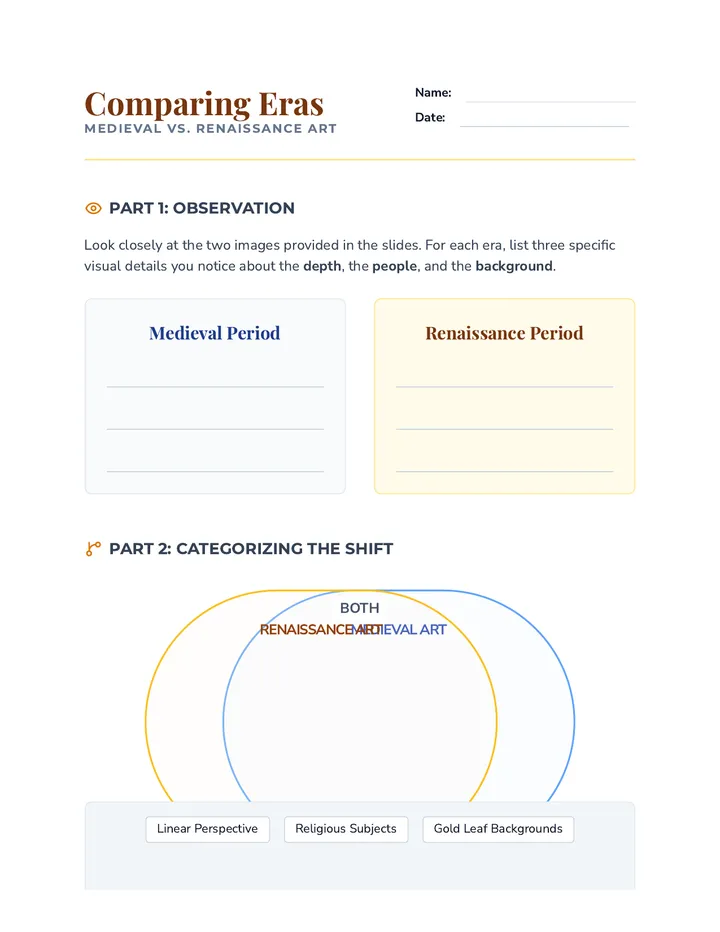
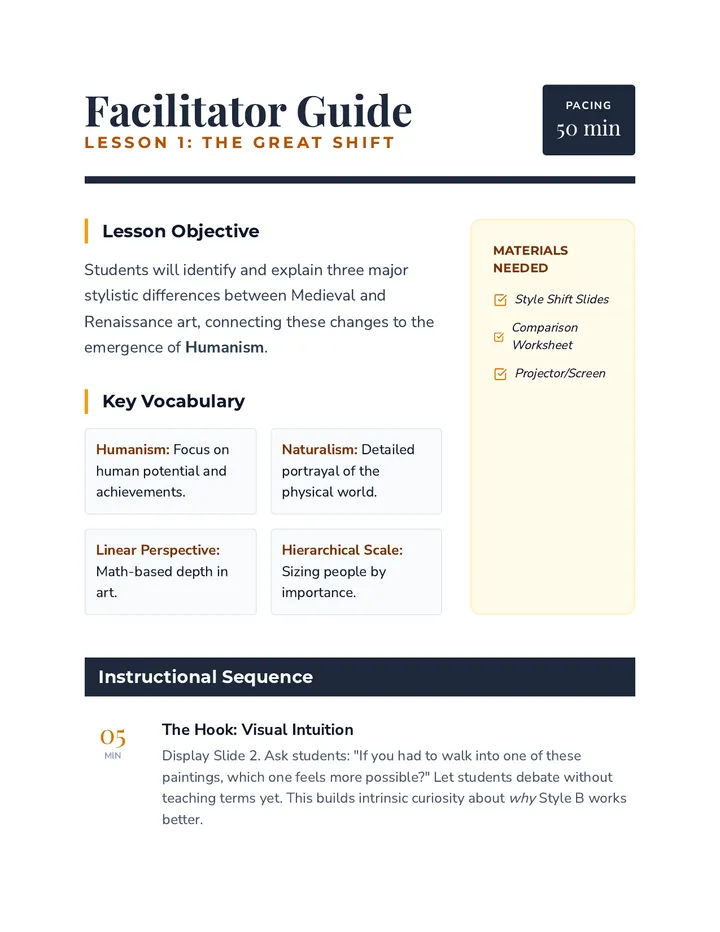
Students investigate how visual arts served as a vehicle for political power, religious messaging, and scientific observation during the Renaissance. This sequence moves beyond simple art appreciation to the analysis of 'visual rhetoric'—how perspective, anatomical realism, and classical allusions were used to convey meaning.
This advanced sculptural sequence for graduate students explores the intersection of phenomenology and three-dimensional form. Students investigate proprioception, haptic perception, and the physical relationship between the viewer and the sculptural object through technical mastery of life casting, armature construction, and surface manipulation.
A graduate-level investigation into the intersection of sculpture, archival research, and historiography, focusing on the ethical sourcing and conceptual recontextualization of found objects.
A graduate-level exploration of the 'post-digital' landscape in sculpture, bridging digital fabrication (3D scanning, printing, CNC) with traditional material practices. Students interrogate the relationship between the algorithmic and the handmade through a hybrid sculptural project.
A graduate-level sequence exploring the methodology of site-specific sculpture, focusing on spatial analysis, professional proposal development, phenomenology, and archival documentation.
An advanced graduate-level exploration of material agency, semiotics, and sculptural practice, bridging critical theory with rigorous studio fabrication.
This sequence merges art with basic physics, introducing students to kinetic sculpture and mobiles. Students explore balance, fulcrums, and counterweights to create art that moves, culminating in a mobile inspired by Alexander Calder.
A comprehensive 9th-grade sculpture sequence focusing on planar construction using cardboard. Students transition from 2D geometric shapes to 3D volumes through scoring, folding, and slotting, culminating in a light-and-shadow-focused abstract sculpture.
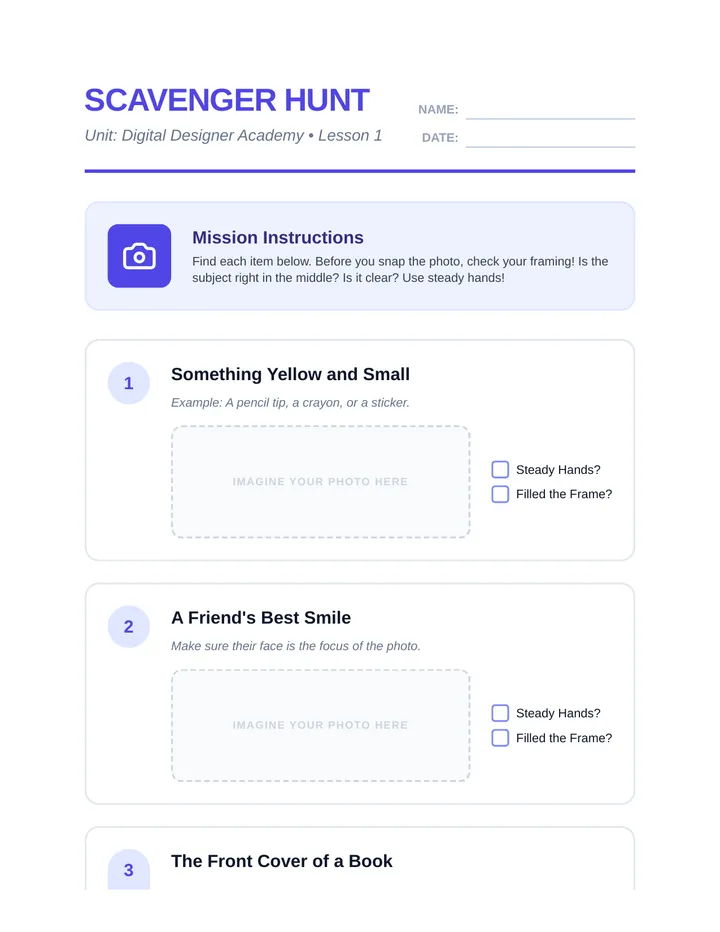
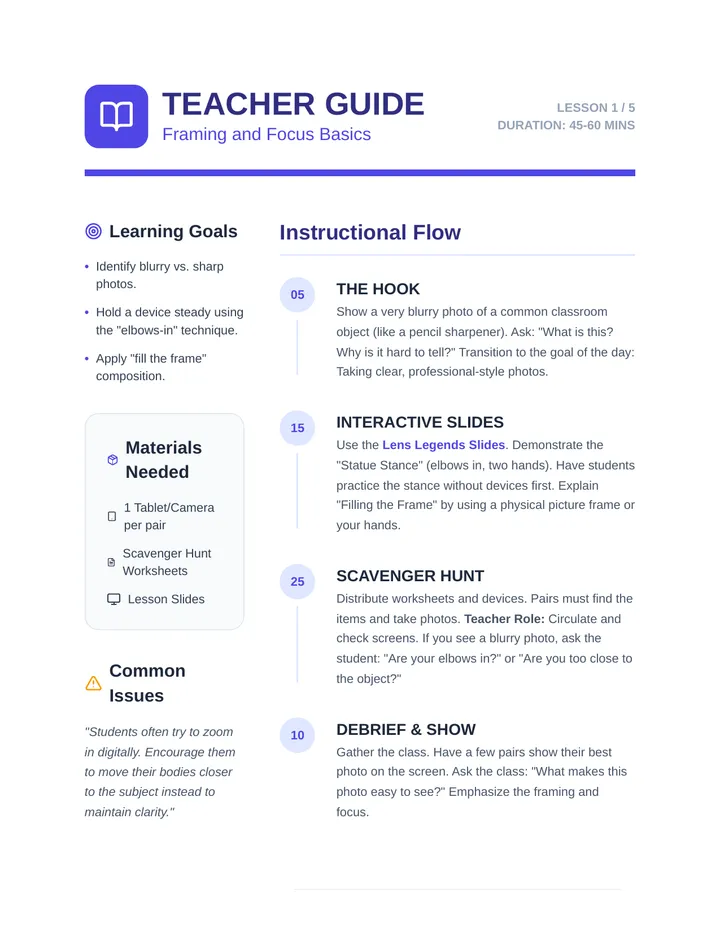
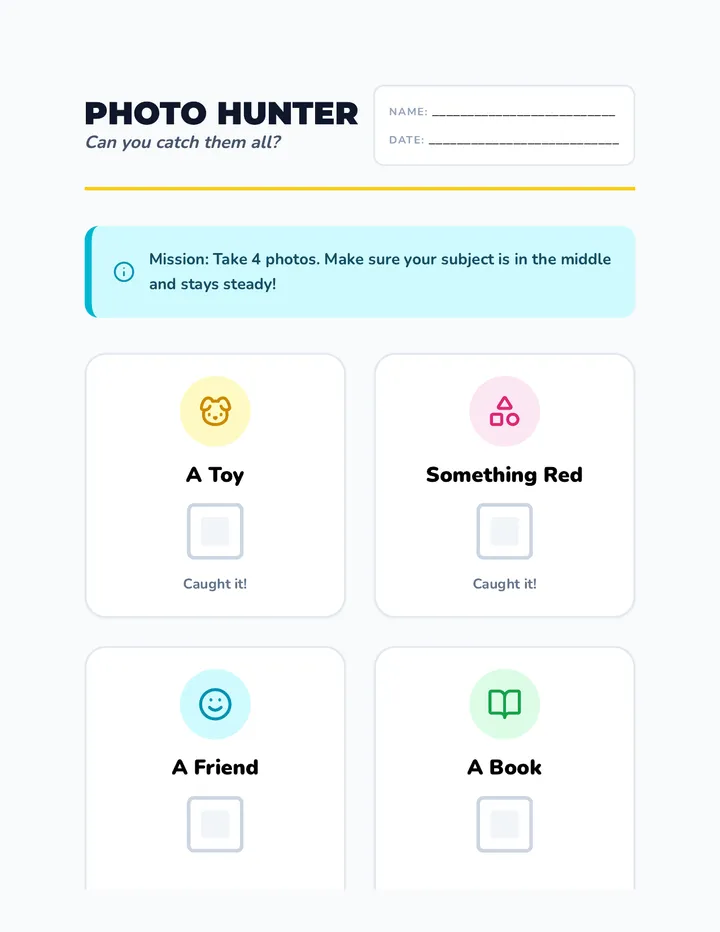
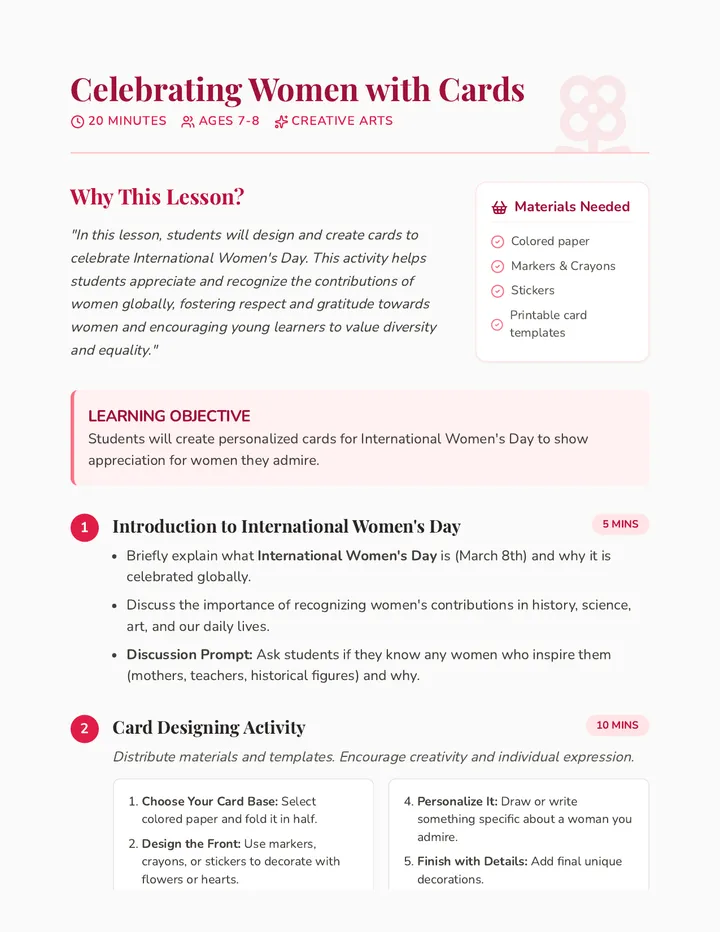
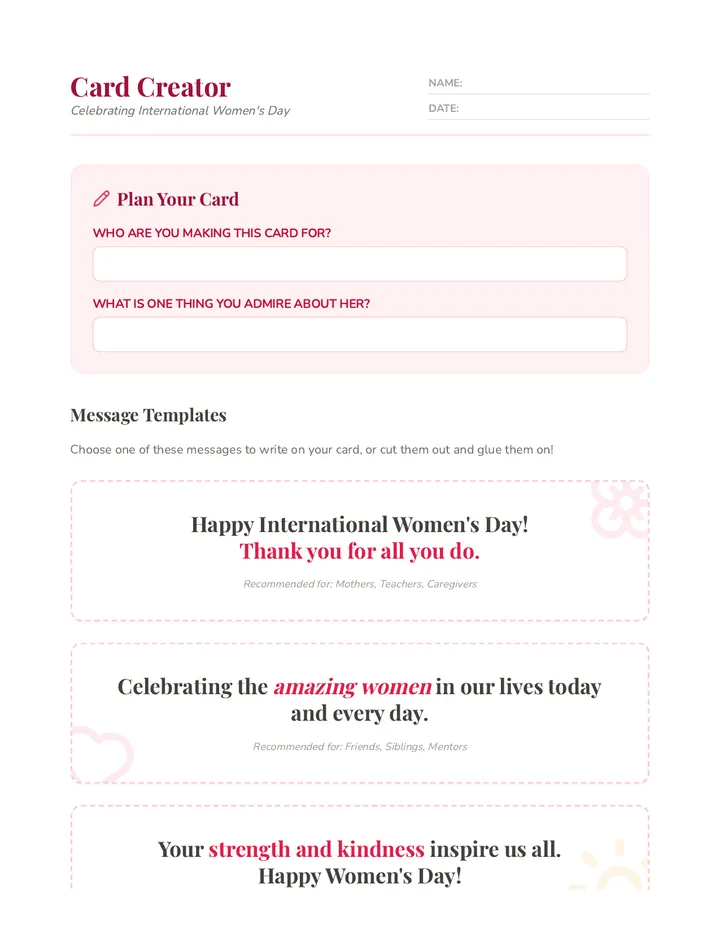
A discovery-based journey for 1st graders into digital photography and basic image editing, moving from device handling to creative storytelling through filters and digital elements.
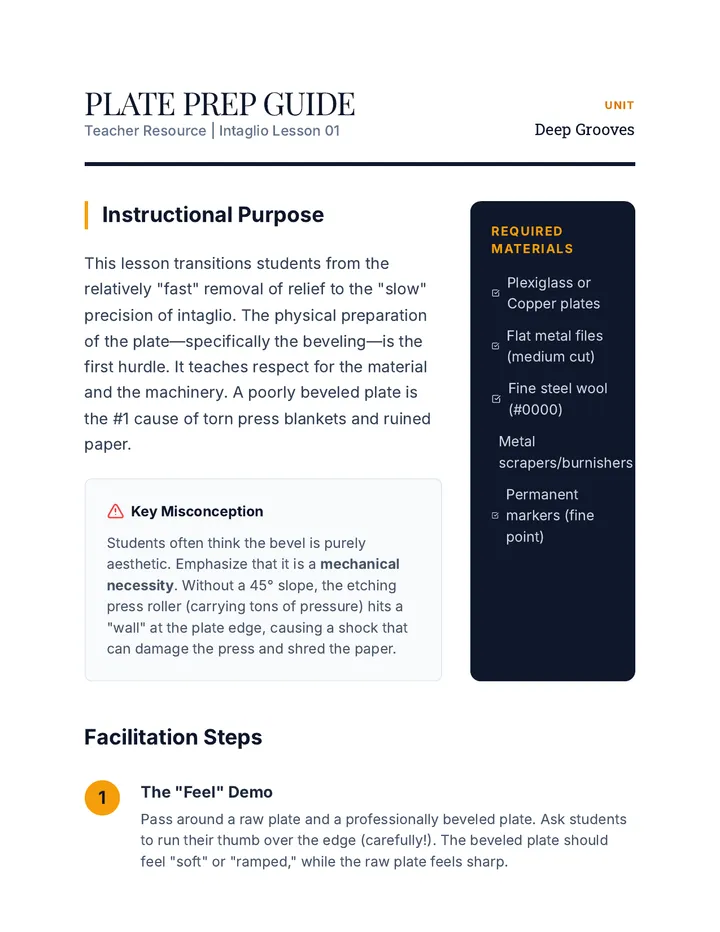
This 2nd-grade sequence introduces students to the fundamentals of digital photography and user interface design. Students progress from capturing and editing clear images to understanding and designing the icons and layouts that make digital apps functional and visually appealing.
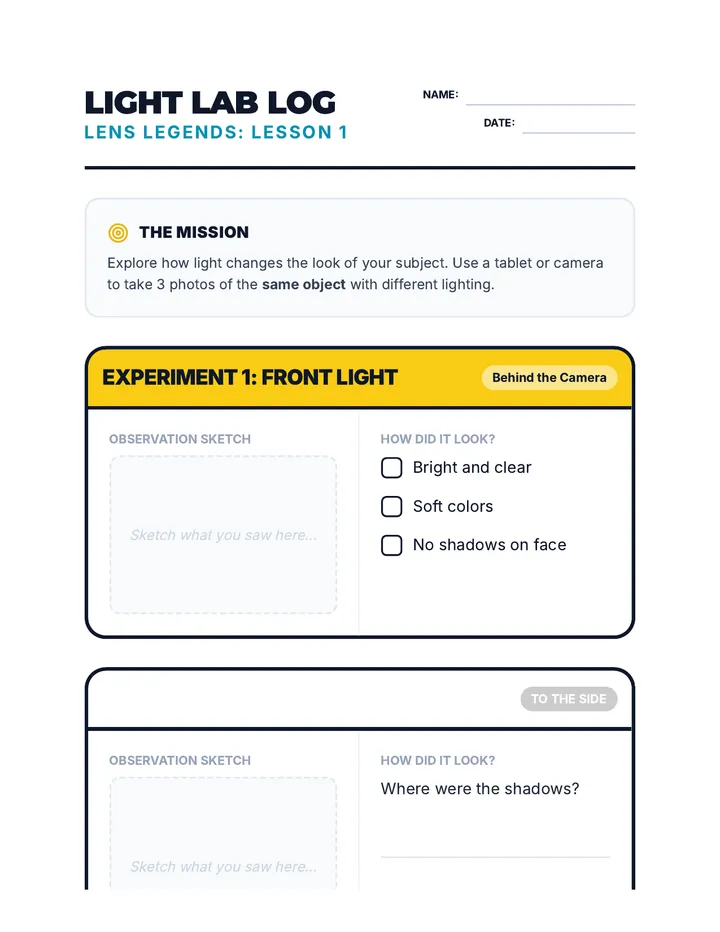
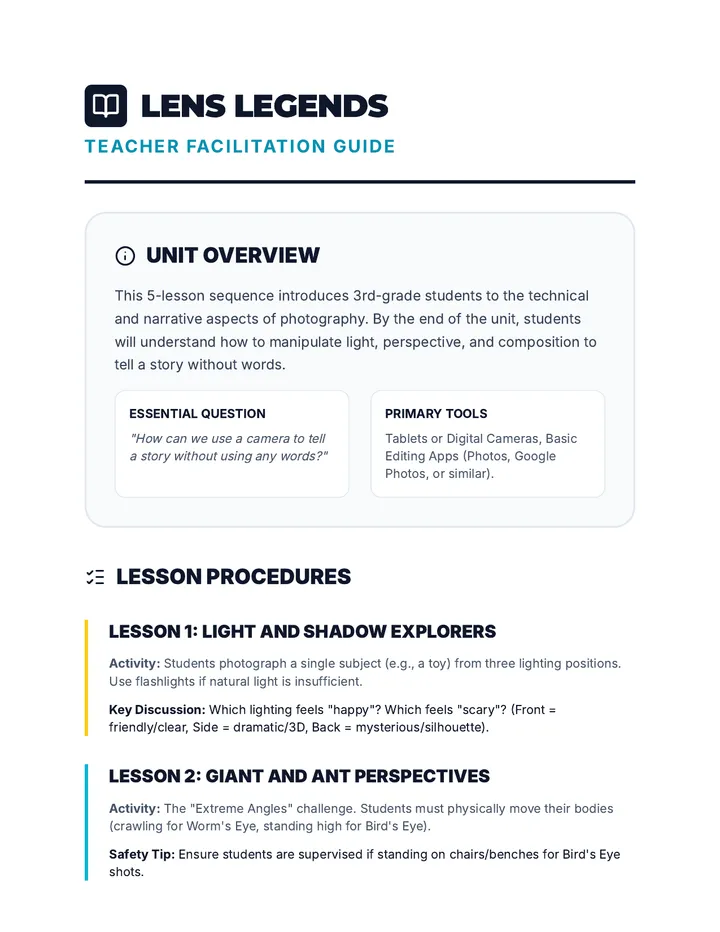
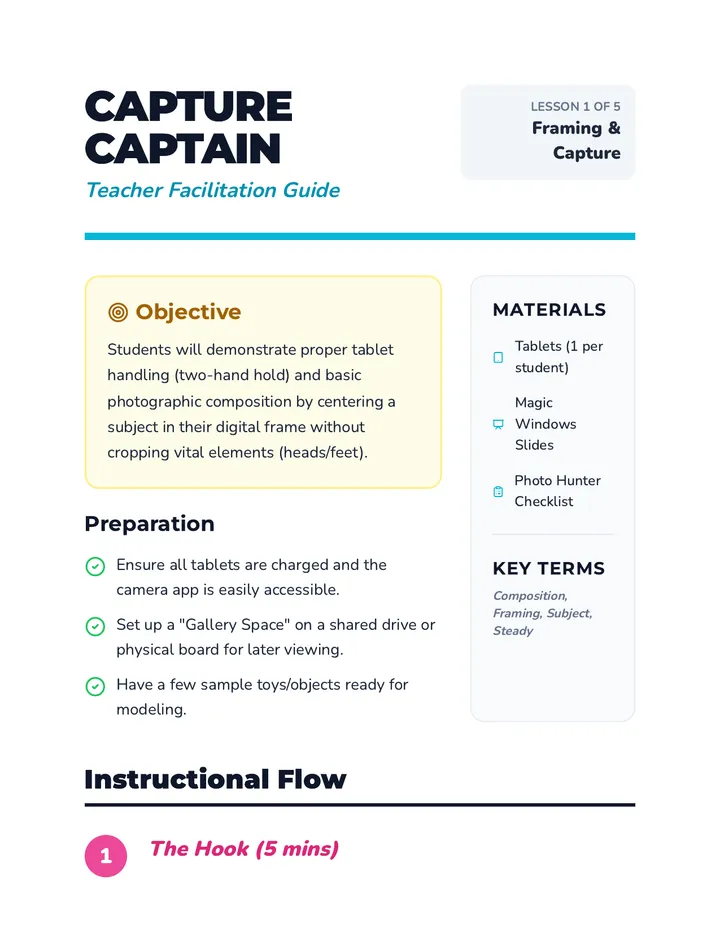
This sequence introduces 3rd-grade students to digital photography basics, focusing on light, composition, and visual storytelling. Students will move from learning about light and shadow to mastering angles and the rule of thirds, ultimately creating their own photo essay.
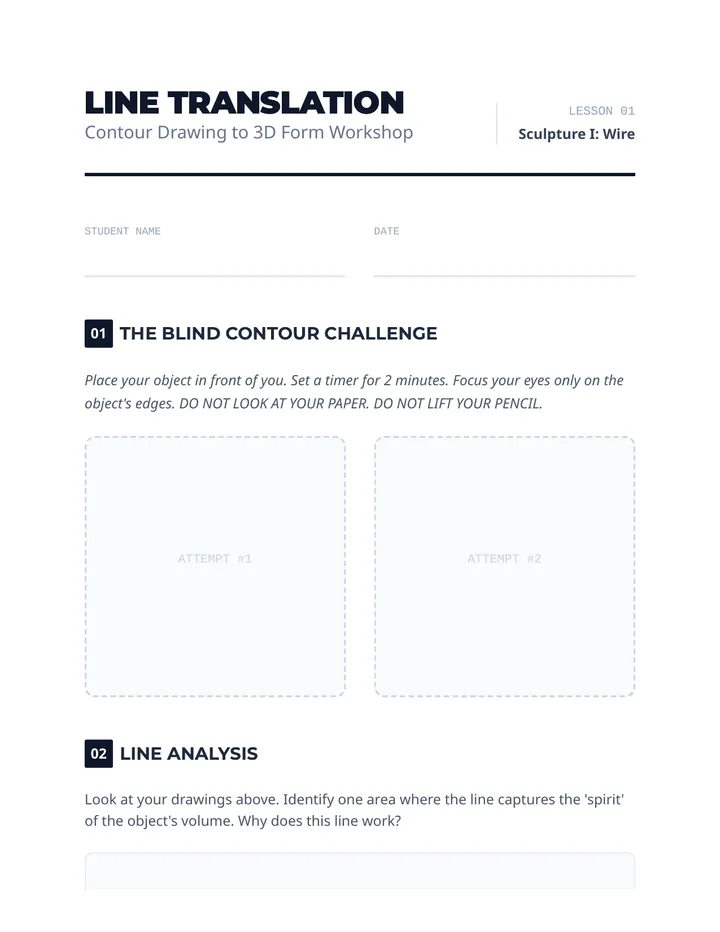
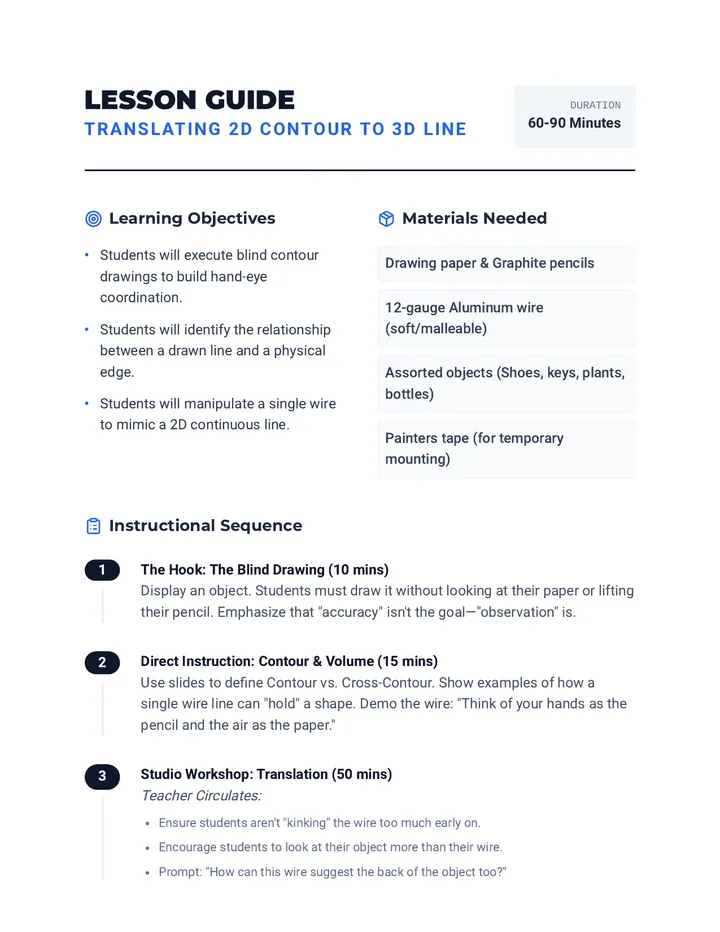
A comprehensive 9th-grade visual arts unit focusing on translating 2D drawings into 3D wire sculptures. Students explore contour lines, tool safety, spatial volume, and presentation through the lens of 'drawing in space.'
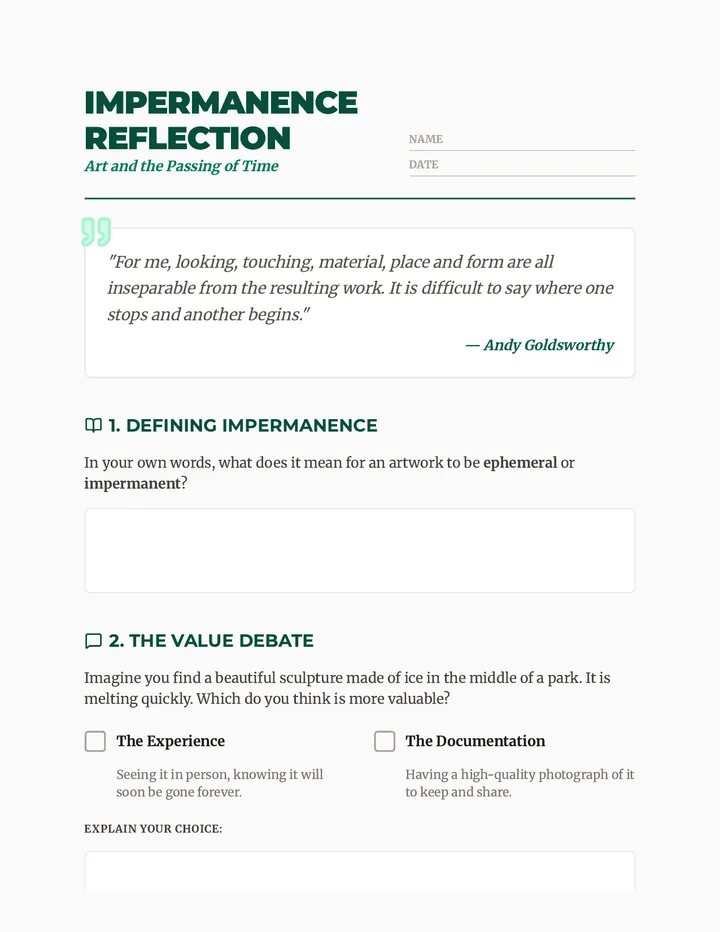
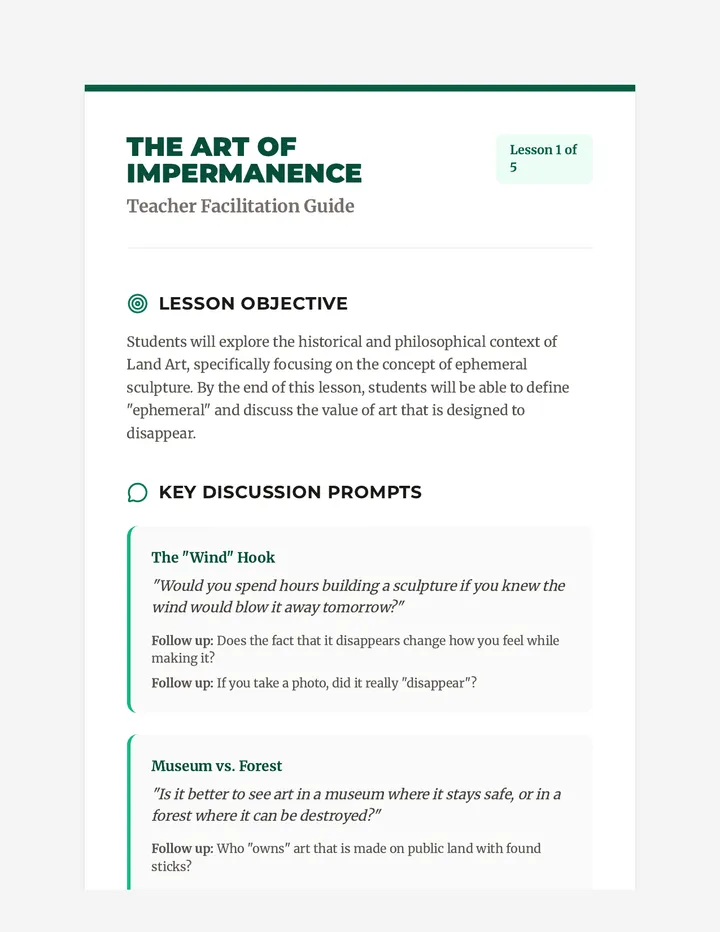
A 5th-grade art sequence exploring Land Art and environmental sculpture. Students learn to collaborate with nature using foraged materials to create ephemeral installations, emphasizing patterns, site-specificity, and documentation through photography.
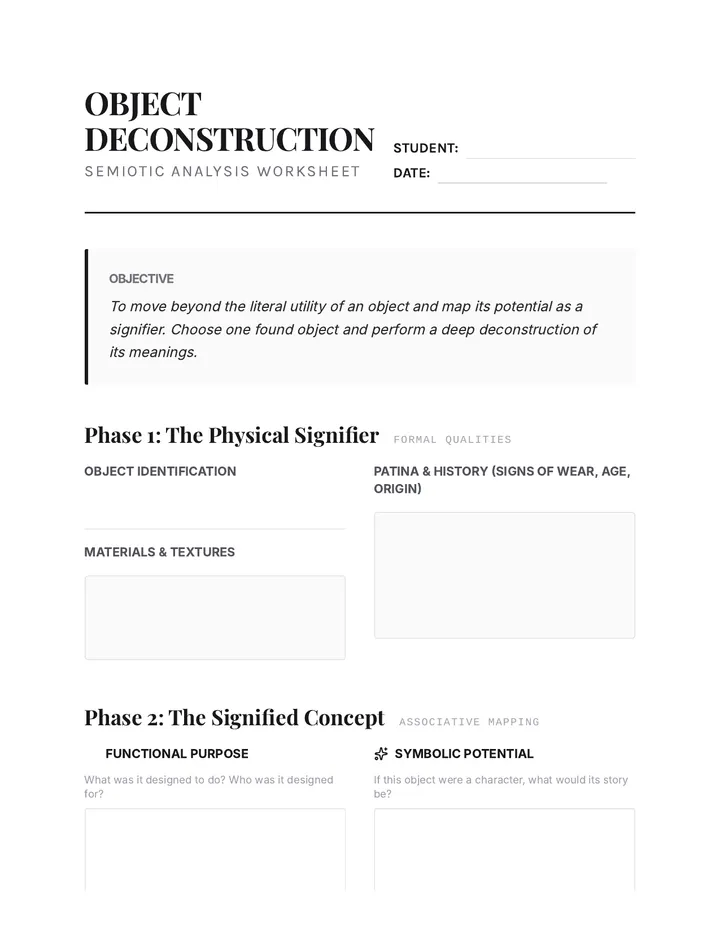
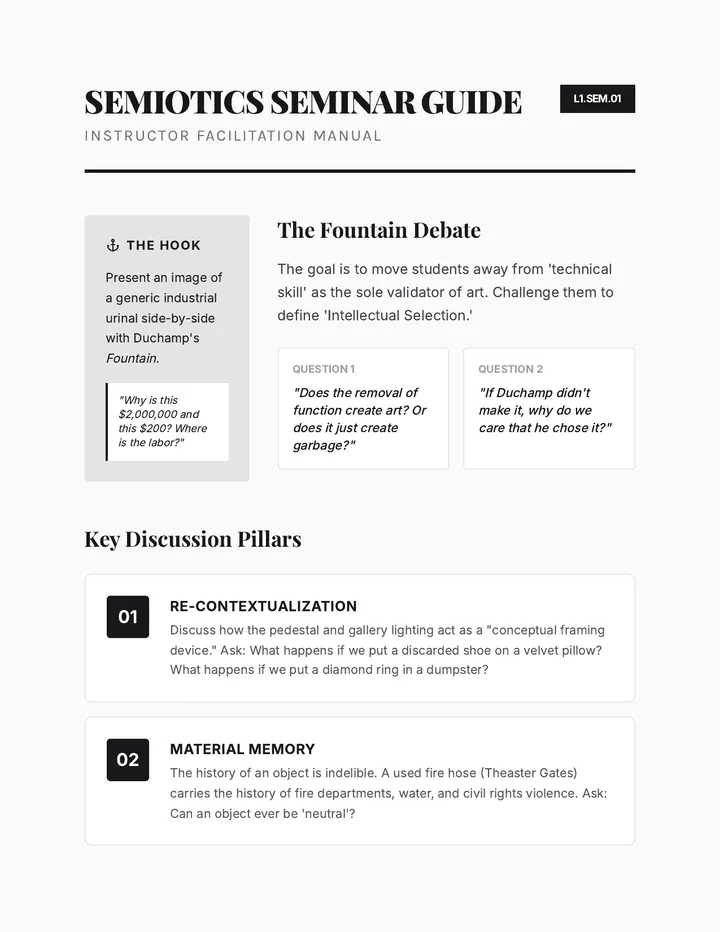
This undergraduate sequence explores the conceptual and technical dimensions of Found Object Assemblage. Students move from semiotic analysis and material sourcing to advanced joinery techniques, culminating in site-specific installations that communicate complex social or personal narratives.
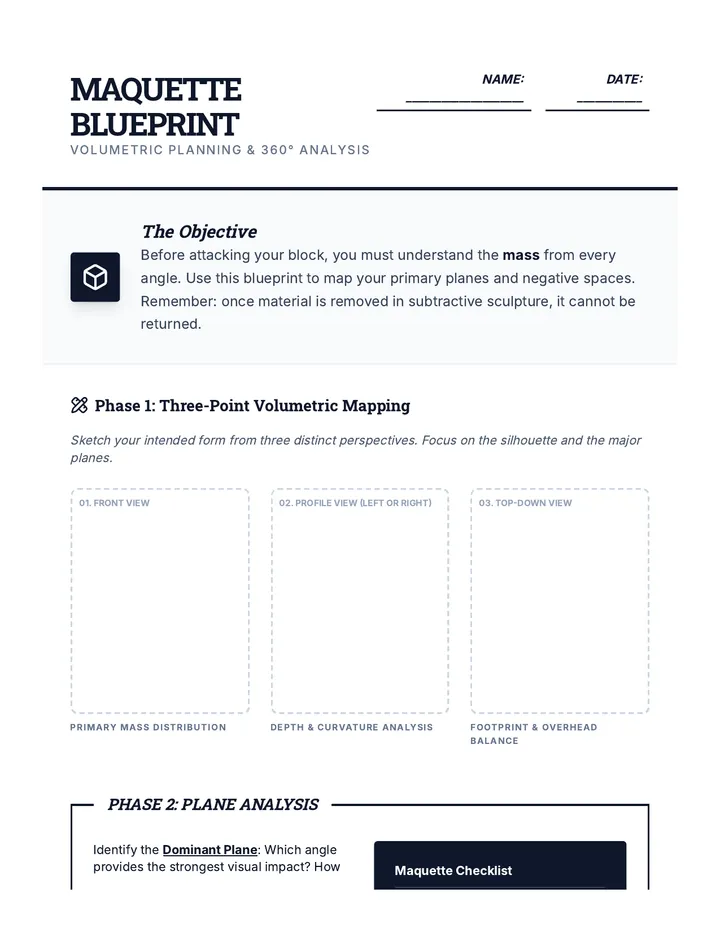
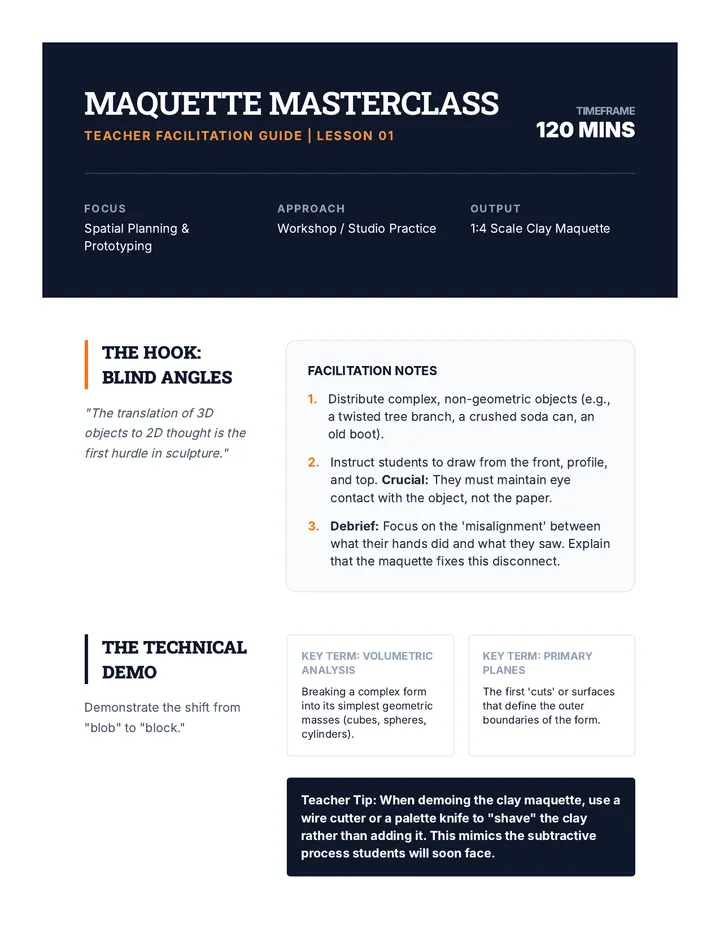
This advanced 12th-grade sequence guides students through the rigorous process of subtractive sculpture. From conceptual clay maquettes to final surface treatments, students master the relationship between mass and negative space to create portfolio-ready 3D works.
A sequence introducing Kindergarteners to the intersection of digital photography and creative manipulation. Students move from basic framing to surrealist digital collages.
This sequence guides 12th-grade students through the transition from single-image photography to complex visual storytelling. Students will learn to plan, shoot, and curate photo essays, culminating in a professional portfolio presentation that explores narrative arcs and conceptual themes.
A comprehensive 12th-grade photography sequence focusing on professional digital workflow, non-destructive editing, and the ethics of post-processing. Students progress from basic organization to advanced color grading and retouching while debating the boundaries of photographic truth.
A comprehensive 12th-grade photography sequence exploring the physics and artistry of light, from natural environments to controlled studio setups, focusing on form, texture, and mood.
This advanced photography sequence for 12th graders moves beyond basic framing to explore complex compositional structures like the Golden Ratio, negative space, and color psychology. Students learn to use geometry and color to dictate the viewer's psychological experience, ultimately mastering the art of breaking rules intentionally to create visual tension.
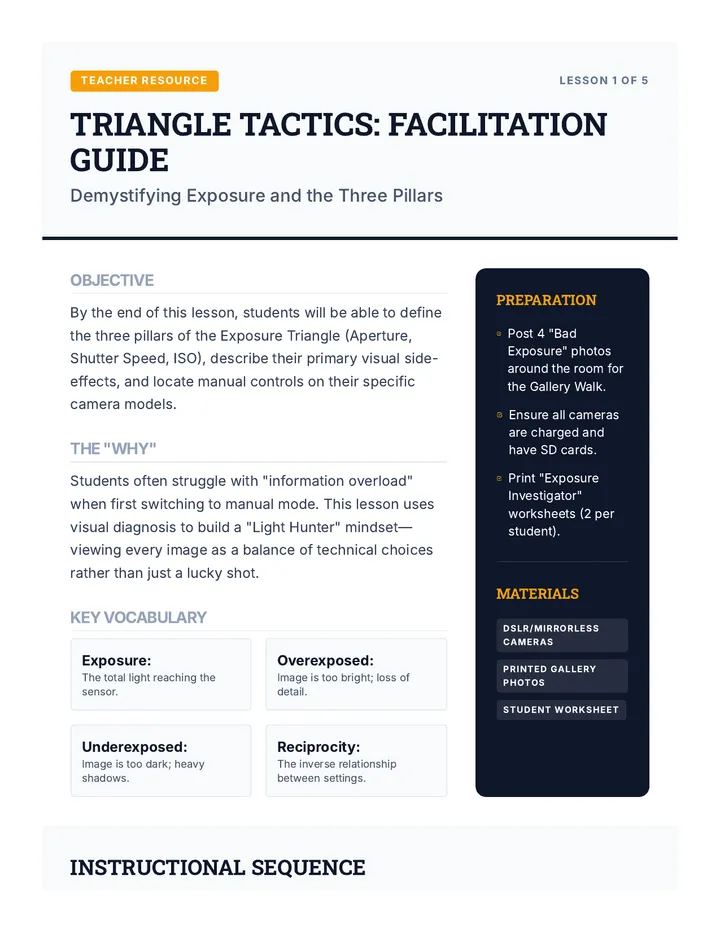
A technical and creative exploration of manual camera controls for 12th-grade photography students, focusing on the exposure triangle (ISO, Aperture, Shutter Speed) and digital file formats.
A comprehensive sequence for 8th-grade students exploring the technical and ethical dimensions of digital photo editing. Students master non-destructive workflows, tonal adjustments, color grading, and localized retouching while debating the boundaries of photographic truth in the age of AI.
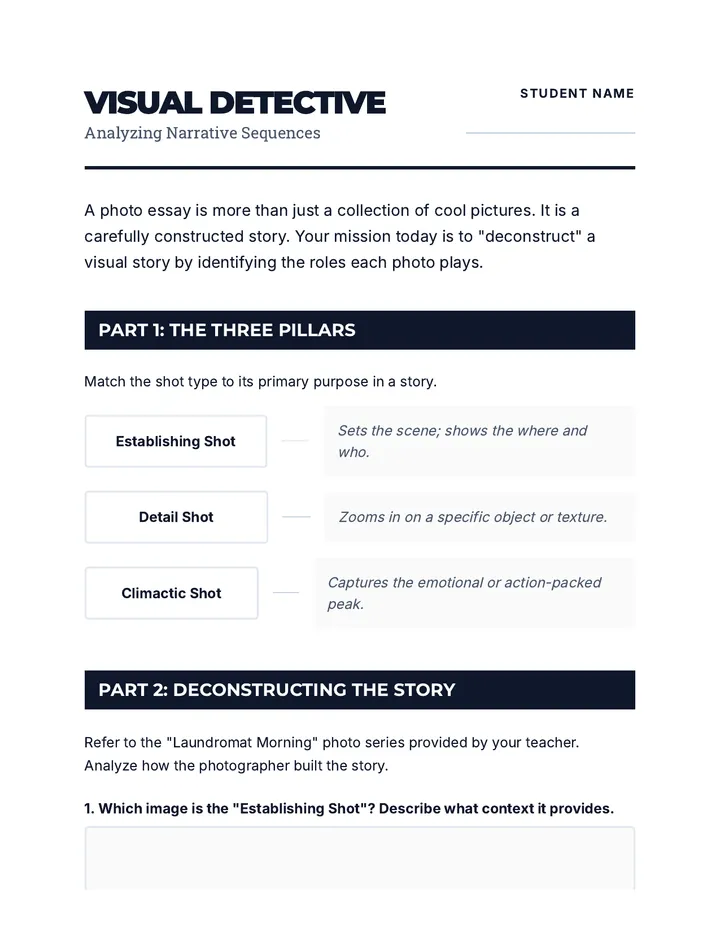
A comprehensive unit for 8th-grade students on the art of the photo essay. Students move from understanding single images to constructing complex visual narratives using shot variety, sequencing, and journalistic ethics.
This 8th-grade photography sequence explores how the quality, direction, and color of light influence mood and dimensionality. Students progress from basic light quality to professional portrait patterns and conceptual lighting design.
An 8th-grade photography unit focused on artistic composition. Students explore the Rule of Thirds, leading lines, framing, and abstract patterns through hands-on practice and gamified challenges, culminating in a curated portfolio.
A comprehensive 5-lesson unit for 8th-grade photography students, focusing on the technical mastery of the exposure triangle (ISO, aperture, and shutter speed). Students progress from conceptual understanding to manual mode proficiency through simulations, experiments, and creative challenges.
A comprehensive capstone sequence for 11th-grade photography students focused on the power of visual narrative. Students move from analyzing professional photojournalism to planning, executing, and curating their own thematic photo essays, culminating in a formal gallery critique.
A comprehensive sequence for 11th-grade photography students focusing on the digital darkroom. This unit covers everything from asset management and RAW processing to advanced masking, ethical retouching, and cinematic color grading.
An advanced printmaking sequence focusing on the reduction lino-cut method. Students explore historical context, strategic planning, technical carving, and the precise mechanics of registration and editioning to create multi-colored prints from a single, evolving block.
A comprehensive 8th-grade sequence on relief printmaking, covering design reversal, carving safety, ink application, and the reduction printing process. Students move from basic concepts to producing a professional multi-color edition.
An introduction to the intaglio printmaking family through drypoint etching on plastic plates. Students explore line weight, tonal variation, wiping techniques, and mixed media additions like chine-collé.
An 8th-grade unit exploring the intersection of Pop Art and screen printing. Students learn technical printmaking skills while investigating the social impact of mass-produced imagery.
Students transition from relief printing to intaglio, mastering drypoint etching on plexiglass. The sequence covers plate preparation, scribing for texture and value, inking/wiping techniques, press operation, and advanced chine-collé methods.
A comprehensive workshop sequence on reduction linocut printing. Students master the art of the 'suicide block' through negative space analysis, tool safety, registration systems, and multi-layer ink application.
A comprehensive 11th-grade art sequence focusing on the technical and conceptual aspects of relief printmaking, from historical analysis to professional editioning.
A 5-lesson unit for 5th graders exploring collograph printmaking, focusing on tactile texture, plate construction, chemical sealing, and intaglio wiping techniques to create embossed prints.
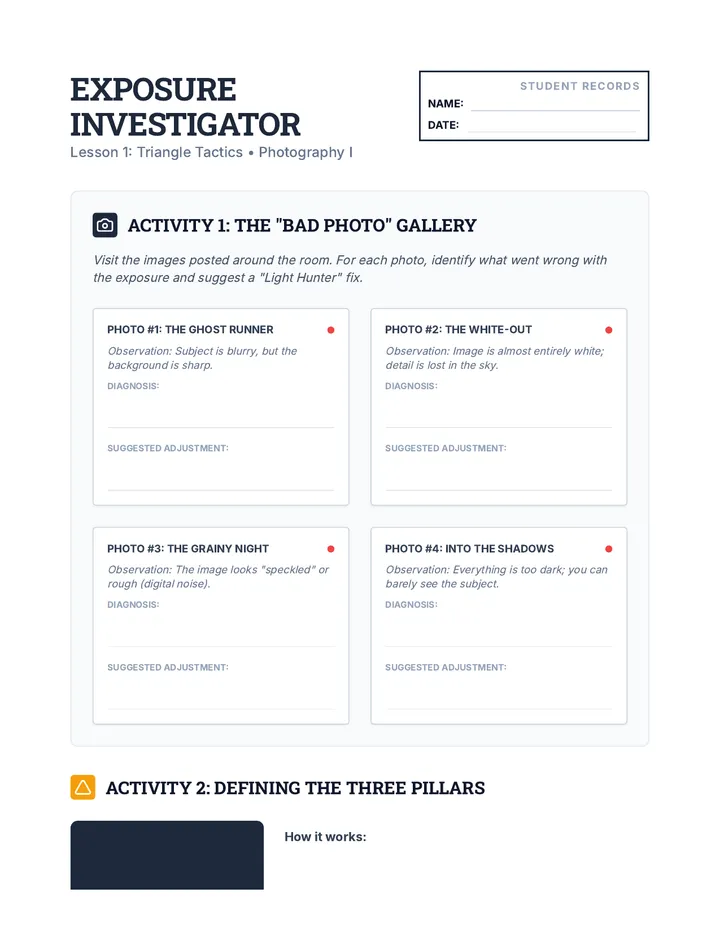
This advanced graduate sequence explores the intersection of traditional printmaking and digital fabrication, focusing on hybrid matrices, viscosity printing, and photopolymer processes. Students bridge the gap between digital precision and analog tactility to redefine the conceptual value of the printed 'multiple'.
An advanced undergraduate printmaking sequence that challenges traditional boundaries by combining experimental monotype, collagraphy, and digital-analog hybrid workflows. Students explore the concept of the 'unique multiple' and develop a professional portfolio focused on the intersection of physical ink and digital media.
This sequence introduces 2nd-grade students to graphic design through typography and layout. Students learn how font styles convey emotion and how the arrangement of visual elements creates hierarchy and meaning, culminating in a handmade poster project.
A hybrid printmaking and graphic design sequence for 7th graders, bridging traditional drypoint intaglio etching with modern digital layout and vectorization techniques. Students move from tactile scratching on plexiglass to sophisticated digital compositions.
A comprehensive graphic design simulation where students act as a design agency to develop a full brand identity. They progress from analyzing logo symbolism and interpreting client briefs to digital vectorization and presenting a professional brand style guide.
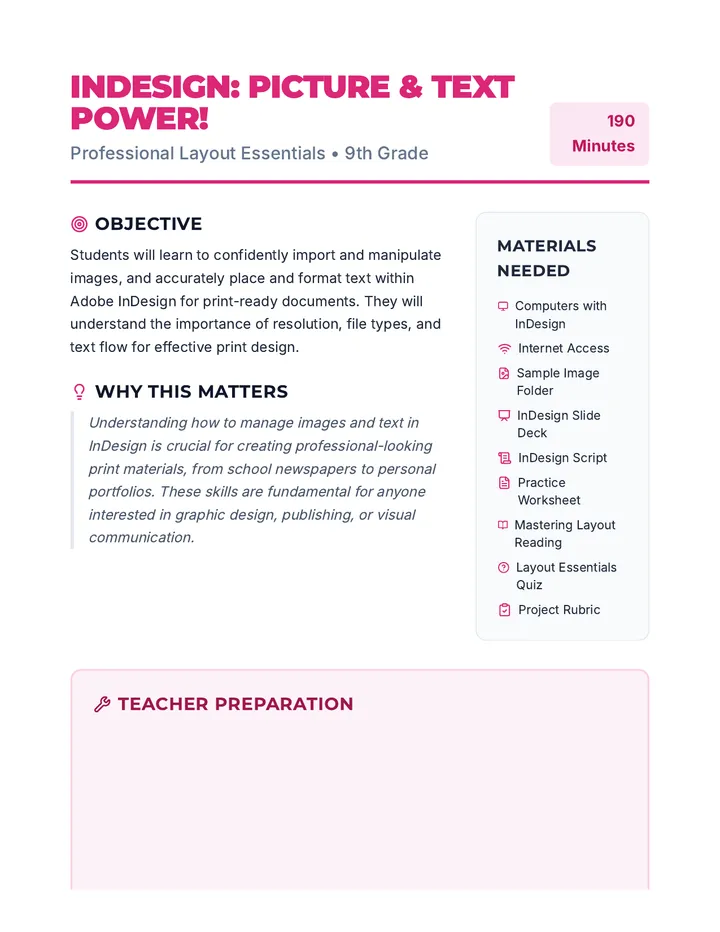
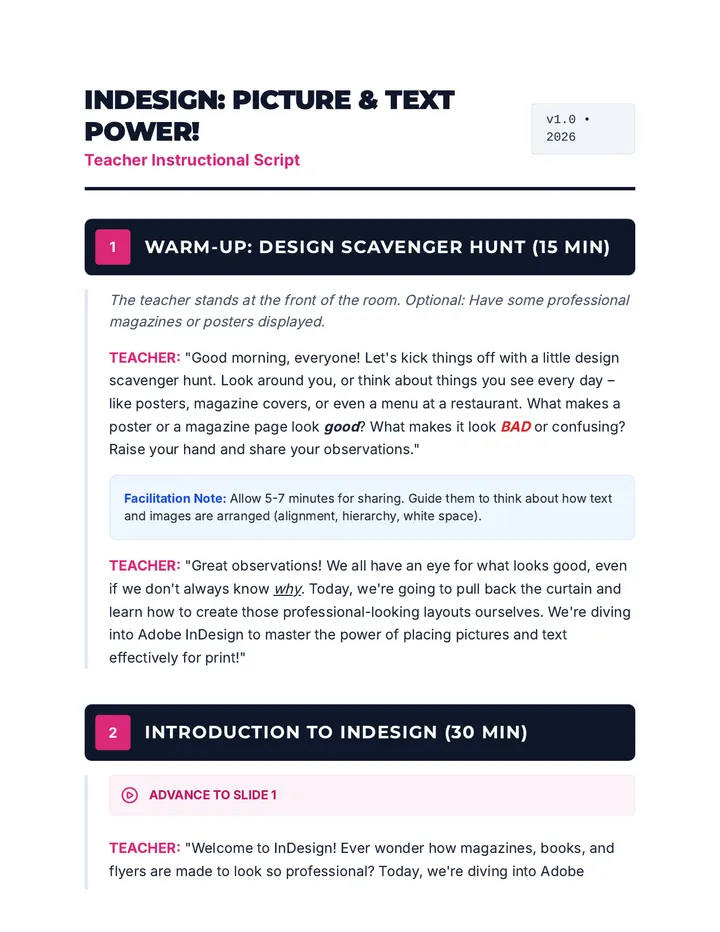
A project-based journey into the world of graphic design layout, focusing on visual hierarchy, grids, balance, and the integration of text and images. Students move from analyzing visual chaos to creating professional-grade compositions.
A comprehensive introduction to graphic design fundamentals for 7th-grade students, focusing on the structural anatomy of typography and the scientific application of color theory. Students move from identifying font personalities to creating expressive compositions and harmonic color palettes, culminating in a professional-style typographic poster.
A graduate-level sequence exploring visual hierarchy, information design, and cognitive psychology. Students learn to reduce cognitive load through data visualization, accessibility standards, and wayfinding systems.
A 10th-grade sequence exploring the economic systems that support the arts. Students analyze funding models, the multiplier effect, gentrification, and grant allocation, culminating in the creation of a professional economic impact statement.

This sequence introduces 2nd-grade students to the world of printmaking through stenciling. Students explore positive and negative space, learn technical skills for stencil design and cutting, master the 'pouncing' ink application technique, and ultimately apply their designs to functional objects to understand graphic design in the real world.
This graduate-level sequence explores the avant-garde frontiers of music composition, focusing on indeterminacy, extended techniques, and graphic notation to redefine the composer-performer relationship.