Cultural identity, community development, and public policy through the lens of creative practice. Addresses arts advocacy strategies and integrates interdisciplinary connections across social and professional sectors.
A high-contrast, modern informational flyer for the Principles of Digital Design course, highlighting Photoshop certification, DSLR photography, and career pathways. This version is optimized for single-page printing, with tightened margins to accommodate contact information and counselor recommendations.
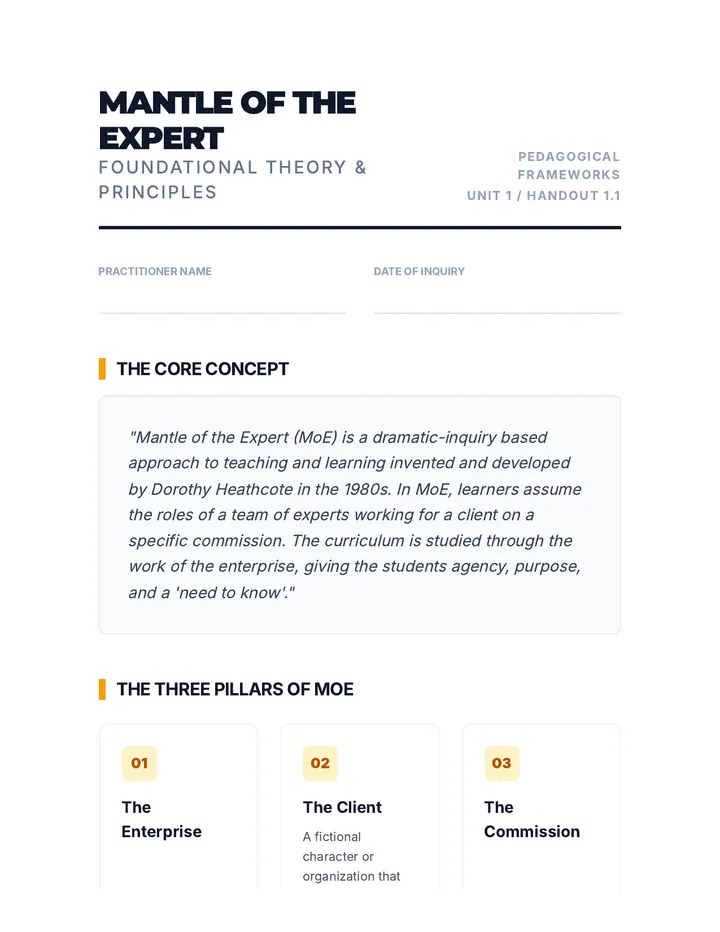
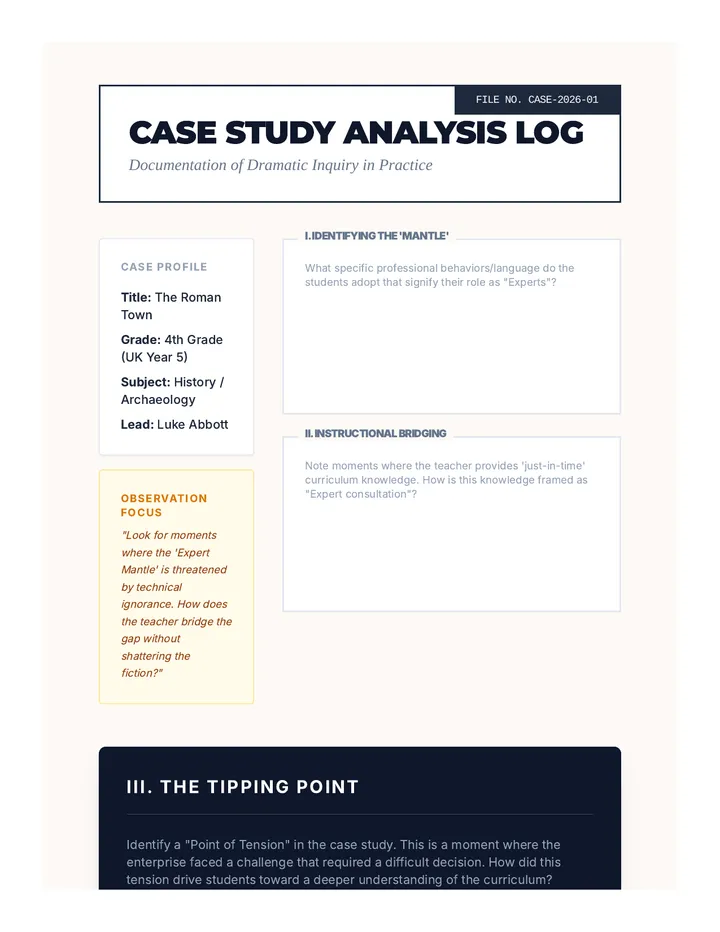
A comprehensive graduate-level course exploring the pedagogy of dramatic inquiry, focusing on Dorothy Heathcote’s Mantle of the Expert and its application in cross-curricular K-12 education. Students will master instructional design, teacher-in-role techniques, and the assessment of creative processes.
This unit explores the history of physical comedy, from the masked archetypes of Italian Commedia dell'Arte to modern slapstick and sitcoms. Students develop physical characterization skills, understand status dynamics, and learn to identify recurring comic archetypes across theater history.
This 4th-grade sequence explores how traditional arts and crafts function as vessels for cultural heritage. Students learn to 'read' artifacts like narrative quilts and pottery as historical texts, ultimately creating their own heritage artifacts to preserve personal or family stories.
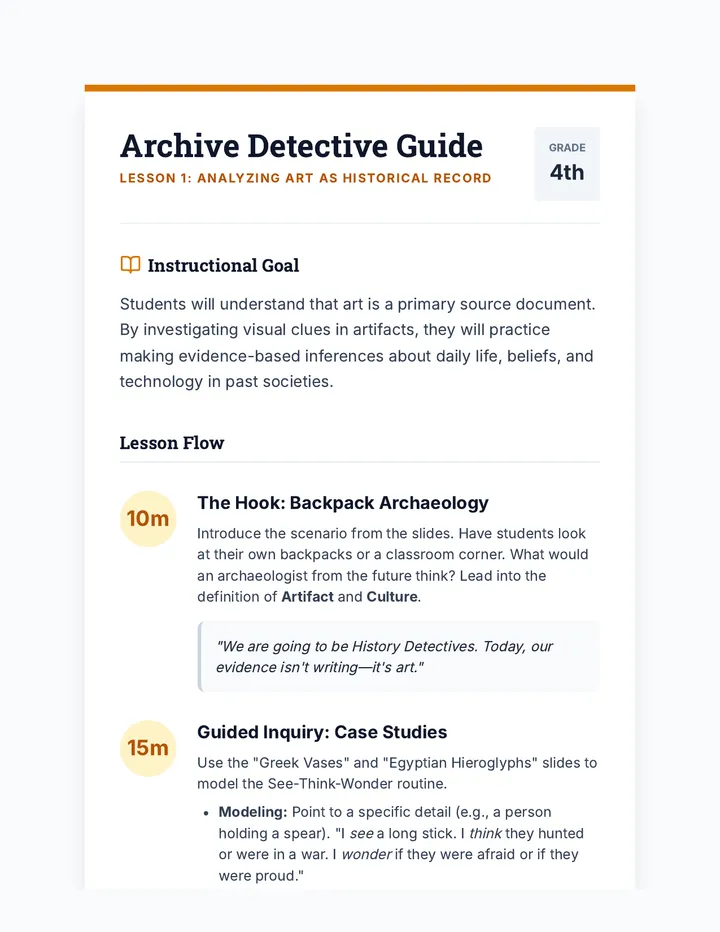
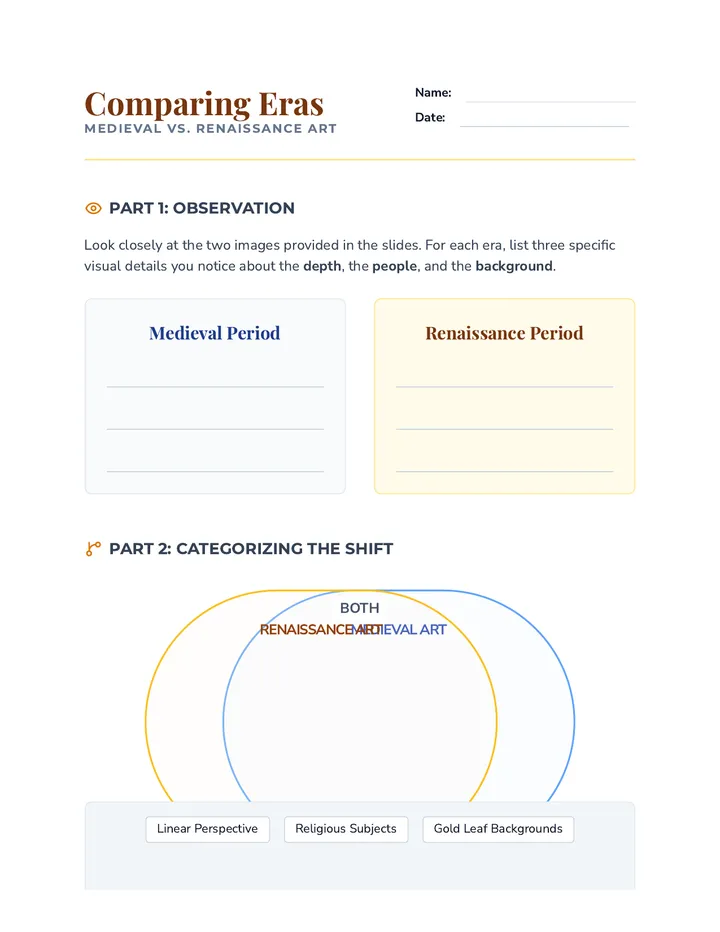
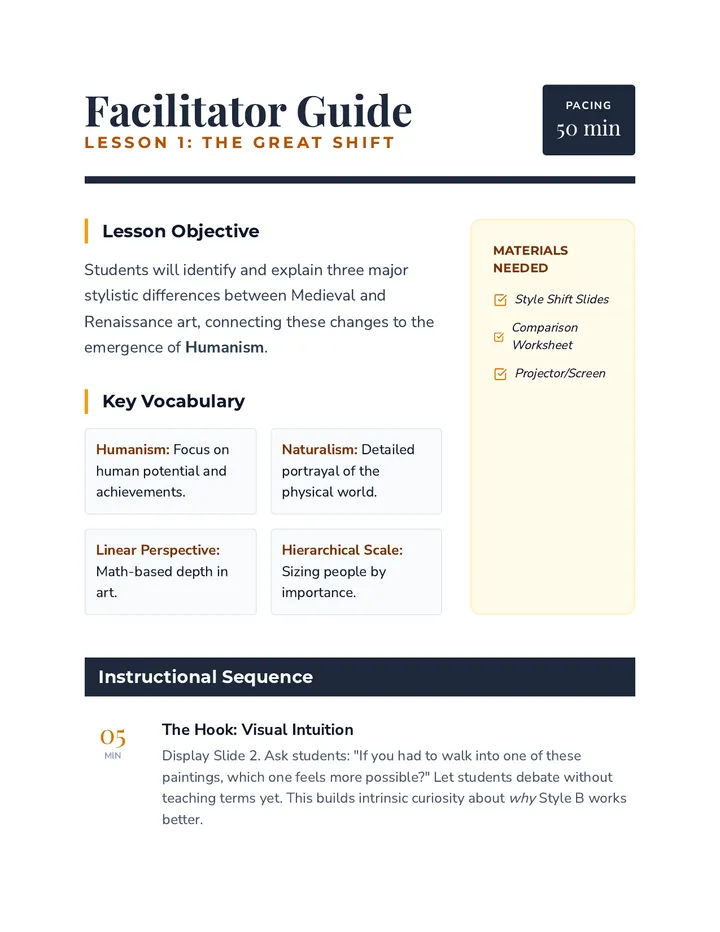
This sequence explores the transition from Medieval to Renaissance art, focusing on the development of linear perspective, human anatomy in art, and the cultural shift toward Humanism. Students will analyze masterpieces like 'The School of Athens' and apply mathematical principles to create their own realistic artworks.
This sequence explores the artistic revolution of the Renaissance, focusing on the shift from Medieval symbolism to Renaissance realism through the lens of mathematics and anatomy. Students will analyze historical works and apply technical skills like linear perspective to understand how art reflects cultural values.
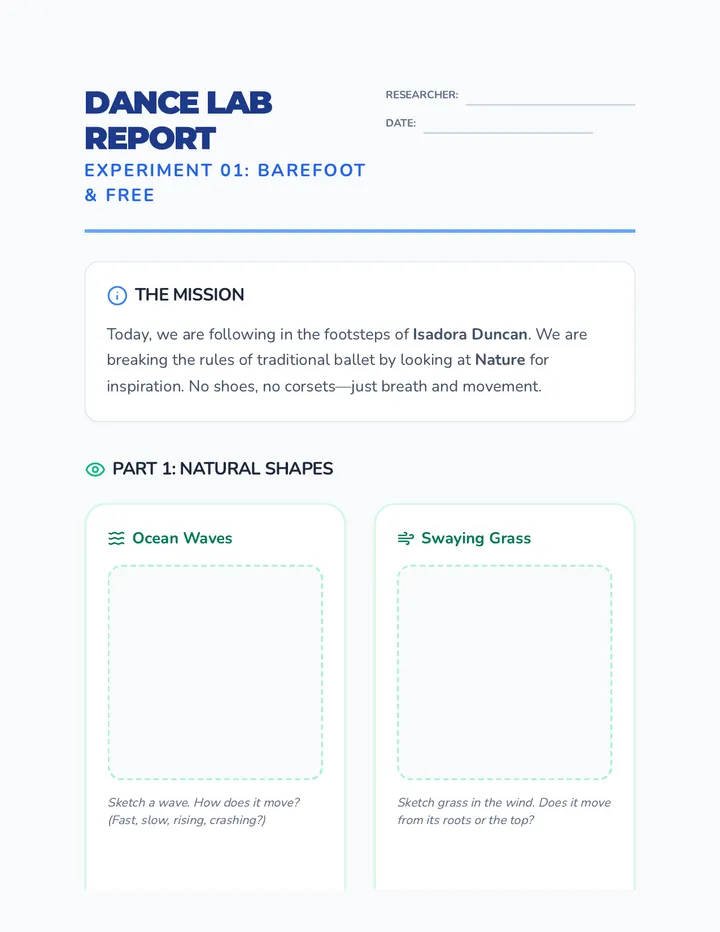
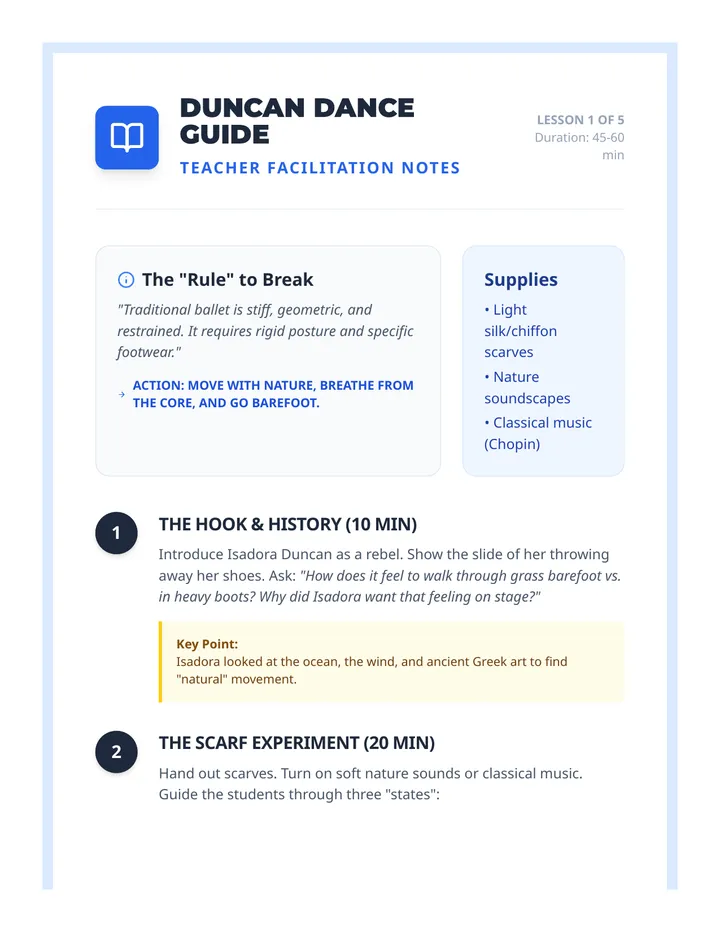
A 5-lesson unit for 3rd graders exploring the history of modern dance pioneers and using their 'rule-breaking' concepts to create original choreography. Students move from the naturalism of Duncan to the emotional core of Graham, the chance methods of Cunningham, and the soulful storytelling of Ailey.
A global musical expedition for 2nd graders to discover how geography and culture shape instruments and traditions across four continents. Students explore materials, physics of sound, and the cultural roles of music through inquiry and hands-on activities.
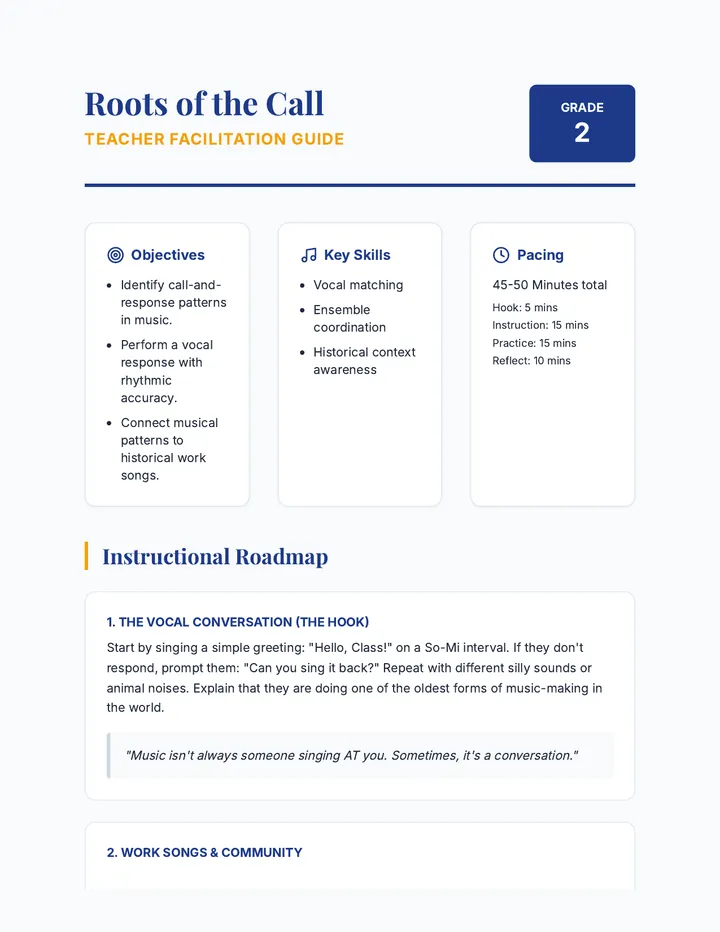
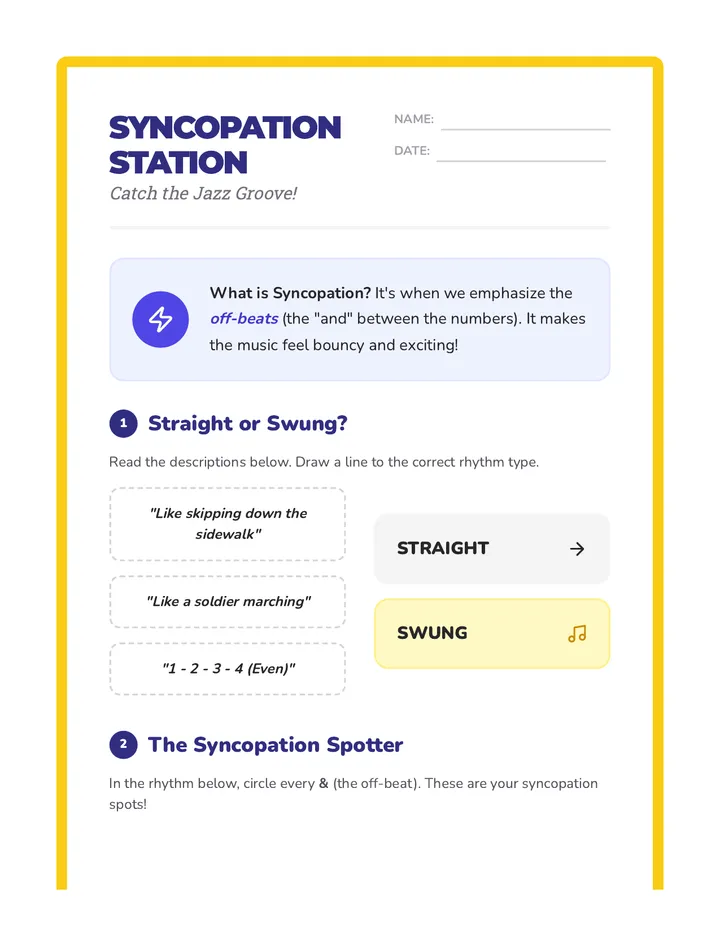
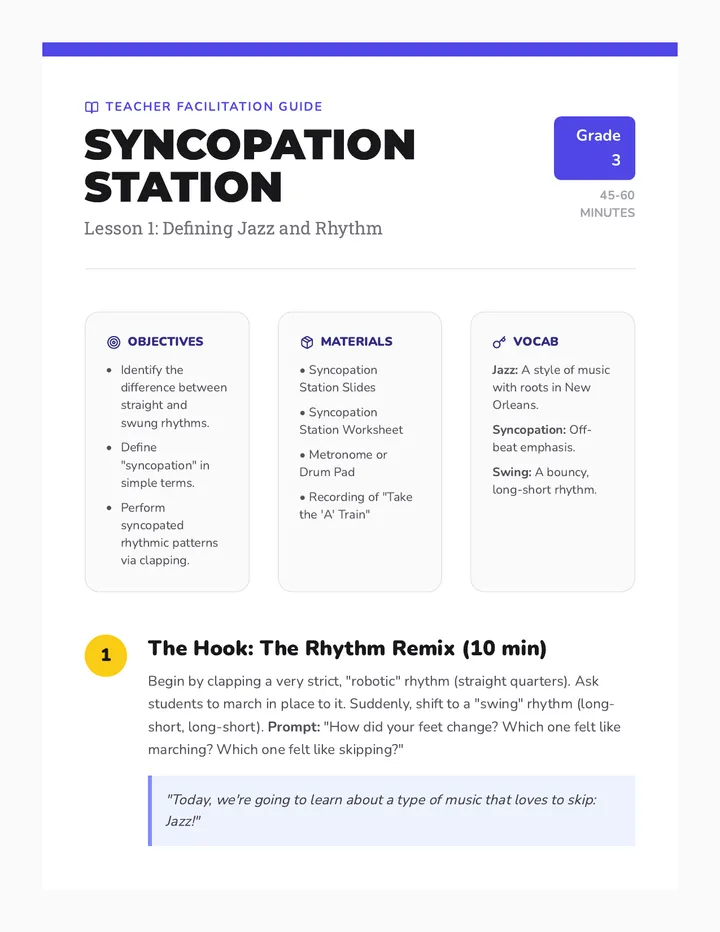
An immersive workshop-style sequence for 2nd graders exploring the roots of Jazz, Blues, and Folk music through call-and-response, syncopation, and improvisation. Students trace American musical history from work songs to the Swing era through active music-making.
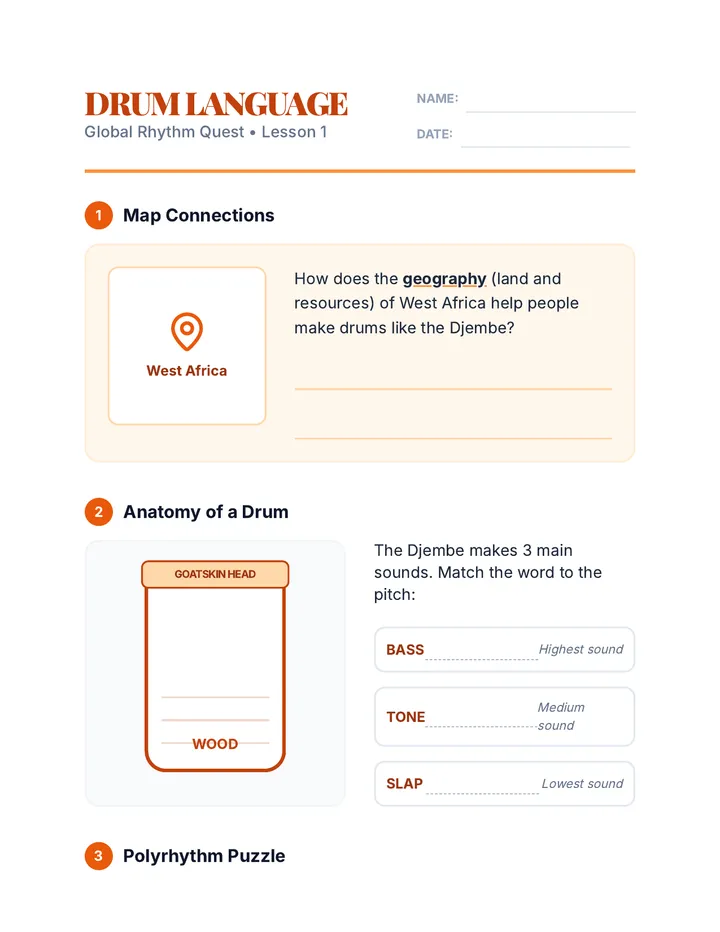
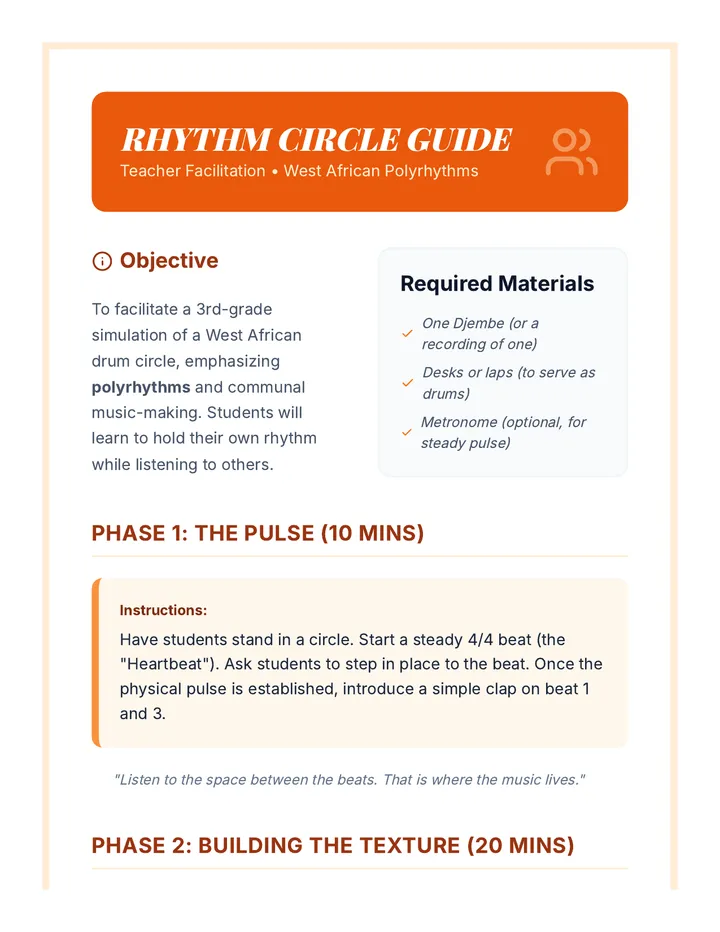
A 5-lesson sequence for 3rd graders exploring the music and instruments of West Africa, Asia, the Andes, and North America, focusing on how geography and culture shape sound.
This sequence explores how technology—from the electric guitar to digital software—transformed music from the mid-20th century to today, focusing on genre evolution, song structure, and production.
Students explore the world of Jazz through rhythm, syncopation, and improvisation. They'll meet legends like Louis Armstrong and Ella Fitzgerald while learning to find their own musical voice through 'swing' and scat singing.
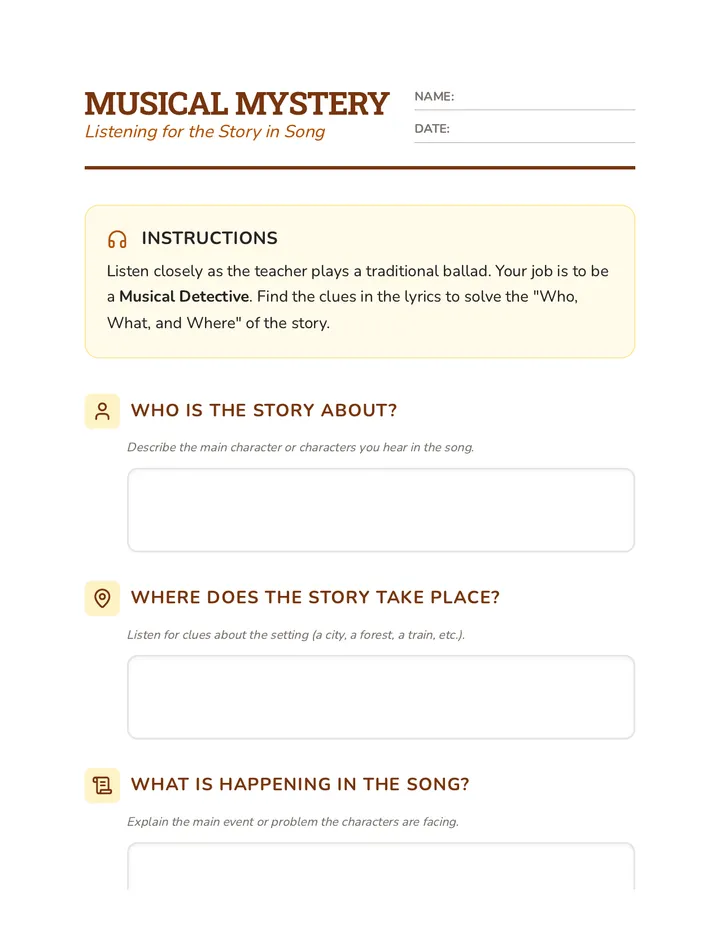
A 3rd-grade music history and appreciation unit exploring the roots of American folk and blues music, focusing on oral traditions, storytelling, and musical structures like call-and-response and the AAB blues form.
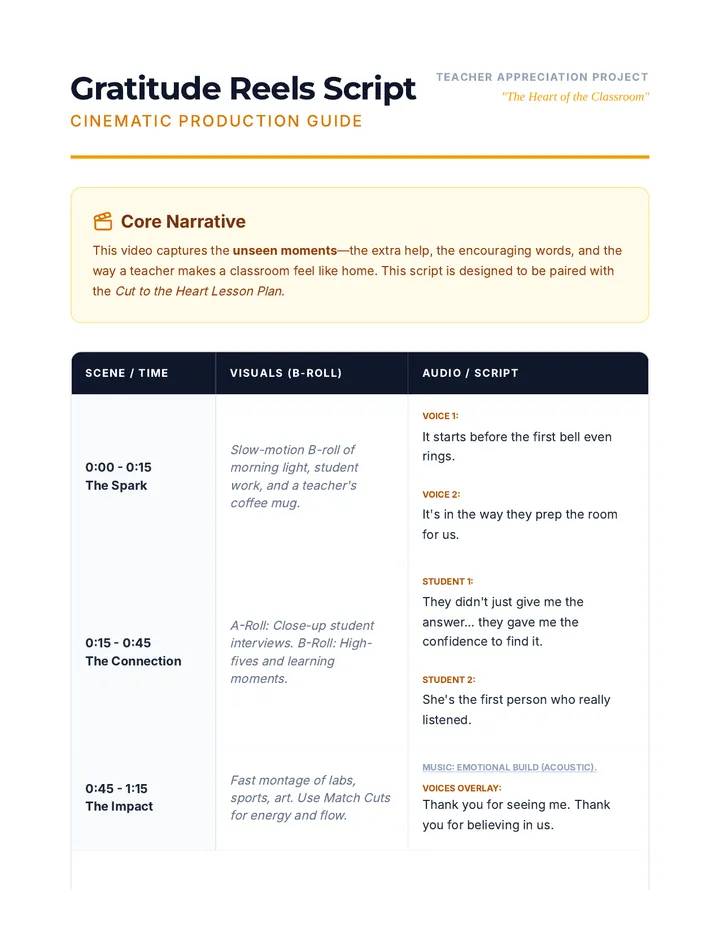
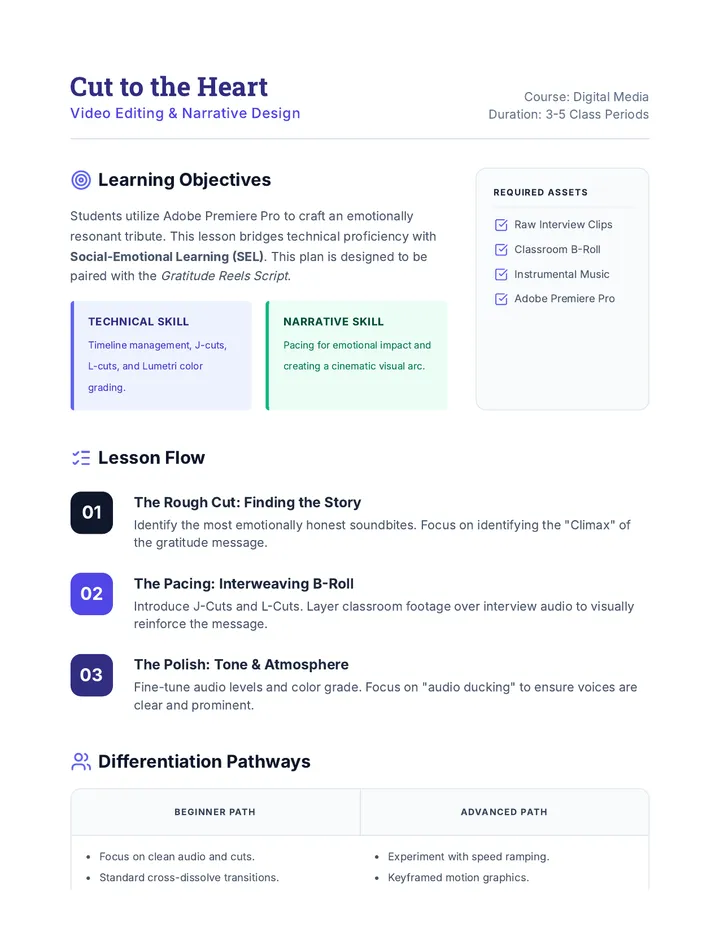
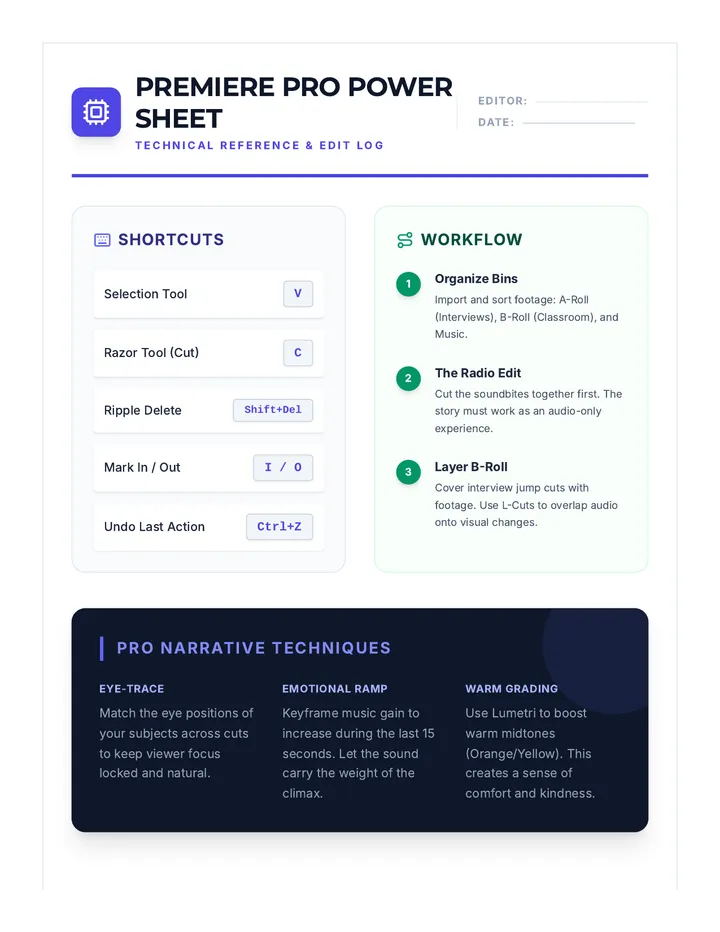
A comprehensive lesson where students learn to edit a teacher appreciation video using Adobe Premiere Pro, focusing on narrative pacing and emotional storytelling.
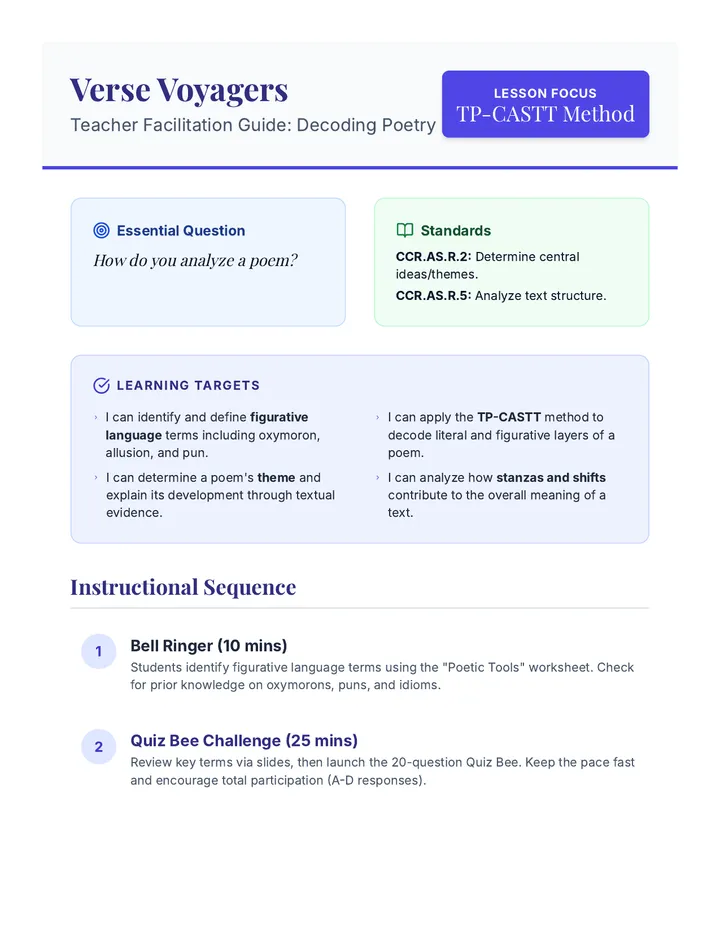
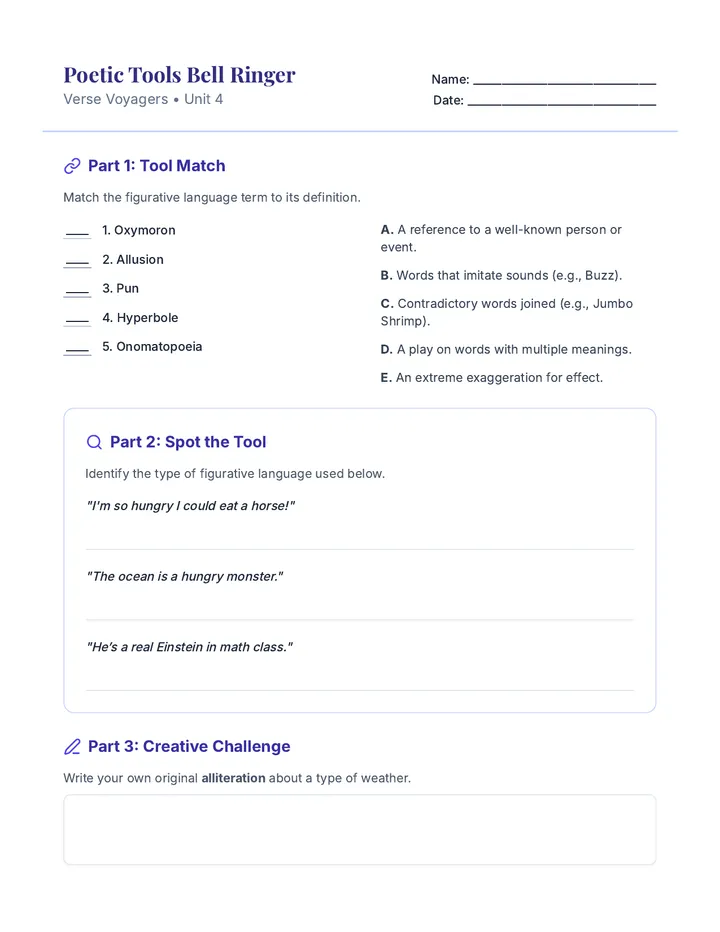
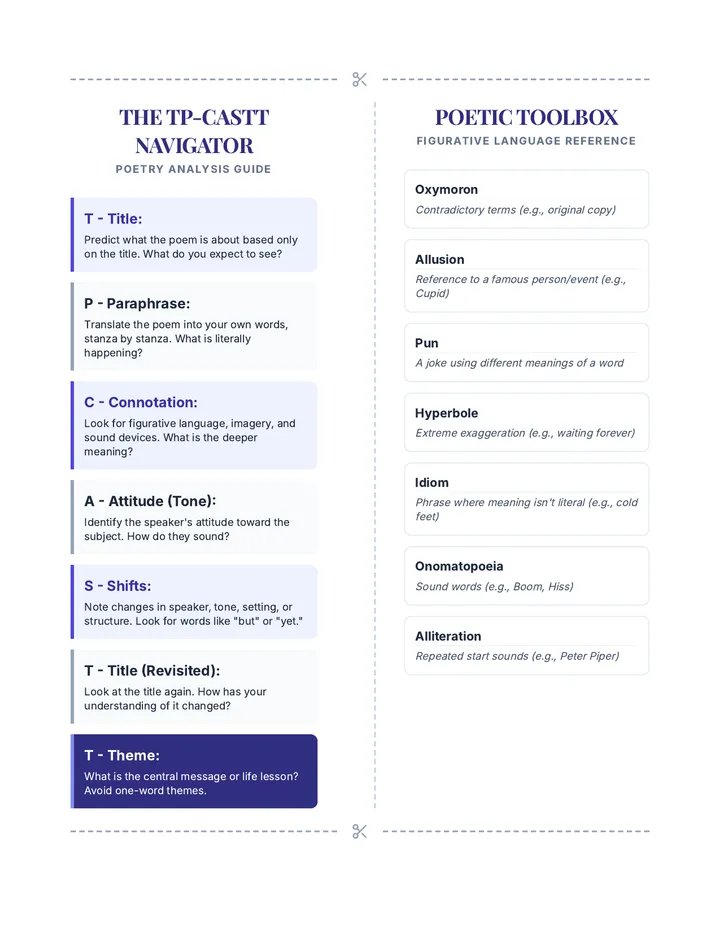
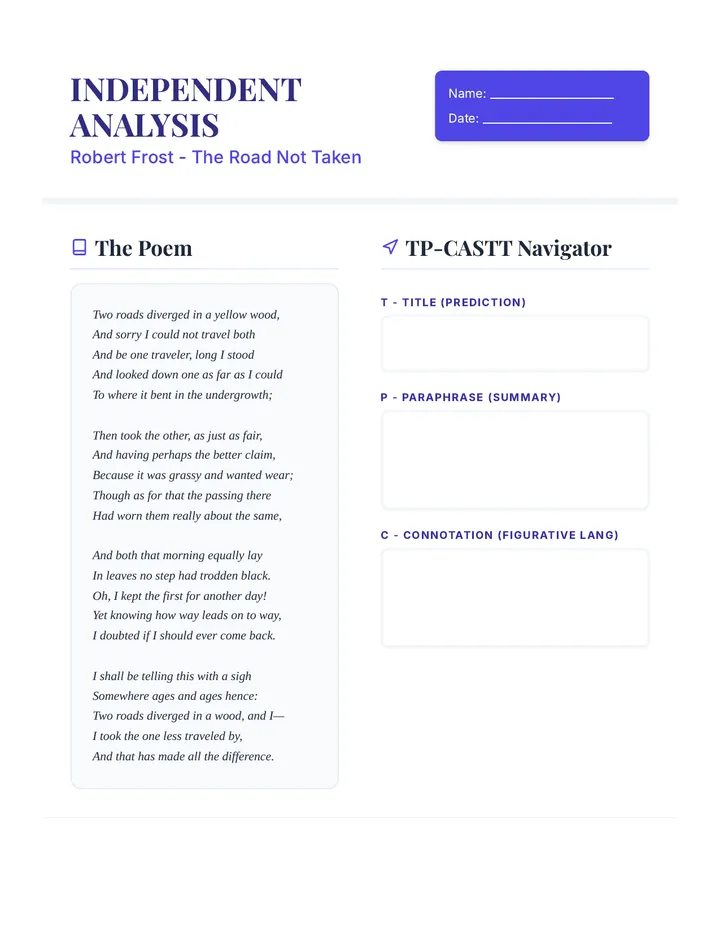
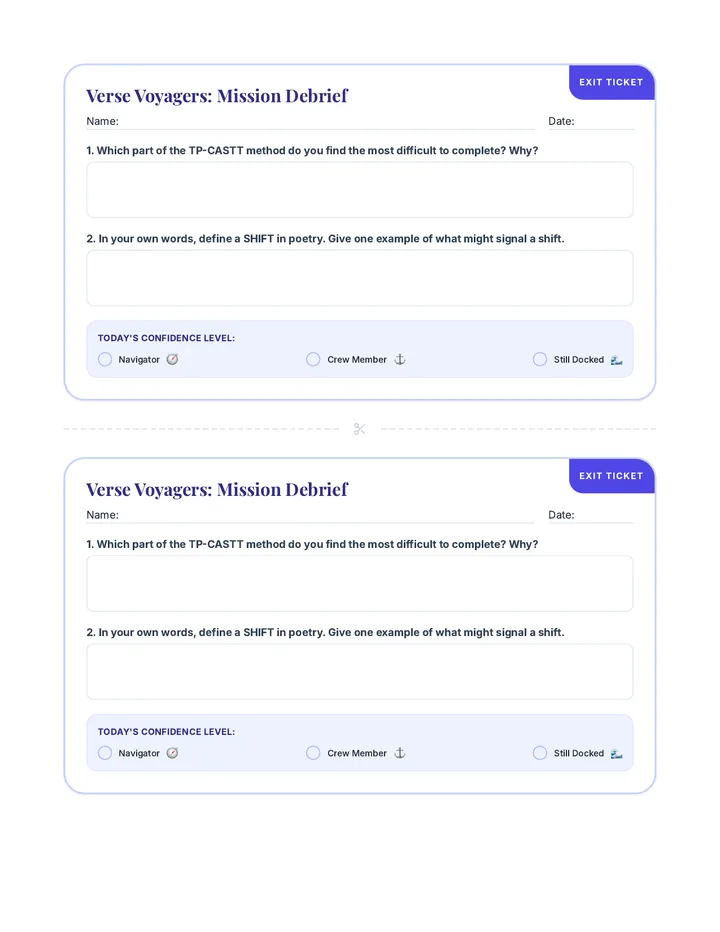
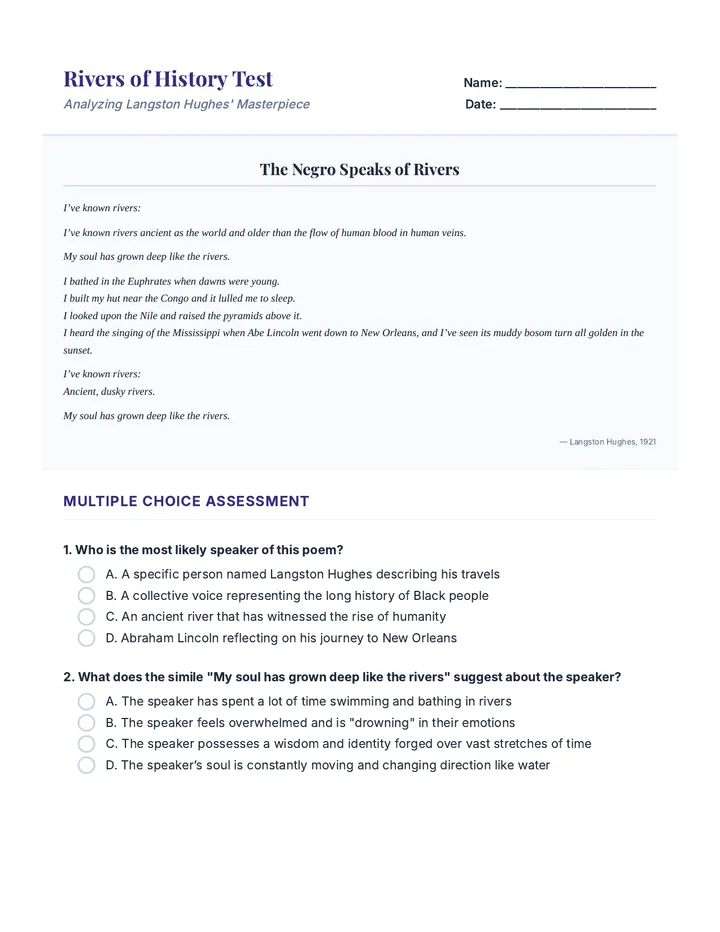
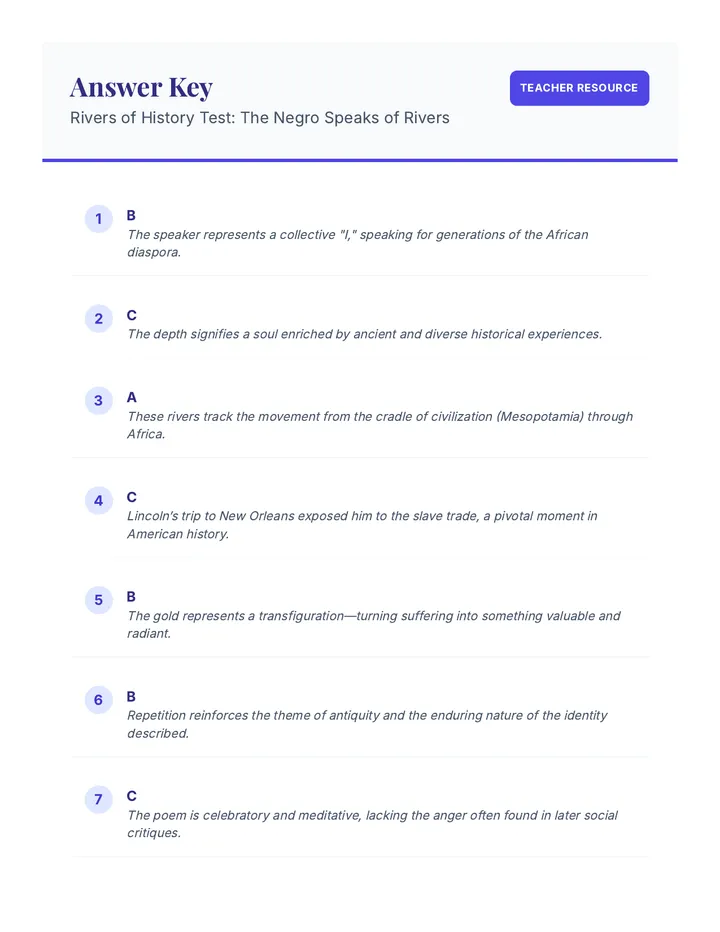
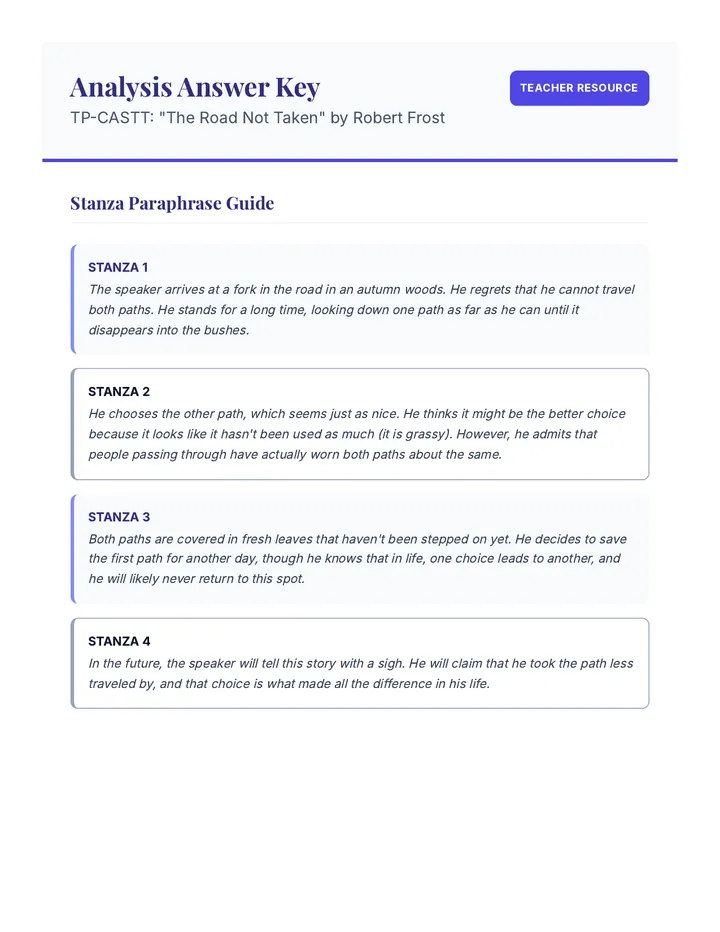
A comprehensive poetry analysis lesson focusing on the TP-CASTT method and figurative language, featuring a gamified 'Quiz Bee' and deep analysis of 'The Road Not Taken'.
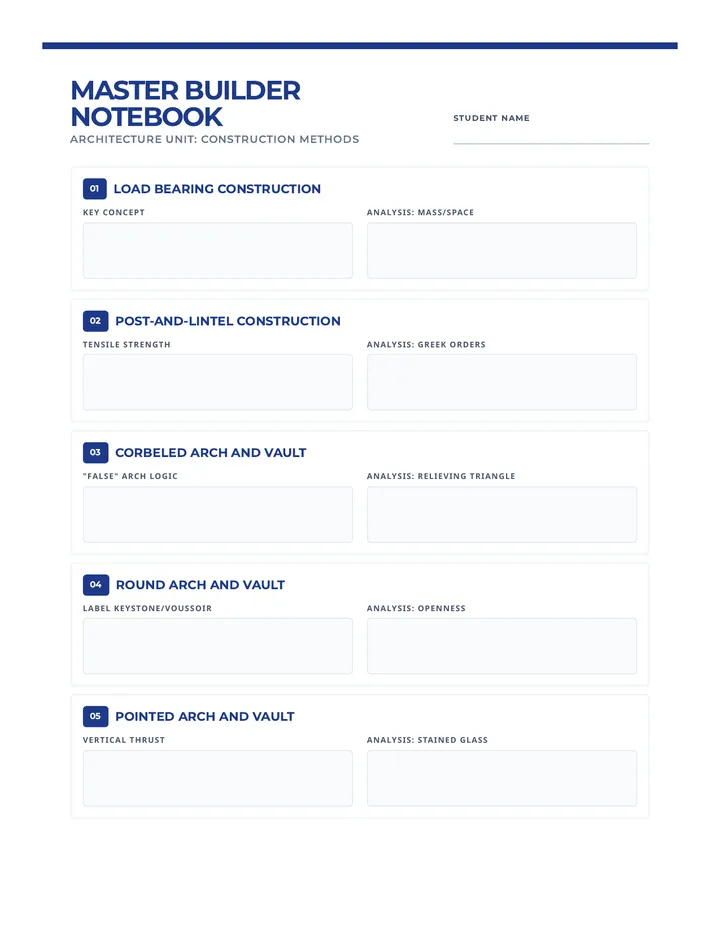
A hands-on exploration of architectural construction methods from ancient stack-and-pile to modern reinforced concrete, designed for Dual Credit Art Appreciation students.
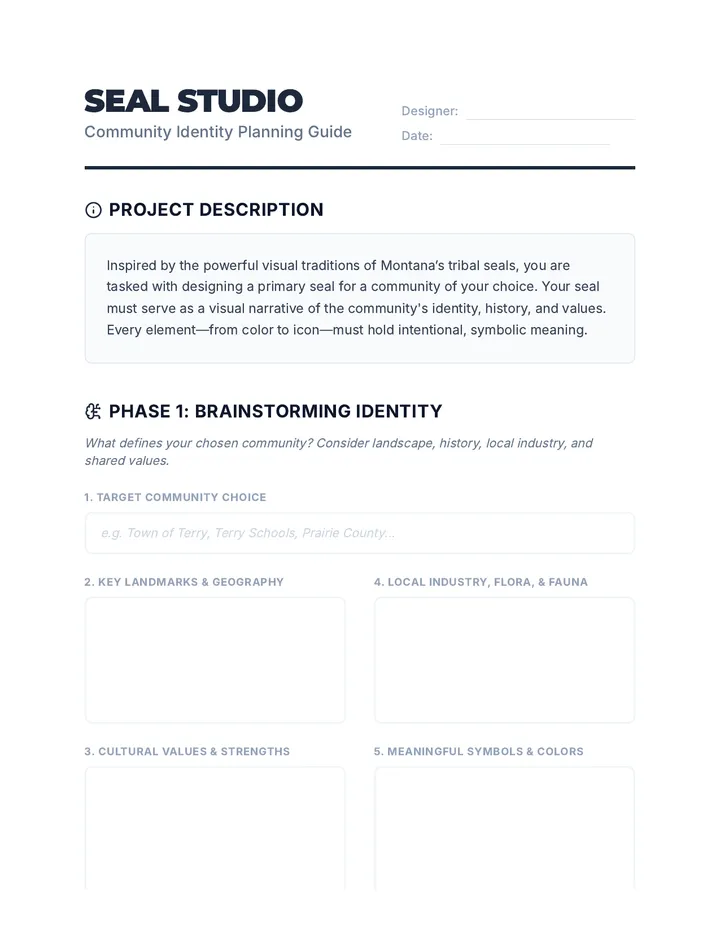
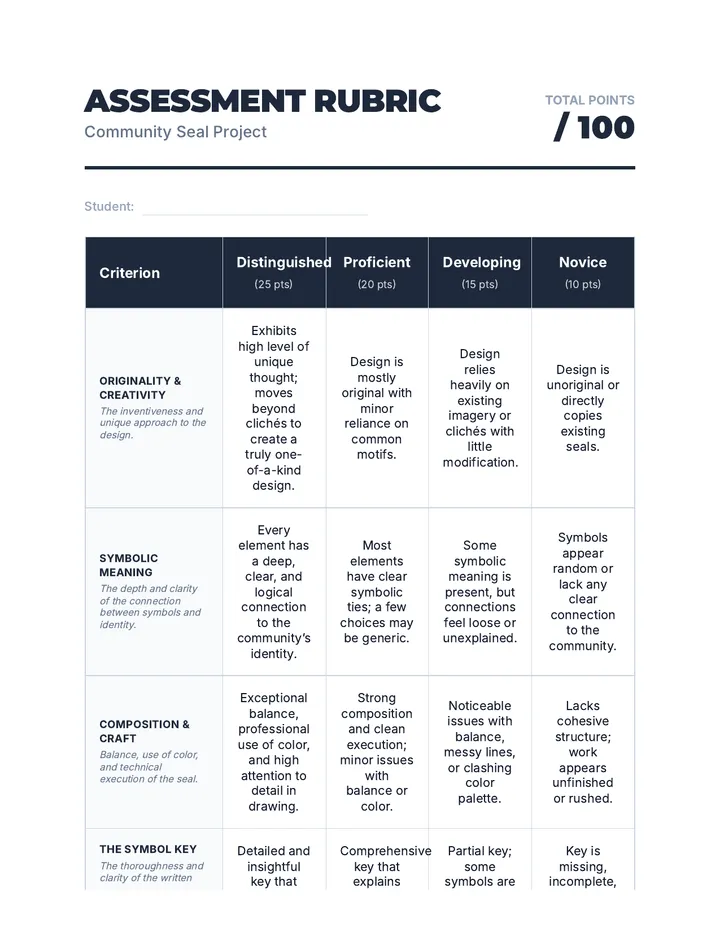
A project-based lesson where students design a community seal inspired by Montana's tribal traditions, focusing on visual identity and symbolic storytelling.
A lesson exploring 10 key advertising techniques used to influence consumer behavior, based on the Ad Anatomy Field Guide.
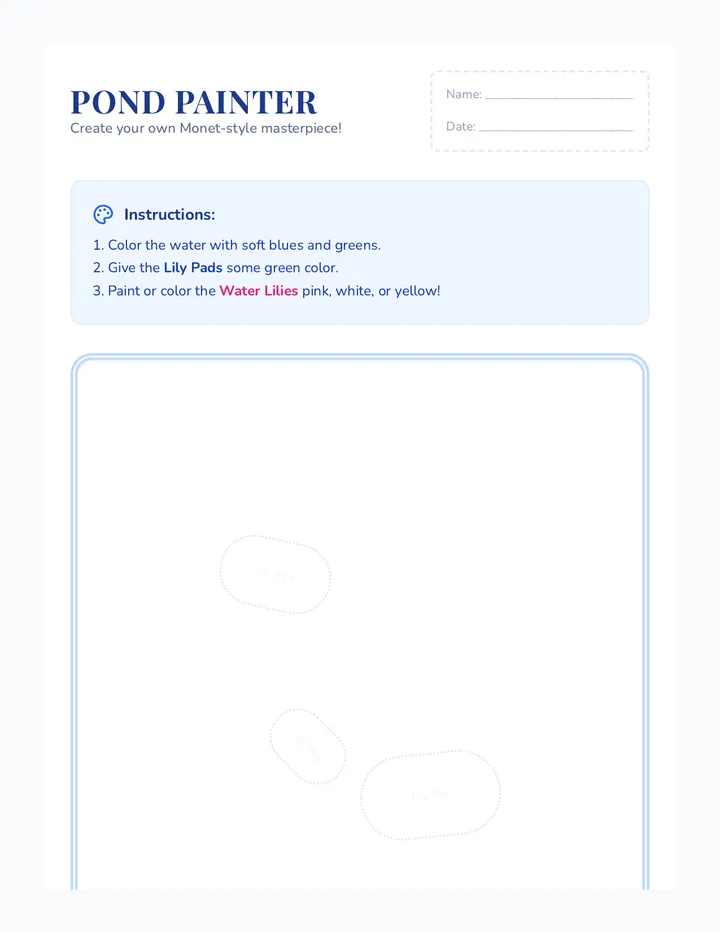
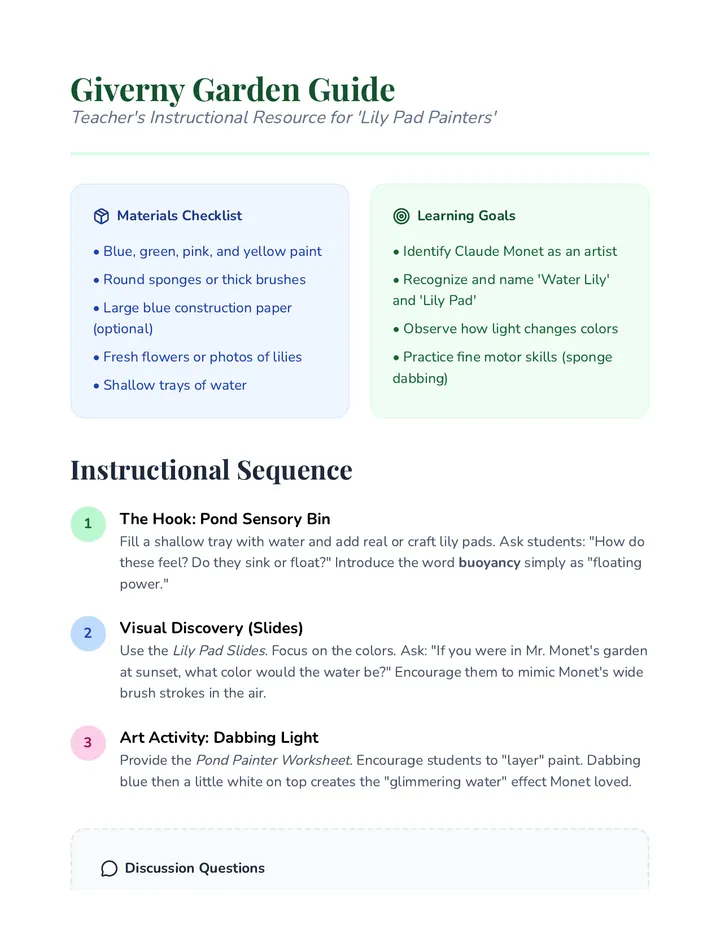
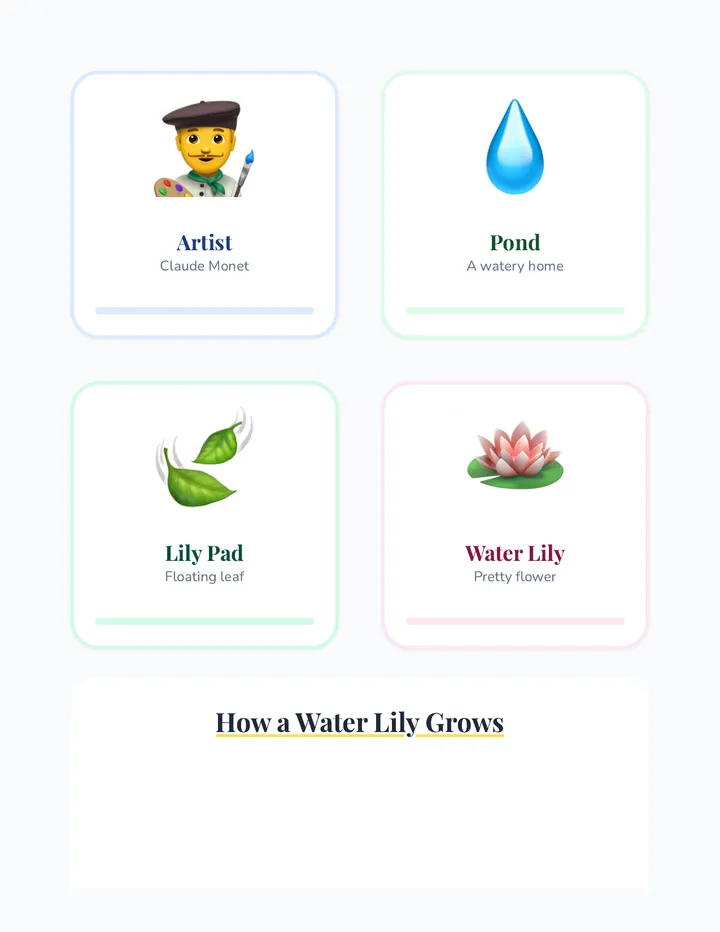
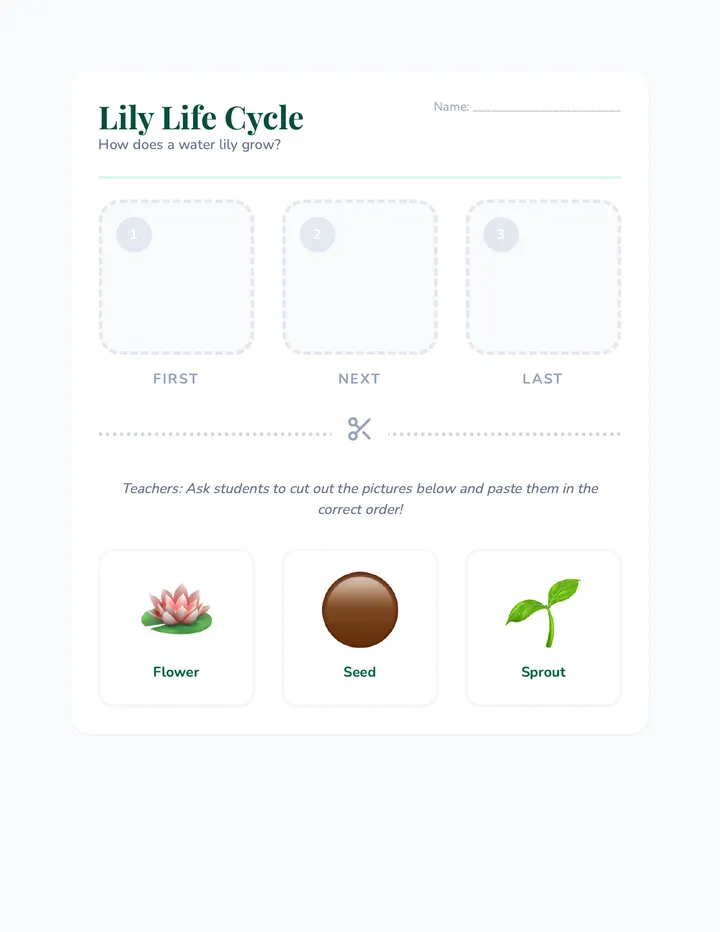
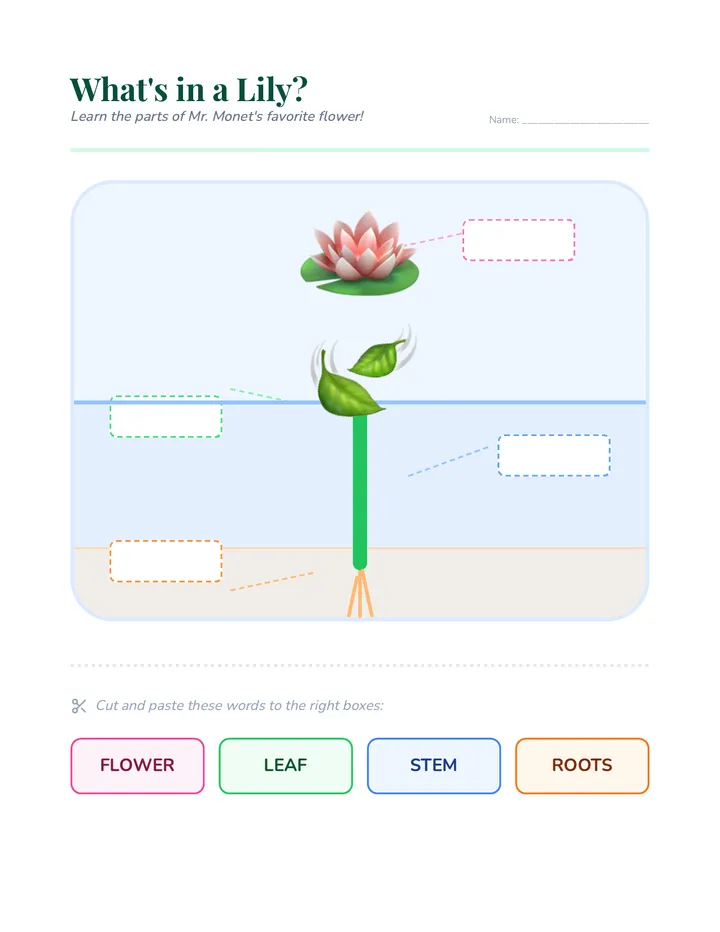
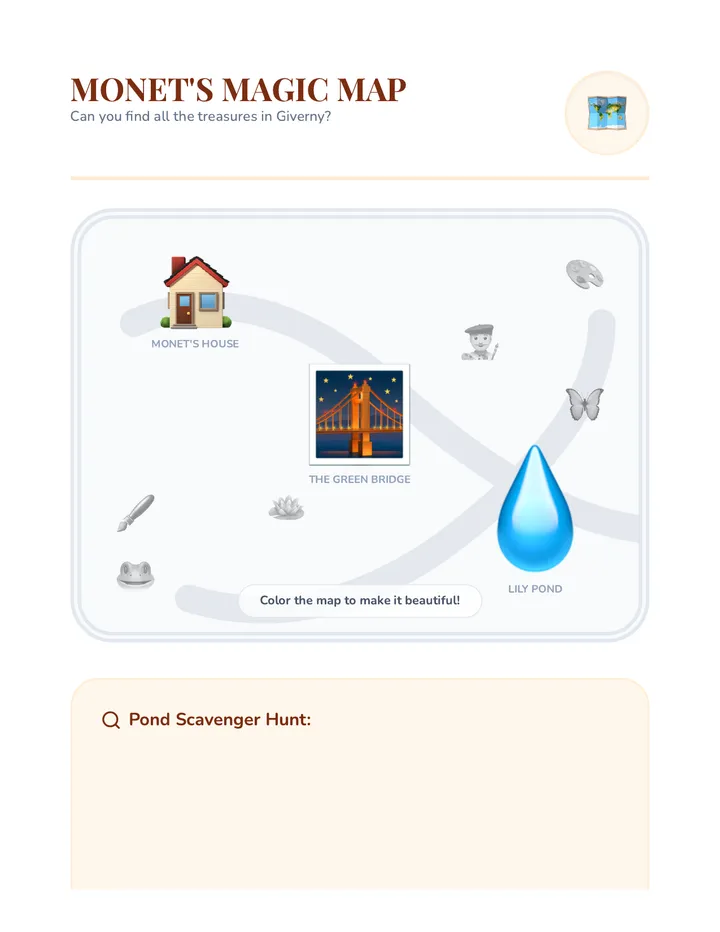
An introductory art and nature lesson for Pre-K students exploring Claude Monet's famous 'Water Lilies' through sensory observation and creative play.
This lesson explores the psychological impact of colors and how they influence human emotion and perception in art and design.
A visual-guessing game lesson where students identify famous artworks based on close-up details of hands. This lesson focuses on observation skills and art history recognition.
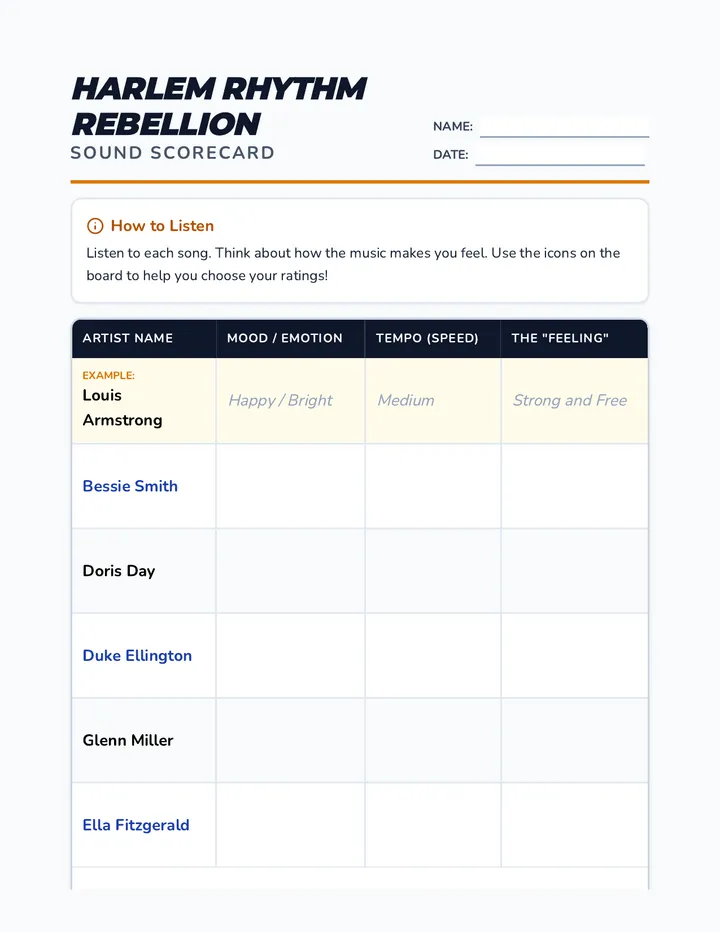
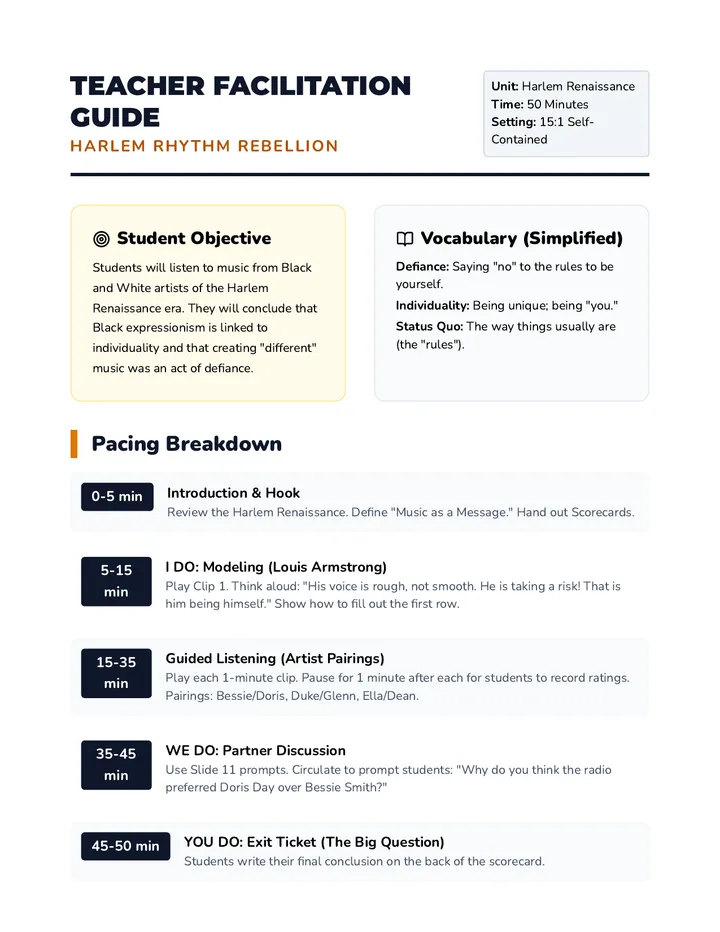
A 50-minute lesson exploring the connection between Jazz music, Black expressionism, and the Harlem Renaissance through music comparison and artist biopics. Students will analyze the differences between Black and White artists of the era to understand music as an act of defiance and cultural identity.
A high-energy guessing game focused on iconic quotes from movies and television, designed to test pop culture knowledge and spark discussion.
A lesson focusing on the themes of choice, aging, and suppression in The Giver Chapters 4 and 5.
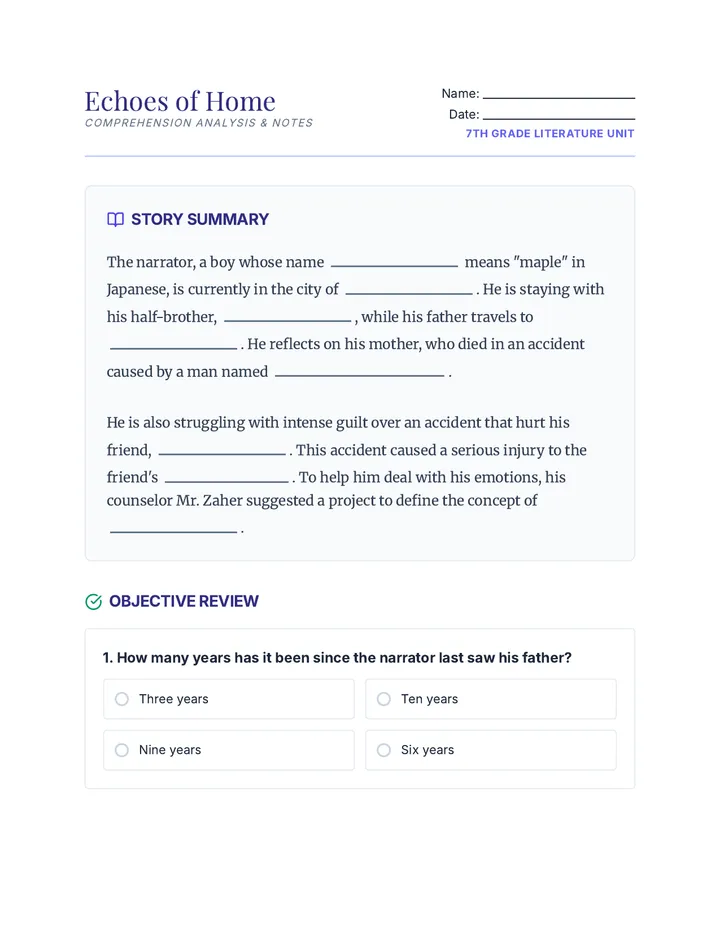
A comprehension lesson focusing on two letters exploring themes of grief, family estrangement, and the fragility of human relationships in a cross-cultural context.