Cultural identity, community development, and public policy through the lens of creative practice. Addresses arts advocacy strategies and integrates interdisciplinary connections across social and professional sectors.
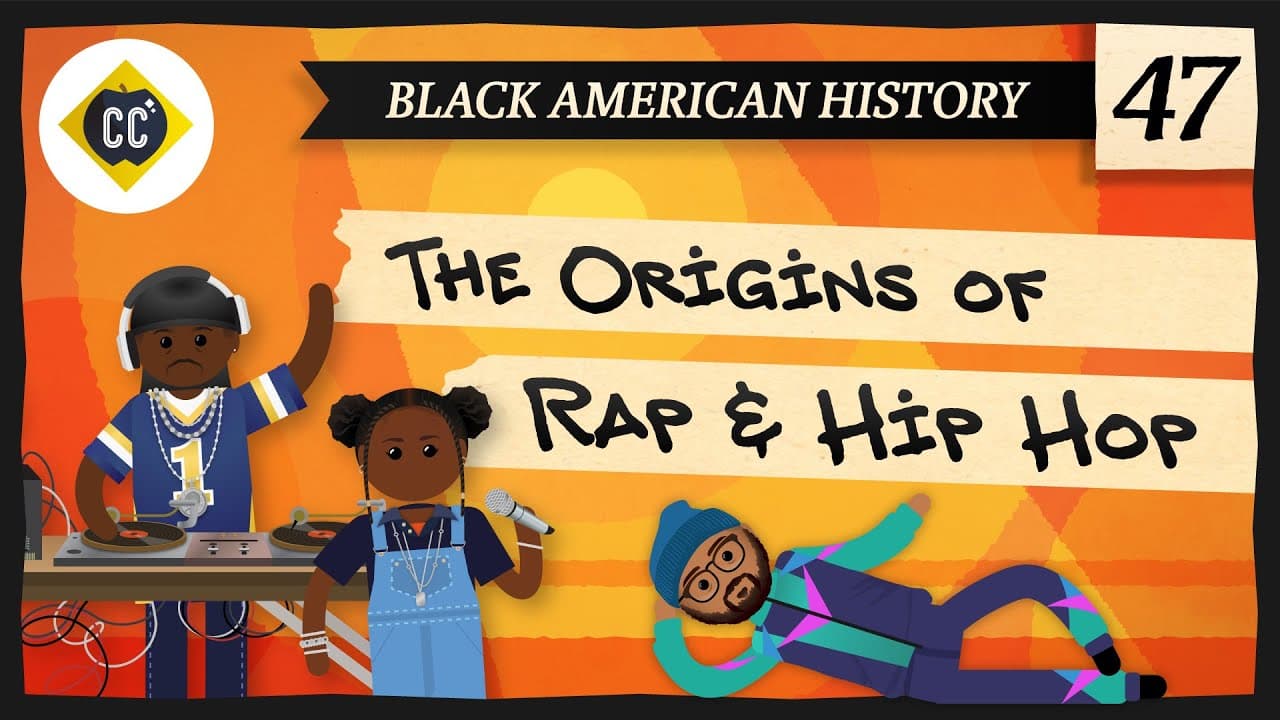
This video from Crash Course Black American History explores the dynamic origins and evolution of hip hop and rap, tracing its roots from the streets of Harlem and the South Bronx in the 1970s to its status as a global cultural phenomenon. Clint Smith explains how the genre emerged as a creative response to the economic neglect of Black communities and the artistic legacy of the Black Arts Movement. The video breaks down the "four pillars" of hip hop—DJing, rapping, graffiti, and breakdancing—demonstrating how these distinct art forms coalesced into a unified counterculture.
14mins 55s
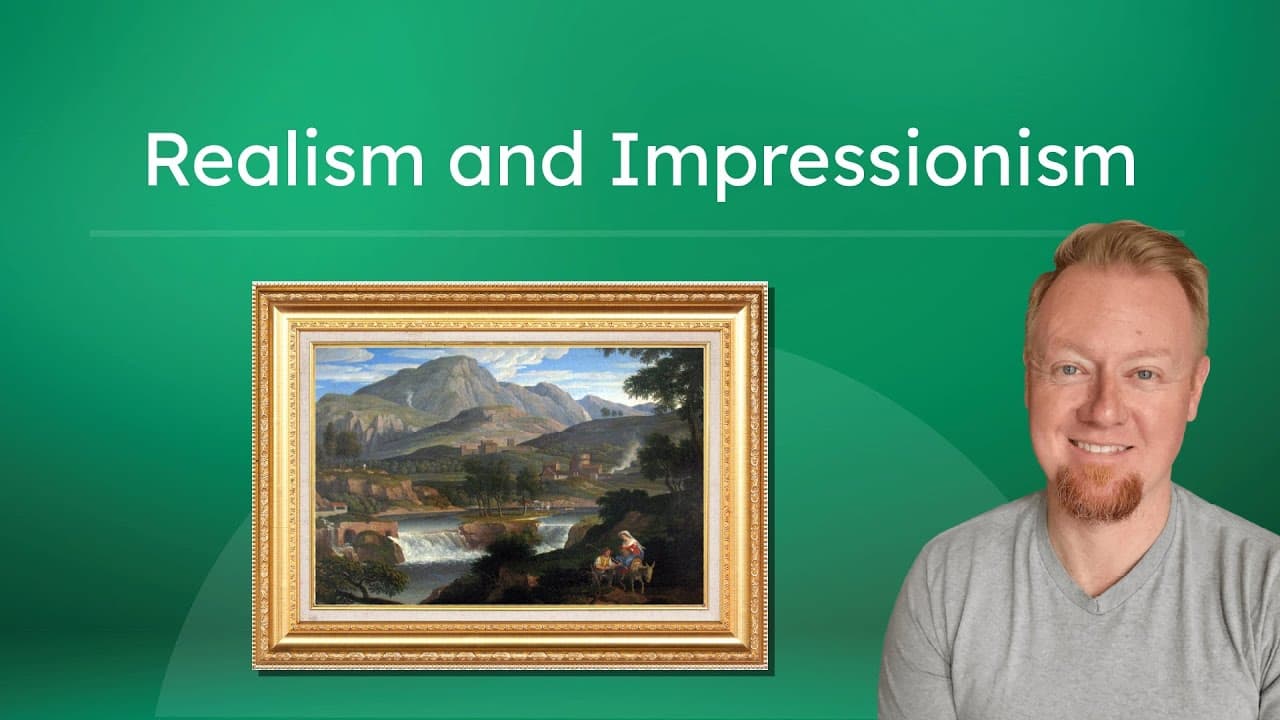
This educational video explores the significant shift in artistic and literary expression during the Industrial Revolution, moving from Romanticism to Realism and eventually to Impressionism. Guided by animated characters, the video analyzes how the harsh realities of industrialization led artists to depict the world as it truly was—gritty and difficult—rather than idealizing it. It covers key figures and works, including paintings by Manet and Courbet, the advent of photography with Jacob Riis, and influential literature like Upton Sinclair's "The Jungle." The video delves into specific artistic movements and their social implications. It explains Realism as a tool for social reform, highlighting how art and literature exposed the living conditions of the working class and spurred legislative change. It then introduces Impressionism as a reaction against the constraints of Realism, focusing on light, color, and the human perception of a moment, with examples from Claude Monet and the music of Claude Debussy. For educators, this resource serves as an excellent interdisciplinary bridge between World History, Art History, and Language Arts. It demonstrates how historical context shapes culture and how art can influence politics and society. Teachers can use the built-in pause points to facilitate discussions on visual literacy, the power of media to effect social change, and the differences between objective reality and subjective perception.
10mins 32s
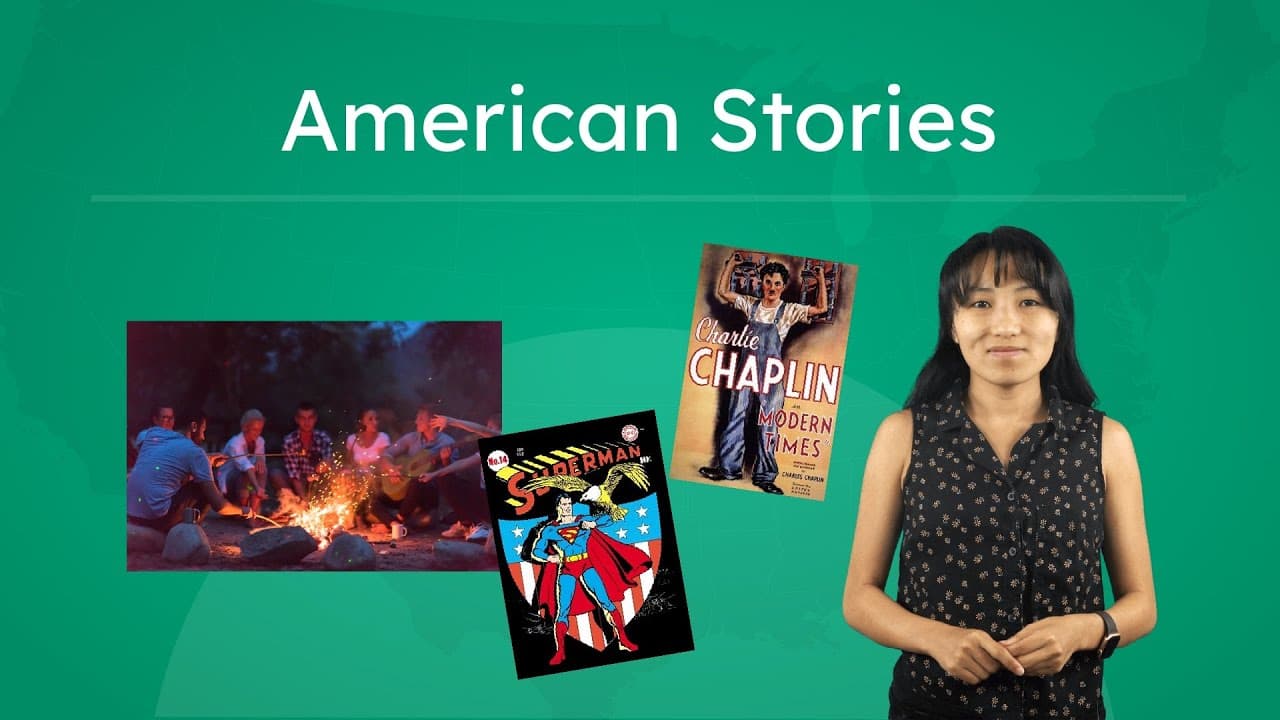
This educational video explores the evolution of American storytelling traditions from the 1920s through the 1940s. It begins with a hook about the urban legend of sewer alligators before diving into three primary mediums of storytelling: campfire stories, film, and comic books. The narrator examines the historical origins, defining characteristics, and cultural significance of each medium, explaining how they reflected the time periods in which they emerged. The video covers specific genres like film noir and teen humor comics, providing historical context such as the Great Depression and World War II. It defines key literary and cultural terms including "urban legend," "zeitgeist," and "film noir." Visual examples range from historical photographs of early Boy Scouts to clips from classic films like "The Maltese Falcon" and "Modern Times," as well as covers from the Golden Age of Comic Books. Teachers can use this video to link American history with literature and media studies. It features built-in pause points for students to take notes or reflect on discussion questions, making it an interactive tool for the classroom. It is particularly useful for units on the 20th century, media literacy, or American cultural history.
12mins 29s
This educational video provides a sweeping overview of American art history, examining how diverse cultural backgrounds and historical events have shaped artistic expression in the United States. It guides viewers through four distinct eras and styles: Native American artistry, the Hudson River School, American Realism, and American Modernism. By focusing on specific artists like Robert S. Duncanson, Edward Hopper, and Georgia O'Keeffe, the video illustrates how personal identity and the changing American landscape influenced the creation of iconic works. The content explores key themes such as the preservation of culture through indigenous crafts, the paradox of peaceful landscapes painted during political turmoil, the alienation of modern urban life, and the shift toward abstraction in the 20th century. It connects art directly to the historical context of the time, such as the pre-Civil War era, the rise of industrialization, and the post-World War shifts in society. For educators, this video serves as an excellent interdisciplinary bridge between Art History and U.S. History. It encourages students to look beyond the aesthetic value of art and consider the "why" behind its creation. The video includes built-in pauses for reflection and graphic organizer work, making it ready-to-use for structured classroom lessons on cultural diversity, visual literacy, and historical interpretation.
12mins 26s