A graduate-level exploration of how dance serves as a tool for state power, national identity formation, and revolutionary resistance, spanning from absolutist courts to contemporary protest movements.
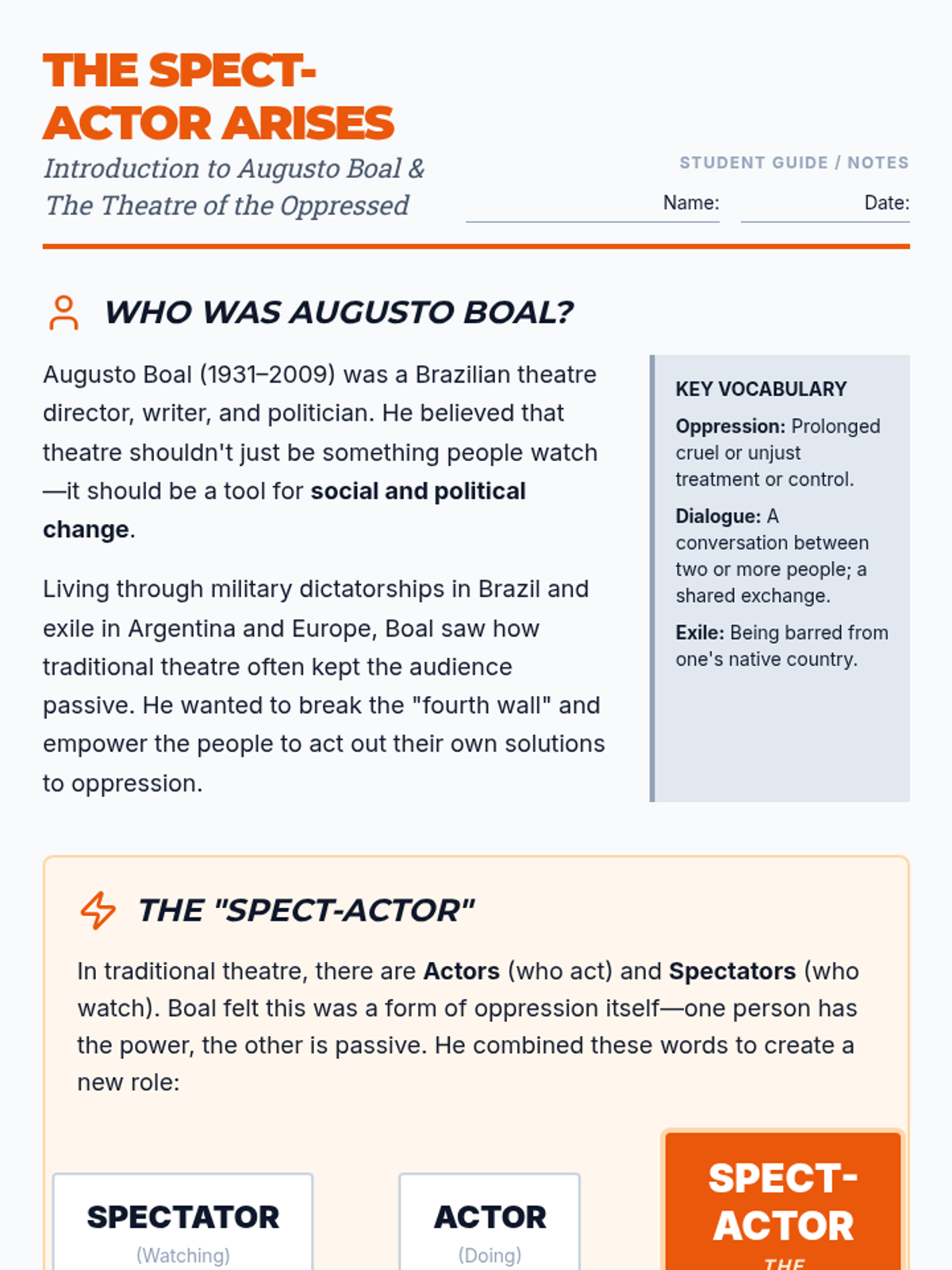
A multi-day unit exploring Augusto Boal's Theatre of the Oppressed, focusing on the transition from spectator to 'spect-actor' through Image and Forum Theatre to address contemporary social issues.
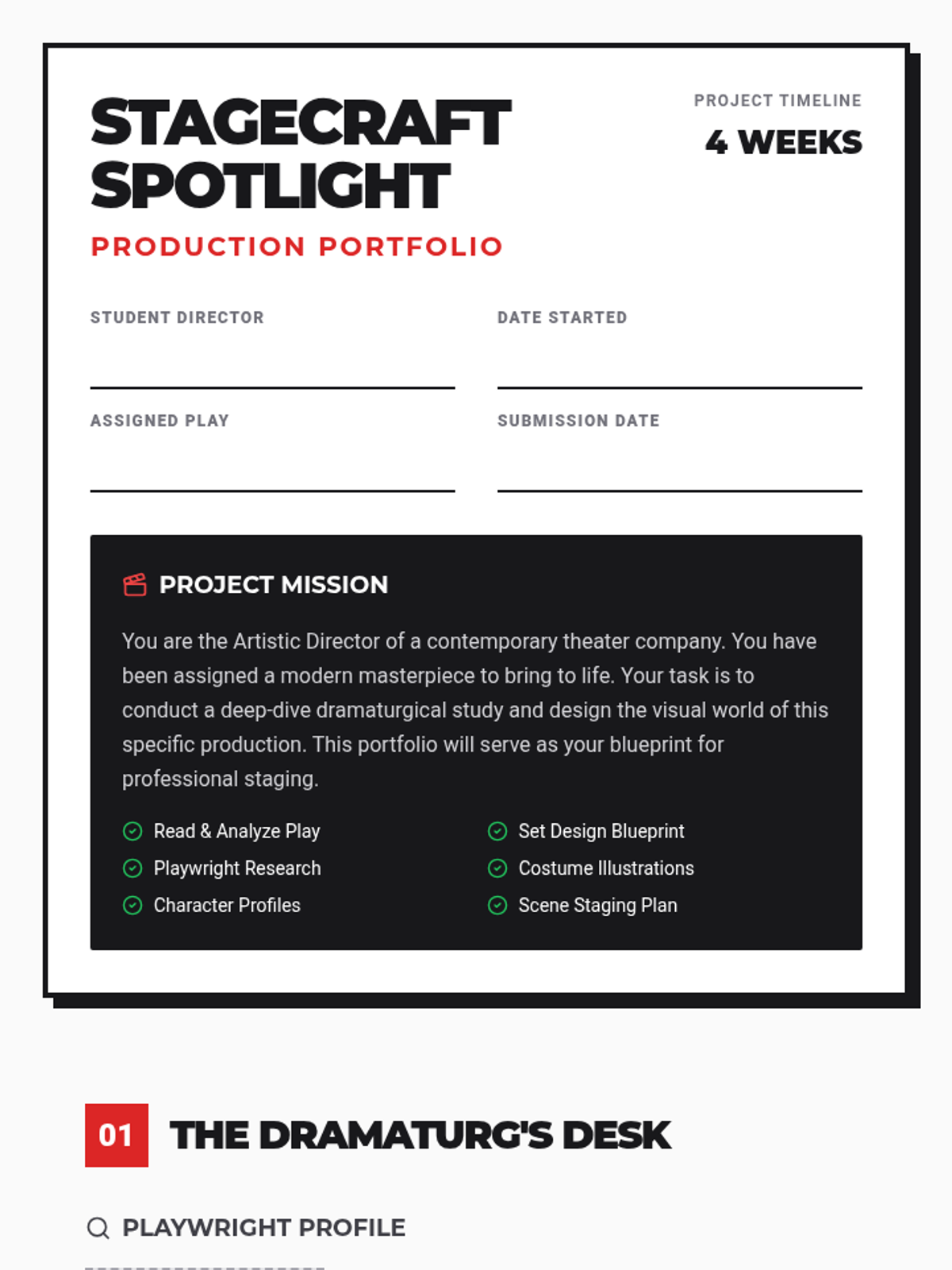
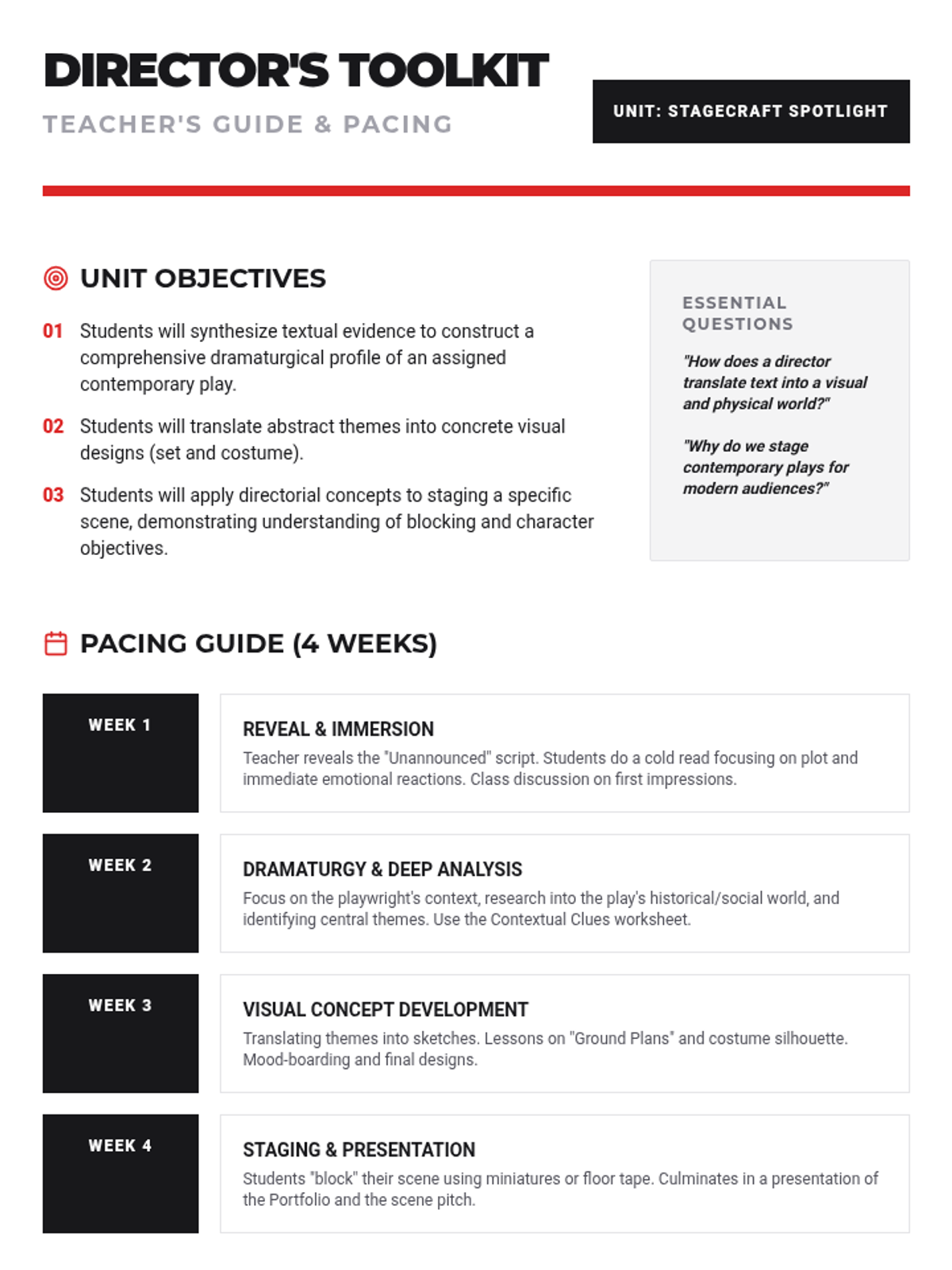
A comprehensive four-week unit and independent study guide for contemporary drama. Students analyze scripts, research playwrights, design technical elements, and stage scenes for a final production portfolio.
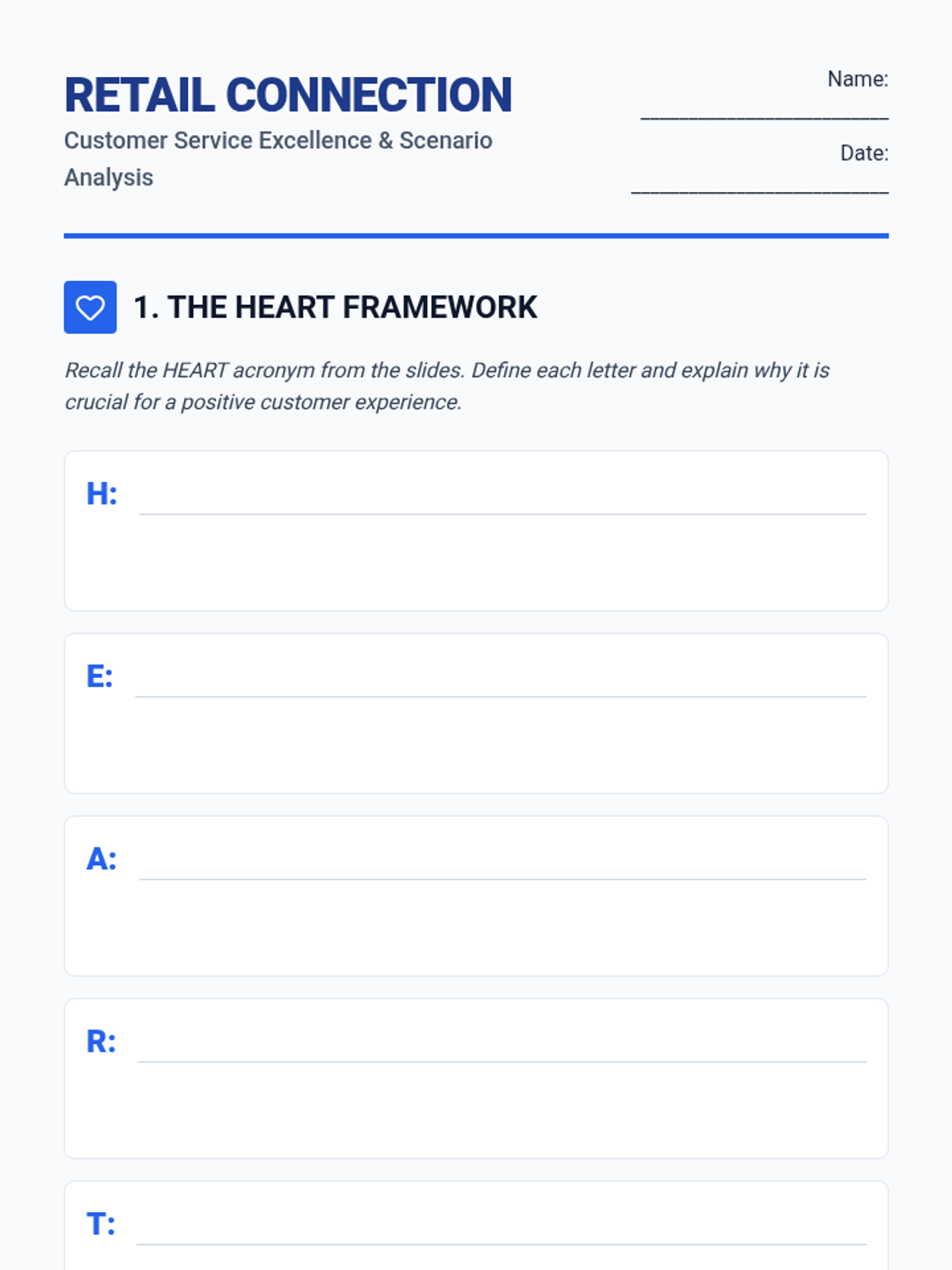
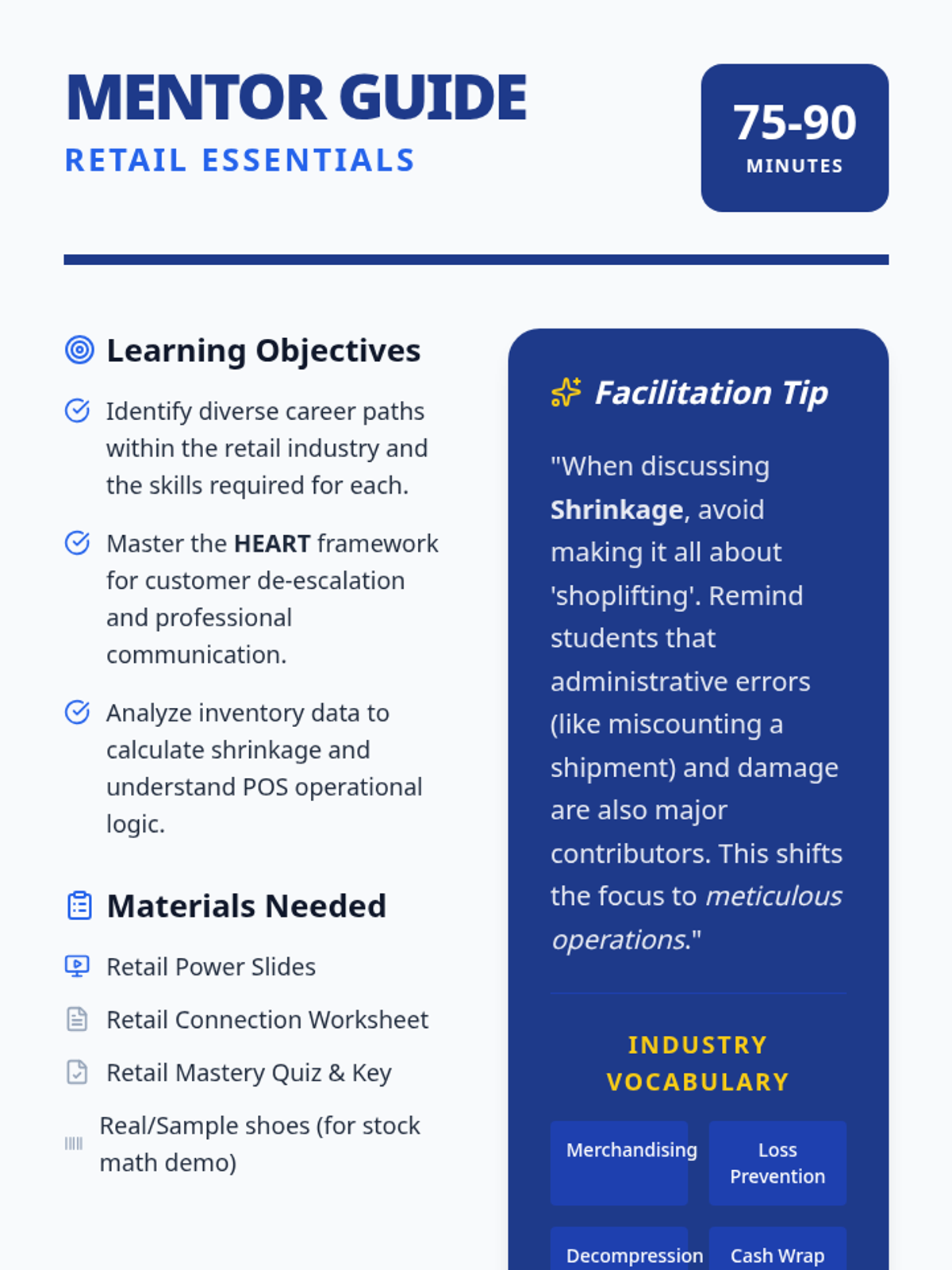
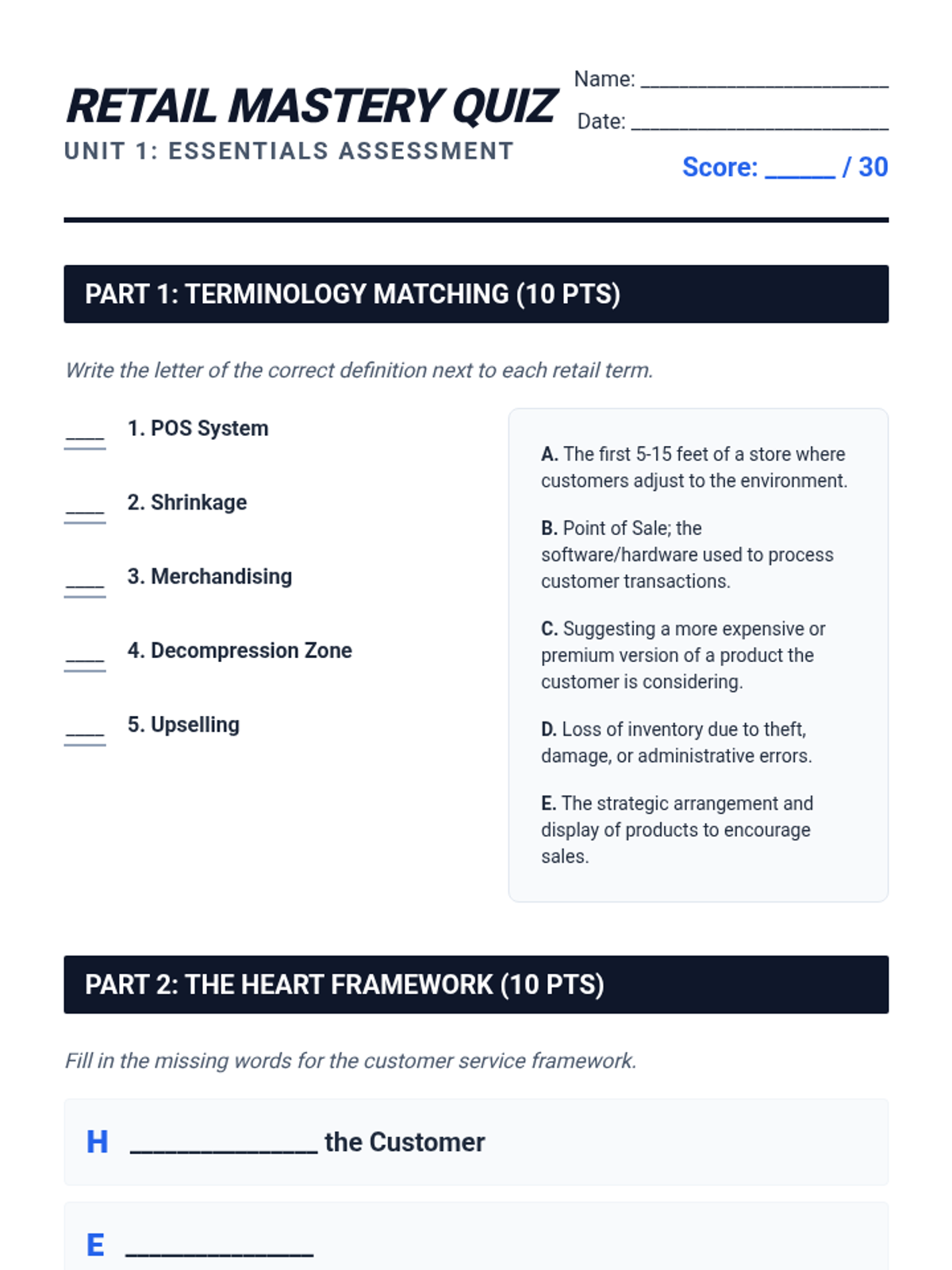
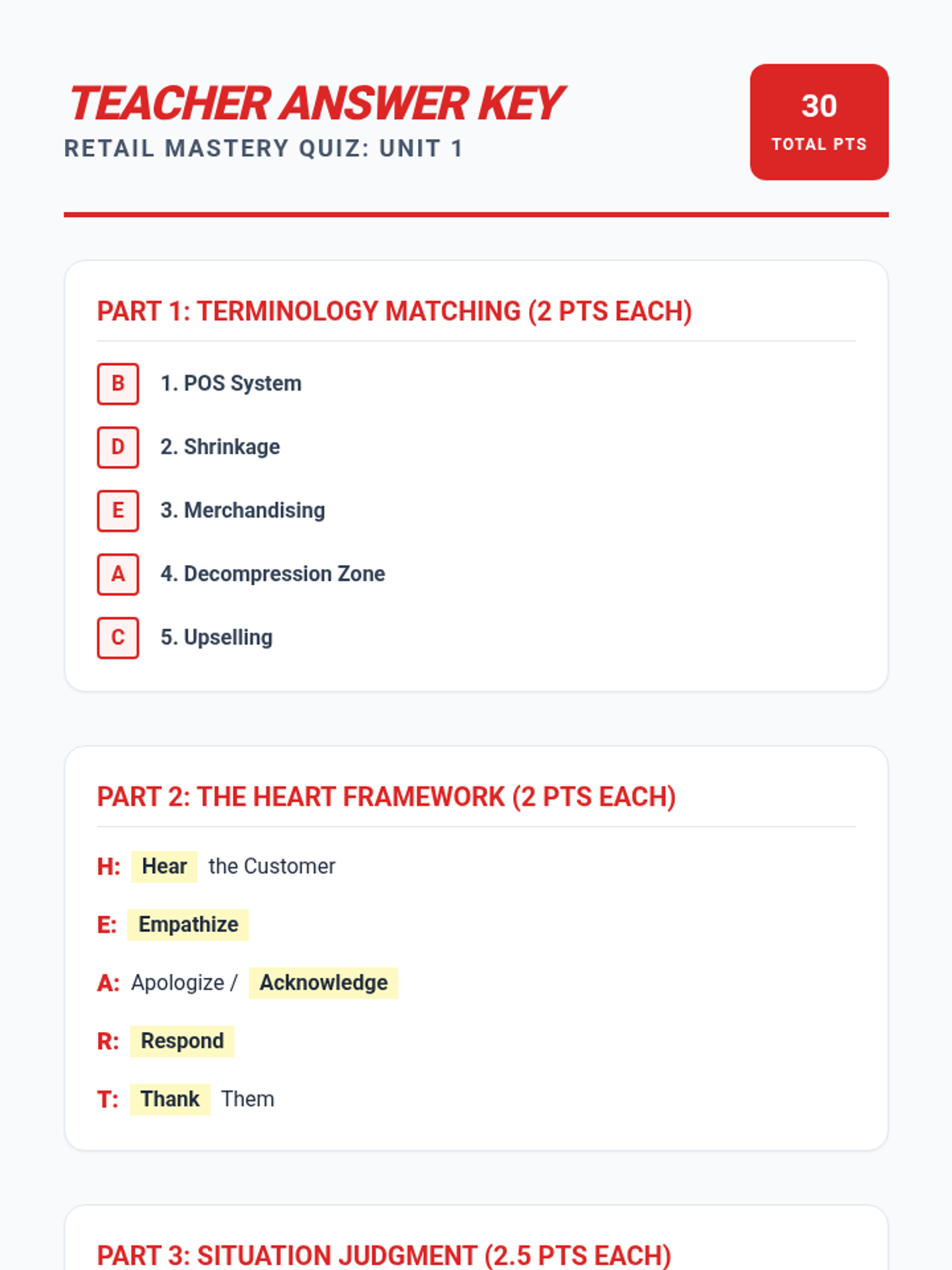
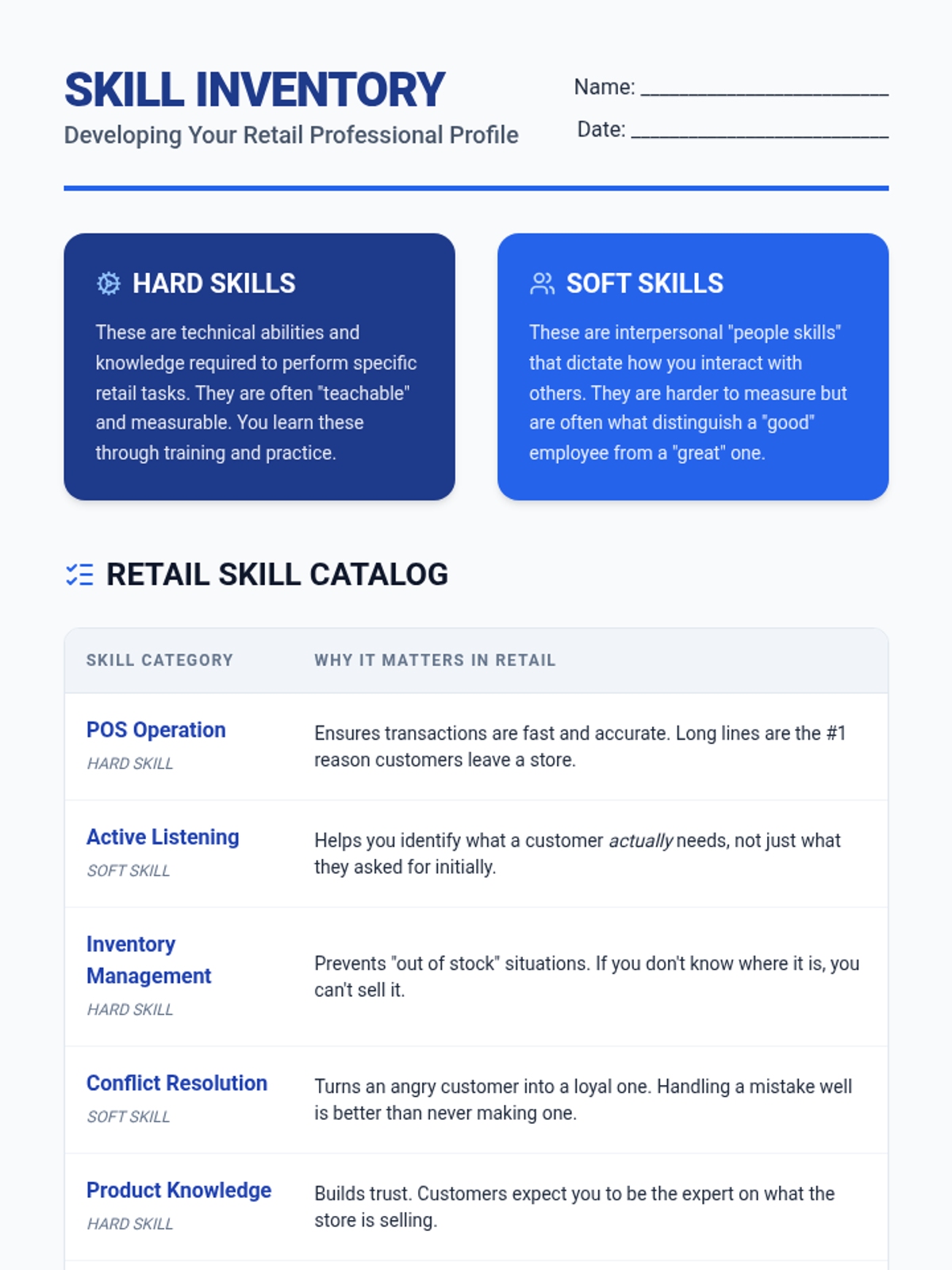
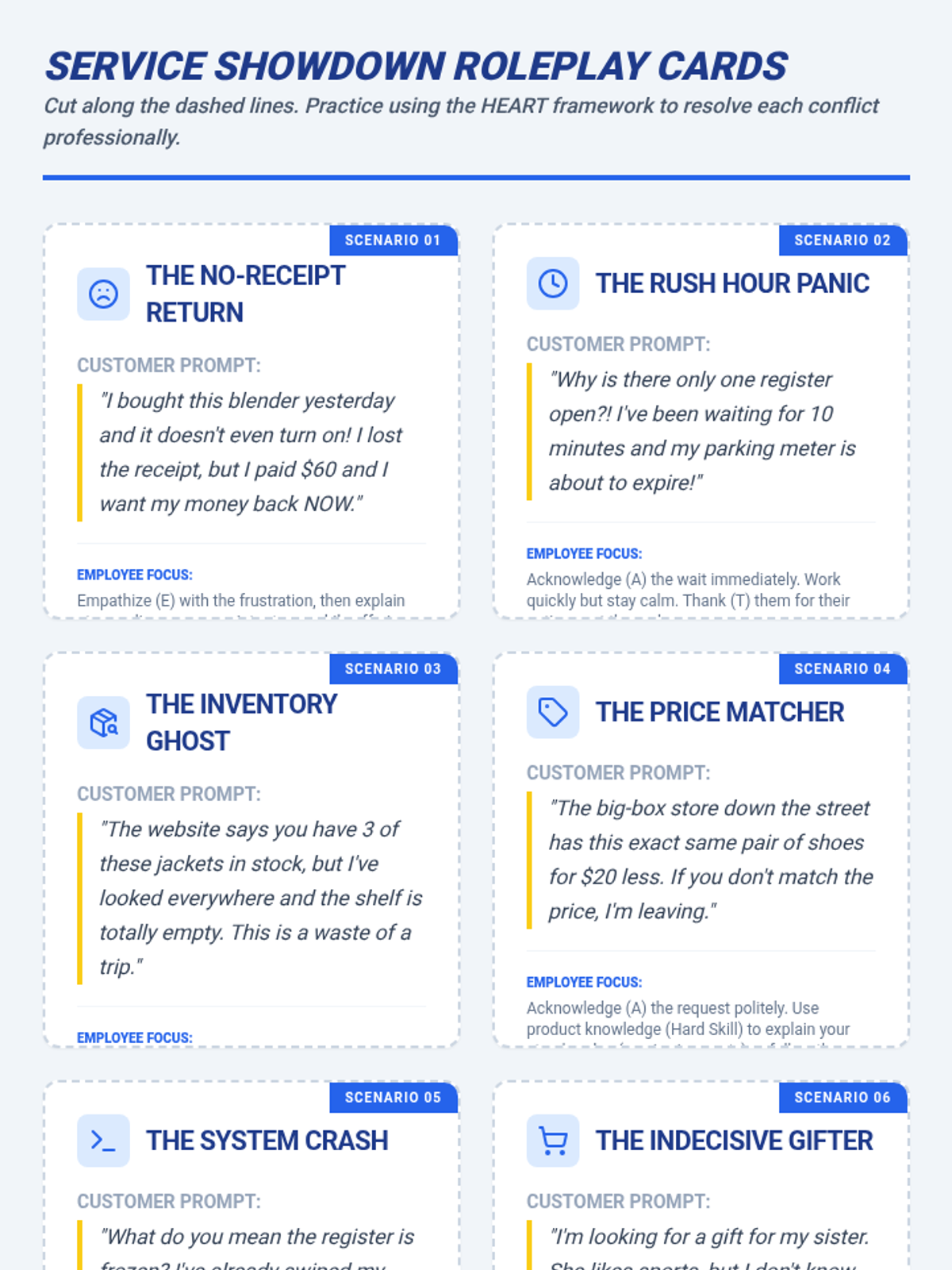
A hands-on career exploration unit focusing on the dynamic world of retail. Students will master customer service excellence, learn retail operations like inventory and POS systems, and design their own retail floor plan and brand strategy.
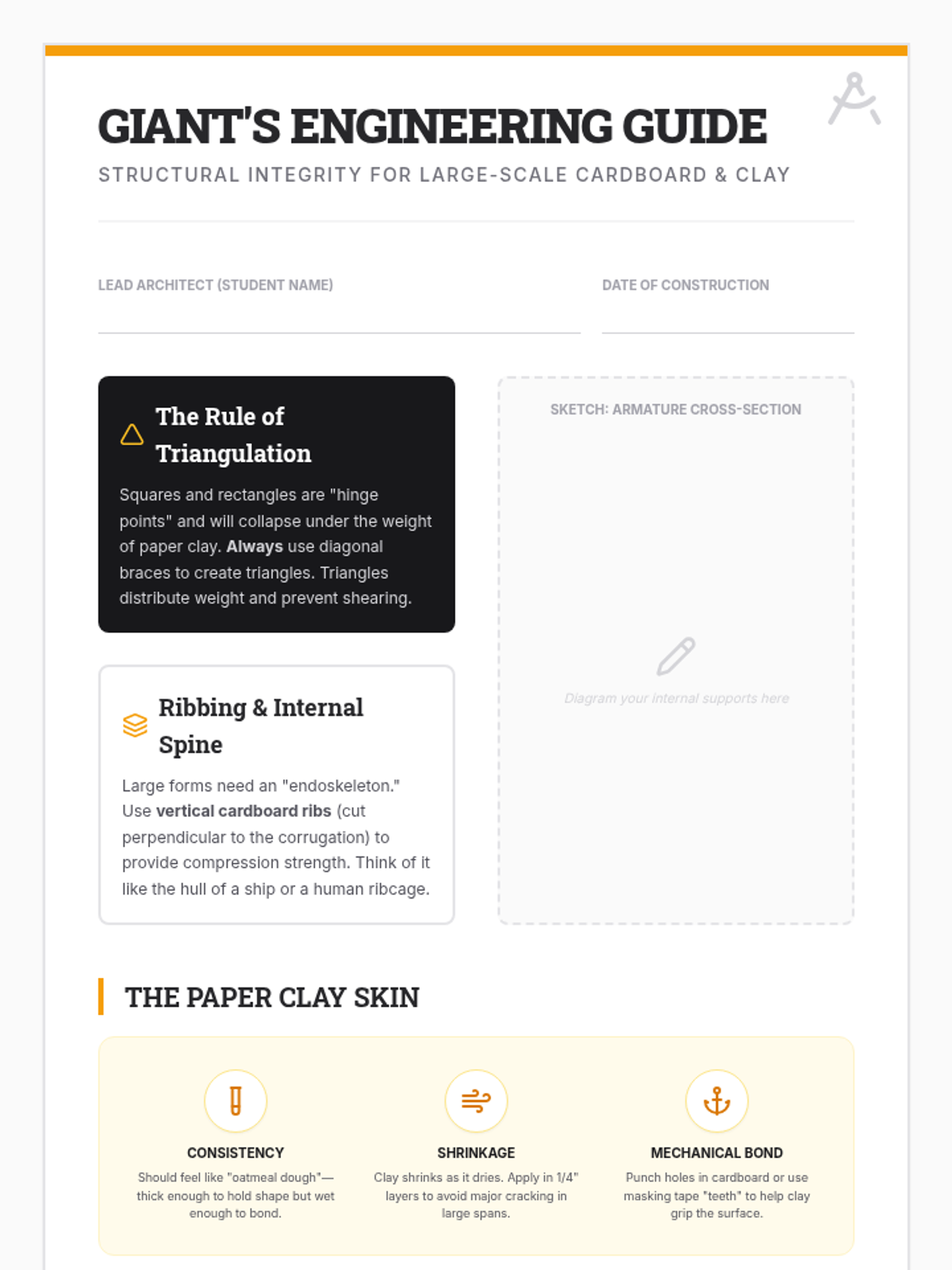
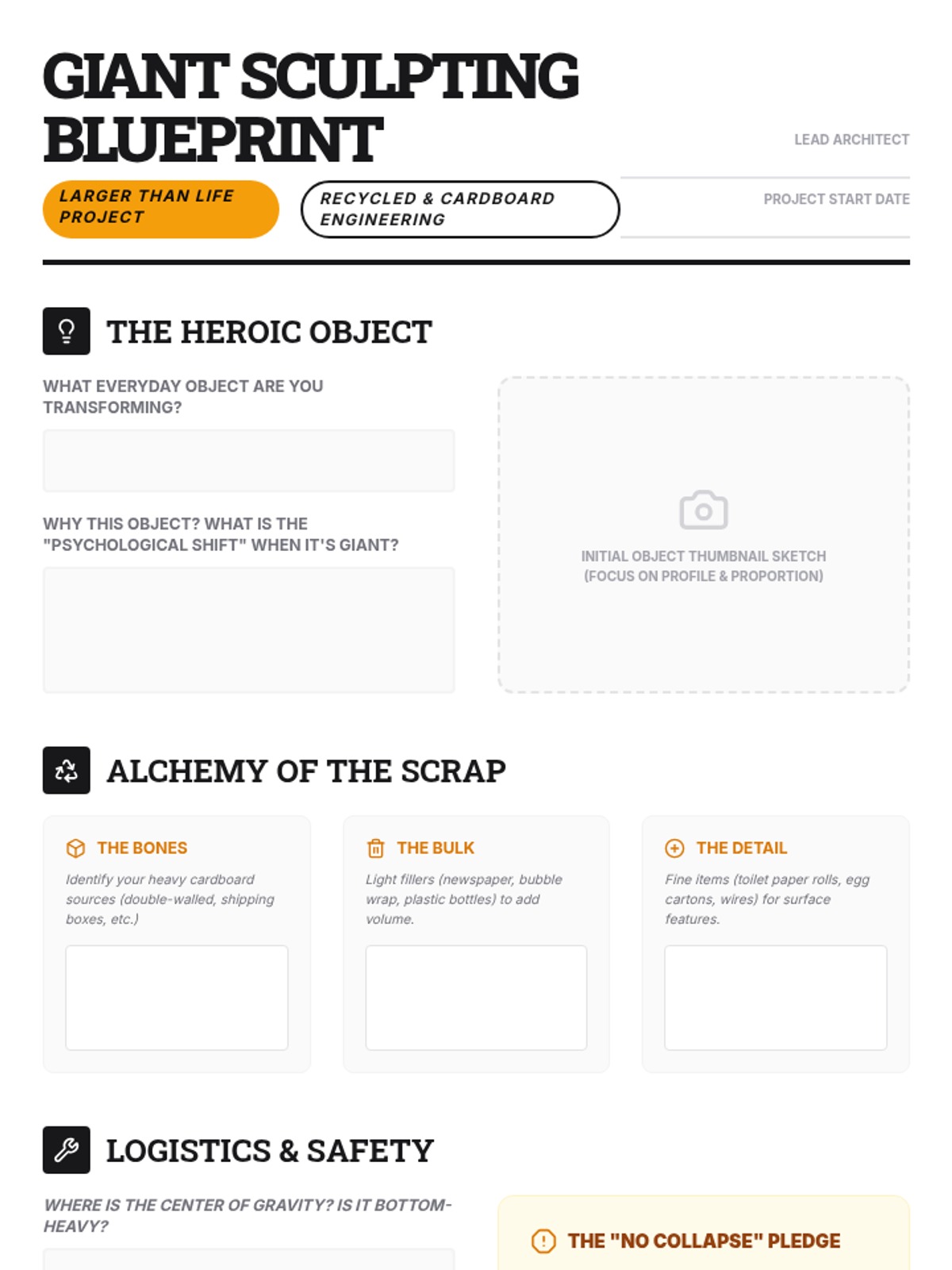
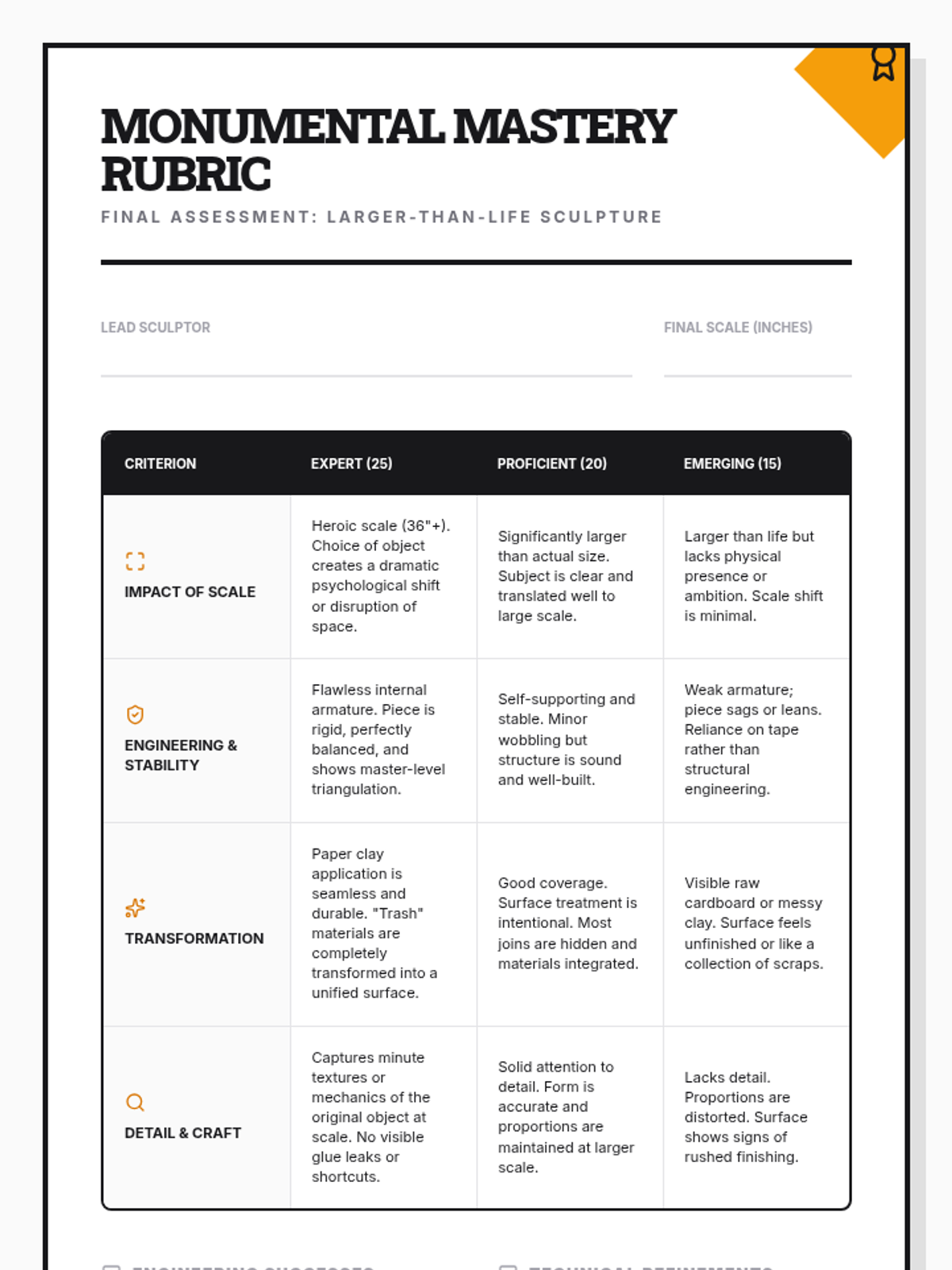
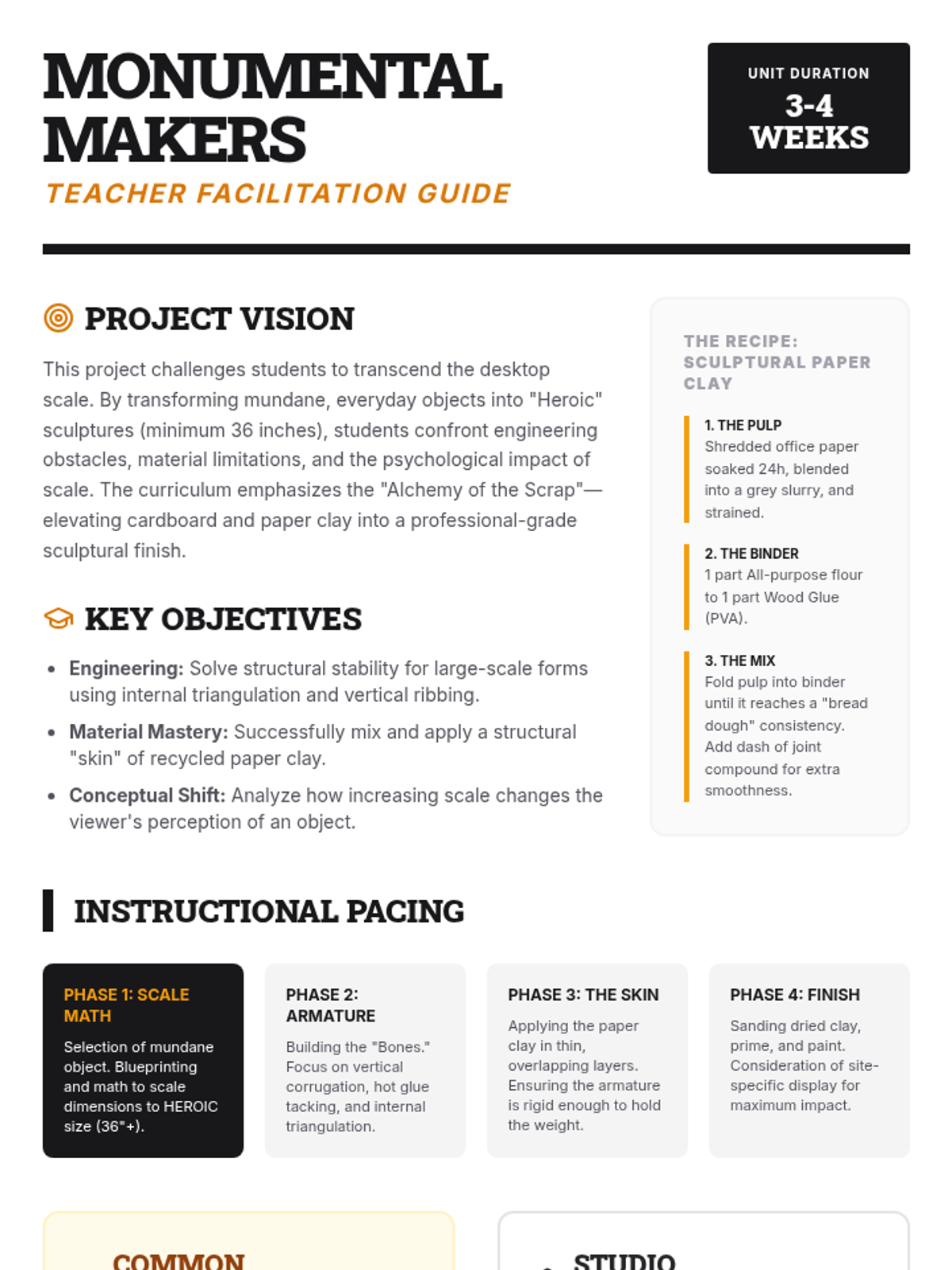
A comprehensive 3D art unit that guides students from transforming recycled materials to mastering monumental scale, combining fine arts history with engineering and technical skill.
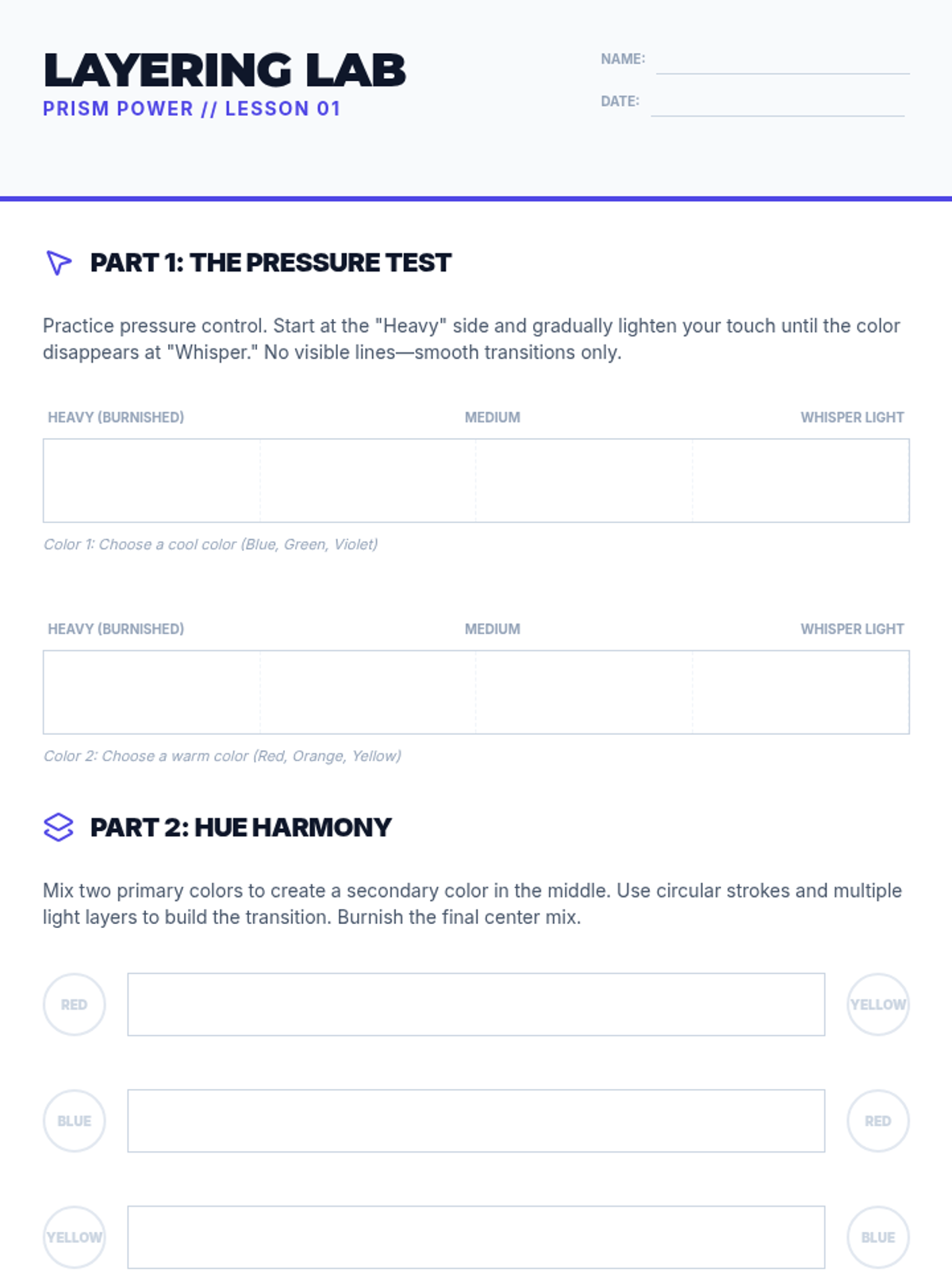
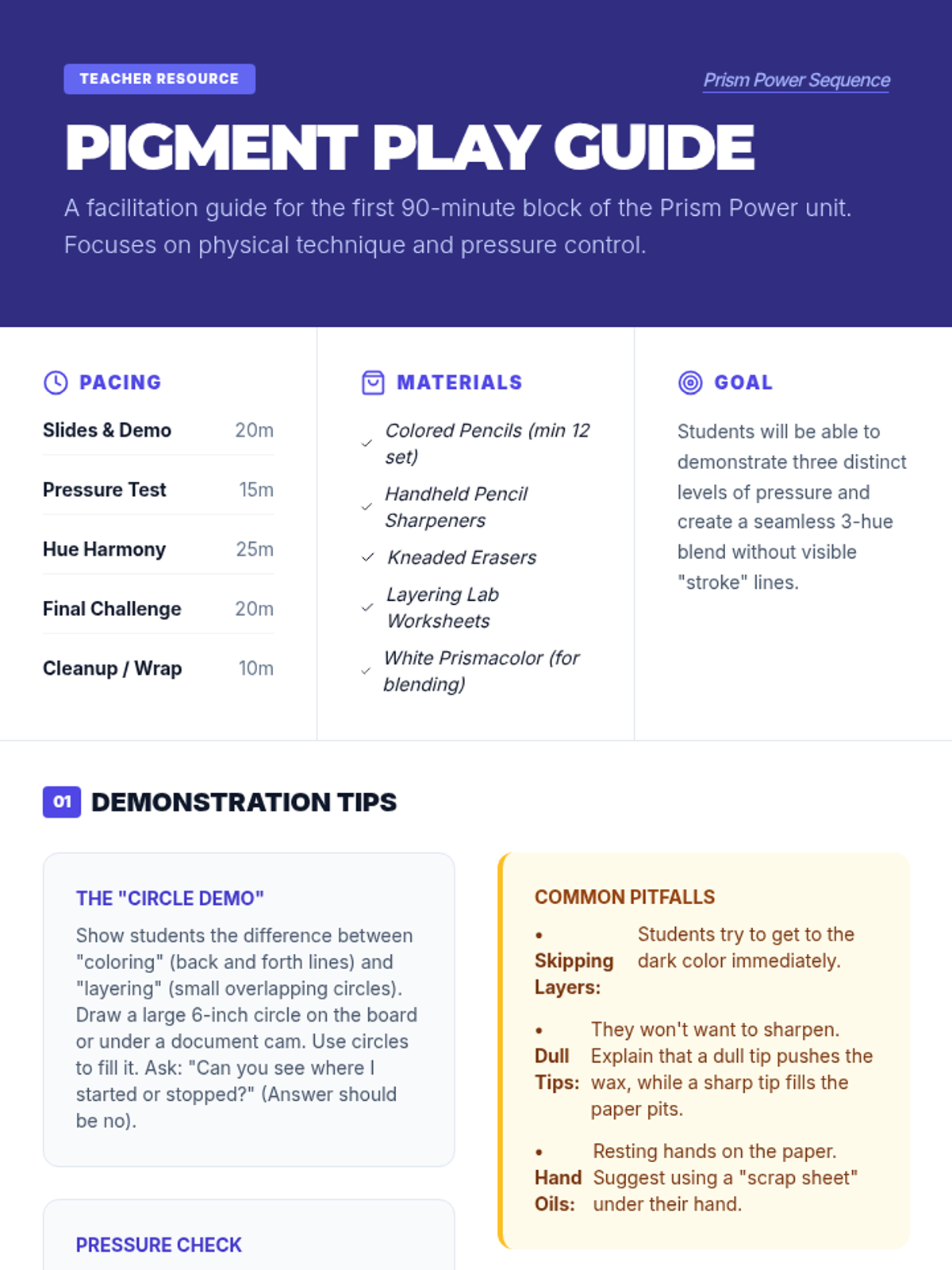
A high school visual arts sequence focusing on mastering colored pencil techniques, specifically layering, blending, and creating three-dimensional value. Students will progress from basic mechanics to rendering realistic forms with depth and vibrancy.
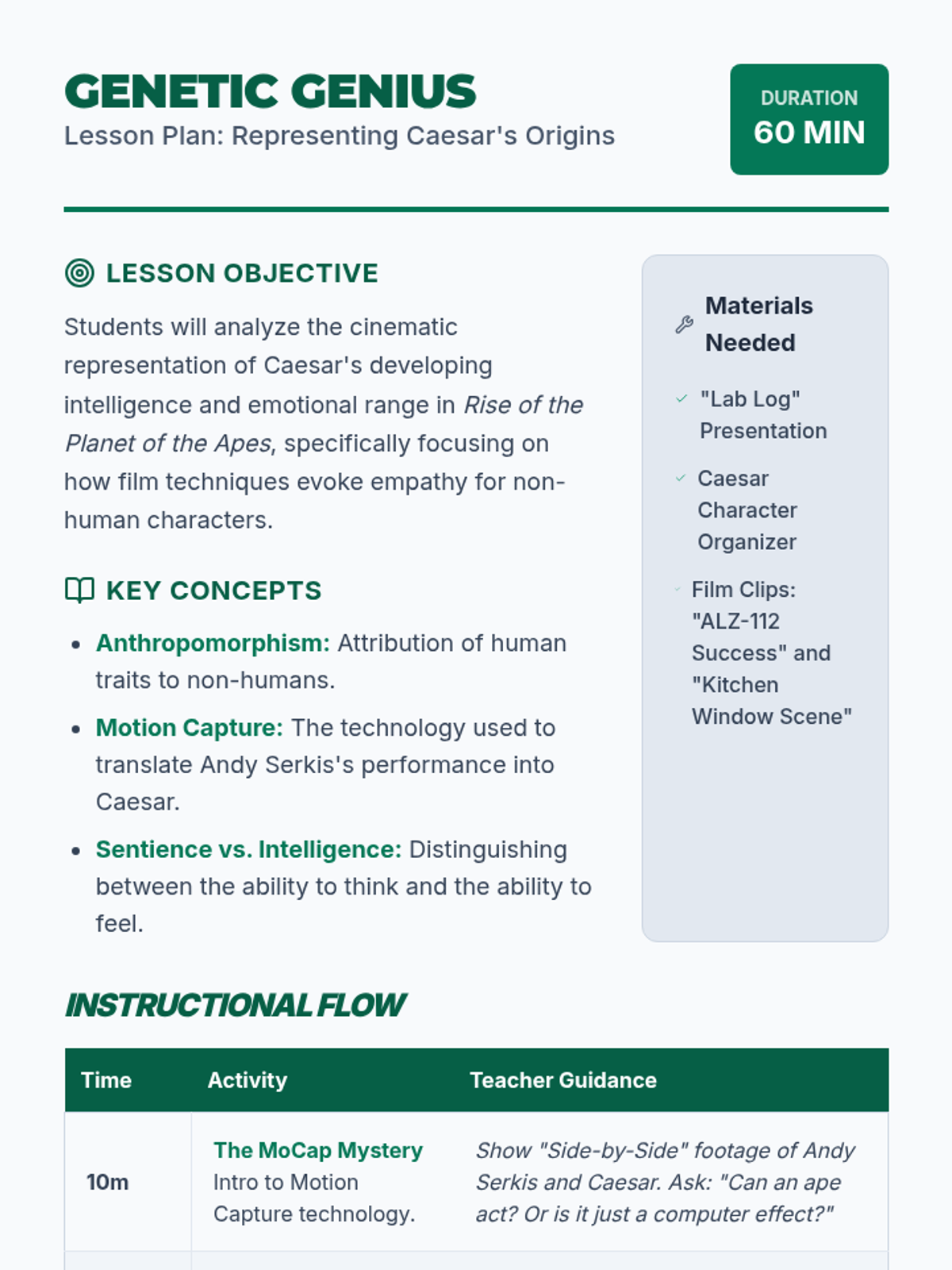
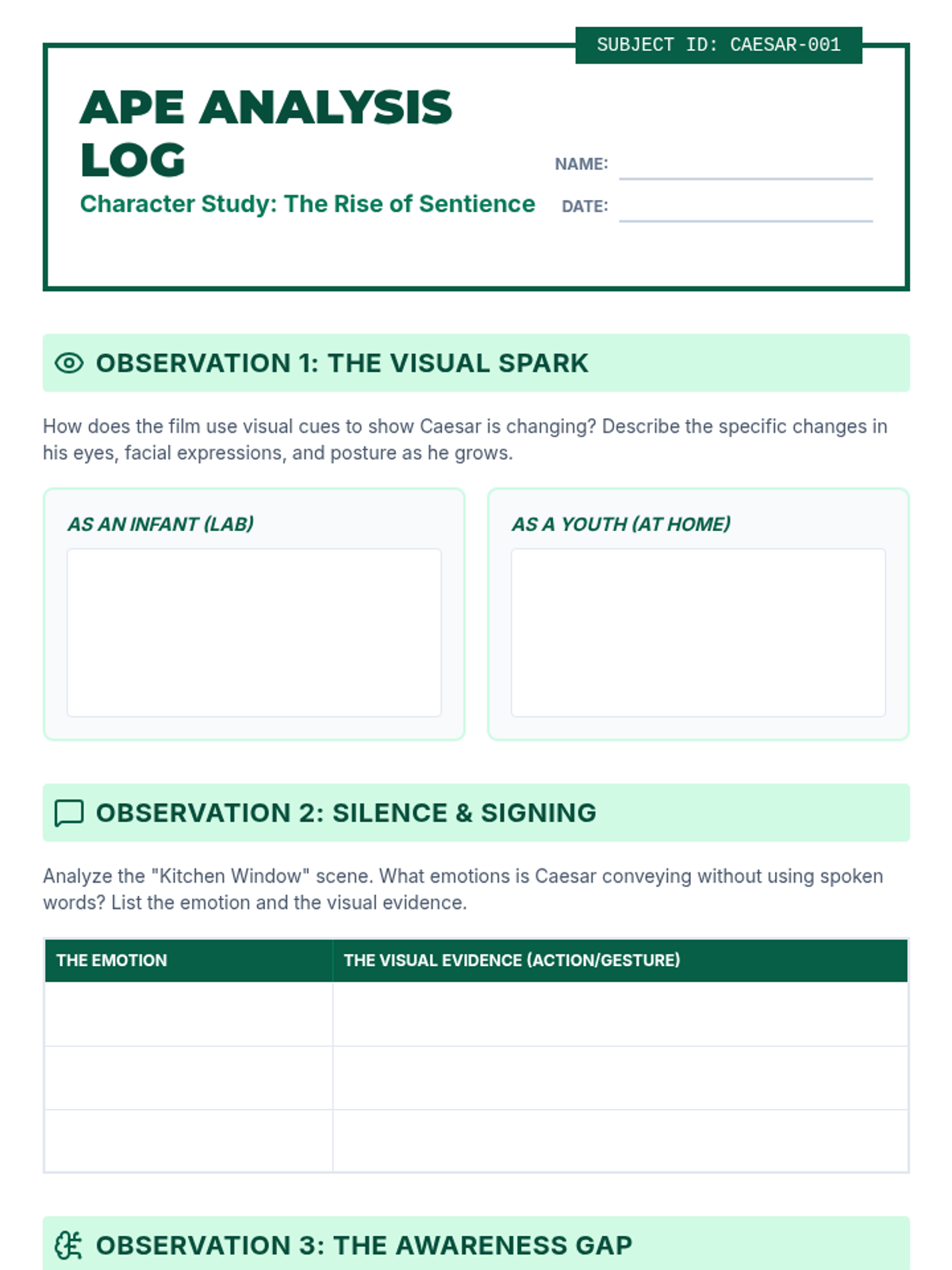
This sequence explores the representation of apes in the film 'Rise of the Planet of the Apes', focusing on the transition from scientific subjects to sentient leaders. Students analyze the use of motion-capture technology and narrative techniques used to humanize non-human characters.
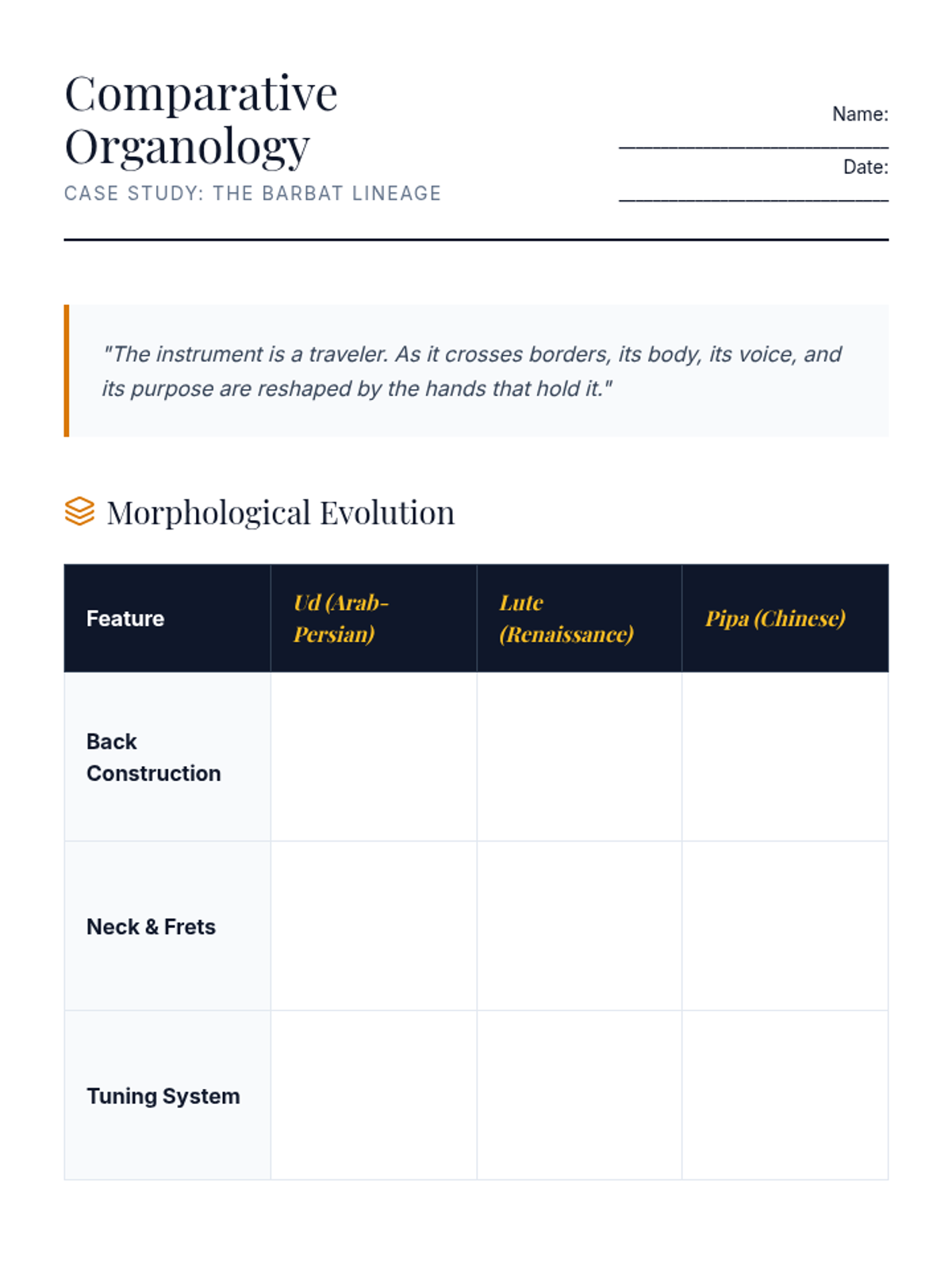
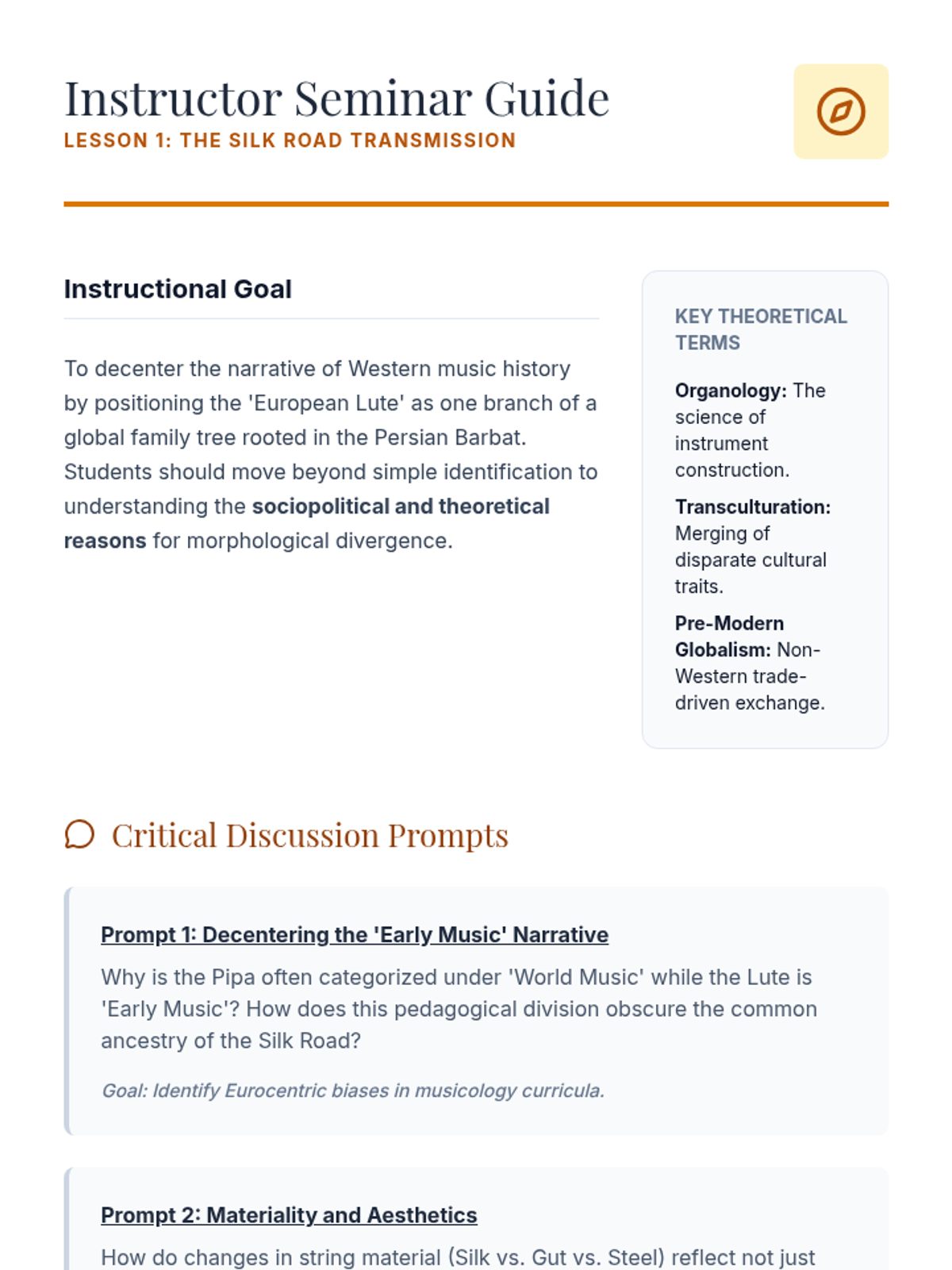
A graduate-level exploration of music history through the lenses of migration, diaspora, and cultural hybridity, moving beyond Western-centric narratives to examine how global movement shapes musical evolution.
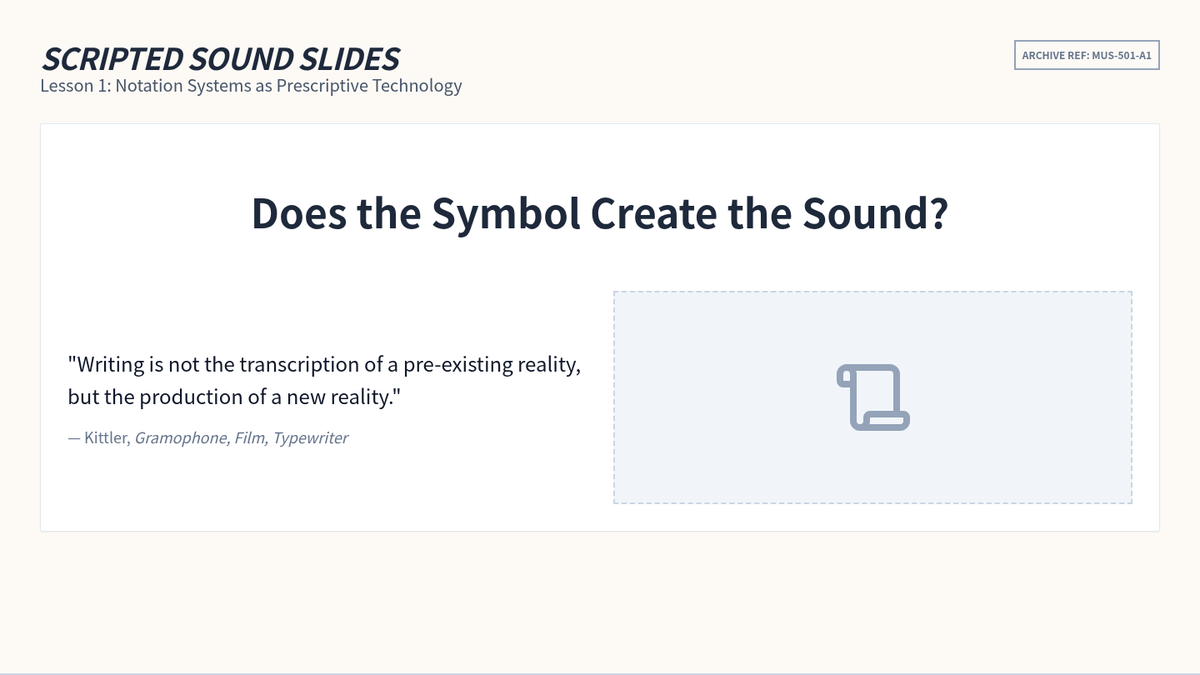
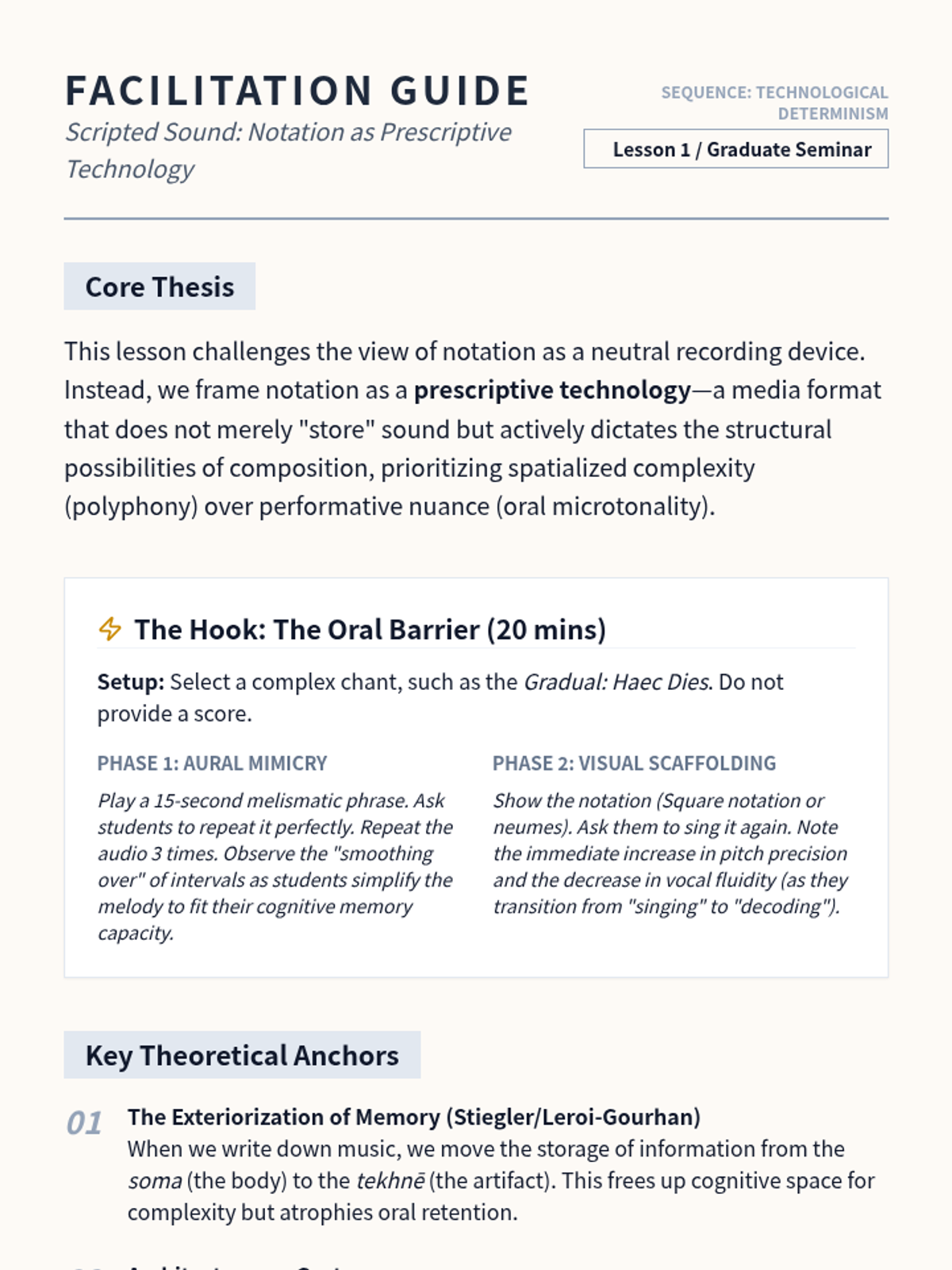
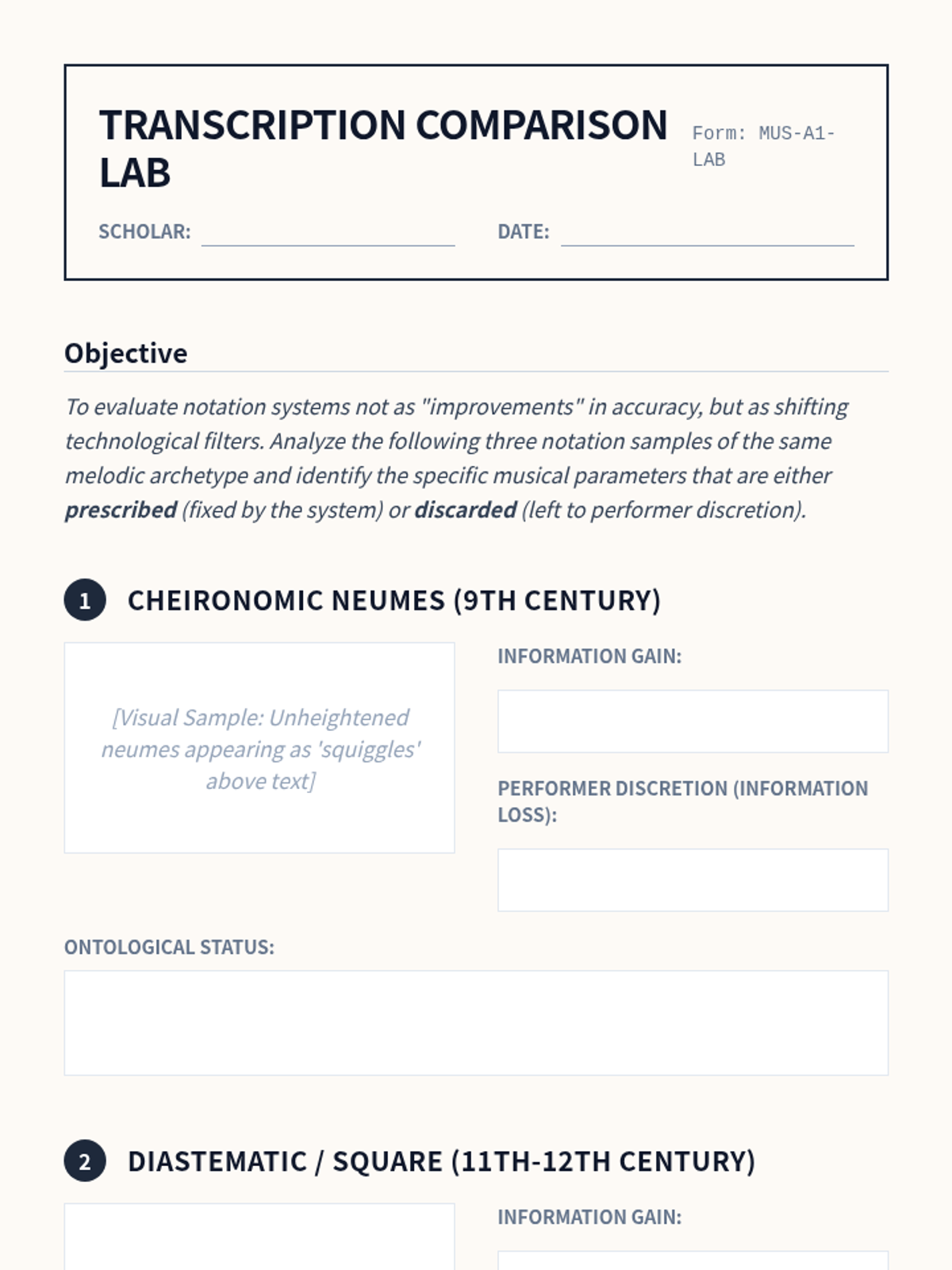
A graduate-level exploration of how technological advancement (from notation to algorithms) acts as a primary driver of musical aesthetics and evolution. Students analyze the reciprocal relationship between material culture and musical expression using media theory and organology.
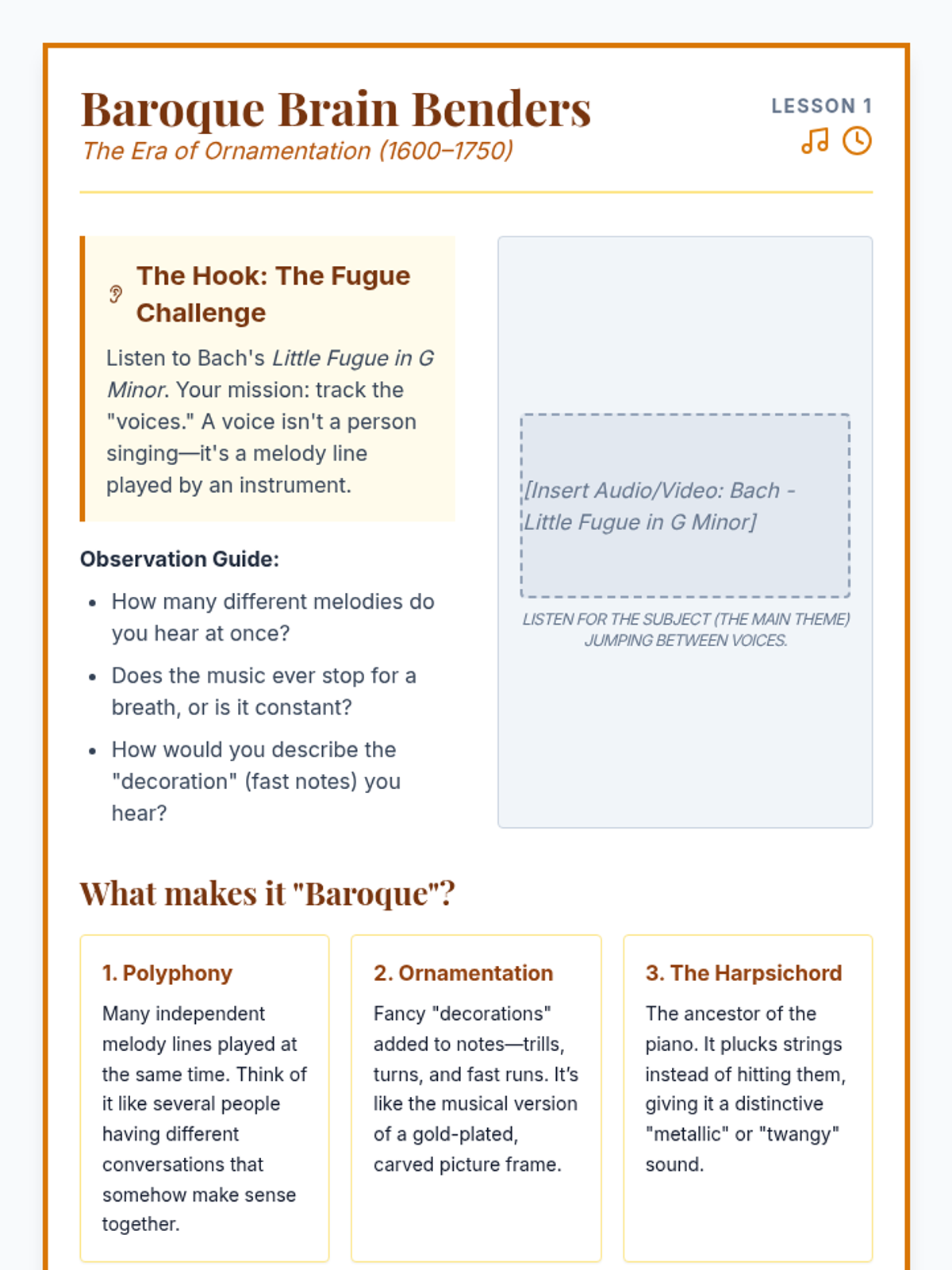
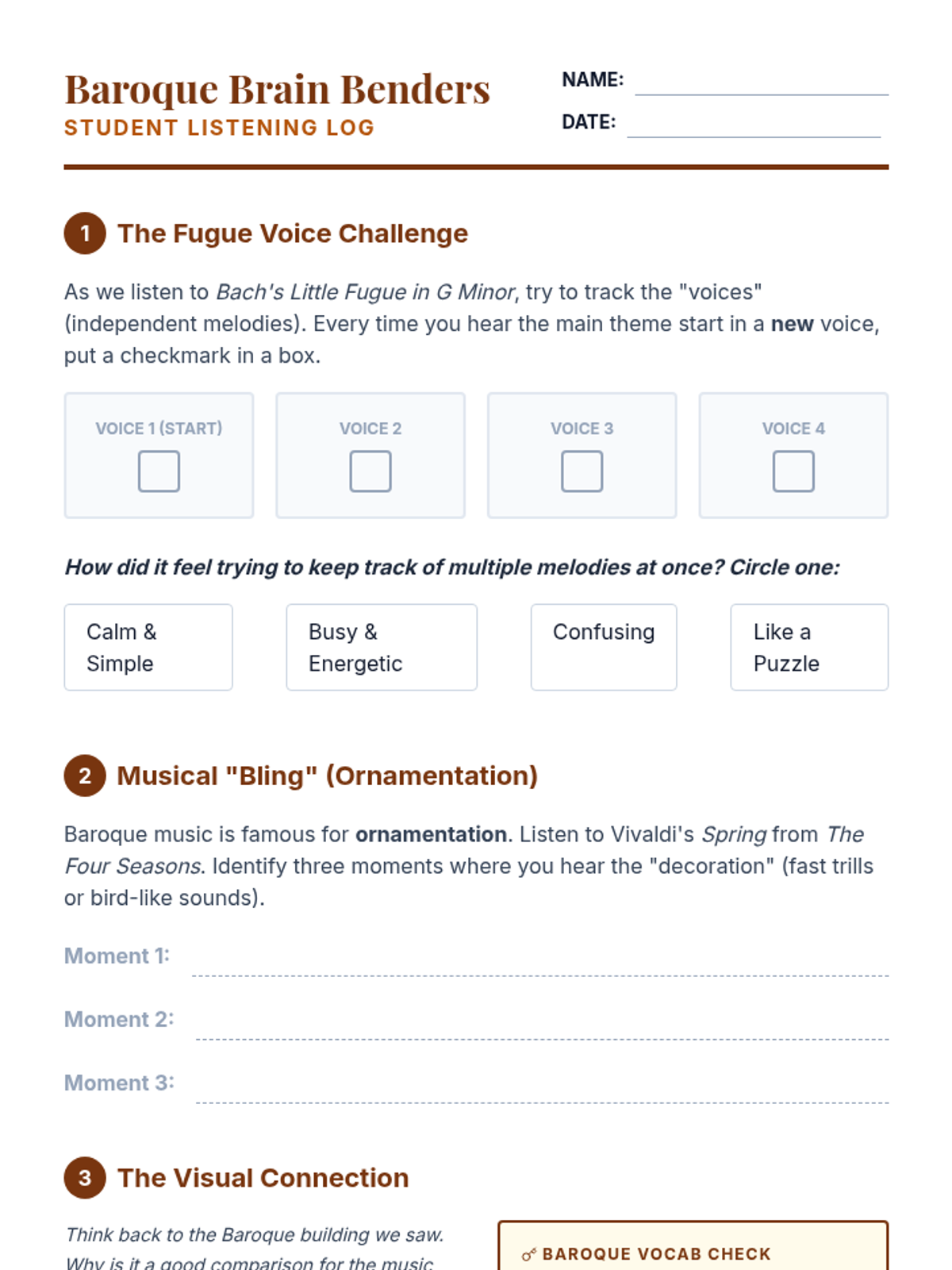
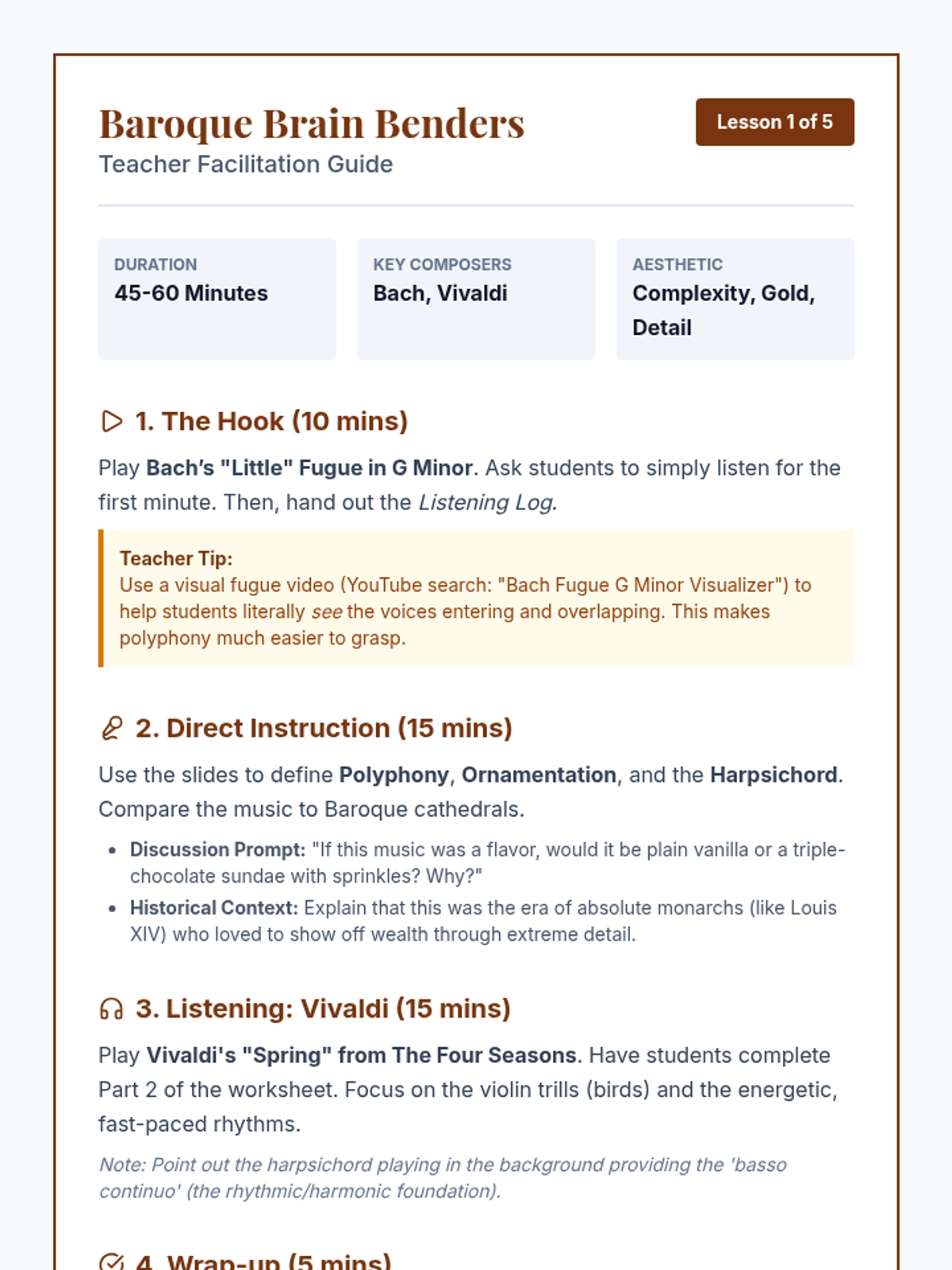
A chronological journey through the Baroque, Classical, Romantic, and Modern eras of Western Art Music, focusing on critical listening and historical context.
A graduate-level studio sequence focused on the transition from technical exercises to a cohesive, professional body of work. Students develop a thematic series, tackle the challenges of large-scale execution, engage in rigorous formal critiques, and curate a final presentation.
A graduate-level exploration of the intersection between medium and meaning. Students innovate with traditional materials, exploring chemical interactions, substrate manipulation, and mixed-media synthesis to develop a unique 'mark-making' vocabulary where physical texture contributes to conceptual depth.
This advanced sequence for graduate students explores the deconstruction of classical composition through dynamic symmetry, edge tension, non-Euclidean perspective, and visual hierarchy. Students will move from rigid geometric analysis to 'anti-compositional' strategies to create contemporary, tension-filled imagery.
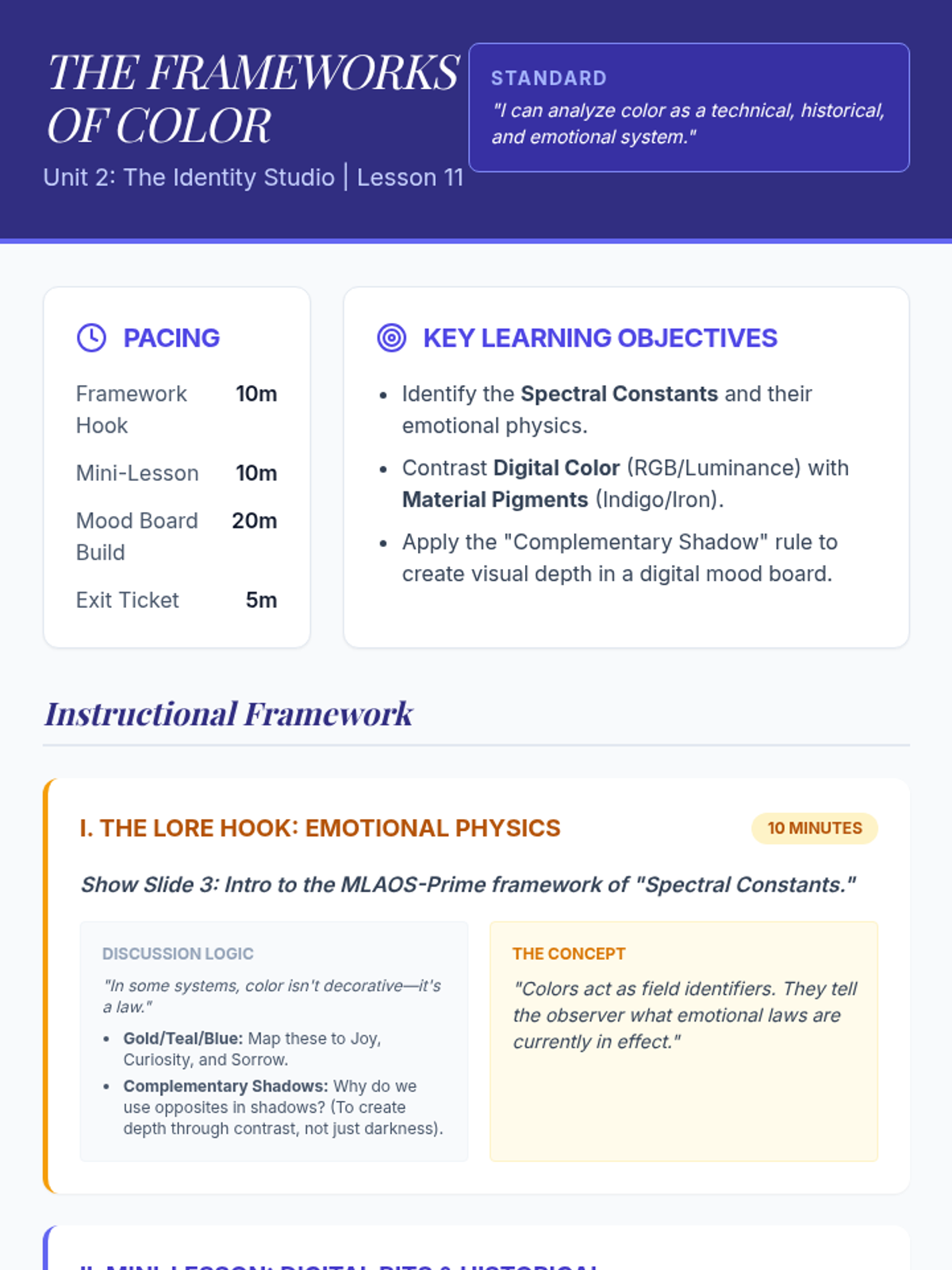
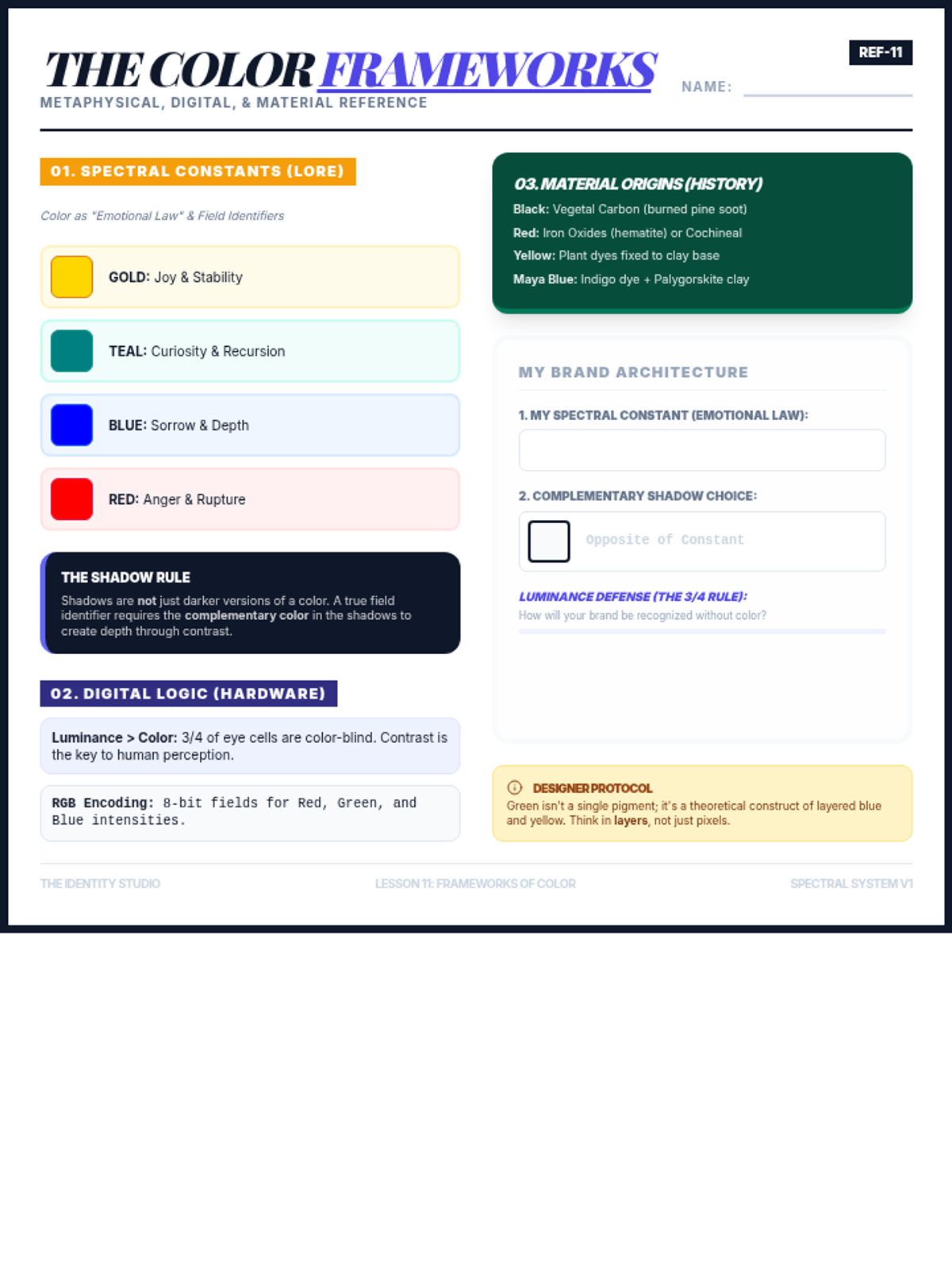
An intensive graduate-level investigation into the physics, psychology, and application of color in fine art, focusing on relativity, semiotics, and narrative.
This graduate-level sequence explores the intersection of labor law, fiscal strategy, safety protocols, and crisis management within professional theater production. Students develop the leadership skills necessary to navigate union environments and high-stakes technical environments.

An advanced technical theater sequence for graduate students exploring the intersection of light physics, human perception, and visual storytelling. Students move from the biological mechanics of the eye to high-level system integration and dramaturgy.
A comprehensive exploration of stage management for undergraduate students, covering organizational hierarchy, documentation, rehearsal management, and technical execution. Students transition from understanding the SM role to mastery of the prompt book and cue calling.
An undergraduate-level introduction to the technical systems of theater, focusing on the physics, hardware, and creative implementation of lighting and sound design. Students progress from fundamental science to professional drafting and real-time cue execution.
A comprehensive undergraduate-level sequence on the fundamentals of theatrical scenery construction and rigging. Students progress from safety certification to constructing flats and platforms, culminating in rigging mechanics and installation/strike protocols.
A comprehensive graduate-level course on the professional development of a new play, focusing on revision strategies, collaborative feedback, and industry-standard submission practices. Students transition from draft to a polished, professional-grade script and submission package.
An advanced playwriting sequence for graduate students focusing on the technical mechanics of dialogue. It treats dramatic text as musical notation, exploring how rhythm, syntax, and silence construct power dynamics and atmosphere.
An advanced playwriting module for graduate students focusing on non-linear, fragmented, and experimental dramatic structures. Students interrogate traditional narrative shapes and develop a comprehensive structural blueprint for a full-length experimental work.
A comprehensive graduate-level exploration of Documentary and Verbatim Theatre, covering ethical research, archival mining, speech editing, character synthesis, and theatrical staging. Students transition from researchers to dramatists, producing original documentary works based on real-world testimony and historical records.
An advanced playwriting sequence for graduate students focusing on the psychological architecture of dramatic characters, subtextual dialogue, and character-driven narrative structures. Students progress from deconstructing archetypes to writing a one-act draft grounded in behavioral truth and internal contradiction.
An advanced playwriting sequence for undergraduate students focusing on non-traditional structures, including non-linear time, verbatim theater, absurdism, meta-theatricality, and multimedia integration. Students will move from theoretical analysis of experimental playwrights to creating their own rule-breaking scripts.
This sequence explores the depths of character development and dialogue for undergraduate playwrights, focusing on psychological realism, objectives, voice differentiation, and the masterly use of subtext. Students progress from building internal character foundations to crafting active, subtext-rich scenes and monologues.