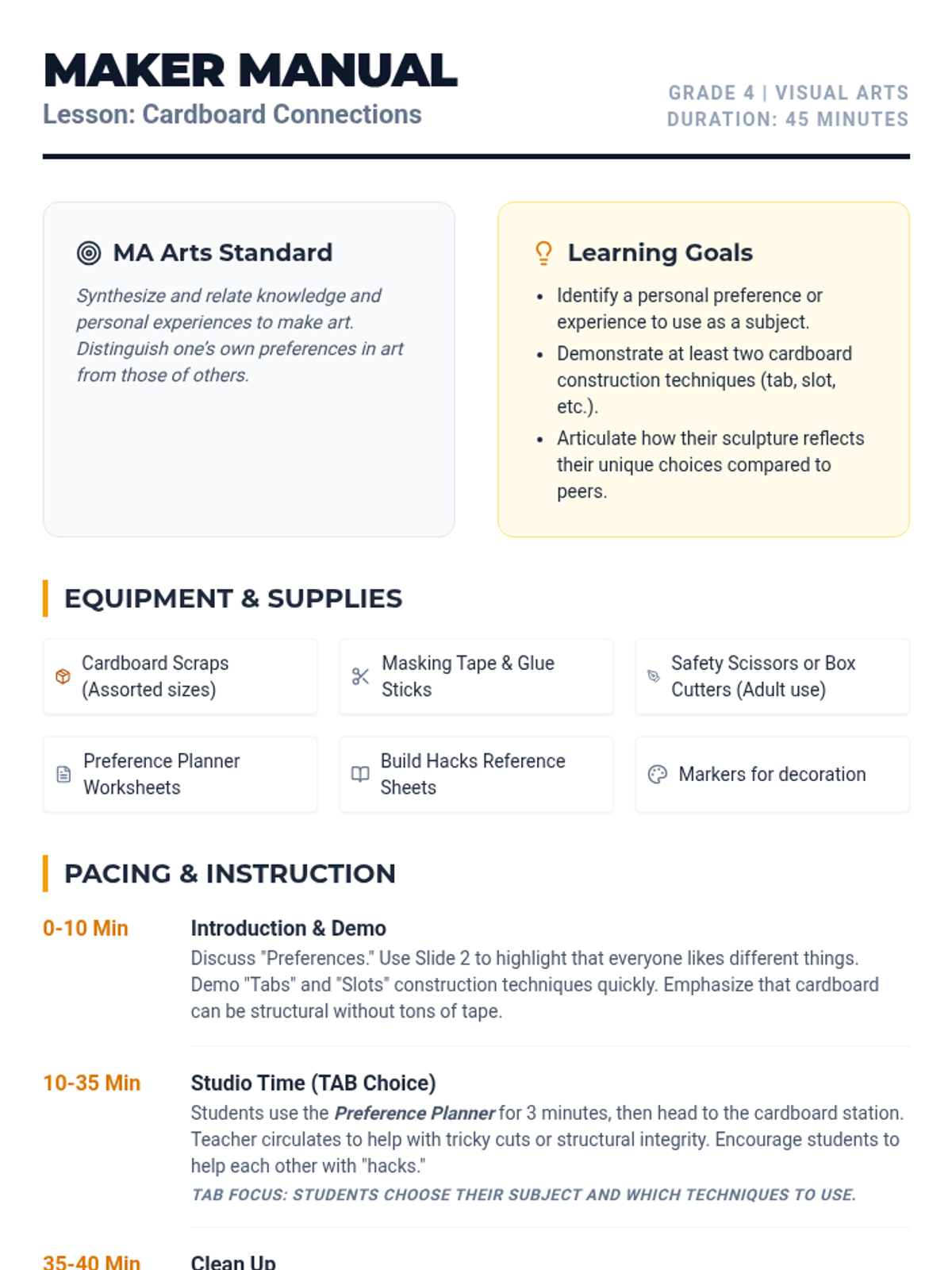
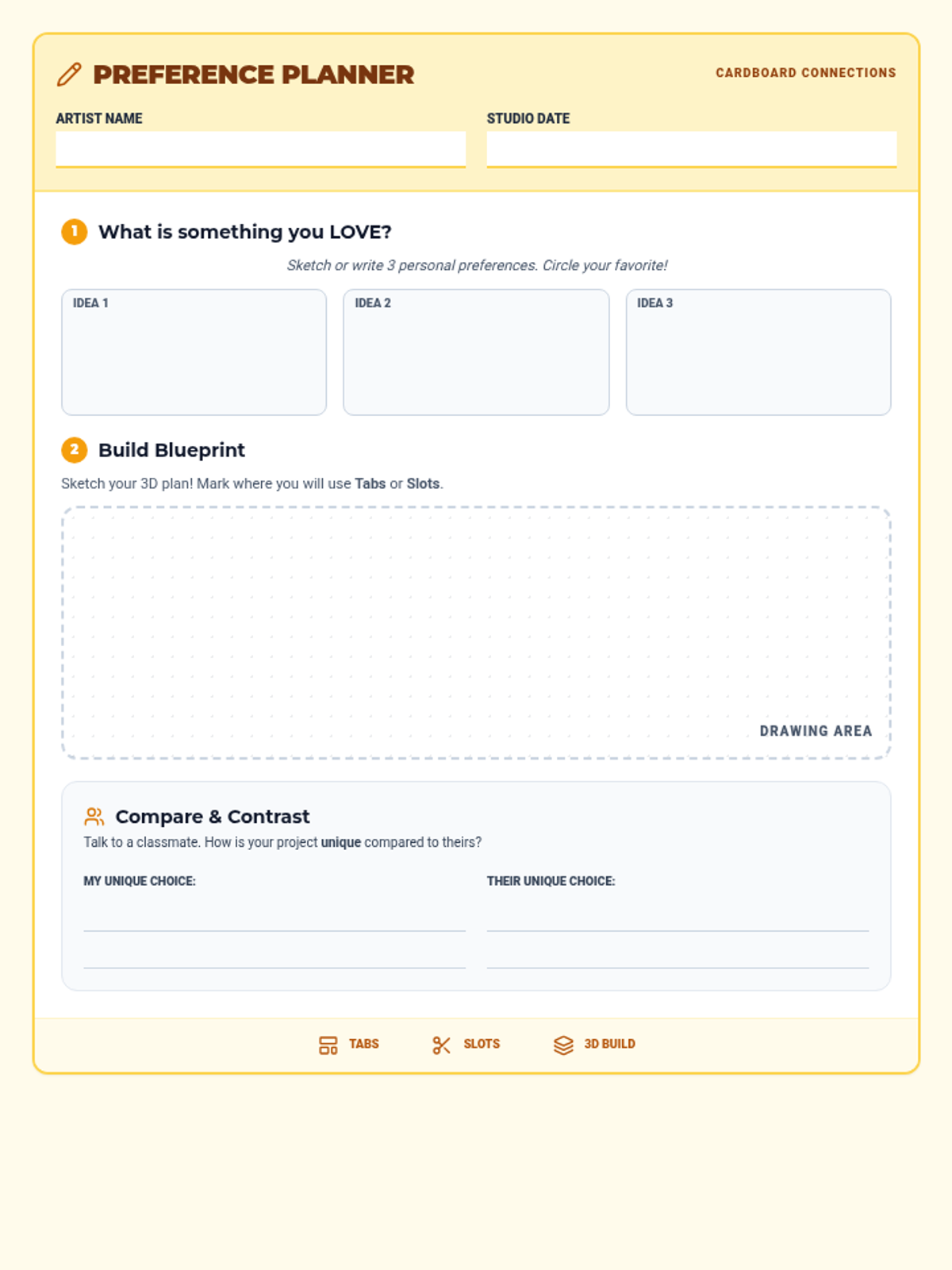
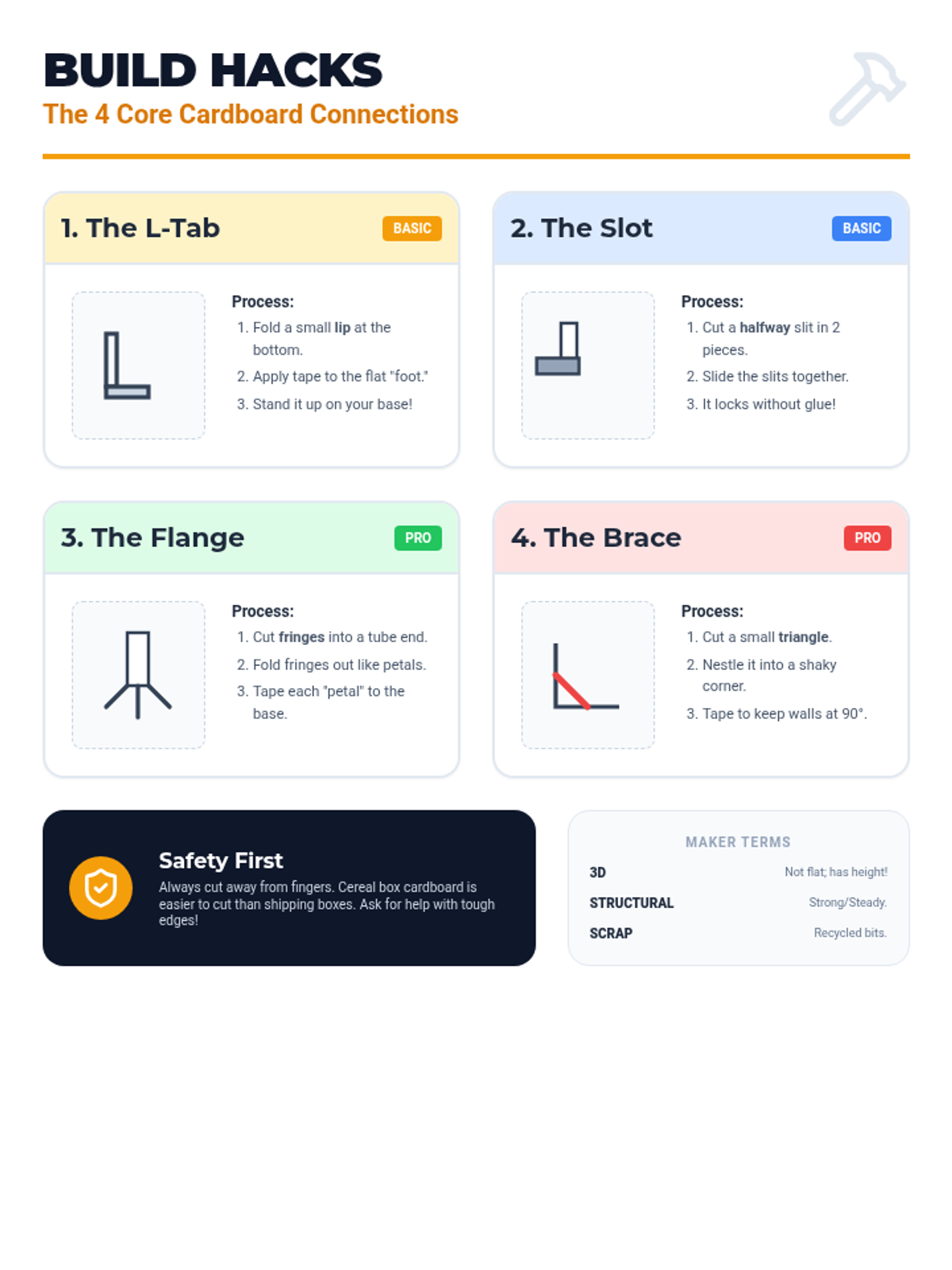
A 4th-grade printmaking unit where students transform found textures into complex printing plates. Through inquiry and experimentation, students explore collography by building, sealing, inking, and pressing tactile 'matrices'.
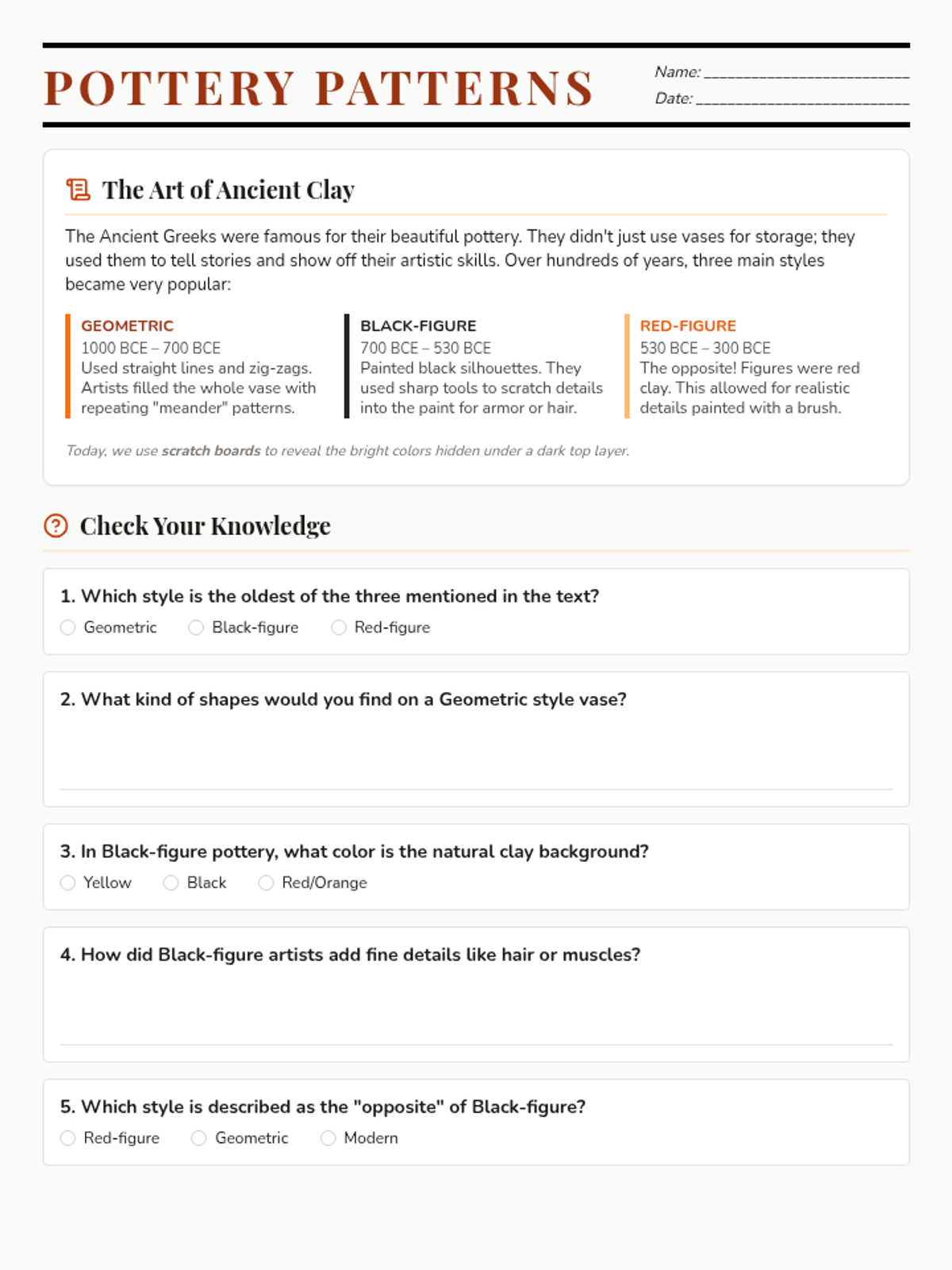
A high-energy, interactive unit focused on mastering rhythm and tempo through digital gameplay and body percussion, designed specifically for paperless classrooms.
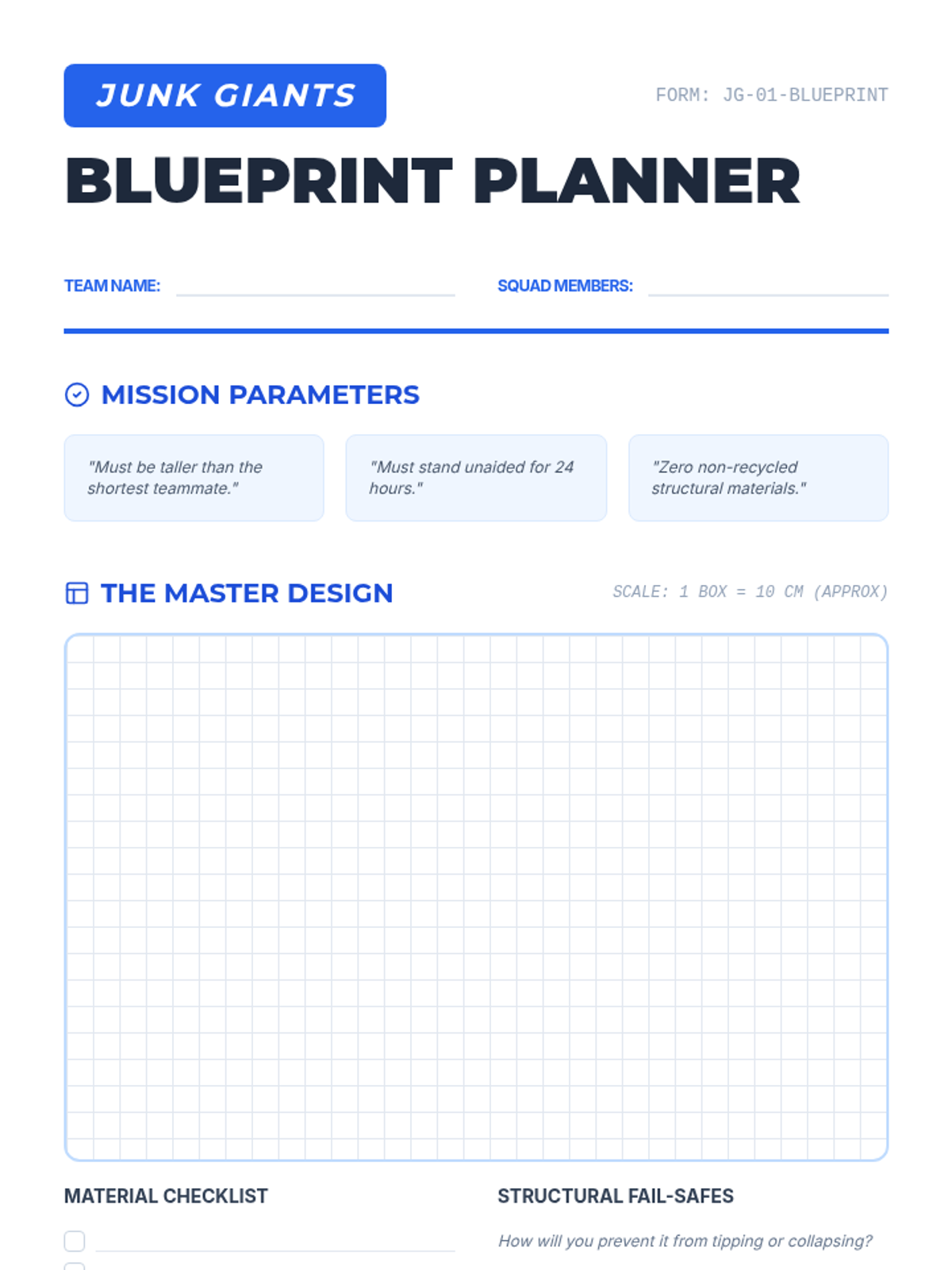
A journey through the 20th and 21st centuries, exploring how technology like electric guitars and synthesizers shaped genres from Rock 'n' Roll to Pop. Students analyze rhythm, structure, and sound to build a chronological timeline of musical evolution.
This sequence explores how technology—from the electric guitar to digital software—transformed music from the mid-20th century to today, focusing on genre evolution, song structure, and production.
This sequence analyzes how technology in the 20th and 21st centuries revolutionized music production and consumption. Students trace the evolution from early Rock 'n' Roll amplification to electronic synthesis and digital sampling, culminating in a creative project where they design music for the future.
A 4th-grade music appreciation sequence exploring the connection between geography, natural resources, and musical traditions across West Africa, Indonesia, the Andes, and the Caribbean. Students develop rhythmic skills and cultural understanding through active workshops and comparative analysis.
This 4th-grade music history sequence explores the evolution of American music from African roots to Jazz. Students investigate how historical context, community struggle, and cultural migration shaped genres like Spirituals, Blues, Ragtime, and Jazz through active listening, writing, and performance.
This sequence introduces 4th-grade students to the chronological development of Western Art Music from the Baroque to the Romantic eras, focusing on structural patterns, emotional expression, and instrumentation changes.
Students step into the role of the technical crew, learning stage management, costume organization, and backstage safety. This sequence culminates in students mastering the organizational and communication skills required to run a professional theater production.
This sequence introduces 4th-grade students to the technical side of theater, focusing on lighting and sound. Students learn how lighting angles and colors create mood, and how sound effects and soundscapes build immersive worlds.
This hands-on sequence introduces 4th graders to the visual and engineering side of theater. Students analyze scripts to design environments, draft scale floor plans, build 3D scenic models, and fabricate props, emphasizing spatial reasoning and storytelling through physical space.
A high-energy 4th grade music sequence focused on mastering rhythmic notation, subdivision, and time signatures through movement, games, and ensemble performance. Students progress from basic pulse review to performing complex multi-layered rhythmic compositions.
A comprehensive sequence for 4th-grade music students to master reading pitch on the treble clef staff. Students progress from basic staff geography to identifying notes, recognizing intervals, and finally sight-reading simple melodies on instruments.
A 4th-grade music sequence where students transform from music listeners to composers. Students explore the architecture of major and pentatonic scales, draft melodic shapes, and finally notate their own 4-measure musical motifs.
A comprehensive introduction to harmony for 4th graders, covering the difference between melody and accompaniment, intervals, triad construction, major vs. minor tonality, and creating simple harmonic patterns.
Students explore the basics of stage lighting, including direction, shadow, and color, to understand how lighting design creates mood and tells stories in theater.
Students explore the relationships between notes, focusing on intervals (steps, skips, leaps) and the construction of the C Major scale. Using solfege, hand signs, and aural analysis, students learn to identify and dictate melodic patterns in simple folk music.
A comprehensive 5-lesson sequence for 4th graders on theater production, focusing on stage management, technical cues, communication protocols, and the logistics of running a live show. Students transition from safety inspectors to stage managers in a culminating technical rehearsal simulation.
A project-based sequence for 4th graders exploring the technical world of theater production. Students learn to manipulate space, materials, sound, and light to tell compelling stories, culminating in a design showcase.
A 5-lesson sequence exploring the experimental nature of monoprinting. Students investigate ink properties, transparency, and layering through additive/subtractive methods, found object textures, masking, and ghost printing, culminating in a curated portfolio.