Strengthens comprehension of natural speech patterns, linking sounds, and idiomatic expressions in academic and social contexts. Targets identification of speaker intent, tone, and specific details within extended discourse.
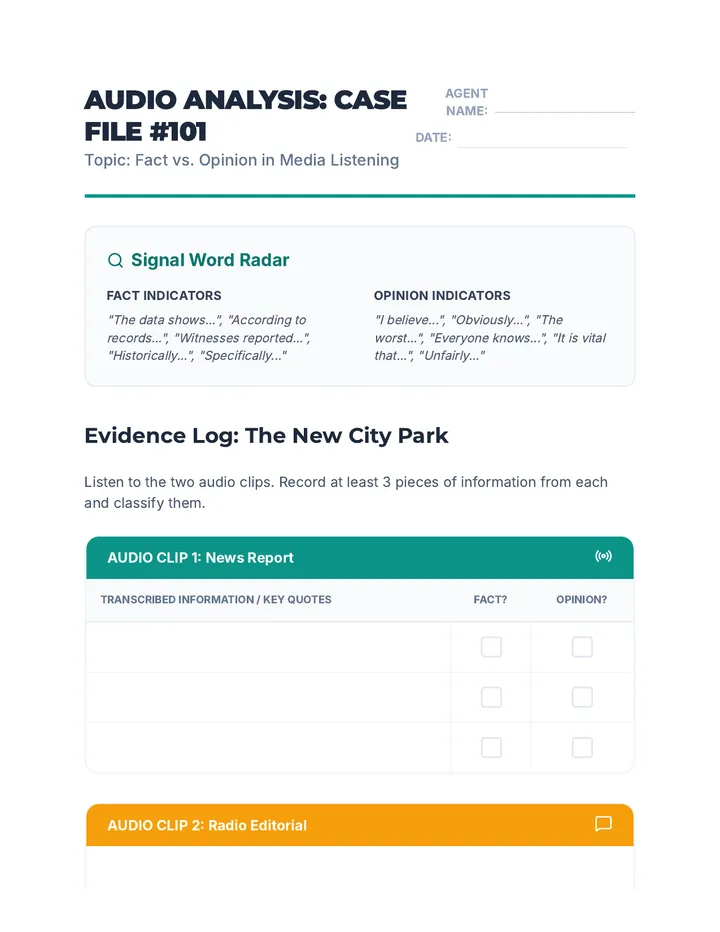
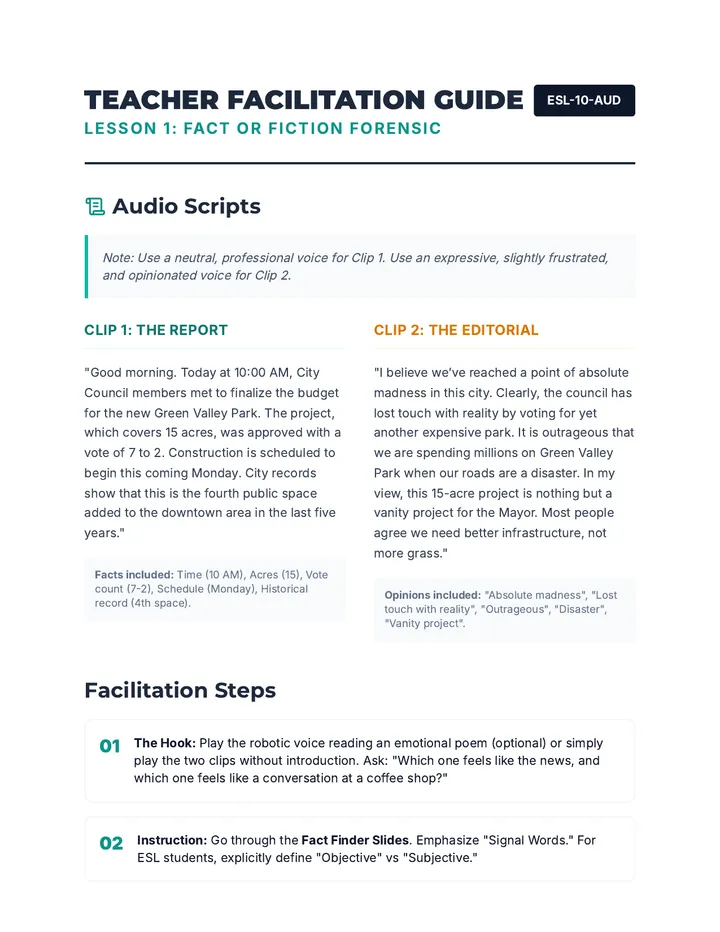
A 10th-grade ESL sequence focused on advanced listening skills. Students learn to detect bias, analyze tone, identify rhetorical devices, and infer speaker relationships through various audio sources like news, speeches, and podcasts.
This advanced ESL sequence focuses on mastering natural, unscripted English. Students move beyond textbook grammar to analyze connected speech, regional dialects, and the subtle subtext of authentic media like podcasts and interviews.
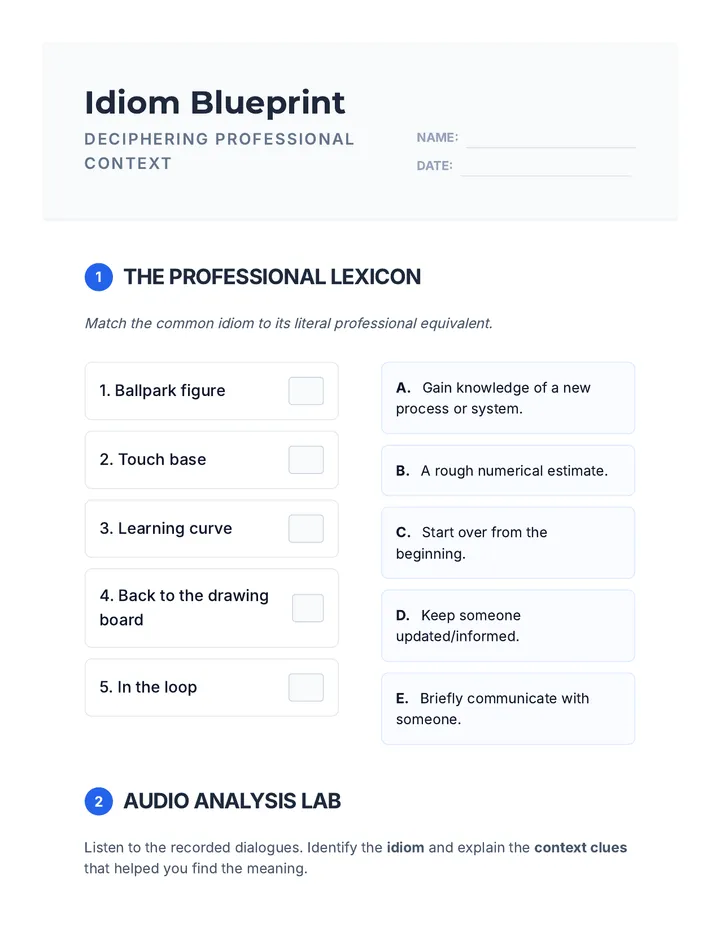
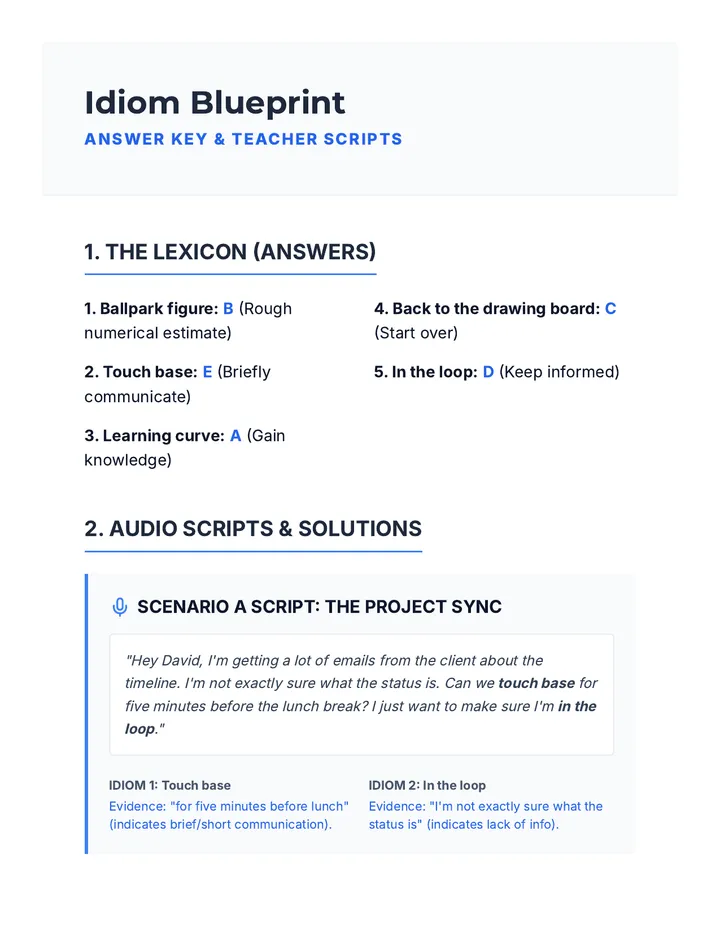
A 5-lesson sequence for graduate students to master idiomatic language, phrasal verbs, and cultural nuances in professional and academic networking environments. Students move from decoding literal meaning to applying figurative language in a high-stakes networking simulation.
This sequence teaches 5th-grade ESL students how to navigate informational texts efficiently using skimming and scanning strategies. Students will move from understanding the big picture to locating specific keywords and using text features to answer test-style questions under time pressure.
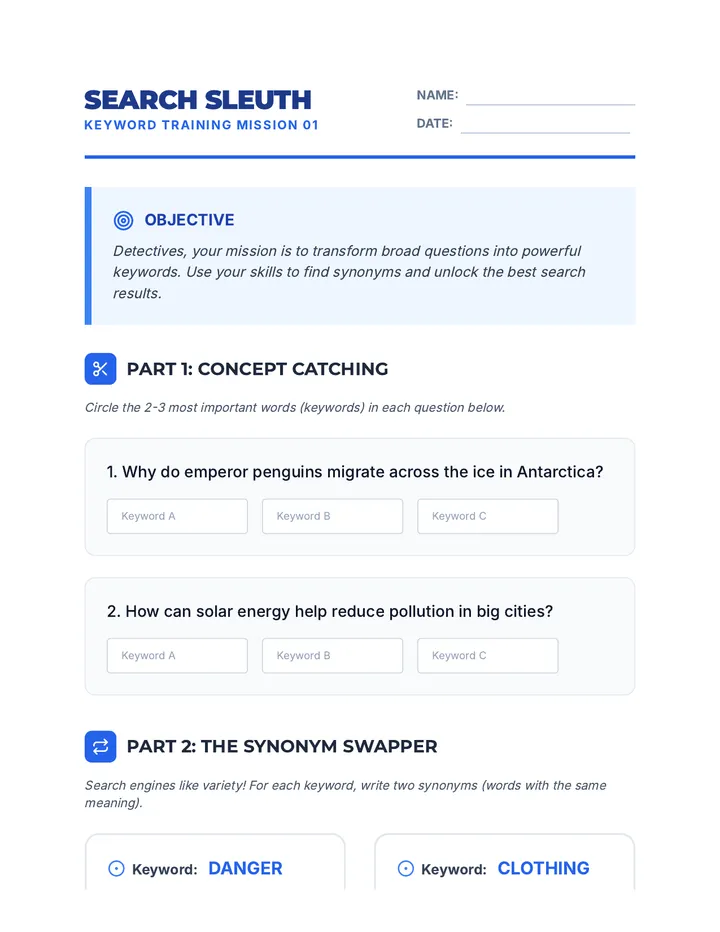
A 5-lesson sequence for 5th Grade ESL students focused on the mechanics of finding information. Students move from basic keyword generation to using Boolean operators, navigating text features, utilizing academic databases, and refining failed searches to become efficient digital researchers.
This sequence guides intermediate ESL students through the complexities of spoken English, moving from basic sentence stress to the nuances of sarcasm, idioms, and academic signposting. Students will develop the ability to infer speaker intent and respond appropriately in real-world scenarios.
A 5-lesson unit for 6th-grade ESL students focused on transforming search habits from natural language questions to strategic keyword and Boolean operator techniques. Students move from basic vocabulary brainstorming to navigating academic databases and skimming snippets for relevance.
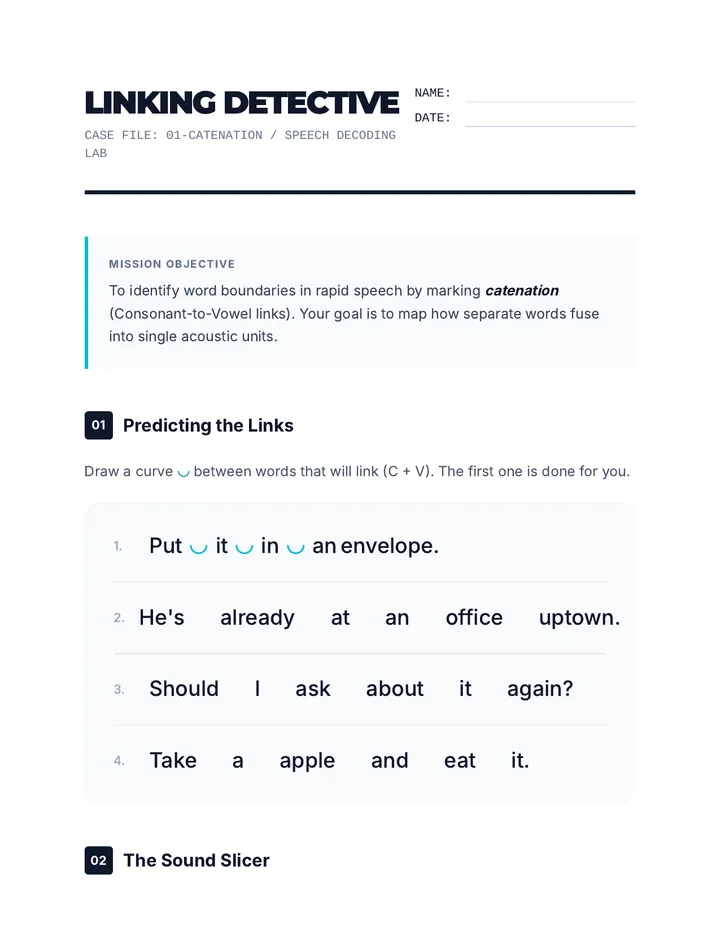
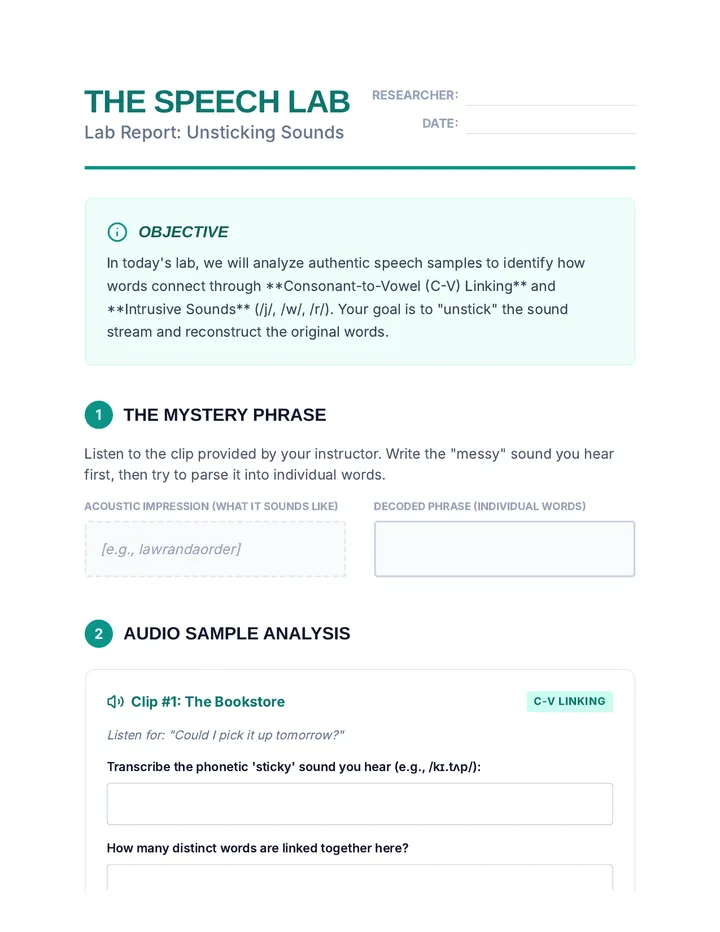
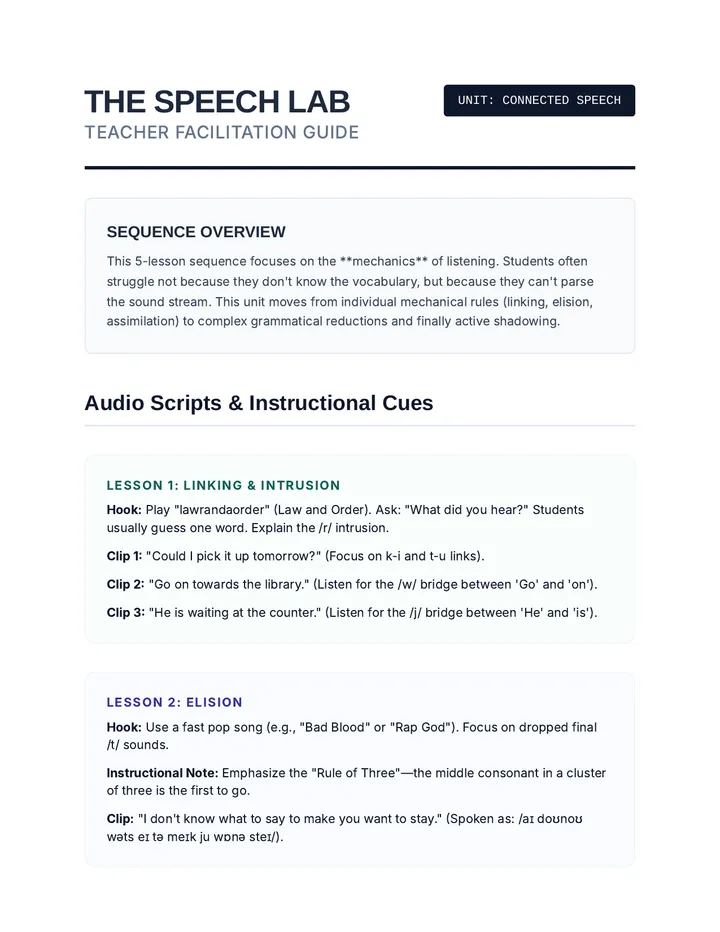
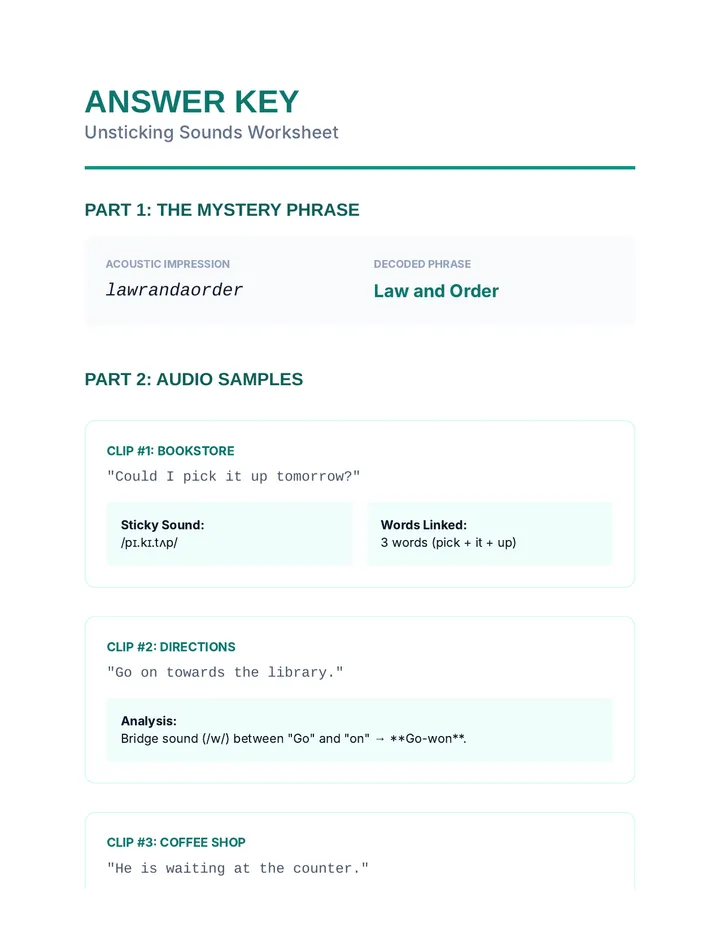
A comprehensive series for intermediate ESL graduate students focused on decoding natural, rapid English by mastering connected speech phenomena like linking, elision, and assimilation.
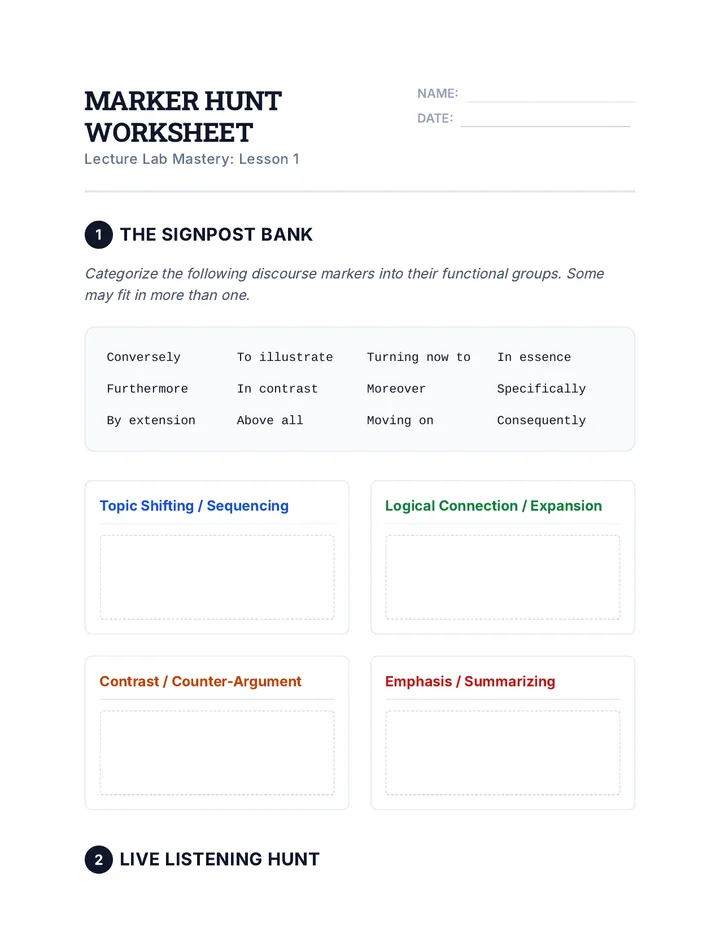
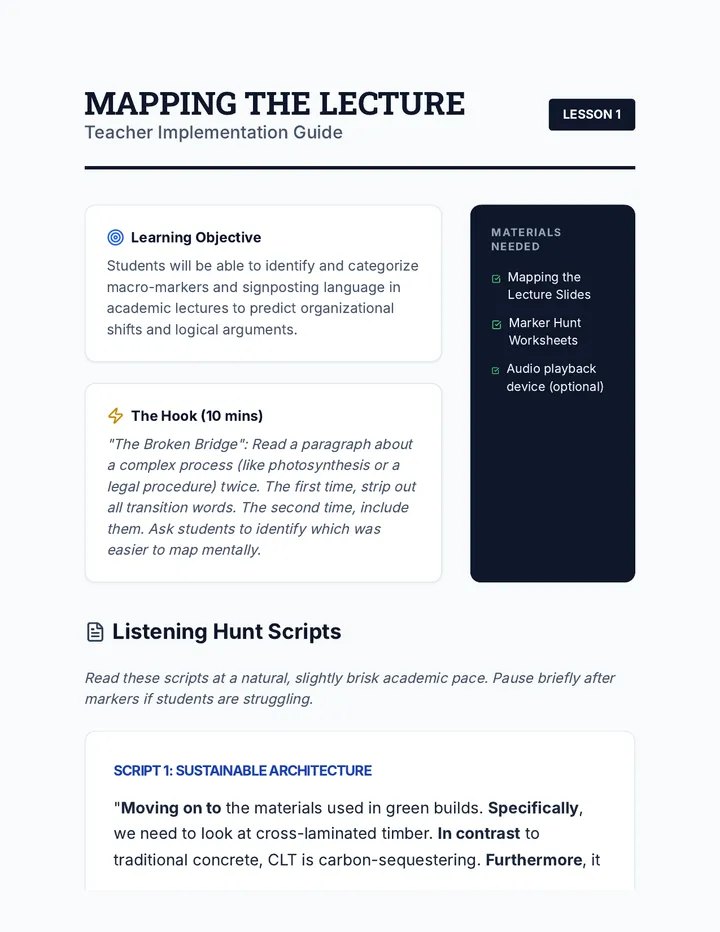
A comprehensive sequence for intermediate ESL graduate students focused on mastering academic lecture comprehension, identifying discourse markers, filtering digressions, and implementing effective note-taking strategies.
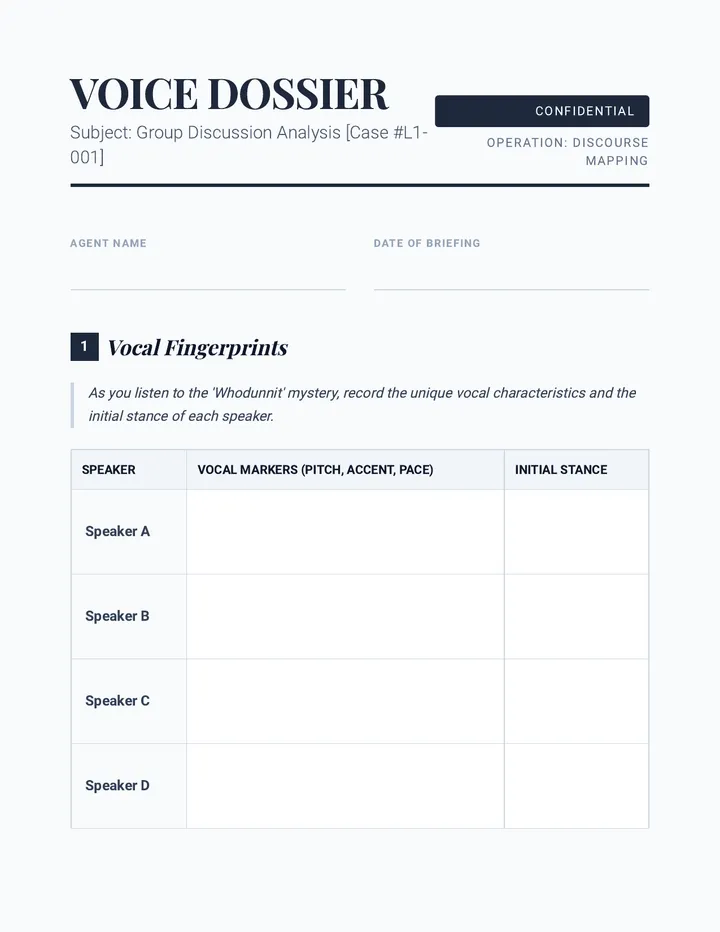
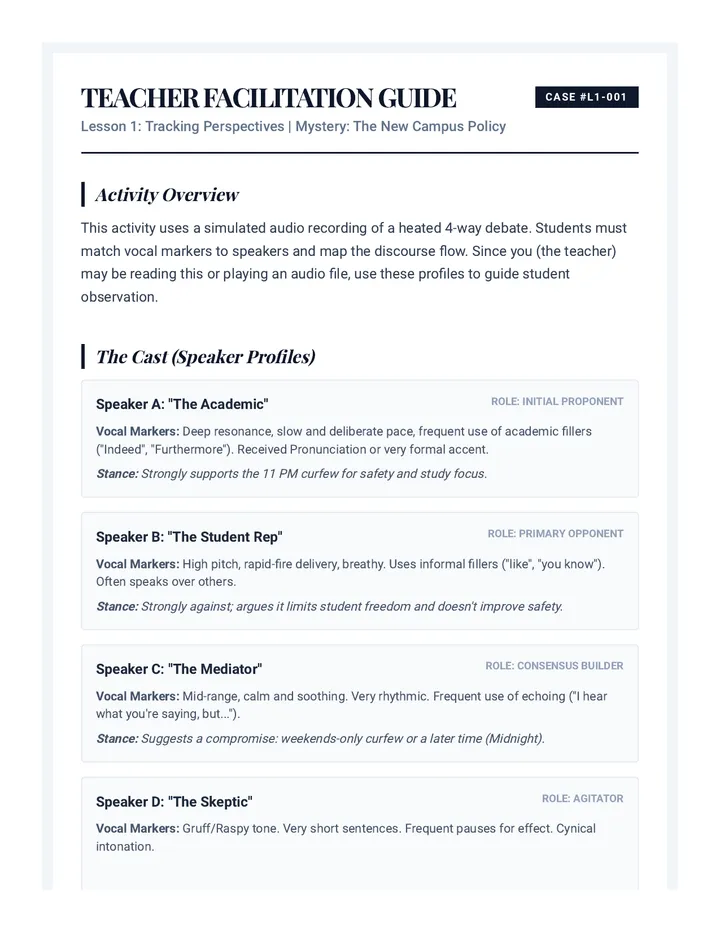
This sequence equips intermediate ESL undergraduate students with the skills to navigate complex, multi-speaker environments like seminars and debates. Students progress from basic speaker identification to tracking complex argument evolution and detecting subtle bias markers.
This sequence targets the mechanical difficulties of understanding natural, fast-paced English. Students explore phonological rules like linking, elision, and assimilation to decode authentic, fluid speech patterns found in campus social life.
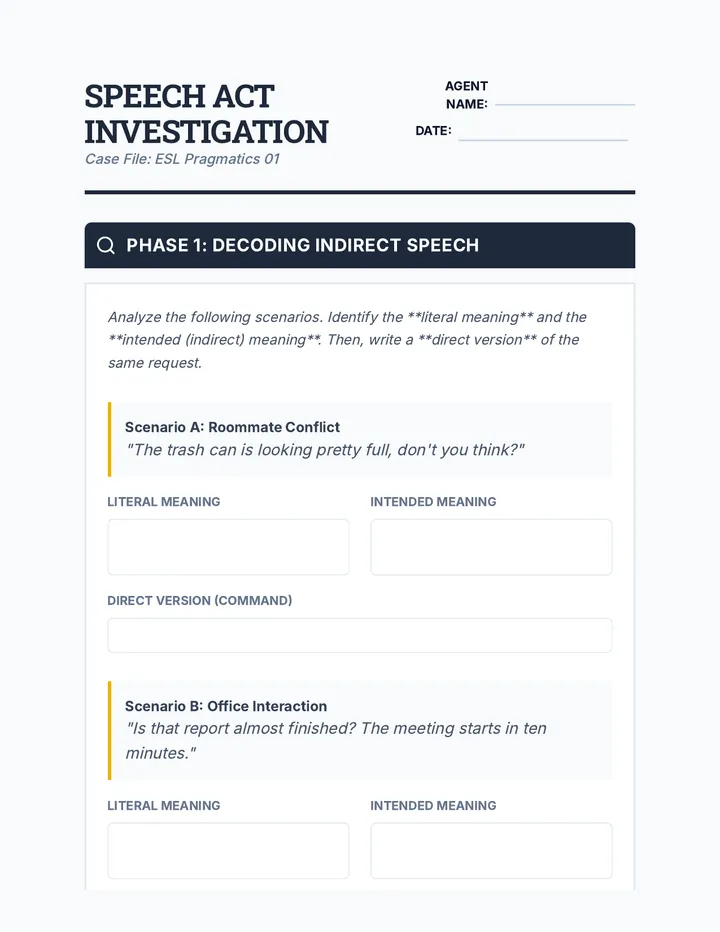
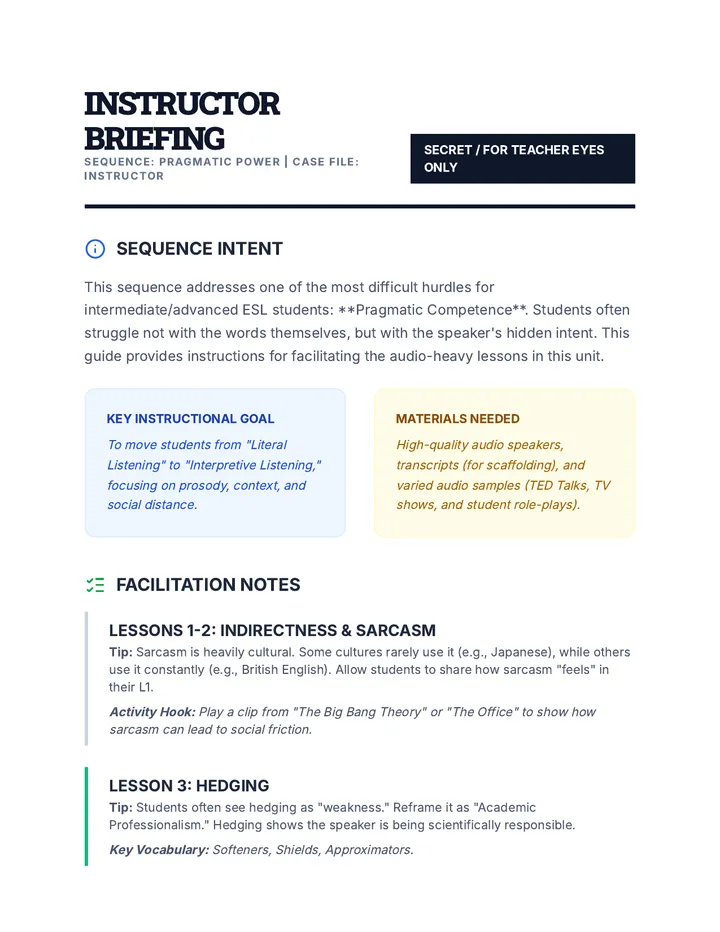
This sequence guides intermediate ESL students through the nuances of pragmatic meaning in English. Students will learn to decode indirect speech, sarcasm, hedging language, and emotional undertones in academic and social contexts to improve their listening comprehension and communicative competence.
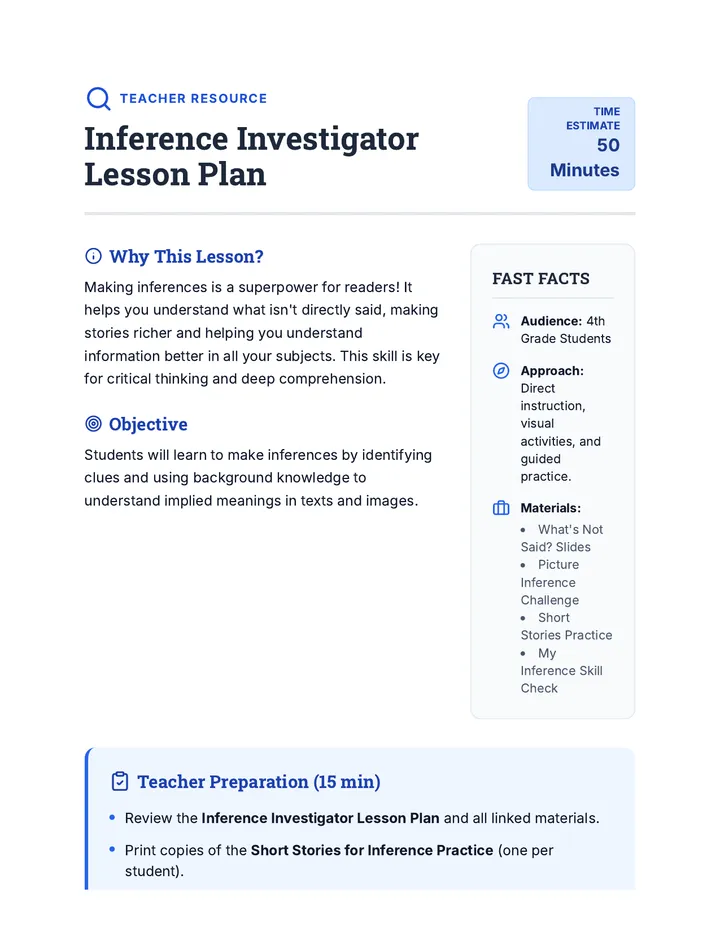
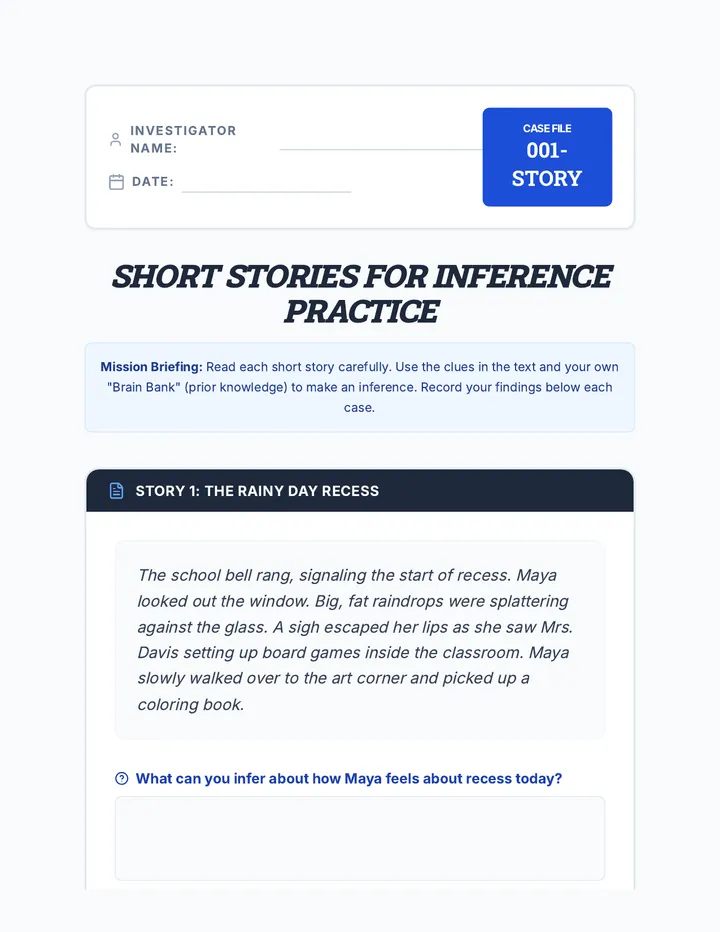
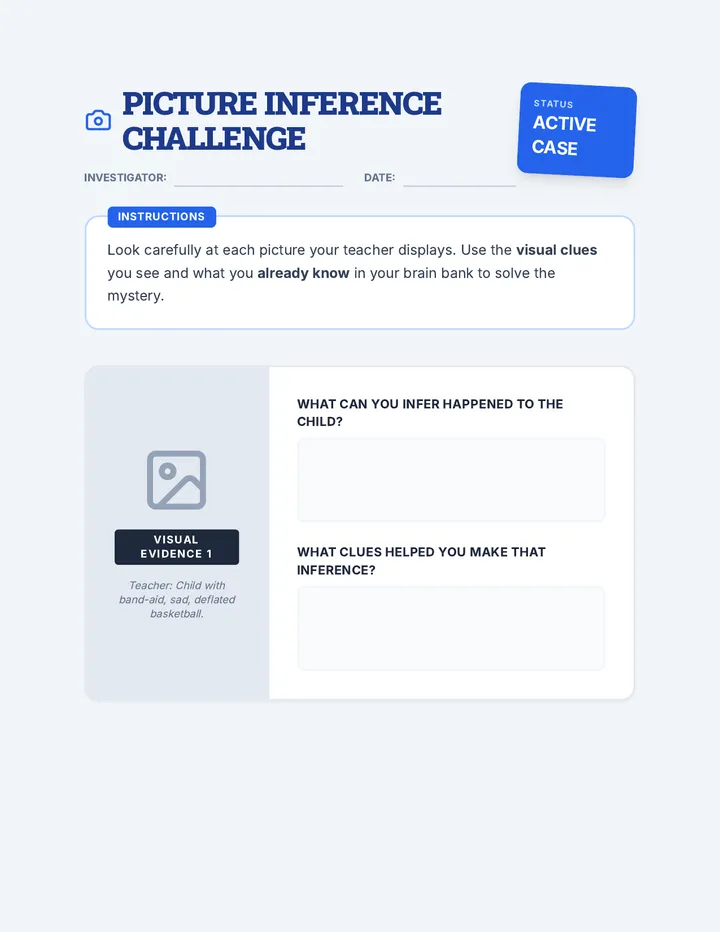
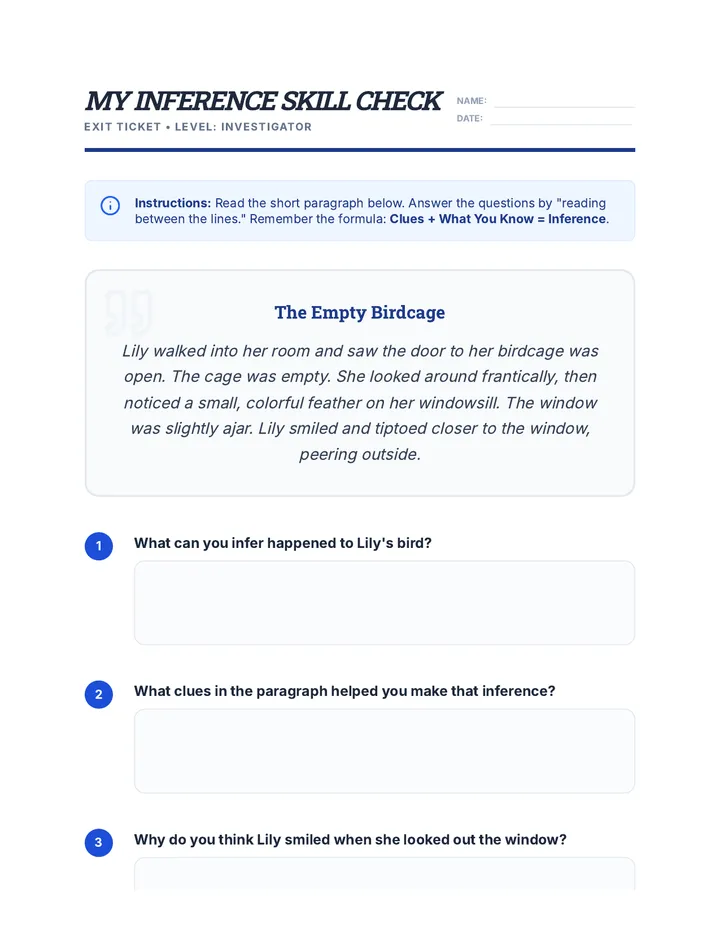
A 4th-grade lesson that transforms students into 'Inference Investigators,' teaching them to use textual and visual clues along with prior knowledge to draw conclusions and 'read between the lines.'
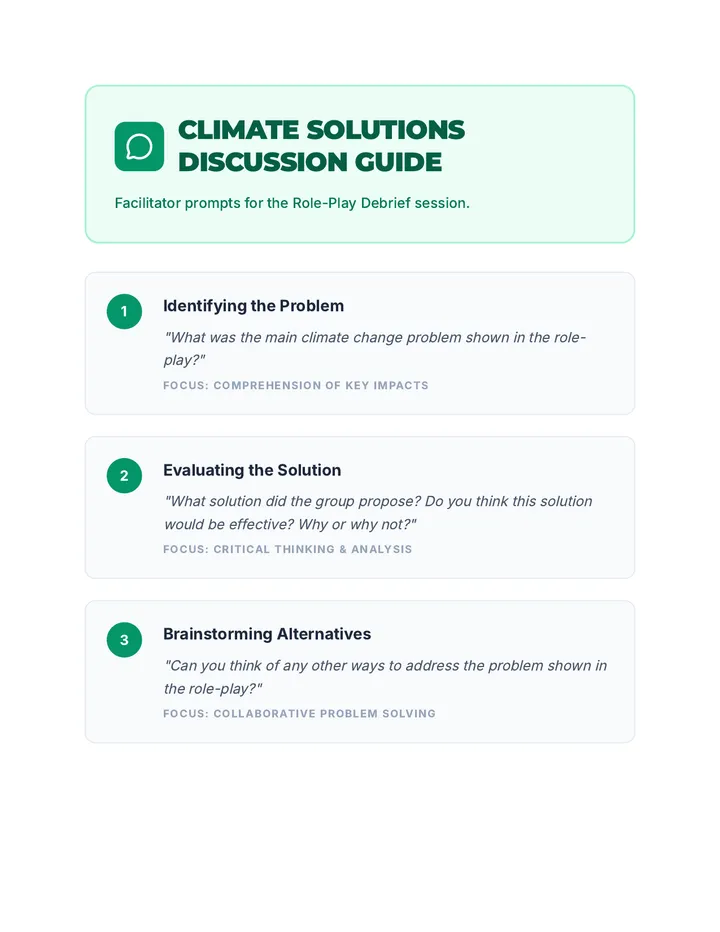
A 60-minute interactive lesson for 13-14 year old English language learners focused on climate change vocabulary, civic engagement, and collaborative problem-solving. Students explore causes, effects, and solutions through reading, role-play, and creative projects.
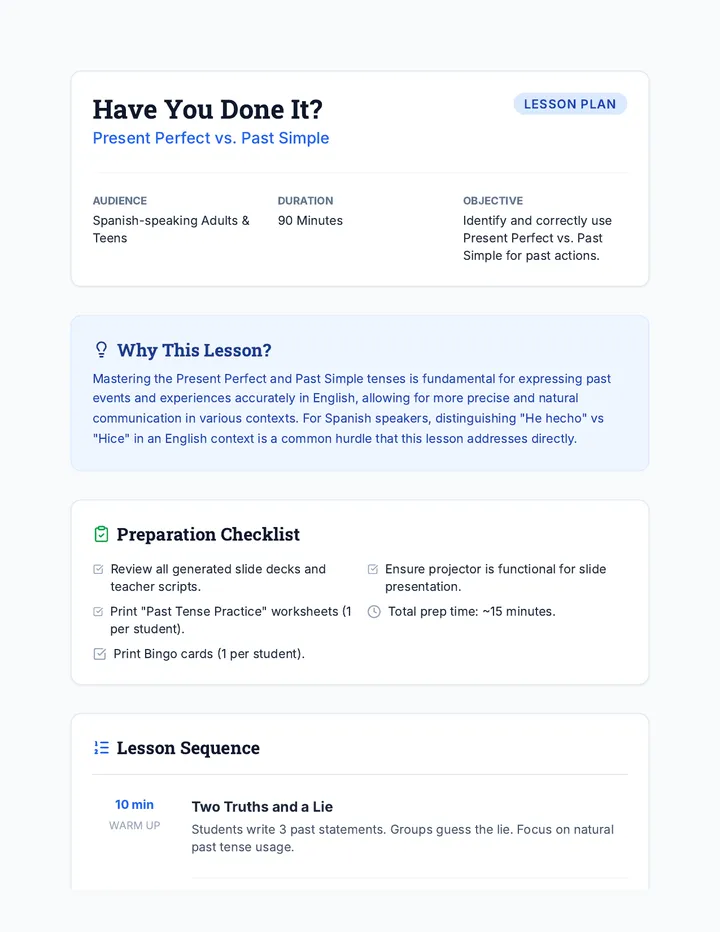
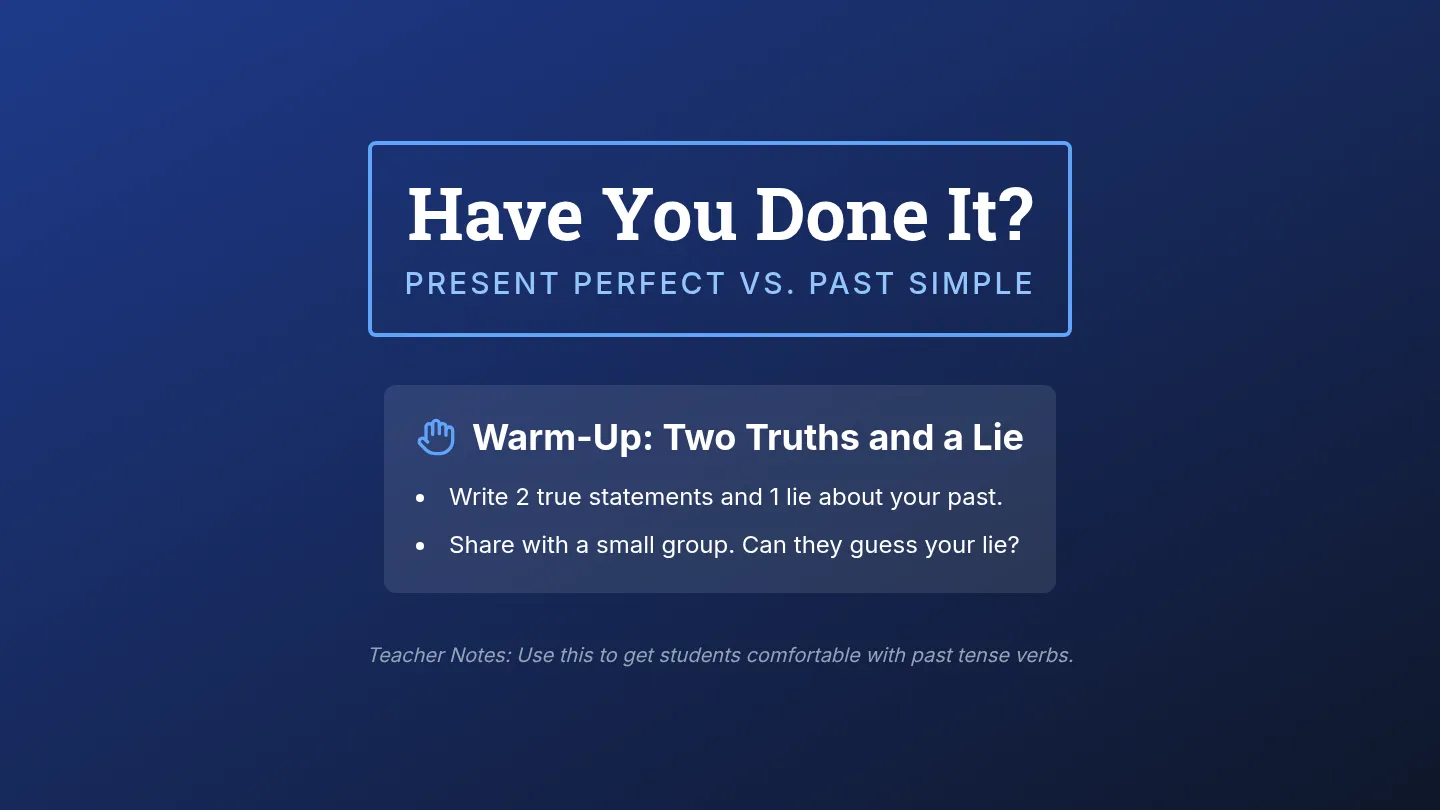
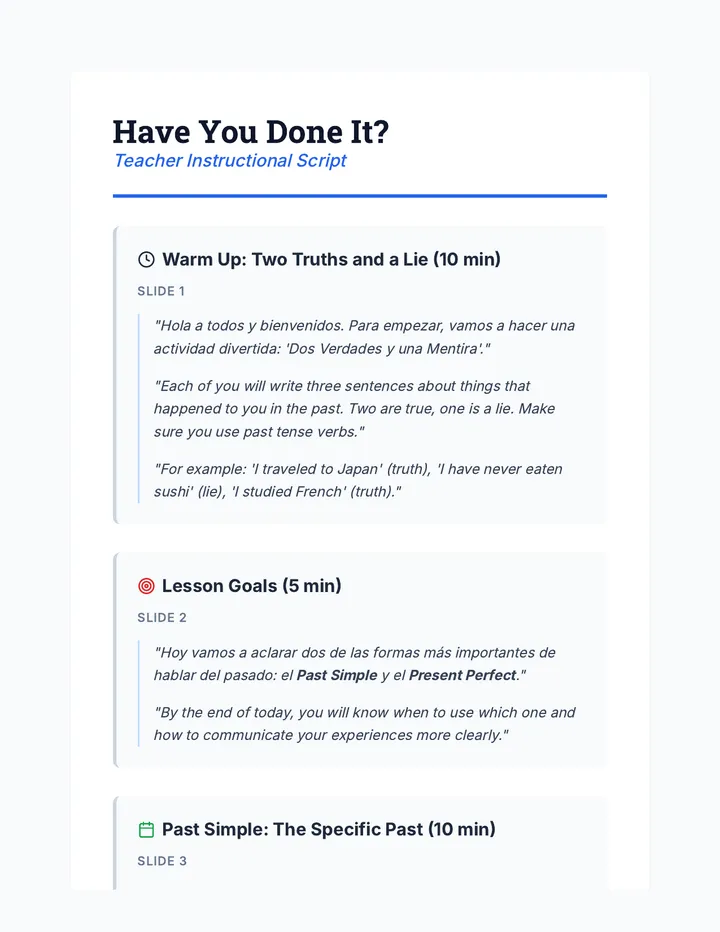
A comprehensive 90-minute ESL lesson for adults and teens focusing on the functional differences between Past Simple and Present Perfect tenses through the lens of life experiences and specific events.
This 15-minute Tier 2 phonics lesson helps 5th-grade ESE students improve their ability to sort and decode complex short and long 'e' words using advanced spelling patterns.
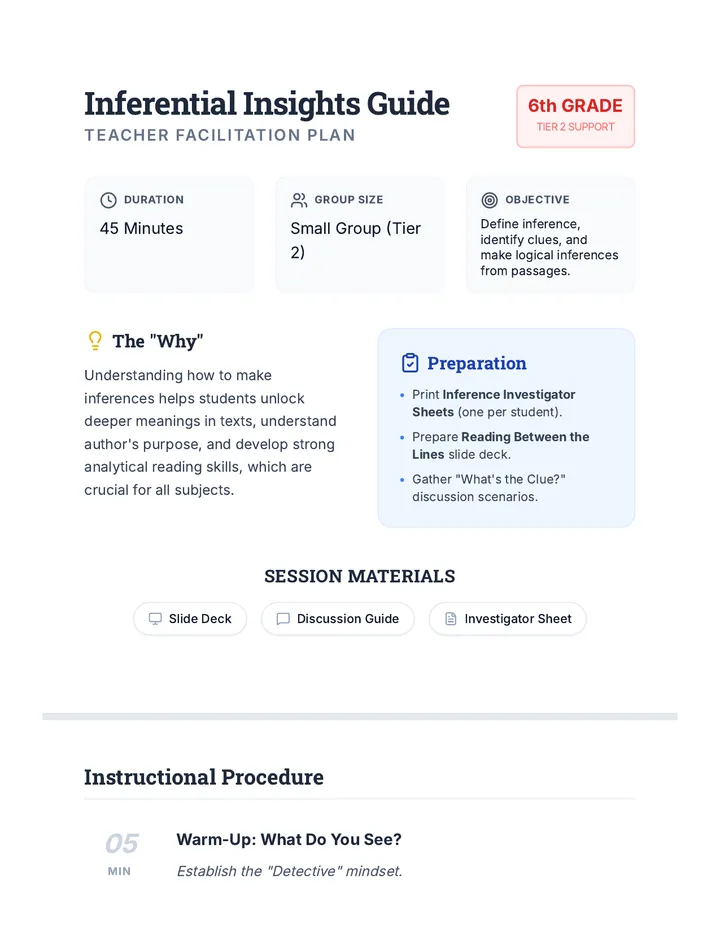
A 45-minute small group lesson for 6th graders focusing on the art of making inferences using textual evidence and background knowledge. Students act as 'Inference Investigators' to solve the mystery of what's unsaid in various texts.
A 30-minute Tier 2 listening comprehension lesson for 6th graders focused on identifying the main idea in auditory passages using active listening strategies.
This lesson helps Long Term English Learners build trust and cohesion through collaborative storytelling and reflective writing, focusing on active listening and expressive speaking skills.
A high-energy, 30-minute game-based lesson designed for Long-Term English Learners to sharpen listening, speaking, and writing skills for the ELPAC test. Students practice active listening and clear communication through a competitive 'whisper relay' format.
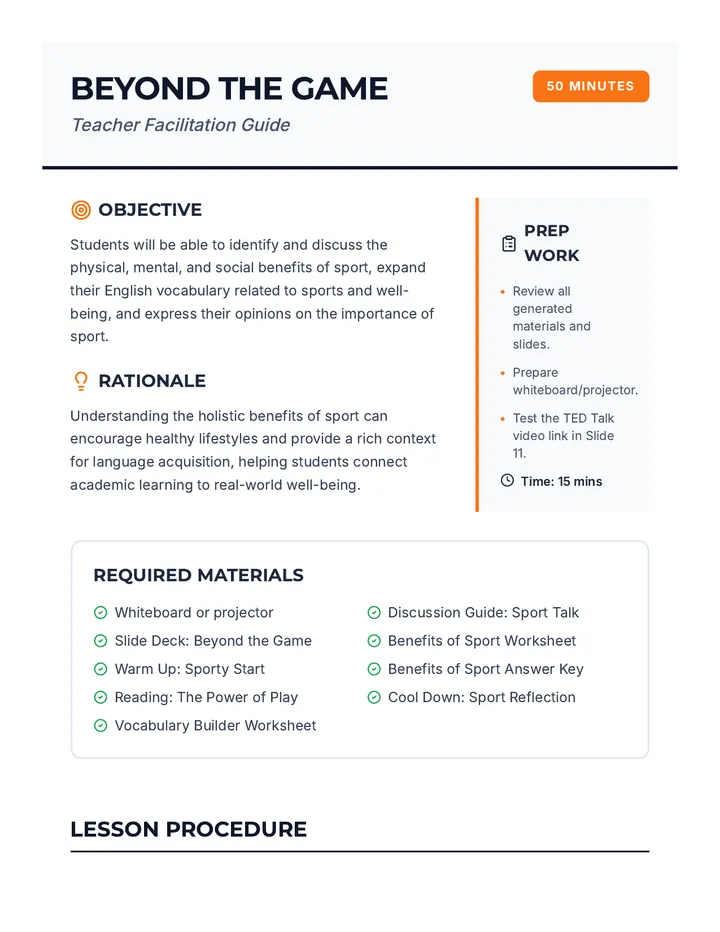
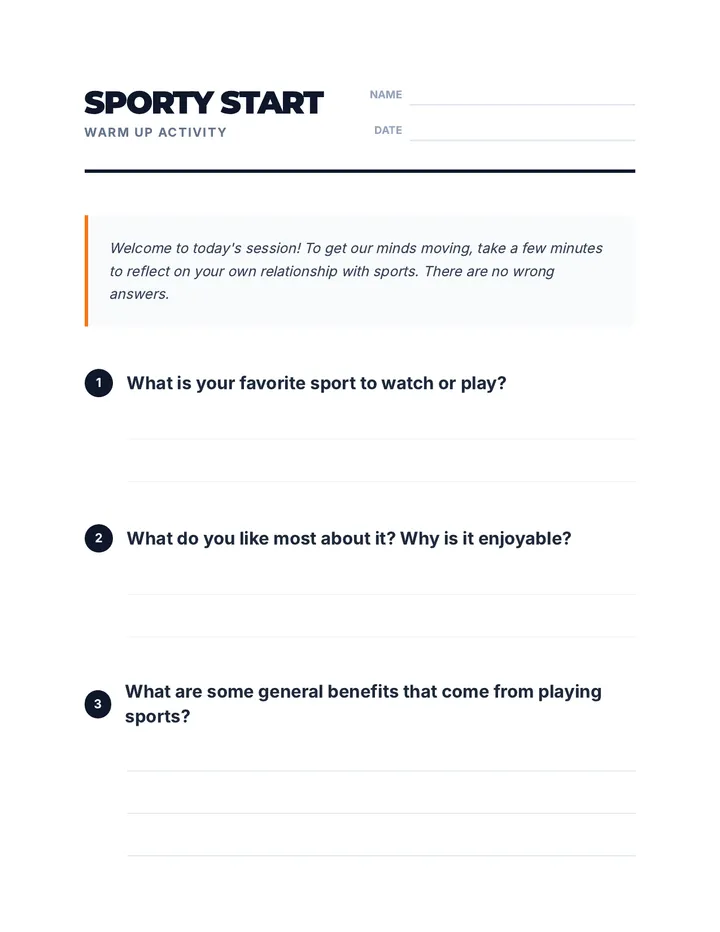
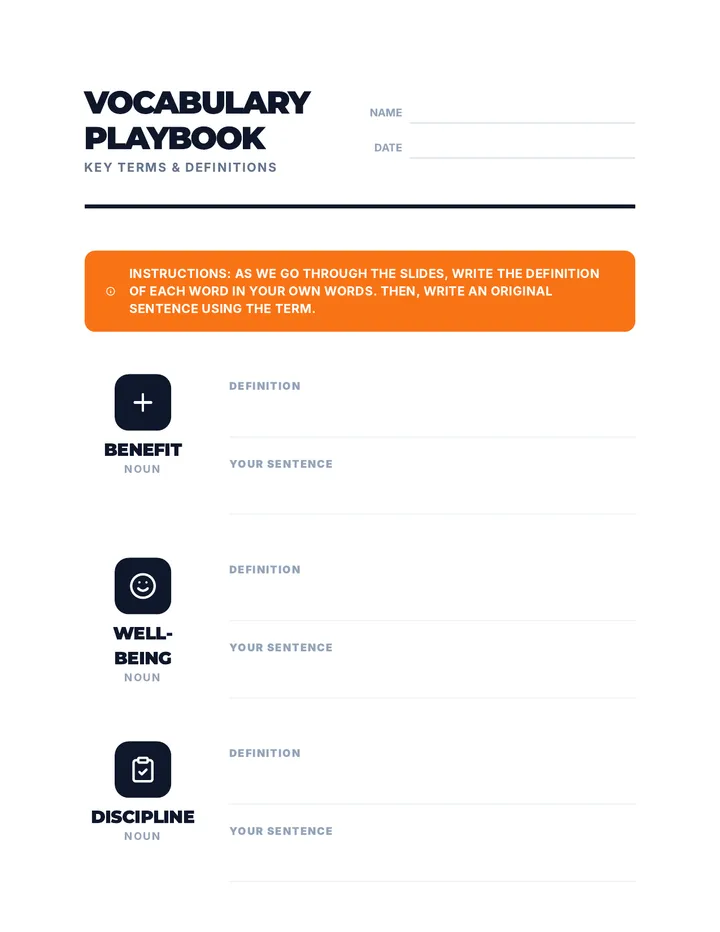
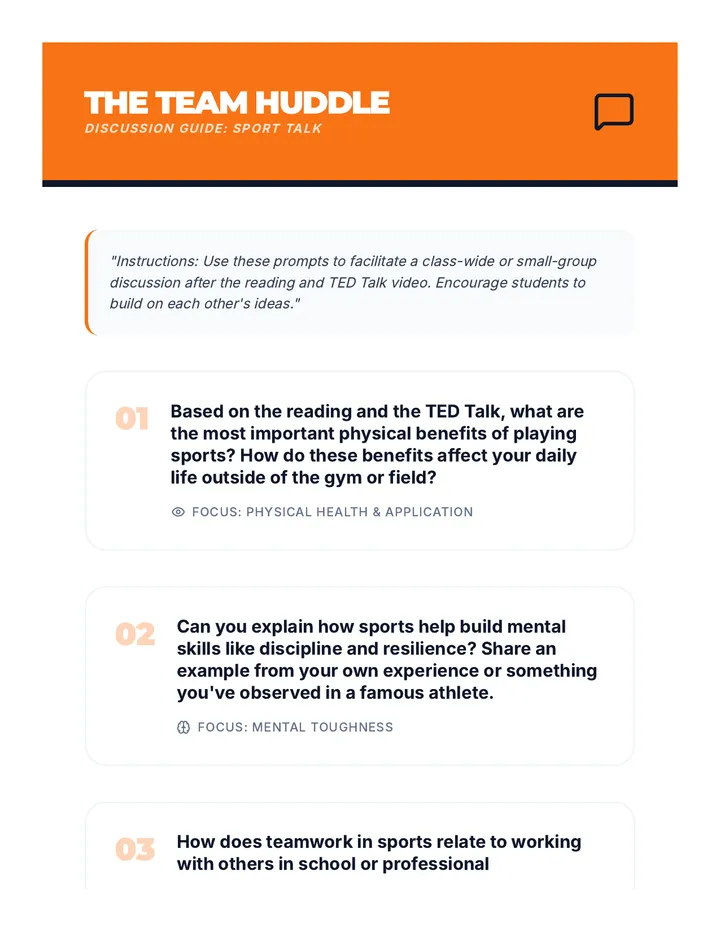
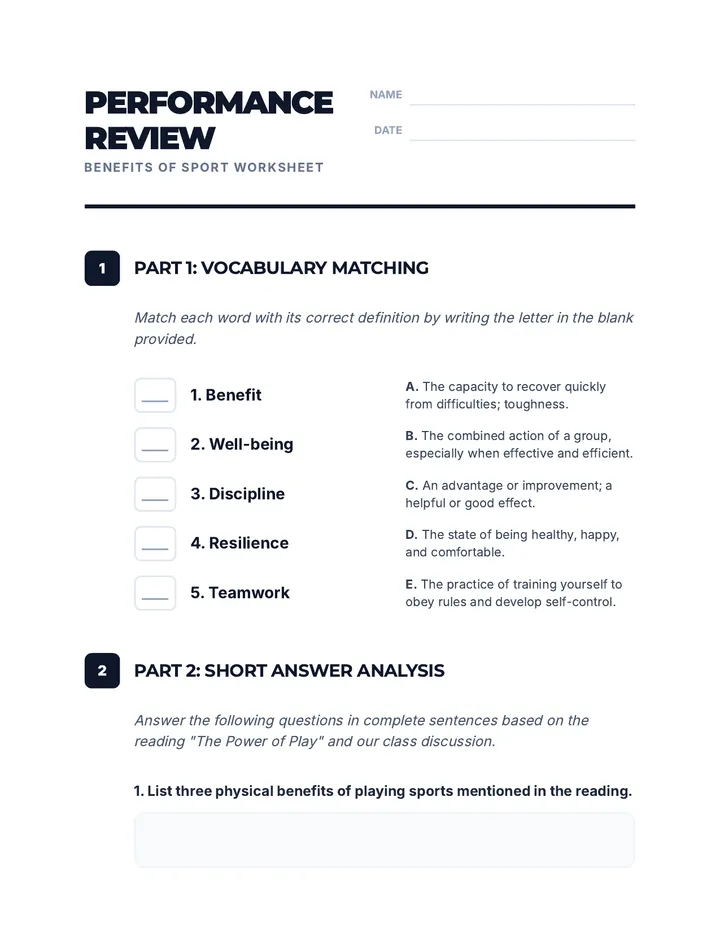
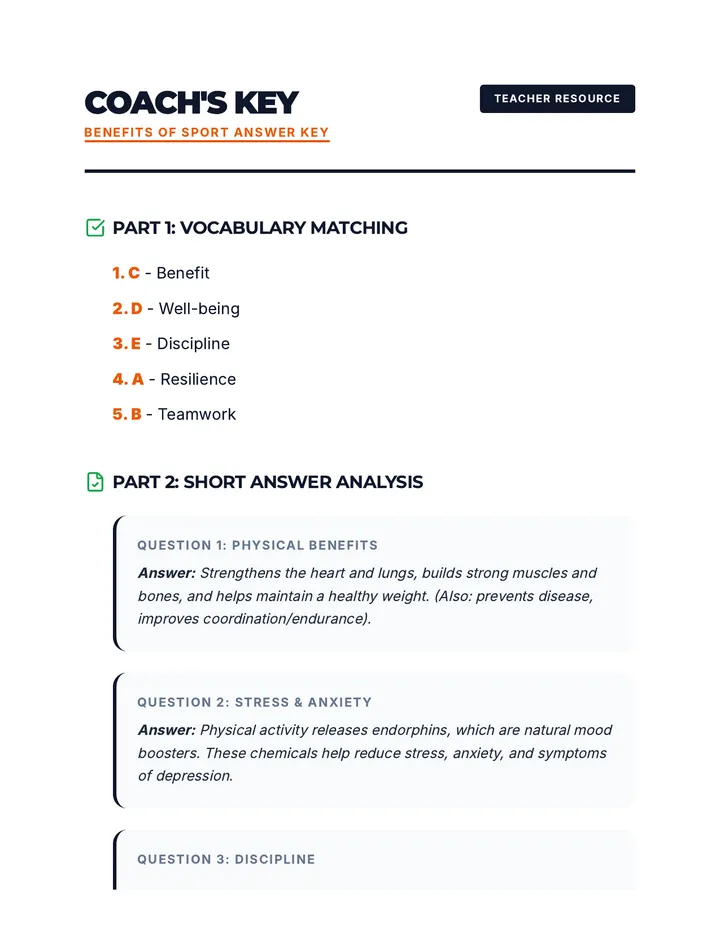
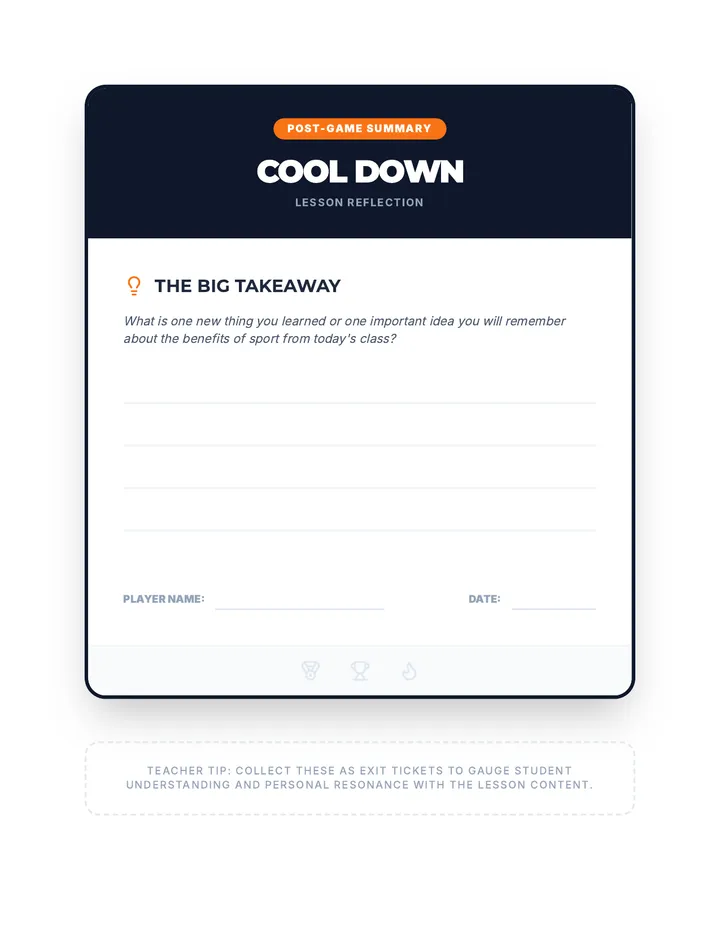
This lesson explores the multifaceted benefits of engaging in sports, from physical health to mental well-being and social development, designed for 16-17 year old English language learners.
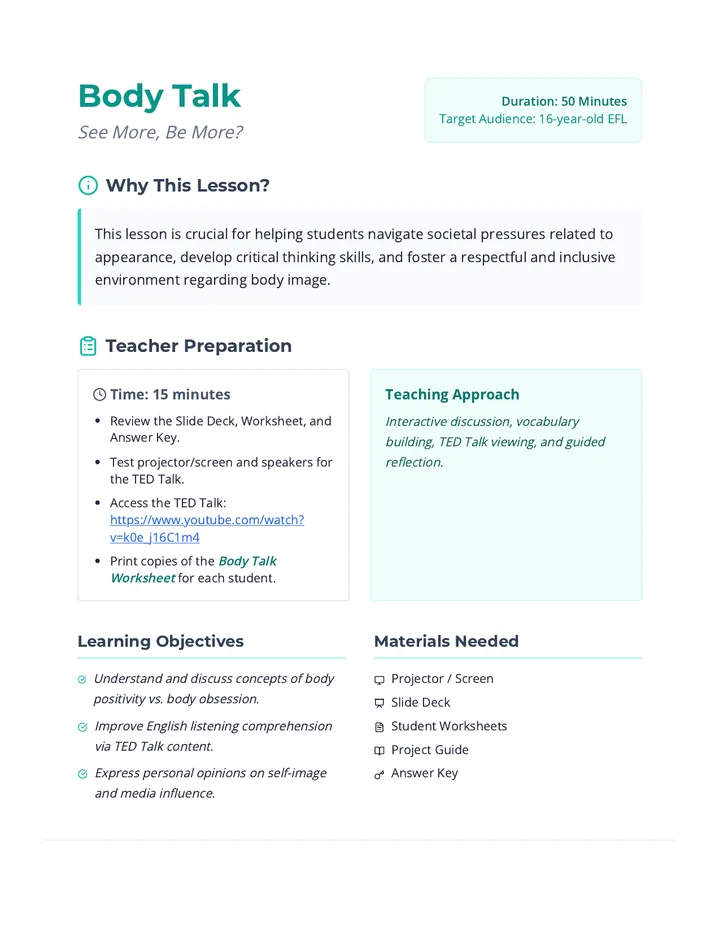
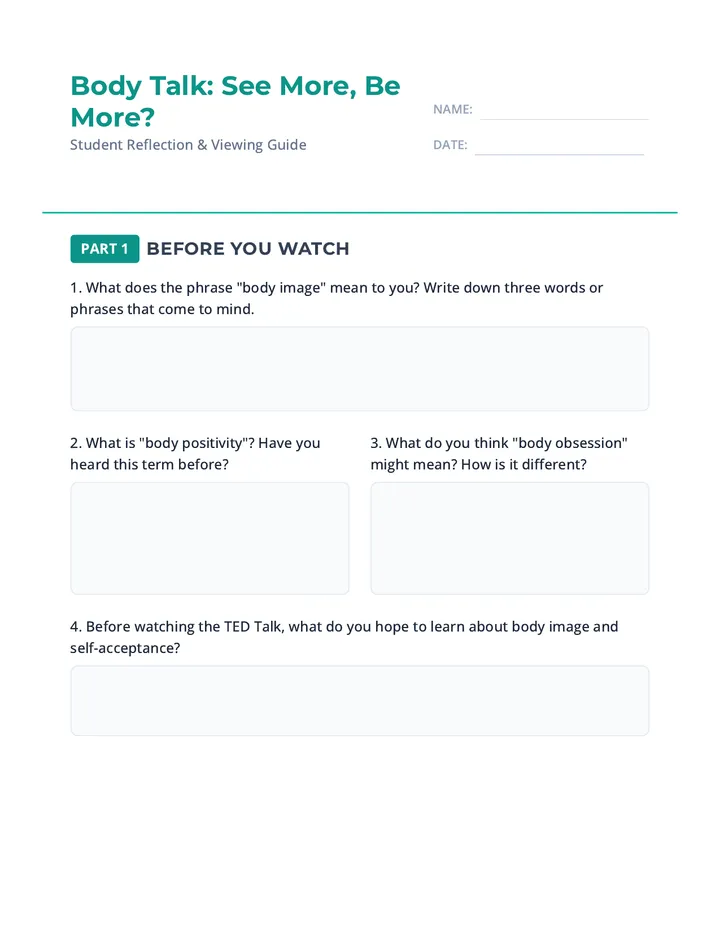
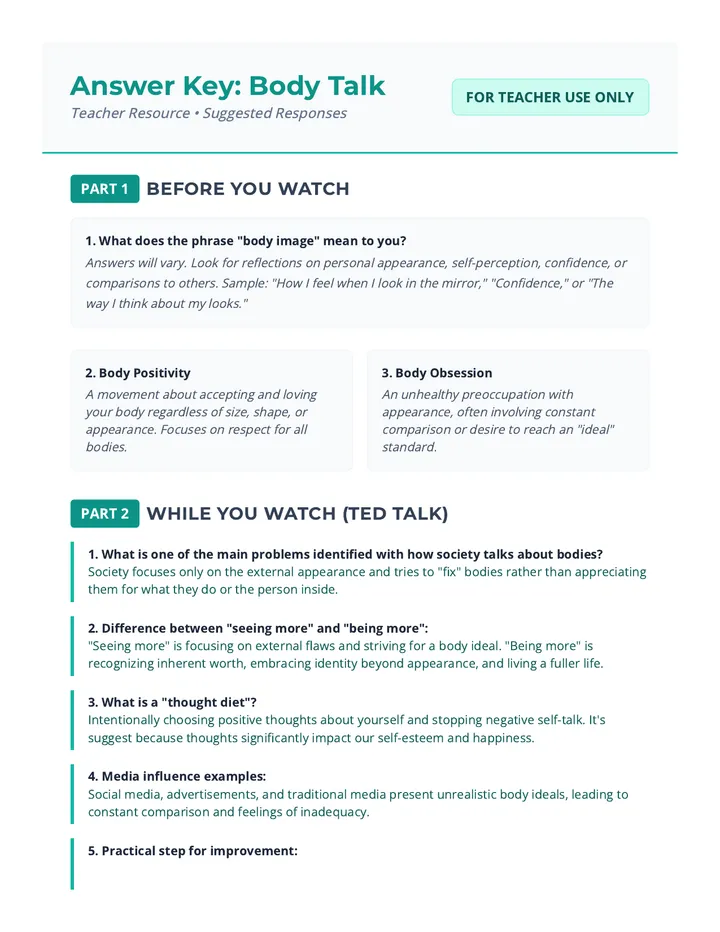
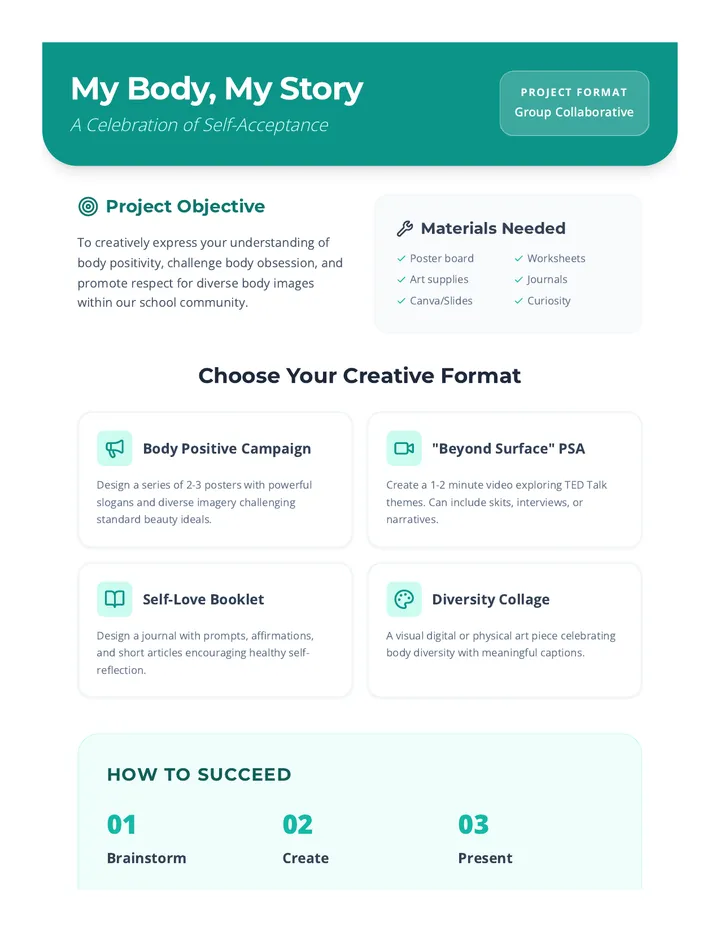
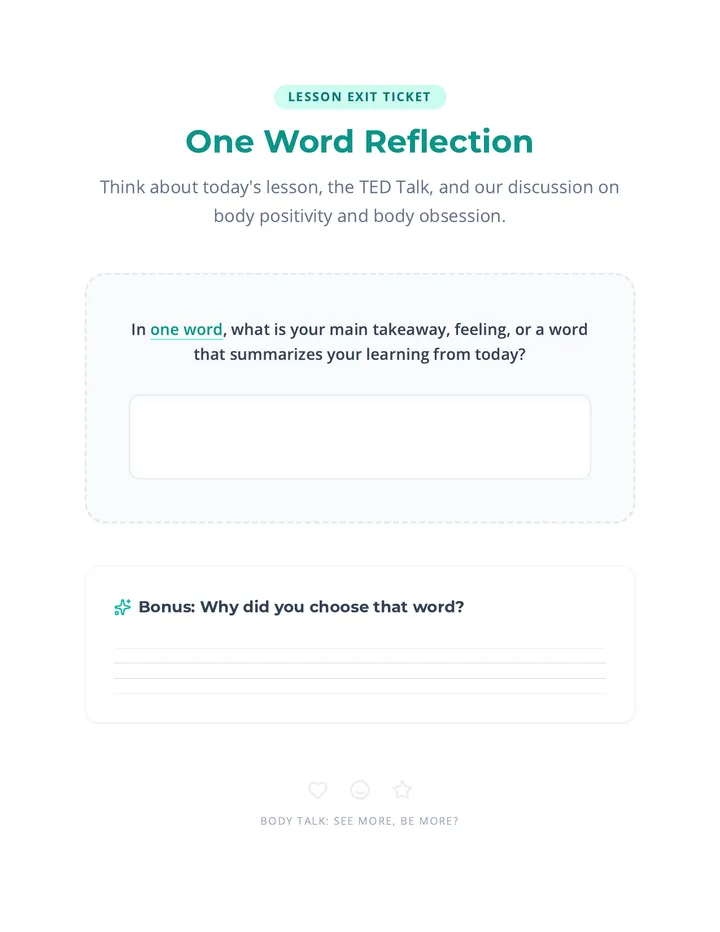
A 50-minute EFL lesson for 16-year-olds exploring body positivity, body obsession, and media influence through a TED Talk. Students develop listening skills, vocabulary, and critical thinking regarding self-perception and diversity.
This 30-minute lesson for sixth-grade students focuses on identifying and using words with multiple meanings (homonyms). It utilizes direct instruction, visual examples, and interactive games to strengthen reading comprehension and expressive language skills.
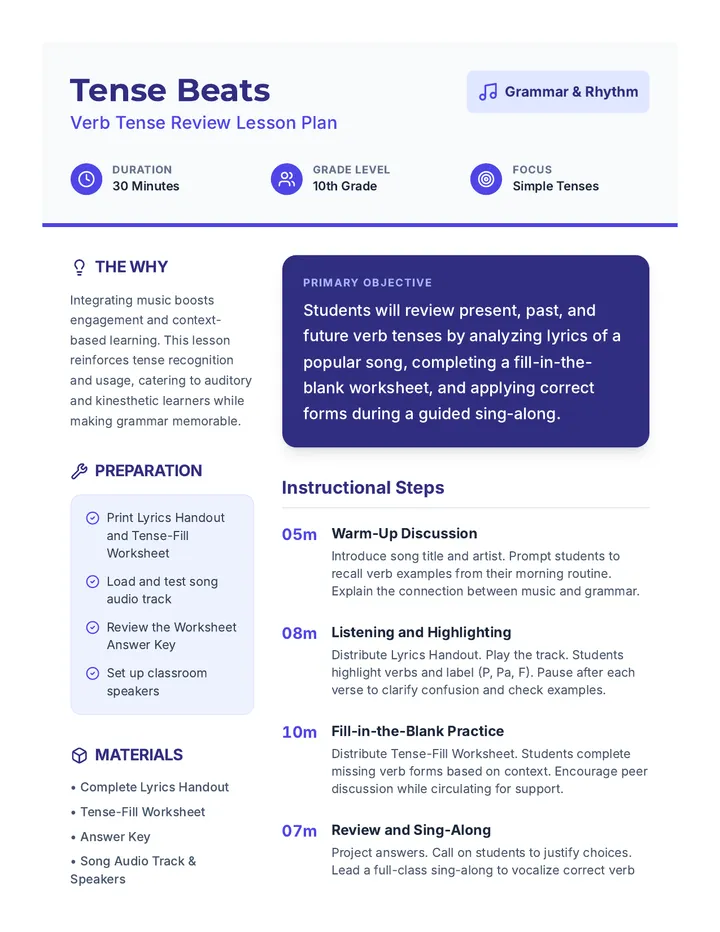
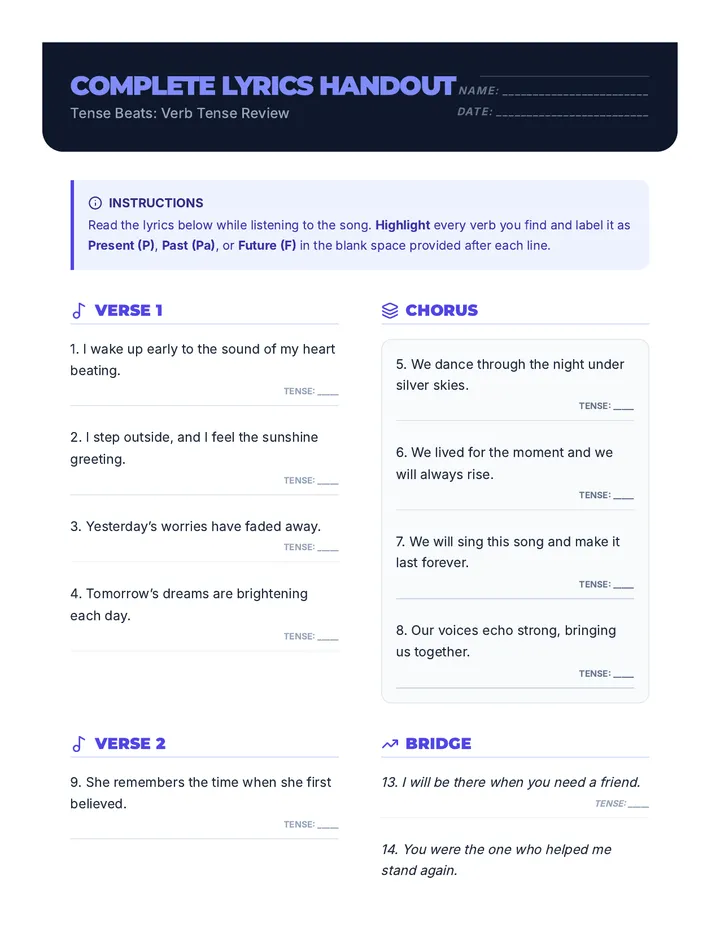
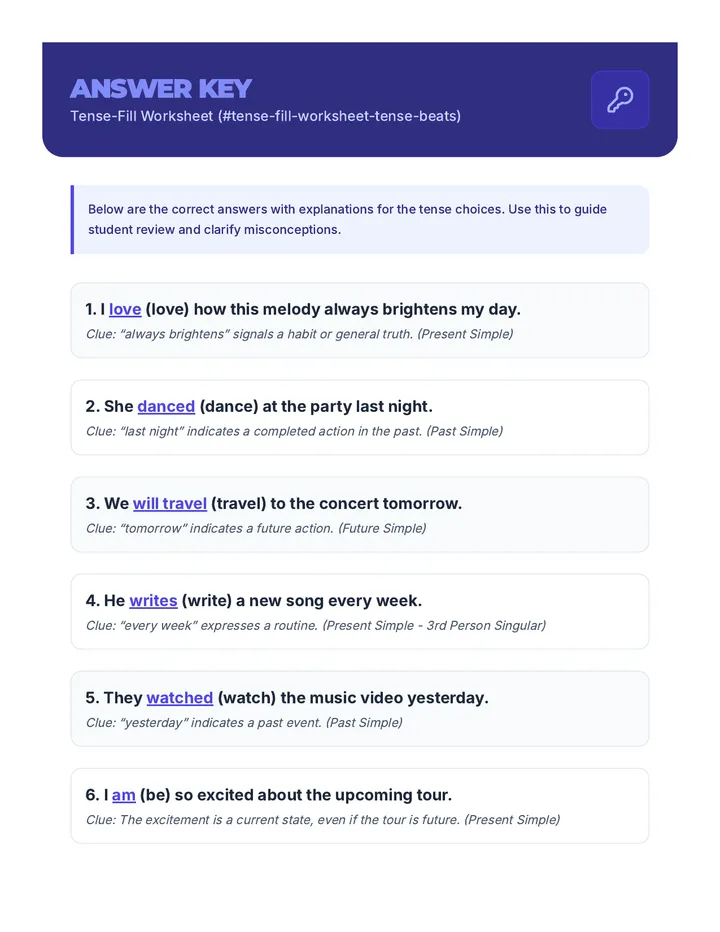
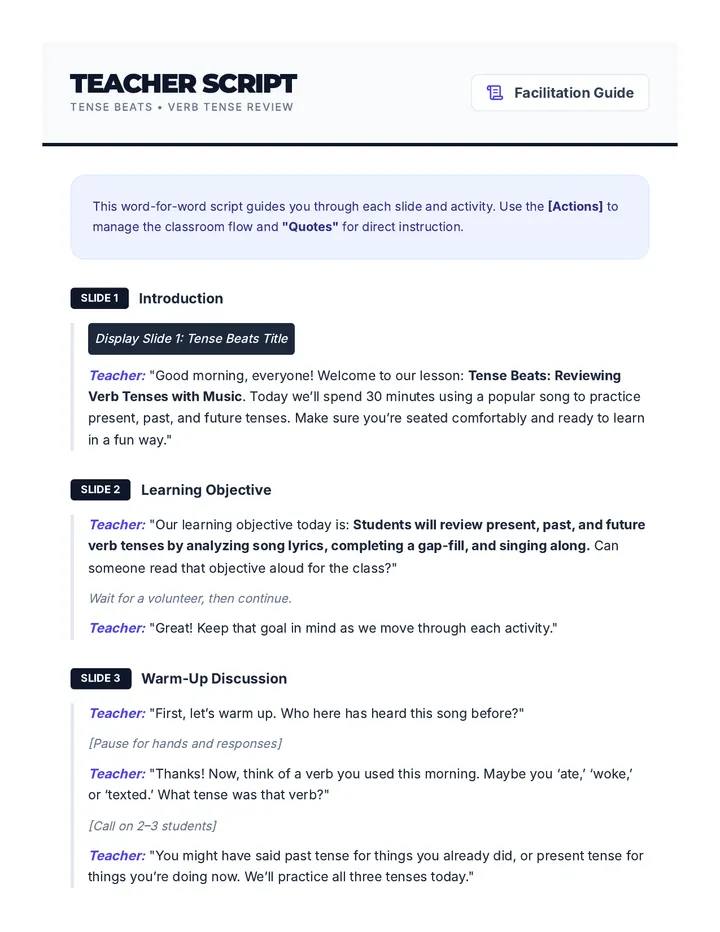
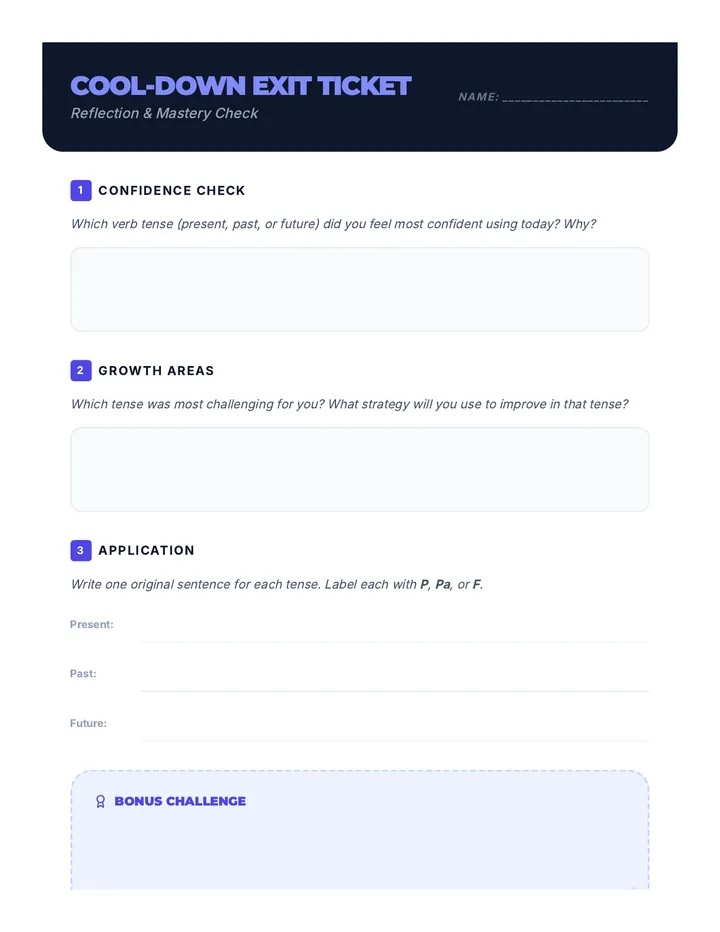
A 30-minute 10th-grade grammar lesson that uses song lyrics to review and practice present, past, and future verb tenses in a highly engaging, musical context.