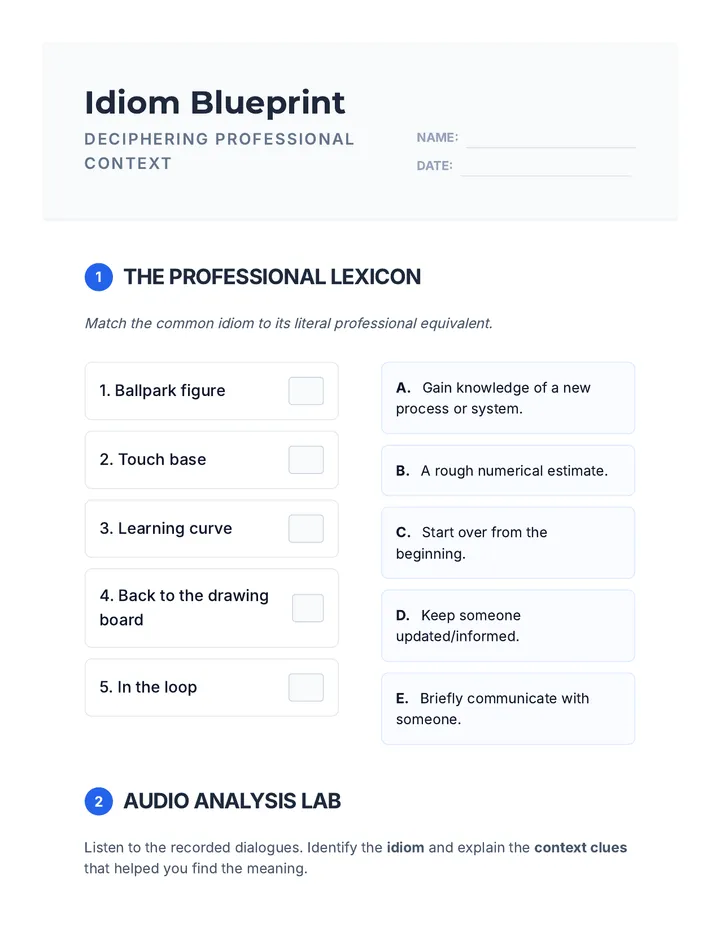
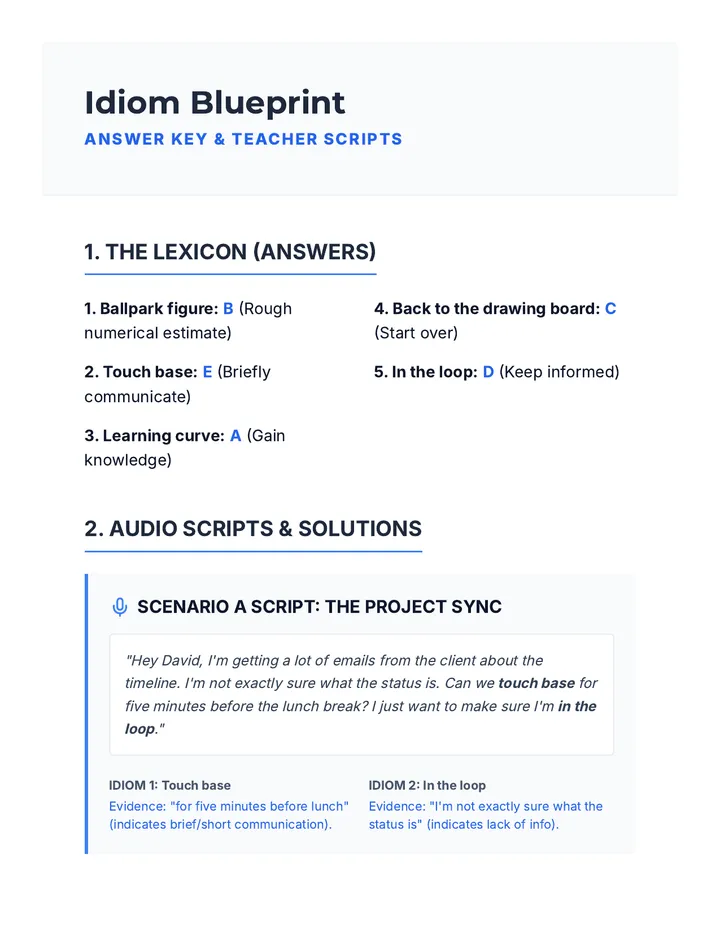
Builds a robust lexicon through phrasal verbs, common idioms, and academic collocations. Targets precise word choice and contextual usage for complex social and professional interactions.
Students explore how an author's purpose and point of view influence the information presented. Through comparative analysis of articles, they learn to identify loaded language and balanced reporting to ensure their research reflects a comprehensive understanding of an issue.
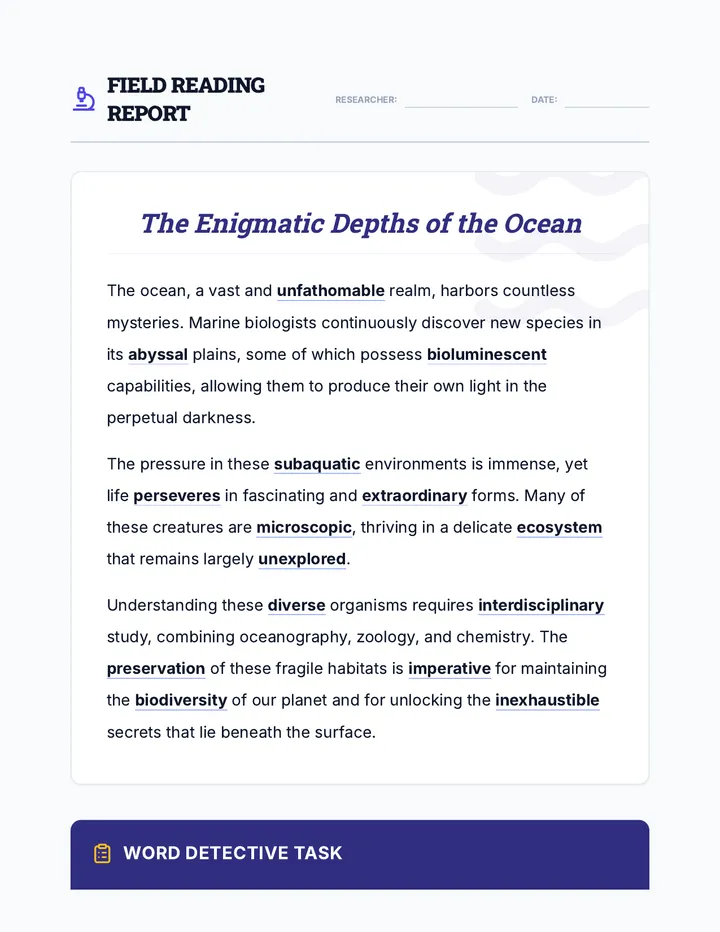
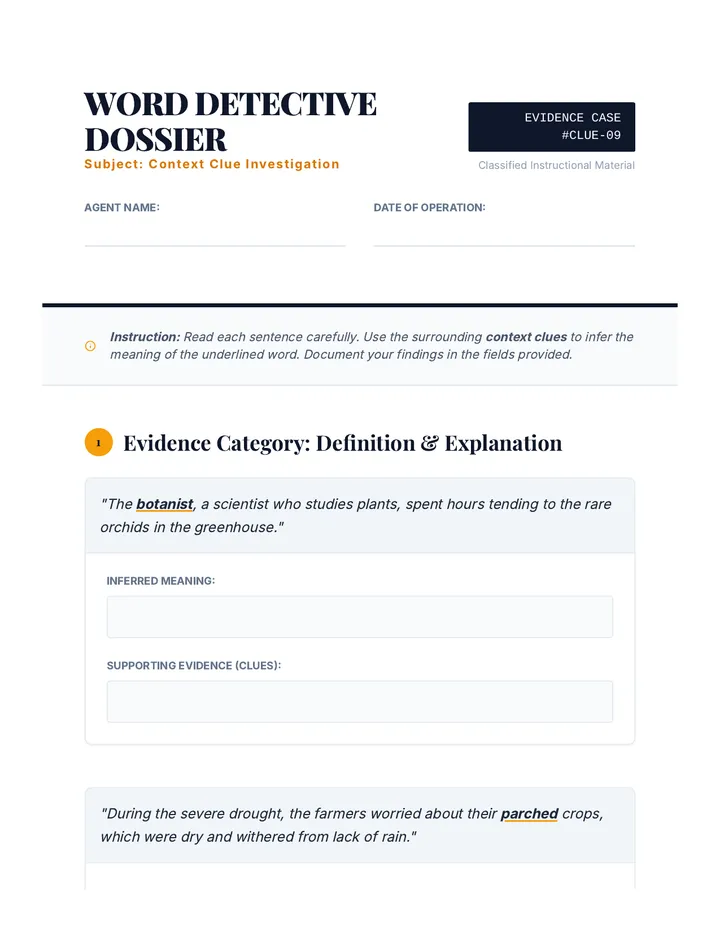
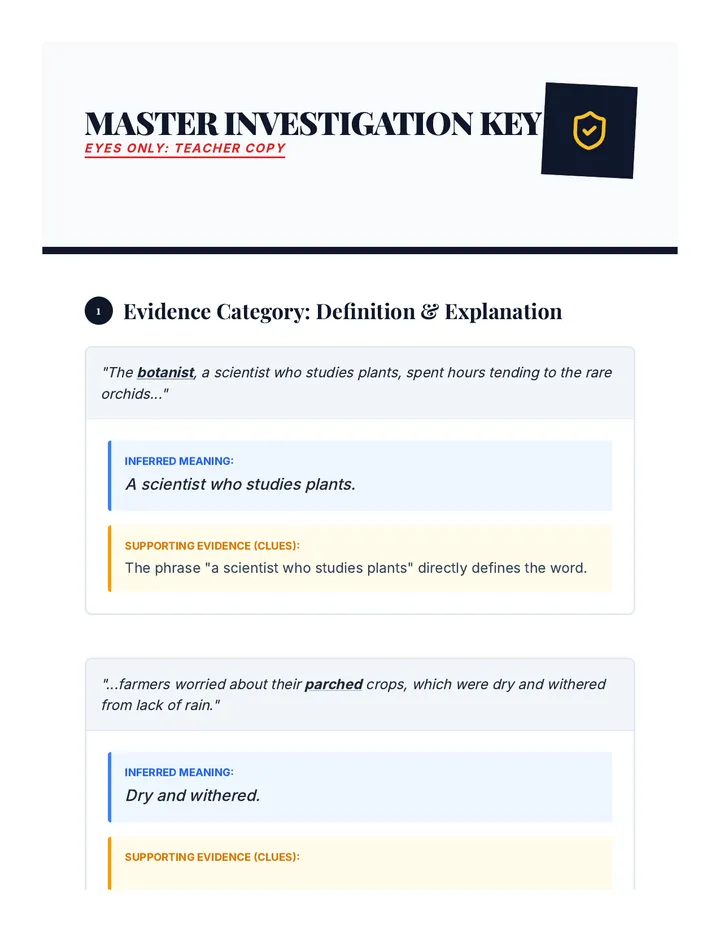
A sequence designed for 7th-grade ESL students to master the art of inferring unknown academic vocabulary through context clues, morphology, syntax, and tone analysis. This unit transforms vocabulary gaps from roadblocks into solvable puzzles using a "Word Detective" theme.
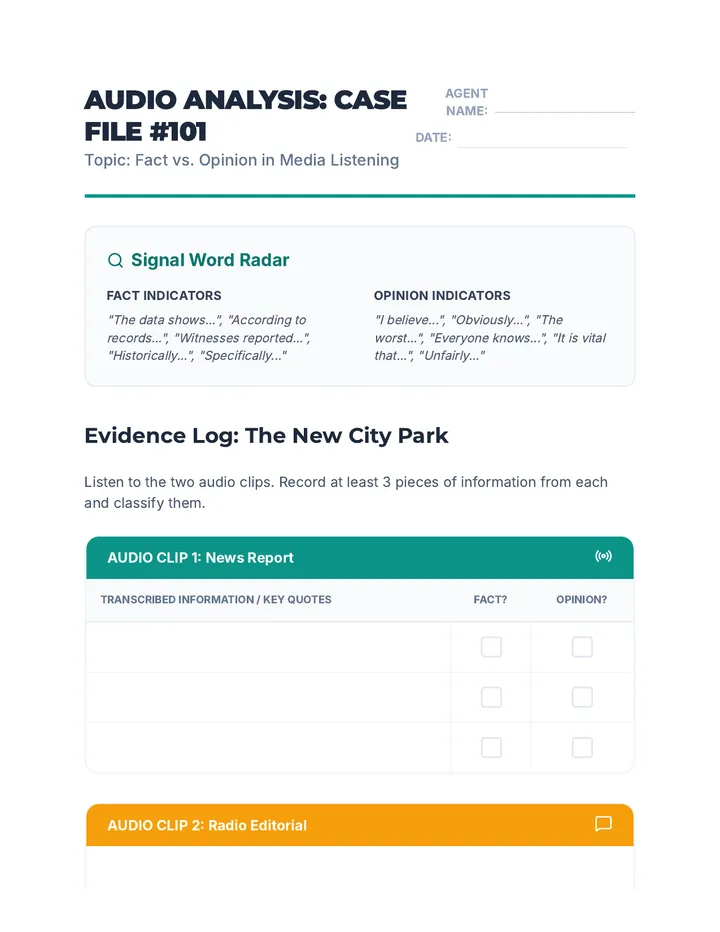
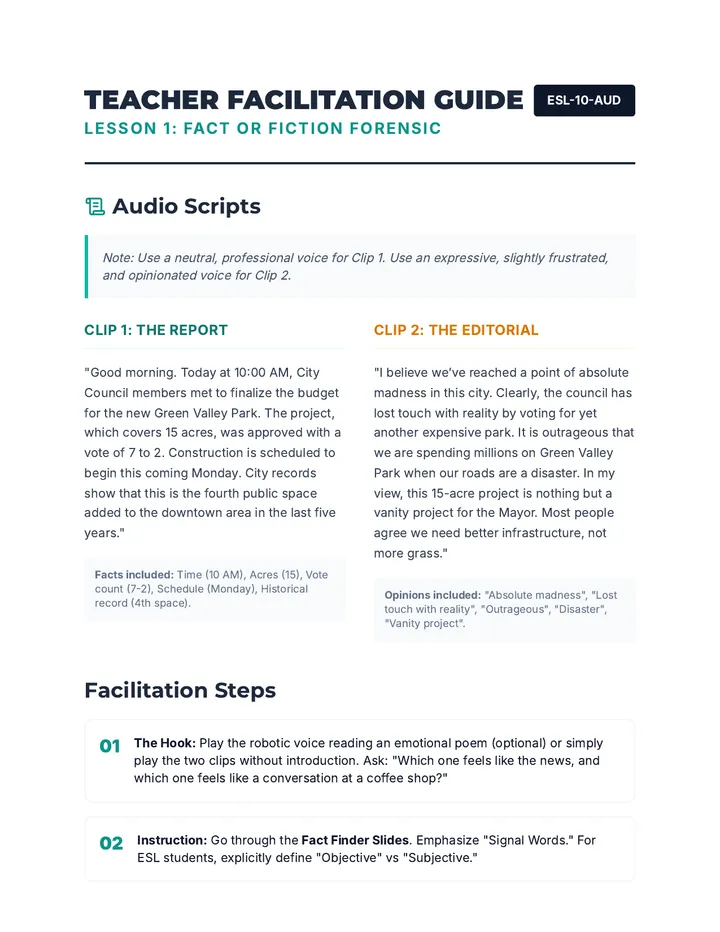
A 10th-grade ESL sequence focused on advanced listening skills. Students learn to detect bias, analyze tone, identify rhetorical devices, and infer speaker relationships through various audio sources like news, speeches, and podcasts.
This advanced ESL sequence focuses on mastering natural, unscripted English. Students move beyond textbook grammar to analyze connected speech, regional dialects, and the subtle subtext of authentic media like podcasts and interviews.
A comprehensive 7th-grade ESL sequence focusing on the ethics of academic integrity, the mechanics of paraphrasing and summarizing, and the technical accuracy of MLA citations. Students transition from understanding intellectual property to performing independent 'plagiarism audits' on research samples.
A 5-lesson sequence for graduate students to master idiomatic language, phrasal verbs, and cultural nuances in professional and academic networking environments. Students move from decoding literal meaning to applying figurative language in a high-stakes networking simulation.
An advanced exploration of English orthography for undergraduate students, focusing on the etymological origins and morphological structures of blends, digraphs, and trigraphs. This sequence prepares future educators to explain the 'why' behind spelling irregularities using historical linguistics and structural analysis.
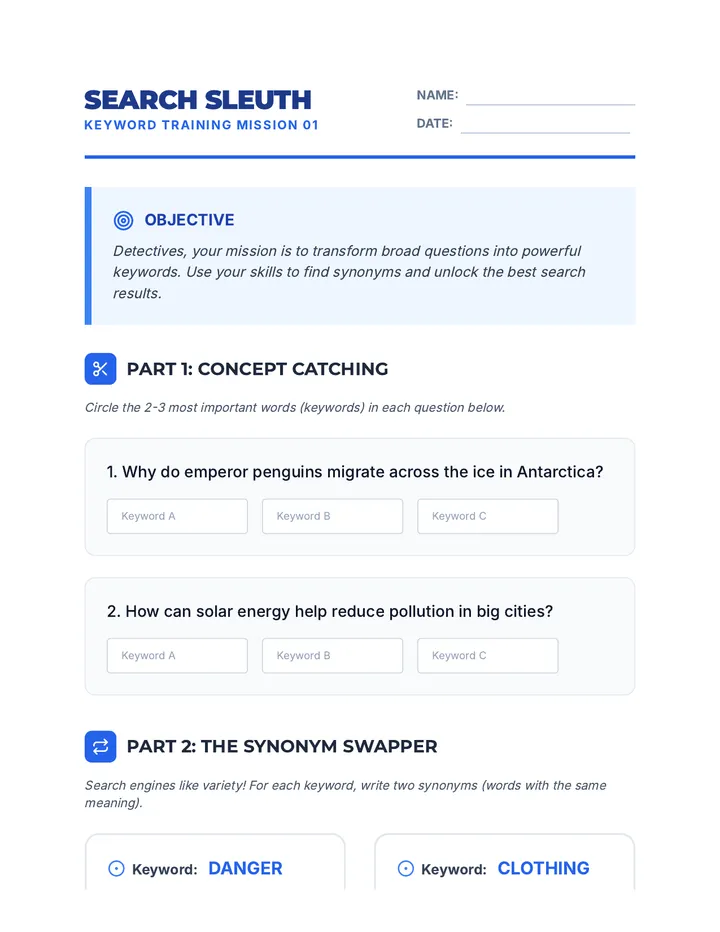
A 5-lesson sequence for 5th Grade ESL students focused on the mechanics of finding information. Students move from basic keyword generation to using Boolean operators, navigating text features, utilizing academic databases, and refining failed searches to become efficient digital researchers.
This sequence guides intermediate ESL students through the complexities of spoken English, moving from basic sentence stress to the nuances of sarcasm, idioms, and academic signposting. Students will develop the ability to infer speaker intent and respond appropriately in real-world scenarios.
A comprehensive ESL sequence for 3rd graders focused on the language of comparative analysis. Students move from identifying attributes to constructing complex sentences and writing full comparative reports using content from science and social studies.
A comprehensive sequence for 4th-grade intermediate English learners focusing on making inferences in narrative texts. Students progress from visual analysis to complex literary interpretation using the core formula: Evidence + Schema = Inference.
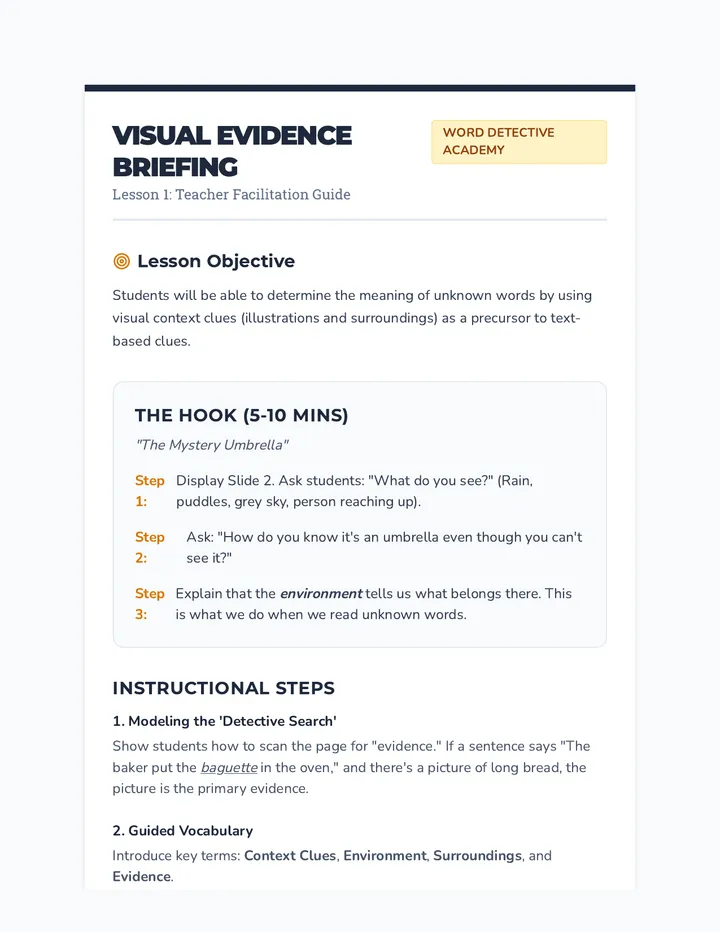
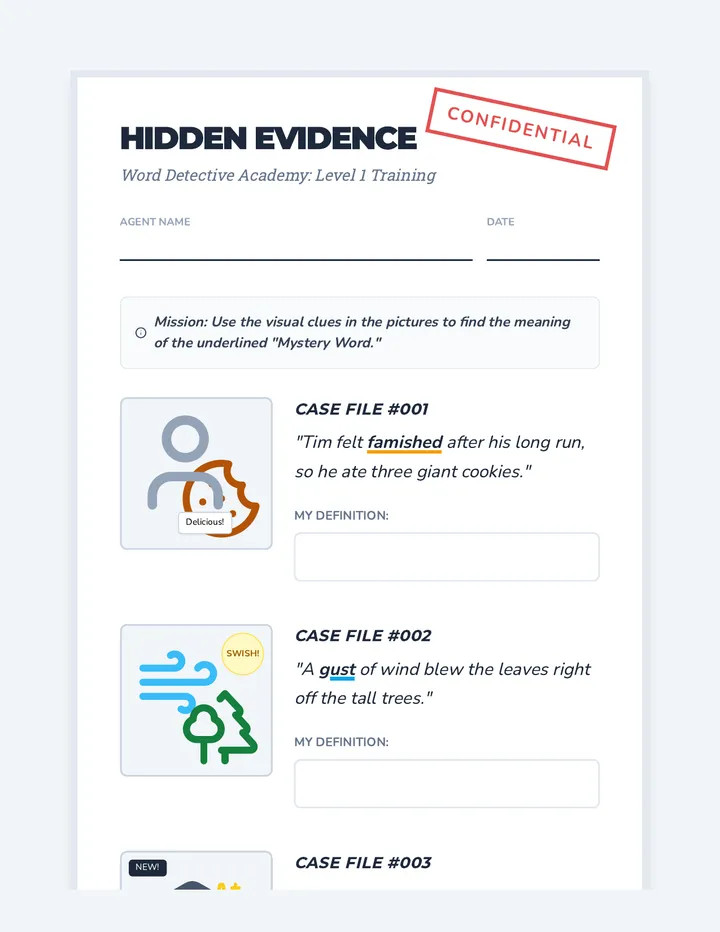
A comprehensive 3rd-grade English Language Learning sequence that uses a 'Word Detective' theme to teach students how to determine word meanings through context clues, including visual, synonym, antonym, definition, and example clues.
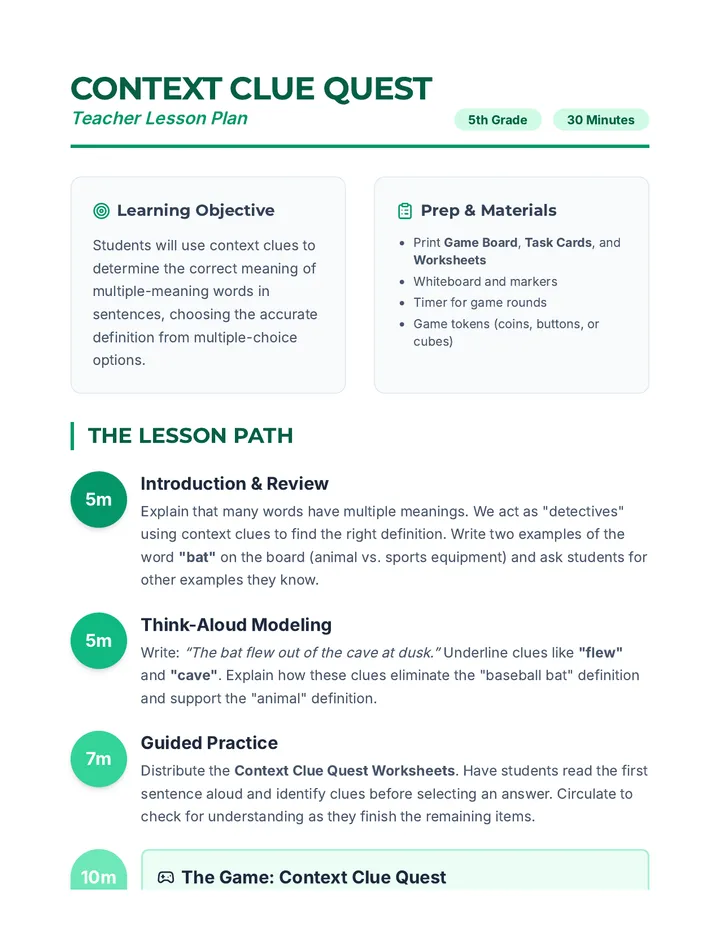
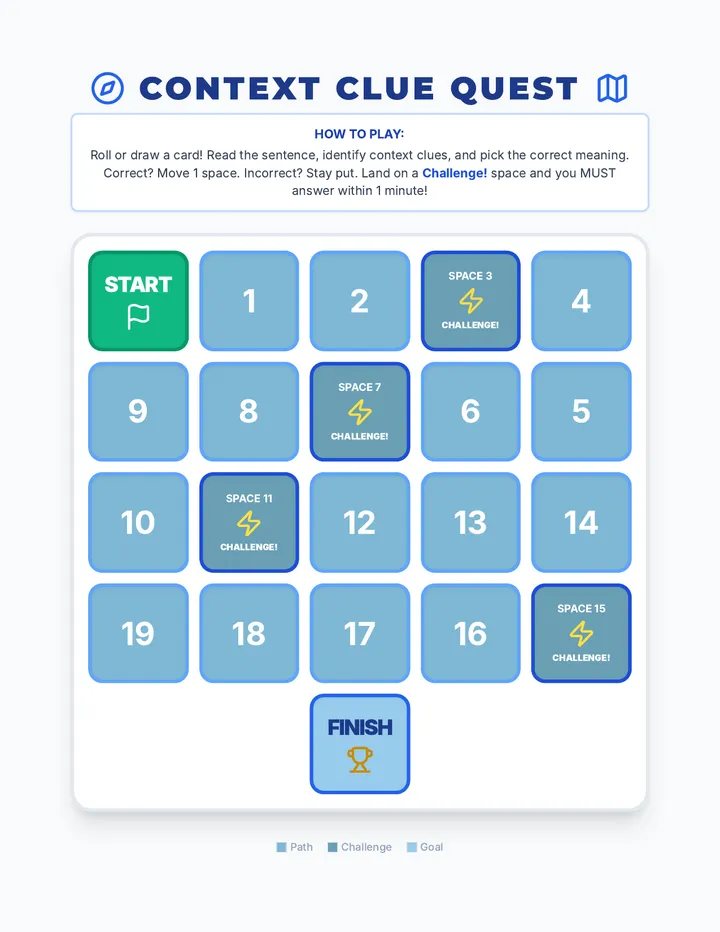
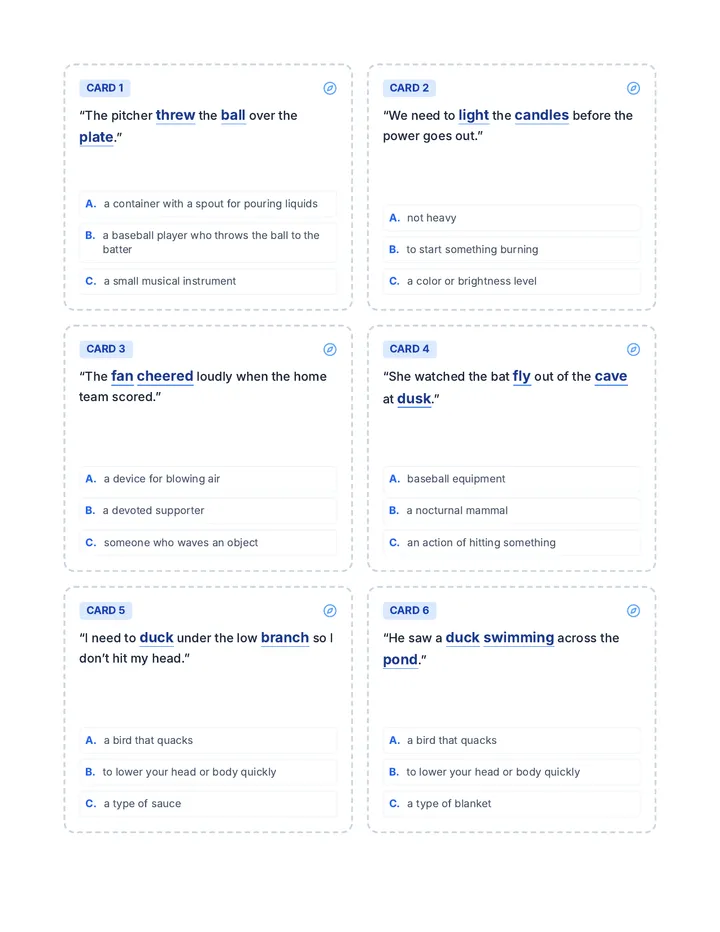
A high-energy, small-group lesson where 5th graders master multiple-meaning words using context clues through guided practice and a competitive board game.
A 30-minute lesson for elementary students focused on using context clues (definitions, synonyms, antonyms, and examples) to decode academic vocabulary. Includes interactive slides, a scavenger hunt game, and independent practice.
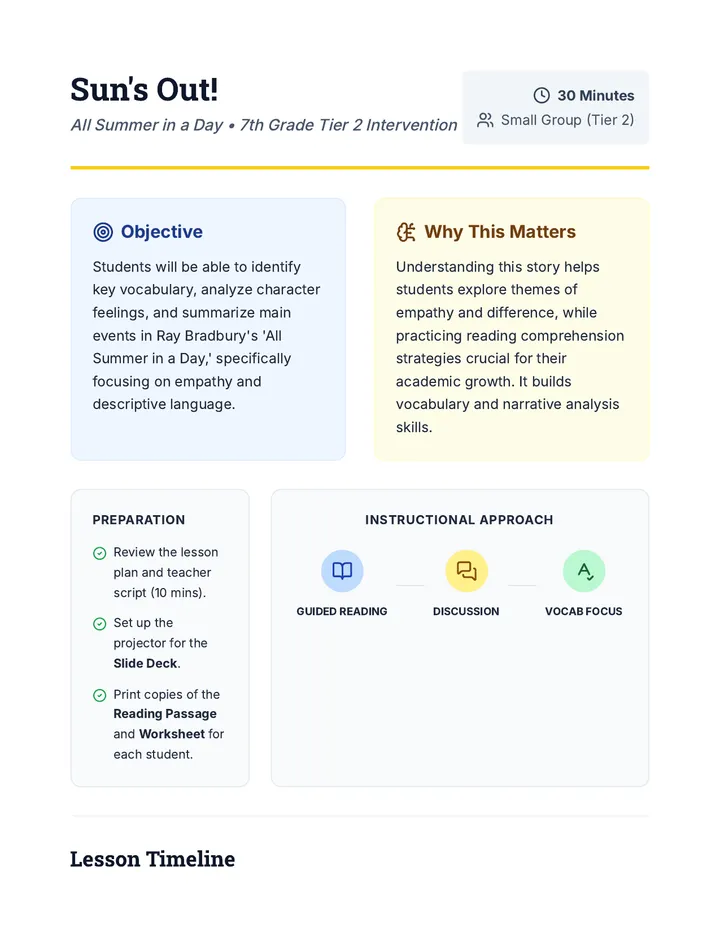
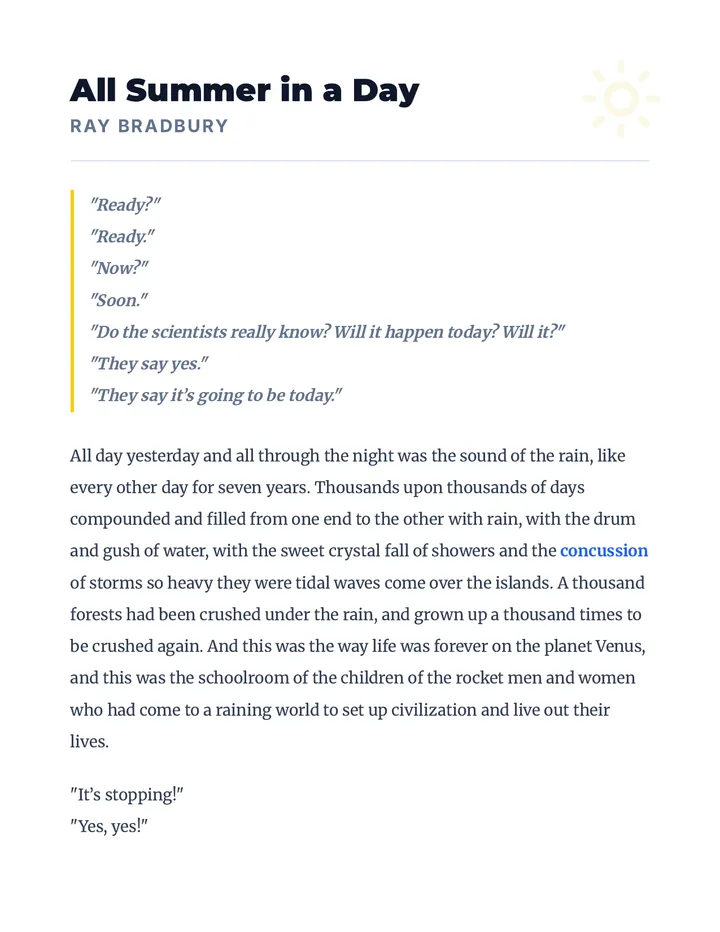
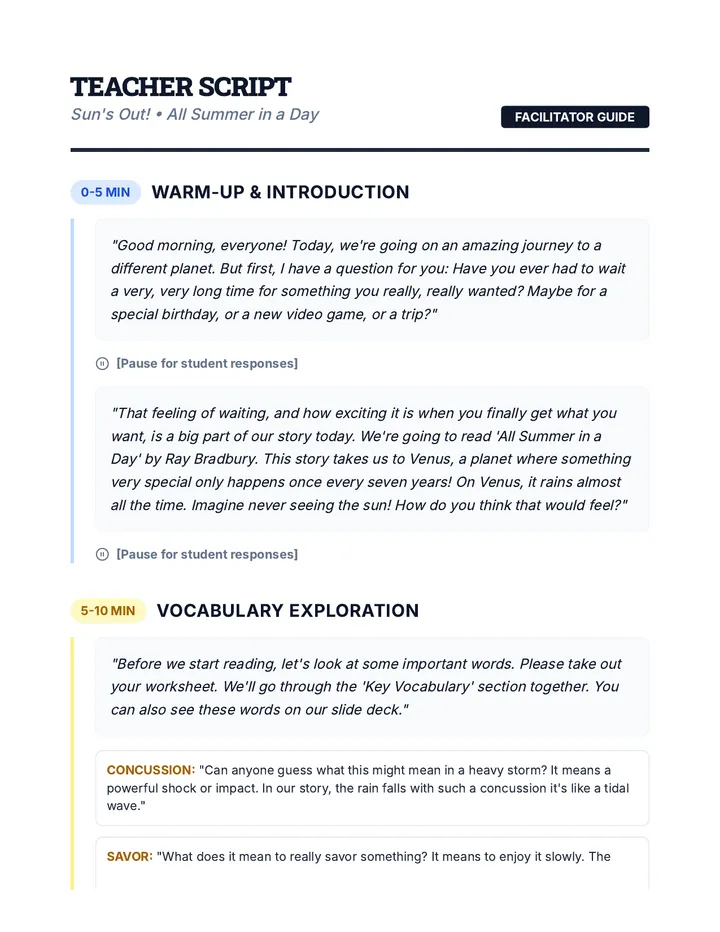
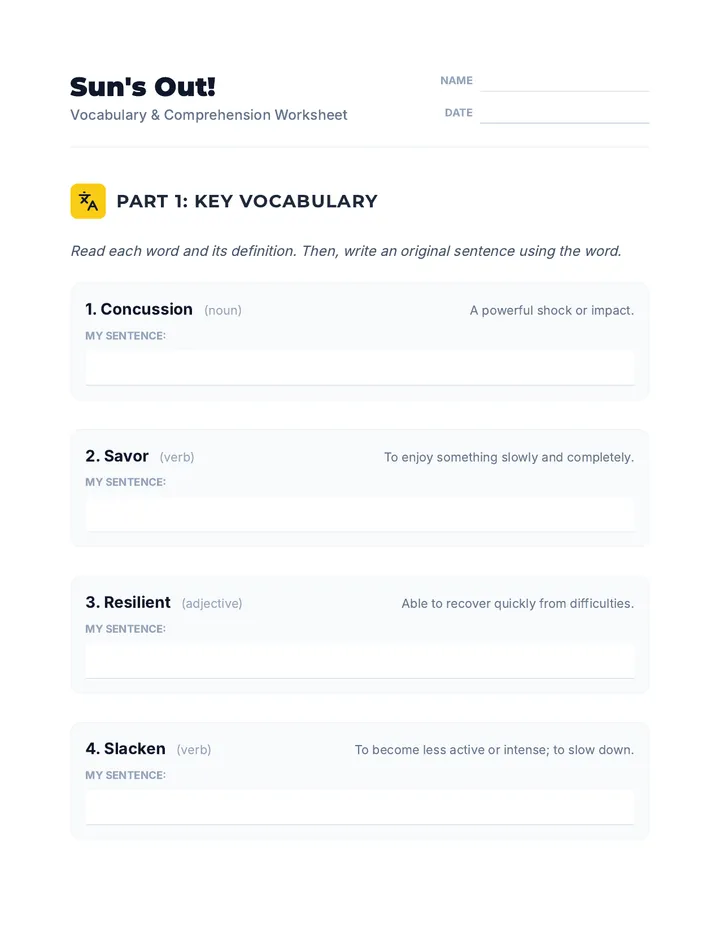
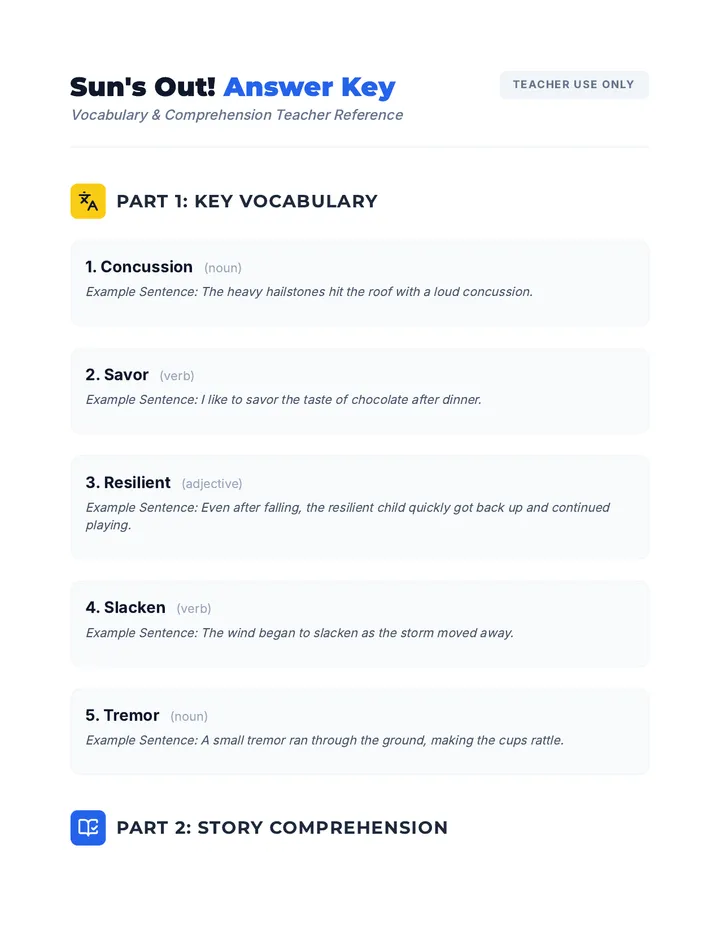
A 30-minute Tier 2 intervention lesson for 7th-grade students exploring Ray Bradbury's 'All Summer in a Day.' Focuses on vocabulary, character empathy, and comprehension through guided reading and discussion.
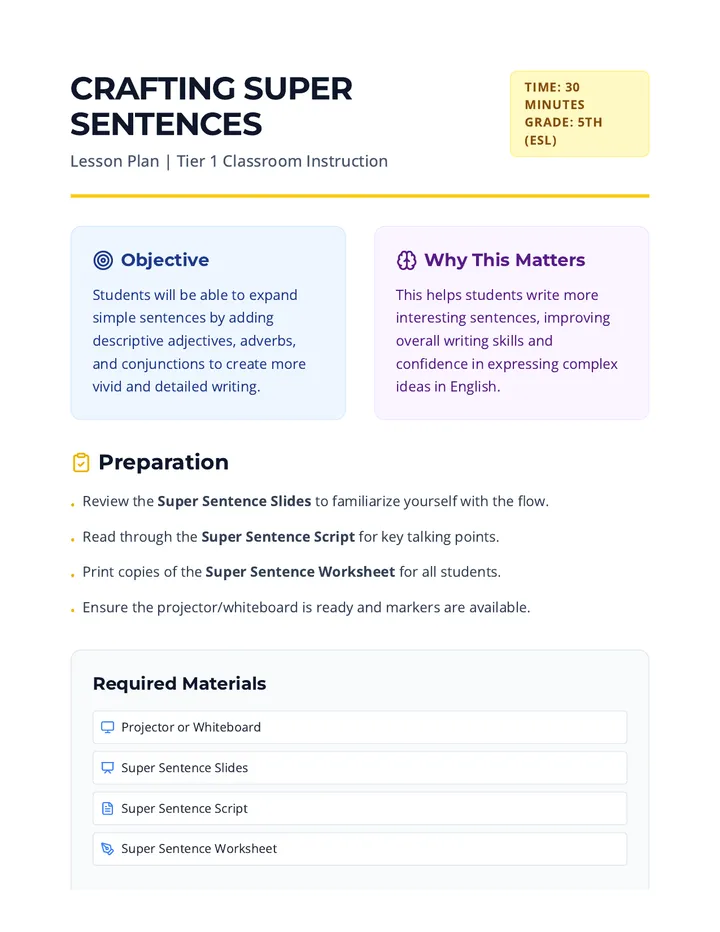
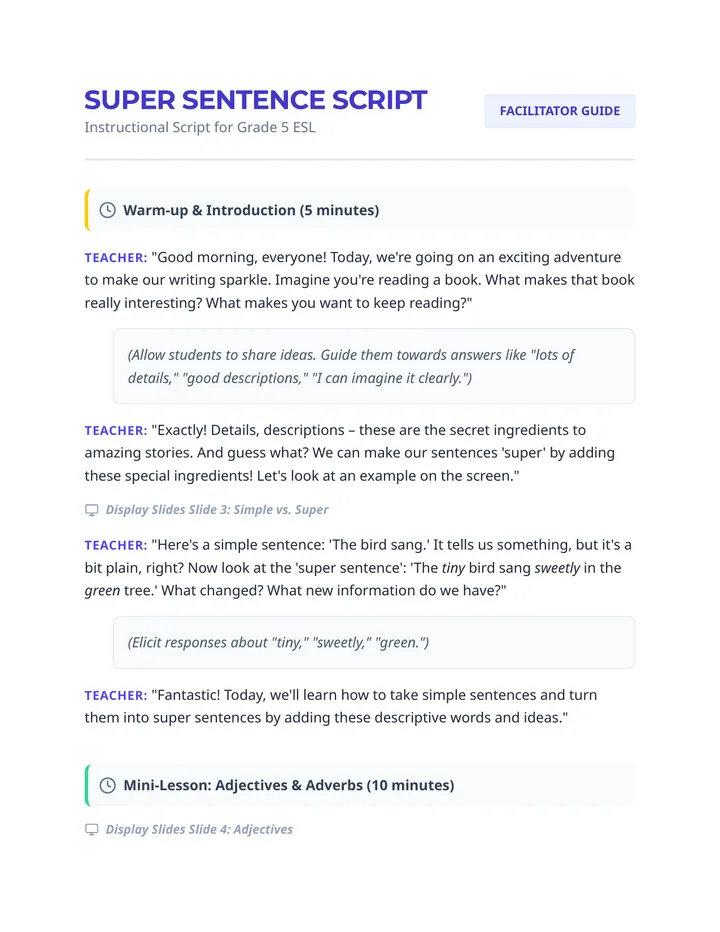
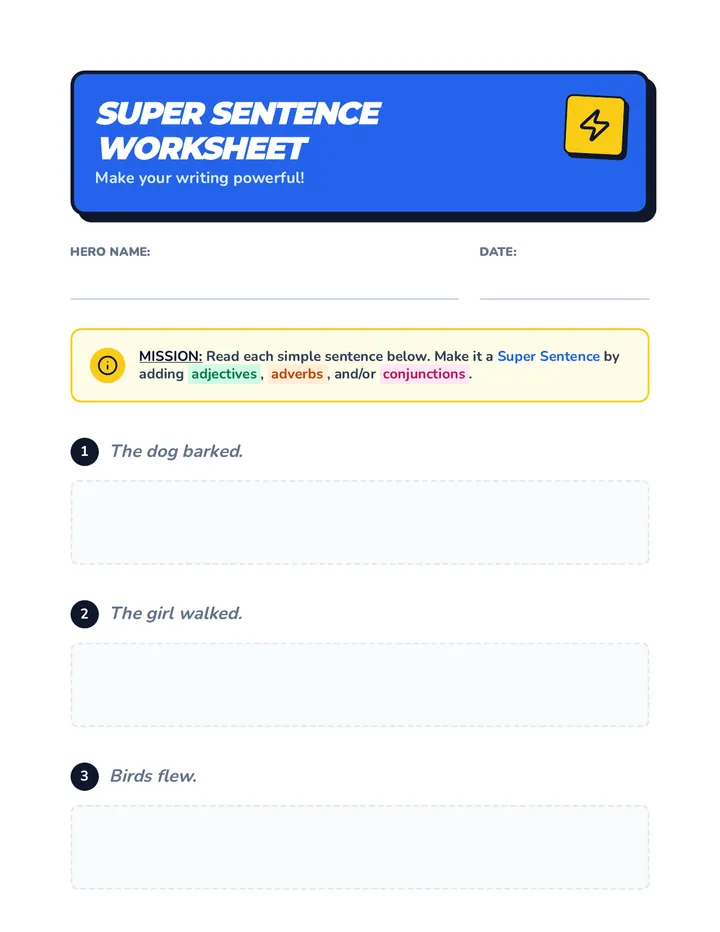
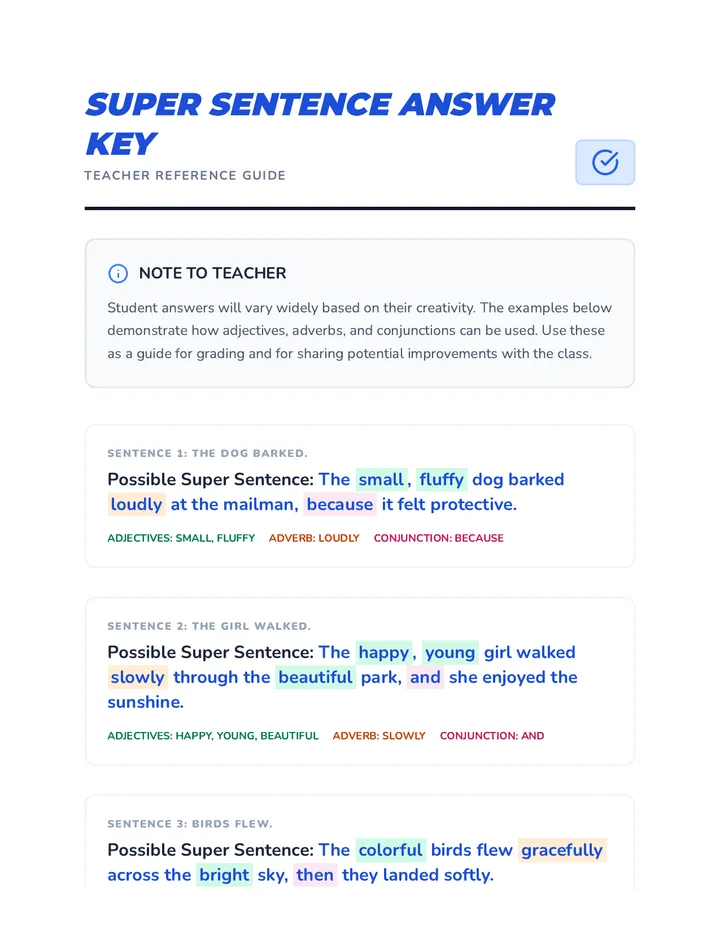
A 30-minute interactive lesson for 5th-grade ESL students focused on expanding simple sentences using adjectives, adverbs, and conjunctions to create more descriptive and engaging writing.
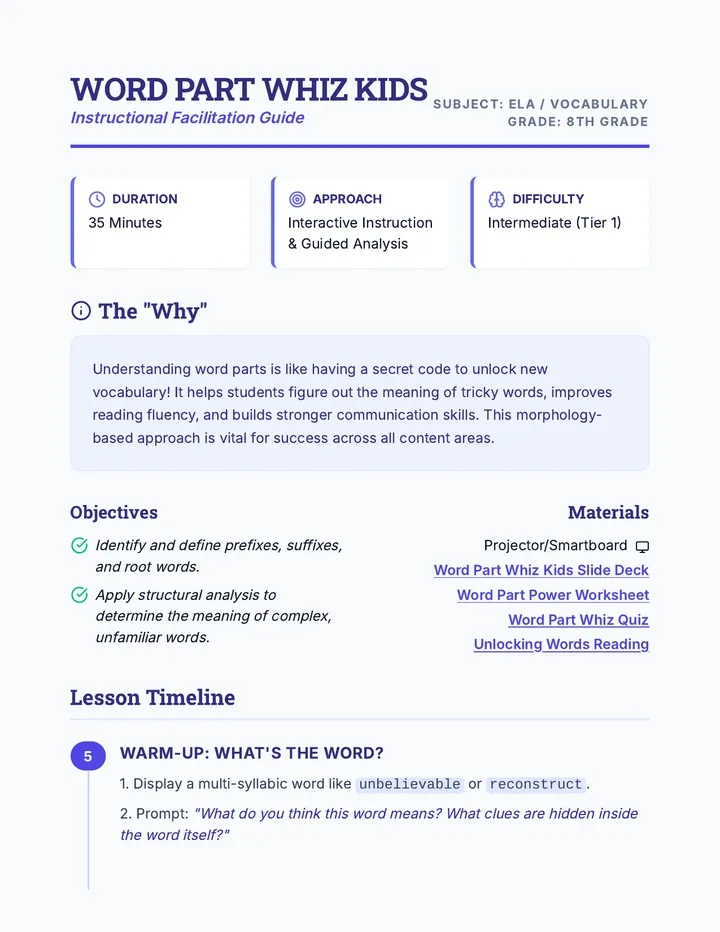
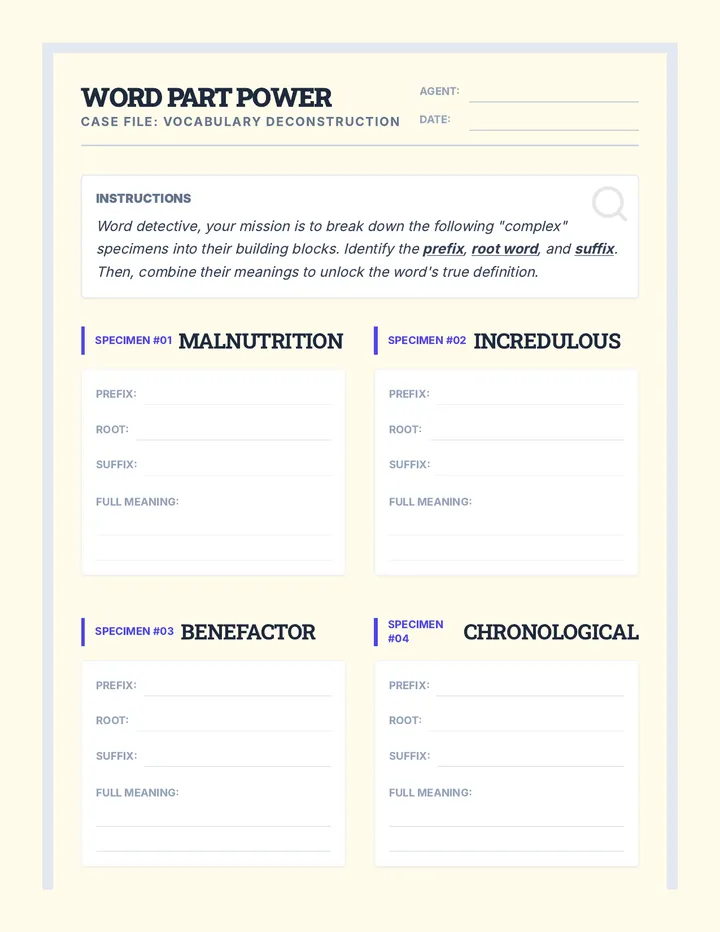
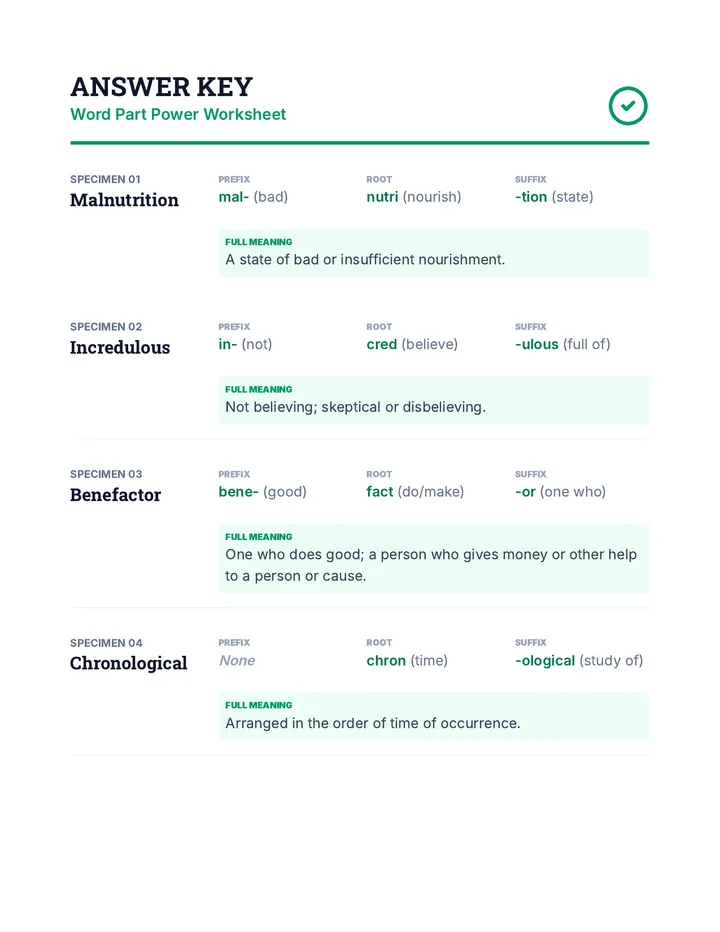
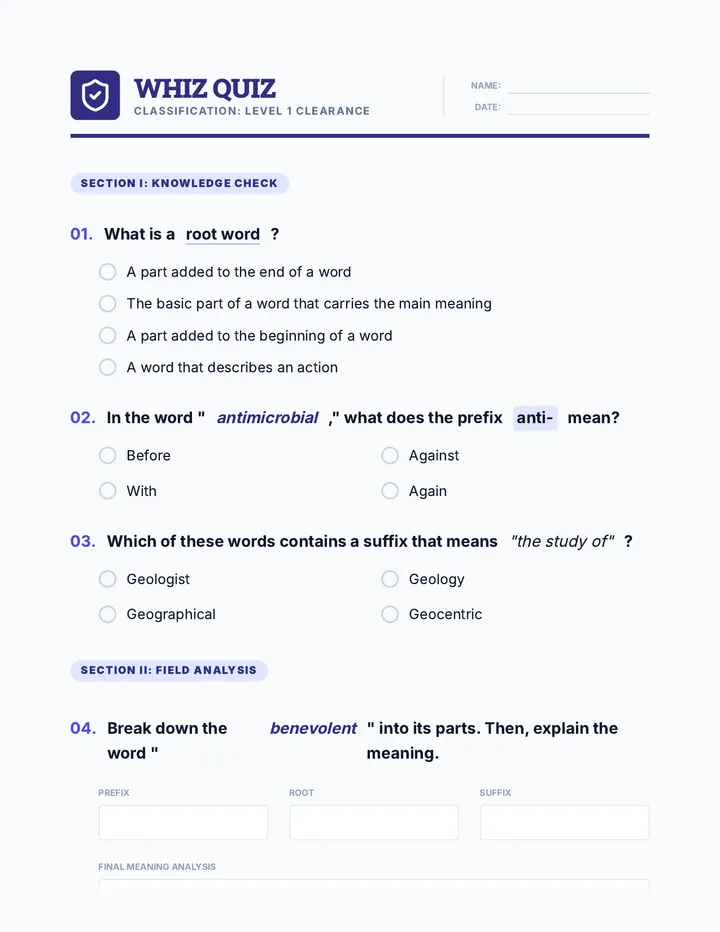
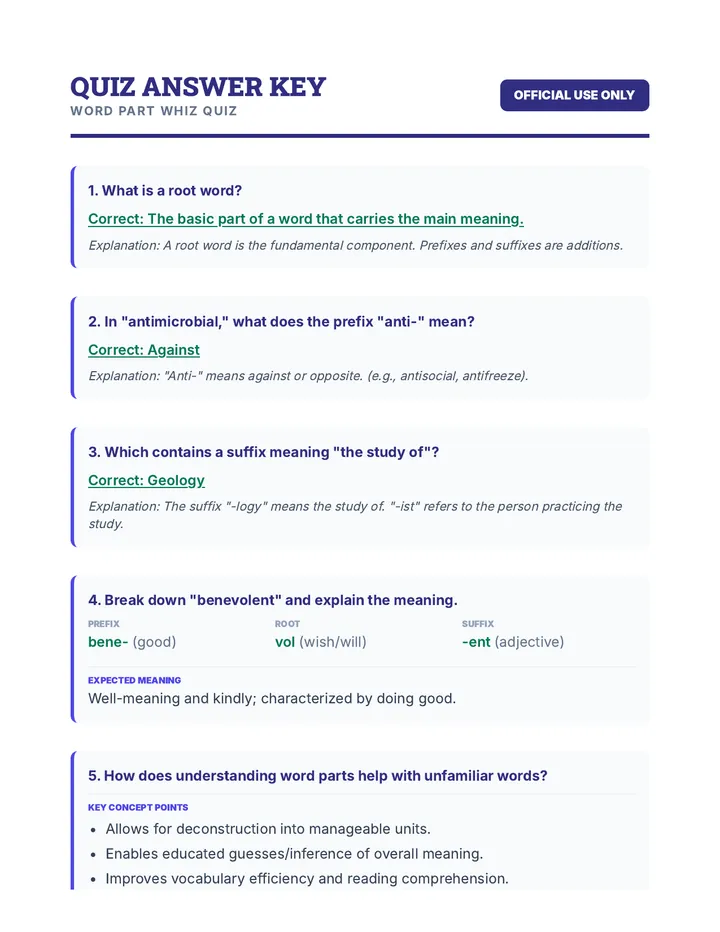
A 35-minute lesson for 8th graders on deconstructing complex words into prefixes, suffixes, and root words to improve vocabulary and comprehension. Students act as 'word detectives' to unlock the meanings of unfamiliar academic language.
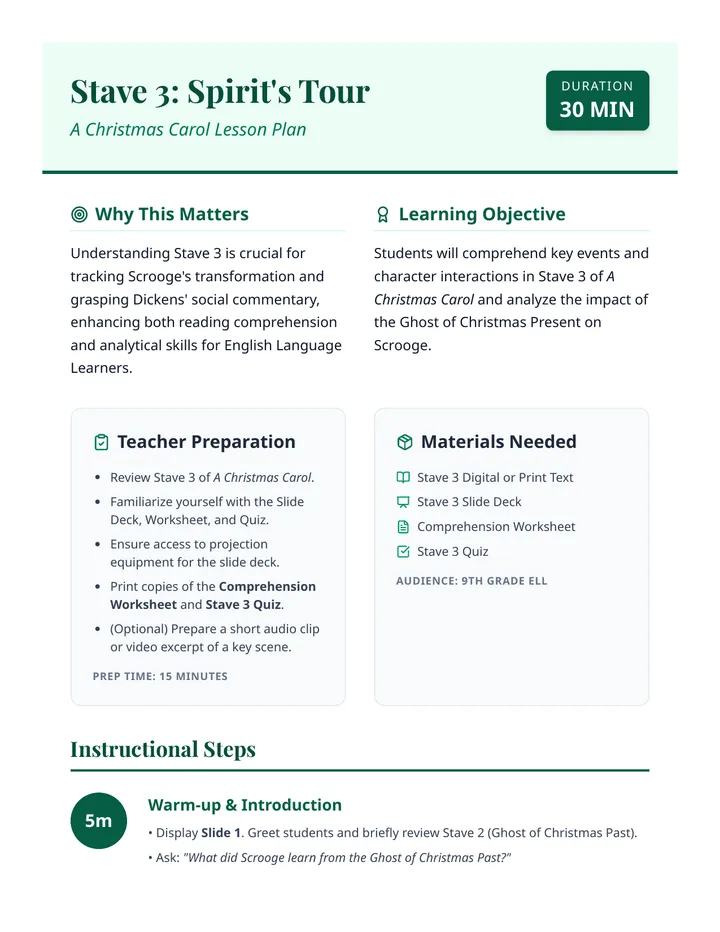
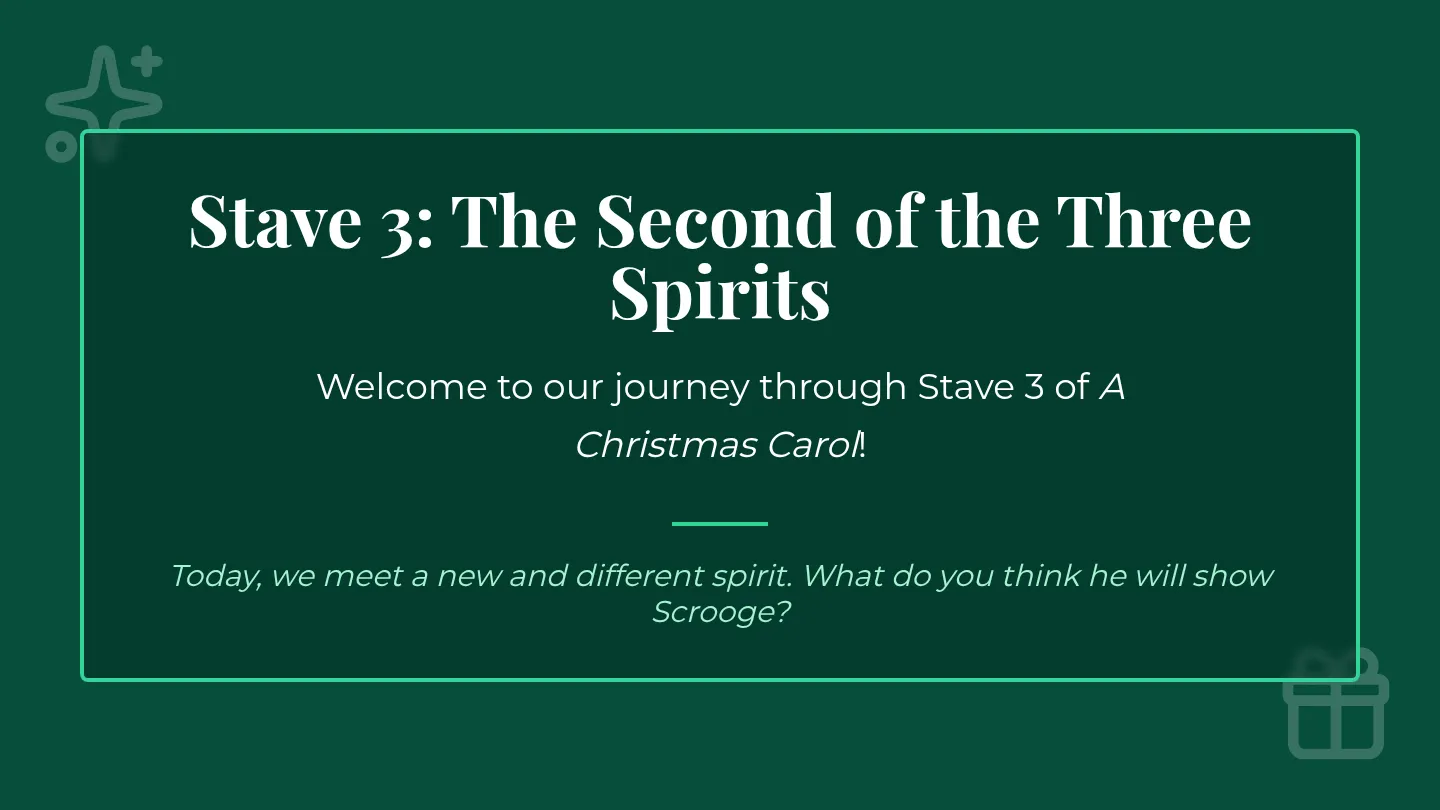
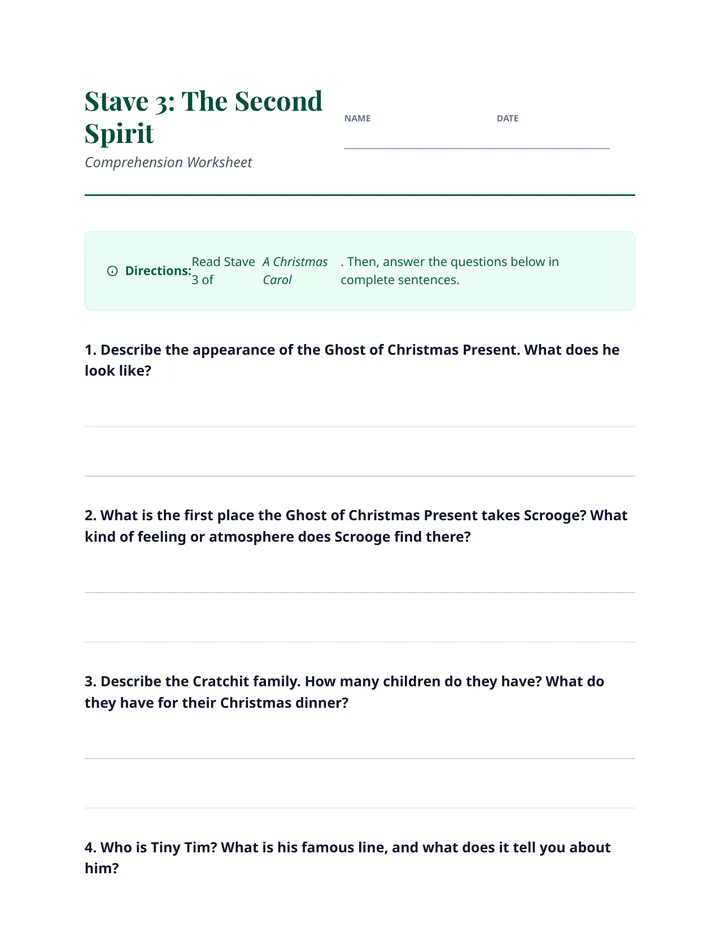
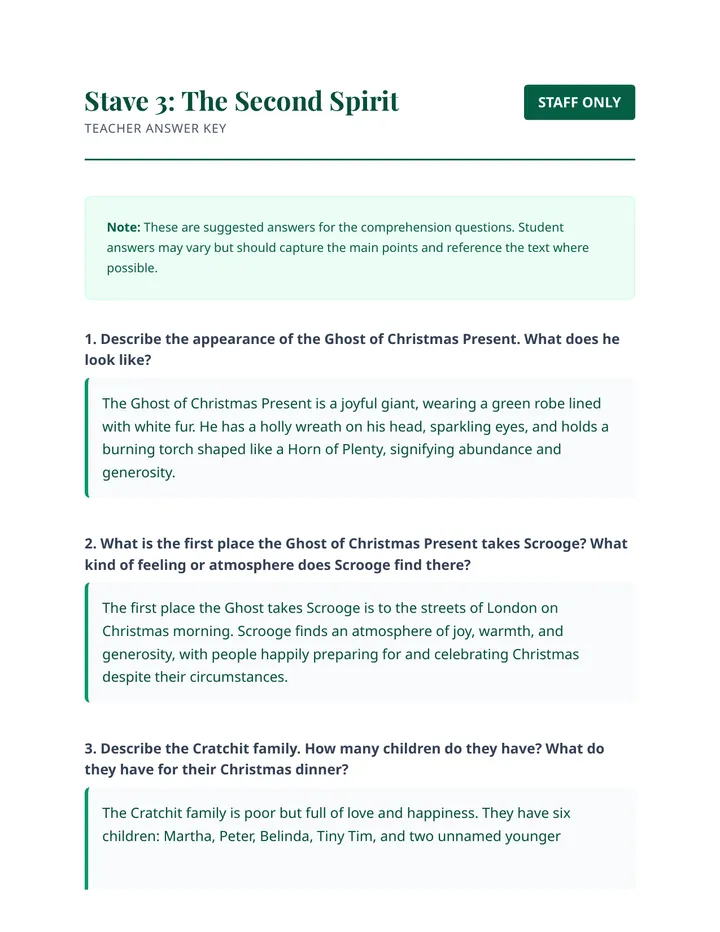
This lesson guides 9th-grade English Language Learners through Stave 3 of A Christmas Carol, focusing on comprehension and key literary elements. Students will explore Scrooge's journey with the Ghost of Christmas Present, enhancing their understanding of character development and themes.
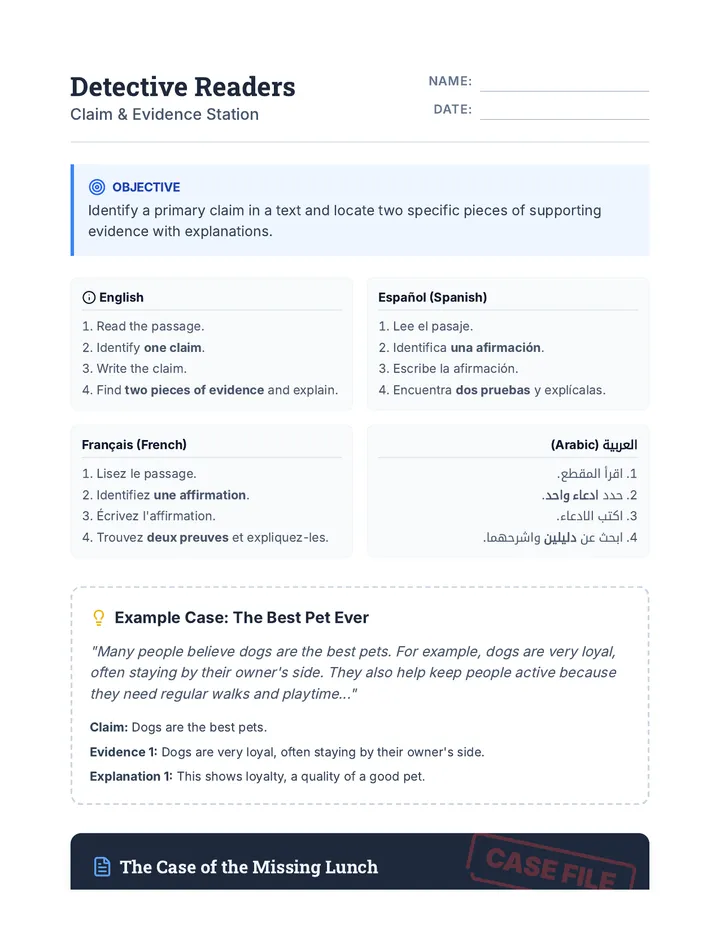
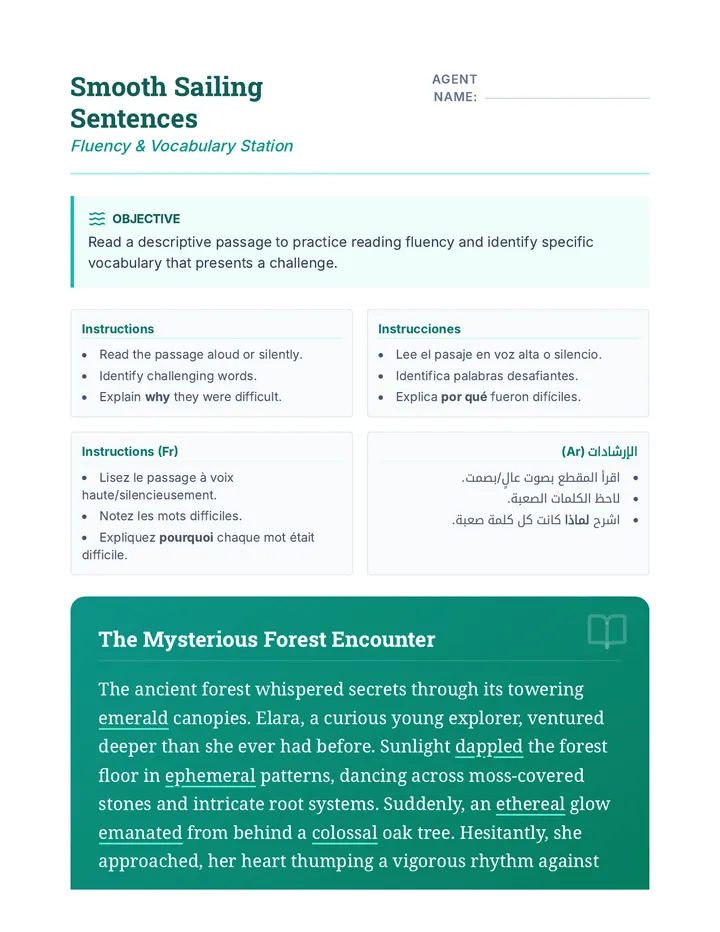
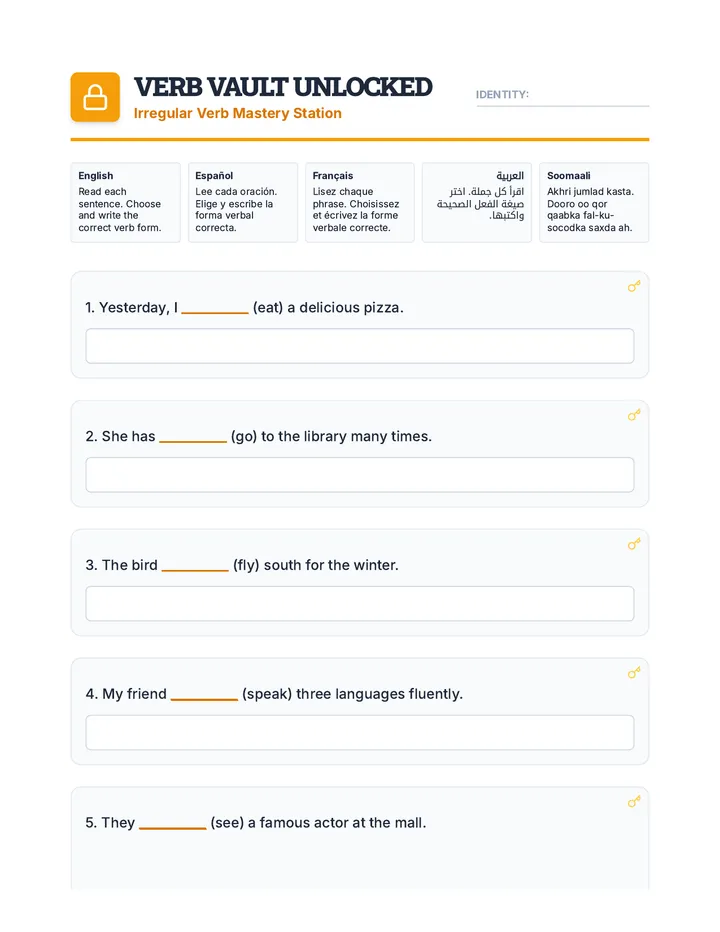
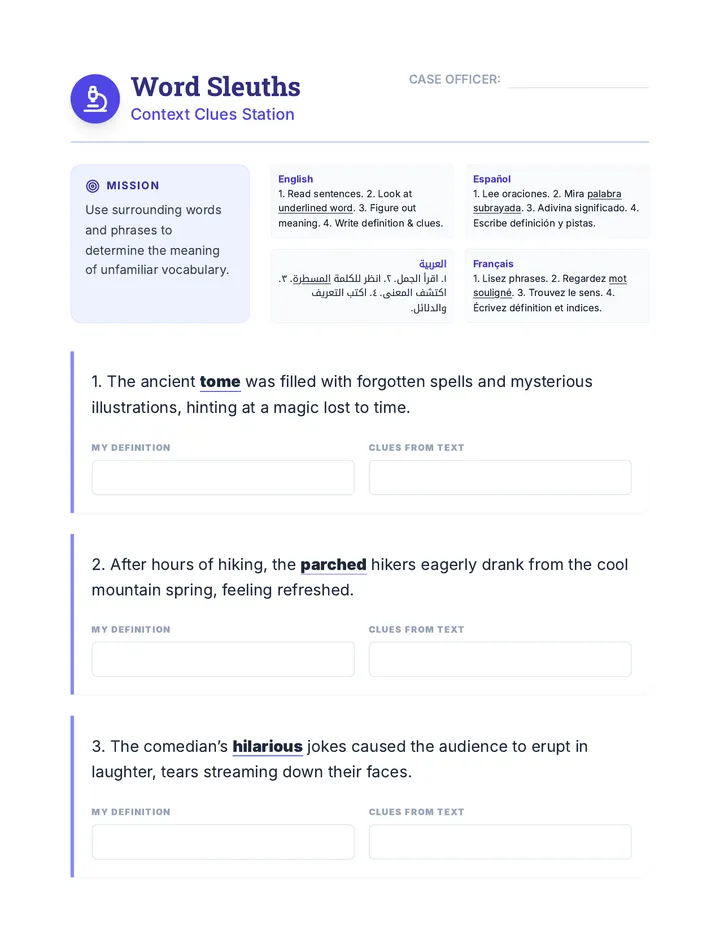
A station-based lesson for 9th-grade ESL students focusing on core language skills: claim and evidence, reading fluency, irregular verbs, context clues, and morphology. Students rotate through five 12-minute stations designed for targeted practice and engagement.
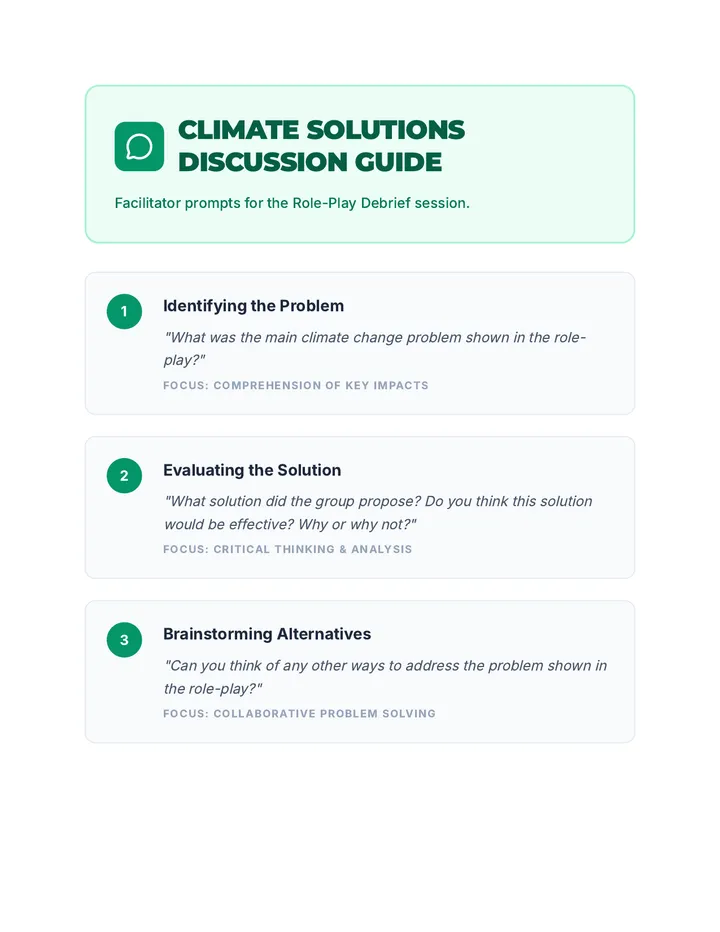
A 60-minute interactive lesson for 13-14 year old English language learners focused on climate change vocabulary, civic engagement, and collaborative problem-solving. Students explore causes, effects, and solutions through reading, role-play, and creative projects.
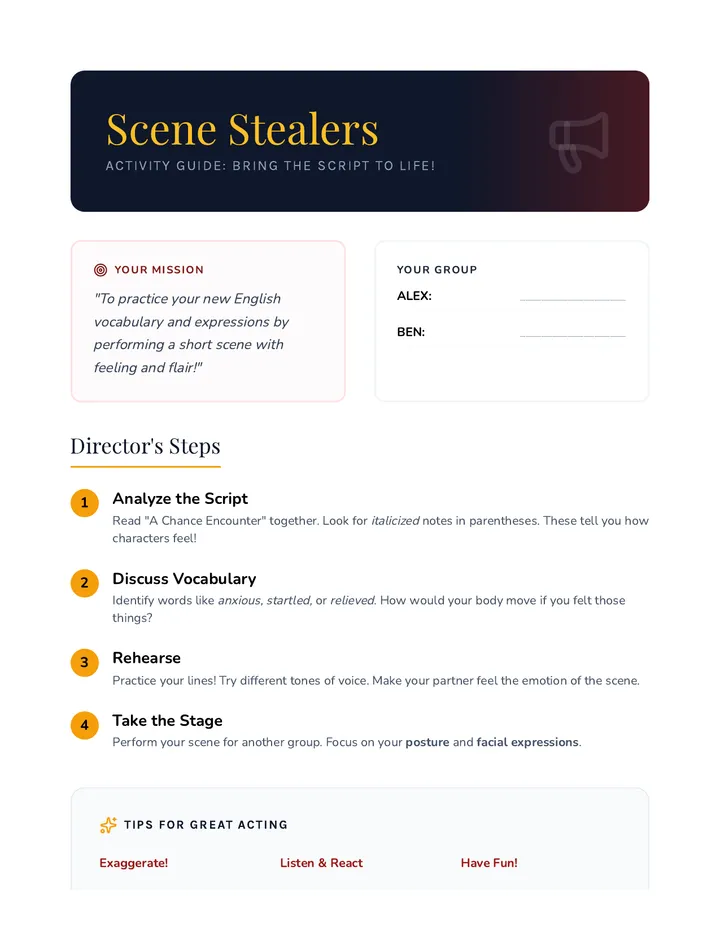
A high-energy, 30-minute lesson for middle school ESOL/EFL students that uses theatrical techniques to teach vocabulary related to emotions and actions. Students will participate in interactive games, a jigsaw reading, and collaborative script performance.
This lesson helps 7th-grade students master reading comprehension by identifying key story elements like setting, plot, characters, theme, conflict, dialogue, and point of view. Through interactive activities, students will enhance their analytical skills using a short story called 'The Mysterious Map'.
This 30-minute individualized lesson for 6th-grade students focuses on developing crucial reading comprehension skills: making inferences, identifying the main idea, and understanding key vocabulary using an adapted version of The Giver, Chapter 1.
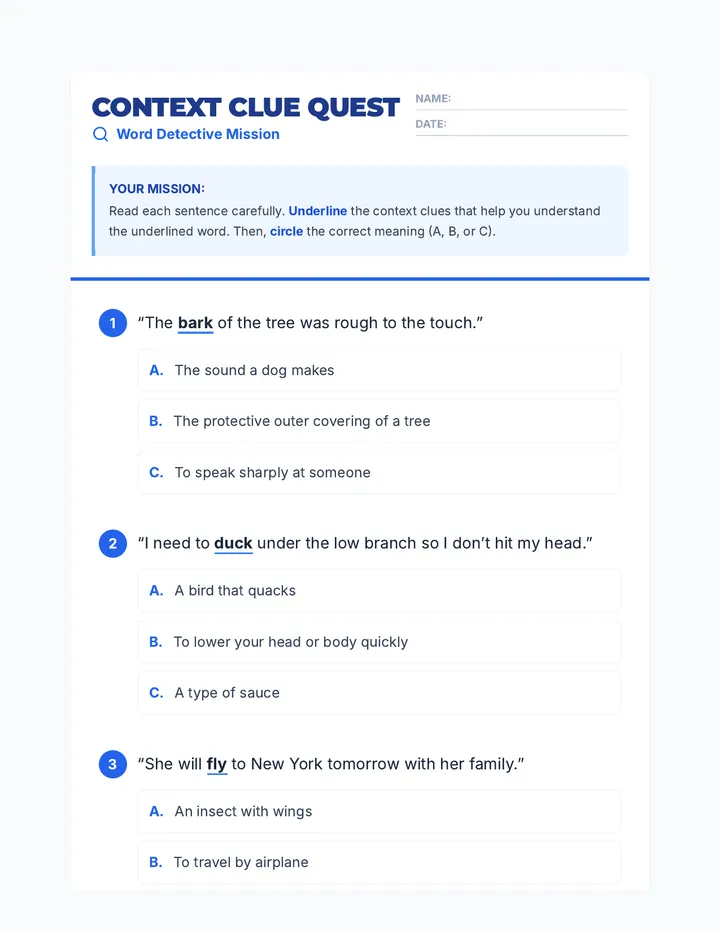
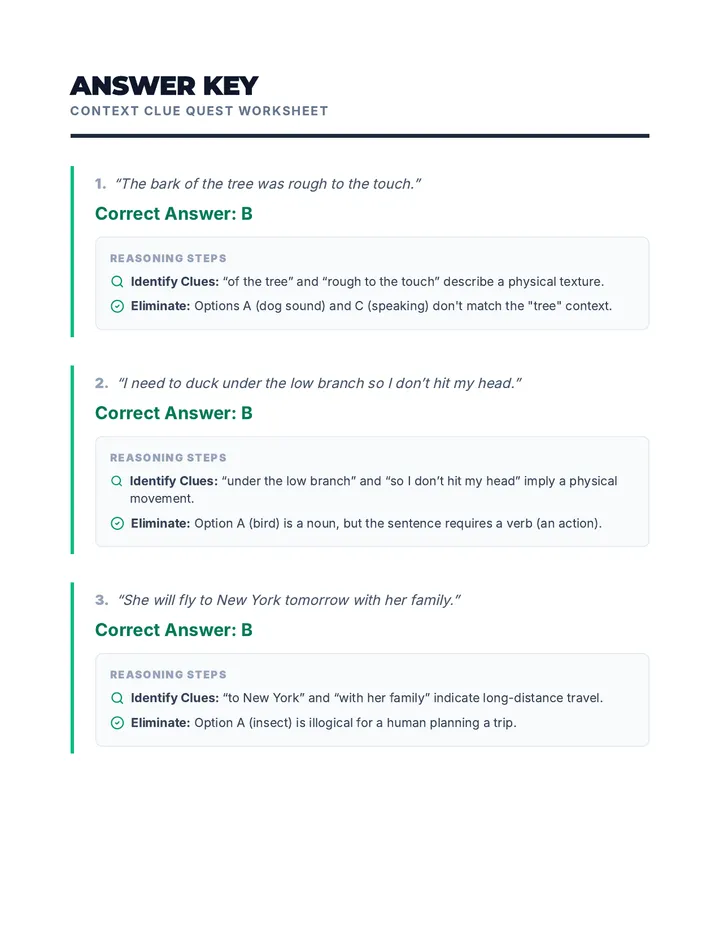
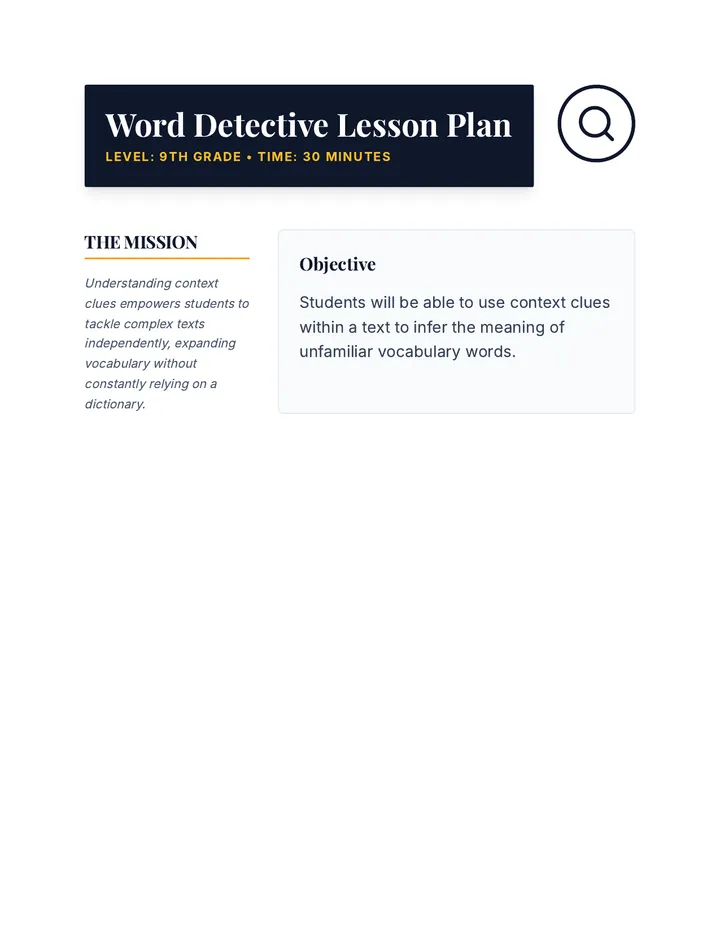
A 30-minute lesson for 9th-grade students on using context clues (definition, synonym, antonym, and example) to infer the meaning of unfamiliar vocabulary words.