A Sport Education-based volleyball sequence for 7th graders, focusing on officiating, coaching, and tournament play to build holistic sportsmanship and strategic understanding.
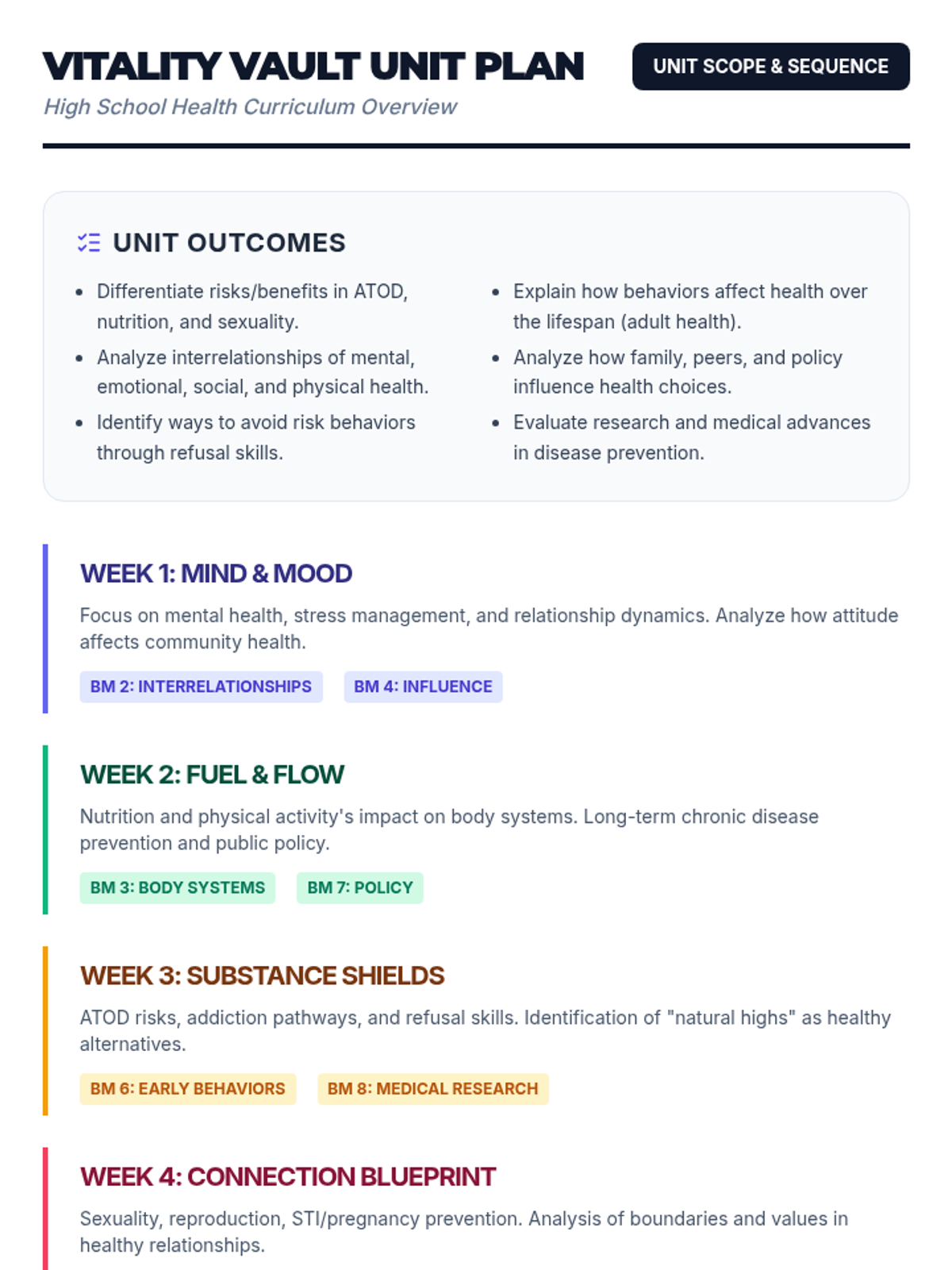
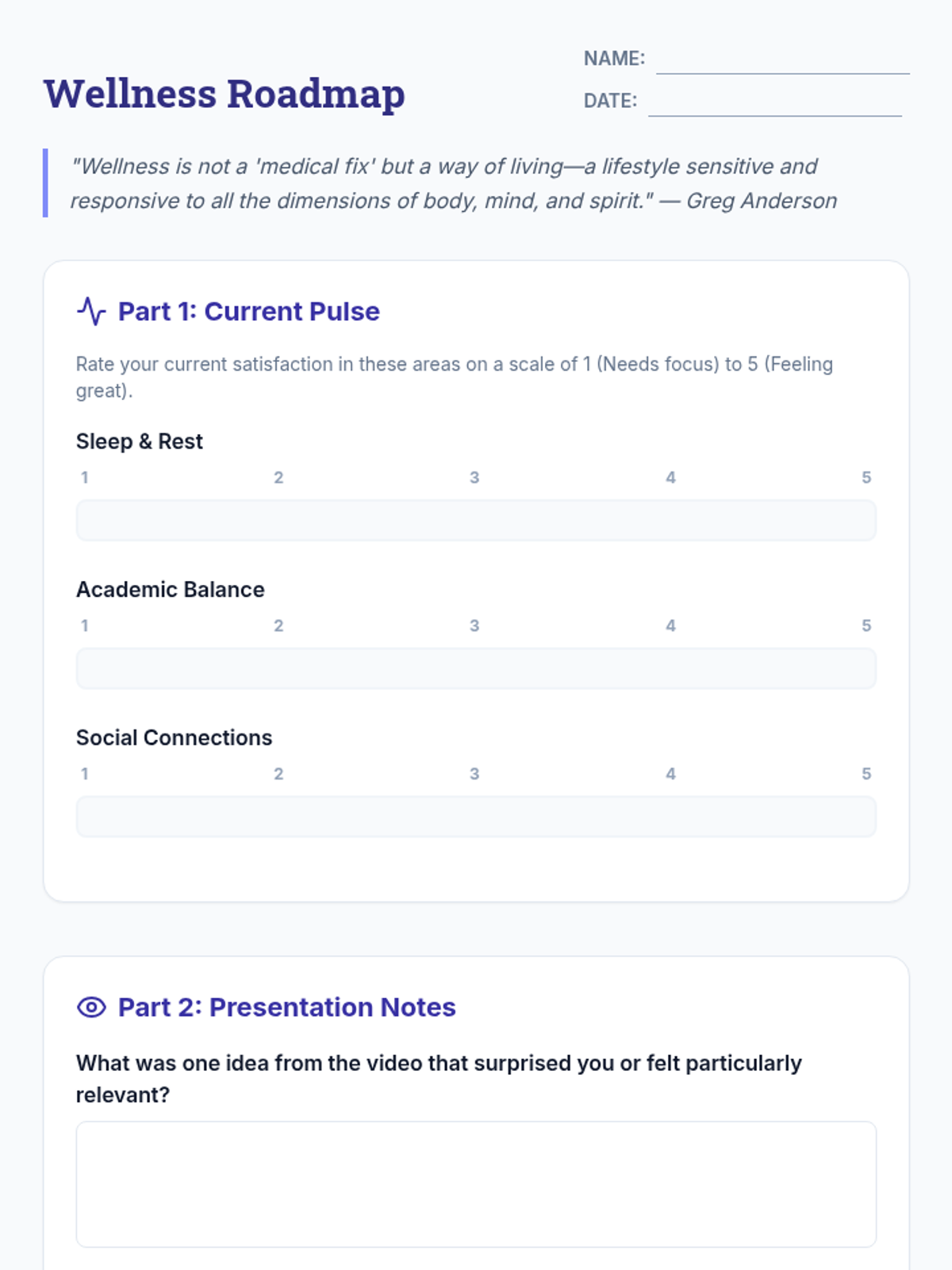
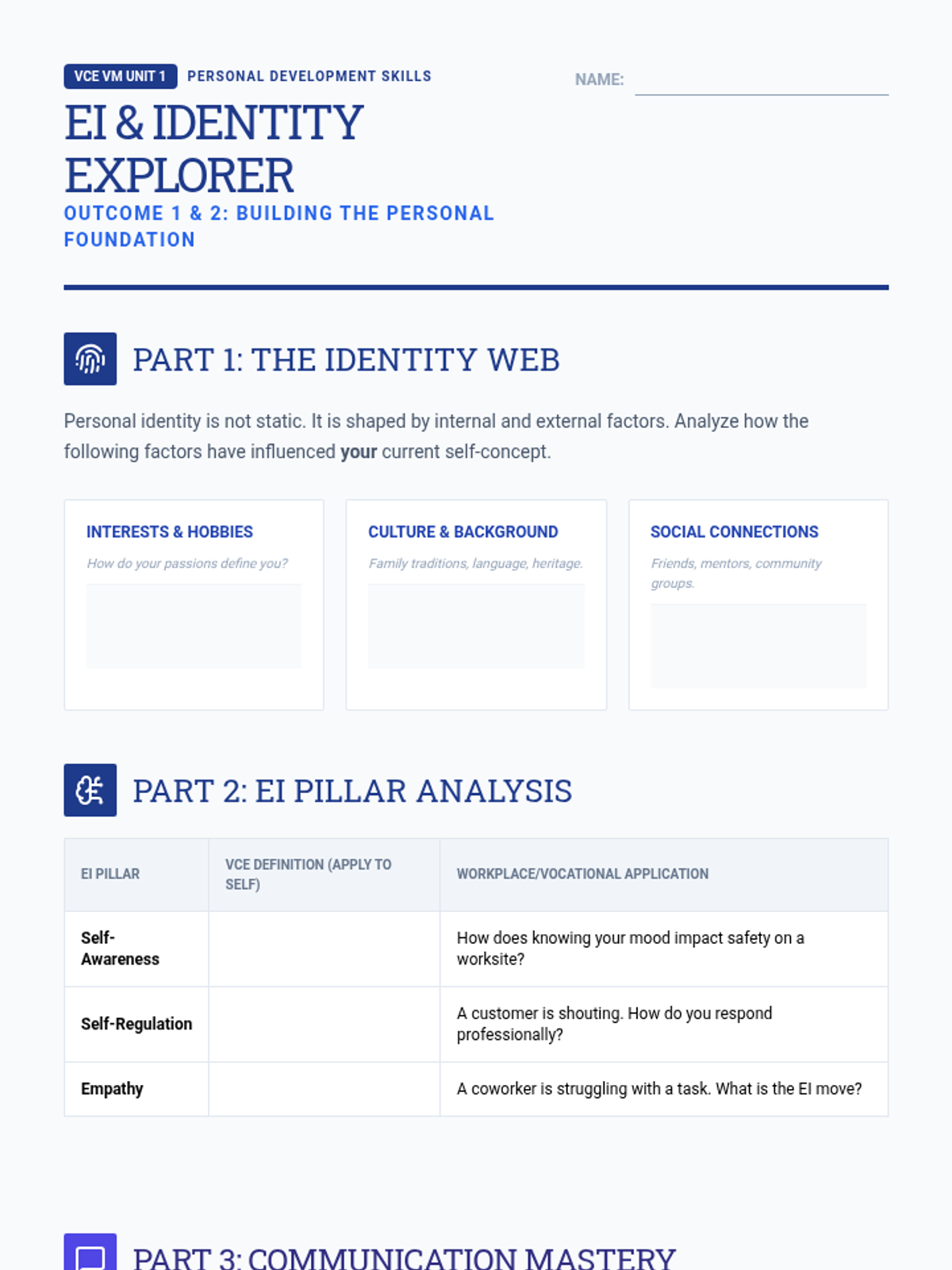
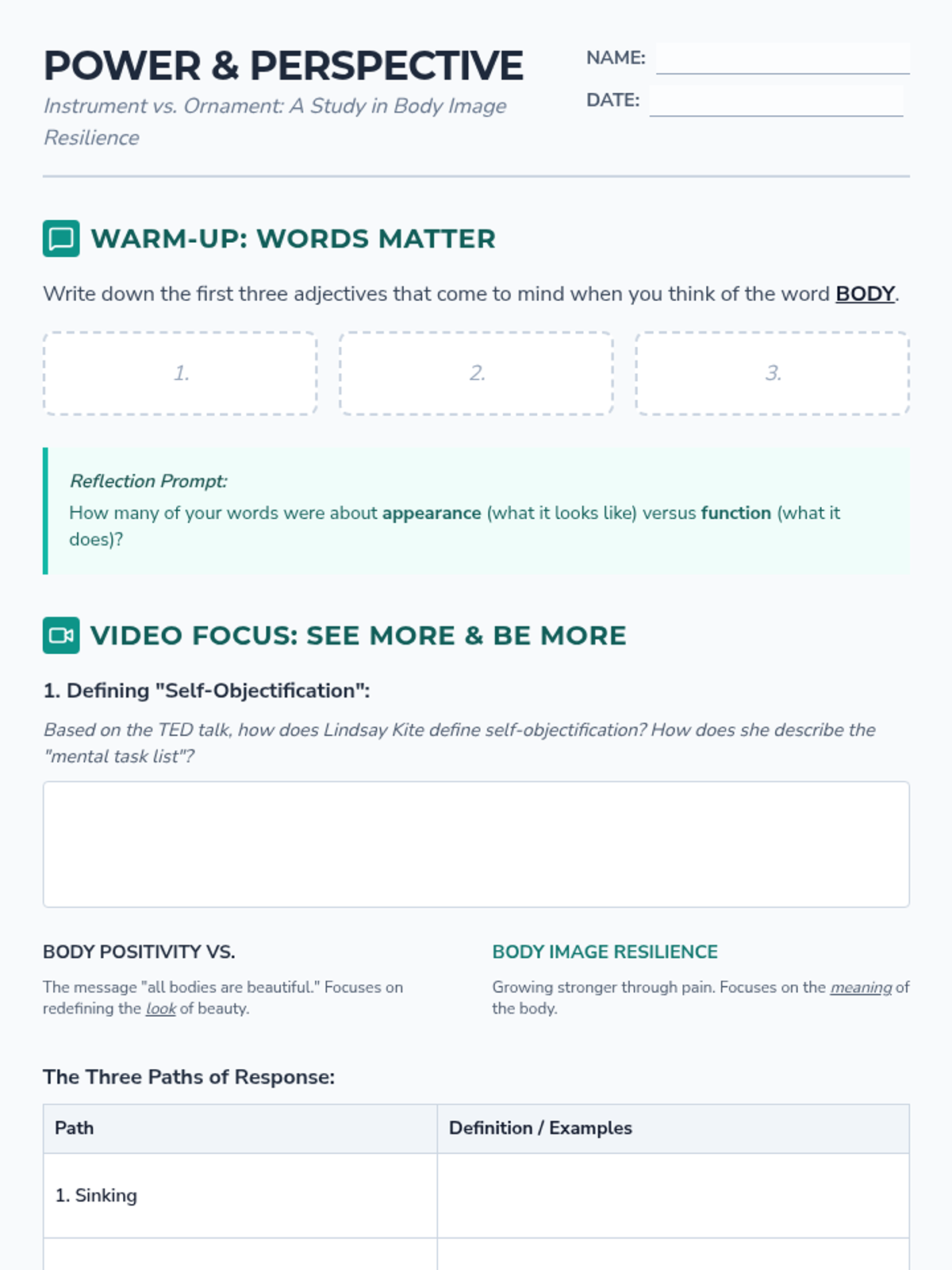
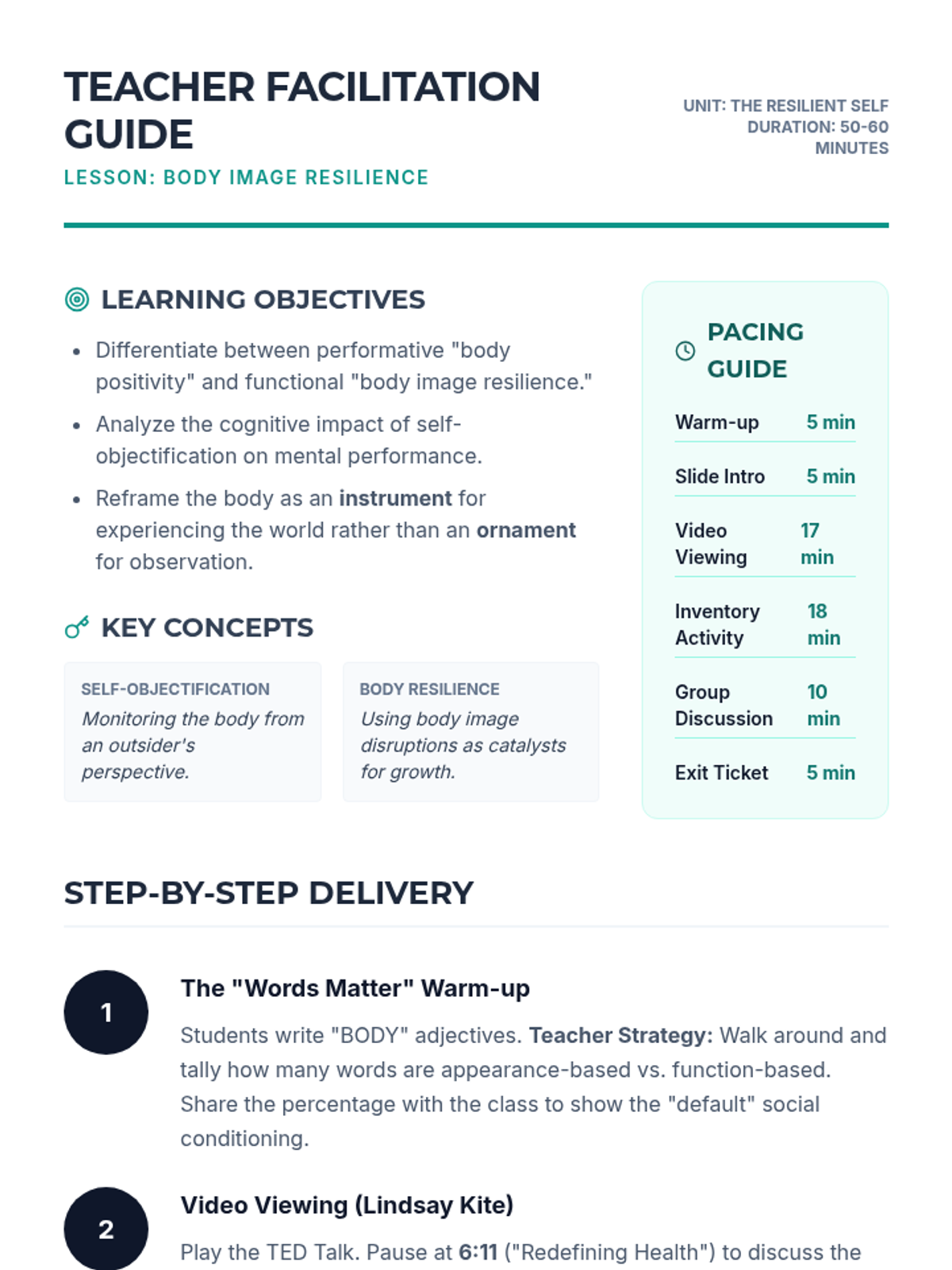
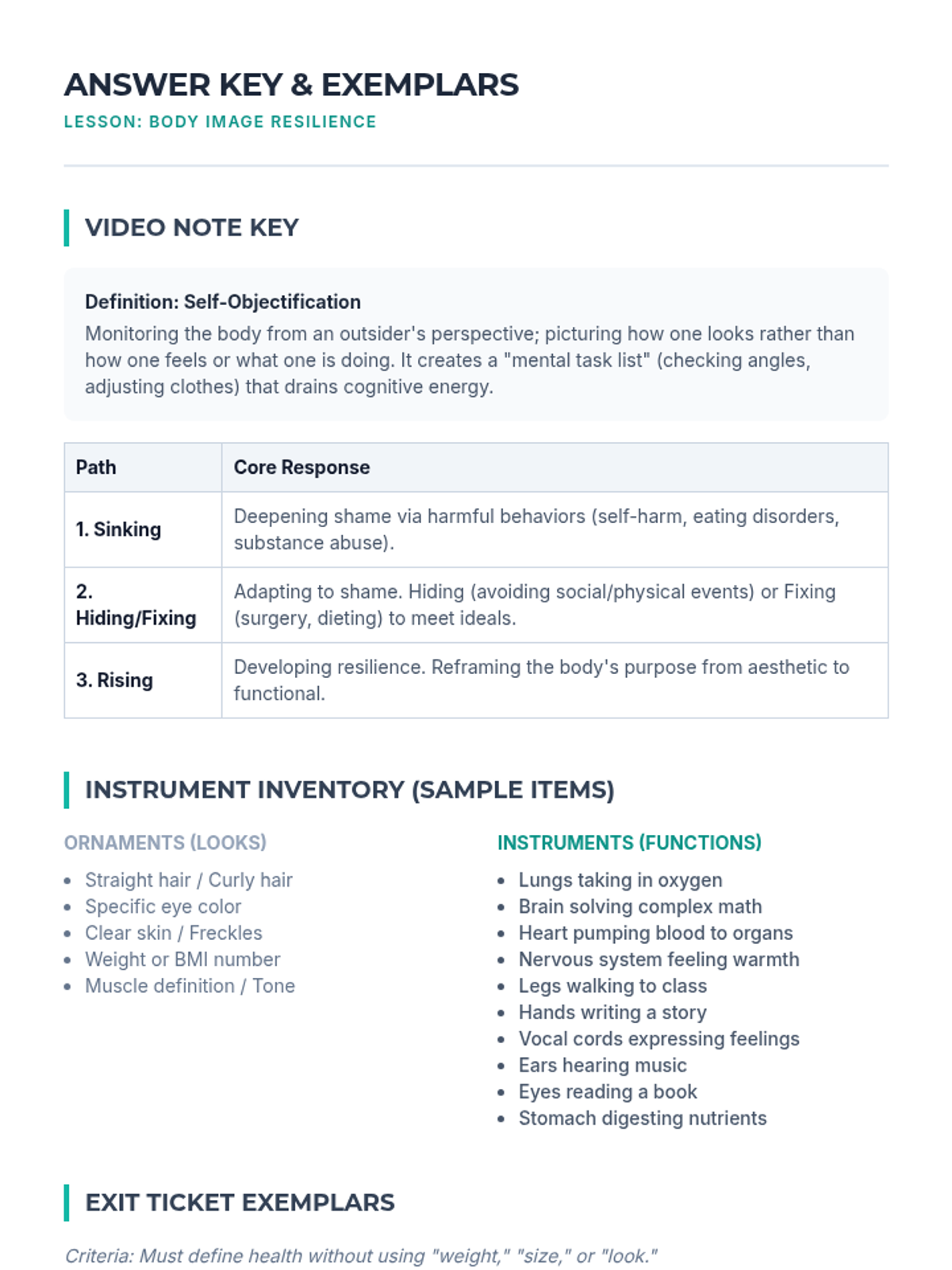
A series of health and wellness lessons for high school students focused on developing psychological resilience, critical media literacy, and a functional approach to self-perception.
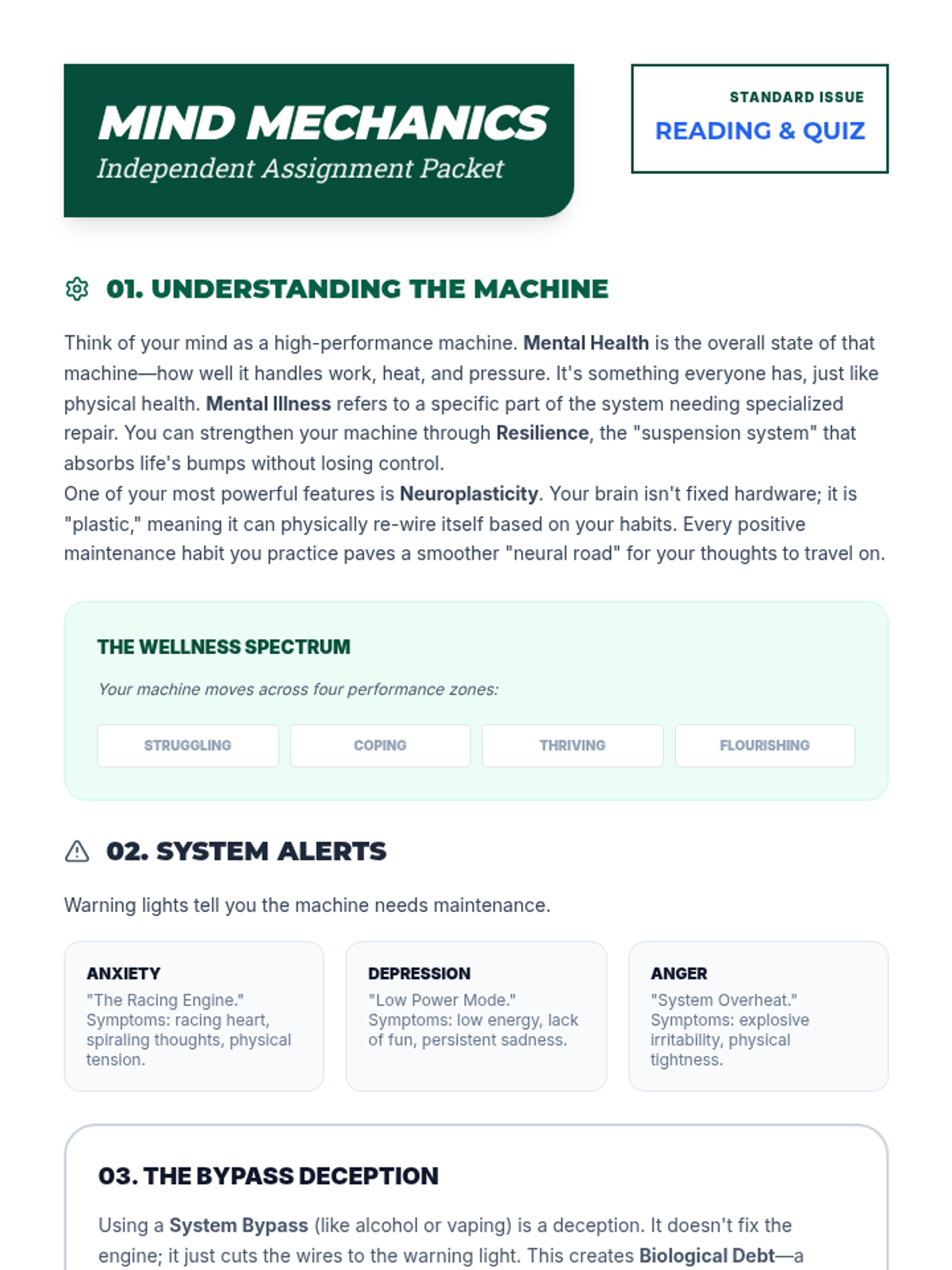
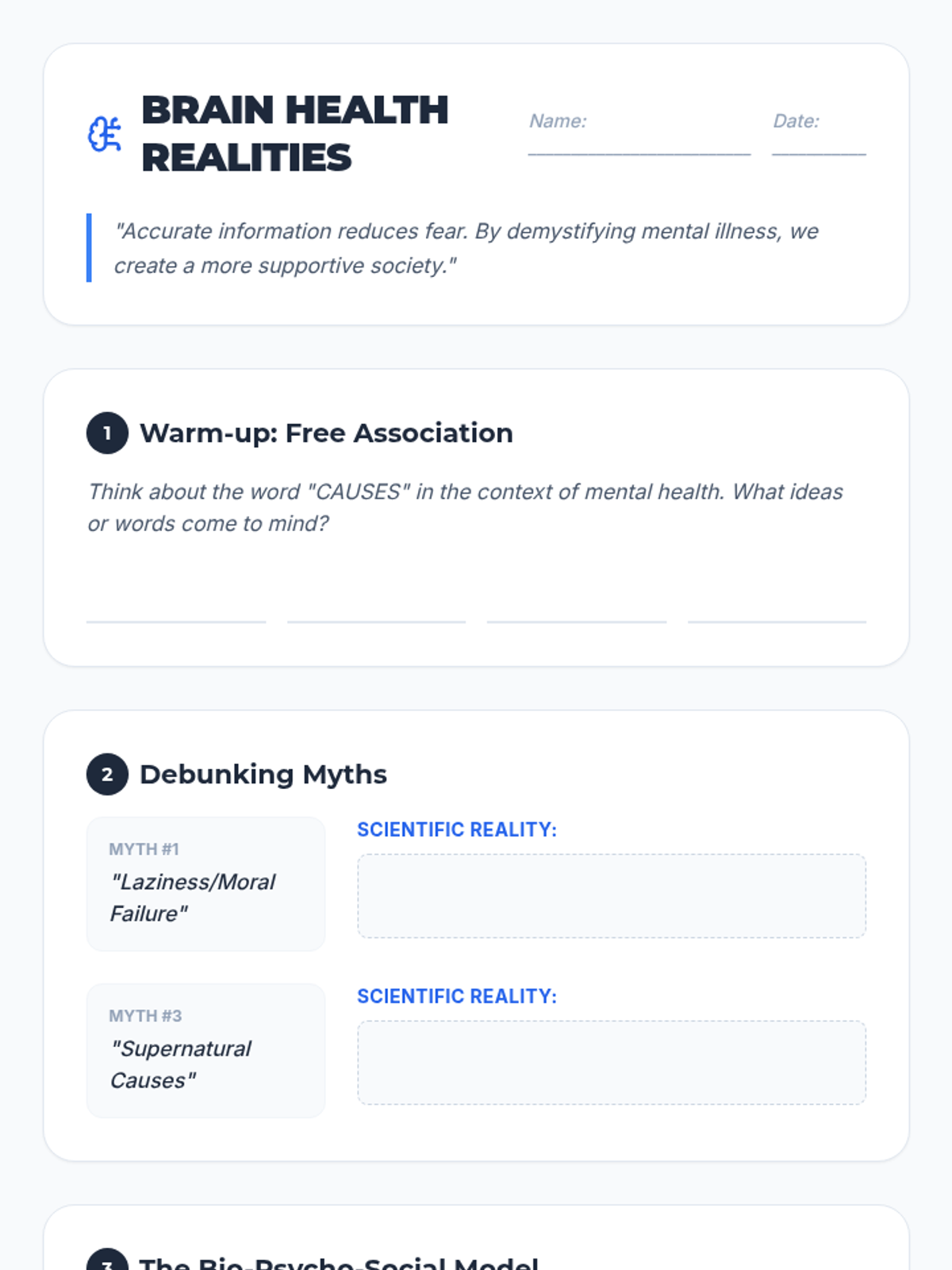
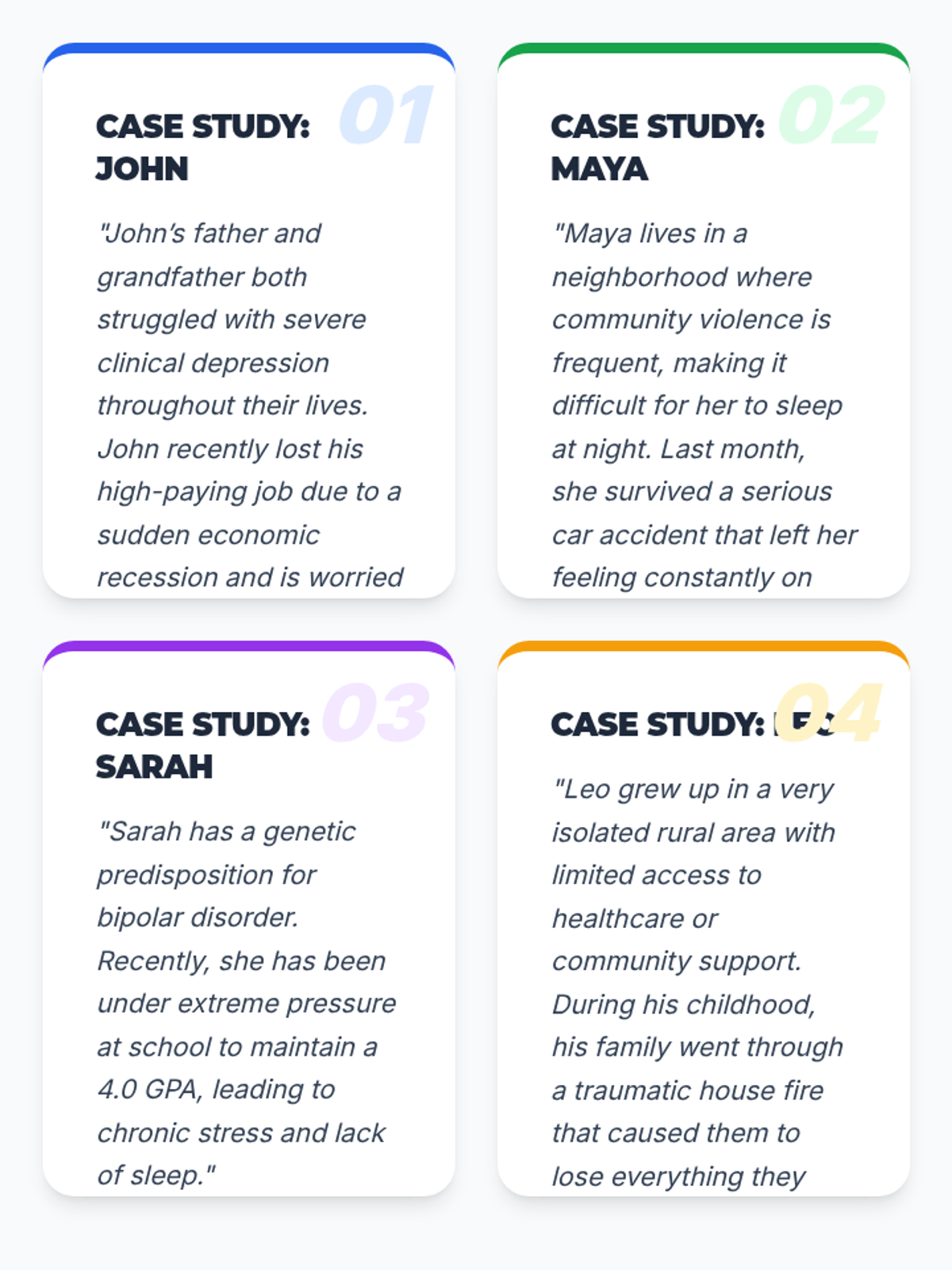
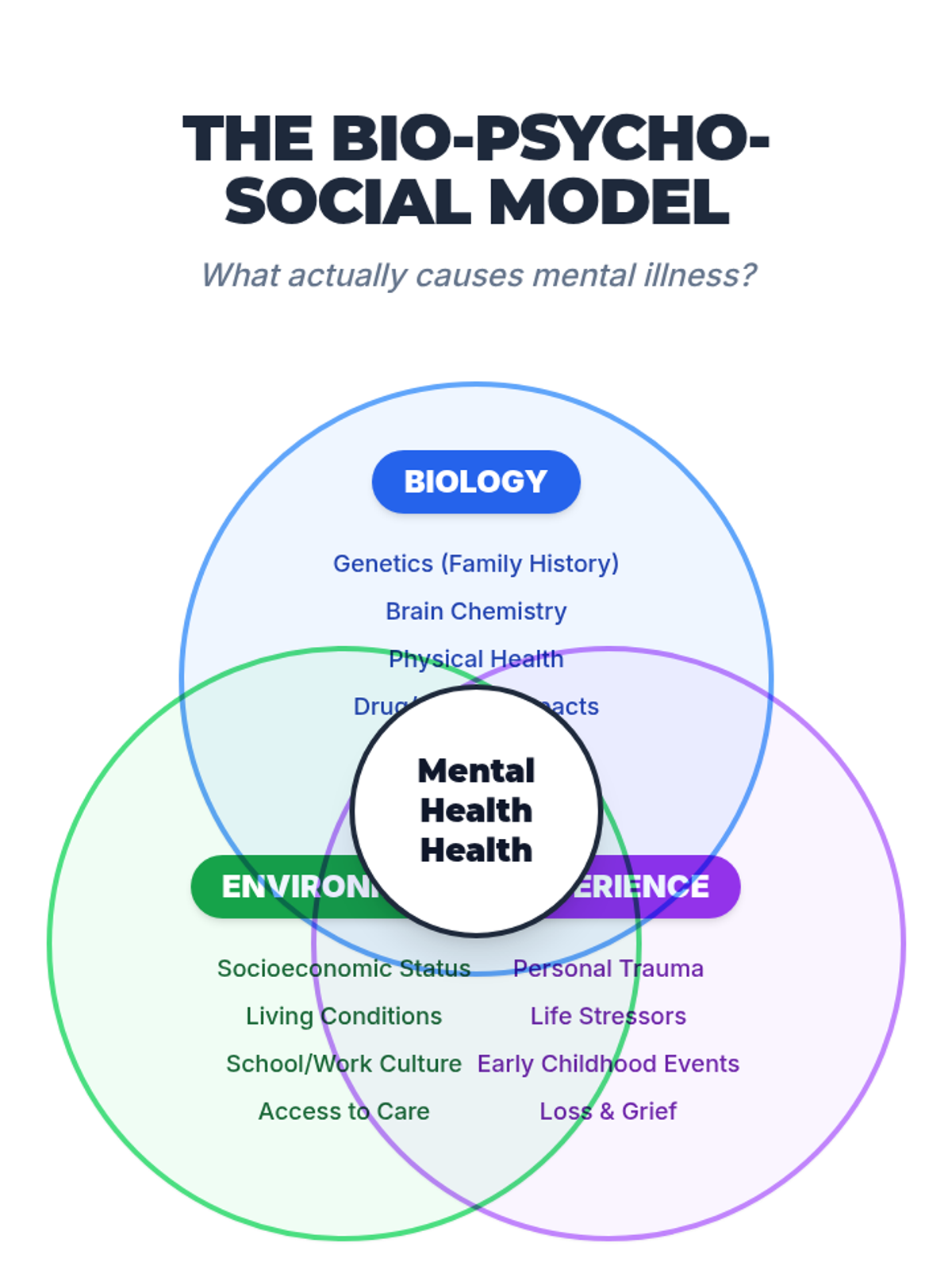
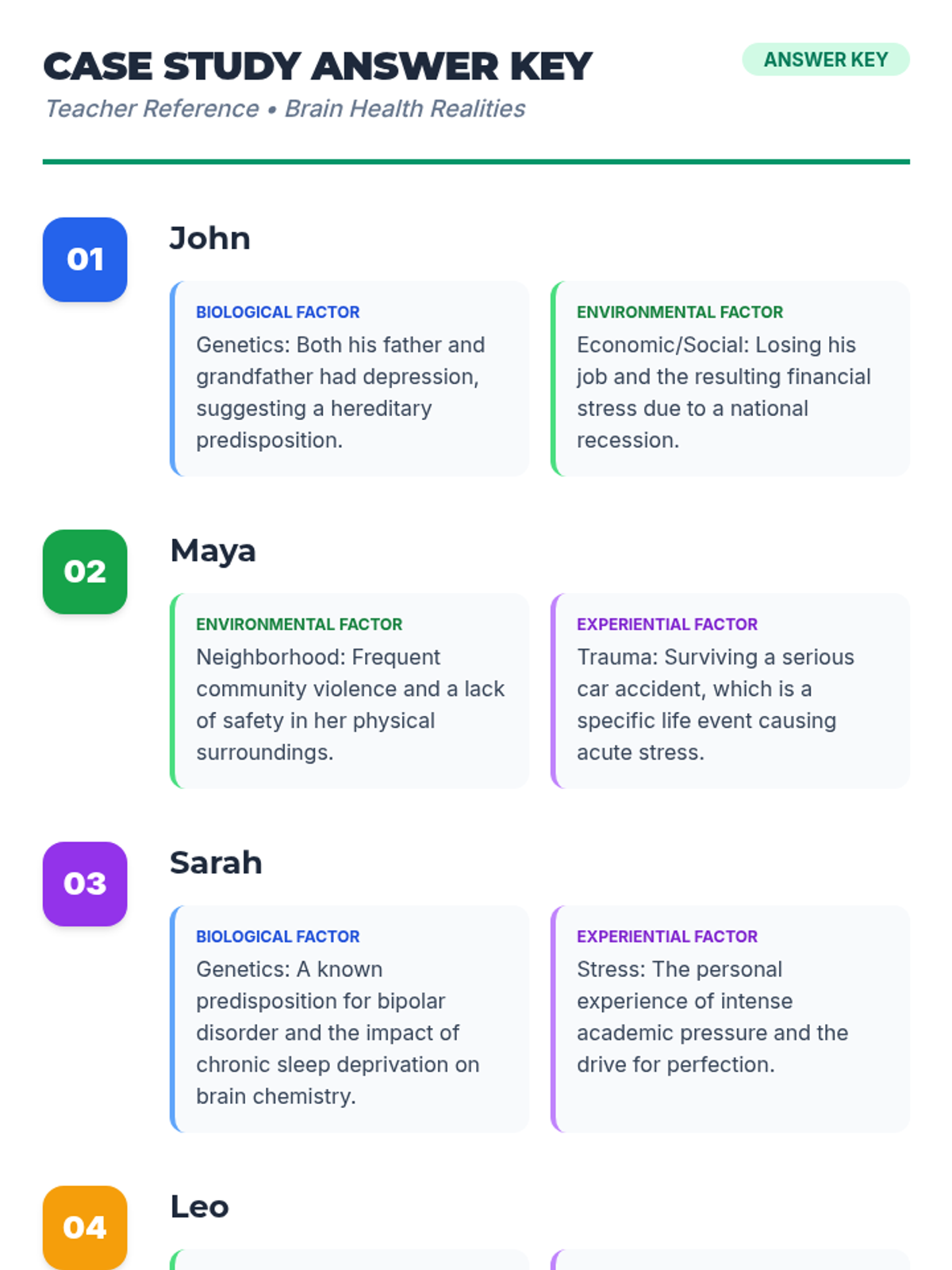
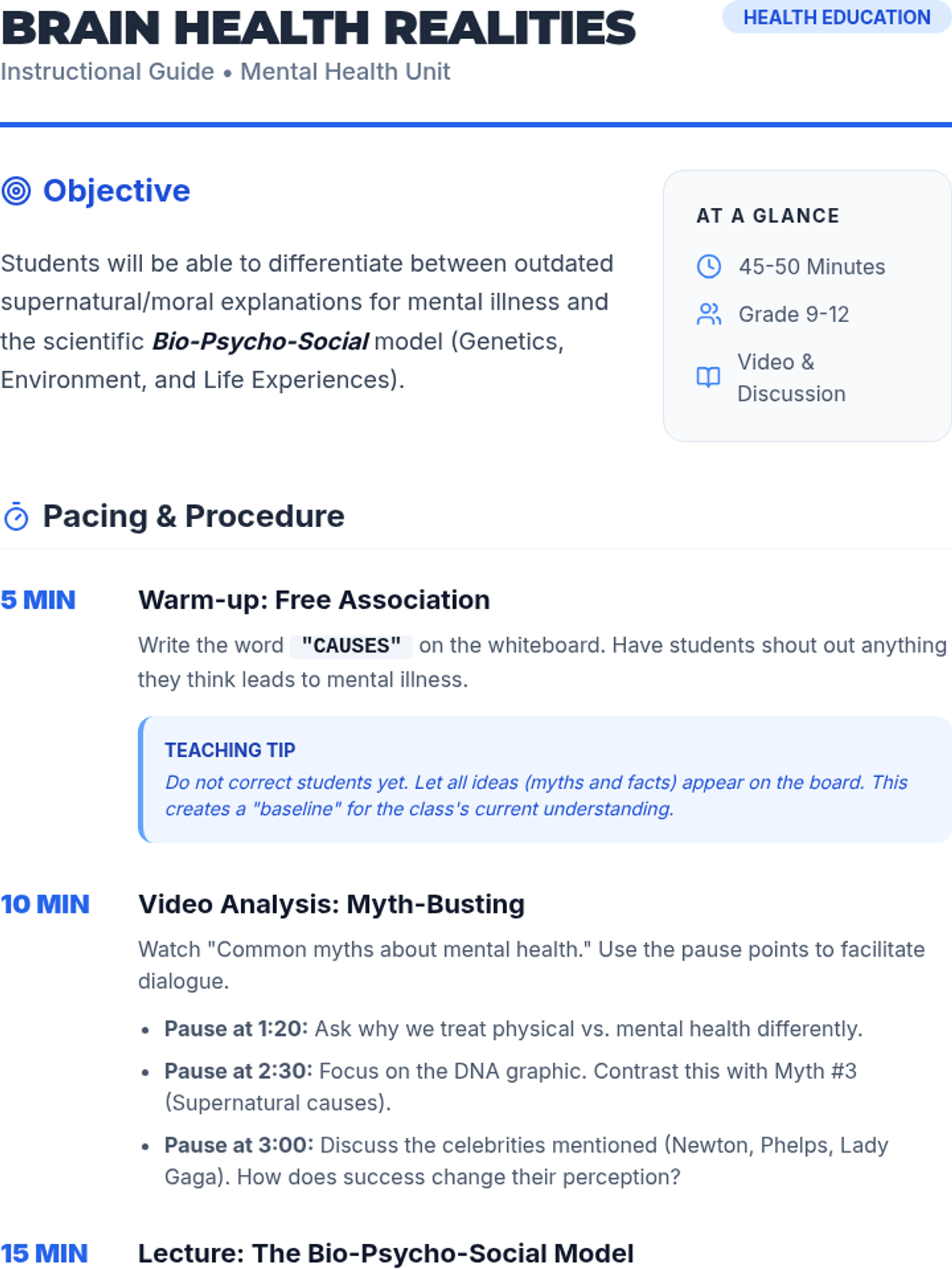
A comprehensive unit focused on debunking mental health myths and establishing a scientific understanding of mental illness through the Bio-Psycho-Social model.
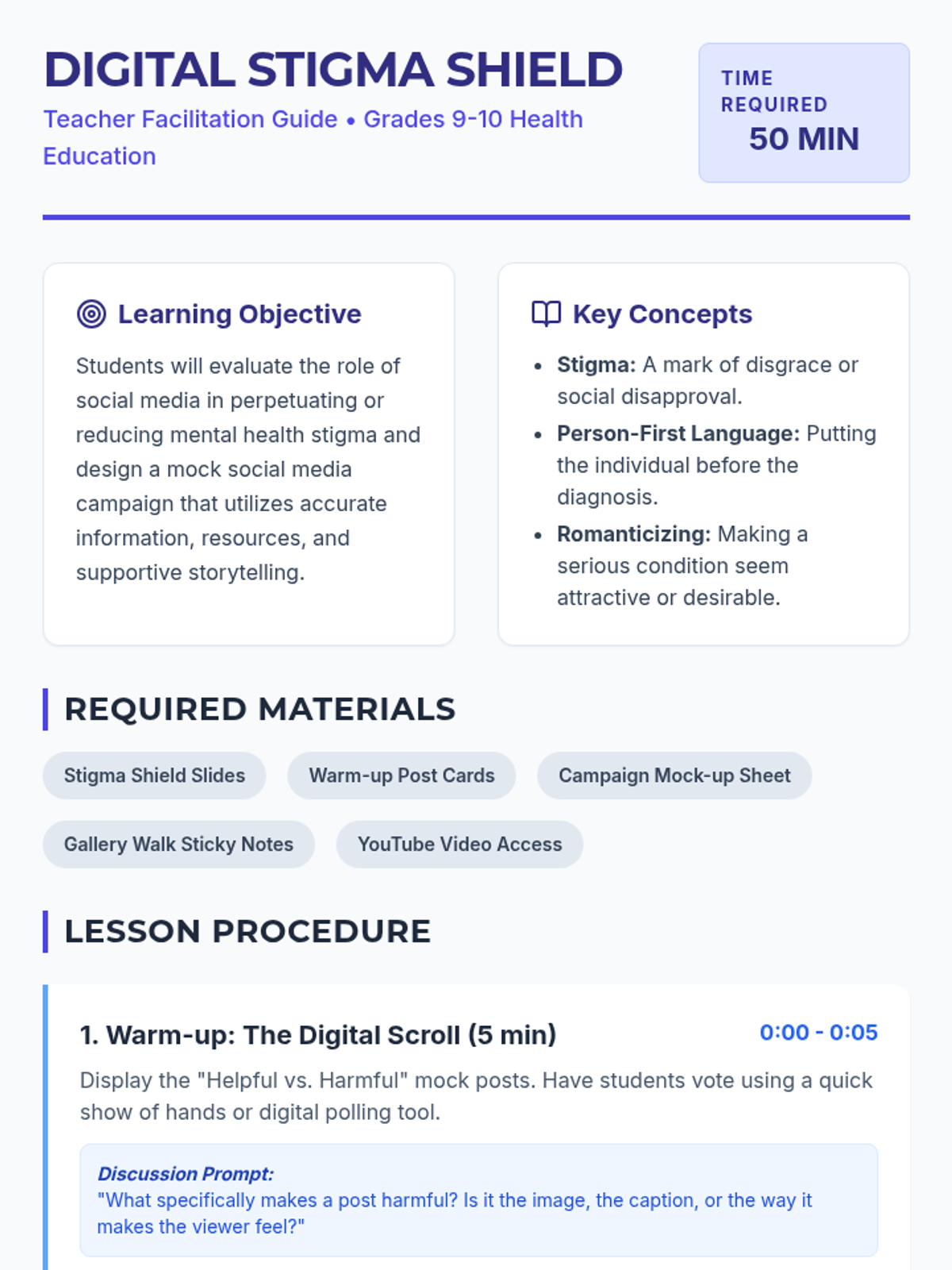
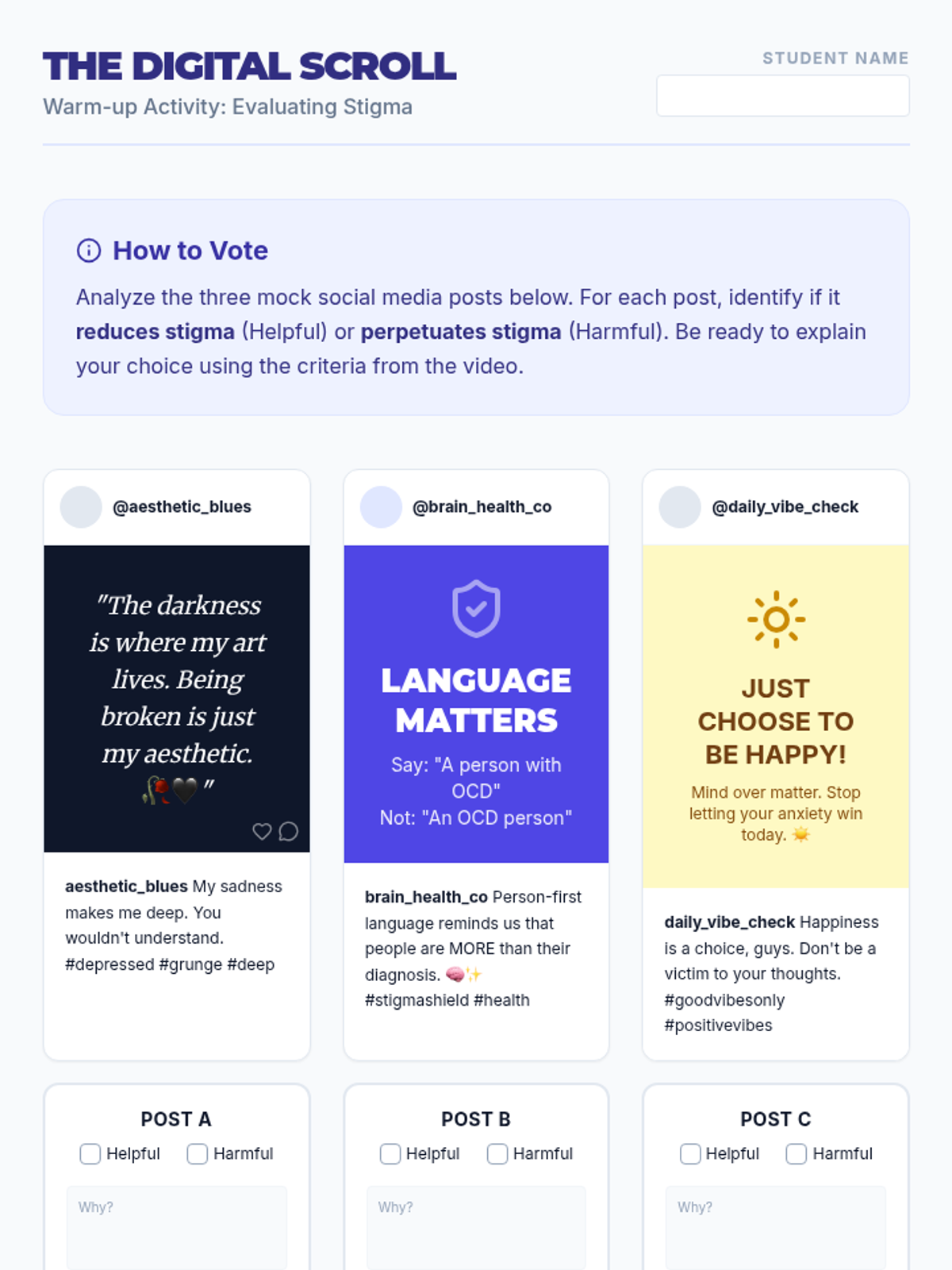
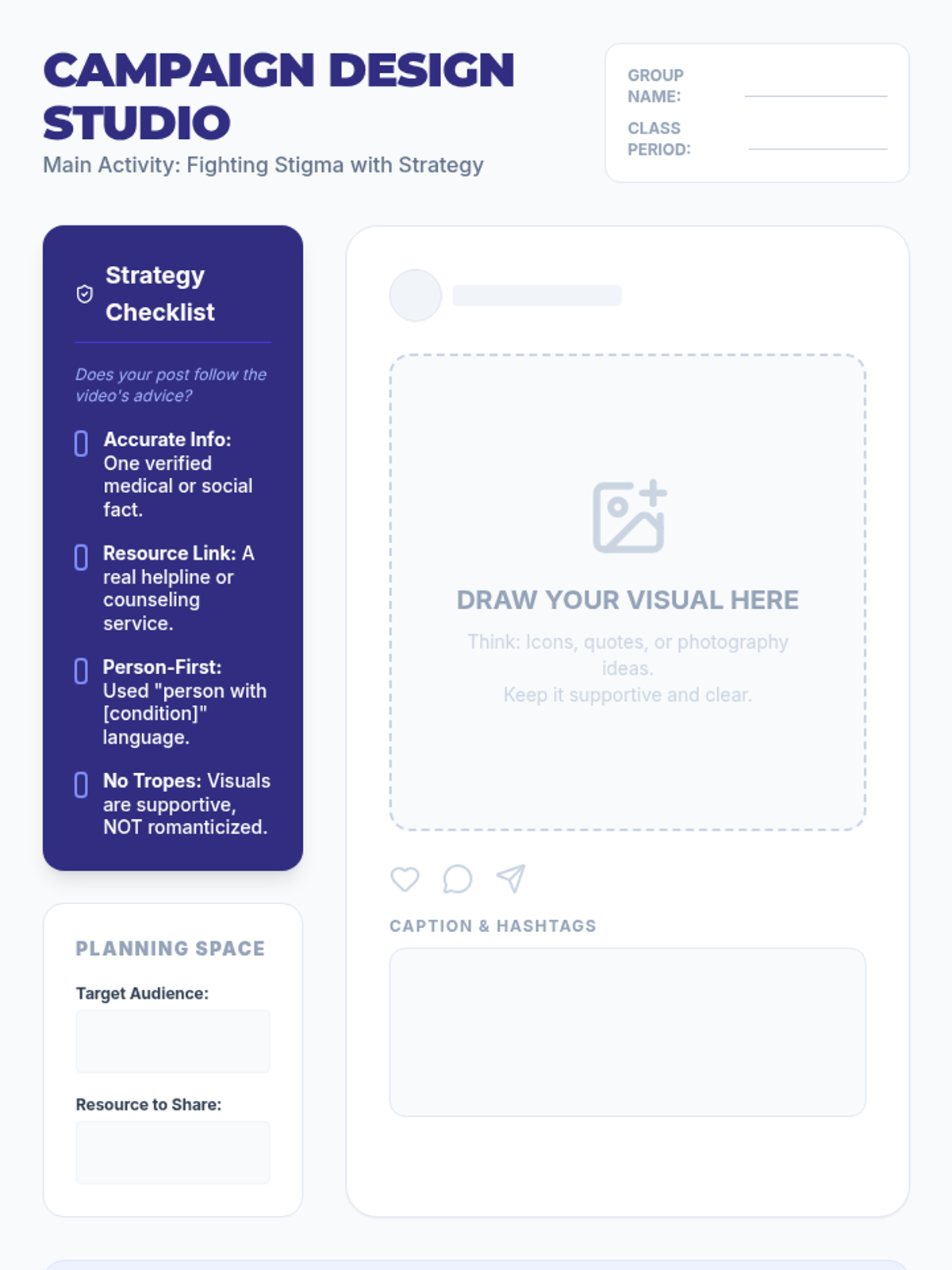
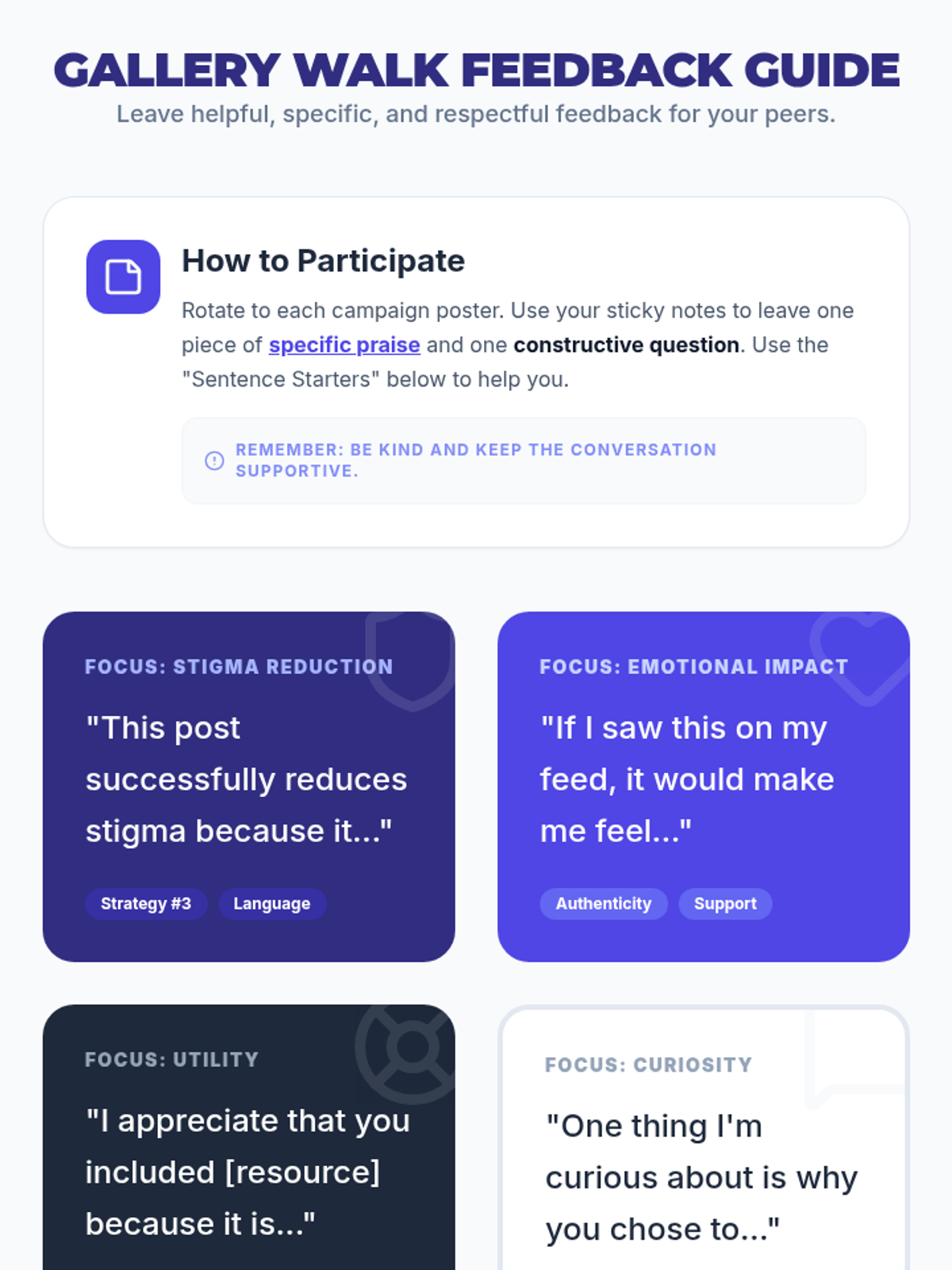
A comprehensive health education unit focused on understanding mental health stigma, its impacts, and strategies to reduce it through communication and social media advocacy.
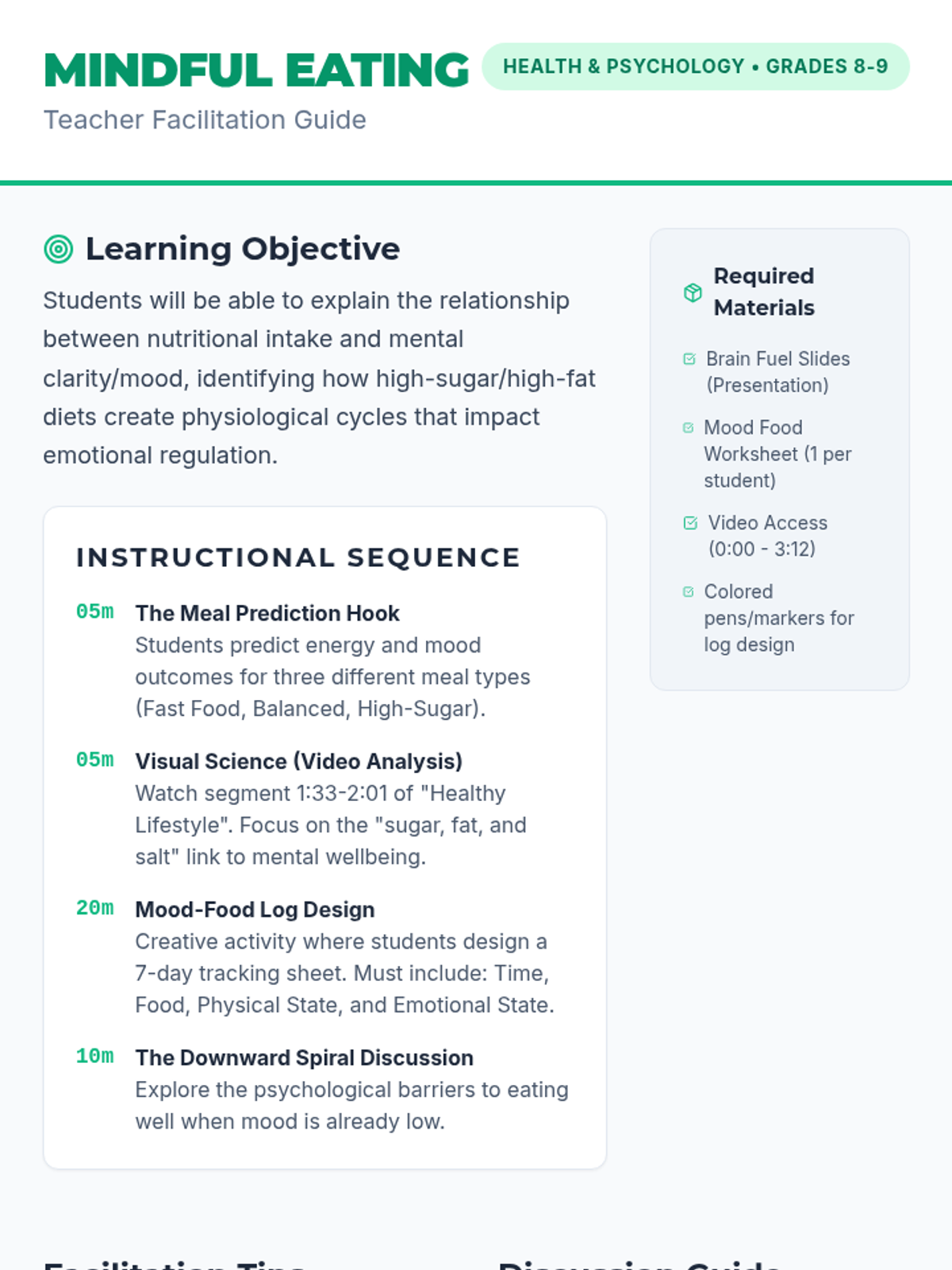
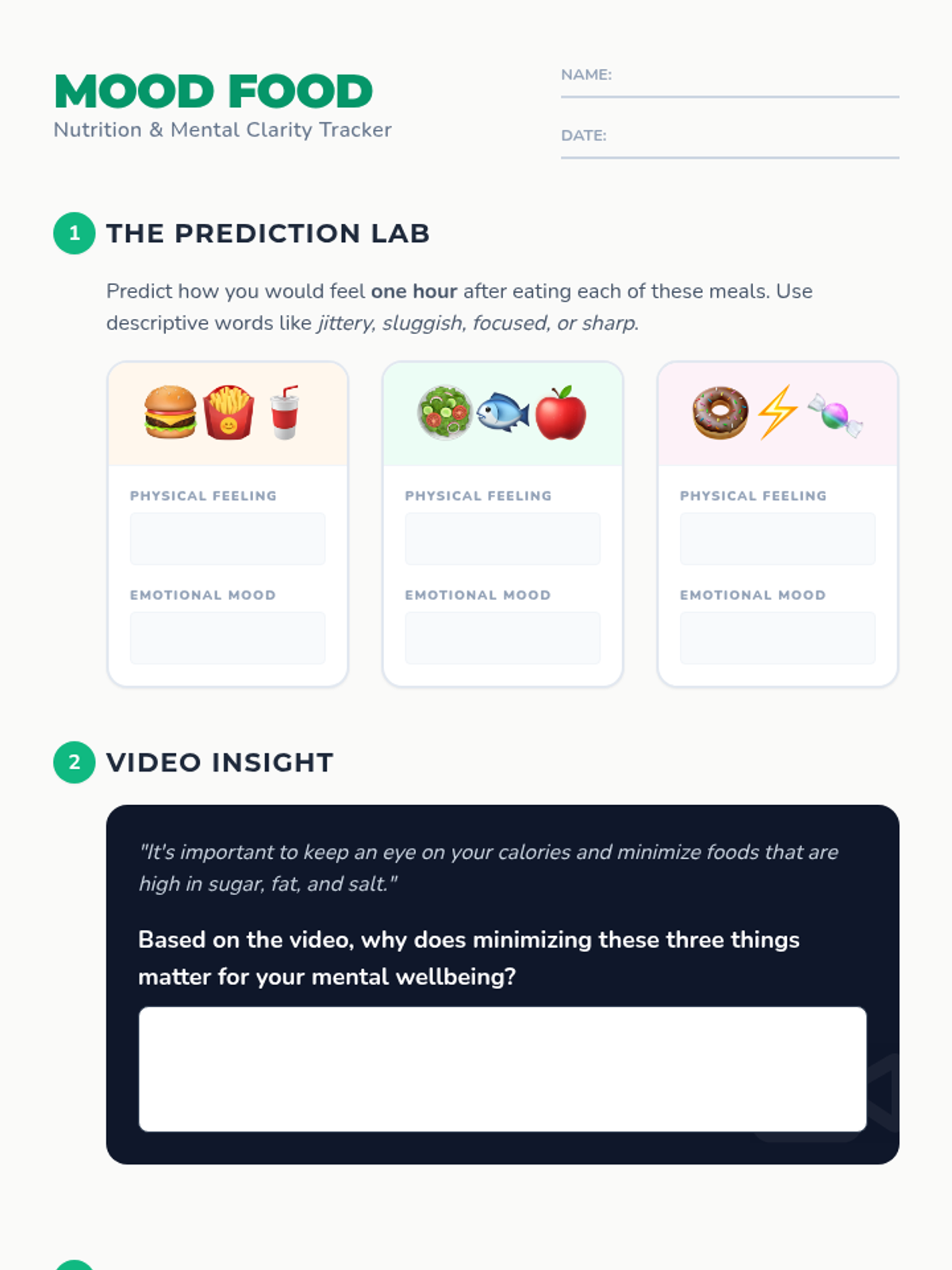
A lesson sequence exploring the biological and psychological links between diet and mental wellbeing, focusing on how different foods impact mood, energy levels, and long-term mental clarity.
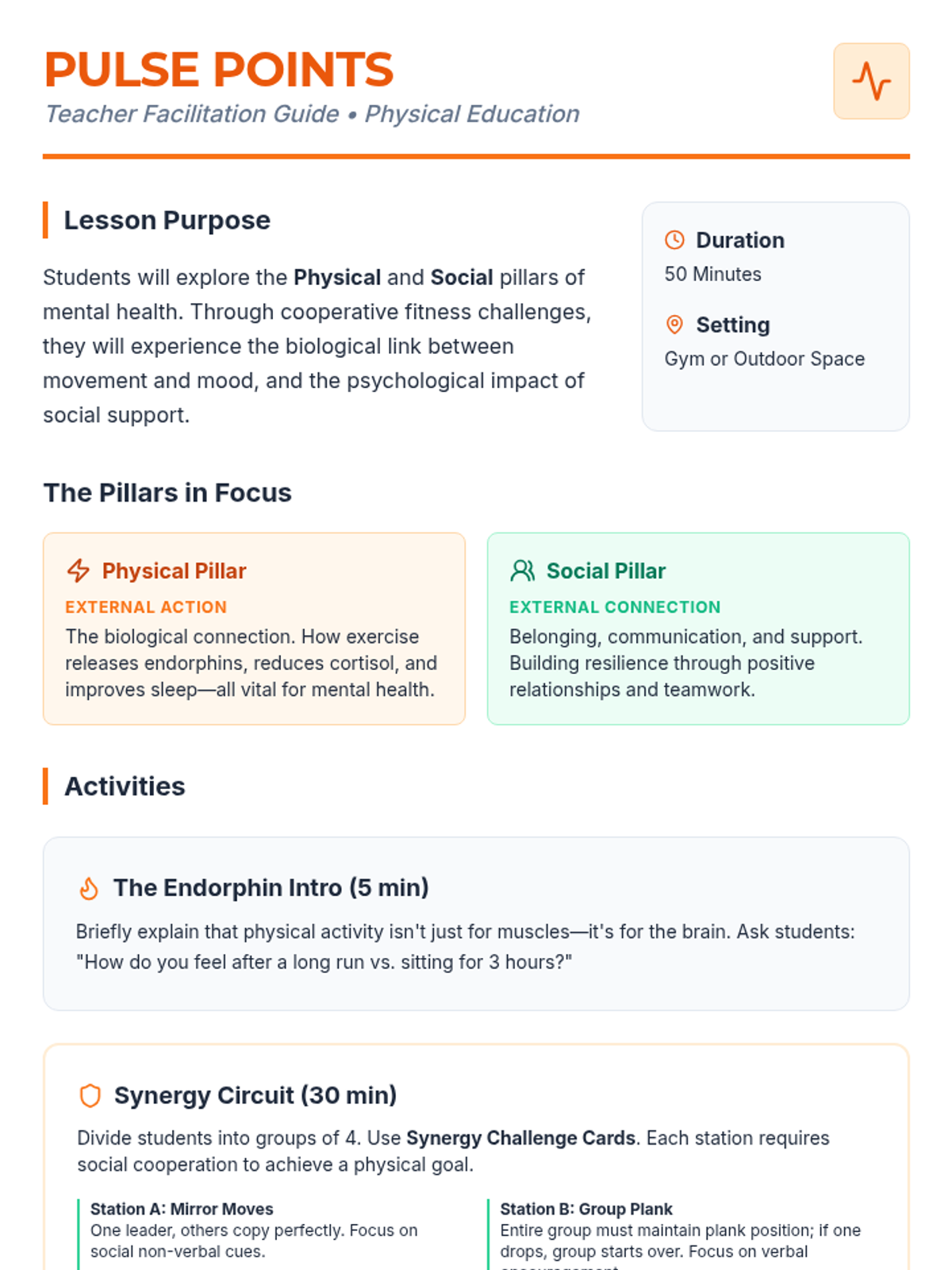
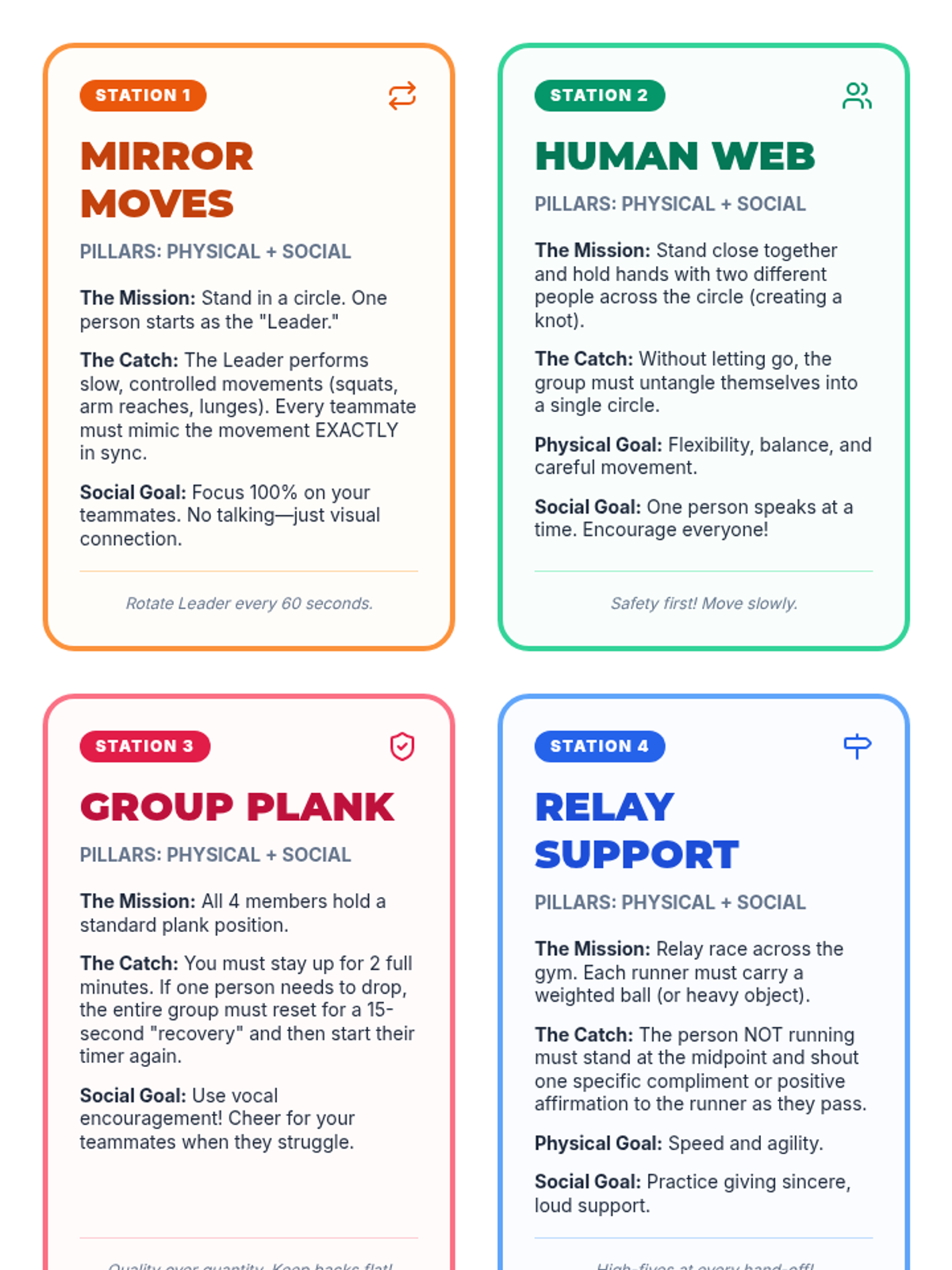
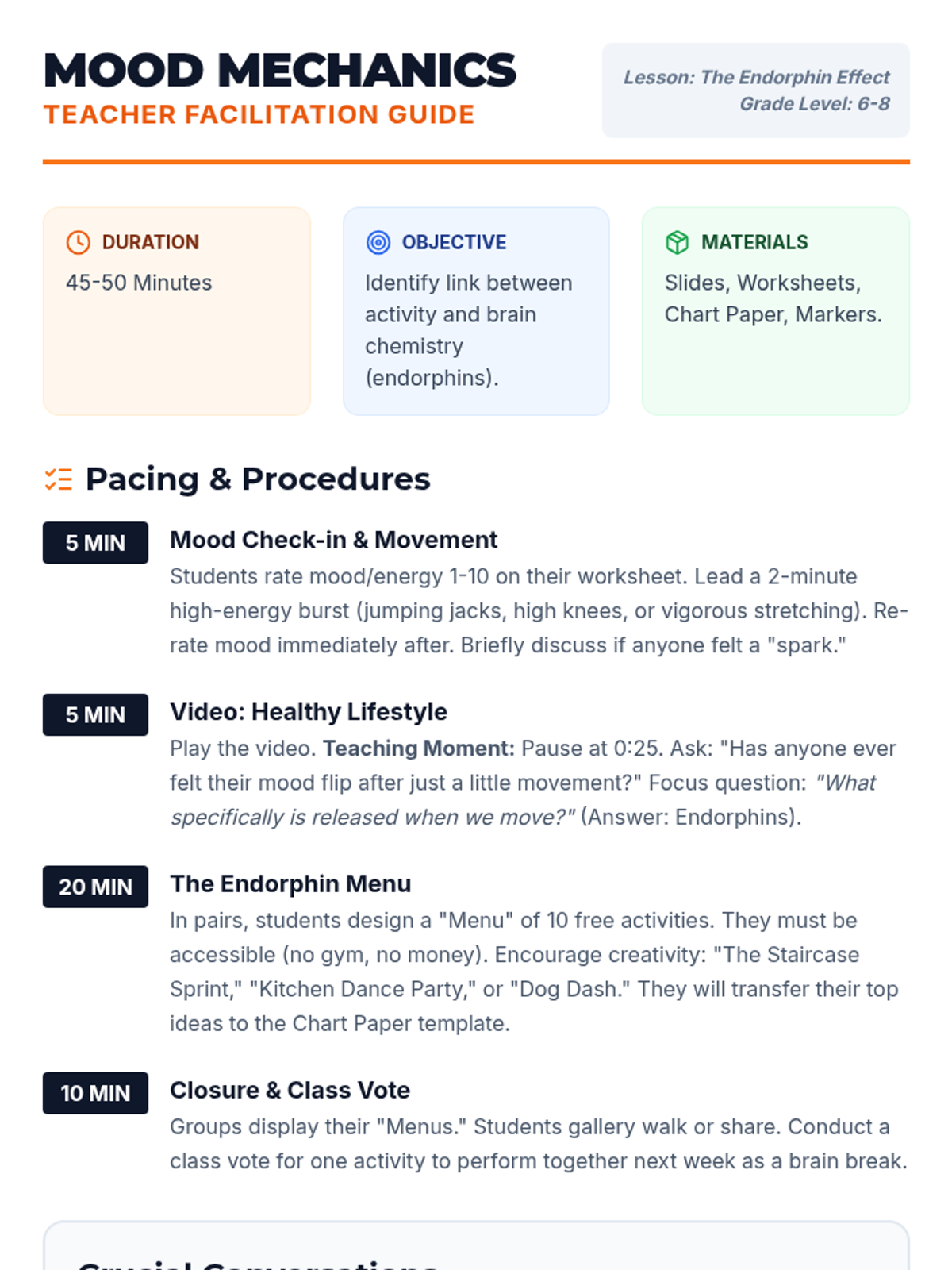
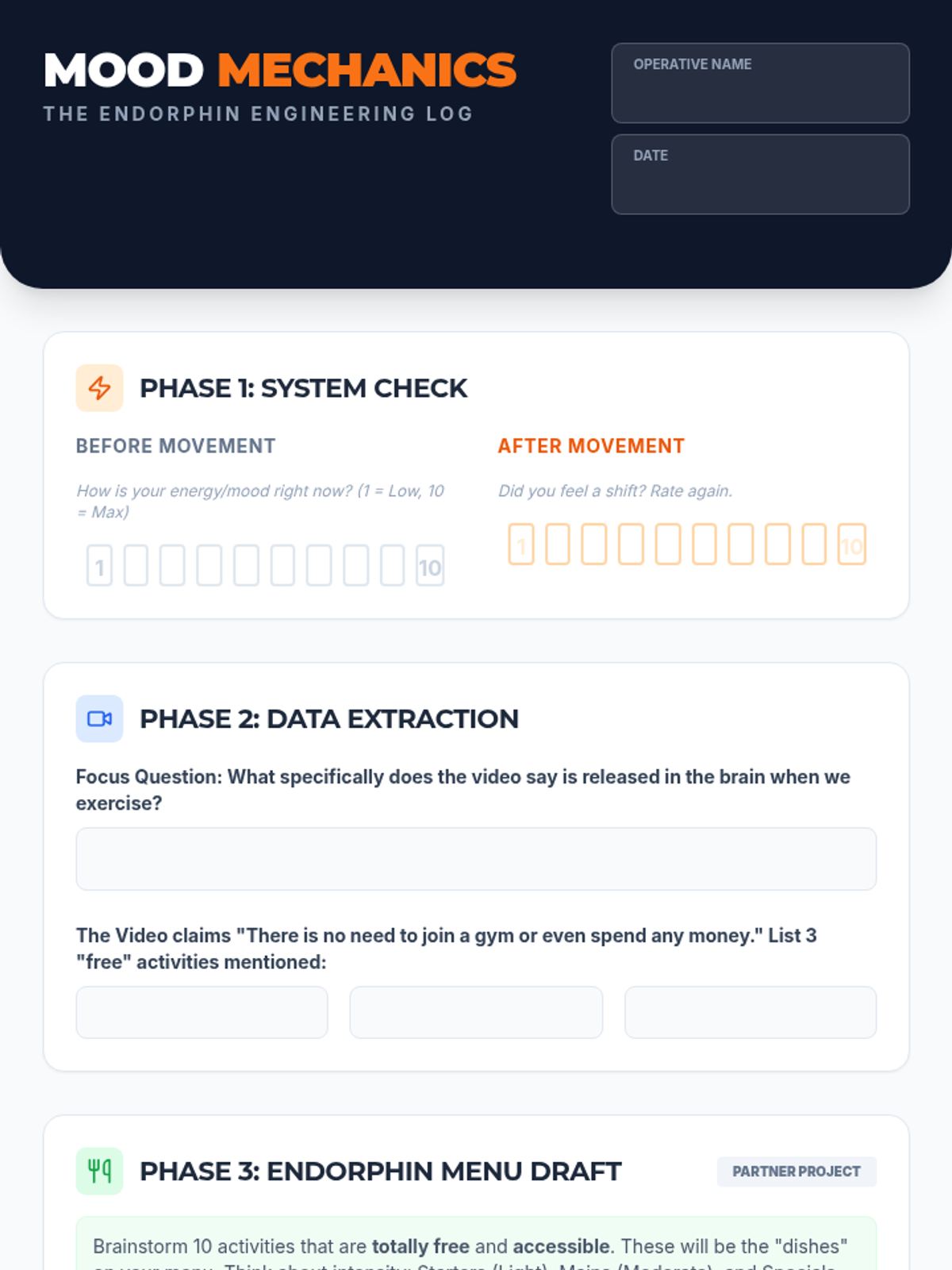
A short sequence of lessons exploring the intersection of physical health and mental wellbeing, focusing on the neurochemistry of exercise and healthy habits.
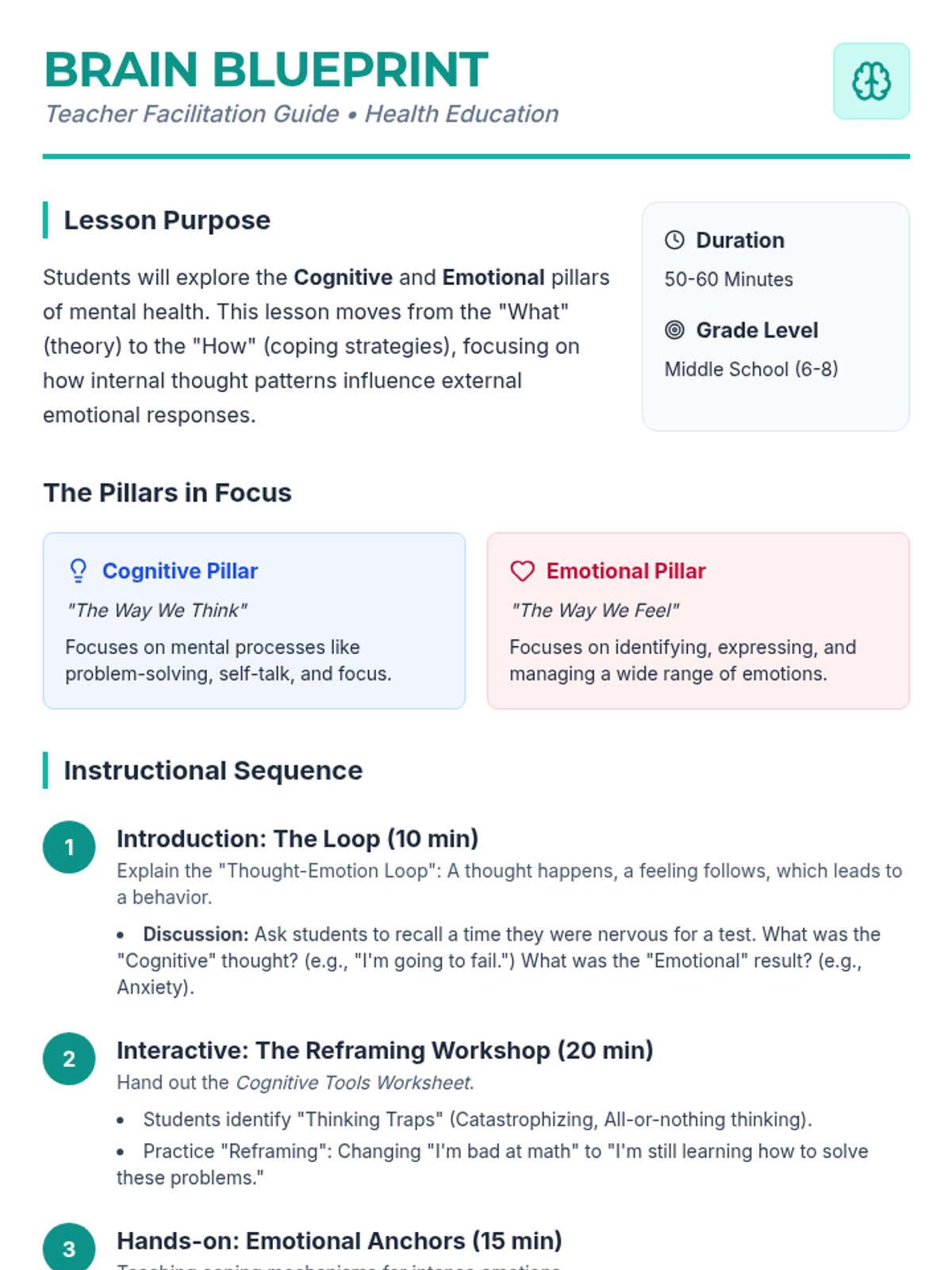
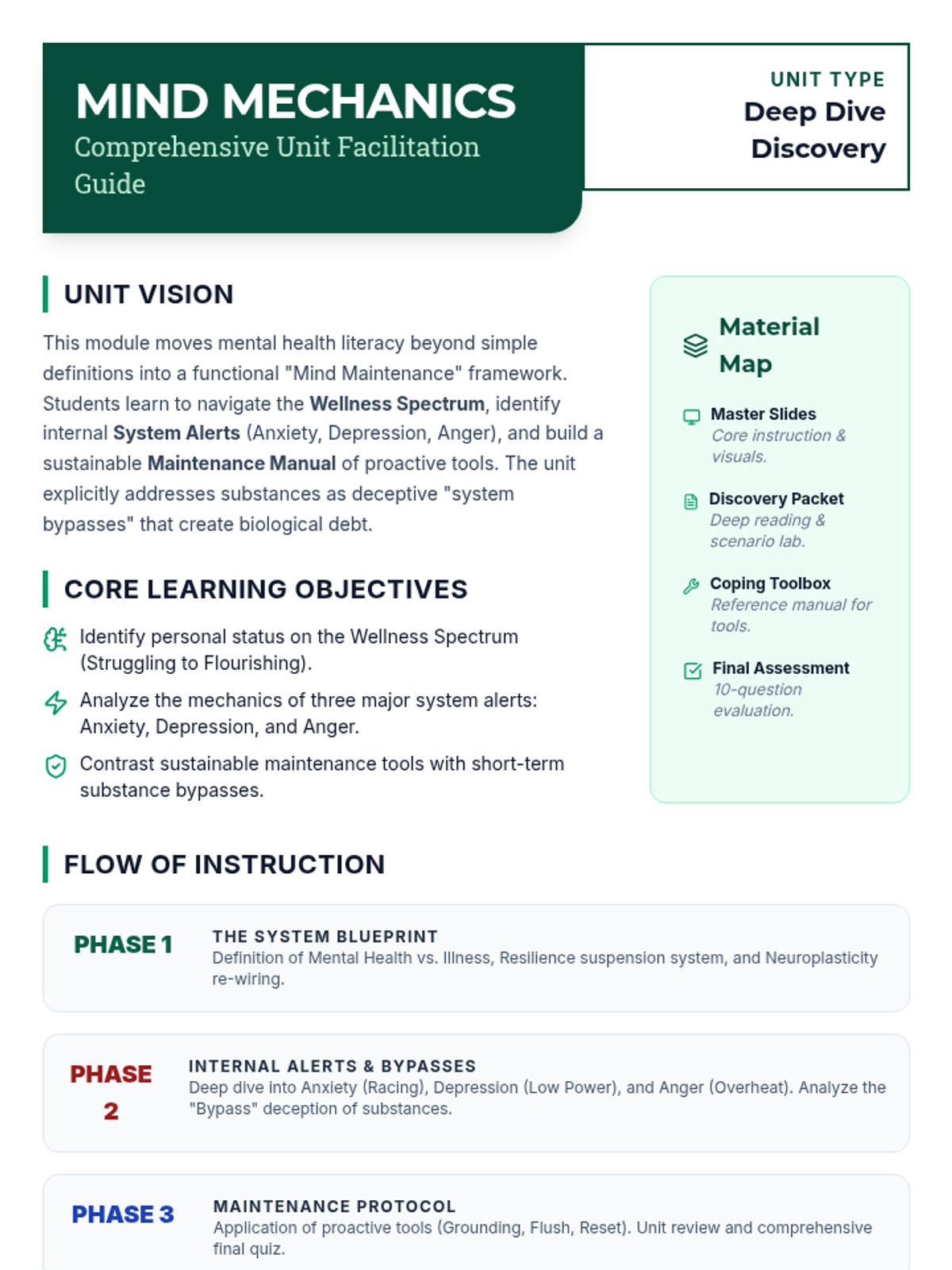
A comprehensive unit focused on the interplay between physical health and mental wellbeing, exploring how lifestyle choices, exercise, nutrition, and coping mechanisms influence emotional resilience.
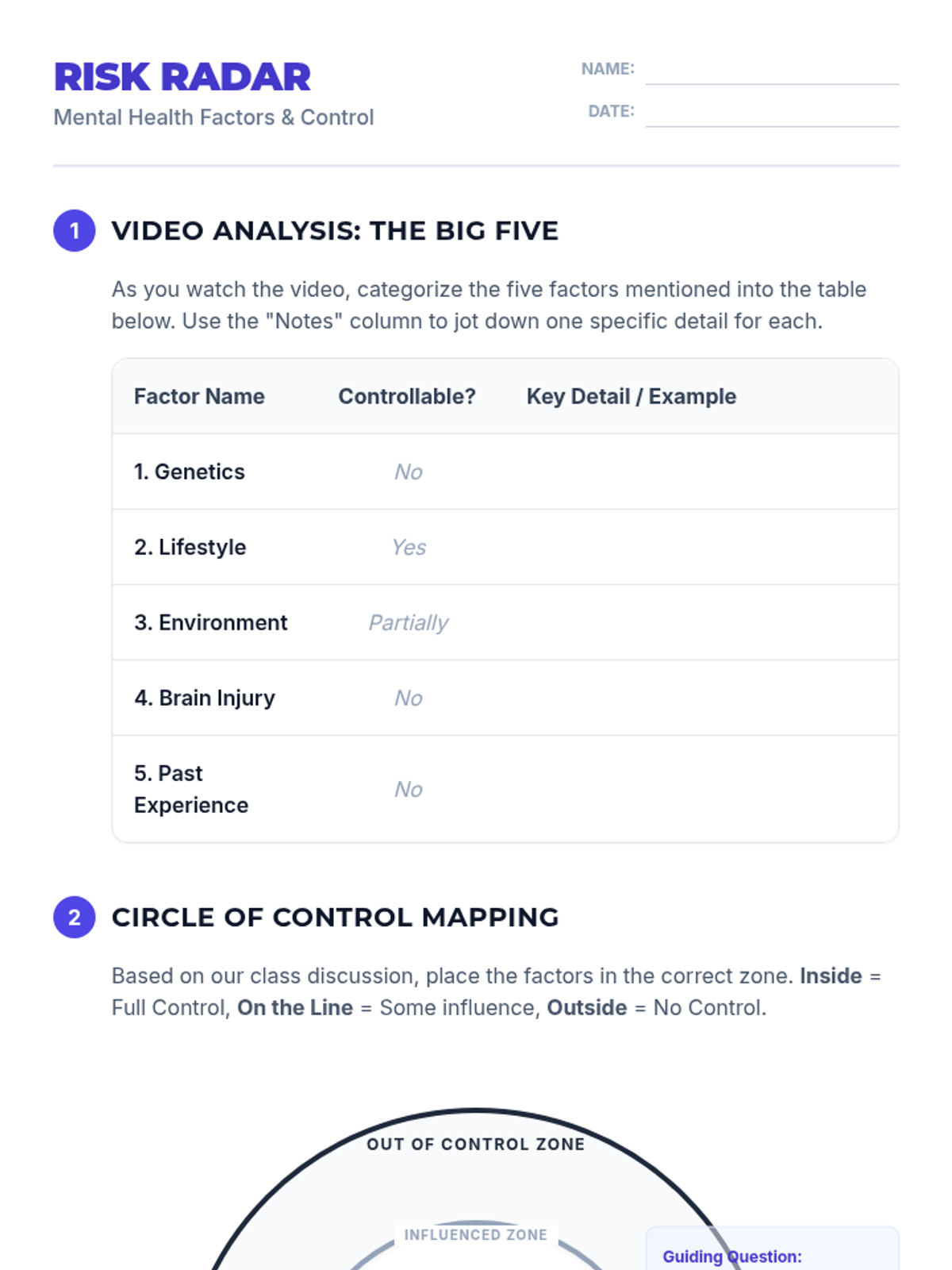
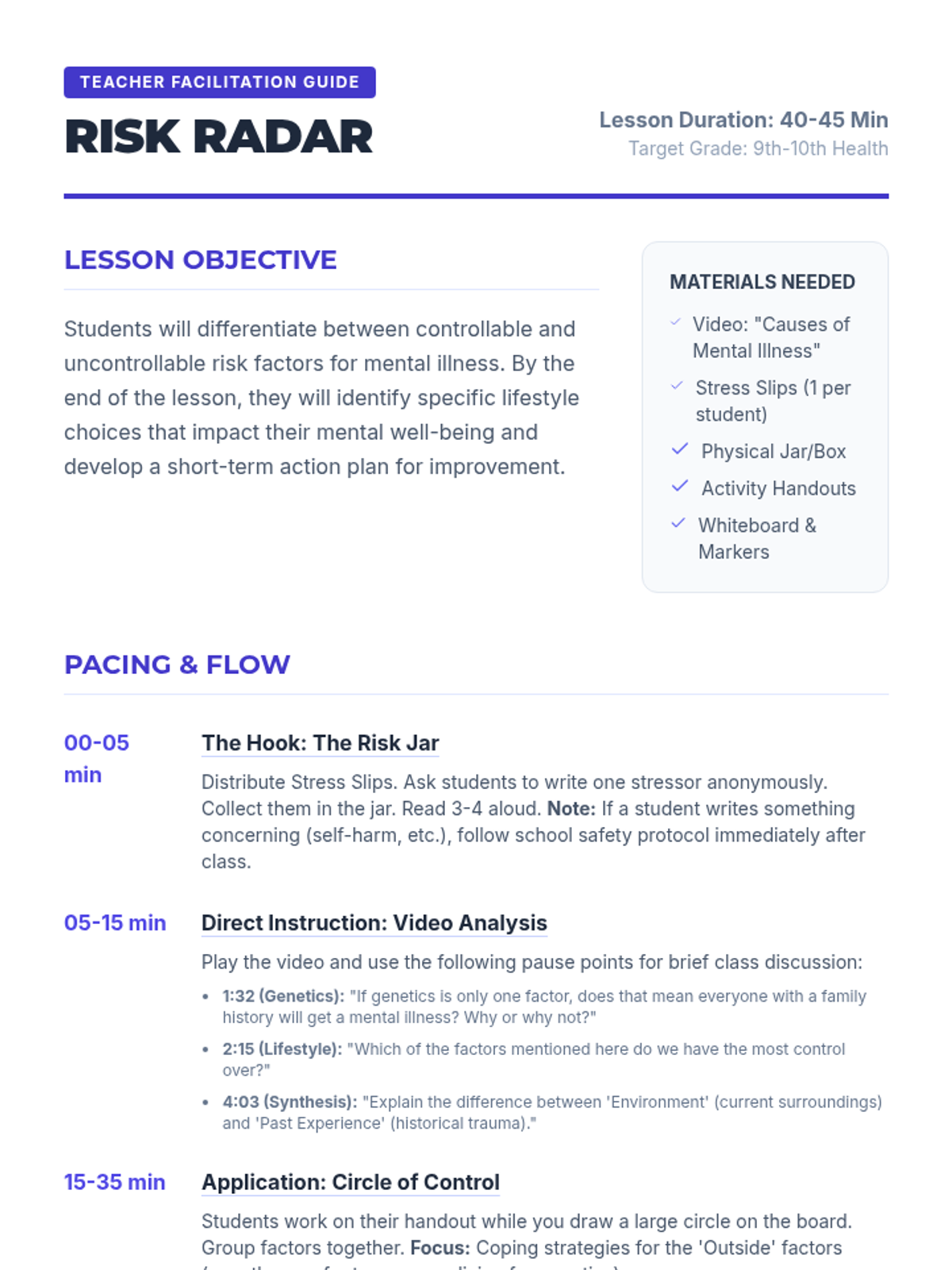
A comprehensive high school health sequence focused on understanding the complex interplay of biological and environmental factors that contribute to mental health and illness.
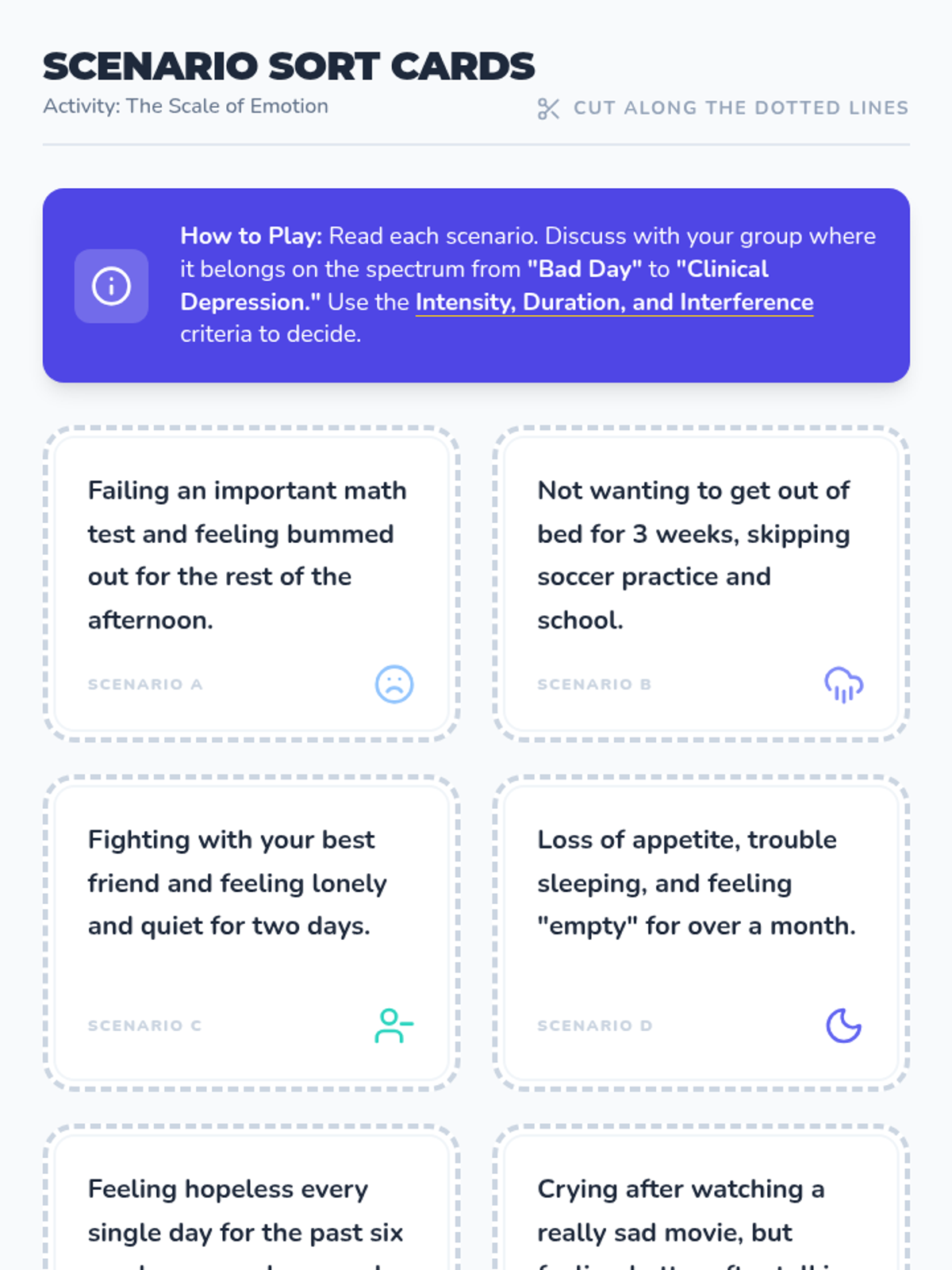
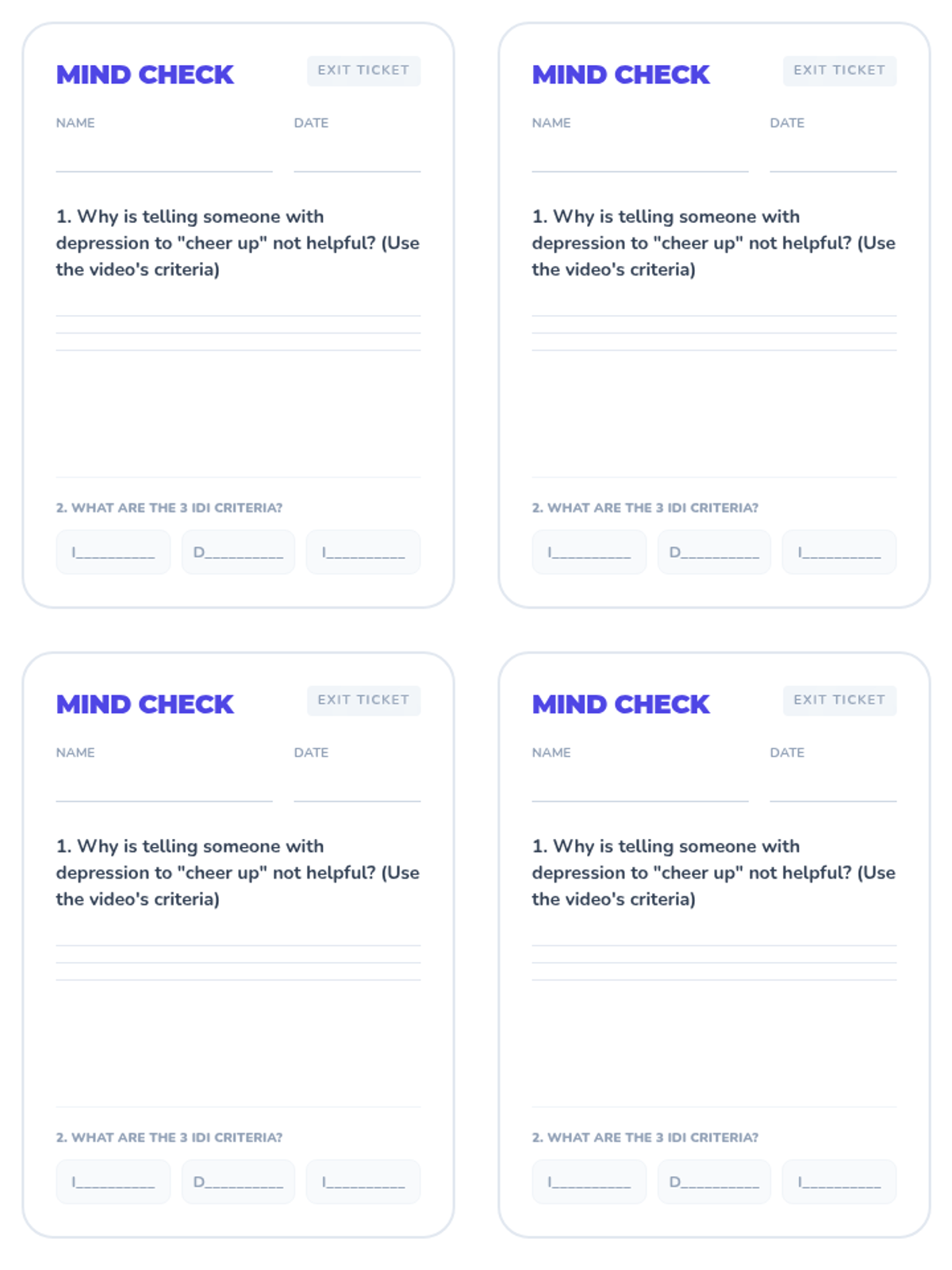
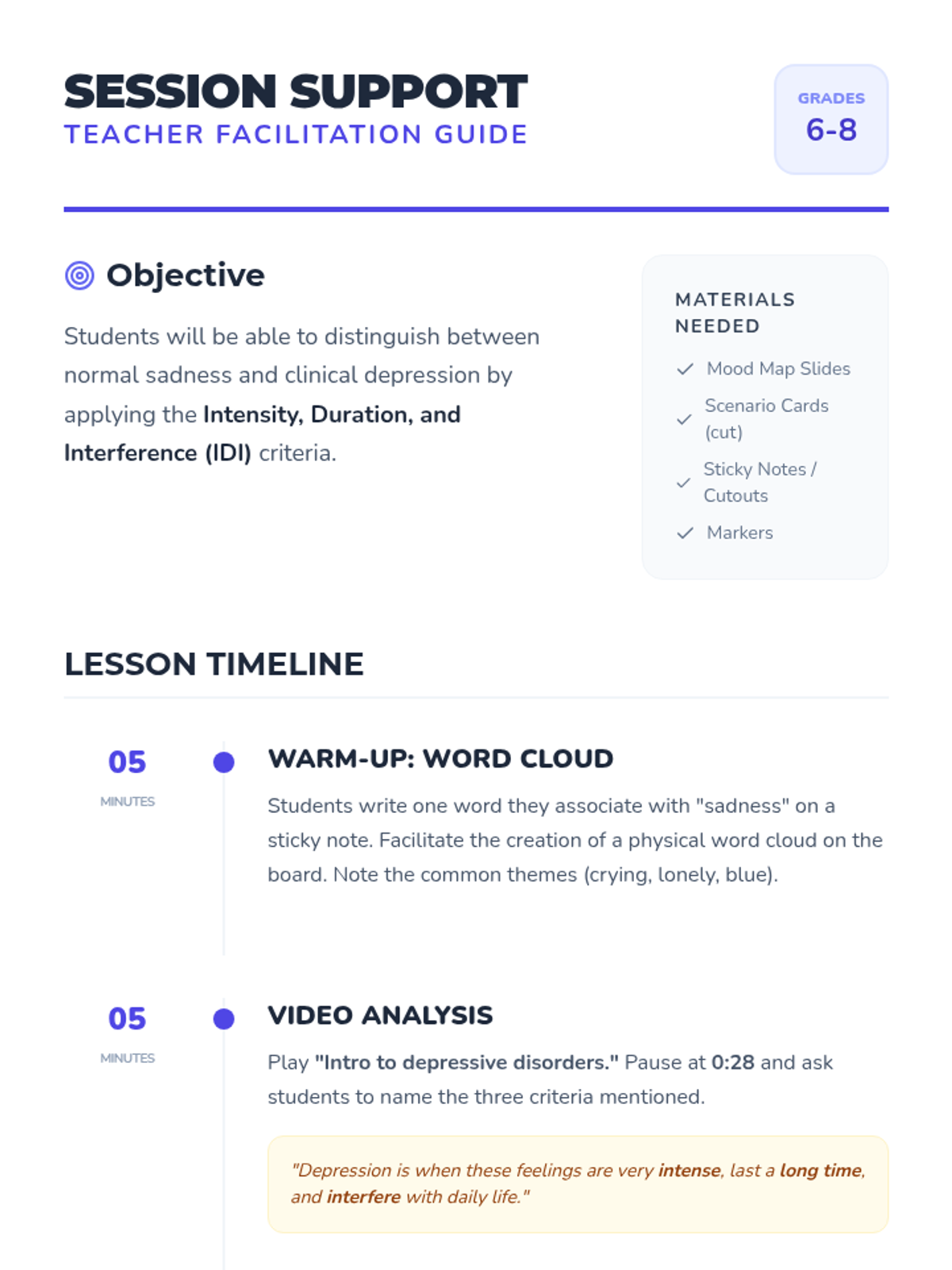
A comprehensive mental health lesson sequence focused on helping middle school students distinguish between normal emotional fluctuations and clinical depressive disorders using the Intensity, Duration, and Interference (IDI) criteria.
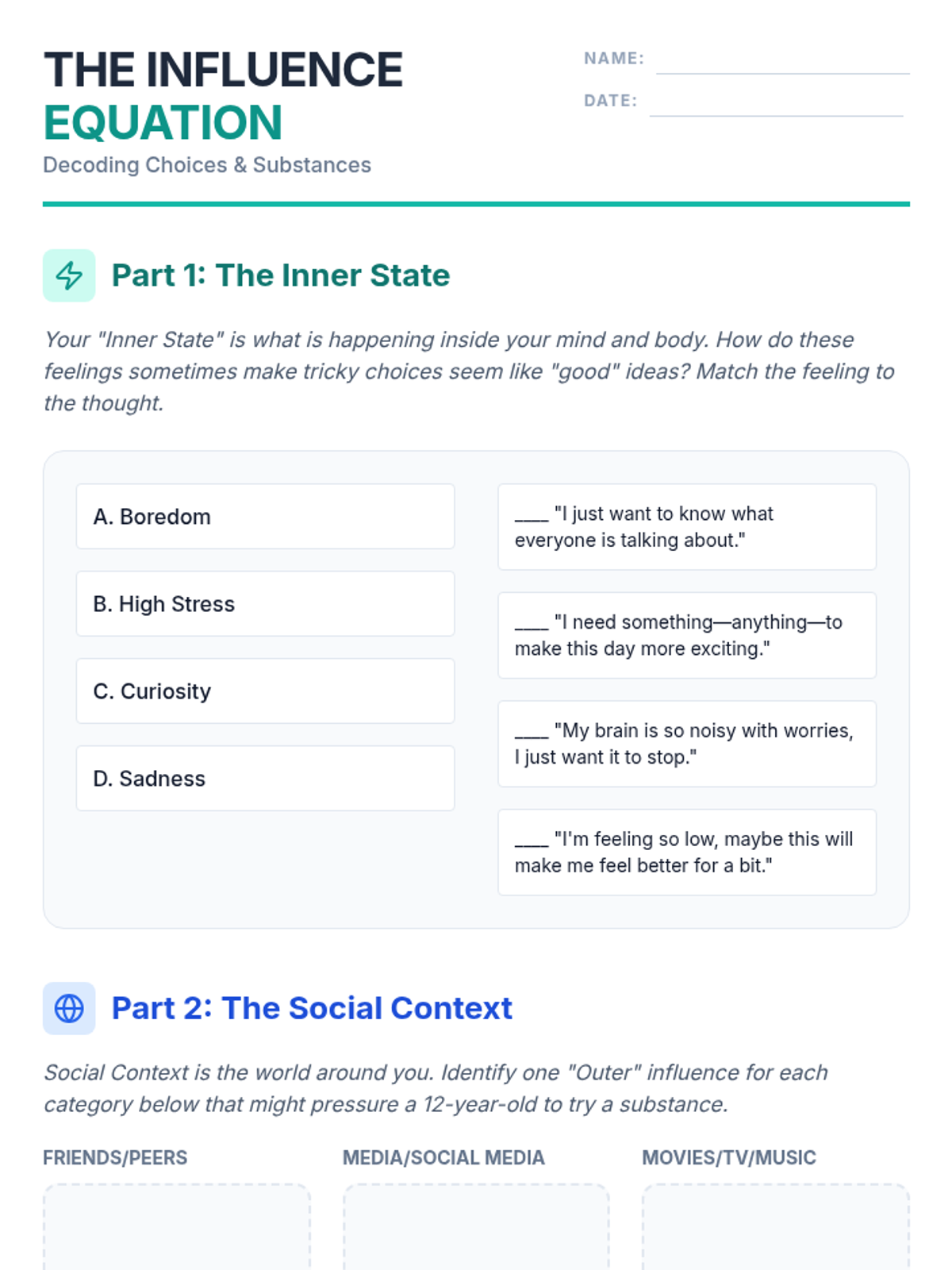
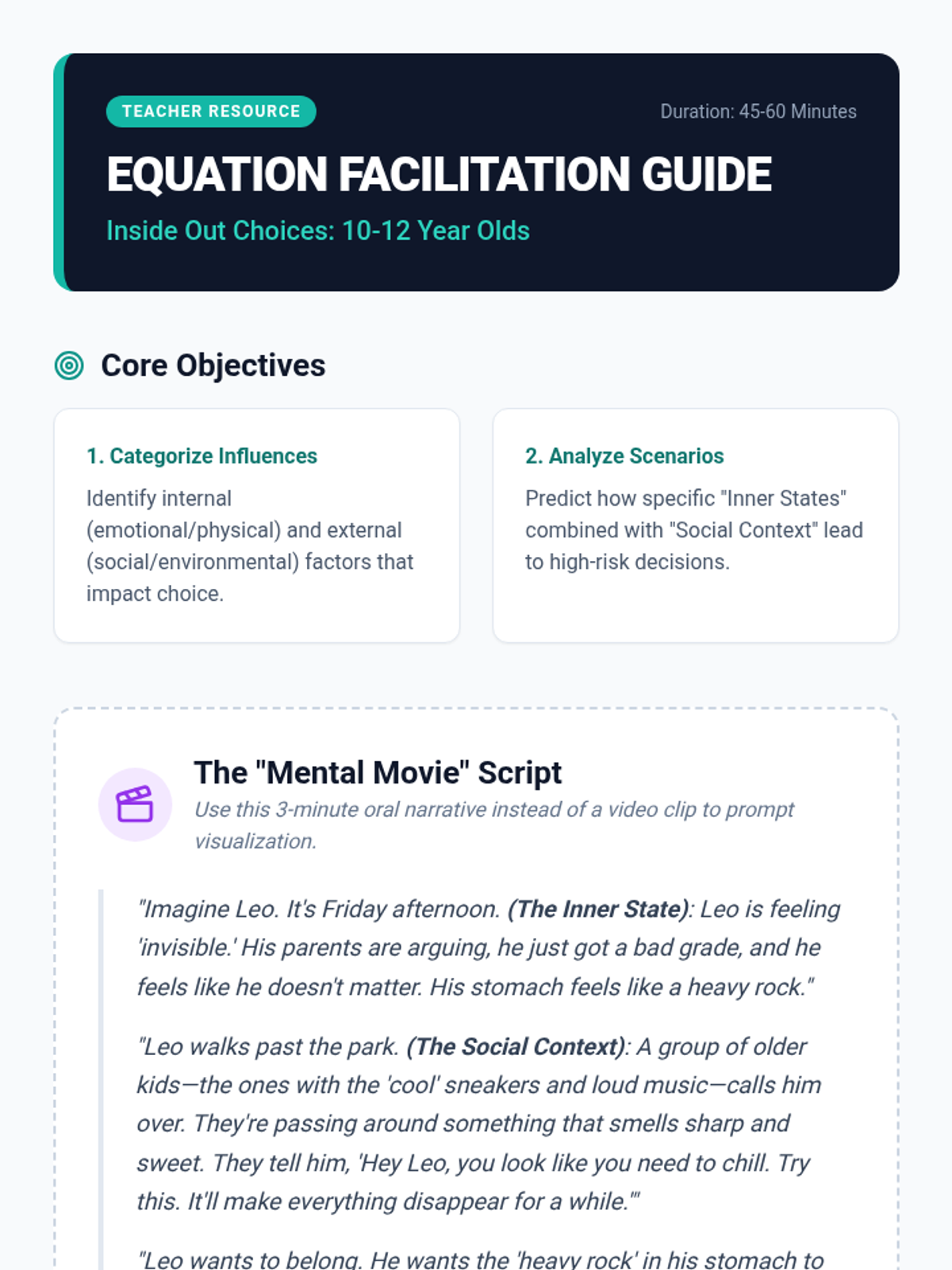
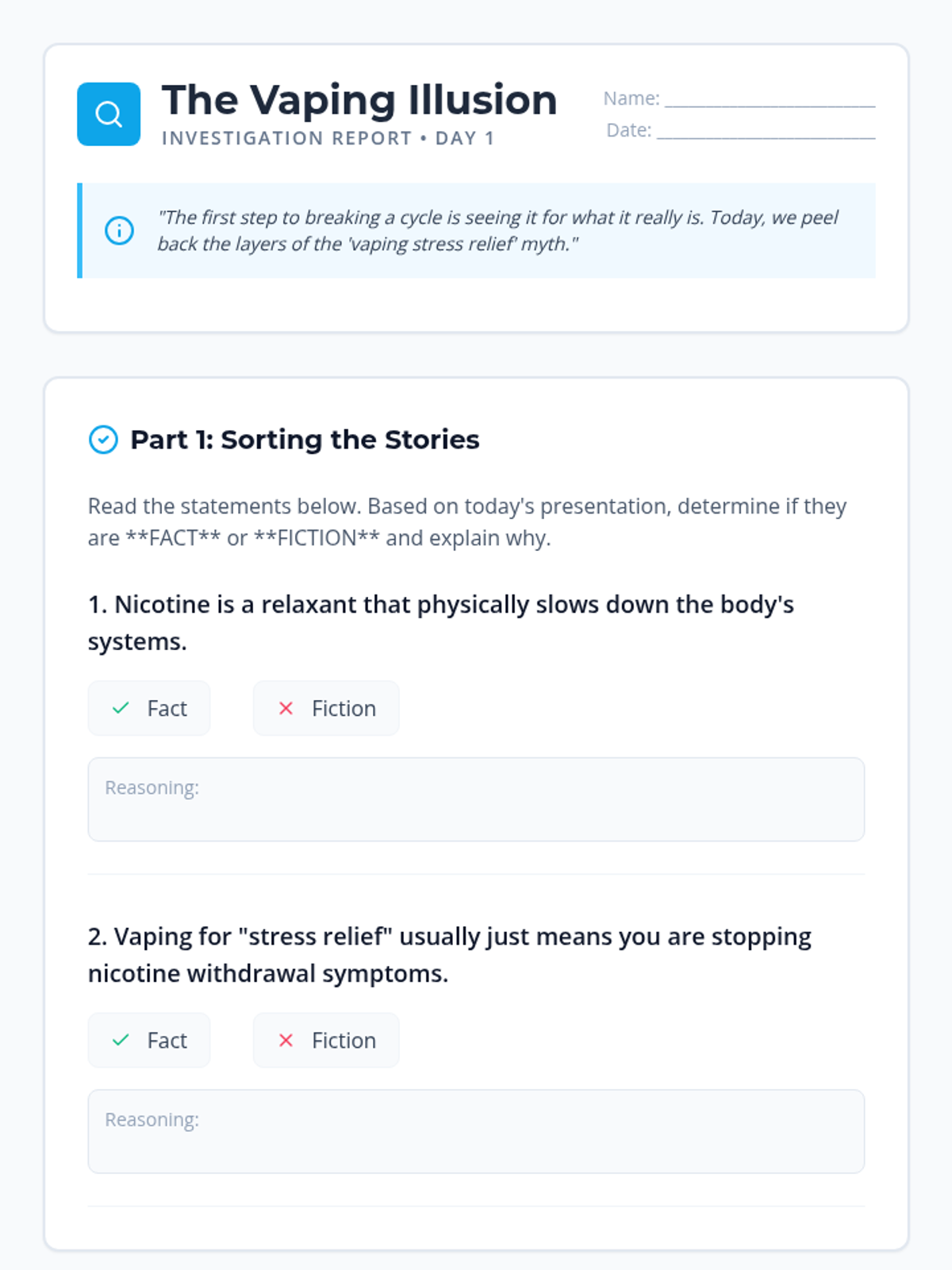
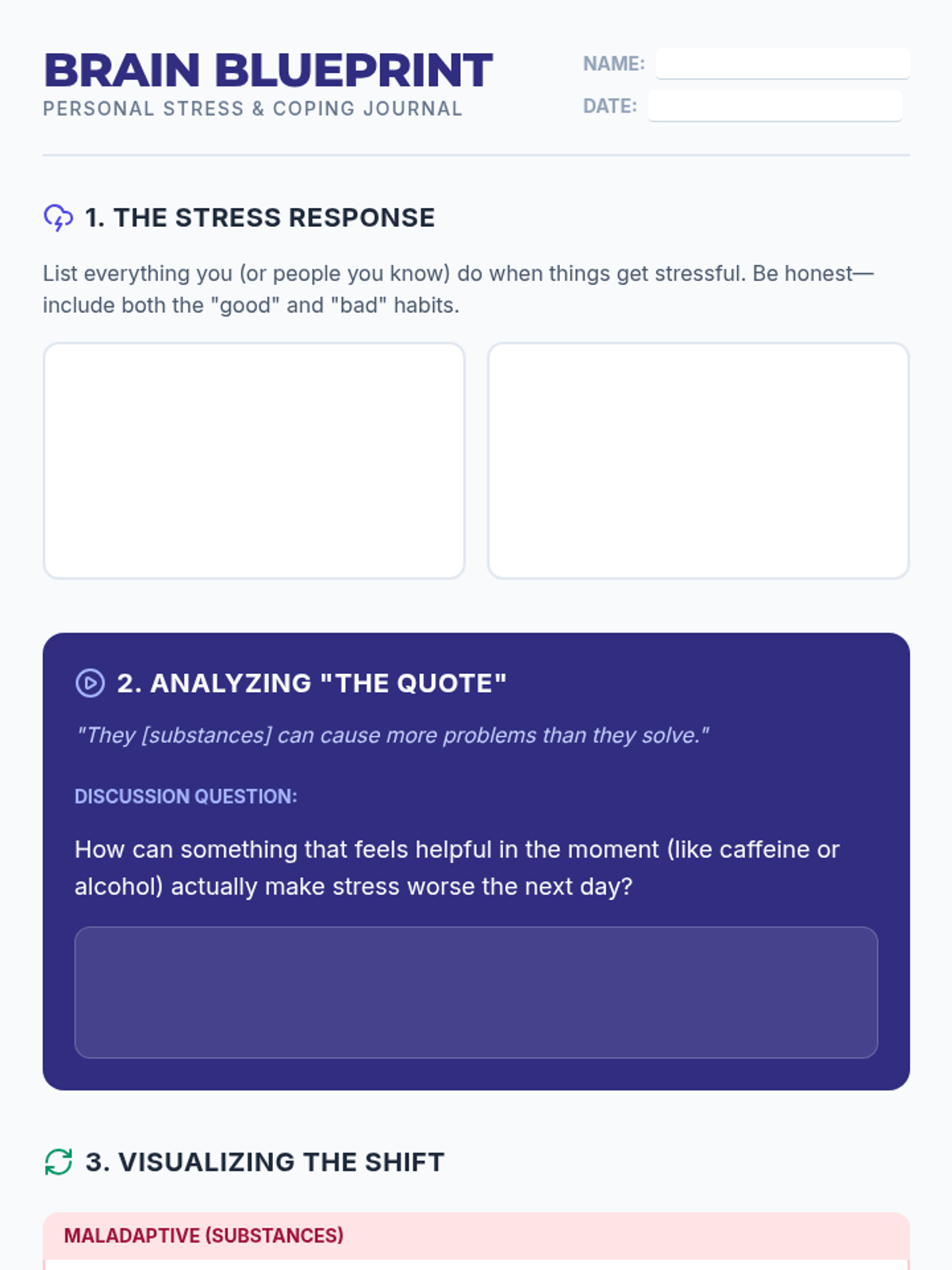
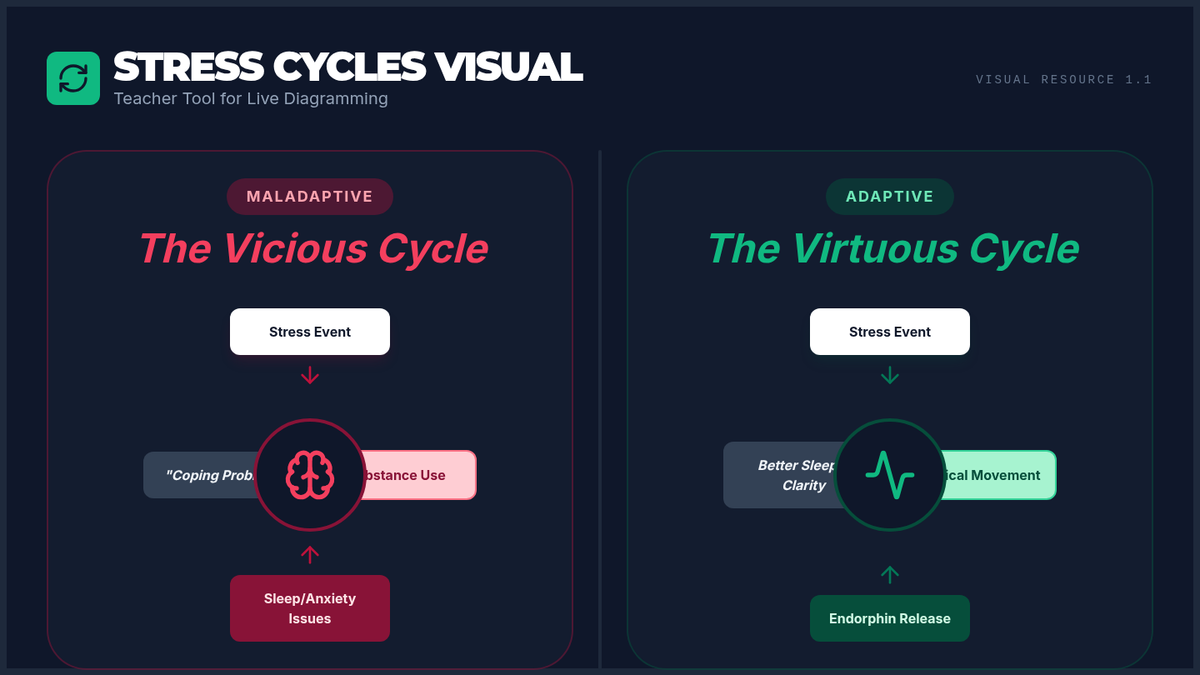
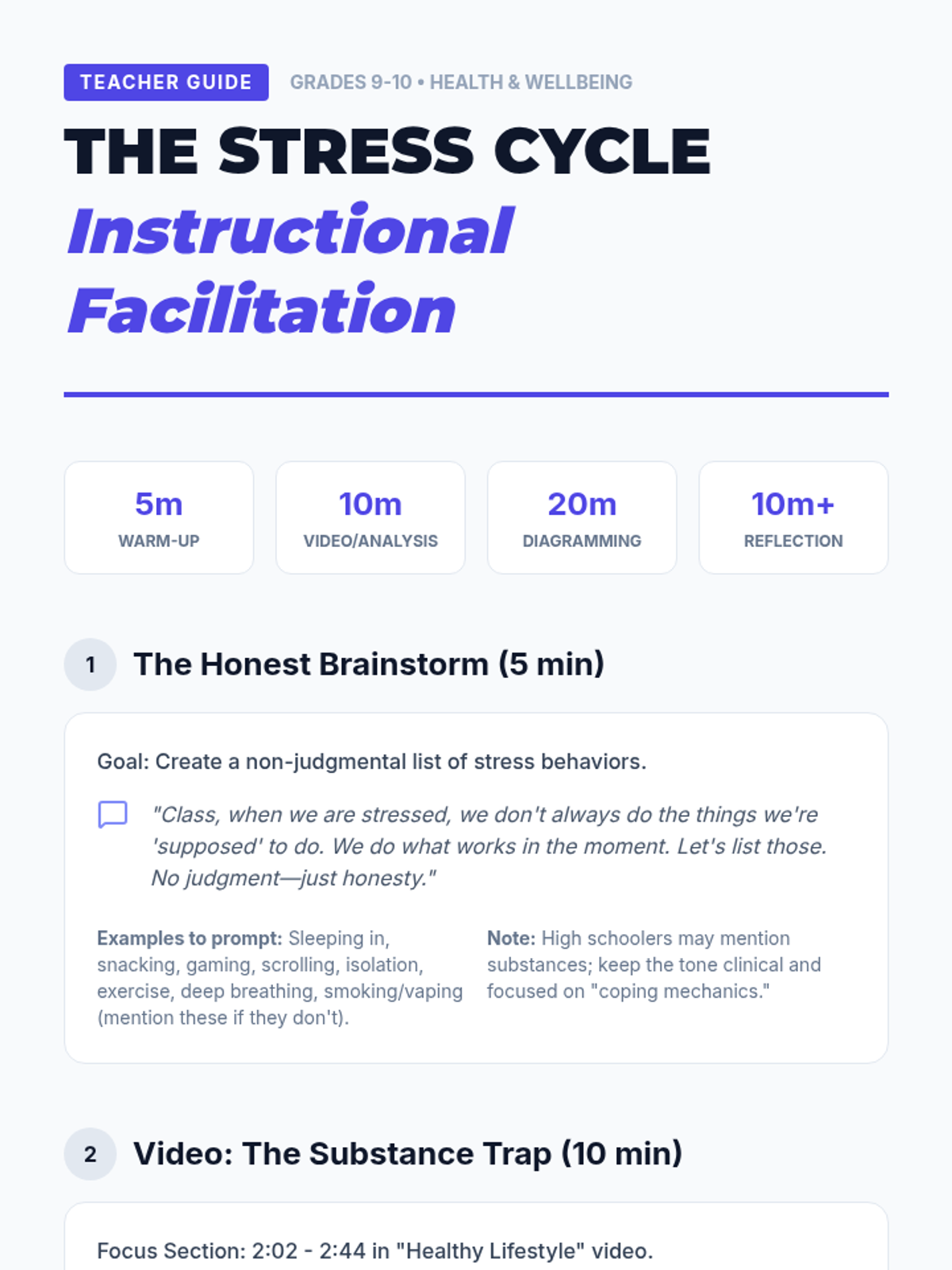
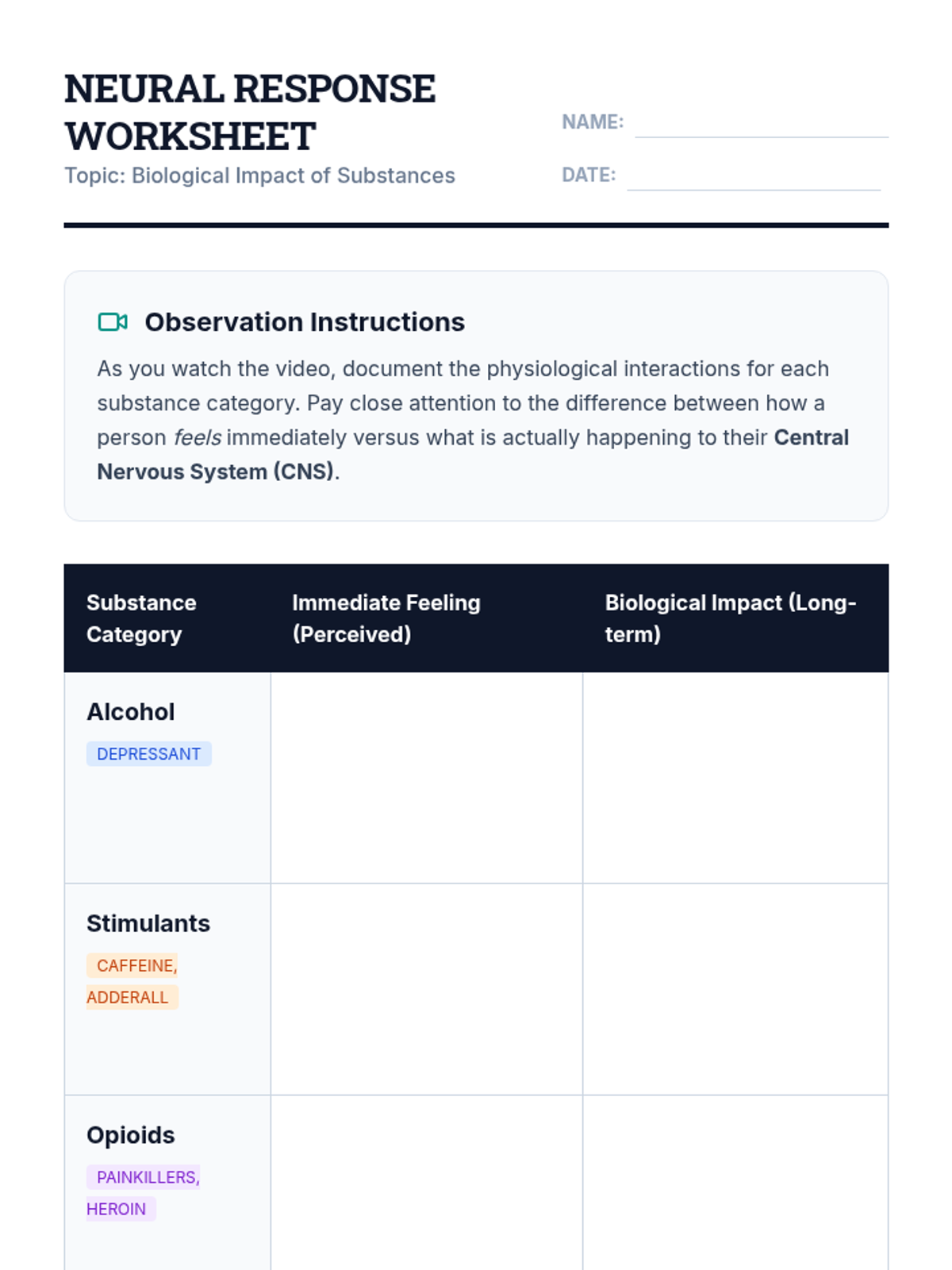
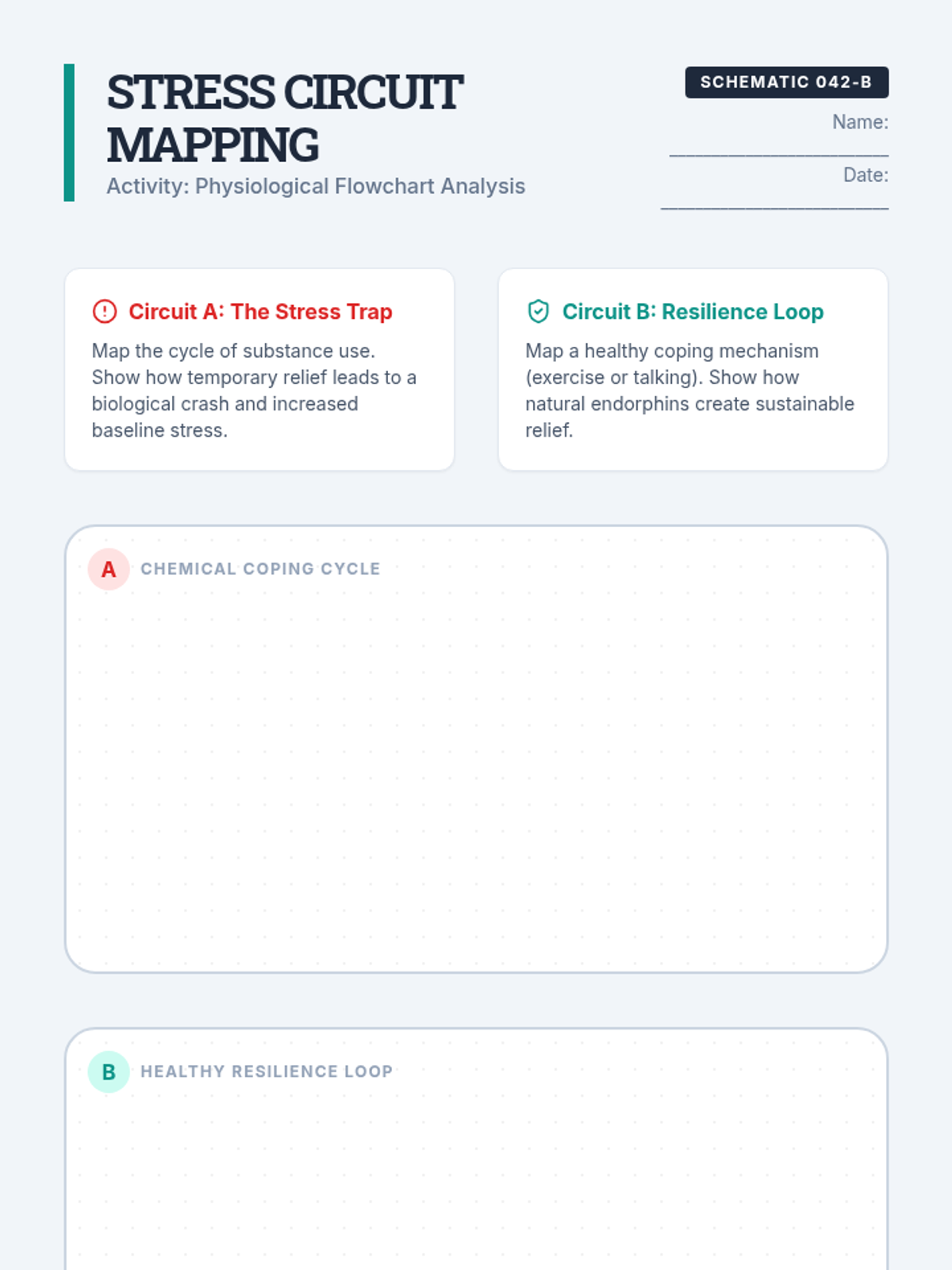
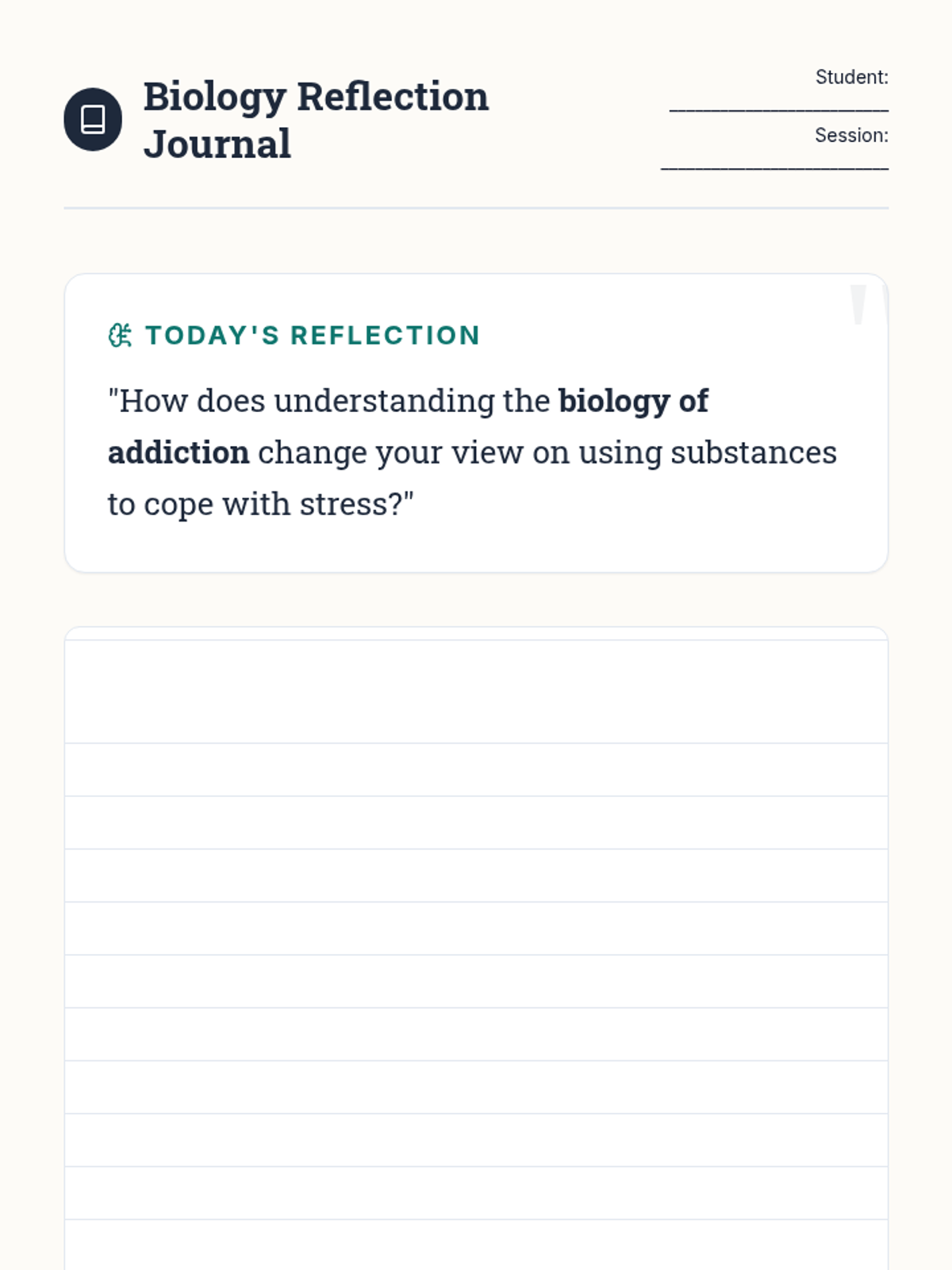
A high school health lesson analyzing the physiological effects of stimulants and depressants on the nervous system and the 'rebound effect' of using substances to cope with stress.
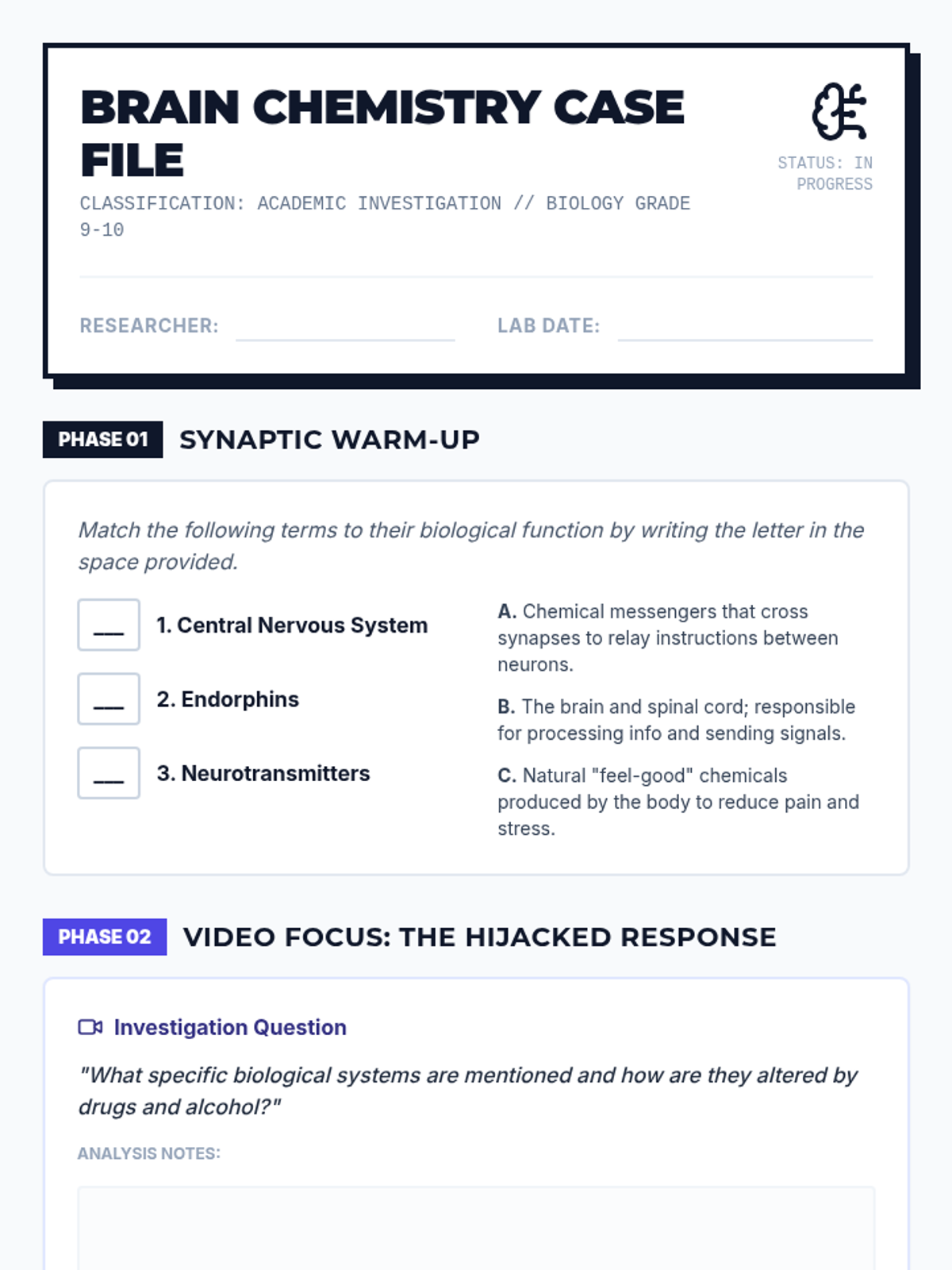
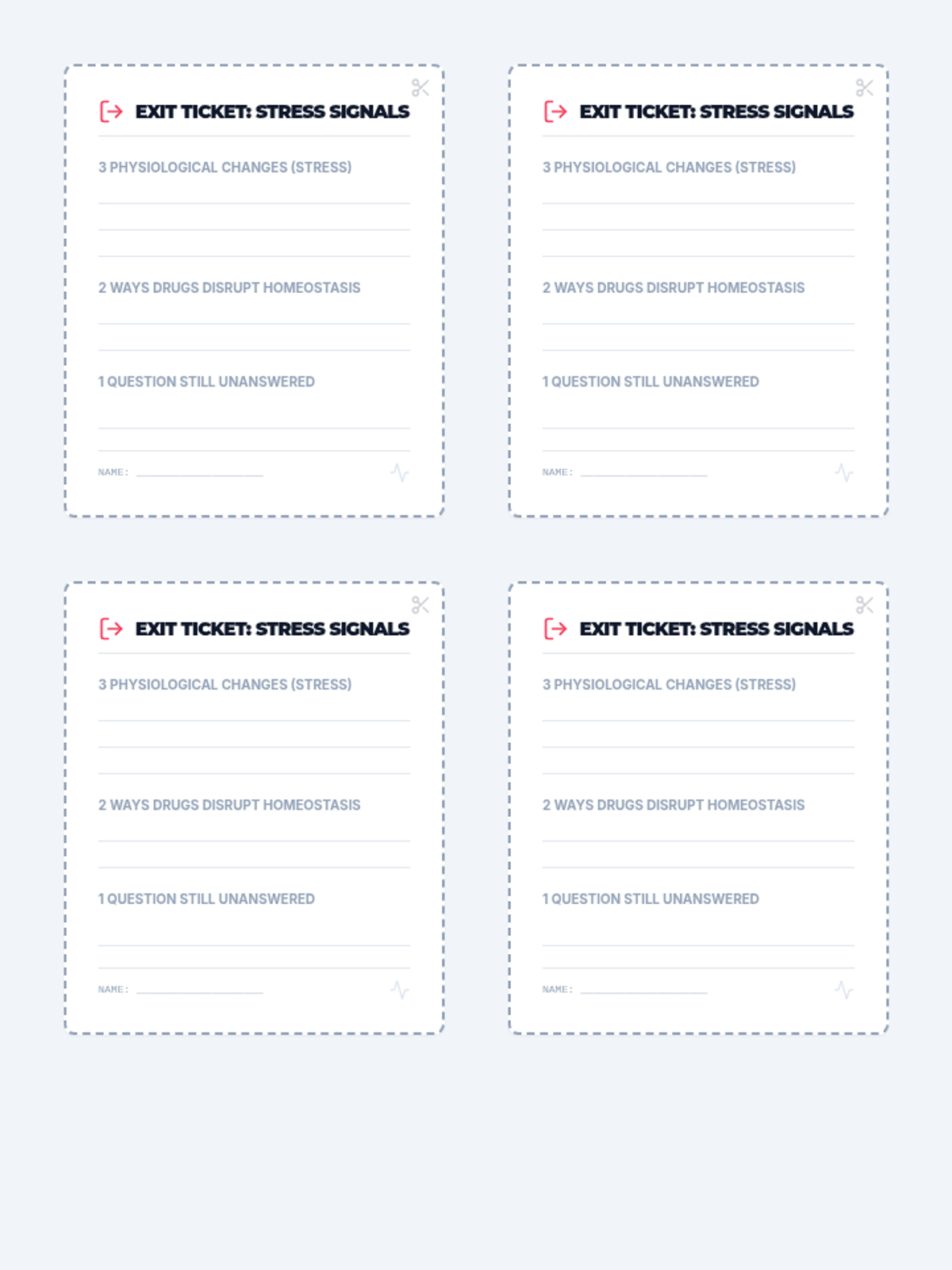
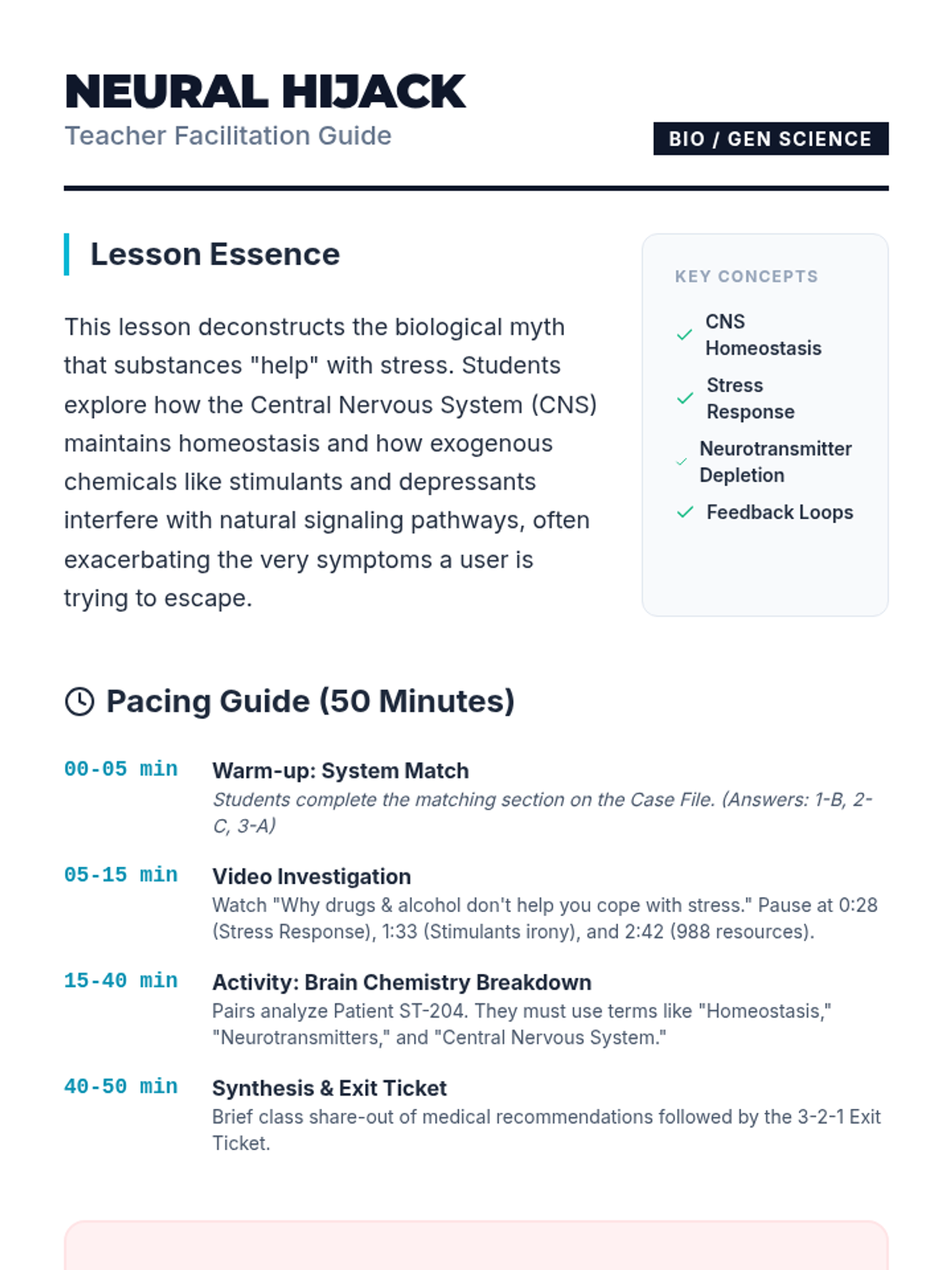
This lesson sequence explores the physiological impact of stress and substance use on the central nervous system, focusing on how exogenous chemicals disrupt homeostasis. Students analyze a medical case study to apply their understanding of stimulants and biological feedback loops.
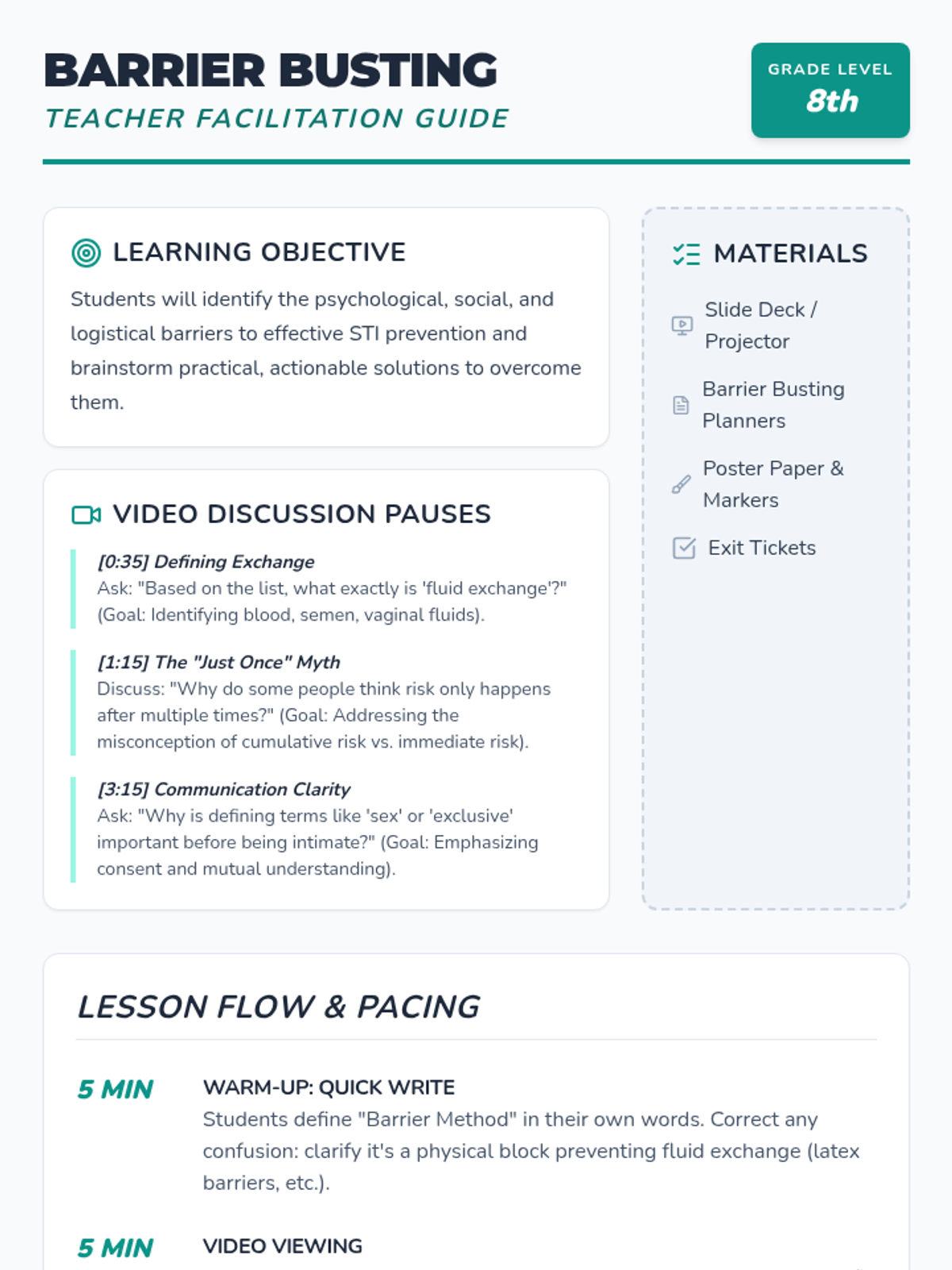
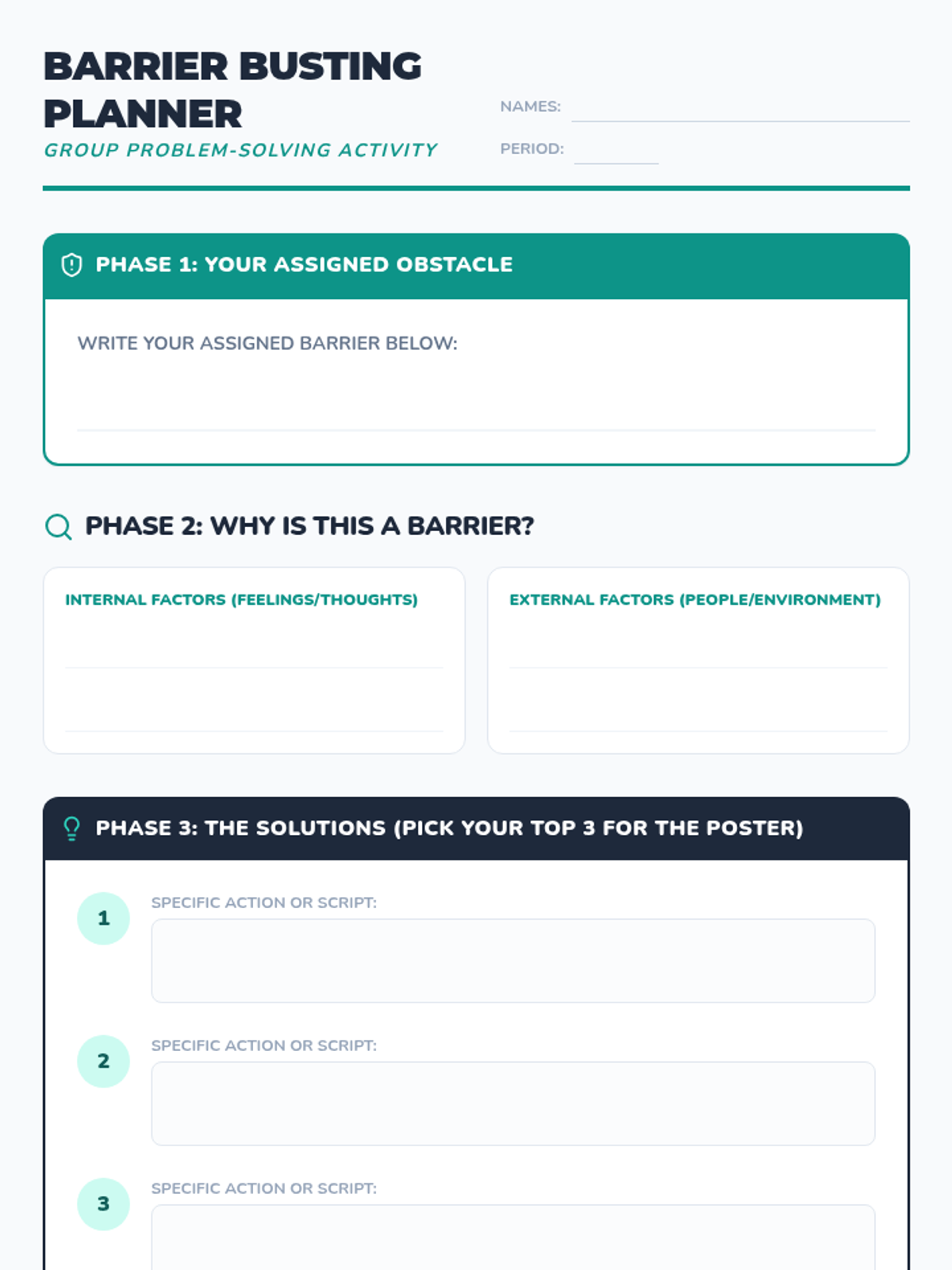
A lesson focused on identifying and overcoming common barriers to STI prevention, featuring a collaborative poster project and interactive video analysis.
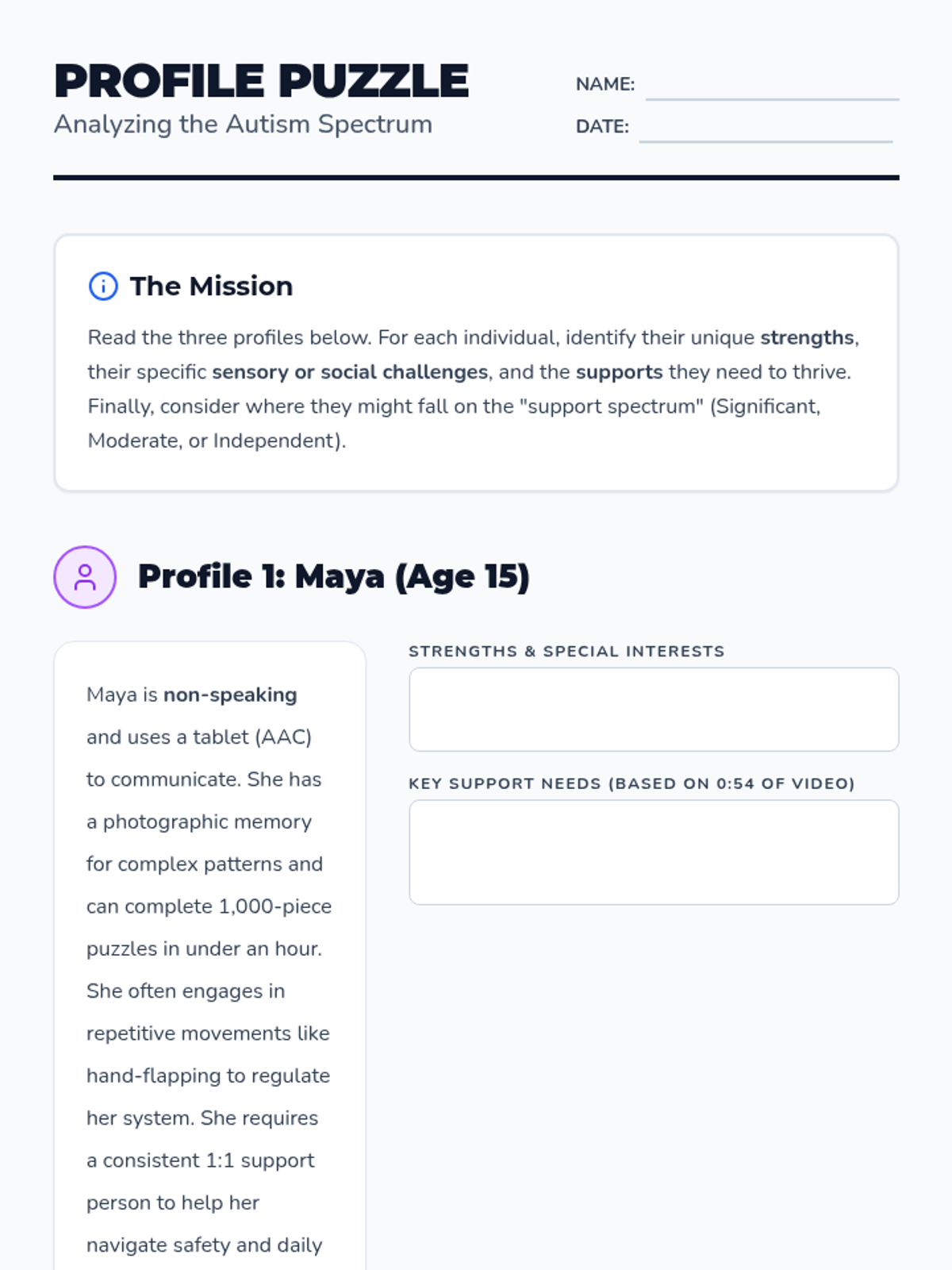
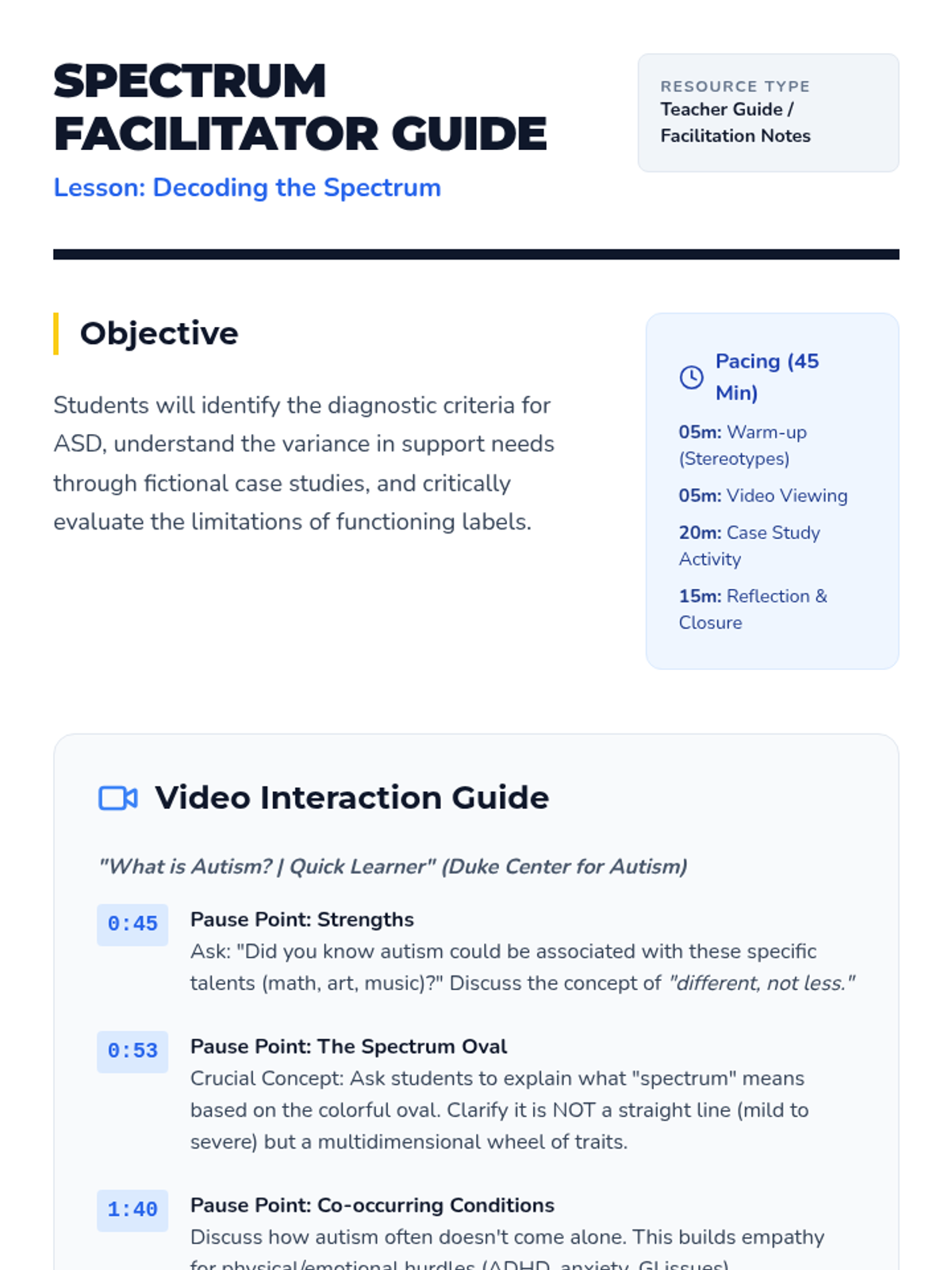
A high school health and psychology unit exploring neurodiversity, focusing on the diagnostic criteria, support needs, and lived experiences of individuals on the autism spectrum.
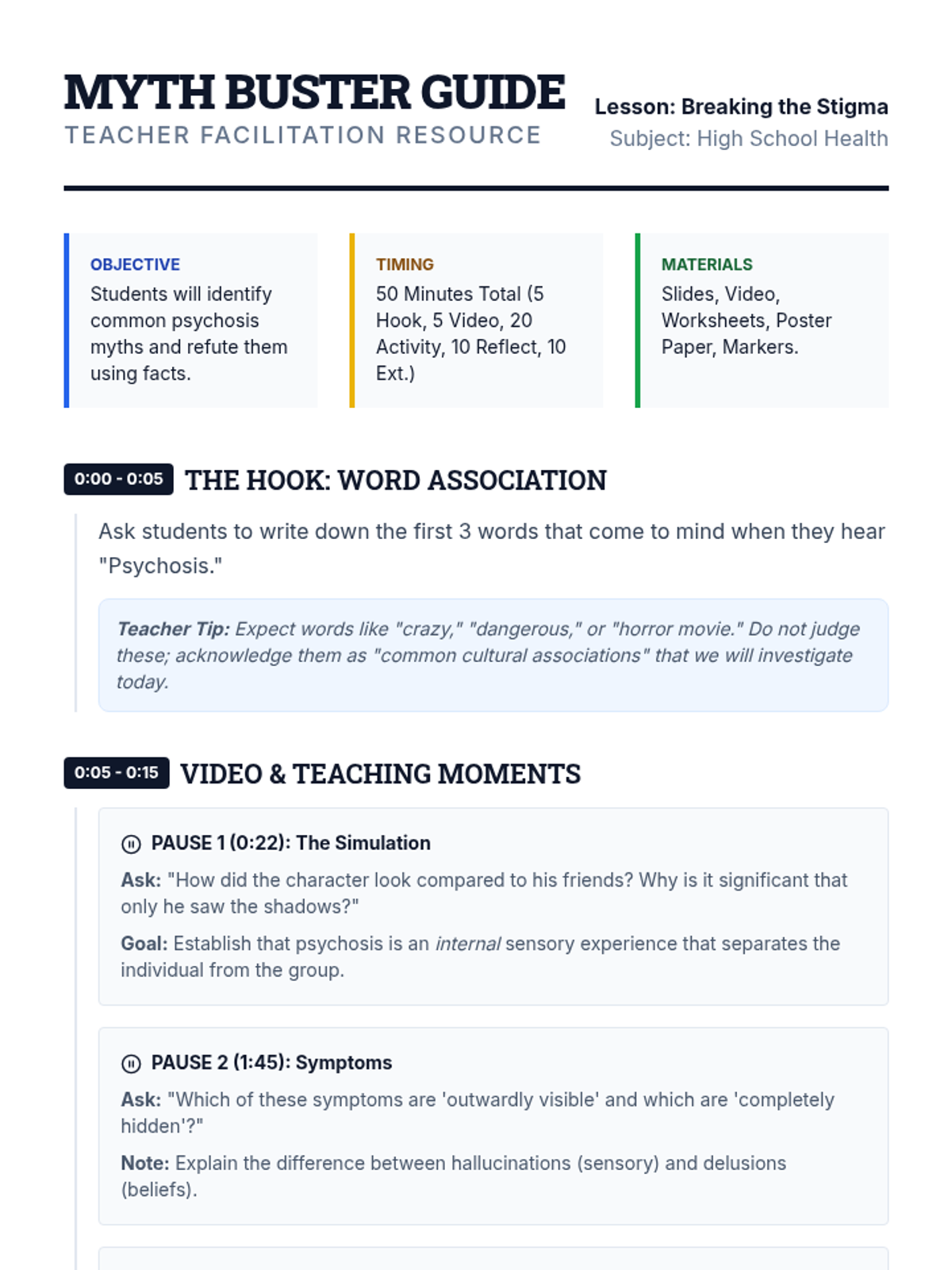
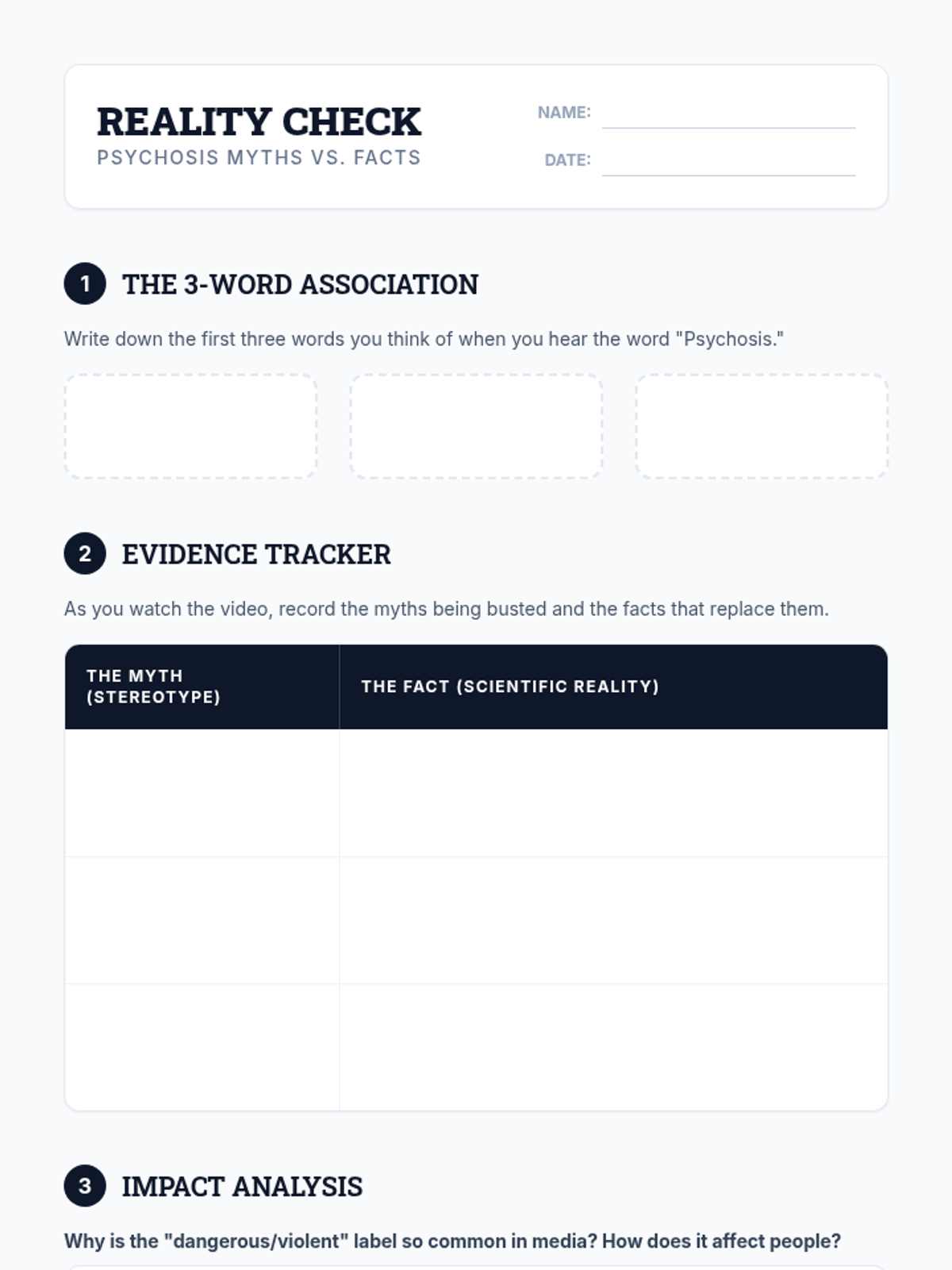
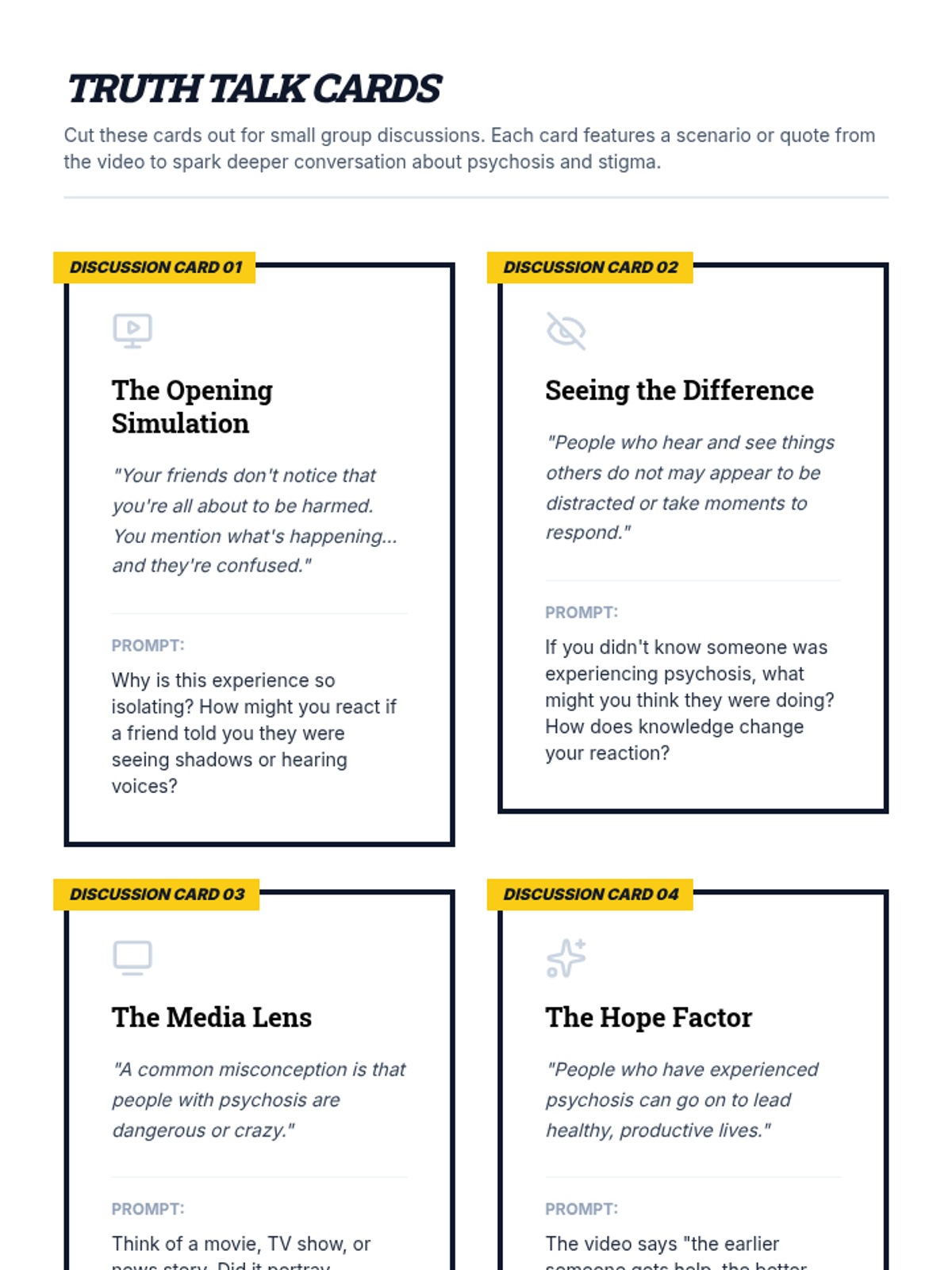
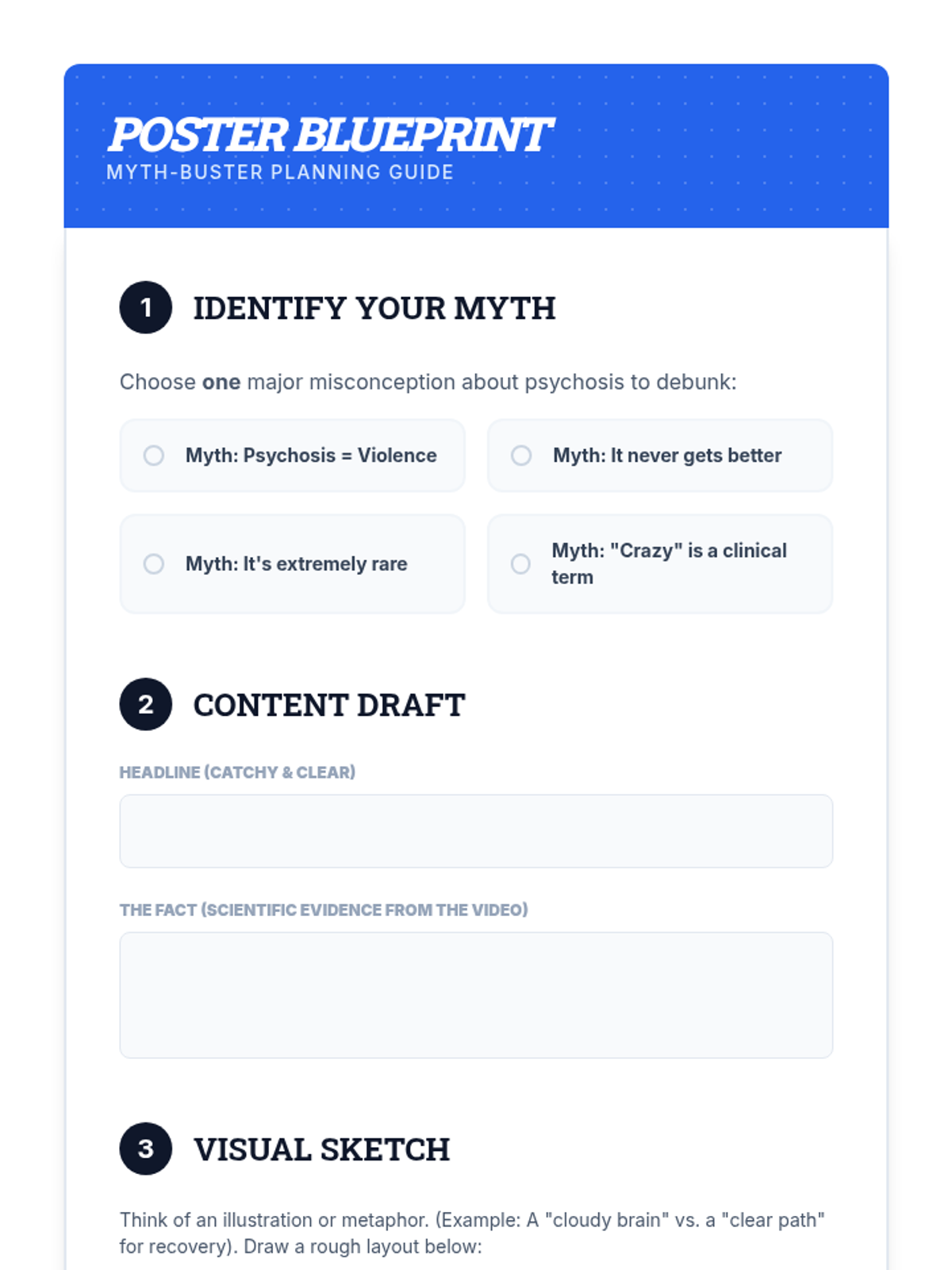
A high school health lesson focused on debunking common myths about psychosis, understanding its clinical definition and symptoms, and exploring the impact of social stigma on recovery.
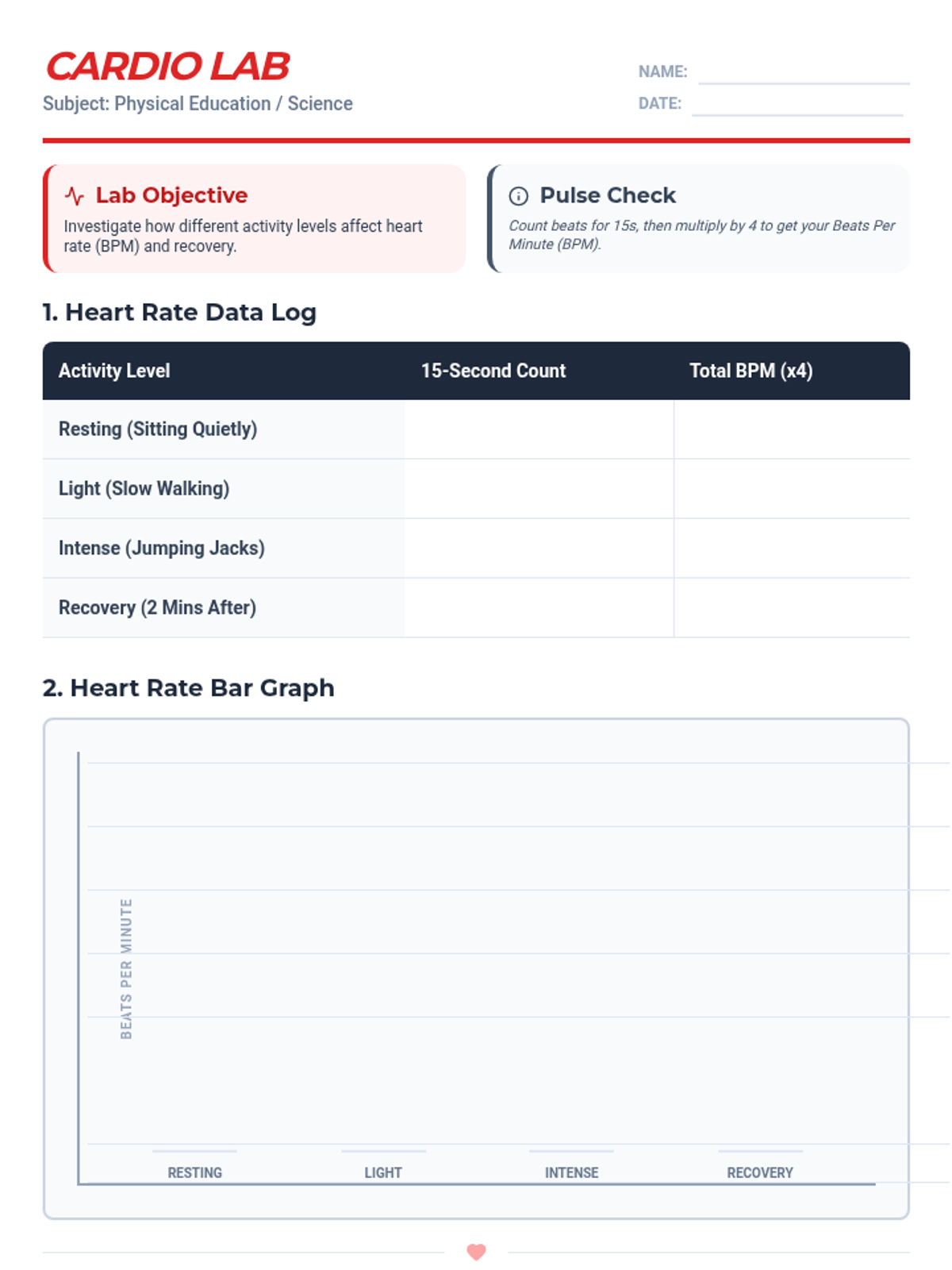
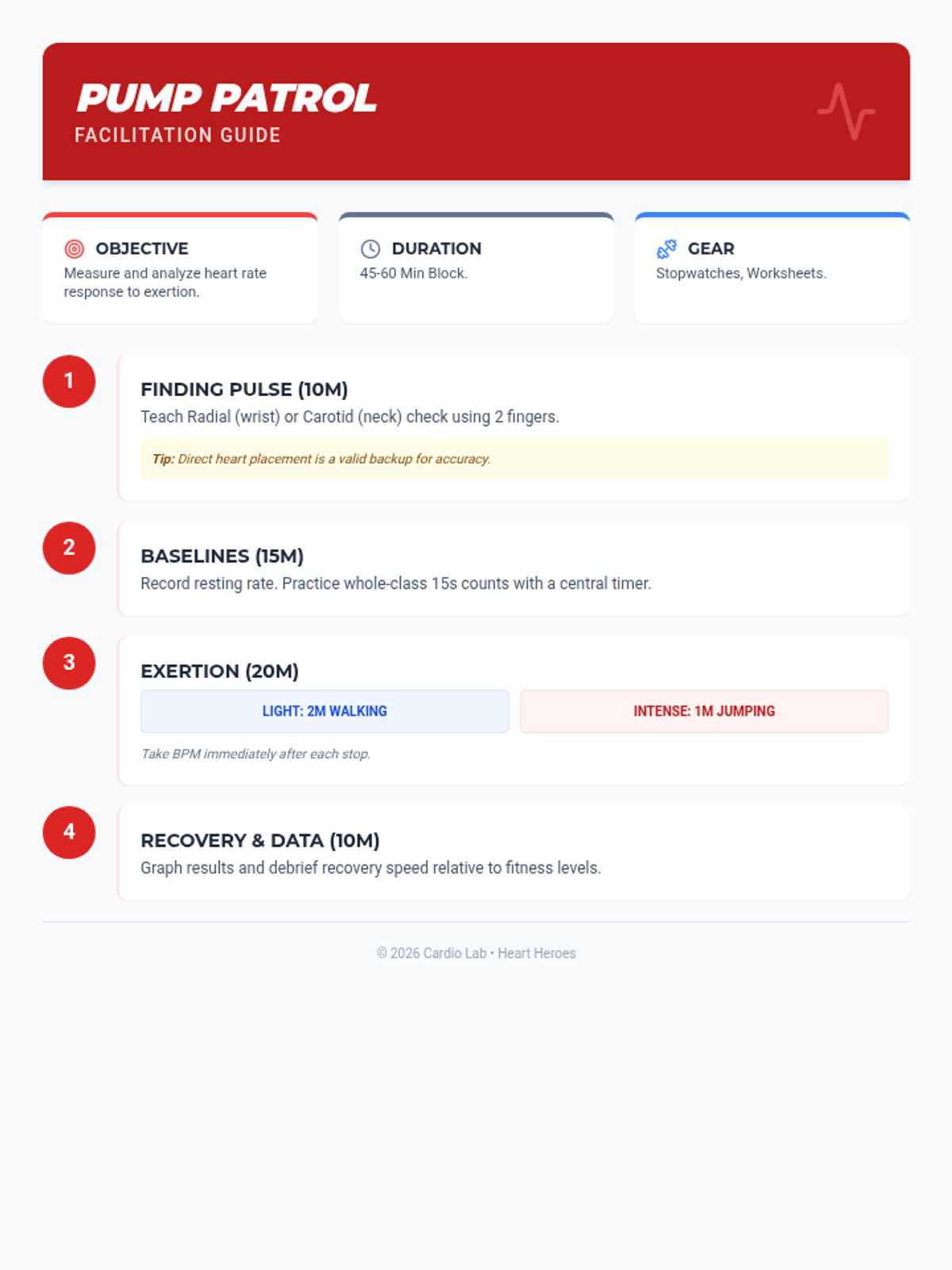
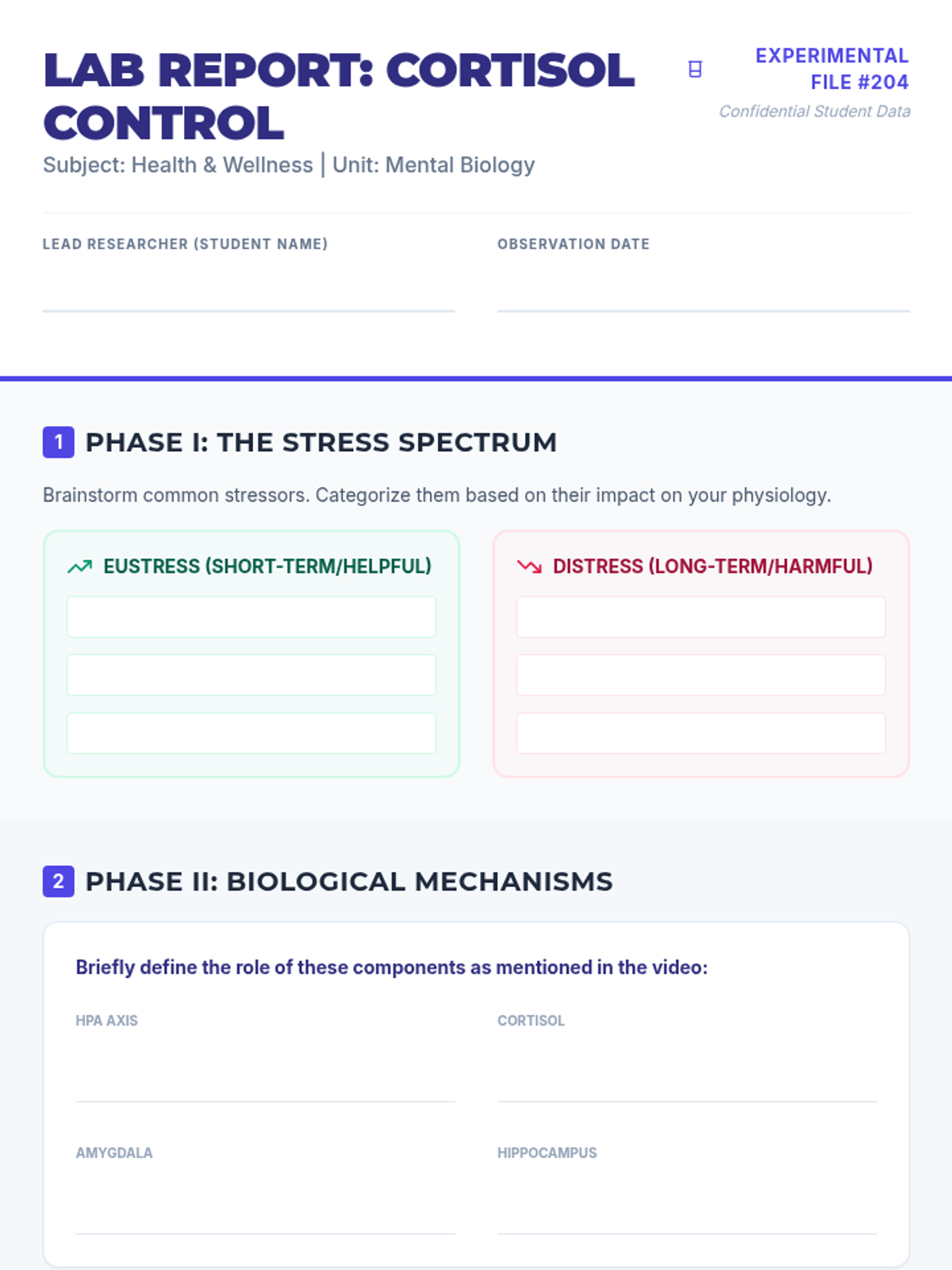
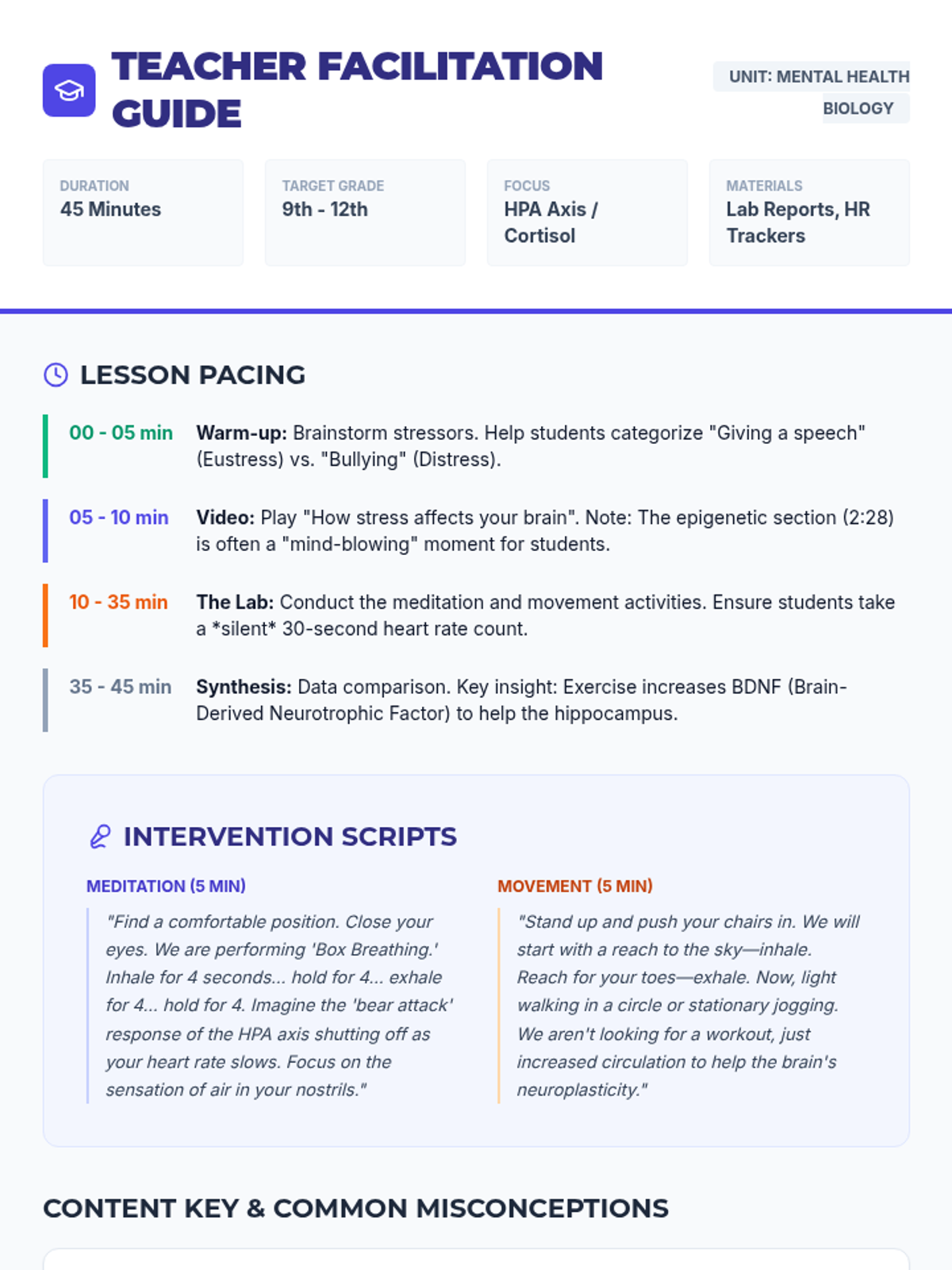
A high school health lesson focused on the physiological effects of stress, specifically cortisol's impact on the brain, and practical laboratory testing of stress-reduction techniques. Students explore eustress versus distress and measure their own heart rate and stress levels during guided interventions.
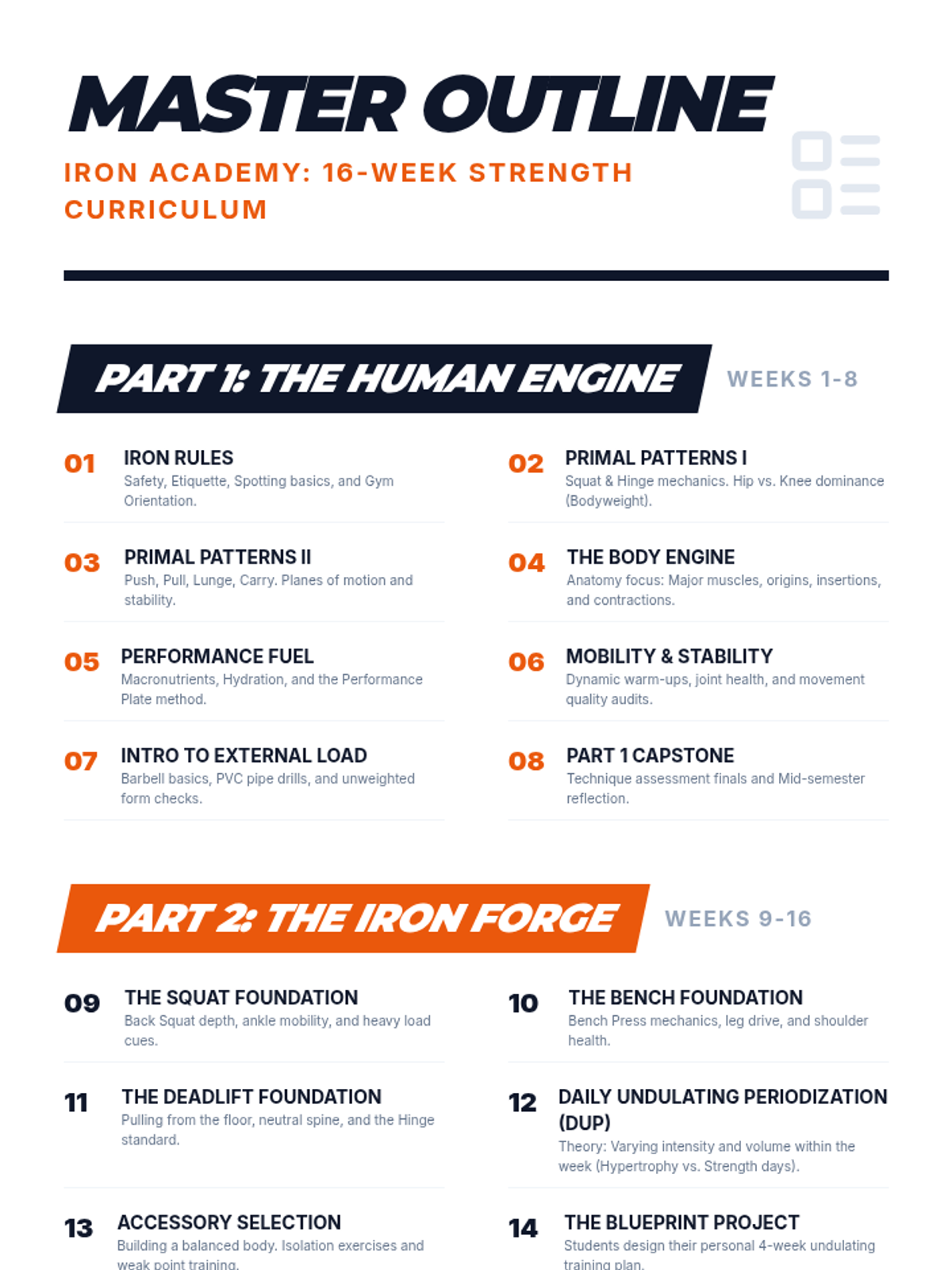
A comprehensive 16-week weight training curriculum divided into two parts: 'Part 1: The Human Engine' (Weeks 1-8) focusing on movement patterns, bodyweight mastery, and anatomy; and 'Part 2: The Iron Forge' (Weeks 9-16) focusing on advanced compound lifts, training science, and independent program design. Includes nutrition for performance and comprehensive classroom activities.
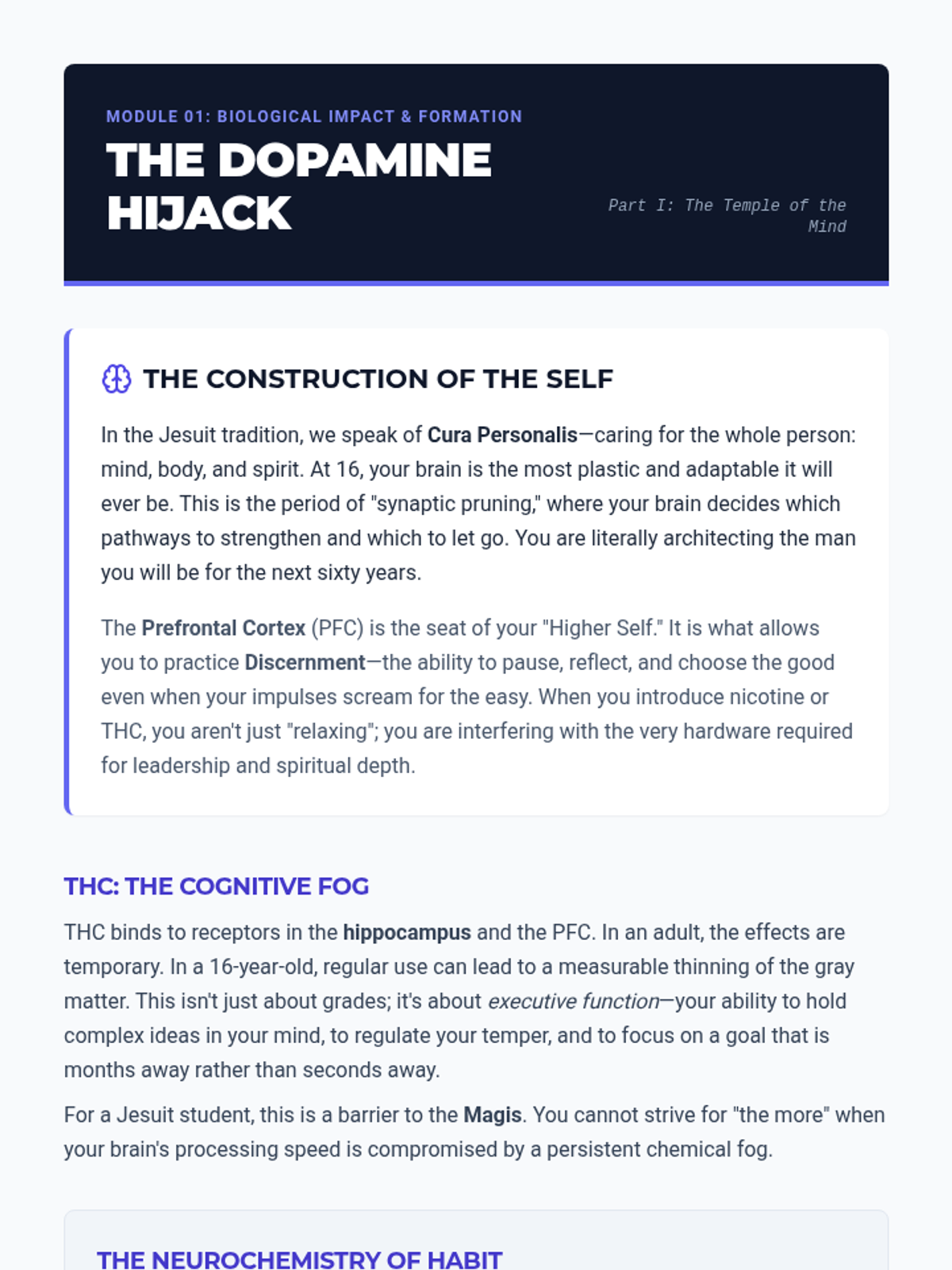
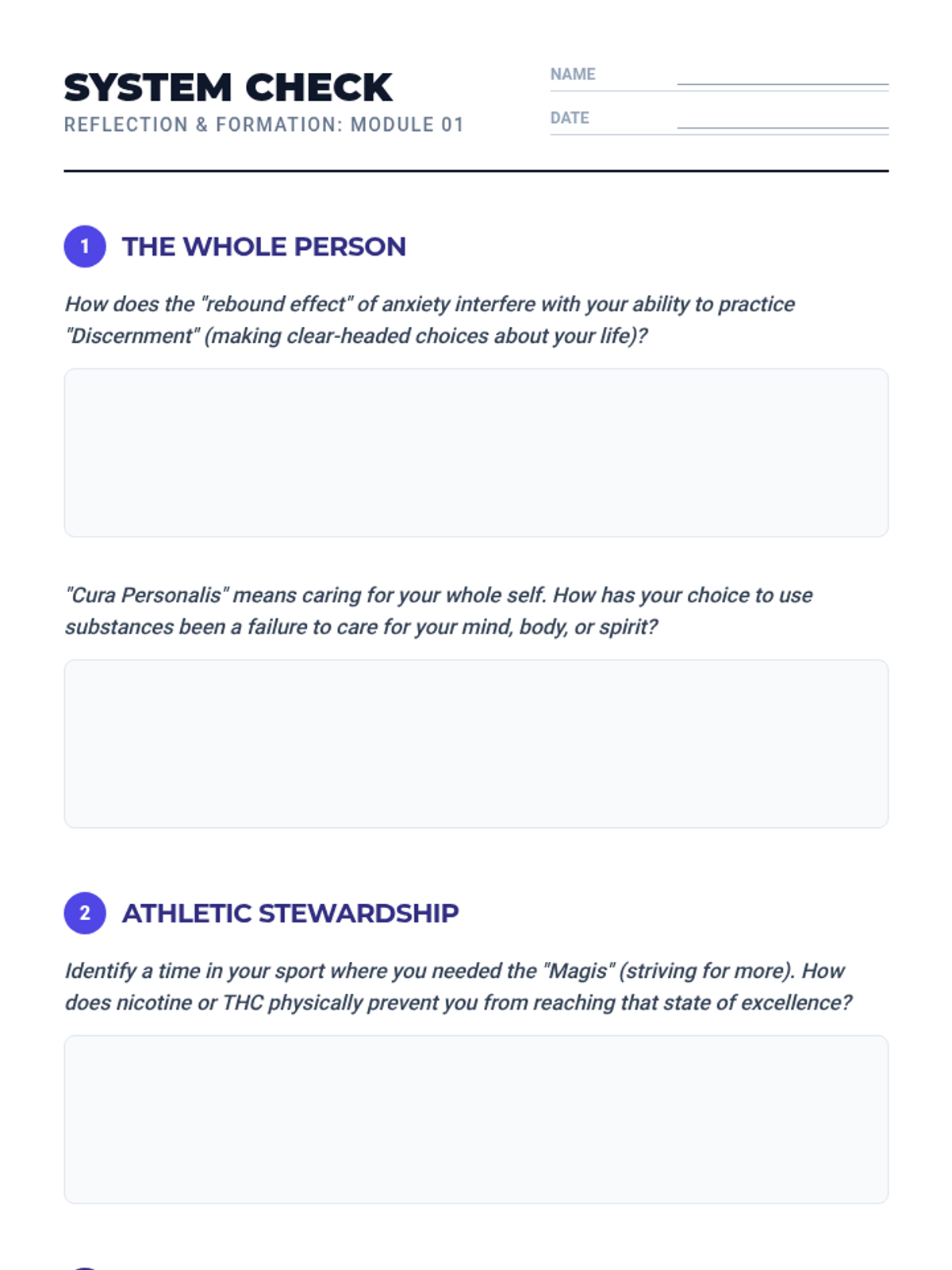
A restorative learning program designed for high school students to reflect on the impact of substance use and prepare for a positive return to their school community. The program balances scientific facts with deep personal reflection.
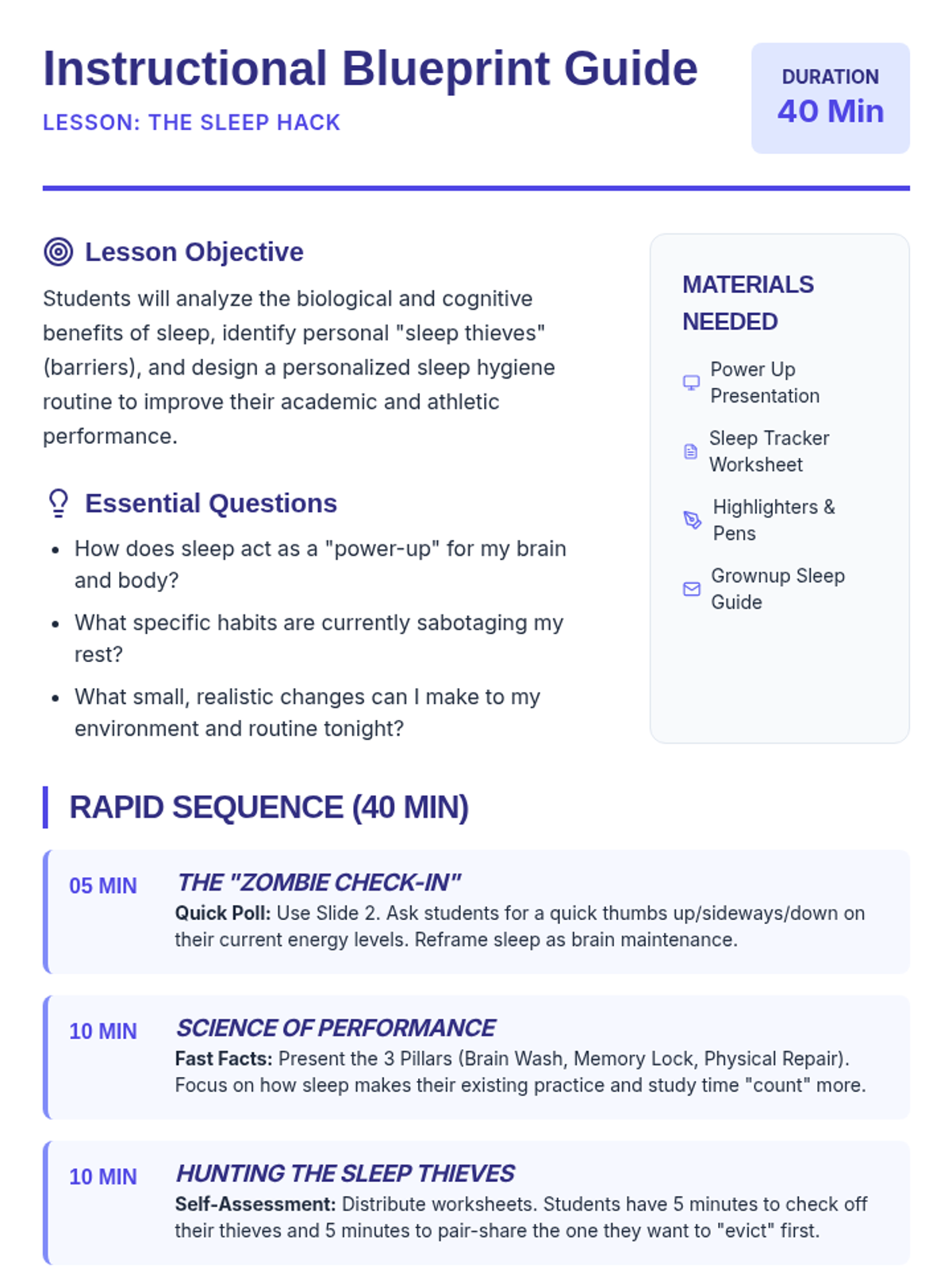
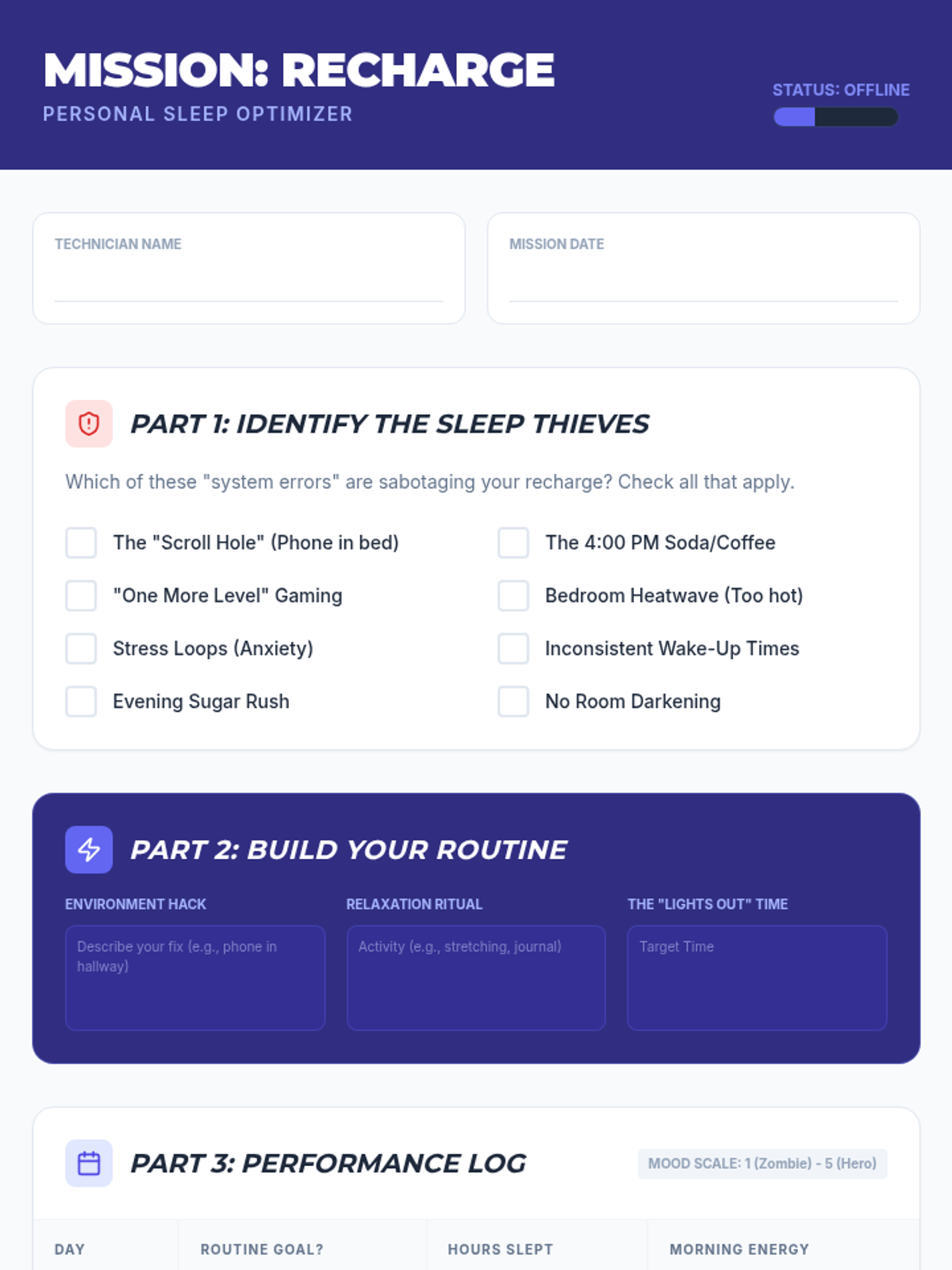
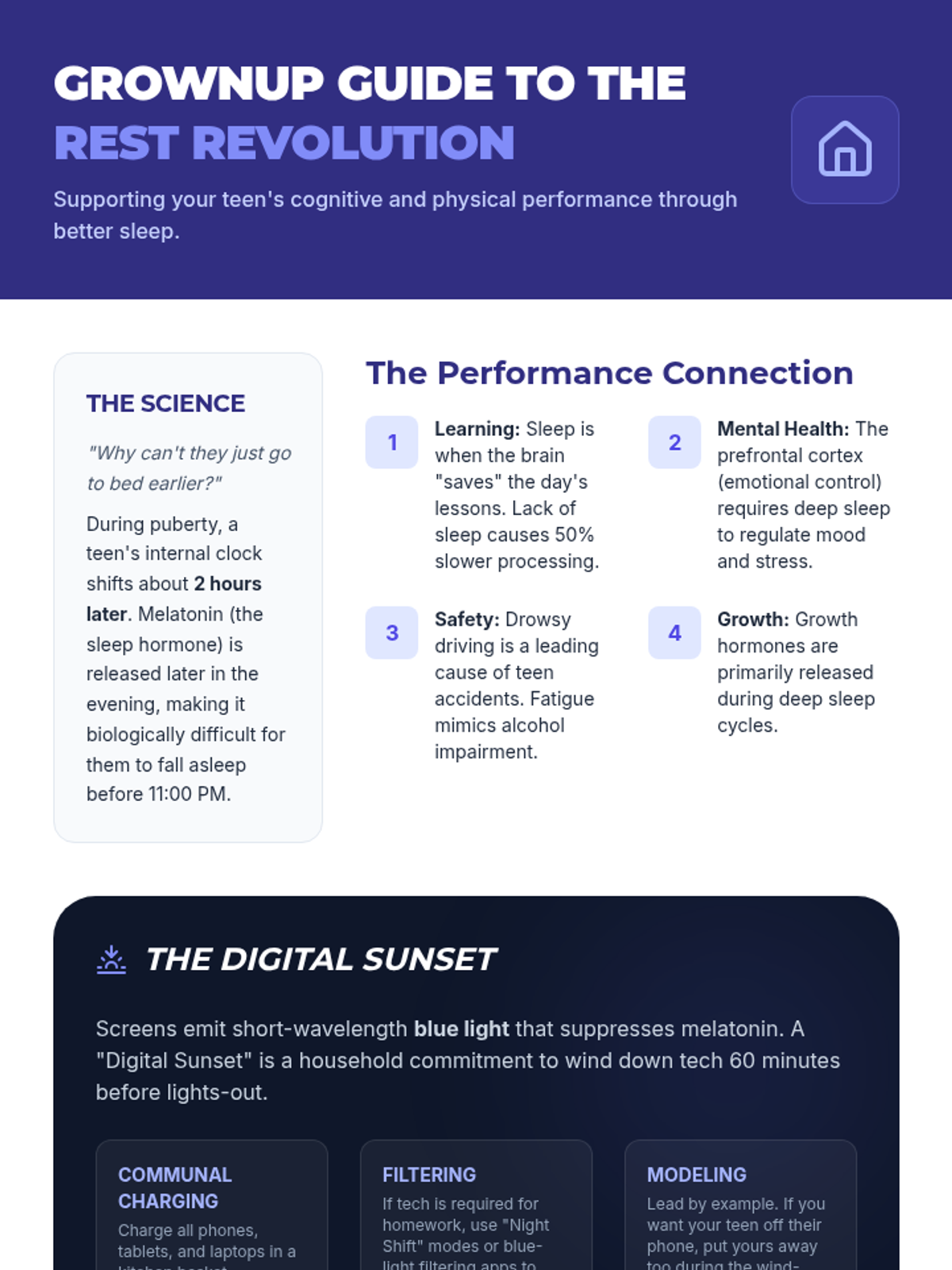
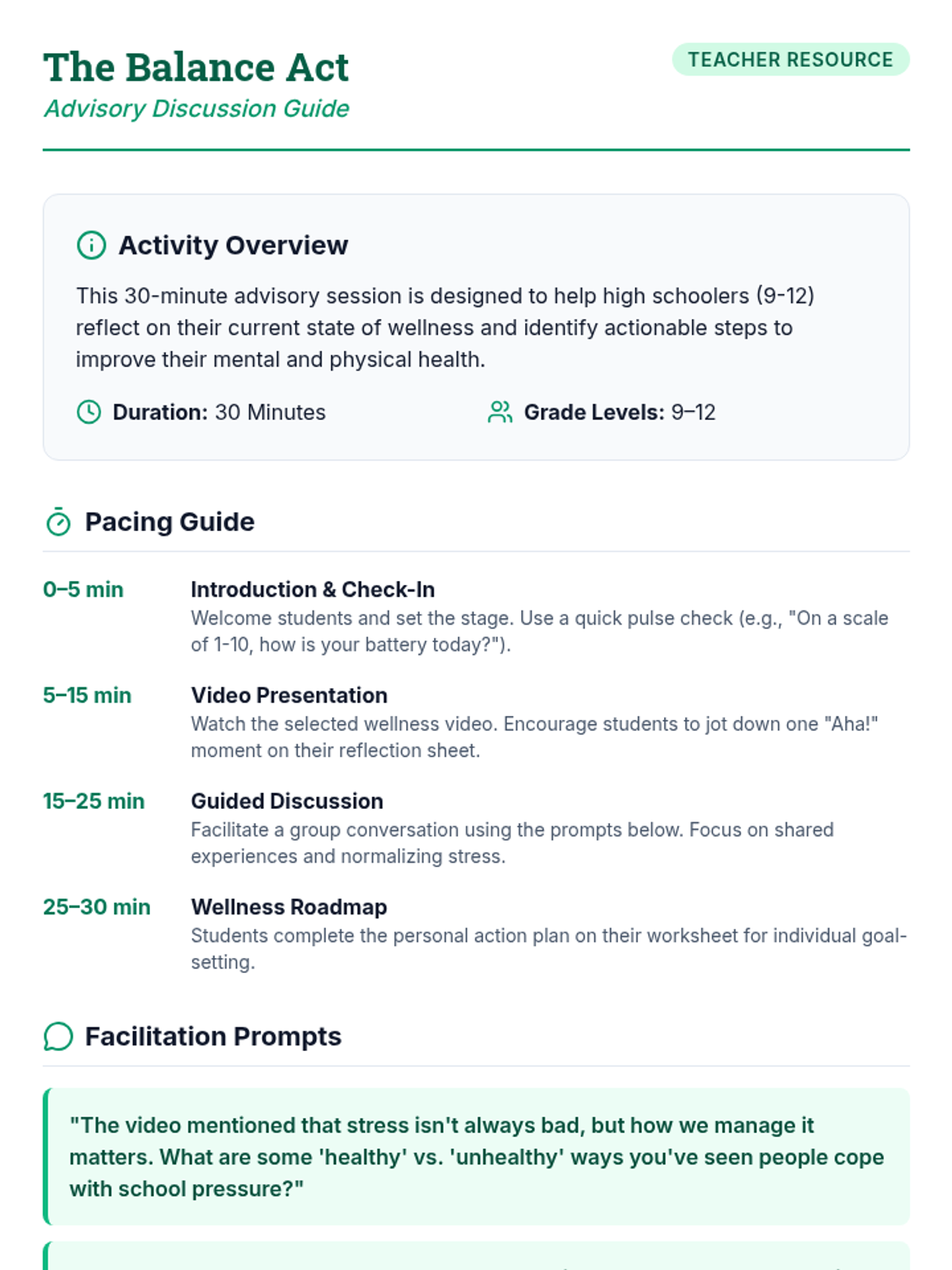
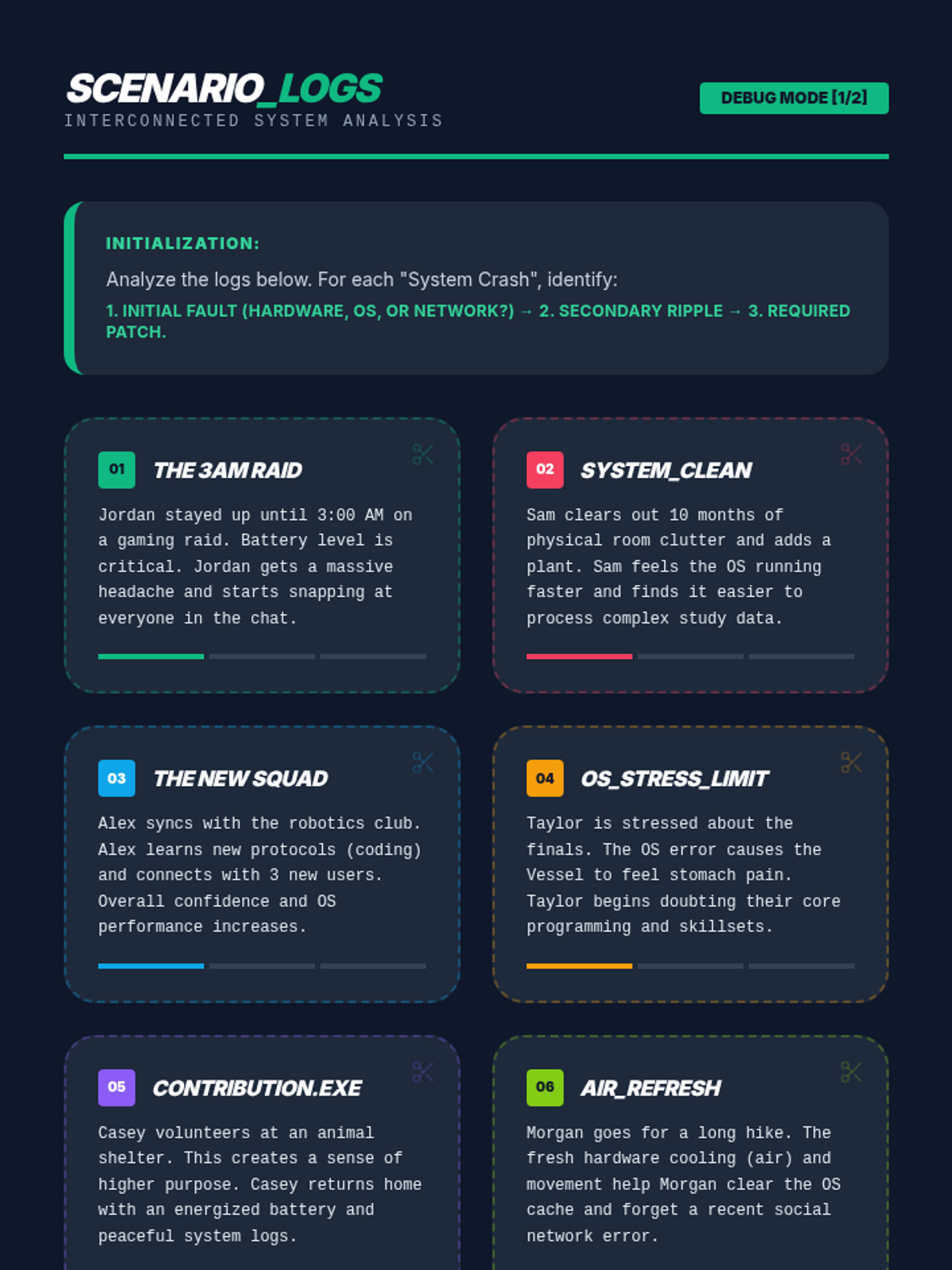
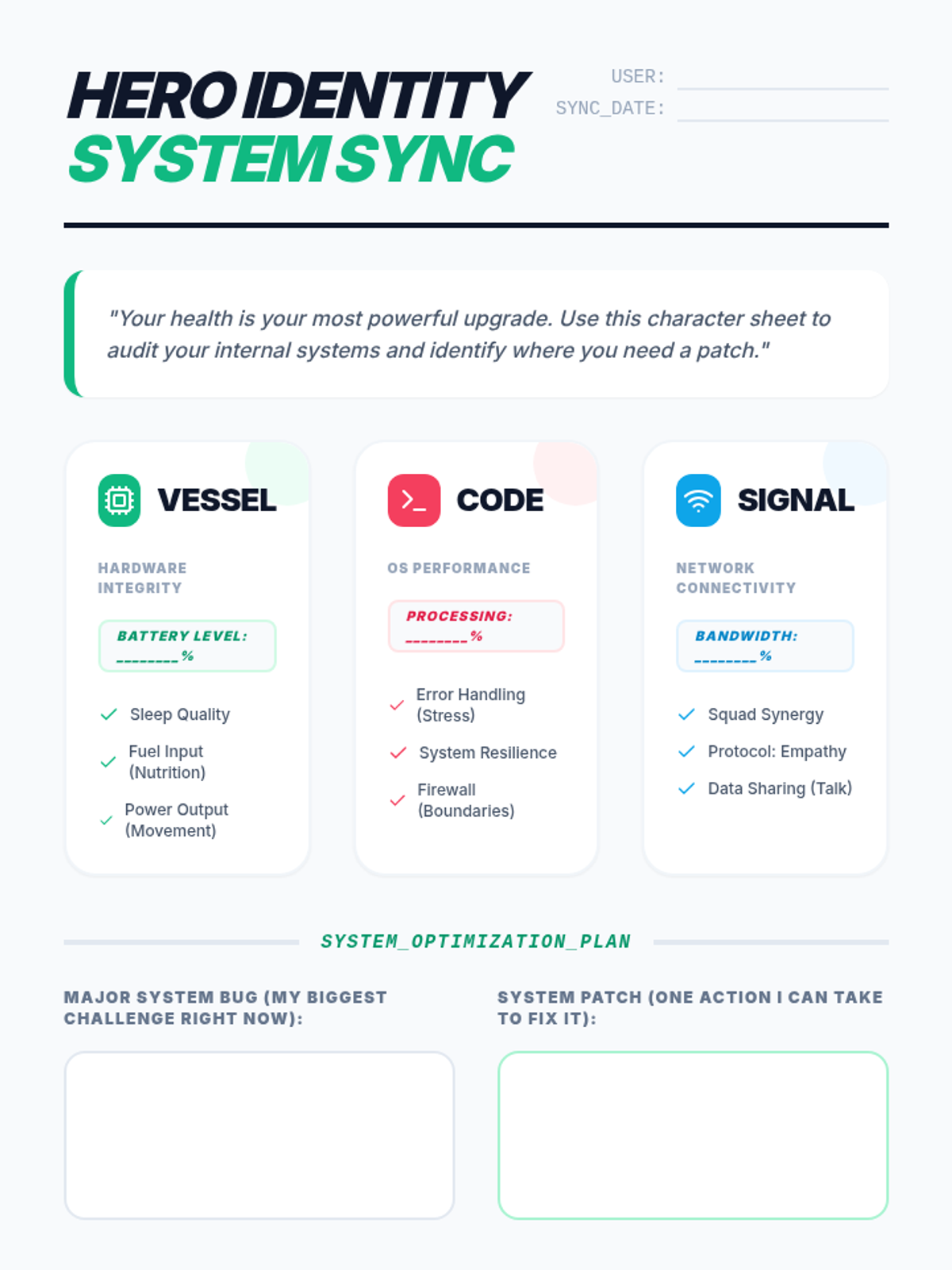
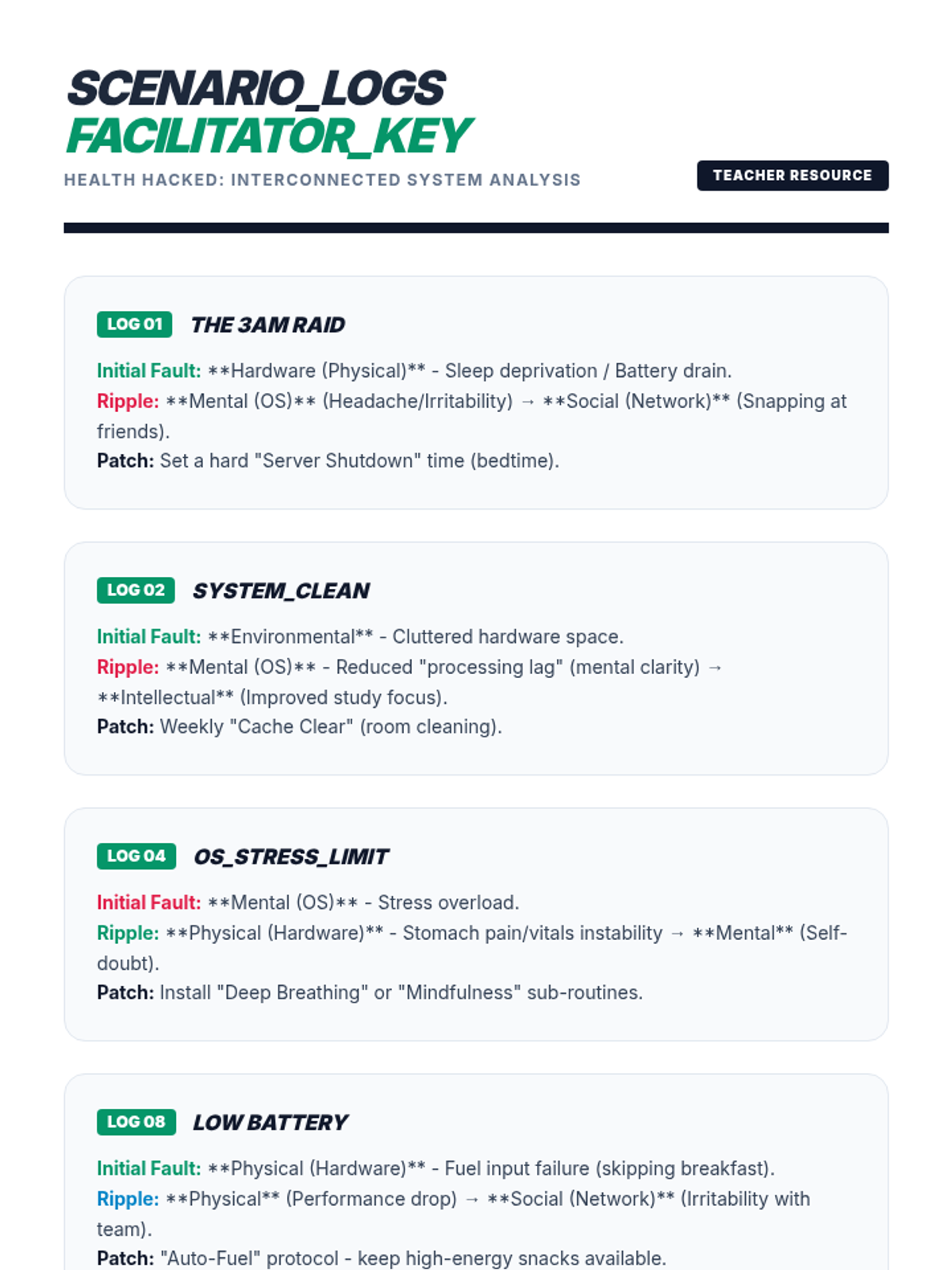
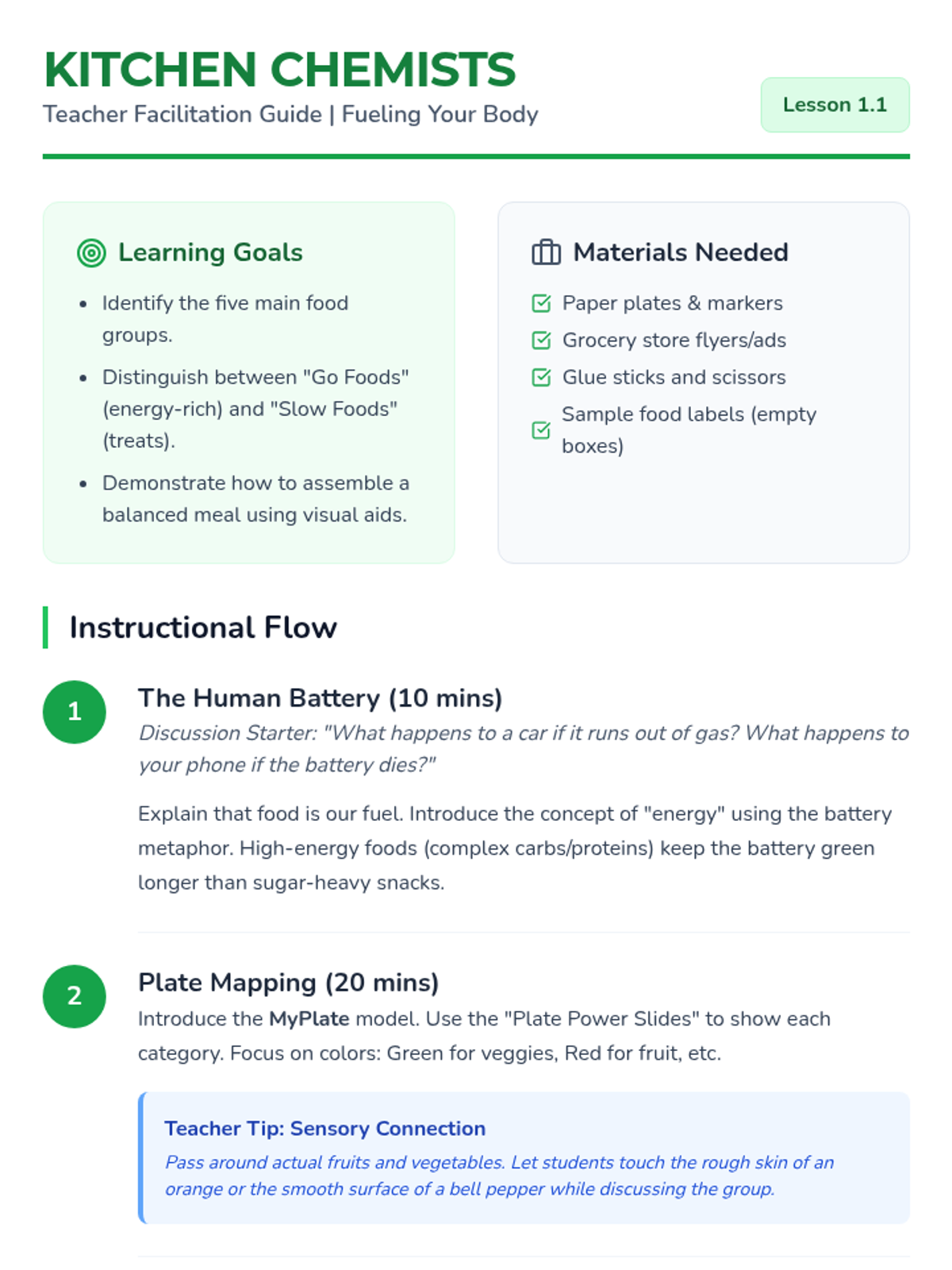
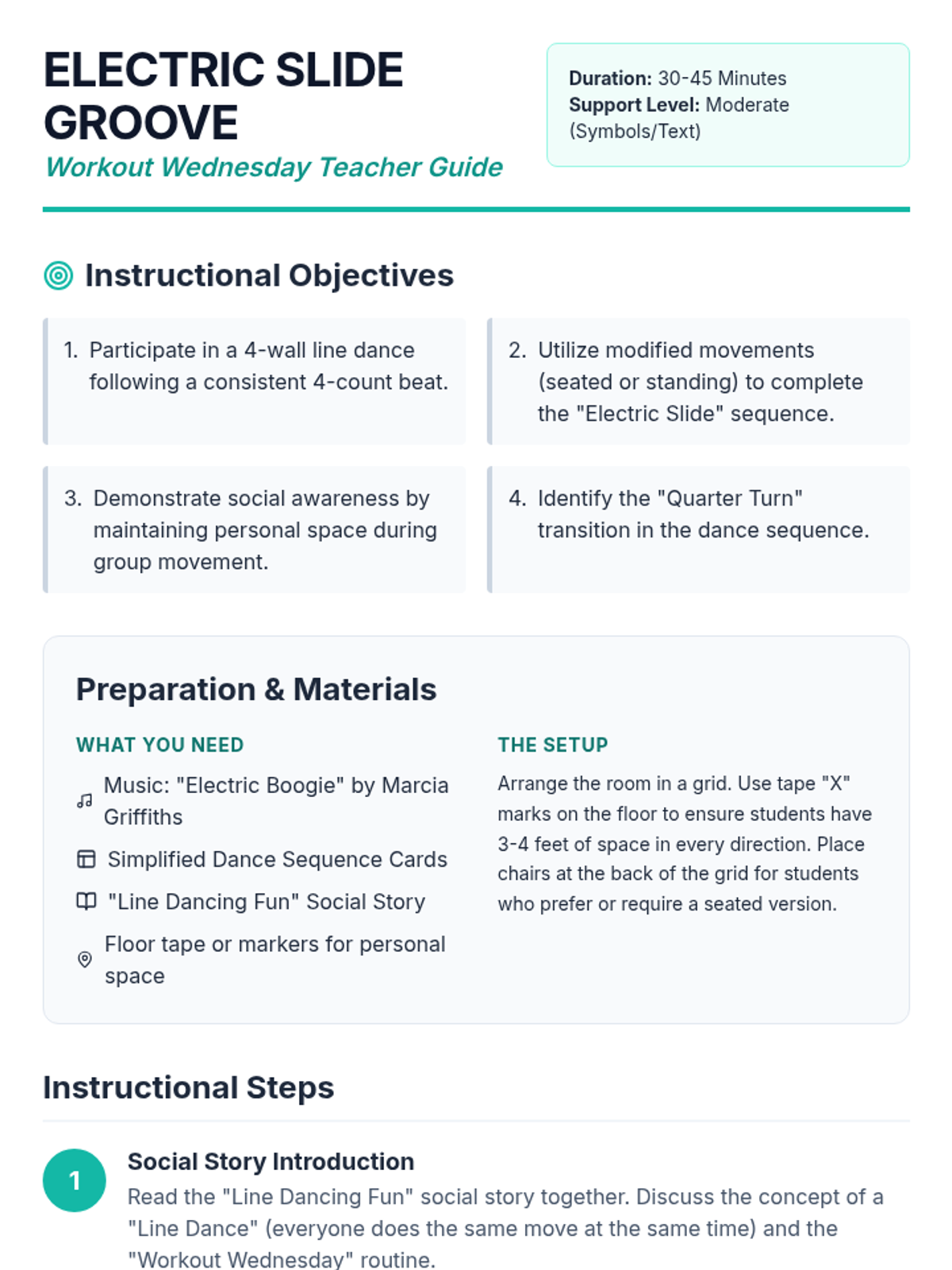
A comprehensive wellness unit designed to empower students with lifelong healthy habits. Students explore nutrition, exercise, sleep, and emotional regulation through the lens of 'hero training'.
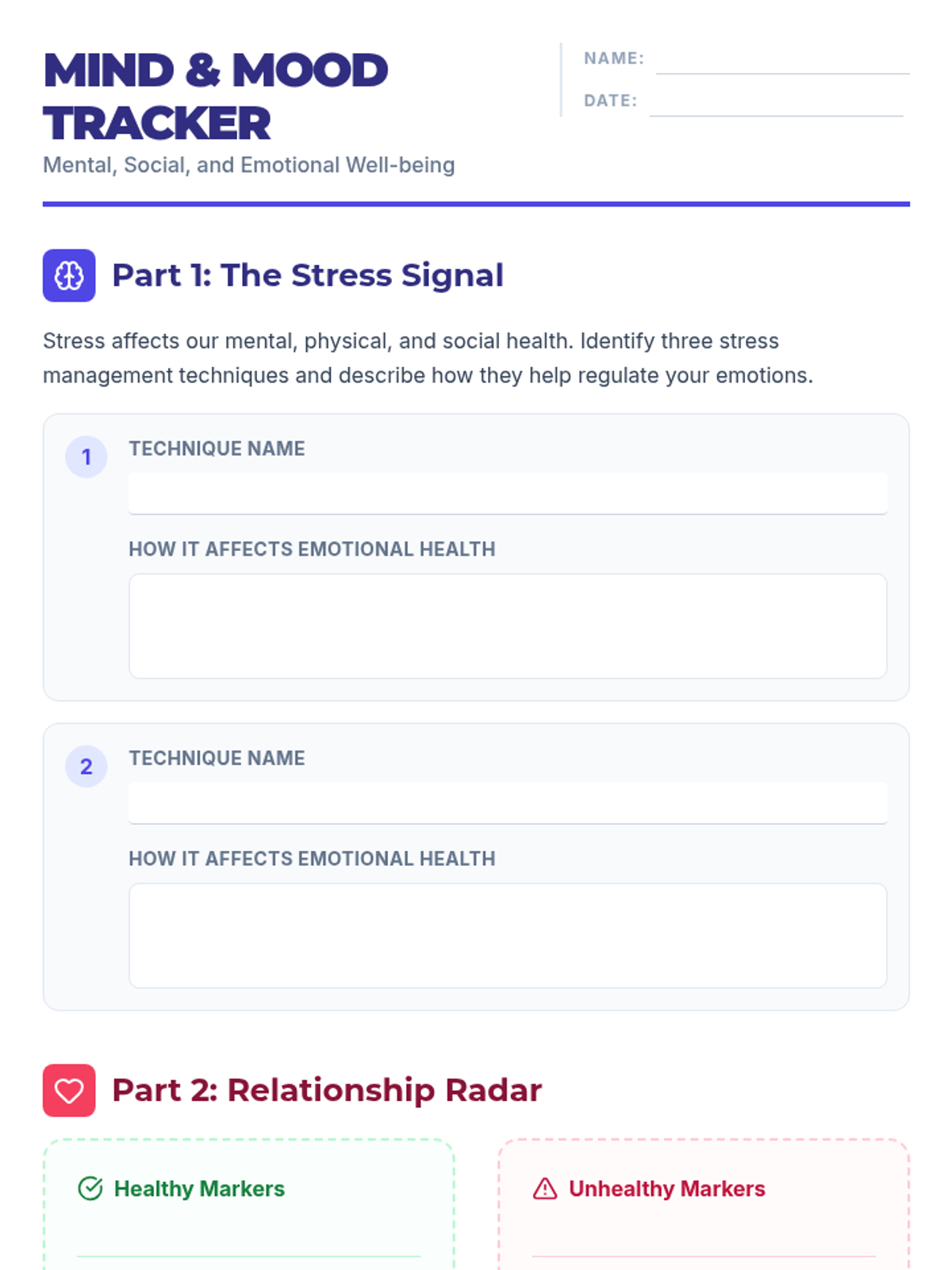
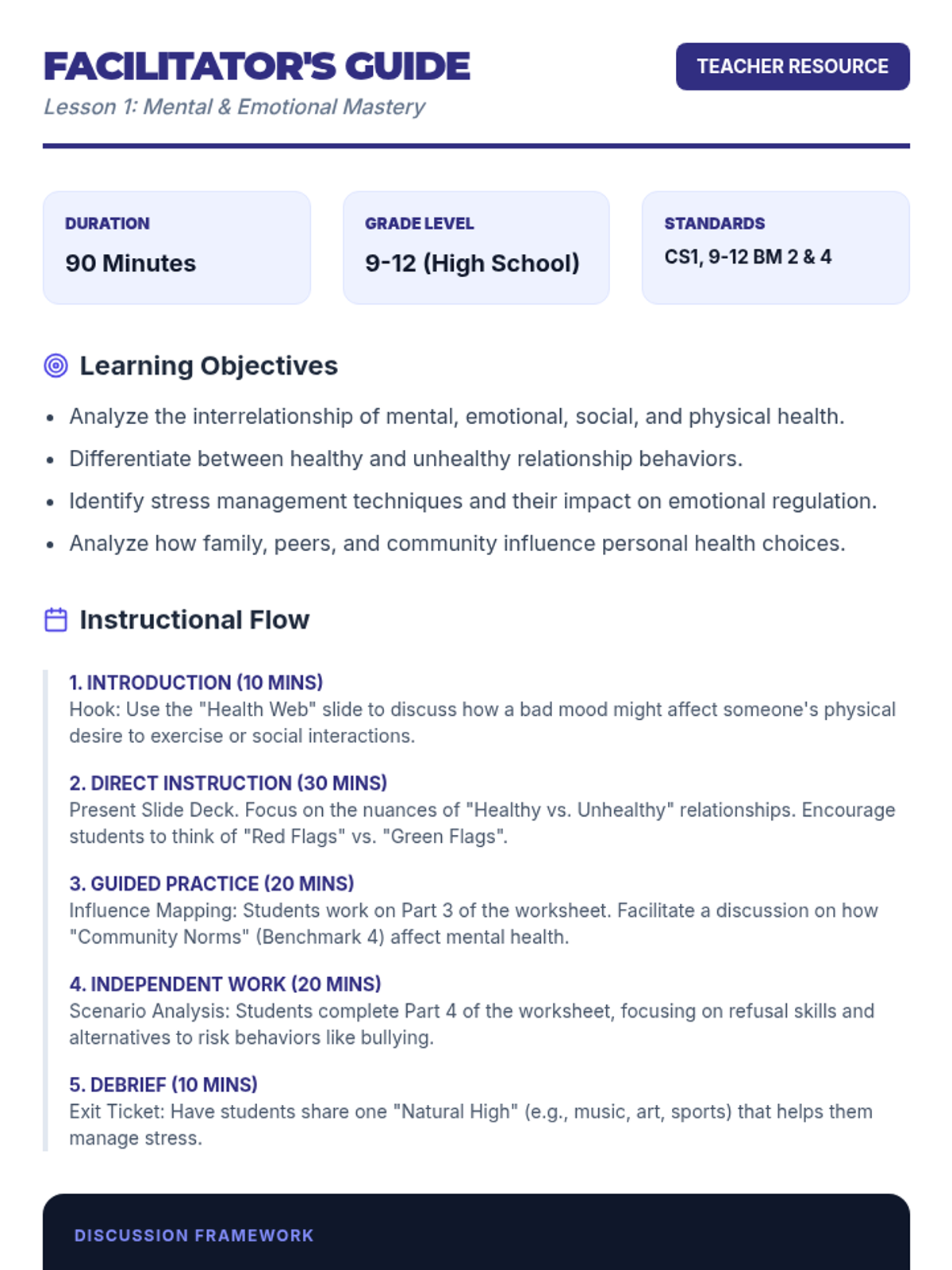
A comprehensive 9th-grade mental health curriculum focused on building resilience, understanding mental health challenges, managing stress, and navigating the digital world. Students will engage in self-reflection and practical skill-building to support their emotional well-being.
This sequence uses a case study approach to teach 7th-grade students how to recognize suicide warning signs, navigate digital cries for help, map out support networks, and take ethical action as supportive bystanders. Students move from identifying clues to committing to a personal safety protocol.
A comprehensive 5-lesson sequence for 7th-grade students focused on recognizing mental health warning signs and practicing the ACT (Acknowledge, Care, Tell) framework. Students transition from understanding mental health as a spectrum to identifying specific red flags and overcoming barriers to reporting concerns to trusted adults.
A research-focused sequence for 9th-grade students to map, evaluate, and access specialized crisis resources. Students learn to distinguish between general and specialized support, evaluate the credibility of services, and develop a personalized safety resource plan.
This sequence explores the social and emotional complexities of seeking help via crisis hotlines. Students analyze common barriers like stigma and fear, debunk myths about emergency services, and practice supportive communication to help peers access professional resources.
This sequence demystifies the process of accessing crisis support by breaking down the mechanics of hotlines and text lines. Students learn to distinguish between emergency services (911) and crisis hotlines (988), understand the experience of reaching out, and create personal resource tools for future use.
This sequence equips 8th-grade students with observational skills to distinguish between typical adolescent stress and mental health crises. Through scenario analysis, behavioral red flags, and empathy building, students learn when and how to seek adult intervention.
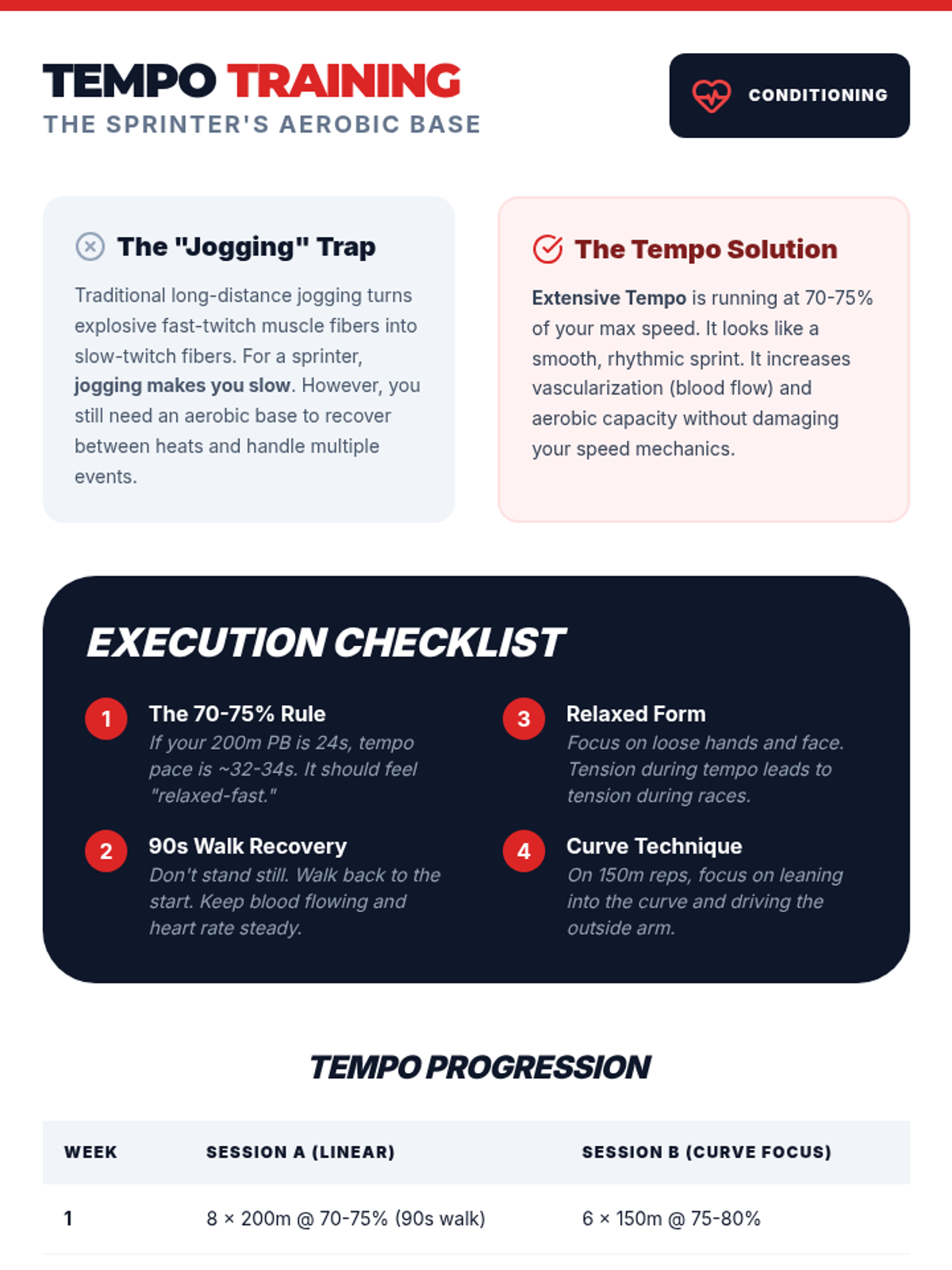
This 8th-grade Physical Education sequence blends middle-distance endurance training with the logistics of track meet administration. Students develop pacing strategies and physiological awareness while taking on the roles of officials and managers, culminating in a student-led mini-meet.
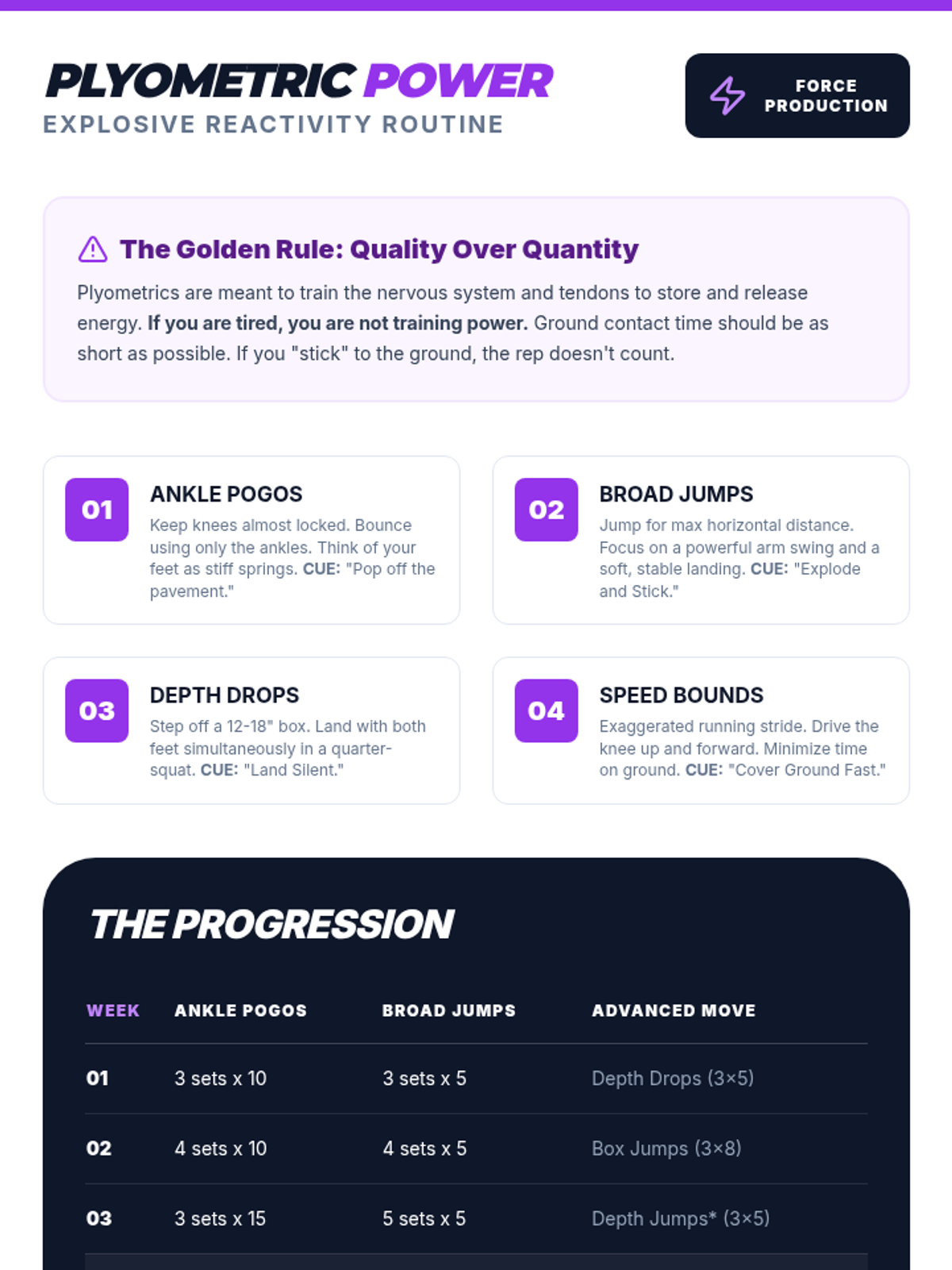
An 8th-grade physical education sequence focusing on the biomechanics of jumping and throwing events. Students explore the physics of momentum, projectile motion, and torque through inquiry-based field labs and technical skill-building.
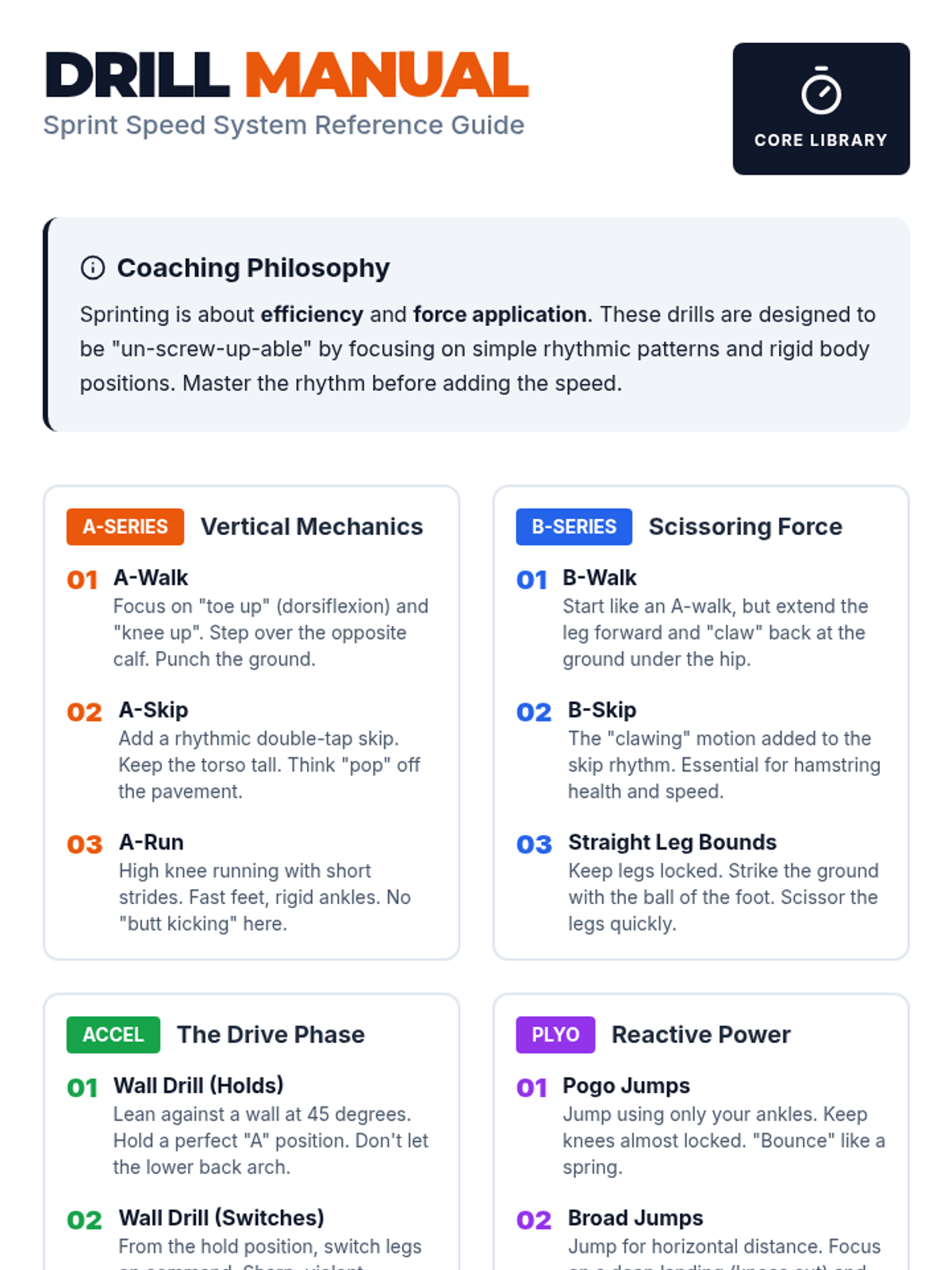
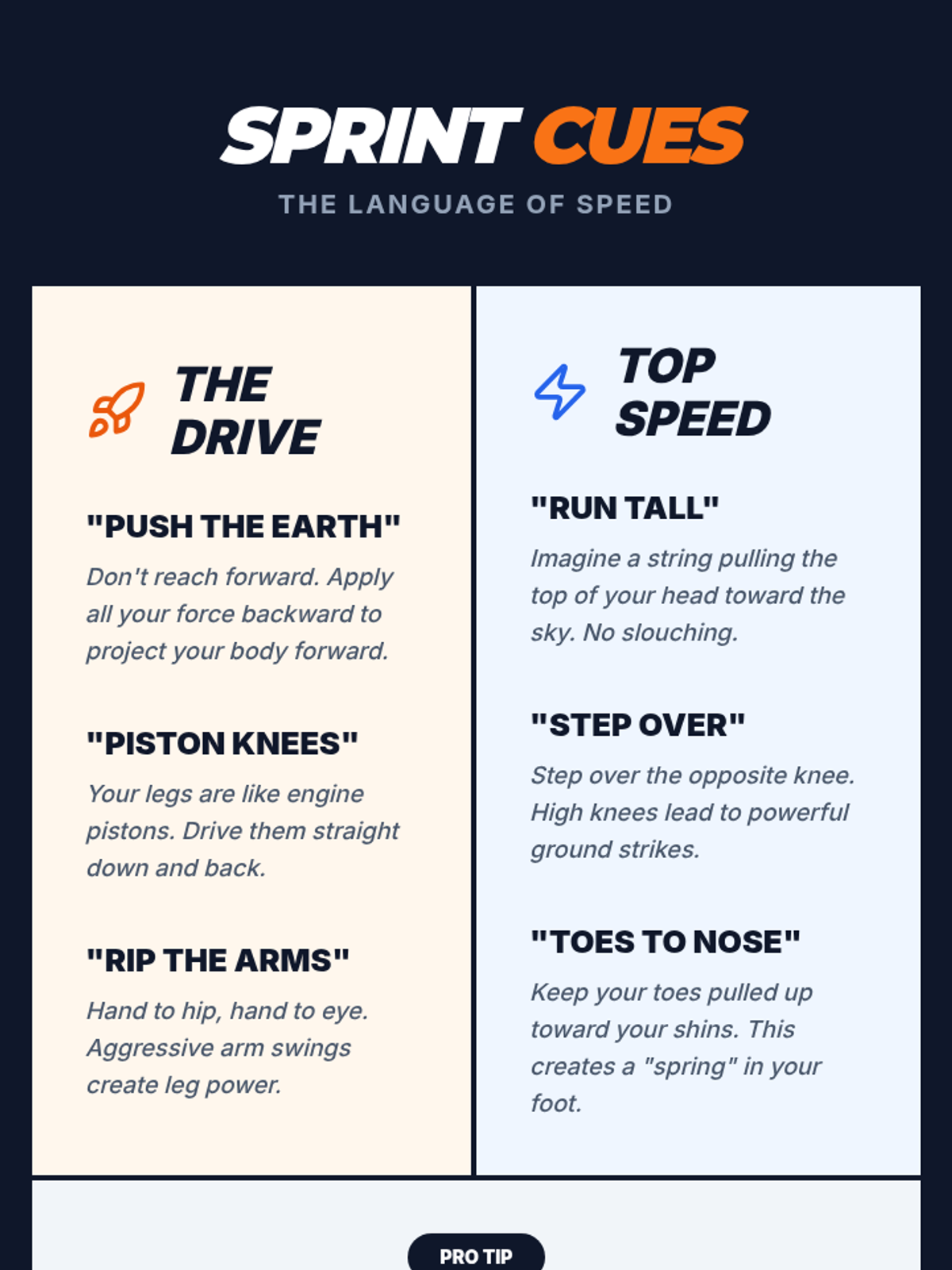
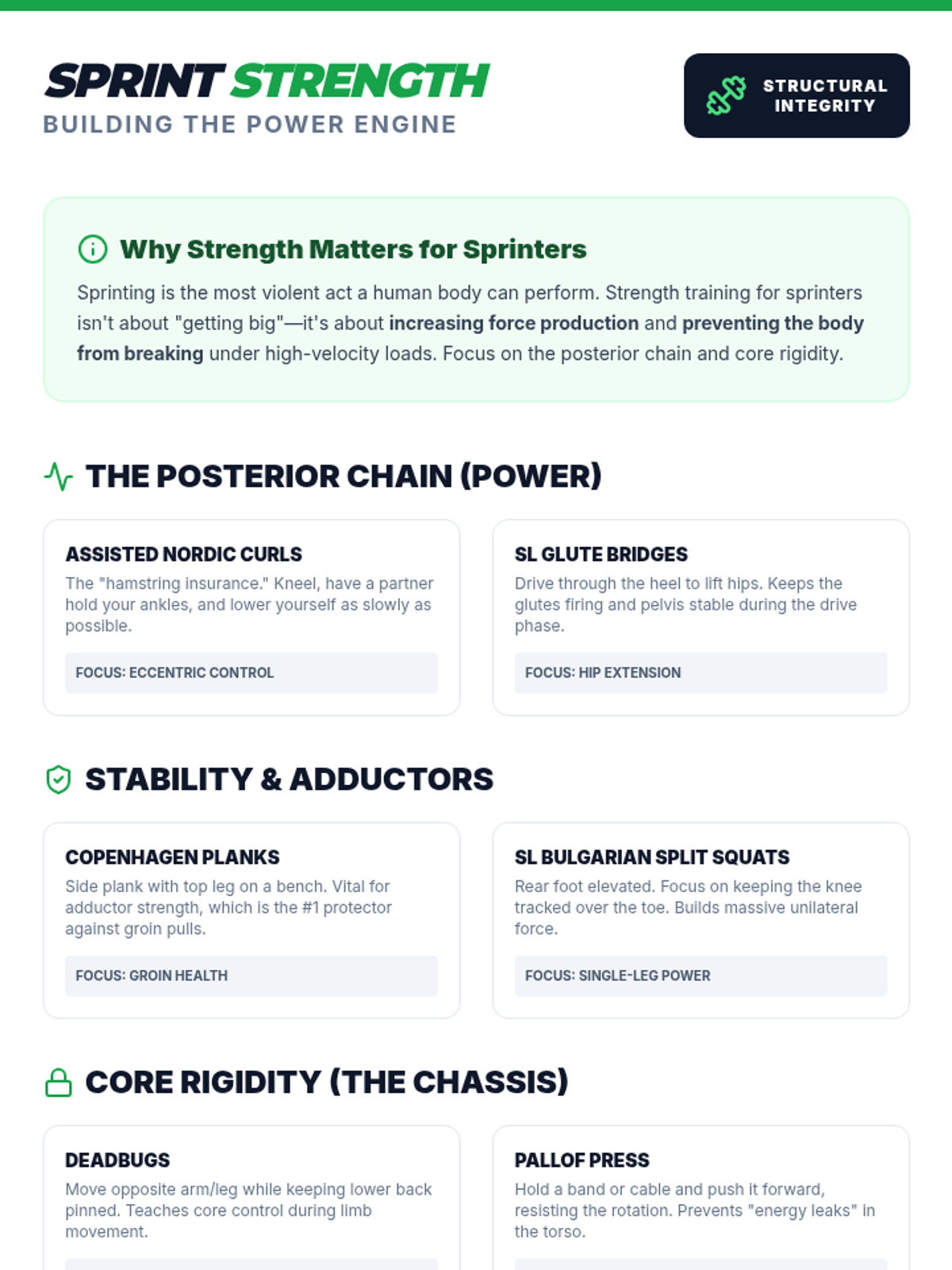
A comprehensive 8th-grade physical education unit focusing on the biomechanics of sprinting, hurdling, and relay coordination, emphasizing technical efficiency and explosive power.
A comprehensive unit for 6th-grade PE focusing on the rules, officiating, and strategy of Track and Field. Students transition from athletes to officials, concluding with a student-led mini-meet.
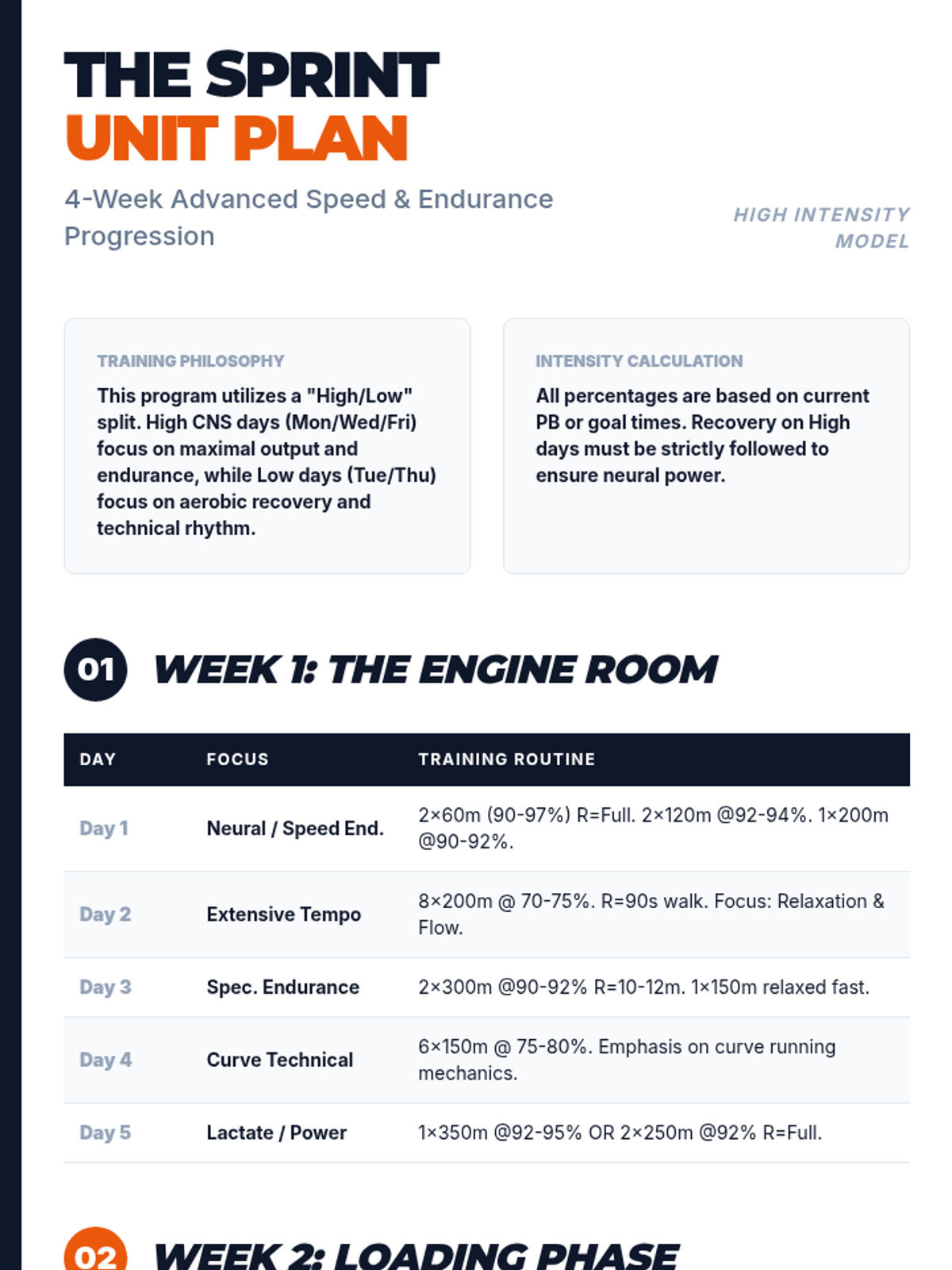
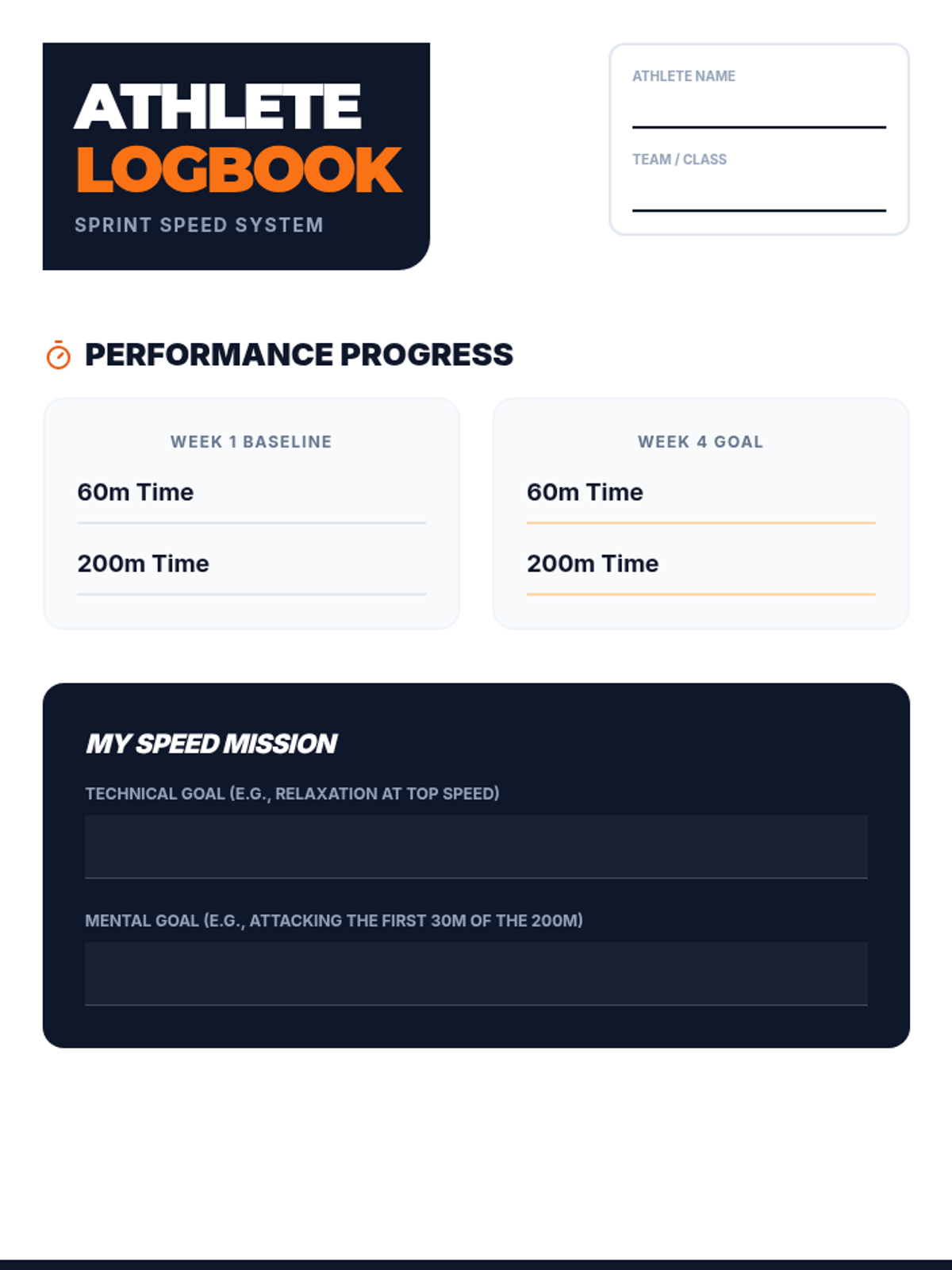
This 9th-grade physical education sequence deconstructs the biomechanics of track and field, covering explosive sprint starts, maximum velocity mechanics, relay coordination, and pacing strategies for endurance. Students transition from raw power to strategic efficiency, culminating in a performance analysis and time trial assessment.
A comprehensive 9th-grade sequence on track and field events, focusing on the mechanics of horizontal jumps and throwing disciplines. Students explore the physics of force, momentum, and release angles through technical practice and a final simulated competition.
An intensive exploration of the physics and biomechanics behind field events, focusing on shot put, discus, long jump, and triple jump. Students apply scientific principles to athletic performance through peer coaching, video analysis, and technical drills.
A comprehensive 5-lesson unit for 7th grade students focusing on the technical skills and officiating rules of field events, specifically the long jump and shot put. Students progress from foundational mechanics to a full-scale competition simulation.
A comprehensive 7th-grade unit on track and field mechanics, covering explosive starts, top-speed form, relay handoffs, and pacing strategies for middle-distance events. Students progress from technical skill acquisition to strategic application in timed trials.