Magna Carta ESL Reading
World History | ESL & Bilingual Support • Apoyo Bilingüe
Name: Date: Period:
England in the High Middle Ages
Origins of English Monarchy, Royal Courts, and Common Law
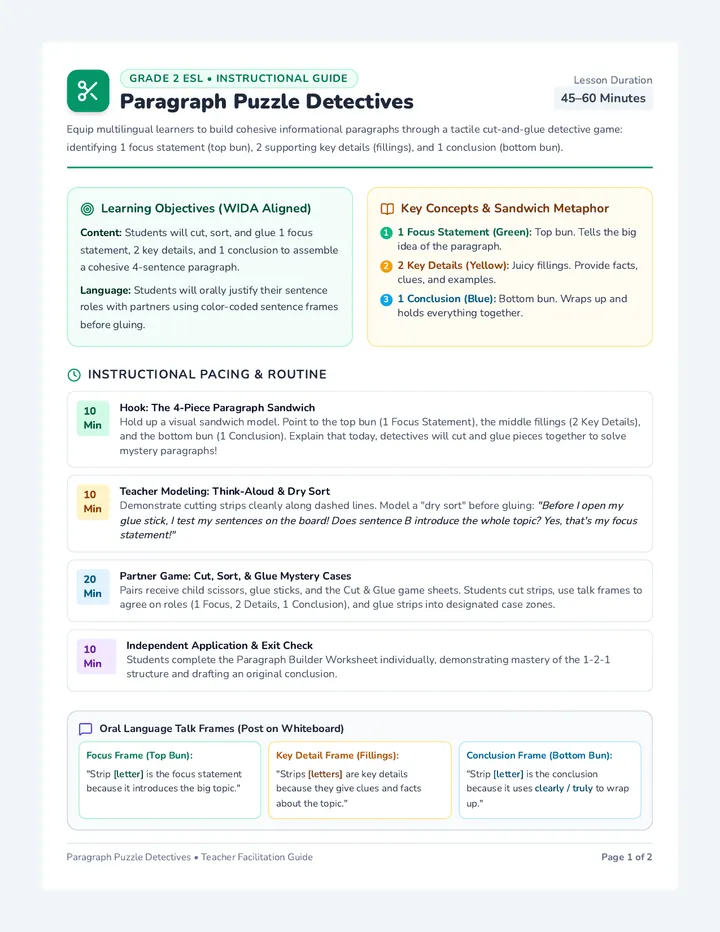
1 Angles and Saxons, Germanic peoples from northern Europe, had invaded England early in the fifth century. King Alfred the Great had united various kingdoms in the late ninth century, and since then, England had been ruled by Anglo-Saxon kings.
🇪🇸 Resumen: Los anglos y sajones invadieron Inglaterra en el siglo V; luego, el rey Alfredo el Grande unió los reinos bajo reyes anglosajones.
The Norman Conquest 1066 CE
2 On October 14, 1066, an army of heavily armed knights under William of Normandy landed on the coast of England and soundly defeated King Harold and his foot soldiers at the Battle of Hastings. William was then crowned king of England. Norman knights received parcels of land, which they held as fiefs, from the king. All nobles swore an oath of loyalty to William as sole ruler of England.
🇪🇸 Resumen: Guillermo ganó la Batalla de Hastings (1066), fue coronado rey y entregó tierras (feudos) a cambio de lealtad.
3 The Norman ruling class spoke French, but the marriage of the Normans with the Anglo-Saxon nobility gradually merged Anglo-Saxon and French into a new English language. The Normans also took over existing Anglo-Saxon institutions, like the office of sheriff. William took a census known as the Domesday Book, the first census taken in Europe since Roman times and included people, manors, and farm animals. William also developed more fully the system of taxation and royal courts begun by earlier Anglo-Saxon kings.
🇪🇸 Resumen: El francés y el anglosajón crearon el inglés. Guillermo creó el Libro Domesday (censo de tierras y población).
✦ ✦NORMANNI 1066✦ ✦
Odo
🍷🍗
BANQUET
1066
A scene from the Bayeux Tapestry, depicting the Norman Invasion of 1066. William the Conqueror's half-brother Bishop Odo blesses the banquet before battle.
Vocabulario Clave (Key Vocab)
• fief / feudo: tierra dada por servicio militar
• oath / juramento: promesa solemne de lealtad
• census / censo: conteo oficial de habitantes y bienes
Henry II and the Church 1154–1189 CE
4 The power of the English monarchy was enlarged during the reign of Henry II, from 1154 to 1189. Henry increased the number of criminal cases tried in the king's court and also devised means for taking property cases from local courts and moving them to the royal courts. By expanding the power of the royal courts, Henry expanded the king's overall power. In addition, because the royal courts were now found throughout England, a body of common law—law that was common to the whole kingdom—was created and began to replace law codes that varied from place to place.
🇪🇸 Resumen: Enrique II reforzó la monarquía ampliando cortes reales y creando la ley común (common law), igual para todo el país.
5 Henry was less successful at imposing royal control over the Church. He claimed the right to punish clergymen in royal courts. Thomas à Becket, archbishop of Canterbury and the highest-ranking English cleric, claimed that only Roman Catholic Church courts could try clerics. An angry king publicly expressed the desire to be rid of Becket: "Who will free me from this turbulent priest?" Four knights took the challenge, went to Canterbury, and murdered the archbishop in the cathedral. Faced with public outrage, Henry backed down in his struggle with the Church.
🇪🇸 Resumen: El rey quiso juzgar sacerdotes, pero Thomas à Becket se opuso. Cuatro caballeros lo asesinaron y la indignación frenó al rey.
Términos Clave (Key Terms)
common law (ley común):
Leyes iguales para todo el reino, no distintas en cada pueblo.
cleric / clérigo:
Líderes religiosos o sacerdotes de la Iglesia.
turbulent / turbulento:
Problemático; que altera la paz del rey.
Idea Central: La monarquía se consolidó con tribunales, pero la Iglesia conservó su propia justicia.
Adapted from McGraw Hill World History • Parágrafos numerados [1–5] Page 1 of 2
World History | Medieval Governance & Constitutional Origins
ESL & Bilingual Support
The Magna Carta 1215 CE
The Great Charter and the Limits of Royal Power
6 Many English nobles resented the ongoing growth of the king's power and rebelled during the reign of King John. At Runnymede in 1215, John was forced by the nobles to put his seal on a document called the Magna Carta, or the Great Charter. This document gave written recognition to the feudal custom that the relationship between king and vassals was based on mutual rights and obligations.
🇪🇸 Resumen: En 1215, los nobles forzaron al rey Juan a firmar la Carta Magna, pactando derechos y obligaciones mutuas entre rey y vasallos.
7 The ideas contained in the Magna Carta continue to impact governments in the present day. Politically, it gives strength to the idea that the power of a government is limited, not absolute. Legally, the Magna Carta limits the king's power to punish people outside the rule of law. Punishments for crimes cannot be random and must be based on laws.
🇪🇸 Resumen: La Carta Magna prueba que el poder gubernamental es limitado (no absoluto) y consagra el estado de derecho (nadie es castigado arbitrariamente).
RUNNYMEDE • 1215
Barons
⚔️
King John
👑
15th June 1215, King John reluctantly signs the Magna Carta at Runnymede, surrounded by the barons who drew up the charter.
Vocabulario Bilingüe:
• vassal / vasallo: noble bajo juramento
• mutual / mutuo: derechos compartidos por ambas partes
• rule of law / estado de derecho: todos deben obedecer la ley
ESL Comprehension & Language Anchors • Guía de Estudio
Paragraph Reference [1–7]
Concept Anchor: Poder Absoluto vs. Estado de Derecho
Absolute Power / Poder Absoluto (Antes)
- El rey castiga sin juicio justo (arbitrary punishment).
- Sube impuestos sin consentimiento de los nobles.
- El rey está por encima de la ley (above the law).
Rule of Law / Estado de Derecho (Después)
- El poder del rey está limitado por escrito.
- Los castigos deben basarse en juicios y leyes justas.
- Tanto el rey como los súbditos deben obedecer la ley.
Marcos de Oración Académicos (Sentence Starters for Speaking & Writing)
Explaining Paragraphs [2–3]:
"William of Normandy transformed England by introducing fiefs, French language, and the Domesday census."
Explaining Paragraph [4]:
"Henry II expanded royal authority with common law so that laws were the same across the kingdom."
Explaining Paragraphs [6–7] (Magna Carta):
"The Magna Carta of 1215 established that royal power is limited and created the principle of the rule of law to protect people from unfair punishments."
Palabras Afines (English-Spanish Cognates Bank)
• monarchy = monarquía
• institution = institución
• obligation = obligación
• absolute = absoluto
• document = documento
• rebellion = rebelión
• criminal = criminal
• charter = carta oficial
Adapted from McGraw Hill World History • Parágrafos numerados [6–7] Page 2 of 2