A comprehensive tactical soccer sequence for undergraduate students, focusing on spatial awareness, offensive systems, and strategic decision-making through game-based learning.
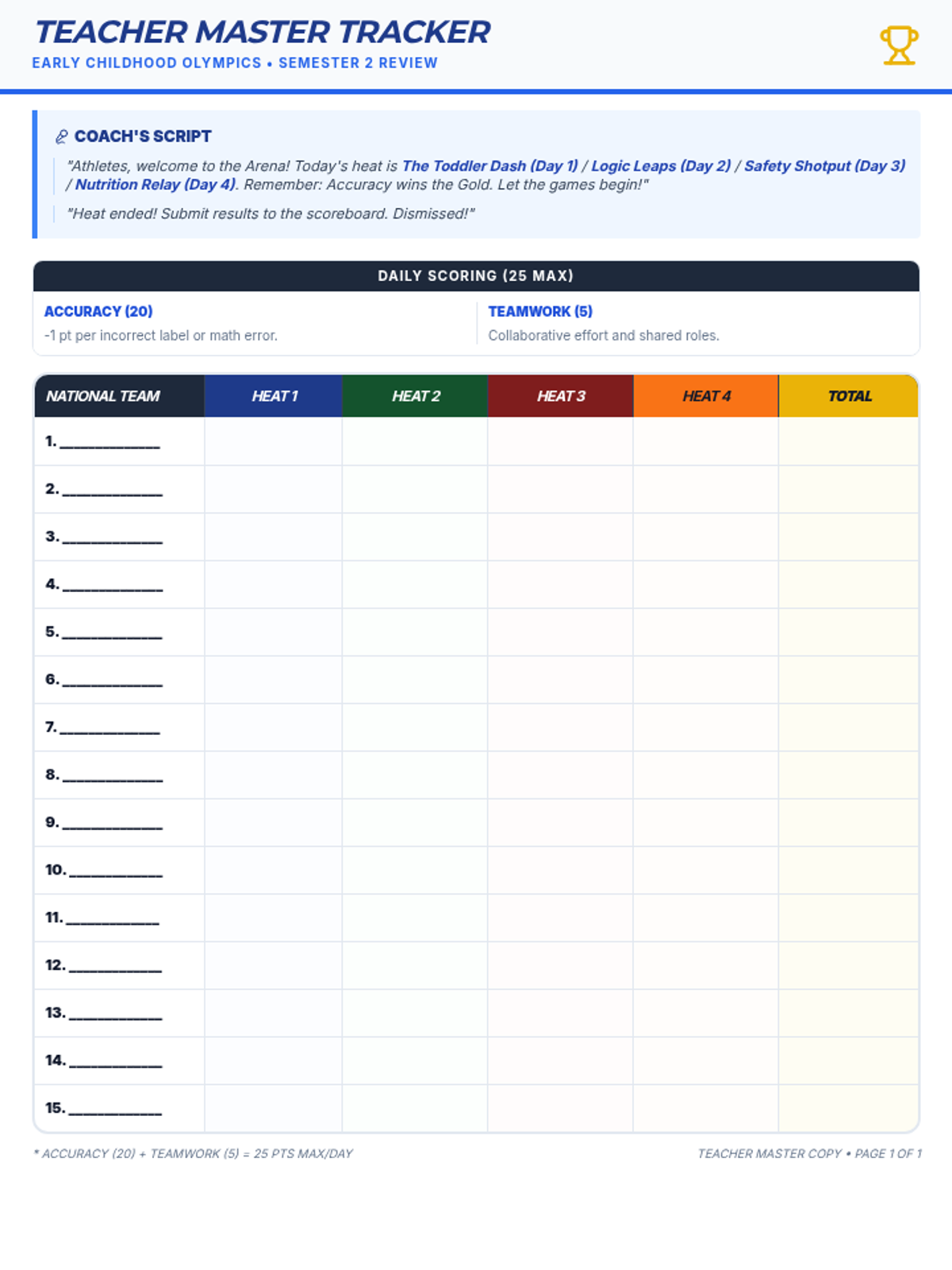
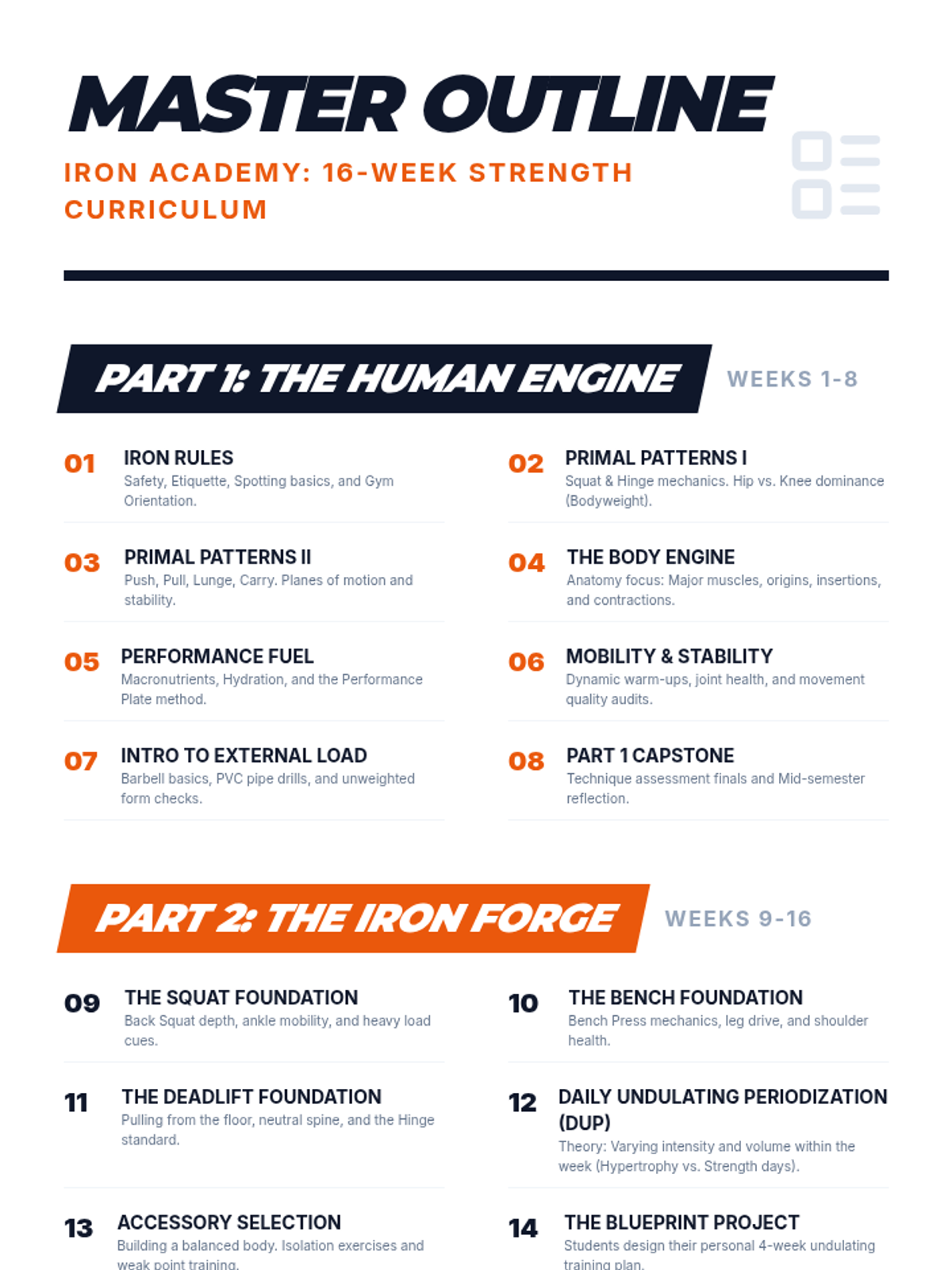
A comprehensive 16-week weight training curriculum divided into two parts: 'Part 1: The Human Engine' (Weeks 1-8) focusing on movement patterns, bodyweight mastery, and anatomy; and 'Part 2: The Iron Forge' (Weeks 9-16) focusing on advanced compound lifts, training science, and independent program design. Includes nutrition for performance and comprehensive classroom activities.
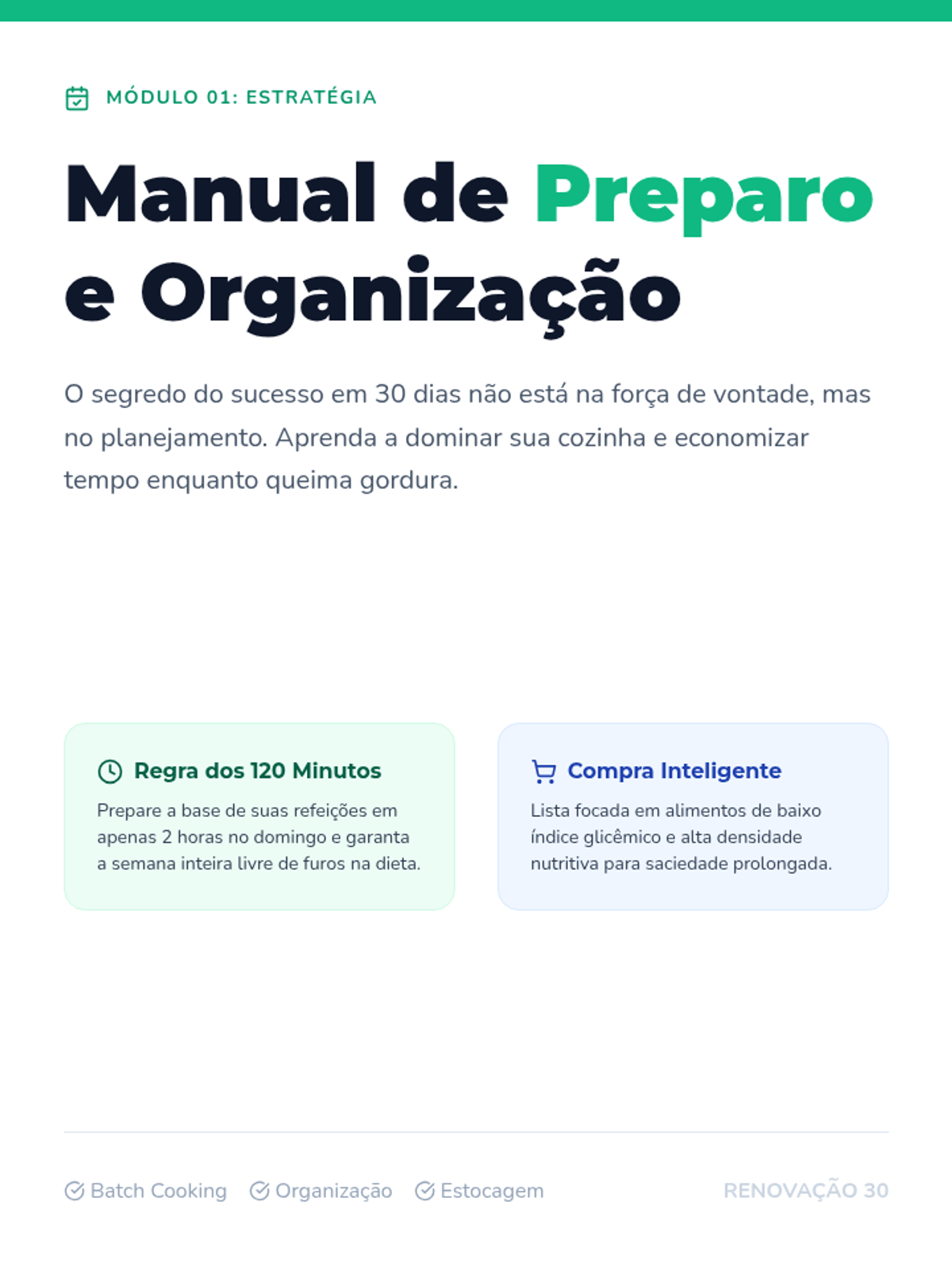
Um programa completo de 30 dias focado em perda de gordura, com orientações de planejamento, receitas nutritivas e ferramentas de acompanhamento de progresso.
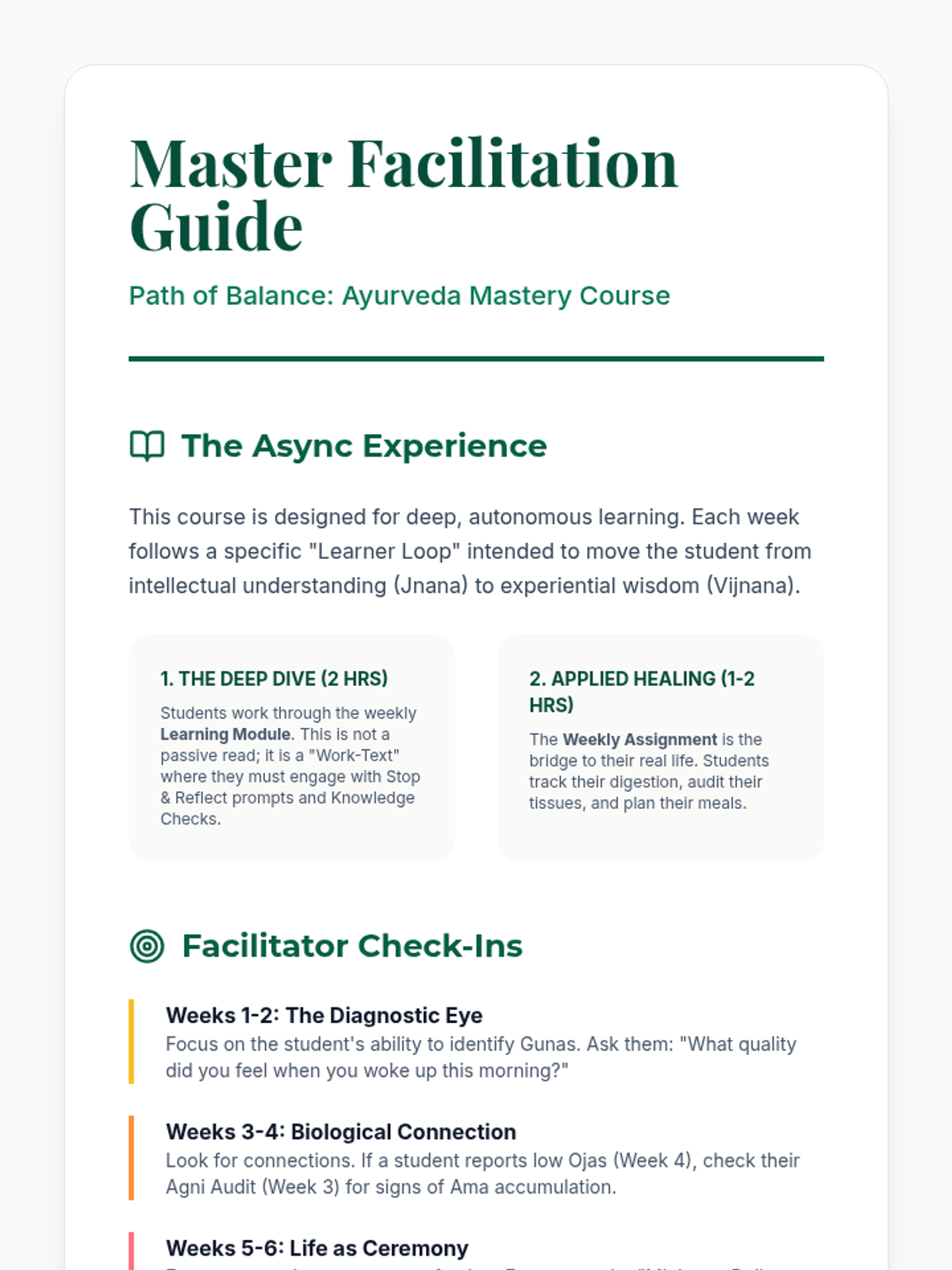
A professional 6-week certification-style journey into Ayurveda. Each week features a comprehensive 2-hour 'Deep Dive Module' combining academic reading, interactive reflections, and knowledge checks, supported by practical 'Applied Healing' assignments (1-2 hours) for real-world integration.
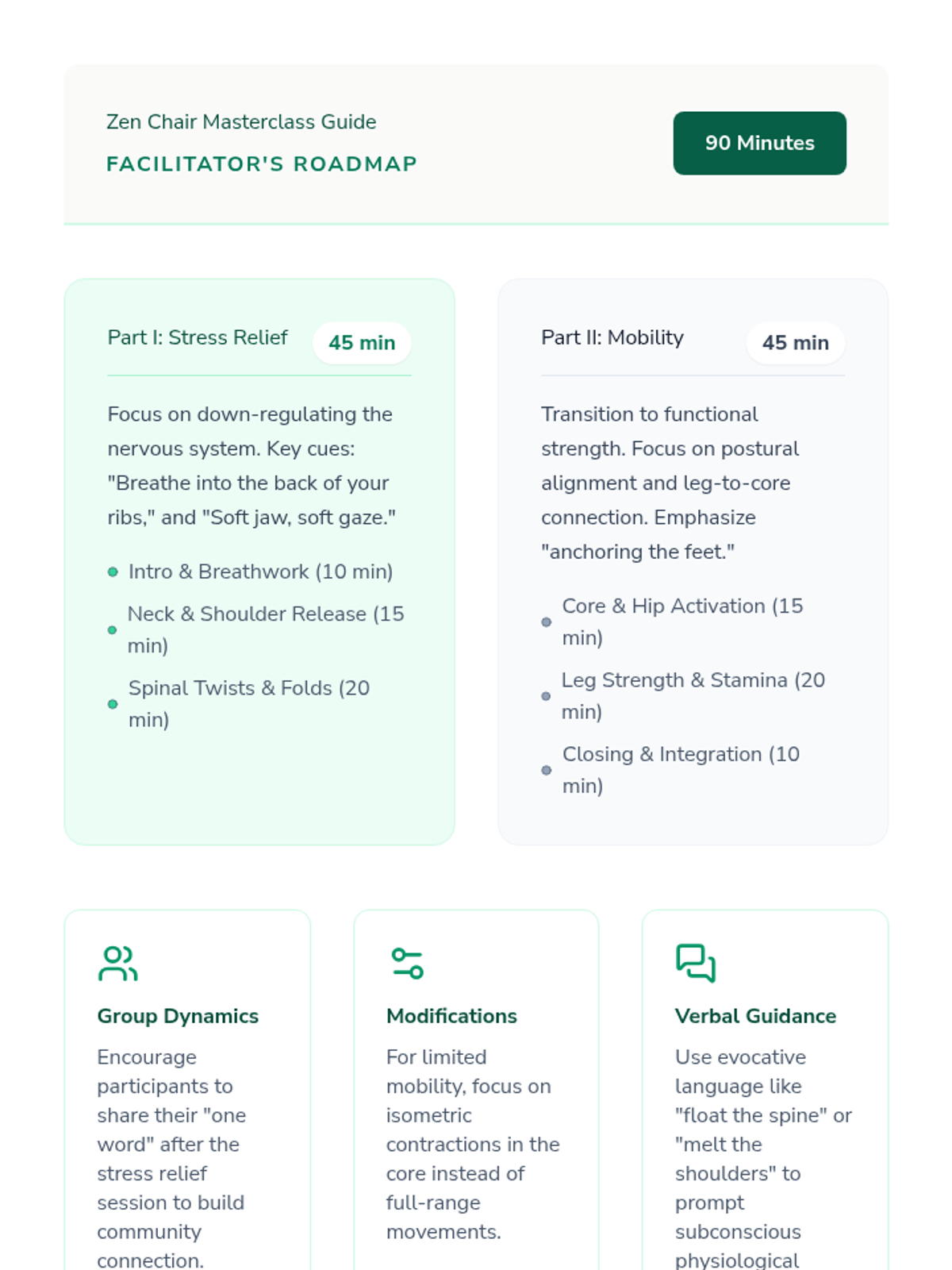
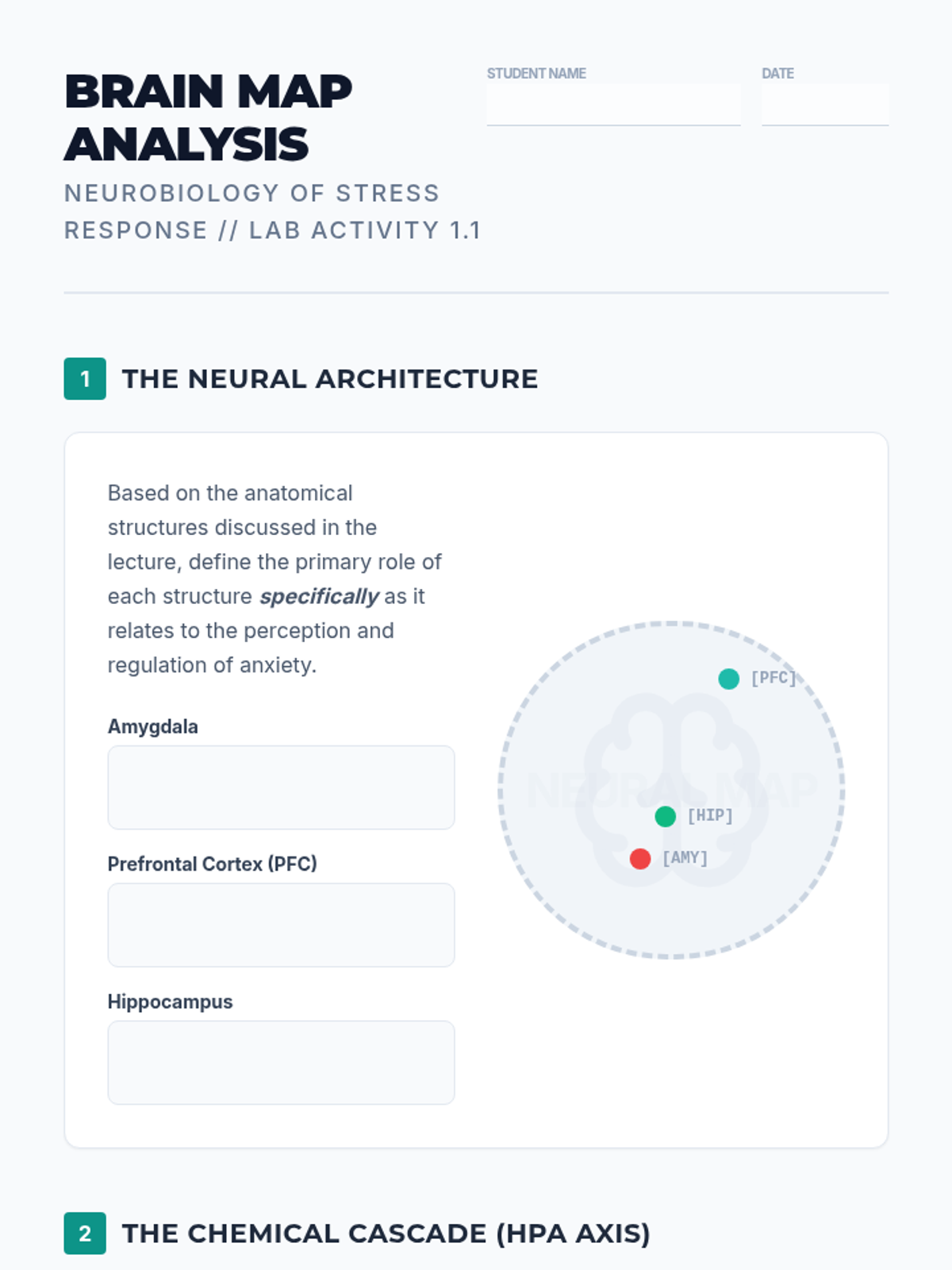
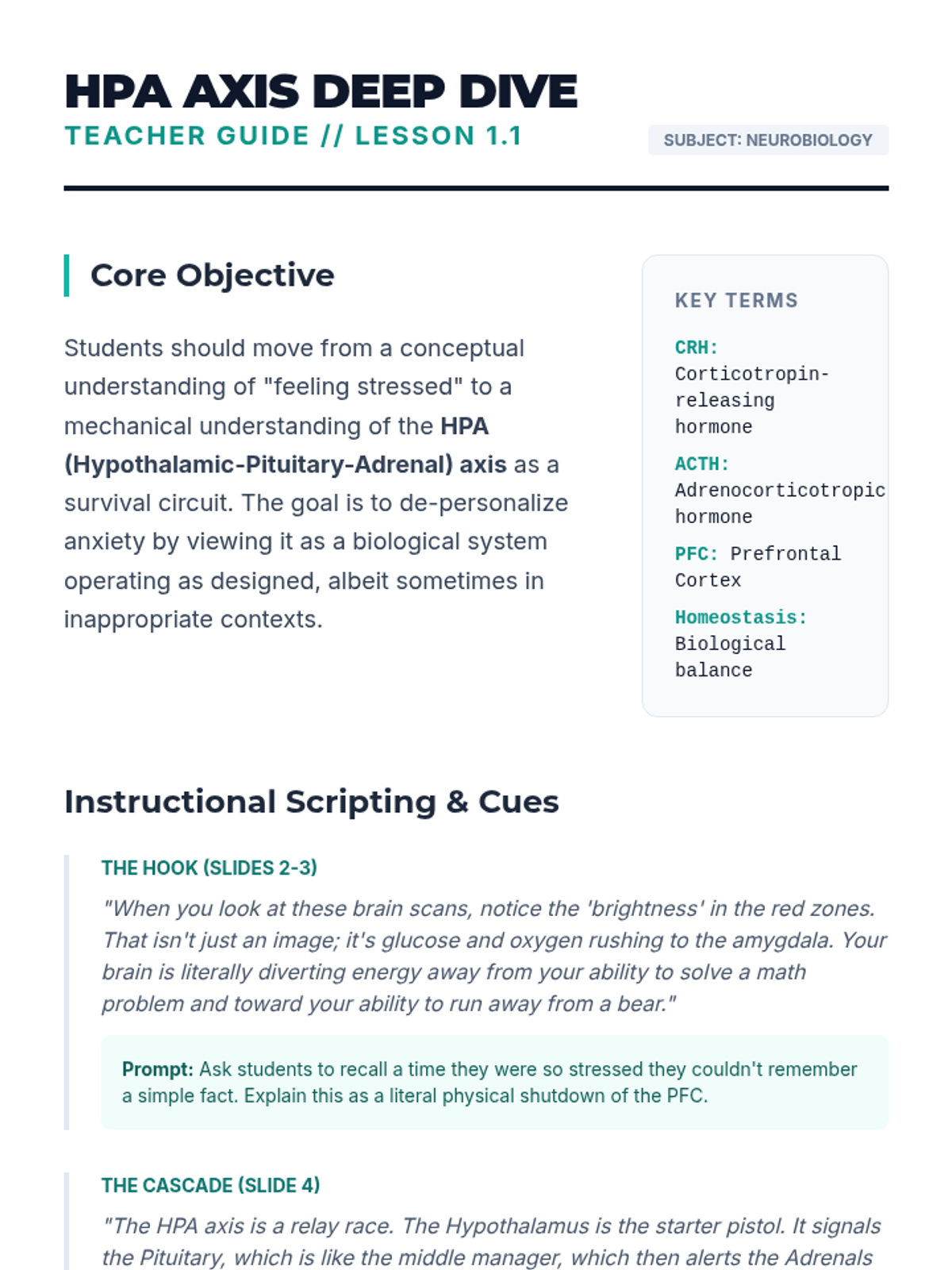
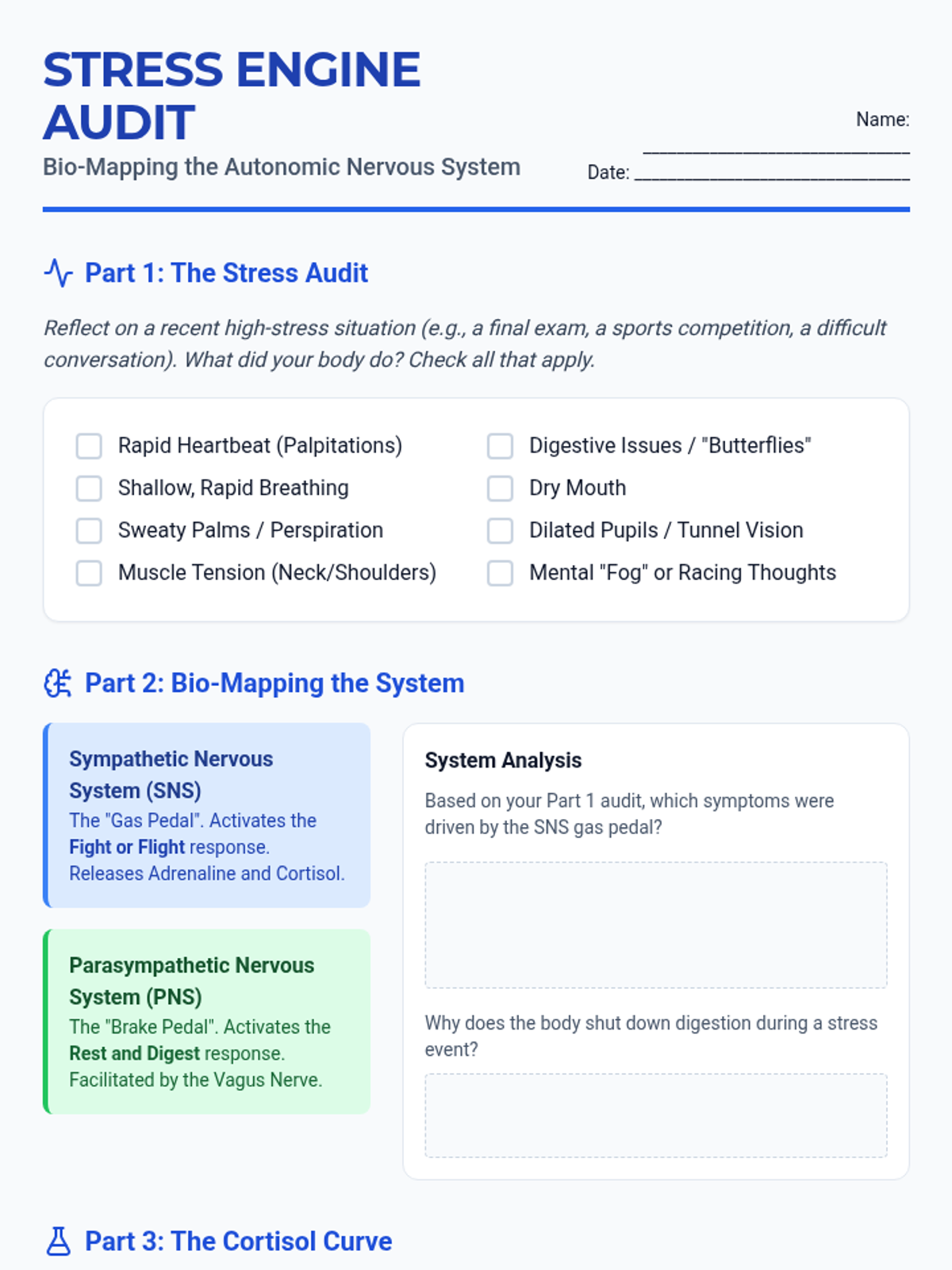
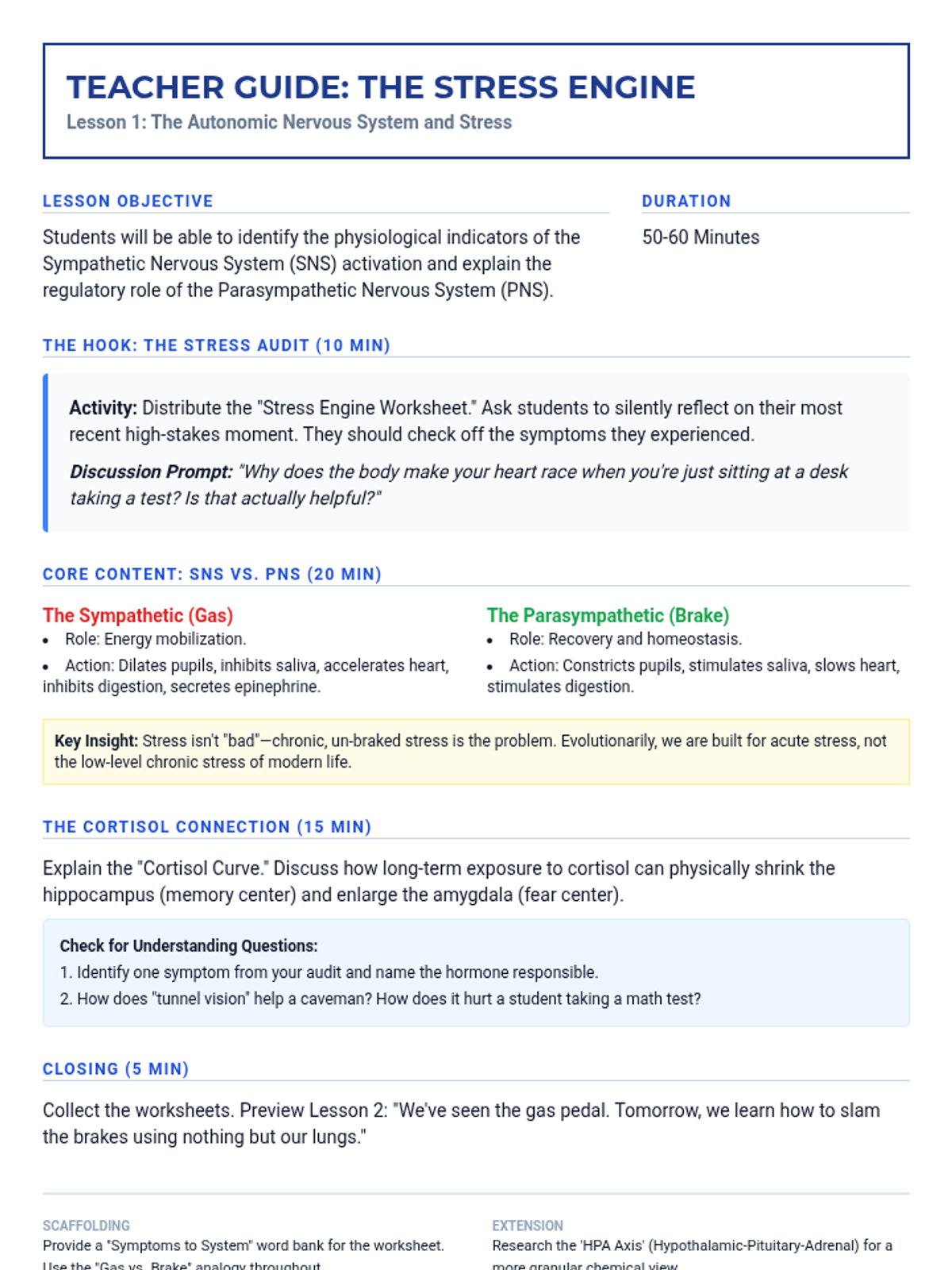
This undergraduate sequence explores the neuroscience and physiology of stress and anxiety, grounding emotional experiences in biological reality. Students will study the HPA axis, evolutionary mismatches, somatic markers, and physiological regulation techniques to move from reactivity to mastery.
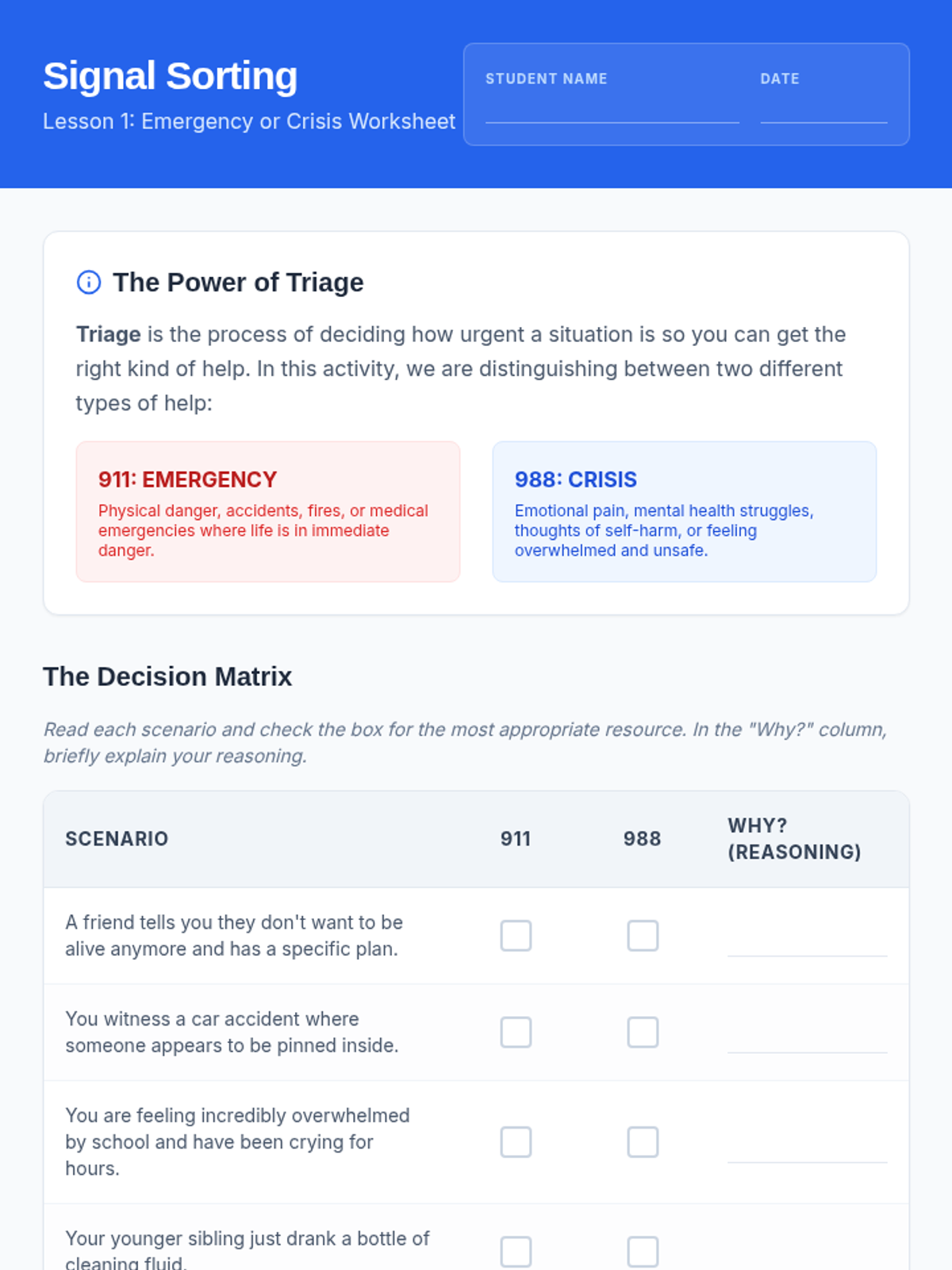
This sequence demystifies the process of accessing crisis support by breaking down the mechanics of hotlines and text lines. Students learn to distinguish between emergency services (911) and crisis hotlines (988), understand the experience of reaching out, and create personal resource tools for future use.
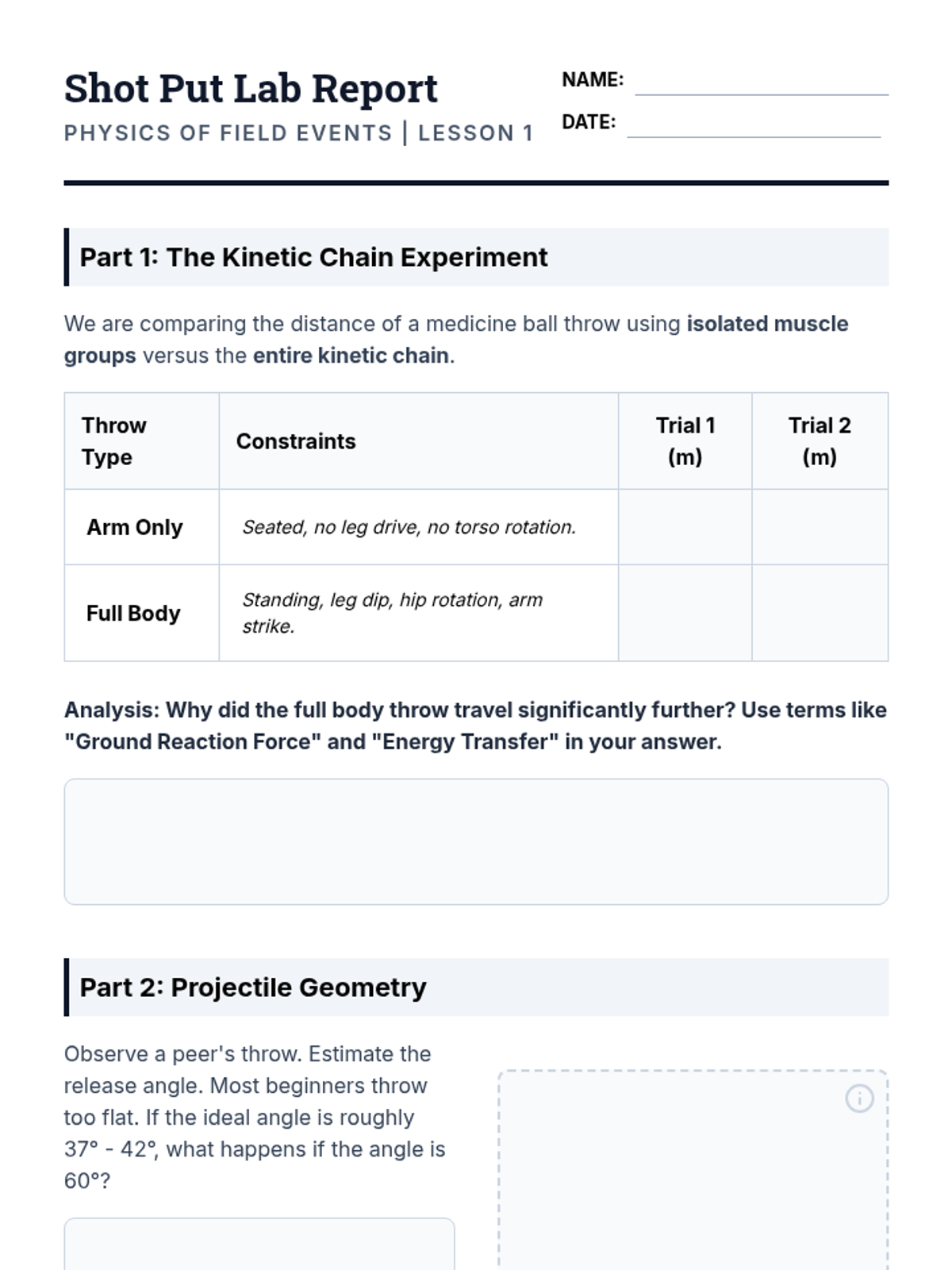
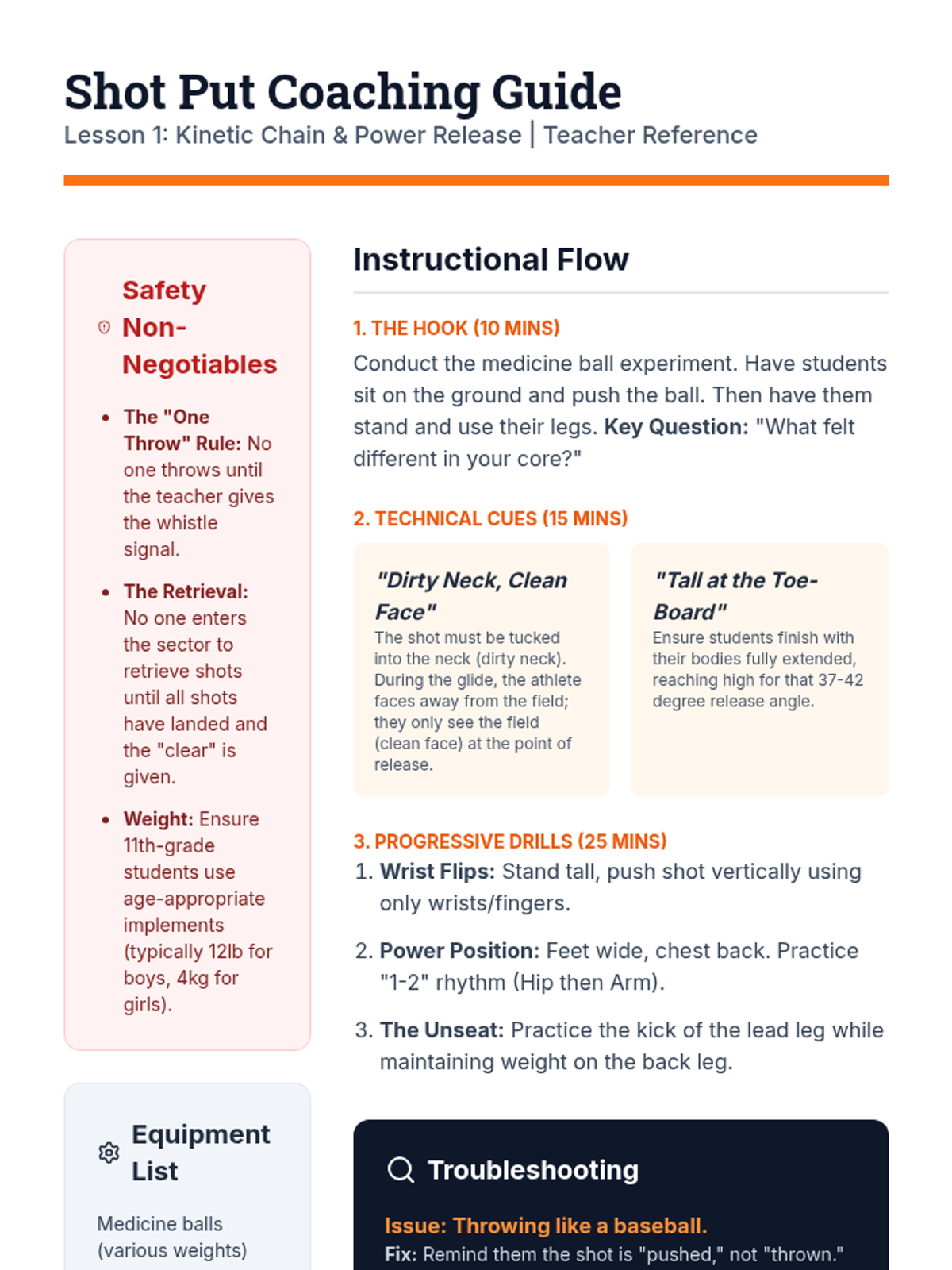
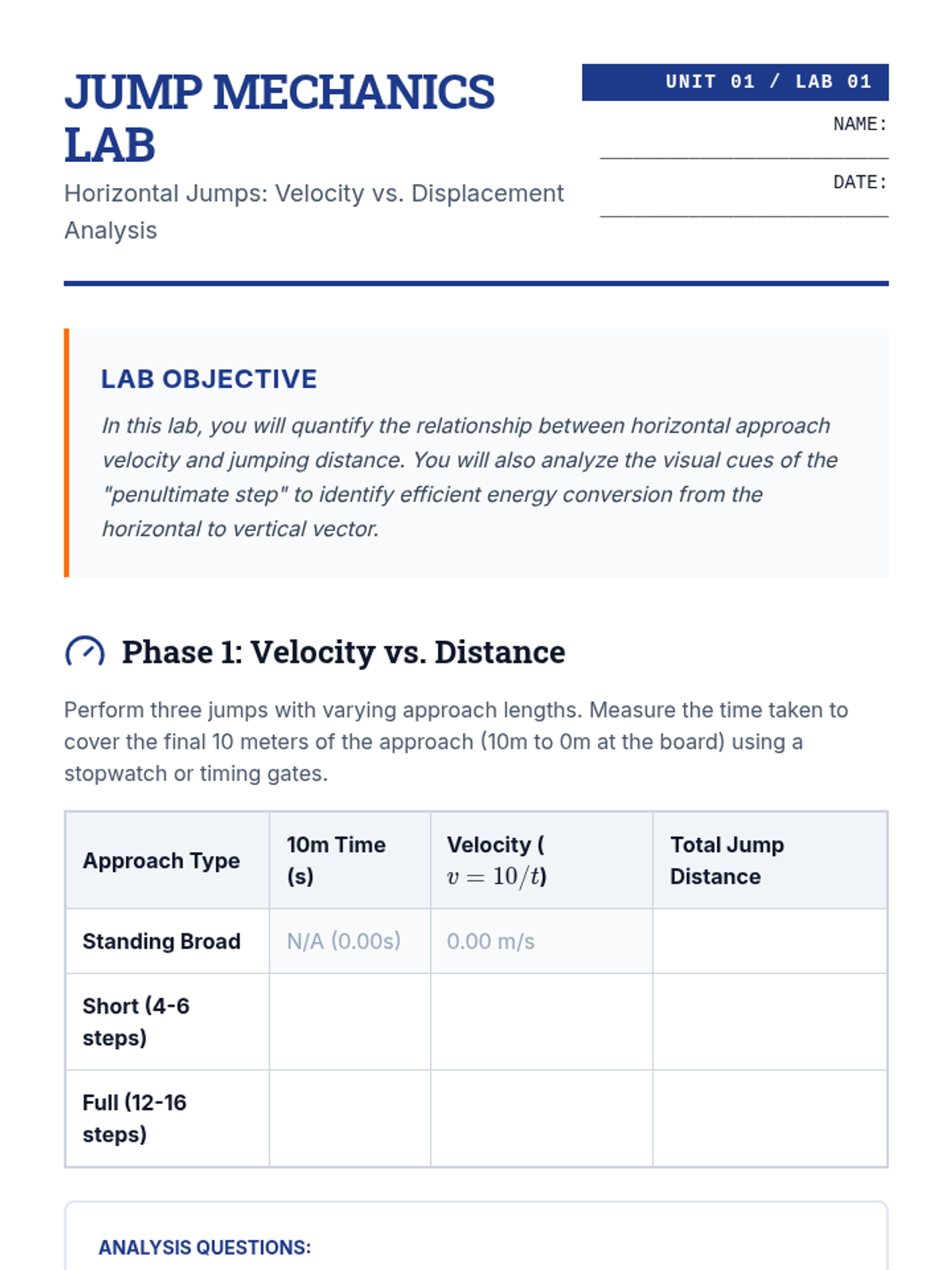
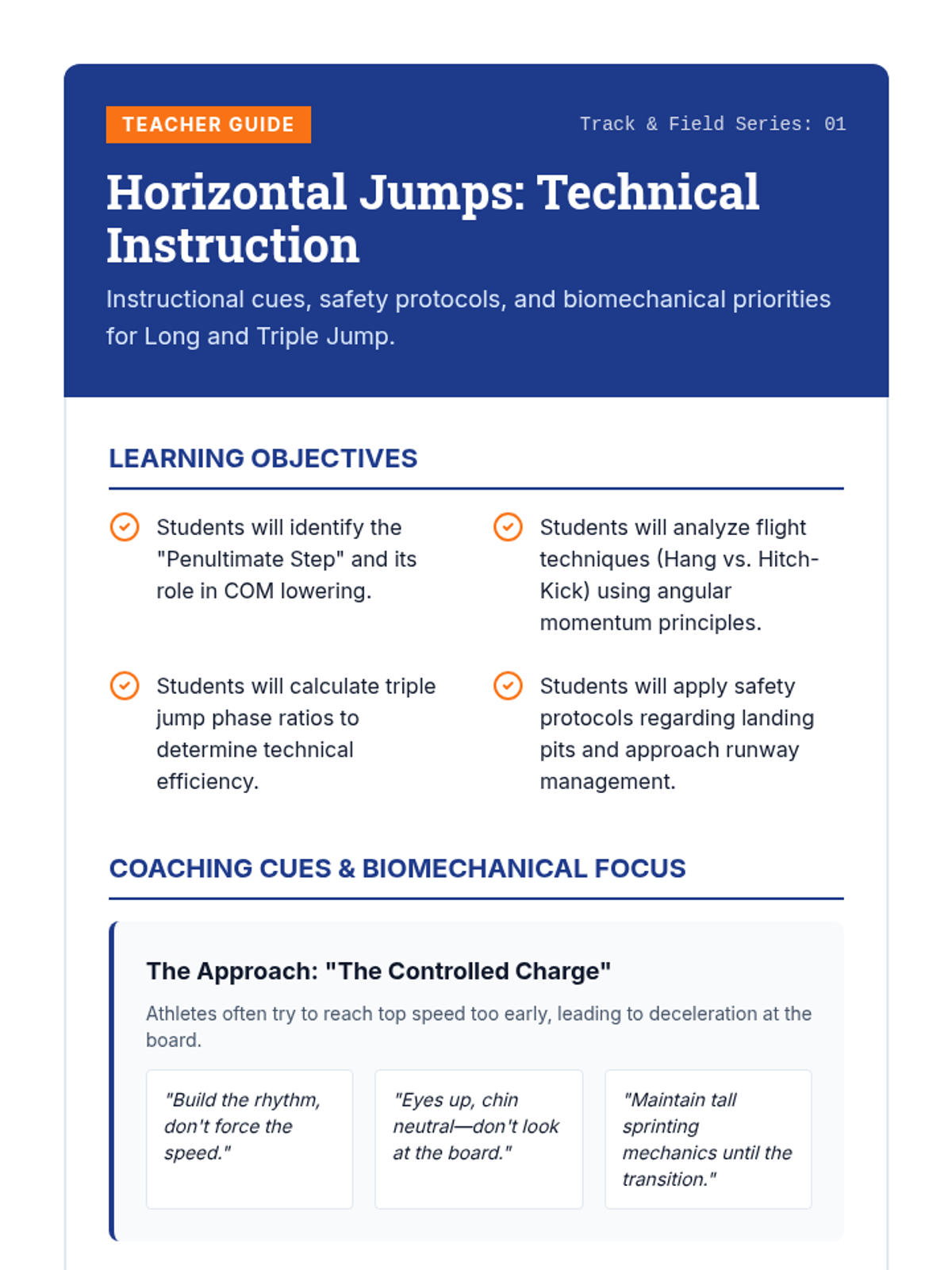
An intensive exploration of the physics and biomechanics behind field events, focusing on shot put, discus, long jump, and triple jump. Students apply scientific principles to athletic performance through peer coaching, video analysis, and technical drills.
An advanced undergraduate track and field sequence focusing on the biomechanics of field events and the professional standards of meet officiating and management.
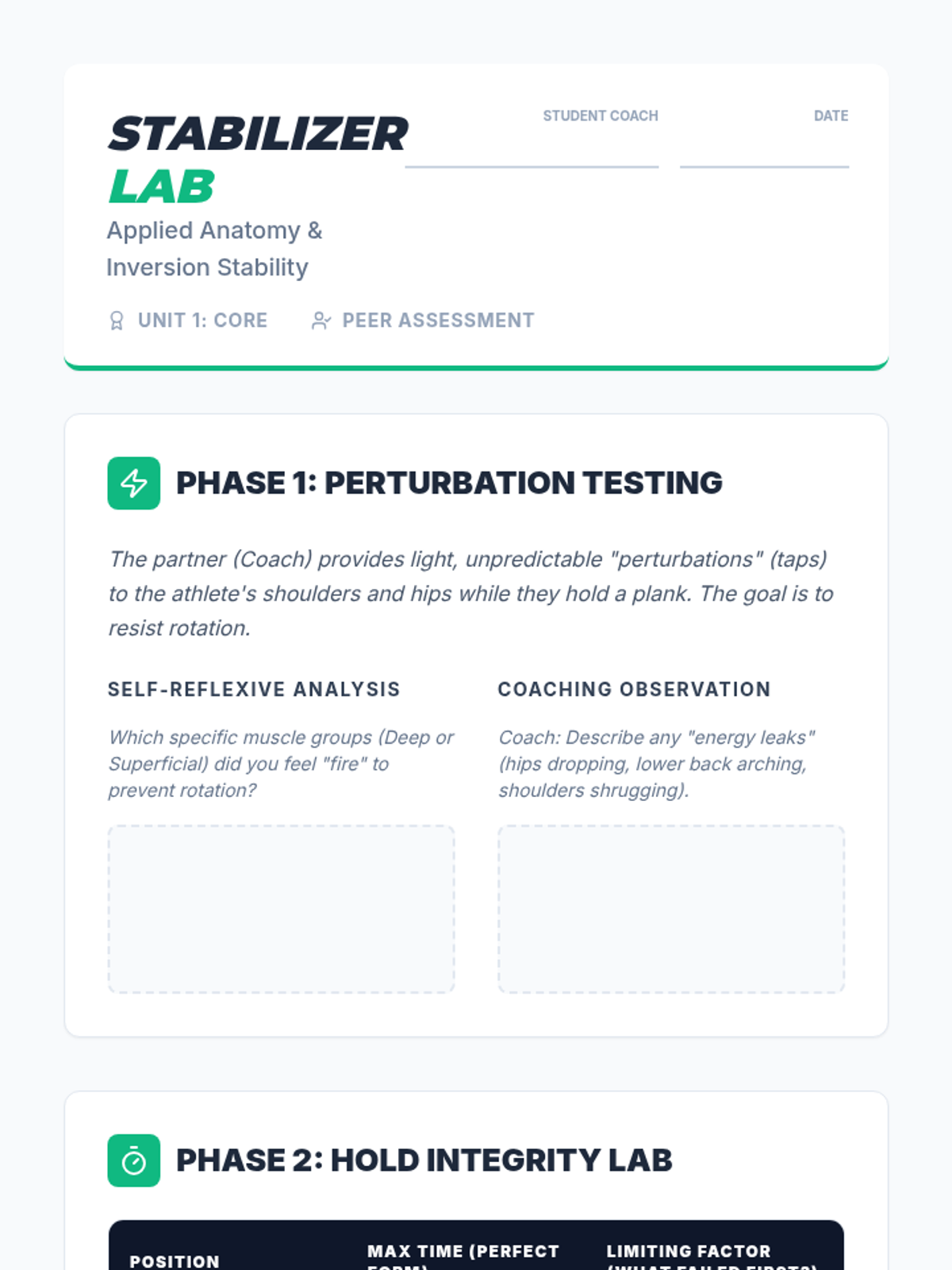
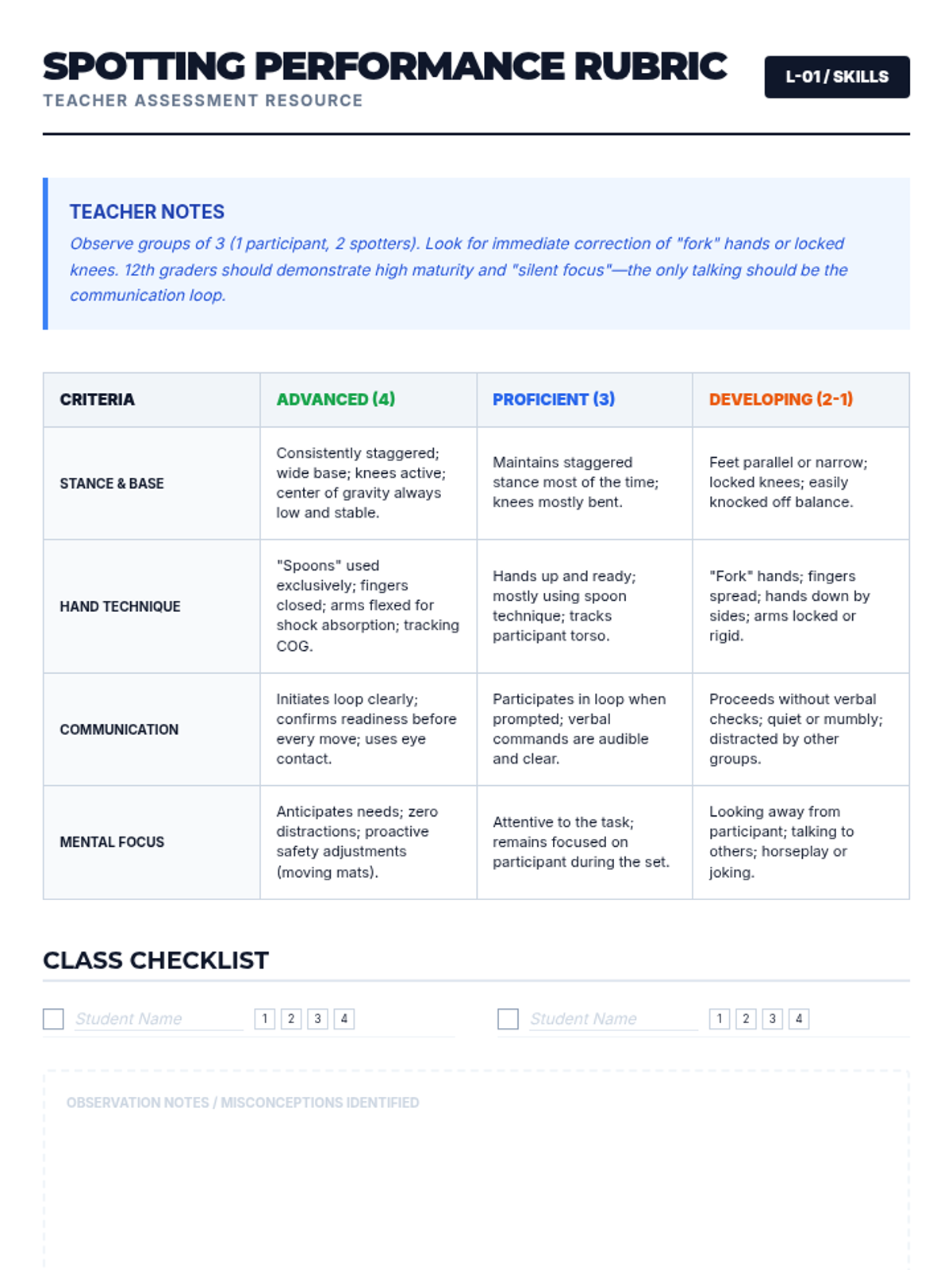
This sequence approaches gymnastics through the lens of athletic conditioning and applied anatomy. Students investigate specific strength and flexibility requirements needed to perform skills safely while acting as strength and conditioning coaches.
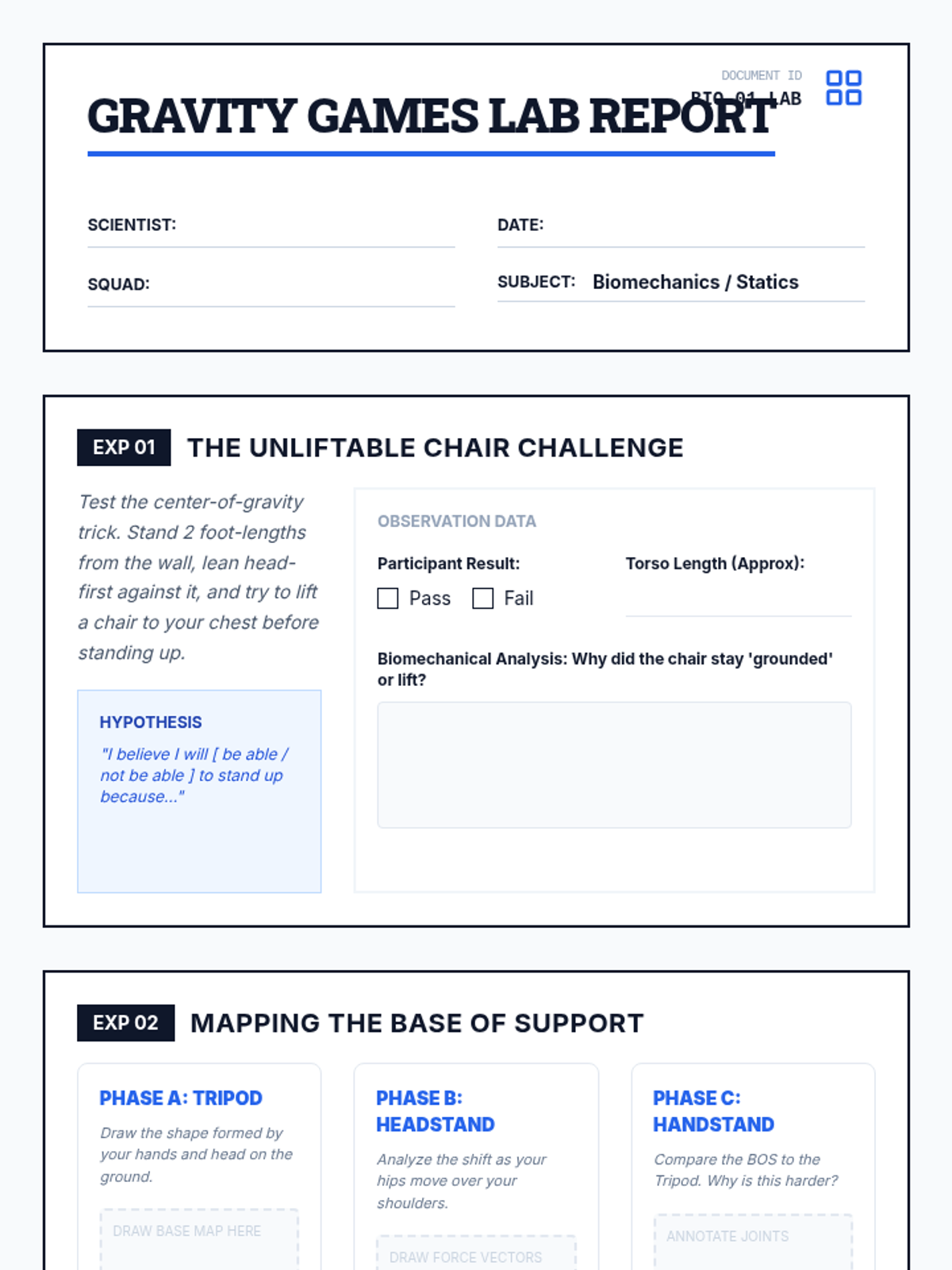
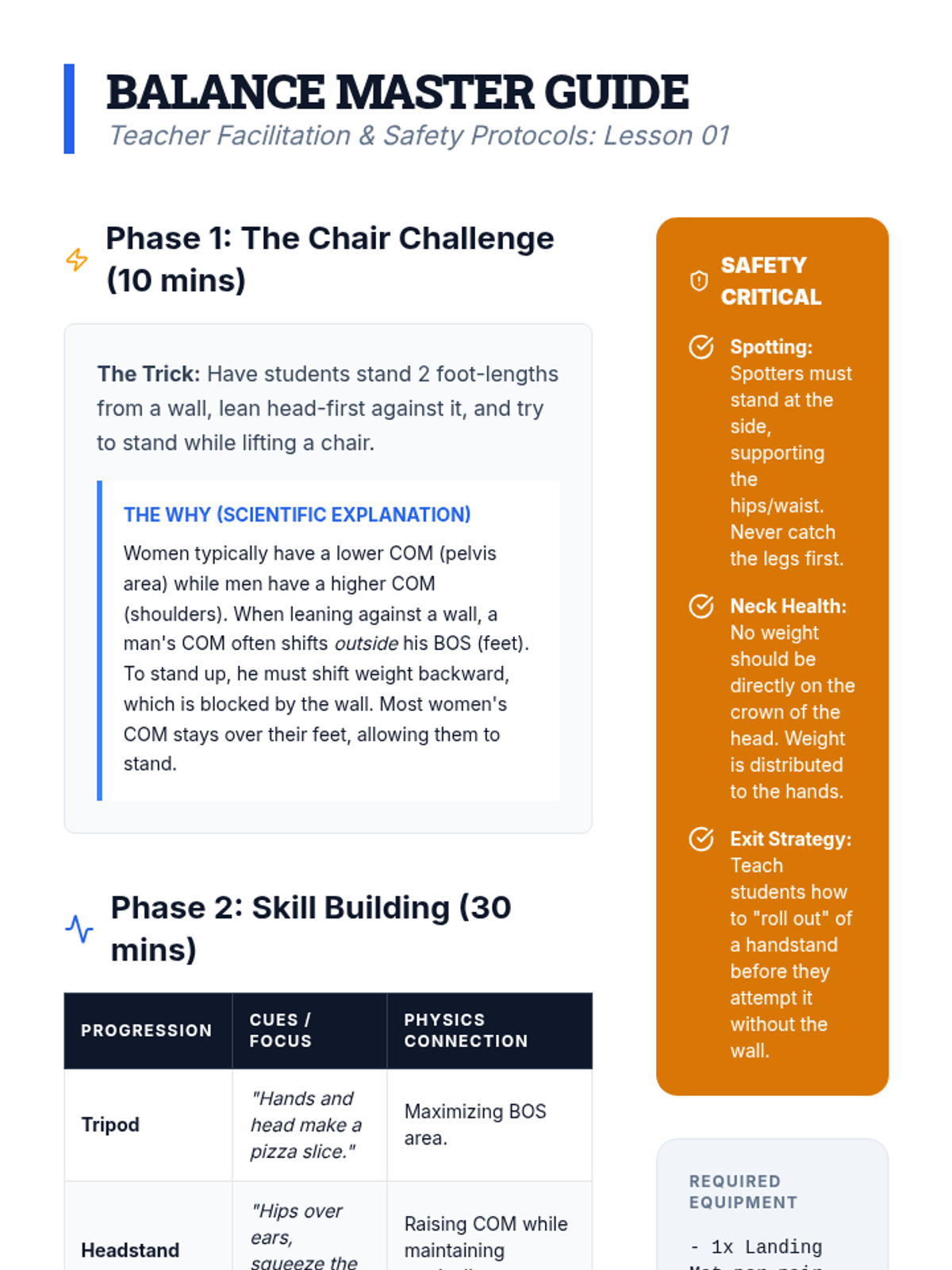
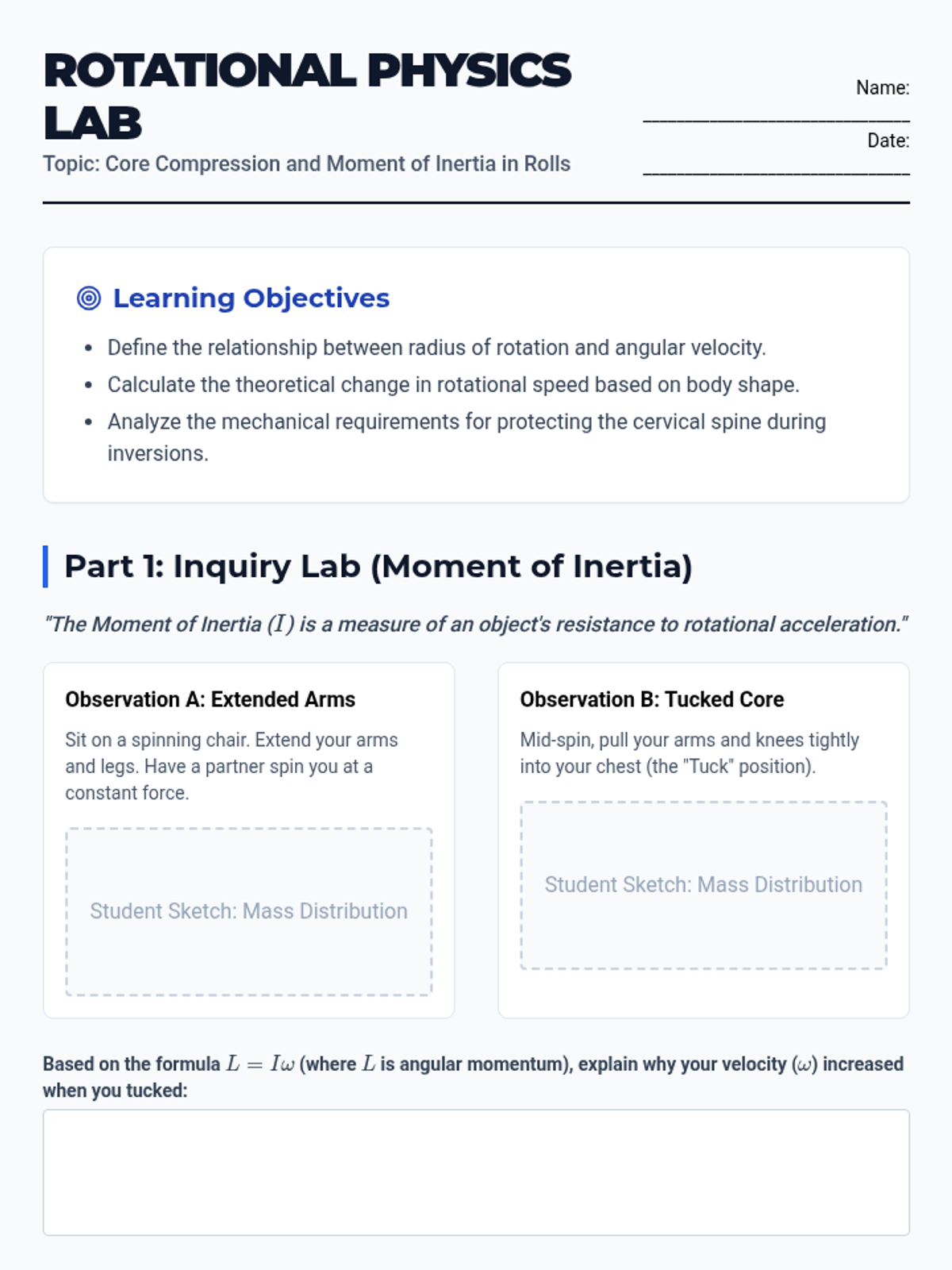
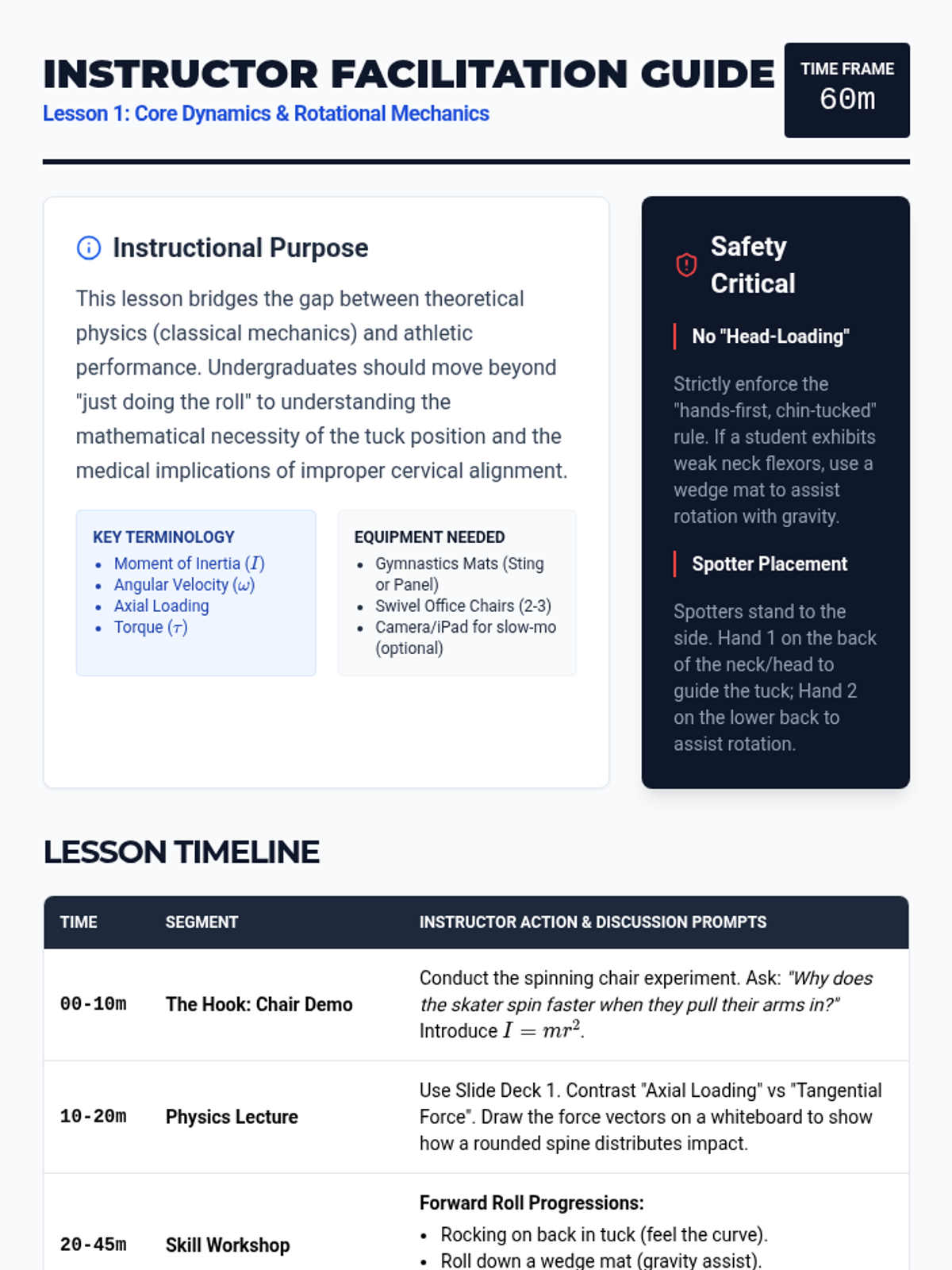
This sequence integrates physics concepts with fundamental floor skills to help students understand the mechanics of tumbling. Students explore center of mass, rotational mechanics, leverage, and force absorption through hands-on practice and video analysis.
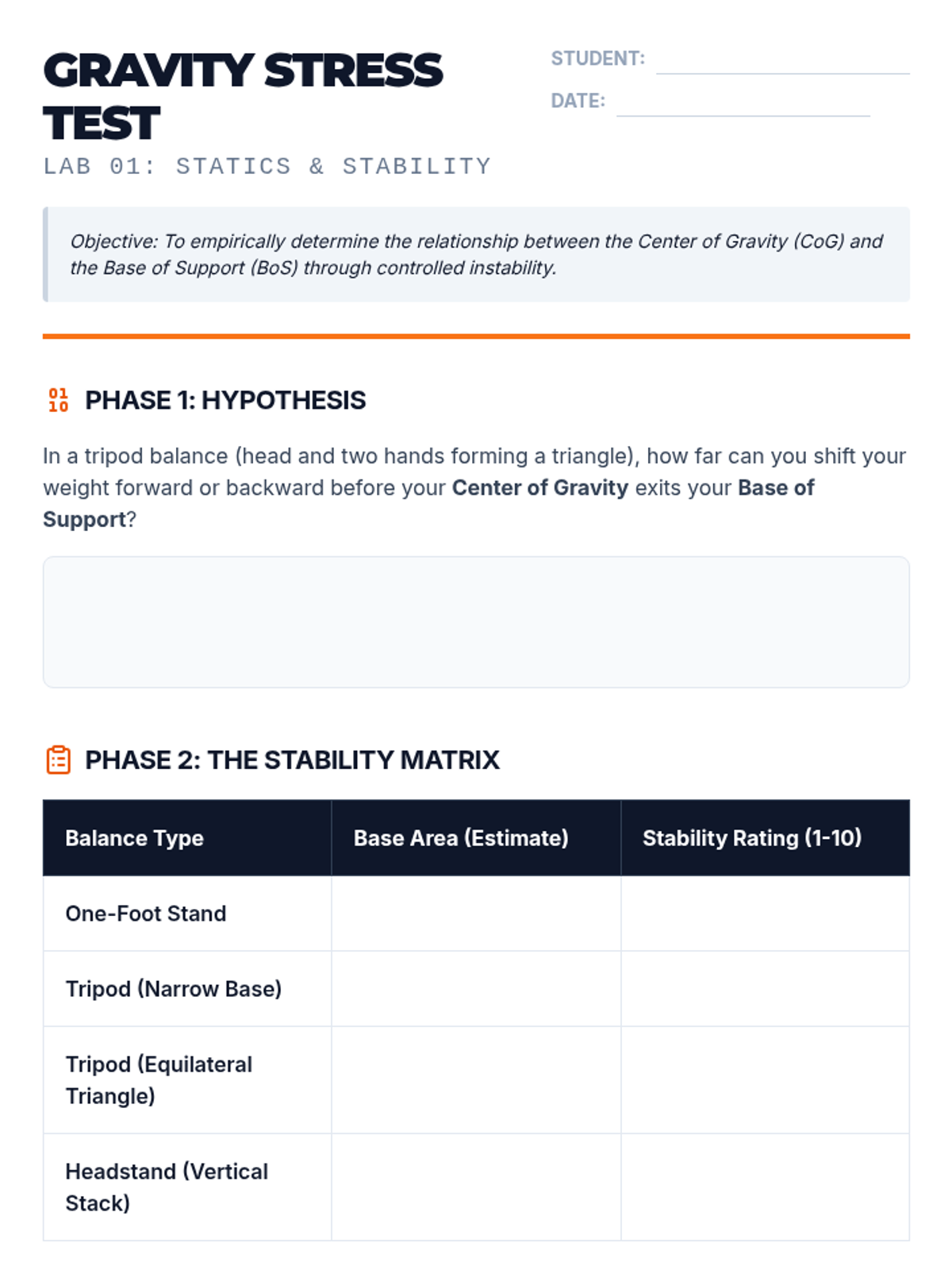
This sequence explores the physics of gymnastics, focusing on biomechanical principles like center of gravity, rotational inertia, and momentum transfer to improve tumbling performance. Students transition from static balance to dynamic rotation, culminating in a frame-by-frame video analysis of their own movement.
An undergraduate-level sequence exploring the biomechanical principles of gymnastics floor skills, focusing on rotational mechanics, static stability, and momentum transfer.
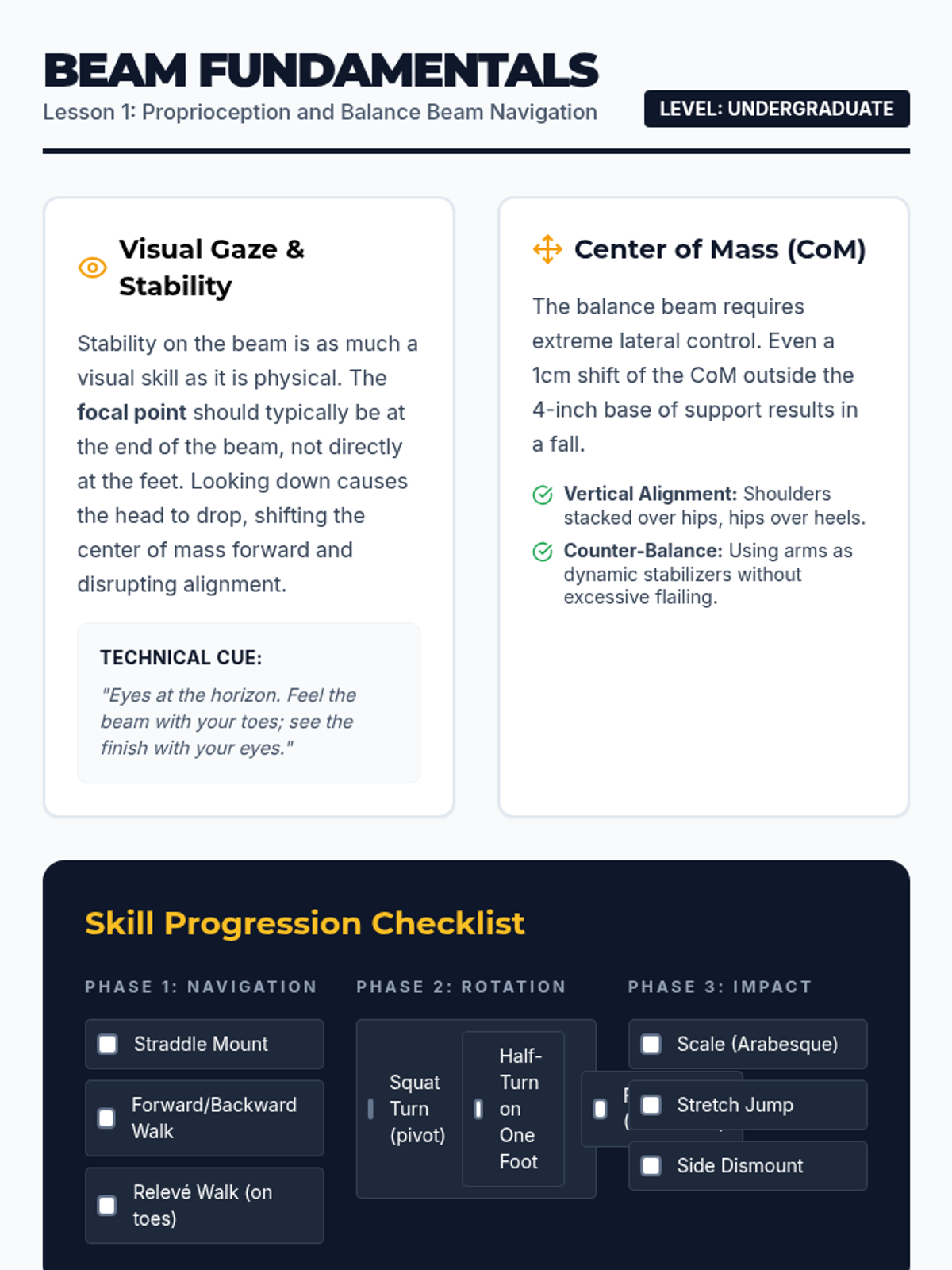
This sequence focuses on advanced gymnastics apparatus work, covering balance beam, vaulting mechanics, and artistic routine composition. Students transition from floor skills to technical apparatus navigation while developing performance psychology and movement critique skills suitable for undergraduate study.
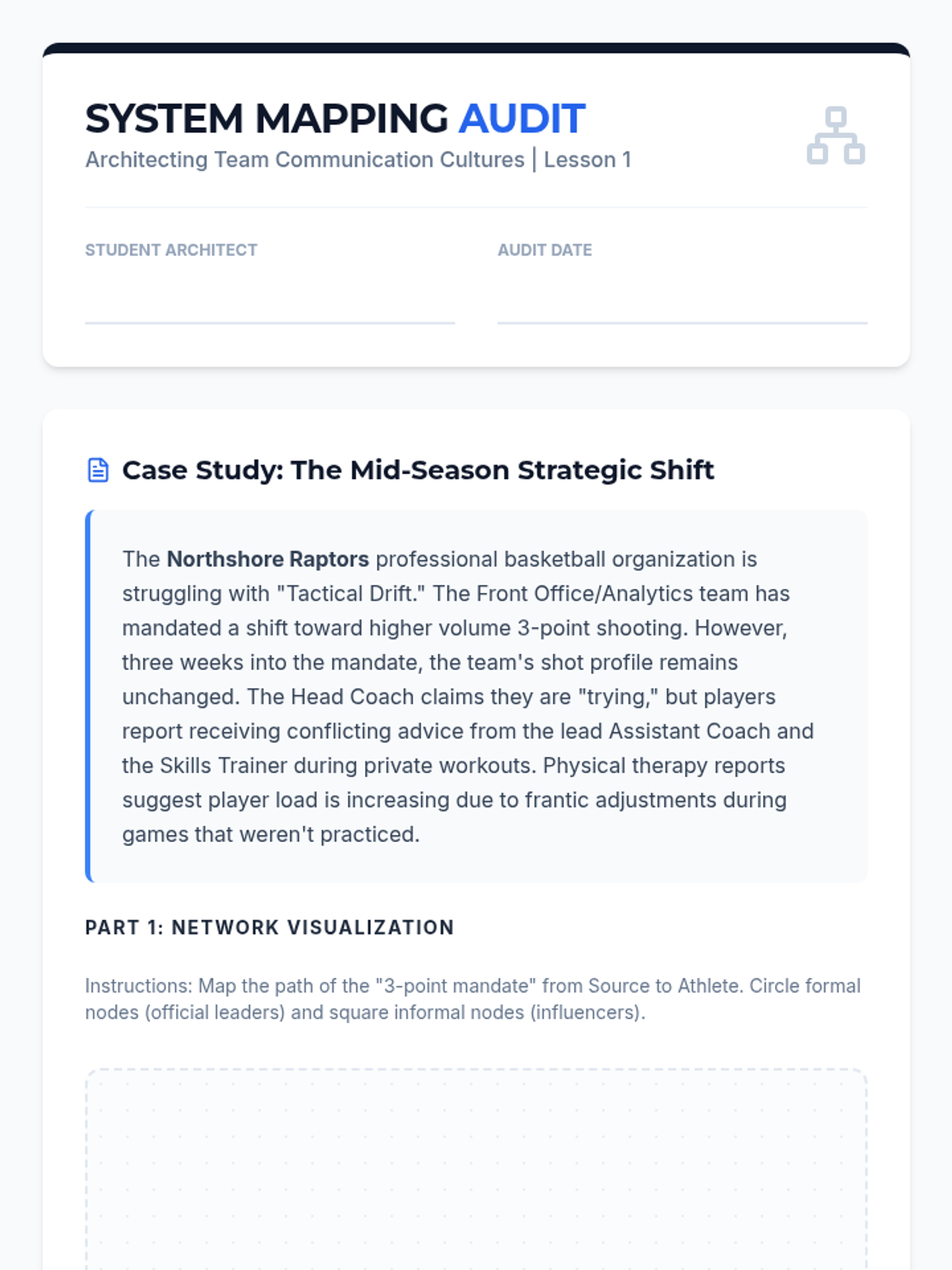
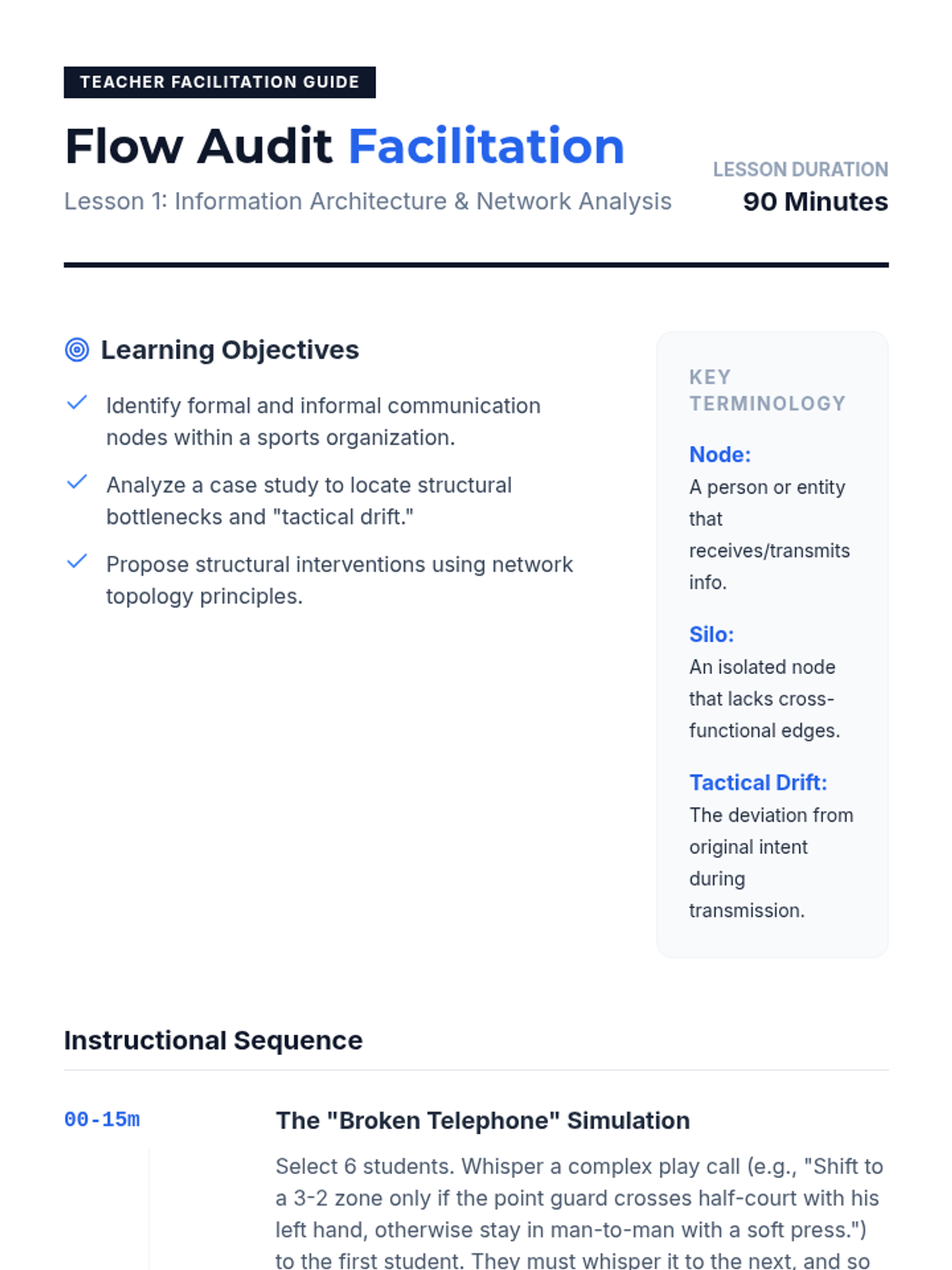
This graduate-level sequence examines the structural engineering of communication in elite athletic environments. Students will learn to design, audit, and implement sophisticated communication systems that enhance psychological safety, reduce cognitive load, and optimize tactical execution across diverse rosters.
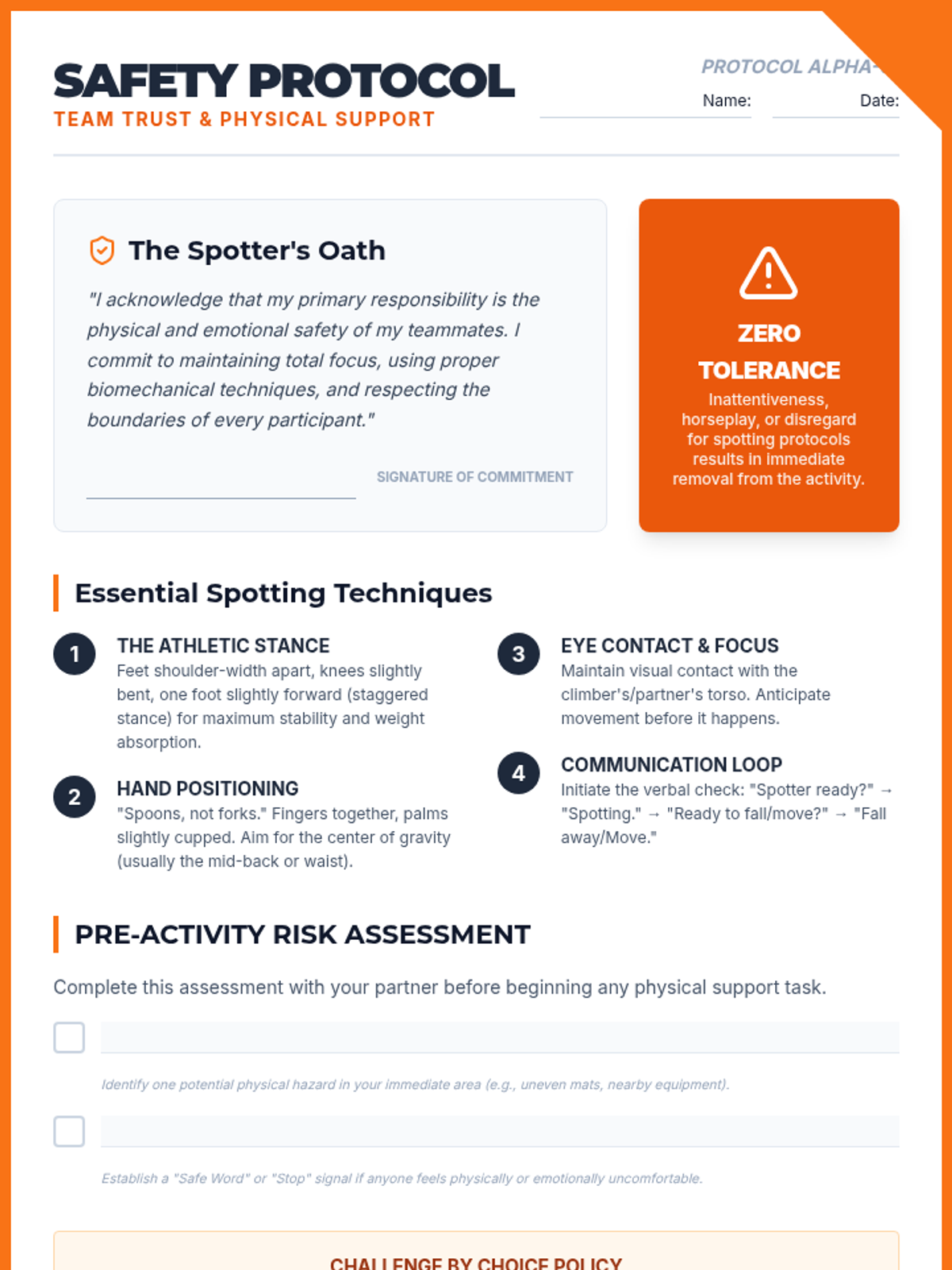
This sequence focuses on the psychological and physical aspects of trust, safety, and support within a team environment. Students progress from basic weight-sharing activities to high-stakes simulated risks that require absolute reliance on peers, emphasizing safety protocols and collective responsibility.
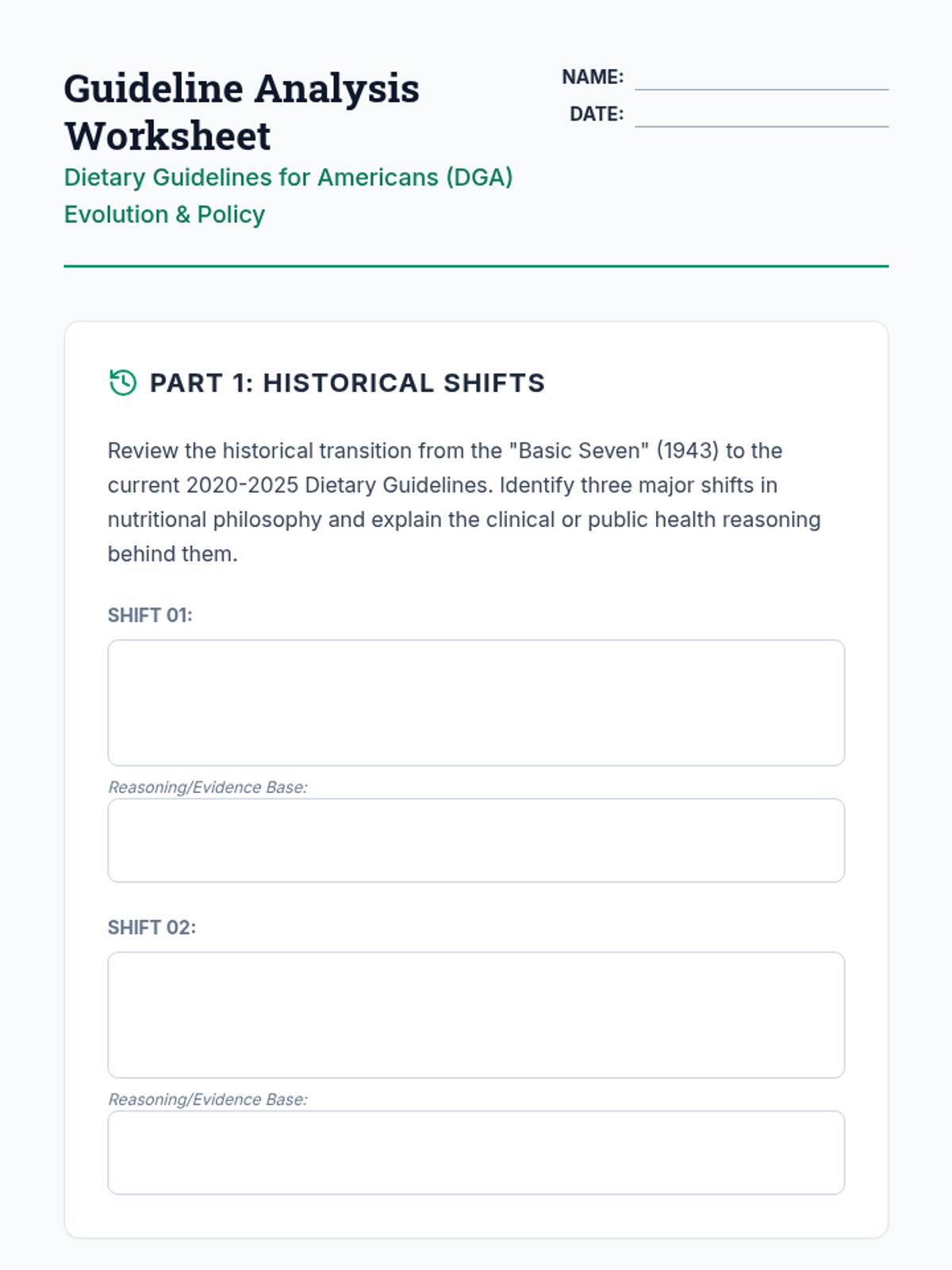
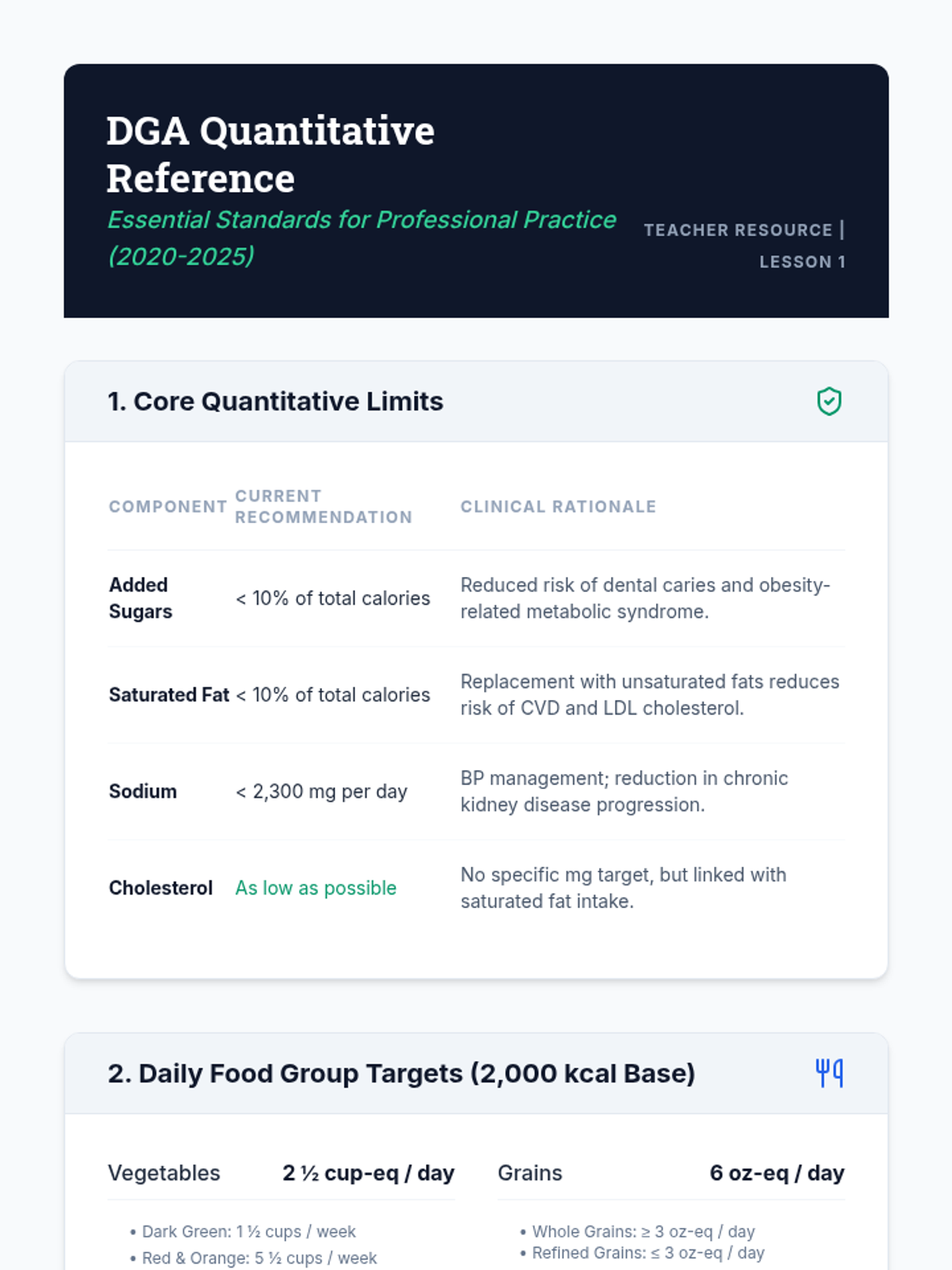
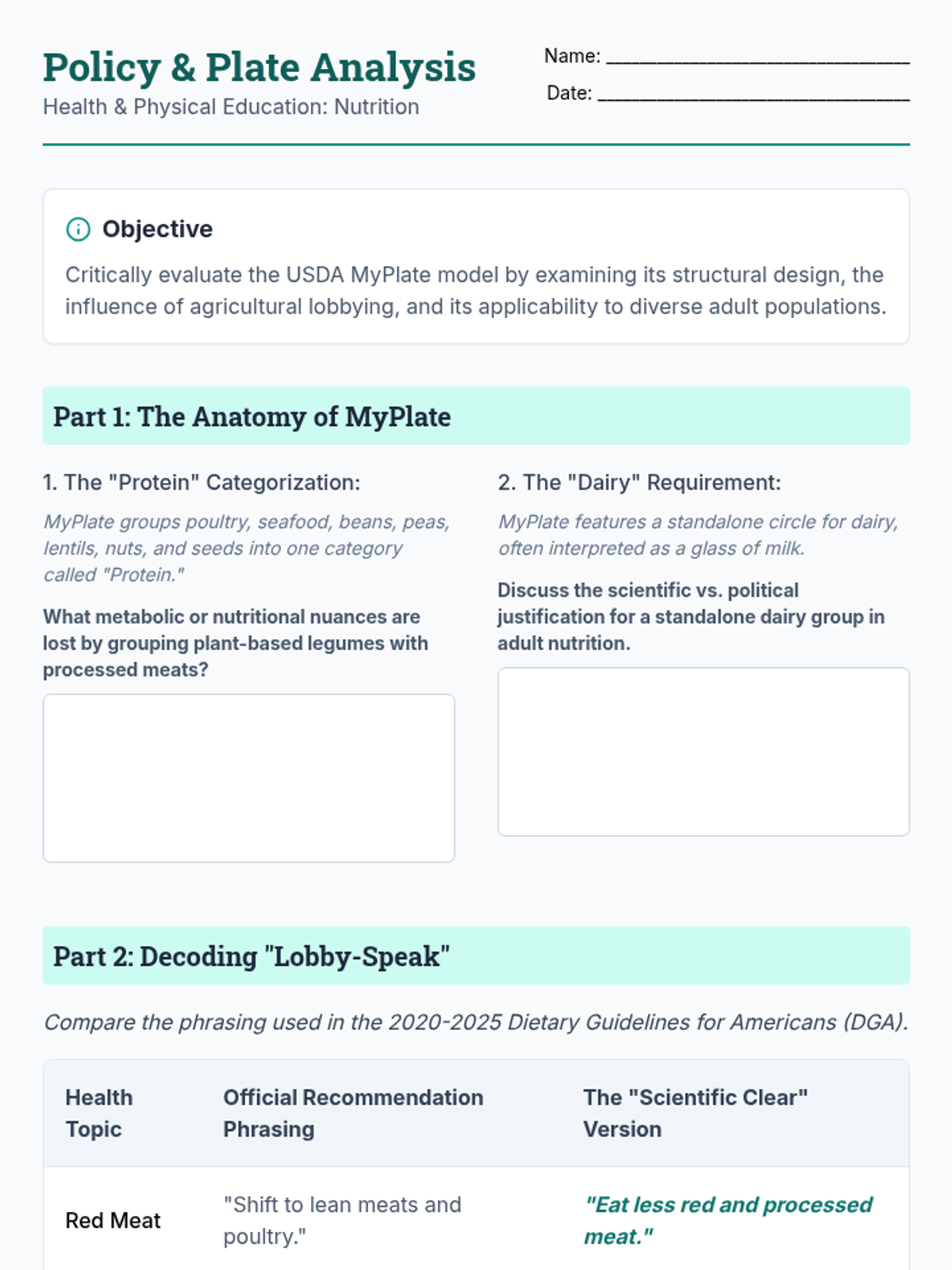
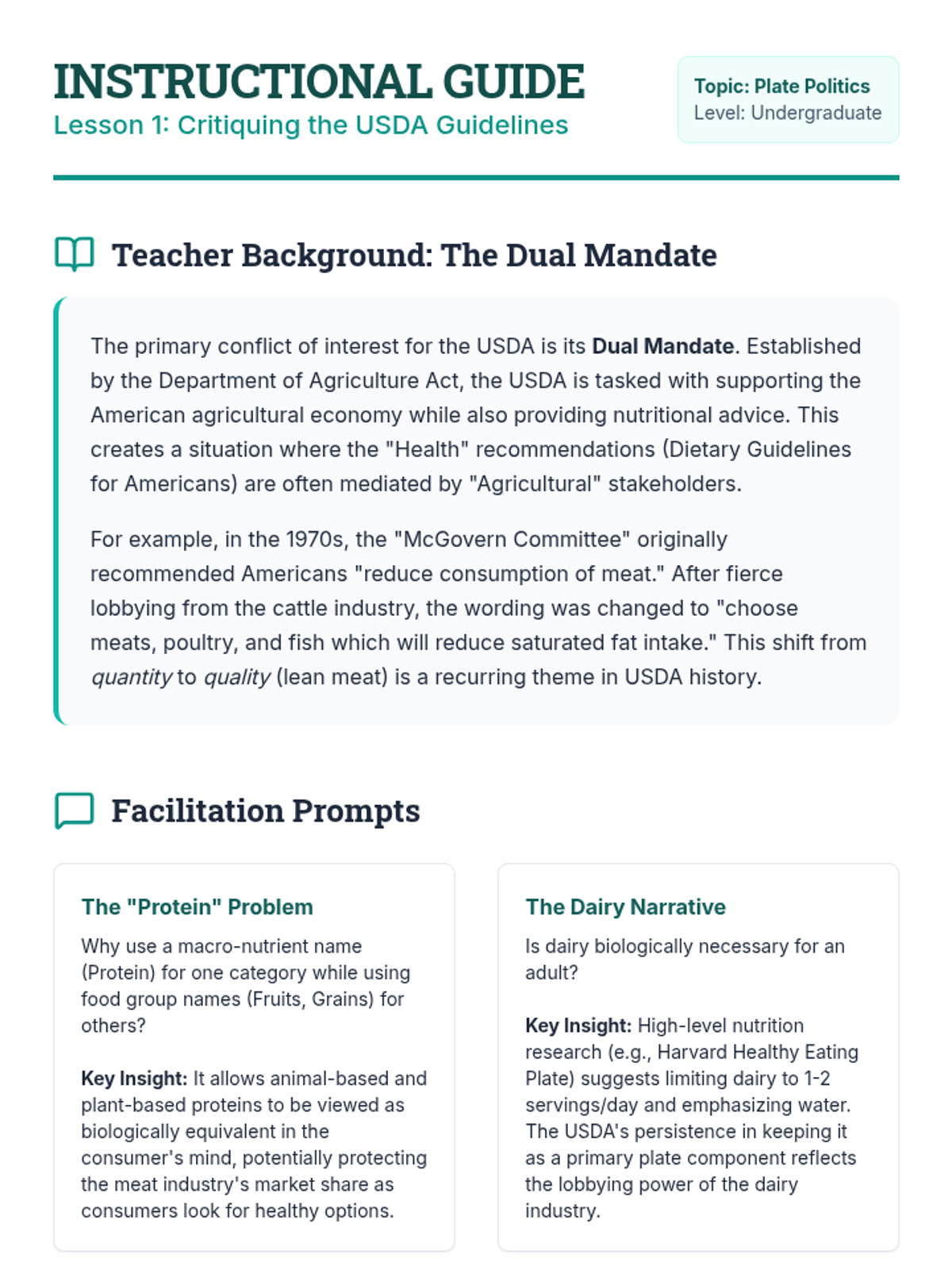
This sequence bridges the gap between theoretical nutritional guidelines and real-world meal planning. Undergraduate students will critically evaluate dietary guidelines, master portion control, adapt plans for restrictions, and apply cultural competency to create comprehensive, client-ready dietary plans.
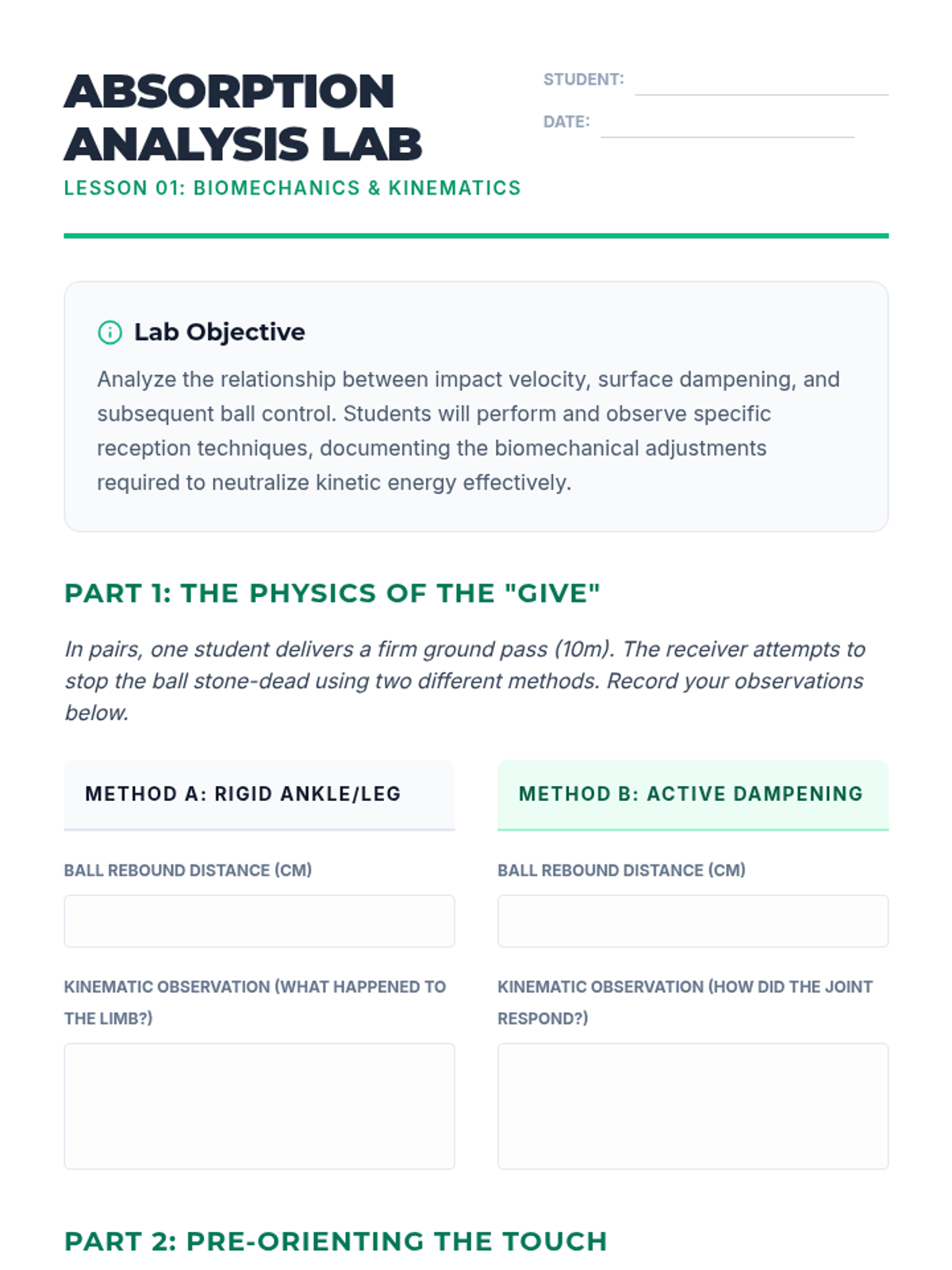
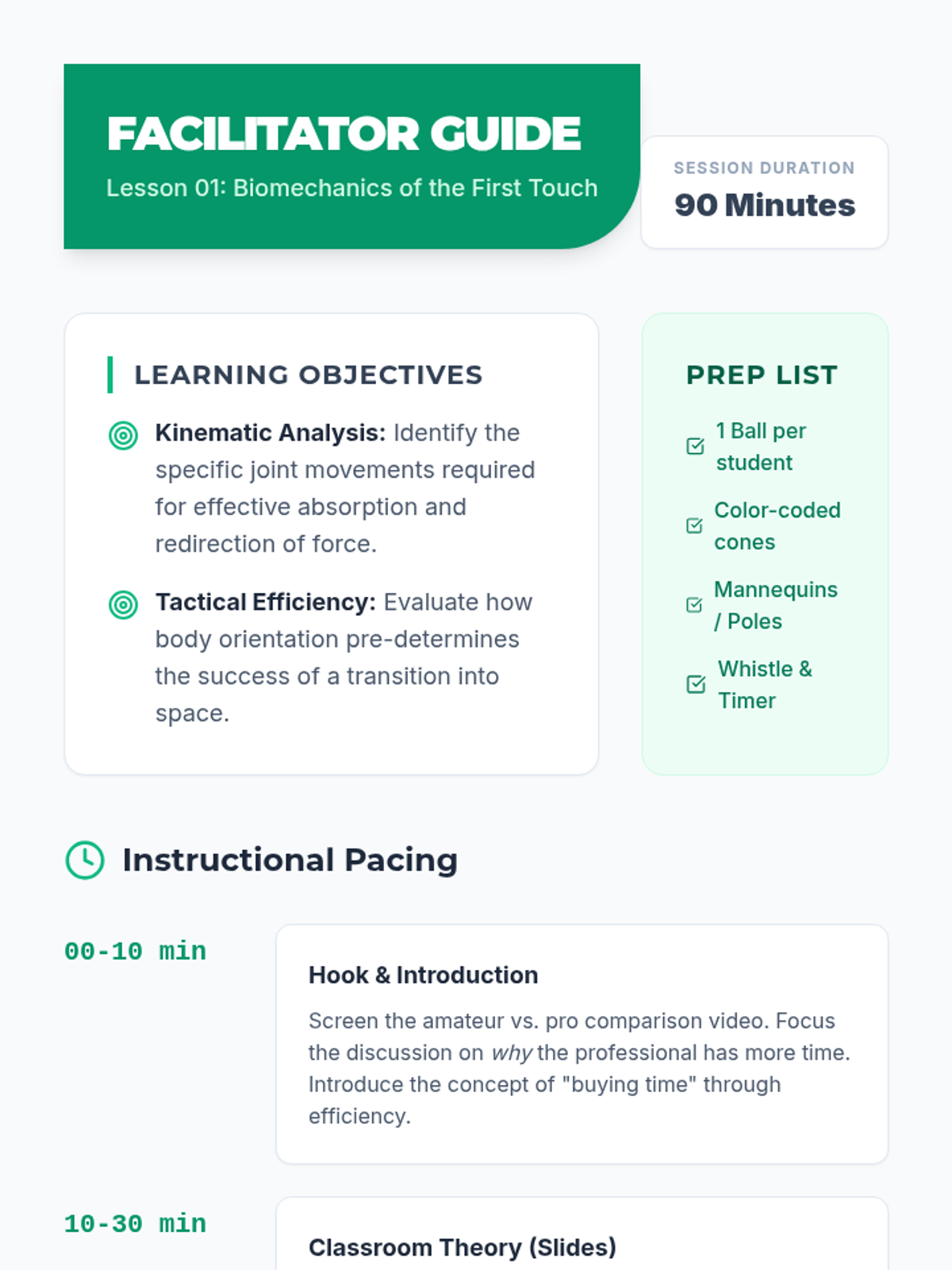
A comprehensive undergraduate sequence focused on the biomechanical principles of elite soccer skills, progressing from isolated technical refinement to high-pressure game application. Students analyze the physics of ball control, passing, dribbling, and finishing to develop both personal mastery and coaching proficiency.
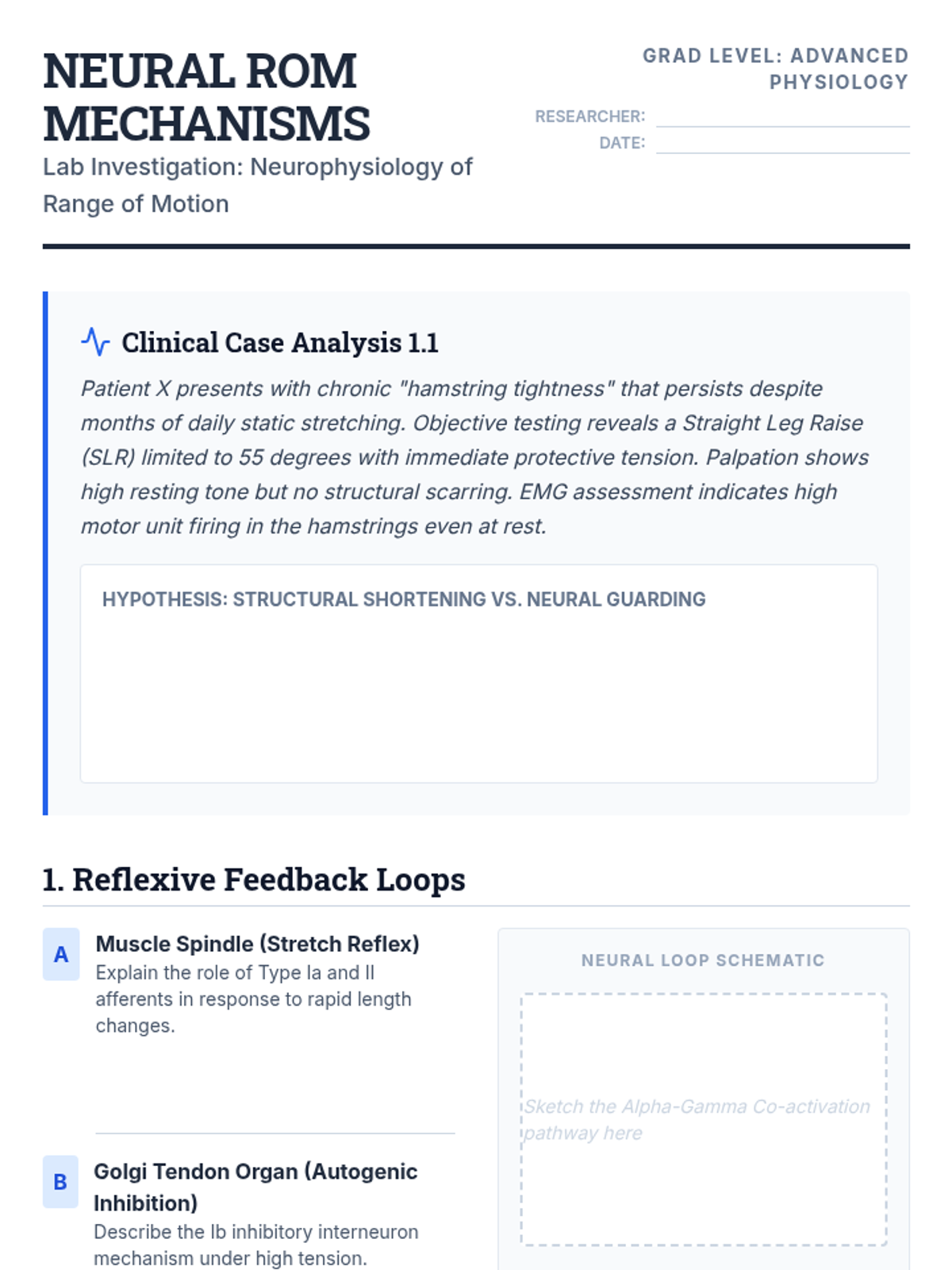
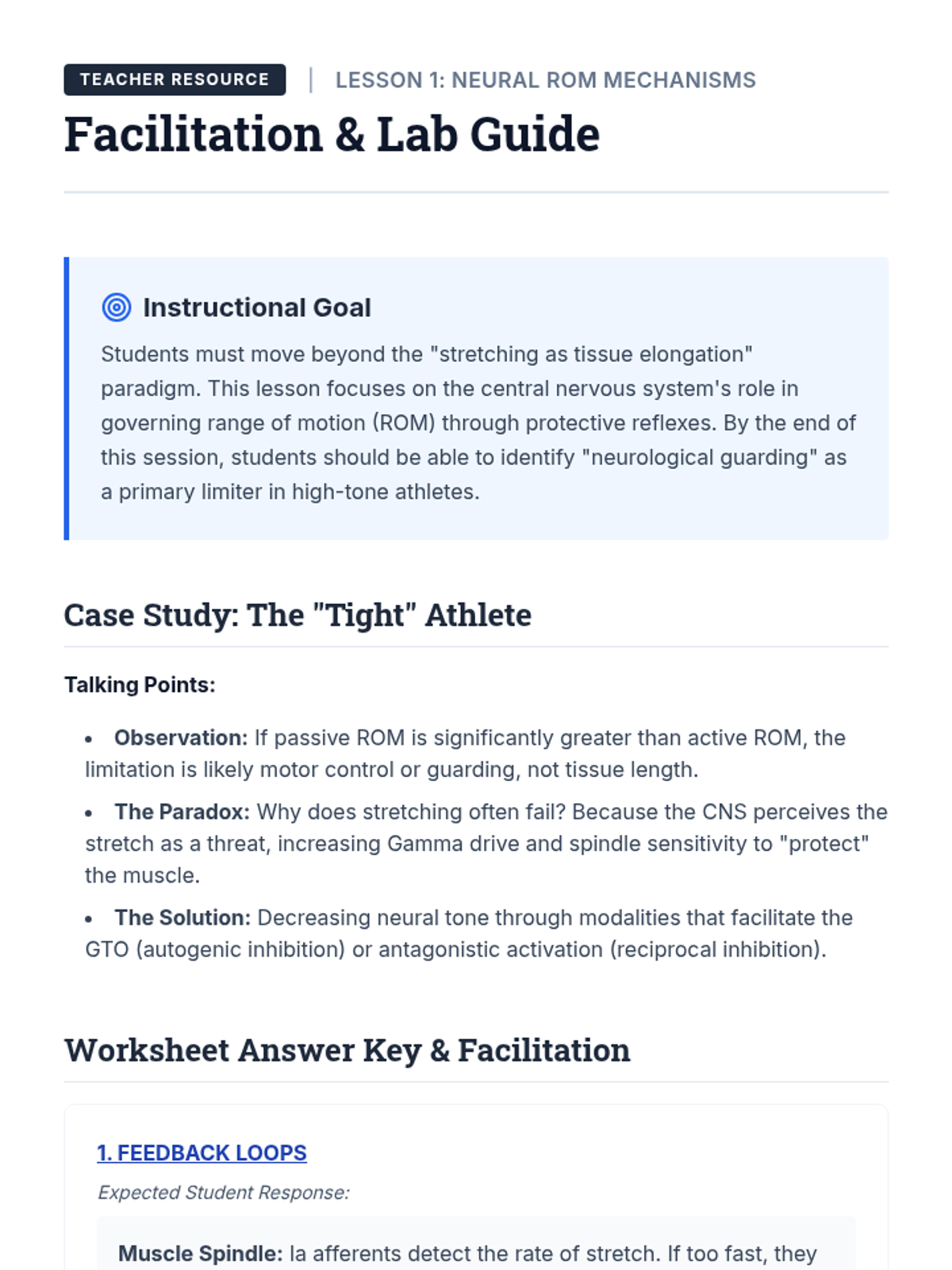
An advanced graduate-level sequence exploring the neurophysiological mechanisms, biomechanical principles, and evidence-based programming for flexibility and mobility in elite and clinical populations.
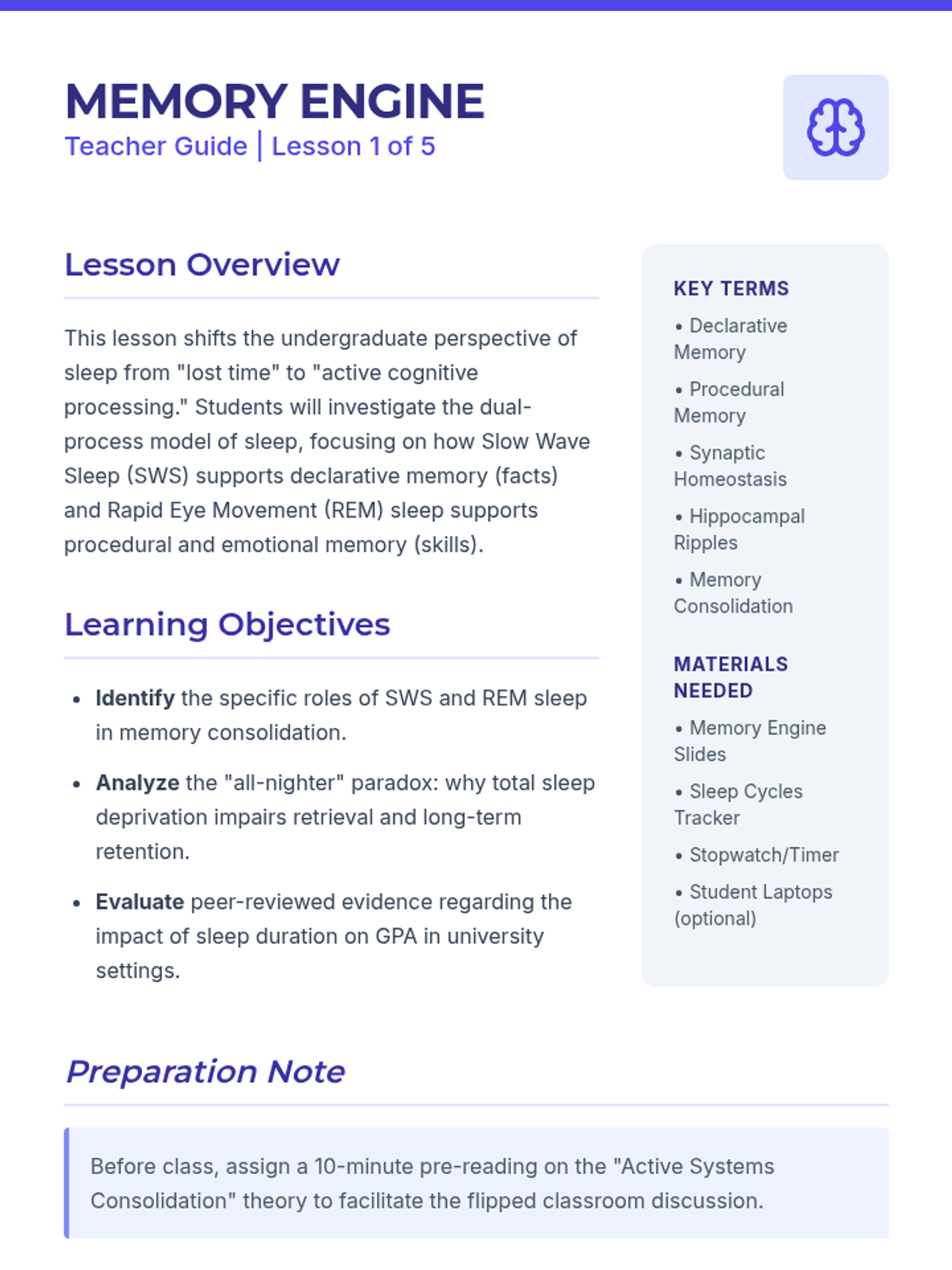
This sequence explores sleep as a critical pillar of cognitive performance, emotional intelligence, and public health. Students analyze the impact of sleep deprivation on memory consolidation, ethical decision-making, and societal safety, while critiquing 'hustle culture' in favor of rest as a strategic asset.
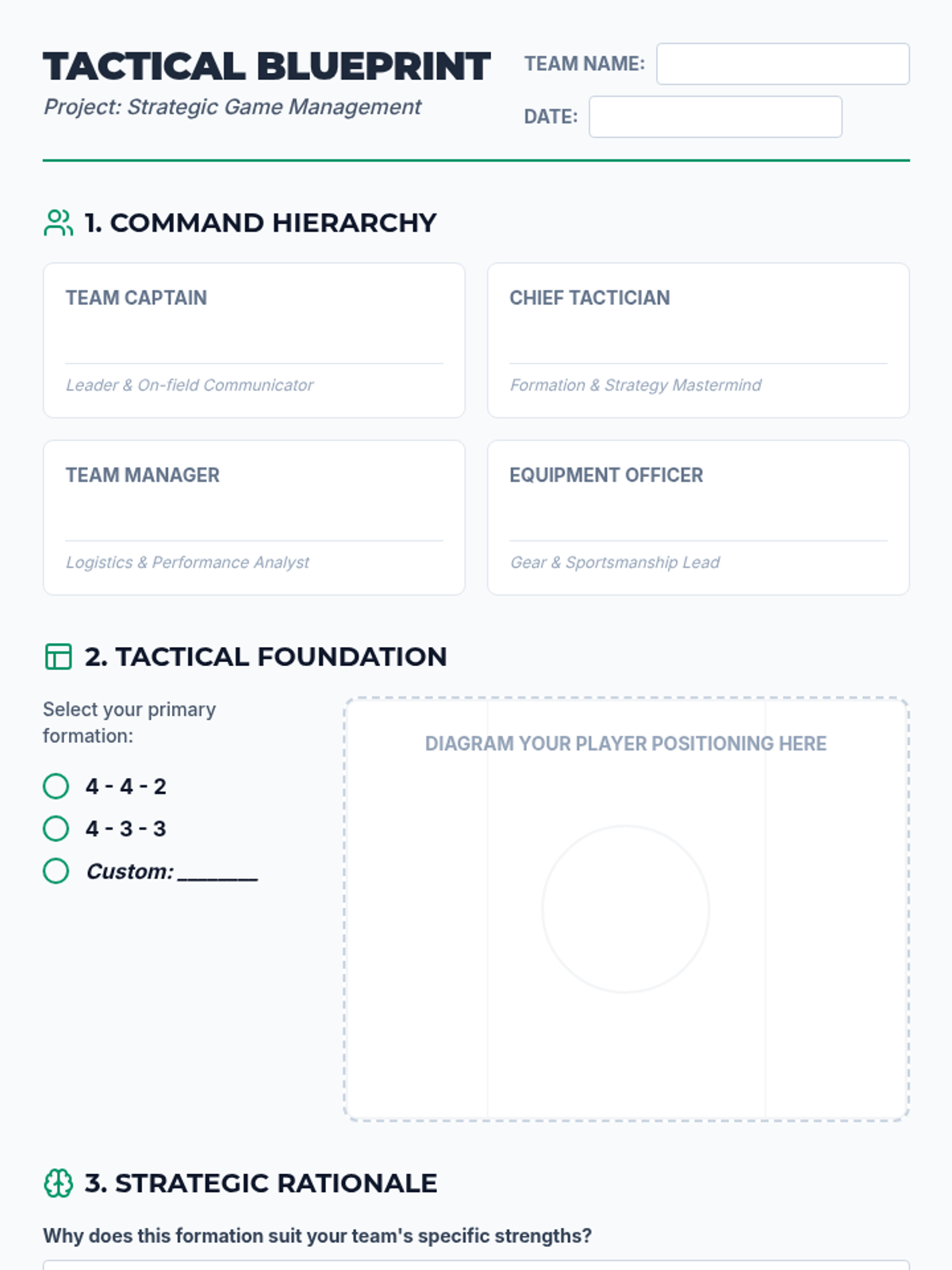
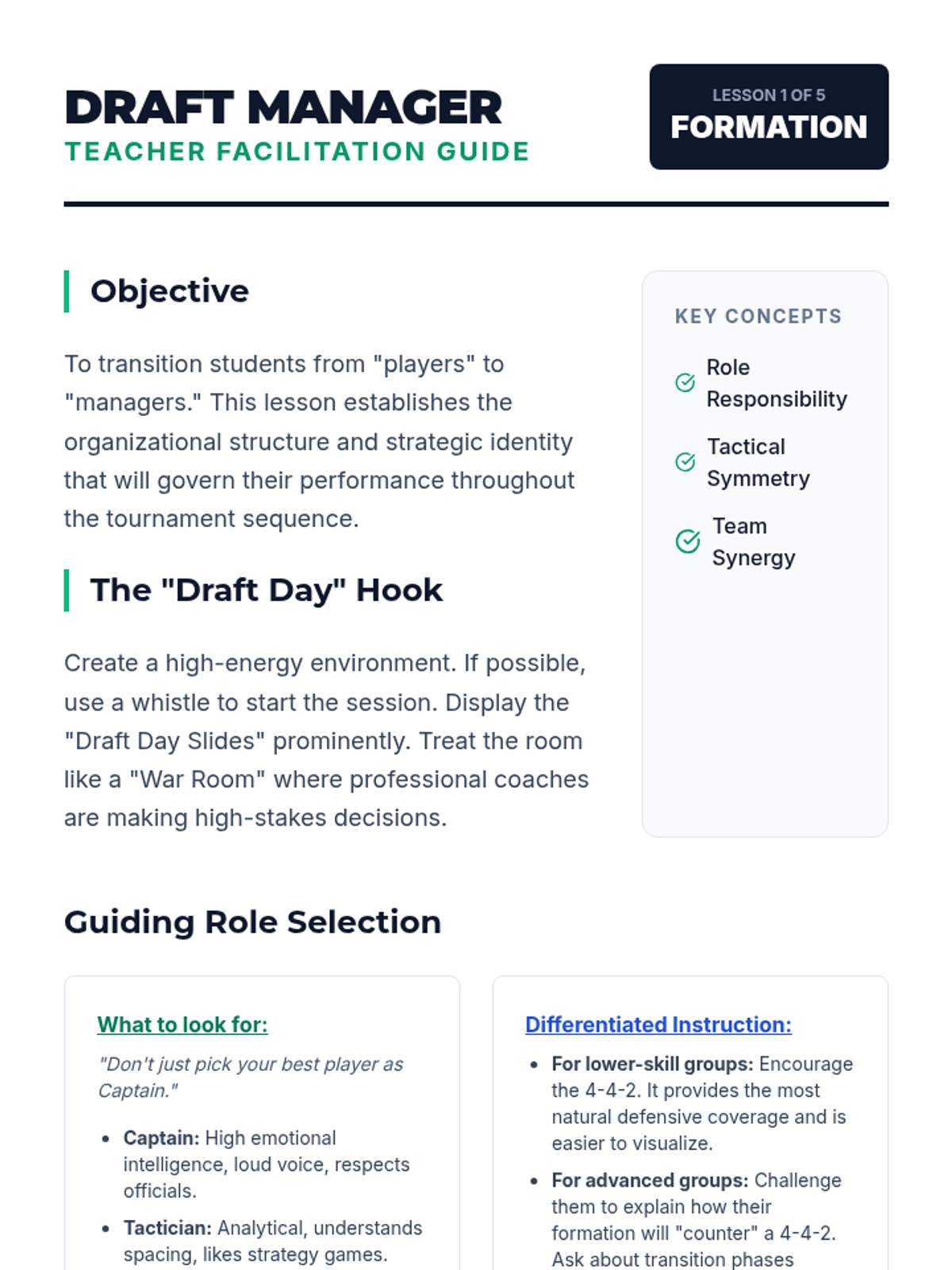
This project-based sequence integrates all skills into a simulated tournament structure where students take ownership of team management. Teams draft lineups, design playbooks, and officiate matches, gaining a holistic understanding of the sport. The sequence focuses on applying technical skills and tactical knowledge in a competitive environment, with designated reflection periods to adjust strategies. Students learn that successful outcomes rely on preparation, adaptation, and fair play as much as athletic ability.
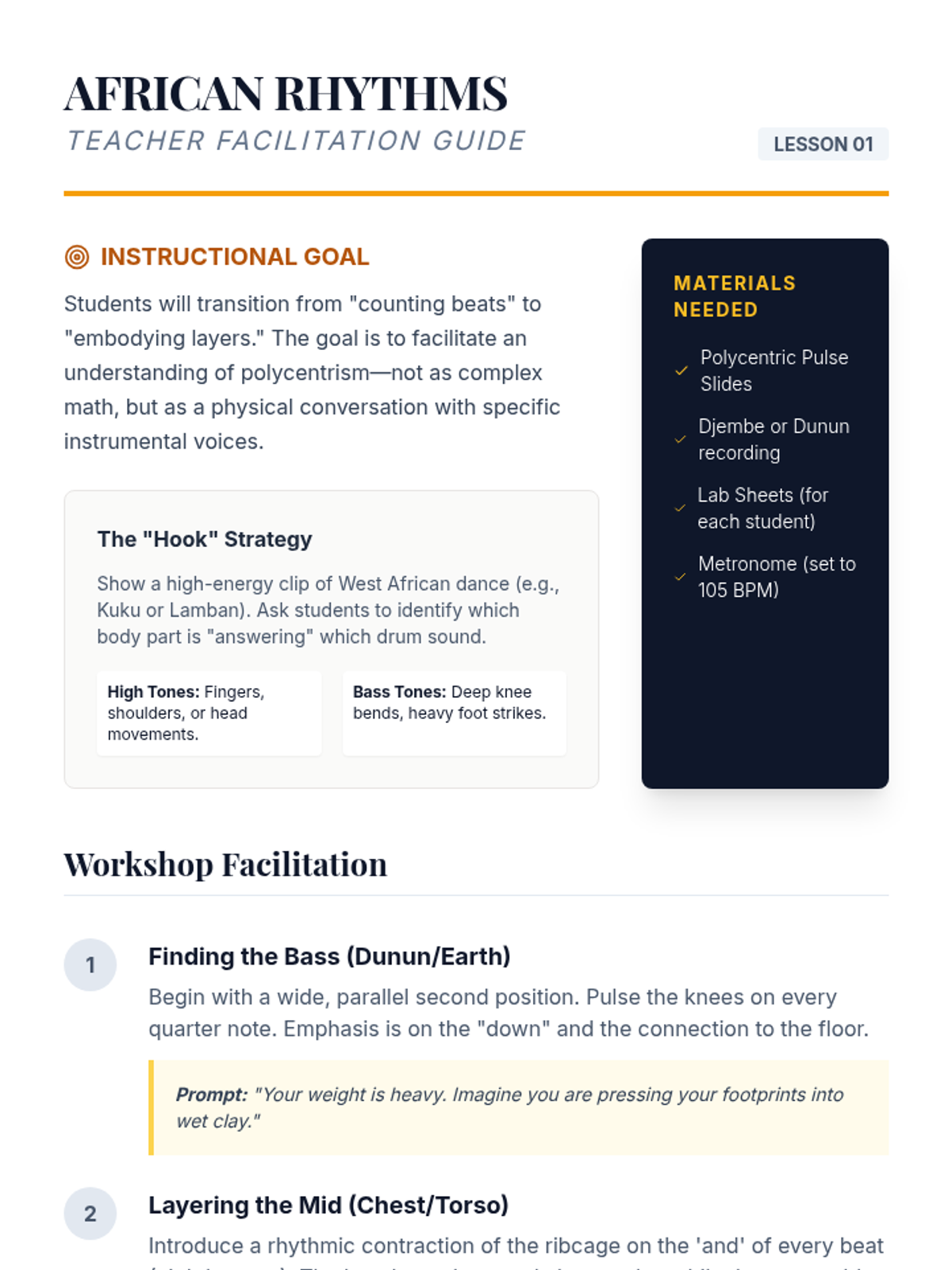
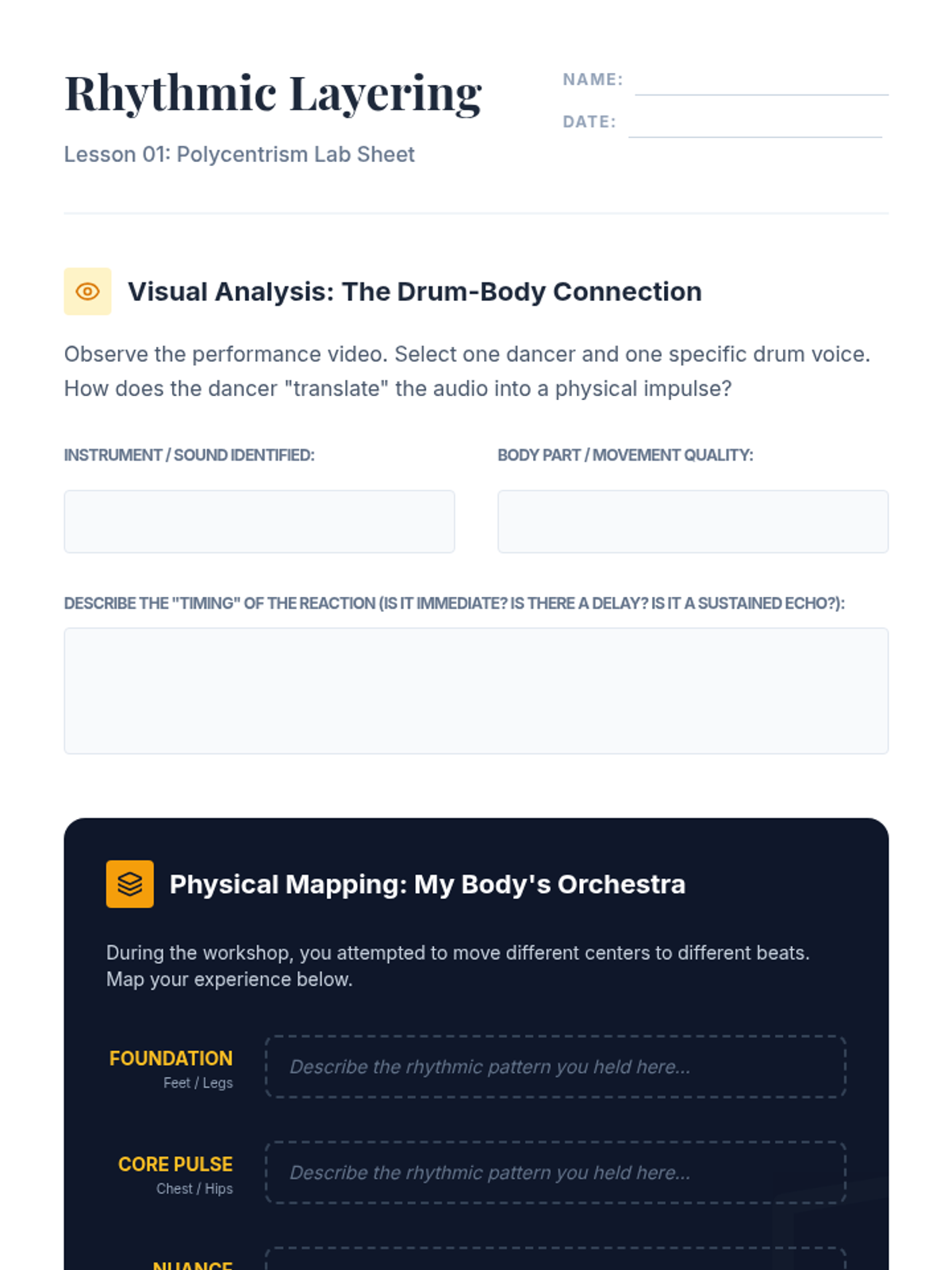
This sequence explores how rhythm and timing function as defining characteristics of various cultural dance forms, focusing on West African, Jazz, Latin, and Contemporary styles. Students will analyze and embody concepts such as polycentrism, swing, the clave, and rubato to understand the intersection of culture and musicality.
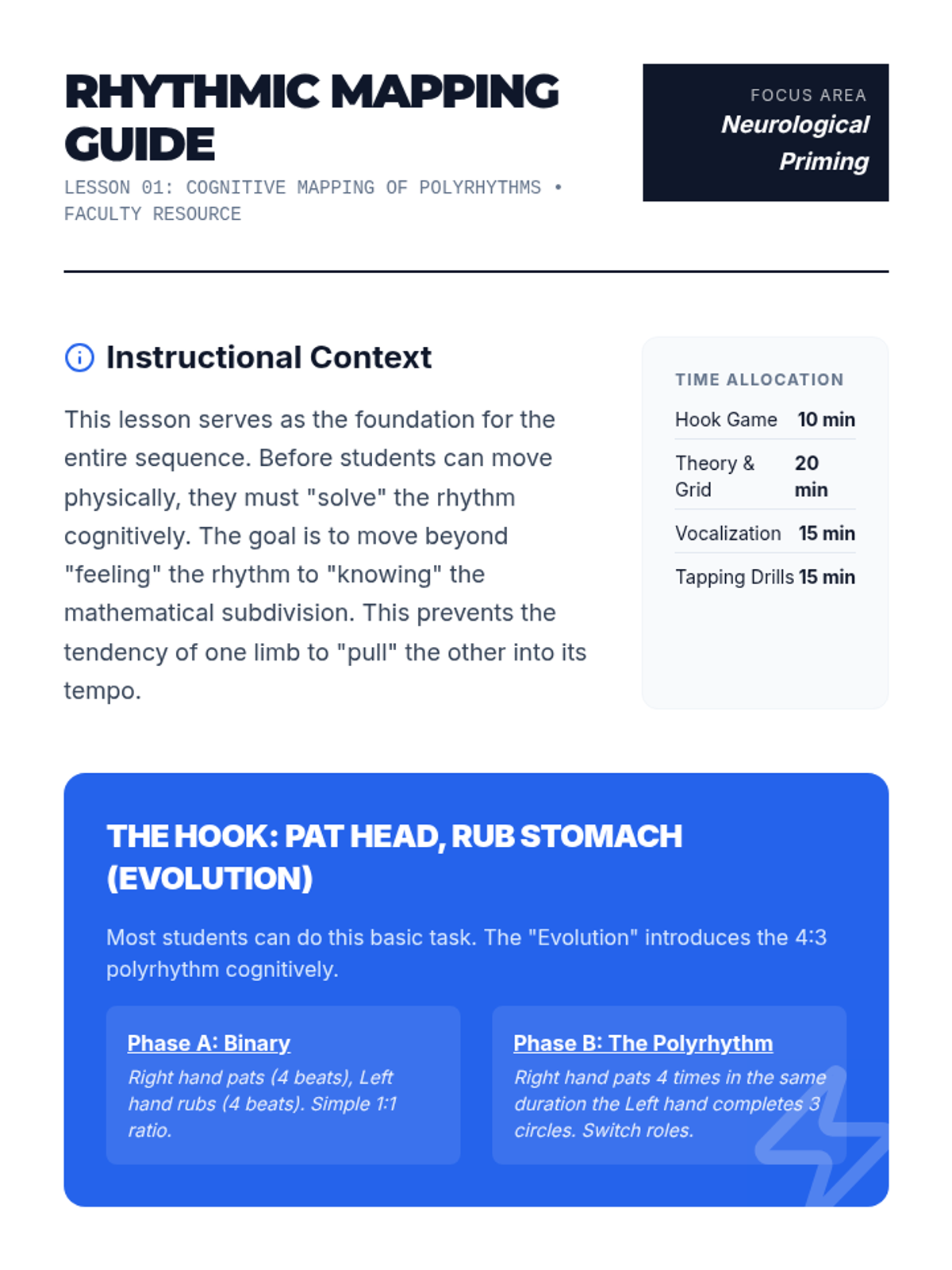
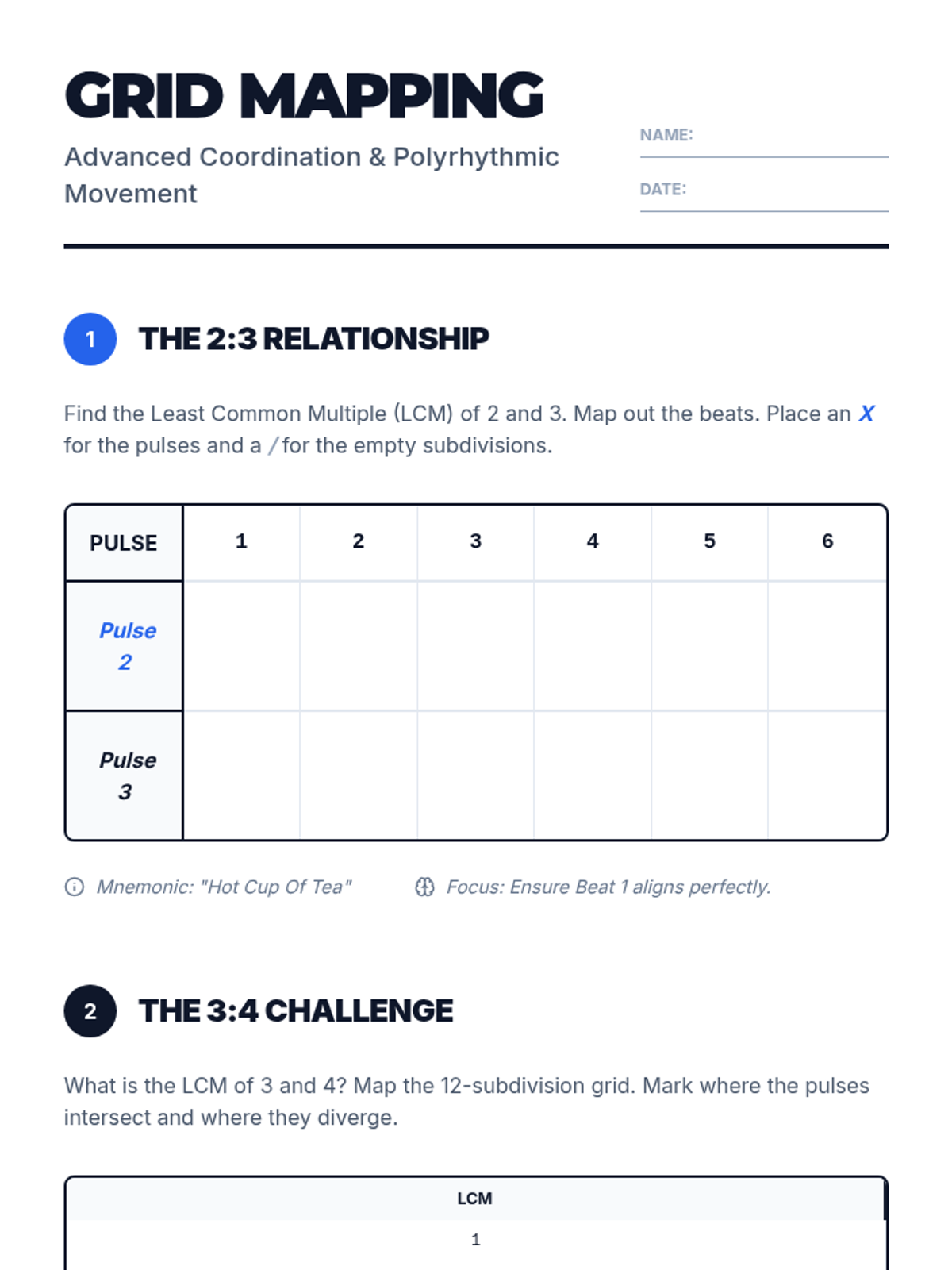
An advanced course for undergraduate students focusing on the neurological and somatic challenges of polyrhythmic movement and limb dissociation. Students progress from cognitive theory to complex physical improvisation.
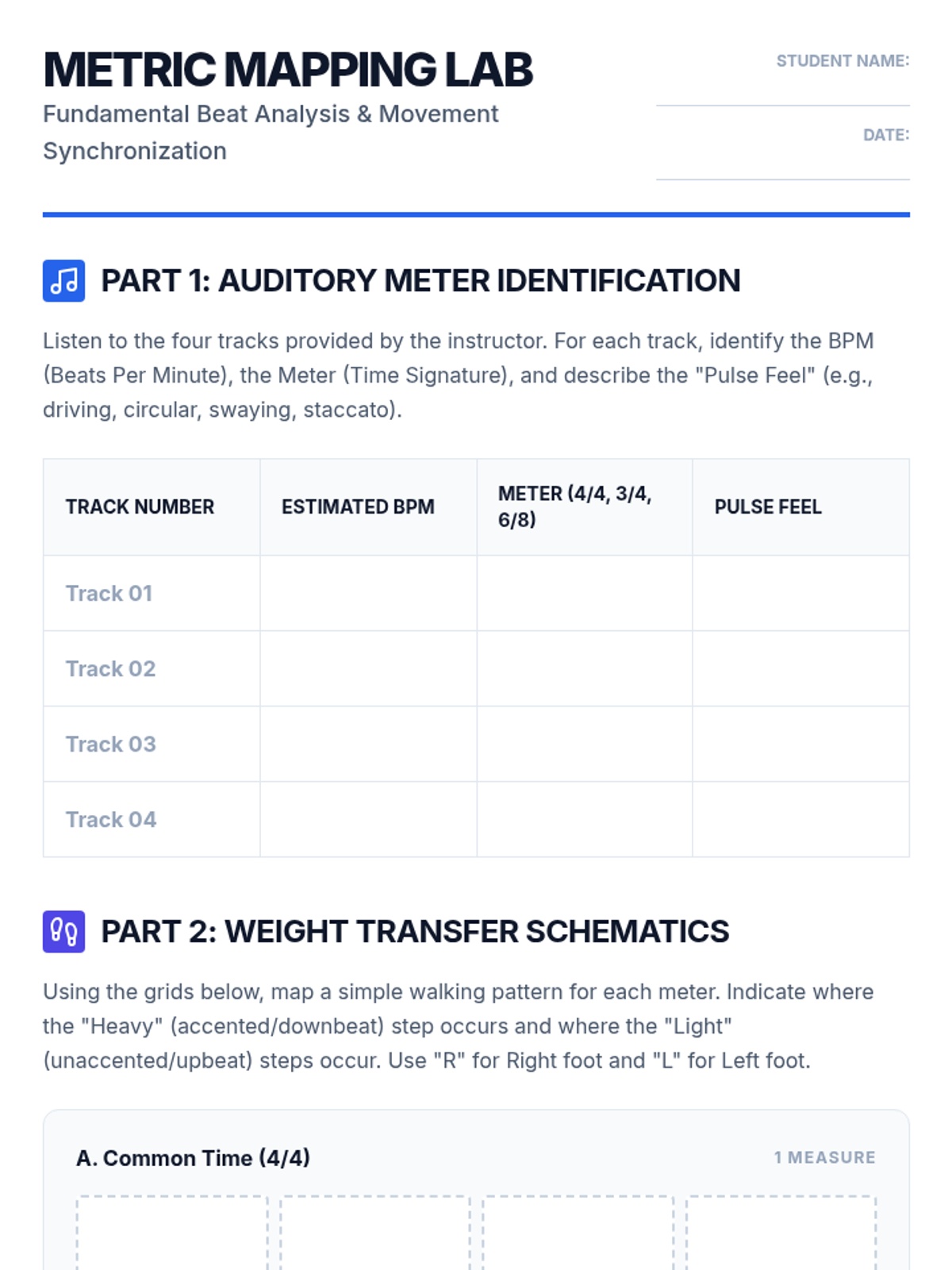
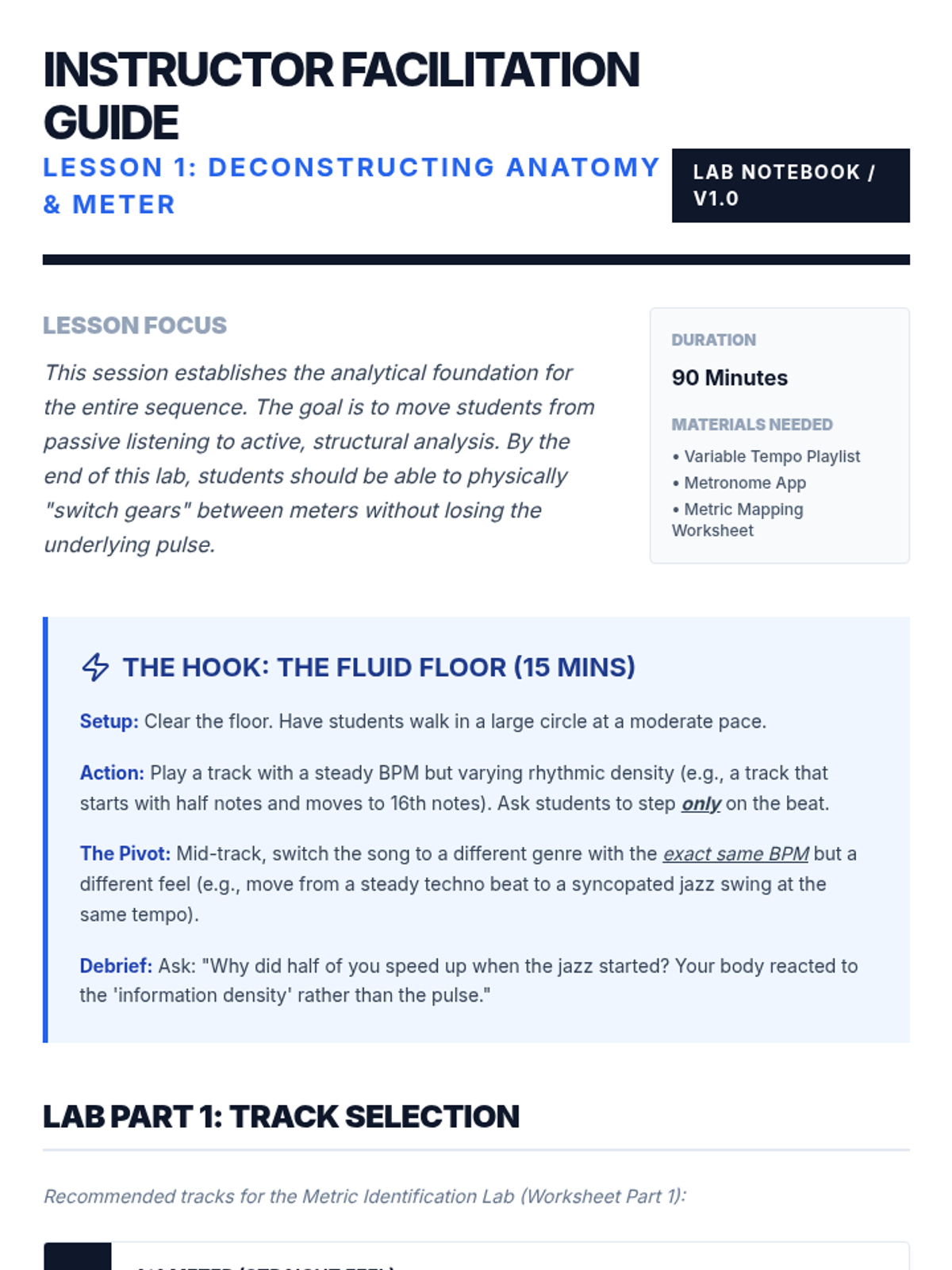
A comprehensive sequence for undergraduate students focused on the analytical deconstruction of musical timing and its physiological application in movement. Students progress from basic meter identification to complex subdivisions, phrasing, and asymmetrical meters, culminating in a precision performance lab.
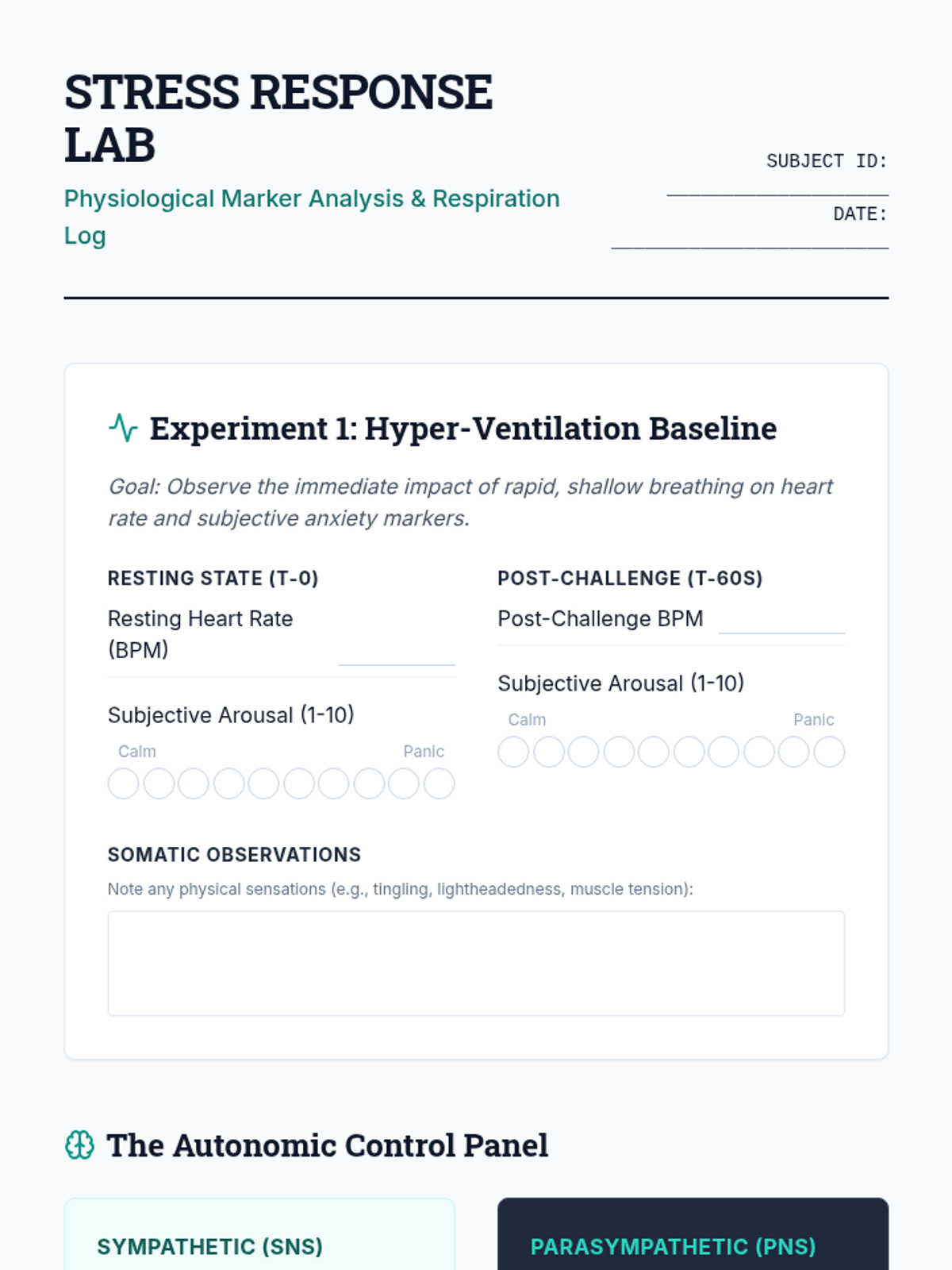
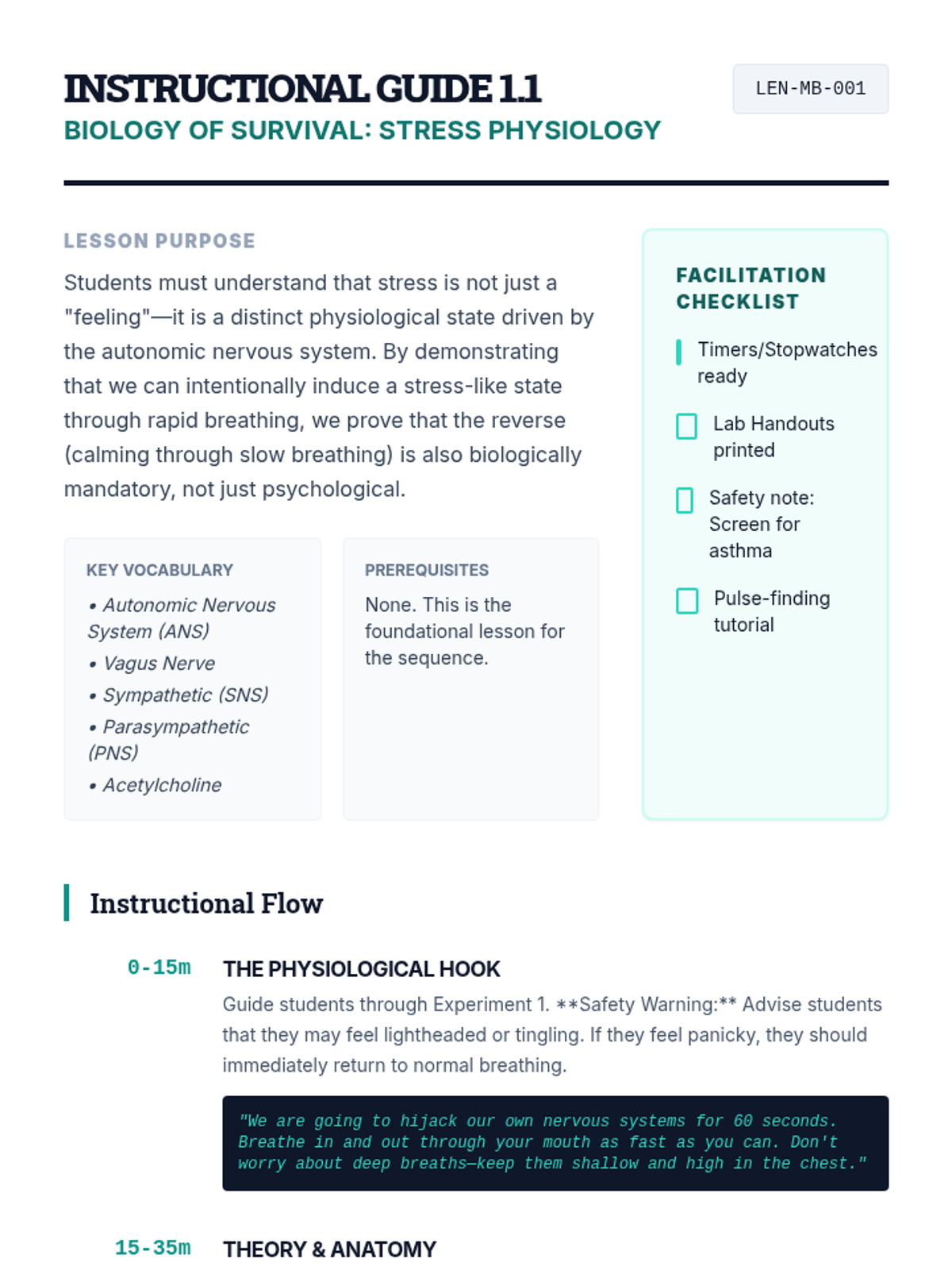
This sequence explores the physiological mechanics of stress and the autonomic nervous system. Students learn how respiratory patterns influence the vagus nerve and amygdala, mastering specific breathwork protocols like diaphragmatic breathing, box breathing, and 4-7-8 for state regulation.
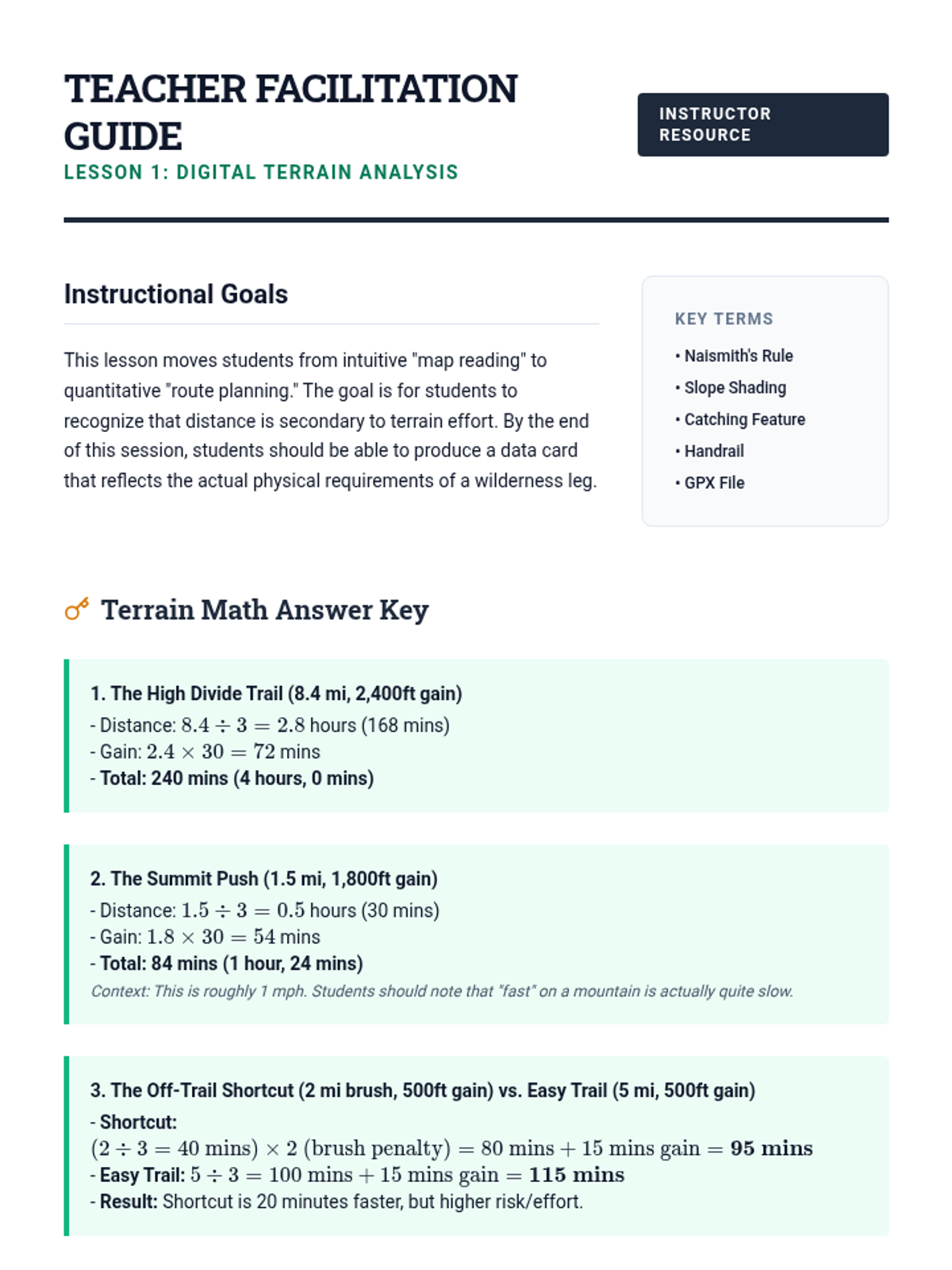
An advanced sequence for undergraduate students focused on the integration of digital mapping, GPS technology, and psychological risk management in wilderness expedition leadership. Students transition from desktop planning to field leadership, mastering technical tools and human-factor analysis.
A high school health sequence exploring the biological and neurological foundations of stress and meditation. Students analyze the autonomic nervous system, measure physiological responses to breathing techniques, and understand how neuroplasticity allows for long-term stress regulation.
An undergraduate-level nutrition sequence that critically evaluates dietary frameworks through cultural, ethical, and individual lenses. Students transition from deconstructing standard governmental models to analyzing global longevity diets and designing personalized nutritional interventions.
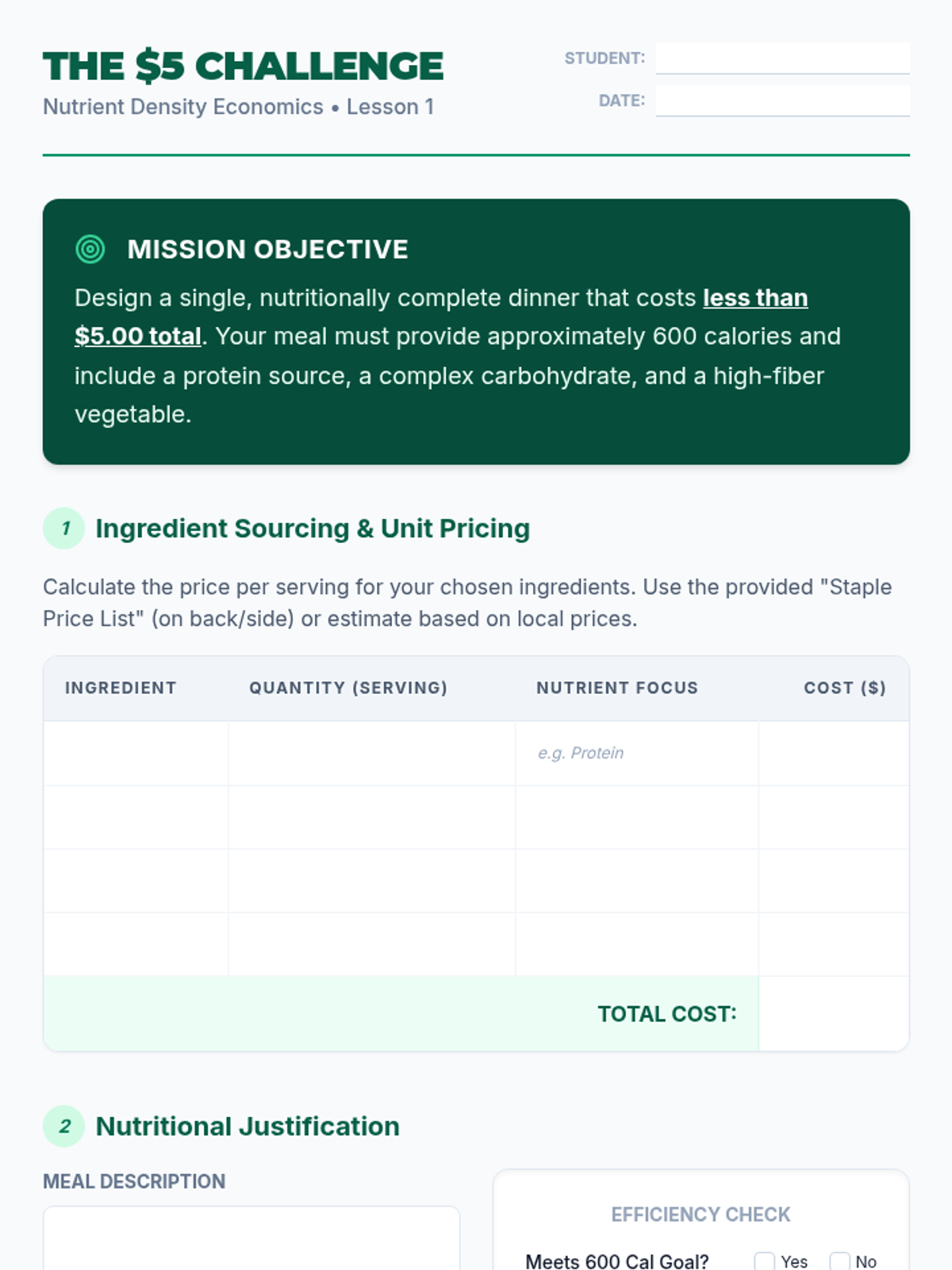
A comprehensive sequence designed for undergraduate students to master the art of balanced eating on a budget. Students transition from theoretical nutrition to practical application, focusing on cost-per-nutrient analysis, batch cooking, and navigating food environments.
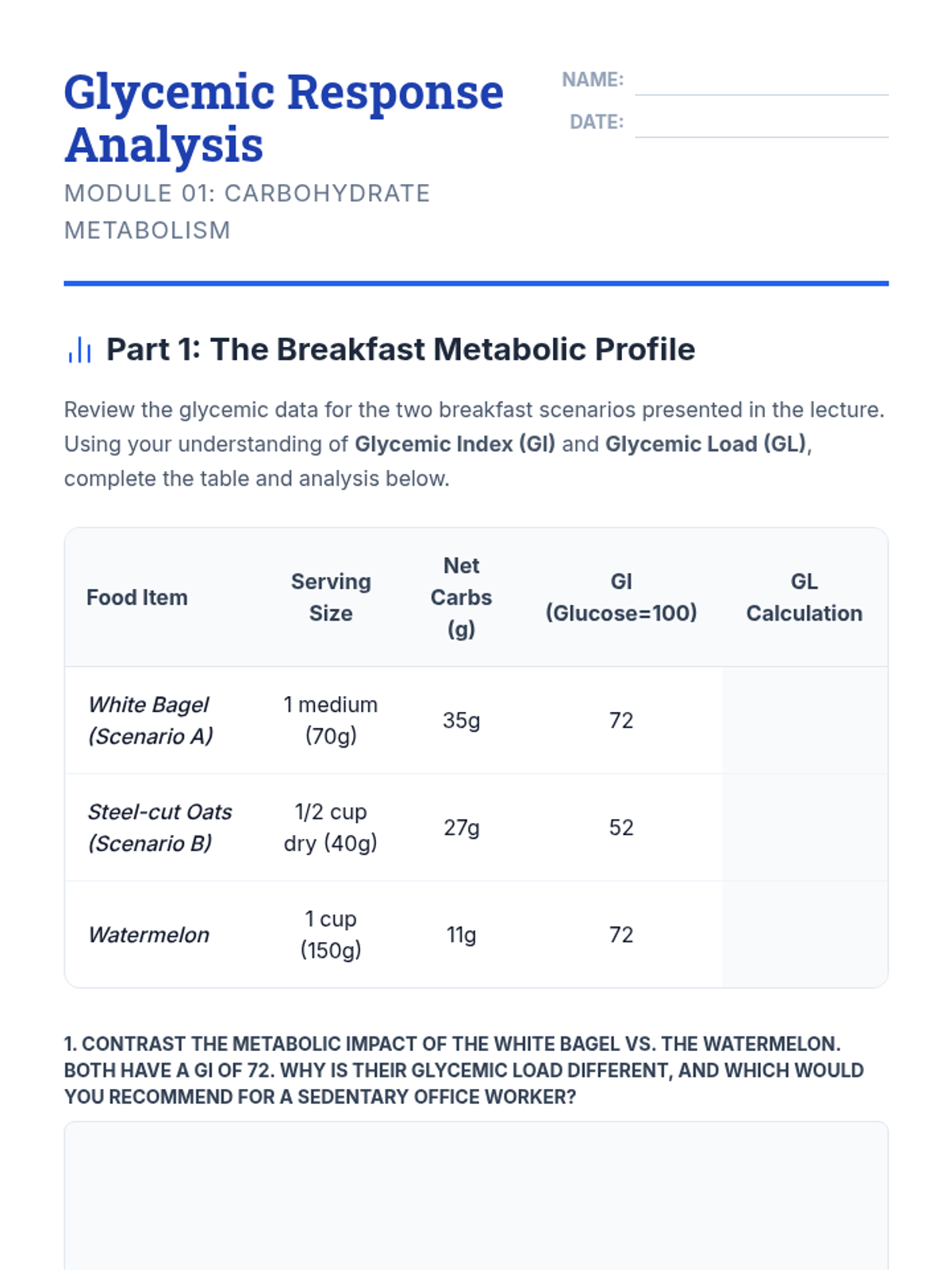
A comprehensive undergraduate-level exploration of macronutrient metabolism, biochemical pathways, and personalized nutritional planning. Students analyze the physiological impacts of carbohydrates, proteins, and lipids to design scientifically justified dietary interventions.
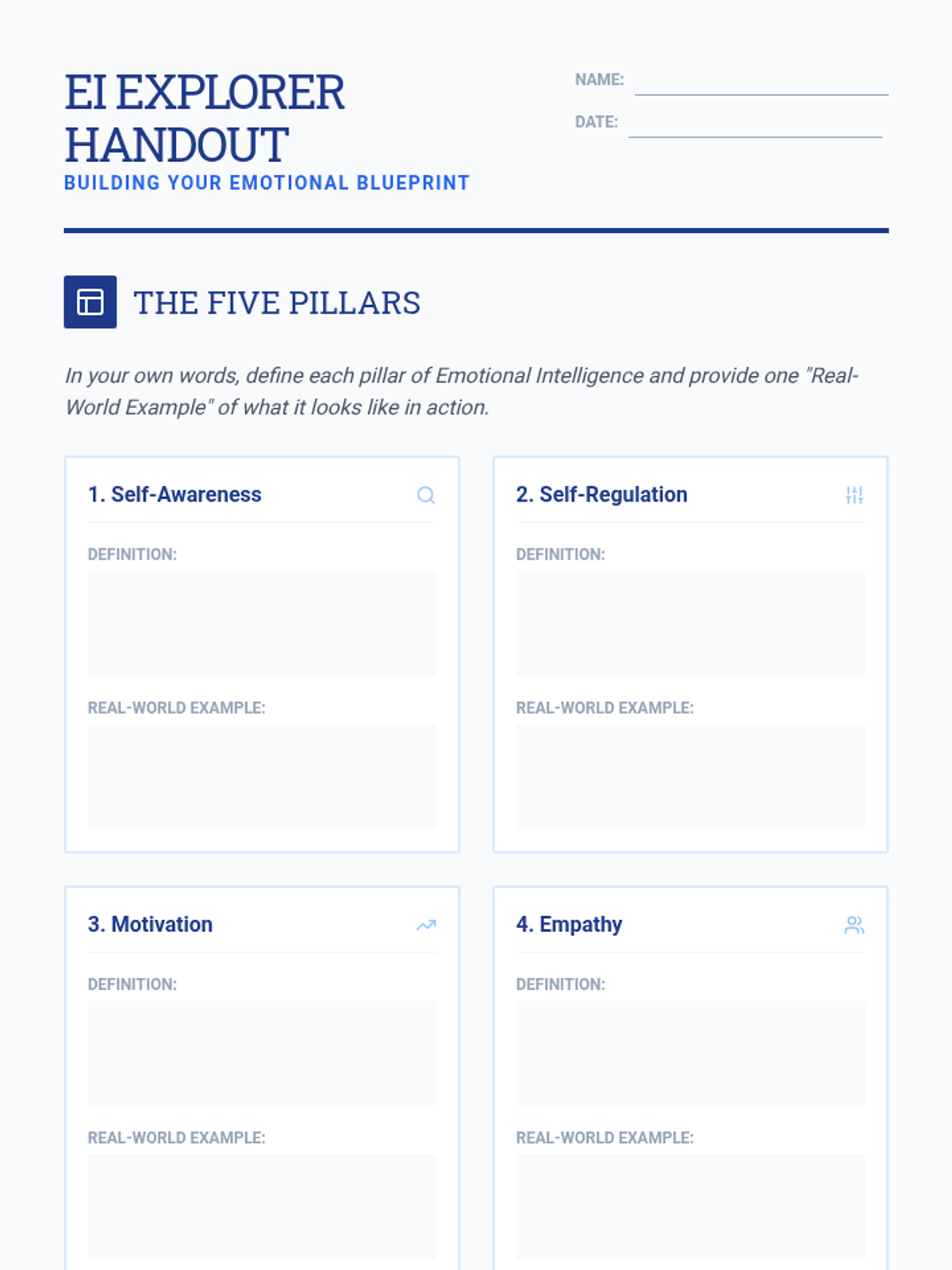
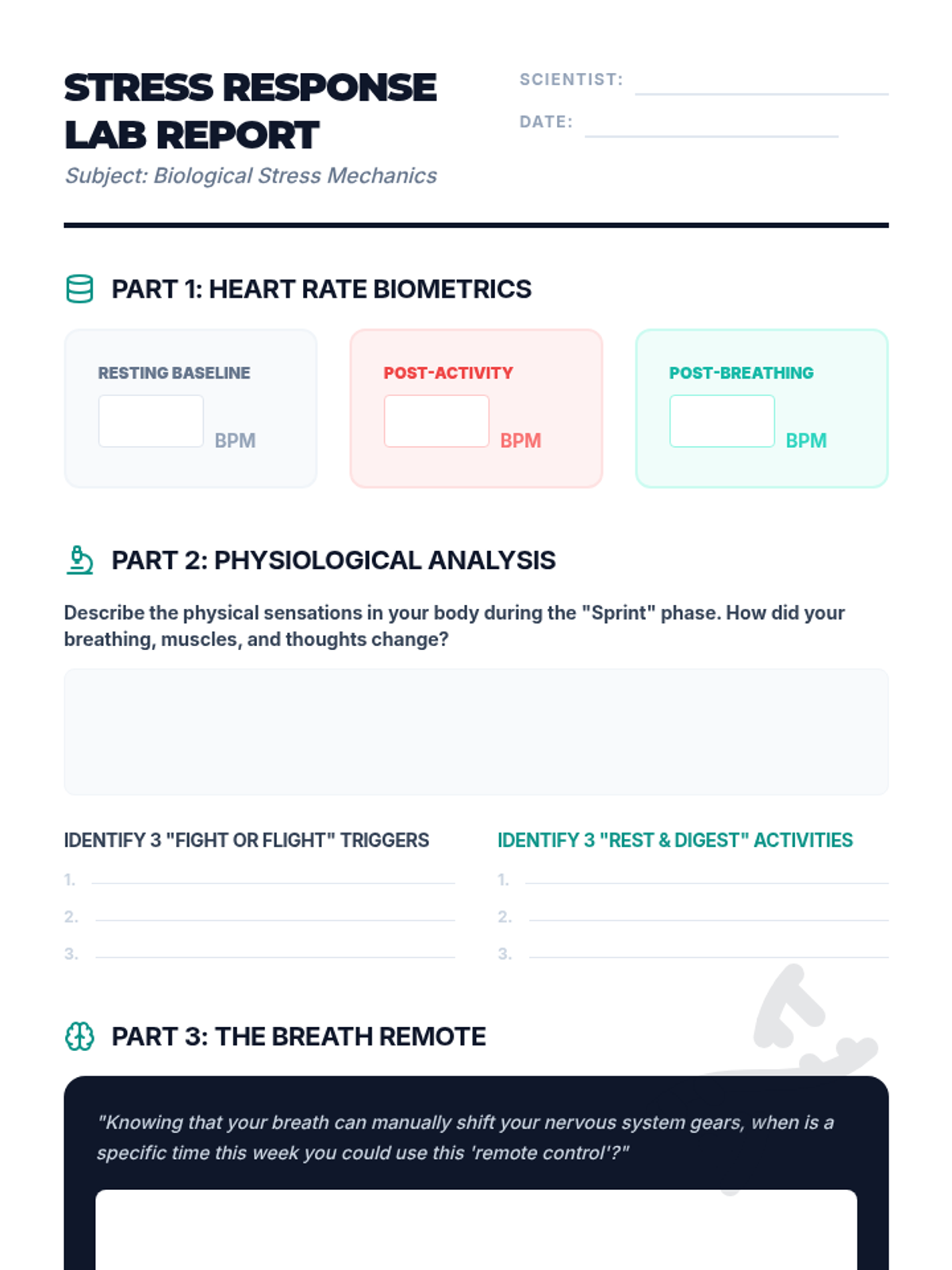
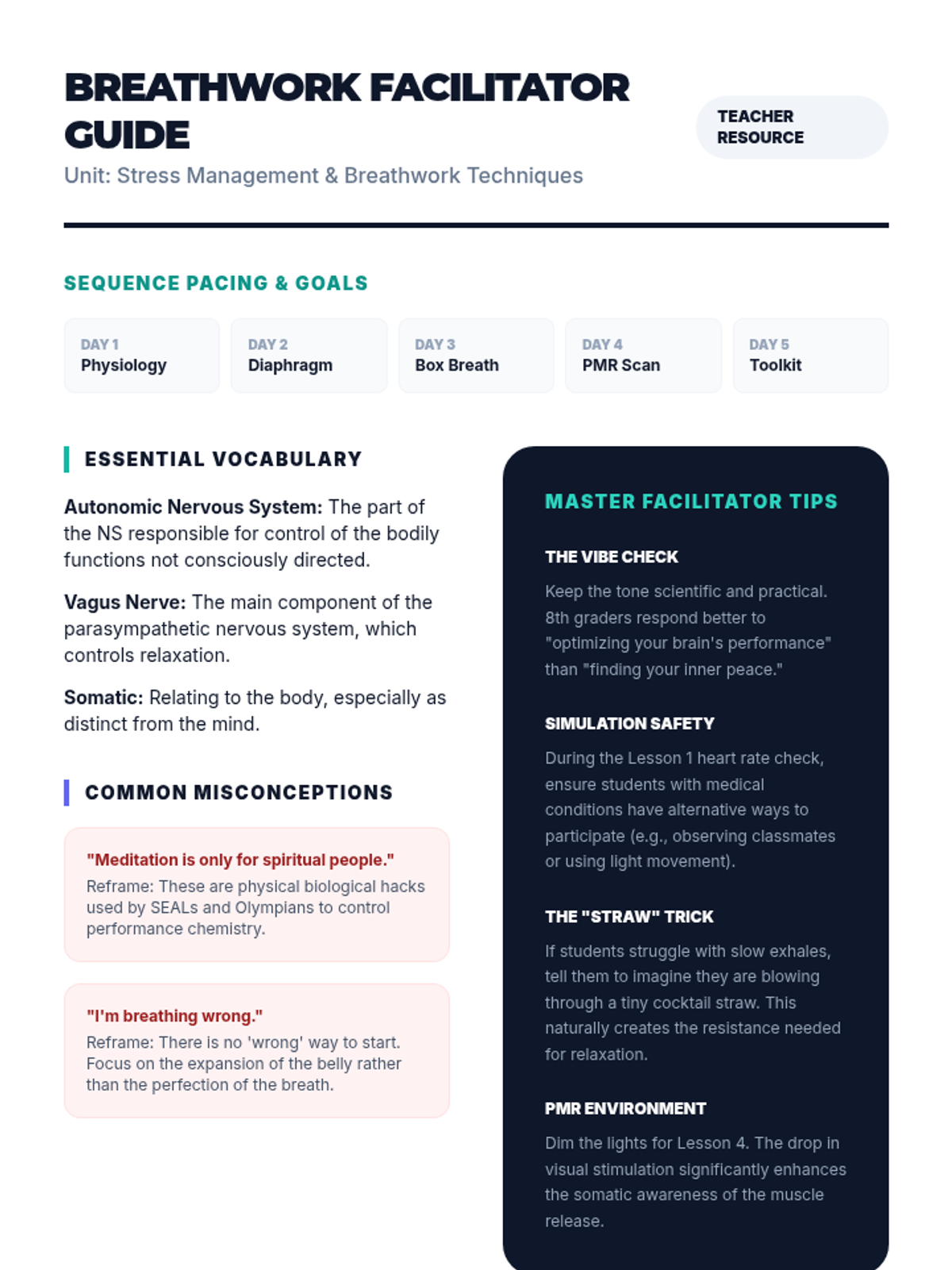
This sequence explores the physiological connection between breath, the nervous system, and stress management. Students learn to transition from 'fight or flight' to the 'rest and digest' state through evidence-based techniques like diaphragmatic breathing, box breathing, and progressive muscle relaxation, ultimately building a personalized self-regulation toolkit.
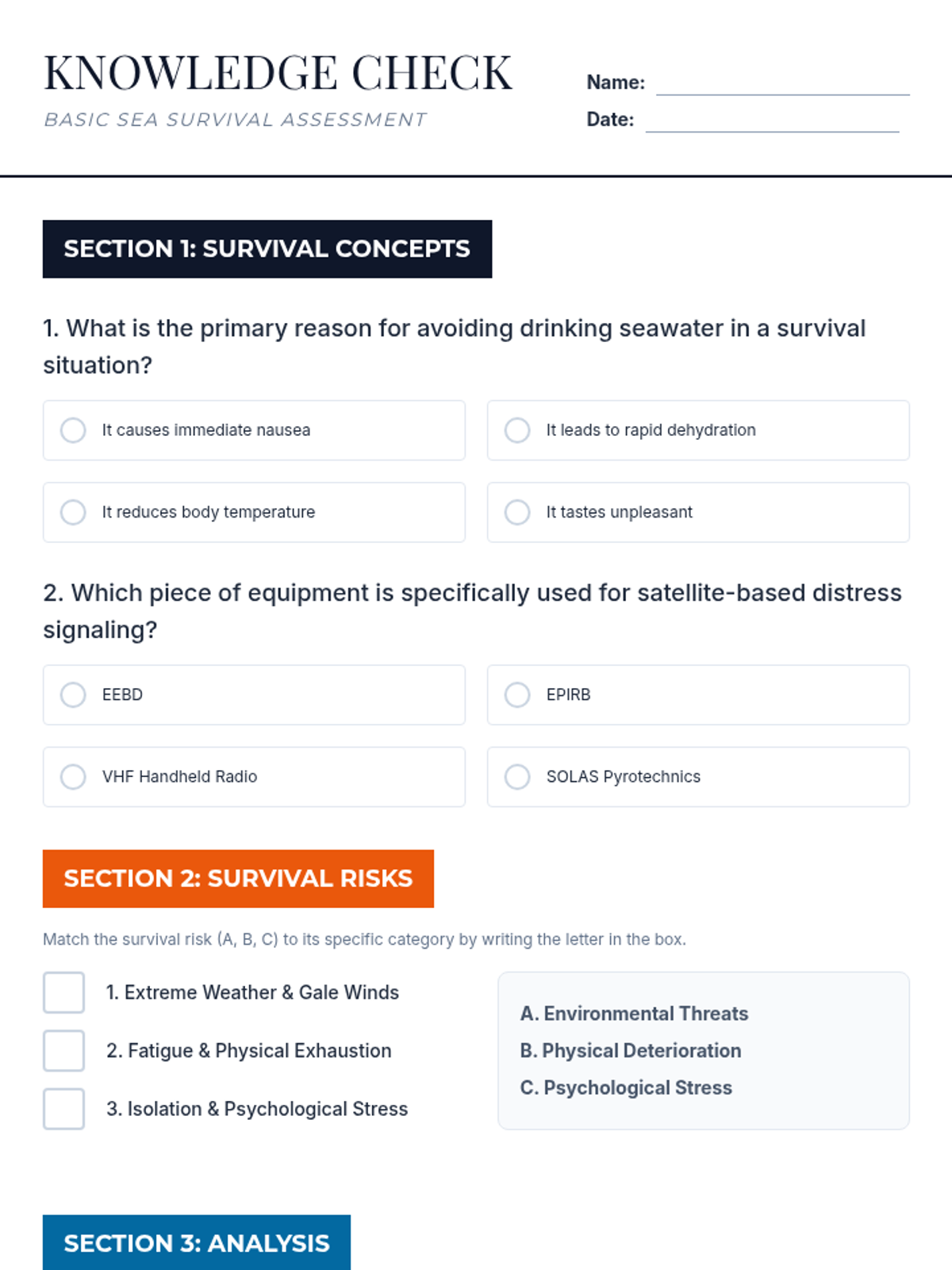
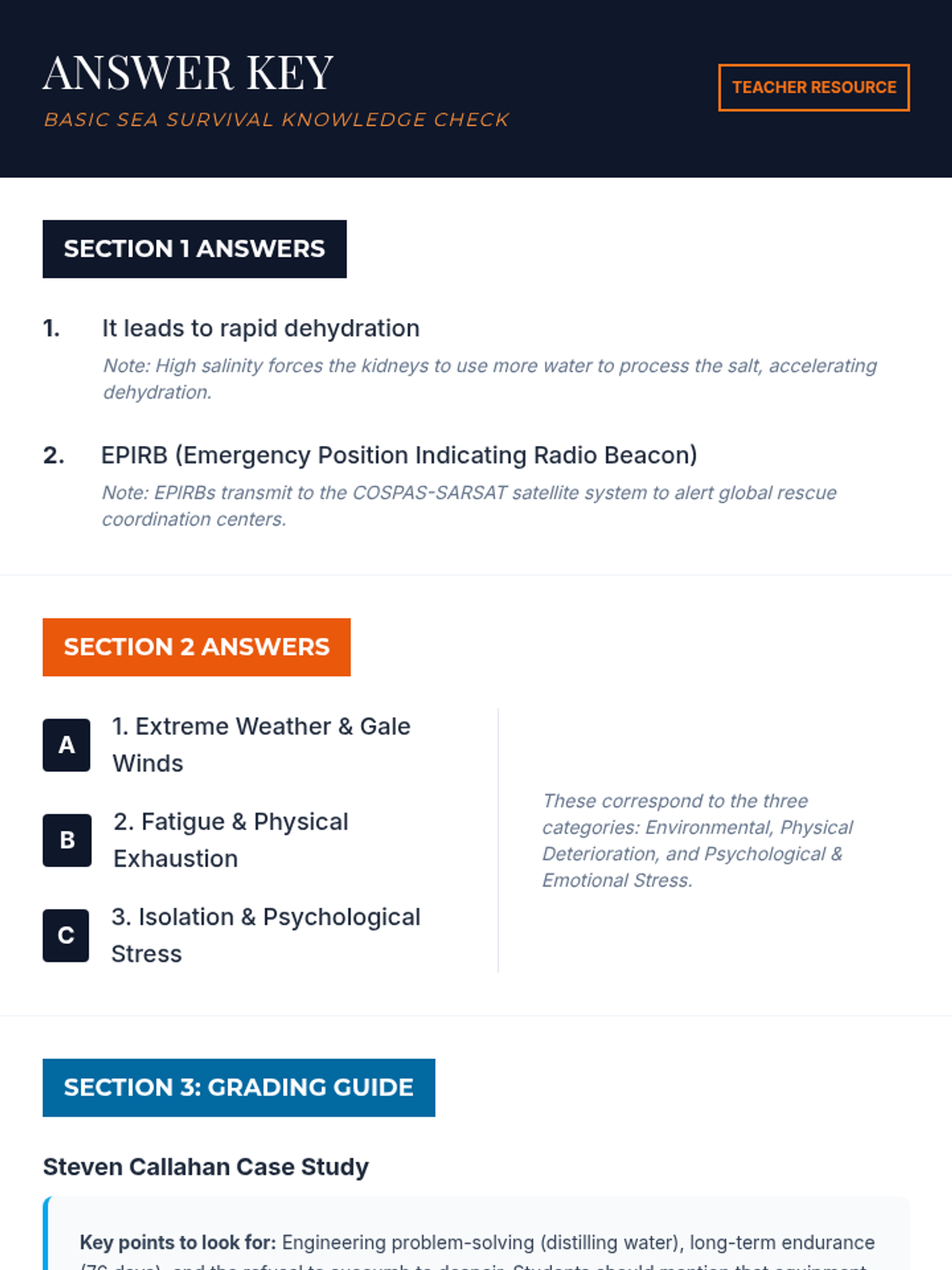
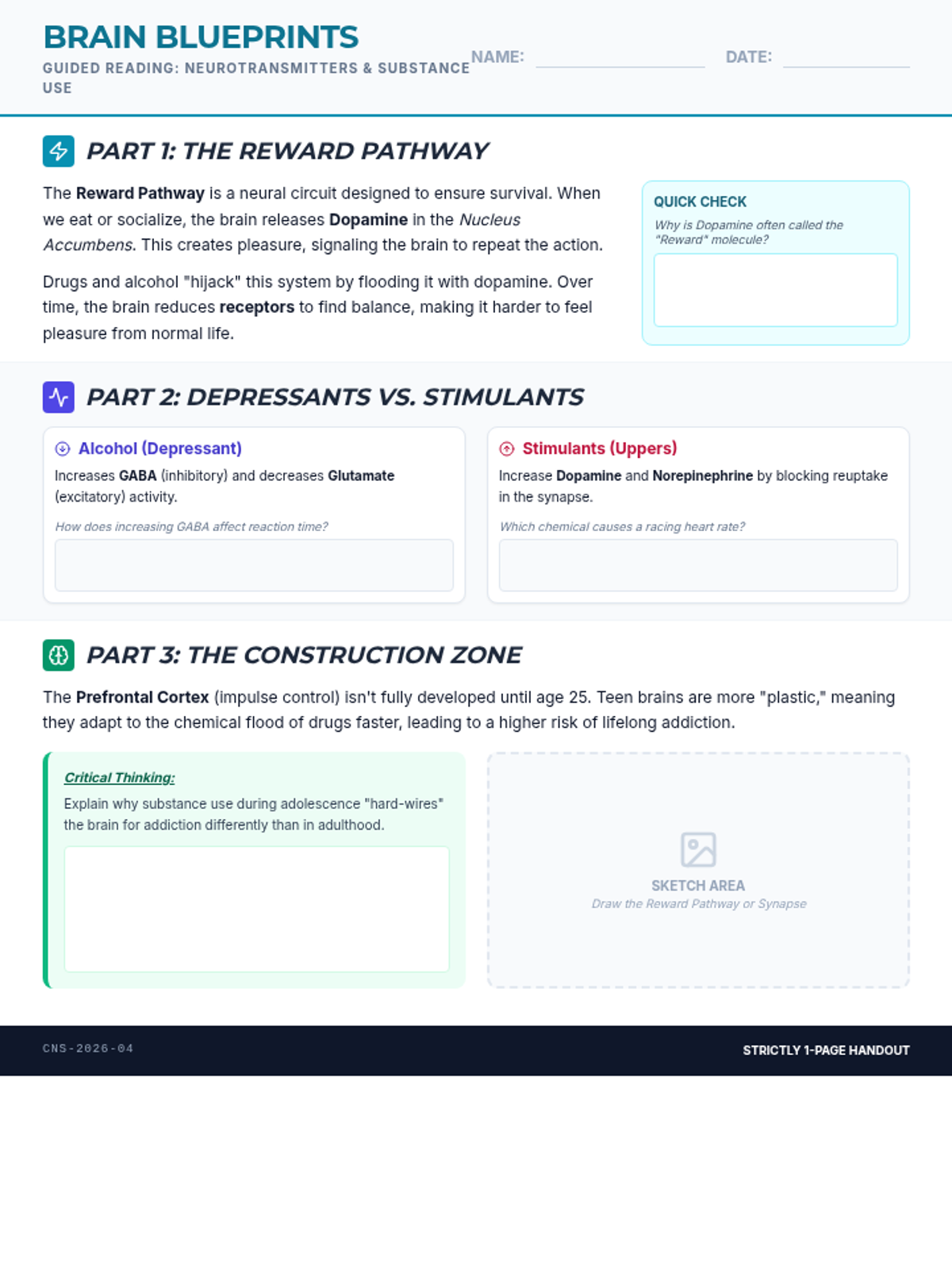
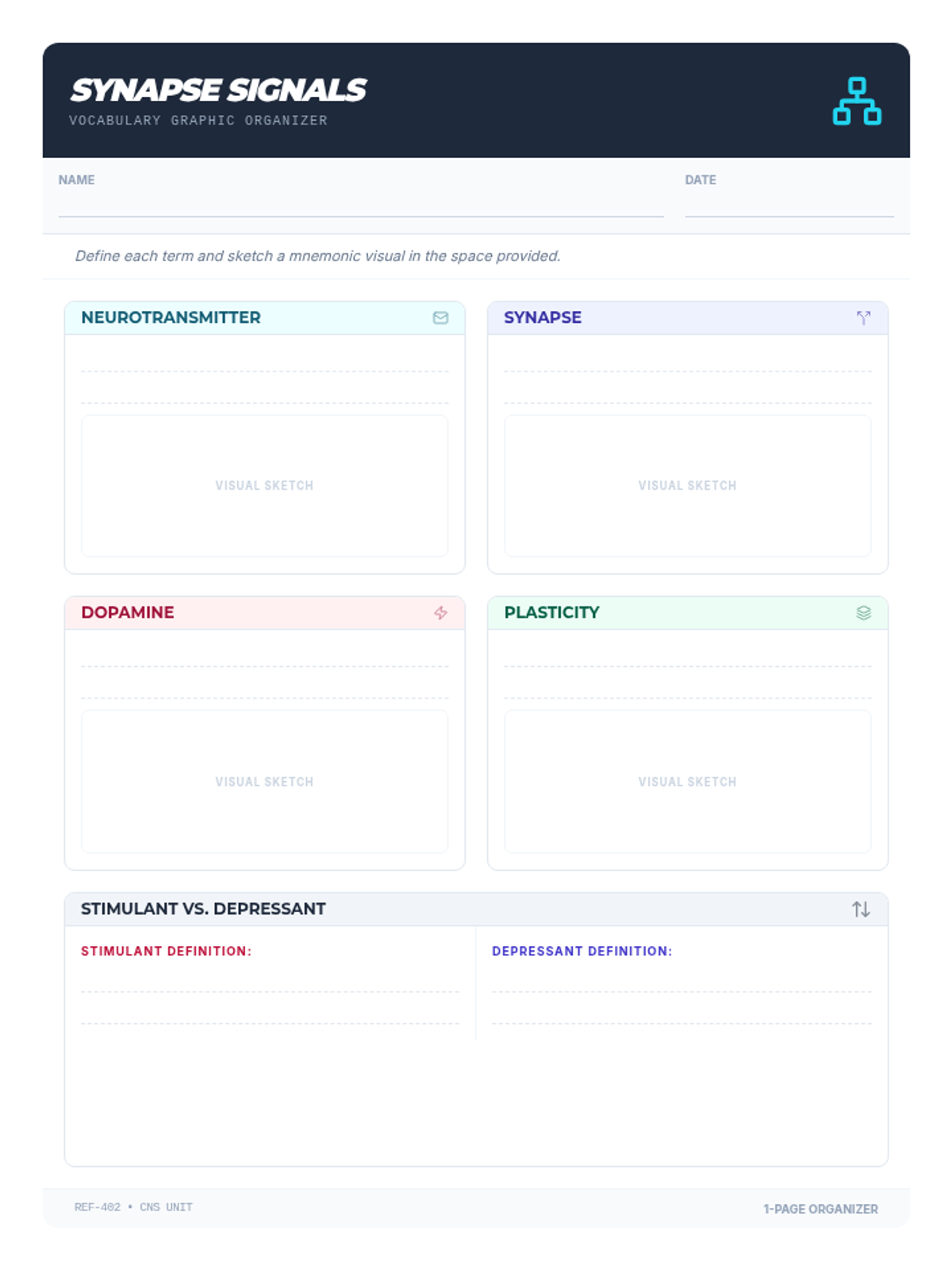
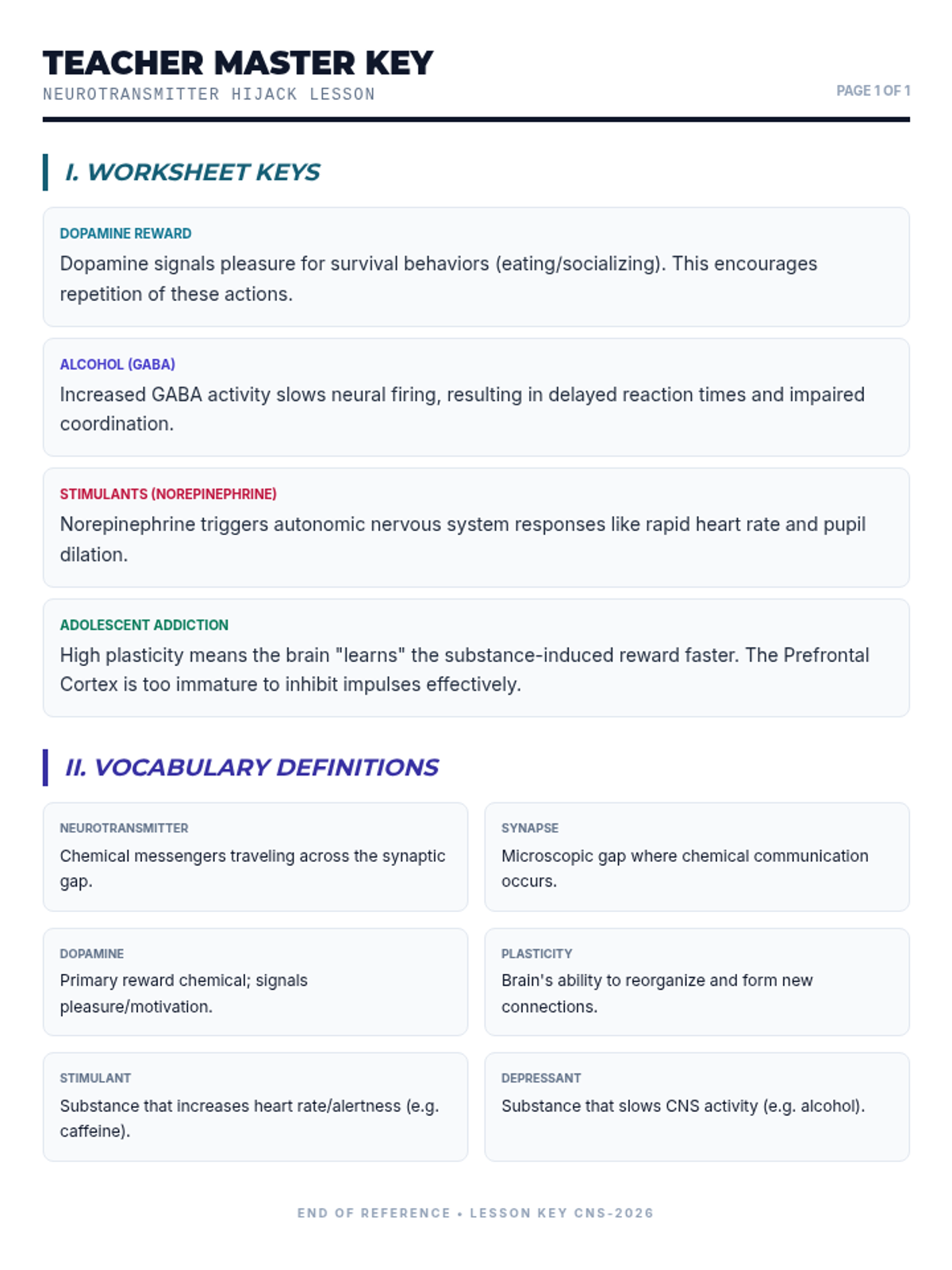
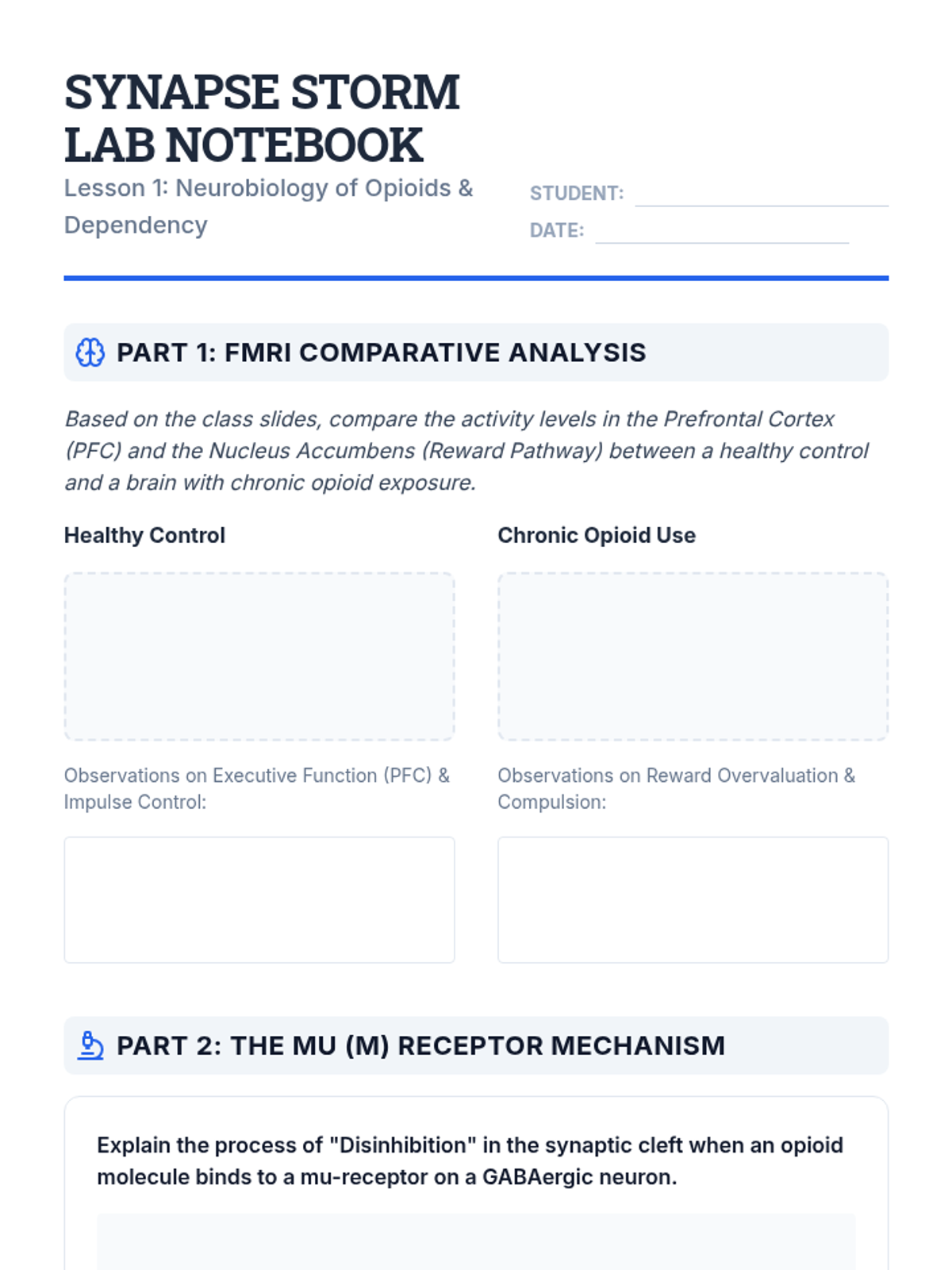
An advanced undergraduate sequence exploring the opioid epidemic through neurobiology, public health strategy, and emergency intervention protocols. Students investigate the physiological mechanisms of addiction, analyze social determinants, and learn practical harm reduction skills like Naloxone administration.
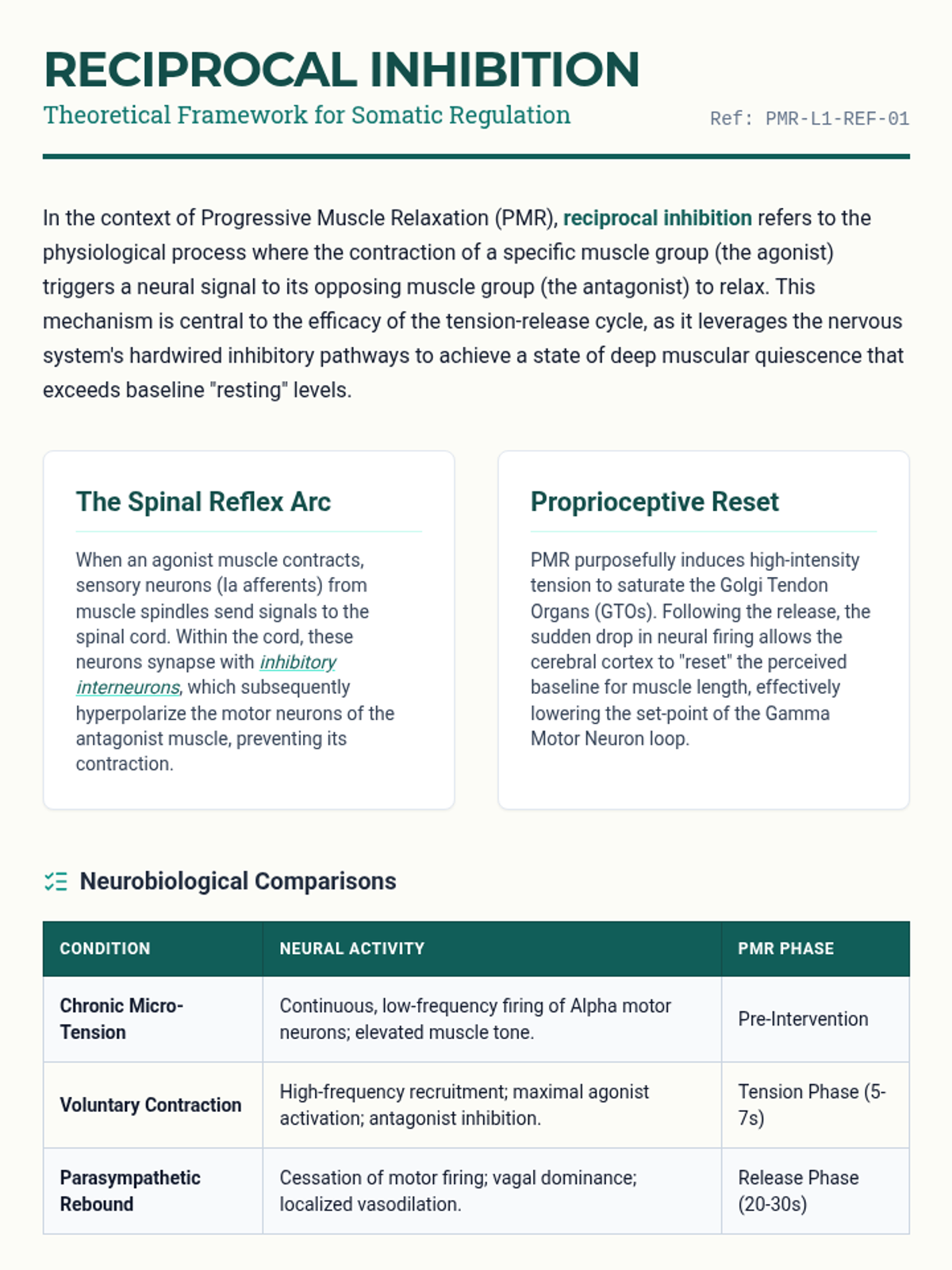
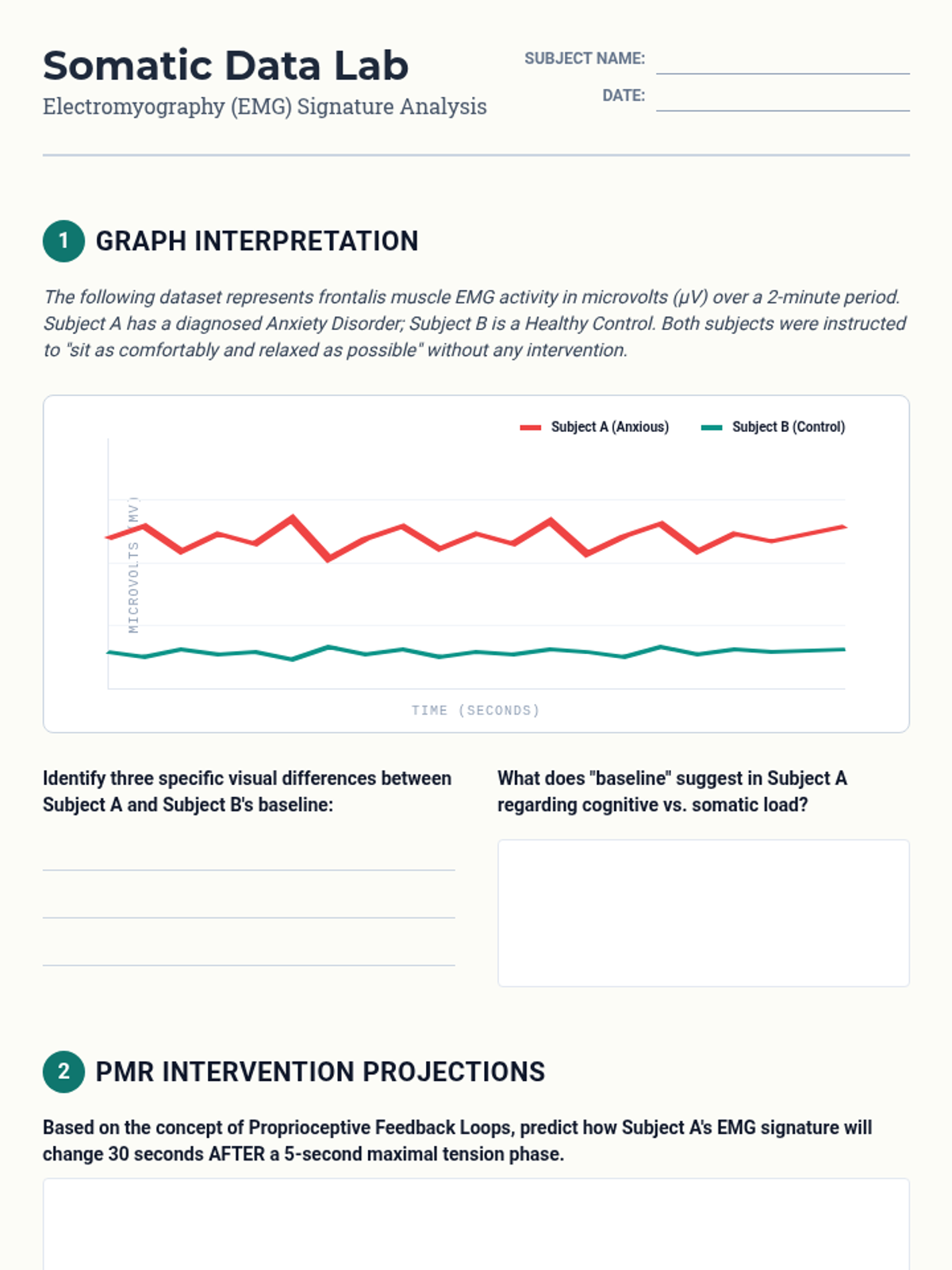
A rigorous graduate-level sequence exploring the neurobiological foundations of Progressive Muscle Relaxation (PMR), focusing on the Bernstein & Borkovec protocol, somatic awareness, and data-driven personal mastery.
This sequence explores the evolving landscape of cannabis, focusing on the significant shift in THC potency and its impact on adolescent health. Students analyze data, medical evidence, and psychological studies to understand the risks associated with modern cannabis products.
A high-level technical dance sequence for graduate students focusing on the intersection of complex rhythmic theory and physical articulation. Students master subdivisions, polyrhythms, and the 'pocket' to enhance performance clarity and somatic intelligence.
A professional workshop sequence for undergraduate students training in clinical and educational breathwork facilitation. The series progresses from personal mastery of diaphragmatic and rhythmic breathing to advanced adaptations for cognitive challenges and emergency de-escalation scenarios.
A high-level psychological and sociological exploration of peer influence, group dynamics, and the neuroscience of adolescent decision-making. Students move beyond refusal scripts to analyze the mechanics of manipulation and groupthink, culminating in a personalized resistance strategy.
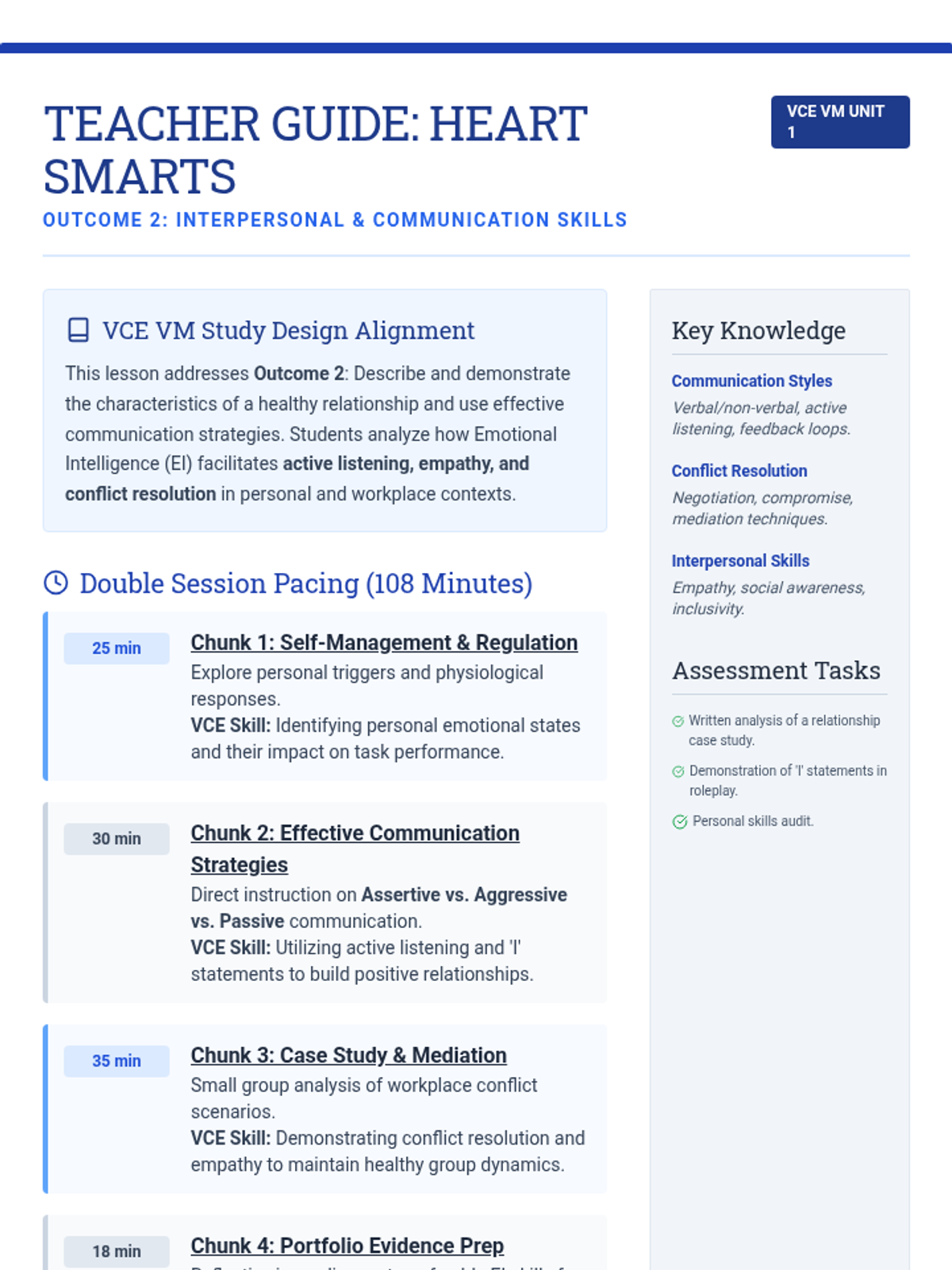
A comprehensive 12th-grade health sequence focused on navigating complex social environments, identifying high-risk scenarios, and applying nuanced refusal and exit strategies to maintain personal integrity regarding substance use.
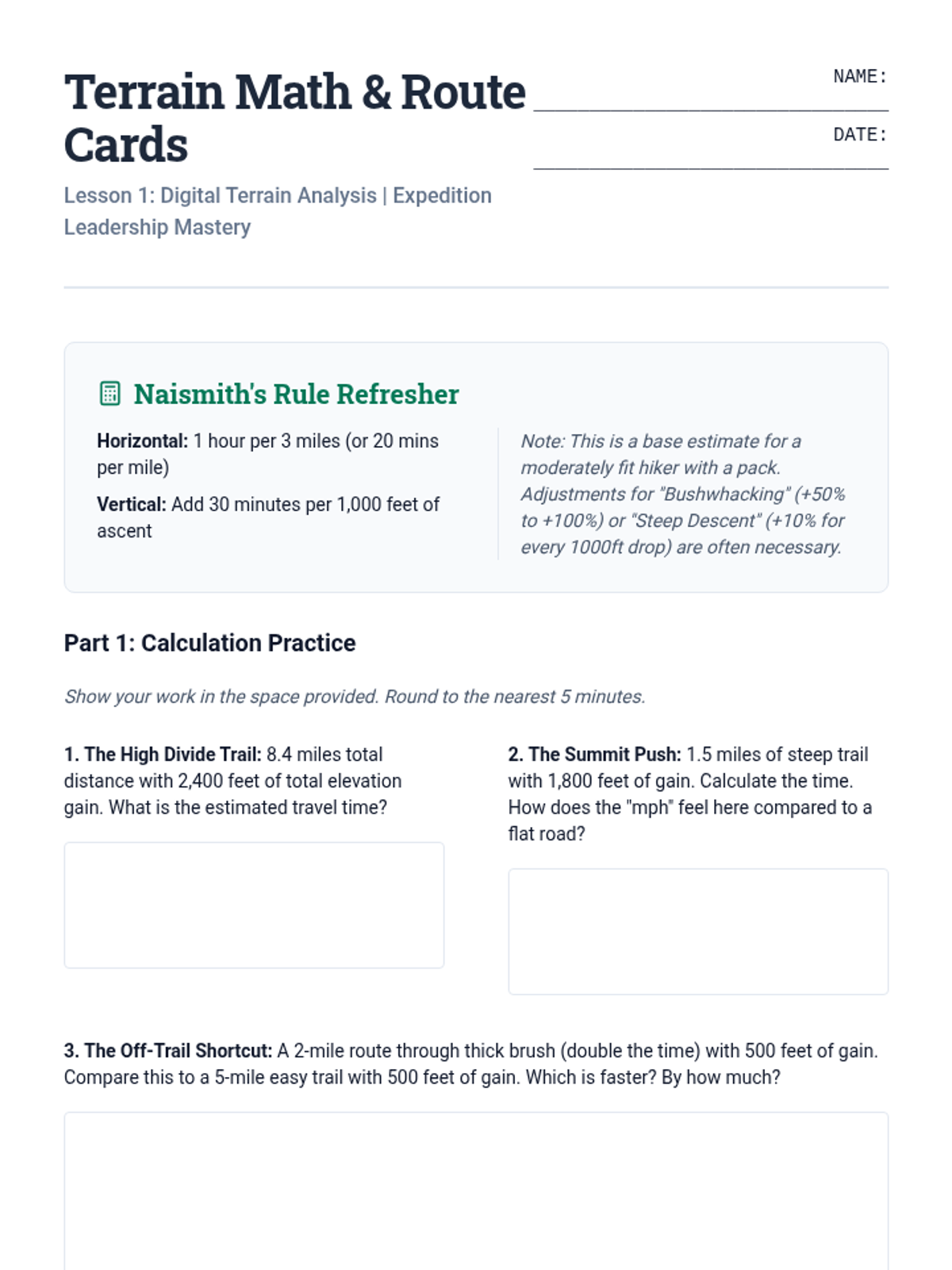
An advanced sequence for undergraduate students focusing on the synthesis of technical navigation tools, terrain analysis, and risk management in wilderness environments. Students progress from topographic interpretation to digital integration and a practical field orienteering assessment.
This sequence develops high-level football (soccer) cognitive skills, focusing on spatial awareness, passing accuracy, and maintaining possession. Students progress from individual technical control to complex midfield combinations, learning to dictate tempo and exploit space through intelligent movement and field vision.
This sequence explores the biomechanics and psychology of scoring goals in football. Students will progress from foundational power striking to advanced finesse, aerial finishes, and high-pressure game simulations.