A comprehensive 12th-grade health sequence focused on navigating complex social environments, identifying high-risk scenarios, and applying nuanced refusal and exit strategies to maintain personal integrity regarding substance use.
A series of health and wellness lessons for high school students focused on developing psychological resilience, critical media literacy, and a functional approach to self-perception.
A comprehensive unit focused on debunking mental health myths and establishing a scientific understanding of mental illness through the Bio-Psycho-Social model.
A comprehensive high school health sequence focused on understanding the complex interplay of biological and environmental factors that contribute to mental health and illness.
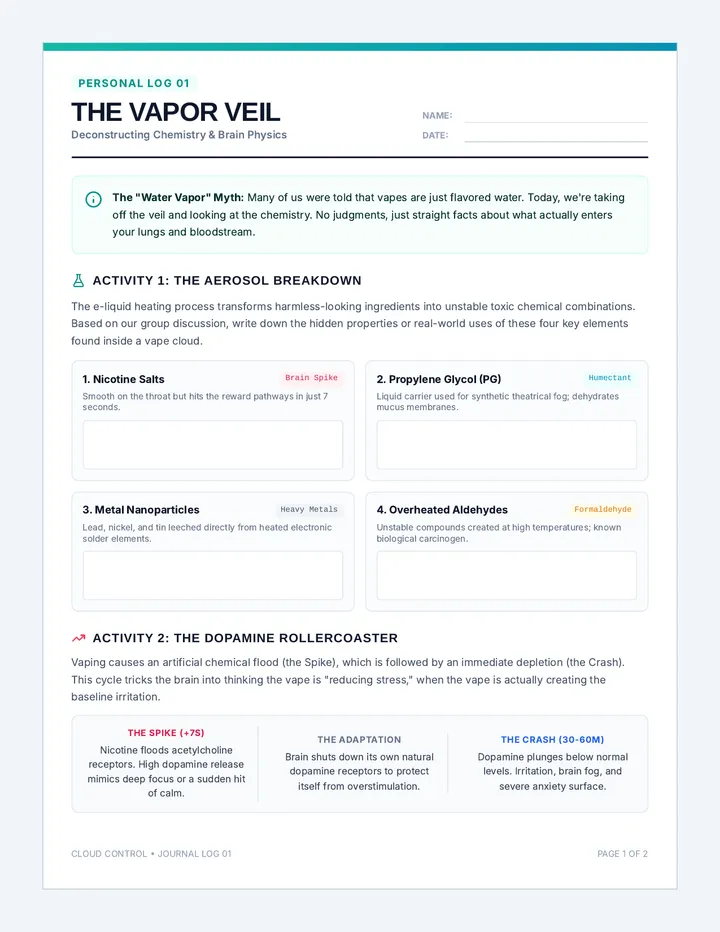
A high school health lesson analyzing the physiological effects of stimulants and depressants on the nervous system and the 'rebound effect' of using substances to cope with stress.
A high school health and psychology unit exploring neurodiversity, focusing on the diagnostic criteria, support needs, and lived experiences of individuals on the autism spectrum.
A high school health lesson focused on debunking common myths about psychosis, understanding its clinical definition and symptoms, and exploring the impact of social stigma on recovery.
A high school health lesson focused on the physiological effects of stress, specifically cortisol's impact on the brain, and practical laboratory testing of stress-reduction techniques. Students explore eustress versus distress and measure their own heart rate and stress levels during guided interventions.
A comprehensive 16-week weight training curriculum divided into two parts: 'Part 1: The Human Engine' (Weeks 1-8) focusing on movement patterns, bodyweight mastery, and anatomy; and 'Part 2: The Iron Forge' (Weeks 9-16) focusing on advanced compound lifts, training science, and independent program design. Includes nutrition for performance and comprehensive classroom activities.
Um programa completo de 30 dias focado em perda de gordura, com orientações de planejamento, receitas nutritivas e ferramentas de acompanhamento de progresso.
A comprehensive lesson sequence for High School Health/Psychology focused on understanding clinical depression, the biological basis of mental health, and strategies to overcome societal stigma.
A restorative learning program designed for high school students to reflect on the impact of substance use and prepare for a positive return to their school community. The program balances scientific facts with deep personal reflection.
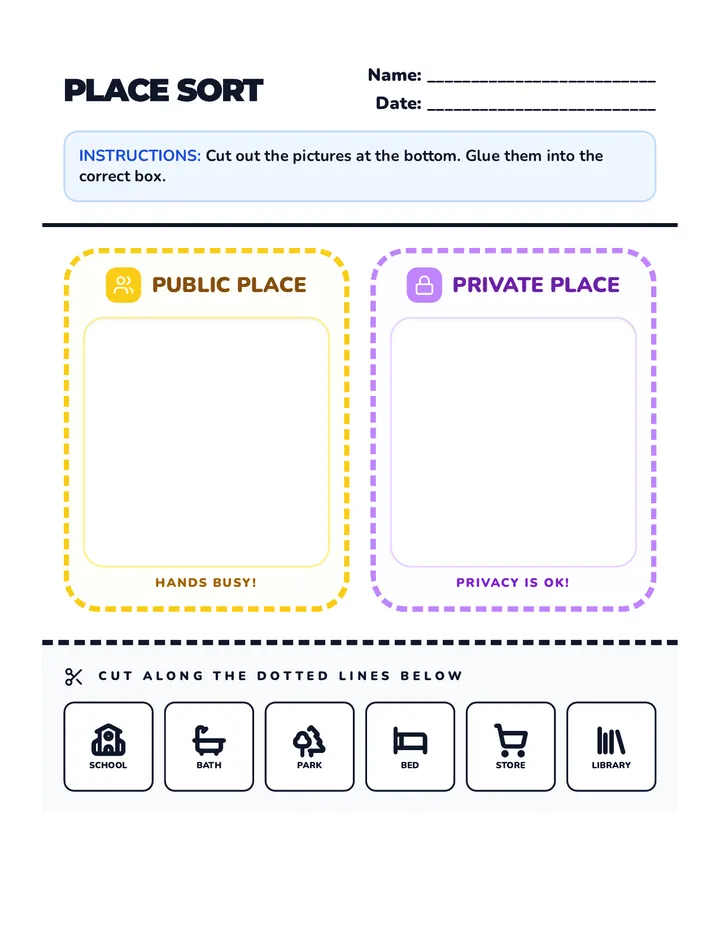
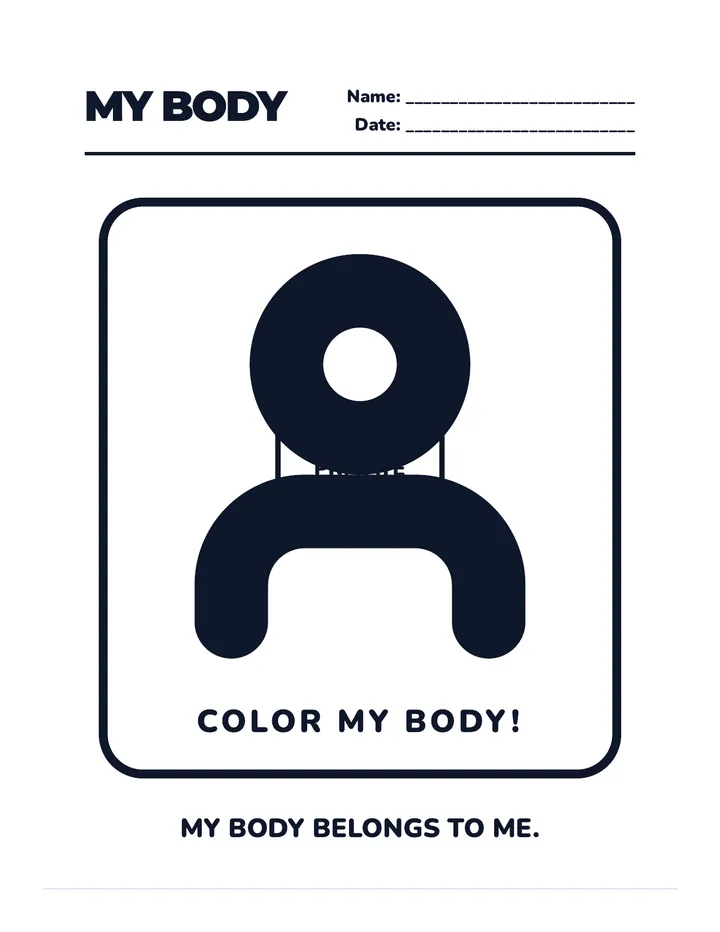
A comprehensive 10-month health and wellness curriculum for 3-4 year olds, aligned with NJ Preschool Teaching and Learning Standards. Each month focuses on a core health theme like hygiene, safety, nutrition, and emotional wellness through hands-on activities and visual instruction.
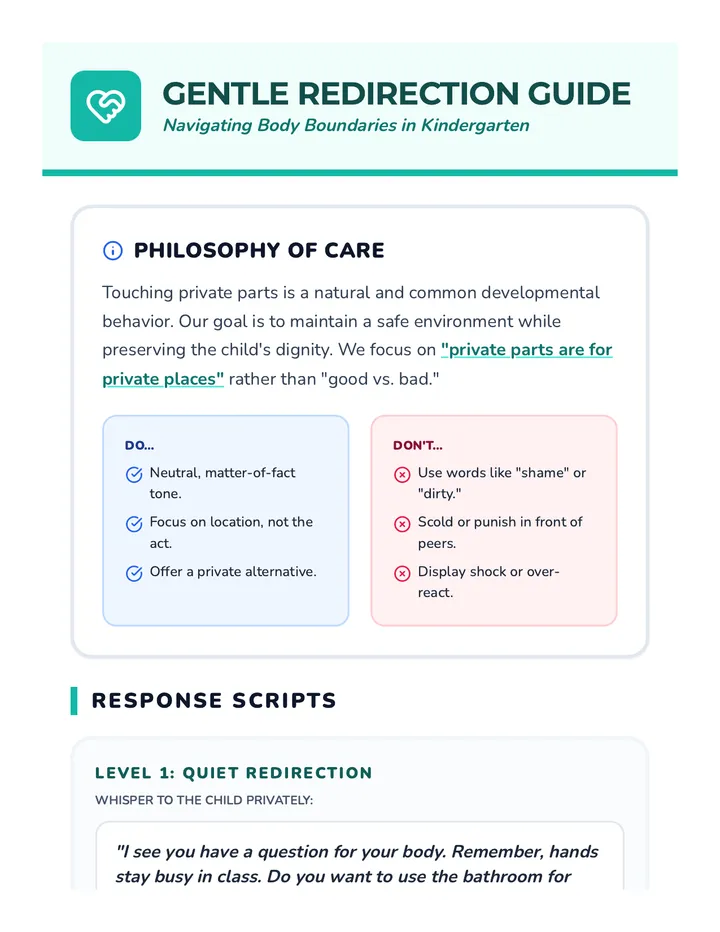
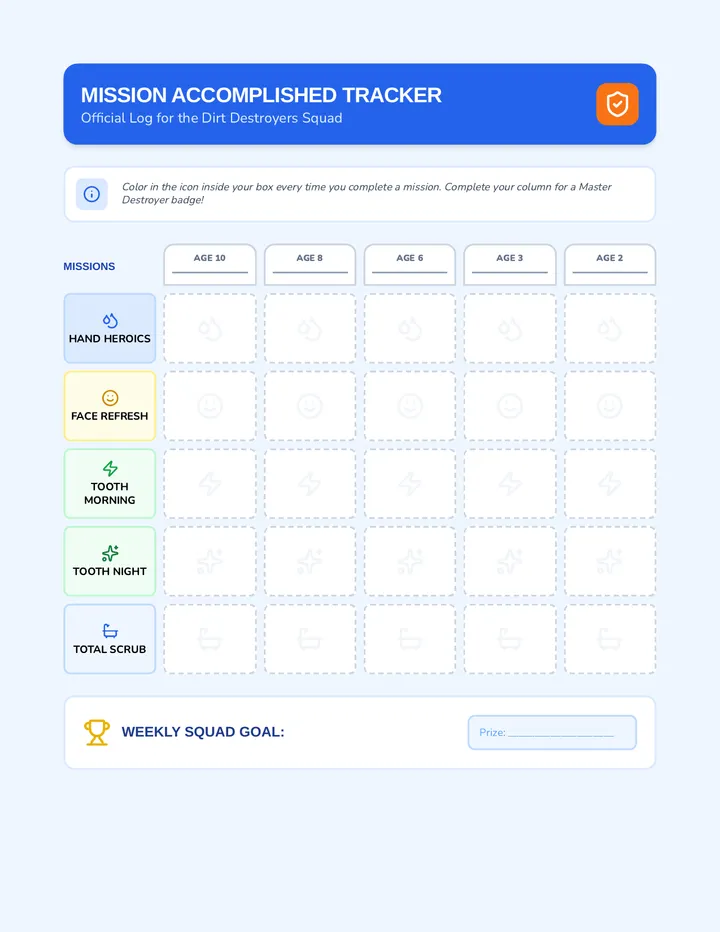
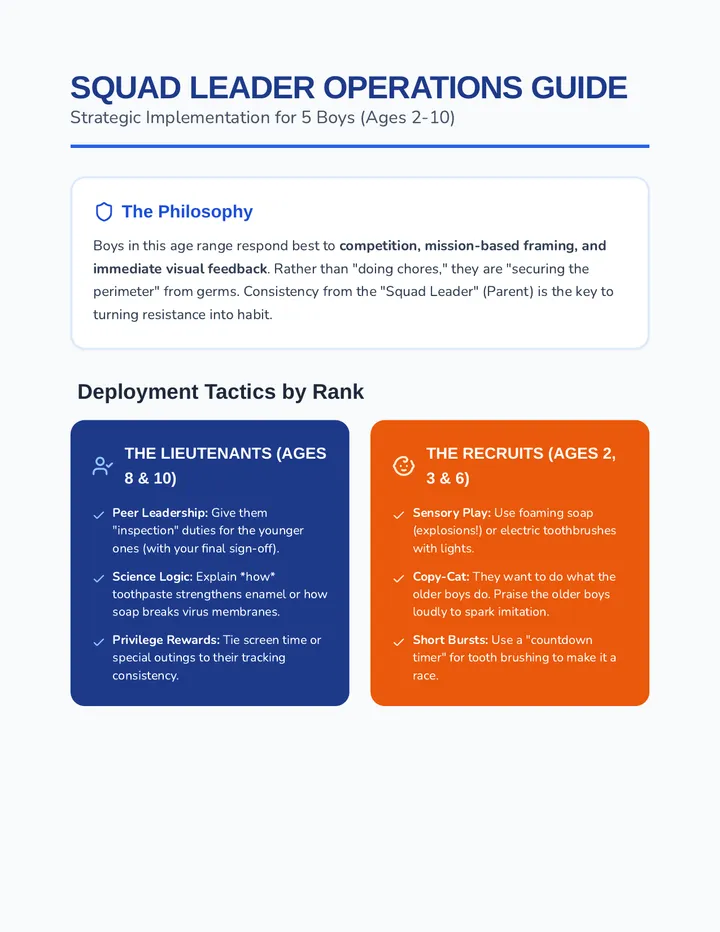
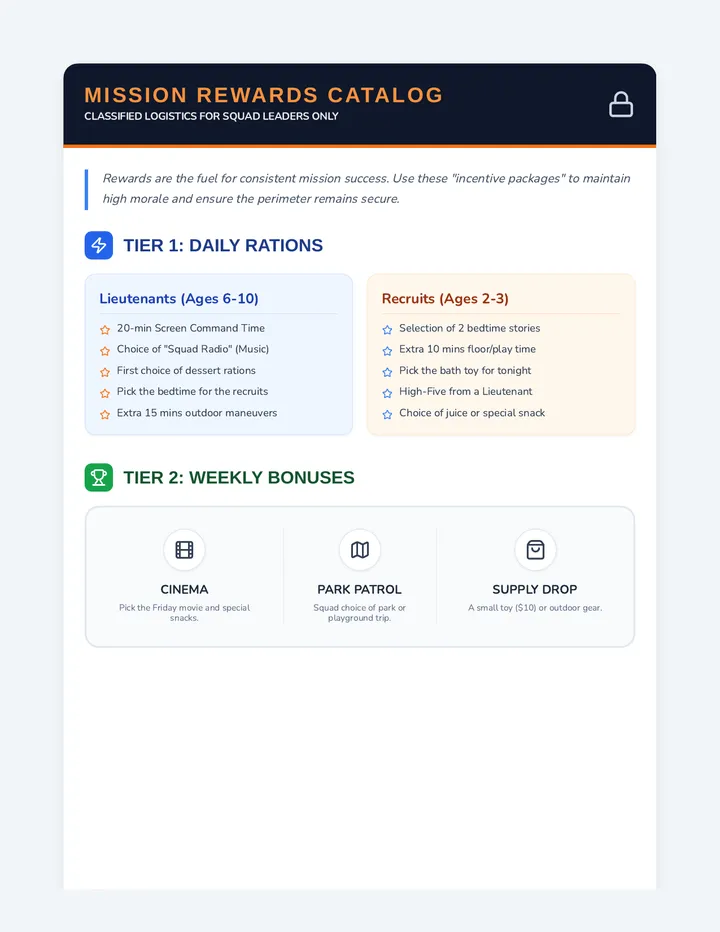
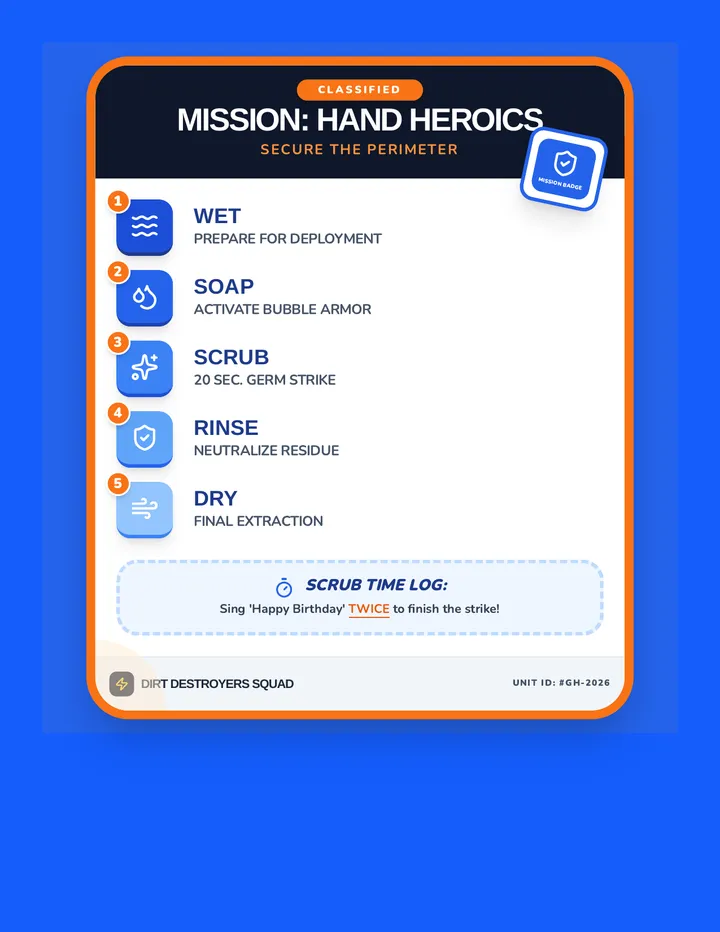
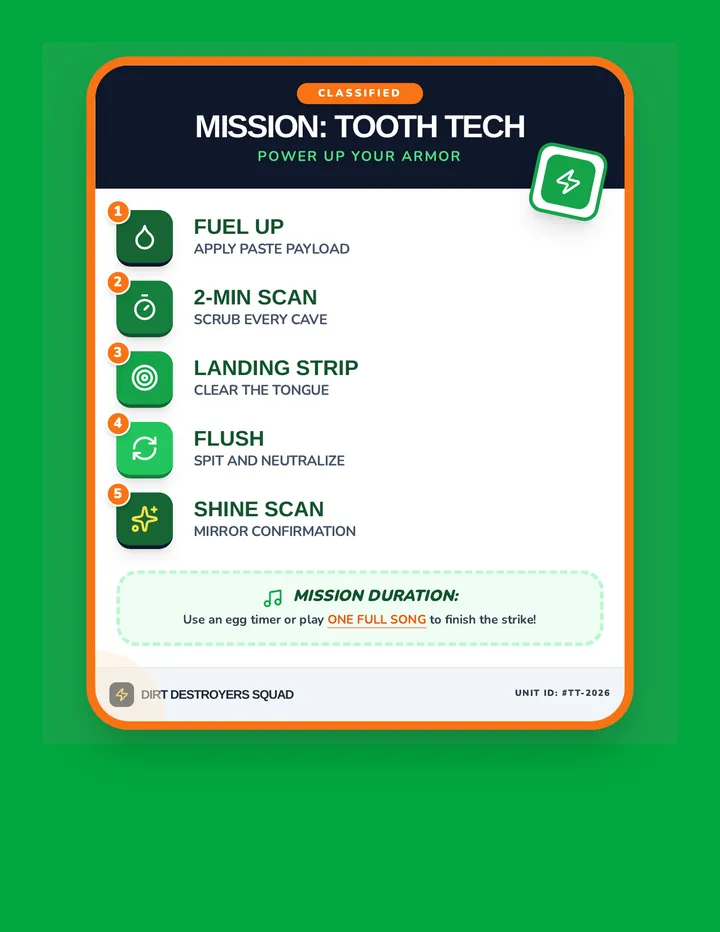
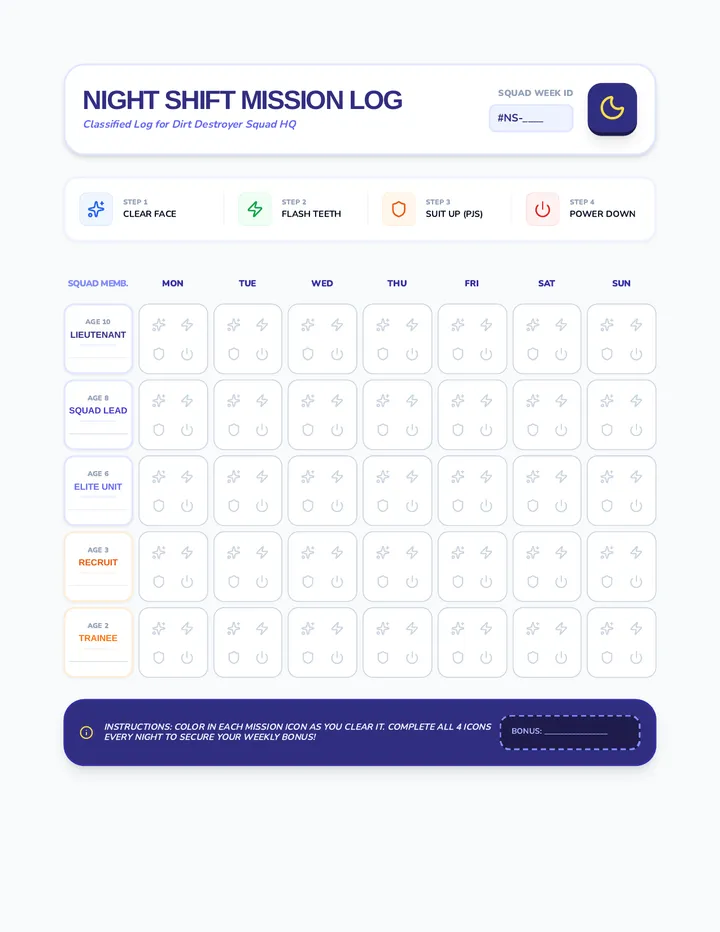
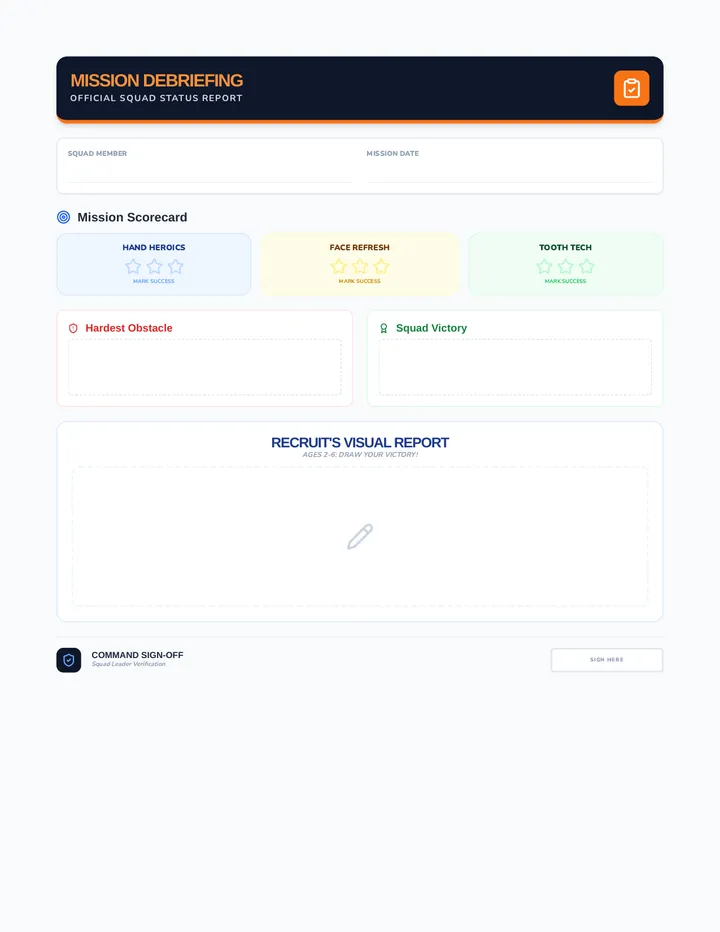
A comprehensive SEL-integrated hygiene curriculum for elementary scholars (K-4), focusing on self-awareness, social impact, and personal responsibility through the lens of a 'Glow Up'.
A professional 6-week certification-style journey into Ayurveda. Each week features a comprehensive 2-hour 'Deep Dive Module' combining academic reading, interactive reflections, and knowledge checks, supported by practical 'Applied Healing' assignments (1-2 hours) for real-world integration.
A series of workshops and resources for elementary school parents focusing on common school-related health concerns, starting with head lice management.
This undergraduate sequence explores the neuroscience and physiology of stress and anxiety, grounding emotional experiences in biological reality. Students will study the HPA axis, evolutionary mismatches, somatic markers, and physiological regulation techniques to move from reactivity to mastery.
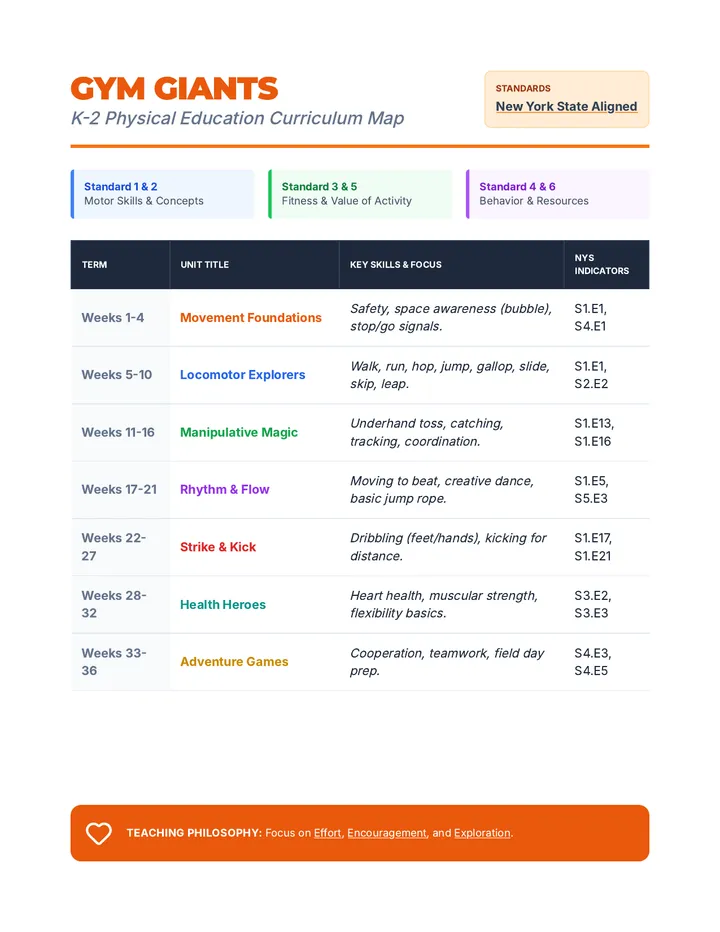
A 5-lesson unit for Pre-K students exploring creative movement through spatial awareness, levels, pathways, tempo, and motor control. Students develop body awareness and safety while having fun with imaginative dance concepts.
A foundational sequence for Pre-K dancers focusing on spatial awareness, levels, and pathways to prepare them for choreography and safe group movement.
This sequence uses a case study approach to teach 7th-grade students how to recognize suicide warning signs, navigate digital cries for help, map out support networks, and take ethical action as supportive bystanders. Students move from identifying clues to committing to a personal safety protocol.