Una secuencia educativa sobre la manipulación del Document Object Model (DOM) mediante JavaScript para estudiantes de secundaria, enfocada en la selección y modificación dinámica de elementos HTML.
Una secuencia educativa integral diseñada para estudiantes de 7mo y 8vo grado sobre la integración de JavaScript en HTML, cubriendo desde la etiqueta script hasta la manipulación del DOM y la creación dinámica de elementos.
A comprehensive project-based sequence where students transform their medical research into professional-grade podcasts using BandLab. This unit covers the anatomy of audio storytelling, conversational scripting, and digital audio production.
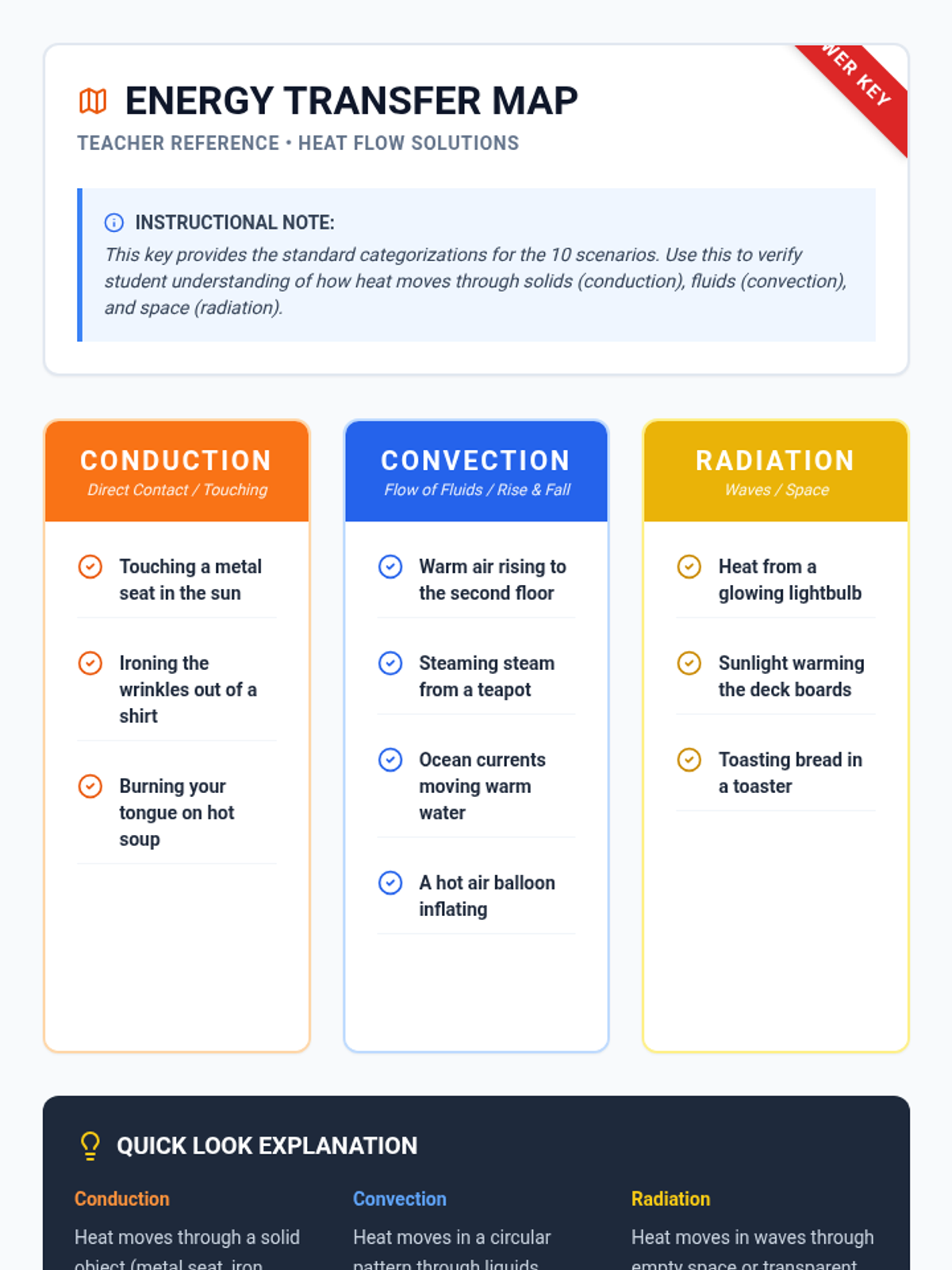
A series of three review lessons focused on interpreting experimental data and graphs related to the conservation of mass and phase changes in matter. Students will analyze scenarios involving dissolving, freezing, boiling, and thermal energy to strengthen their scientific reasoning skills.
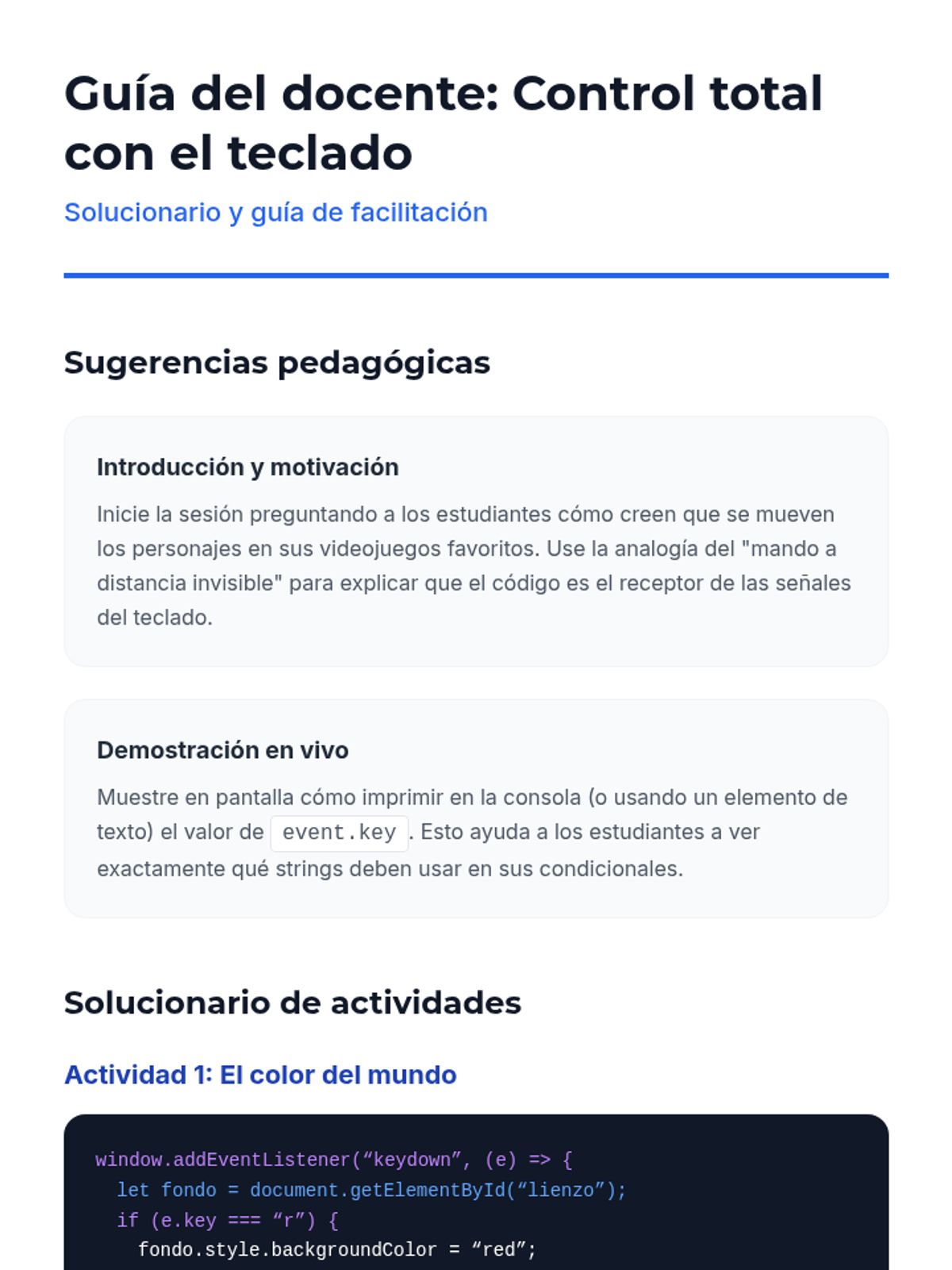
Una secuencia educativa diseñada para introducir a los estudiantes de secundaria en la manipulación dinámica de páginas web mediante el Document Object Model (DOM). Se enfoca en la selección y modificación de elementos HTML para transformar sitios estáticos en experiencias interactivas.
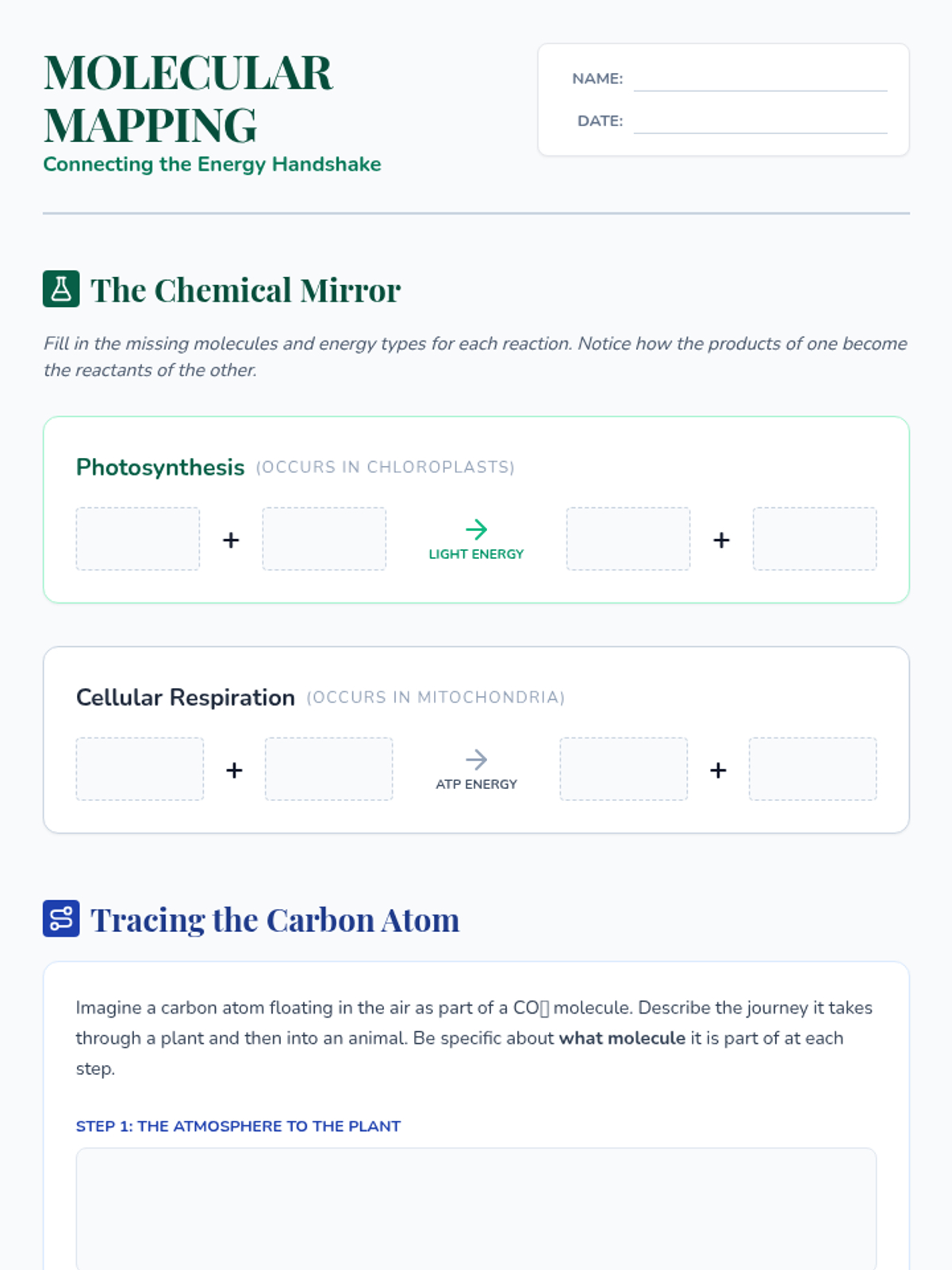
A comprehensive review of the human body systems aligned with Texas 9th grade Biology TEKS, focusing on system interactions and real-world applications.
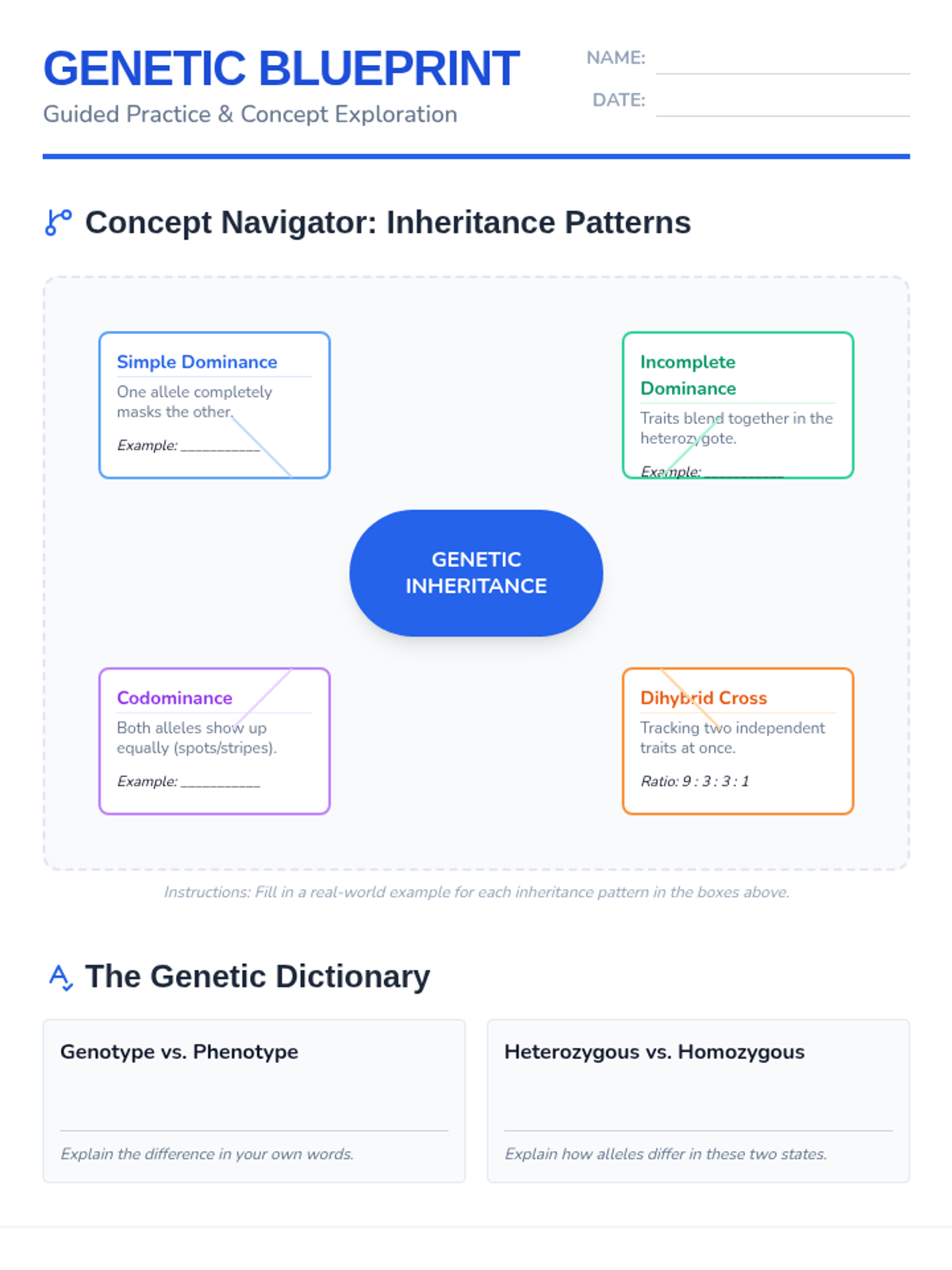
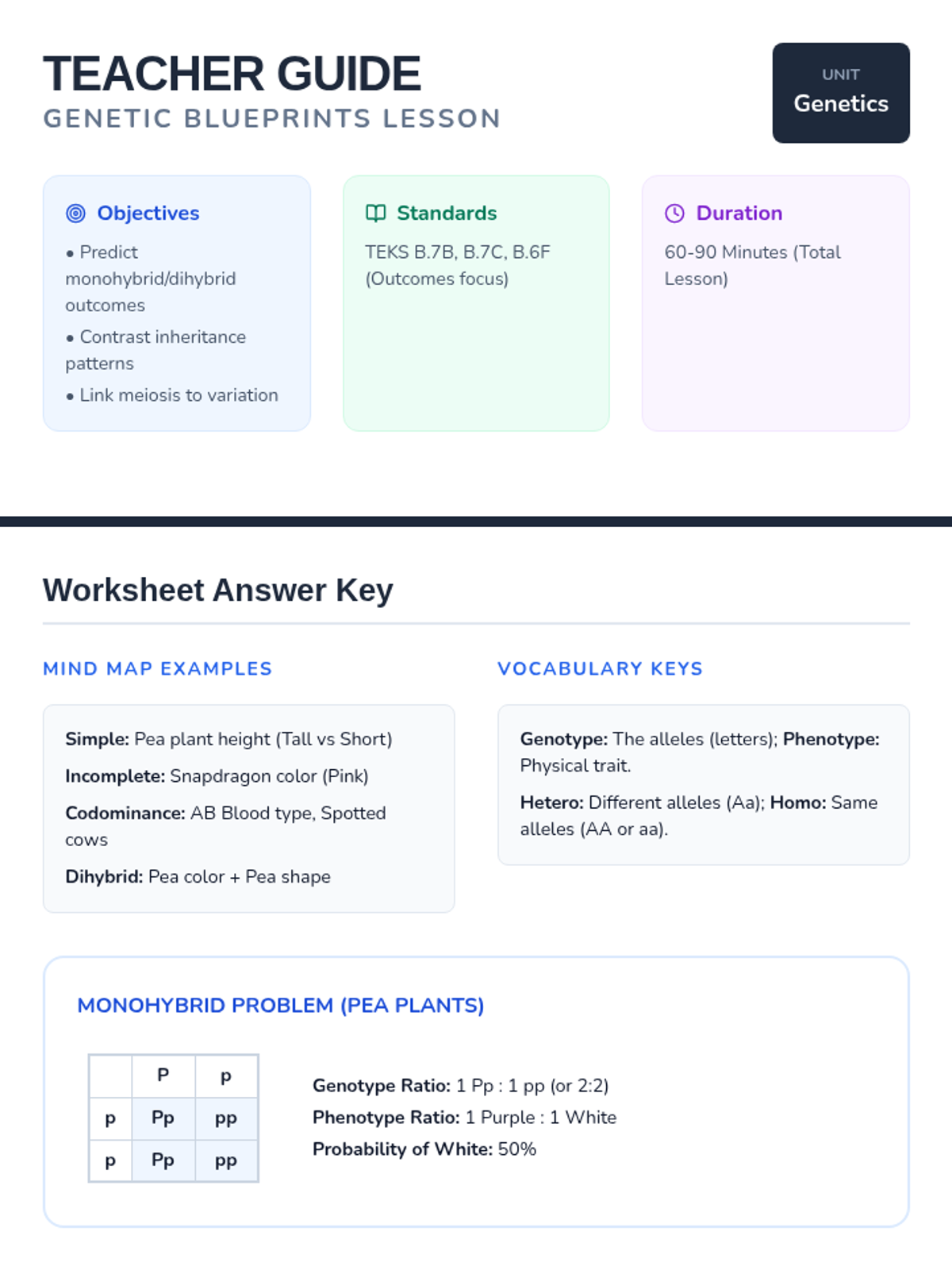
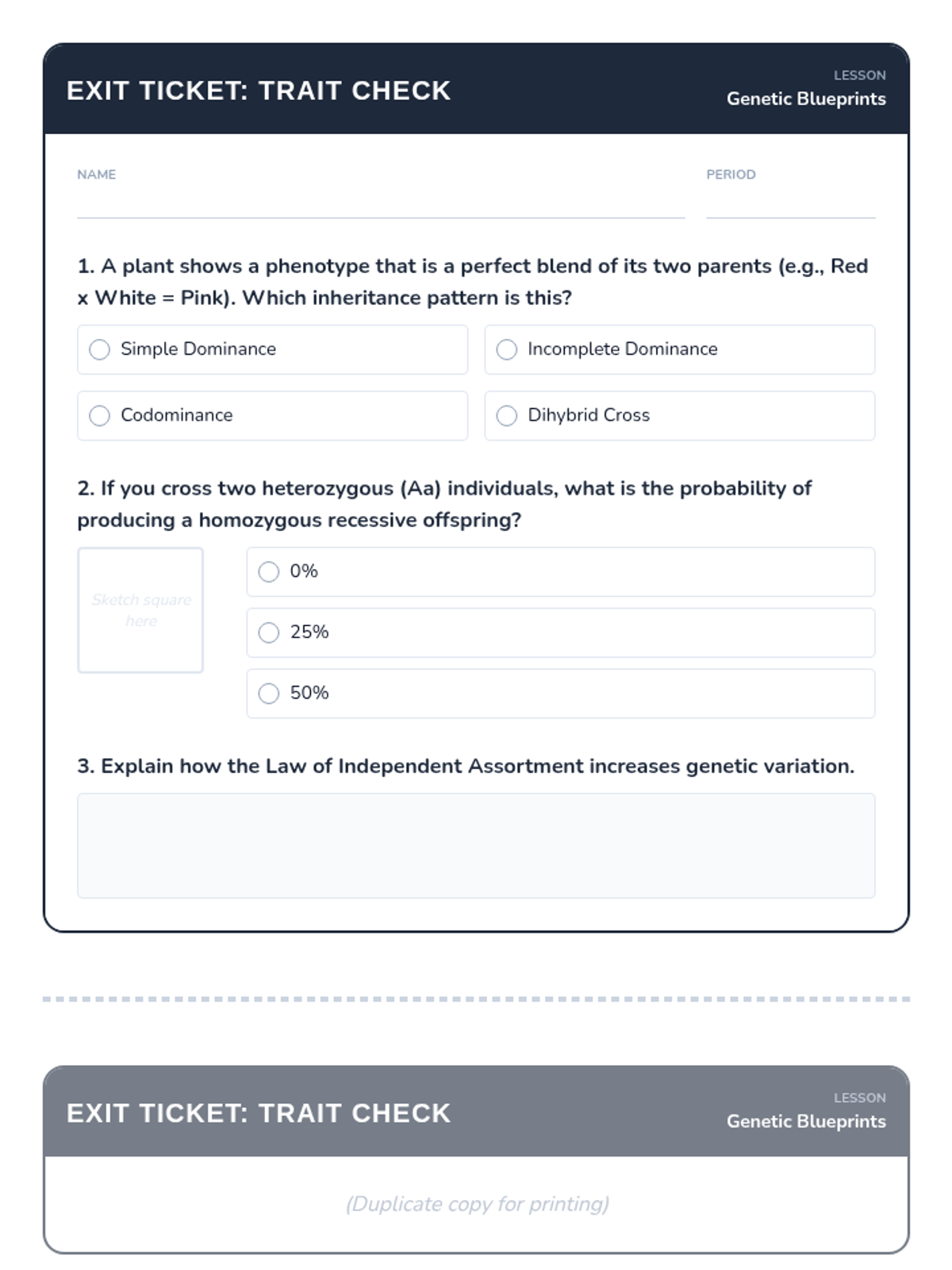
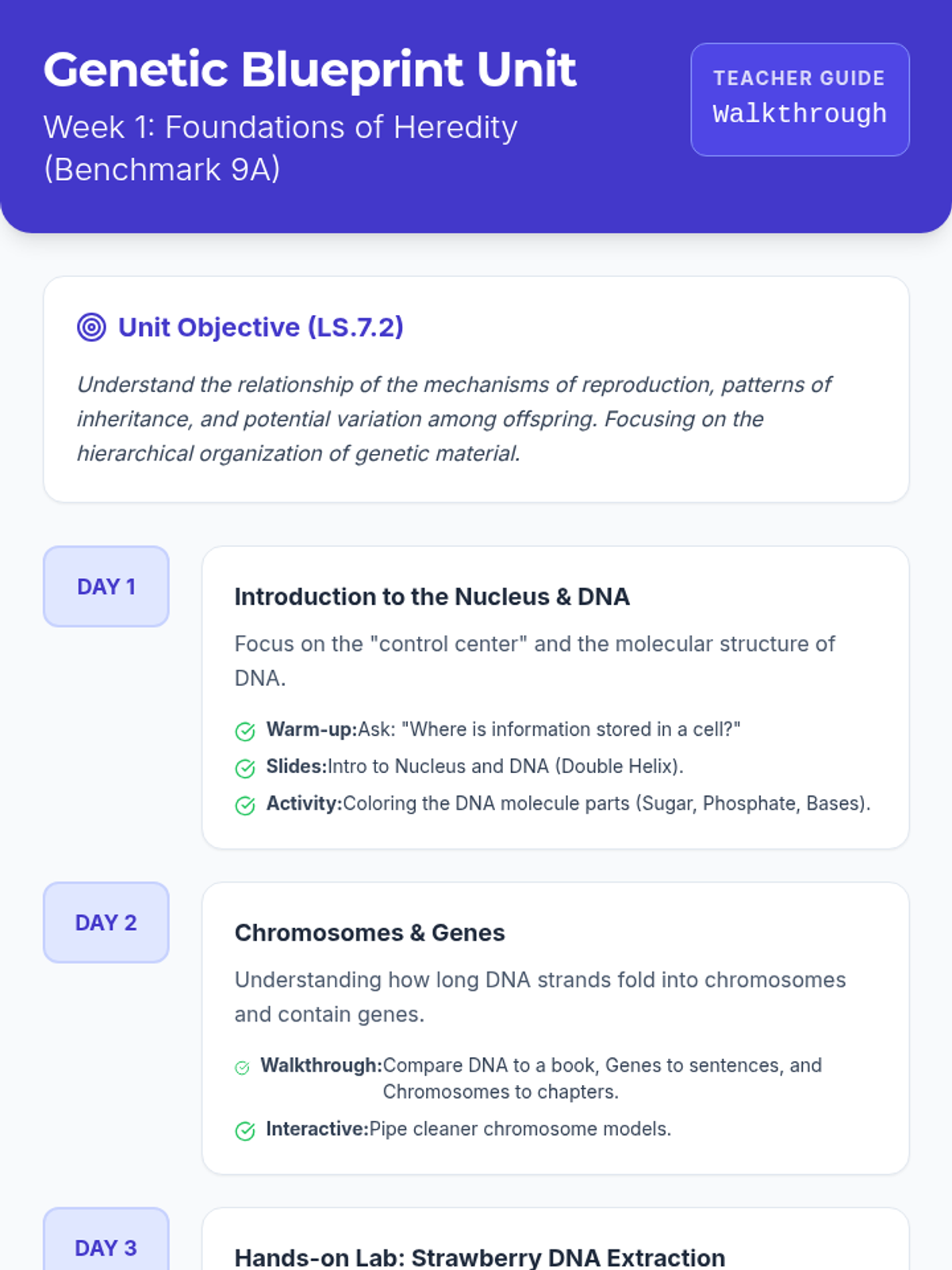
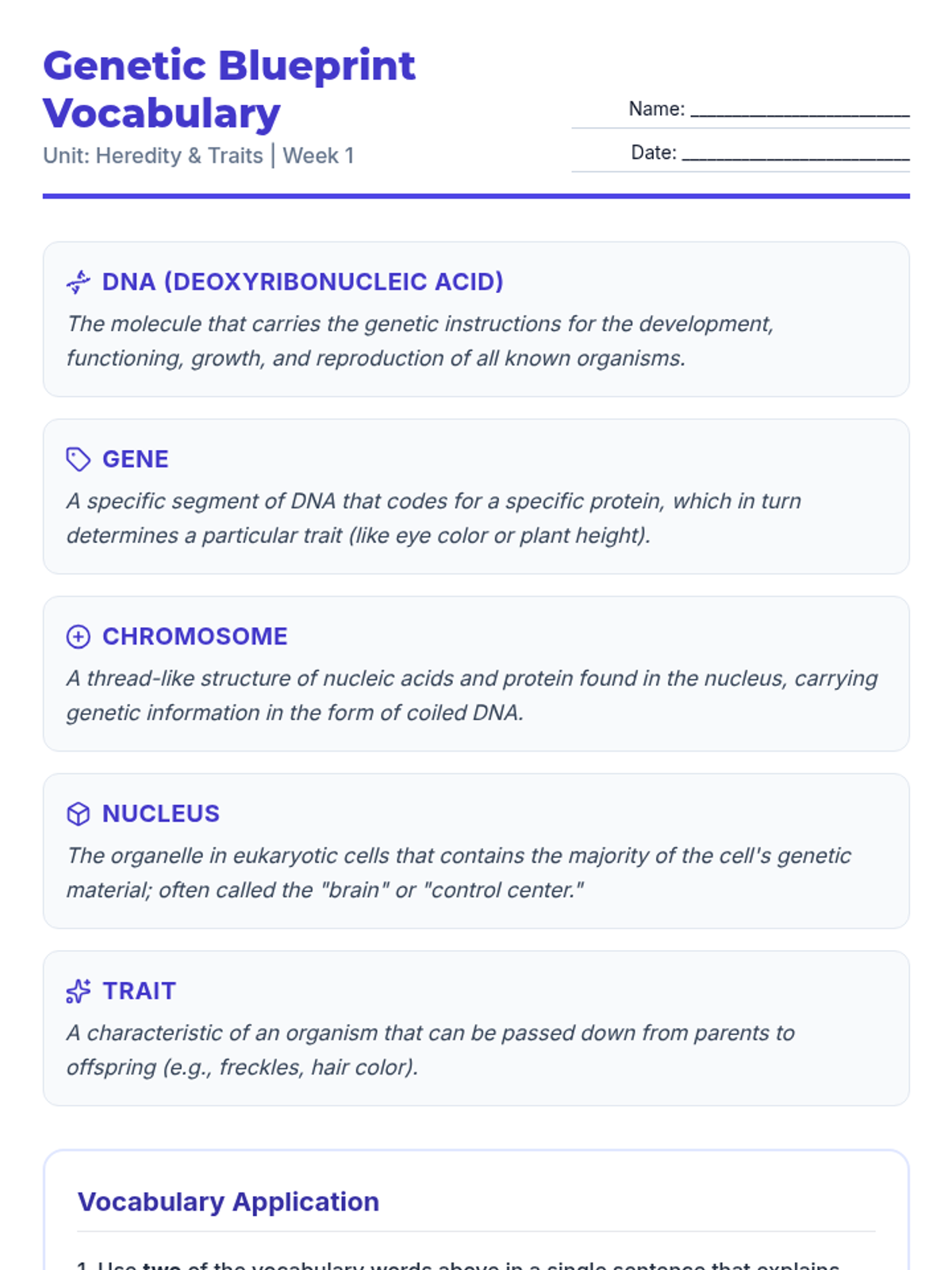
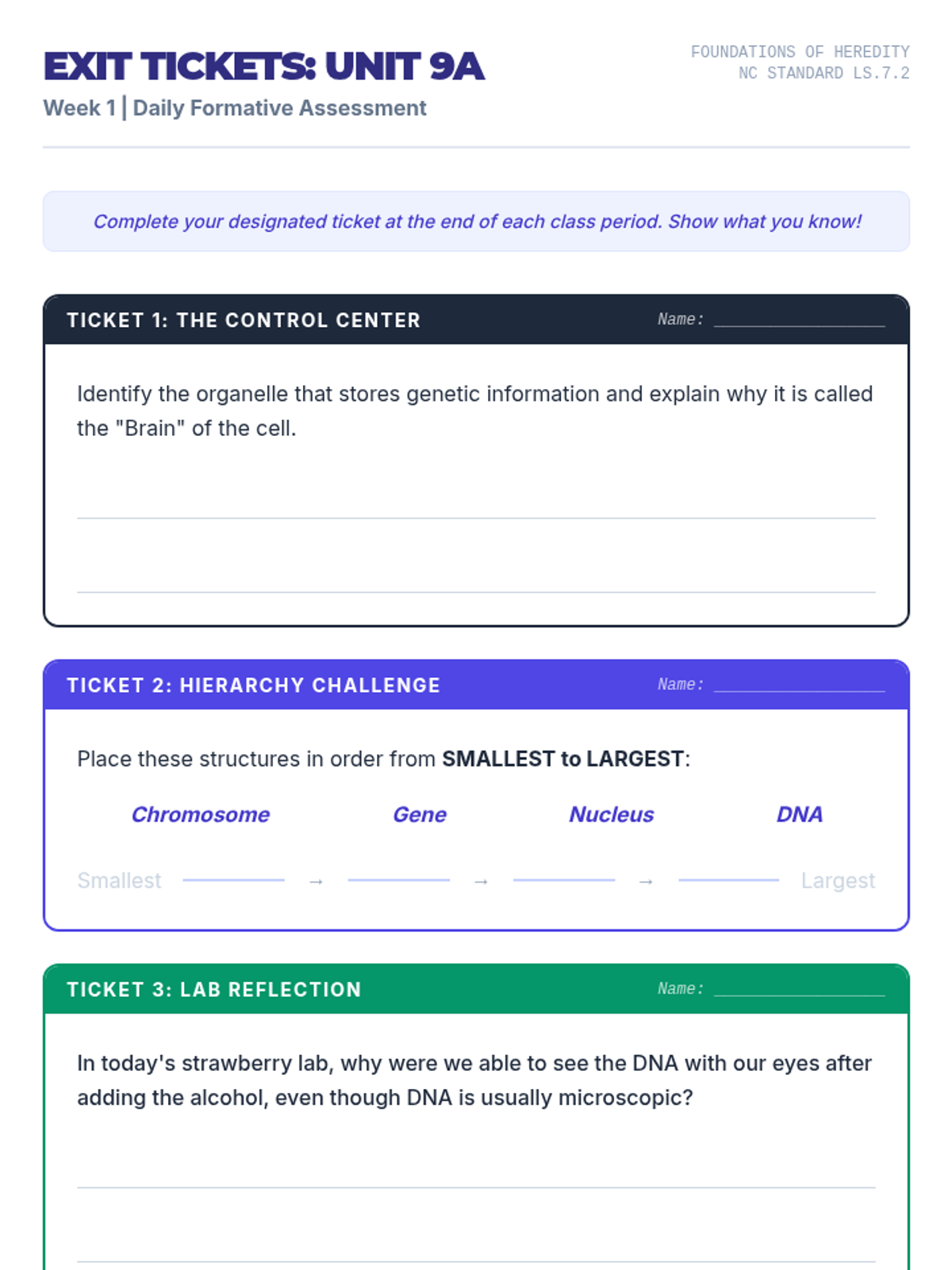
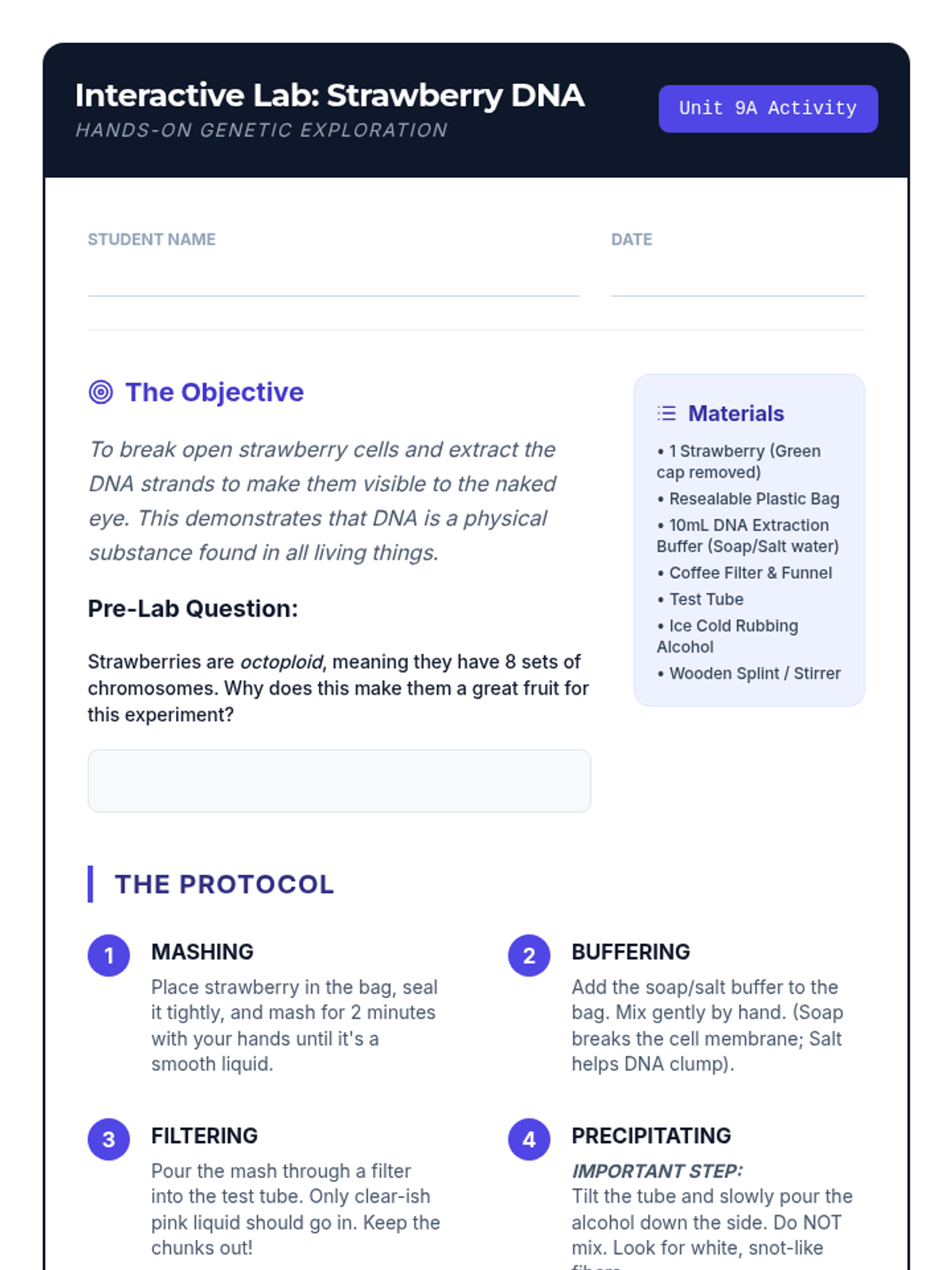
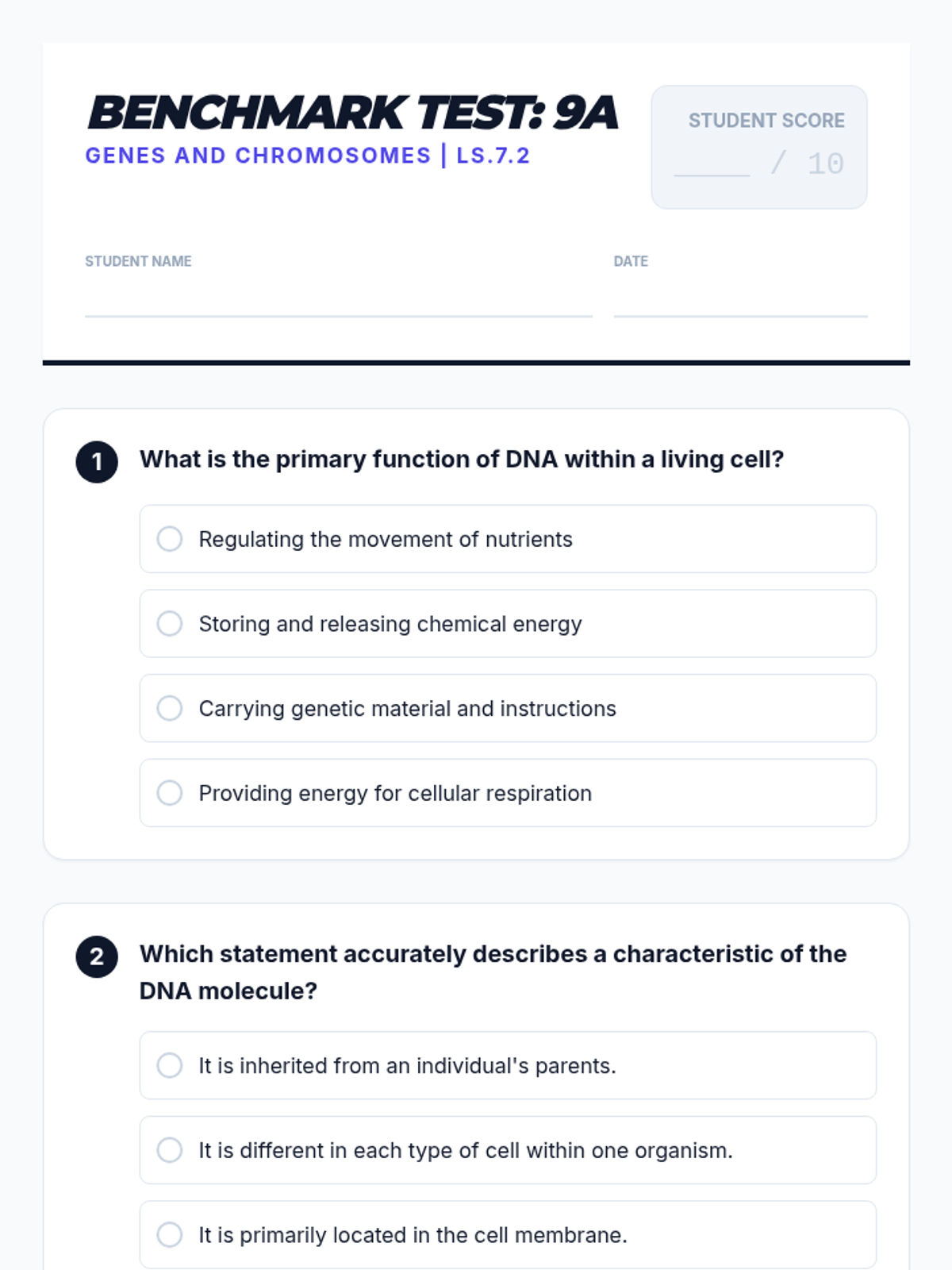
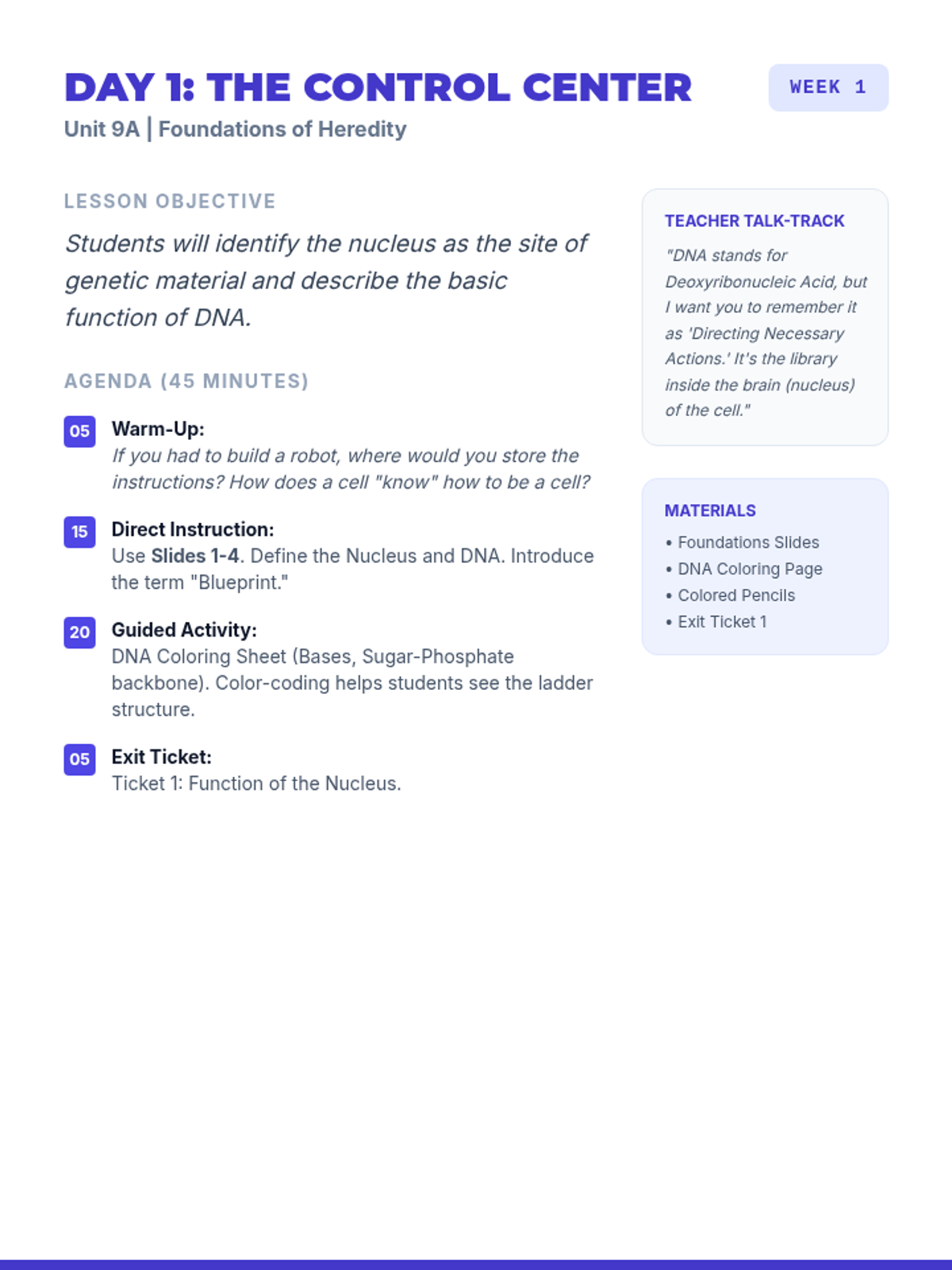
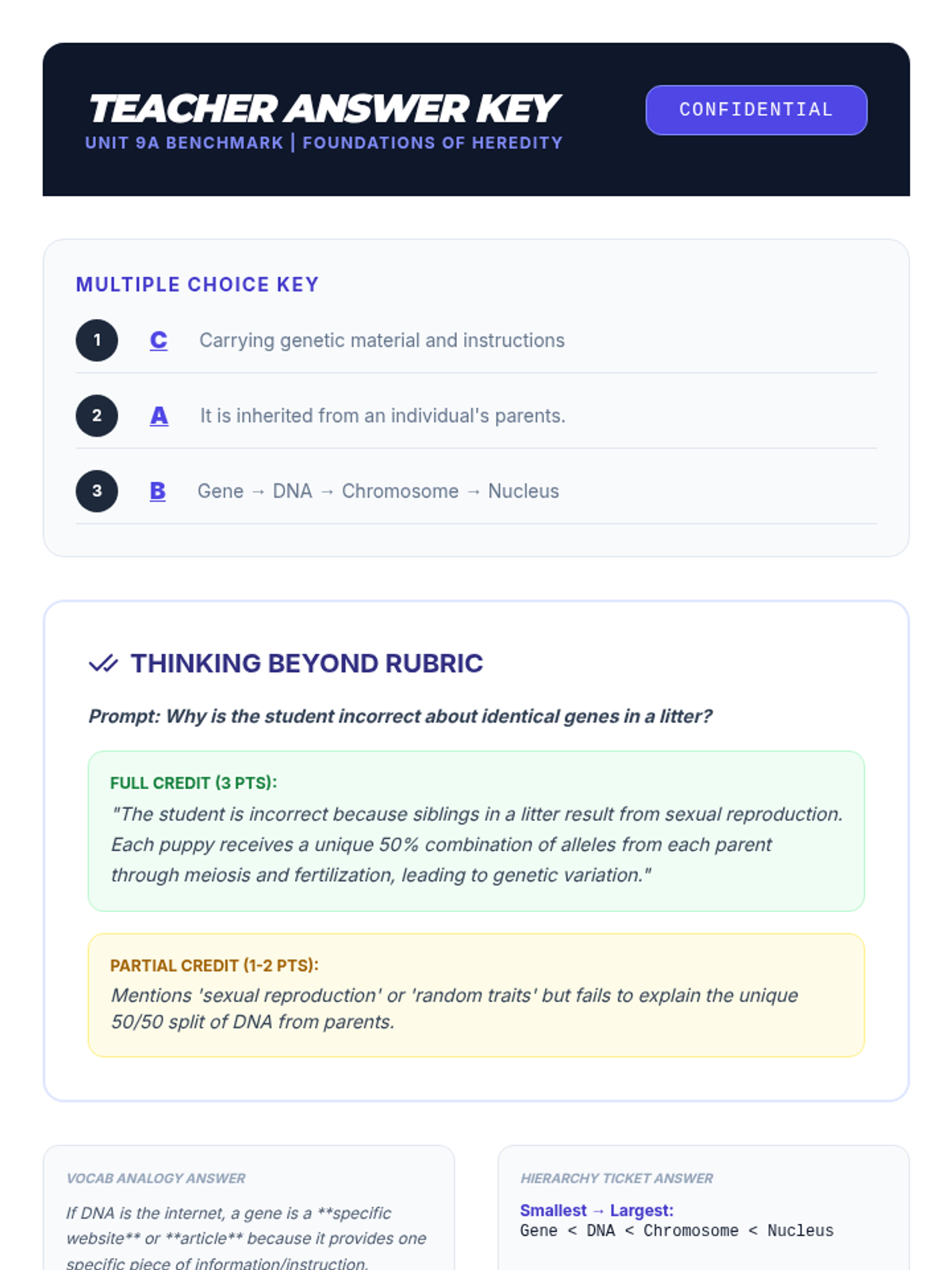
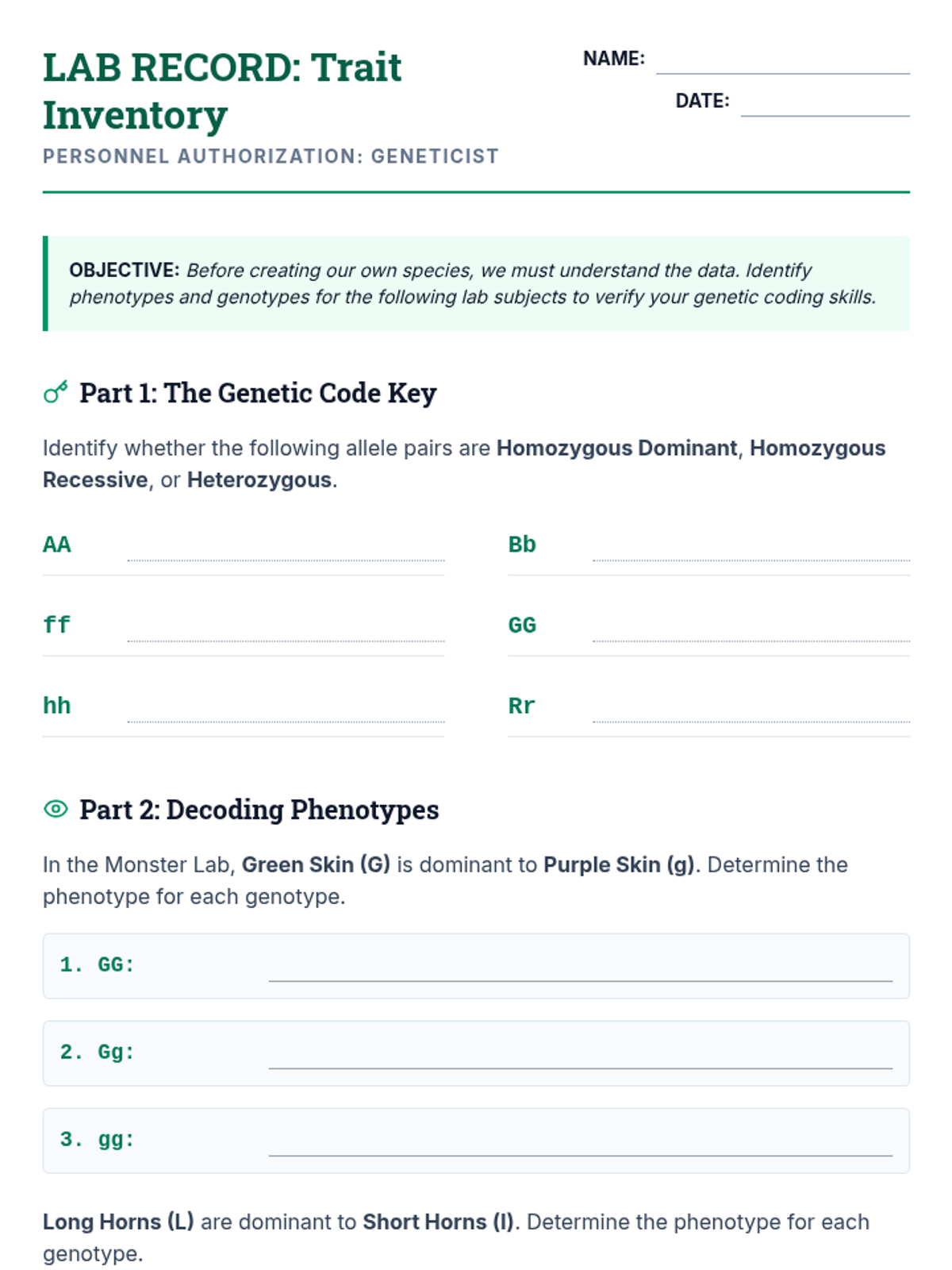
A comprehensive unit exploring the basics of genetics, DNA structure, and the influence of genes on human health, designed with low-prep activities for high school students.
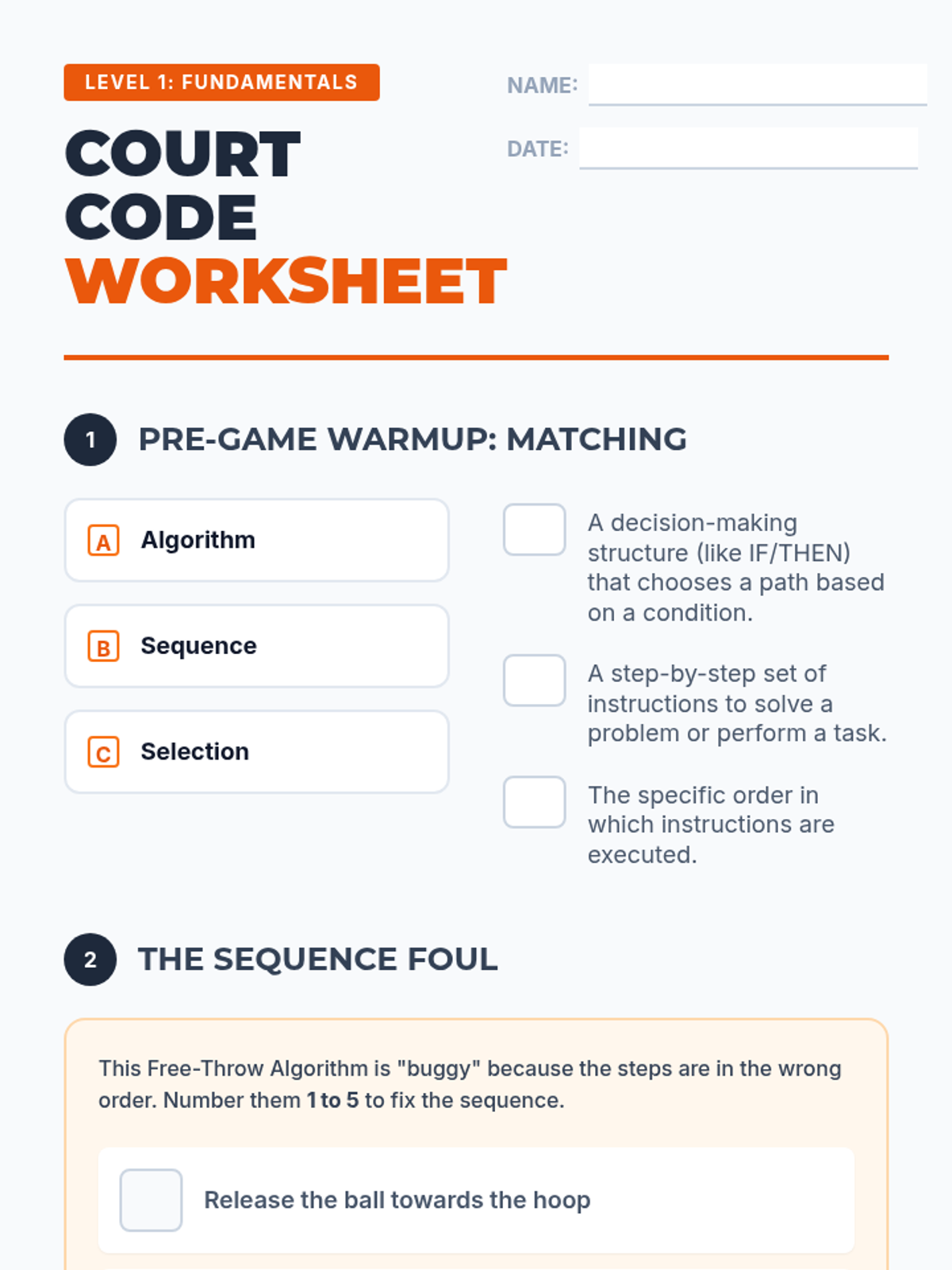
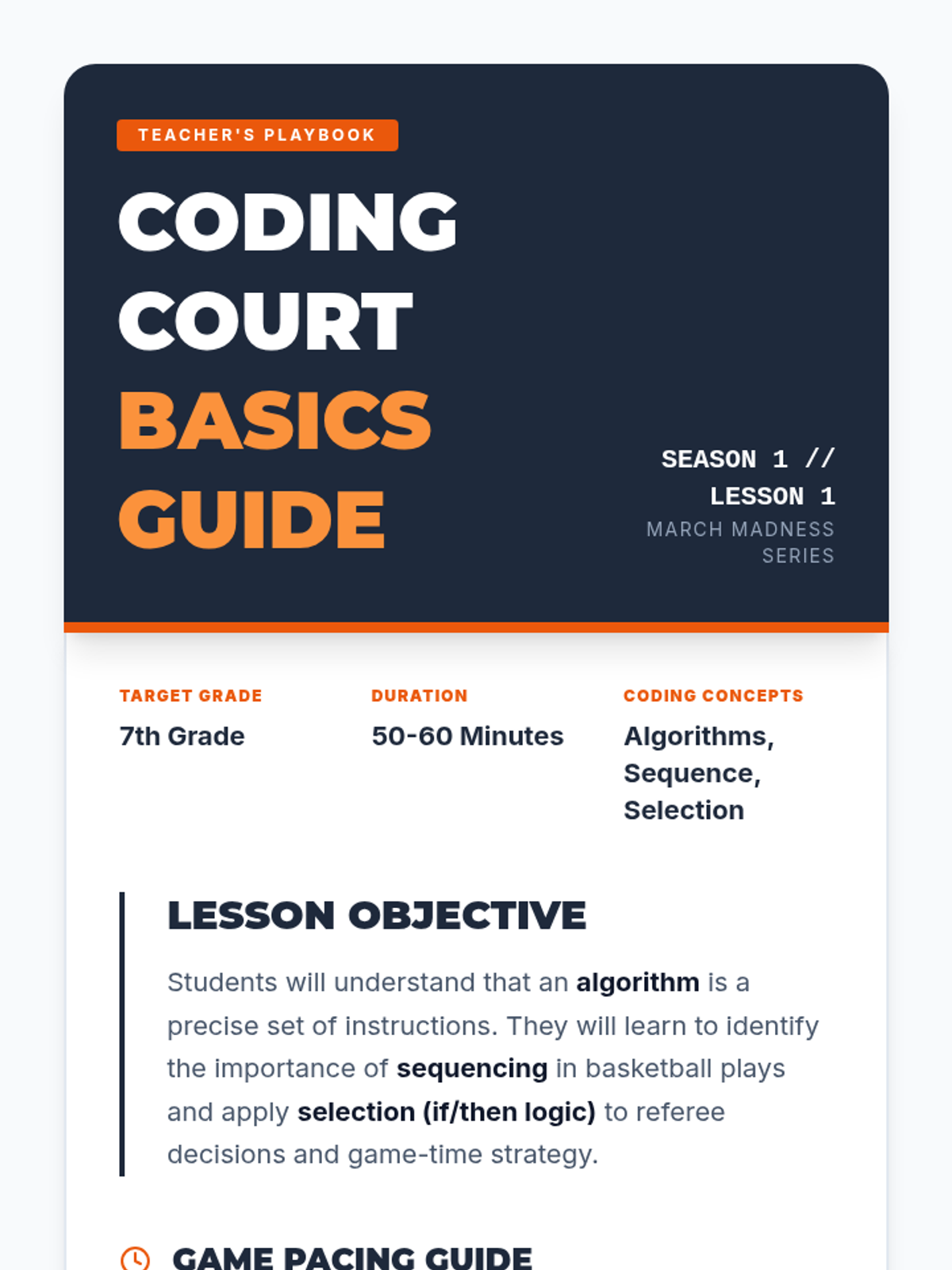
A comprehensive introduction to computer science fundamentals, covering algorithm design, basic Python programming, binary systems, and the ethics of cybersecurity. Students progress from abstract logic to concrete code and social responsibility.
A technical sequence focused on mastering 2D array manipulation in Java, specifically designed for AP Computer Science A students.
An exploration into the historical development of cell theory and the fundamental characteristics that define all living organisms, covering prokaryotic/eukaryotic, unicellular/multicellular, and autotrophic/heterotrophic traits.
A comprehensive introduction to Python programming for 11th grade students, focusing on syntax, control flow, and problem-solving through code.
A comprehensive unit exploring plant physiology and reproduction, centered around the Pando clonal colony as an anchoring phenomenon to demonstrate system interdependence.
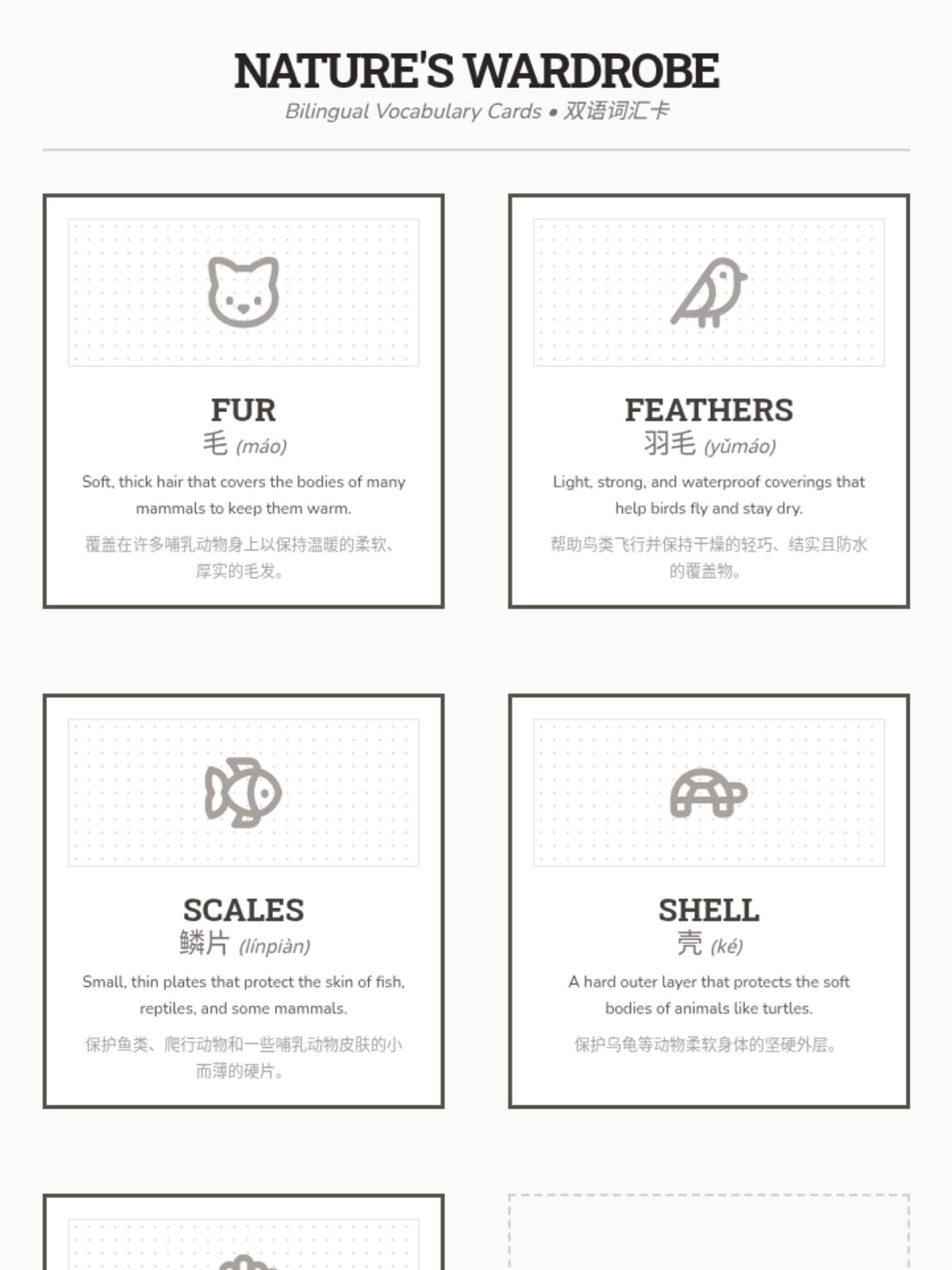
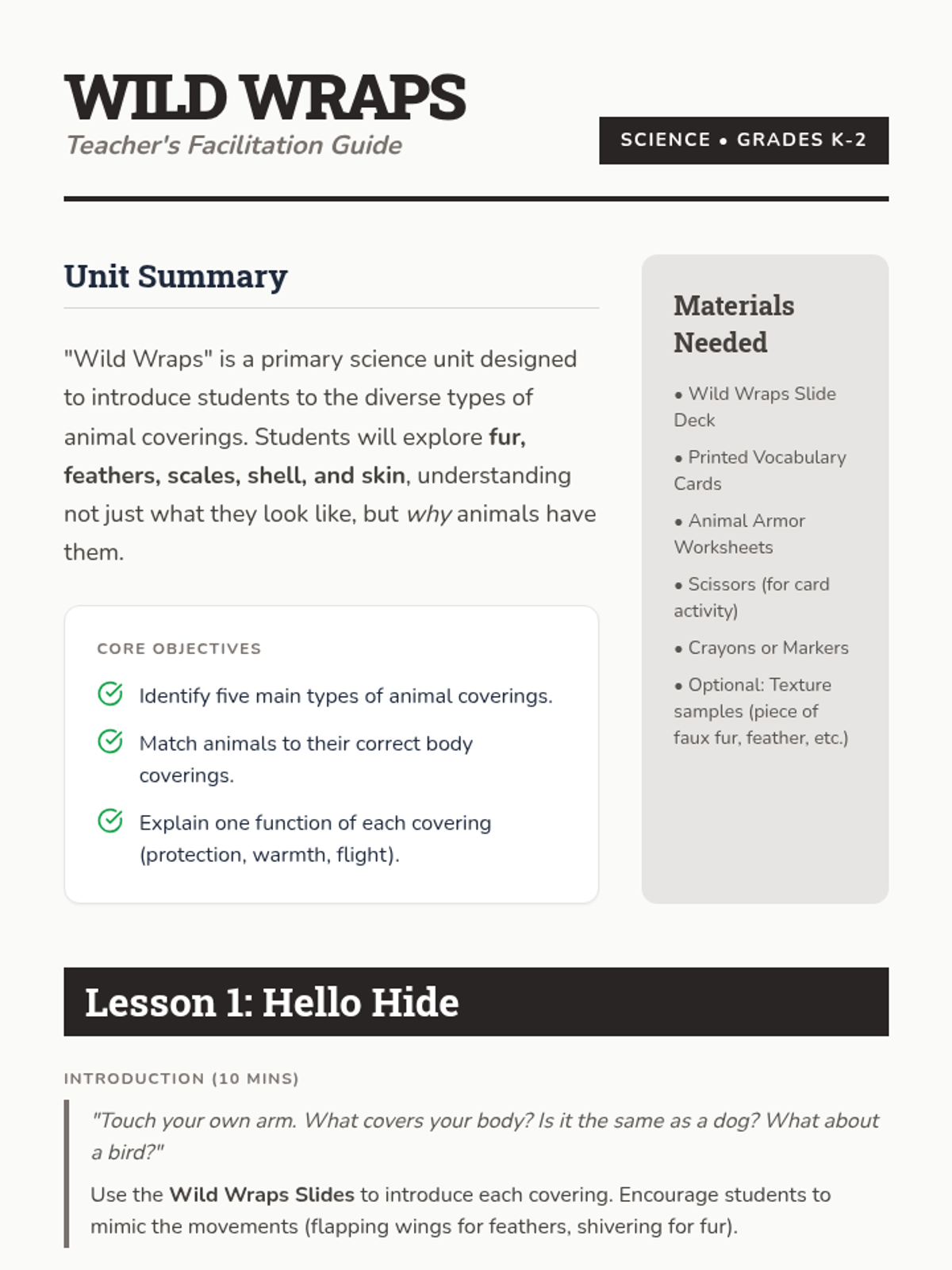
An immersive, project-based unit where students become 'Wild Explorers,' researching animals and creating interactive adventure books to demonstrate their learning.
A comprehensive strategic planning sequence for school leaders and teachers to analyze MCAS data across grades 5 and 6 and implement targeted instructional bridging strategies.
A comprehensive investigation into the Earth's geological processes, focusing on the formation, transformation, and identification of igneous, sedimentary, and metamorphic rocks.
A collection of rigorous, movement-based review activities and readiness assessments for middle school science units.
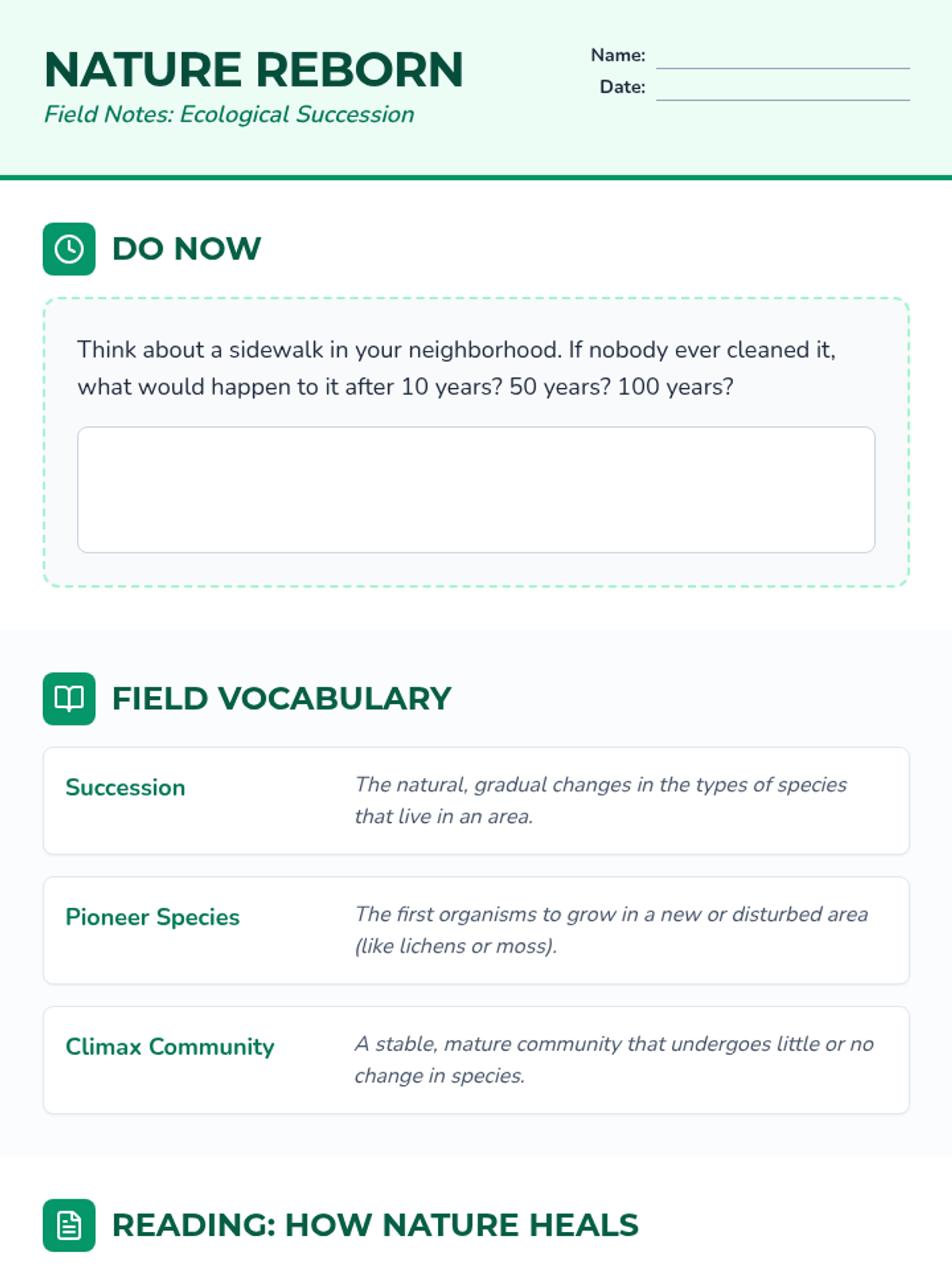
A sequence focused on understanding the complex interactions within ecosystems, energy flow, and the balance of matter.
A series of high-stakes science laboratory mysteries designed for middle school students. Each mystery focuses on a specific branch of science (Biology, Physics, Chemistry, Geology, Ecology) and uses 8 forensic clues to solve a case.
A comprehensive high school biology unit covering plant and animal systems, focusing on structure, transport, reproduction, and response through anchoring phenomena and hands-on labs.
A high school biology sequence focused on the neuroscience of addiction, specifically analyzing how chemical structure and speed of delivery influence the brain's reward system. Students explore the biological mechanisms of tolerance, dependence, and the blood-brain barrier through graphing and comparative analysis.
A specialized AP Biology unit exploring the intersection of neuroscience and psychology, focusing on the biological mechanisms of mental health disorders and the pharmacology of their treatments.
A high school biology lesson sequence exploring the biological basis of perception, focused on how external substances and chemical imbalances alter neurotransmitters to cause psychosis and hallucinations.
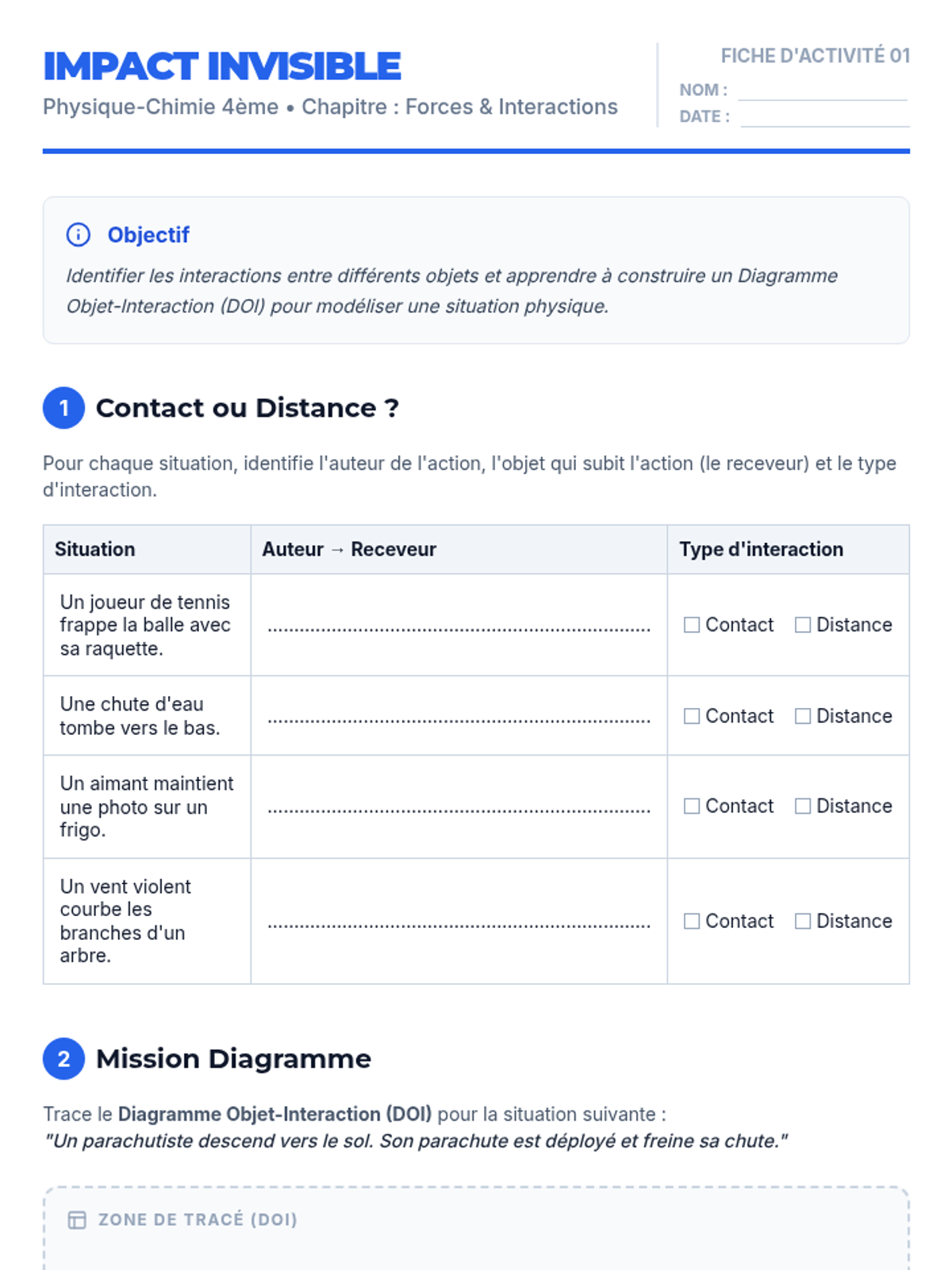
Cette séquence de 4 séances de 45 minutes explore le principe d'inertie pour les élèves de seconde. Elle combine histoire des sciences, simulations numériques et résolution de problèmes pour comprendre la relation entre forces et mouvement.
A comprehensive unit on the fundamentals of forensic science and criminal investigation, culminating in a hands-on murder mystery simulation. Students learn about evidence collection, witness psychology, and deductive reasoning.
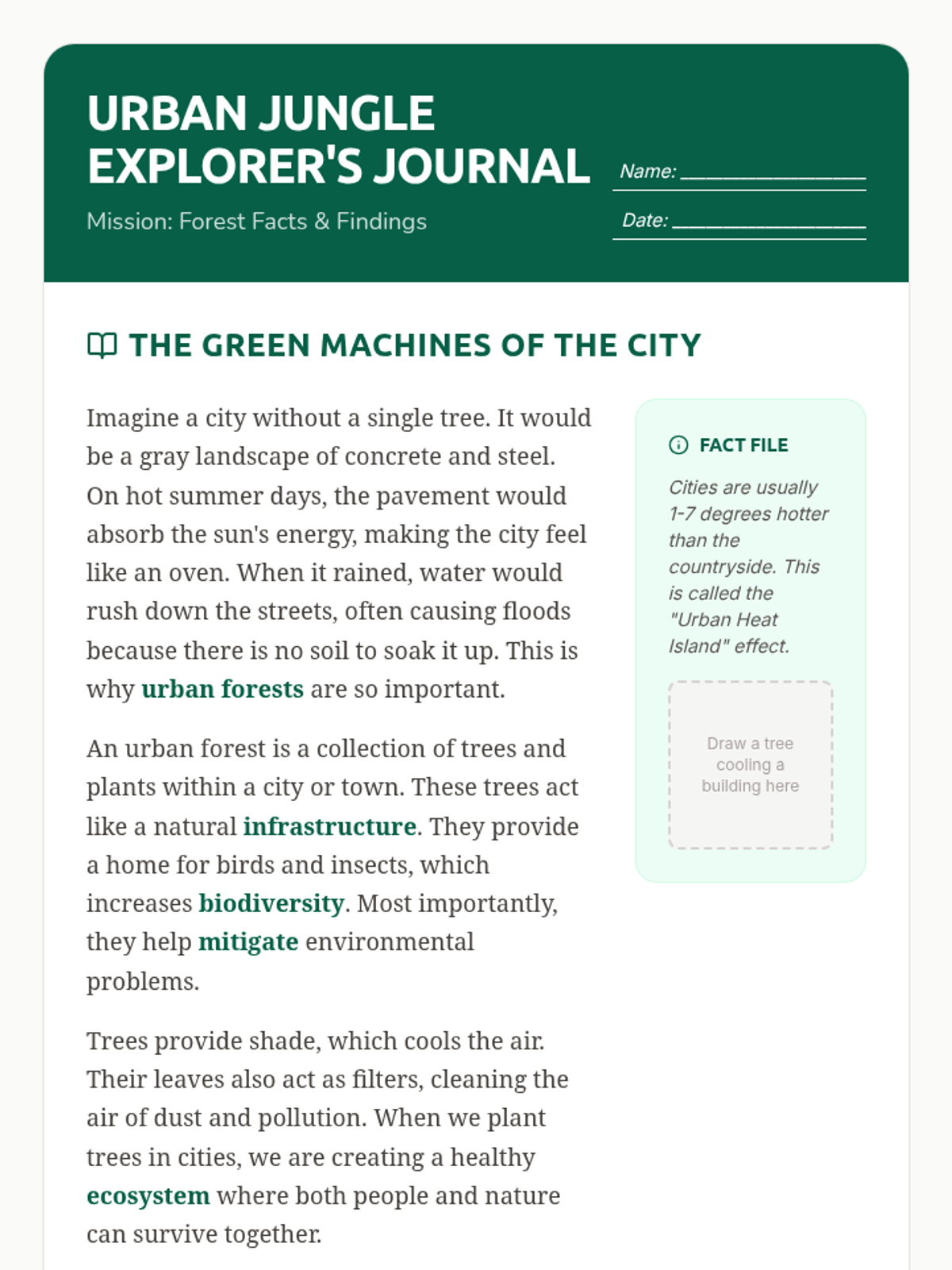
A series of lessons exploring genetics and protein synthesis through the lens of spider silk production for medical use. Adapted for 3rd-grade reading levels while maintaining 6th-grade science concepts.
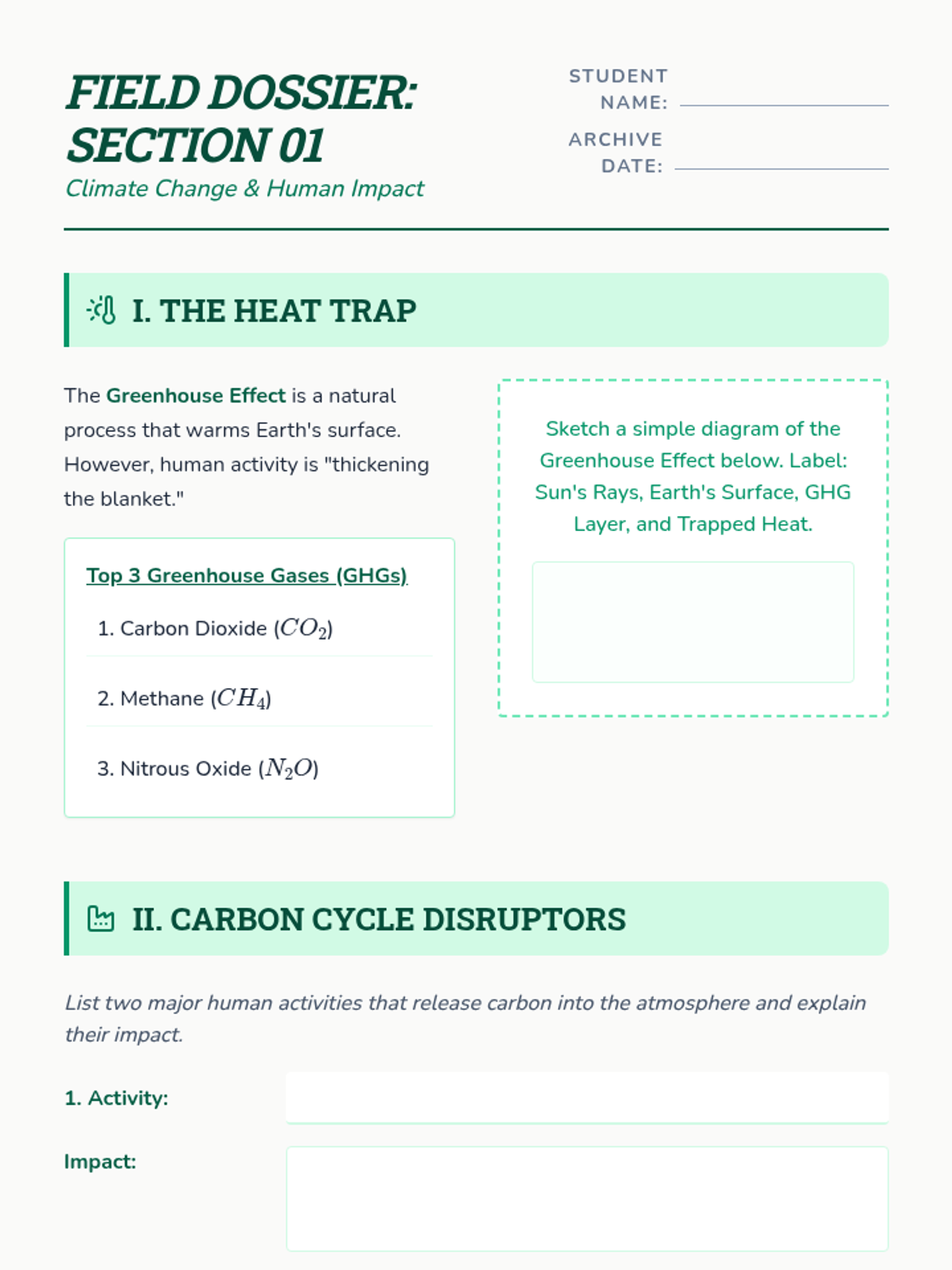
Cette séquence pédagogique de 6 heures explore les mécanismes scientifiques de l'effet de serre, l'impact des activités humaines sur le climat et les enjeux futurs liés au réchauffement climatique. Elle est conçue pour les élèves de Première et Terminale dans le cadre de l'Enseignement Scientifique.
A comprehensive 5-week sequence exploring the physical properties of water, the engineering of water filtration, and the complex systems of Virginia's watersheds. Students move from hands-on engineering to chemical properties and finally to large-scale environmental systems.
Une séquence de 6ème pour découvrir la cellule à travers des observations microscopiques, passant des végétaux aux animaux puis aux unicellulaires.
A comprehensive project-based learning unit where high school students apply design thinking to solve real-world problems, from initial discovery to final prototyping and pitching.
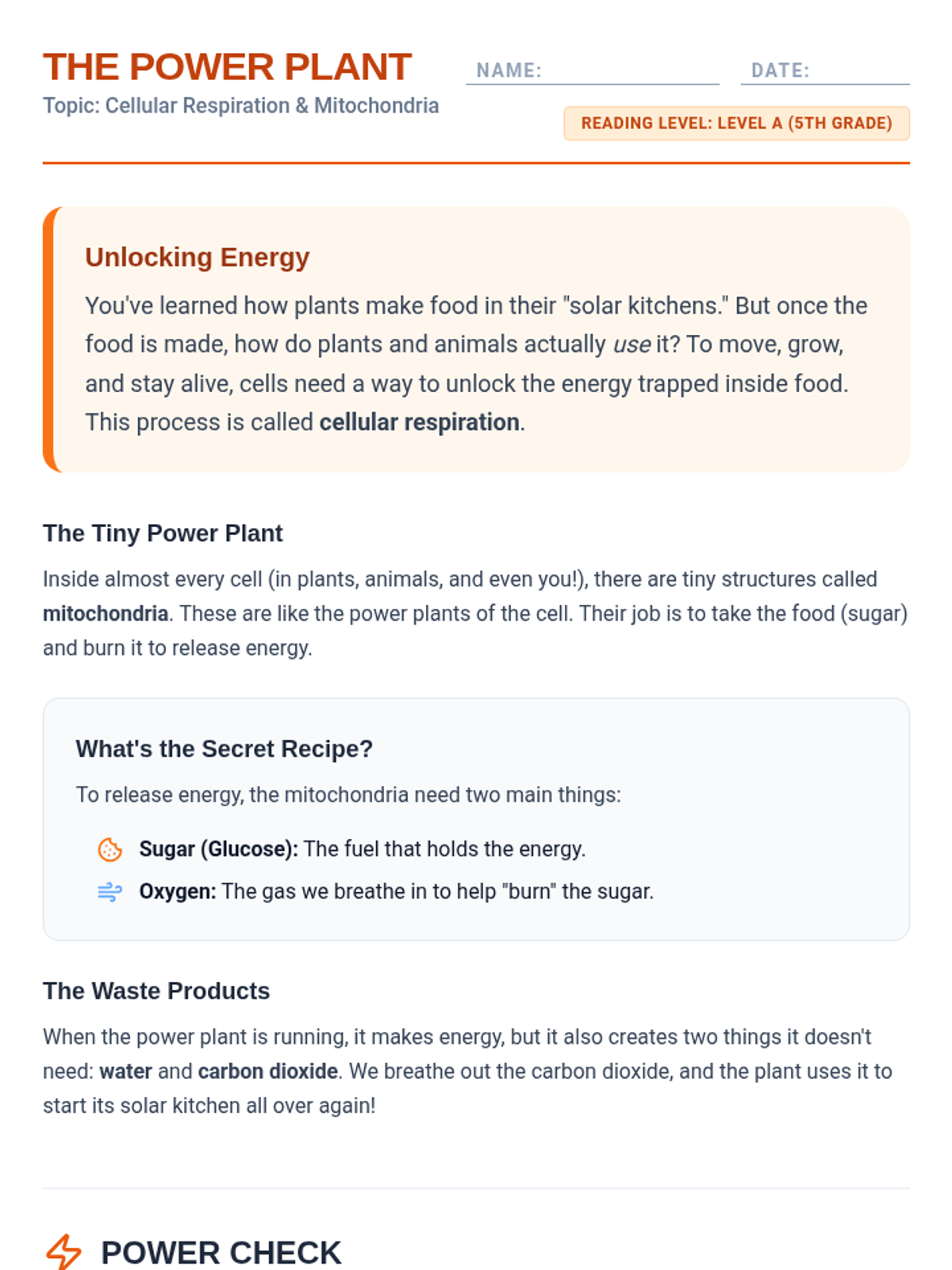
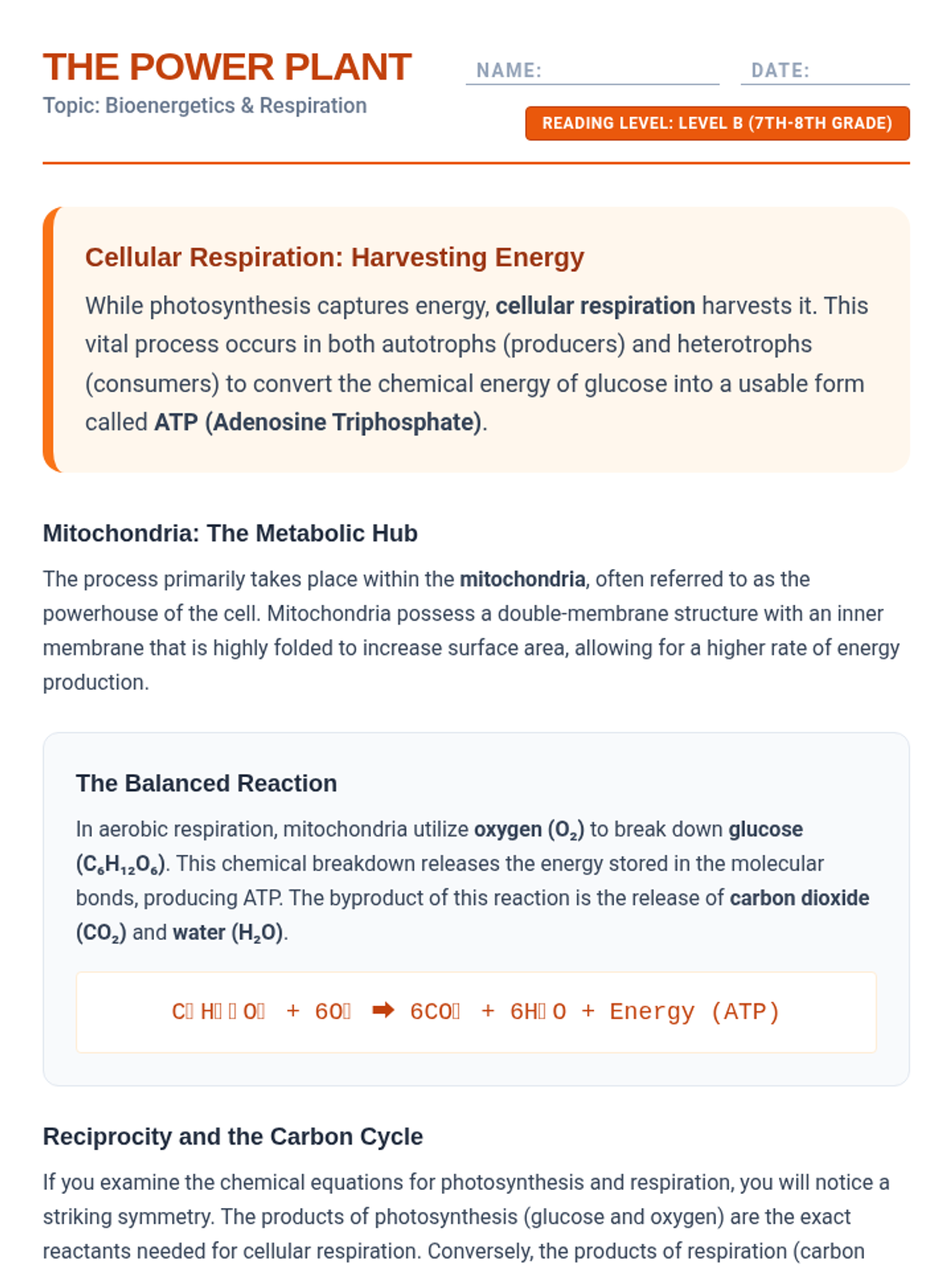
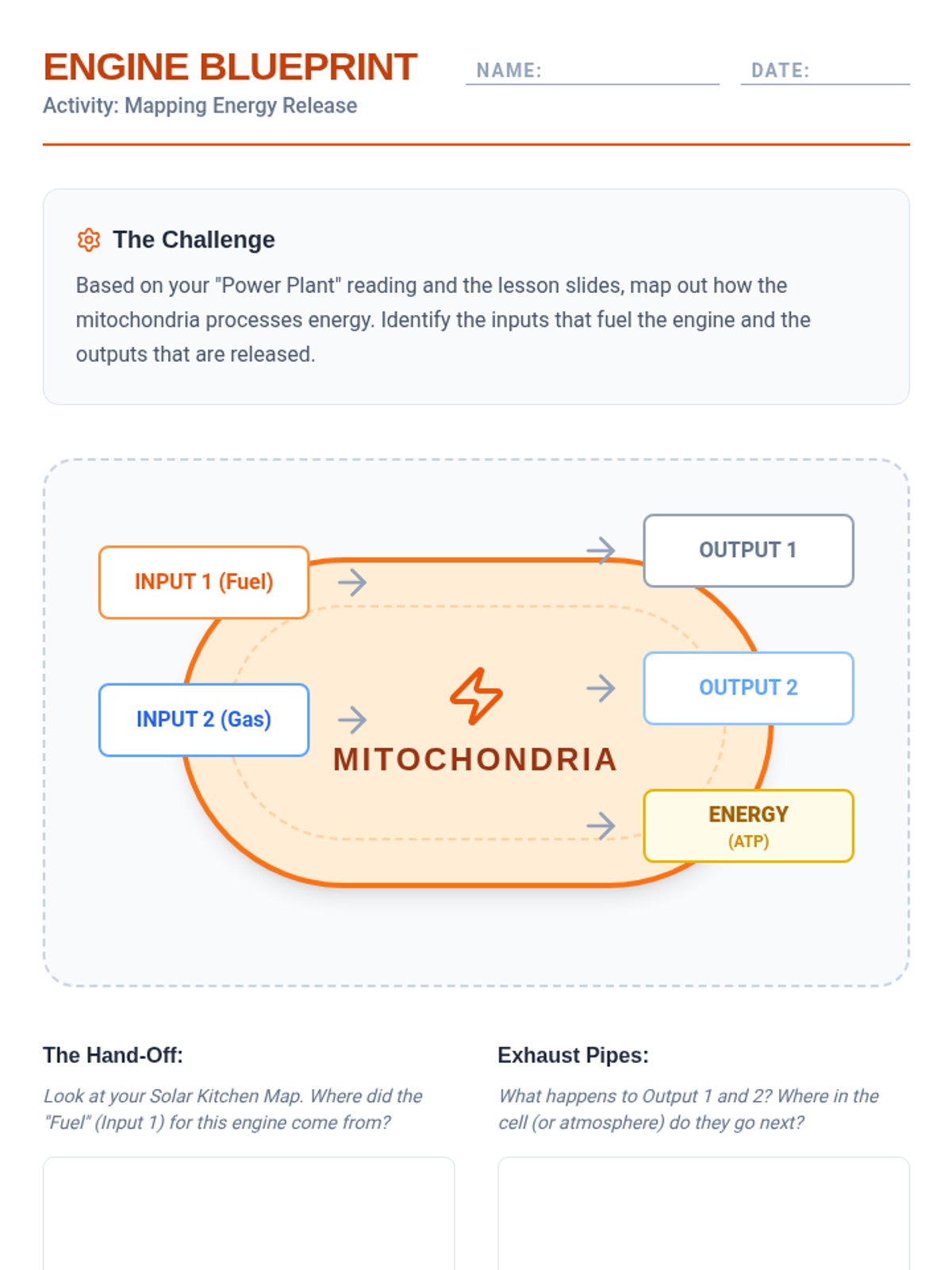
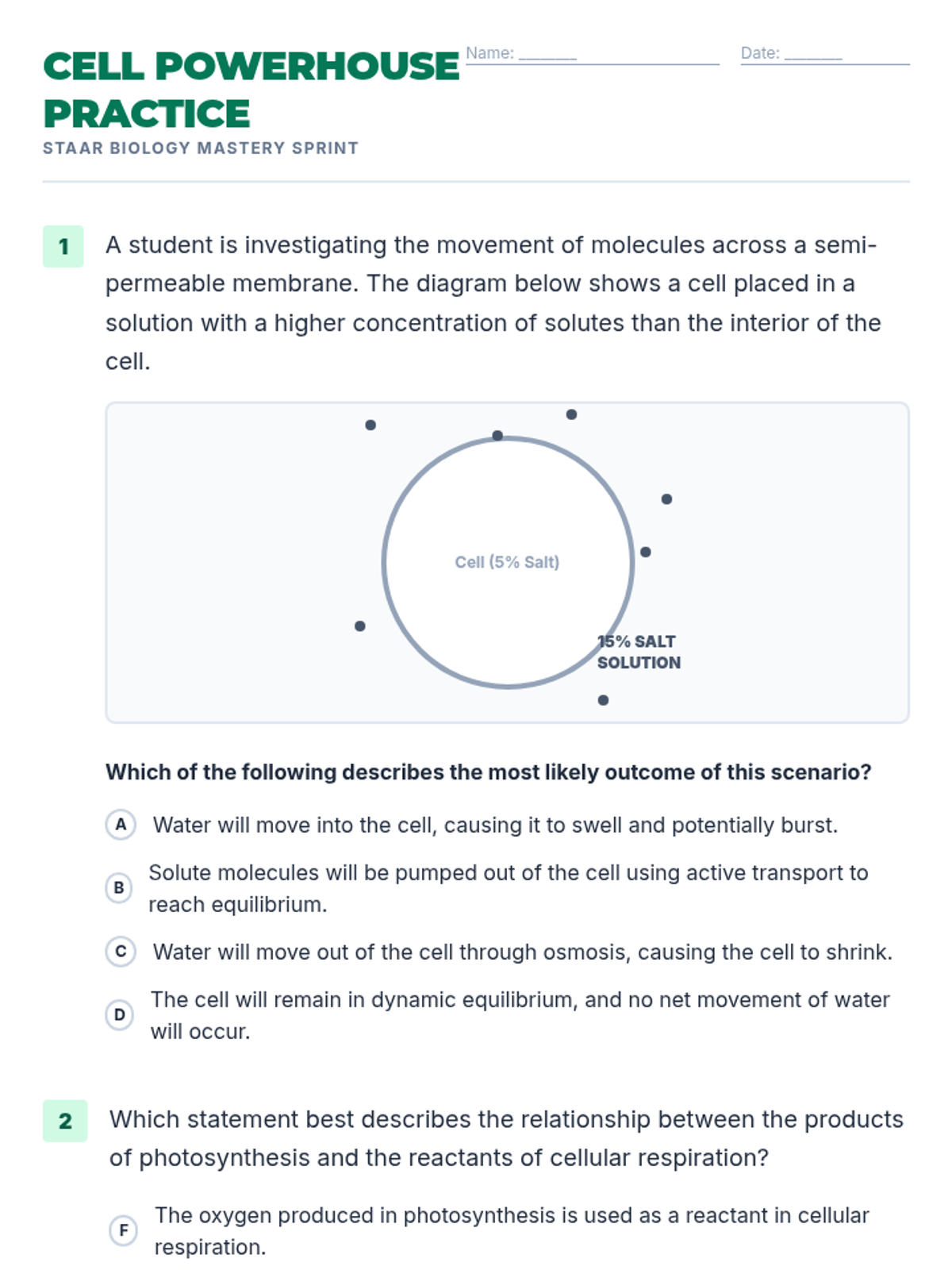
A unit exploring the microscopic machines that keep living things running, from building cells to breaking down food.
A comprehensive one-week unit covering the foundations of cell theory, the technical mastery of microscopes, and the fascinating structures of unicellular organisms (Amoeba, Paramecium, Euglena, and Volvox).
Une séquence approfondie sur les phases claires de la photosynthèse, destinée aux étudiants de première année de licence. Elle couvre la capture de l'énergie lumineuse, les pigments photosynthétiques et la chaîne de transfert d'électrons.
Une séquence exhaustive sur le métabolisme pour les classes préparatoires BCPST, couvrant l'hétérotrophie, l'autotrophie au carbone et à l'azote, ainsi que la chimiolithotrophie. La séquence met l'accent sur les bilans énergétiques, les flux de protons et l'intégration des voies métaboliques.
A high-engagement sequence on plant systems (Reproduction, Transport, and Response) designed for talkative students. It uses collaborative, discussion-based activities to channel social energy into scientific inquiry.