Students explore the importance of living a healthy, drug-free life and create personal commitment posters to solidify their pledge. This lesson focuses on positive decision-making and the long-term benefits of healthy choices.
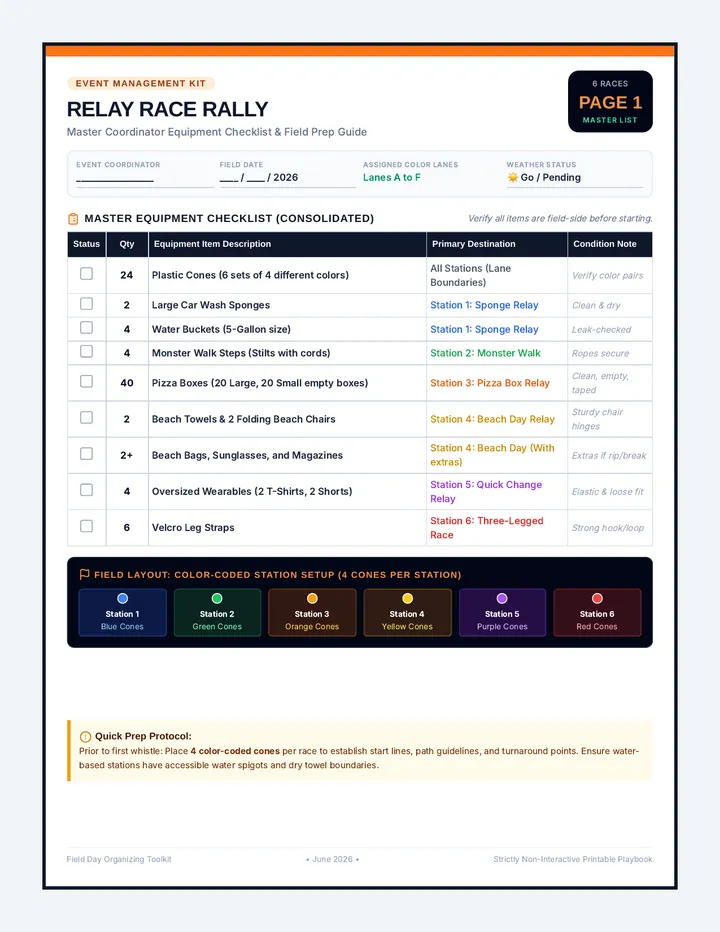
A comprehensive coordination and volunteer guide for organizing six classic Field Day relay races. This resource provides parent volunteers with clear setup diagrams, simplified rules, and a master clipboard inventory to ensure a smooth, high-energy event.
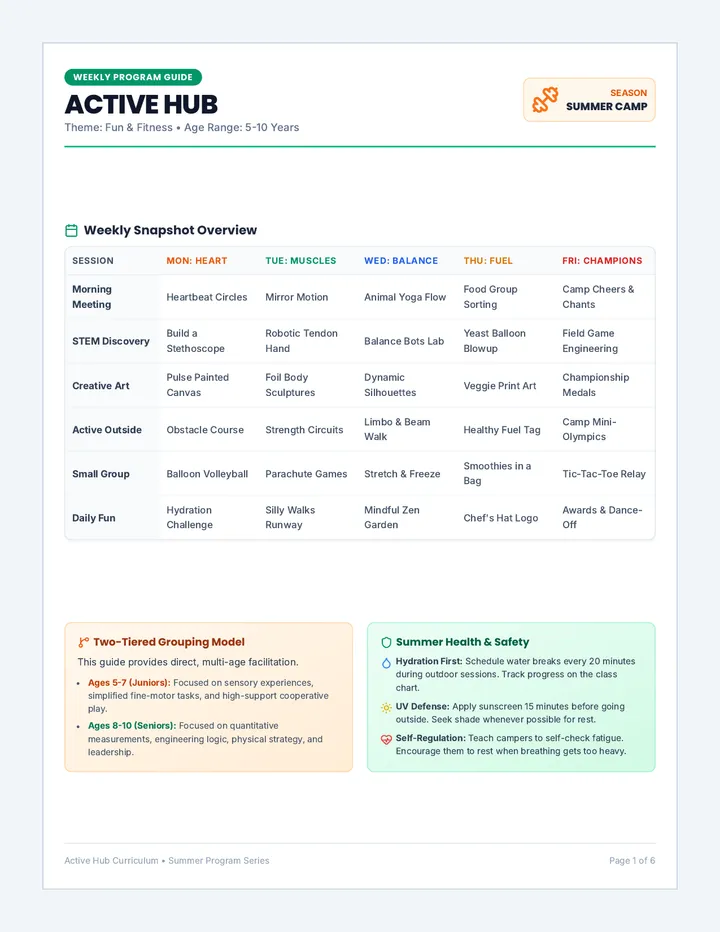
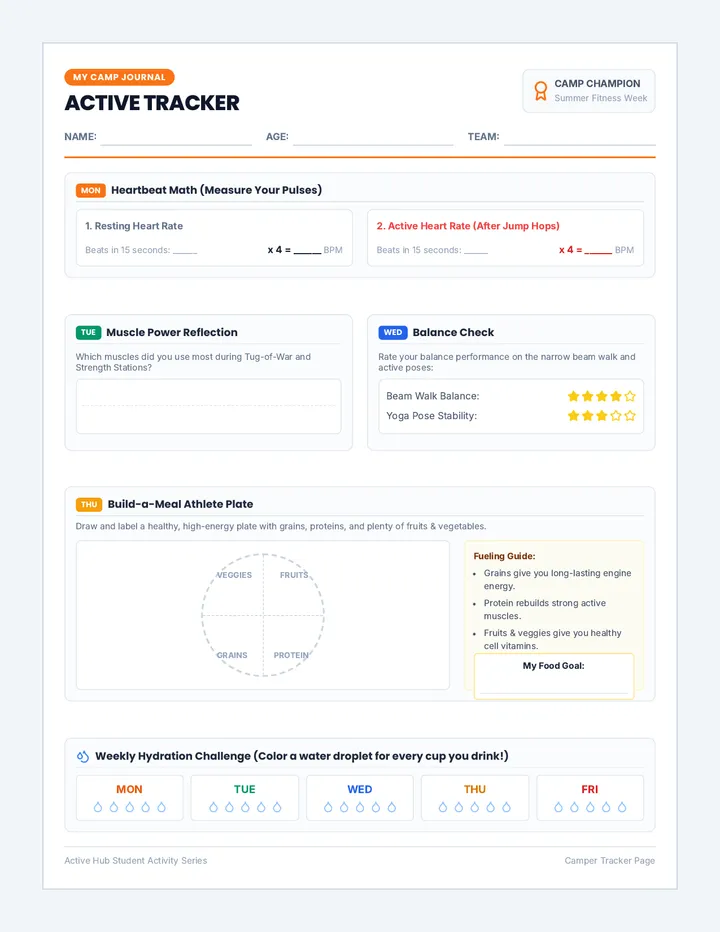
A weekly lesson plan focused on physical activity, health, nutrition, and cooperative team play designed for summer school-age campers.
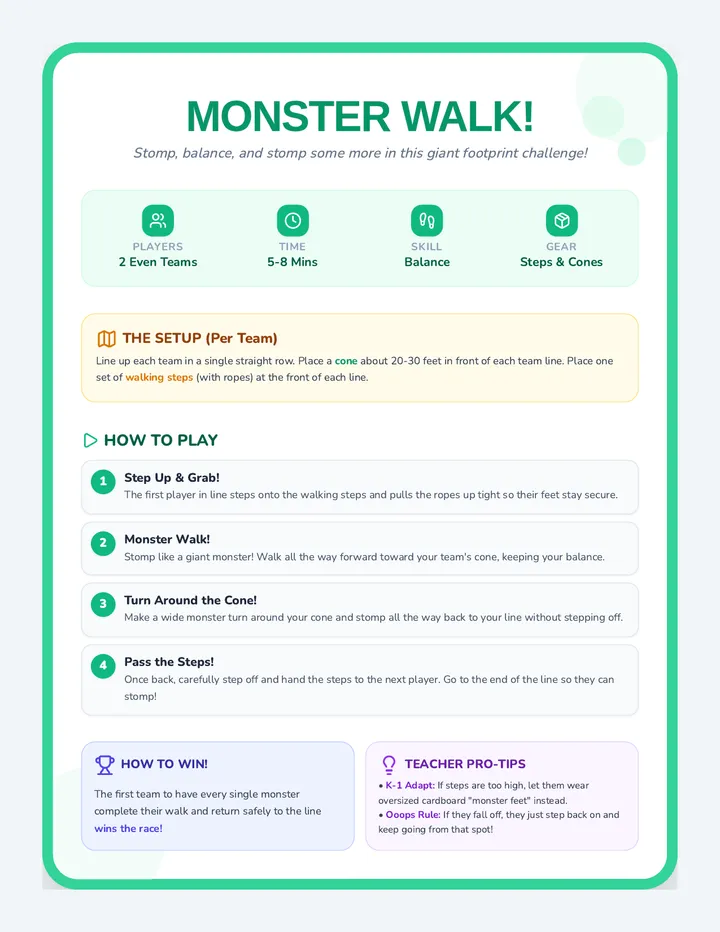
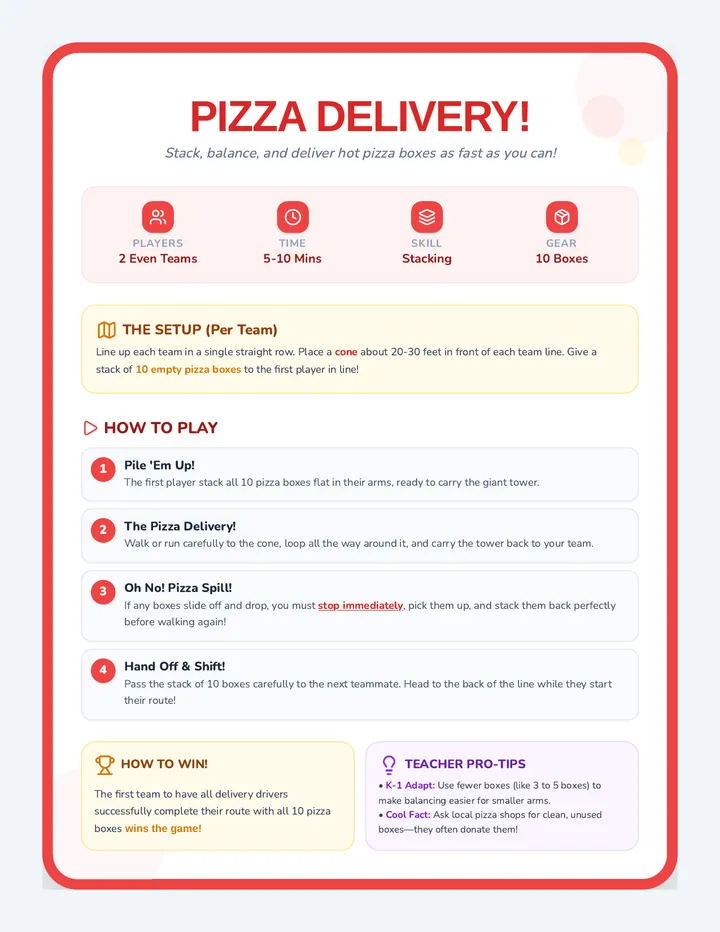
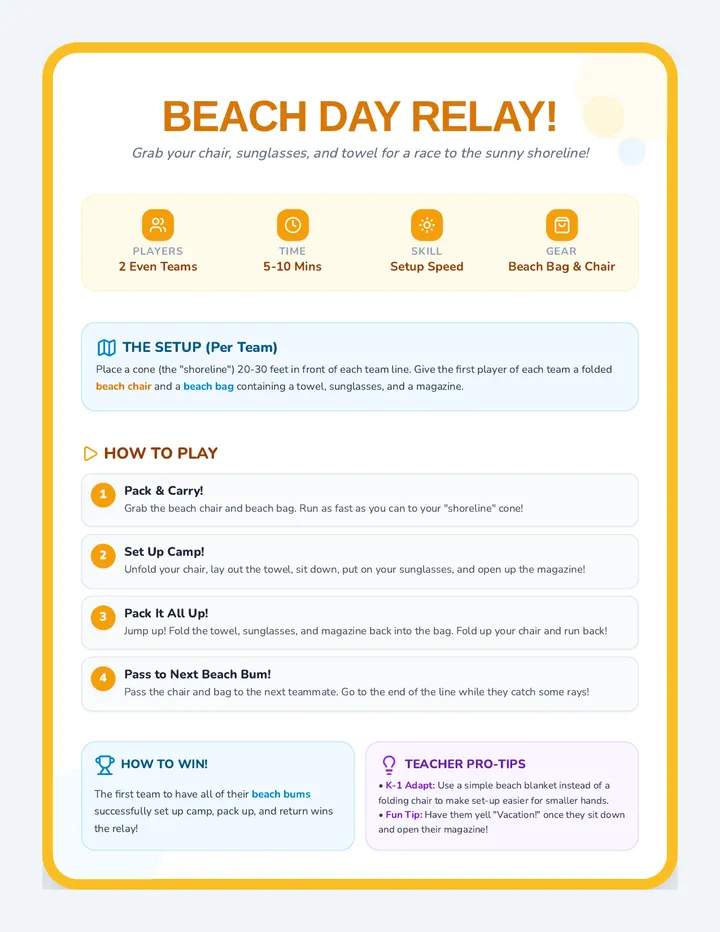
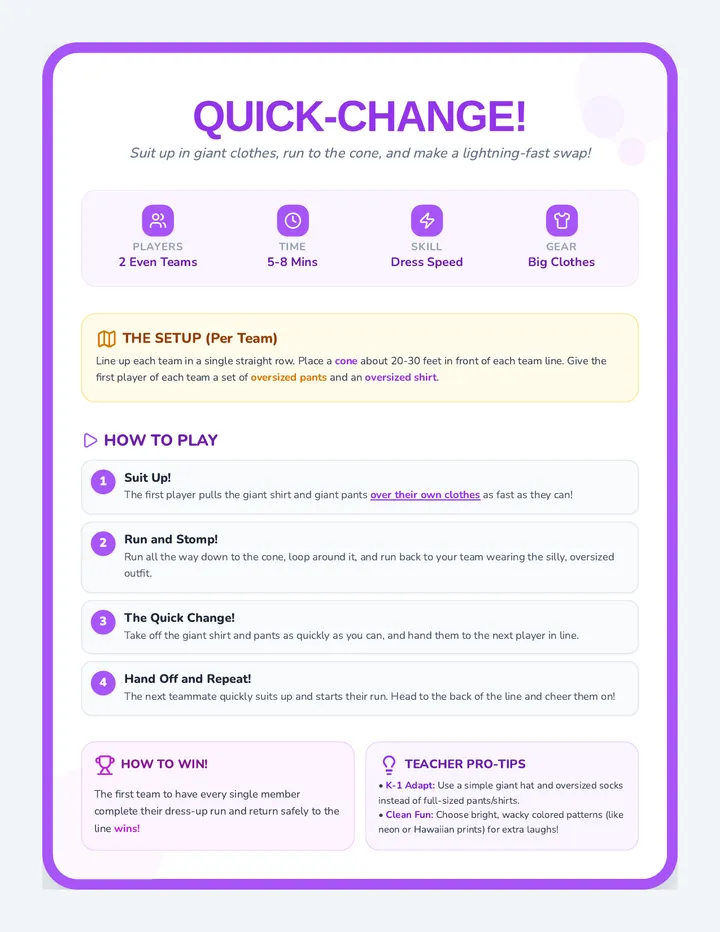
A collection of energetic, active relay races designed for physical education classes, field days, and outdoor school events.
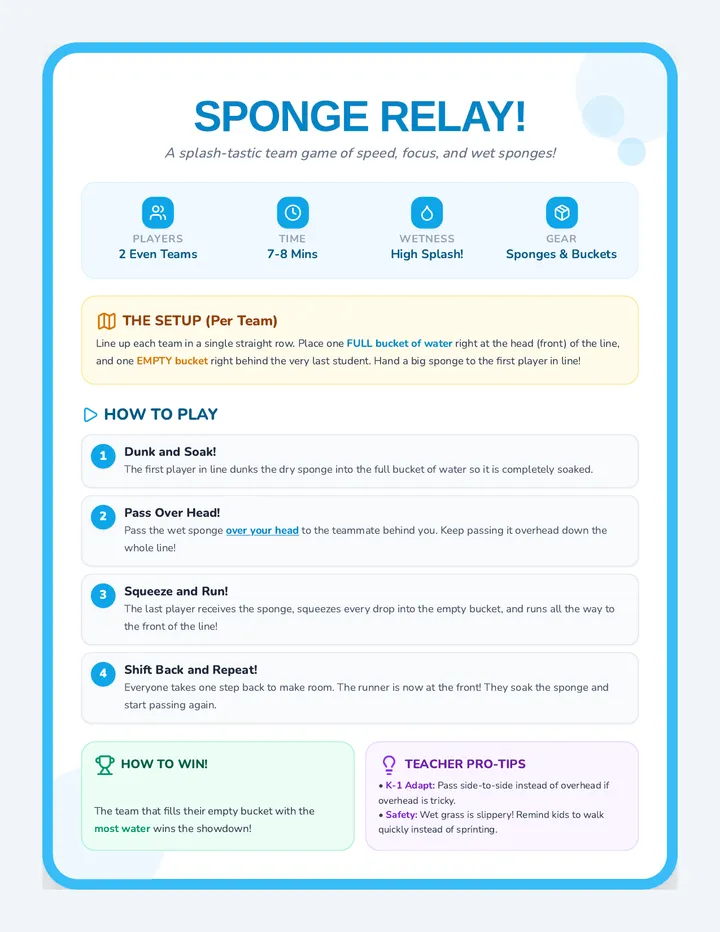
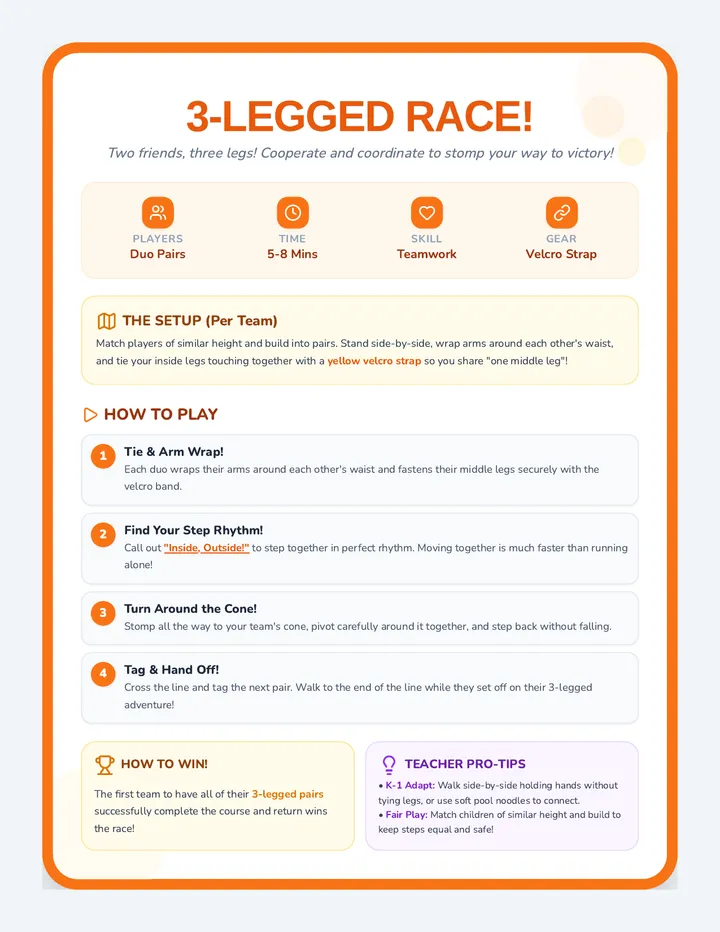
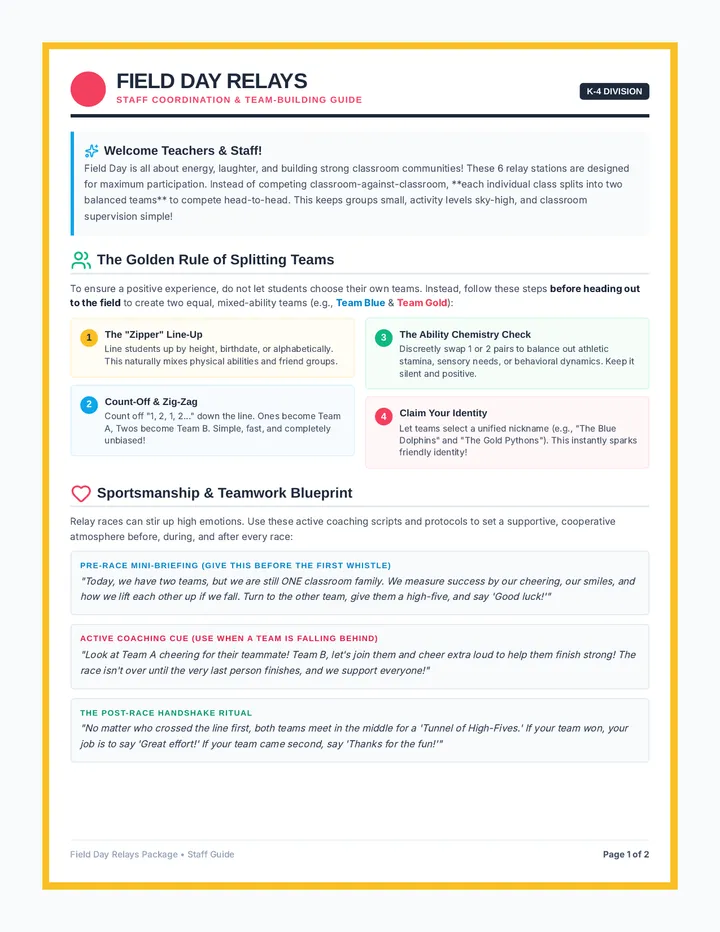
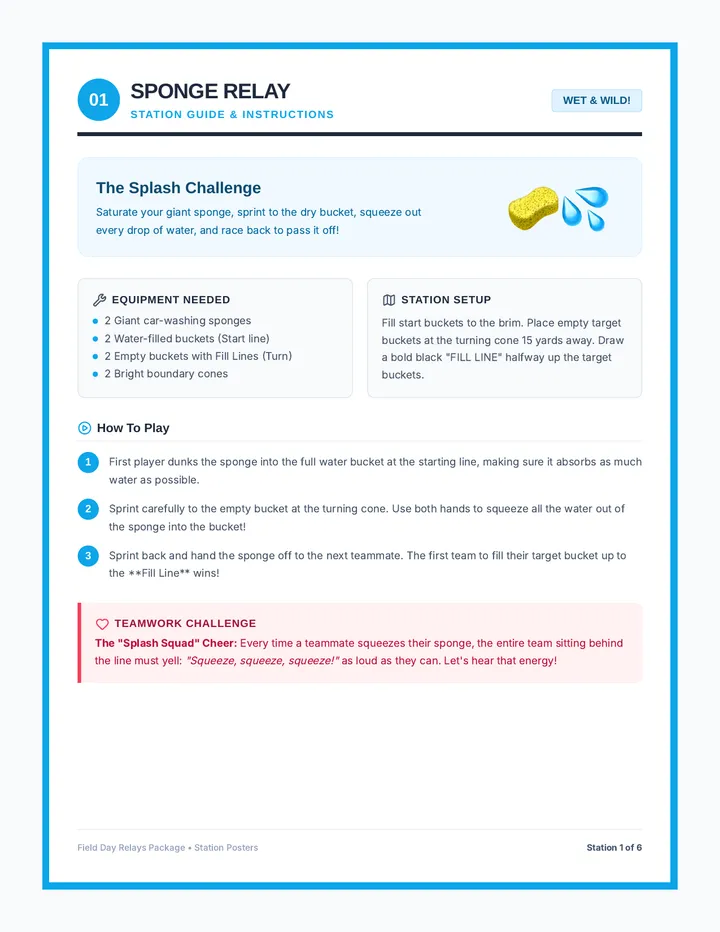
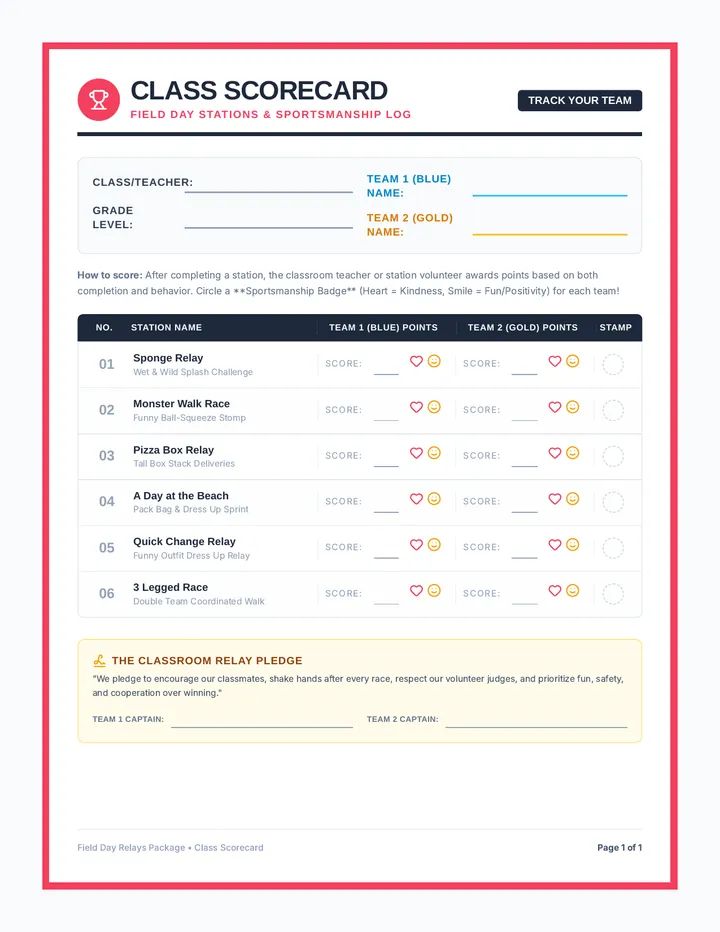
A complete package of field day relay resources including a staff guide, kid-friendly station posters, and a team scorecard, designed to facilitate a smooth, positive, and high-energy experience for K-4 classes.
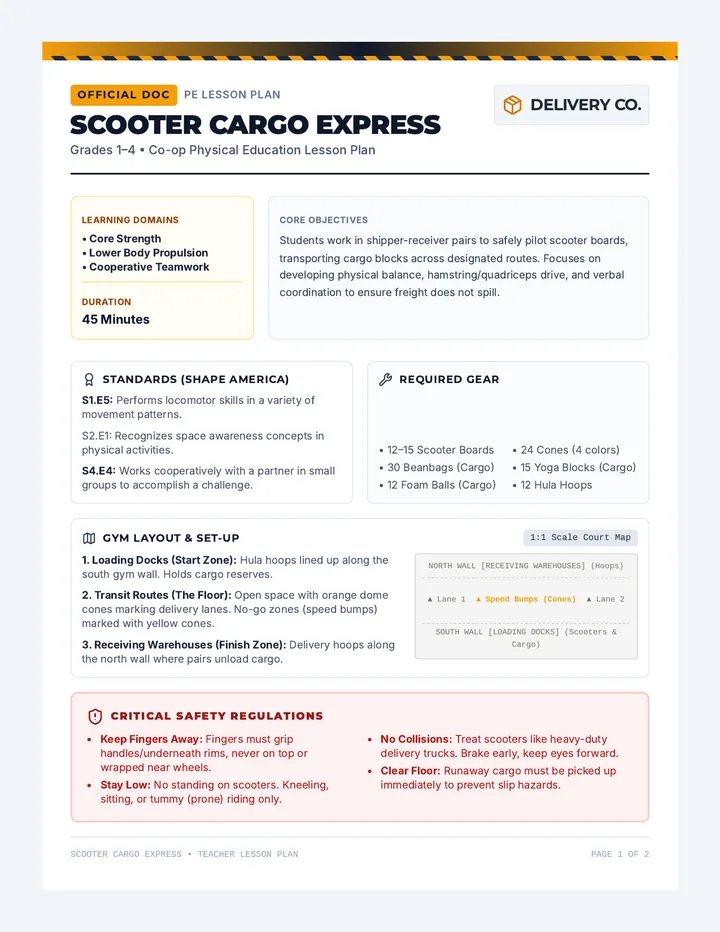
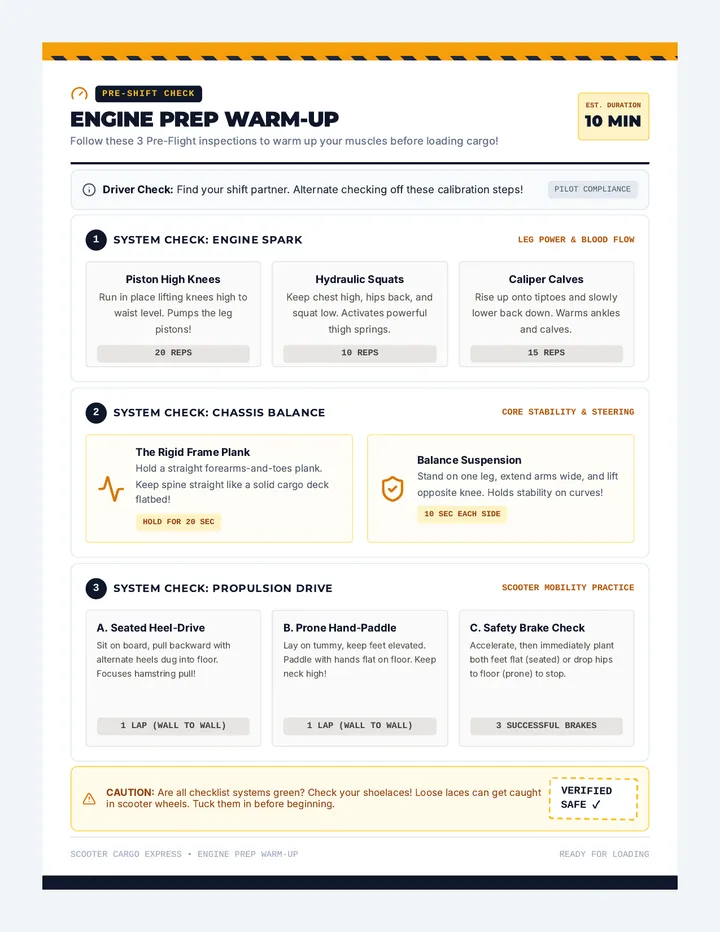
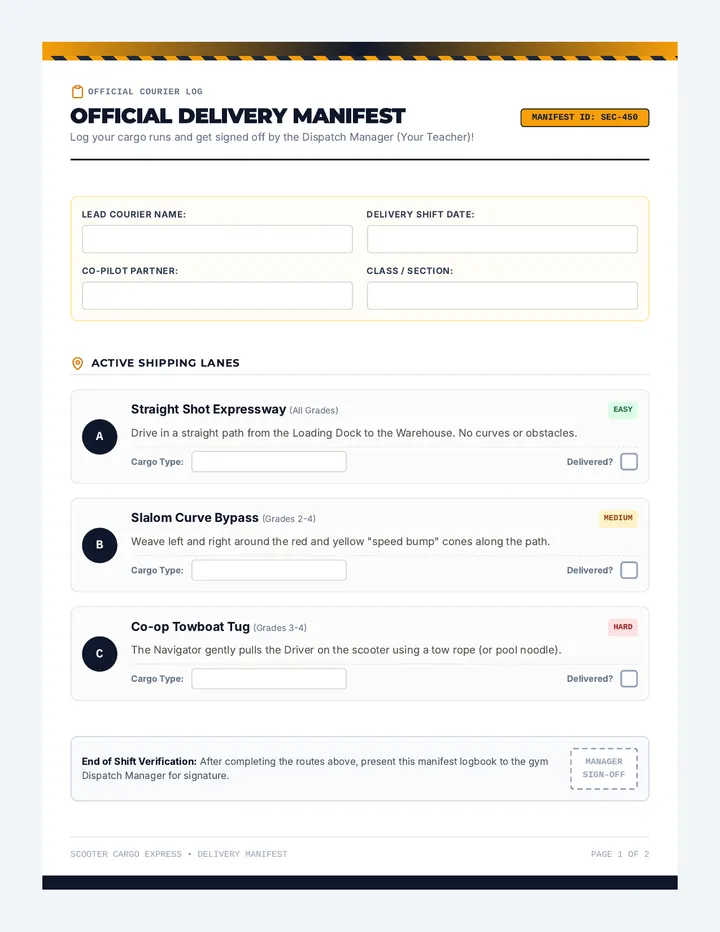
A physical education lesson where students work in pairs to transport 'cargo' safely across the gym floor on scooter boards. Focuses on core strength, lower body propulsion, safety rules, and cooperative communication for grades 1-4.
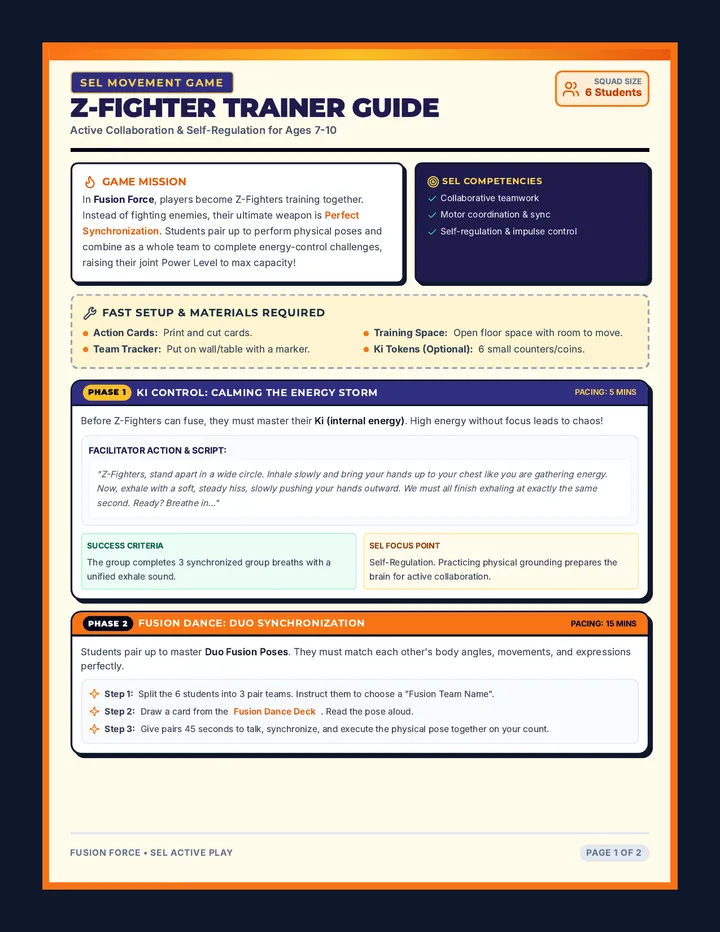
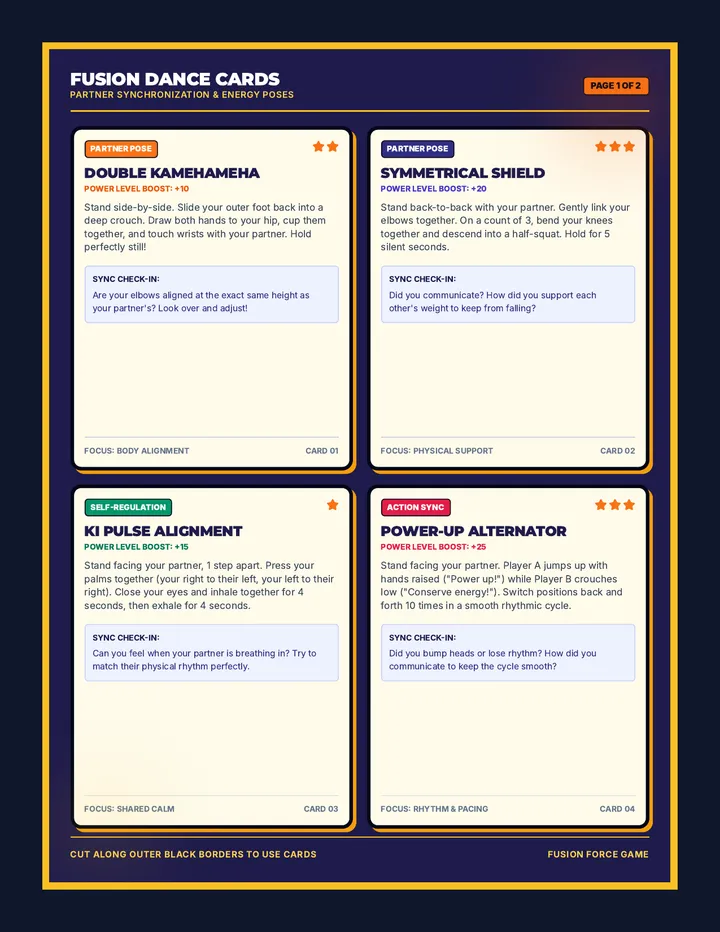
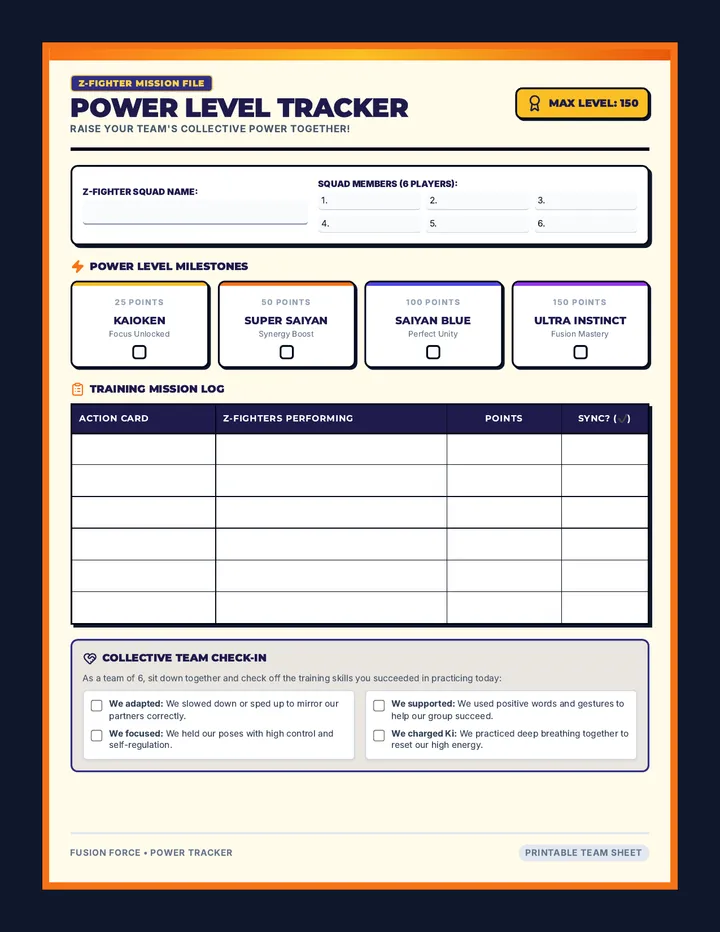
A Dragon Ball Z-themed active movement game focusing on collaboration, teamwork, and self-regulation. Students form pairs and teams to perform energy-control poses, master the Fusion Dance, and complete physical challenges together to build their collective Power Level.
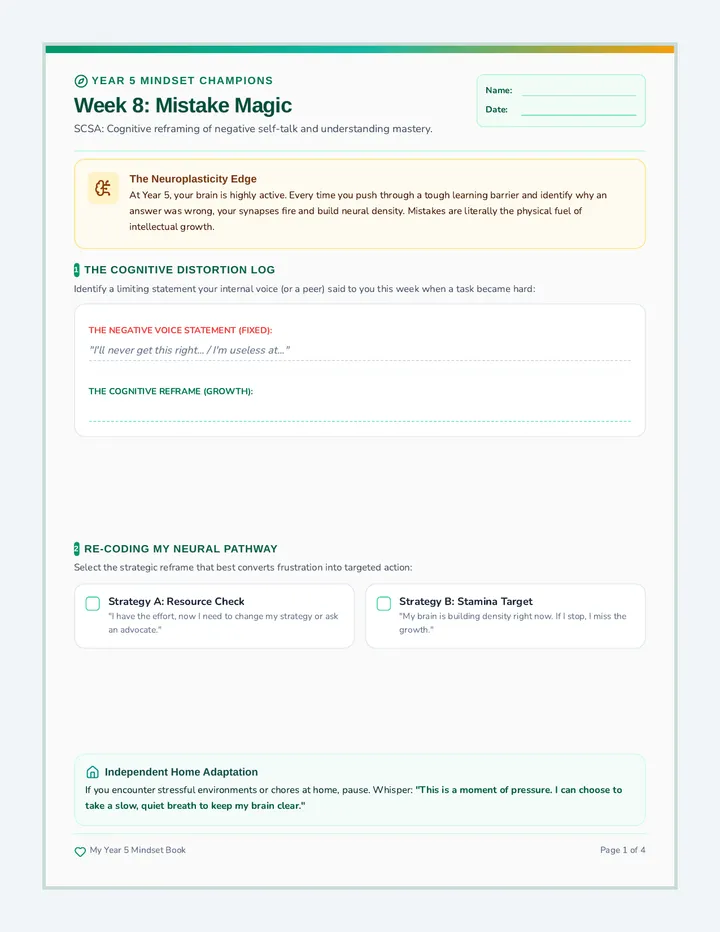
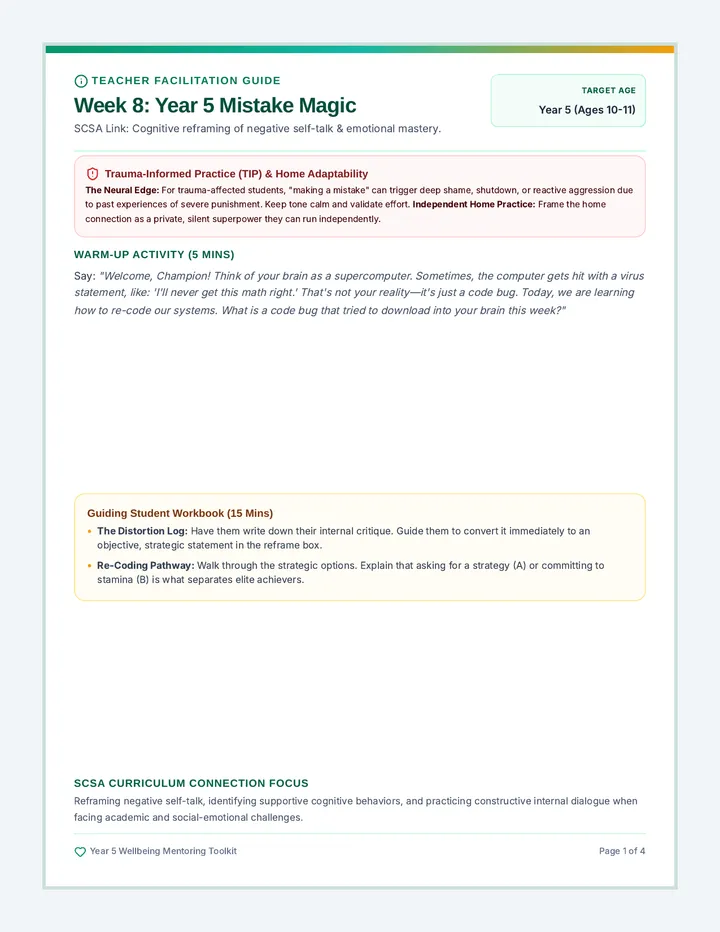
Year 5 specific 4-week check-in set. Formatted to SCSA Year 5 Health syllabus, focusing on cognitive reframing of negative self-talk, identifying supportive external coping resources, and goal-setting.
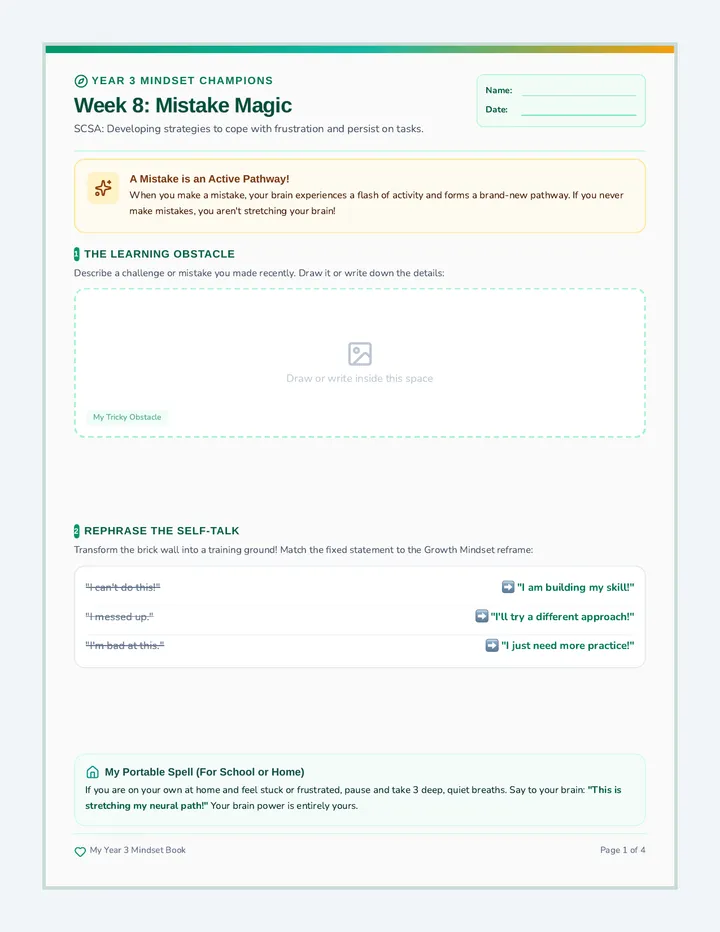
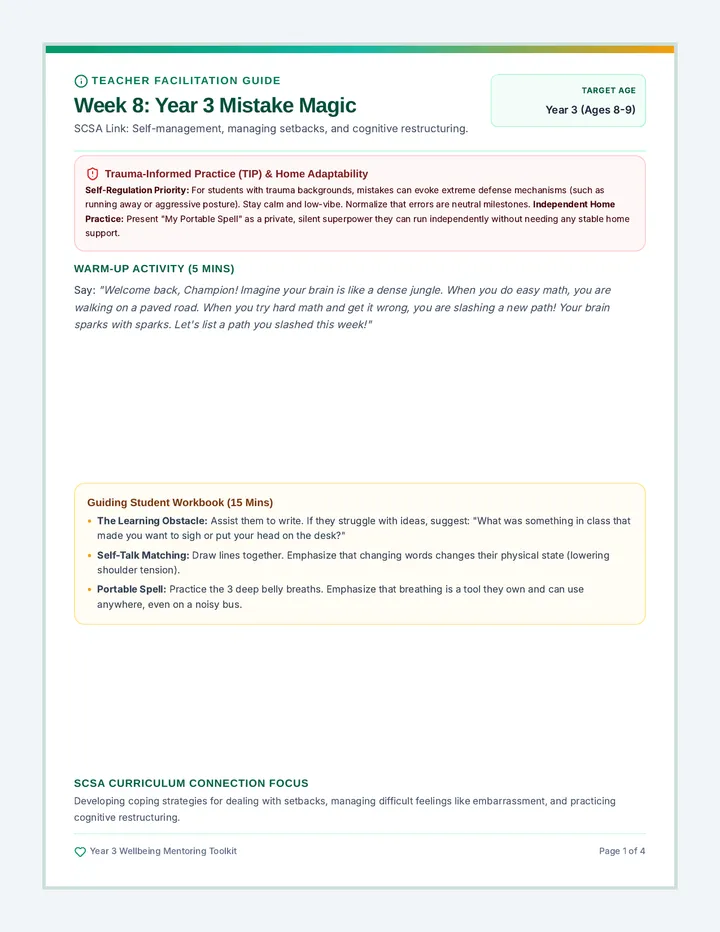
Year 3 specific 4-week check-in set. Formatted to SCSA Year 3 Health syllabus, focusing on identifying personal strengths, talking to safe helpers, and managing emerging school worries.
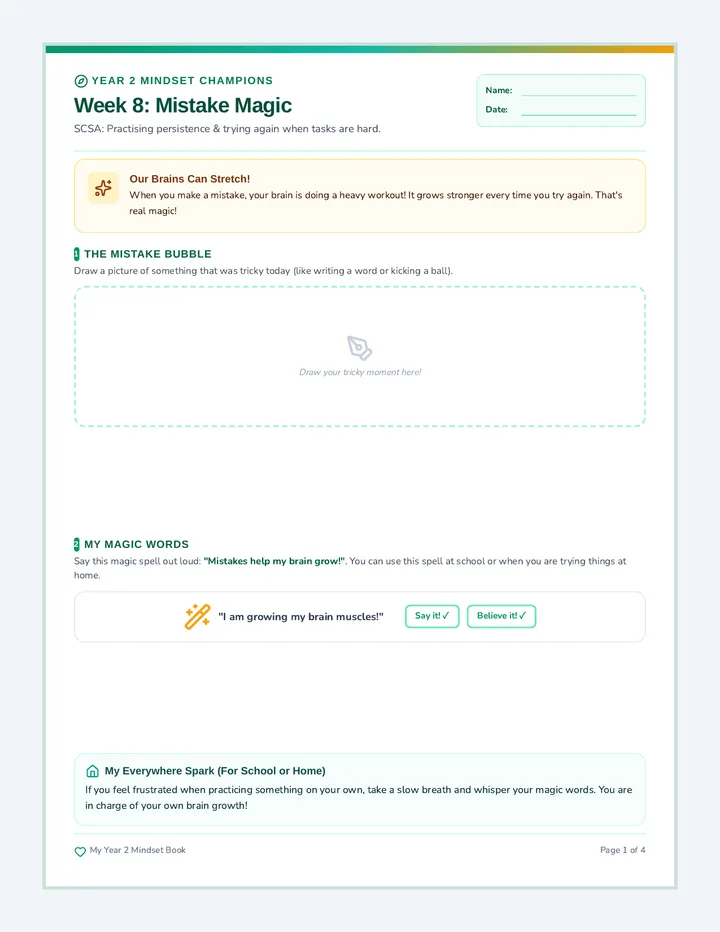
Year 2 specific 4-week check-in set. Formatted to SCSA Year 2 Health syllabus, focusing on emotional identification, safety networks, and visual/drawing prompts for growth-mindset.
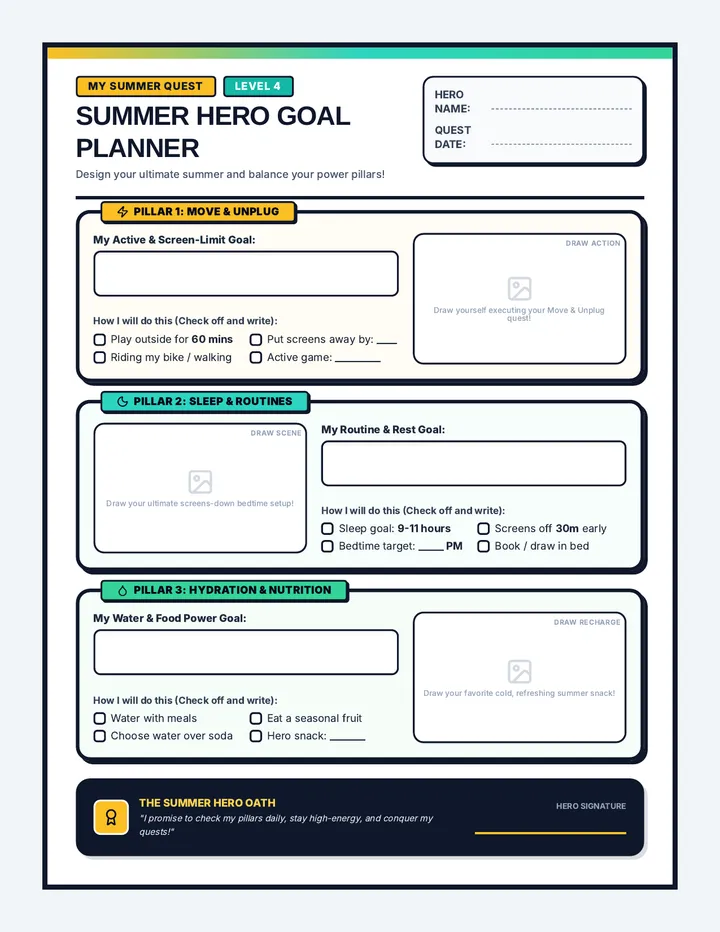
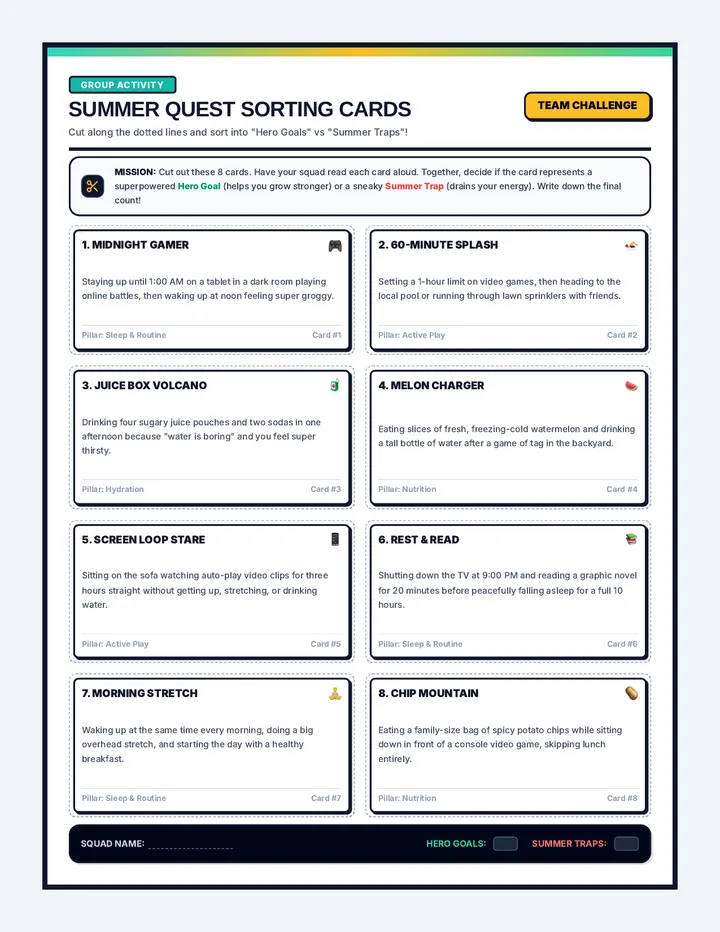
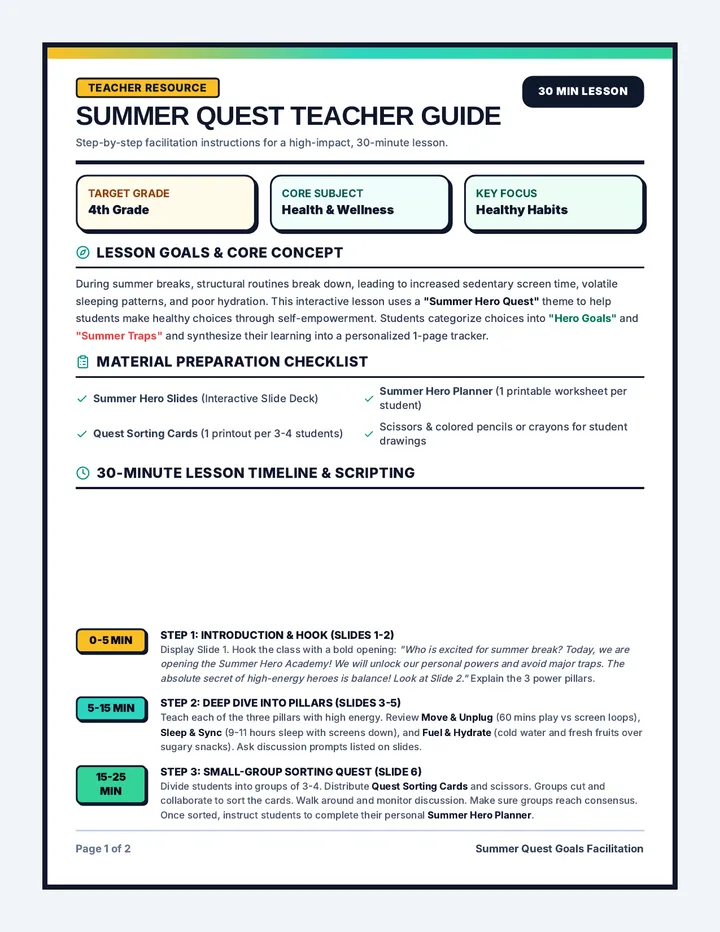
A high-energy, 30-minute interactive lesson for 4th graders to design balanced summer habits. Students learn to set achievable goals across three critical health pillars: physical activity/screen time, sleep routines, and hydration/nutrition.
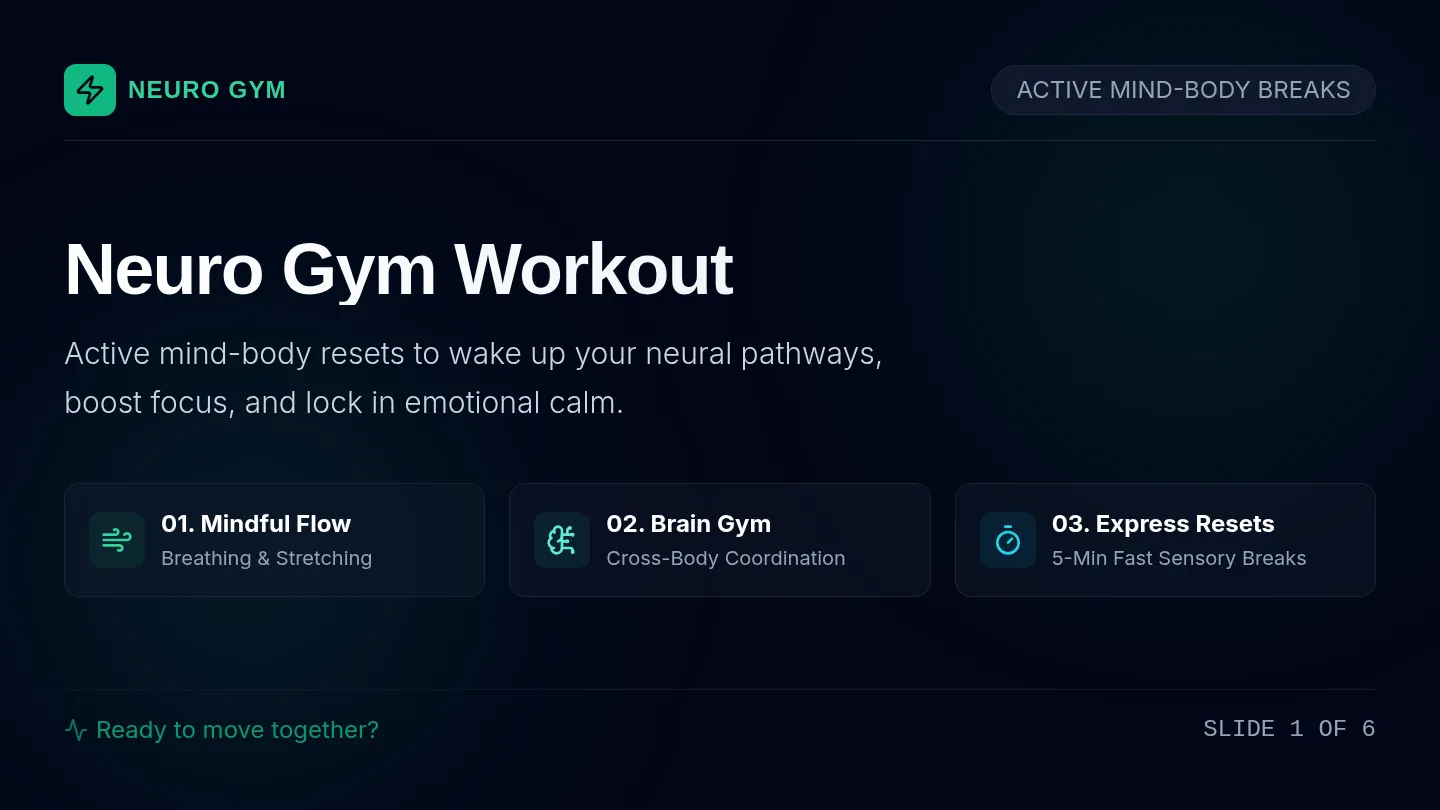
An active mindfulness and coordination lesson that combines low-impact yoga, cross-body brain gym exercises, and express sensory resets to optimize student focus and well-being.
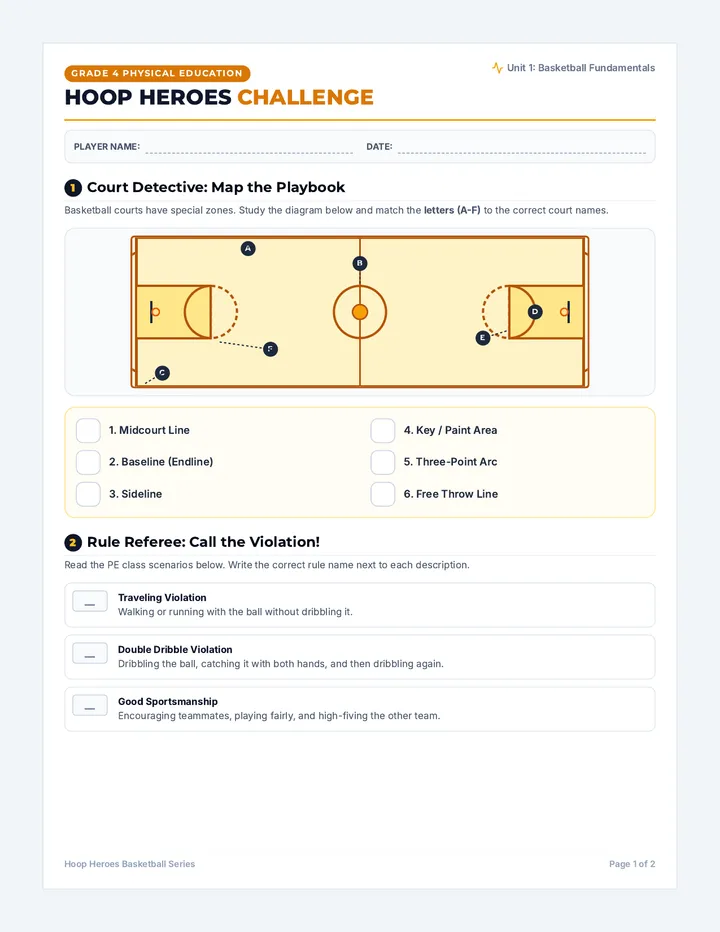
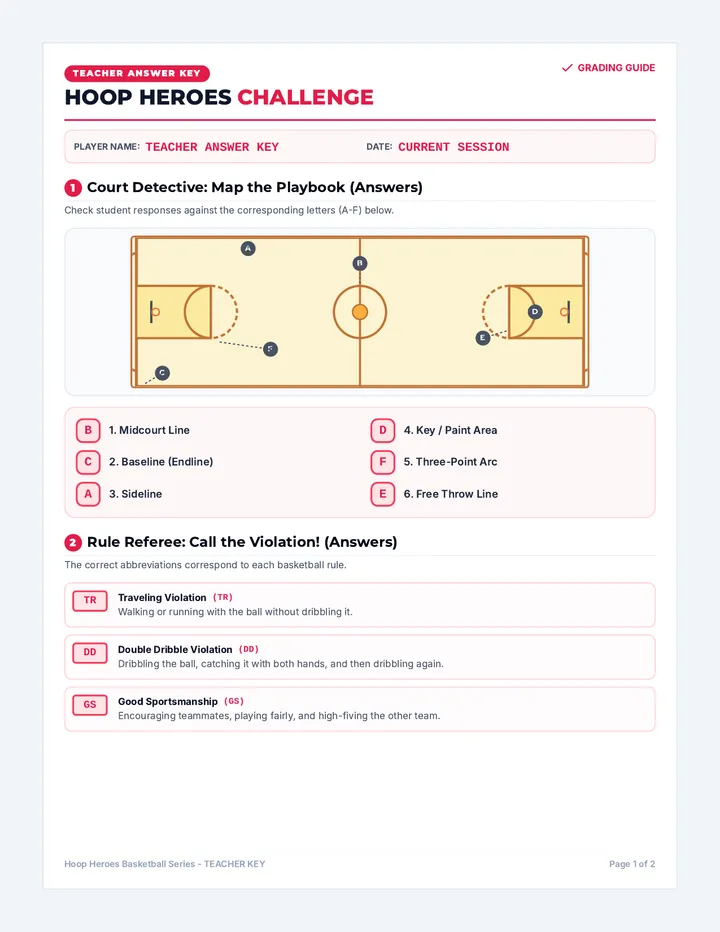
An active, visually engaging lesson introducing 4th-grade basketball fundamentals, rules, and court positions. Includes a hands-on diagram matching worksheet and a complete teacher answer key for assessment.
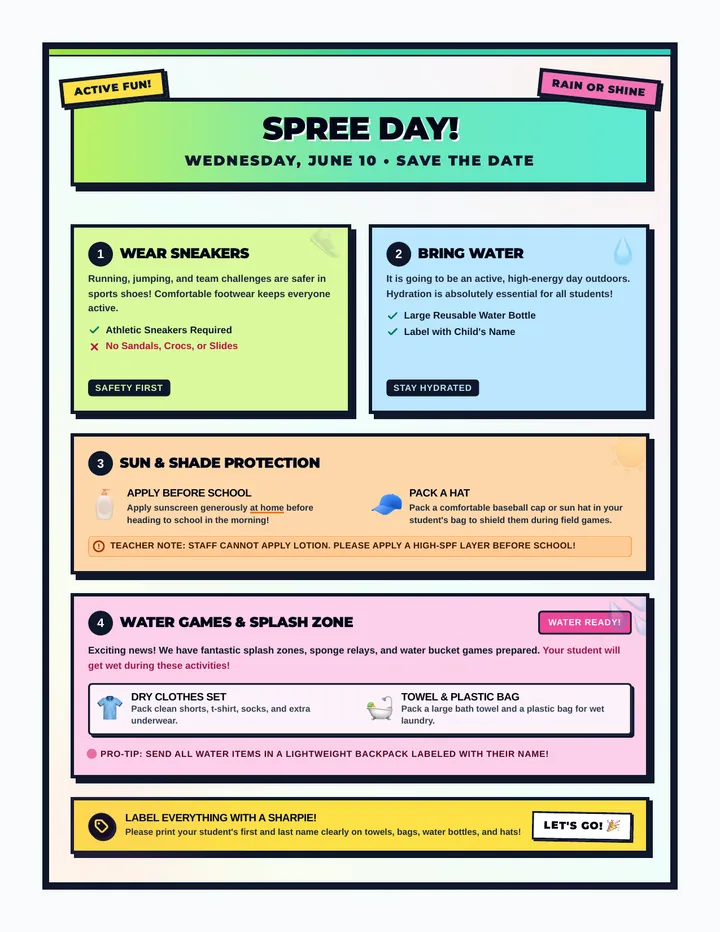
Resources and materials to help students, families, and teachers prepare for Spree Day, an energetic, outdoor, action-packed school field day.
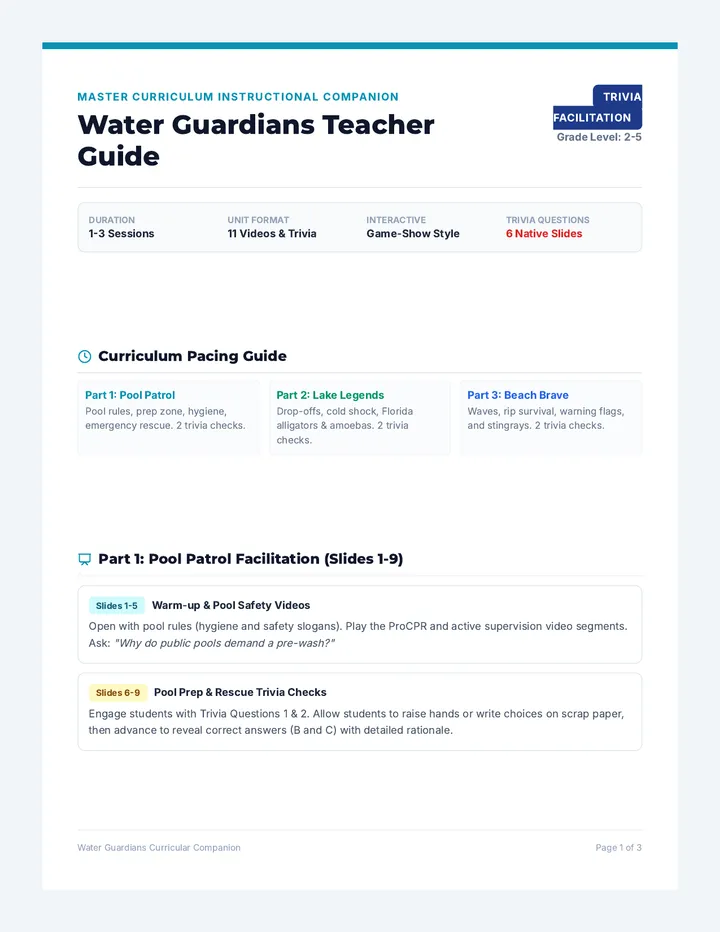
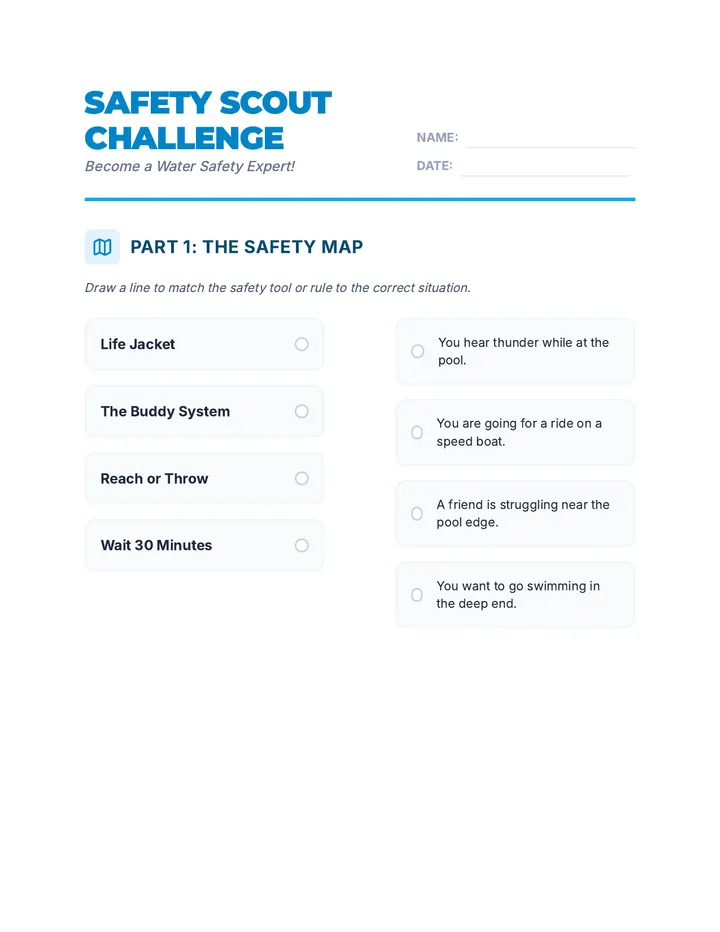
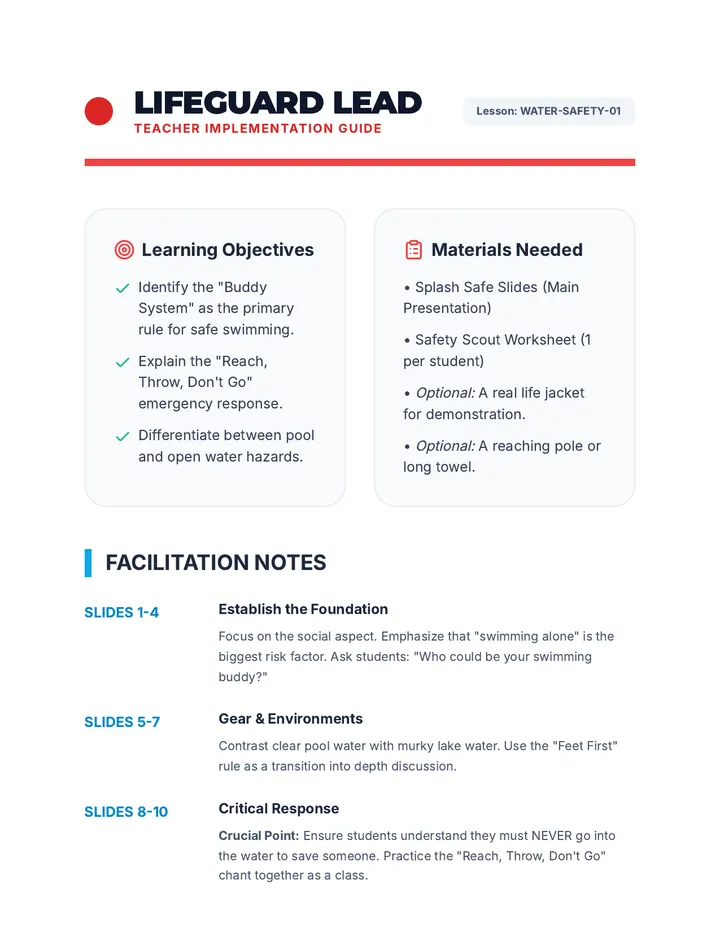
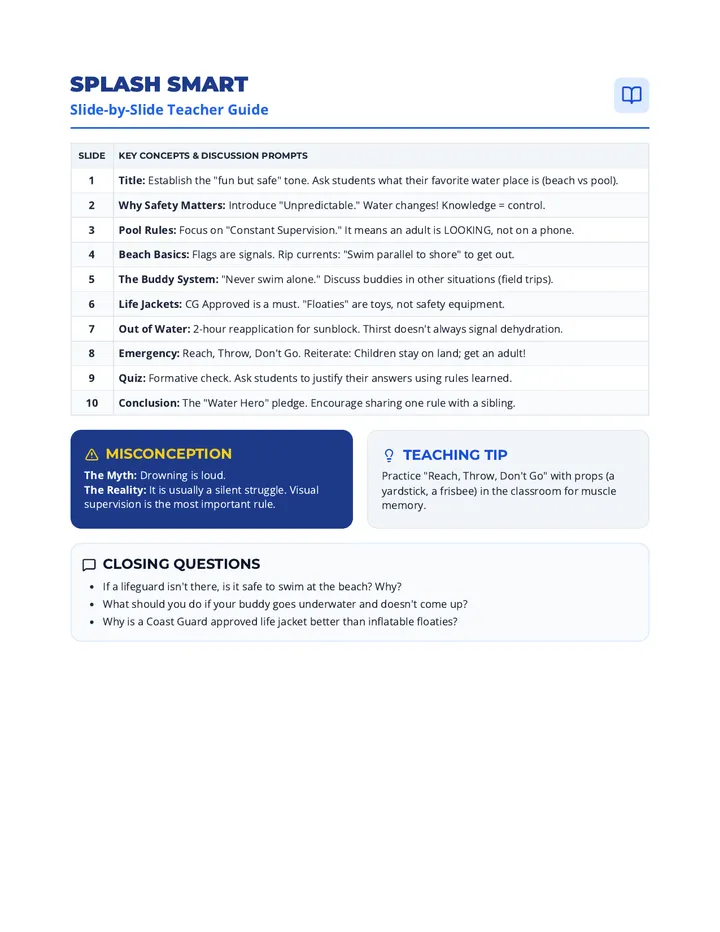
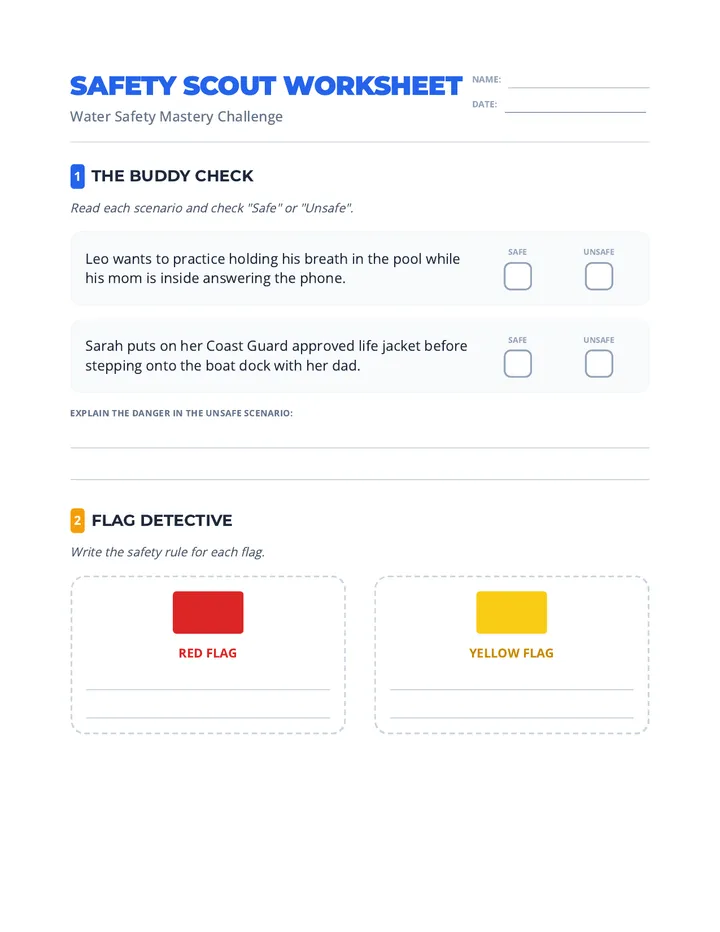
A comprehensive water safety master lesson covering pool protocols, open water lake dangers, and ocean beach safety practices. Designed to fit visual presentations, student practice sheets, and teacher scripting guides.
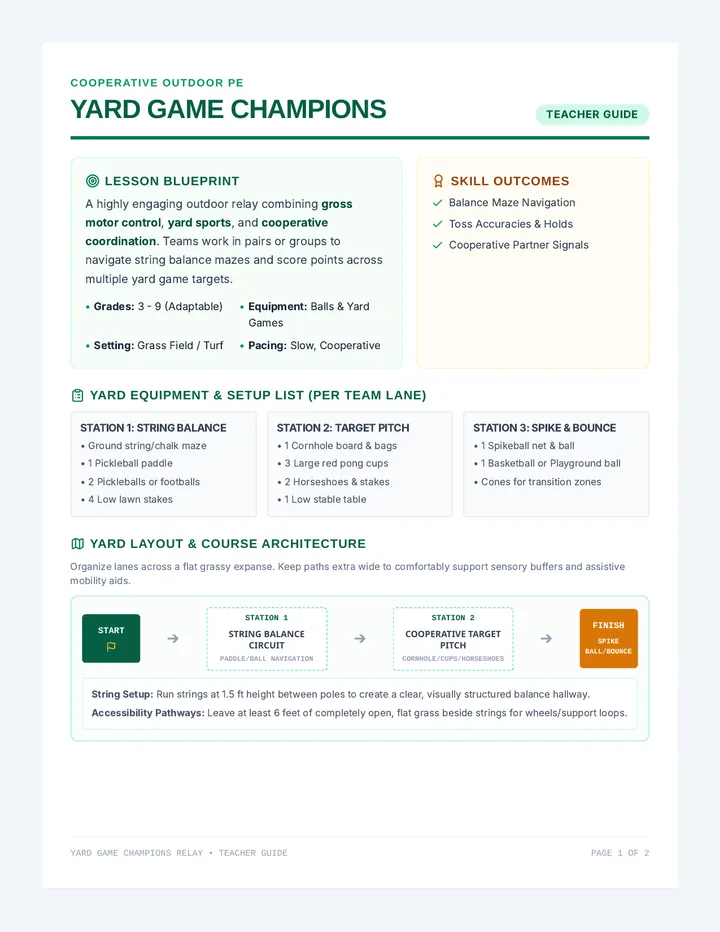
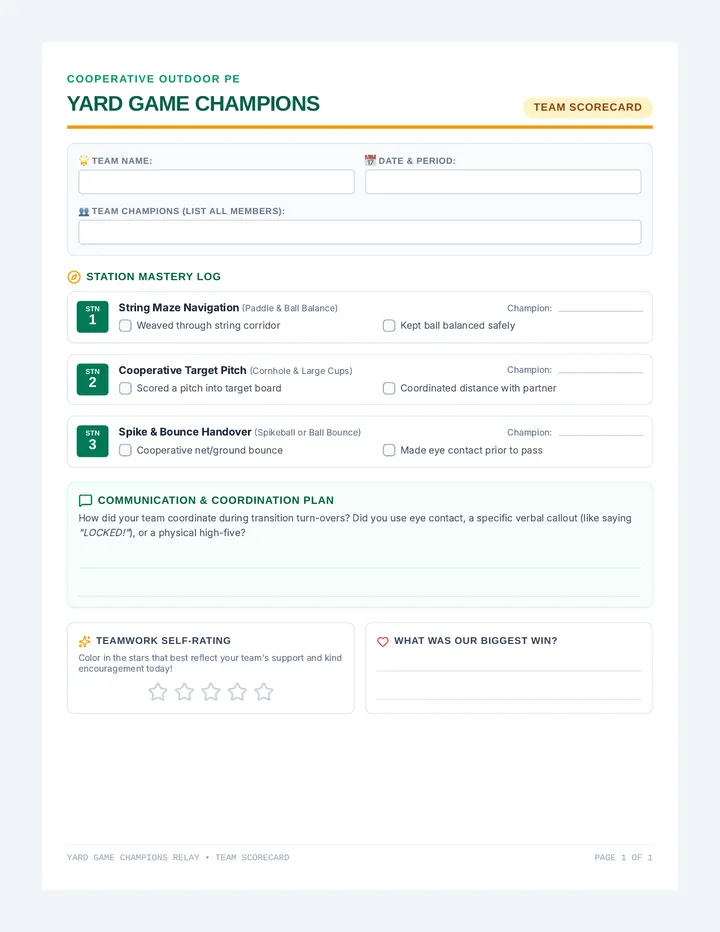
An outdoor cooperative relay race utilizing yard games, balls, and string balance circuits, designed with low-impact adaptations to ensure full class inclusion.
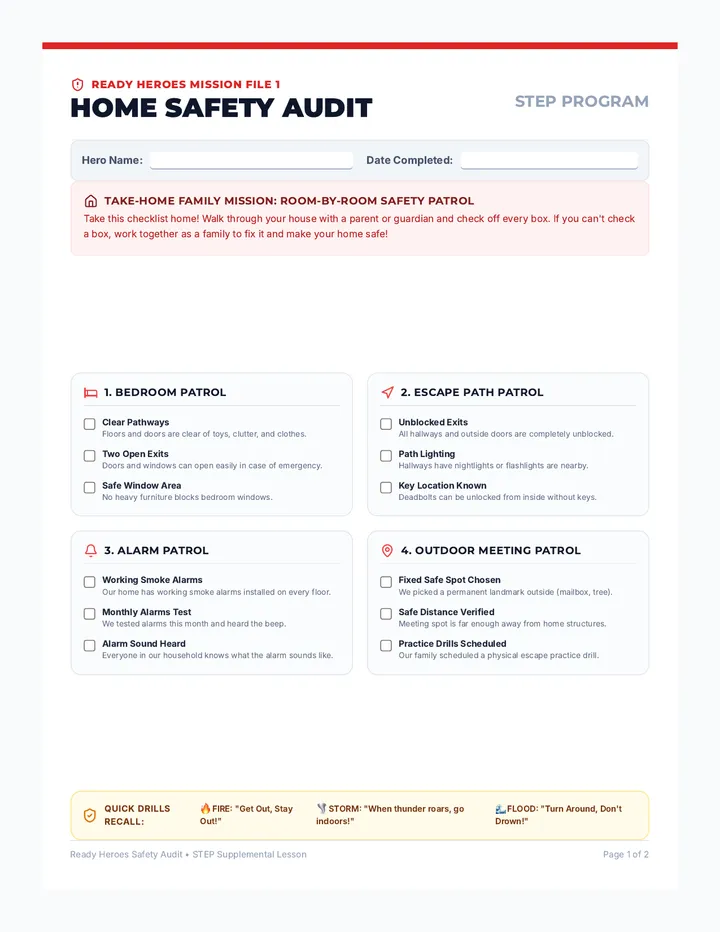
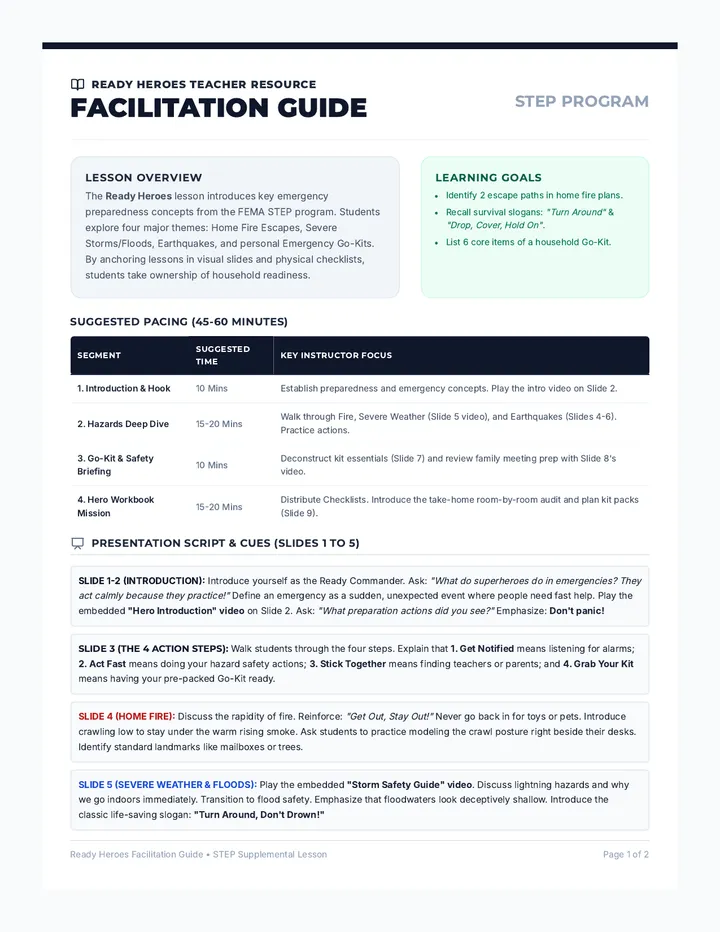
A highly visual, action-oriented emergency preparedness lesson teaching students how to stay safe during fires, severe weather, floods, and earthquakes. Includes hands-on planning for emergency go-kits and home escape plans.
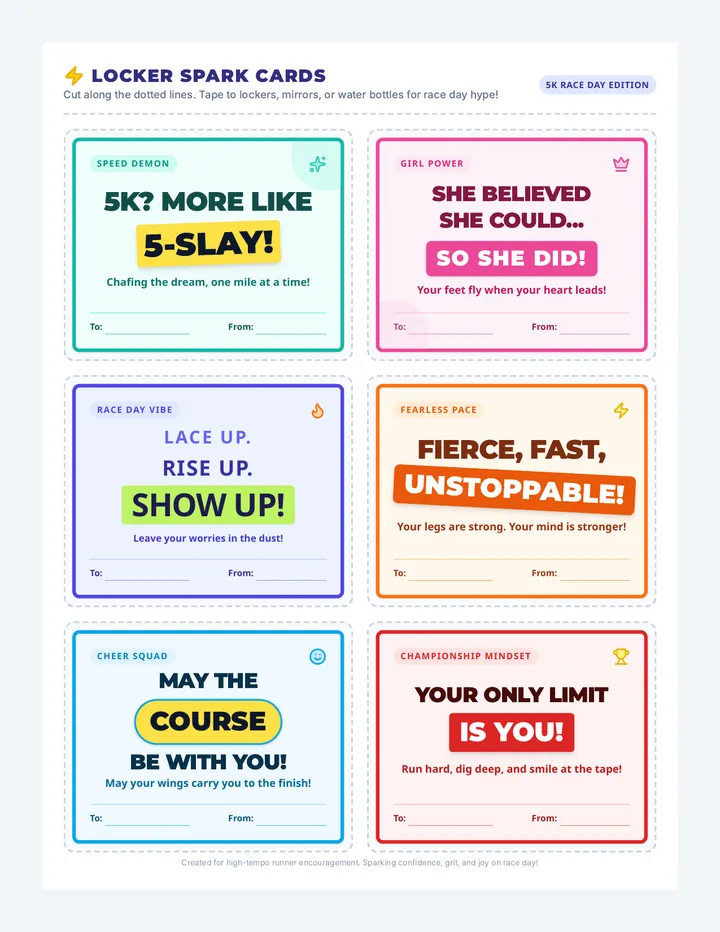
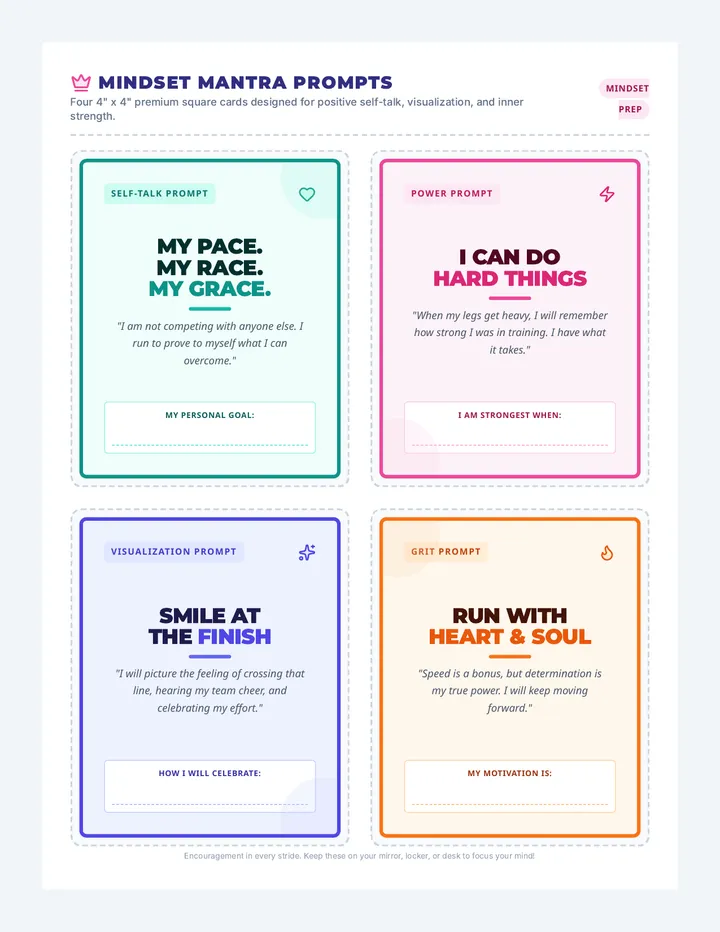
A short lesson focused on boosting runner morale and building community hype for the upcoming 5k race through personalized, high-energy motivation.
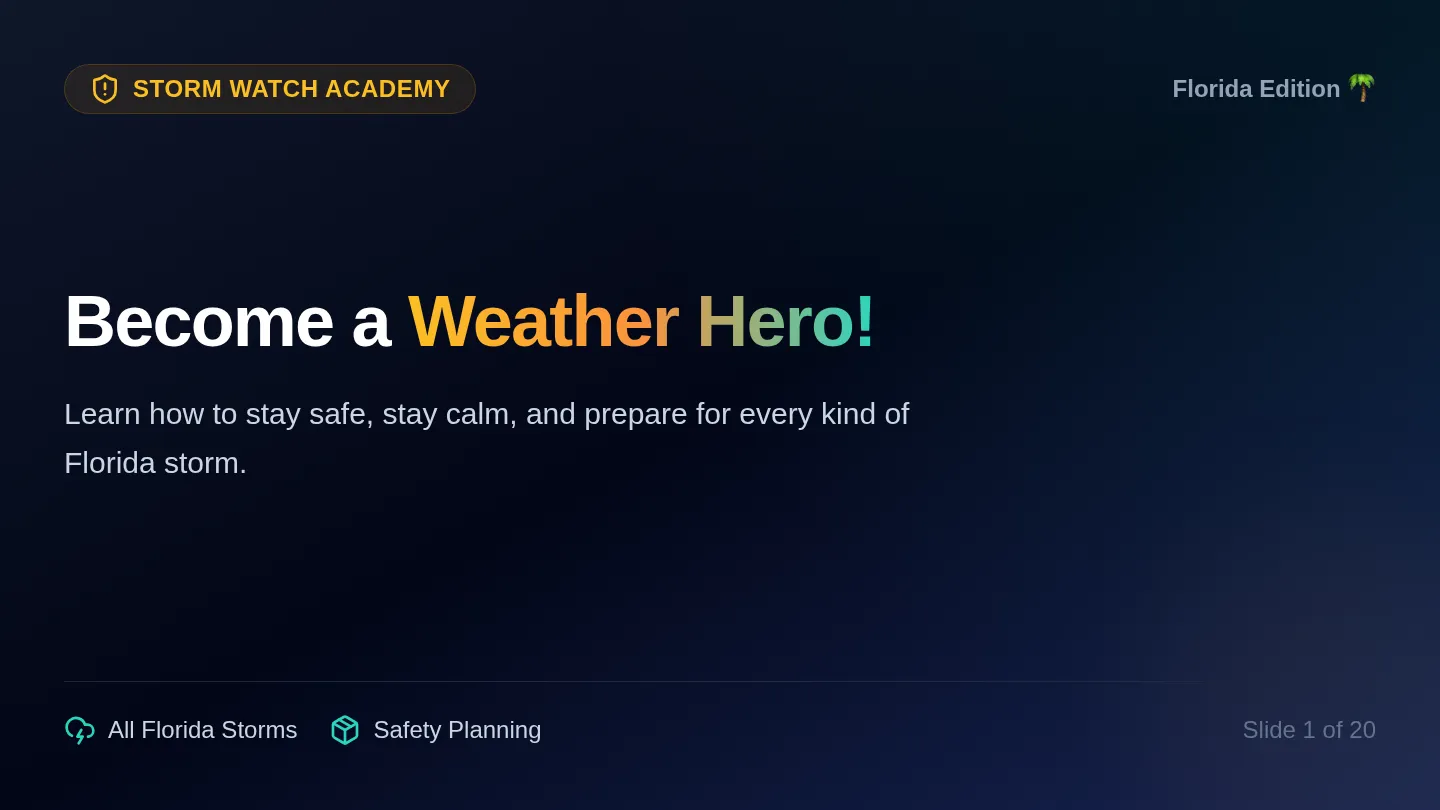
An interactive, visually rich lesson preparing Florida students for severe storms and hurricanes. Covers emergency kit building, weather alerts, home action plans, and sensory coping strategies to reduce storm anxiety.
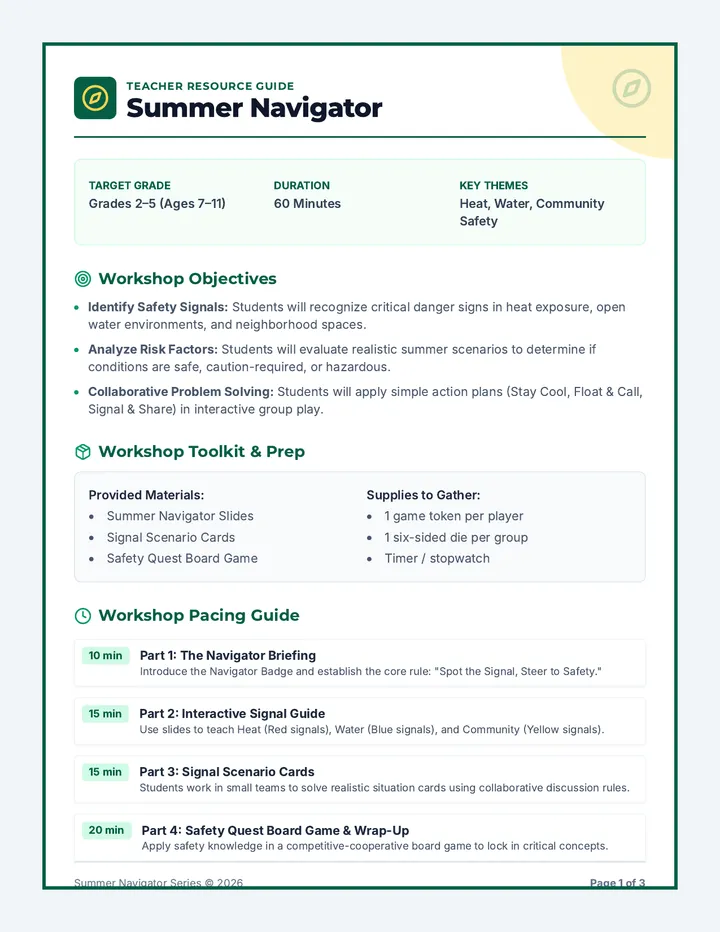
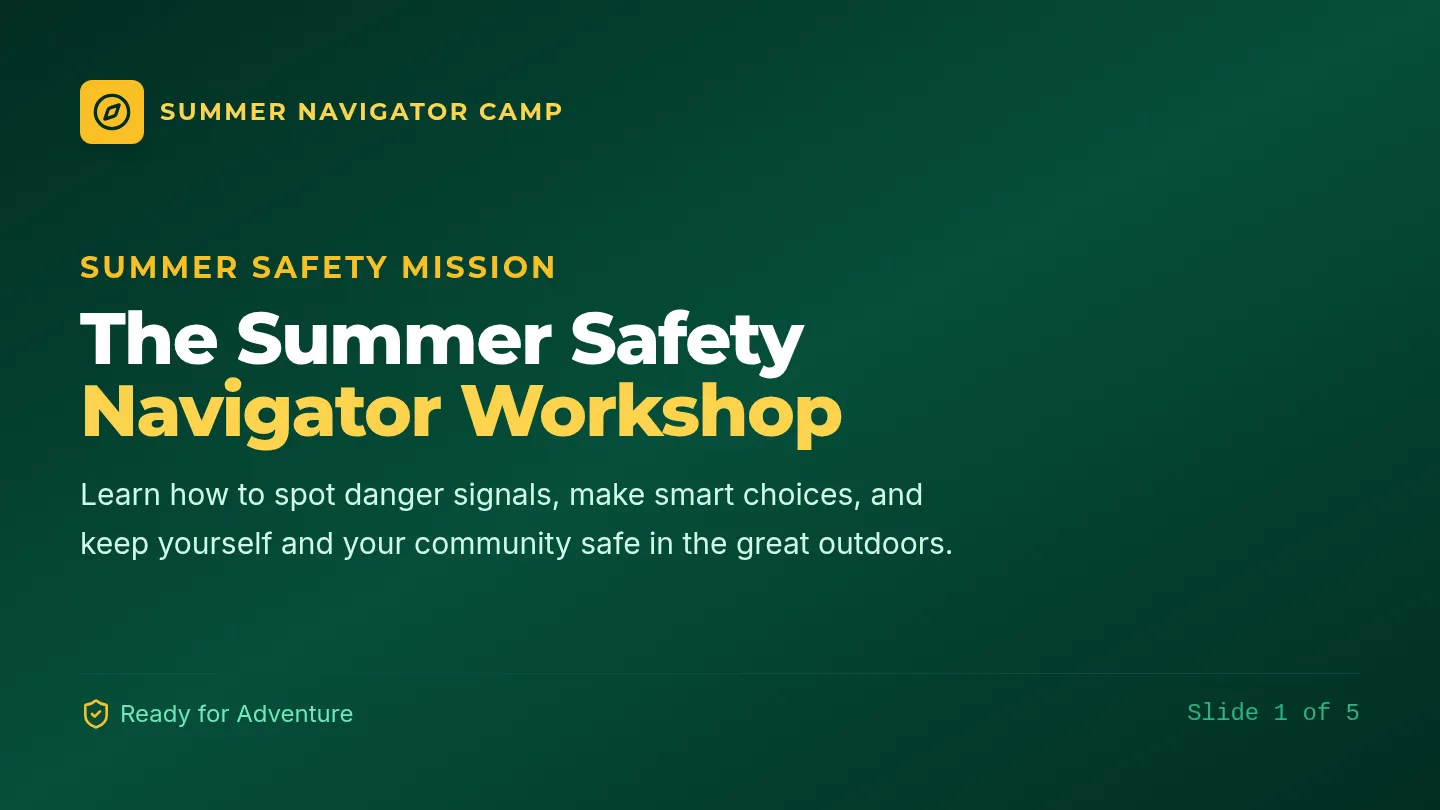
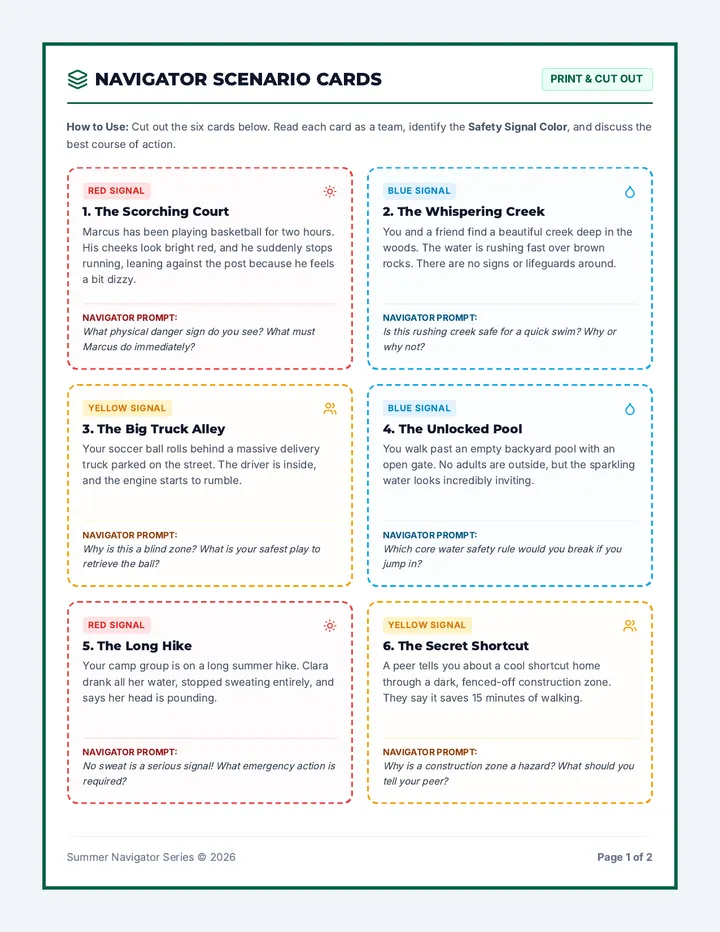
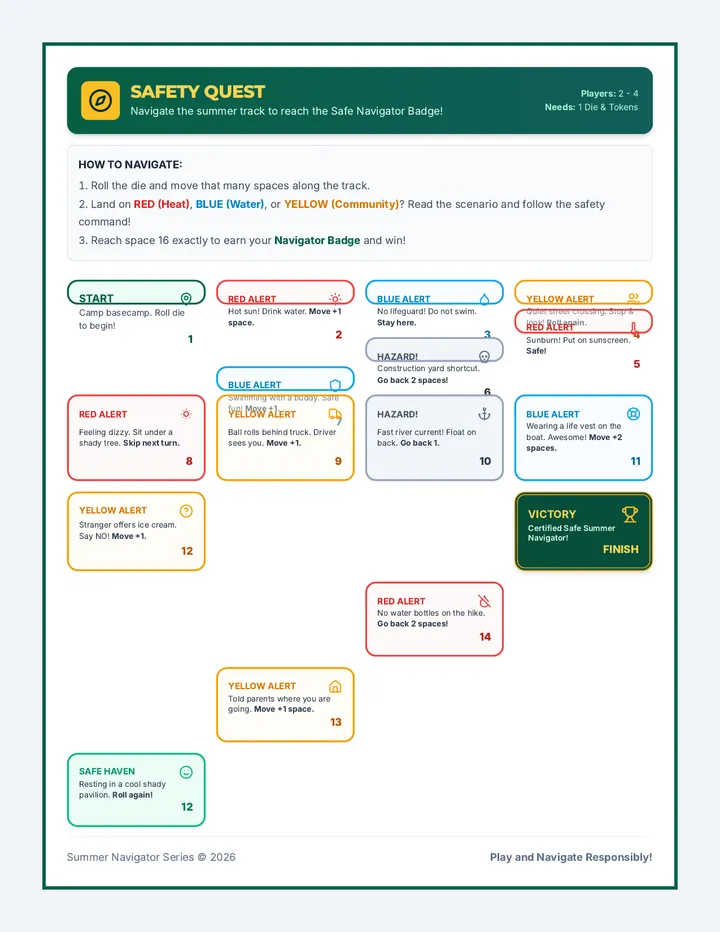
A life-skills workshop for grades 2-5 teaching heat, water, and community safety through a collaborative 'Summer Navigator' framework. Includes an instructional lesson plan, interactive slides, collaborative scenario discussion cards, and a safety quest board game.
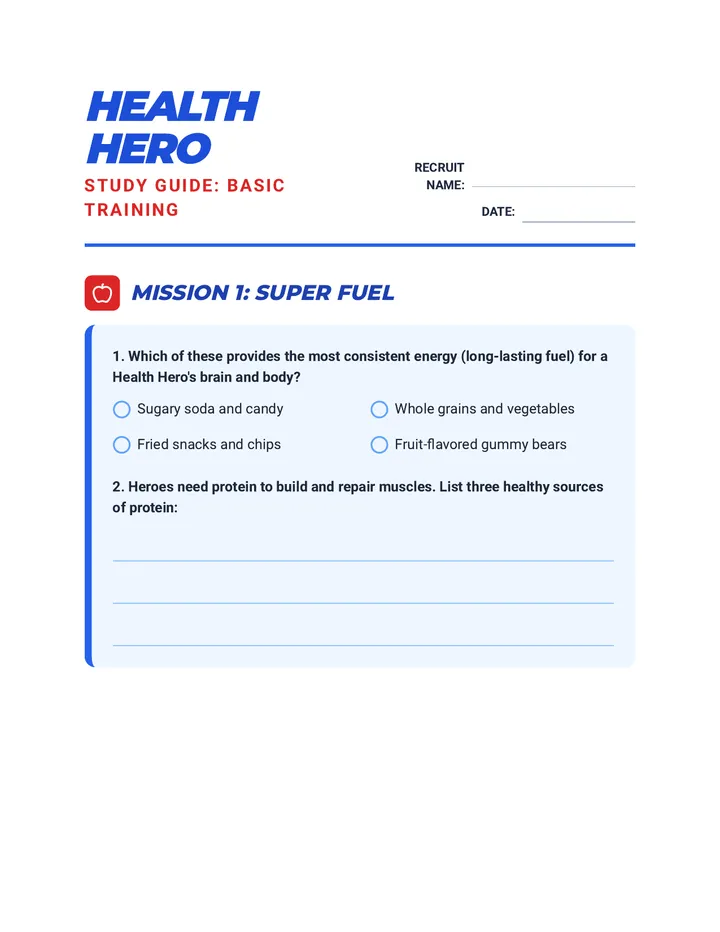
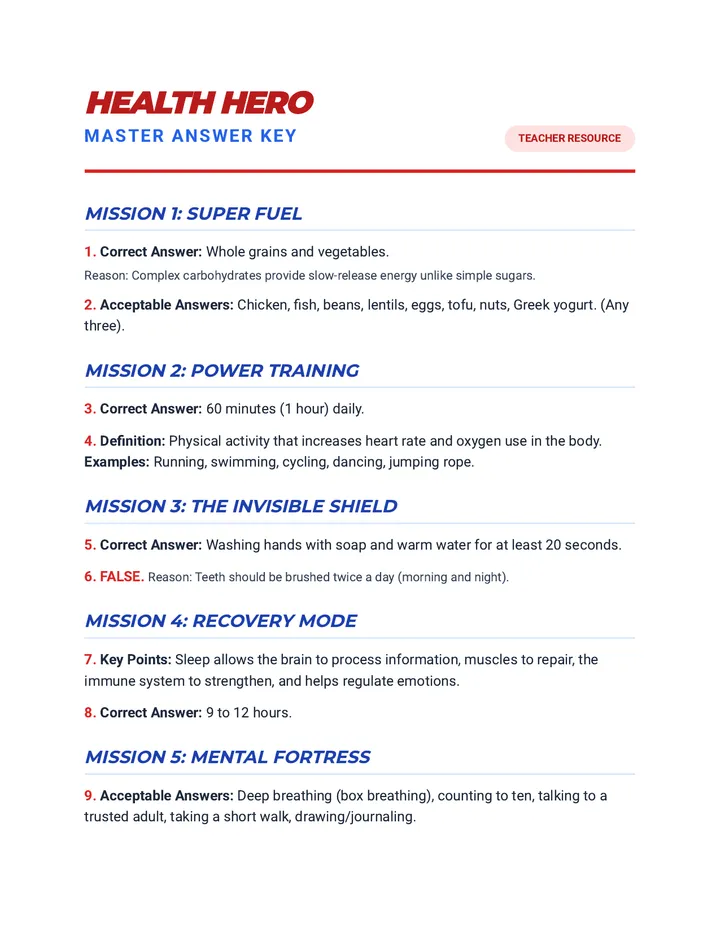
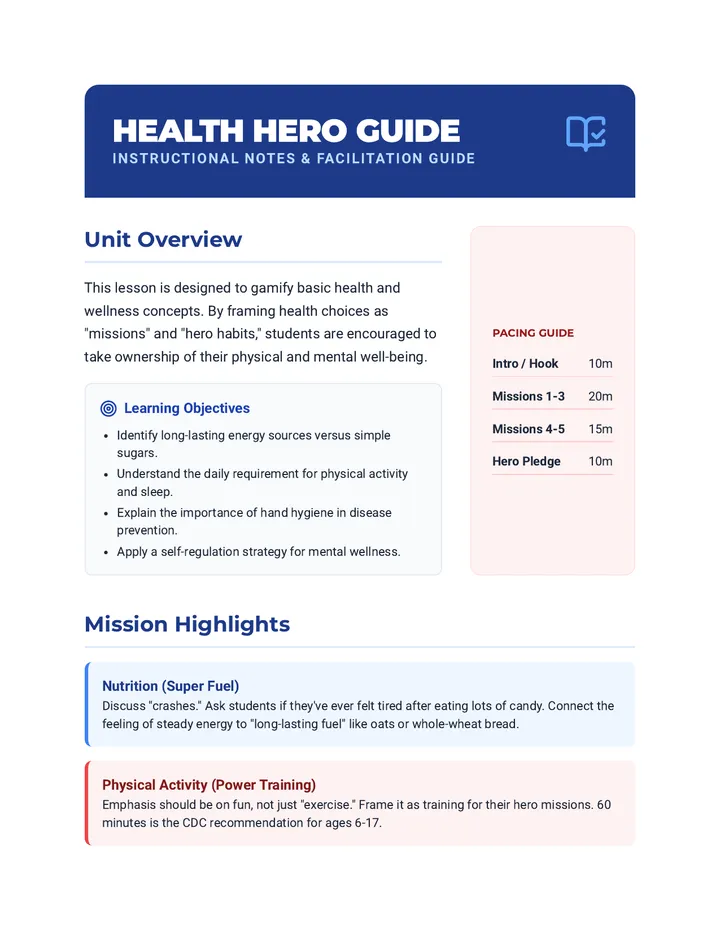
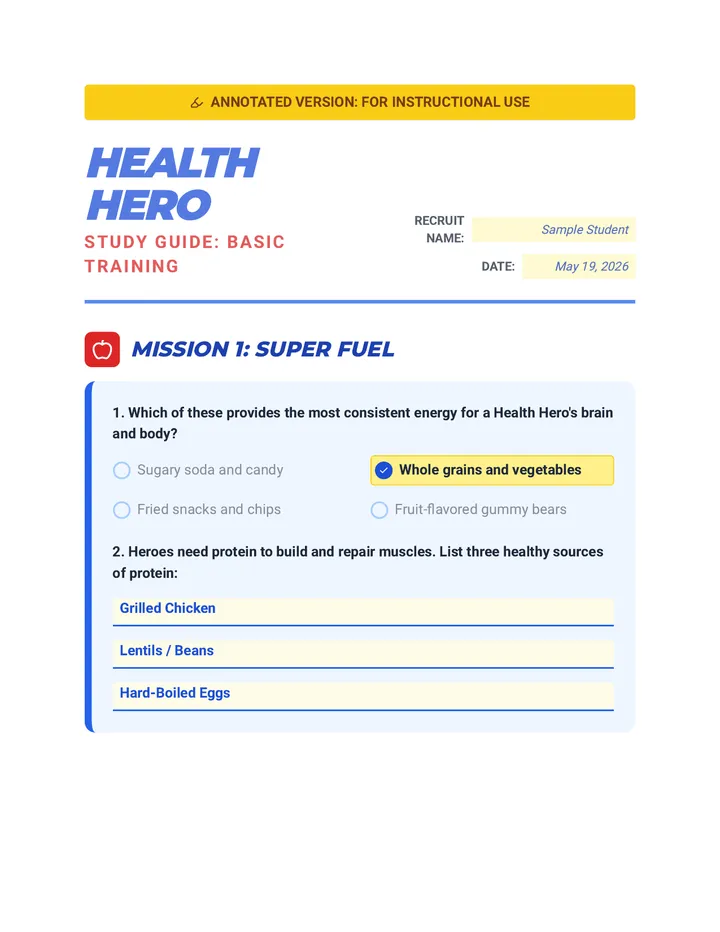
A foundational lesson where students learn the core pillars of health—nutrition, exercise, sleep, and hygiene—to build their own 'Hero's Habit' routine.
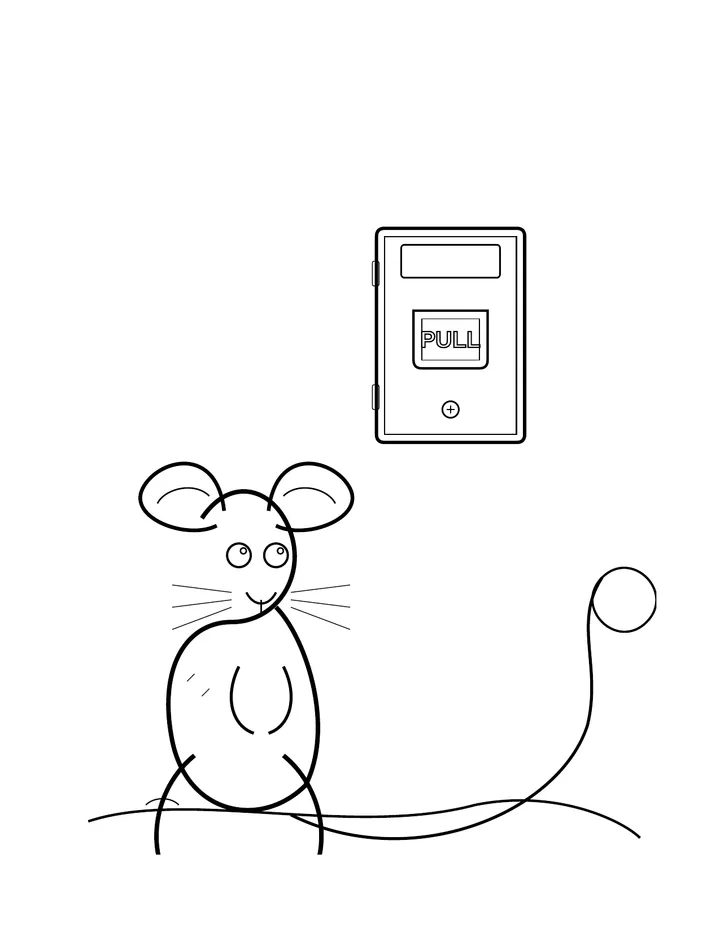
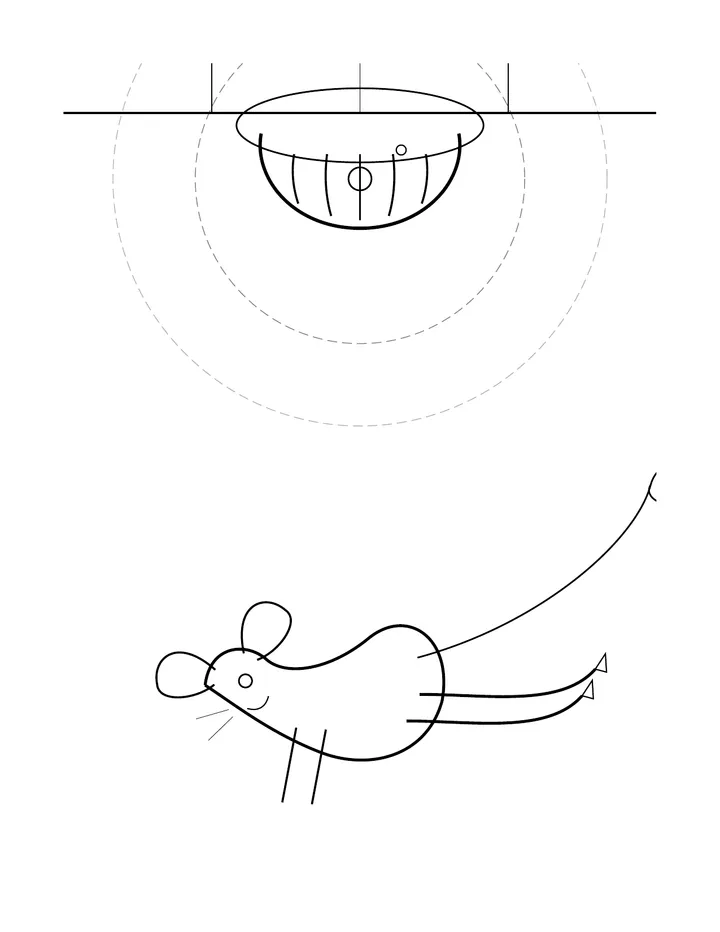
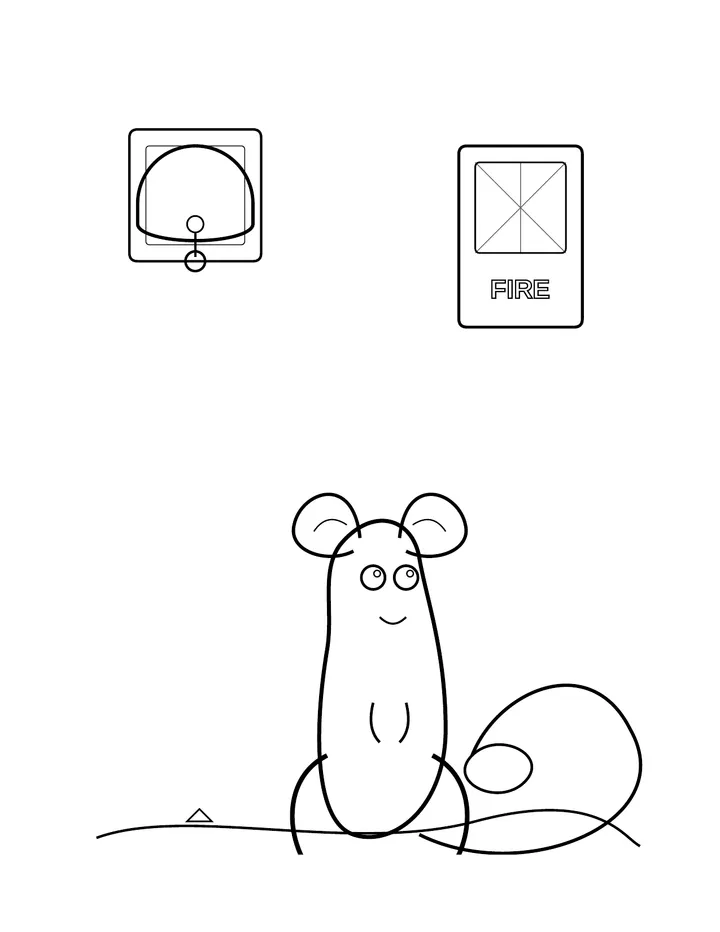
A collection of three detailed coloring pages featuring realistic jerboas and various fire alarm equipment, perfect for creative sessions or safety-themed activities.
A proactive wellness lesson for 3rd and 4th graders to design a balanced summer routine. Students use 'architectural' thinking to build a menu of physical, creative, and social activities, fostering executive functioning during unstructured breaks.
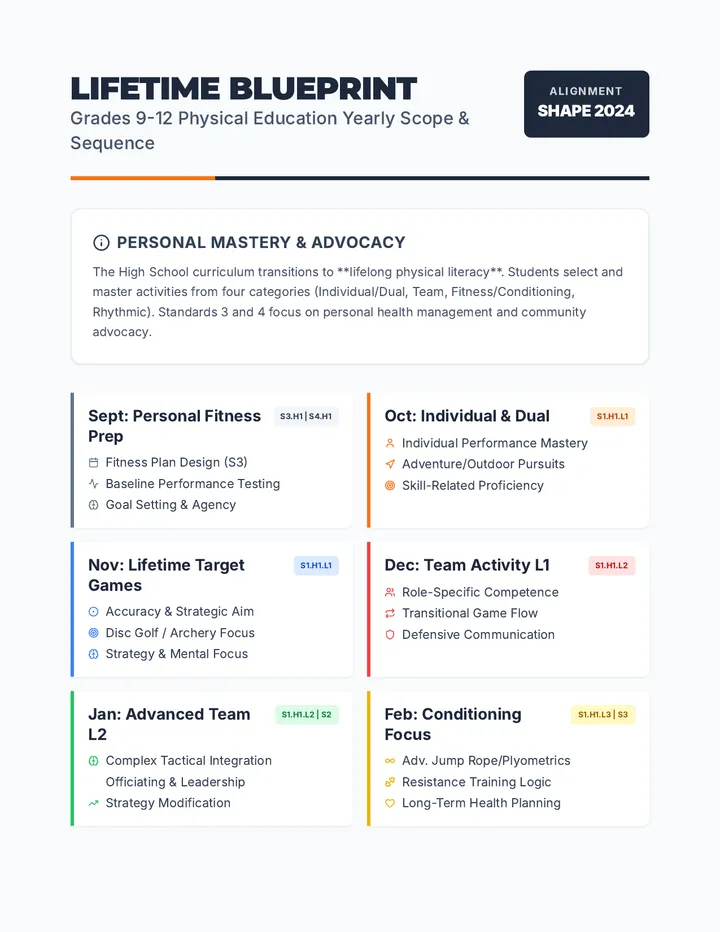
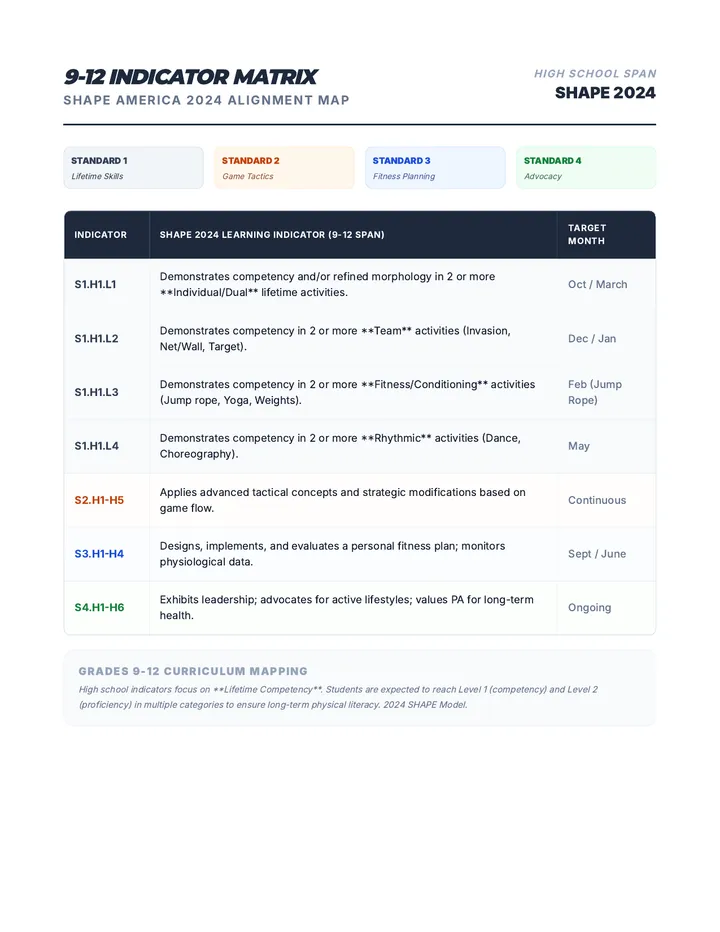
Designing and implementing personal fitness plans and mastering lifetime activities for Grades 9-12.
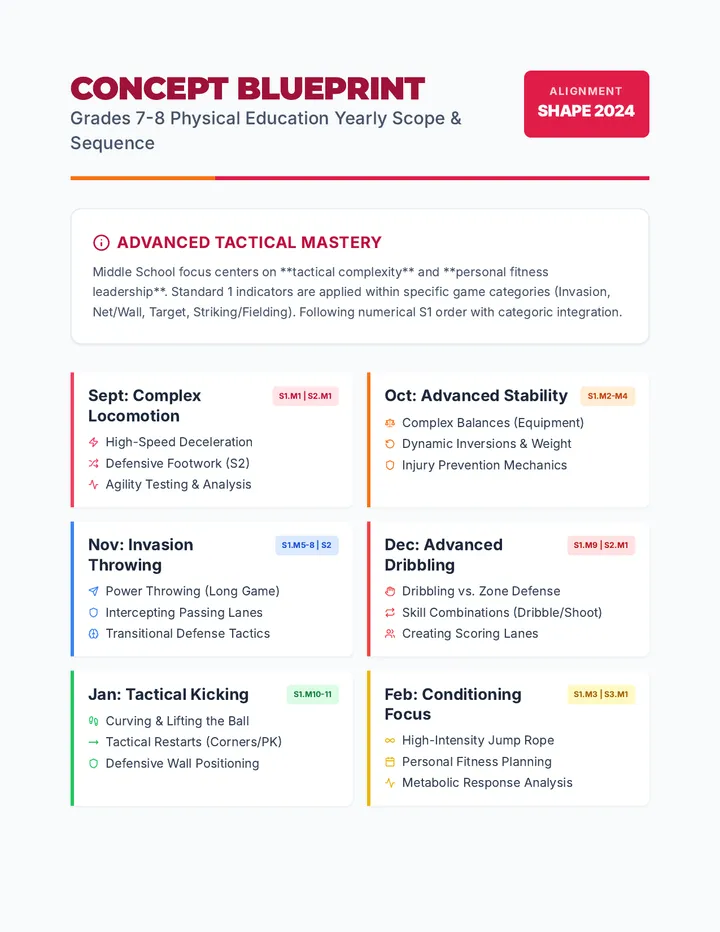
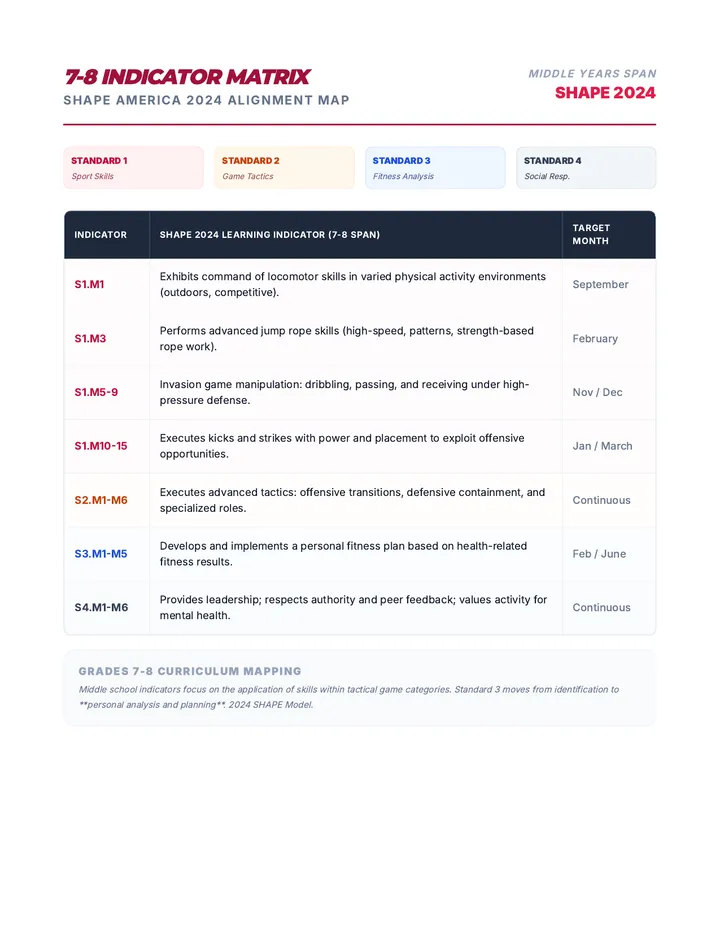
Applying advanced tactical principles and health-related fitness analysis for Grades 7-8.
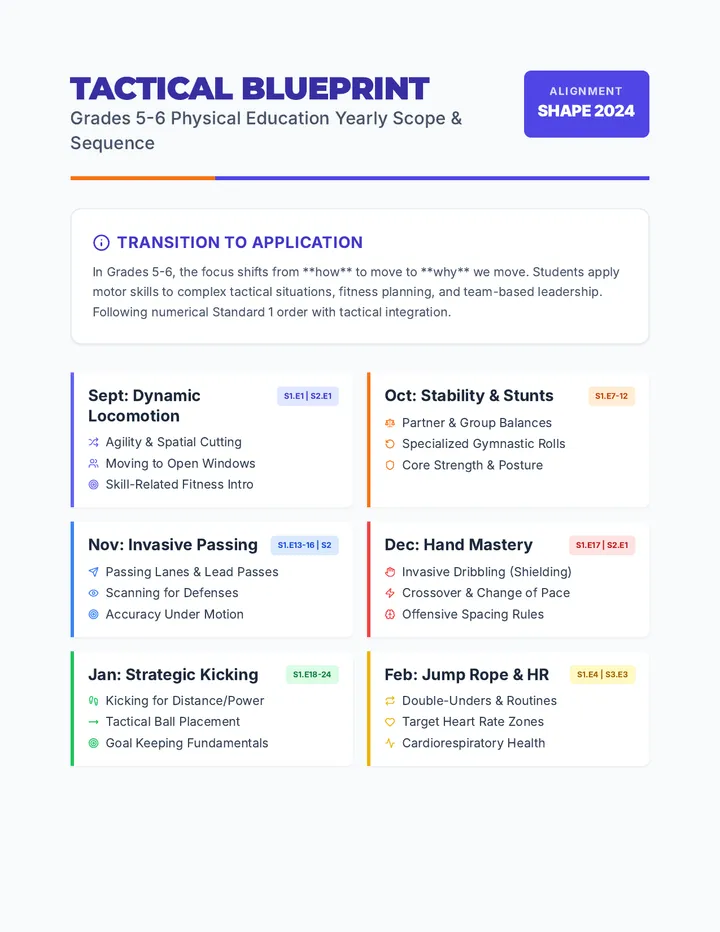
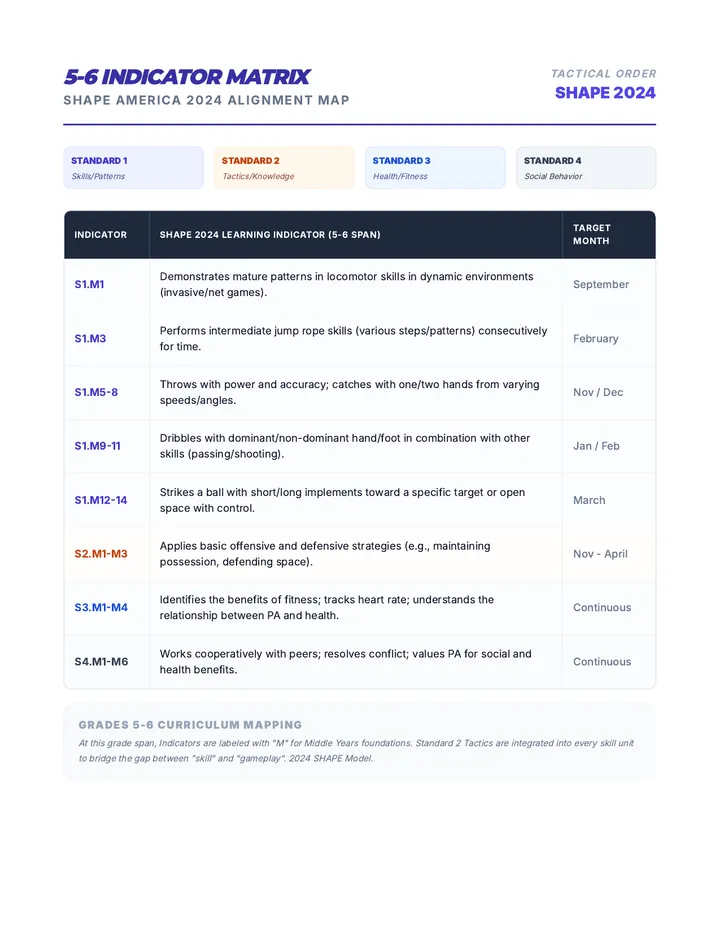
Transitioning from skill mastery to tactical application and fitness planning for Grades 5-6.
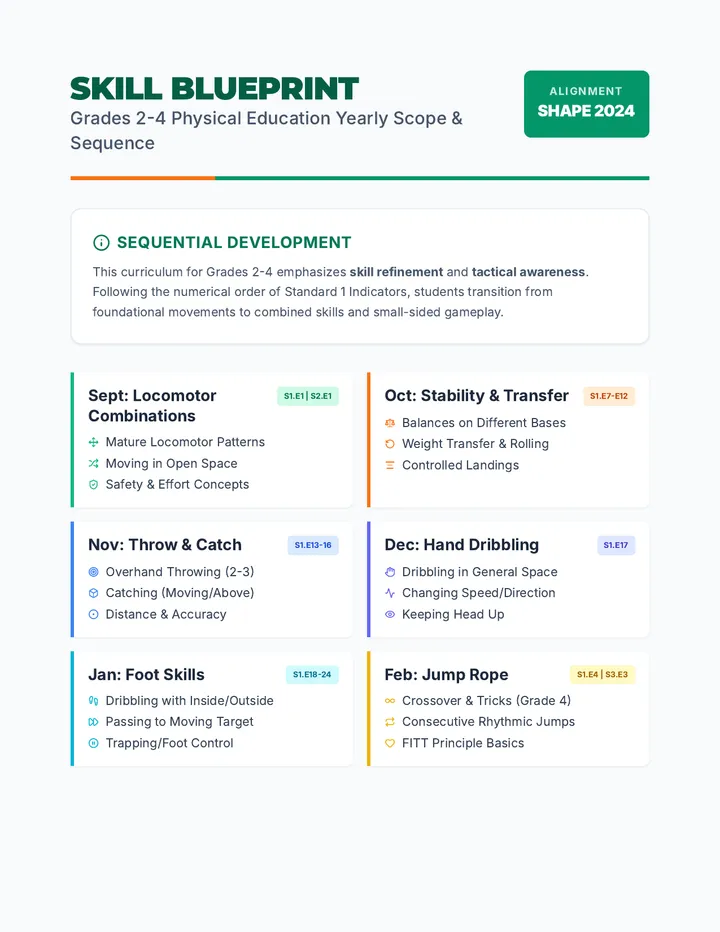
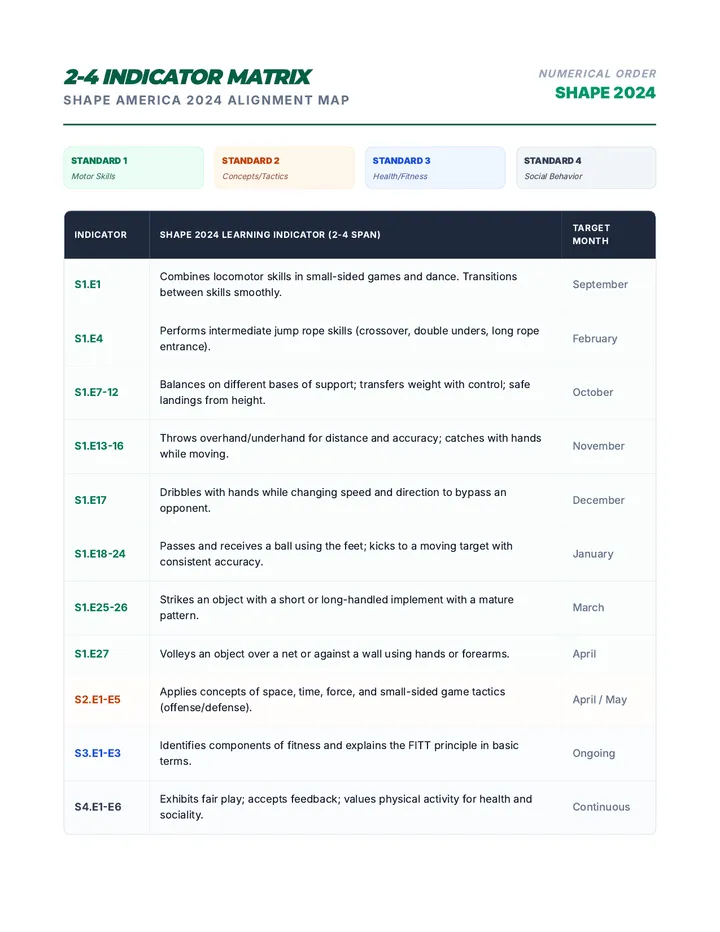
Curriculum planning and pacing for Grades 2-4, focusing on skill refinement and introductory strategies.
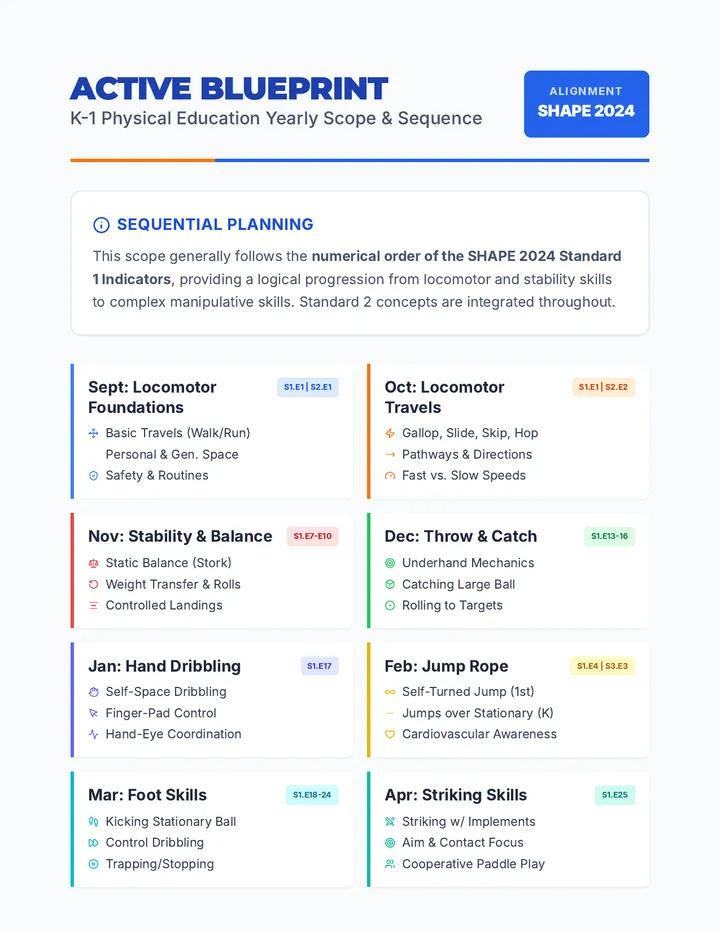
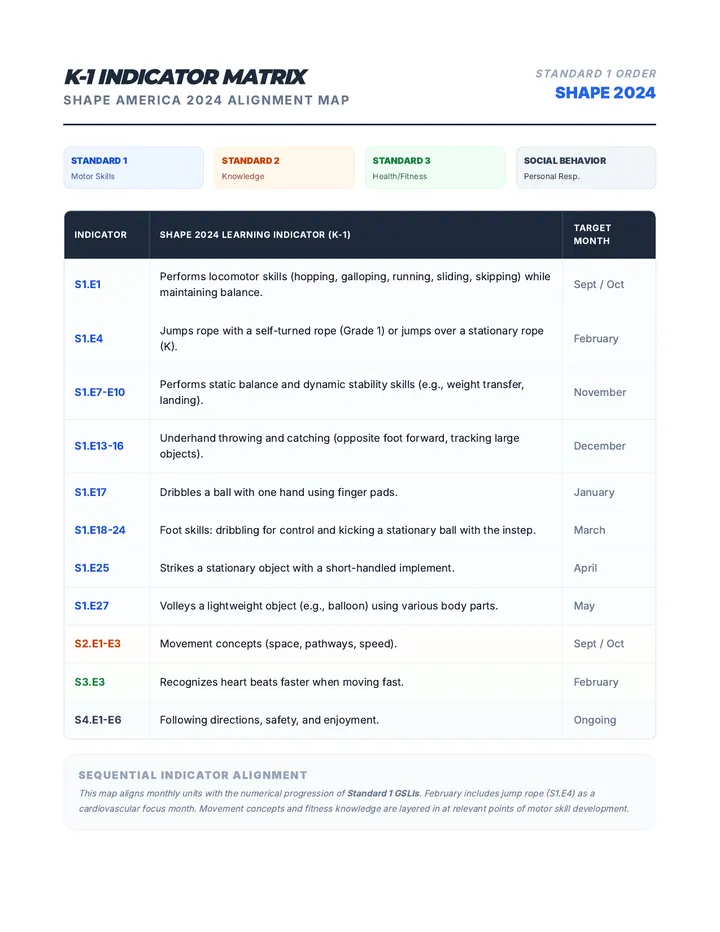
Foundational planning documents and visual guides for the K-1 Physical Education school year.
Foundational planning documents and visual guides for the K-1 PE school year.
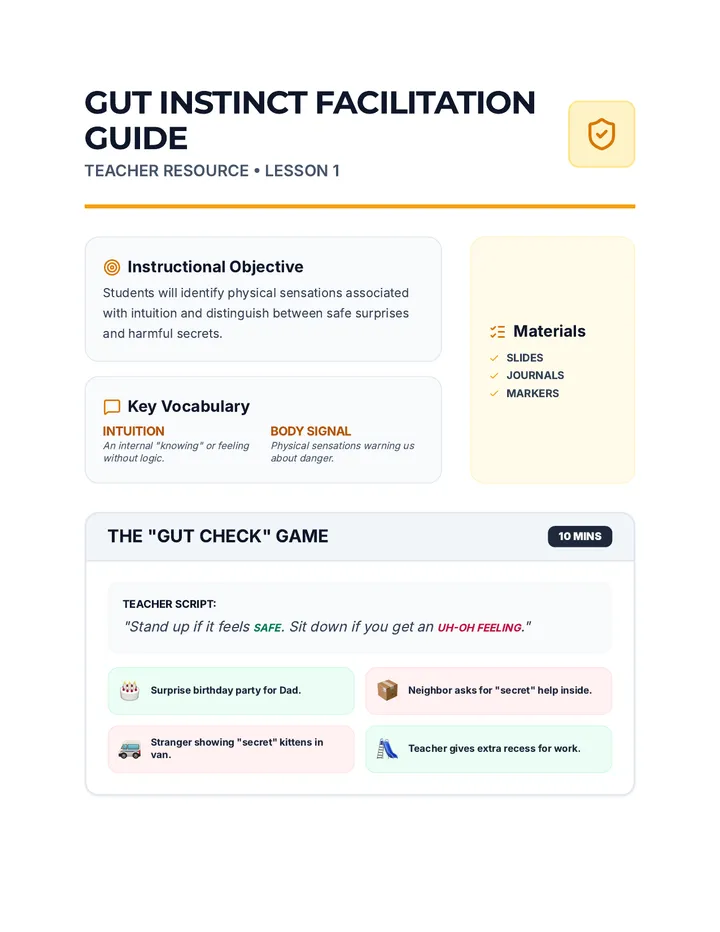
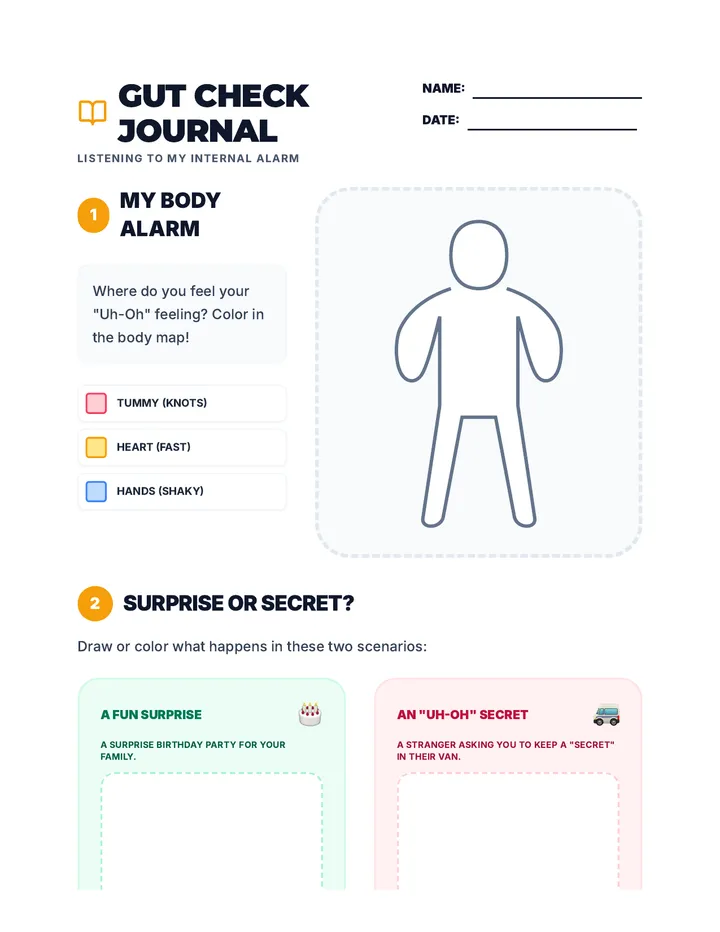
A comprehensive lesson on body safety and intuition, teaching students to recognize 'uh-oh' feelings and distinguish between safe surprises and harmful secrets.
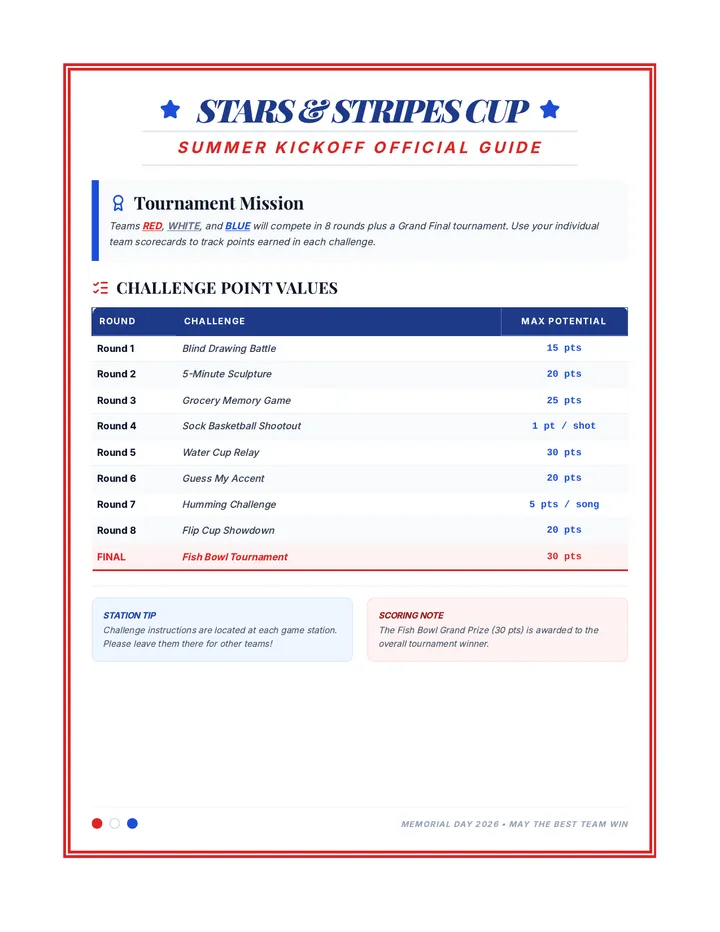
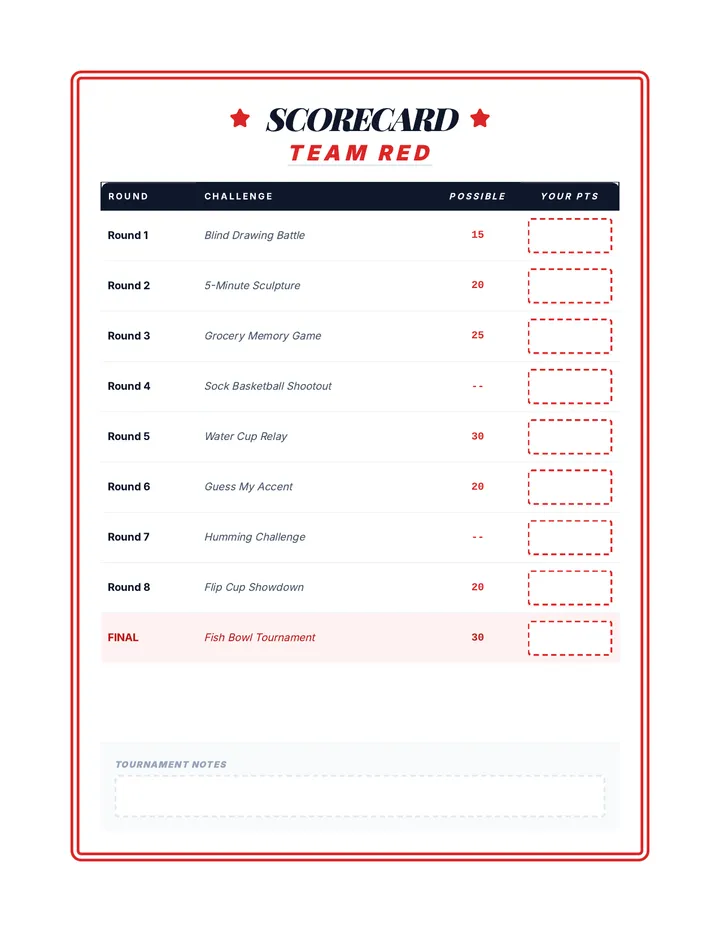
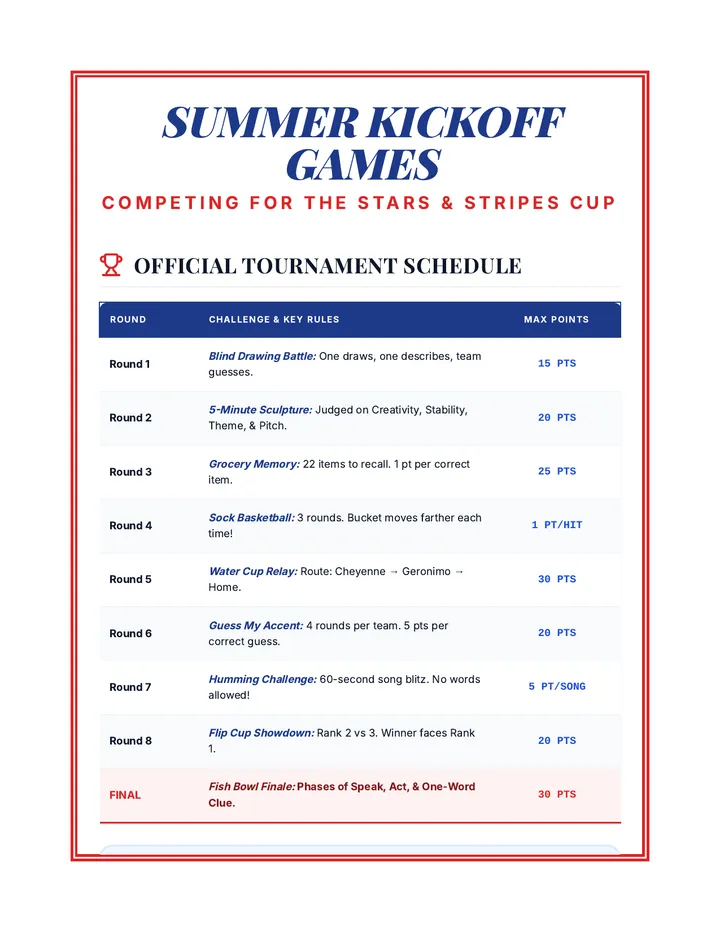
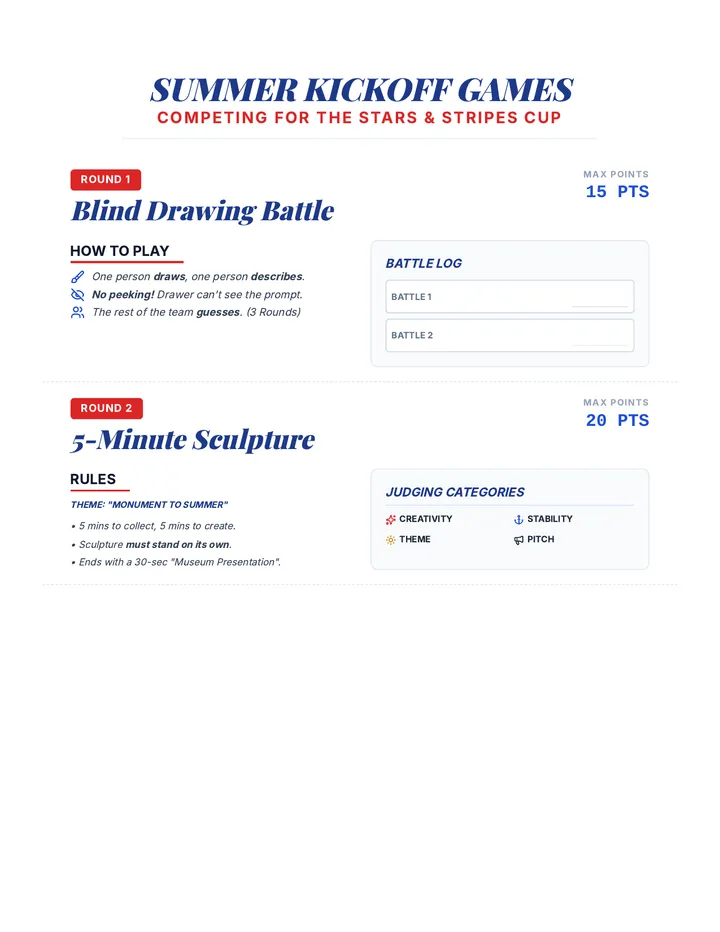
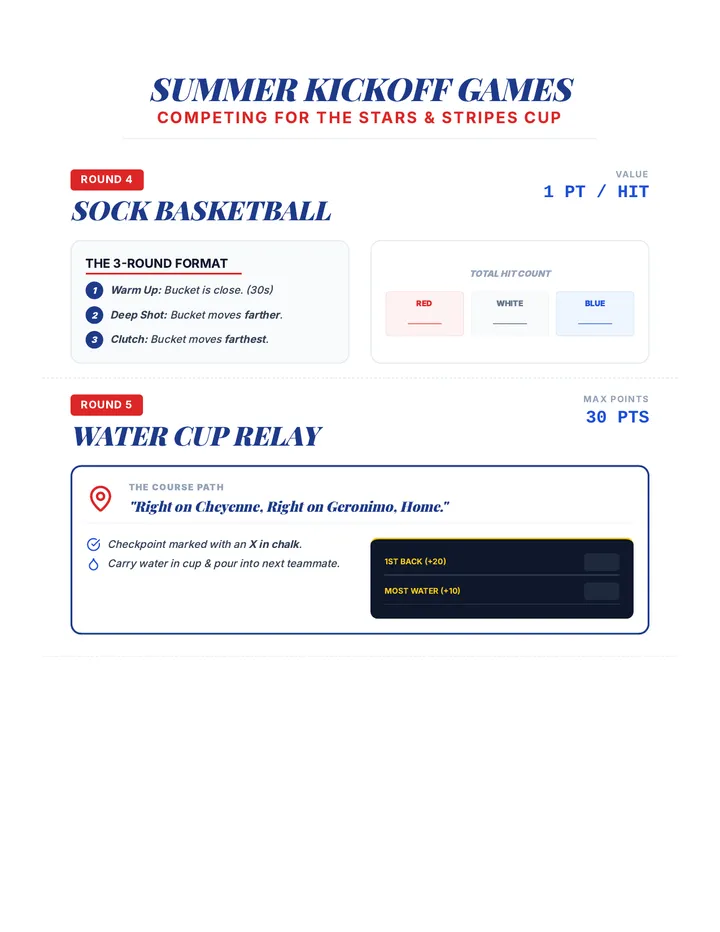
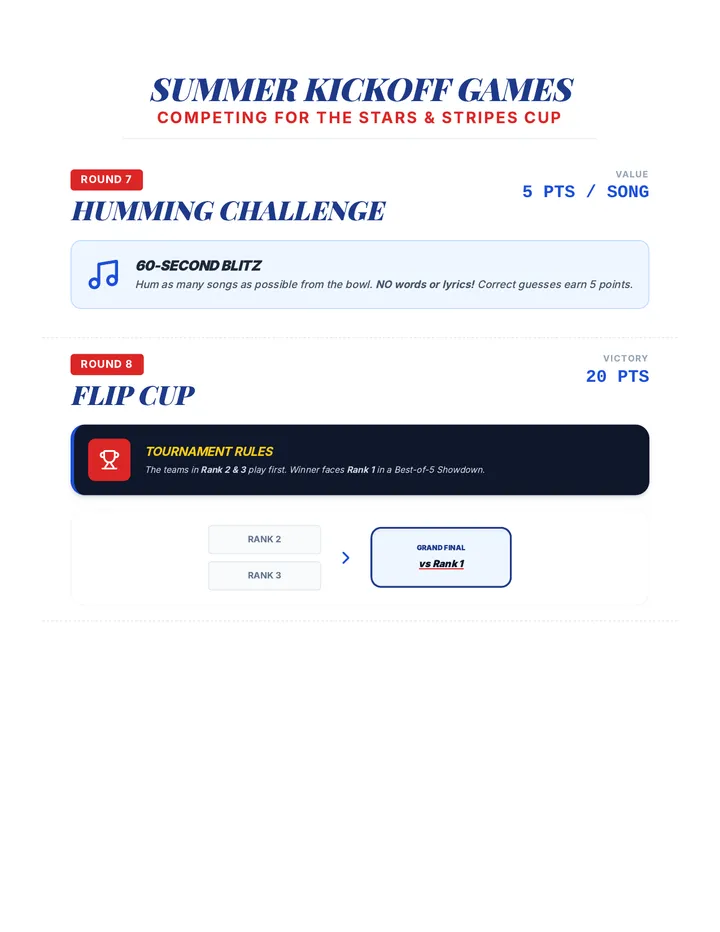
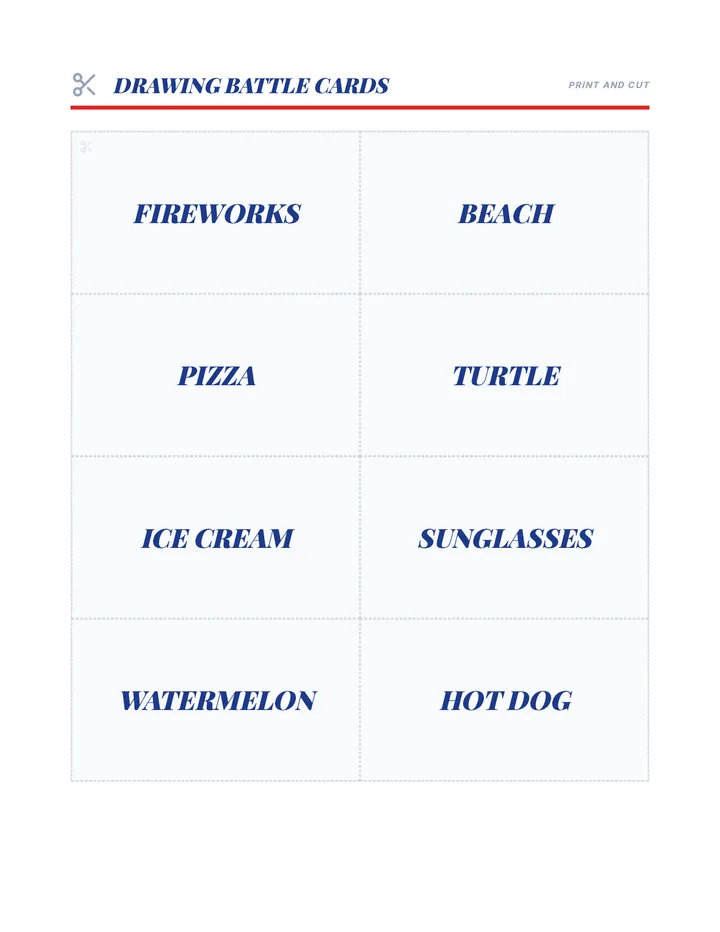
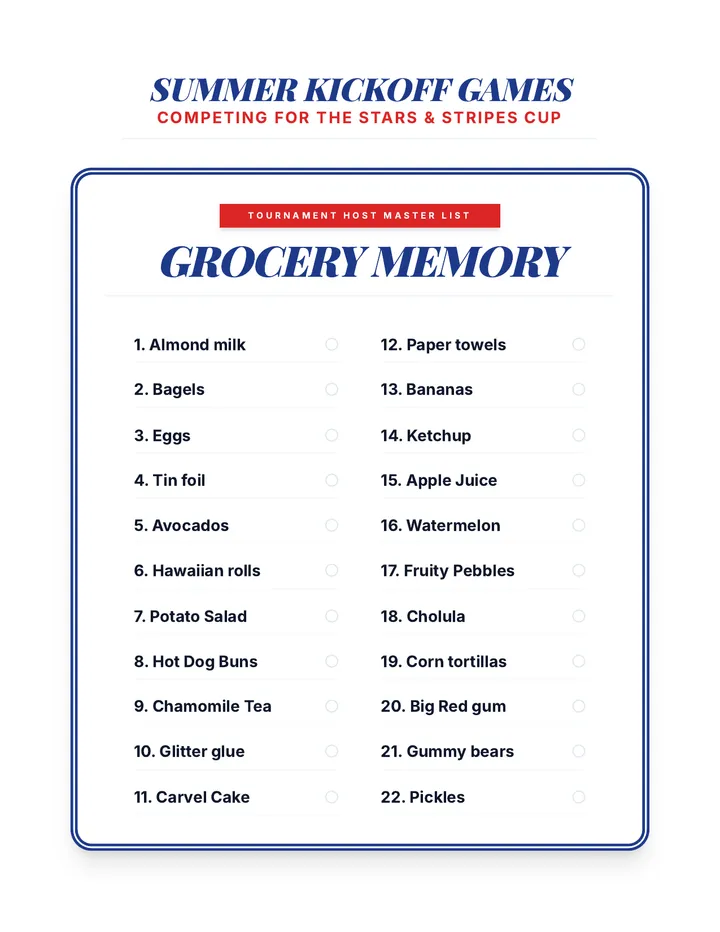
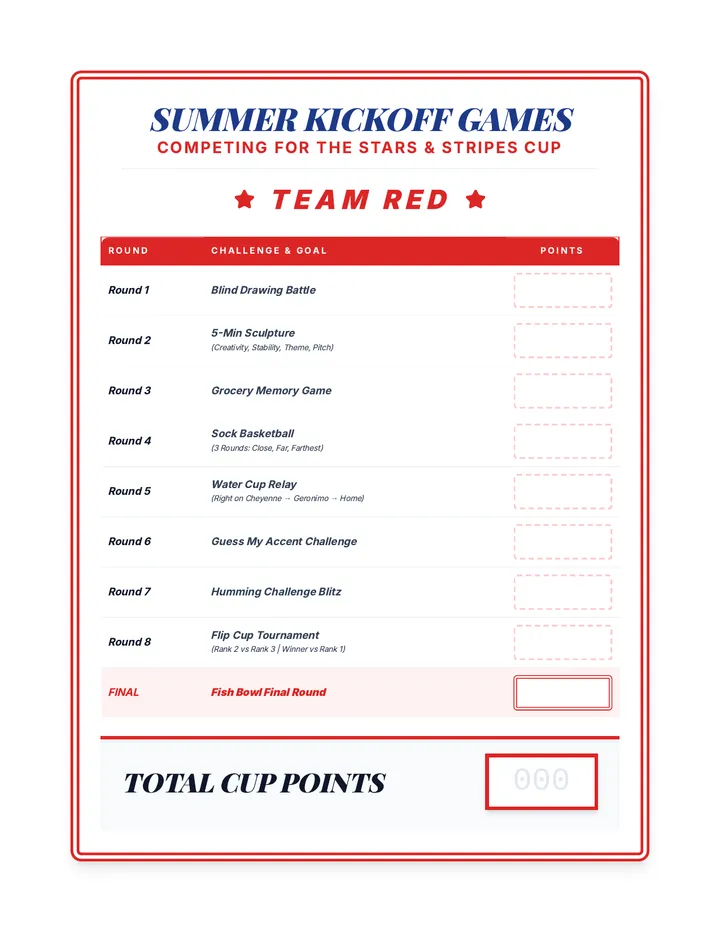
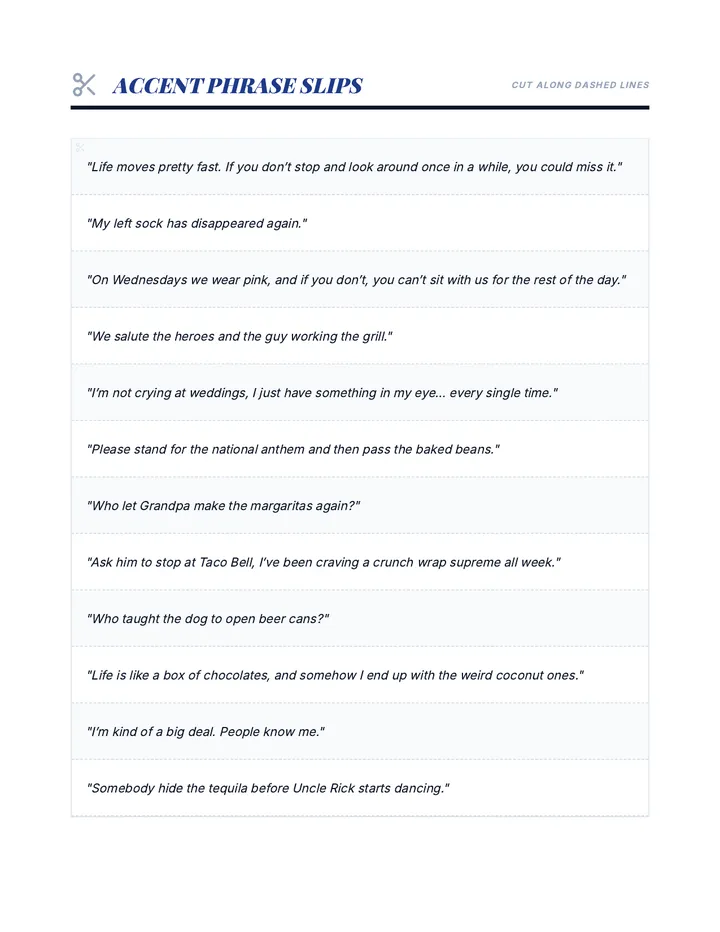
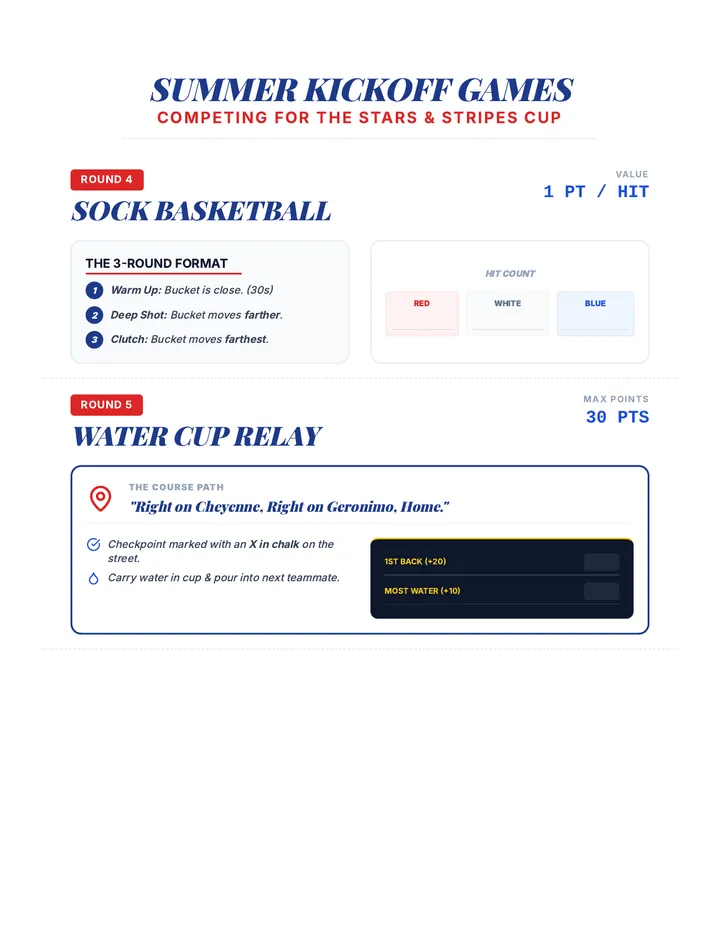
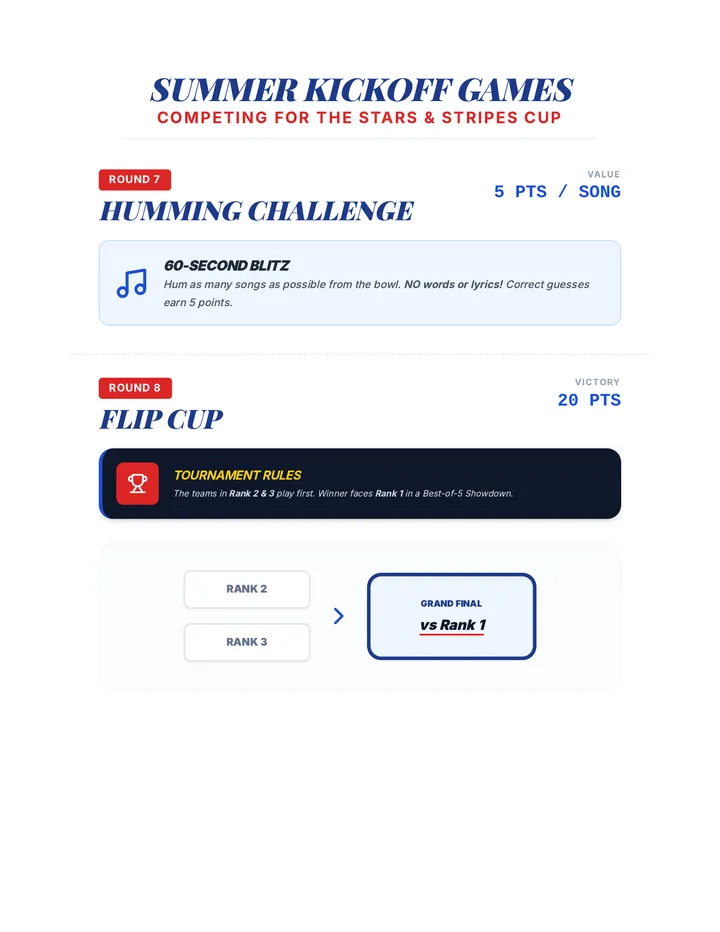
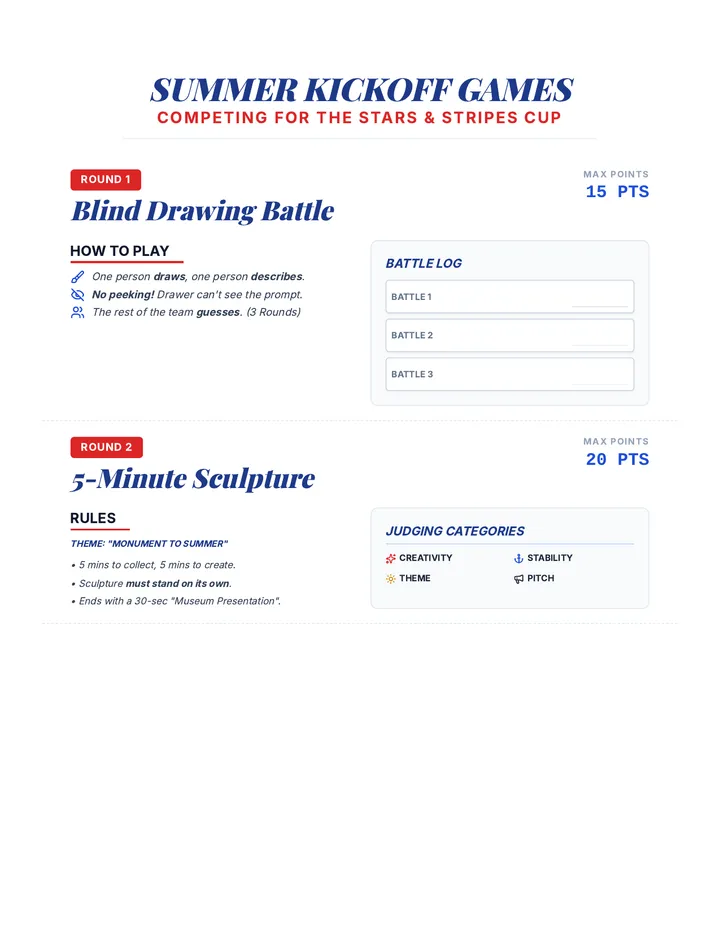
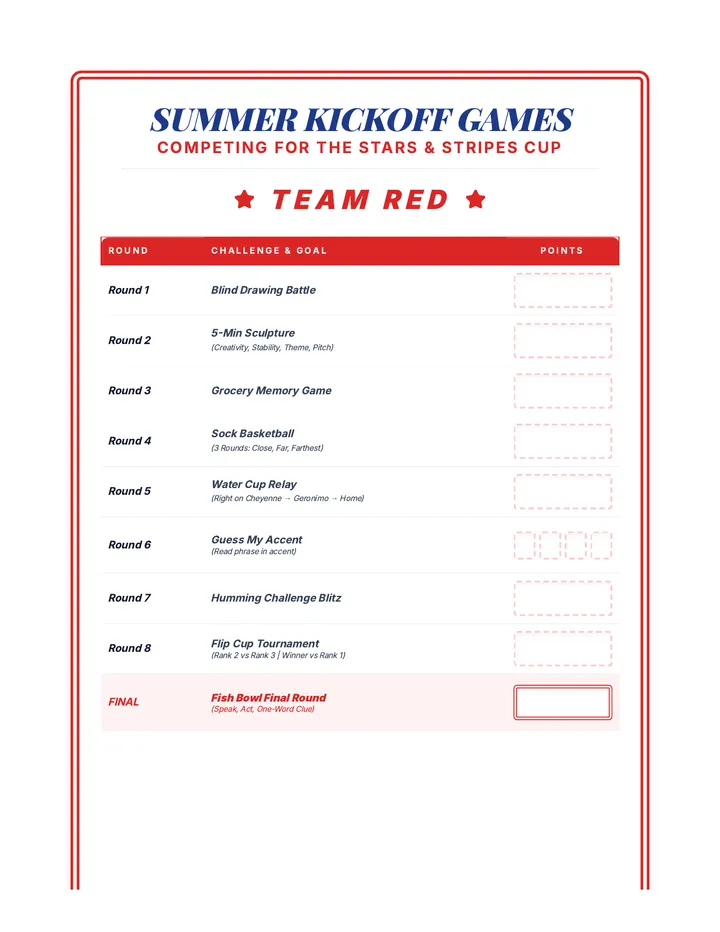
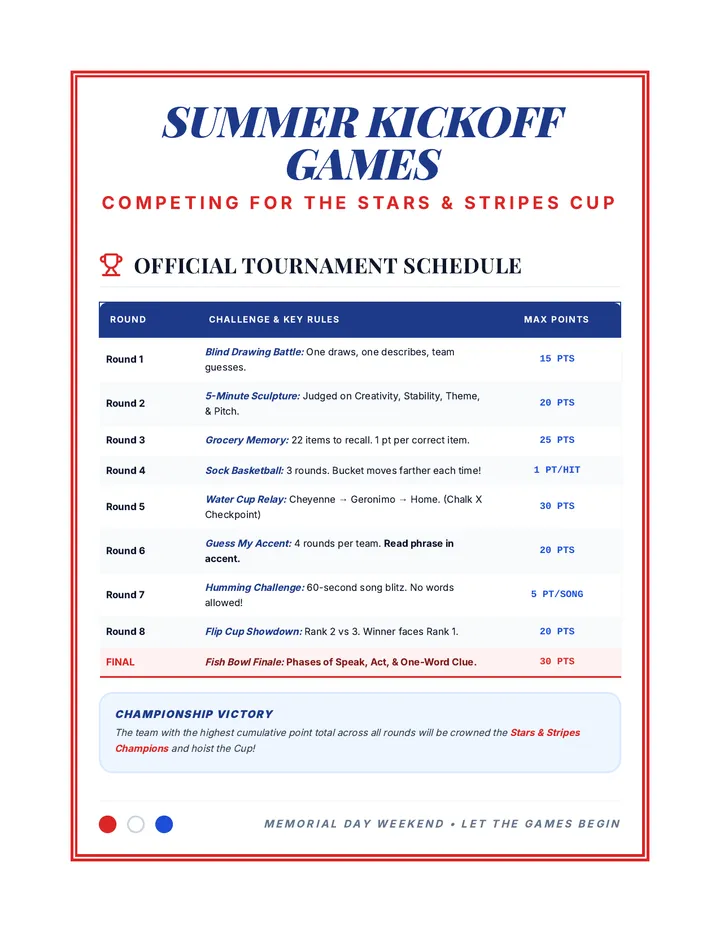
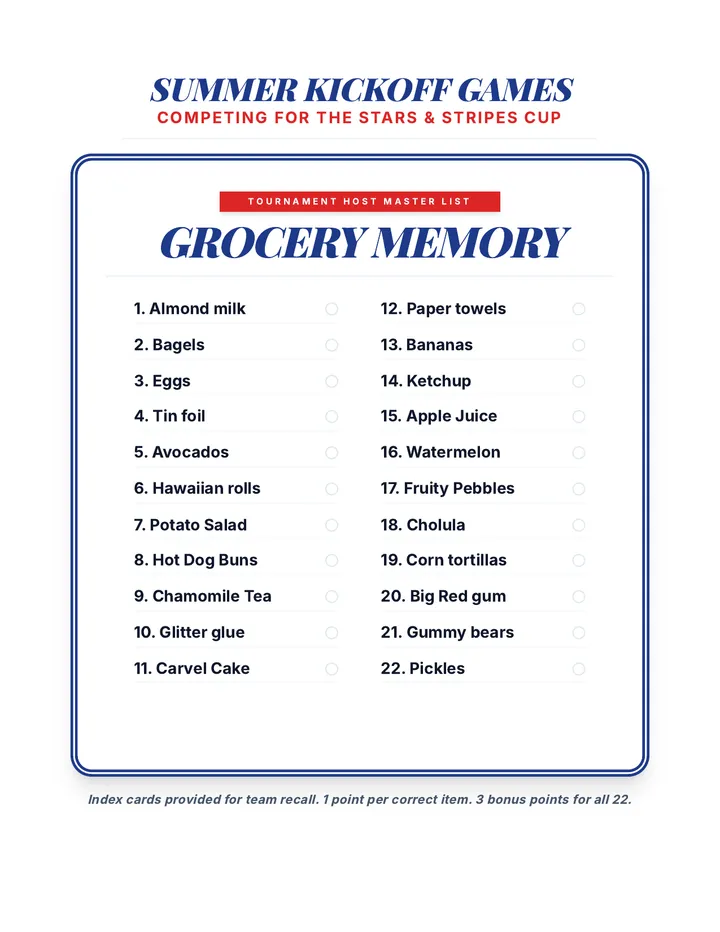
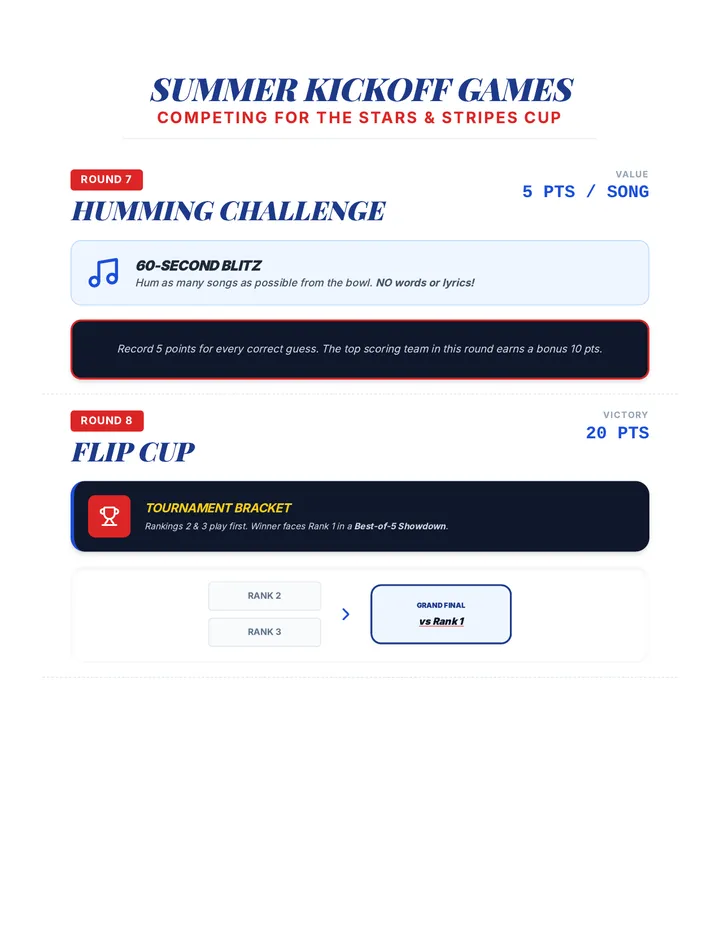
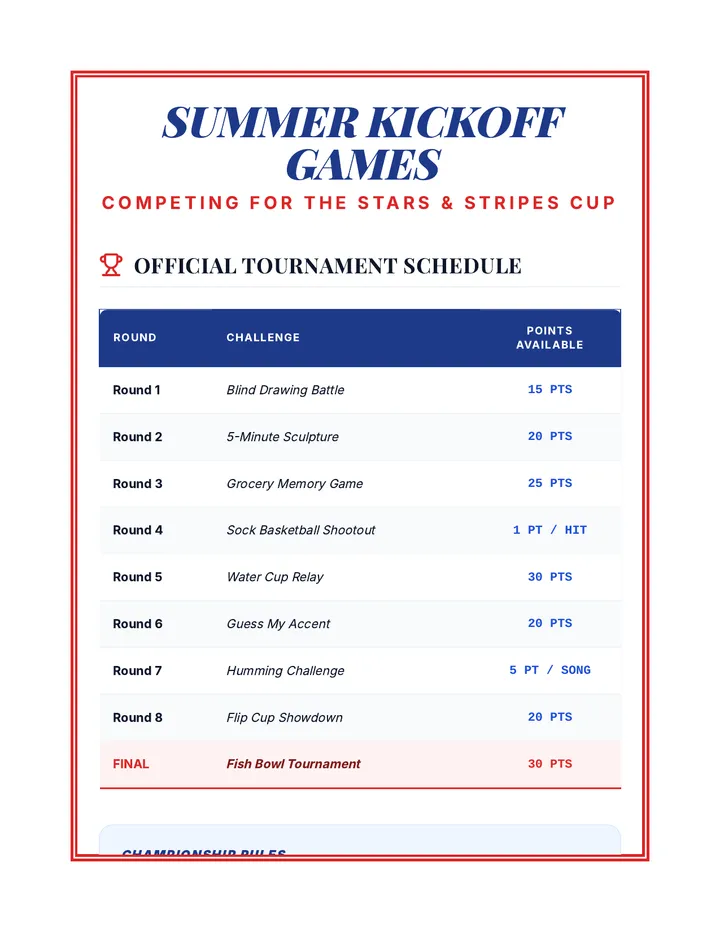
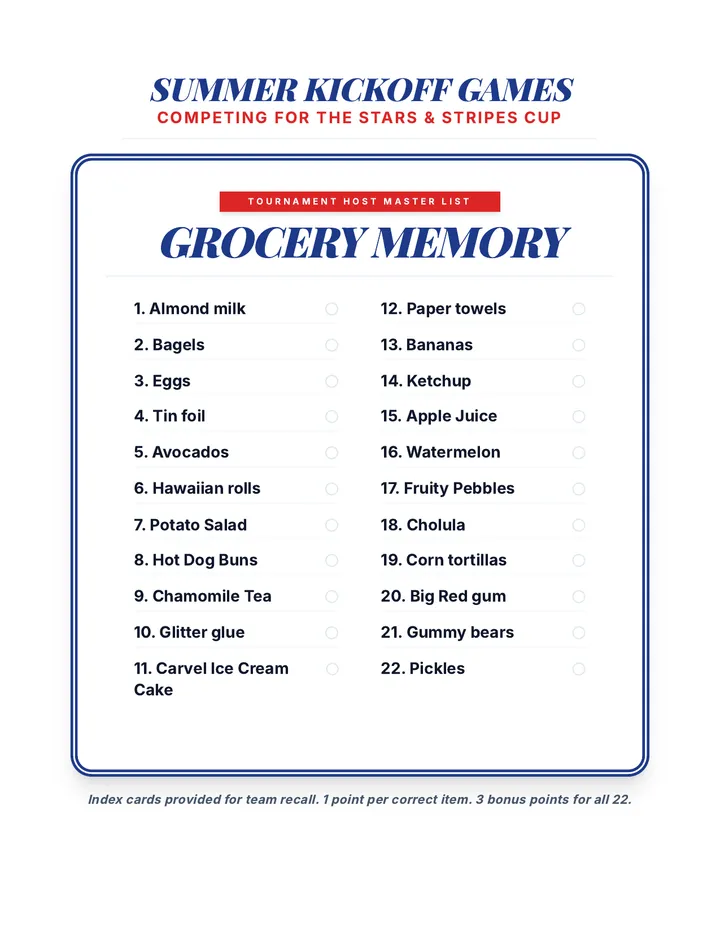
A high-energy collection of Memorial Day themed backyard games for Red, White, and Blue teams competing for the Stars & Stripes Cup. Includes rule sheets, scoring guides, and printable game materials.
A complete set of summer kickoff games including drawing battles, relays, memory challenges, and more, all themed for a festive Memorial Day celebration.
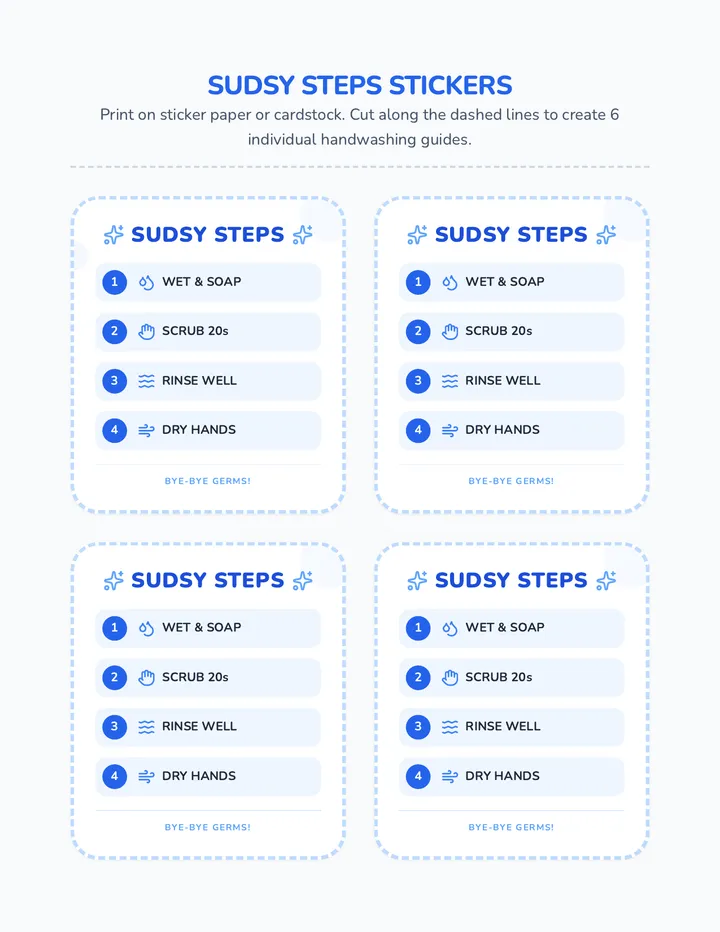
A practical guide to effective handwashing techniques for students, focusing on the essential steps to stay germ-free.
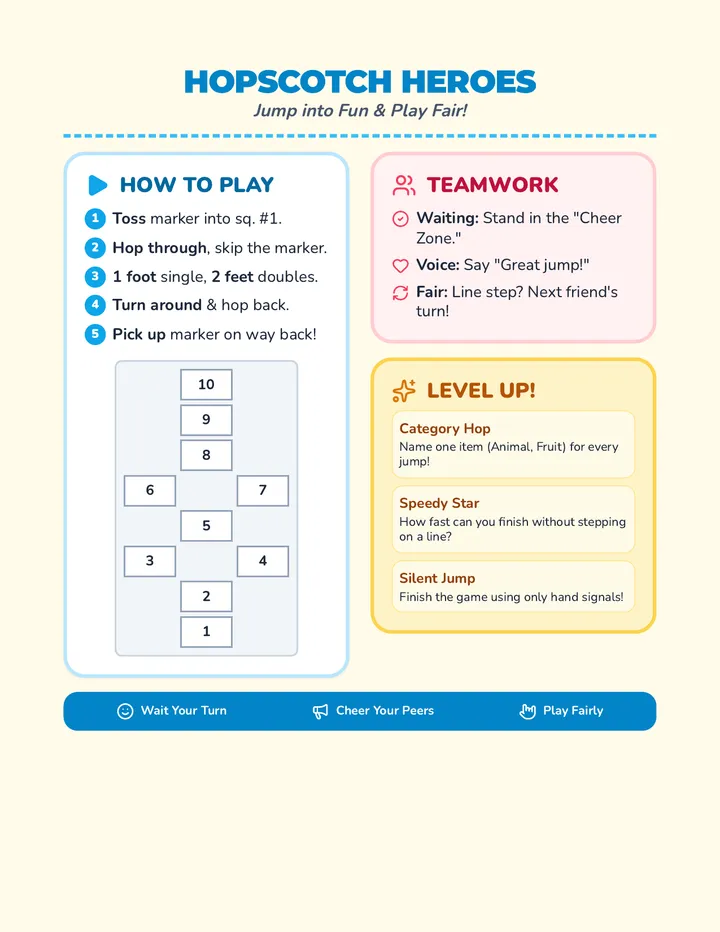
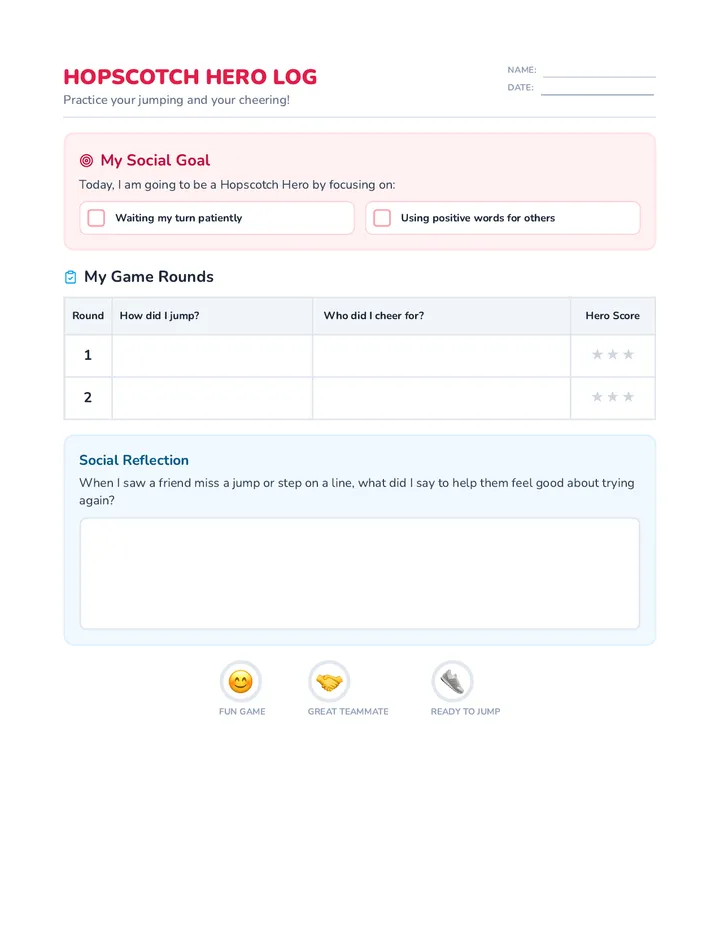
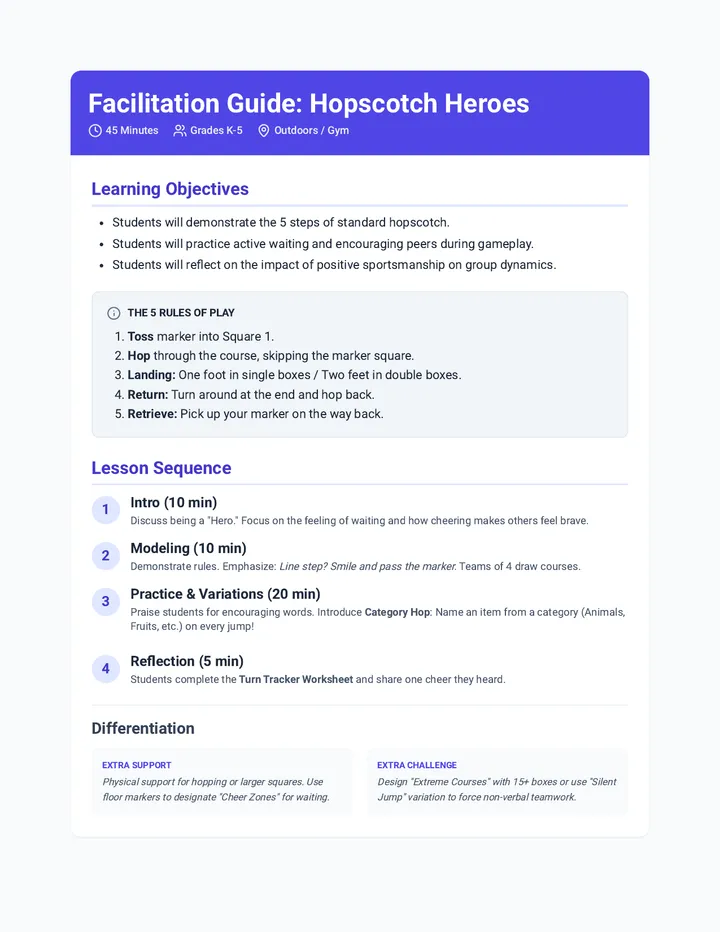
A lesson focused on teaching students how to play hopscotch while practicing essential social turn-taking skills, patience, and positive encouragement.
Une séance d'EPS immersive en forêt inspirée des jeux traditionnels écossais, adaptée pour des élèves de CM1-CM2. La séance met l'accent sur la force, la précision et la cohésion d'équipe en utilisant des matériaux naturels.
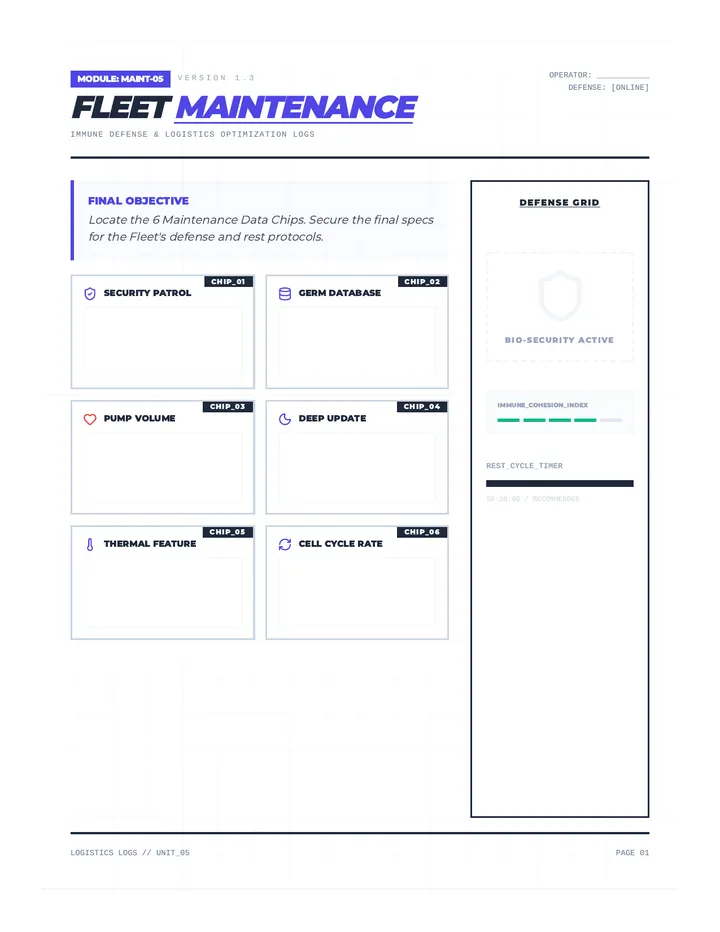
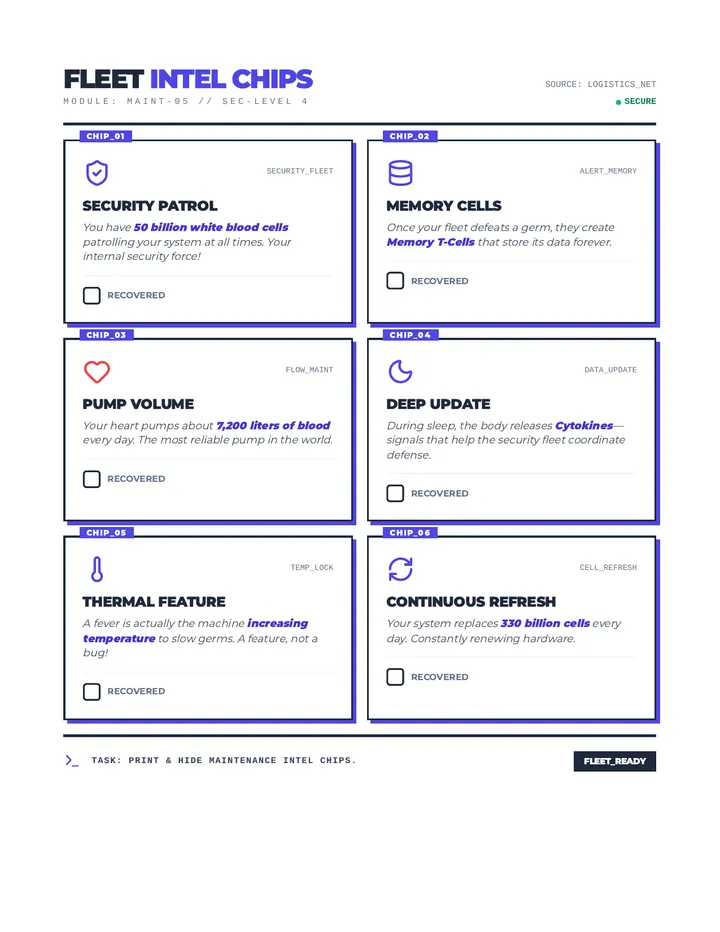
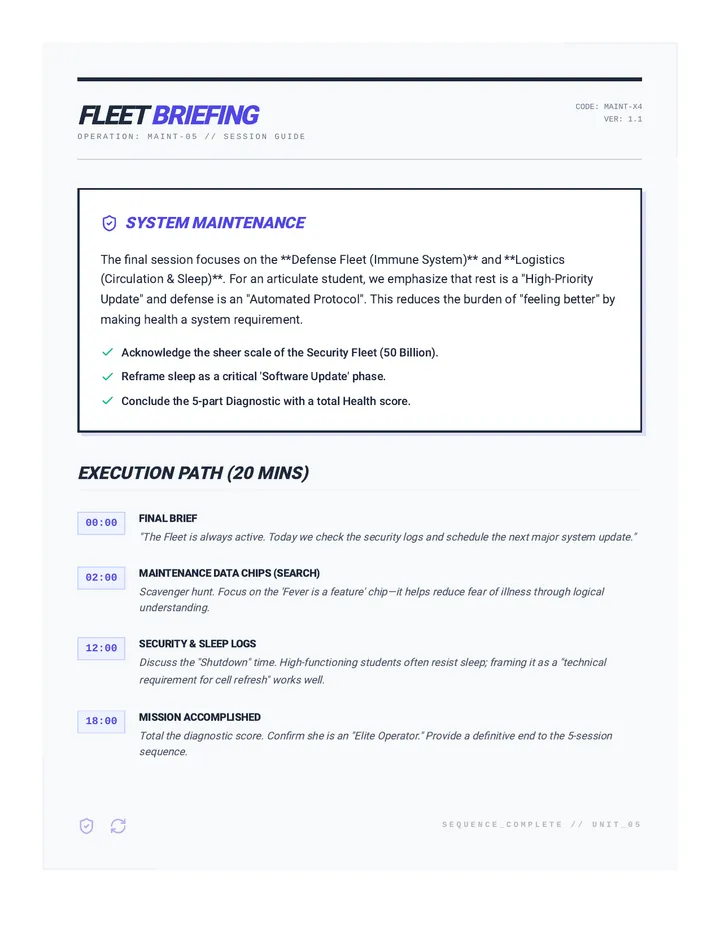
Concludes the sequence by looking at the immune and circulatory systems. Focuses on long-term system health, rest protocols, and 'defense grid' maintenance.
Focuses on the skeletal and muscular systems. Uses mechanical metaphors for movement and explores physical stability as a foundation for emotional regulation.
Explores the body's energy conversion systems. Focuses on the lungs and digestive tract as 'Fuel Systems' and explores the link between nutrition/oxygen and mental clarity.
Focused on the brain and nervous system as a 'Central Processing Unit'. Explores sensory processing and executive function through technical facts and grounding exercises.
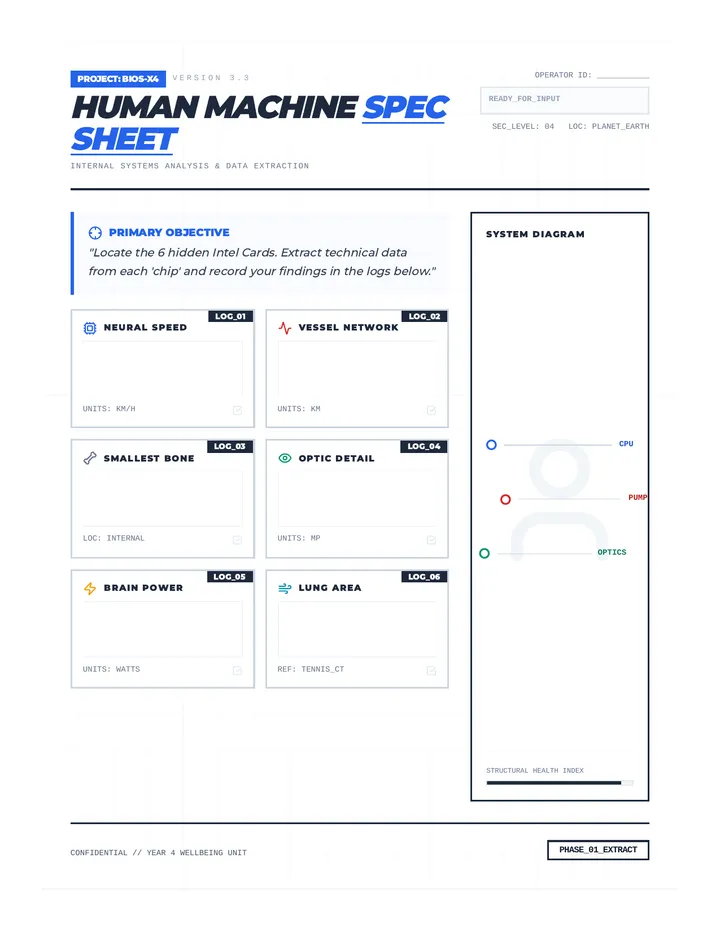
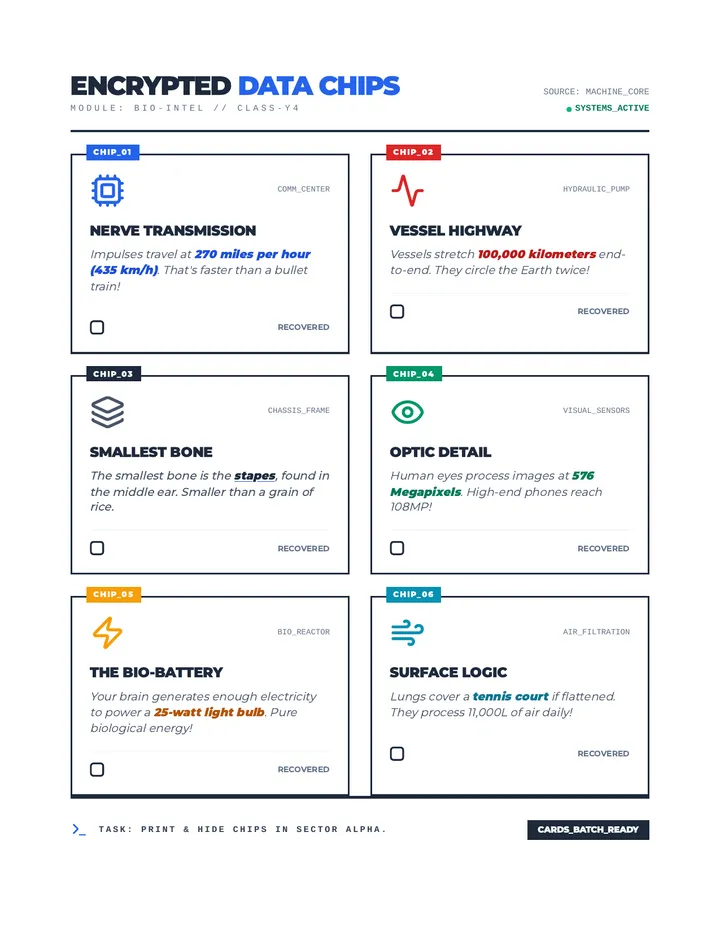
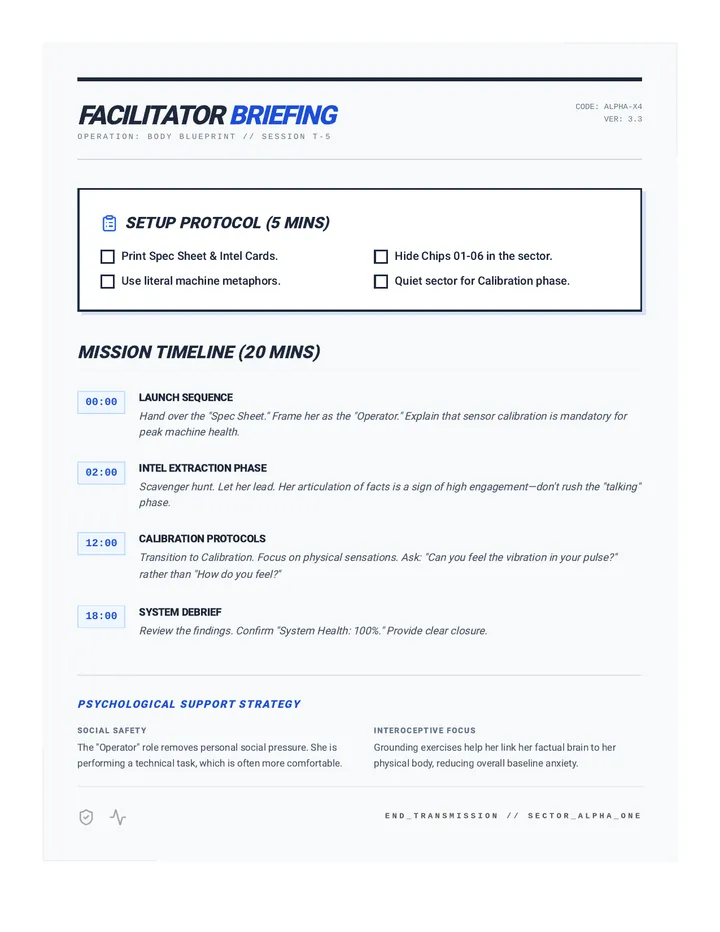
A high-speed wellbeing session focused on interoception and body facts for a Year 4 student who loves technical details and how things work. This lesson frames the human body as an advanced machine that requires calibration and check-ins.
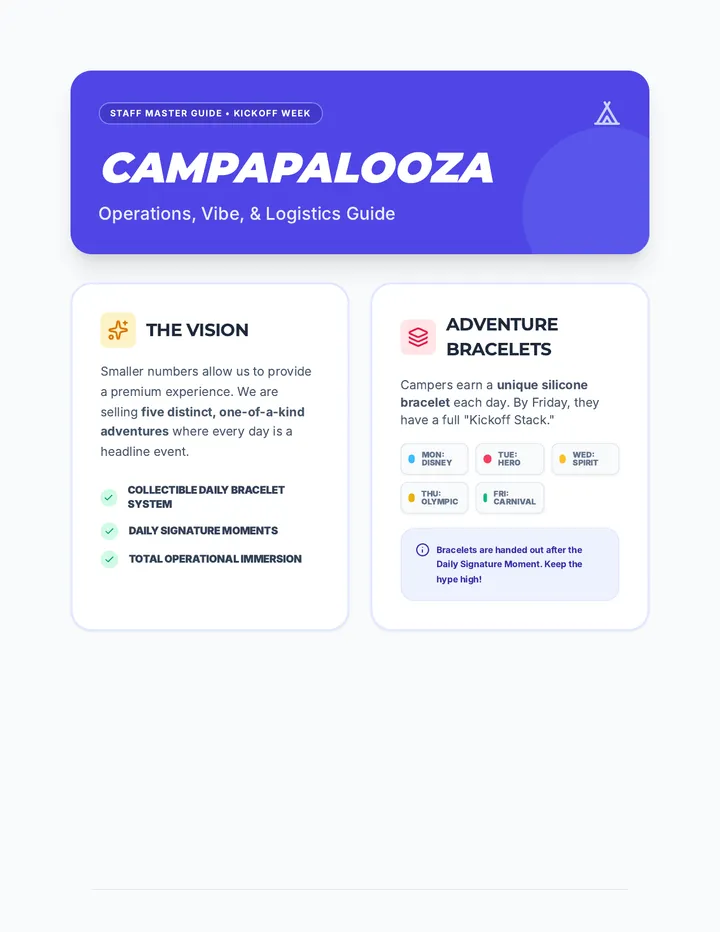
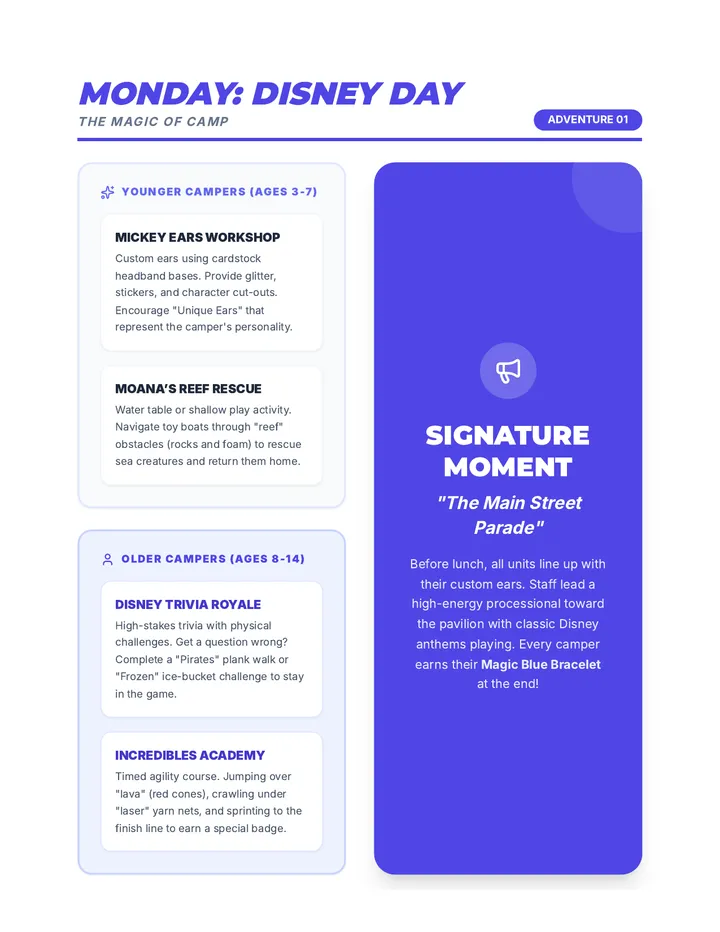
A high-energy kickoff week guide for camp staff, featuring a 'one-of-a-kind adventure' theme with daily themed activities and operational strategies to maximize camper engagement and belonging.
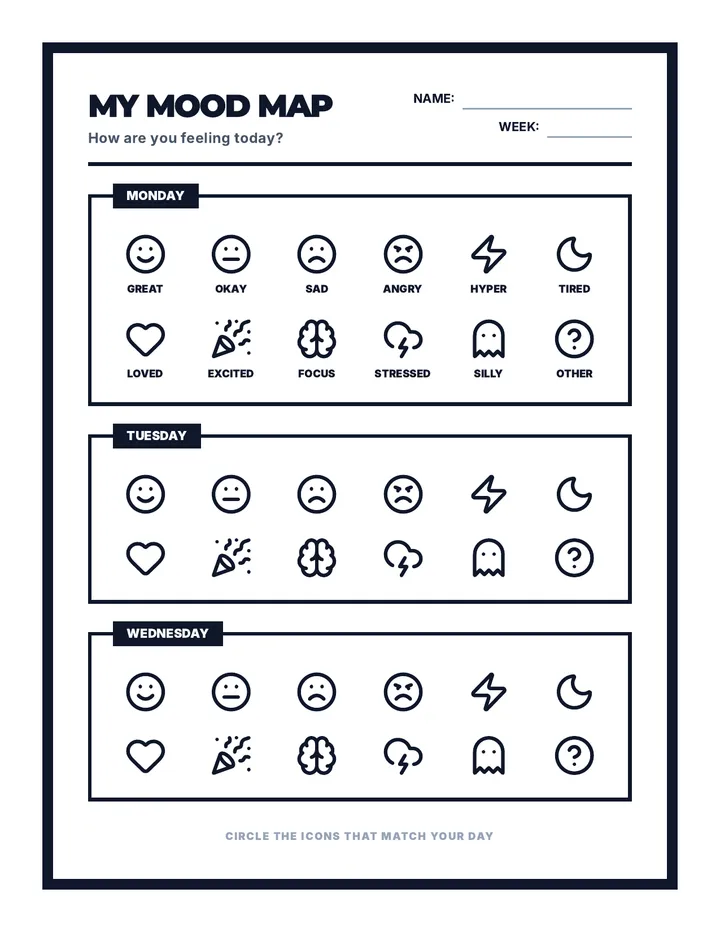
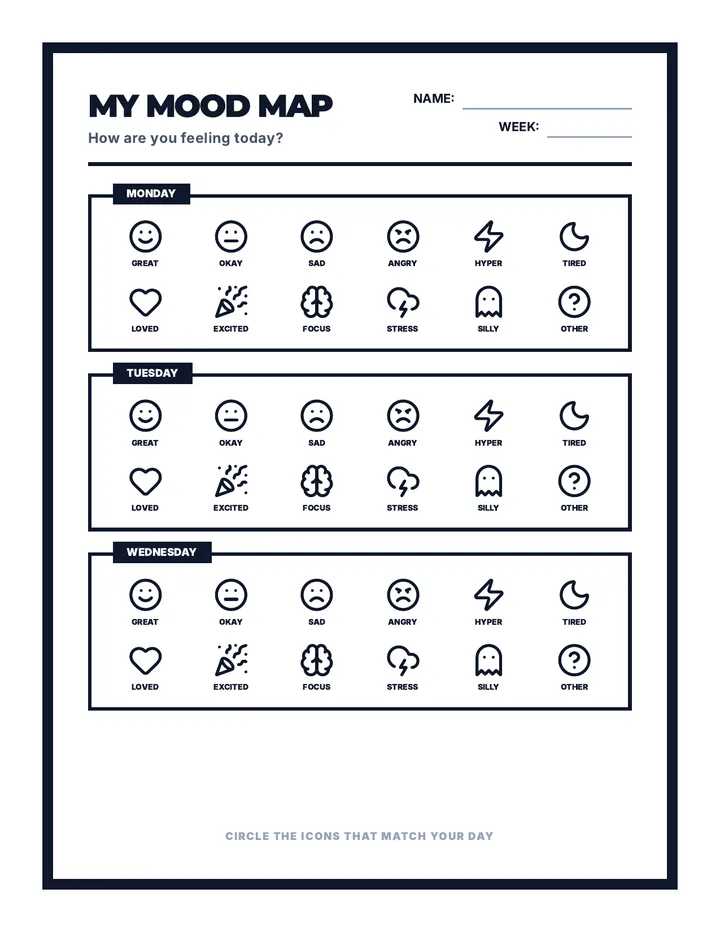
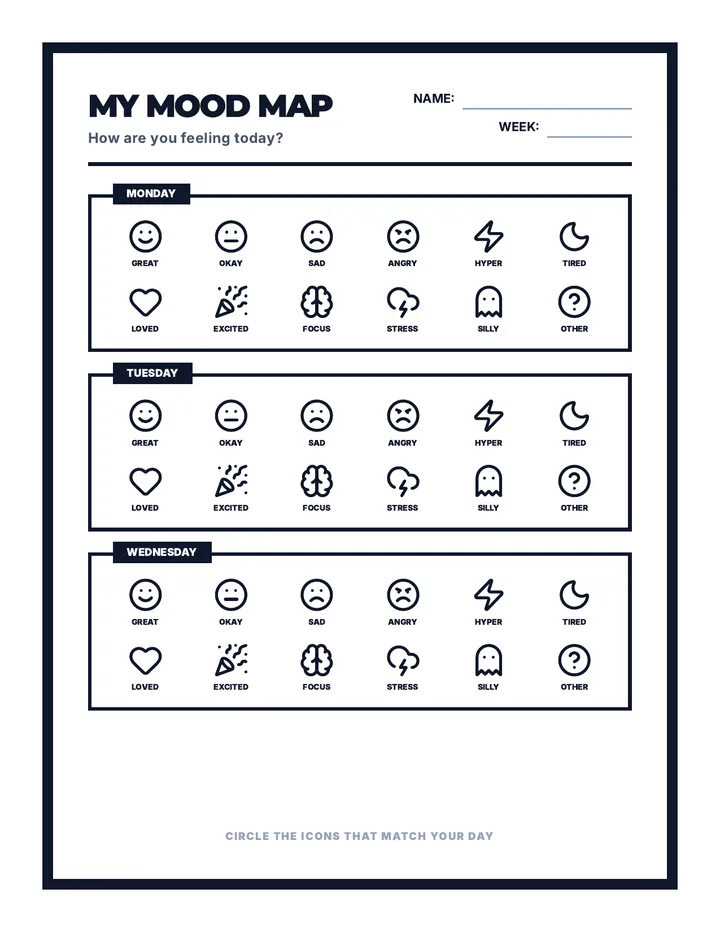
A comprehensive 7-page weekly health and wellness tracking packet designed to help students monitor their mood, nutrition, sleep, and personal hygiene habits.
A life skills lesson where students become 'Sleep Detectives' to analyze habits and identify healthy sleep patterns using visual scenarios and simple decision-making.
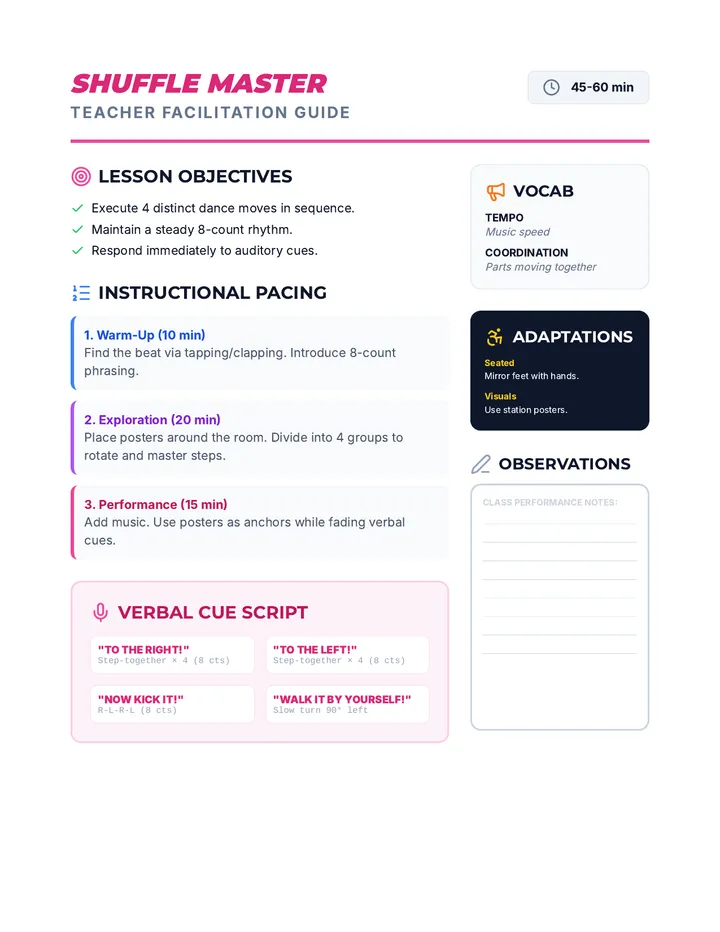
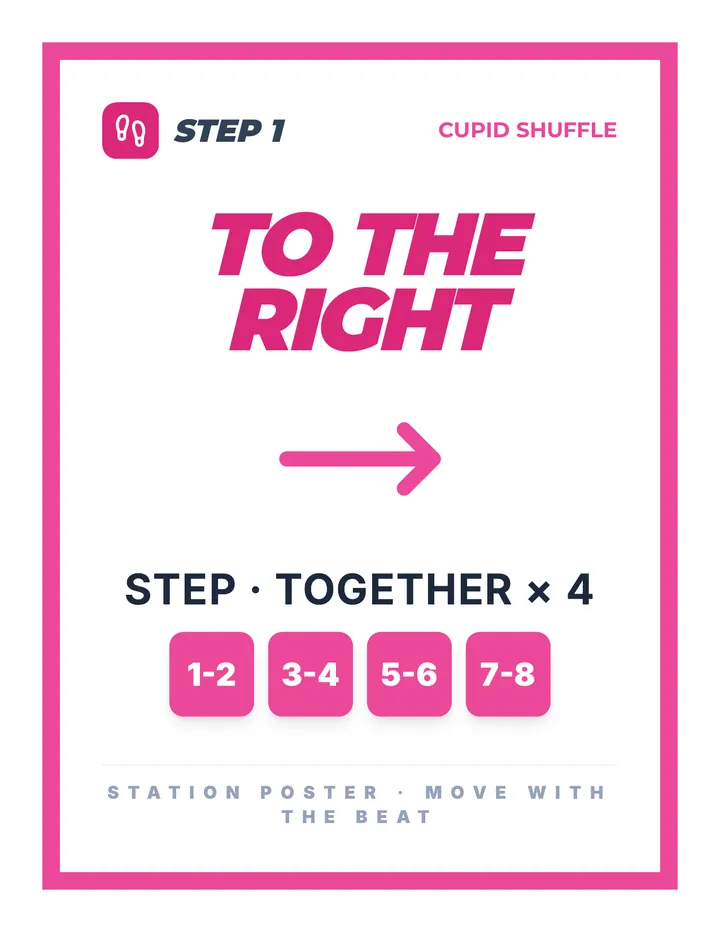
A high-energy lesson focused on mastering the Cupid Shuffle while developing rhythm recognition, coordination, and the ability to follow multi-step auditory instructions.
A comprehensive lesson on water safety covering the buddy system, life jacket use, open water hazards, and emergency response techniques. Students will learn to recognize dangers and respond appropriately in various aquatic environments.
A comprehensive lesson on water safety covering pool, beach, and open water environments, emphasizing the buddy system and emergency procedures.
A comprehensive 90-minute lesson where students analyze fire causes, learn safety precautions, and design detailed fire safety plans for home, school, and the community.
A comprehensive community-based instruction lesson focused on developing pedestrian safety, situational awareness, and real-world decision-making skills during a guided walking tour.
A collection of interactive worksheets focused on the importance of sleep, healthy bedtime routines, and the physical and emotional benefits of rest for life skills students.
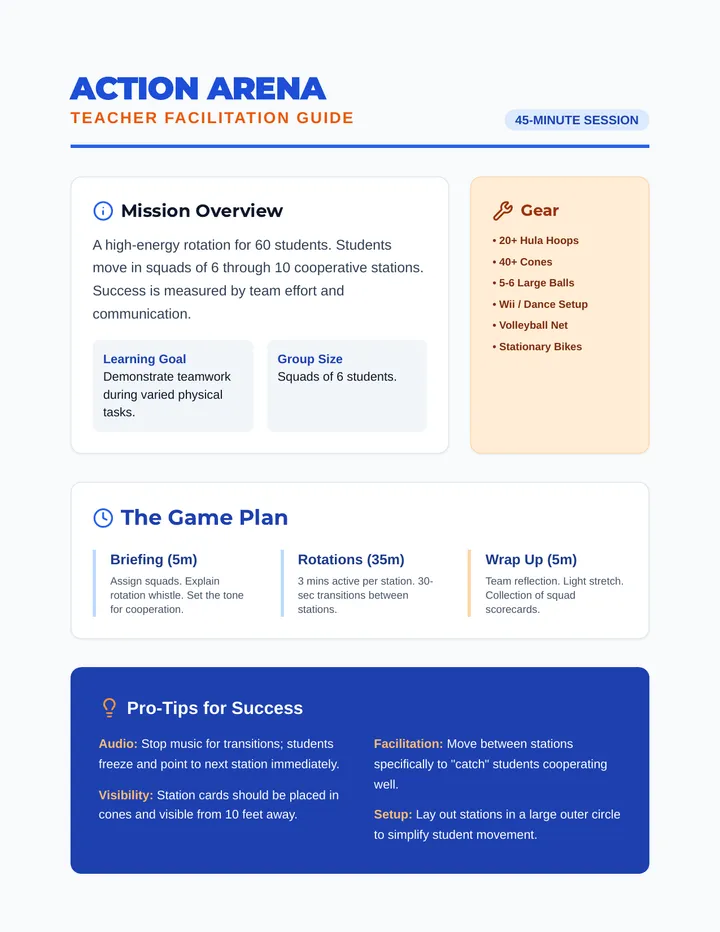
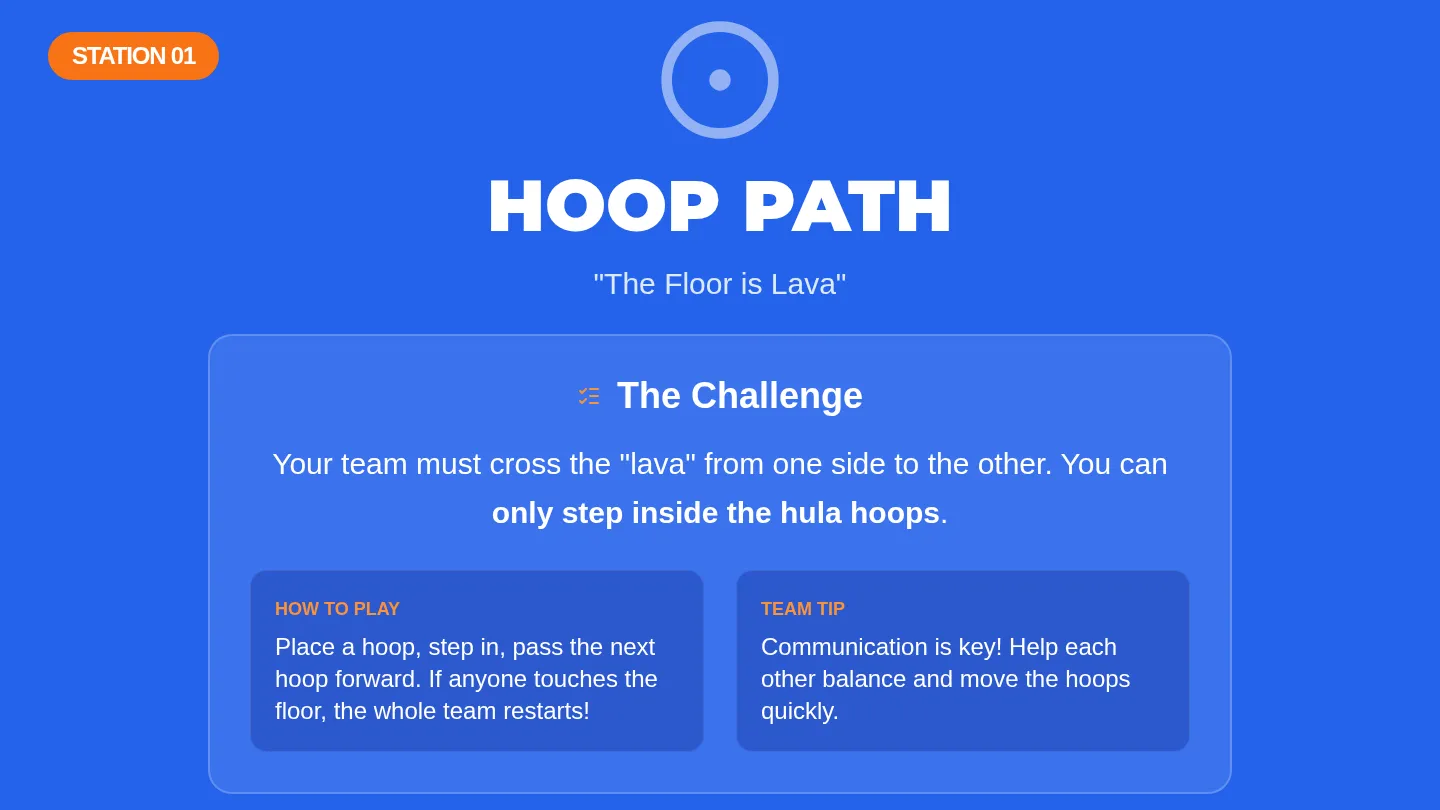
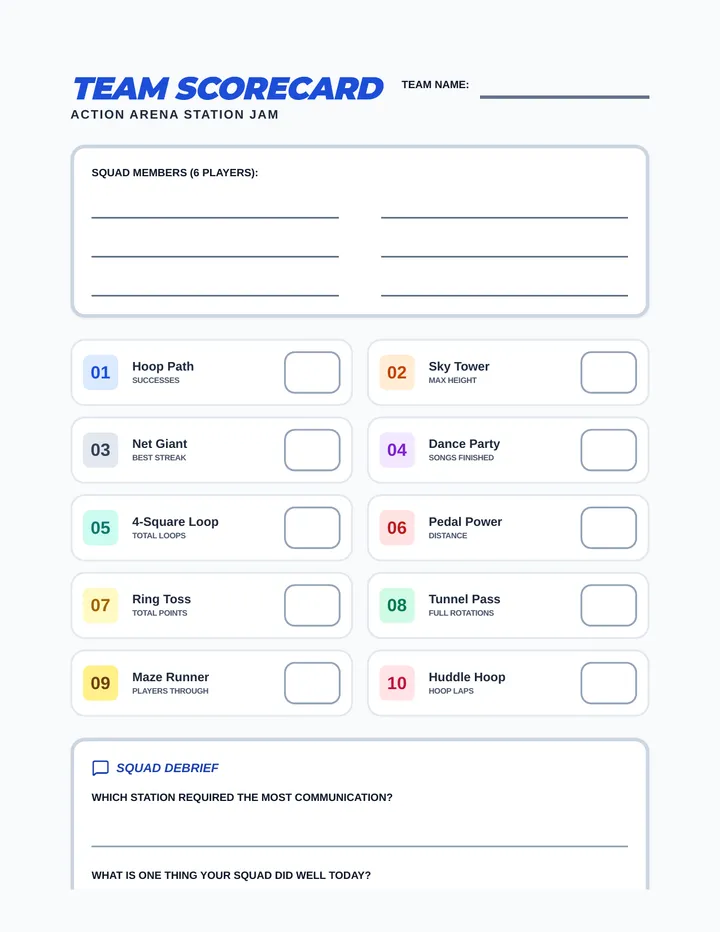
A high-energy, 45-minute PE lesson featuring 10 active stations designed for large groups. Students rotate through teamwork-based challenges using hoops, balls, cones, and technology to build cooperation and fitness.
A fast-paced, creative project where students design safety posters covering water, sun, bike, and general summer safety tips in a 25-minute sprint.