A 50-minute health lesson for 7th graders that deconstructs the glamorization of alcohol and tobacco in media and pop culture. Students develop media literacy skills to distinguish between entertainment tropes and real-life consequences.
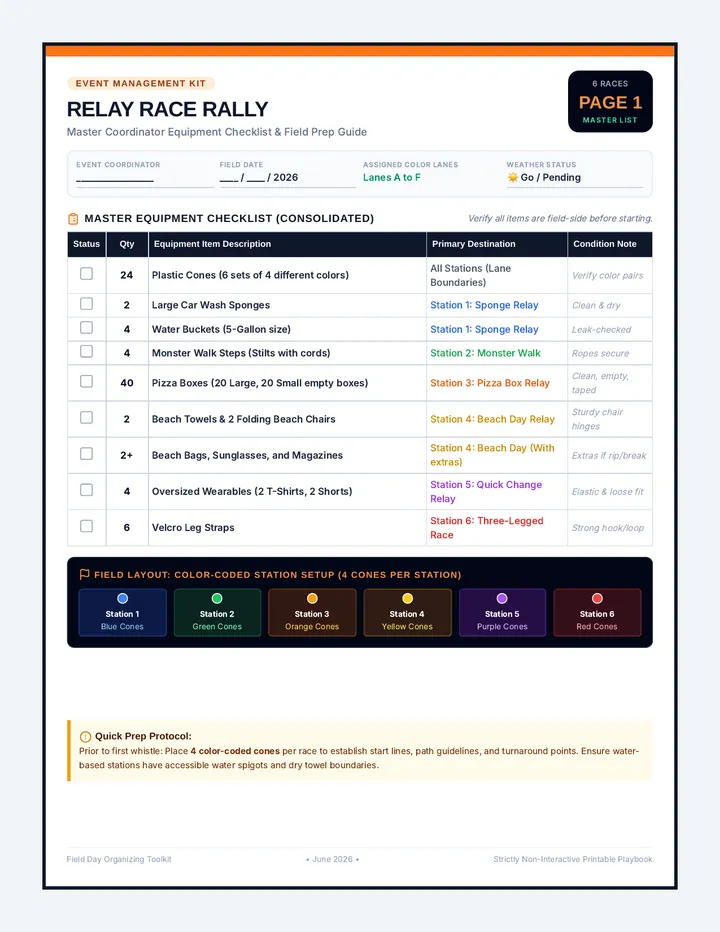
A comprehensive coordination and volunteer guide for organizing six classic Field Day relay races. This resource provides parent volunteers with clear setup diagrams, simplified rules, and a master clipboard inventory to ensure a smooth, high-energy event.
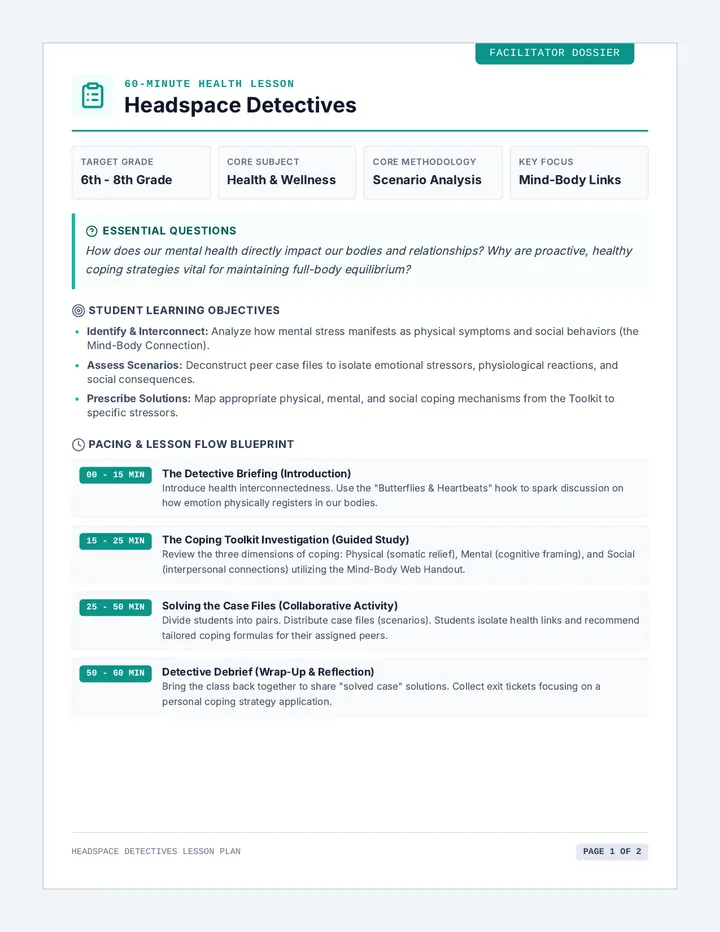
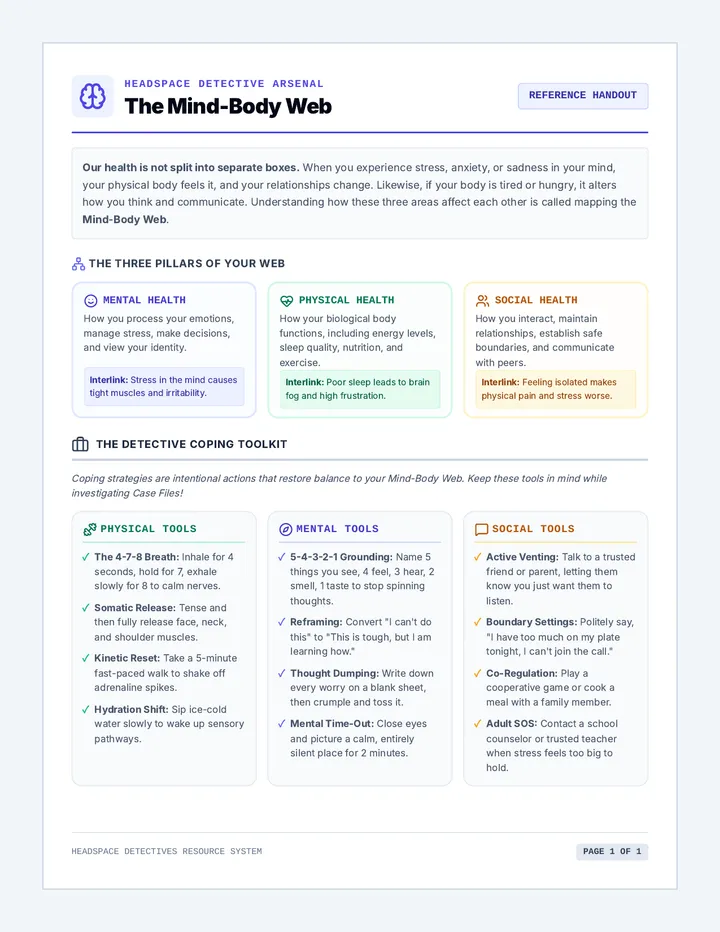
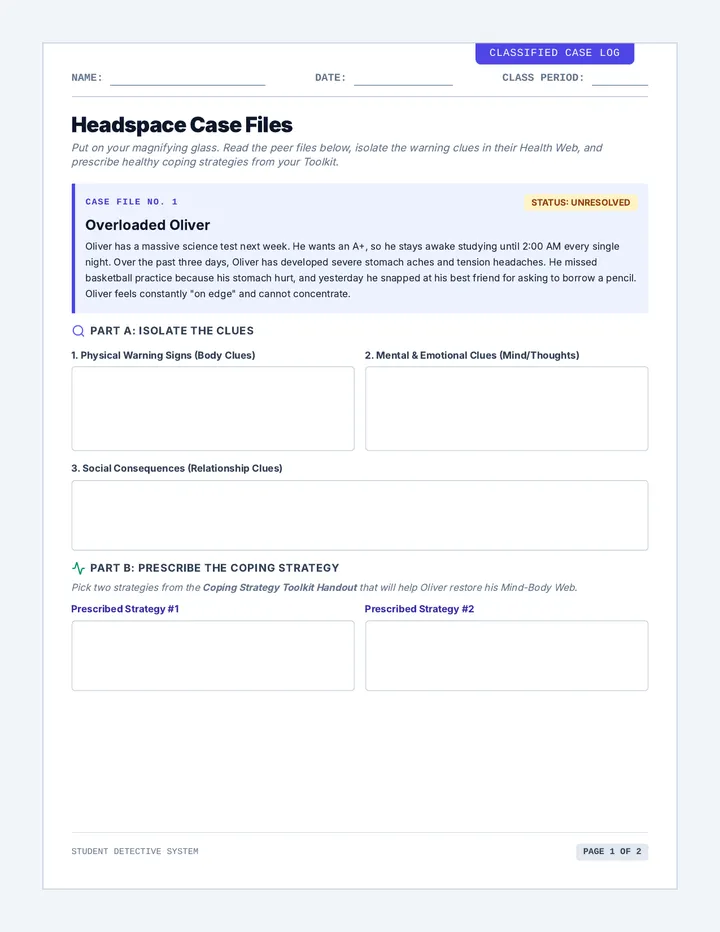
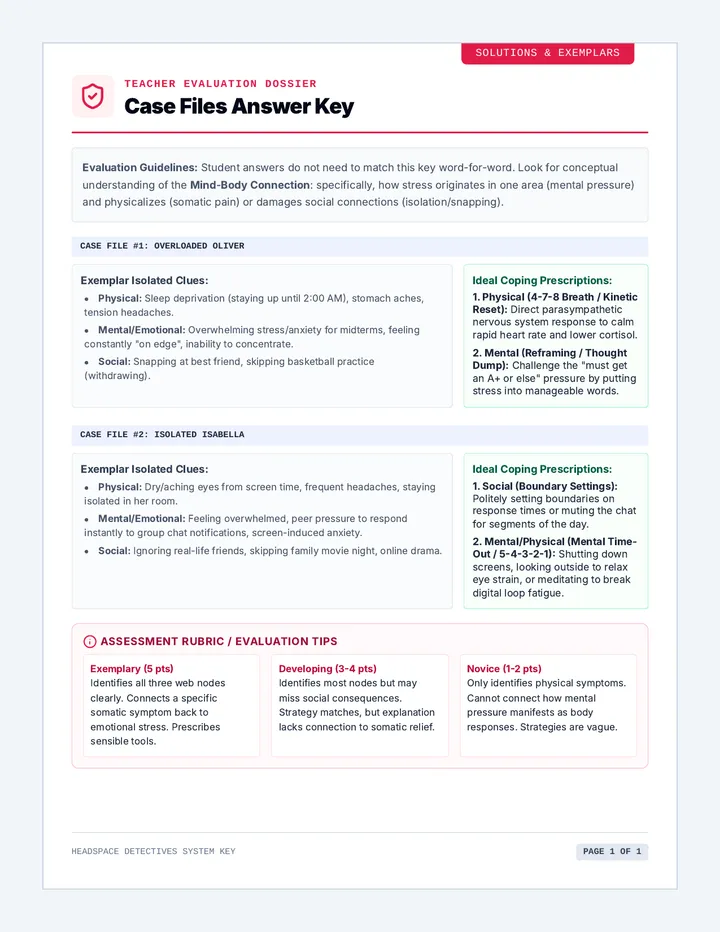
A comprehensive 60-minute lesson designed to teach students how mental health connects to physical and social well-being. Students act as 'Headspace Detectives' to analyze real-world peer scenarios, identify underlying mind-body links, and recommend healthy coping strategies from a toolkit.
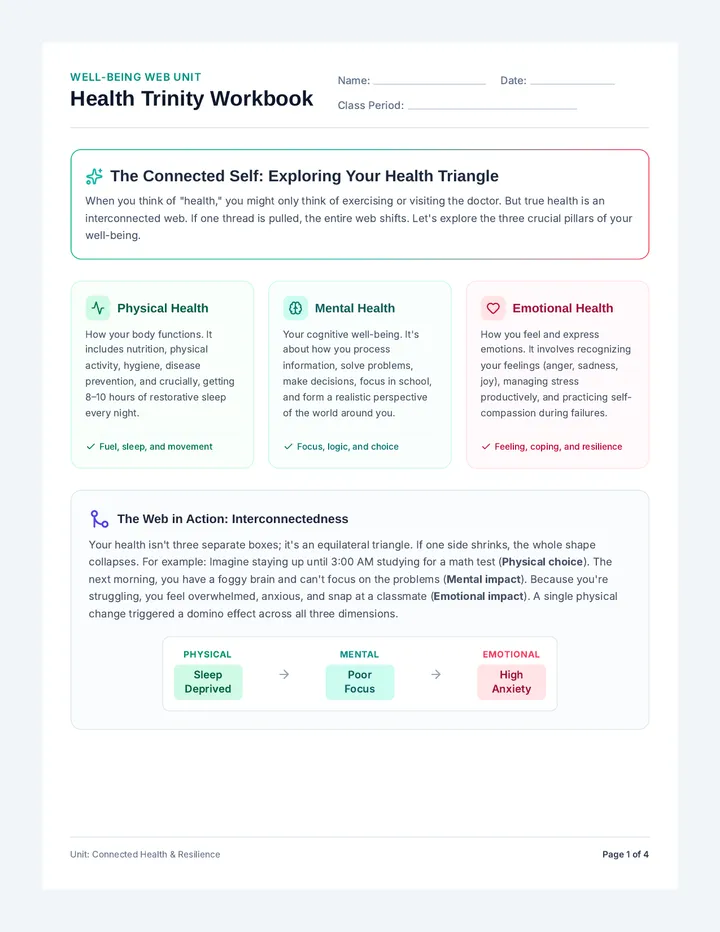
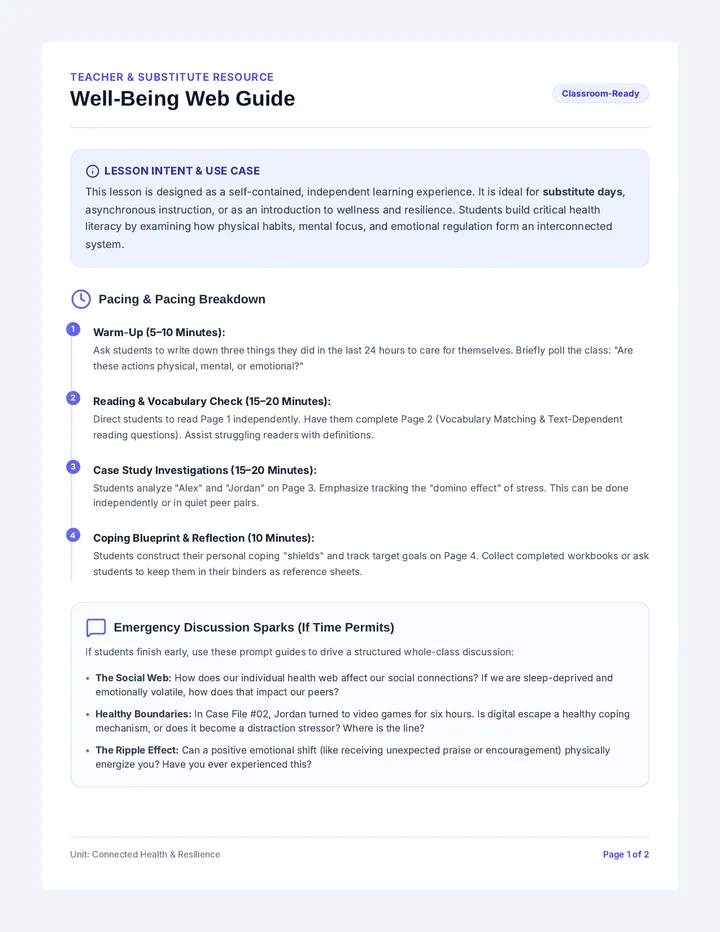
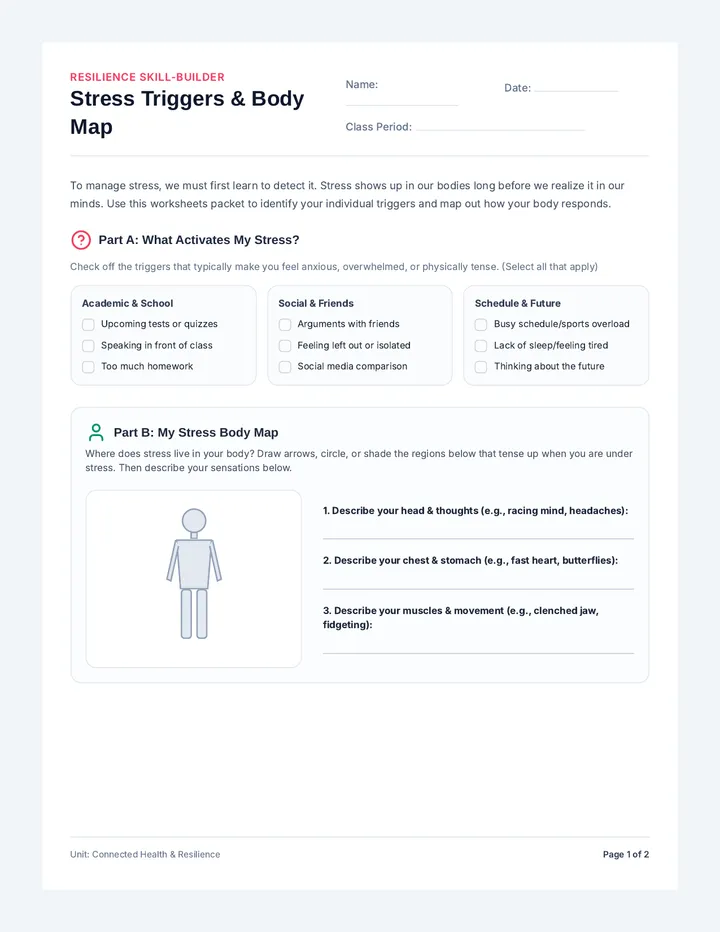
An independent substitute packet focusing on the interconnectedness of physical, mental, and emotional health. Students analyze real-world scenarios, complete guided readings, and practice stress-management and coping strategies.
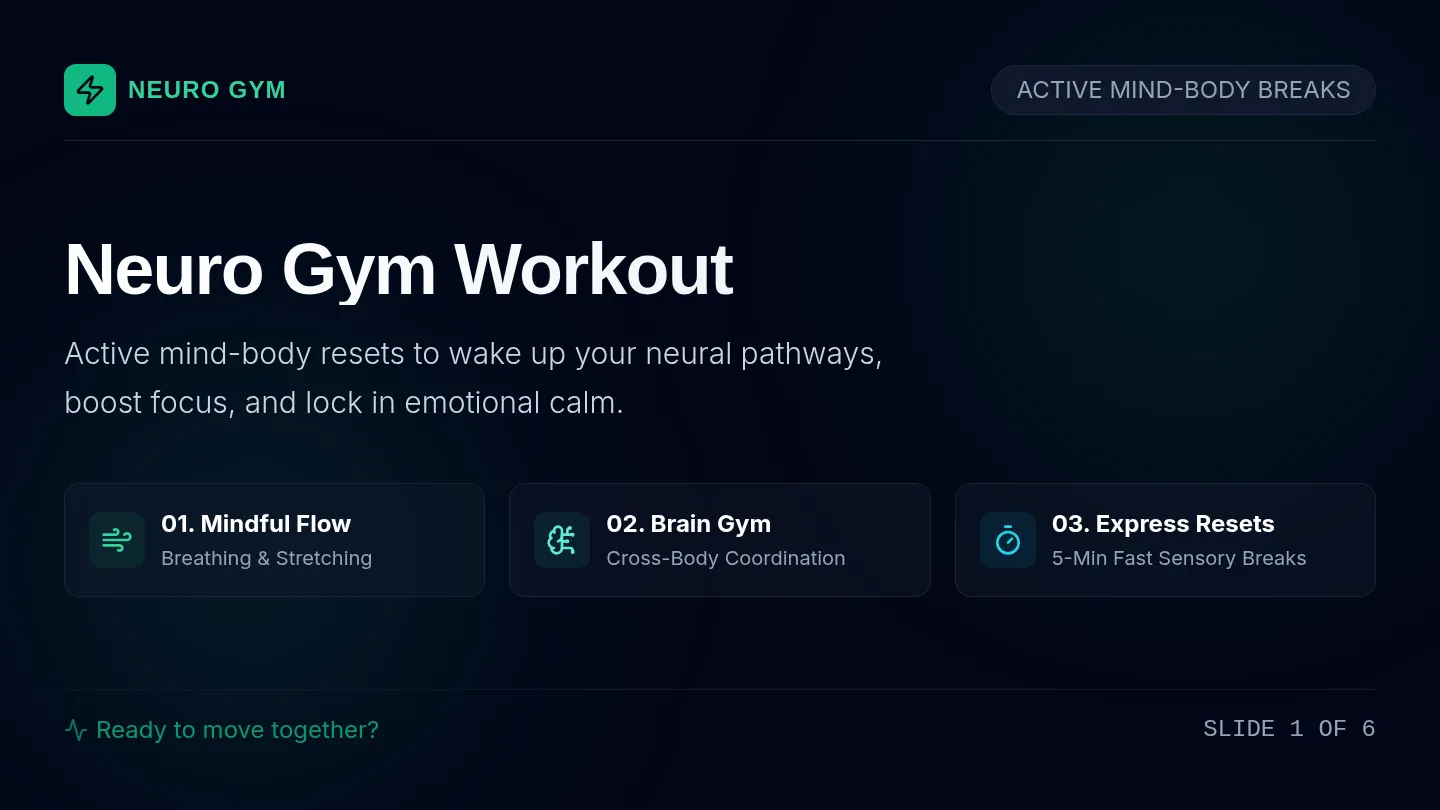
An active mindfulness and coordination lesson that combines low-impact yoga, cross-body brain gym exercises, and express sensory resets to optimize student focus and well-being.
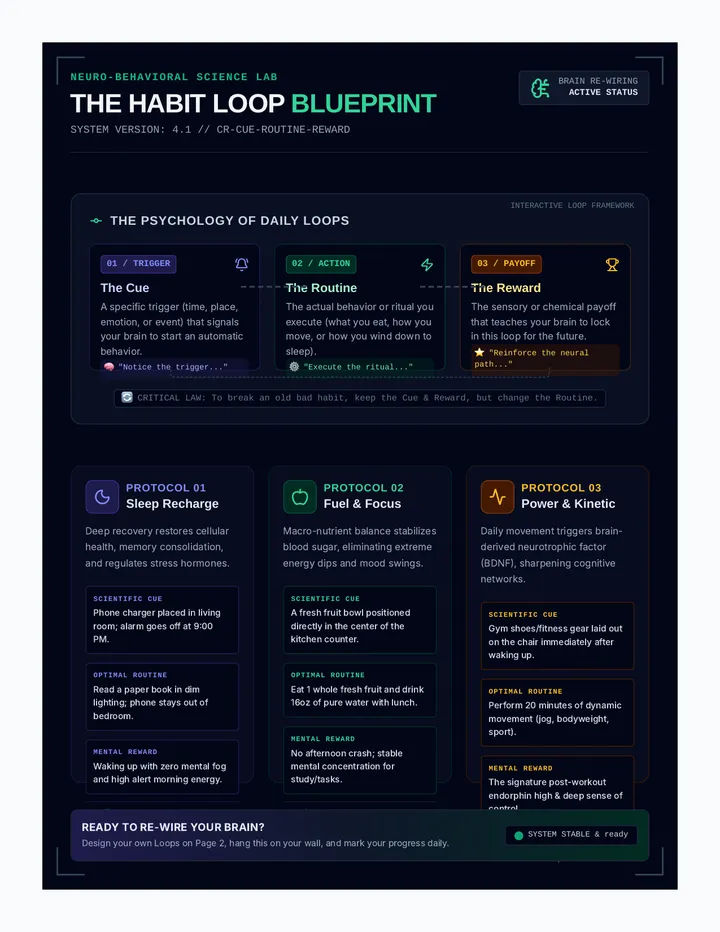
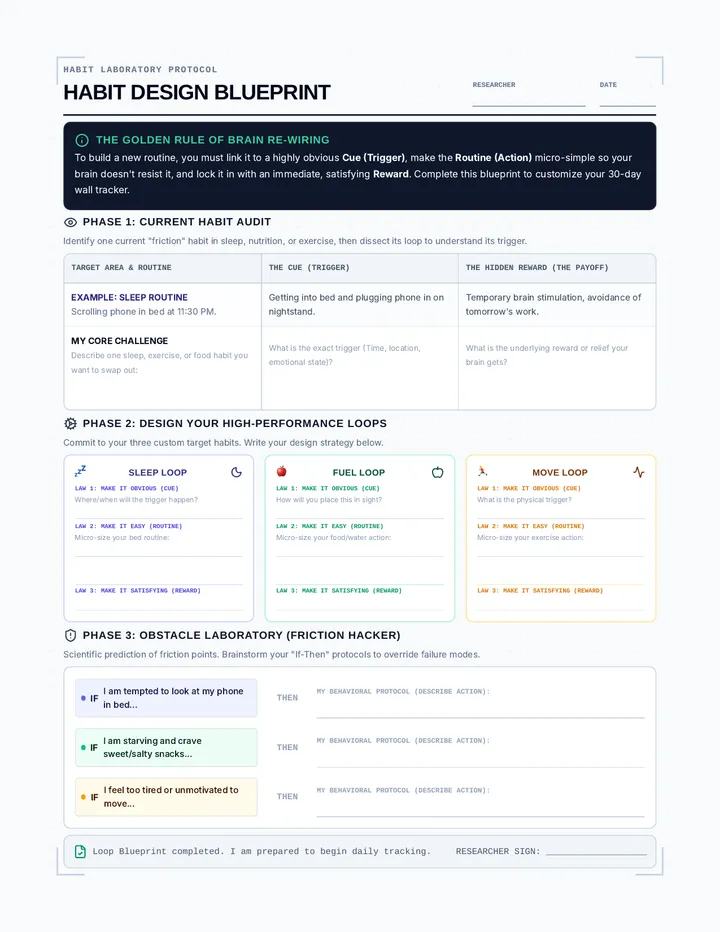
A hands-on guide and tracking system grounded in behavioral science to help students build lasting sleep, exercise, and nutrition habits. Students explore the psychology of cues, routines, and rewards to design and stick to their personal health goals.
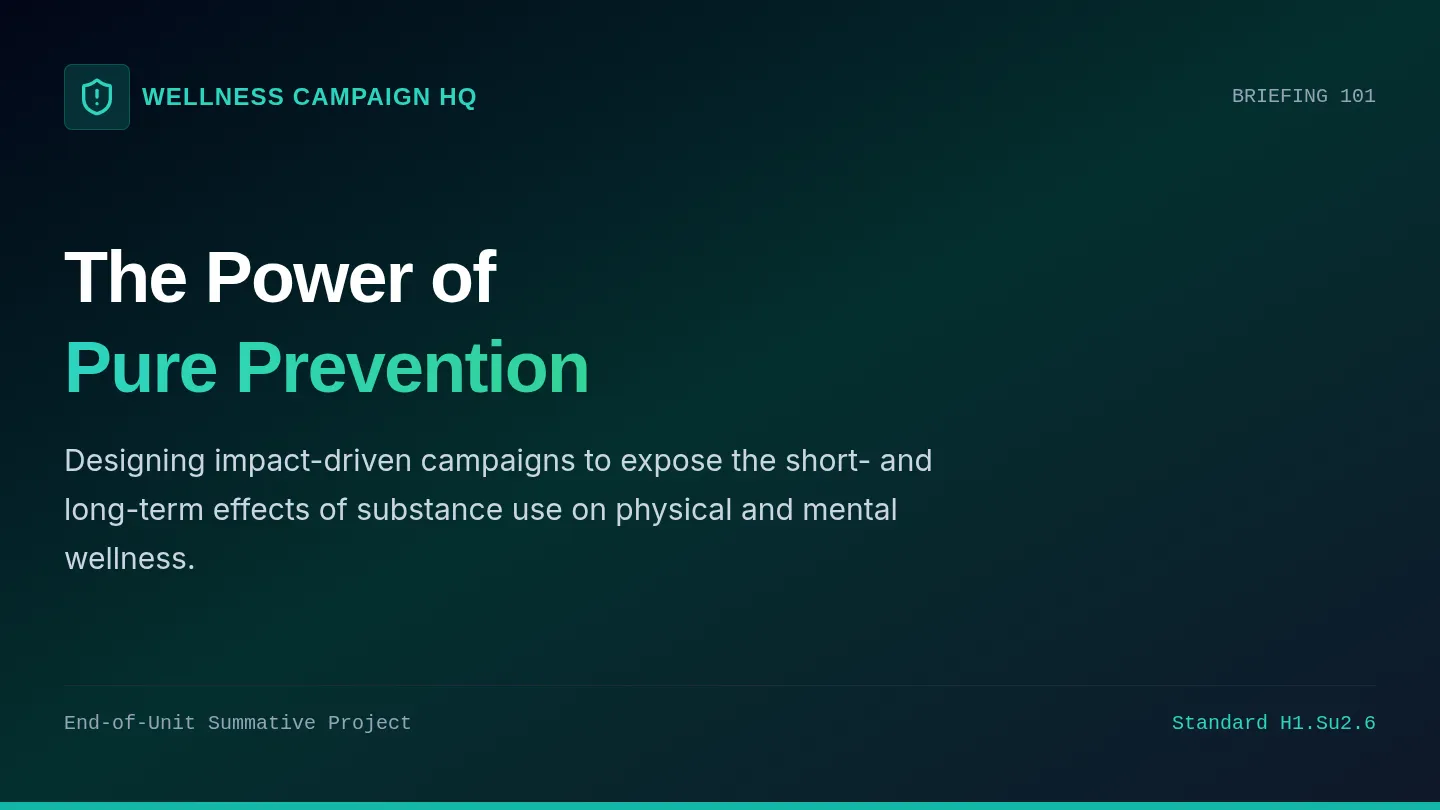
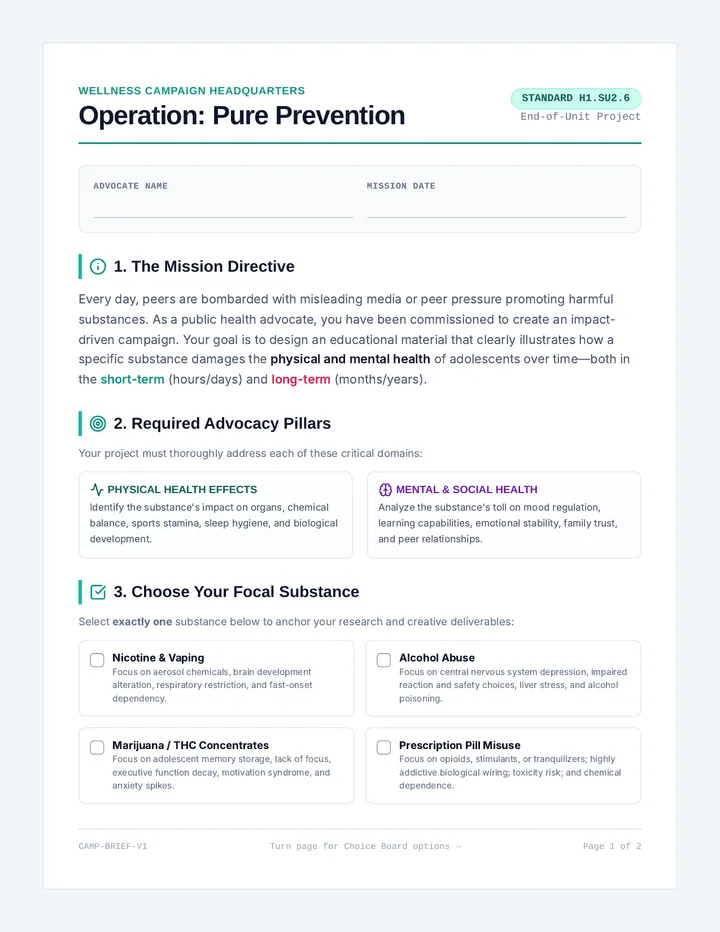
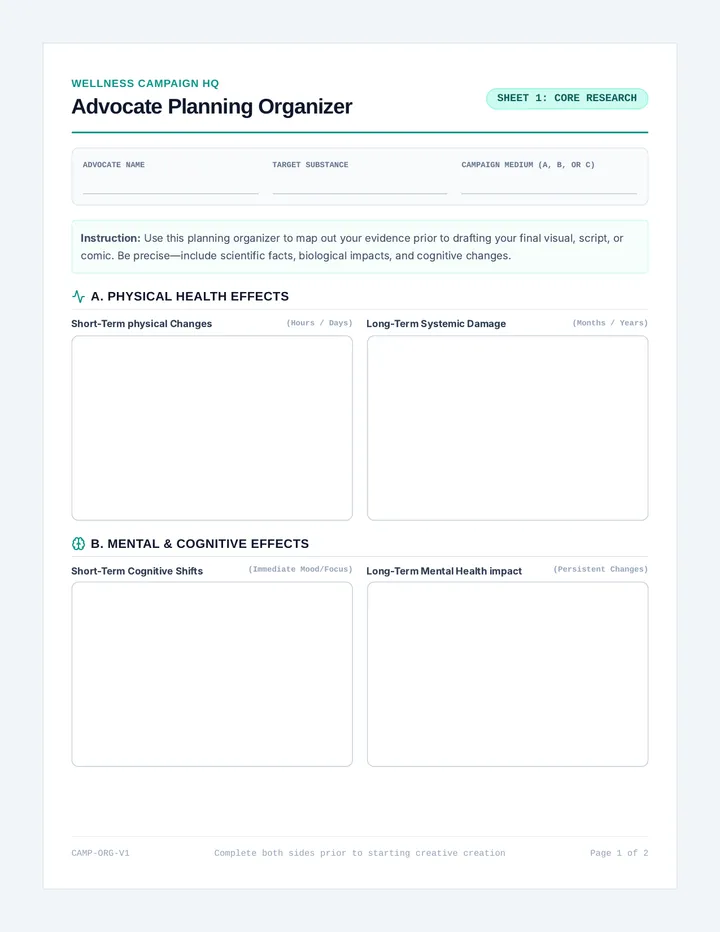
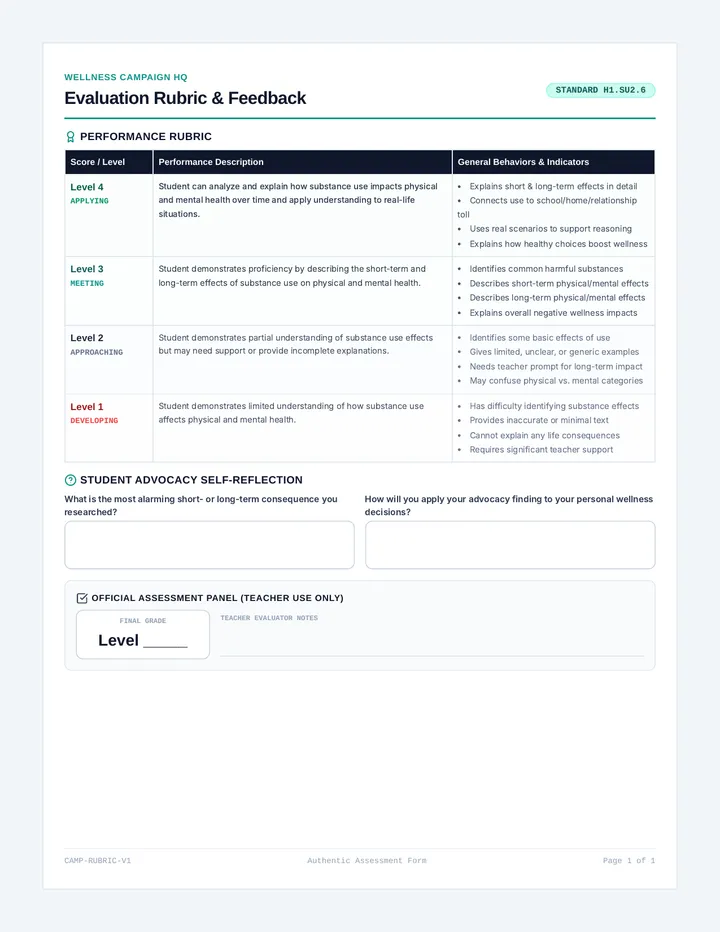
An end-of-unit project bundle where students act as public health advocates to design a PSA or select from a creative choice board, analyzing the short- and long-term physical and mental health effects of substance use.
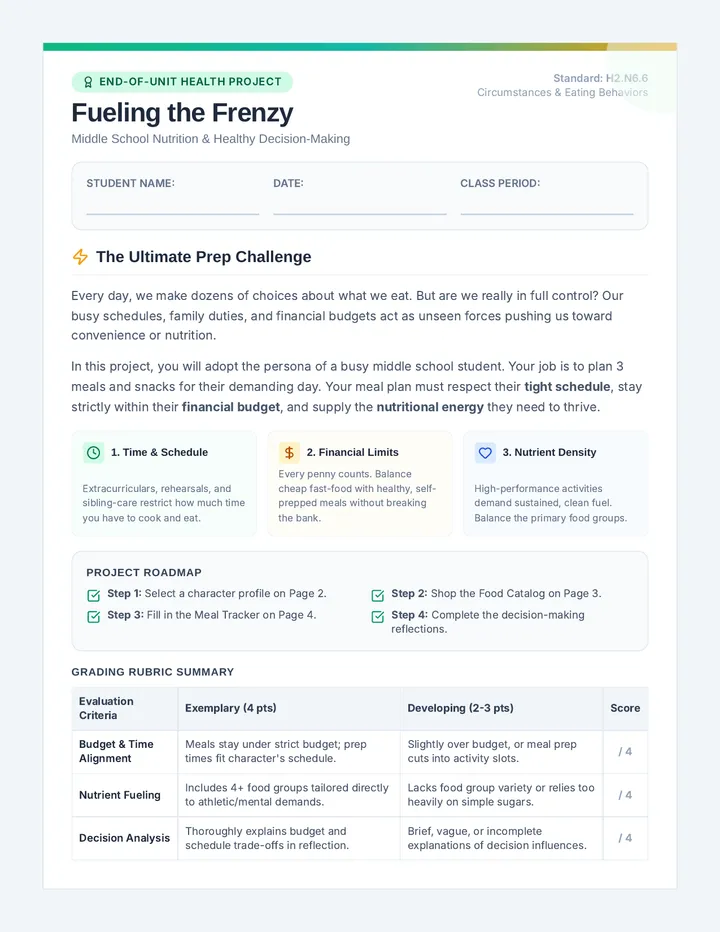
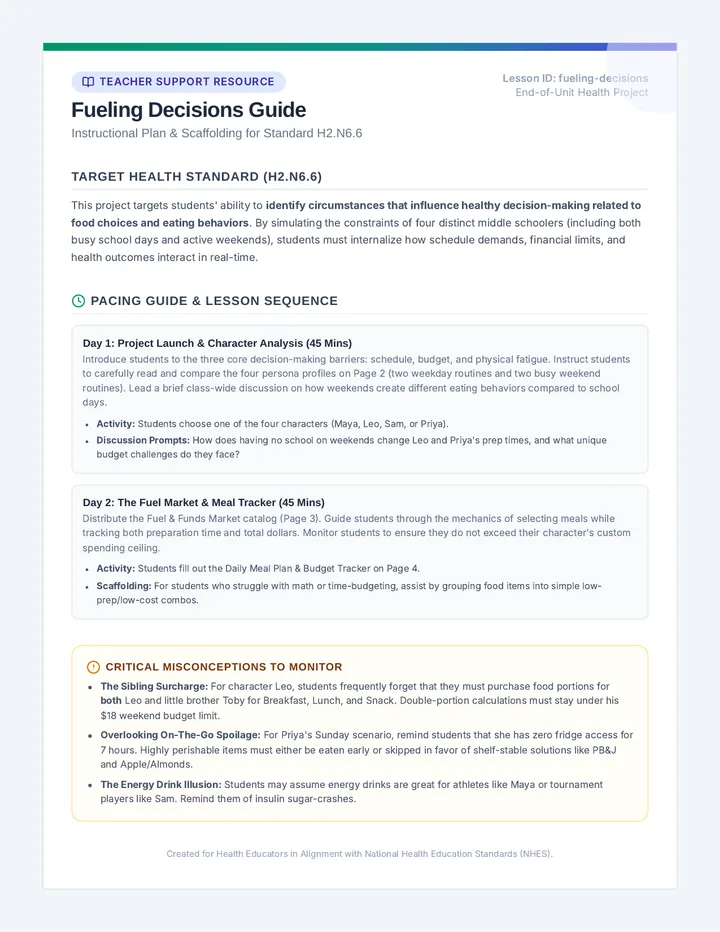
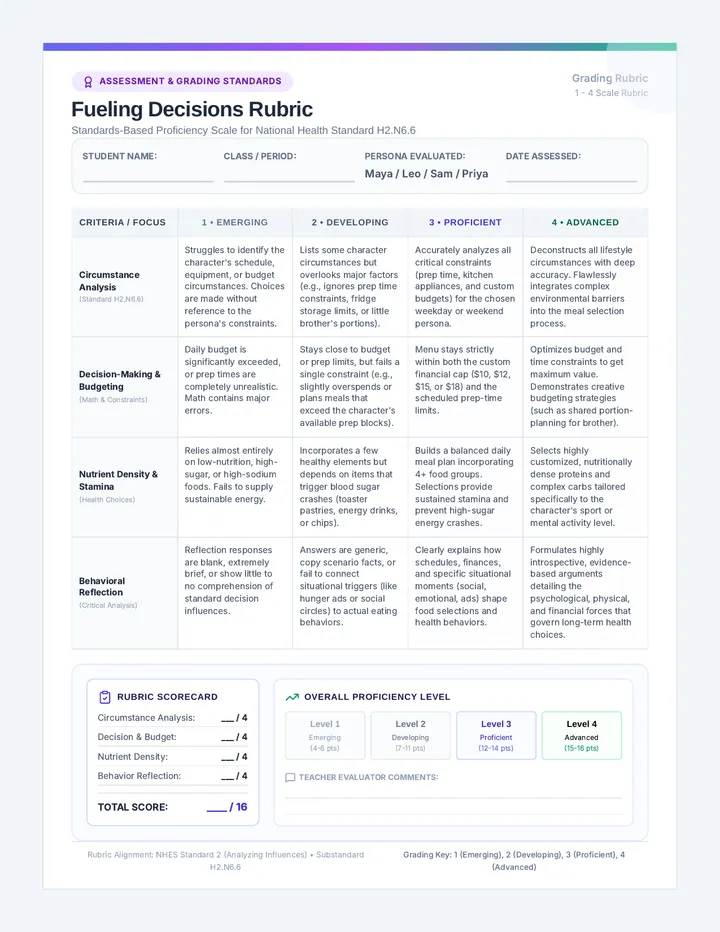
This lesson centers on standard H2.N6.6, helping students explore real-life circumstances like budget, schedule, and nutritional needs that influence food choices and eating behaviors. Through a hands-on project packet, students analyze middle school personas, budget their food, plan balanced meals, and reflect on decision-making influences.
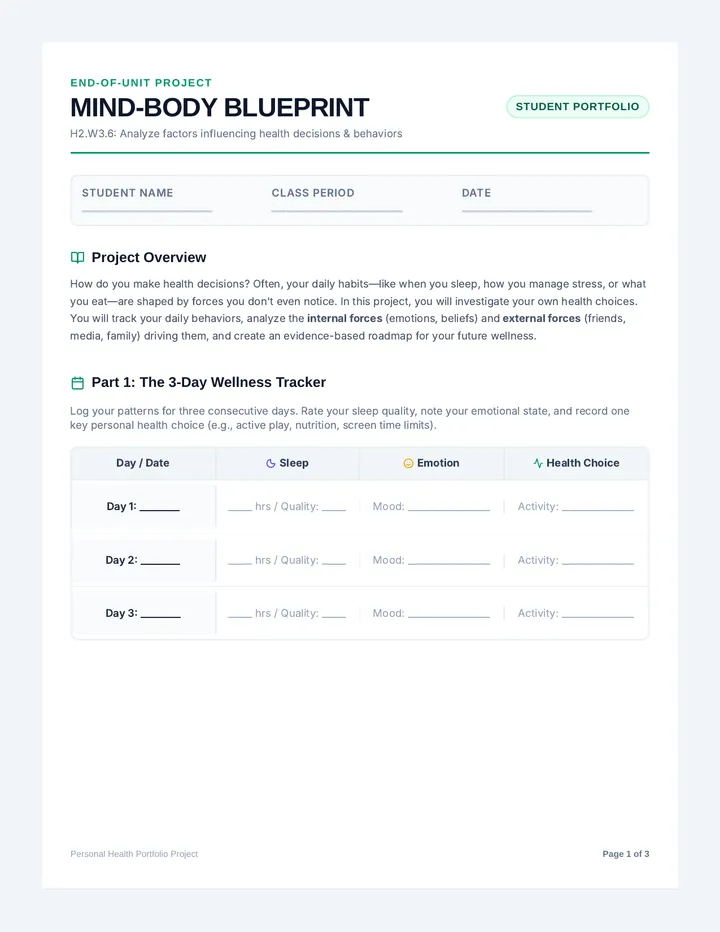
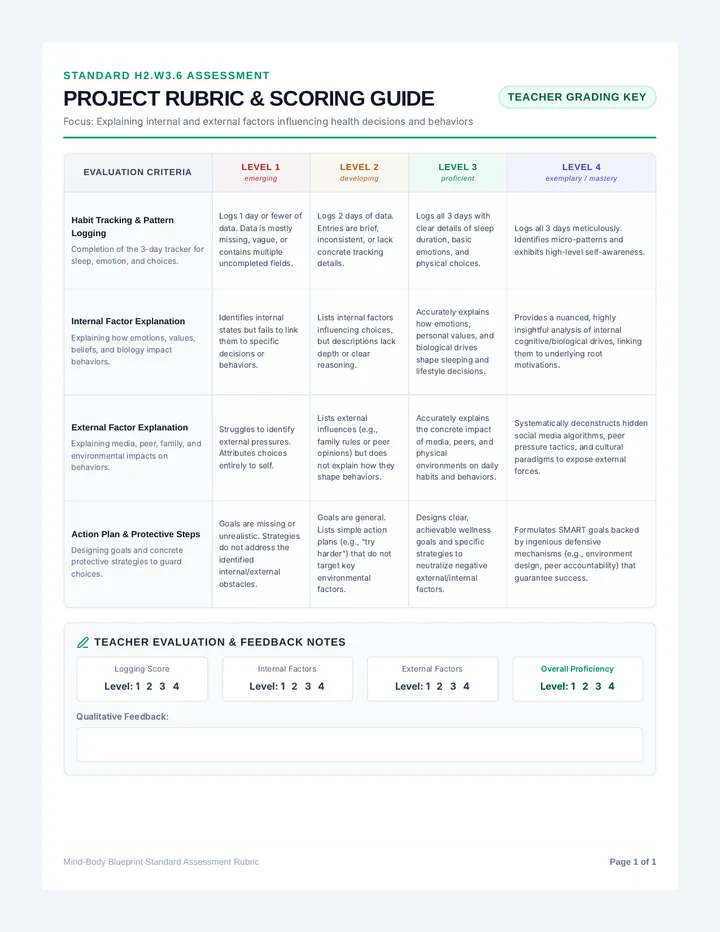
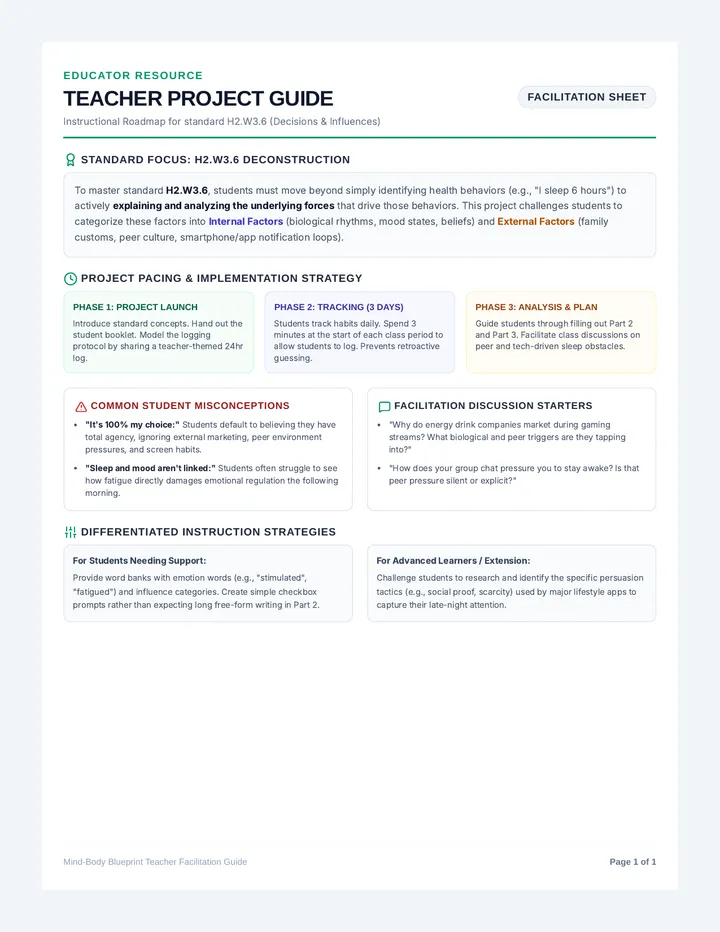
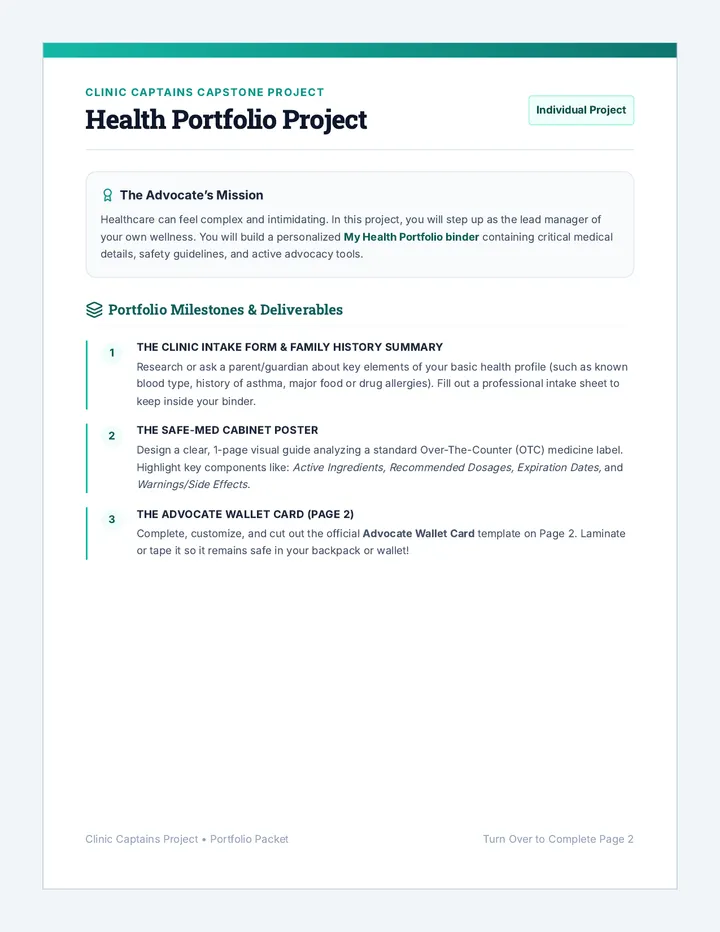
A comprehensive health portfolio project where students log their sleep, emotional regulation, and personal choices, analyze the internal and external factors influencing their behaviors, and design a personalized action plan. Includes student logs, an analytical rubric, and a teacher facilitation guide.
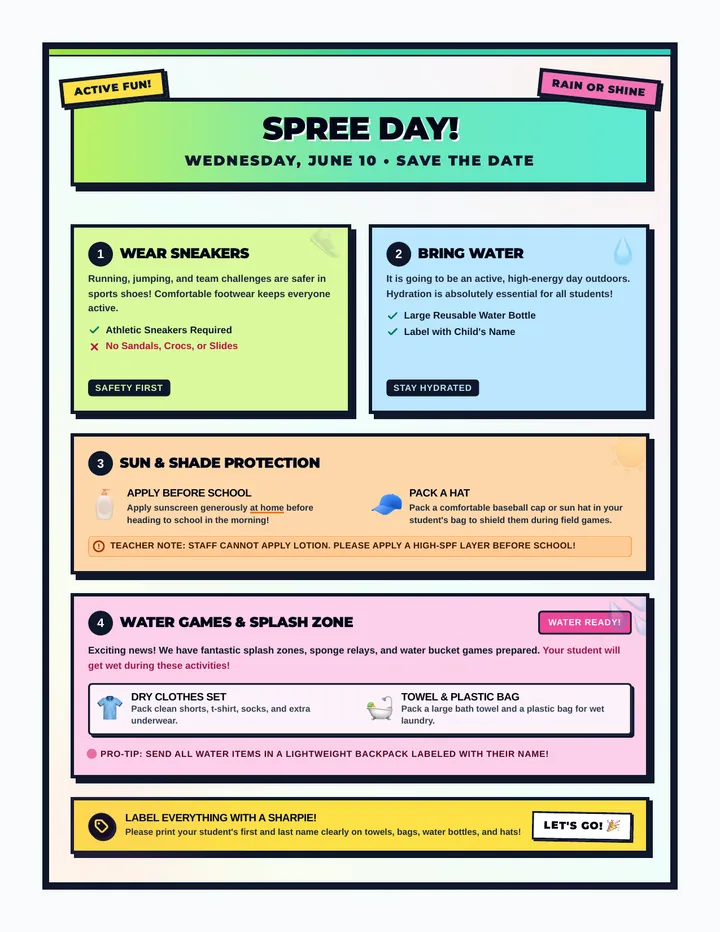
Resources and materials to help students, families, and teachers prepare for Spree Day, an energetic, outdoor, action-packed school field day.
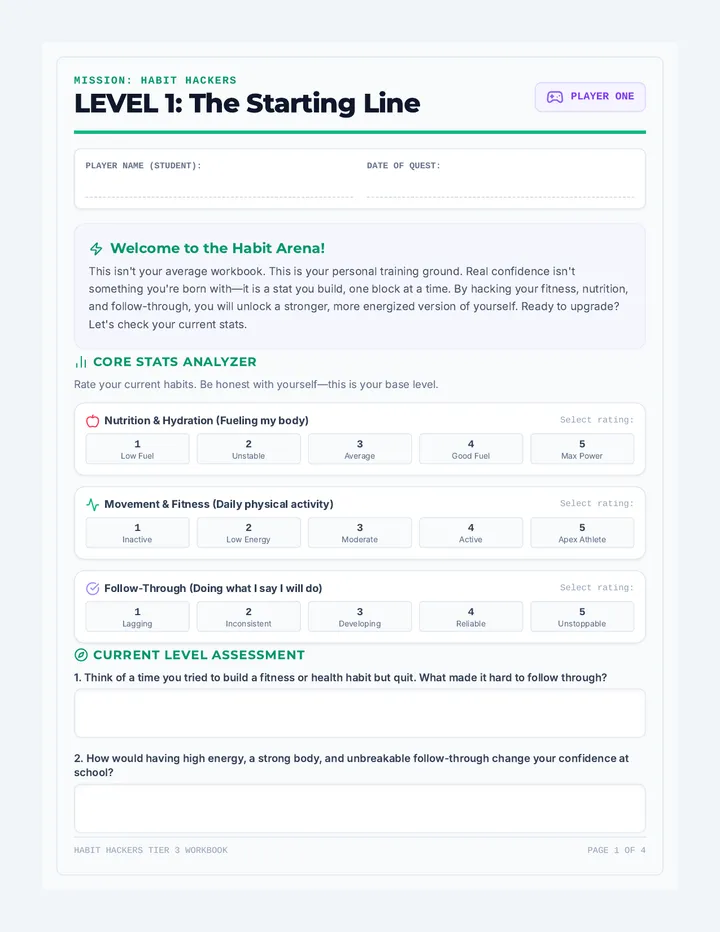
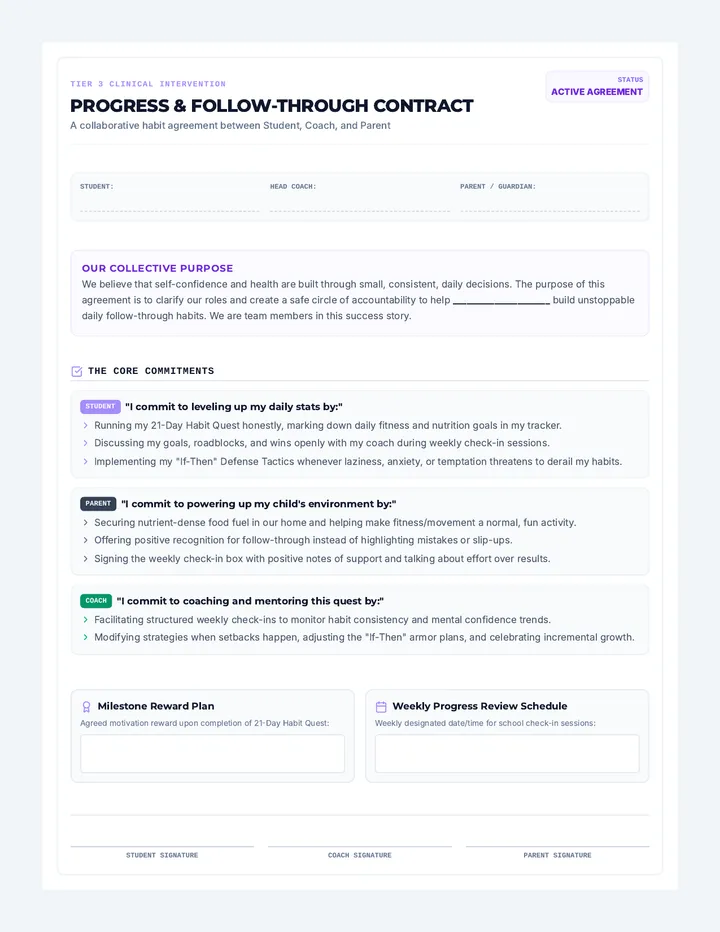
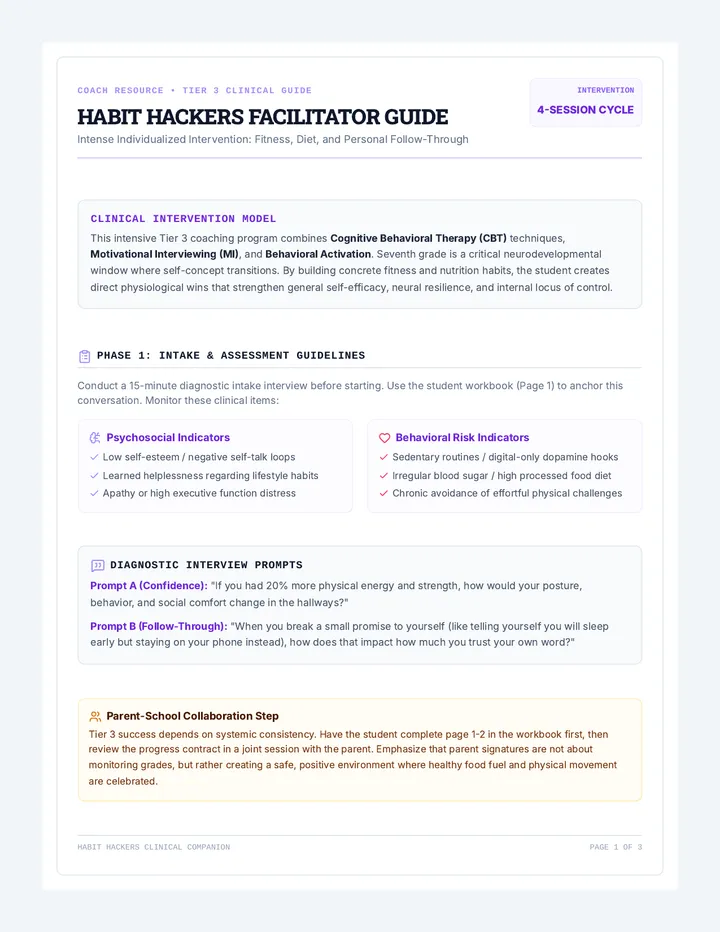
A Tier 3 intensive coaching intervention designed to help 7th-grade students build self-confidence and sustainable habits around fitness, diet, and personal follow-through. The lesson features a structured clinical coach guide, an engaging student goal-setting and tracking workbook, and a collaborative progress contract.
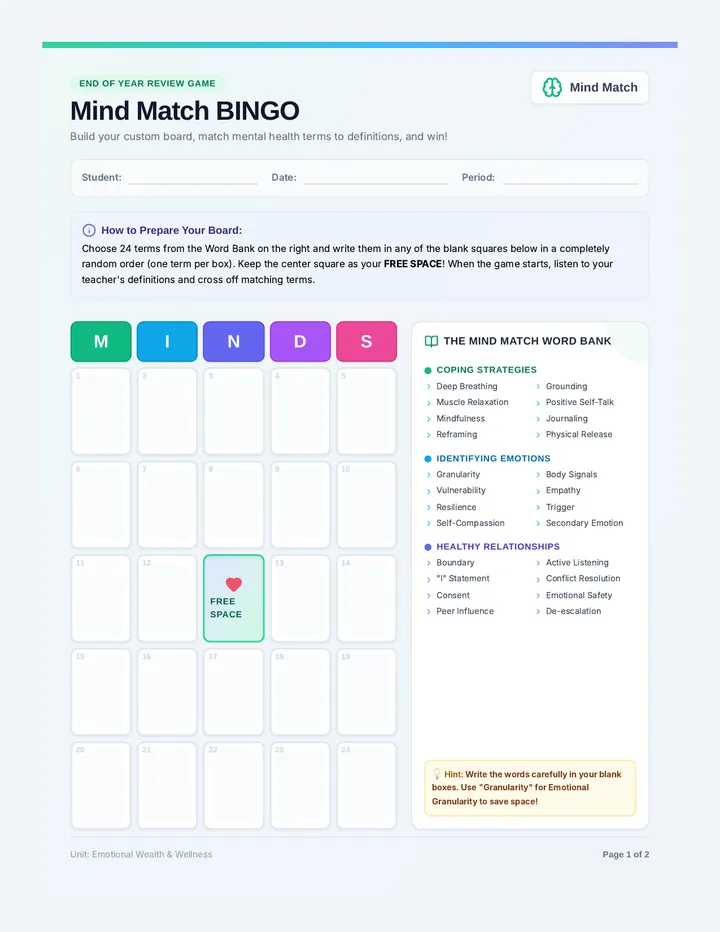
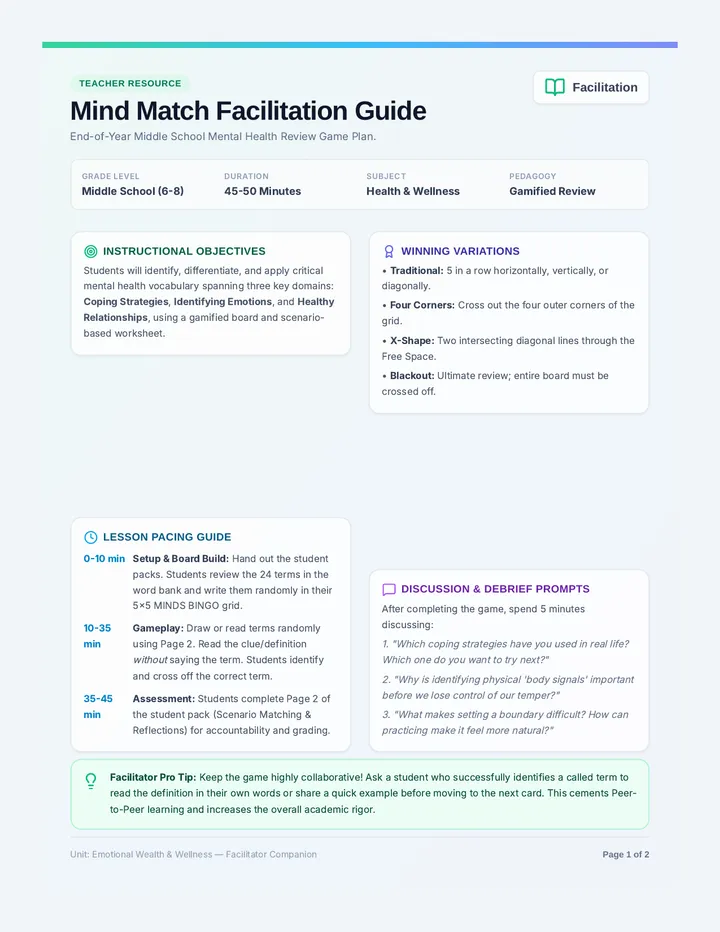
An end-of-year review game designed for middle school students to master critical mental health concepts. The game covers coping strategies, identifying emotions, and healthy relationships in an interactive, randomized BINGO format that builds academic accountability through reflection and scenario matching.
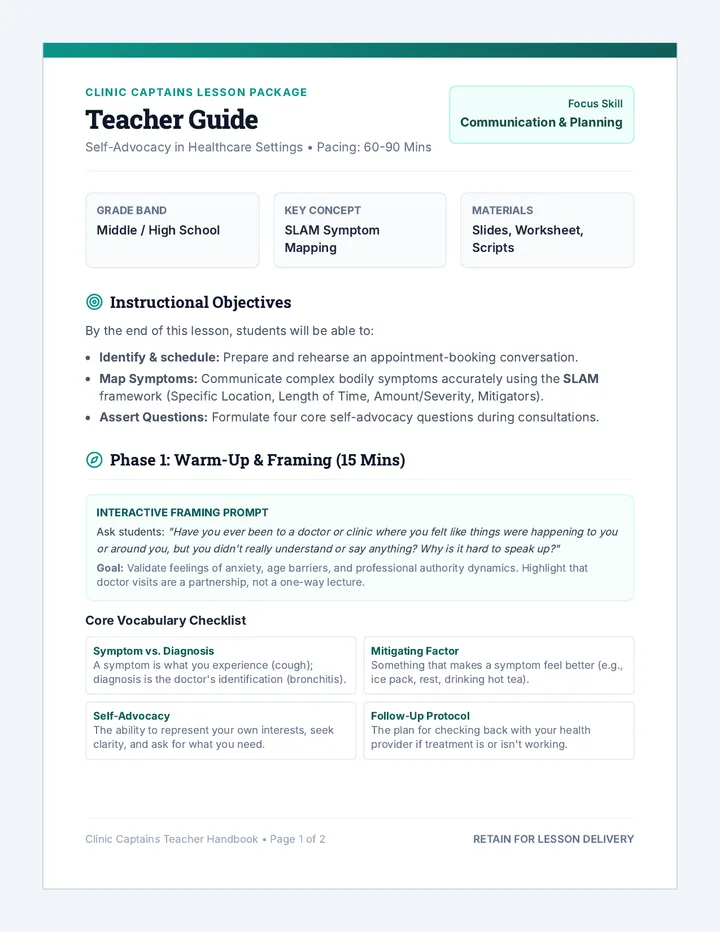
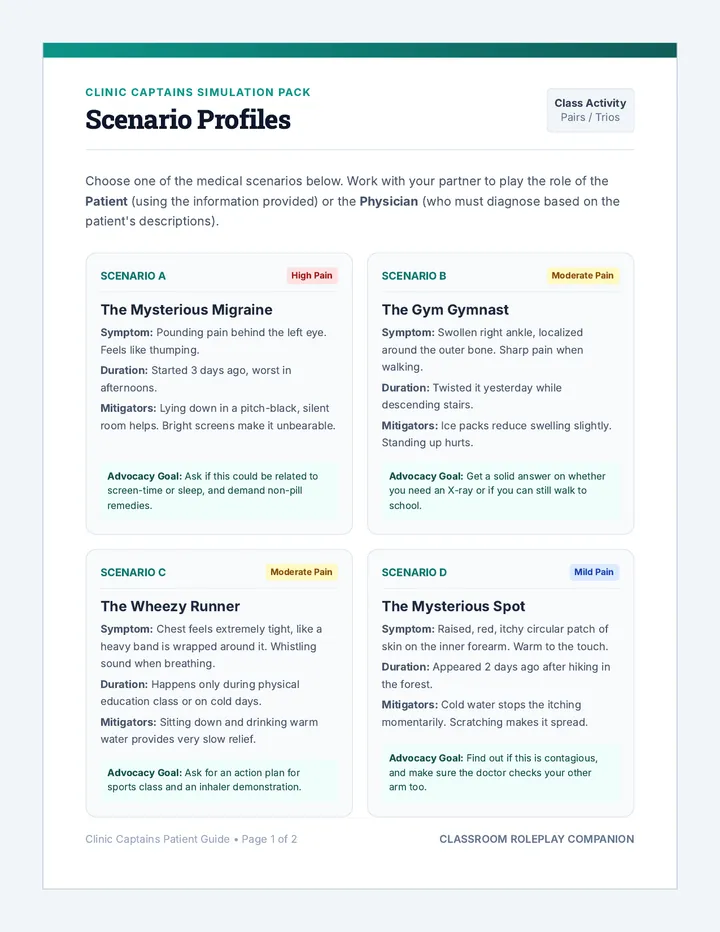
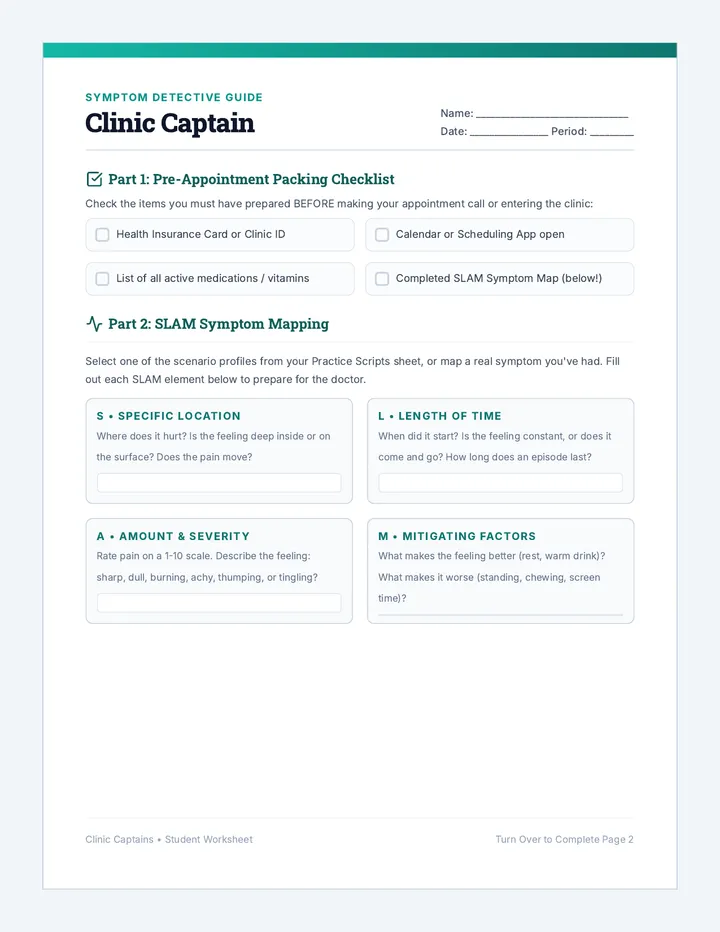
A practical, hands-on lesson designed to empower students with self-advocacy skills in medical settings. Students learn how to book appointments, describe physical symptoms accurately using precise vocabulary, and prepare targeted questions for healthcare providers through collaborative role-play scenarios.
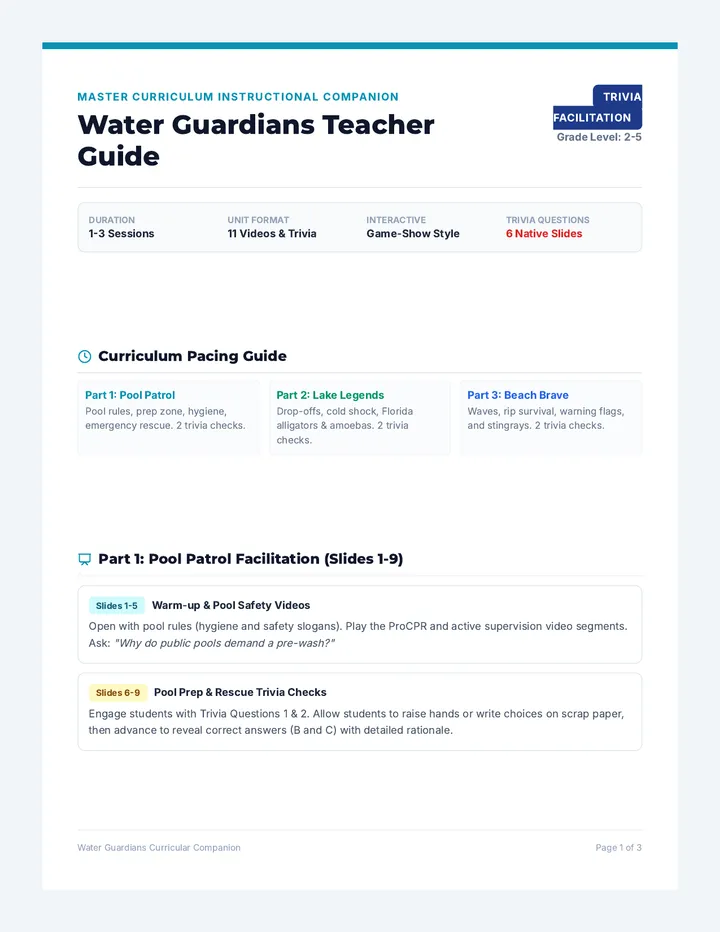
A comprehensive water safety master lesson covering pool protocols, open water lake dangers, and ocean beach safety practices. Designed to fit visual presentations, student practice sheets, and teacher scripting guides.
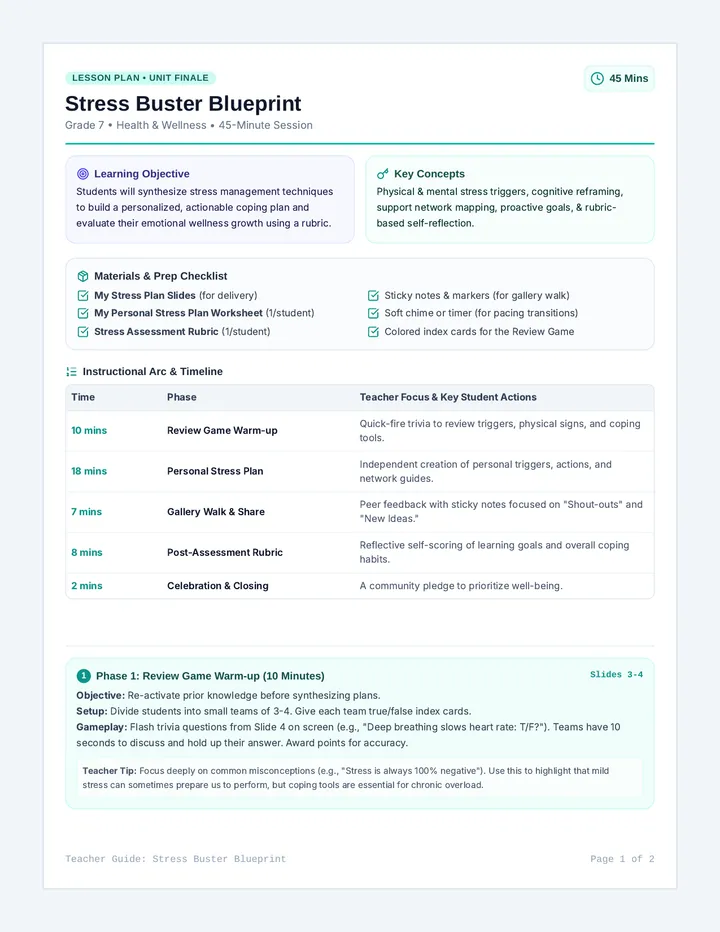
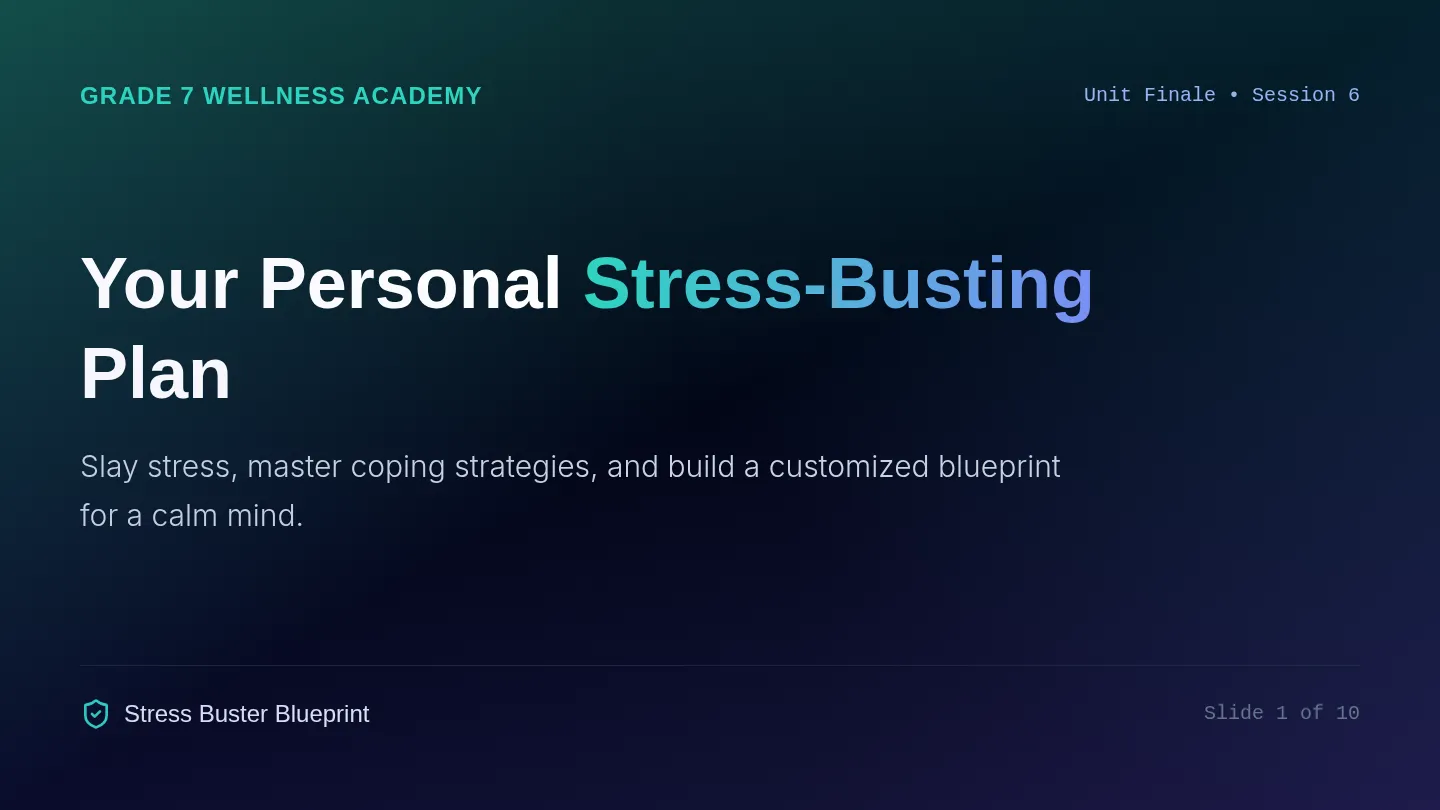
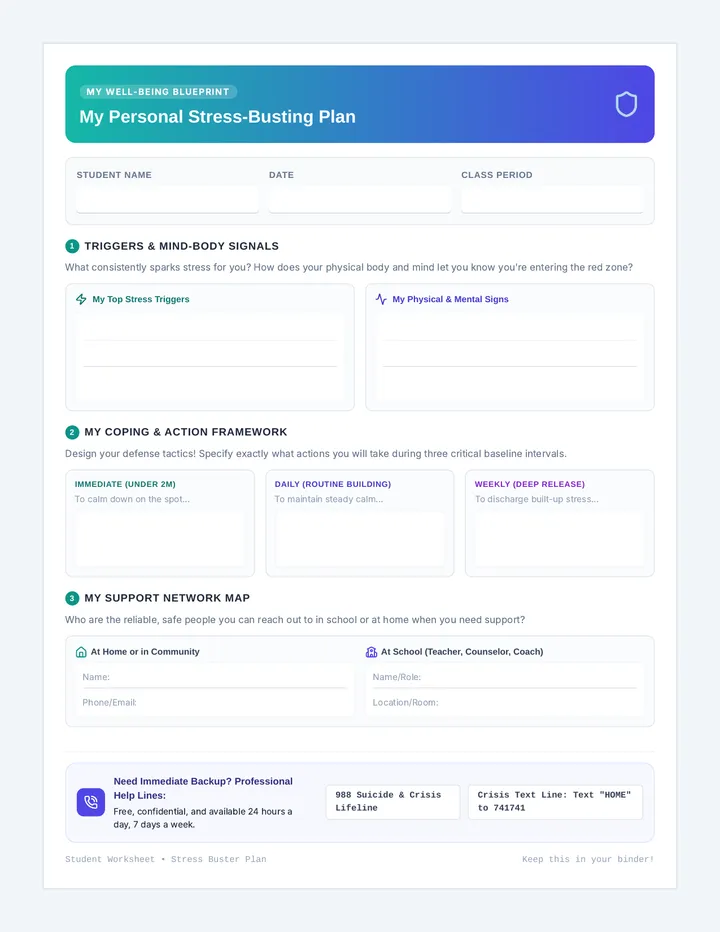
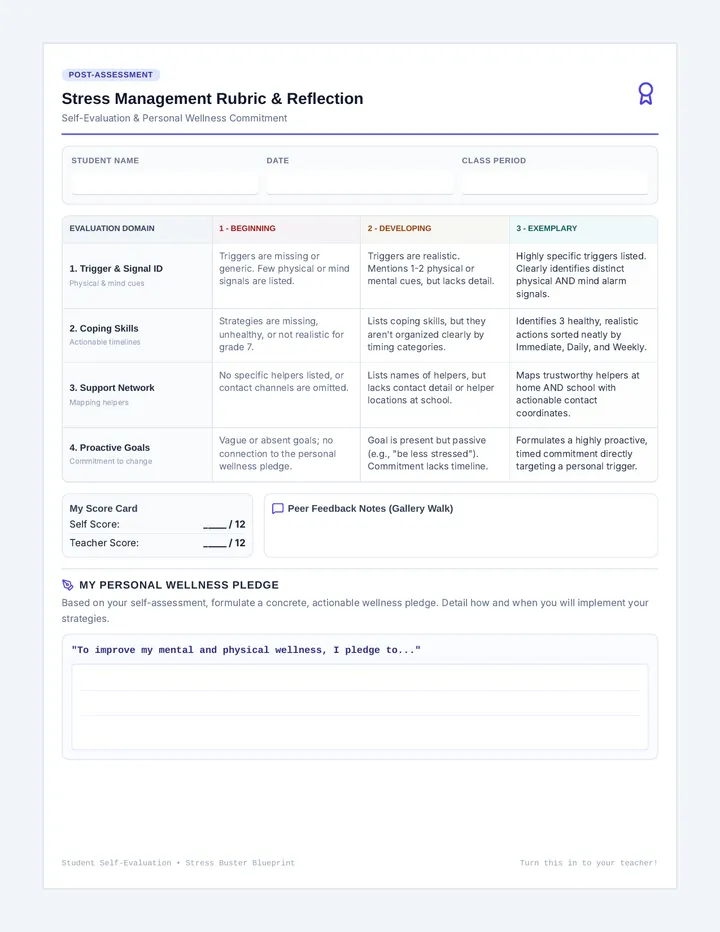
A 45-minute lesson where 7th-grade students synthesize their understanding of stress management to design a personalized coping plan and complete a post-assessment. The lesson features a warm-up review game, structured plan creation, a collaborative gallery walk, and rubric-based self-evaluation.
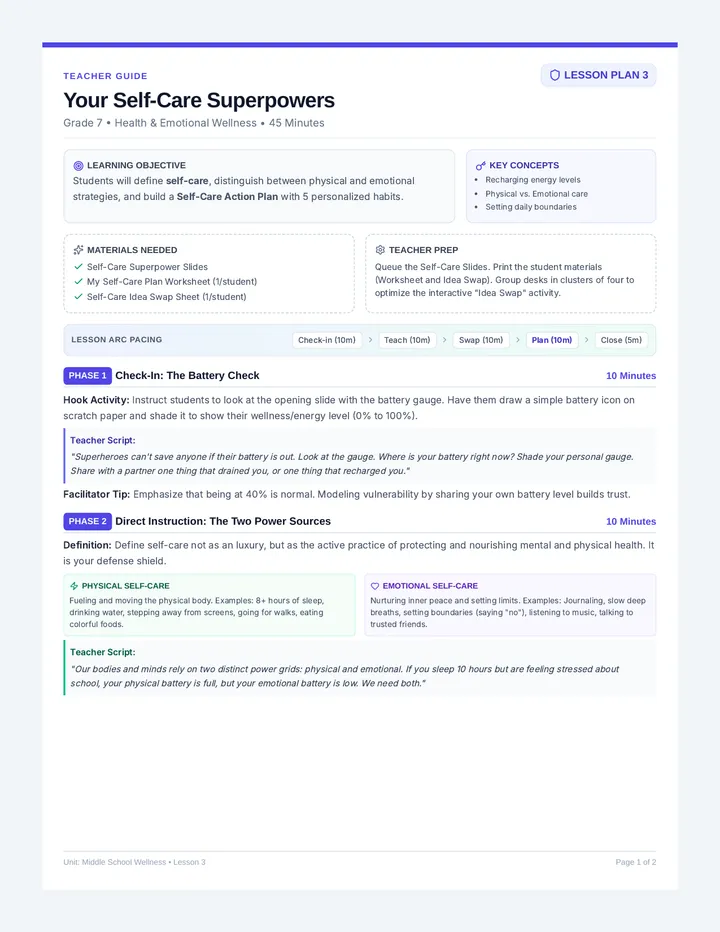
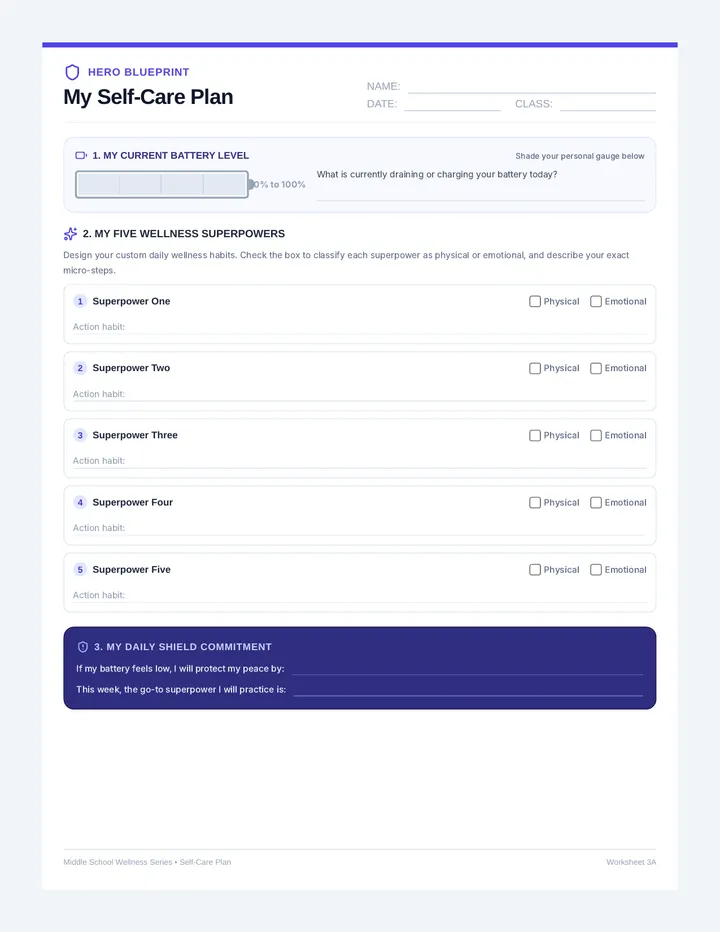
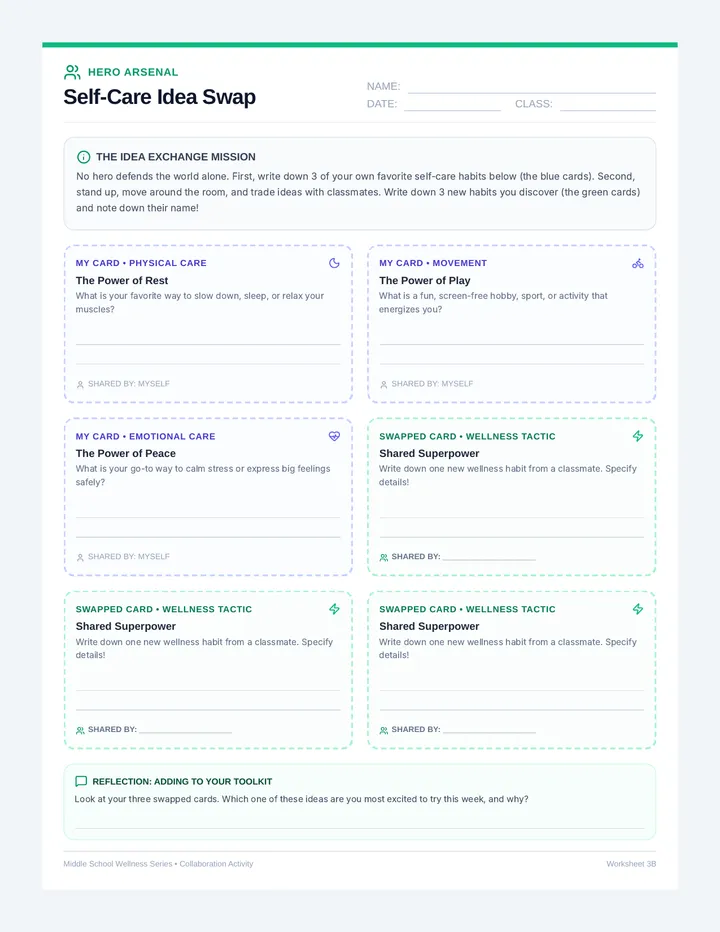
A 45-minute wellness lesson for 7th graders to explore physical and emotional self-care, exchange strategies, and create a personalized five-part self-care superpower plan.
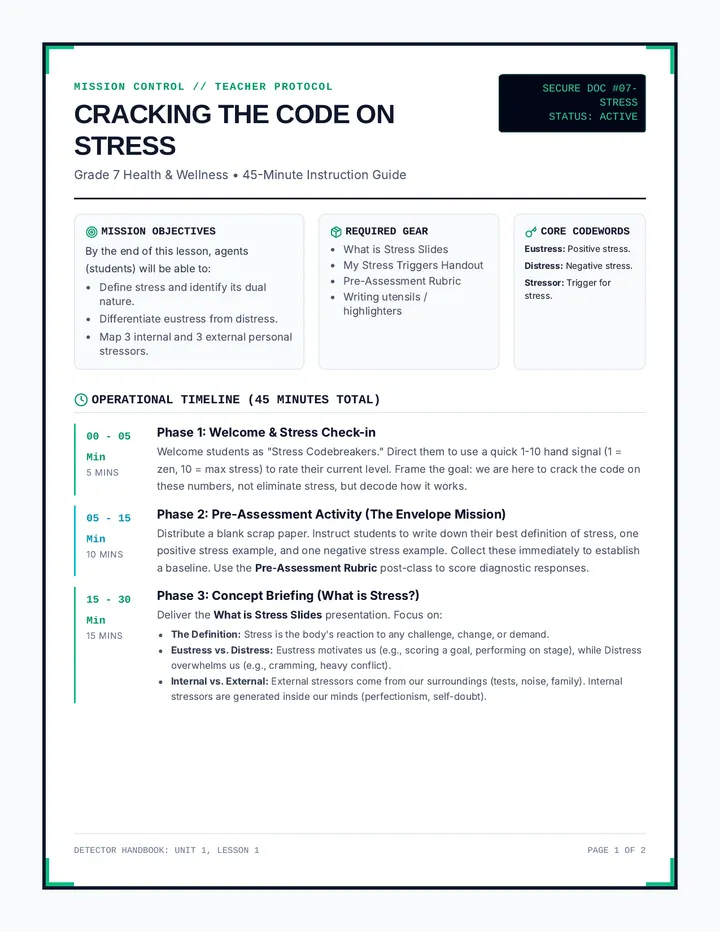
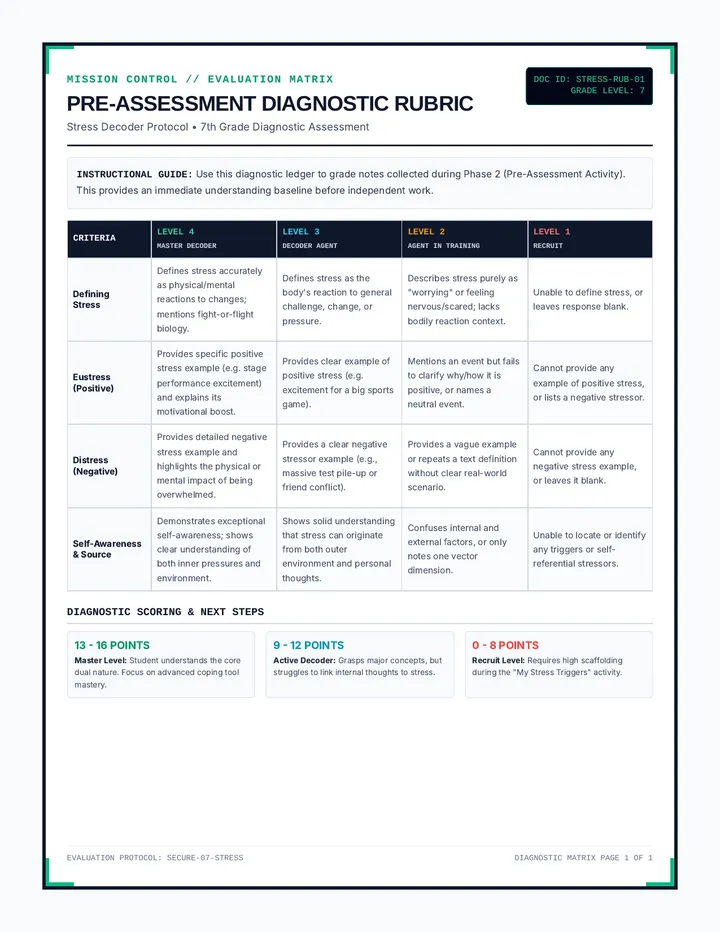
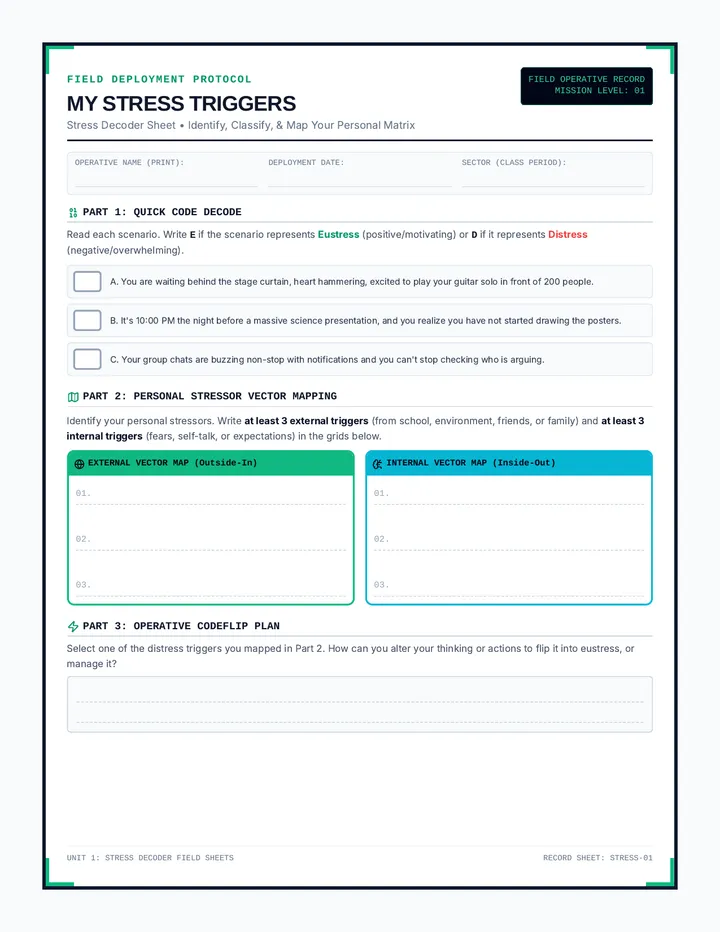
A comprehensive 45-minute health and wellness lesson plan for 7th grade students. Students learn to decode stress by defining it, distinguishing between eustress (positive stress) and distress (negative stress), and mapping their personal internal and external stressors.
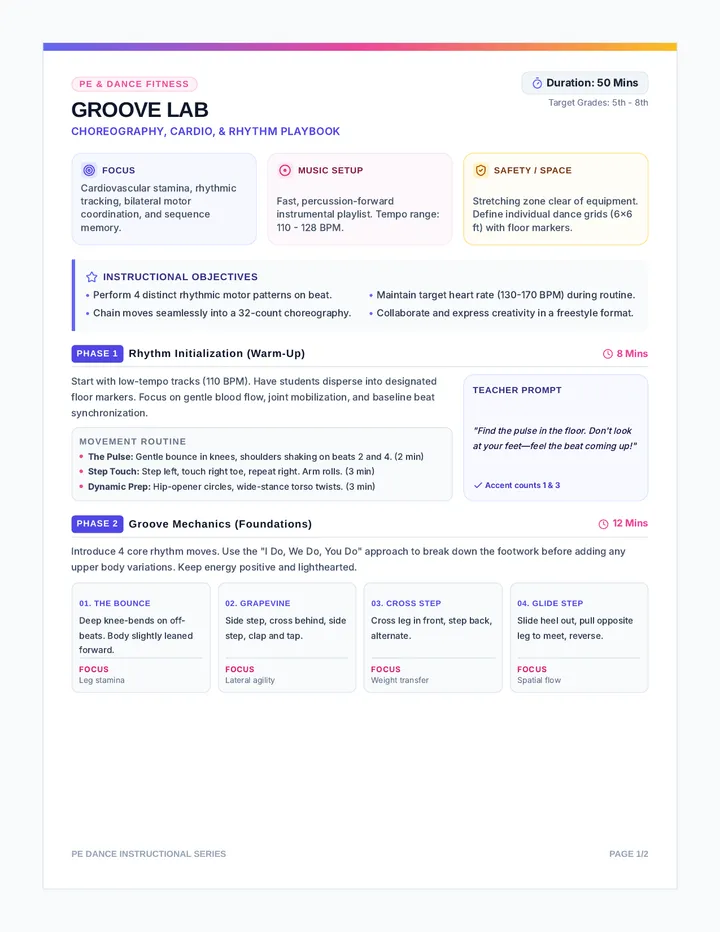
An energetic, dance-infused physical education lesson plan focusing on cardiovascular endurance, rhythm tracking, and motor coordination through structured choreography and creative movement.
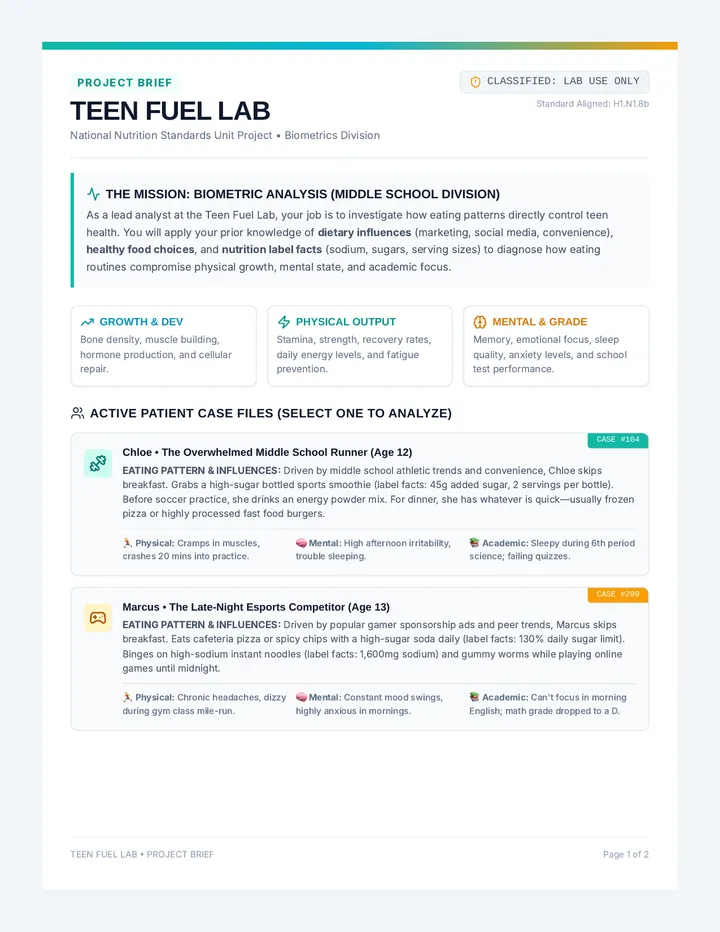
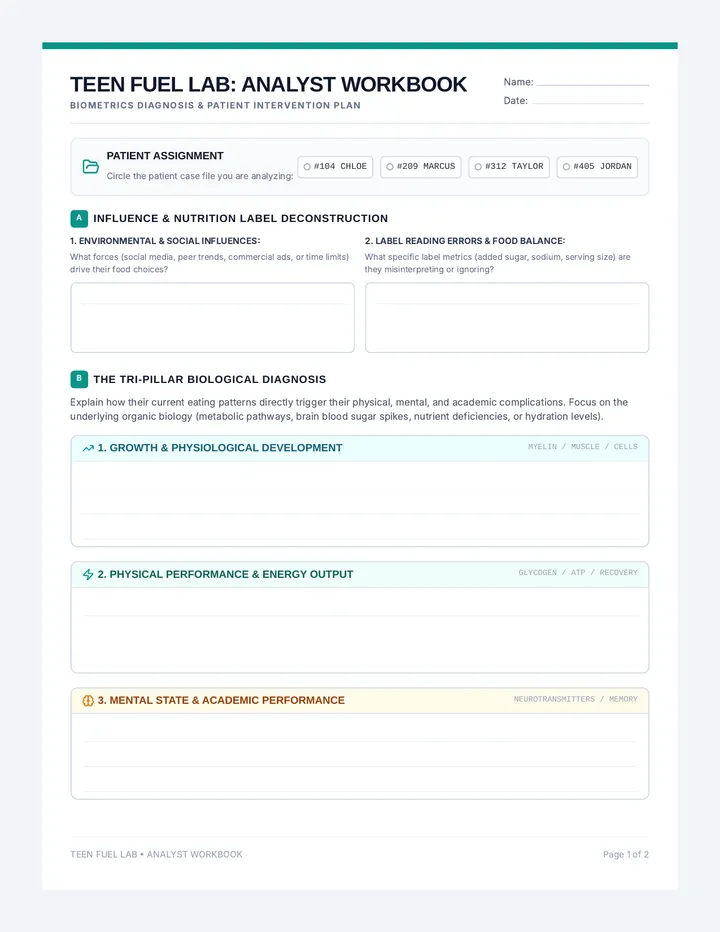
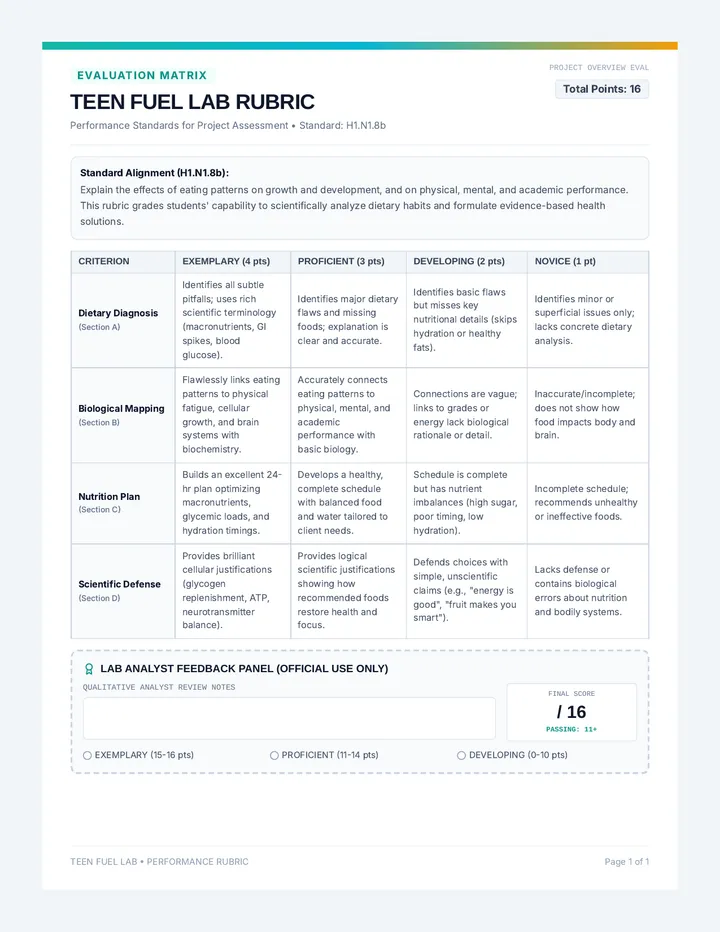
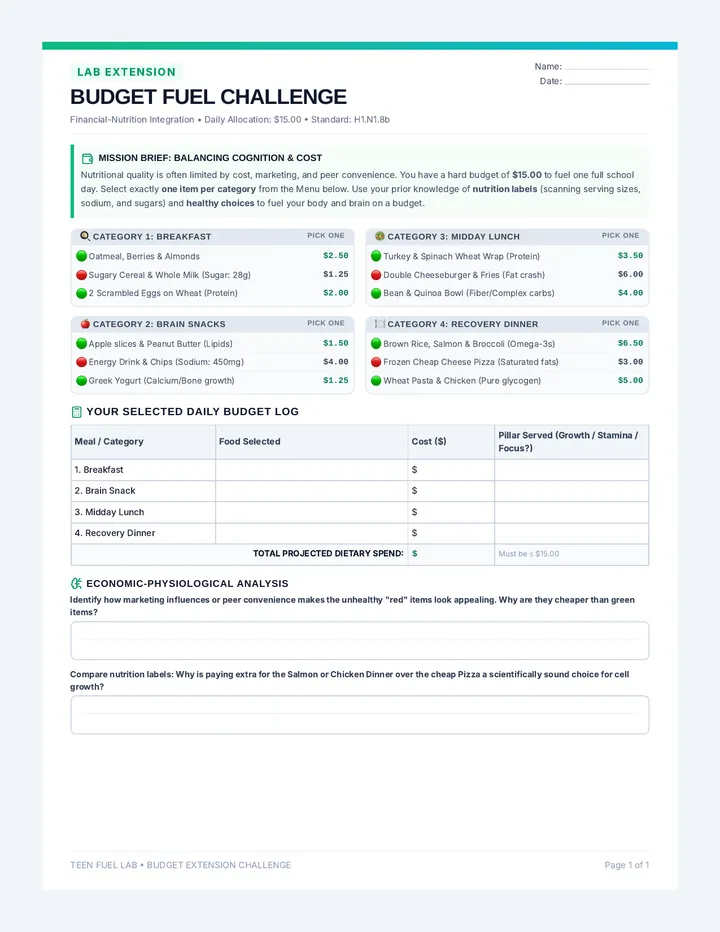
An end-of-unit project kit where students act as nutritional biometrics analysts. They evaluate fictional teen profiles, diagnose the physiological and cognitive impacts of their eating patterns, and design optimized intervention plans.
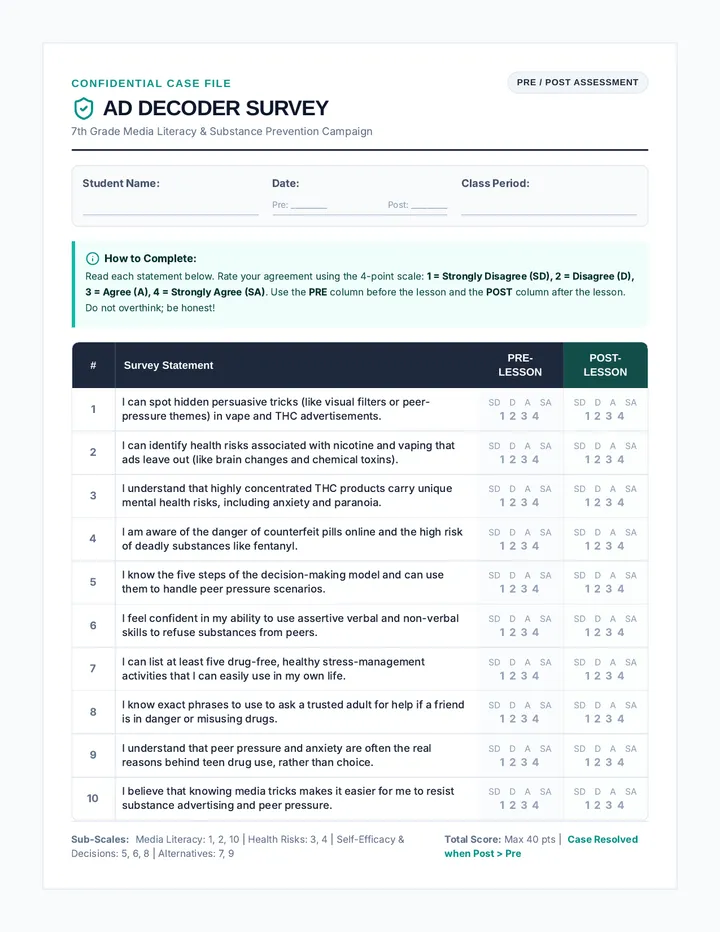
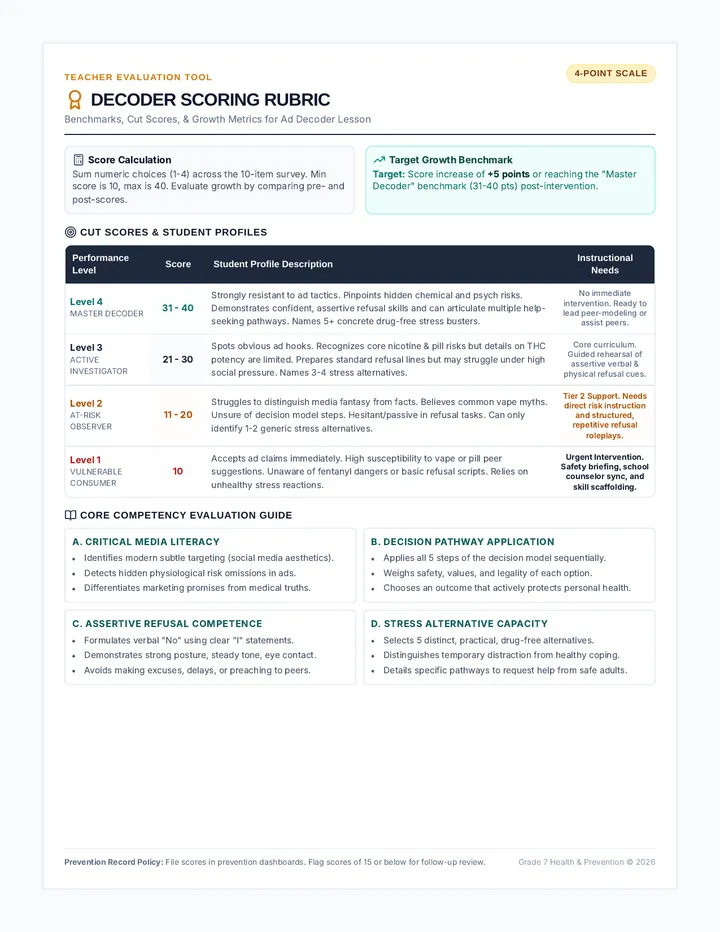
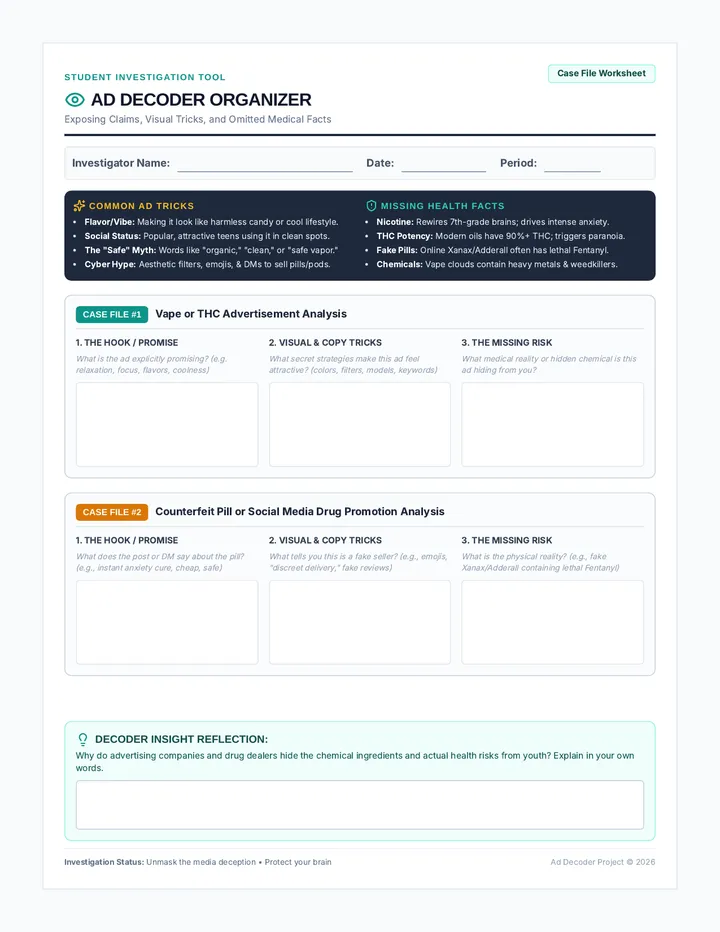
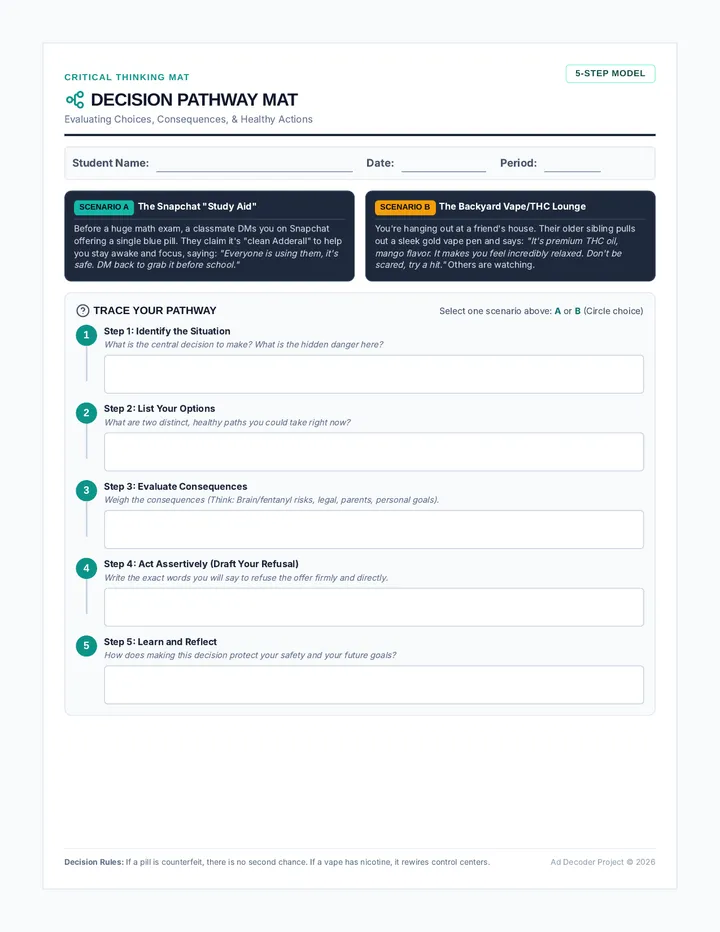
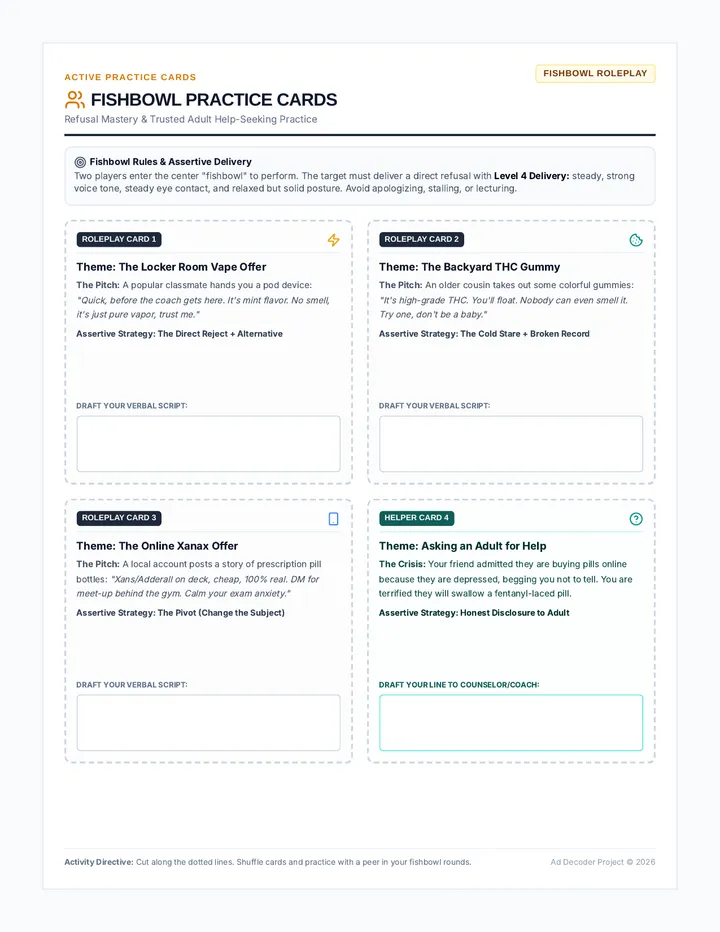
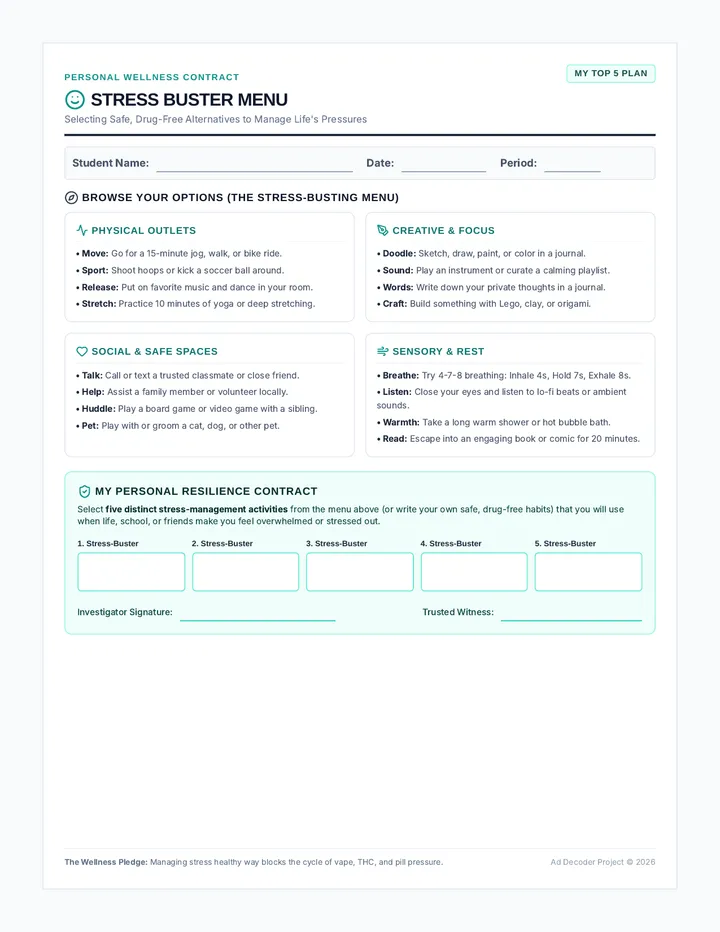
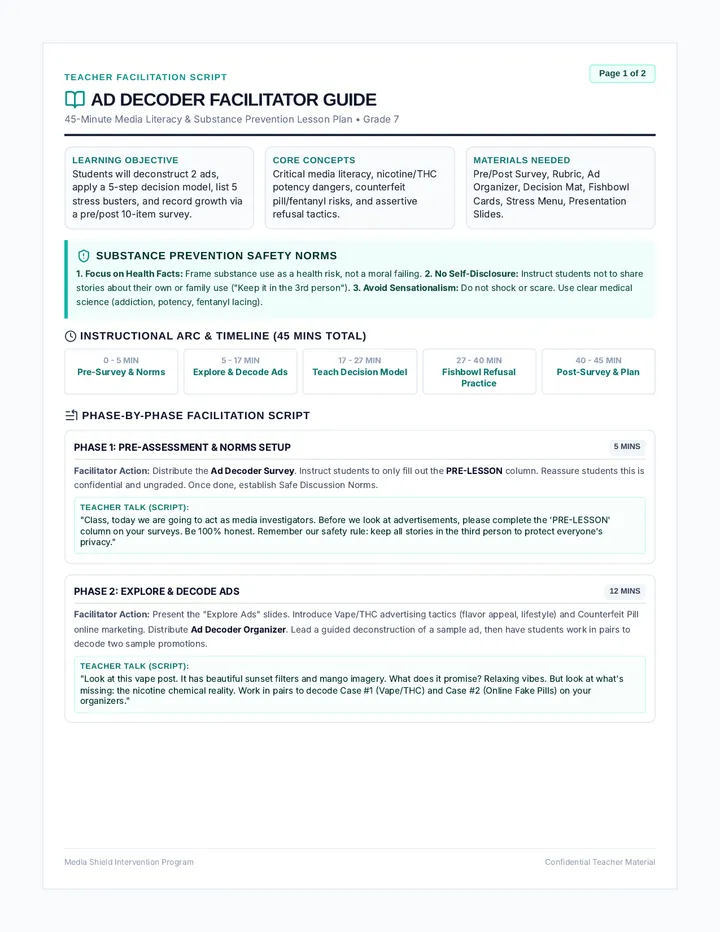
A 45-minute media literacy and substance prevention lesson for 7th grade. Students decode vape, THC, and pill advertisements, apply a 5-step decision-making model, and practice assertive refusal skills and healthy stress-management alternatives.
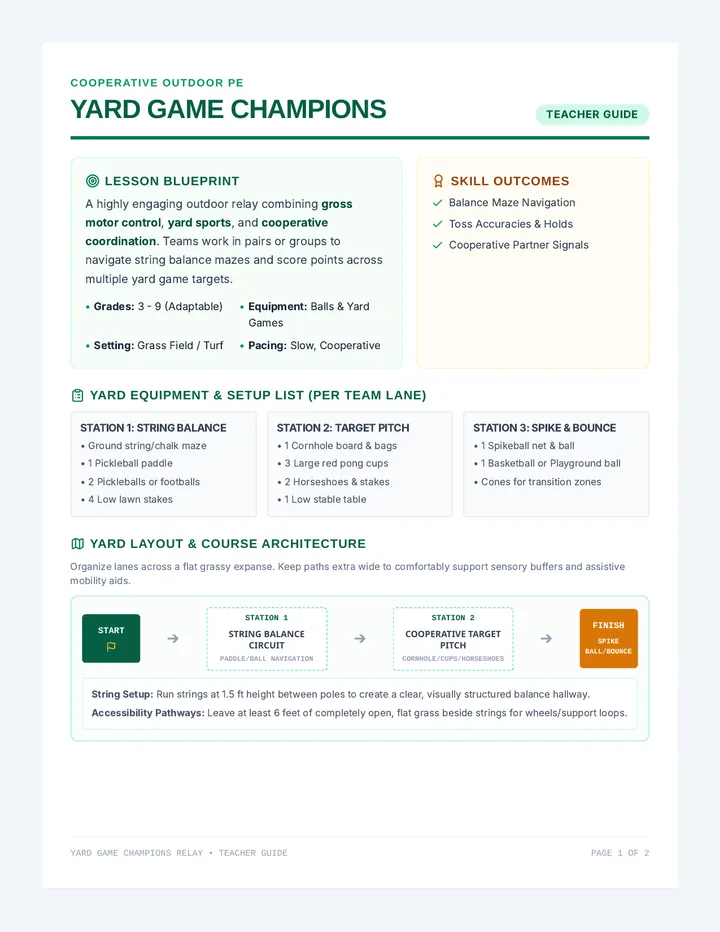
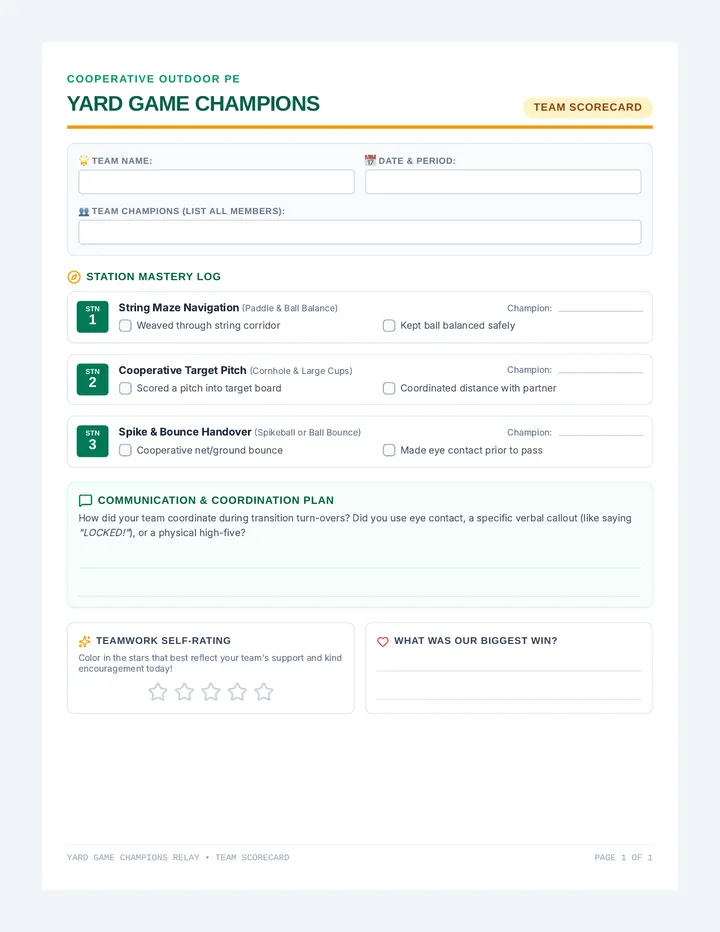
An outdoor cooperative relay race utilizing yard games, balls, and string balance circuits, designed with low-impact adaptations to ensure full class inclusion.
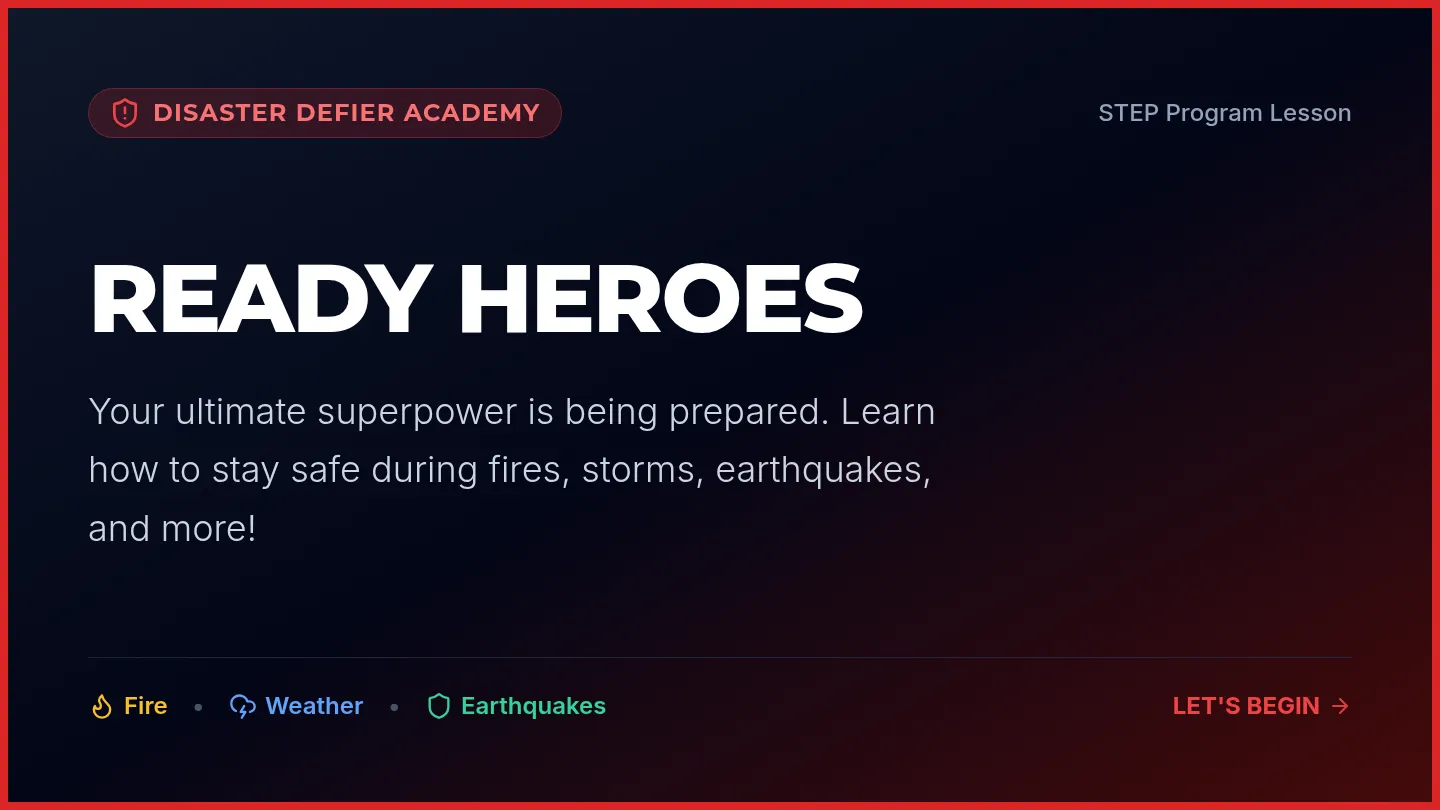
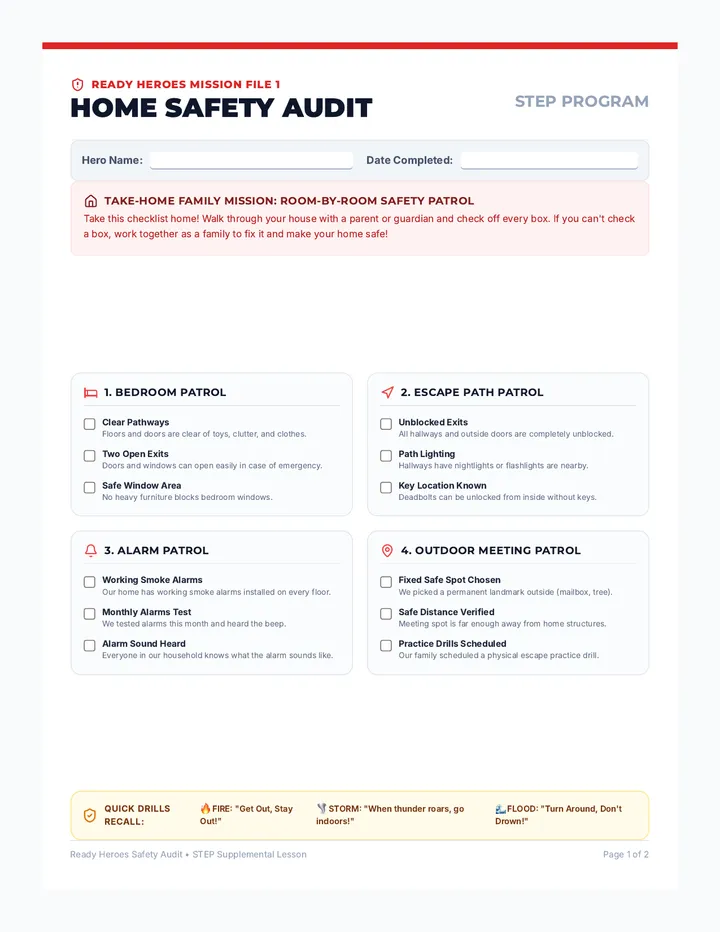
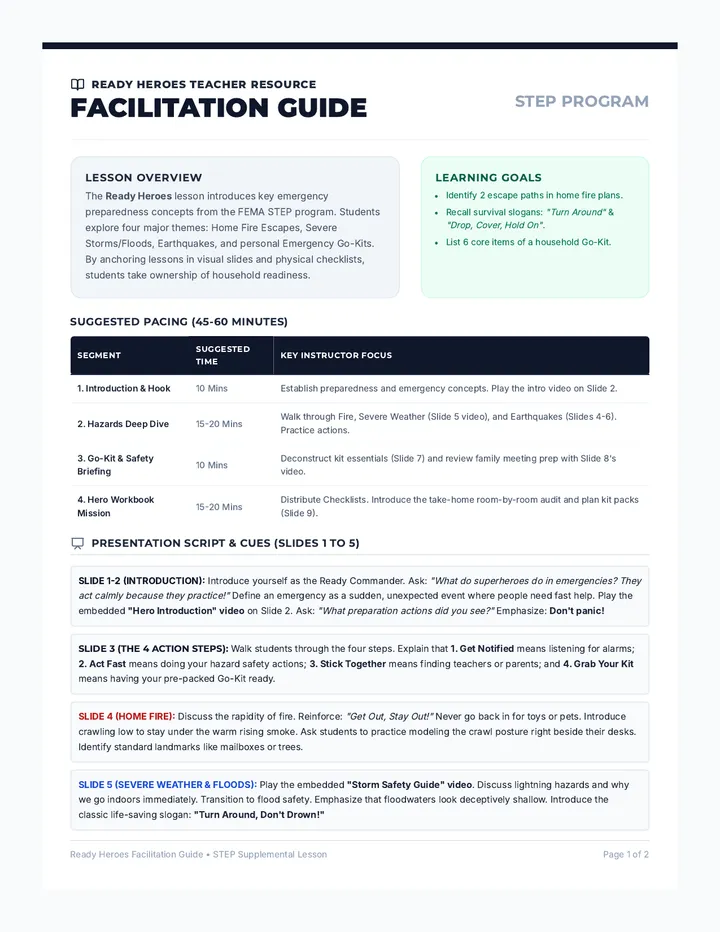
A highly visual, action-oriented emergency preparedness lesson teaching students how to stay safe during fires, severe weather, floods, and earthquakes. Includes hands-on planning for emergency go-kits and home escape plans.
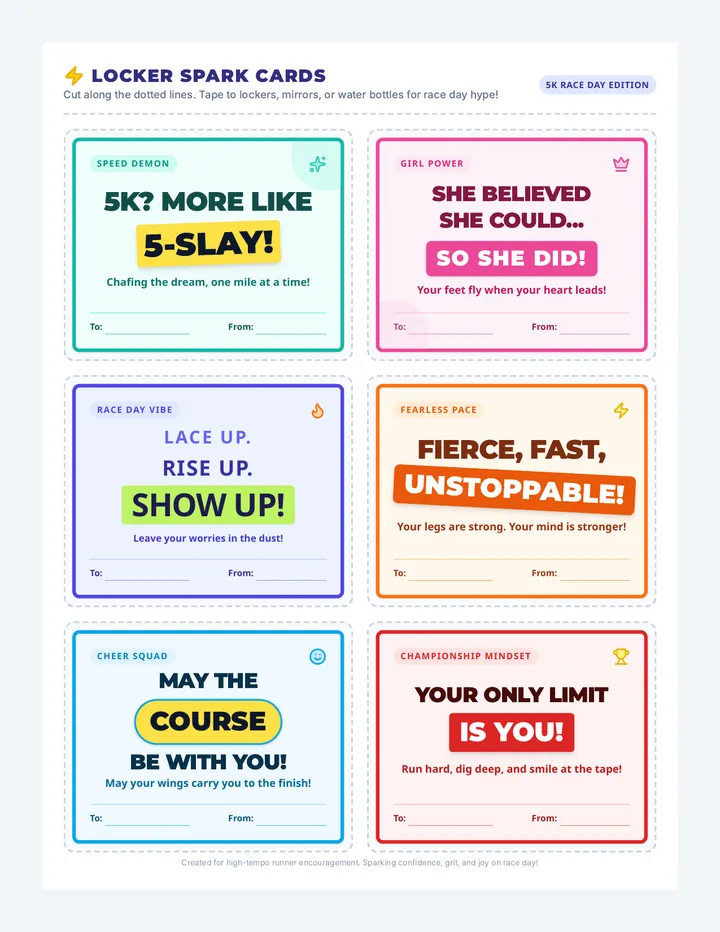
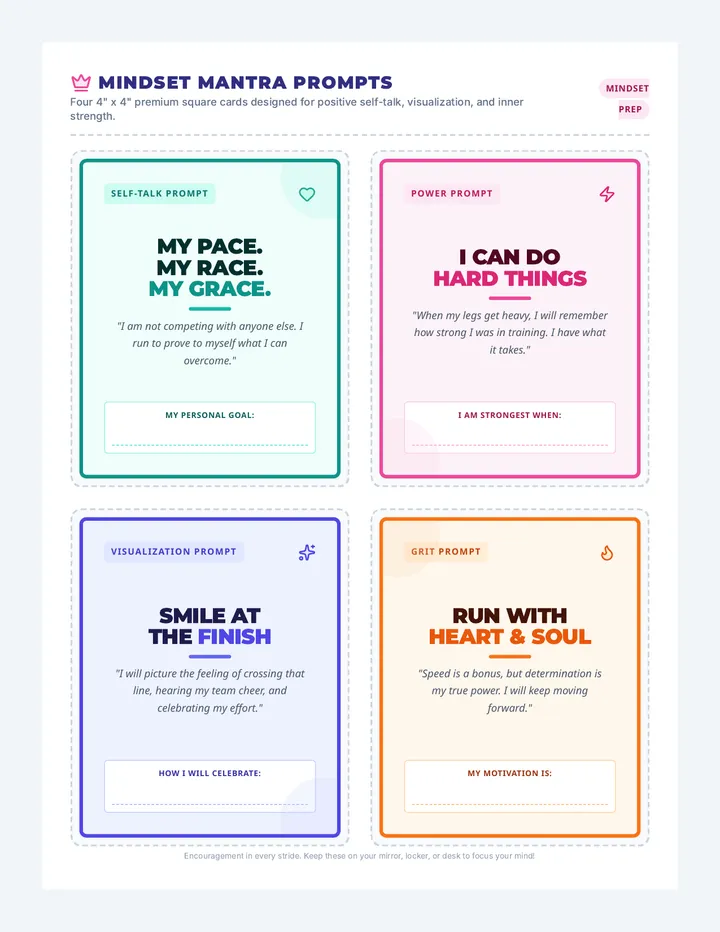
A short lesson focused on boosting runner morale and building community hype for the upcoming 5k race through personalized, high-energy motivation.
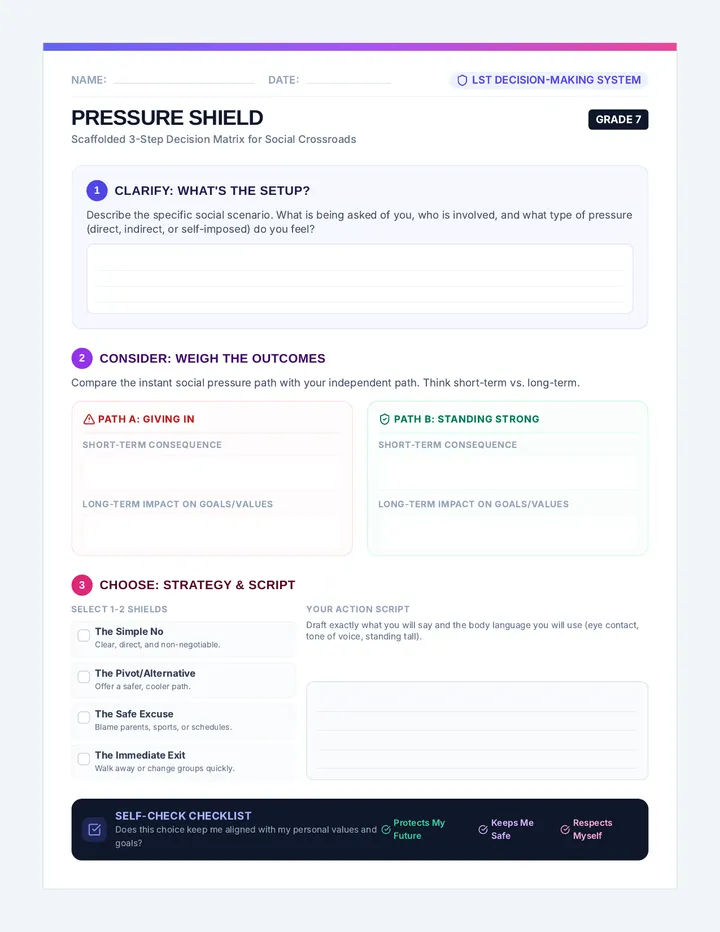
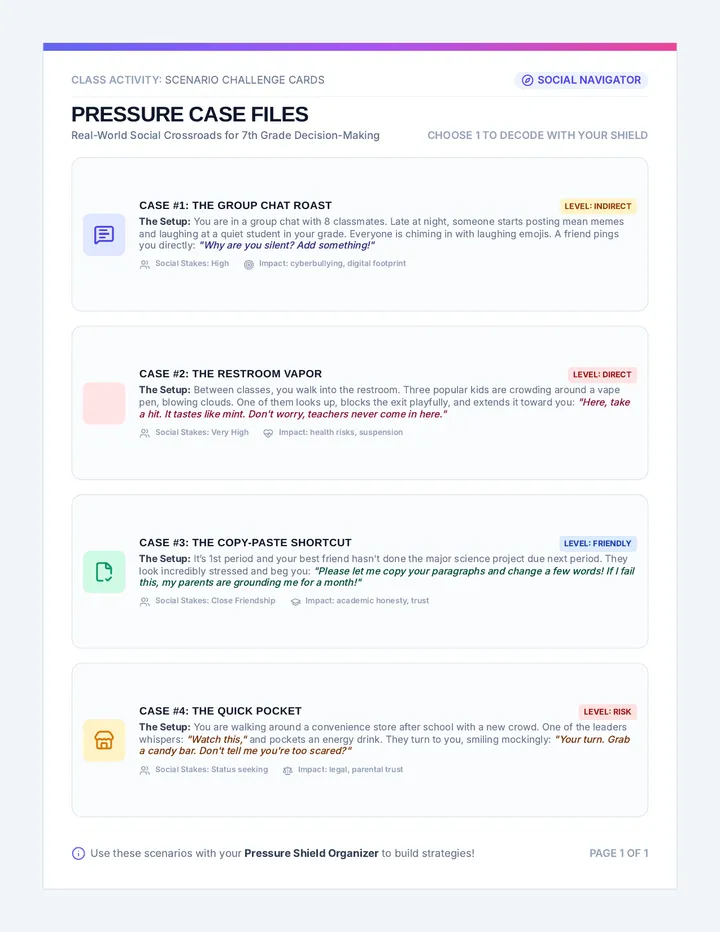
A comprehensive lesson on resisting peer pressure using Botvin LST decision-making strategies, featuring structured scenarios, slide-guided instruction, and a graphic organizer.
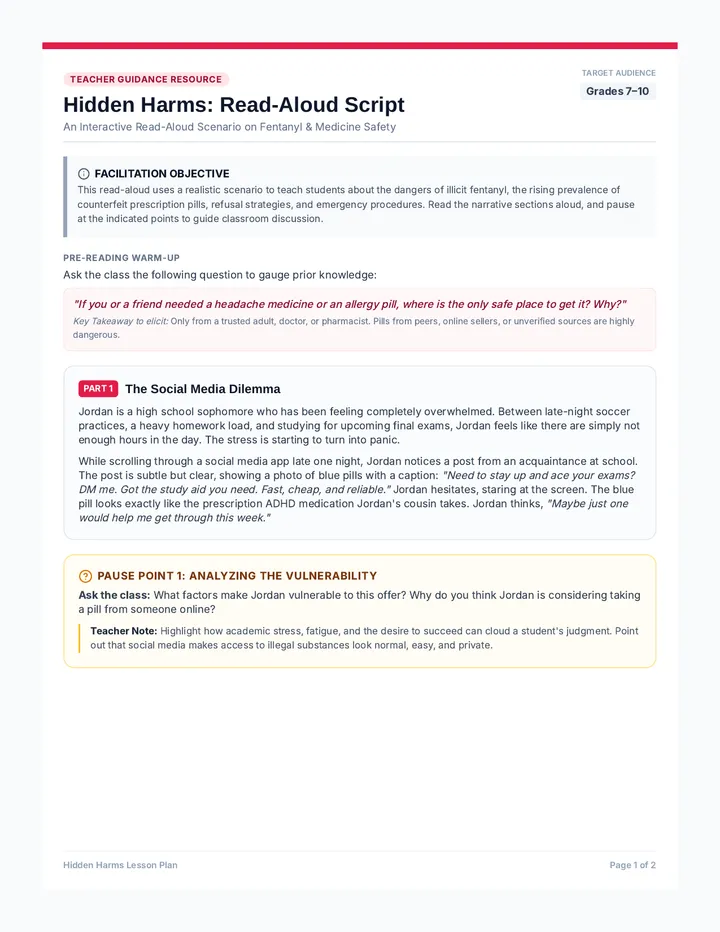
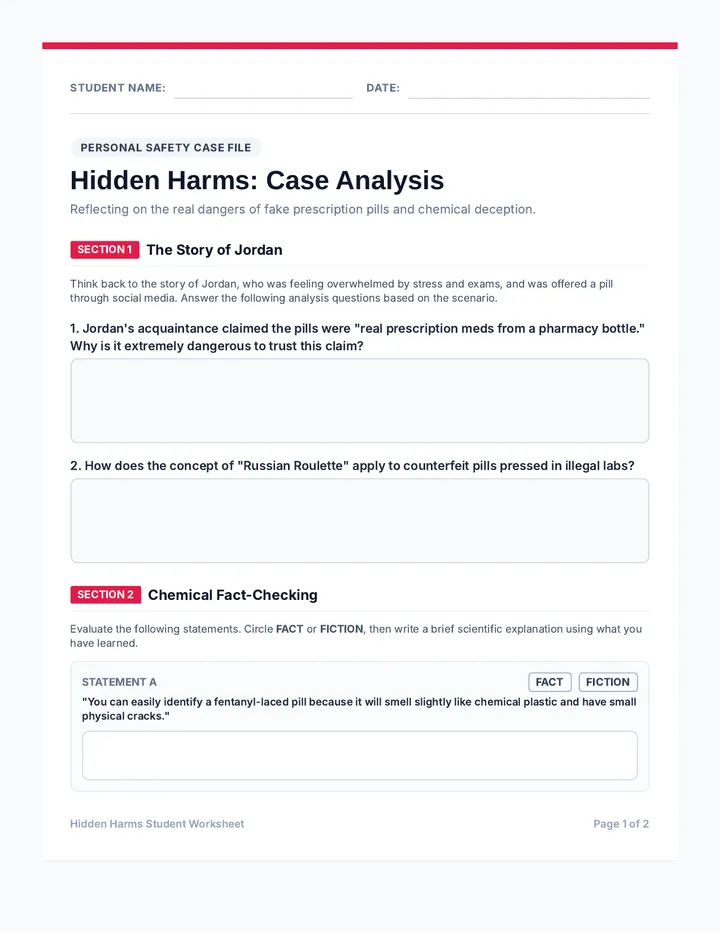
A critical drug education and safety lesson designed for middle or high school students, focusing on the dangers of illicit fentanyl, how fake prescription pills are manufactured to look identical to real medicine, refusal strategies, and emergency safety protocols. This lesson uses an interactive read-aloud scenario to engage students in critical thinking and real-world decision-making.
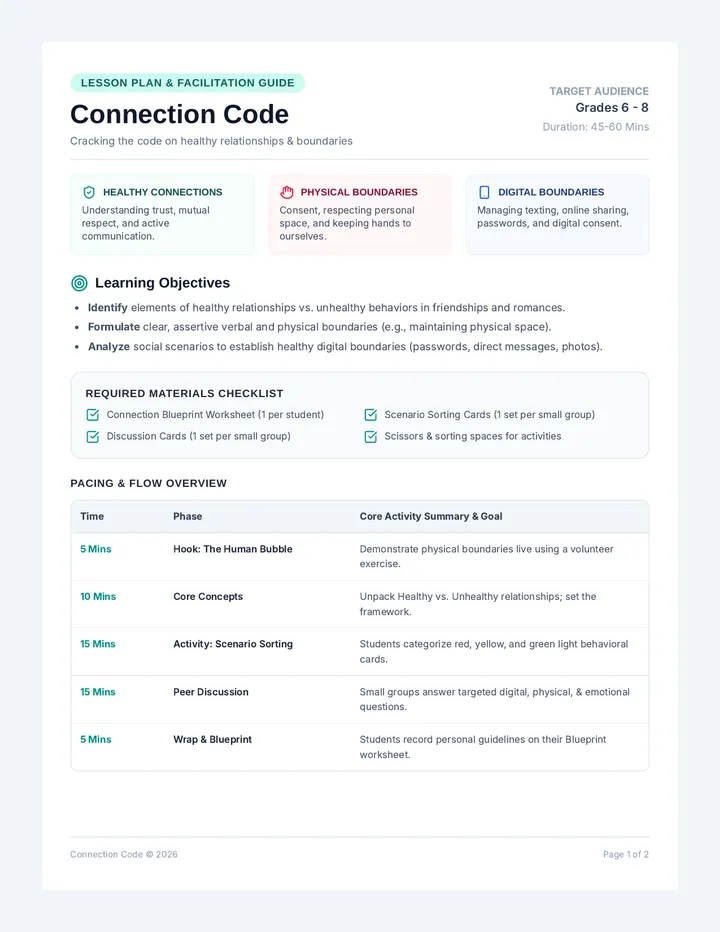
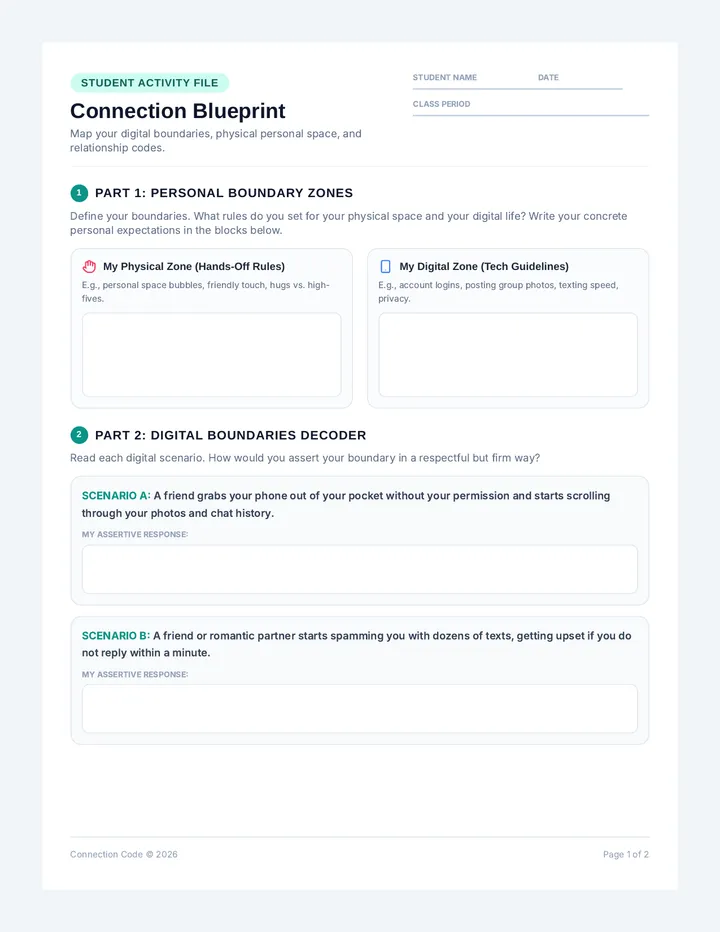
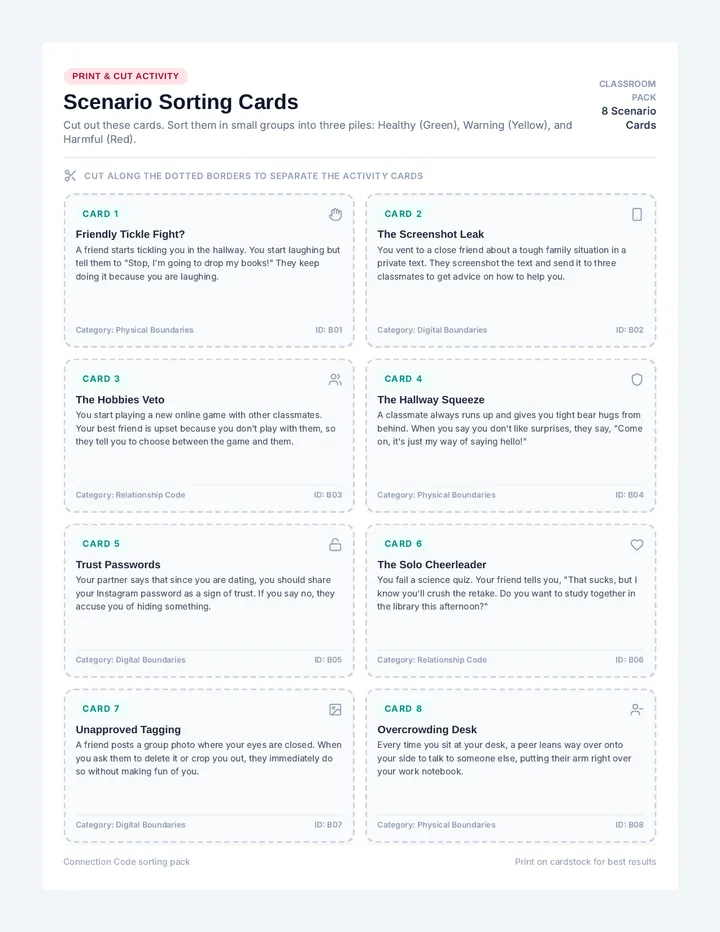
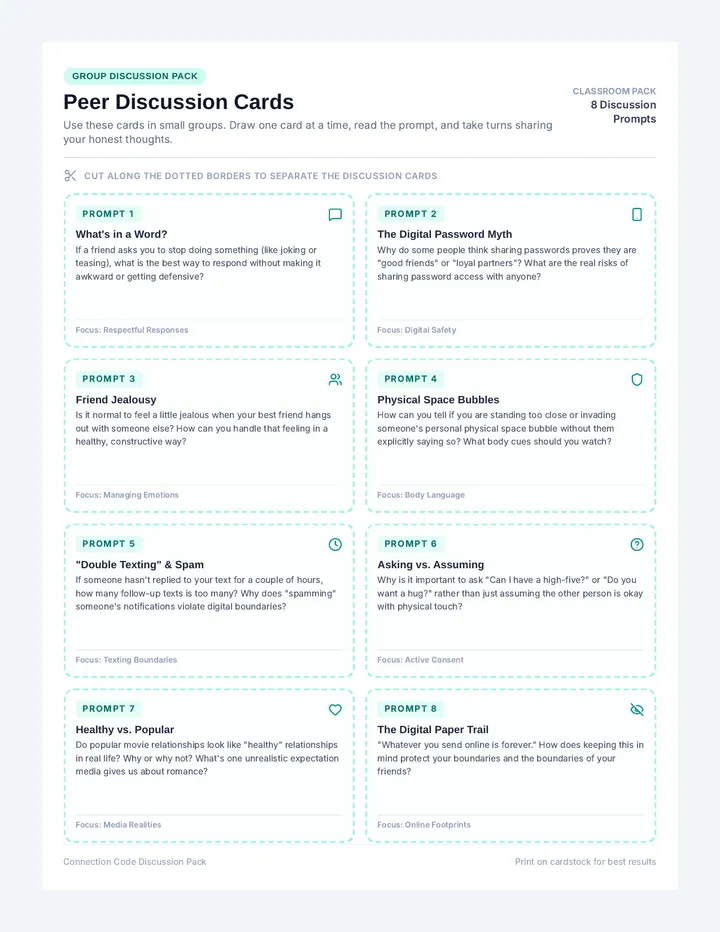
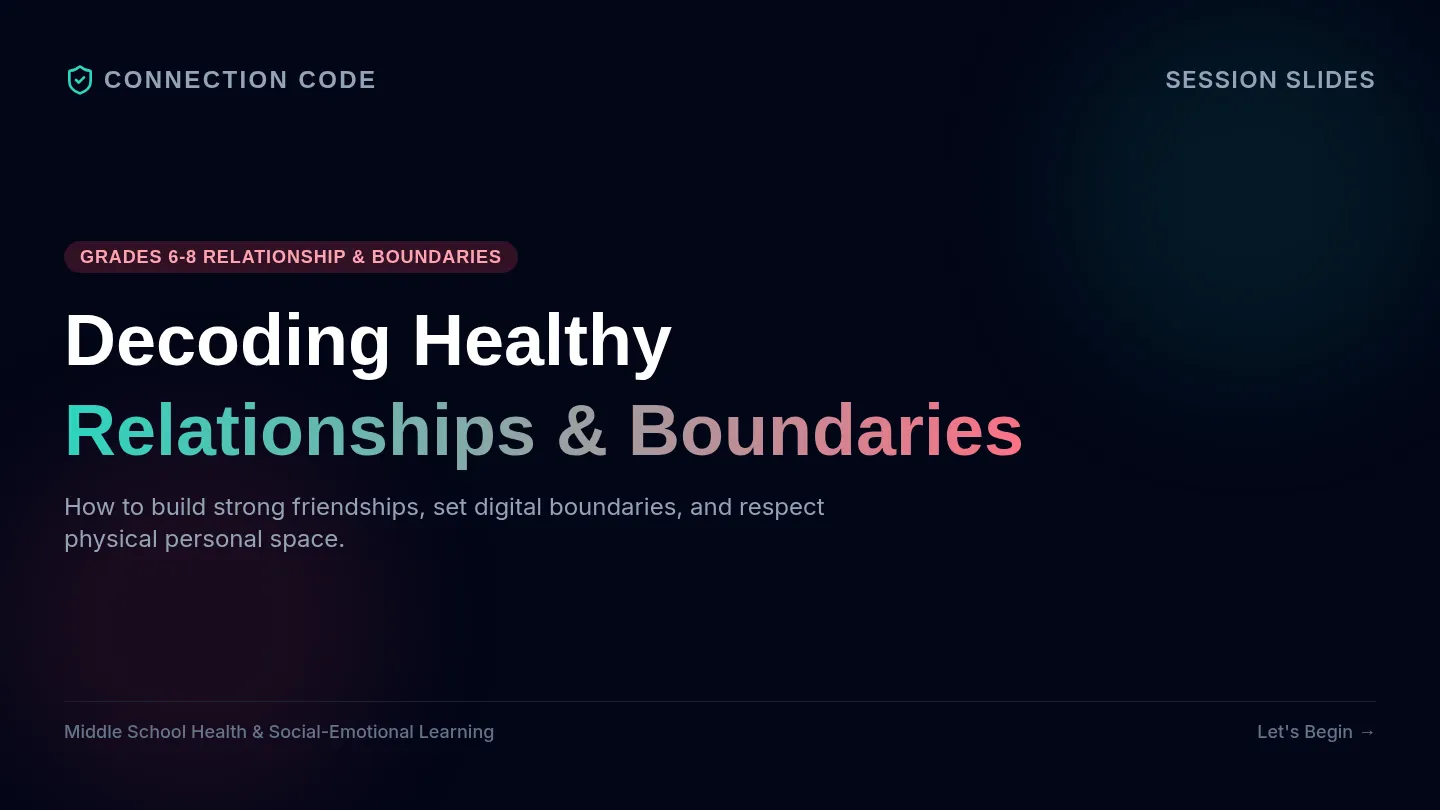
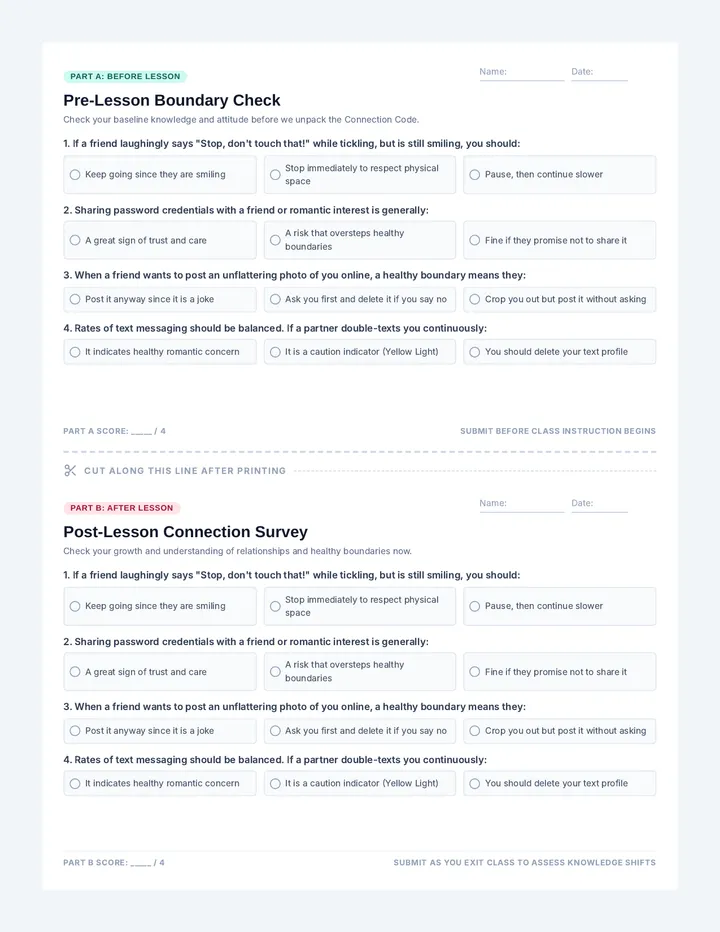
An interactive, high-impact middle school lesson plan focusing on healthy relationships, physical boundaries, and digital consent. Includes a step-by-step teacher guide, student blueprint worksheet, scenario sorting activity, and peer discussion cards.
This lesson focuses on Academy Simulation Mission Logistics, including simulation roles (Caregiver, Observer, and Reader) and the simulation log for documenting observations across different stations.
A high-energy sportsmanship lesson designed for middle schoolers preparing for Field Day. Focuses on peer encouragement, constructive teamwork, and handling setbacks through interactive scenario discussions.
A 30-minute lesson designed to prepare middle school students for outdoor game day, focusing on sportsmanship, cheering, and losing graciously. Includes structured roleplays, clear sideline expectations, and a student-facing visual checklist.
A middle school lesson focusing on teamwork, sportsmanship, and positive behaviors during Field Day, utilizing visual anchor charts, scenario-based worksheets, and collaborative discussions.
A comprehensive lesson on adult CPR and AED usage, with a specific focus on identifying and managing environmental hazards before rendering aid.
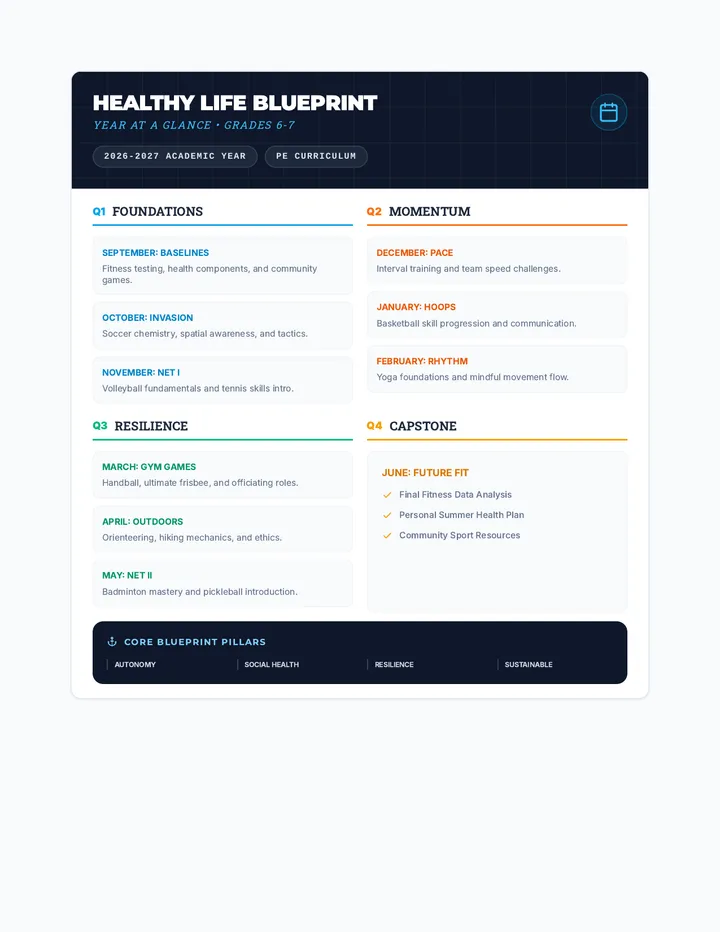
The capstone unit where students revisit fitness testing, analyze their growth over the year, and create a personalized 'Lifelong Health Plan' for the summer and beyond.
Focusing on non-traditional PE activities like orienteering, hiking techniques, and lawn games. This unit emphasizes the mental health benefits of being outdoors and finding joy in movement outside the gym.
A creative unit incorporating dance, yoga, and gymnastics. Students improve coordination, flexibility, and mindfulness while exploring different ways their bodies can move through space.
This unit focuses on individual sports like badminton, tennis, and track and field. Students develop personal mastery, perseverance, and an understanding of how individual pursuits contribute to lifelong activity.
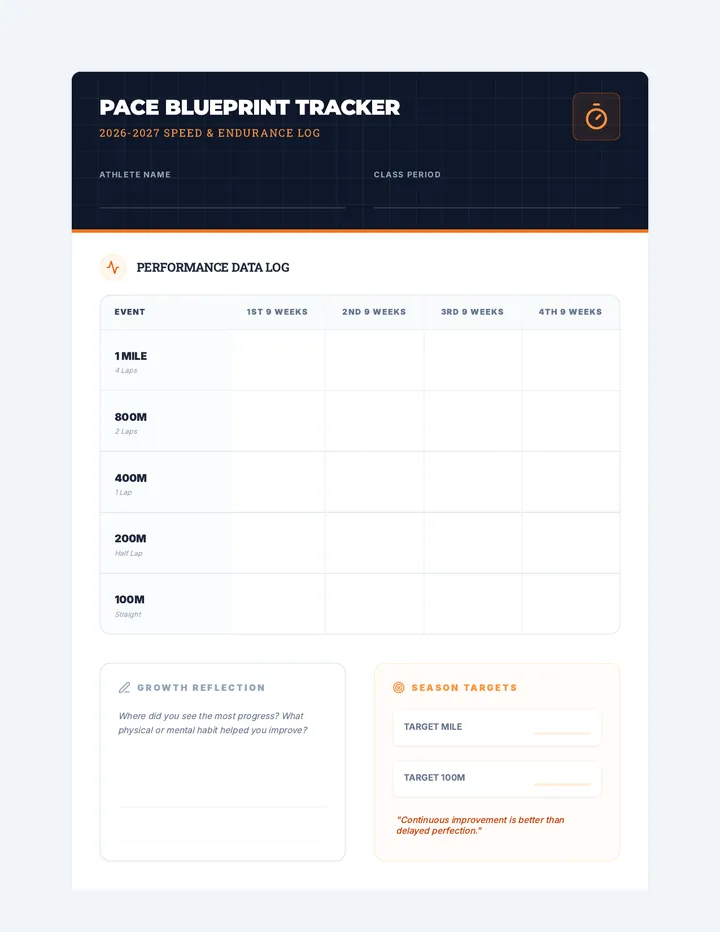
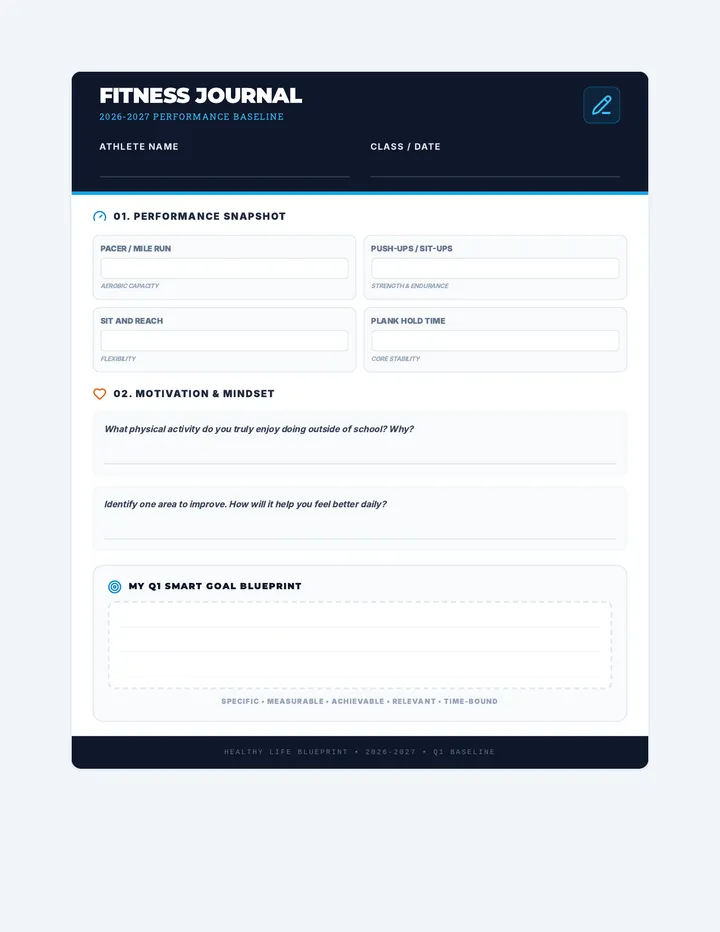
A foundational unit focused on assessing current fitness levels, understanding health components, and setting personalized goals for the year. Students learn the 'why' behind lifelong fitness through hands-on testing and data collection.
Students explore team-based sports with a focus on communication, strategy, and social-emotional health. Activities include basketball, soccer, and ultimate frisbee, emphasizing participation over elite performance.
Concluding the tournament with finals, award ceremony, and a personal reflection on growth.
Initiating the unit-ending tournament with round-robin pool play and scorekeeping.
Advanced rally tactics, including defensive positioning and transition from defense to offense.
Learning the front-back and side-to-side rotations essential for successful doubles play.
Applying shot selection to singles play, focusing on court coverage and finding open space.
Introducing the smash shot as an offensive weapon to finish rallies with speed and power.