A comprehensive 9th-grade football (soccer) unit focusing on offensive tactics, spatial awareness, and collective movement. Students progress from basic triangulation to designing complex attacking patterns through inquiry-based small-sided games.
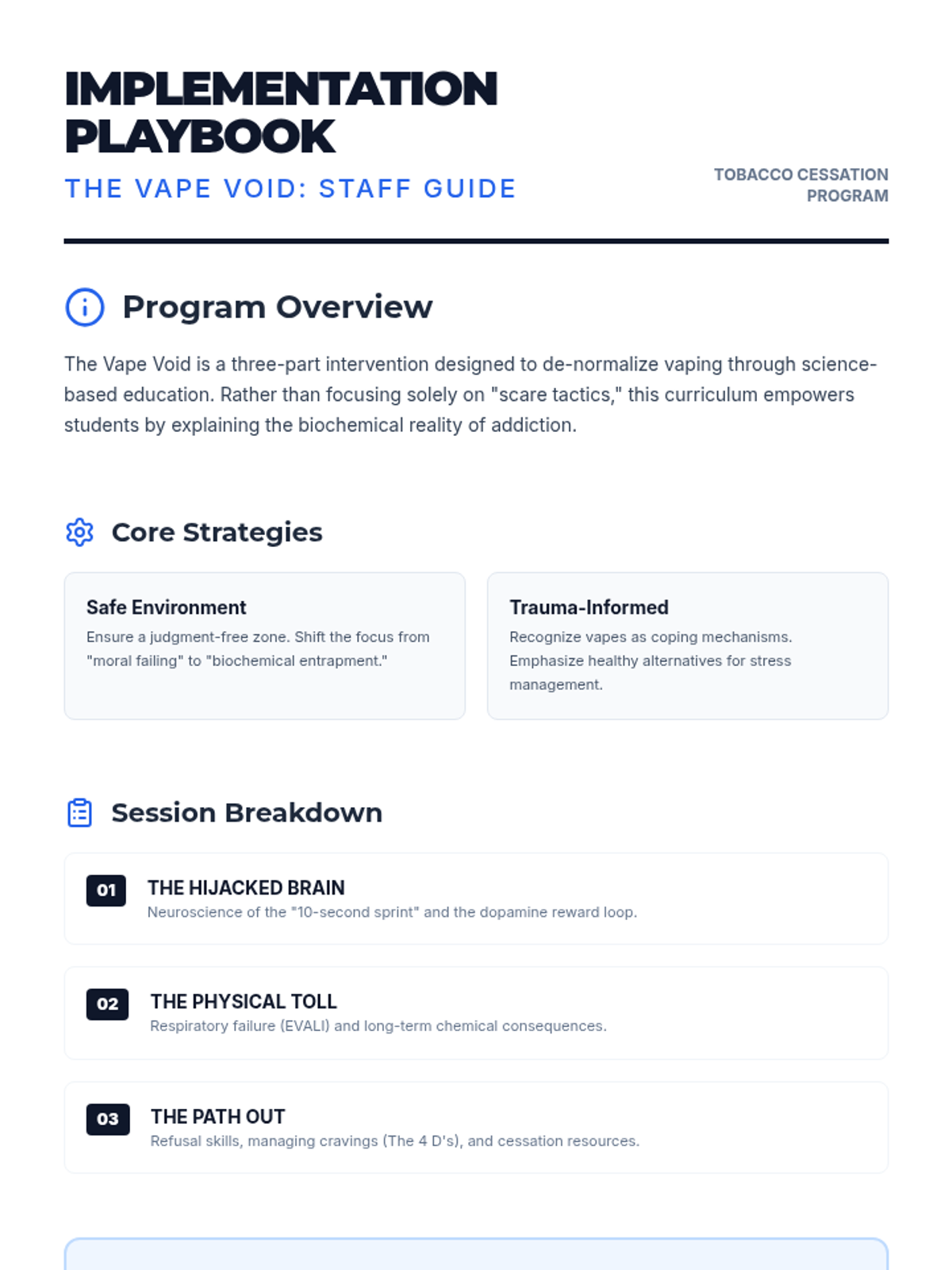
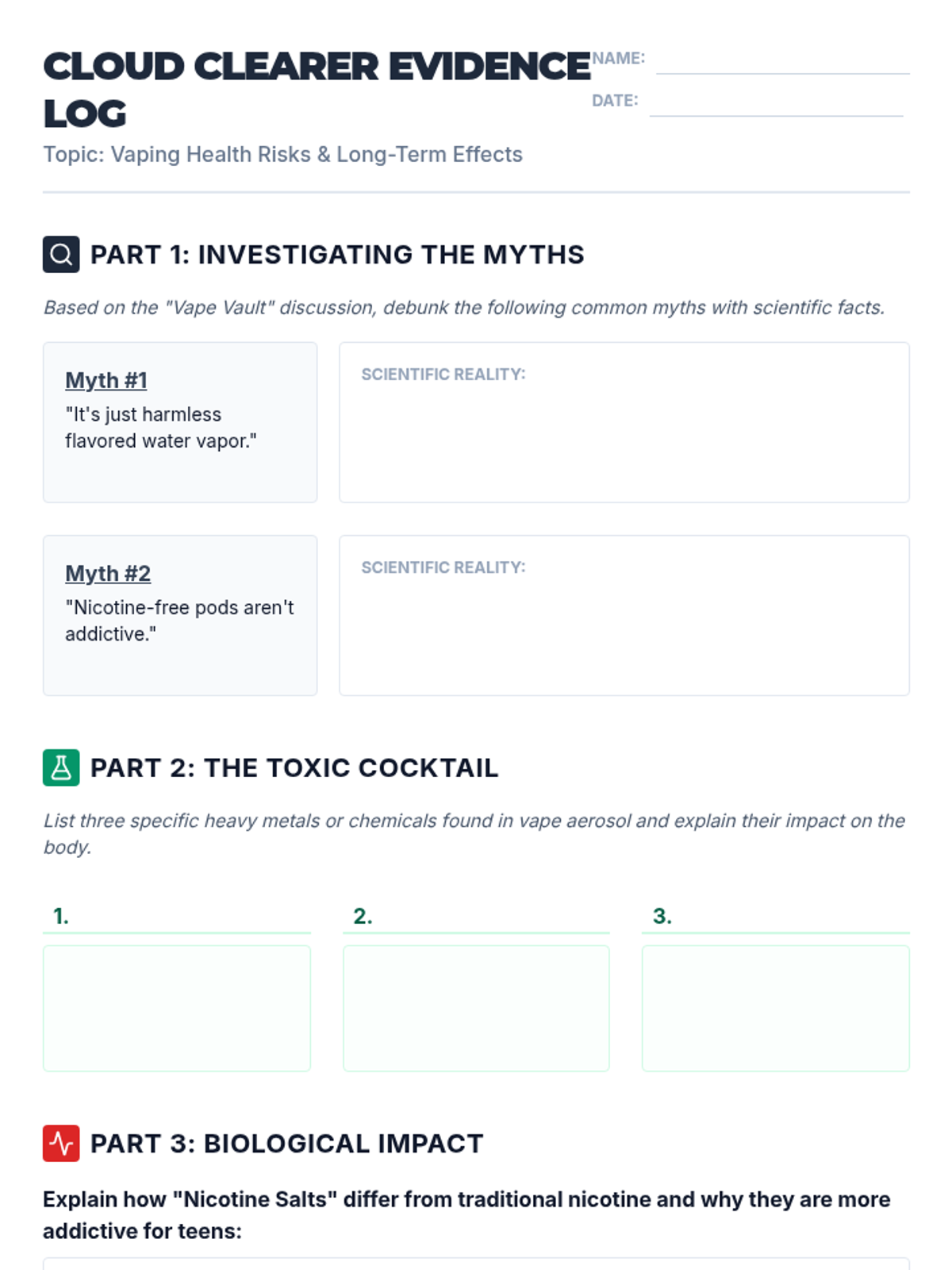
A comprehensive tobacco and vaping cessation program focused on the science of addiction, long-term health impacts, and practical refusal and quitting strategies for students.
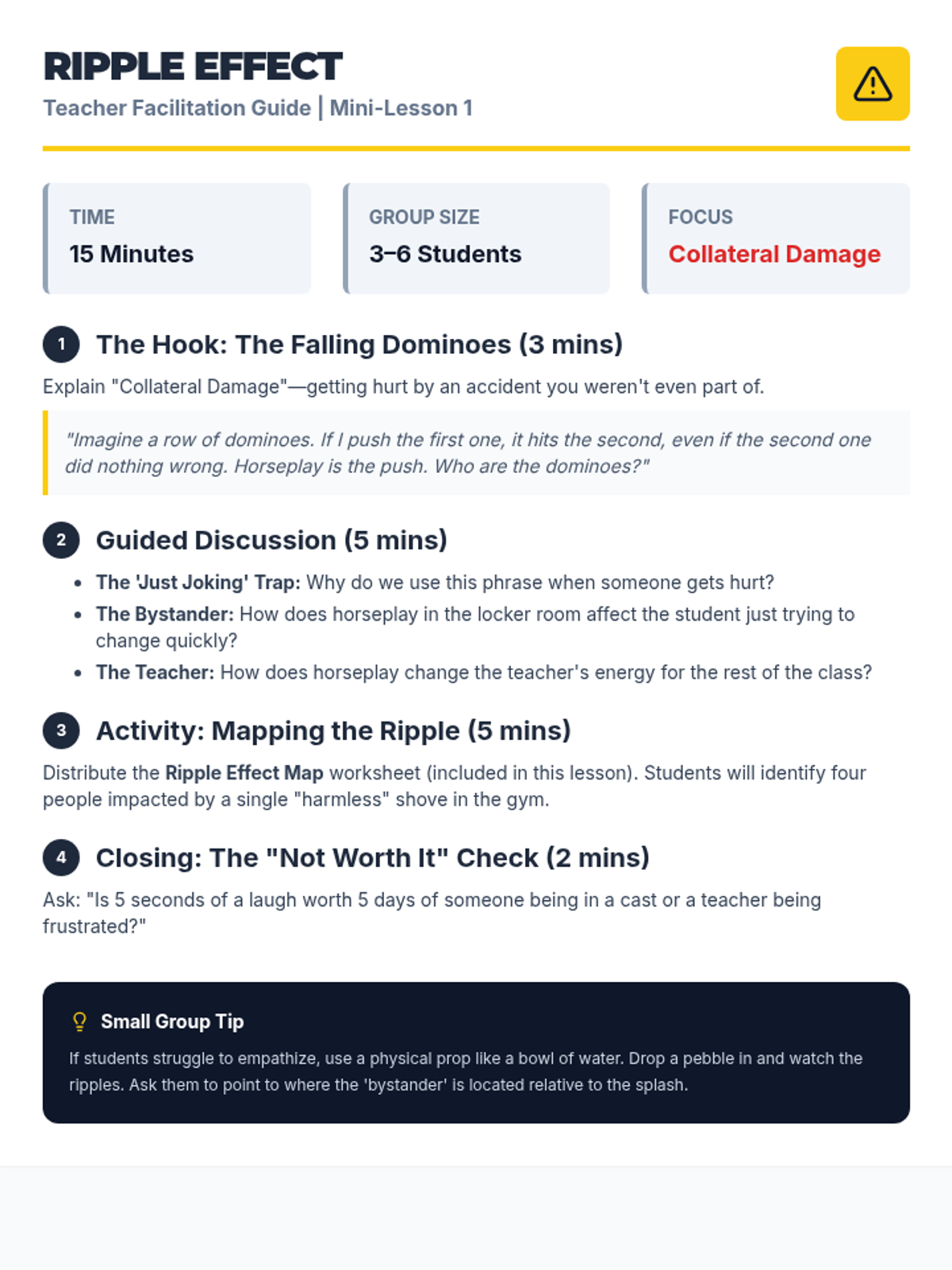
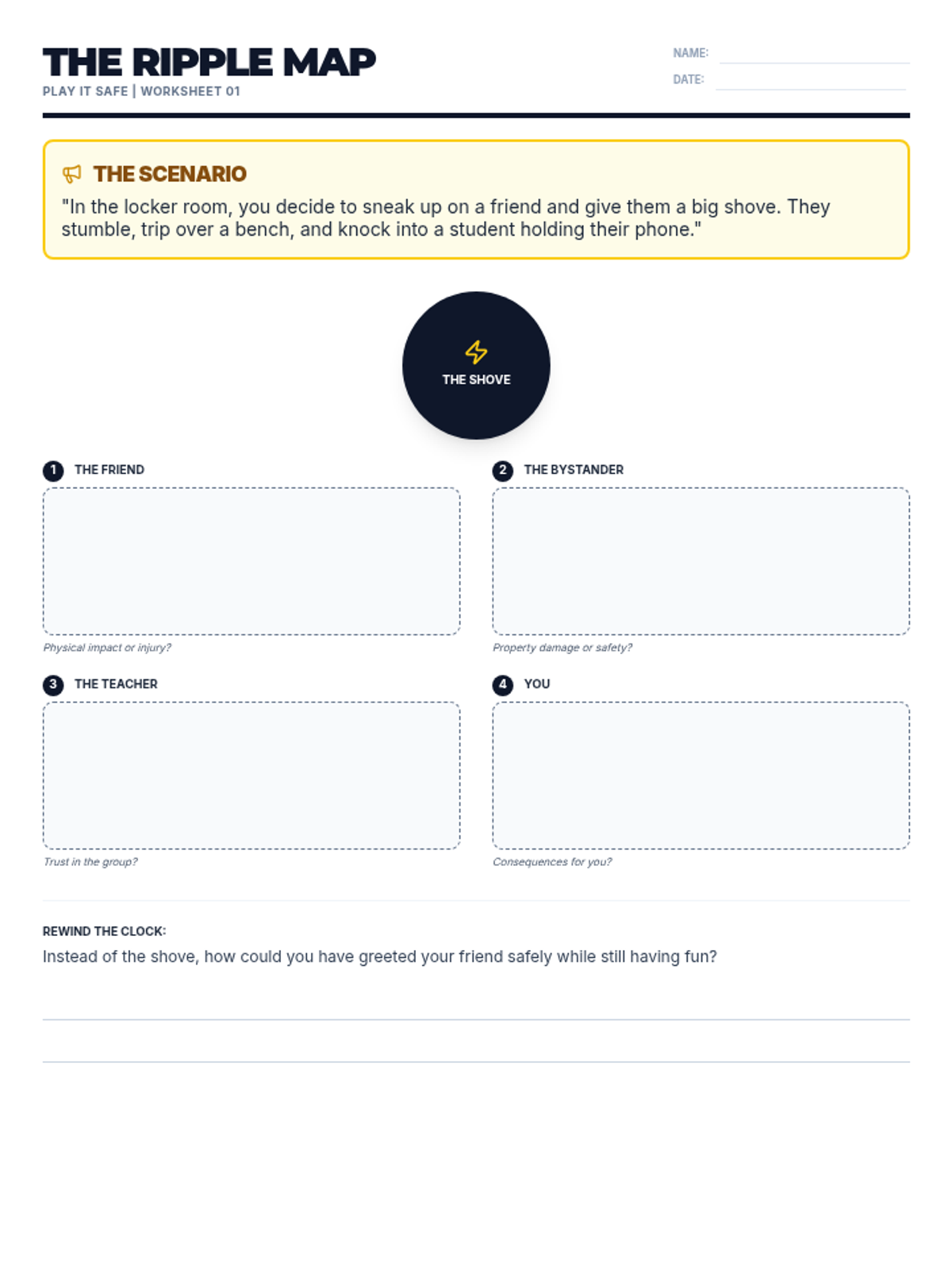
A series of three 15-minute mini-lessons designed for small group interventions or PE warm-up discussions. The sequence focuses on the social, physical, and community consequences of horseplay in school settings.
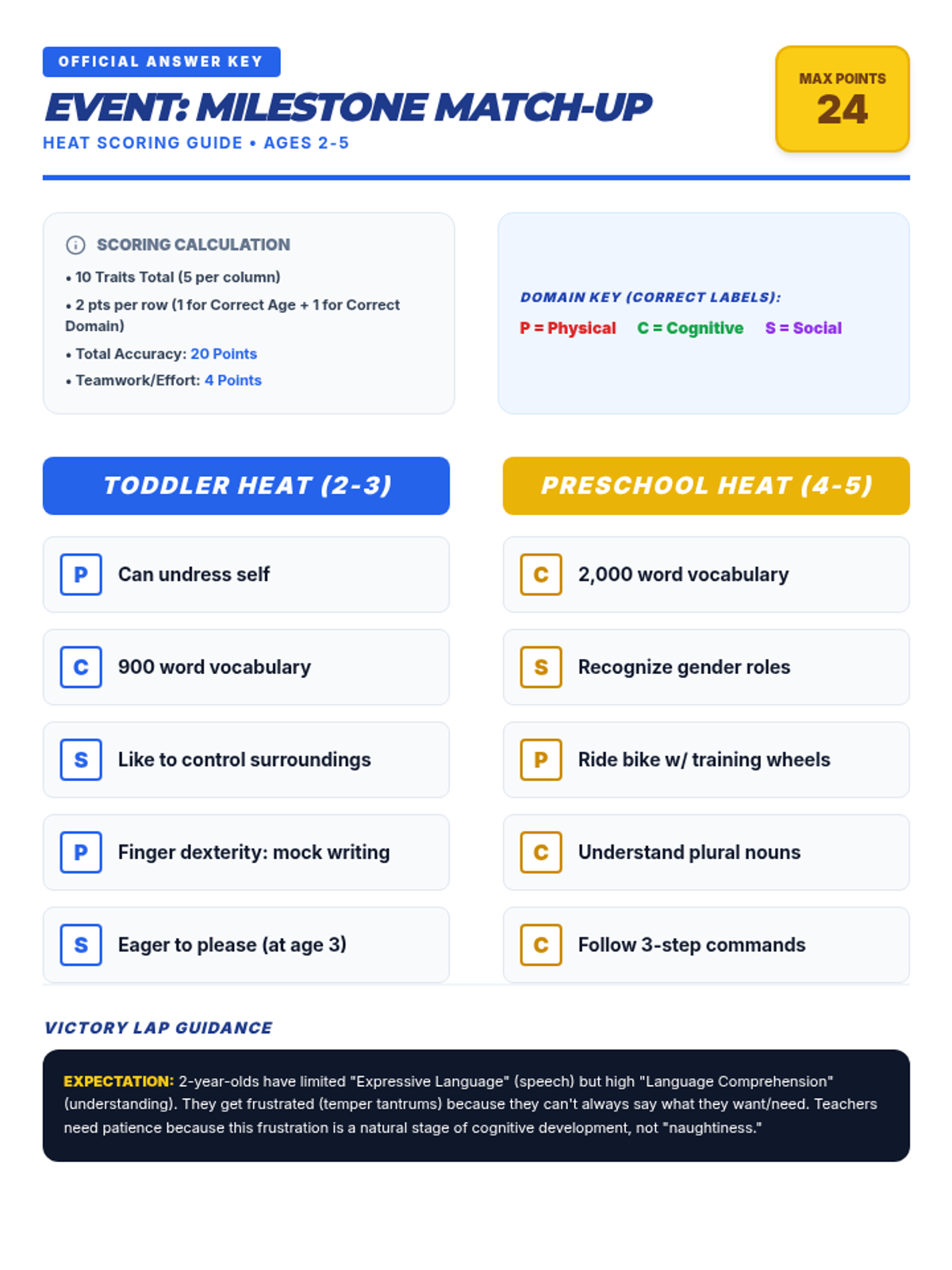
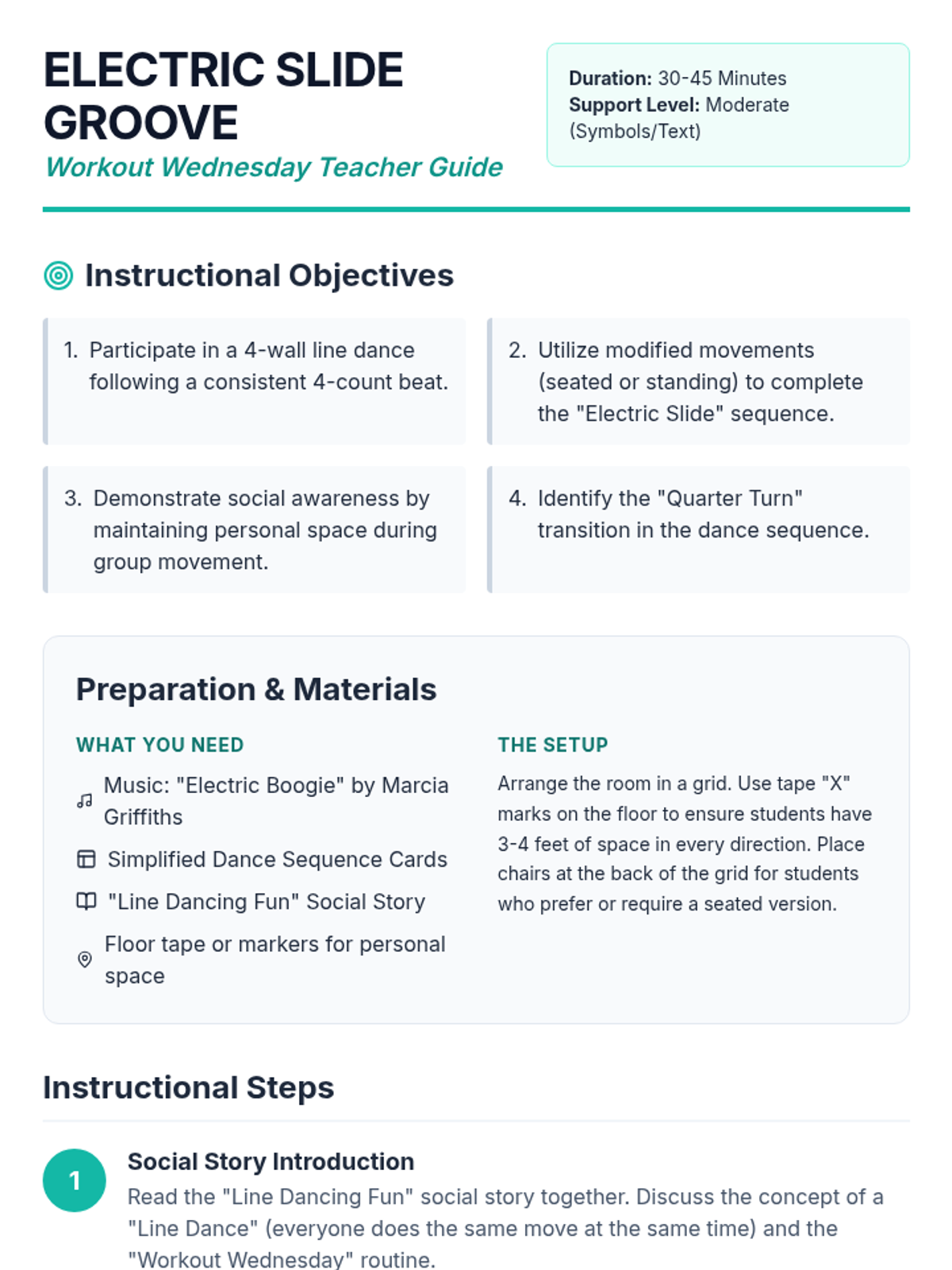
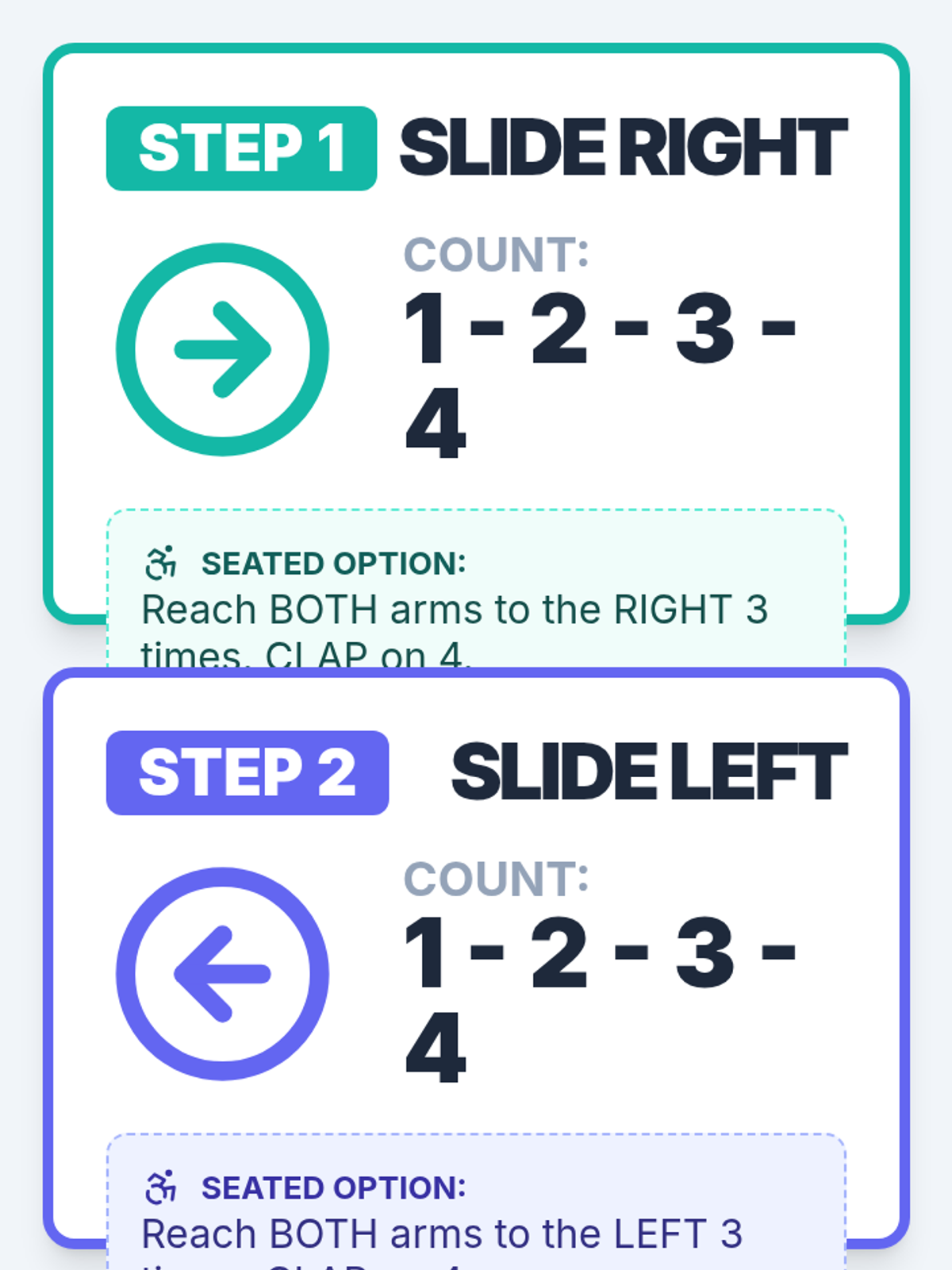
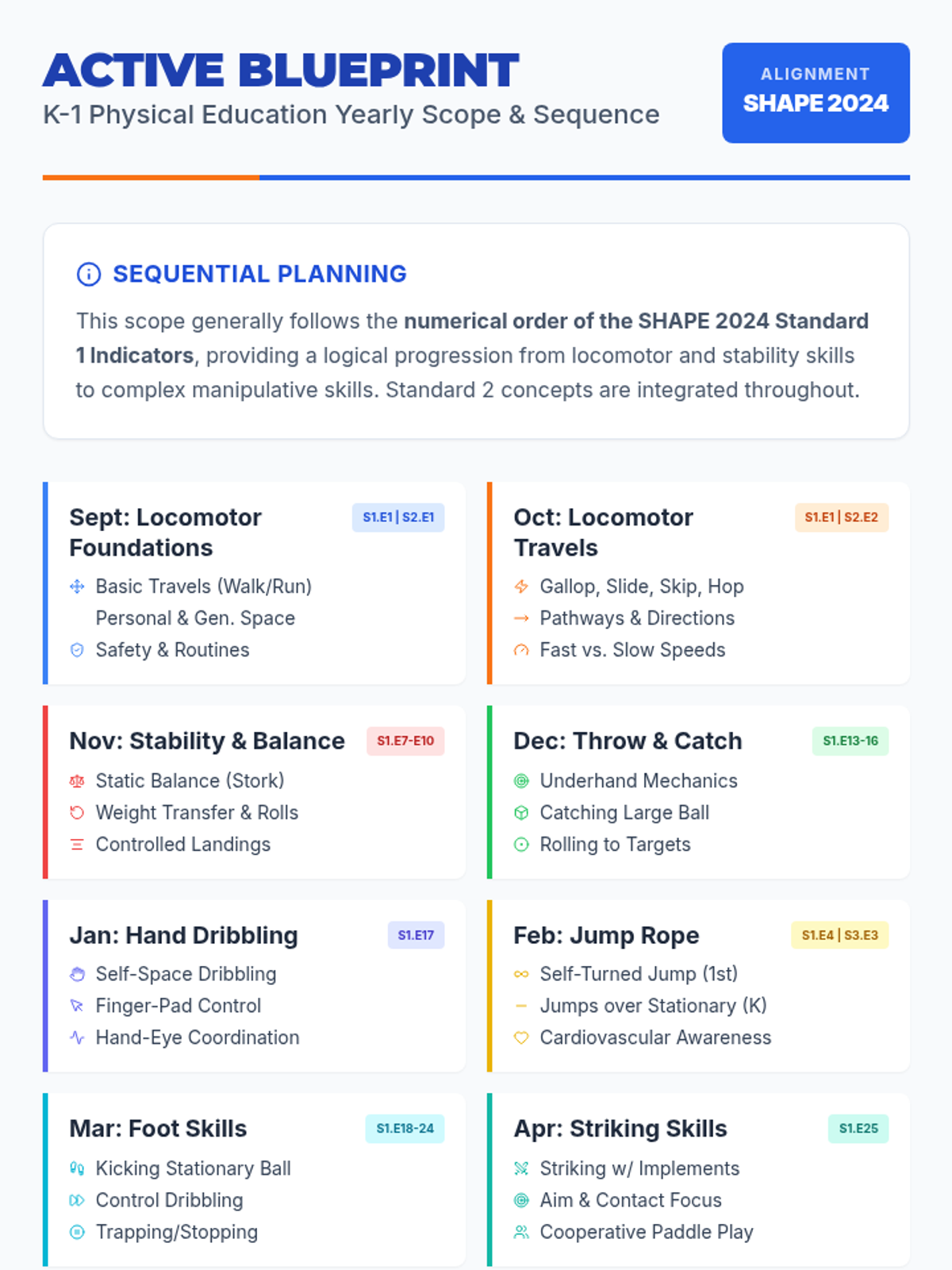
A weekly fitness and movement series designed for students of all abilities, focusing on social-emotional learning through physical activity and group coordination.
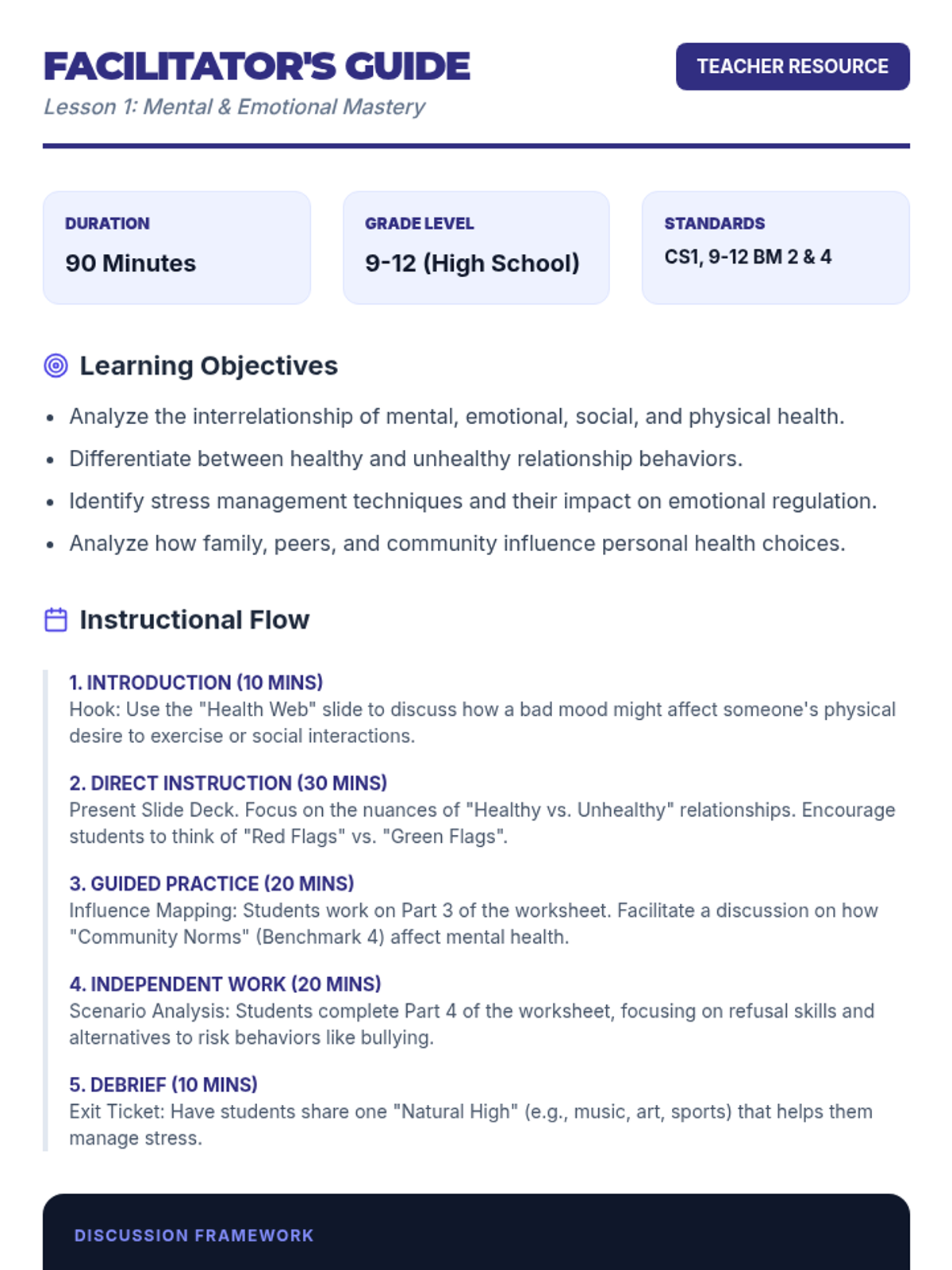
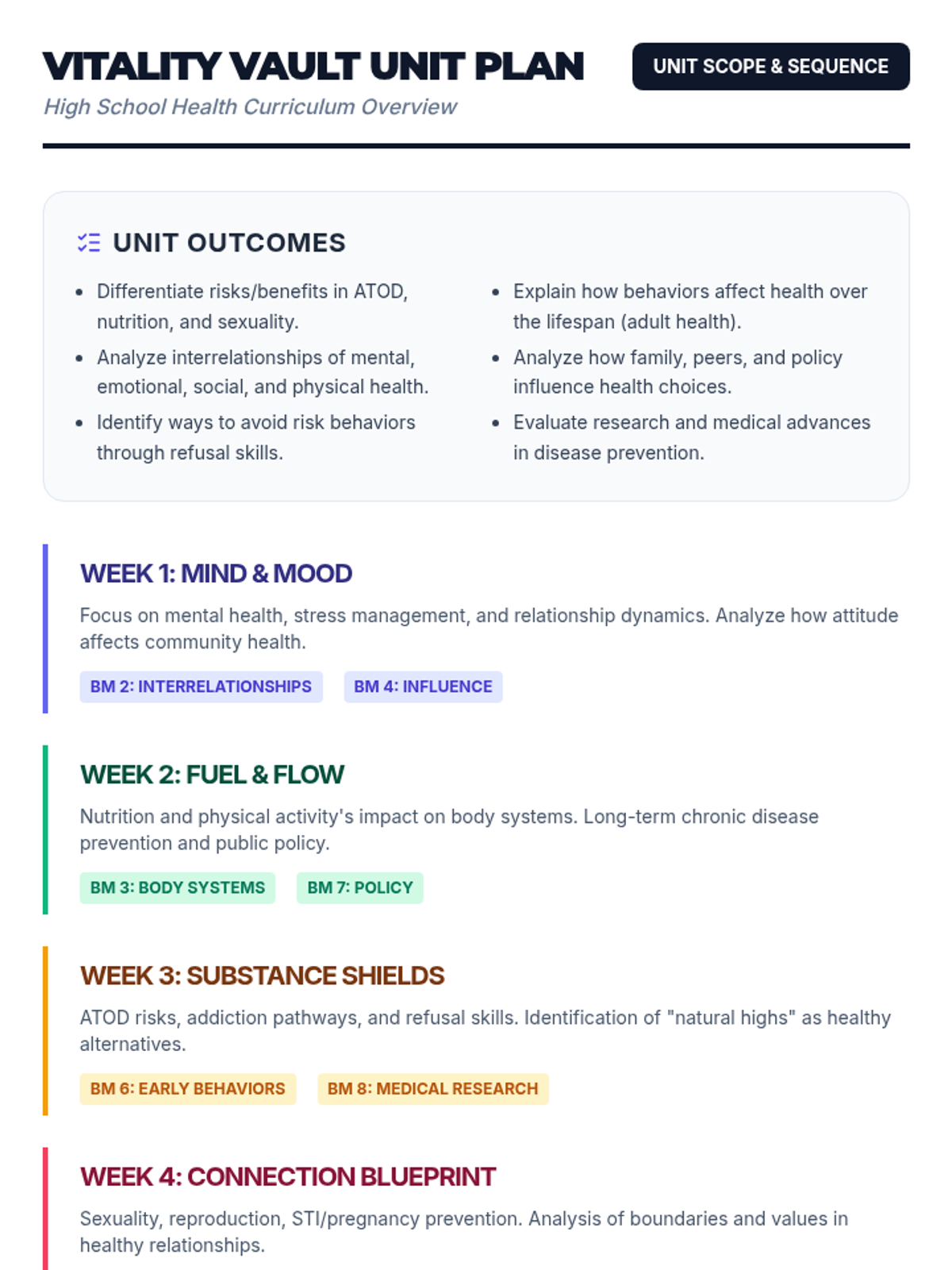
A comprehensive 4-week high school health unit covering mental health, nutrition, substance use, and sexual health. Students analyze health behaviors, influence, and prevention strategies to promote lifelong well-being.
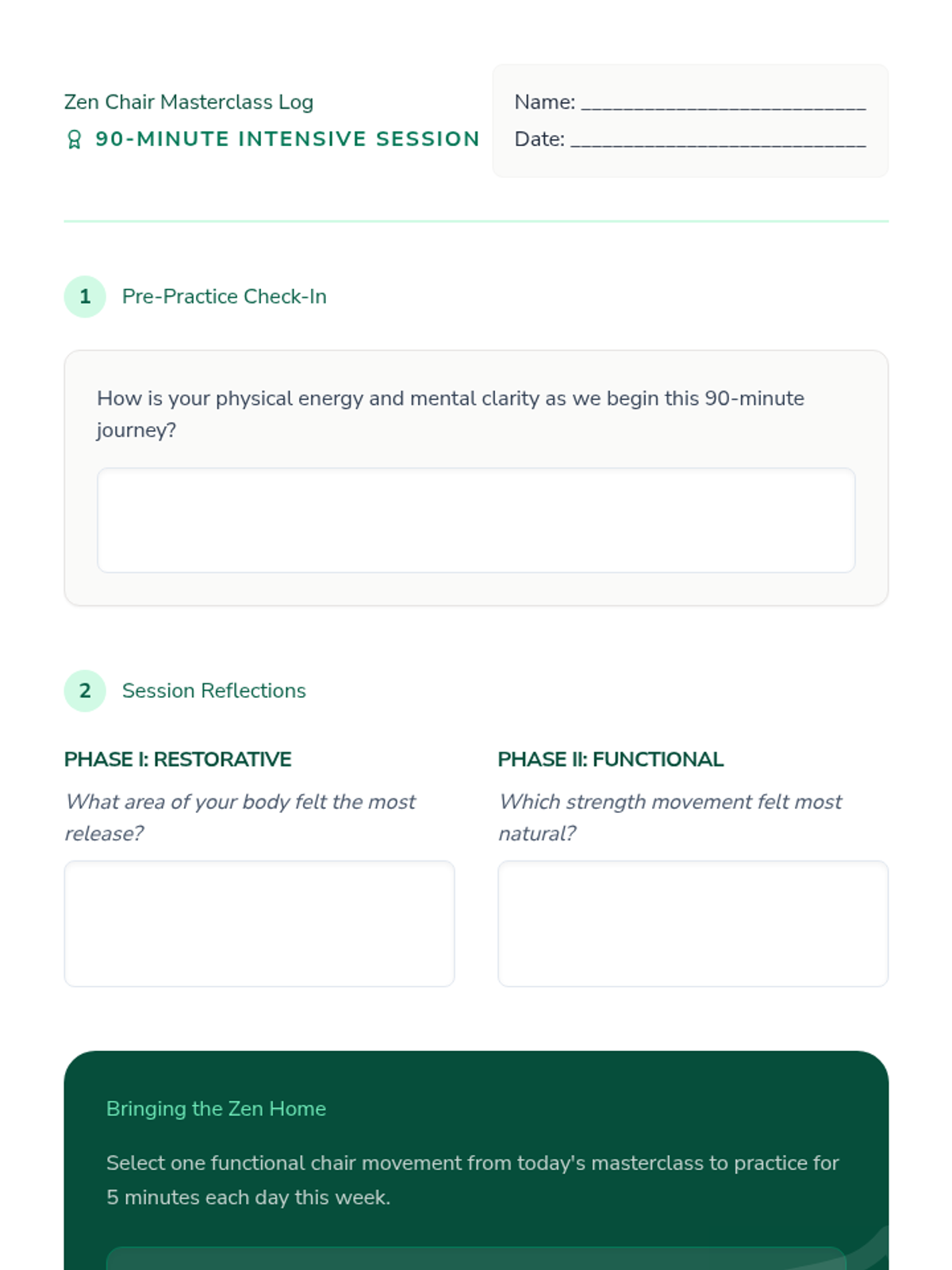
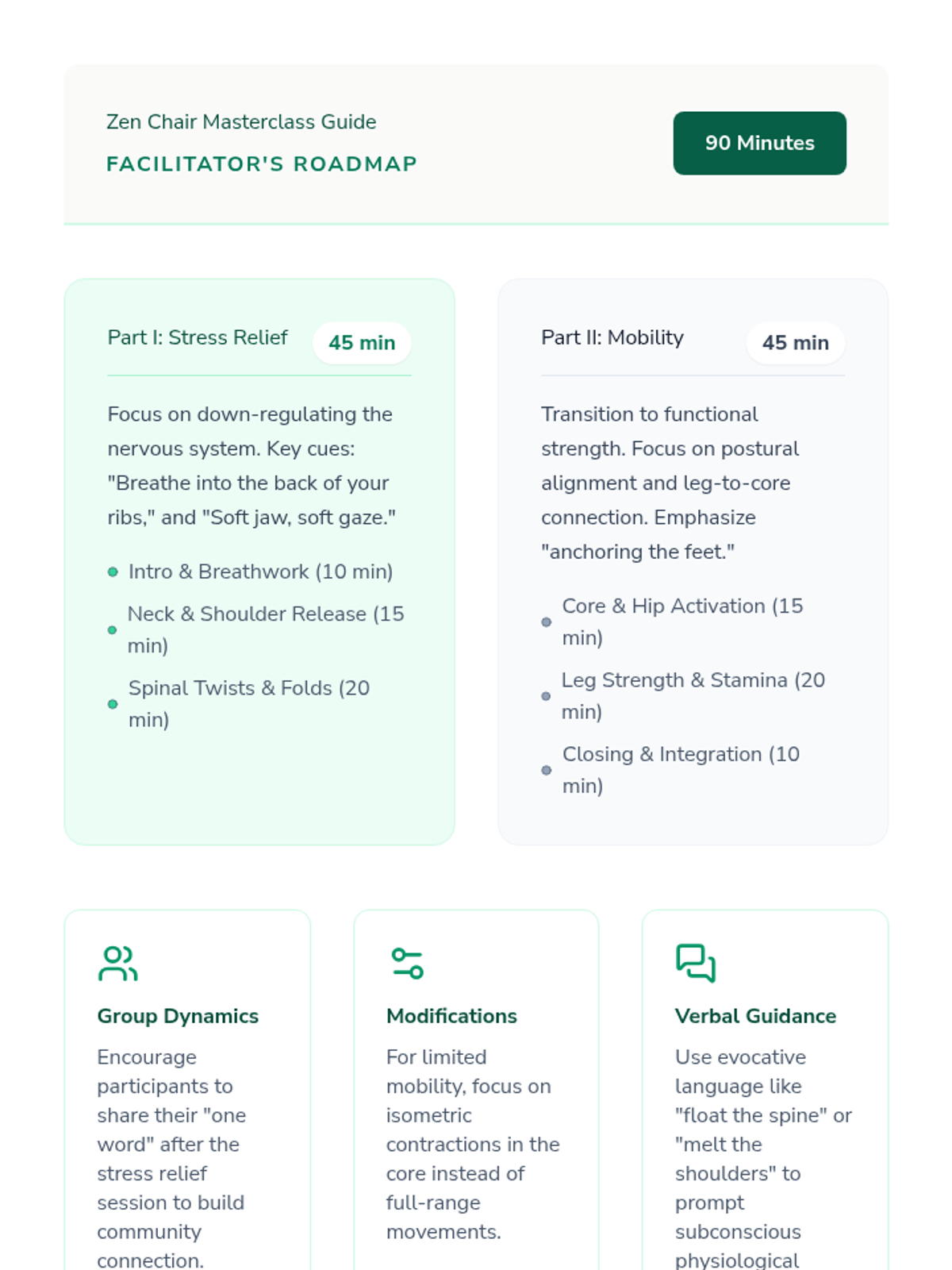
A comprehensive yoga series featuring a deep-dive chair yoga masterclass with guided videos and a follow-up standing flow session for beginners. Designed to build both mental calm and physical strength.
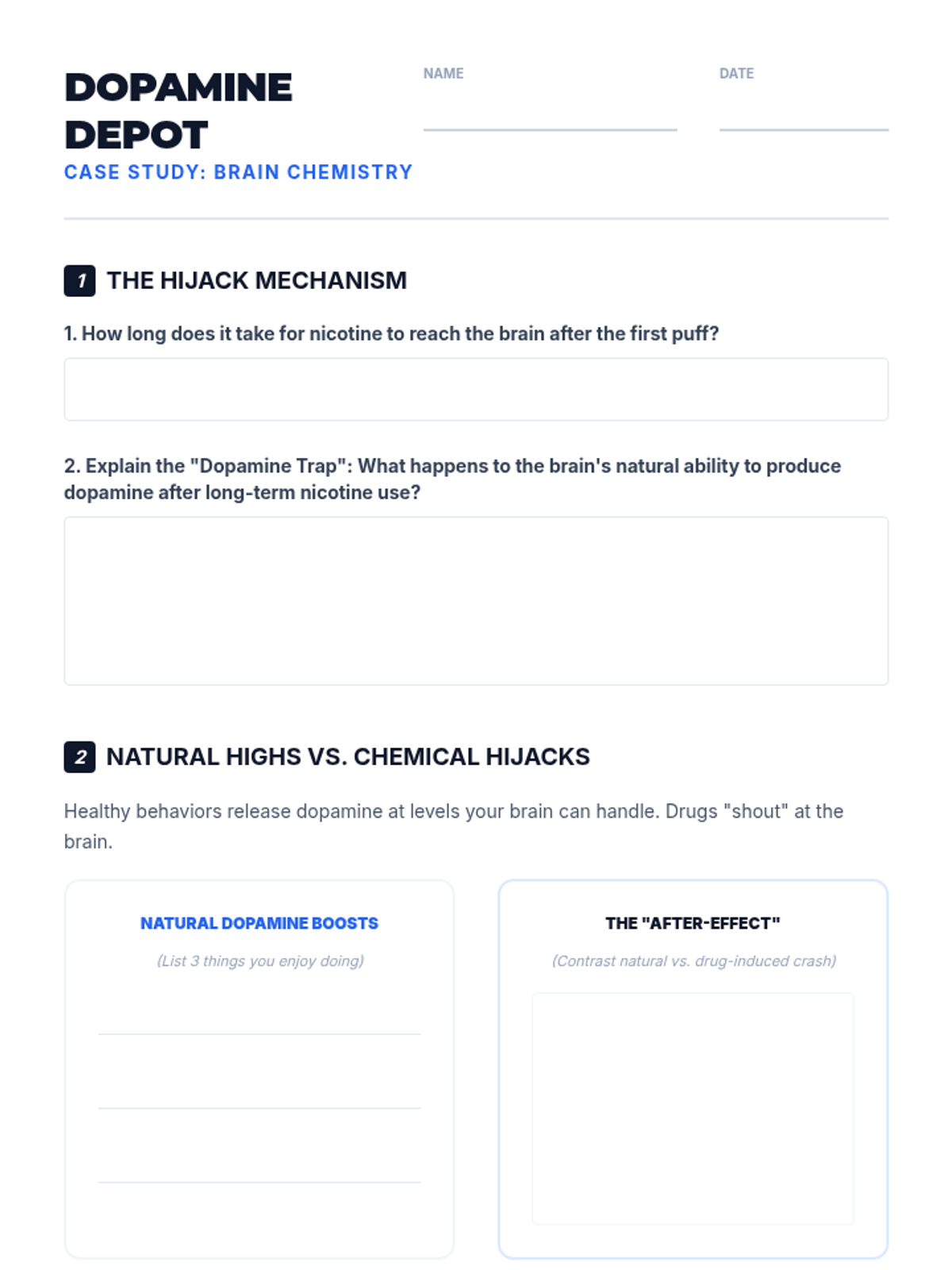
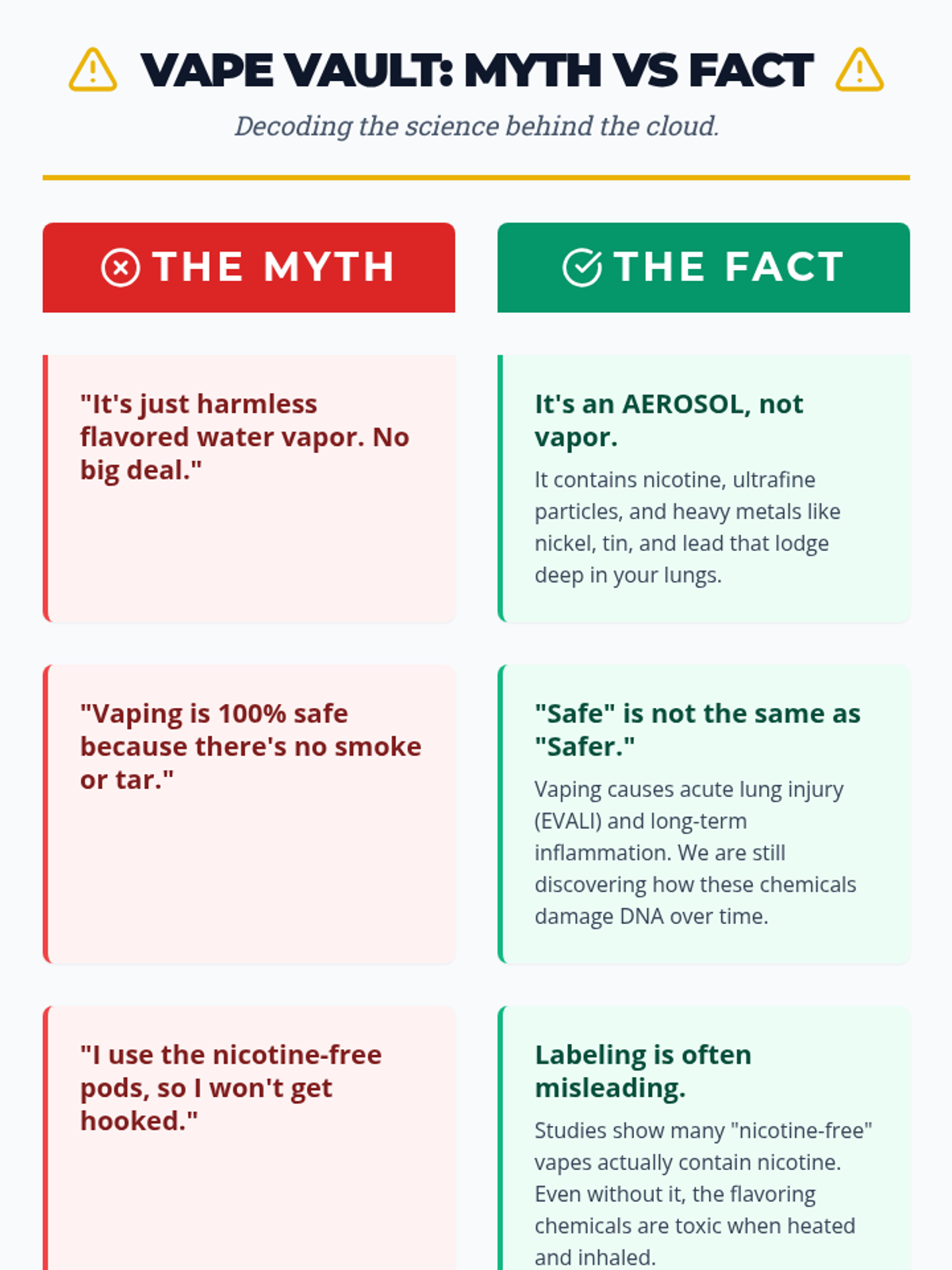
A comprehensive vaping prevention unit that covers health risks, the science of nicotine addiction, and social refusal strategies for middle and high school students.
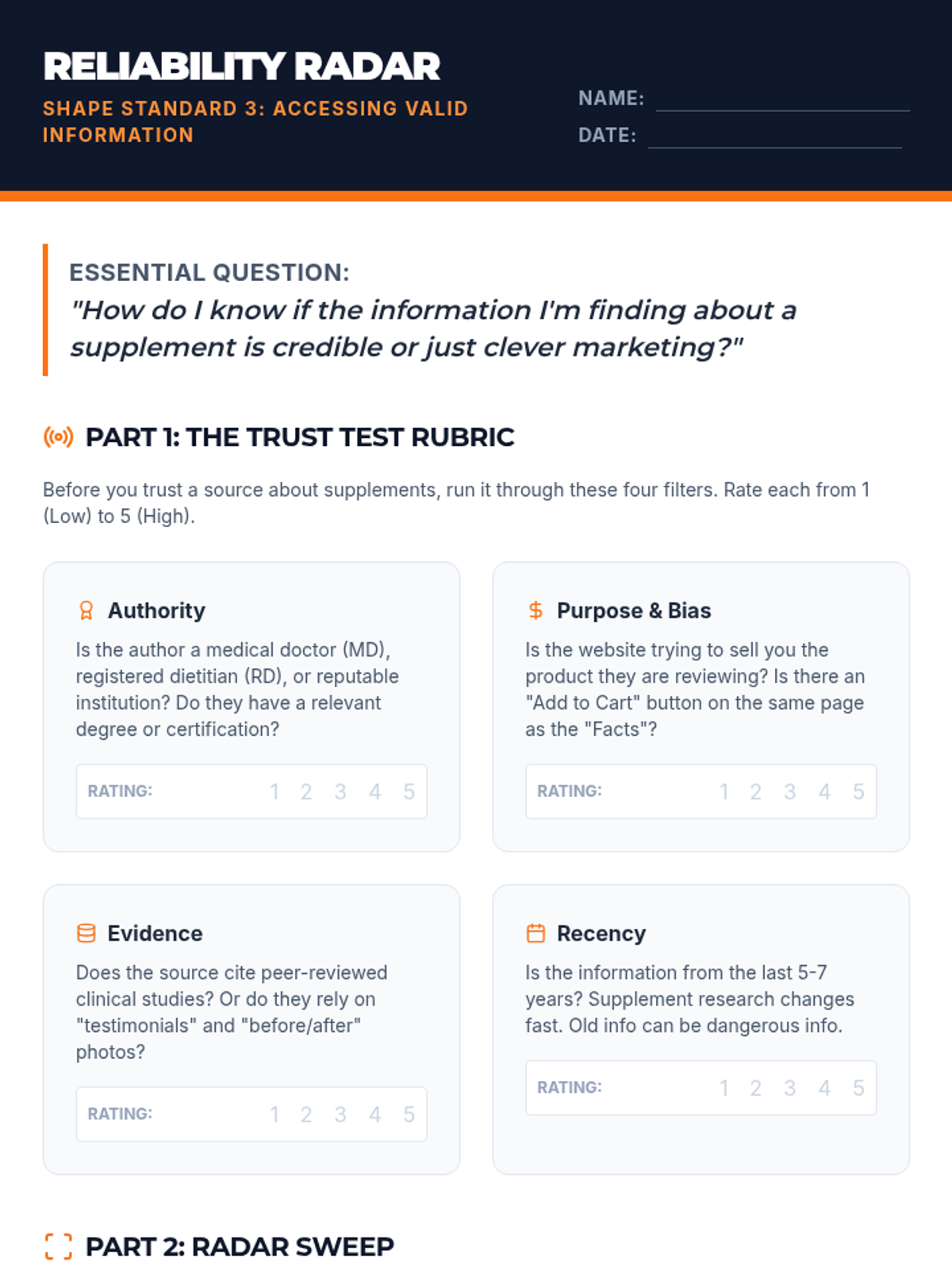
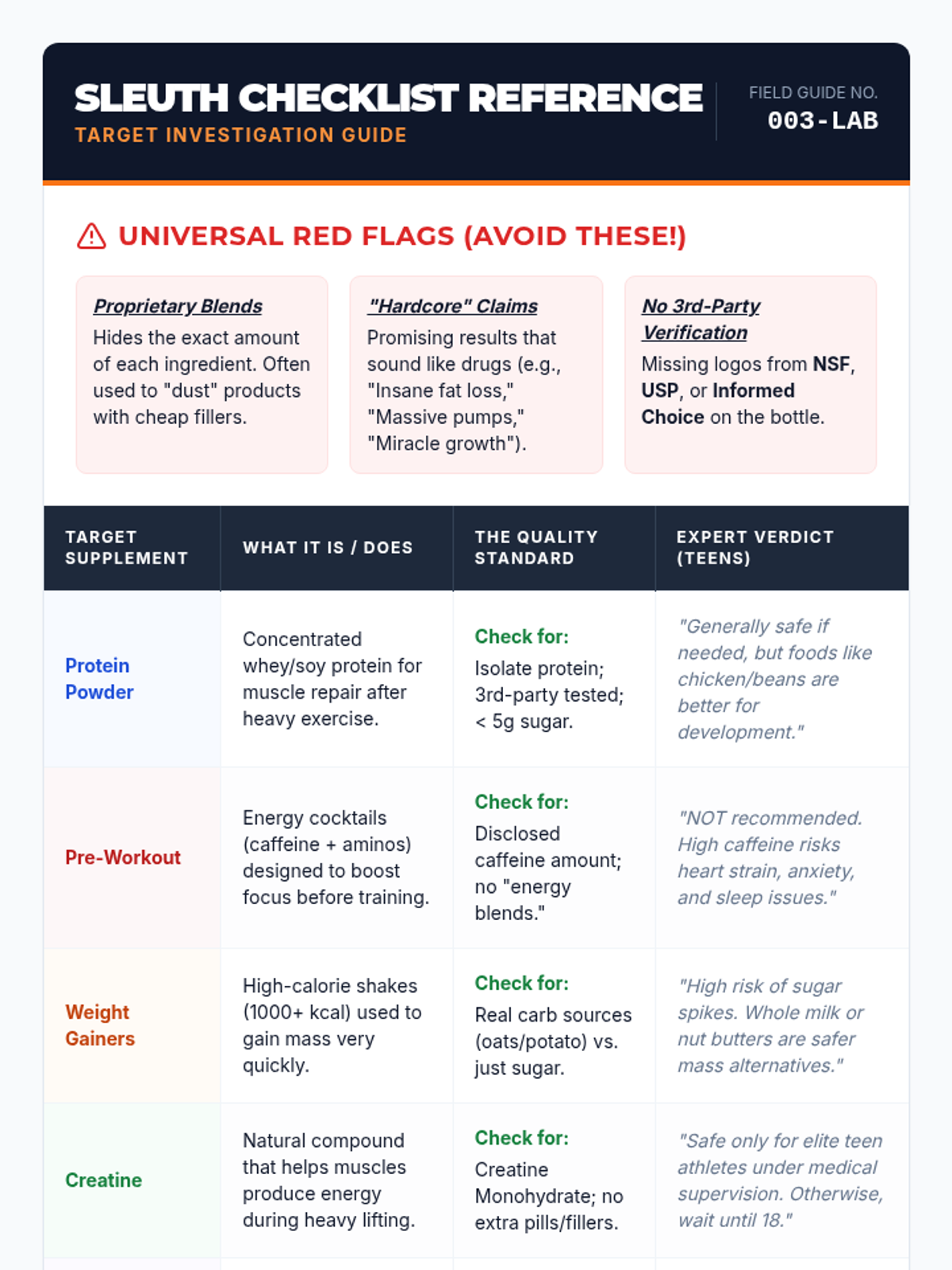
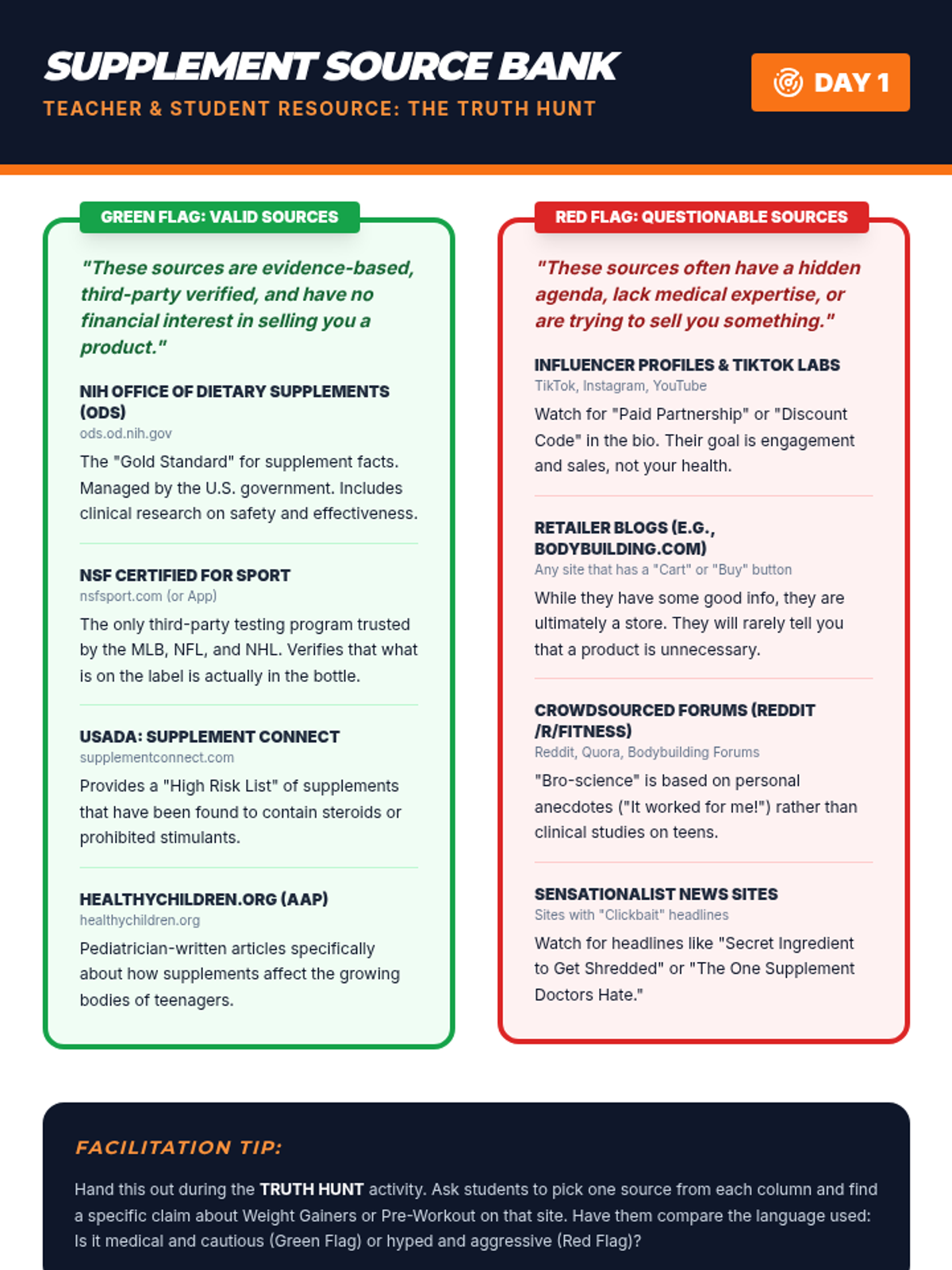
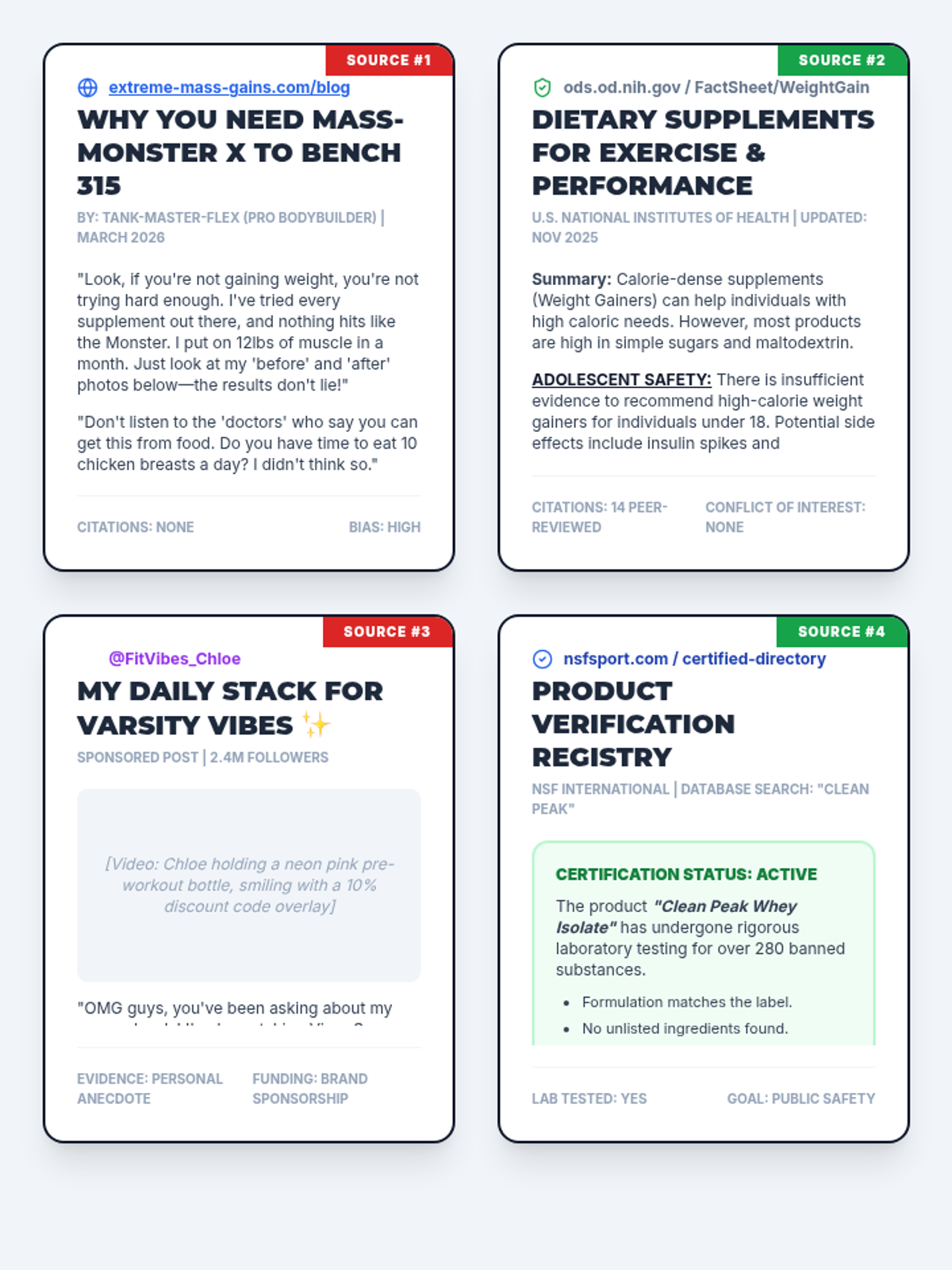
A 2-day condensed unit for 10th-grade sports nutrition focused on identifying industry "Red Flags" and expert consensus for supplement safety. Students complete a digital Label Hunt and a final synthesis assessment to demonstrate mastery.
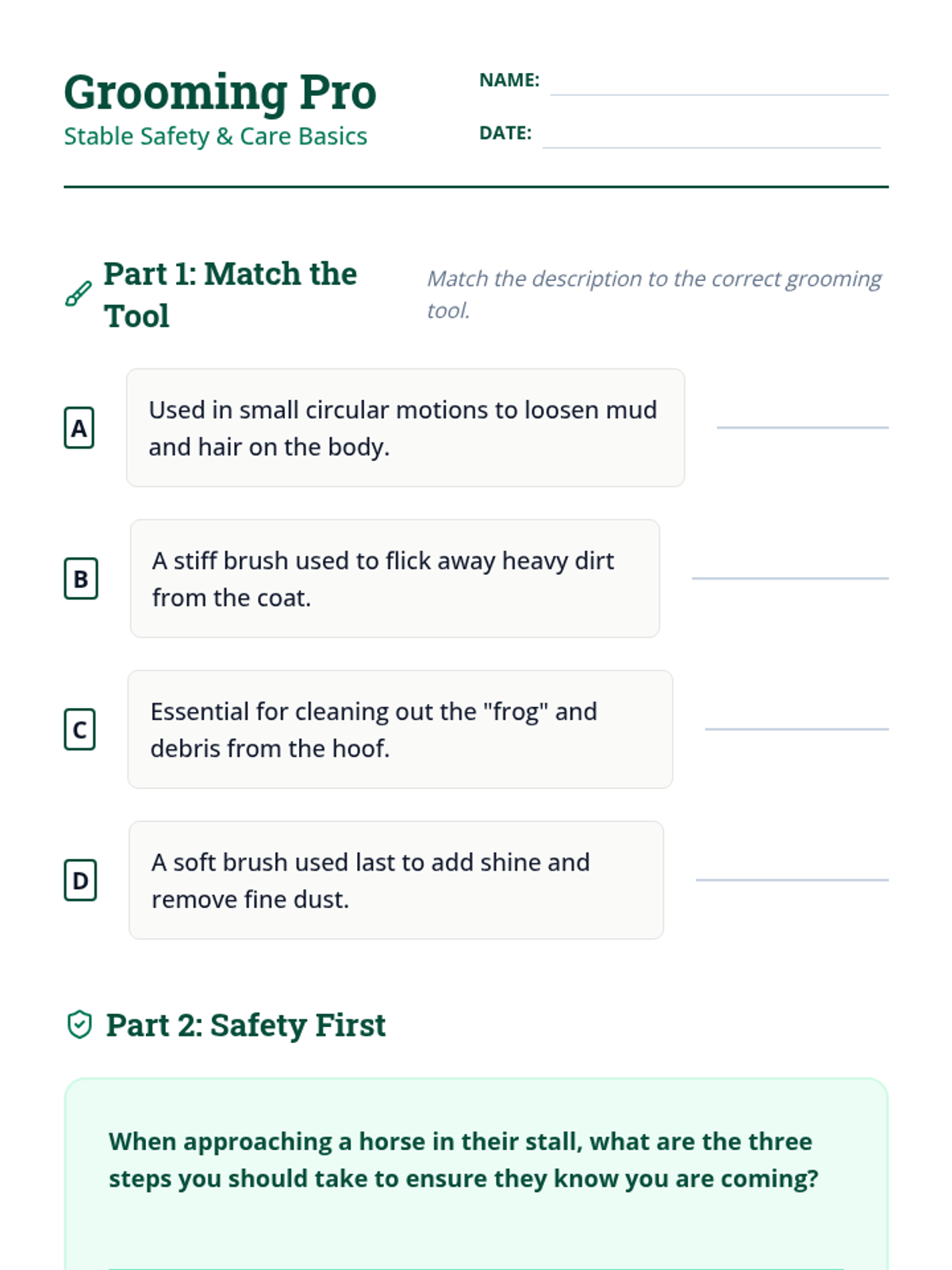
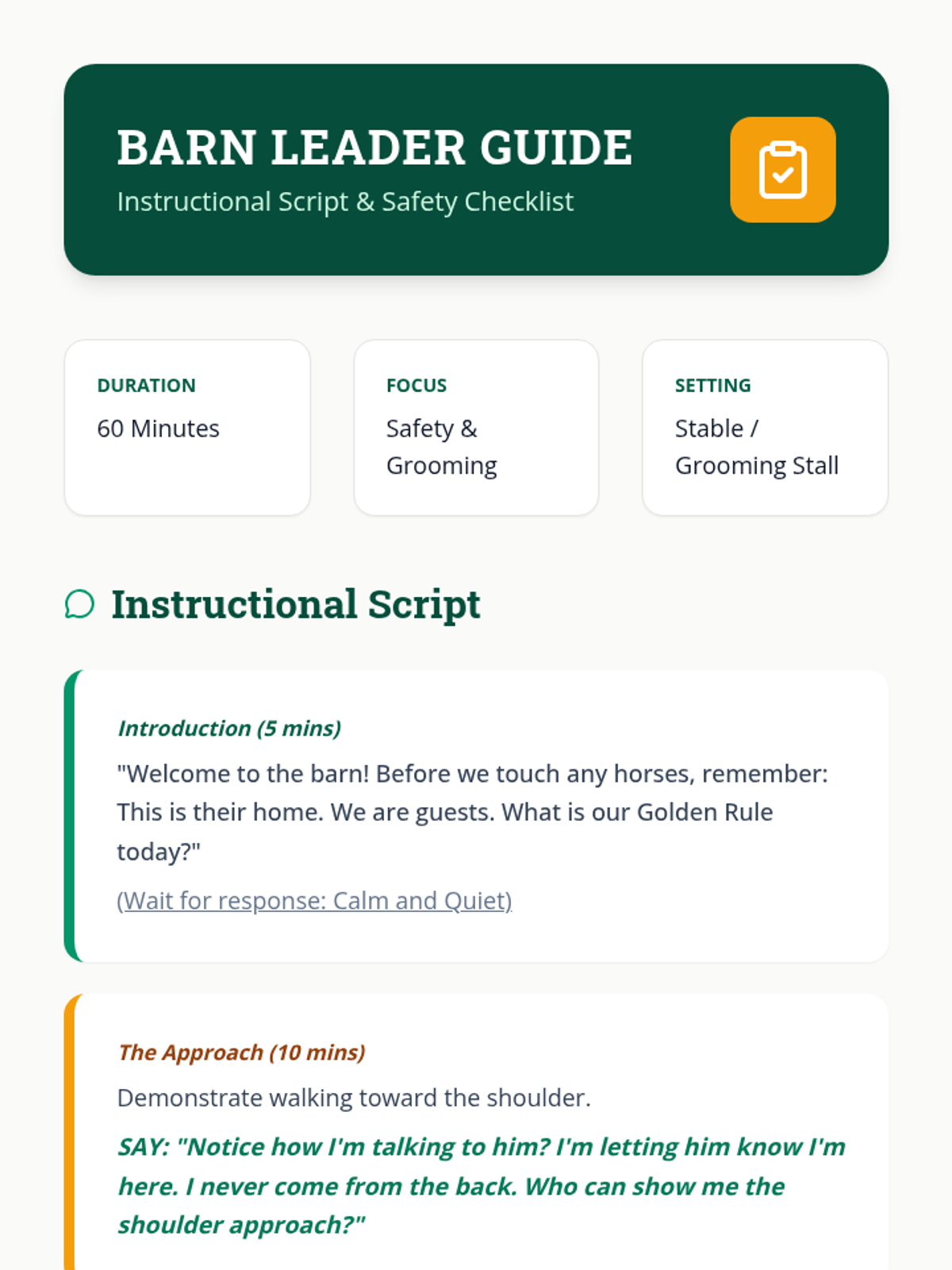
A comprehensive equestrian curriculum designed for students from elementary to high school, covering horse care, riding fundamentals, and advanced arena maneuvers. The program balances ground safety with progressive riding skills.
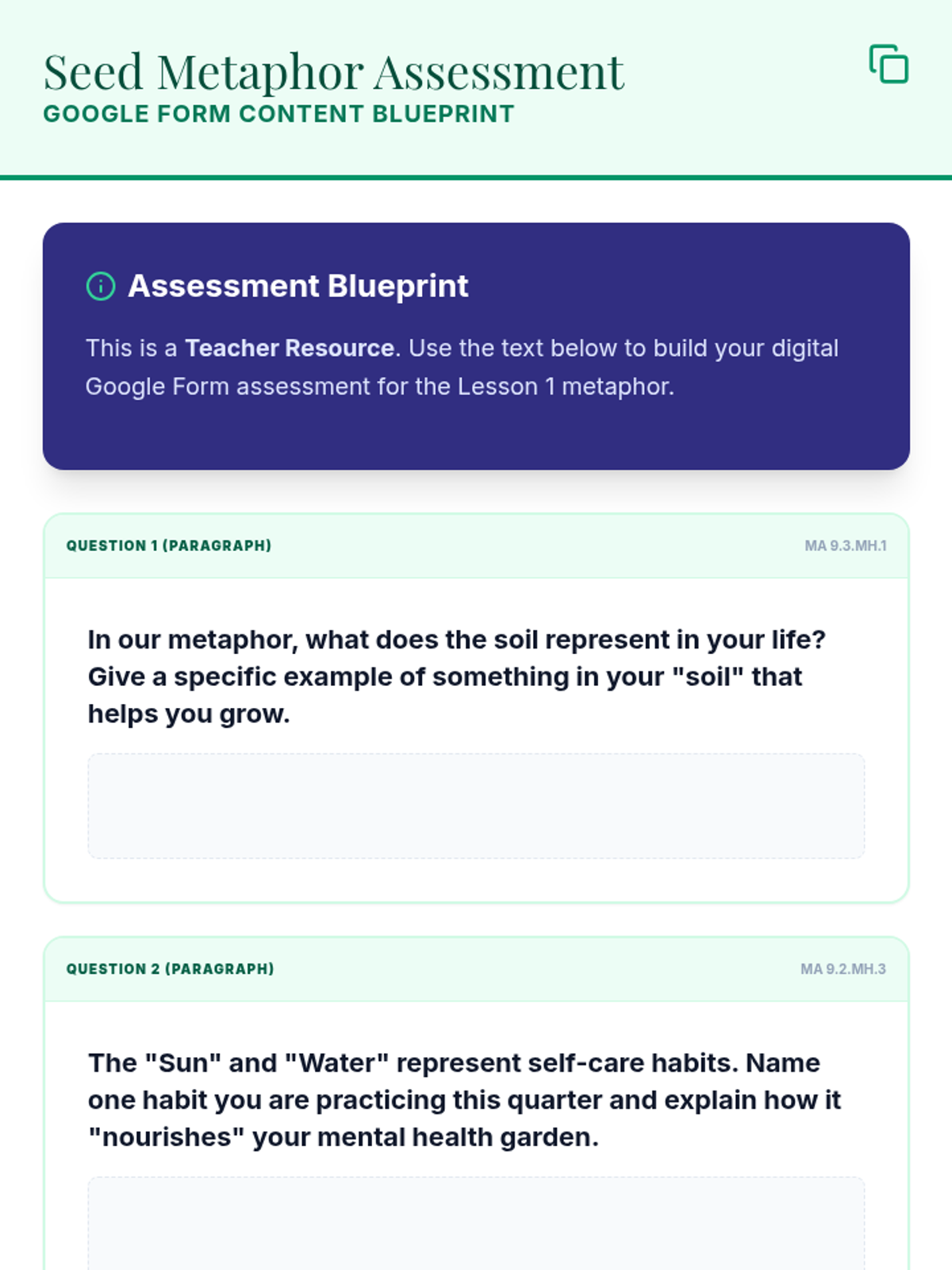
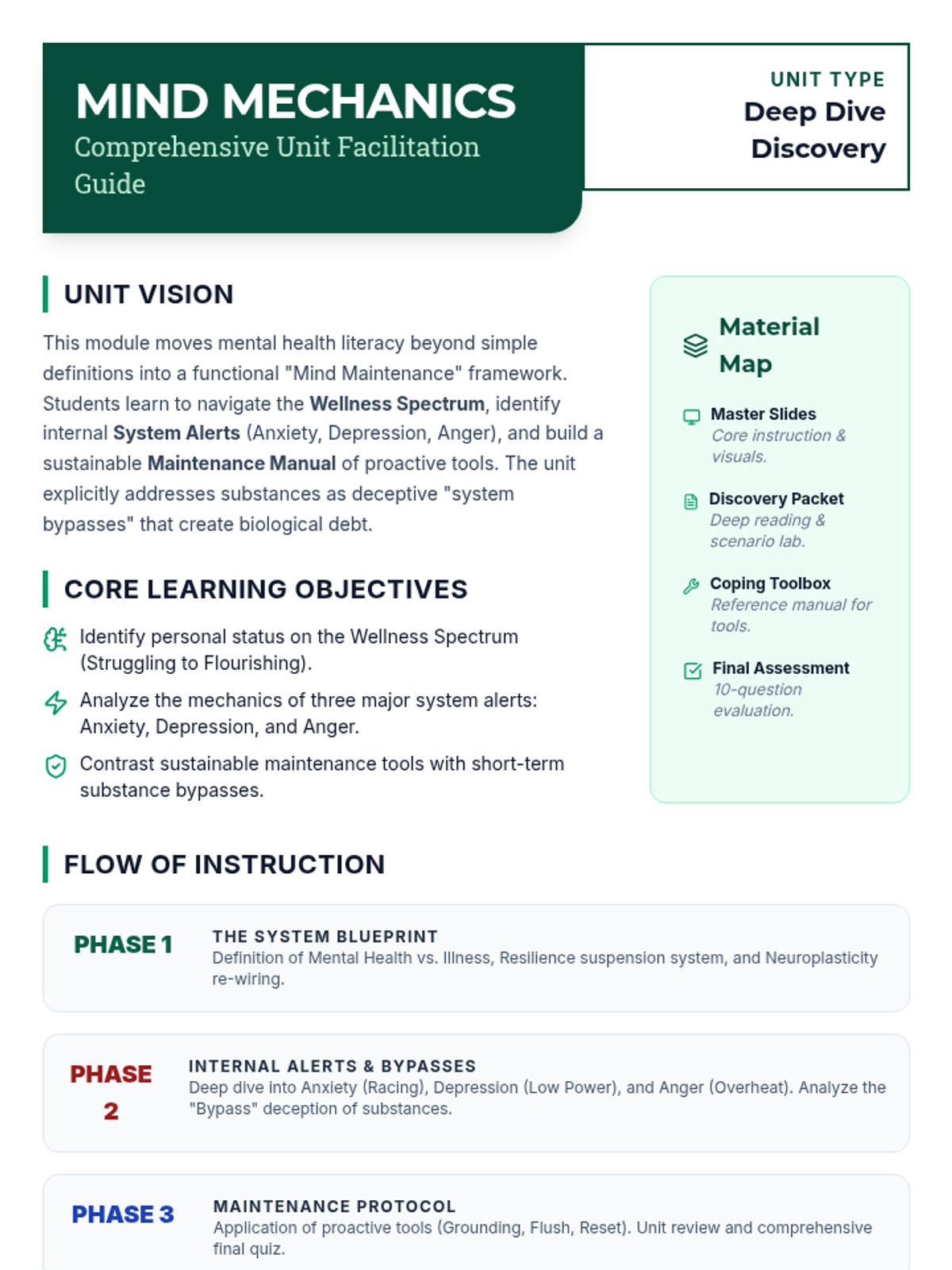
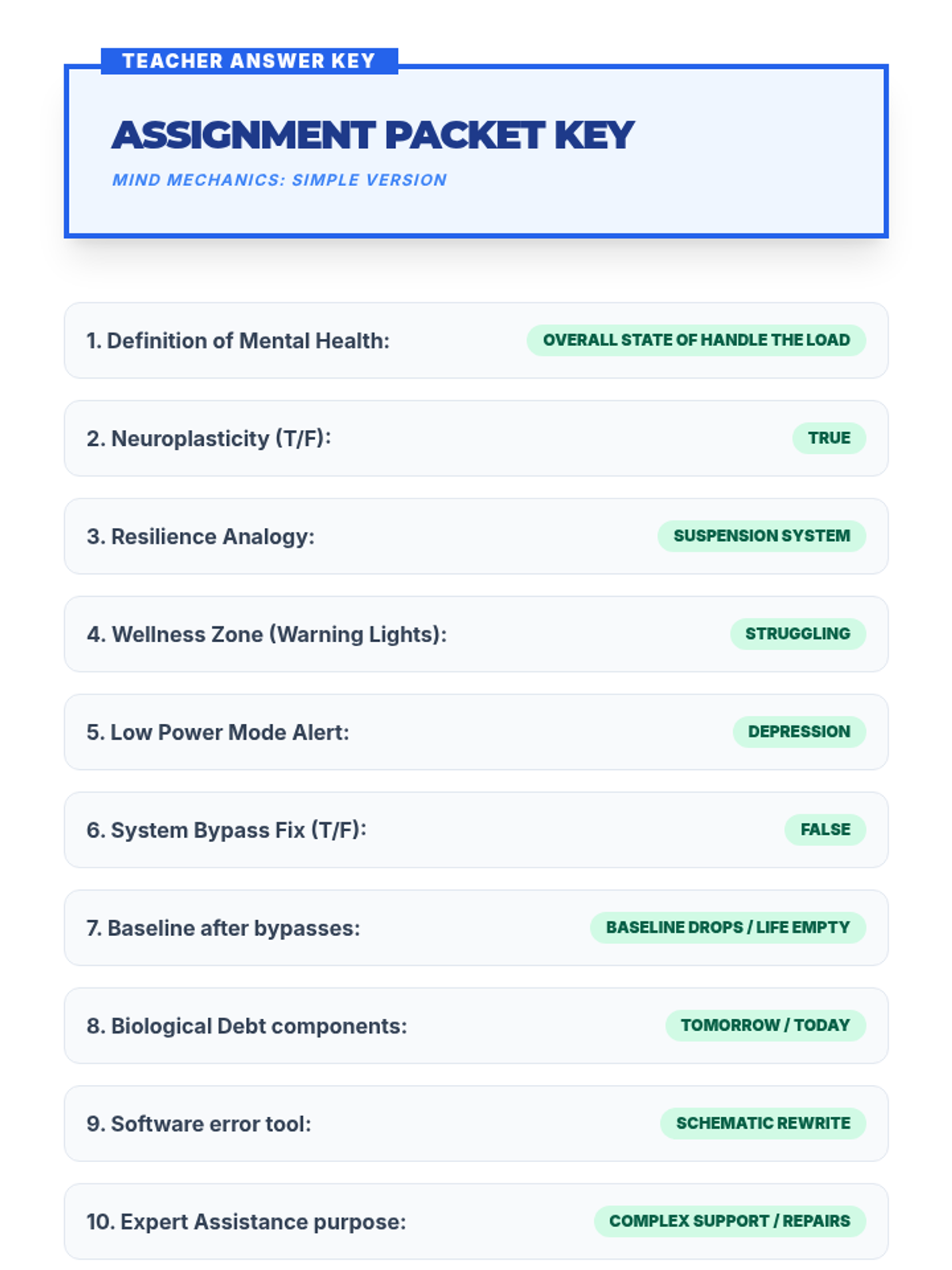
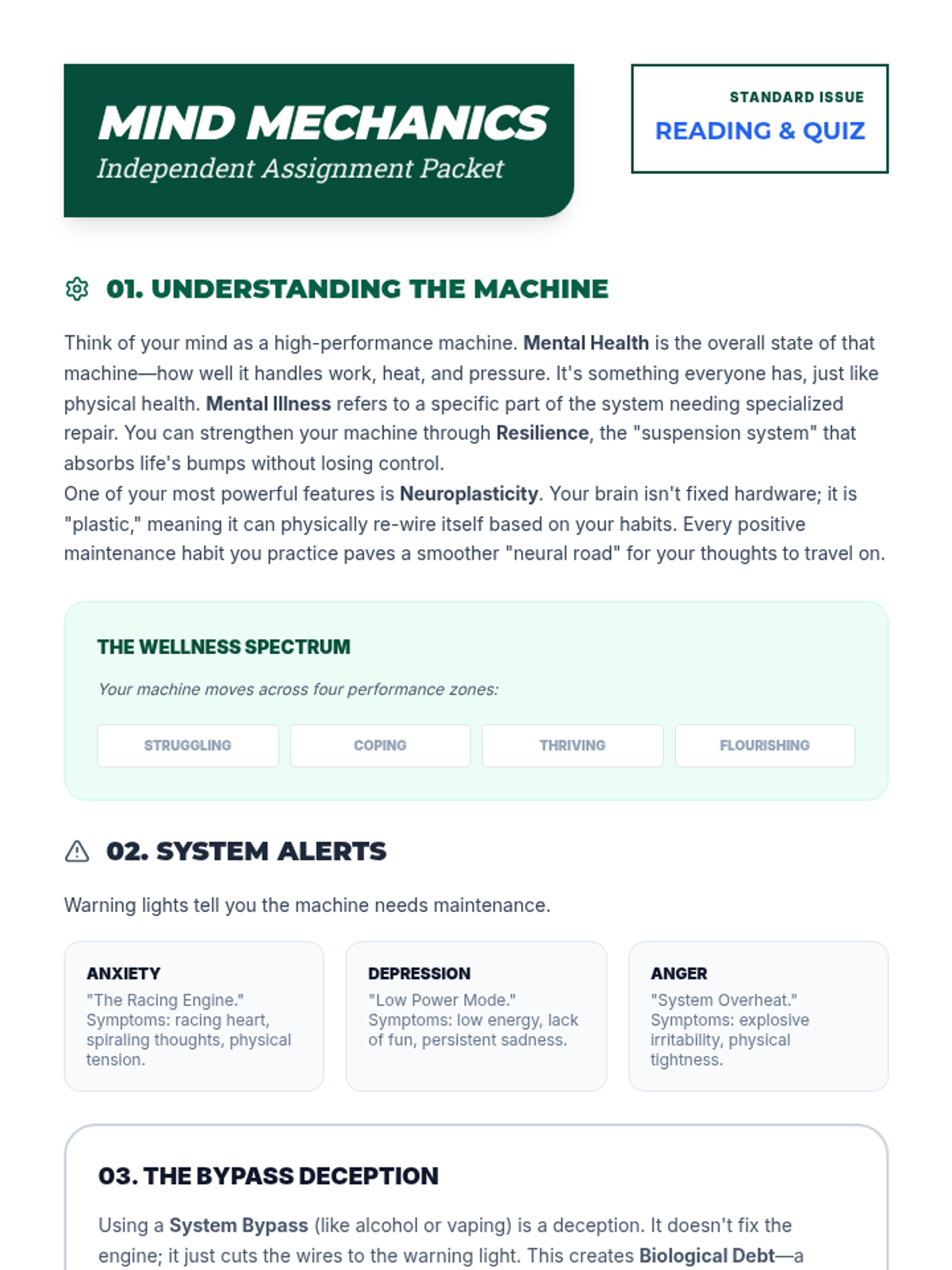
A multi-lesson unit designed to build mental health literacy, identify internal system alerts (Anxiety, Depression, Anger), and develop a sustainable toolkit of coping strategies. Students explore the 'Wellness Spectrum', 'Neuroplasticity', and the deceptive nature of 'System Bypasses' like substances.
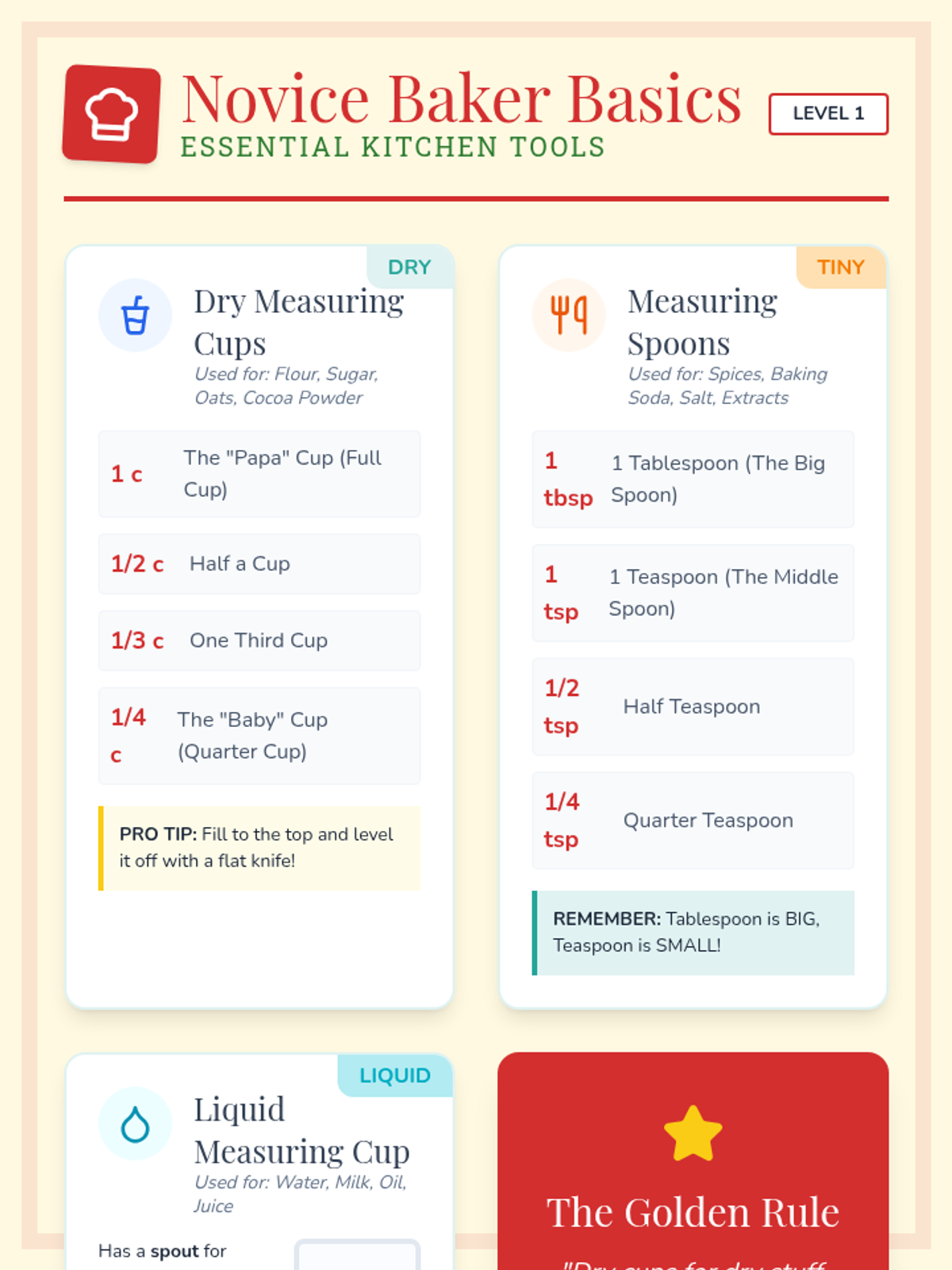
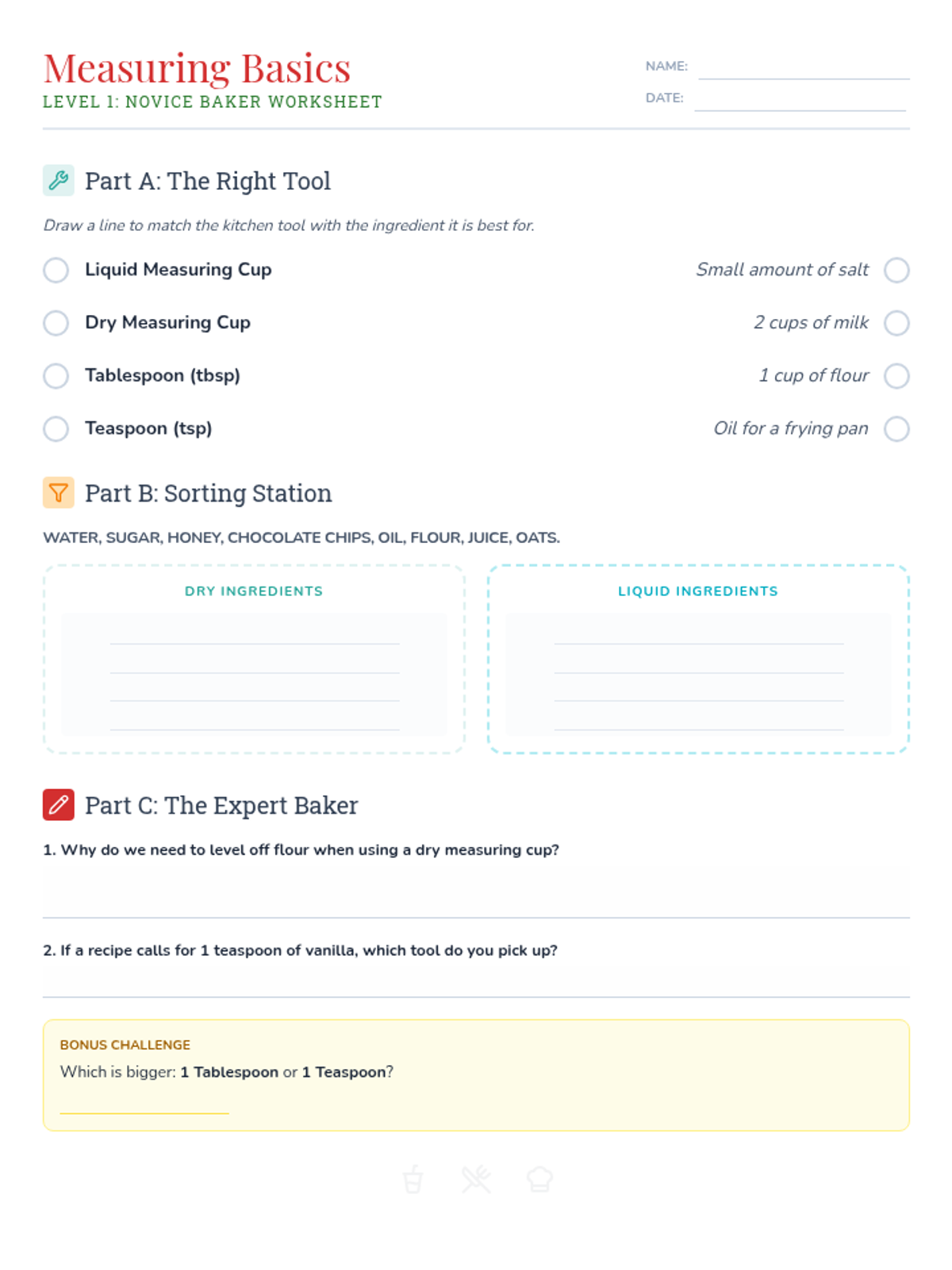
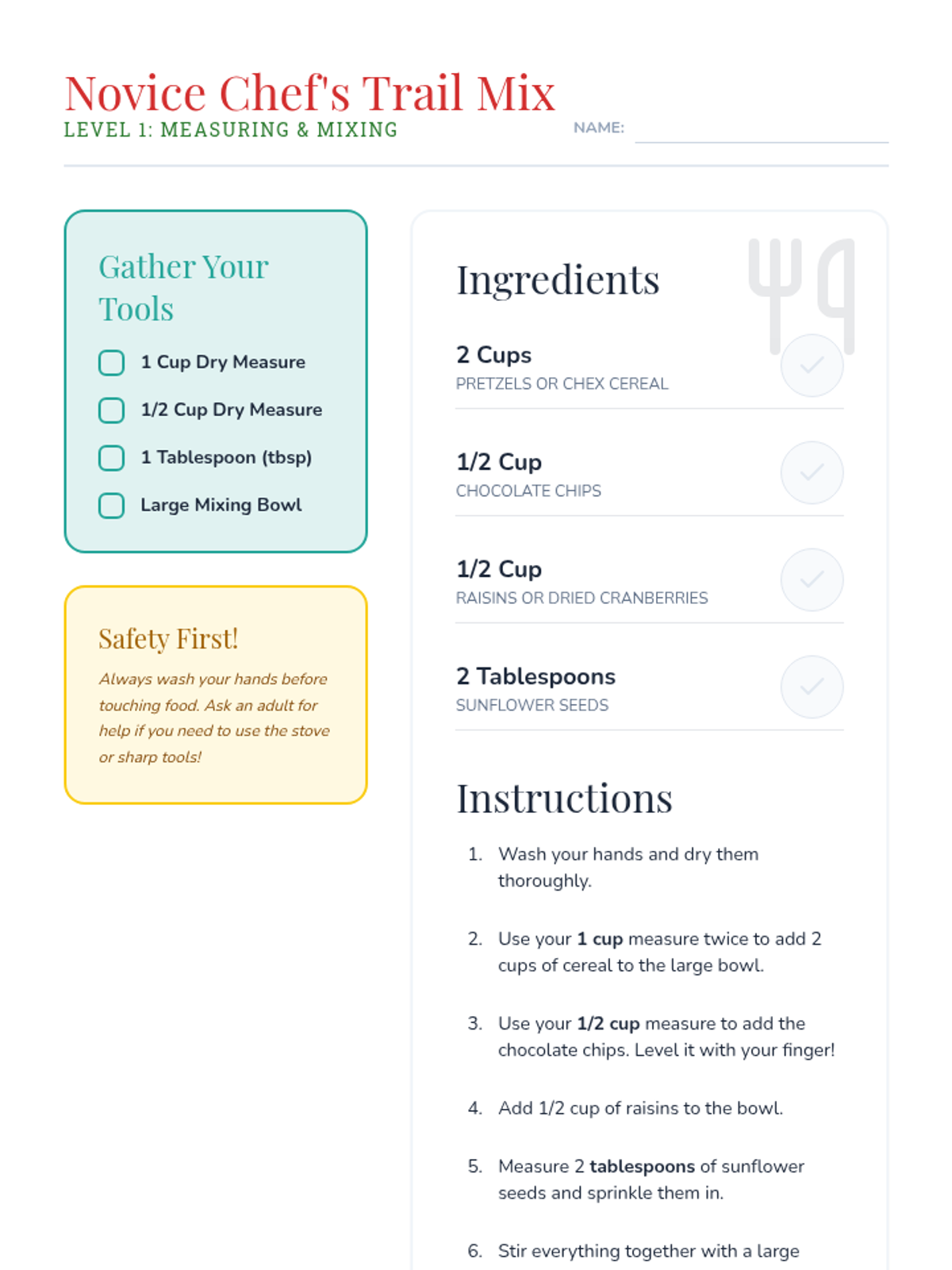
A multi-level curriculum designed to teach kitchen measurement skills from basic tool identification to complex recipe scaling and conversions. Includes visual anchor charts, practice worksheets, and applied math recipes for three distinct skill levels.
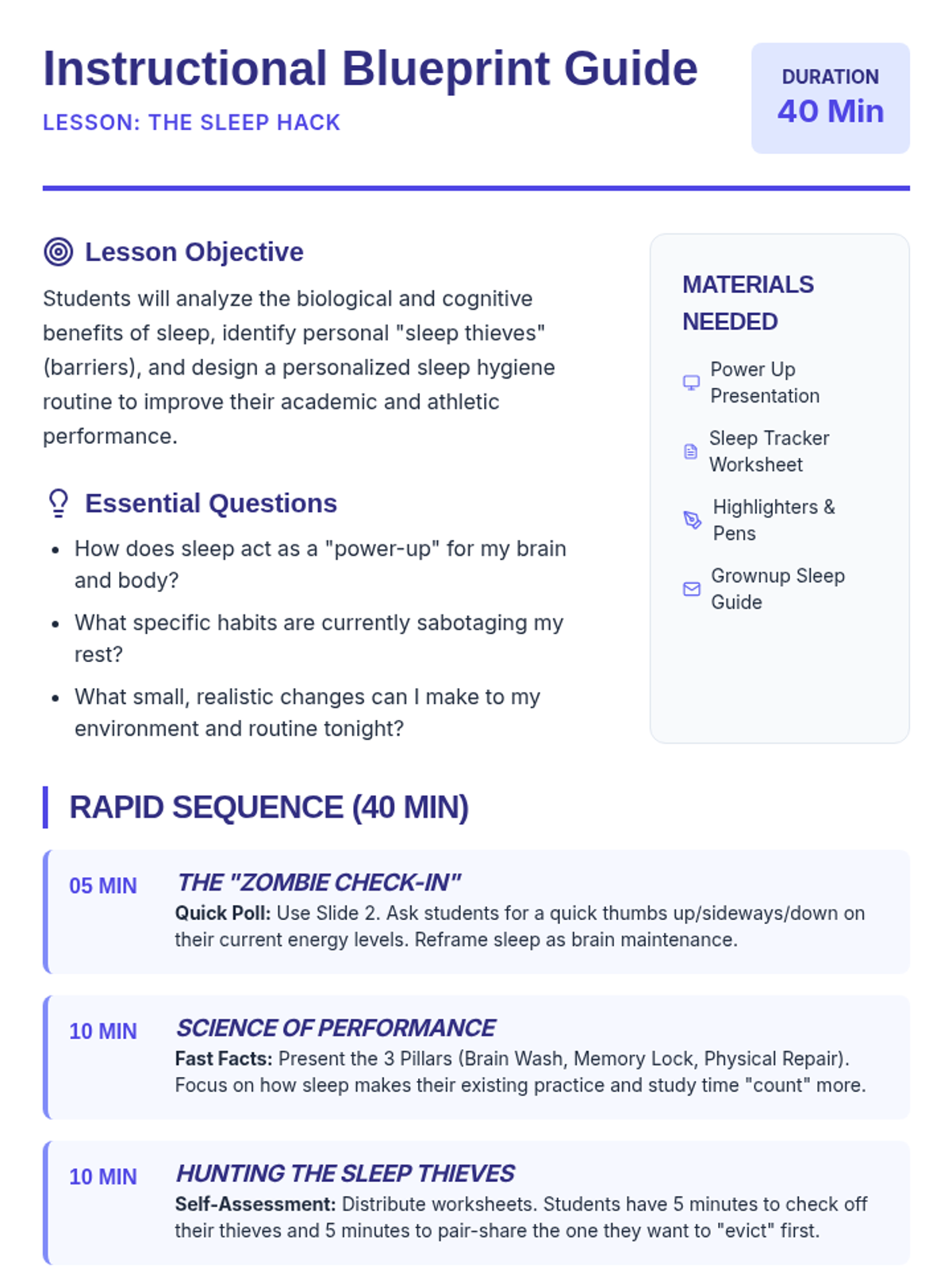
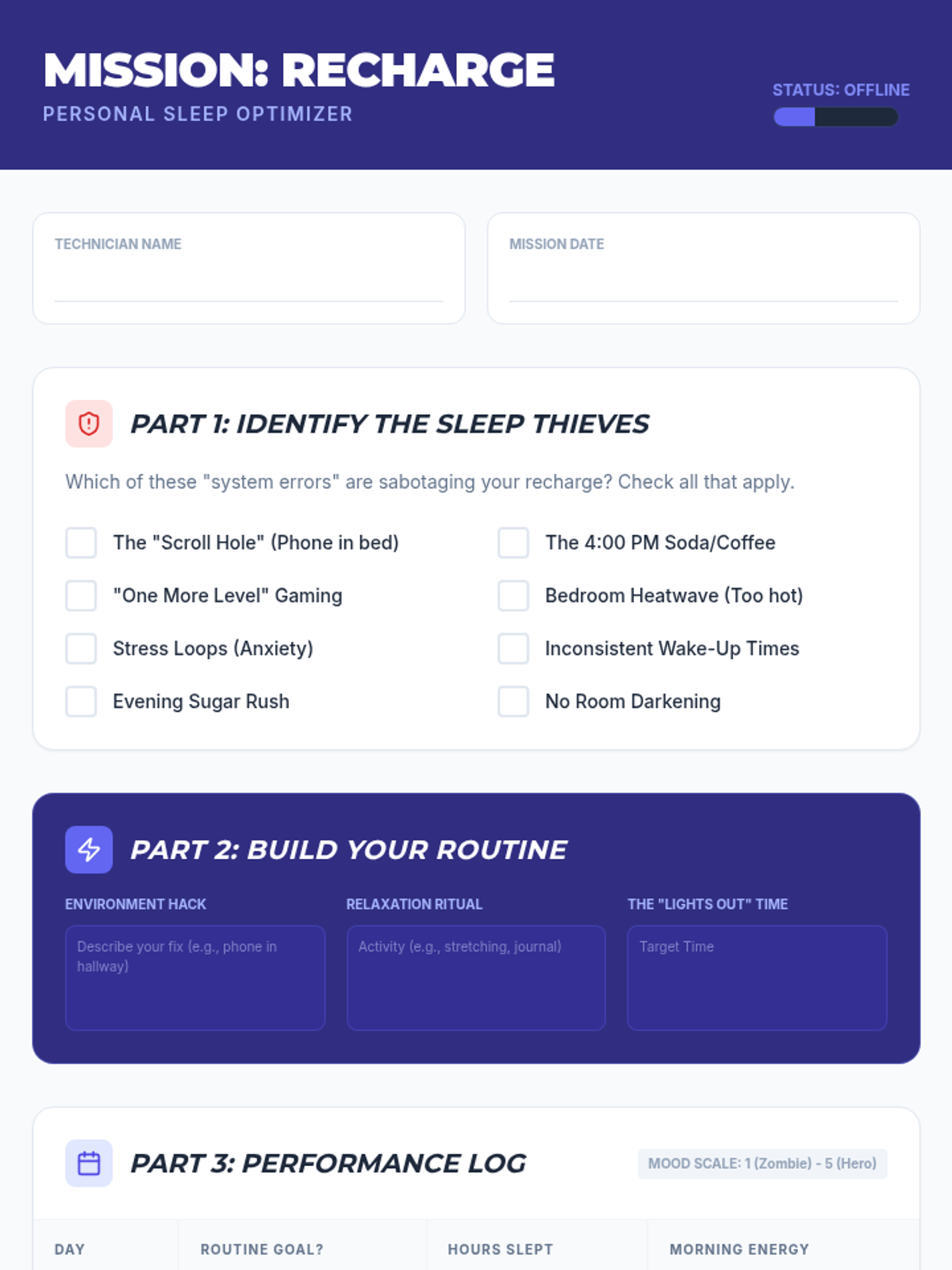
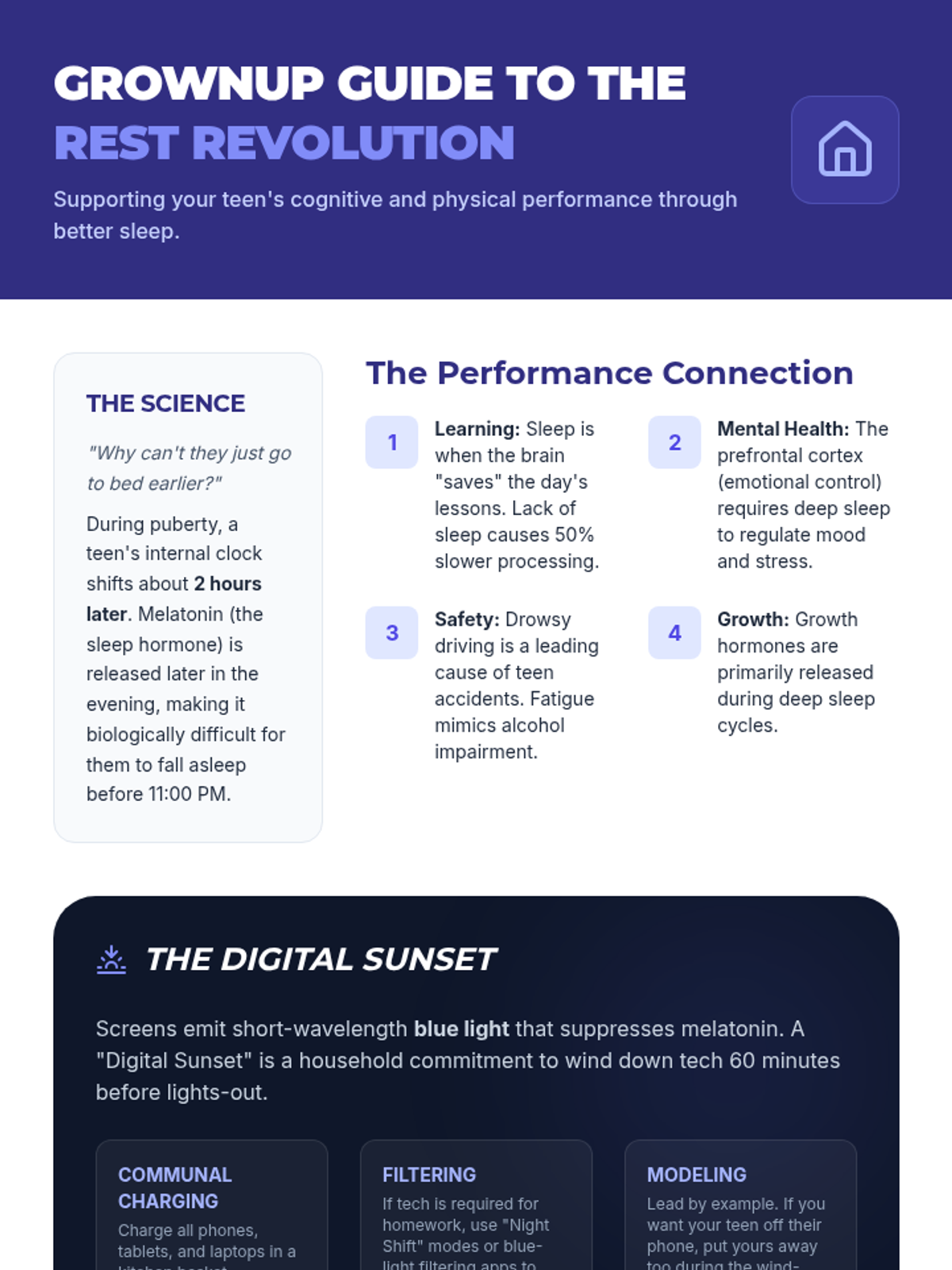
A comprehensive unit designed to help students understand the science of sleep, identify personal sleep barriers, and implement effective sleep hygiene habits for better physical and mental well-being.
A comprehensive 3-week pickleball unit covering fundamental rules, essential skills like dinking and serving, and advanced singles and doubles strategies. Students progress from basic court positioning to competitive tournament play.
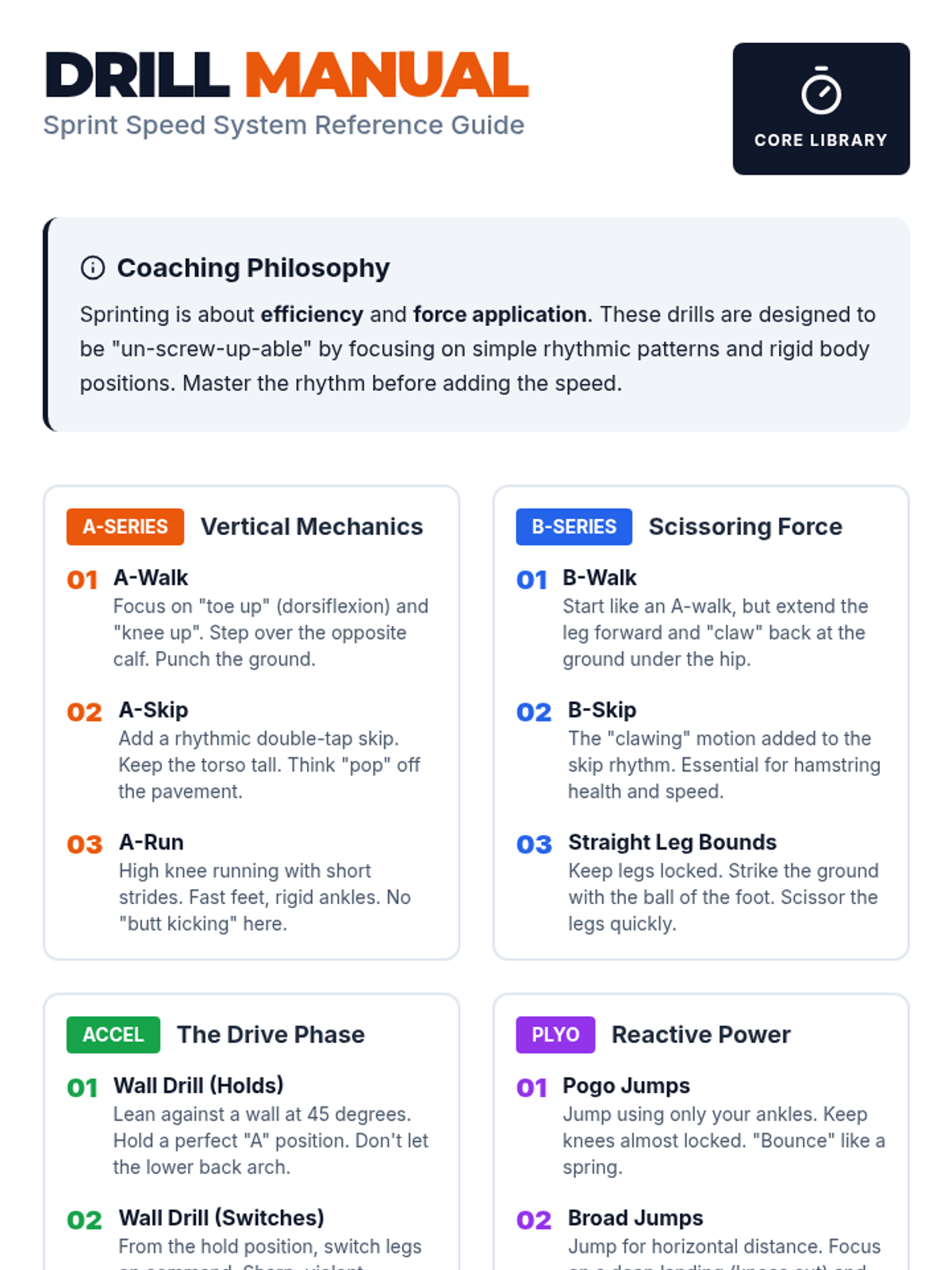
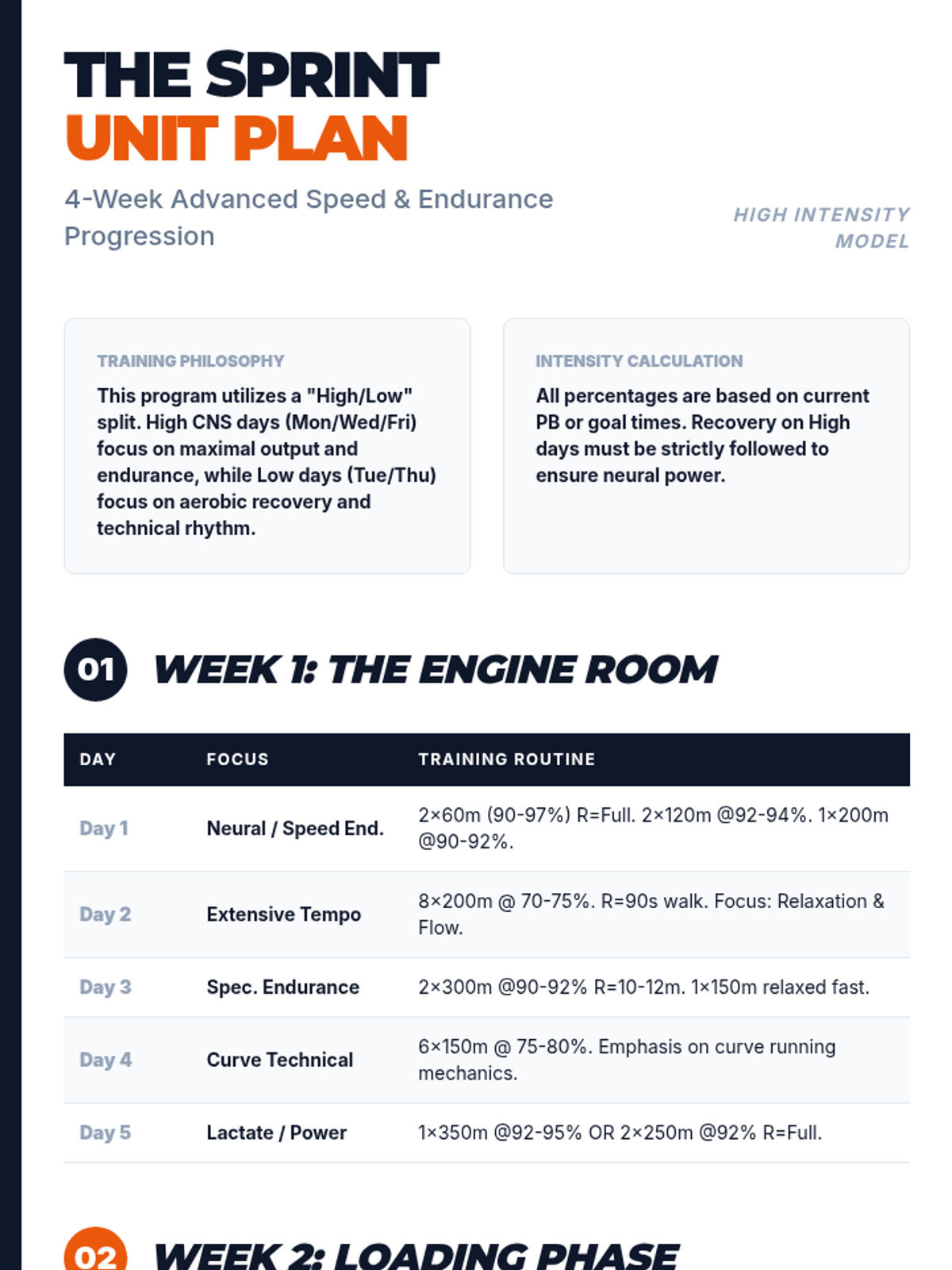
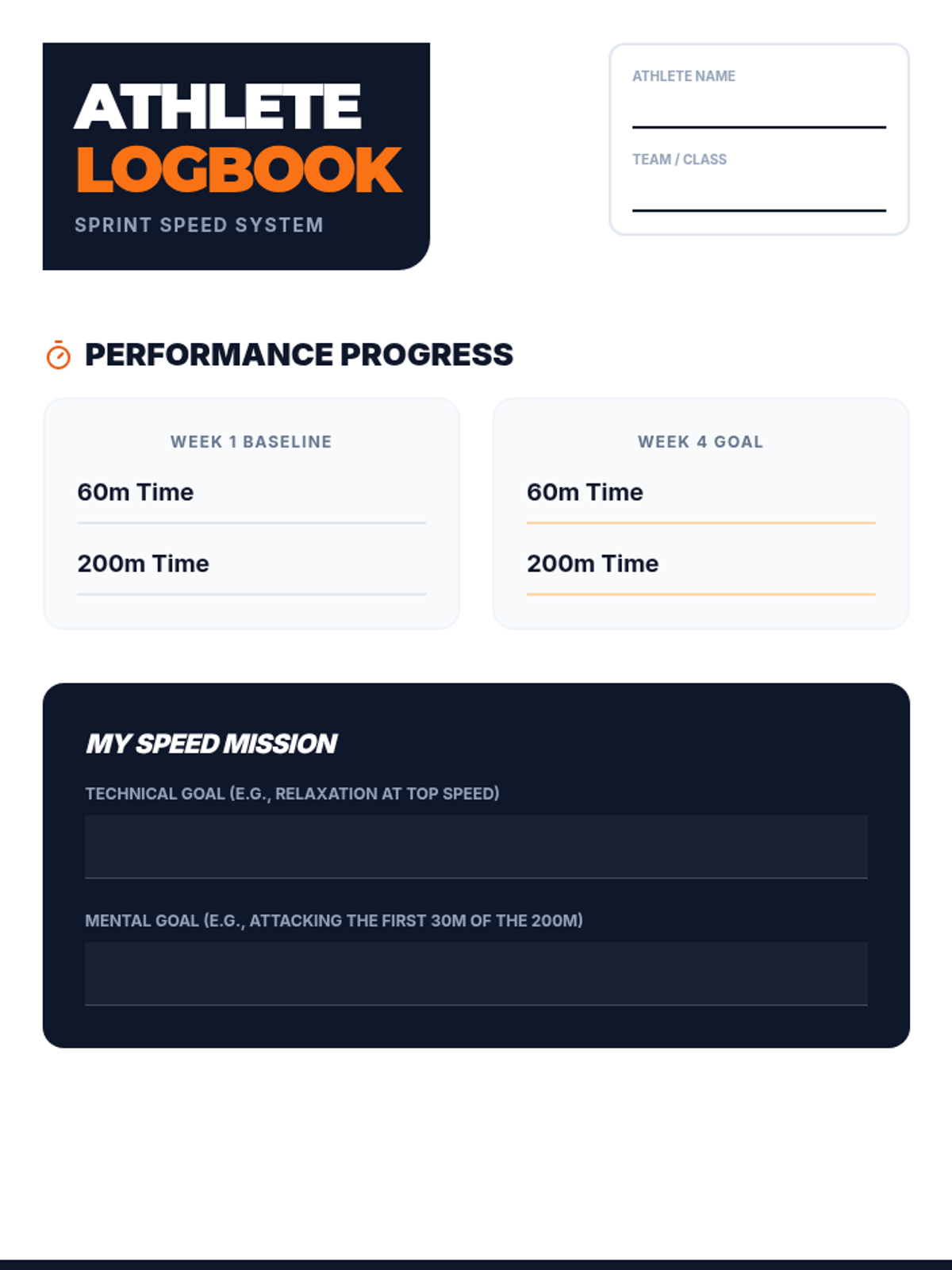
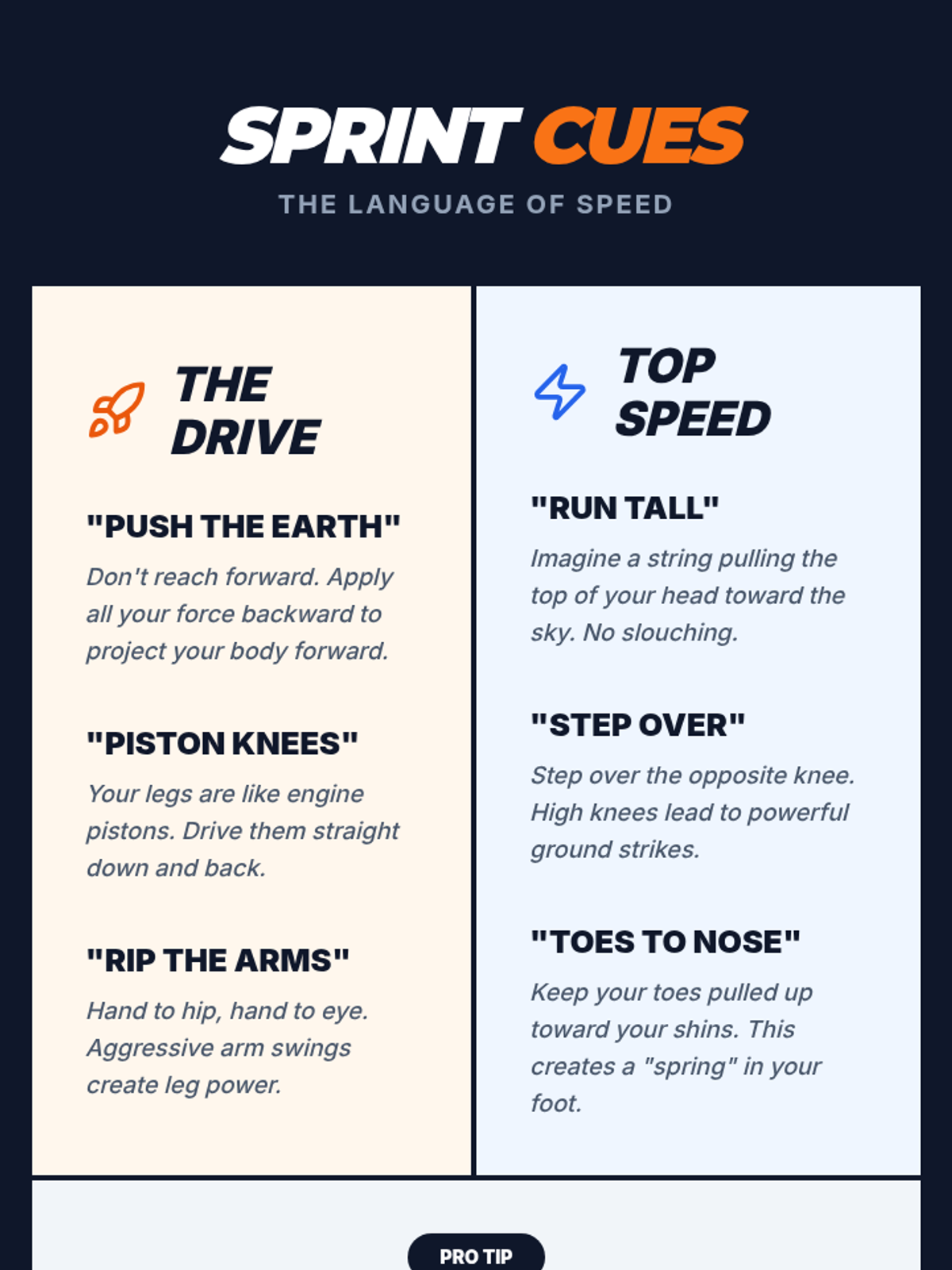
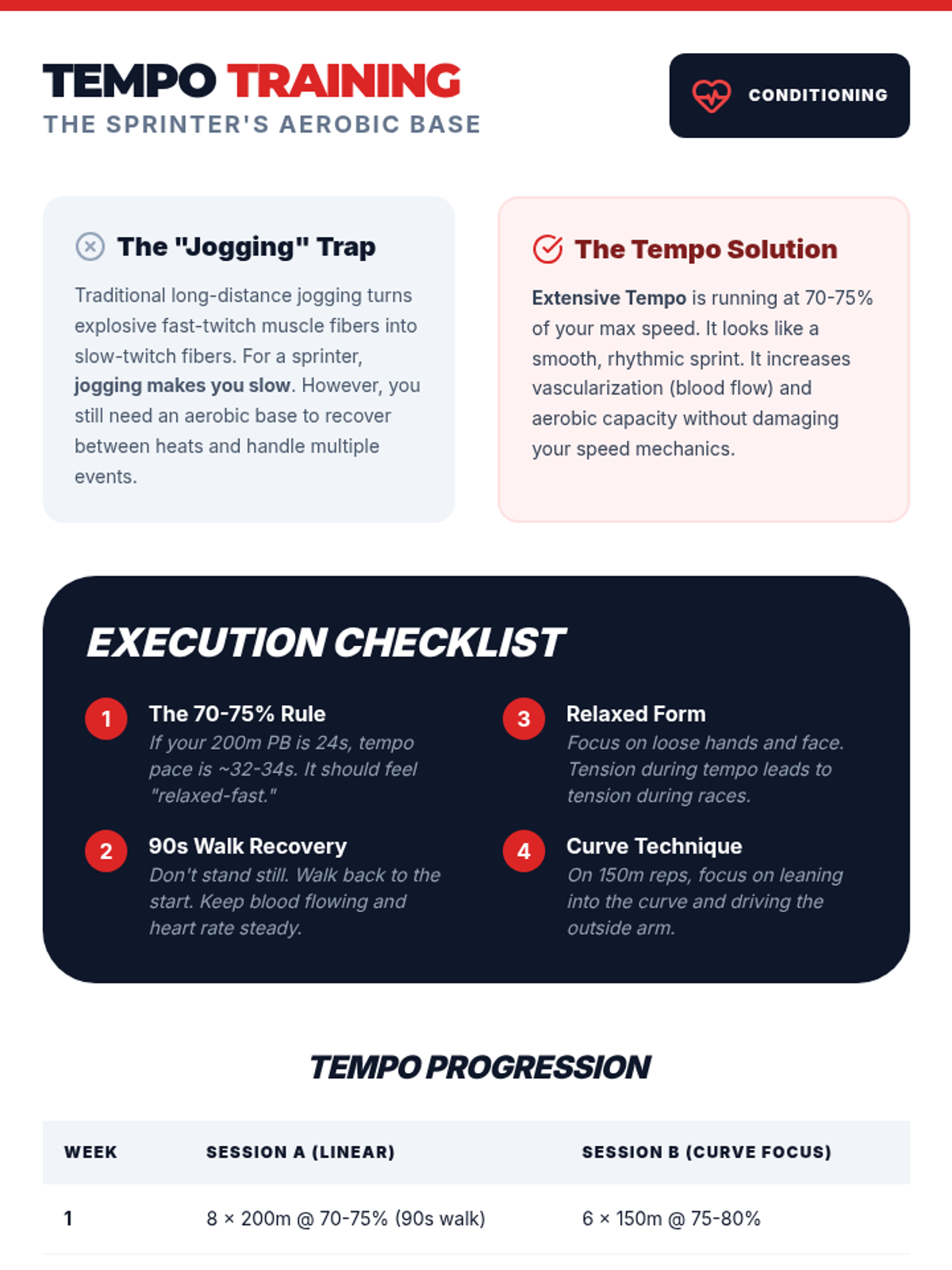
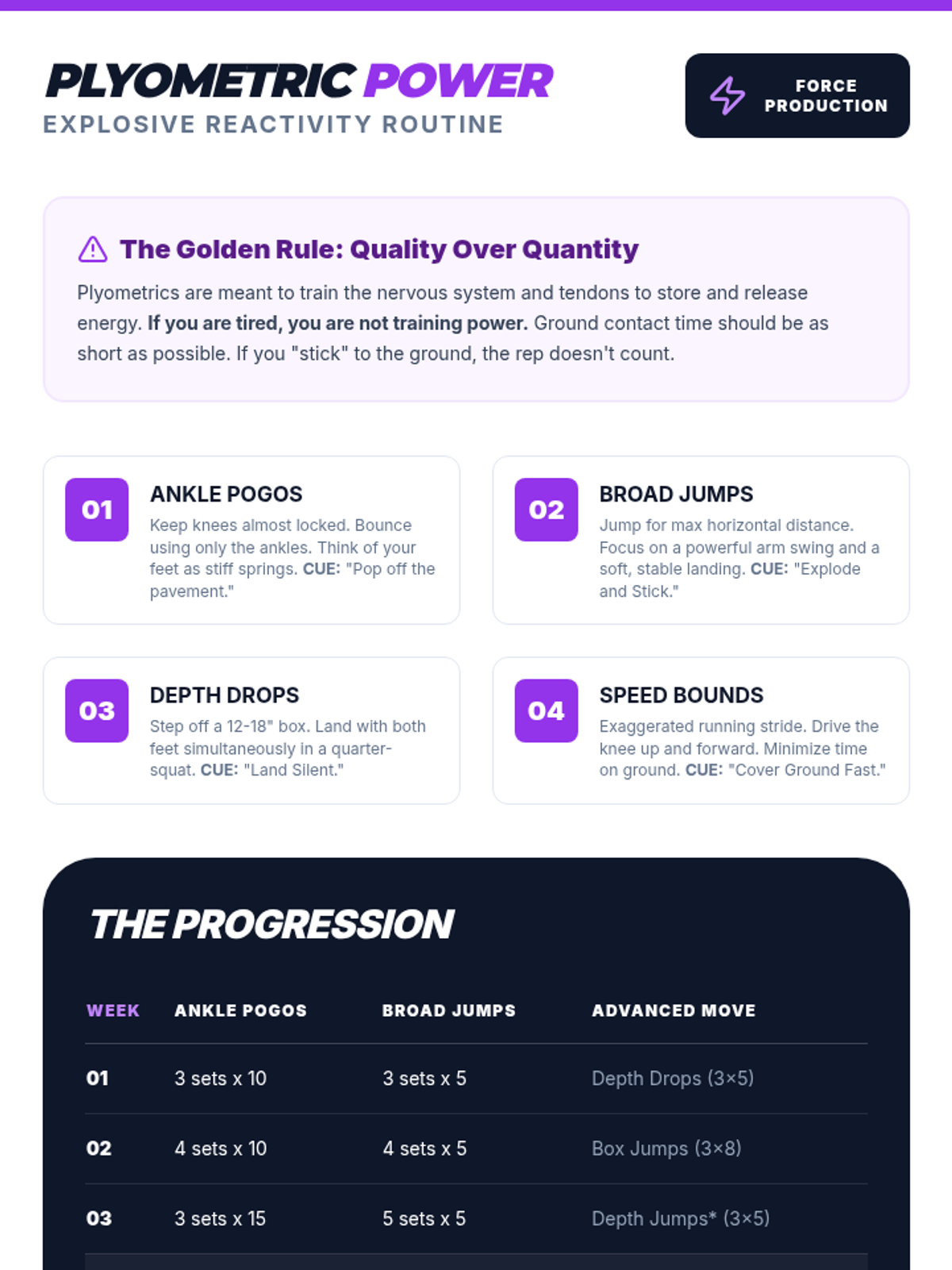
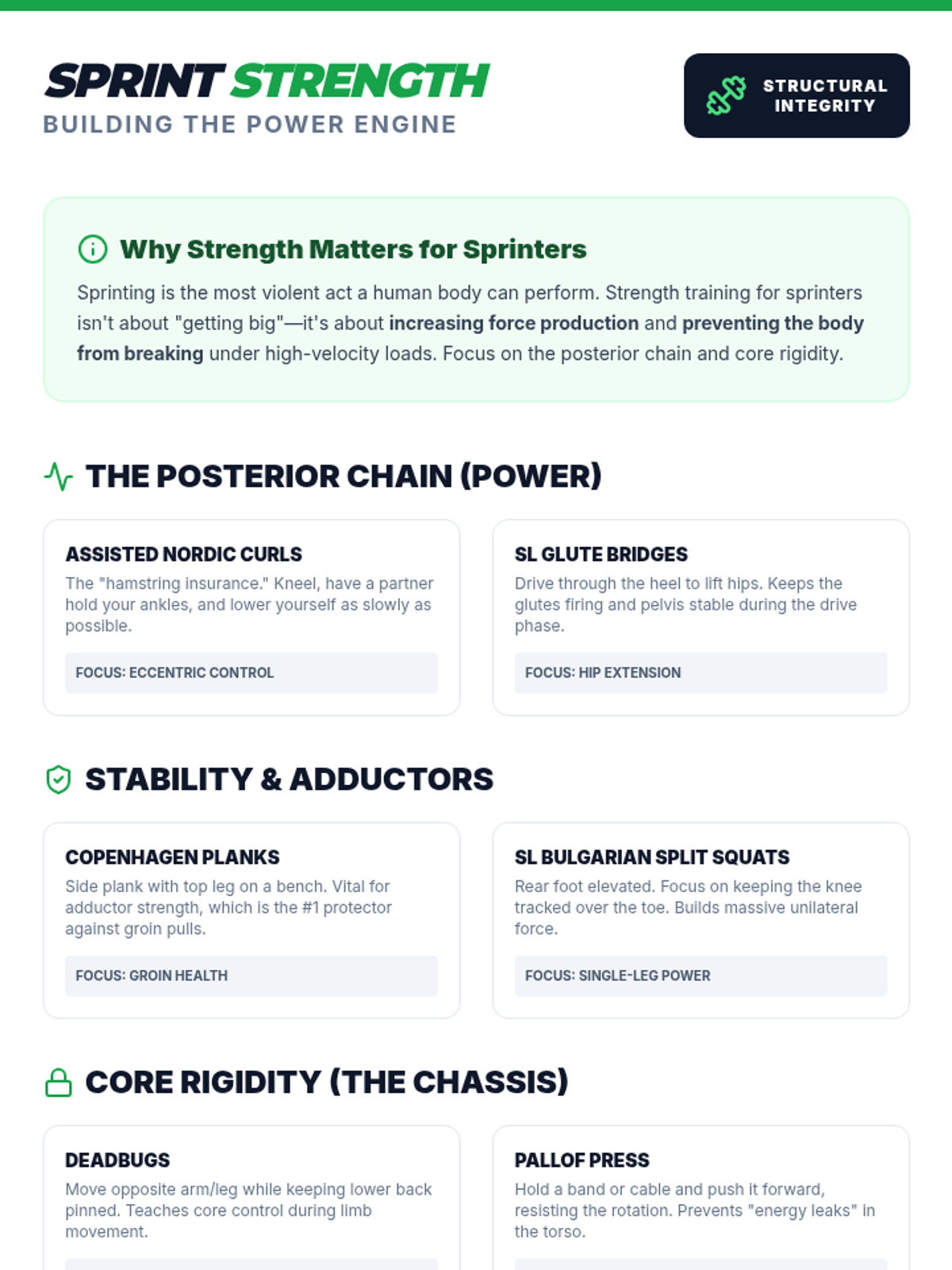
A comprehensive 4-week introductory sprinting program focused on mechanics, power, and injury prevention for outdoor track athletes.
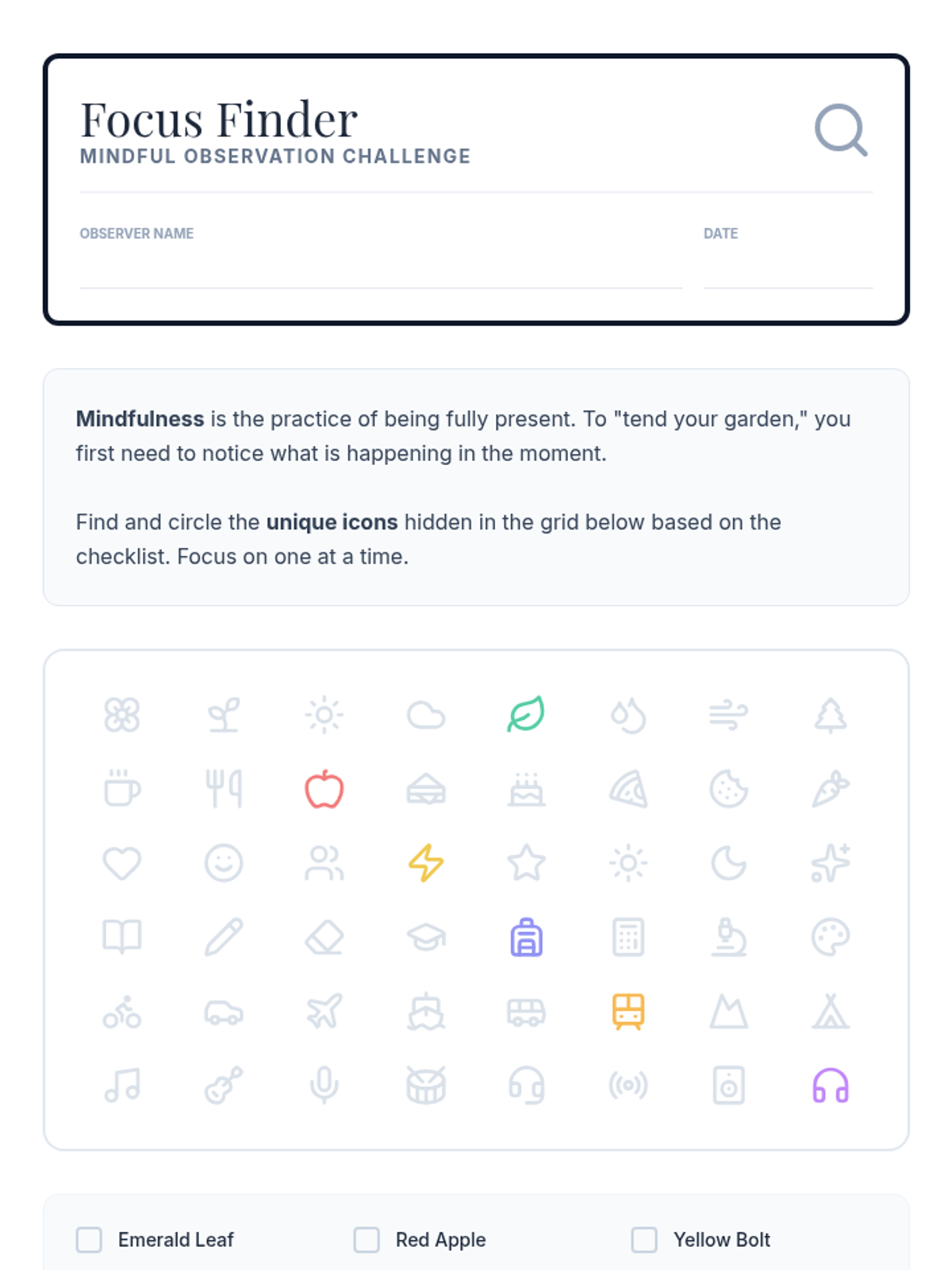
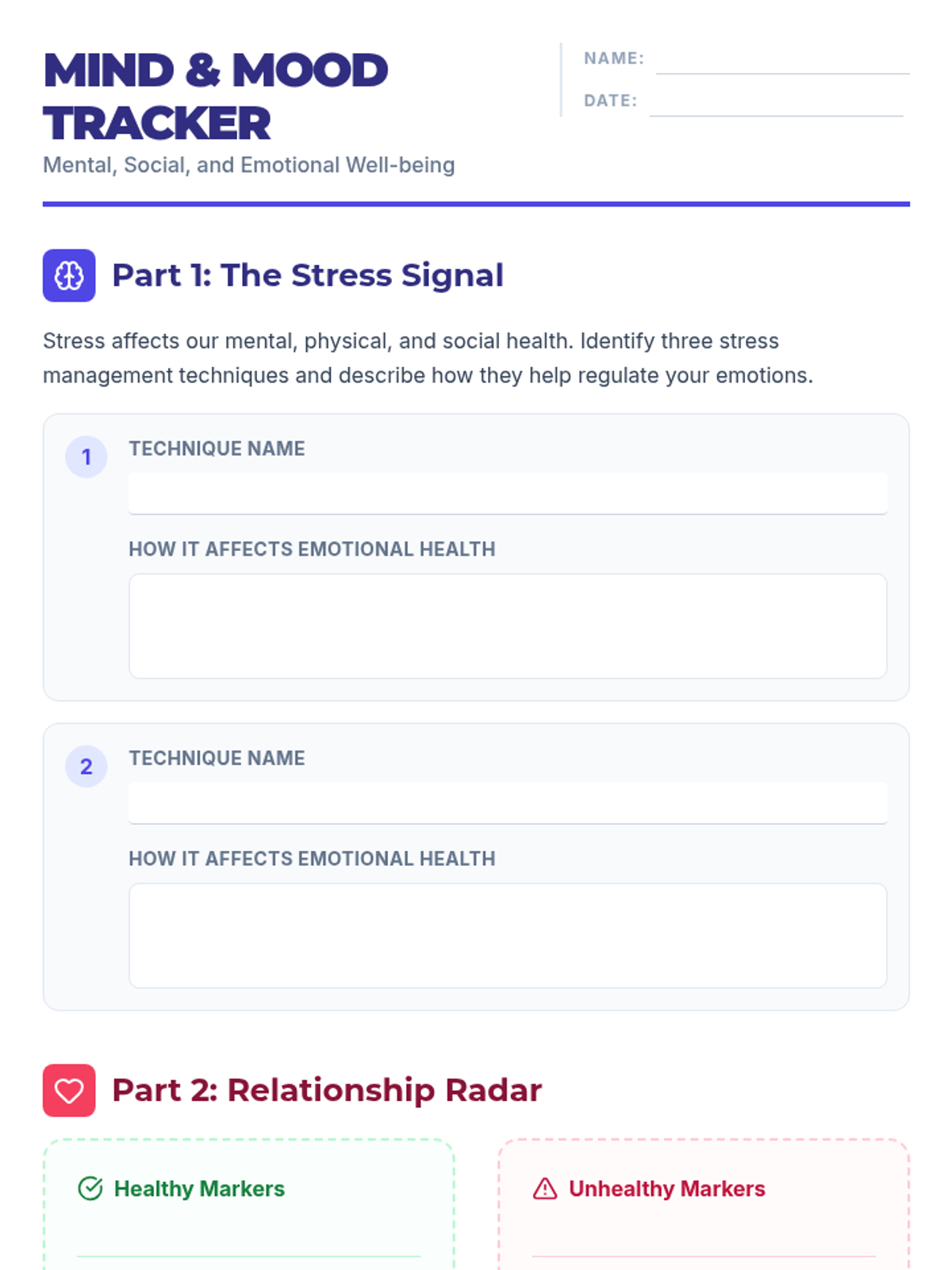
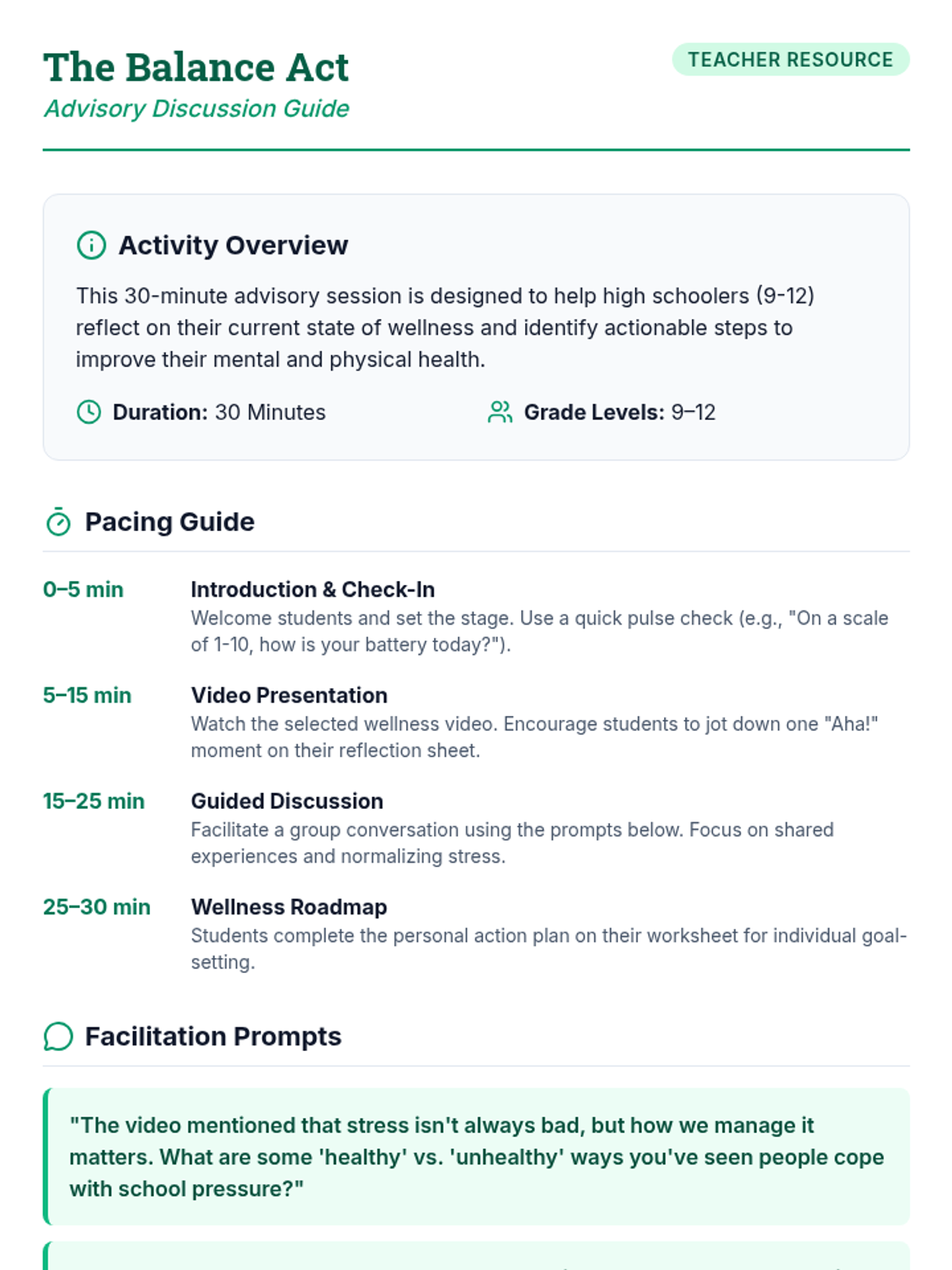
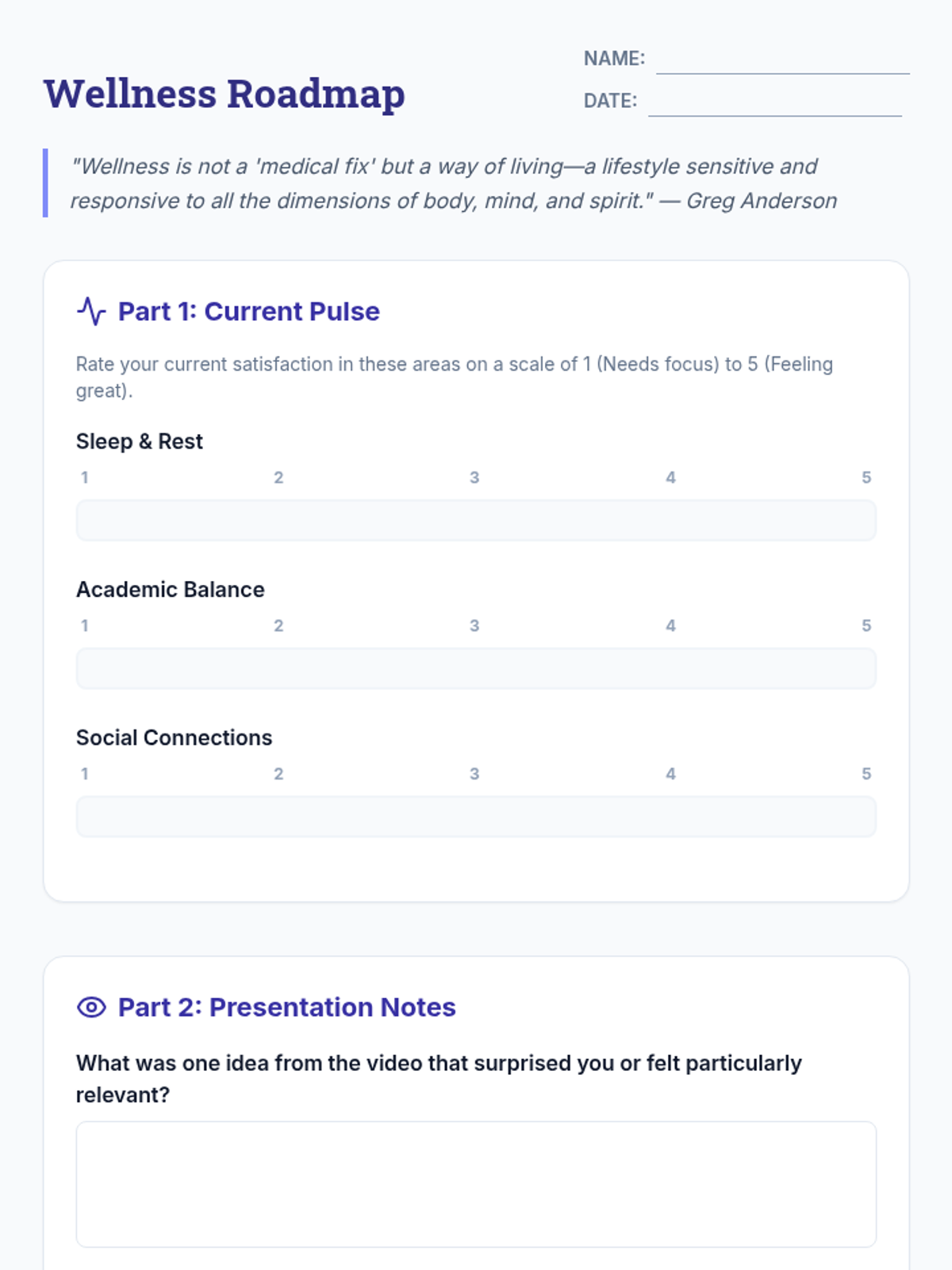
A wellness-focused advisory program designed for high school students to explore mental health, stress management, and self-care strategies.
A comprehensive two-part unit focused on identifying violent behavior, understanding the mechanics of bullying and cyberbullying, and empowering students to become active upstanders.
A comprehensive health education unit focused on navigating the complexities of teenage romantic relationships, from initial attraction to healthy boundaries and handling breakups.
A series of lessons designed to help students navigate high-pressure situations, understand the impact of substances on decision-making, and develop healthy conflict resolution skills.
A three-part developmental series exploring Emotional Intelligence and its role within the four dimensions of holistic health: physical, emotional, social, and spiritual.
A comprehensive 9th-grade wellness unit exploring spiritual health through the lens of beliefs and values. Students investigate the differences between what we believe and what we value, how external forces shape these foundations, and how values serve as a compass for life's decisions.
An exploration of personal health and wellness, moving from defining health to implementing sustainable healthy habits.
A functional biology curriculum designed for life skills students, focusing on practical knowledge of nutrition, personal hygiene, and environmental stewardship through hands-on activities and visual aids.
A comprehensive 5-day unit designed to educate students on the physiological effects of vaping and provide actionable, healthy coping mechanisms like deep breathing and mindfulness.
A series of health and wellness lessons for high school students focused on developing psychological resilience, critical media literacy, and a functional approach to self-perception.
A comprehensive unit focused on debunking mental health myths and establishing a scientific understanding of mental illness through the Bio-Psycho-Social model.
A comprehensive health education unit focused on understanding mental health stigma, its impacts, and strategies to reduce it through communication and social media advocacy.
A lesson sequence exploring the biological and psychological links between diet and mental wellbeing, focusing on how different foods impact mood, energy levels, and long-term mental clarity.
A comprehensive unit focused on the interplay between physical health and mental wellbeing, exploring how lifestyle choices, exercise, nutrition, and coping mechanisms influence emotional resilience.
A comprehensive high school health sequence focused on understanding the complex interplay of biological and environmental factors that contribute to mental health and illness.
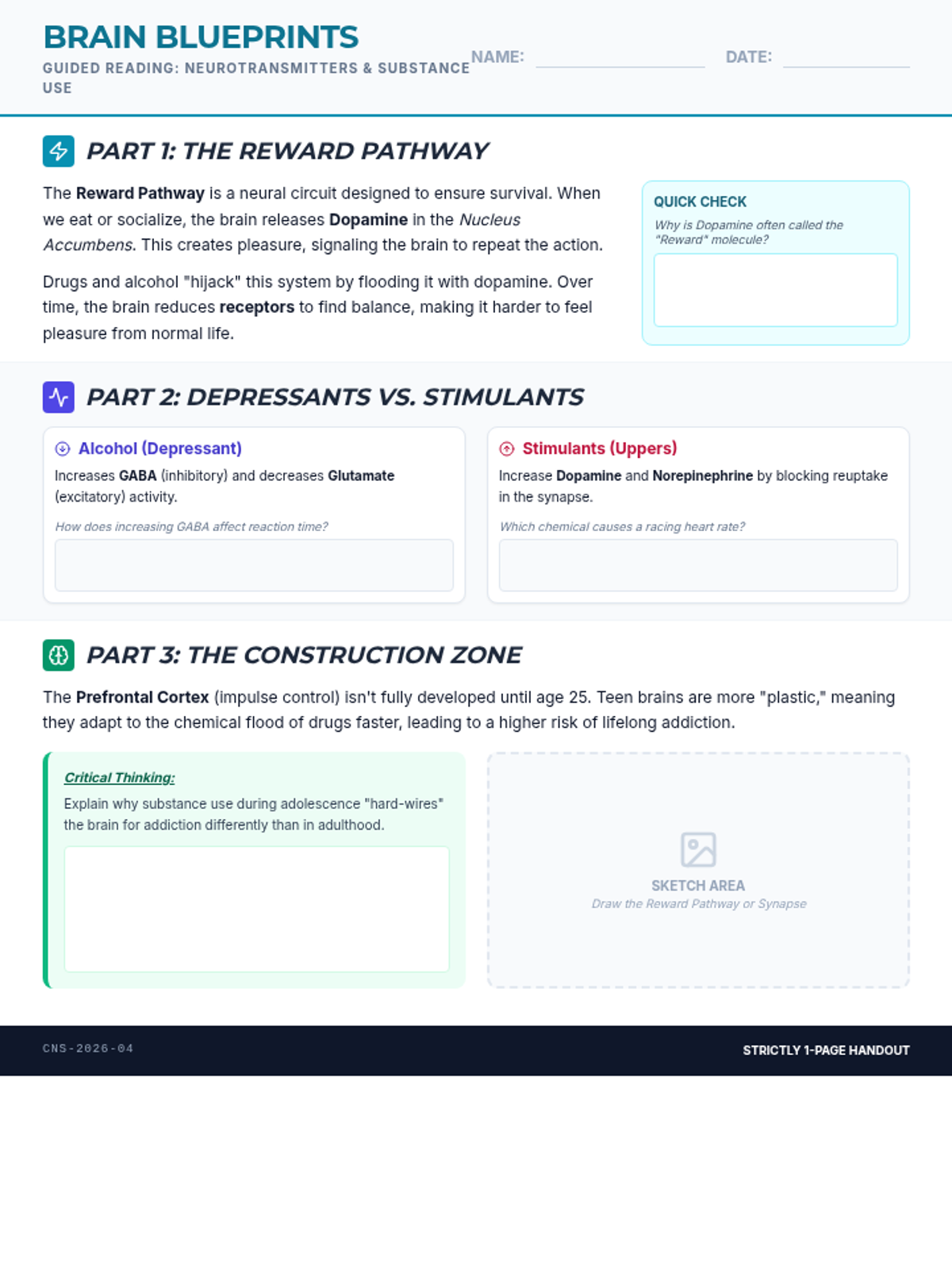
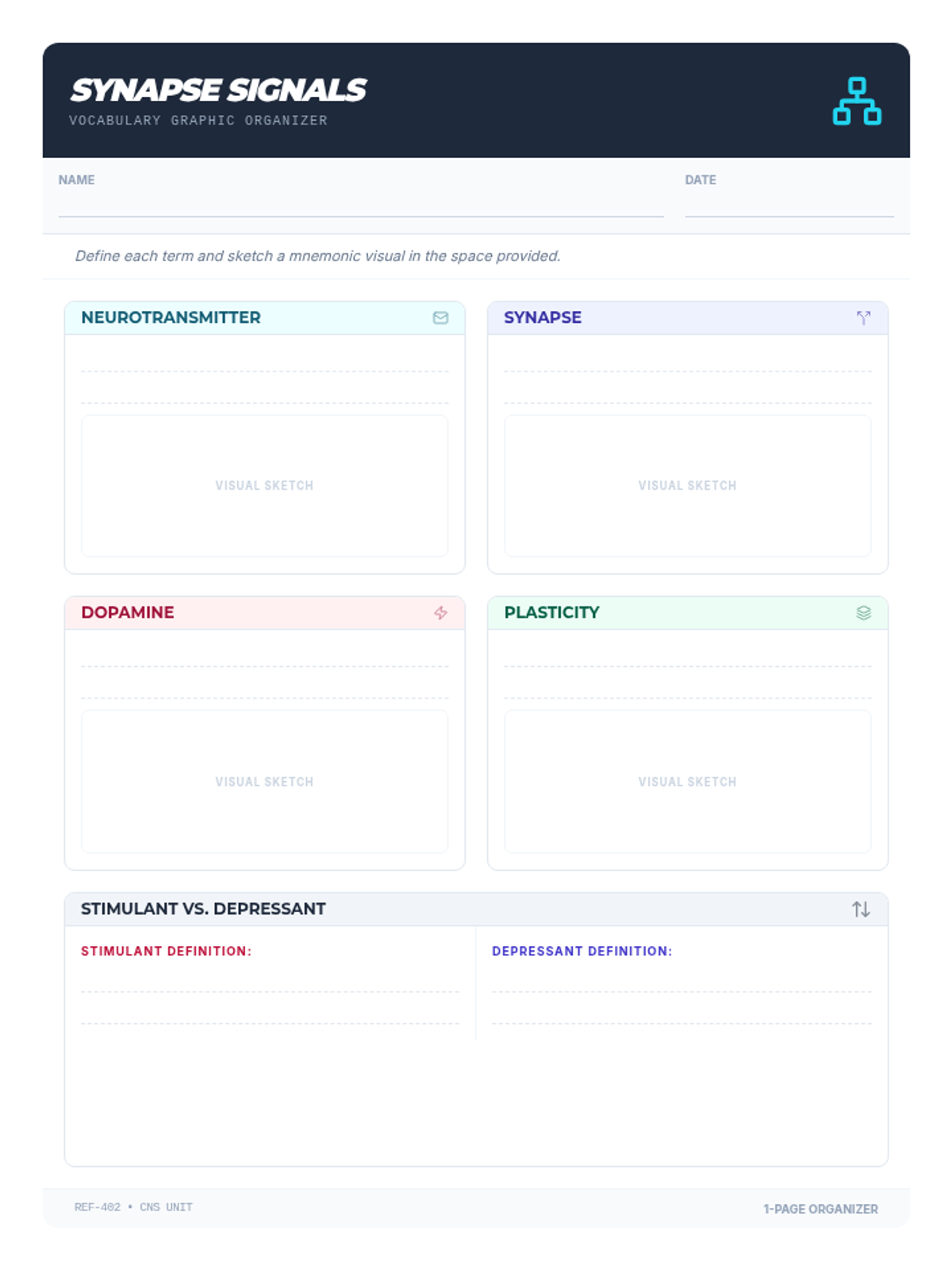
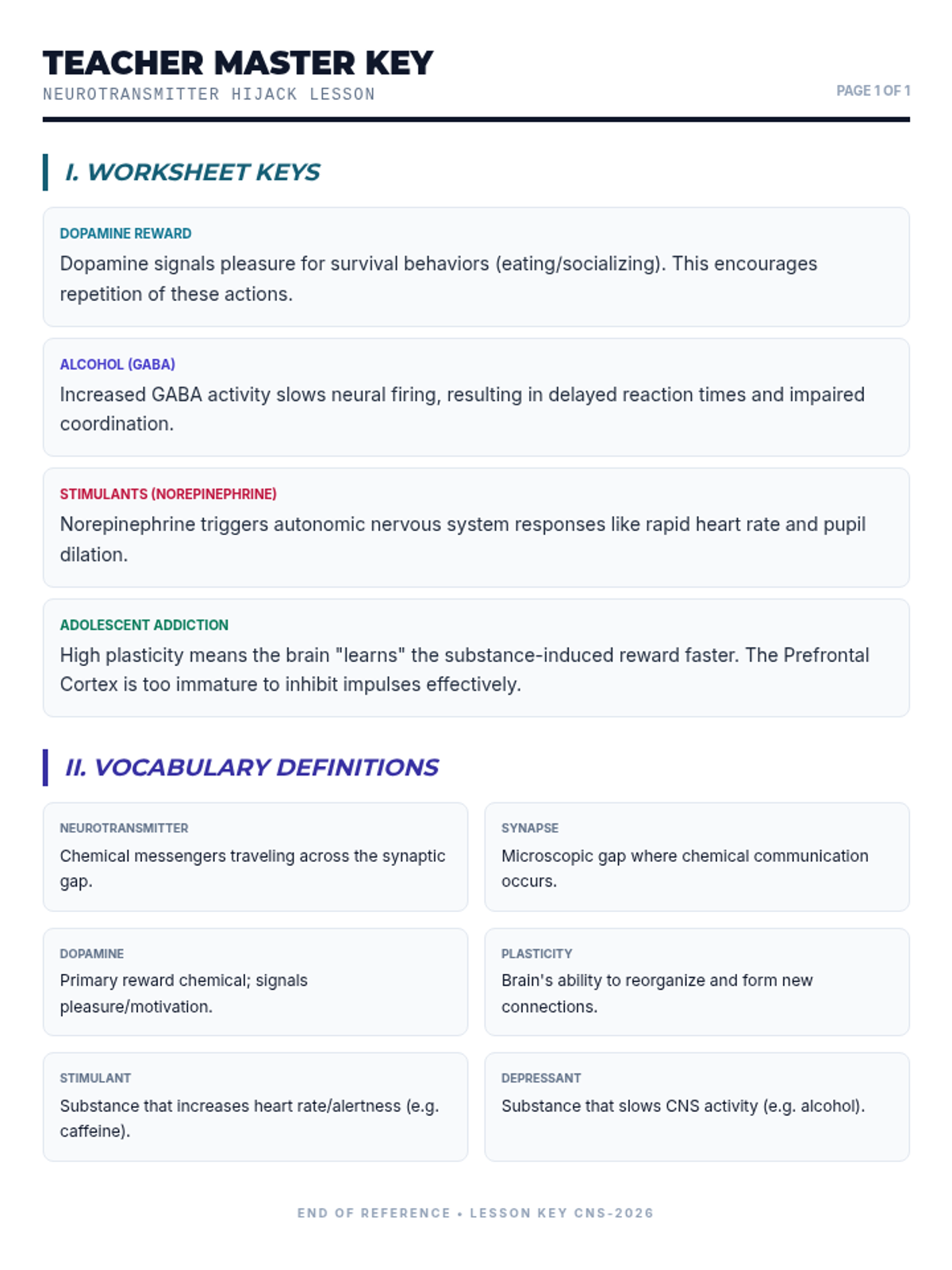
A high school health lesson analyzing the physiological effects of stimulants and depressants on the nervous system and the 'rebound effect' of using substances to cope with stress.
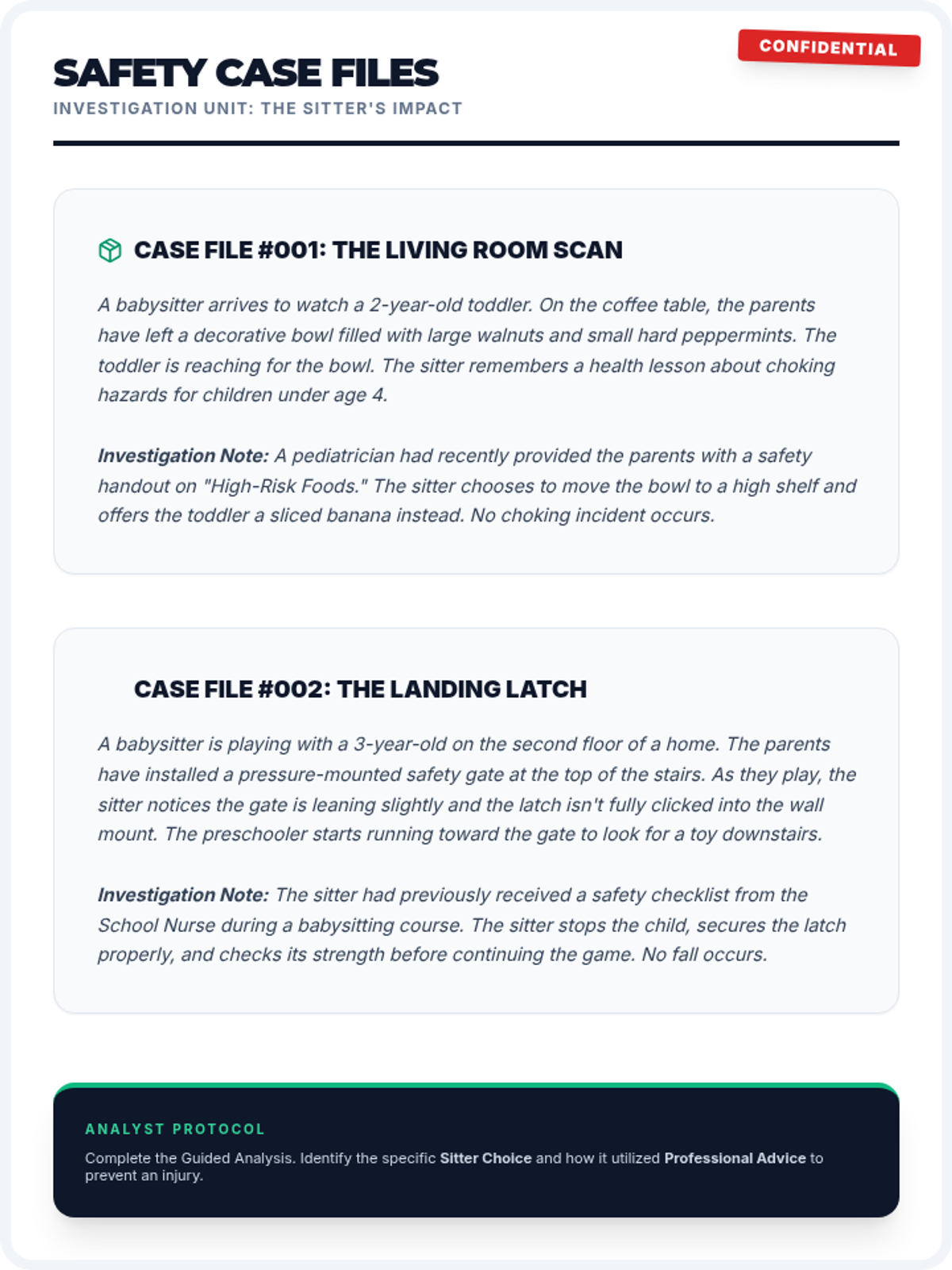
This lesson sequence explores the physiological impact of stress and substance use on the central nervous system, focusing on how exogenous chemicals disrupt homeostasis. Students analyze a medical case study to apply their understanding of stimulants and biological feedback loops.
A high school health and psychology unit exploring neurodiversity, focusing on the diagnostic criteria, support needs, and lived experiences of individuals on the autism spectrum.
A high school health lesson focused on debunking common myths about psychosis, understanding its clinical definition and symptoms, and exploring the impact of social stigma on recovery.
A high school health lesson focused on the physiological effects of stress, specifically cortisol's impact on the brain, and practical laboratory testing of stress-reduction techniques. Students explore eustress versus distress and measure their own heart rate and stress levels during guided interventions.
A comprehensive 16-week weight training curriculum divided into two parts: 'Part 1: The Human Engine' (Weeks 1-8) focusing on movement patterns, bodyweight mastery, and anatomy; and 'Part 2: The Iron Forge' (Weeks 9-16) focusing on advanced compound lifts, training science, and independent program design. Includes nutrition for performance and comprehensive classroom activities.
A restorative learning program designed for high school students to reflect on the impact of substance use and prepare for a positive return to their school community. The program balances scientific facts with deep personal reflection.
A comprehensive 9th-grade mental health curriculum focused on building resilience, understanding mental health challenges, managing stress, and navigating the digital world. Students will engage in self-reflection and practical skill-building to support their emotional well-being.
A comprehensive 5-lesson sequence for 7th-grade students focused on recognizing mental health warning signs and practicing the ACT (Acknowledge, Care, Tell) framework. Students transition from understanding mental health as a spectrum to identifying specific red flags and overcoming barriers to reporting concerns to trusted adults.
A research-focused sequence for 9th-grade students to map, evaluate, and access specialized crisis resources. Students learn to distinguish between general and specialized support, evaluate the credibility of services, and develop a personalized safety resource plan.
This sequence explores the social and emotional complexities of seeking help via crisis hotlines. Students analyze common barriers like stigma and fear, debunk myths about emergency services, and practice supportive communication to help peers access professional resources.
This sequence demystifies the process of accessing crisis support by breaking down the mechanics of hotlines and text lines. Students learn to distinguish between emergency services (911) and crisis hotlines (988), understand the experience of reaching out, and create personal resource tools for future use.
This 9th-grade physical education sequence deconstructs the biomechanics of track and field, covering explosive sprint starts, maximum velocity mechanics, relay coordination, and pacing strategies for endurance. Students transition from raw power to strategic efficiency, culminating in a performance analysis and time trial assessment.
A comprehensive 9th-grade sequence on track and field events, focusing on the mechanics of horizontal jumps and throwing disciplines. Students explore the physics of force, momentum, and release angles through technical practice and a final simulated competition.