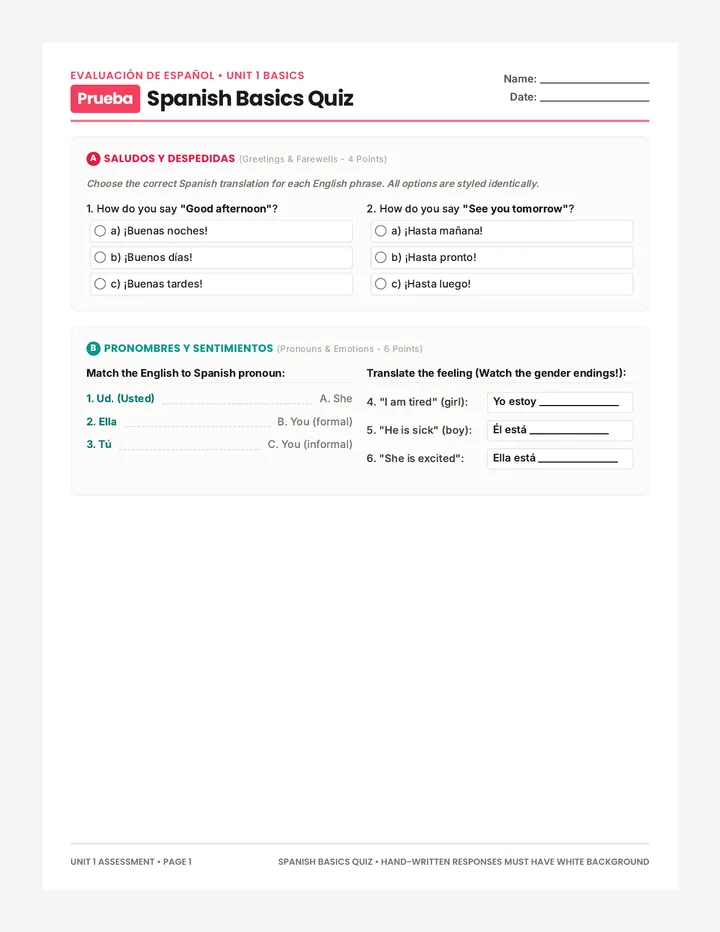
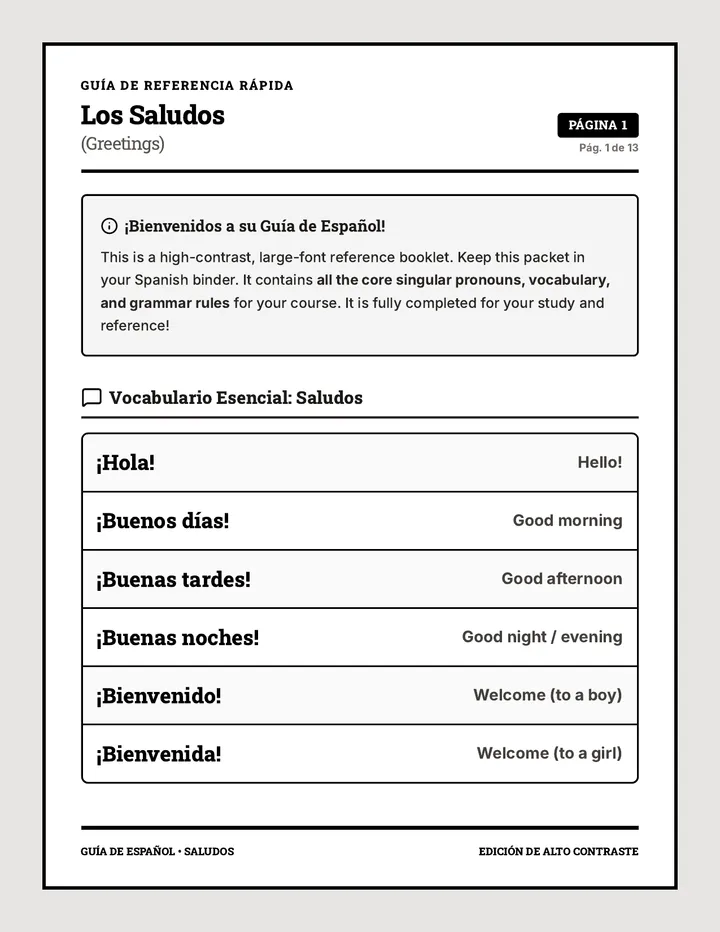
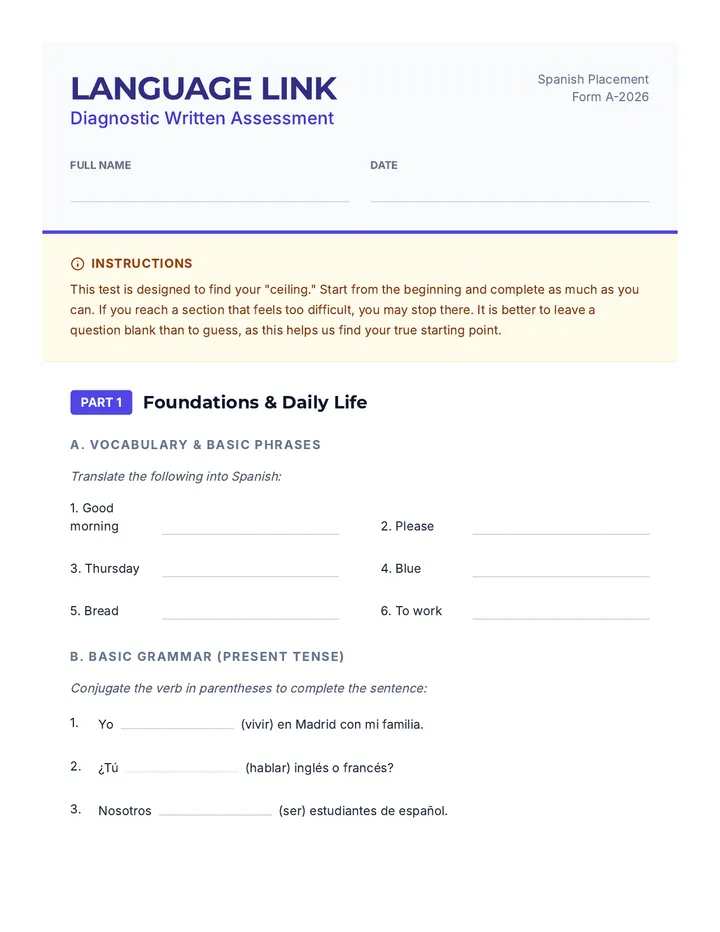
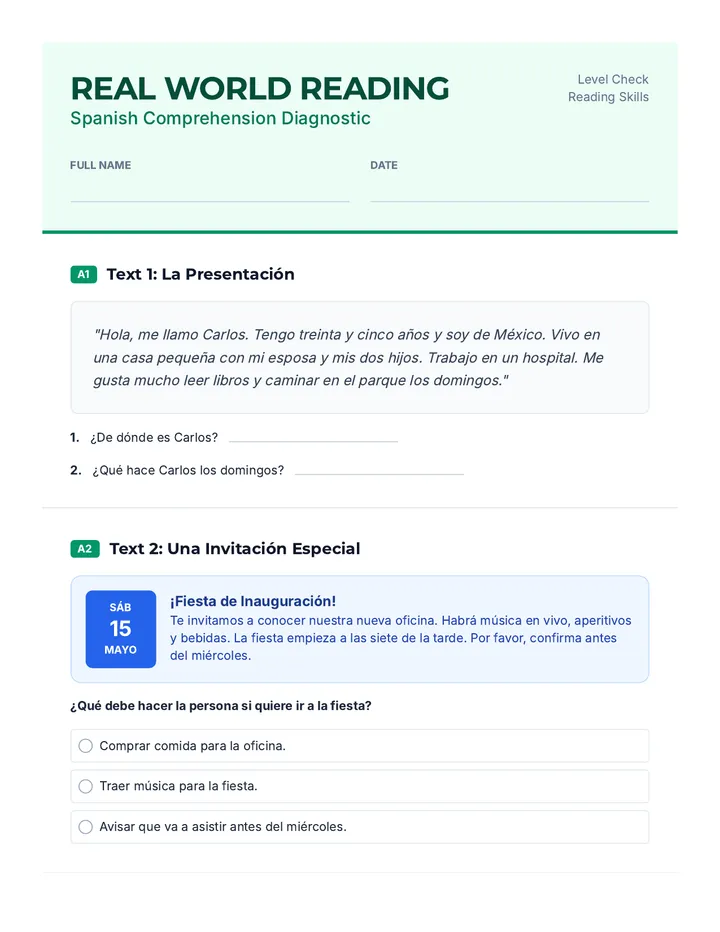
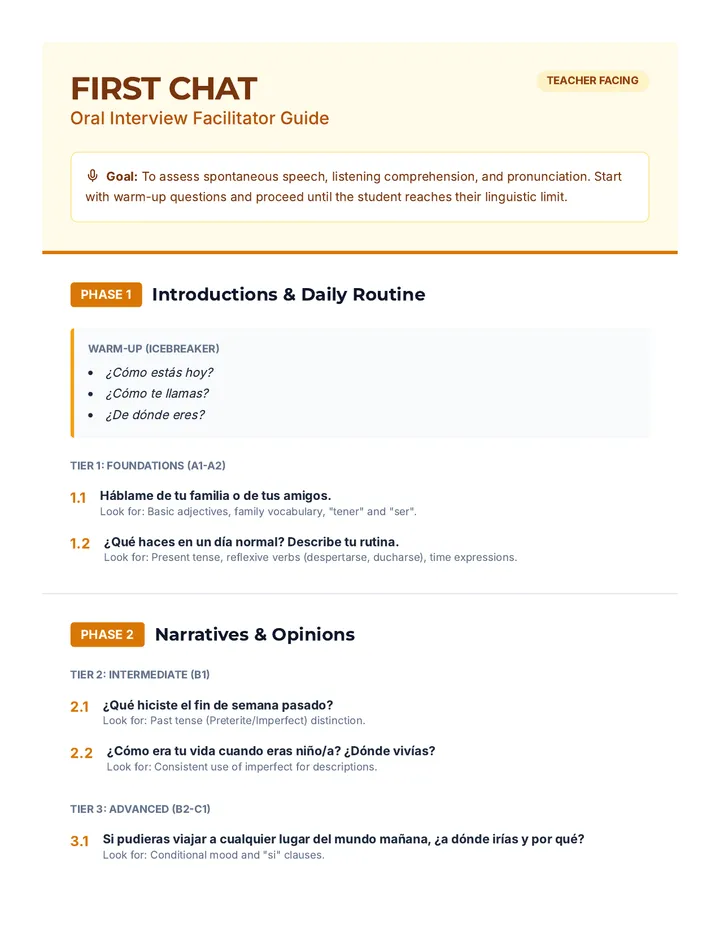
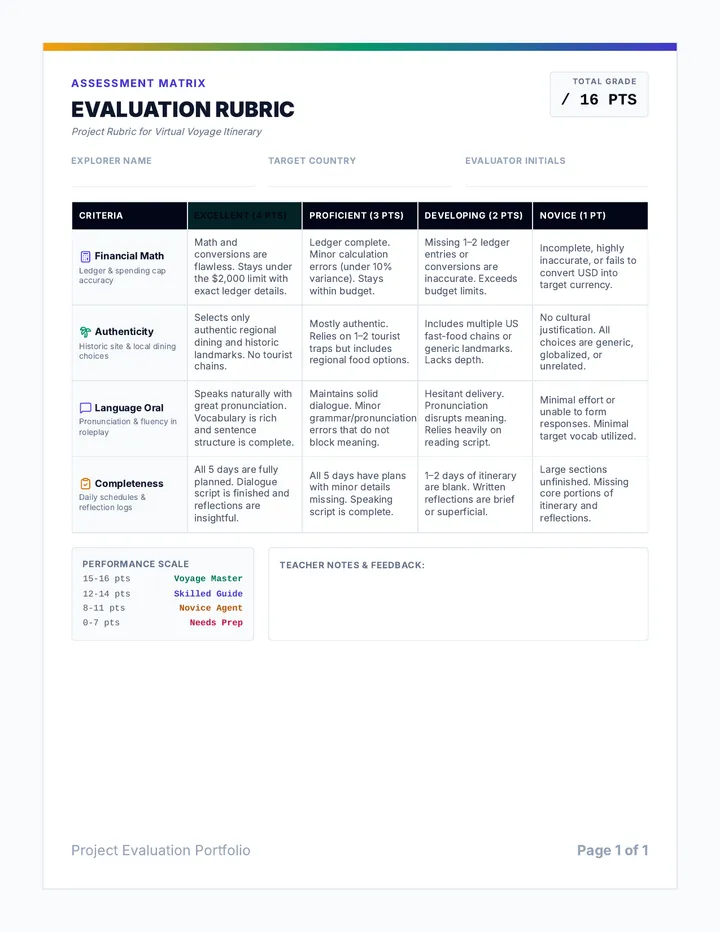
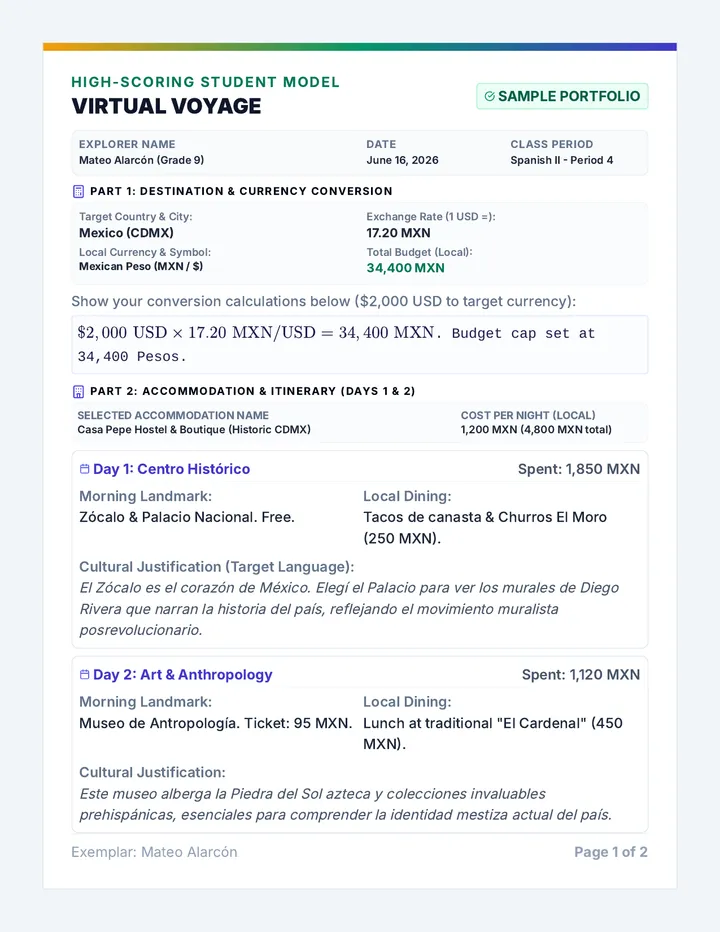
Vocabulary, grammar, and cultural contexts for Spanish language acquisition across all proficiency levels. Develops skills in reading, writing, speaking, and listening through structured linguistic analysis and practice.
A Spanish I/II unit focused on Valentine's Day, covering vocabulary related to love, relationships, and emotions through interactive activities and communicative practice.
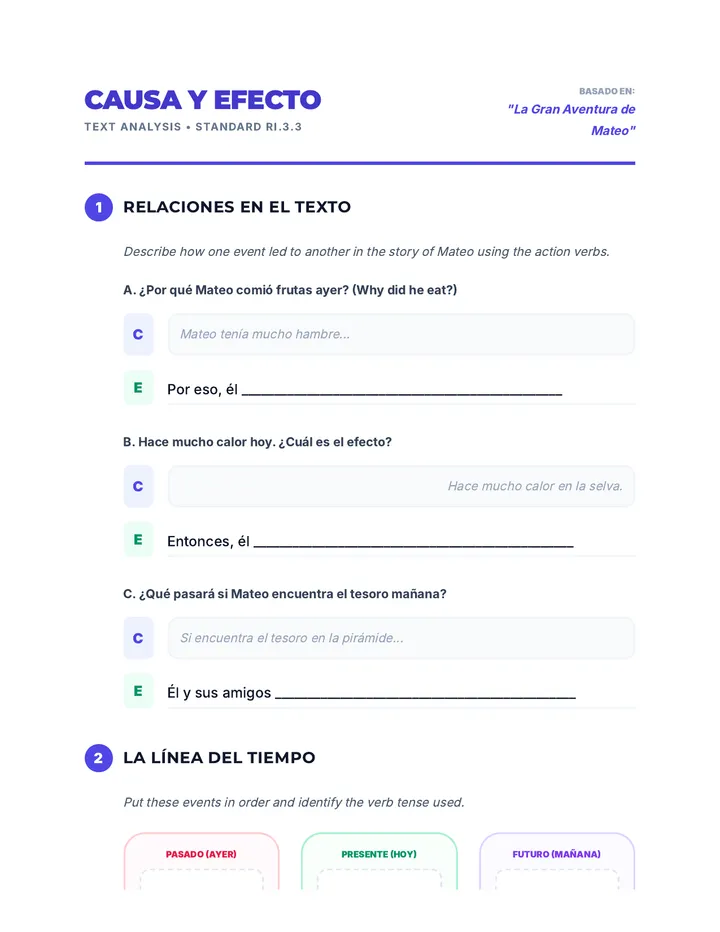
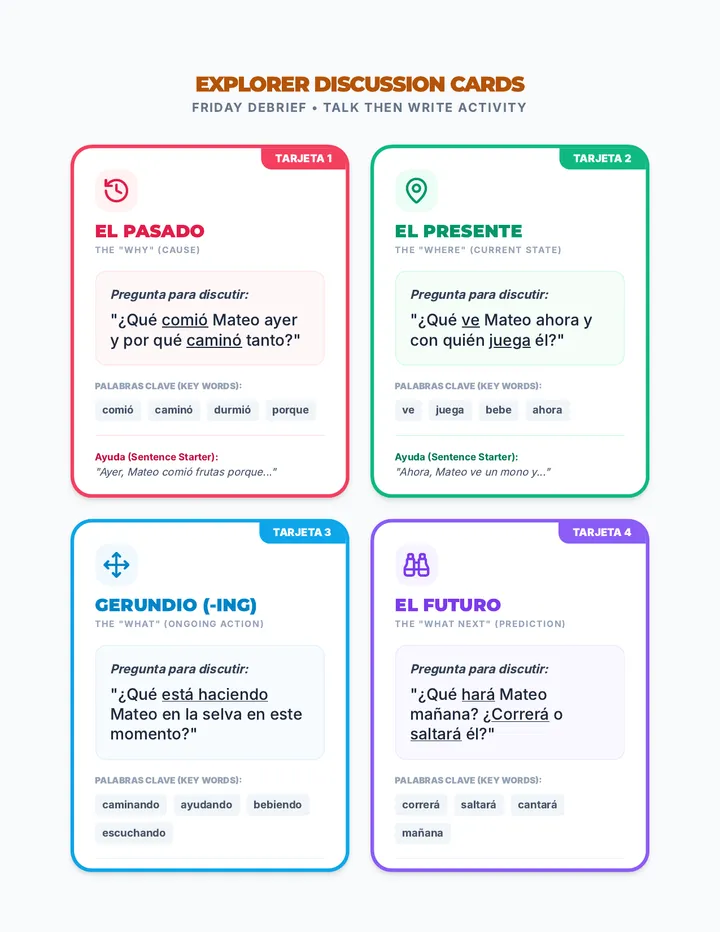
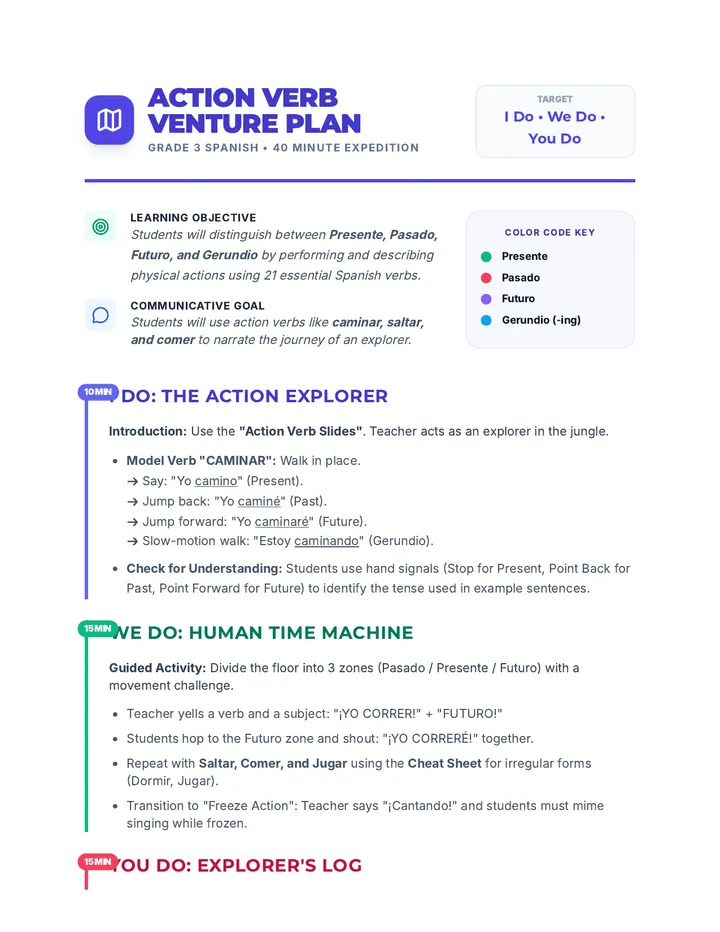
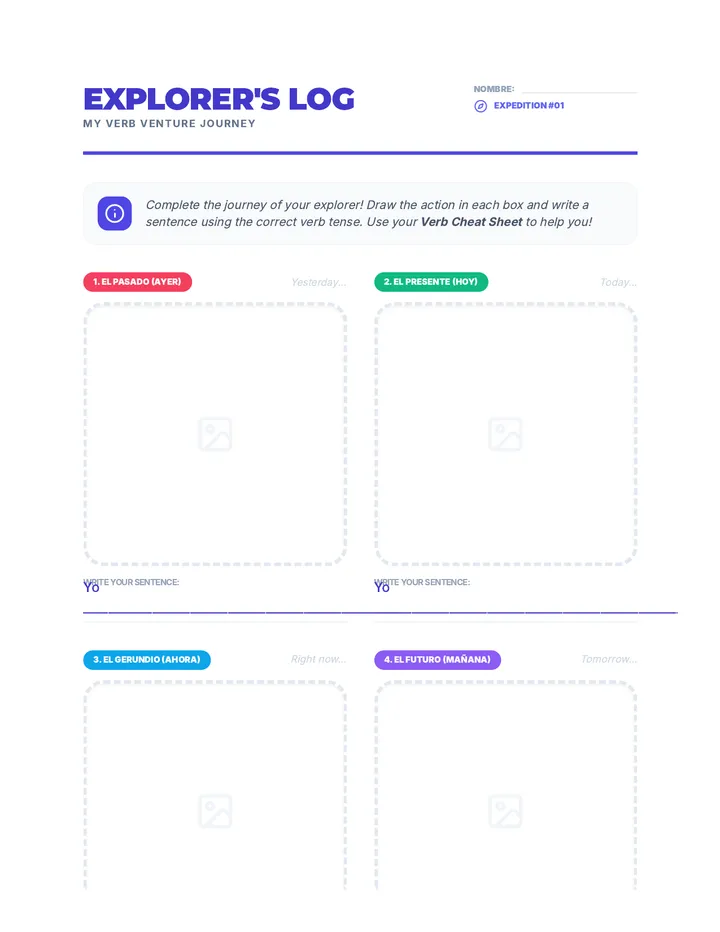
A four-part Spanish sequence for 3rd graders exploring 'el gerundio' through the lens of community, nature, and indigenous traditions. Students learn to describe the world around them in real-time.
A vibrant, Pre-K focused sequence exploring Spanish and Latin American holidays and traditions. Through hands-on crafts like piñatas, masks, and crowns, students learn about cultural celebrations while developing fine motor skills and emotional expression.
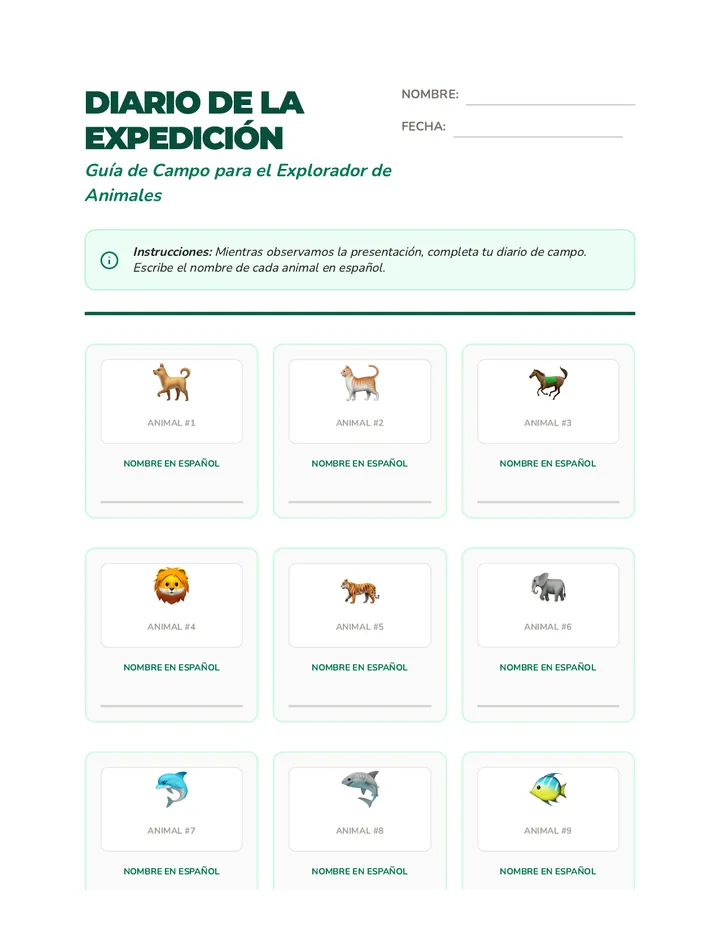
A Pre-K sequence exploring the diverse animals and landscapes of Latin America through sensory play, movement, and creative arts. Students 'travel' to the Andes, Amazon, and Caribbean to learn about unique habitats and the creatures that call them home.
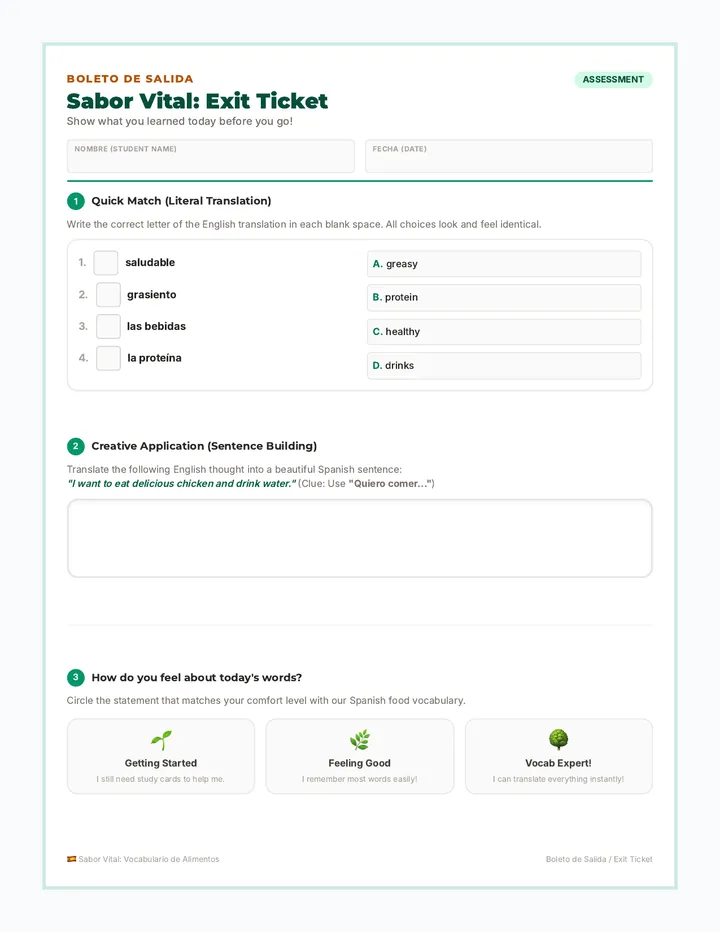
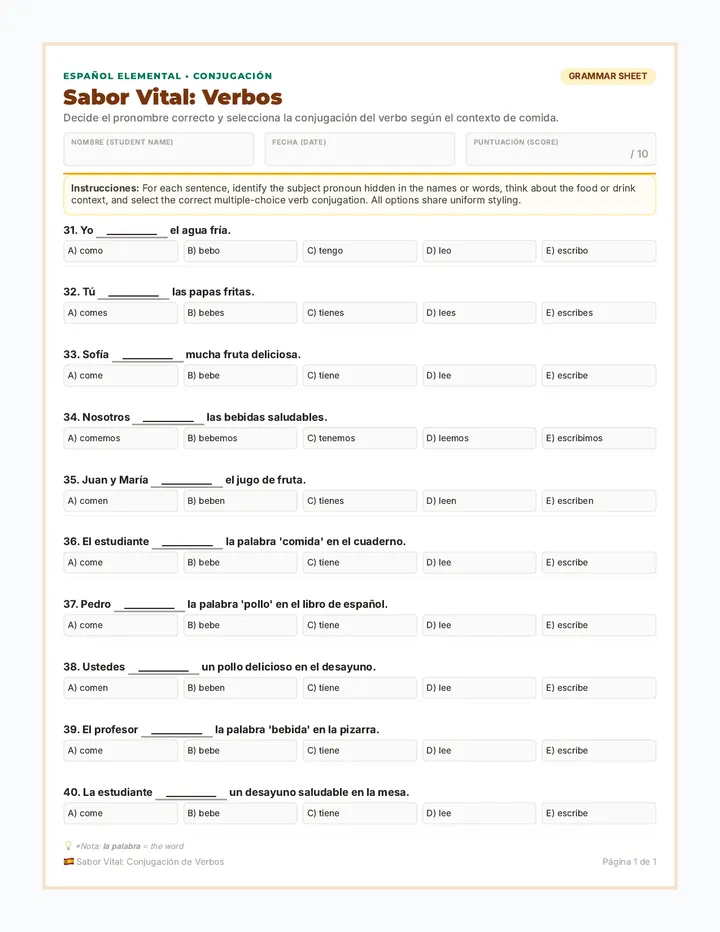
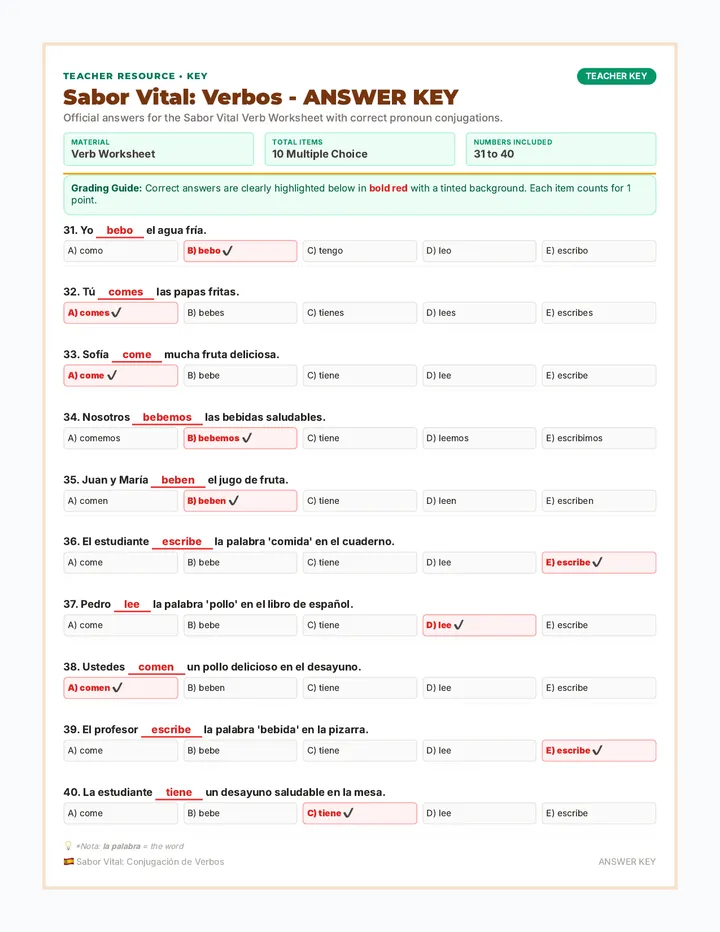
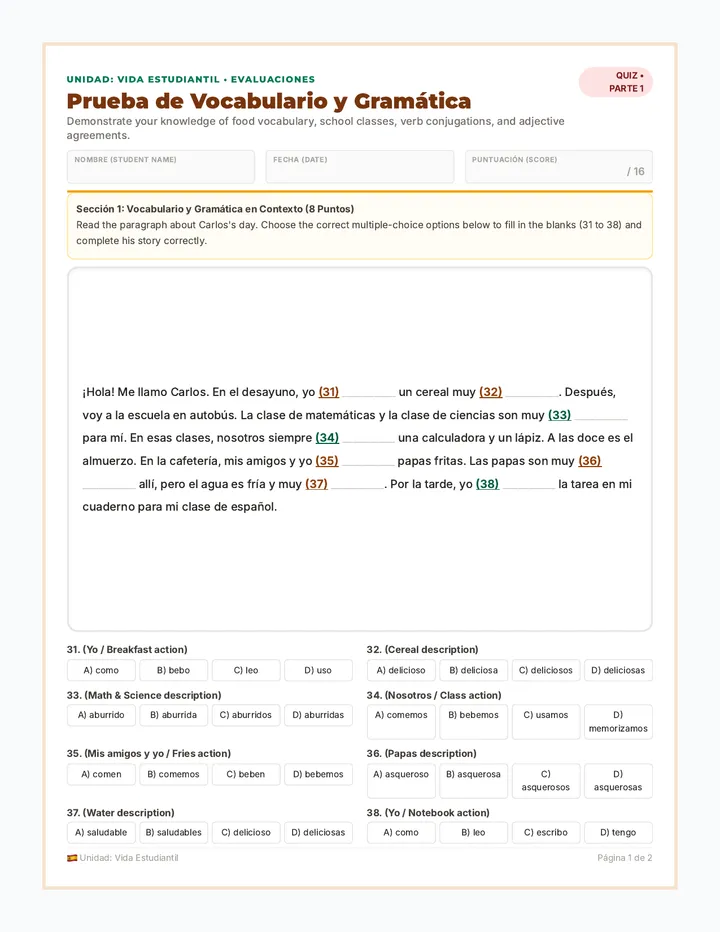
A sensory-rich exploration of Spanish and Latin American culinary traditions designed for Pre-K learners. Students discover tropical fruits, the corn-to-tortilla process, the vibrant colors of paella, market spices, and the social importance of family meals.
A sensory-rich sequence for Kindergarten students exploring staple foods from Latin America and Spain, focusing on origins, Spanish vocabulary, and the cultural significance of family dining. Students identify ingredients like corn, cacao, and tropical fruits through workshop-style activities and simulations.
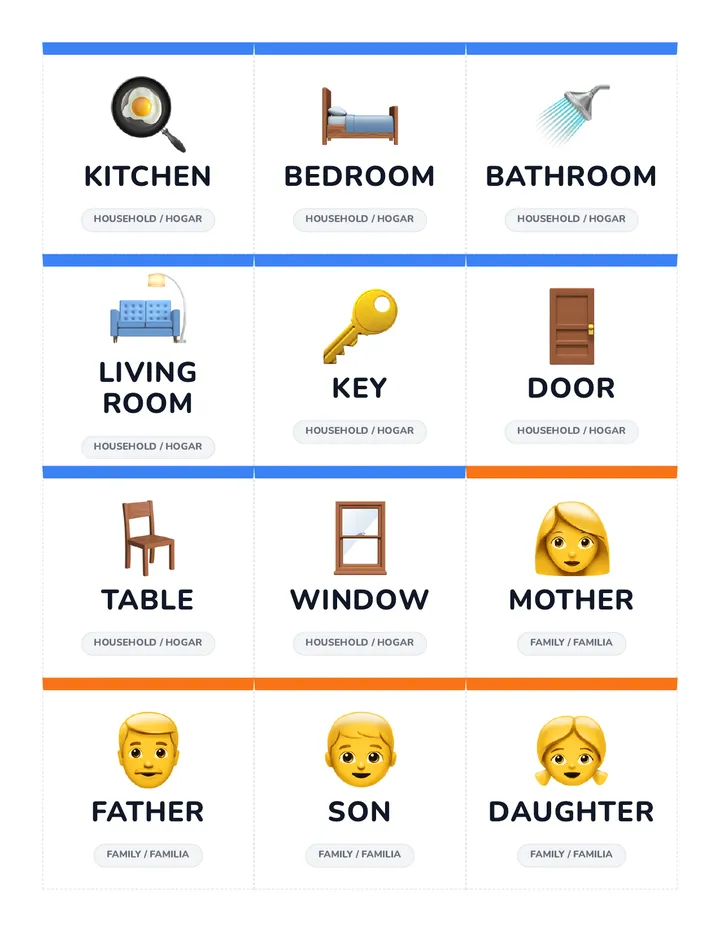
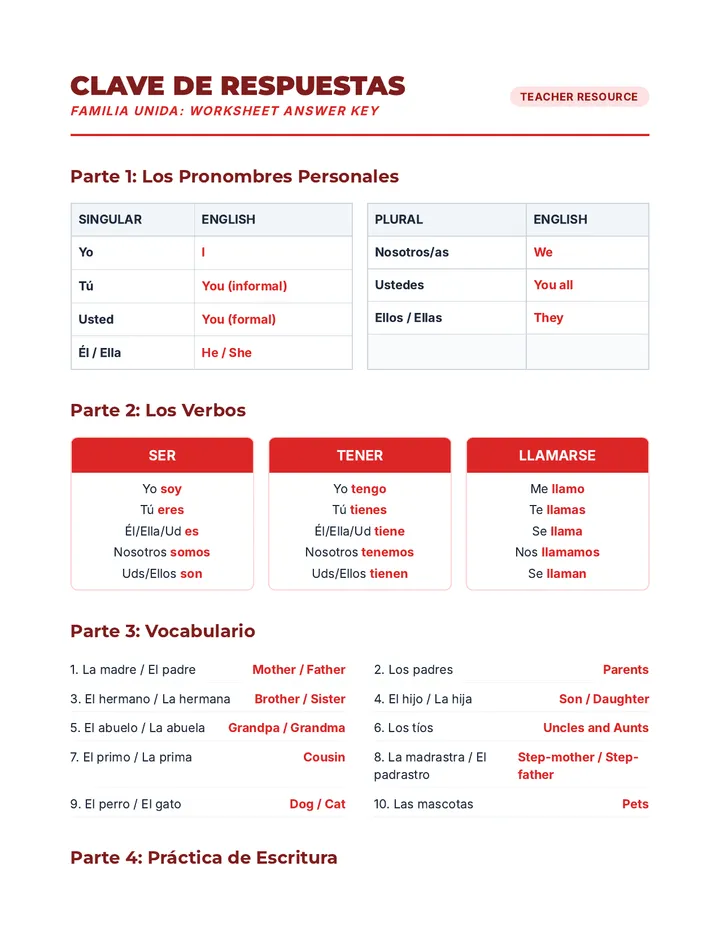
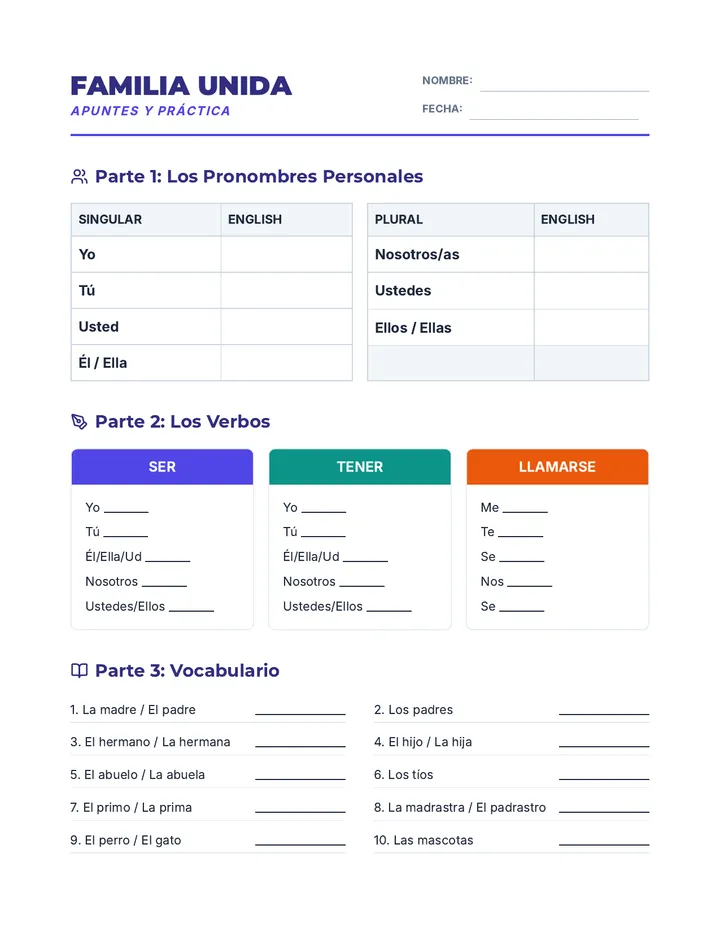
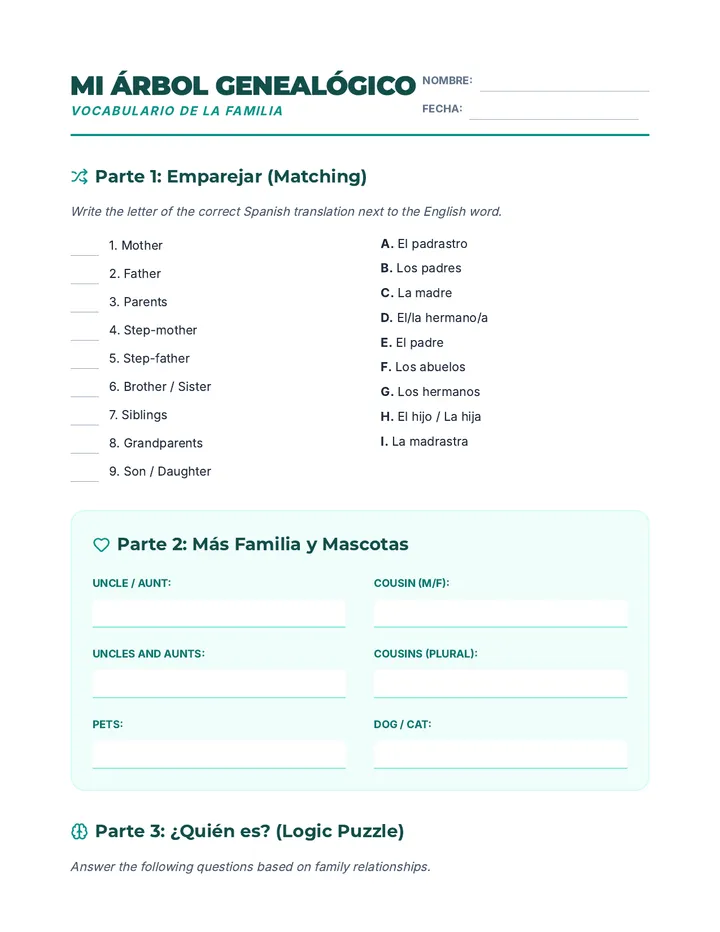
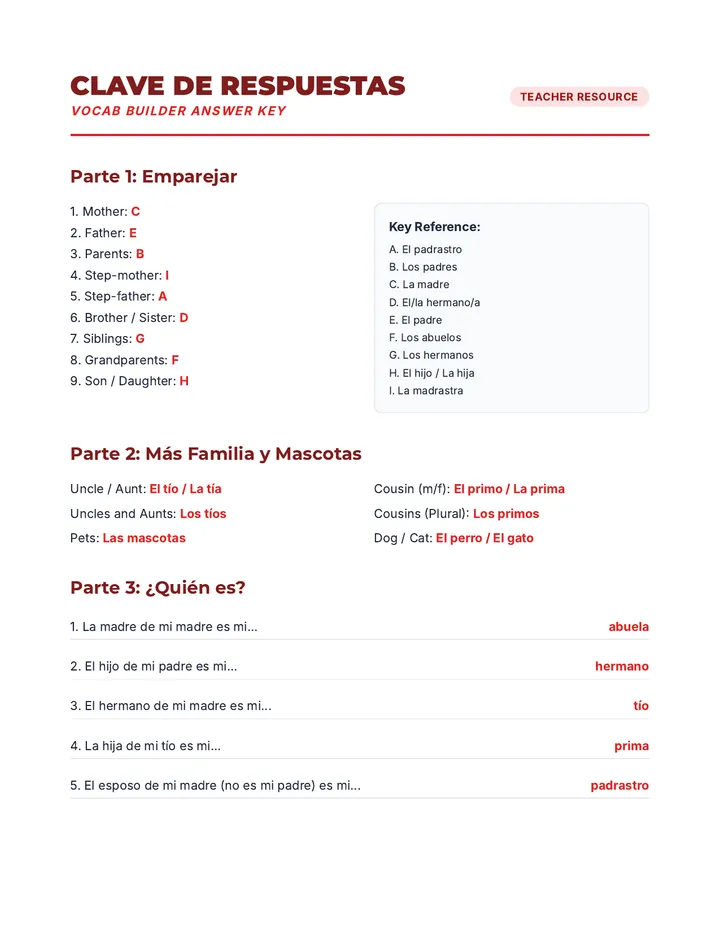
A fun, interactive Spanish vocabulary sequence for Pre-K students focusing on family members and pets. Through songs, games, and creative projects, children learn to name the most important people and animals in their lives.
A physical and interactive Spanish vocabulary sequence for Pre-K students focusing on body parts and movement through Total Physical Response (TPR). Students learn through songs, games, and creative activities, culminating in a 'Simón Dice' challenge.
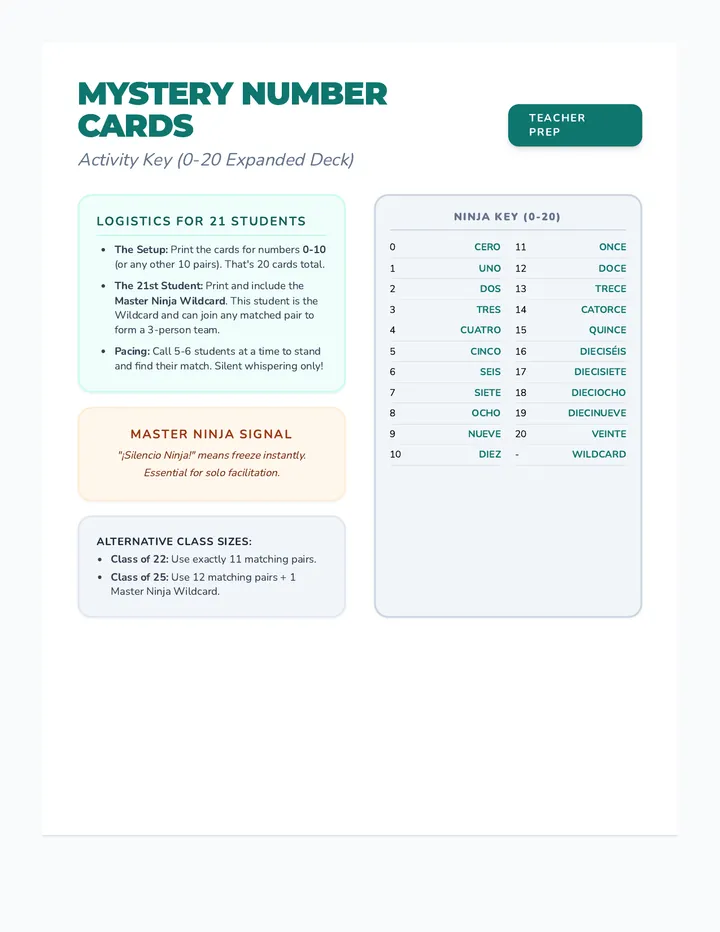
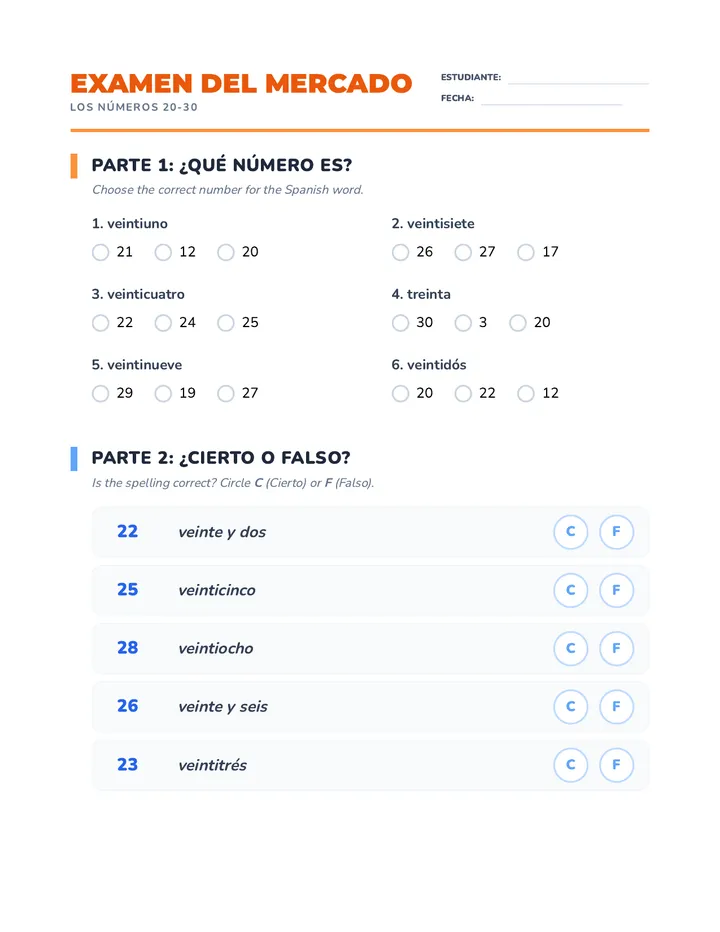
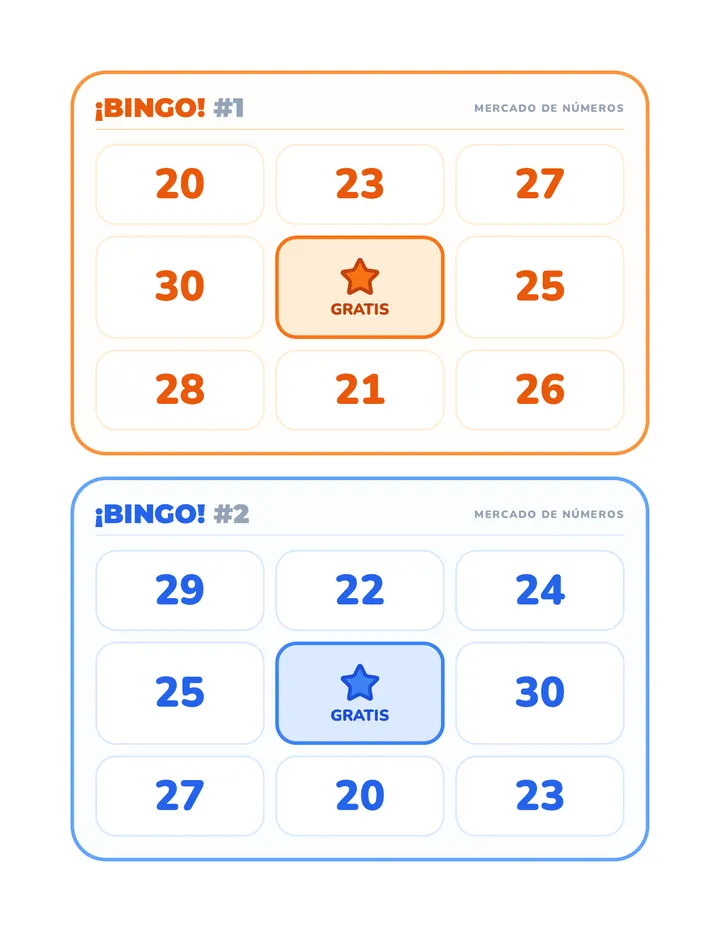
This Pre-K sequence introduces Spanish numbers 1-10 through multisensory activities, movement, and play. Students will learn to recognize, say, and count quantities using 'uno' through 'diez'.
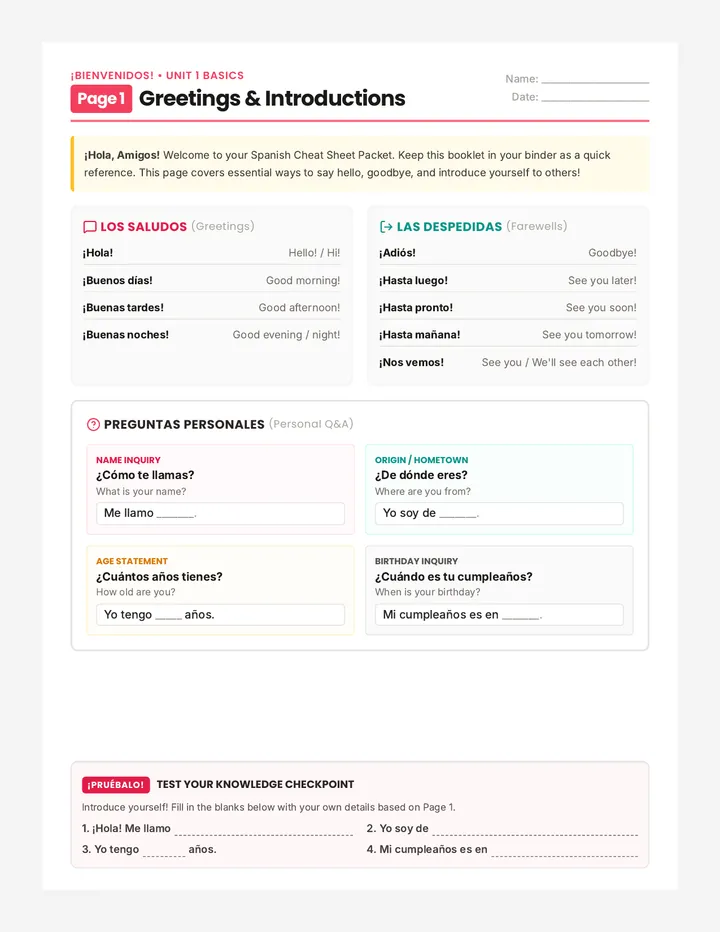
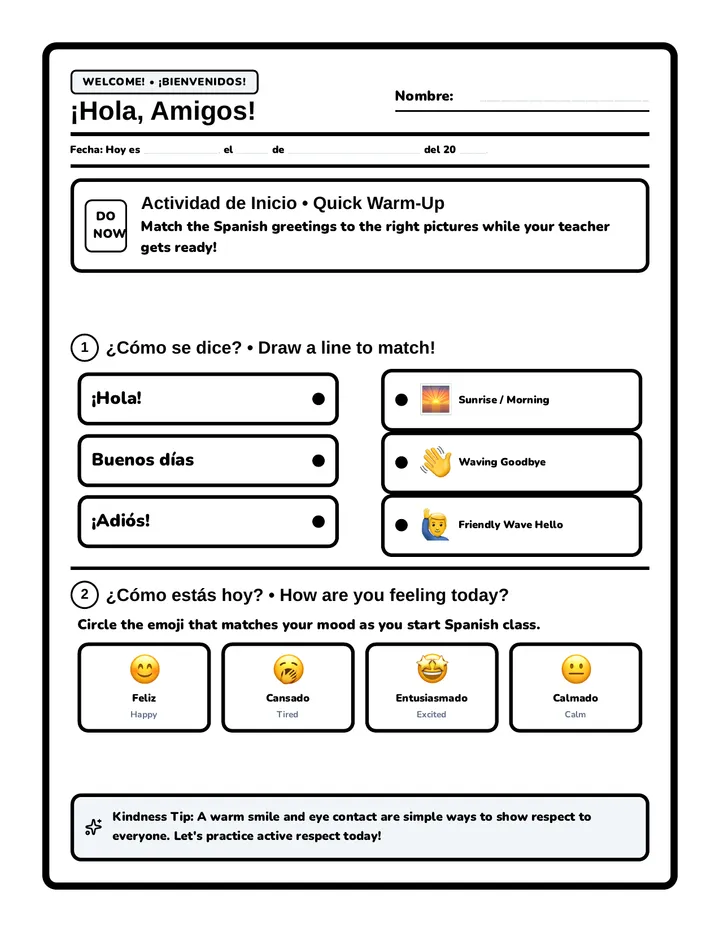
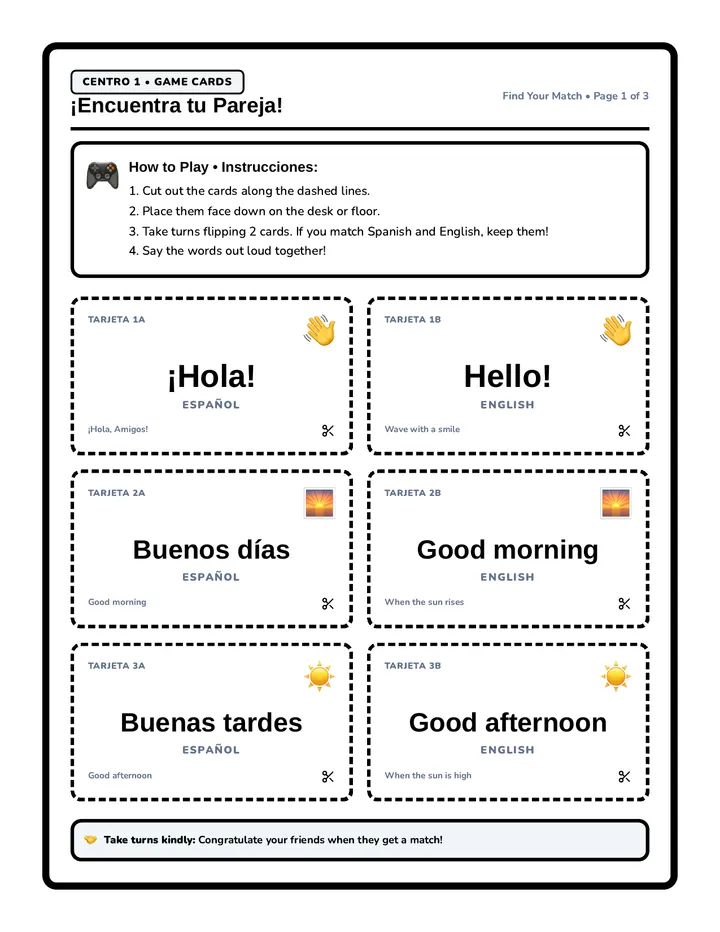
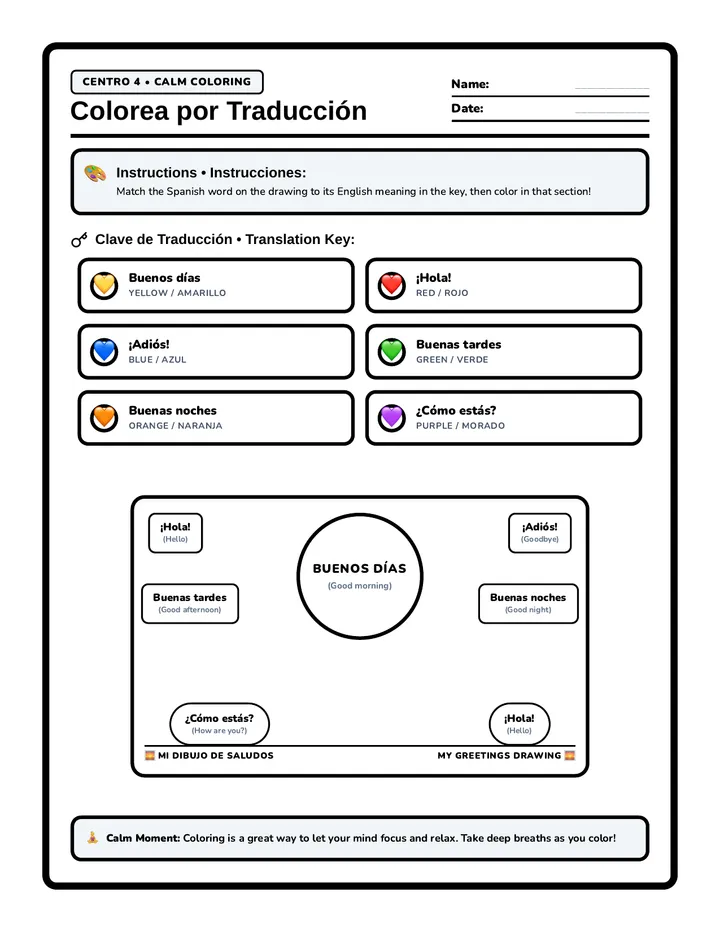
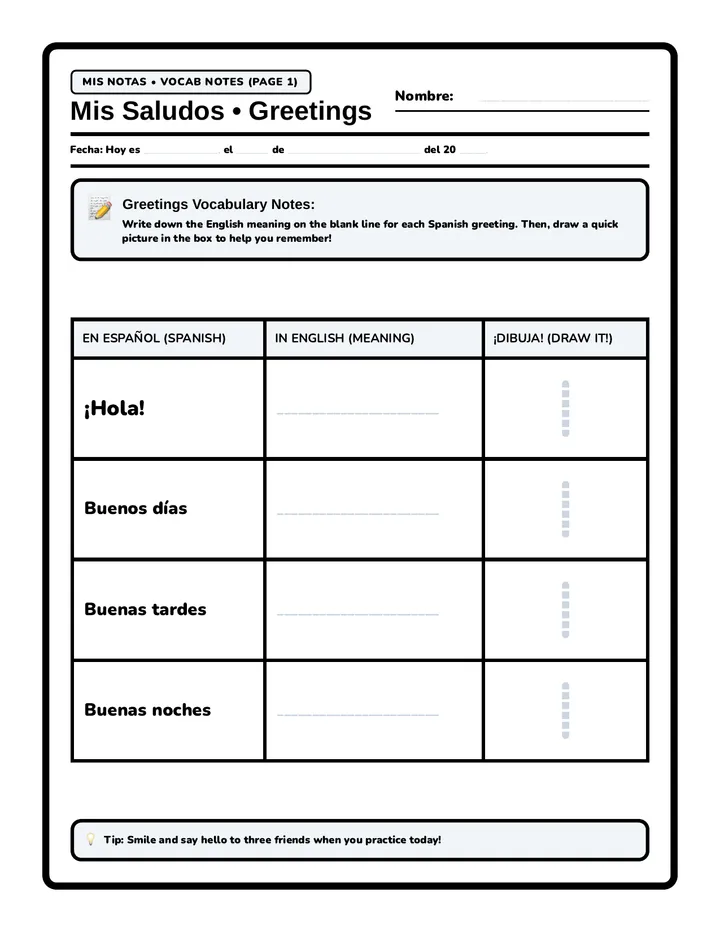
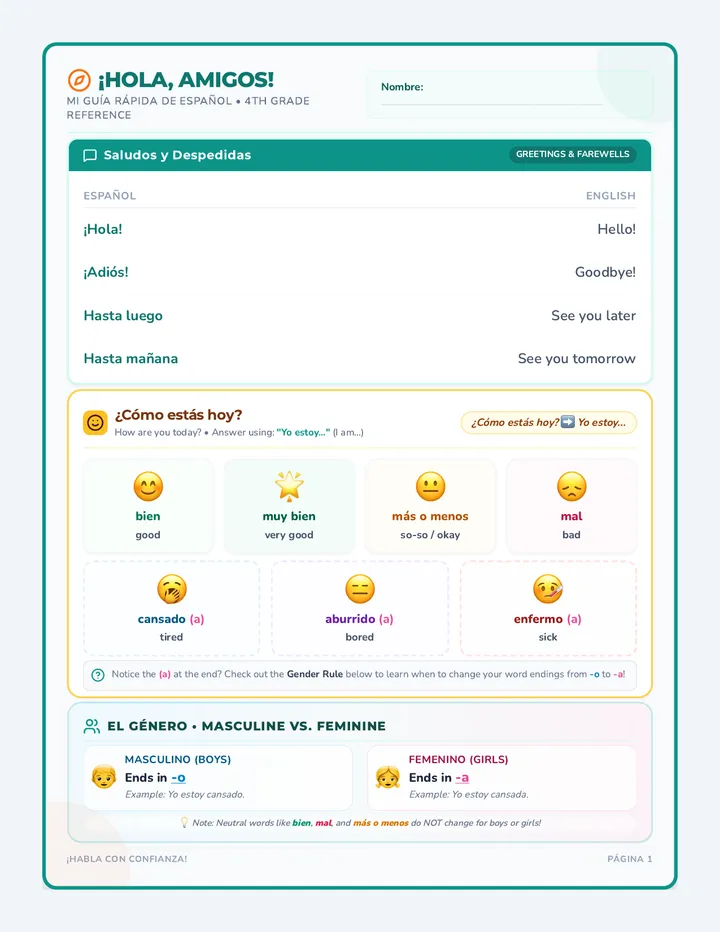
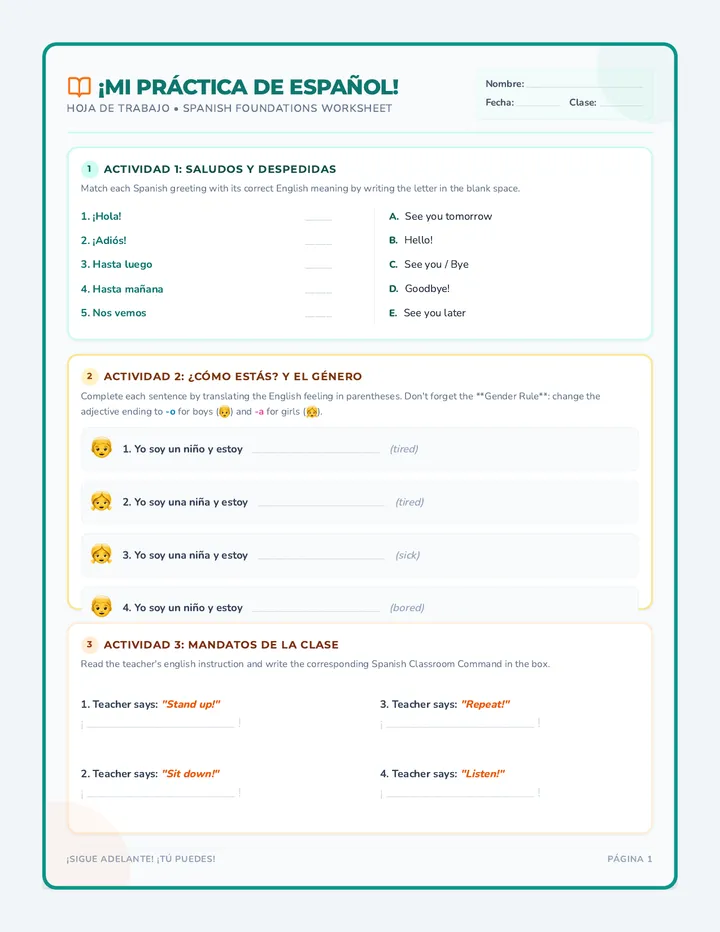
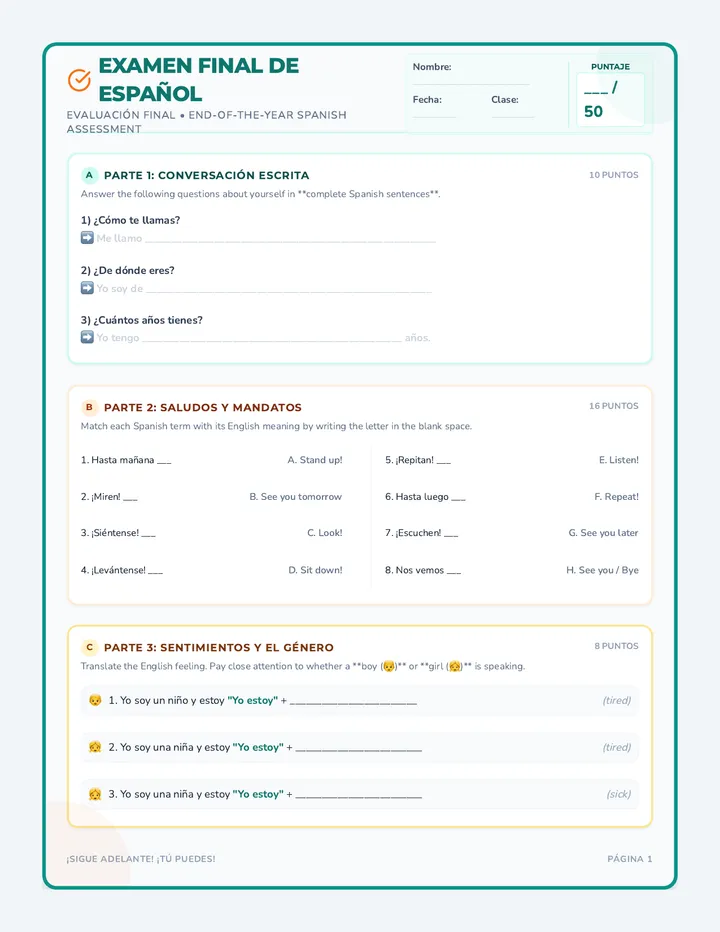
A foundational Spanish sequence for Pre-K students focusing on greetings, introductions, emotions, and manners through play, song, and social interaction.
A fun and immersive Spanish vocabulary sequence for Pre-K students focusing on identifying colors and geometric shapes through creative projects and visual exploration.
A sensory exploration of Spanish culture across geography, architecture, music, food, and art. Students embark on a simulated travel journey to discover the diversity of Spanish-speaking countries through hands-on activities.
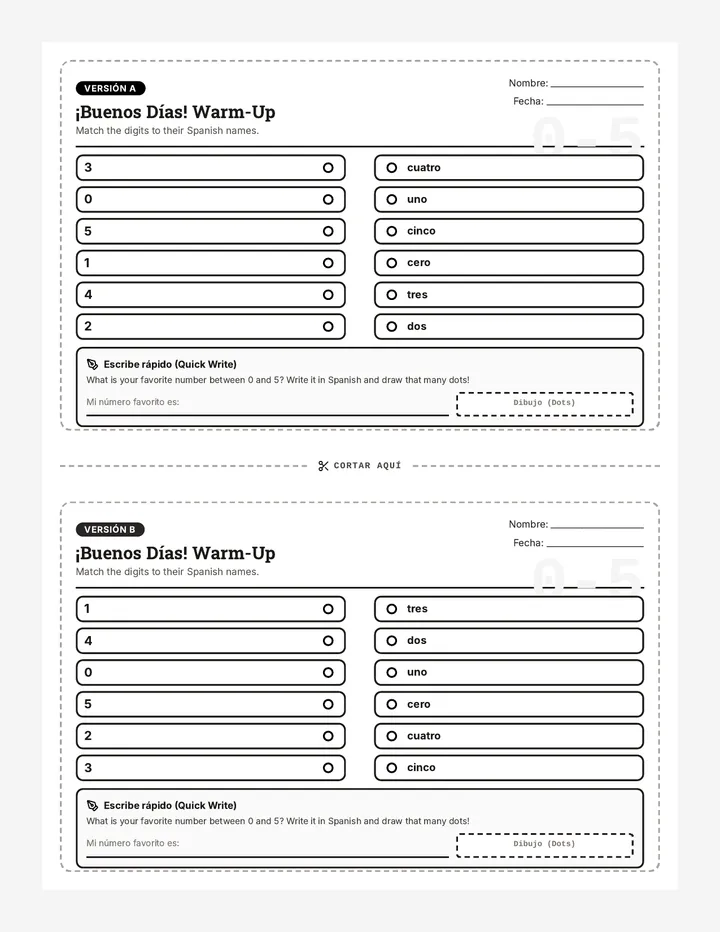
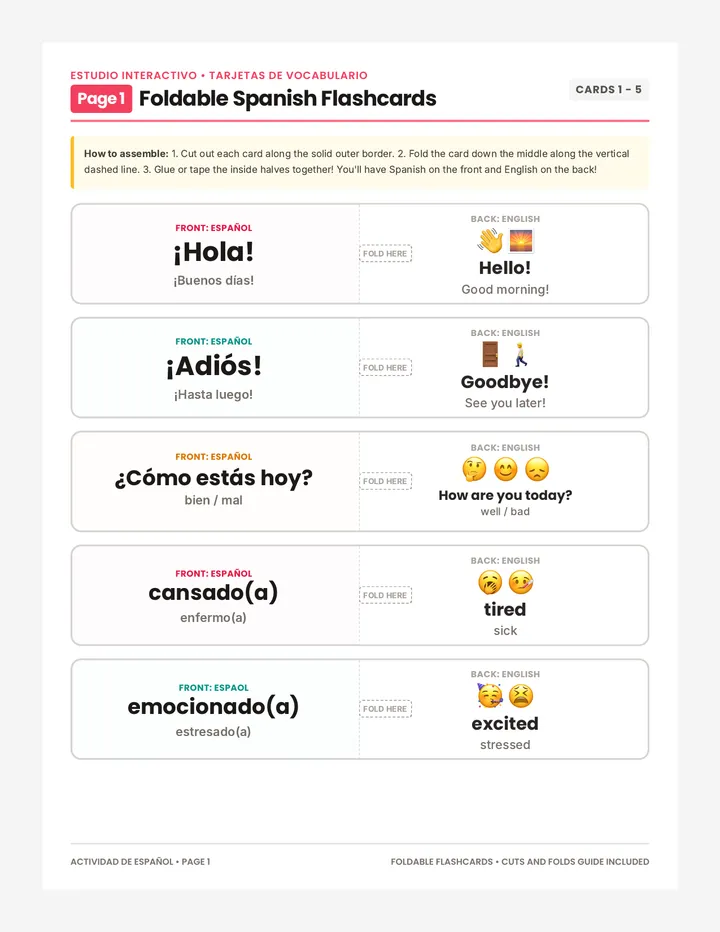
A Kindergarten sequence focused on foundational Spanish greetings (Hola, Adiós, Buenos días, Buenas noches), expressing basic emotions (bien, mal, más o menos), and counting 1-5. Students learn through songs, movement, and role-play culminating in a 'Mercado' market simulation.
A foundational Spanish sequence for Kindergarteners focusing on greetings, introductions, feelings, and basic politeness through immersive play, songs, and movement.
A comprehensive one-week introduction to Spanish for middle schoolers, focusing on greetings, introductions, and sharing personal interests through interactive role-play and collaborative activities.
A project-based unit for 7th-grade Spanish students to explore identity. Students learn to describe themselves and others using 'ser' and 'gustar', building toward a personal identity presentation.
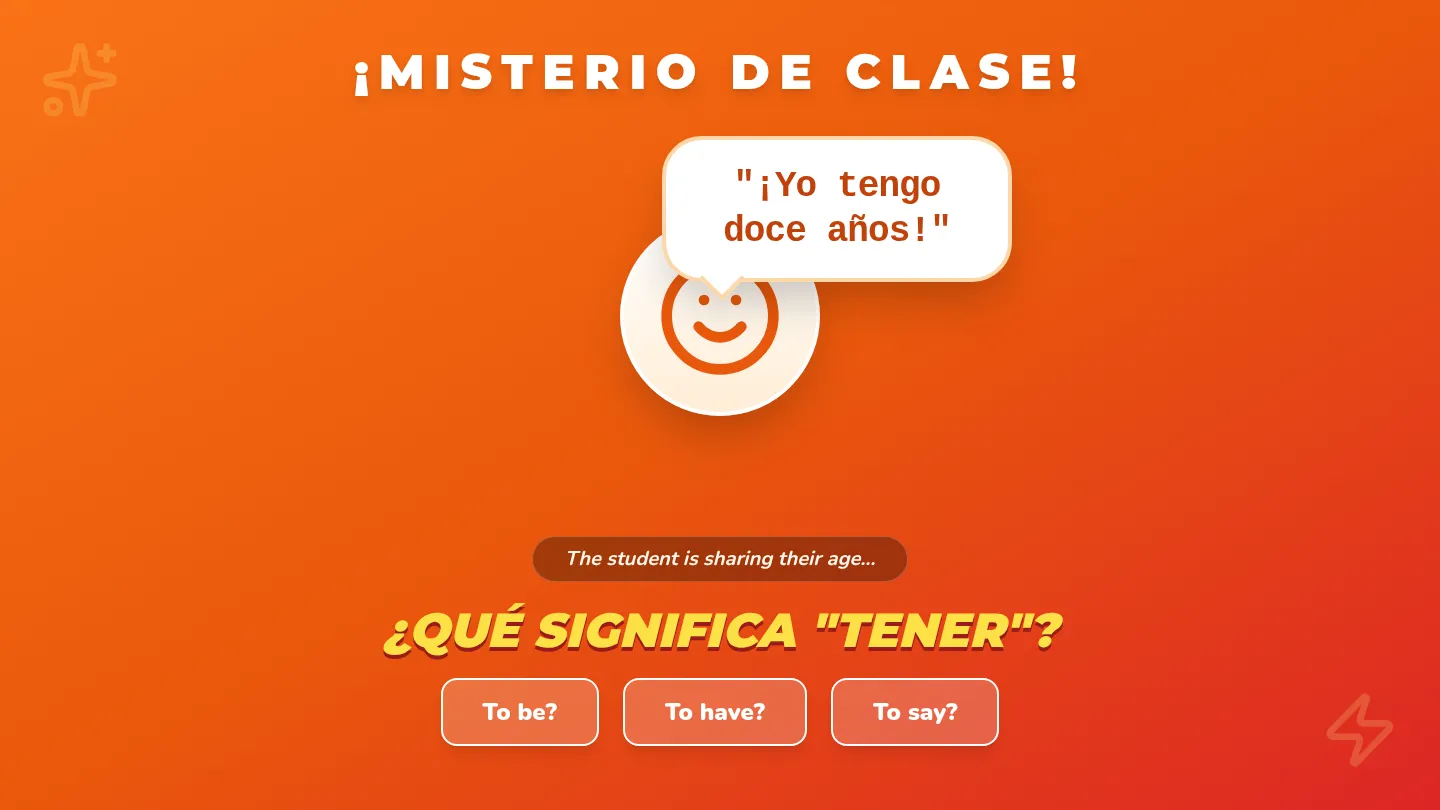
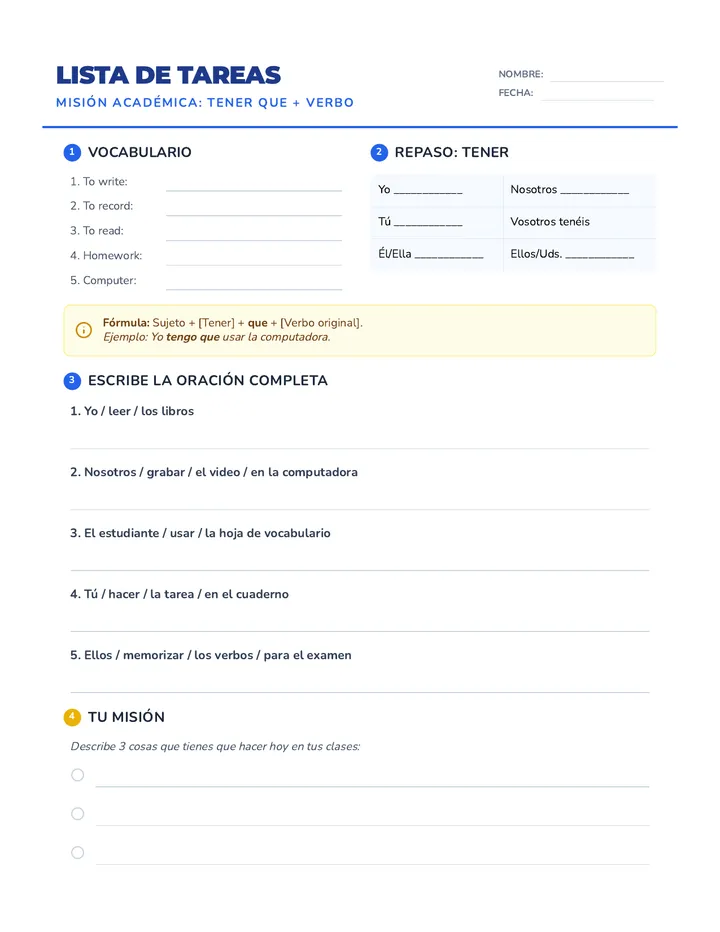
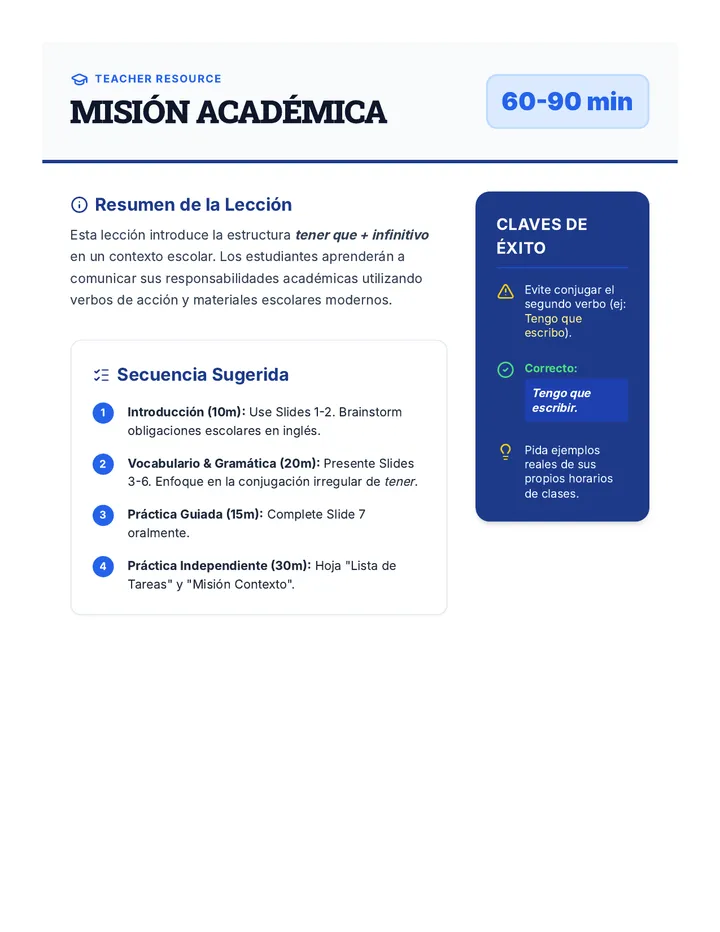
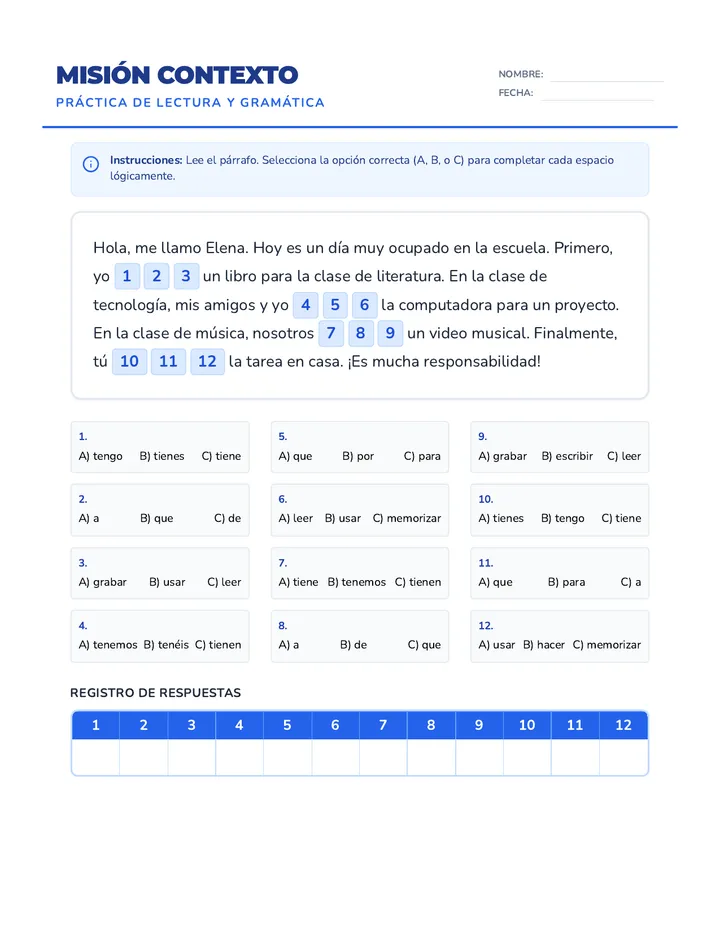
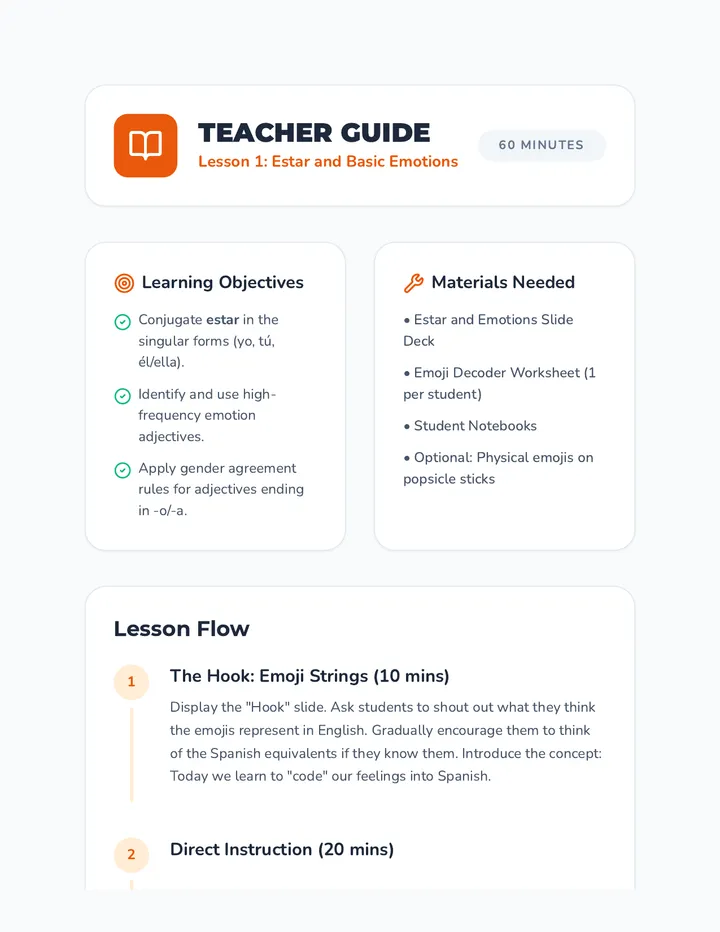
A comprehensive unit for beginner Spanish students to master the verb 'estar' and 'tener' idioms for expressing emotions, physical states, and needs. Through interactive games, role-plays, and data collection, students learn to articulate their internal feelings and conduct wellness checks on others.
This immersion-style sequence empowers 7th-grade students to navigate their classroom environment using only Spanish. Students progress from identifying objects to following complex multi-step instructions through TPR and role-play.
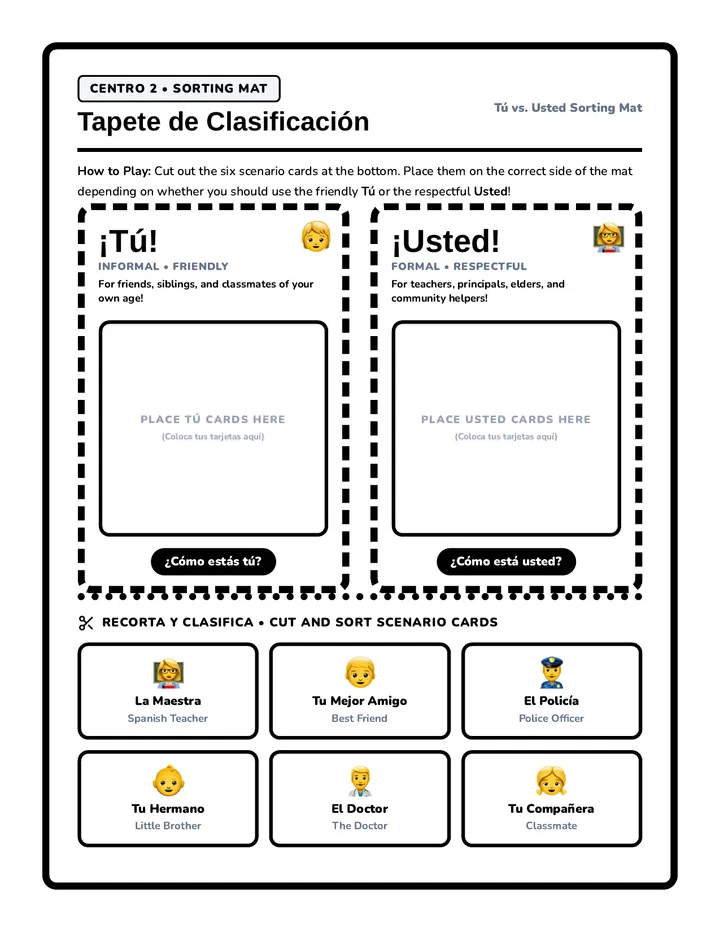
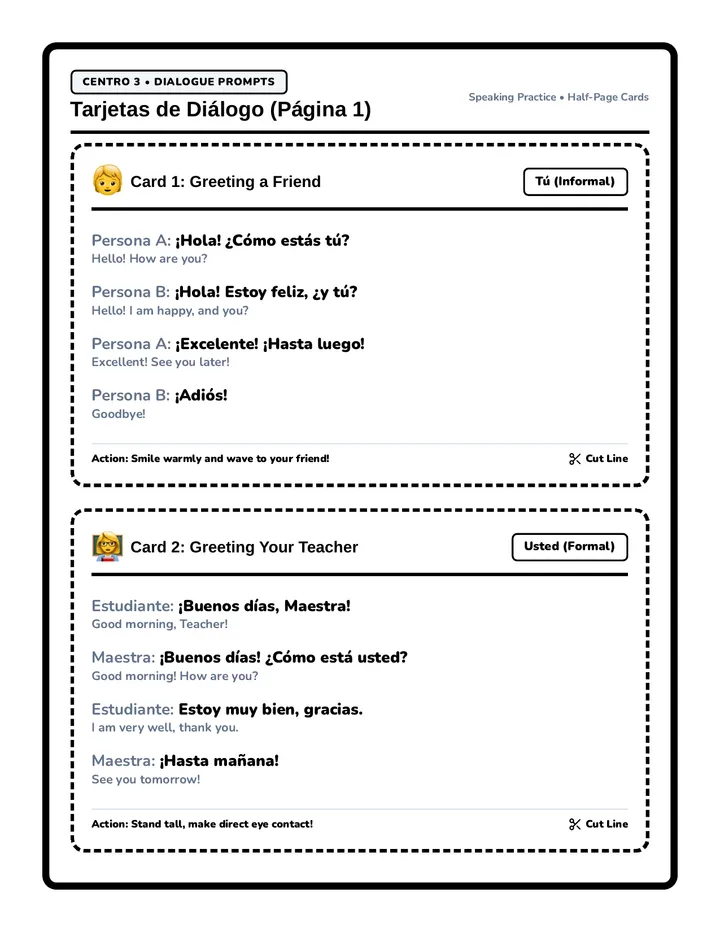
A 5-lesson sequence for 7th-grade students to master Spanish greetings, introductions, and the cultural nuances of formal vs. informal address (tú vs. usted). Students move from basic vocabulary to complex social simulations.
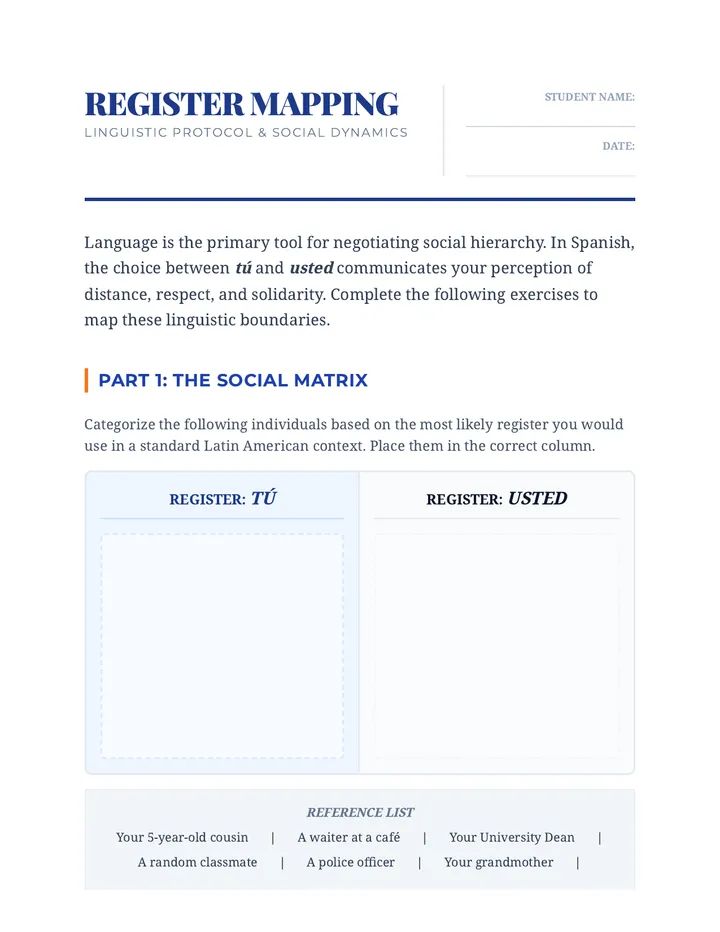
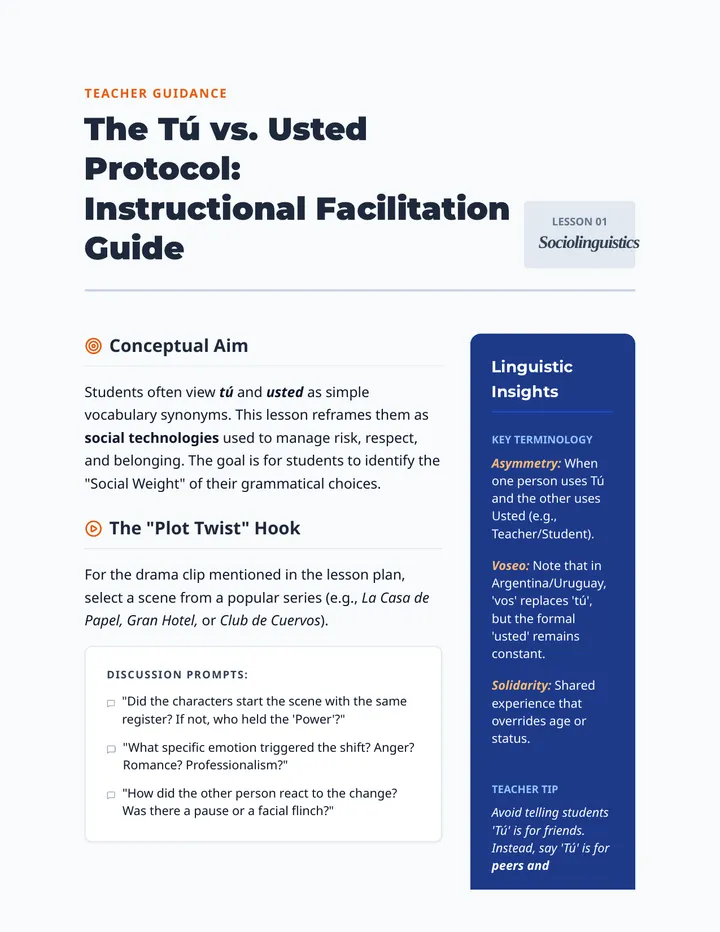
A case-study-driven unit for 6th-grade Spanish students to master the nuances of 'Tú' and 'Usted', focusing on cultural context, social hierarchy, and respectful communication.
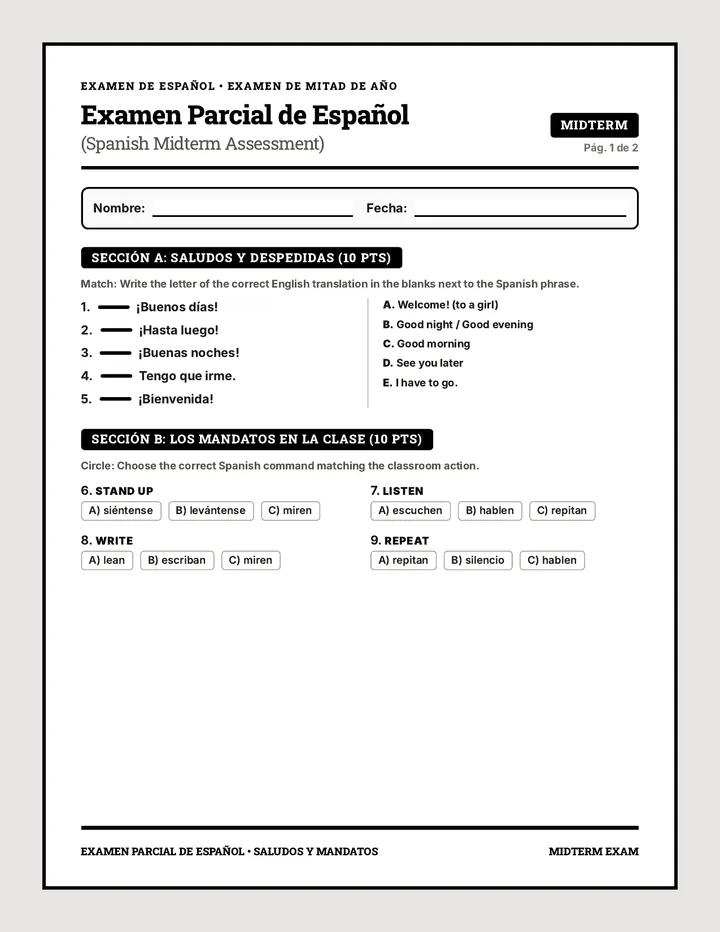
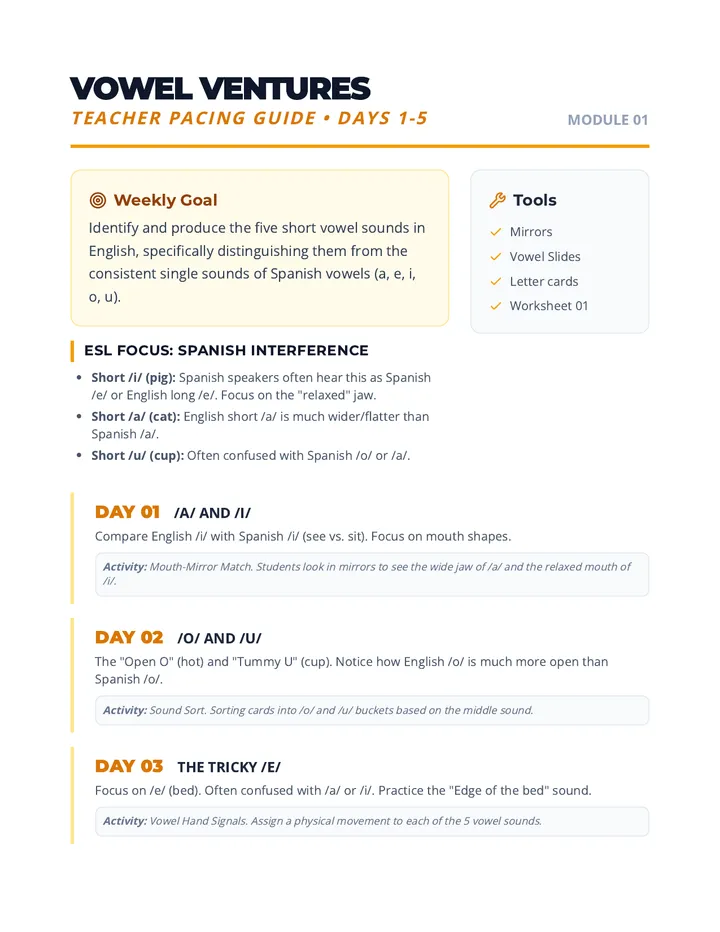
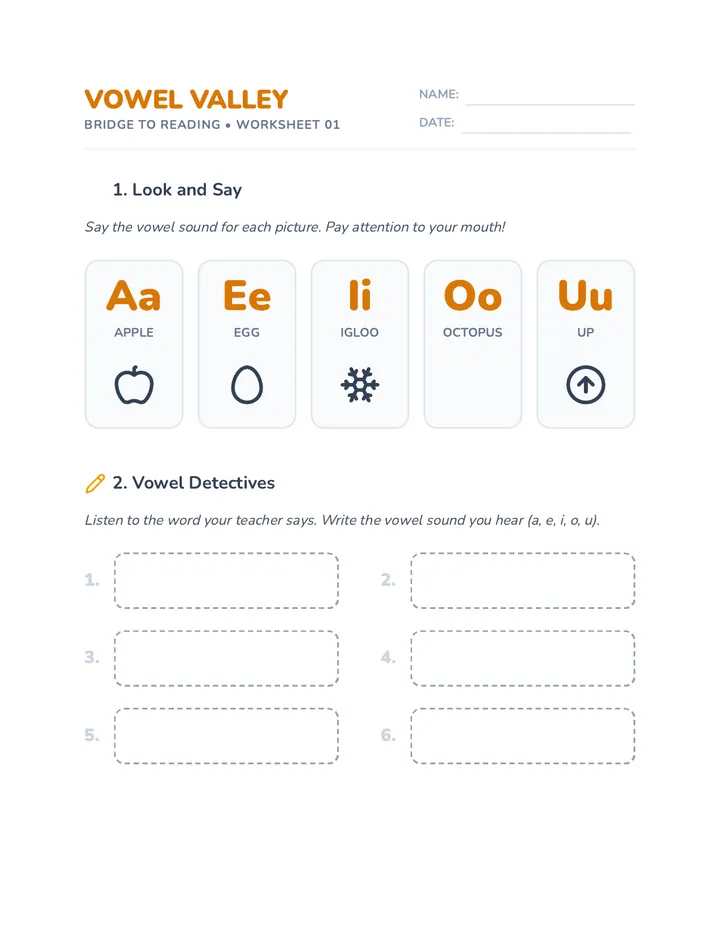
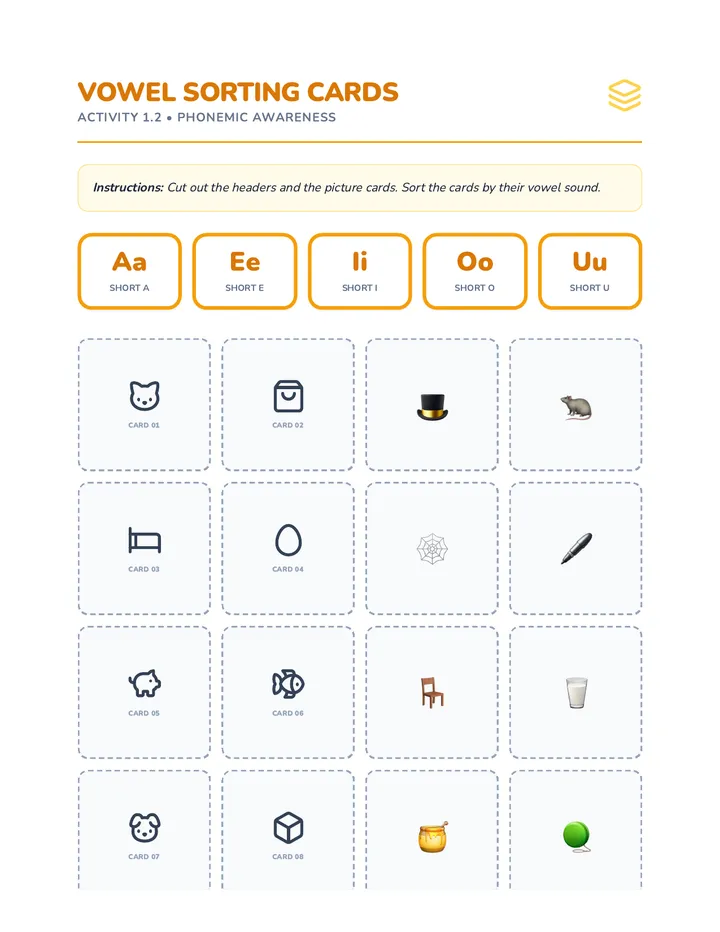
This sequence establishes foundational auditory and oral skills for Spanish fluency, focusing on vowel sounds, difficult consonants like 'rr' and 'ñ', and rules of stress and accentuation. Students transition from sound production to reading syllables and full words with accuracy.
A comprehensive sequence for 6th-grade students focusing on Spanish phonetics, vowel precision, consonant variations, and syllabic stress to build a strong foundation for native-like pronunciation.
A foundational Spanish speaking sequence for undergraduate students, focusing on phonetic precision, vowel purity, and essential social interactions. Students transition from sound mechanics to natural dialogue.
This 11th-grade Spanish sequence focuses on rapid communicative competence through high-frequency vocabulary, cognates, and conversation survival strategies. Students will move from recognizing linguistic patterns to navigating real-world social exchanges like sharing contact information and expressing emotions, culminating in a fast-paced 'Speed-Friending' mastery challenge.
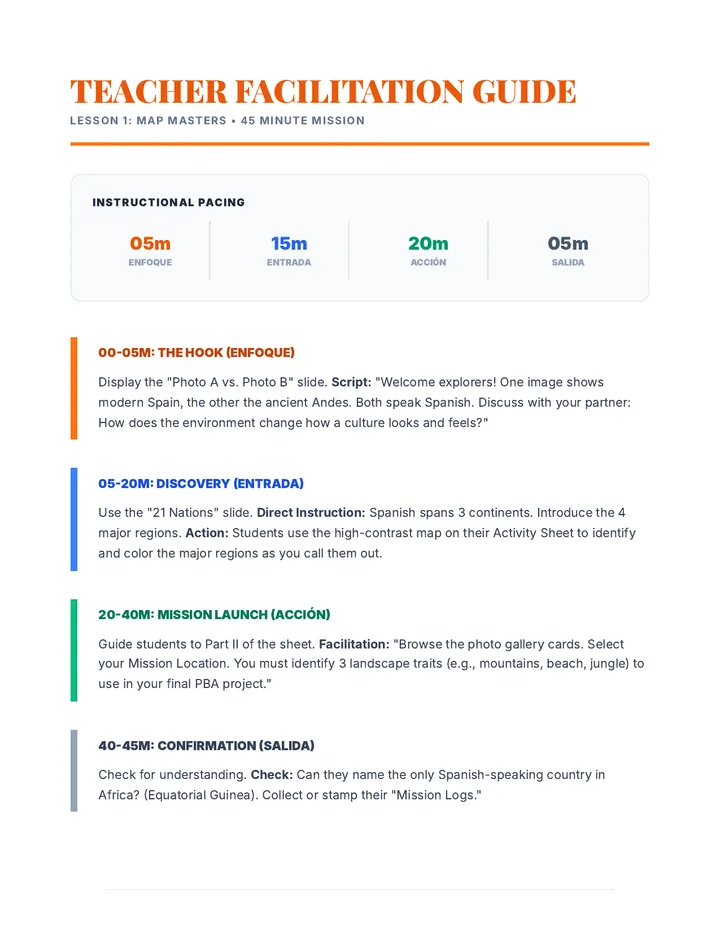
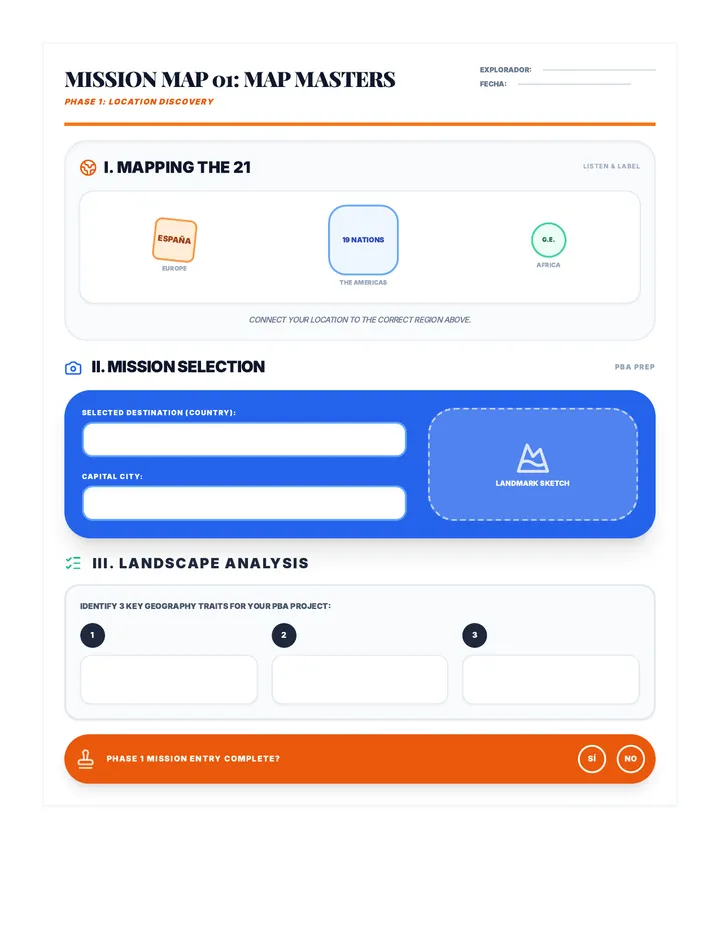
An immersive 11th-grade Spanish sequence exploring the diversity of greetings, regional slang, and cultural norms across the 21 Spanish-speaking countries. Students move from basic geography and nationality to complex cultural interactions and presentational speaking.
A comprehensive 11th-grade Spanish phonetics sequence designed to help beginner students achieve high intelligibility through systematic articulation practice, vowel purity, and stress mastery.
A 5th-grade Spanish immersion unit focusing on Total Physical Response (TPR) to master classroom commands, object identification, and spatial prepositions. Students move from listening to lead roles through interactive simulations and games.
A 5-lesson sequence for 4th Grade students to master basic Spanish classroom vocabulary and commands through TPR, games, and environment labeling.
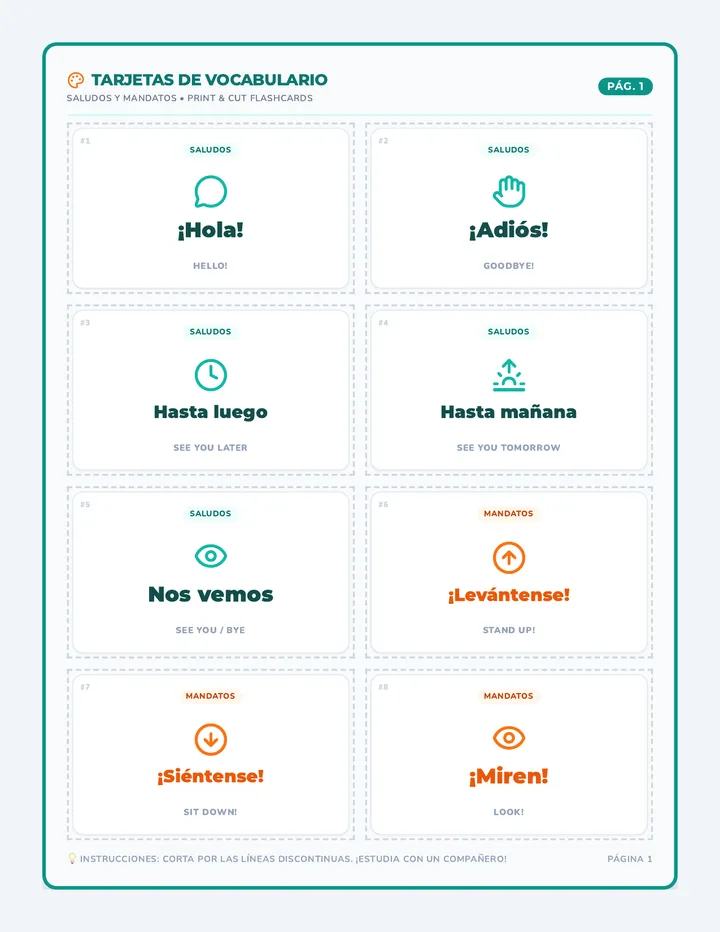
This sequence introduces 4th-grade students to foundational Spanish greetings, introductions, and polite expressions. Through interactive games, role-plays, and pronunciation practice, students build the confidence to conduct basic introductory dialogues in Spanish.
A task-based Spanish sequence for 12th graders focusing on high-frequency vocabulary for travel and professional survival. Students master numbers, directions, requests, and ordering through immersive simulations.
A project-based sequence for 12th-grade beginner Spanish students focusing on constructing personal identities. Students learn 'ser', adjective agreement, and origins to produce a professional-style video introduction for a study abroad application.
A gamified introductory Spanish sequence for 8th graders focusing on conversational automaticity and rapid response. Students progress from identifying patterns to maintaining unscripted conversations through high-repetition games and interactive challenges.
A comprehensive 5-lesson sequence for 12th-grade beginners to master Spanish phonetics, syllable stress, and the nuances of social register in greetings and farewells. Students move from individual sound production to complex, culturally appropriate dialogues.
A comprehensive 5-lesson sequence for 8th-grade Spanish beginners focusing on phonetic accuracy, vowel purity, and the foundational conversational skills needed for basic introductions. Students move from isolated sound production to structured dialogues and a final self-introduction.
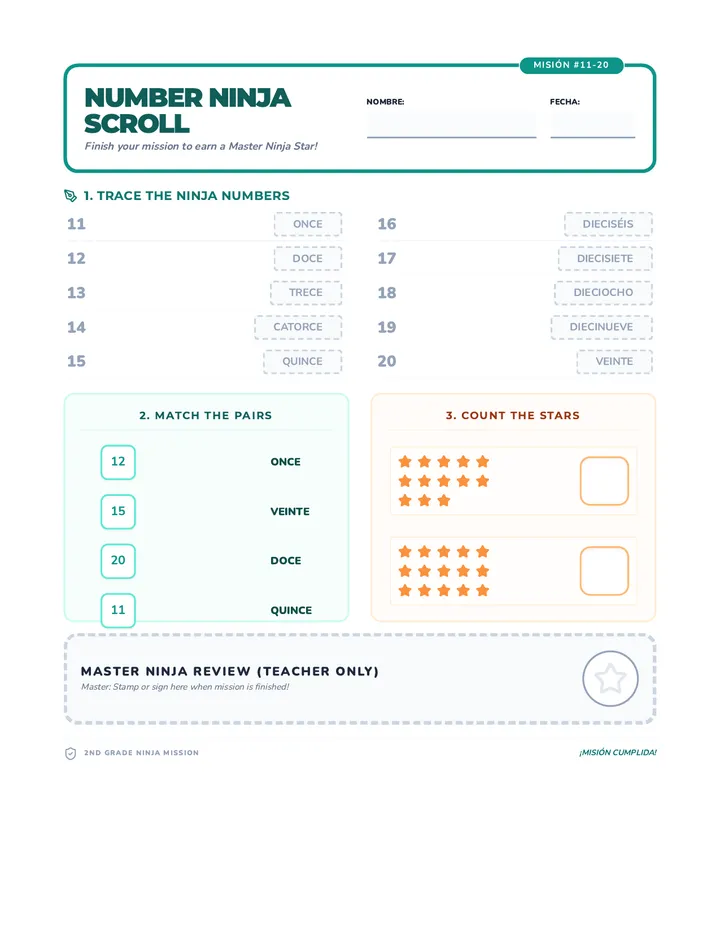
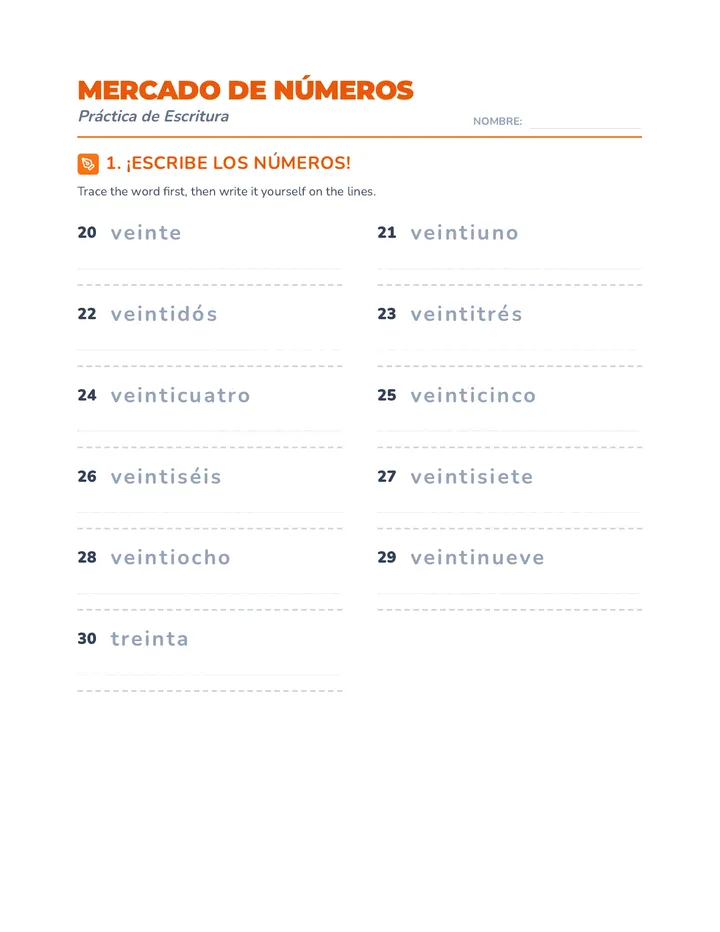
This 3rd-grade Spanish sequence introduces students to descriptive language by mastering numbers 1-20 and colors. Students learn the unique Spanish syntax of placing adjectives after nouns and practice combining quantity and color to describe the world around them, culminating in a creative dictation and drawing project.
A project-oriented sequence for 3rd-grade students to learn basic Spanish introductions, age, physical traits, and origins, culminating in a 'Who Am I?' presentation.
A vibrant project-based sequence where Kindergarten students explore Spanish-speaking cultures through the lens of traditional celebrations. Students learn about the values of family, memory, and community while creating hands-on artifacts like paper flowers, sugar skulls, and star piñatas.
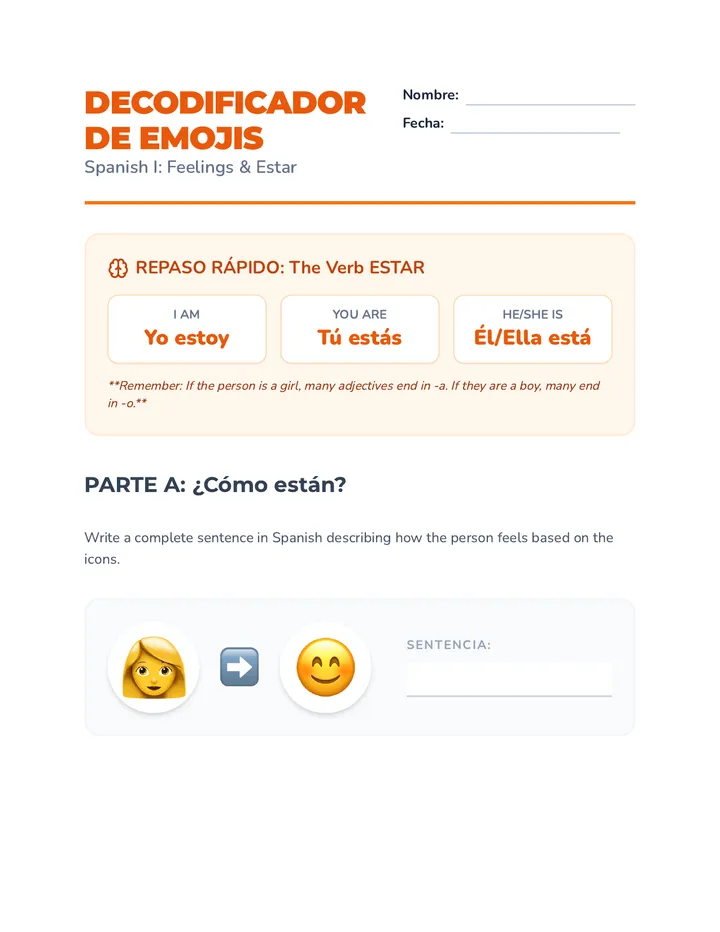
A 5-lesson sequence for 6th grade Spanish students focused on identifying, expressing, and responding to emotions and physical states using the verb 'Estar'. Students build from basic 'How are you?' responses to nuanced emotional vocabulary and empathetic reactions.
A project-based unit where 6th-grade students learn to articulate their identity, origin, age, and personality in Spanish using 'Ser', 'Tener', and 'Estar'. The sequence culminates in a multimedia 'All About Me' presentation.
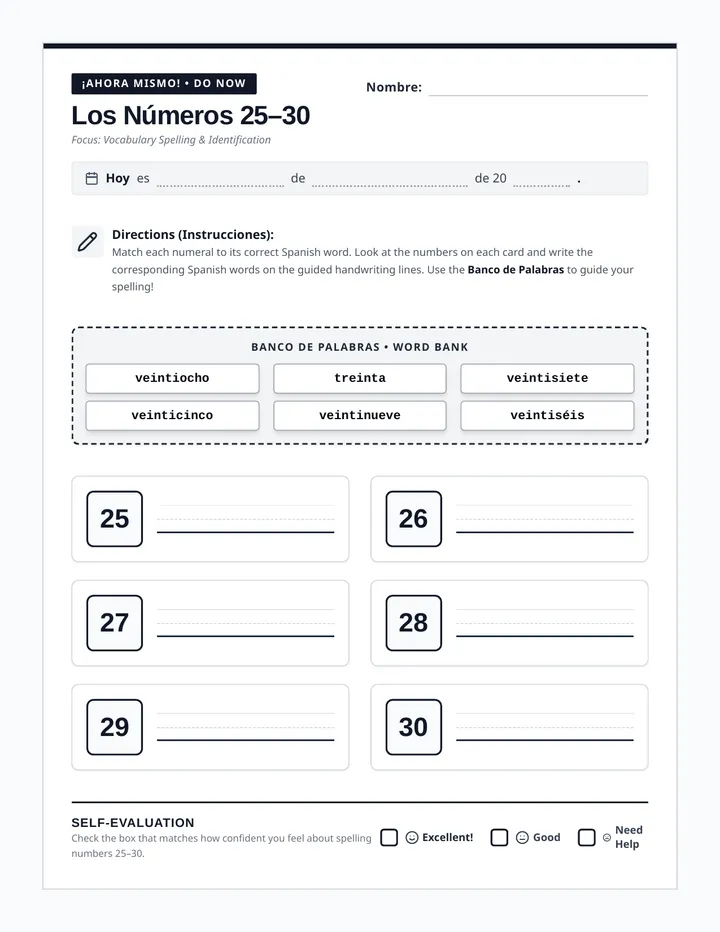
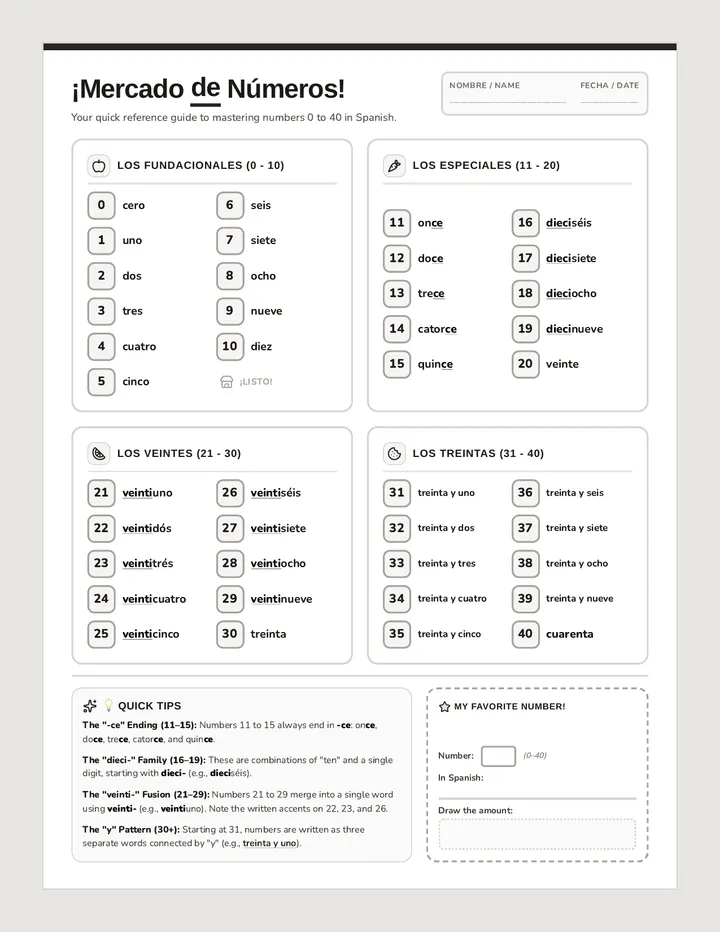
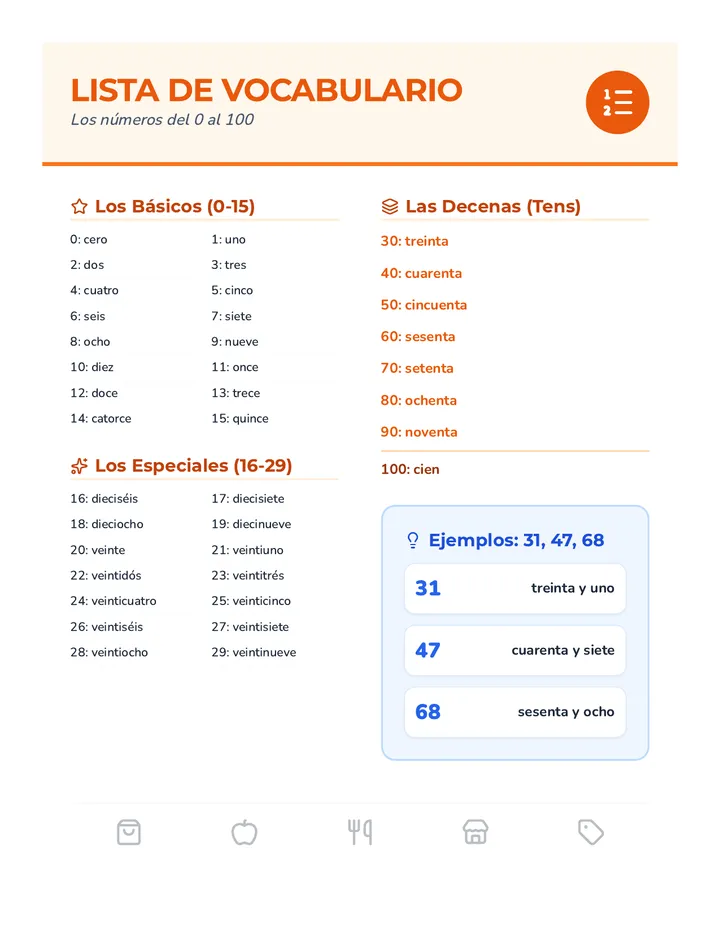
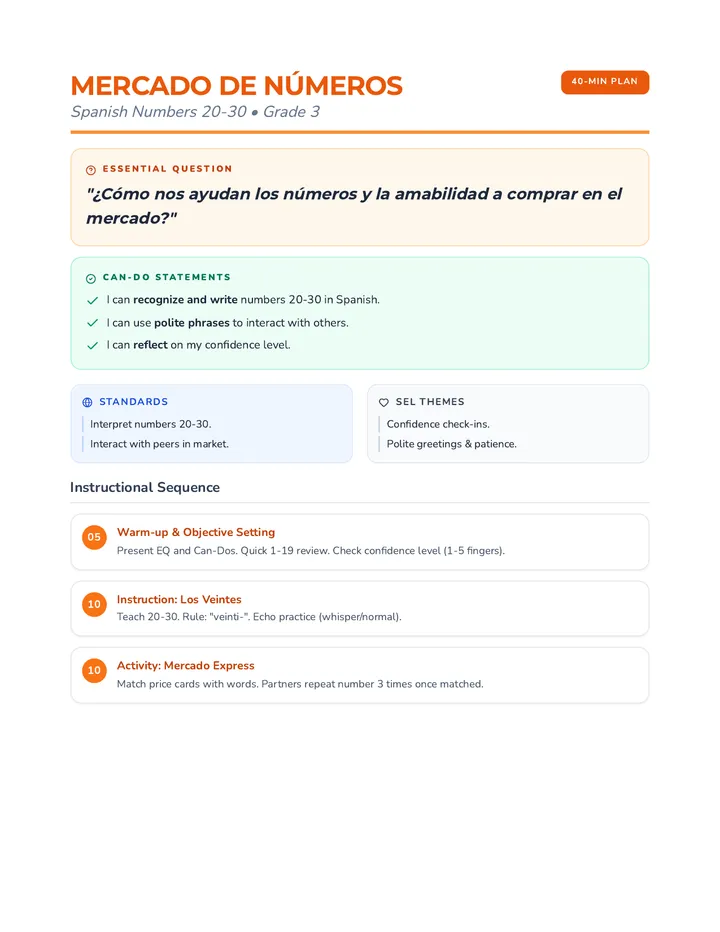
A comprehensive introduction to Spanish numerical systems and logistical interactions designed for university students. This sequence covers numbers 0-100, age, dates, time, and scheduling through immersive, task-based learning.
A beginner Spanish sequence for undergraduate students focused on constructing personal identity through the verbs 'ser' and 'llamarse', progressing from basic introductions to a full social simulation.
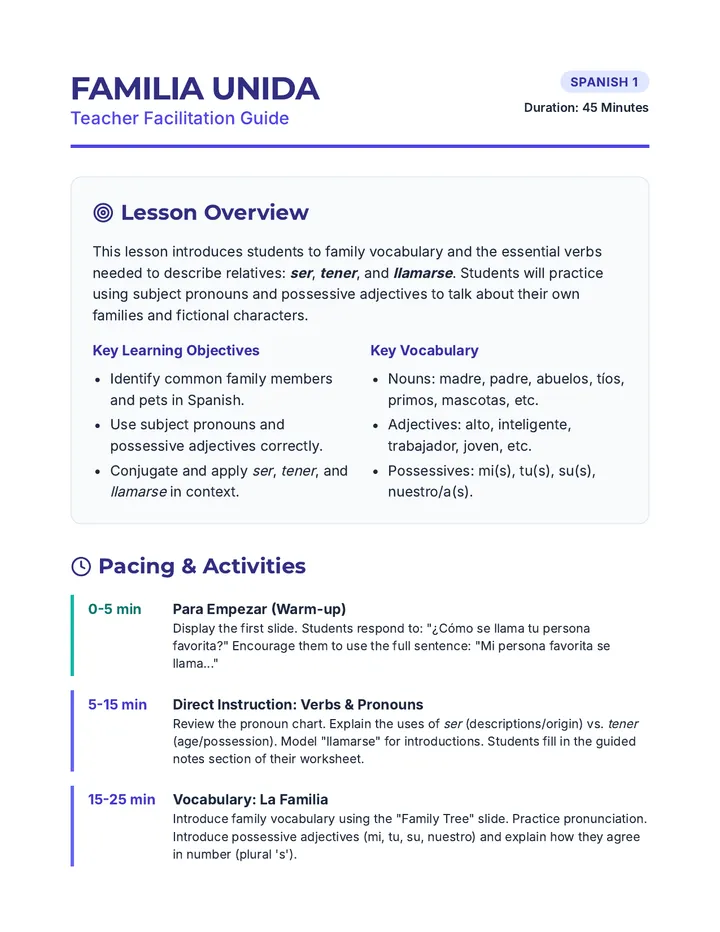
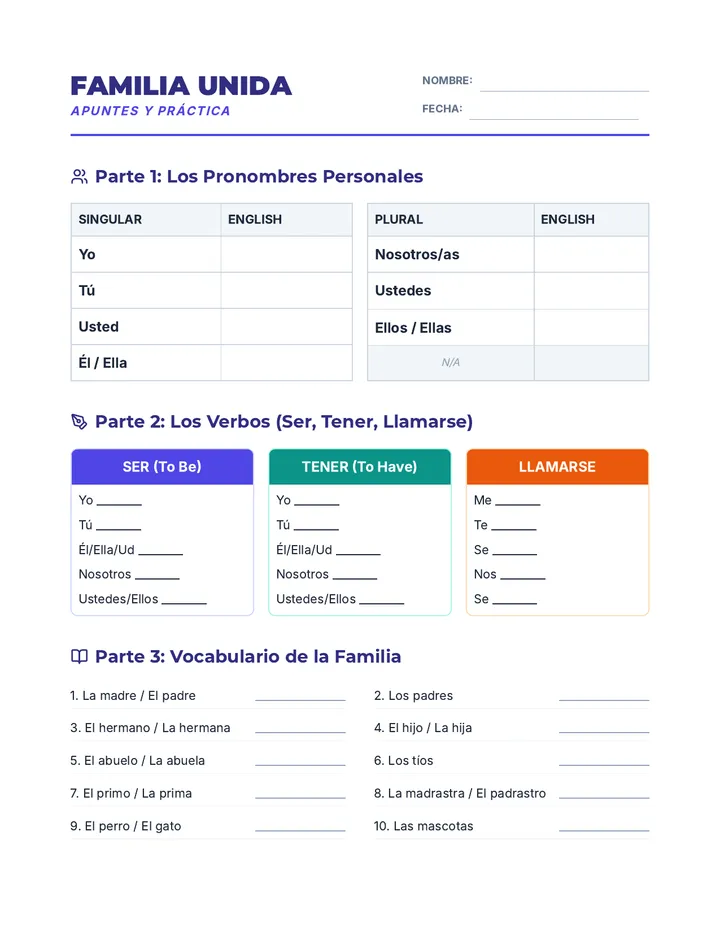
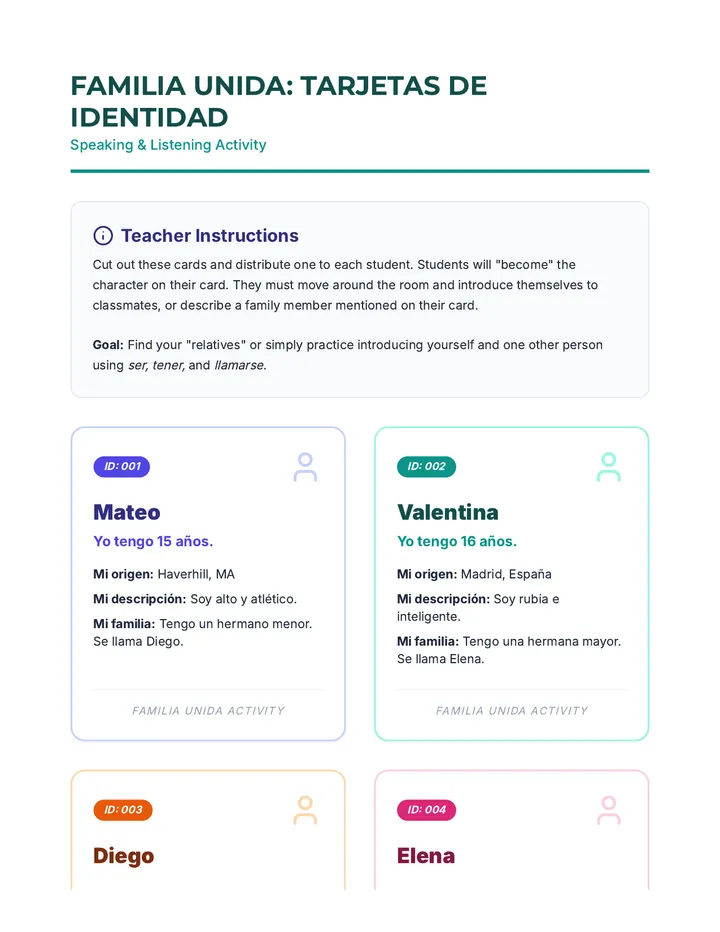
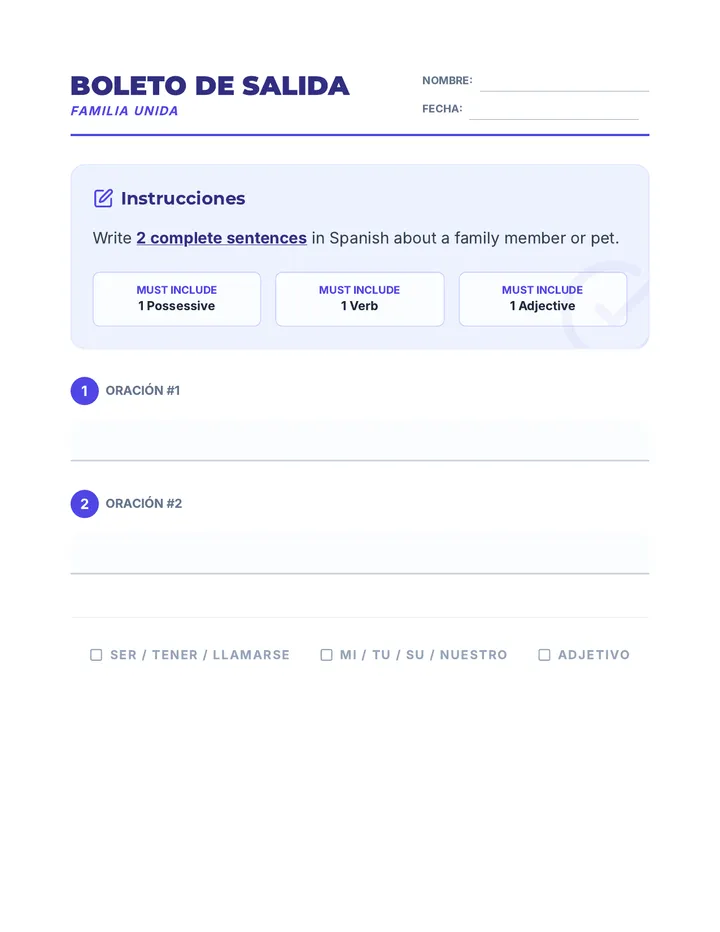
This unit introduces 5th-grade students to Spanish family vocabulary and descriptive adjectives. Students learn to use the verb 'ser' and possessive adjectives to describe kinship and physical traits through case studies and creative projects.
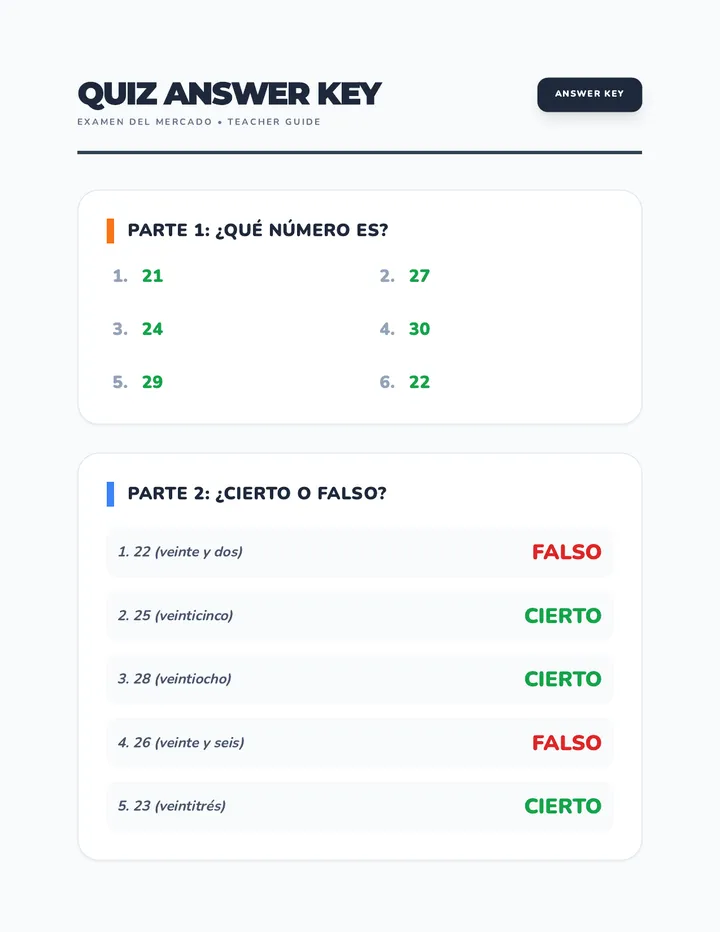
A 5th-grade Spanish sequence focused on numbers 0-31, days of the week, months, seasons, and date formatting. Students build functional fluency to organize their daily lives and understand cultural differences in timekeeping.
A 5th-grade introductory Spanish sequence focused on self-identity, name, origin, preferences, and personality traits through workshops and speaking-heavy activities.
A 5-lesson sequence for 5th graders to master foundational Spanish greetings, emotional expression, and the cultural nuances of formal versus informal address through interactive role-play and performance.
This 4th-grade Spanish sequence introduces students to emotional expression and well-being. Students move from basic vocabulary acquisition to complex social interactions and role-playing, focusing on the essential question: 'How can we check in on others and express how we are feeling in a new language?'
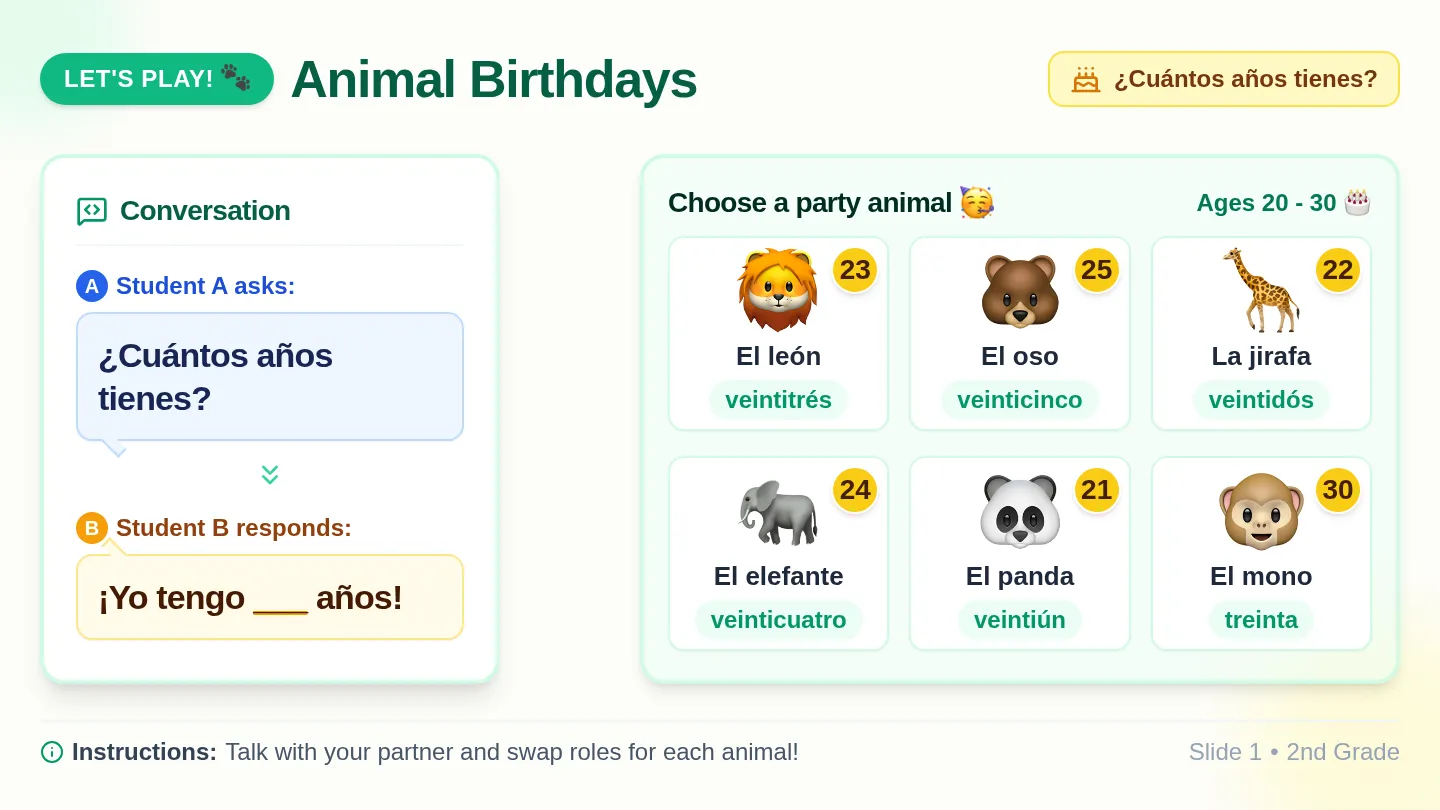
A lively exploration of Spanish numbers 0-31, focusing on expressing age and birthdays. Students move from rote memorization to real-world data collection and peer interviews to build a class birthday calendar.
A comprehensive 12th-grade Spanish sequence focused on navigating the nuances of formal and informal social interactions through simulation, role-play, and cultural analysis. Students master 'tú' vs 'usted', the verb 'estar', and essential courtesy markers to successfully participate in a simulated social mixer.
A foundational Spanish sequence for 6th graders focusing on social interactions, greetings, and polite conversation. Students progress from basic time-of-day greetings to performing complete, culturally appropriate introduction skits.
This graduate-level sequence examines how linguistic choices, syntax, and grammatical structures like the subjunctive mood shape political narratives in Spanish-language journalism. Students analyze authentic texts from various Hispanic regions to deconstruct bias, recognize regionalisms, and synthesize conflicting perspectives.
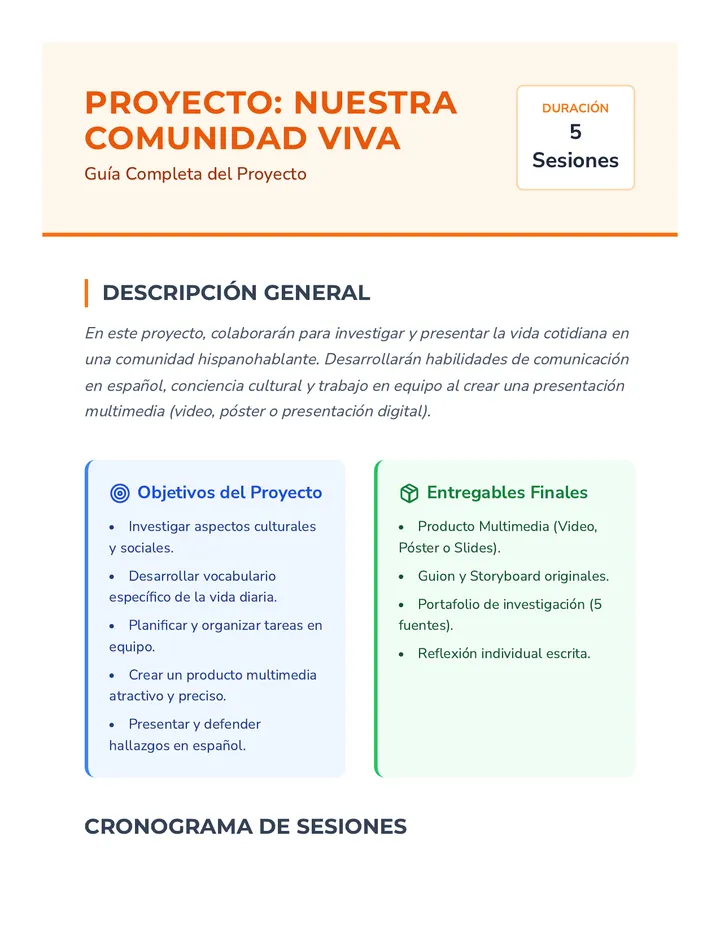
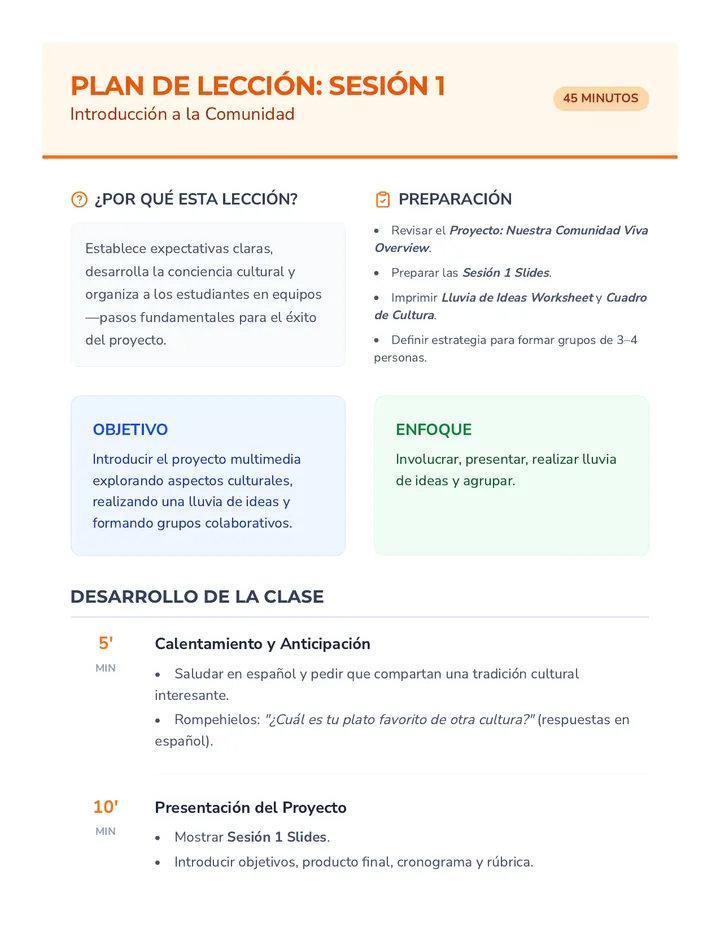
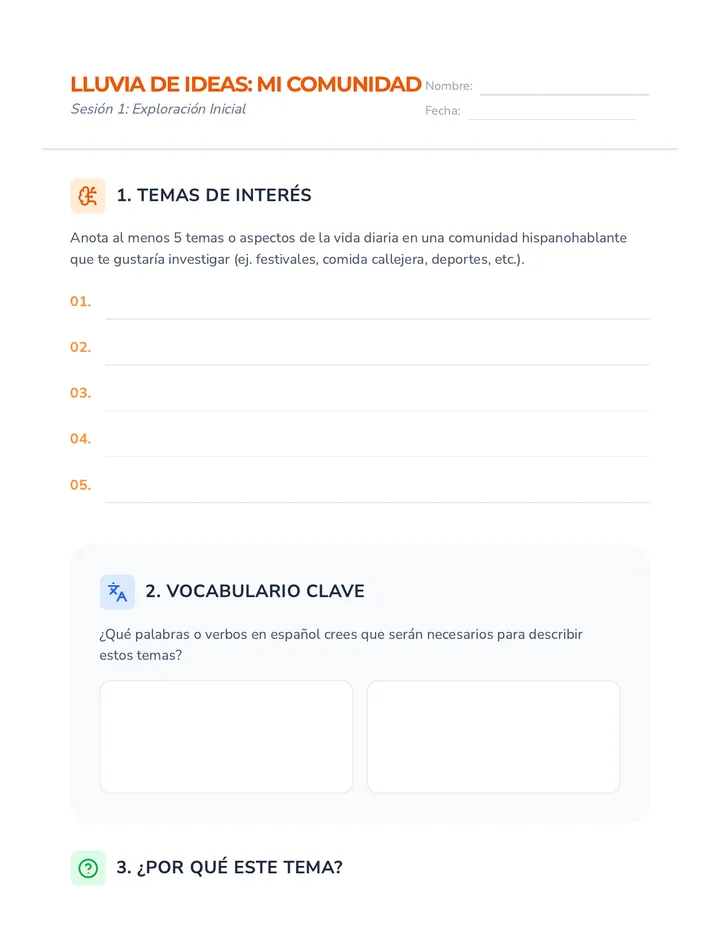
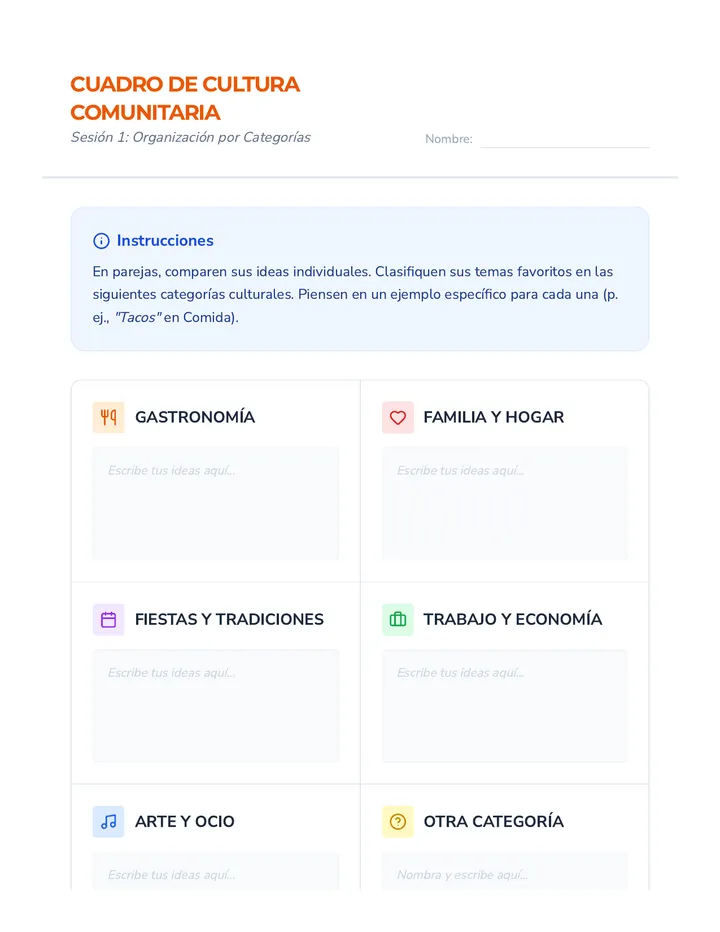
A 5-session high school Spanish project where students research, design, and present a multimedia project about daily life in a Spanish-speaking community, fostering cultural awareness and communication skills.
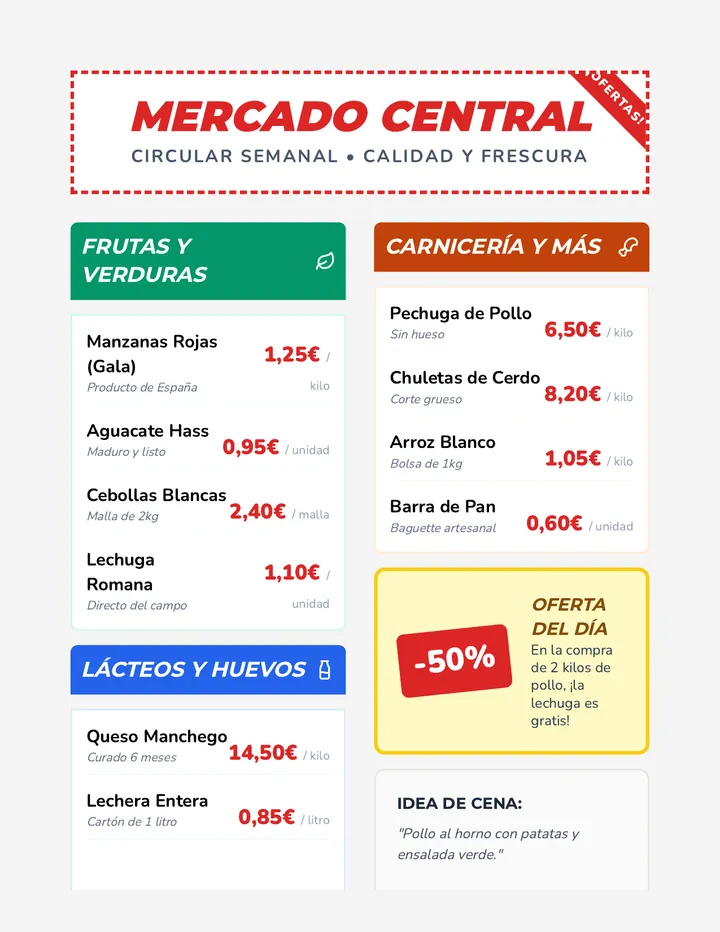
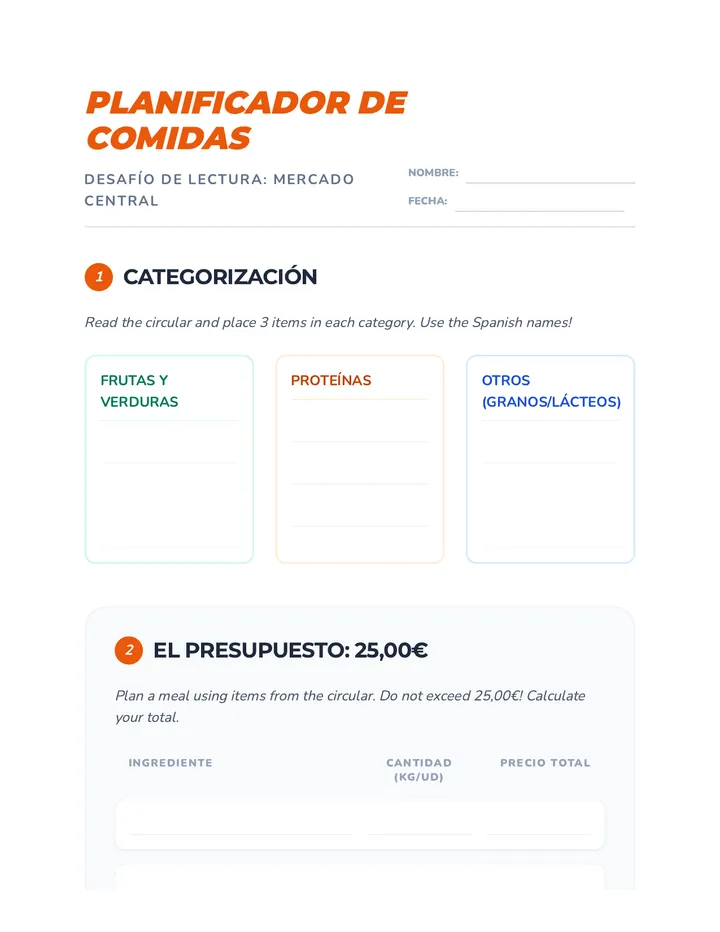
This sequence guides 8th-grade Spanish learners through functional literacy in culinary contexts. Students progress from reading grocery circulars and menus to interpreting dialogue and recipes, culminating in analyzing restaurant reviews.
This sequence equips undergraduate Spanish students with meta-cognitive reading strategies like cognate recognition, skimming, and scanning using authentic university-themed texts. Students progress from word-level decoding to synthesizing information from multiple sources.
A 9th-grade Spanish reading unit focusing on metacognitive strategies for decoding unfamiliar texts. Students learn to use context clues, word morphology, and gisting to navigate ambiguity in Spanish language materials.
An immersive Spanish listening sequence for 12th graders, simulating travel scenarios like airports, markets, and emergencies to build practical comprehension skills.
An advanced Spanish reading sequence exploring dramatic texts from Federico García Lorca to modern playwrights, focusing on symbolism, subtext, and the sociopolitical critique of Spanish society. Students analyze the transition from classical tragedy to contemporary drama through the lens of performance and directorial interpretation.
This sequence explores the evolution of Spanish poetry from the Golden Age to Modernism, focusing on the technical deconstruction of stylistic devices, meter, and metaphor. Students analyze works by Garcilaso, G\u00f3ngora, Quevedo, Dar\u00edo, and Neruda to understand how form and content reflect changing worldviews.
This sequence equips 11th-grade Spanish students with specialized vocabulary for environmental science, politics, and technology. Through media analysis and a final broadcast project, students transition from passive learners to active participants in global discourse.
A comprehensive unit for 10th-grade Intermediate Spanish students to master professional terminology, formal registers, and career-related communication skills. Students move from analyzing job listings to participating in full mock interview simulations.
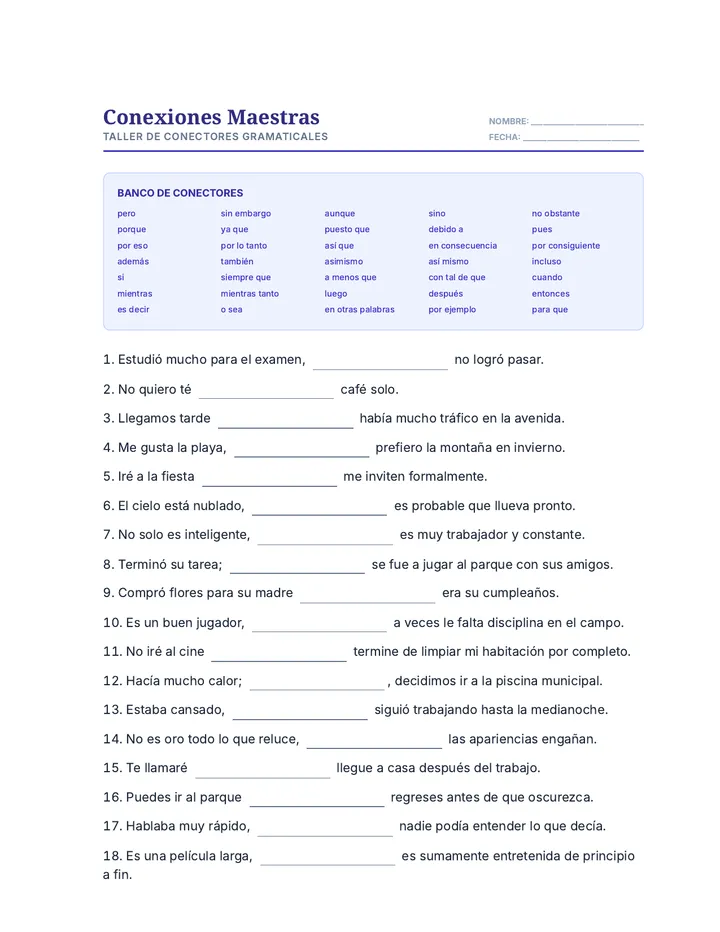
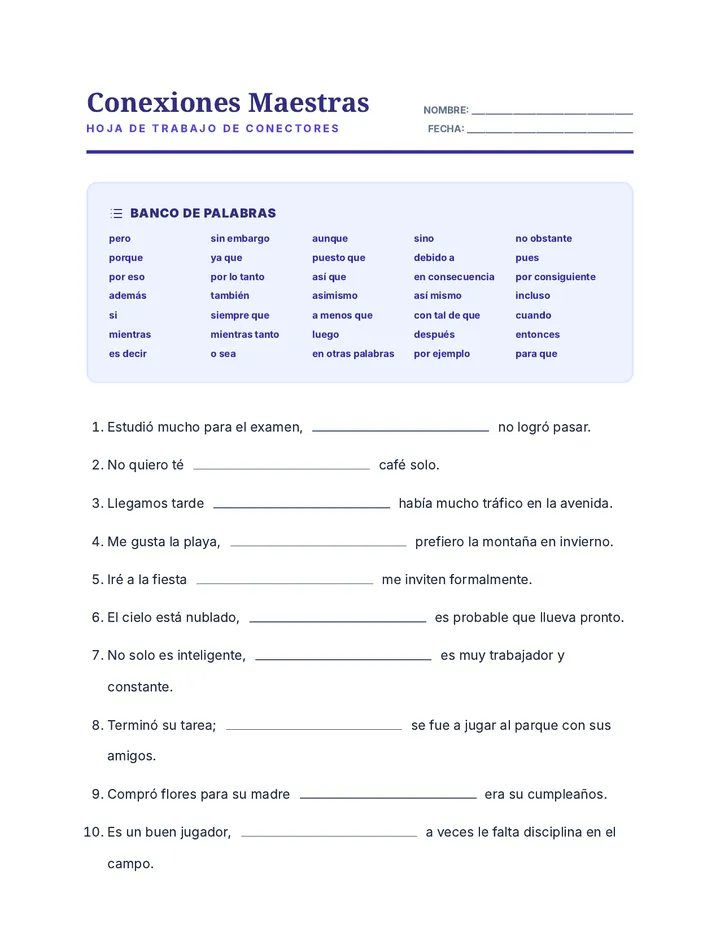
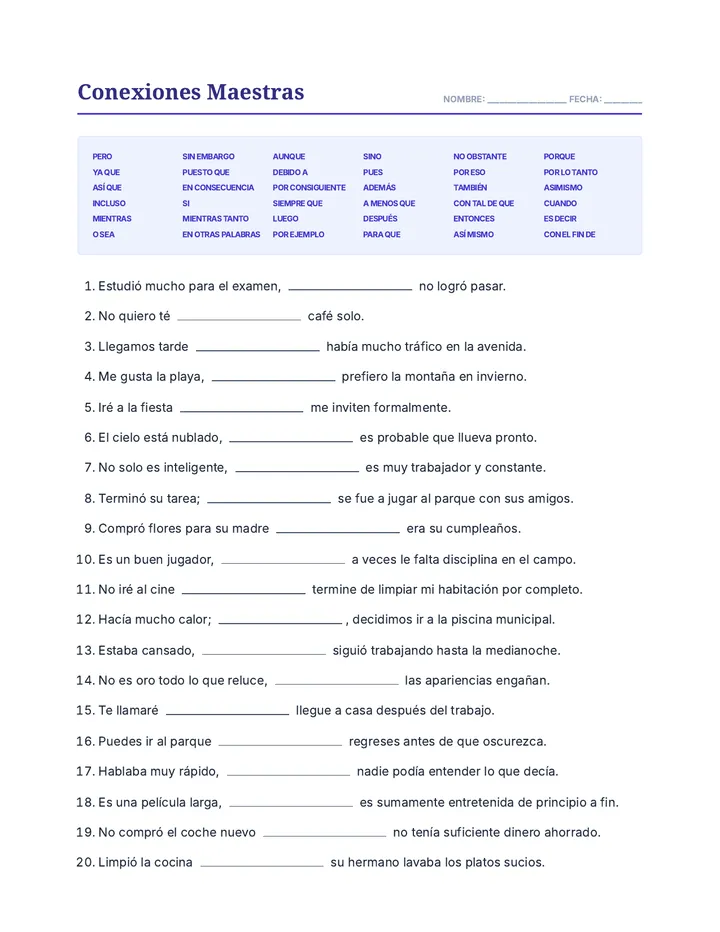
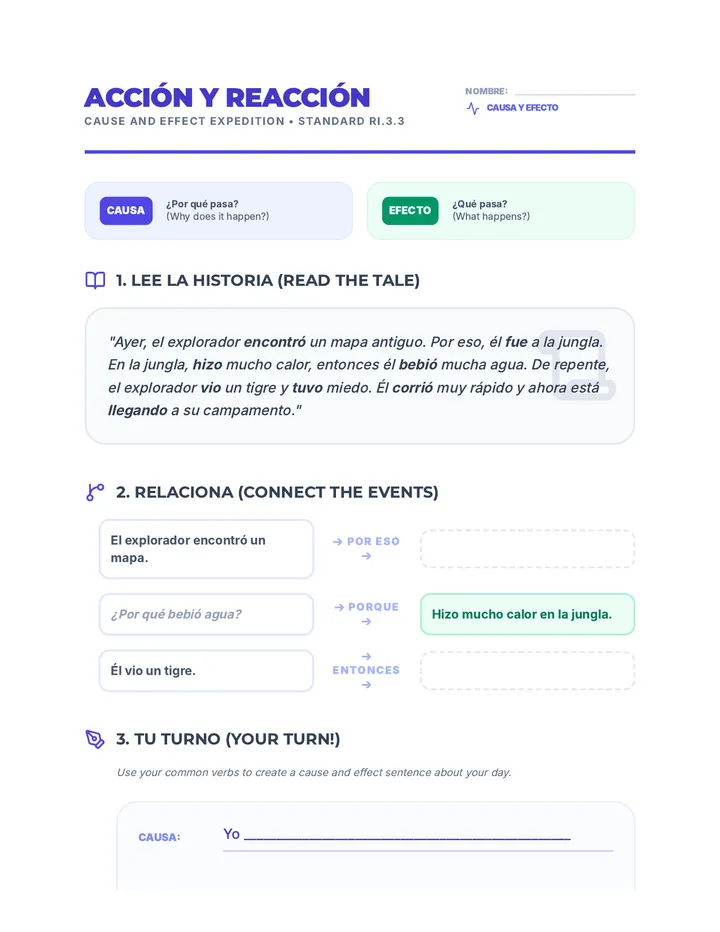
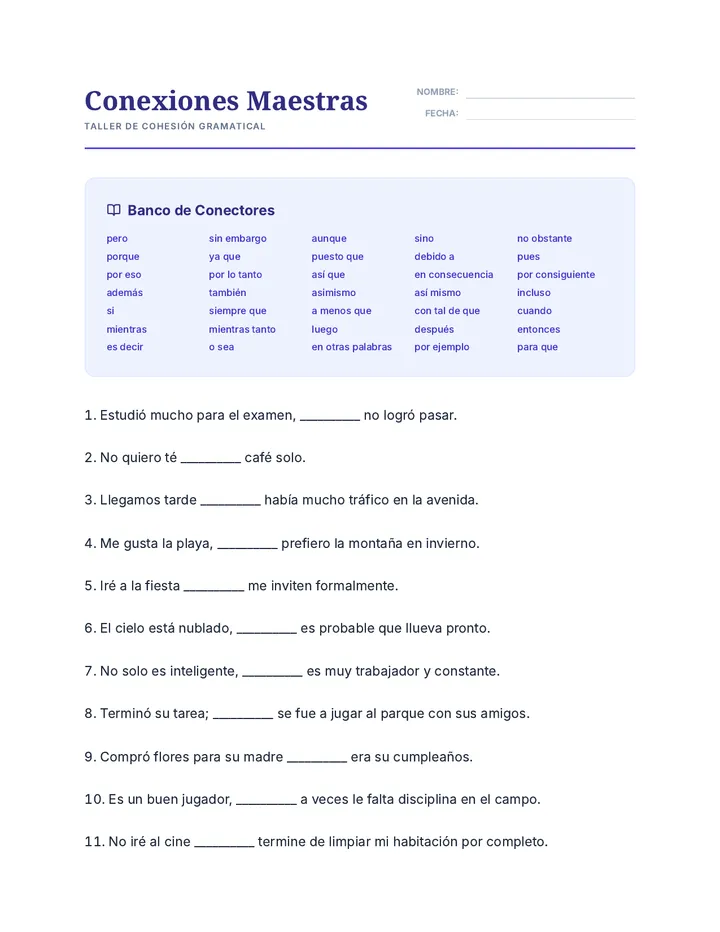
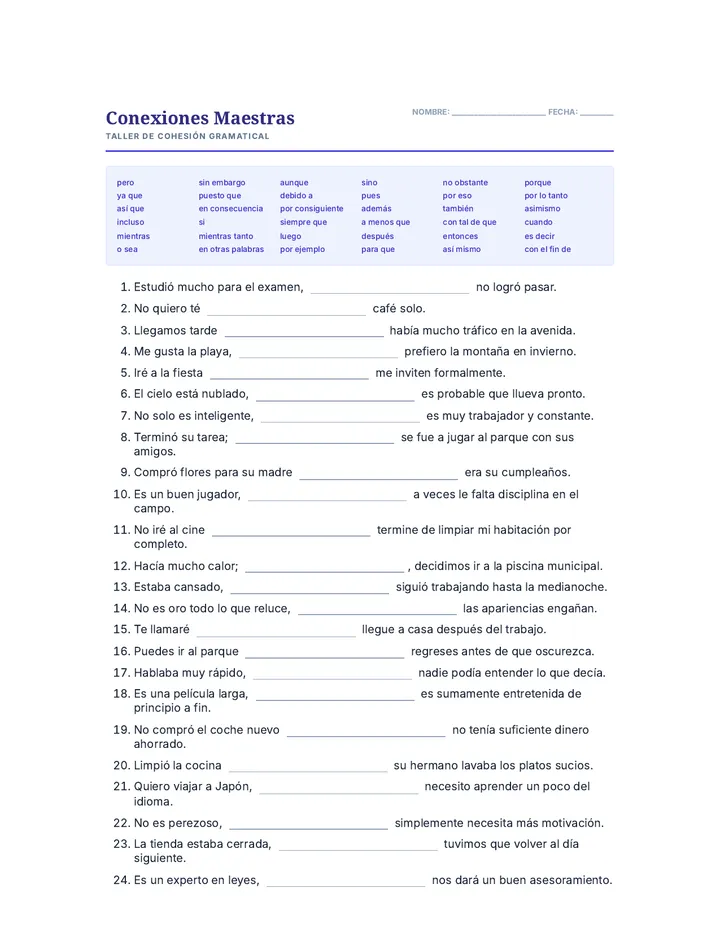
A comprehensive sequence designed for 10th-grade Intermediate Spanish students to master discourse markers and logical connectors. Students progress from identifying connectors in text to using them for contrast, sequencing narratives, and expressing cause and effect, culminating in a formal debate where they apply these skills to build persuasive, cohesive arguments.
This sequence equips 9th-grade intermediate Spanish students with the linguistic and rhetorical tools to participate in formal debates. Students progress from mastering basic connectors to structuring complex arguments and rebuttals, culminating in a formal classroom debate.
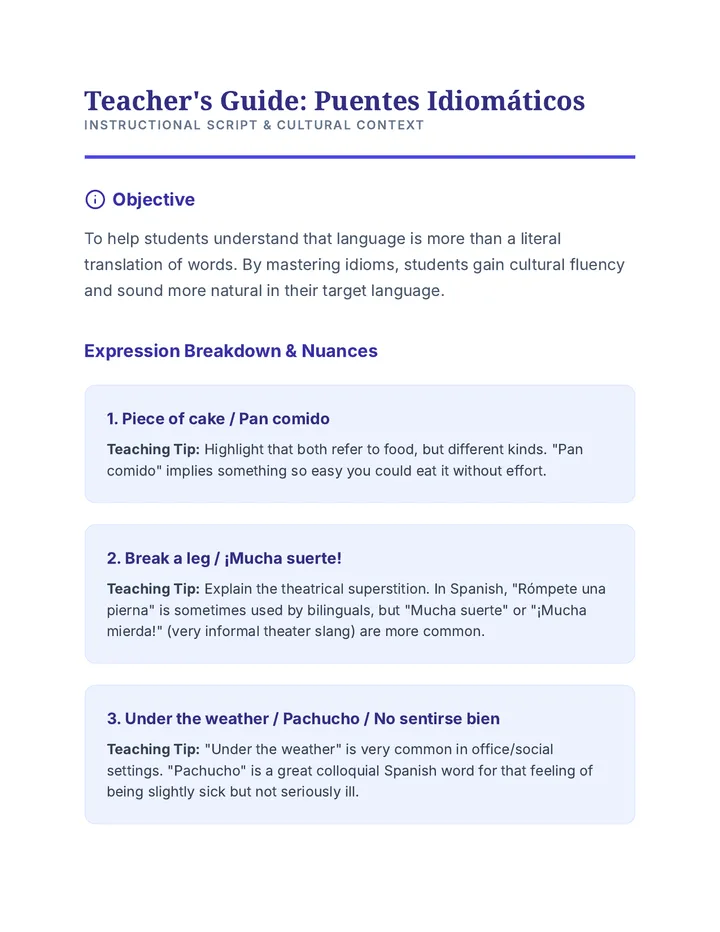
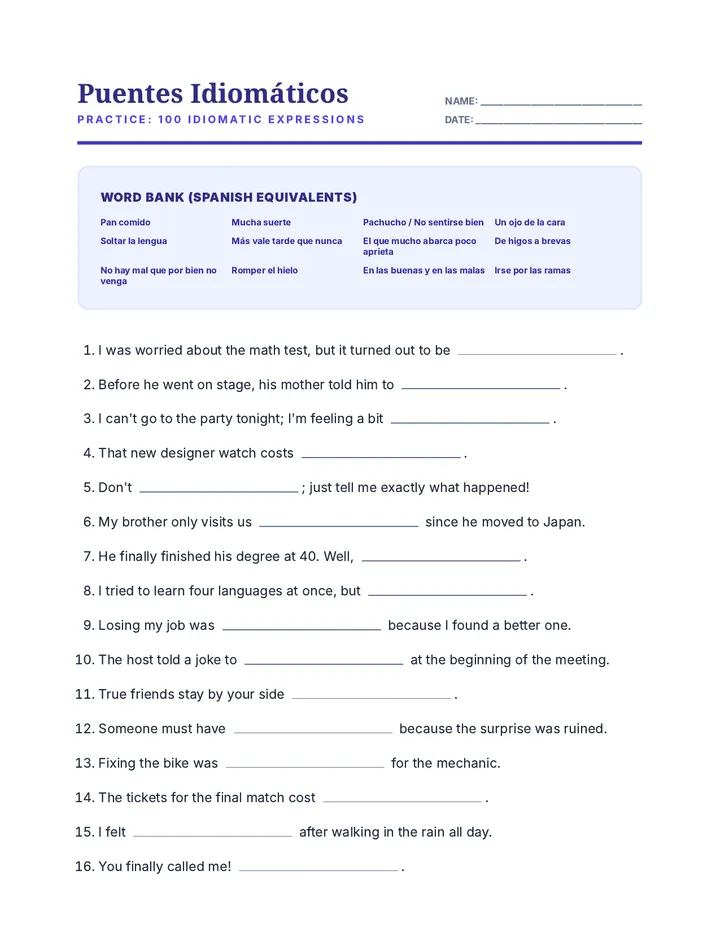
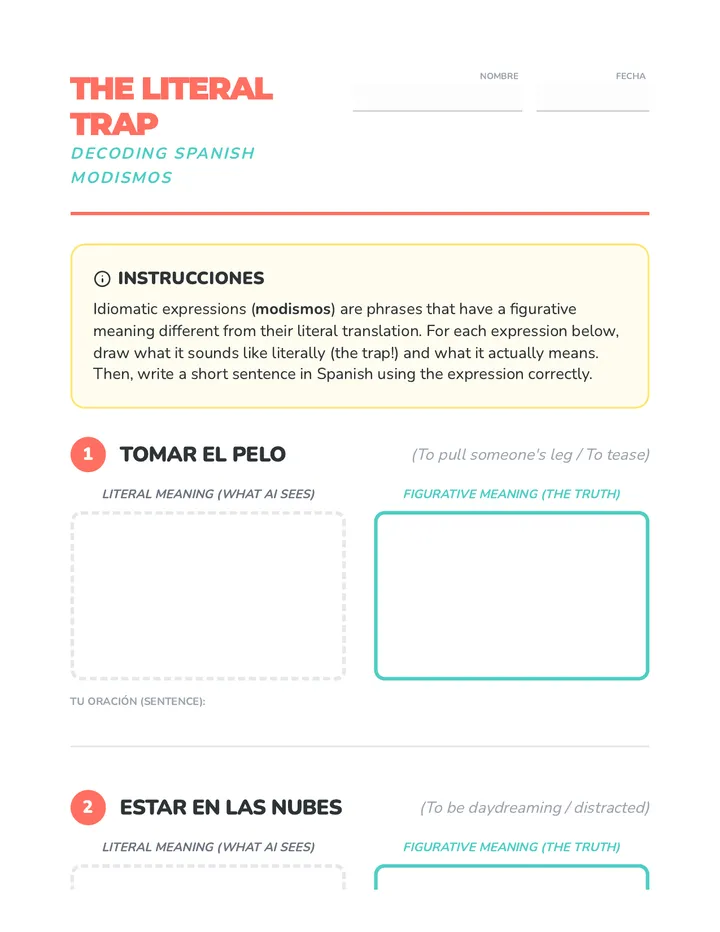
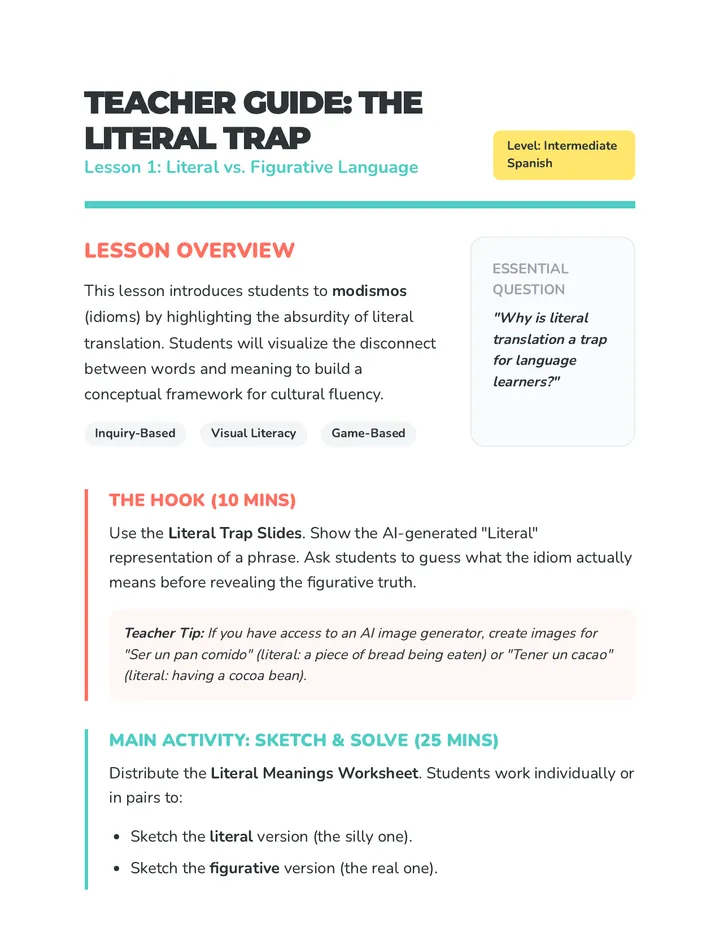
An intermediate Spanish sequence for 8th graders focused on decoding and using idiomatic expressions (modismos) to achieve cultural fluency. Students progress from distinguishing literal vs. figurative meanings to creating original narratives using culturally authentic language.
Este programa de cuatro sesiones en español para niños de 8 a 11 años explora la vida de Malala Yousafzai para enseñar gramática, vocabulario de justicia social y habilidades de comunicación. A través del análisis biográfico y actividades creativas, los estudiantes desarrollan coraje y conciencia social mientras mejoran su fluidez en el idioma.
This advanced Spanish sequence transitions 9th-grade students from intermediate proficiency to professional linguistic precision. It focuses on academic register, workplace vocabulary, logical connectors, and sociolinguistic etiquette through authentic simulations and analysis.
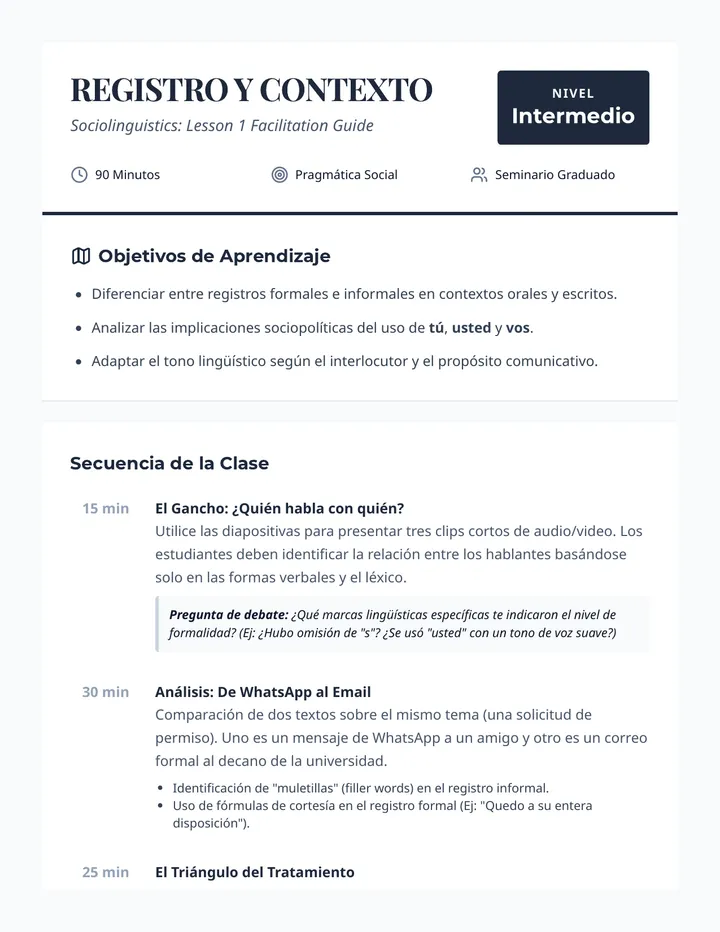
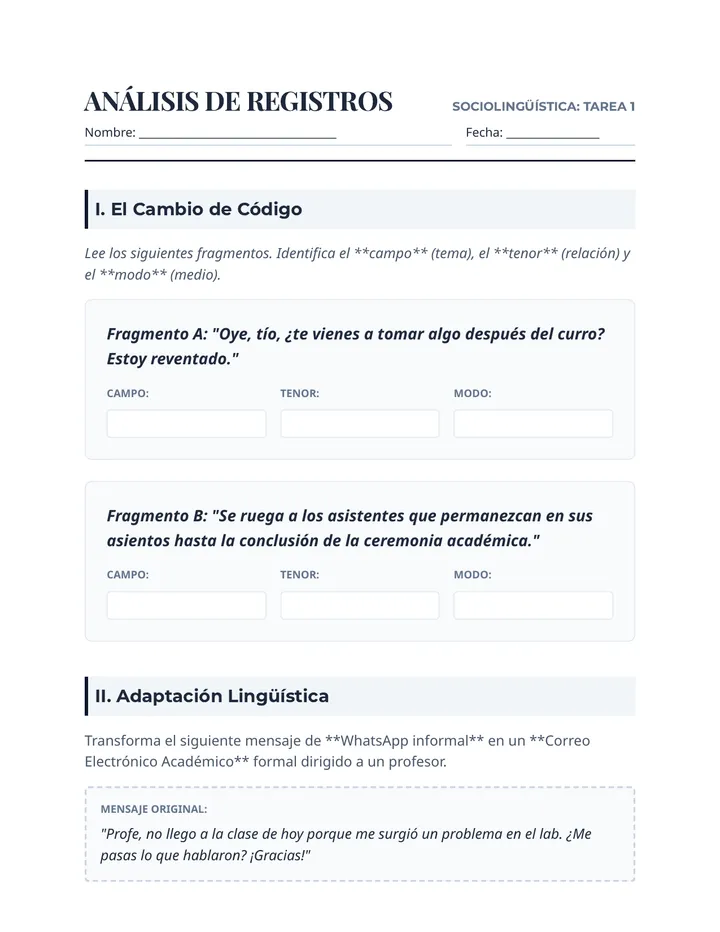
This sequence explores the diversity of the Spanish language through a sociolinguistic lens, focusing on how culture, geography, and class influence communication for intermediate learners at the graduate level. Students analyze registers, regional slang, humor, and digital communication to understand the link between identity and language.
A simulation-based sequence where 9th-grade students act as community leaders to master the subjunctive mood in Spanish. Students move from identifying reality versus desire to persuading and debating in a mock town hall, focusing on influence, doubt, and emotion.
A comprehensive 10th-grade Spanish unit that moves students from basic subjunctive mechanics to advanced semantic nuances. Through simulation-based learning—including an advice column and a town hall debate—students explore how the subjunctive mood expresses influence, doubt, emotion, and uncertainty in high-stakes communication.
A comprehensive 8th-grade Spanish sequence introducing the subjunctive mood. Students progress from basic conjugation and verbs of influence to expressing emotions, doubt, and impersonal opinions, culminating in a persuasive 'Manifesto for Change'.
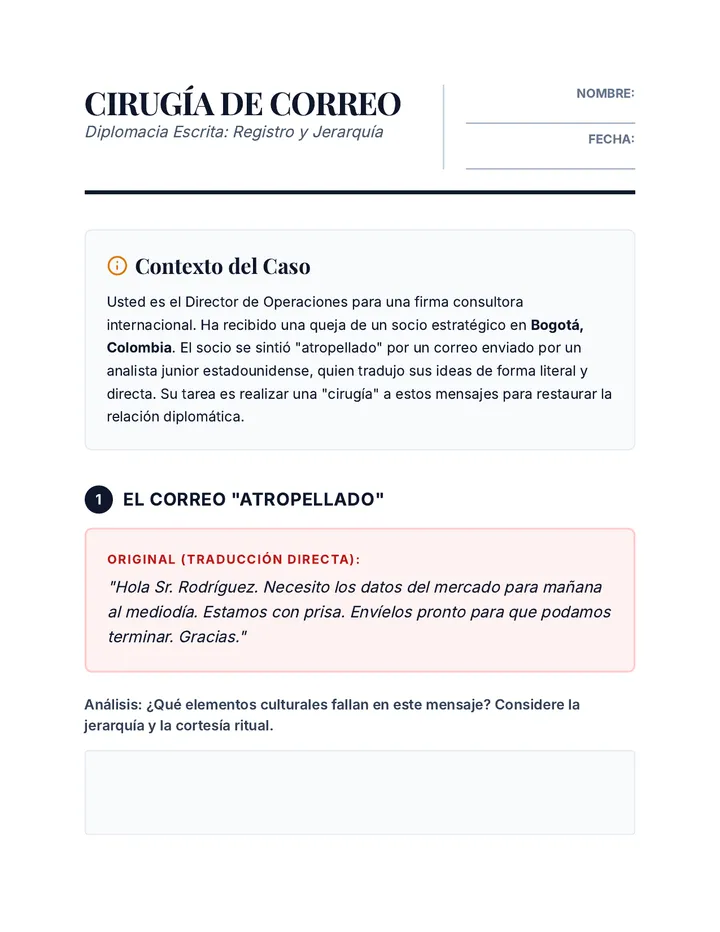
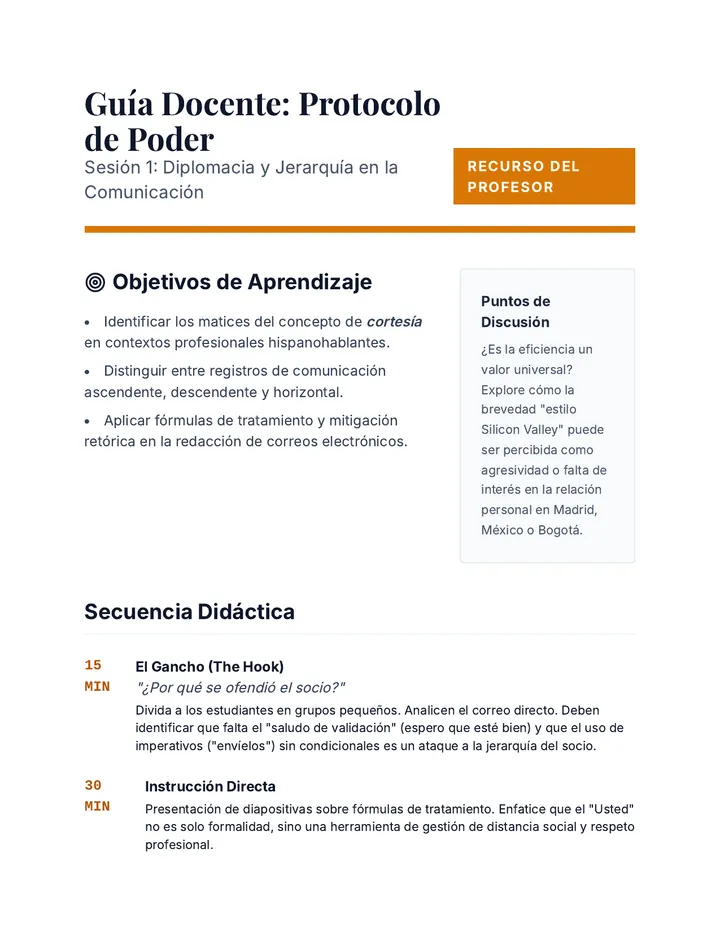
This sequence explores the sociolinguistic nuances of Spanish, focusing on the distinction between formal (usted) and informal (tú) registers. Students analyze social hierarchy and cultural values to understand how grammatical choices dictate relationship dynamics and avoid cultural faux pas.
A professional development-style Spanish sequence for high schoolers, focusing on the nuances of formal vs. informal registers (tú vs. usted) and the cultural etiquette of business and academic introductions. Students move from basic sociolinguistic analysis to a high-stakes simulated international summit.
A graduate-level sequence focused on the nuances of professional and technical writing in Spanish, emphasizing cultural expectations, hierarchical registers, and persuasive strategies for international business and diplomatic contexts.
A 5-lesson unit for 8th-grade Spanish students focused on reading and interpreting travel-related texts. Students progress from basic map reading and prepositions to synthesizing complex schedules and brochures for functional literacy.
An intermediate Spanish grammar sequence for 8th graders where students master the subjunctive mood through a city planning simulation. They narrate a fictional city's history, propose improvements using volition and impersonal expressions, and debate policy using doubt and denial.
A flipped classroom sequence for 12th-grade Spanish learners focused on decoding the nuances of native speech, including register, tone, fillers, and regional accents. Students move from basic vocabulary to complex social mapping through inquiry-based listening activities.
This sequence guides undergraduate students through the complexities of authentic Spanish listening. By moving beyond textbook audio, students explore regional accents, rapid speech patterns, colloquialisms in music, formal news media, and the nuances of unscripted conversation.
A comprehensive immersion into the Spanish subjunctive mood, focusing on how speaker attitude and perspective shift grammatical choices. Students progress from distinguishing certainty from uncertainty to advocating for community change using complex persuasive syntax.
This sequence explores the mechanics of Spanish syntax, focusing on how to build, negate, and transform sentences into questions. Students move from basic subject-verb-object structures to advanced interrogative techniques, culminating in a professional-style interview simulation.
This 11th-grade Spanish sequence explores the flexibility of Spanish syntax, the mechanics of negation, and the art of forming diverse question types. Students move from basic sentence construction to conducting formal interviews, emphasizing inquiry-based learning and structural mirroring.
A 5-lesson intro to Spanish speaking for 4th graders, focusing on 'Me gusta', hobbies, colors, and peer interviews, culminating in an 'All About Me' poster project.
A 4-session introductory Spanish sequence for intermediate students (8-11) focusing on the identification, agreement, positioning, and comparison of adjectives.
A 5-lesson sequence for 6th-grade students focusing on Spanish reading skills through the lens of food, markets, and menus. Students practice categorization, identifying opinions with 'gustar', navigating market dialogues, and analyzing authentic cultural texts.
A journey into Hispanic legends and fables where students use visual clues, context, and narrative structure to decode Spanish texts. Students progress from visual prediction to plot sequencing and identifying morals, culminating in a visual storyboard project.
A comprehensive unit for 6th-grade beginner Spanish students focusing on reading and interpreting school-related texts. Students explore school subjects, supplies, schedules, and daily routines while comparing educational cultures between Spanish-speaking countries and their own.
An inquiry-based Spanish reading sequence for 6th graders focused on deducing relationships and professions from text using logic, possessive adjectives, and the verb 'estar'. Students progress from mapping family trees to solving a community logic puzzle.
A beginner Spanish reading sequence for 6th graders focused on identifying physical and personality traits. Students learn to use cognates and the high-frequency verbs 'ser' and 'tener' to construct mental images of fictional characters.
Students explore the daily lives of teenagers in Spanish-speaking countries through the lens of school schedules and routines. The sequence utilizes authentic-style documents such as class timetables, school supply lists, and diary entries to ground vocabulary in reality. Learners compare their own routines with those found in the texts, fostering cultural awareness while strengthening literacy in present-tense verb conjugation. The unit culminates in a comparative analysis project.
A comprehensive 8th-grade Spanish unit focusing on reading comprehension through the lens of family, home life, and cultural traditions. Students engage in inquiry-based tasks to reconstruct family dynamics and narratives.
A comprehensive unit for 8th-grade Spanish beginners focusing on reading comprehension through the lens of personal identity and physical descriptions. Students progress from identifying cognates to analyzing complex biographies and synthesizing personal narratives.
This sequence introduces 10th-grade Spanish students to the cultural legend of La Llorona through simplified reading, collaborative analysis, and creative retelling. Students build vocabulary, practice jigsaw reading, and explore the cultural significance of folklore.
A Spanish reading sequence where students act as detectives, using physical descriptions, prepositions of place, and temporal logic to solve mysteries and puzzles.
A 10th-grade Spanish reading sequence that uses social media formats like bios, hashtags, and memes to build proficiency in modern digital communication. Students progress from decoding short tags to analyzing full profiles and sentiment in online communities.
This sequence focuses on functional literacy for beginner Spanish students, teaching them to navigate real-world informational texts like transit maps, menus, and school schedules. Students move from simple scanning for data to synthesizing information across multiple sources in a travel simulation.
This 10th Grade Spanish sequence focuses on building reading comprehension through personal narratives, celebrity biographies, and daily routine descriptions. Students learn to identify cognates, decode personality traits, sequence events, and compare family structures using high-frequency present tense verbs.
This sequence introduces 12th-grade students to Spanish noun gender and articles through a linguistic lens, focusing on pattern recognition, sociolinguistic analysis, and practical application in professional settings.
A comprehensive 11th-grade Spanish unit exploring the nuances between 'Ser' and 'Estar'. Students move from foundational usage to complex semantic shifts, culminating in a comparative writing project.
This sequence equips undergraduate intermediate Spanish students with advanced transition words, specialized environmental and technological vocabulary, and the subjunctive structures necessary for persuasive academic debate. Students progress from sentence-level cohesion to participating in a formal debate on complex global issues.
A comprehensive sequence for intermediate Spanish students exploring idiomatic expressions, regional slang, and cultural metaphors to achieve high-level conversational fluency.
This sequence prepares intermediate Spanish students for professional environments by focusing on specialized vocabulary, formal registers, and workplace communication protocols. Students progress from written self-presentation in CVs and cover letters to oral proficiency in interviews and workplace negotiations.
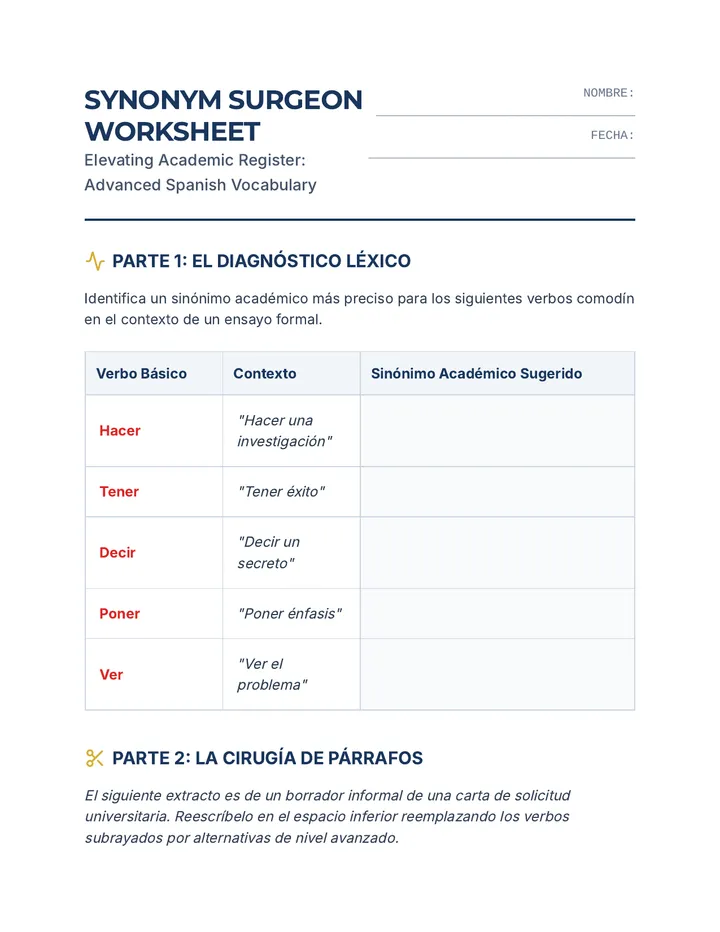
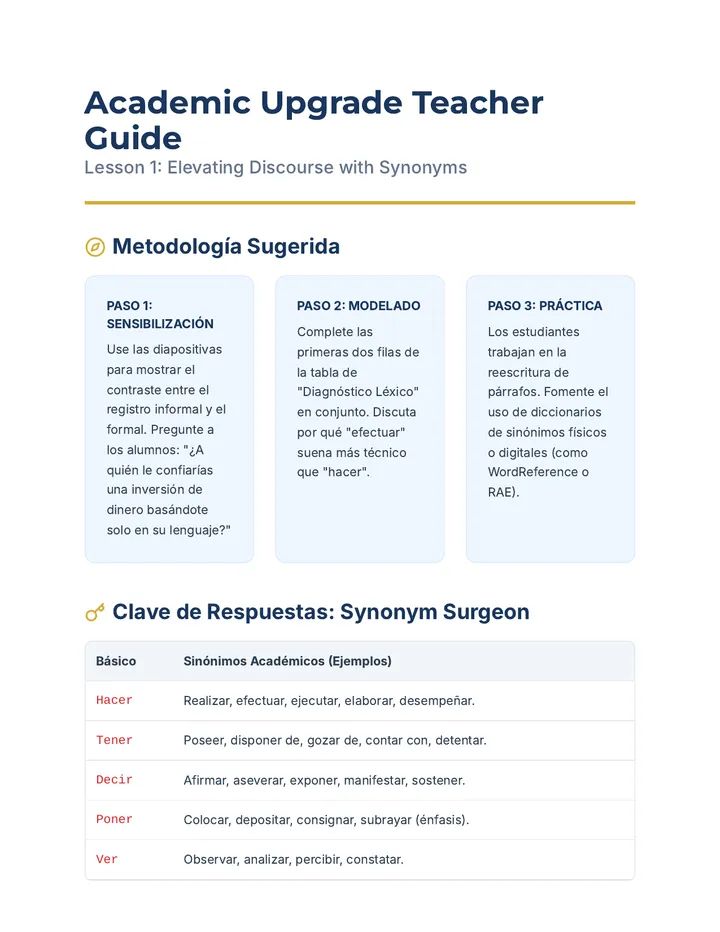
A 12th-grade Spanish sequence focused on refining narrative voice through synonym expansion, sensory details, and emotional nuance to move beyond basic functional communication.
This sequence immerses students in the linguistic diversity of the Spanish-speaking world by exploring regional idioms, slang, and cultural nuances. Students investigate how geography, history, and culture shape language, culminating in a comparative linguistic guide that demonstrates their ability to code-switch between standard and colloquial registers.
A career-focused Spanish language sequence for 12th graders, focusing on professional vocabulary, formal register, and navigating workplace interactions in Spanish-speaking contexts.
Students explore Spanish idioms and colloquialisms through a 'Traveler's Field Guide' lens, learning to interpret non-literal meanings and regional variations across Spain, Mexico, Argentina, and the Caribbean. The sequence culminates in a creative performance demonstrating linguistic and cultural mastery.
A comprehensive graduate-level sequence exploring the intersection of Spanish grammar and literary analysis. Students analyze the works of Boom and Post-Boom authors to master narrative timeframes, descriptive imagery, the subjunctive of uncertainty, and character voice, culminating in a formal literary critique.
A 9th-grade advanced Spanish sequence focused on the nuances of agency and voice. Students explore the True Passive, Passive Se, and Accidental Se to understand how syntax influences tone and objectivity in formal writing and journalism.
A comprehensive graduate-level sequence focused on mastering the formal register, syntactic complexity, and rhetorical traditions of academic Spanish for research and publication.
This advanced Spanish grammar sequence for graduate students explores the semantic nuances and rhetorical power of the subjunctive mood in professional and academic contexts. Students progress from analyzing subtle shifts in meaning in relative and adverbial clauses to mastering the strategic use of mood in formal diplomatic and policy discourse.
A high-level Spanish grammar sequence for 10th-grade students, focusing on the rhetorical power of verb forms in journalistic writing. Students act as investigative reporters, mastering the passive voice, compound tenses, and the subjunctive mood to produce sophisticated editorial pieces.
This advanced Spanish literature sequence explores the dramatic works of Federico García Lorca, focusing on his use of symbolism, the tragedy of social repression, and the role of women in early 20th-century Spain. Students analyze 'La casa de Bernarda Alba' through linguistic, historical, and performative lenses.
A specialized sequence for graduate students focused on decoding and synthesizing complex academic and technical texts in Spanish, covering article structure, syntax, argumentation, and data interpretation.
Focuses on analyzing and producing public discourse in Spanish, covering op-eds, manifestos, speeches, and digital rhetoric with an emphasis on rhetorical strategies and ethics.
An advanced writing sequence for graduate students focusing on stylistics, narrative voice, and creative non-fiction in Spanish. Students analyze master works from Hispanic authors to develop a sophisticated personal voice and technical mastery of prose rhythm, irony, and sensory detail.
A graduate-level investigation into how migration, borders, and translation redefine the Spanish literary canon through the lens of transnational and comparative literature.
This advanced Spanish sequence explores the Latin American essay as a tool for identity construction and intellectual debate. Graduate students will analyze rhetorical strategies across two centuries, from Martí's 19th-century nation-building to contemporary decolonial theory.
An intensive workshop for graduate students exploring the evolution of Spanish poetic stylistics from the Golden Age to contemporary 'antipoesía'. The sequence focuses on the 'explication de texte' methodology, linking formal linguistic choices to historical and philosophical shifts.
This advanced seminar sequence explores the evolution of narrative structures in 20th and 21st-century Latin American literature. Graduate students analyze how authors like Borges, Cortázar, Rulfo, and Enríquez use stylistic innovation to critique power, history, and social reality.
This sequence for graduate students explores the evolution of Hispanic poetry from the late 19th century to the present. Students analyze the radical shifts in form and voice, from the aesthetic perfection of Modernismo to the deconstructive impulses of the Vanguardia and the ironic democratization of Anti-poetry. The unit culminates in a mastery-level 'explication de texte' where students demonstrate advanced analytical skills.
An advanced graduate-level sequence exploring how Afro-Latinx and Indigenous authors use Spanish as a tool of resistance, subverting colonial structures through testimonio, negrismo, and linguistic code-switching to represent marginalized worldviews.
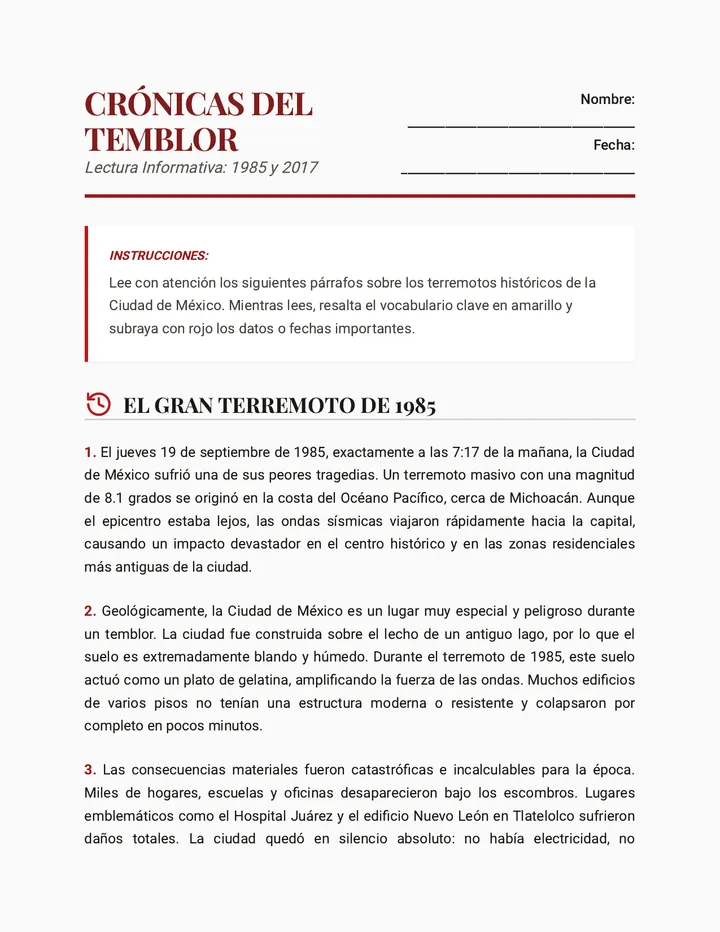
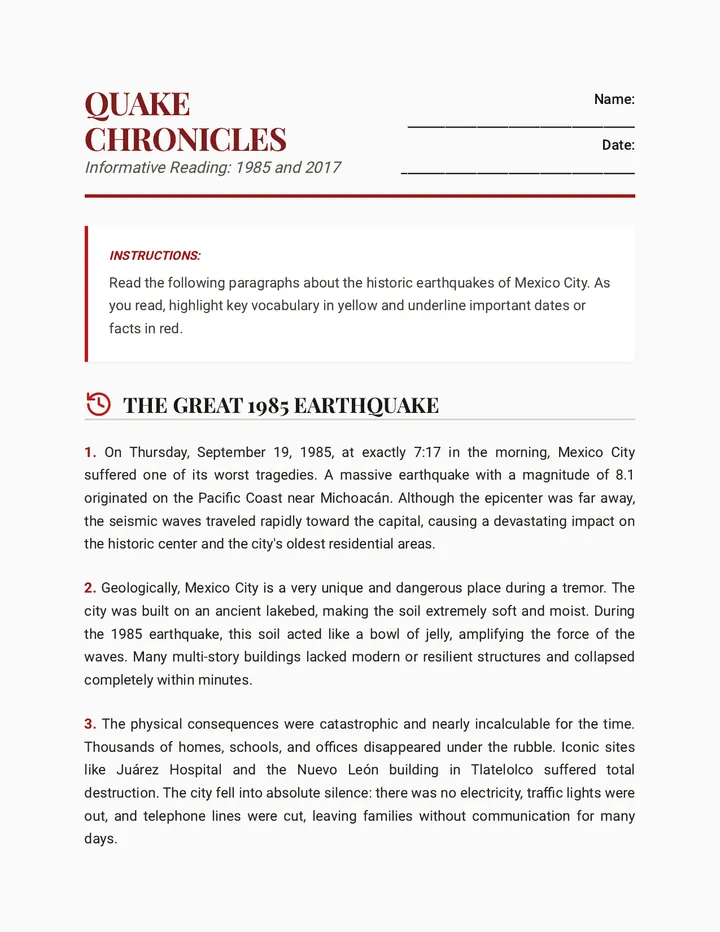
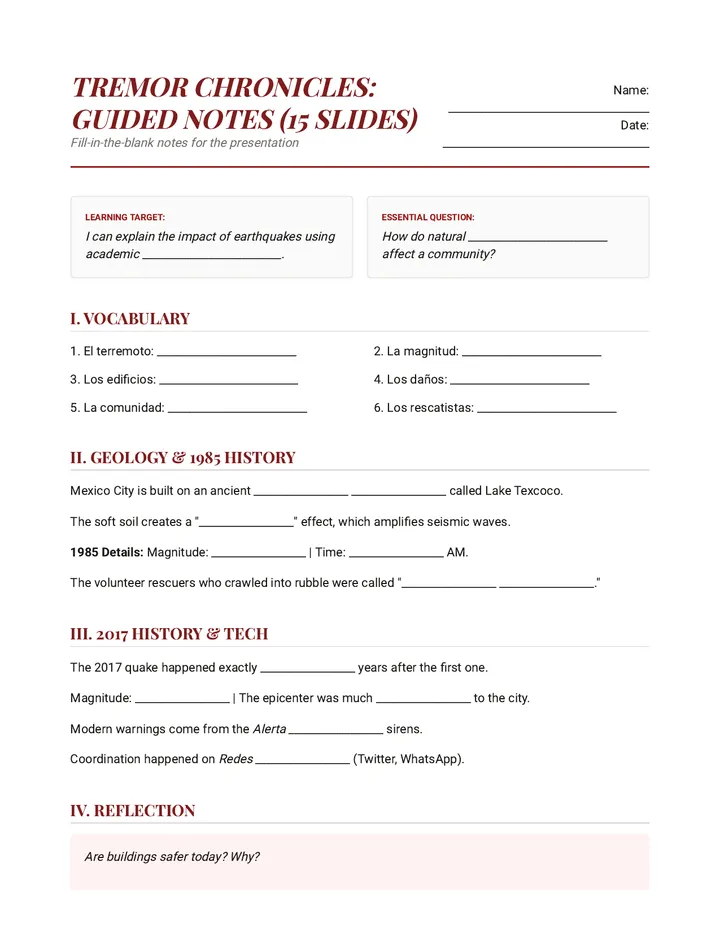
This advanced Spanish sequence explores the Latin American 'crónica', examining the intersection of literature and journalism. Students analyze subjectivity, literary devices in non-fiction, social critique, and the ethical responsibilities of the chronicler.
This graduate-level sequence focuses on the rhetorical and syntactic complexities of Spanish academic discourse. Students will master the deconstruction of nominalized structures, the analysis of discourse markers, and the cultural nuances of Hispanic vs. Anglophone scholarly styles to enhance both their reading comprehension and academic production.
This advanced graduate sequence explores the structural and thematic complexities of the Latin American Boom. Students analyze how icons like García Márquez and Cortázar used magical realism and non-linear narratives to critique sociopolitical realities in mid-20th century Latin America.
This advanced Spanish sequence trains undergraduate students to engage with literary criticism as a scholarly genre. Students progress from decoding academic abstracts to synthesizing complex literature reviews and constructing annotated bibliographies, transforming from passive readers into active scholarly participants.
A comprehensive exploration of indigenous representation in Spanish literature, examining the shift from early Indigenismo to contemporary indigenous self-representation. Students analyze sociolinguistic hybridity, cultural cosmovisions, and the political dimensions of land and identity in the post-colonial Andes and beyond.
An advanced Spanish reading sequence for undergraduates focusing on the deconstruction of socio-political essays. Students analyze rhetorical strategies, metaphors of identity, and contemporary political discourse to build critical thinking and high-level academic writing skills.
A comprehensive exploration of Spanish-language poetry from the Baroque era to the 20th-century Avant-Garde, focusing on rhetorical analysis, historical context, and the evolution of poetic voice.
An advanced undergraduate Spanish literature sequence exploring metaphysical themes in the short stories of Borges and Cortázar, focusing on labyrinths, identity, intertextuality, and the fantastic.
This sequence equips 11th Grade Advanced Spanish students to deconstruct and evaluate complex argumentative texts from major Hispanic news sources. Through analyzing rhetorical structures, regional biases, and source credibility, students develop high-level media literacy and synthesis skills in a global context.
This project-based workshop guides advanced Spanish students through compound tenses by constructing a multi-layered narrative. Students master the present perfect, pluperfect, conditional perfect, and future perfect to articulate complex temporal relationships.
This advanced Spanish grammar unit empowers 10th-grade students to master compound tenses and the passive voice through a journalistic lens. Students assume the role of investigative reporters, learning to sequence complex events and shift narrative focus to achieve objectivity and precision in formal writing.
This advanced Spanish grammar sequence for graduate students focuses on superior-level fluency through the mastery of syntax, word order, and rhetorical devices. Students learn to manipulate language for emphasis, cohesion, and persuasive power, moving from sentence-level mechanics to sophisticated discourse organization.
A comprehensive sequence for graduate students focusing on the grammatical tools required to achieve an objective academic tone in Spanish research writing. Students master the nuances of passive voice, impersonal 'se', and nominalization to enhance the authority and density of their scholarly work.
This advanced Spanish grammar sequence explores the sophisticated use of compound tenses in narrative and analytical writing. Graduate students will master the nuances of anteriority, probability, and temporal flow through literary analysis and creative application.
A vibrant Pre-K sequence introducing Spanish-speaking cultures through music, rhythm, and movement. Students explore Flamenco, Salsa, and Mariachi through kinesthetic activities and simple percussion.
Students explore the vibrant world of celebrations in Spanish-speaking cultures, from piñatas to the Day of the Dead. Through comparative analysis, they discover how traditions foster community and honor history across Spain and Latin America.
A 5-lesson sequence exploring the culinary heritage of the Spanish-speaking world, focusing on key ingredients like corn and cacao, mealtime customs, and tropical fruits. Students conclude by creating a class cookbook.
A linguistic and sociological exploration of how English absorbs and adapts words from diverse global sources, focusing on etymology, cultural exchange, and the evolution of language.
Students act as linguistic anthropologists creating a specialized 'Field Guide to Foreign Expressions' for a chosen professional or cultural domain. They investigate the etymology, usage, and visual representation of foreign terminology to explain their chosen field's linguistic history to a lay audience.