A graduate-level investigation into how migration, borders, and translation redefine the Spanish literary canon through the lens of transnational and comparative literature.
A high-energy Mandarin Chinese sequence for Pre-K students using the Total Physical Response (TPR) method. Students learn to respond to physical commands and action verbs through games and movement, building direct meaning without translation.
A foundational Mandarin Chinese sequence for Pre-K students focused on identifying family members. Students learn vocabulary for parents, siblings, and grandparents through interactive games, songs, and visual inquiry.
A Pre-K sequence focused on teaching basic Mandarin greetings and social etiquette through play, puppets, and a final tea party synthesis. Students learn phrases for hello, goodbye, thank you, and sorry in a culturally immersive environment.
A 5-lesson sequence for Pre-K students to learn basic self-introduction in Mandarin Chinese, covering name, gender, age, and personal preferences using simple sentence patterns.
A foundational sequence for Pre-K learners to explore the four tones of Mandarin Chinese through auditory play, physical movement, and vocal exploration. Students learn to associate pitch changes with meaning using relatable sounds like questioning 'Huh?' or firm 'No!' gestures.
A vibrant, Pre-K focused sequence exploring Spanish and Latin American holidays and traditions. Through hands-on crafts like piñatas, masks, and crowns, students learn about cultural celebrations while developing fine motor skills and emotional expression.
A sensory-rich sequence for Kindergarten students exploring staple foods from Latin America and Spain, focusing on origins, Spanish vocabulary, and the cultural significance of family dining. Students identify ingredients like corn, cacao, and tropical fruits through workshop-style activities and simulations.
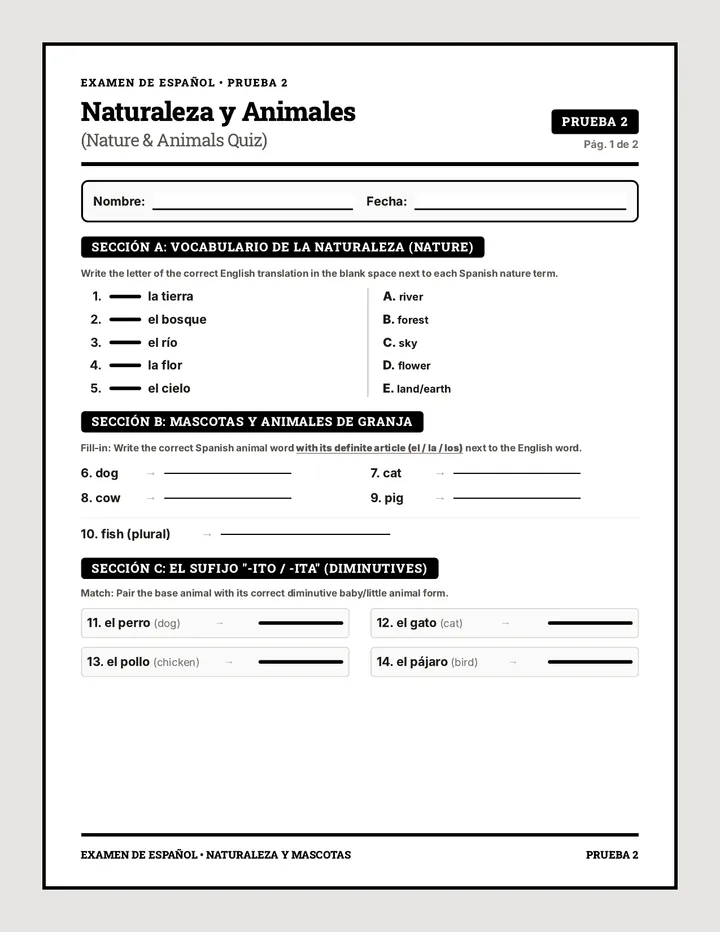
A fun, interactive Spanish vocabulary sequence for Pre-K students focusing on family members and pets. Through songs, games, and creative projects, children learn to name the most important people and animals in their lives.
A physical and interactive Spanish vocabulary sequence for Pre-K students focusing on body parts and movement through Total Physical Response (TPR). Students learn through songs, games, and creative activities, culminating in a 'Simón Dice' challenge.
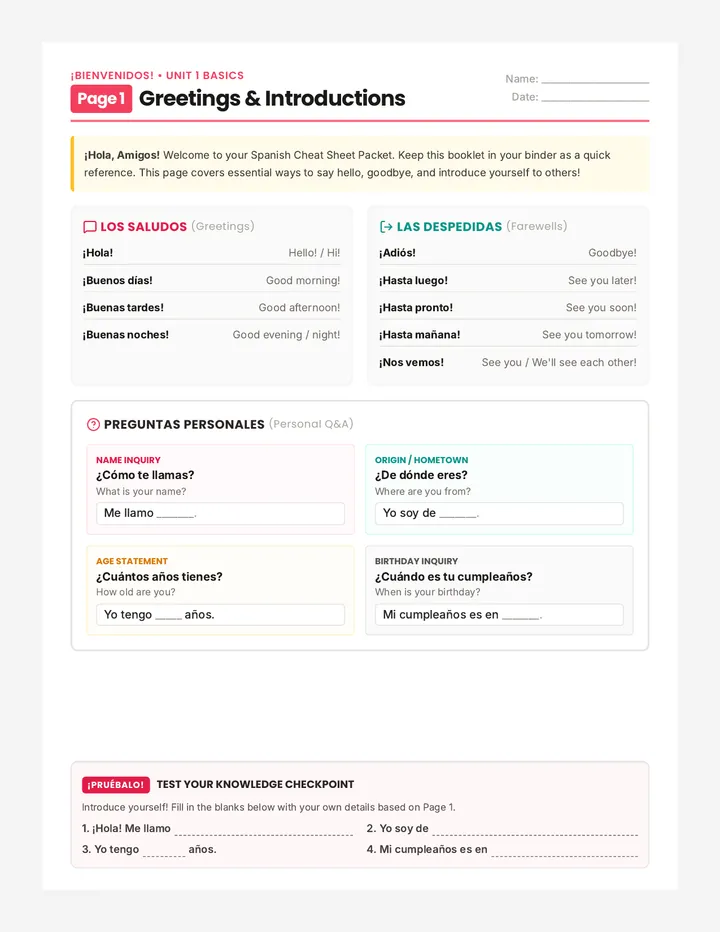
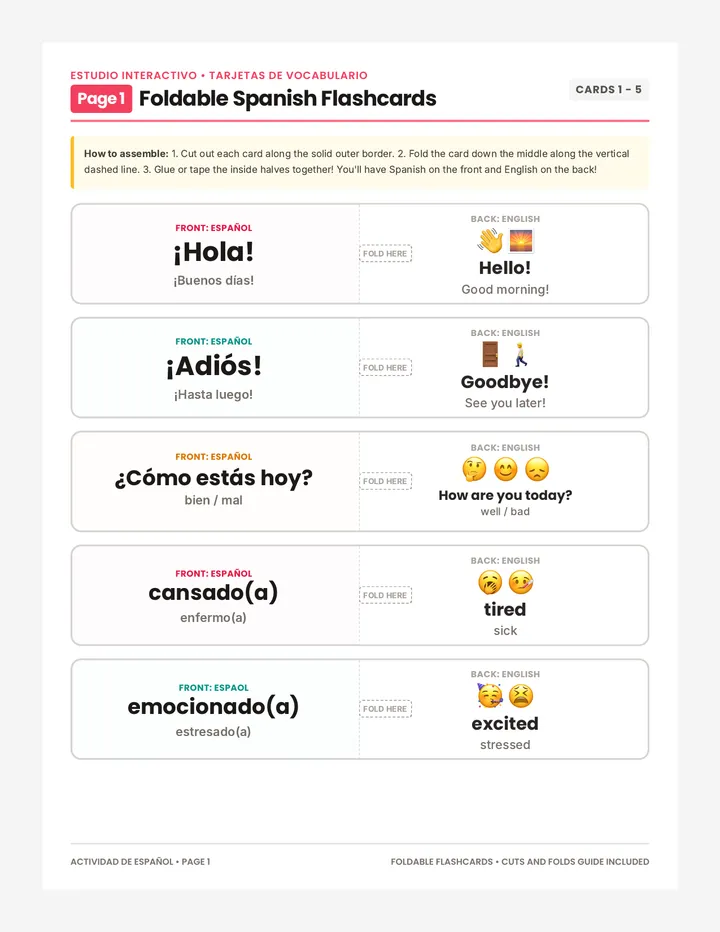
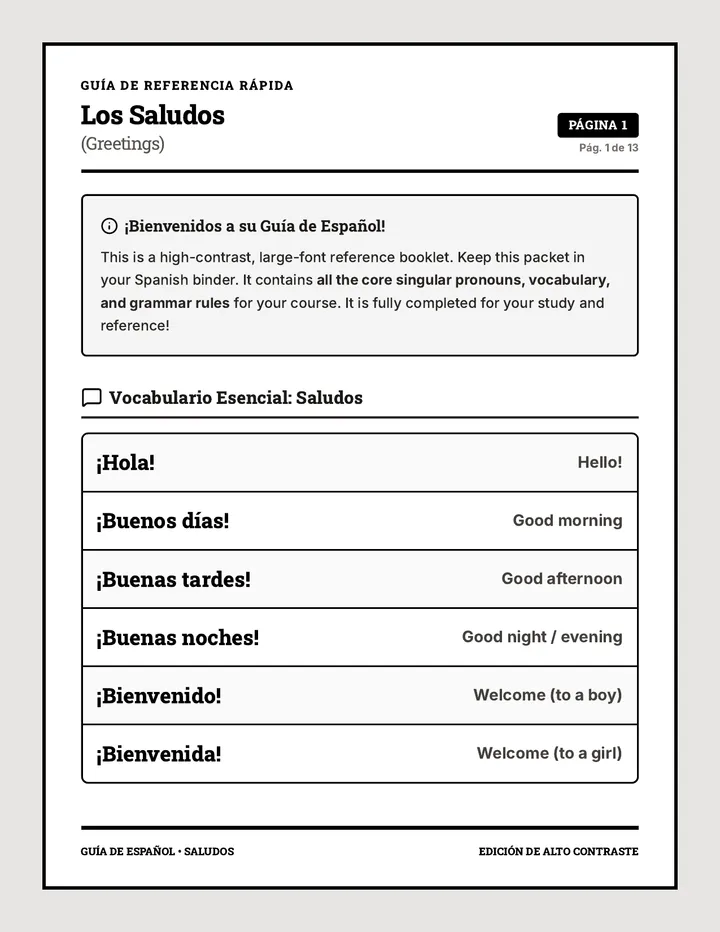
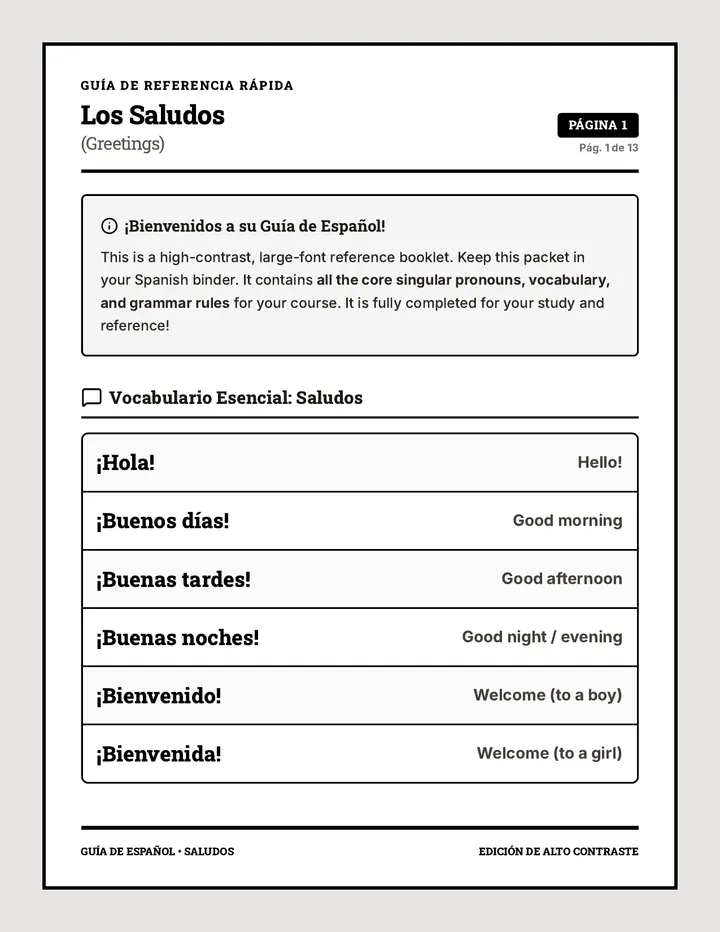
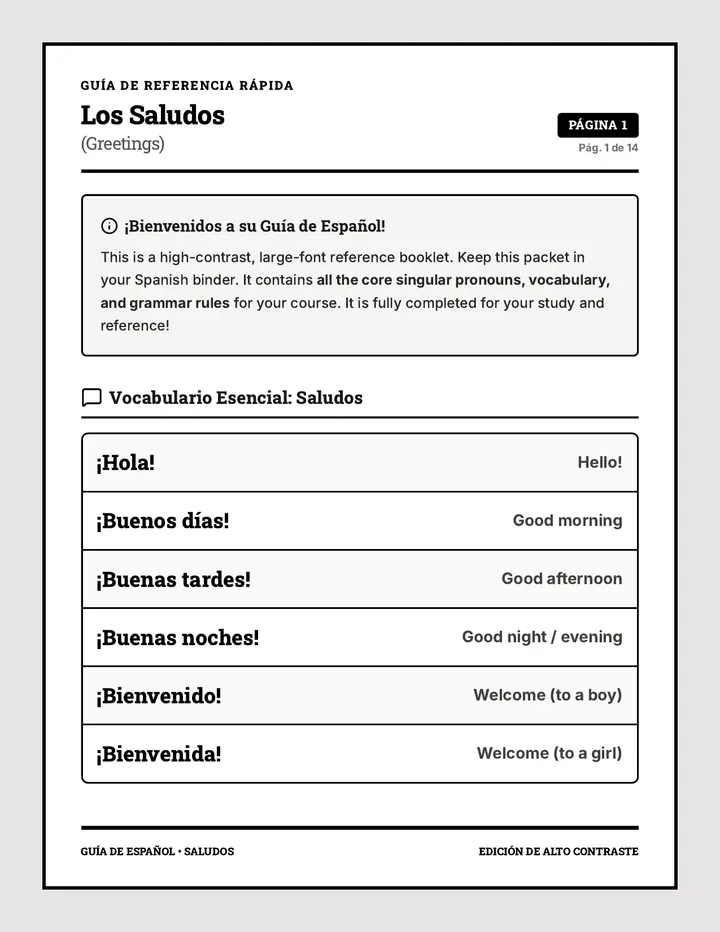
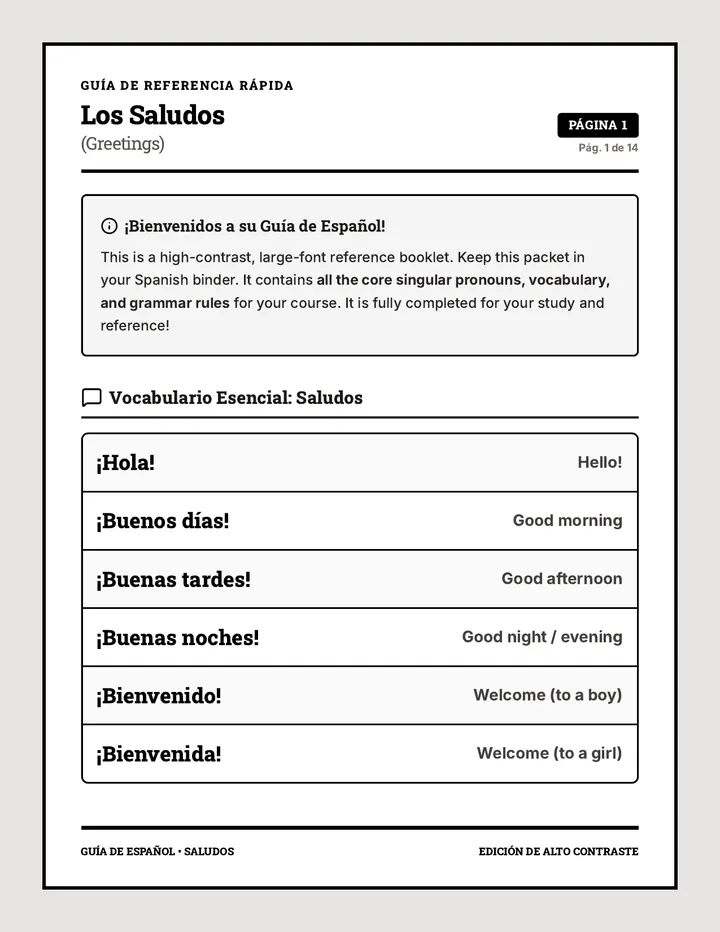
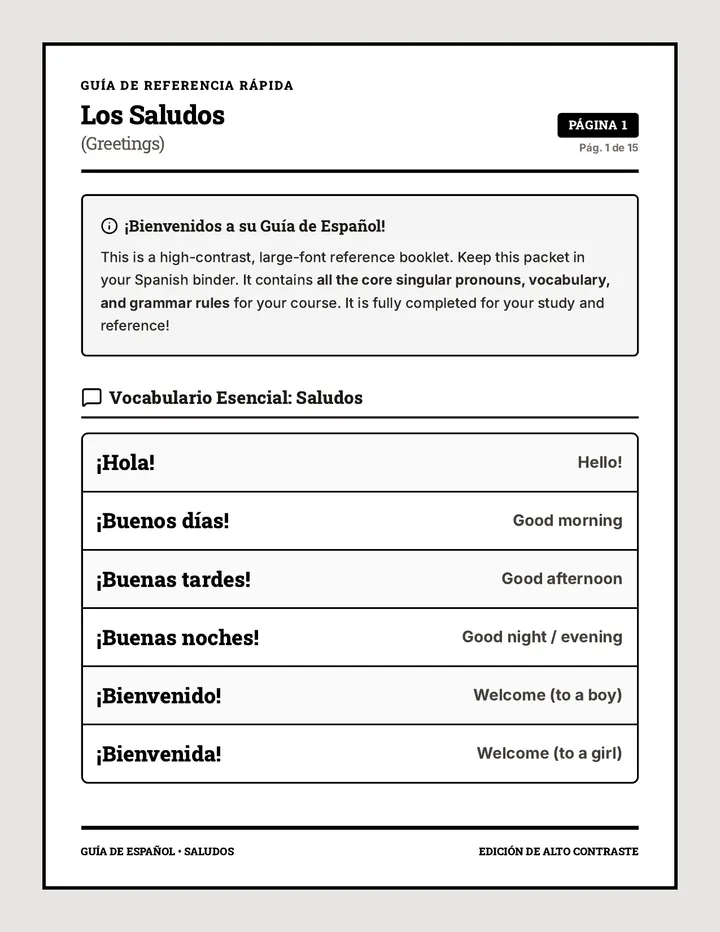
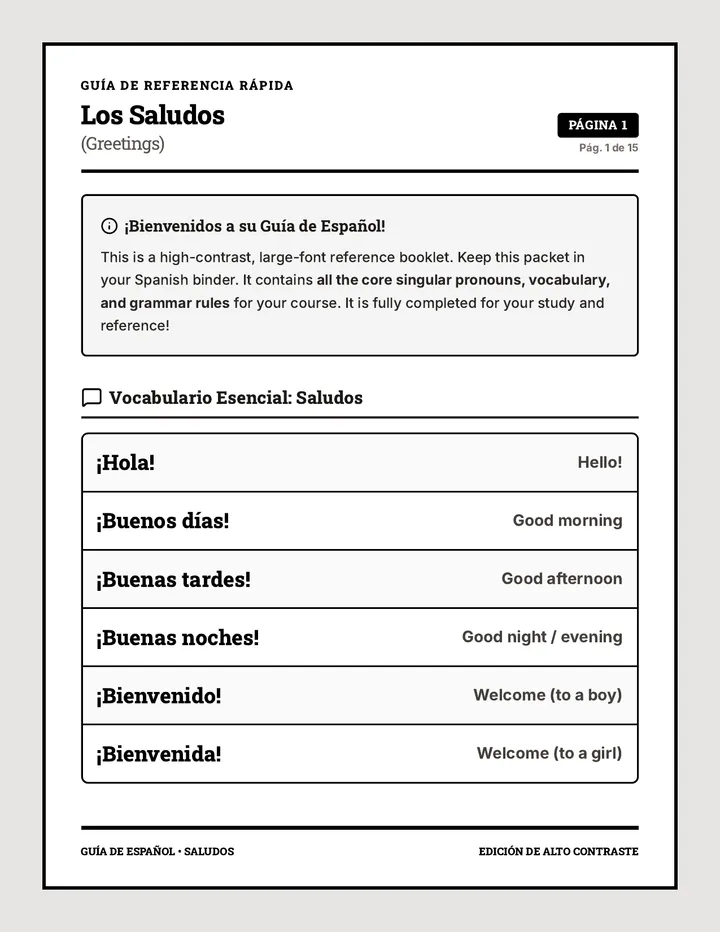
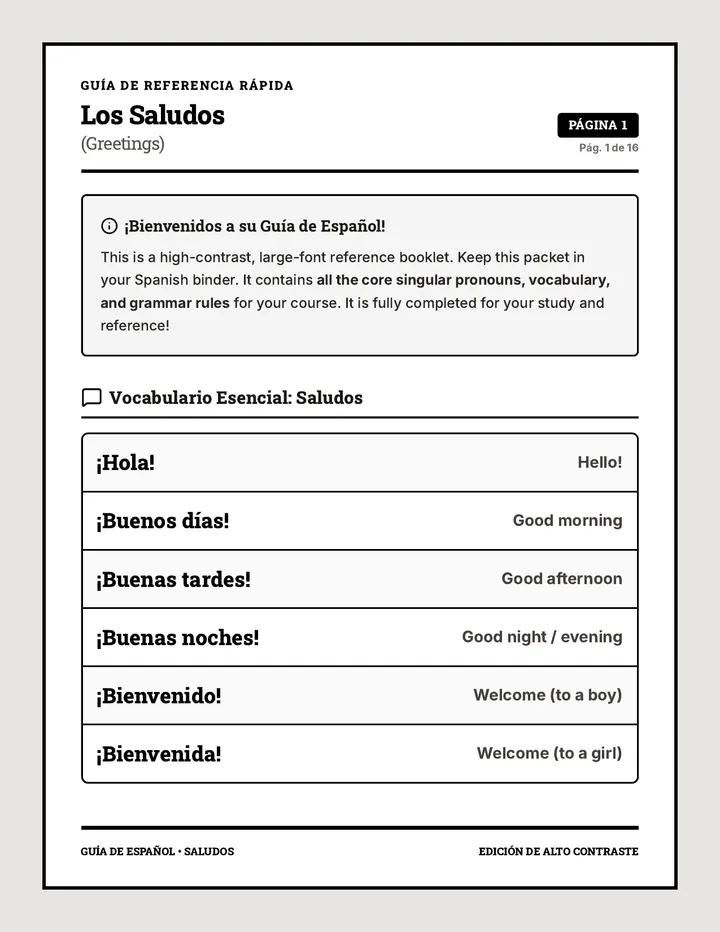
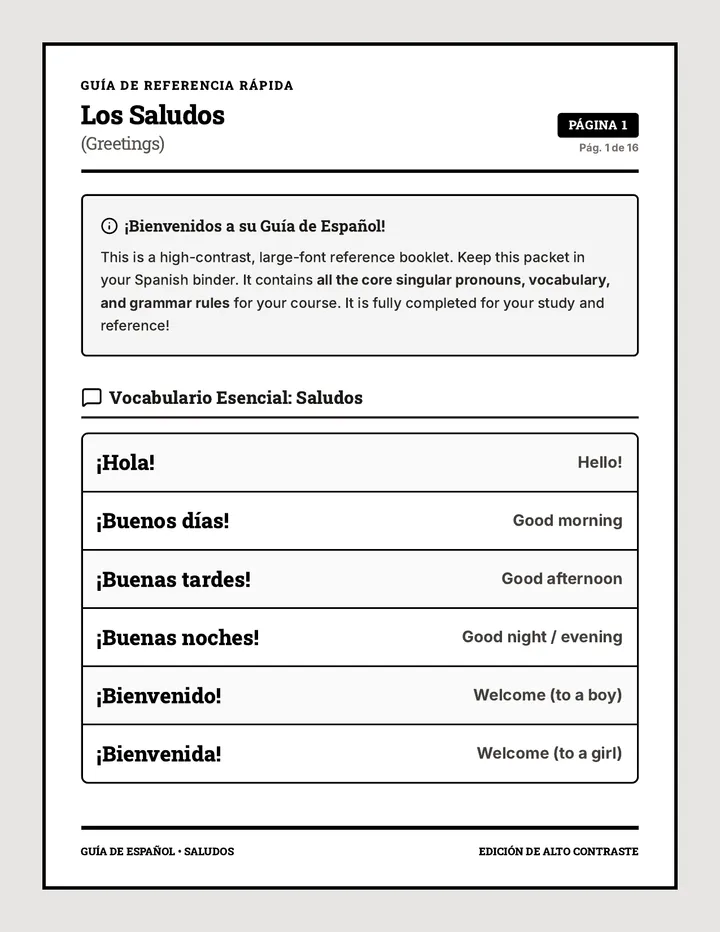
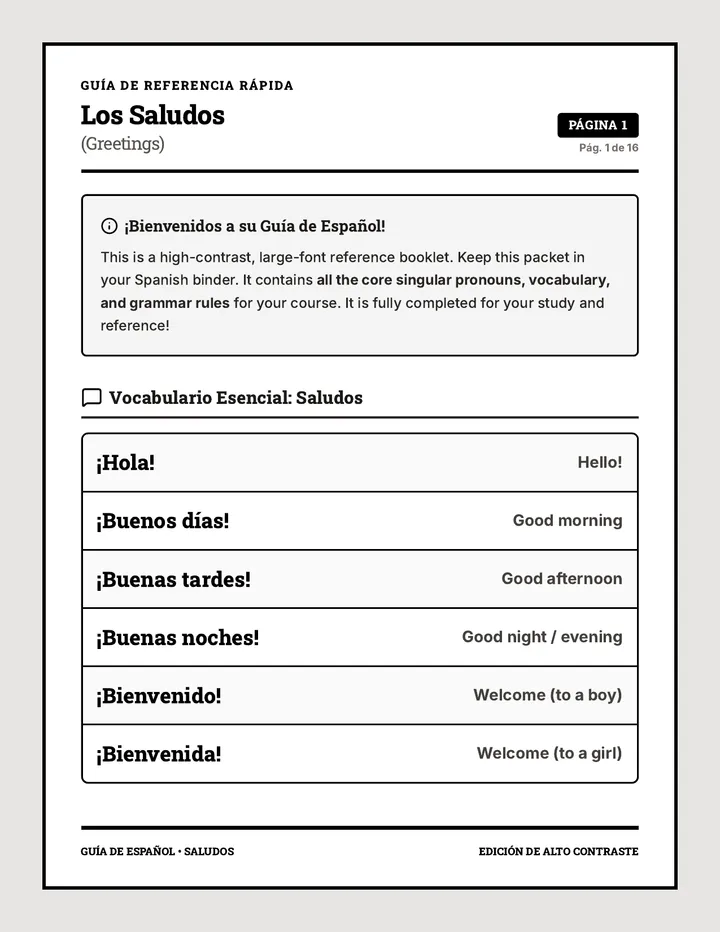
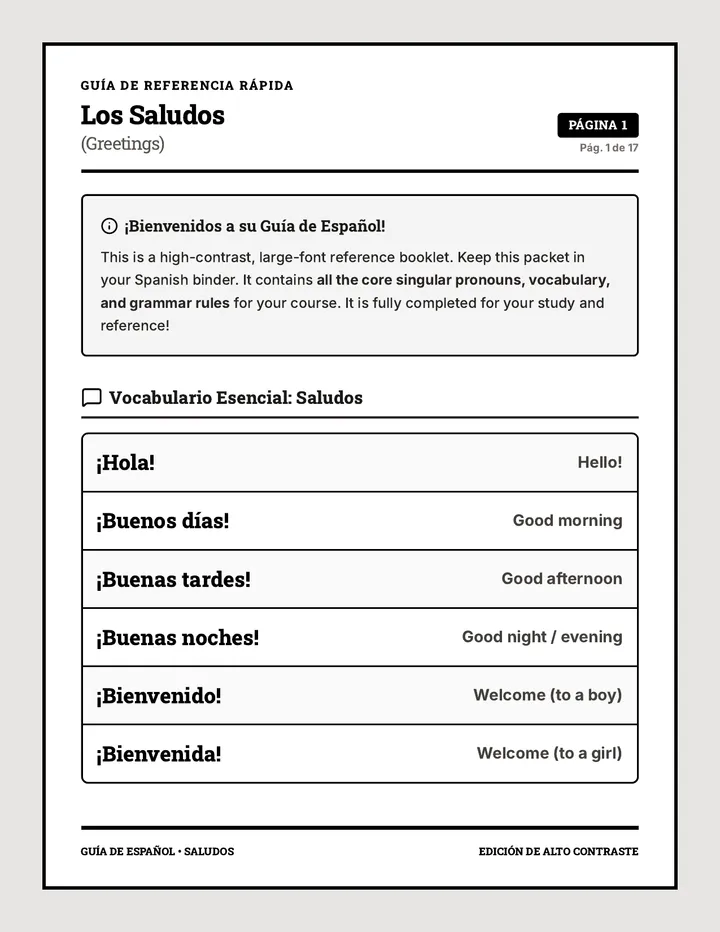
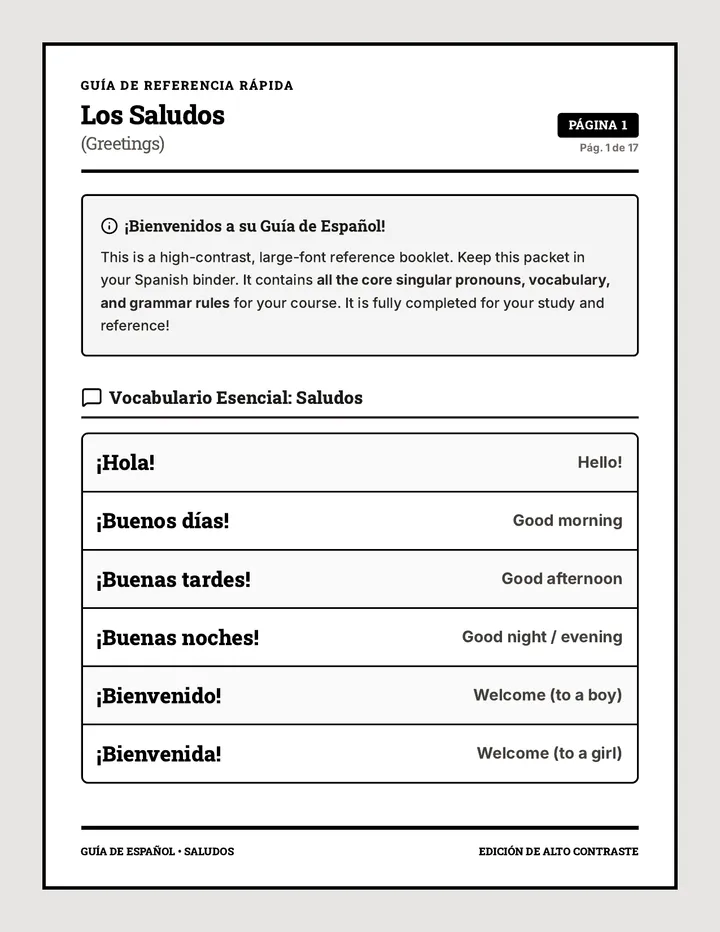
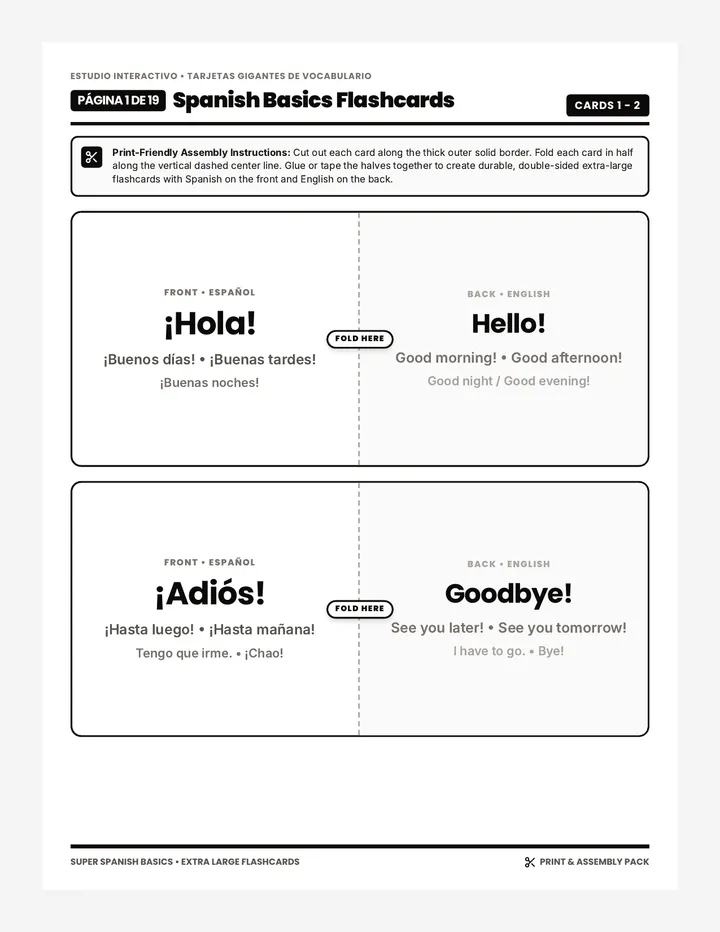
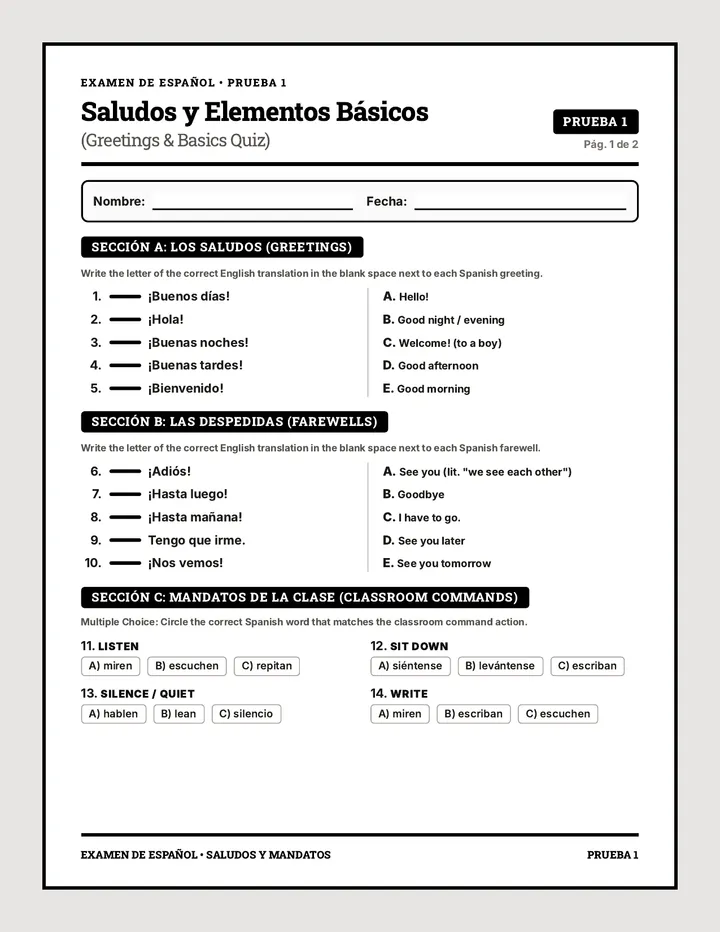
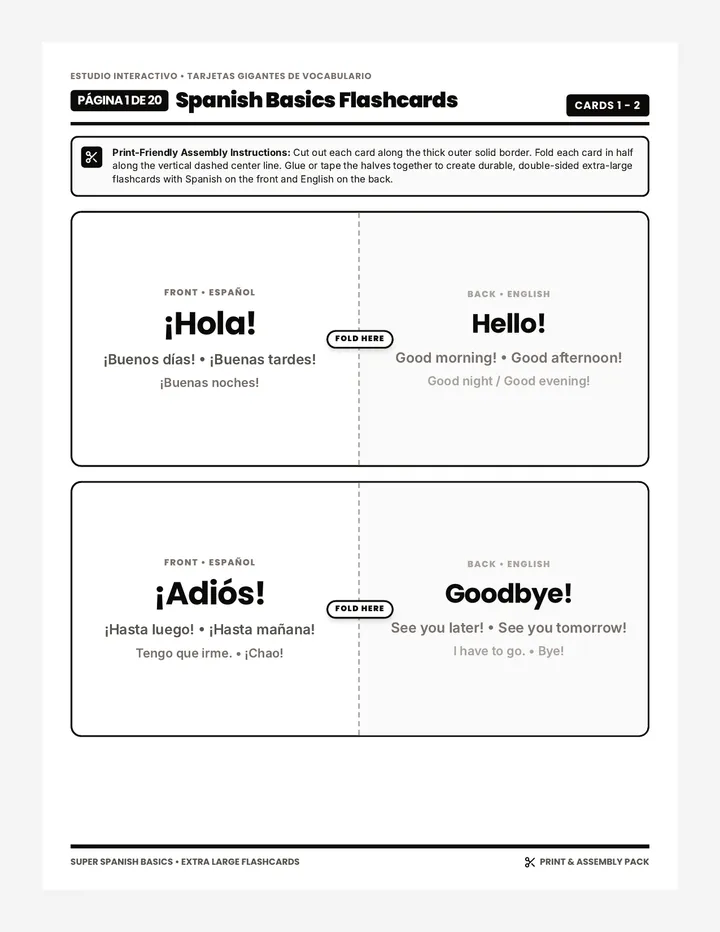
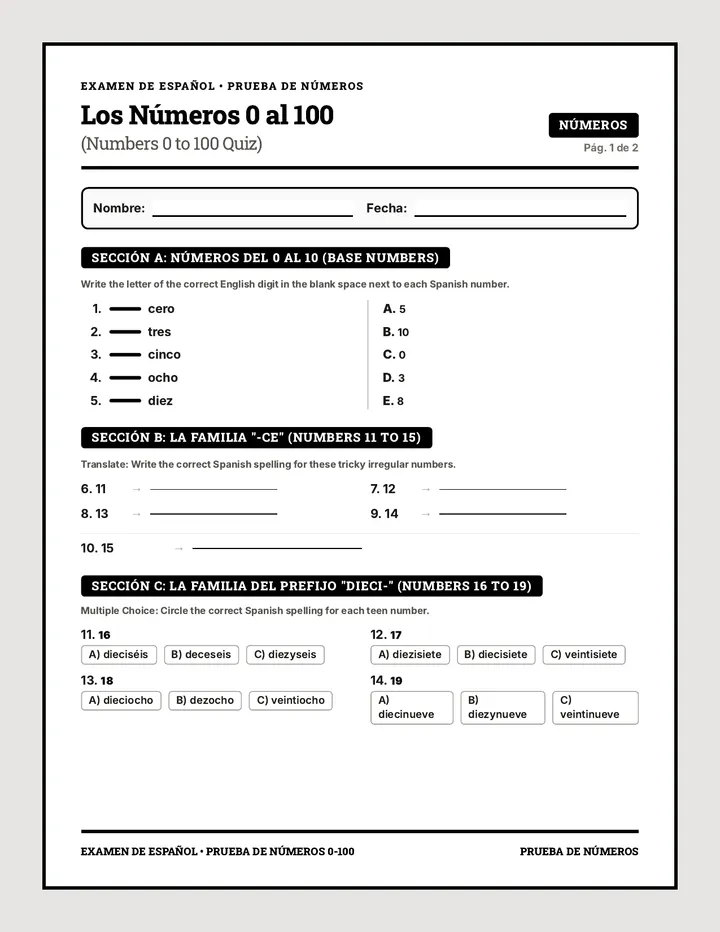
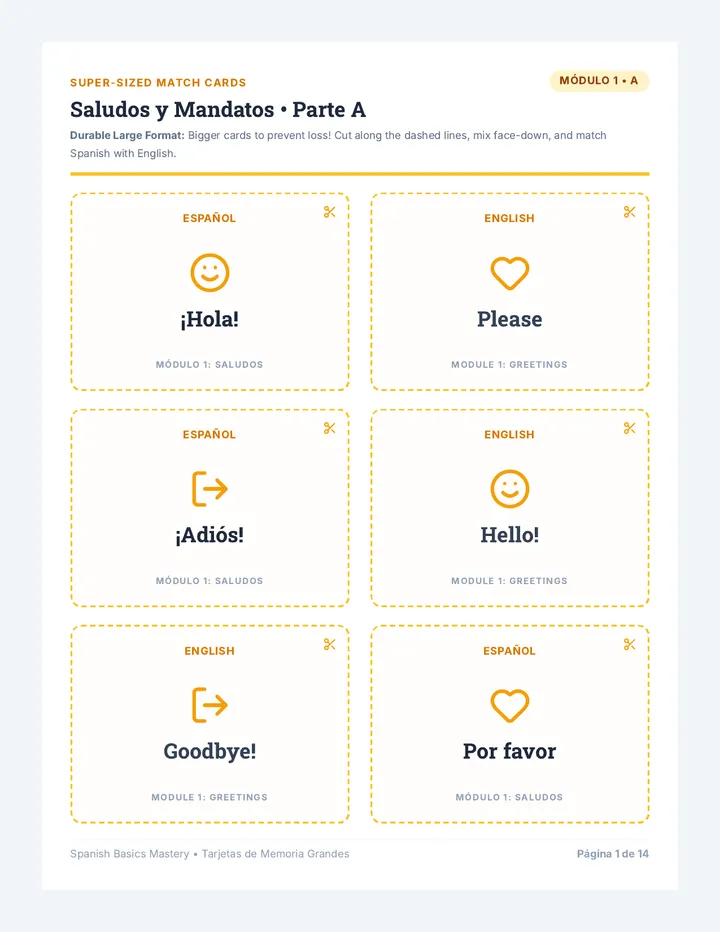
A Kindergarten sequence focused on foundational Spanish greetings (Hola, Adiós, Buenos días, Buenas noches), expressing basic emotions (bien, mal, más o menos), and counting 1-5. Students learn through songs, movement, and role-play culminating in a 'Mercado' market simulation.
This advanced Mandarin Chinese sequence for graduate students focuses on analyzing contemporary social issues through the lens of sophisticated rhetoric and four-character idioms (chengyu). Students explore urbanization, demographic shifts, and environmental policy to build a high-level academic vocabulary and persuasive argumentation skills.
This sequence immerses graduate students in the lexical and cultural nuances of professional Mandarin. Students will progress from mastering formal etiquette and financial reporting to navigating legal contracts and complex business negotiations.
This advanced Spanish sequence transitions 9th-grade students from intermediate proficiency to professional linguistic precision. It focuses on academic register, workplace vocabulary, logical connectors, and sociolinguistic etiquette through authentic simulations and analysis.
This sequence bridges the gap between classroom character learning and real-world application for graduate-level learners. By analyzing authentic artifacts like signage, menus, and business cards, students develop the 'environmental literacy' needed to navigate Mandarin-speaking urban and professional spaces.
A high-intensity sequence designed for graduate students to achieve functional literacy in Mandarin Chinese through the top 100 high-frequency characters, focusing on sentence construction, grammatical particles, and digital input methods.
A deep analytical dive into the etymology and structural logic of the Chinese writing system for graduate-level adult learners. The sequence moves from basic mechanics and stroke order to complex phono-semantic decoding and aesthetic synthesis through calligraphy.
An immersive intermediate French sequence where students navigate travel scenarios in Paris, Dakar, and Montreal, mastering future, past, and conditional tenses through simulated real-world interactions.
This sequence explores the diversity of the Spanish language through a sociolinguistic lens, focusing on how culture, geography, and class influence communication for intermediate learners at the graduate level. Students analyze registers, regional slang, humor, and digital communication to understand the link between identity and language.
A specialized sequence for graduate students focused on decoding and synthesizing complex academic and technical texts in Spanish, covering article structure, syntax, argumentation, and data interpretation.
A comprehensive graduate-level sequence exploring the intersection of Spanish grammar and literary analysis. Students analyze the works of Boom and Post-Boom authors to master narrative timeframes, descriptive imagery, the subjunctive of uncertainty, and character voice, culminating in a formal literary critique.
This graduate-level sequence examines how linguistic choices, syntax, and grammatical structures like the subjunctive mood shape political narratives in Spanish-language journalism. Students analyze authentic texts from various Hispanic regions to deconstruct bias, recognize regionalisms, and synthesize conflicting perspectives.