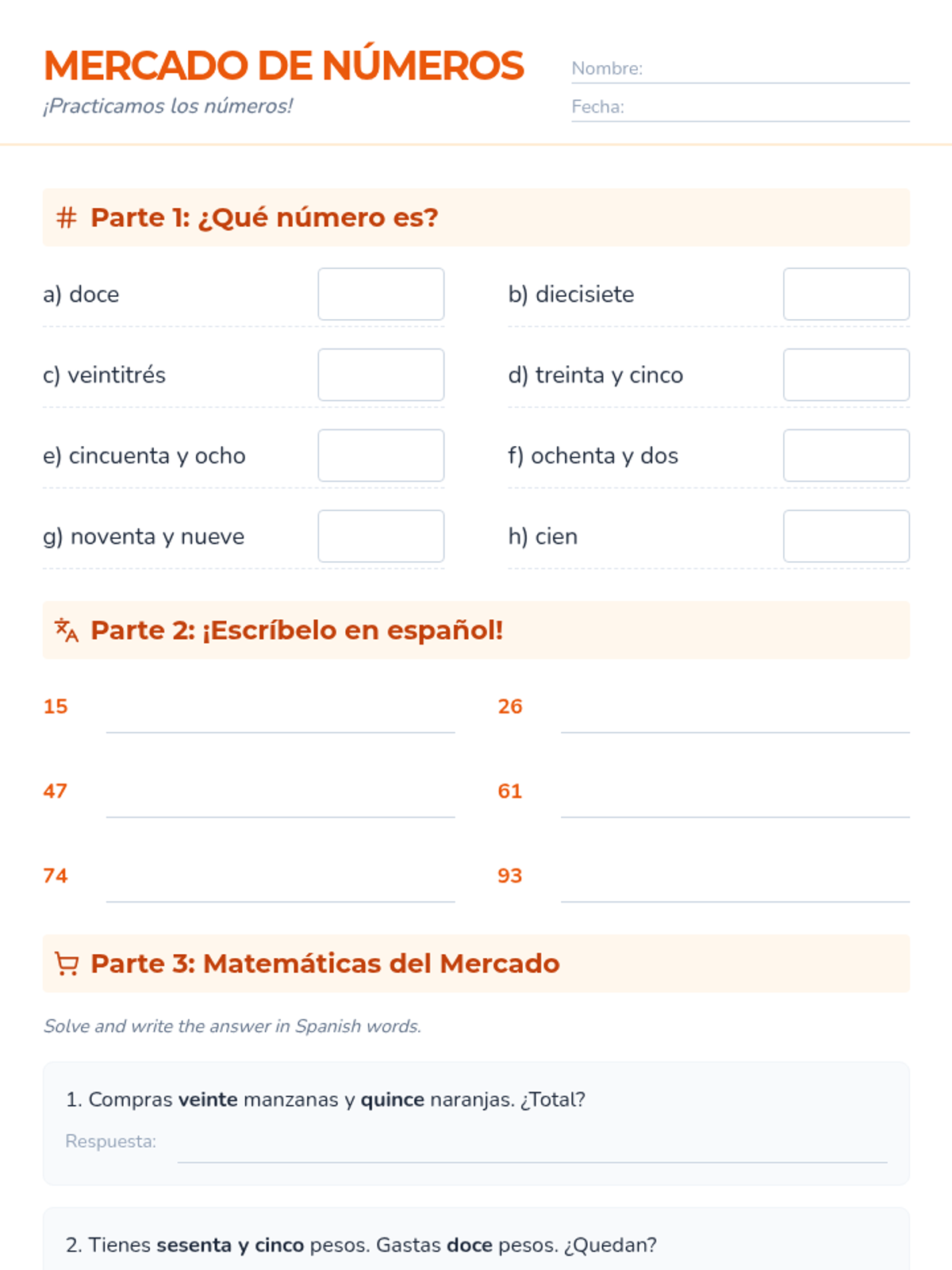
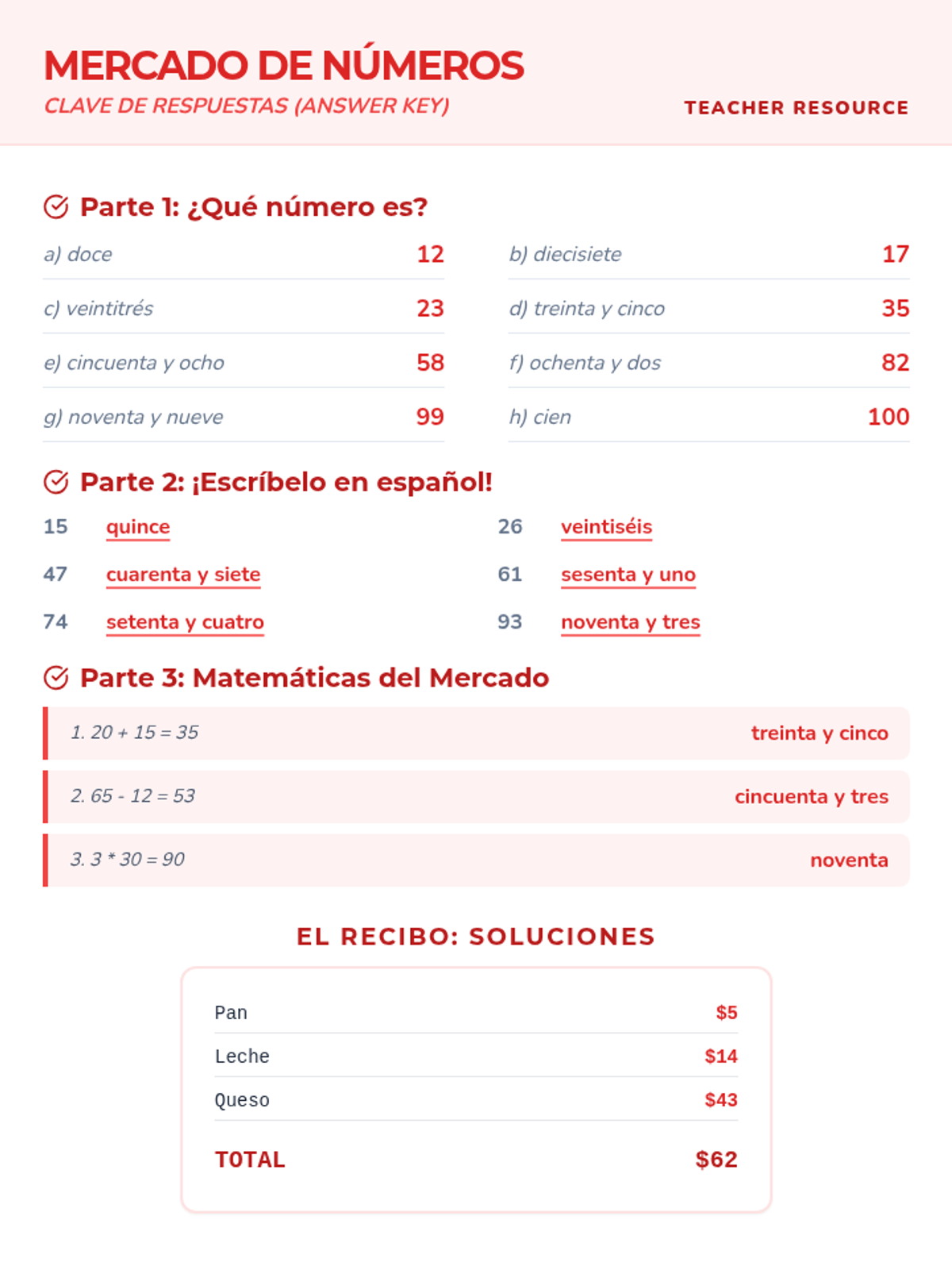
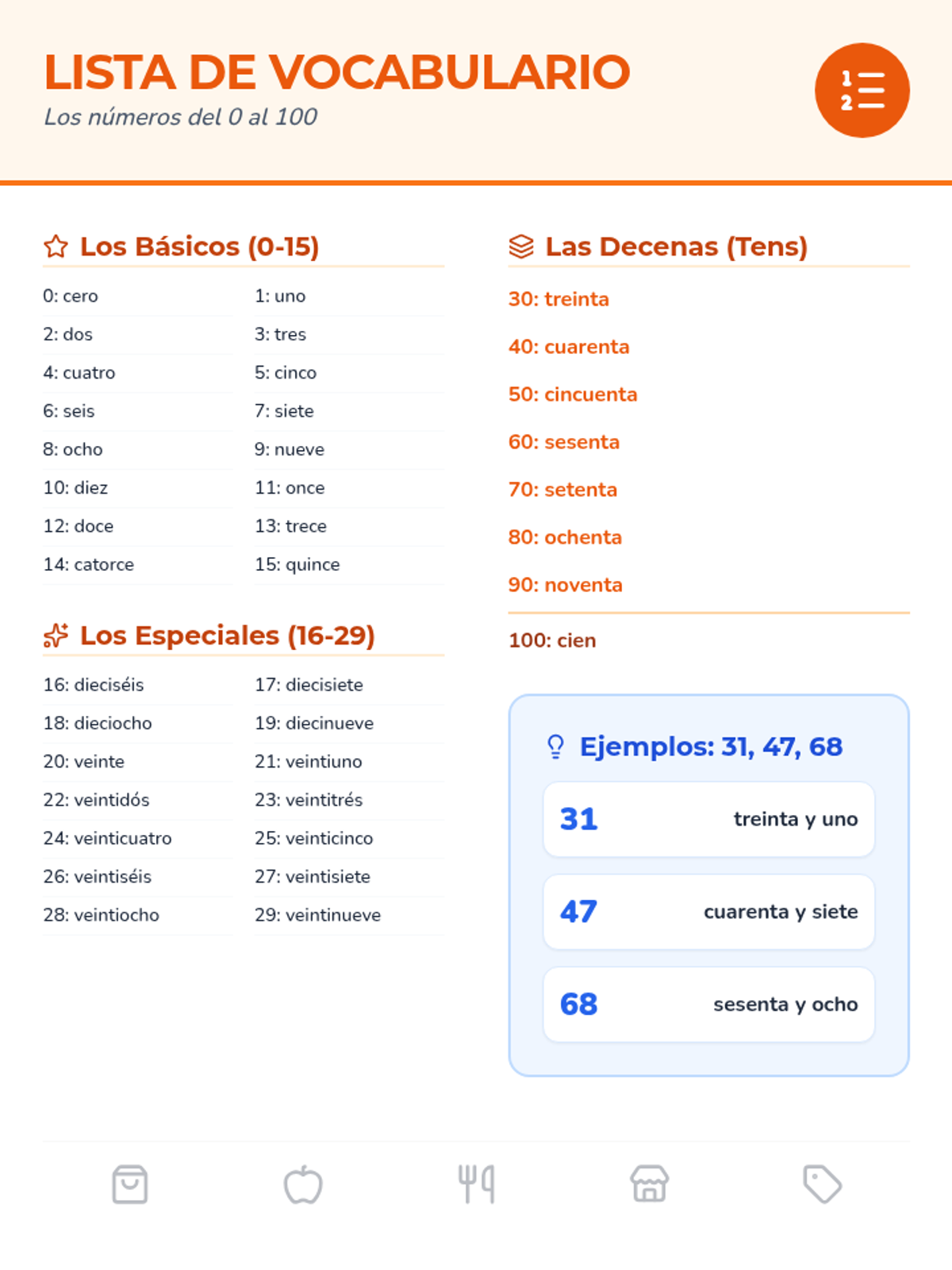
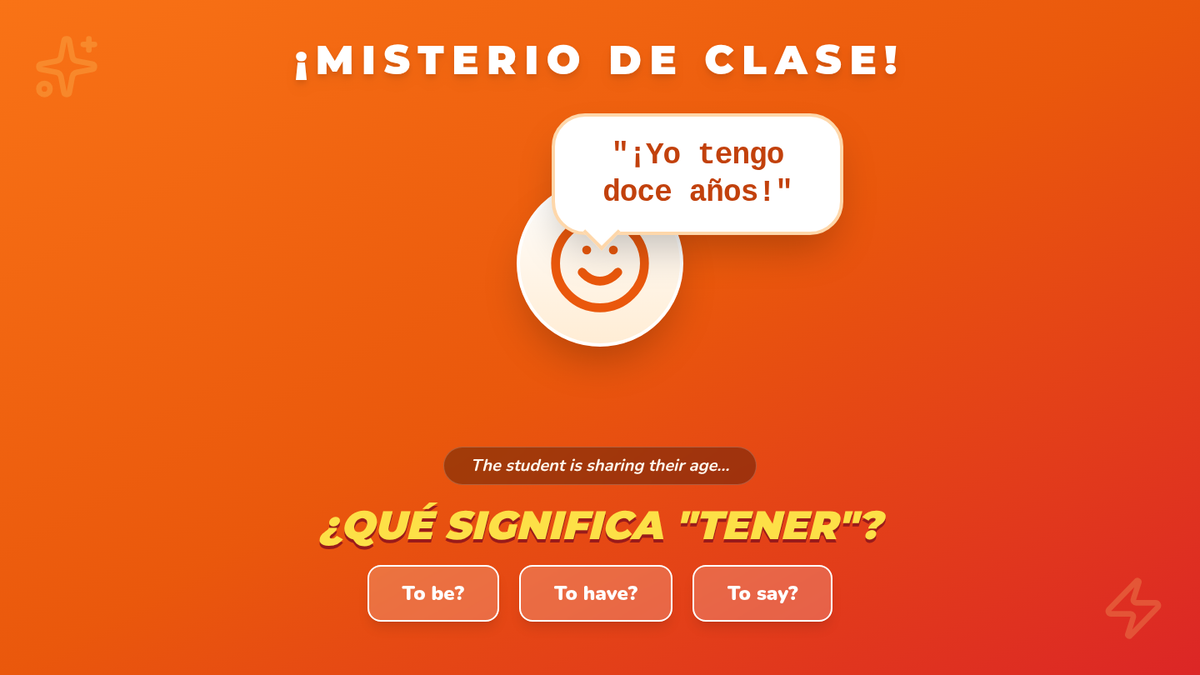
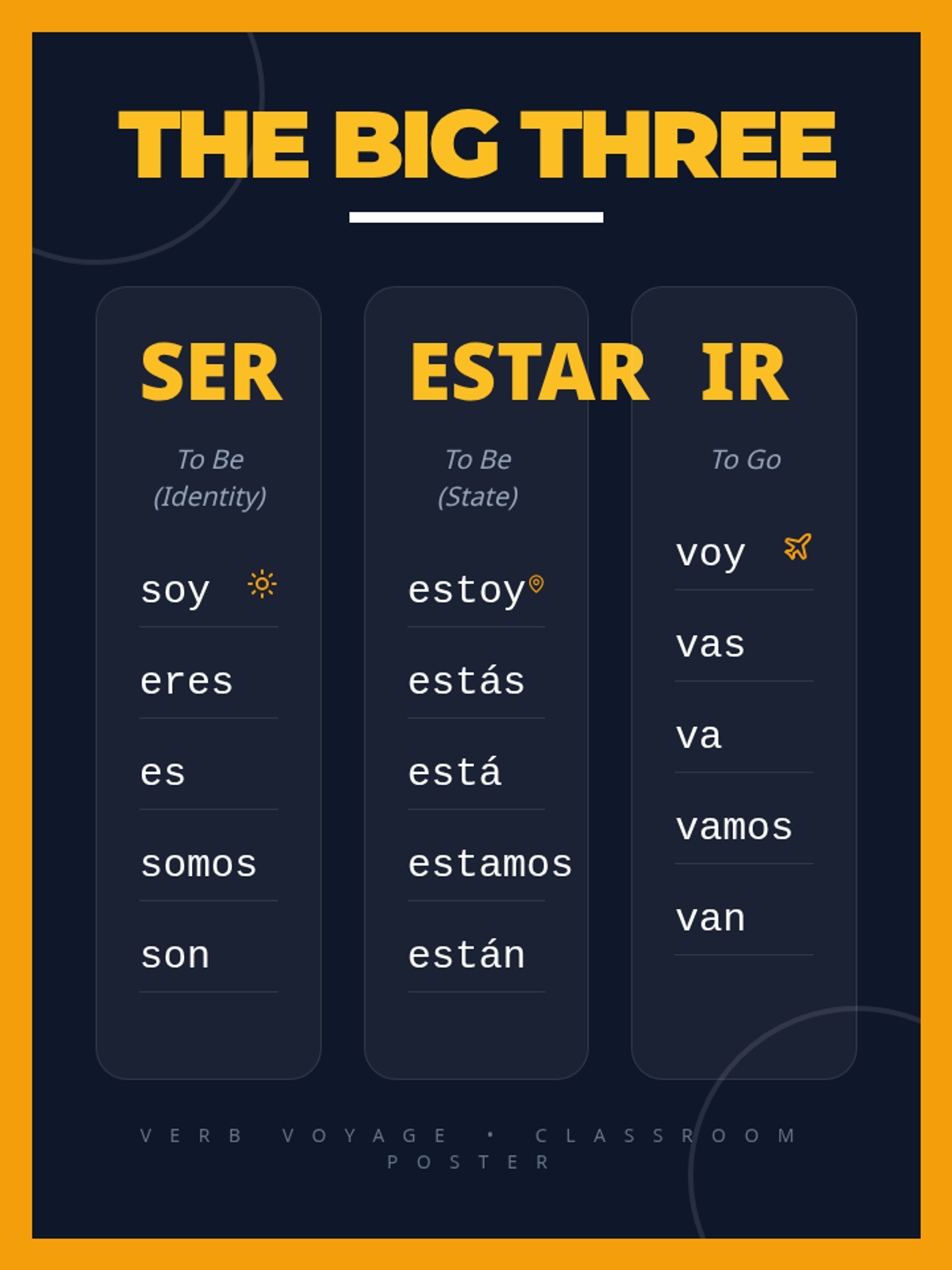
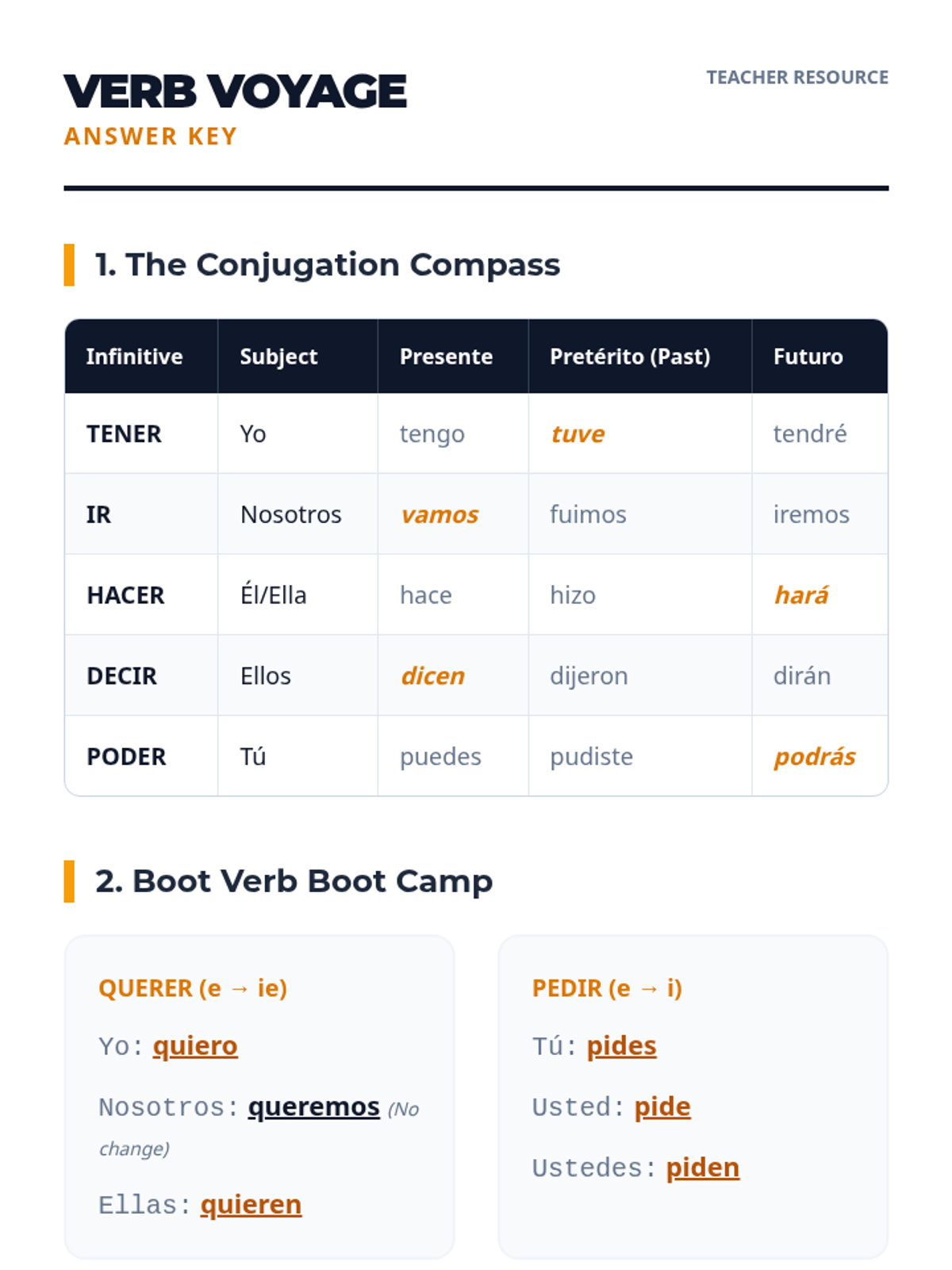
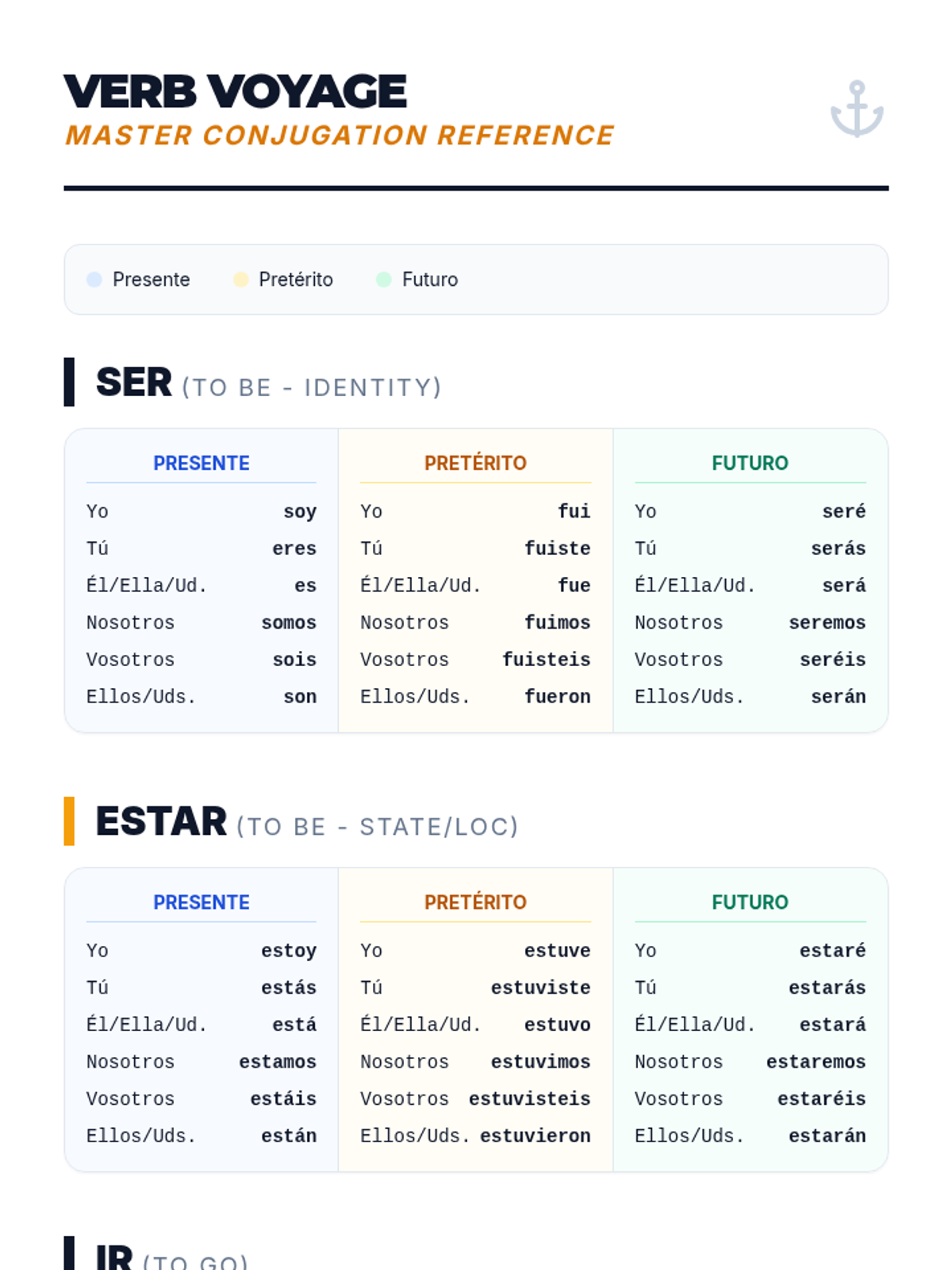
A project-based unit where 6th-grade students learn to articulate their identity, origin, age, and personality in Spanish using 'Ser', 'Tener', and 'Estar'. The sequence culminates in a multimedia 'All About Me' presentation.
Une séquence pédagogique complète sur les différents types de médias, leurs fonctions et le vocabulaire journalistique. Elle comprend des supports visuels, des outils d'organisation et des évaluations.
A 6-lesson mini-unit for 6th-grade ELD students focused on listening and speaking skills for ELPA preparation. Students practice listening for main ideas, repeating phrases, describing processes, supporting opinions, and using precise spatial language for drawing.
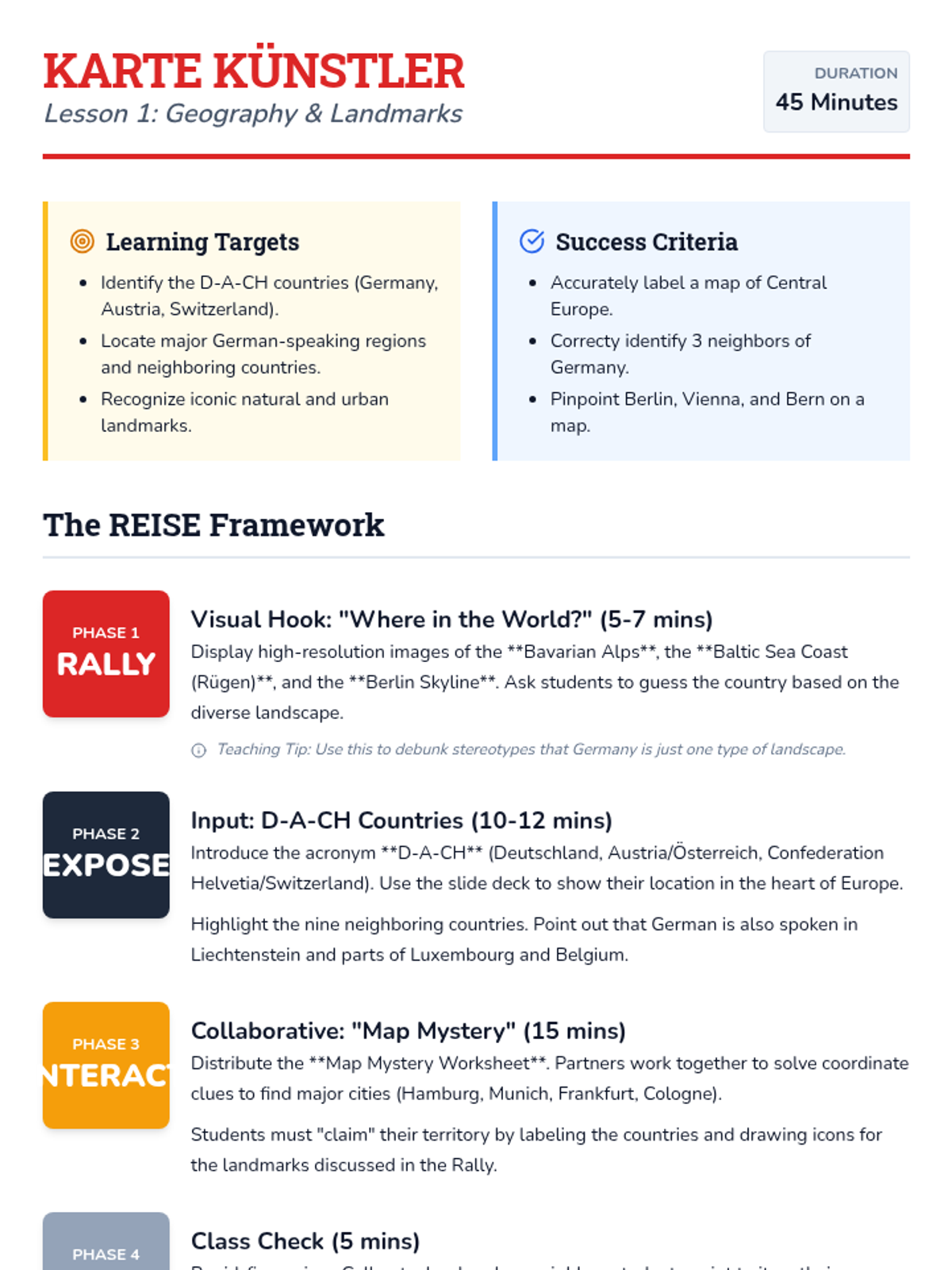
A cultural exploration of the Dominican Republic, focusing on geography, history, and traditions while developing CER writing skills in Spanish.
A unit covering animal vocabulary, descriptions, and likes/dislikes in Spanish, designed for Level 1 learners to build foundational communication skills about the natural world.
A sequence focused on leveraging digital translation tools for language self-assessment and speech improvement. Students learn to use Google Translate not just for translation, but as a 'mirror' for their own pronunciation, grammar, and fluency.
A Spanish I/II unit focused on Valentine's Day, covering vocabulary related to love, relationships, and emotions through interactive activities and communicative practice.
A linguistic and sociological exploration of how English absorbs and adapts words from diverse global sources, focusing on etymology, cultural exchange, and the evolution of language.
Students act as linguistic anthropologists creating a specialized 'Field Guide to Foreign Expressions' for a chosen professional or cultural domain. They investigate the etymology, usage, and visual representation of foreign terminology to explain their chosen field's linguistic history to a lay audience.
A comprehensive one-week introduction to Spanish for middle schoolers, focusing on greetings, introductions, and sharing personal interests through interactive role-play and collaborative activities.
A project-based sequence for beginner French students focused on decoding media through narrative structures, logical connectors, and 'gist' listening strategies. Students move from identifying chronological signposts to analyzing news segments, street interviews, and cultural advertisements, culminating in a media analysis project.
A beginner French listening sequence where students act as social observers, analyzing registers, personal details, family structures, and preferences through auditory scripts.
A 5-lesson sequence for 6th Grade French beginners focusing on listening comprehension through TPR, commands, spatial descriptions, and directional movement. Students act as 'Language Agents' on various missions to decode and execute instructions in French.
A 5-lesson unit for 6th-grade French students focusing on auditory comprehension of greetings, alphabet, numbers, and personal identity using a 'Language Detectives' theme. Students progress from isolating sounds to synthesizing full personal profiles from audio input.
A comprehensive unit for beginner Spanish students to master the verb 'estar' and 'tener' idioms for expressing emotions, physical states, and needs. Through interactive games, role-plays, and data collection, students learn to articulate their internal feelings and conduct wellness checks on others.
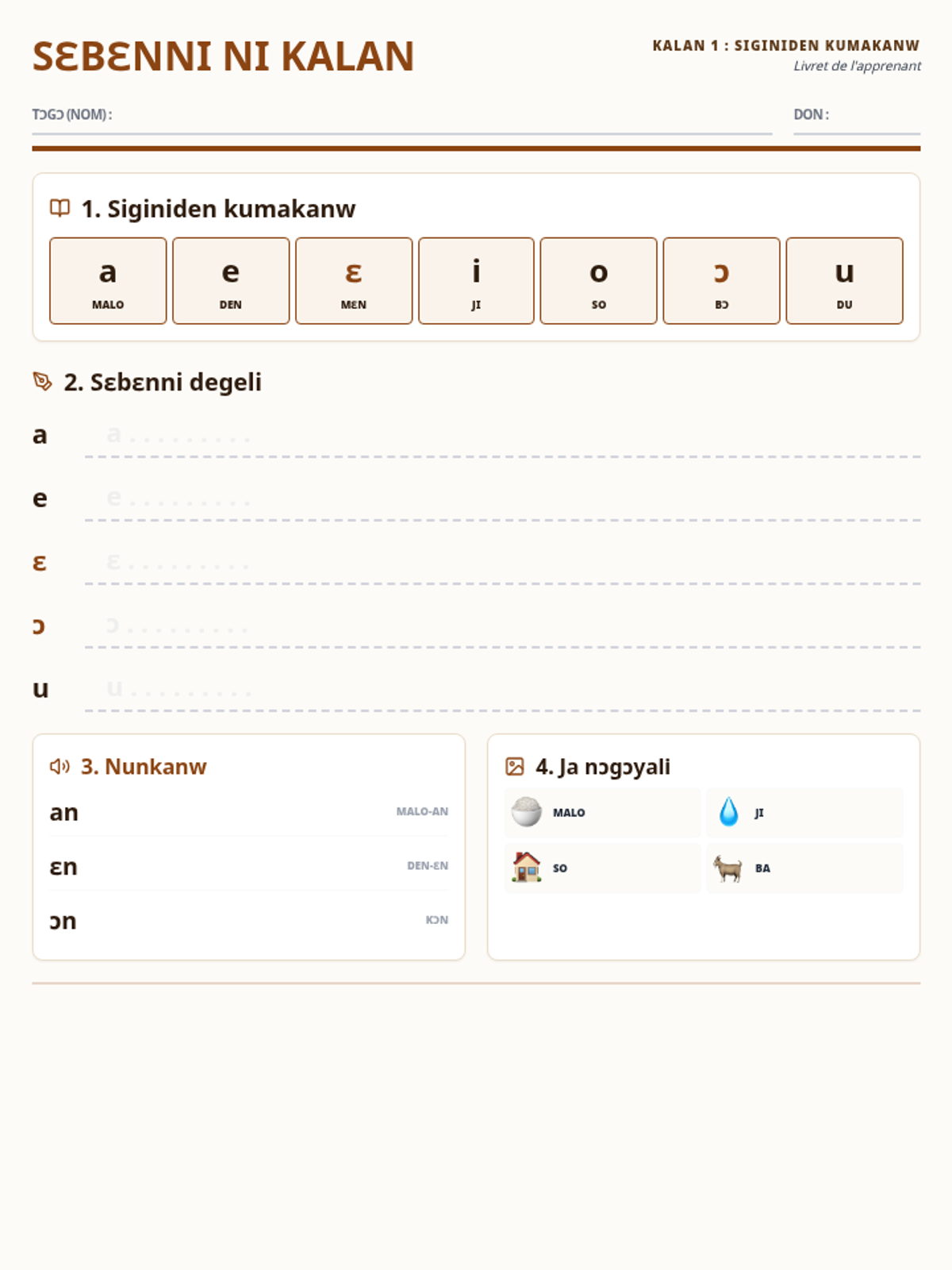
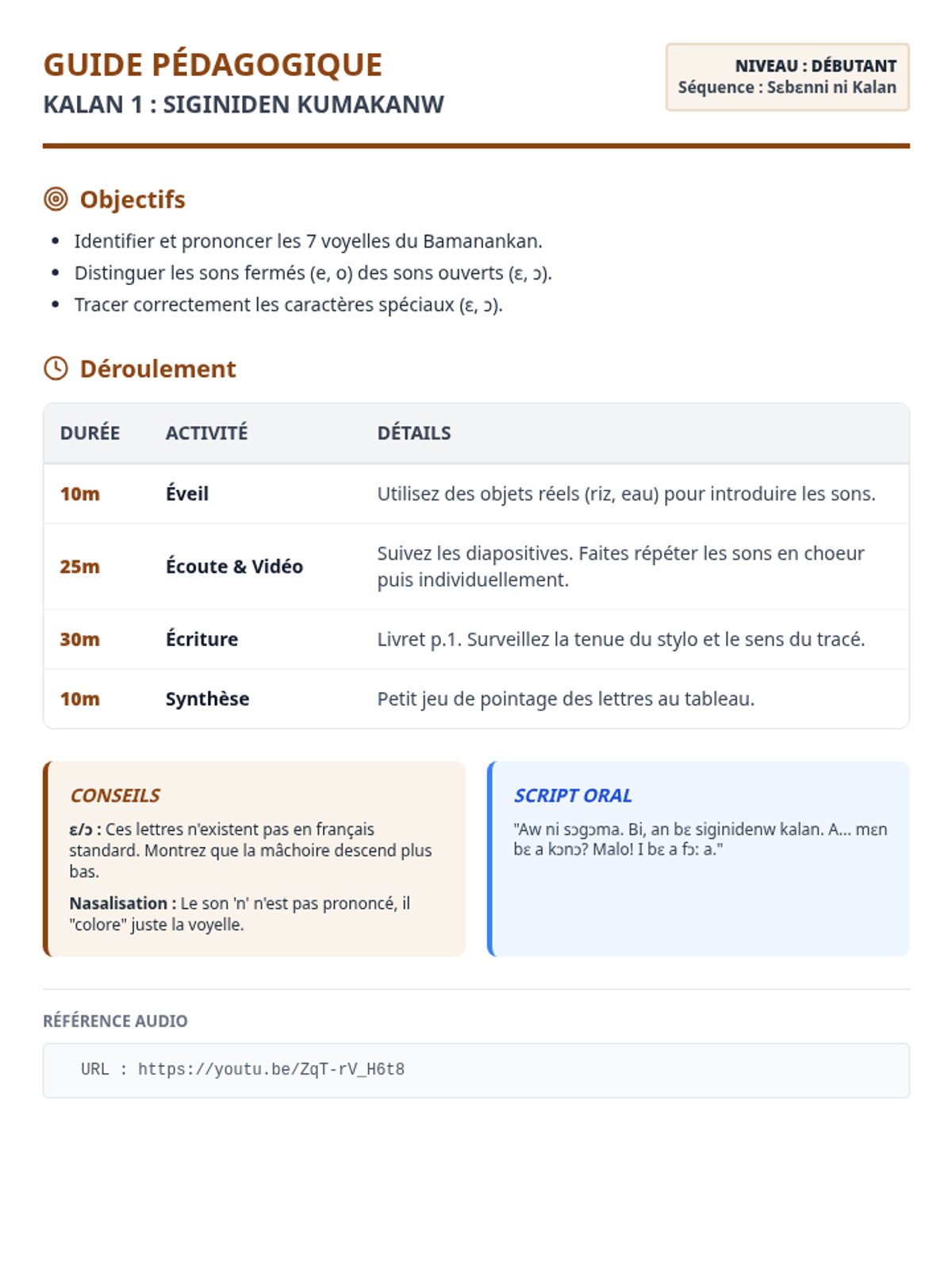
This sequence establishes foundational auditory and oral skills for Spanish fluency, focusing on vowel sounds, difficult consonants like 'rr' and 'ñ', and rules of stress and accentuation. Students transition from sound production to reading syllables and full words with accuracy.

A case-study-driven unit for 6th-grade Spanish students to master the nuances of 'Tú' and 'Usted', focusing on cultural context, social hierarchy, and respectful communication.