Critical analysis of complex academic, literary, and technical texts. Develops advanced inference skills, nuance detection, and synthesis of sophisticated vocabulary in diverse contexts.
A high-intensity workshop sequence designed for graduate students to master the reading demands of the GRE, GMAT, and TOEFL. Focuses on skimming, scanning, contextual vocabulary, and syntactic deconstruction for maximum efficiency.
This sequence trains graduate-level ESL students to analyze the psychometric logic of standardized test questions. Students learn to identify common distractor patterns—such as absolute language, irrelevant truths, and faulty inferences—transforming their approach from guessing to systematic logical elimination.
A comprehensive sequence designed for graduate ESL students to master the integrated writing and speaking tasks of high-stakes academic exams like TOEFL iBT and IELTS. The curriculum focuses on shorthand note-taking, identifying inter-source relationships, utilizing structural templates, and rapid synthesis under timed conditions.
A comprehensive unit for undergraduate ESL students to deconstruct the logic of standardized tests, focusing on question stems, distractor categorization, absolute language detection, and the process of elimination.
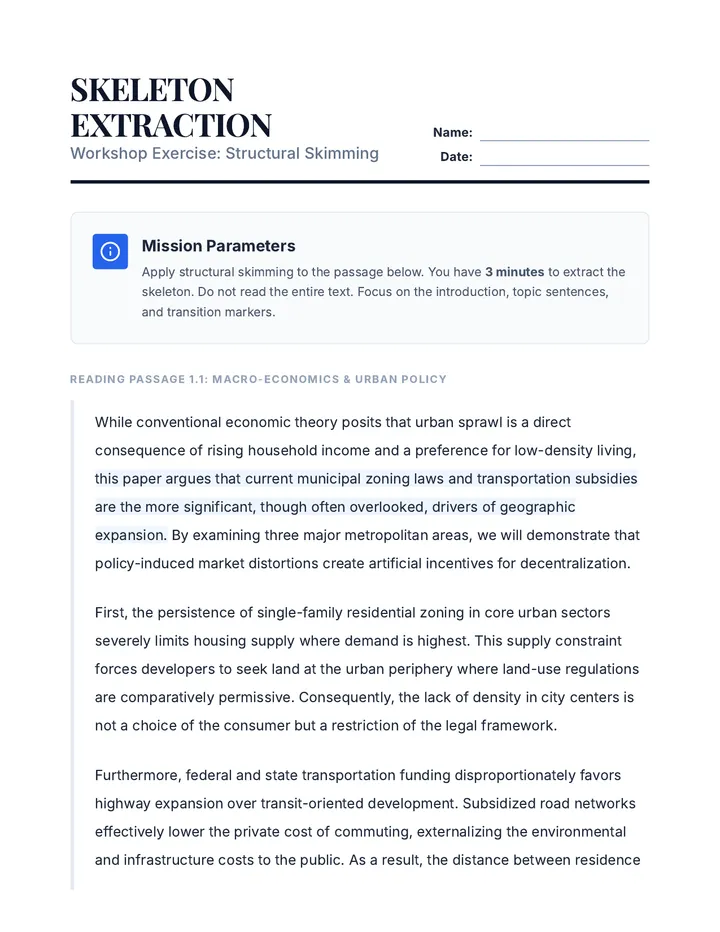
A workshop-style sequence for undergraduate ESL students to master skimming and scanning techniques for high-stakes academic exams. Students move from conceptual understanding to timed application, focusing on efficiency and accuracy in dense academic texts.
A comprehensive sequence designed to help 10th-grade ESL students master academic test-taking by analyzing question stems, evaluating answer choice logic, and applying prediction strategies. Students move from basic identification of keywords to complex synthesis of strategies across various question types.
A comprehensive 5-lesson unit for 11th-grade ESL students focused on deconstructing complex academic test prompts. Students transition from identifying instructional verbs to parsing syntax, distinguishing inference from literal recall, and mastering advanced strategies like prediction and handling negative constraints.
A comprehensive 11th Grade ESL sequence focused on mastering multiple-choice tests through the 'Test Detective' framework. Students learn to identify distractor patterns like scope errors, verbatim traps, and absolute language to improve academic reading comprehension and test performance.
A comprehensive sequence designed for 11th-grade ESL students to master skimming and scanning techniques for academic success. Students progress from basic differentiation of reading speeds to advanced strategies for identifying tone, navigating text structures, and handling paraphrased test questions under time pressure.
This sequence develops advanced ESL academic skills focused on shorthand, signpost recognition, and synthesis for integrated exam tasks. Students learn to build efficient note-taking systems to manage cognitive load during high-stakes listening and reading assessments.
A comprehensive unit for high school seniors focused on deconstructing the logic of standardized English exams. Students learn to identify question components, categorize common distractors, and apply process-of-elimination techniques to improve performance on tests like TOEFL, IELTS, and SAT.
A comprehensive unit for 12th-grade ESL students to master high-speed academic reading. Students develop skimming, scanning, and vocabulary deduction skills to improve their performance on timed standardized tests.
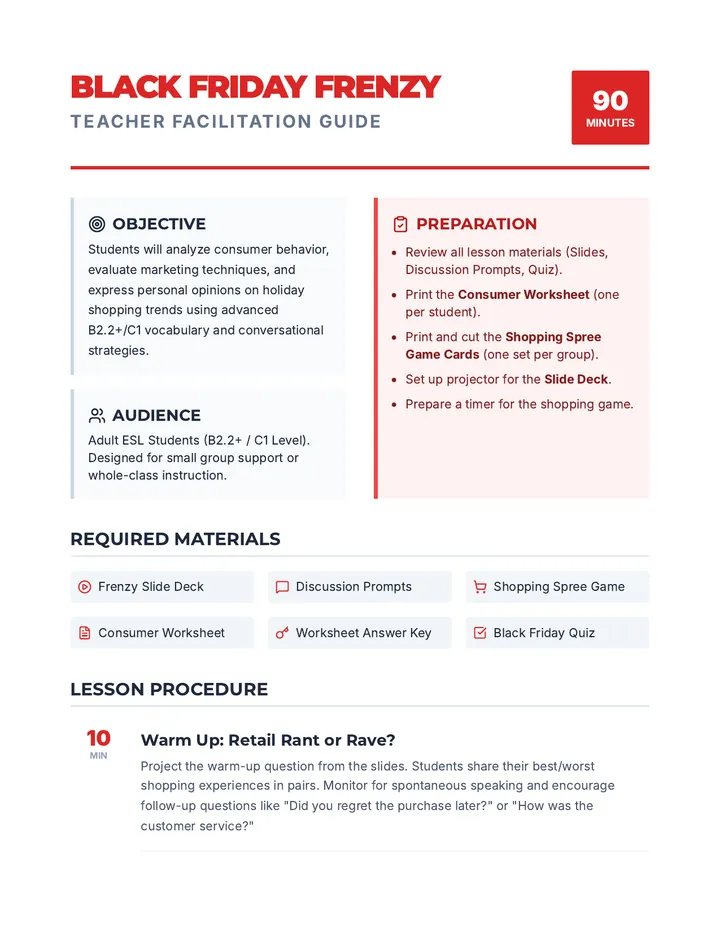
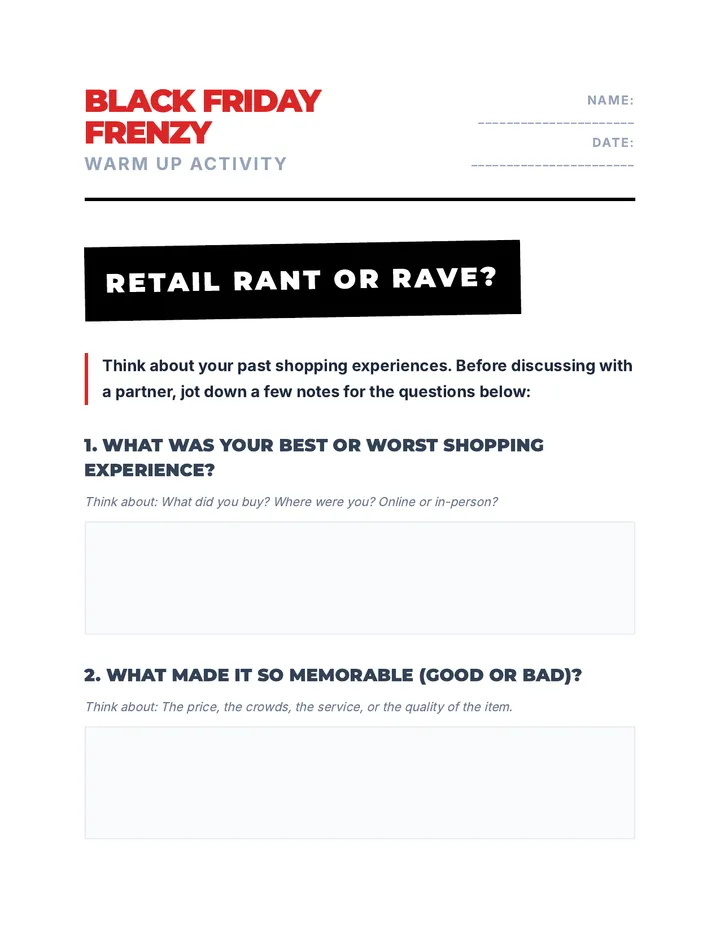
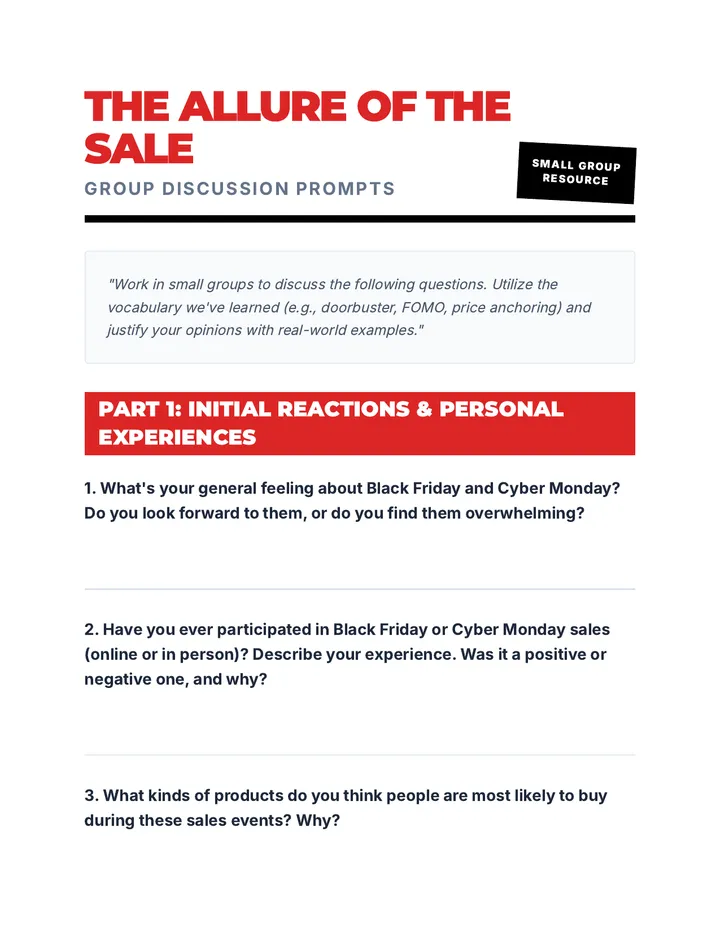
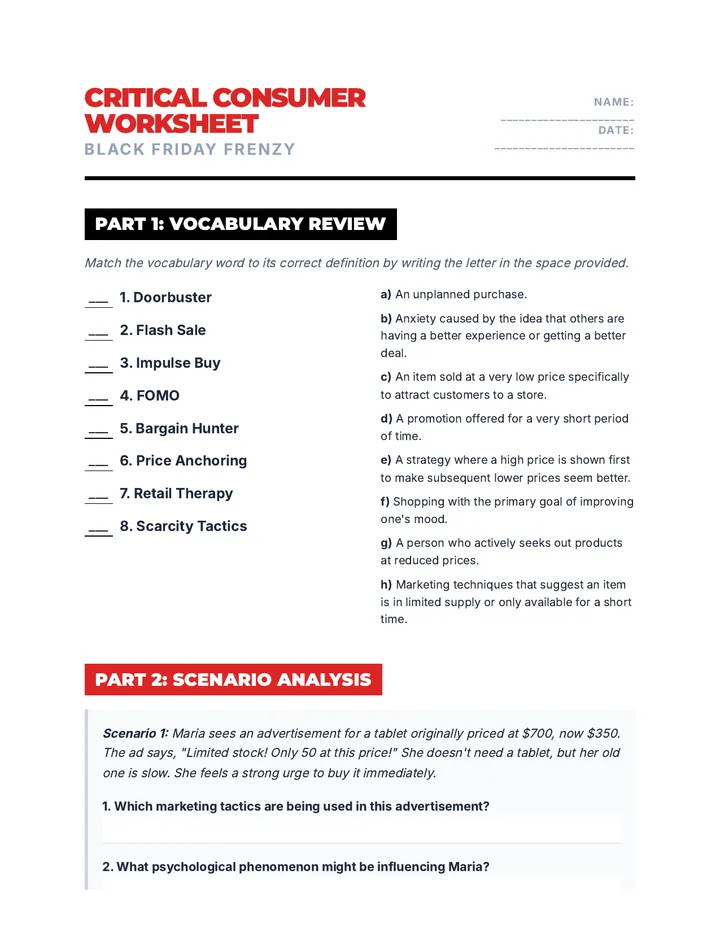
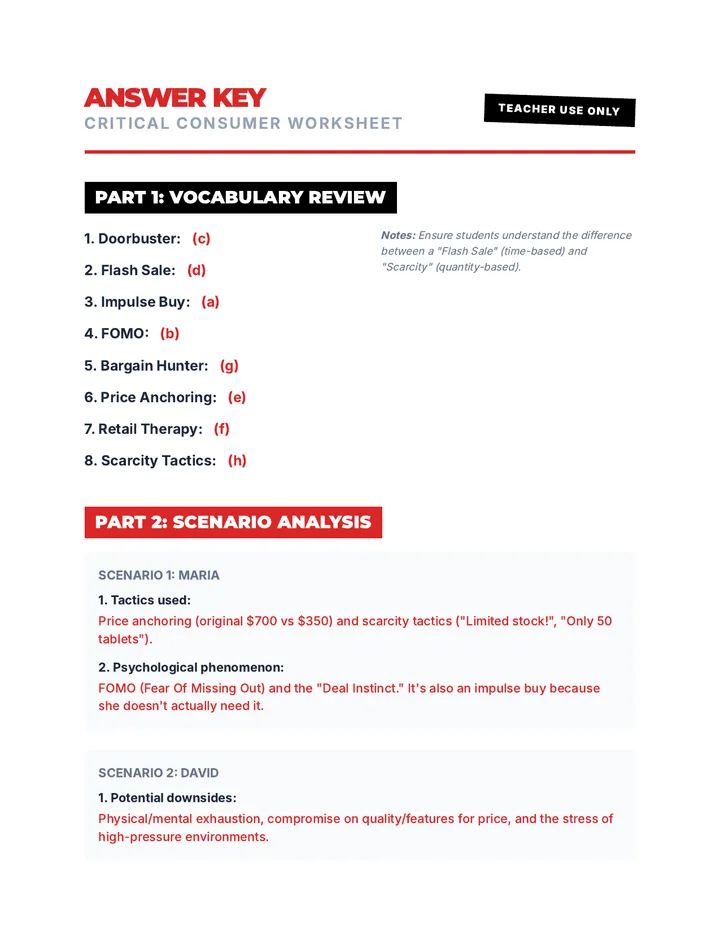
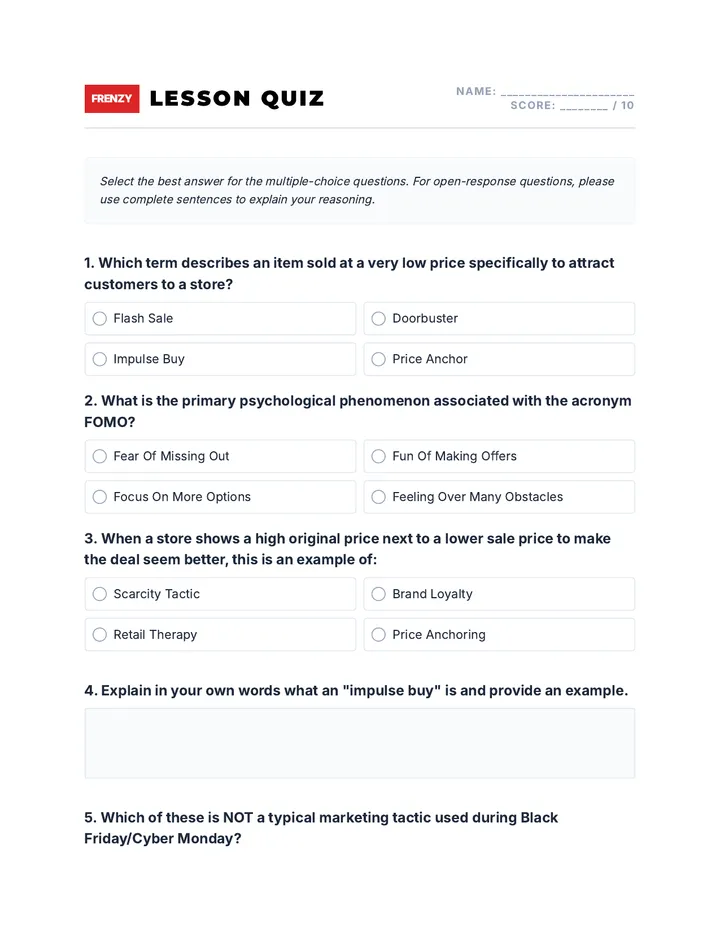
A 90-minute ESL lesson for B2.2+/C1 adult students exploring the cultural and psychological impact of Black Friday and Cyber Monday. Students will analyze marketing strategies, practice advanced vocabulary, and engage in a strategic shopping game.
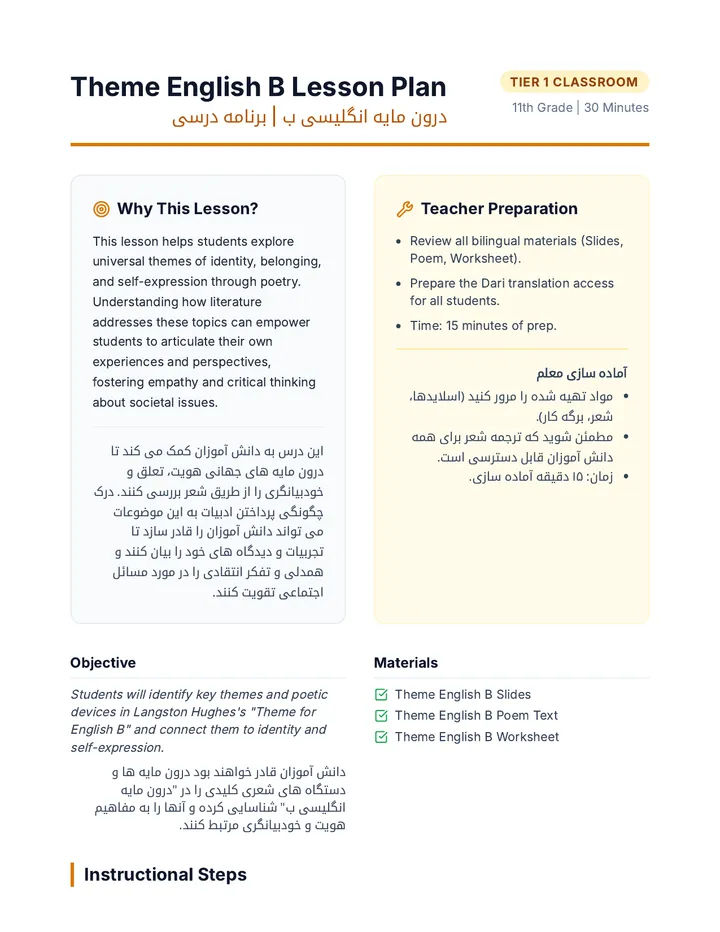
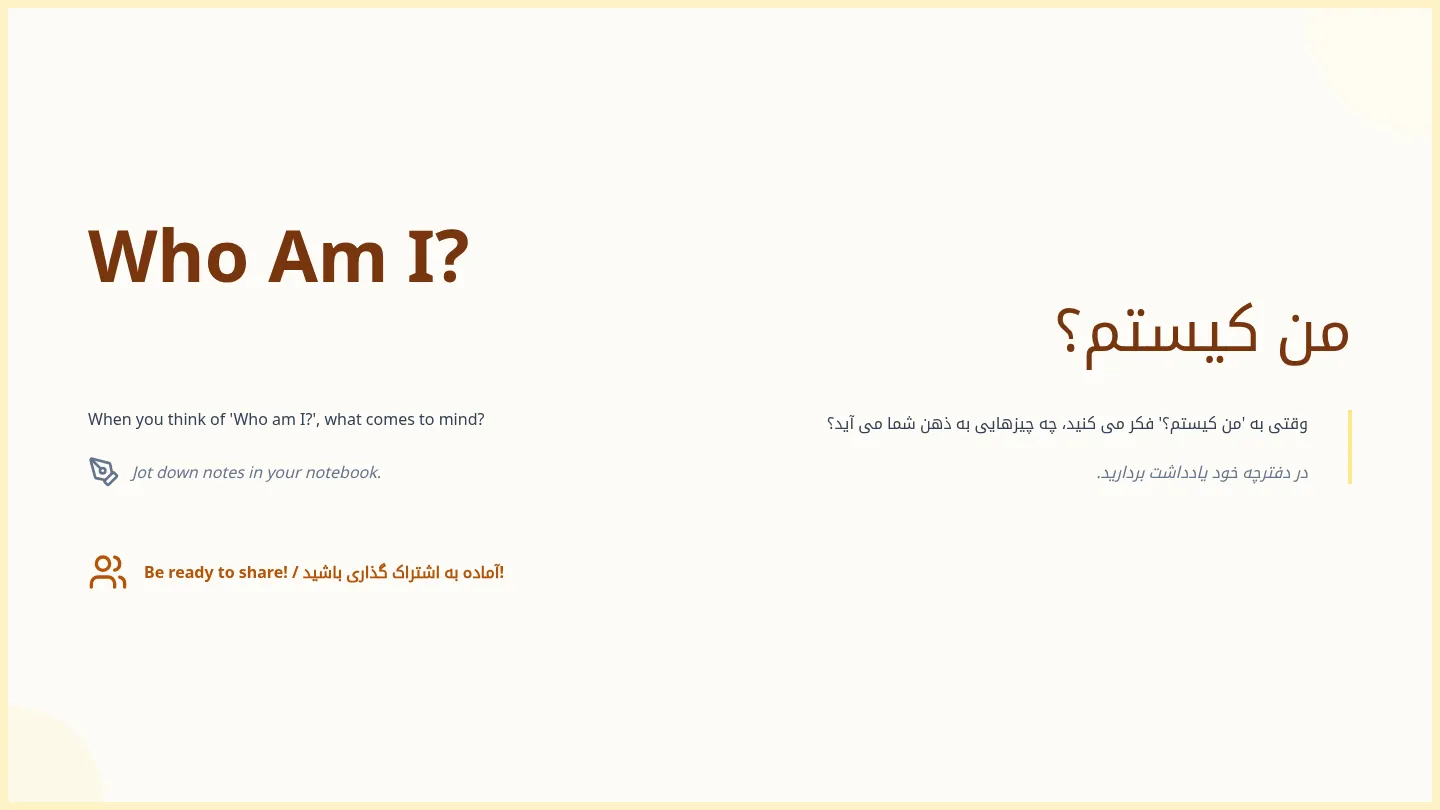
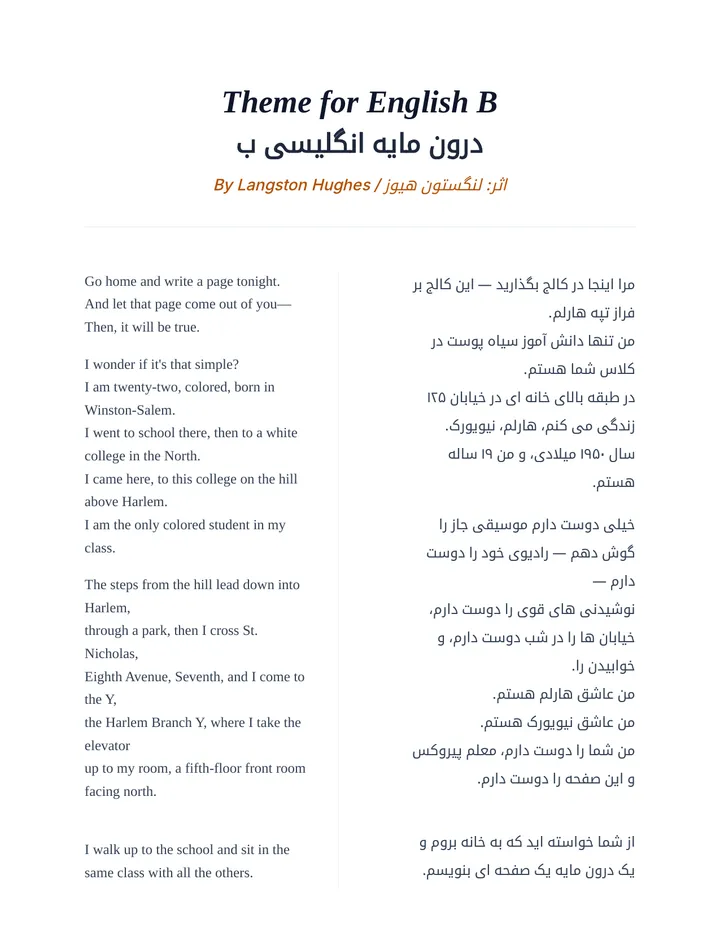
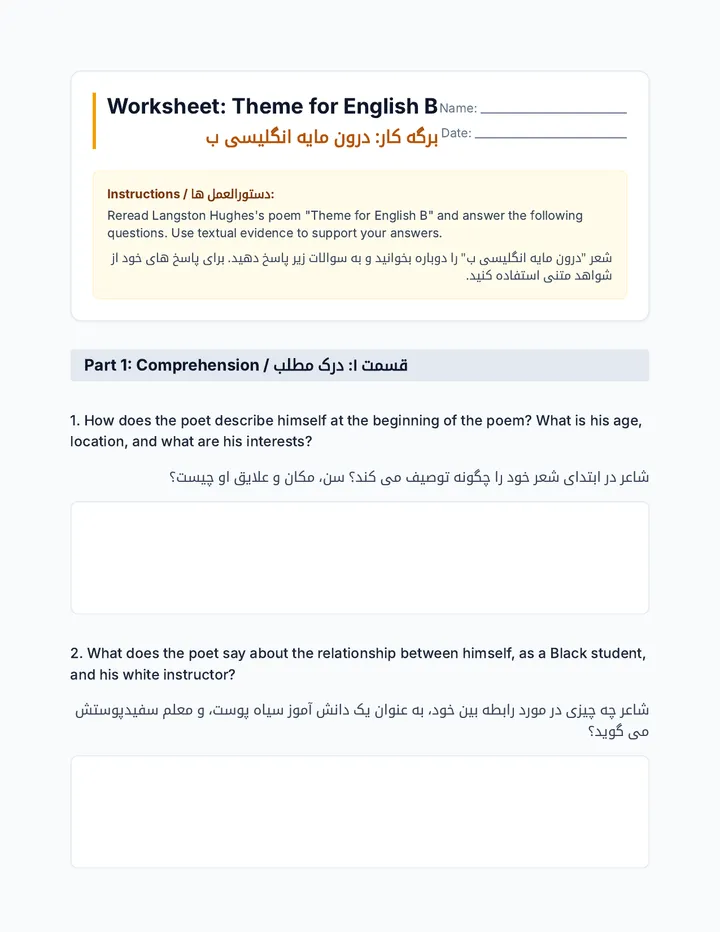
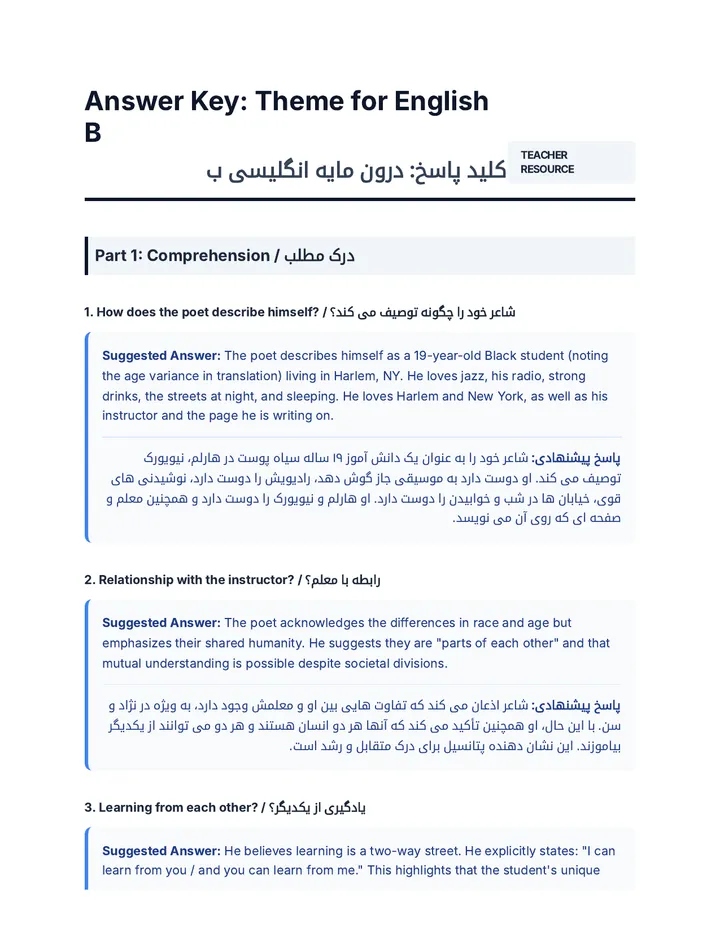
A 30-minute bilingual lesson for 11th-grade students exploring identity, race, and self-expression through Langston Hughes's 'Theme for English B' in Dari and English.
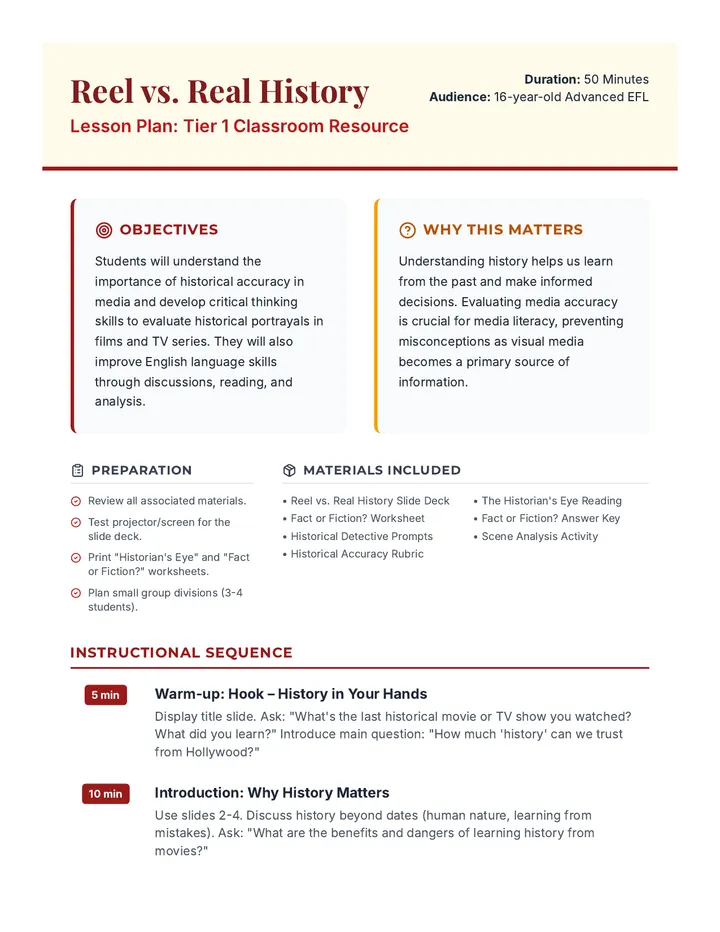
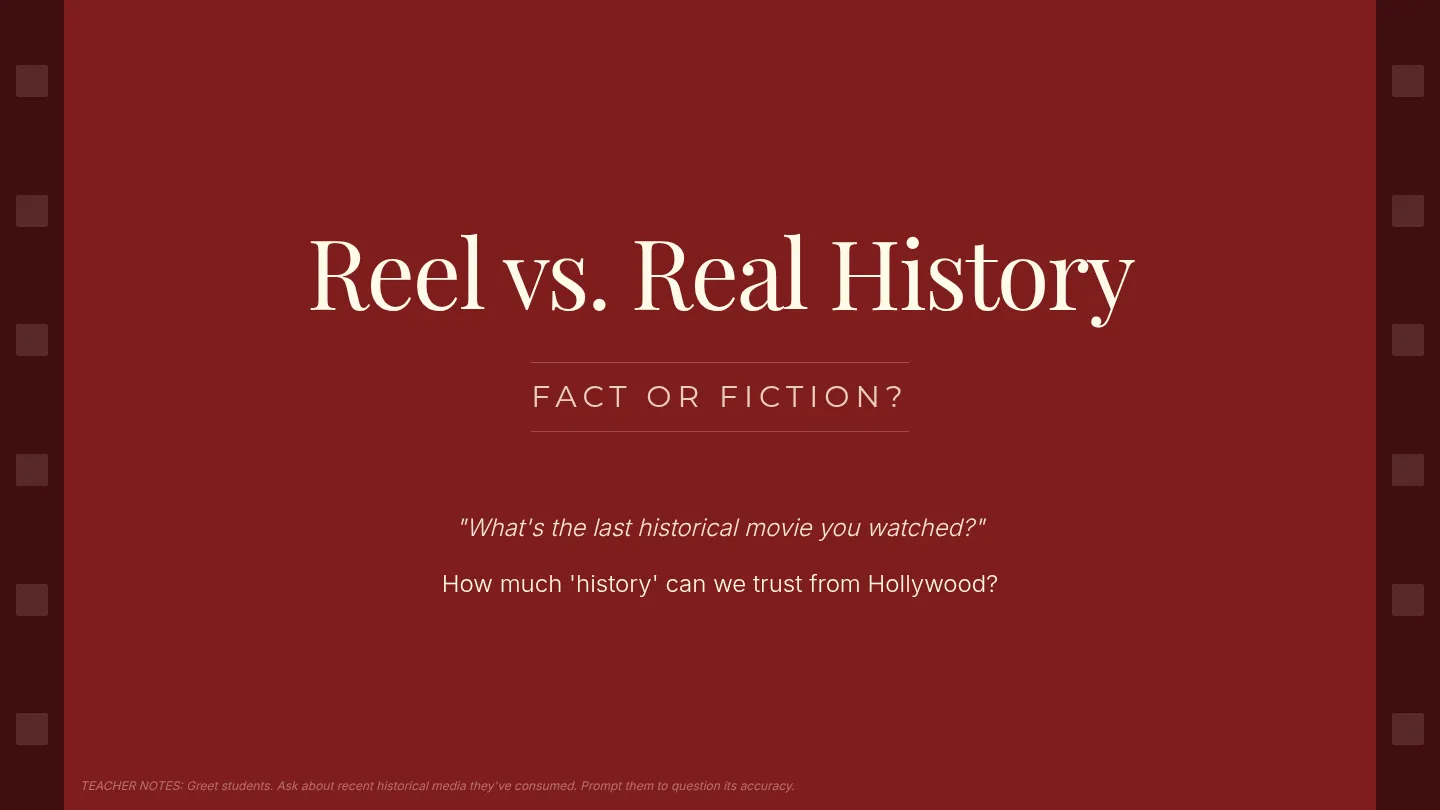
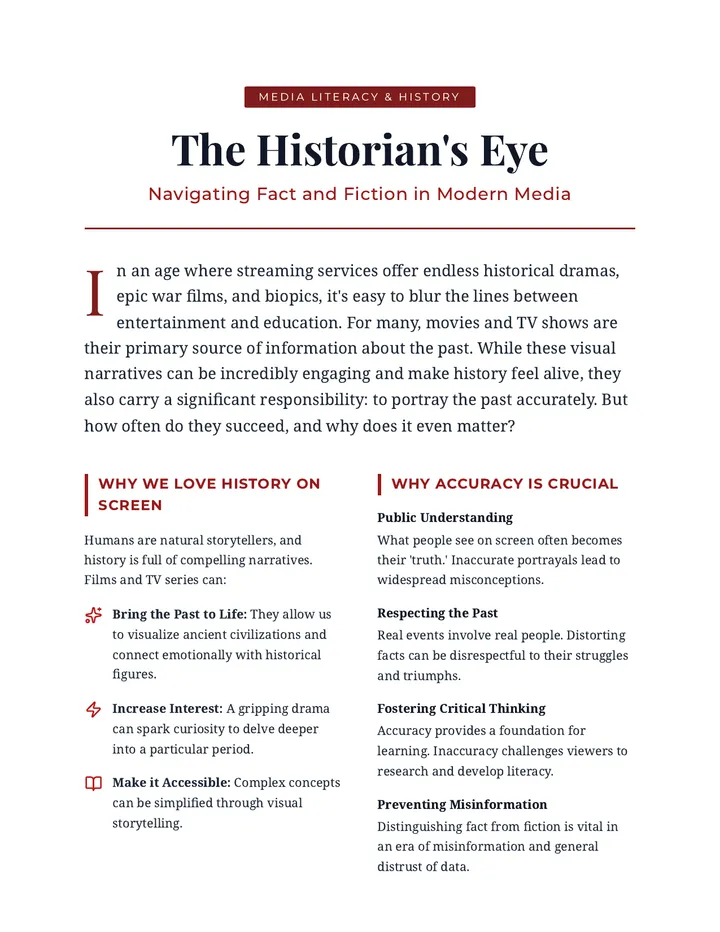
A 50-minute lesson for advanced EFL students exploring the tension between historical accuracy and cinematic storytelling, fostering critical thinking and media literacy.