Functional behavior assessment, data tracking, and de-escalation strategies for managing classroom conduct. Addresses positive reinforcement, token economies, and individualized behavior contracts to support student self-regulation.
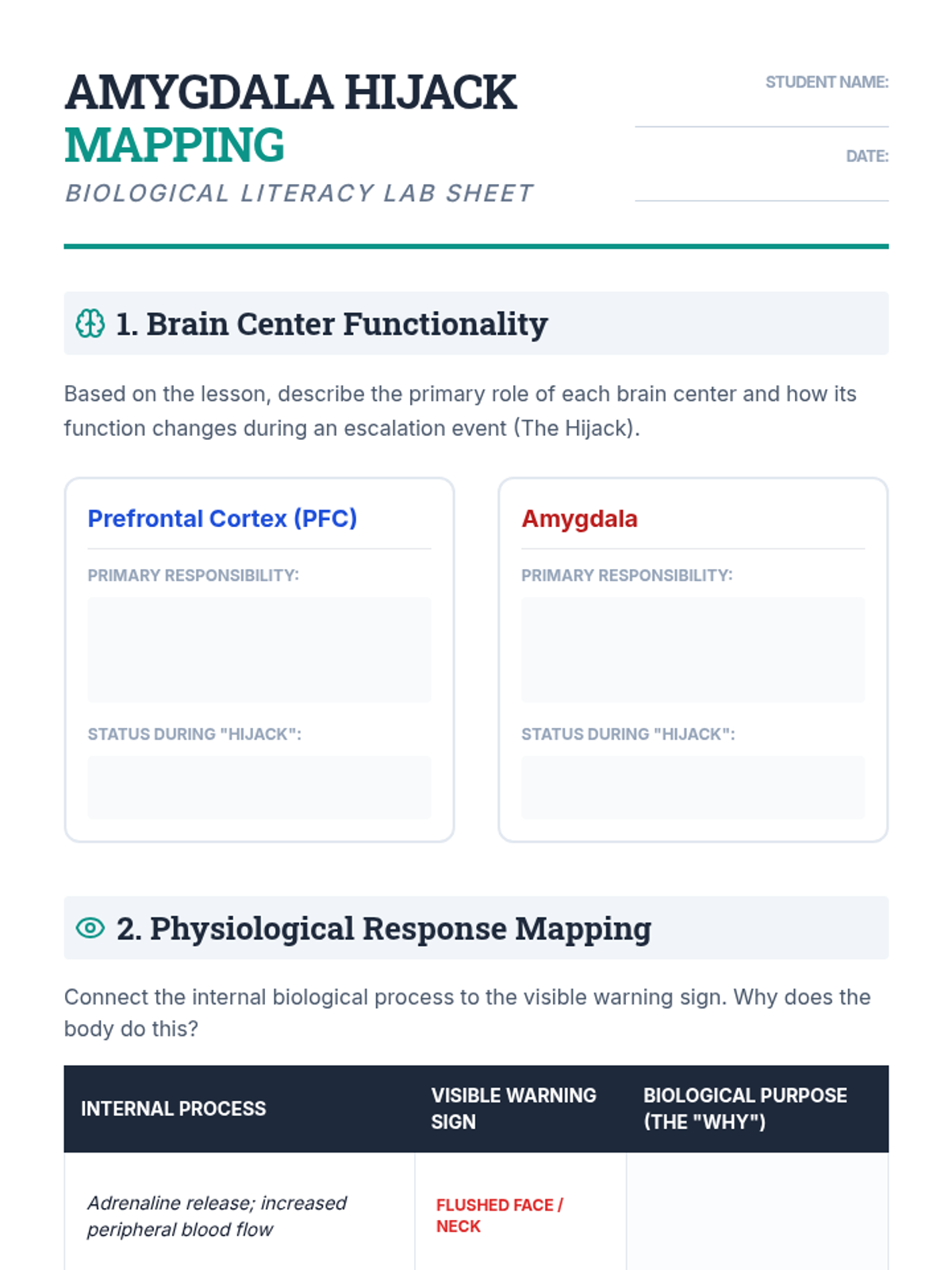
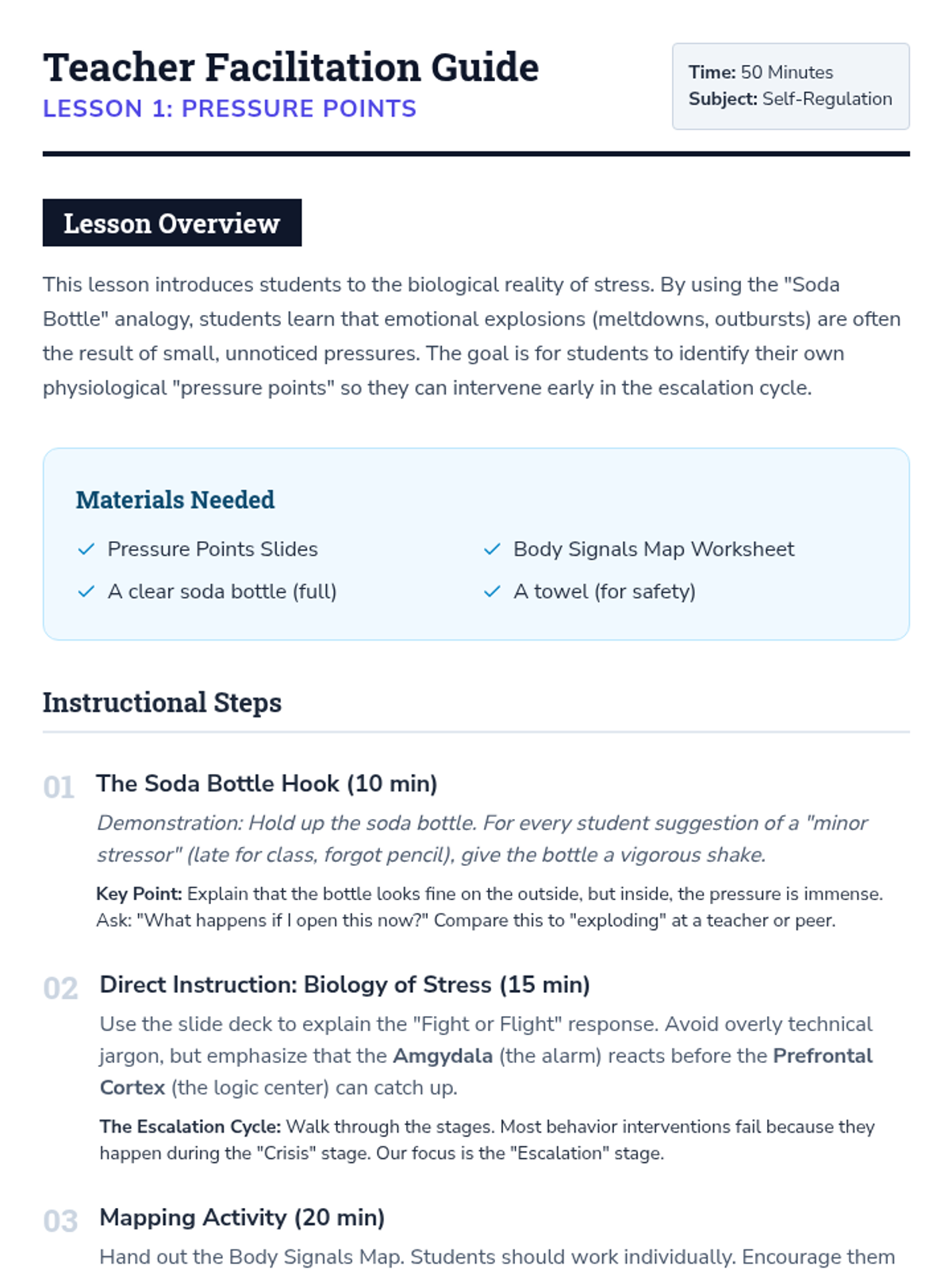
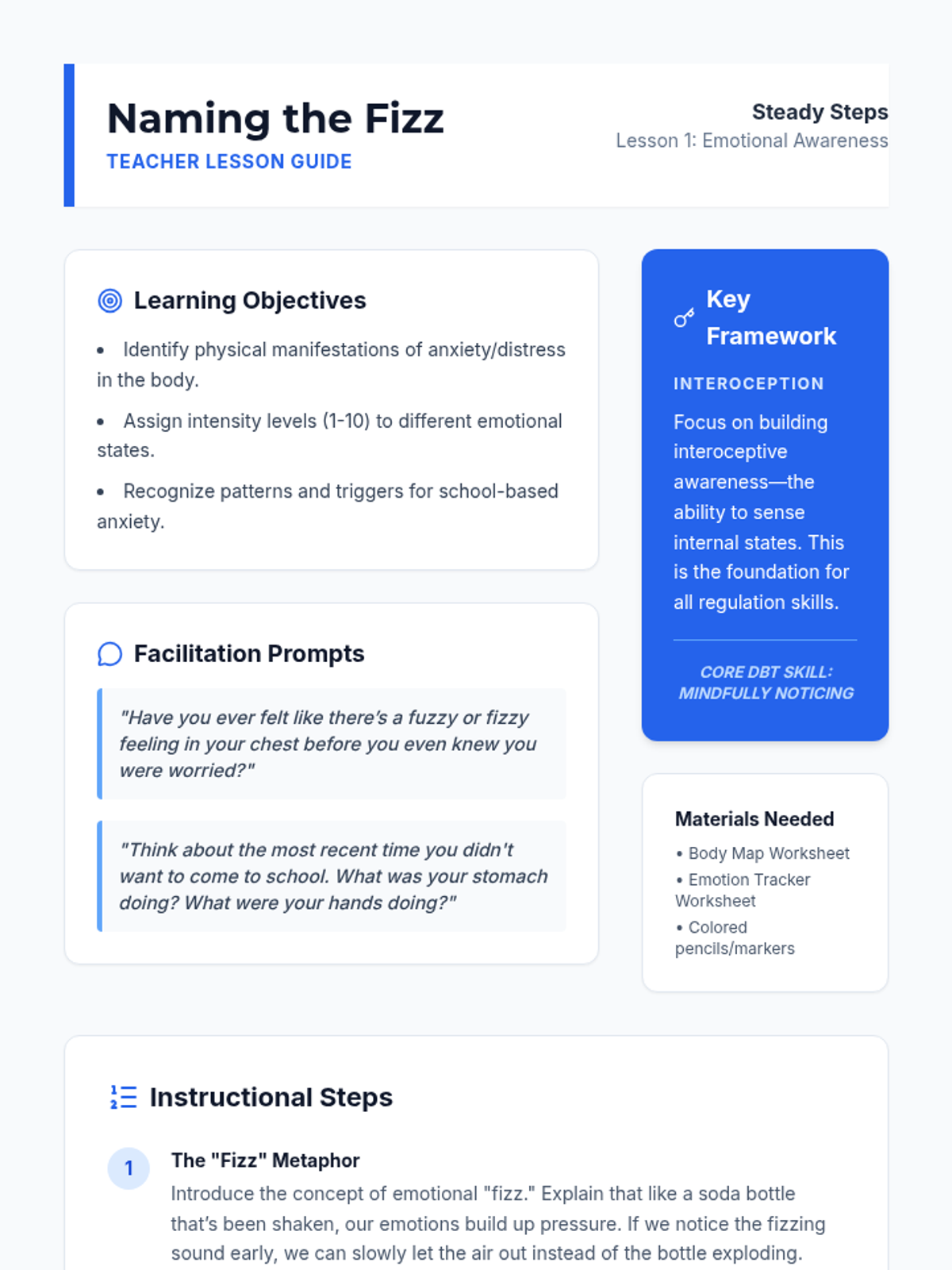
This sequence connects behavioral observation to the biological science of the stress response. Students investigate the 'why' behind warning signs by studying the sympathetic nervous system and the 'fight, flight, or freeze' response, culminating in a biological profile of behavioral escalation.
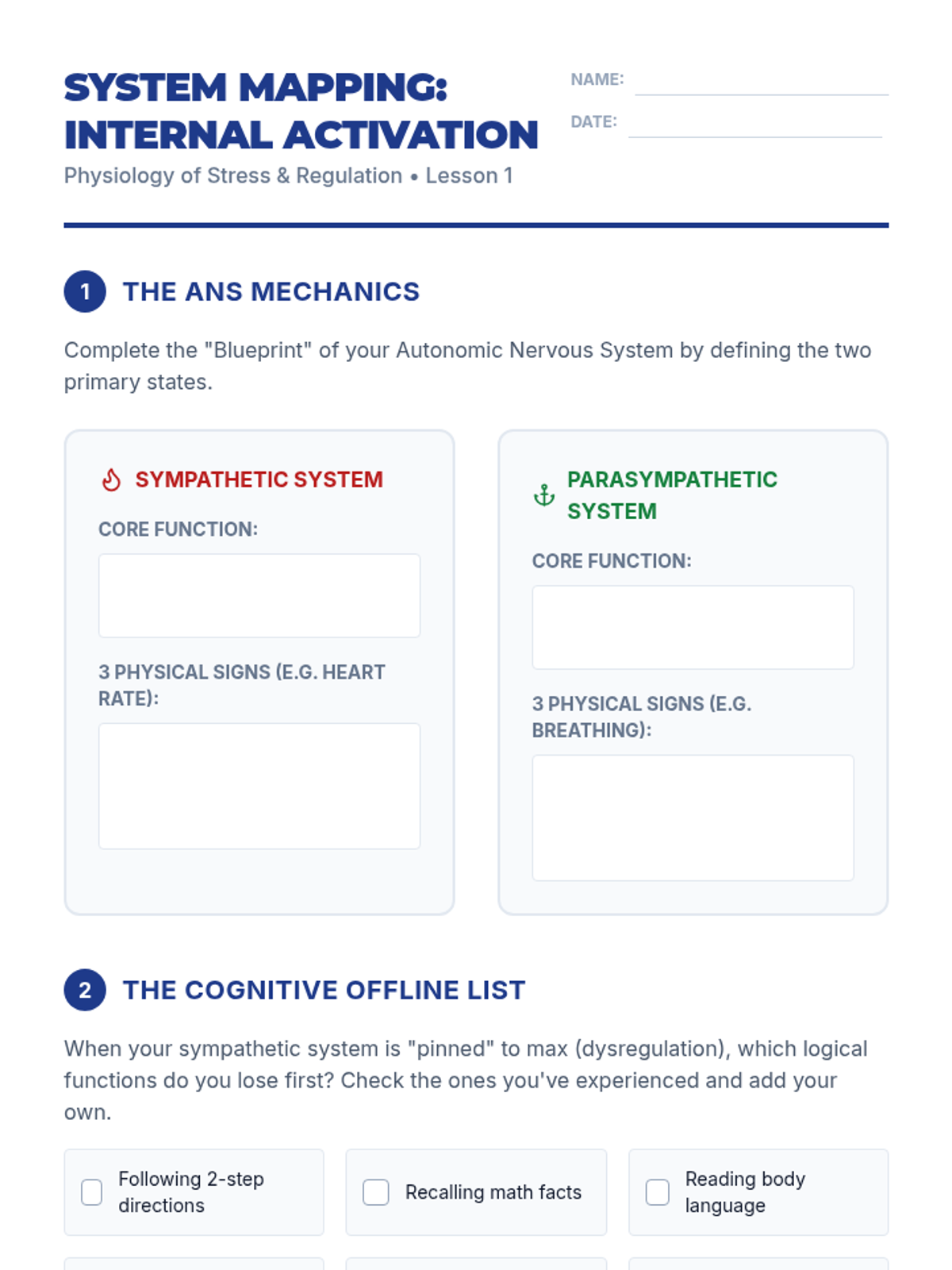
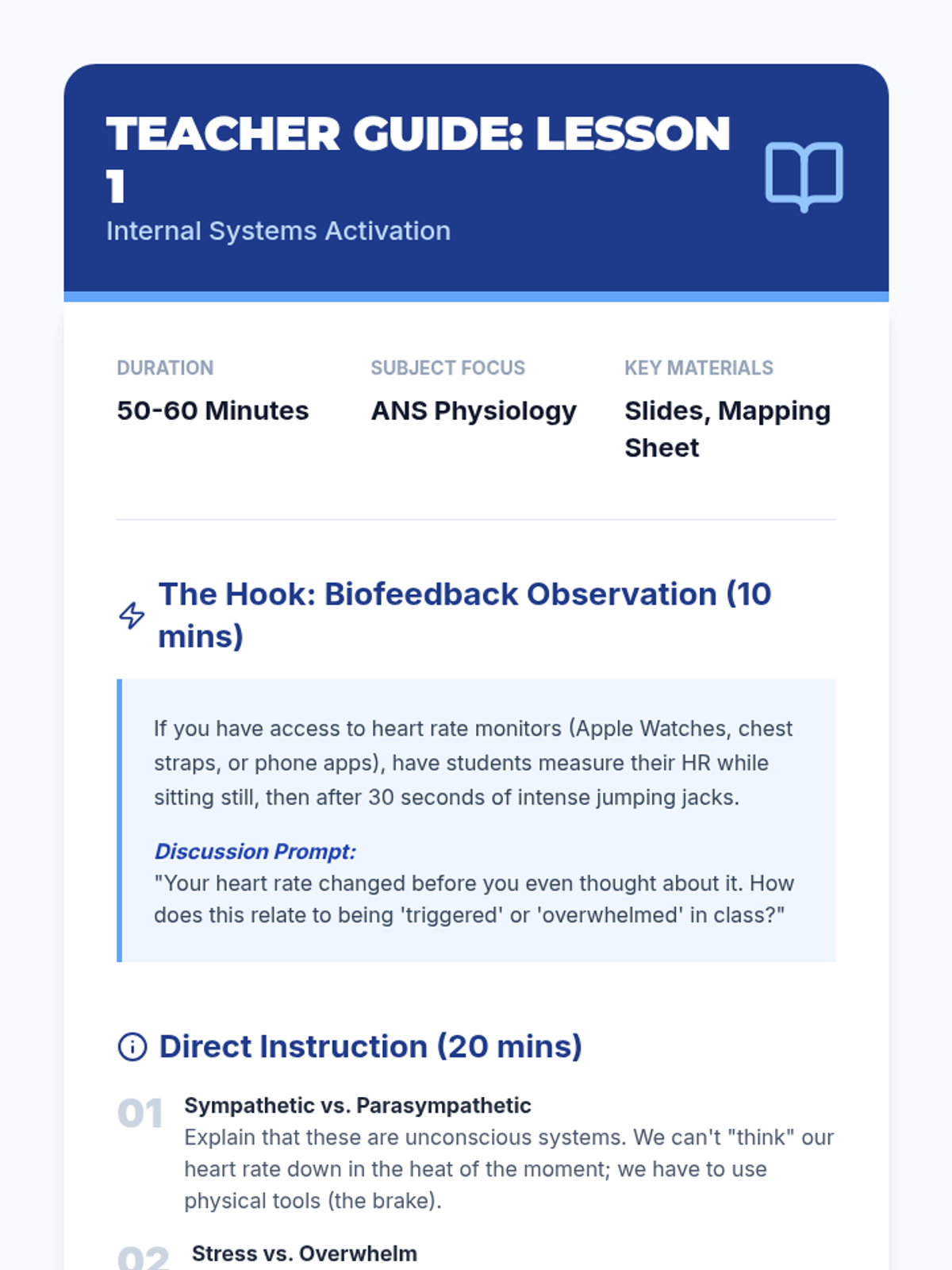
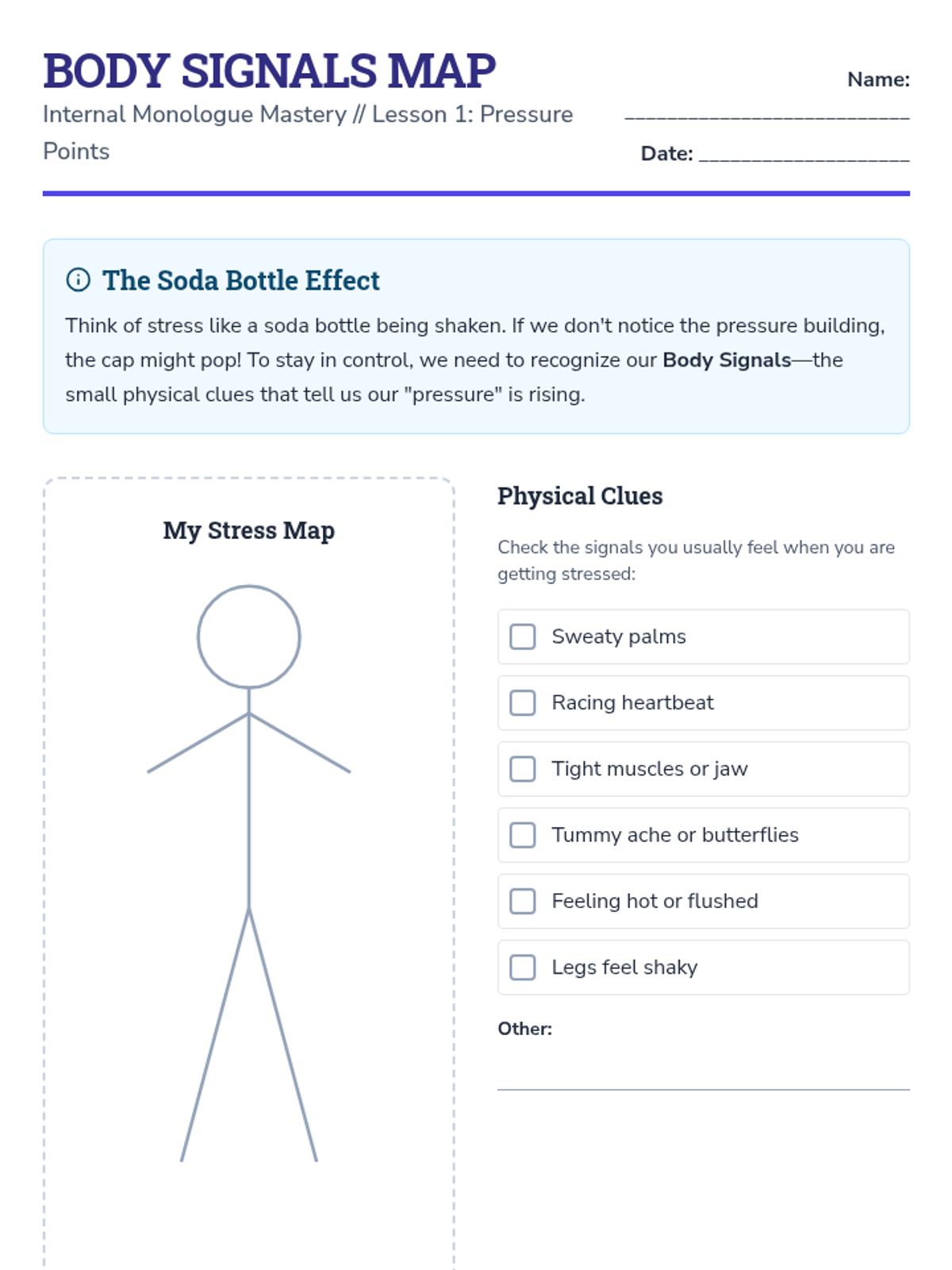
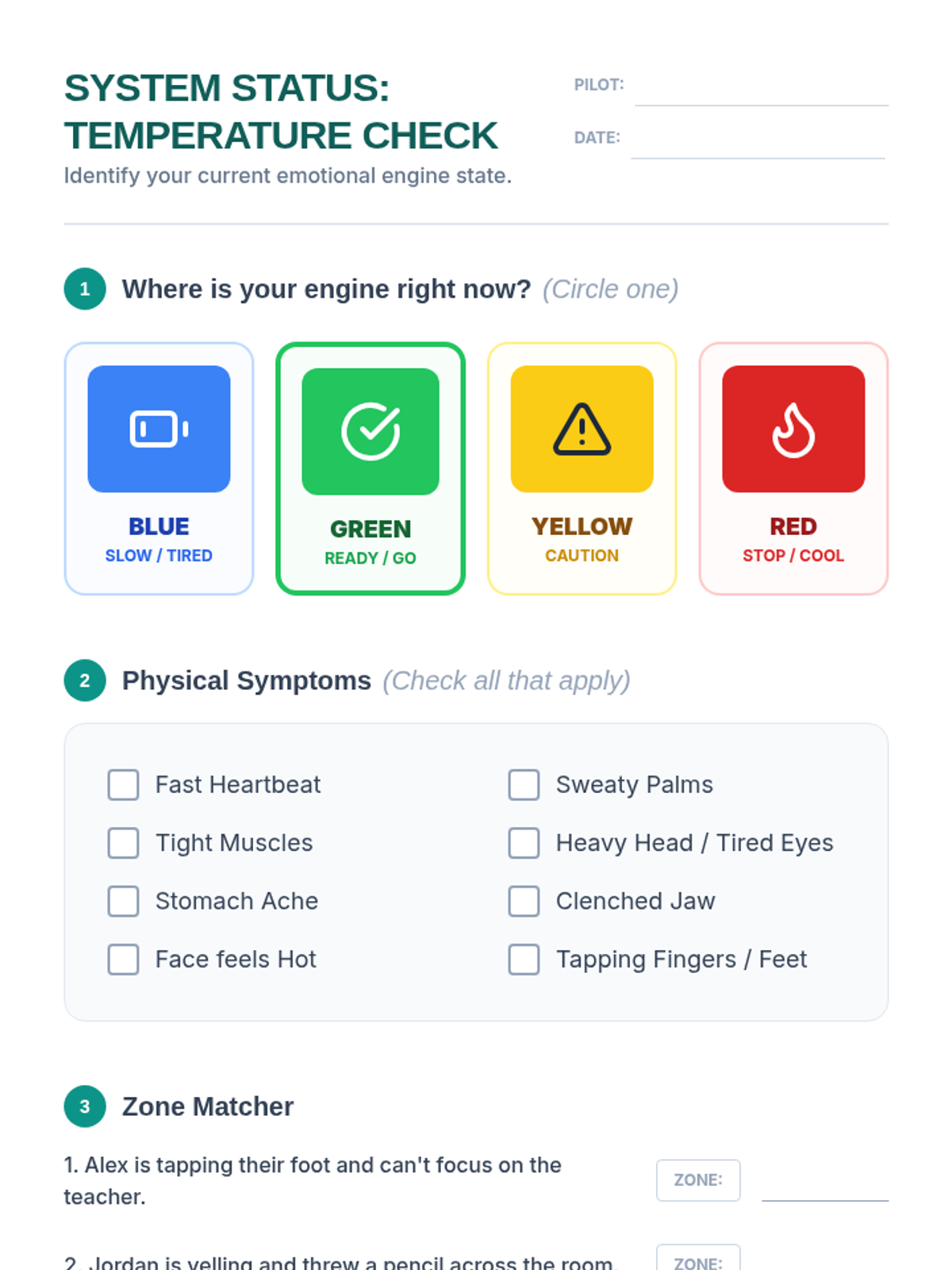
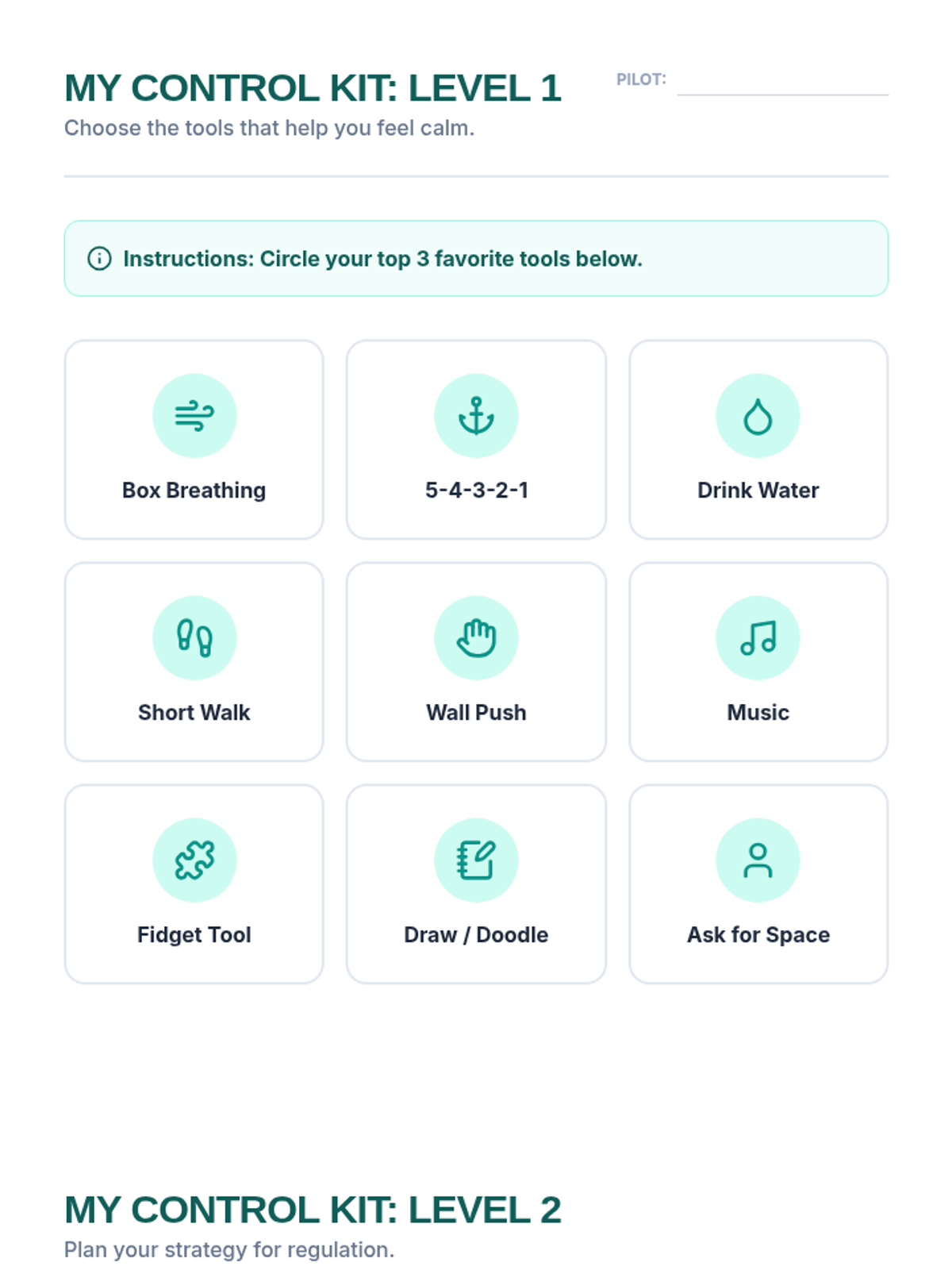
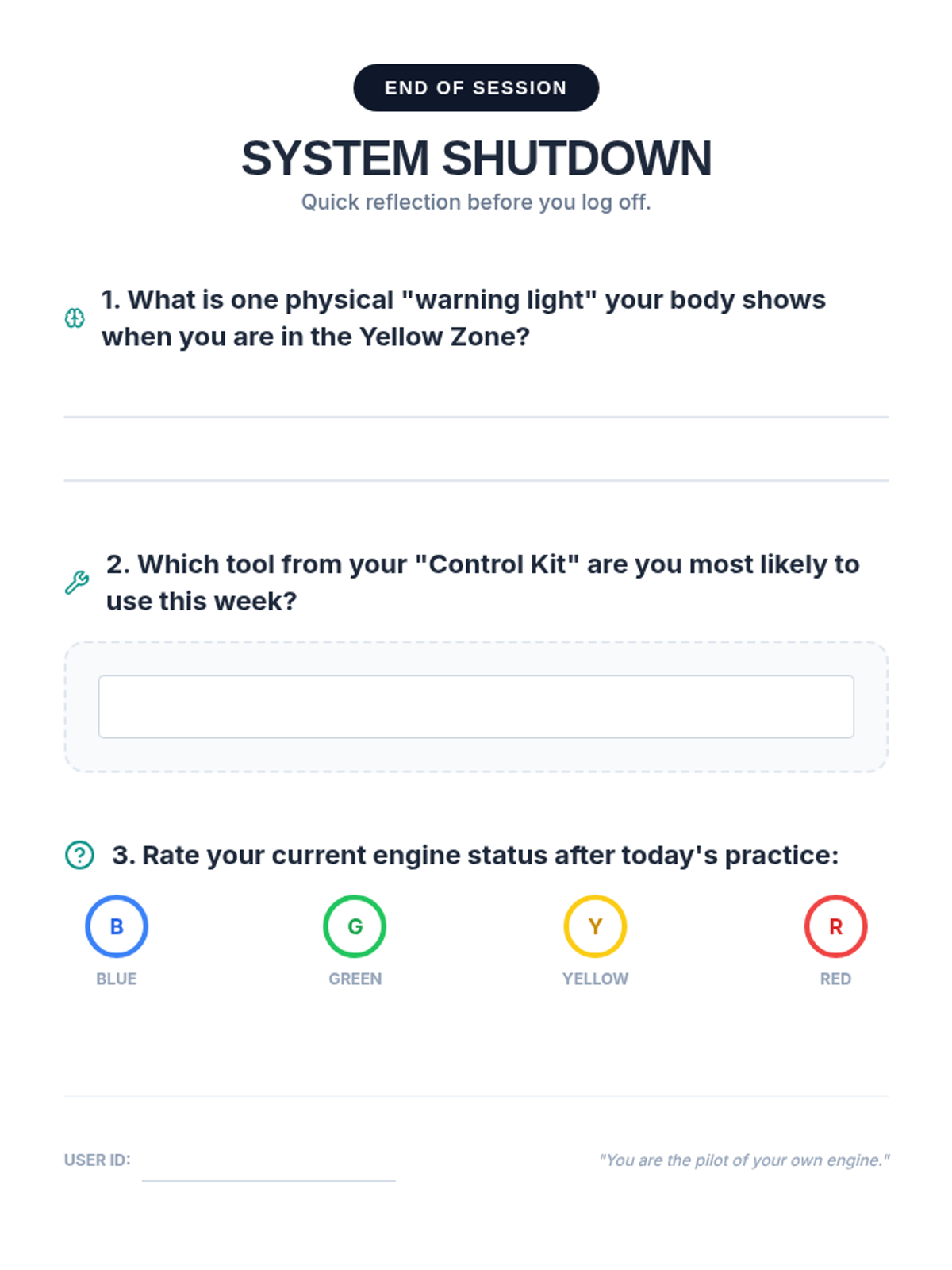
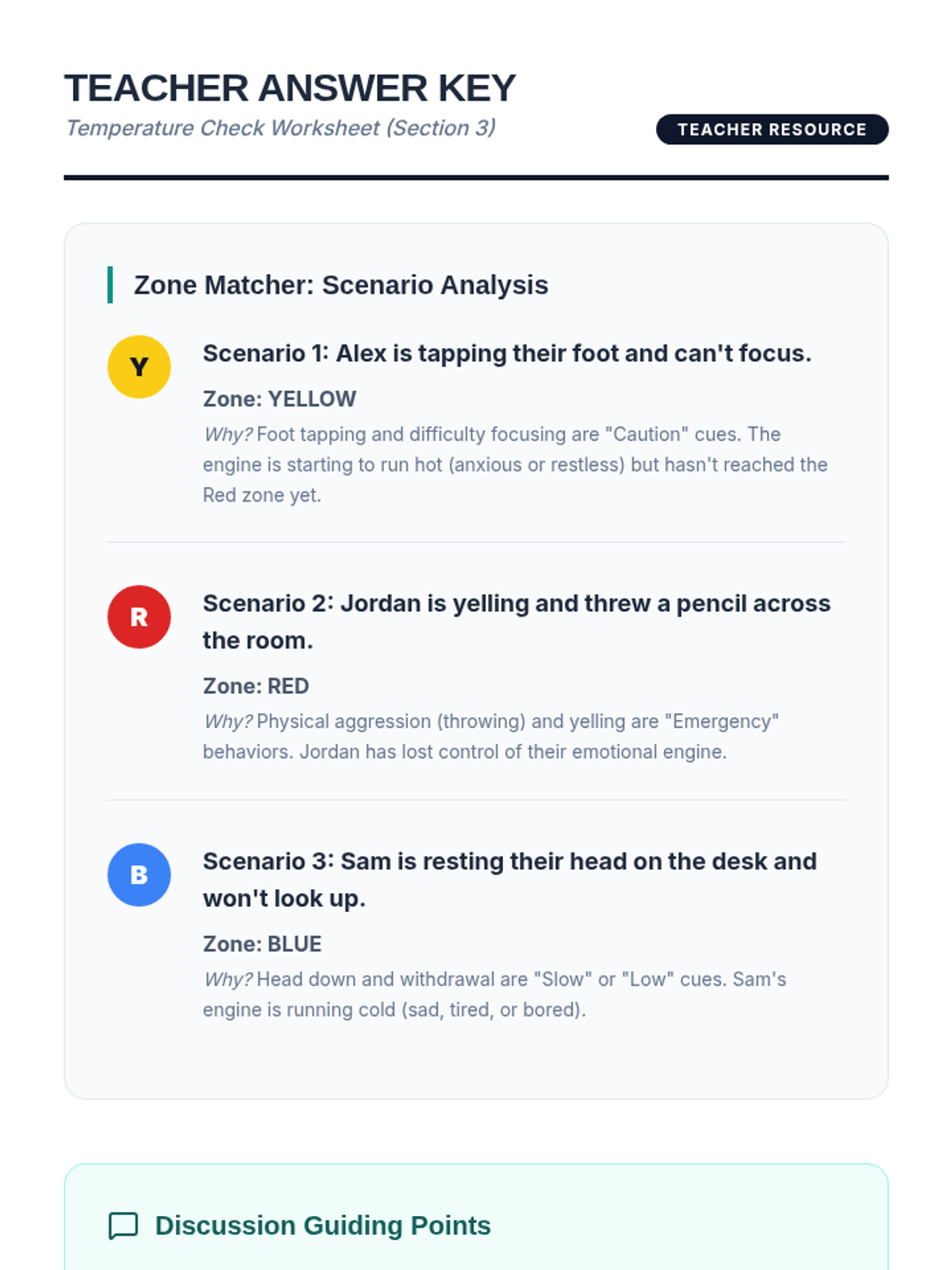
A comprehensive 5-lesson unit for 10th-grade students on the biological mechanisms of stress, the escalation cycle, and the creation of personalized sensory recovery protocols. Students explore the autonomic nervous system, map their physical cues, test sensory tools, and design 'Return to Baseline' plans.
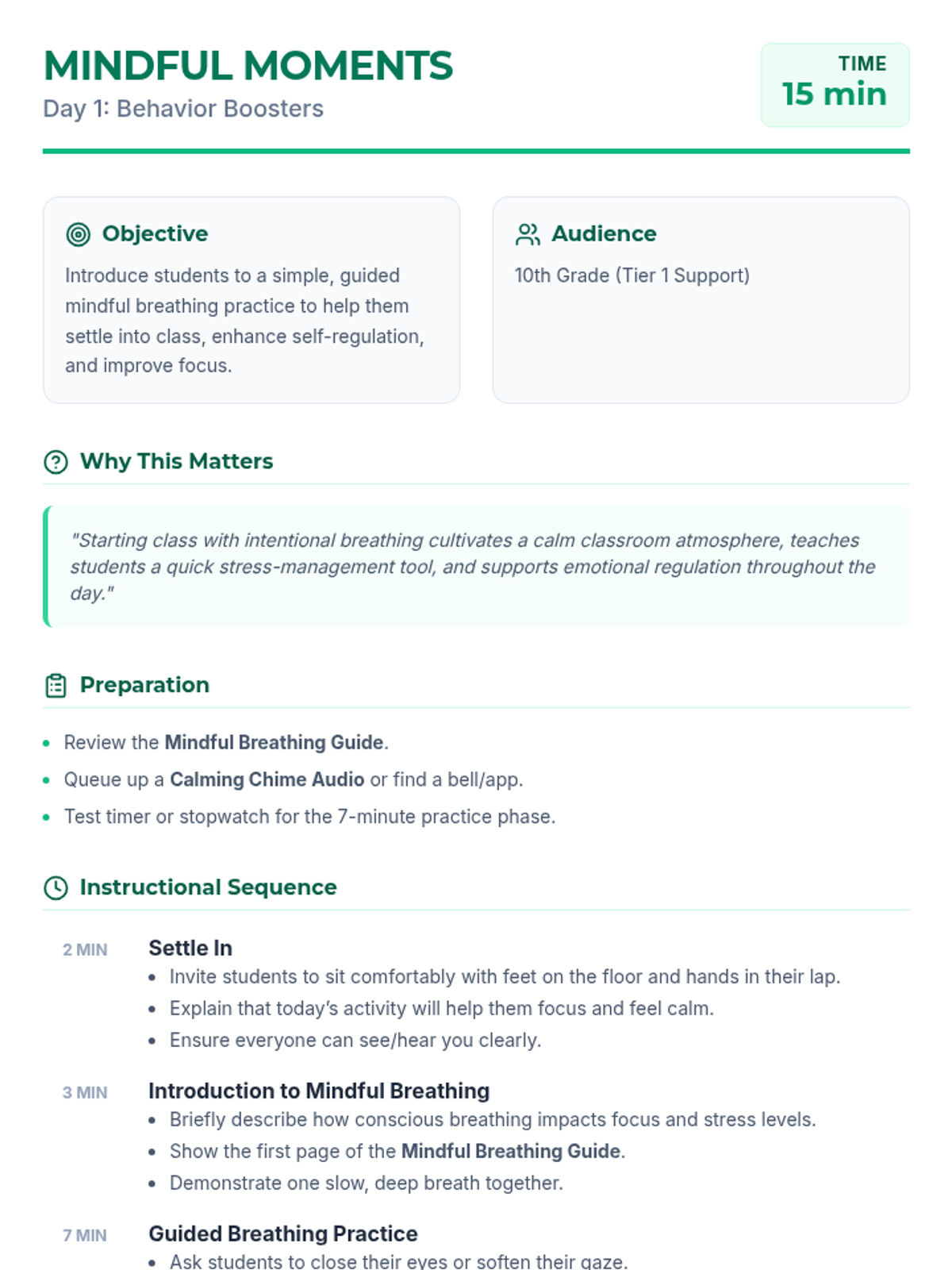
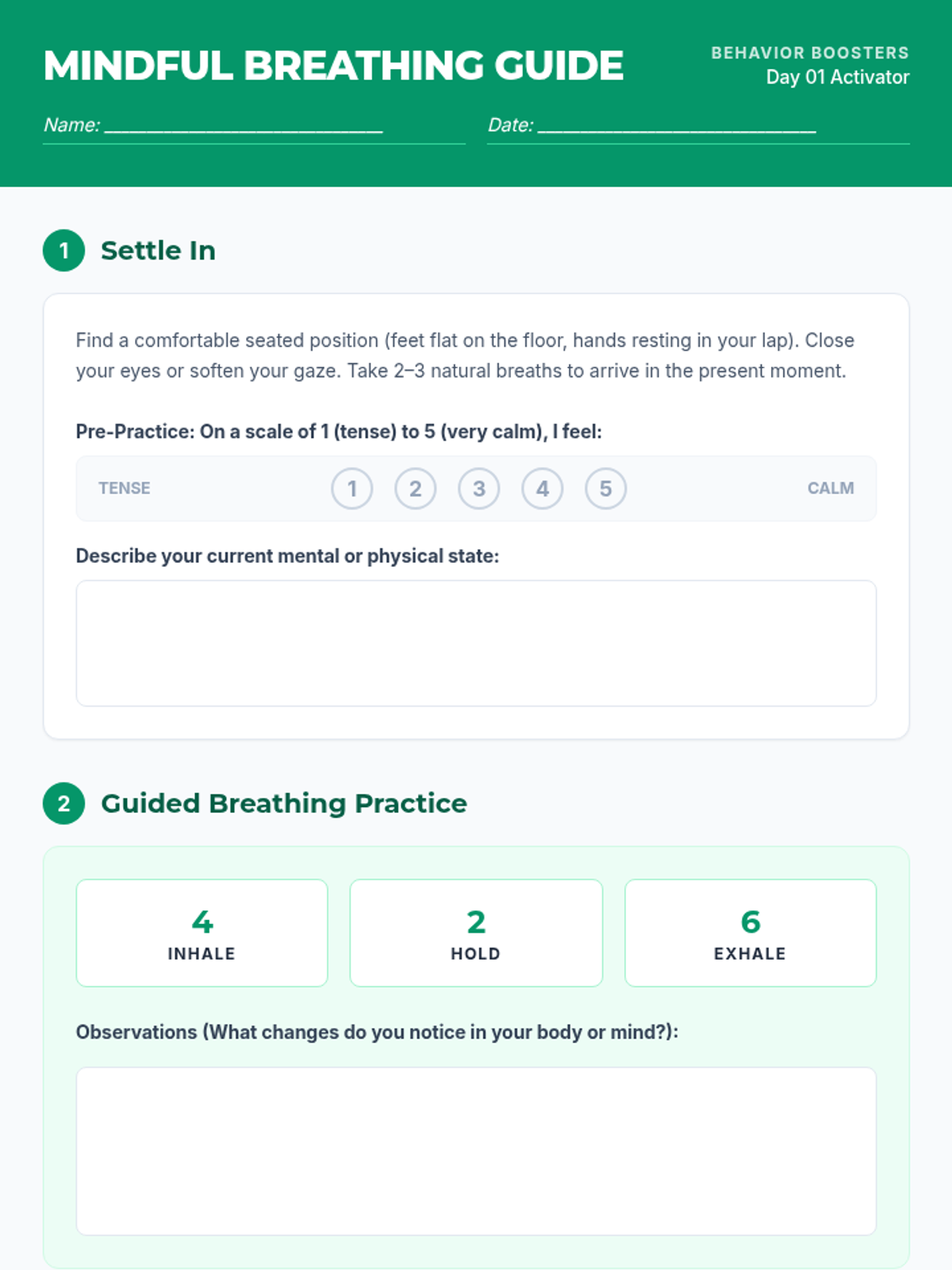
A week-long series of 15-minute daily activators designed for 10th-grade students to promote self-regulation, positive behavior, and social-emotional skills. these Tier 1 routines help students start class with focus and calm.
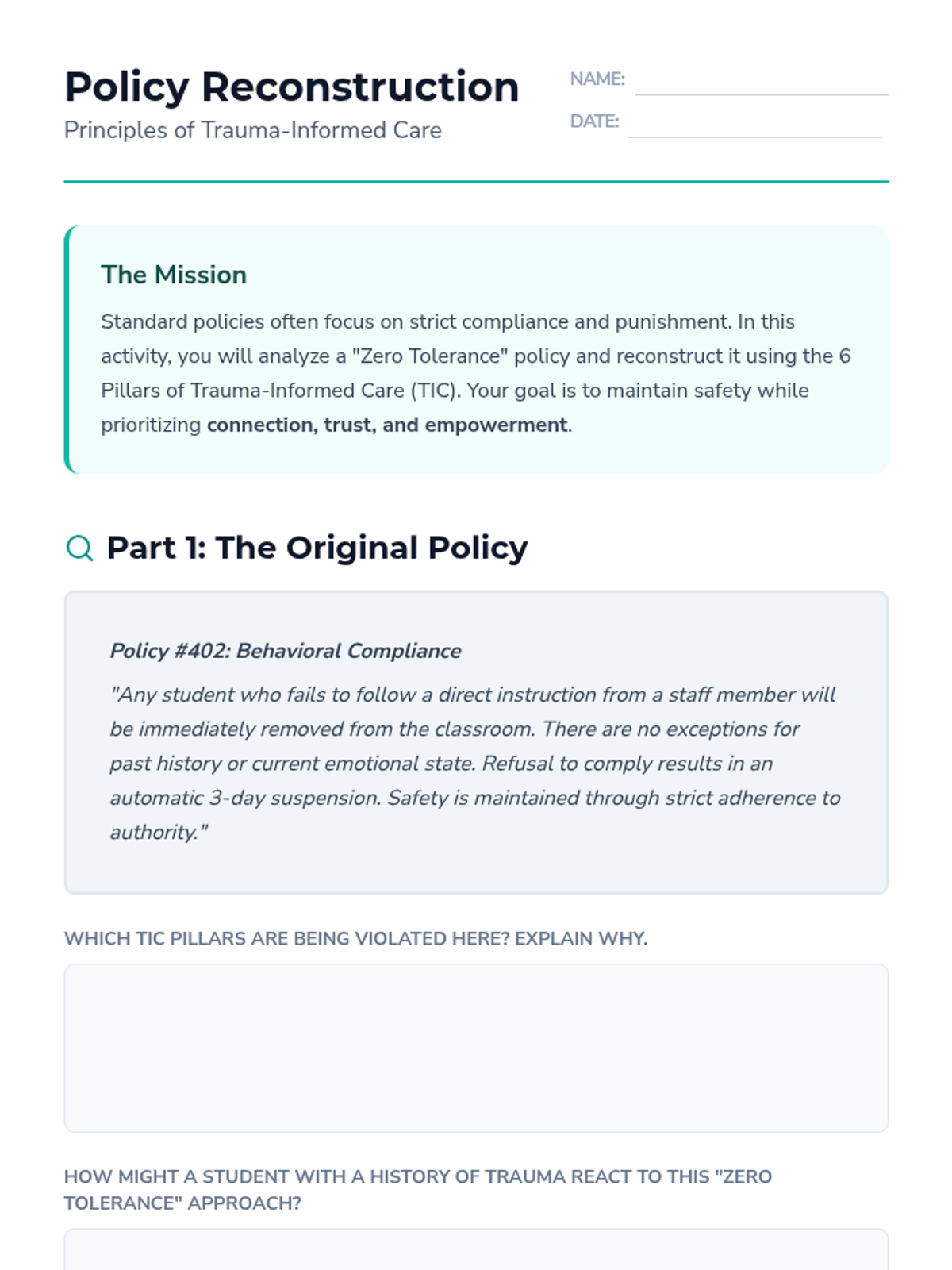
This sequence explores the core principles of Trauma-Informed Care (TIC) and develops practical skills in non-verbal communication, verbal de-escalation, and professional boundary-setting for 10th-grade students.
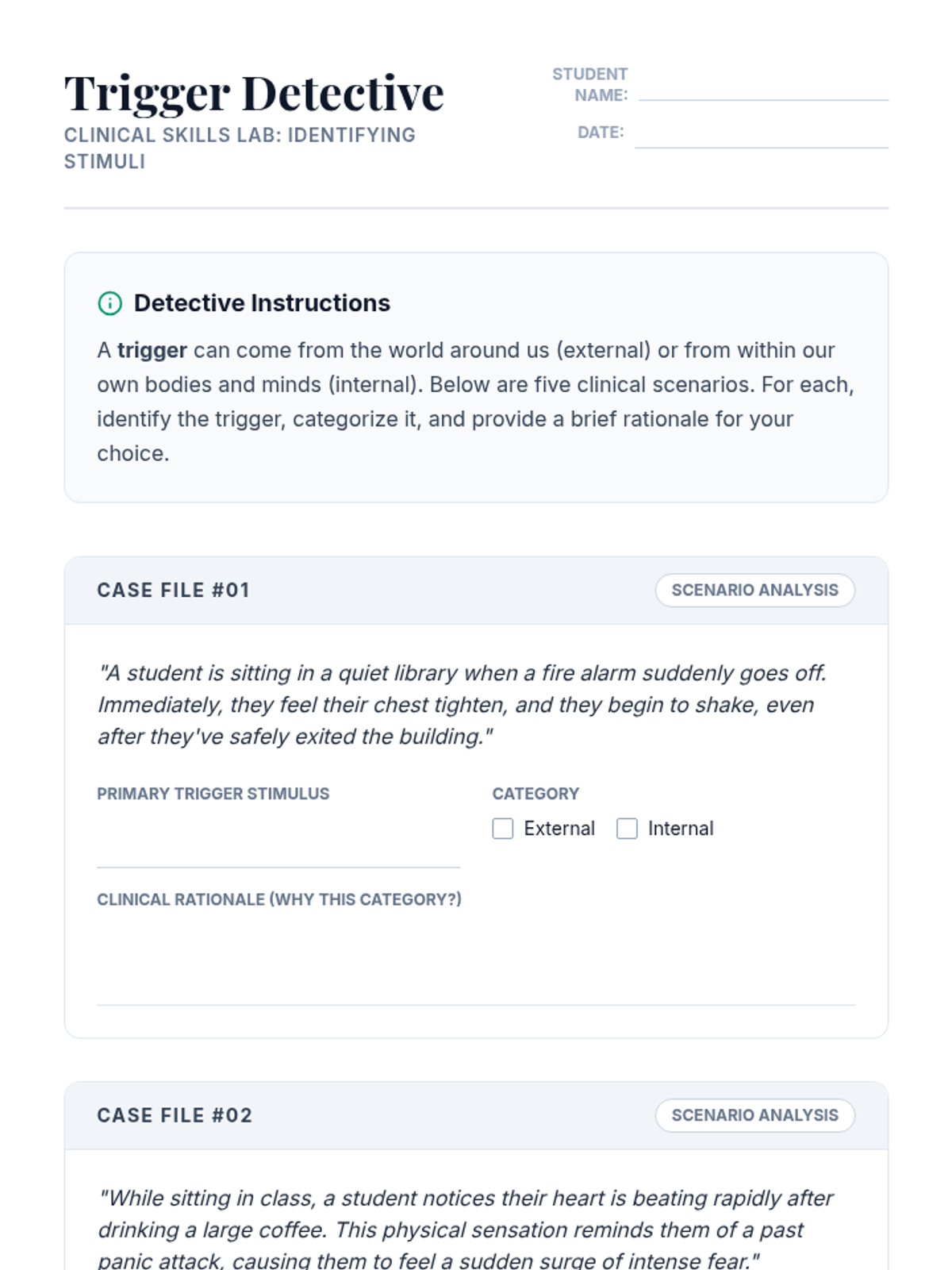
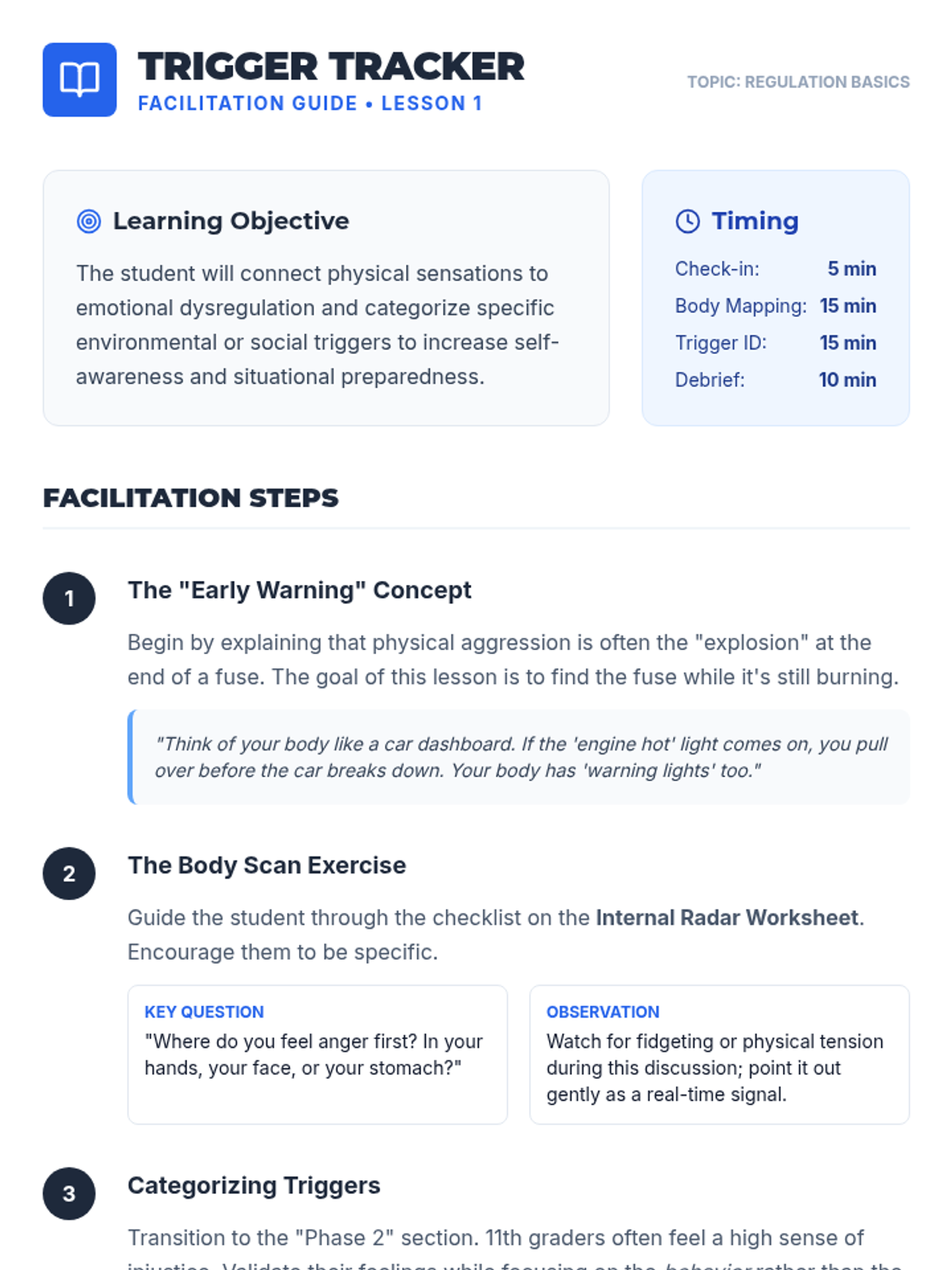
A comprehensive sequence for 10th-grade students focusing on identifying, analyzing, and mapping trauma triggers and behavioral responses using the Window of Tolerance framework. Students progress from defining stimuli to clinical case analysis, preparing them for foundational skills in counseling and safety planning.
A 5-lesson unit where 10th-grade students design a personal self-regulation plan. They map support networks, create crisis cards, engineer preventative routines, set SMART behavior goals, and compile a final success portfolio.
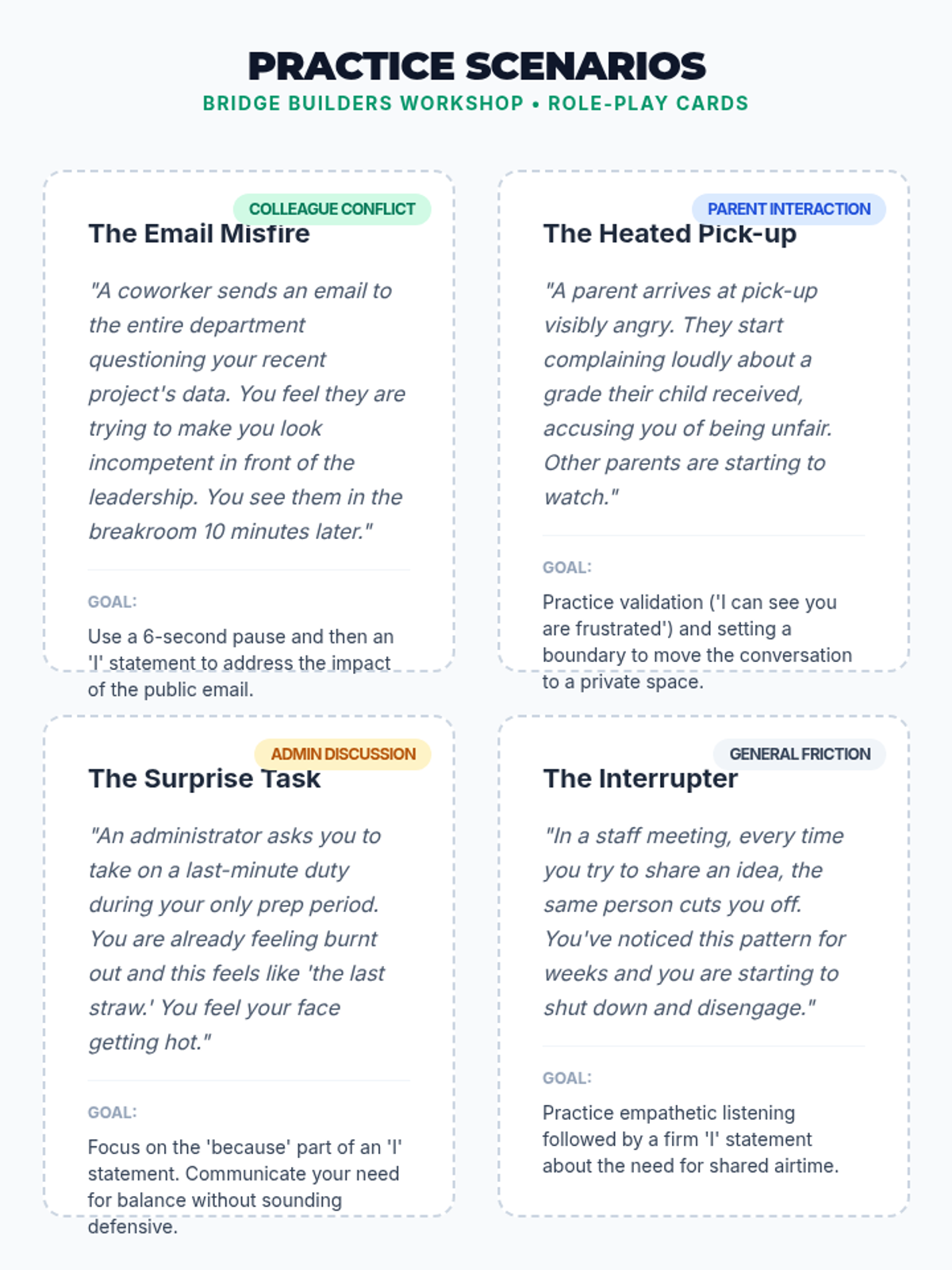
This simulation-heavy sequence places students in high-stakes social scenarios relevant to 9th graders, such as peer pressure, academic disputes, and navigating social media conflict. The goal is to apply self-regulation skills in dynamic, interpersonal contexts. Students engage in structured role-plays and debates to practice de-escalation and negotiation, culminating in a mastery demonstration where they navigate a complex conflict scenario.
A 5-lesson sequence designed for 10th-grade students to develop internal monologues for self-regulation. Students explore the biology of stress, craft affirmative self-talk, prepare for unexpected changes, and build a comprehensive 'Reset Routine' to manage anxiety and behavior.
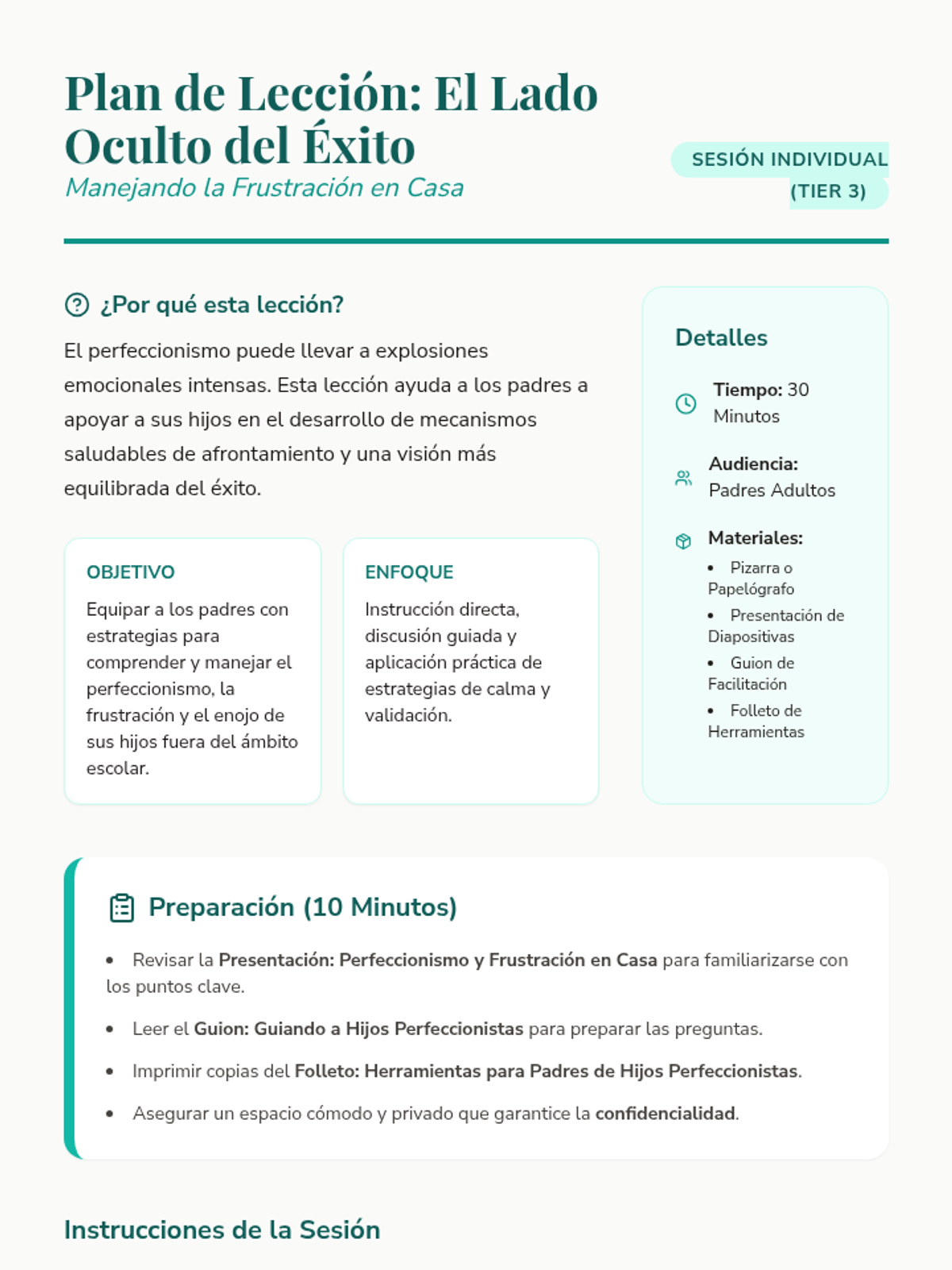
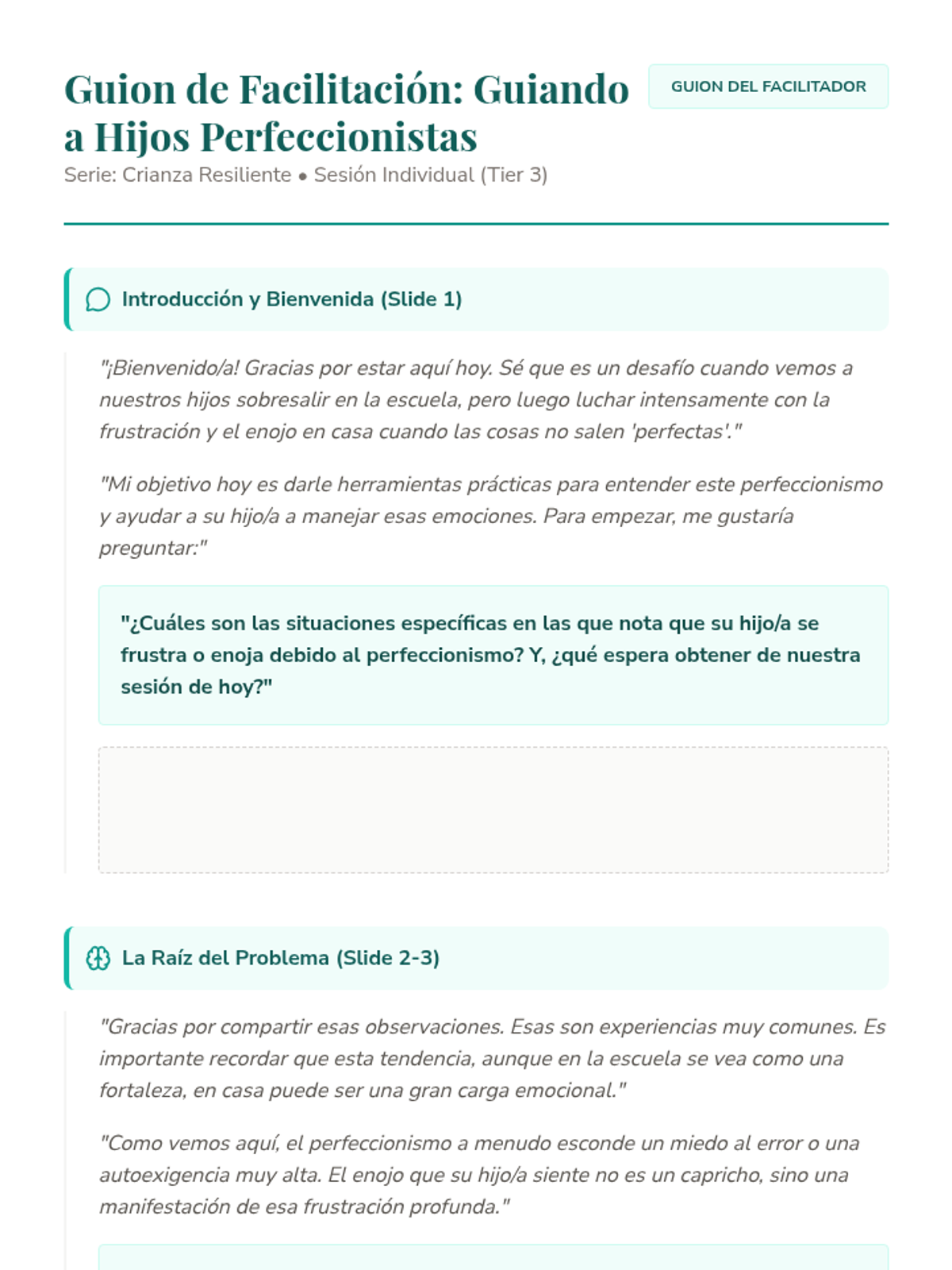
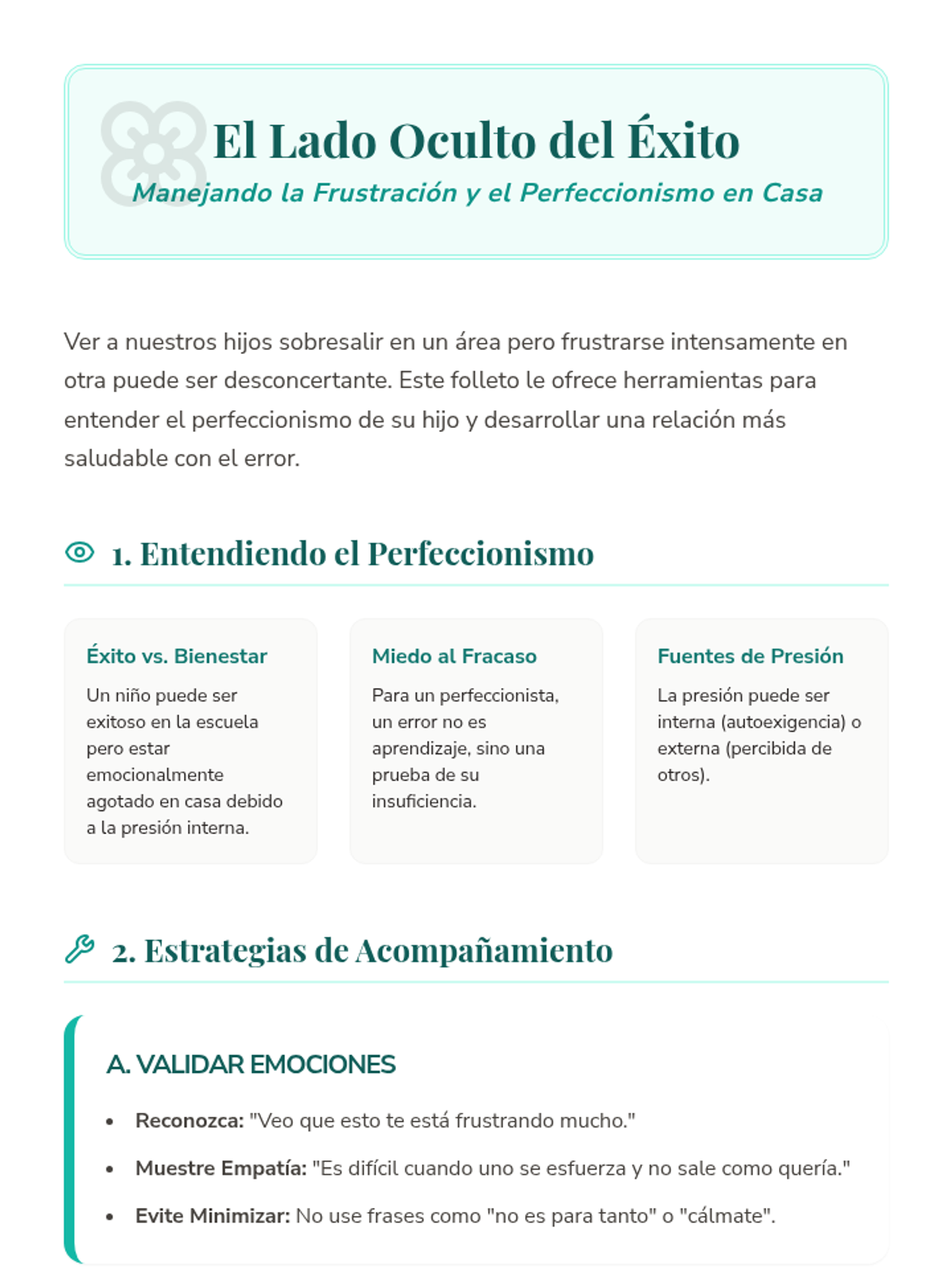
Una serie de sesiones de apoyo individual para padres que enfrentan desafíos específicos en la crianza, desde el perfeccionismo y el TDAH hasta la inmigración y el autocuidado. Cada lección proporciona herramientas prácticas y un espacio de validación emocional.
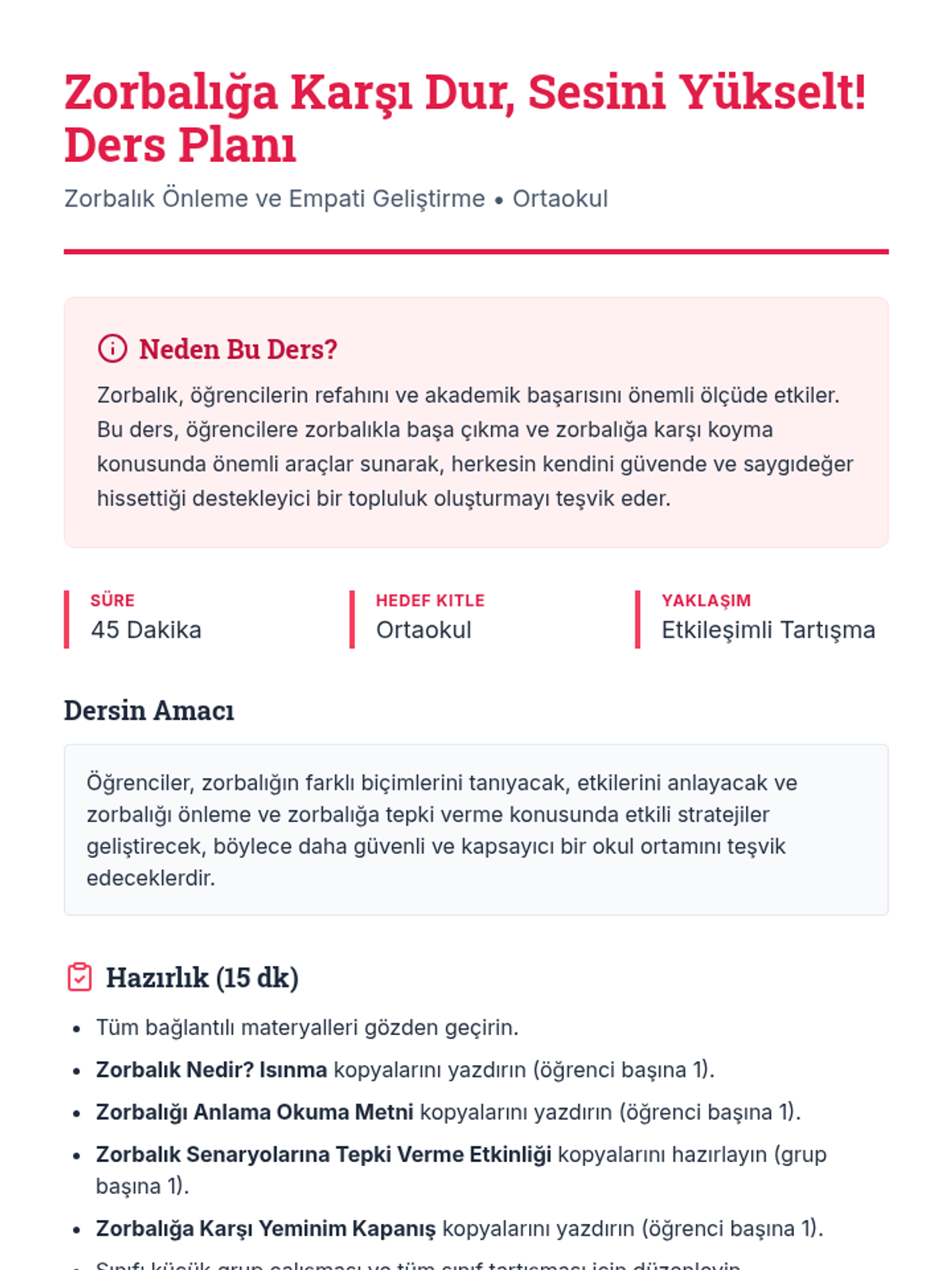
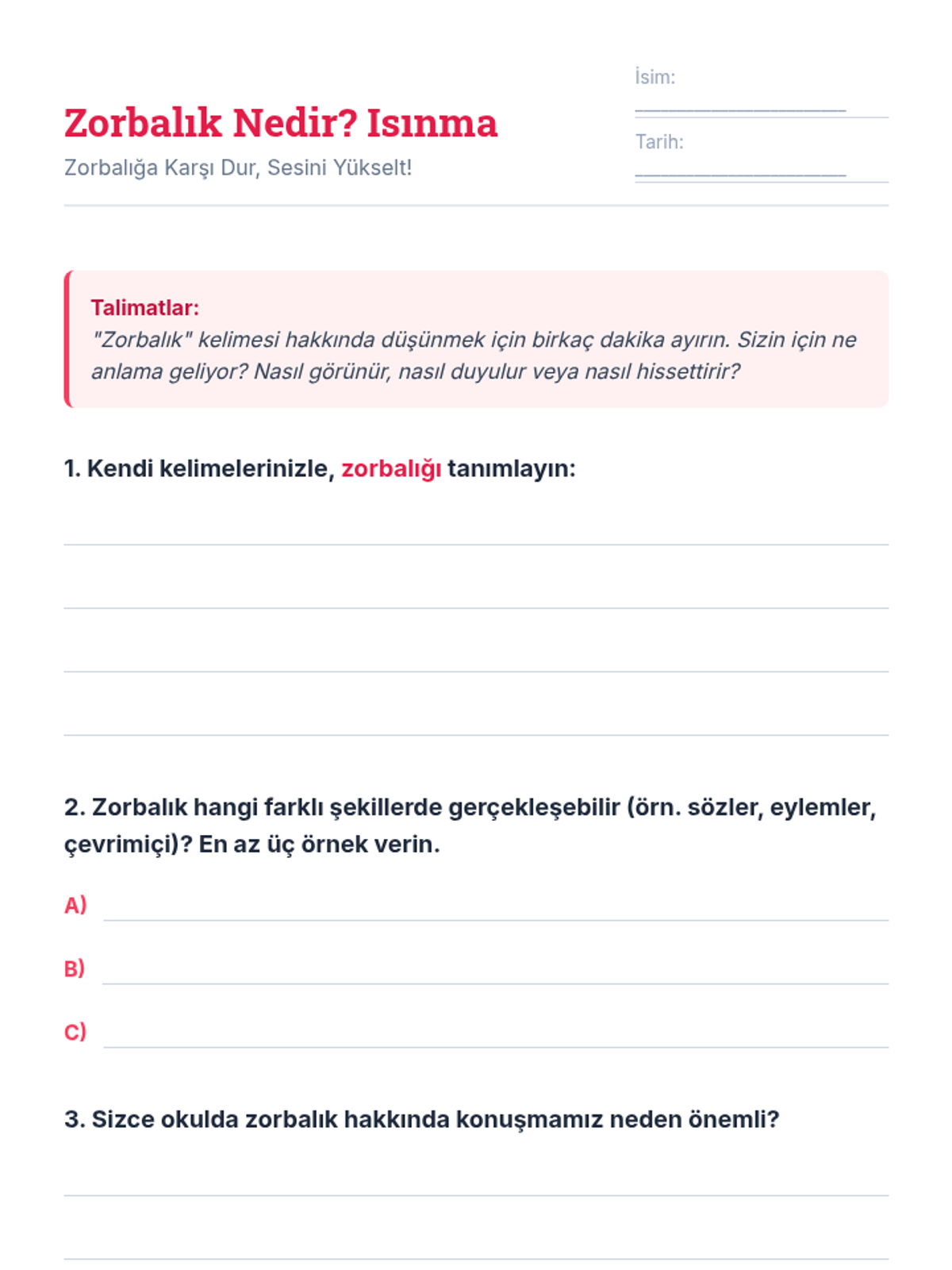
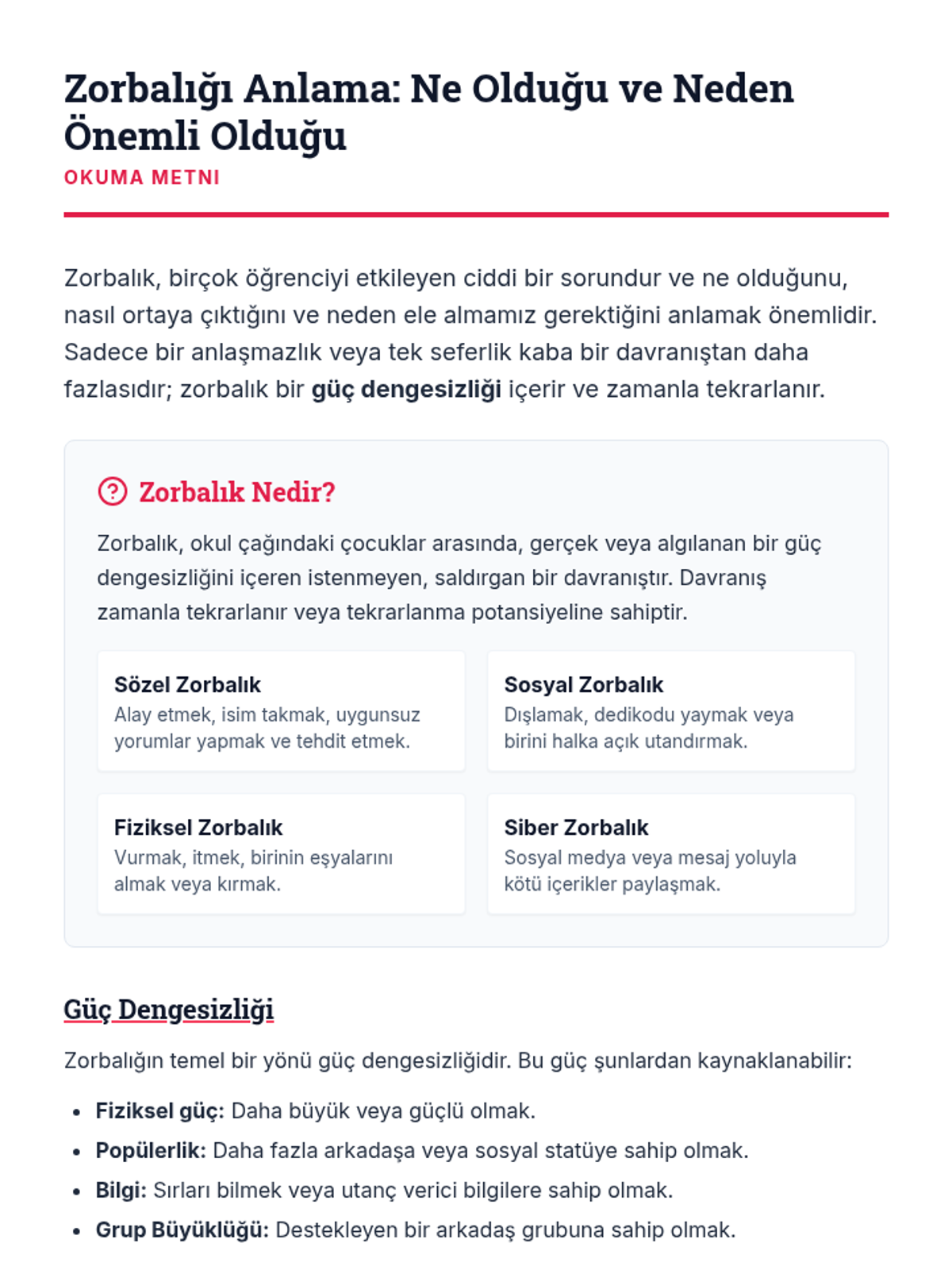
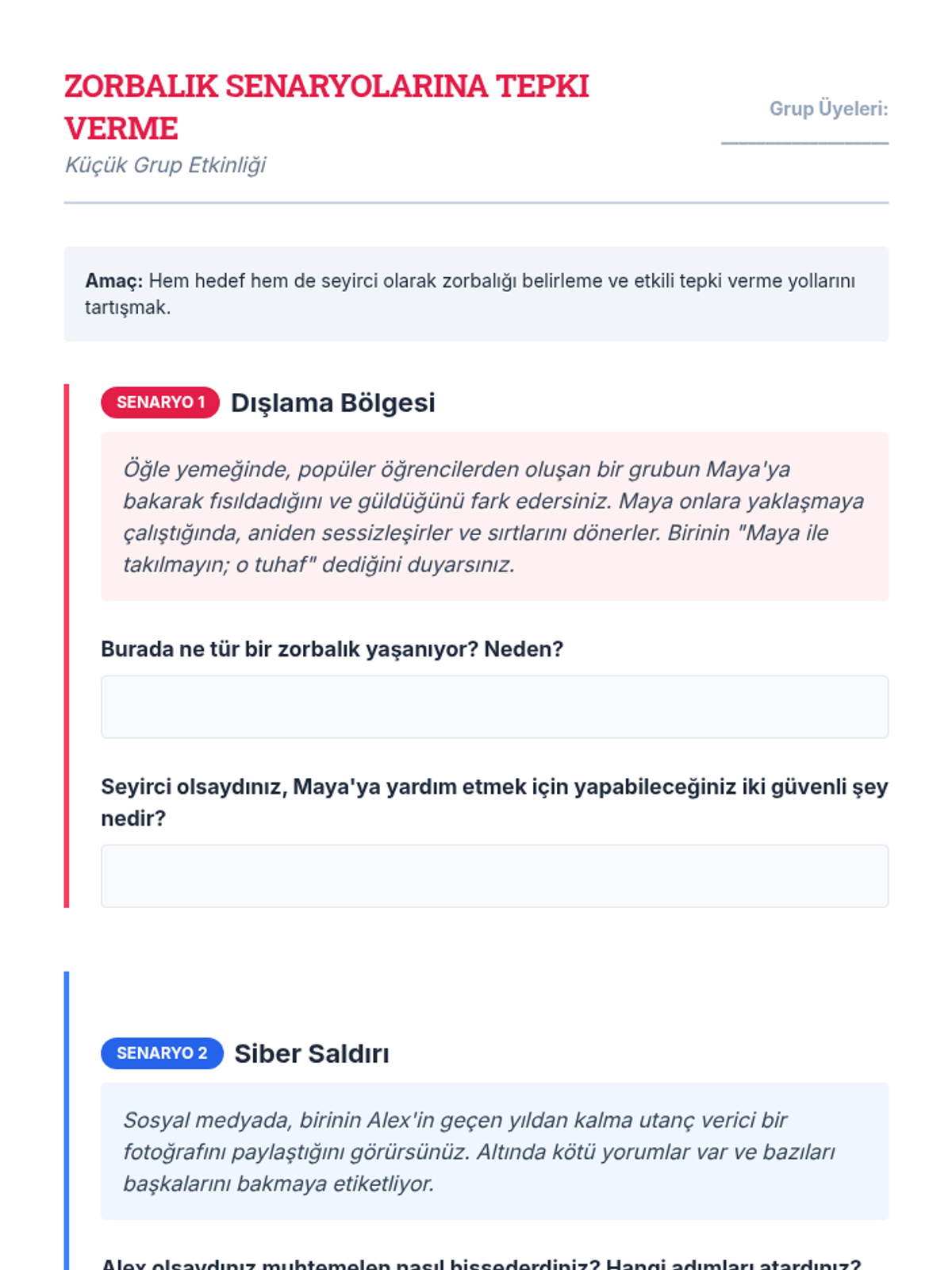
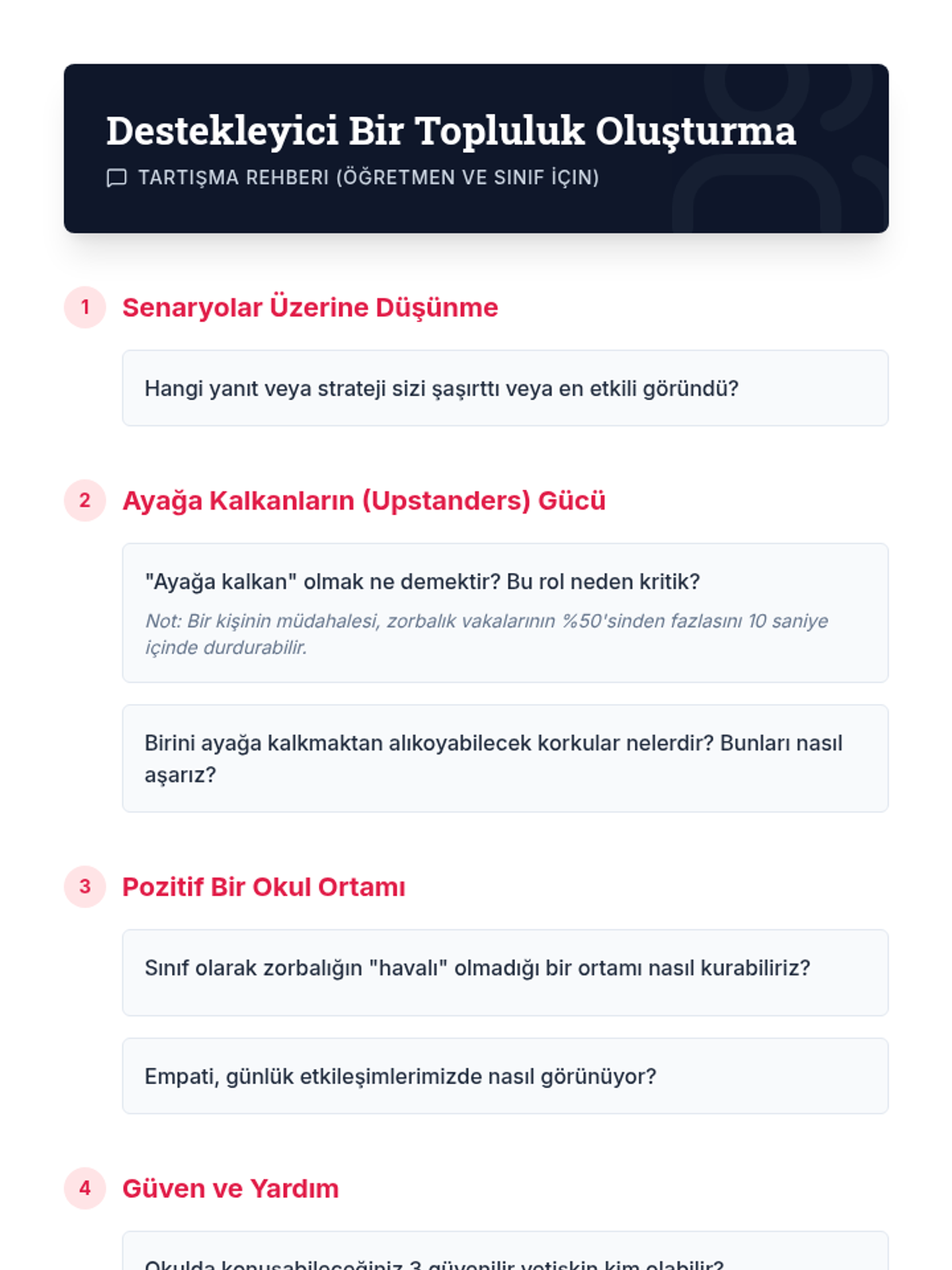
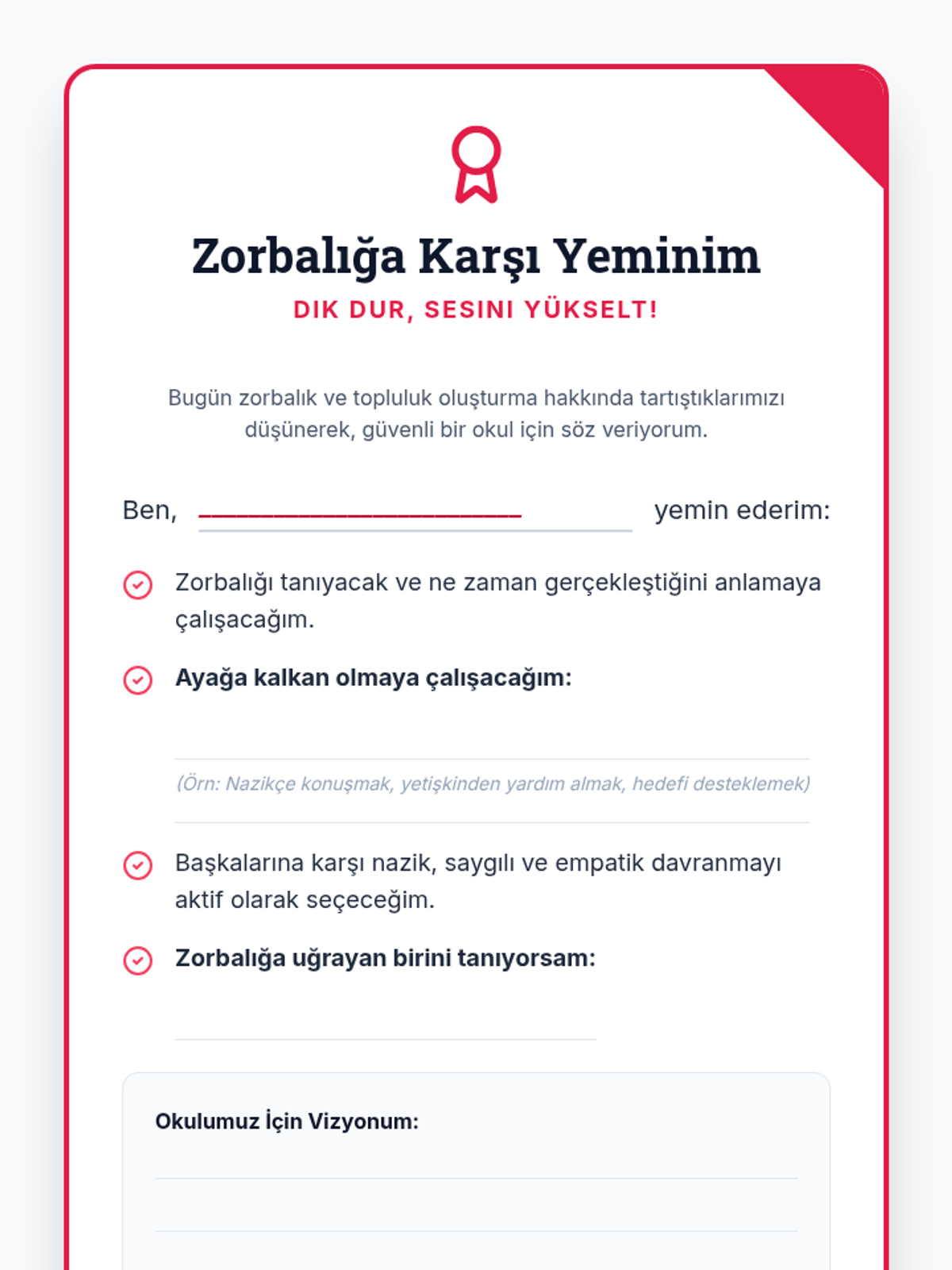
A comprehensive 3-part sequence for middle and high school students focused on bullying prevention, collaborative classroom management, and emotional literacy. Students will develop empathy, establish shared values, and learn to identify and express their emotions effectively.
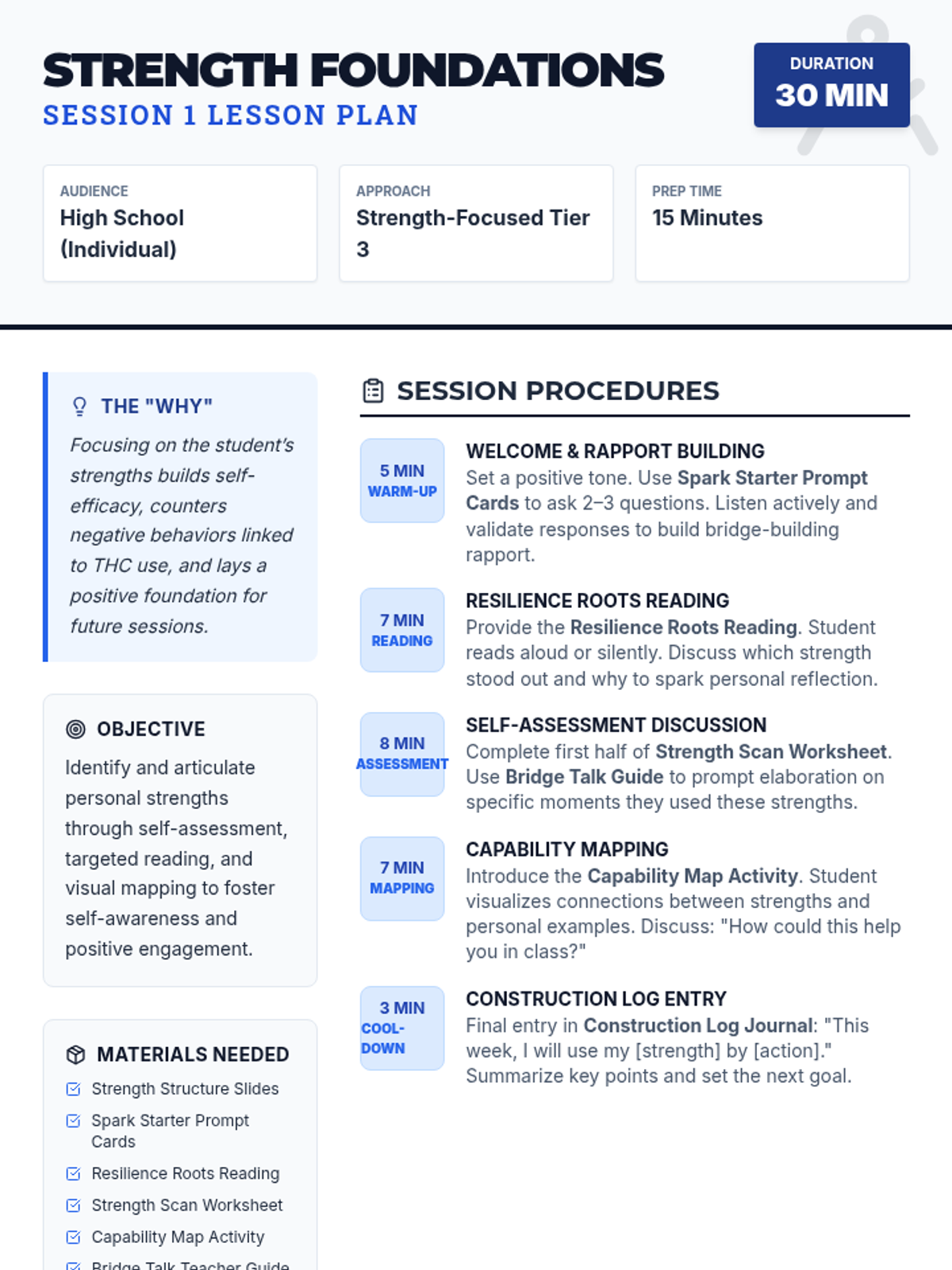
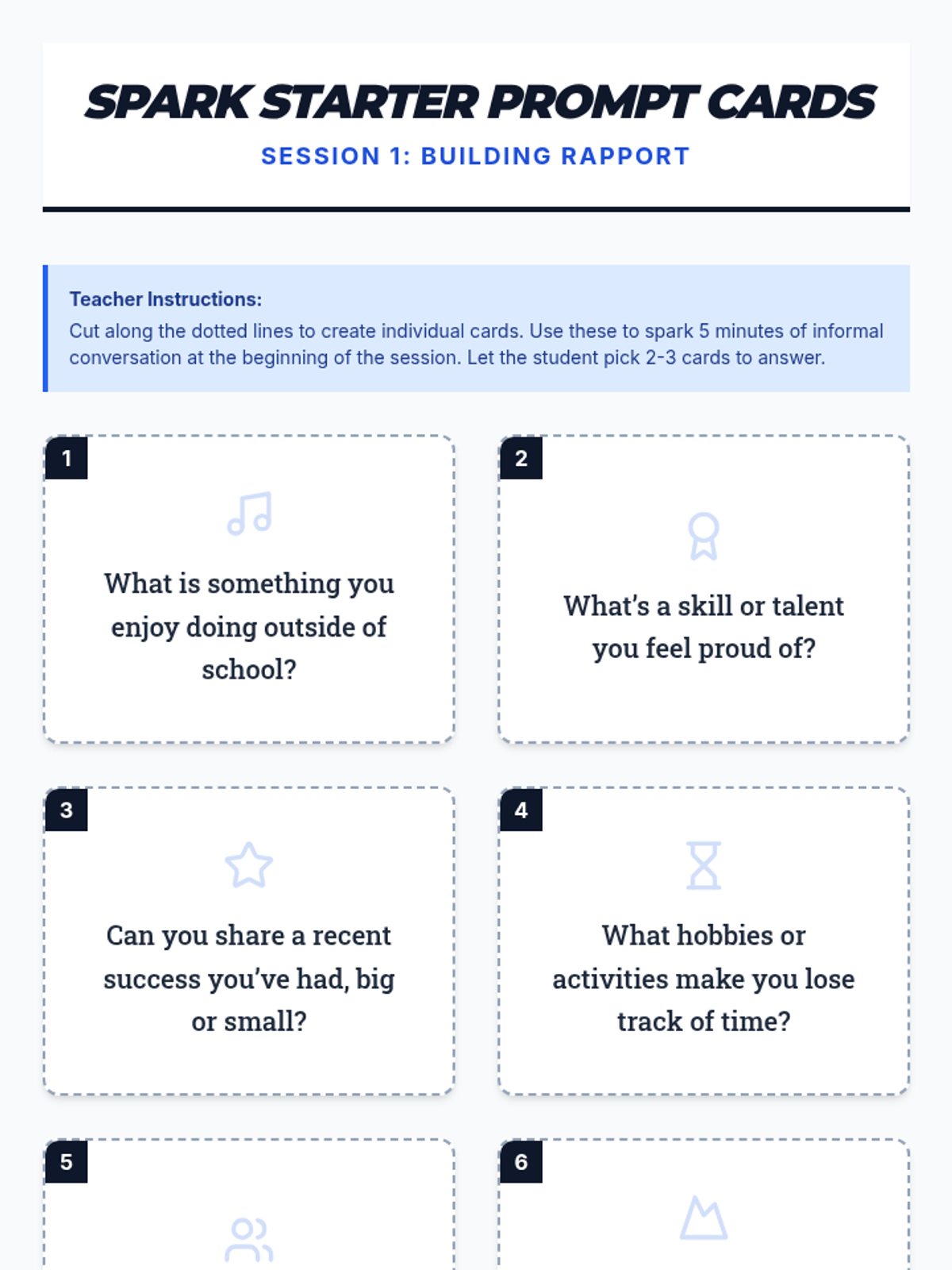
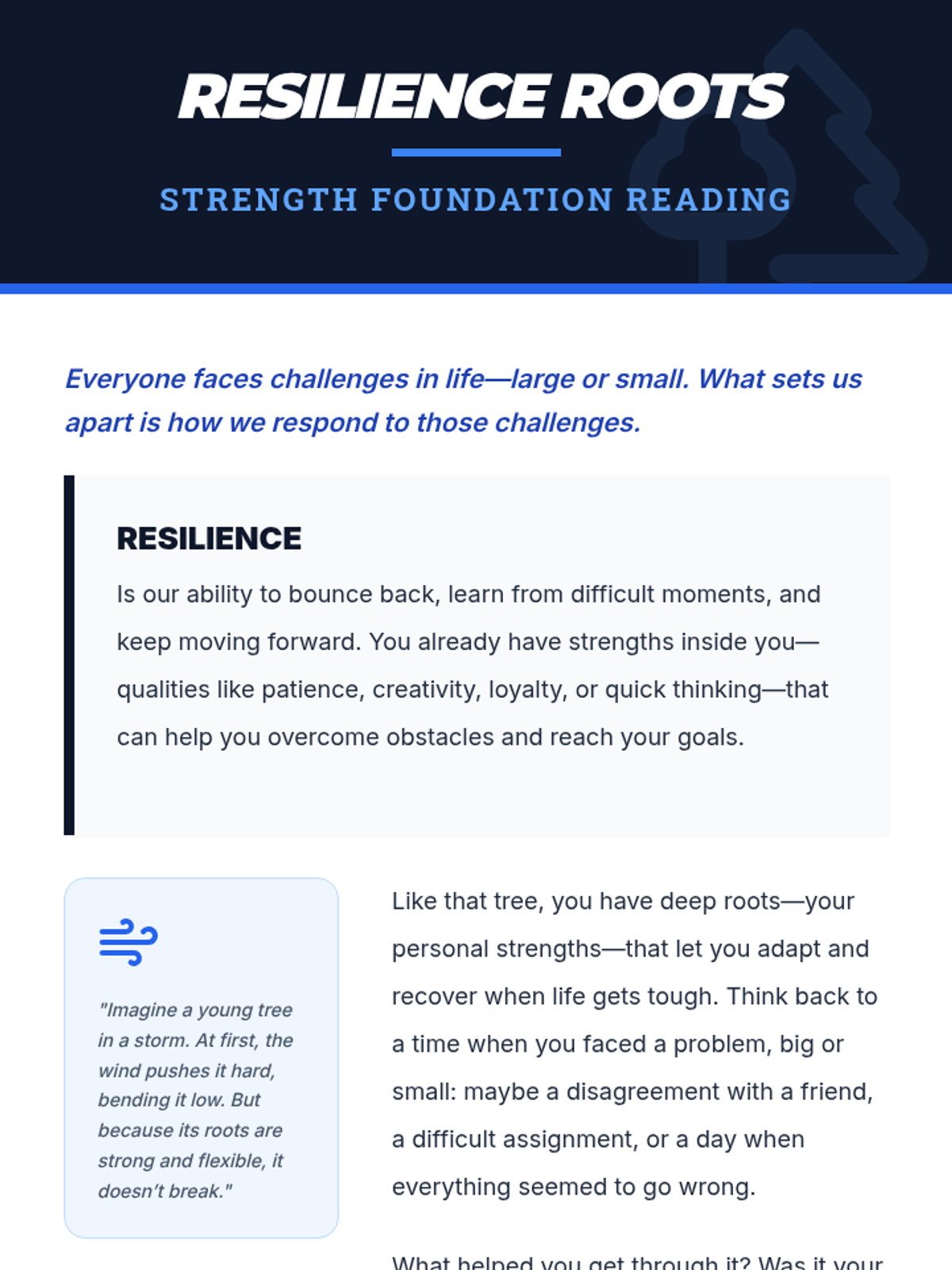
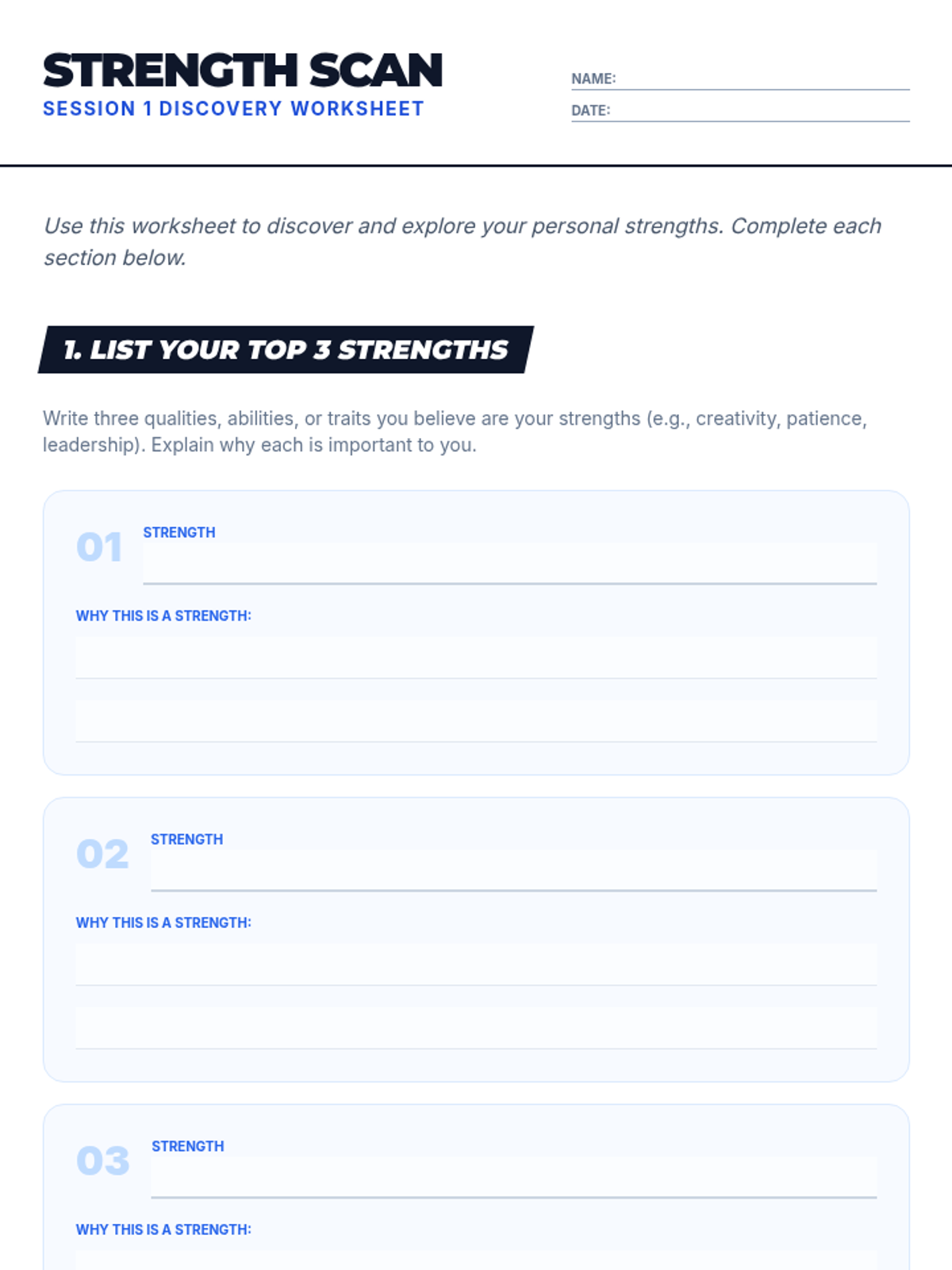
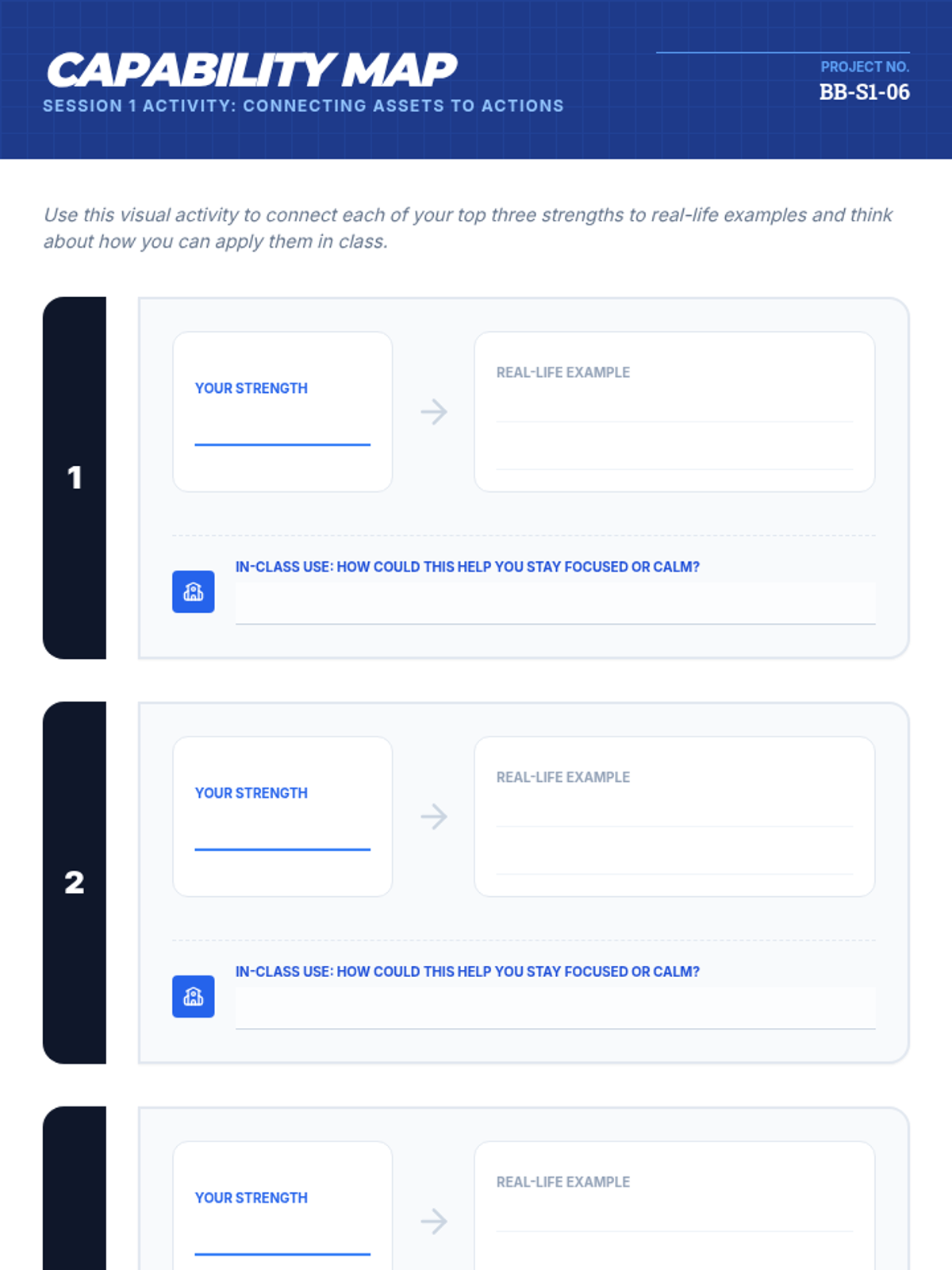
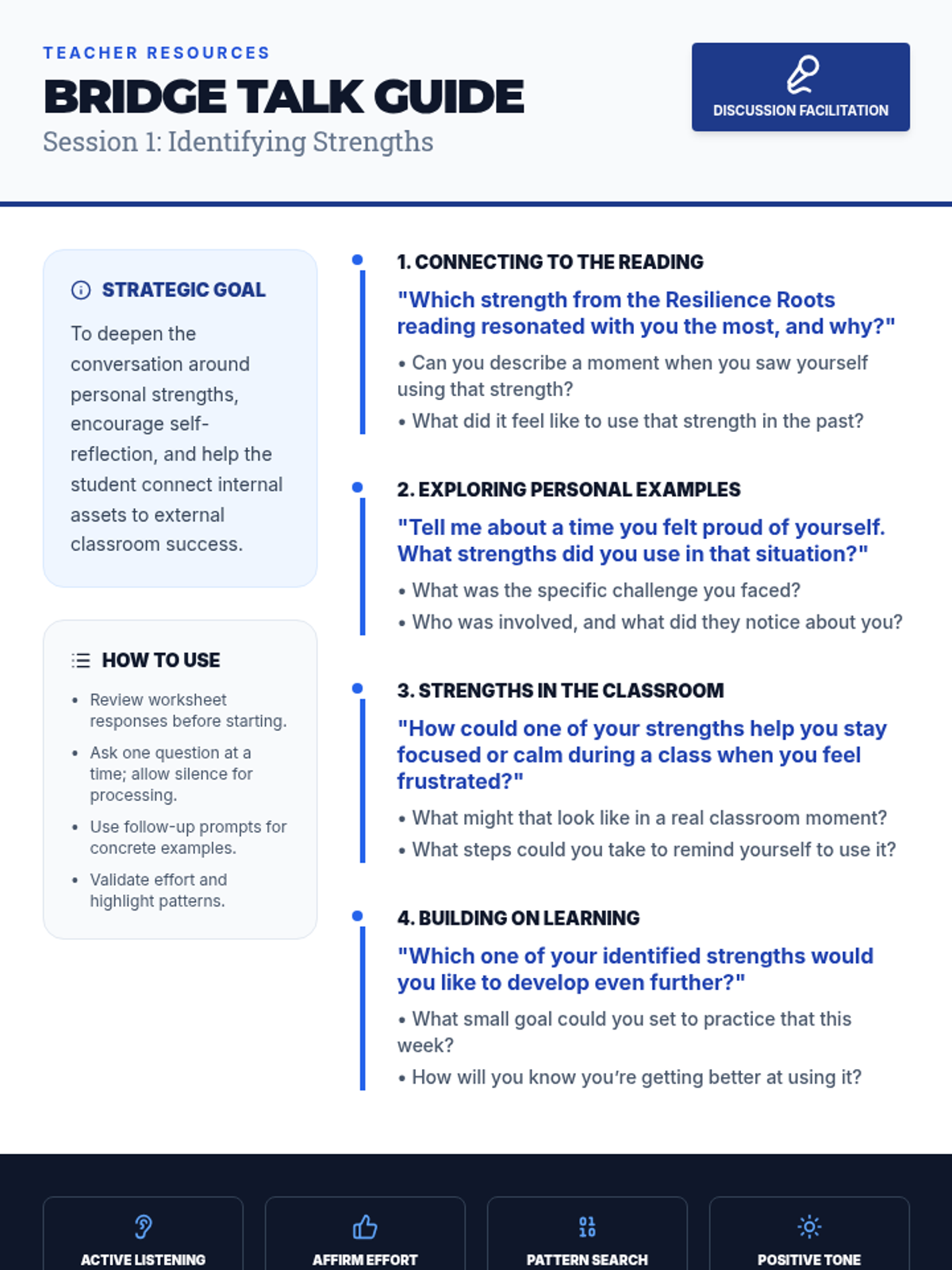
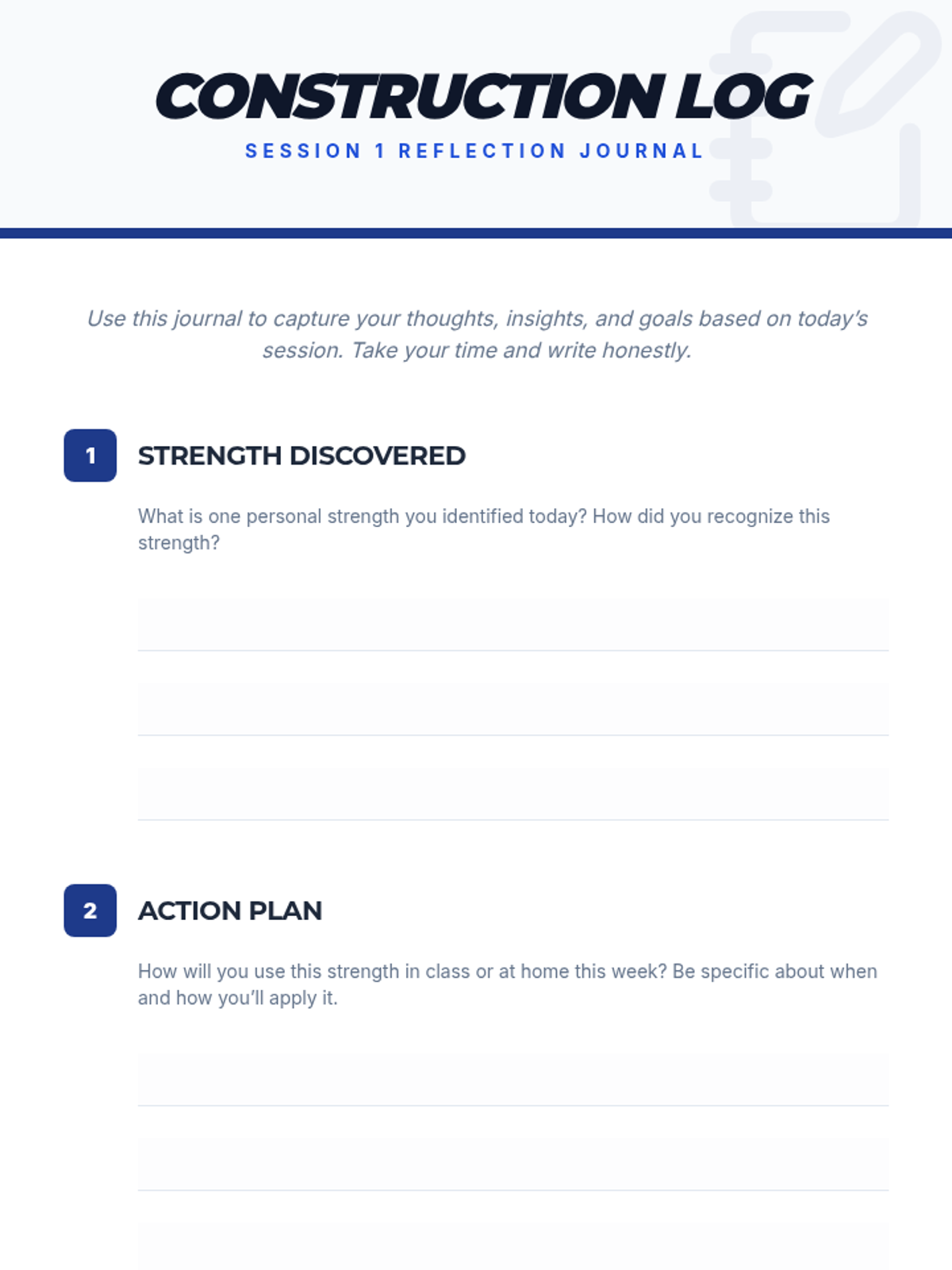
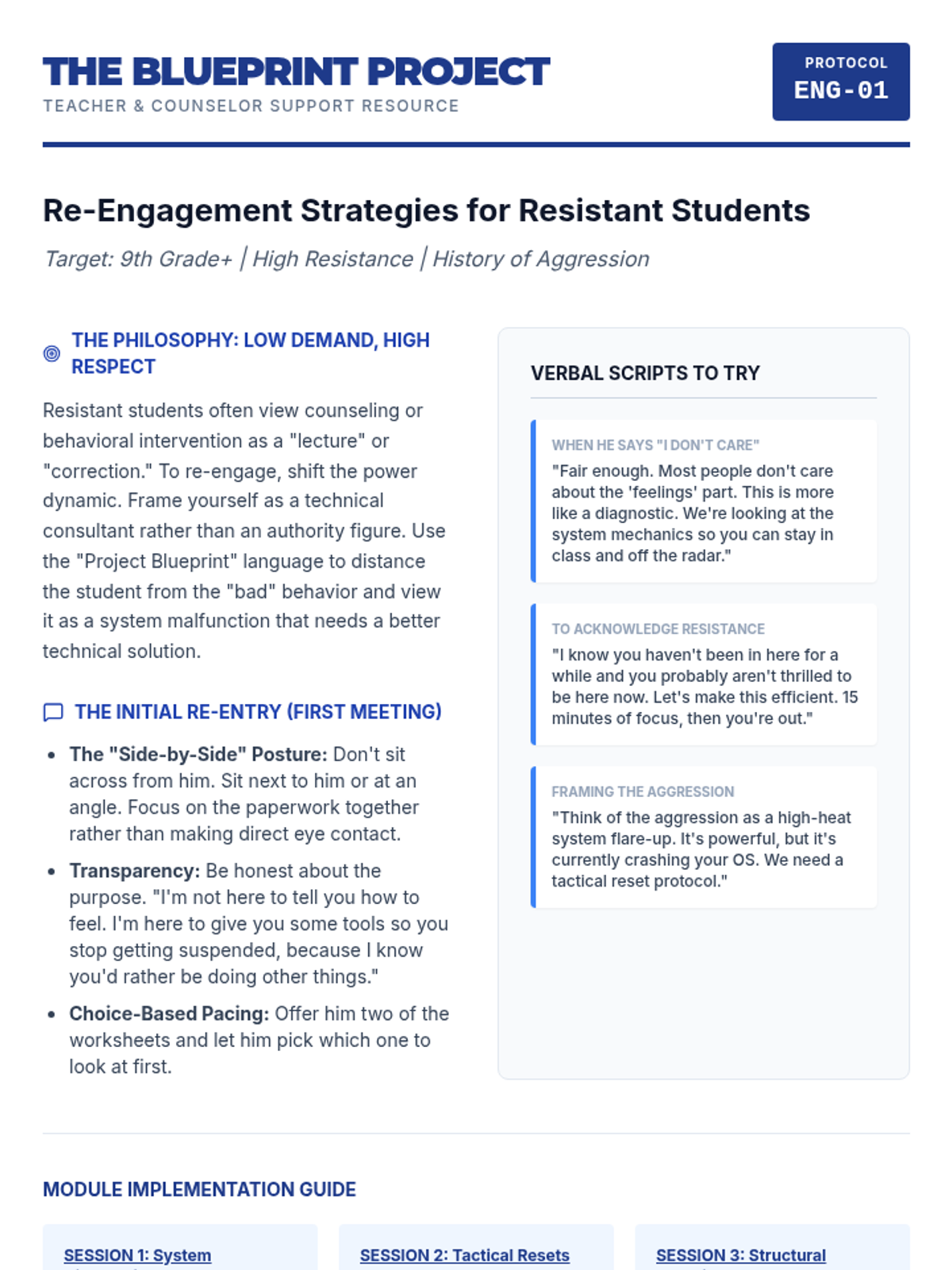
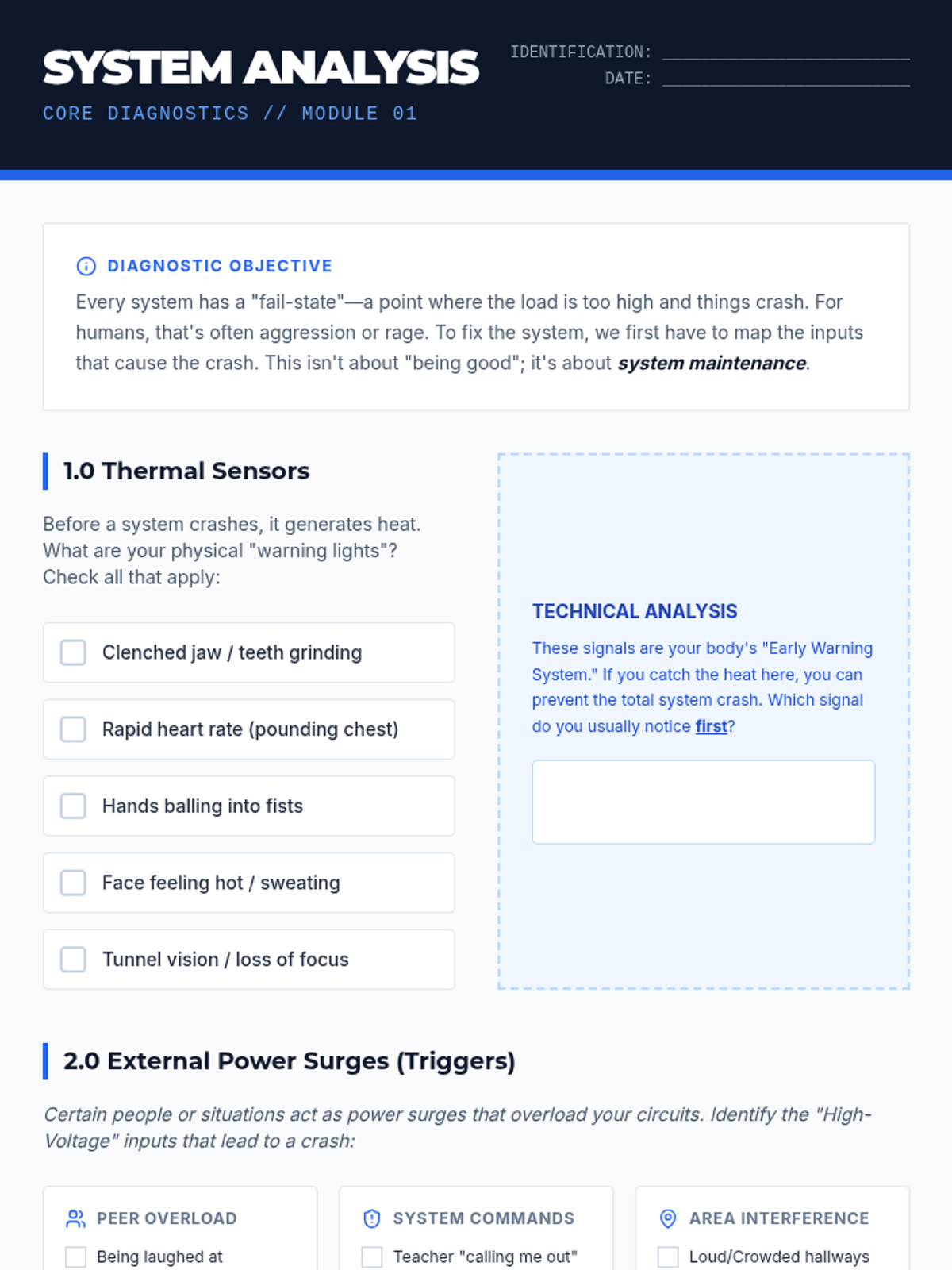
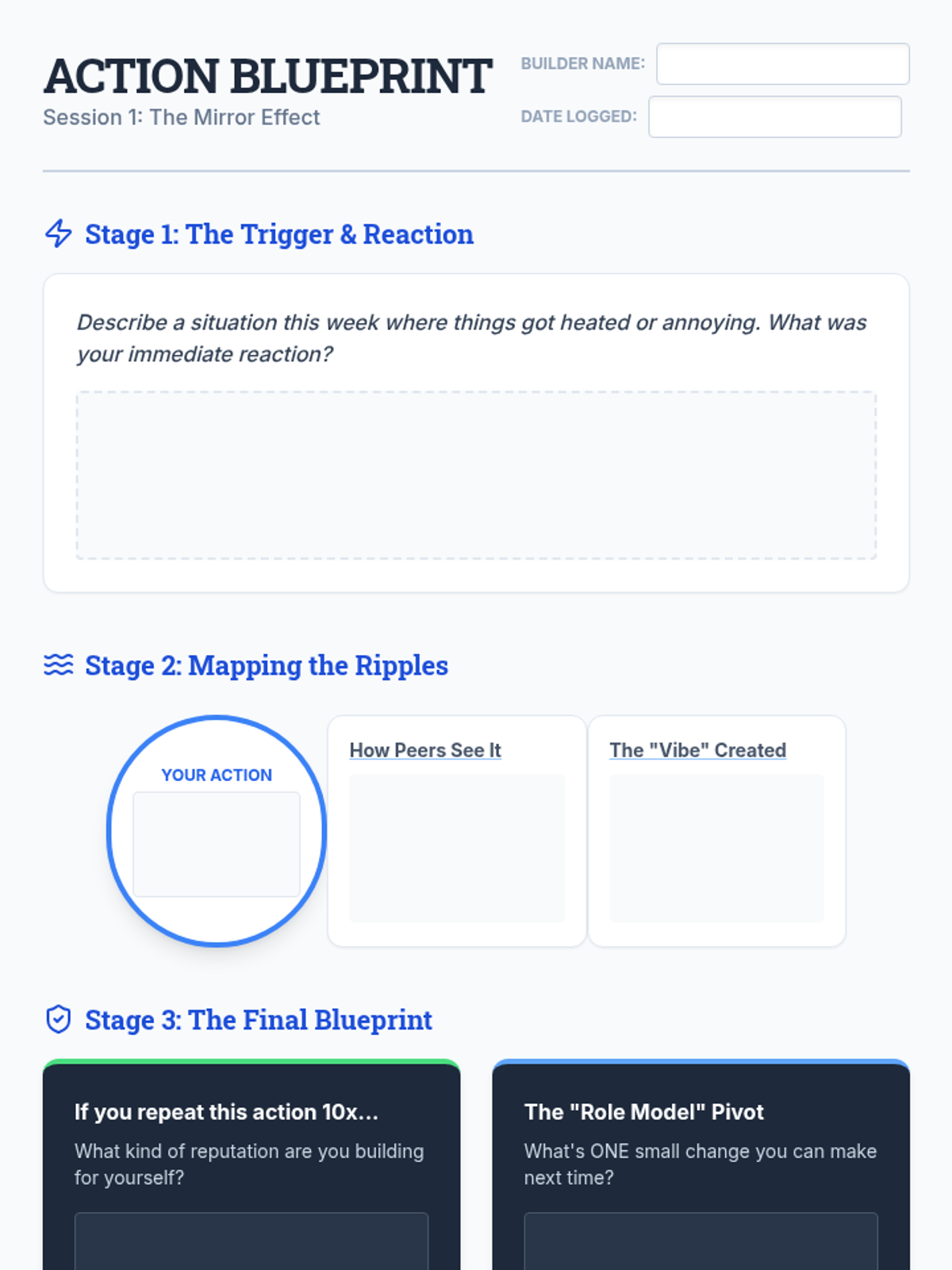
A 3-session Tier 3 intervention sequence designed for a 16-year-old student to identify personal strengths, build coping skills for THC use and disruptive behavior, and improve classroom engagement through a blueprint-themed architectural metaphor.
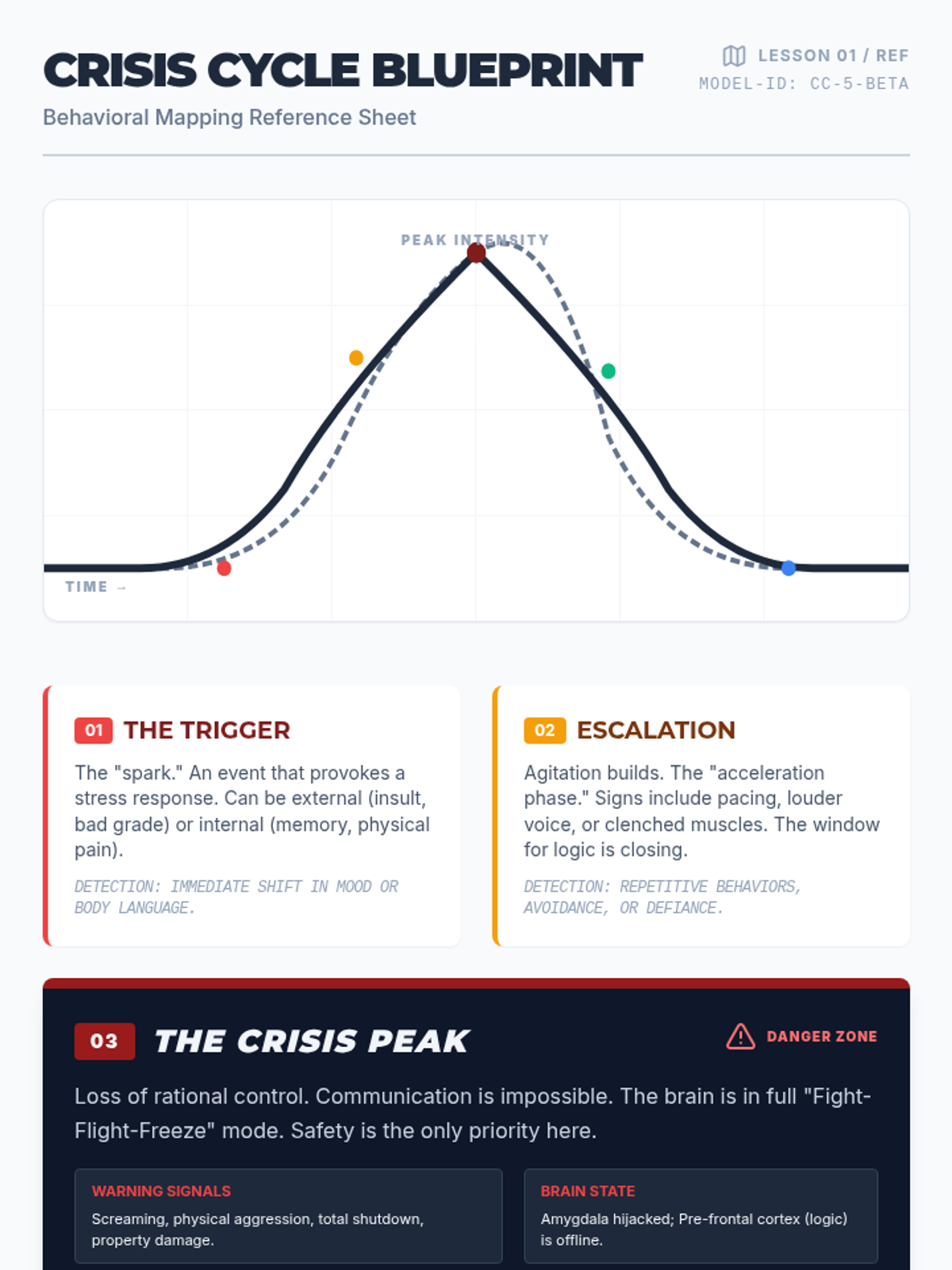
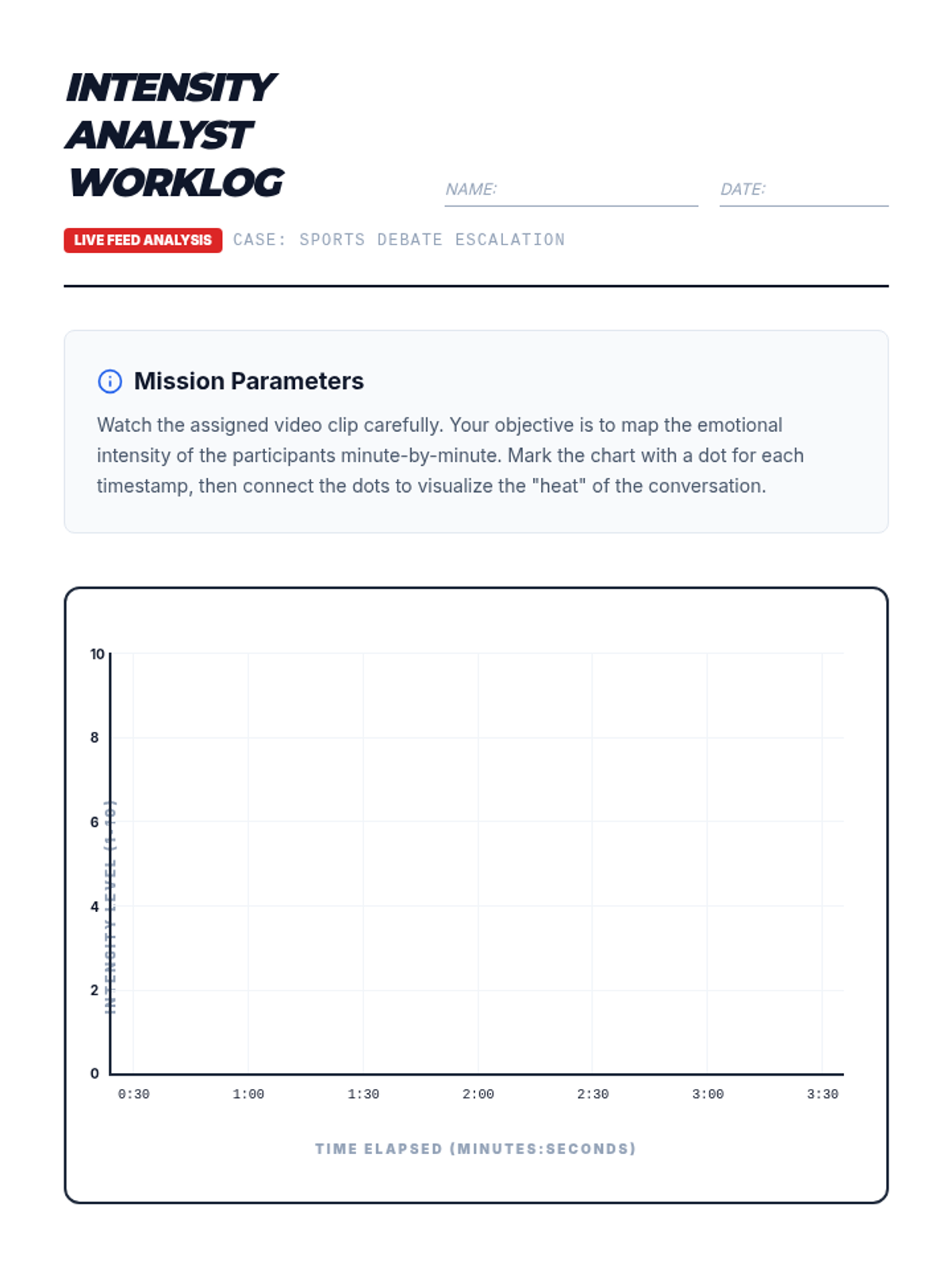
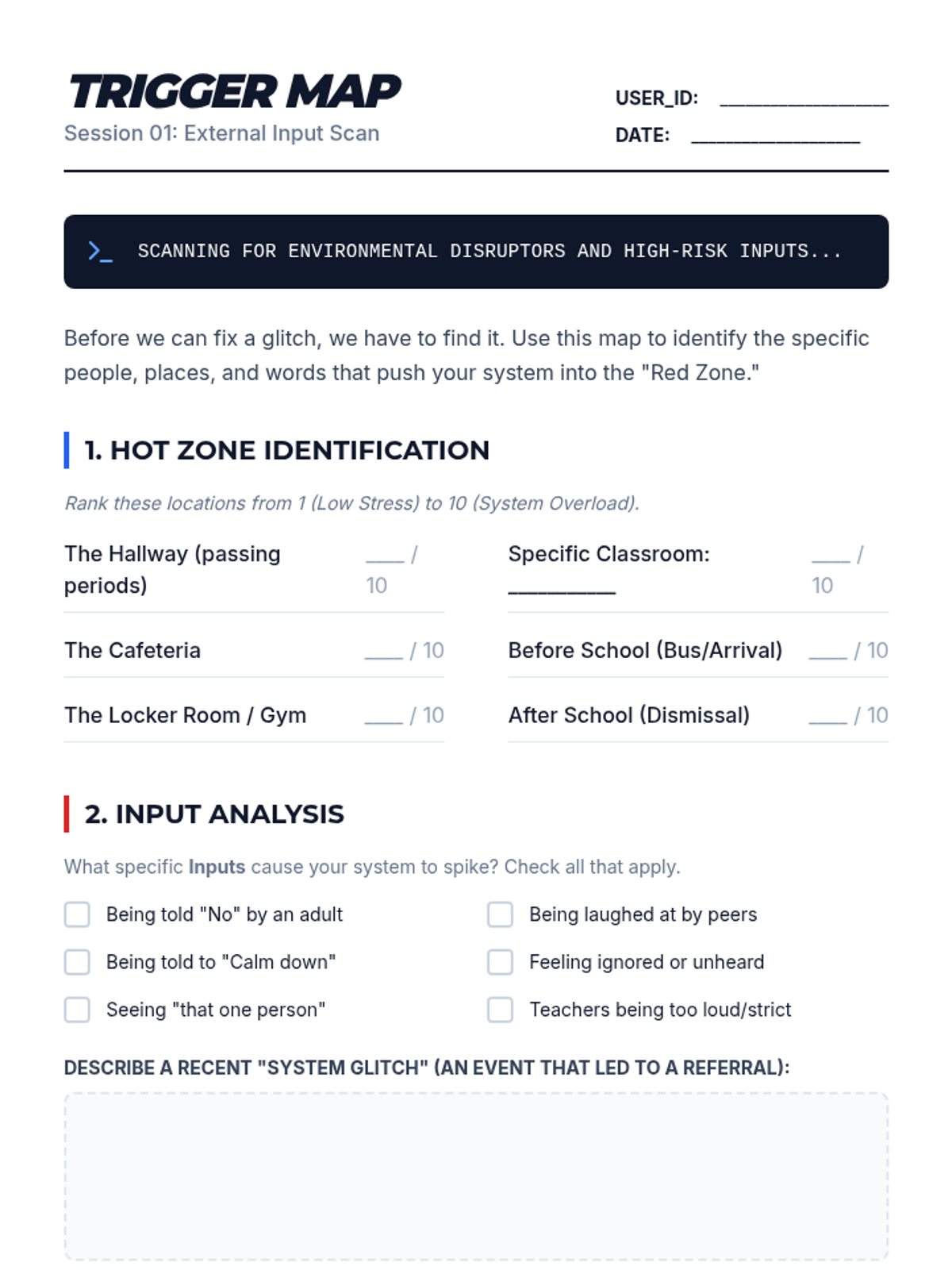
A comprehensive 5-lesson unit on the Crisis Cycle, focusing on identifying triggers, escalation stages, and intervention points through a technical mapping and simulation lens. Students move from theoretical understanding to retroactive detective work to understand behavioral patterns.
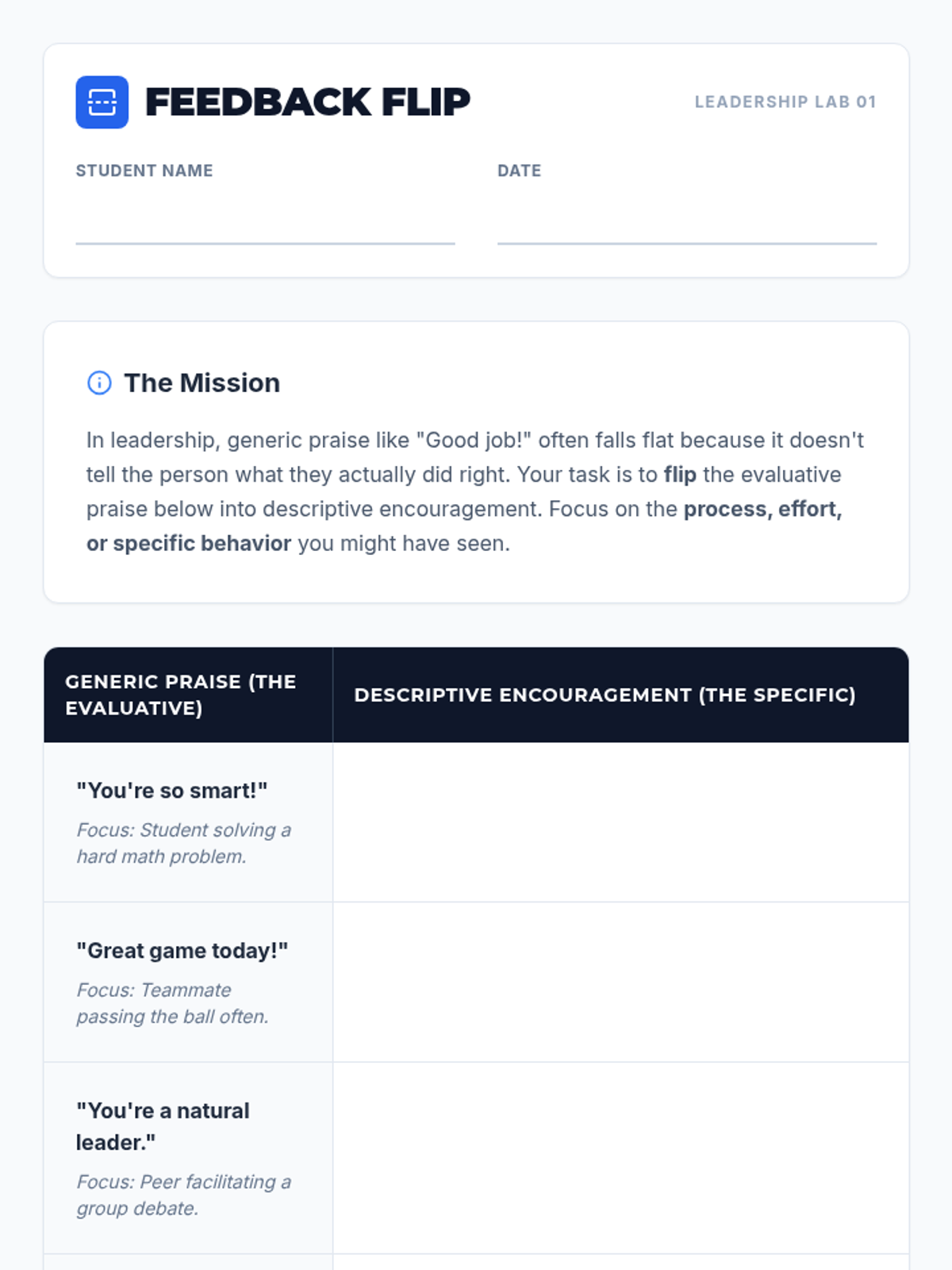
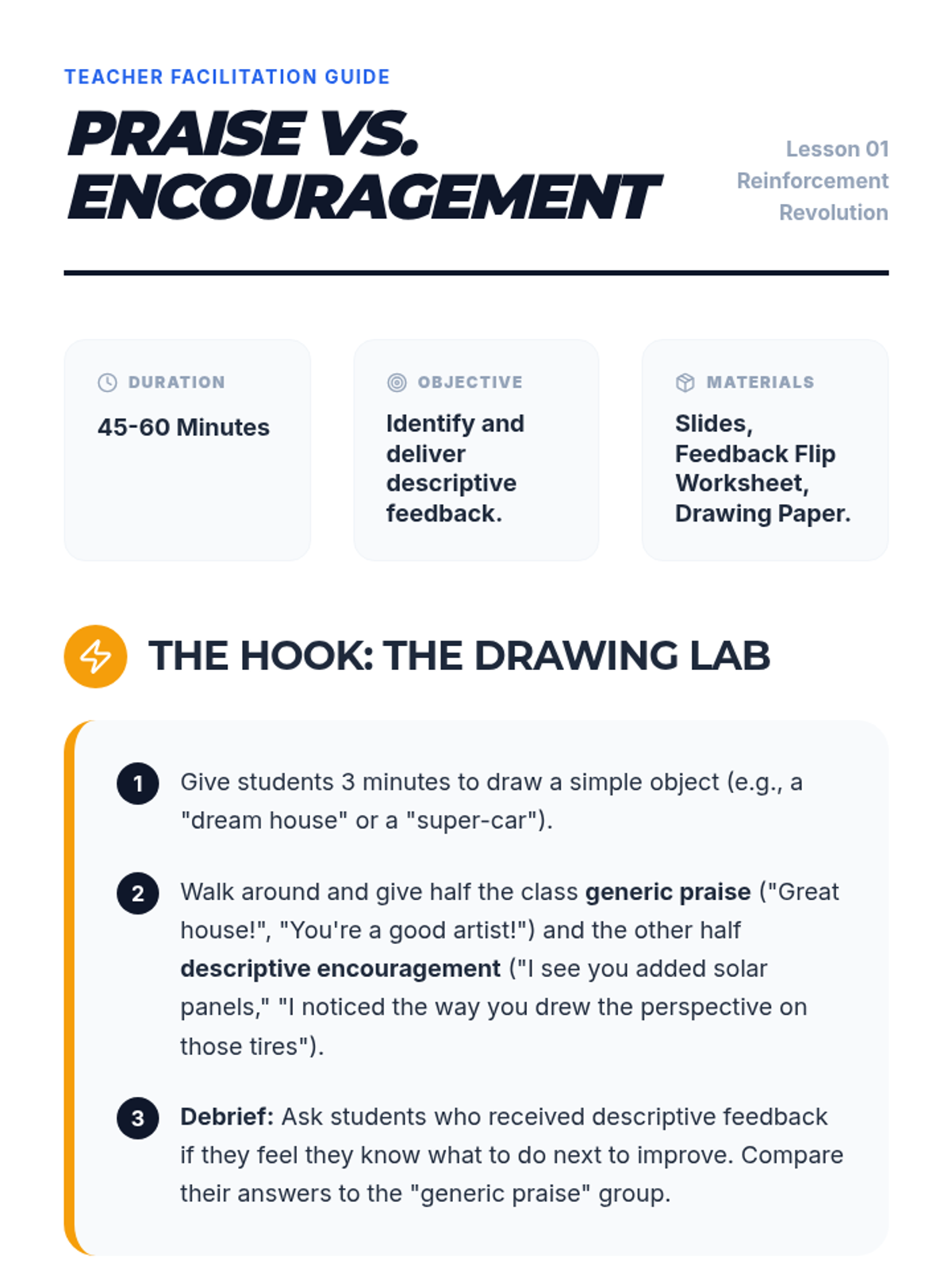
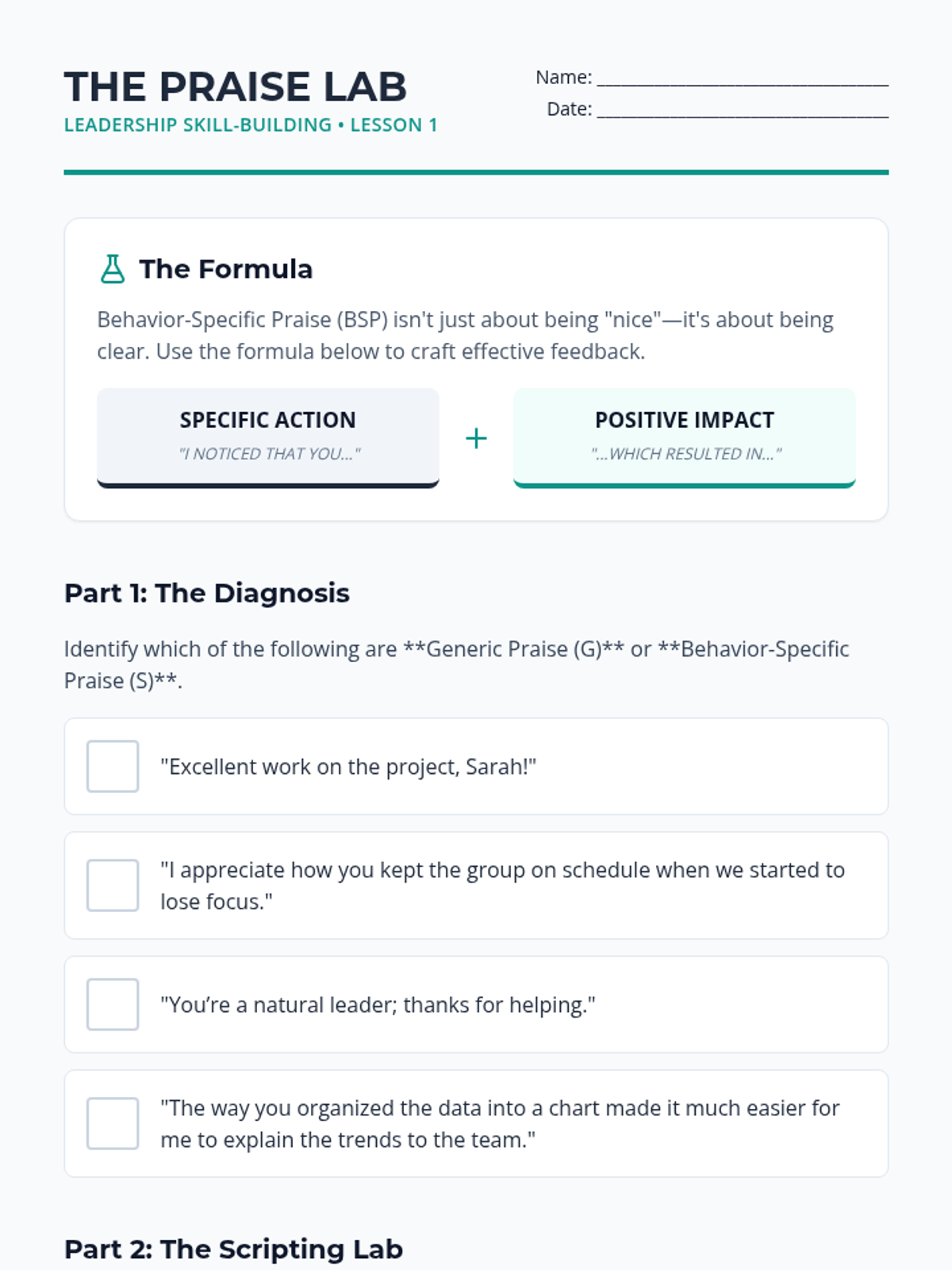
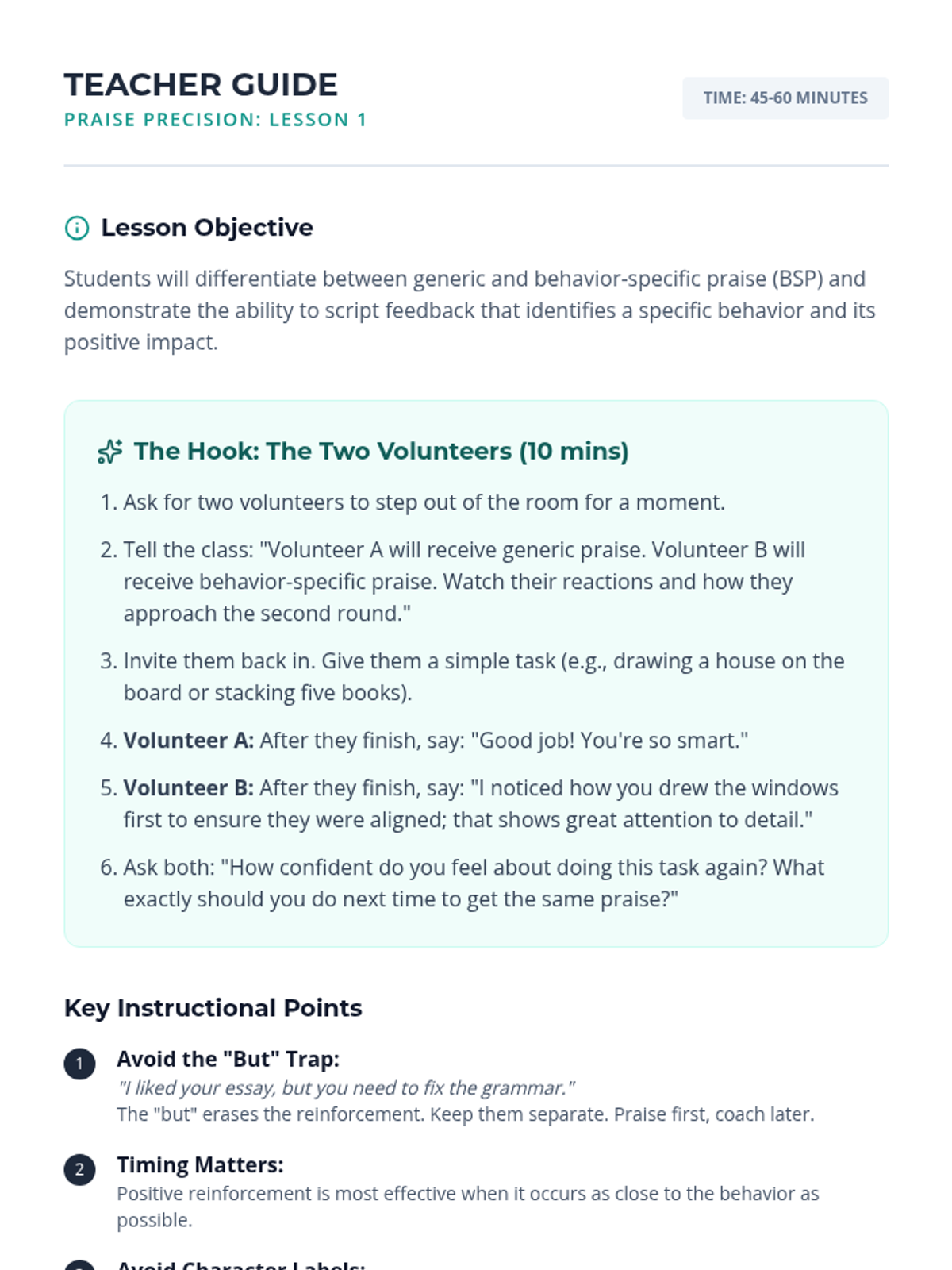
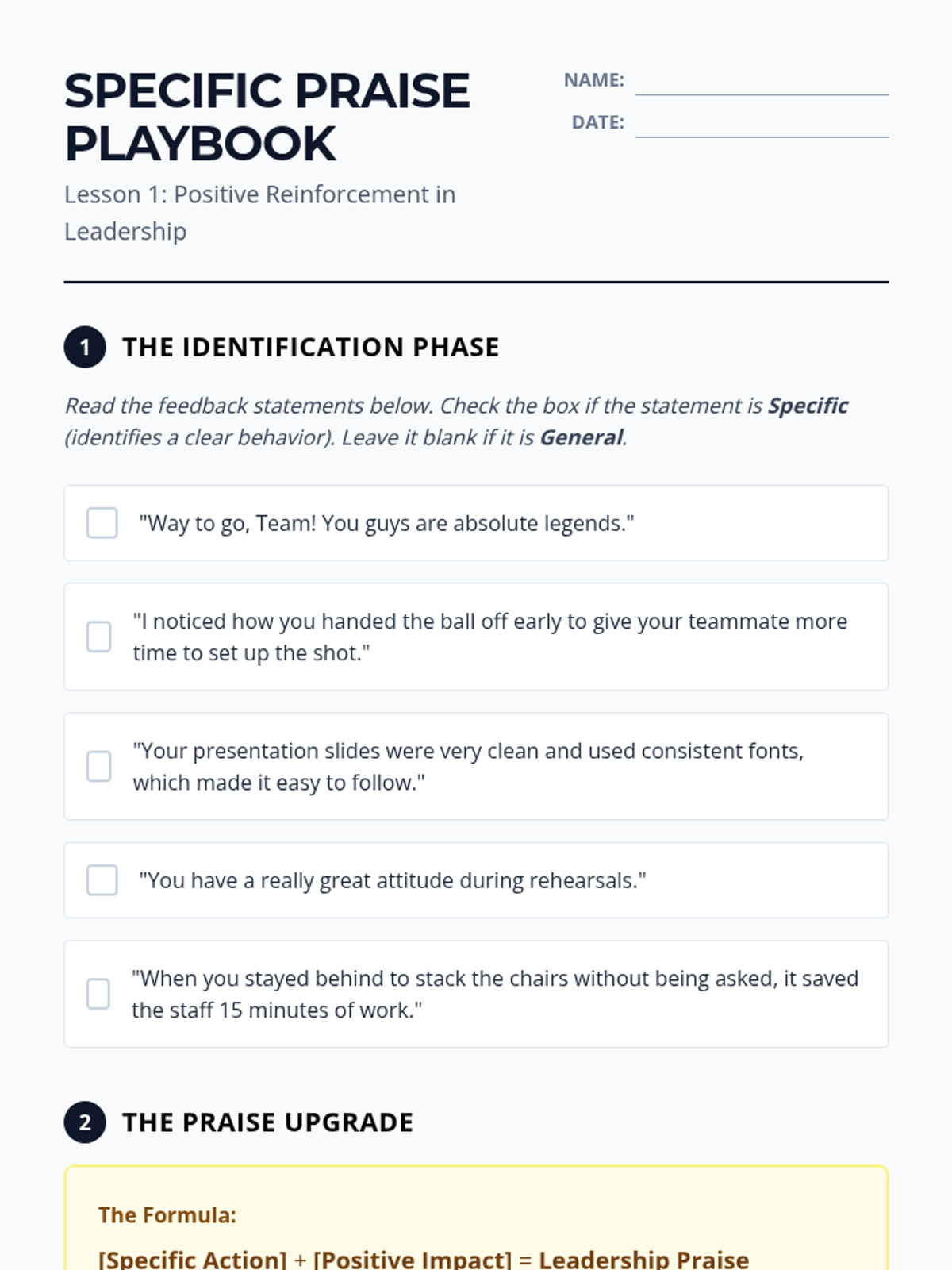
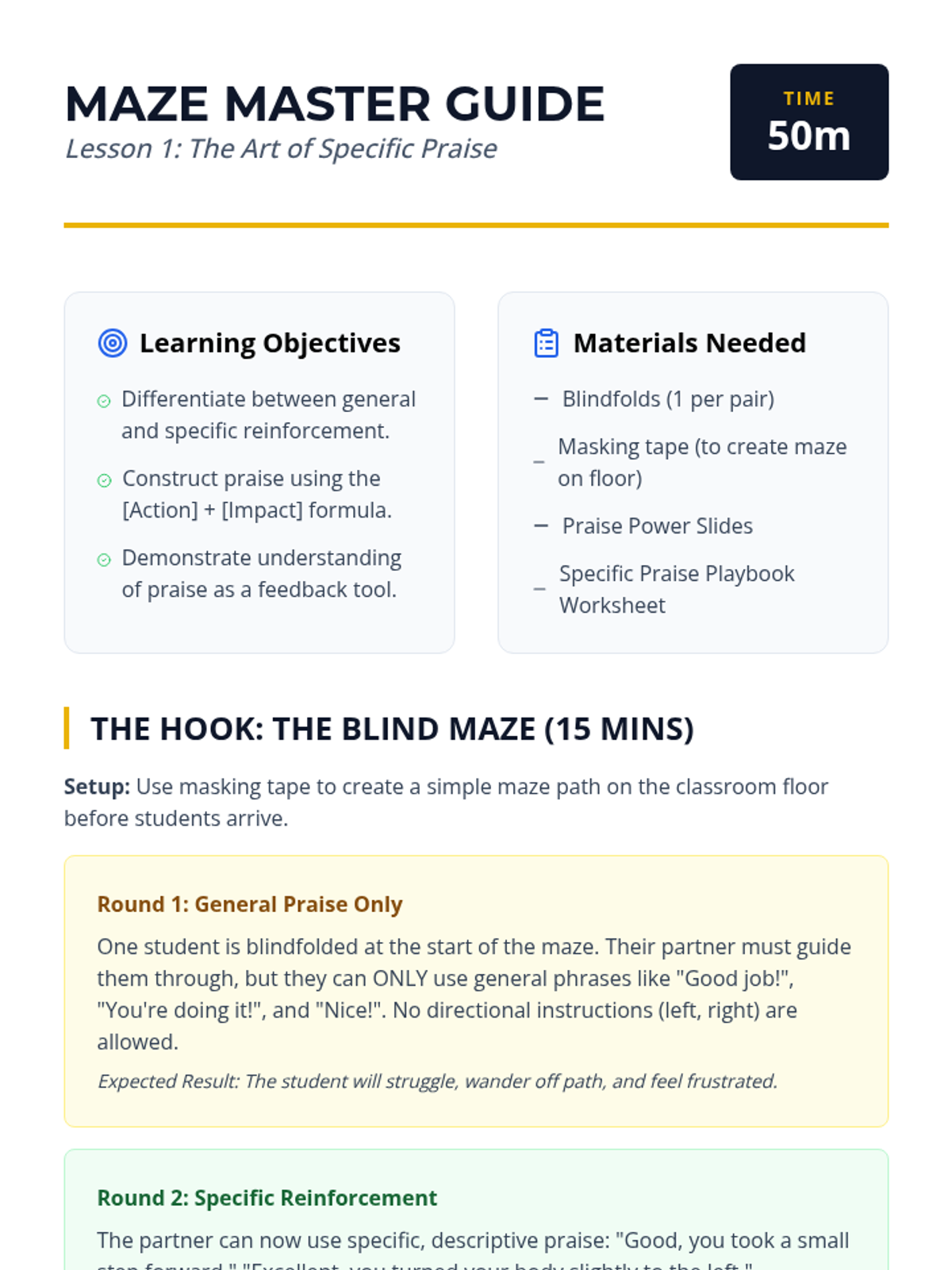
This sequence explores the interpersonal application of positive reinforcement in leadership, coaching, and mentoring contexts. Students examine how leaders influence group culture and individual performance through specific praise and recognition systems.
A series of SEL units focused on emotional regulation, social skills, and self-advocacy for high school students.
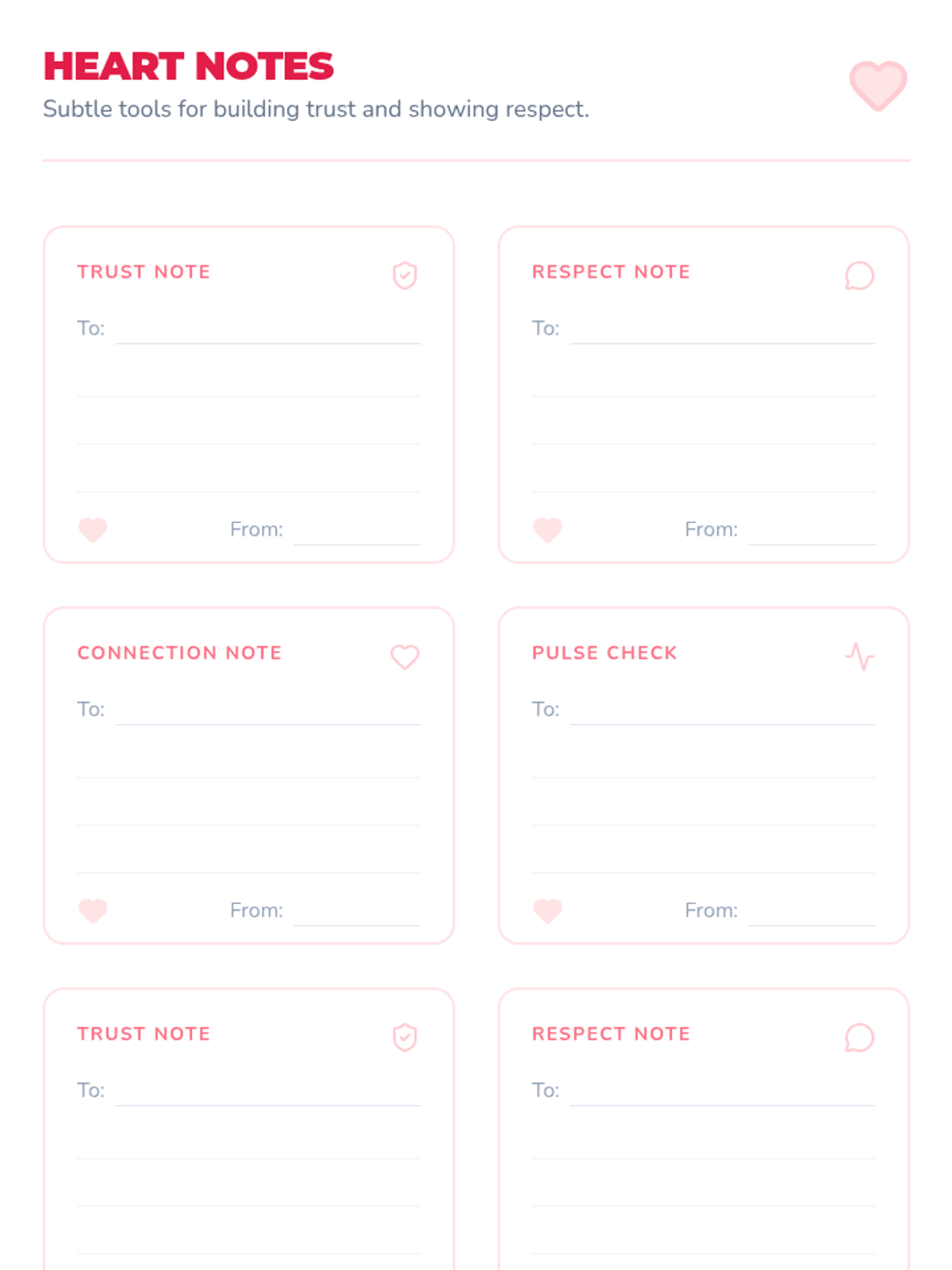
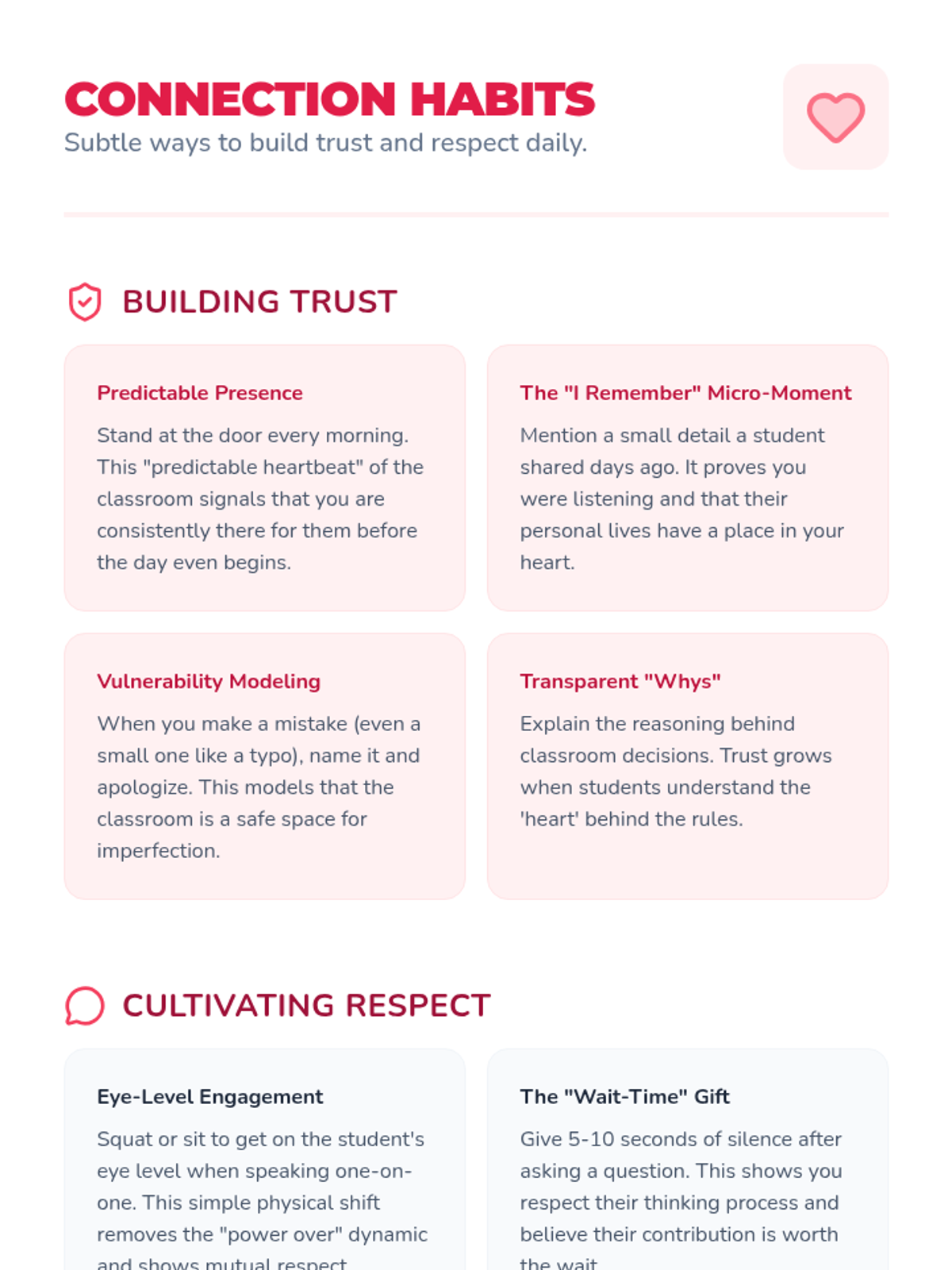
A series of materials focused on establishing and maintaining strong teacher-student relationships through visual environment and communication tools with a subtle heart theme.
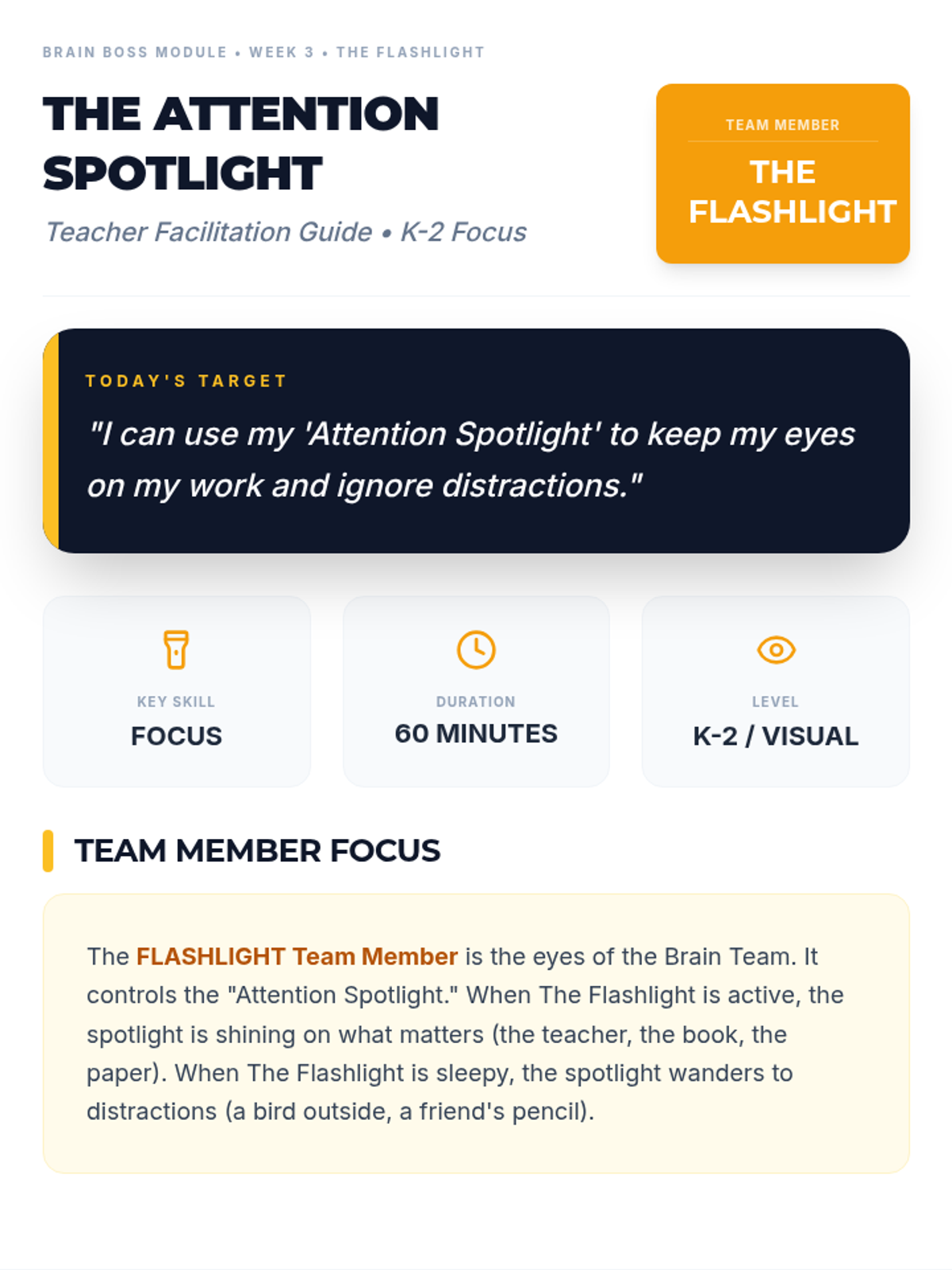
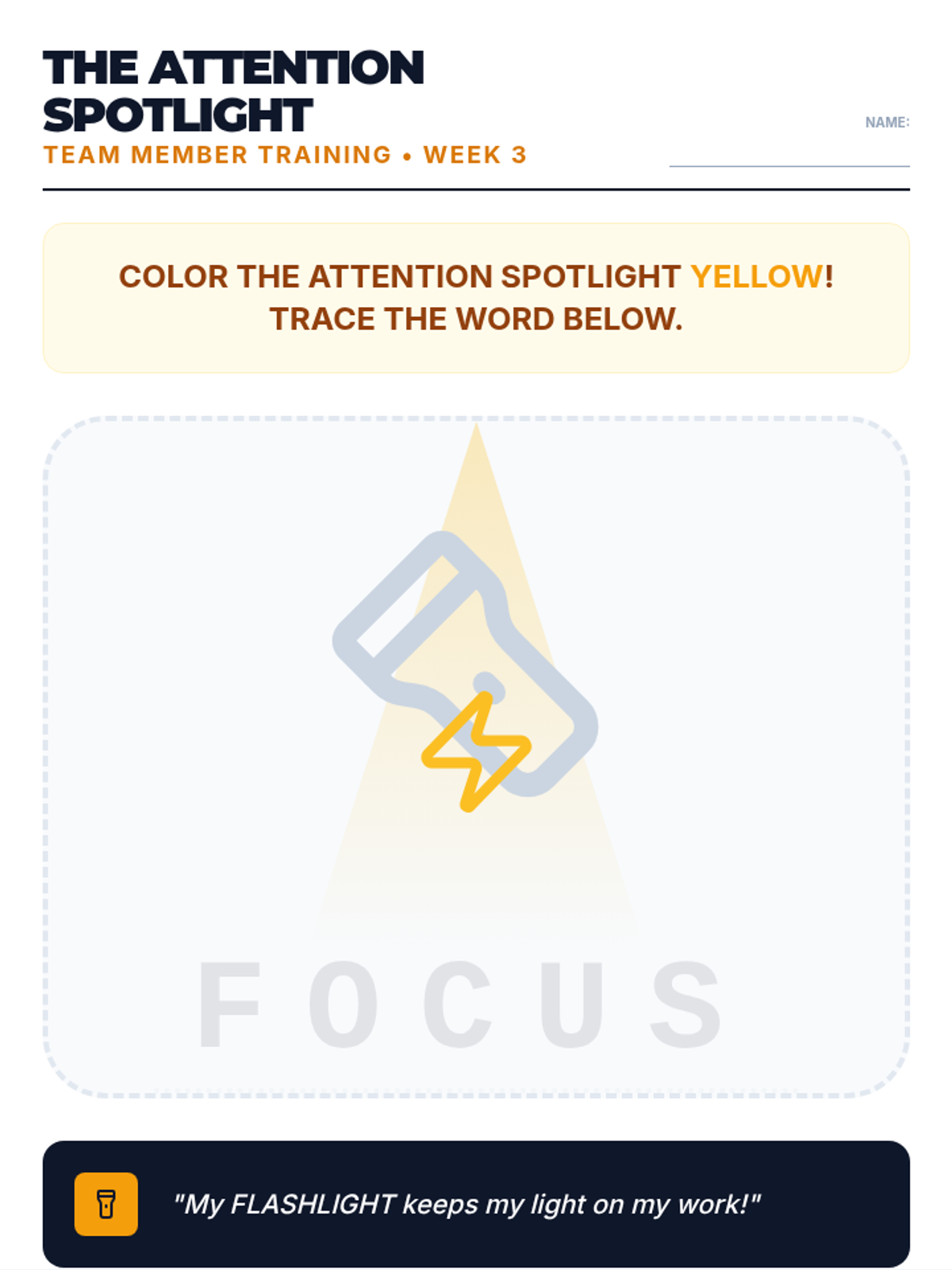
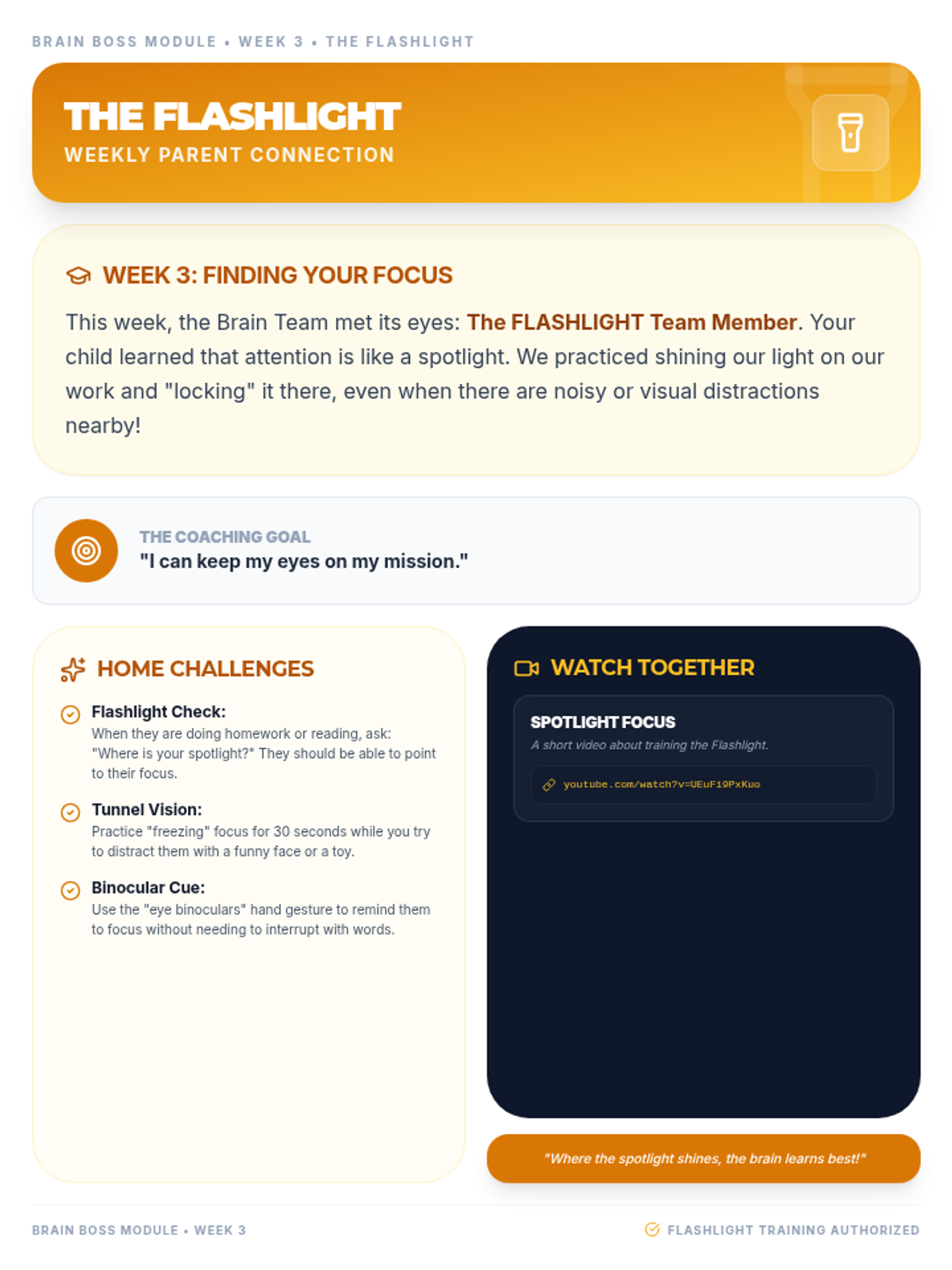
A dedicated training module focusing on executive function skills for K-2 students. Includes lessons on Focus (The Flashlight), Inhibition (The Stop Signal), Initiation (The Start Engine), Working Memory (The Recorder), Planning (The Mapmaker), Flexibility (The Play-Doh), and Emotional Control (The Volume Remote).
A 3-session behavioral intervention module for high school students, focusing on trigger identification, coping strategies, and impact analysis through a 'technical blueprint' lens to increase engagement and reduce resistance.
A comprehensive 10-week instructional module designed to build and refine 9 core executive functioning skills including goal setting, organization, and self-regulation.
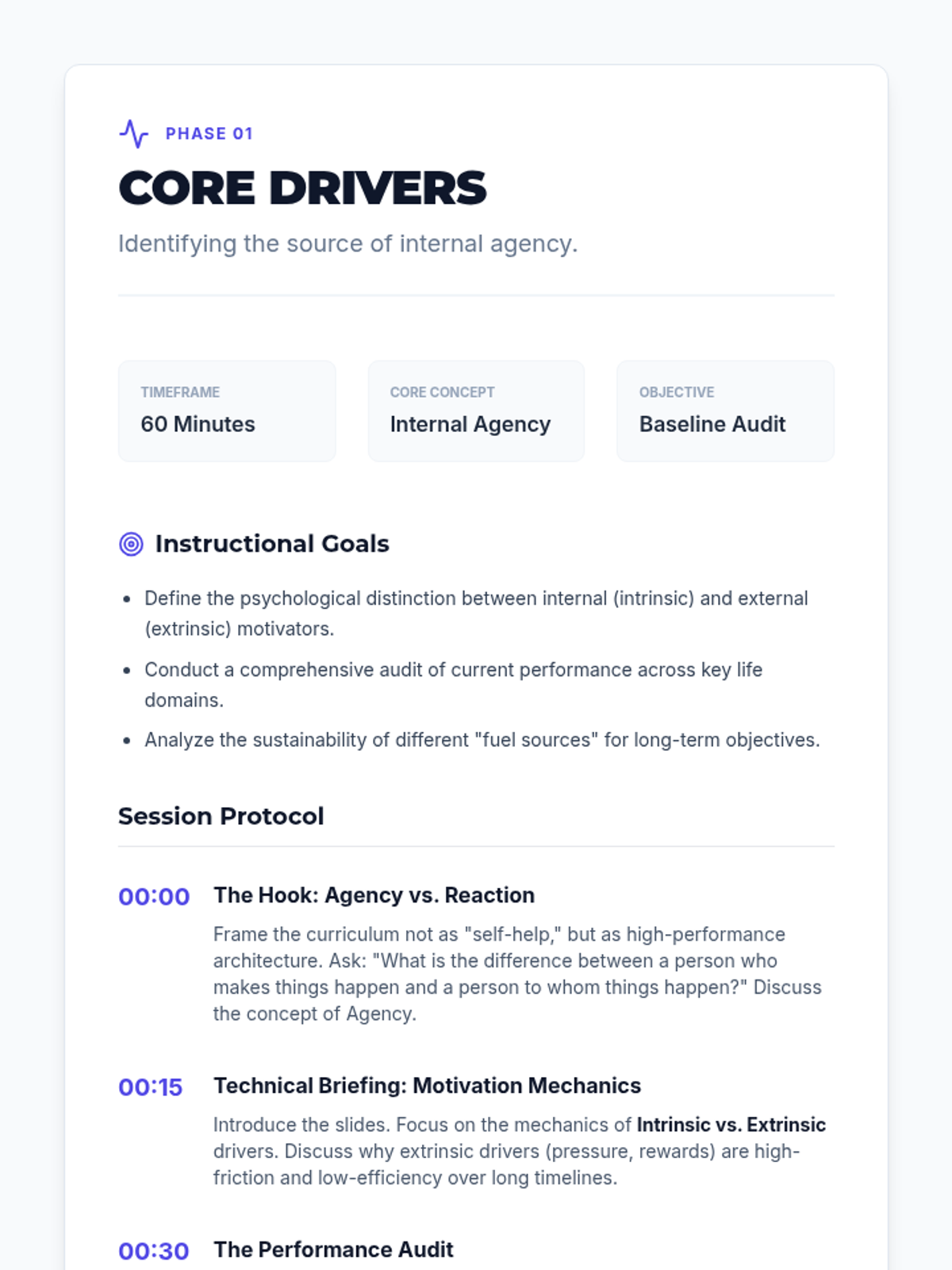
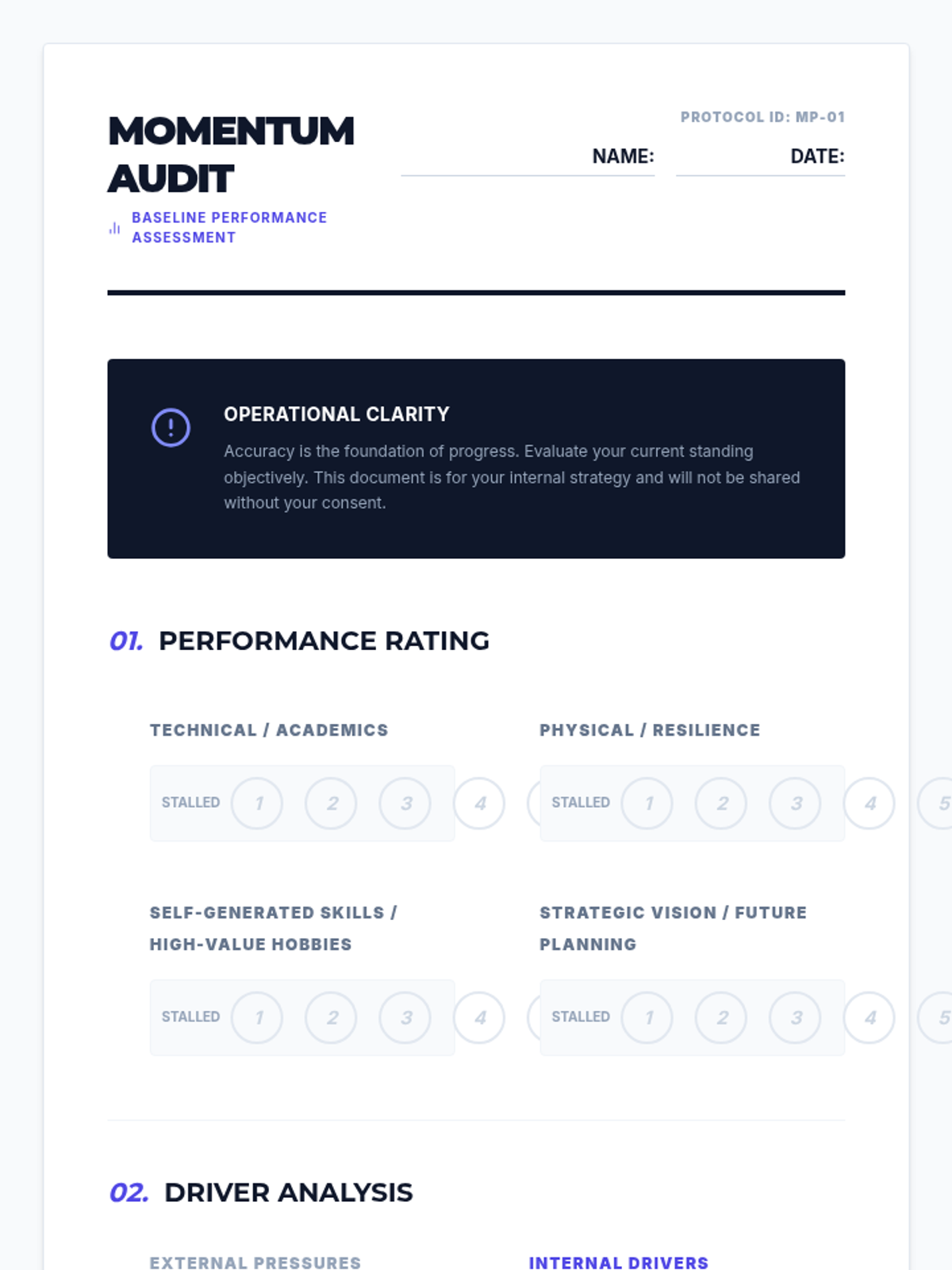
A 6-week performance framework designed for 15-year-old boys focused on developing internal agency, strategic goal attainment, and robust systems for self-discipline and long-term momentum.
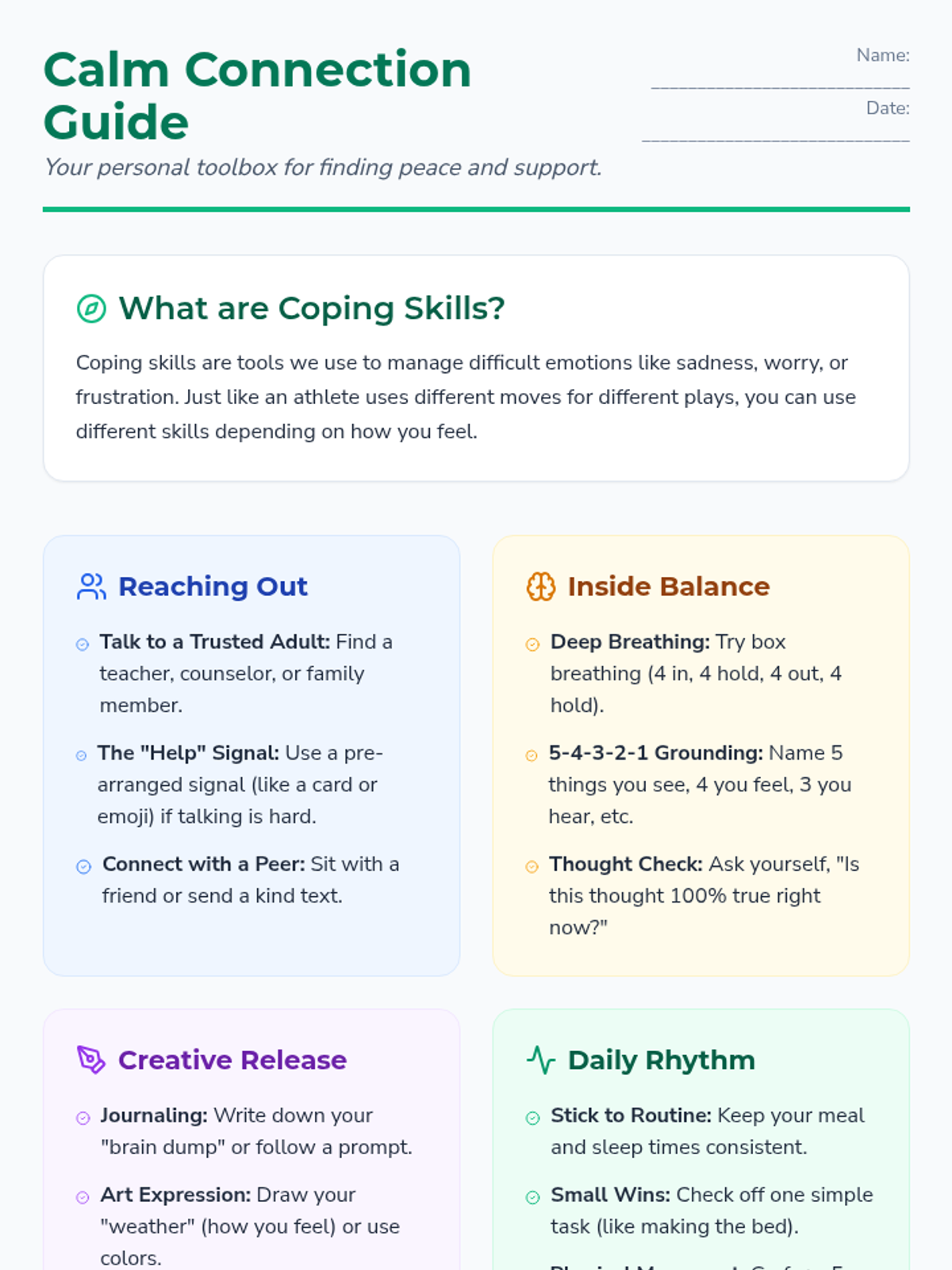
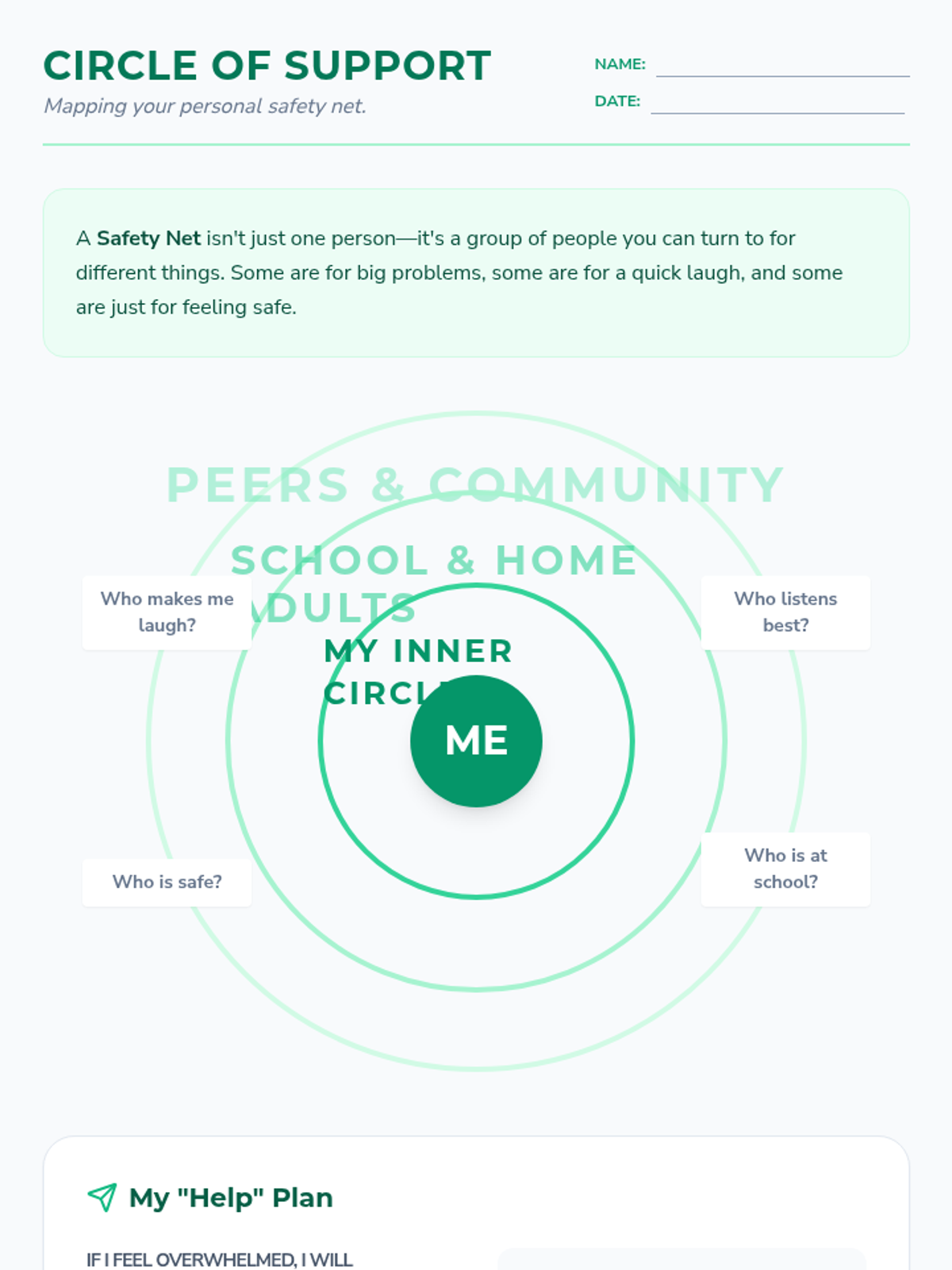
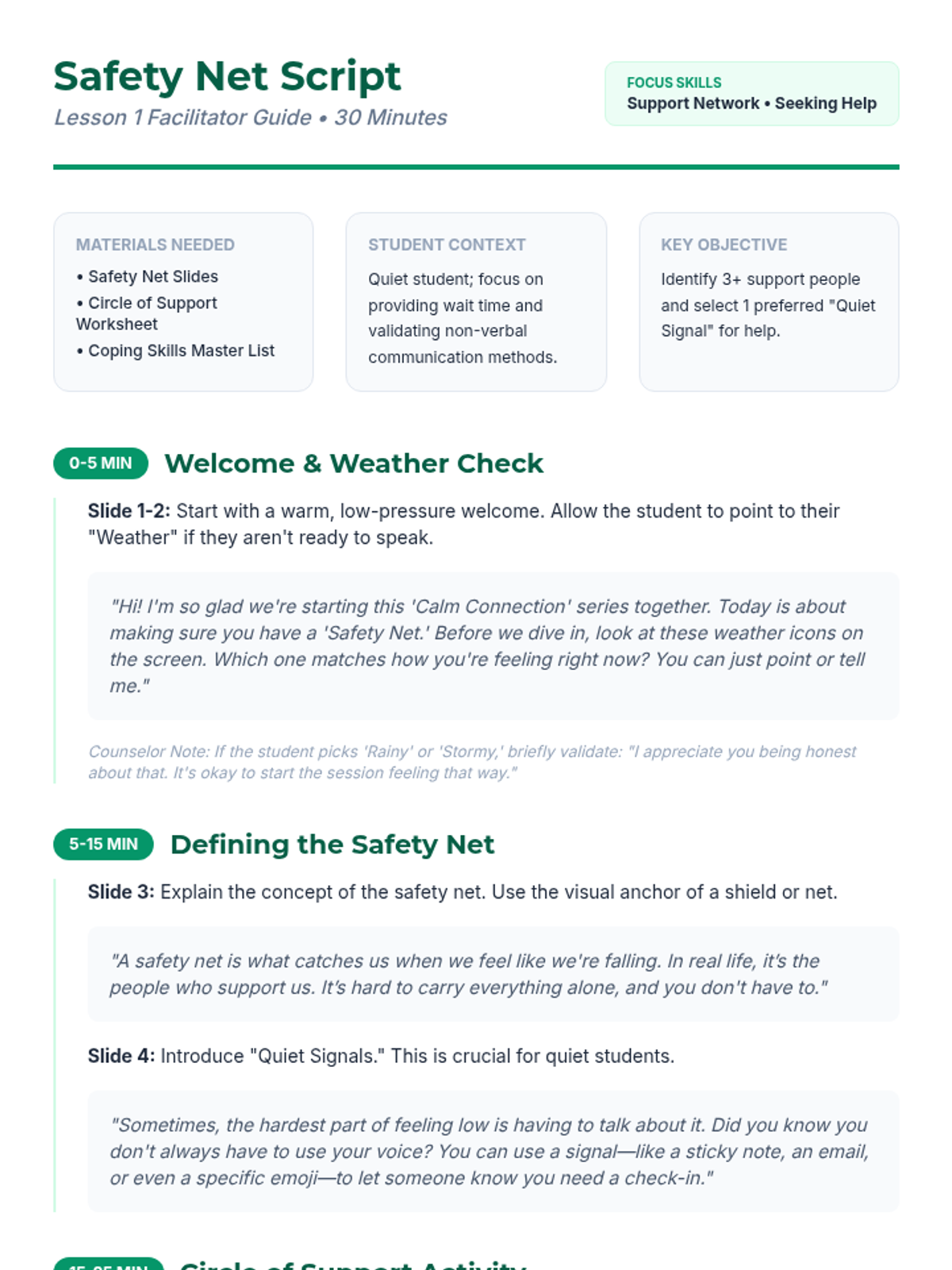
A four-part therapeutic sequence designed to help quiet students develop and implement coping skills for anxiety and depression, focusing on seeking support, journaling, and creative expression.
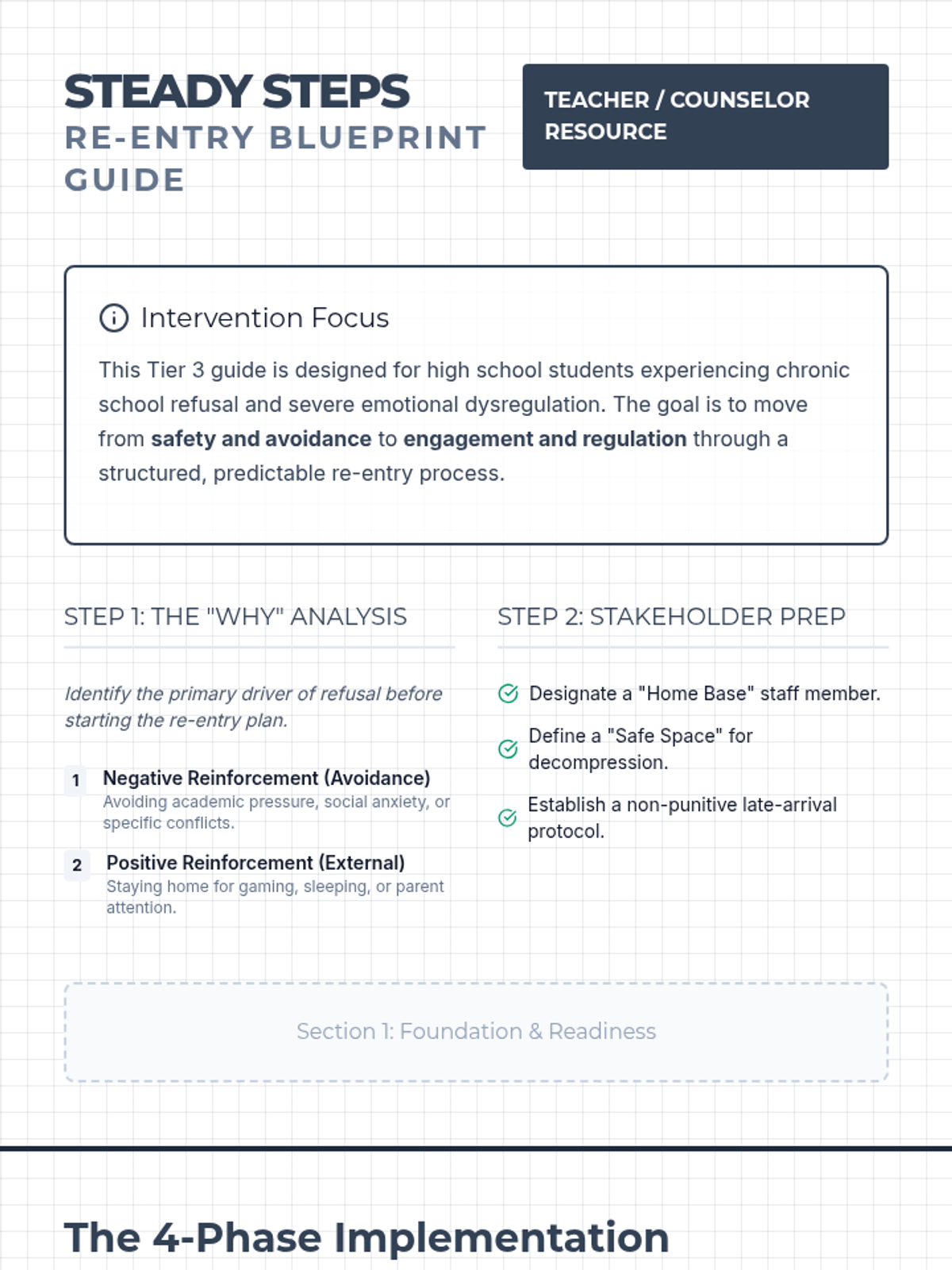
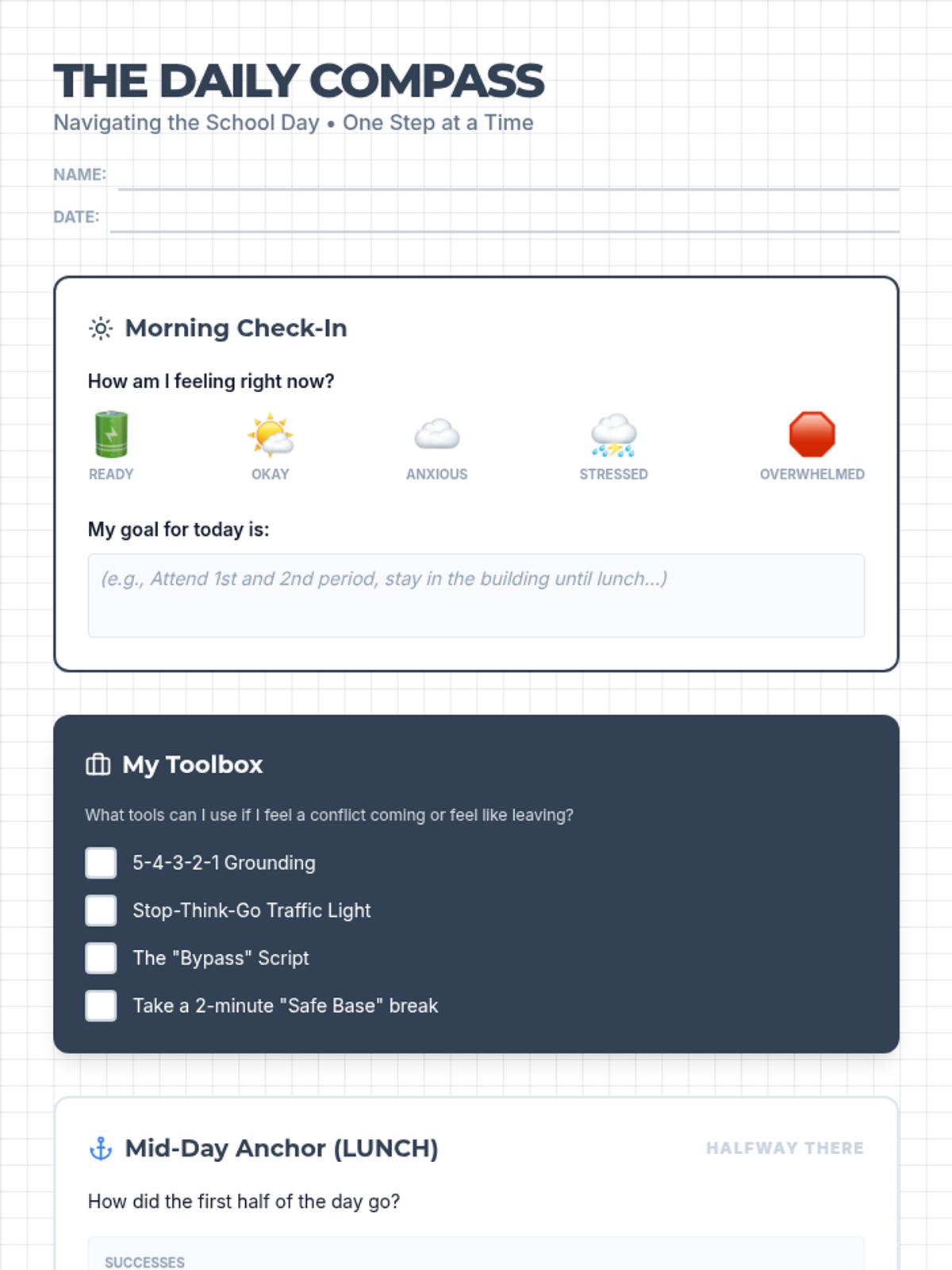
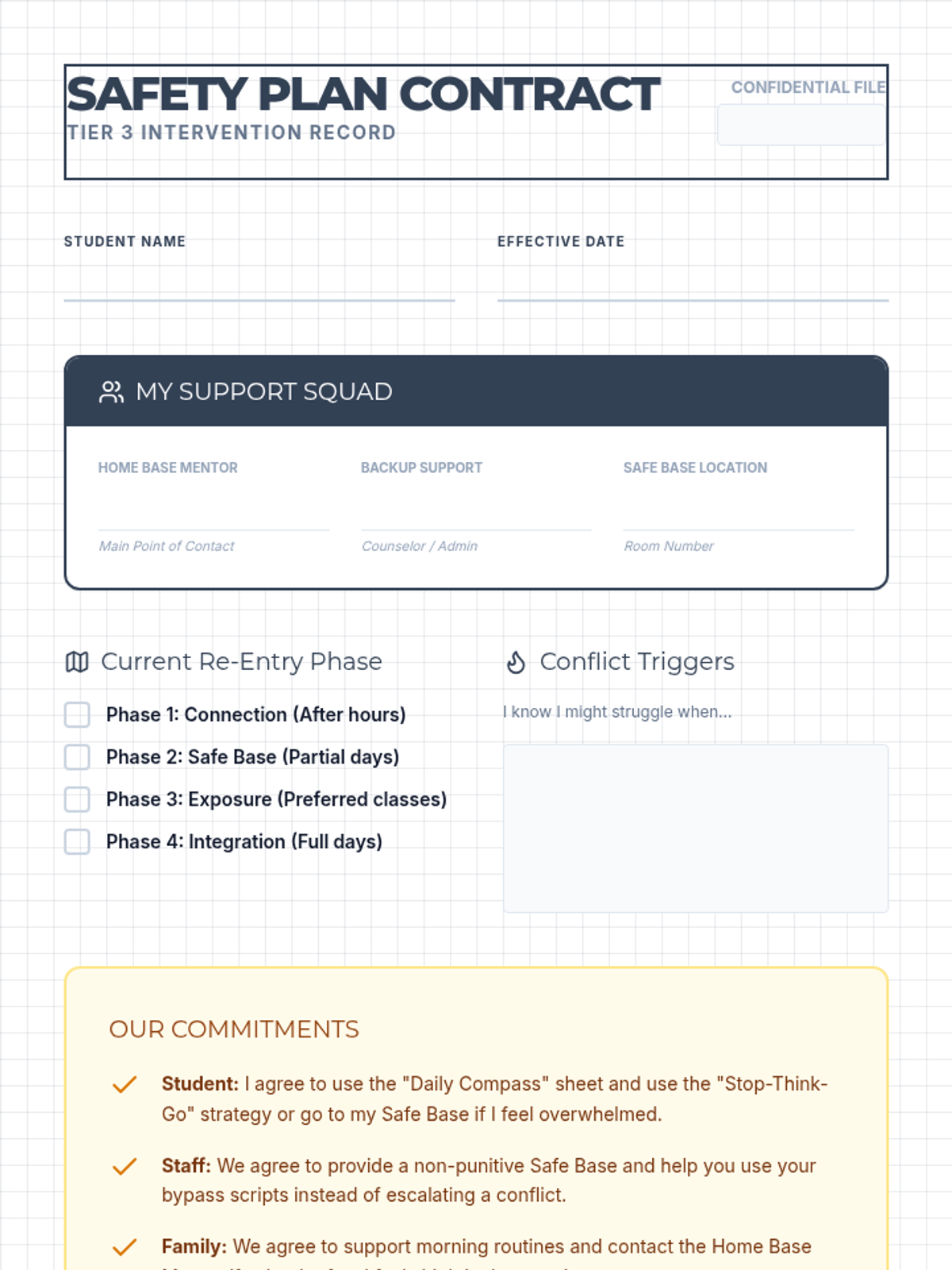
A multi-phase support framework designed for high school students struggling with school refusal and emotional dysregulation. It transitions students from initial re-entry planning to full-day participation with integrated coping skills.
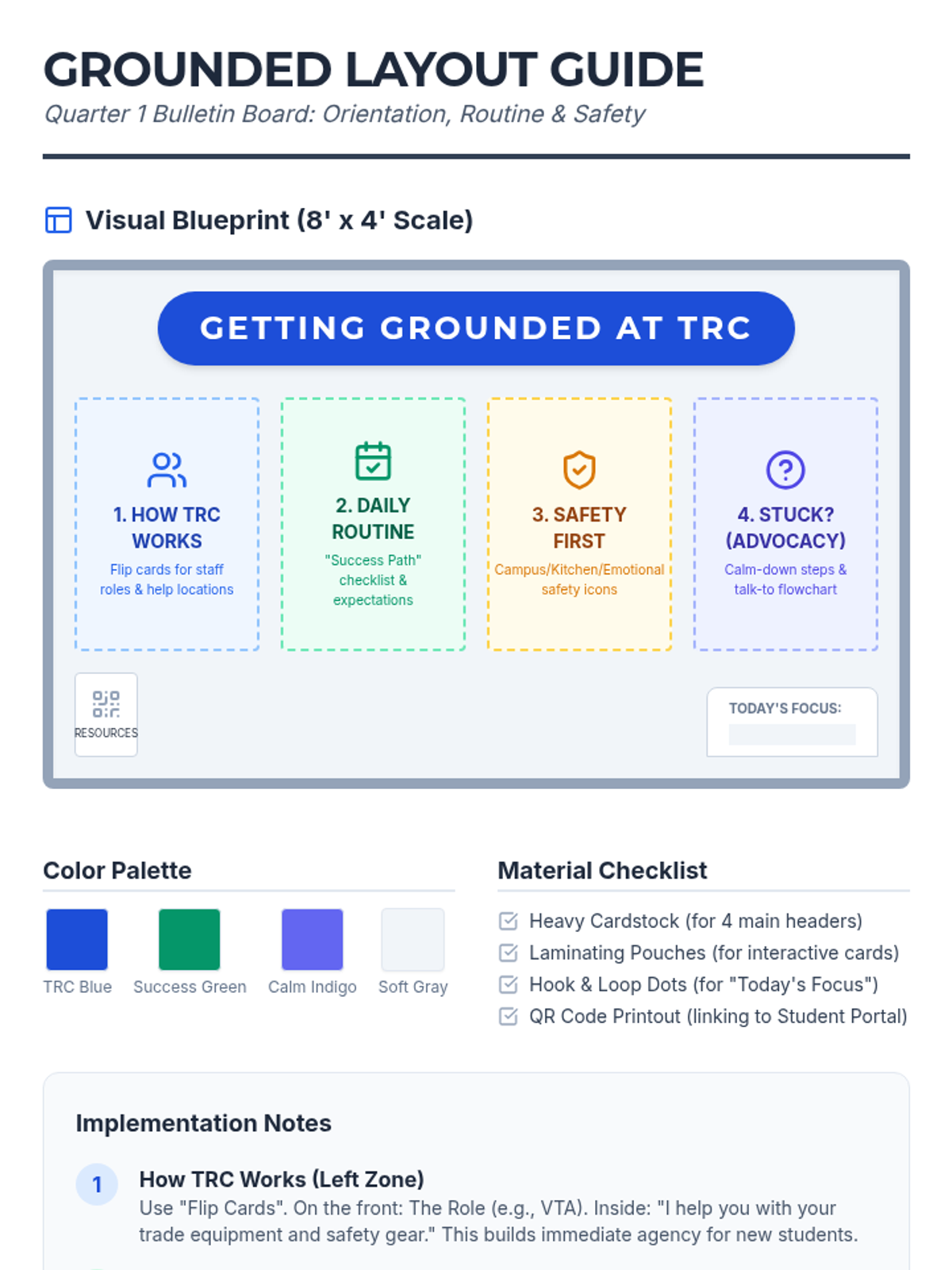
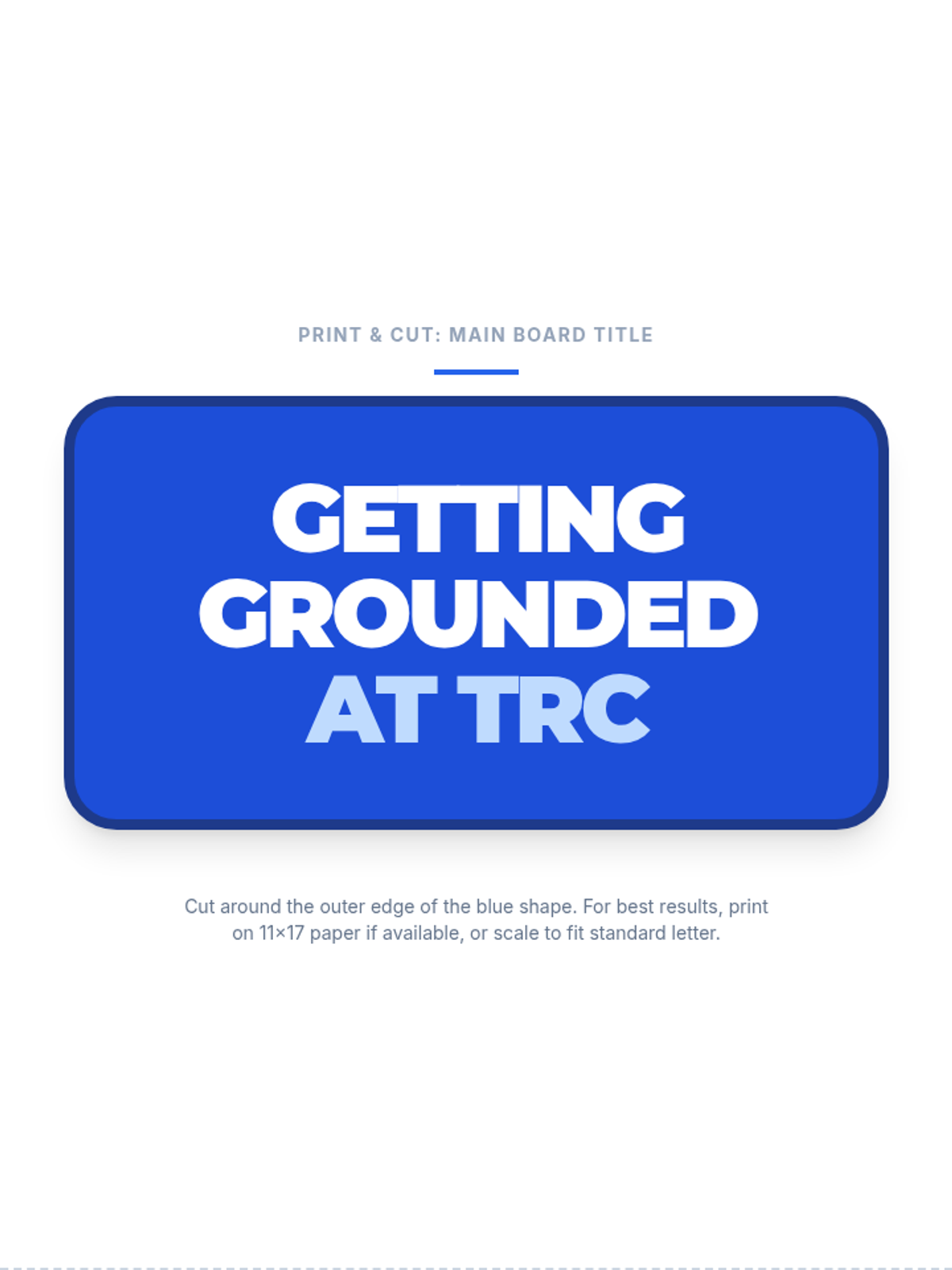
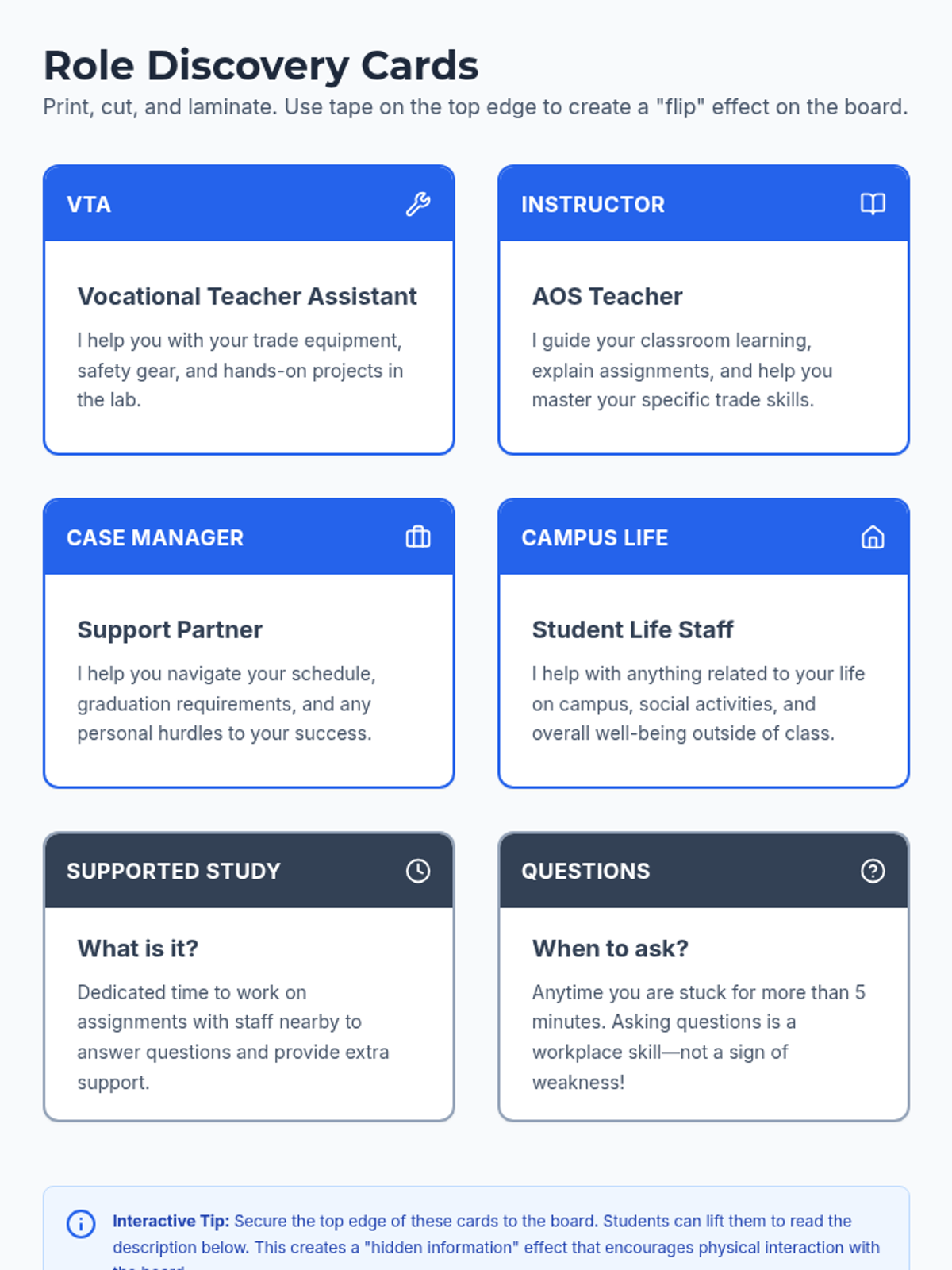
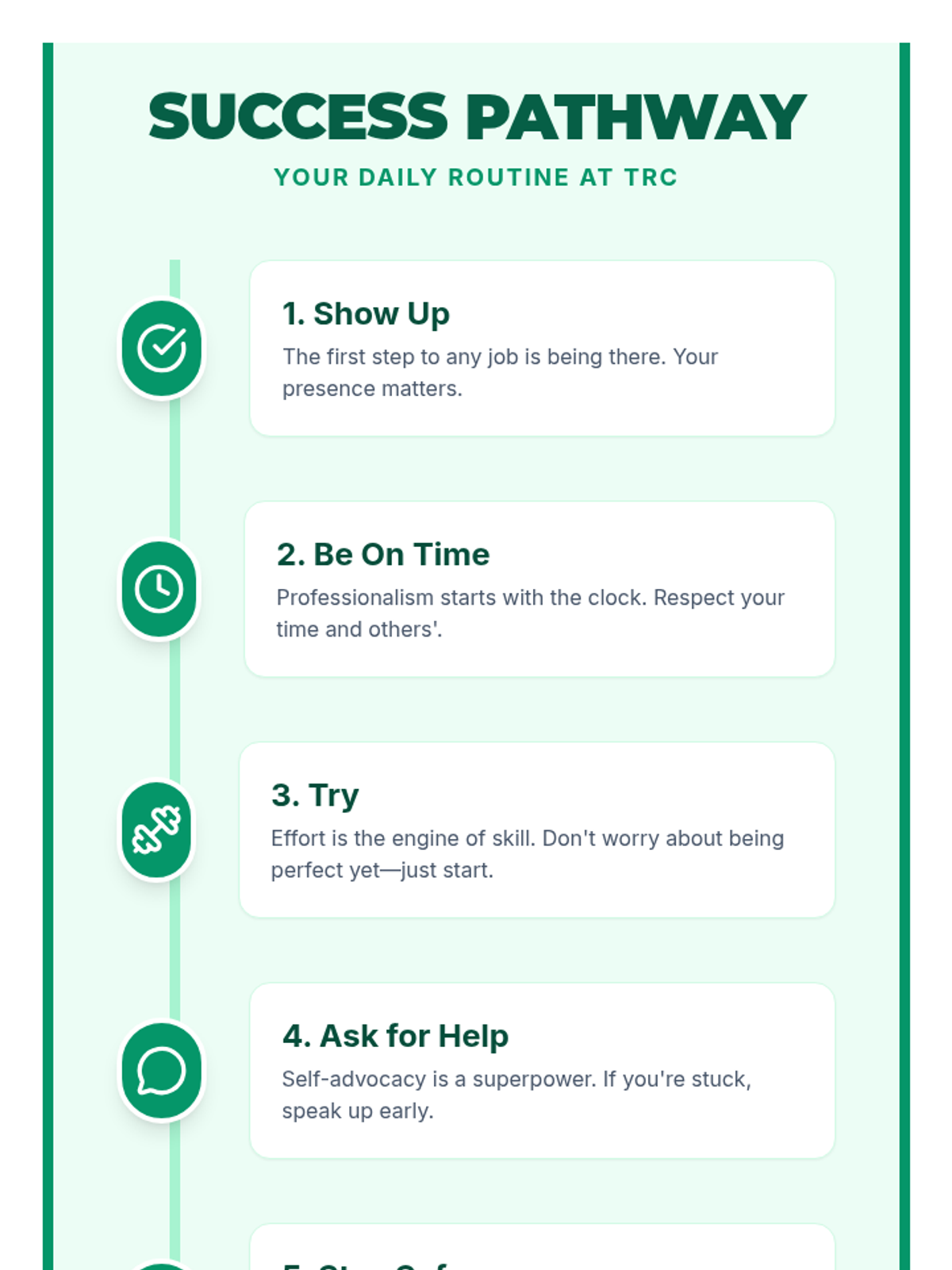
A collection of quarterly bulletin board designs for TRC, providing visual blueprints and printable components to help students navigate orientation, skill-building, and transition planning.
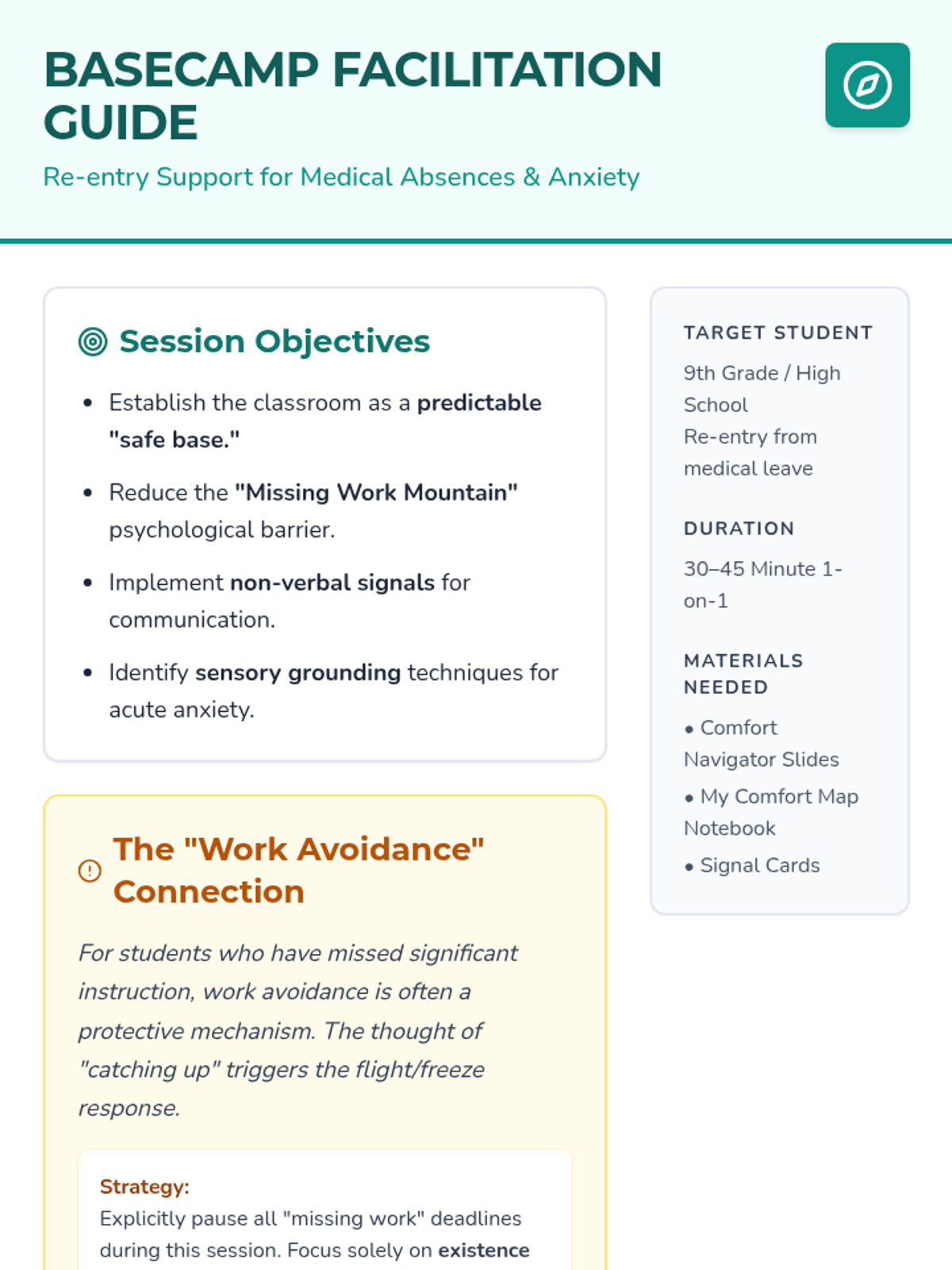
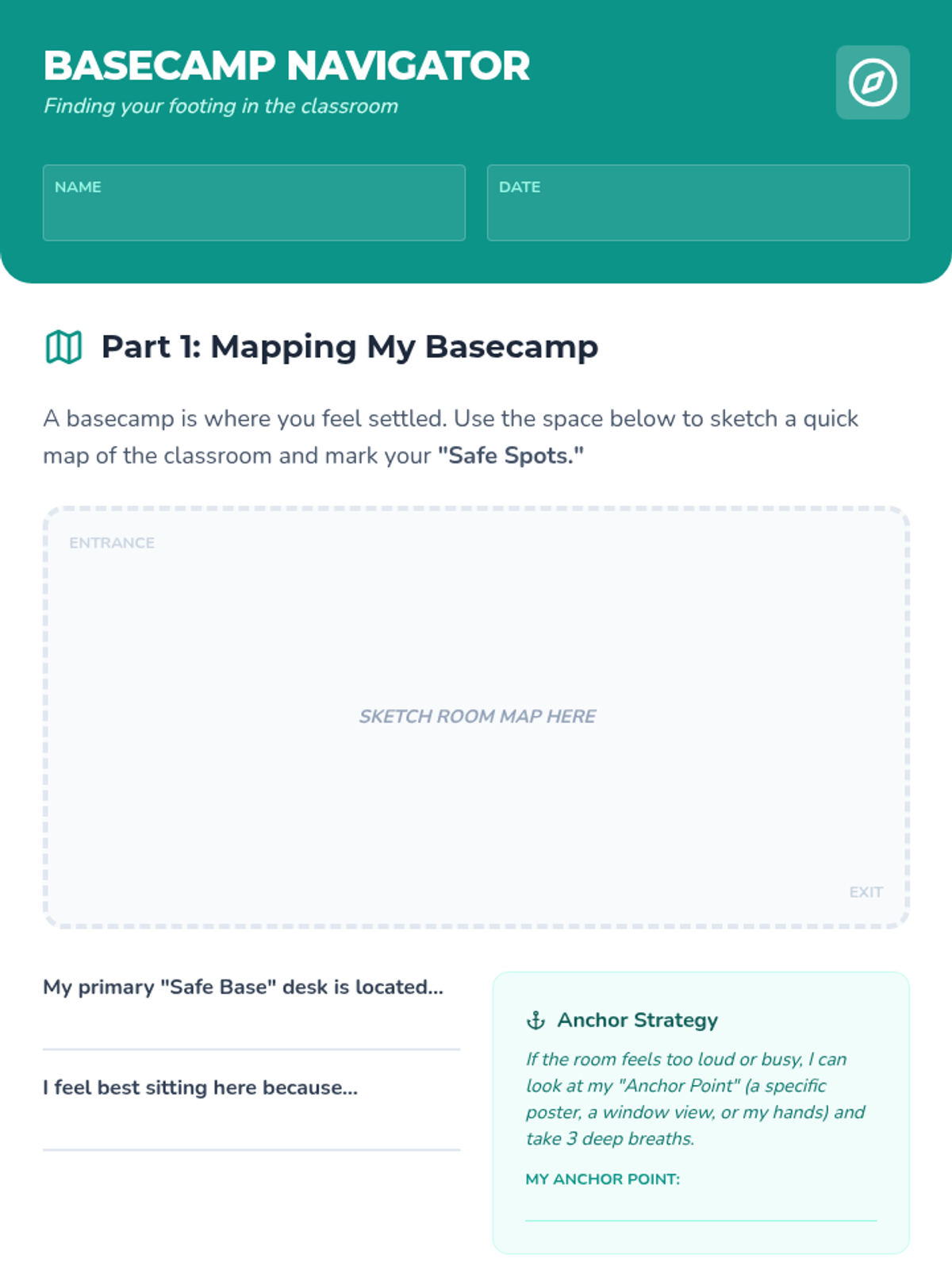
A comprehensive sequence of lessons designed for high school students managing re-entry and school-based anxiety. The curriculum focuses on physical and psychological safety, self-regulation tools, self-advocacy skills, and navigating social peer dynamics.
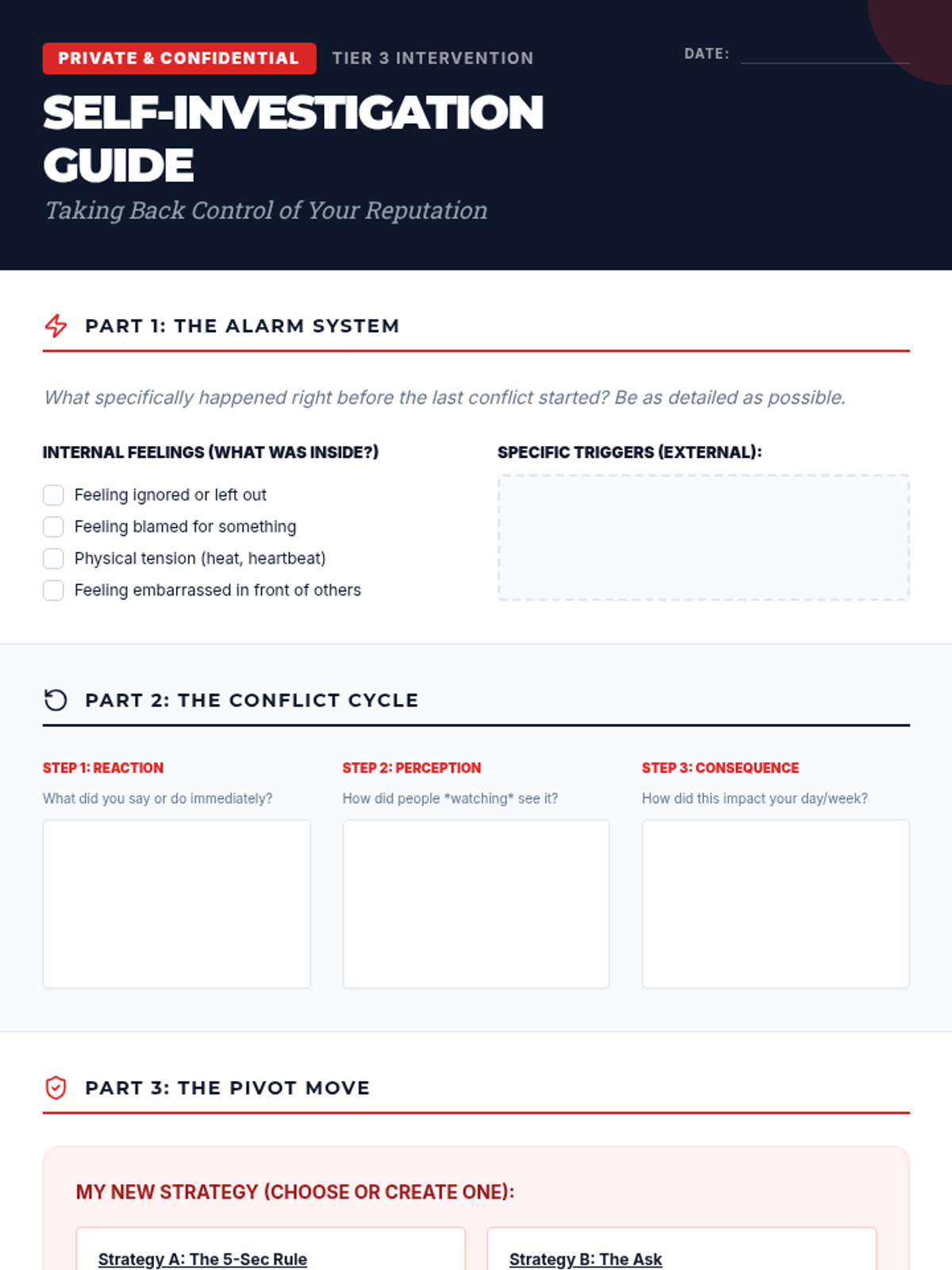
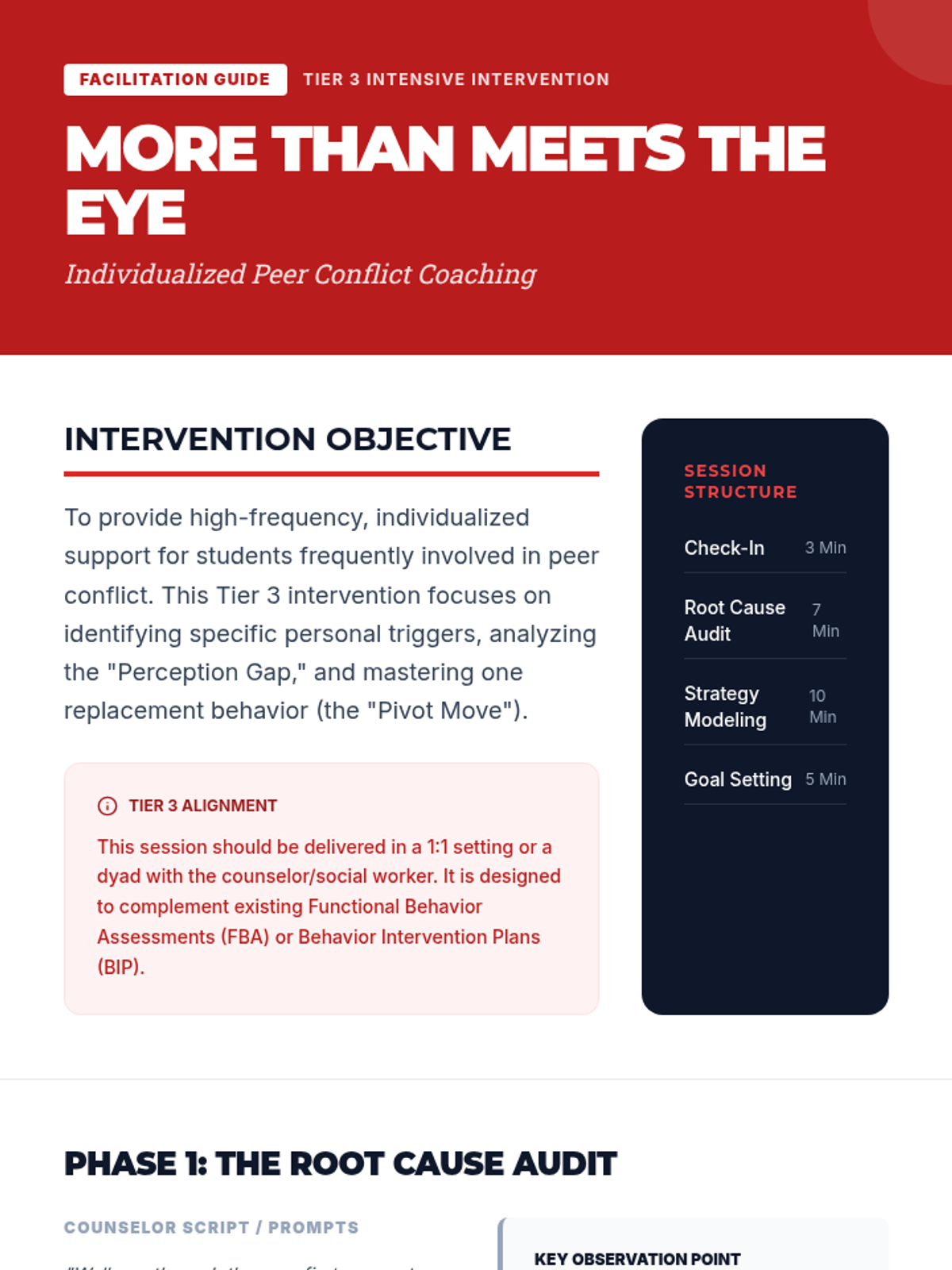
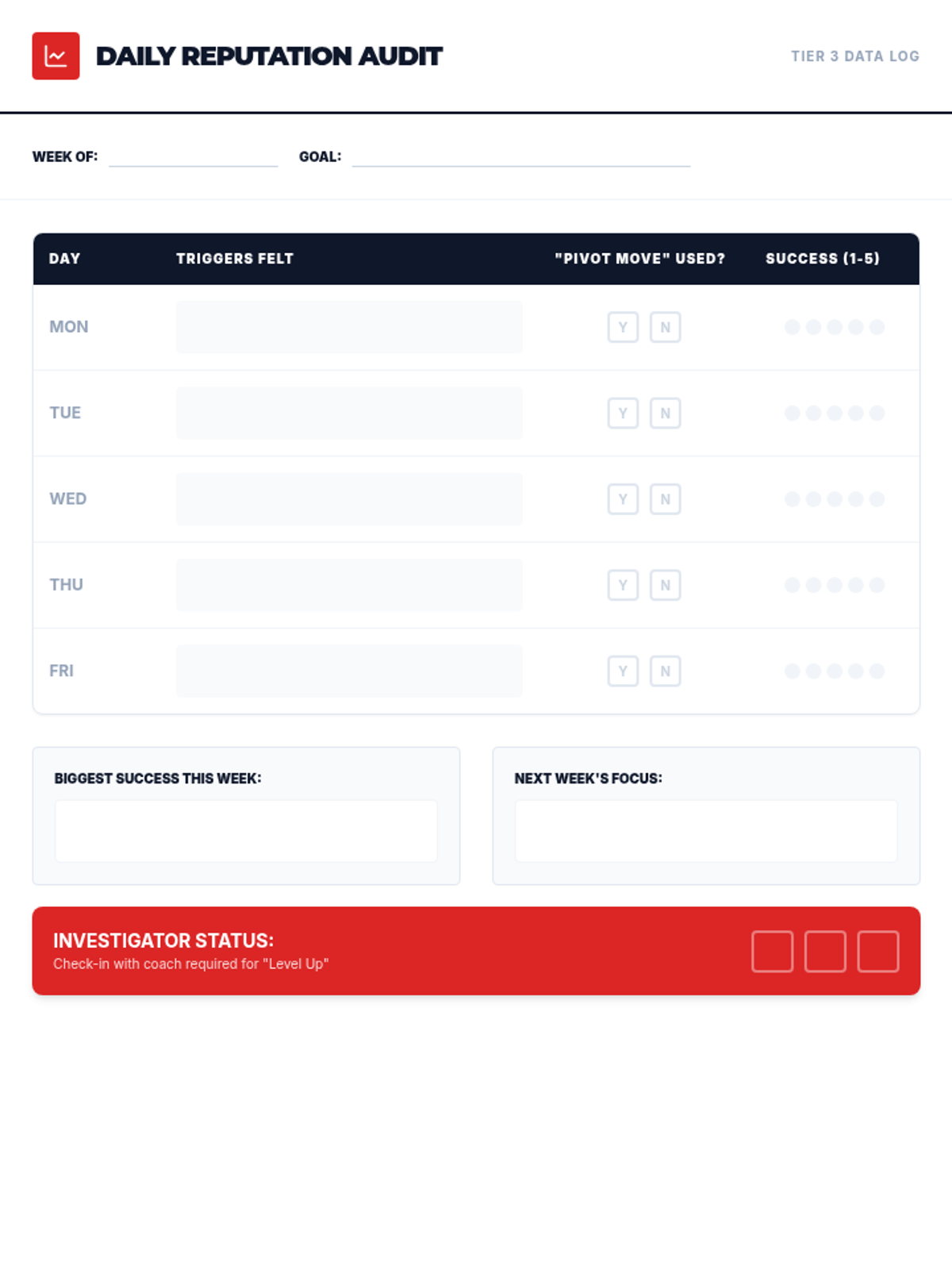
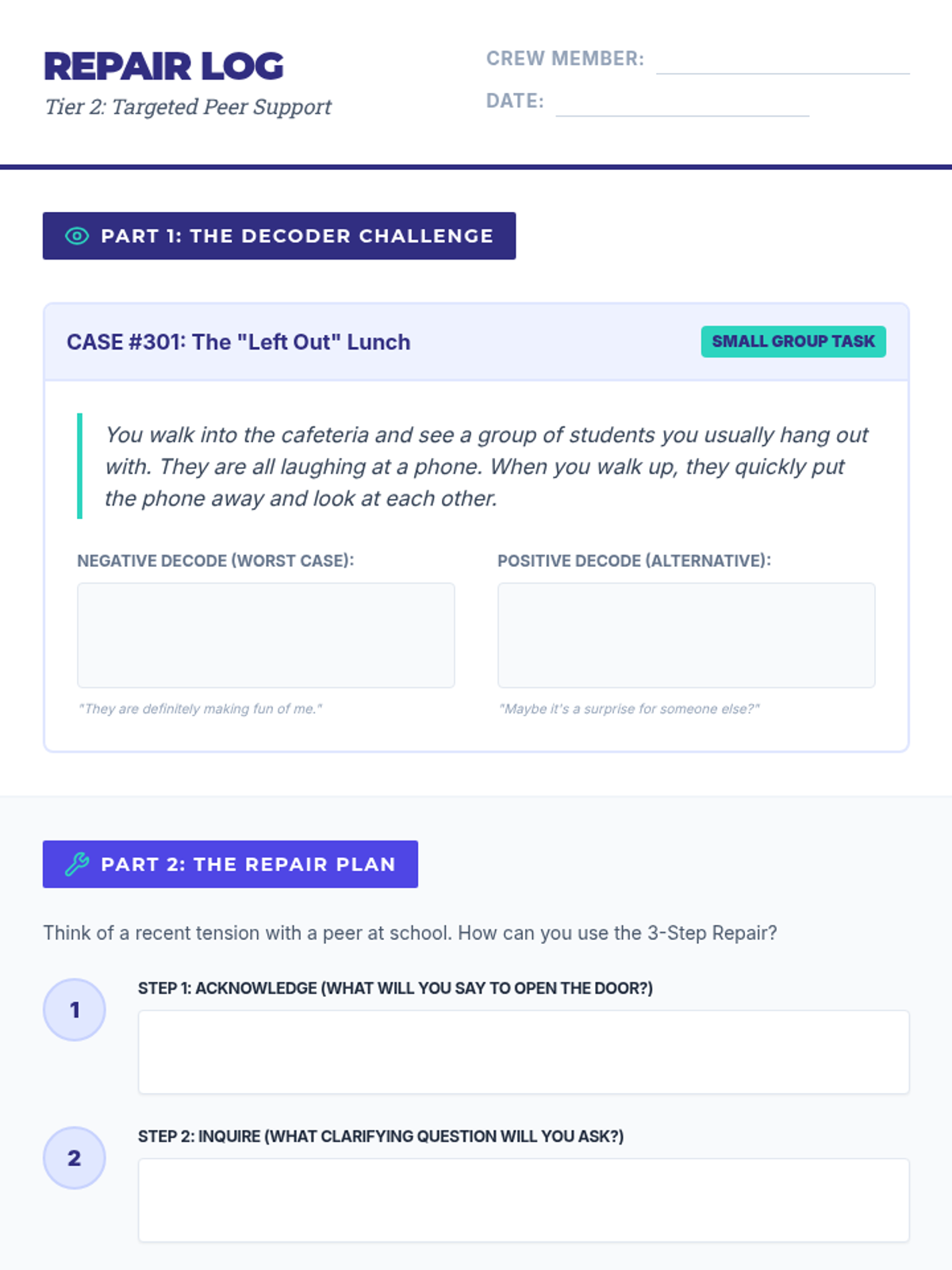
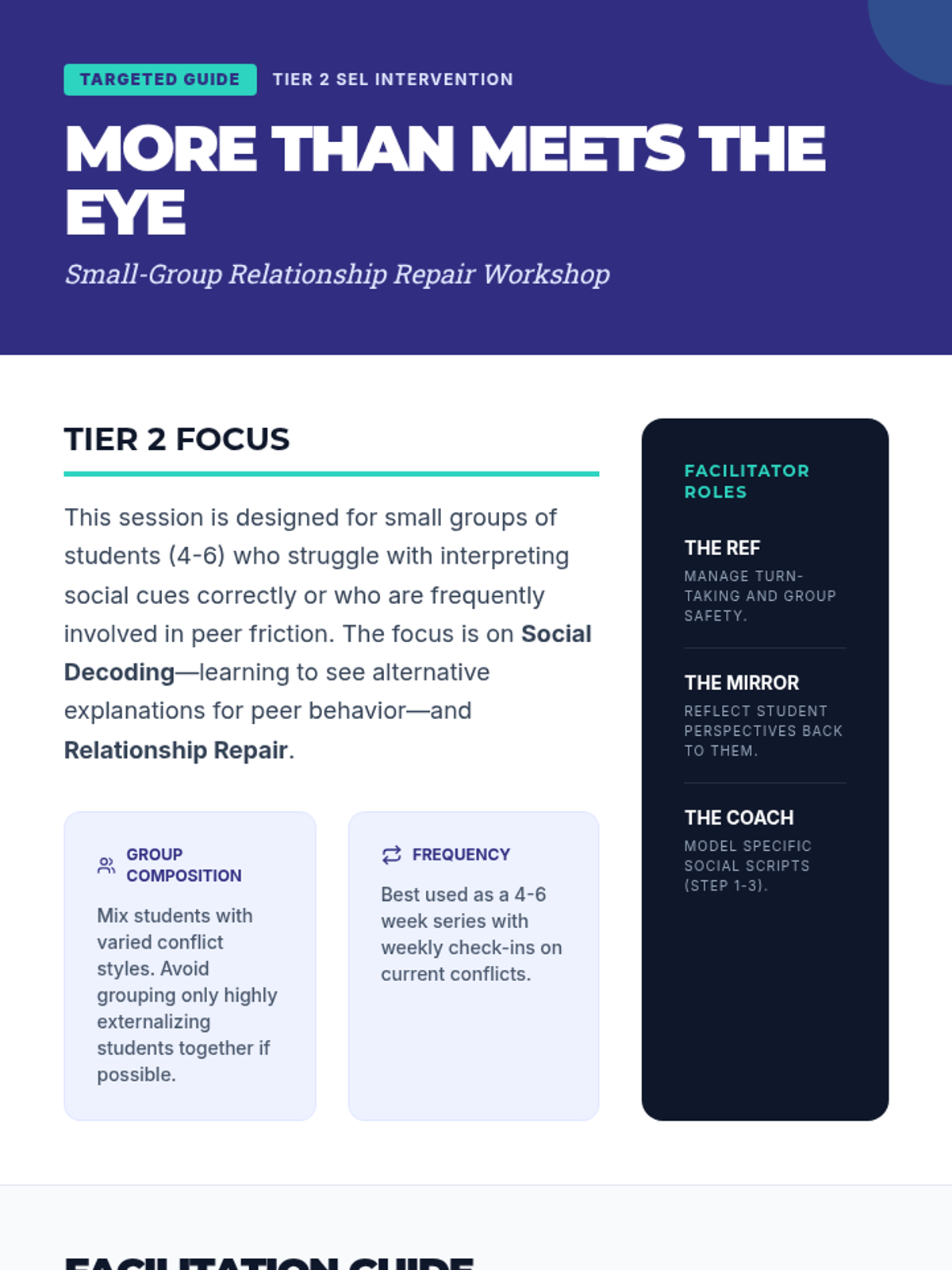
A comprehensive multi-tier intervention series focusing on peer conflict resolution, reputation management, and social decoding across universal, targeted, and intensive support levels.
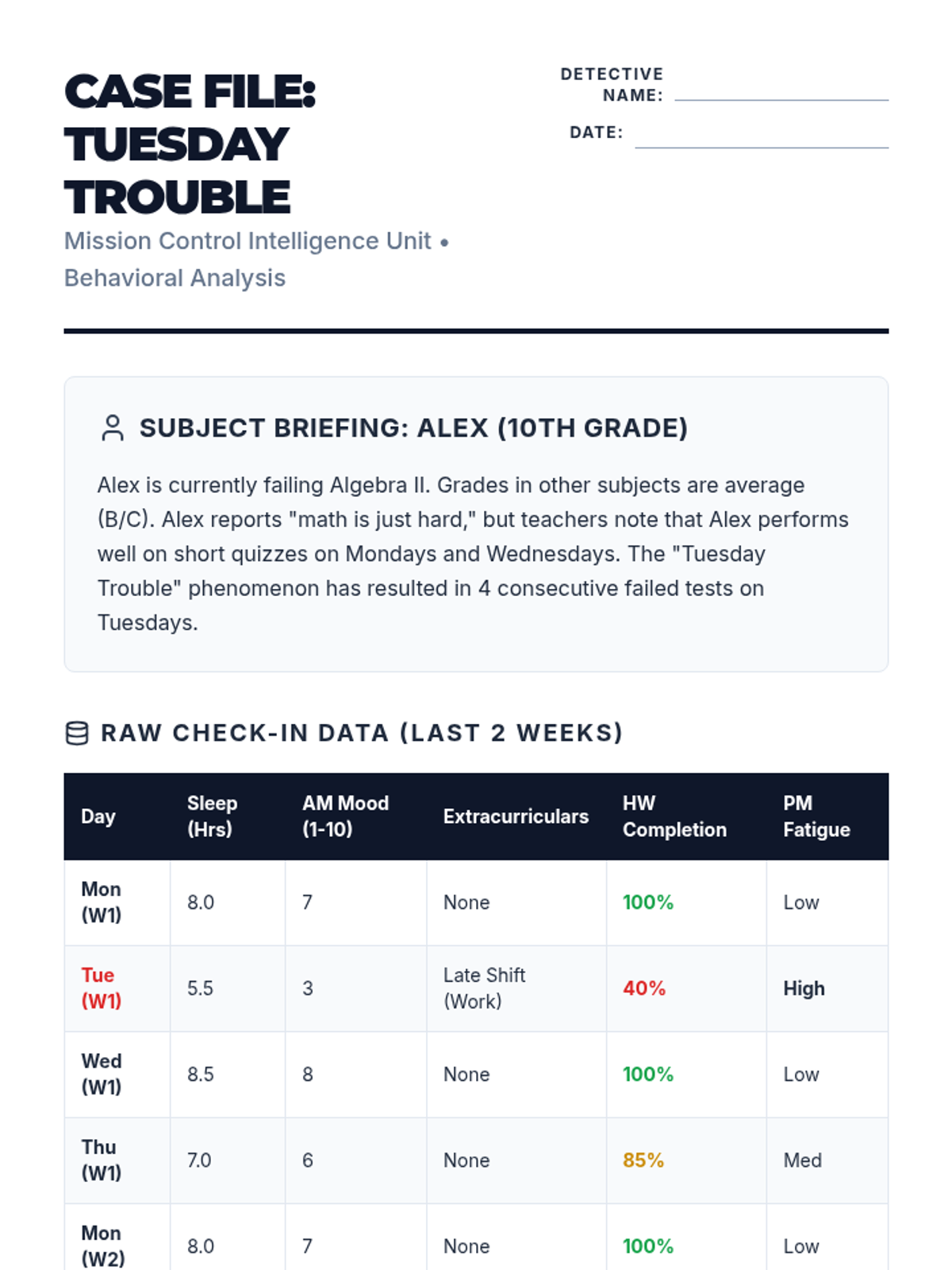
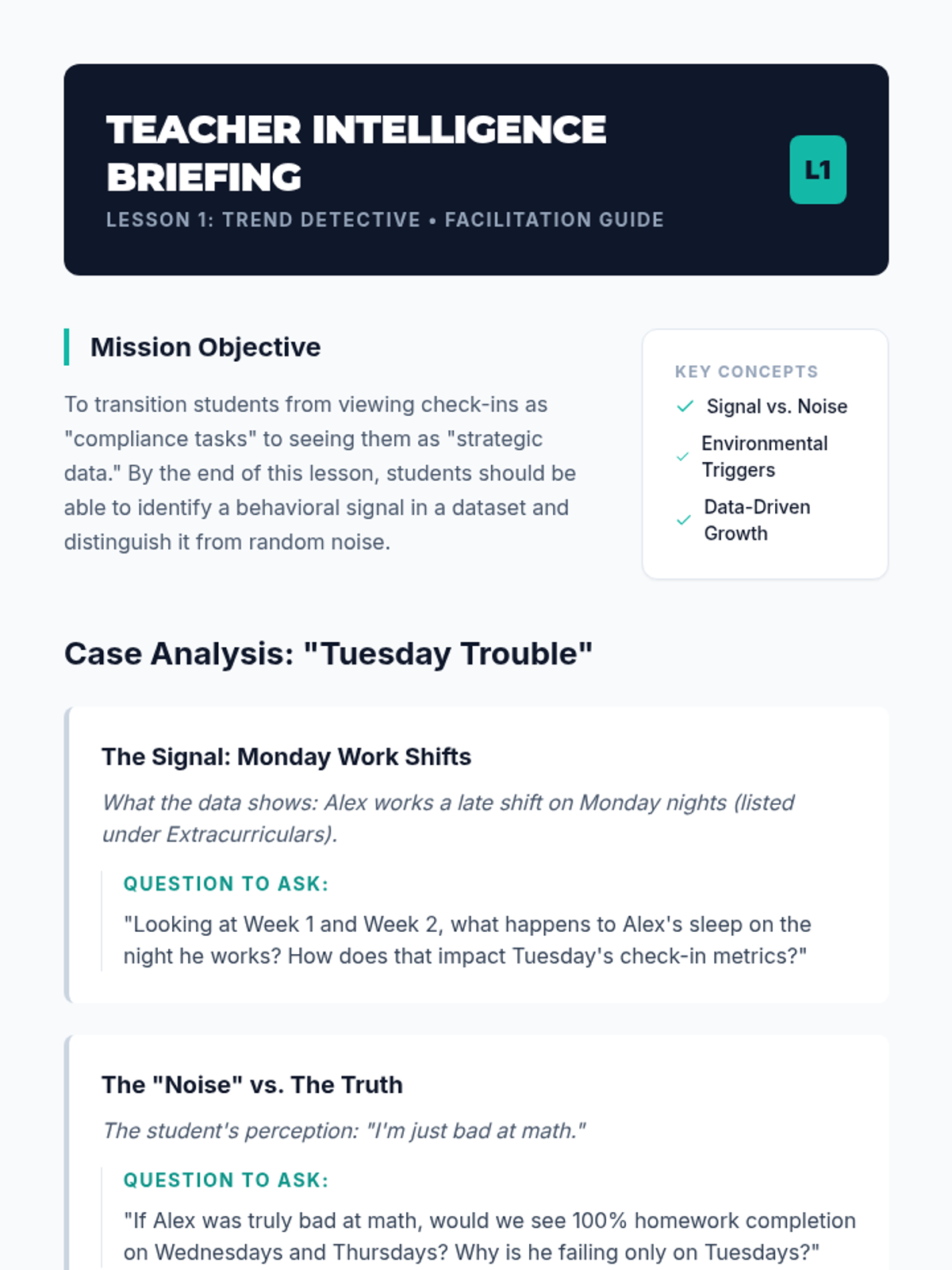
This sequence guides 10th-grade students through the process of using daily check-in data to set, track, and adjust behavioral micro-goals. Students move from analyzing patterns to proactive planning and weekly strategic reviews, treating their personal growth with the precision of a strategic mission.
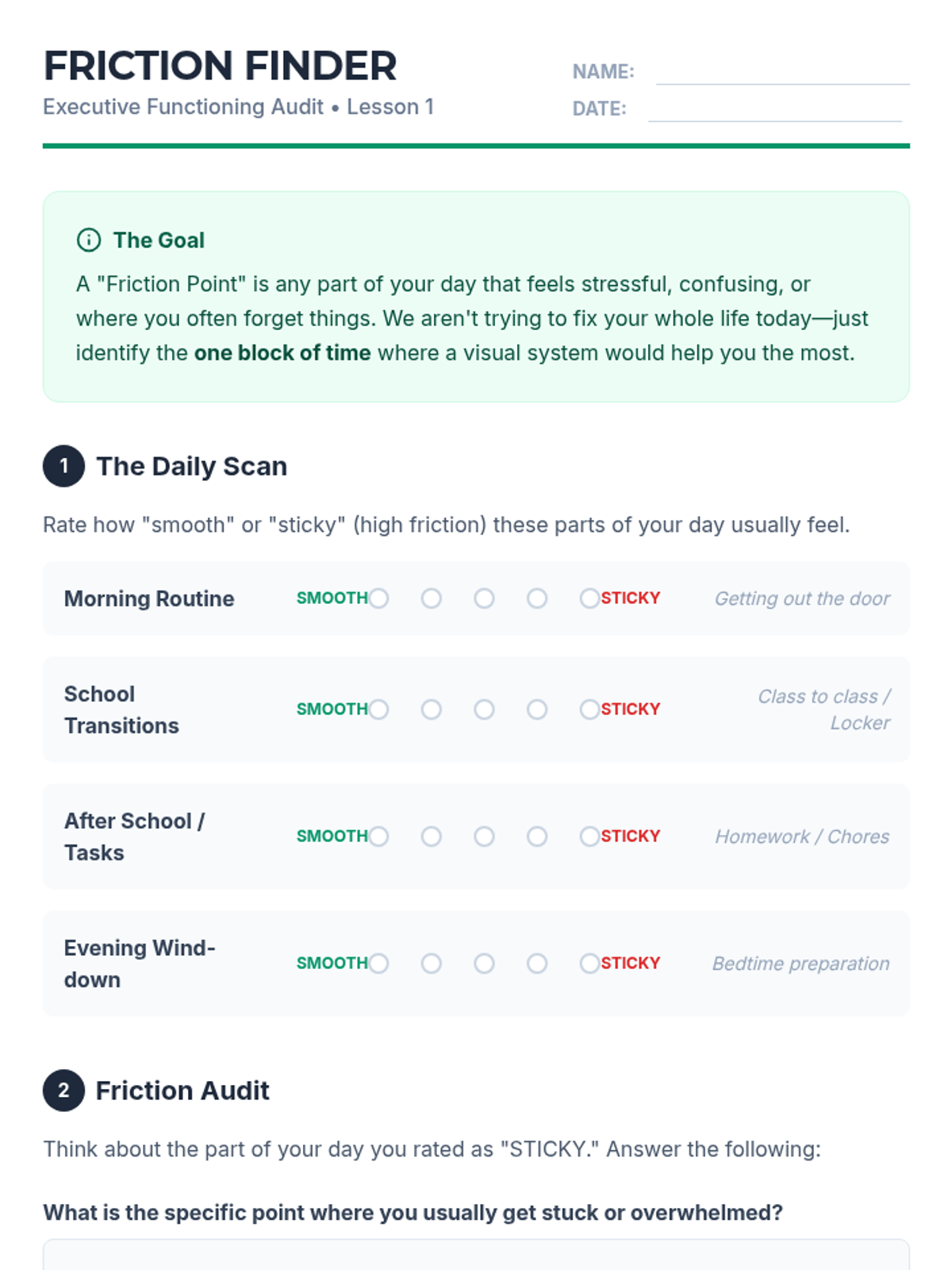
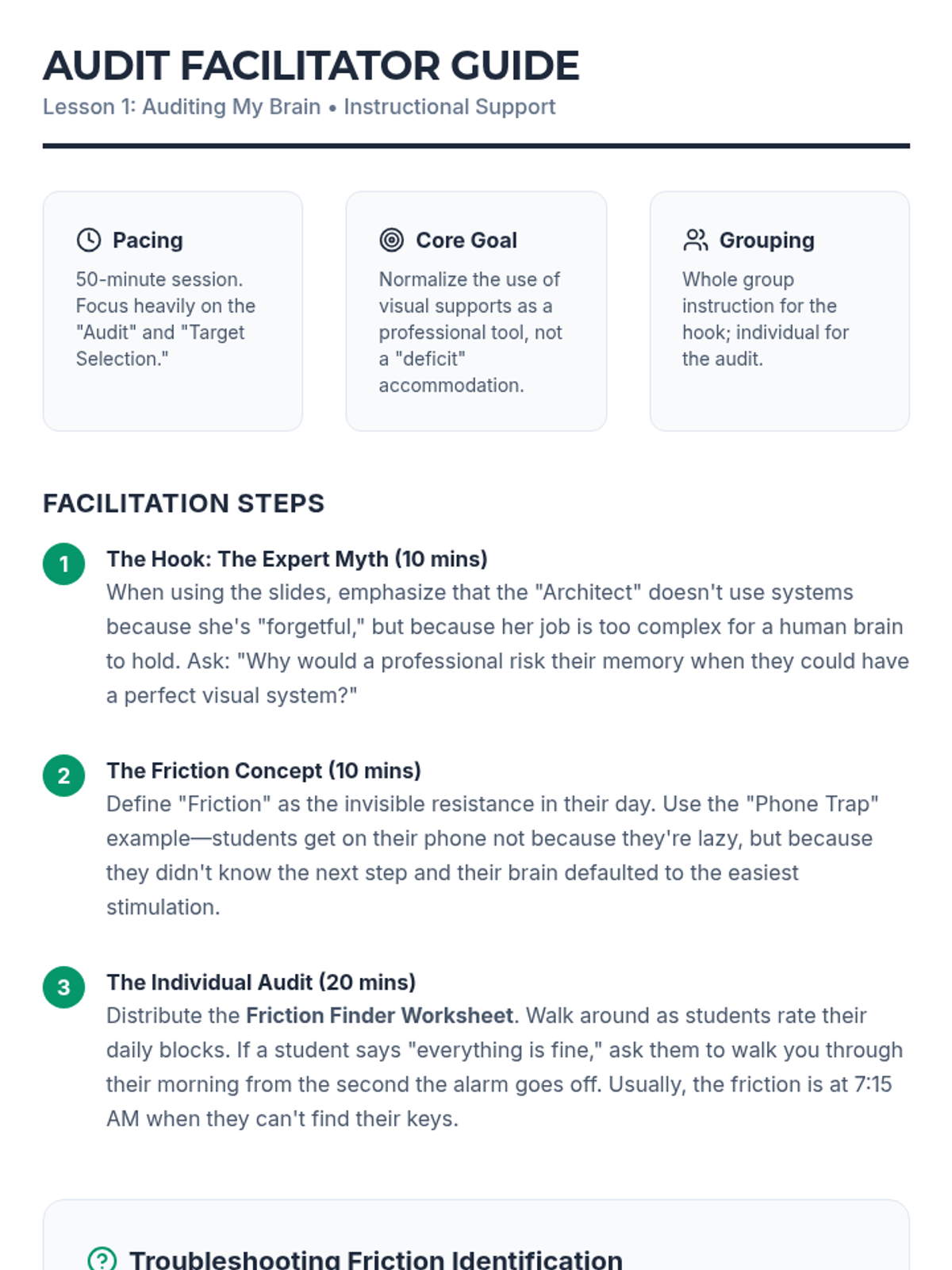
A 10th-grade sequence focused on transitioning students from teacher-directed schedules to personalized visual organization systems. Students identify executive functioning friction points, explore diverse visual formats (Kanban, time-blocking, checklists), and iterate on a custom prototype to increase independence and reduce anxiety.
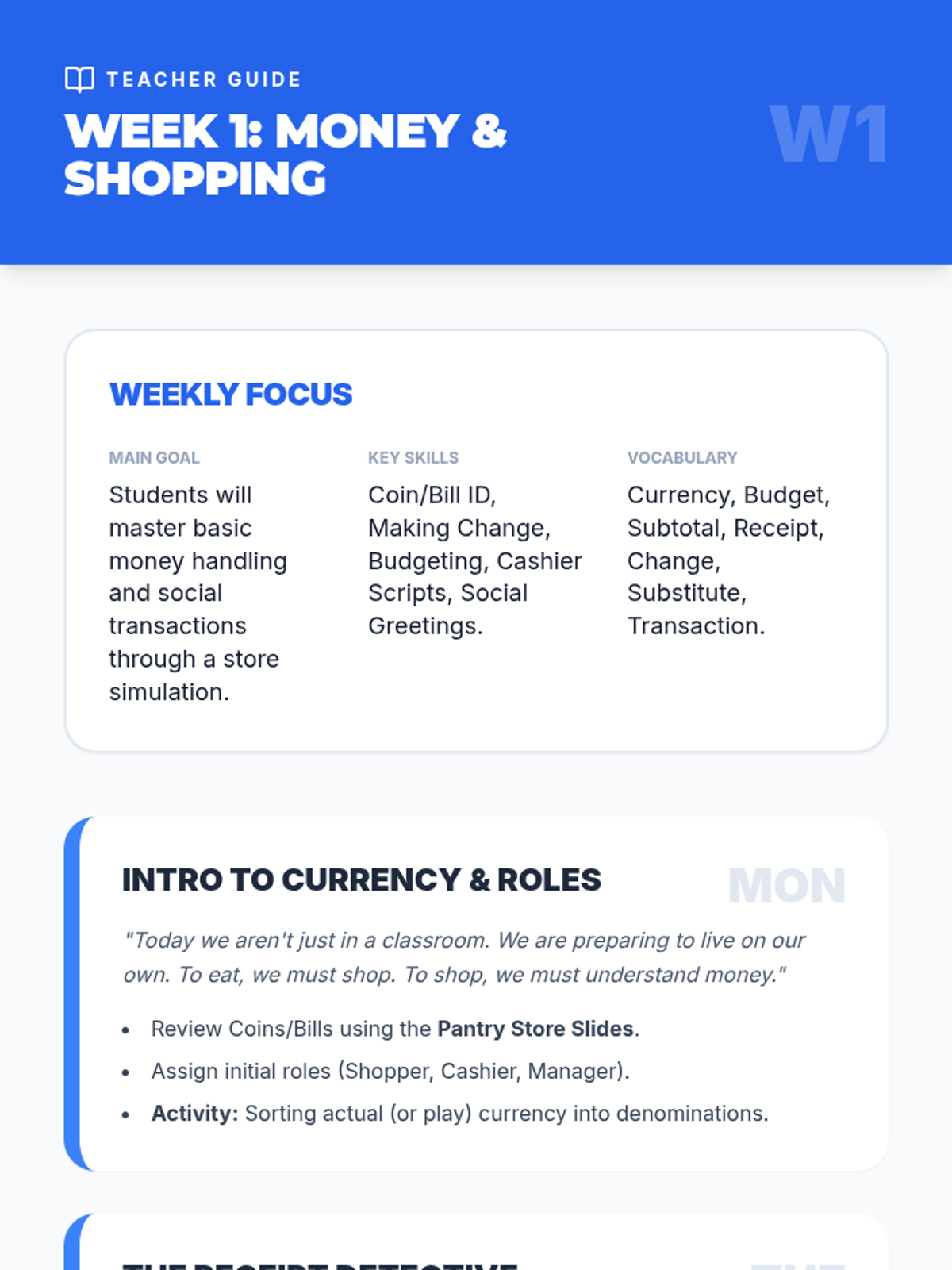
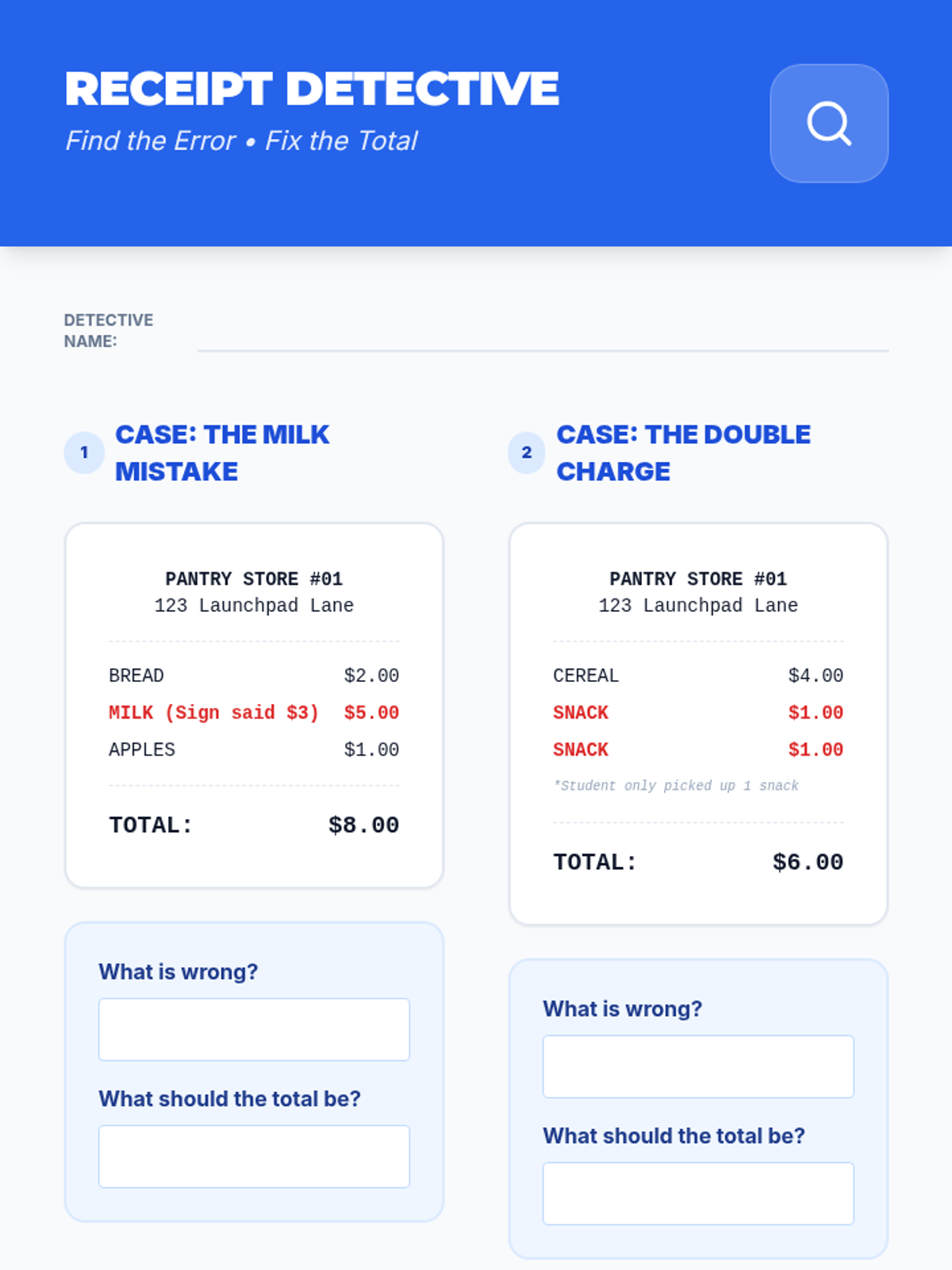
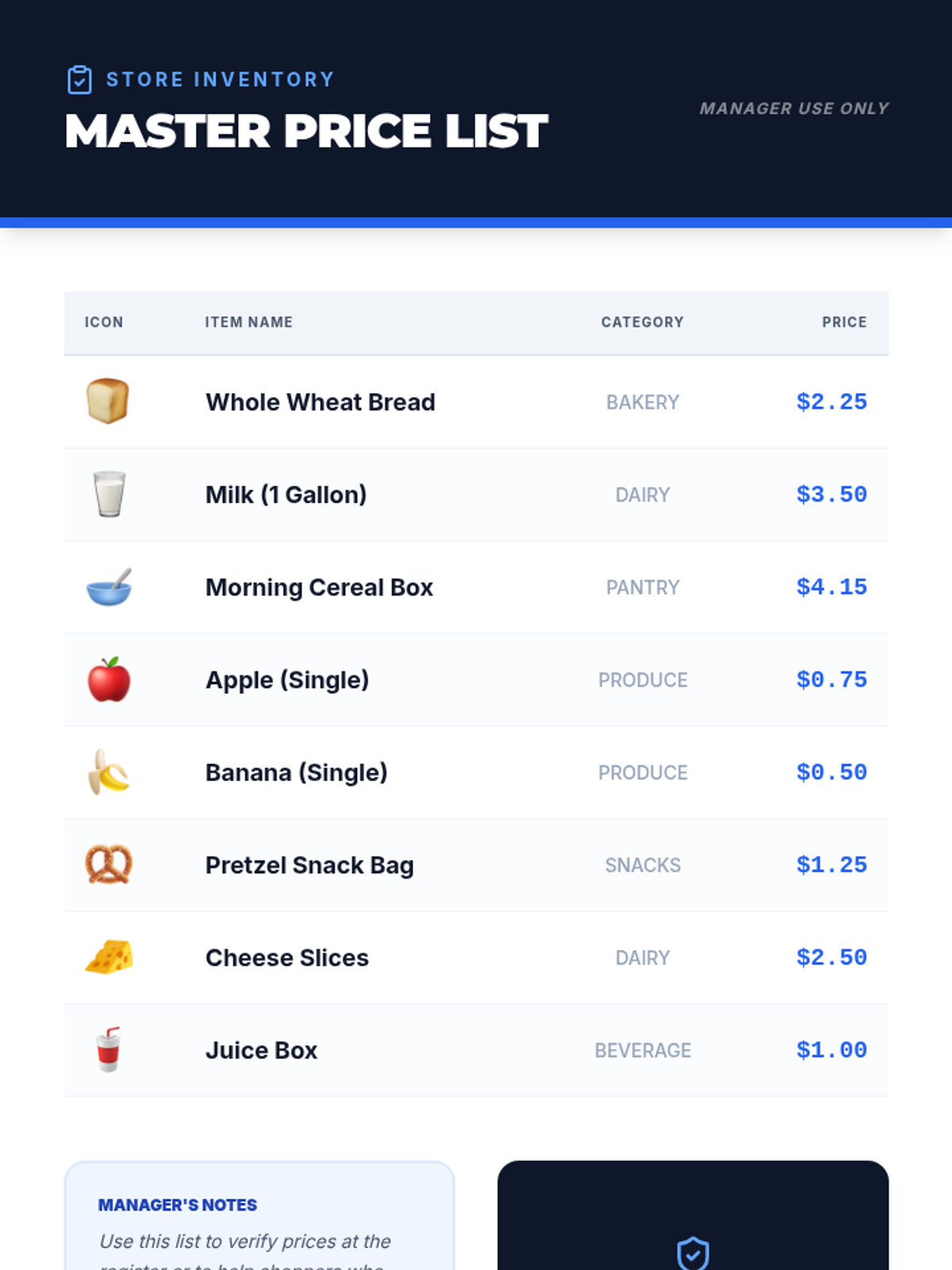
A full-month curriculum focused on developing independence through real-world simulations, role-playing, and practical application of functional life skills.
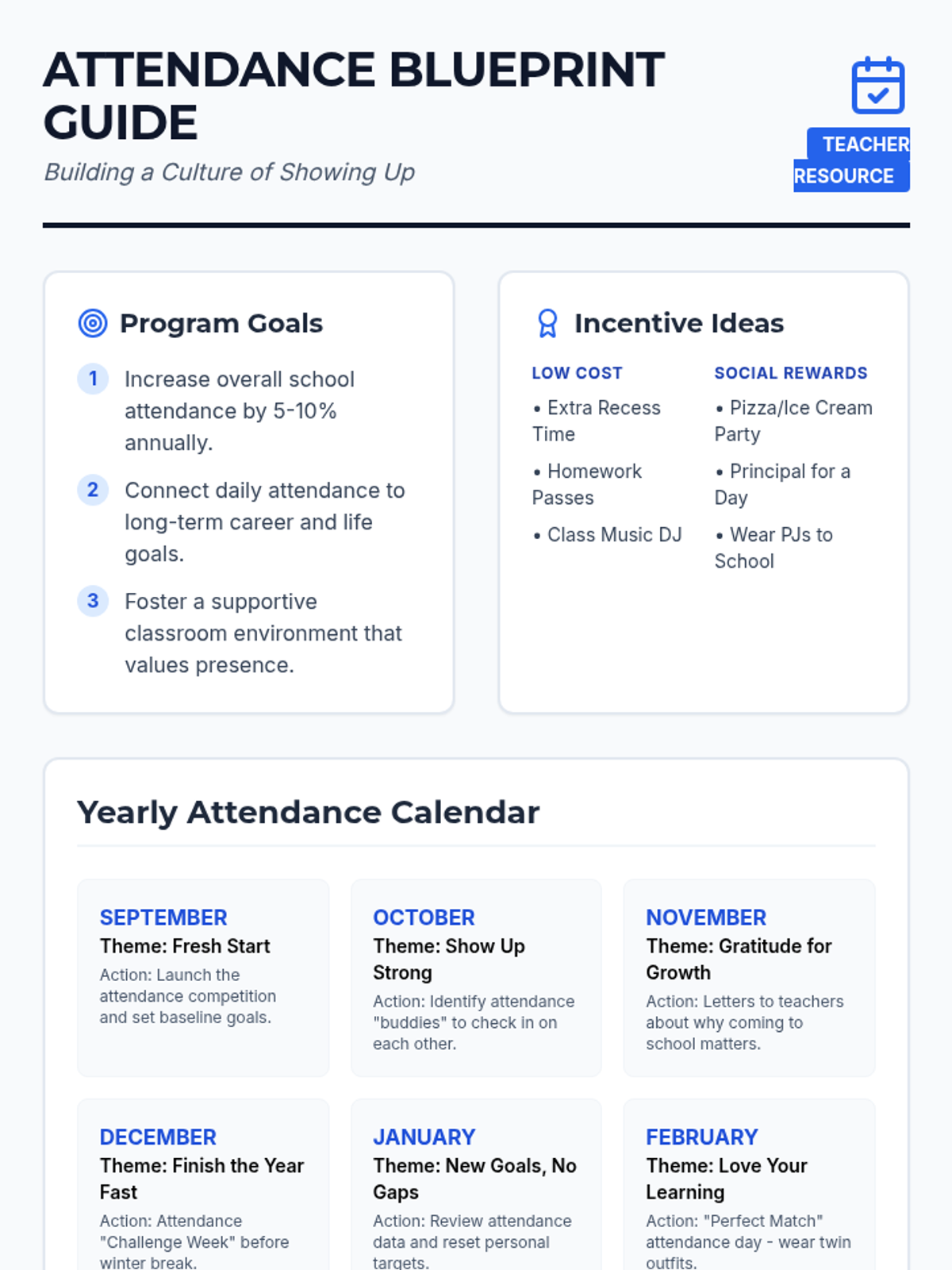
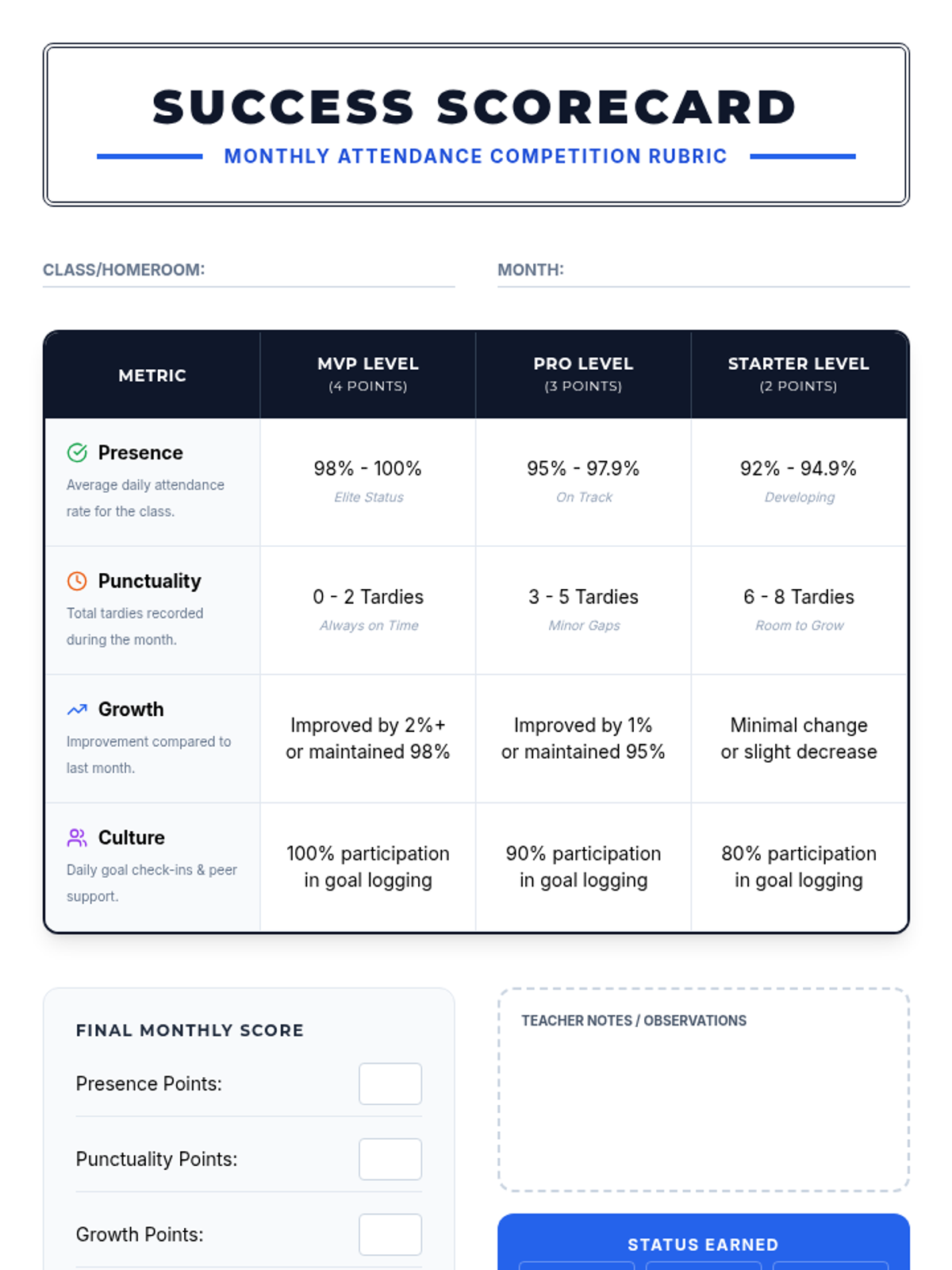
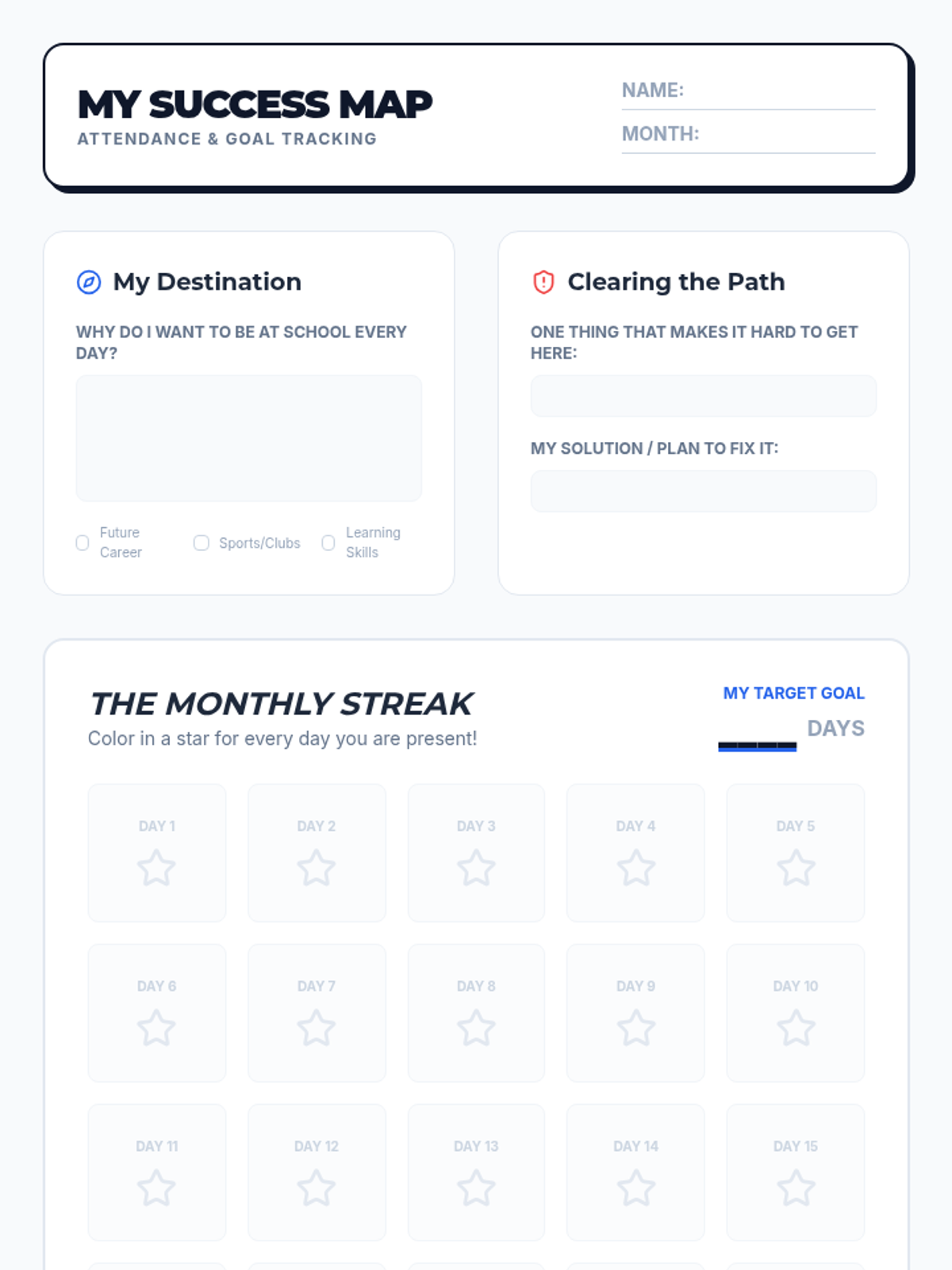
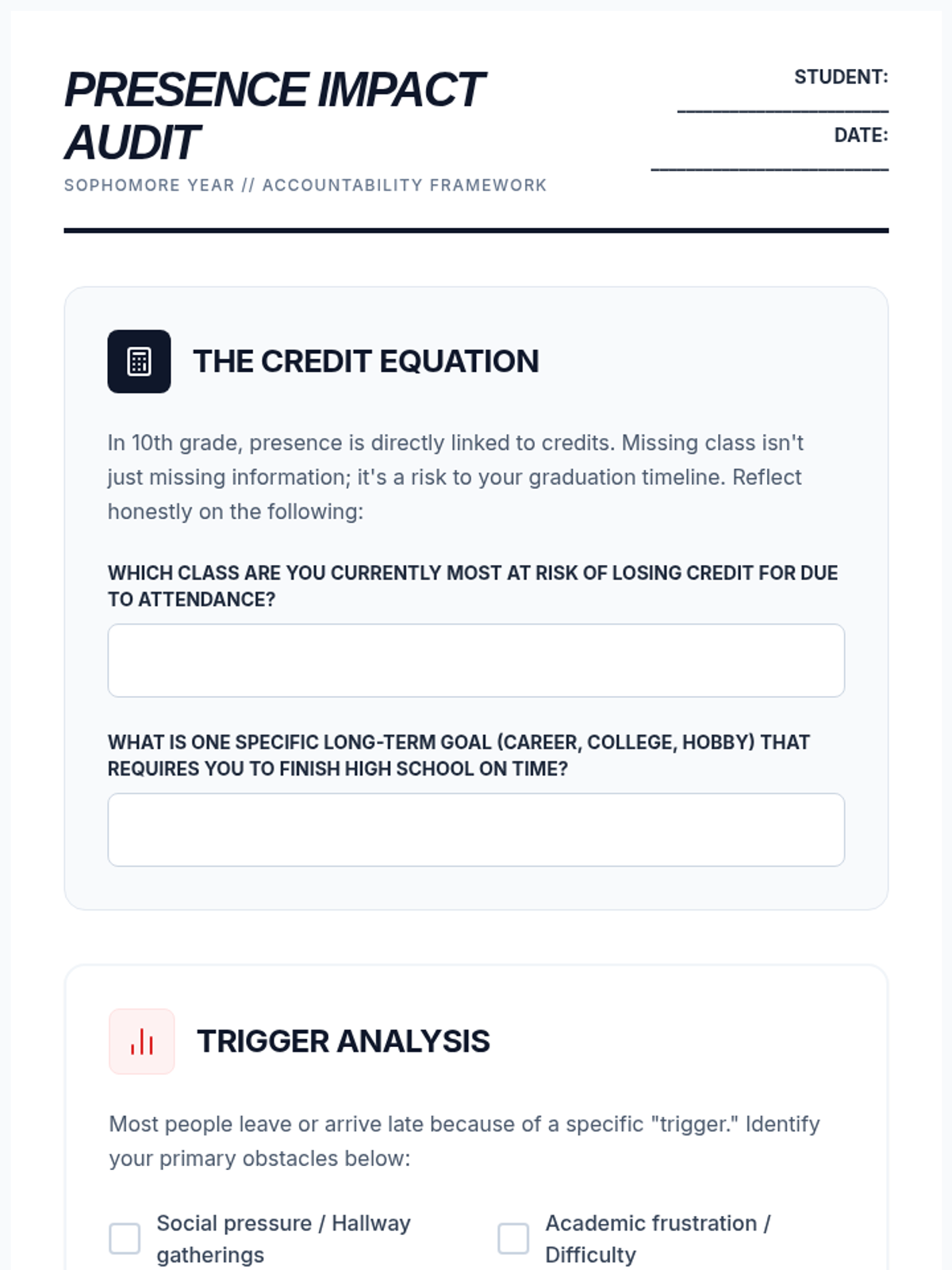
A school-wide initiative focused on improving attendance through structured monthly challenges, student goal-setting, and understanding the direct link between attendance and academic achievement.
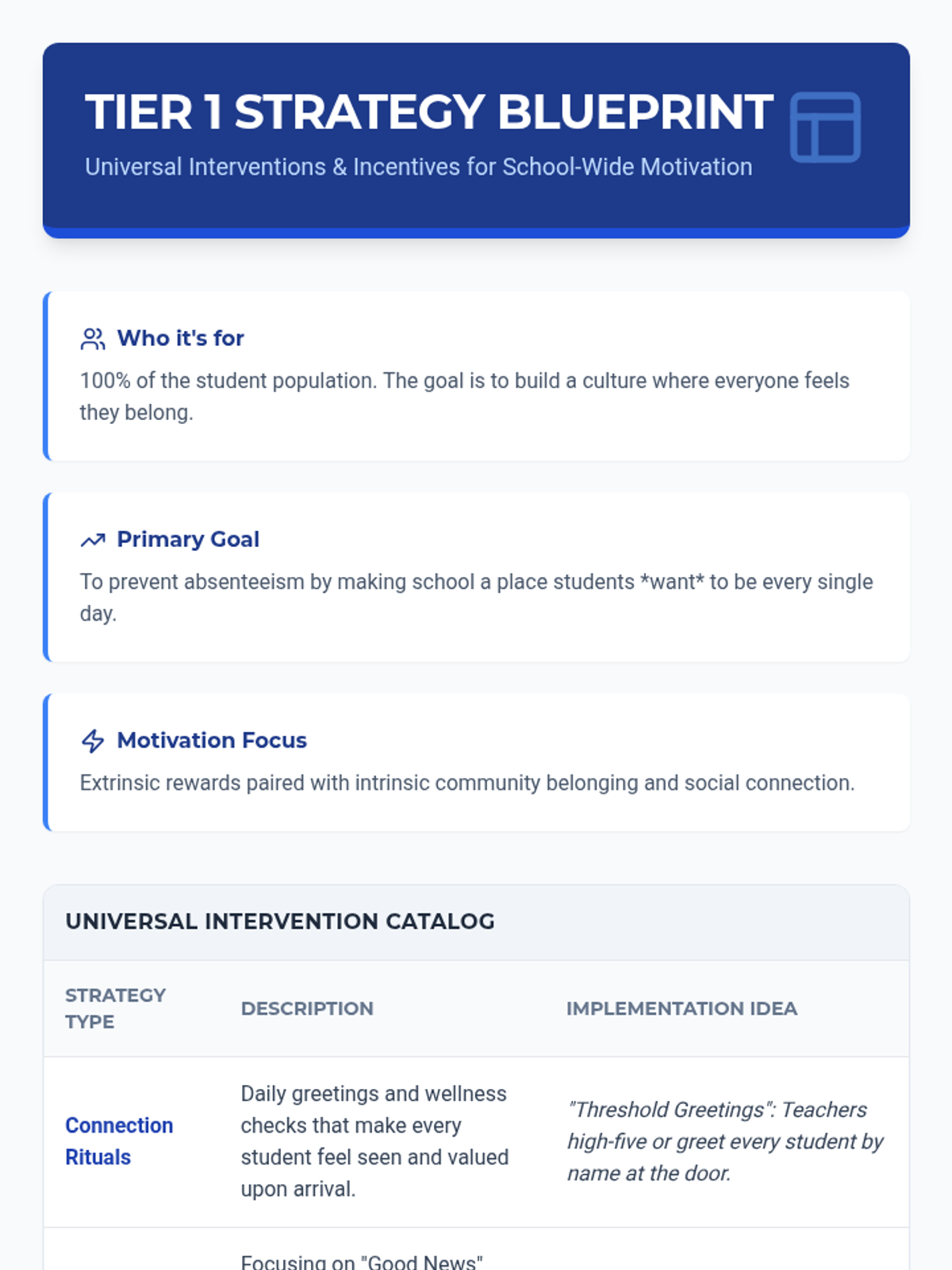
A comprehensive set of attendance interventions and motivation strategies spanning universal, targeted, and intensive support levels to improve student motivation and school connection.
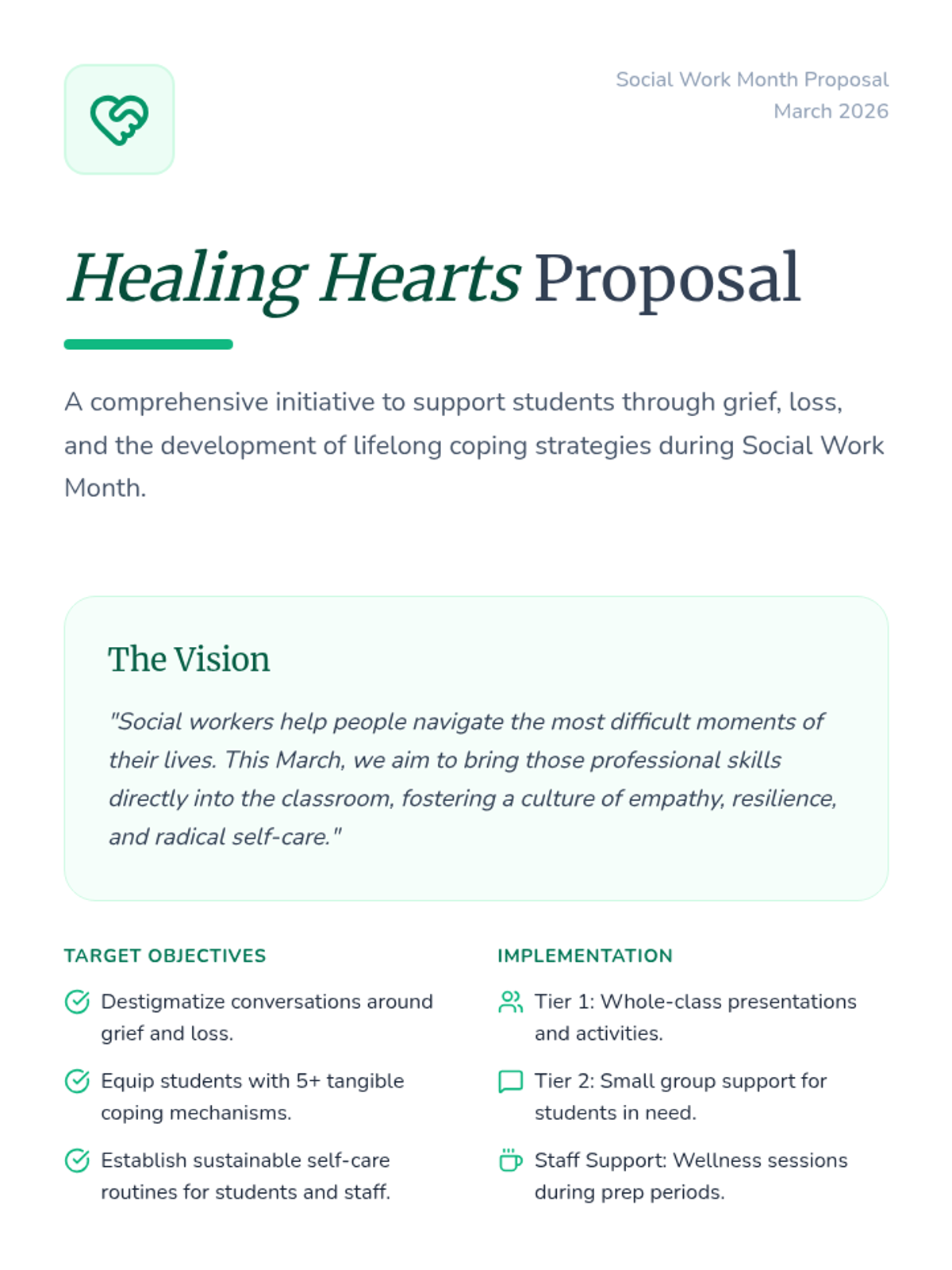
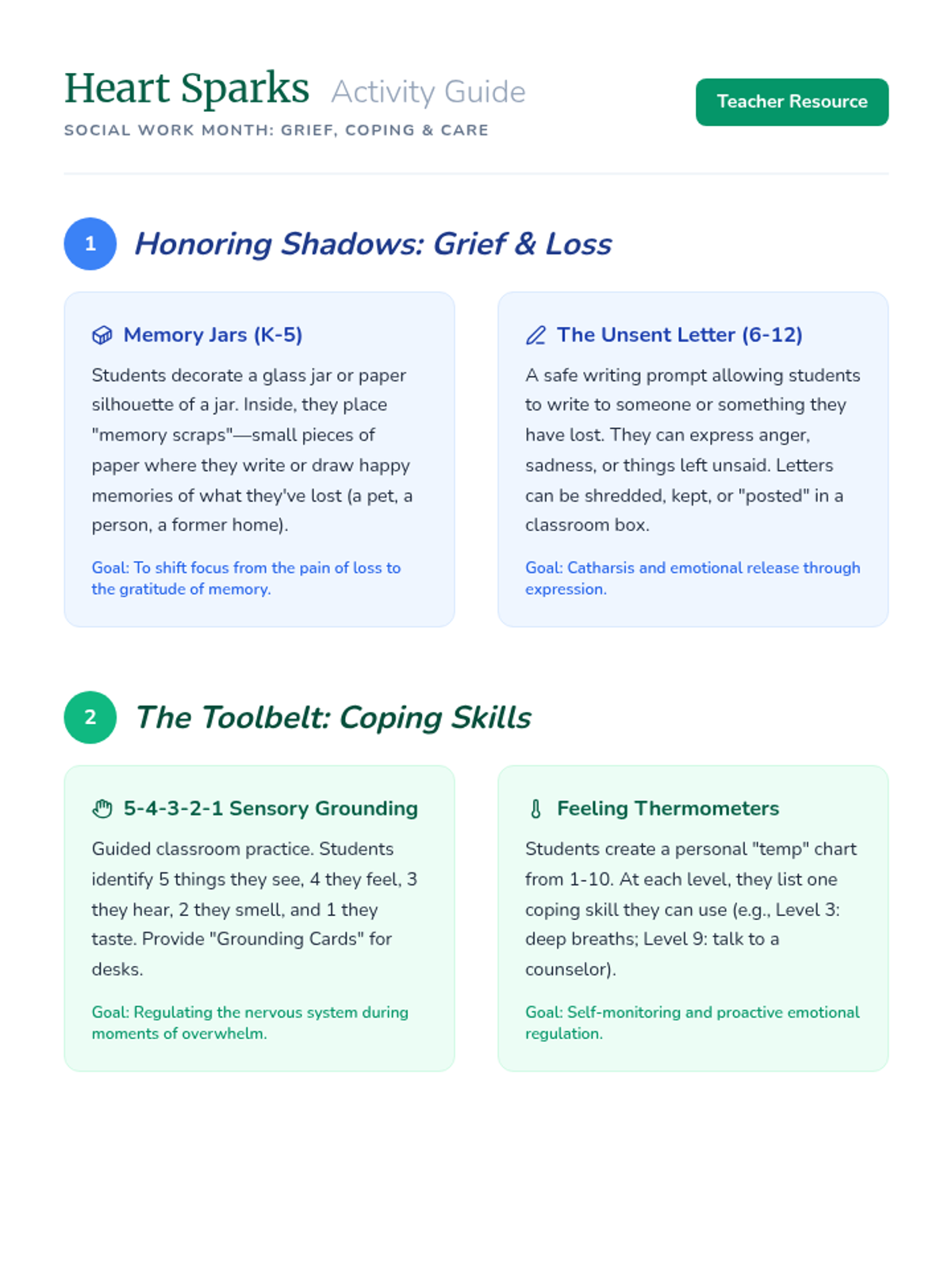
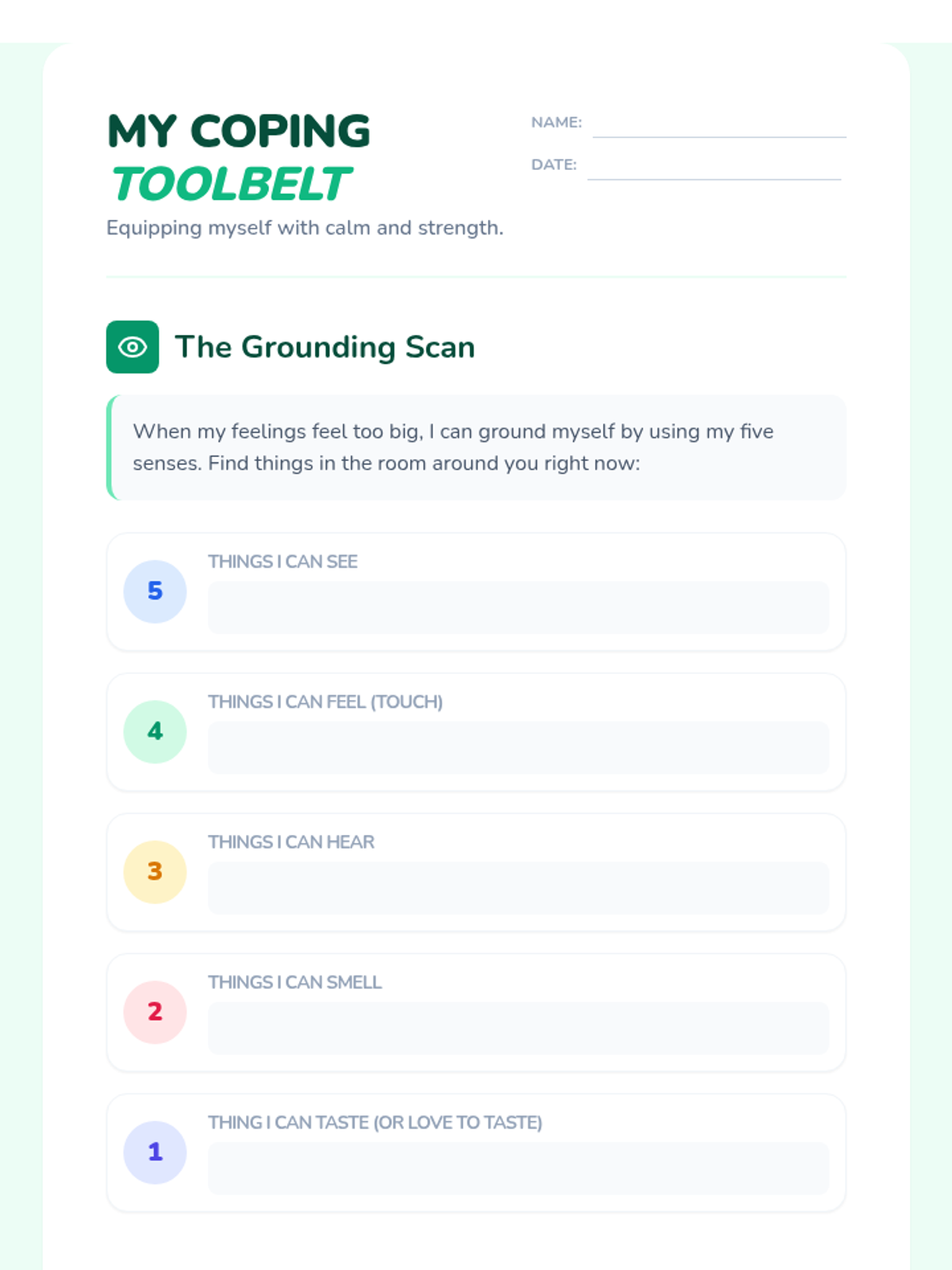
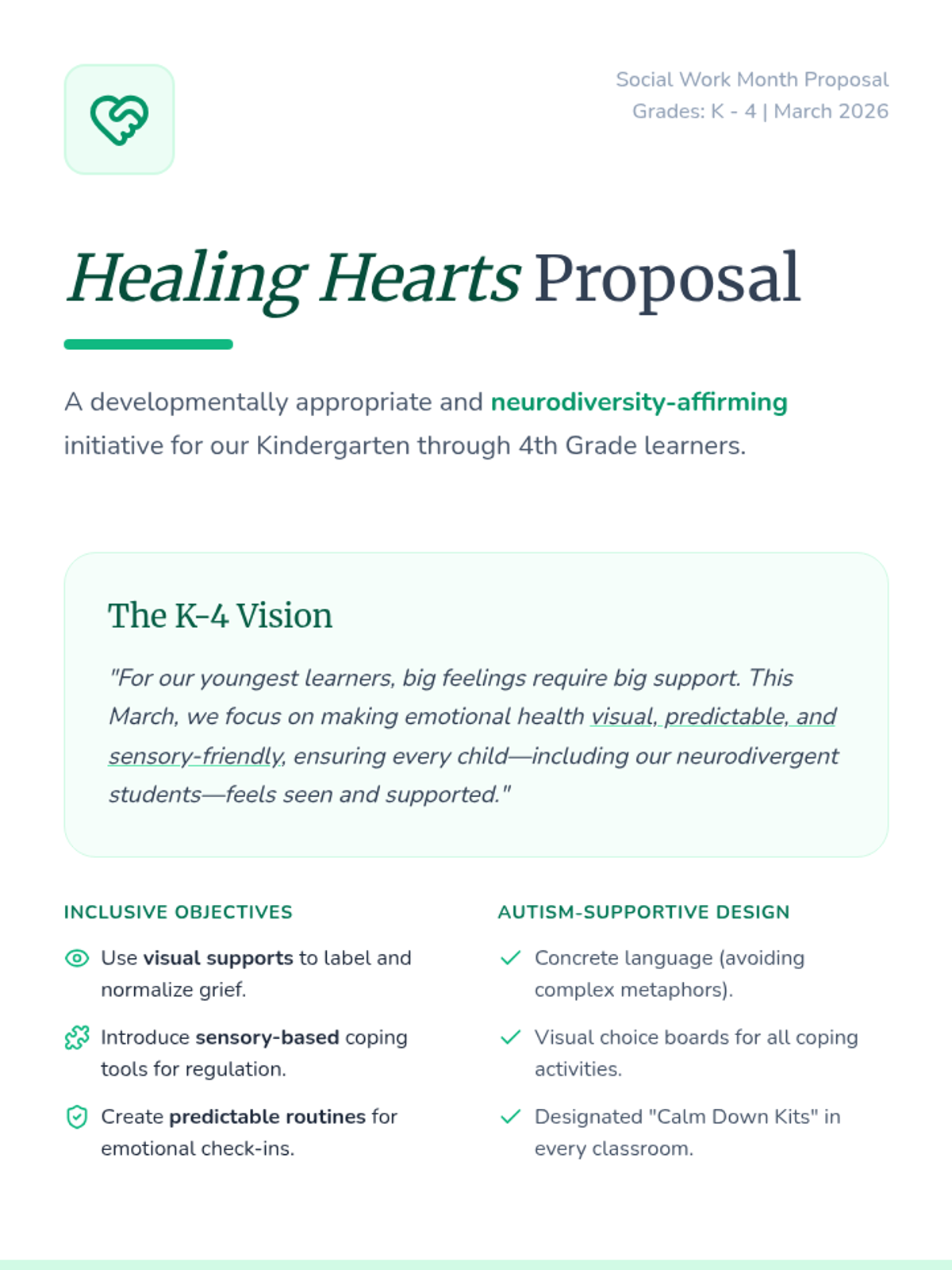
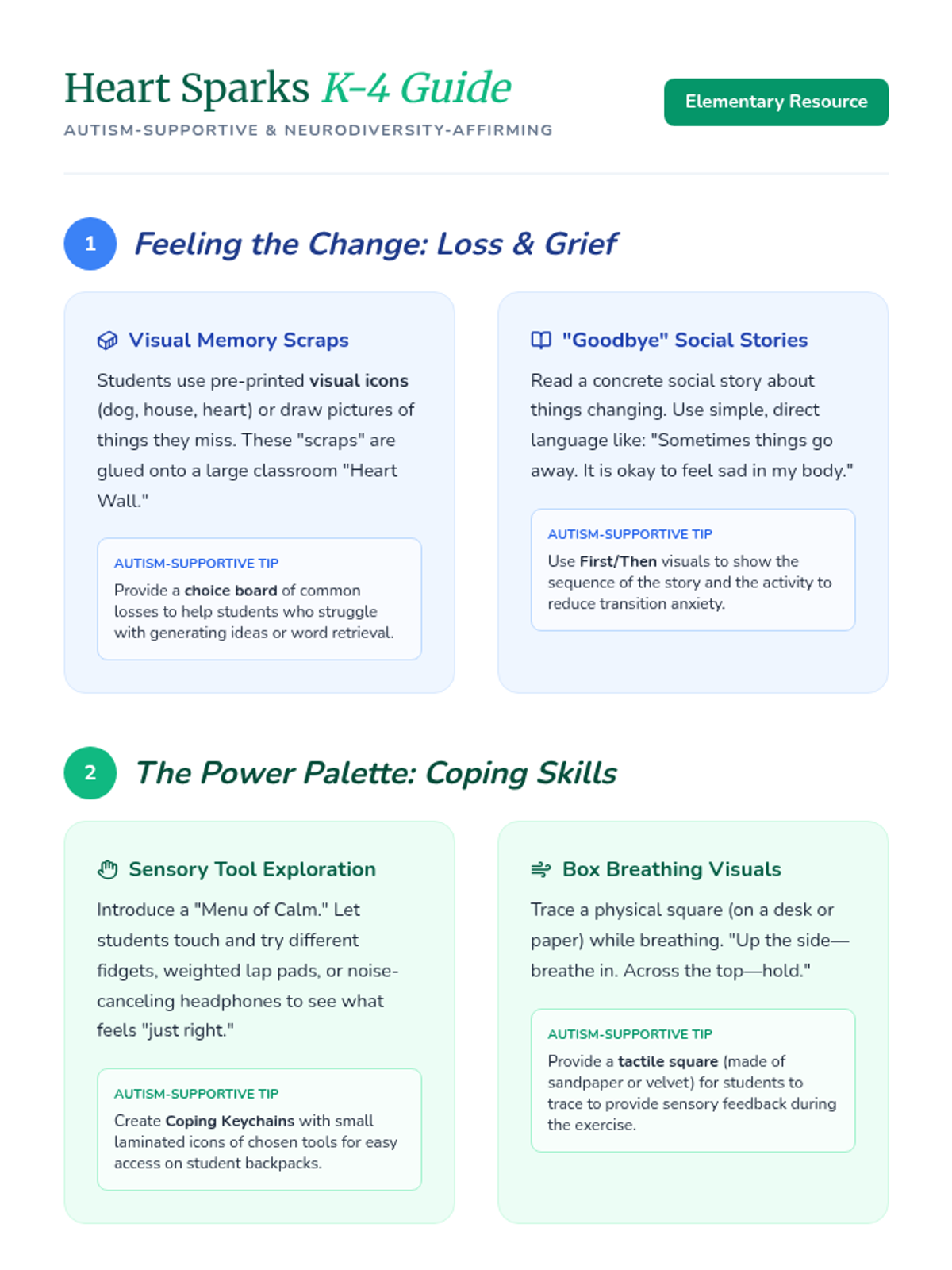
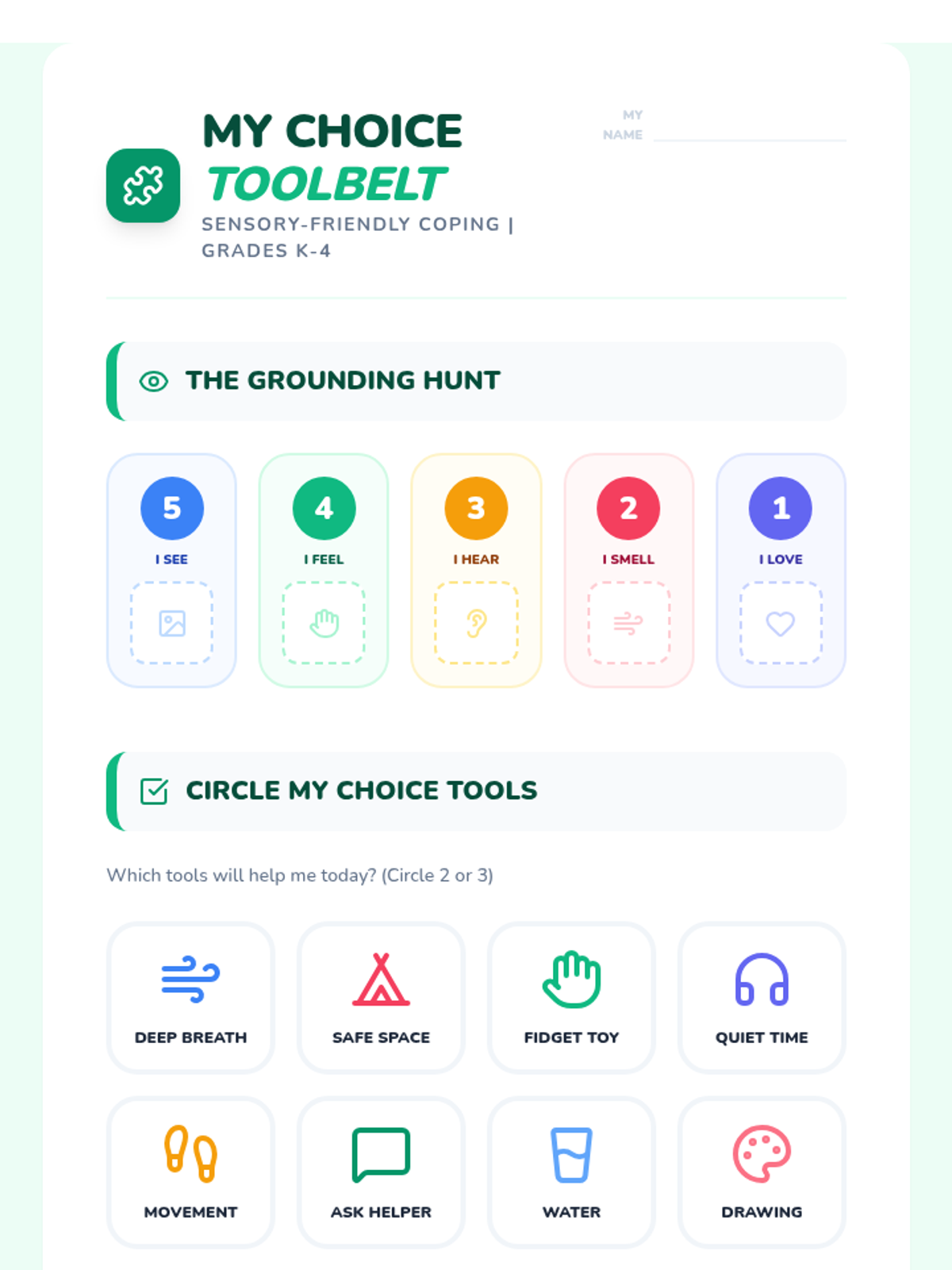
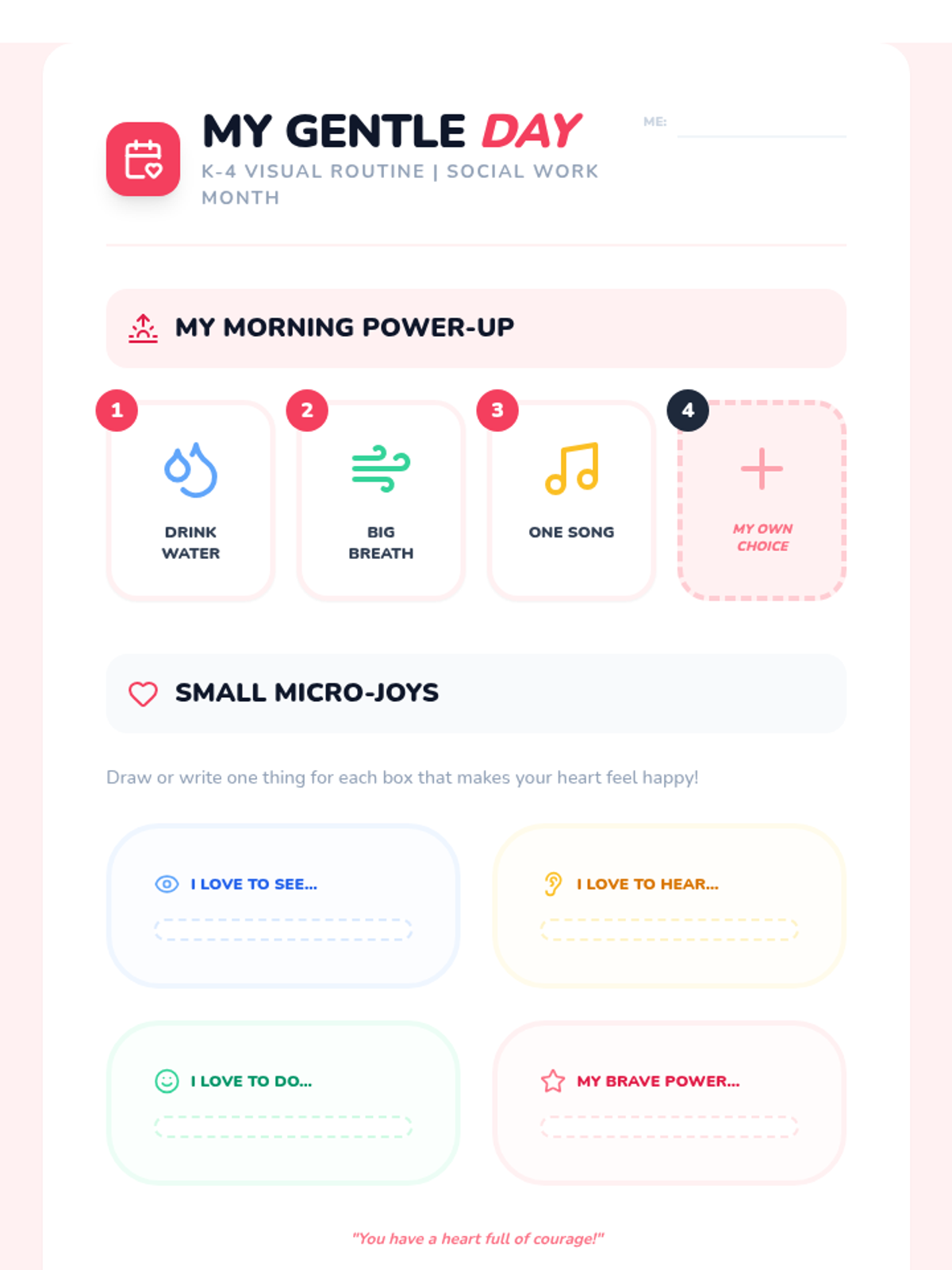
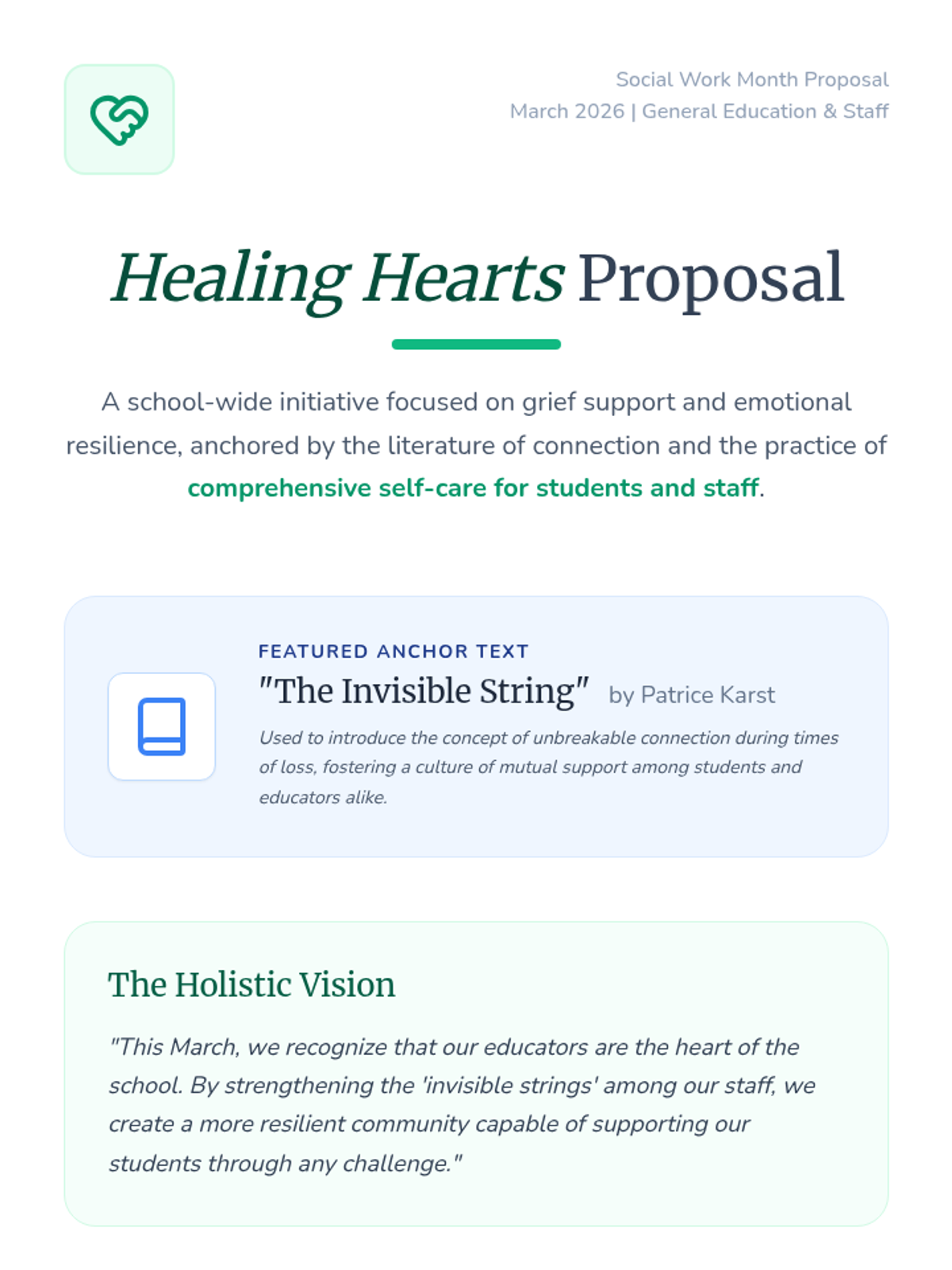
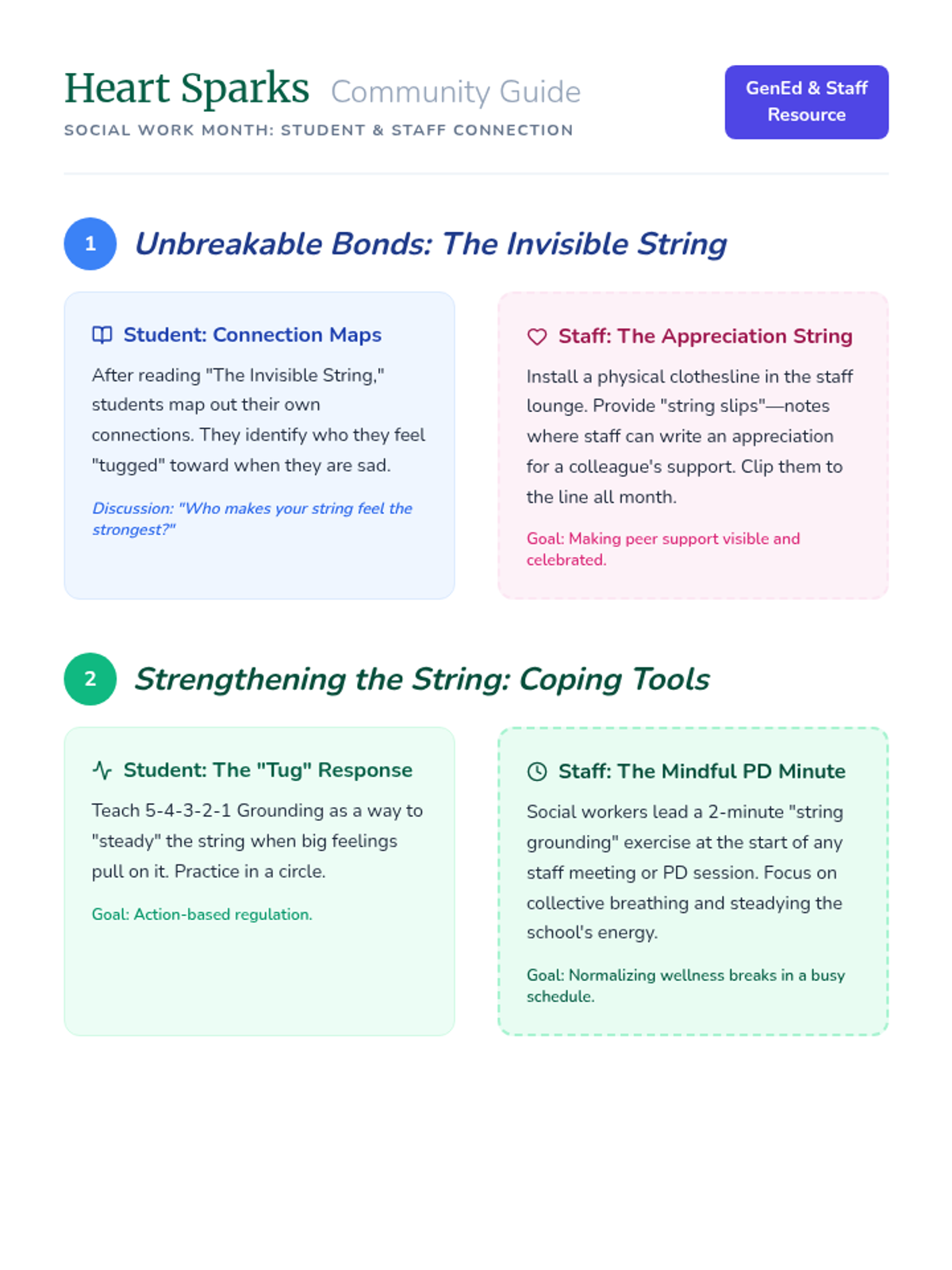
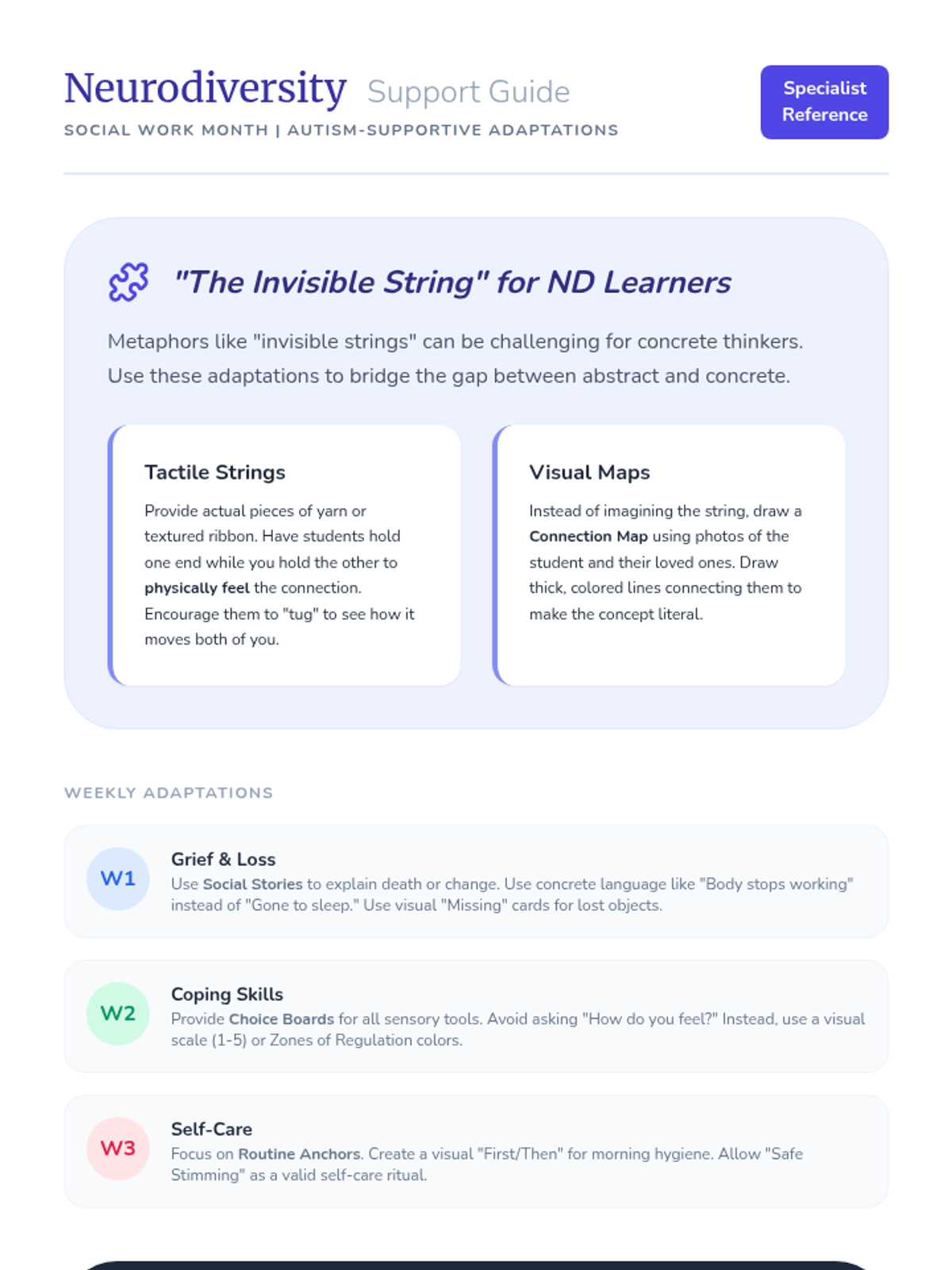
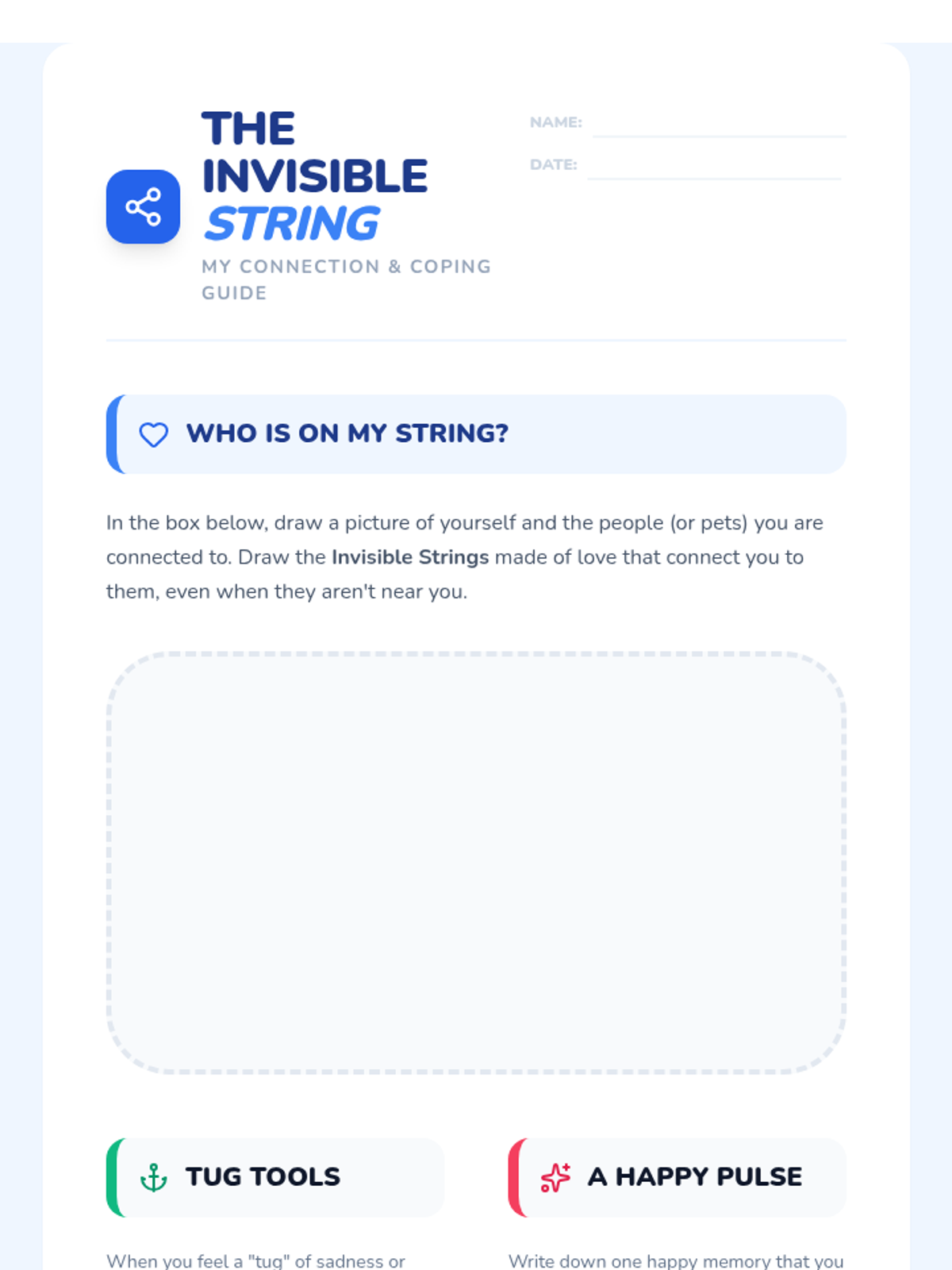
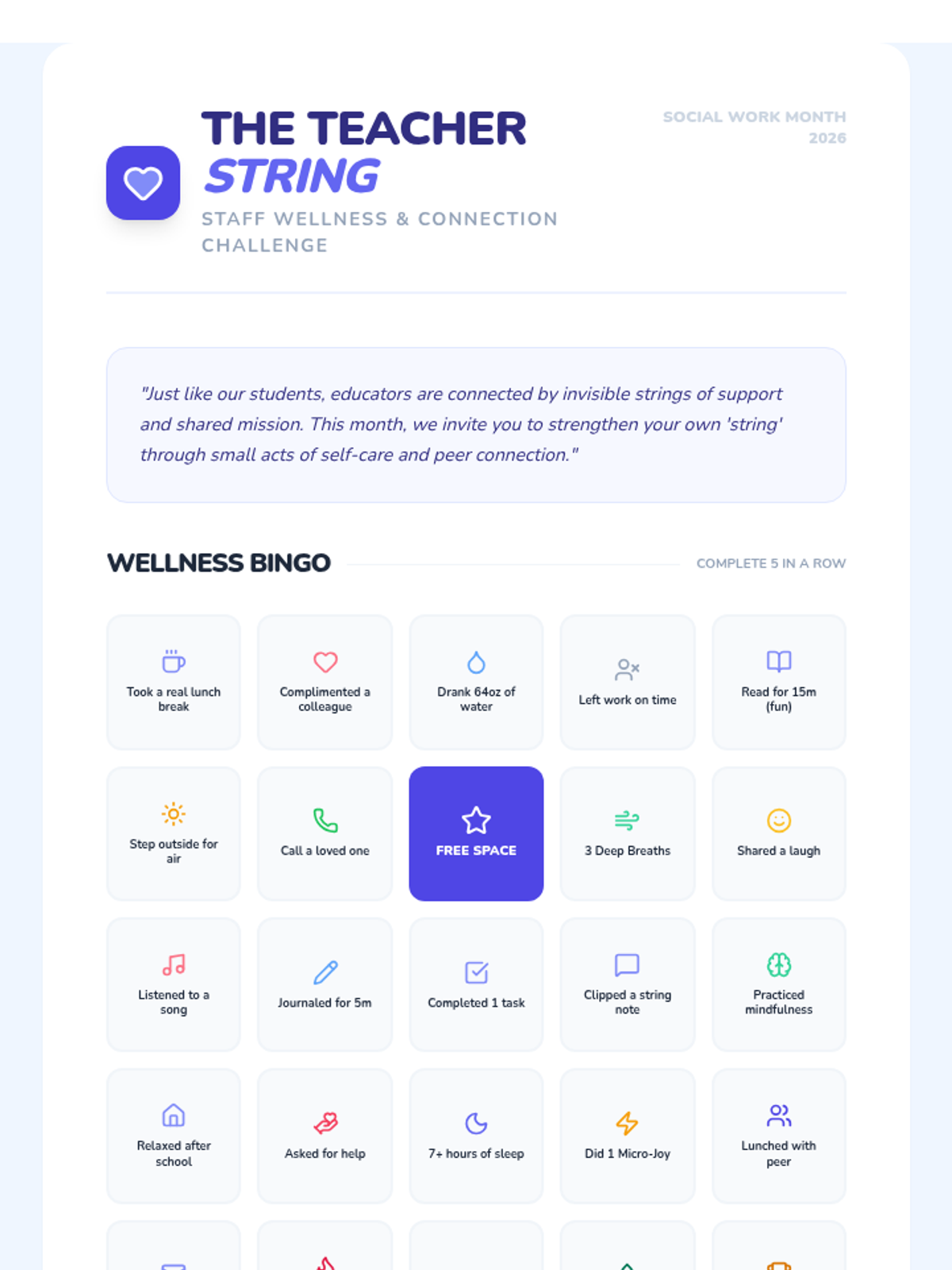
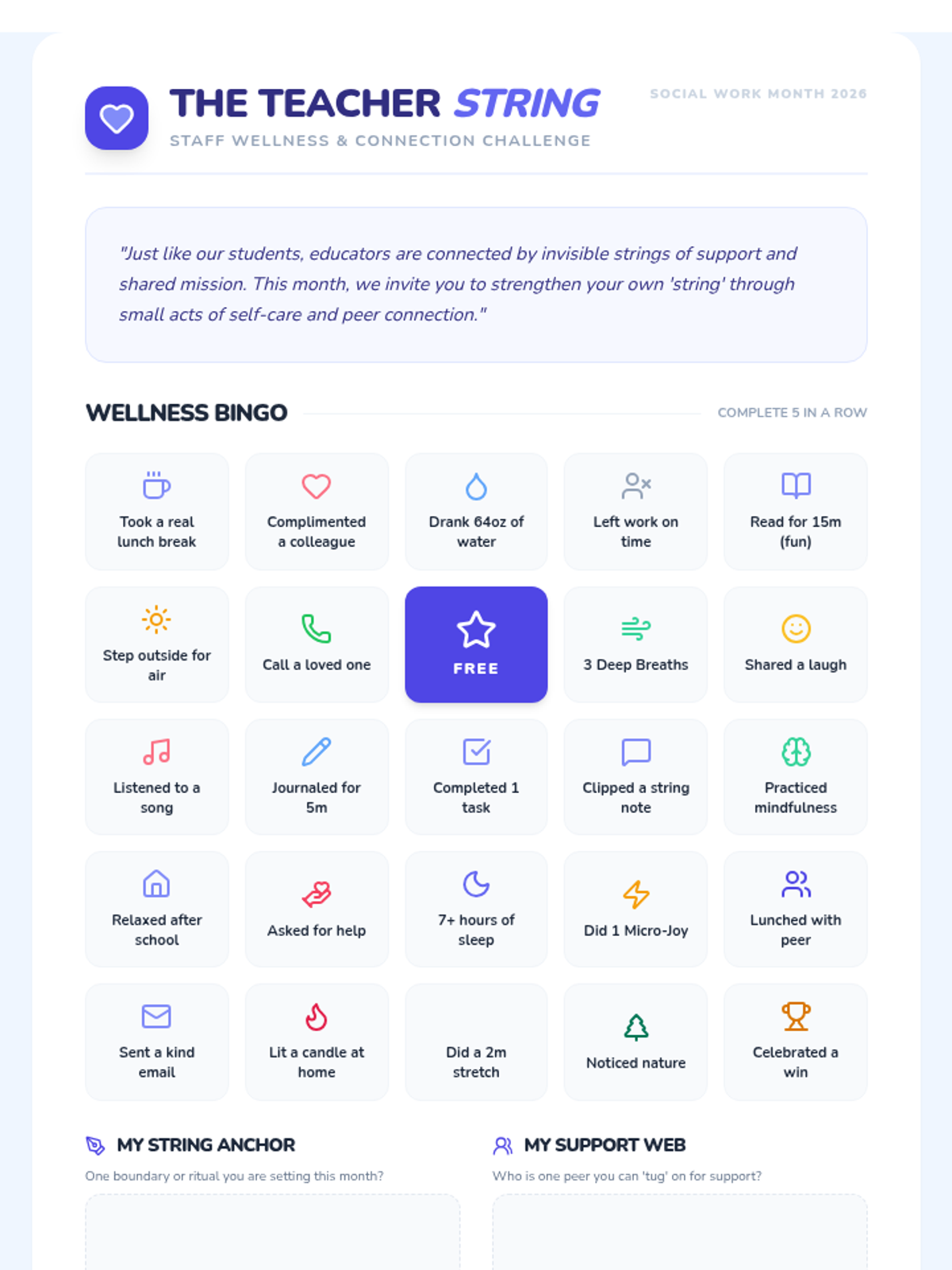
A comprehensive initiative for Social Work Month focusing on emotional resilience, grief support, and self-care within the school community.
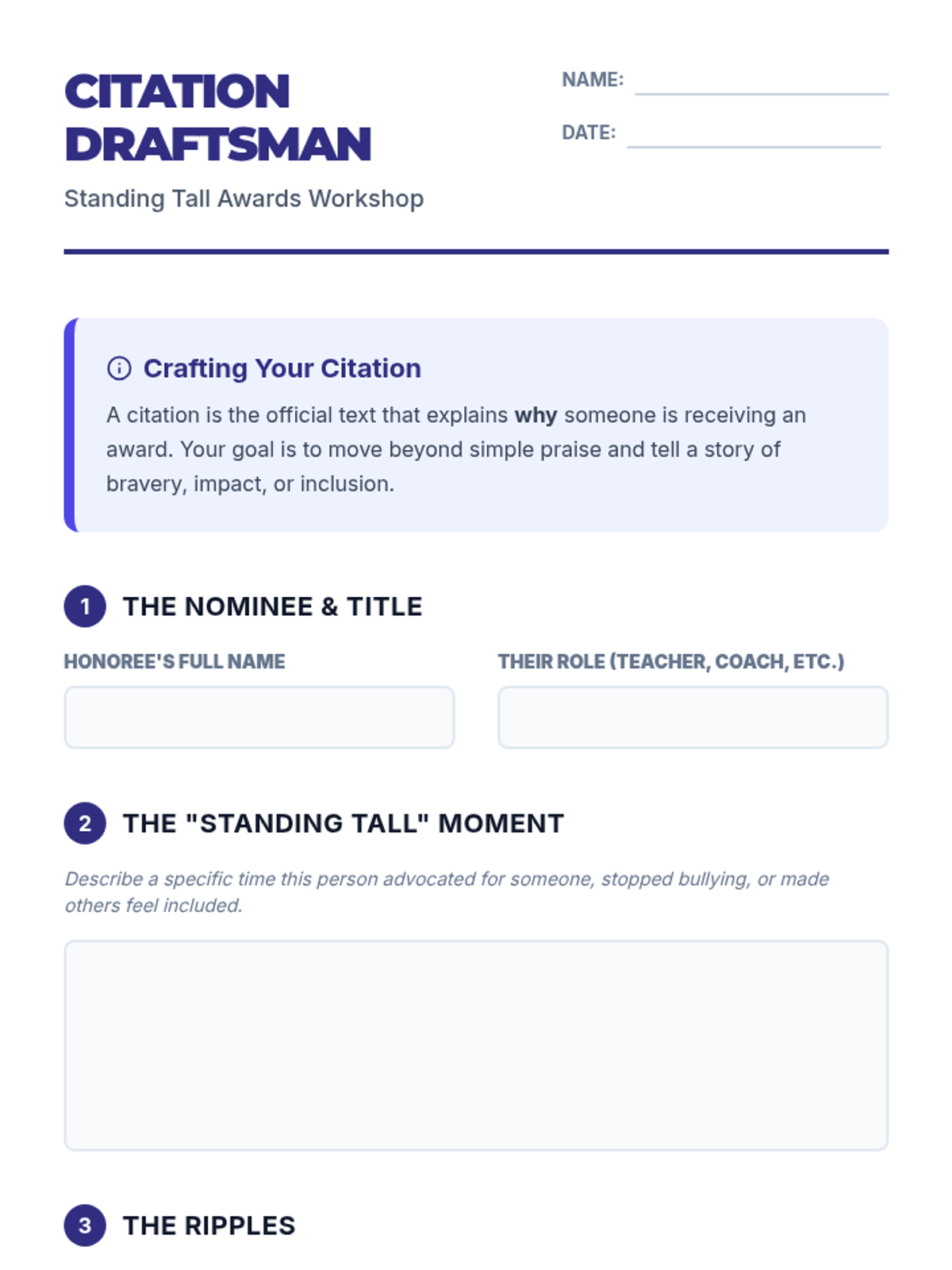
A month-long SEL sequence for March (Women's History Month) combining anti-bullying, mathematical bravery (Pi Day), and test-prep resilience.
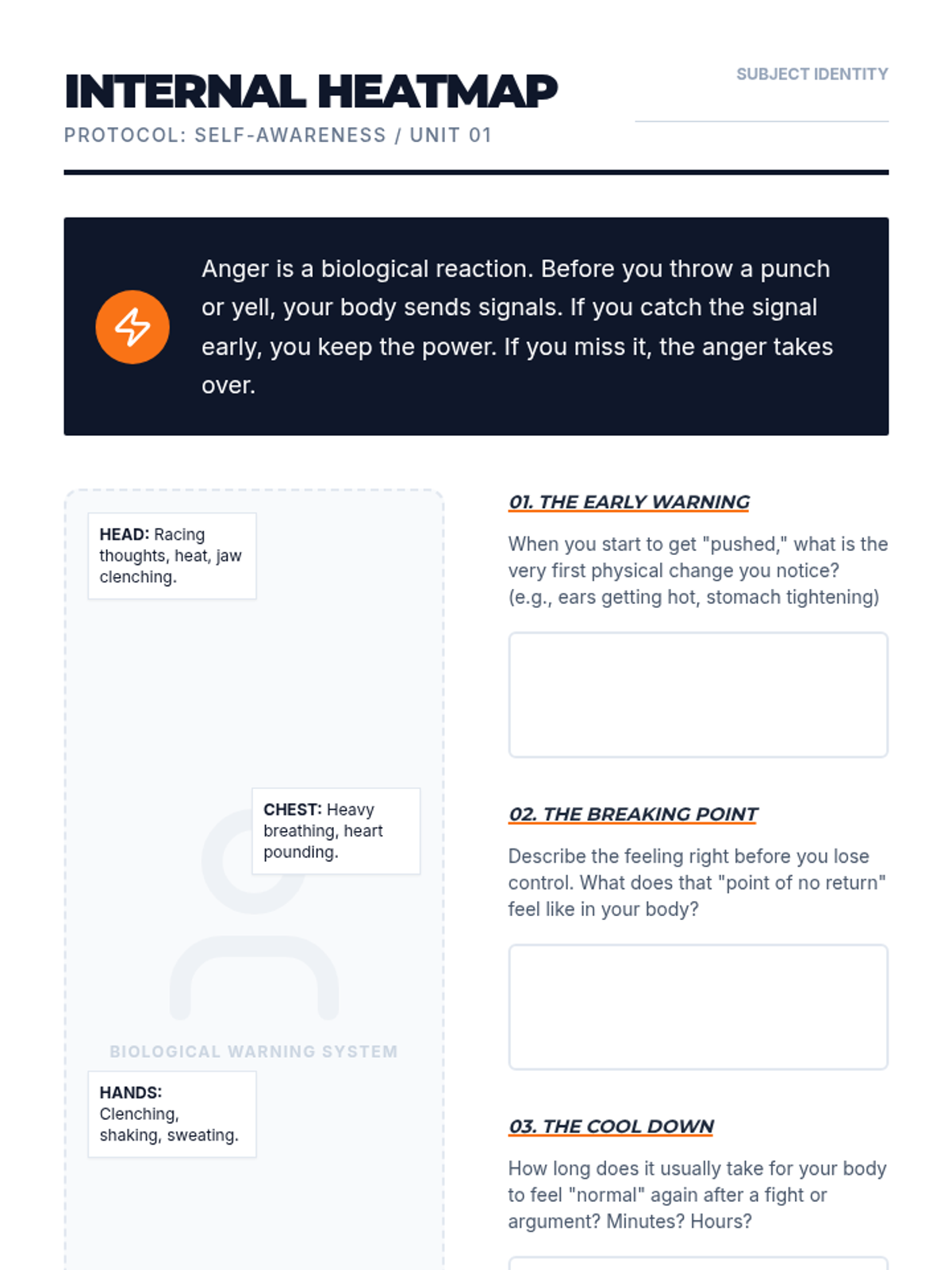
A comprehensive intervention program designed for high school students struggling with aggression, hate speech, and impulse control. The sequence focuses on building self-awareness, understanding the impact of language, and developing tactical communication skills to replace physical and verbal conflict.
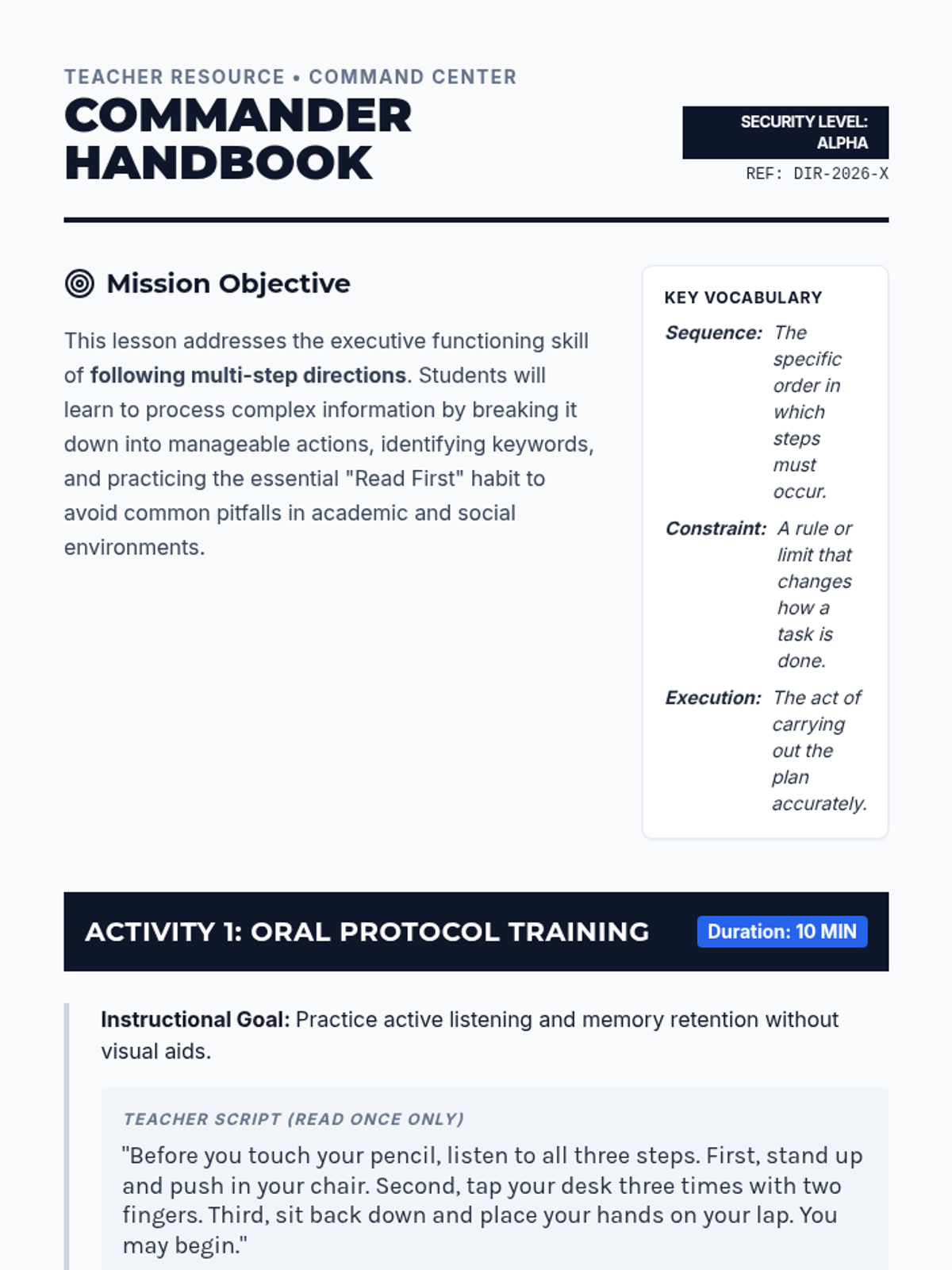
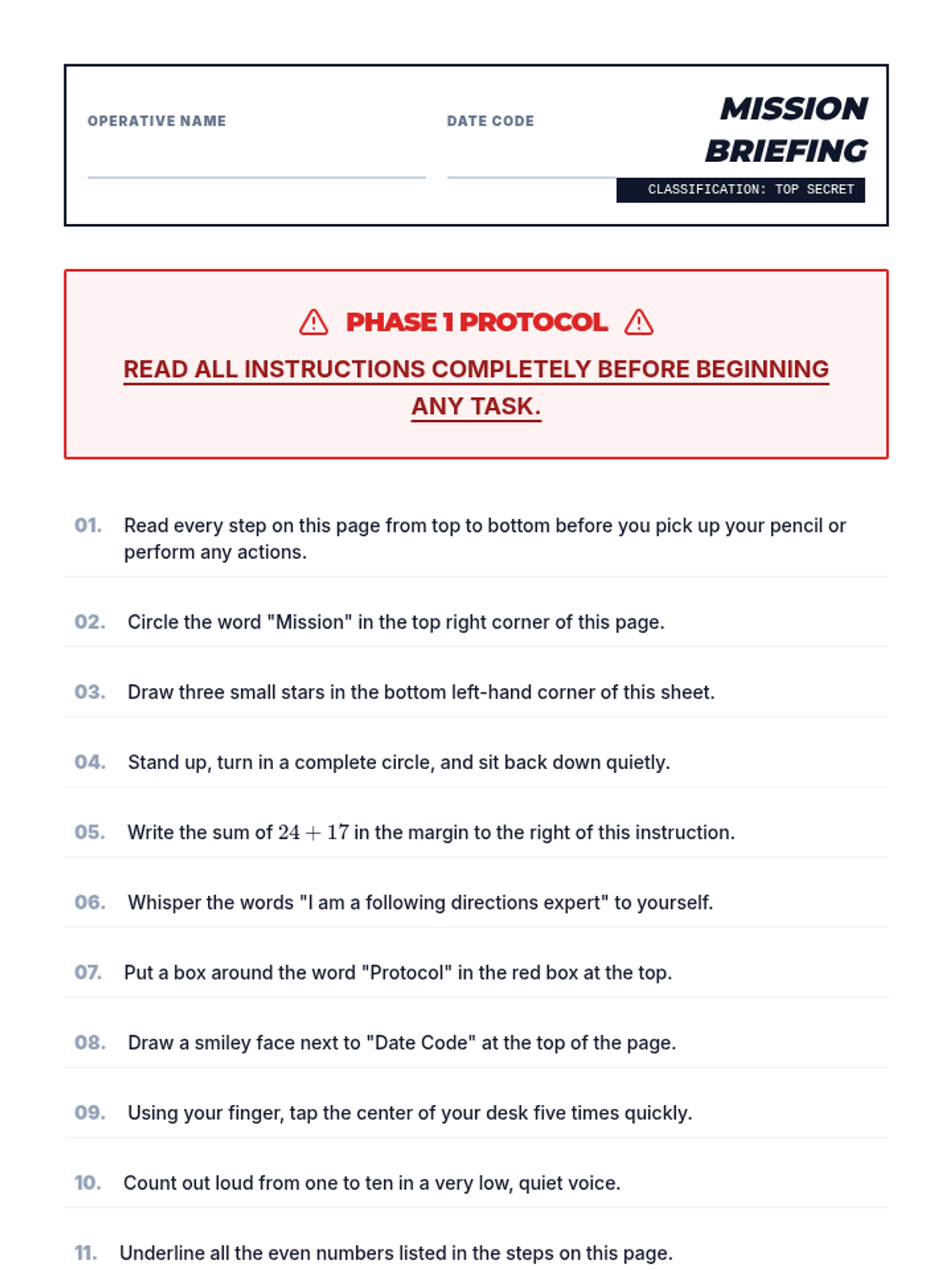
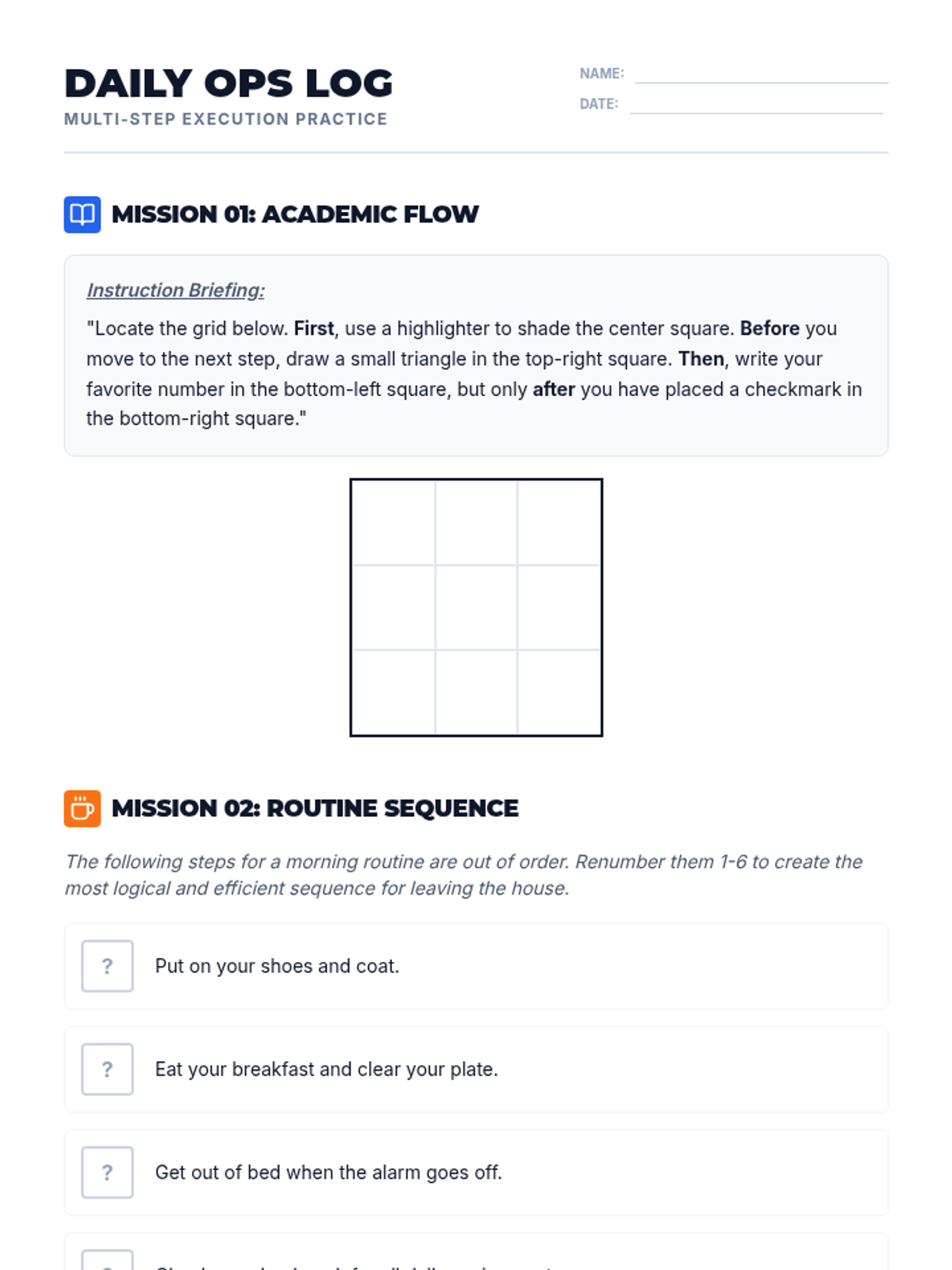
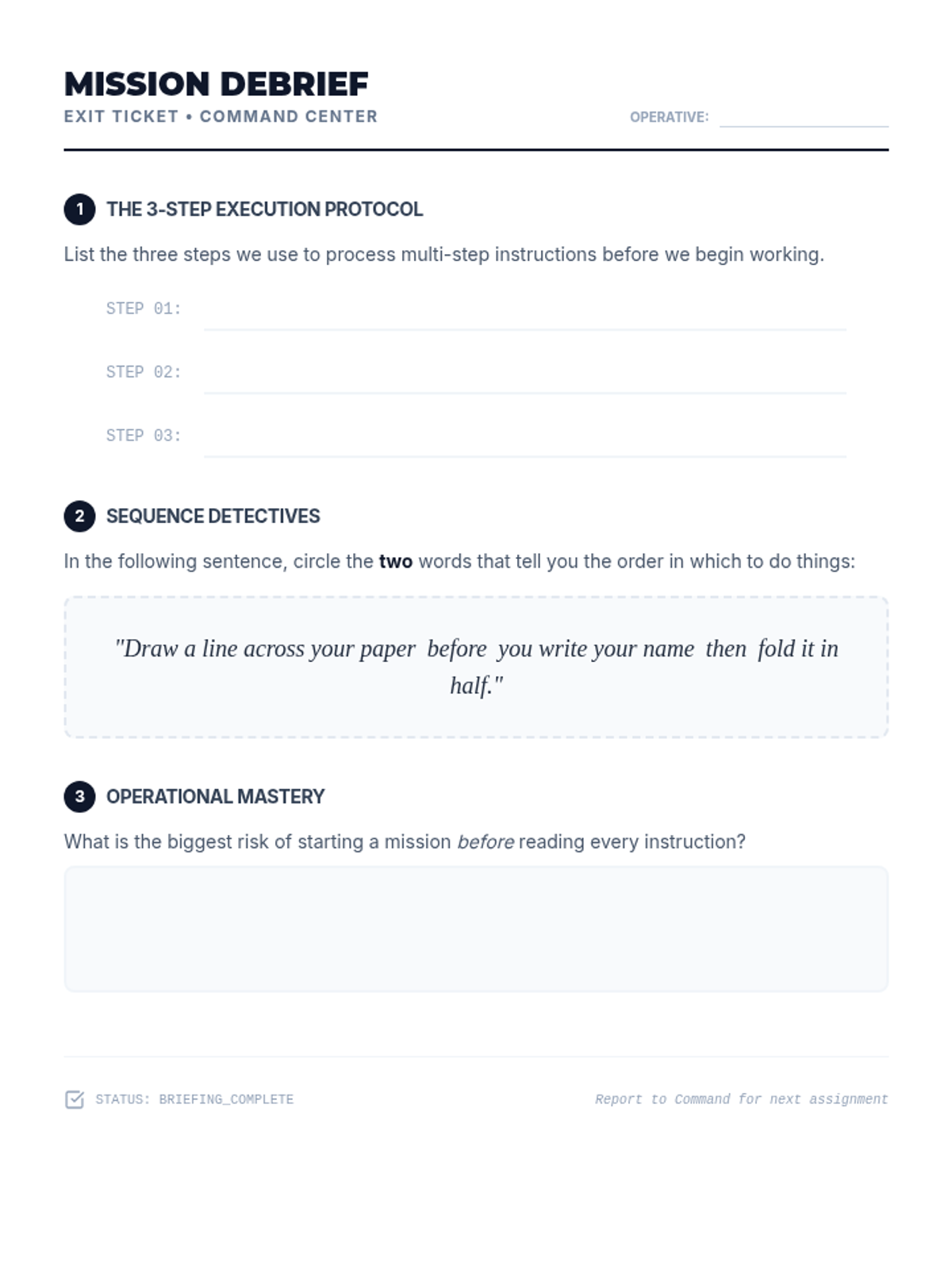
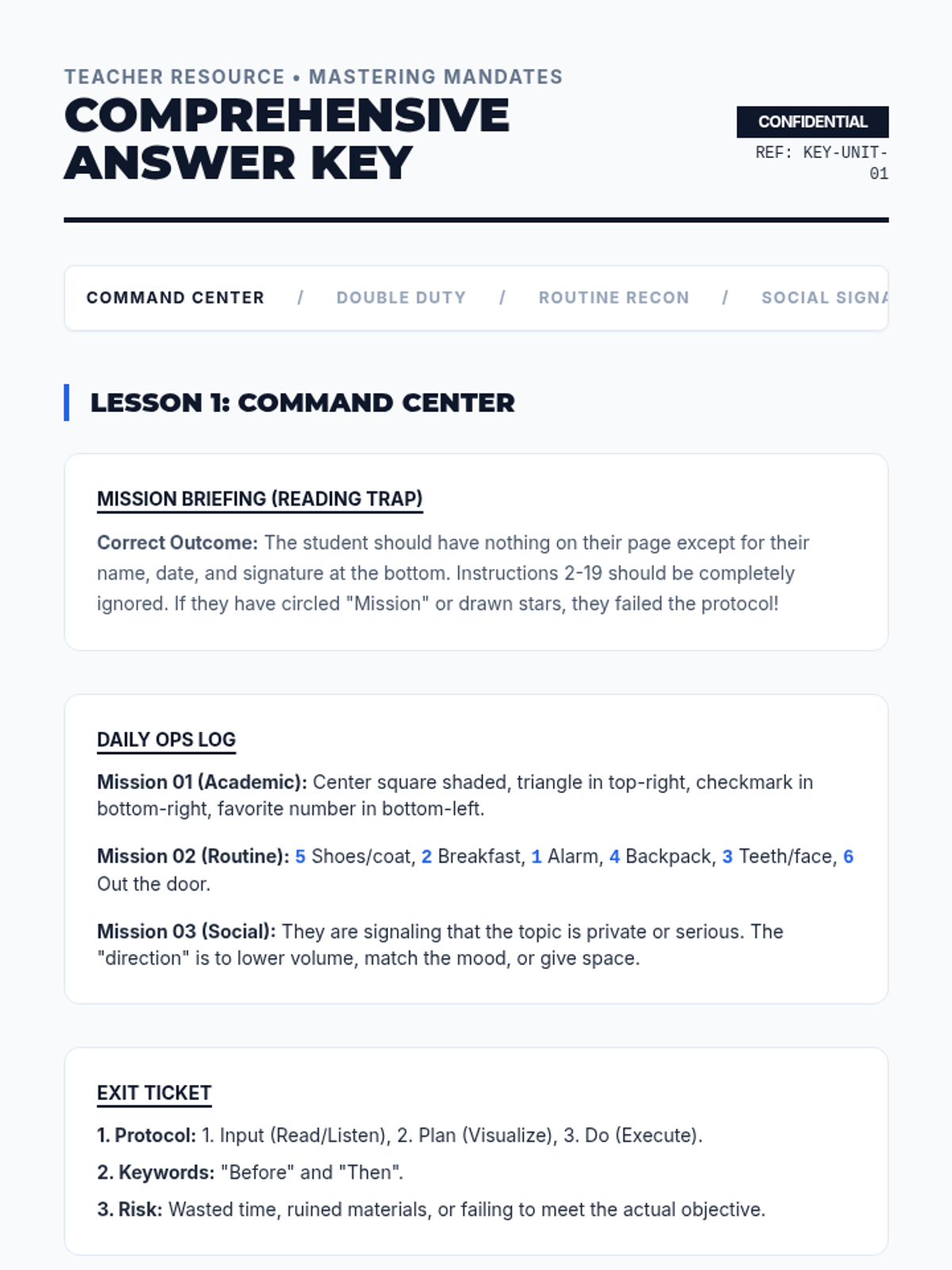
A comprehensive unit on executive functioning skills, focusing on active listening, reading comprehension for instructions, and sequence execution across academic and social settings.
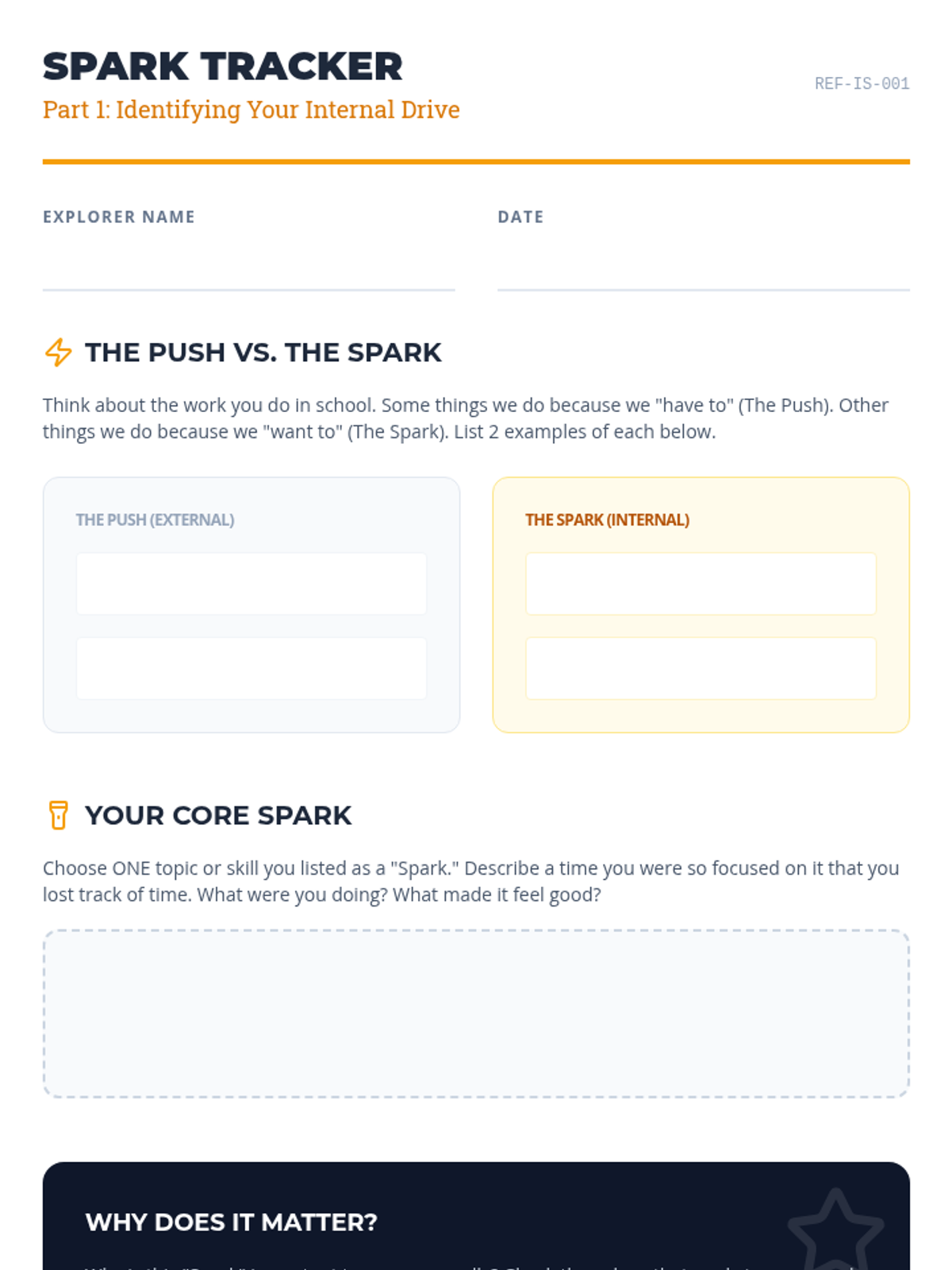
A 4-part series designed to increase student engagement and persistence through the principles of motivational interviewing. Students explore their internal drivers, build resilience strategies, and connect classroom effort to their future aspirations.
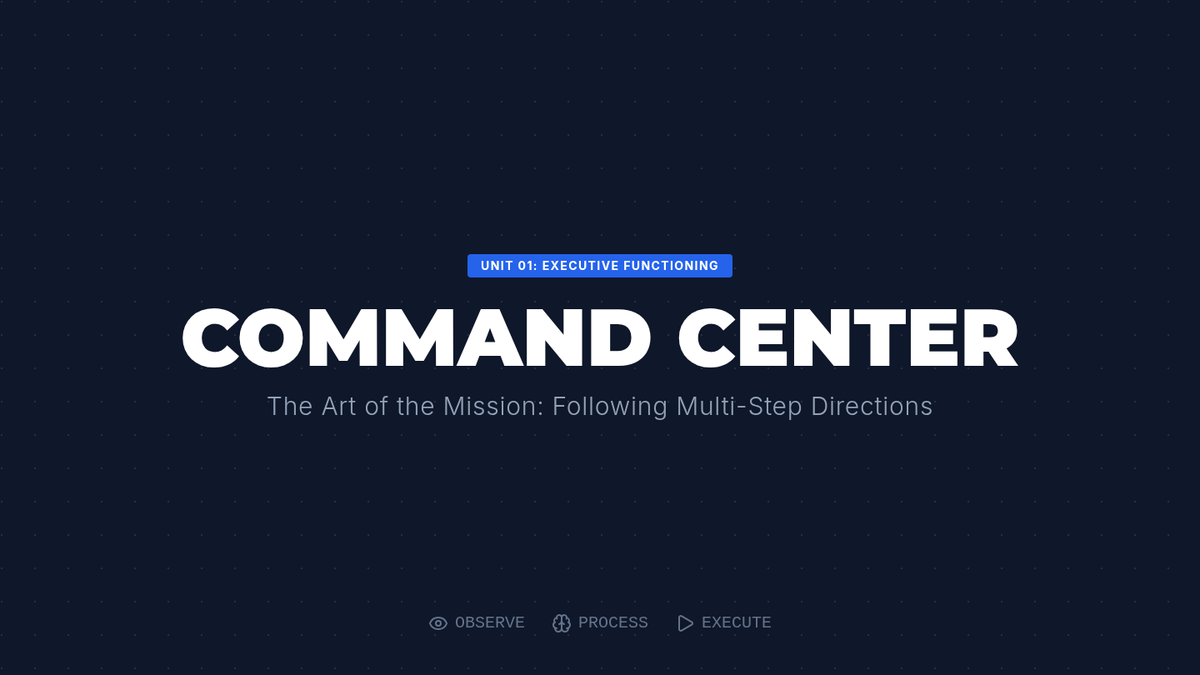
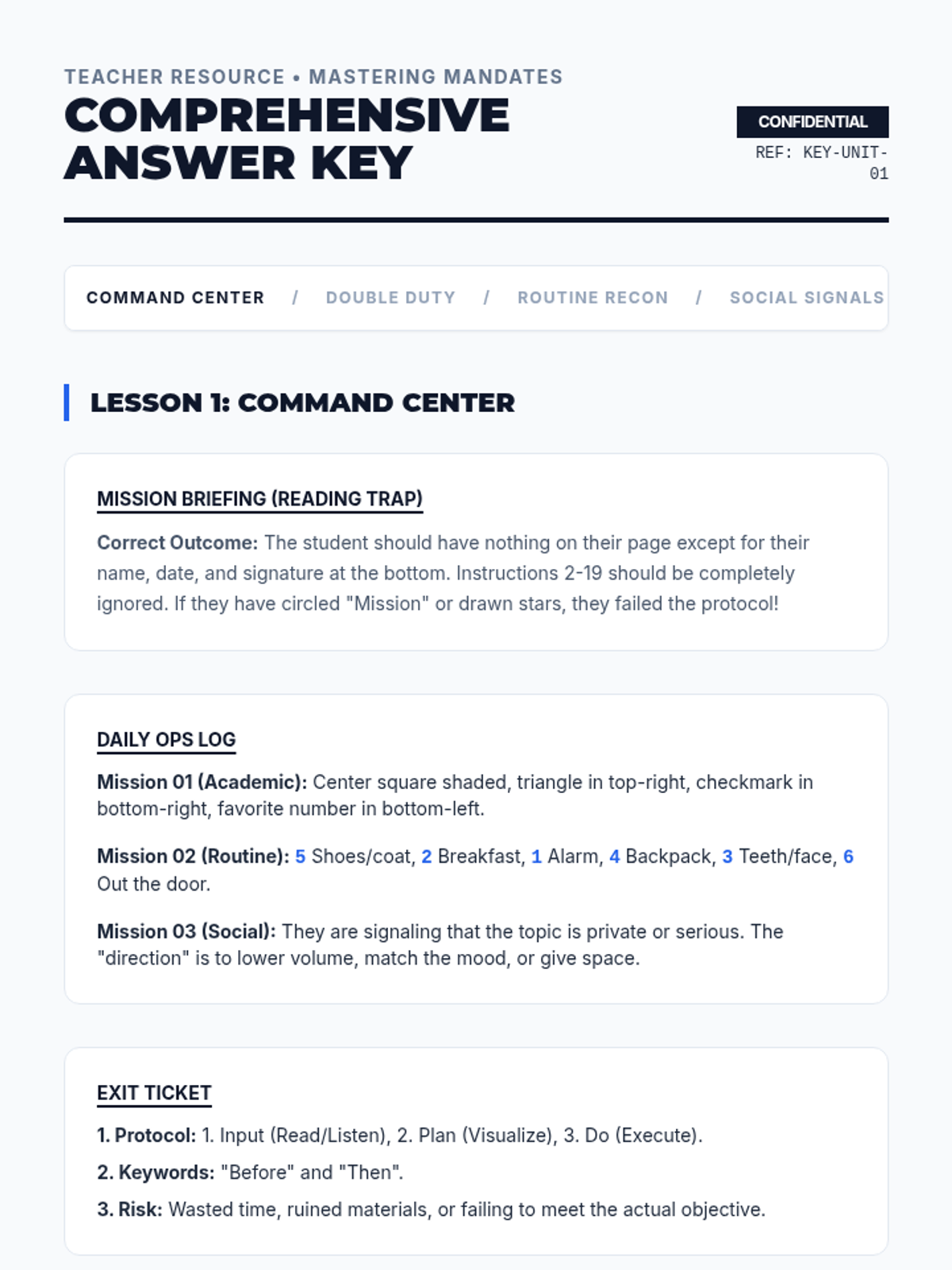
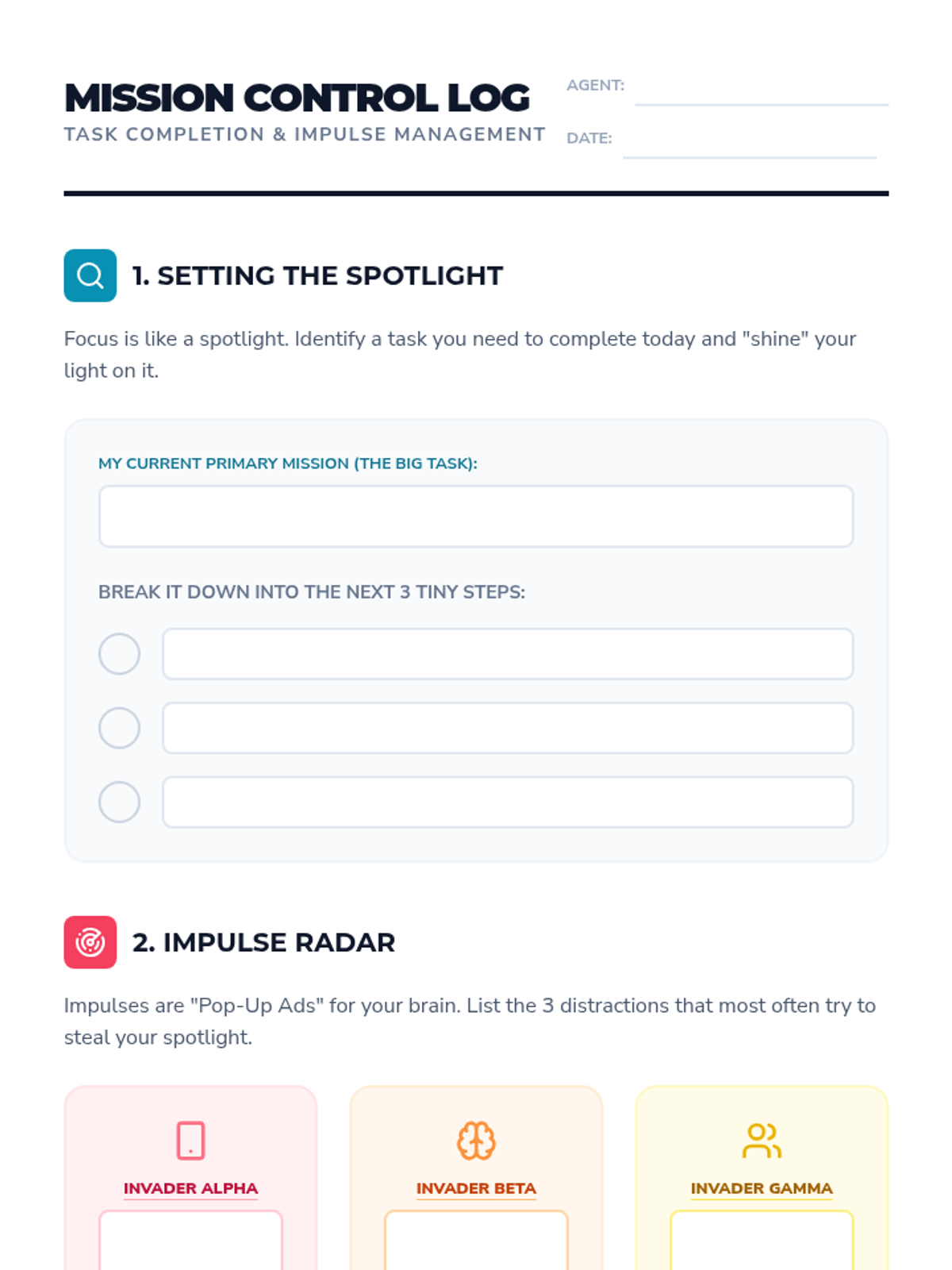
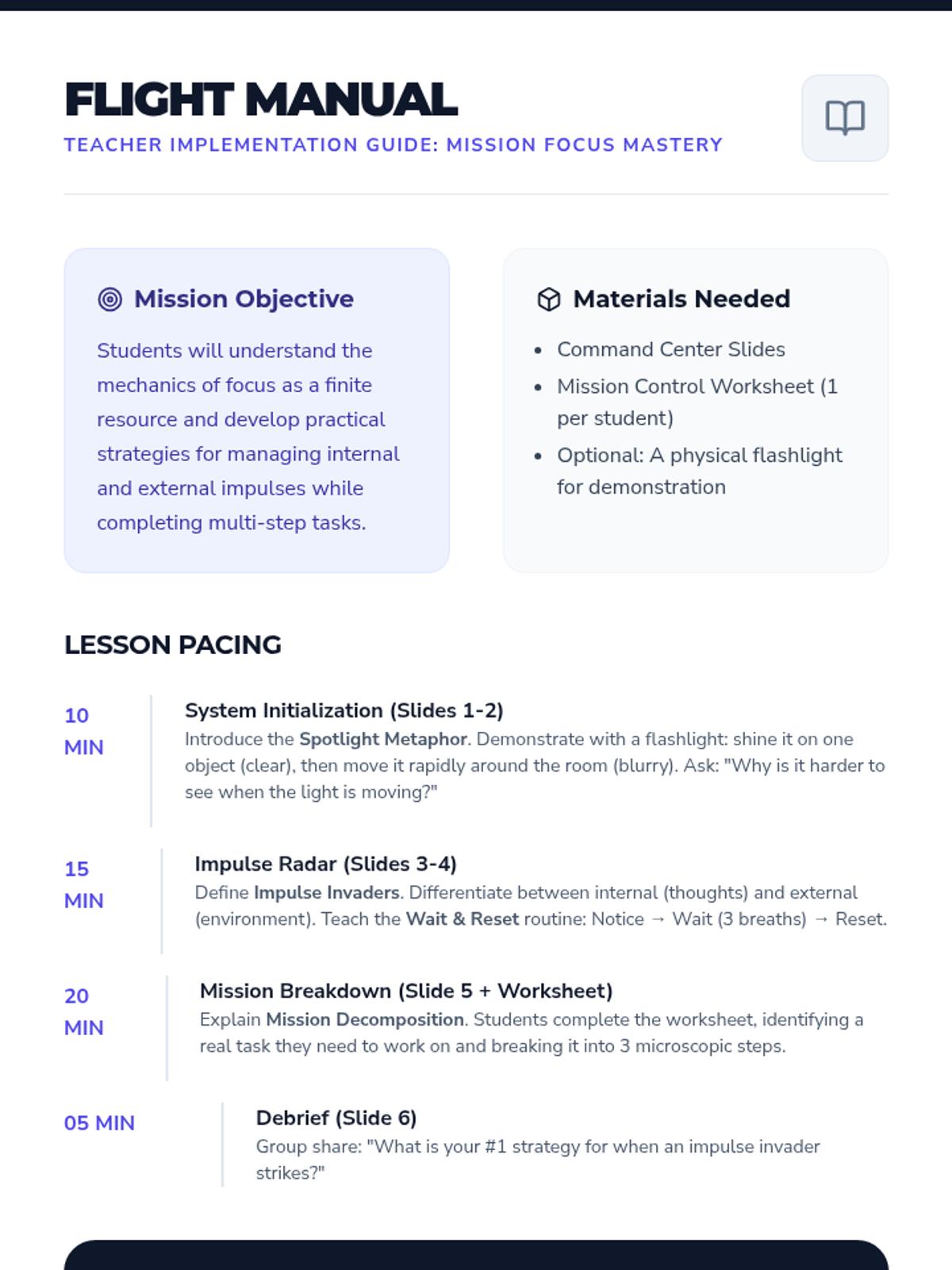
A comprehensive unit designed to help students master the art of concentration, manage impulsive behaviors, and complete tasks effectively using the metaphor of a 'Command Center'.
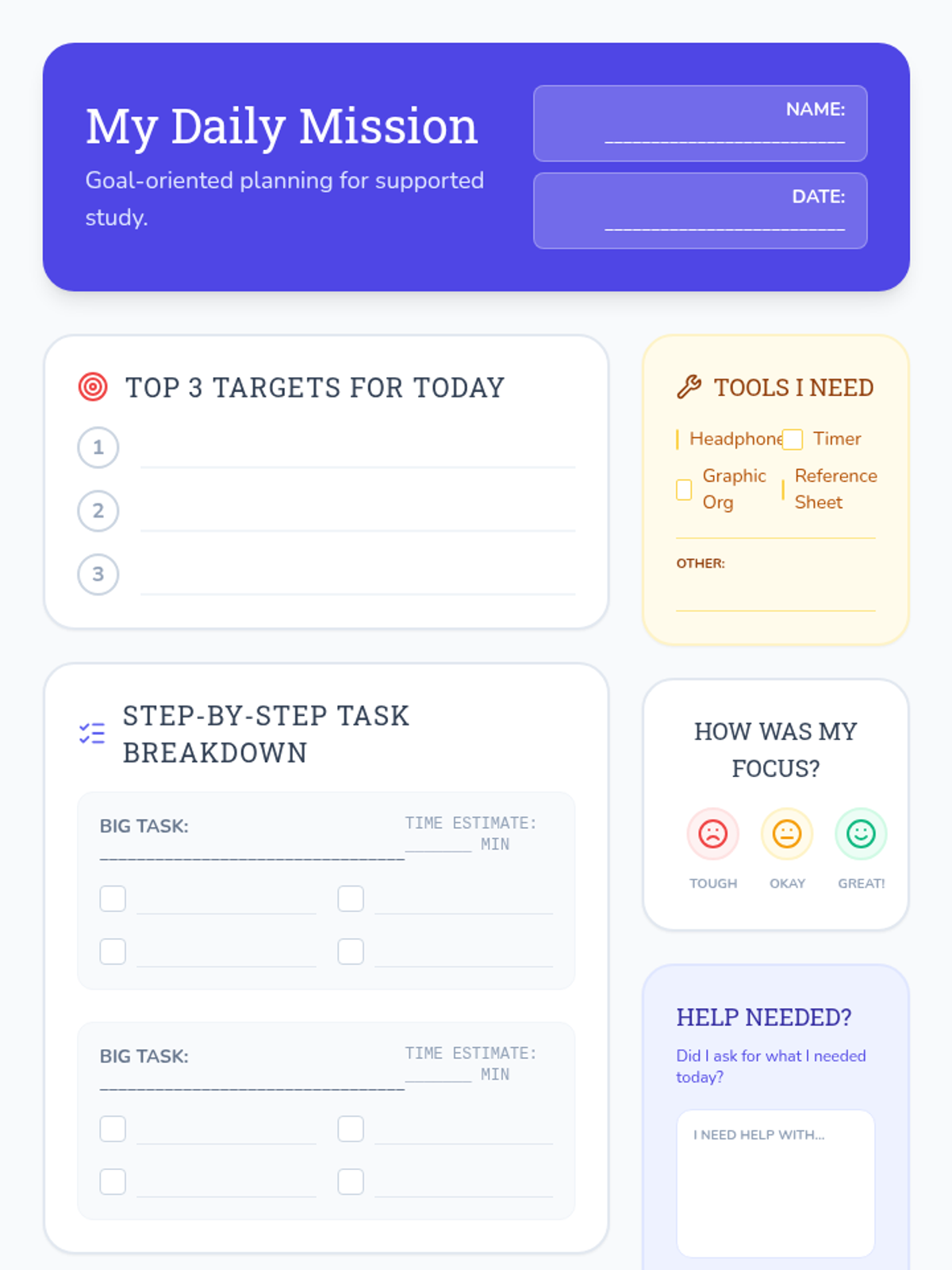
A comprehensive suite of resources designed to empower students with the habits, strategies, and tools needed for successful supported study sessions. This sequence covers organization, reading and math strategies, and self-advocacy skills.
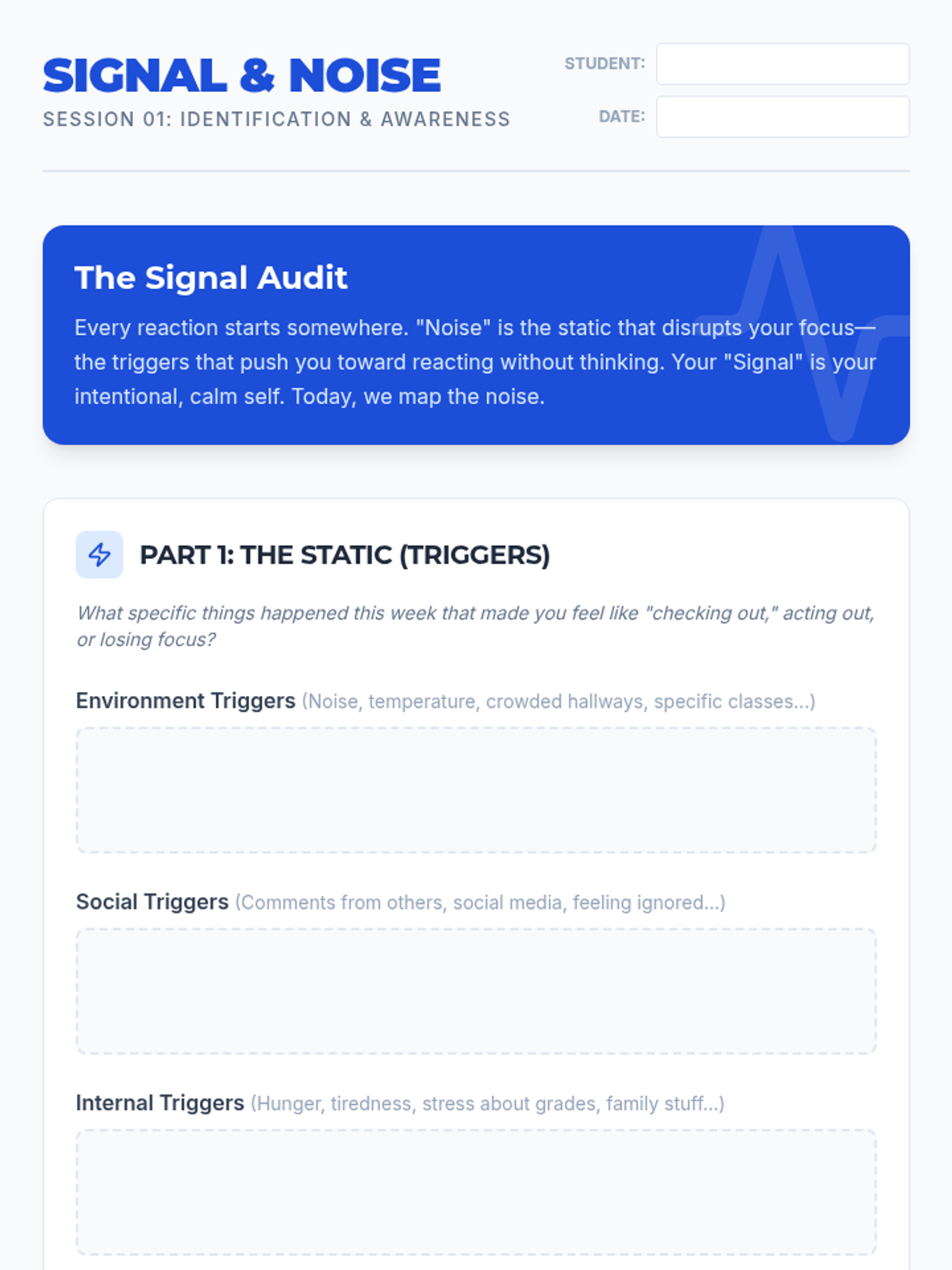
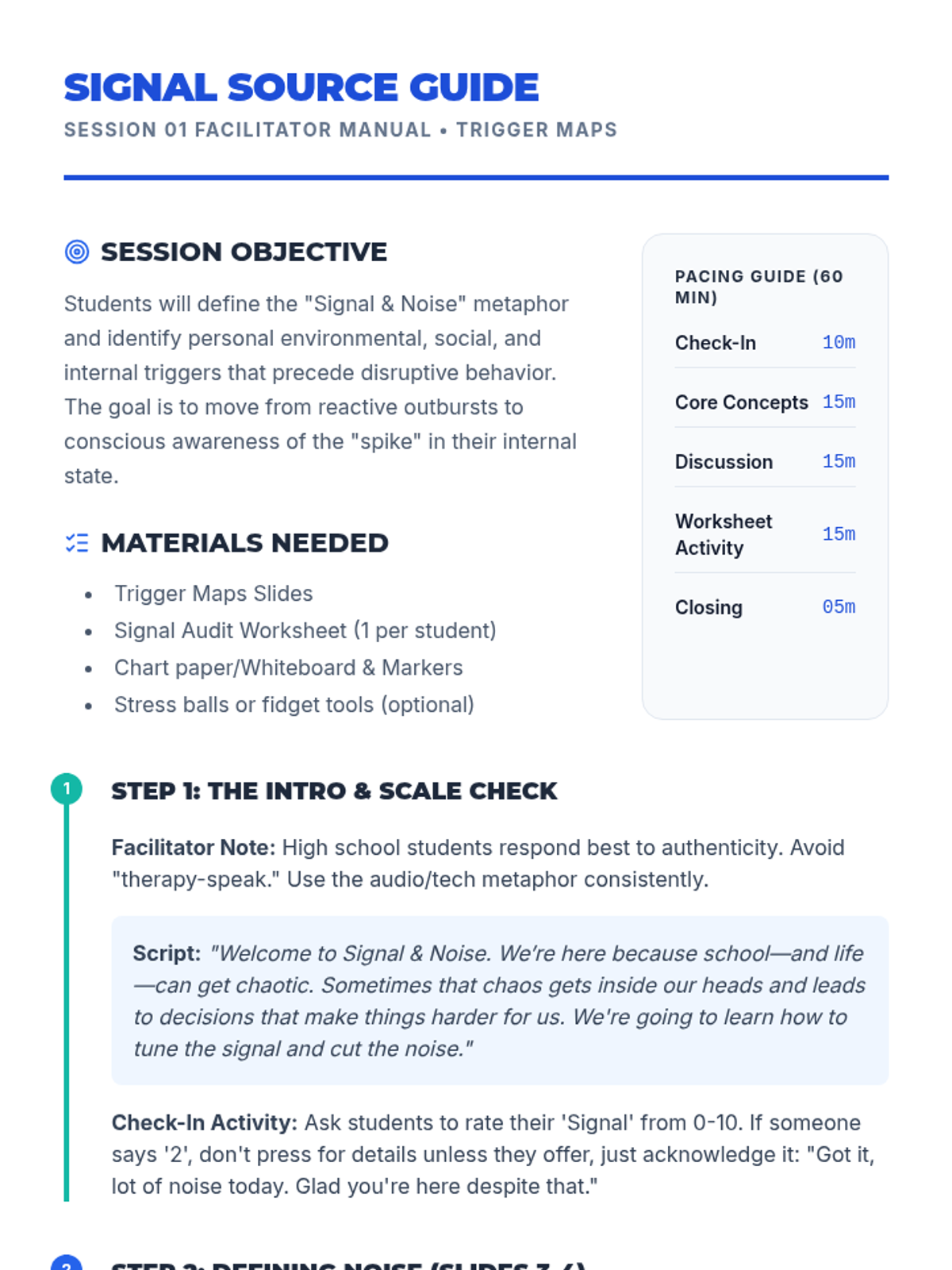
An 8-session group intervention curriculum for high school students focused on self-regulation, communication, and conflict resolution to reduce disruptive behaviors. The 'Signal & Noise' theme uses modern communication metaphors to help students distinguish between reactive impulses (noise) and intentional actions (signals).
A comprehensive 4-lesson sequence designed for high school students to develop emotional regulation skills, move away from physical aggression, and master professional communication and de-escalation strategies.
A series of four individual sessions designed to help a student improve their punctuality and classroom endurance through goal-setting, strategy building, and a formal behavior contract.
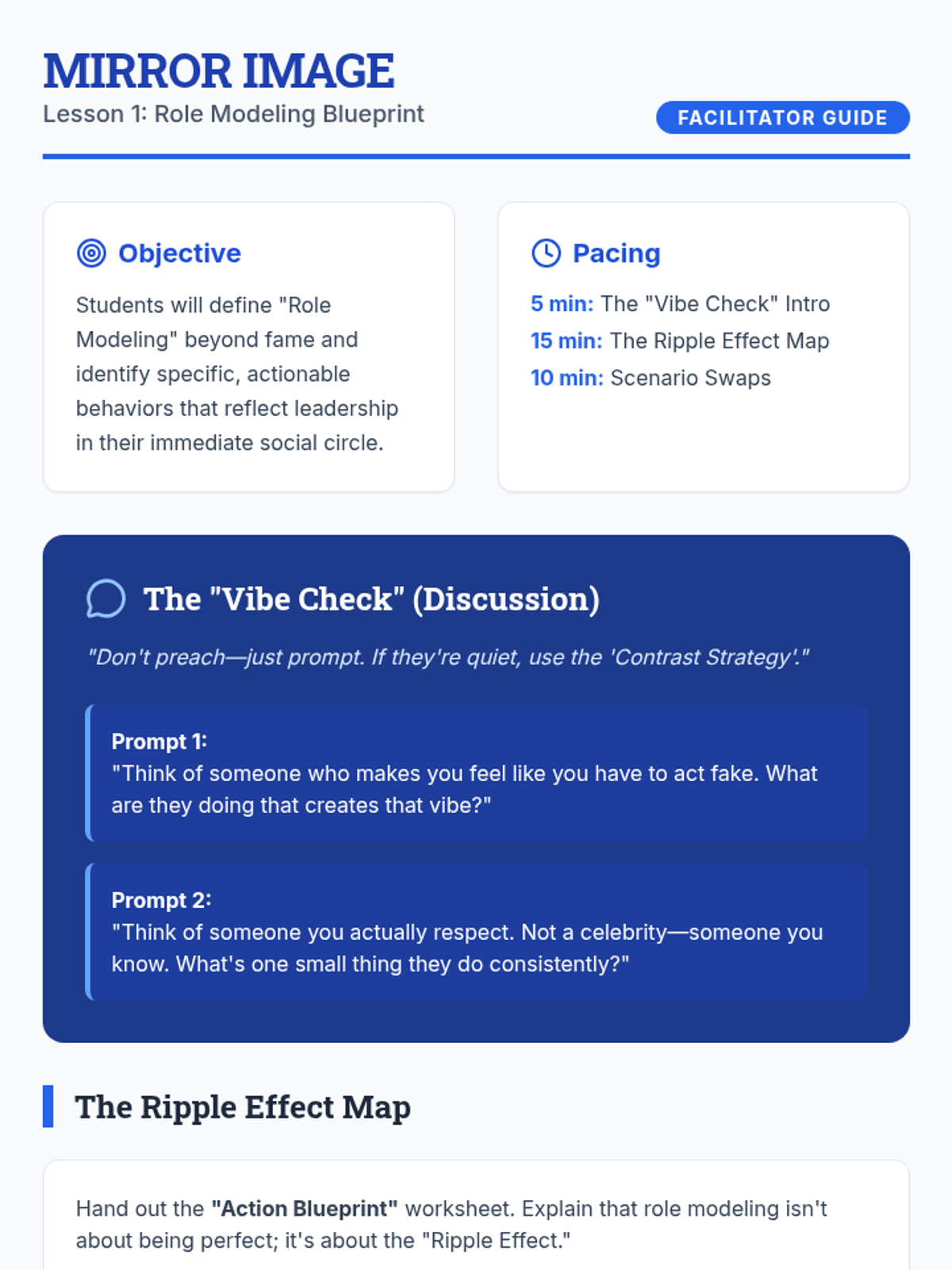
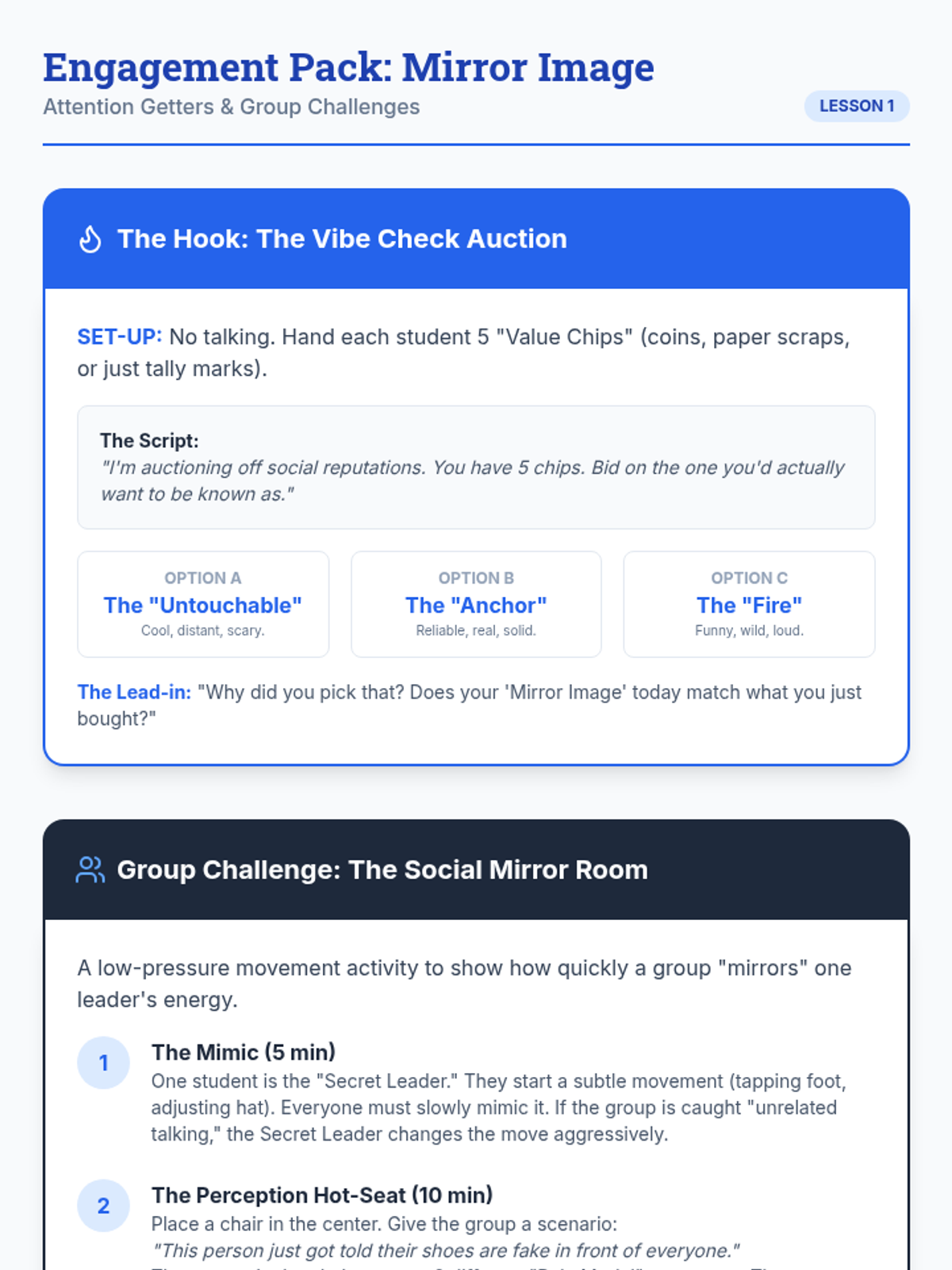
A high-engagement therapeutic sequence for grades 9-12 focusing on the pillars of leadership through role modeling and emotional self-regulation. Designed for students with short attention spans using interactive, low-pressure activities.
A comprehensive therapeutic sequence focused on building emotional resilience, distress tolerance, and overcoming school avoidance using CBT and DBT principles.
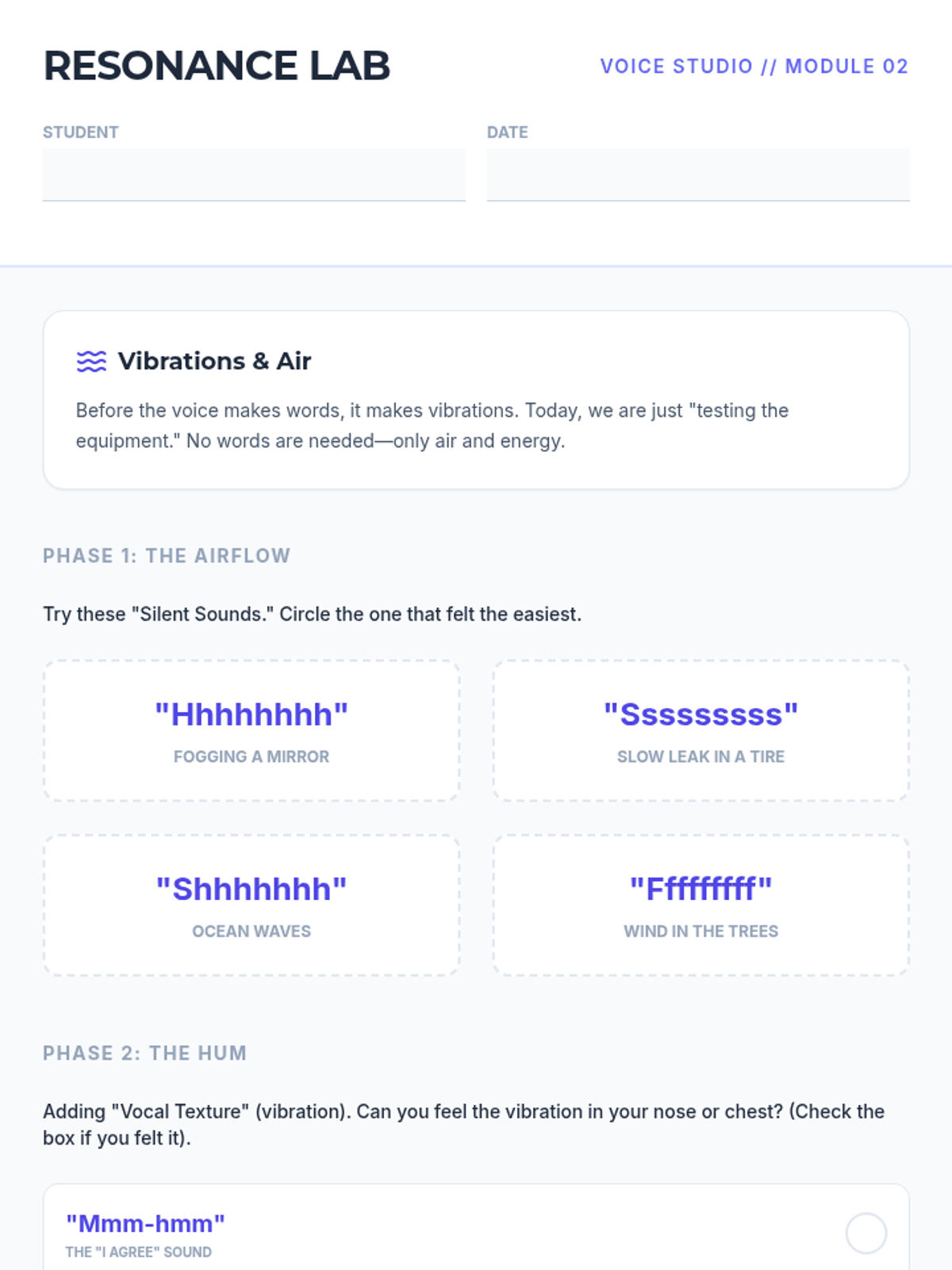
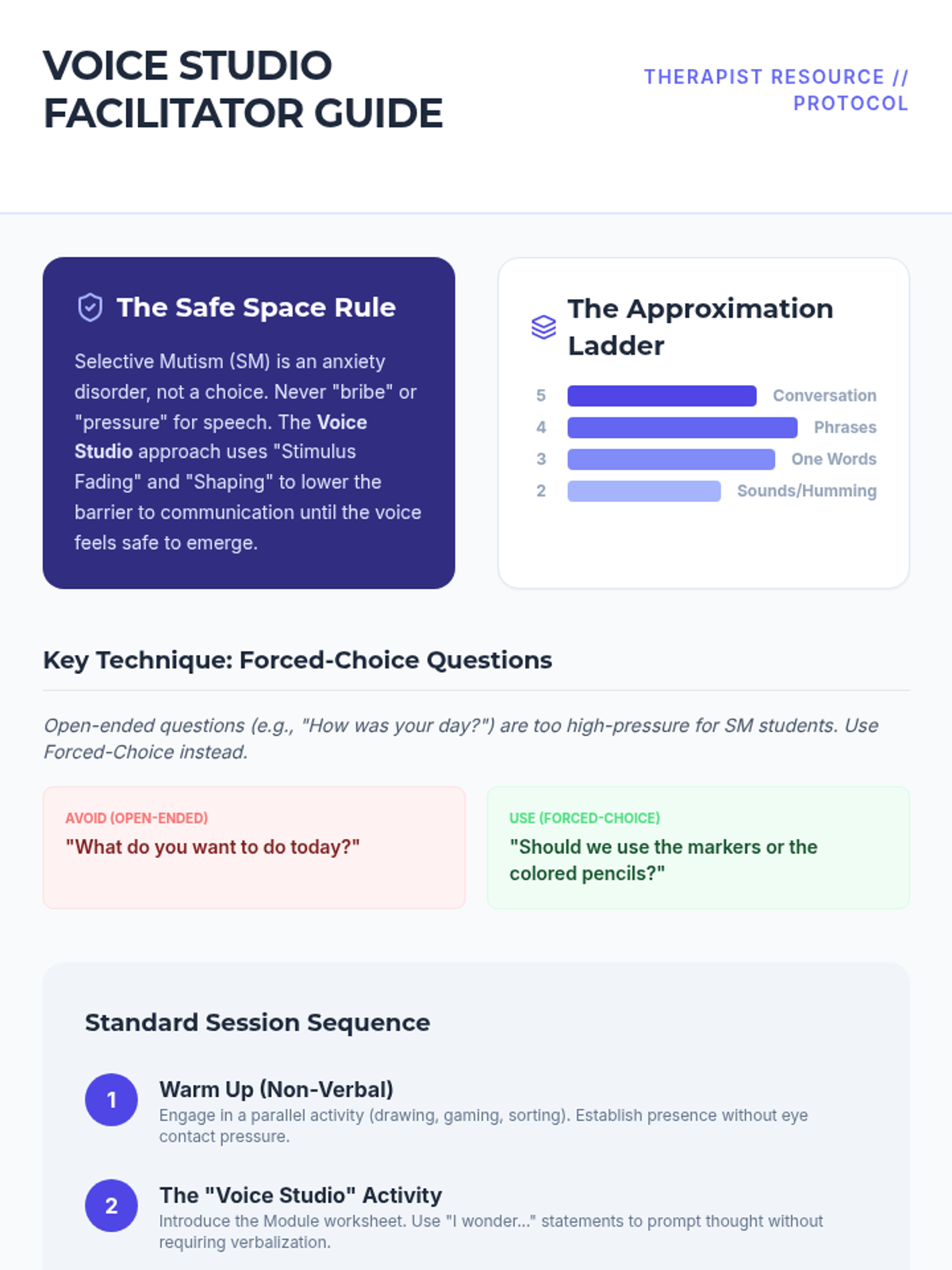
A gentle, evidence-based communication program for teens with Selective Mutism. It uses behavioral shaping and approximations to move from non-verbal rapport to functional vocalization in a low-pressure 1:1 environment.
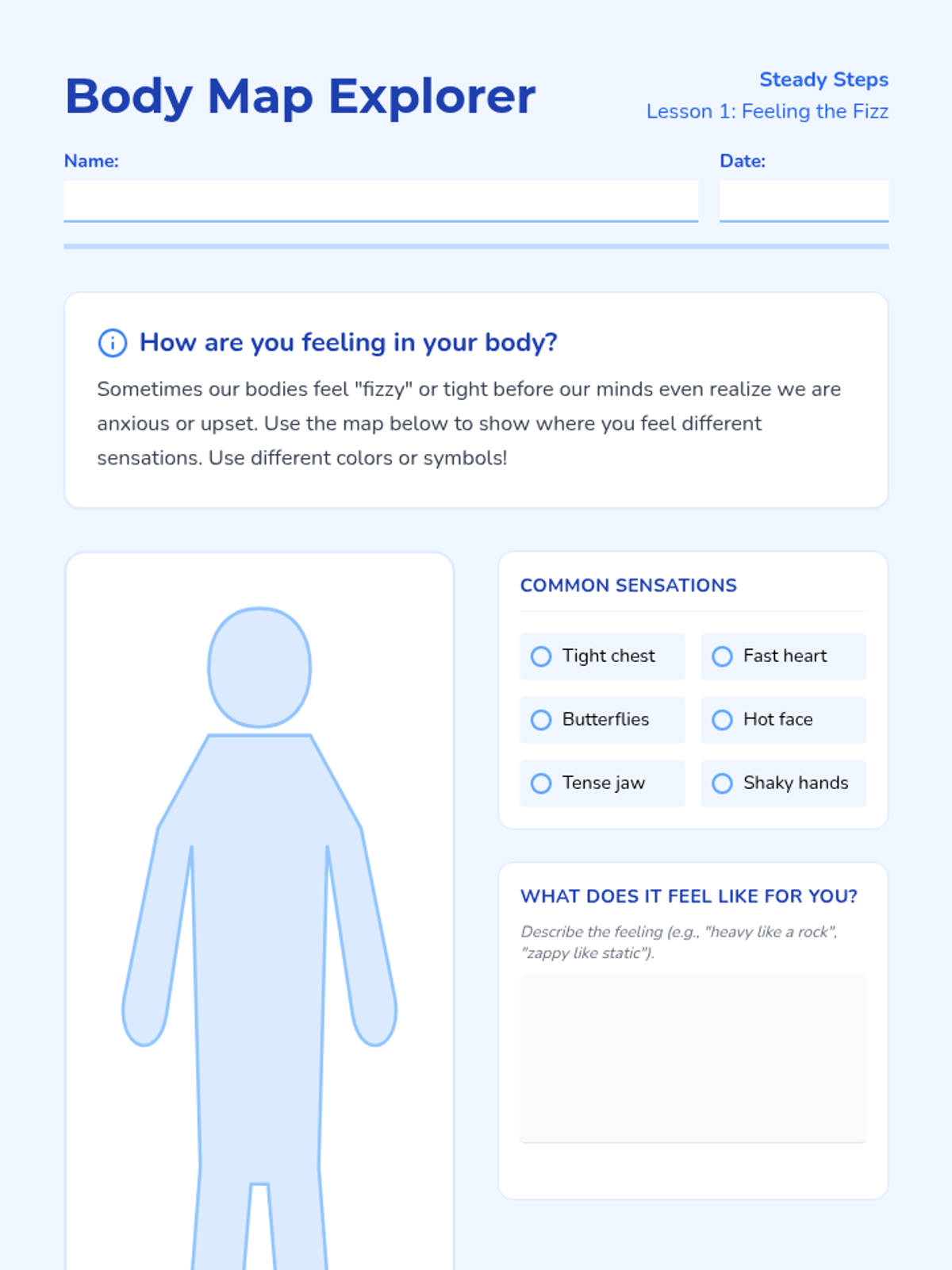
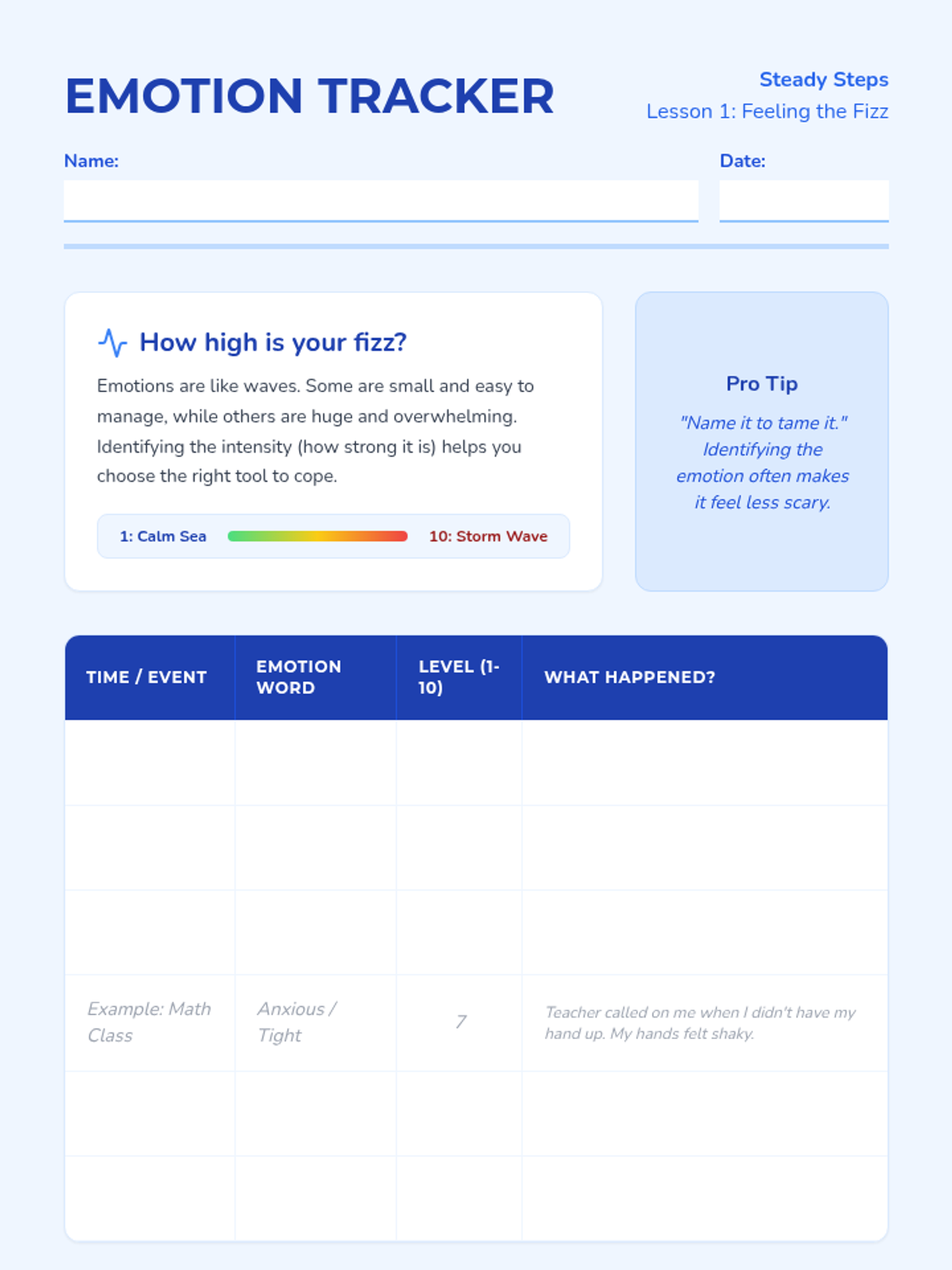
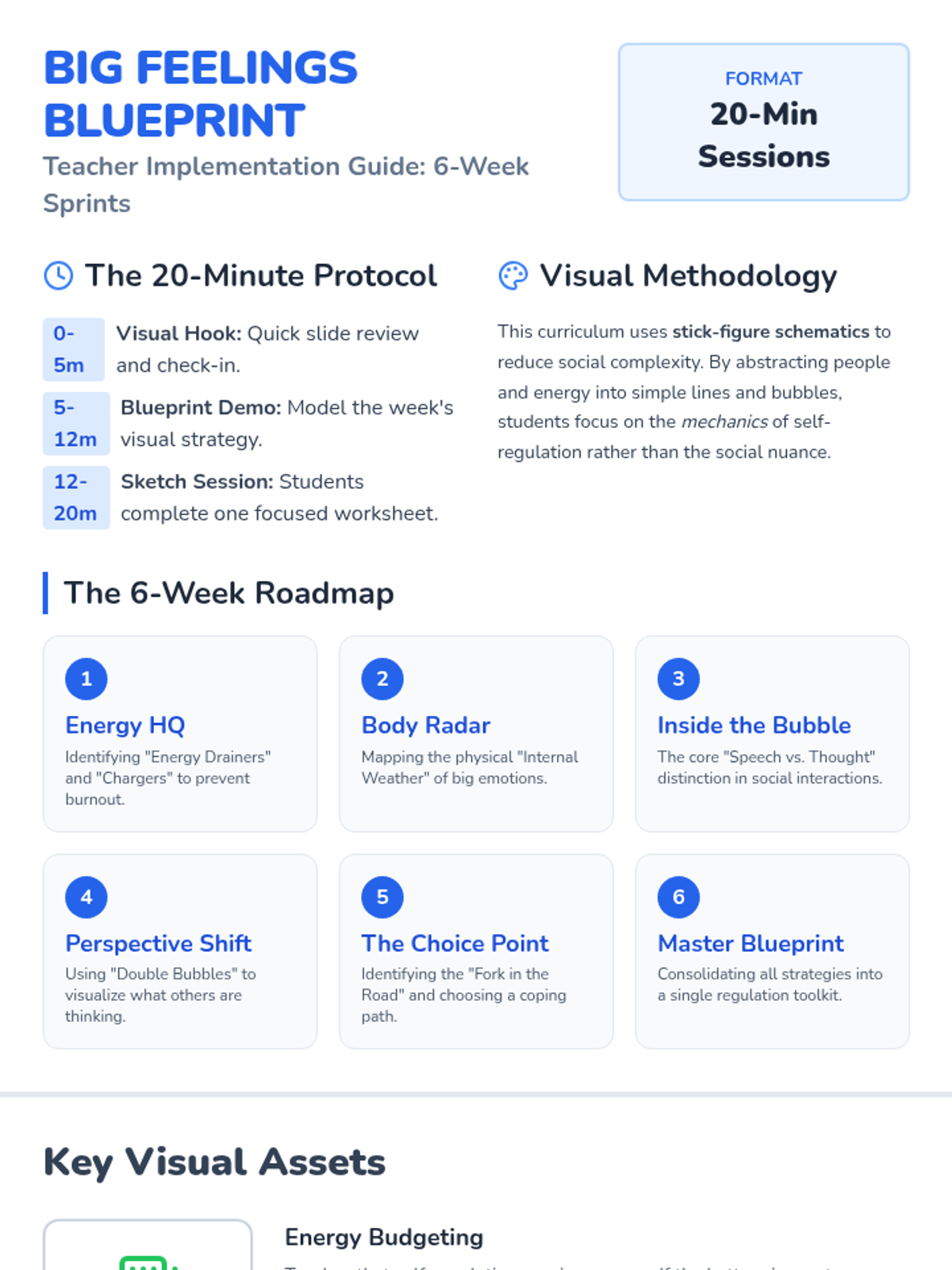
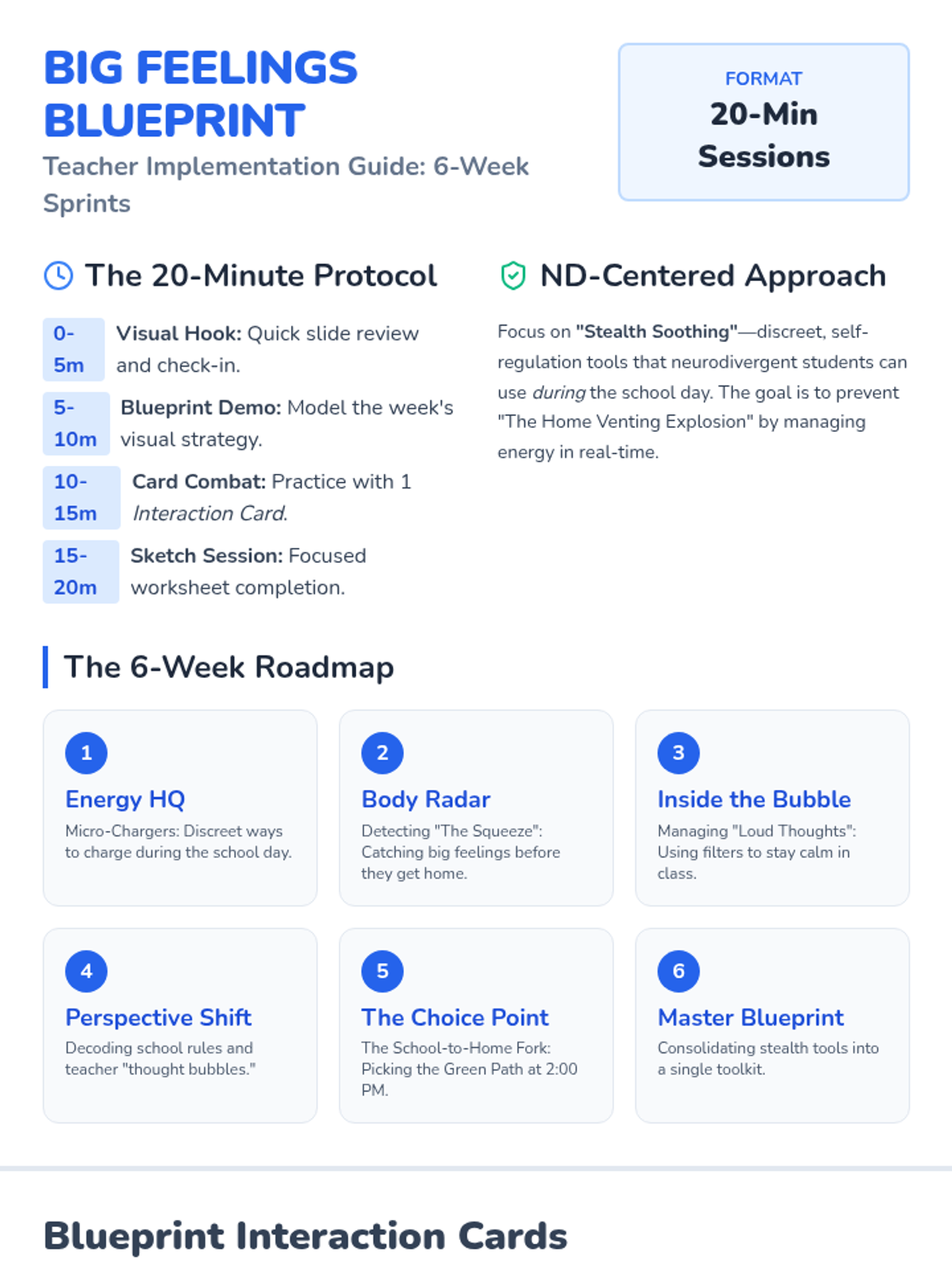
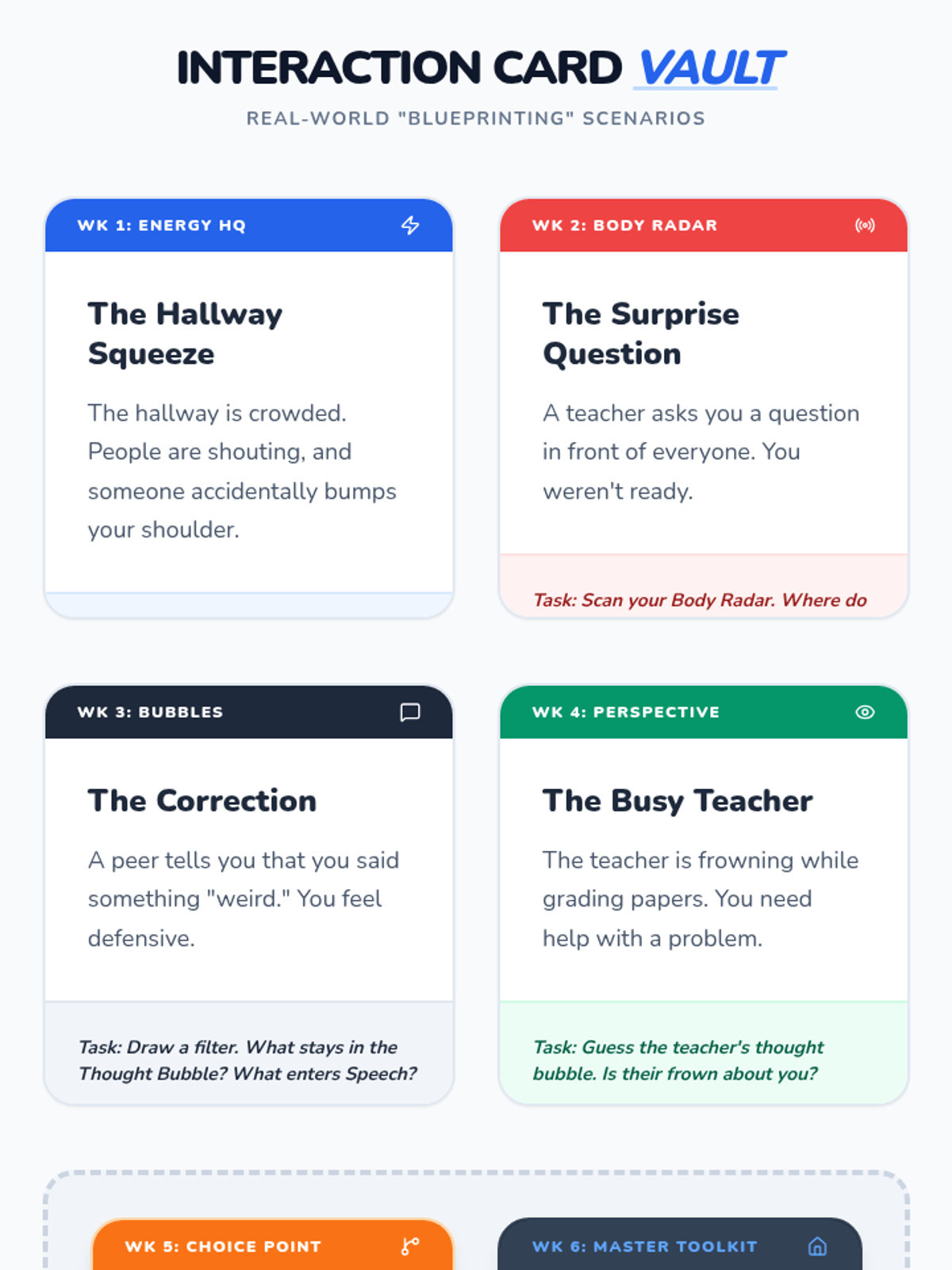
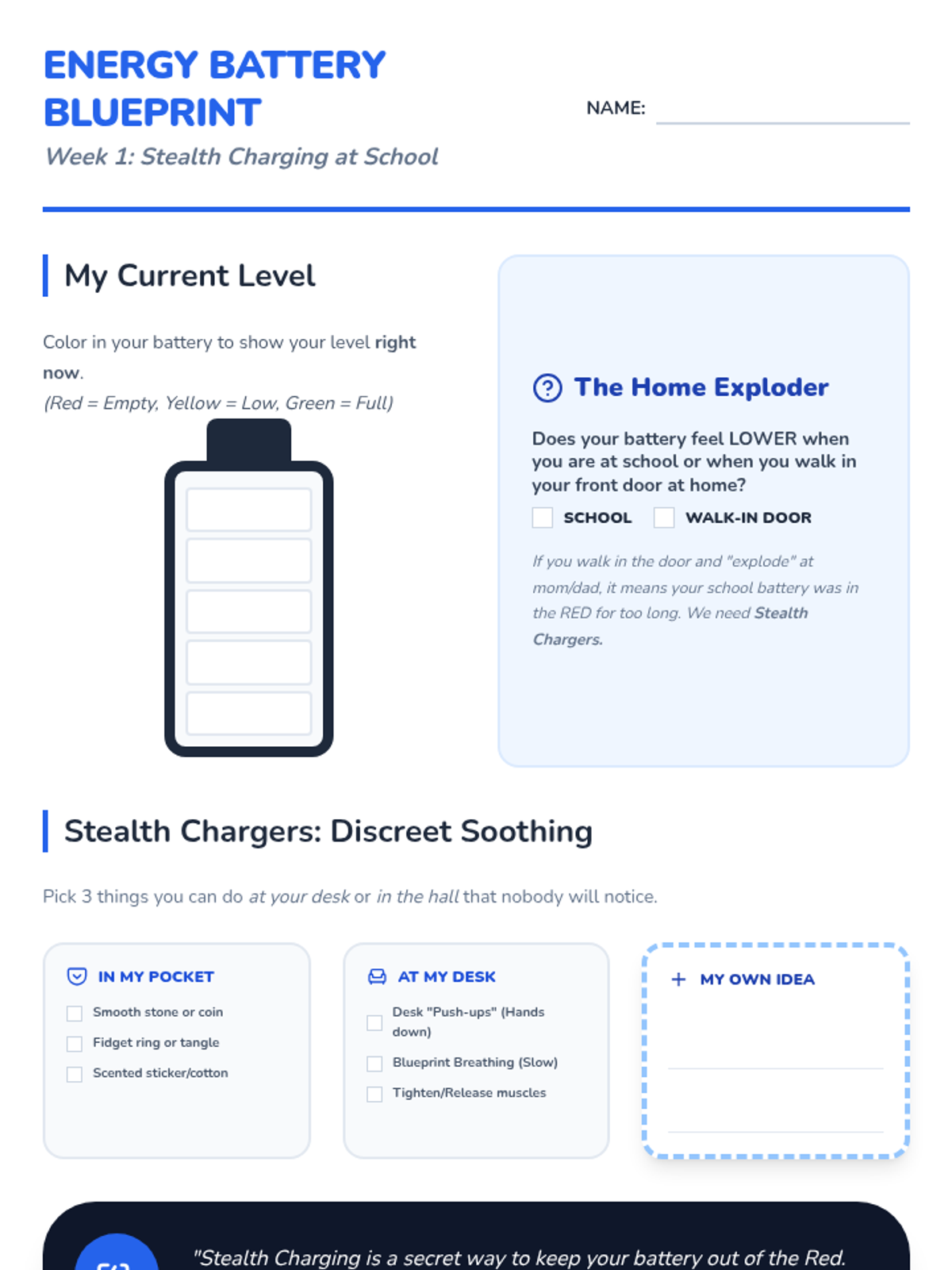
A 6-week social-emotional learning program for teenagers on the autism spectrum, delivered in focused 20-minute sessions. The program uses visual "blueprints" to teach energy management, body awareness, and Comic Strip Conversation techniques for emotional regulation and perspective taking.
A comprehensive counseling sequence designed to help students navigate their emotional landscape, understand the impact of their actions on school relationships, and build a personalized repertoire of coping strategies. Through three core modules, students move from awareness to accountability to action.
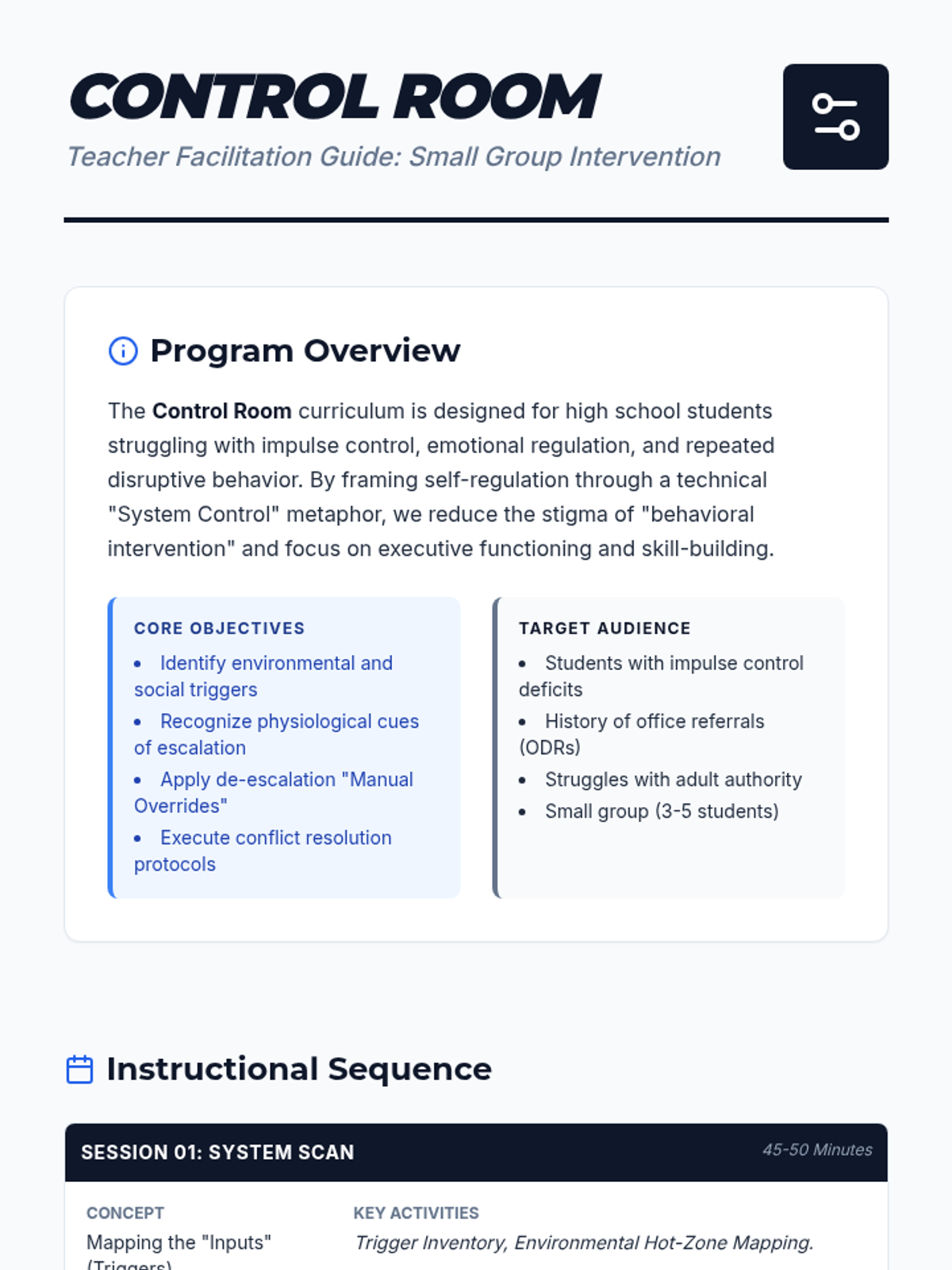
A comprehensive social-emotional learning unit for high schoolers focused on impulse control, emotional regulation, and conflict resolution. Using a 'Control Room' metaphor, students learn to monitor their internal systems, identify triggers, and apply de-escalation protocols to manage disruptions.
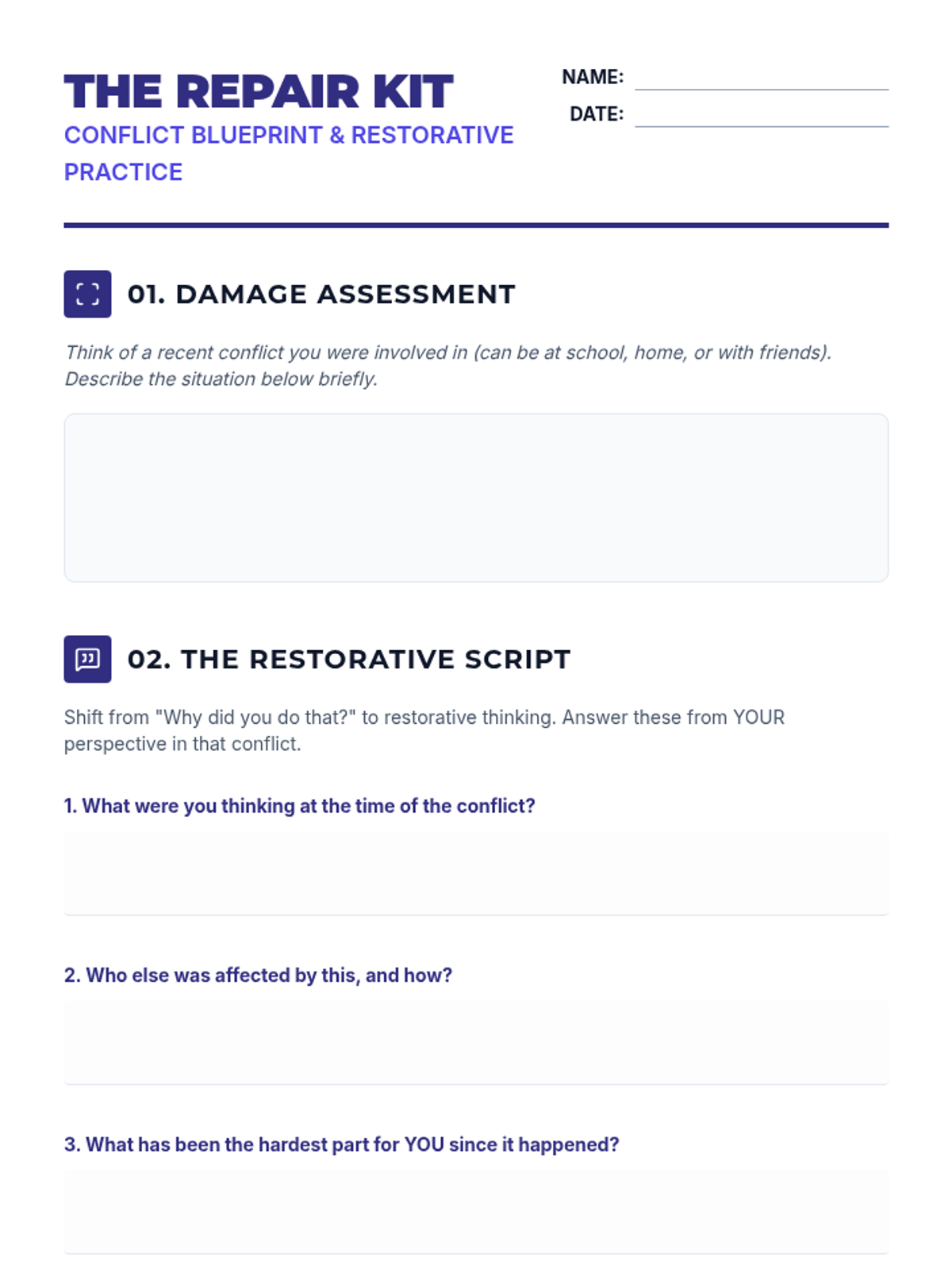
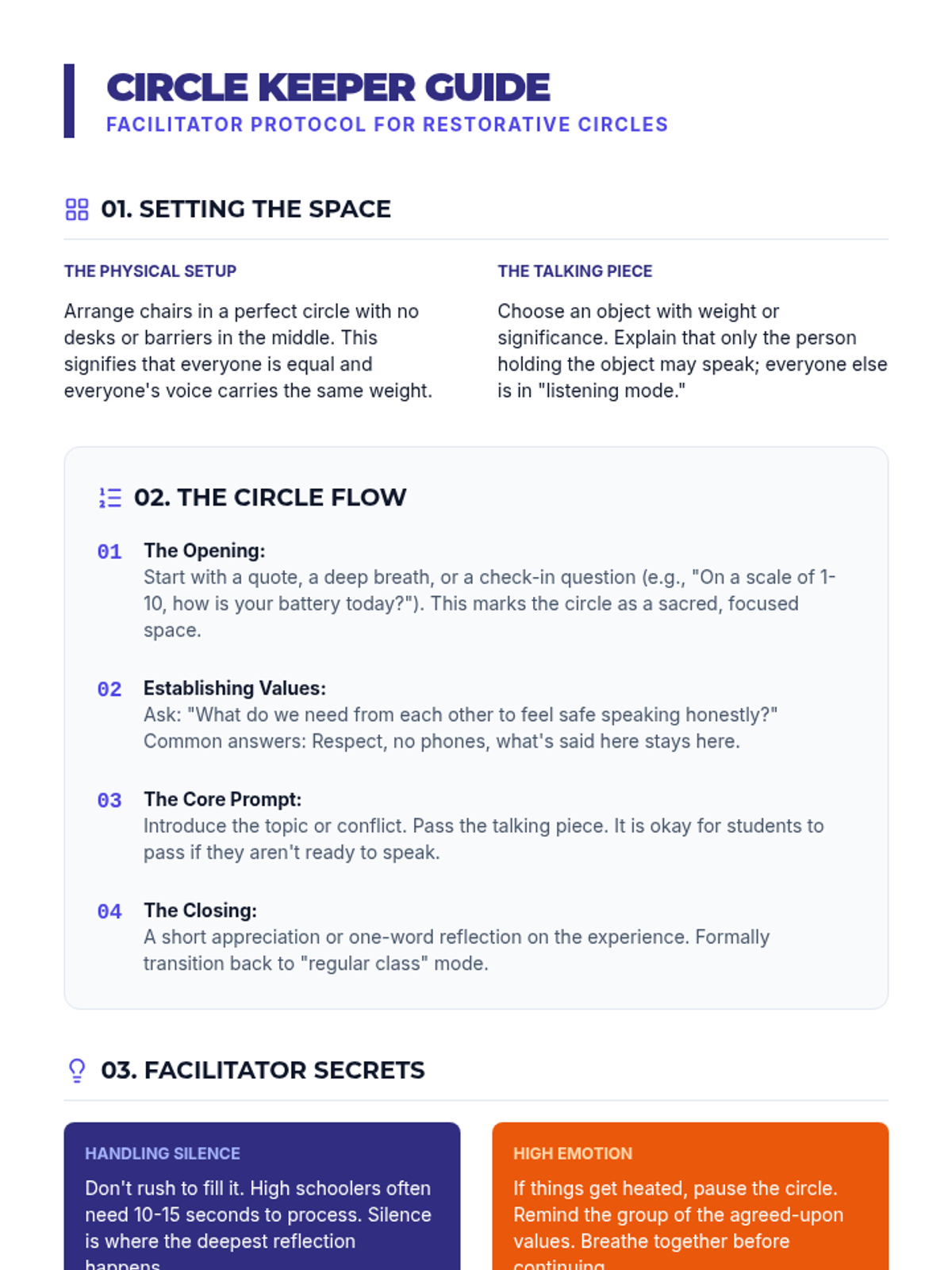
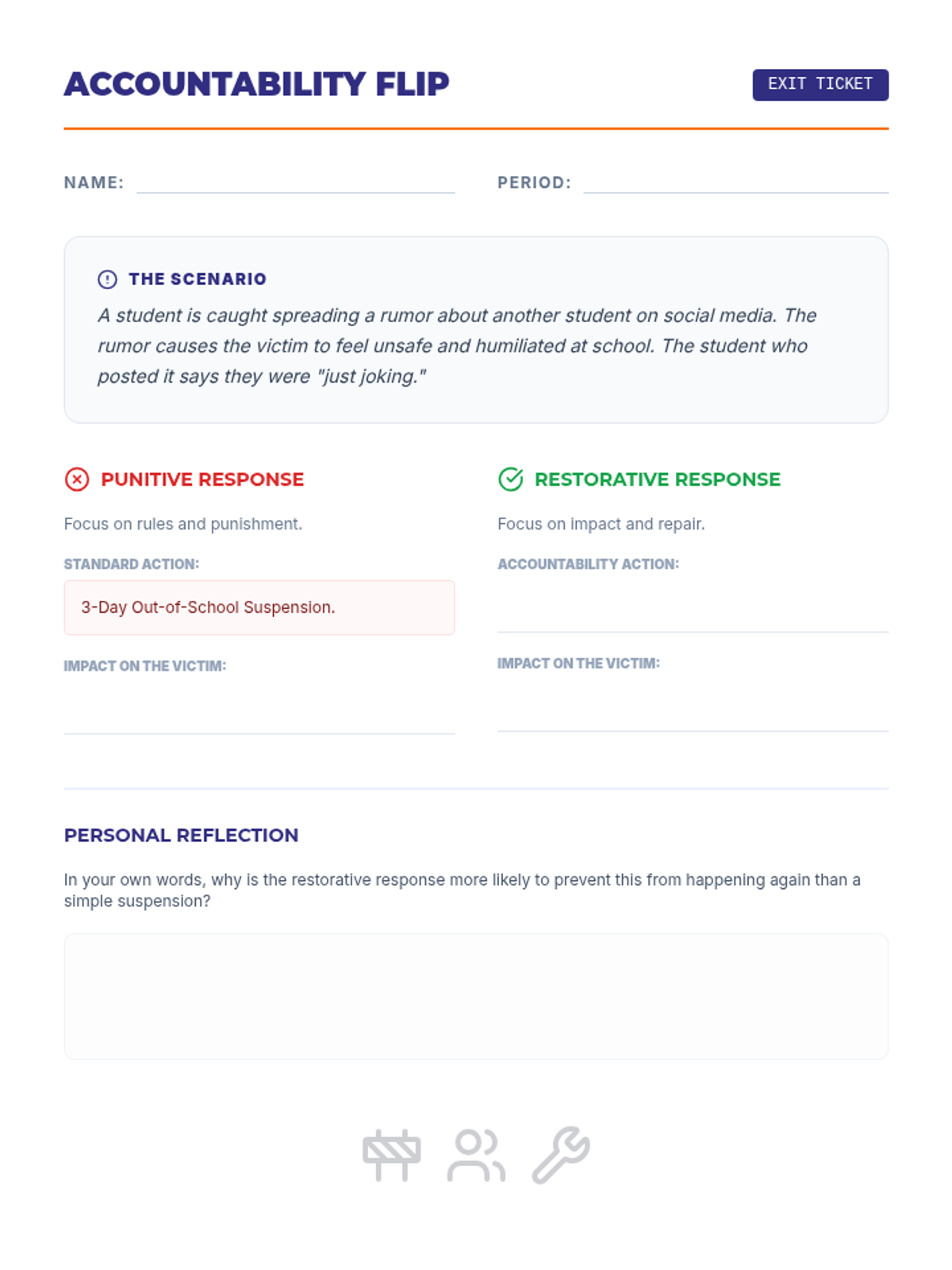
A high school social-emotional learning unit focused on moving from punitive discipline to restorative practices. Students explore the psychology of conflict, learn to facilitate restorative circles, and practice mediation techniques centered on accountability and healing.
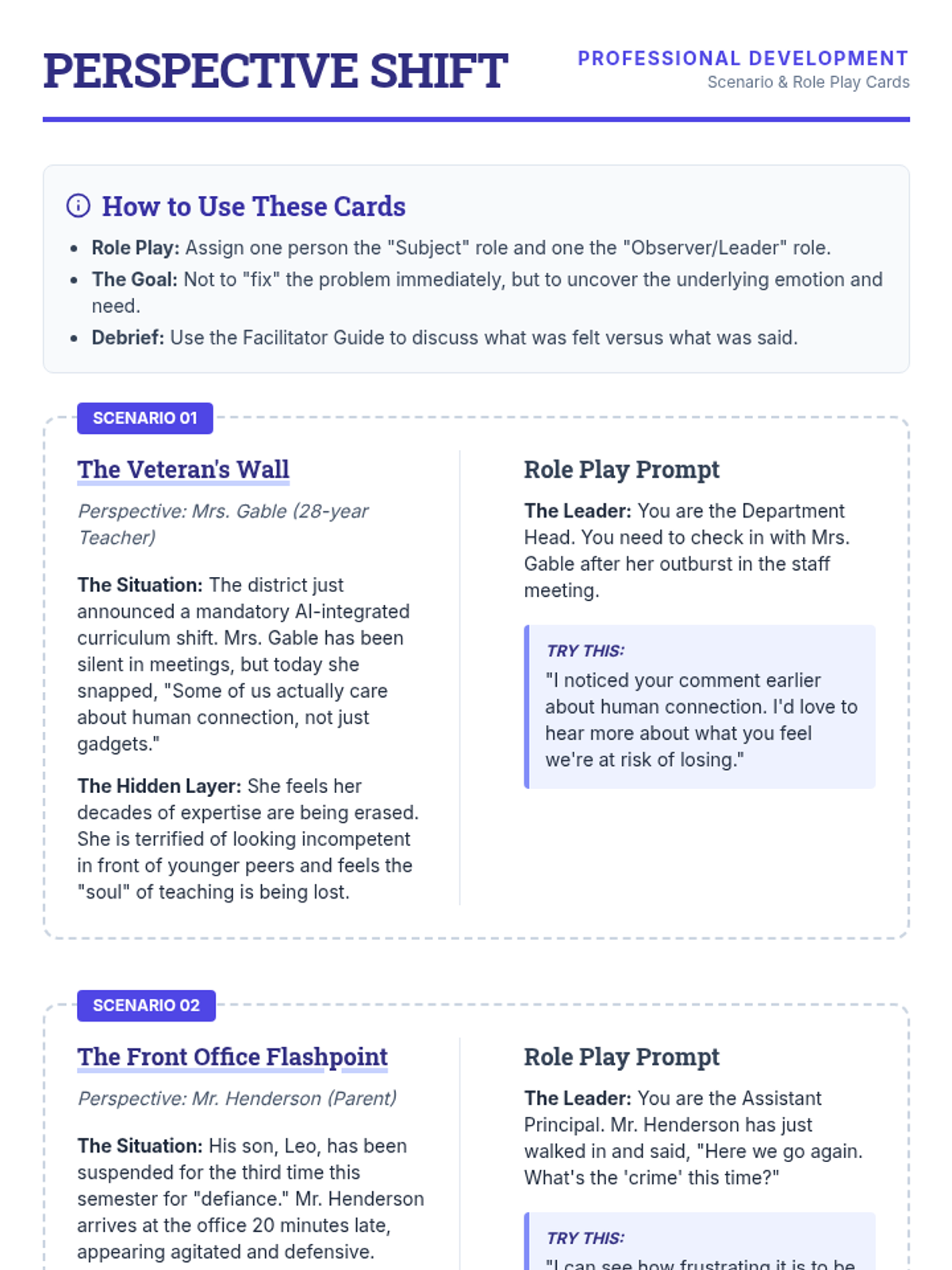
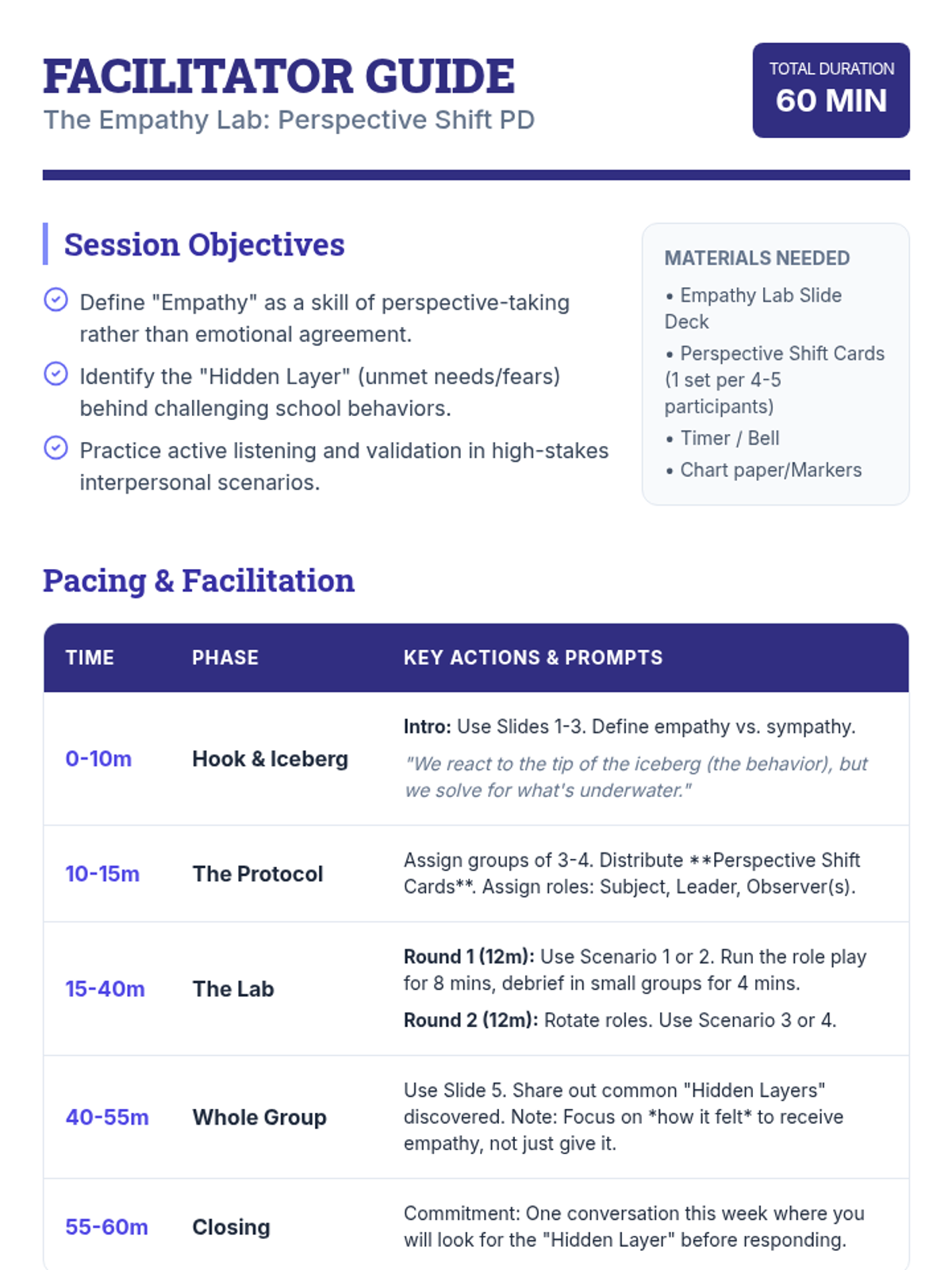
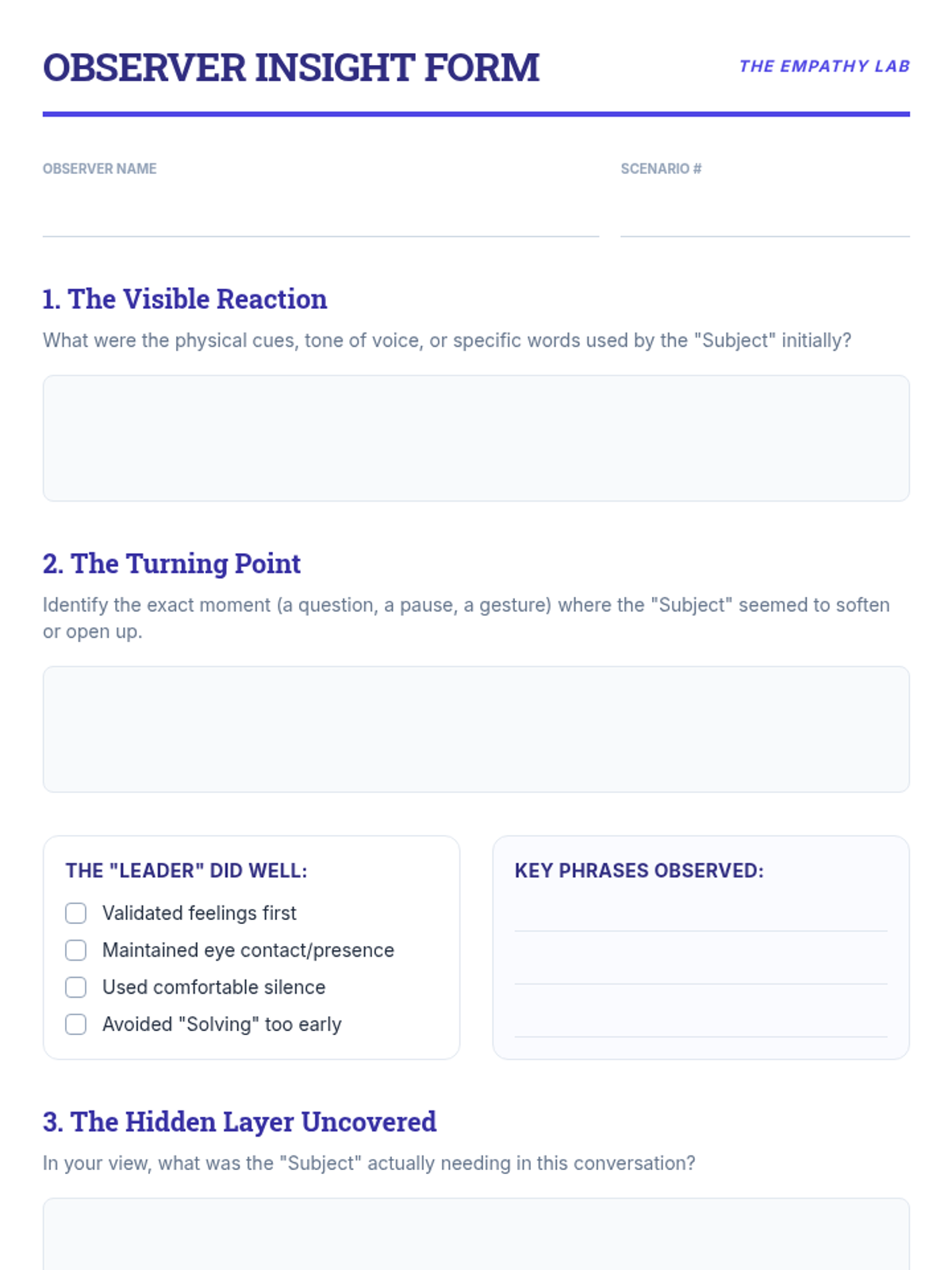
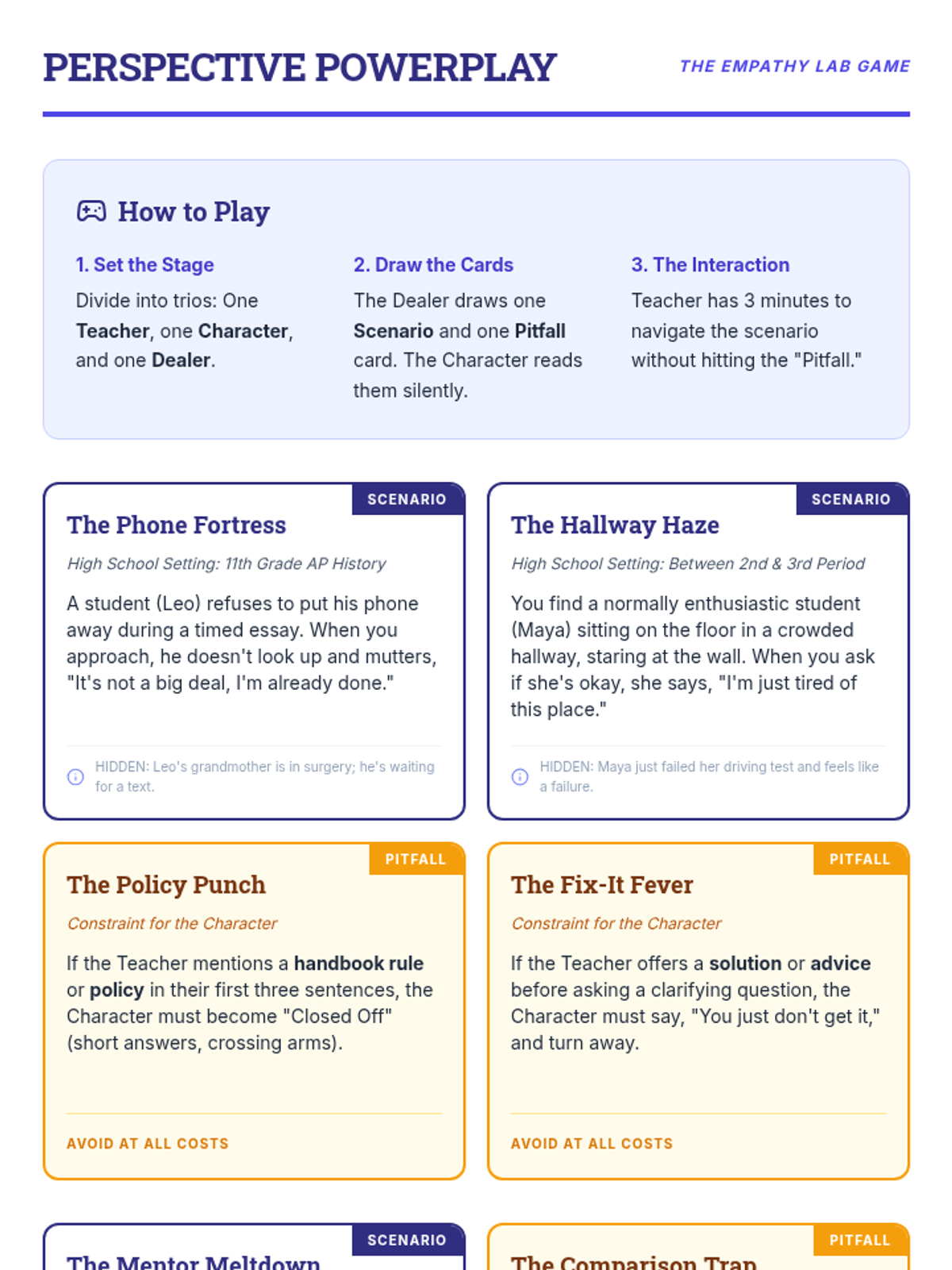
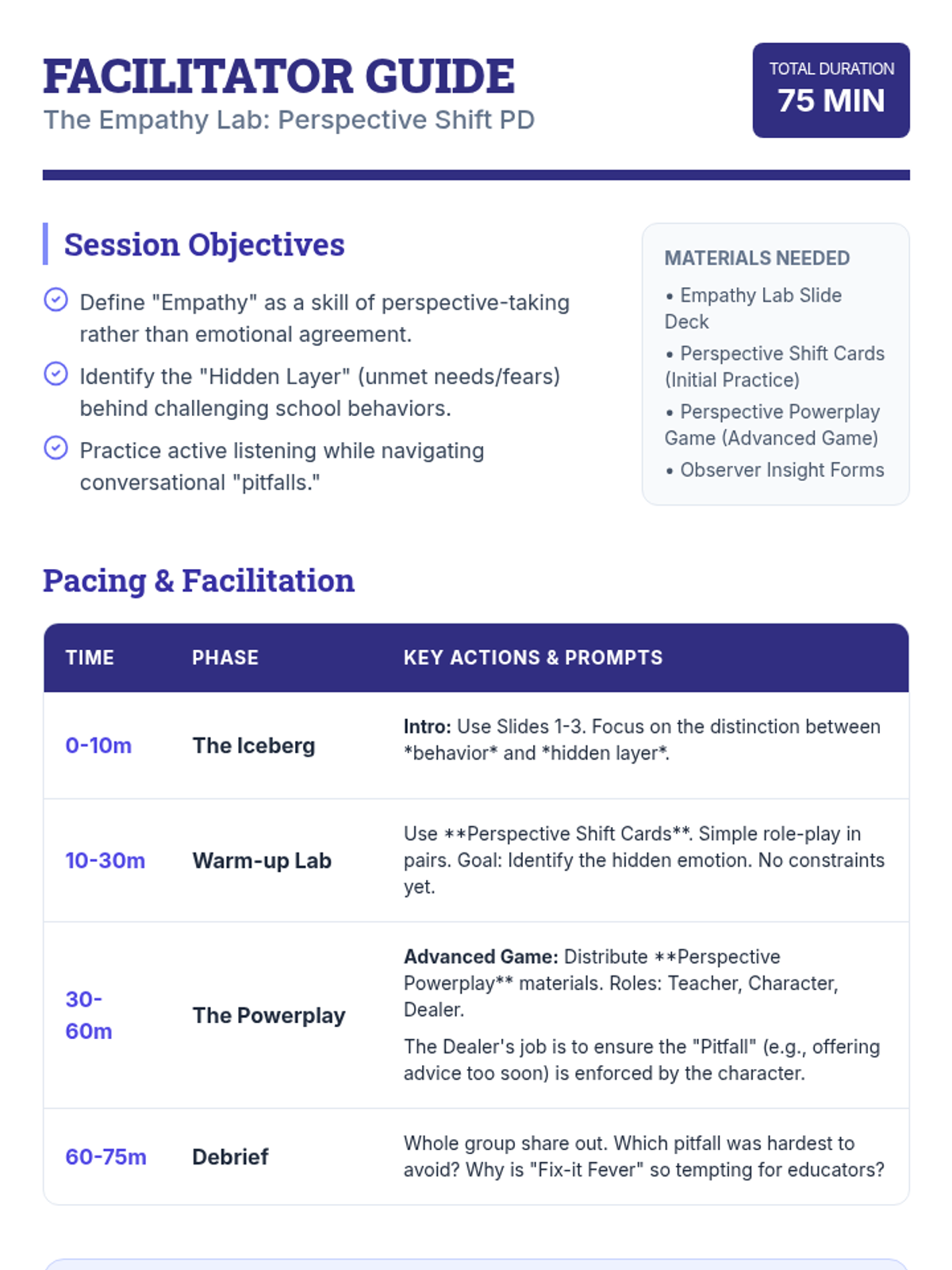
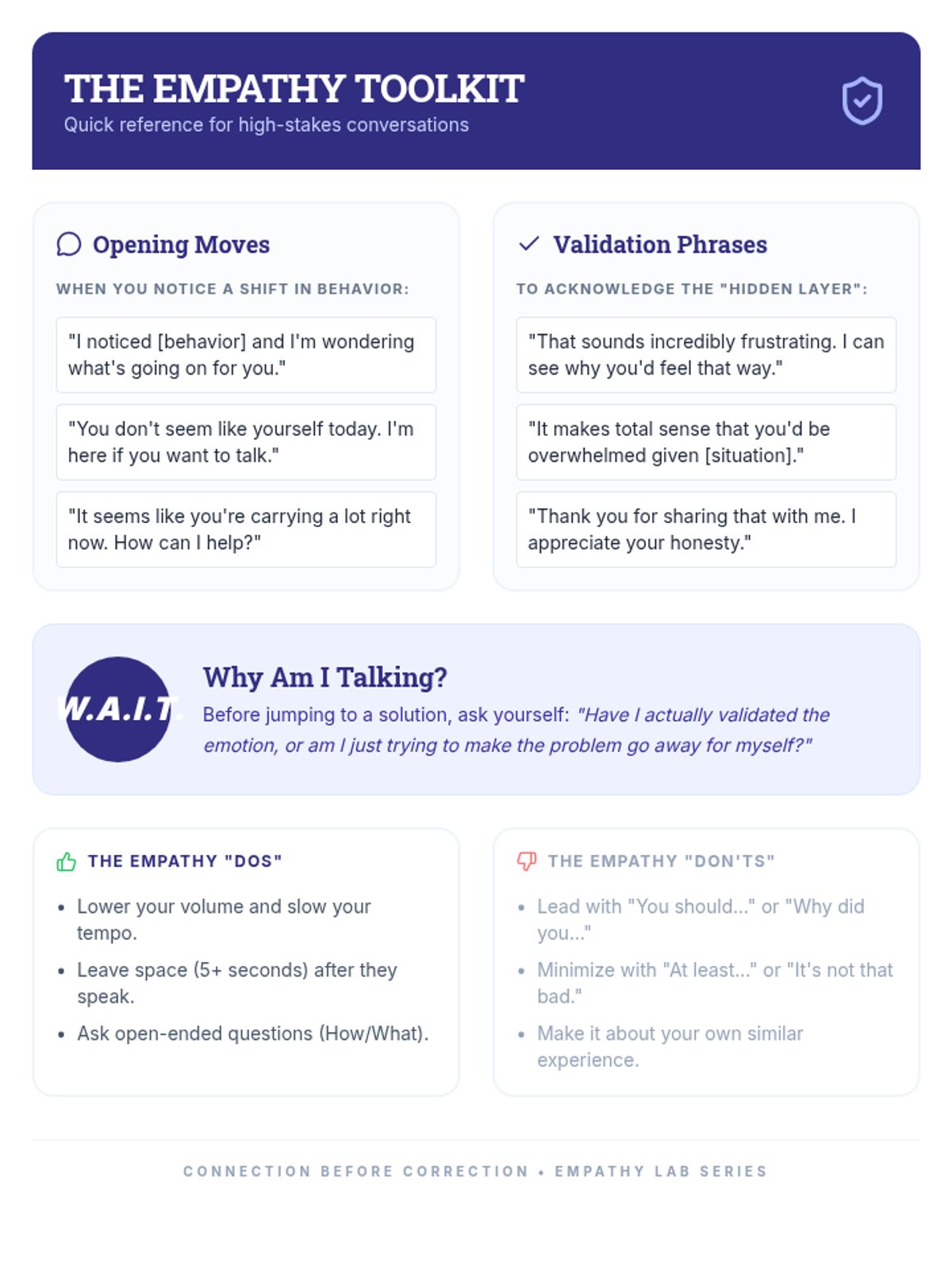
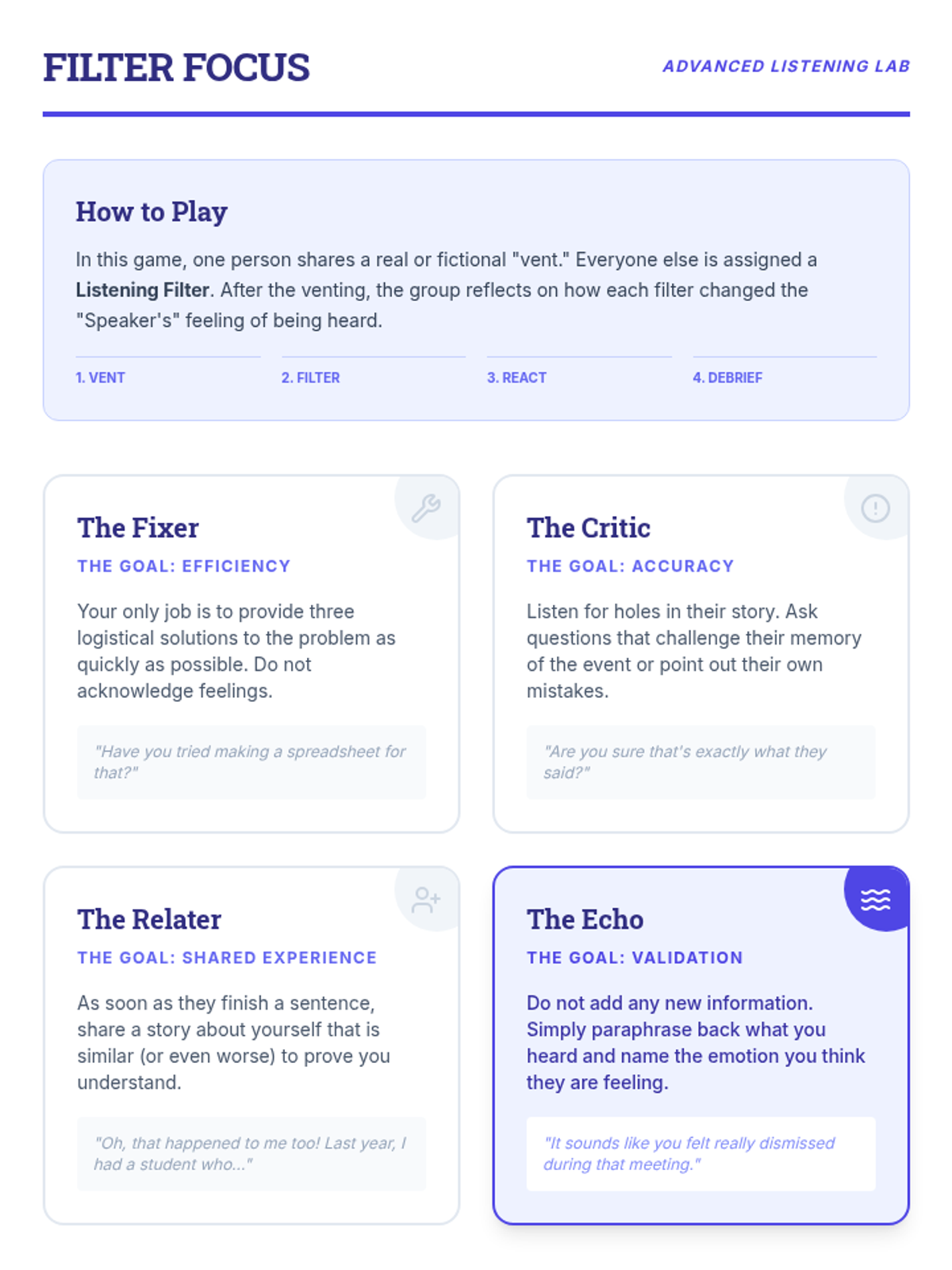
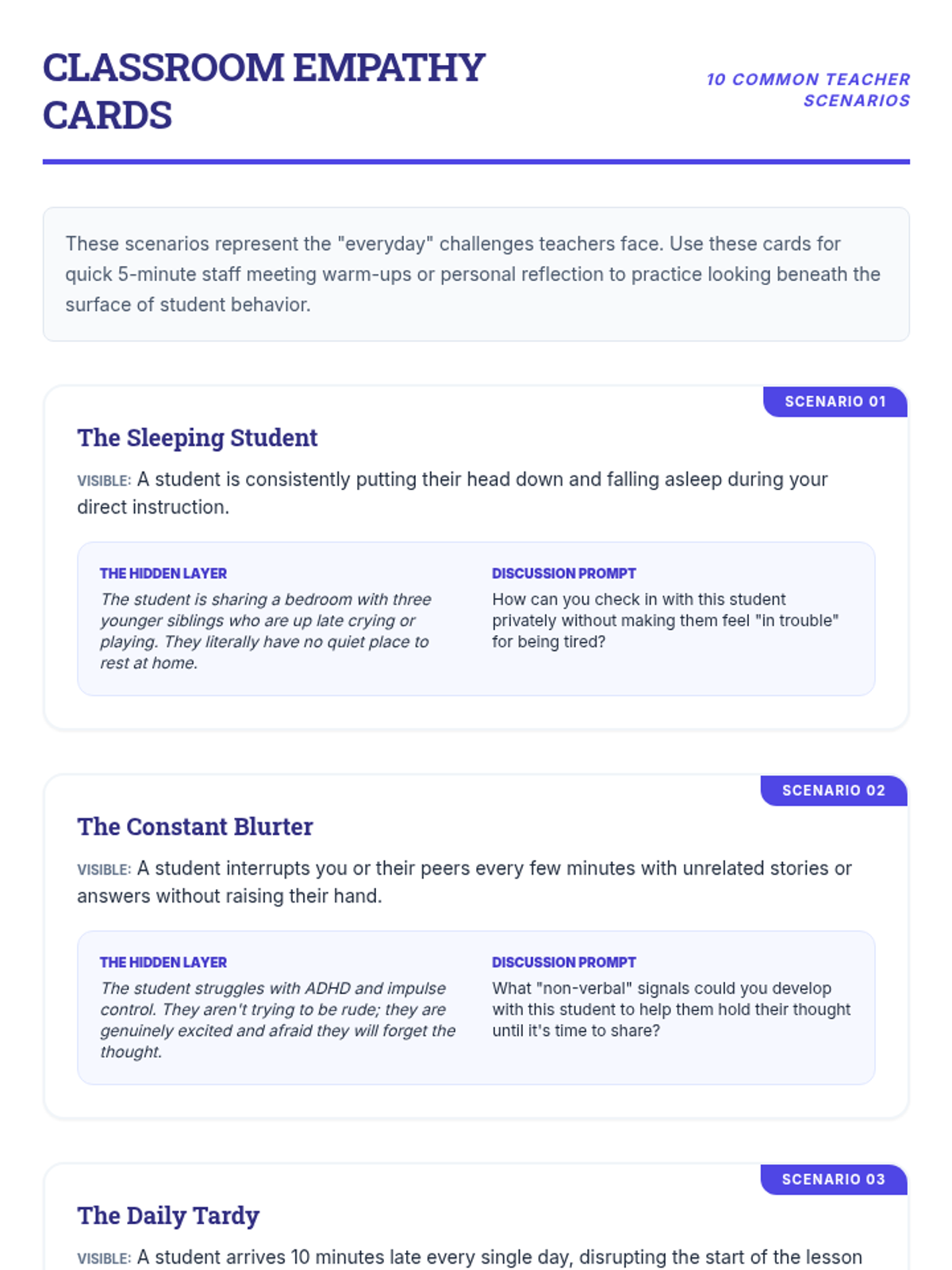
A comprehensive suite of empathy resources for an entire school community, including professional development for staff and instructional materials for students.
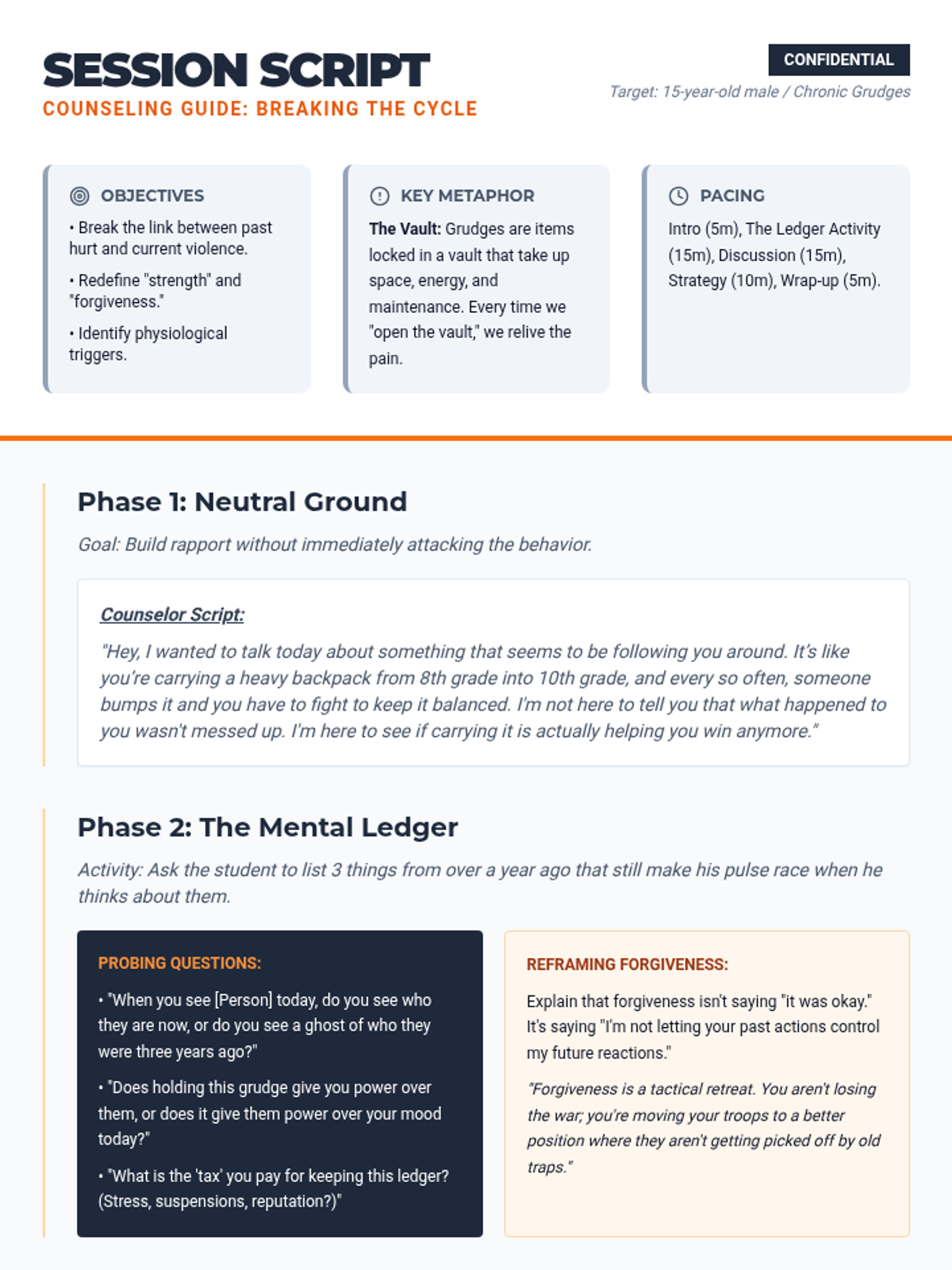
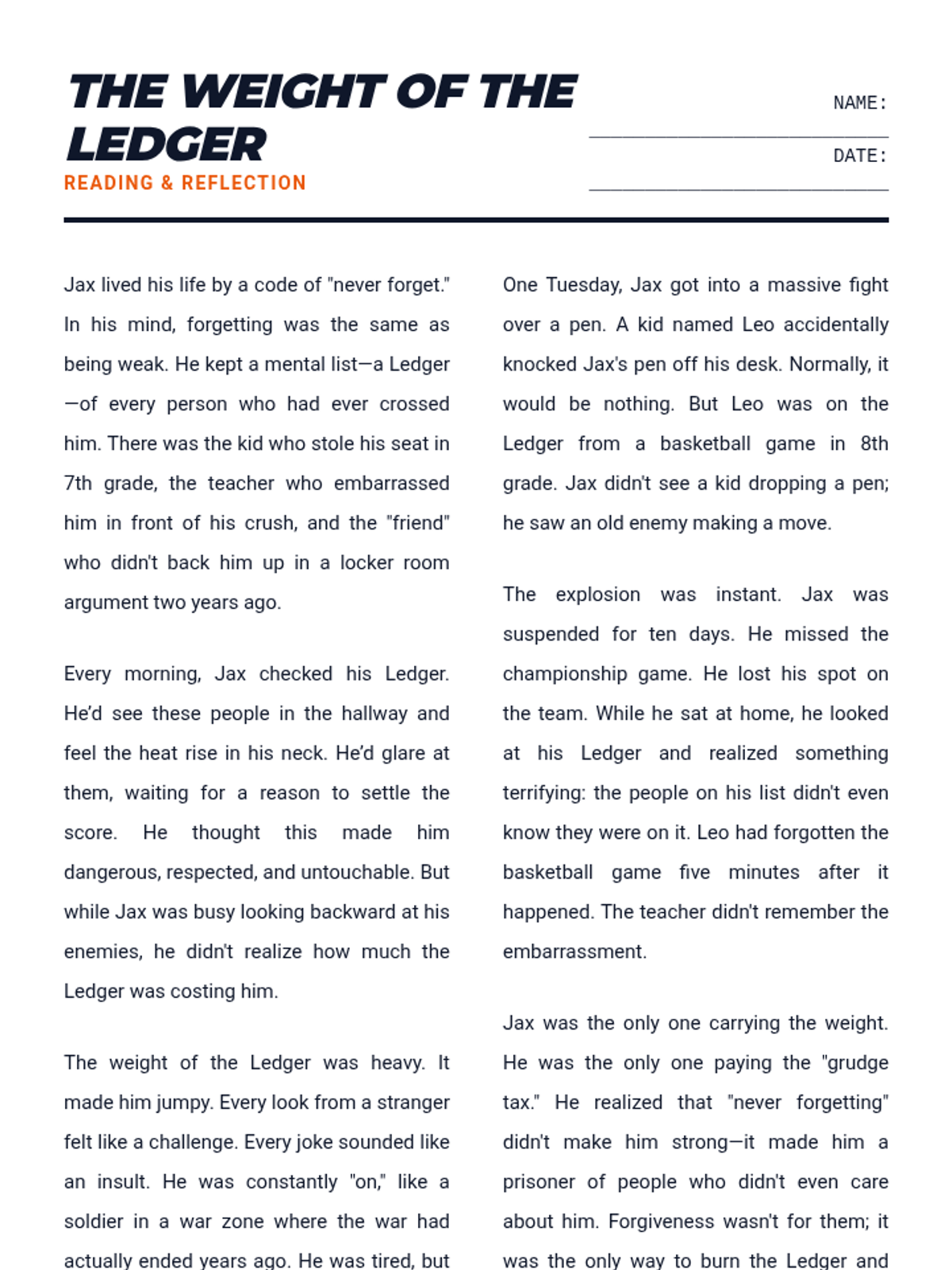
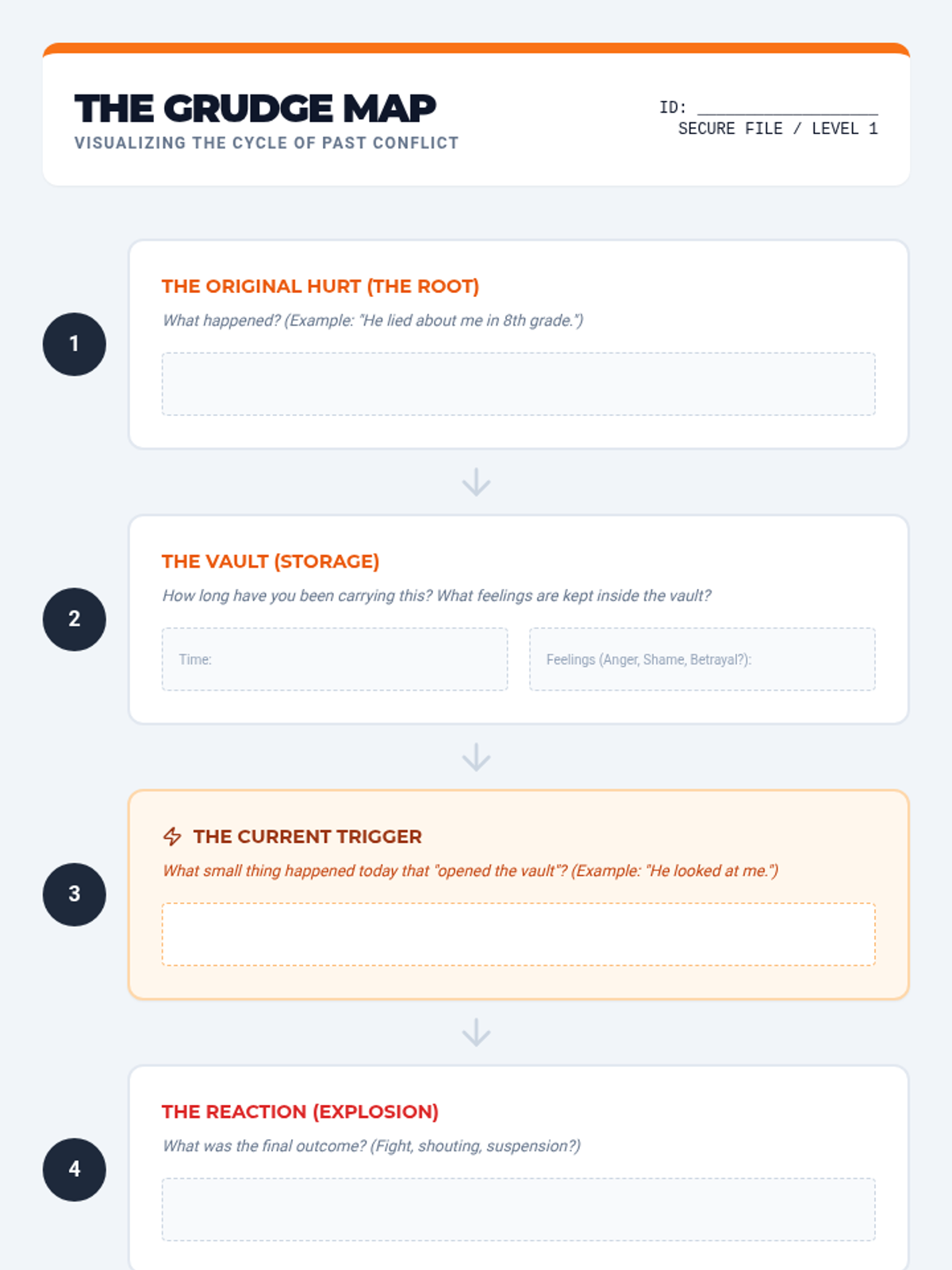
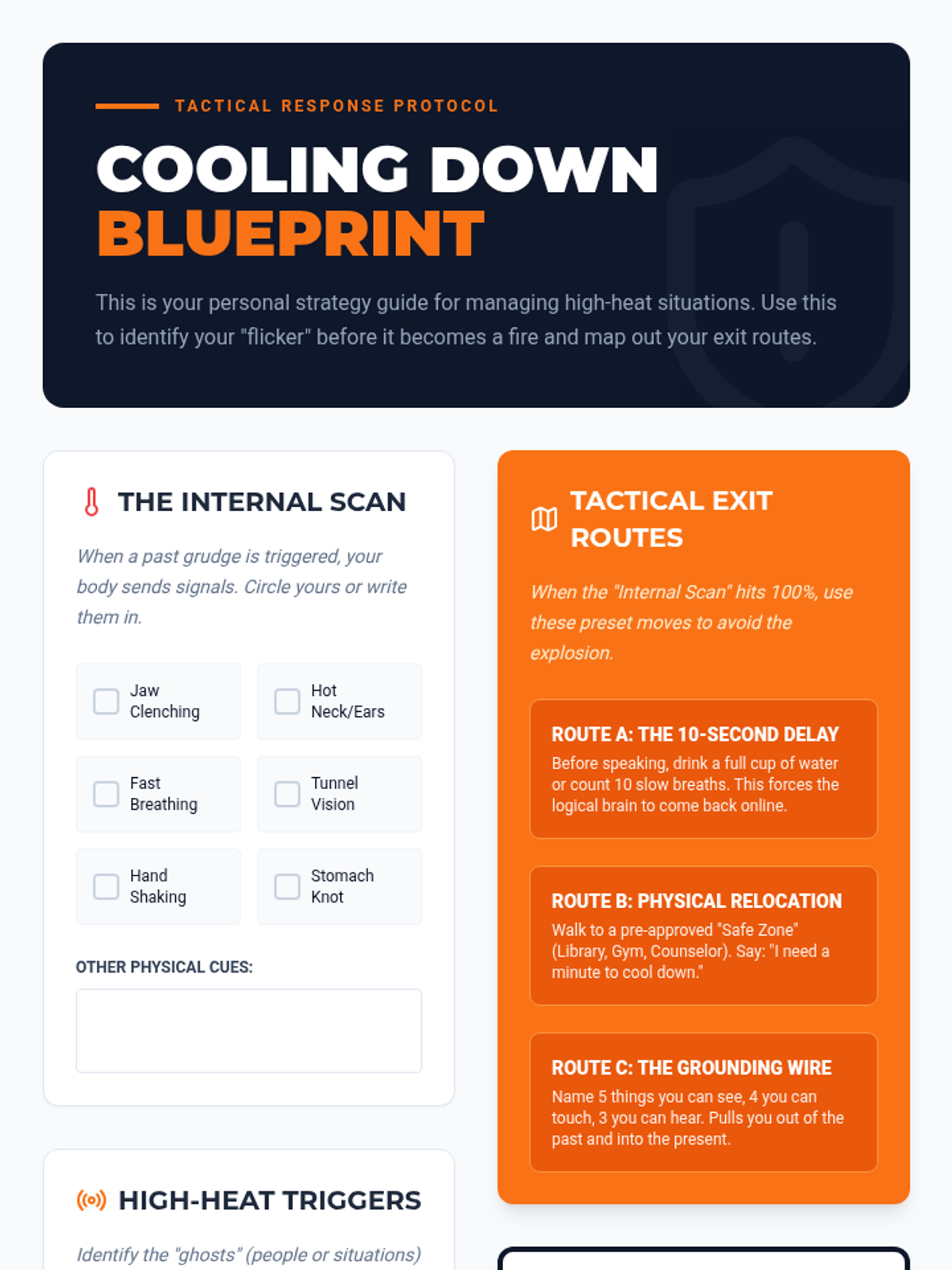
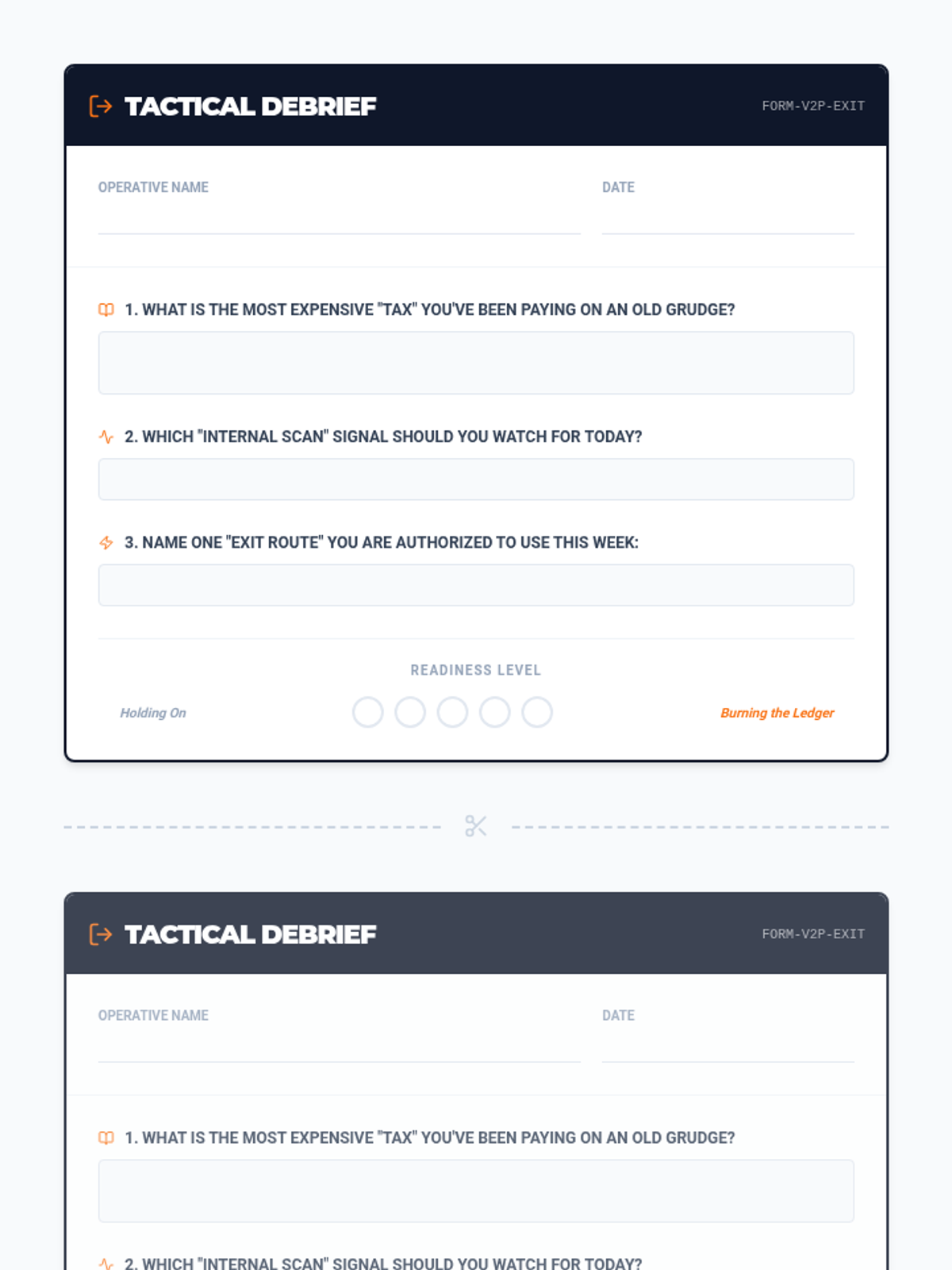
A therapeutic sequence designed for adolescents to process long-term grudges, understand the physical and social cost of holding onto past anger, and develop tactical strategies for conflict resolution and emotional regulation.
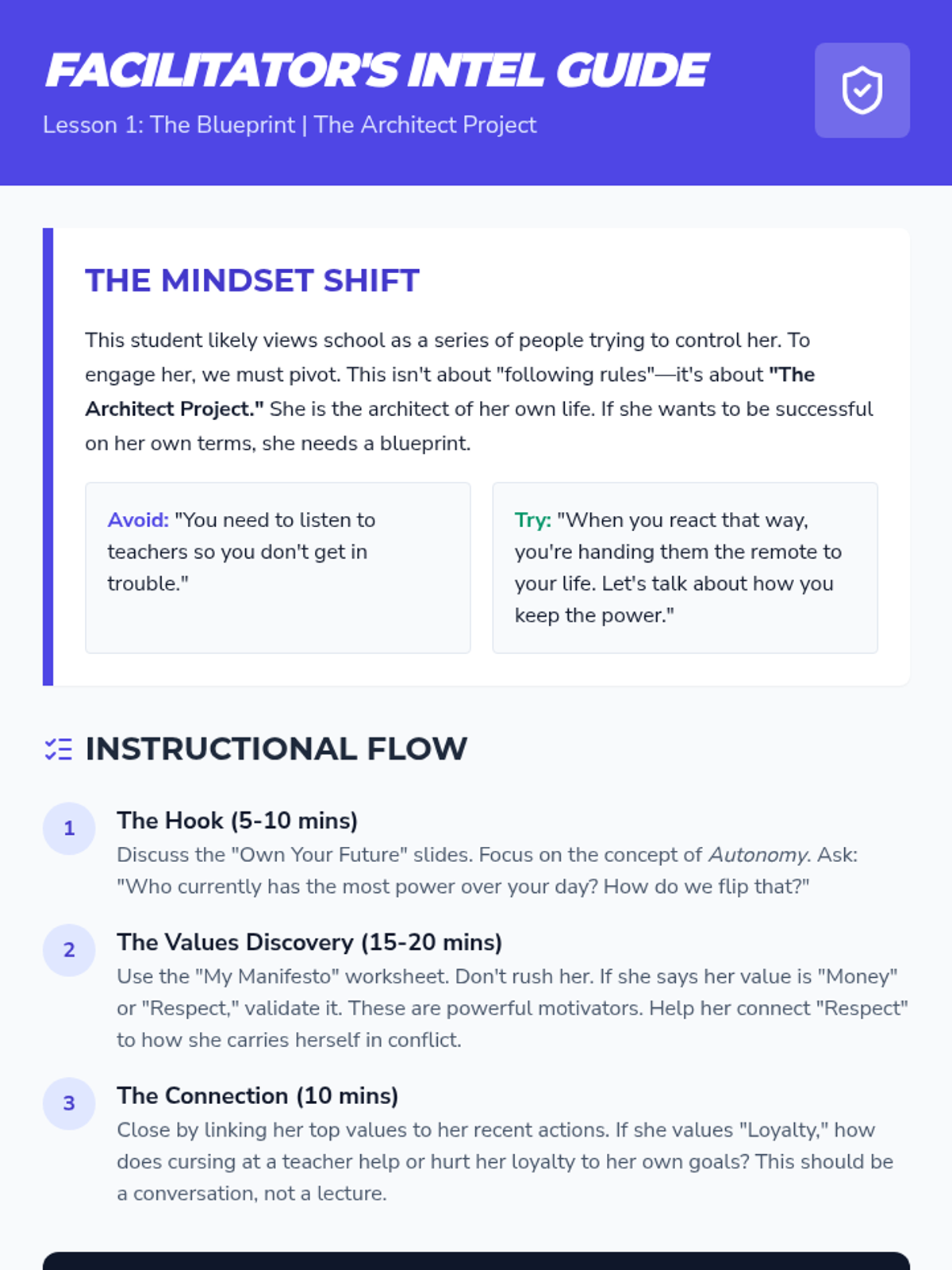
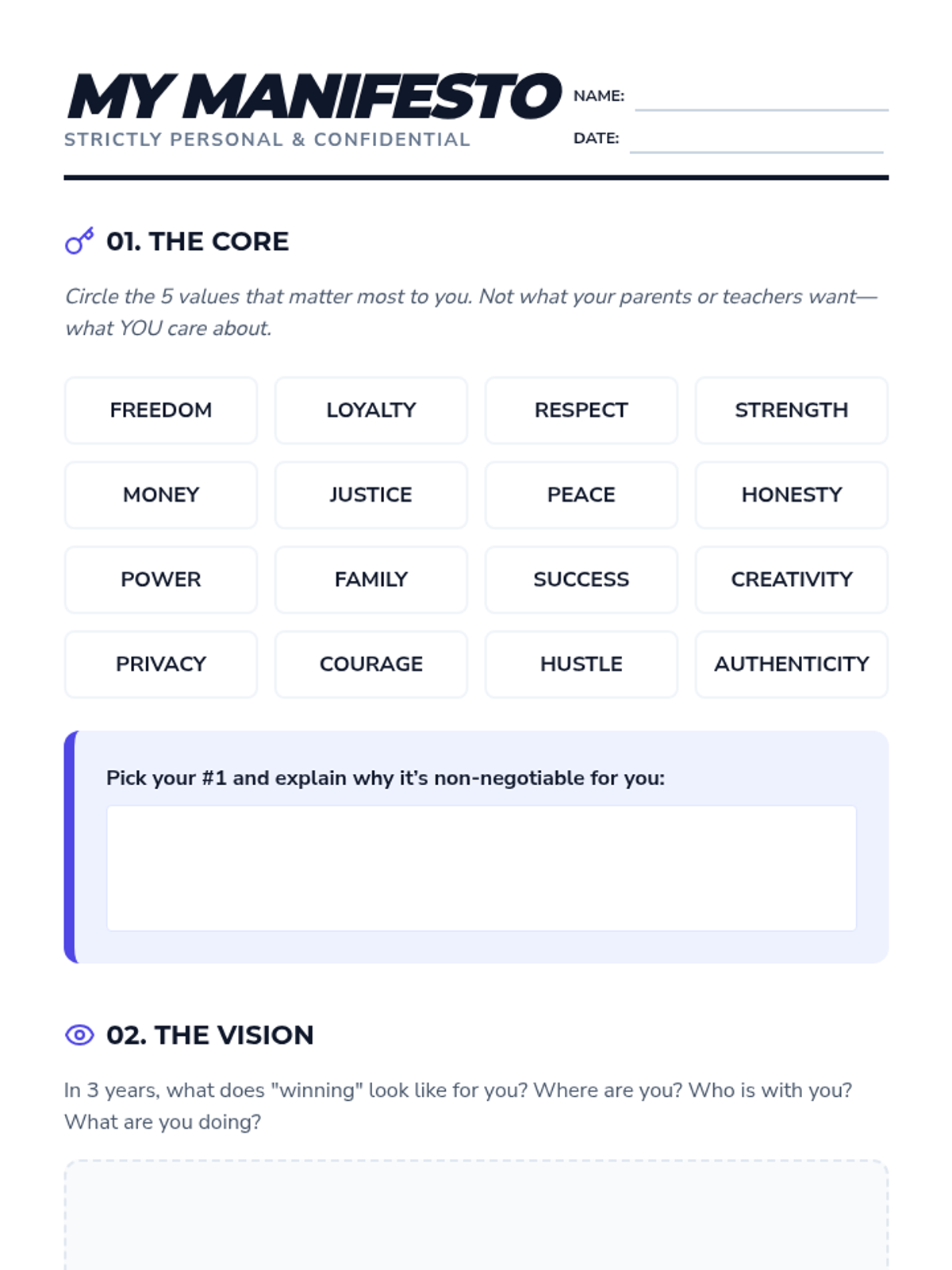
A two-part sequence designed for a high school student exhibiting defiant behavior. The unit focuses on shifting the narrative from 'obedience' to 'personal power' through values identification and strategic communication techniques.
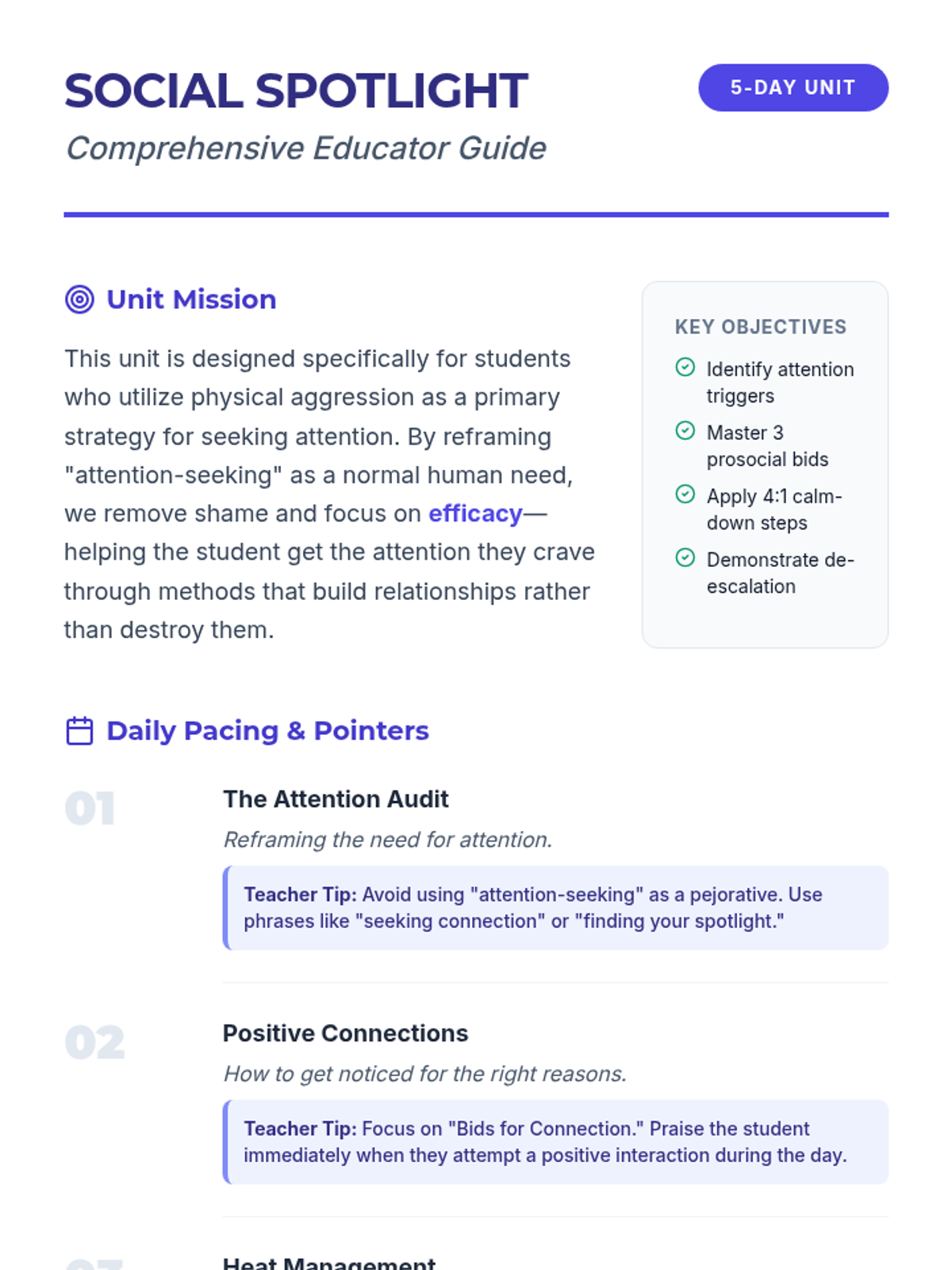
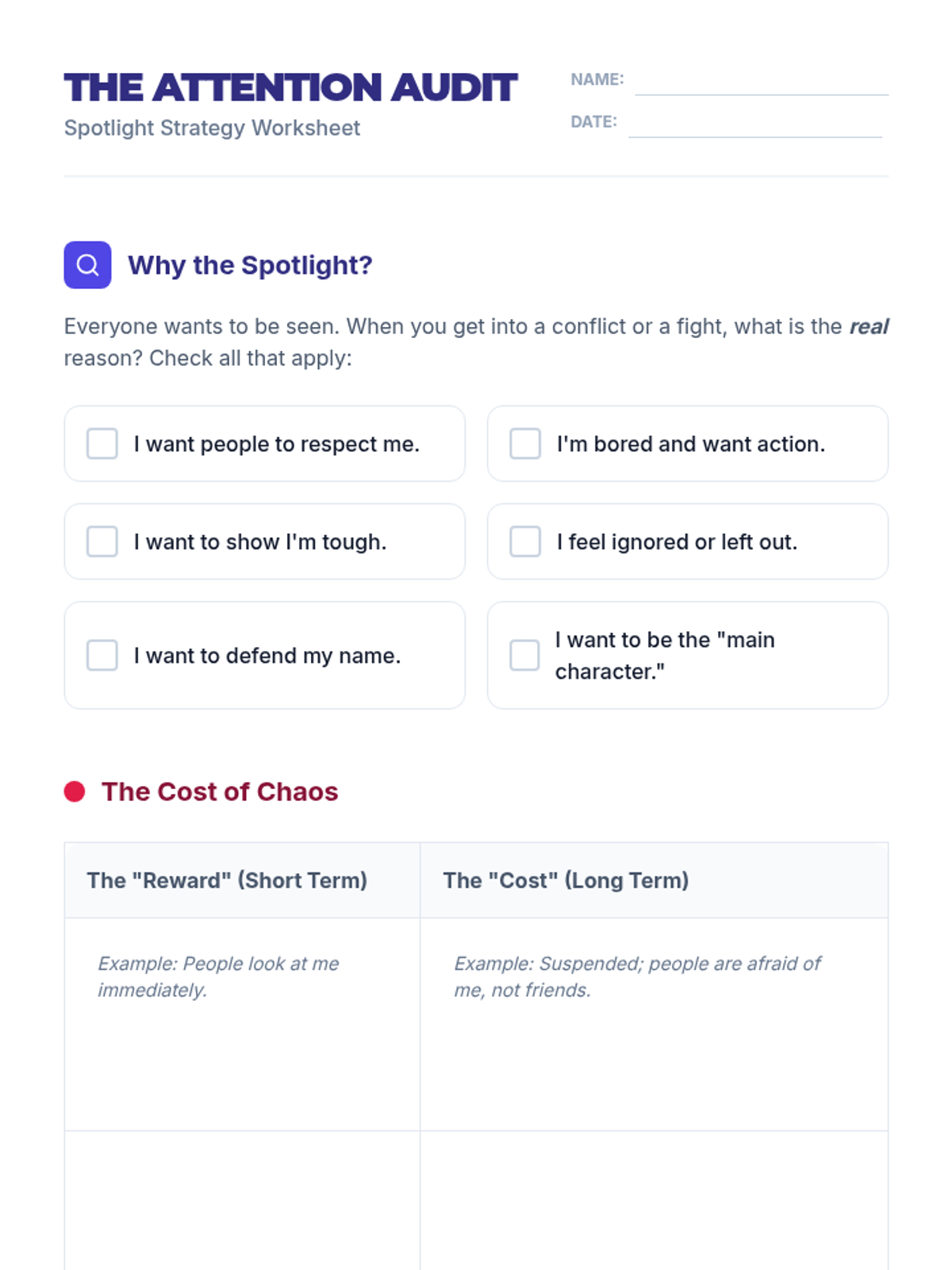
A comprehensive week-long social-emotional learning unit designed for students who struggle with physical aggression as a means of seeking attention. The curriculum focuses on identifying underlying needs, mastering positive attention-seeking behaviors, and developing self-regulation and conflict resolution skills.
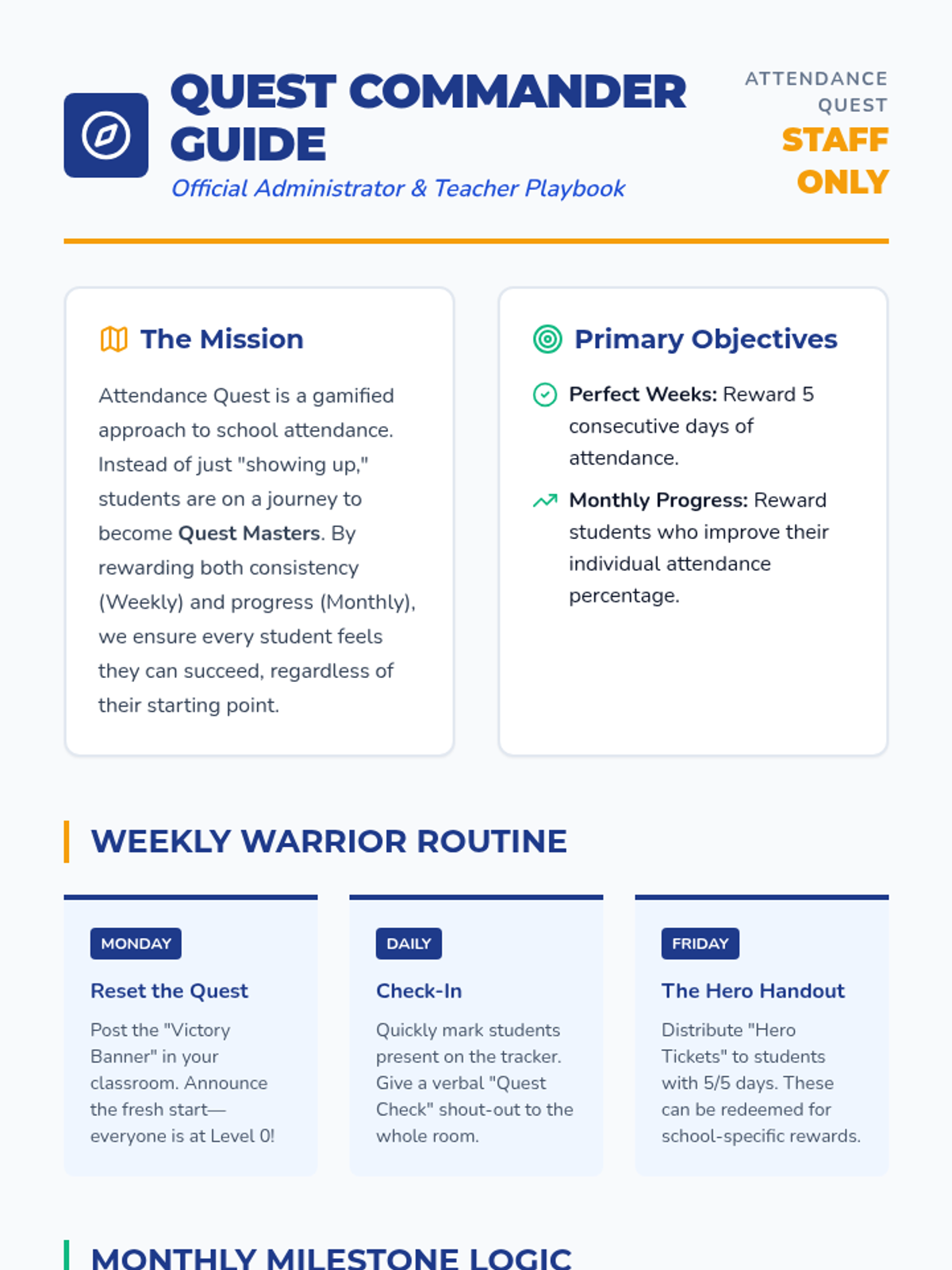
A school-wide attendance incentive program designed to reward perfect weekly attendance and improved monthly attendance through a gamified "Quest" theme.
This sequence explores the strategic use of positive reinforcement in leadership and peer counseling. Students progress from basic praise techniques to designing complex incentive systems and navigating the ethics of behavioral influence.
A 5-lesson sequence for 9th-grade leadership students on using positive reinforcement to improve team morale and performance through specific praise, feedback ratios, and behavioral management.
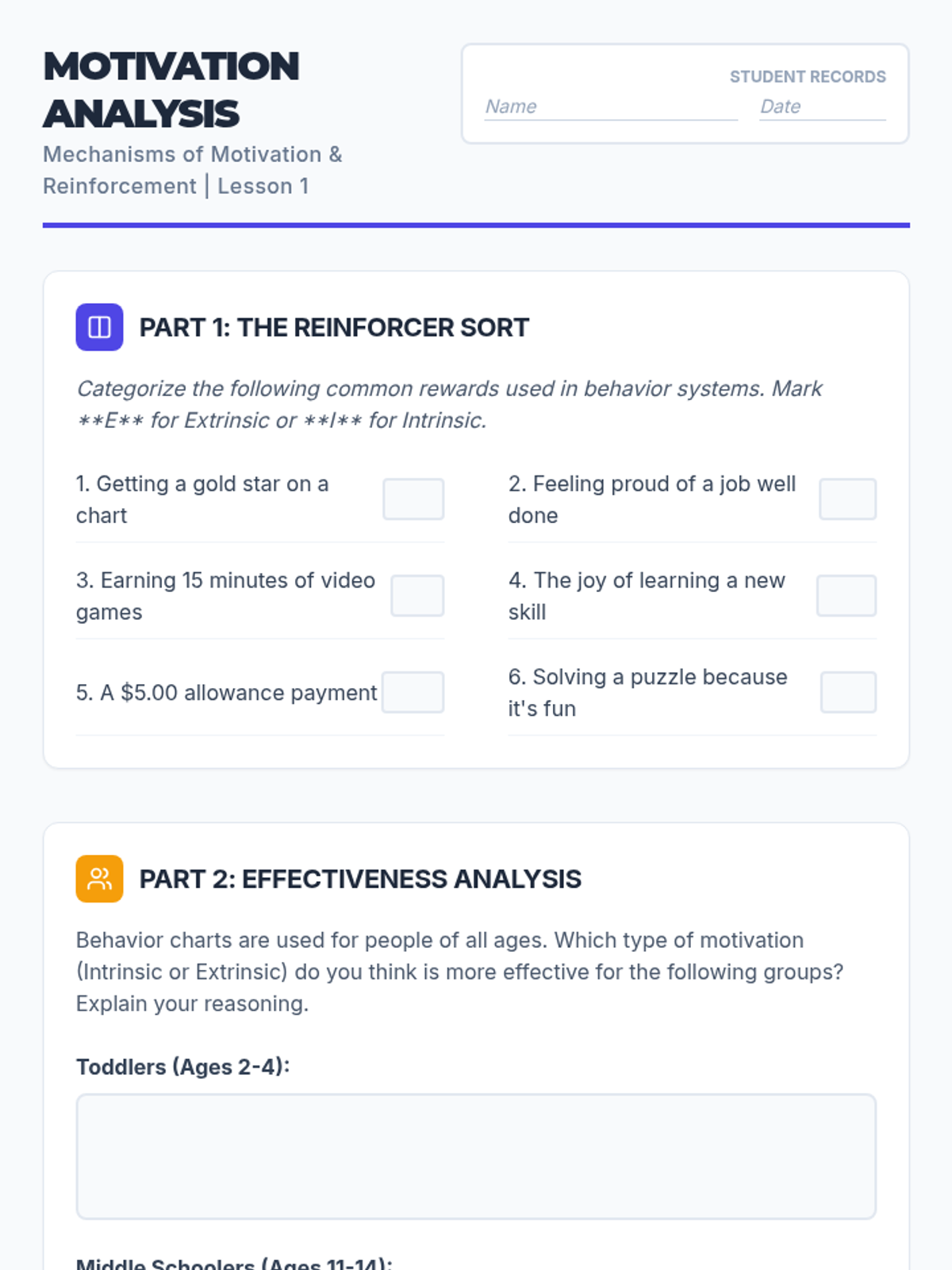
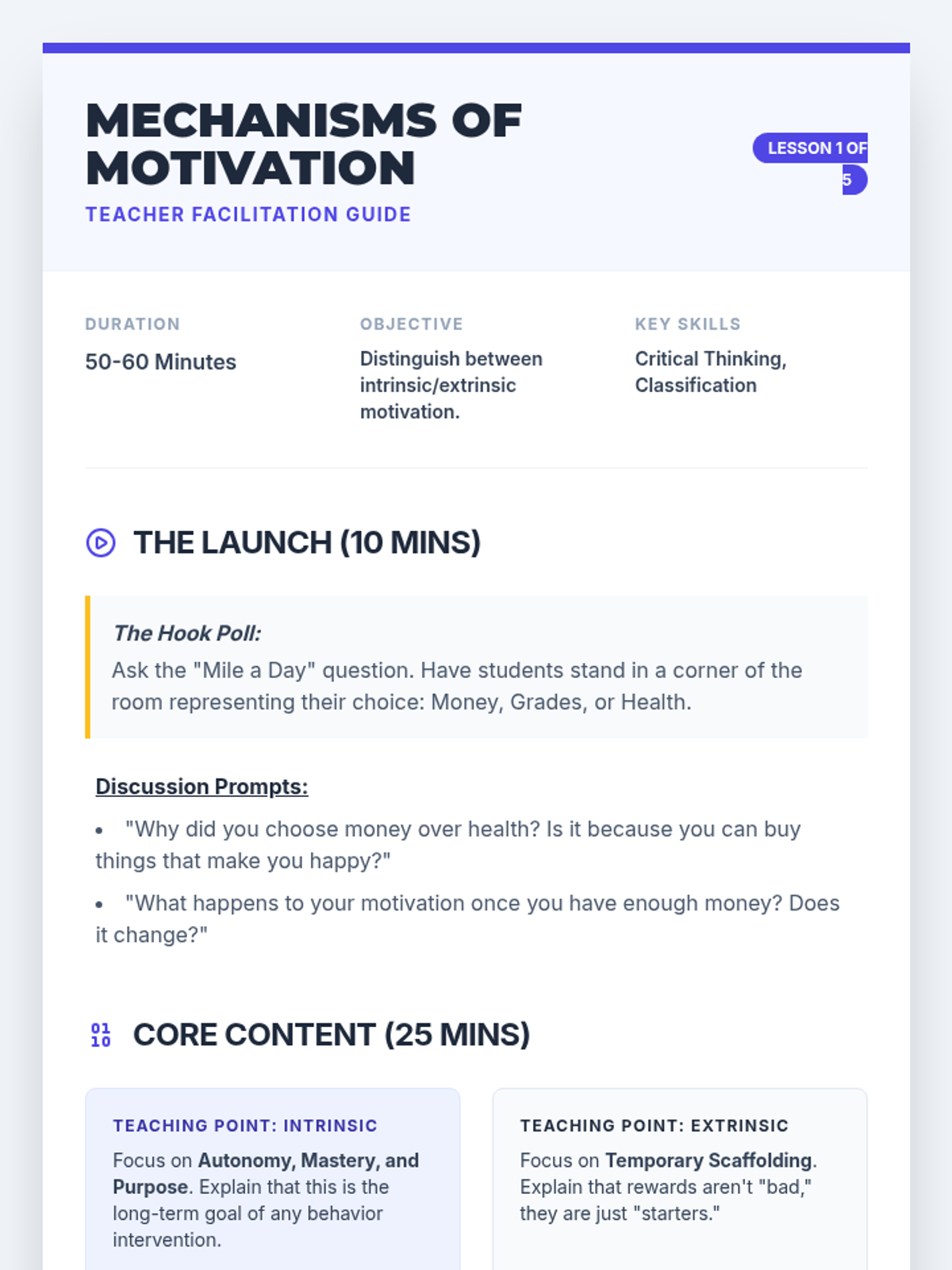
This sequence explores the psychology of reinforcement strategies and how they are integrated into behavior tracking systems. Students delve into concepts like positive vs. negative reinforcement, intrinsic vs. extrinsic motivation, and reward schedules to understand how to establish and maintain new behaviors.
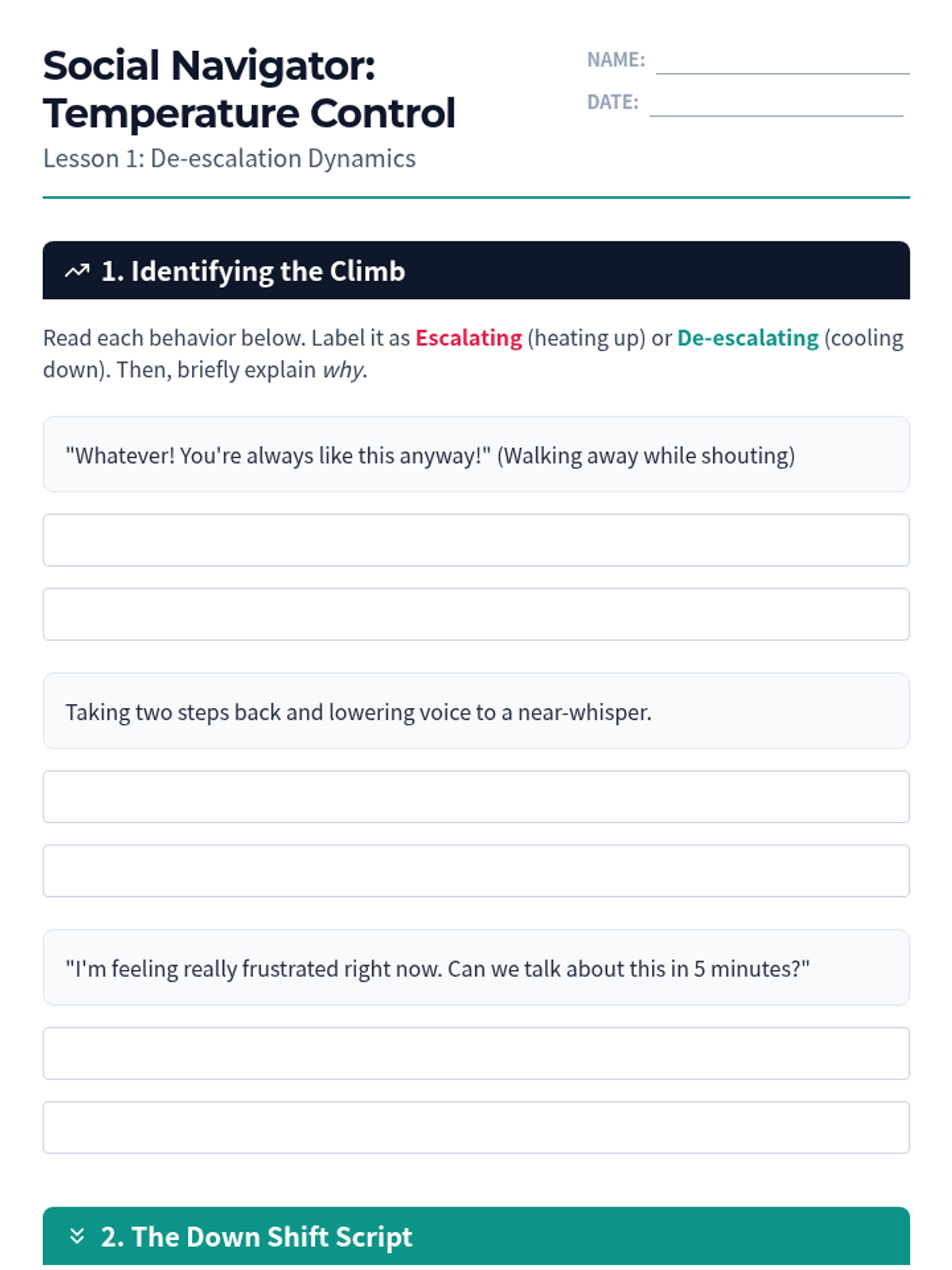
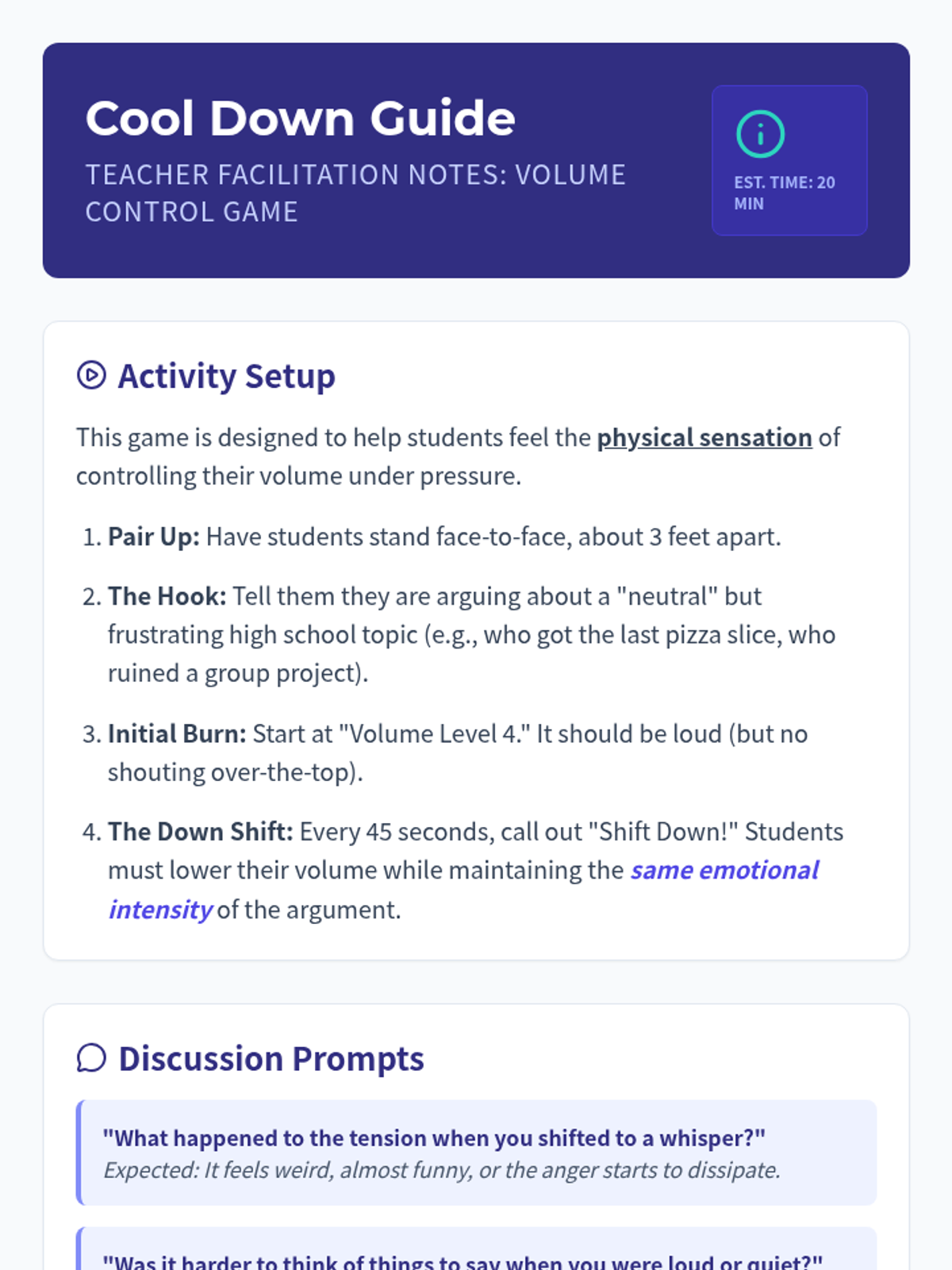
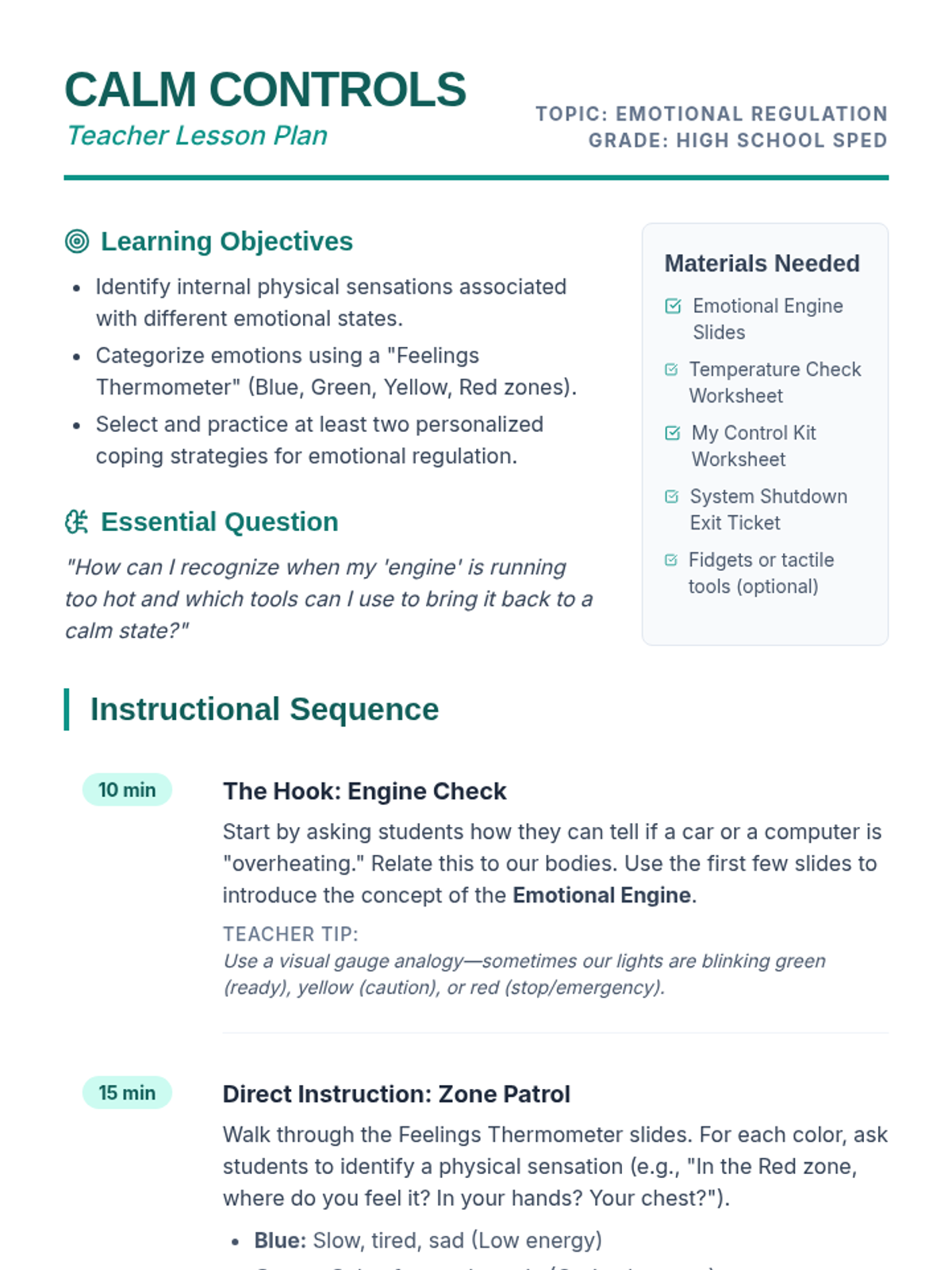
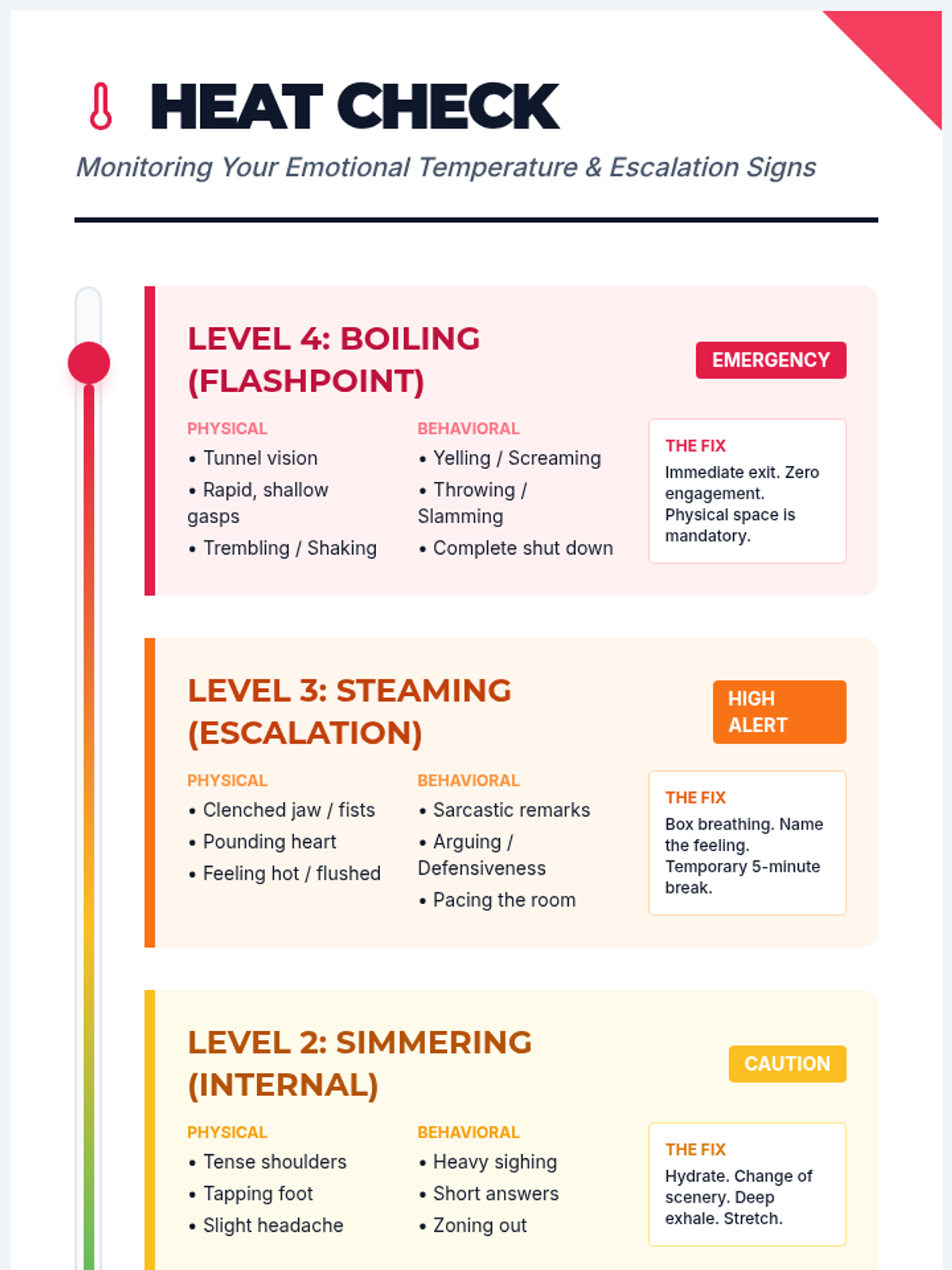
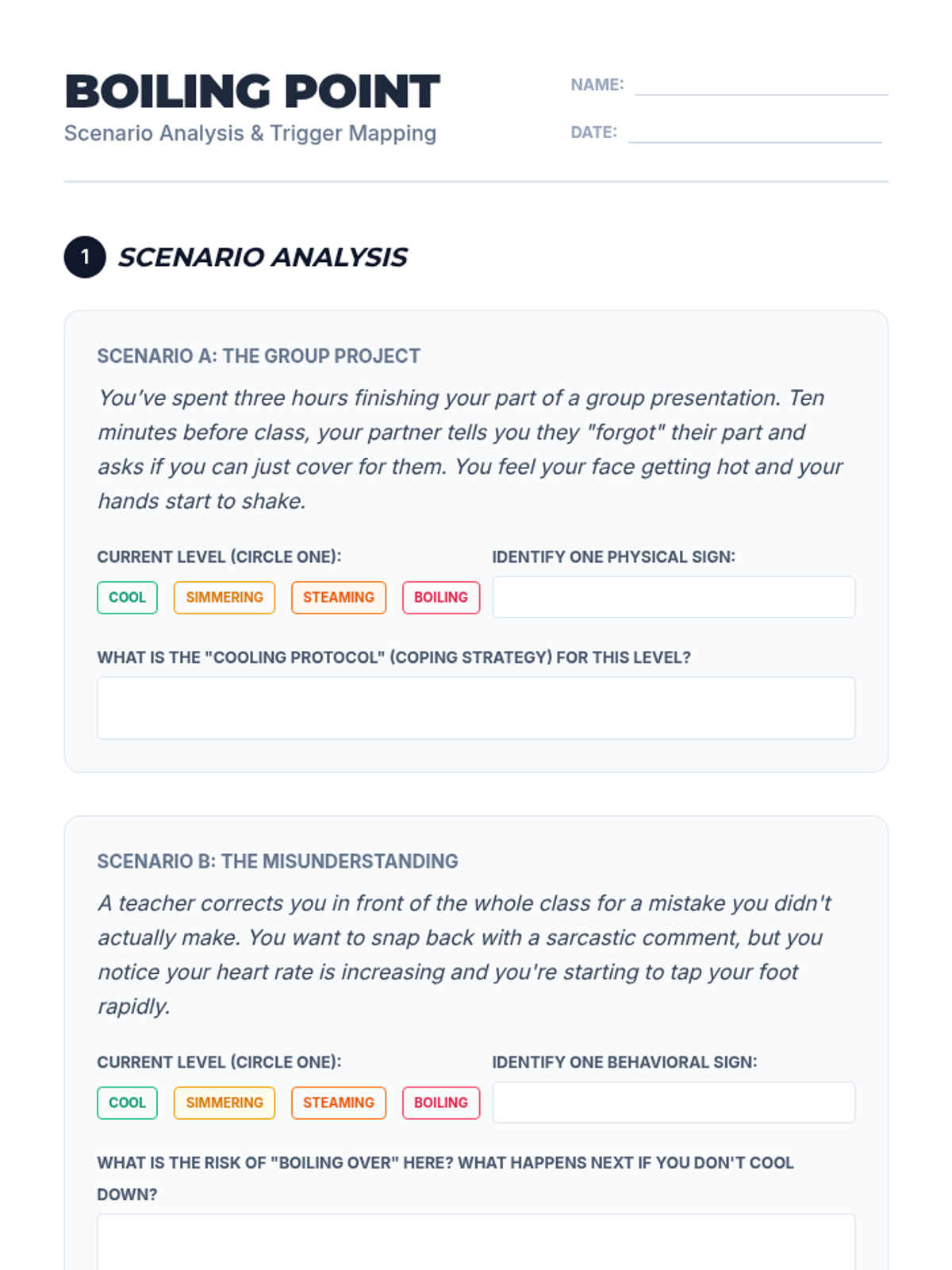
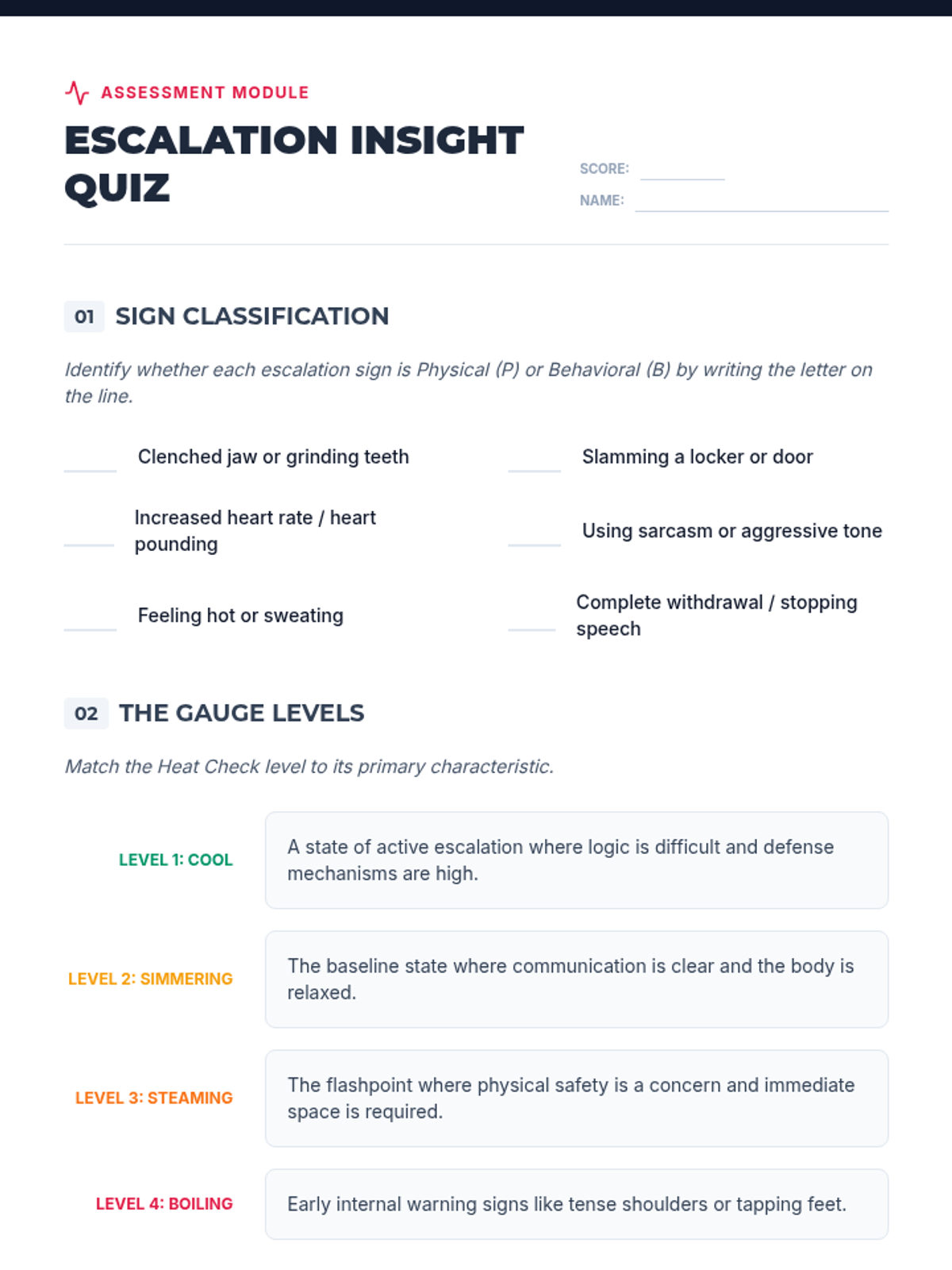
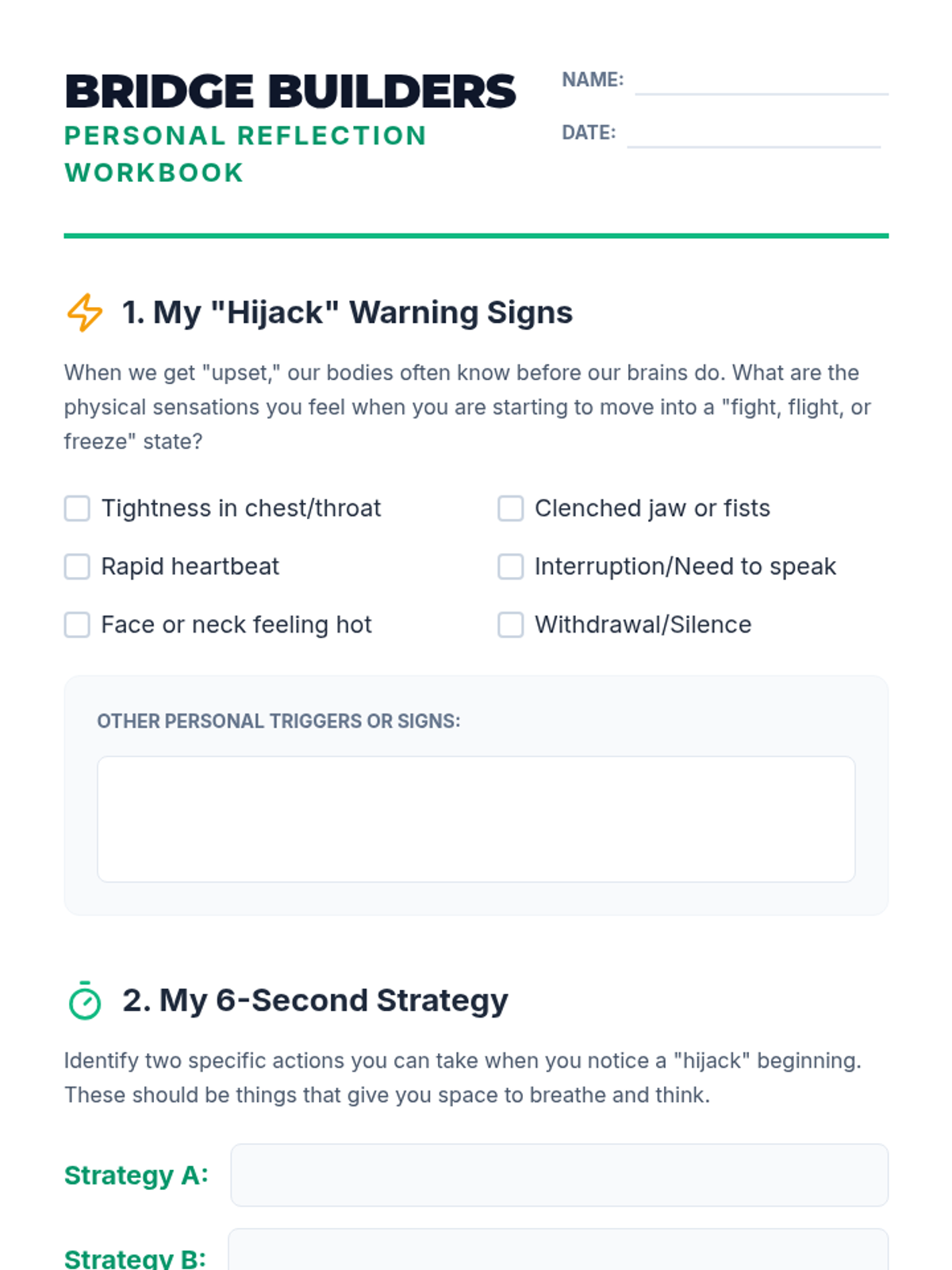
A comprehensive sequence on emotional self-regulation, moving from identifying personal triggers and signs of escalation to mastering de-escalation protocols and relationship repair strategies.
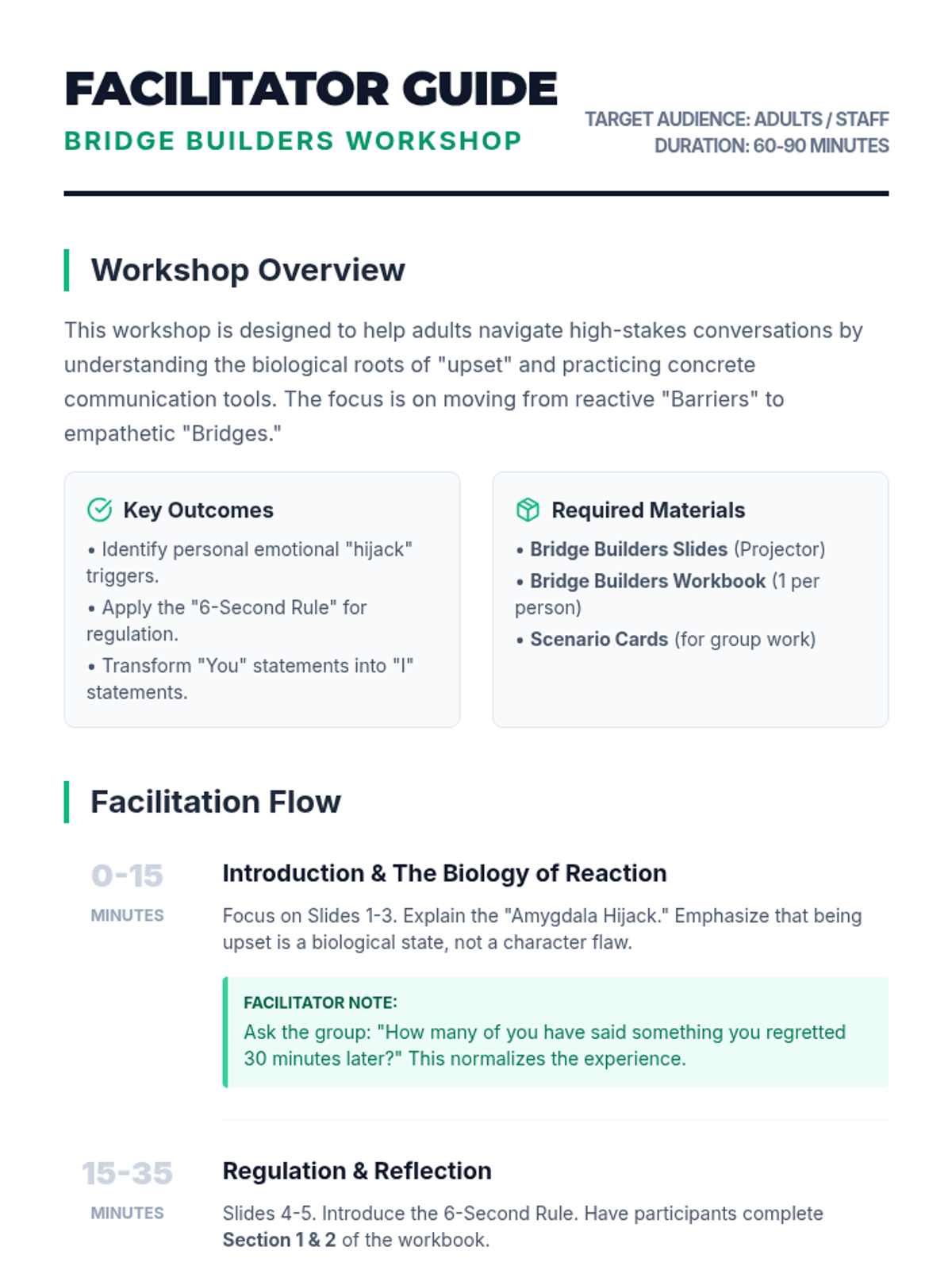
A series of workshops designed to foster empathy, emotional regulation, and effective communication skills across different age groups.
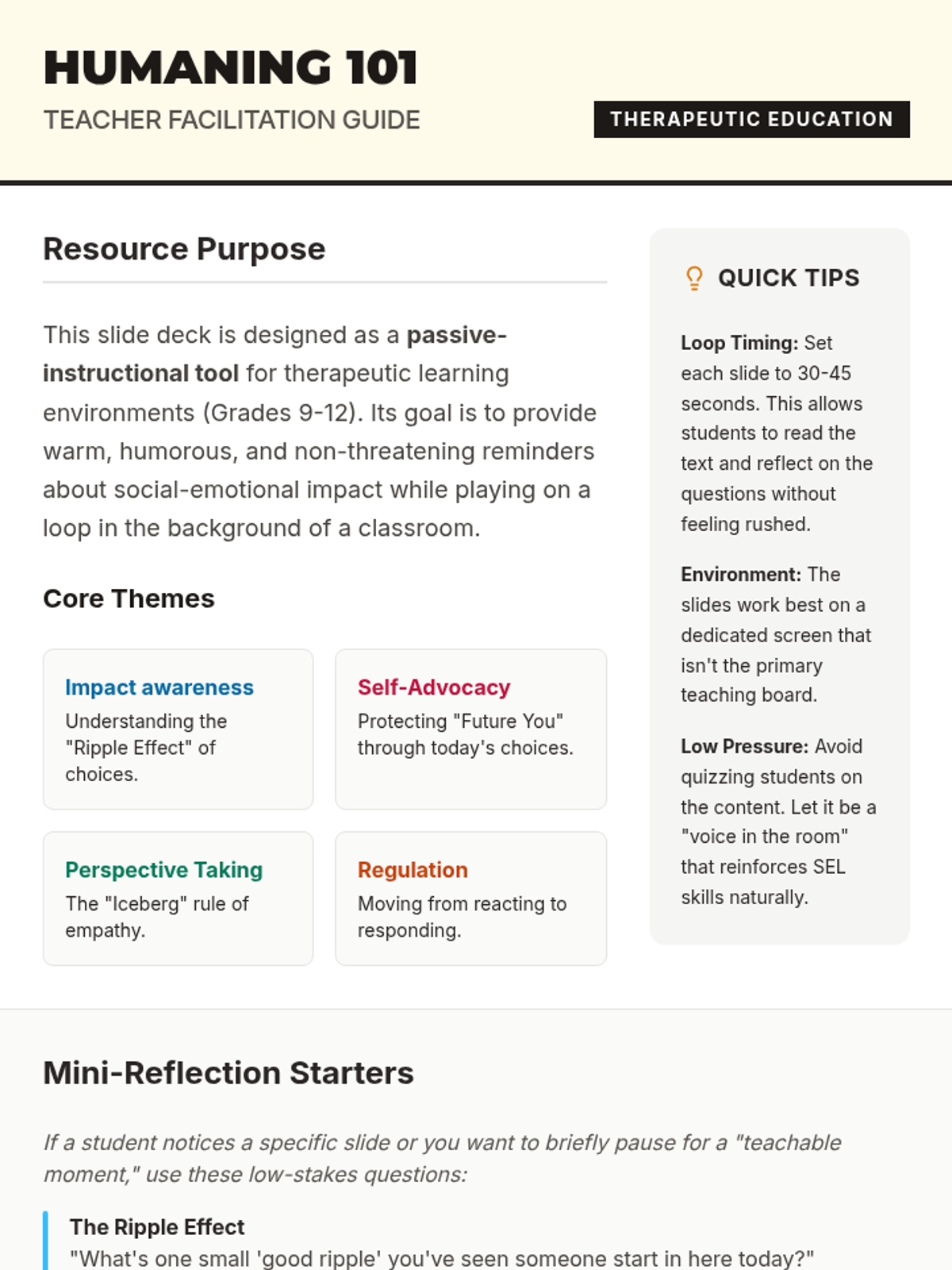
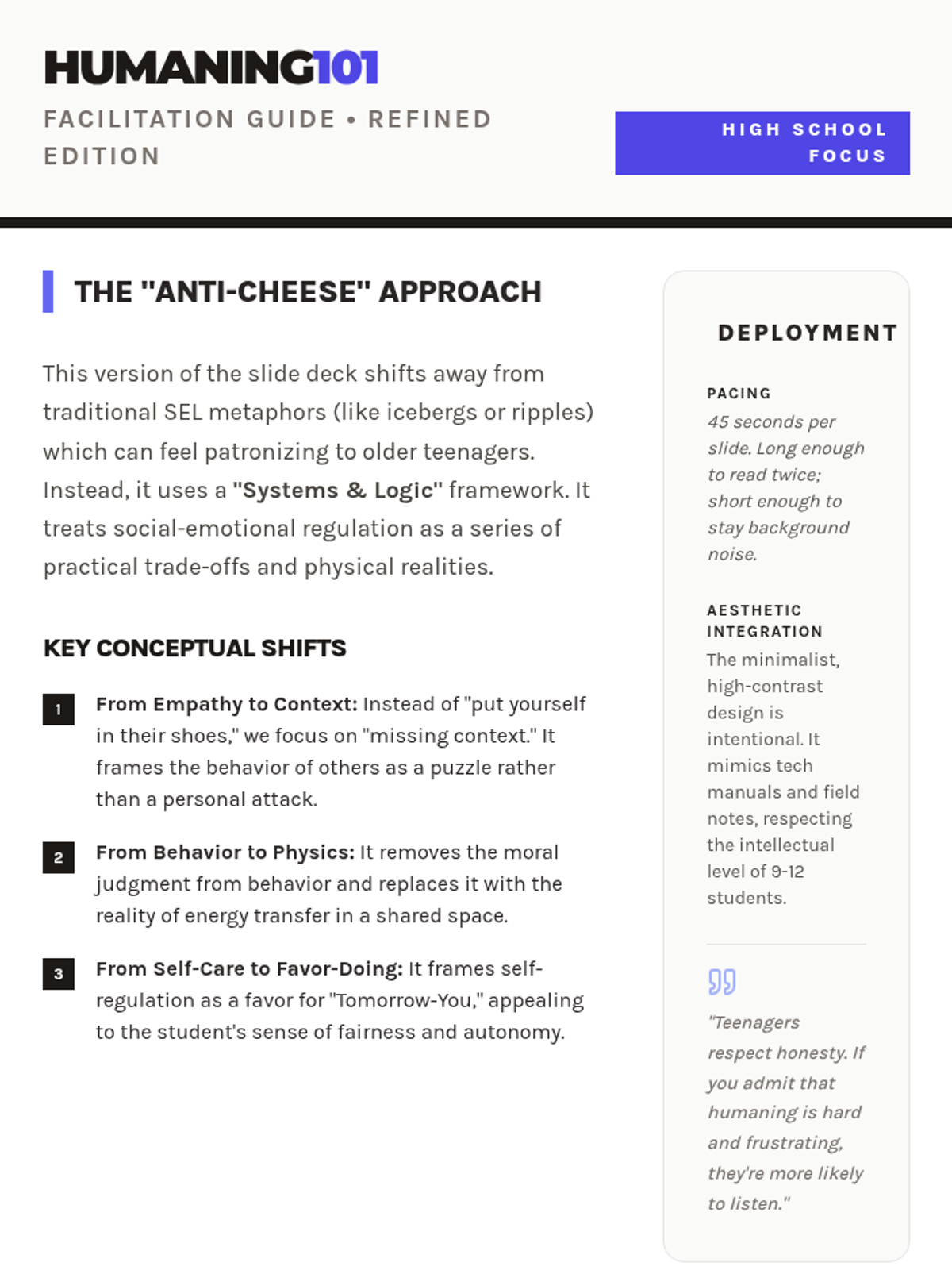
A multi-part series for high school students in therapeutic settings that explores social-emotional regulation through the lens of systems, physics, and programming metaphors, designed for looping classroom displays.
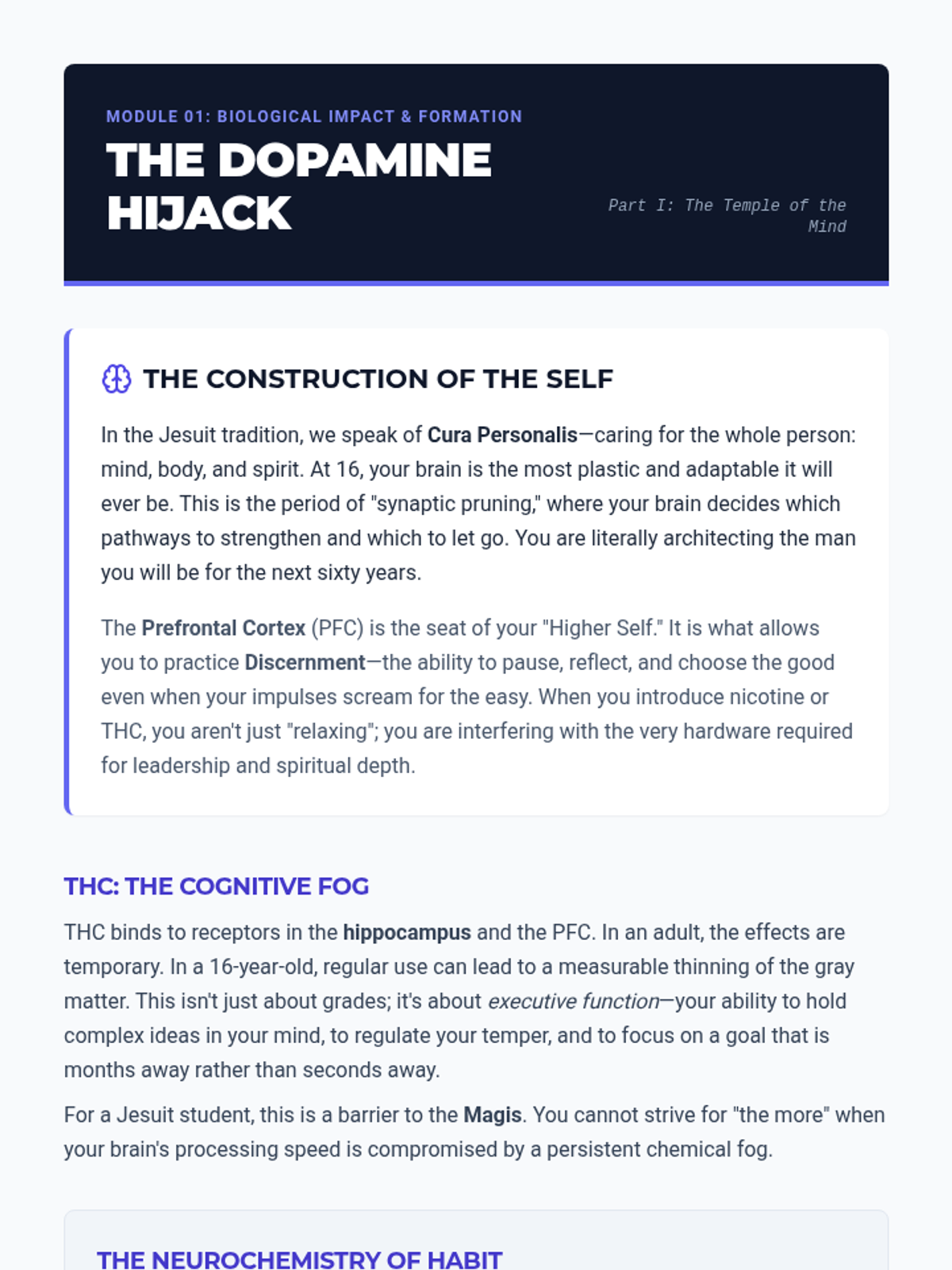
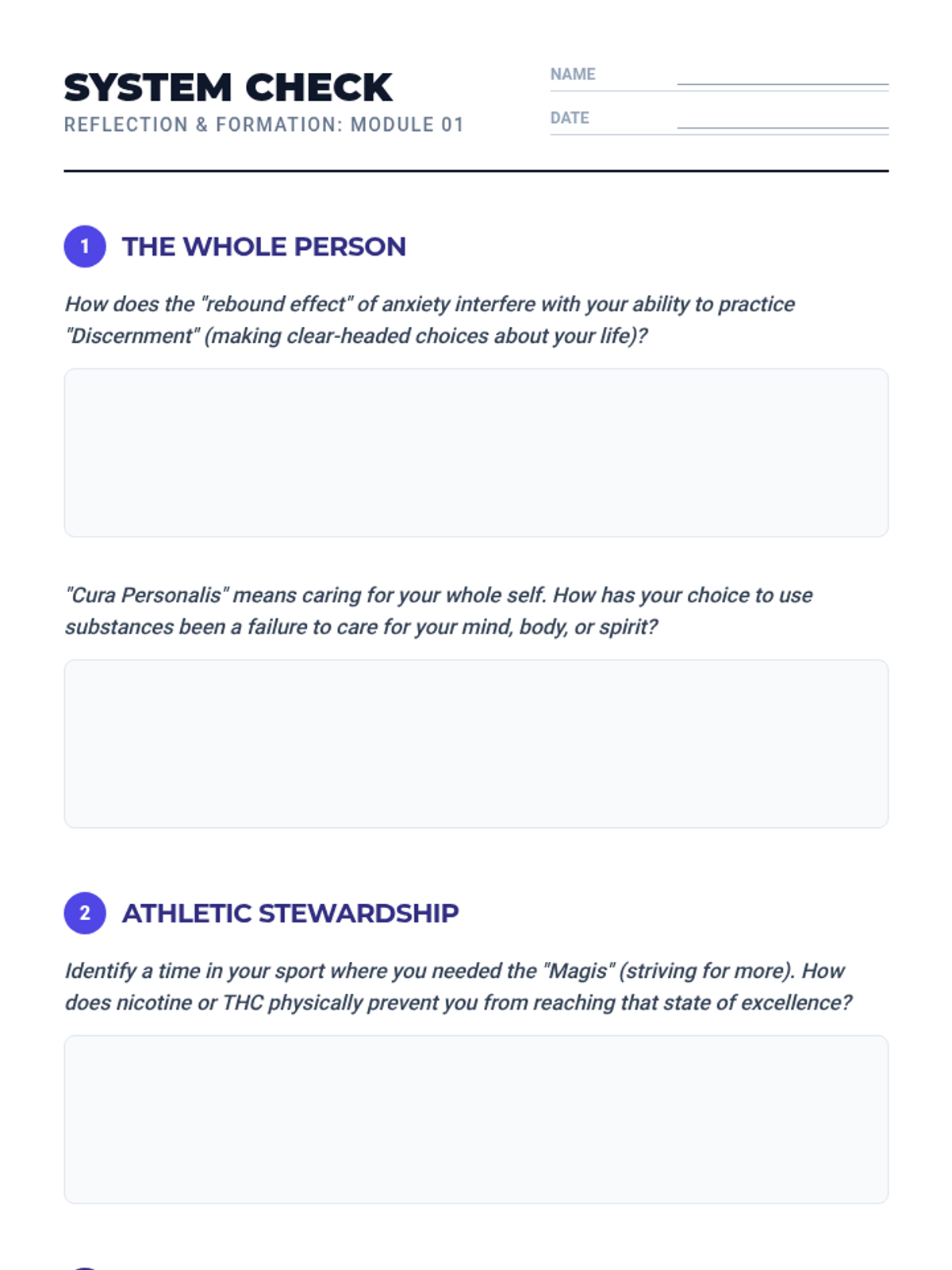
A restorative learning program designed for high school students to reflect on the impact of substance use and prepare for a positive return to their school community. The program balances scientific facts with deep personal reflection.
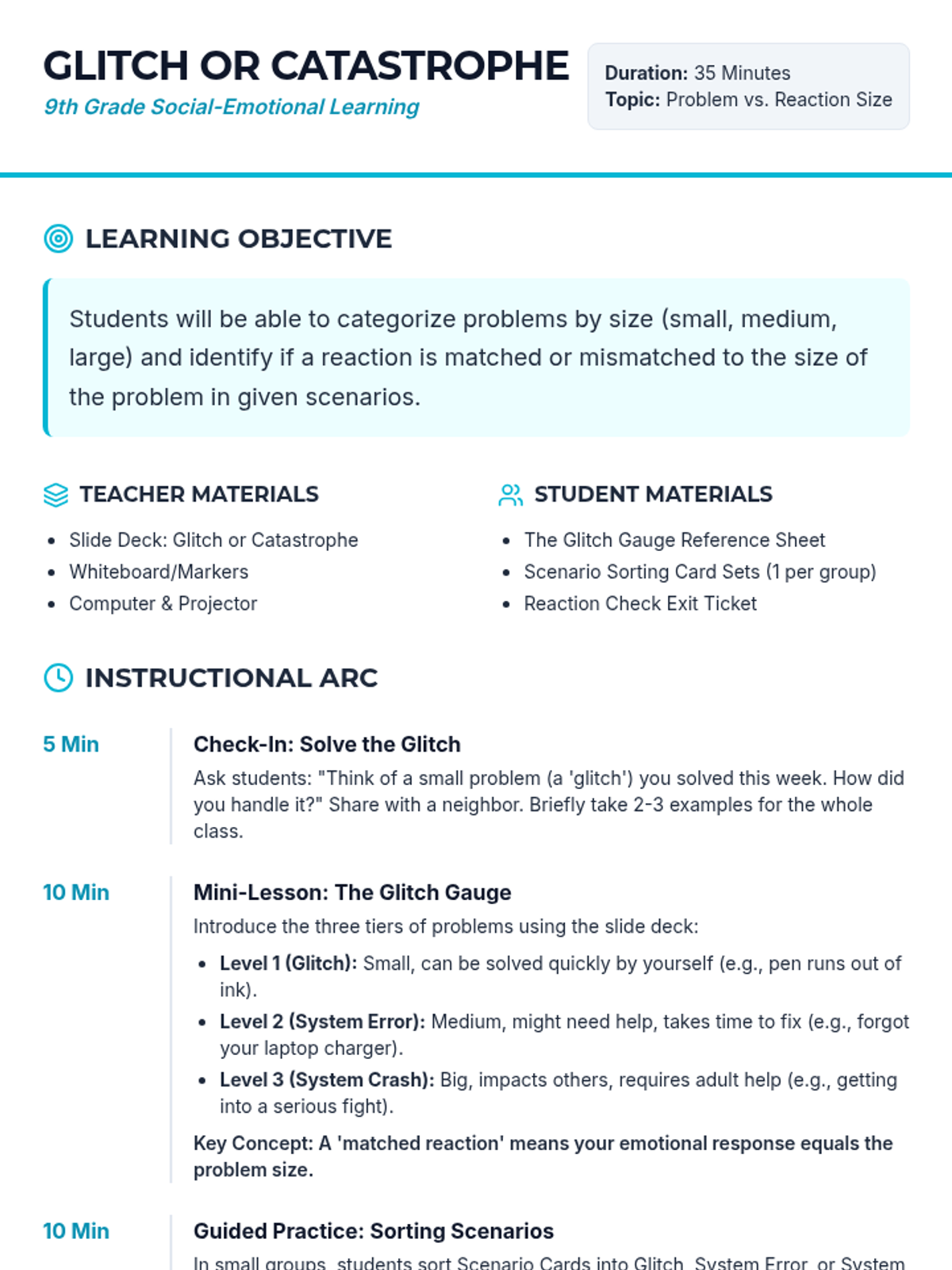
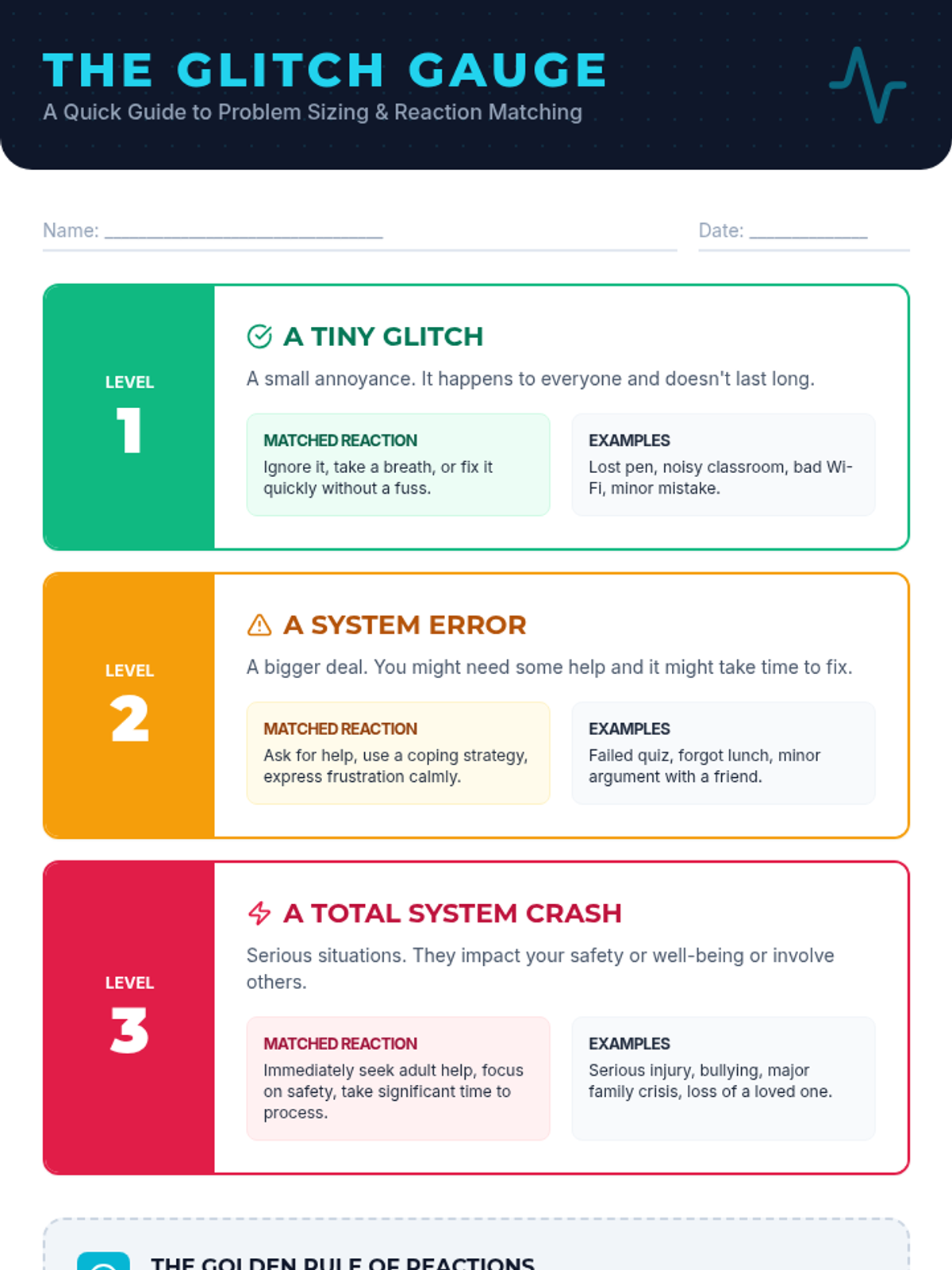
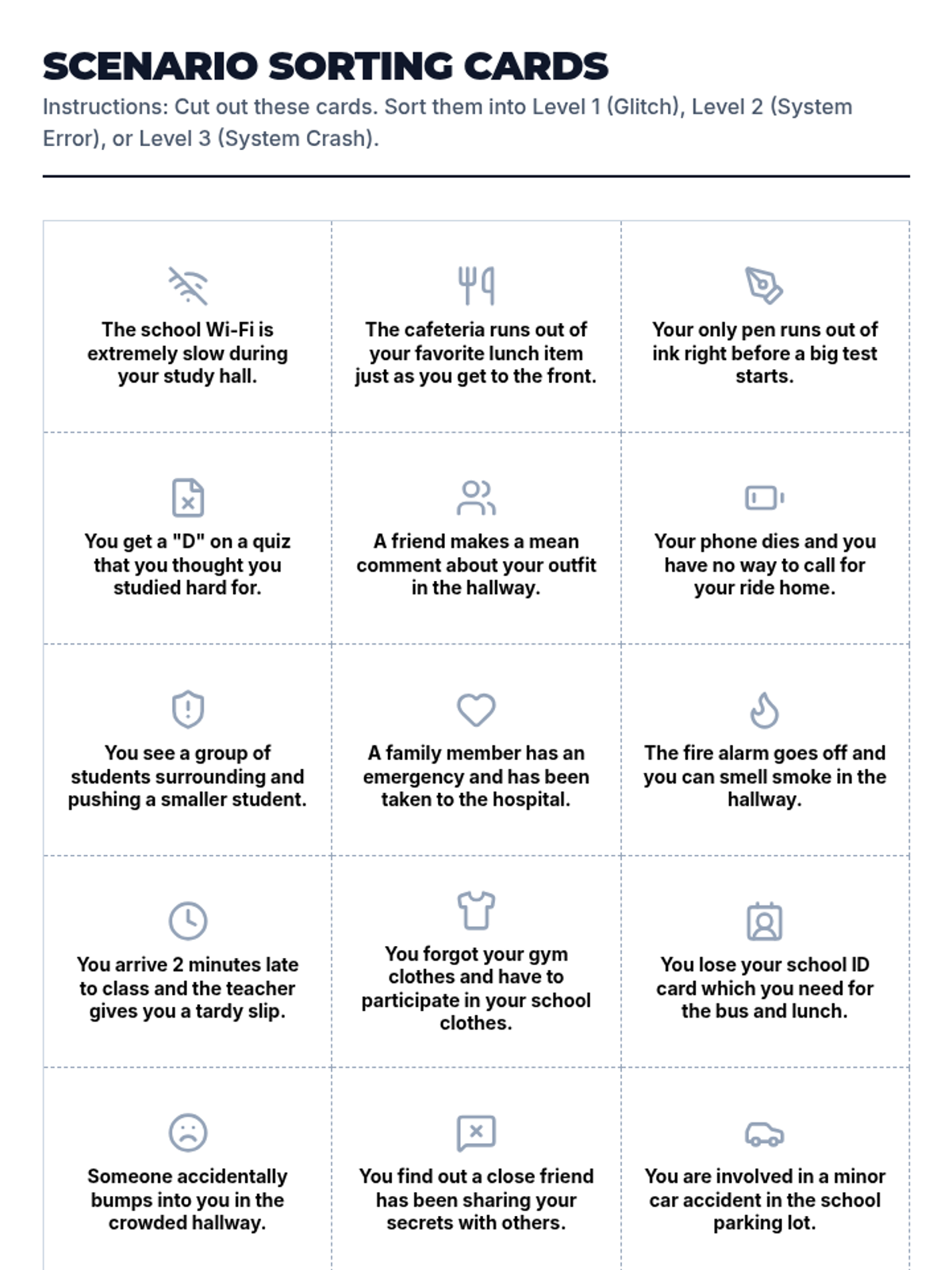
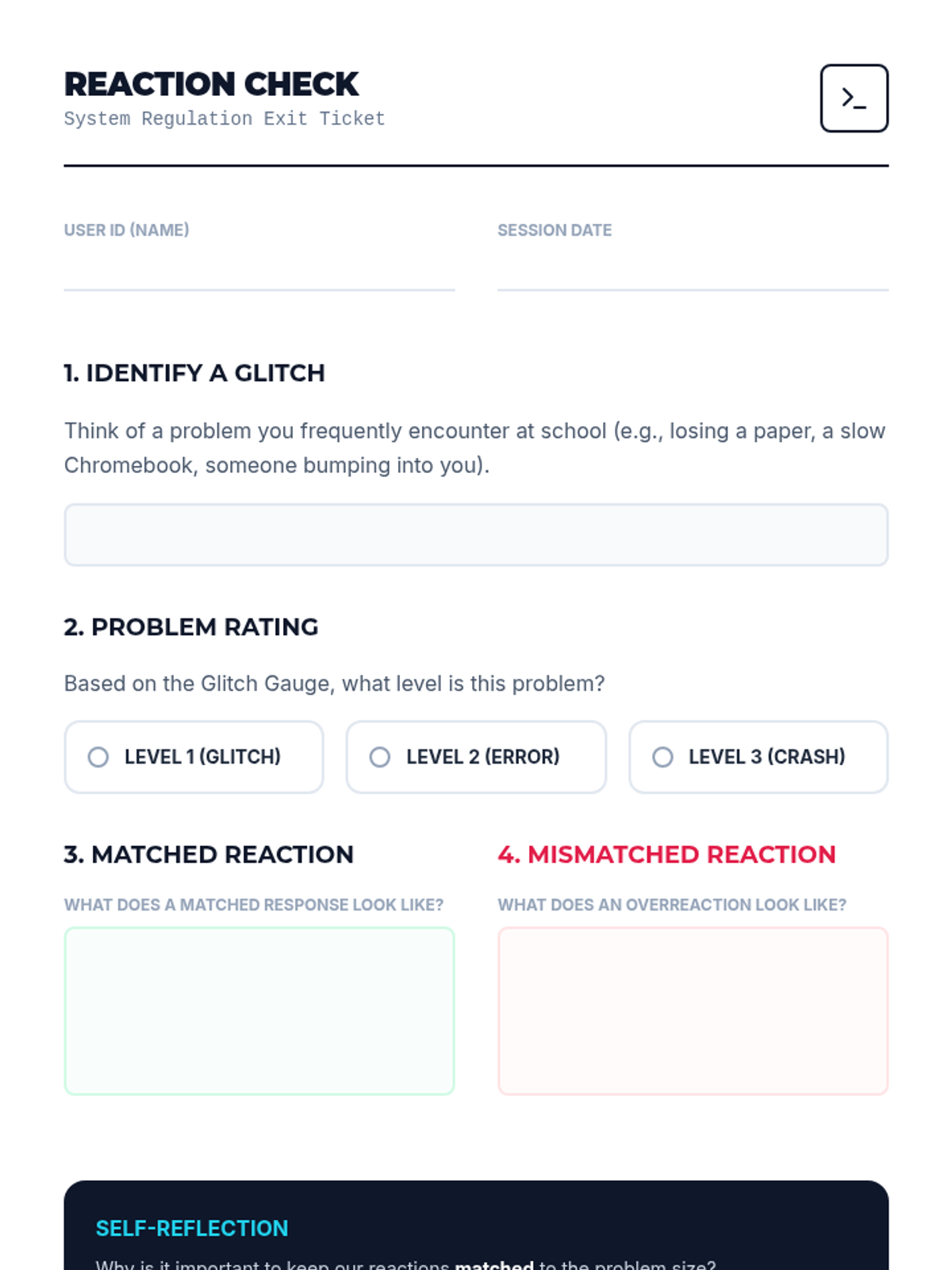
A social-emotional learning unit focused on emotional regulation and perspective-taking for high schoolers, using digital metaphors to understand problem sizes and reaction matching.
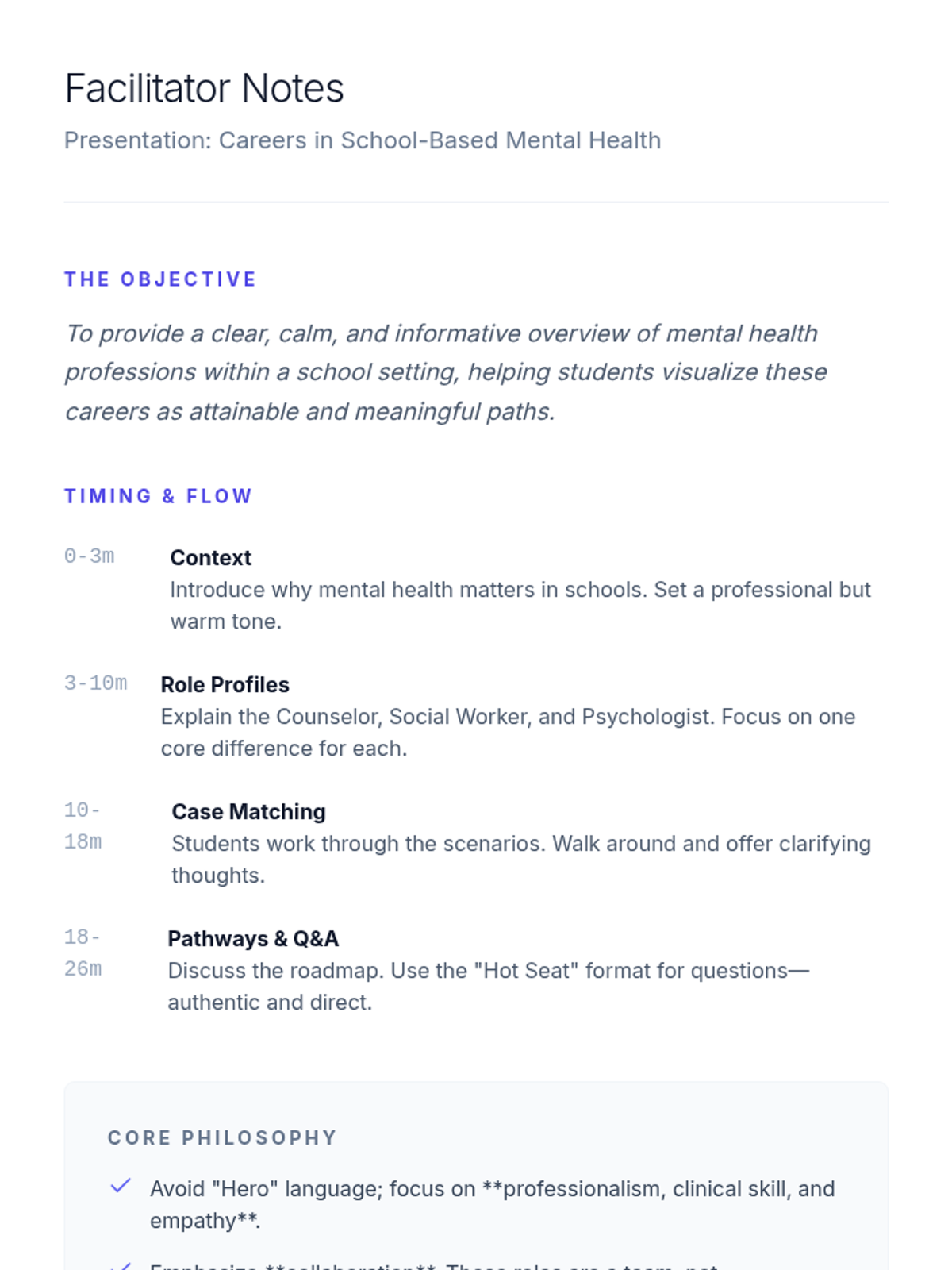
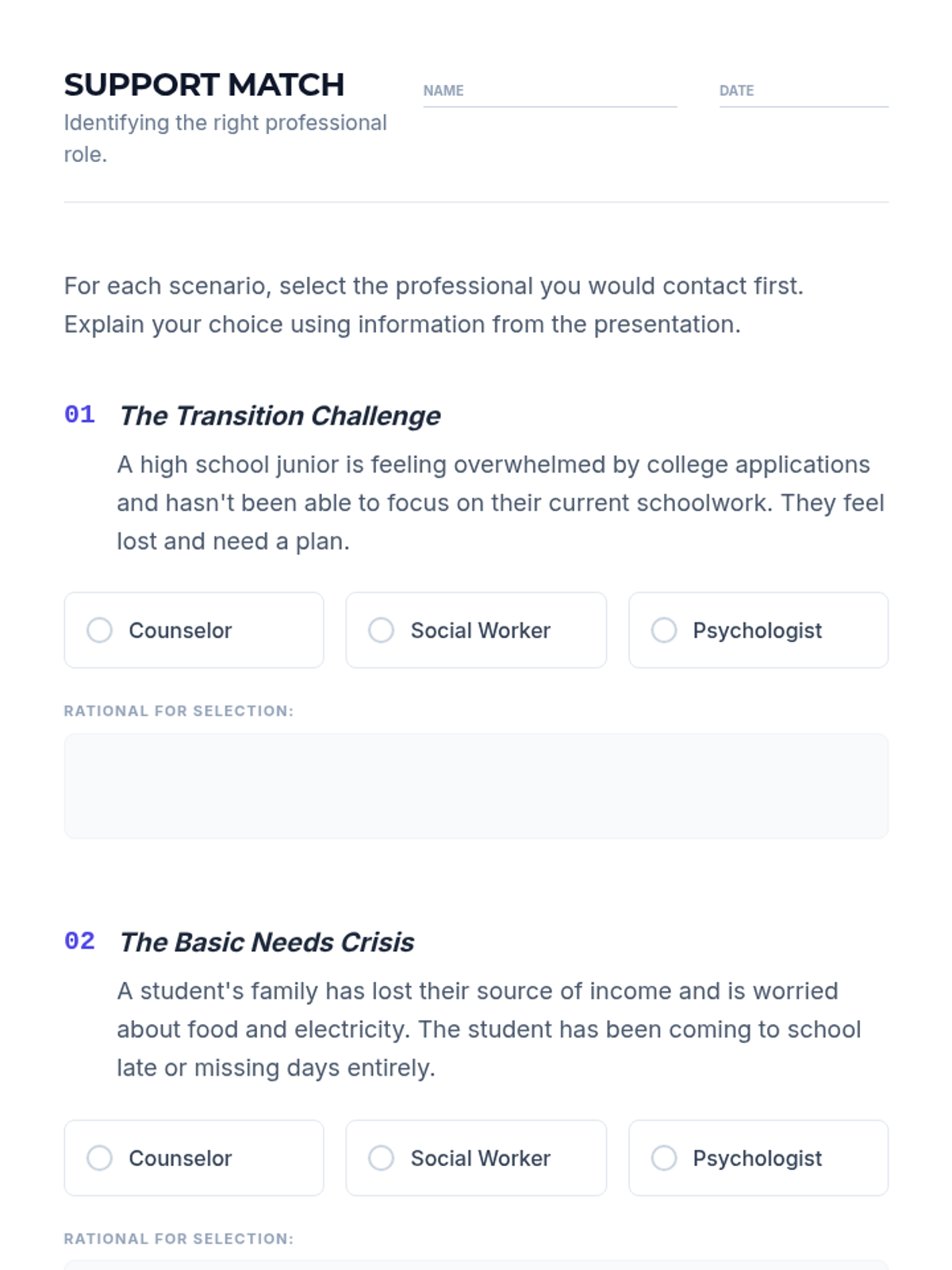
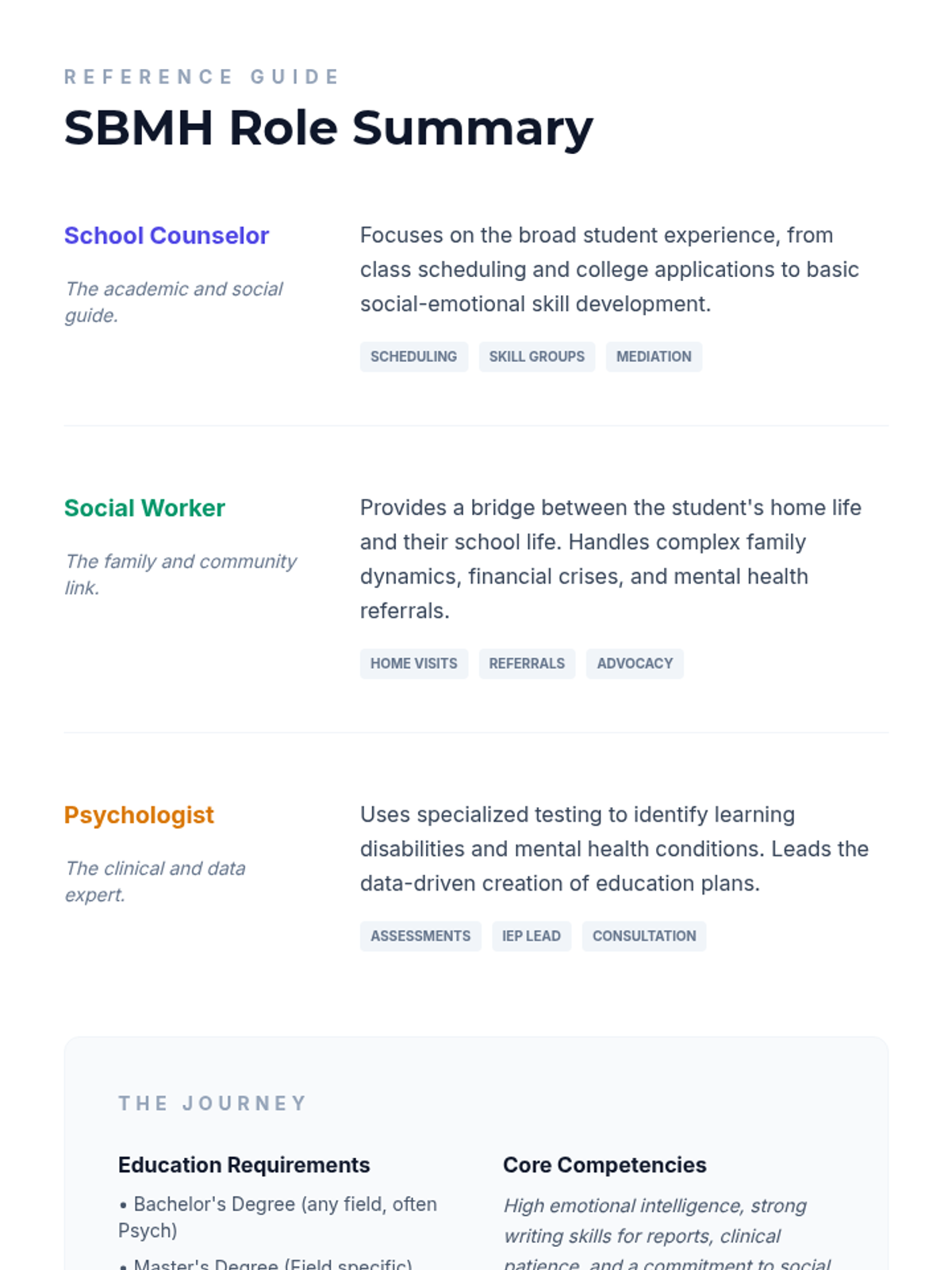
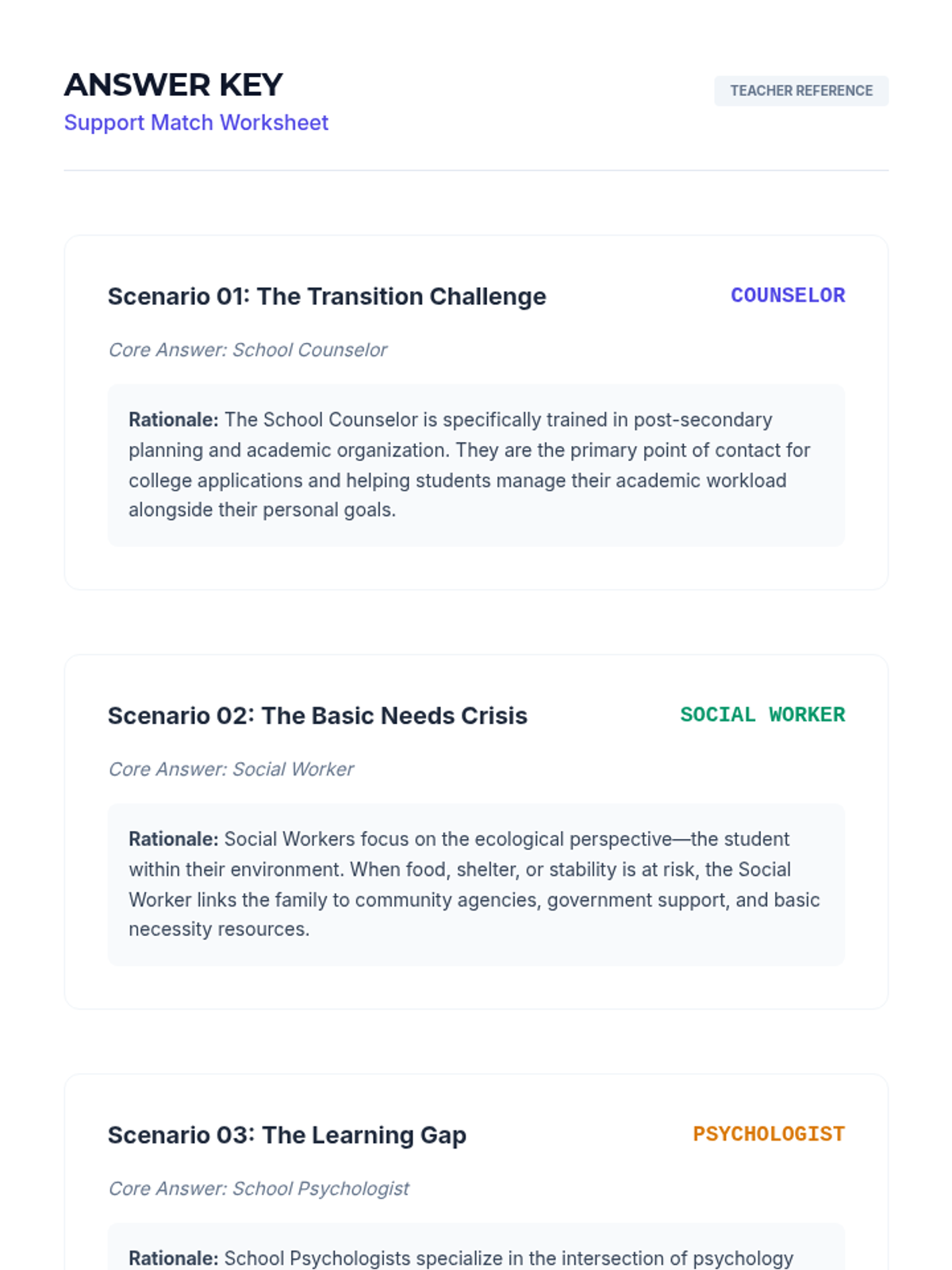
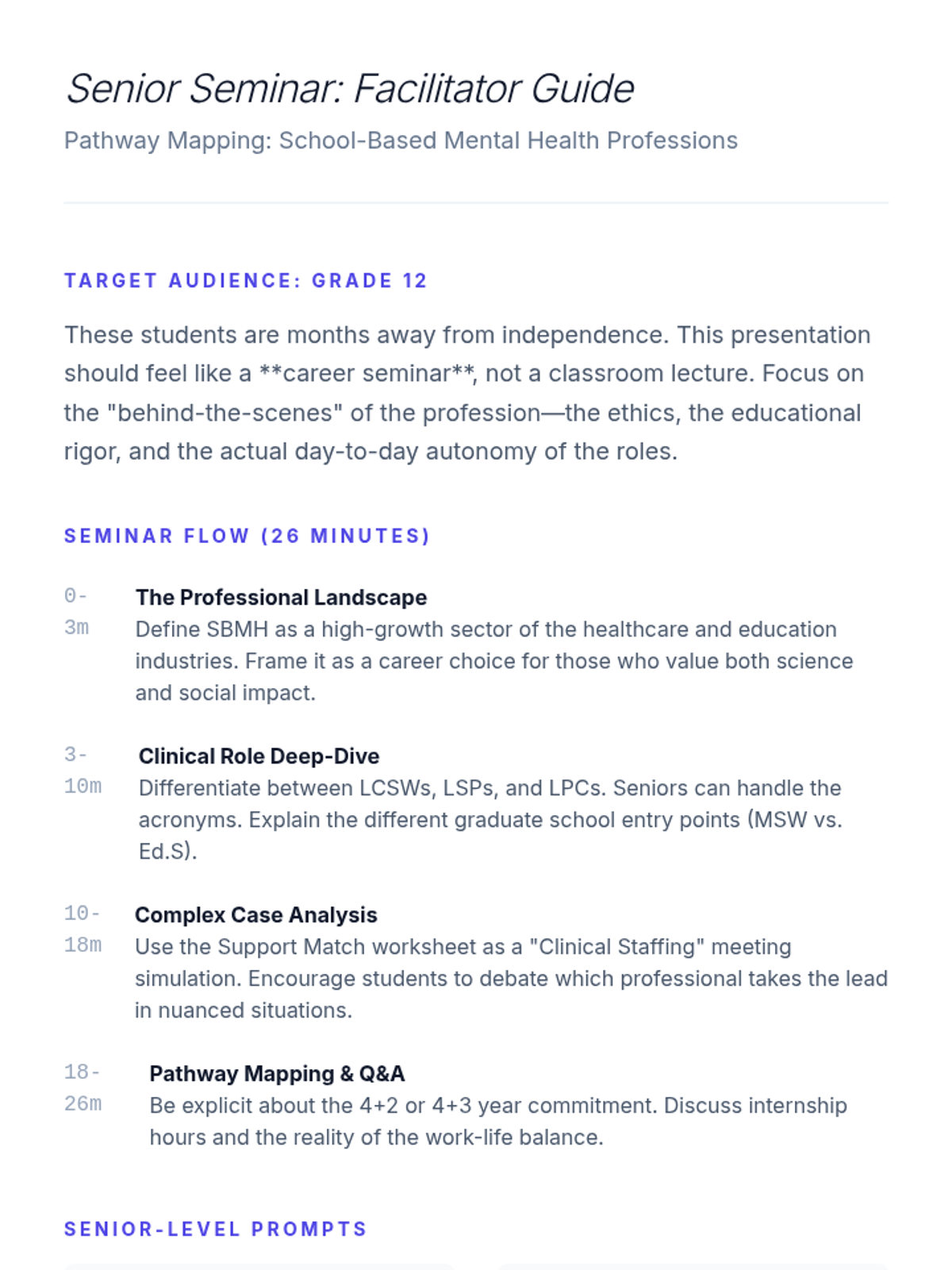
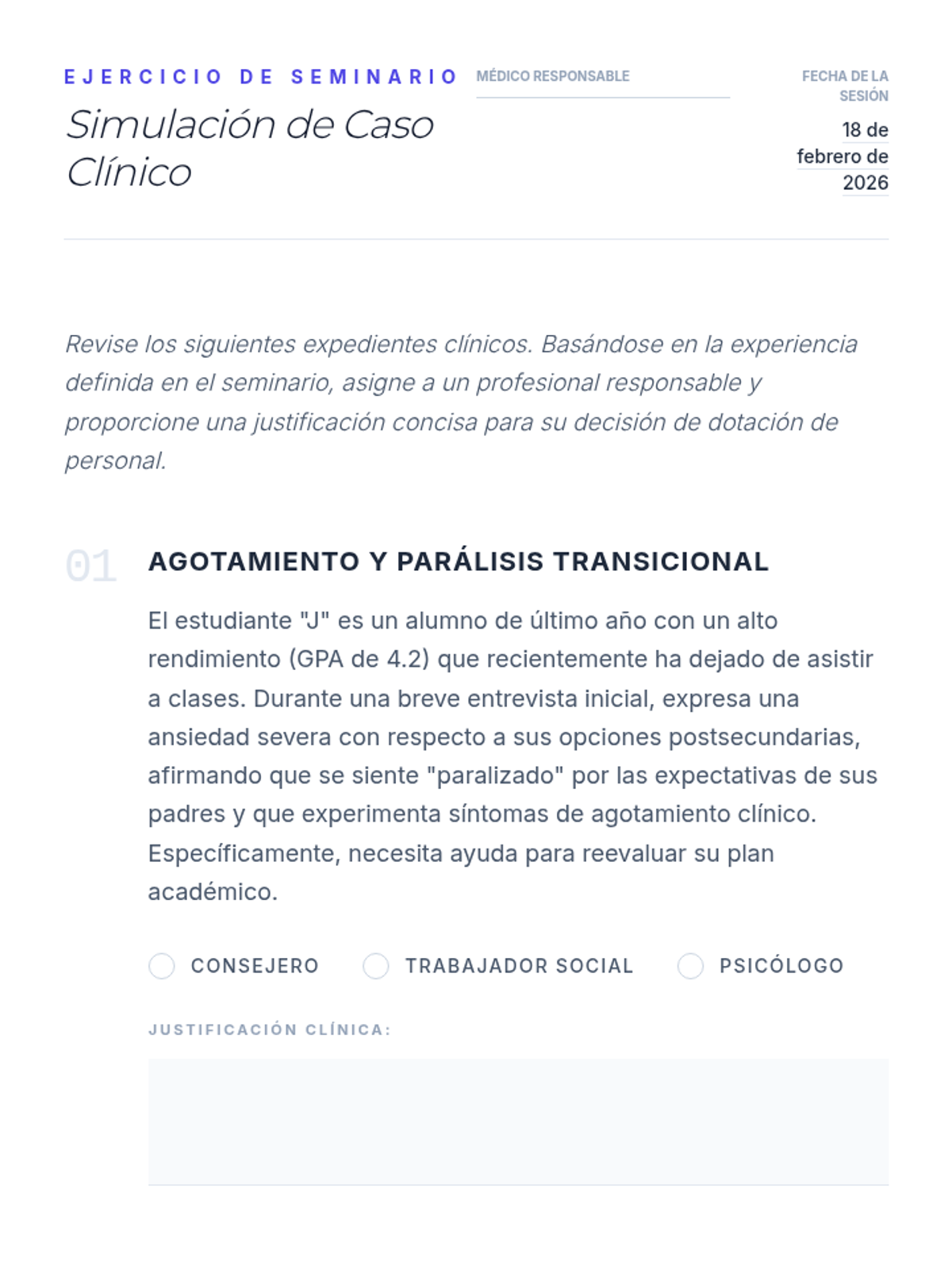
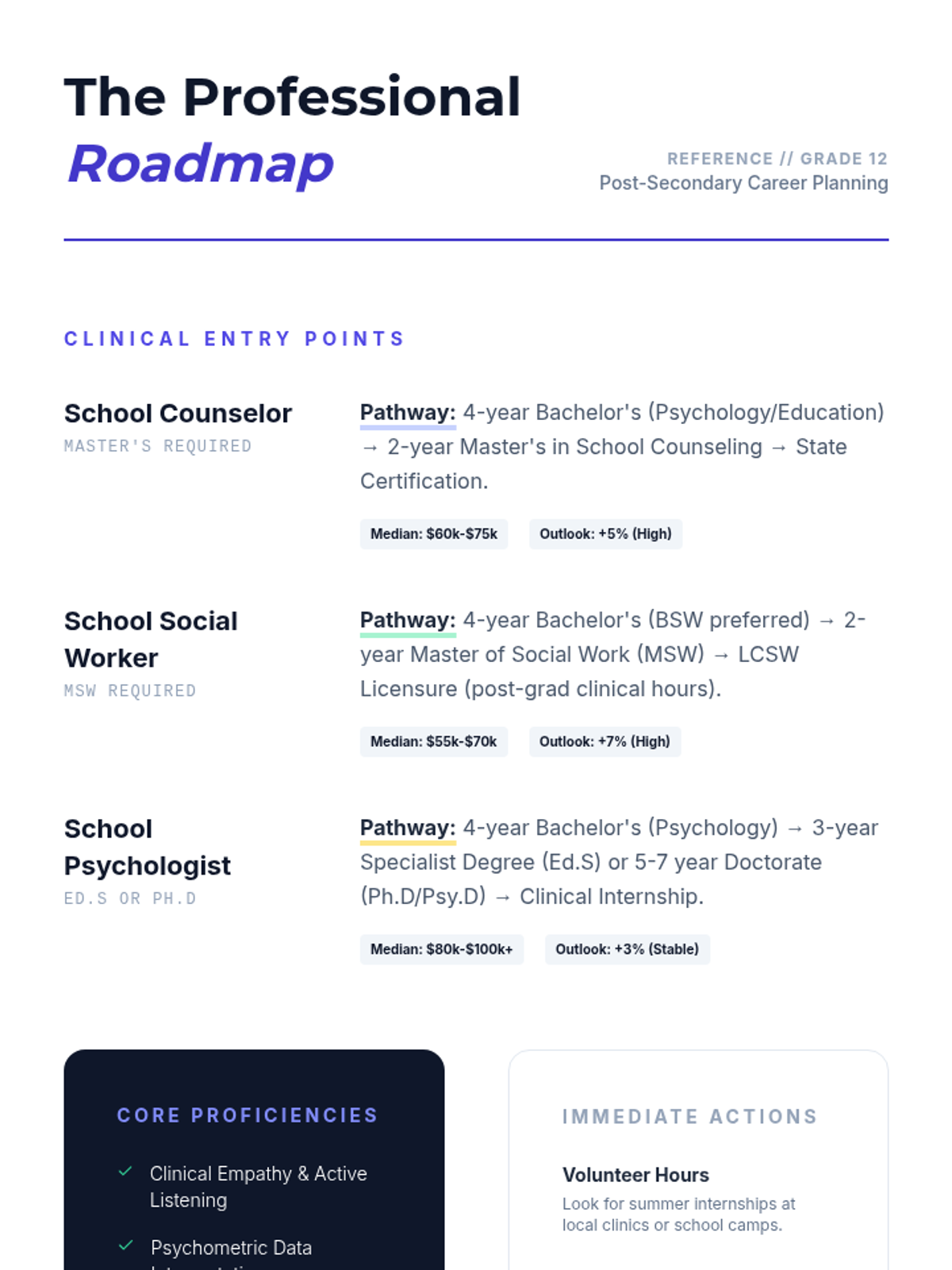
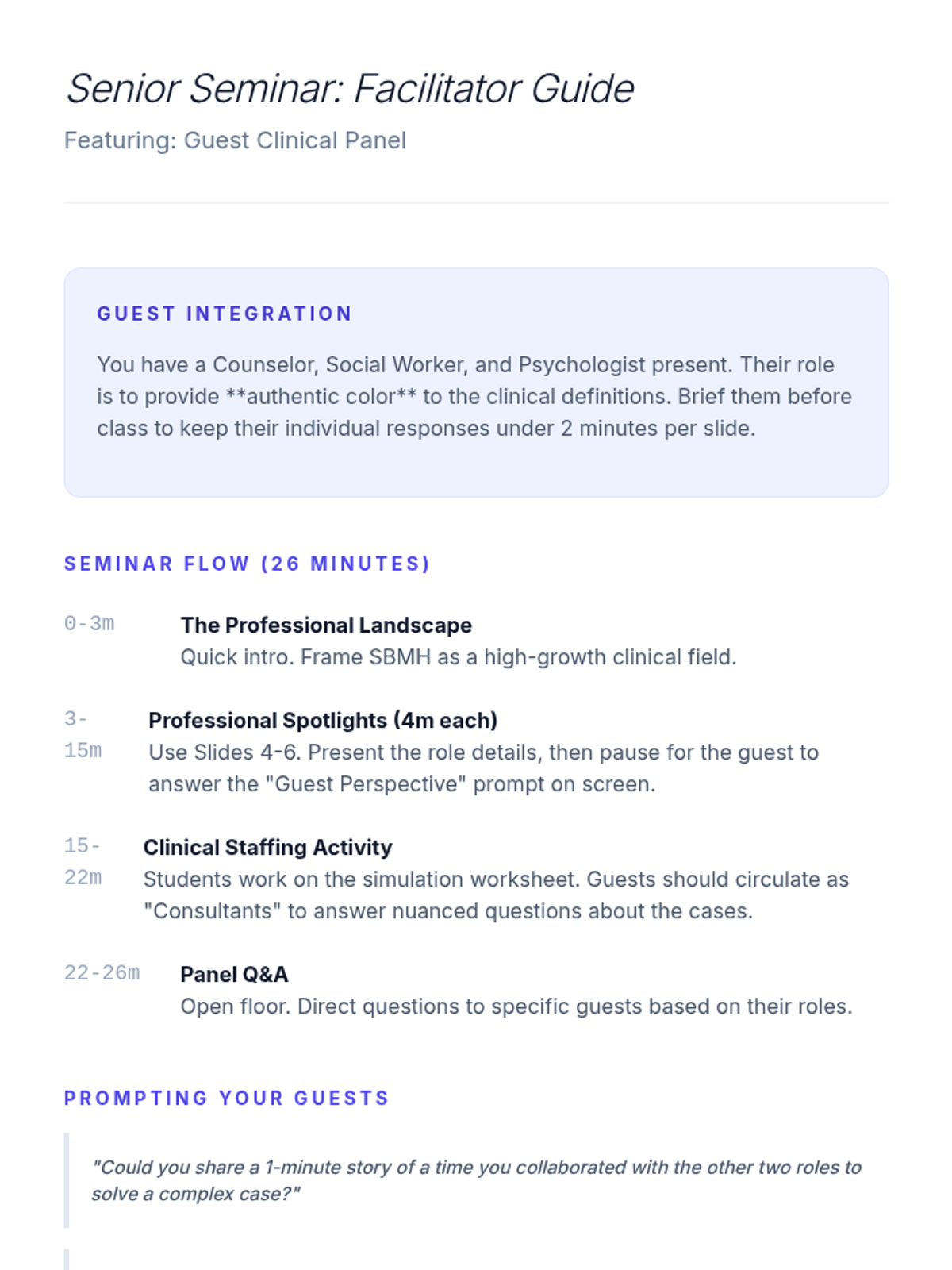
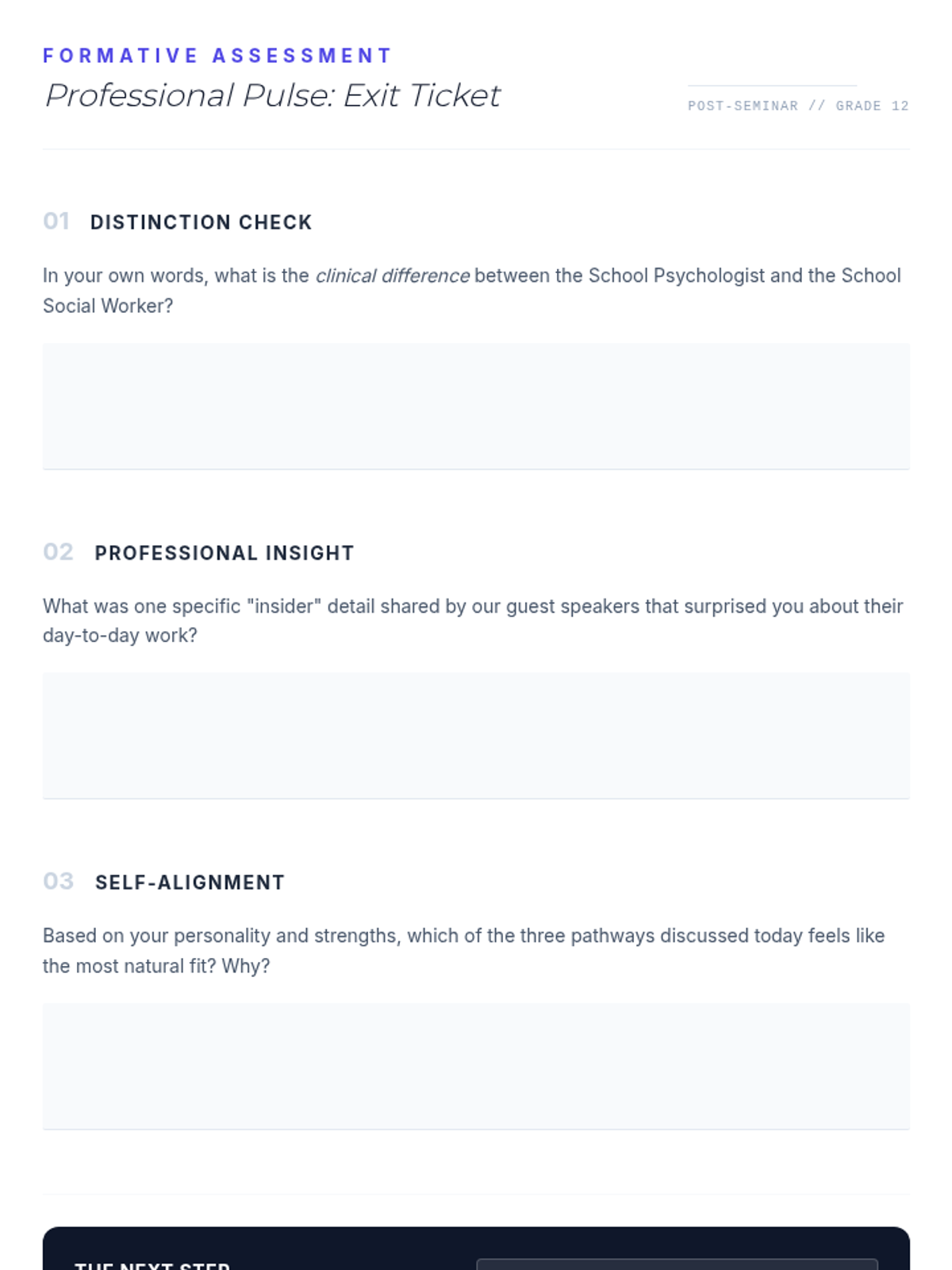
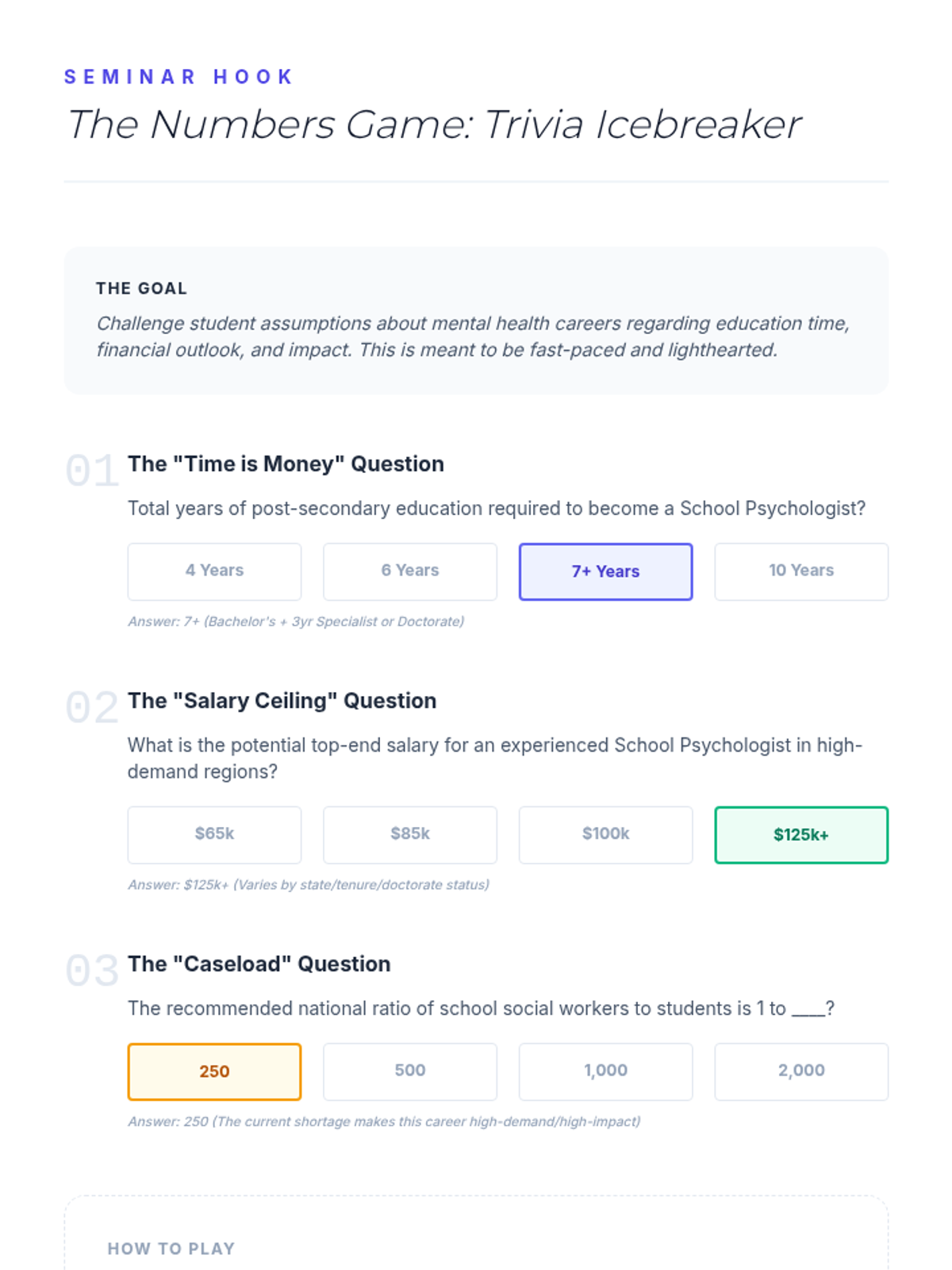
A professional and understated exploration of careers in school-based mental health, focusing on clear definitions, educational journeys, and practical support roles.
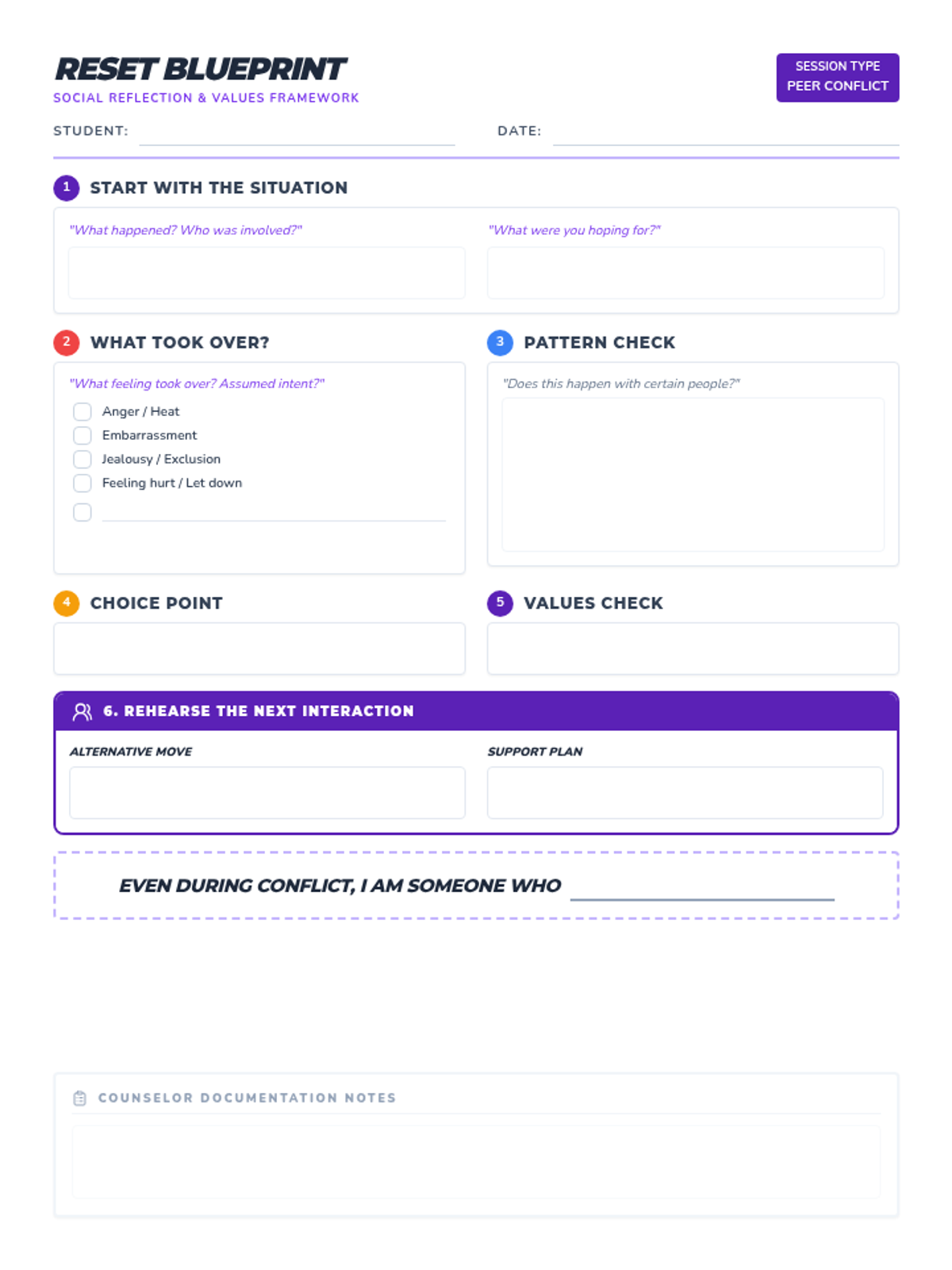
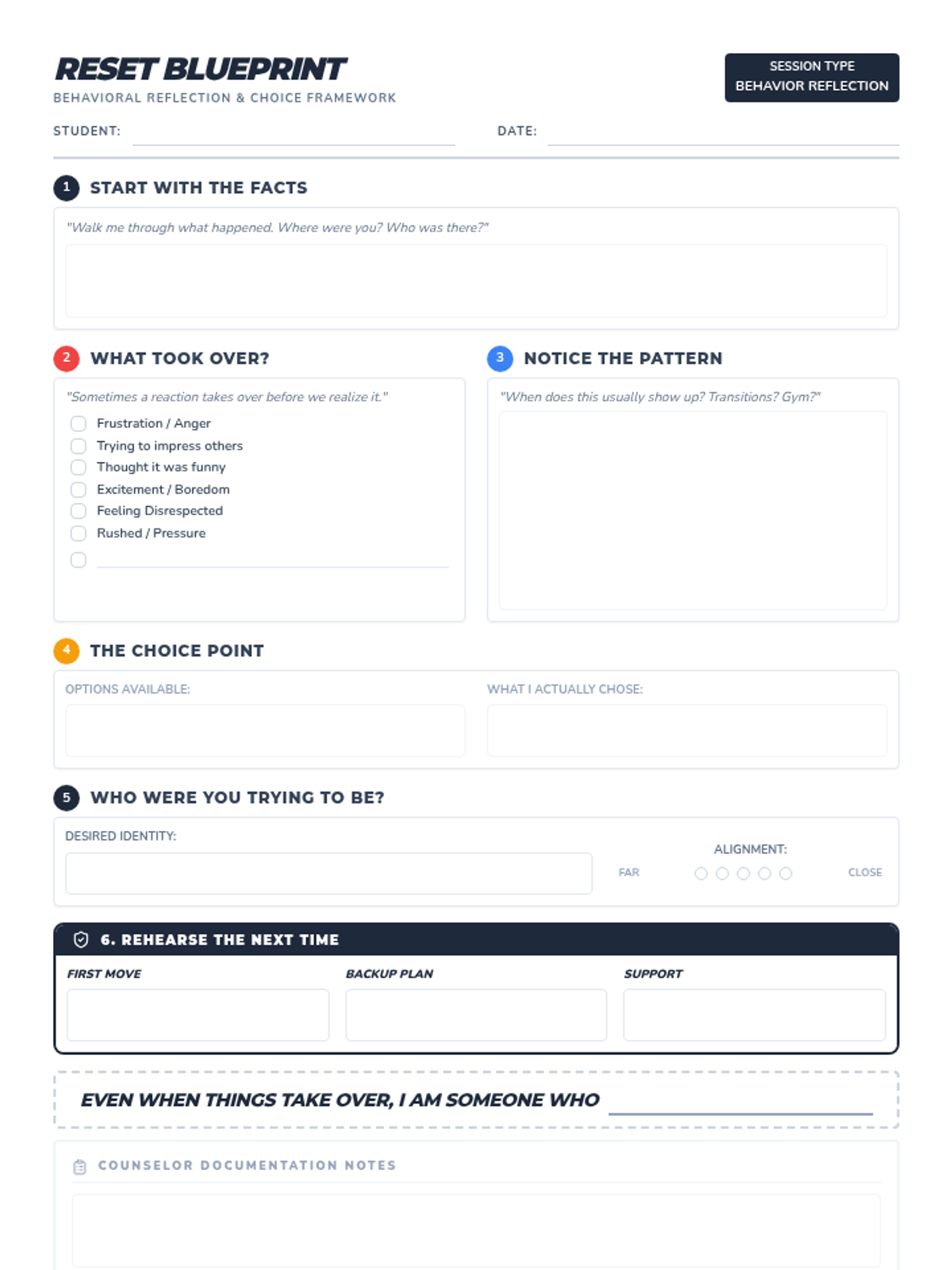
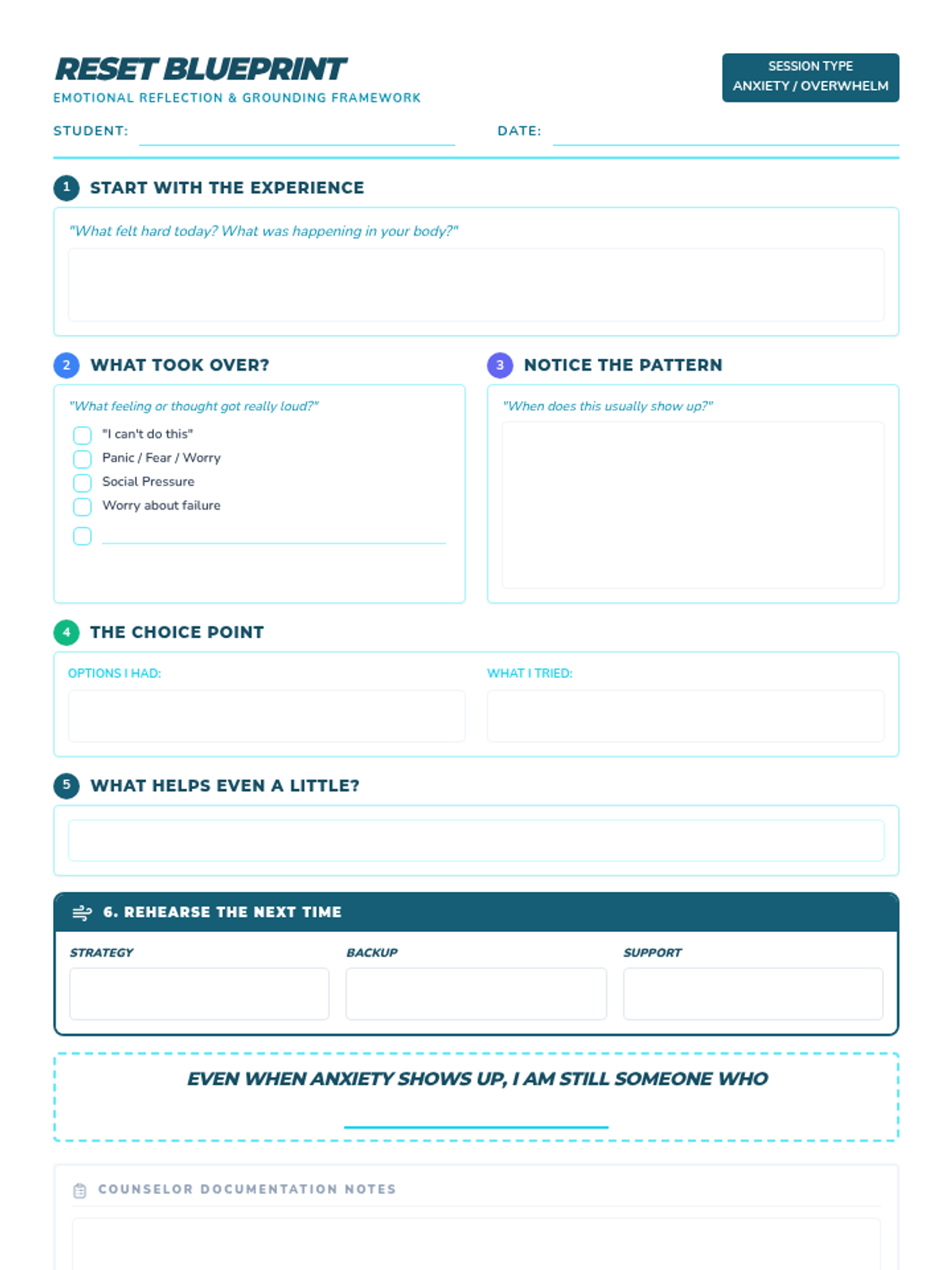
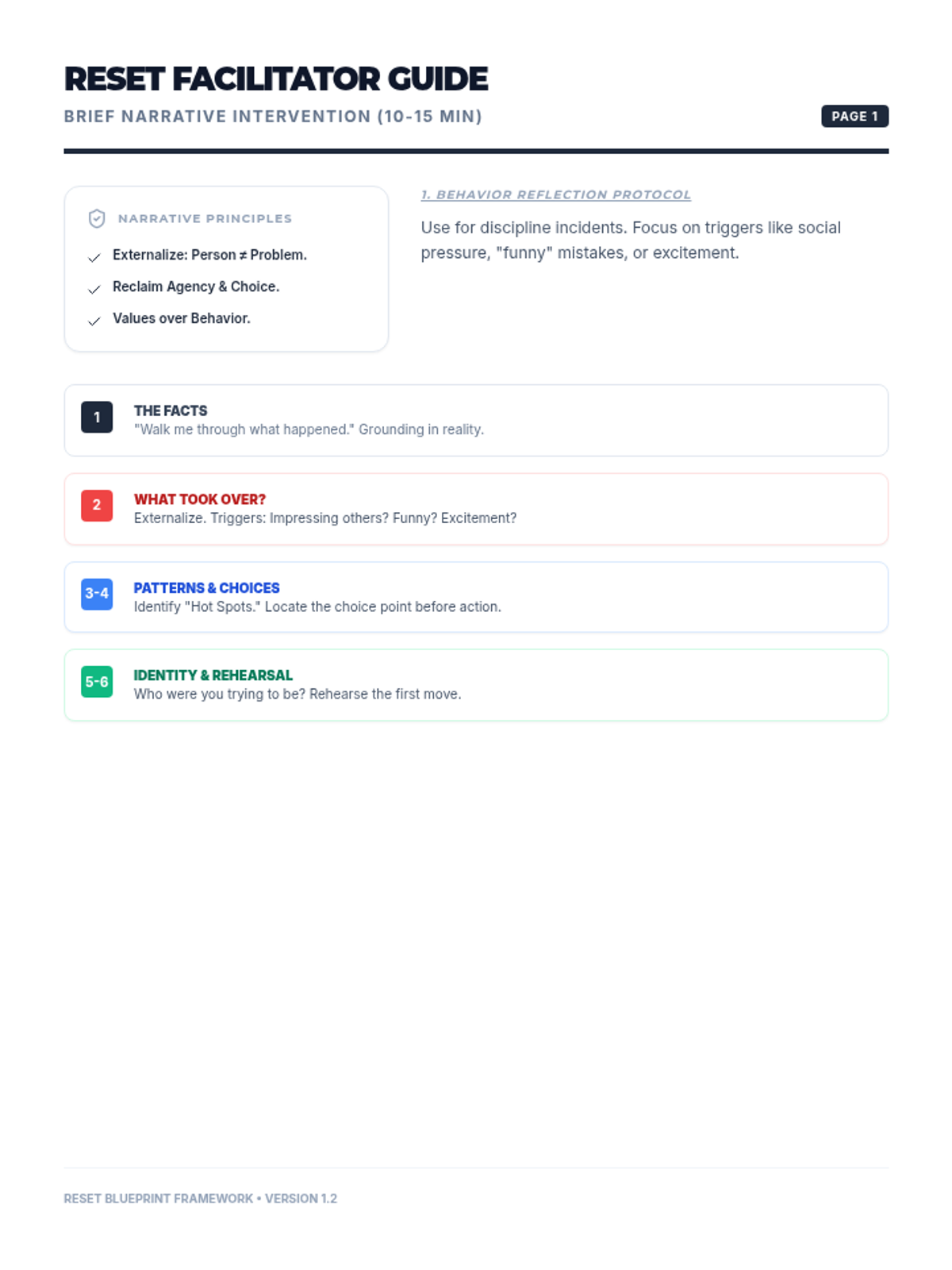
A series of counseling tools and guides based on a 7-step narrative reset framework for school counselors.
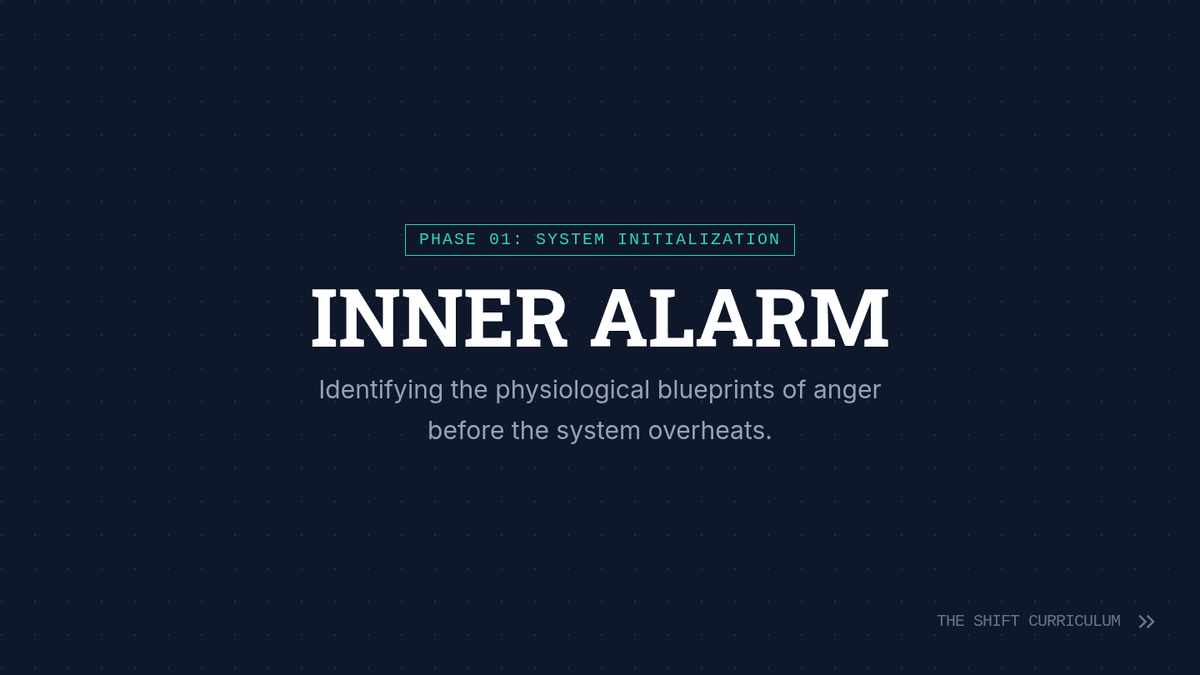
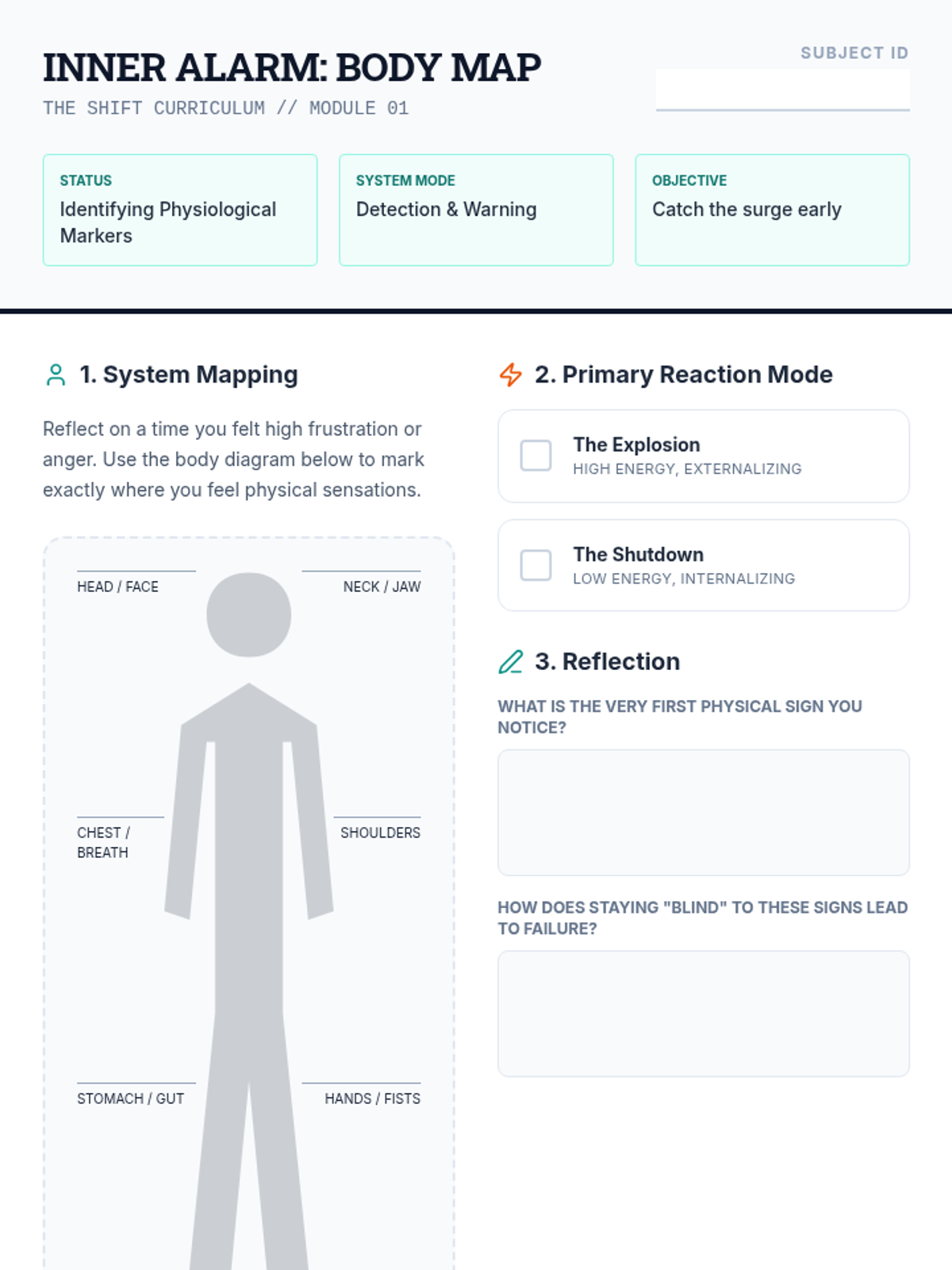
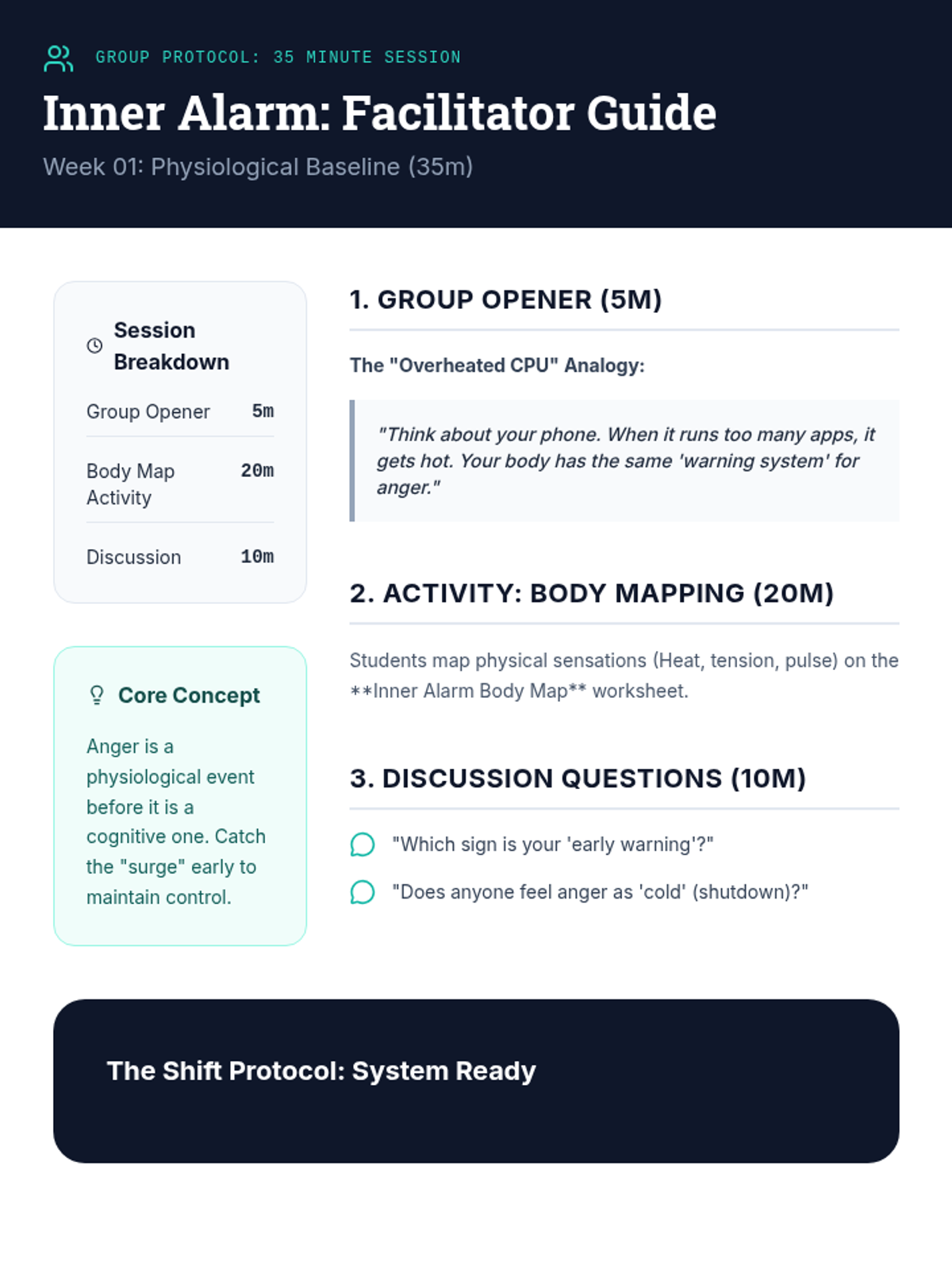
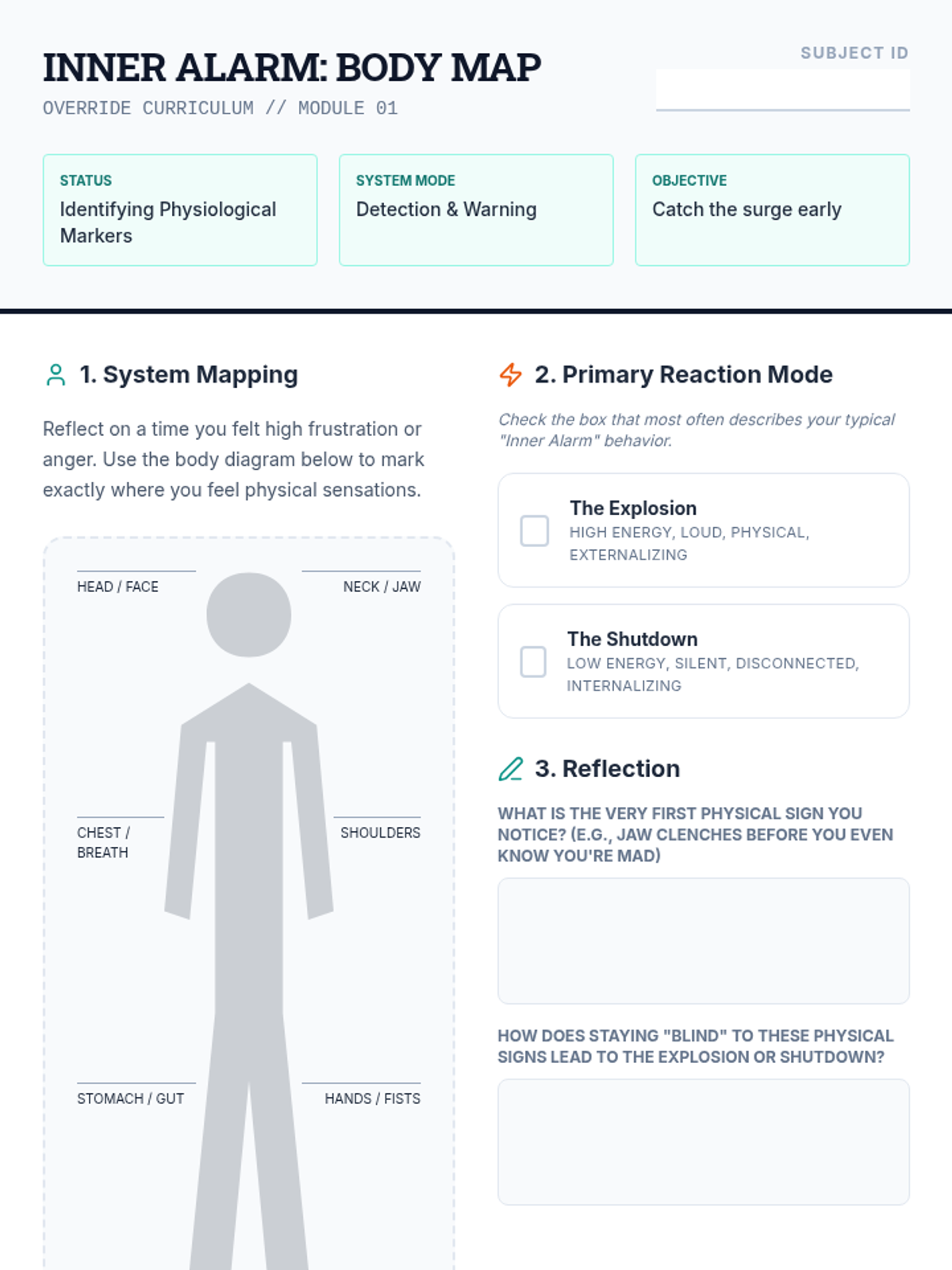
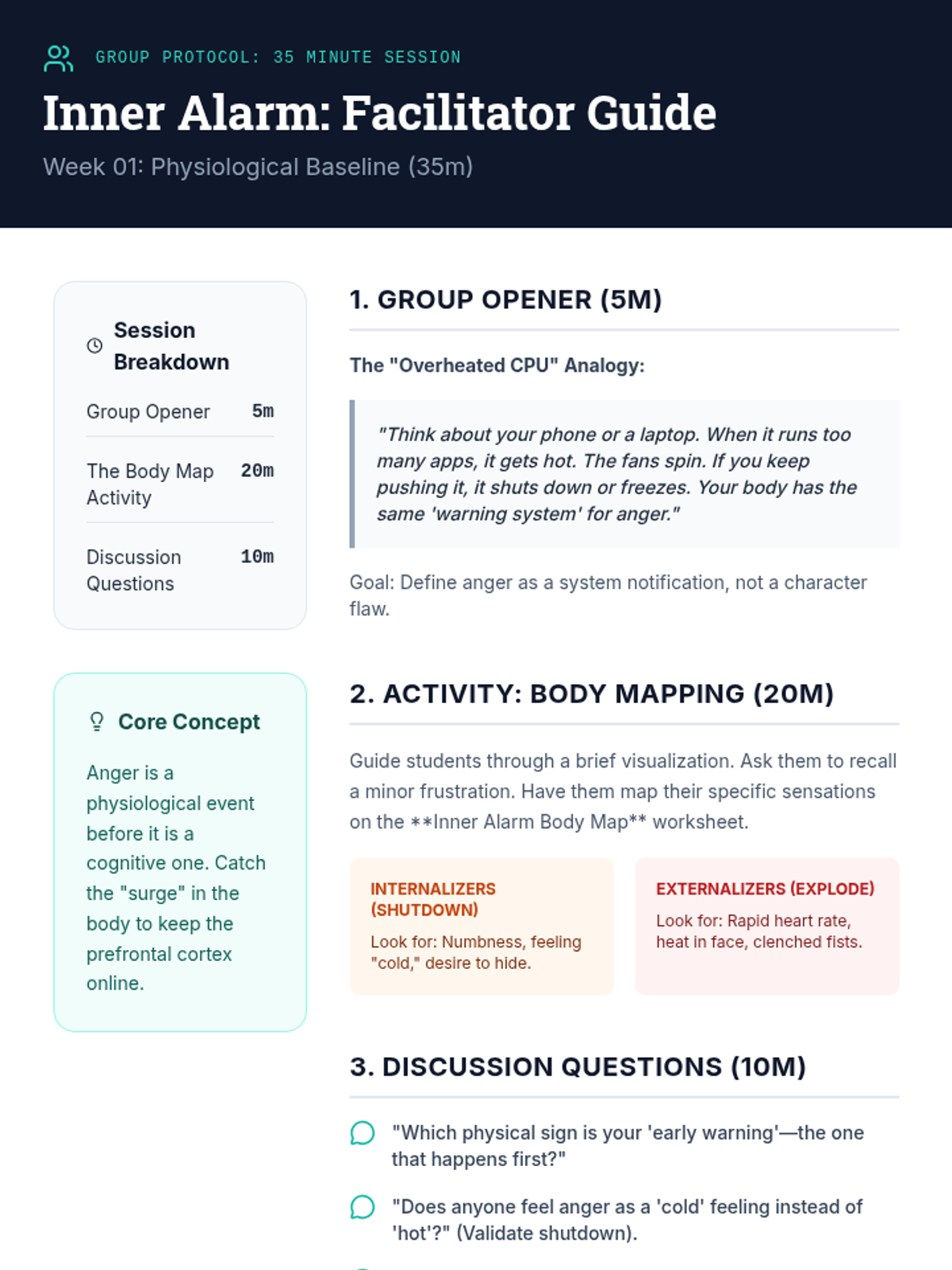
A 6-week evidence-based curriculum for high schoolers focused on shifting from reactive anger (explosion/shutdown) to proactive self-regulation using CBT and DBT skills.
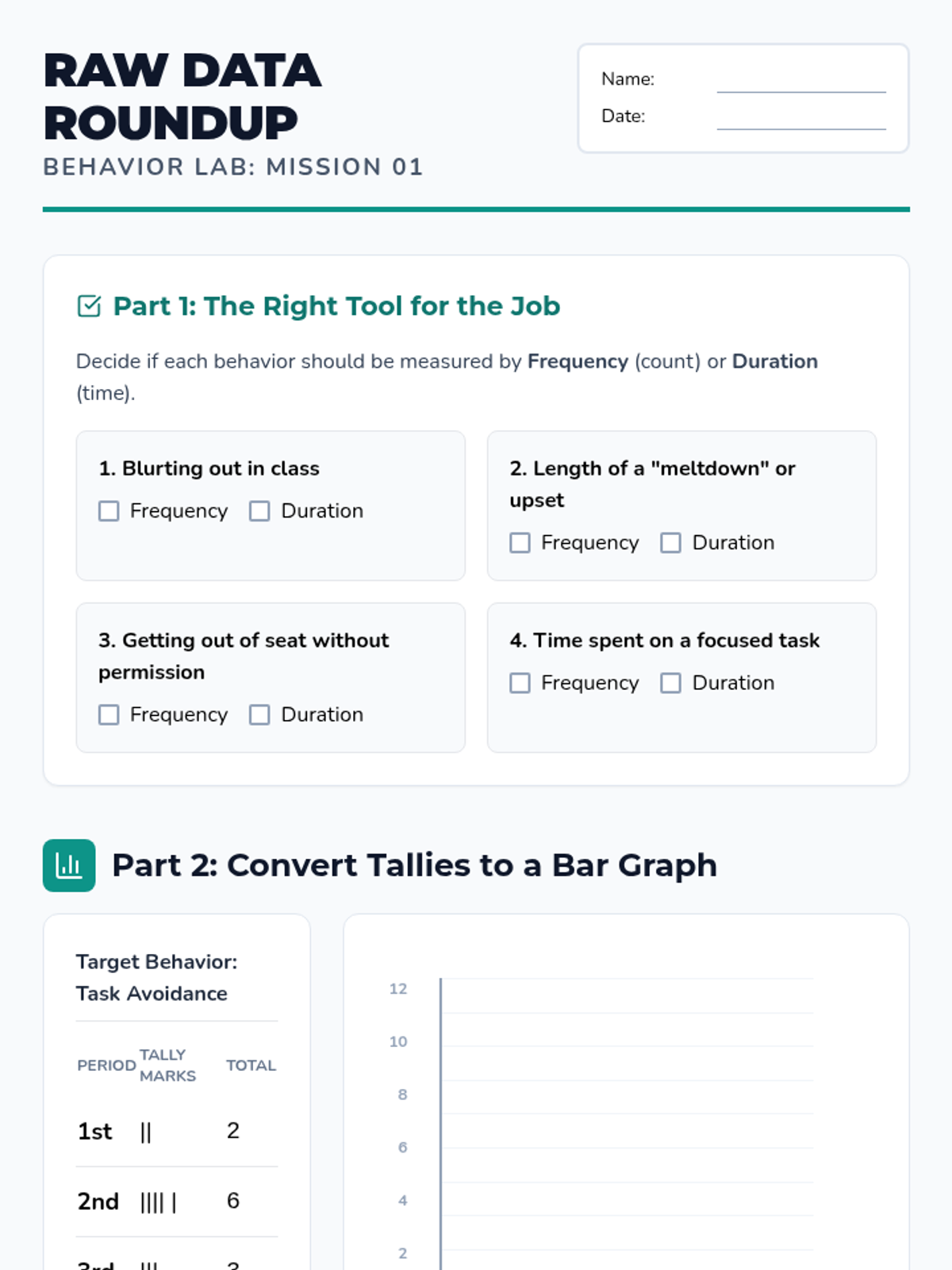
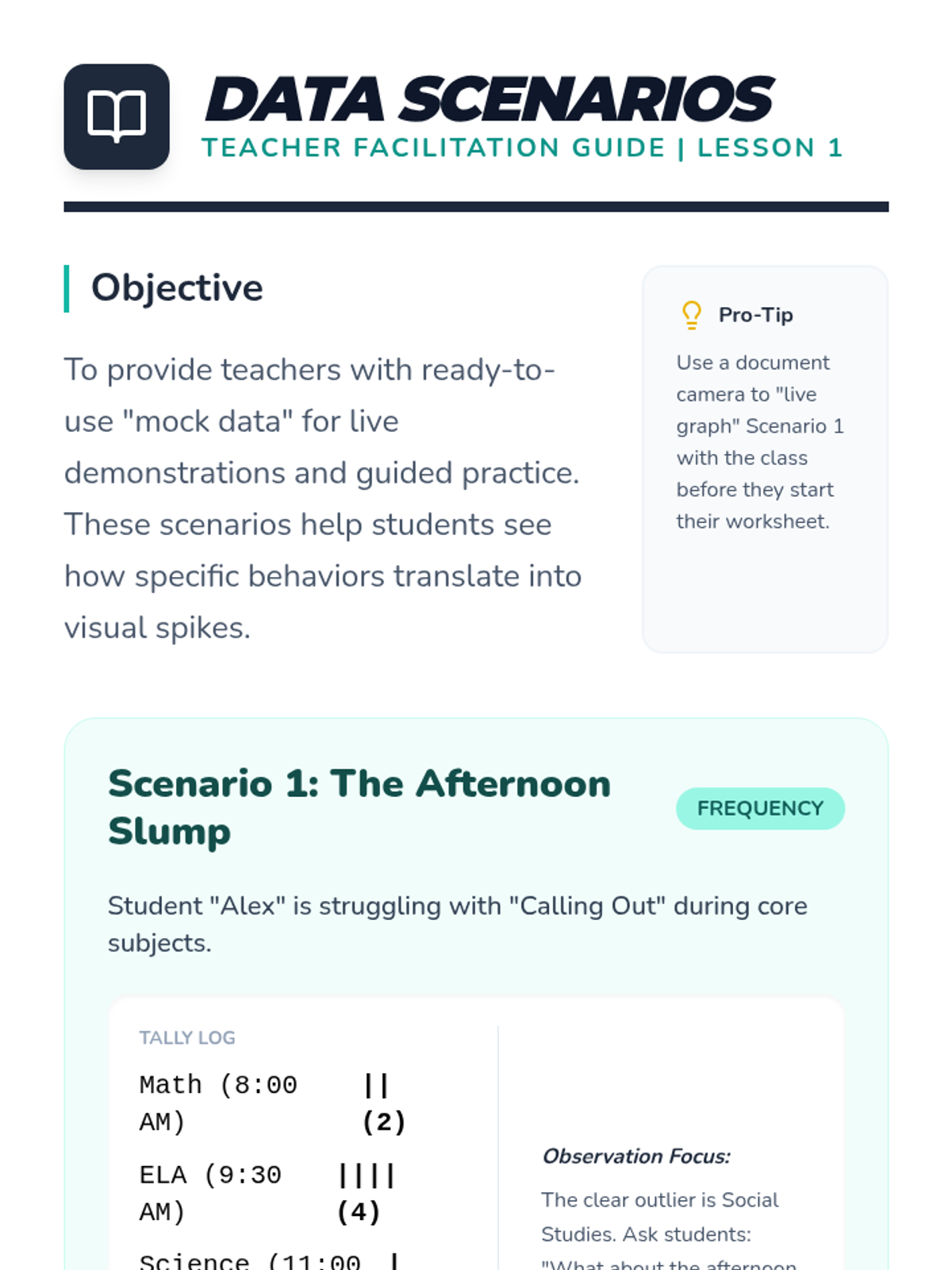
A data-focused sequence that teaches students how to transform behavioral tracking into visual insights. Students learn to graph frequency and duration, identify patterns and triggers, and develop data-driven interventions for personal growth.