Written and verbal communication standards for the workplace, including email etiquette, presentation delivery, and professional phone conduct. Develops collaborative skills for teamwork, constructive feedback, and efficient time management.
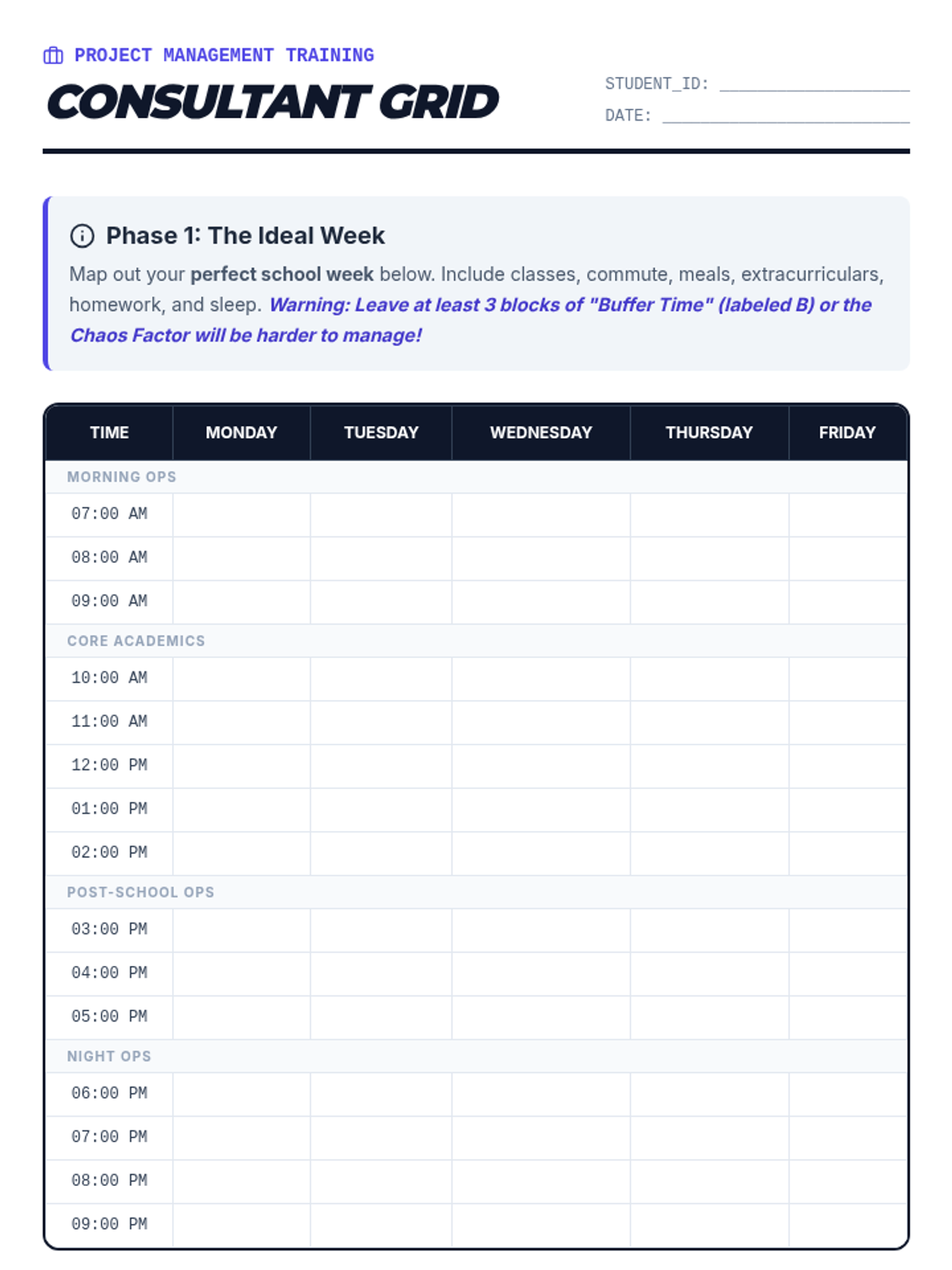
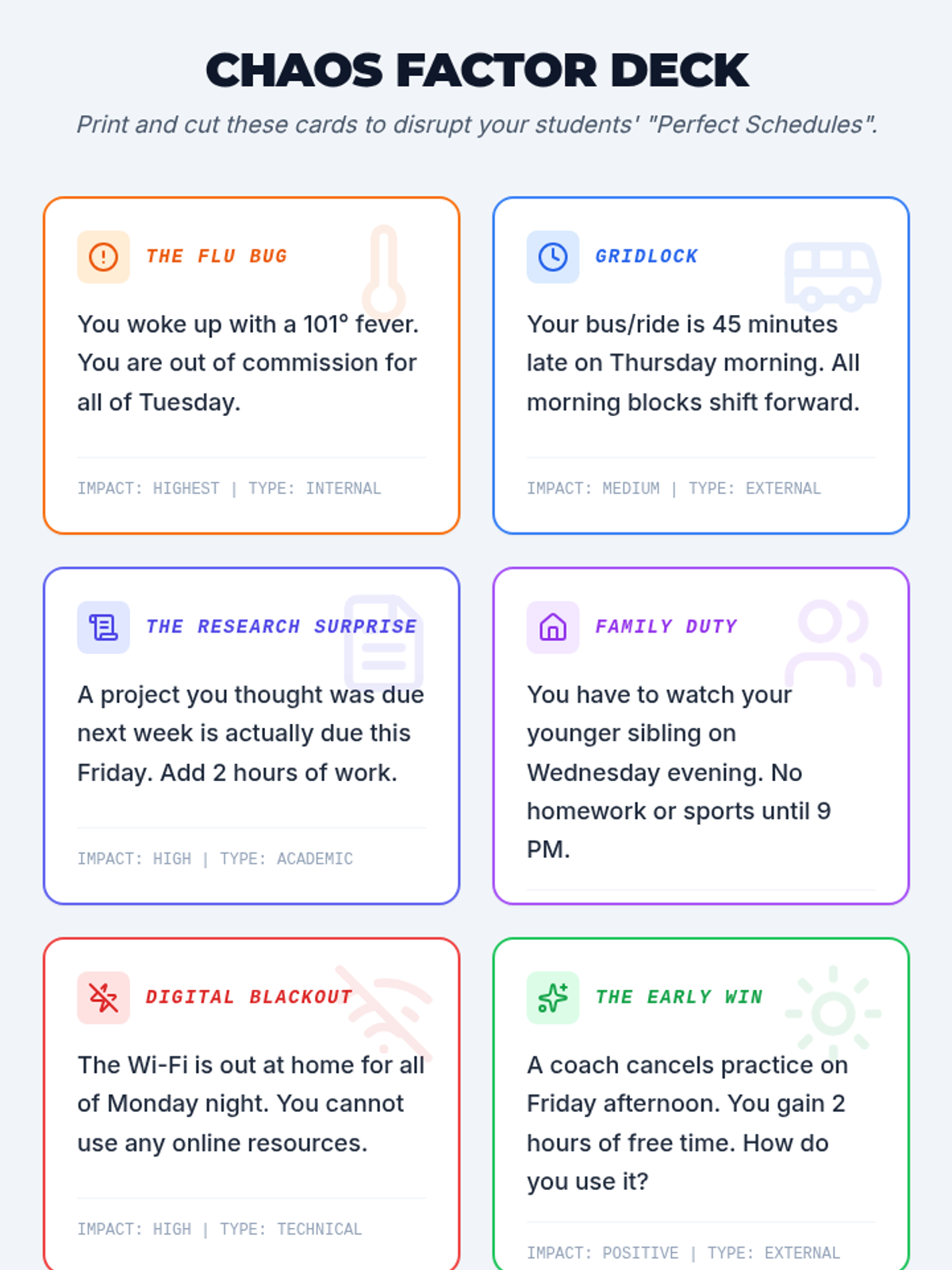
A simulation-based sequence where 10th-grade students act as 'Student-Consultants' to master schedule management and adaptive resiliency. Students learn to handle 'Chaos Factors', negotiate deadlines, and manage energy levels to maintain balance amidst competing demands.
A comprehensive sequence for 9th-grade students focusing on self-advocacy, communication skills, and boundary setting to manage schedule conflicts and prevent burnout. Students learn to recognize stress signals, draft professional requests, negotiate deadlines, and prioritize tasks during crises.
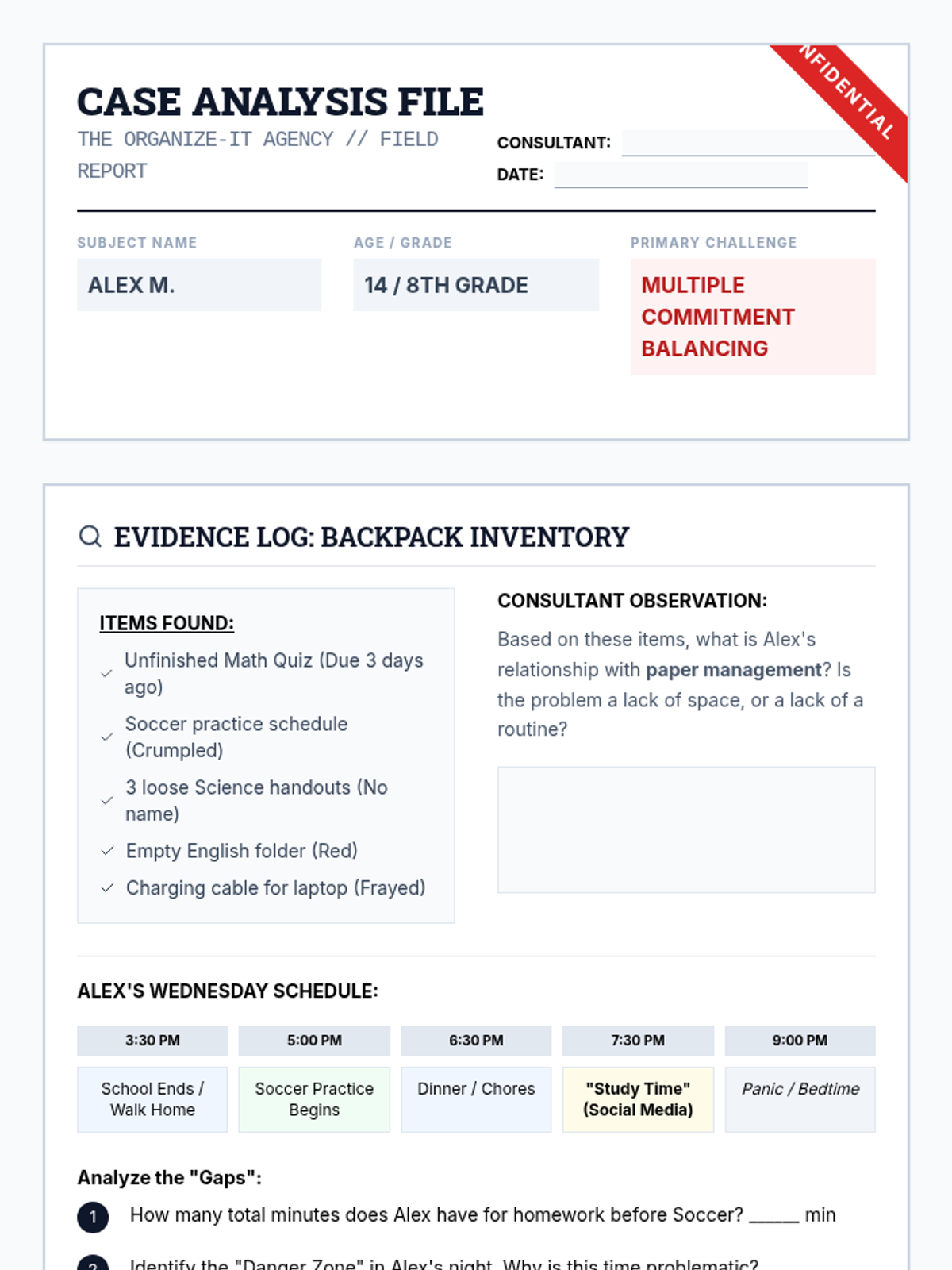
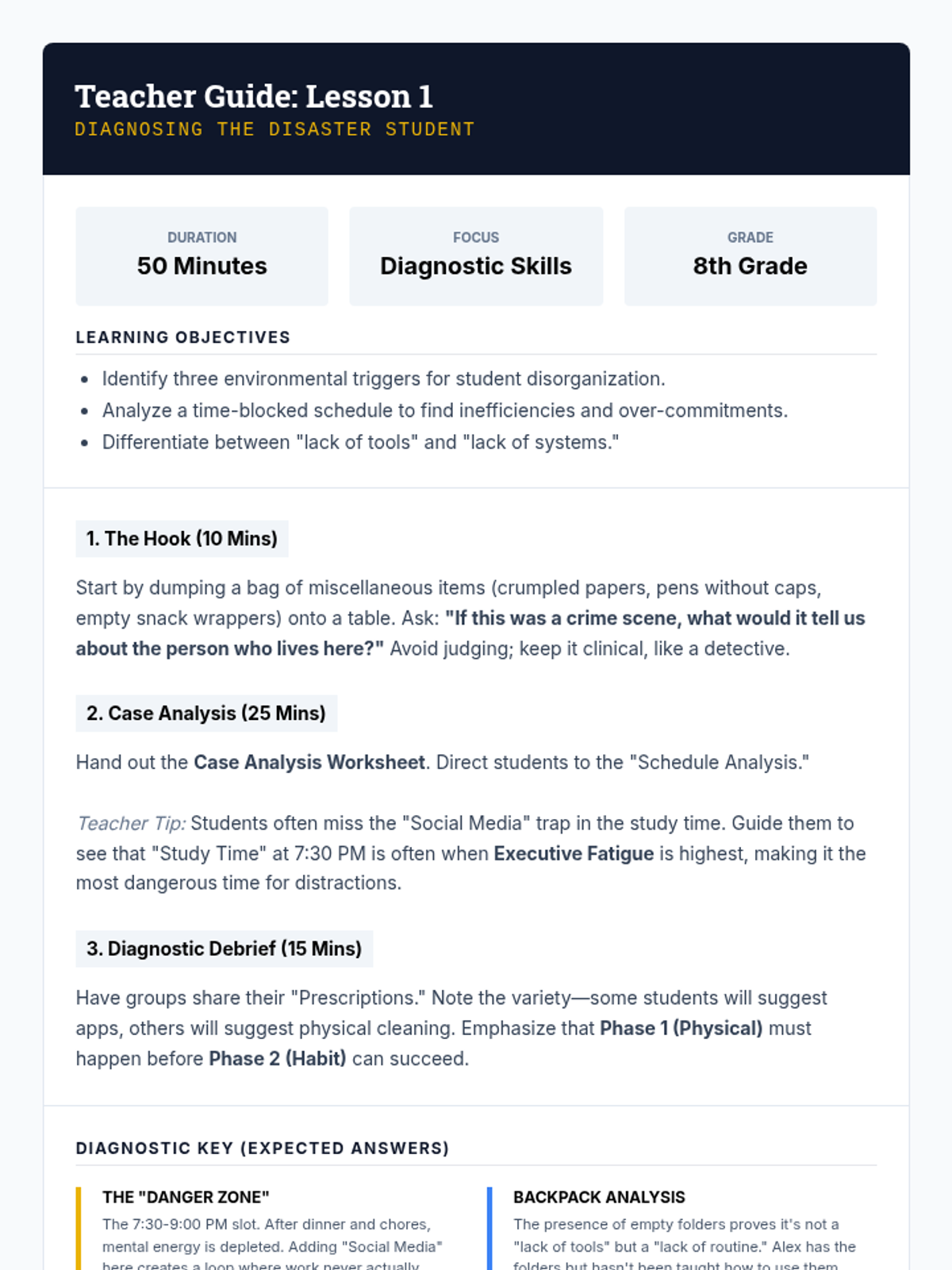
A comprehensive sequence where 8th-grade students act as 'organizational consultants' to diagnose and solve scheduling conflicts and executive functioning challenges through case studies. Students learn root cause analysis, professional self-advocacy, emotional regulation strategies for procrastination, and tool evaluation before creating a final consultancy report.
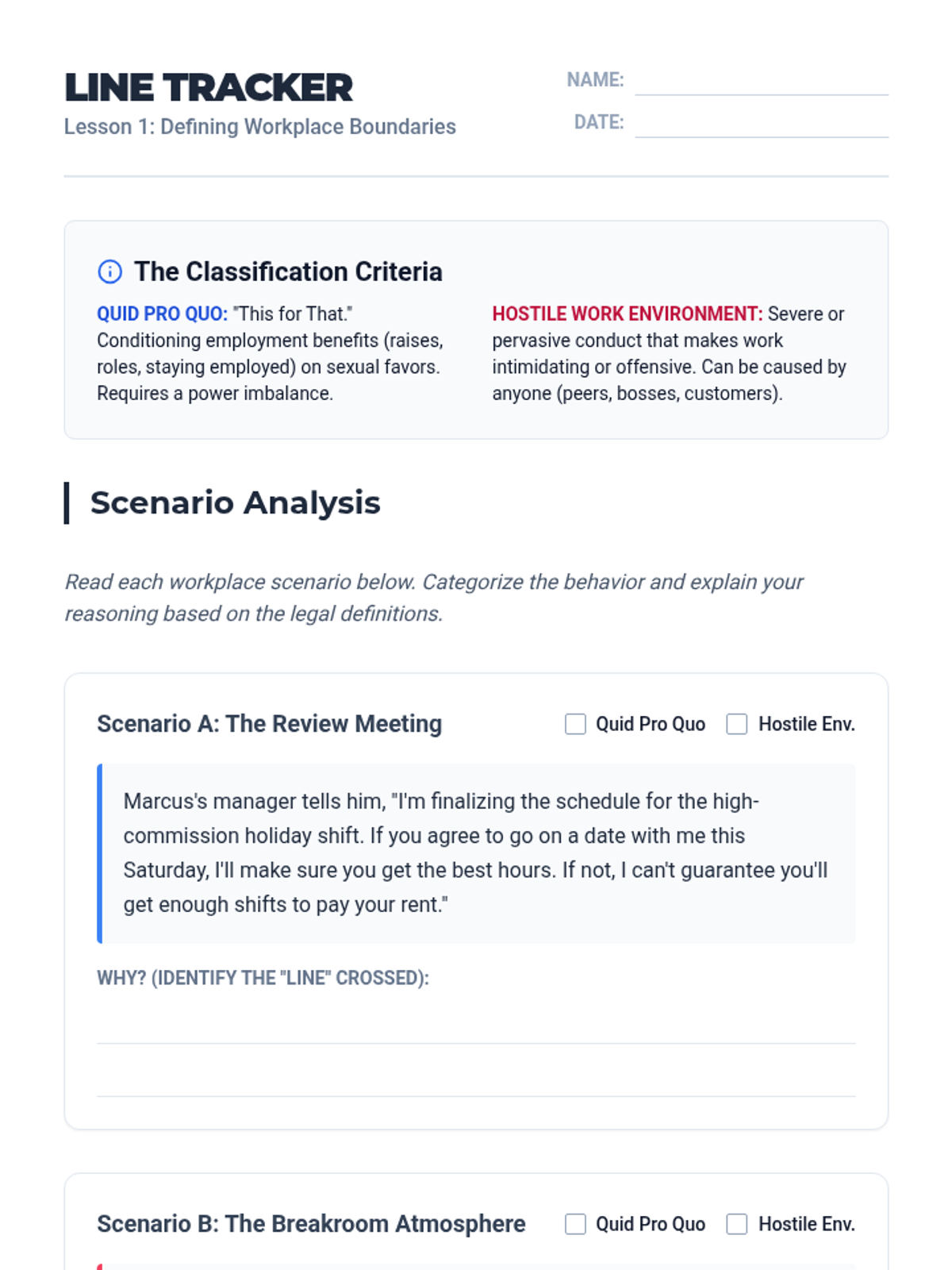
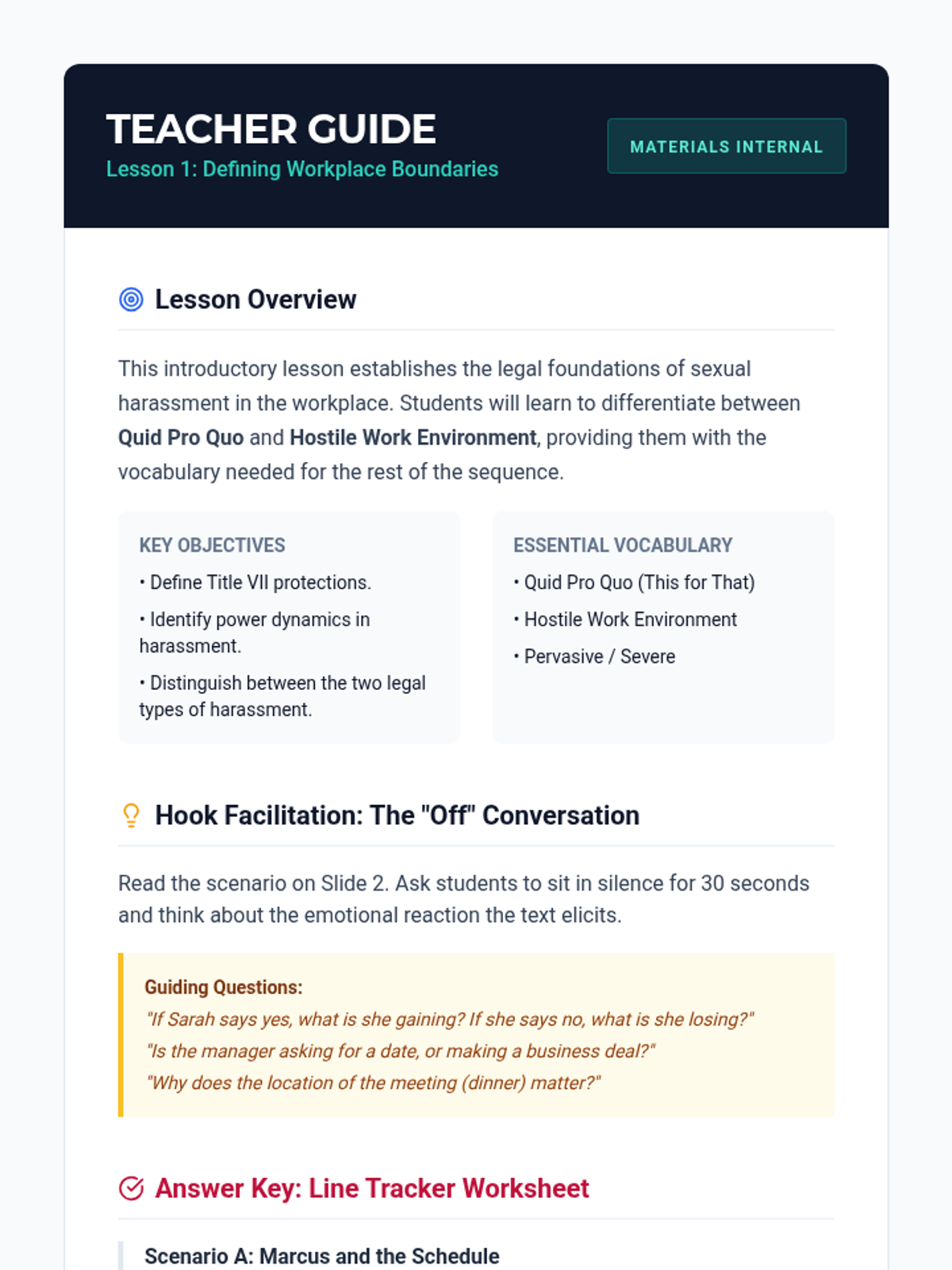
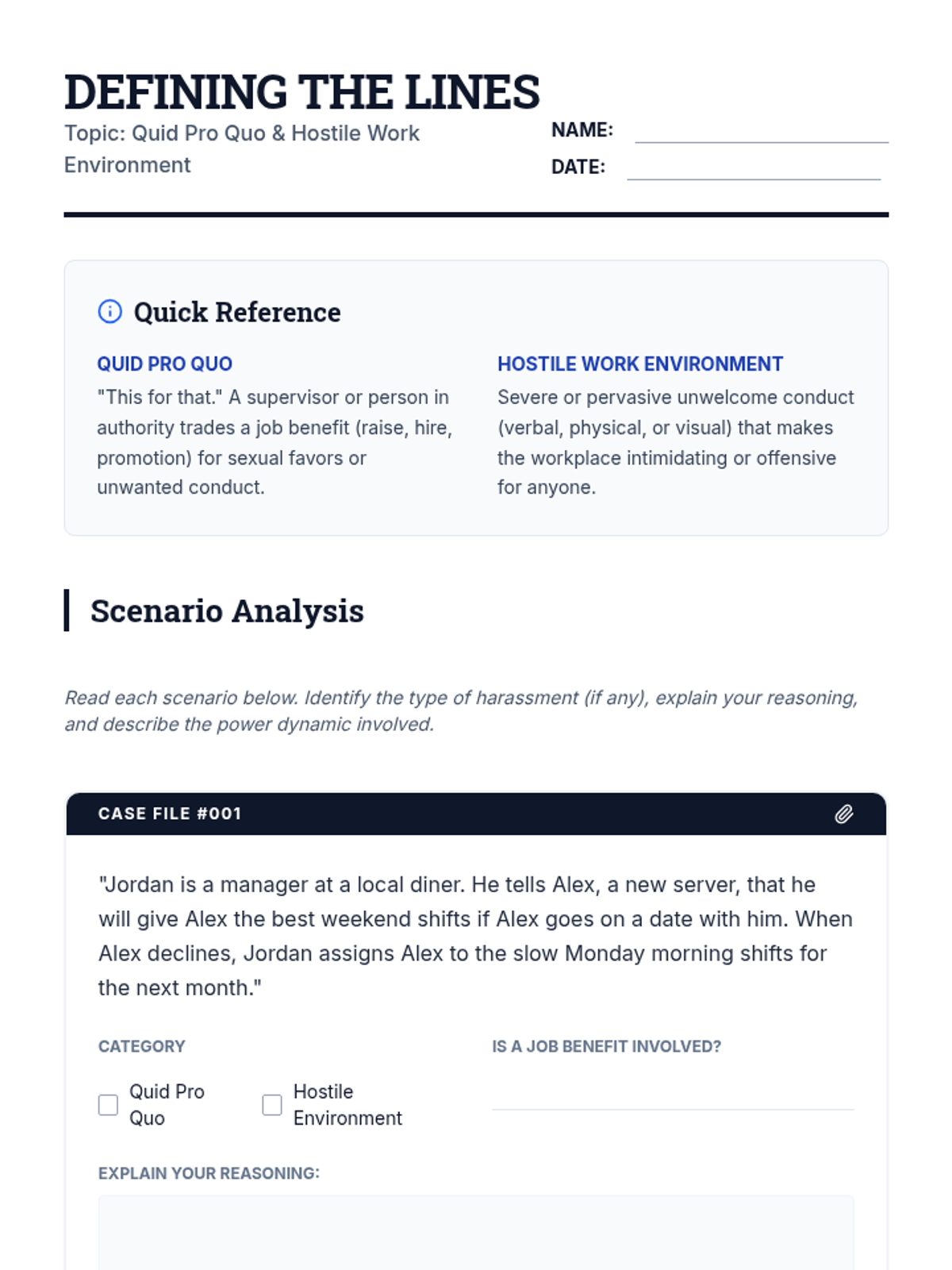
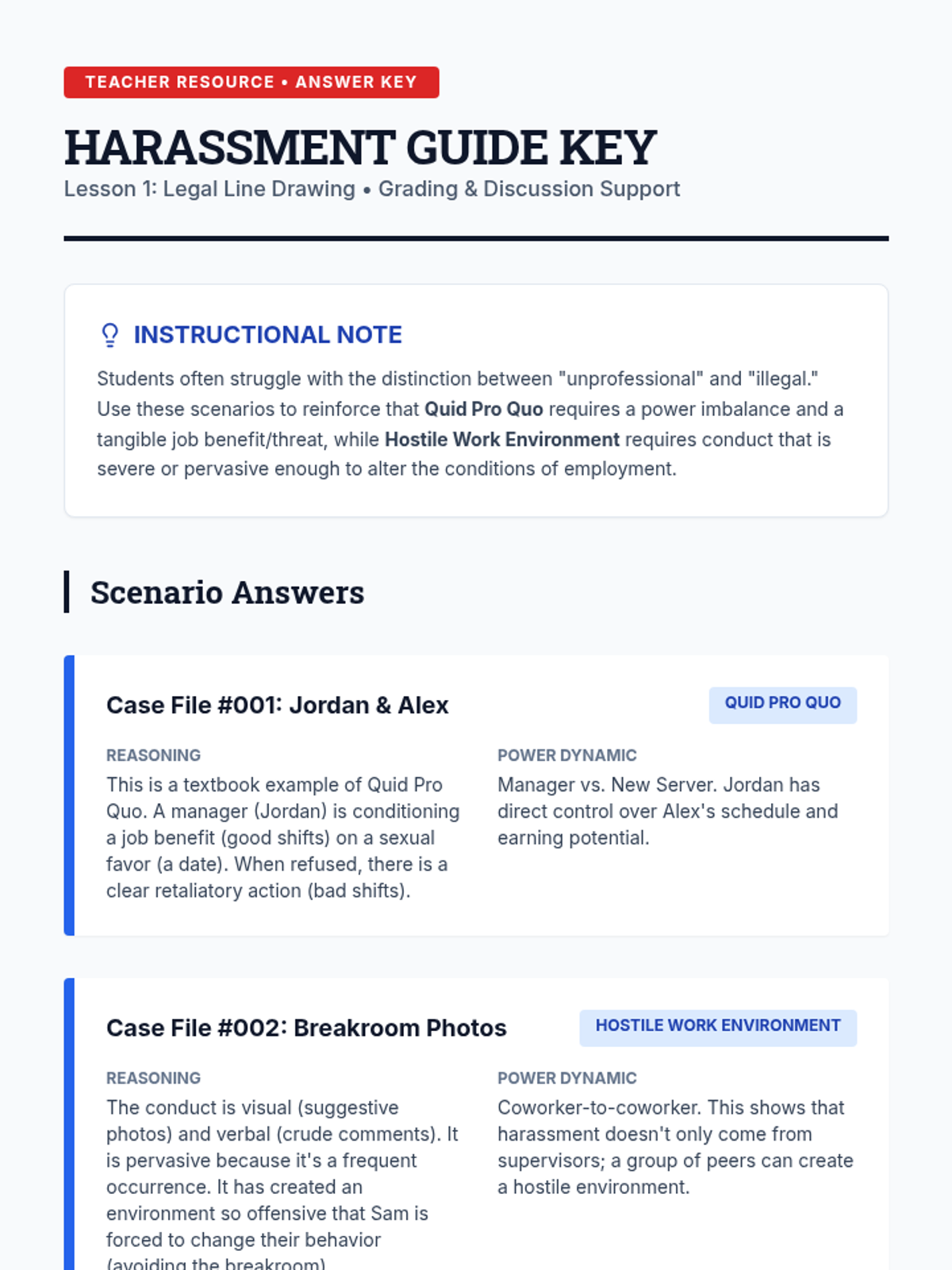
A comprehensive sequence for 9th-grade students exploring the legal definitions, impacts, and identification of sexual harassment and hostile work environments in the professional world. Students move from basic legal definitions to nuanced evaluations of intent versus impact and digital professional conduct.
A comprehensive unit for 10th graders on identifying, distinguishing, and responding to workplace harassment. Students explore the legal definitions of 'quid pro quo' and 'hostile work environment' while investigating the nuances of intent versus impact.
A comprehensive 5-lesson unit for 10th graders on the nuances of post-interview communication, focusing on professional reputation, emotional intelligence, and interpersonal dynamics. Students move through role-plays, simulations, and case studies to master phone etiquette, networking, and handling both offers and rejections with grace.
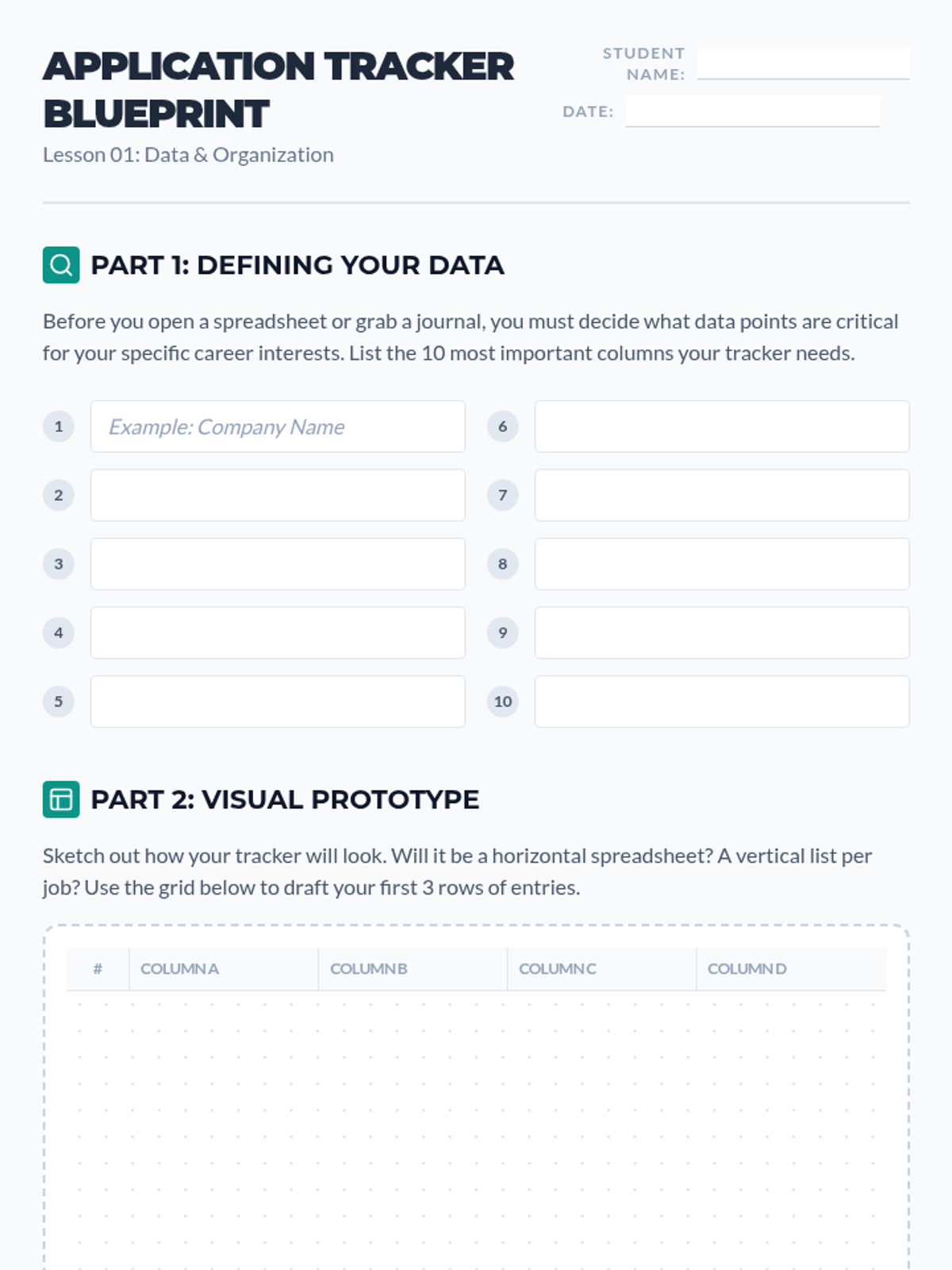
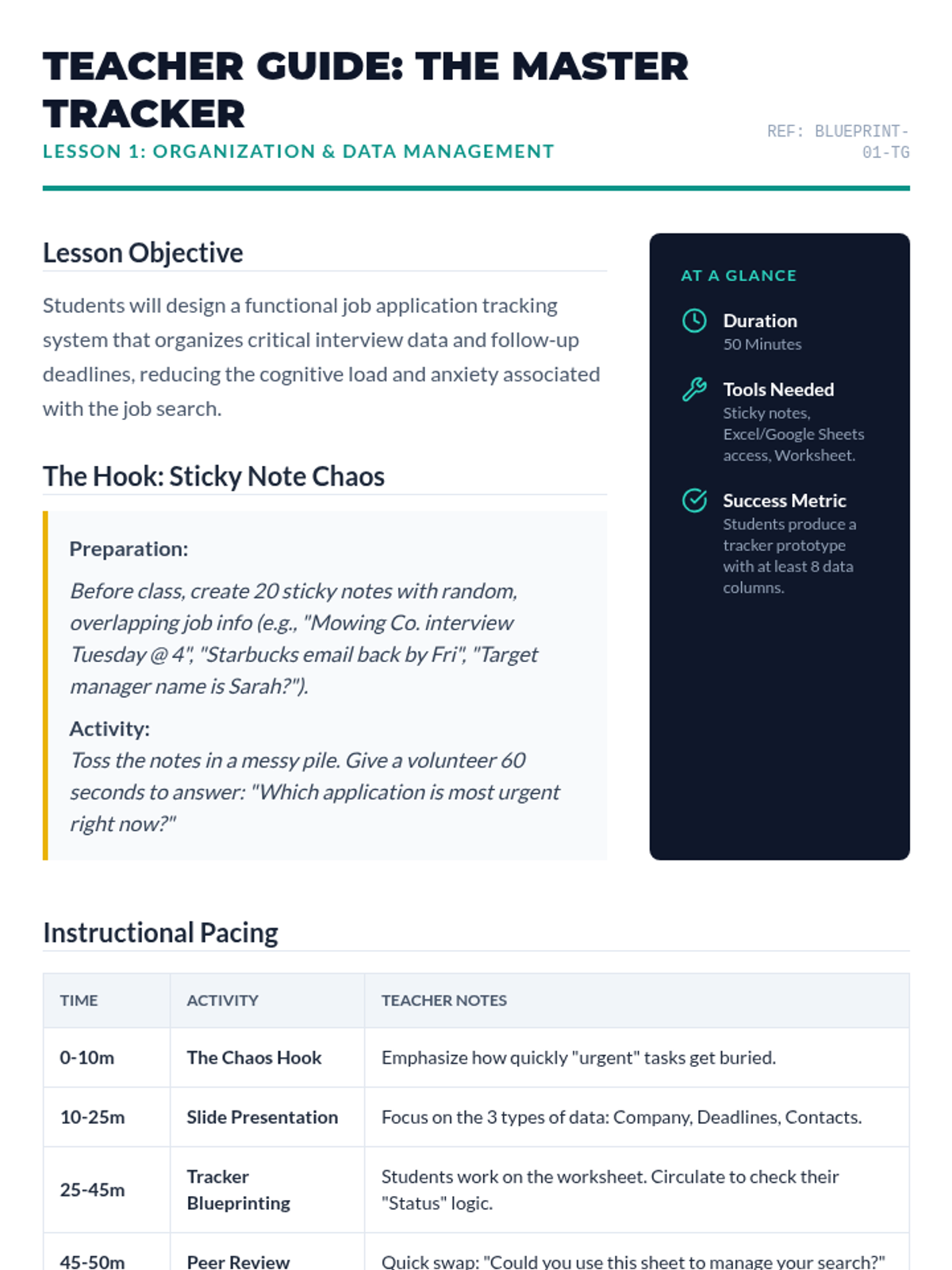
Students build a comprehensive Interview Follow-Up Toolkit, designing reusable systems like trackers, email templates, and reference sheets to manage the job search process with organization and confidence.
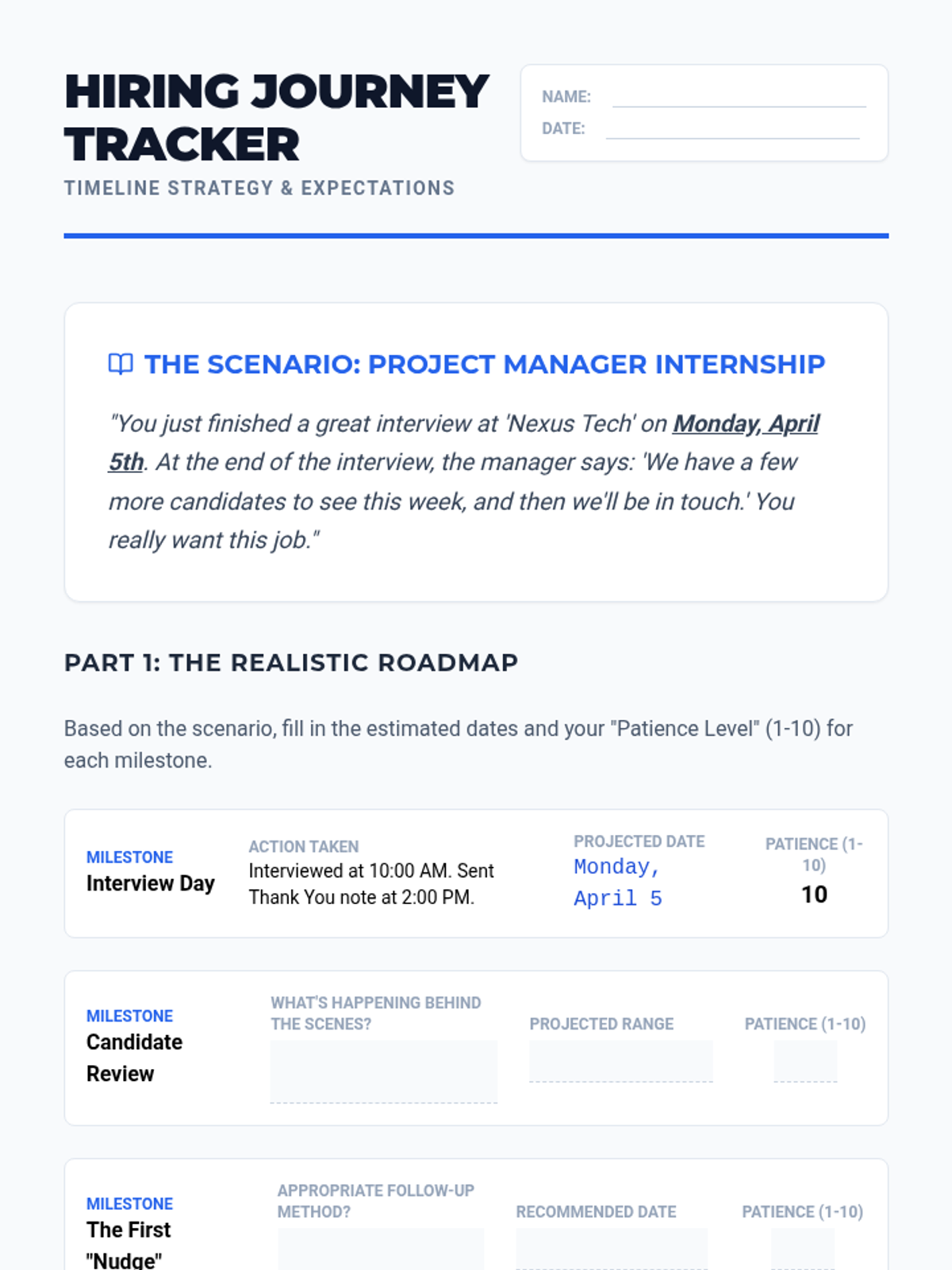
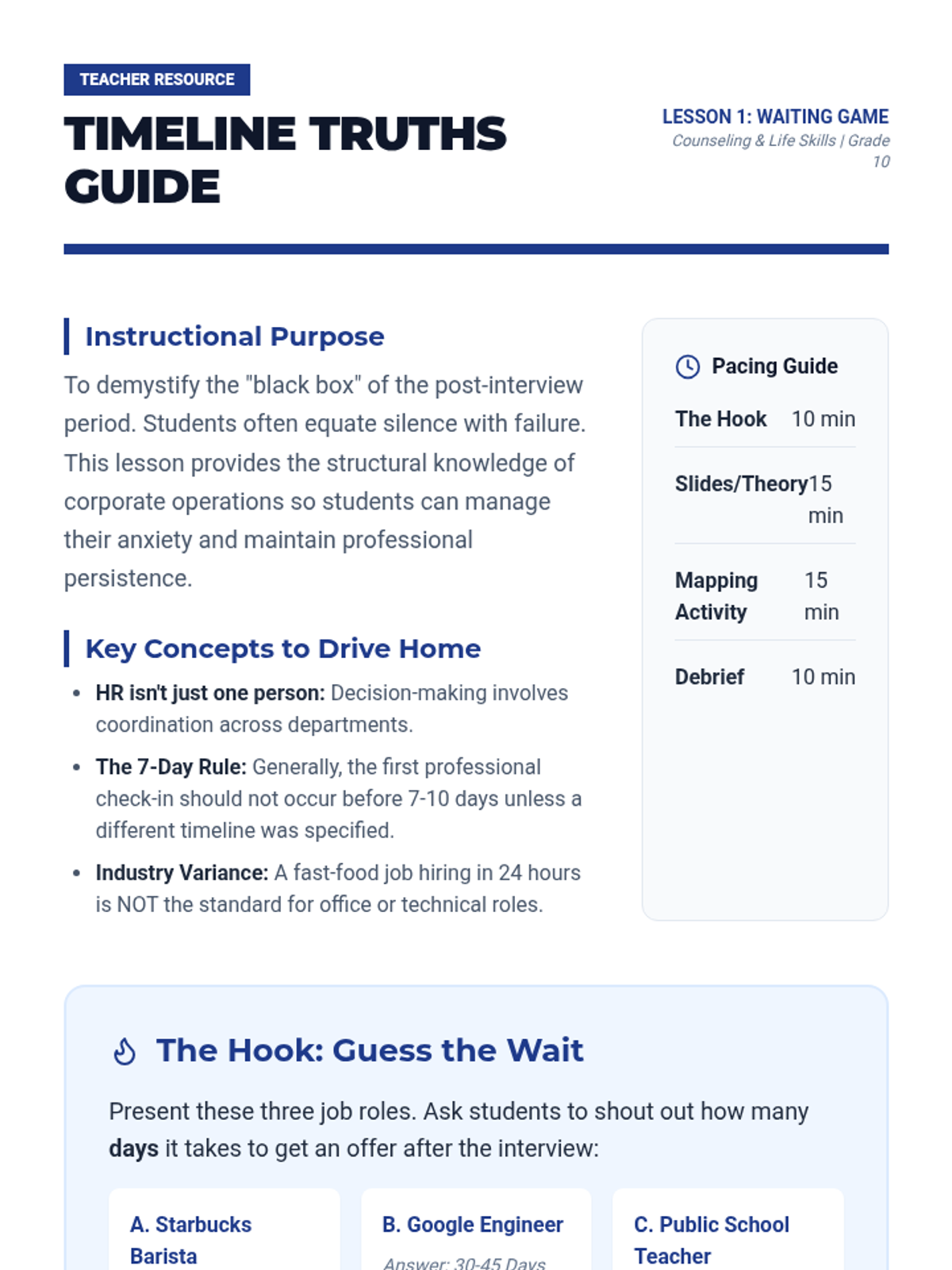
A comprehensive sequence for 10th-grade students on mastering the post-interview phase. Students move from understanding complex corporate hiring timelines to effectively navigating check-ins, rejections, and job offers with professional poise.
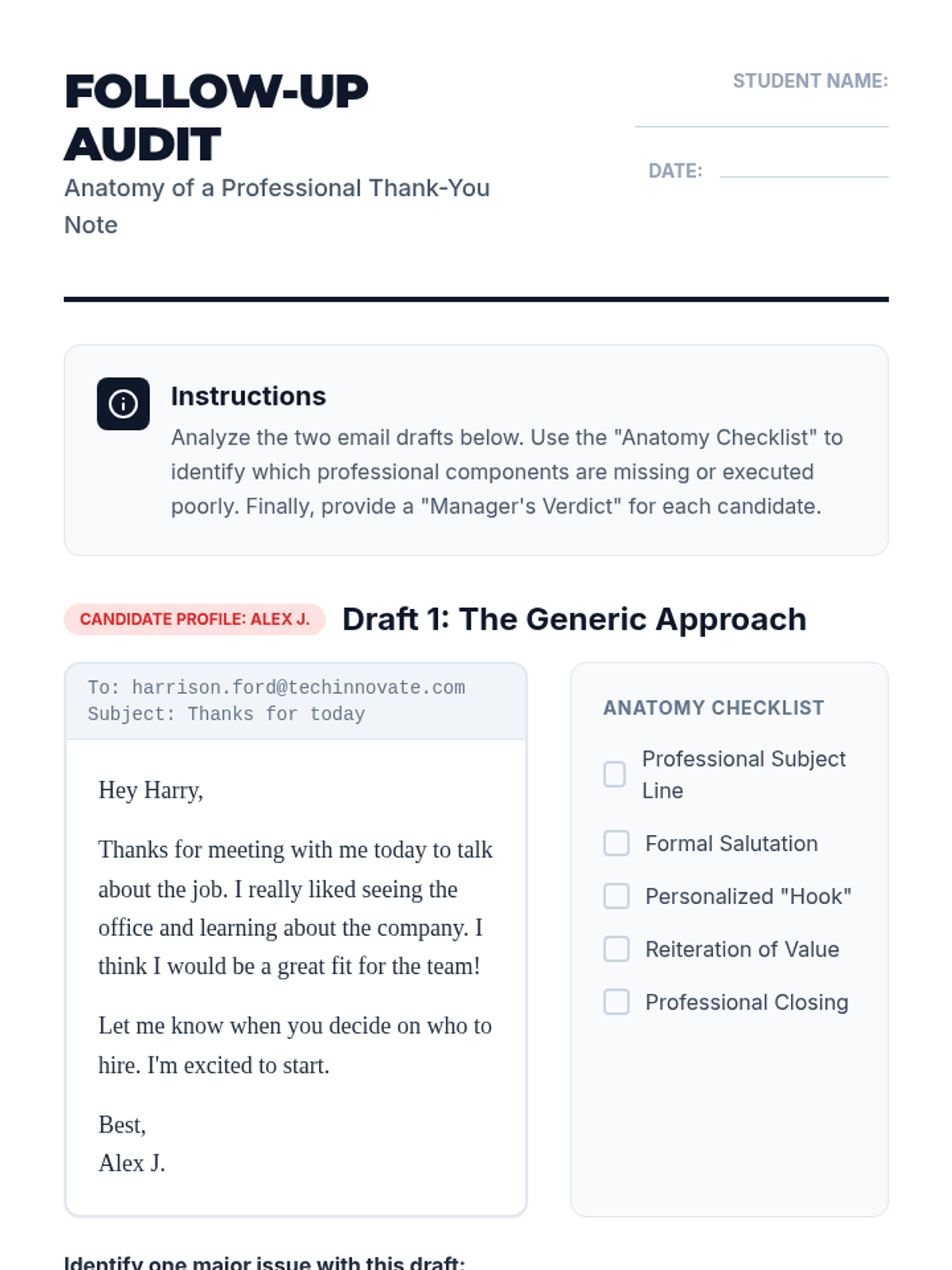
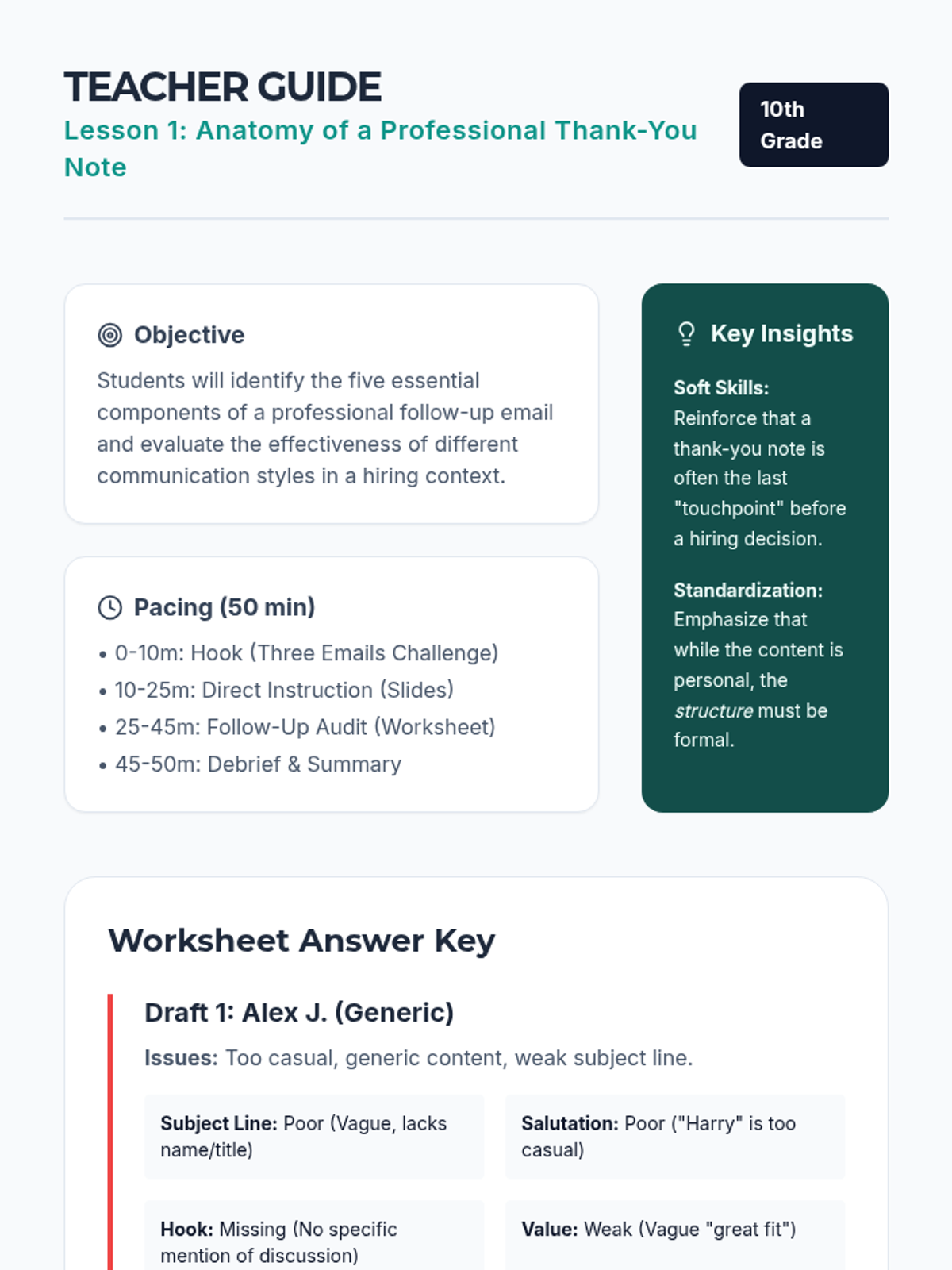
A comprehensive writing workshop for 10th-grade students focusing on the mechanics, tone, and strategic importance of post-interview follow-up communication. Students progress from analyzing standard structures to drafting personalized, professional emails for various interview scenarios.
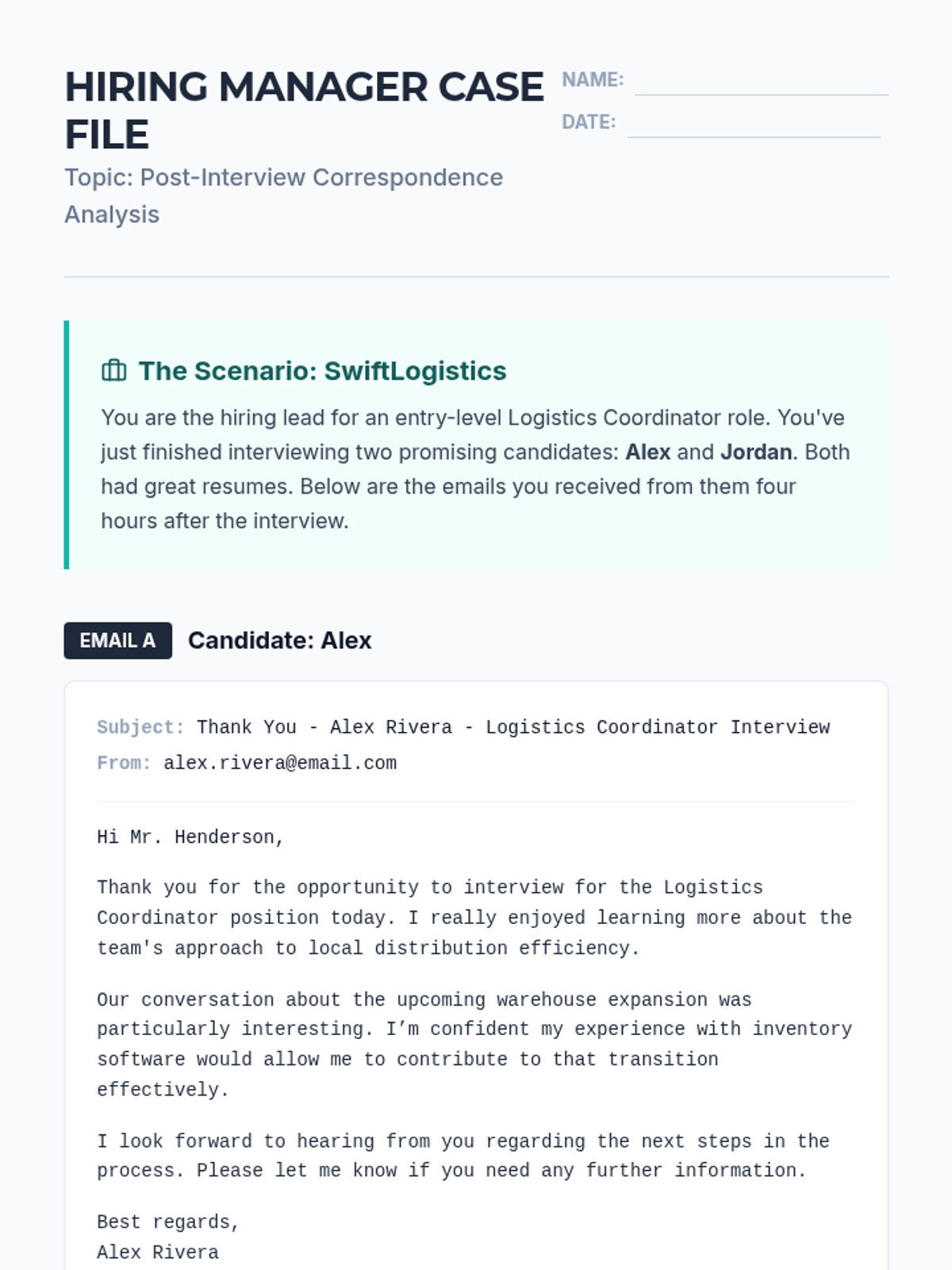
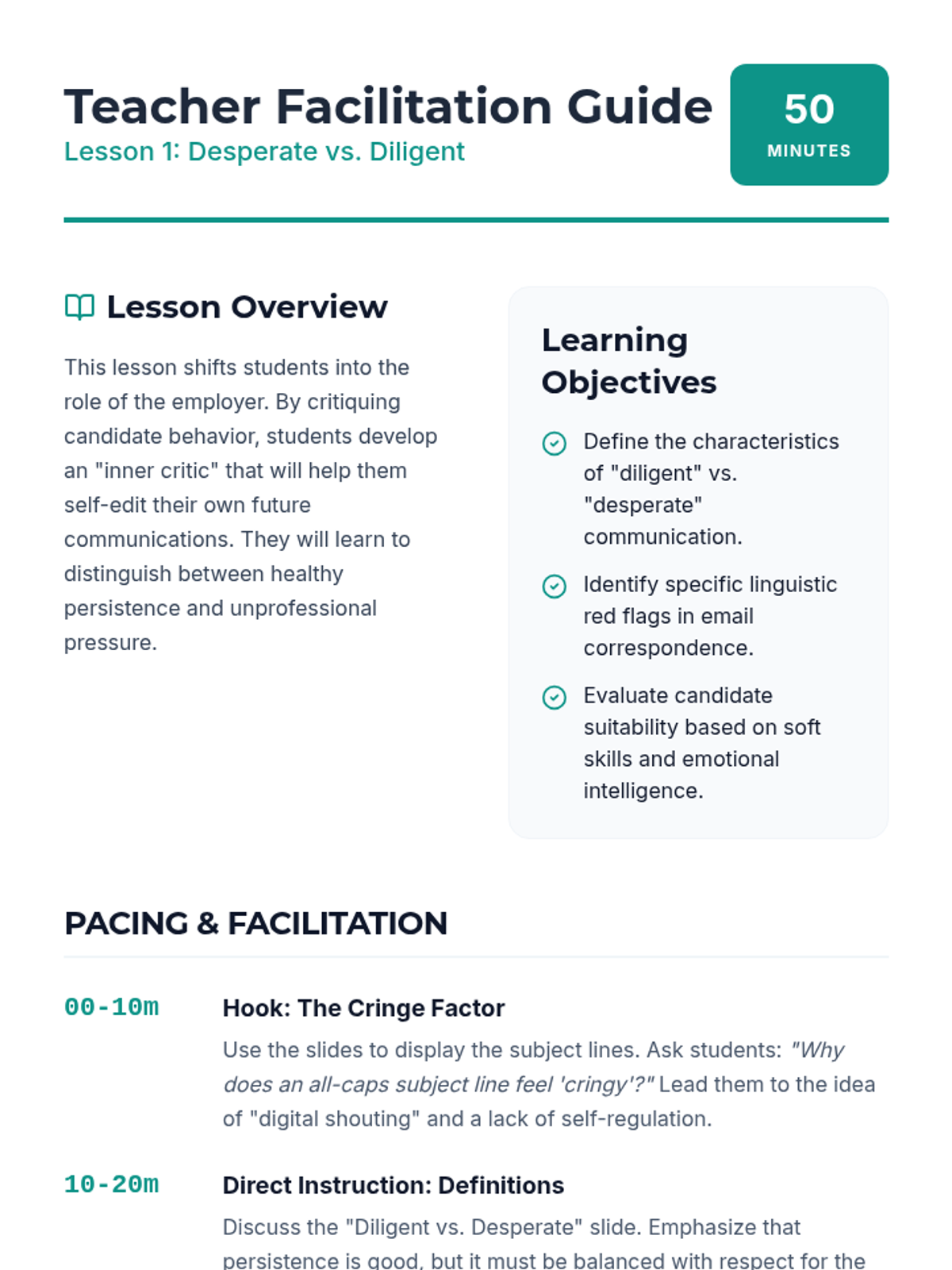
A case-study-driven unit where students act as hiring managers to analyze the nuances of post-interview follow-up communication, focusing on professional tone, attention to detail, and strategic value-adds.
A practical writing workshop sequence where students master the mechanics of professional follow-up communication after interviews. Students will analyze the structure of formal emails, draft multiple versions of follow-up messages, and refine their professional tone and proofreading skills.
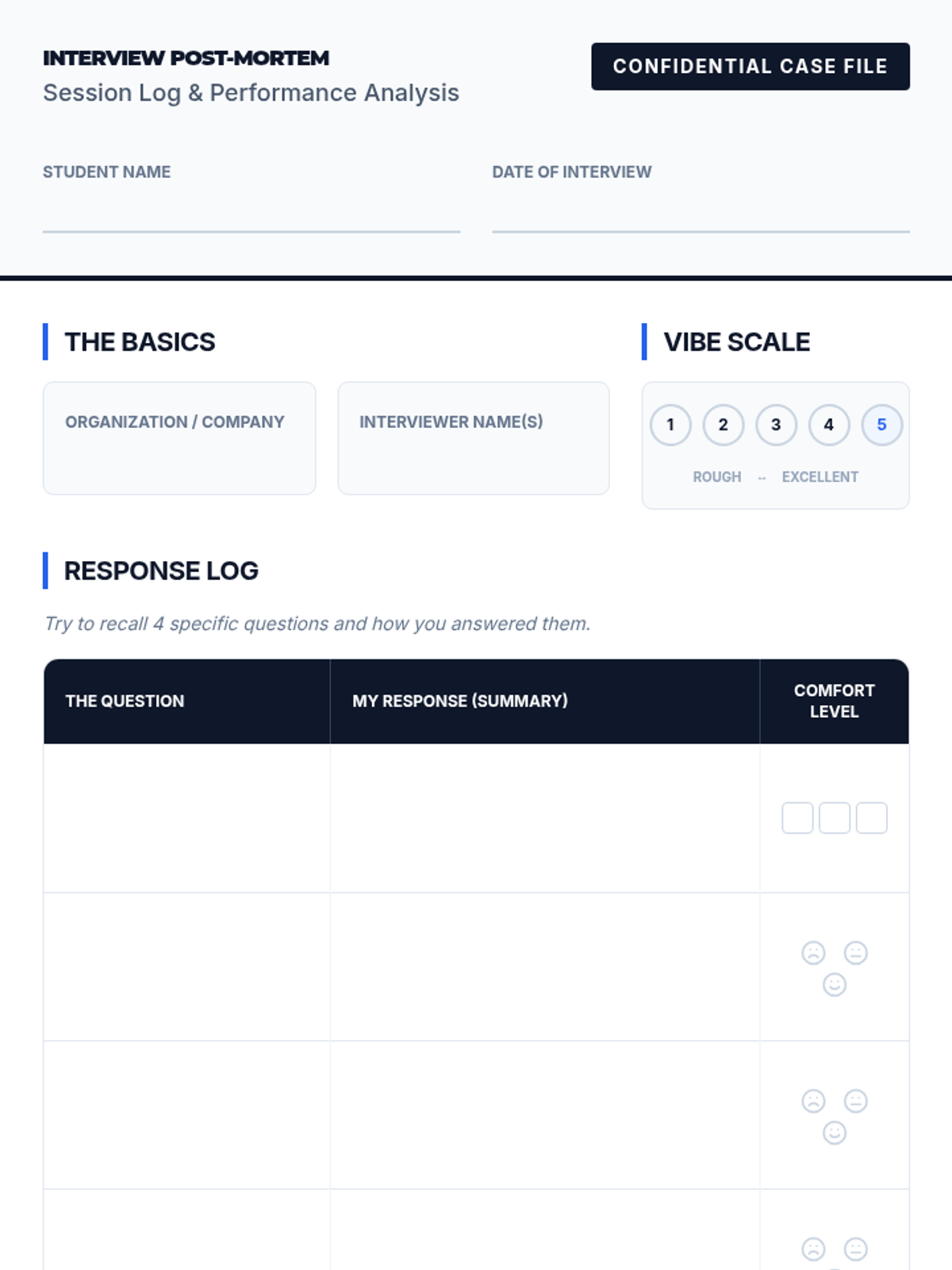
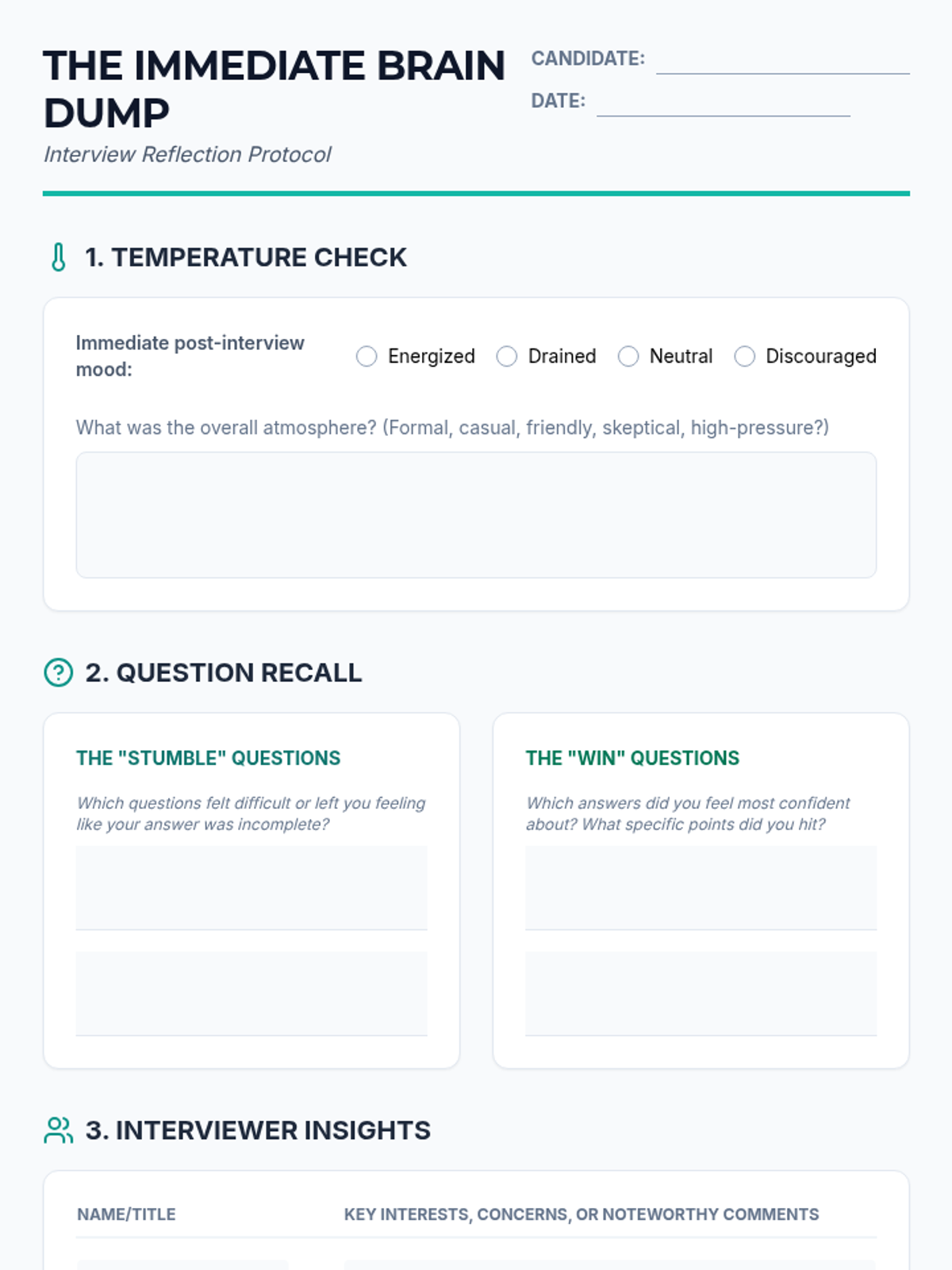
This sequence transforms the interview follow-up process from a simple 'thank you' into a comprehensive self-reflection and growth cycle. Students learn to conduct post-interview debriefs, address performance gaps in their communication, analyze non-verbal cues retrospectively, and professionalize their approach to receiving feedback and rejection.
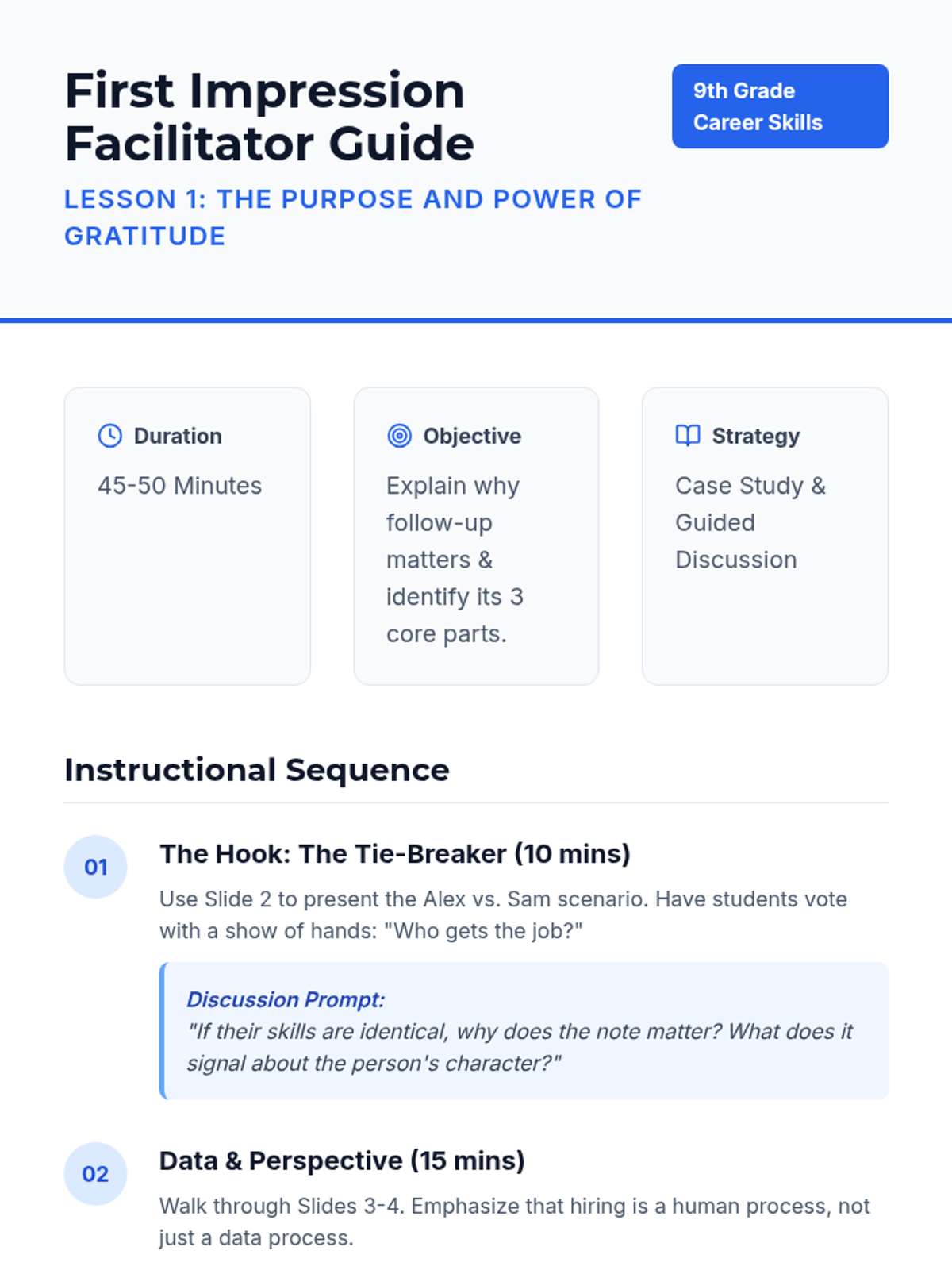
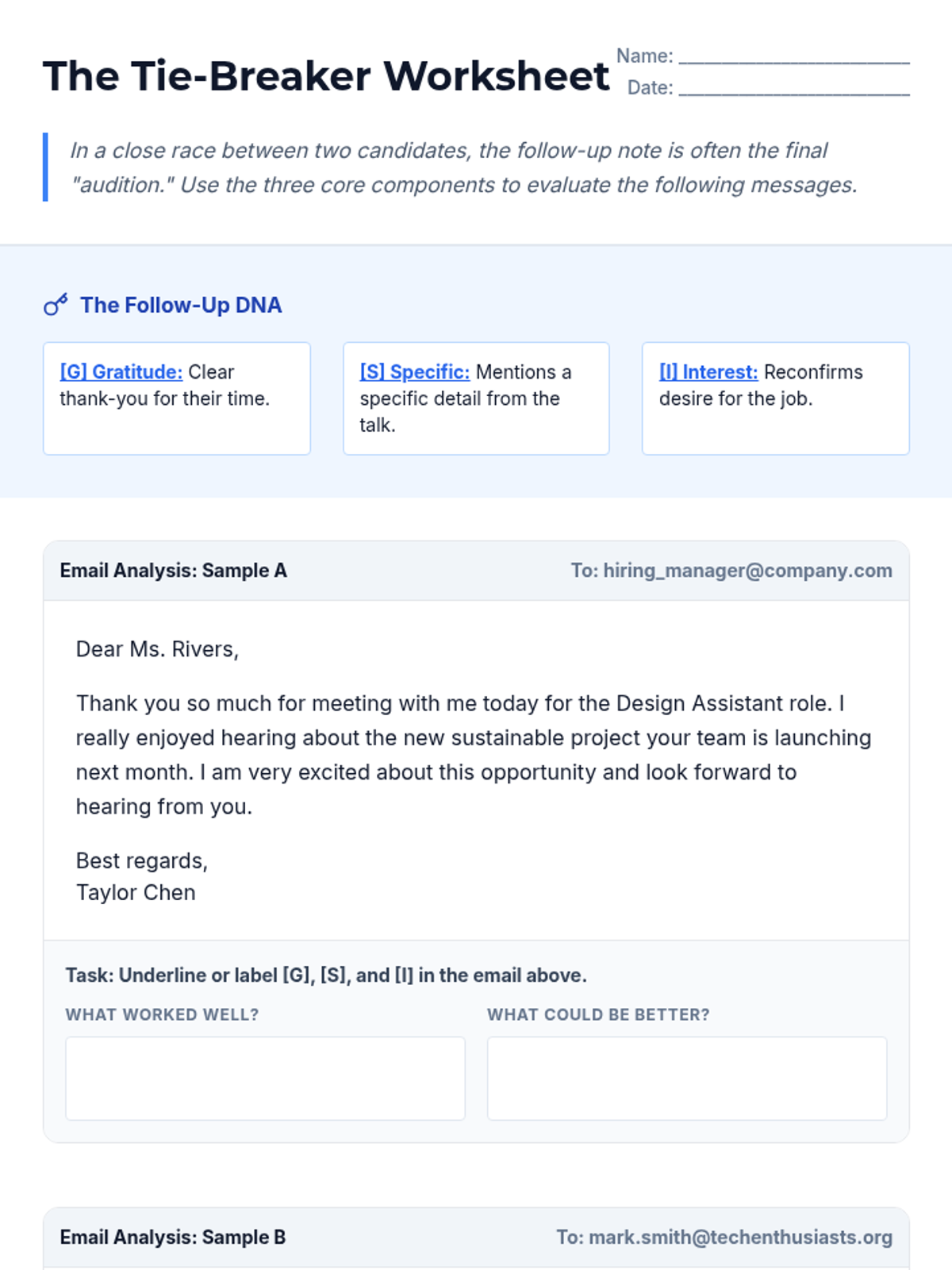
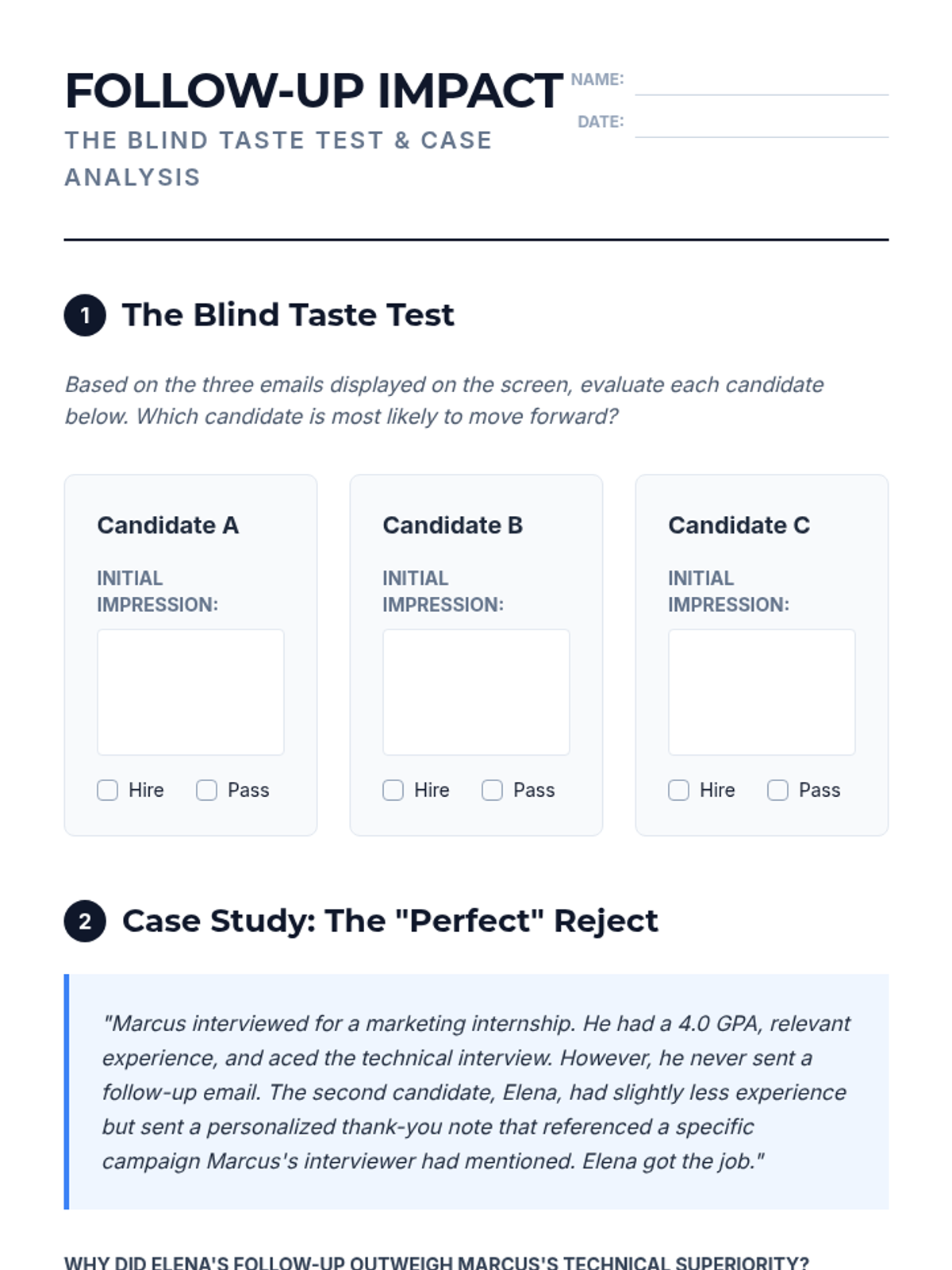
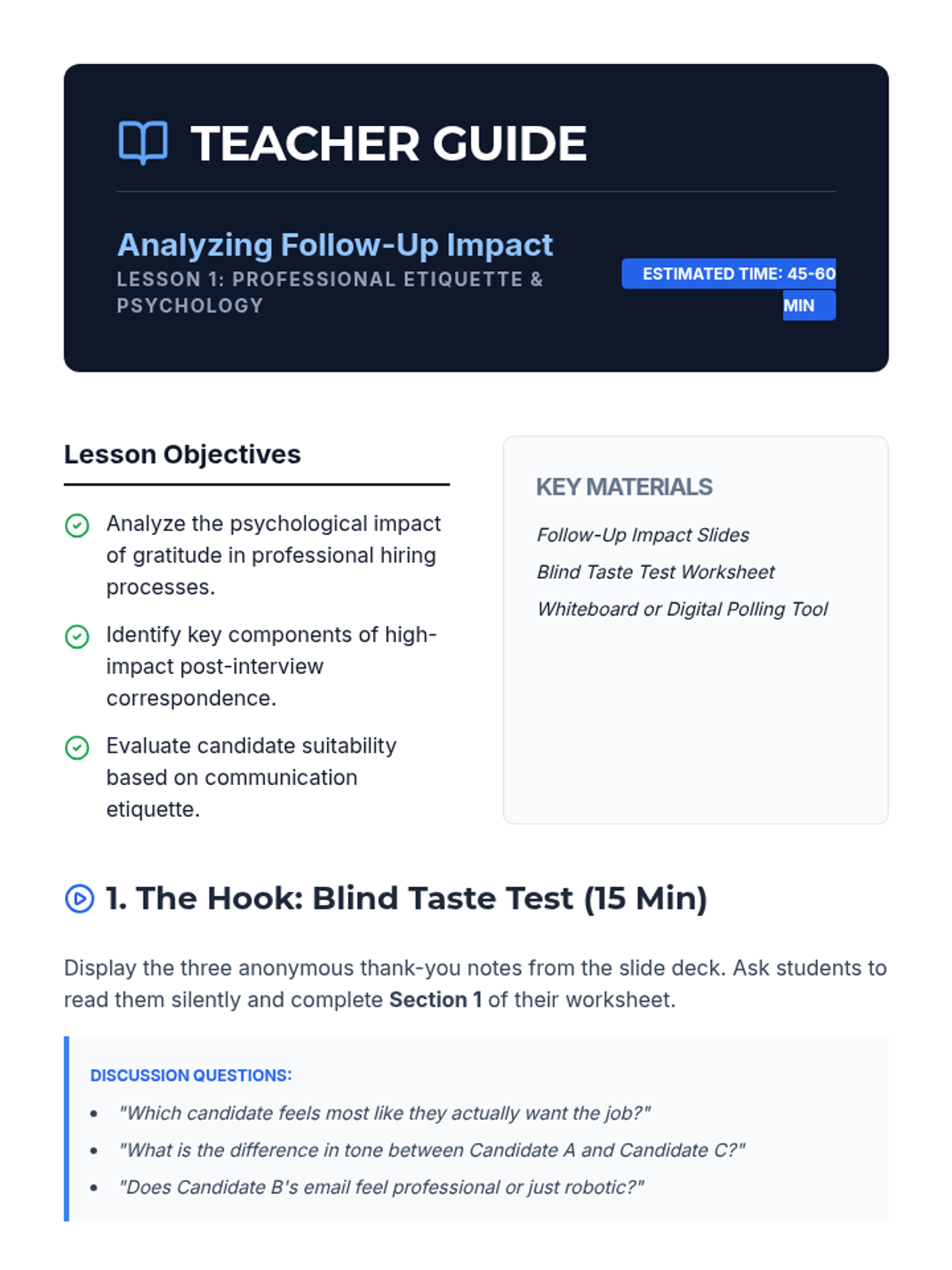
A practical writing workshop sequence where students master post-interview thank-you notes, analyzing their psychological impact and crafting personalized, professional correspondence for various contexts.
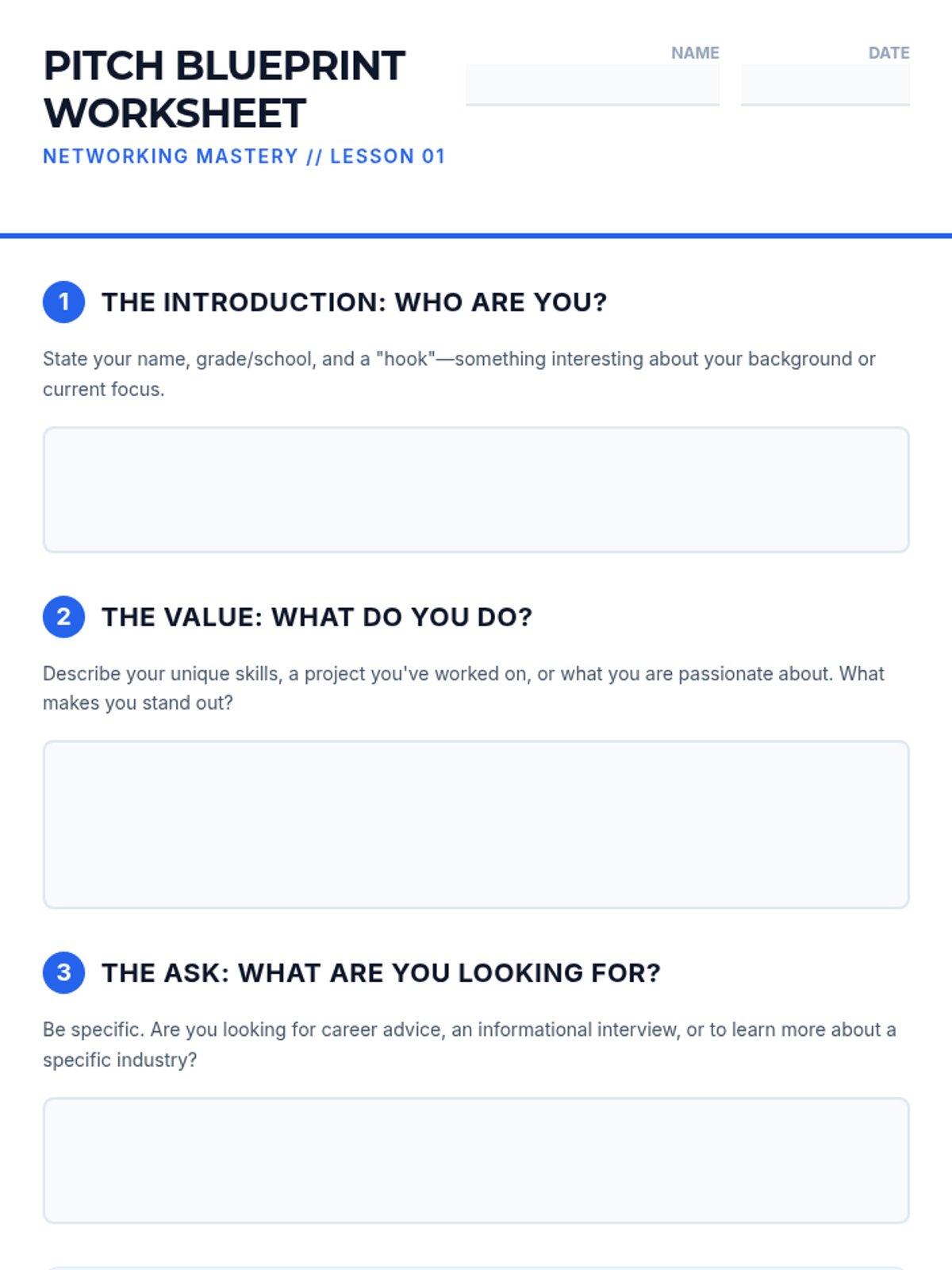
A comprehensive sequence for 10th-grade students focusing on the verbal and interpersonal skills of networking. Students learn to draft elevator pitches, practice non-verbal communication, design informational interview questions, and execute professional follow-ups.
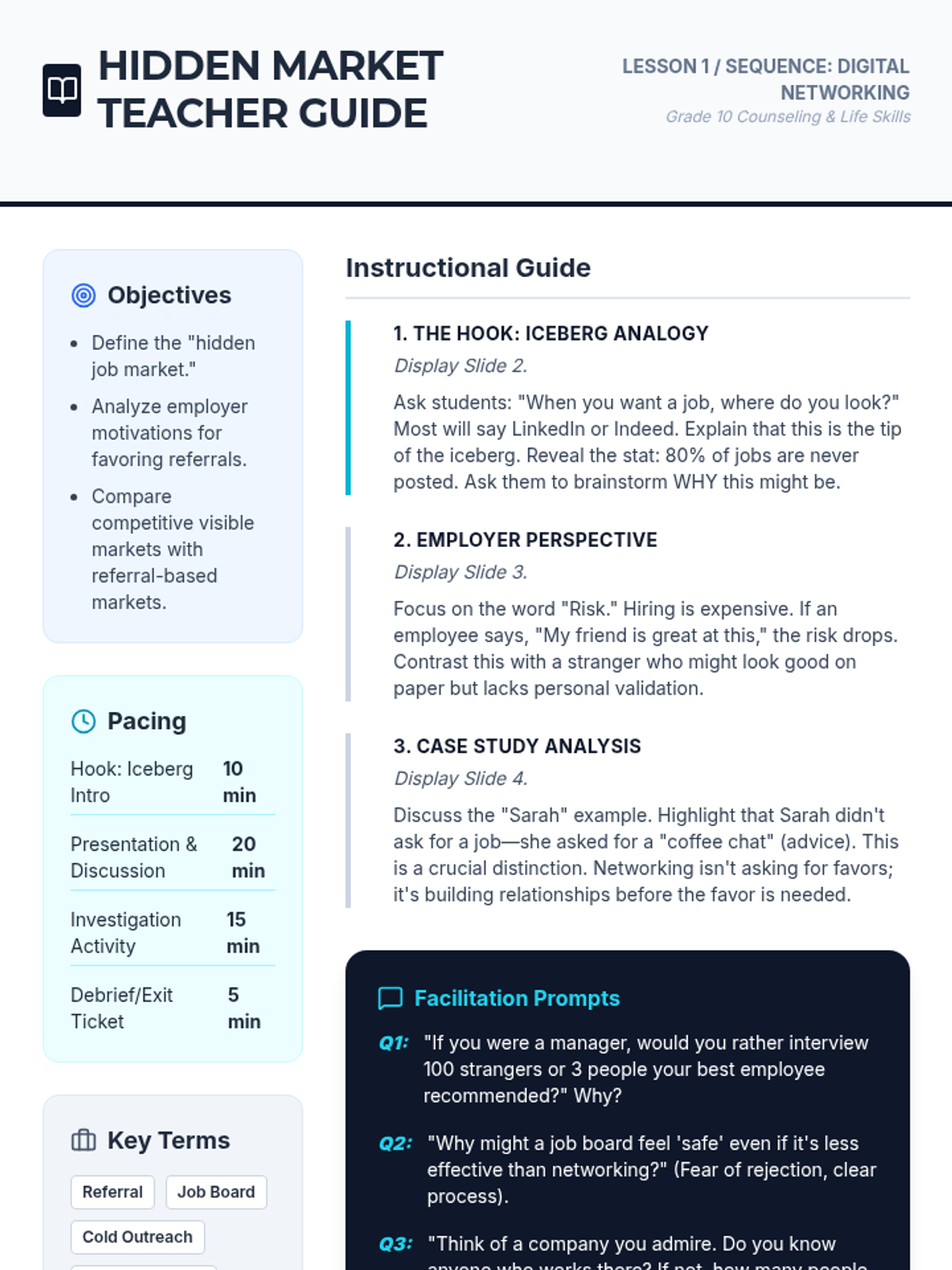
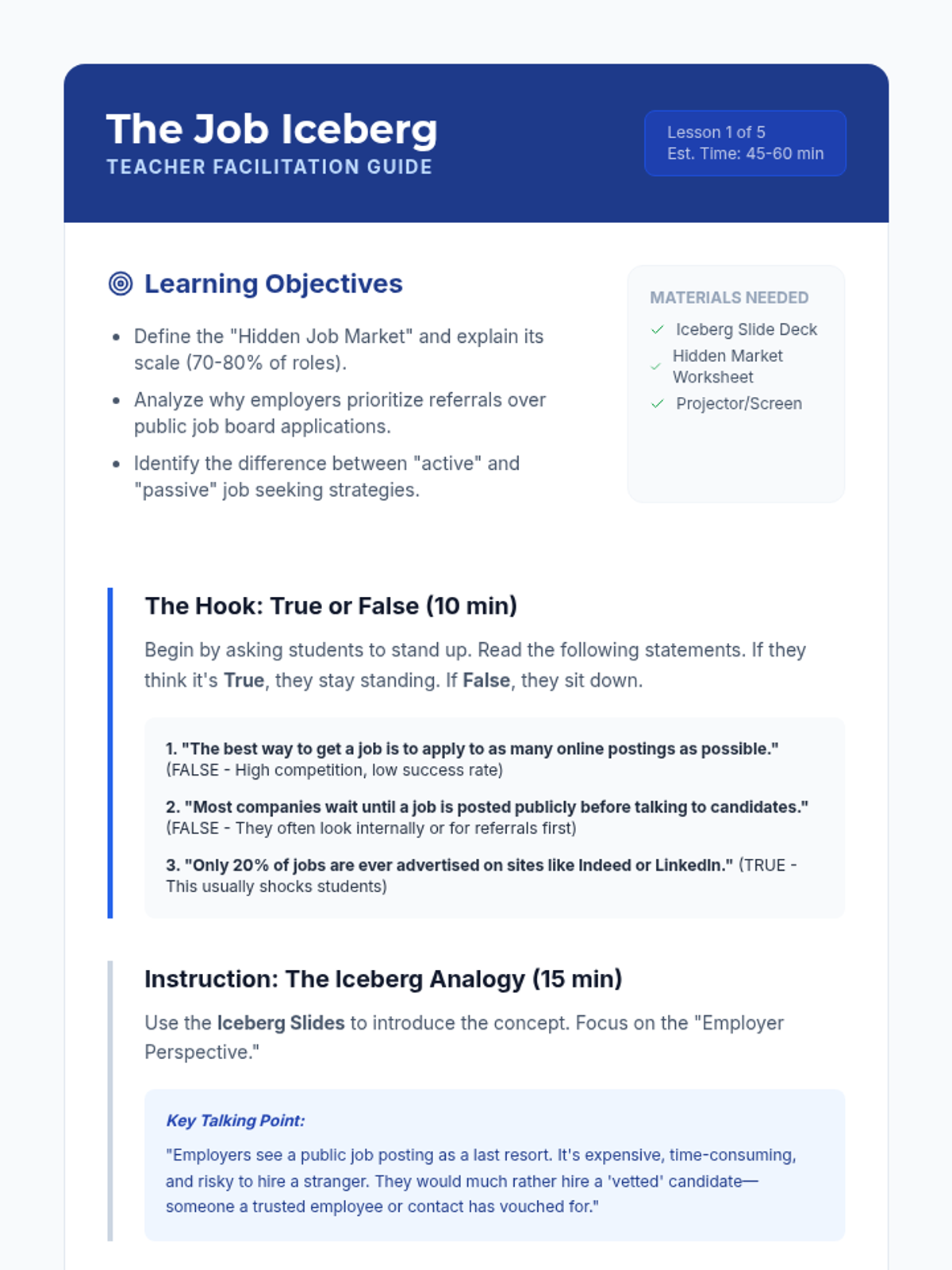
This sequence guides 10th-grade students through the strategic world of the 'hidden job market' and digital networking. Students will map their existing networks, build professional digital profiles, and learn the art of cold outreach and relationship maintenance.
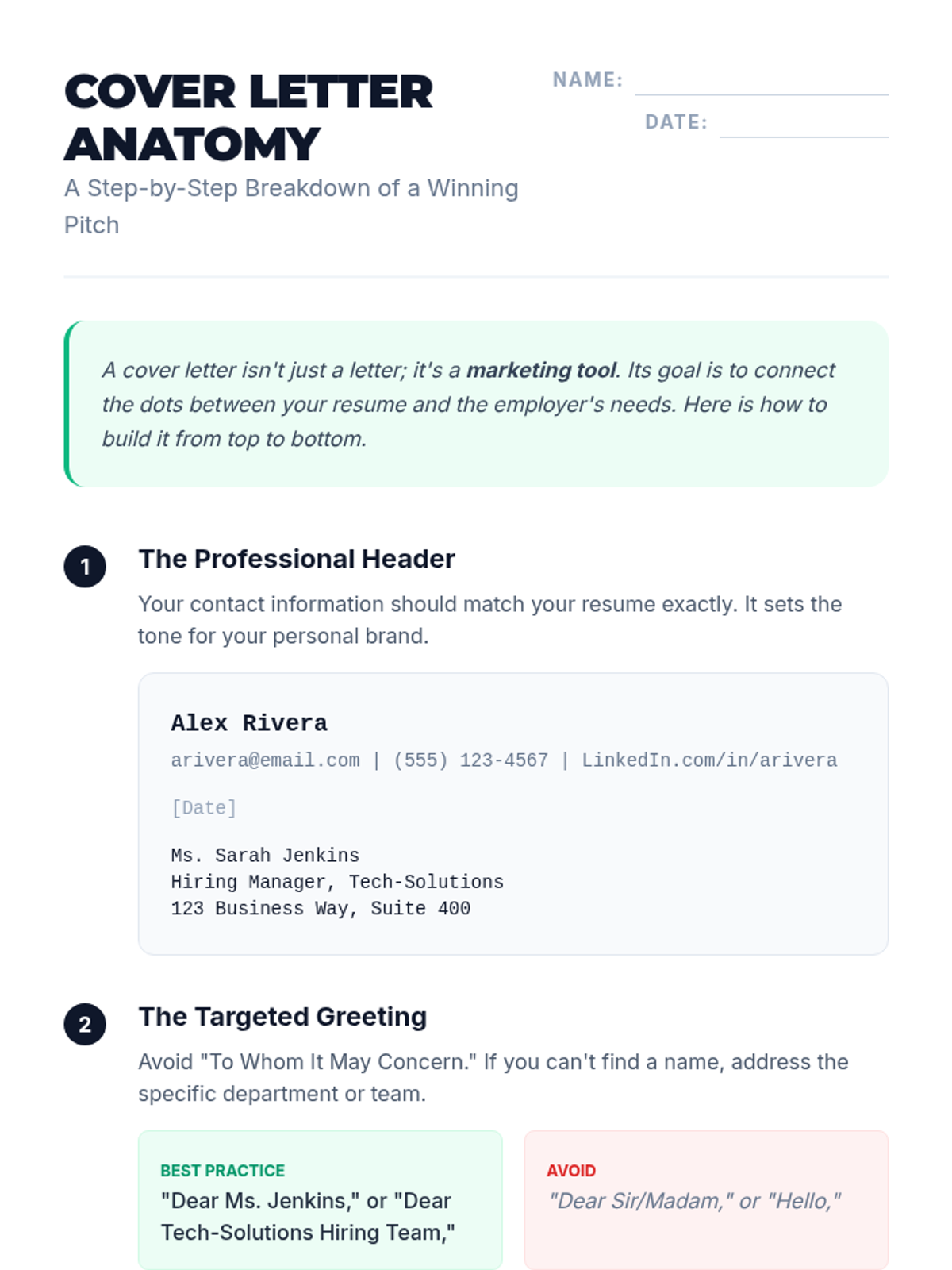
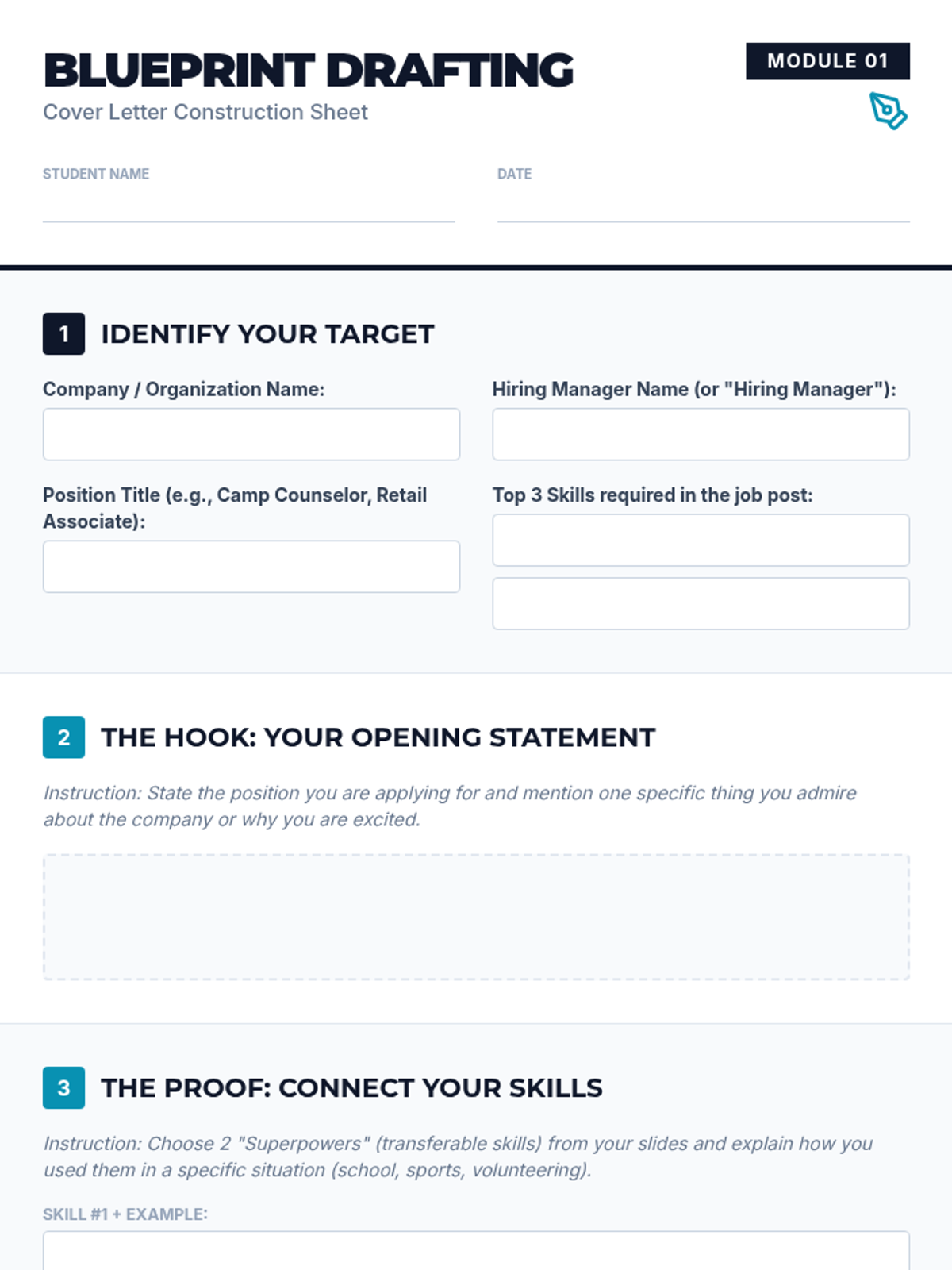
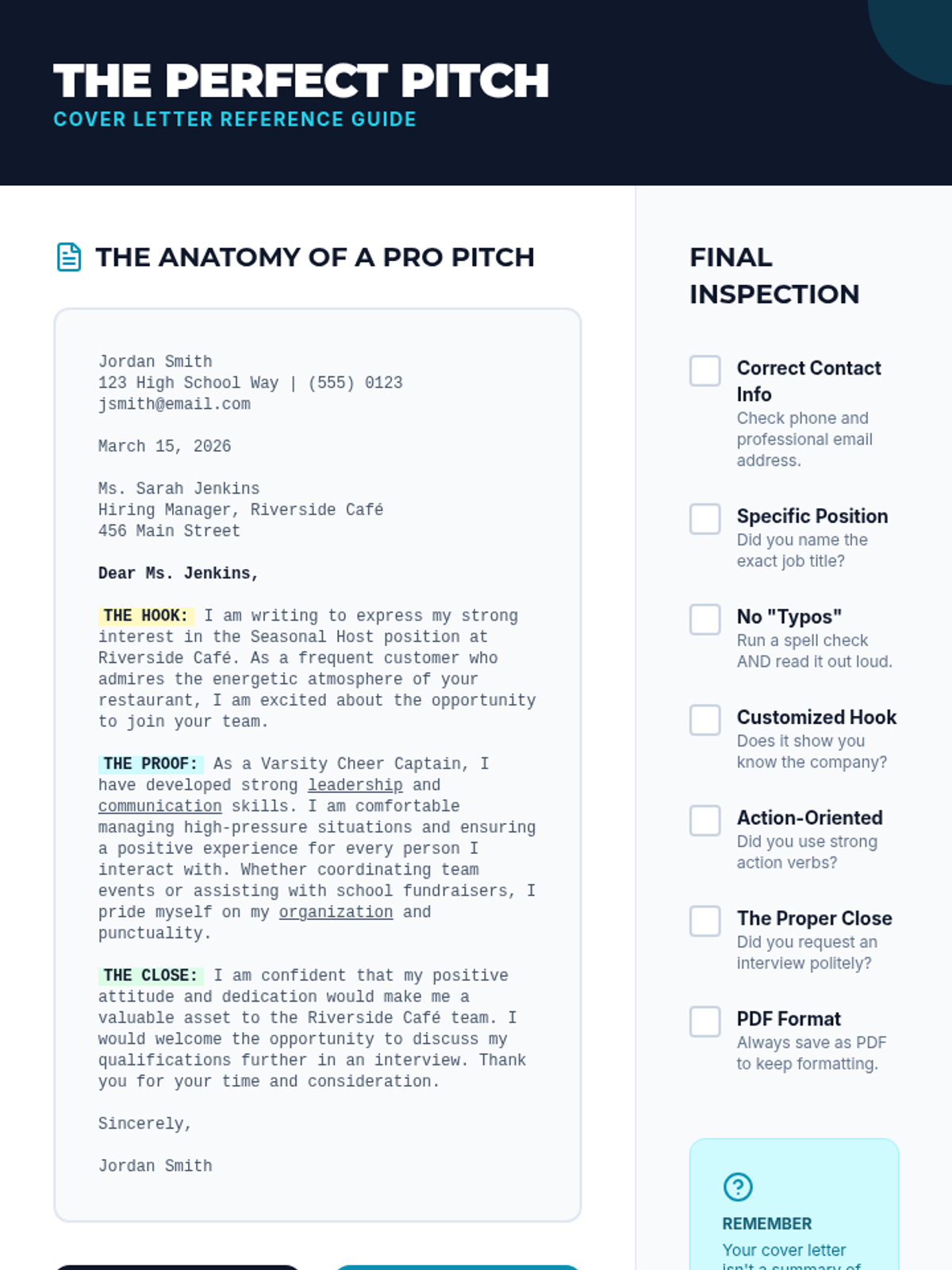
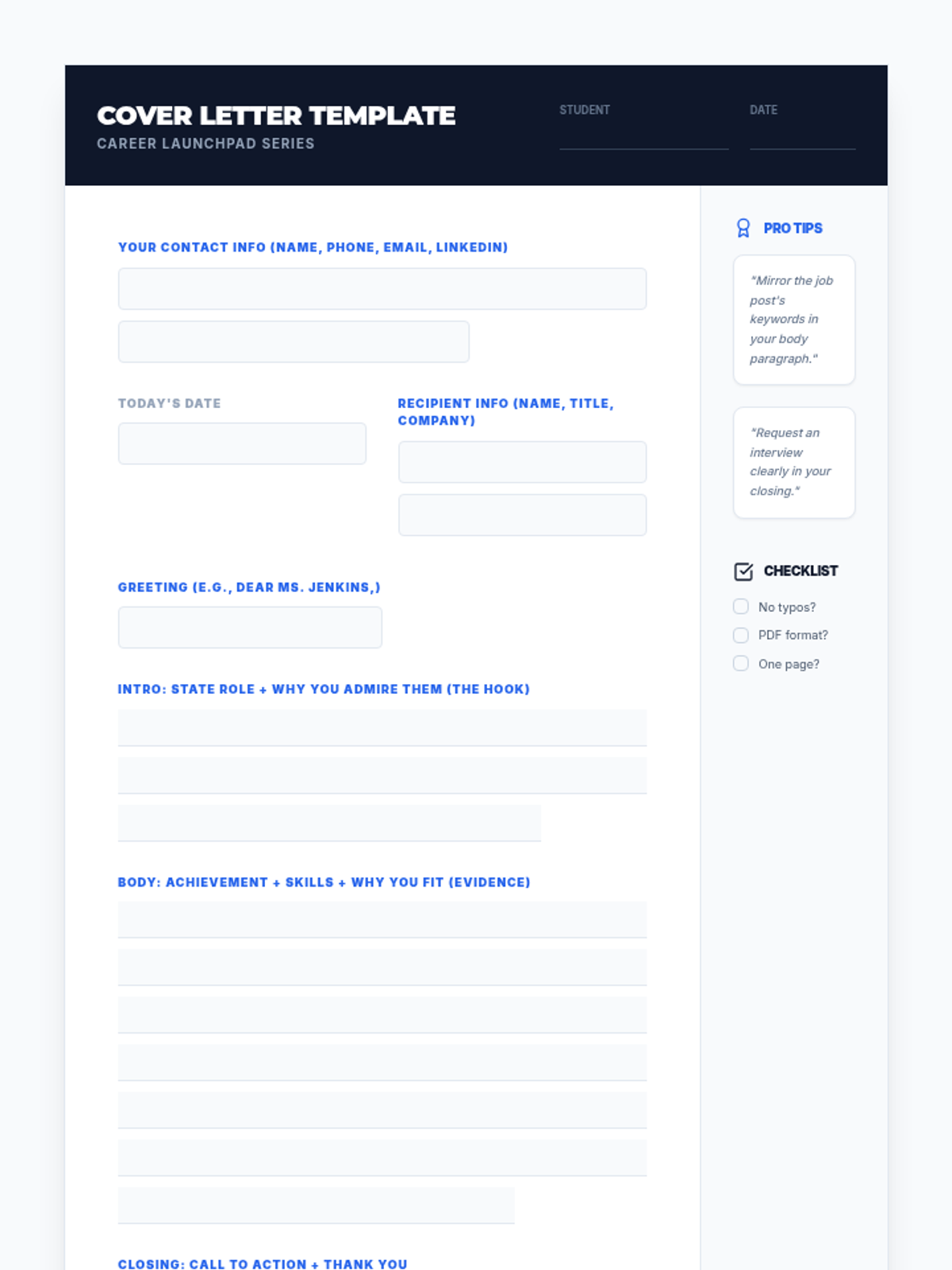
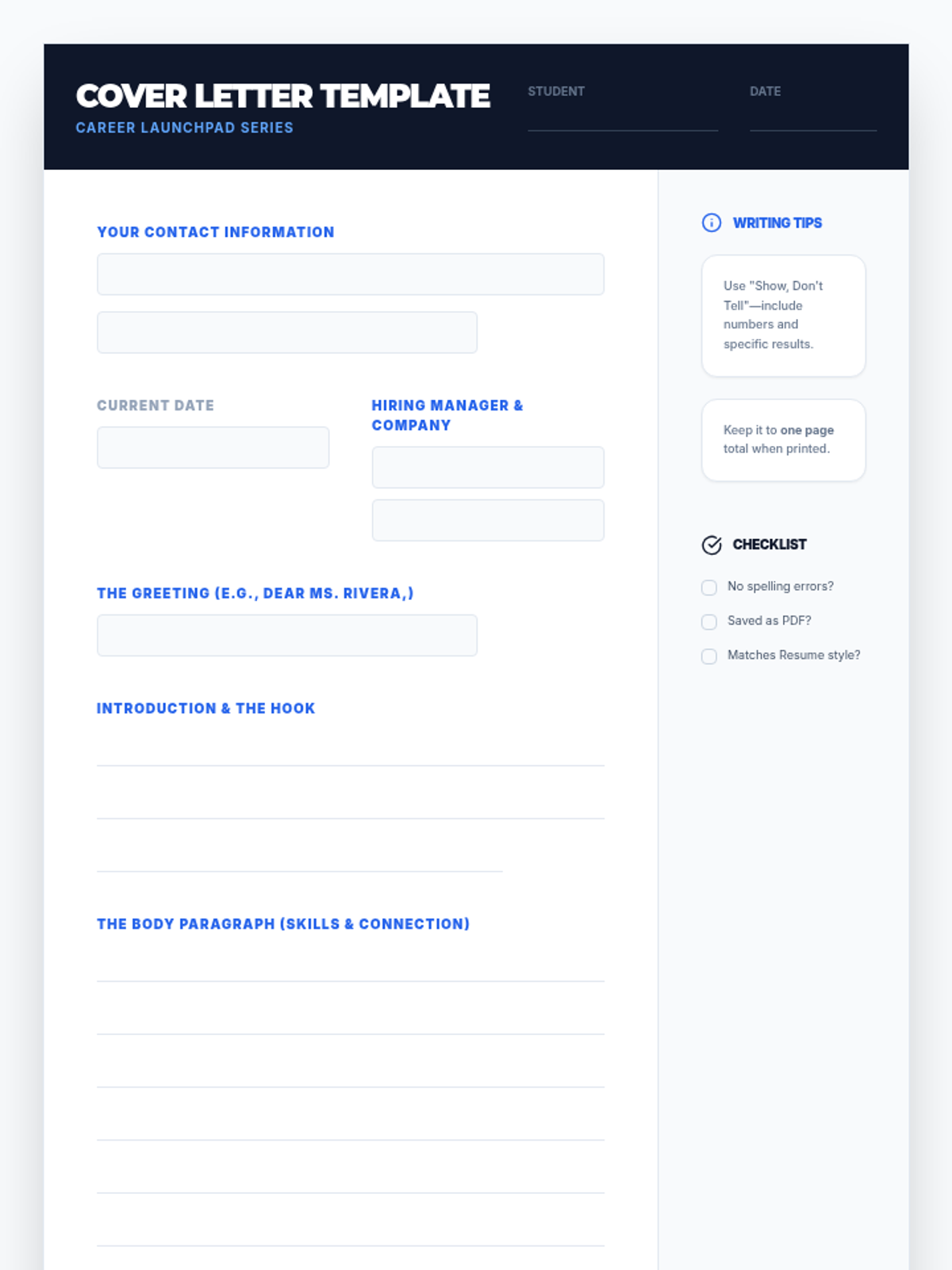
A comprehensive sequence for 10th-grade students on the structural and formatting conventions of professional cover letters. Students progress from understanding basic business letter anatomy to drafting specific sections (header, opening, body, closing) to produce a polished, professional document.
This sequence explores the 'hidden job market' where up to 80% of roles are filled through networking. Students will develop social capital, craft elevator pitches, map their personal connections, and learn the etiquette of informational interviews and professional follow-up.
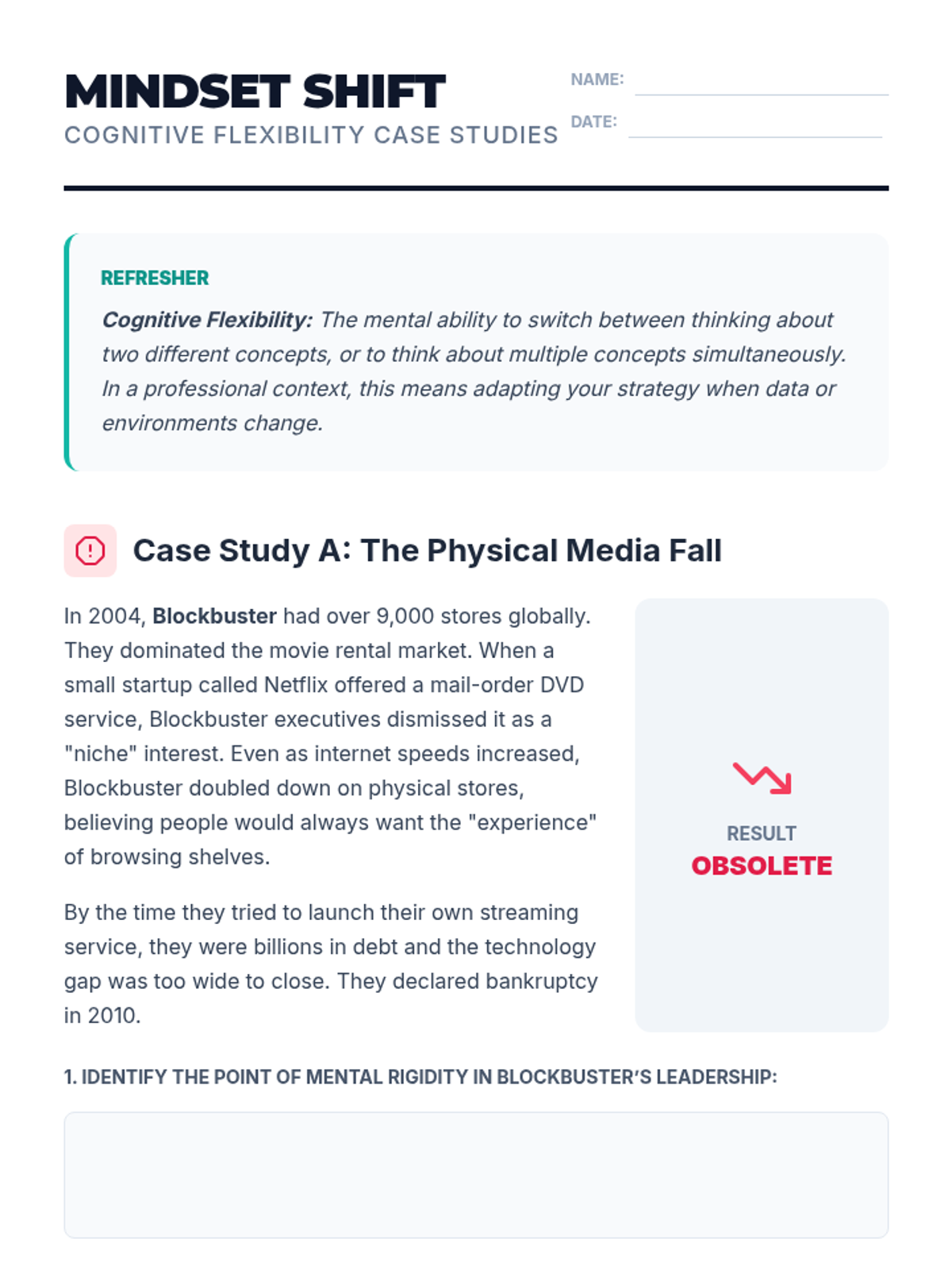
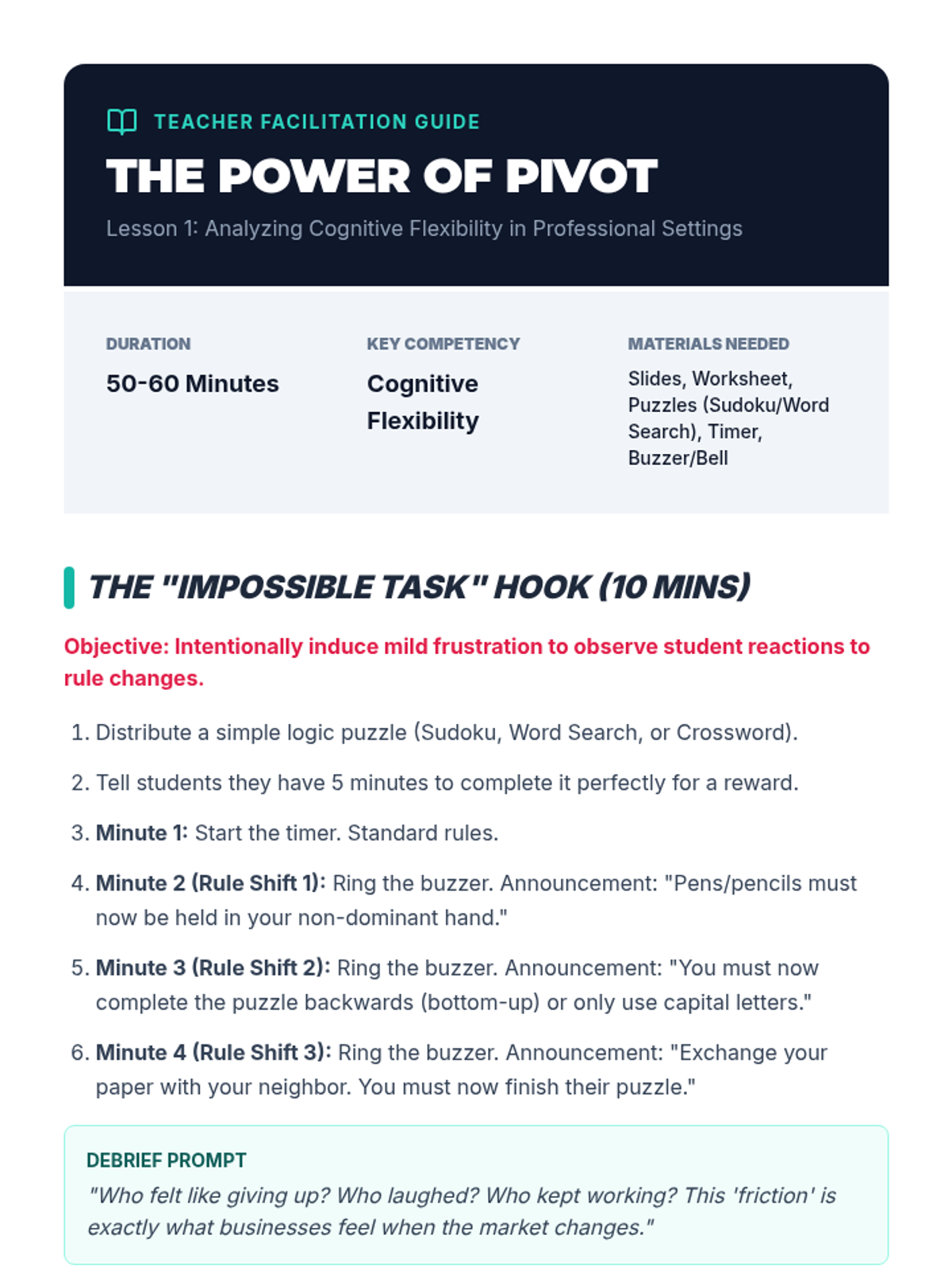
A comprehensive 5-lesson unit for 10th graders focusing on cognitive flexibility, professional code-switching, crisis management, and emotional resilience in the workplace. Students engage in simulations and case studies to develop a toolkit for navigating professional uncertainty.
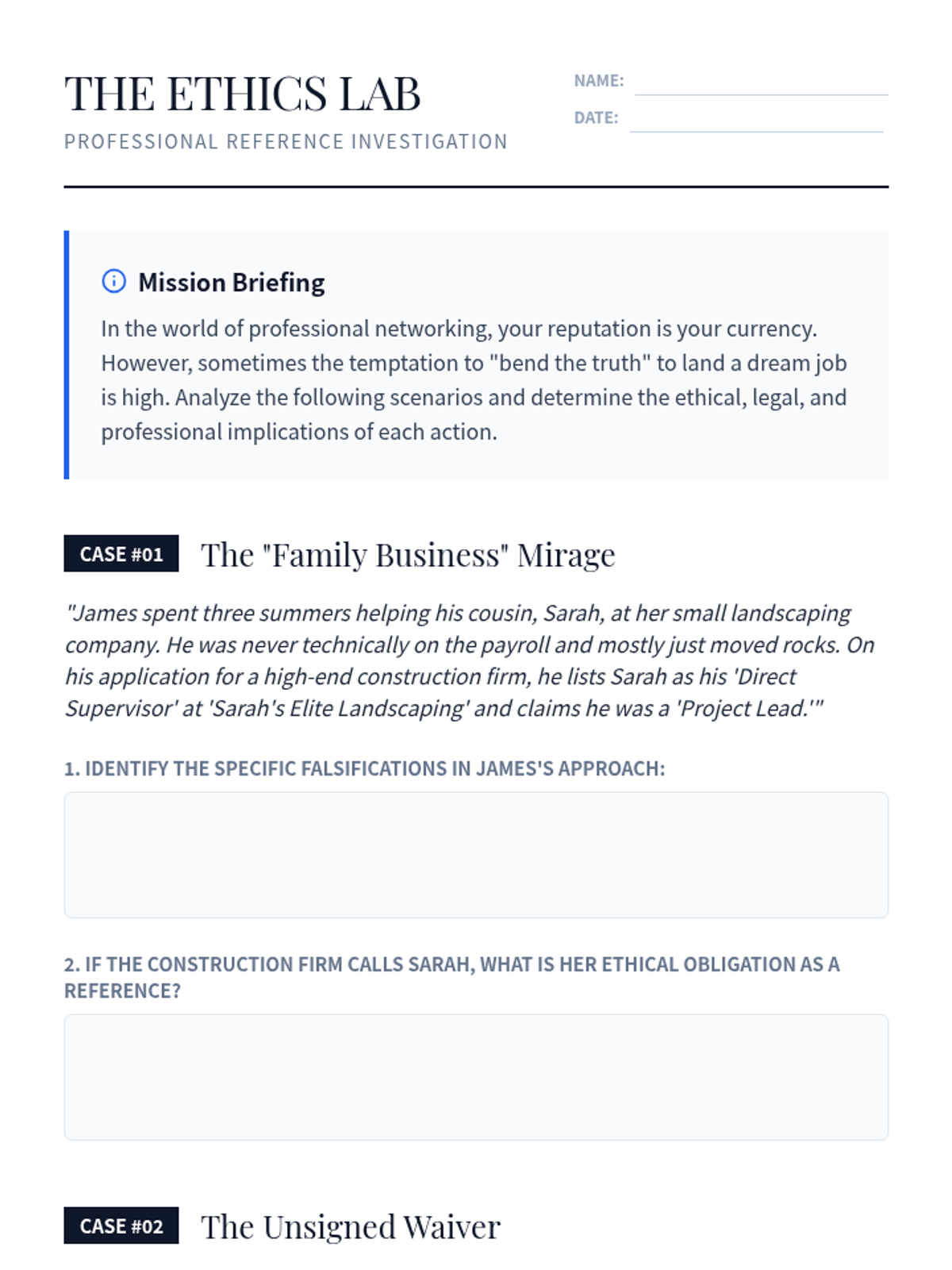
A mastery-based sequence for 10th-grade students focusing on the legal and ethical nuances of professional references. Students explore privacy, defamation, and strategic communication while distinguishing between personal and professional endorsements.
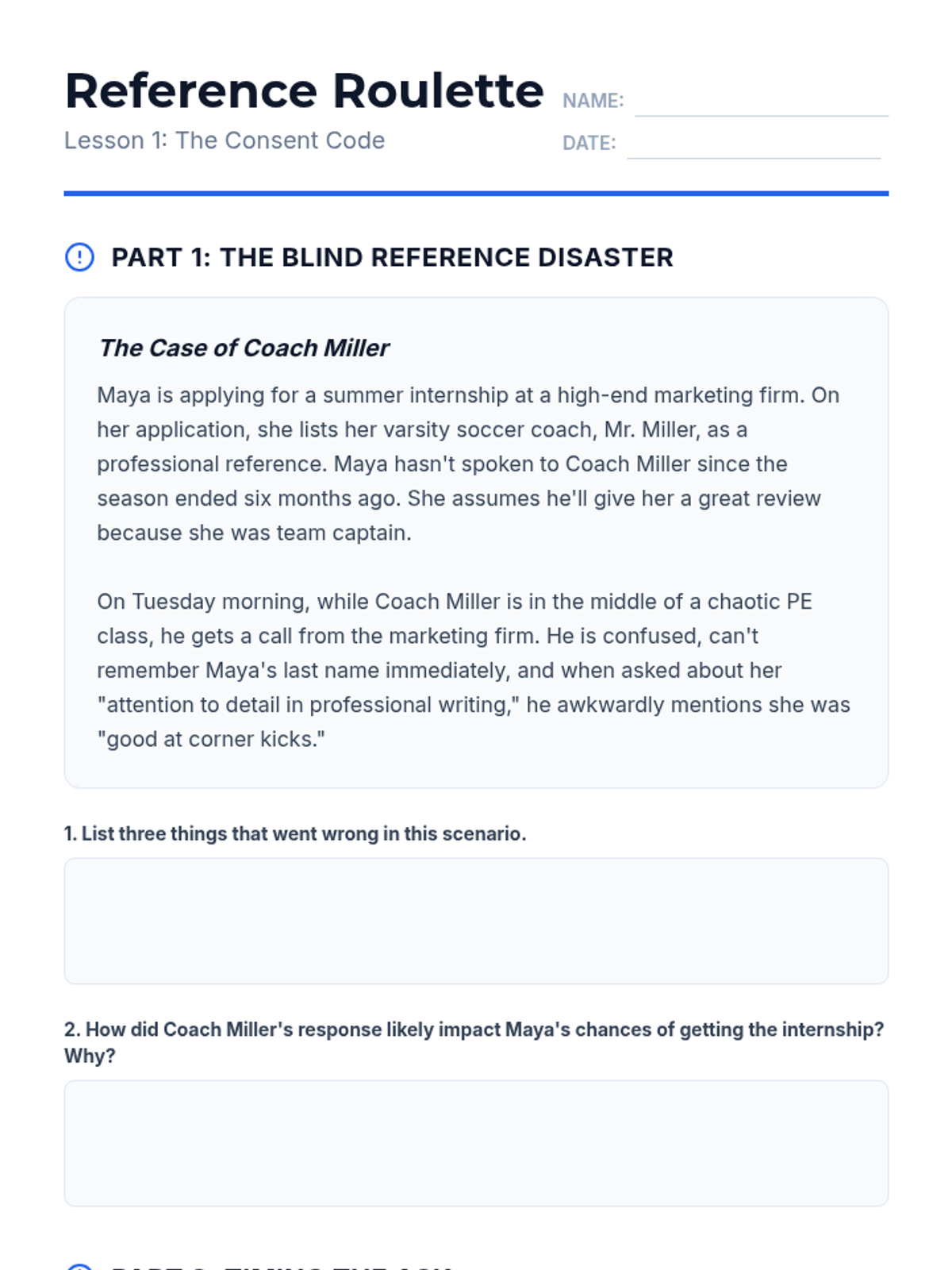
This sequence teaches 10th-grade students the essential interpersonal and professional communication skills required to secure and maintain professional references. Students will move from understanding the importance of consent to drafting emails, practicing verbal requests, and providing references with the necessary tools to advocate for them effectively.
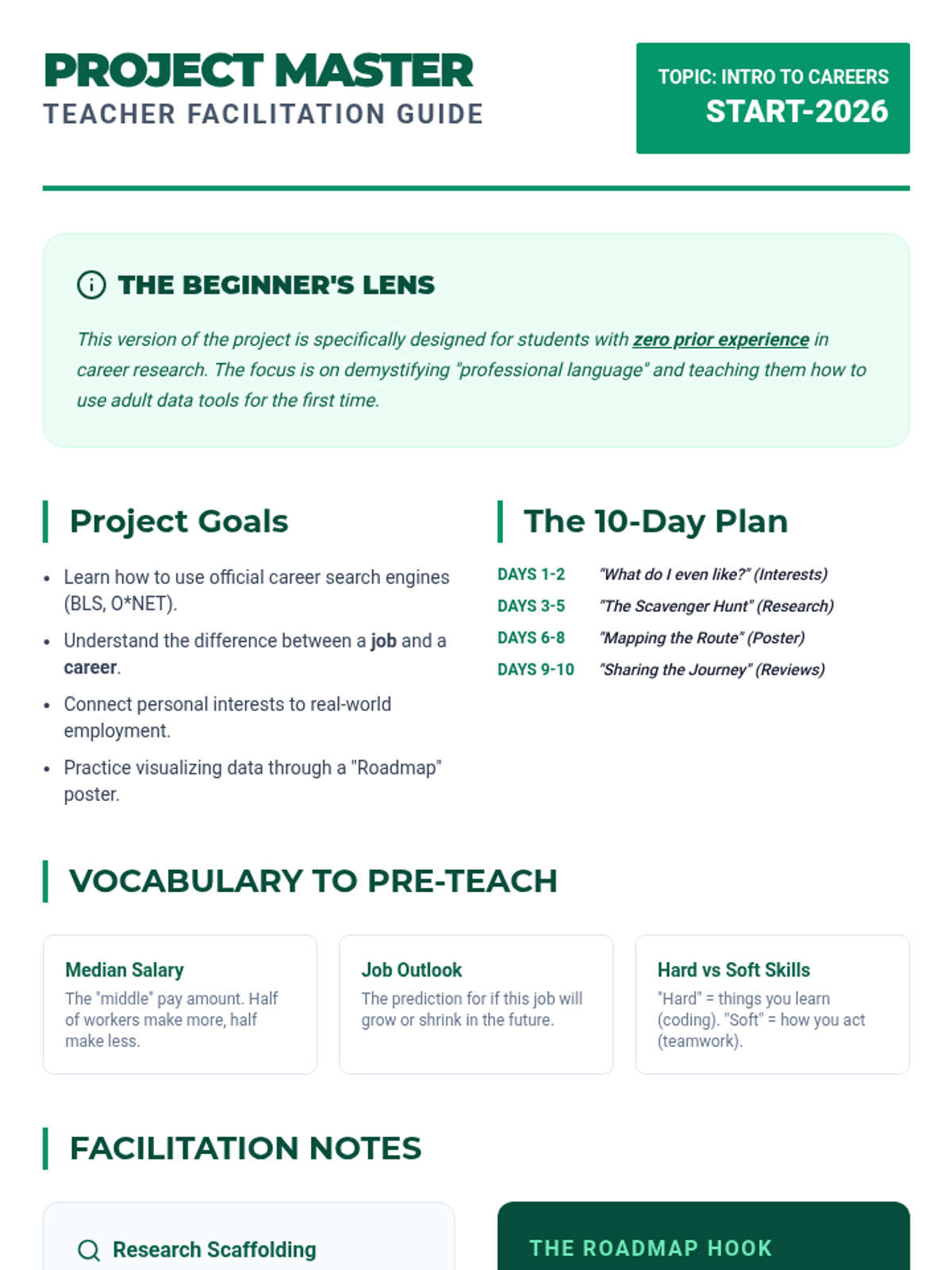
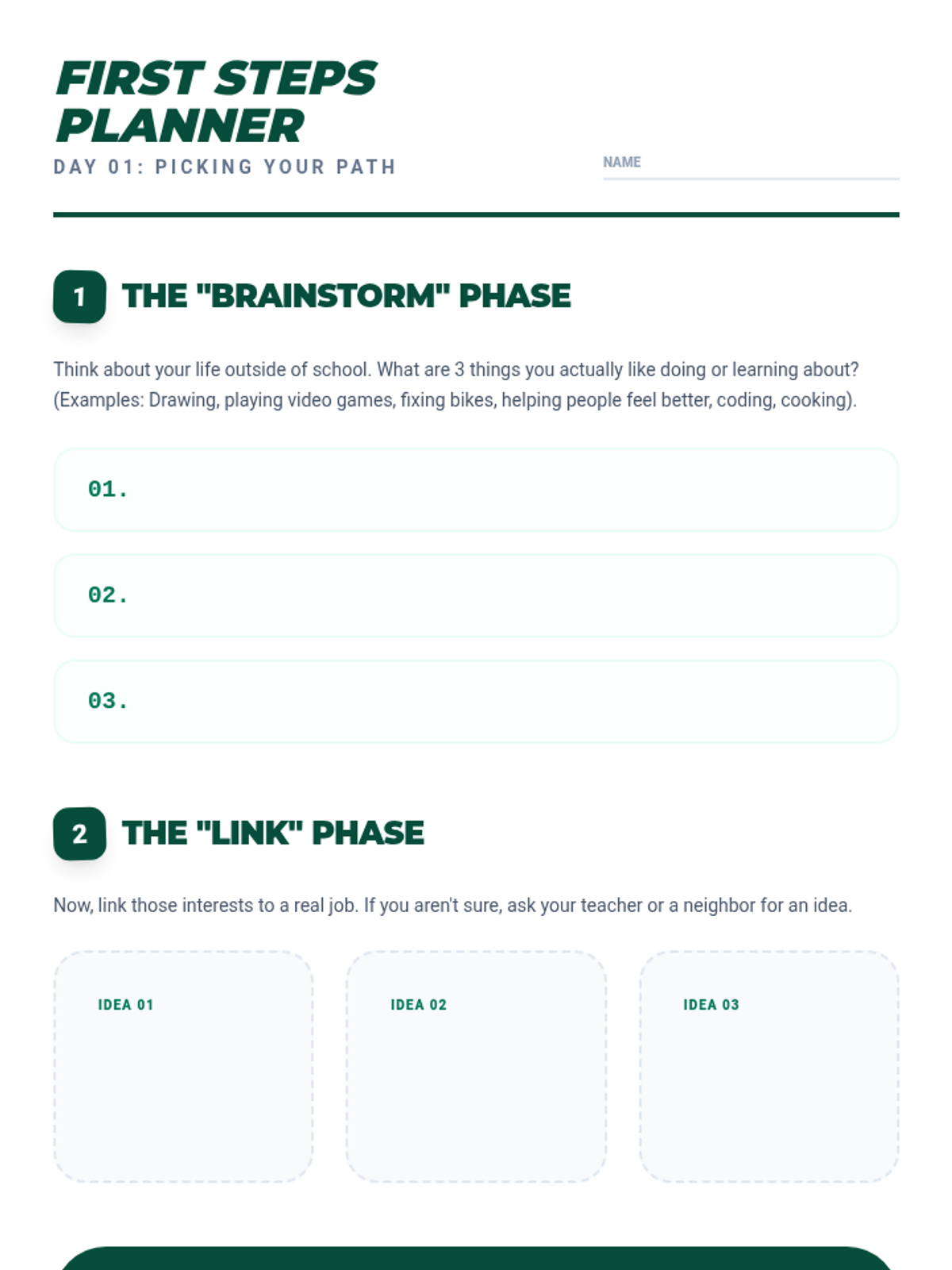
A comprehensive two-week career exploration project where 10th-grade students research a chosen profession and design a creative roadmap-themed poster. Students plot their career journey from education to retirement, identifying key milestones, challenges, and personal fit along the way.
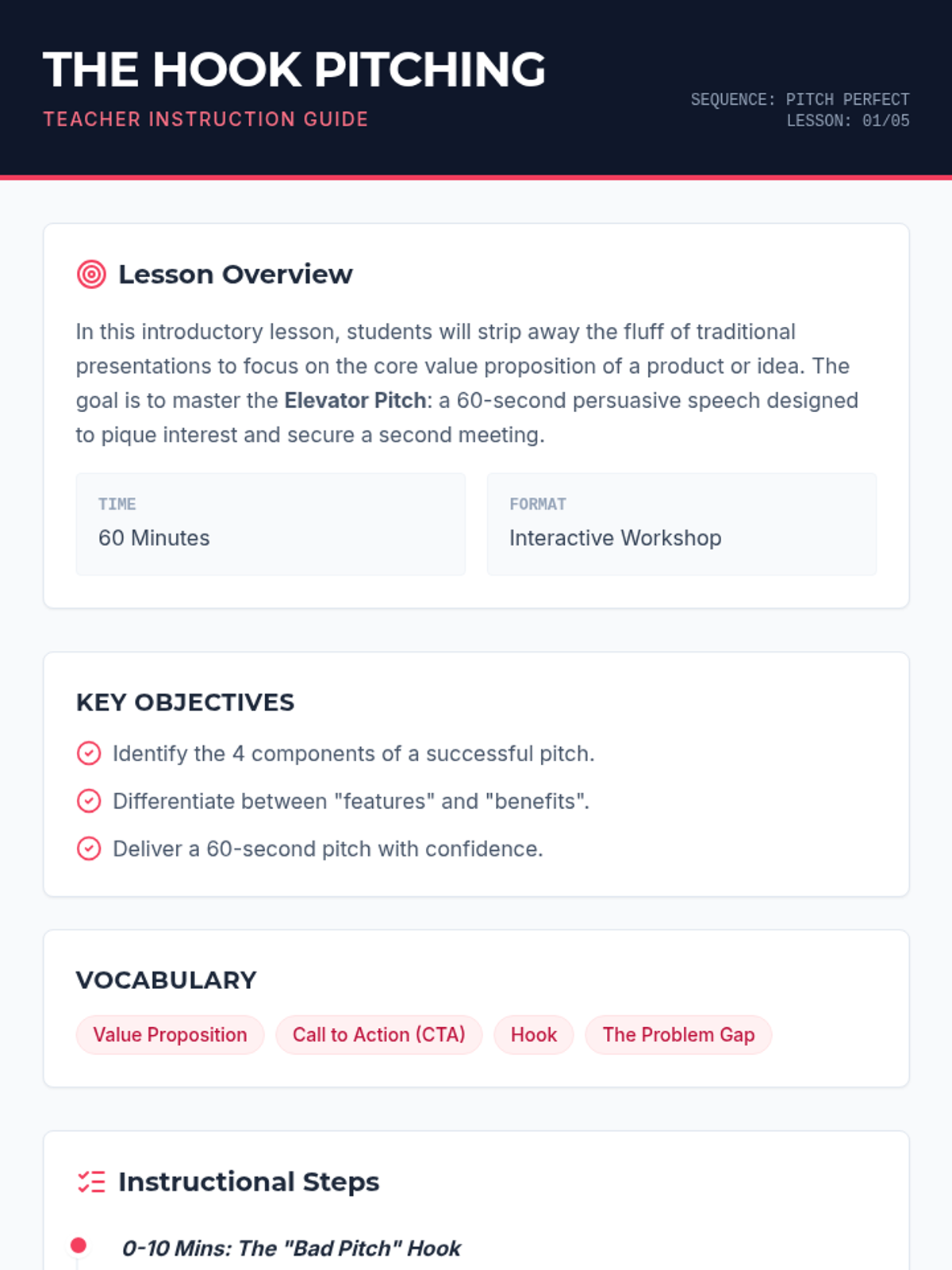
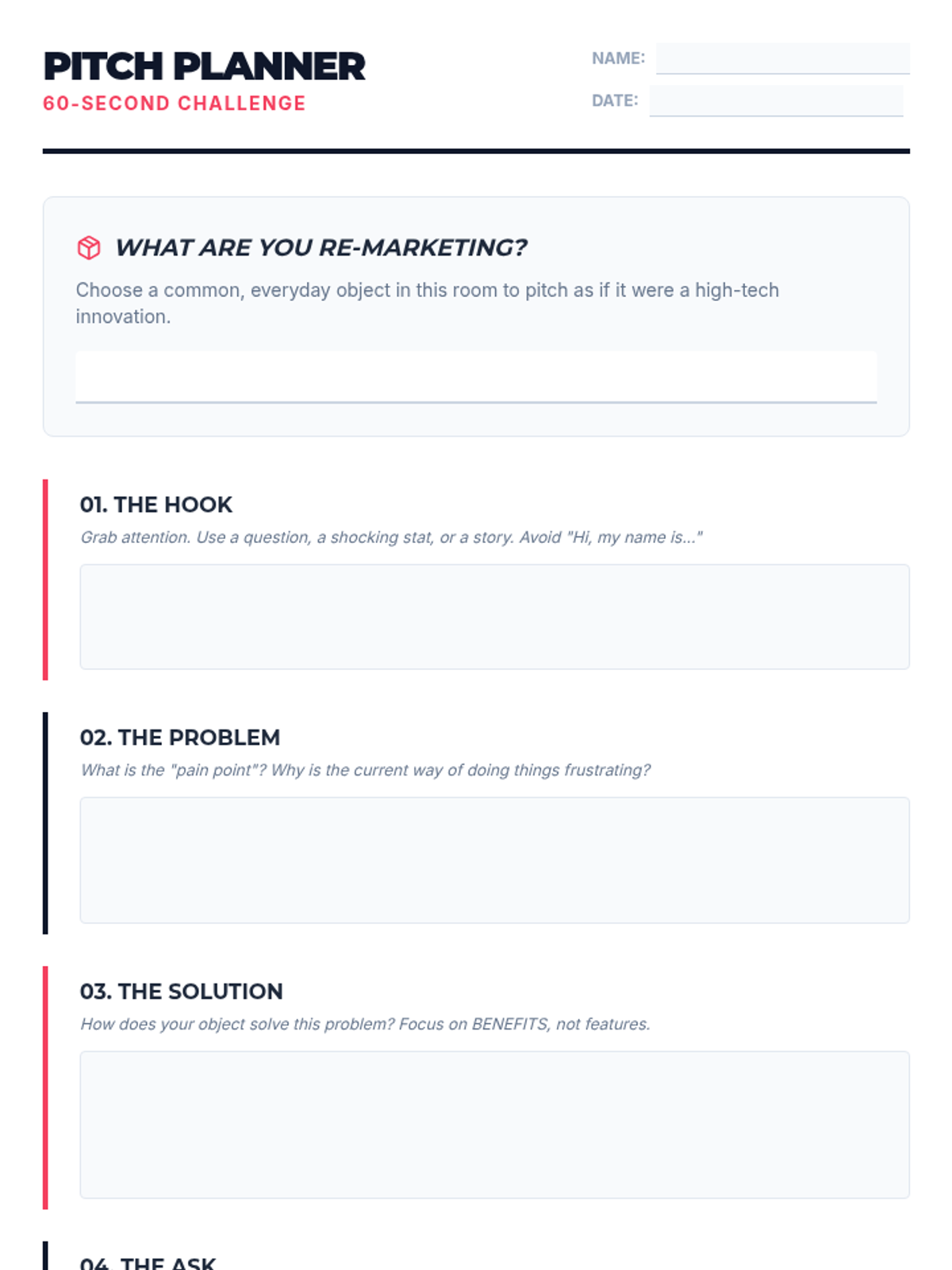
A five-part sequence designed to turn students into persuasive marketing presenters. Students will learn to craft elevator pitches, build brand narratives, design high-impact visuals, and master professional delivery techniques for a final high-stakes pitch.
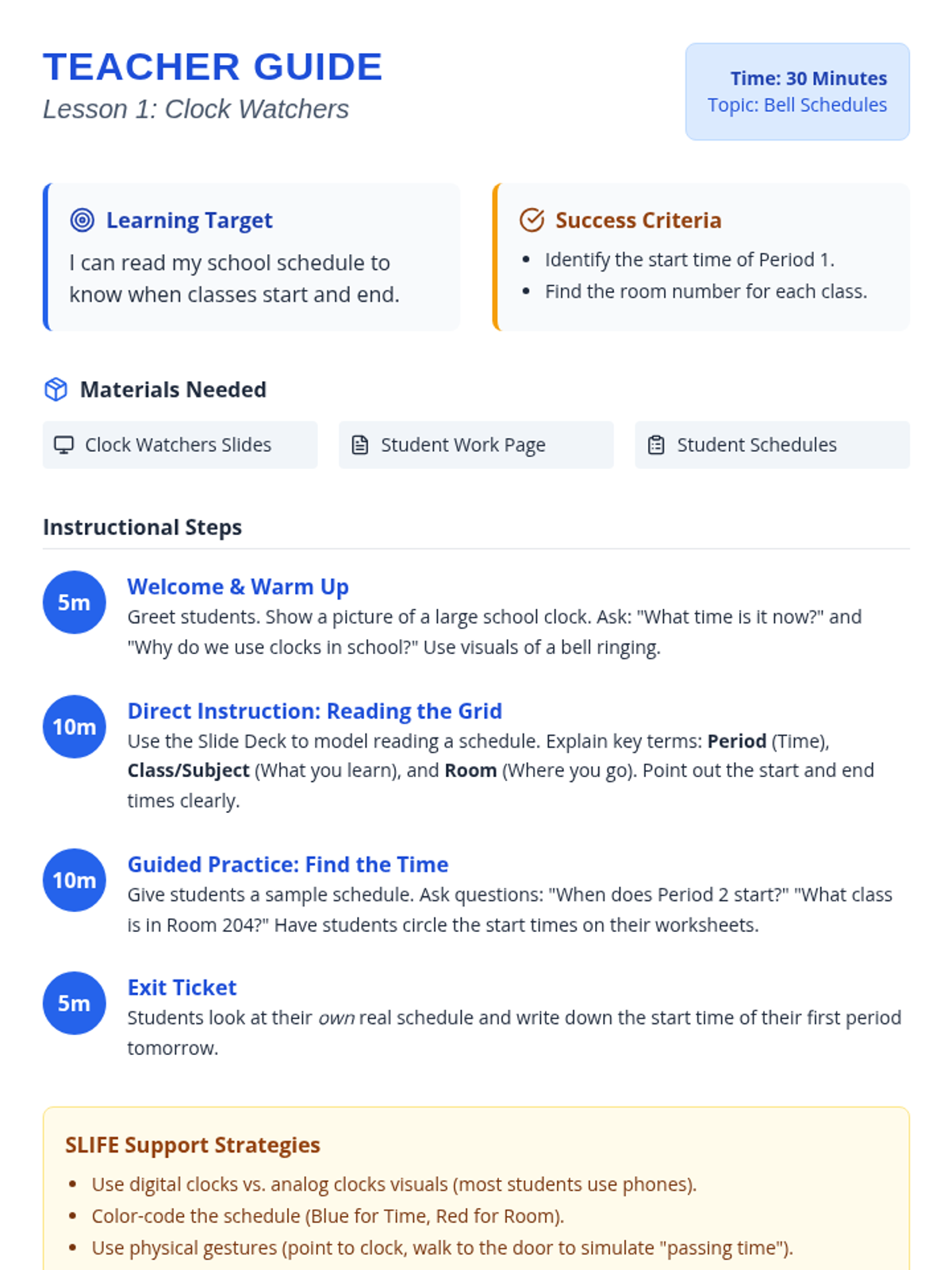
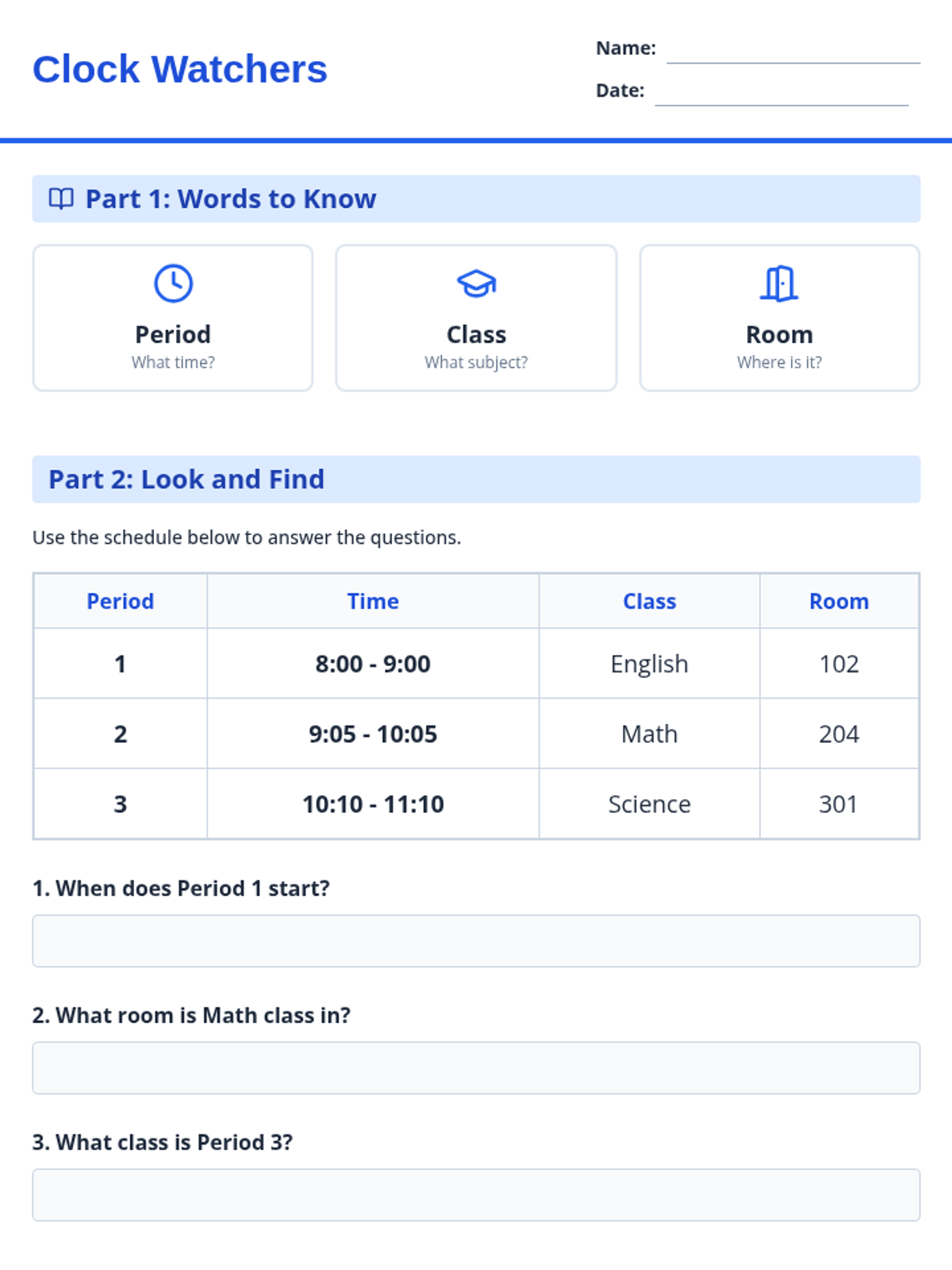
A 10-lesson transition series for SLIFE students entering high school, focusing on essential navigation, digital literacy, and graduation requirements with high visual support.
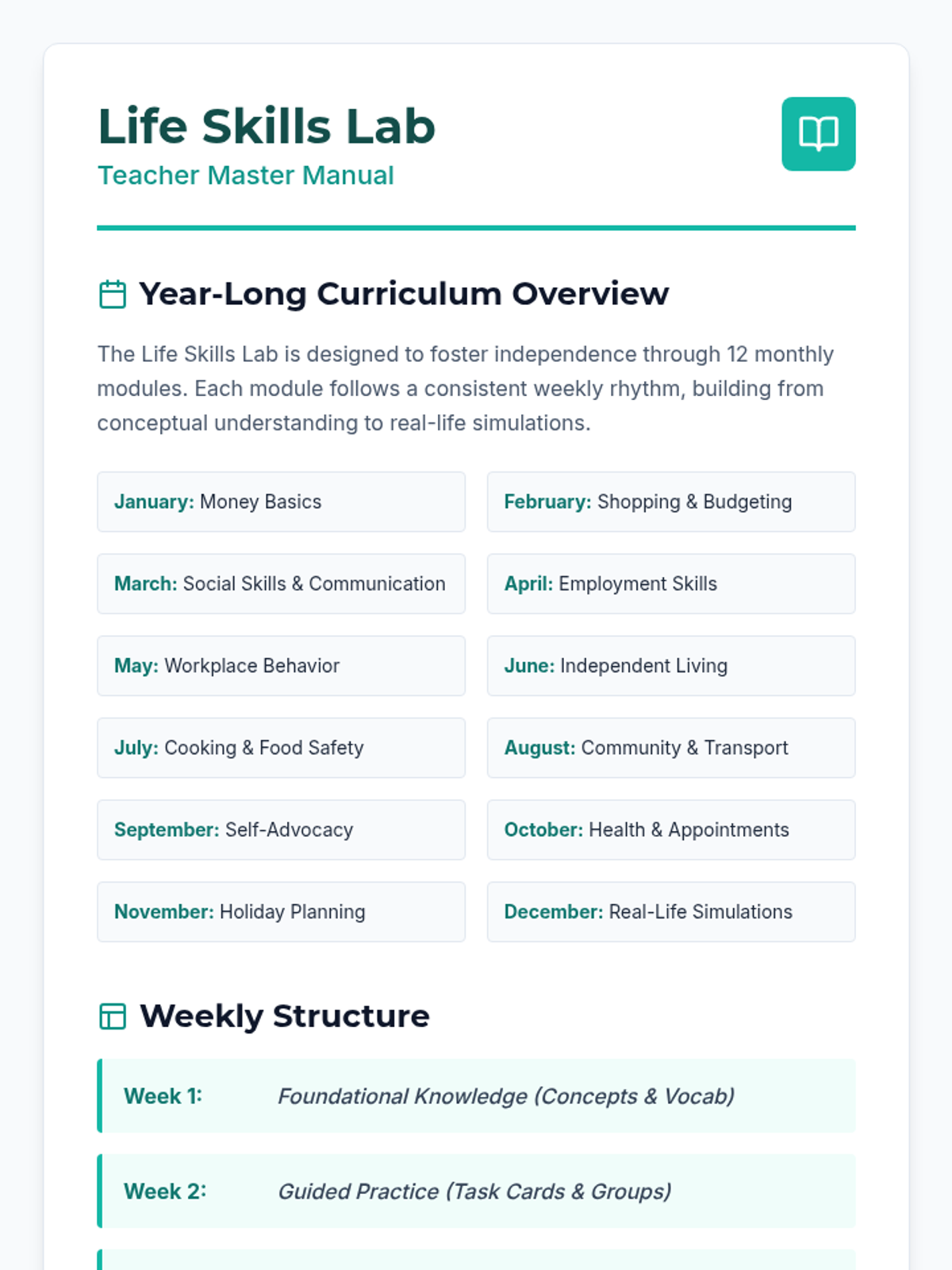
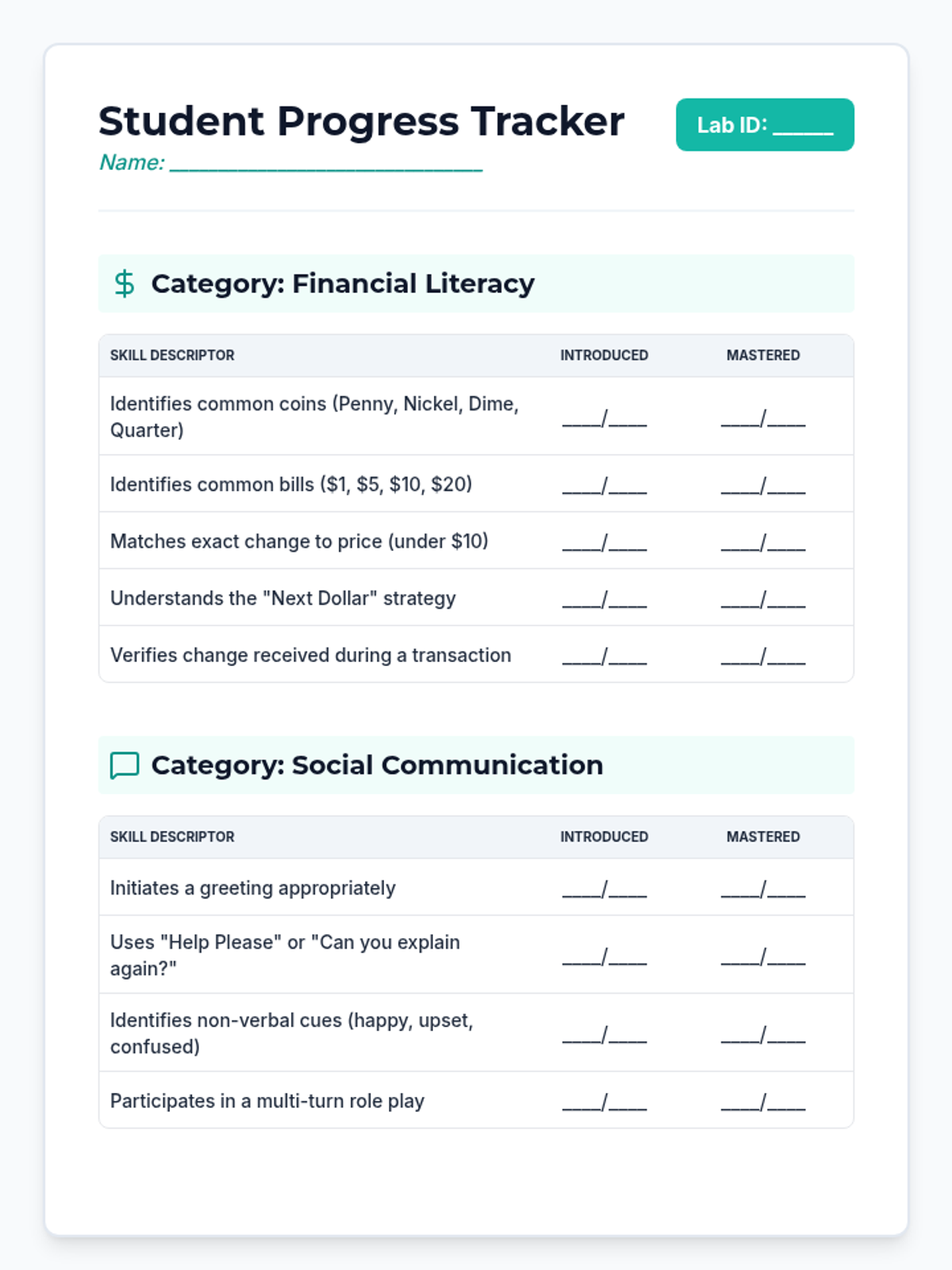
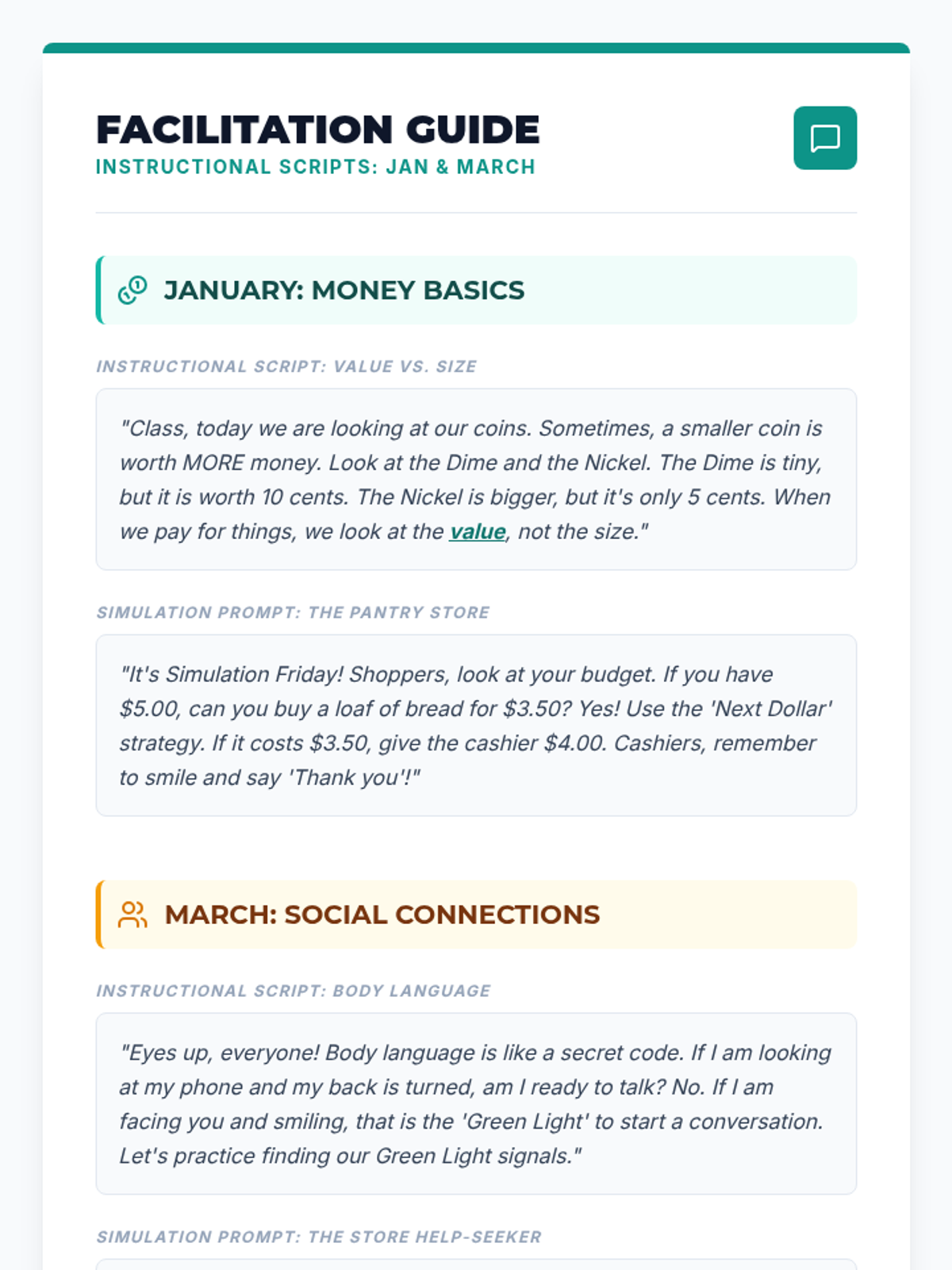
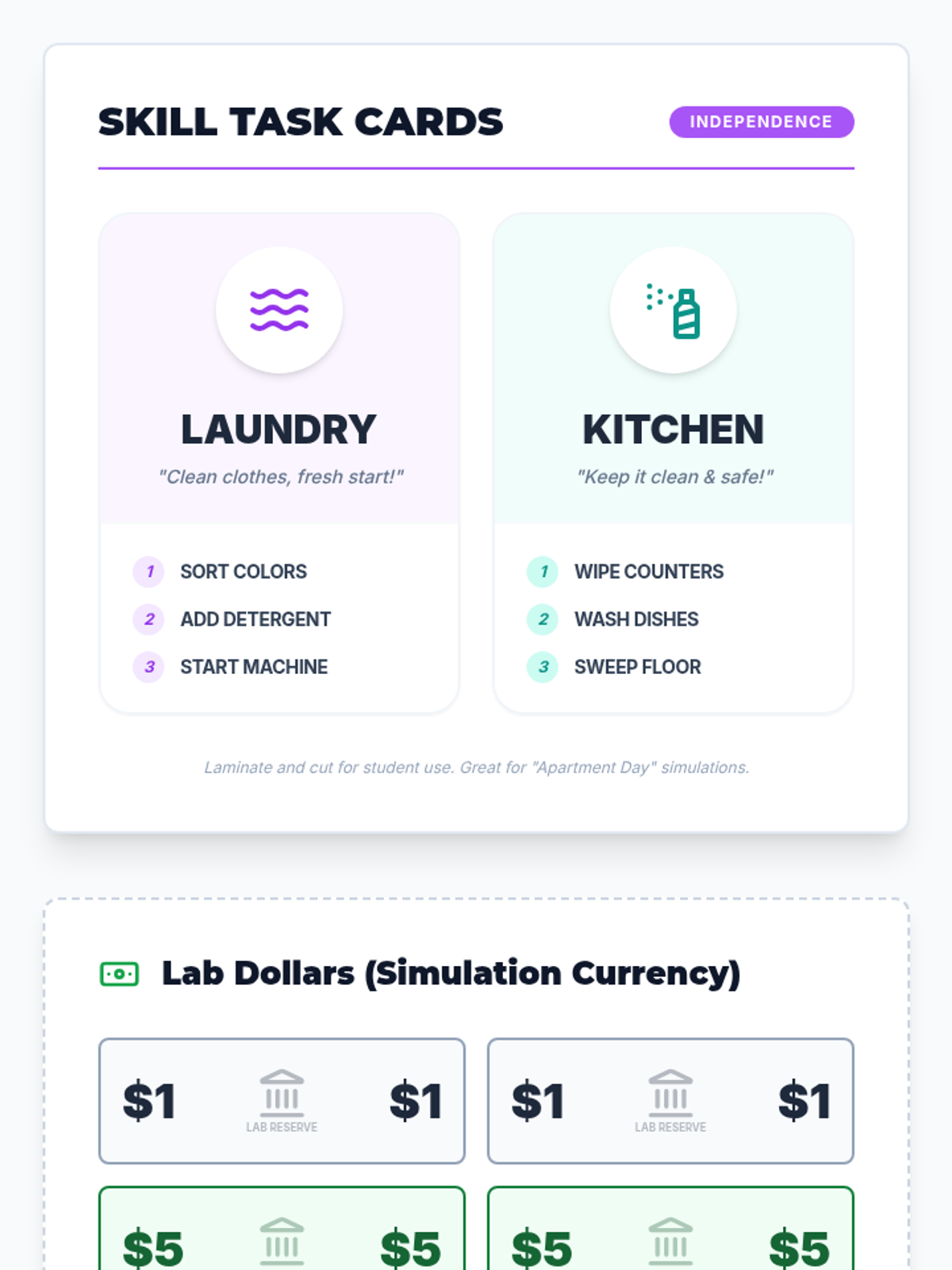
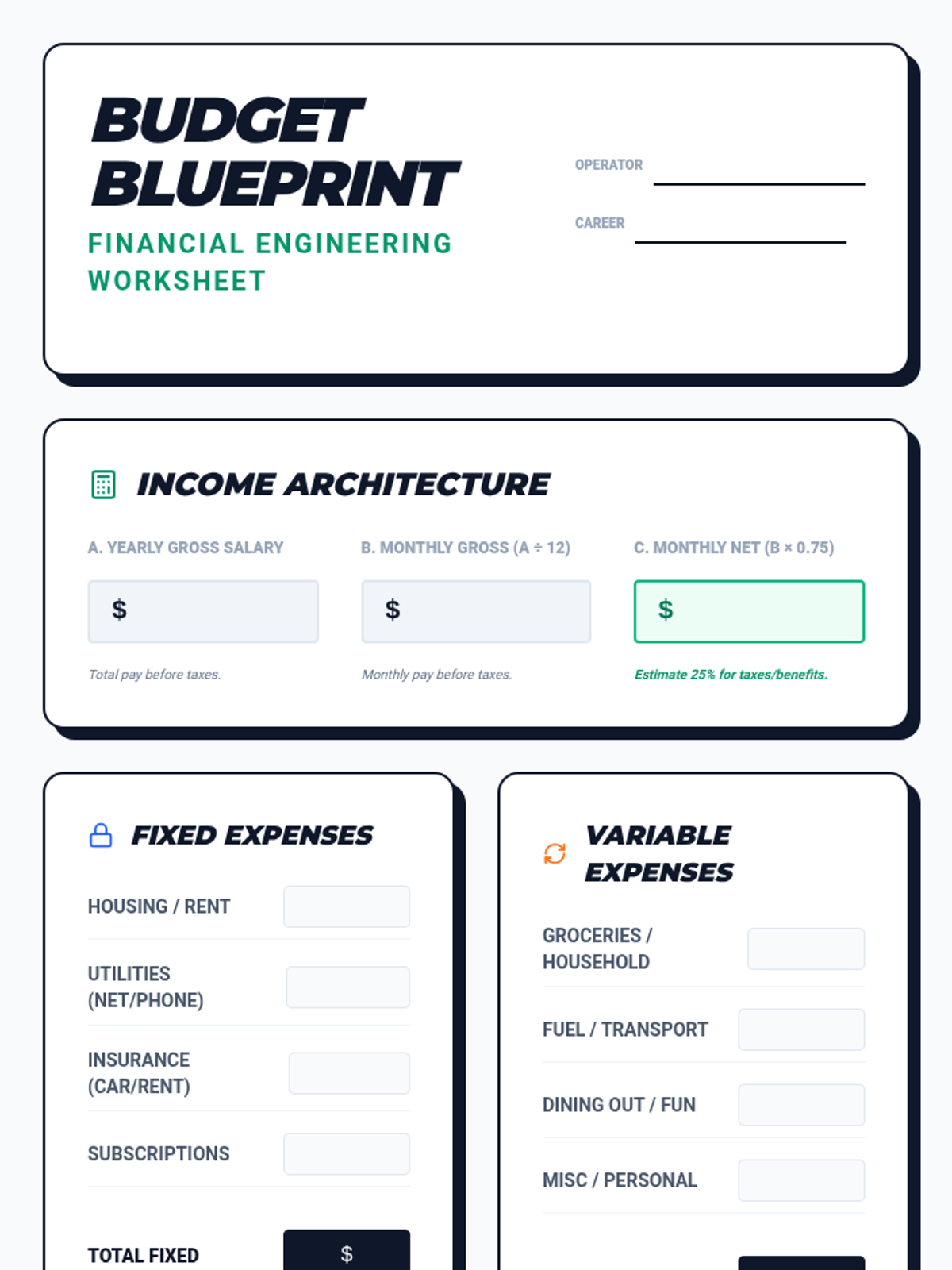
A comprehensive year-long curriculum designed to empower students with essential life skills for independence, focusing on financial literacy, social communication, and real-world simulations.
A full-month curriculum focused on developing independence through real-world simulations, role-playing, and practical application of functional life skills.
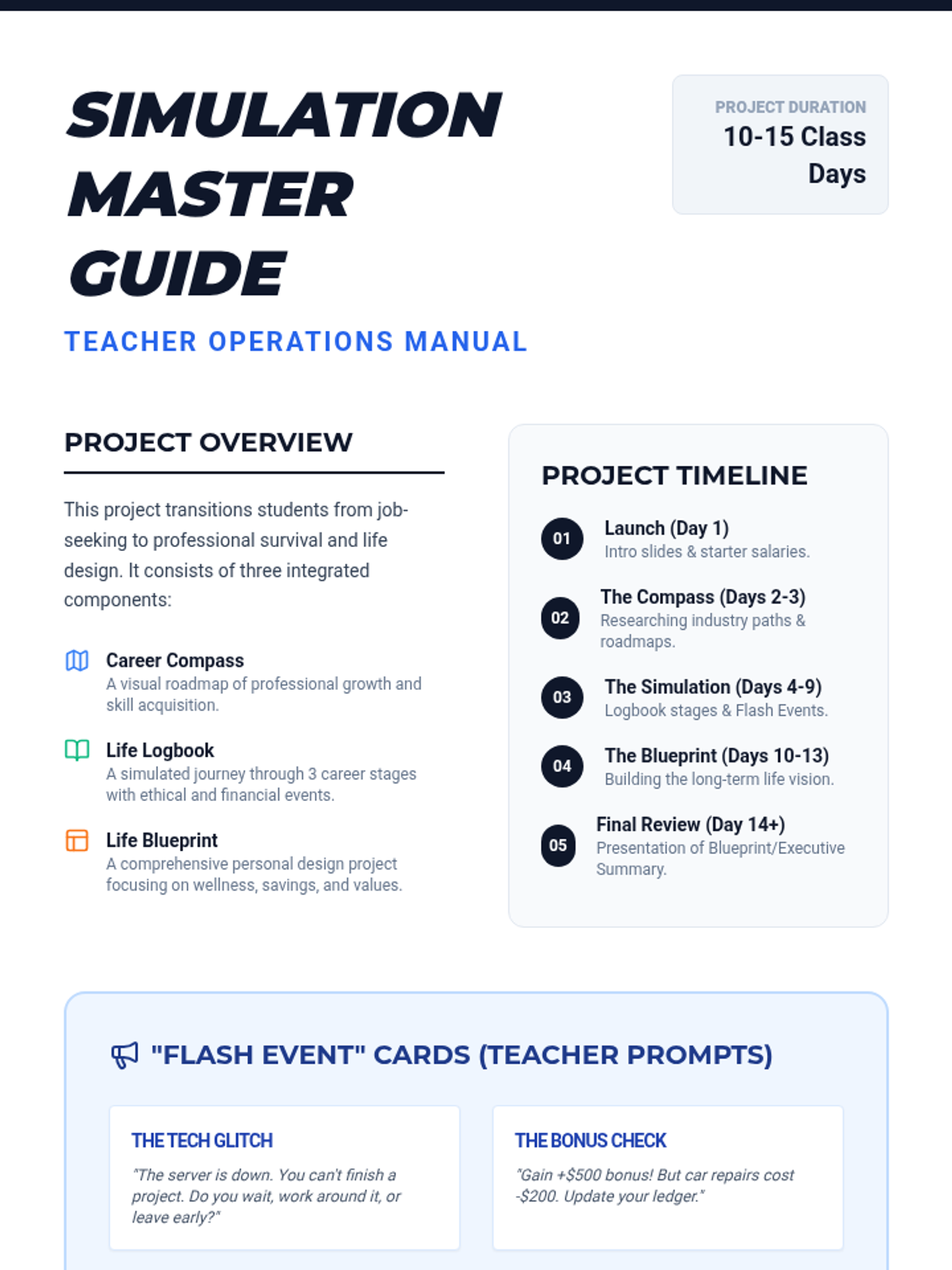
A series of lessons and projects designed to transition students from job-seeking skills to workplace success and independent living, focusing on professional ethics, communication, and long-term planning.
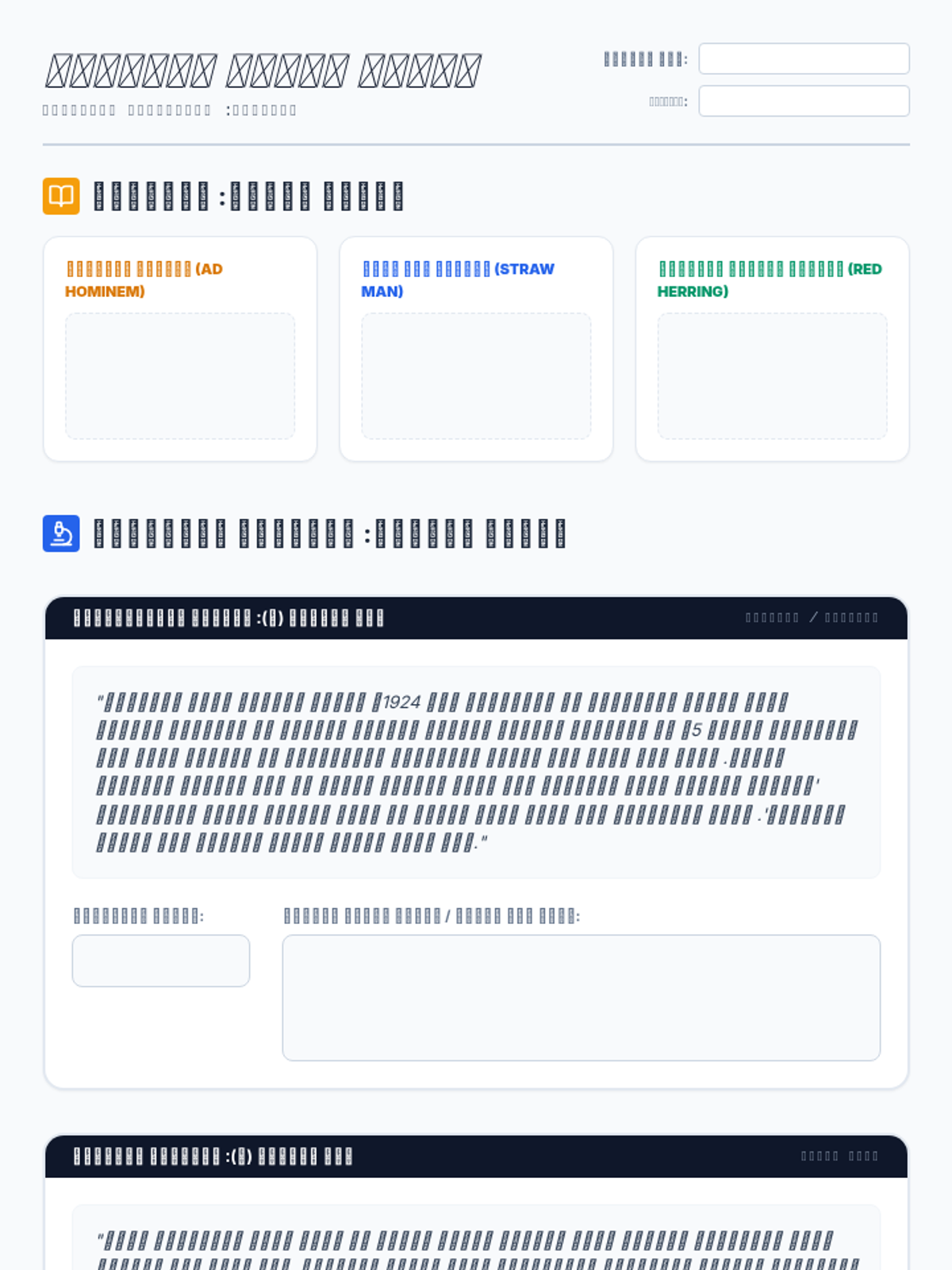
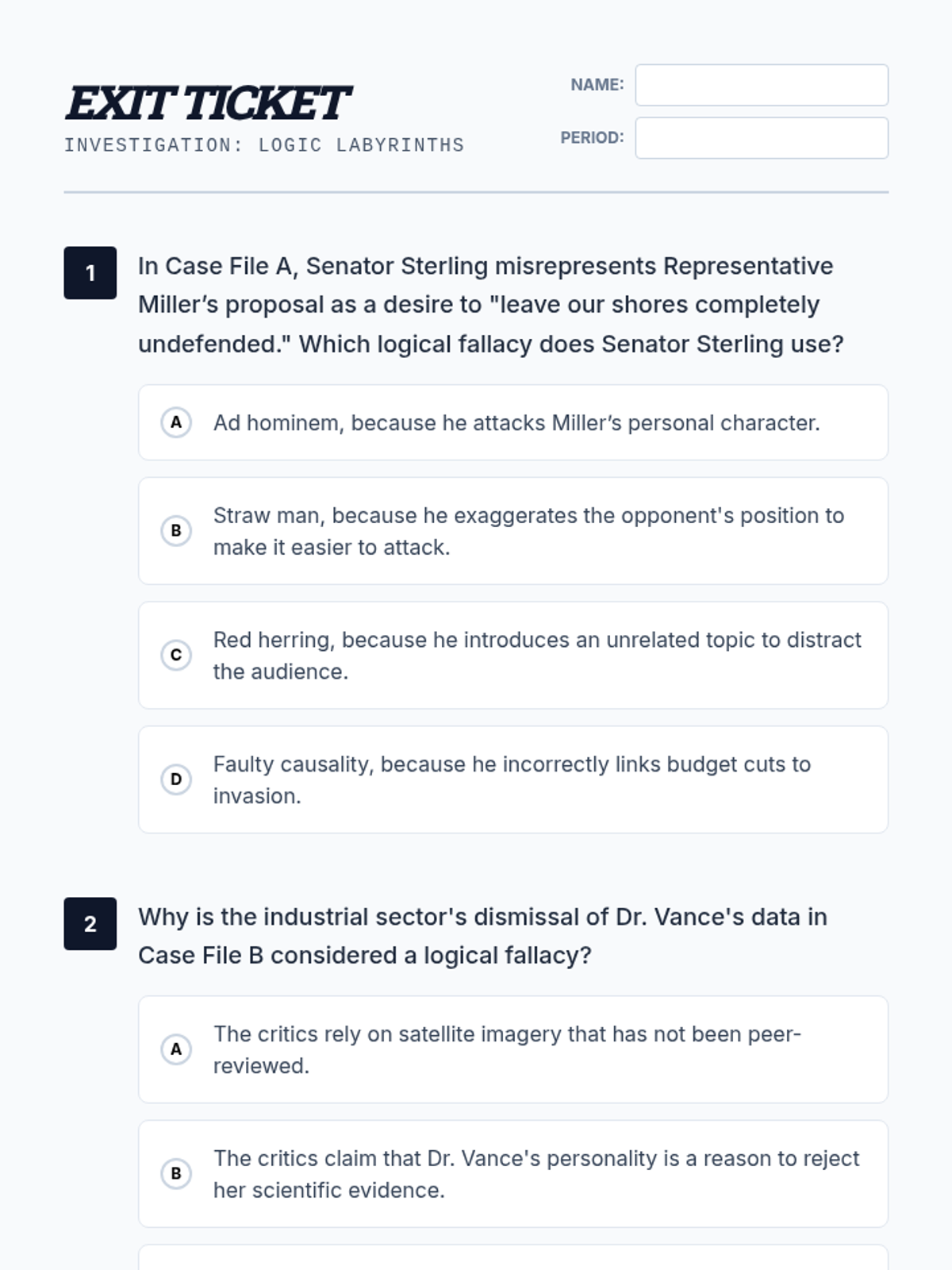
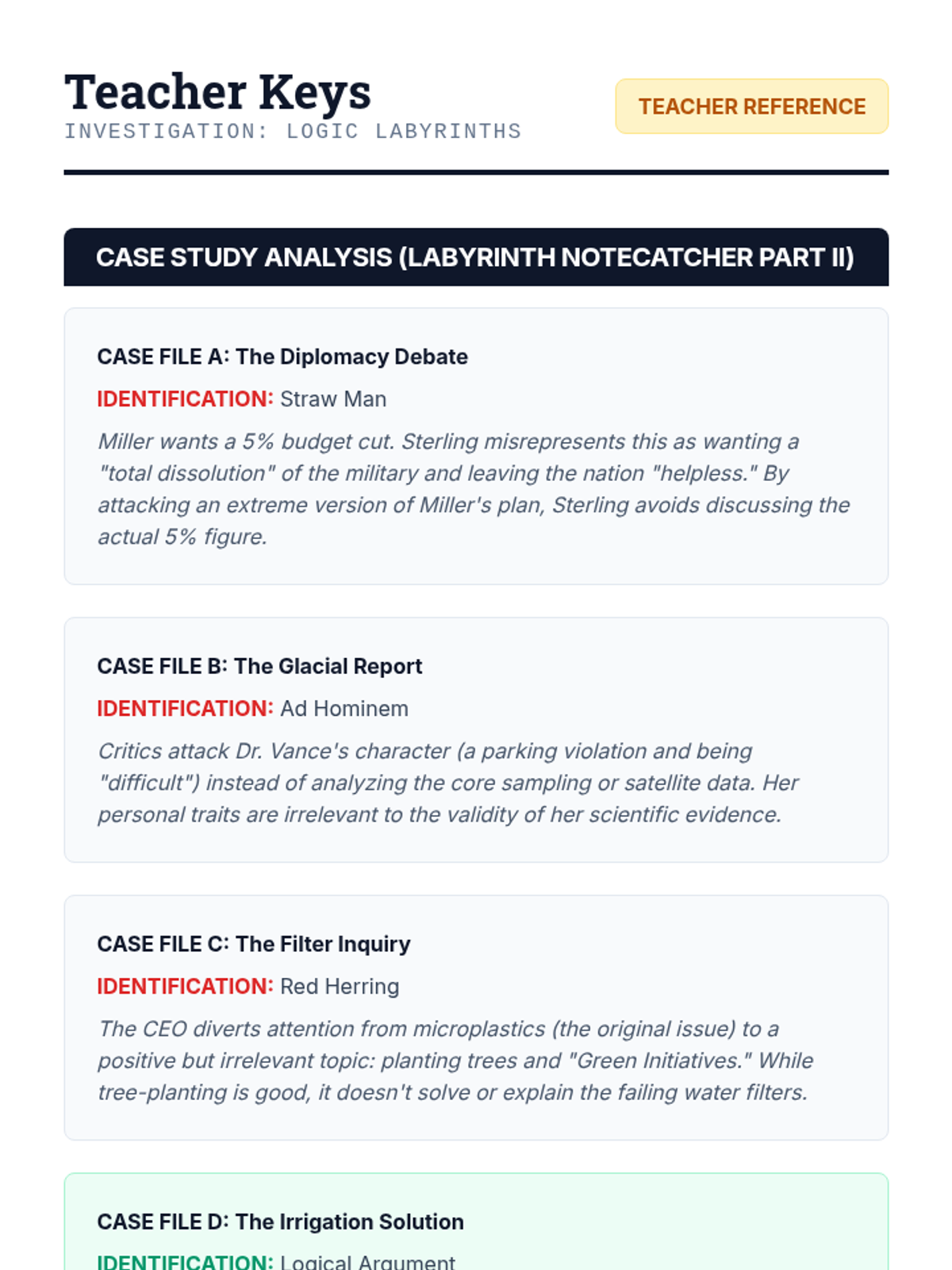
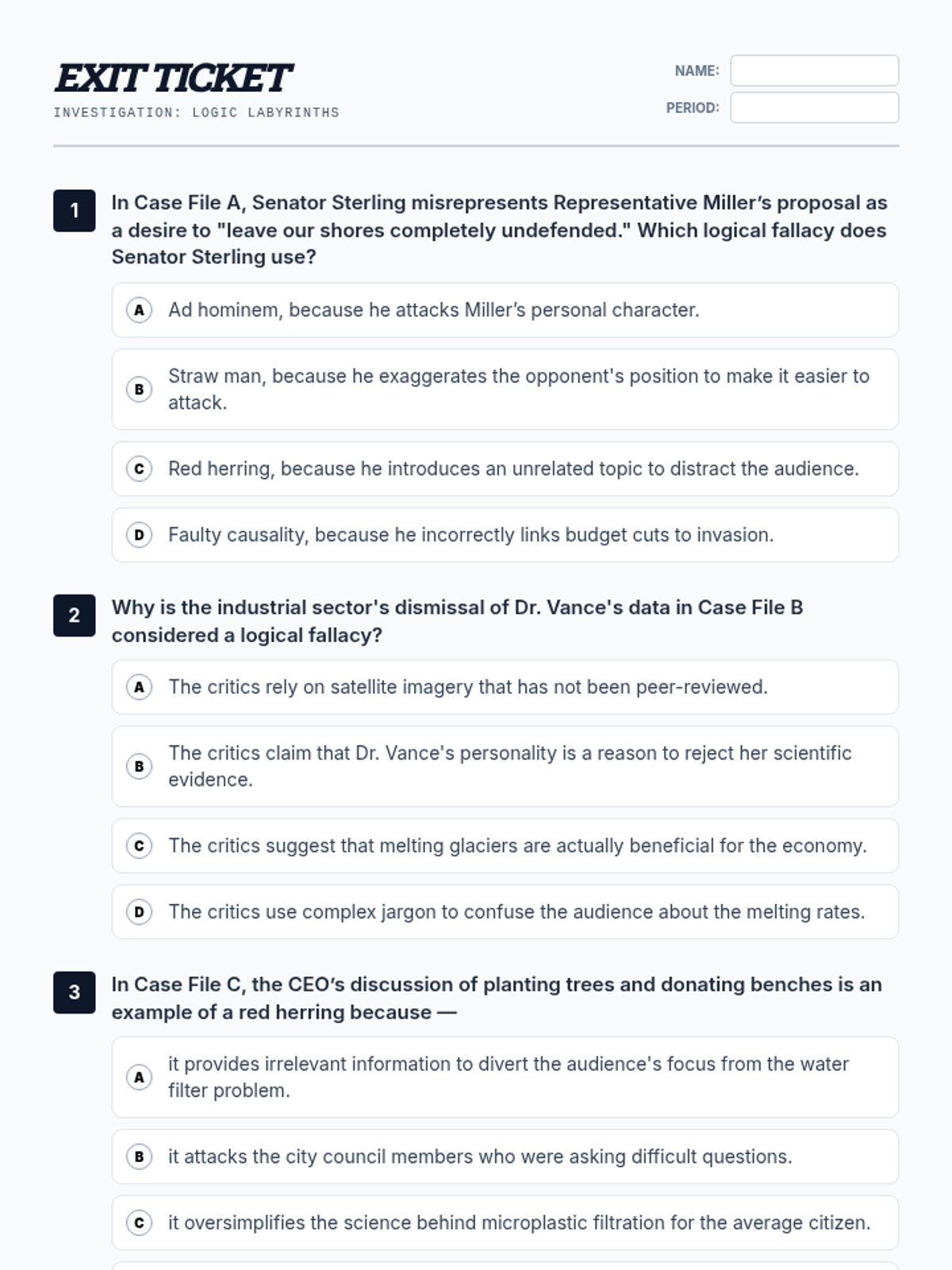
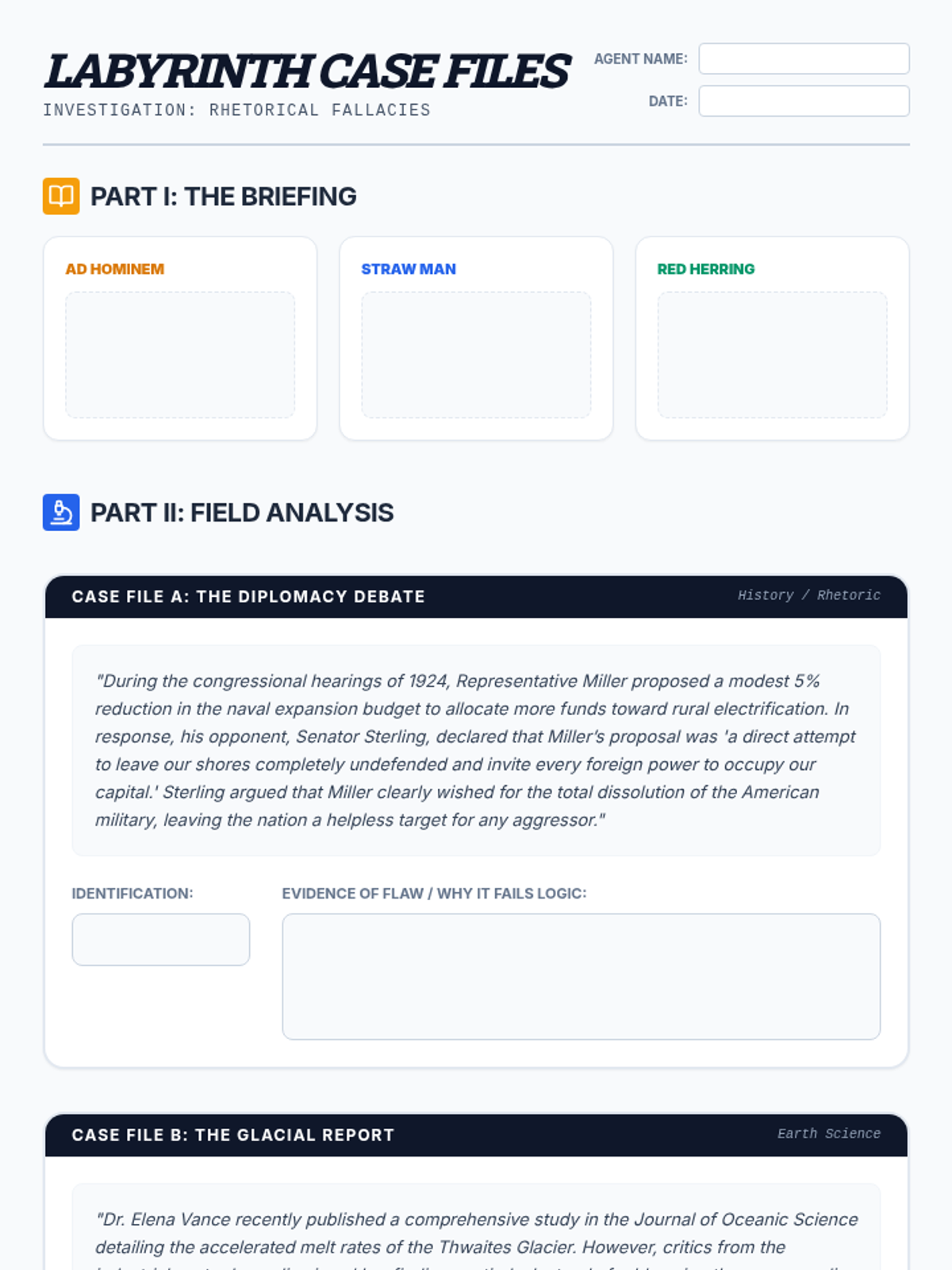
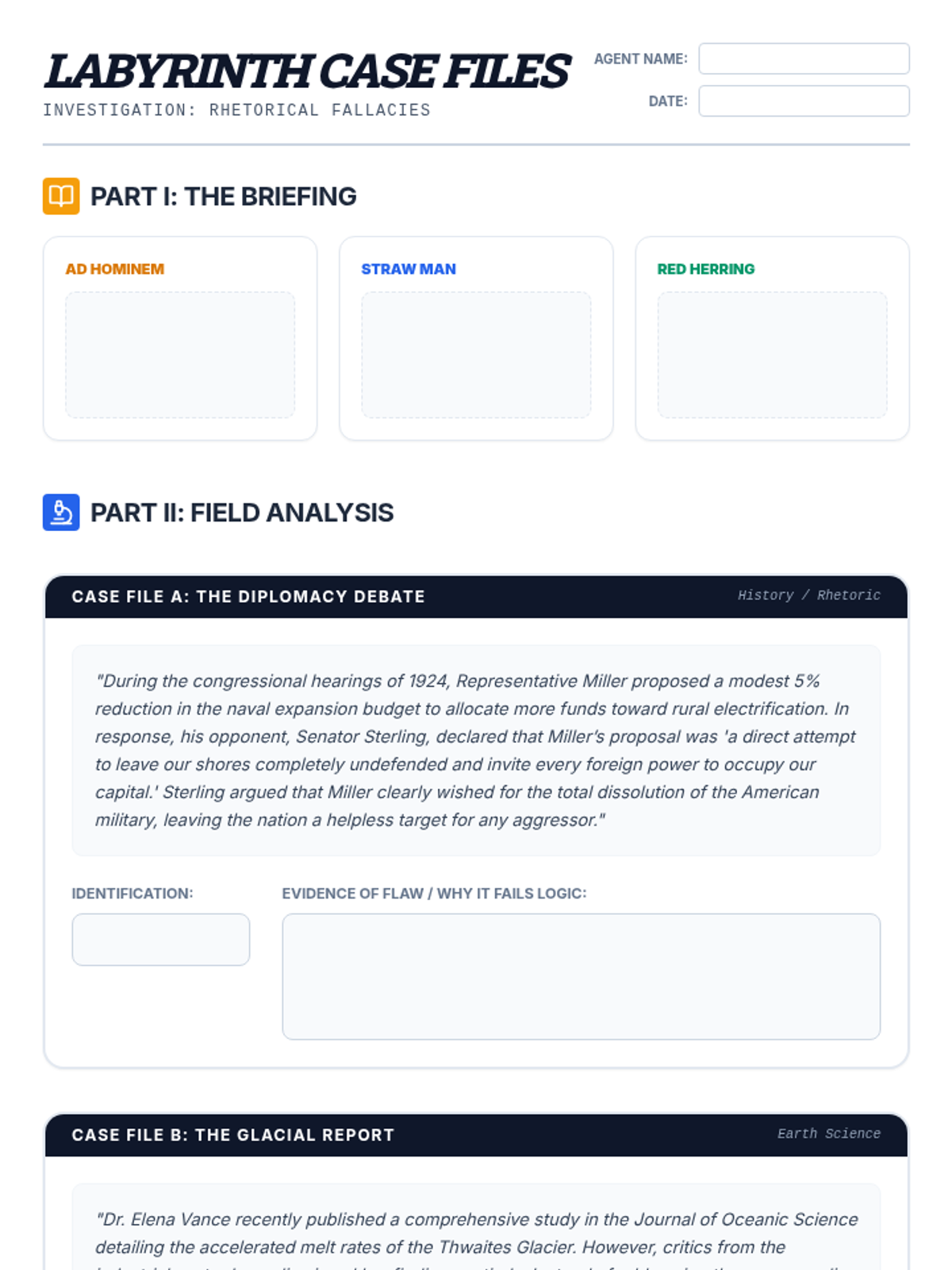
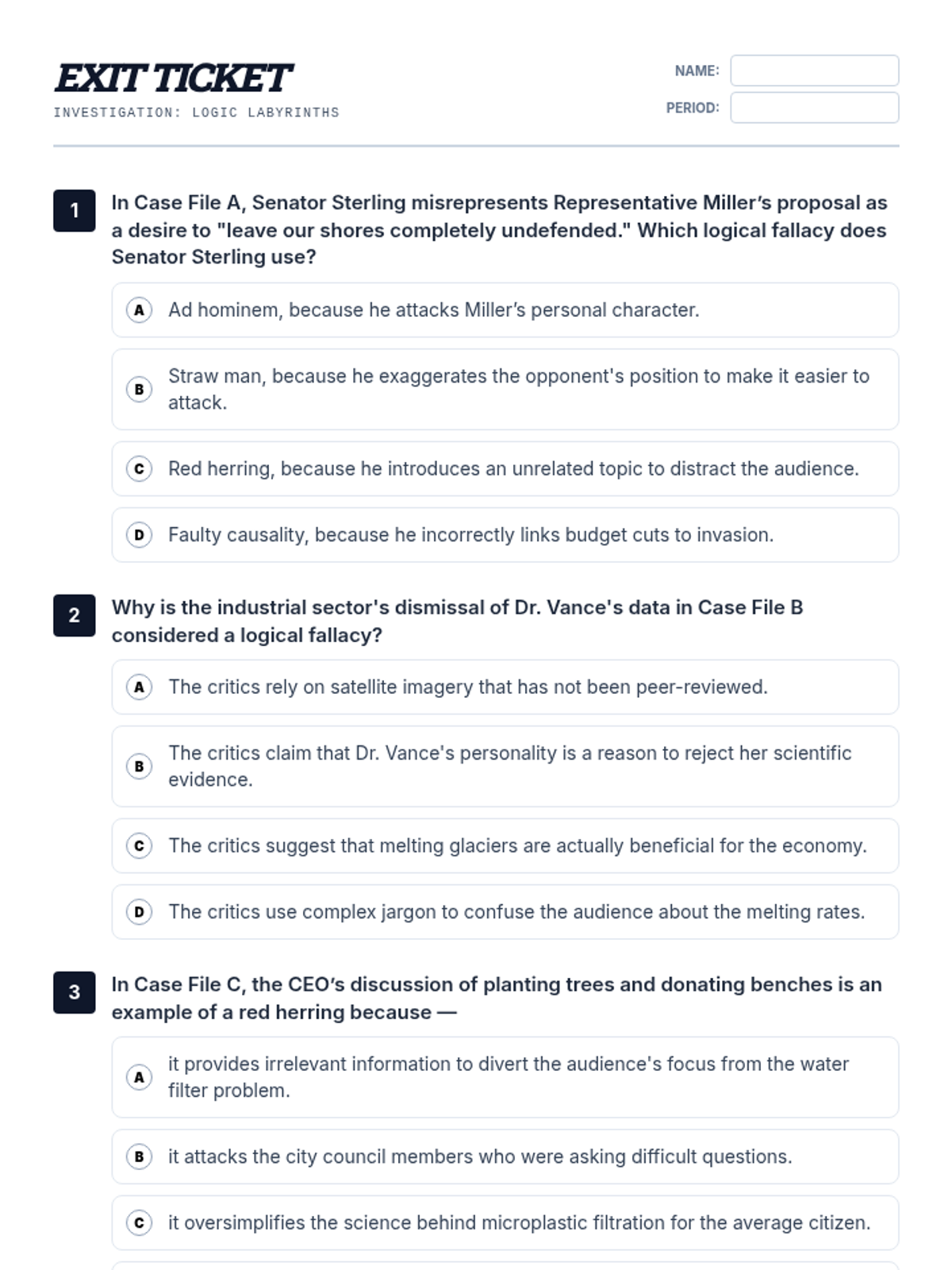
A dual-focus sequence on identifying logical fallacies across academic and professional contexts, preparing students for both STAAR-level rhetorical analysis and real-world career communications.
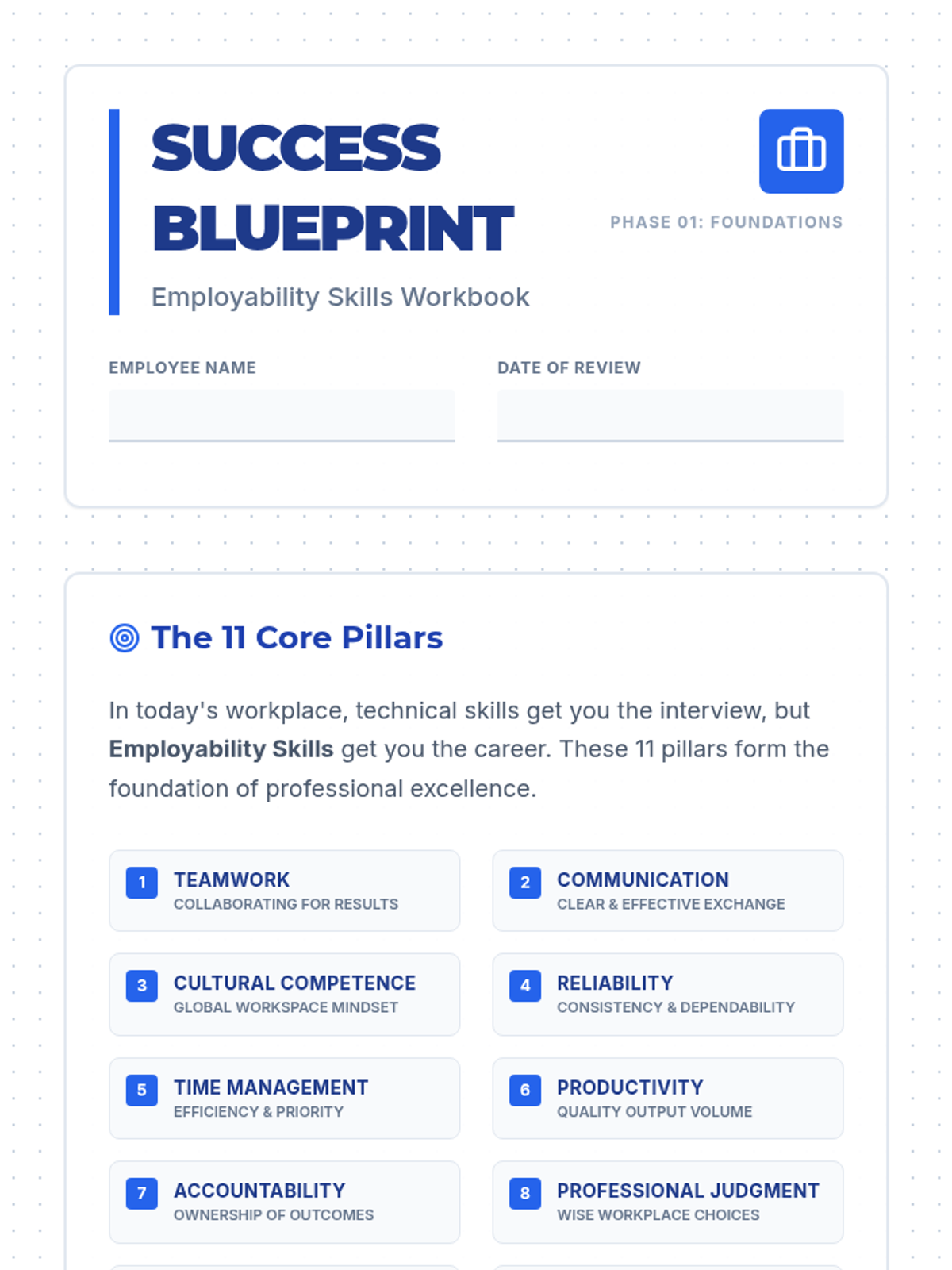
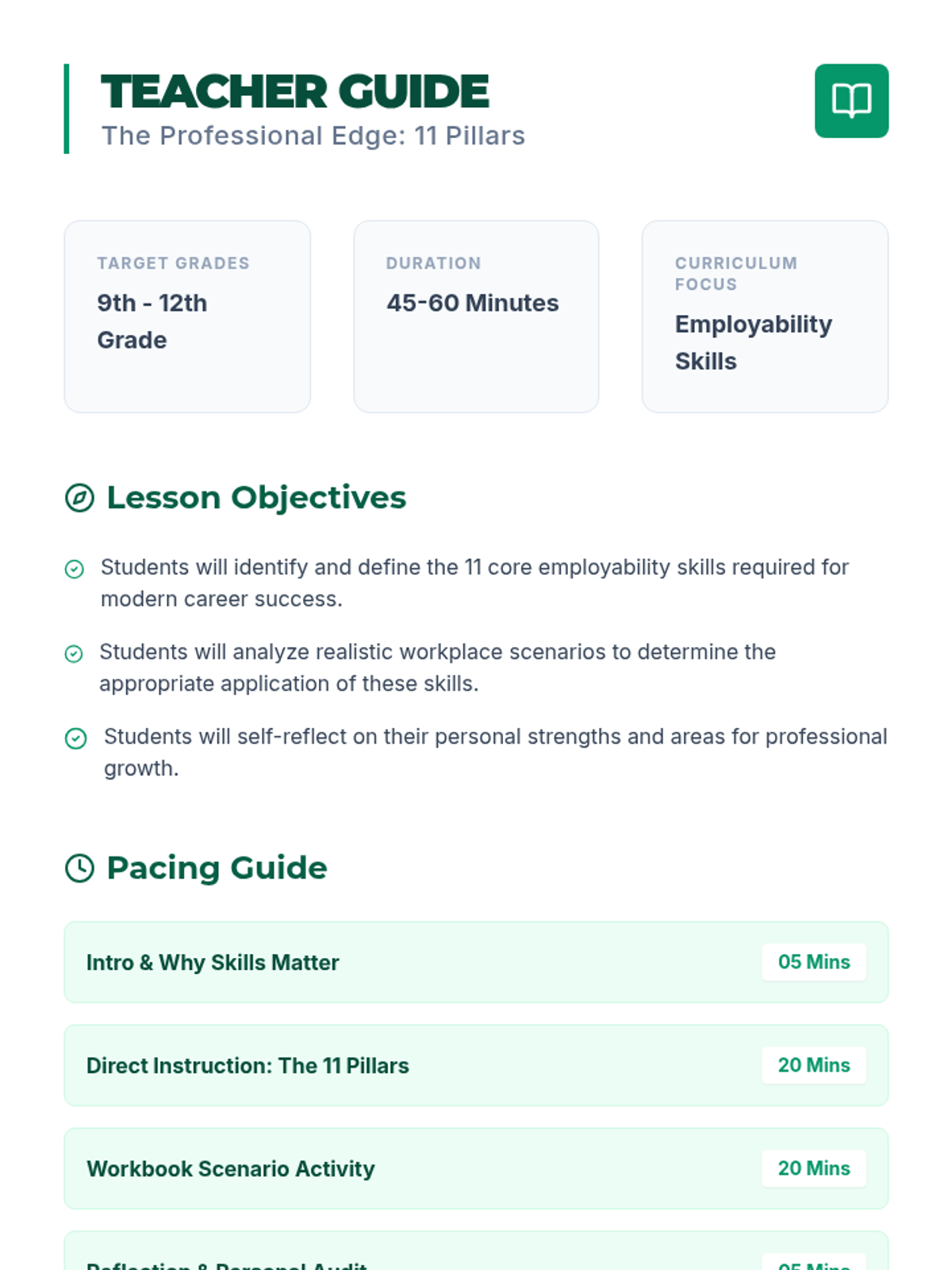
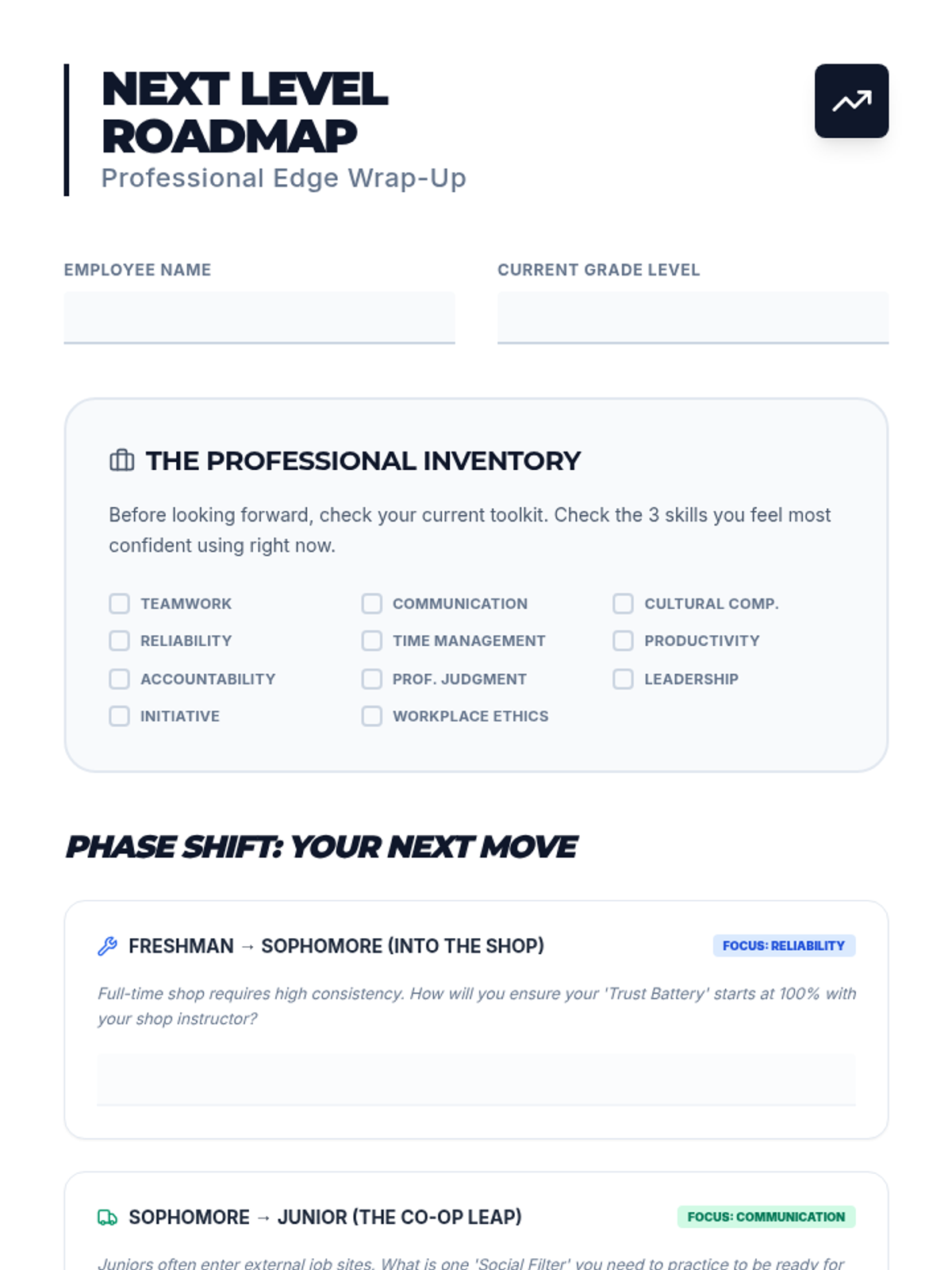
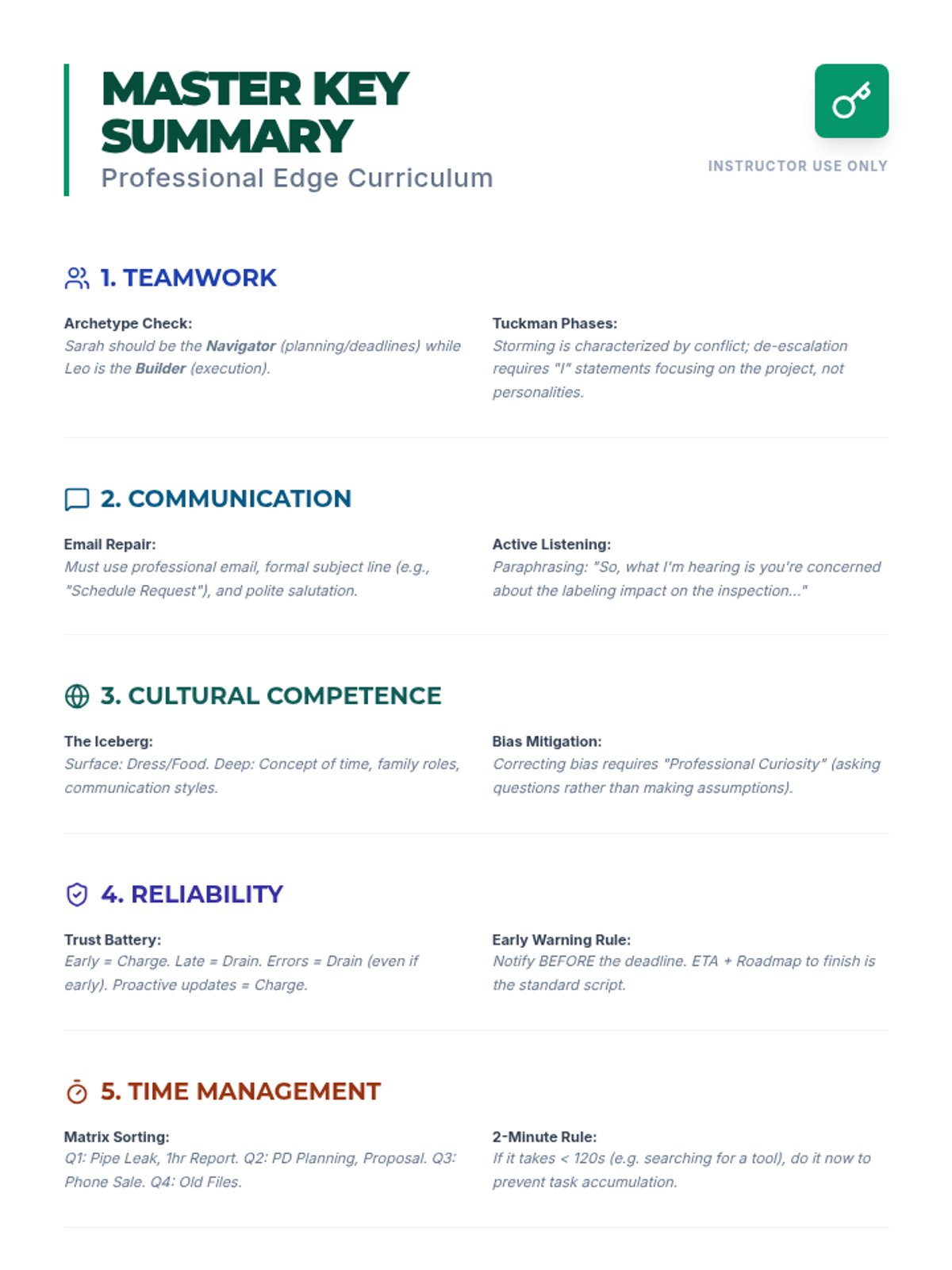
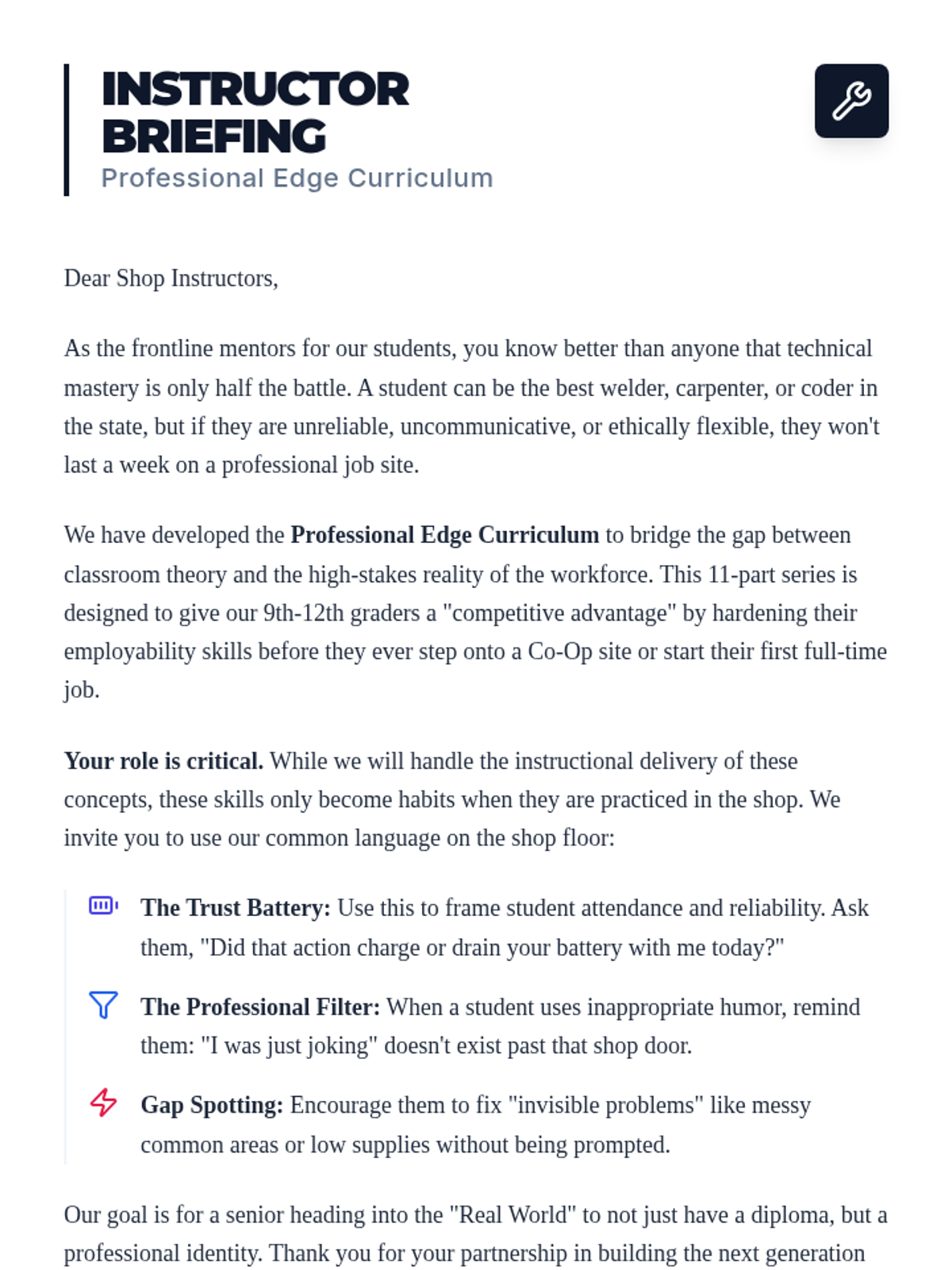
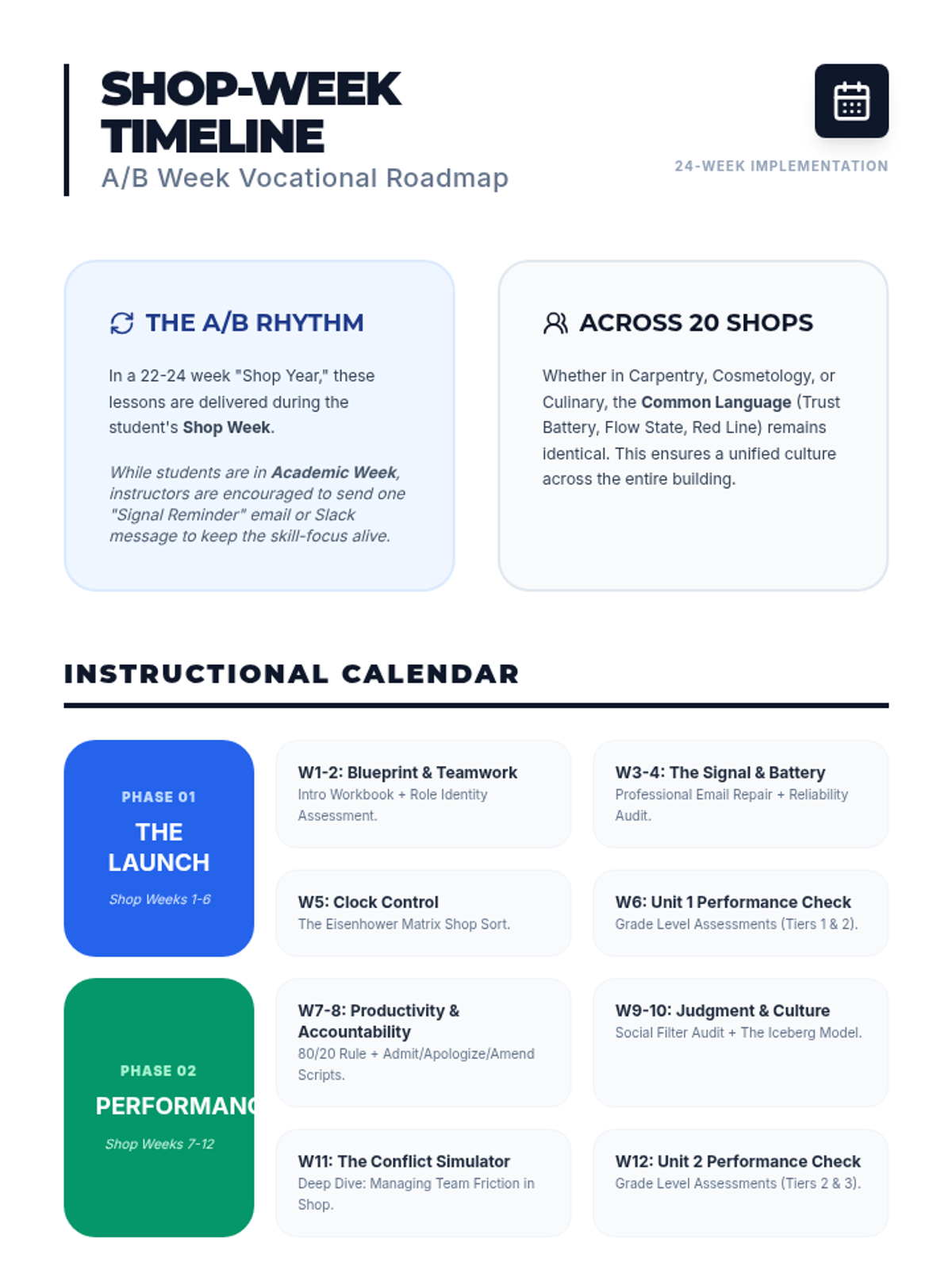
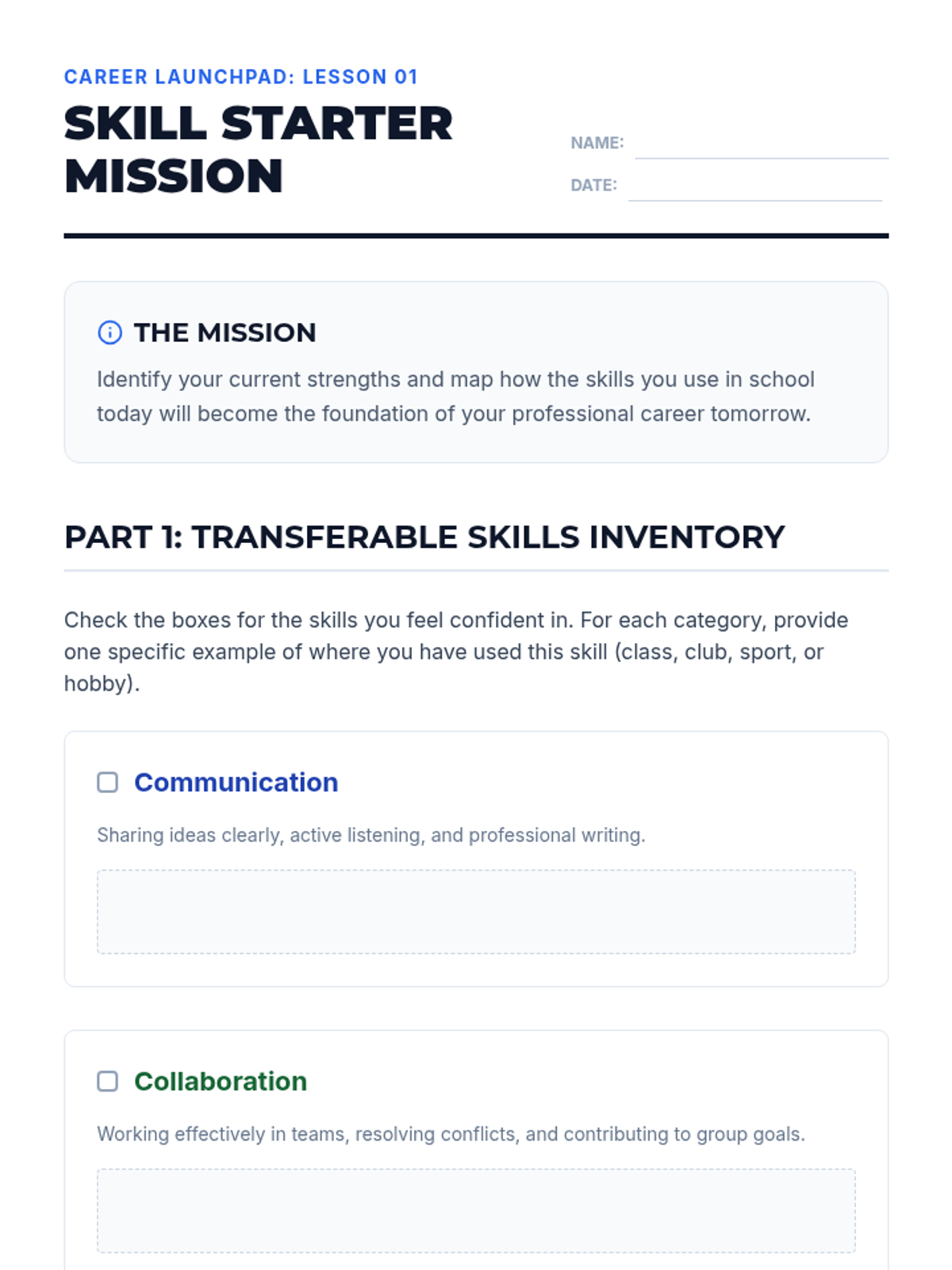
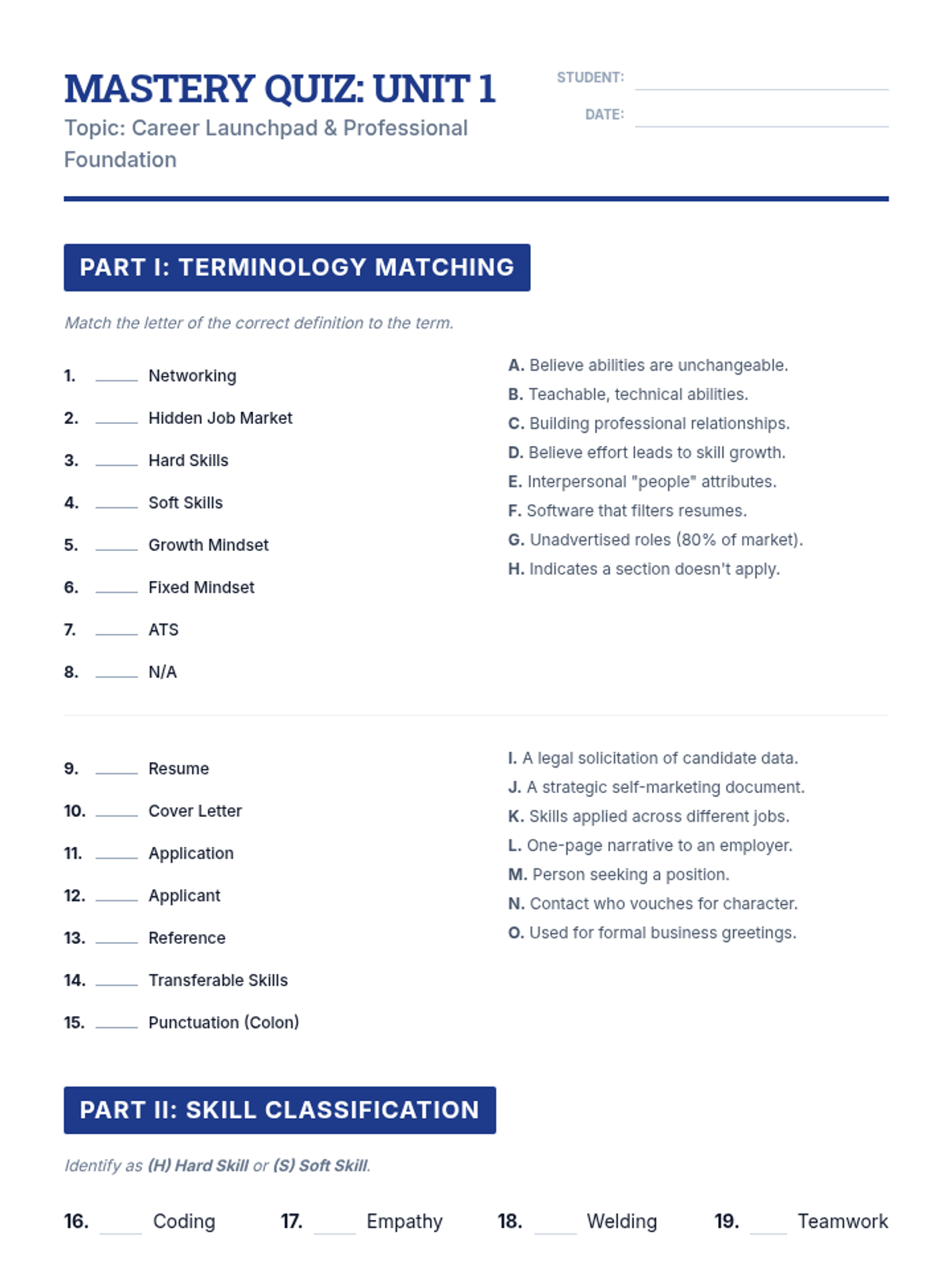
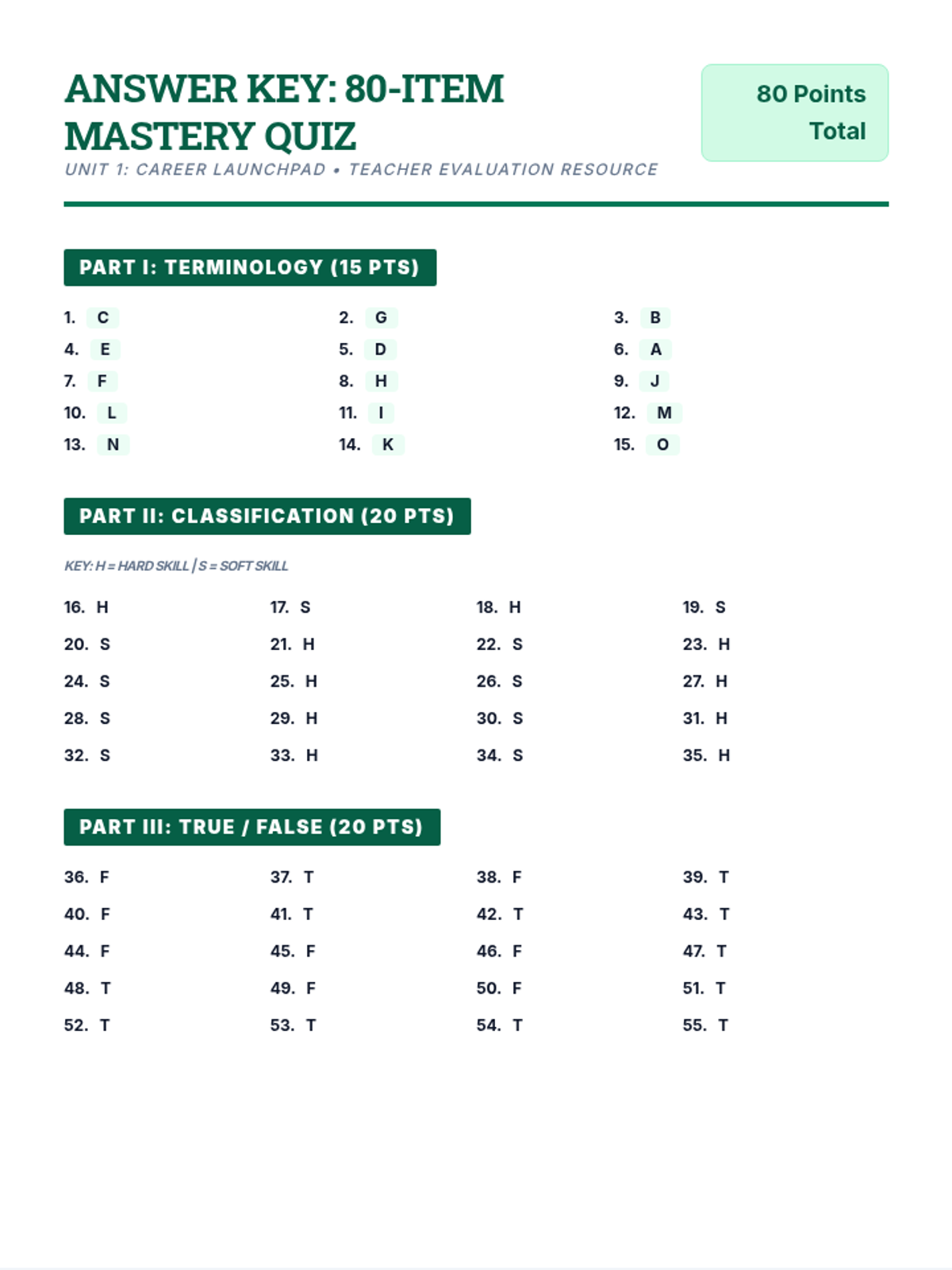
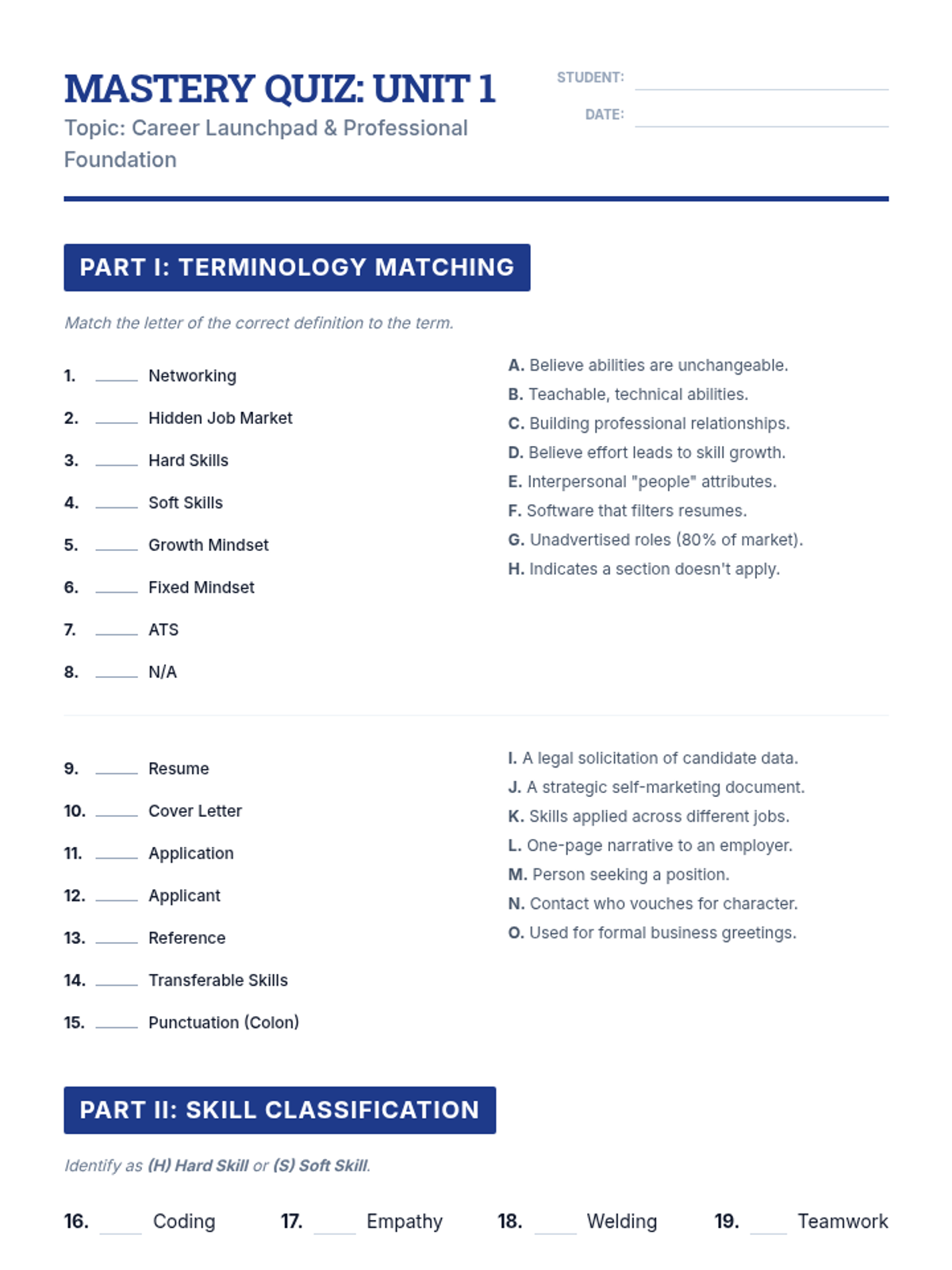
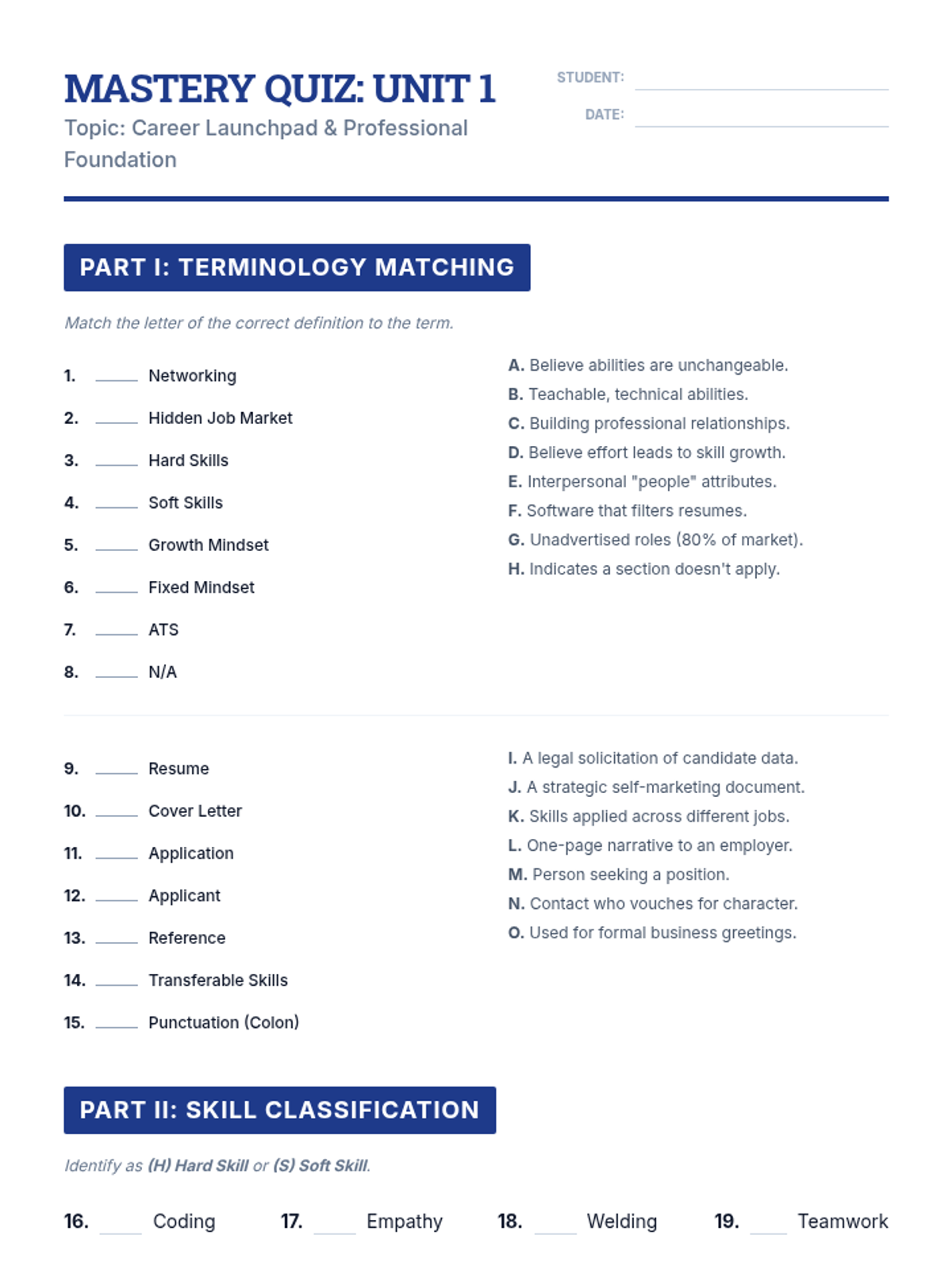
A comprehensive high school curriculum covering 11 essential employability skills, from foundational concepts to advanced application in professional settings. Includes instructional slides, student worksheets, and teacher guides for every skill.
A comprehensive career readiness program designed to prepare students for the modern workforce through 12 modular lessons covering soft skills, exploration, and professional habits. Each lesson aligns with CCR standards and includes portfolio-ready reflections.
A comprehensive series of lessons designed to equip students with the essential life skills needed to transition into the workforce, focusing on preparation, professionalism, and daily routines.
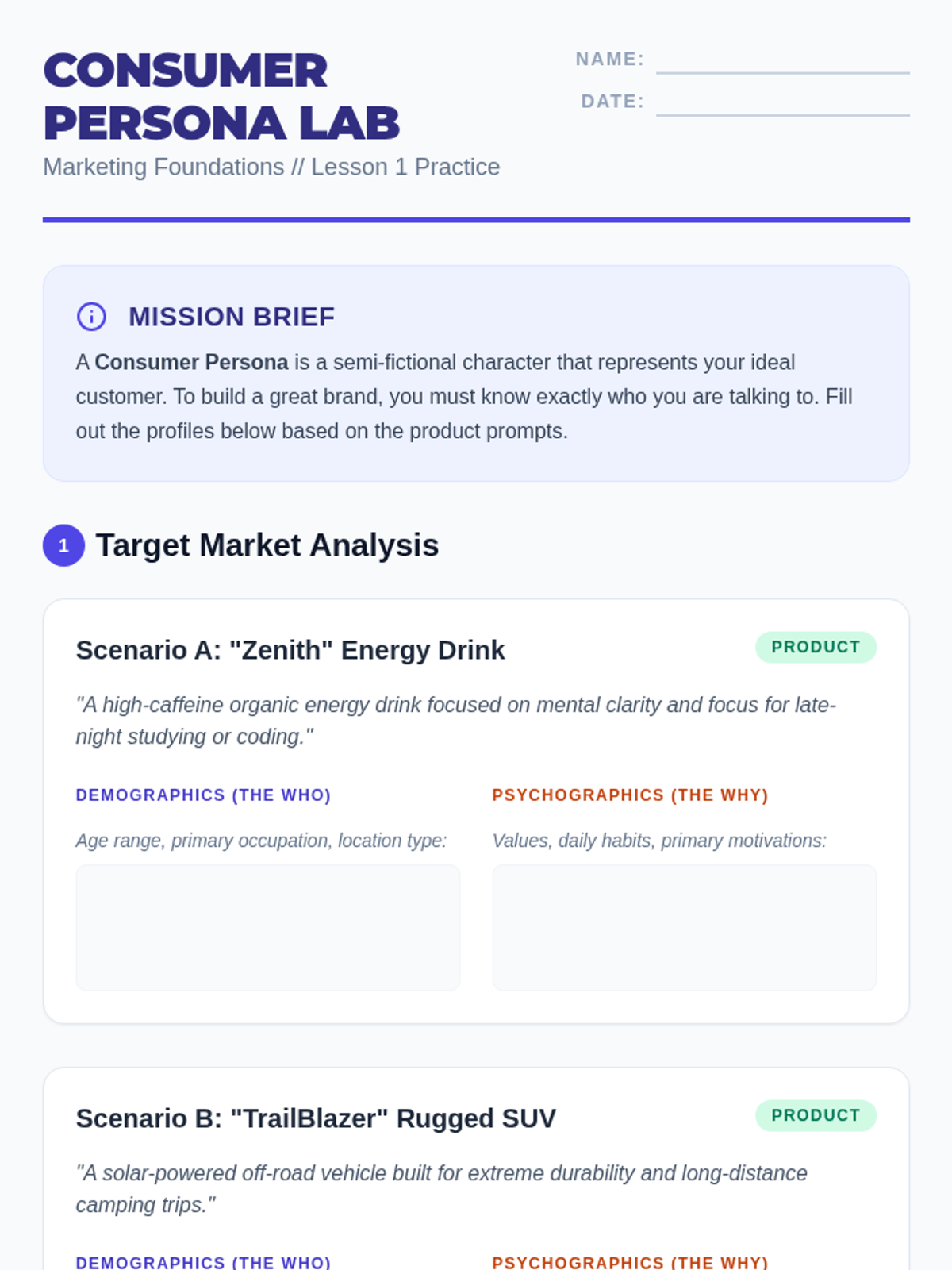
A comprehensive introduction to marketing and advertising for high school students, culminating in a multi-day creative agency project where students design and pitch their own brand campaign.
A comprehensive program designed to guide students through the essentials of career exploration, professional document preparation, and the job application process.
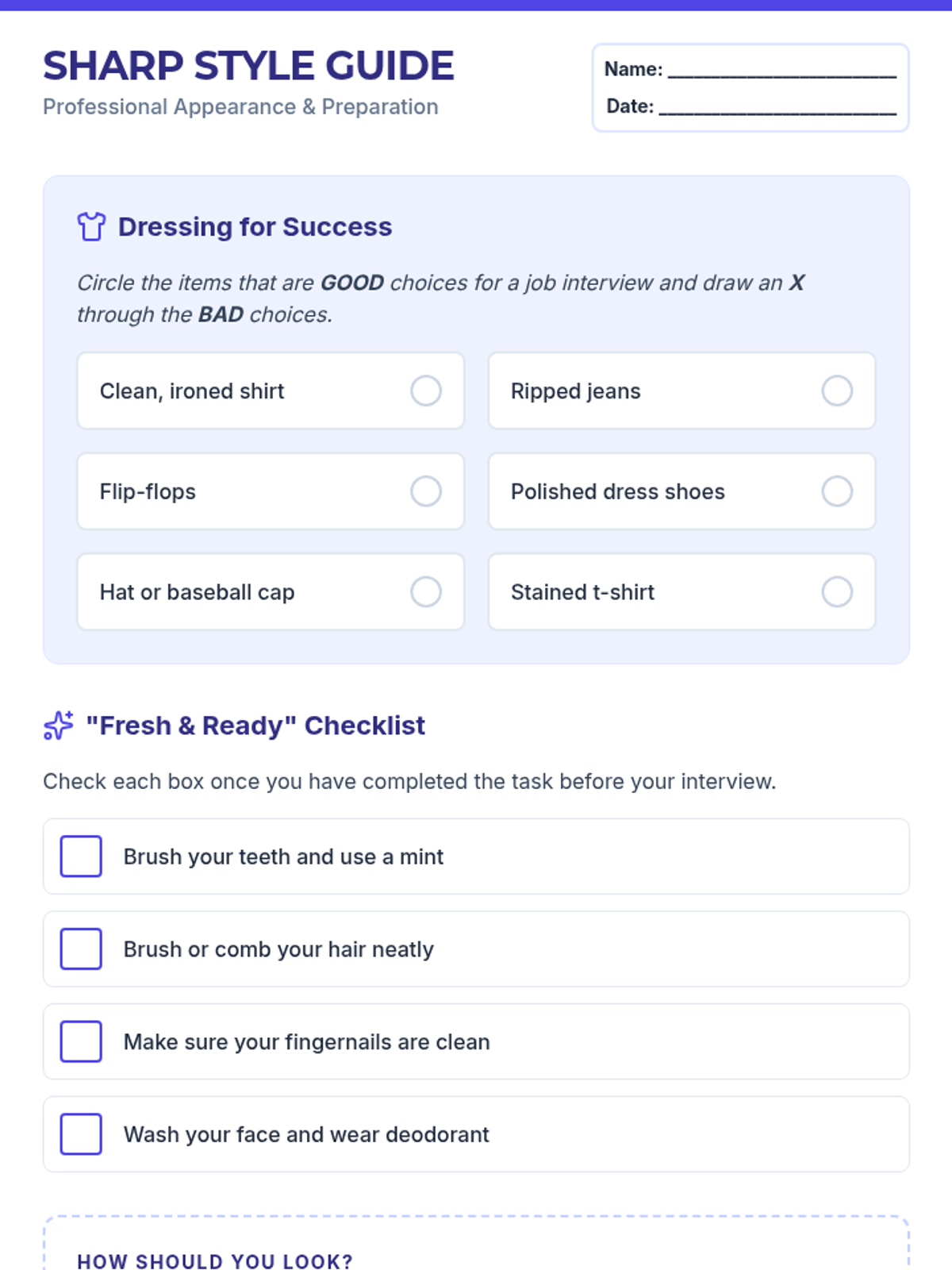
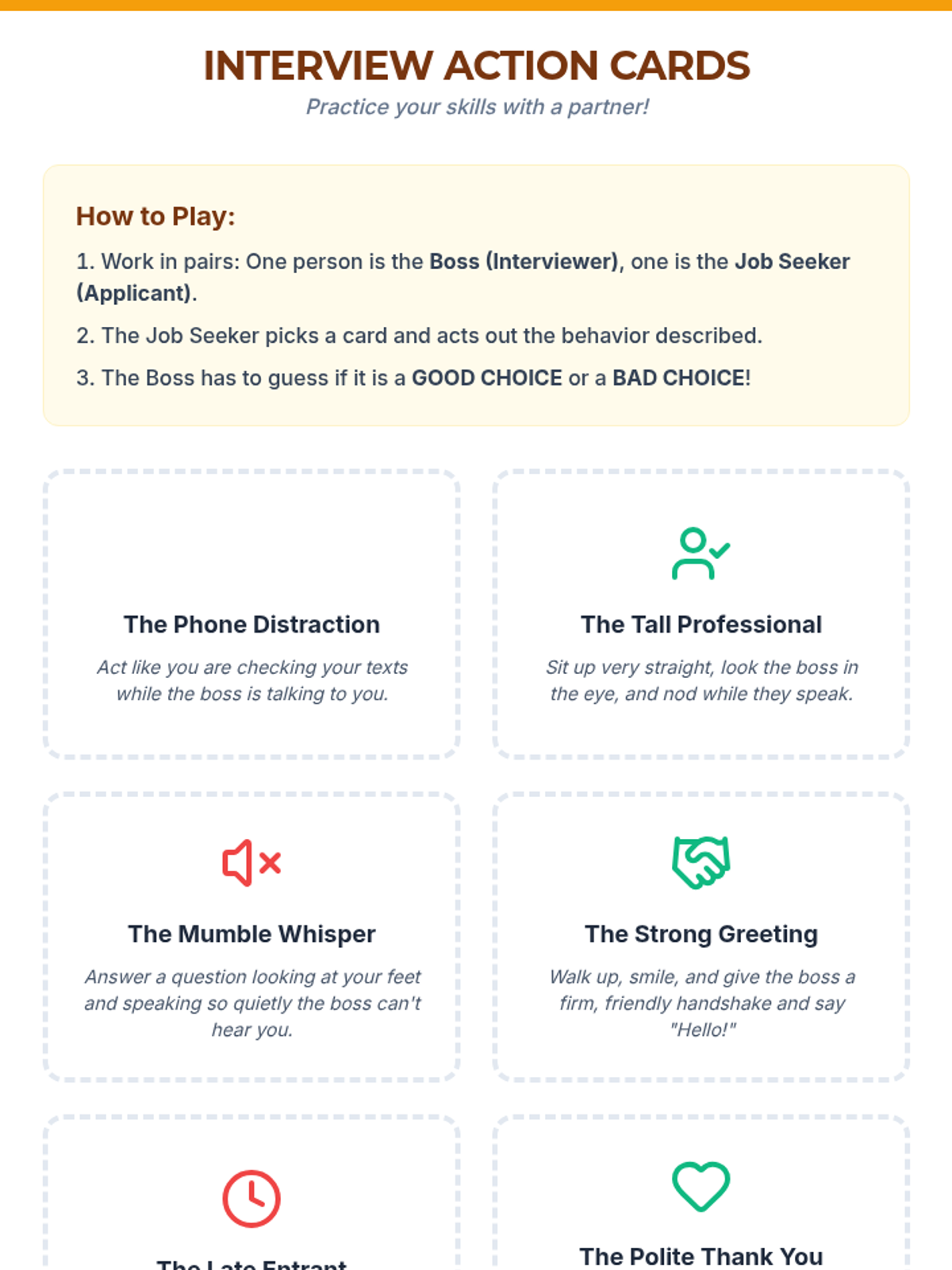
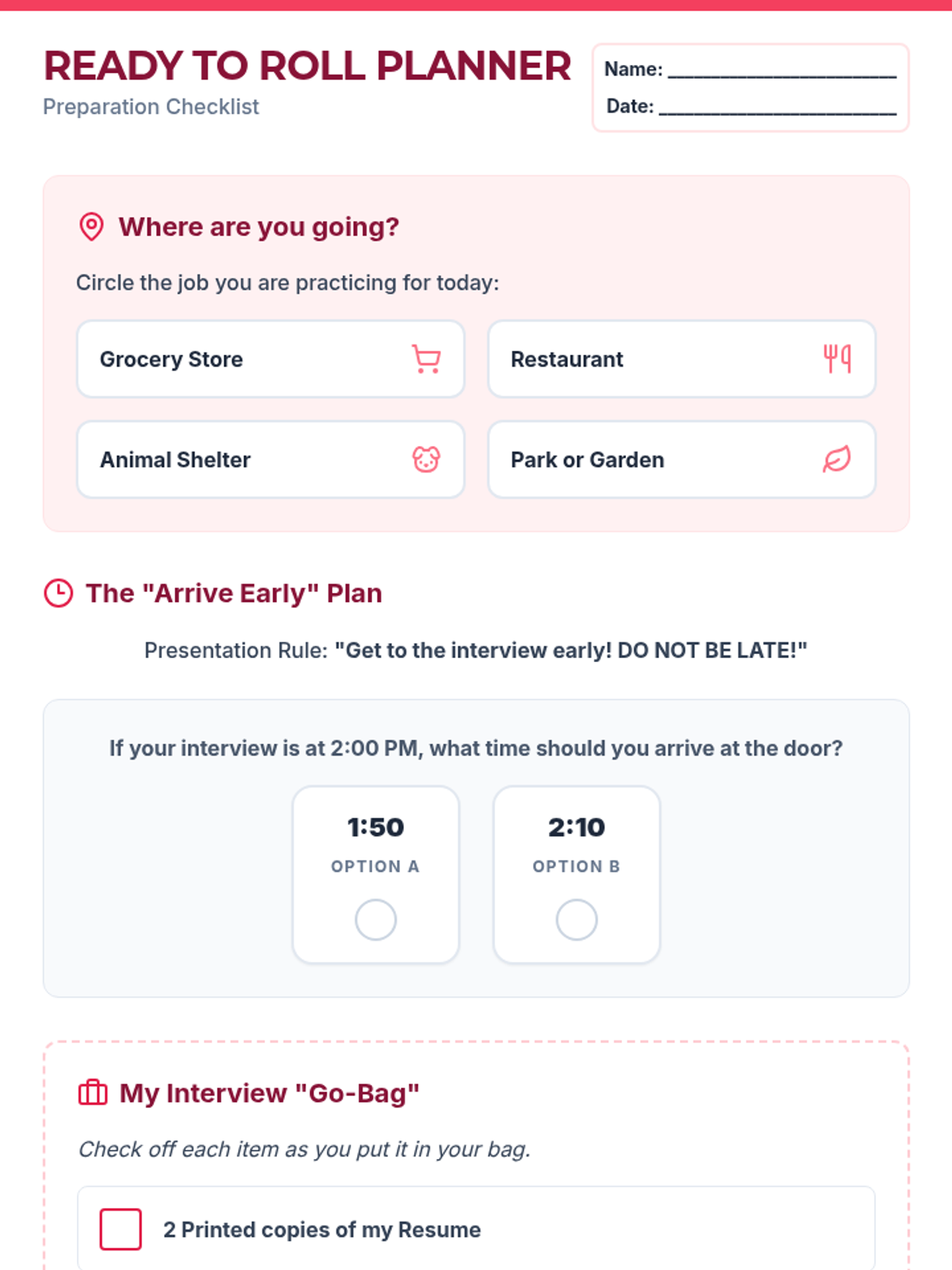
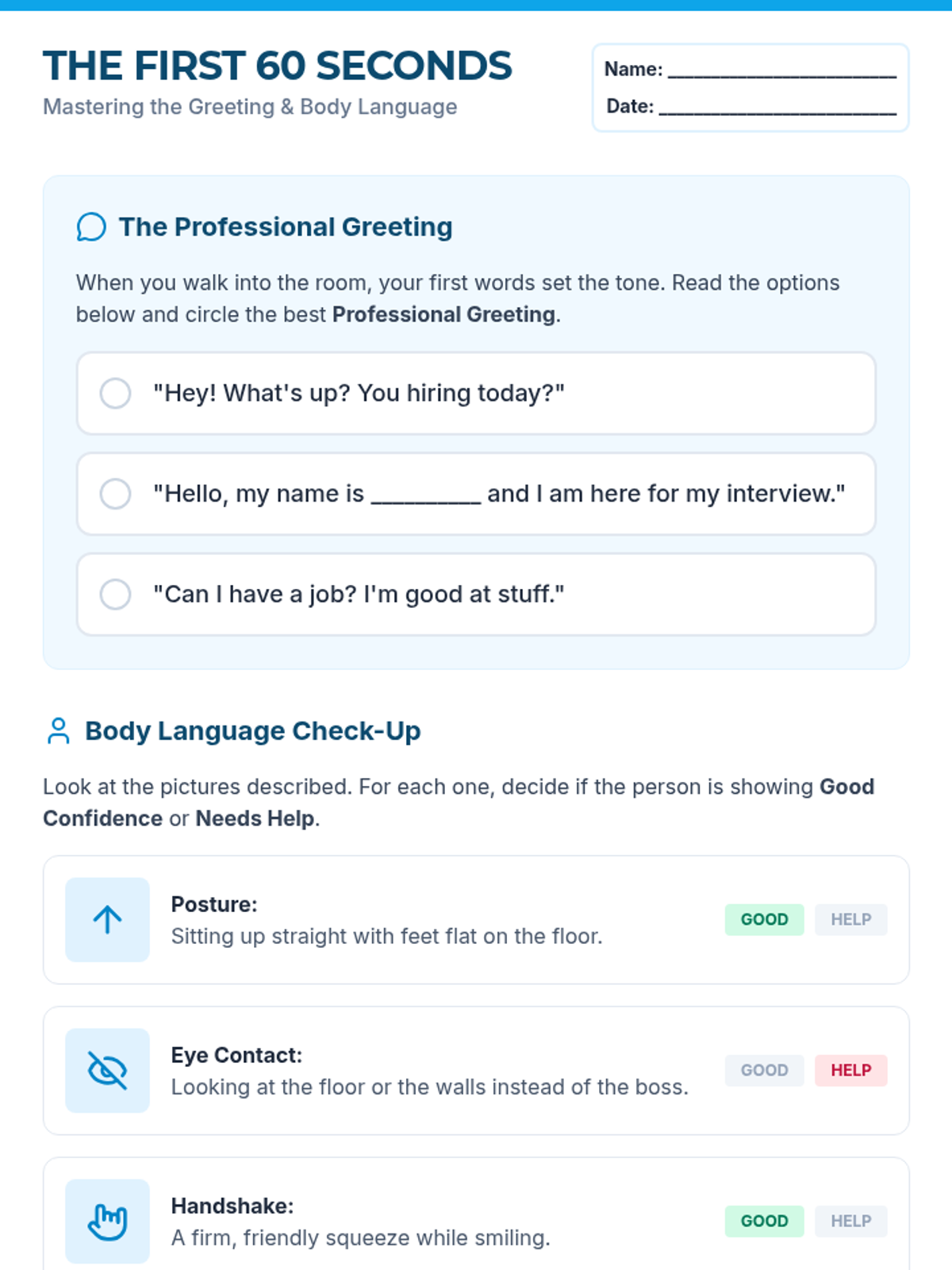
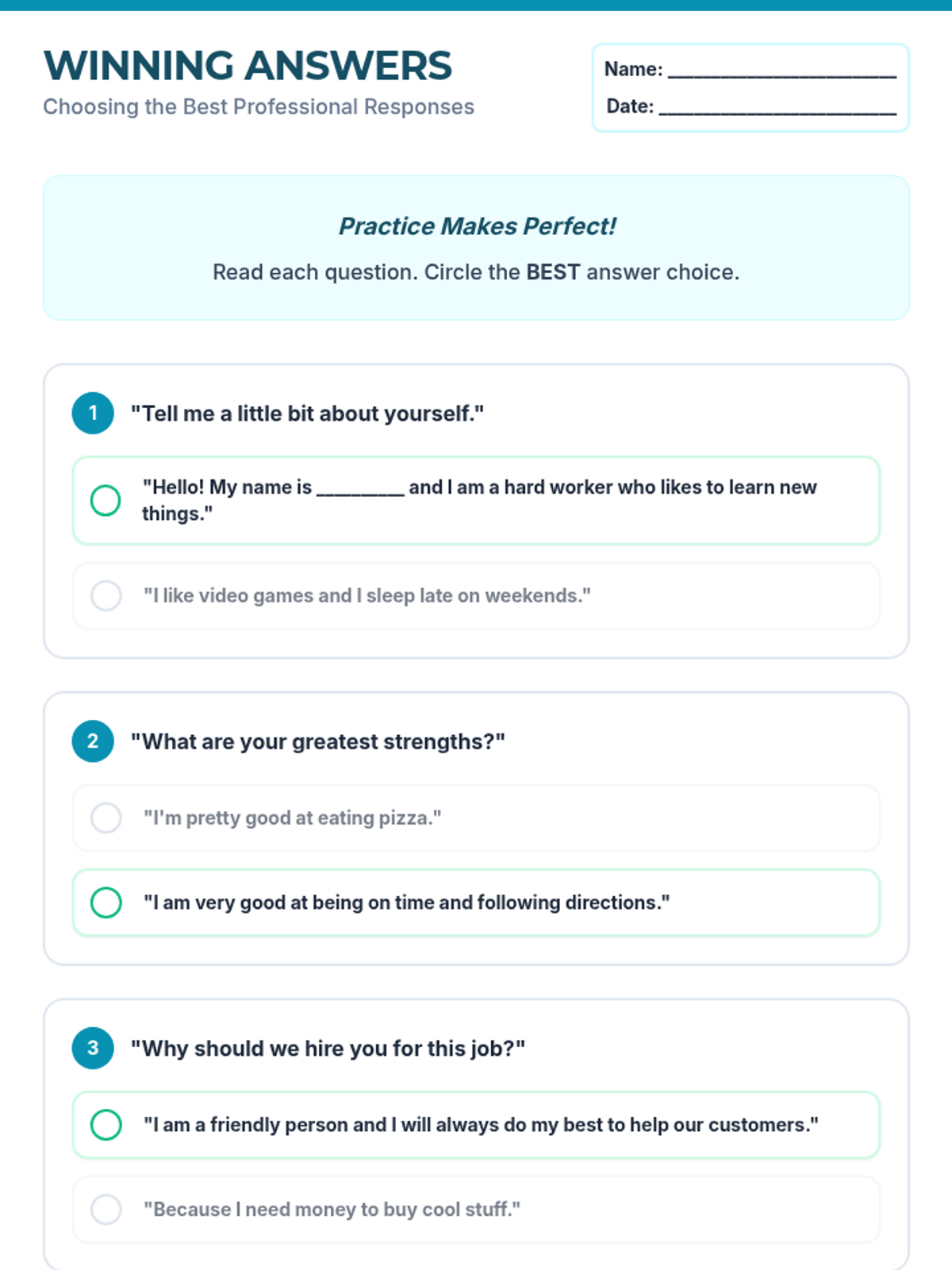
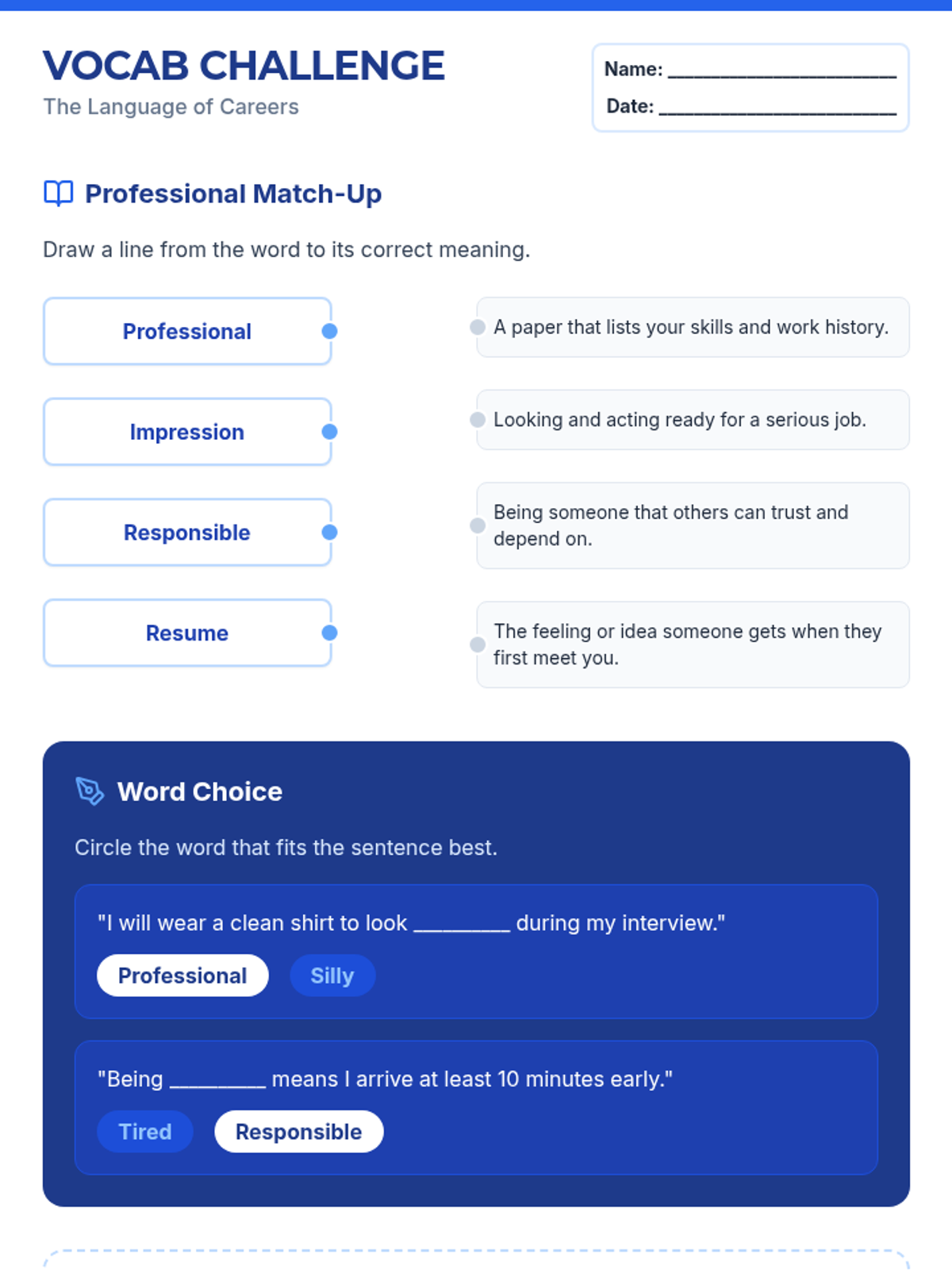
A comprehensive sequence focused on essential job readiness skills, covering everything from professional appearance to effective communication and polite follow-up.
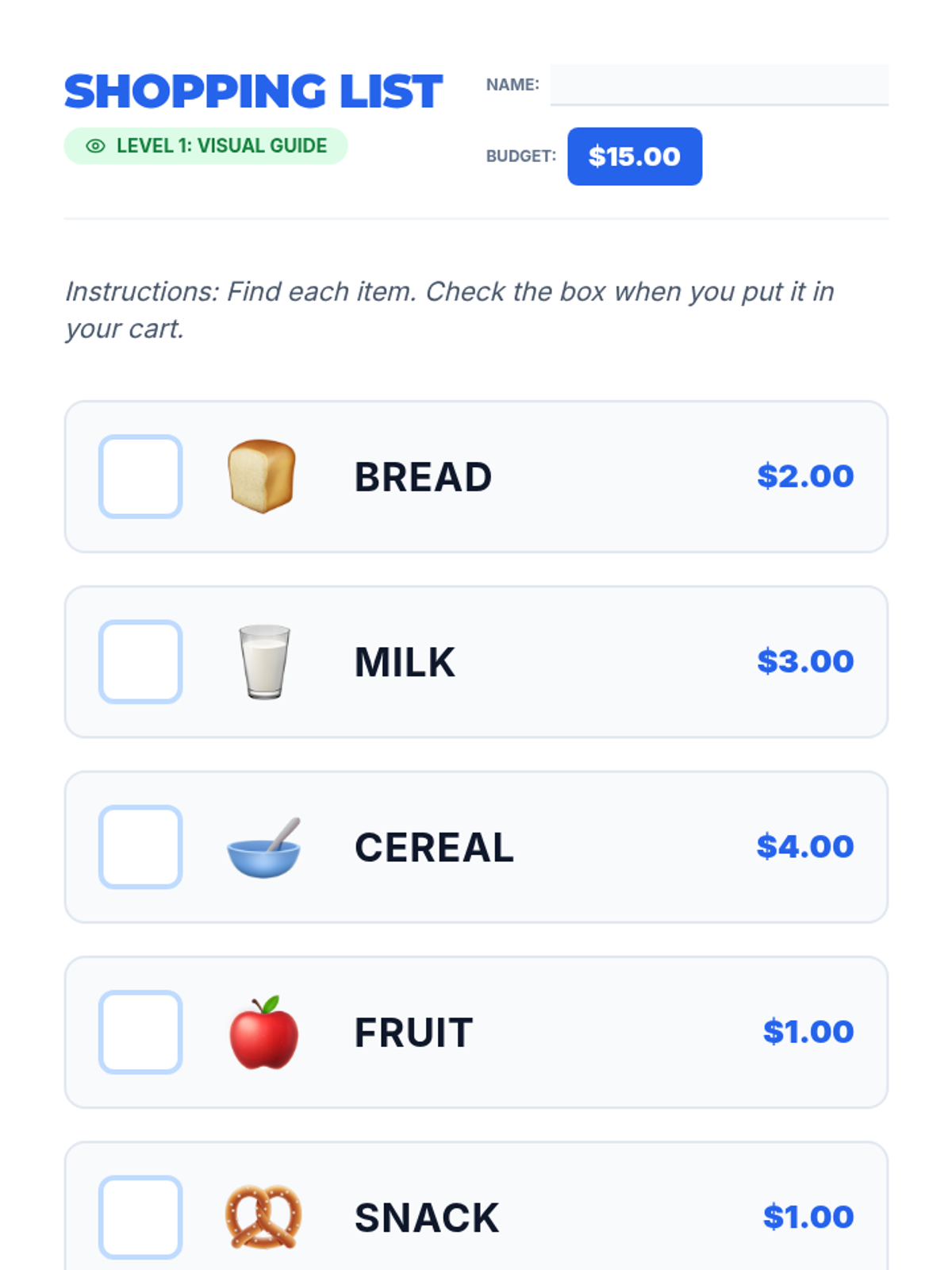
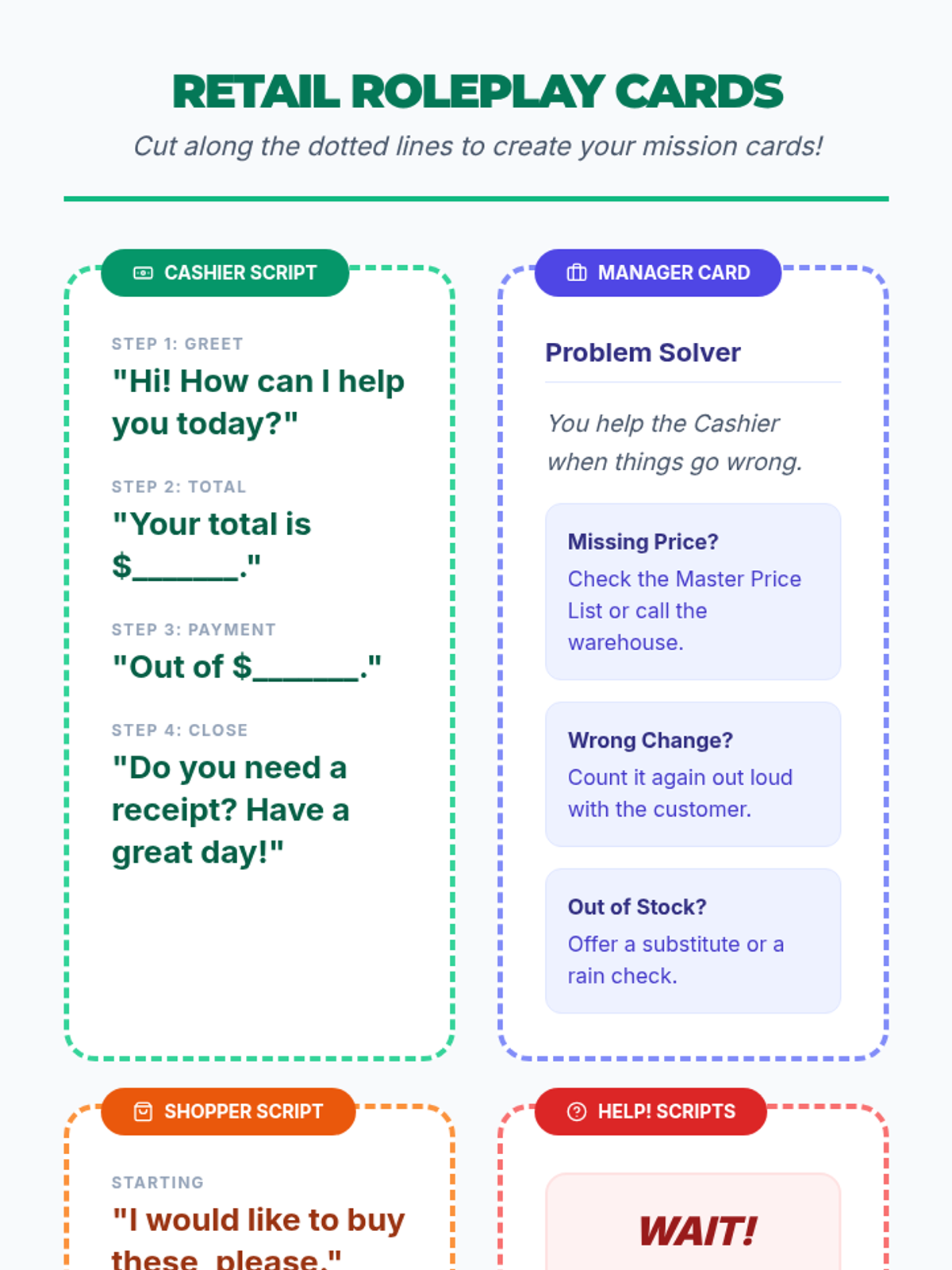
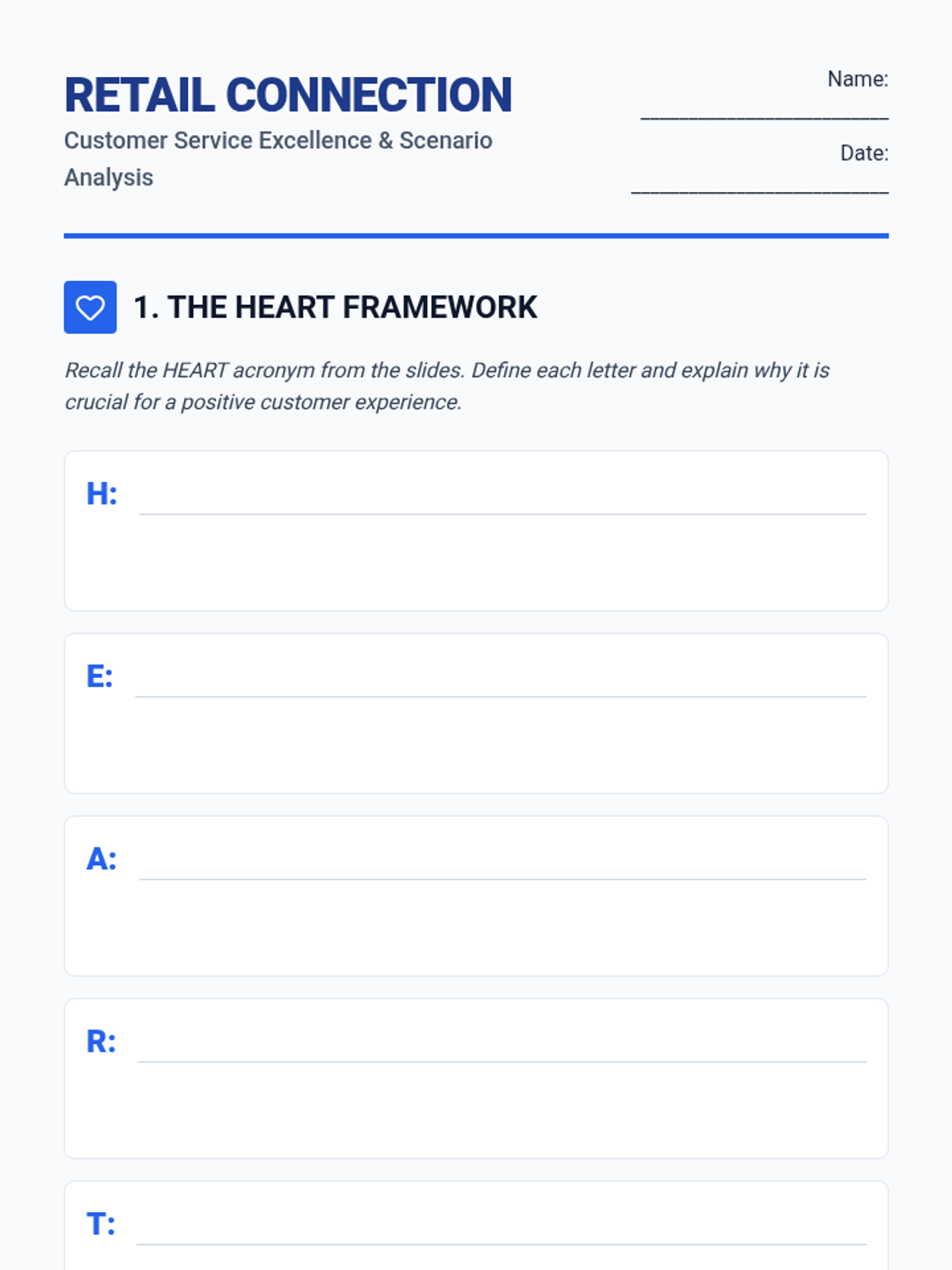
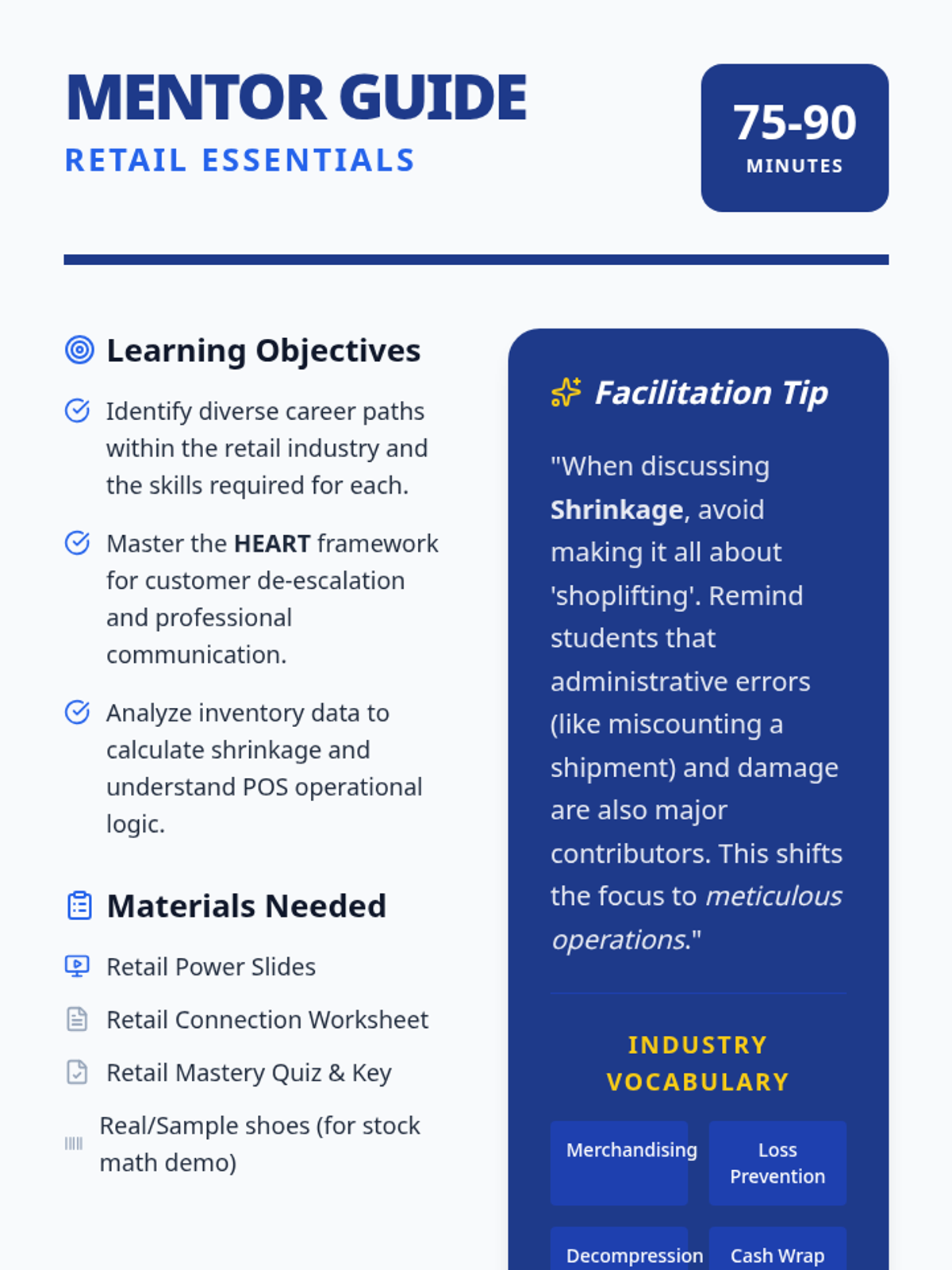
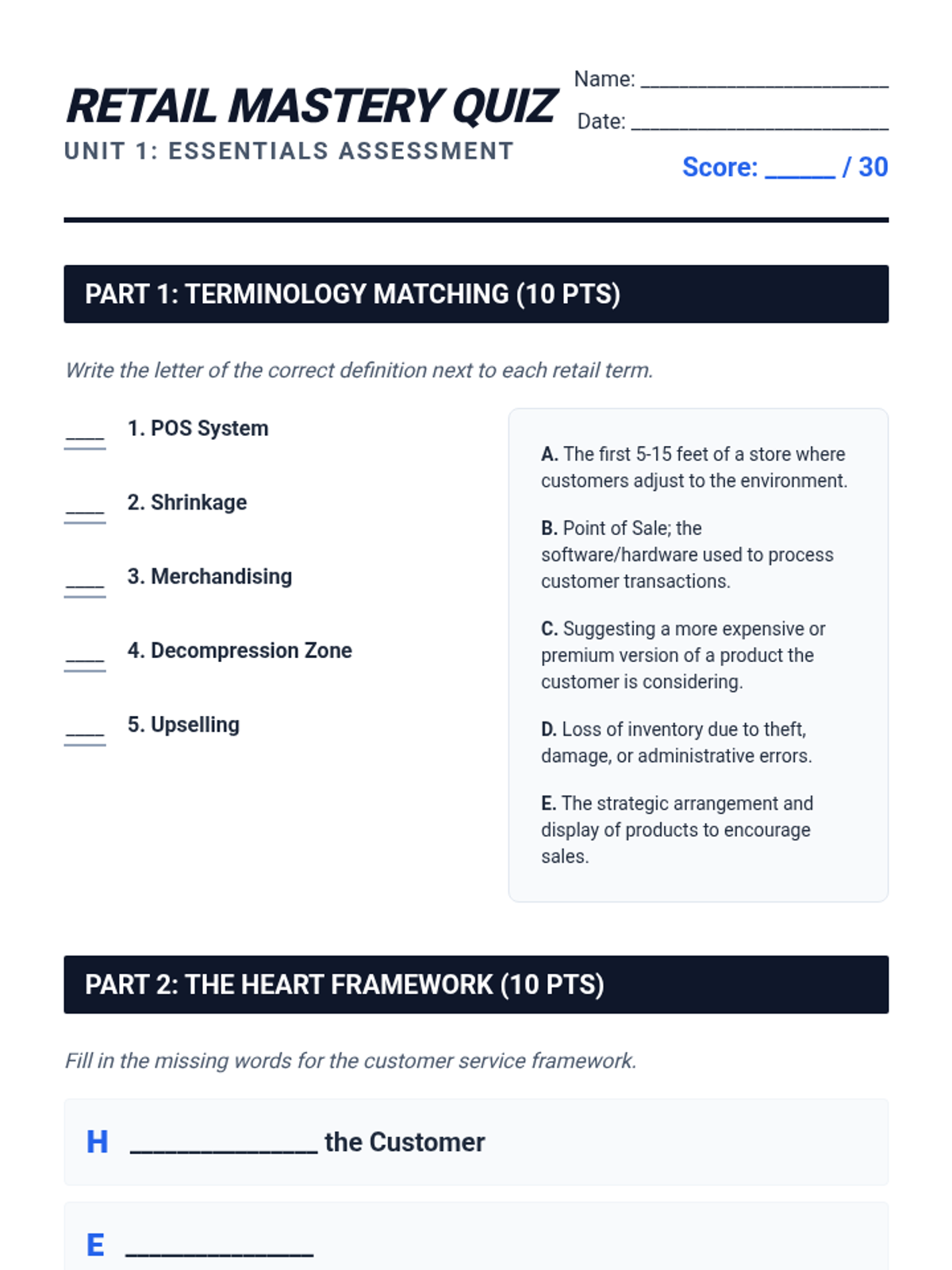
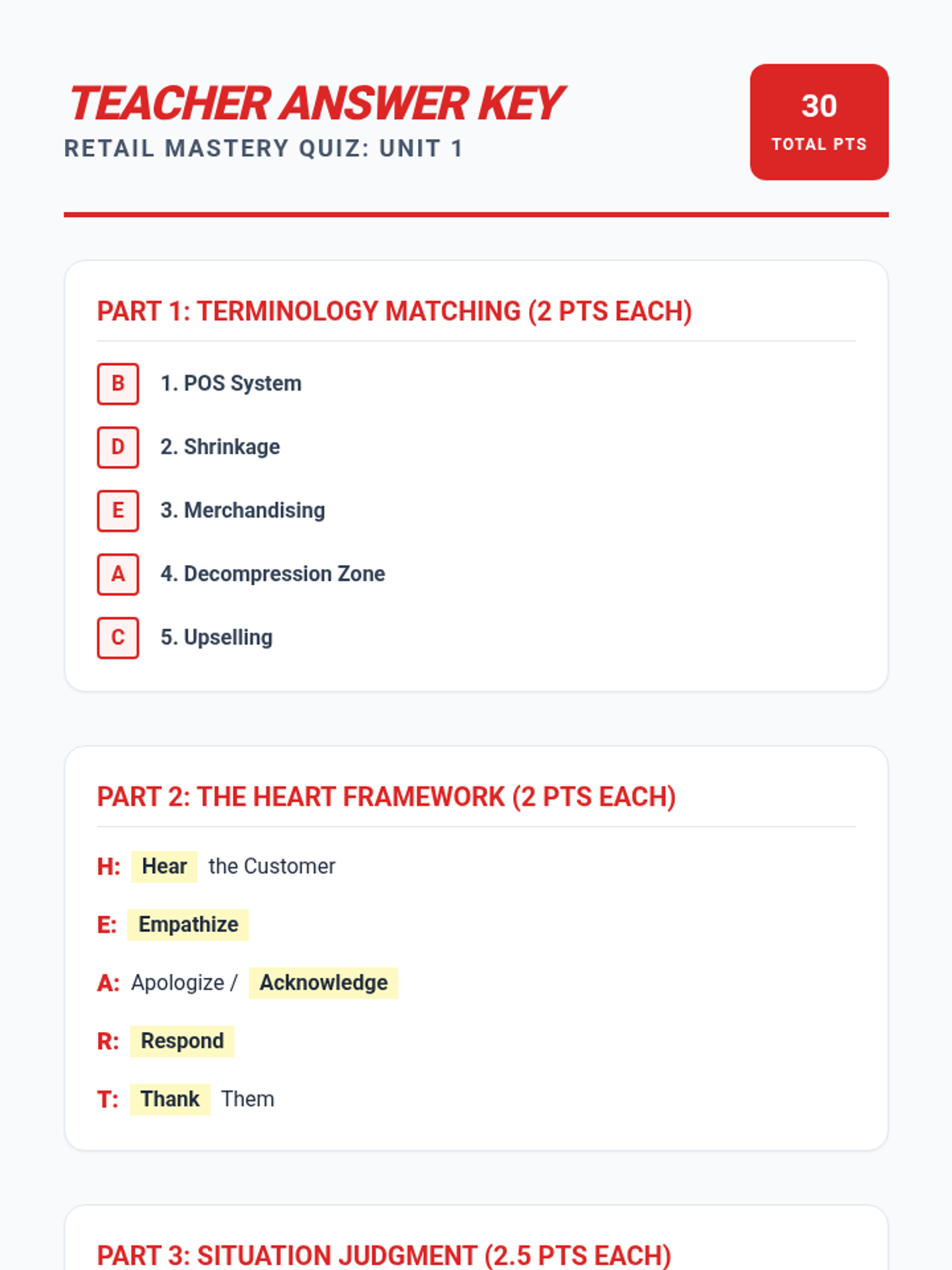
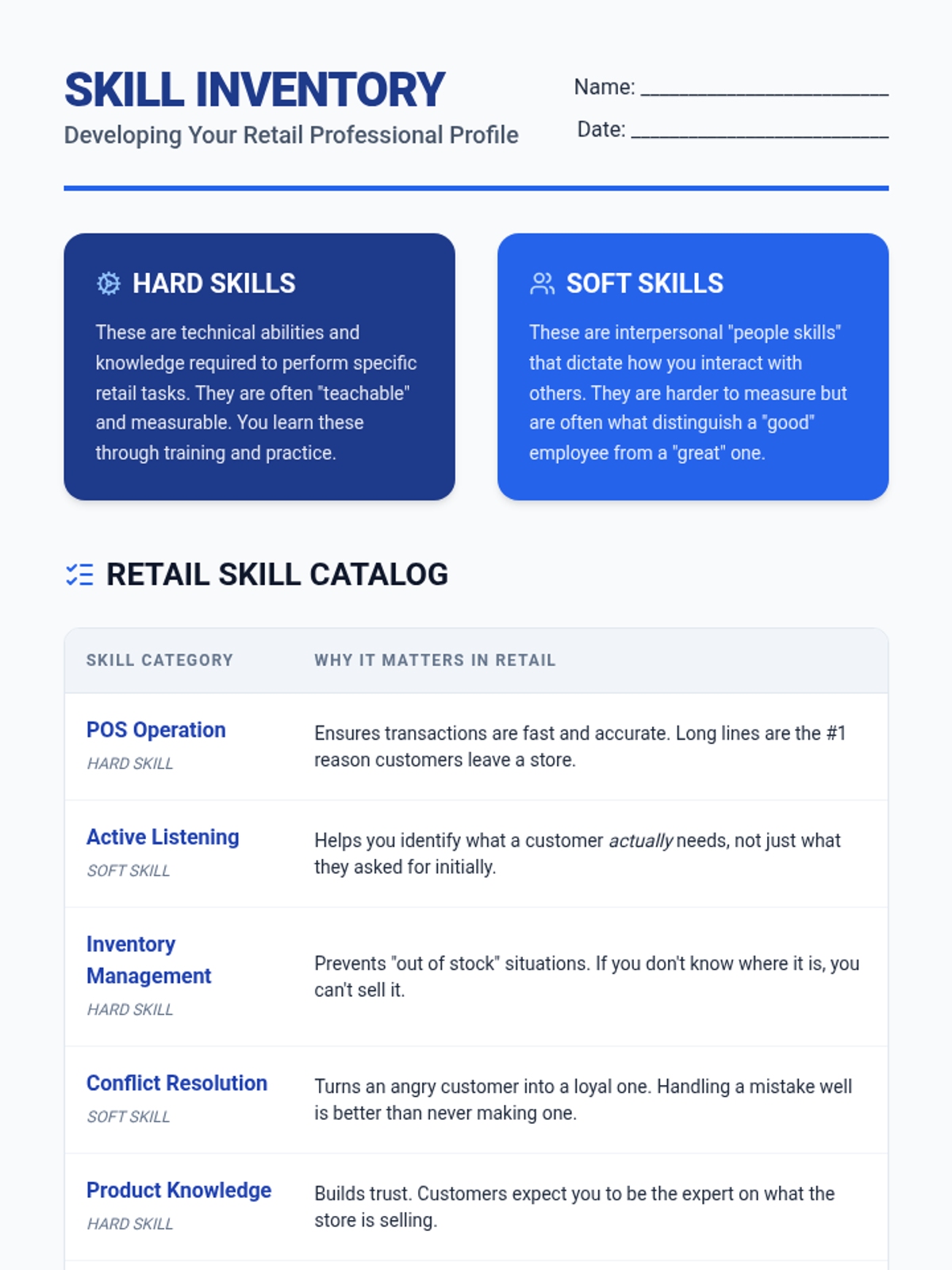
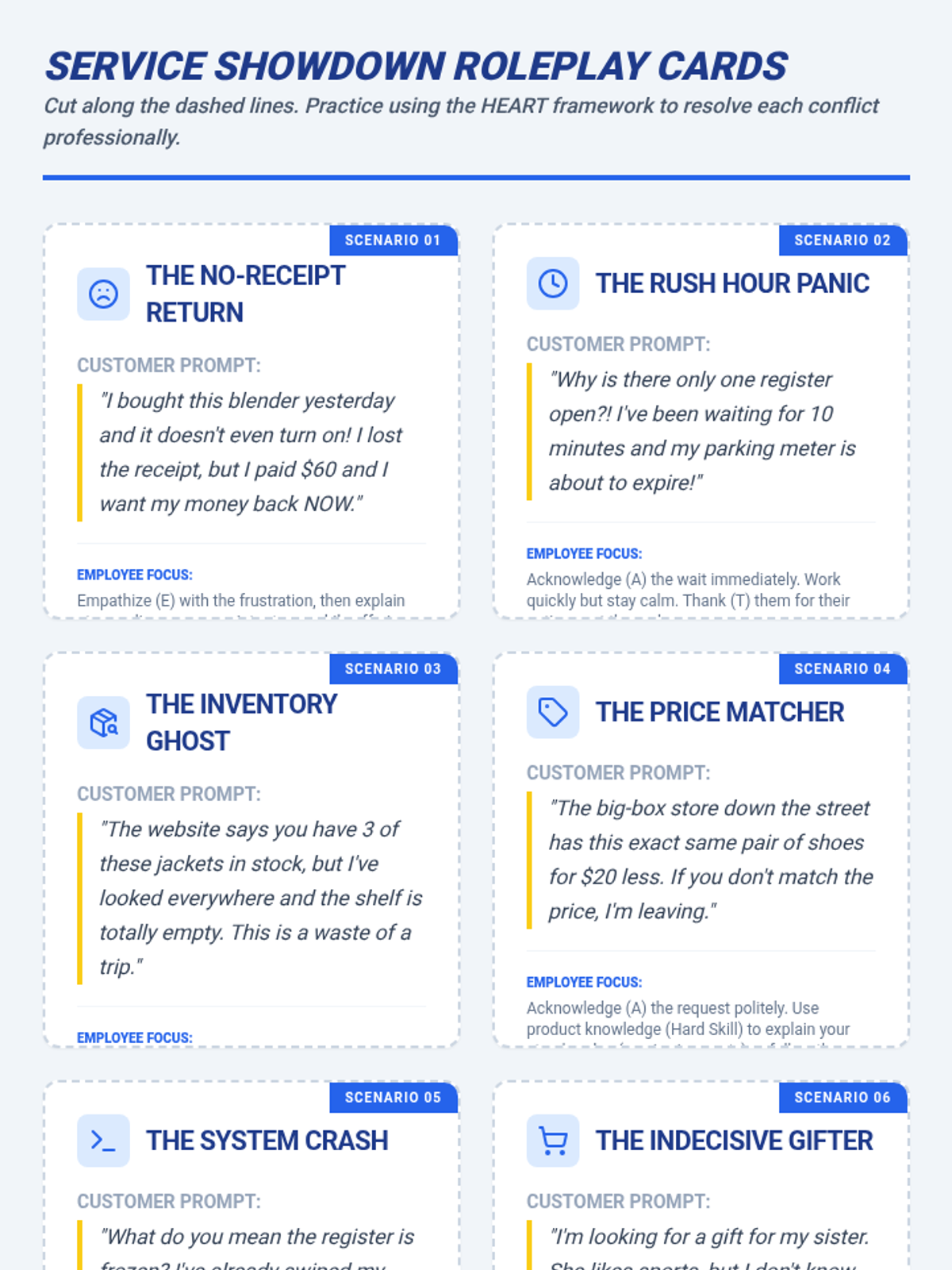
A hands-on career exploration unit focusing on the dynamic world of retail. Students will master customer service excellence, learn retail operations like inventory and POS systems, and design their own retail floor plan and brand strategy.
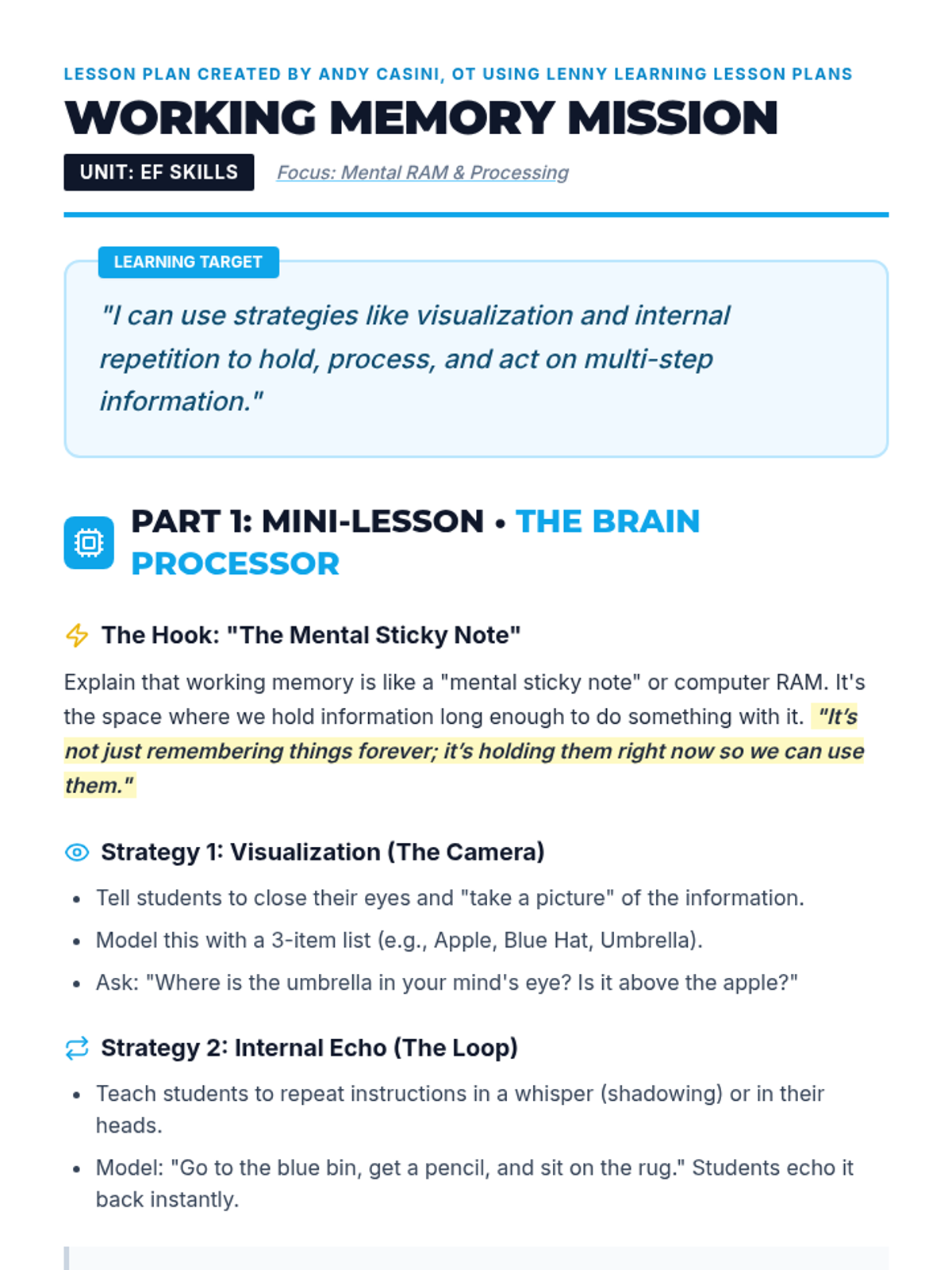
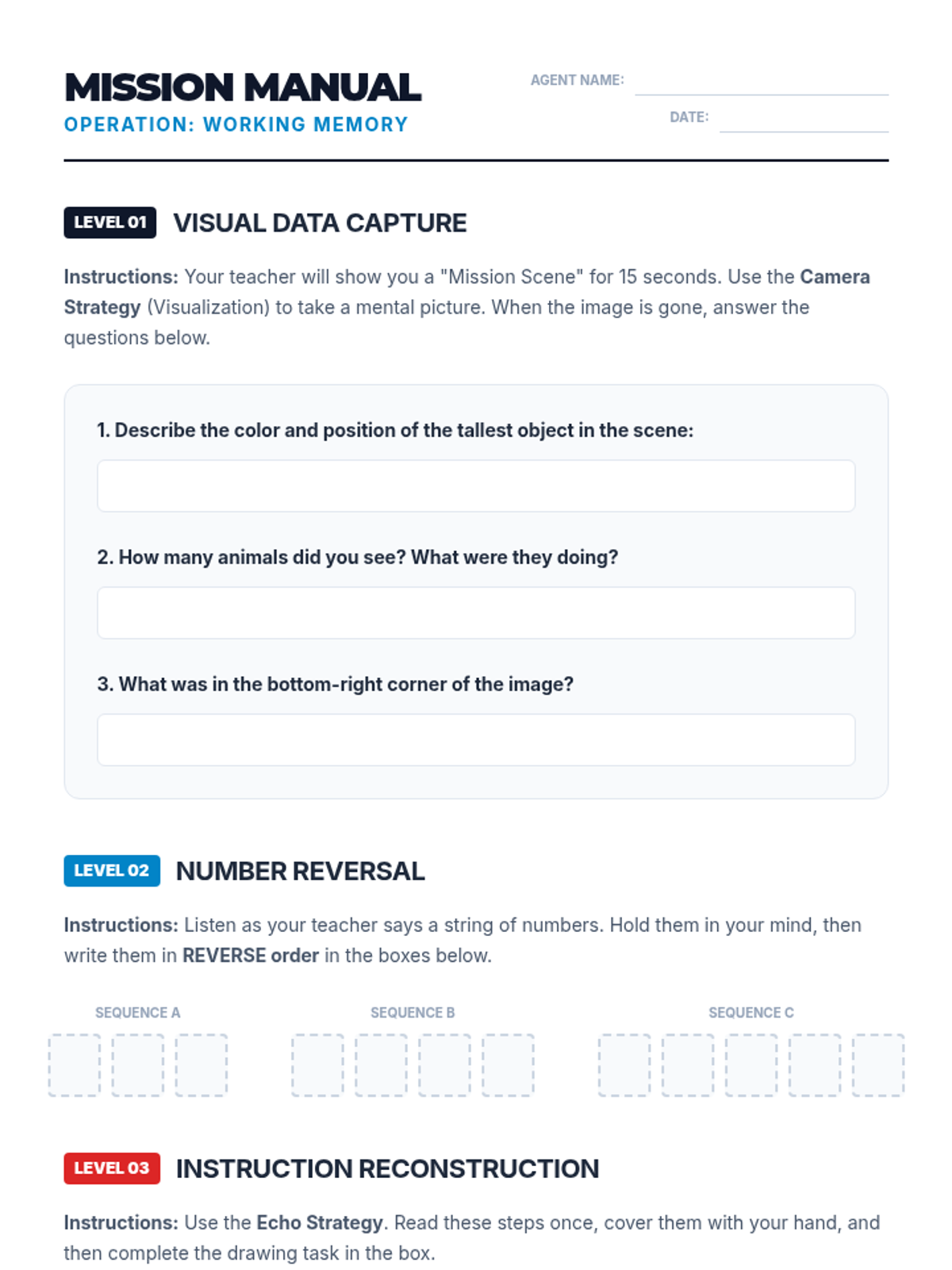
A comprehensive 10-week instructional module designed to build and refine 9 core executive functioning skills including goal setting, organization, and self-regulation.
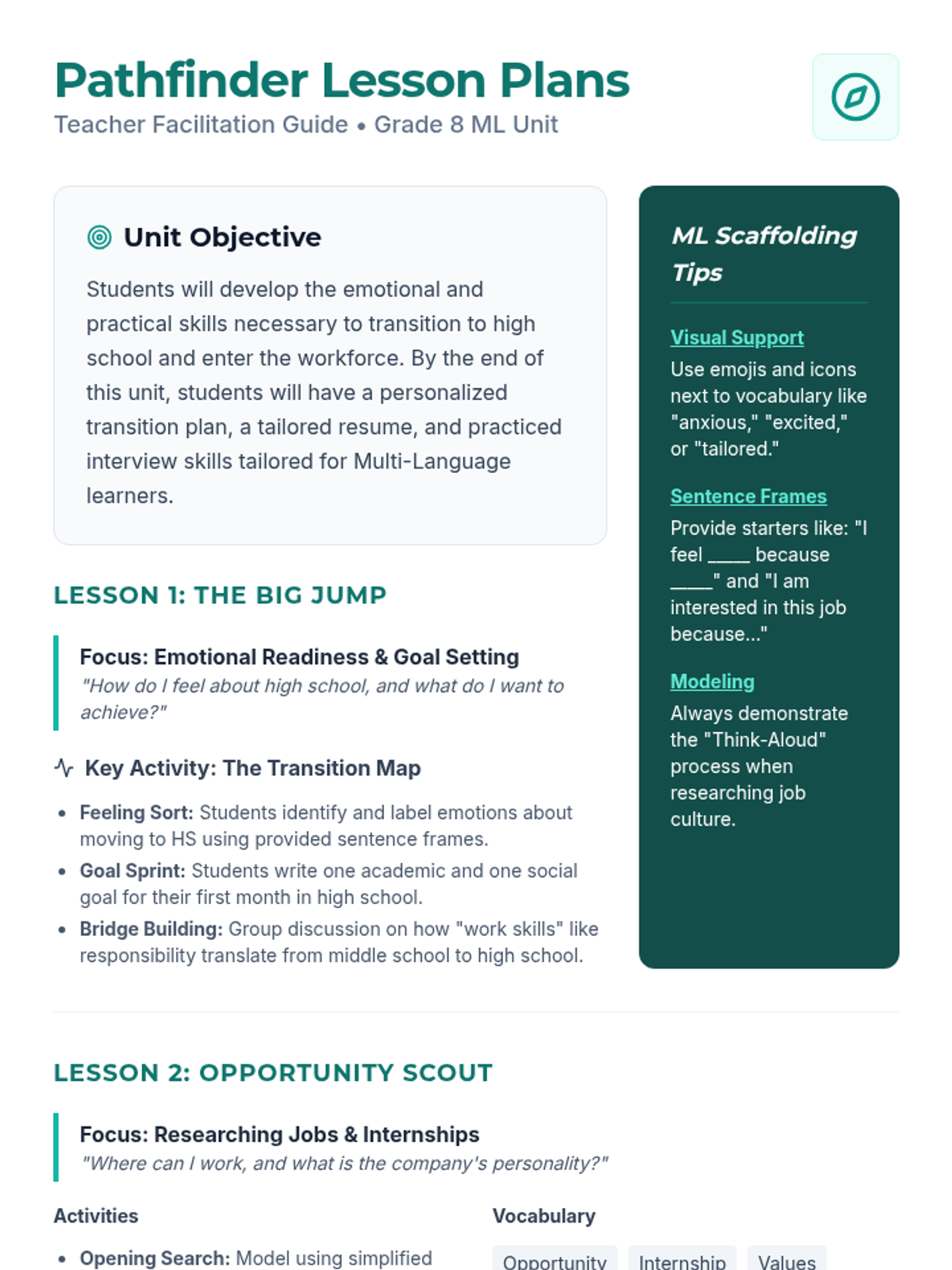
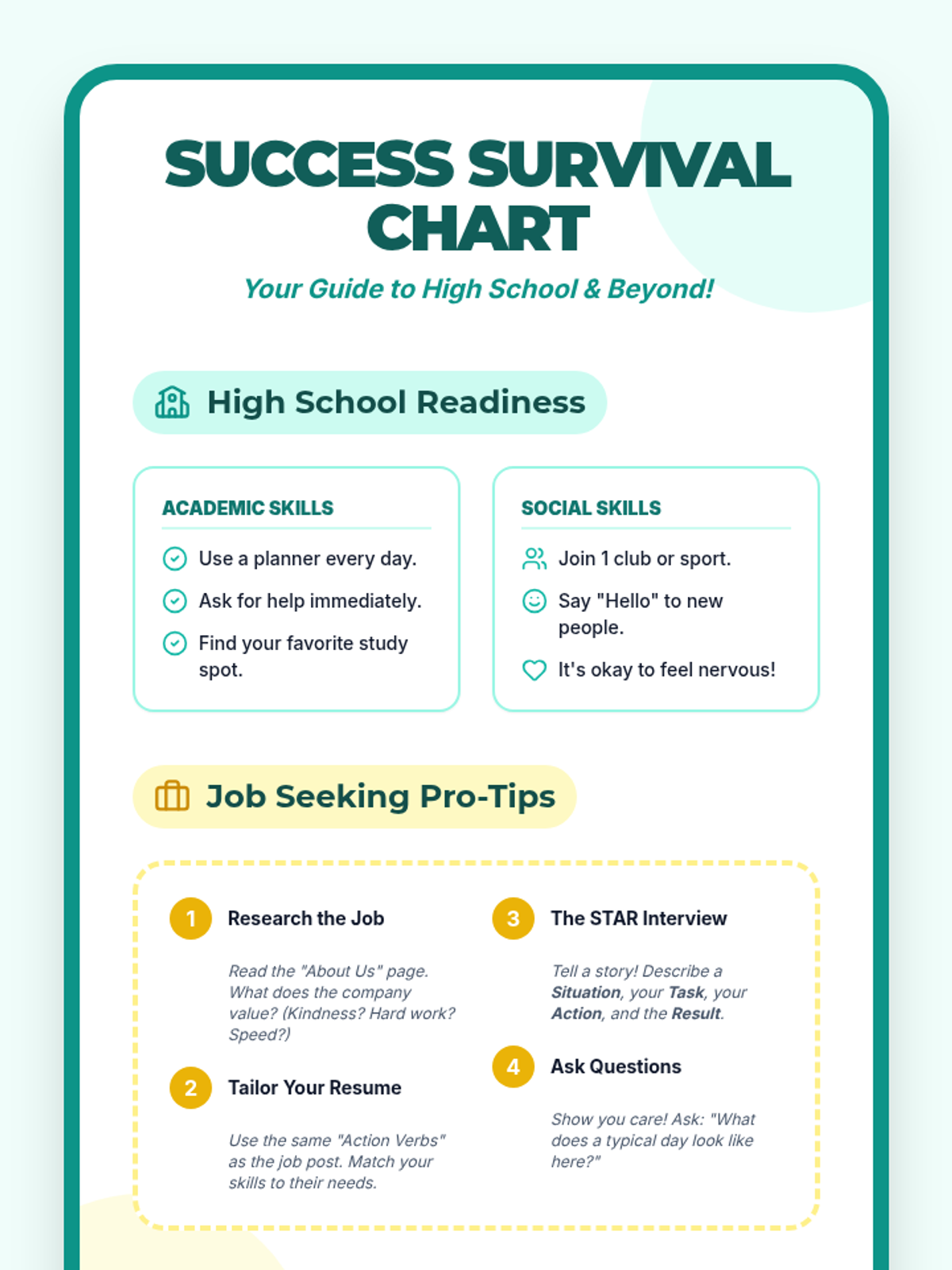
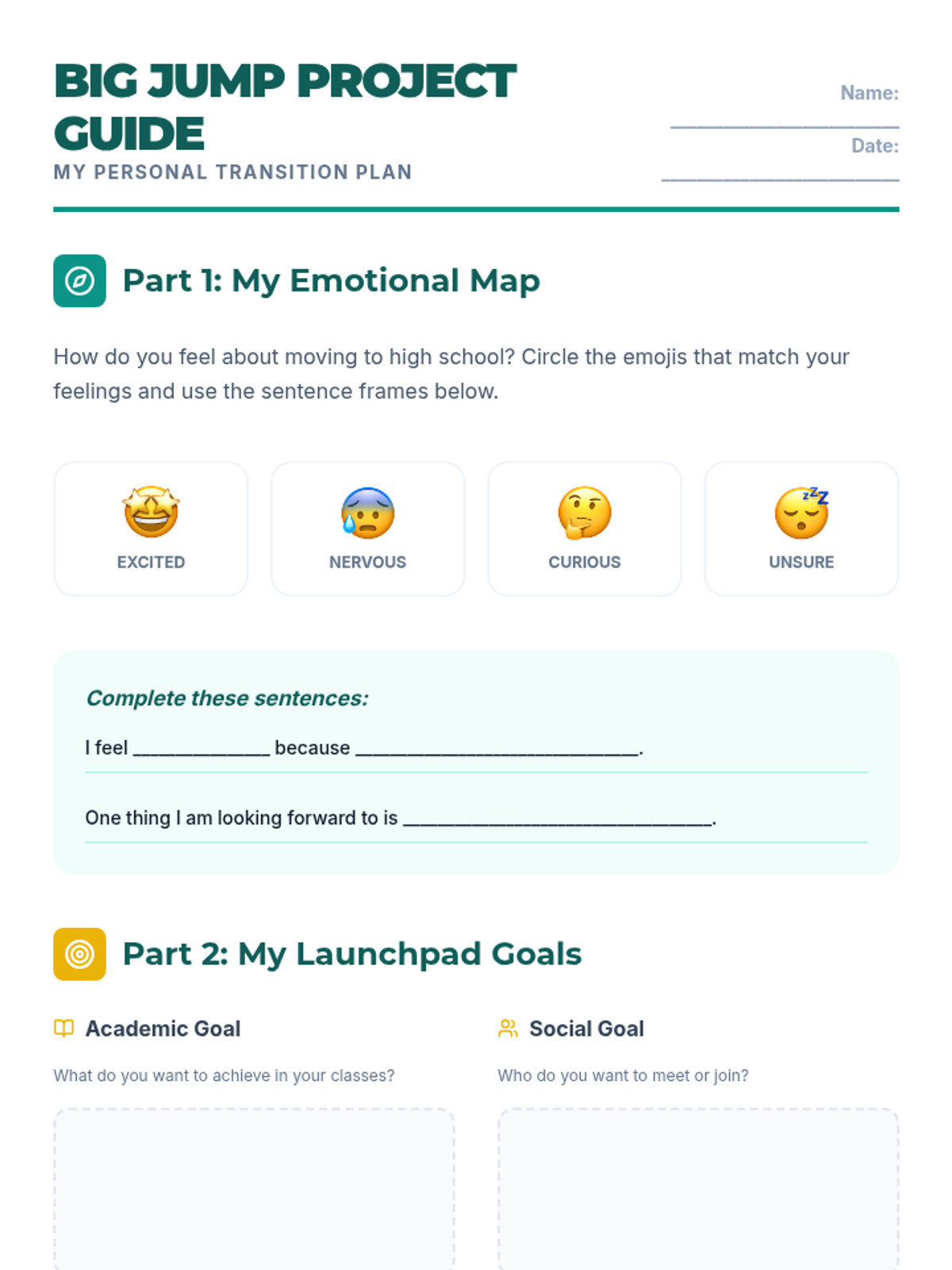
A comprehensive unit designed for 8th-grade Multi-Language learners transitioning to high school, focusing on emotional readiness, job research, application skills, and interview techniques.
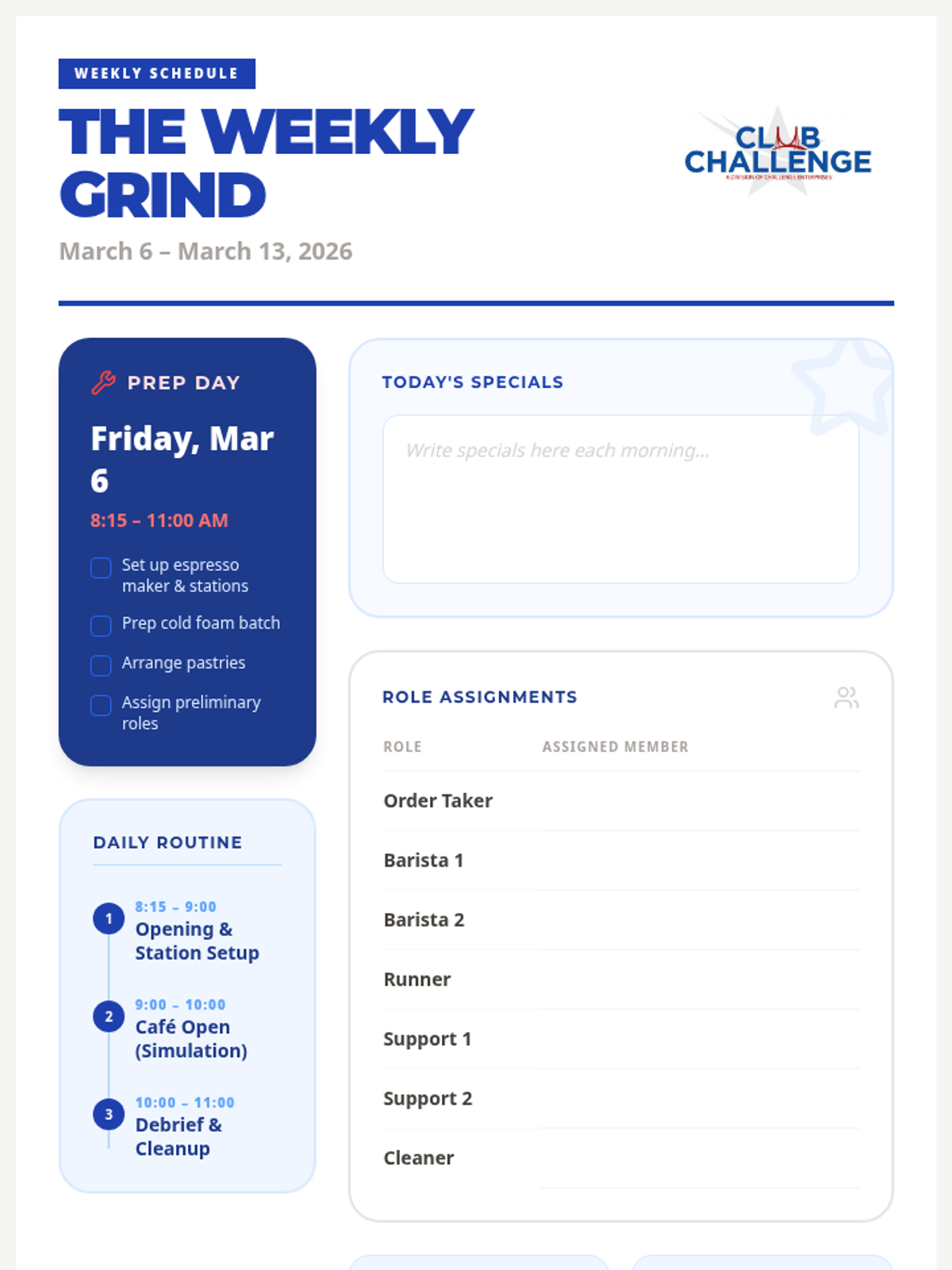
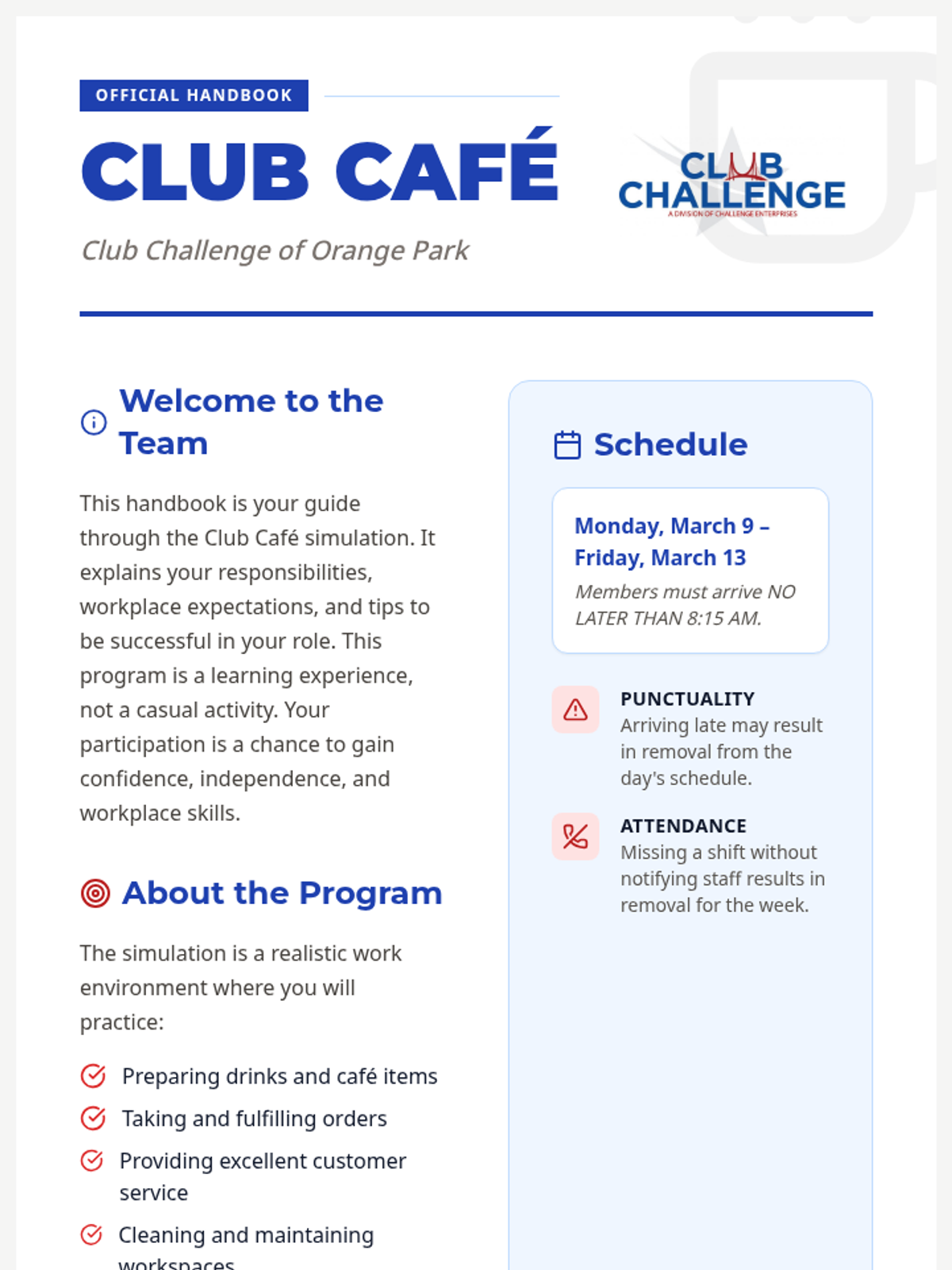
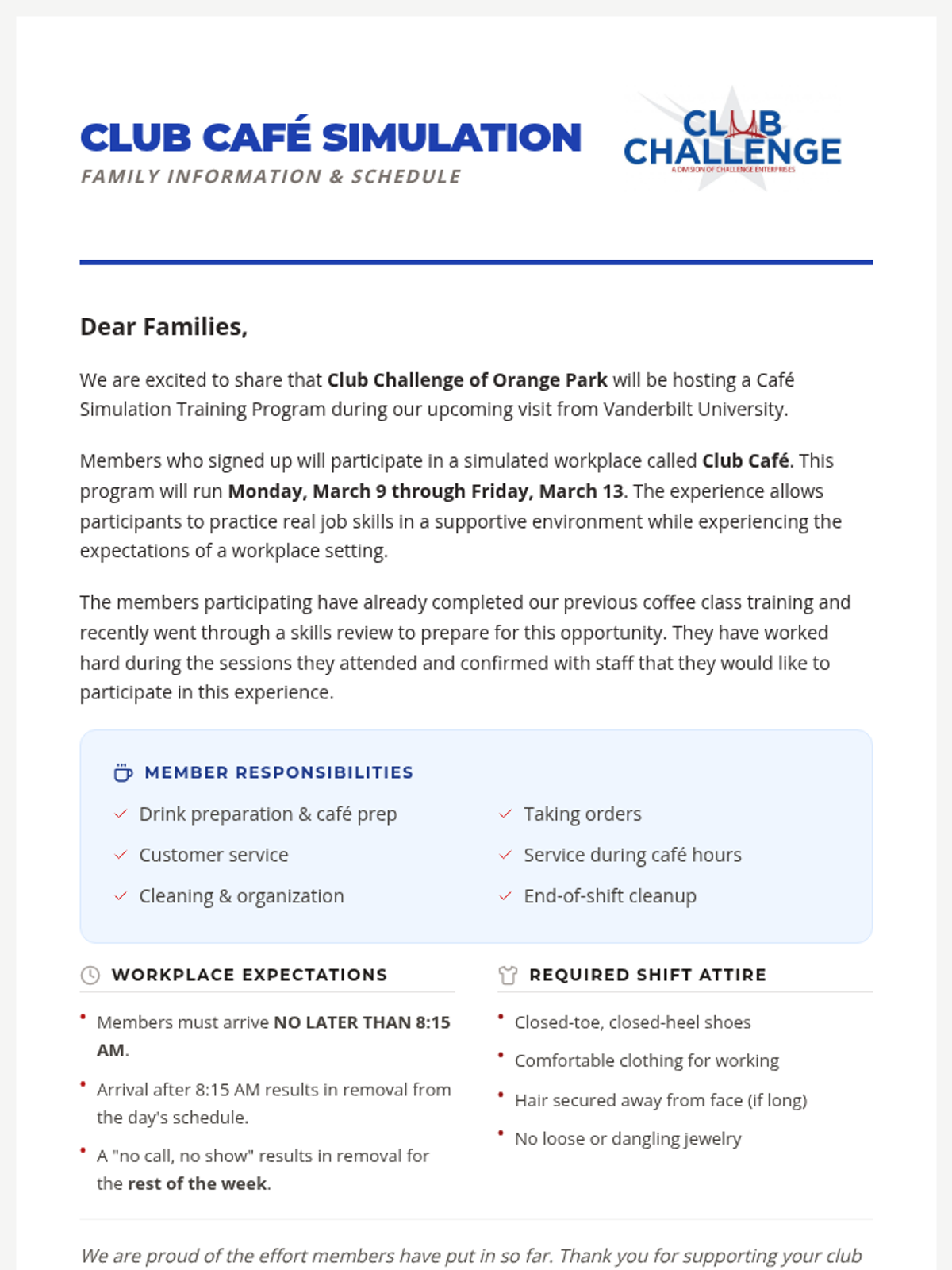
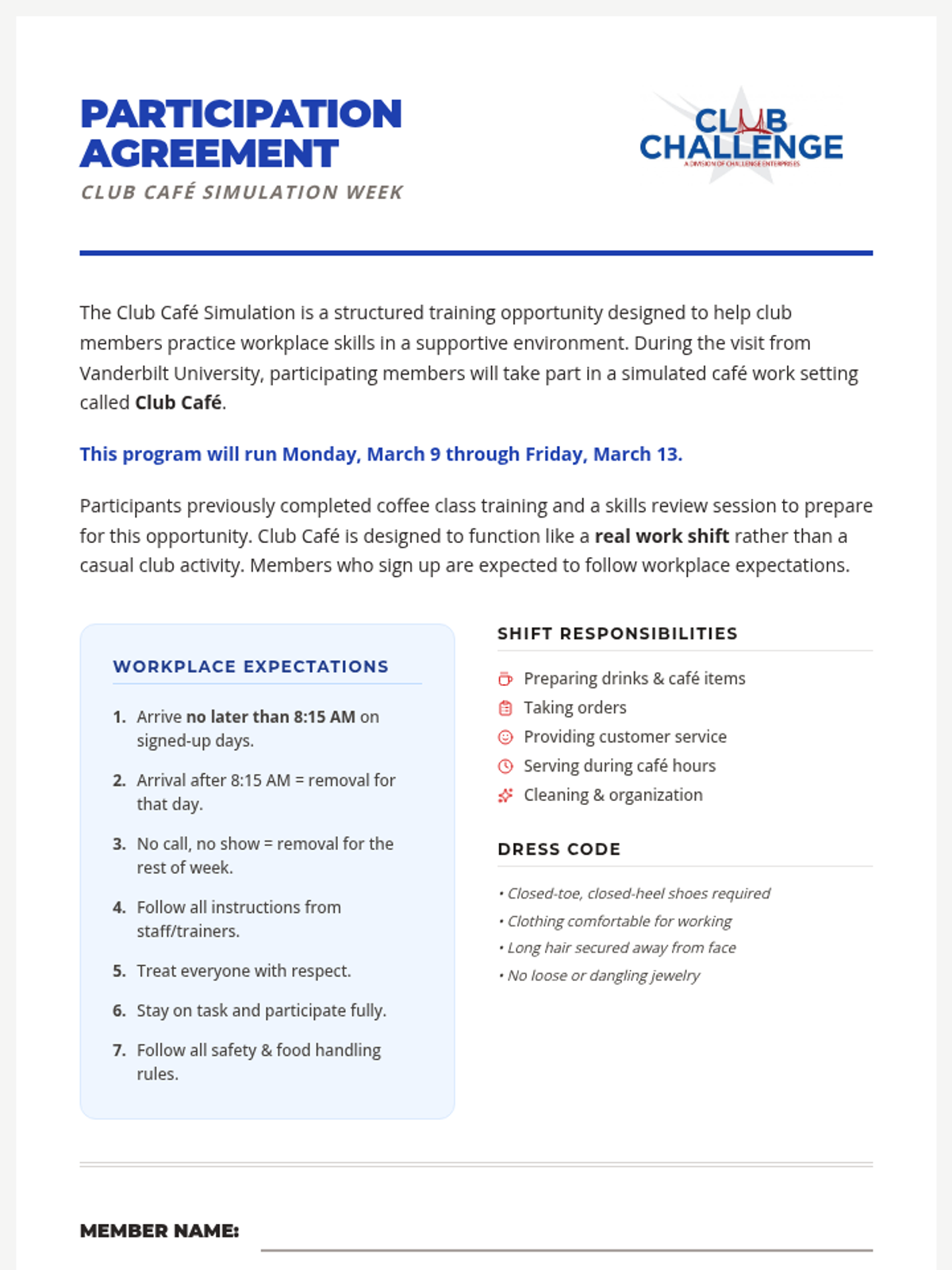
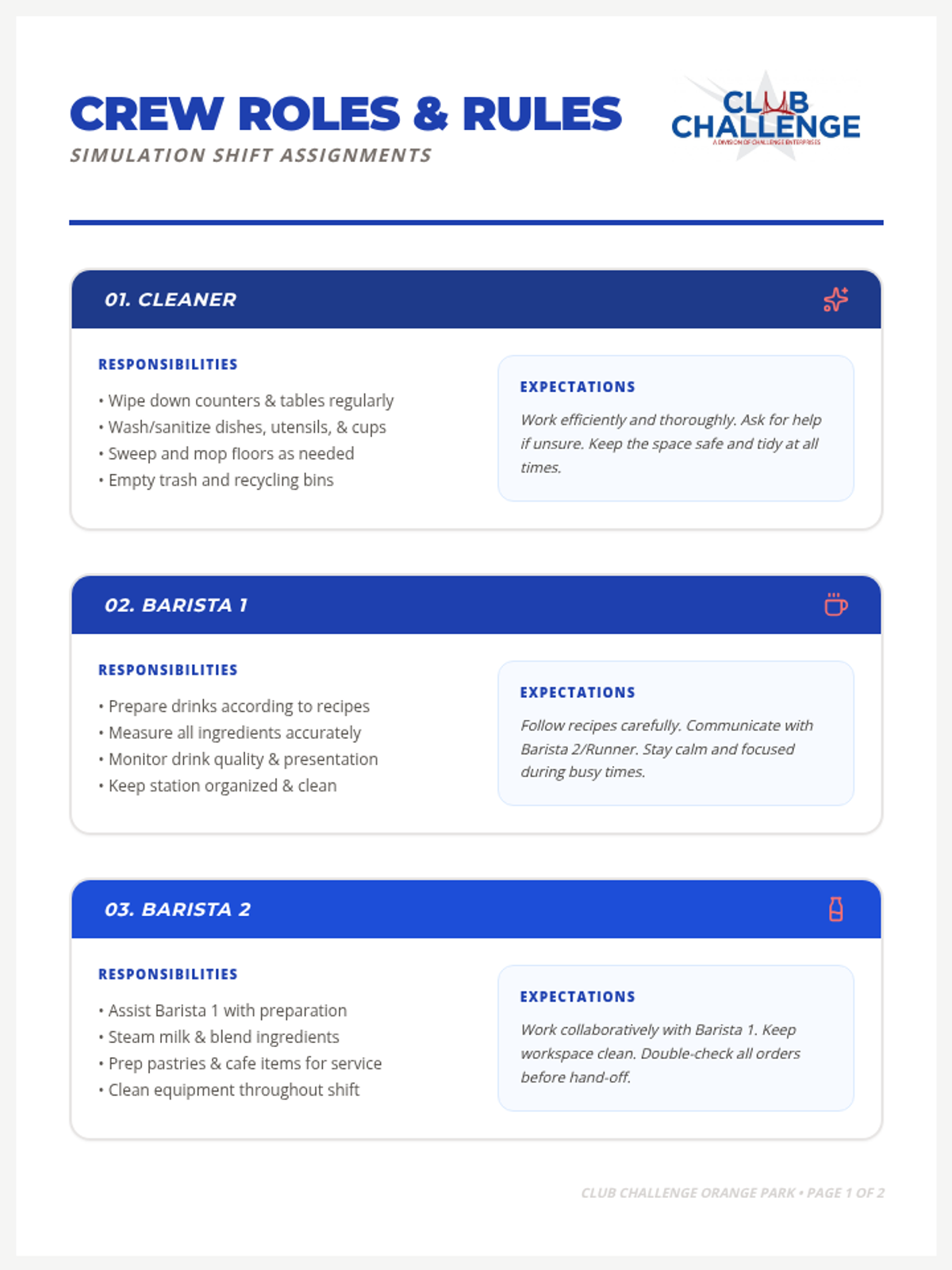
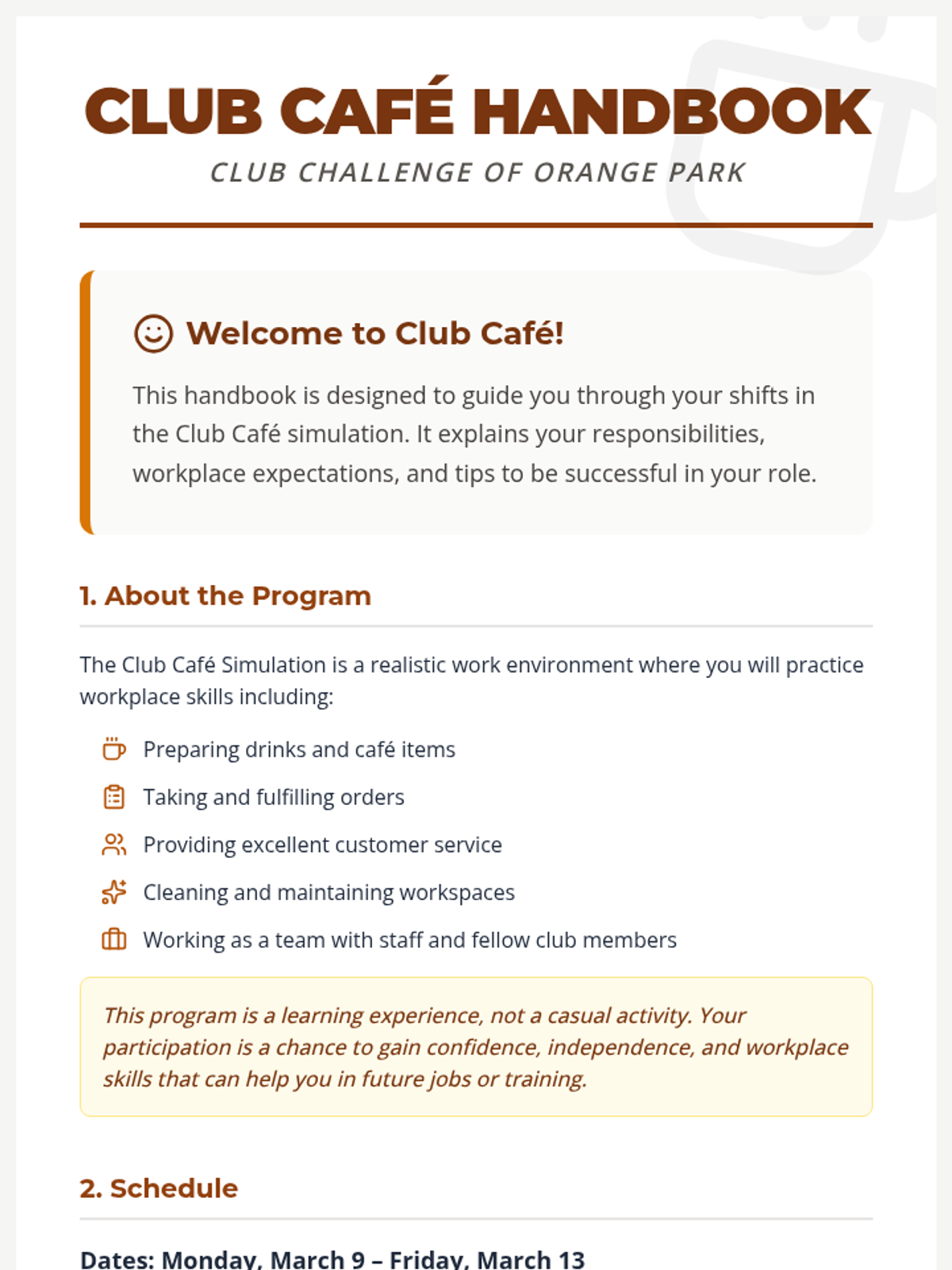
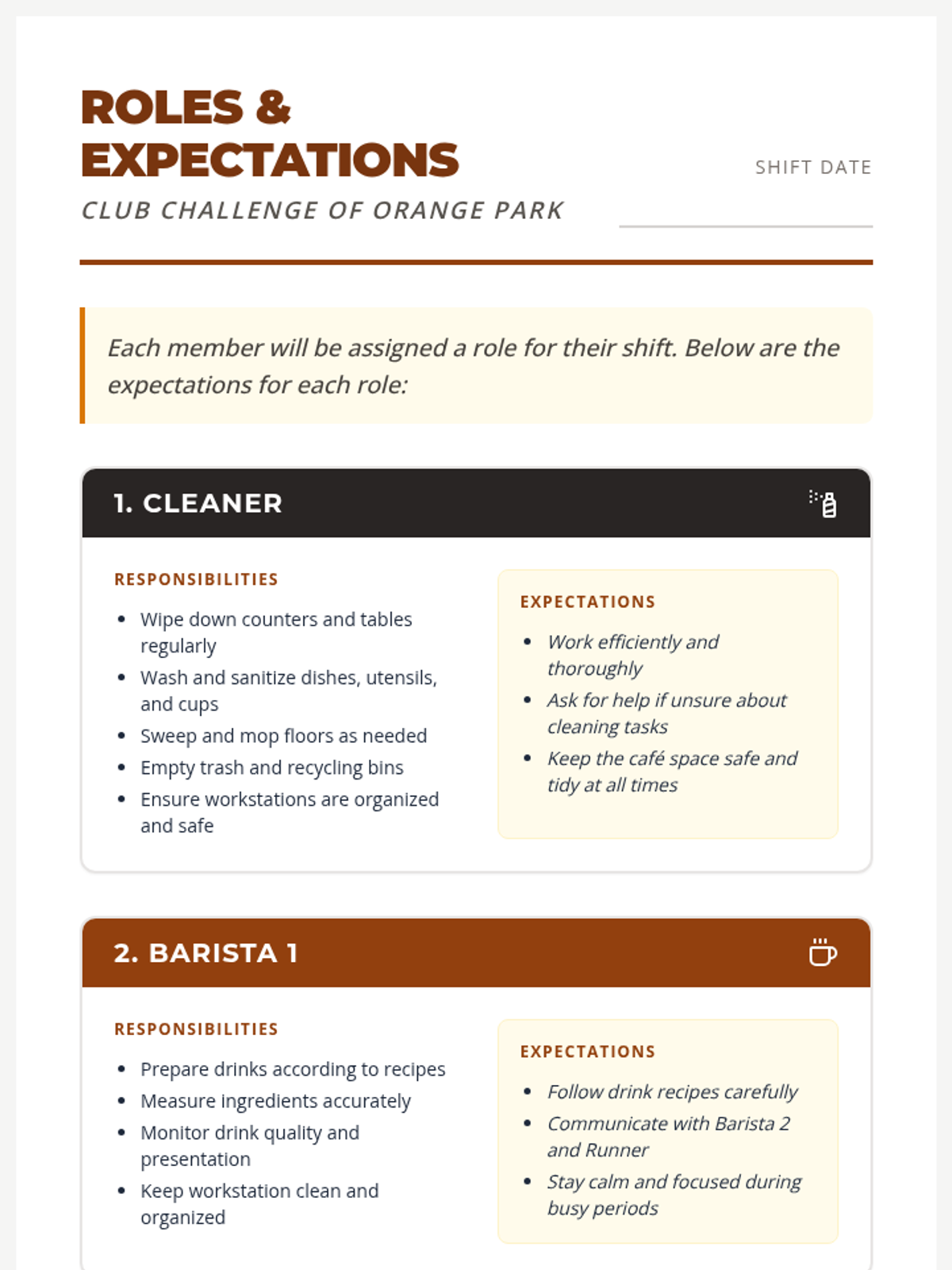
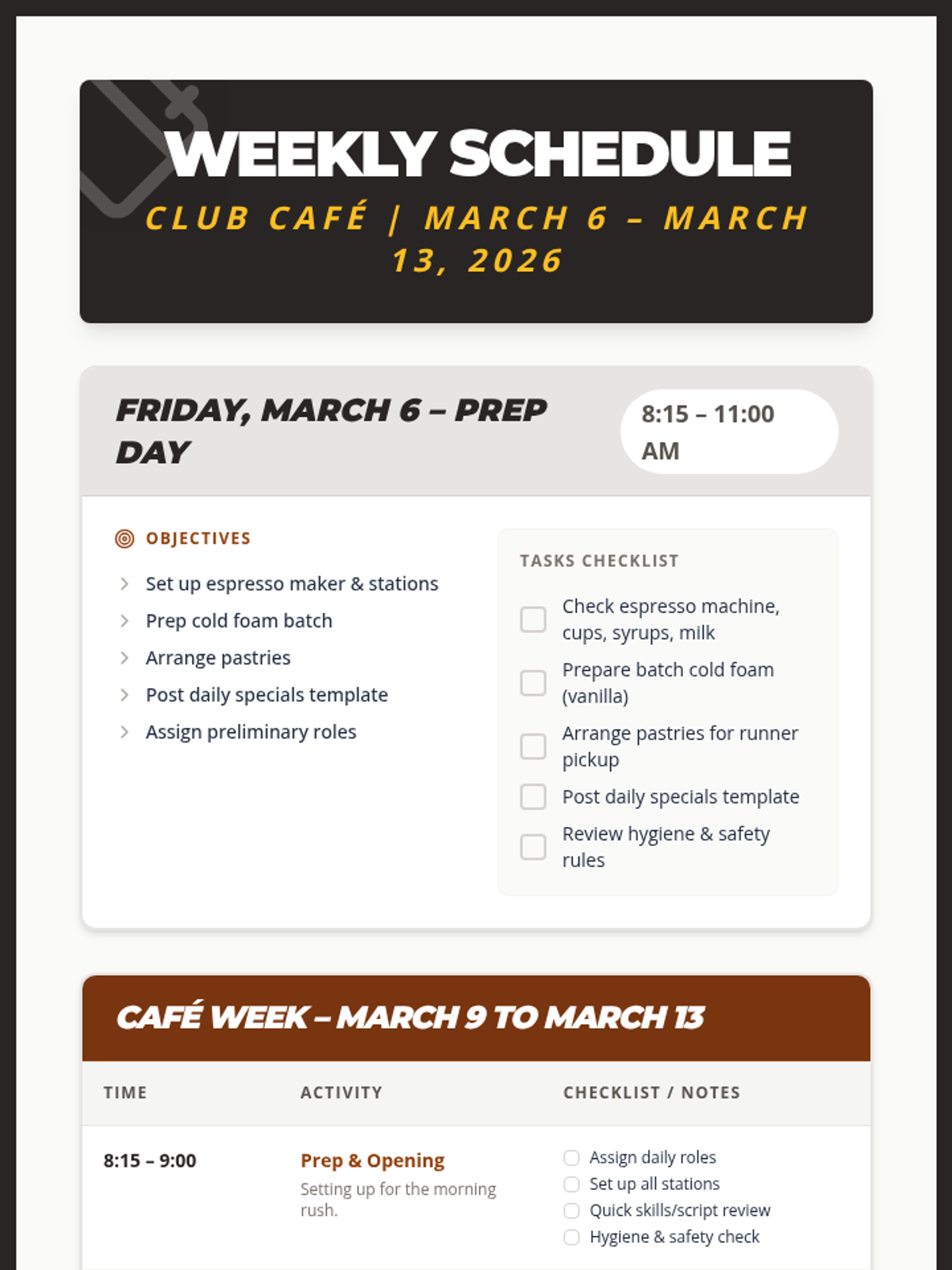
A comprehensive workplace simulation program for Club Challenge of Orange Park, designed to teach vocational skills through a realistic café environment. The sequence includes orientation materials, operational tools for students, and tracking resources for staff.
A series of lessons focused on professional communication and career readiness, helping students master the written and verbal skills needed for the workplace.
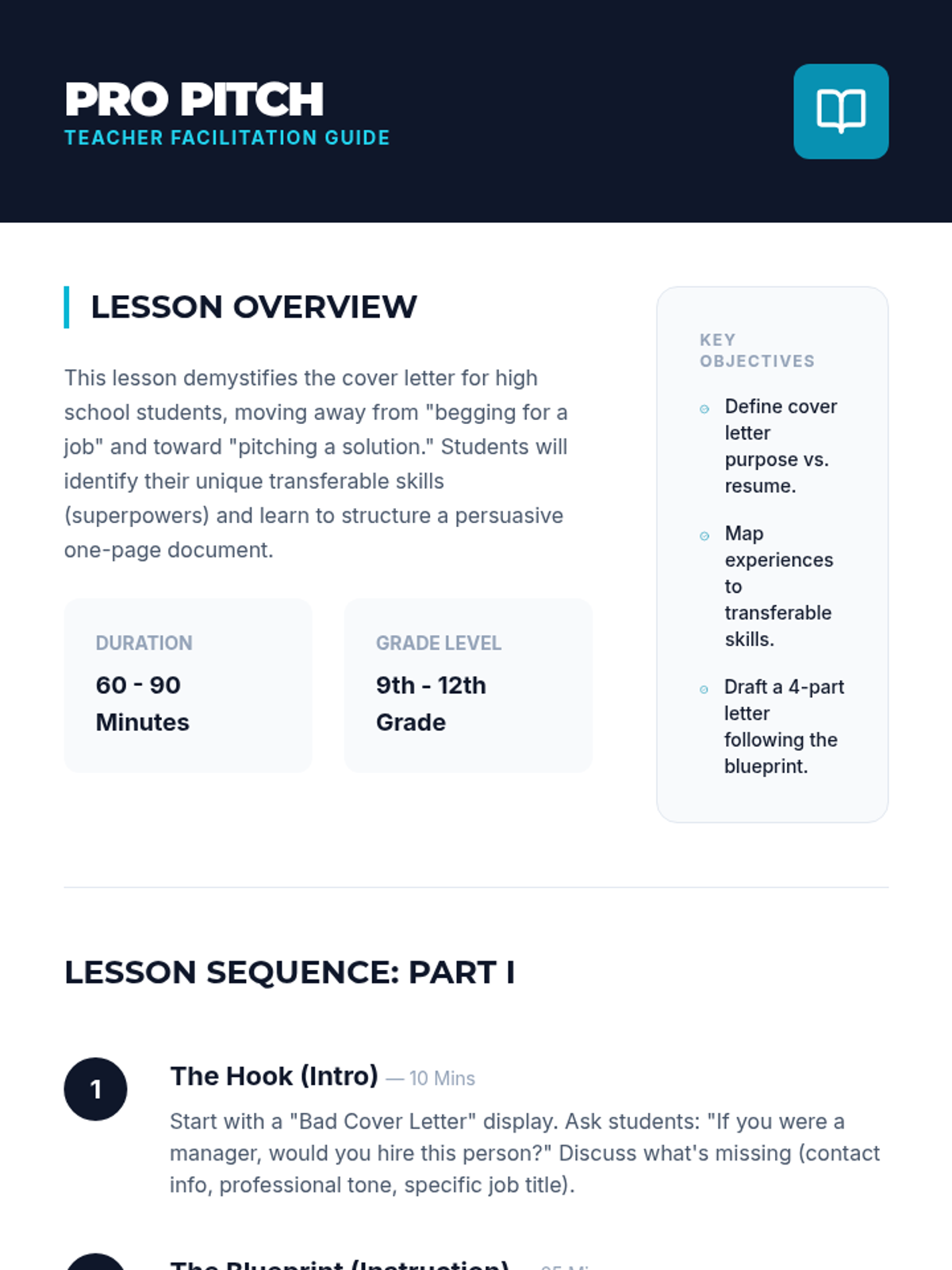
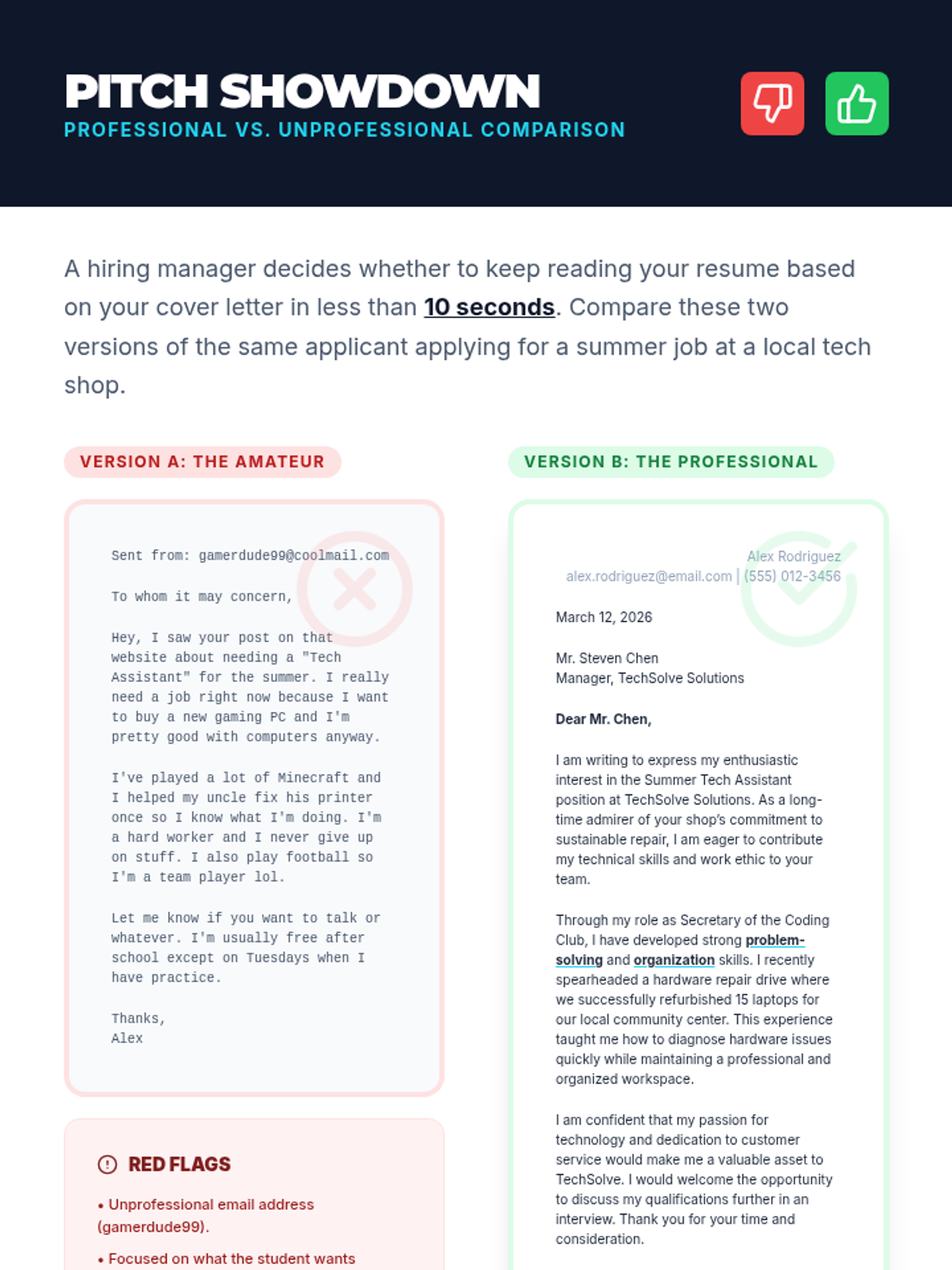
A comprehensive unit designed to help high school students master the art of self-marketing through resumes and cover letters, focusing on professional communication and personal branding.
A dual-unit program designed to equip students with essential life skills for the post-application phase of job hunting and personal well-being. This sequence focuses on interpersonal communication, interview excellence, and mental health.
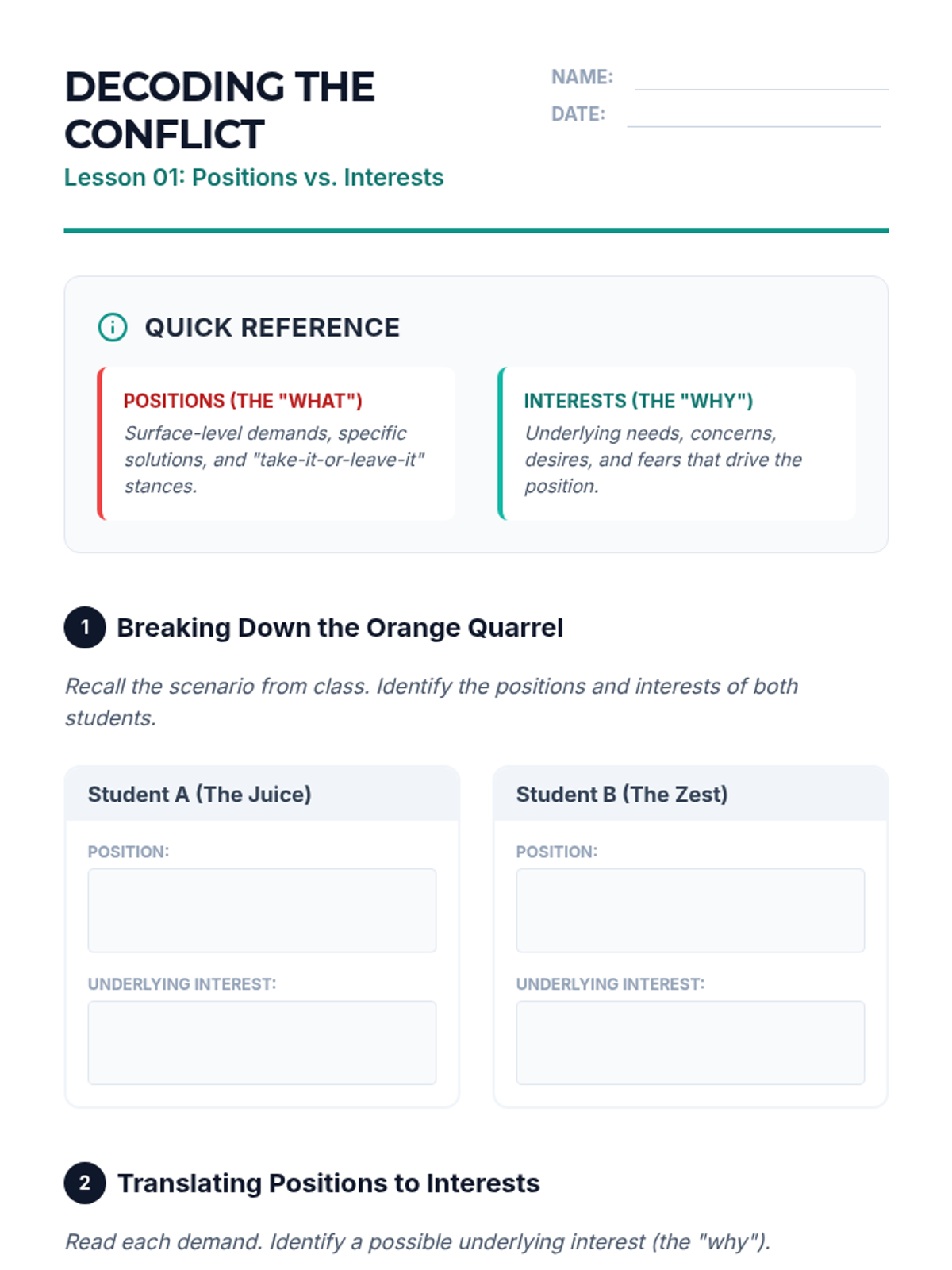
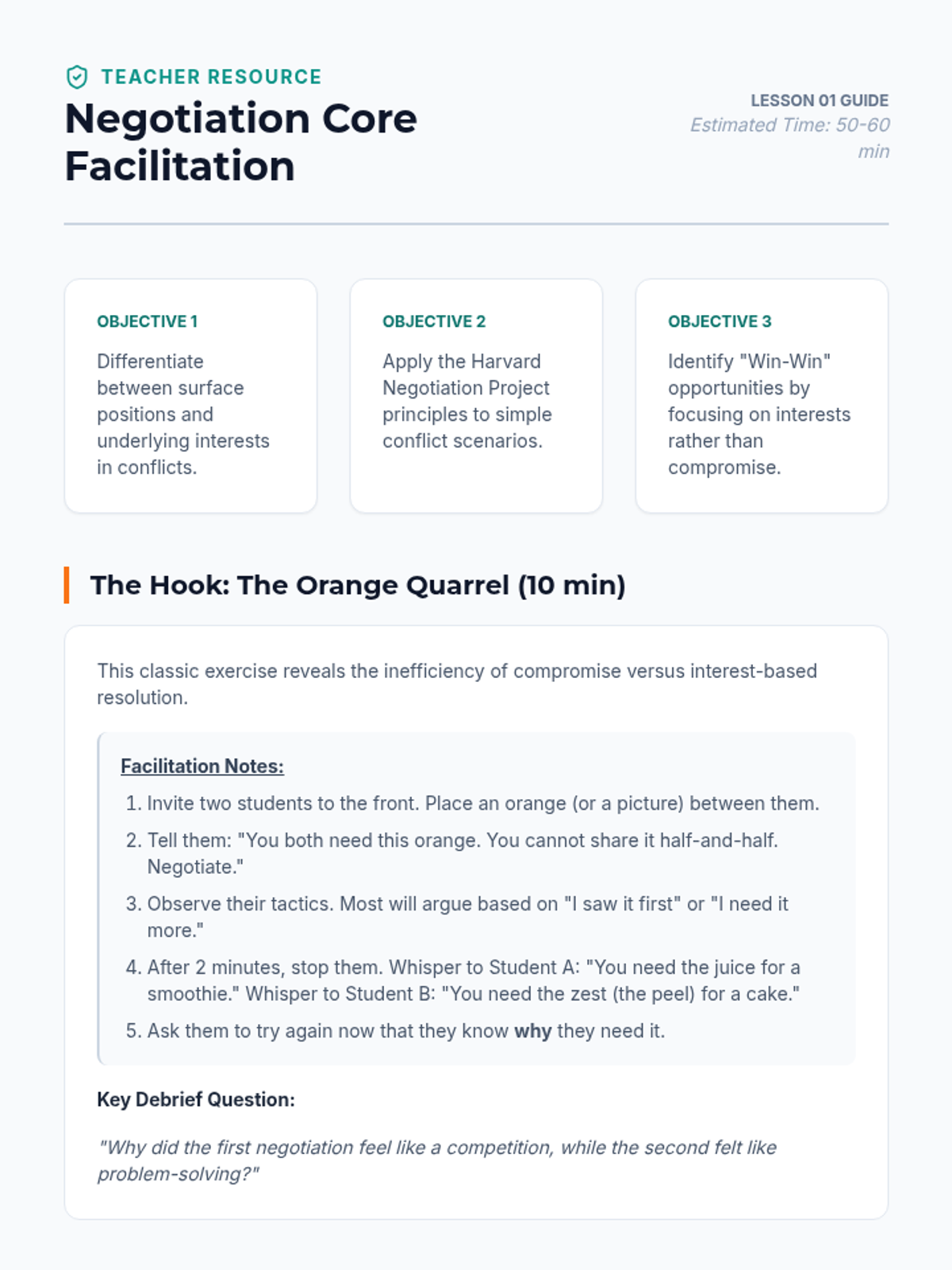
A comprehensive high school unit on interest-based negotiation and formal mediation. Students move from understanding individual interests to facilitating multi-party resolutions using the Harvard Negotiation Project framework and professional mediation stages.
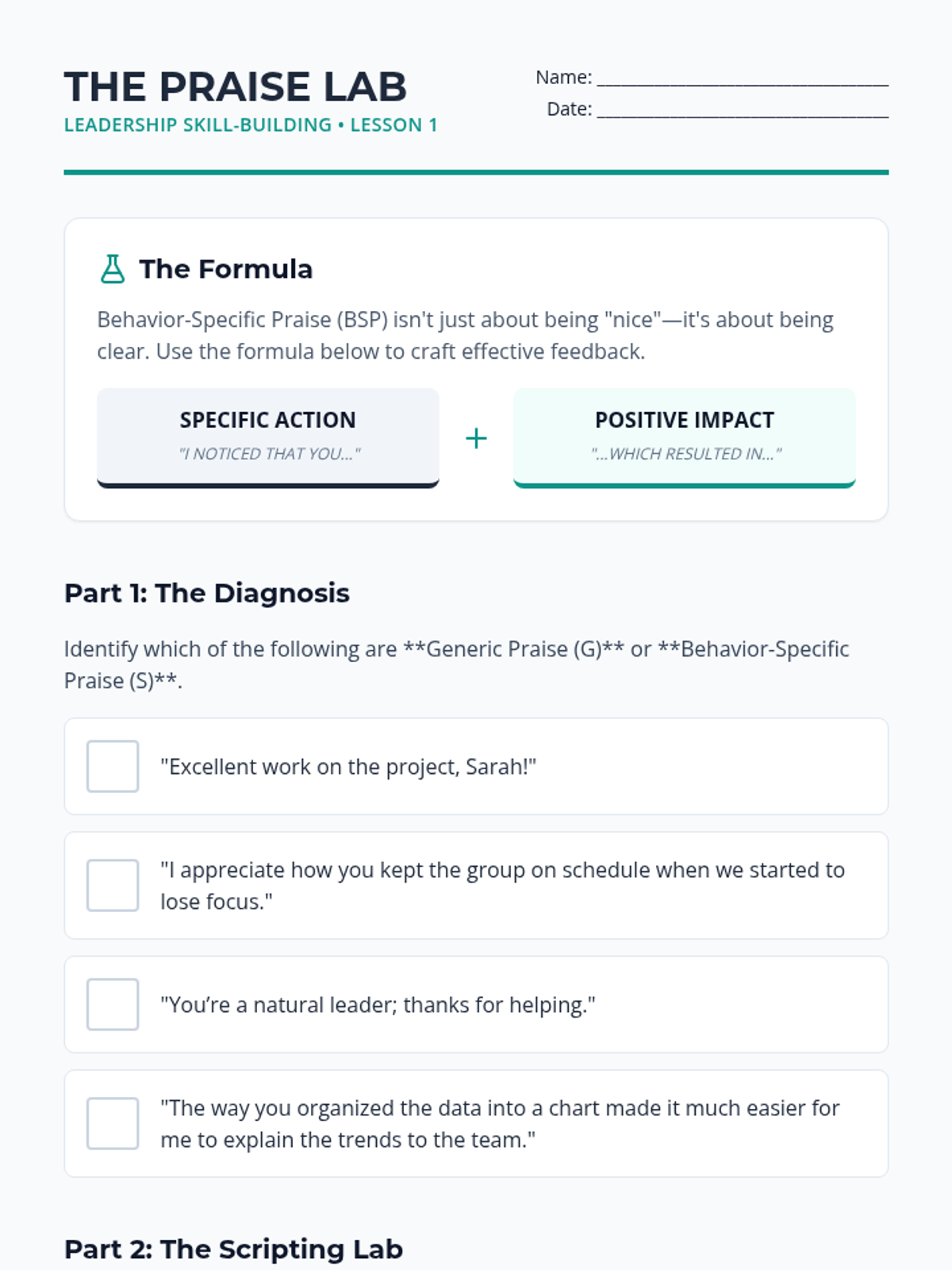
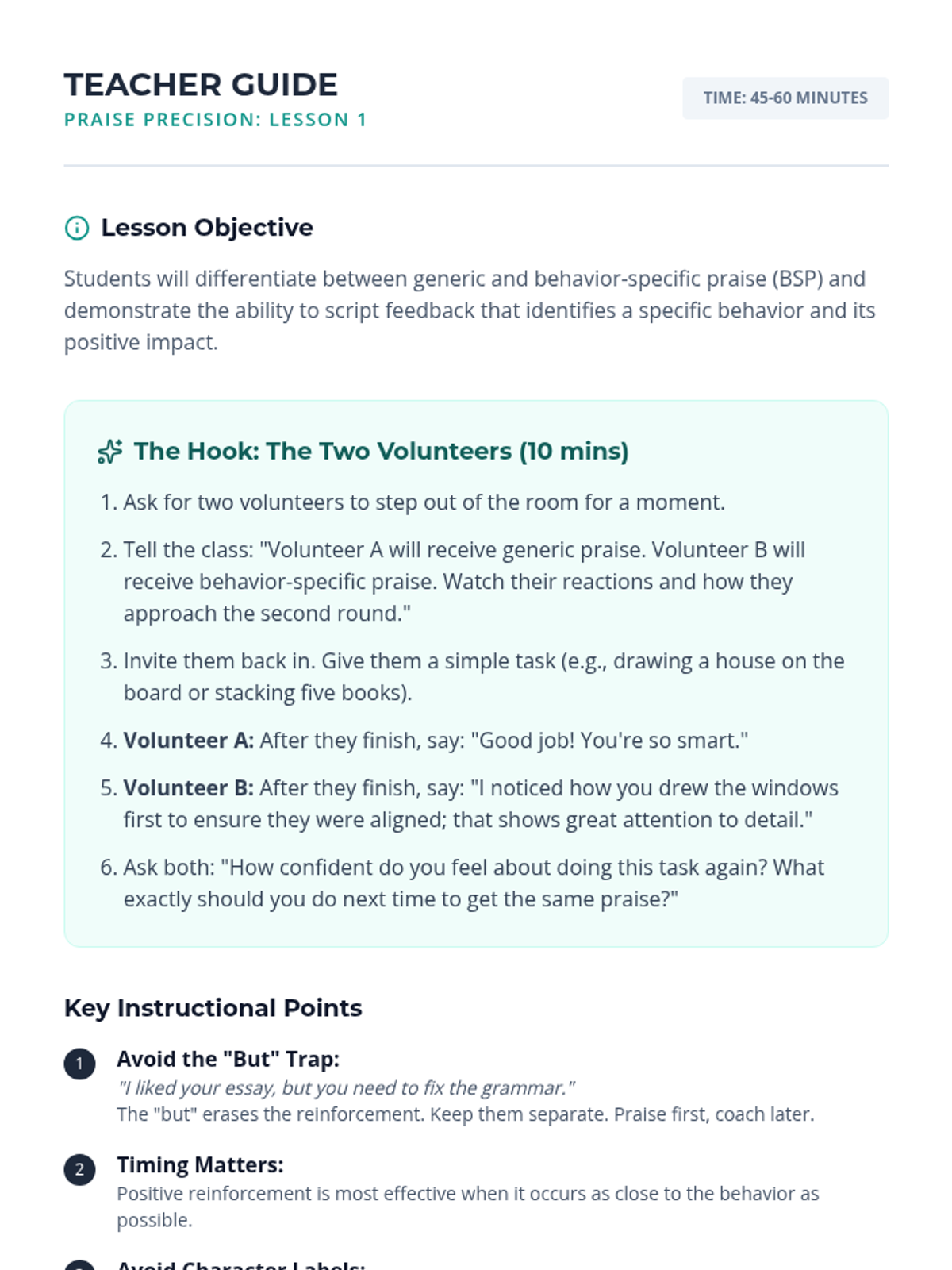
This sequence explores the strategic use of positive reinforcement in leadership and peer counseling. Students progress from basic praise techniques to designing complex incentive systems and navigating the ethics of behavioral influence.
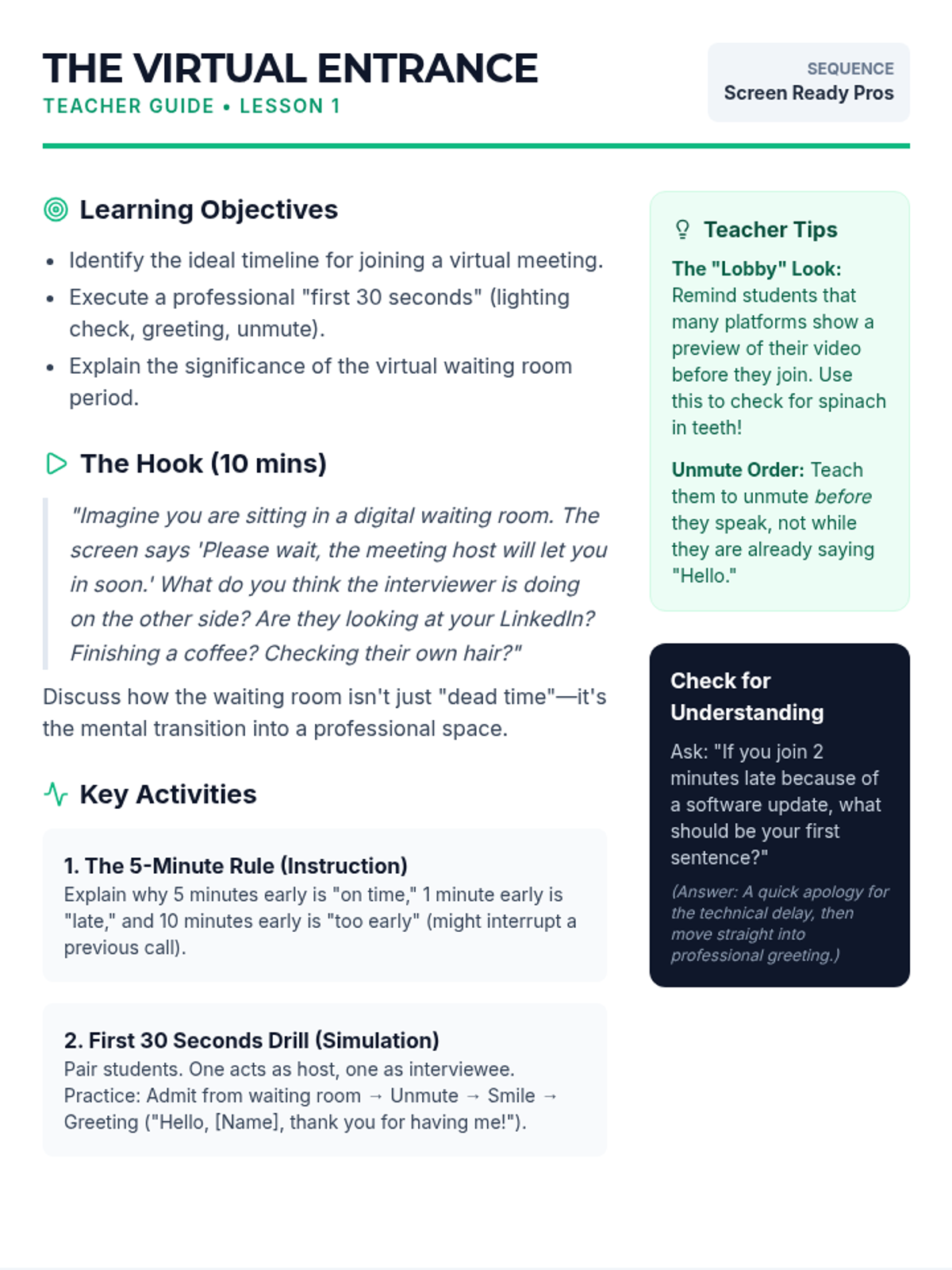
A comprehensive 5-lesson sequence for 8th graders focused on mastering the technical and interpersonal nuances of virtual interviews, from joining the waiting room to the final exit.
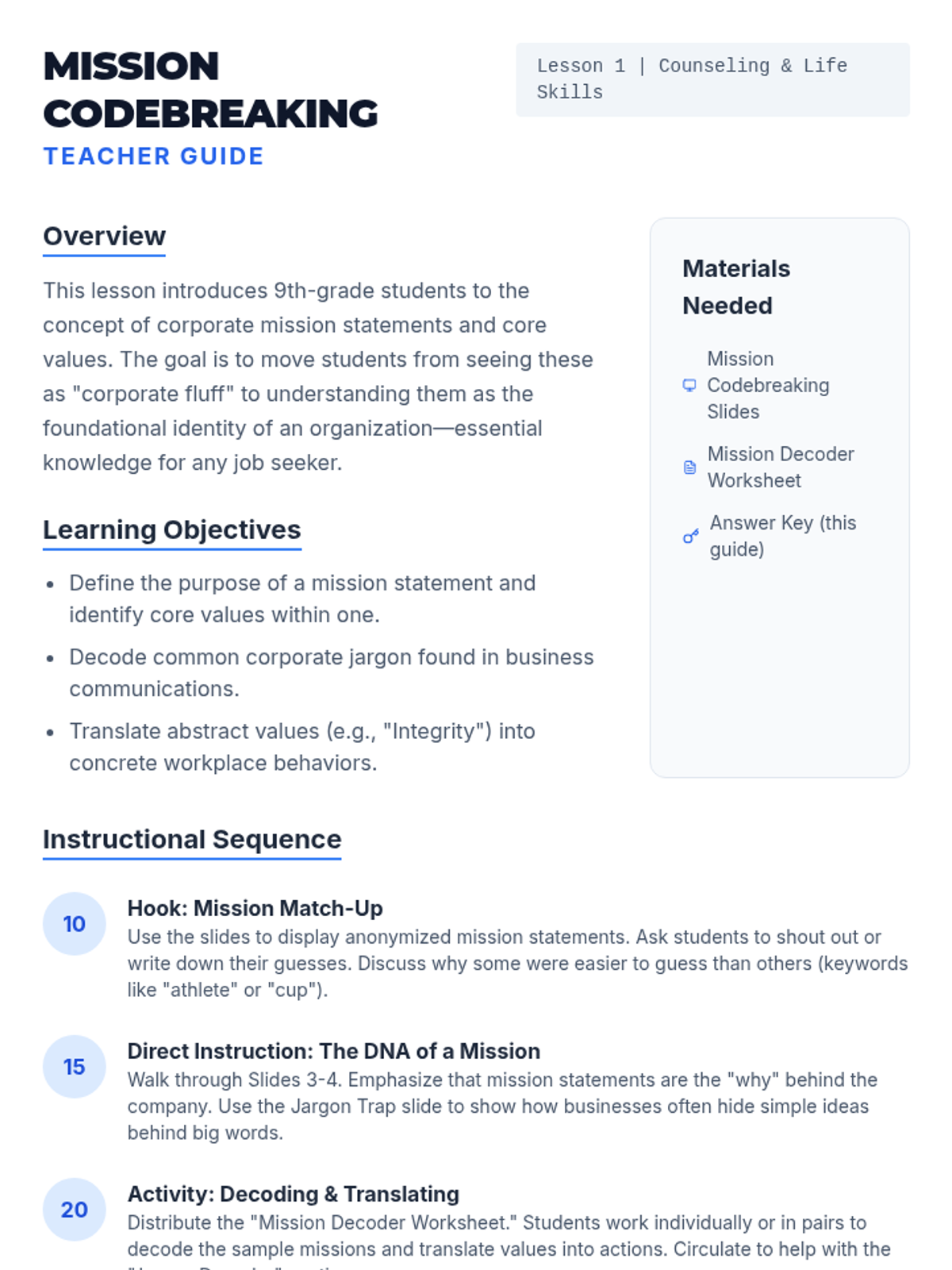
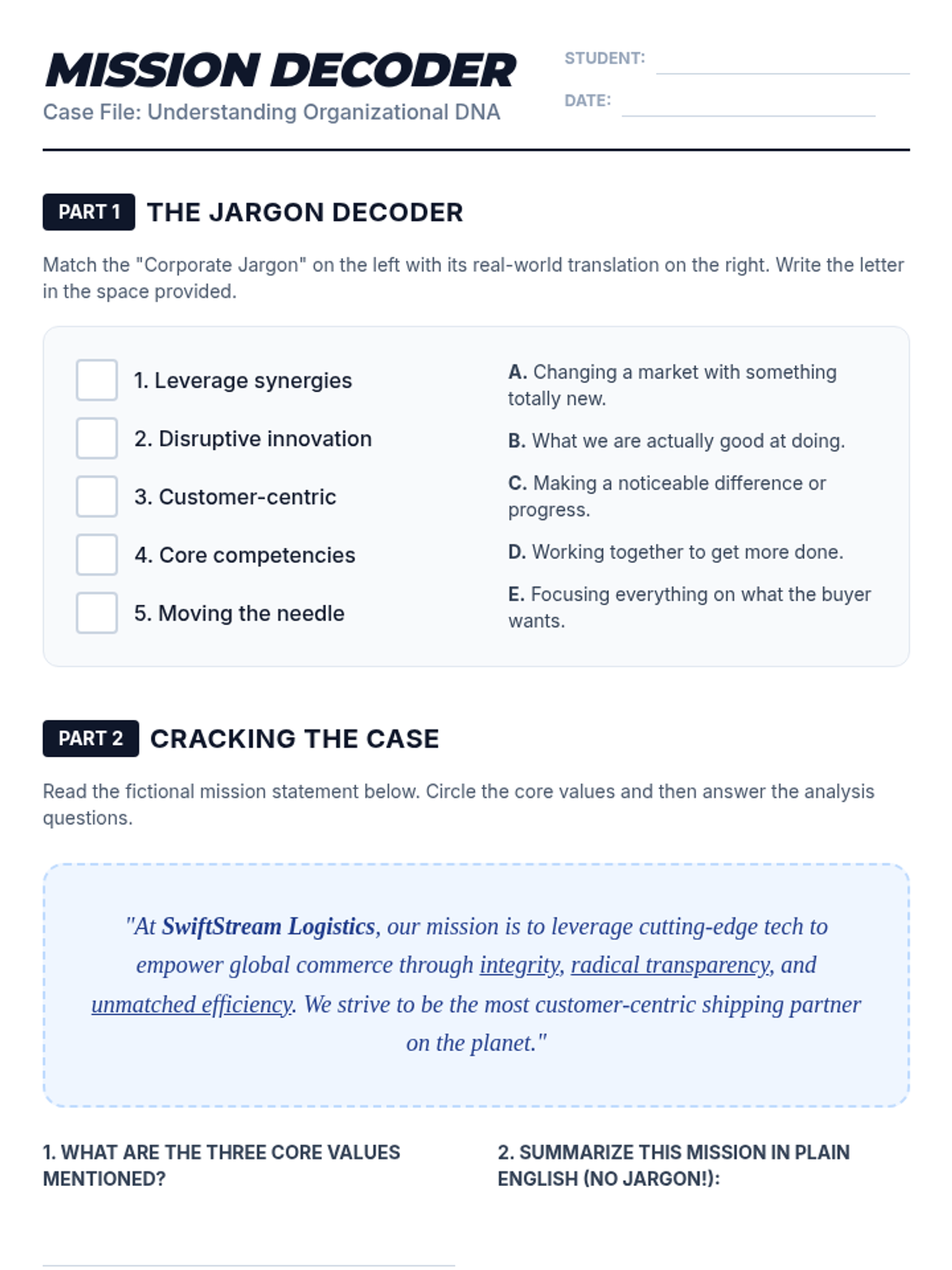
This sequence guides 9th-grade students through the analytical process of researching an organization's identity, culture, and market position to prepare for professional interviews. Students will learn to decode mission statements, evaluate digital reputations, and synthesize their research to effectively answer the critical 'Why do you want to work here?' interview question.
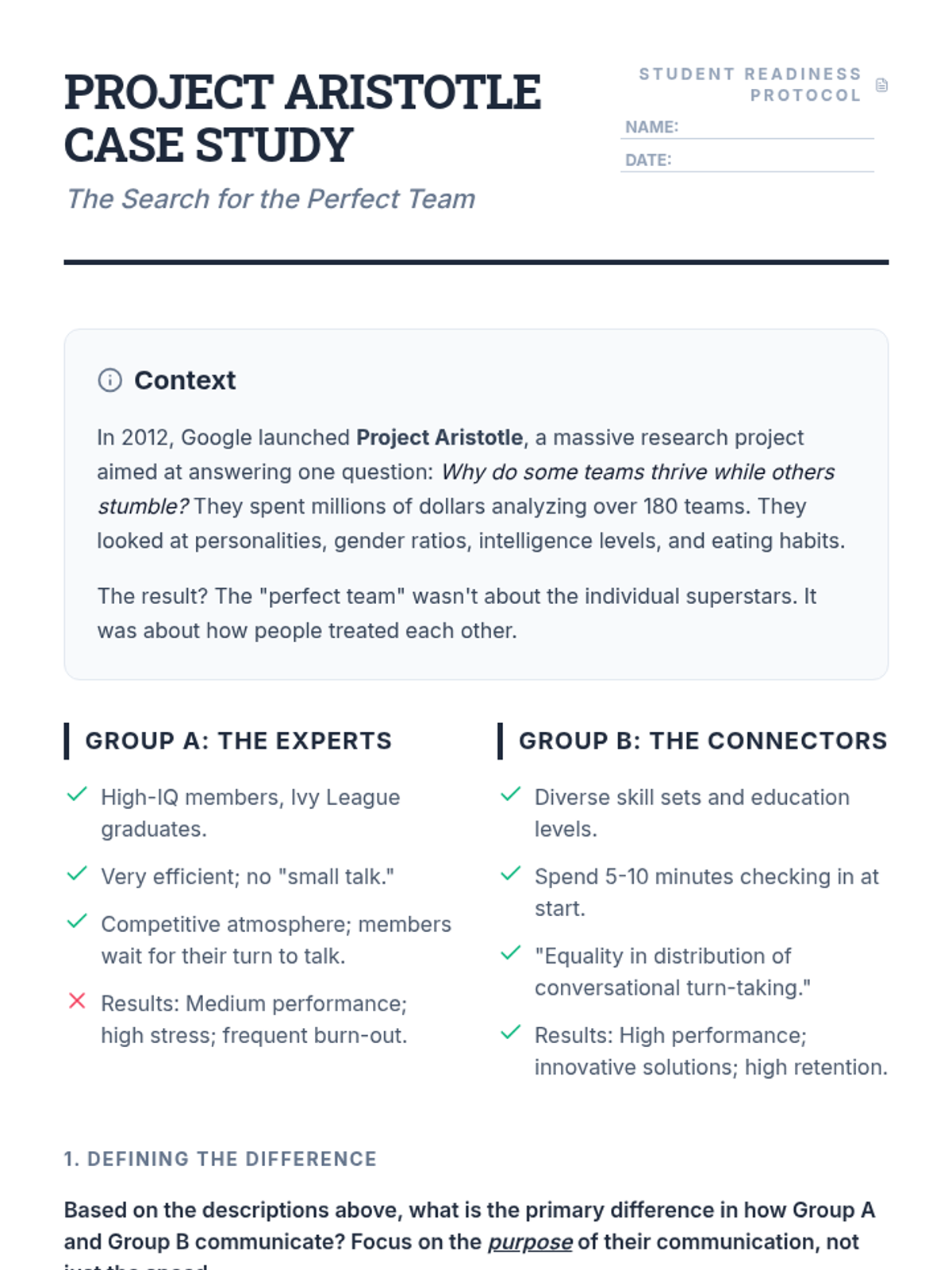
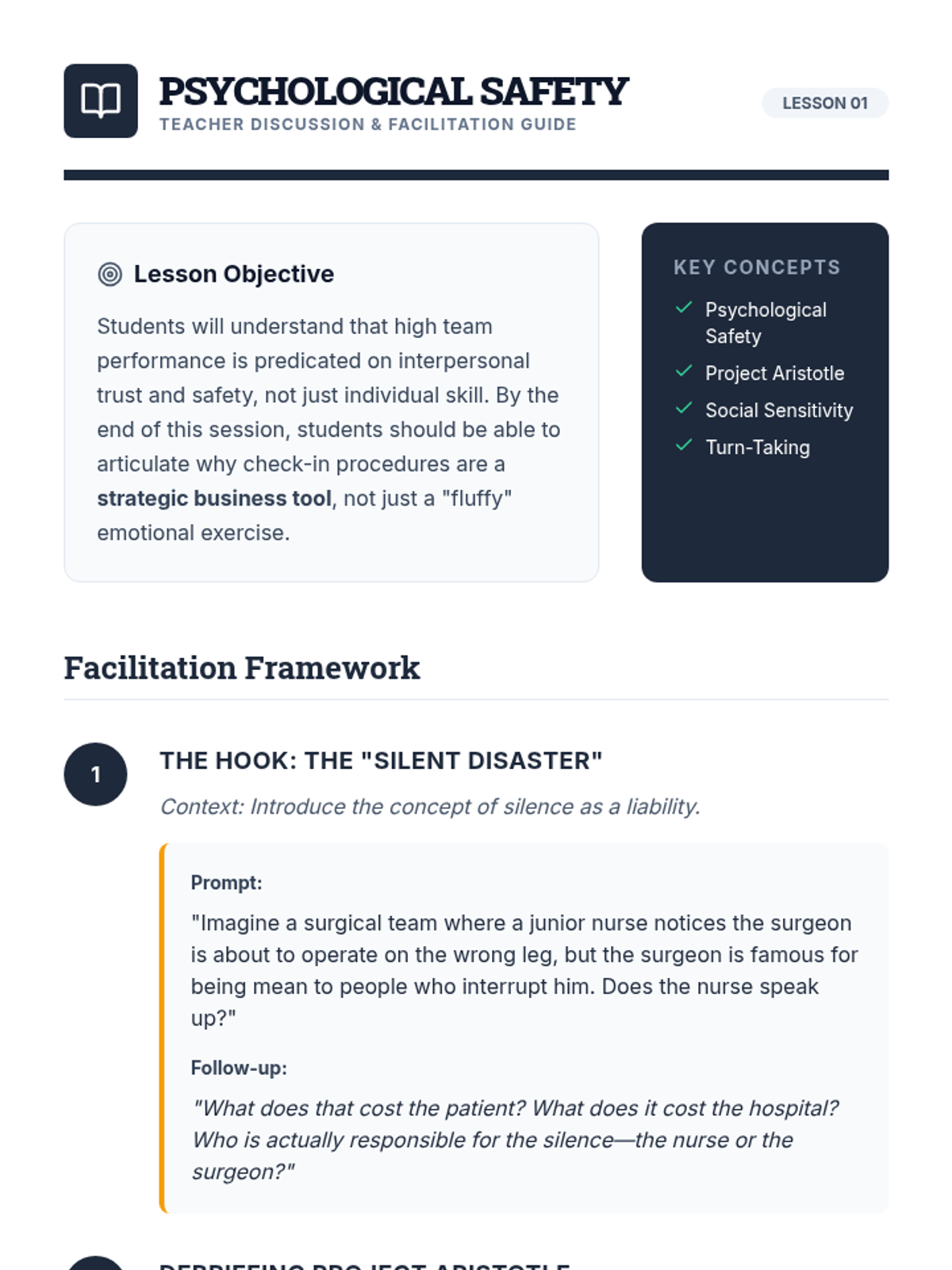
This sequence frames daily check-ins as a professional leadership and team management competency. Students explore psychological safety, real-world professional stand-ups, and facilitation techniques to design their own 'Readiness Protocols' for teams.
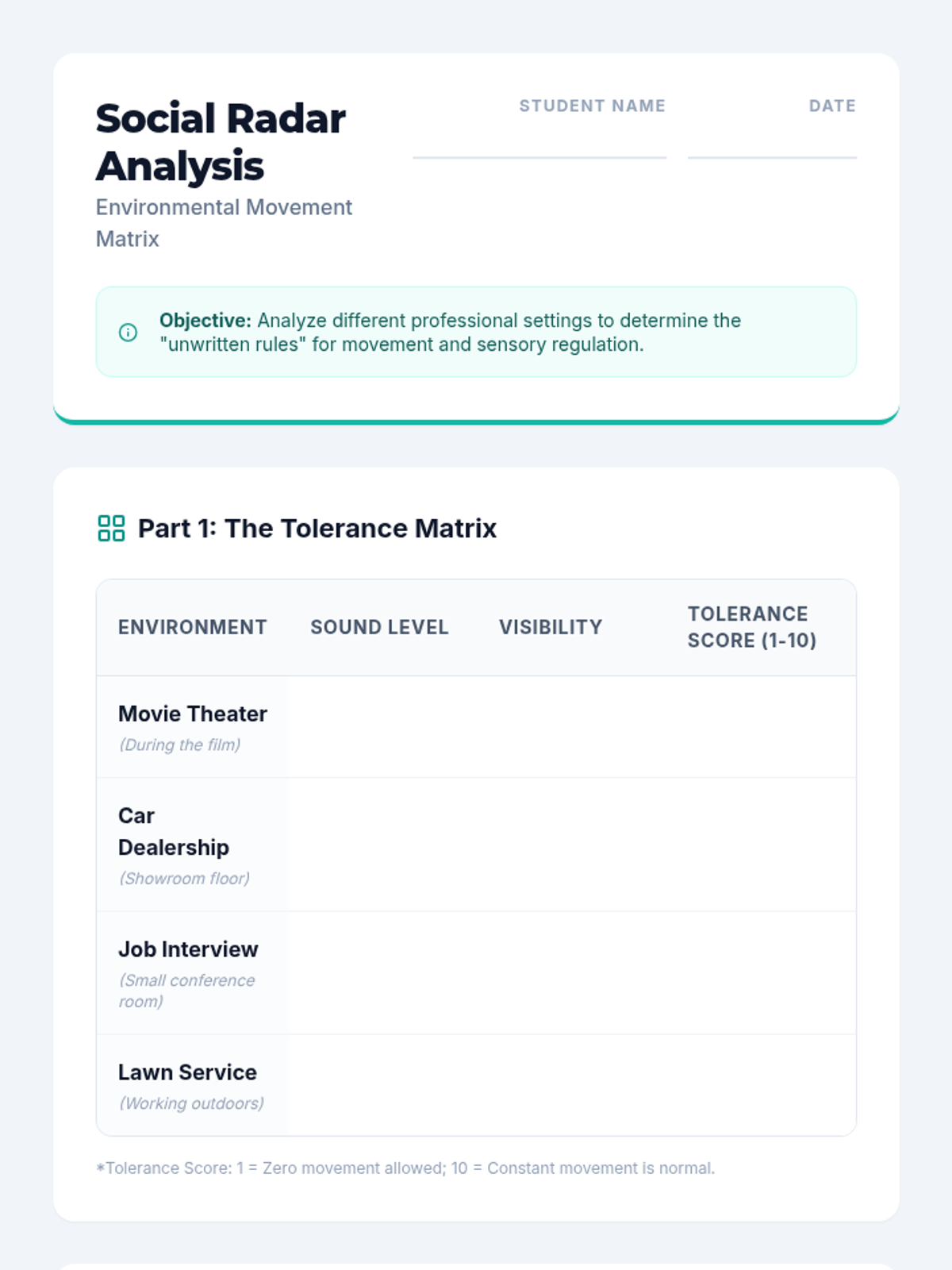
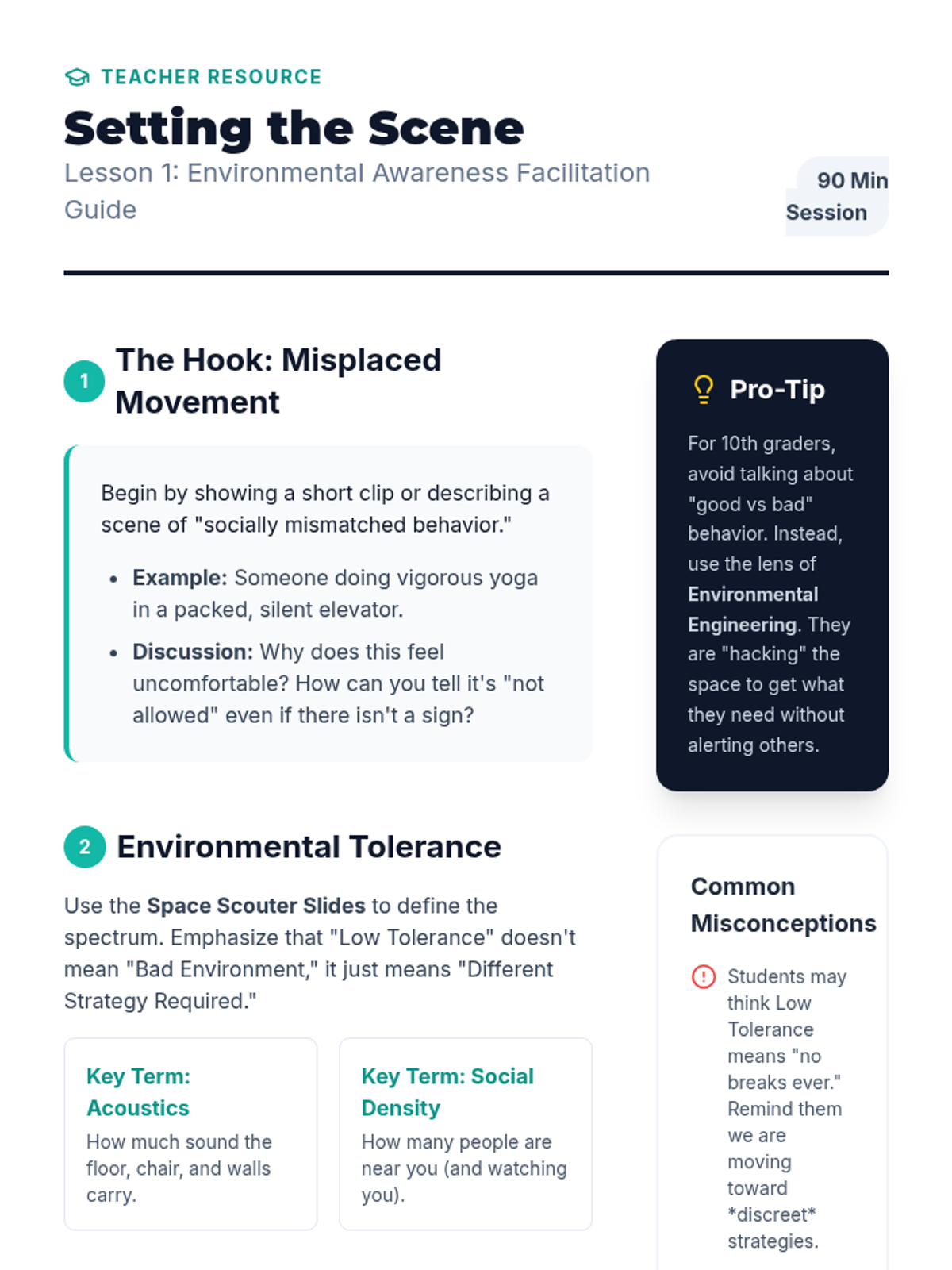
This sequence prepares 10th-grade students to adapt sensory regulation and movement strategies for professional, academic, and social settings beyond the classroom. Students learn to analyze environment-specific norms, practice discreet 'stealth' techniques, and plan for their post-secondary transition into careers and higher education.
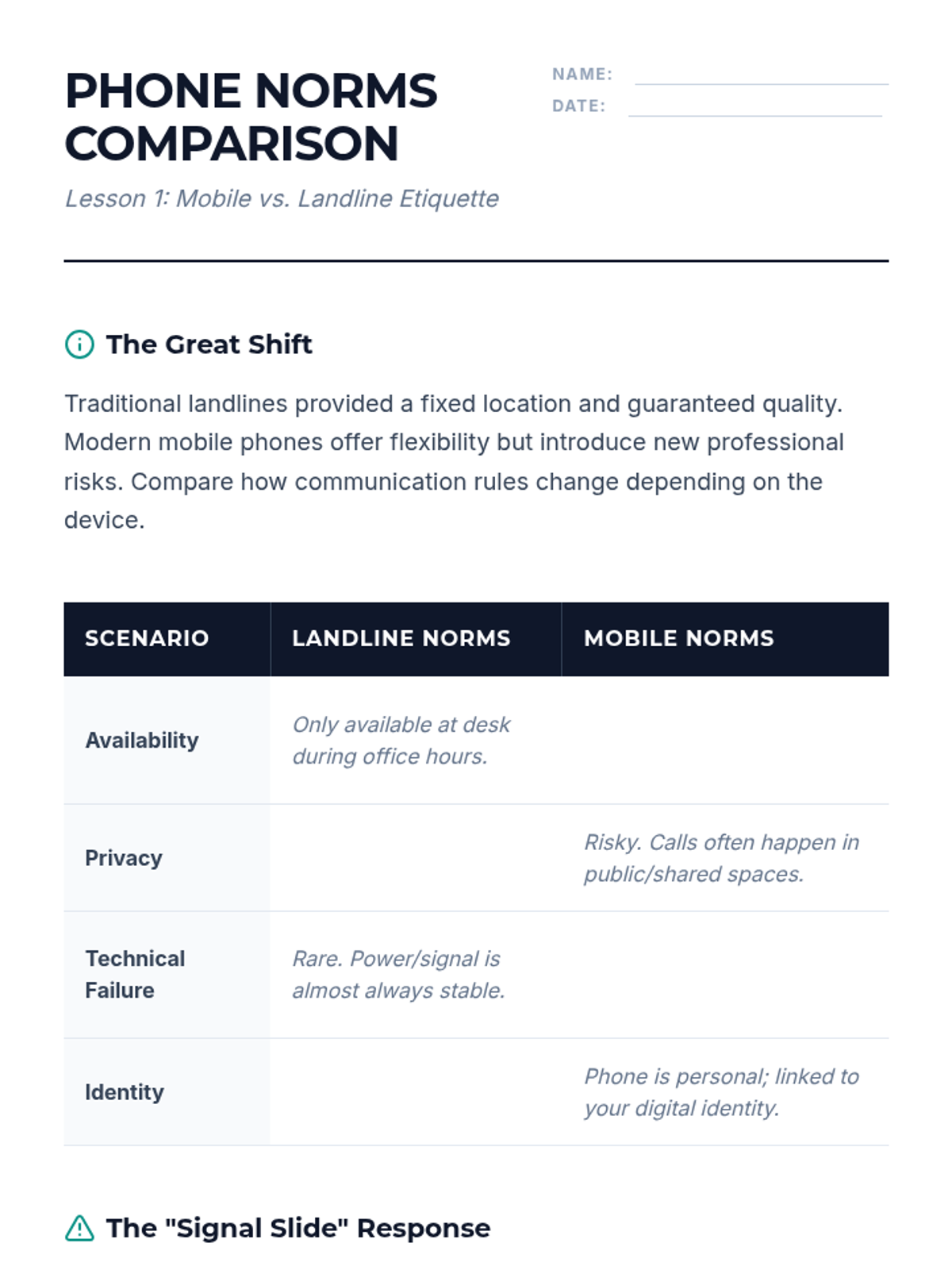
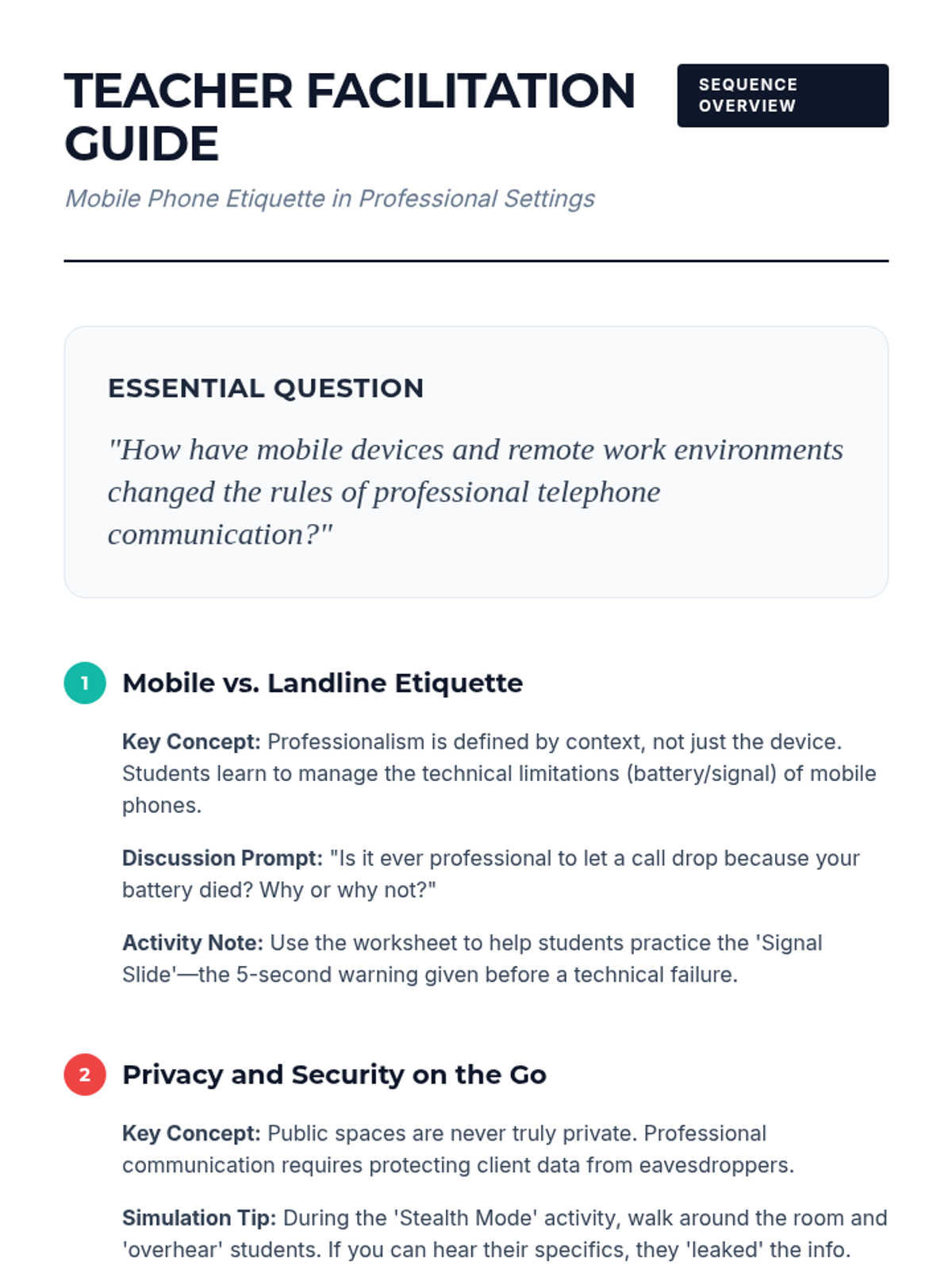
This inquiry-based sequence explores how mobile technology changes professional communication rules for 8th-grade students. They investigate etiquette for personal devices, privacy, speakerphone usage, and the decision between texting and calling, culminating in the creation of a workplace mobile usage policy.
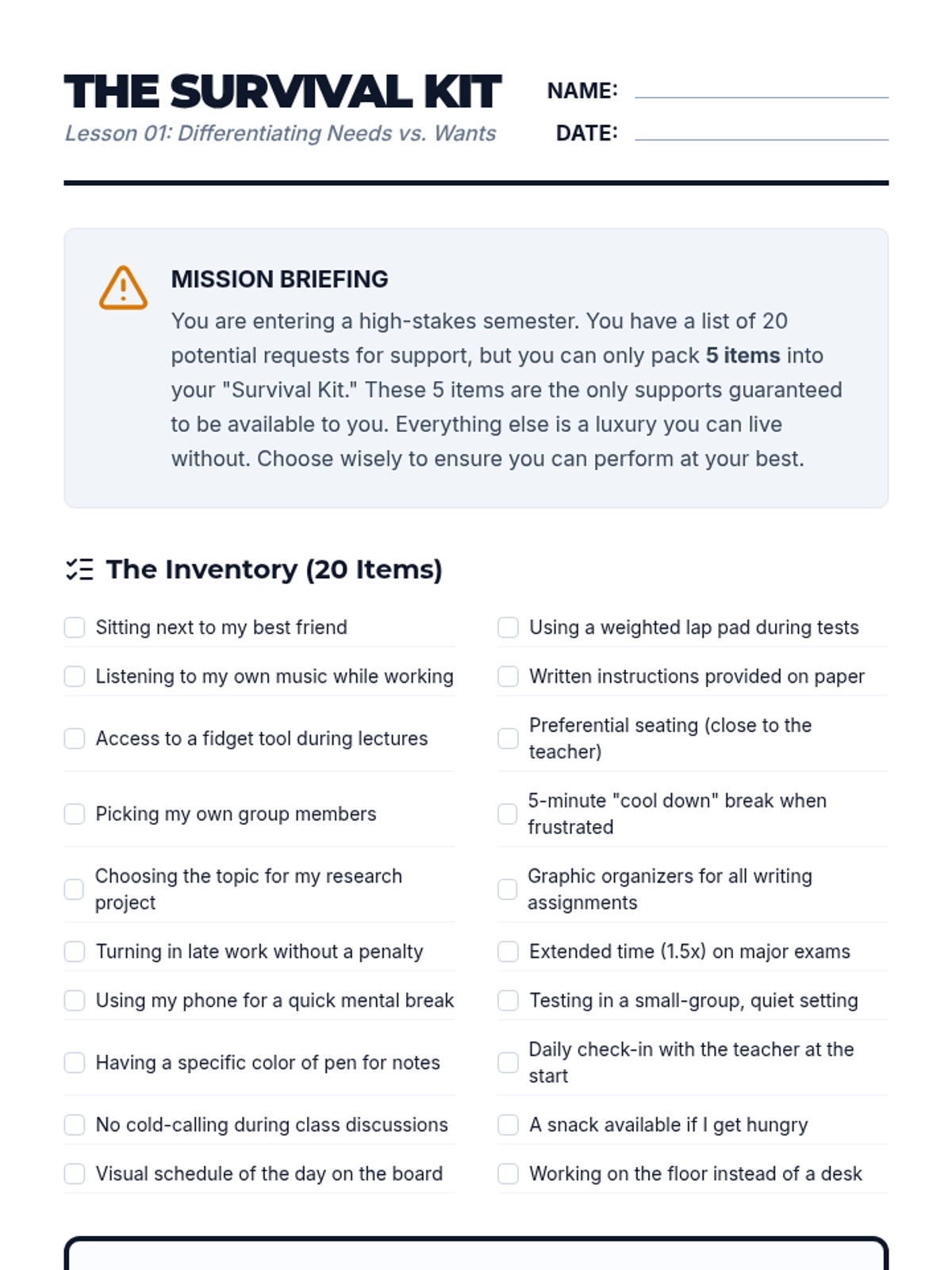
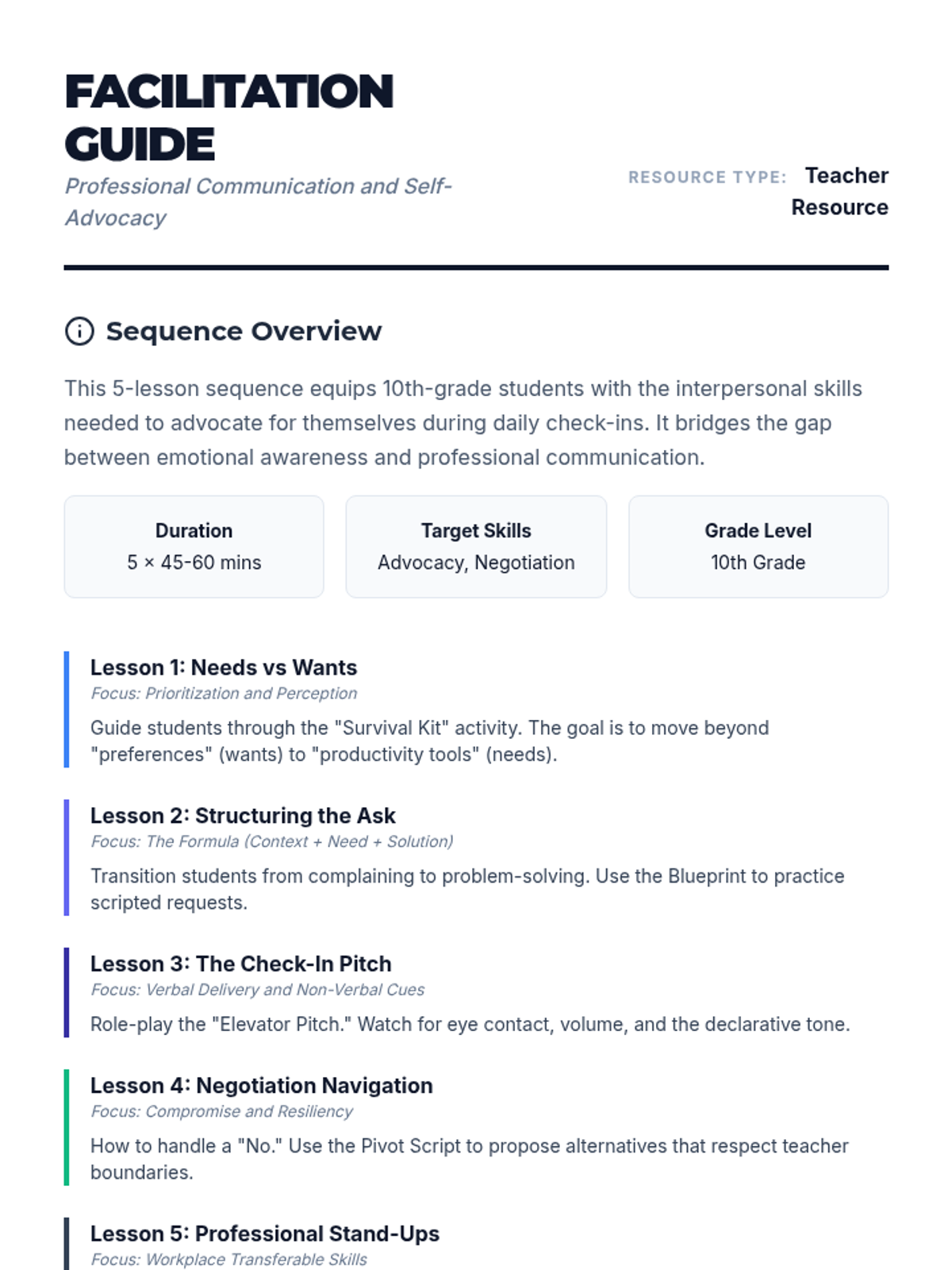
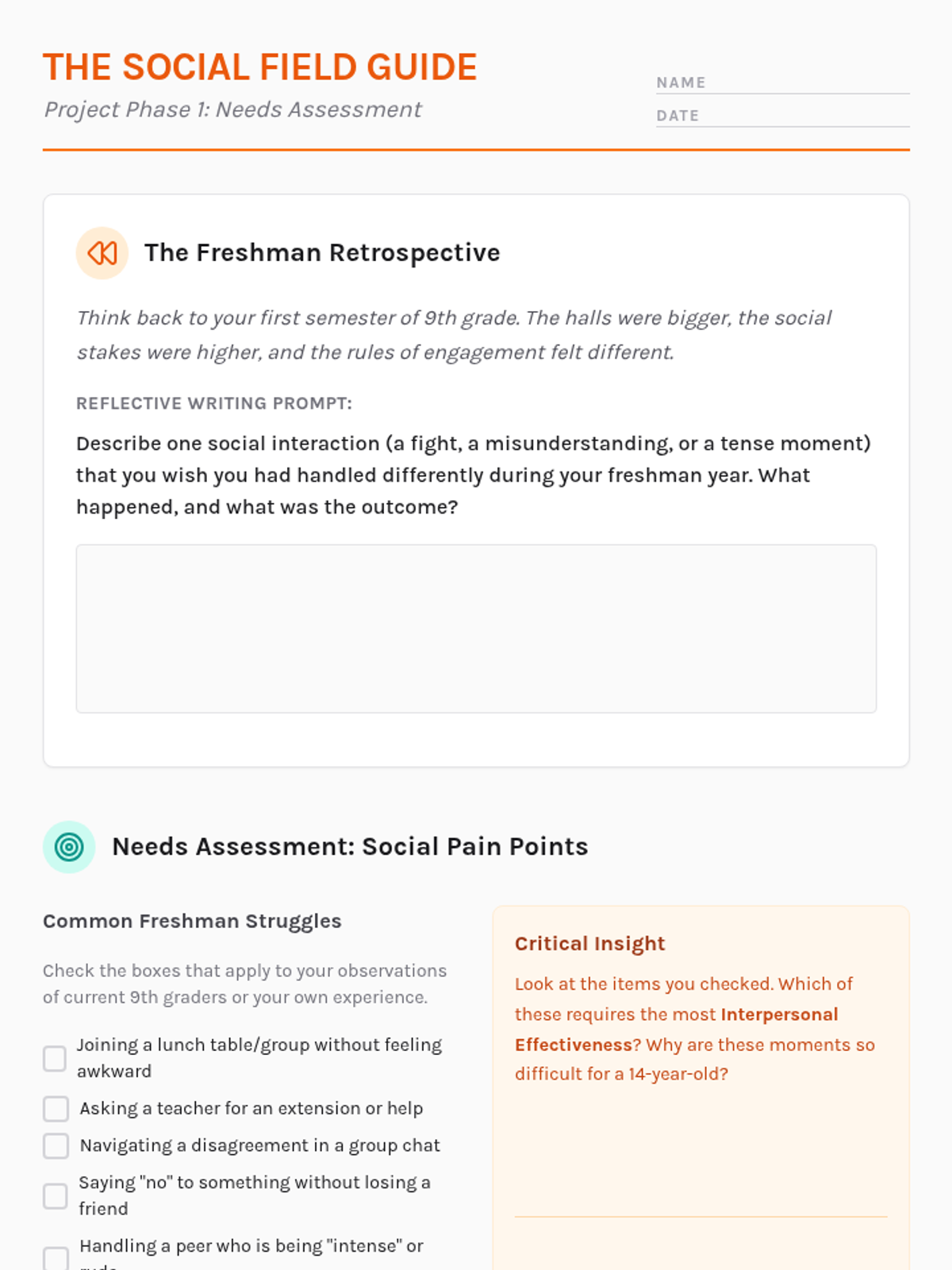
A sequence for 10th-grade students focusing on the interpersonal aspects of check-ins: communicating needs effectively to authority figures. Students learn to distinguish needs from wants, script professional requests, and role-play self-advocacy in school and workplace contexts.
Students synthesize their understanding of DBT's GIVE skills by creating a mentorship resource for younger students, transitioning from learners to teachers of relationship maintenance strategies.
A 5-lesson sequence for 10th-grade social communication students focused on transitioning social problem-solving skills to professional workplace environments. Students learn to distinguish workplace norms, identify root causes of conflict, de-escalate customers, navigate hierarchies, and understand long-term career impacts.
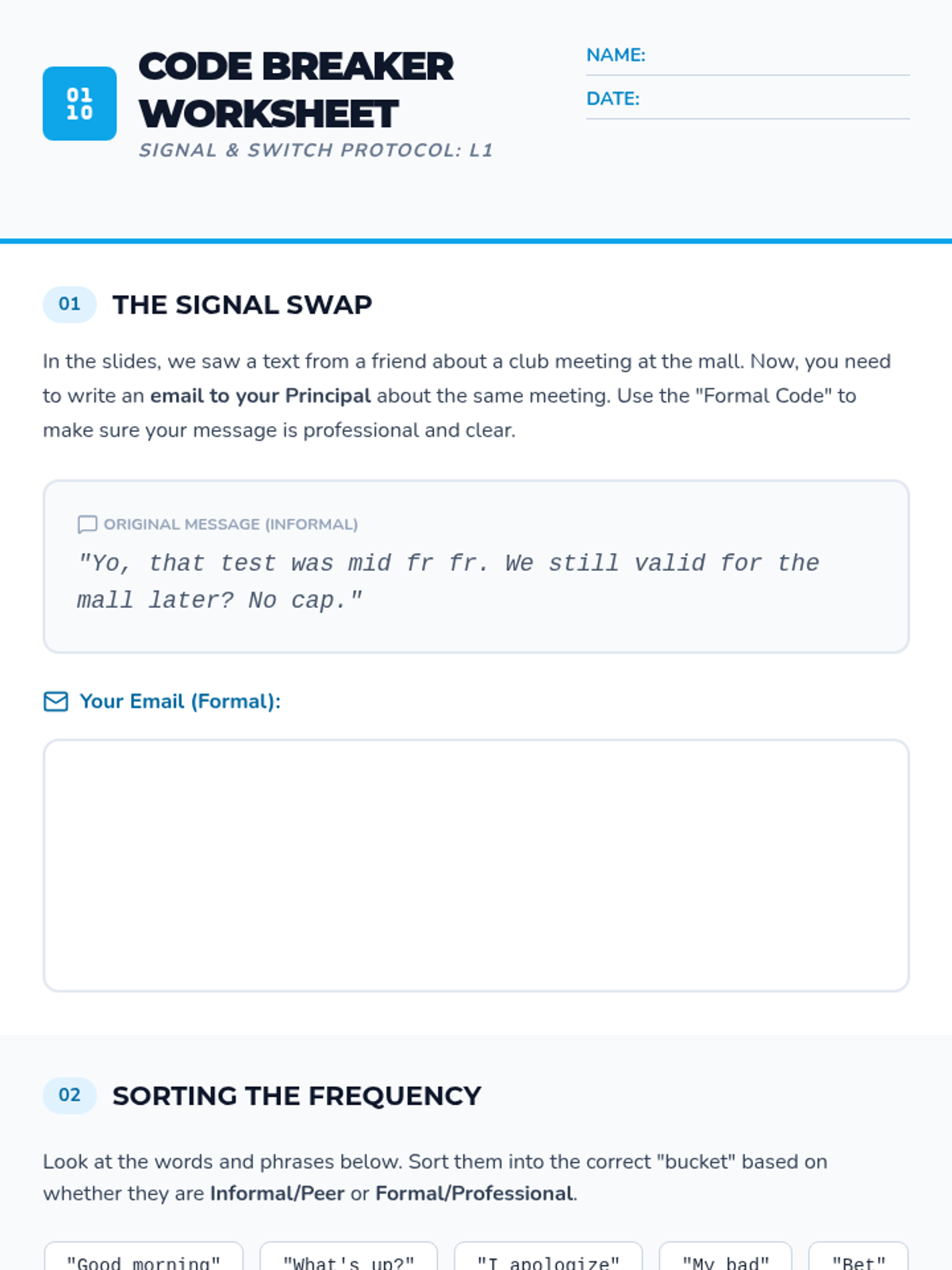
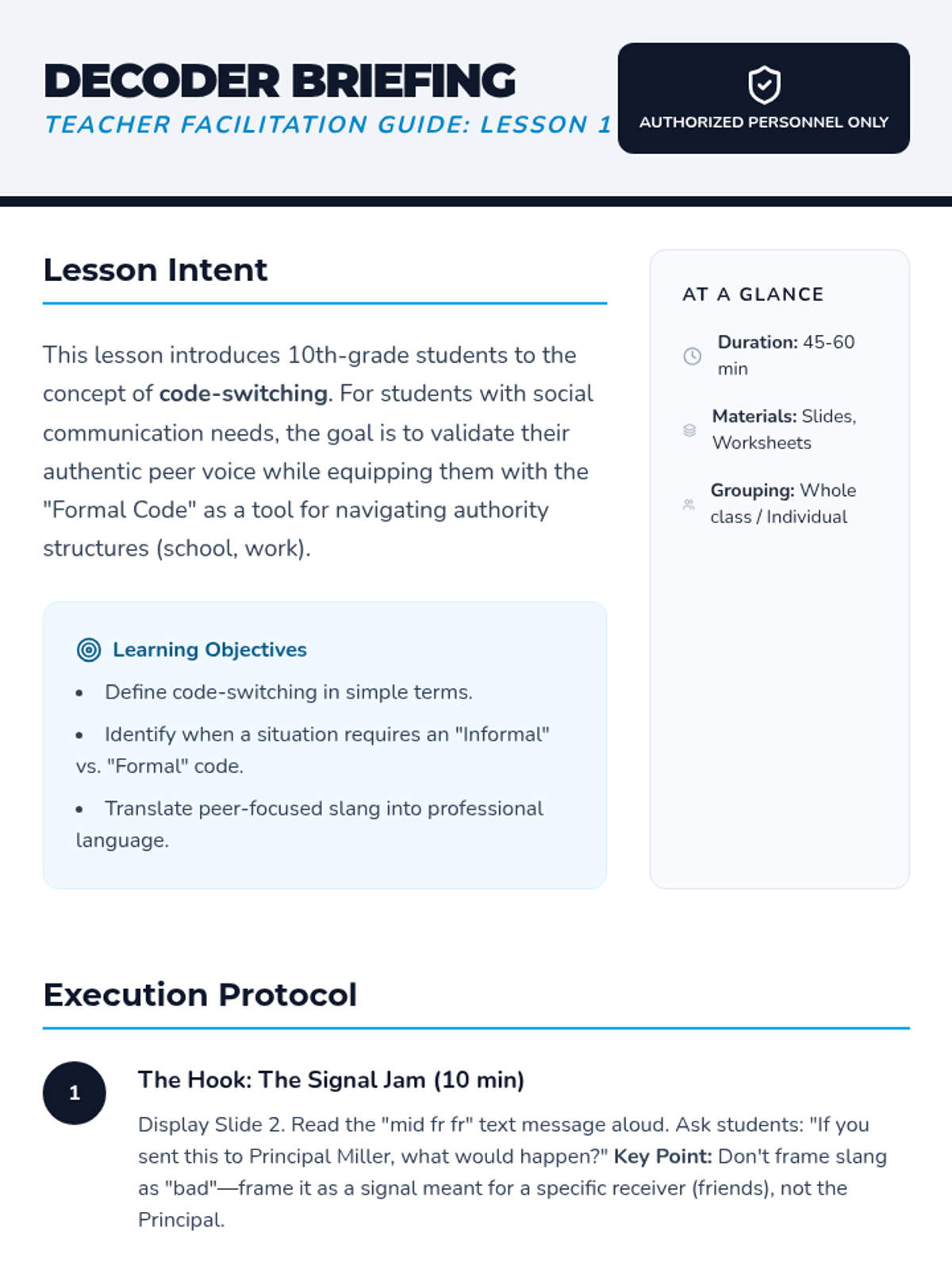
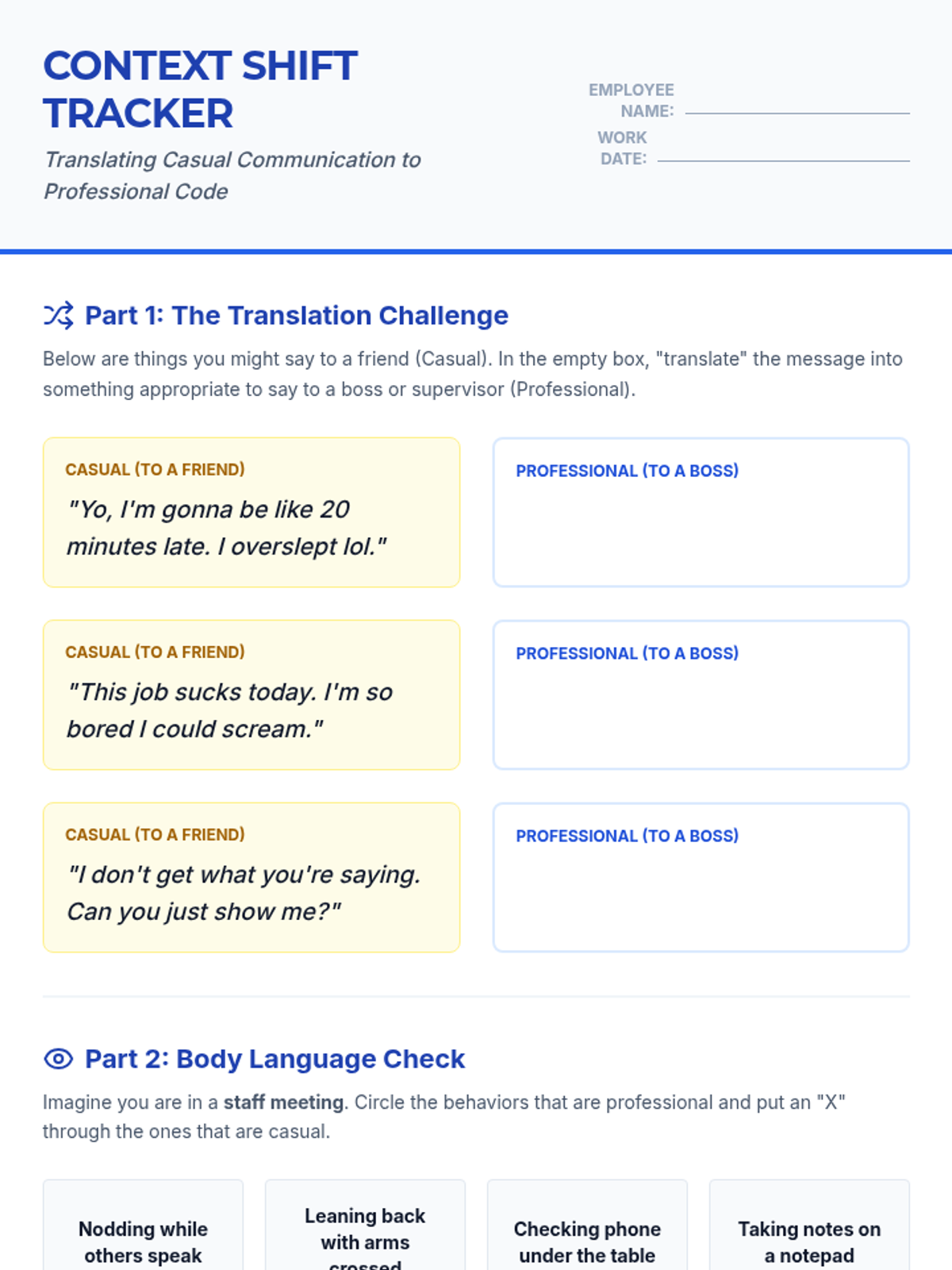
This sequence helps 10th-grade students understand and practice code-switching in school environments. It validates their natural peer language while teaching the skills needed to adapt their communication for authority figures and formal situations.
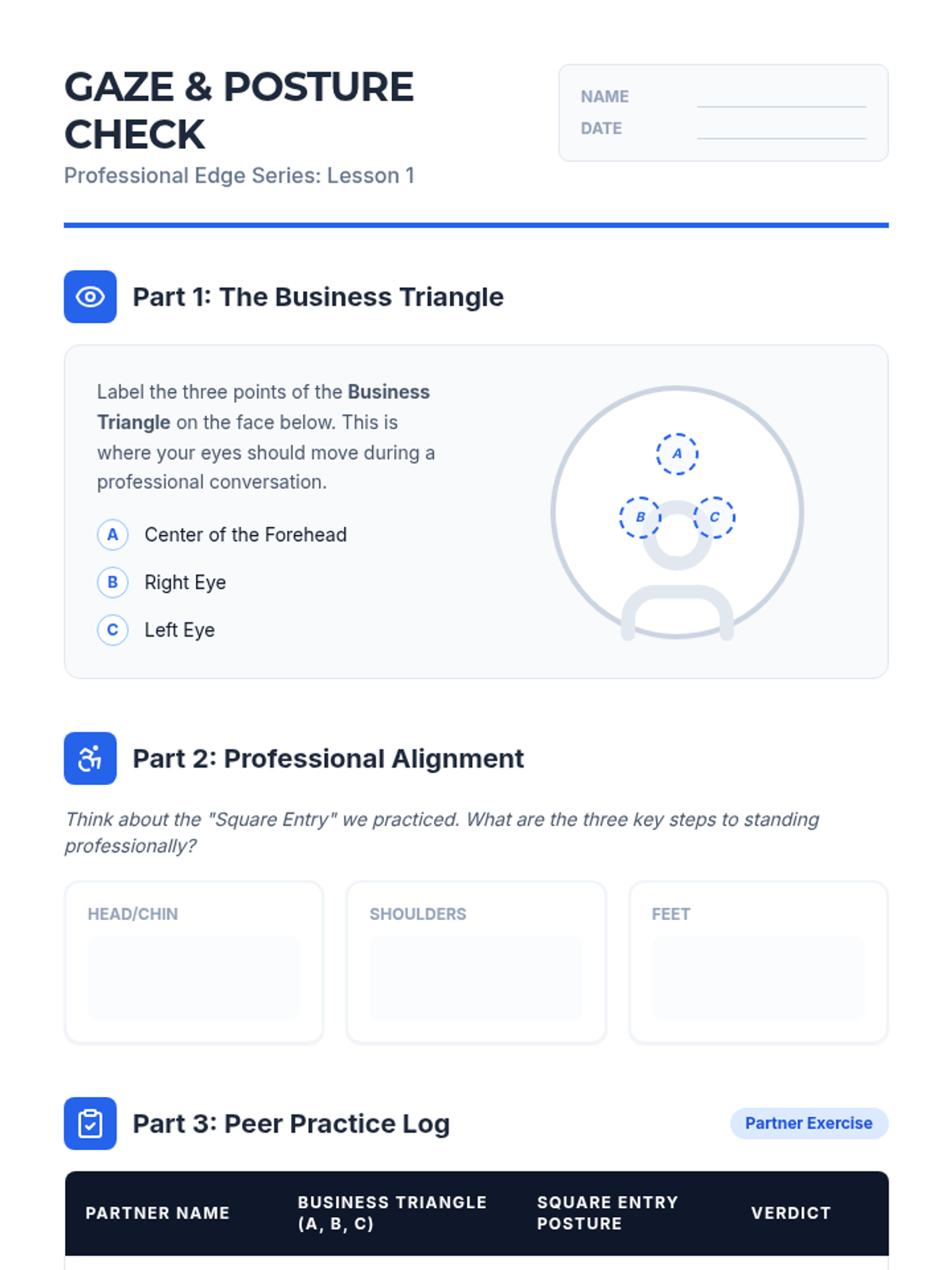
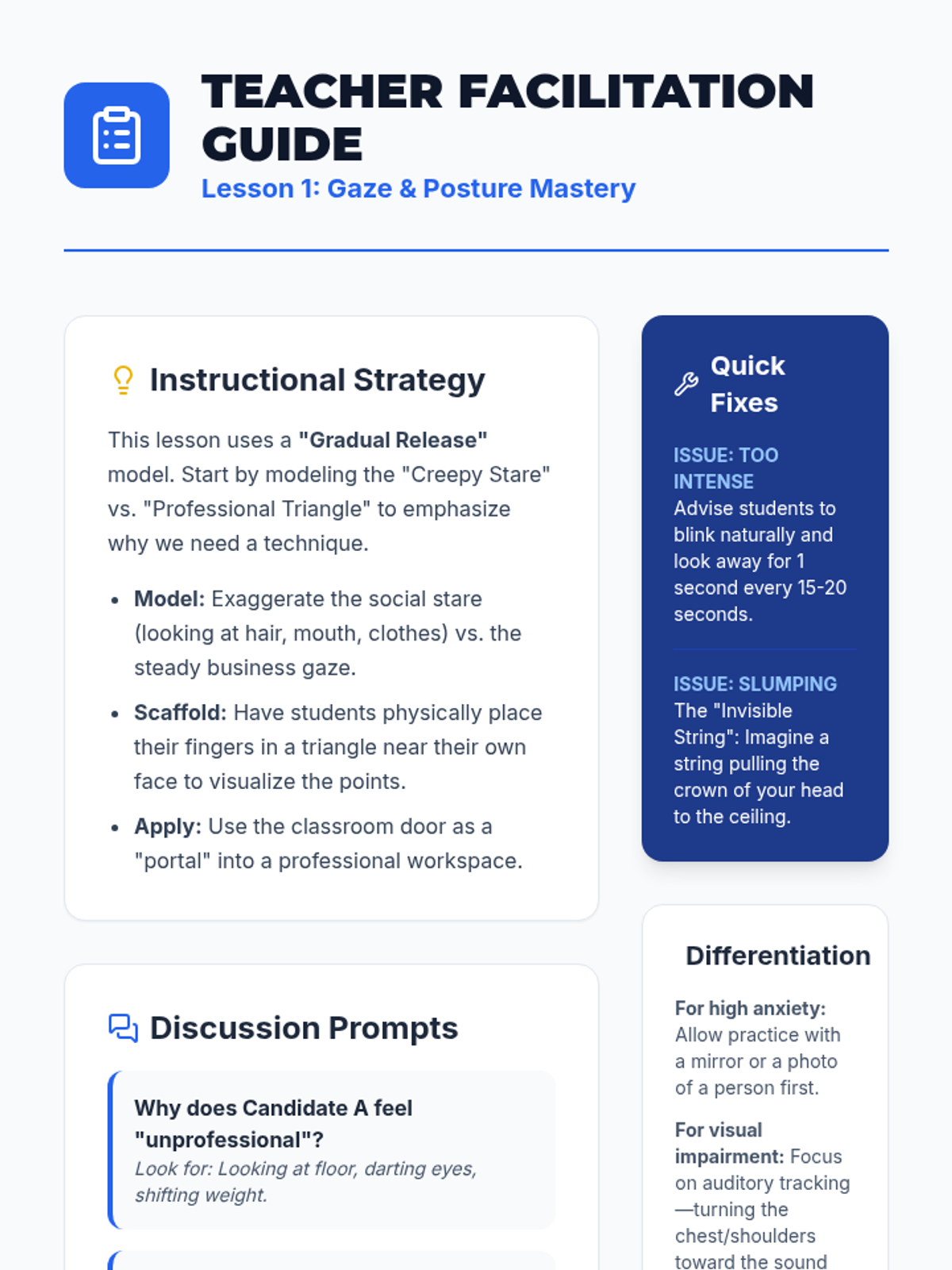
This sequence prepares 9th-grade students for the professional world by teaching the nuances of eye contact and personal space. Students move from mastering the 'professional gaze' to navigating workplace hierarchies and participating in mock interview simulations.
A 5-lesson unit designed for 10th-grade students to master social decision-making in professional environments. Students learn to distinguish workplace norms, navigate hierarchy, process feedback, interpret non-verbal cues, and make strategic decisions in high-stakes social scenarios.
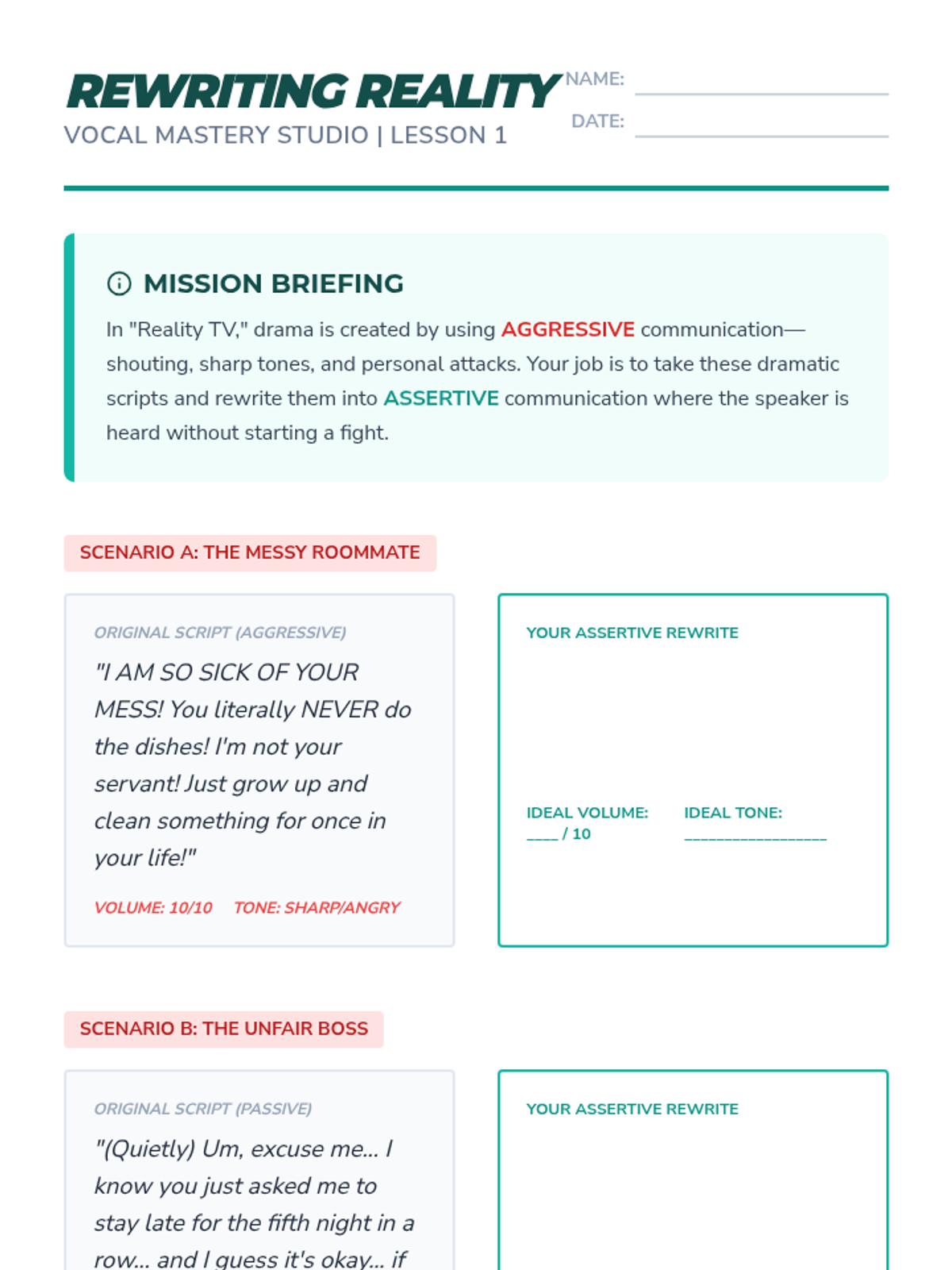
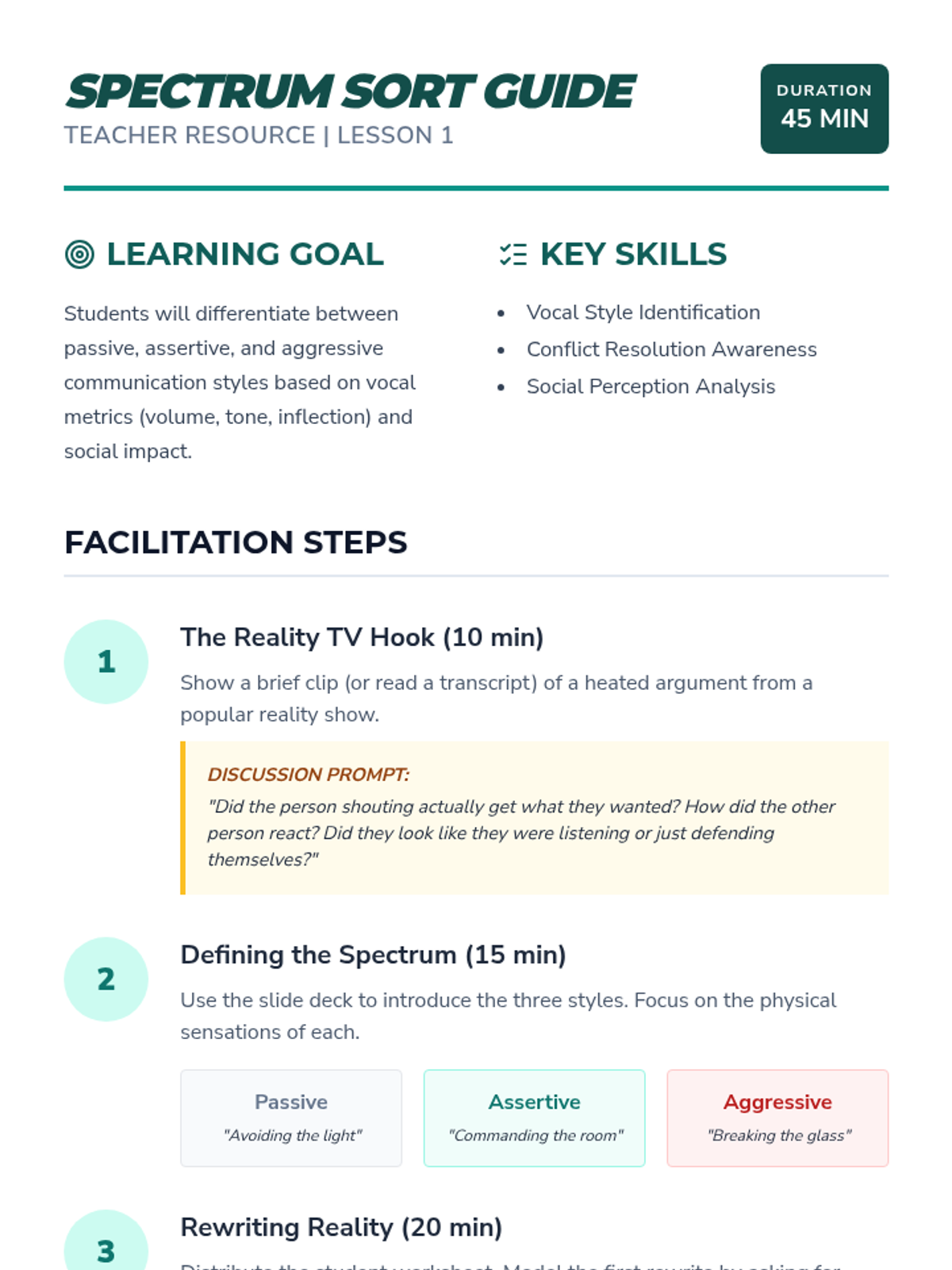
This sequence focuses on the distinction between aggressive shouting and assertive projection. Students learn to use their voice effectively for self-advocacy in various settings, from IEP meetings to public speaking, ensuring they are heard and respected.
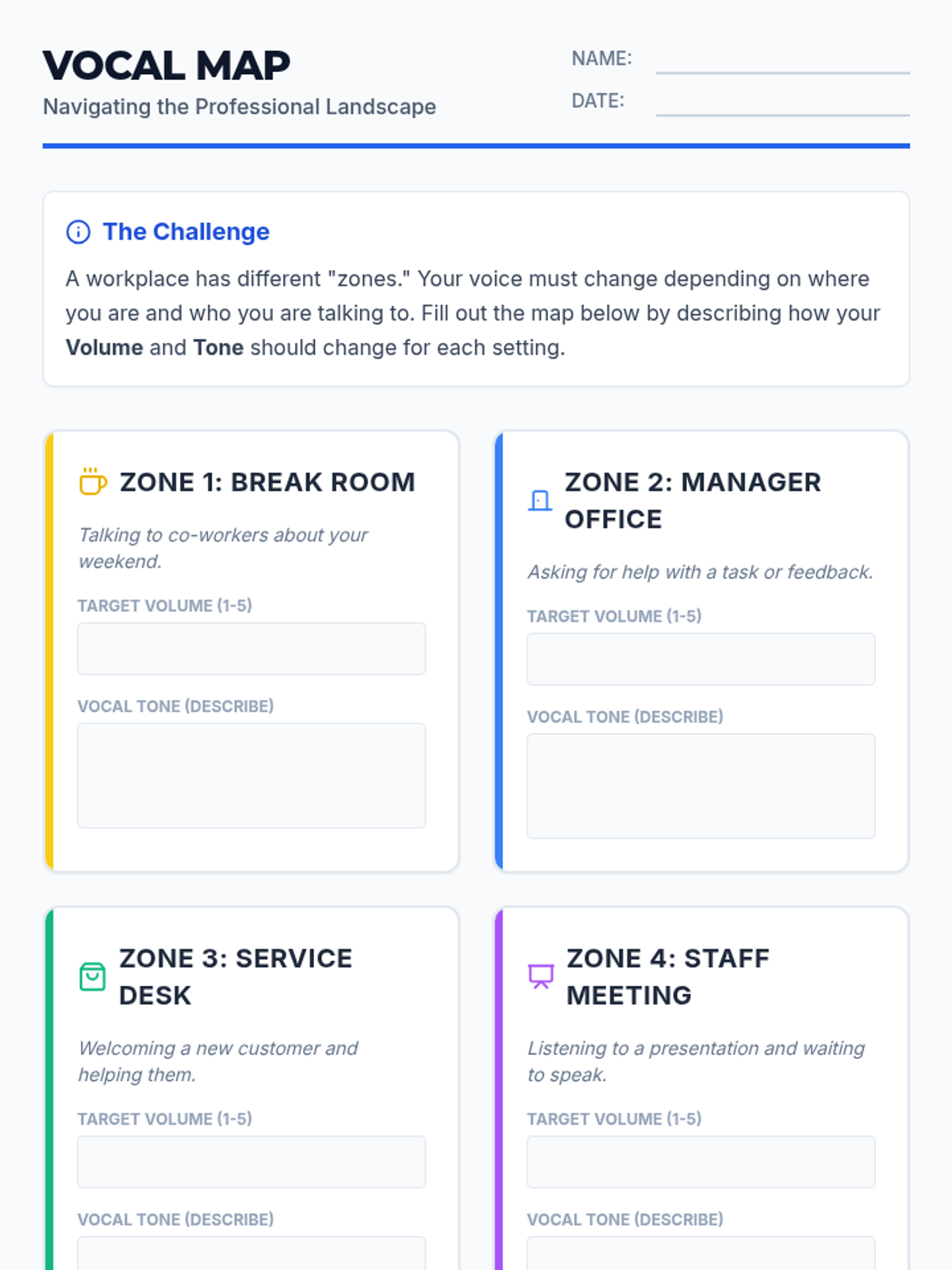
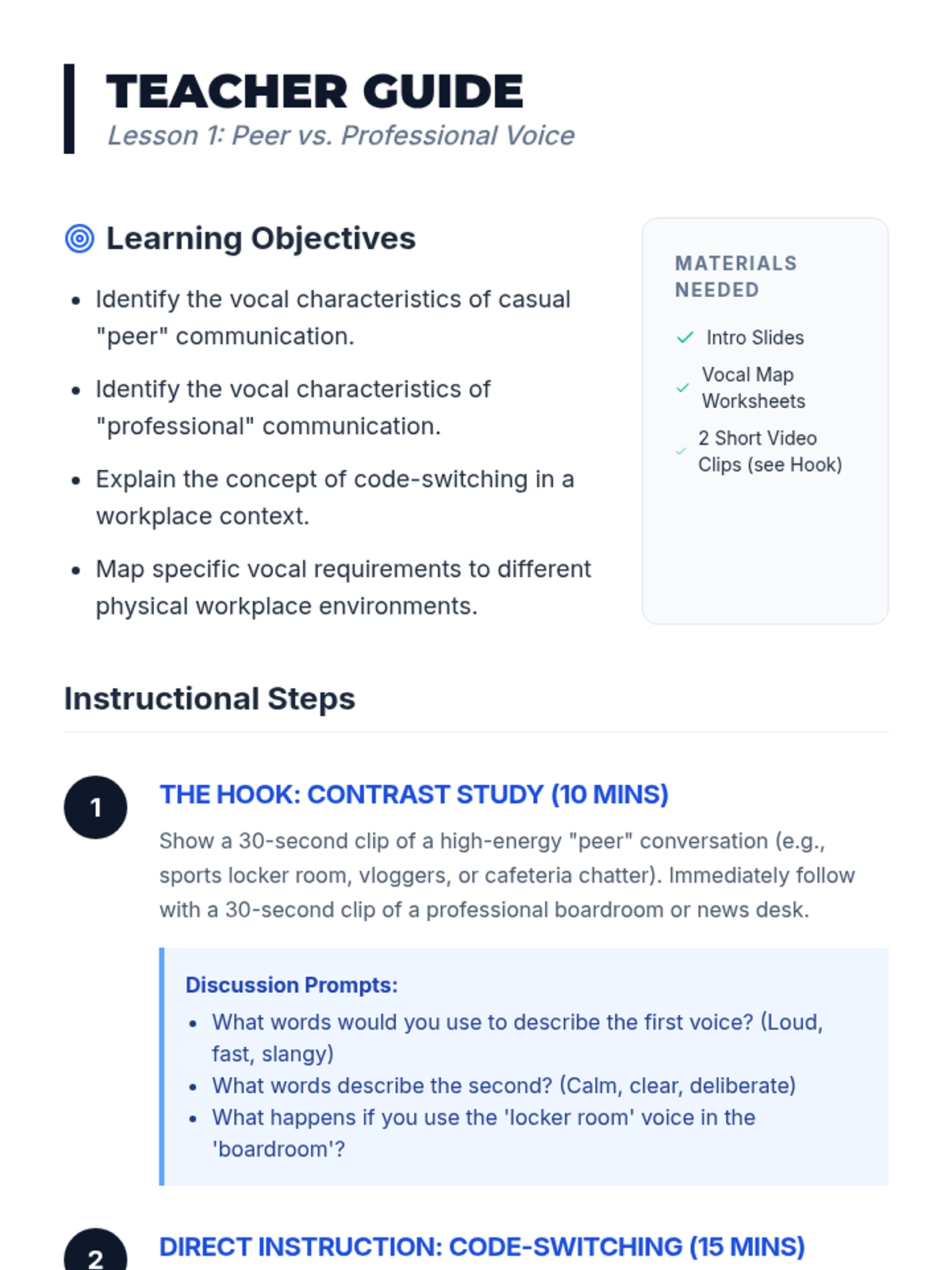
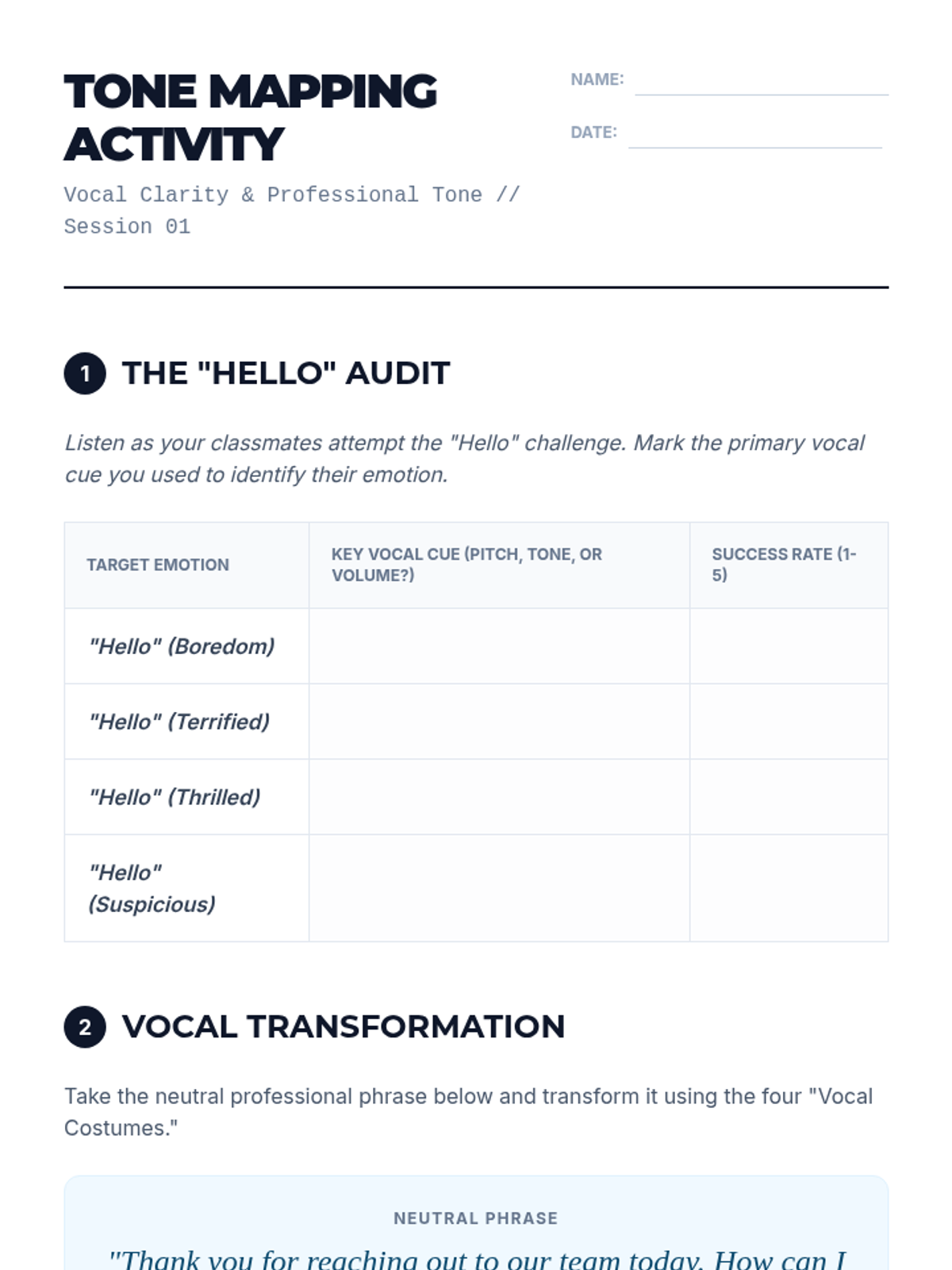
This sequence focuses on the critical transition skill of code-switching vocal patterns for professional environments. Students analyze and practice volume, tone, and pacing requirements across various workplace scenarios to build a repertoire of 'professional voices.'
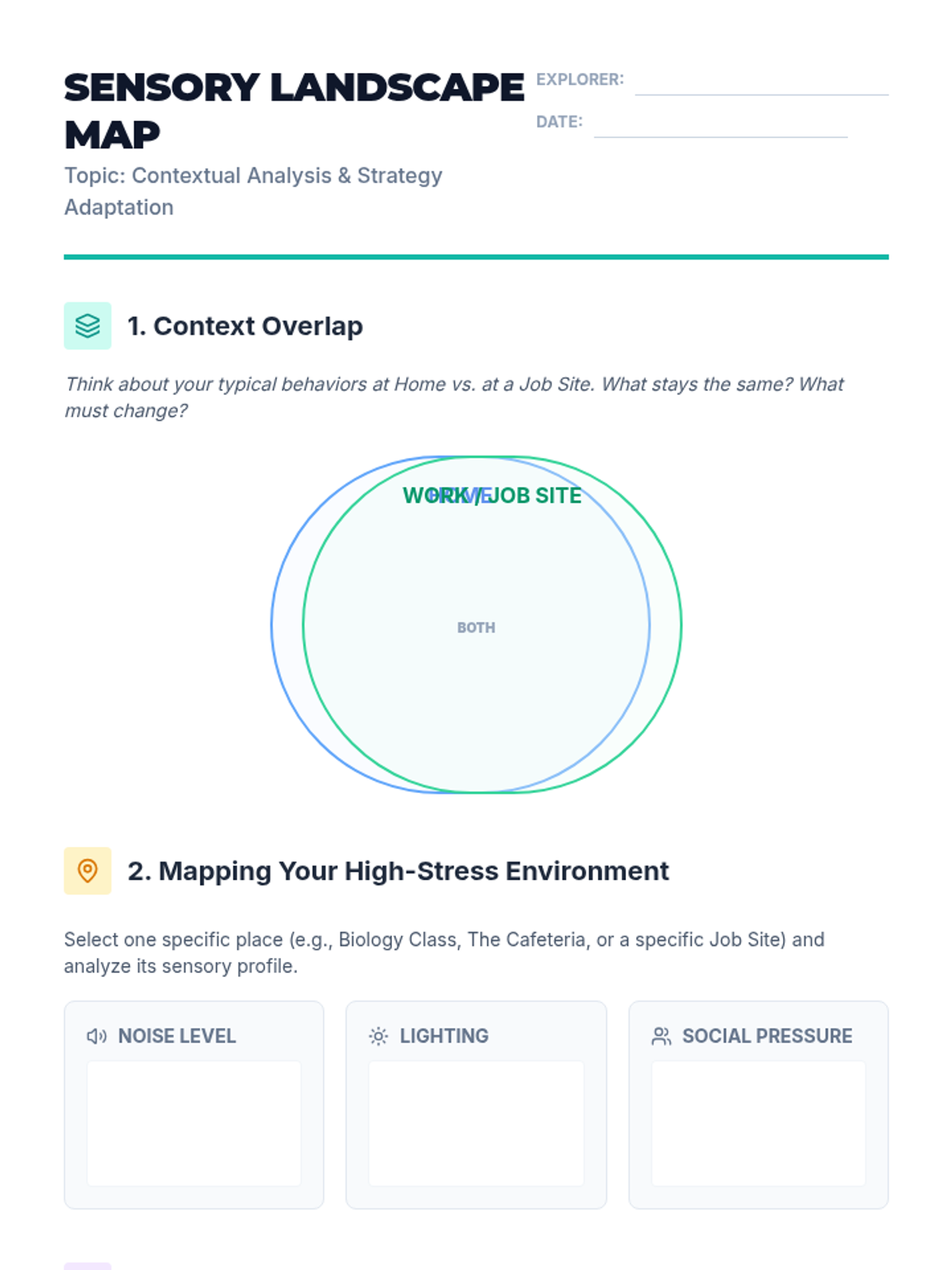
A 10th-grade sequence focused on transitioning sensory regulation strategies from private spaces to public, academic, and vocational environments. Students learn to analyze sensory landscapes, understand their legal rights, and develop professional self-advocacy skills.
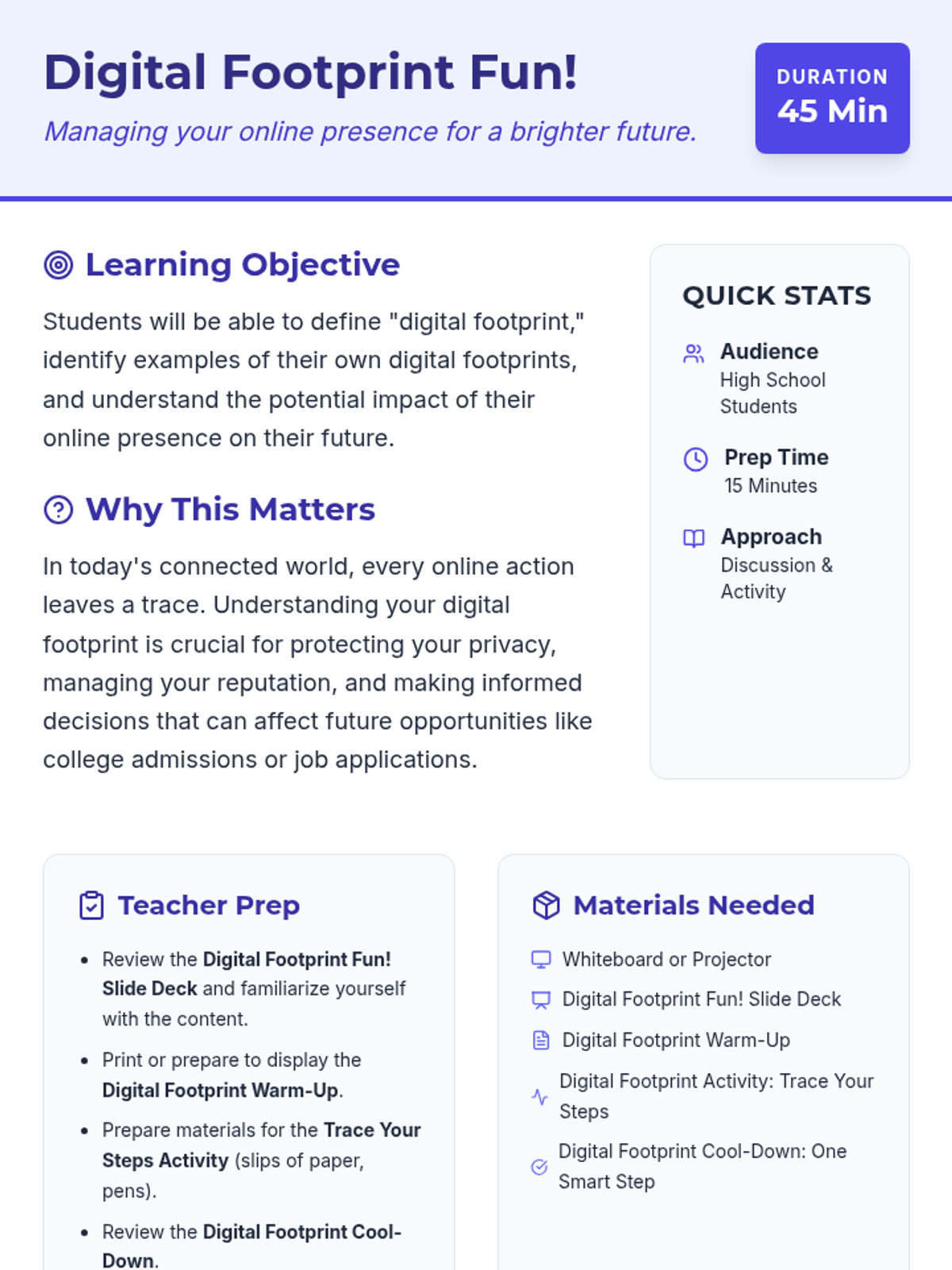
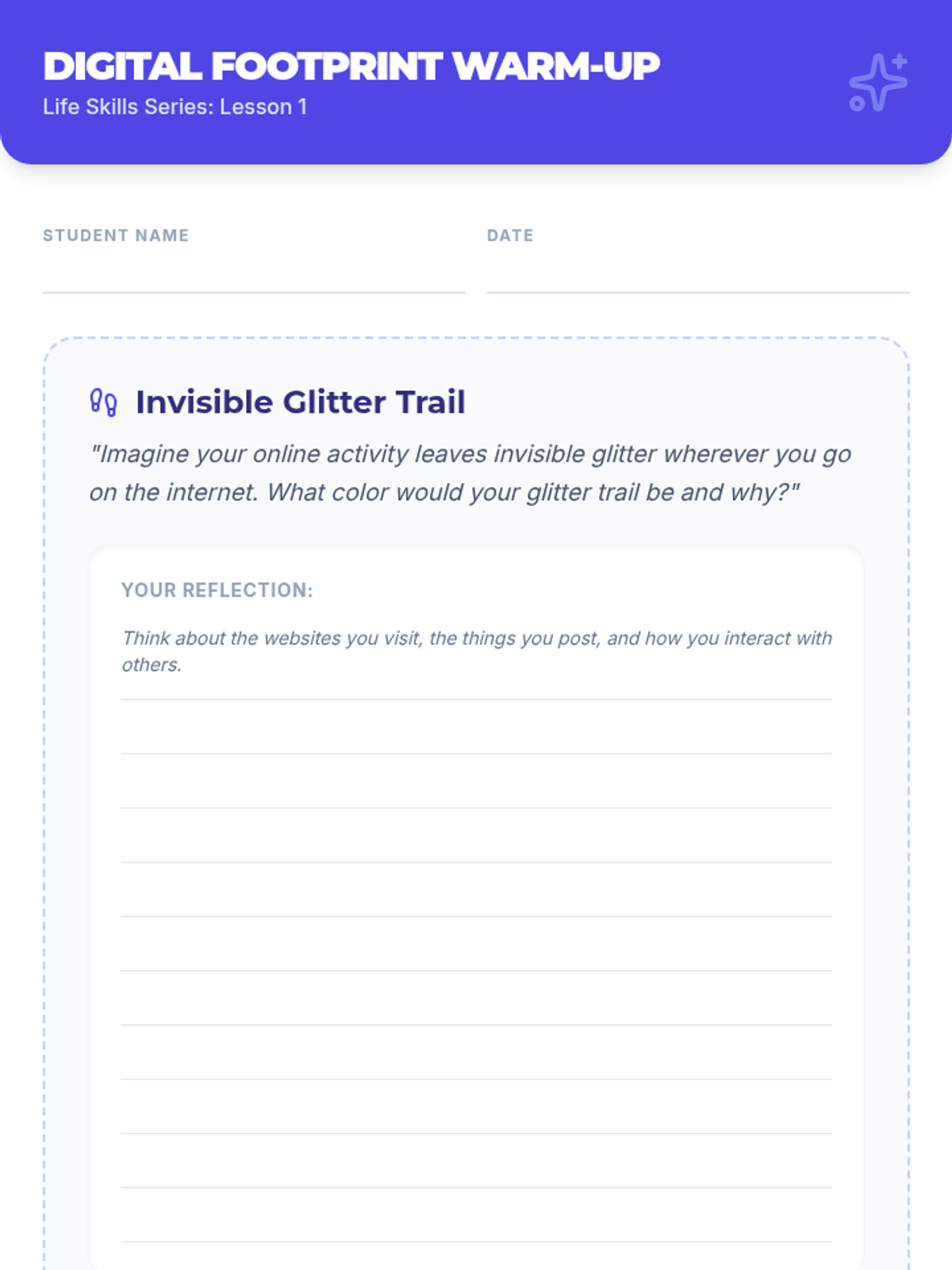
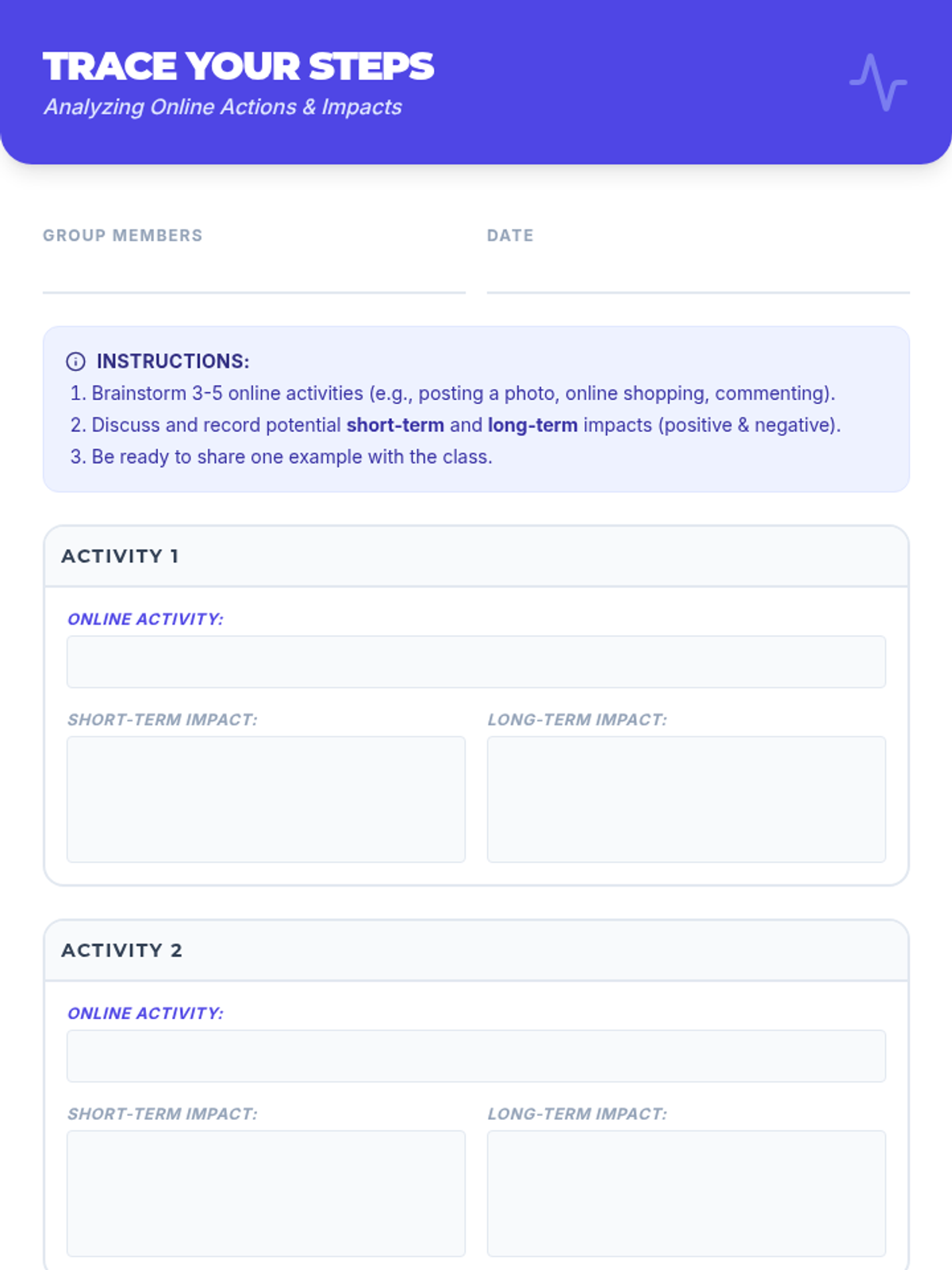
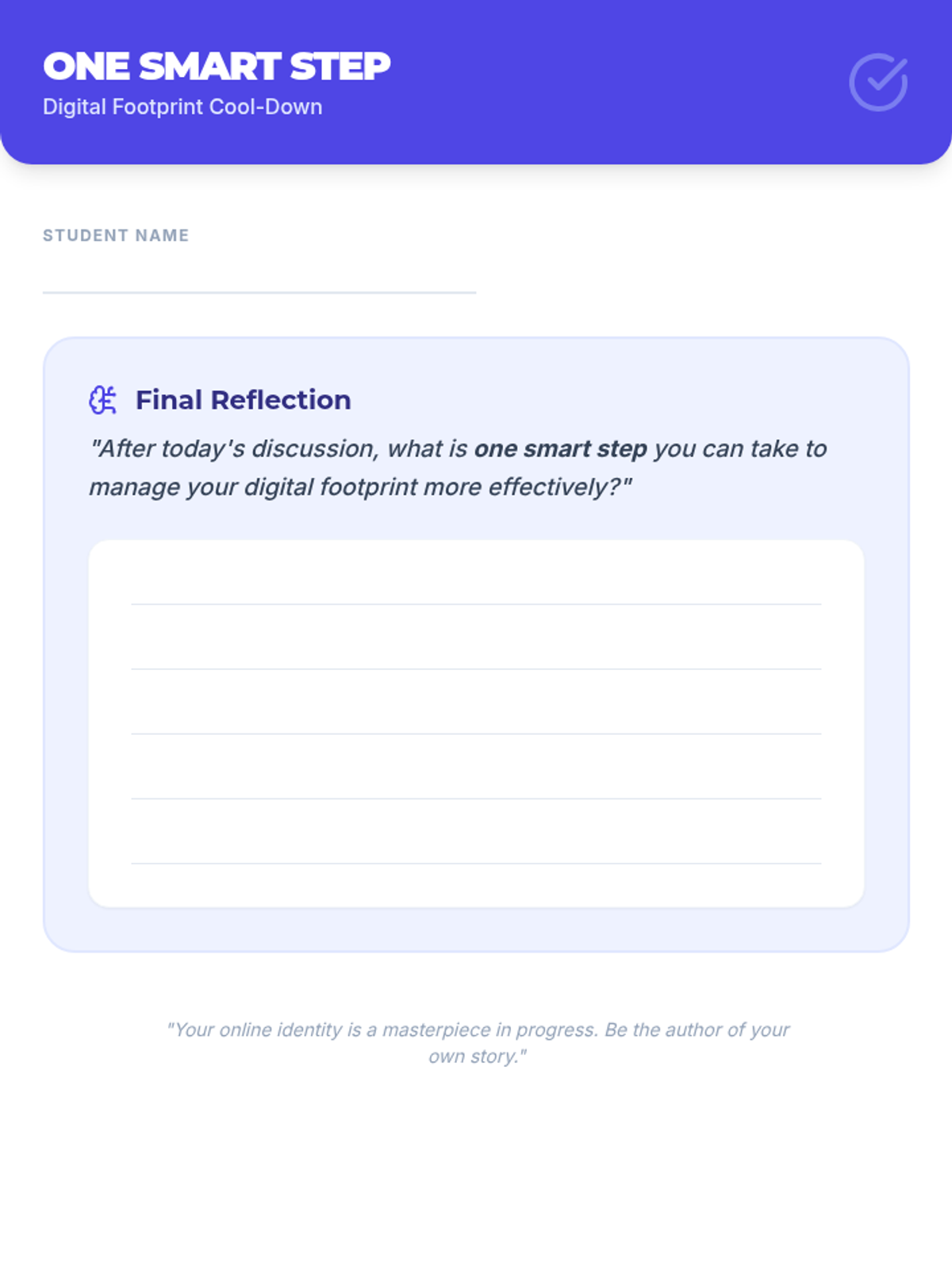
A comprehensive sequence designed to prepare high school students for their digital and professional futures, covering online presence management and essential self-advocacy skills.
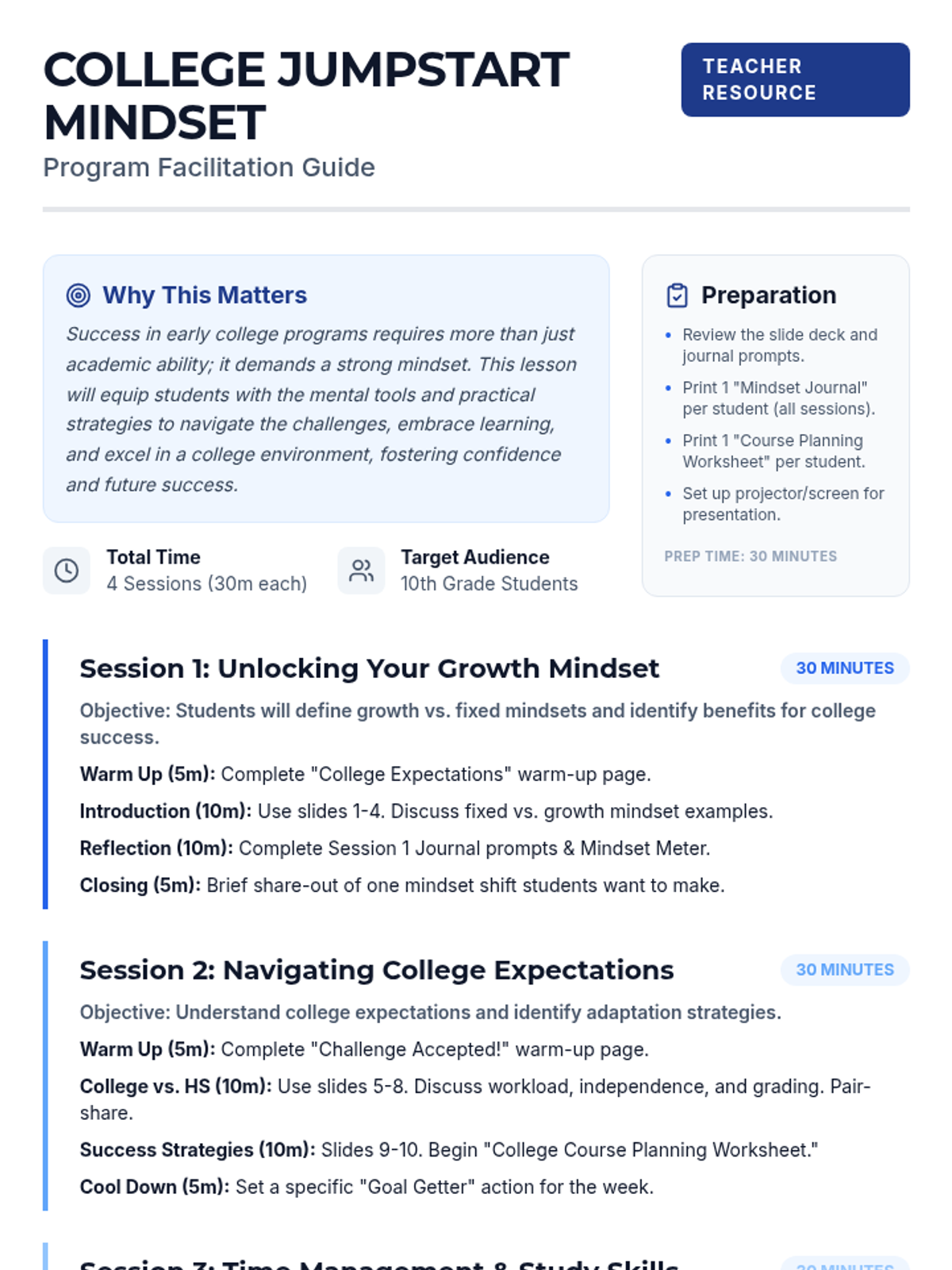
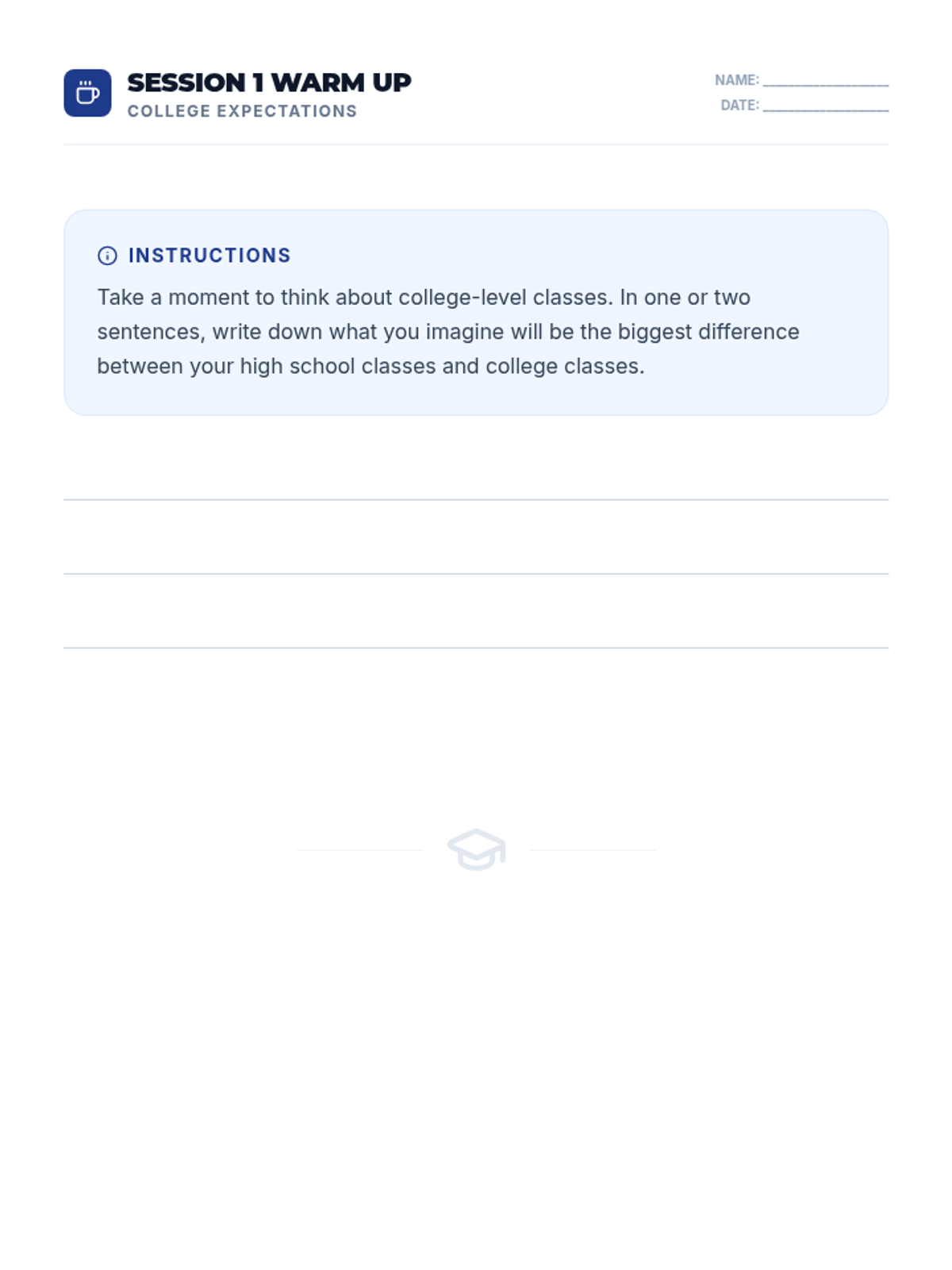
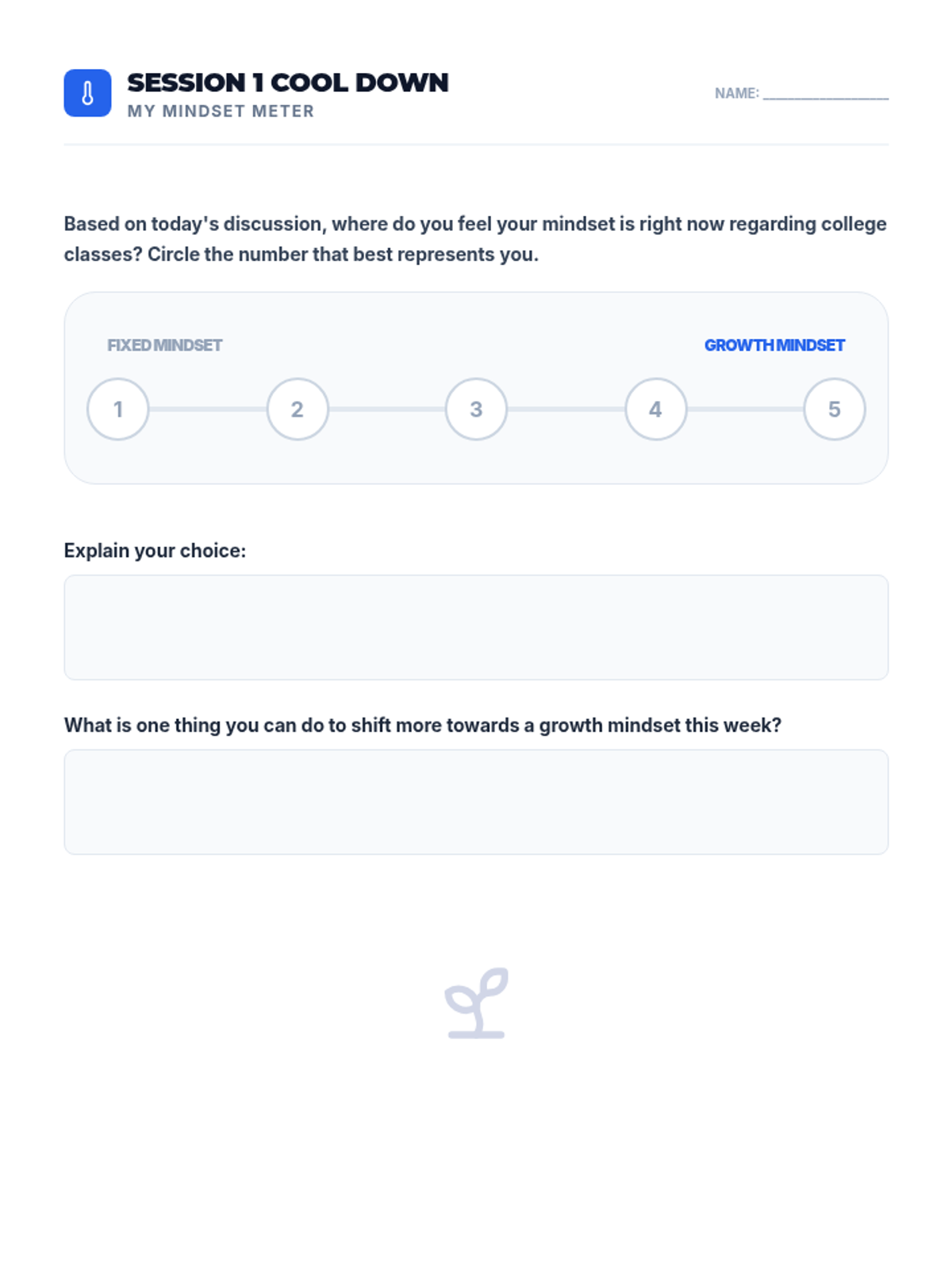
A 4-session program designed to help 10th-grade students transition to college-level coursework by developing a growth mindset, time management skills, and self-advocacy strategies.
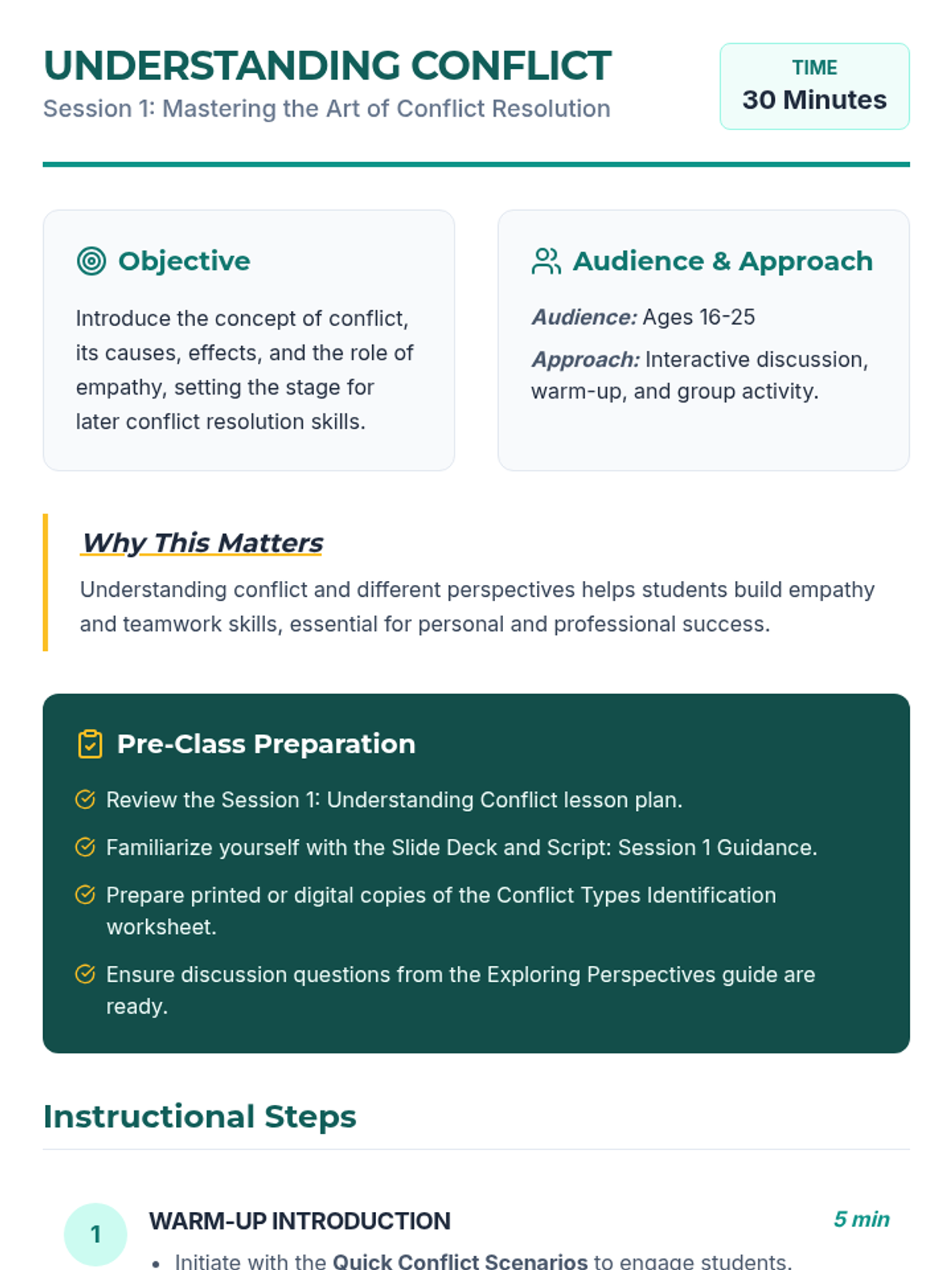
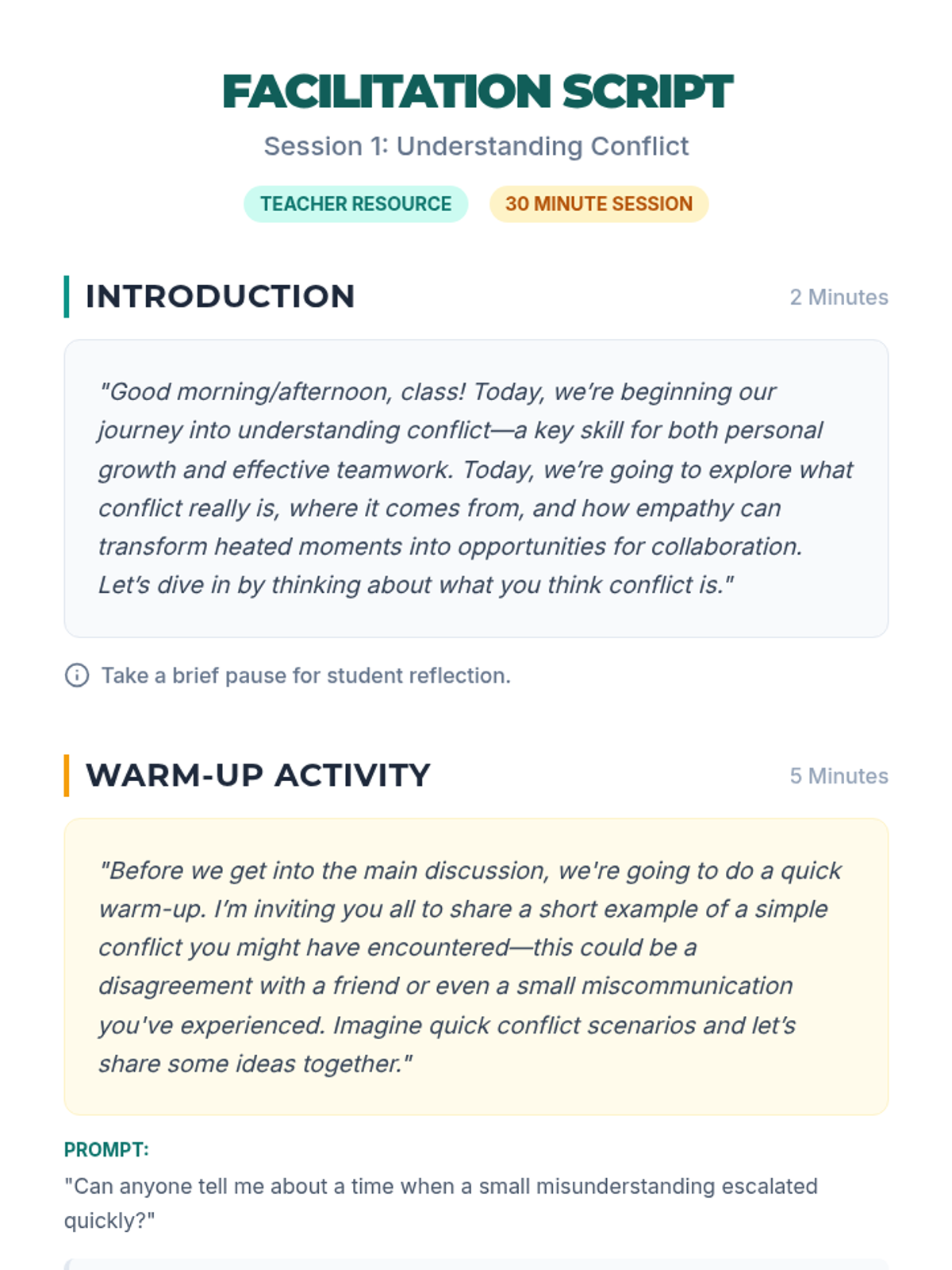
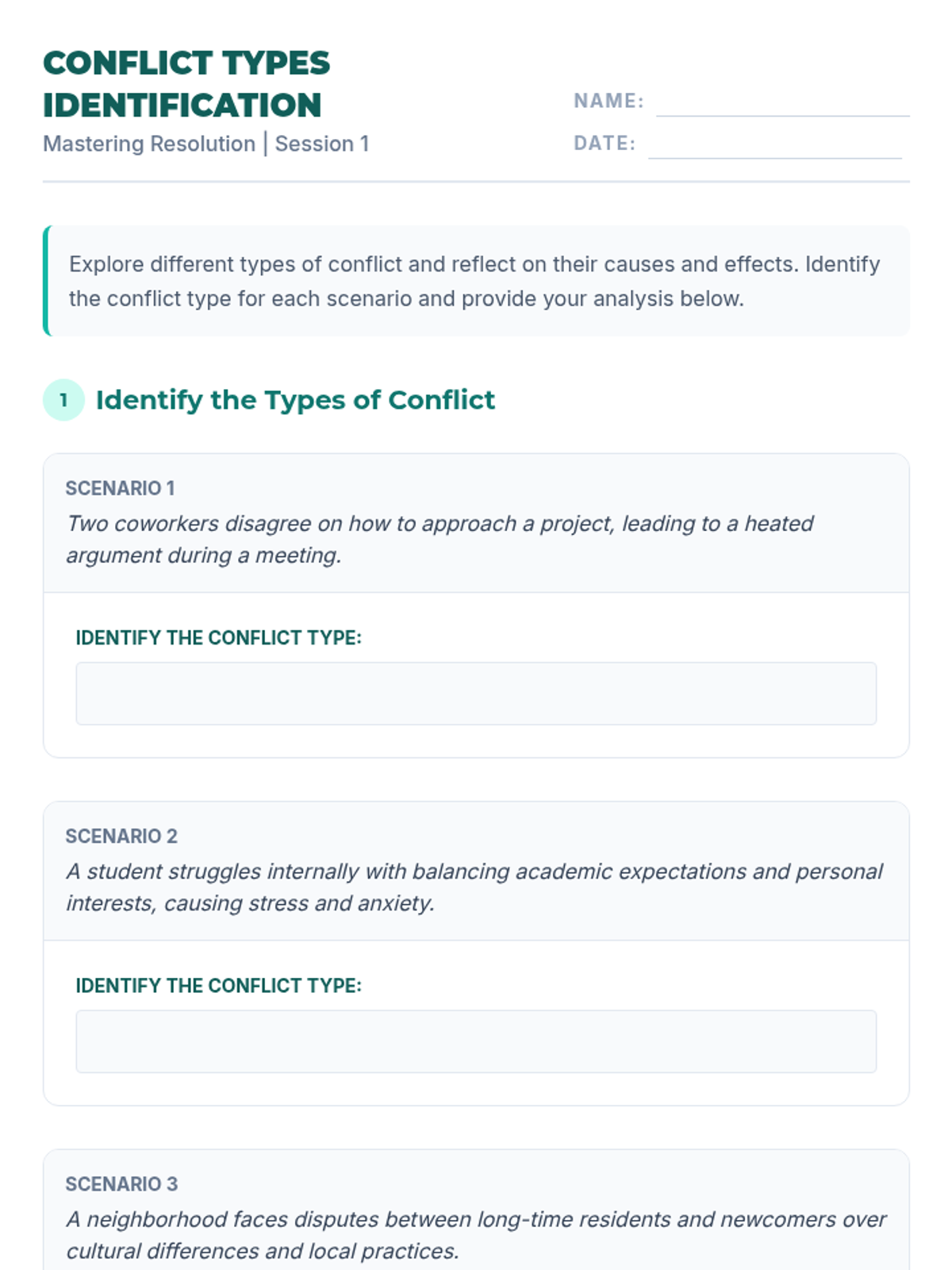
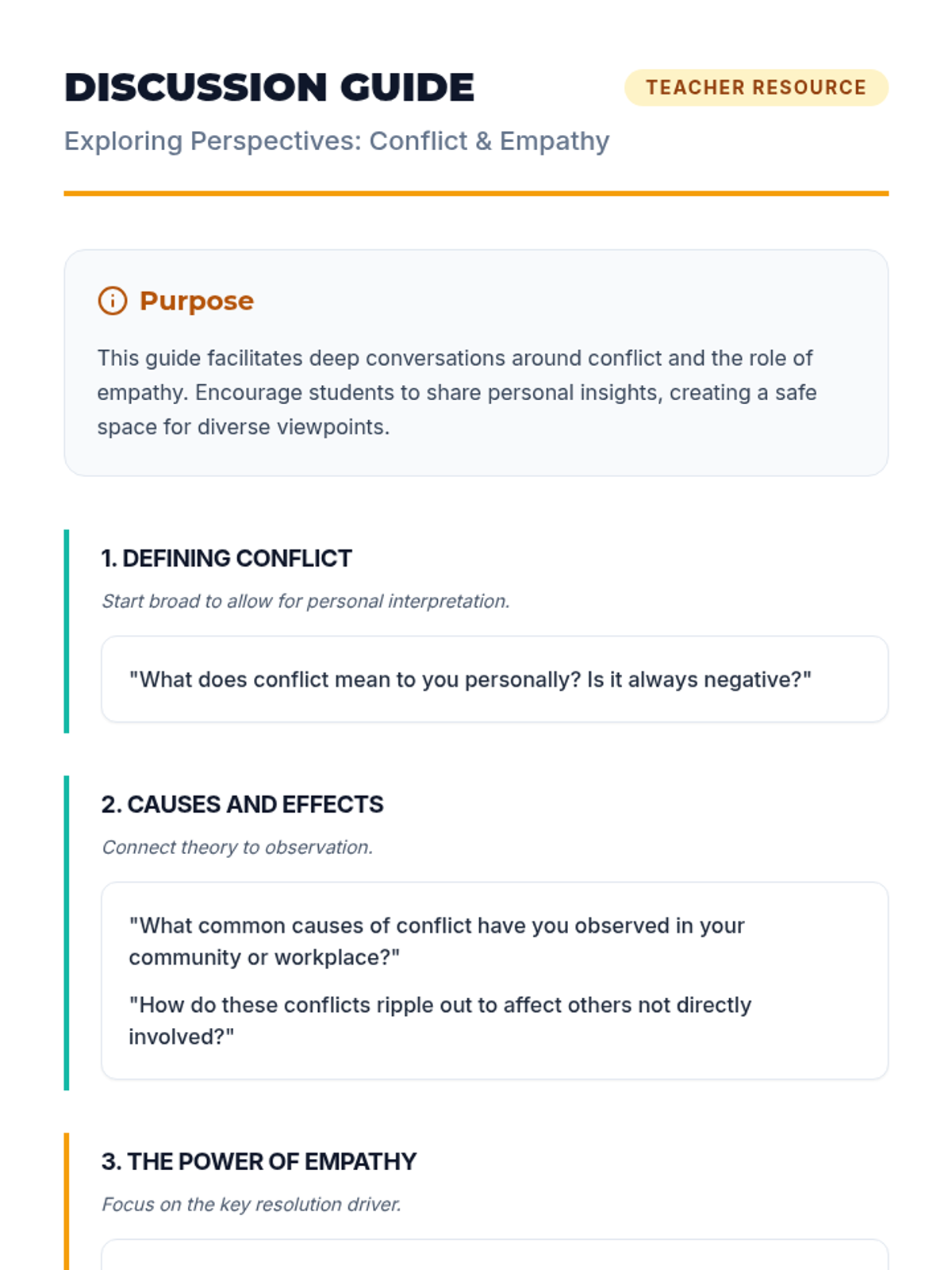
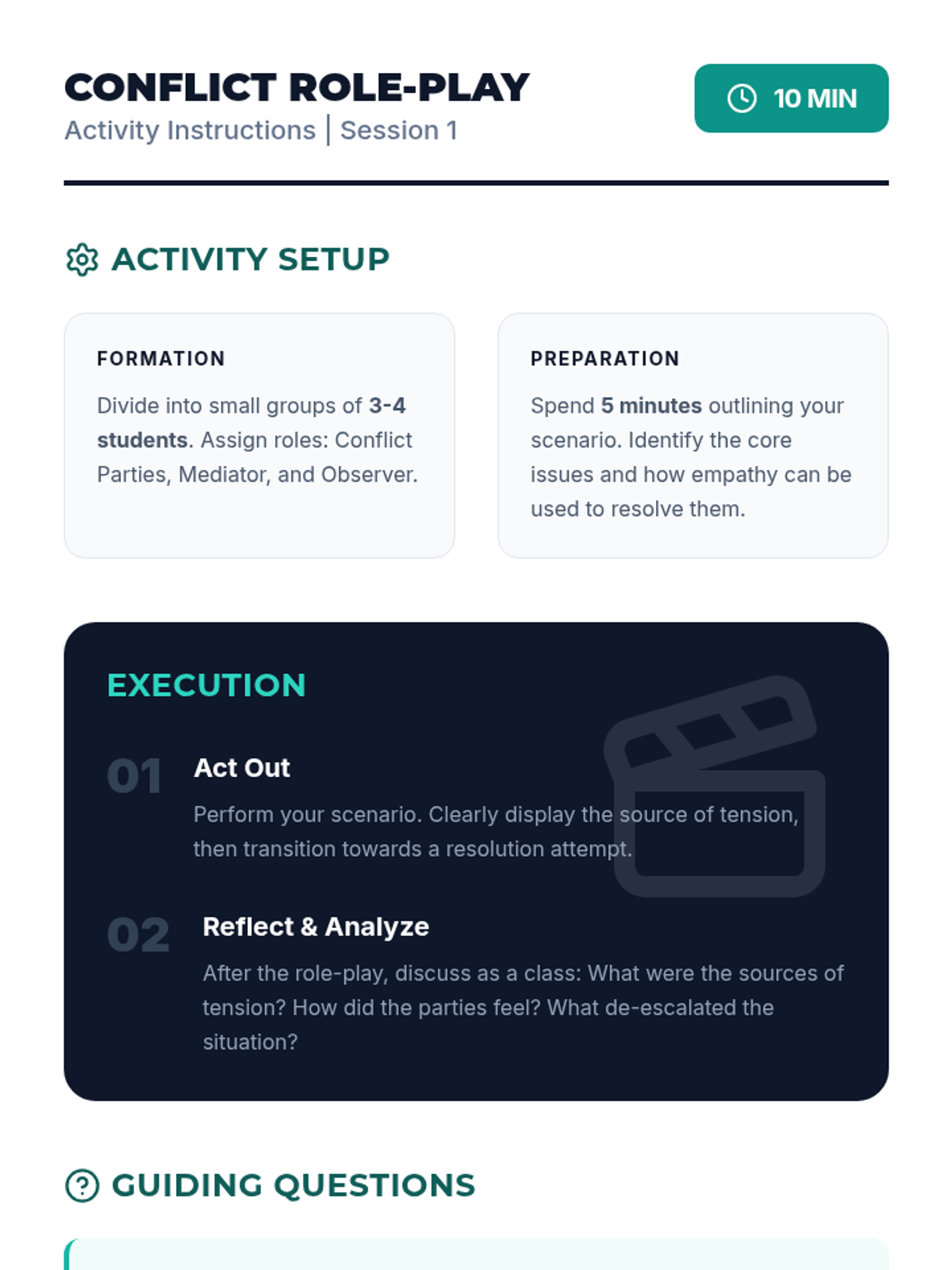
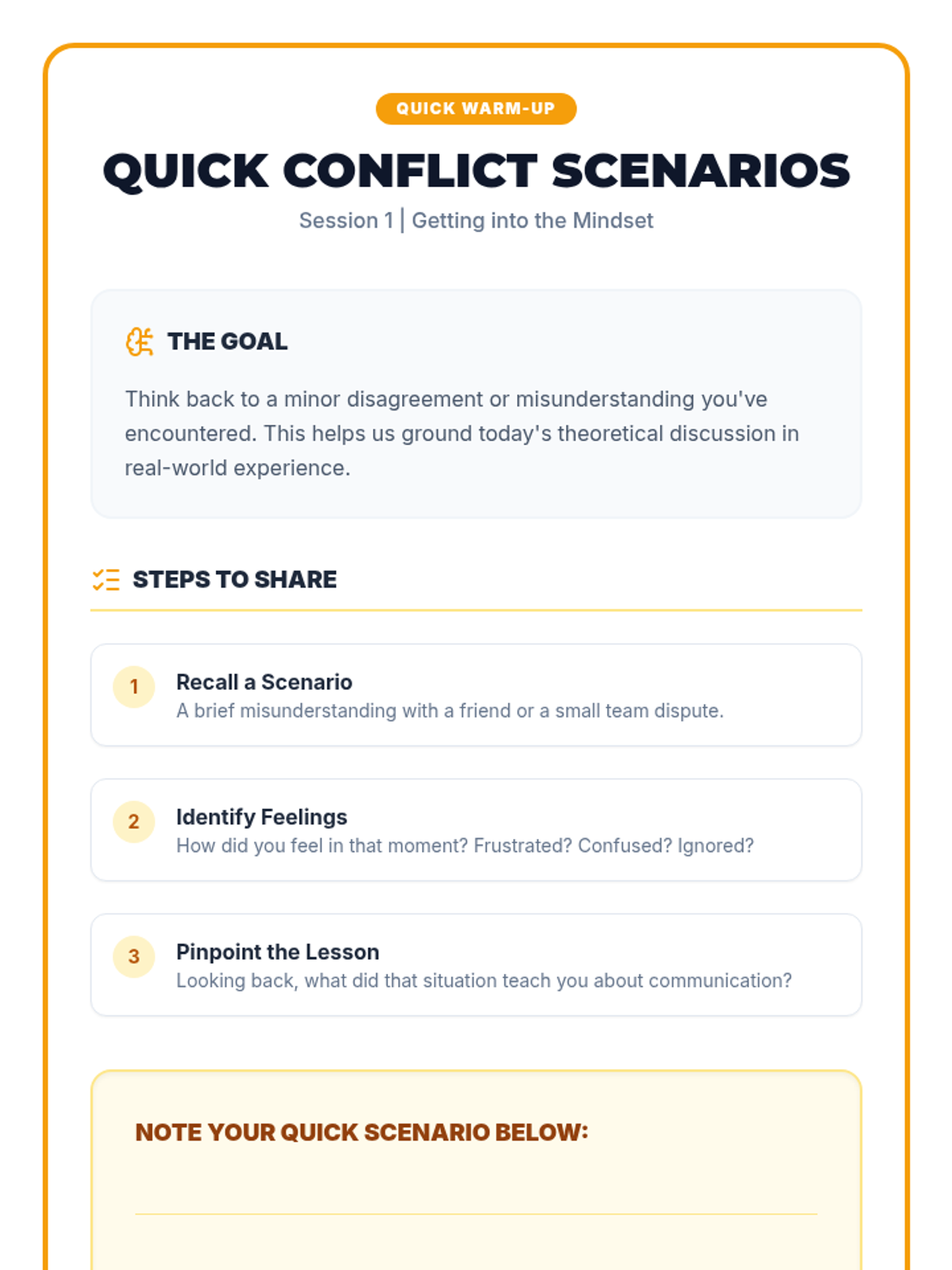
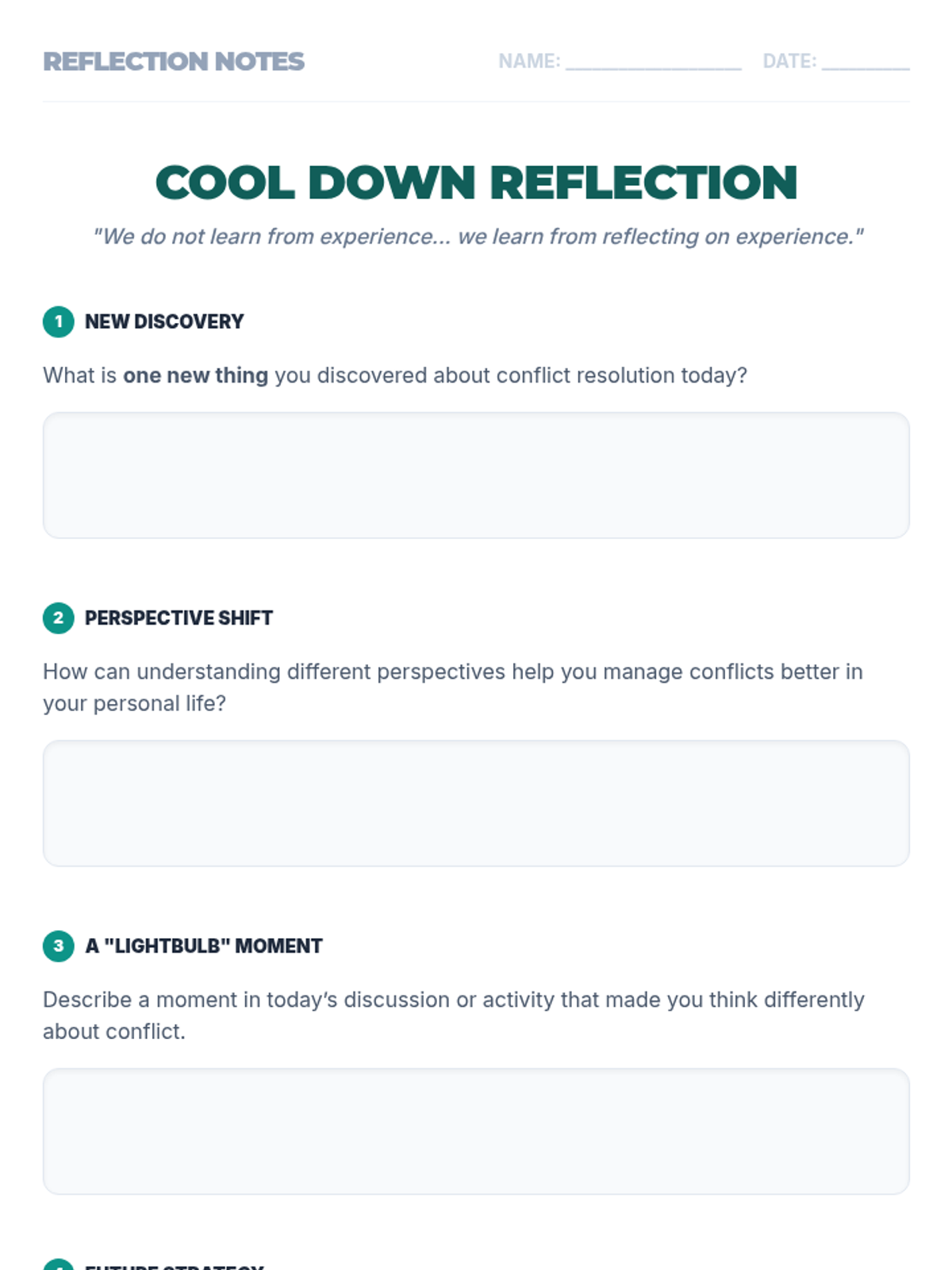
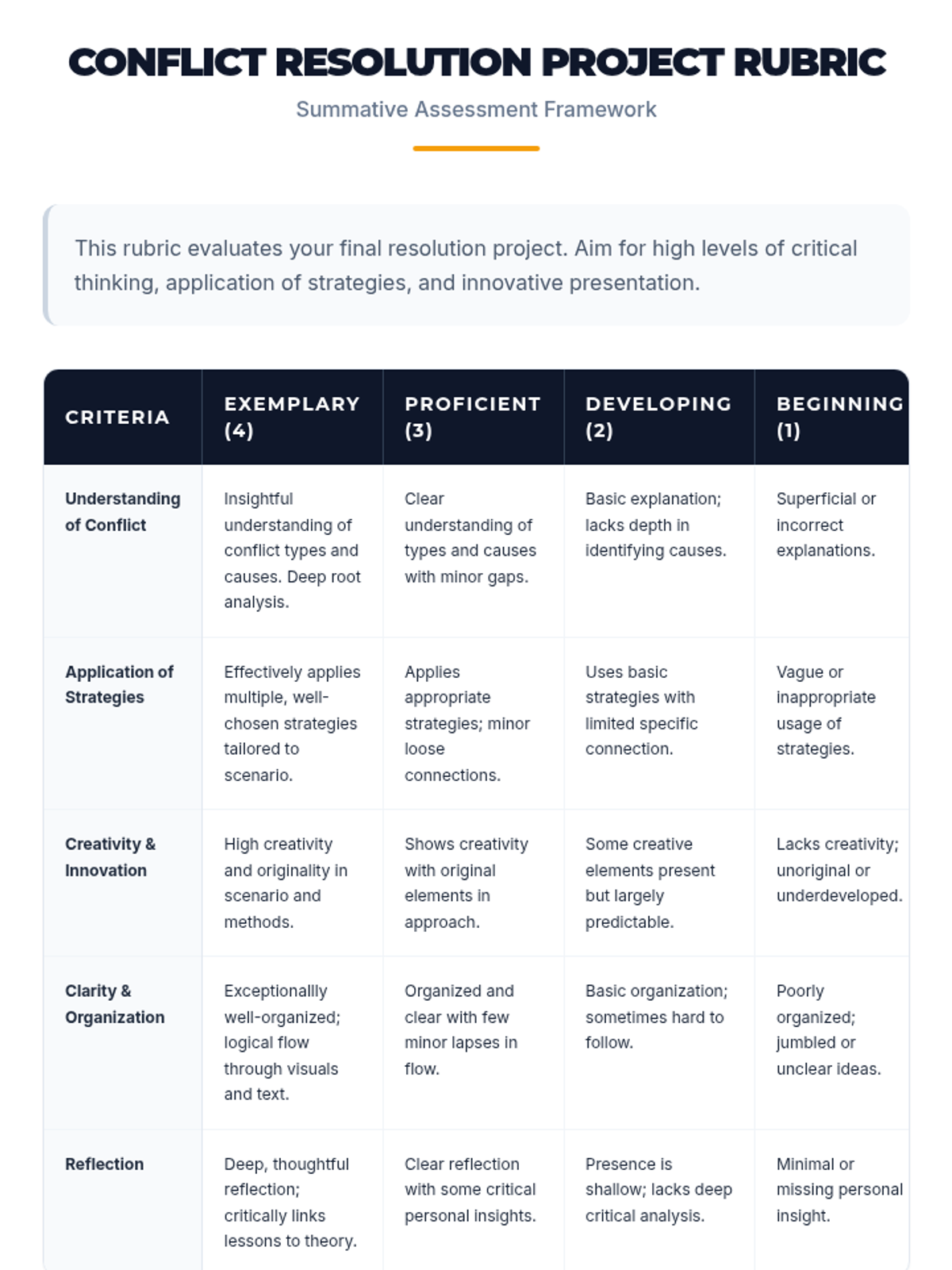
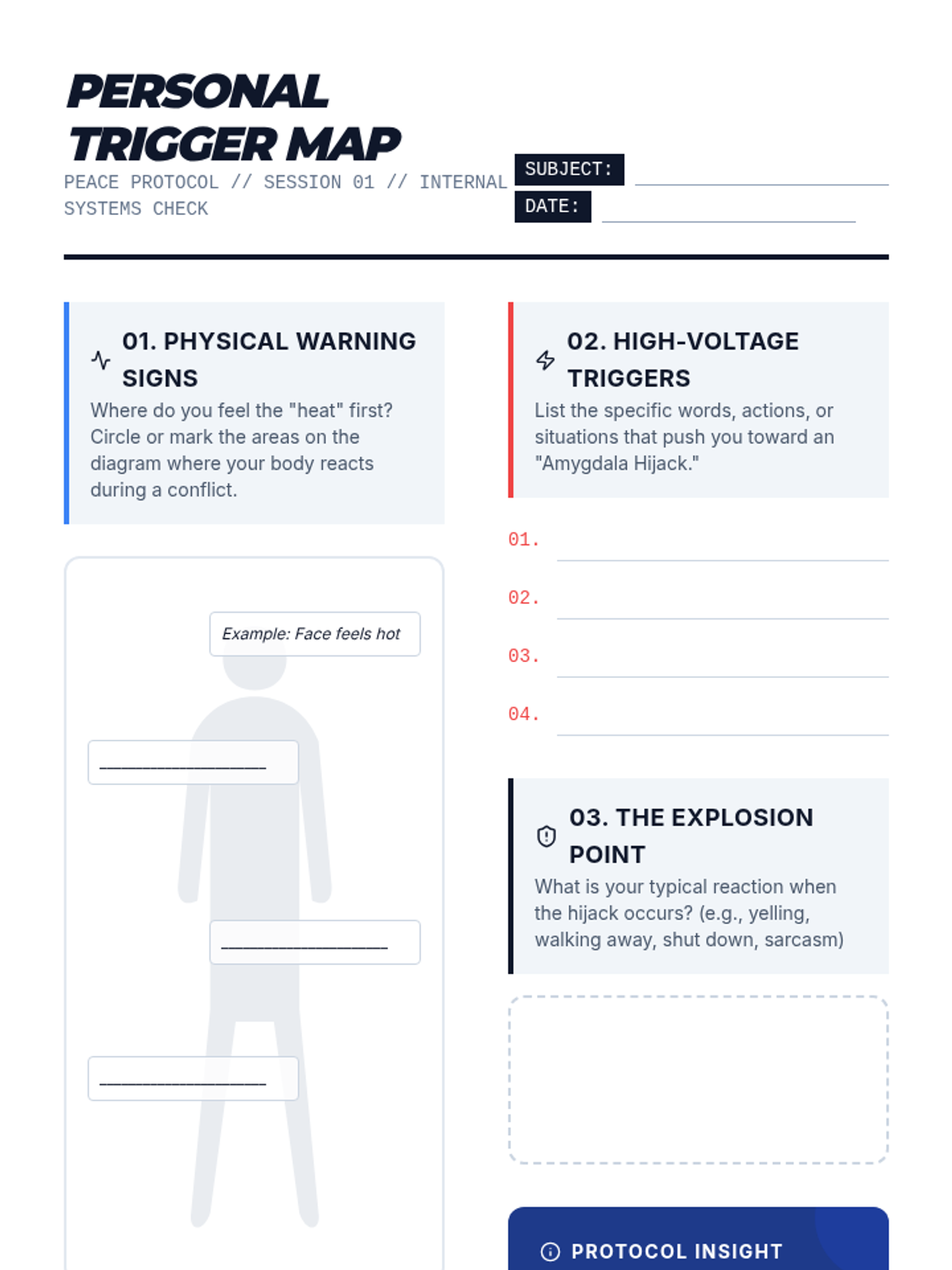
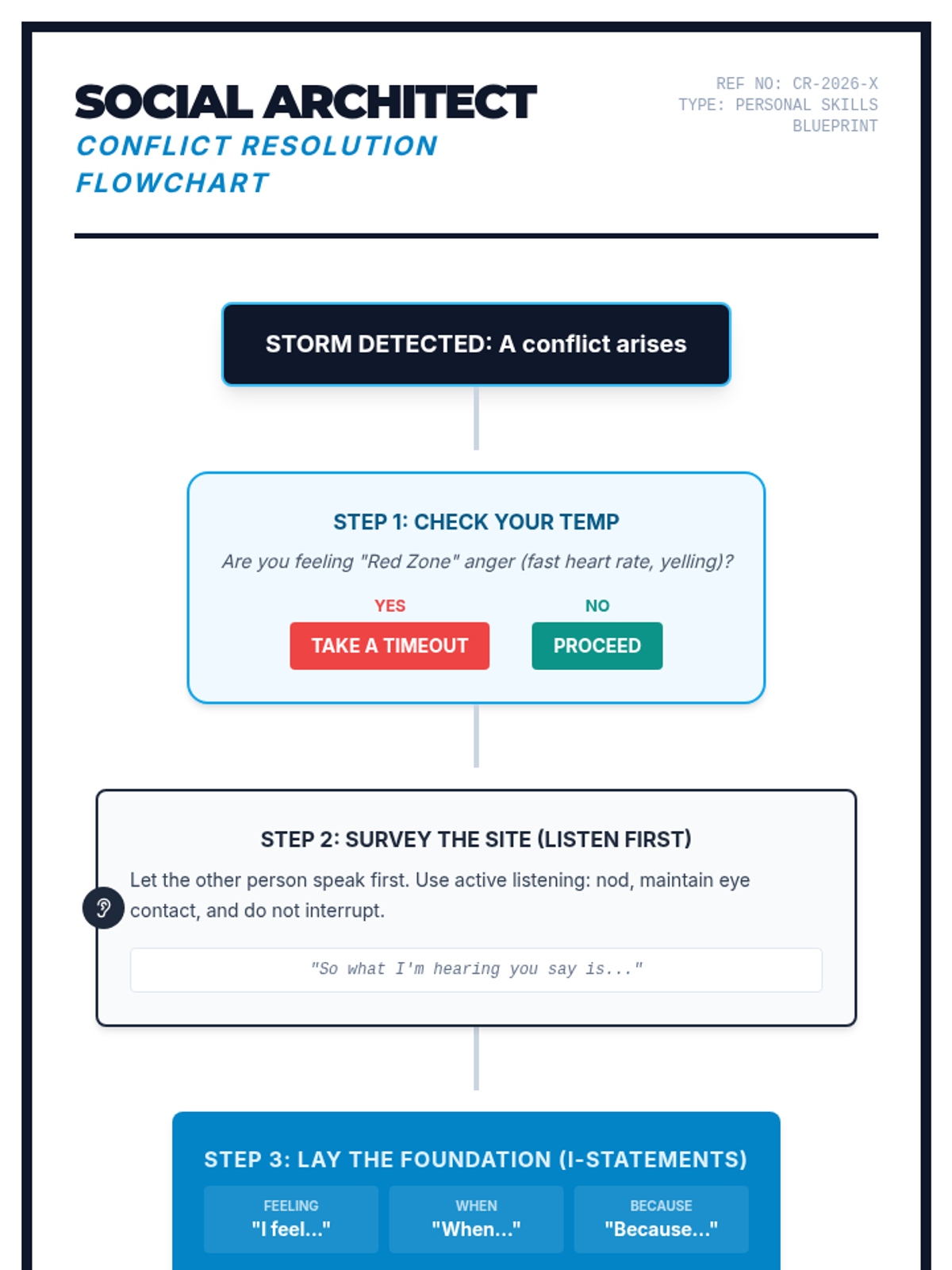
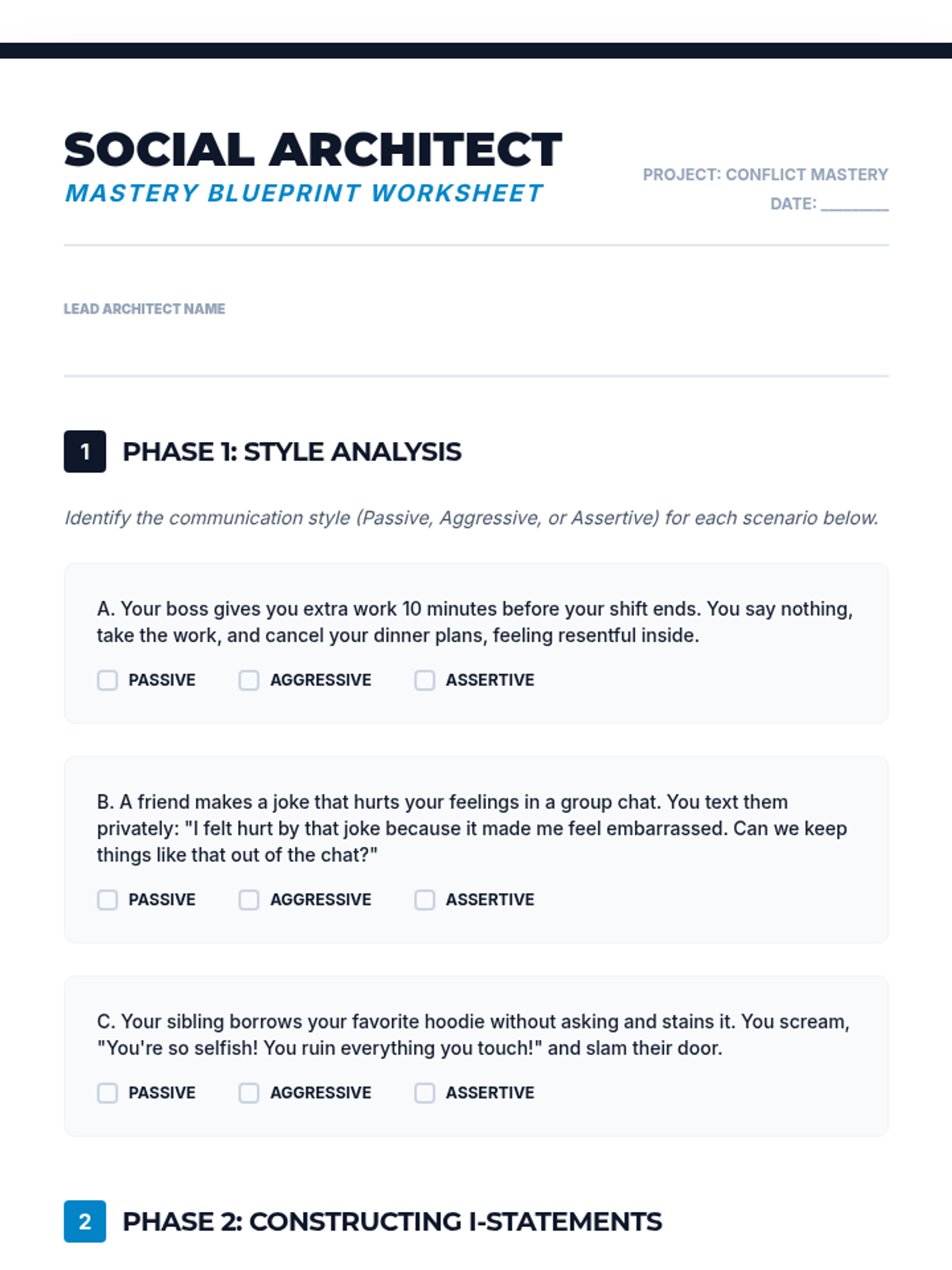
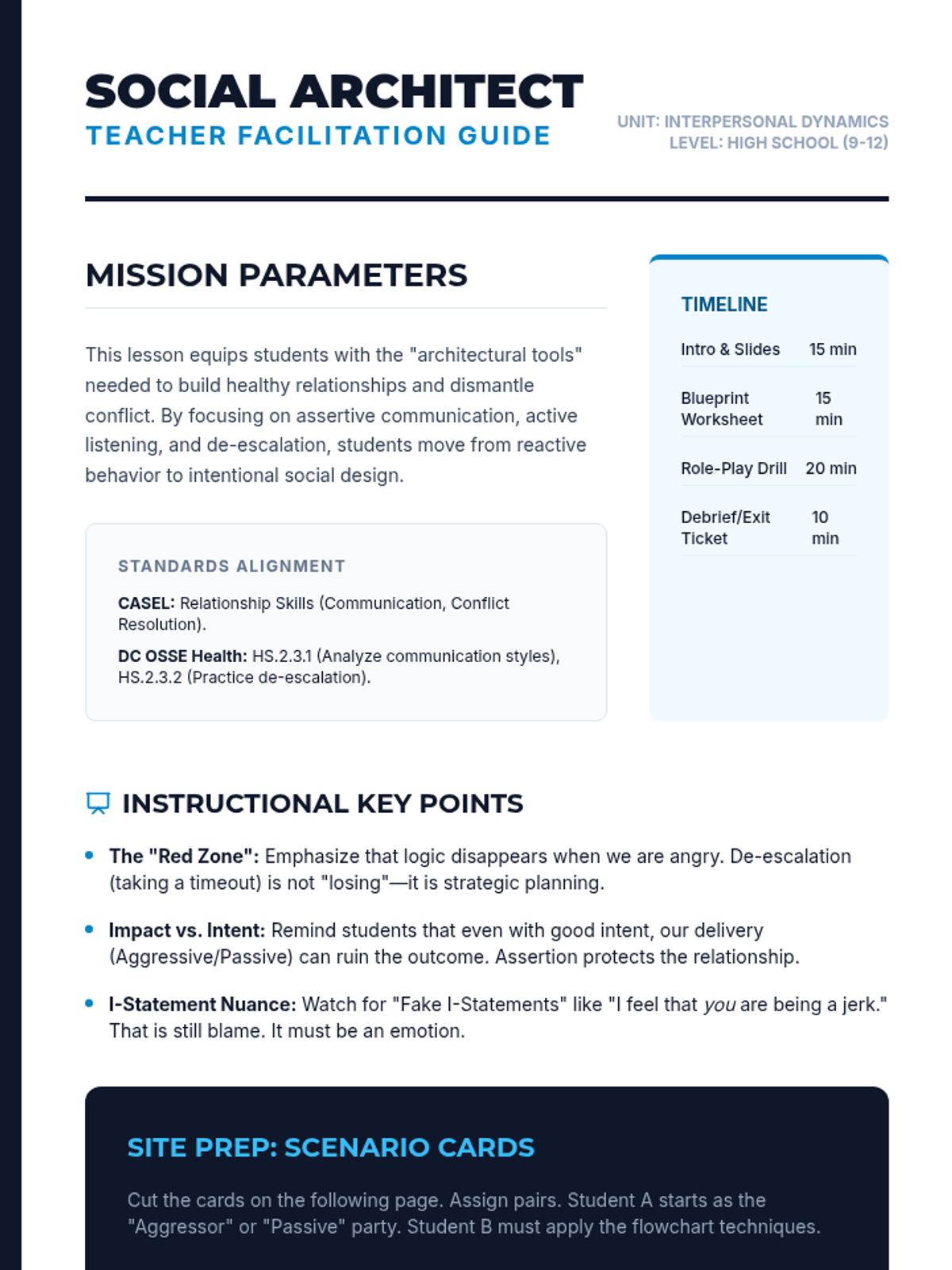
A comprehensive 4-session sequence designed for students aged 16-25 to master conflict resolution. Students will move from understanding the nature of conflict to practicing active listening, negotiation, and collaborative problem-solving, culminating in a final resolution project.
A comprehensive series designed to prepare students for post-secondary success through essential life skills, including time management, study habits, and digital literacy.
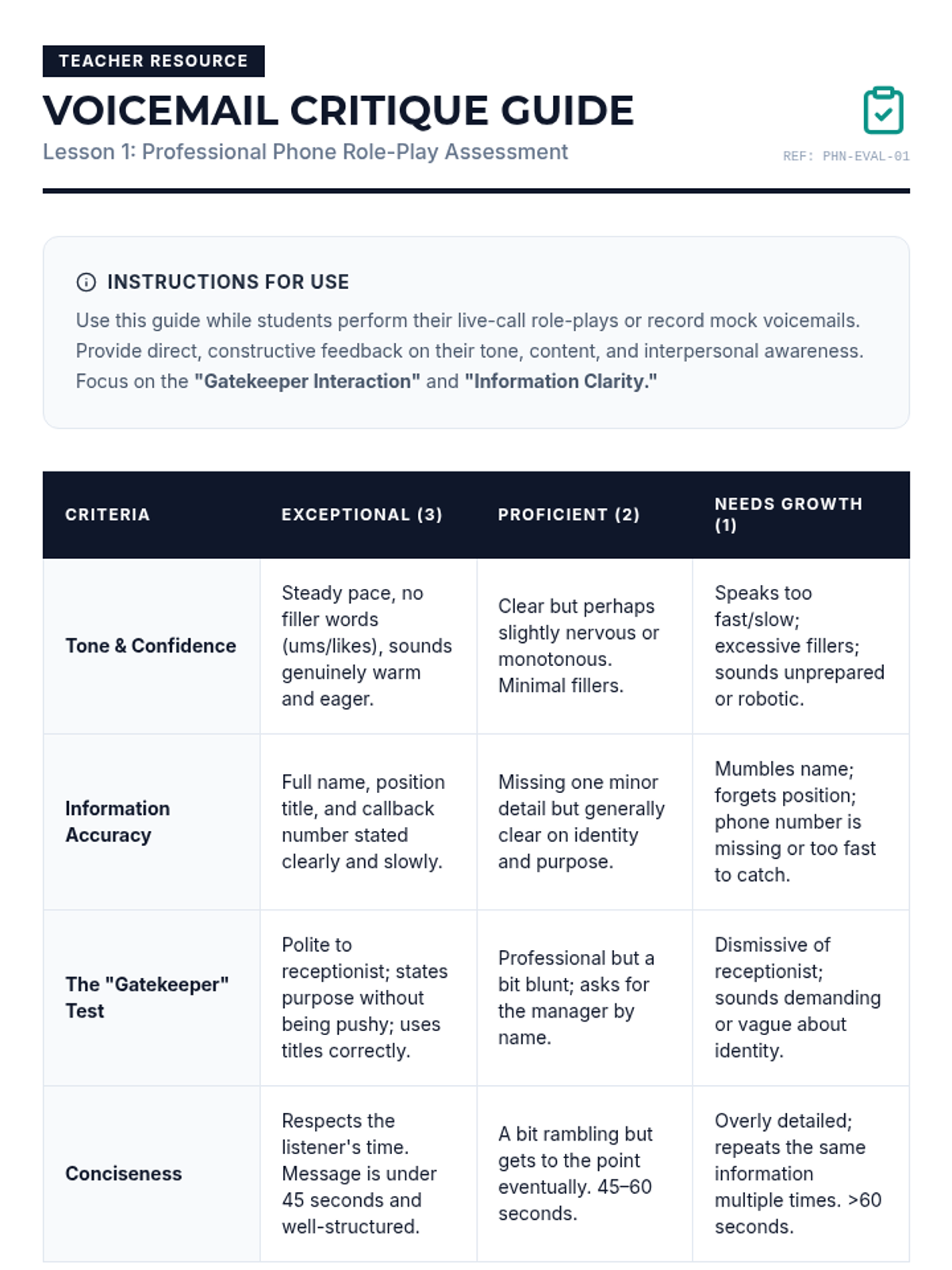
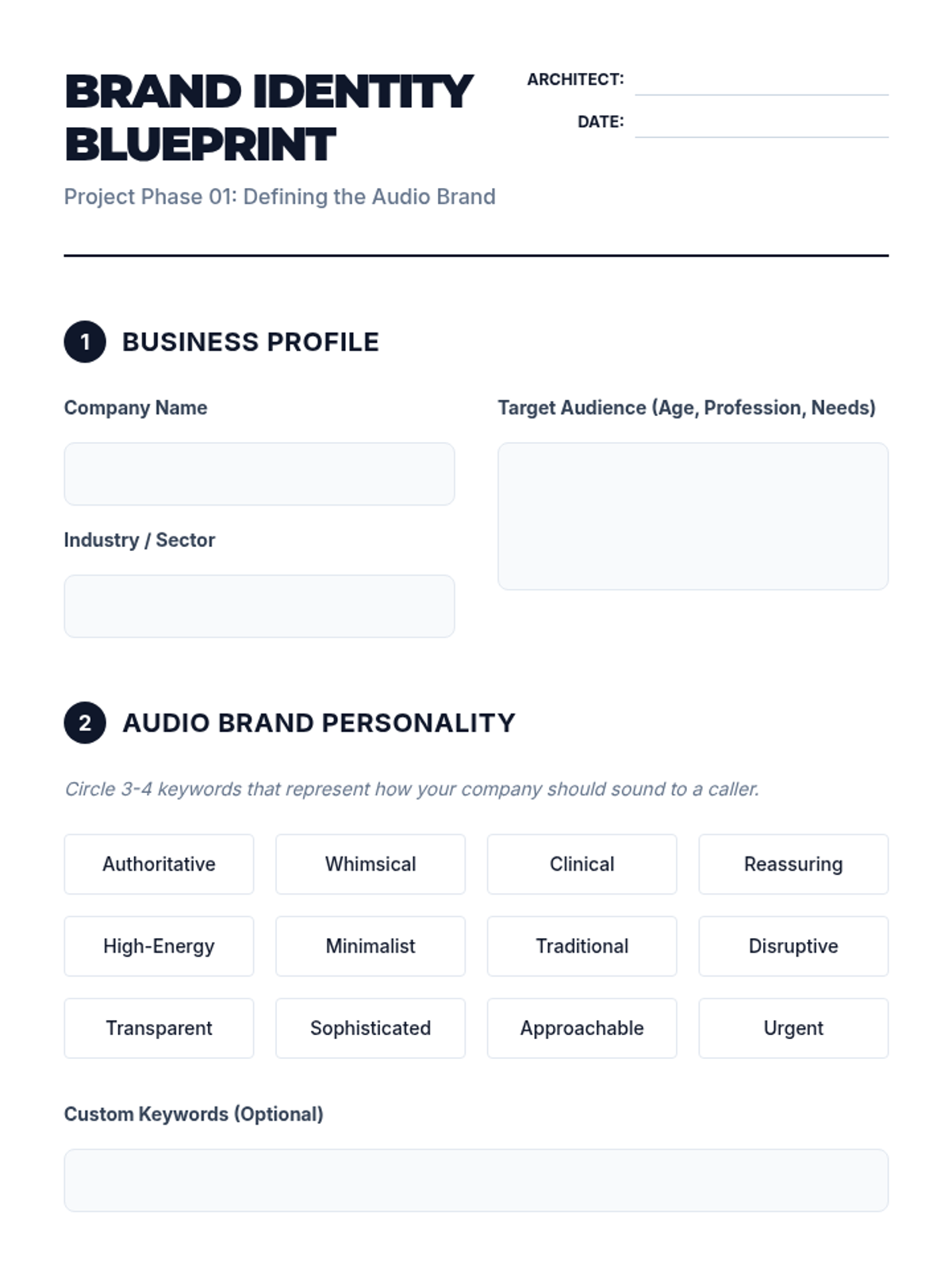
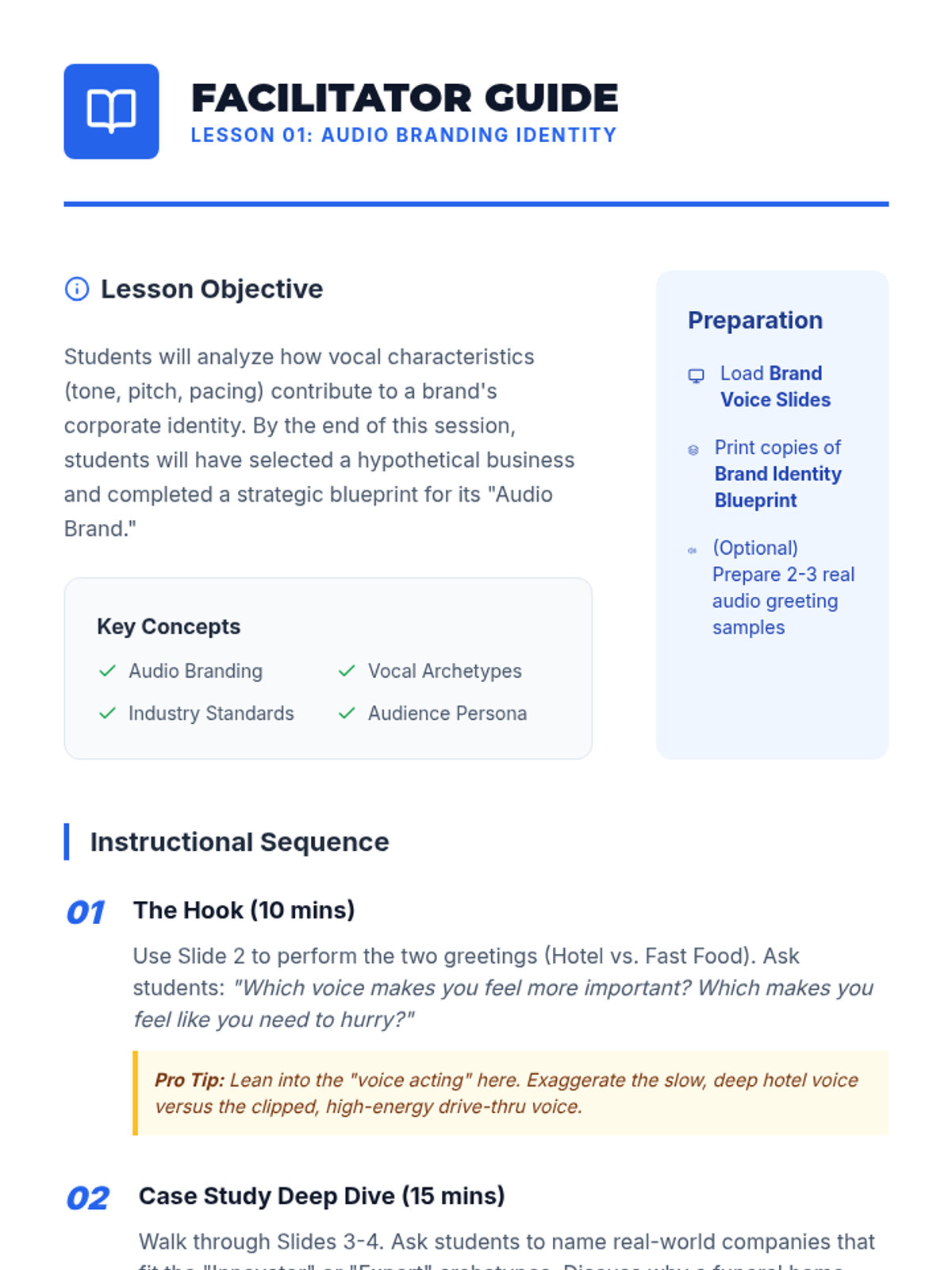
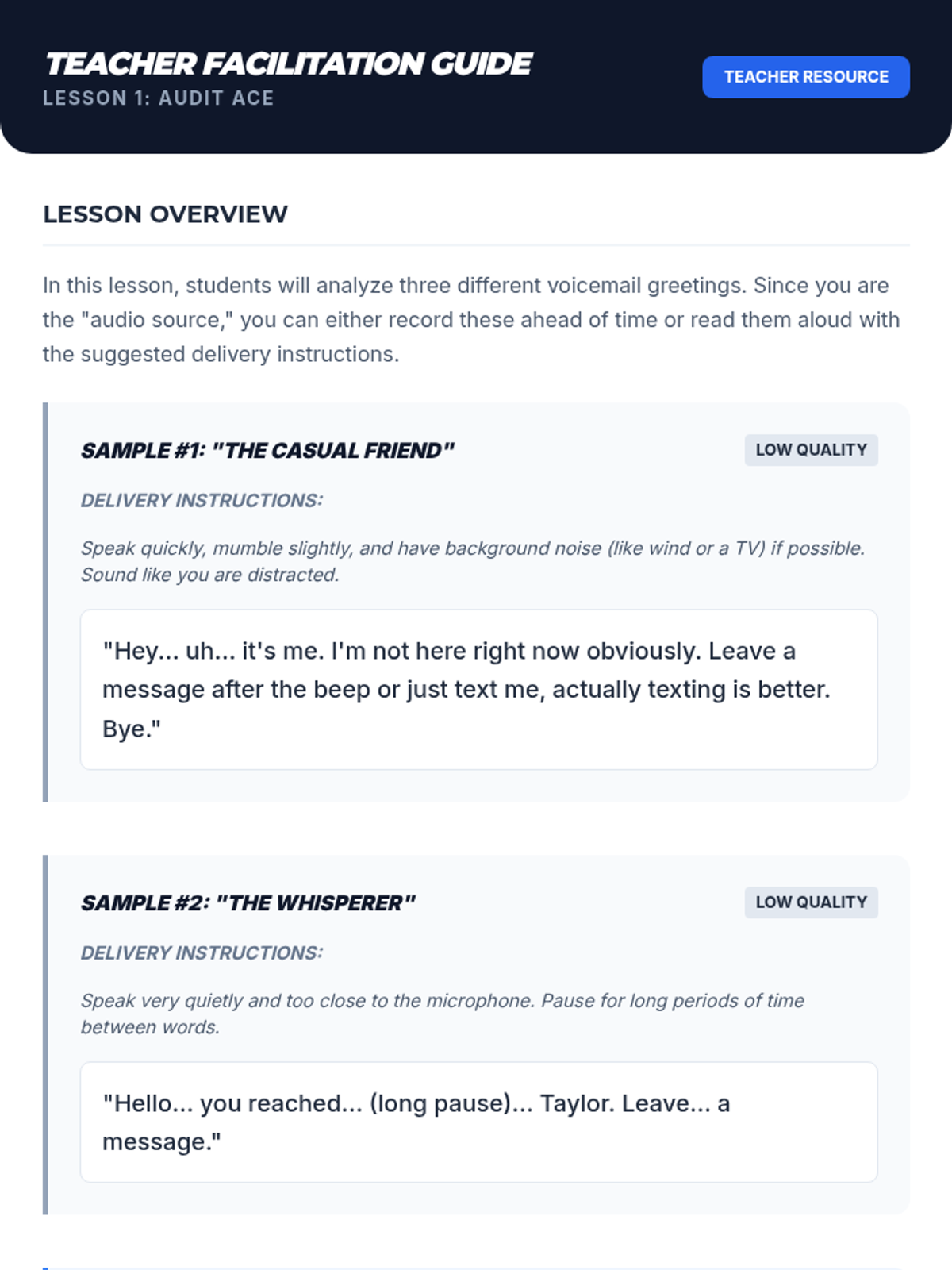
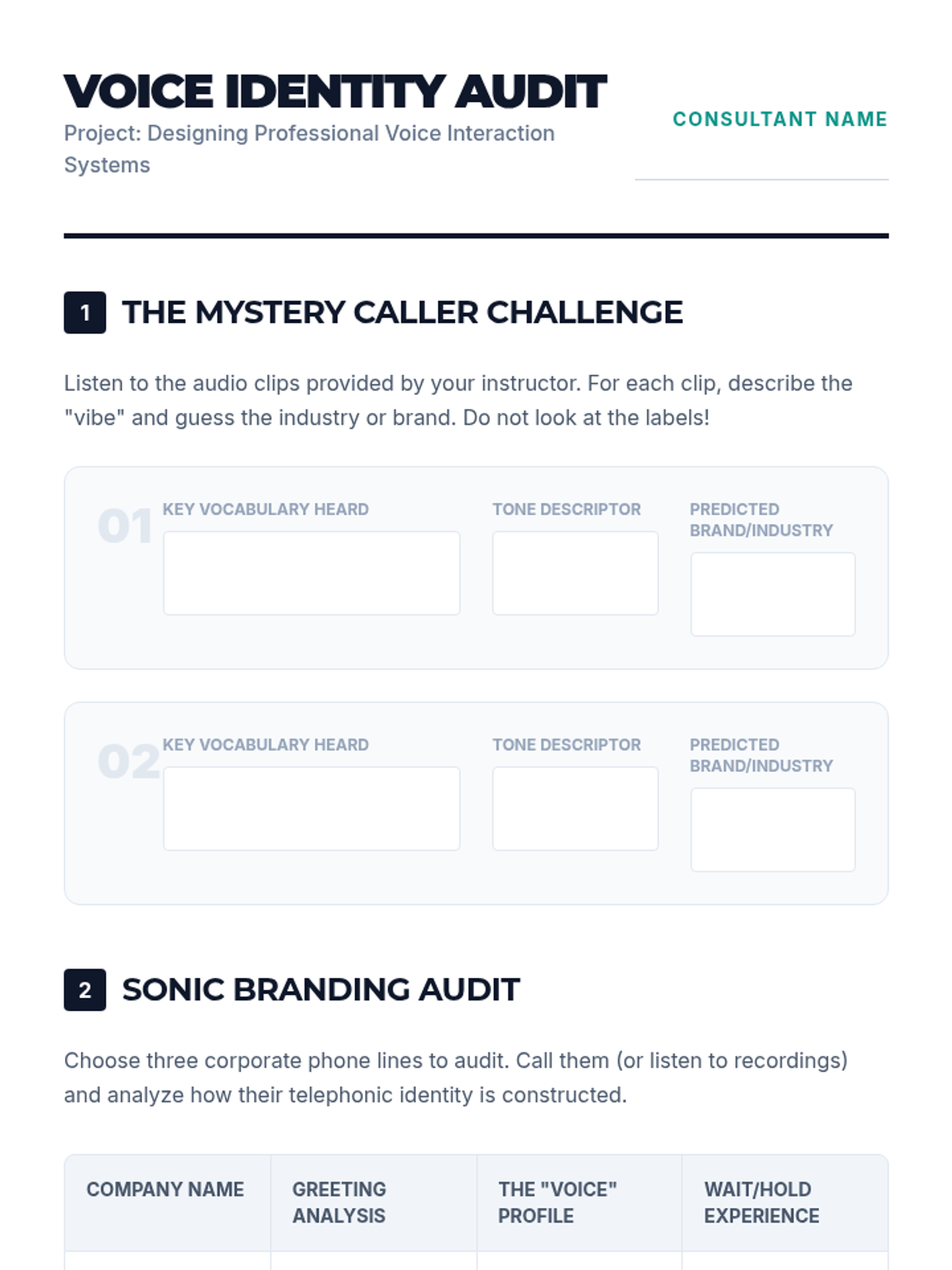
Students step into the role of corporate communication architects to design audio brand identities, professional voicemail systems, and efficient call flow structures. This sequence bridges technical writing, user experience (UX) design, and professional speaking through a project-based approach.
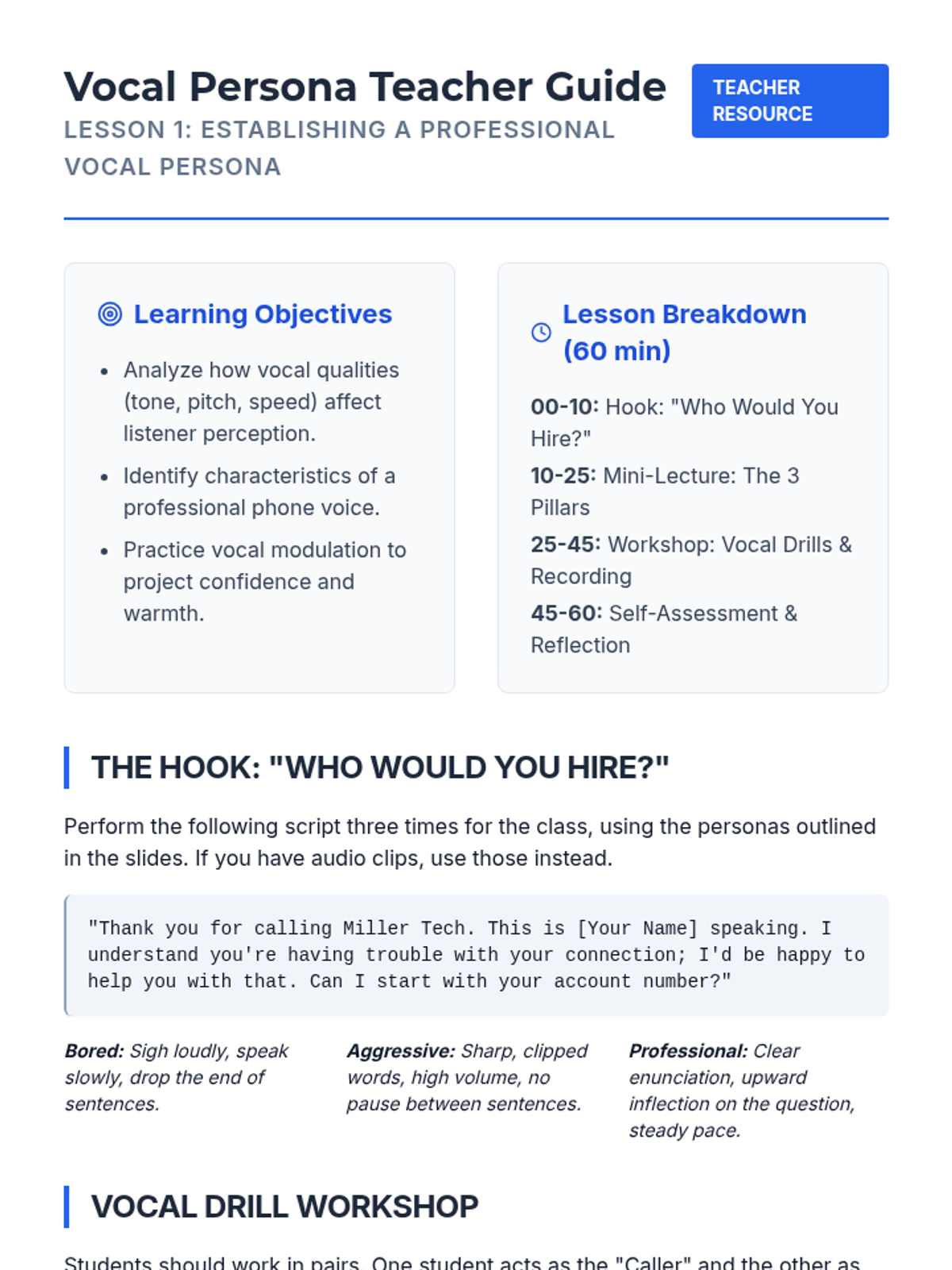
This unit focuses on the fundamental mechanics of professional telephone interactions, from vocal modulation and tone to standardized greetings and message-taking. Students will develop a professional vocal persona and learn to navigate the differences between mobile and landline etiquette in a business setting.
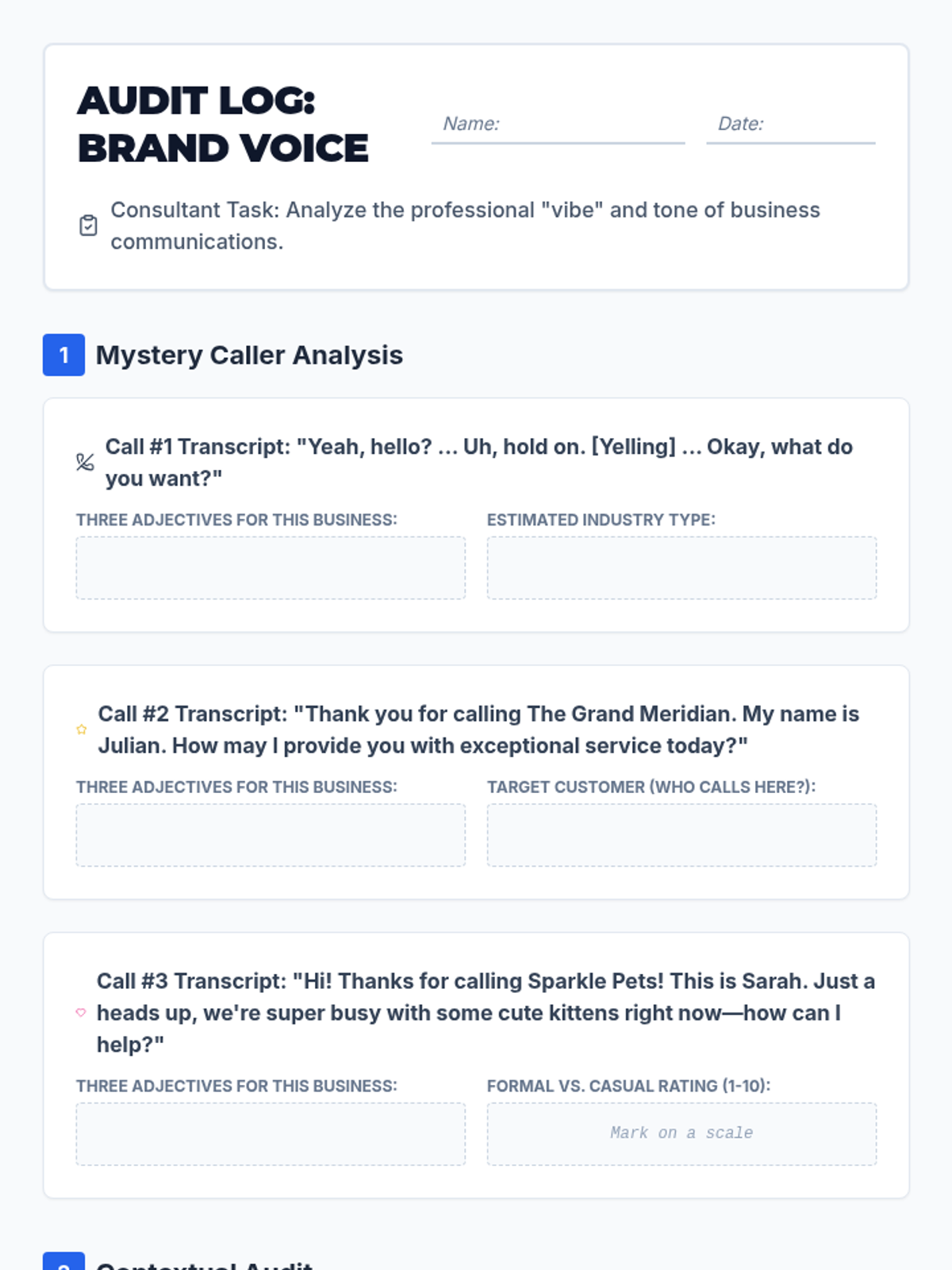
A case-study driven sequence where students act as communication consultants to evaluate and improve business phone protocols, focusing on brand identity, privacy, and etiquette.
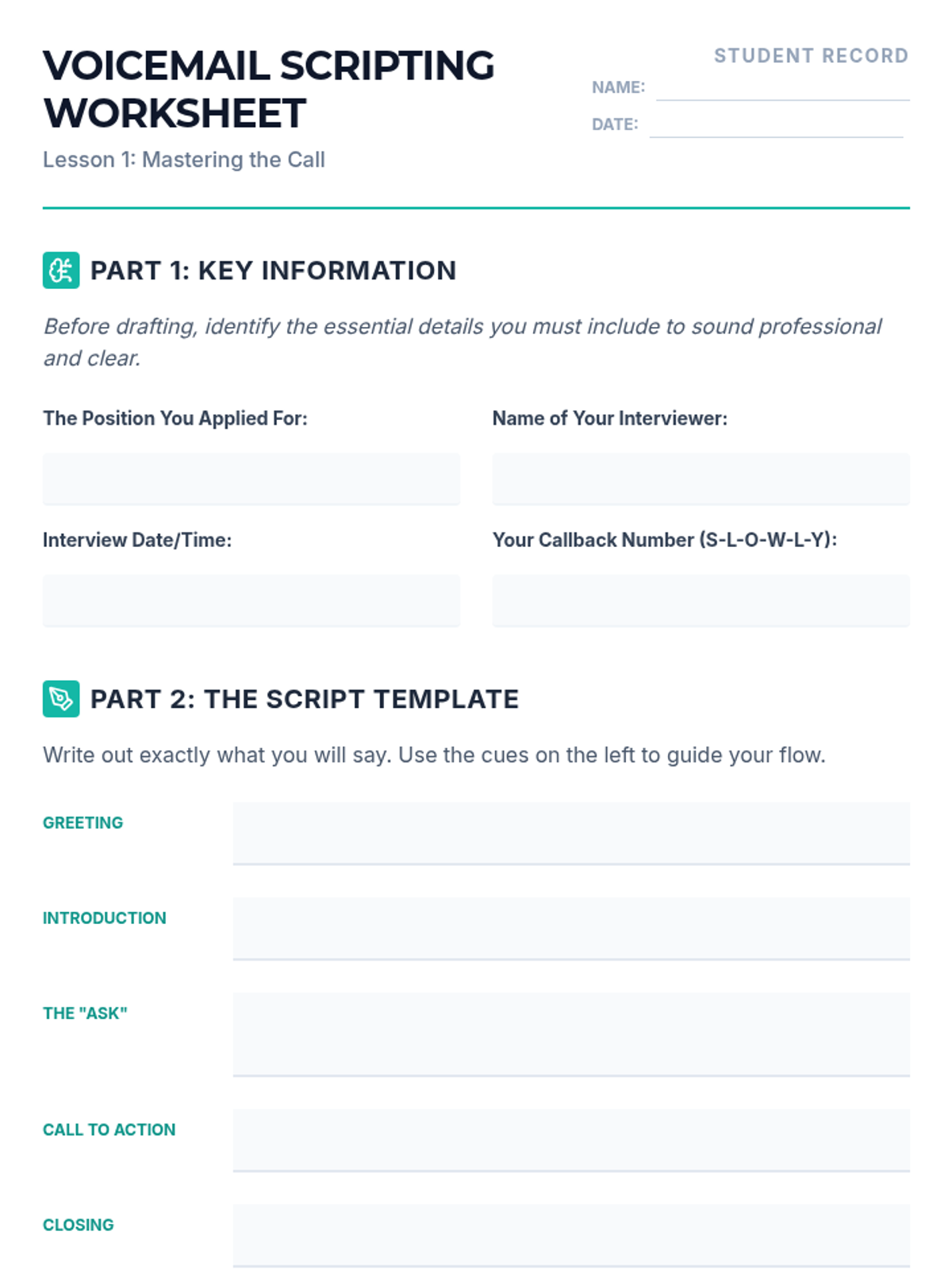
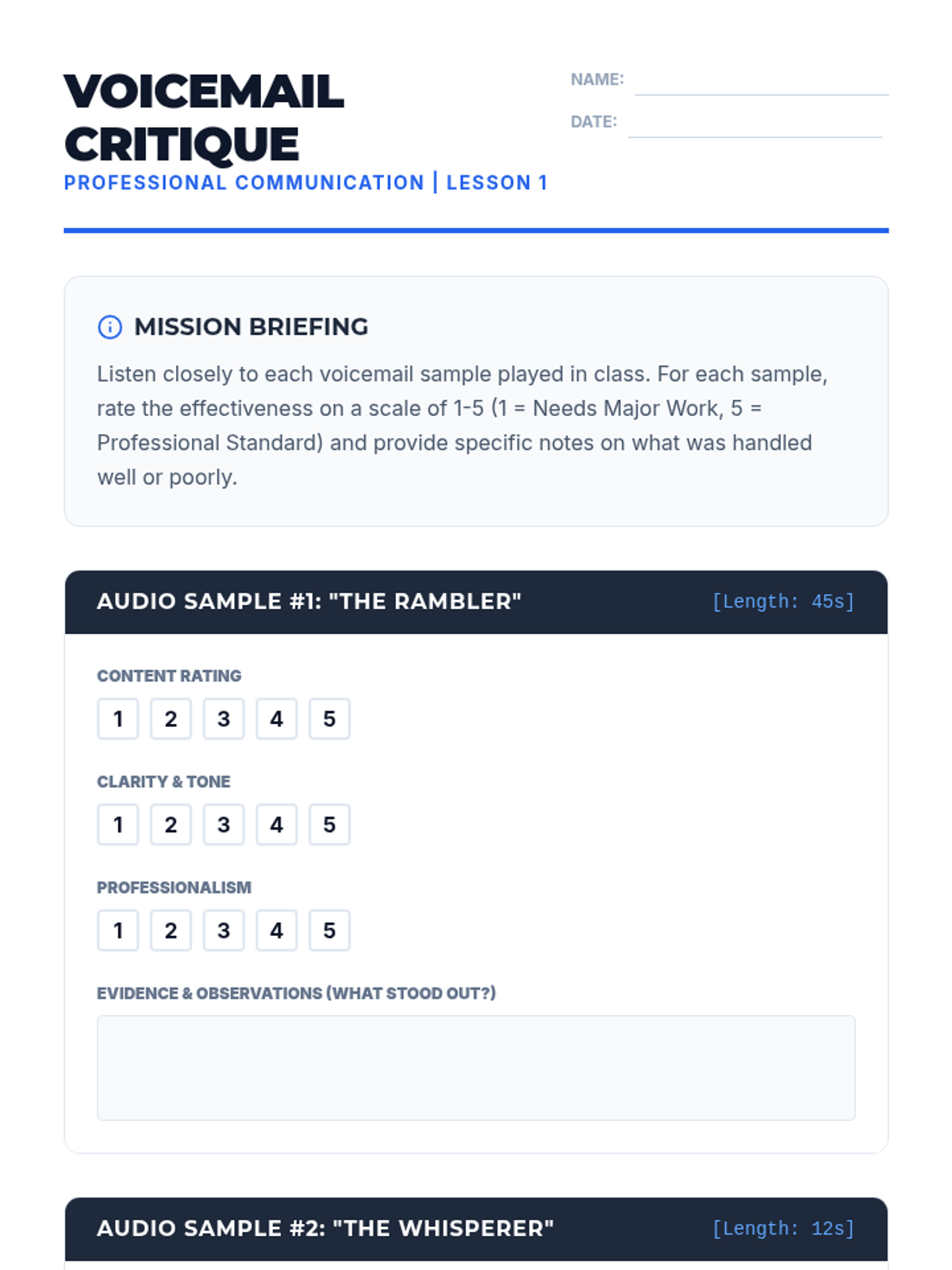
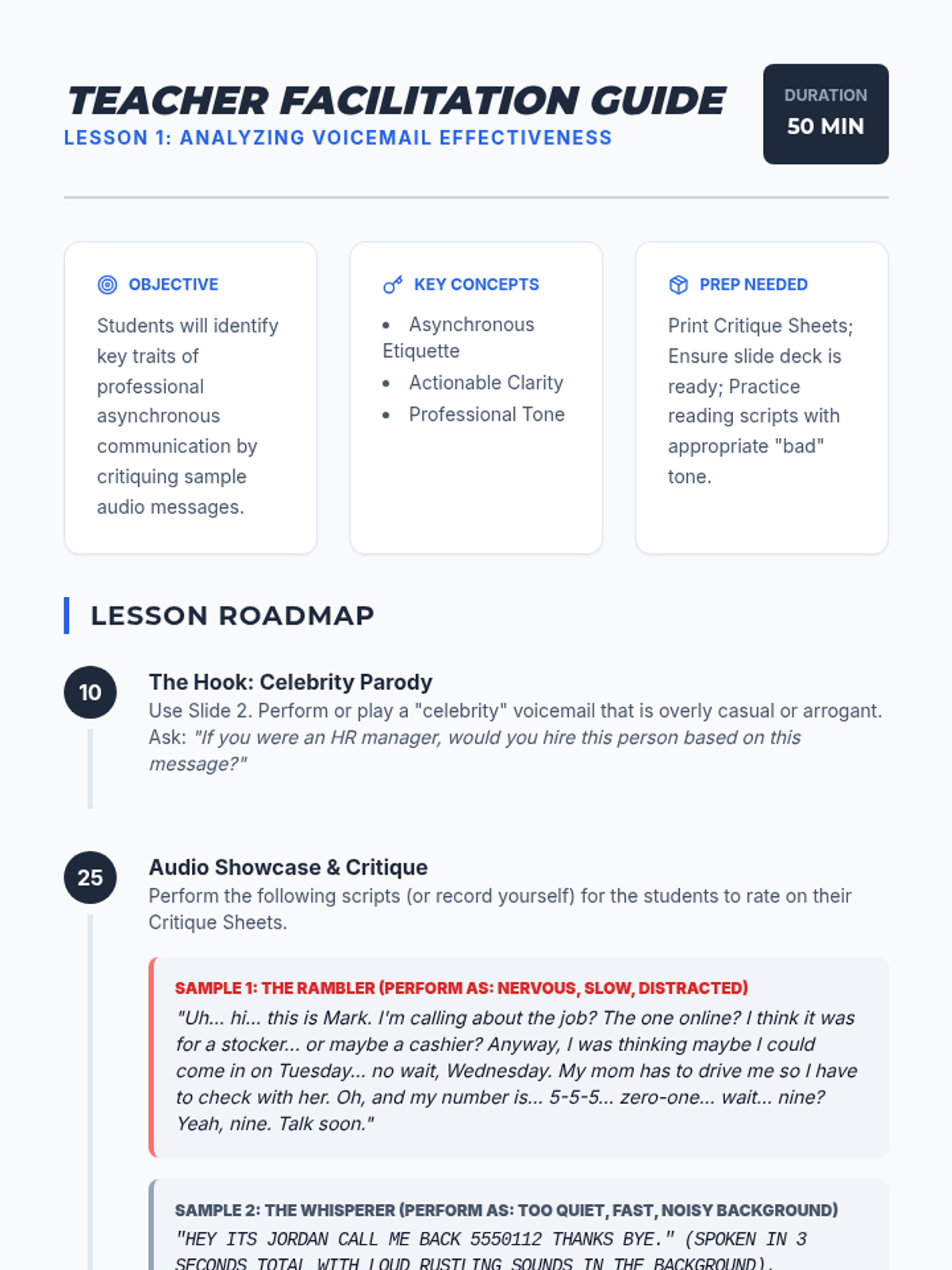
A comprehensive 9th-grade sequence on professional asynchronous communication, focusing on voicemail greetings and messaging. Students analyze, script, record, and practice follow-up protocols to build a professional digital presence.
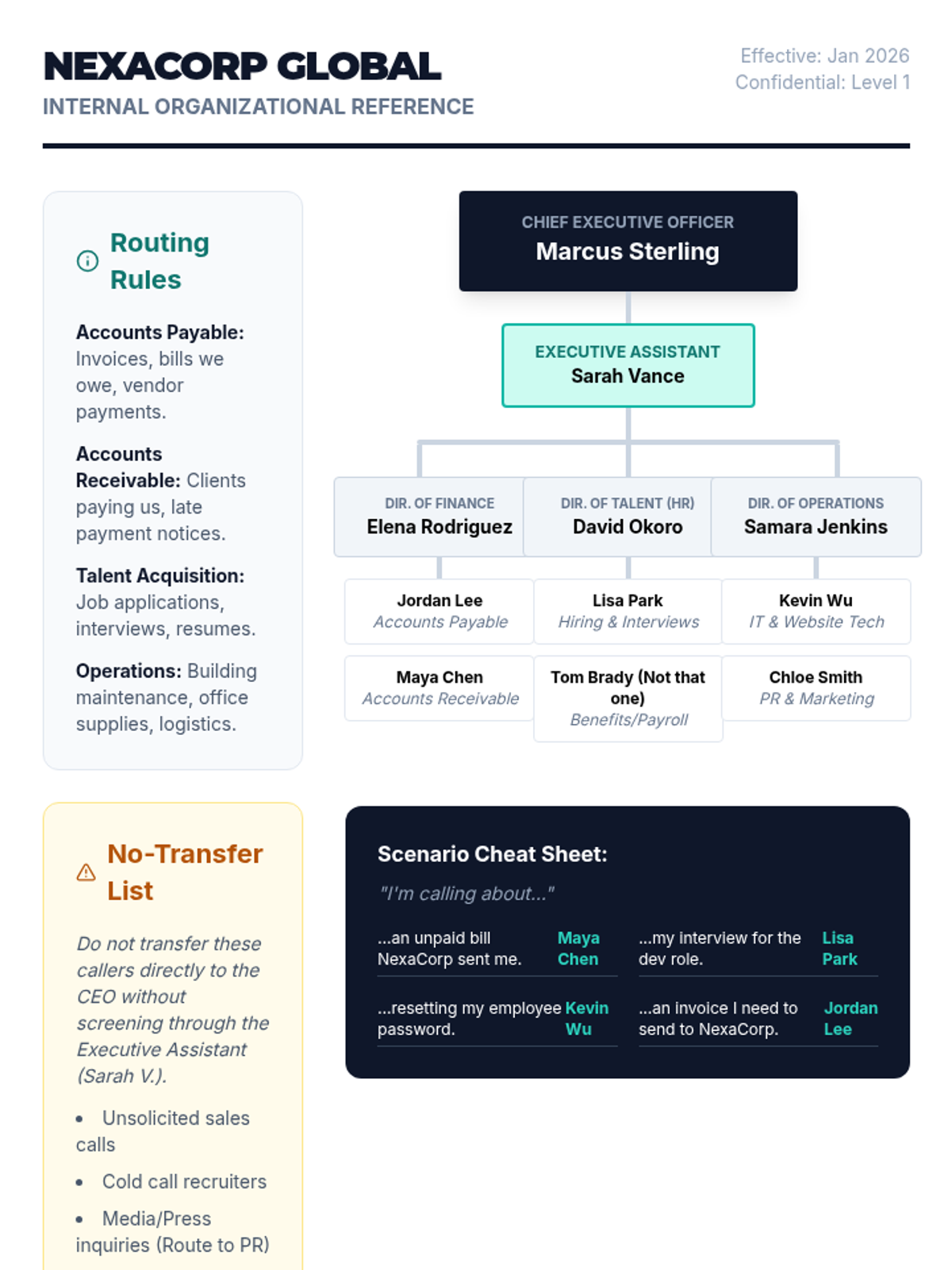
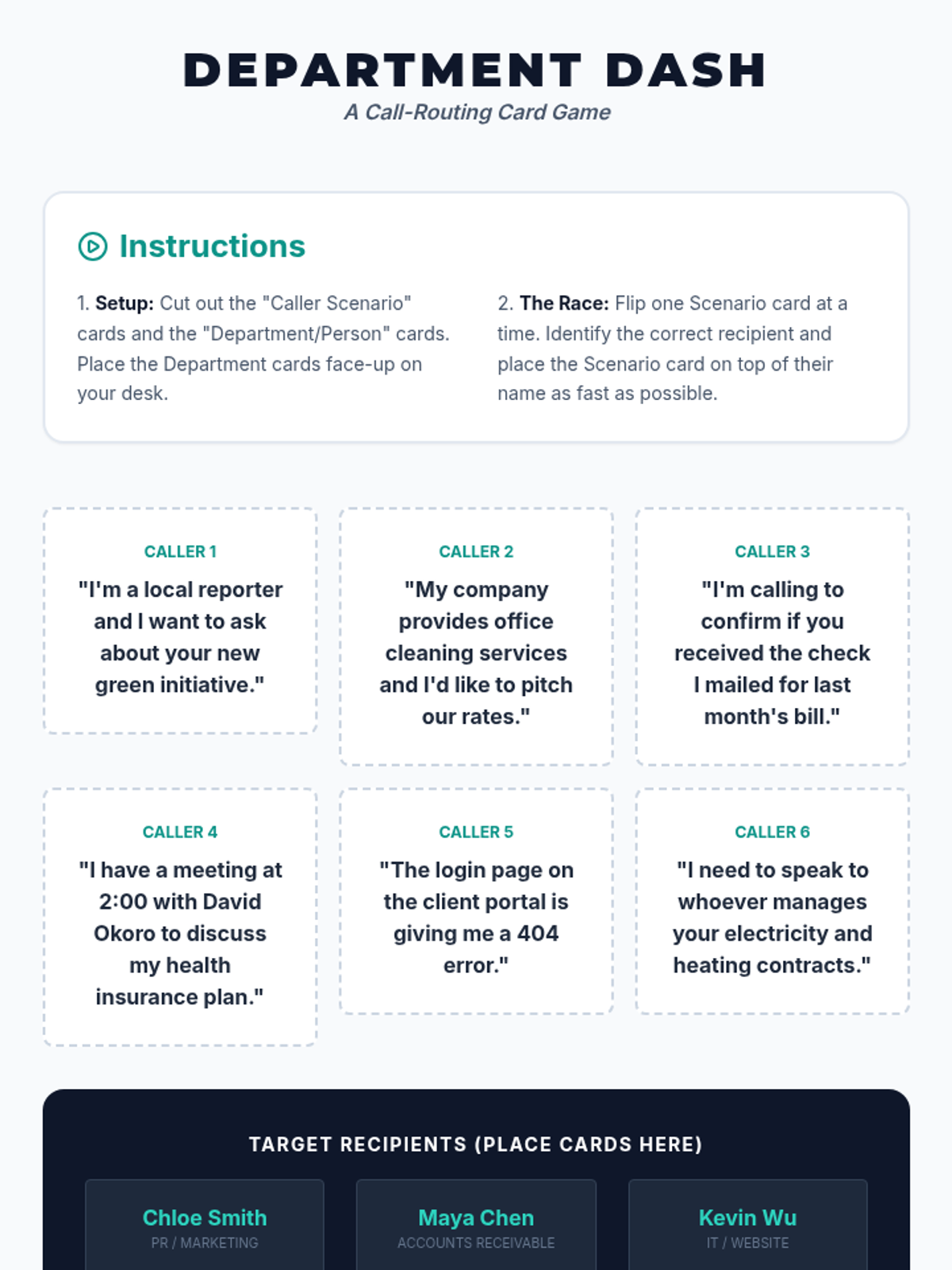
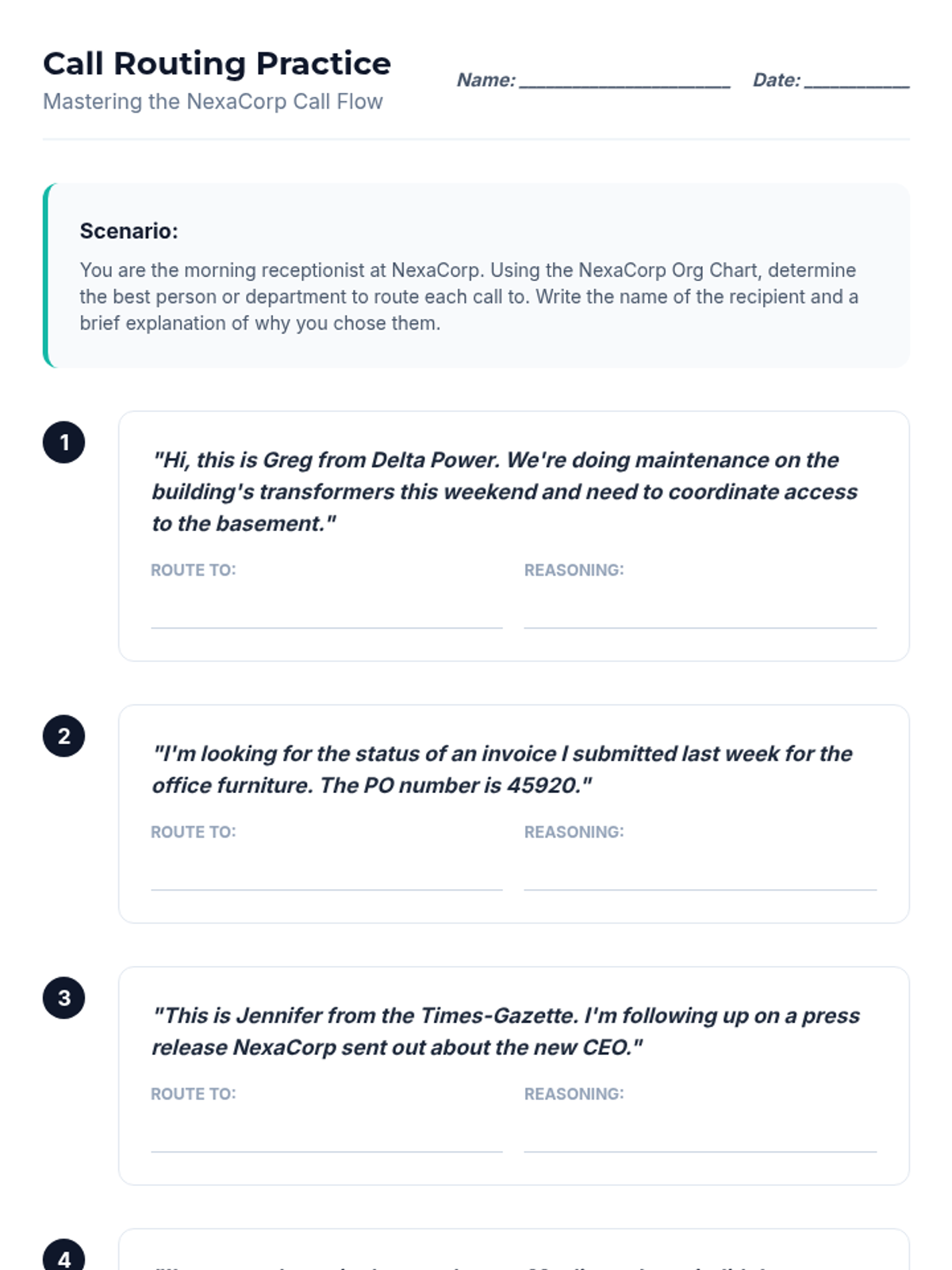
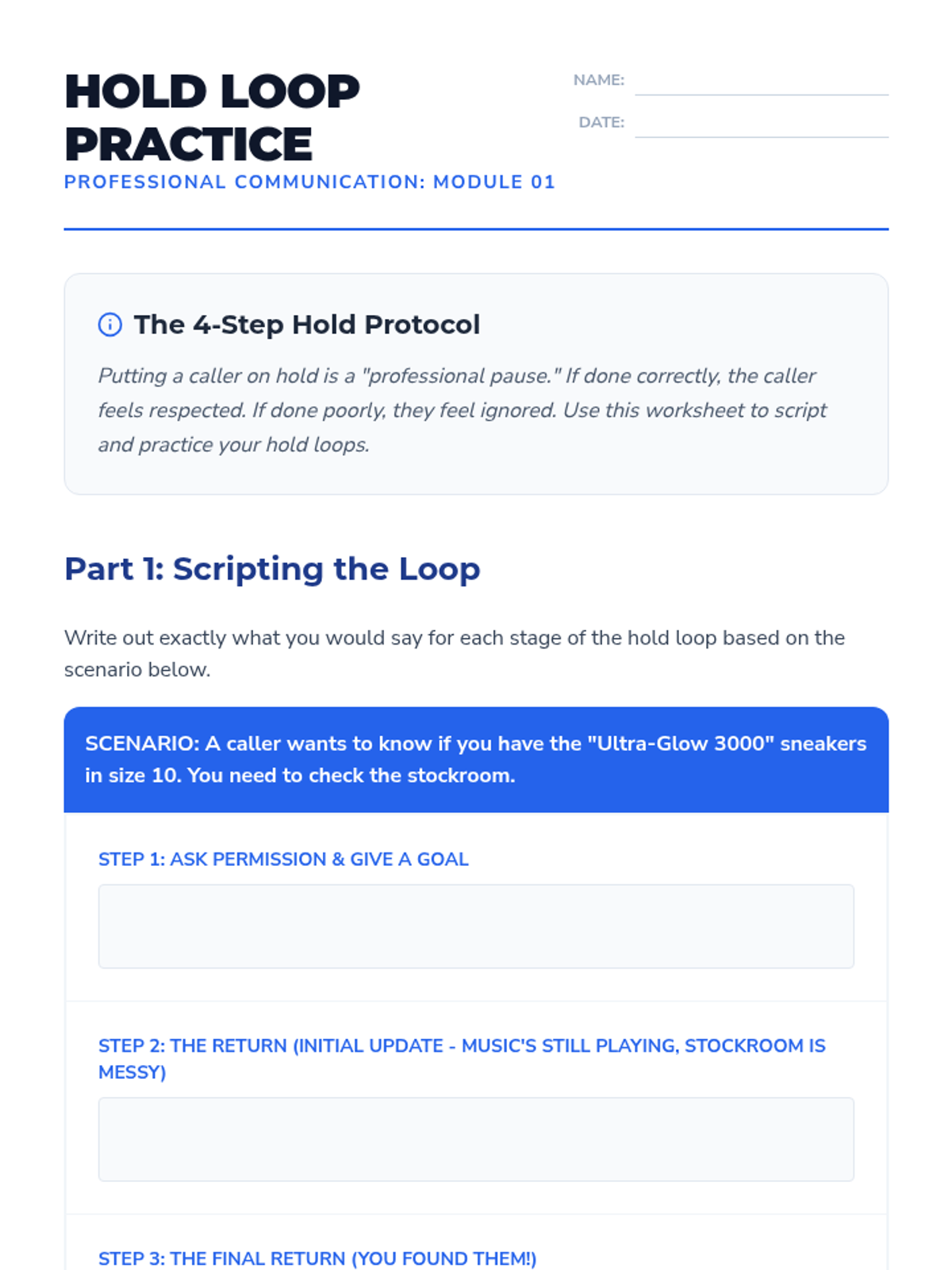
This sequence transforms students into professional communication experts through immersive simulations of office call flows. Students will master screening callers, executing polite holds and transfers, taking accurate messages, and managing multiple incoming lines with efficiency and courtesy.
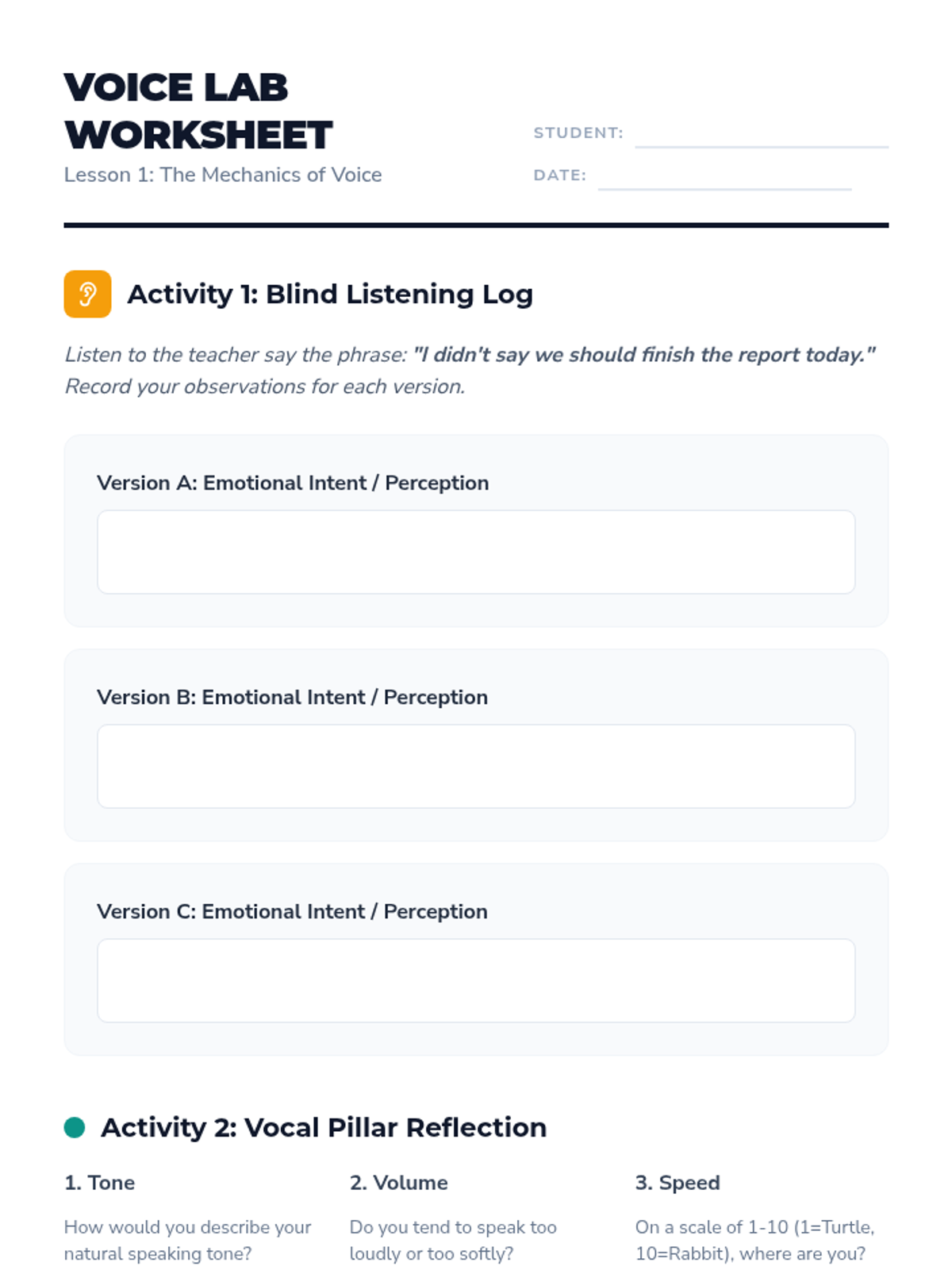
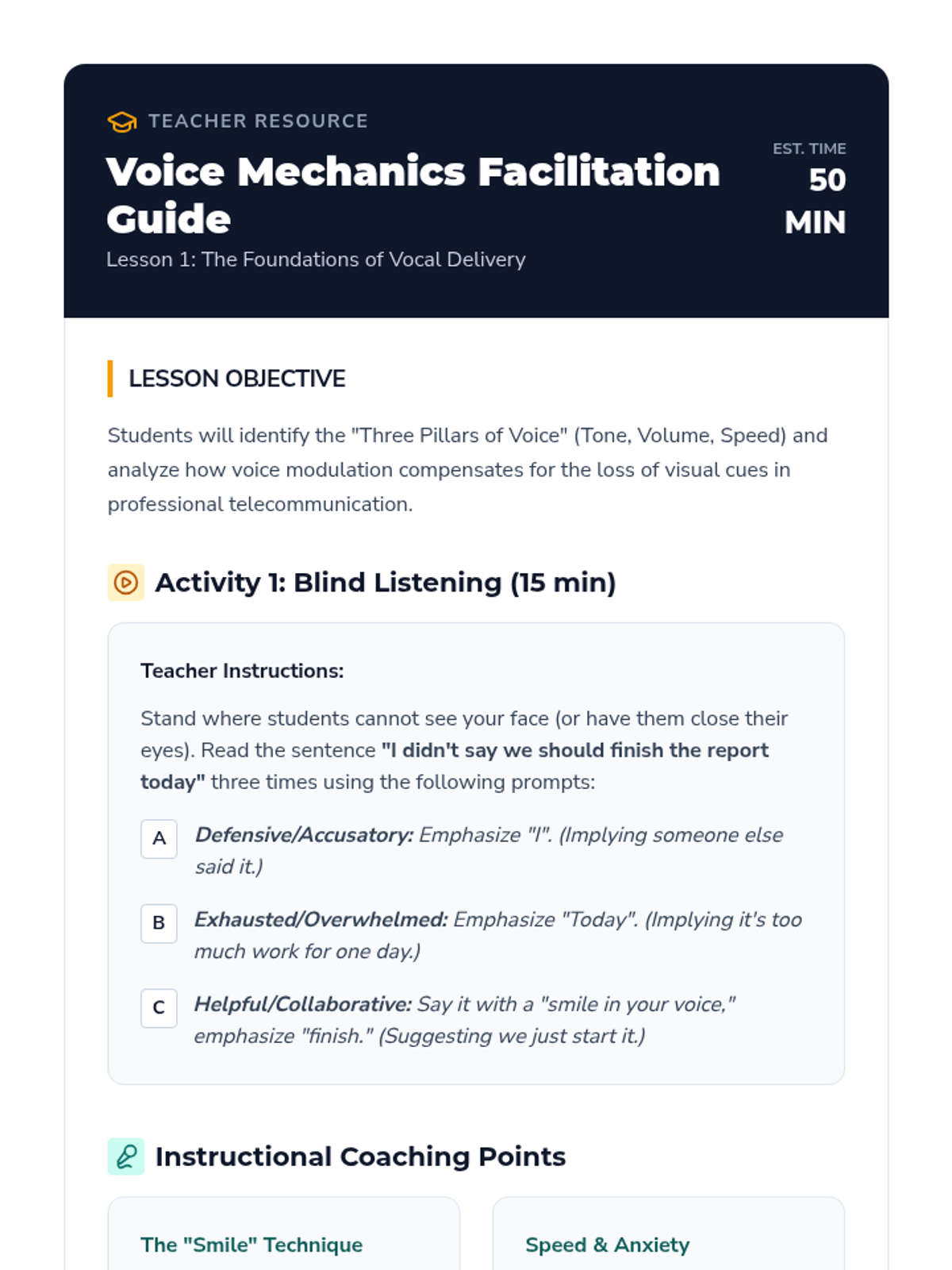
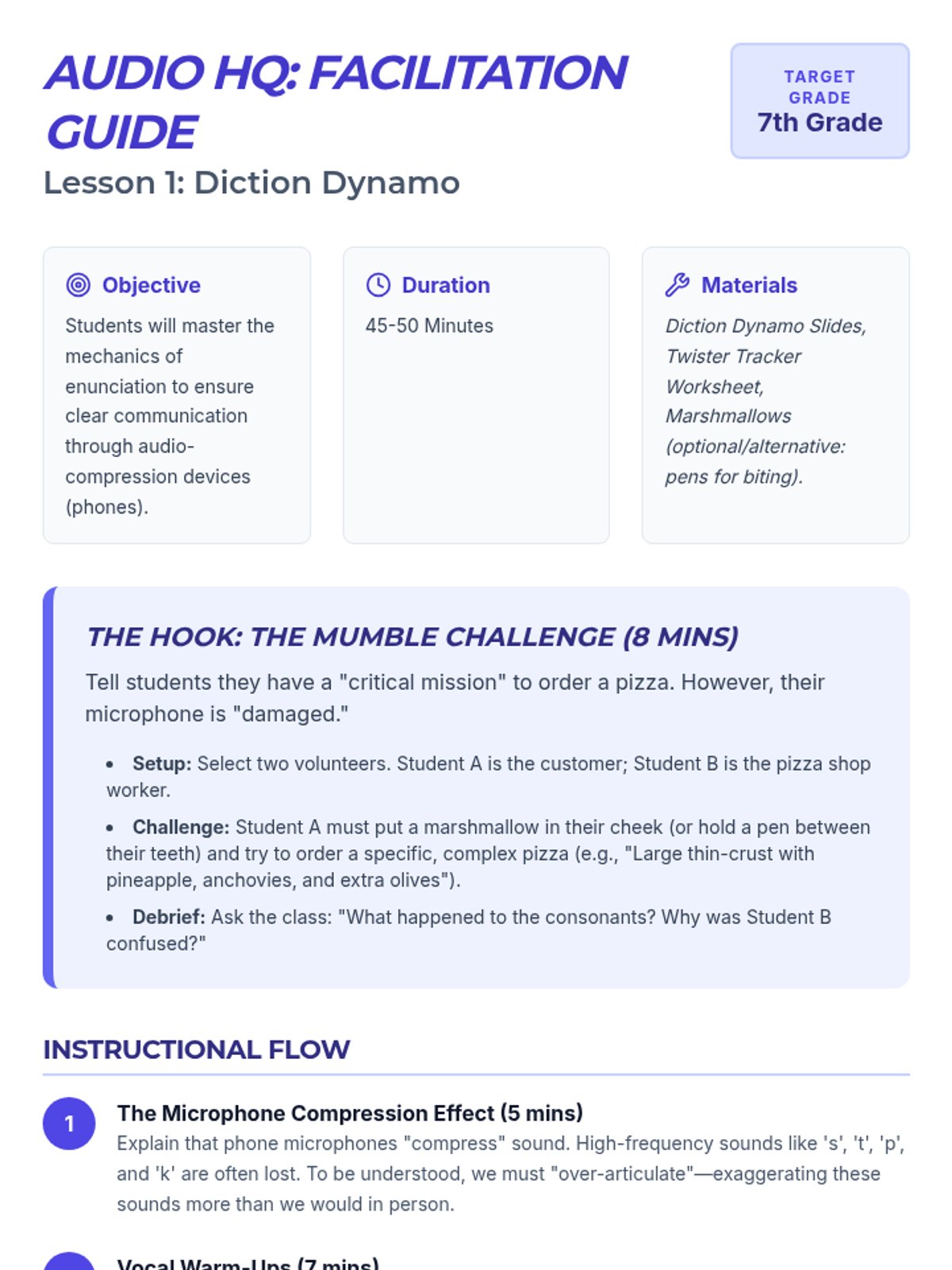
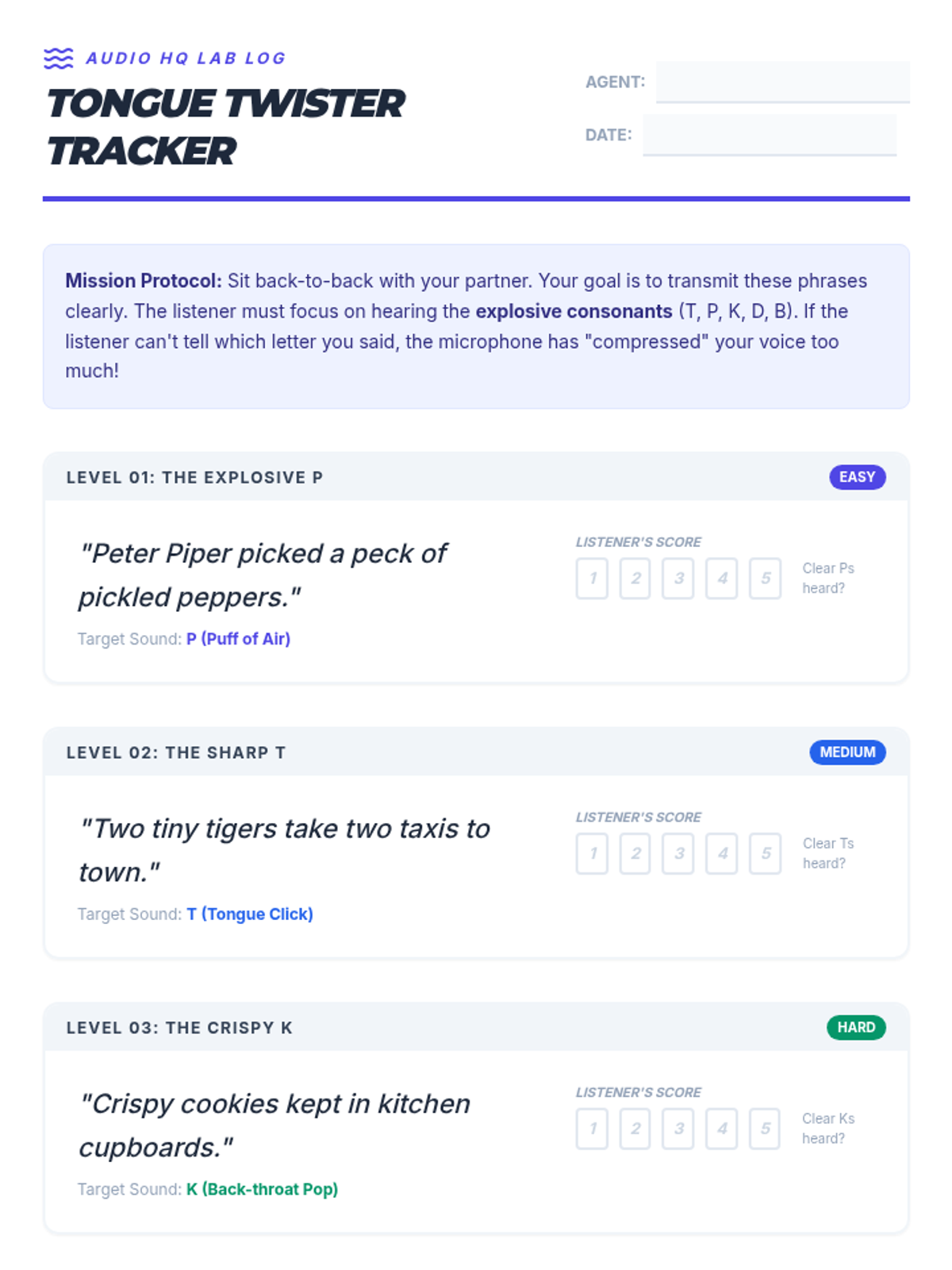
This sequence establishes the foundational skills required for professional verbal communication, focusing specifically on tone, volume, and clarity in the absence of visual cues. Students practice enunciation, reducing filler words, and mastering the structure of professional phone interactions through workshops and simulations.
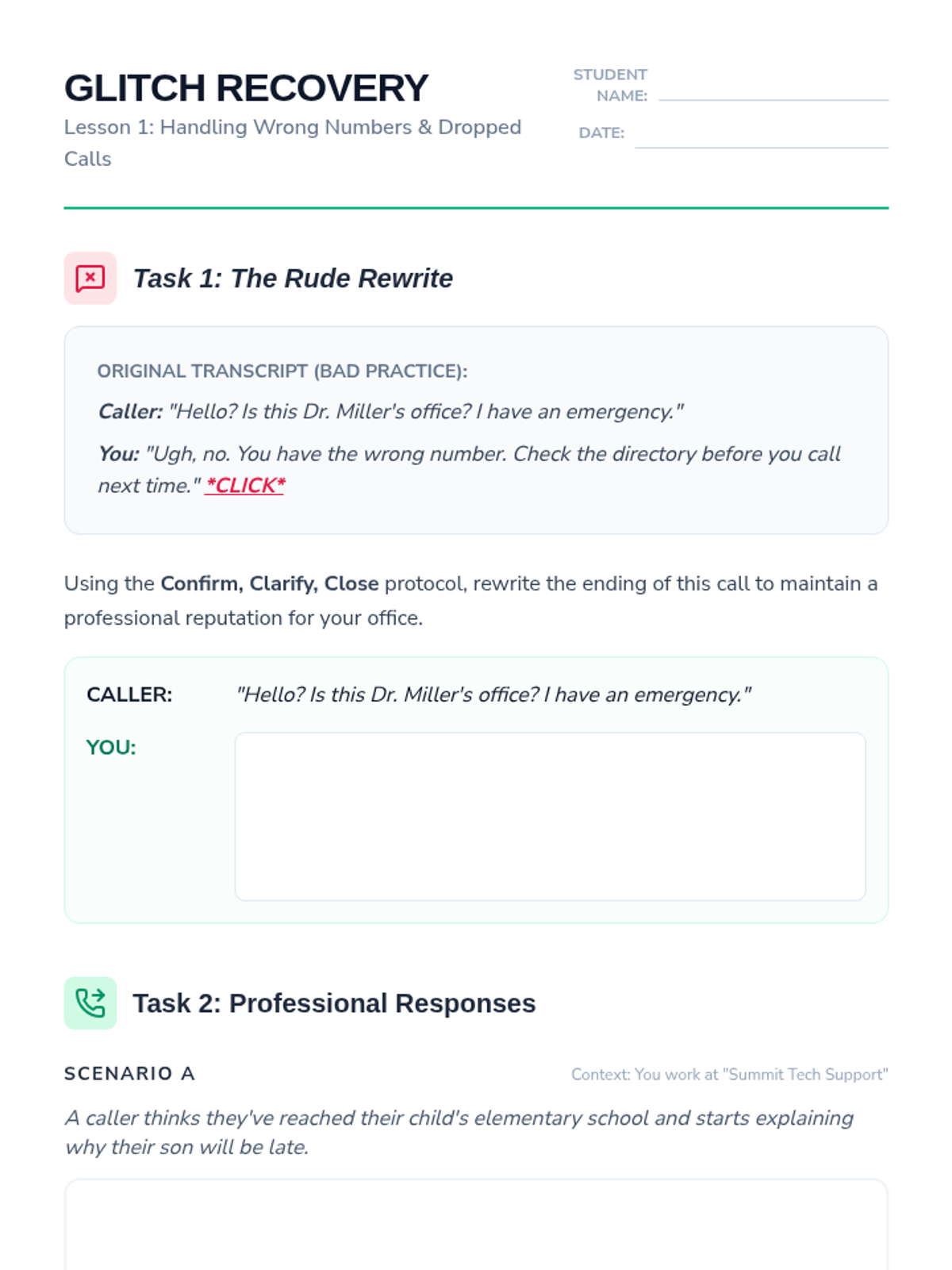
This sequence prepares 7th-grade students for non-standard phone interactions, focusing on problem-solving, de-escalation, and professional etiquette in complex telephonic scenarios. Students move from basic technical issues like wrong numbers to managing high-stress interpersonal friction.
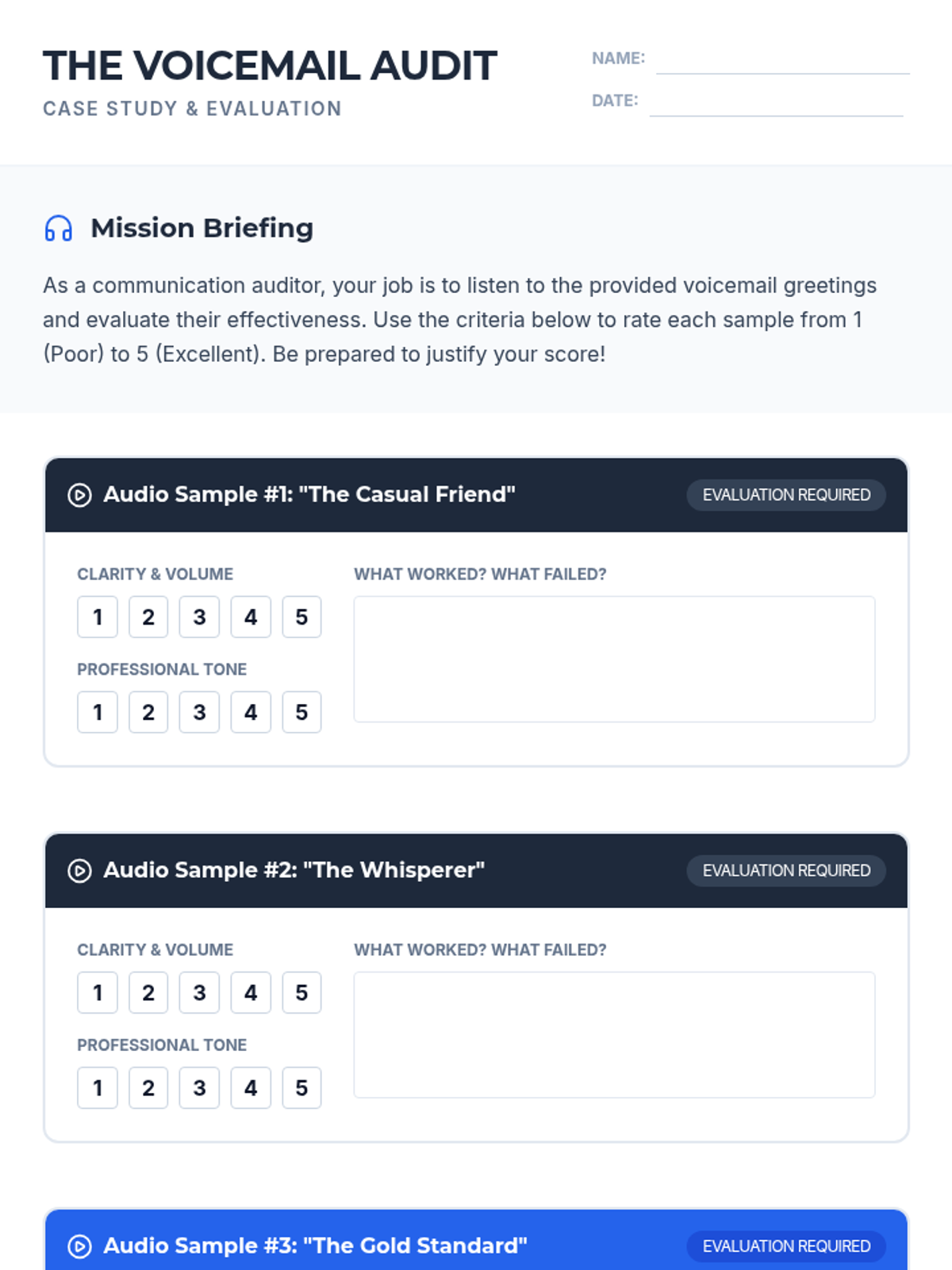
This project-based sequence explores the world of asynchronous audio communication, specifically voicemail systems. Students investigate professional standards, script their own greetings, and practice leaving clear, actionable messages, culminating in a digital audio portfolio.
A game-based sequence focusing on the vocal mechanics of phone communication, including enunciation, pacing, volume, and emotional tone. Students build professional audio communication skills through interactive drills and simulations.
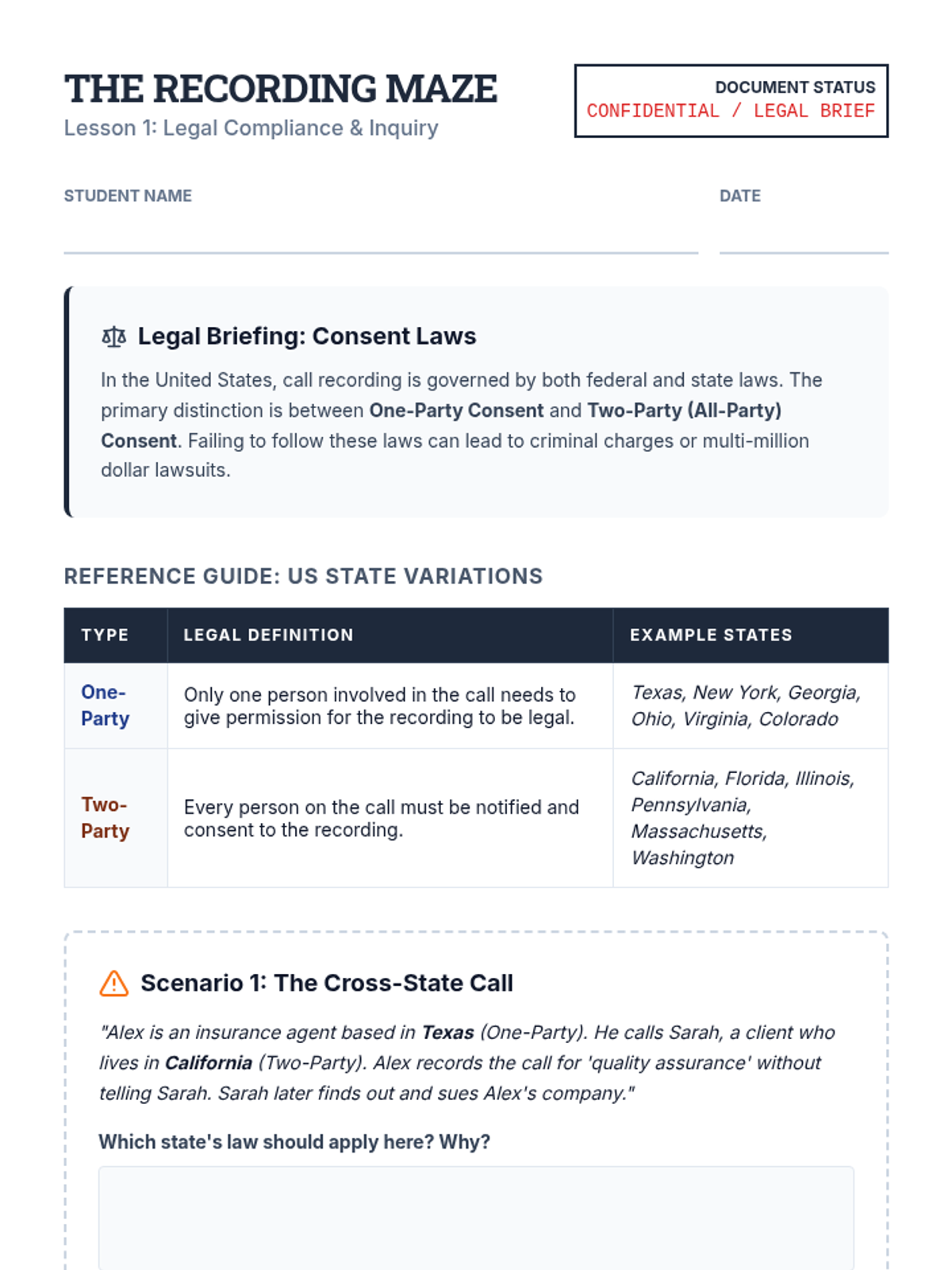
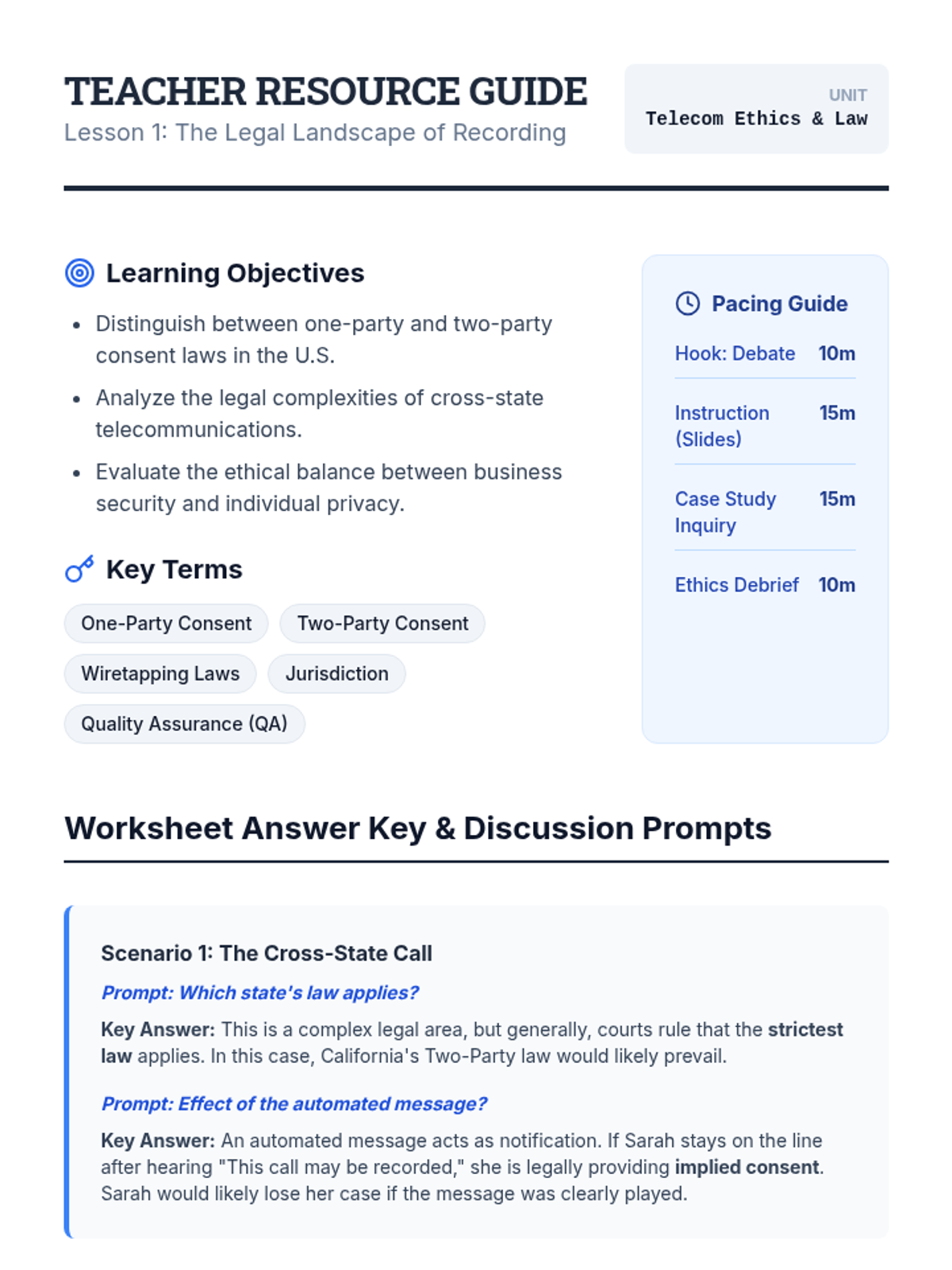
This inquiry-based sequence examines the legal, ethical, and reputation-based consequences of telephonic communication, moving from privacy laws to developing a personal code of ethics for the workplace.
A project-based unit where 10th-grade students act as communications consultants to design the telephonic identity and IVR systems for mock companies, focusing on brand consistency and user experience.
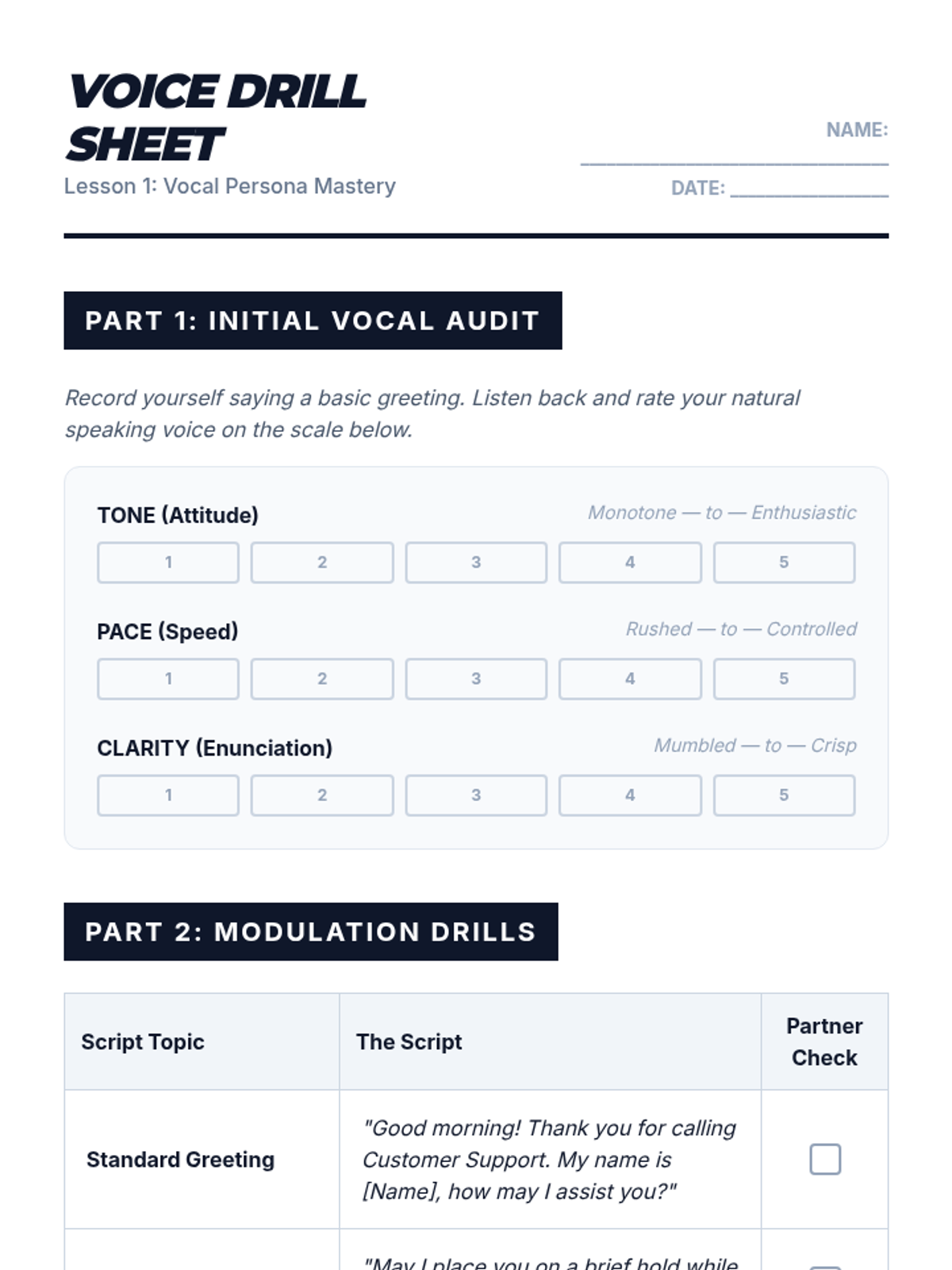
This sequence focuses on the auditory aspects of communication, specifically tone, pacing, and clarity, which are crucial when visual cues are absent. Students will record, analyze, and refine their speaking voices to convey competence and warmth, moving from self-diagnosis of speech habits to the production of polished voicemail recordings.
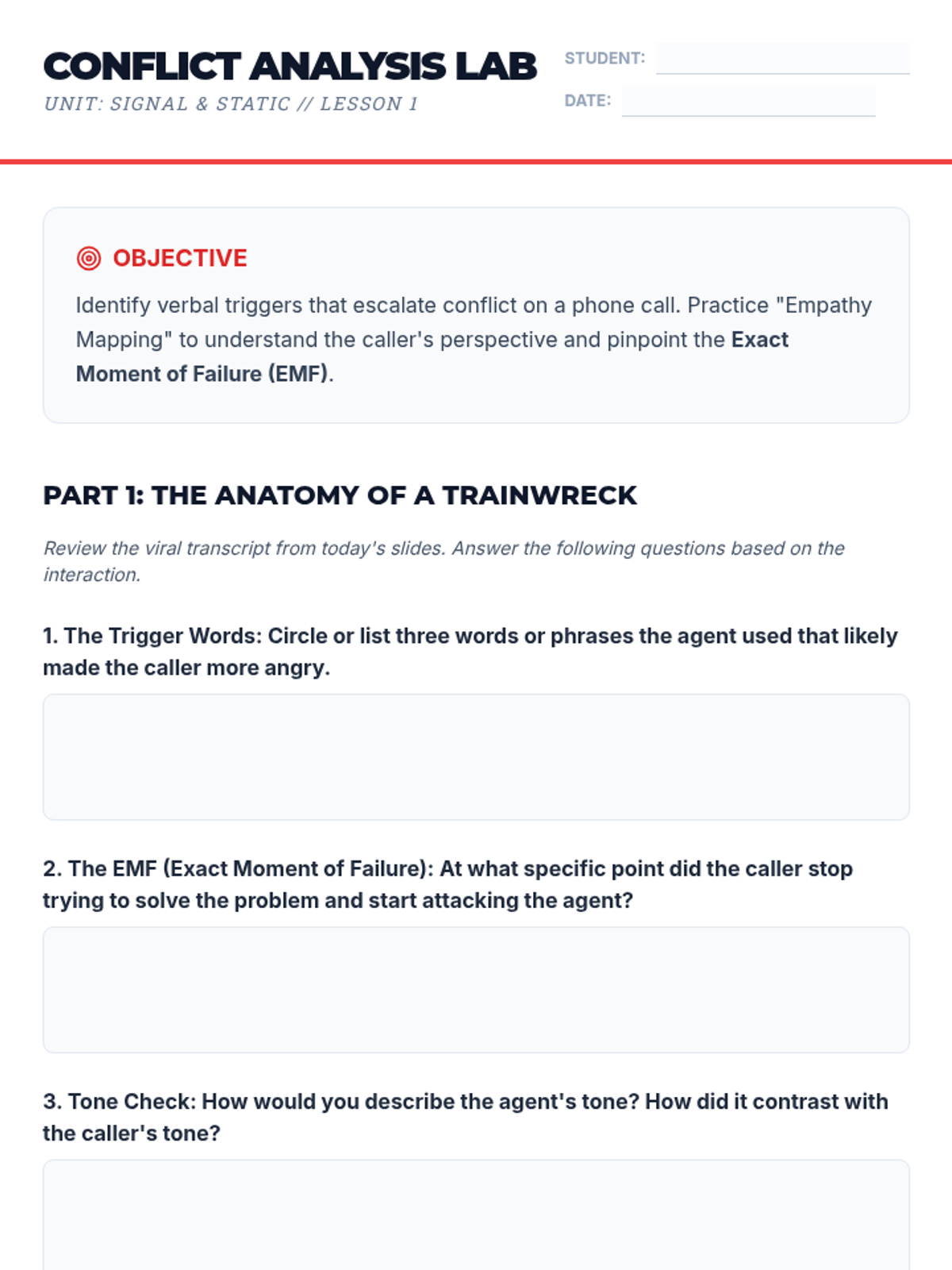
An advanced sequence focused on mastering professional phone communication through conflict resolution and de-escalation techniques for 10th-grade students. Students progress from identifying triggers to managing high-stakes simulations.
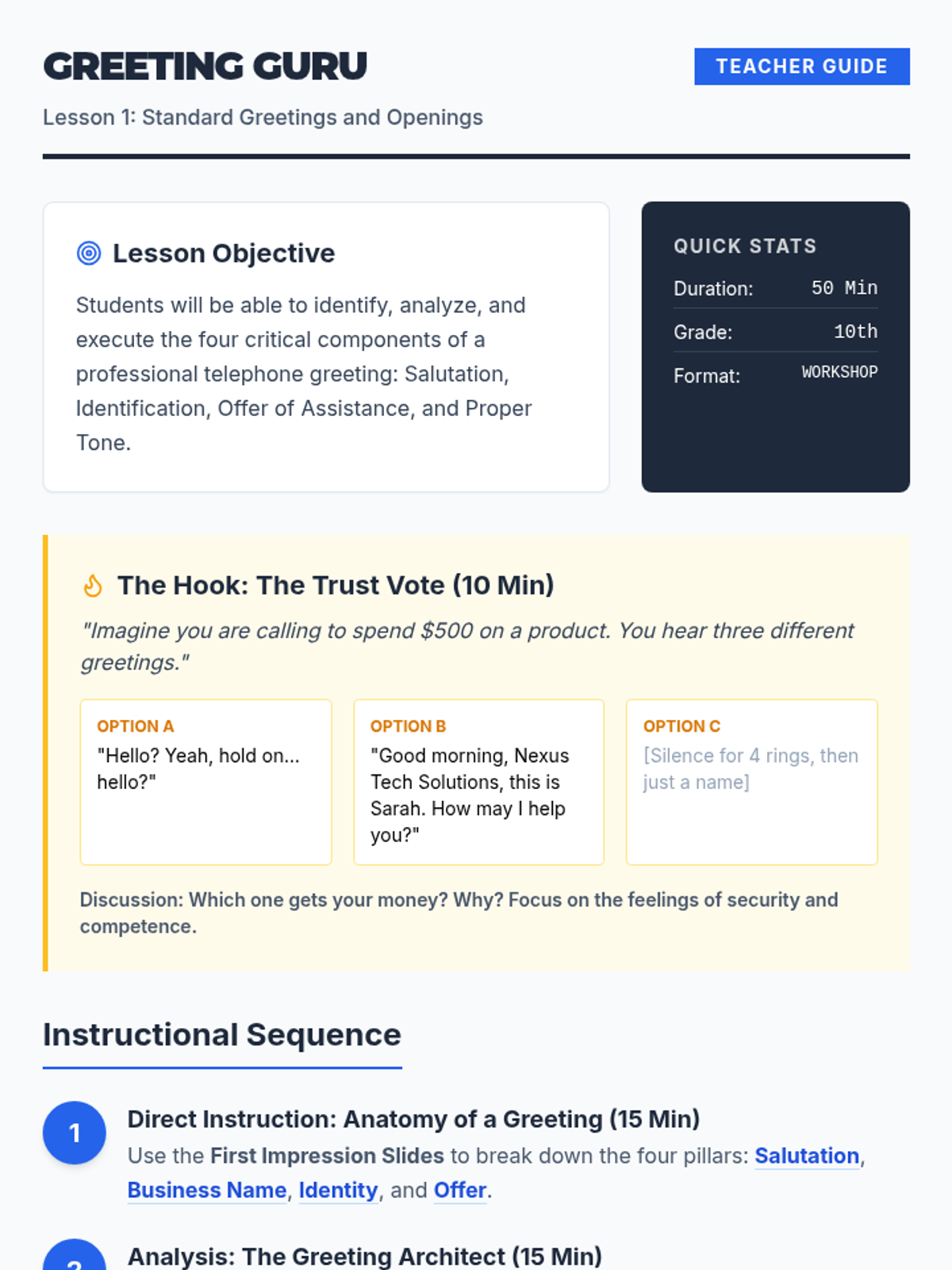
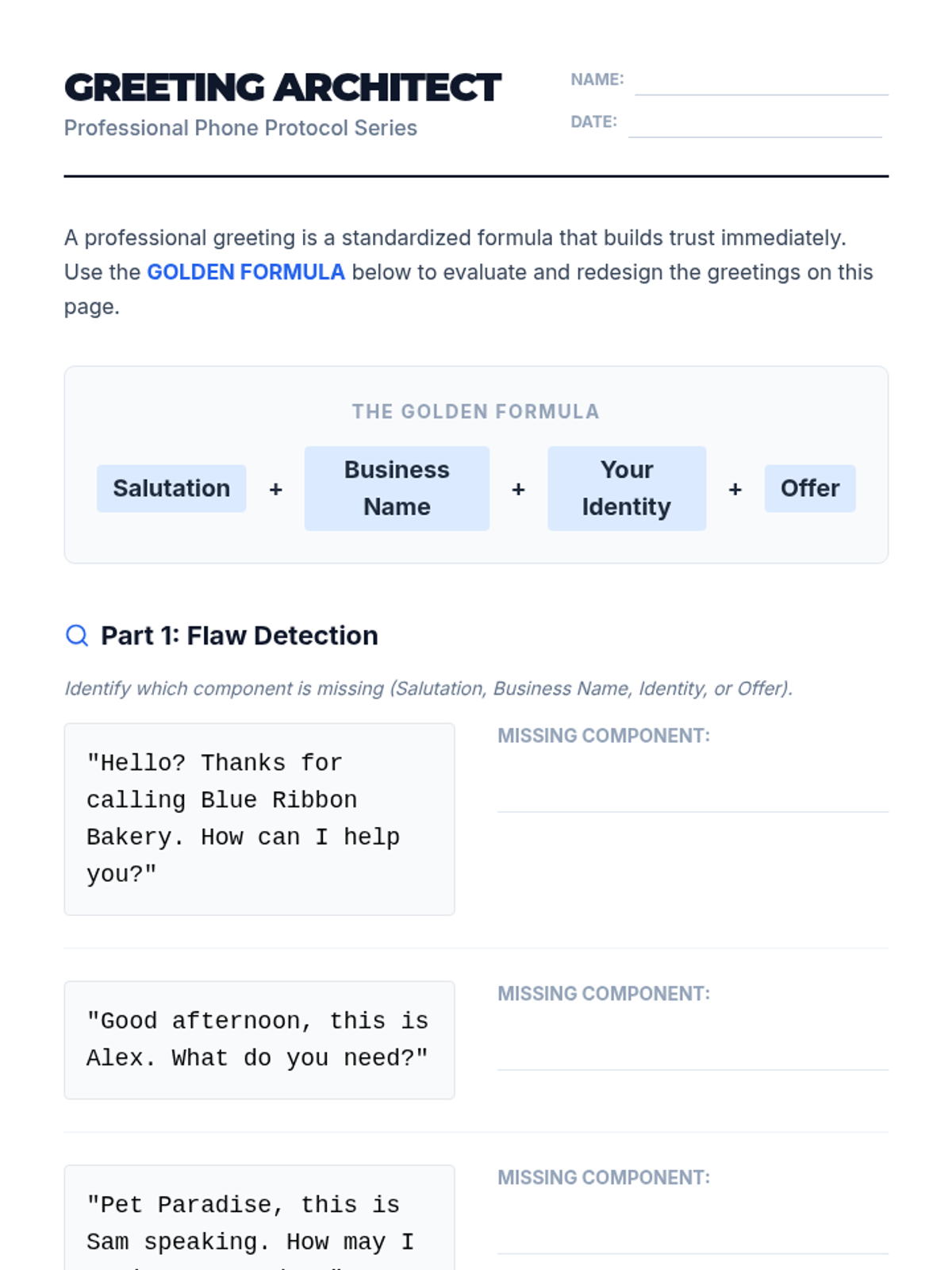
A comprehensive workshop-style sequence for 10th-grade students to master professional telephone protocols. Students progress from basic greetings and message-taking to complex call routing and closing techniques, culminating in a realistic office simulation assessment.
This sequence teaches 8th-grade students the advanced protocols of professional phone communication, including managing holds, transfers, screening calls, and de-escalating difficult interactions. Students engage in role-plays and case studies to build resilience and problem-solving skills in high-pressure communication scenarios.
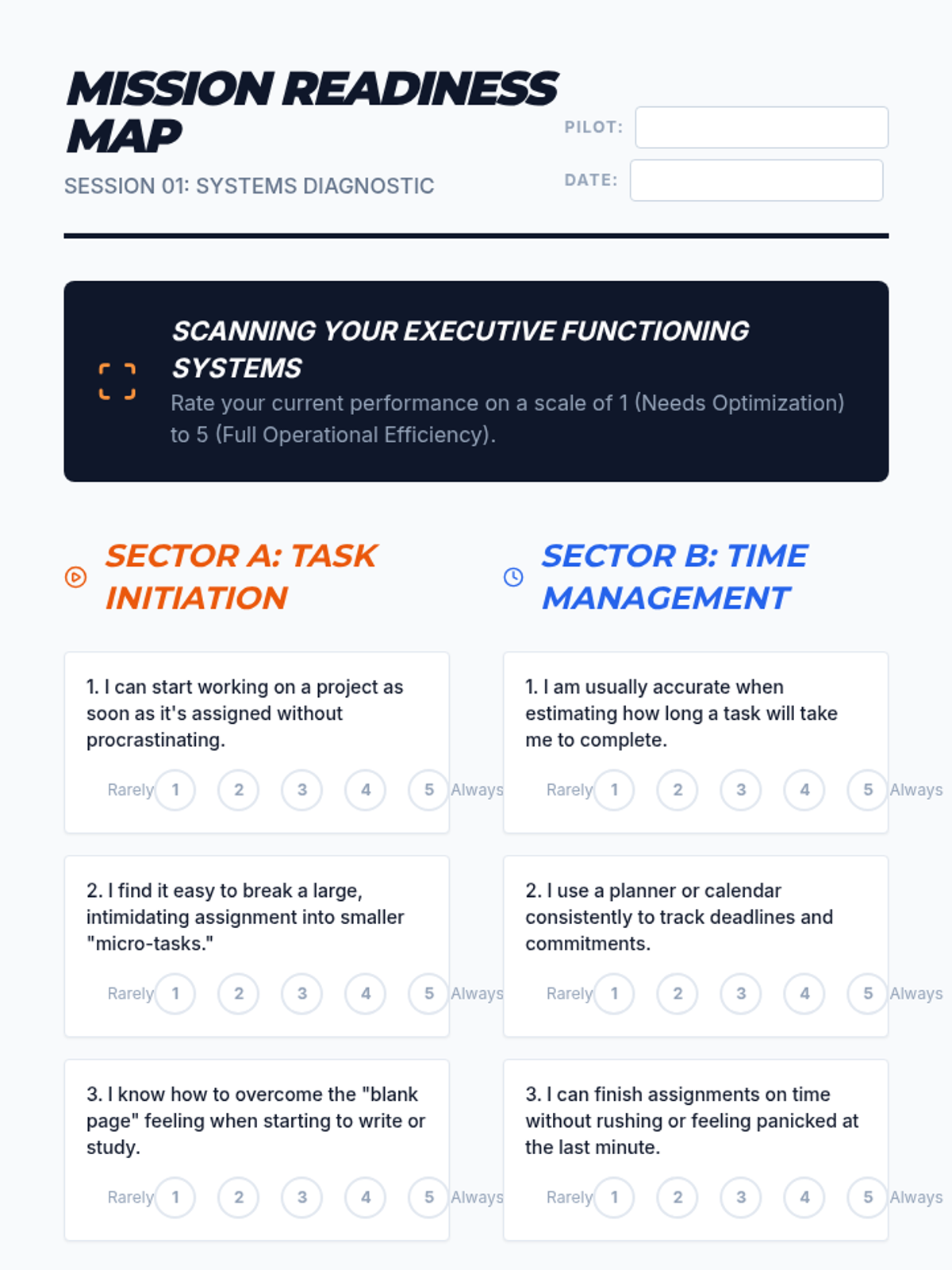
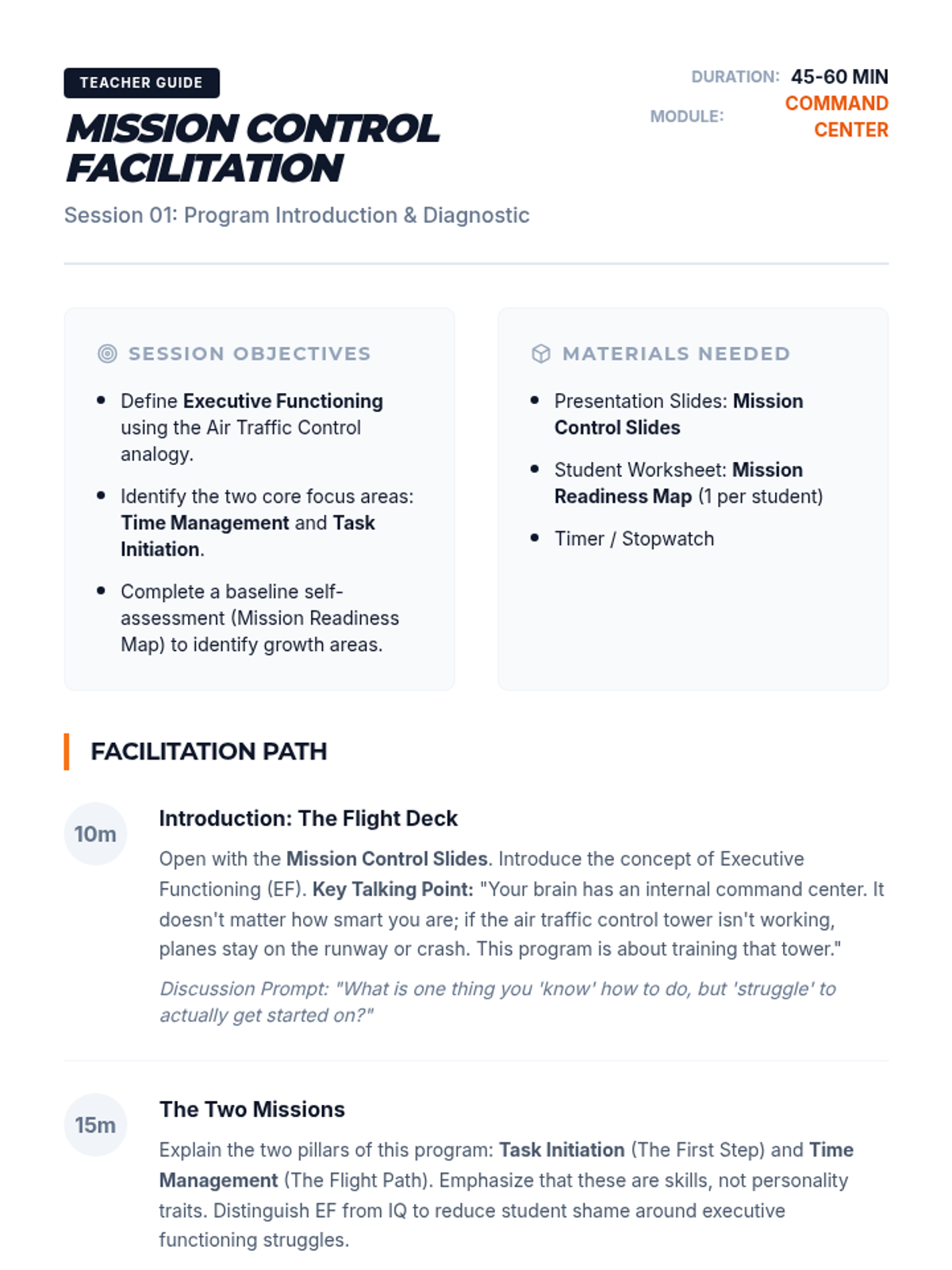
An 8-session executive functioning program designed for high schoolers to master time management and task initiation. Students use visual "maps" and blueprints to navigate their workload and build self-regulation habits.
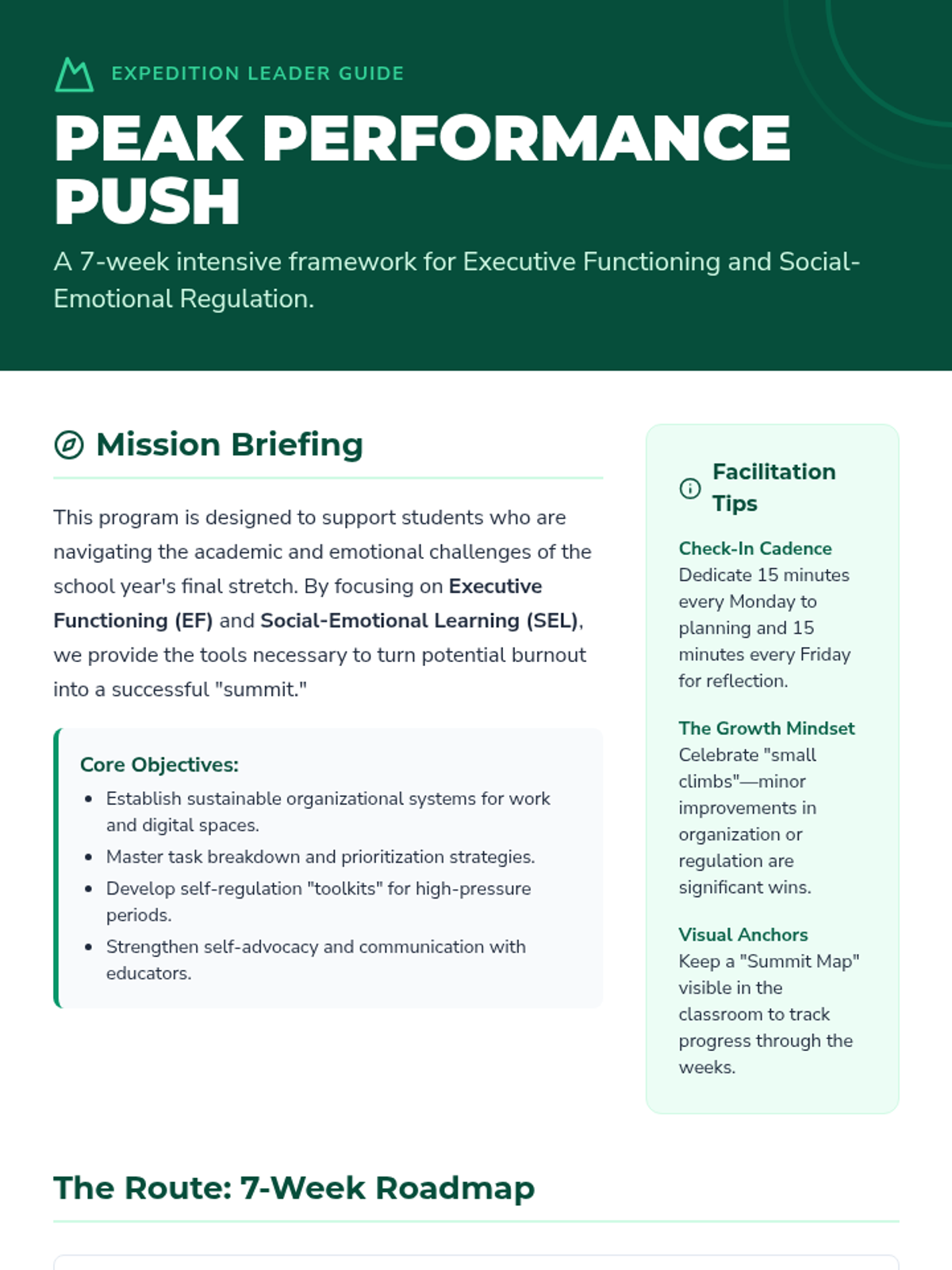
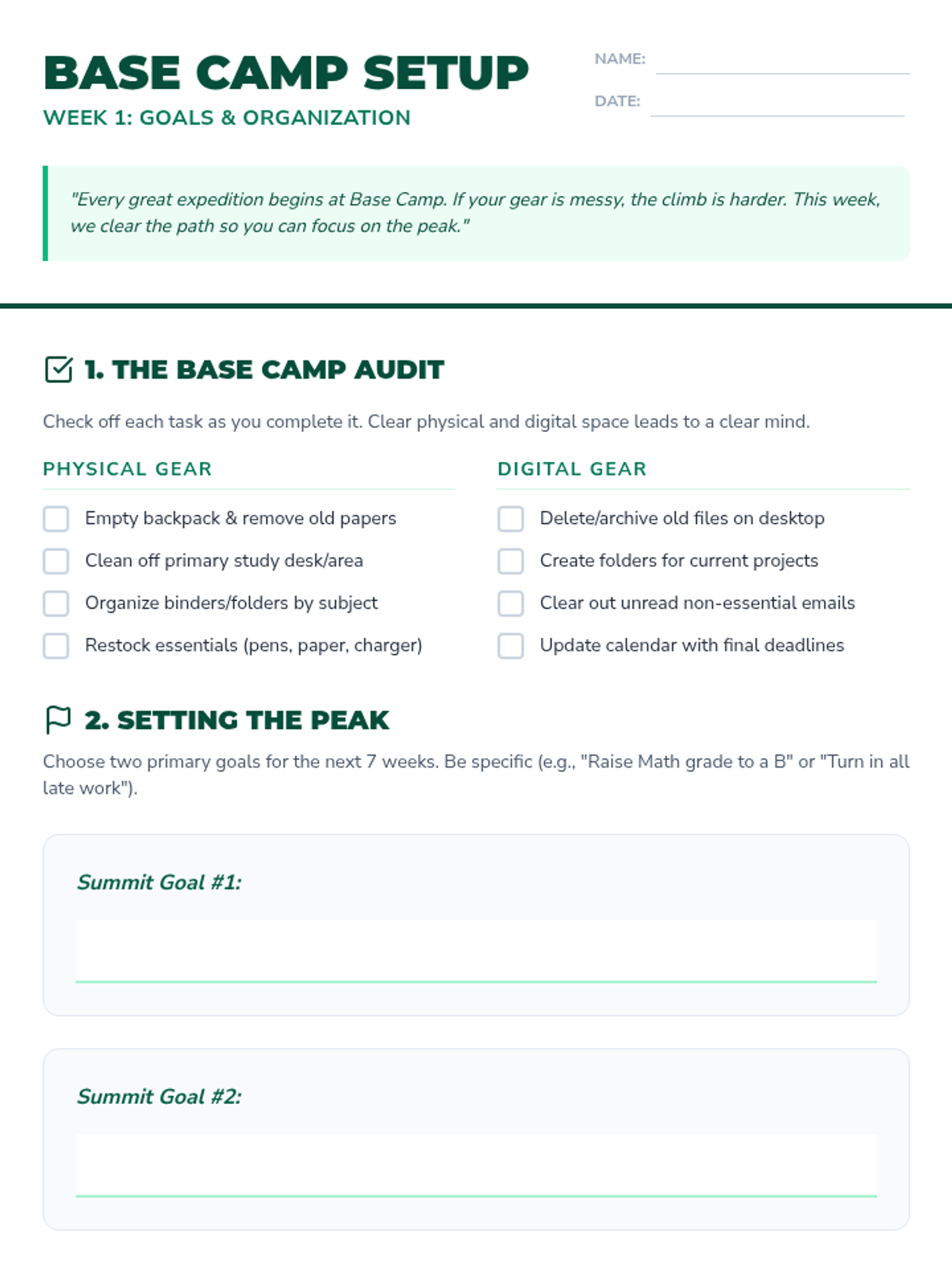
A comprehensive 7-week program designed for students struggling academically and socially-emotionally to improve executive functioning, planning, and emotional regulation.
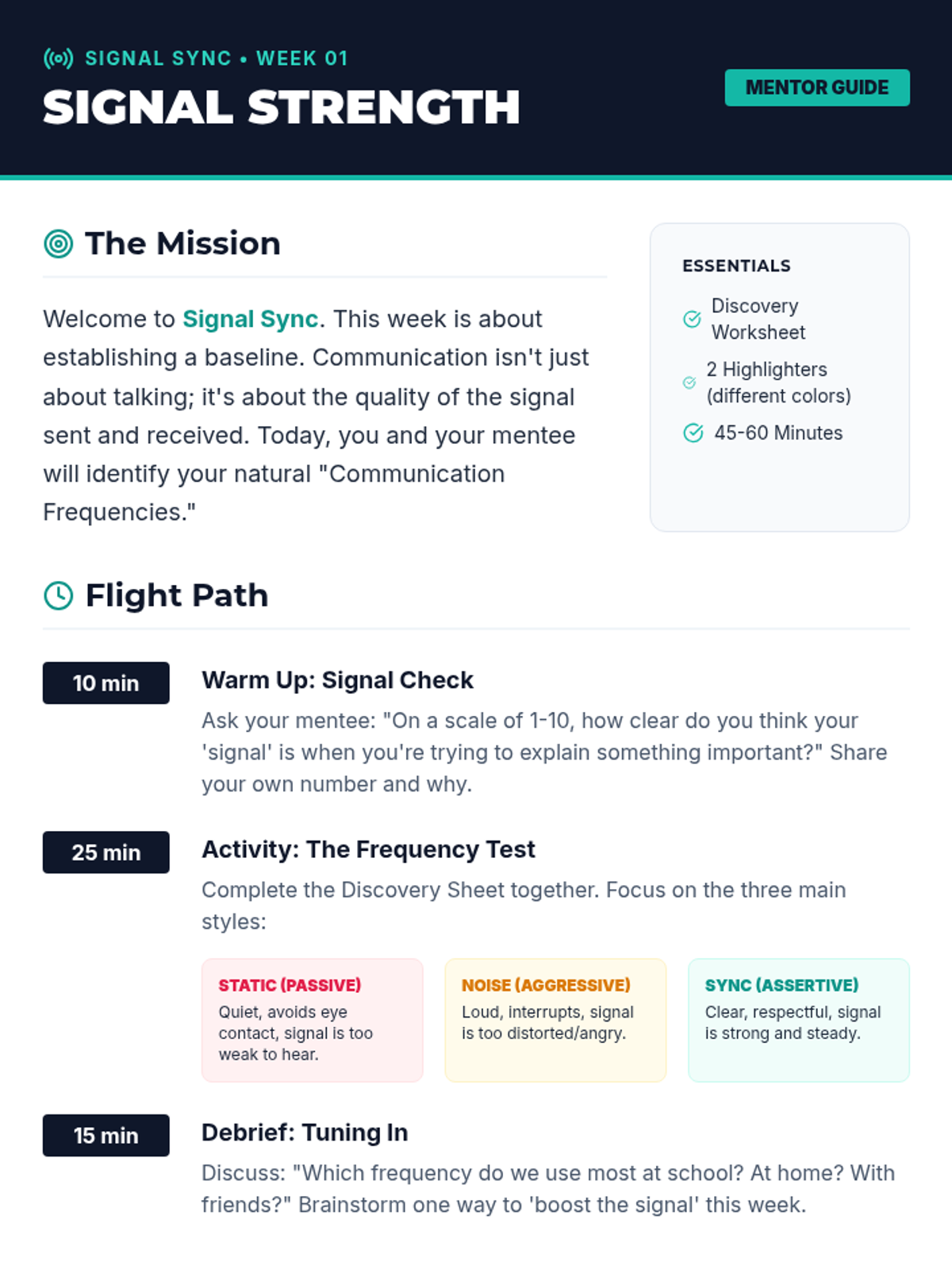
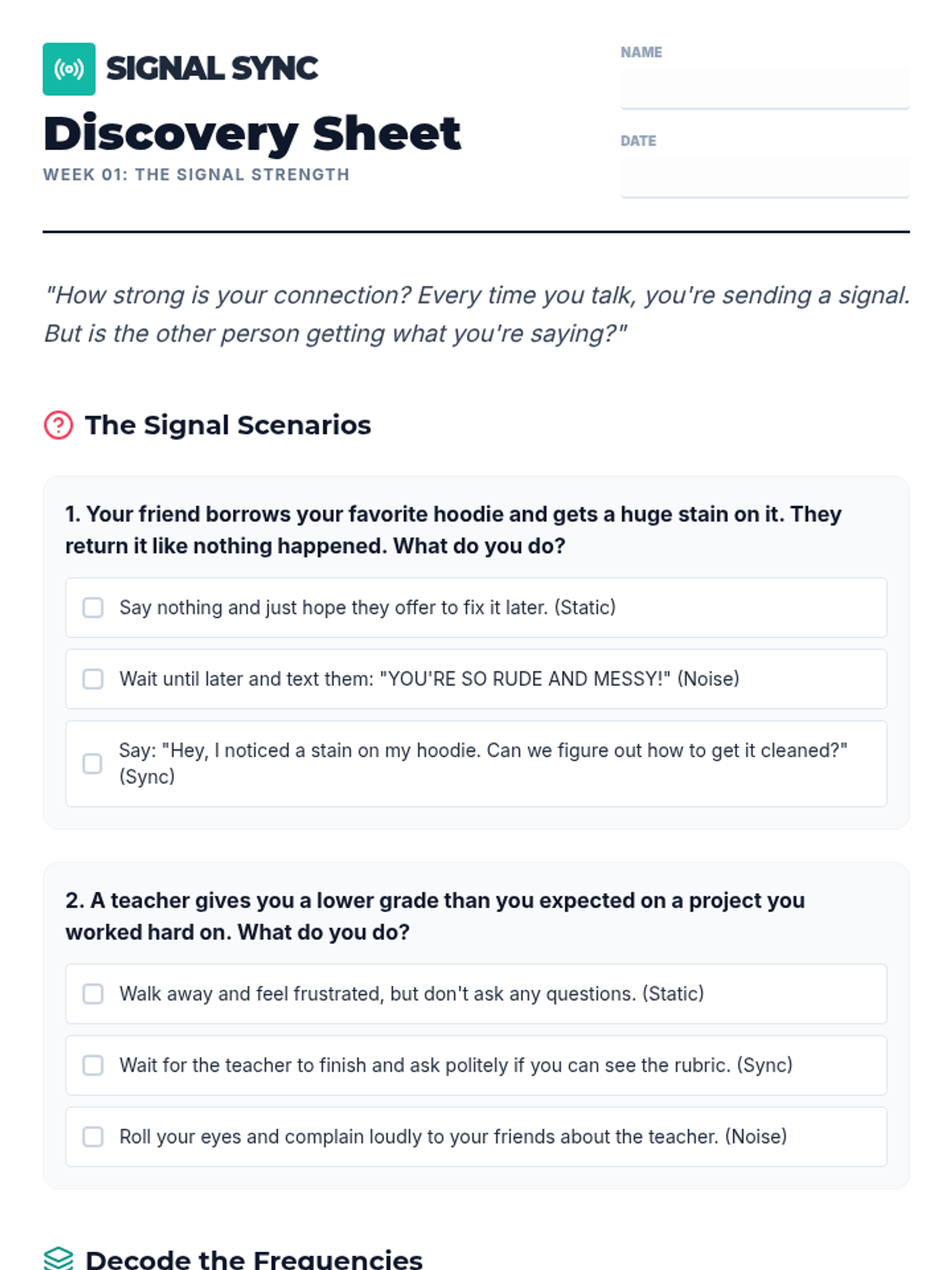
A 10-week comprehensive curriculum for mentors and mentees focusing on building effective communication habits and mastering conflict resolution through the 'Signal Sync' framework.
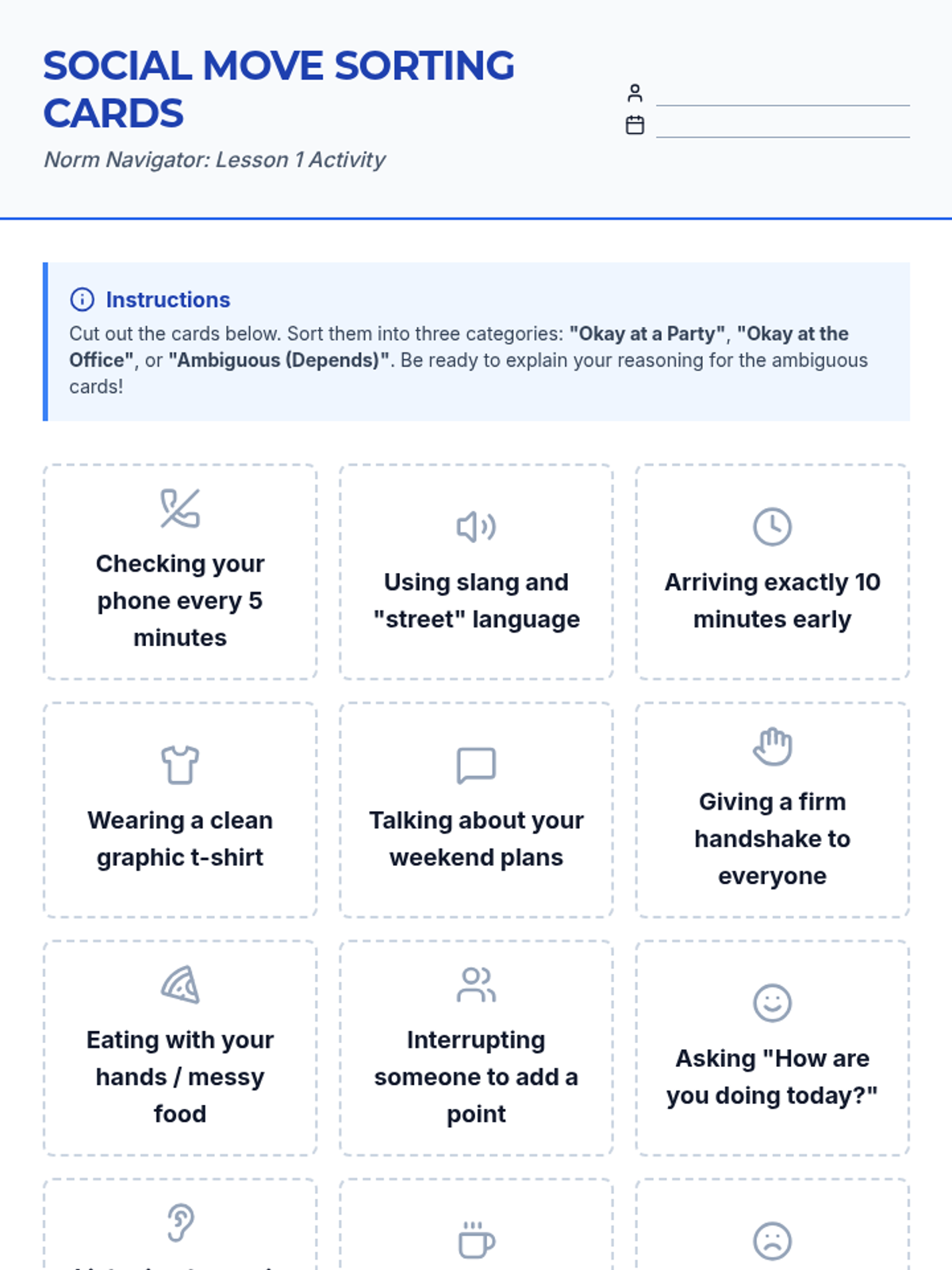
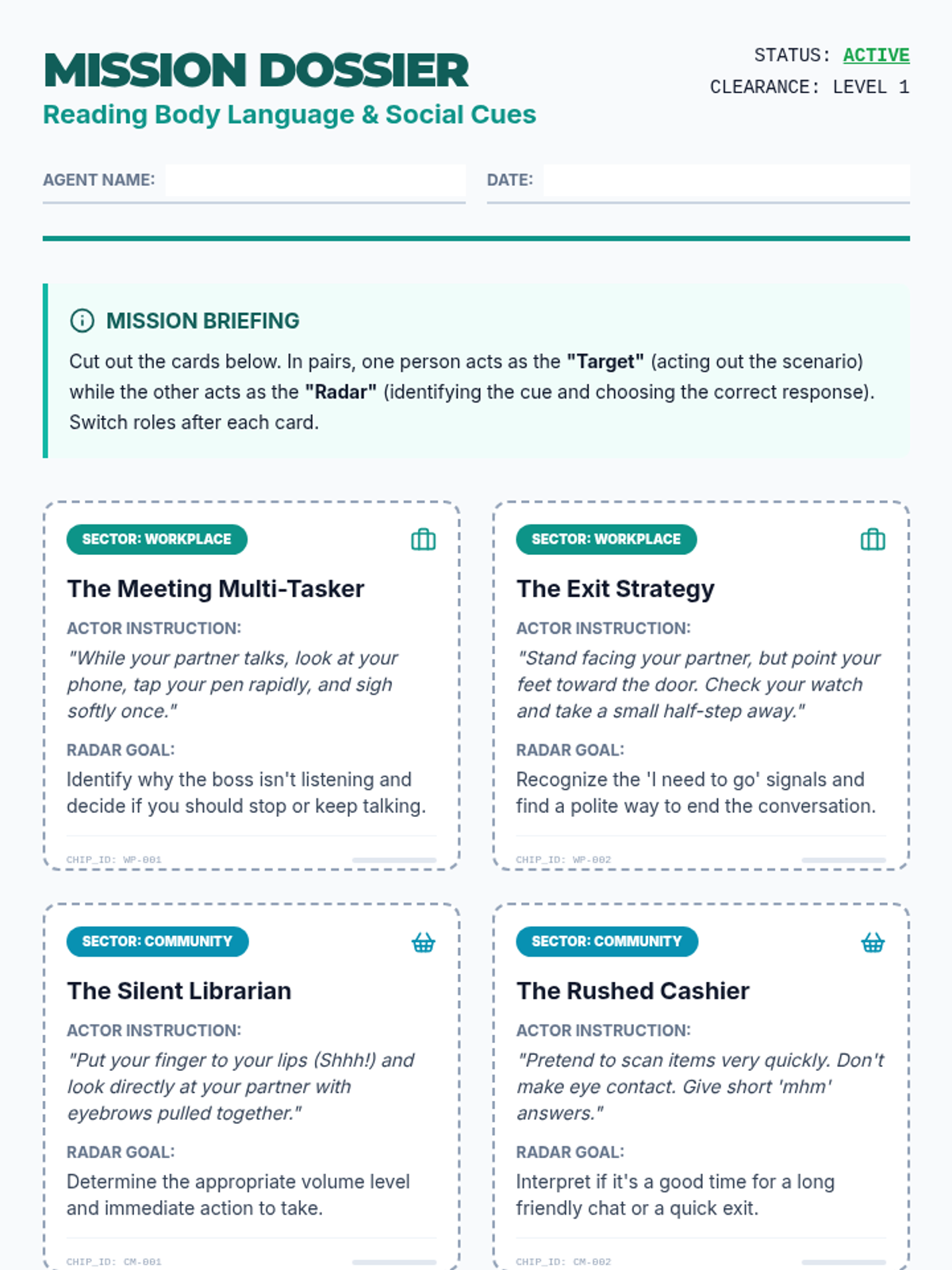
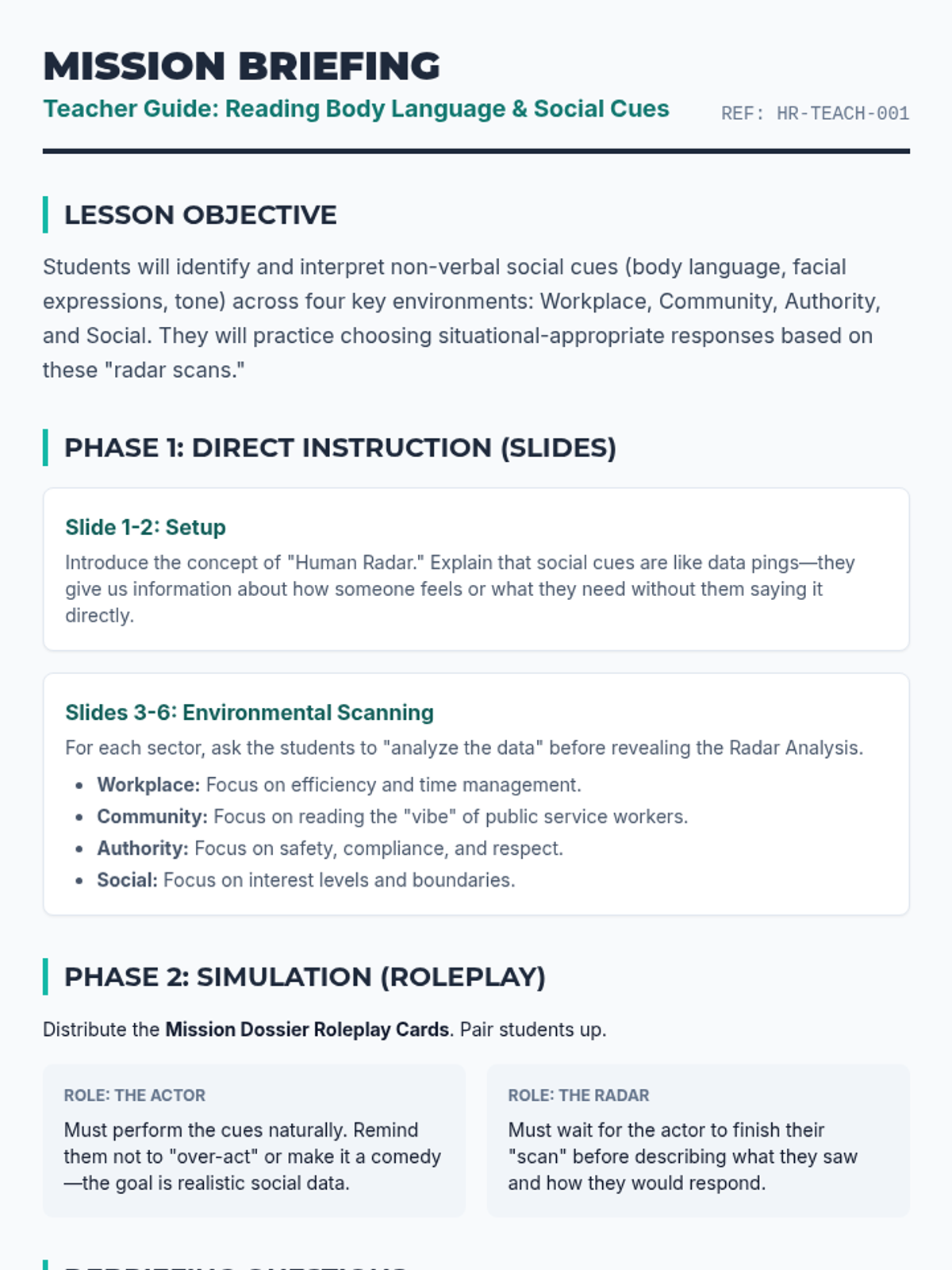
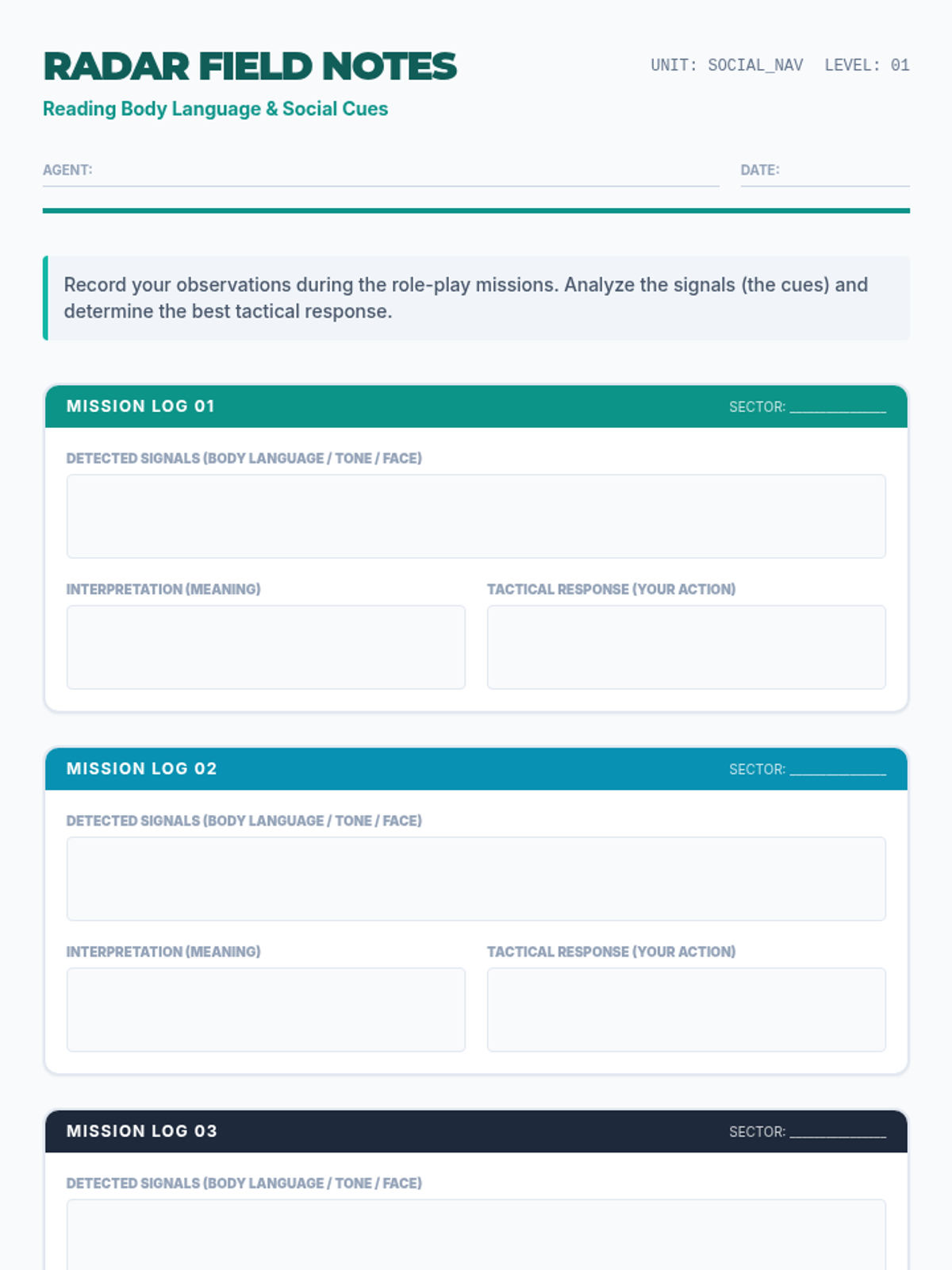
A series of lessons designed to improve social awareness, non-verbal communication, and situational appropriateness in diverse real-world environments.
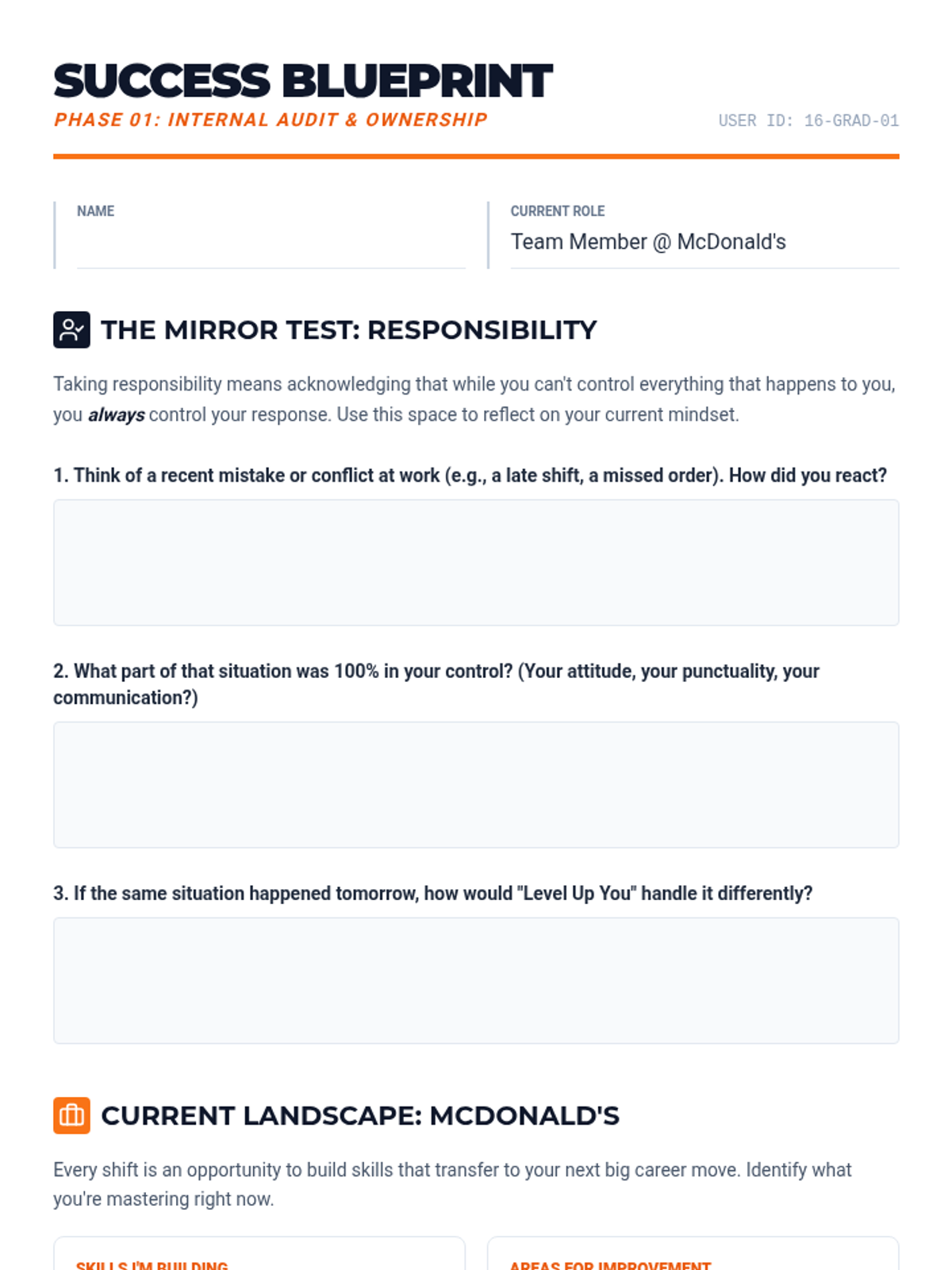
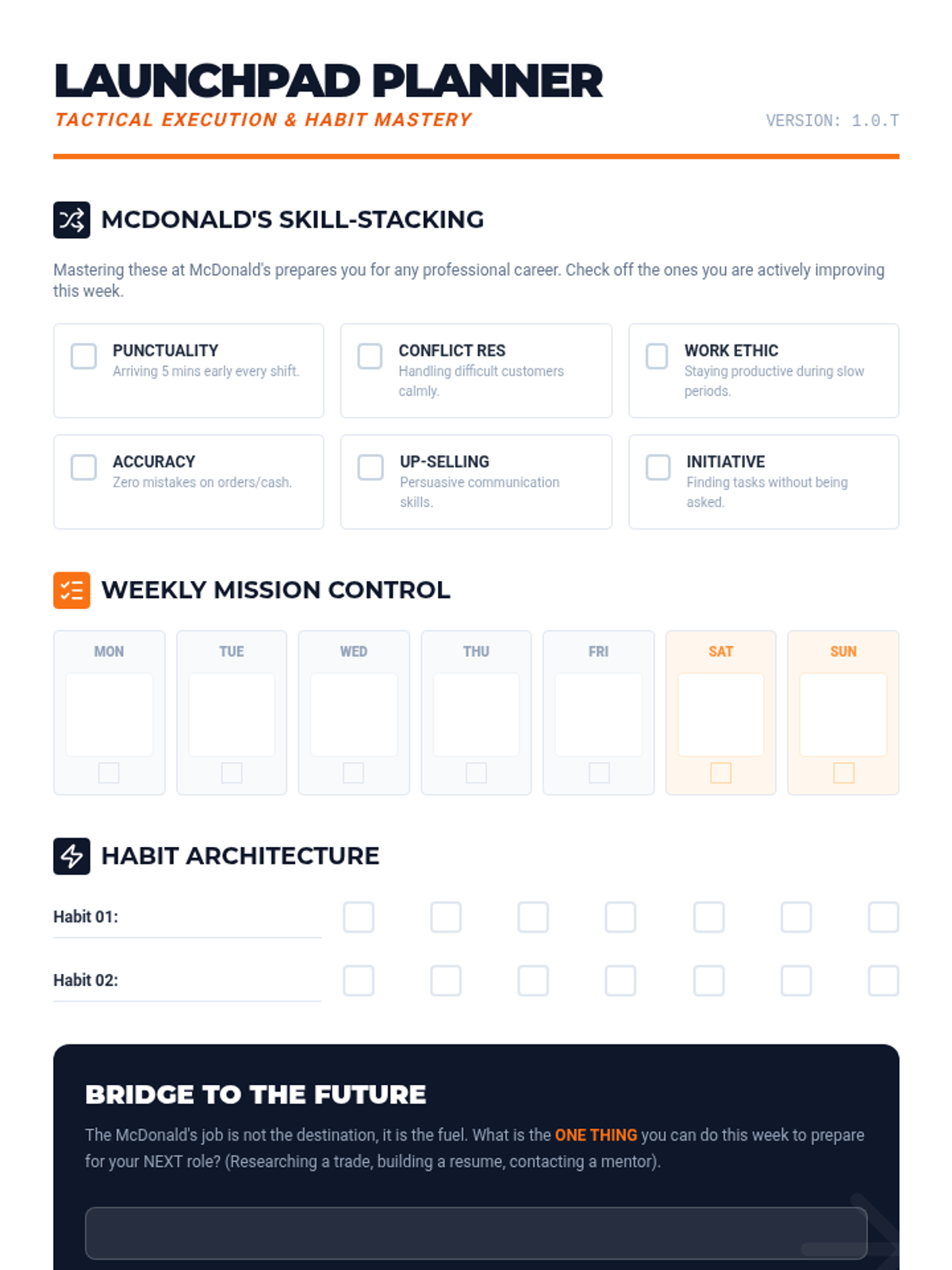
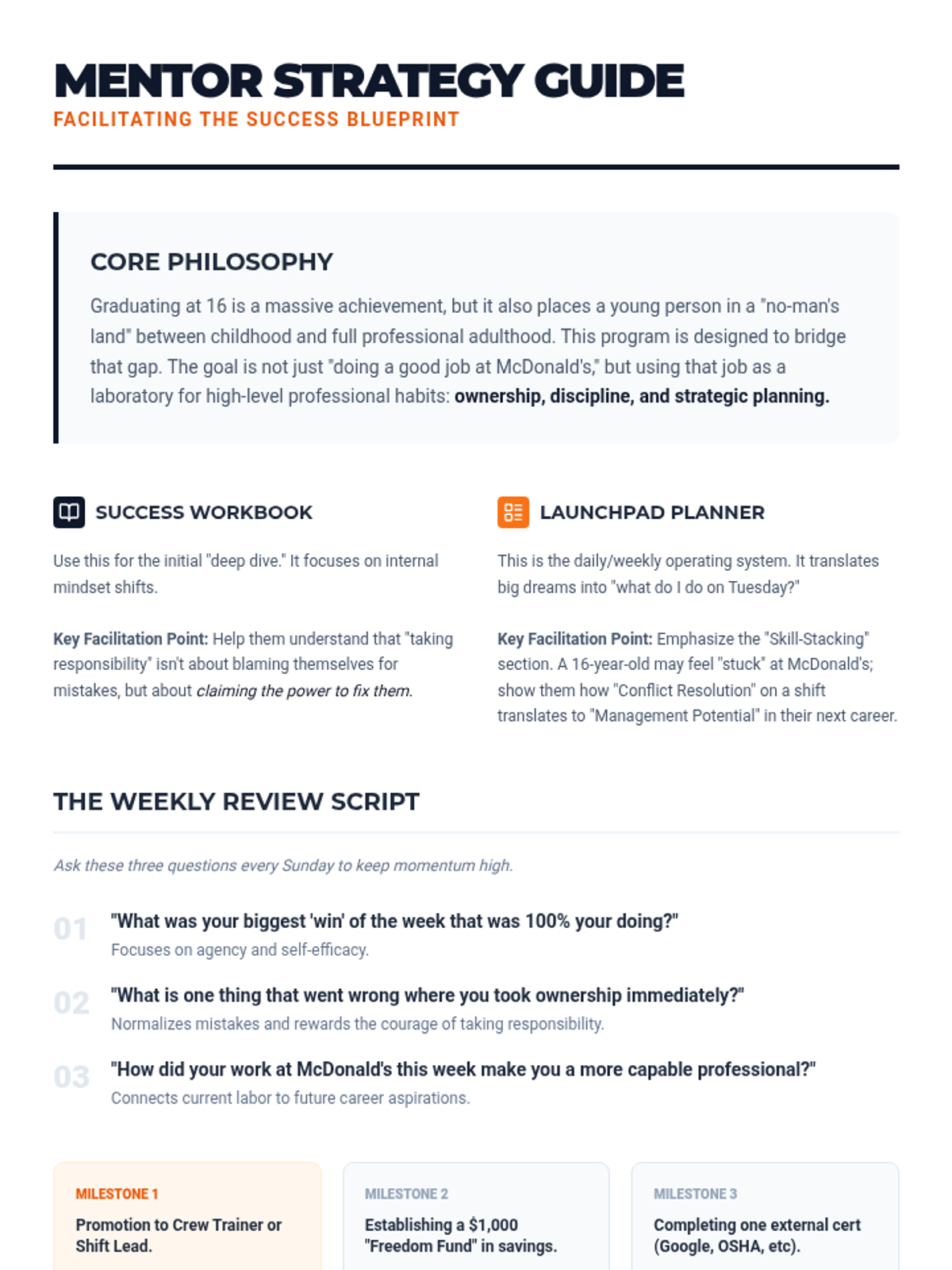
A comprehensive personal development guide for a young graduate to take ownership of their life, master their current role, and bridge the gap to their future career through structured goal-setting and reflection.
A 6-week social skills curriculum designed for high schoolers to master conflict resolution, verbal de-escalation, and restorative communication through role-play and self-reflection.
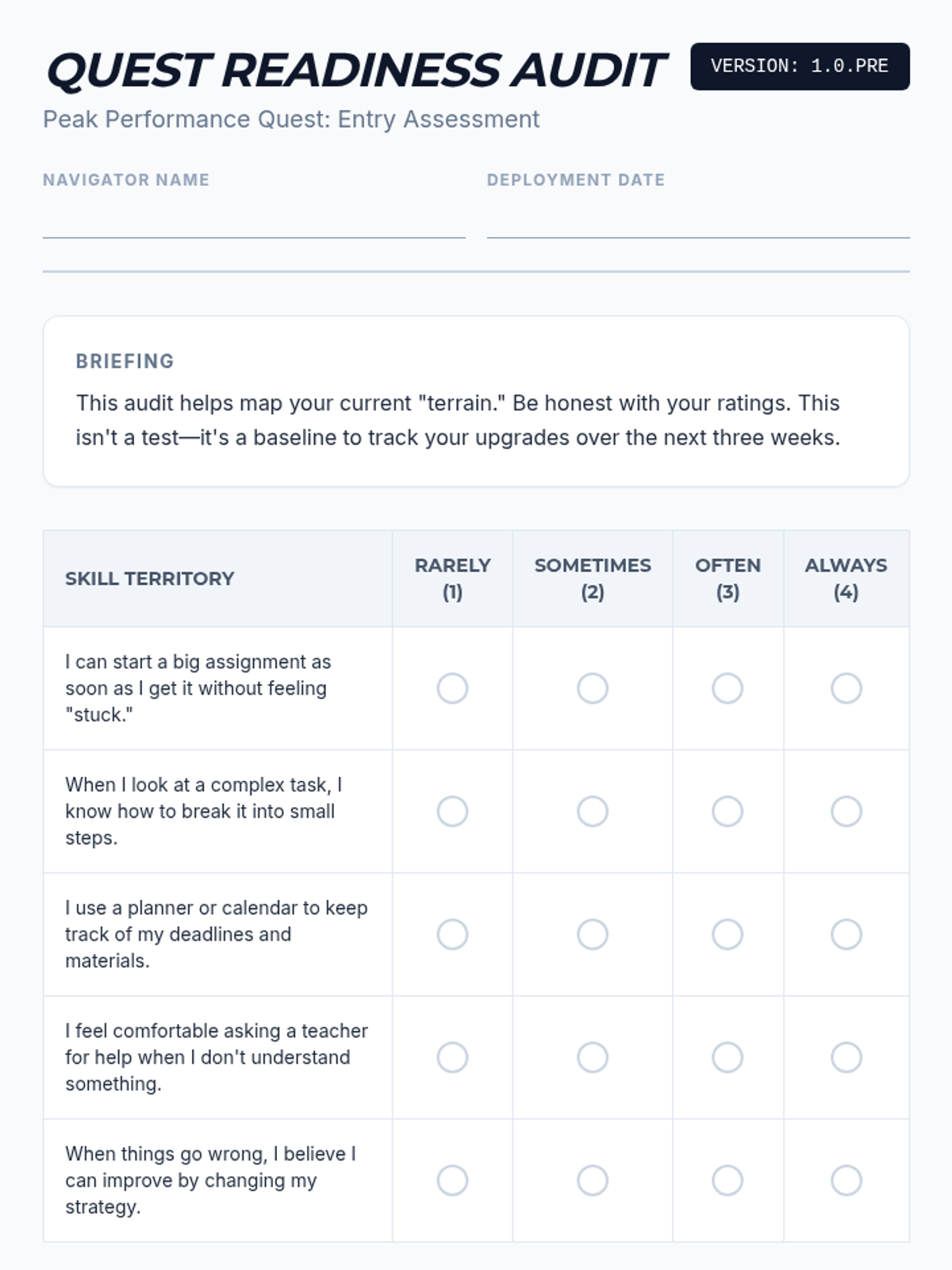
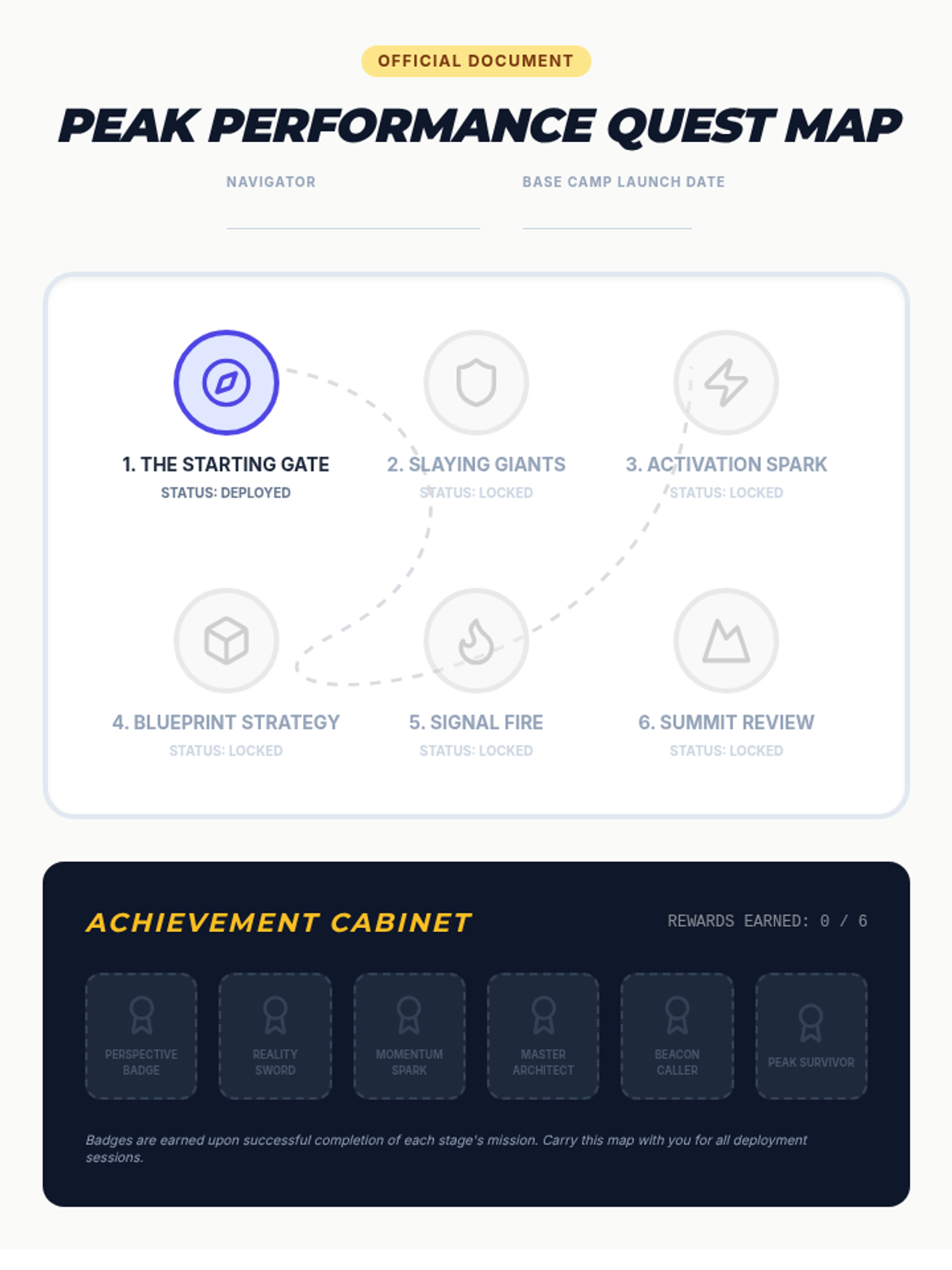
A 6-lesson gamified intervention for high school students focusing on executive function and CBT-based strategies to overcome depression-related task avoidance and fixed mindset patterns. The sequence uses a quest-based map theme where students earn badges for mastering cognitive and organizational skills.
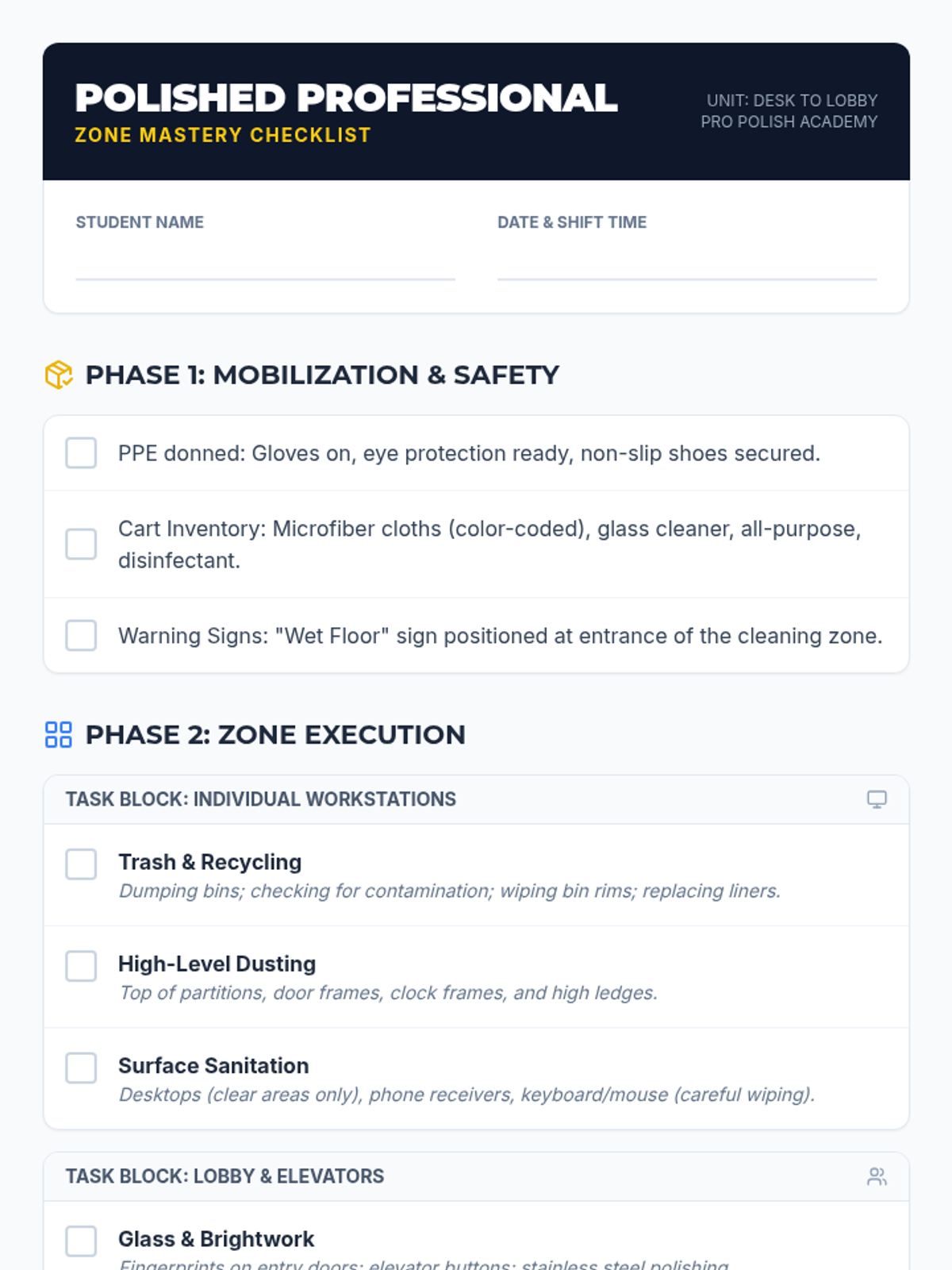
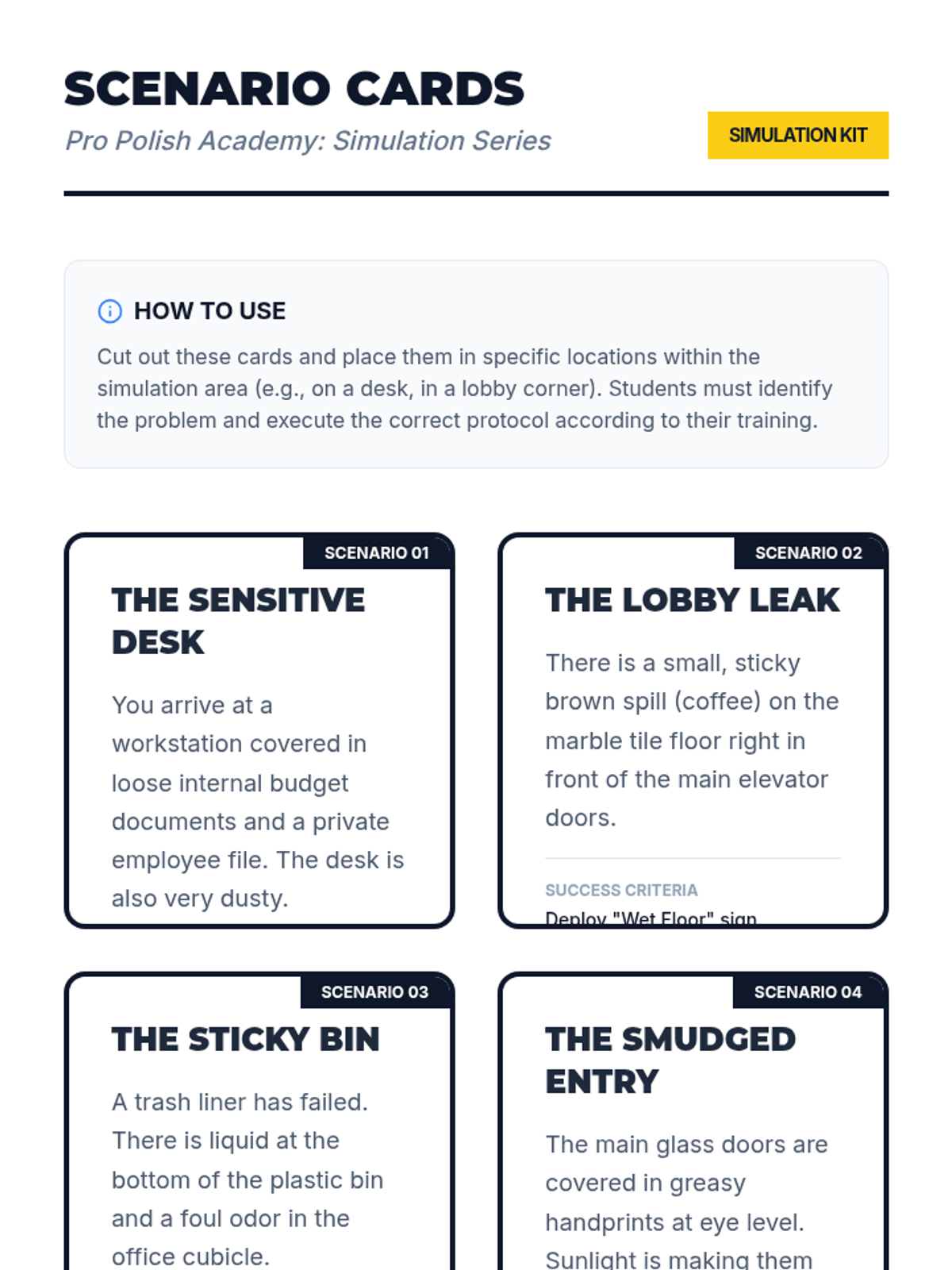
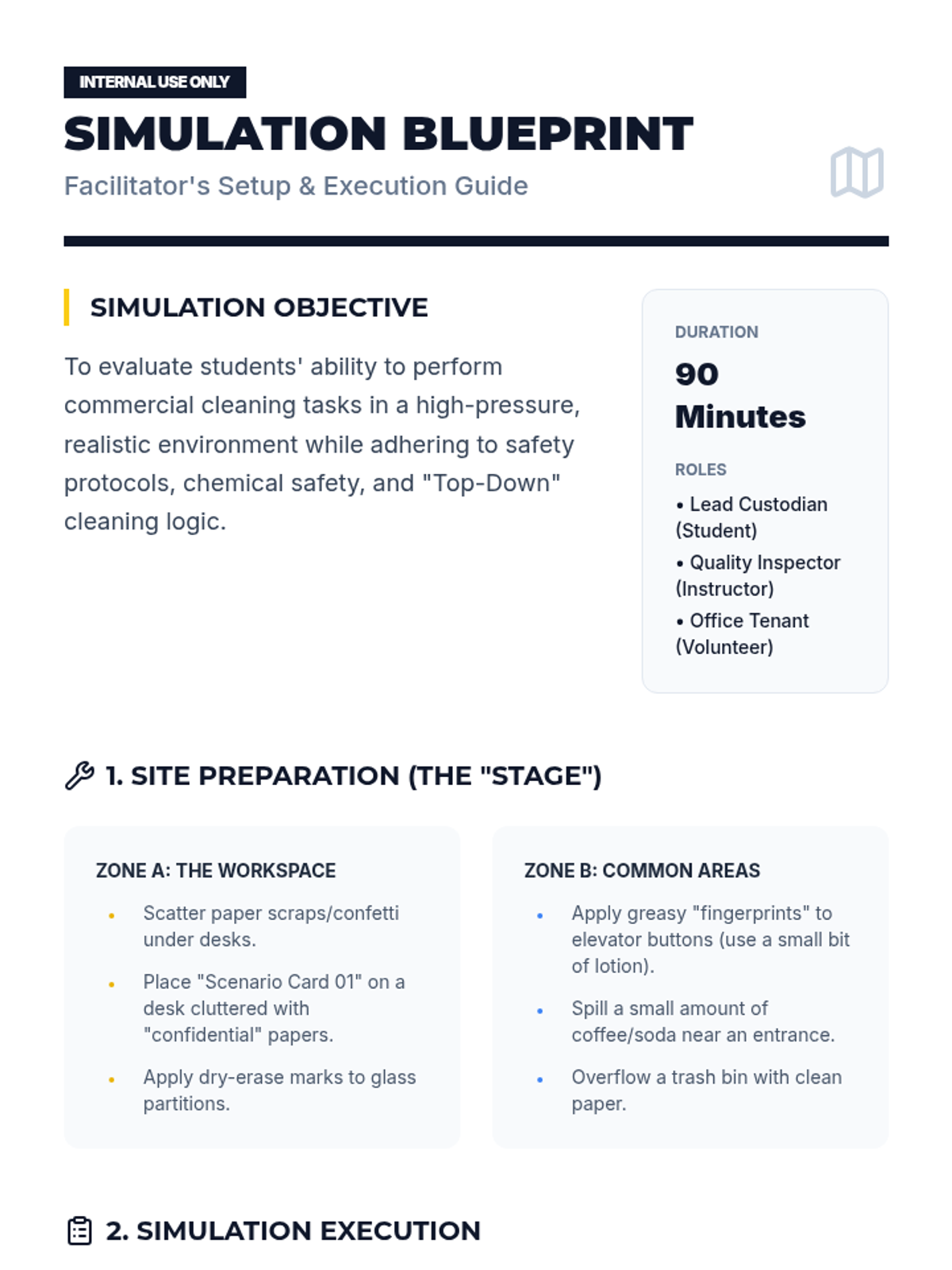
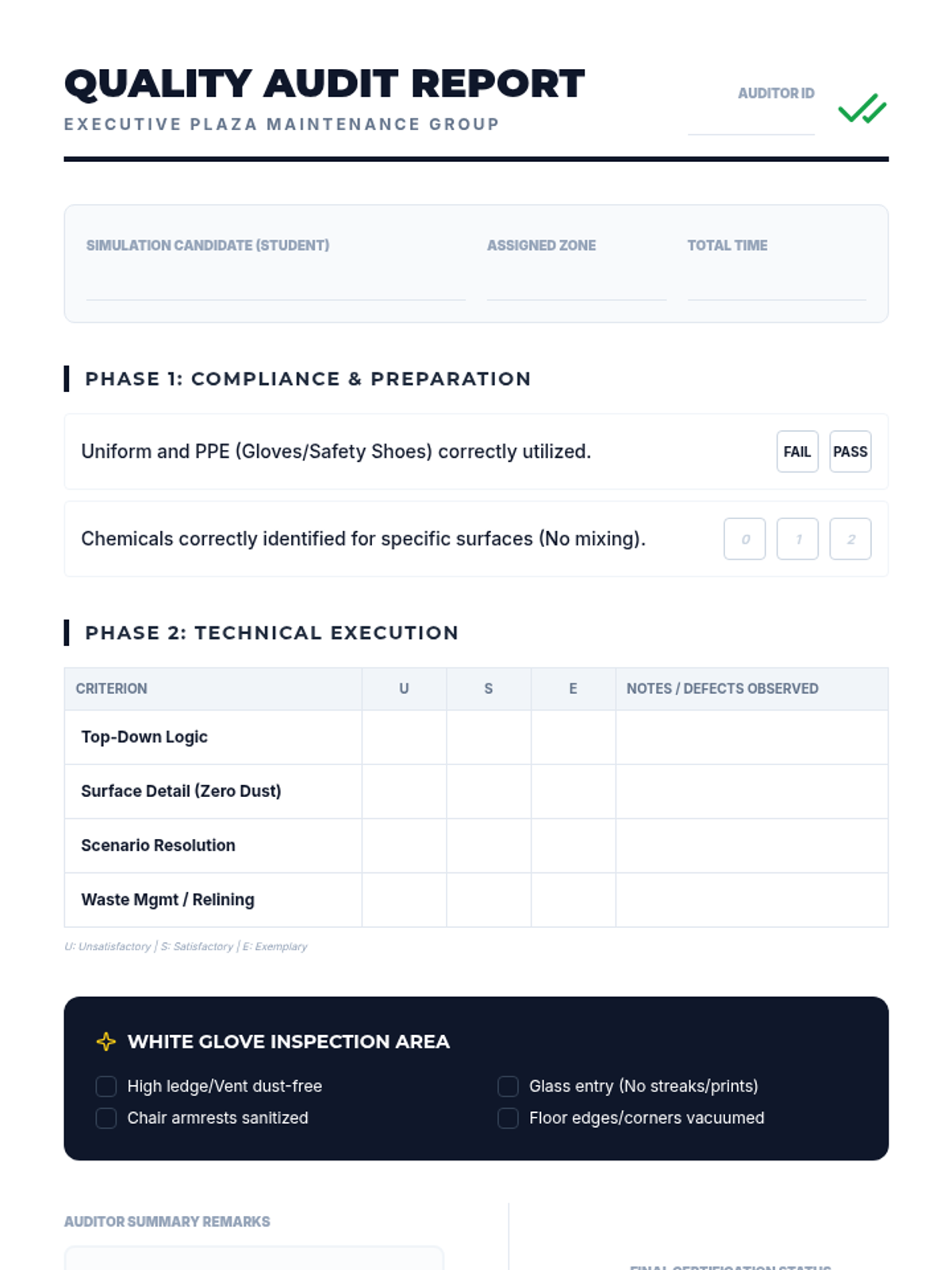
A vocational training series designed to prepare individuals for employment in the commercial cleaning and facilities maintenance industry.
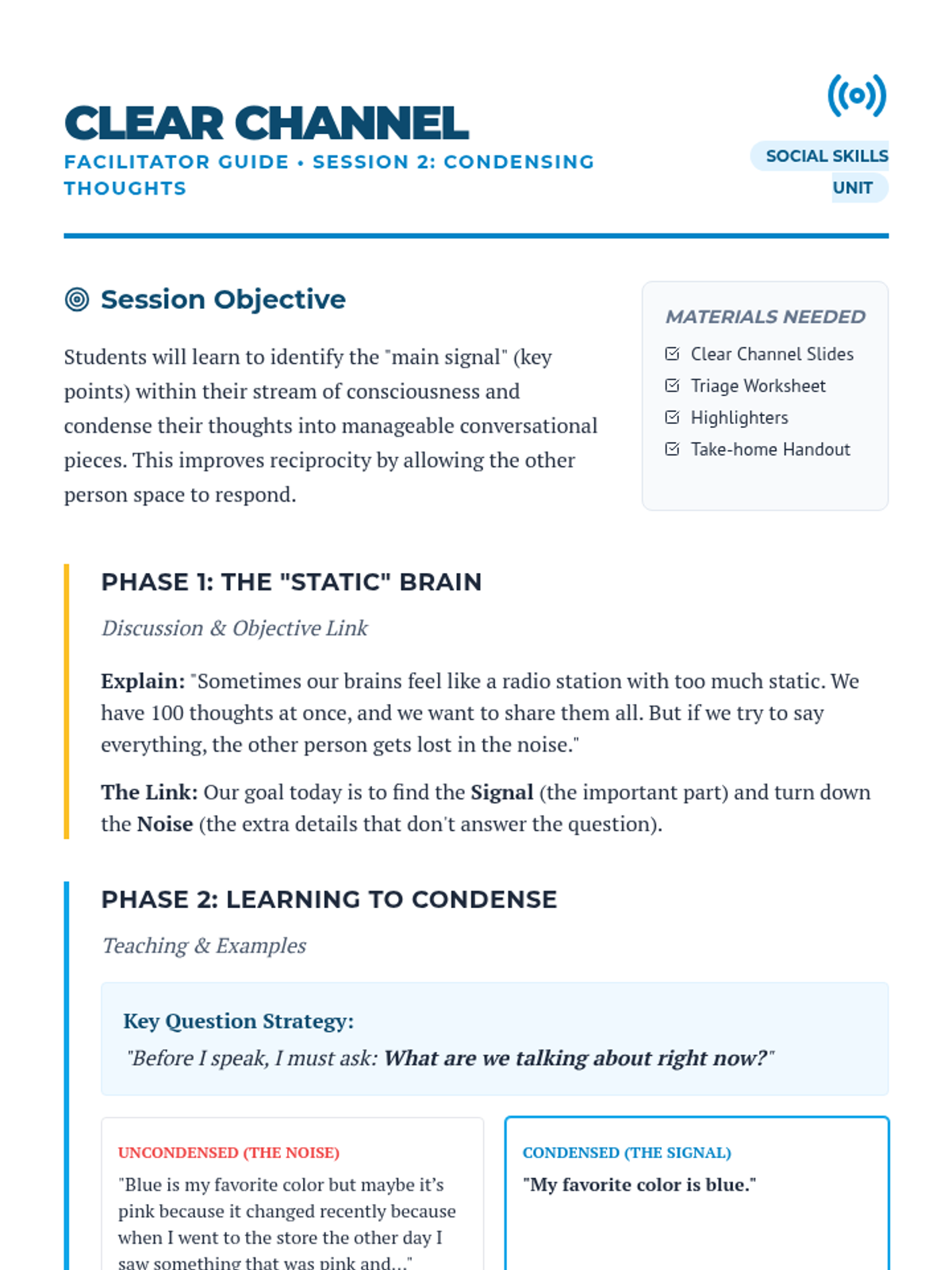
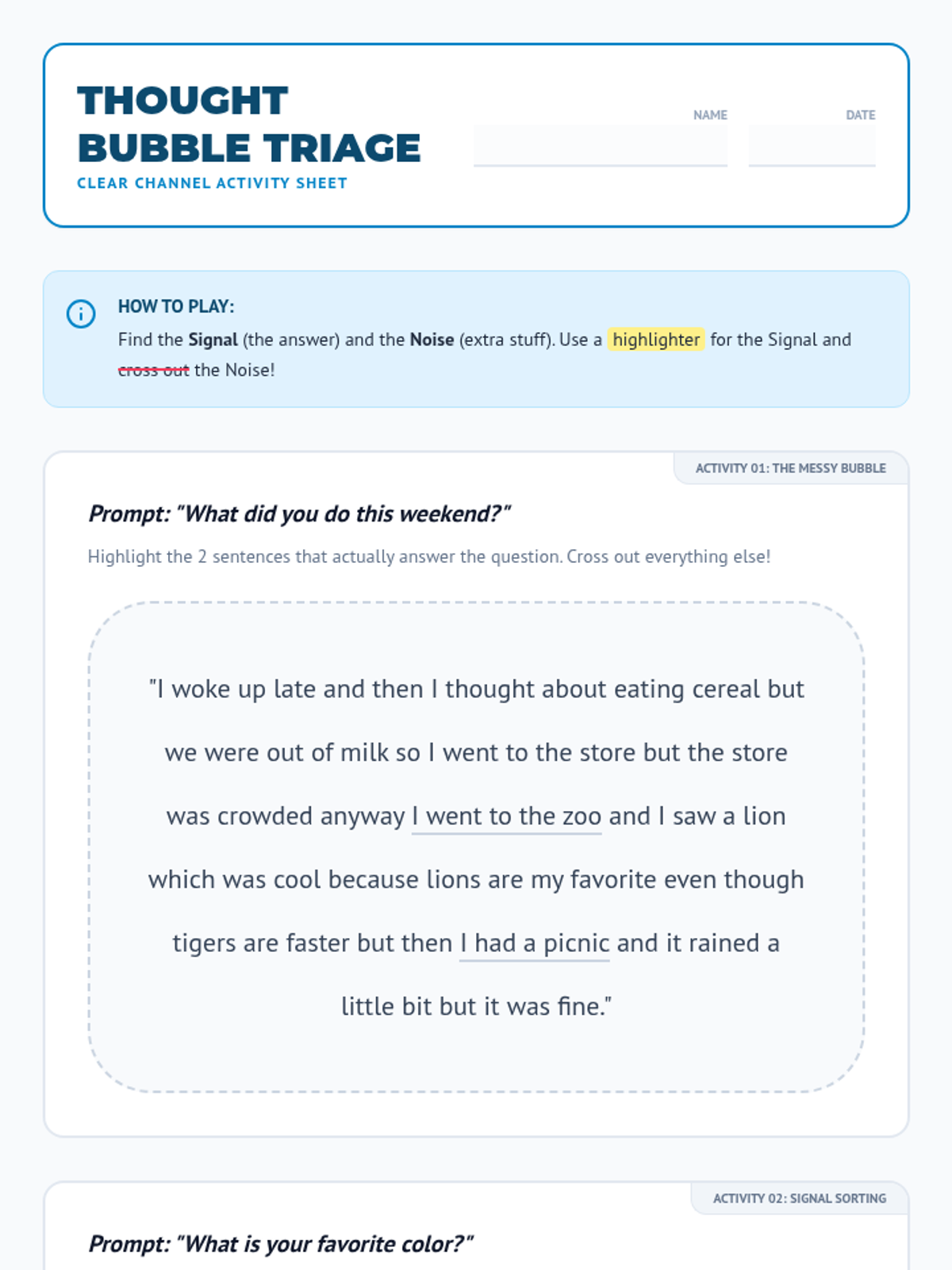
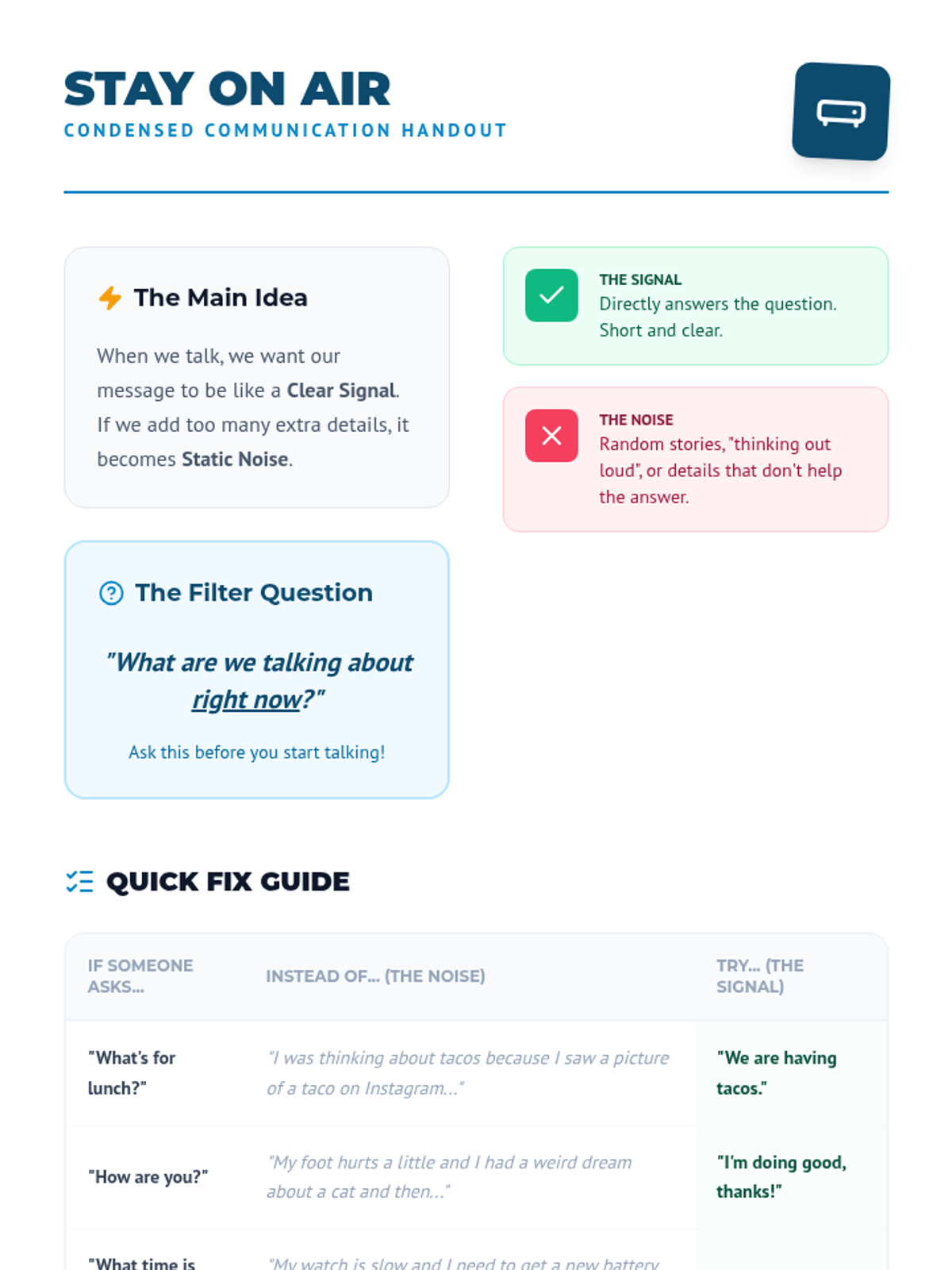
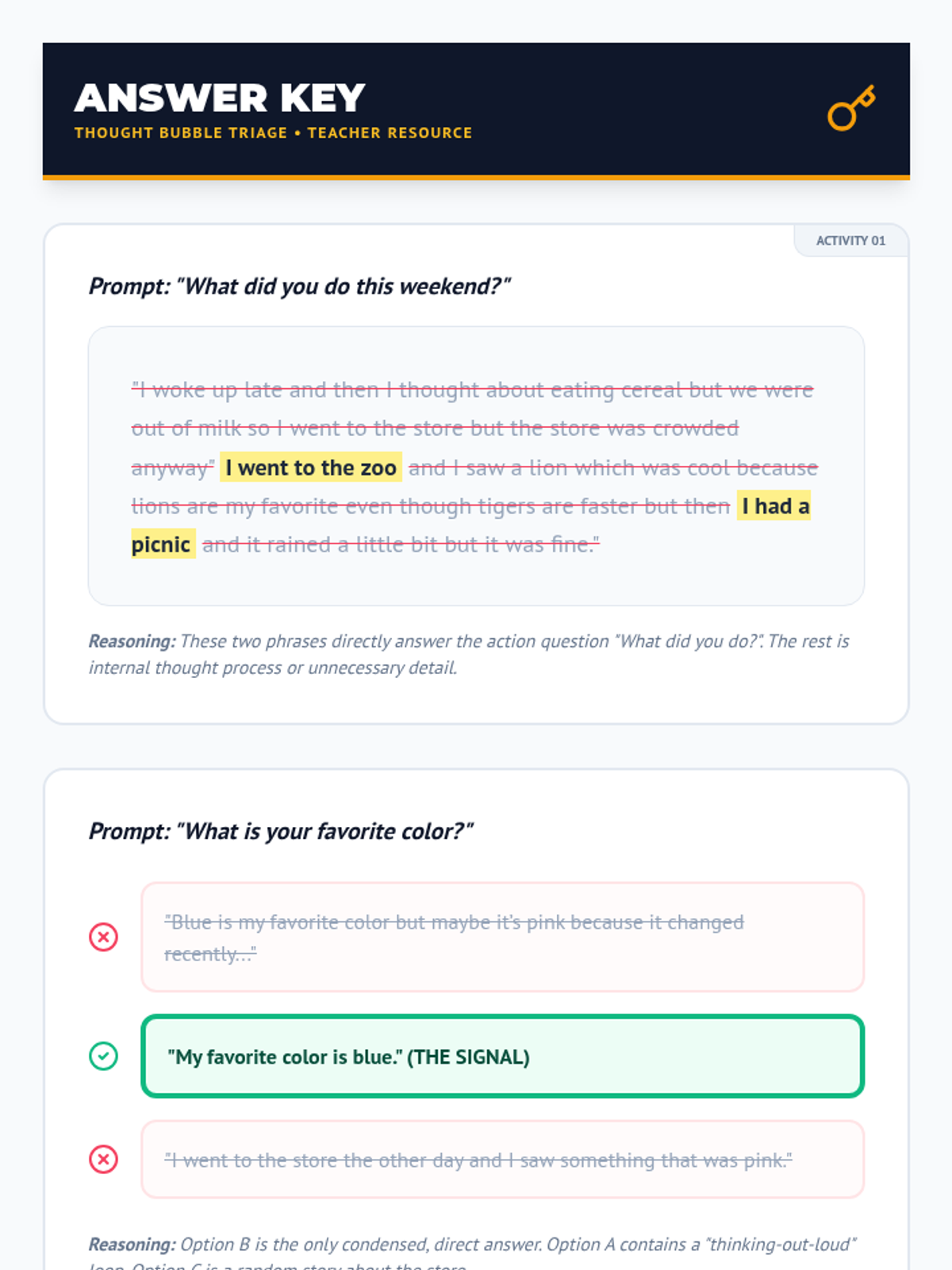
A social communication unit focused on mastering the art of conversation, from initiation to maintaining flow and condensing thoughts for better reciprocity.
A comprehensive year-long high school study skills curriculum designed to build foundational habits in organization, time management, focus, and self-advocacy. This sequence provides a structured approach to the eight core pillars of academic success.
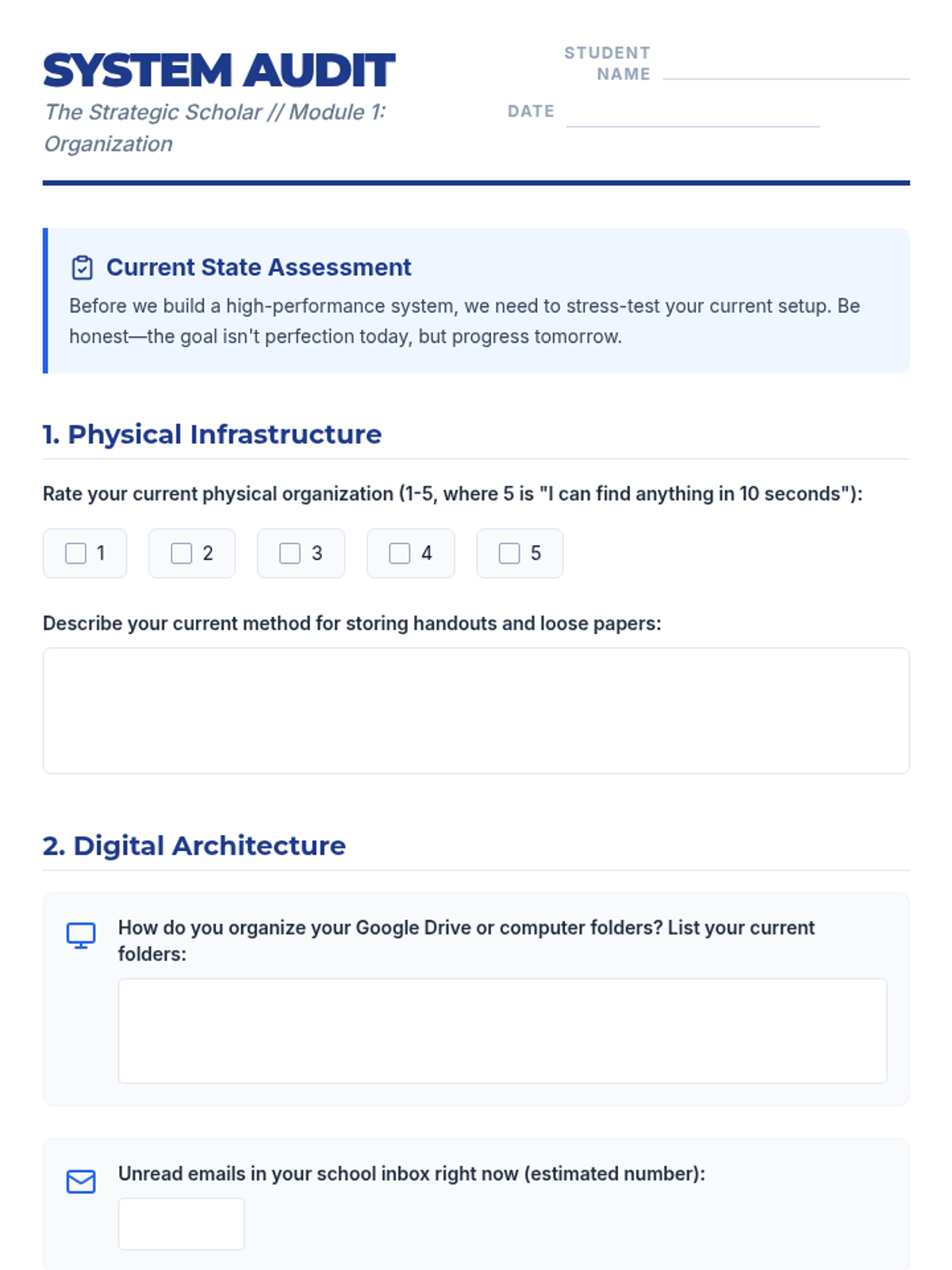
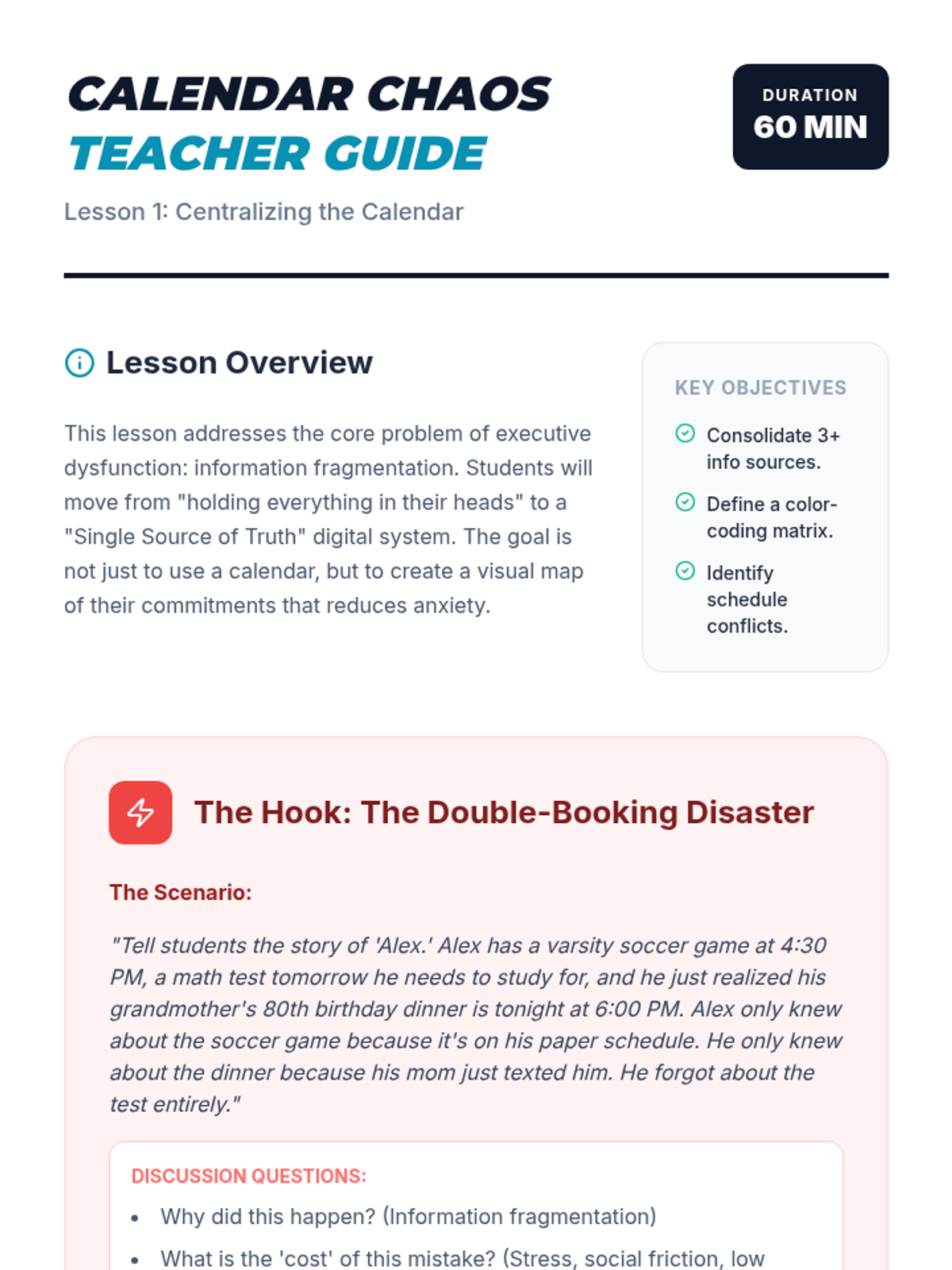
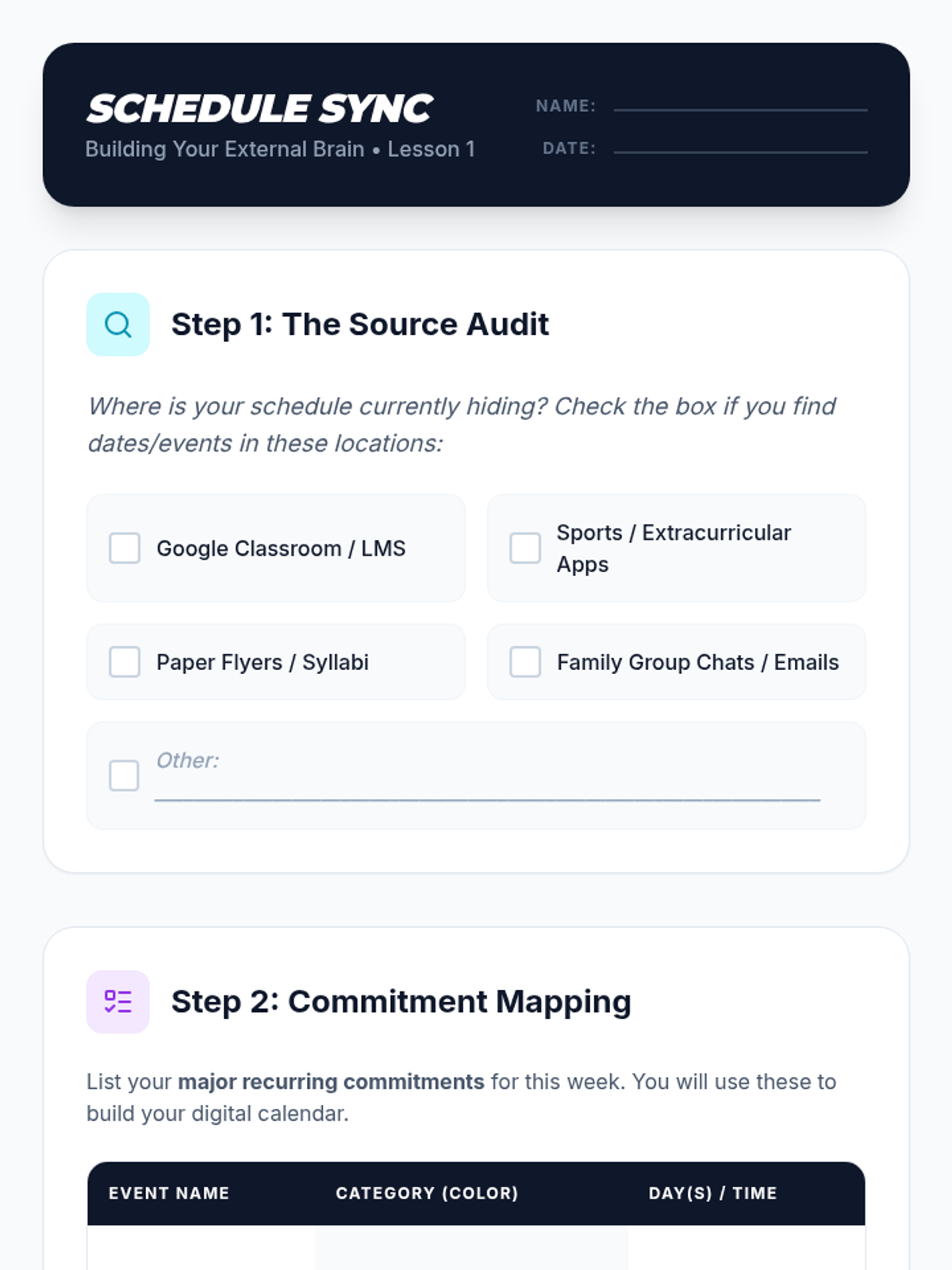
A 10th-grade sequence focused on building a digital ecosystem to manage multiple commitments. Students learn to use calendars, reminders, file management, and distraction-blocking tools to reduce cognitive load and improve organizational compliance.
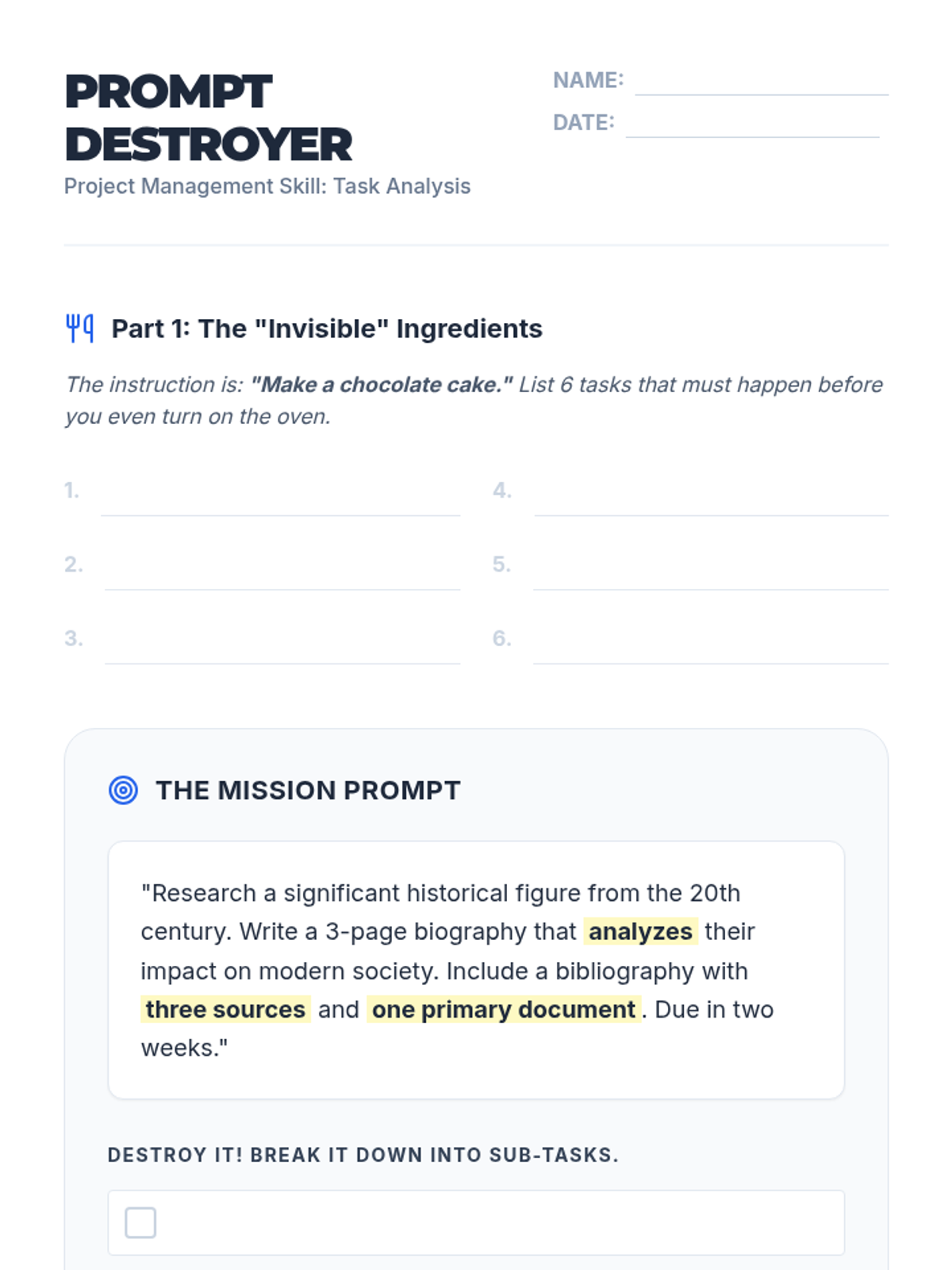
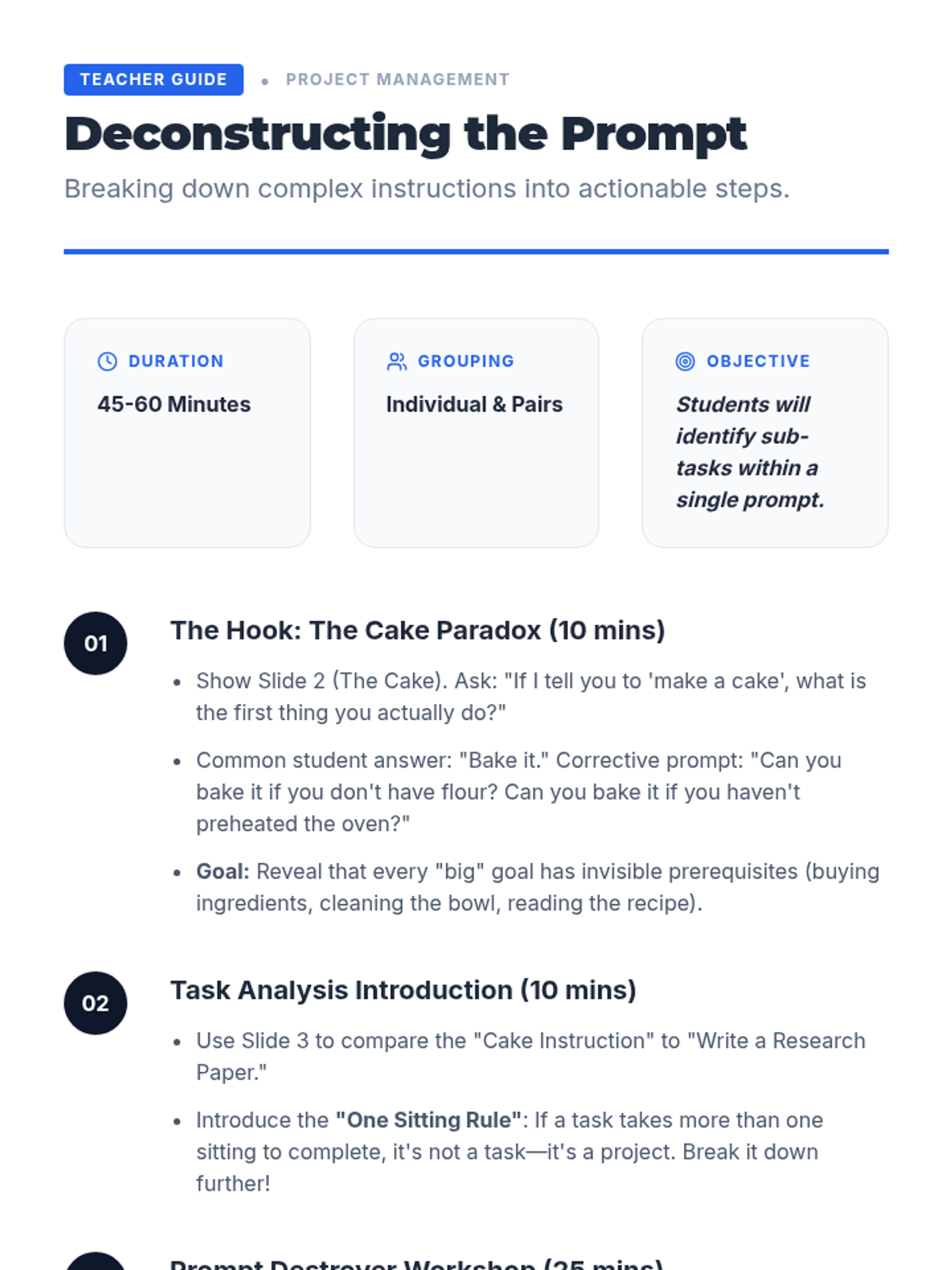
A 5-lesson sequence for 10th-grade students focusing on project management skills like backward design, task deconstruction, and time estimation to balance multiple commitments.
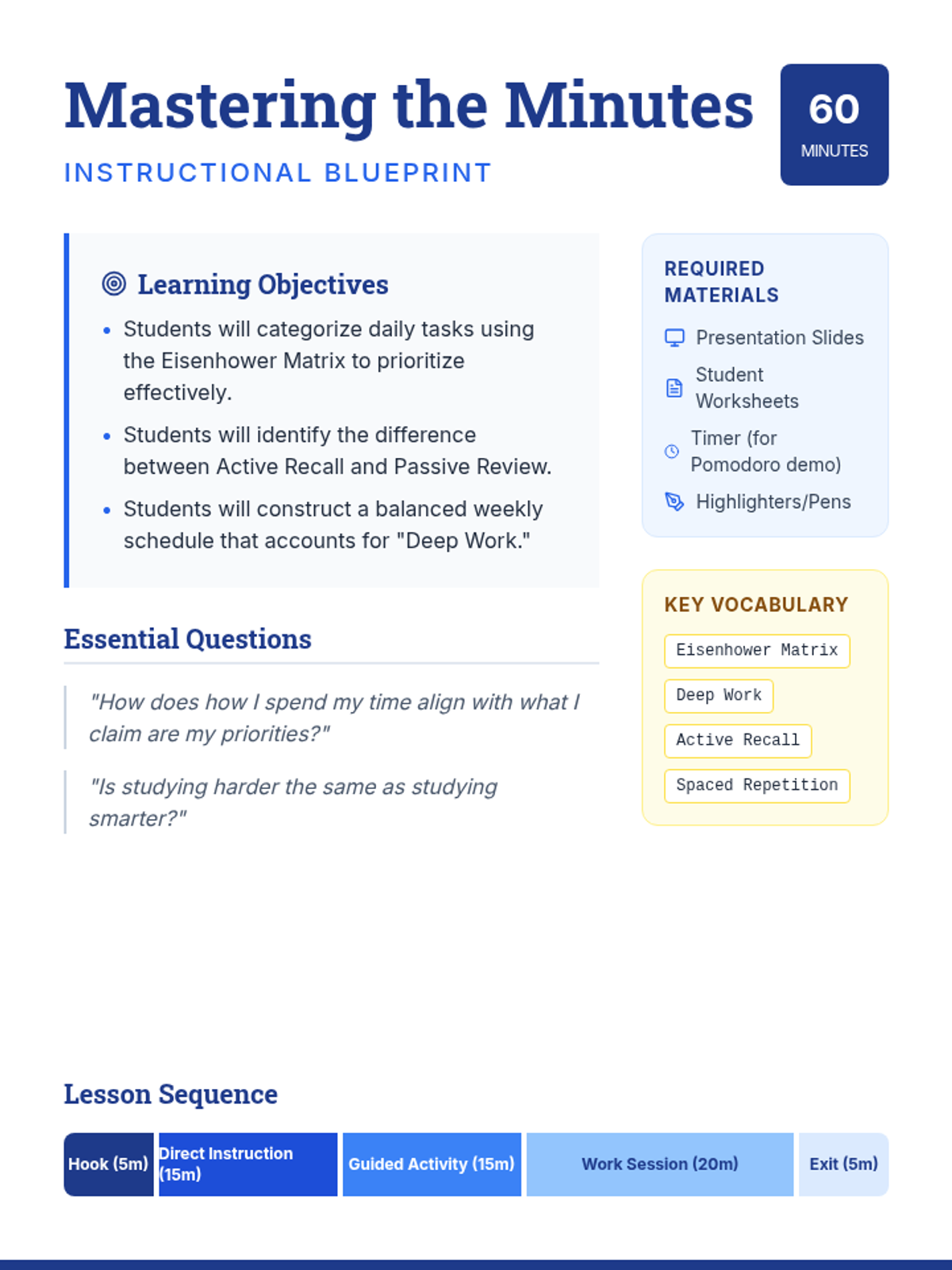
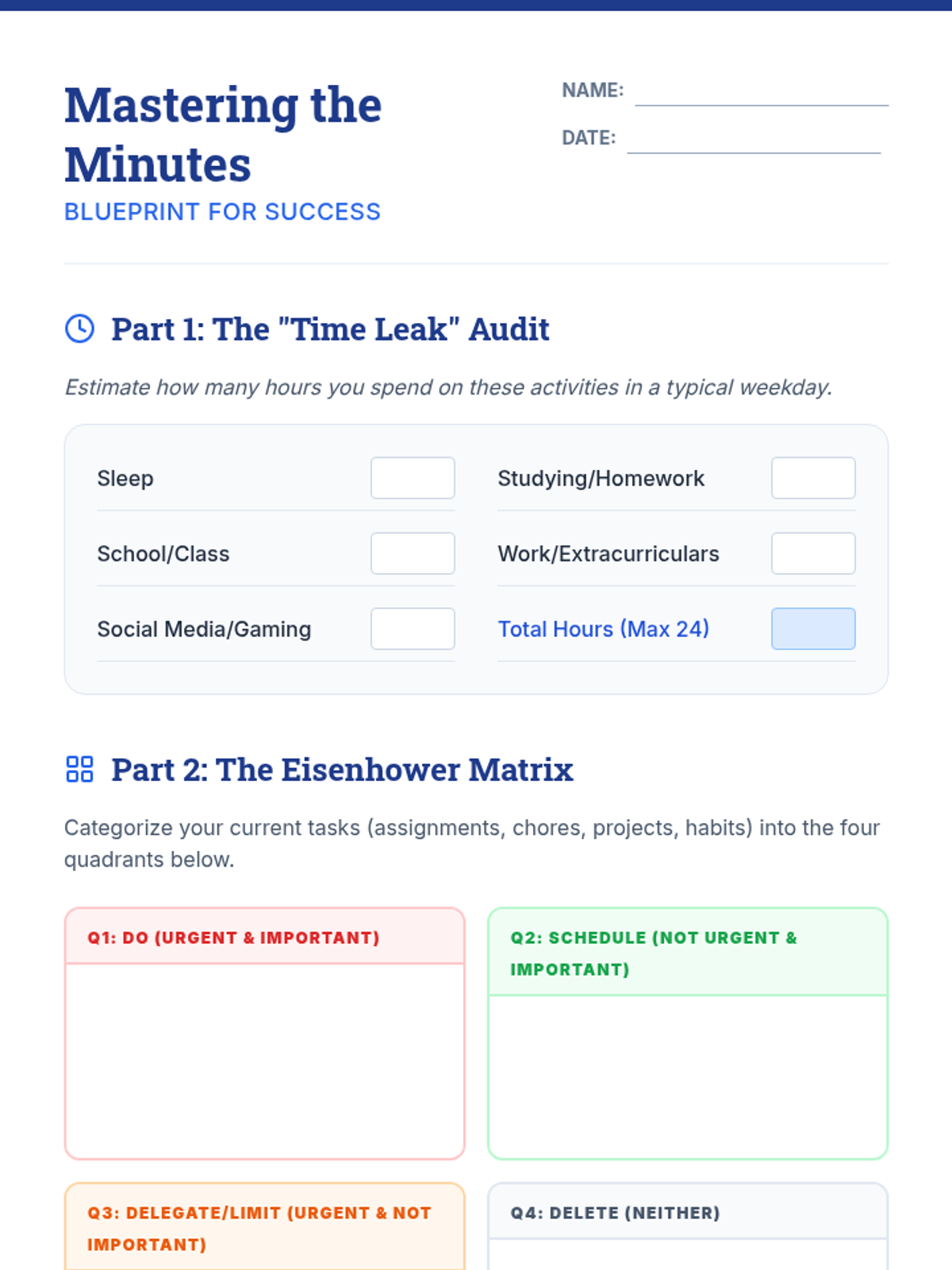
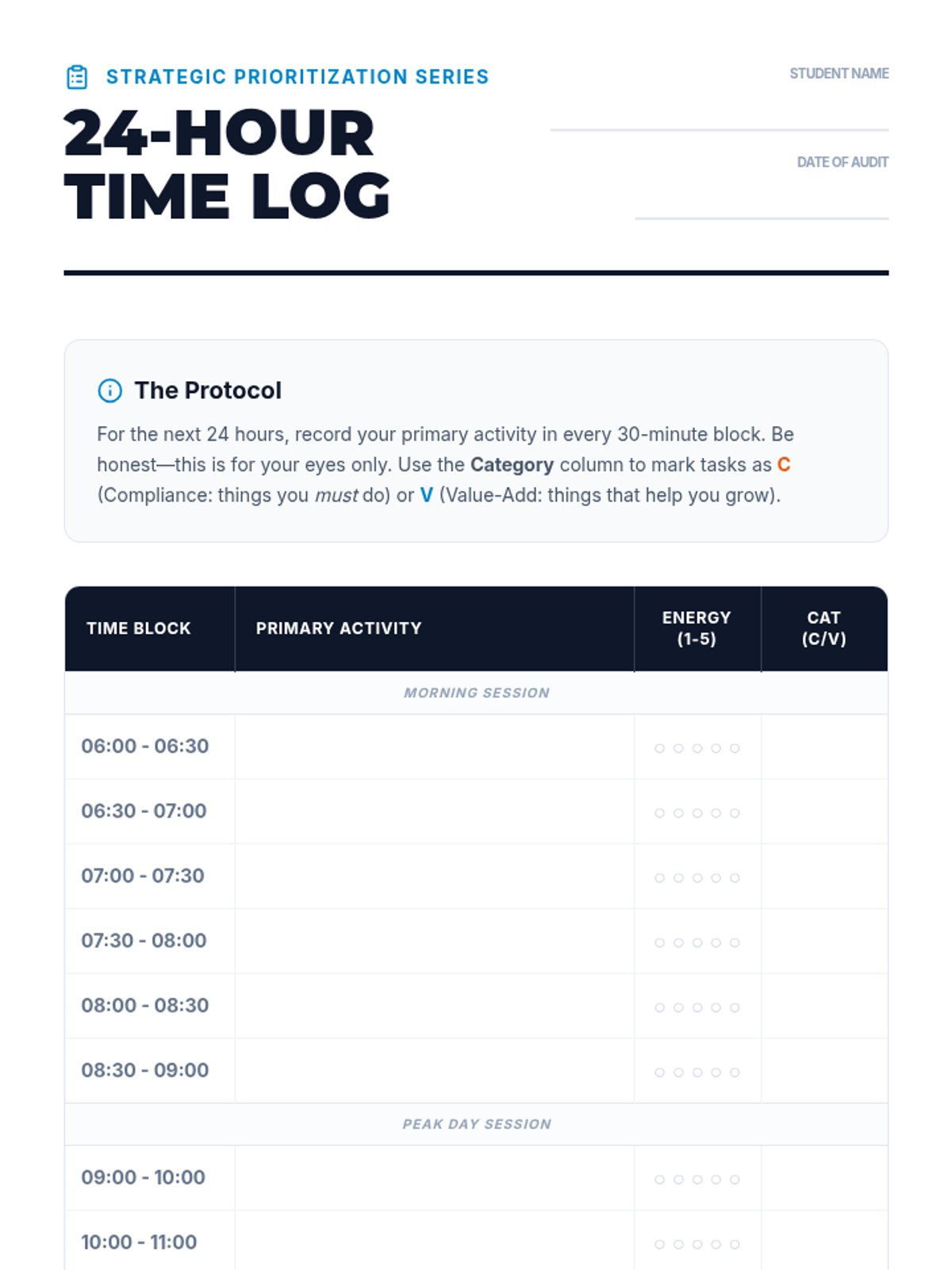
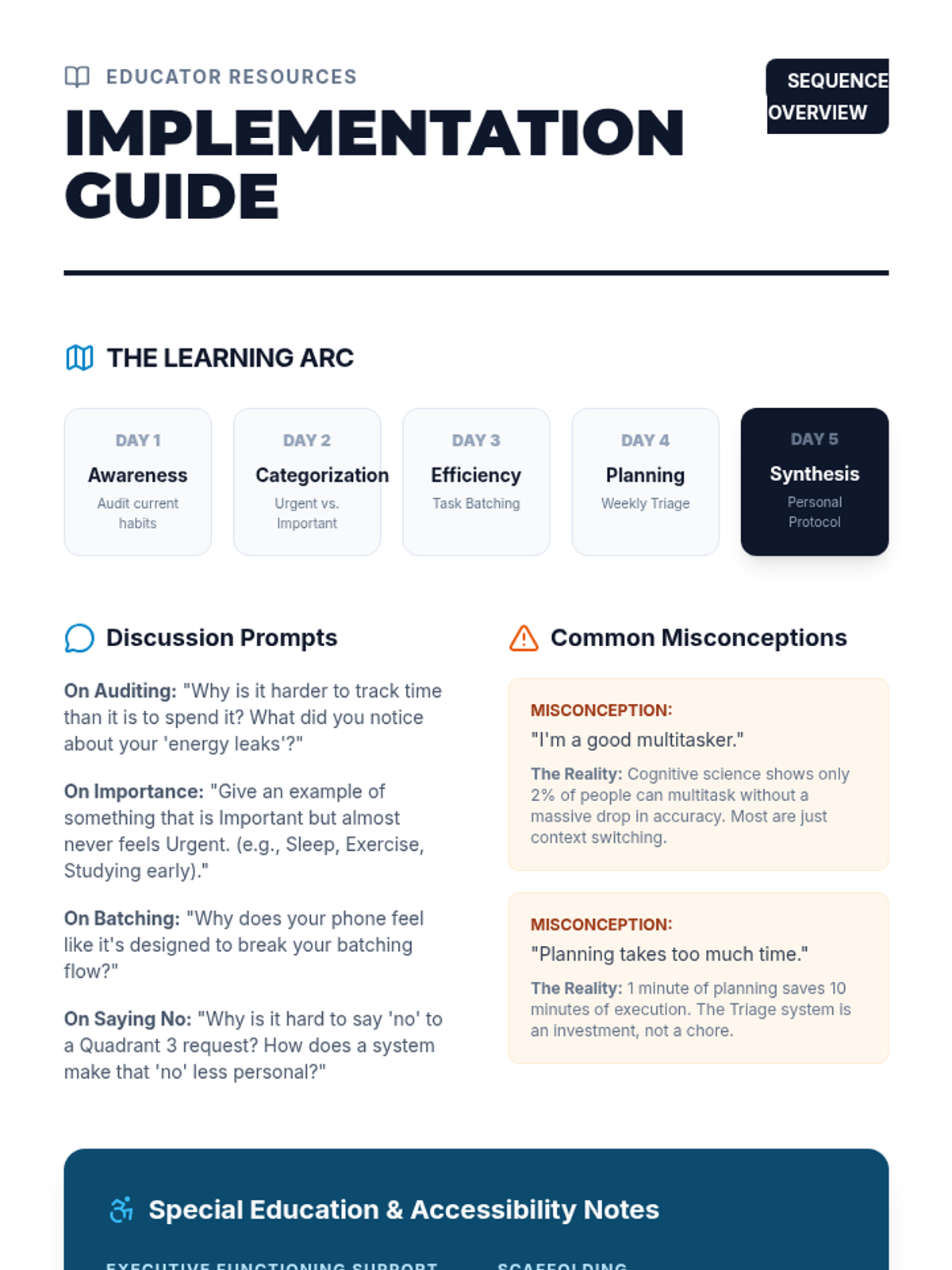
A comprehensive 5-lesson unit for 10th-grade students focusing on executive functioning skills to balance multiple commitments. Students learn time auditing, the Eisenhower Matrix, task batching, and weekly triage systems to develop a personalized priority protocol.
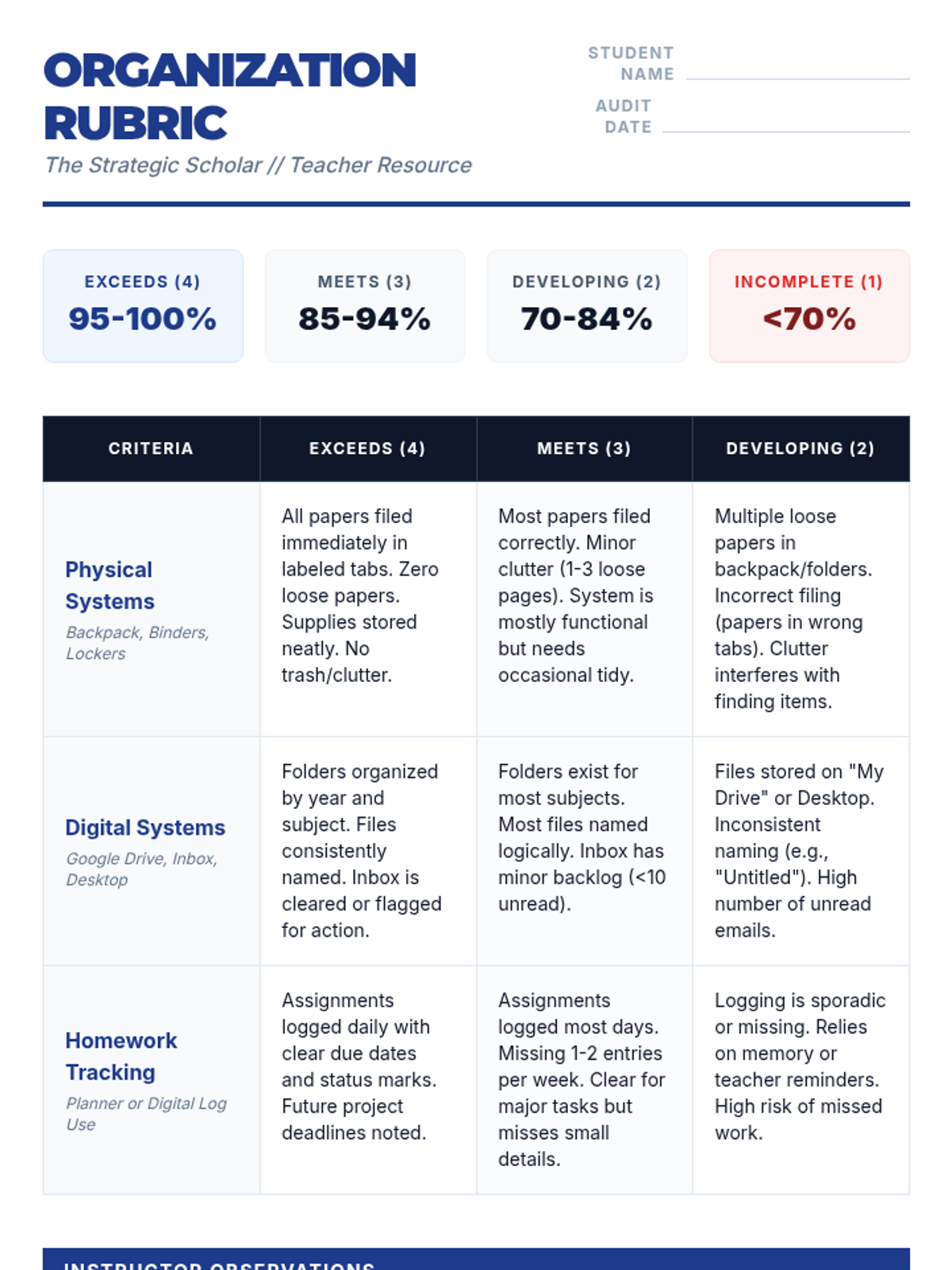
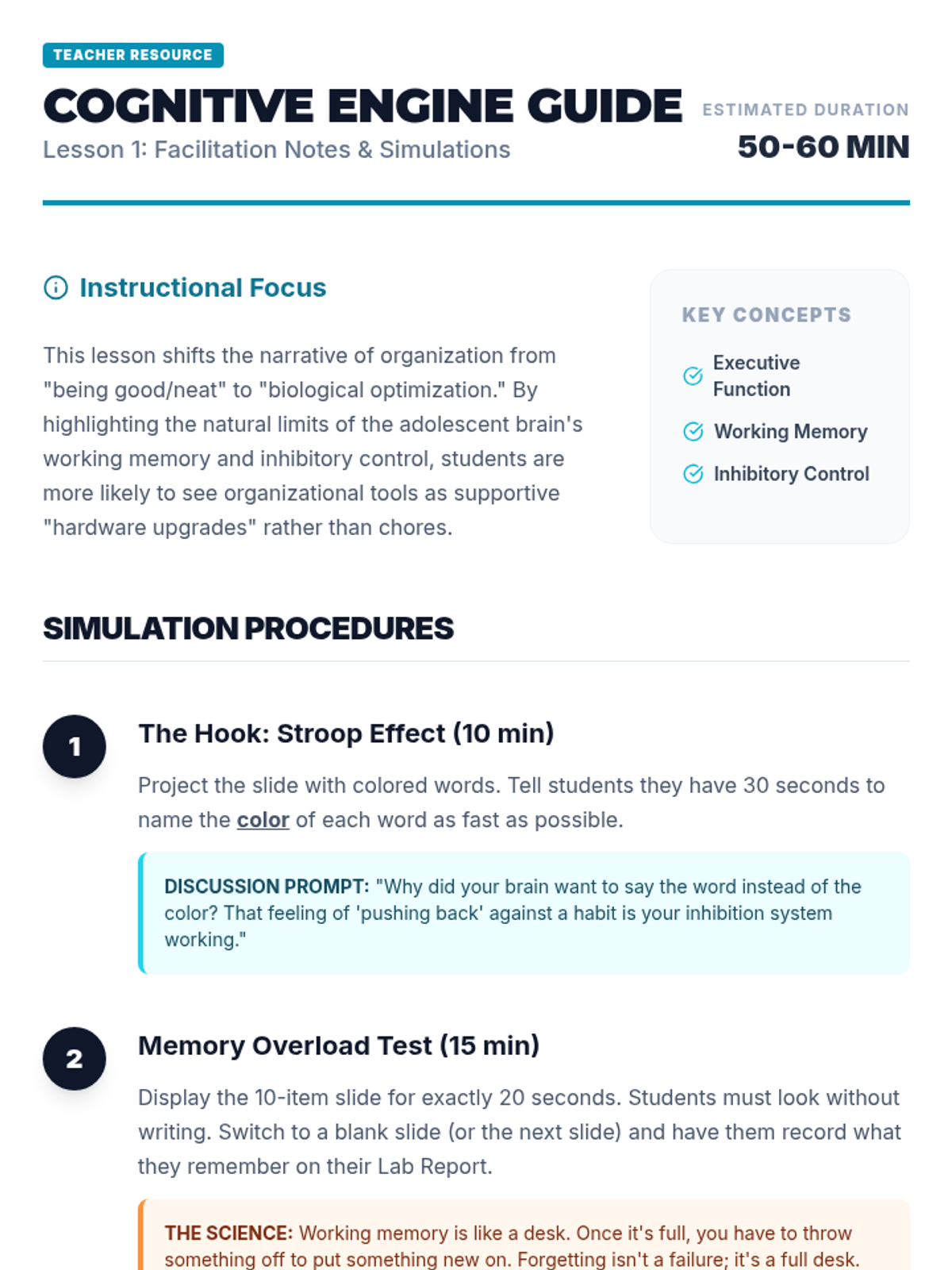
This sequence guides 8th-grade students through the engineering of their physical and digital environments to support executive function. Students move from understanding the neurological 'why' of organization to building a personalized operating manual for their own workflow optimization.
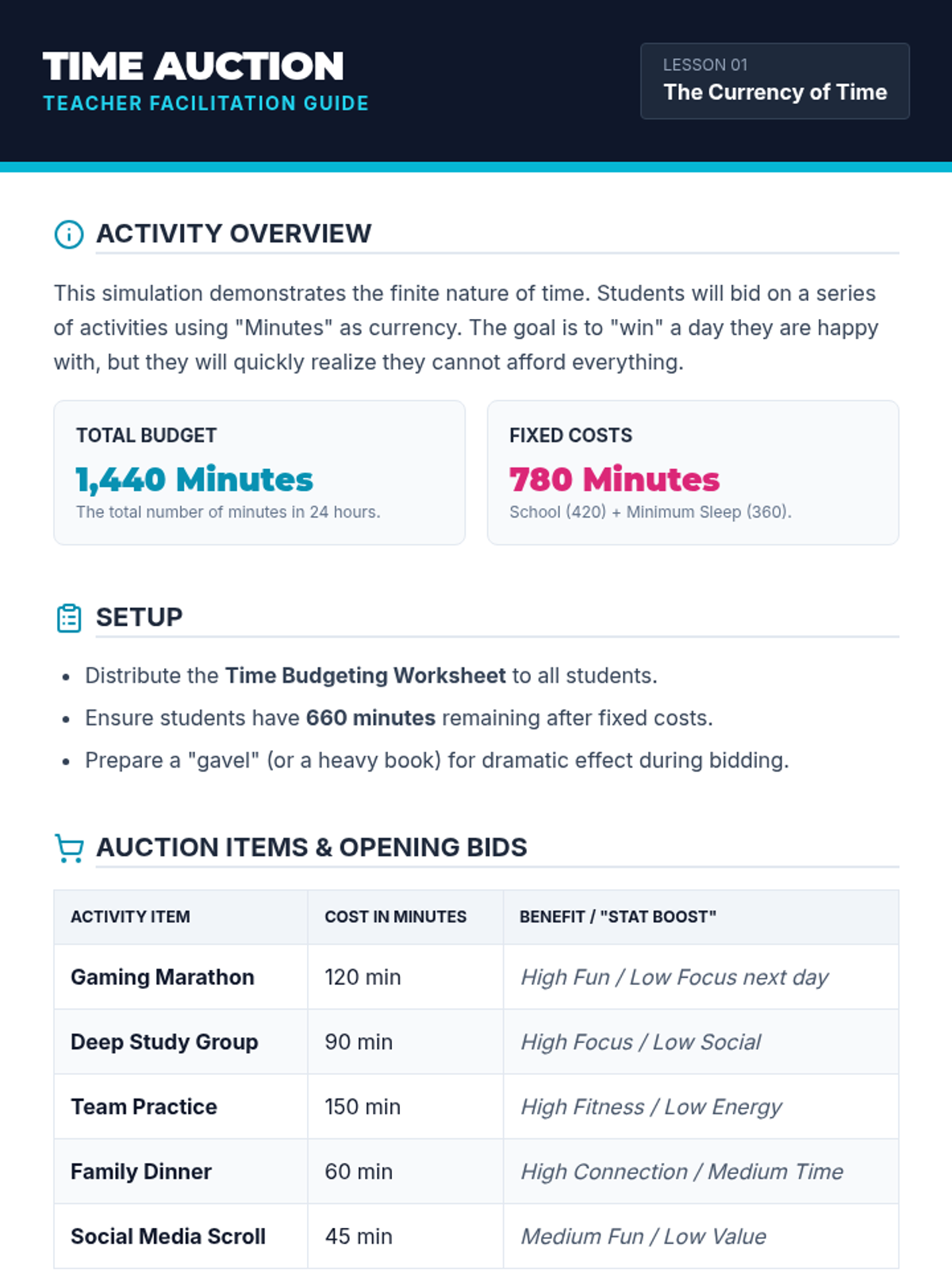
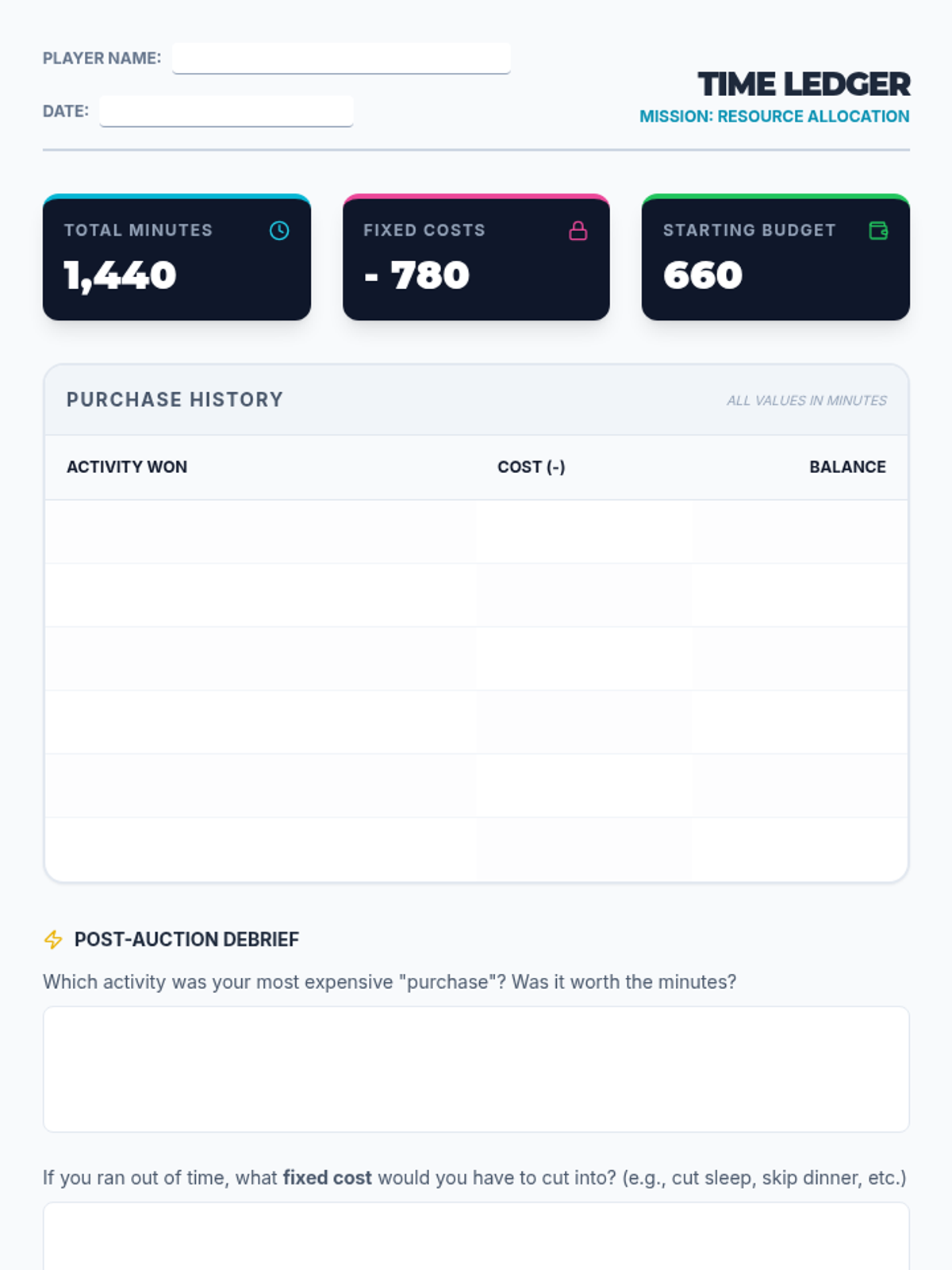
A game-based simulation sequence for 8th-grade students to master time and energy management. Students treat time as a finite currency, navigate trade-offs through opportunity cost simulations, and design a sustainable weekly schedule.
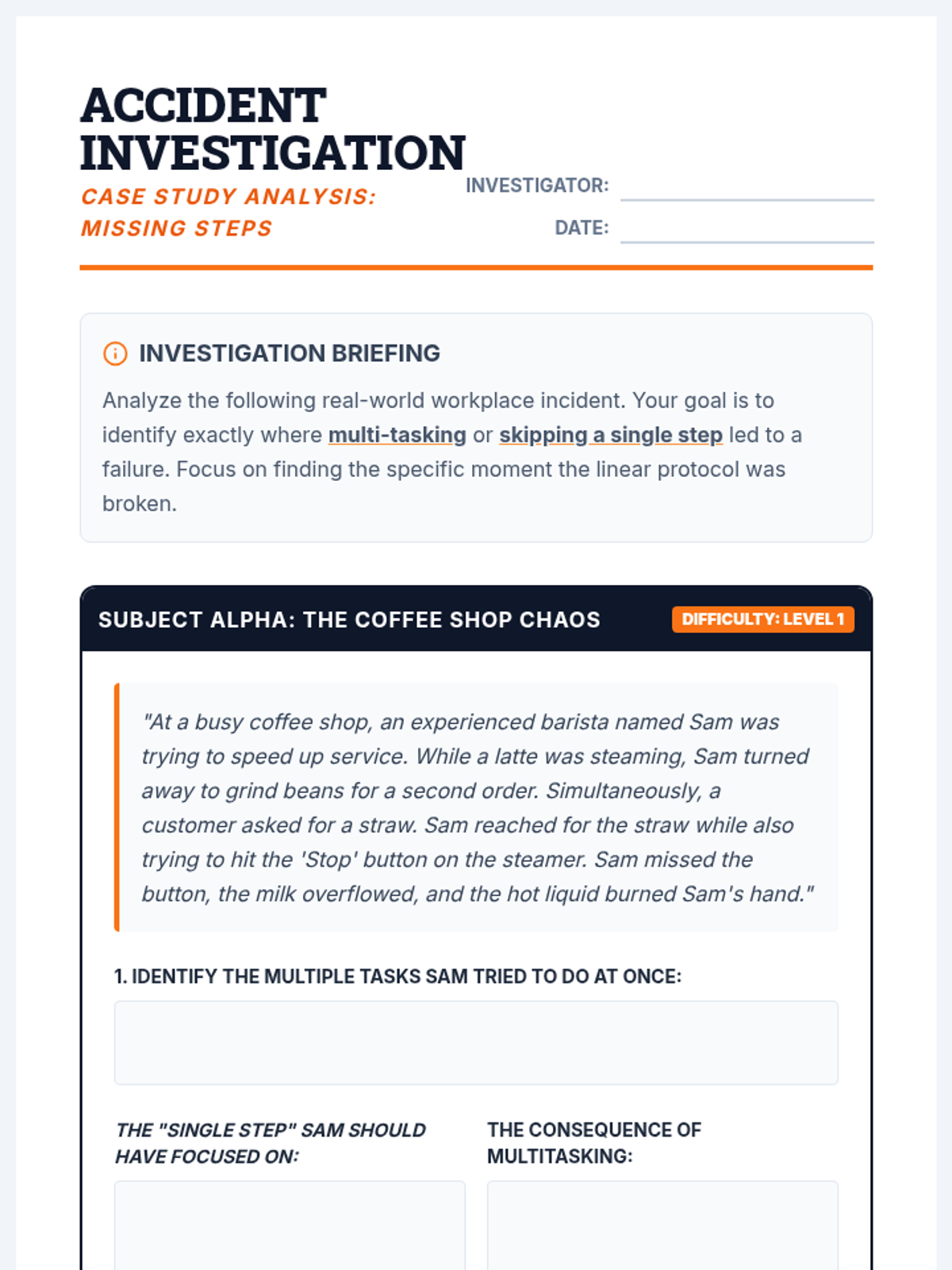
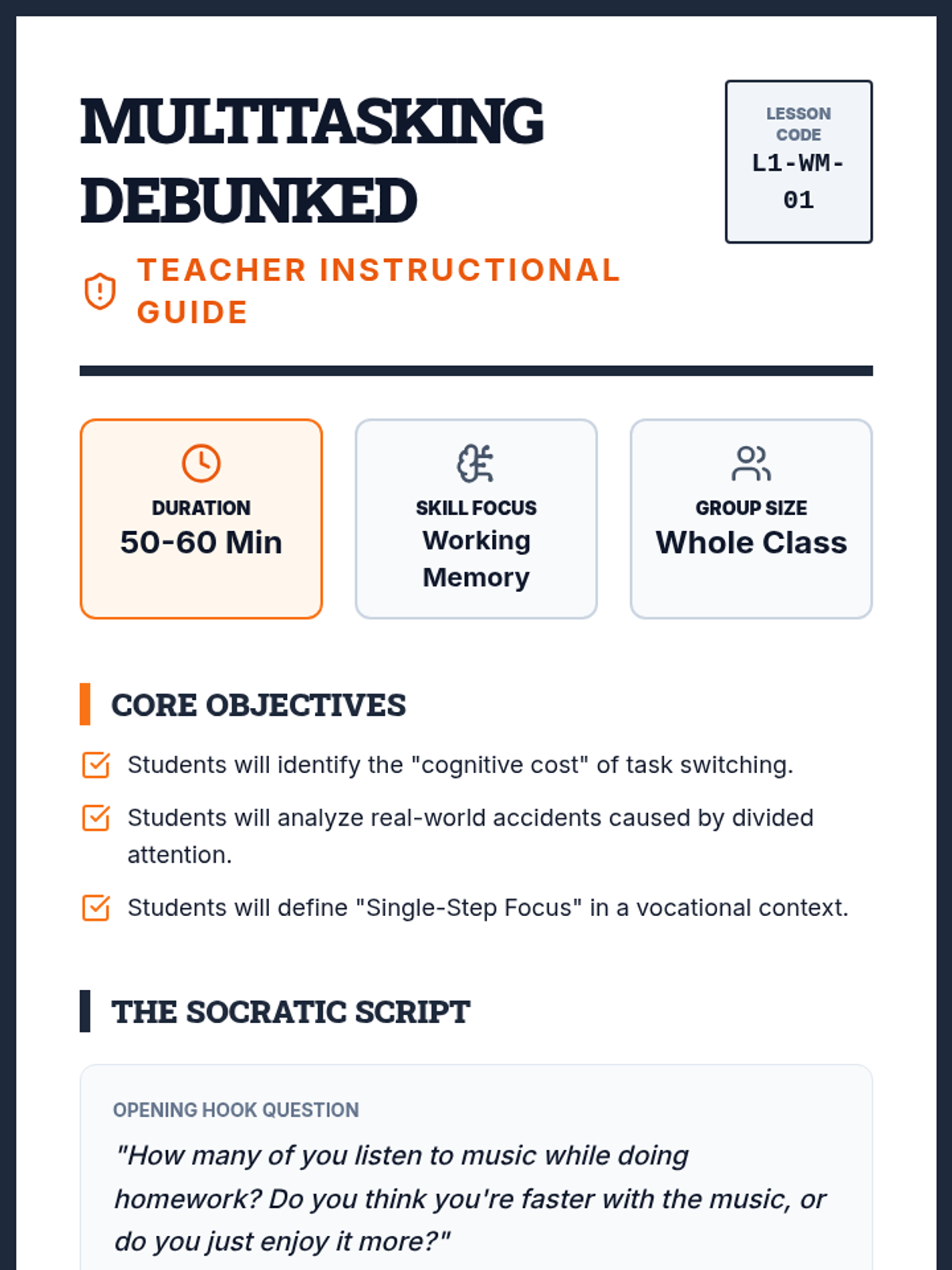
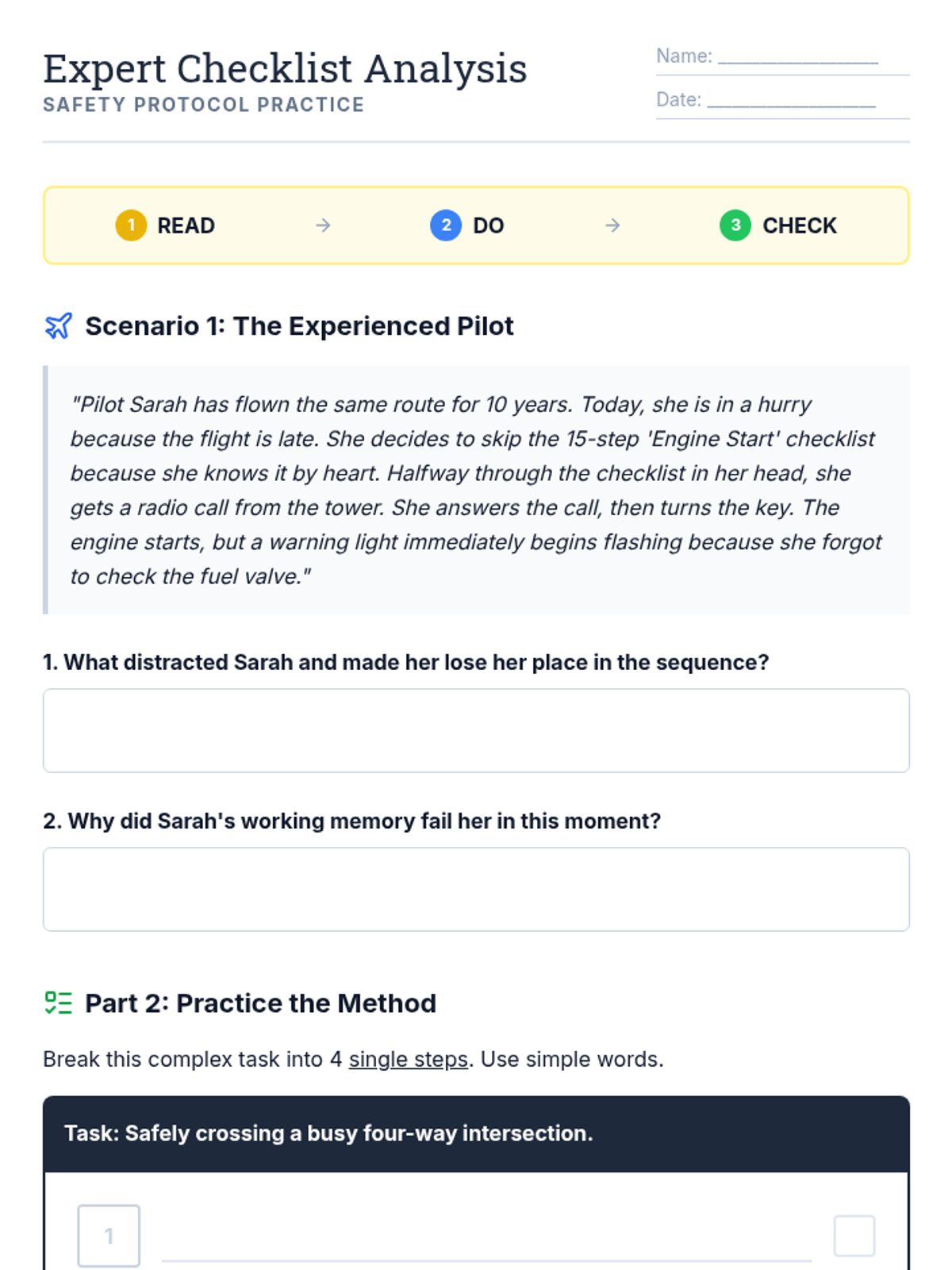
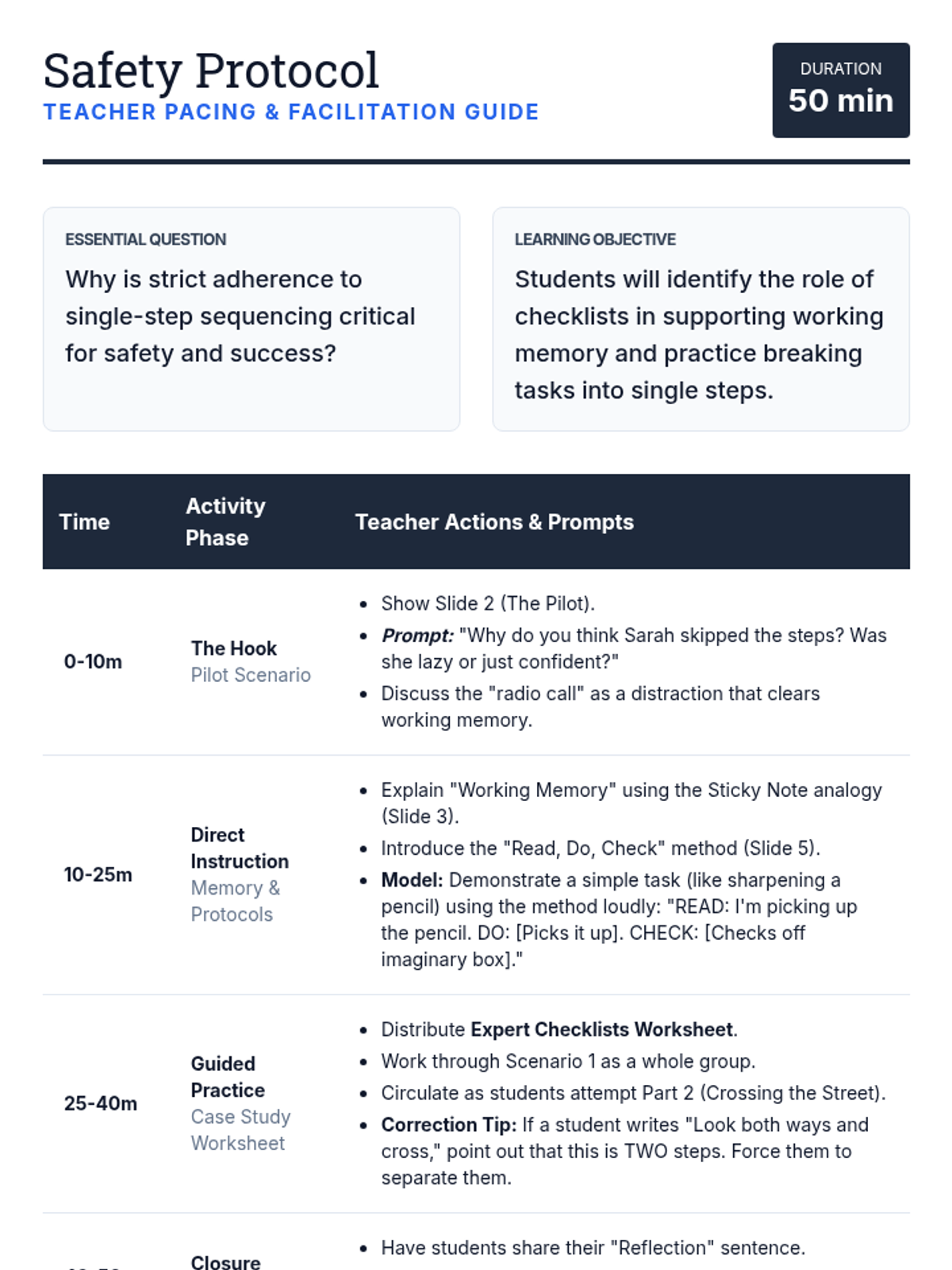
This sequence explores the critical importance of single-step focus in vocational environments. Students analyze how working memory limitations impact safety and quality, practicing sequential execution through industrial case studies, SOP development, and high-stakes simulations.
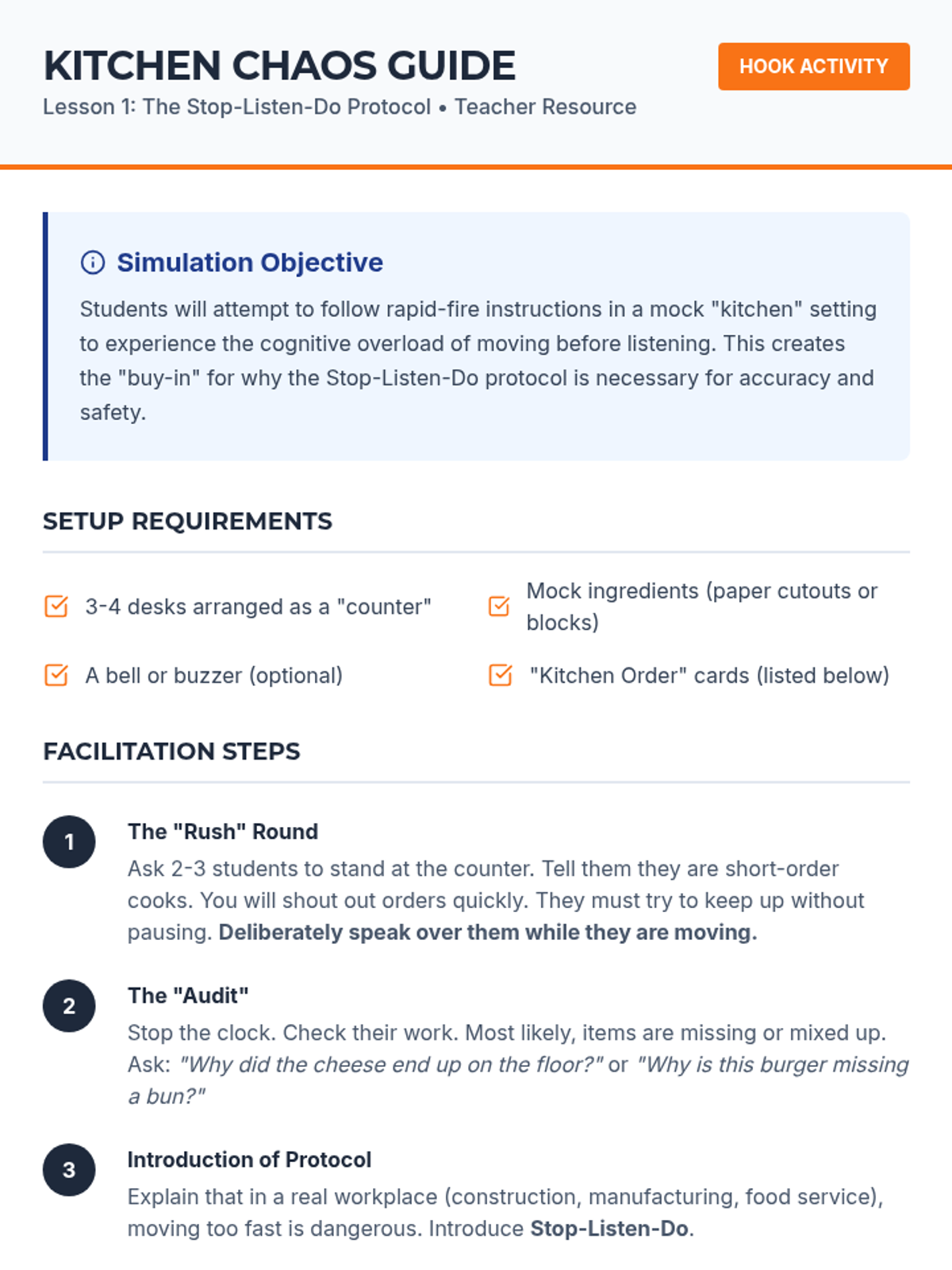
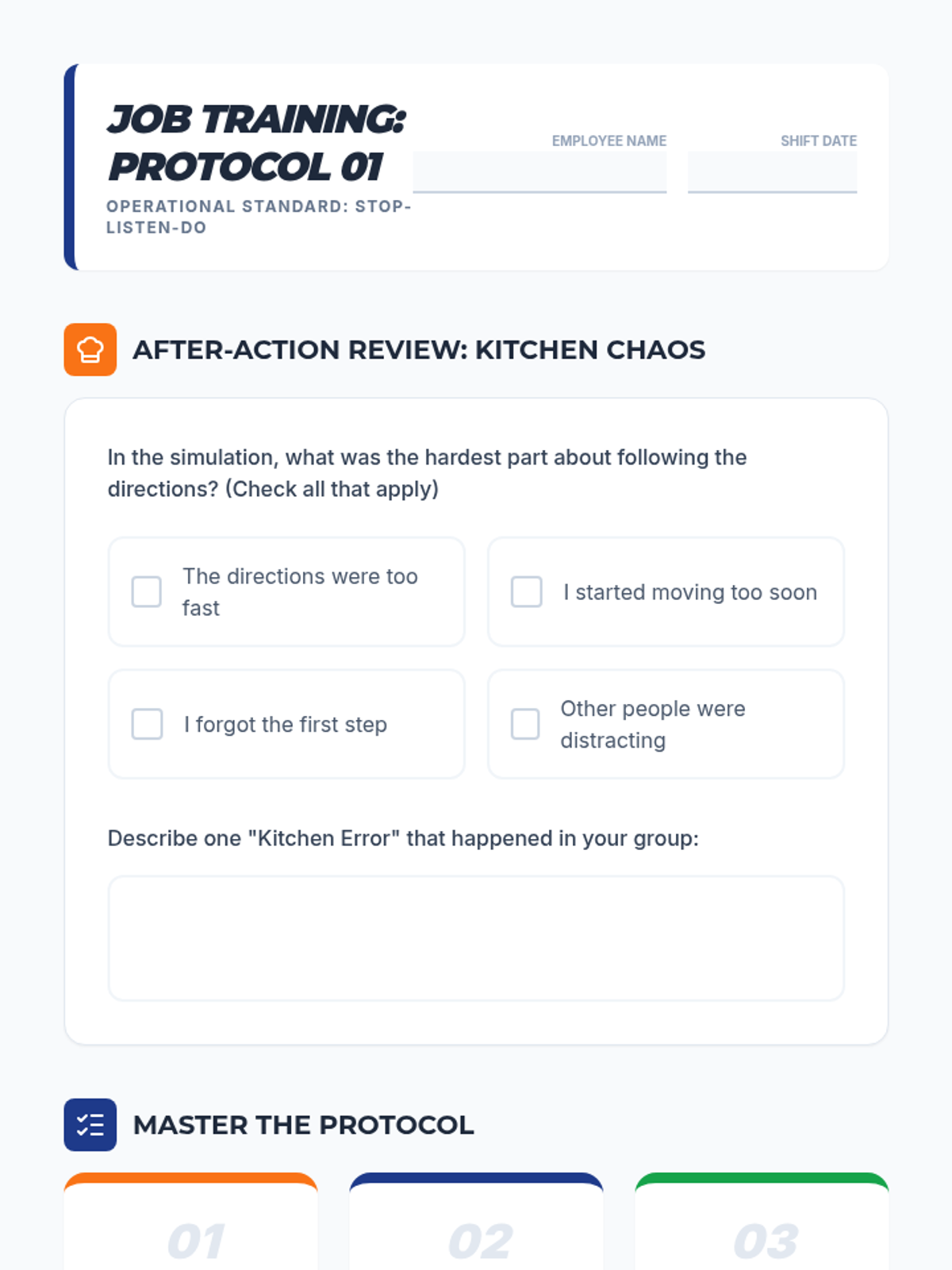
A vocational readiness sequence designed for 9th-grade students with working memory needs, focusing on the 'Stop-Listen-Do' protocol to master single-step directions in workplace environments. Students engage in simulations ranging from clerical work to assembly line tasks, emphasizing active listening and verification.
A vocational and life skills sequence for 7th-grade students focusing on working memory through single-step directions. Students explore how strict adherence to sequences ensures safety and success in fields like aviation, cooking, digital security, and emergency response.
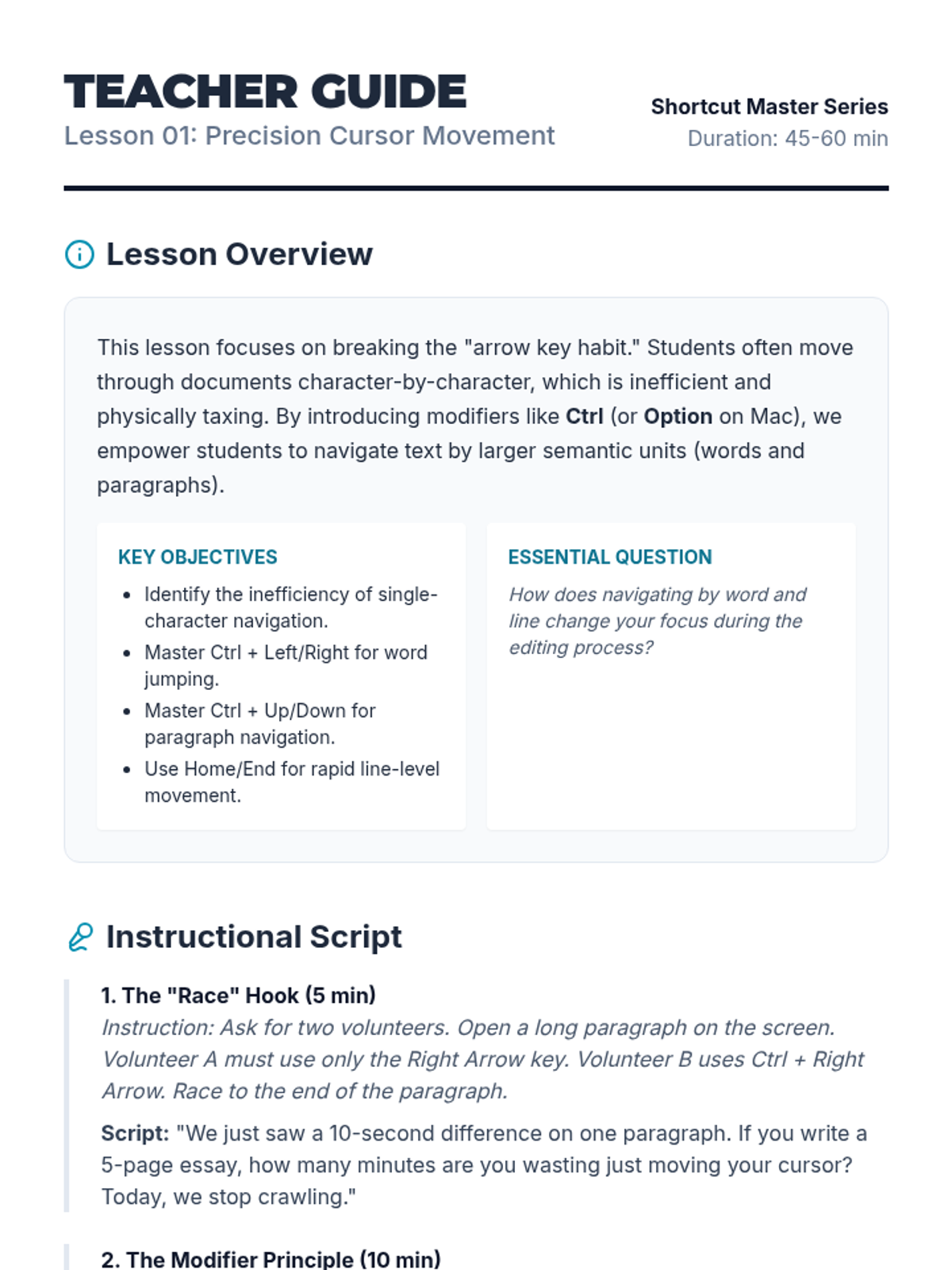
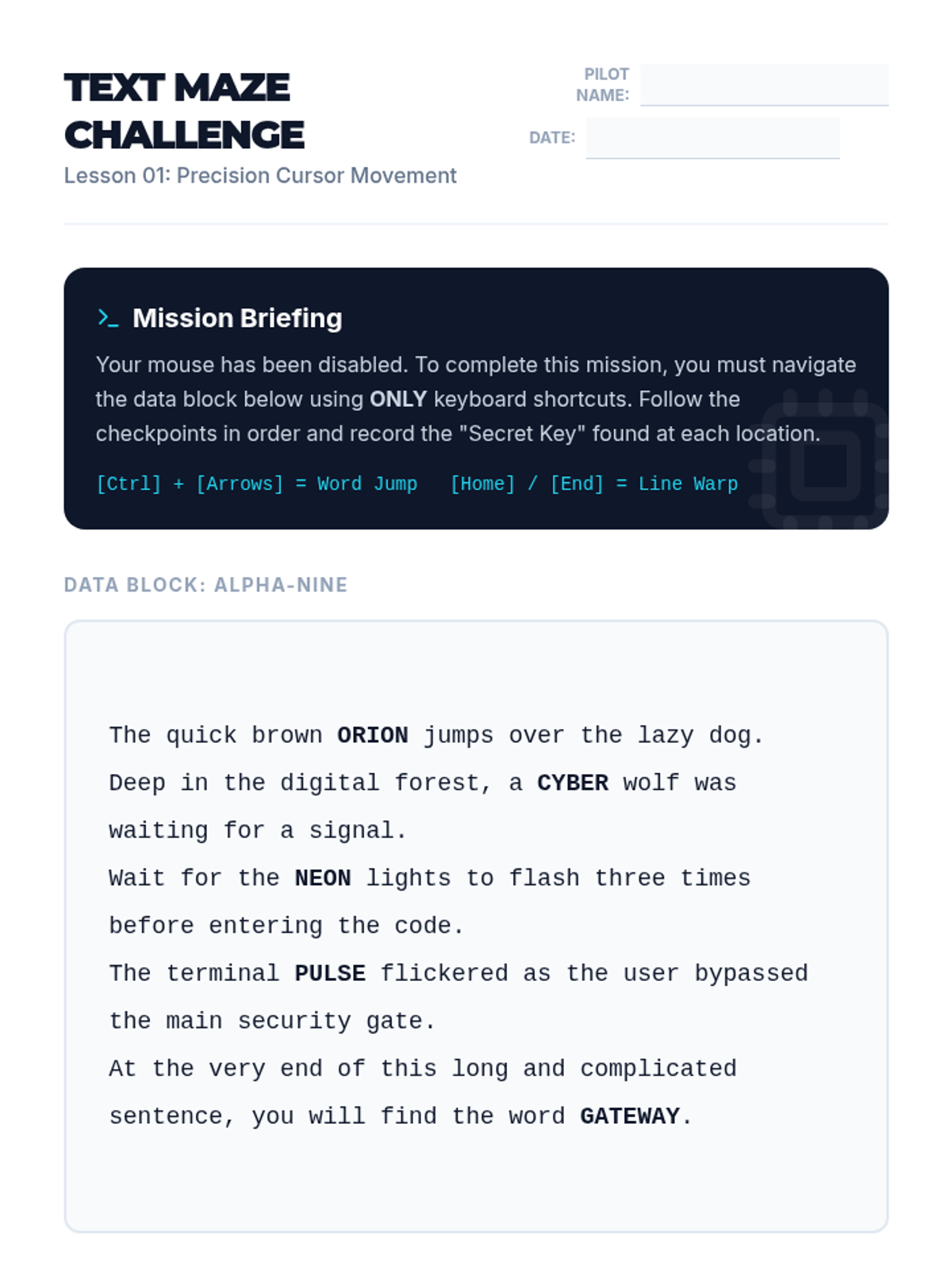
A specialized sequence for 10th-grade students to master keyboard navigation and document editing techniques. This unit reduces physical strain and increases digital productivity through intentional shortcut mastery.
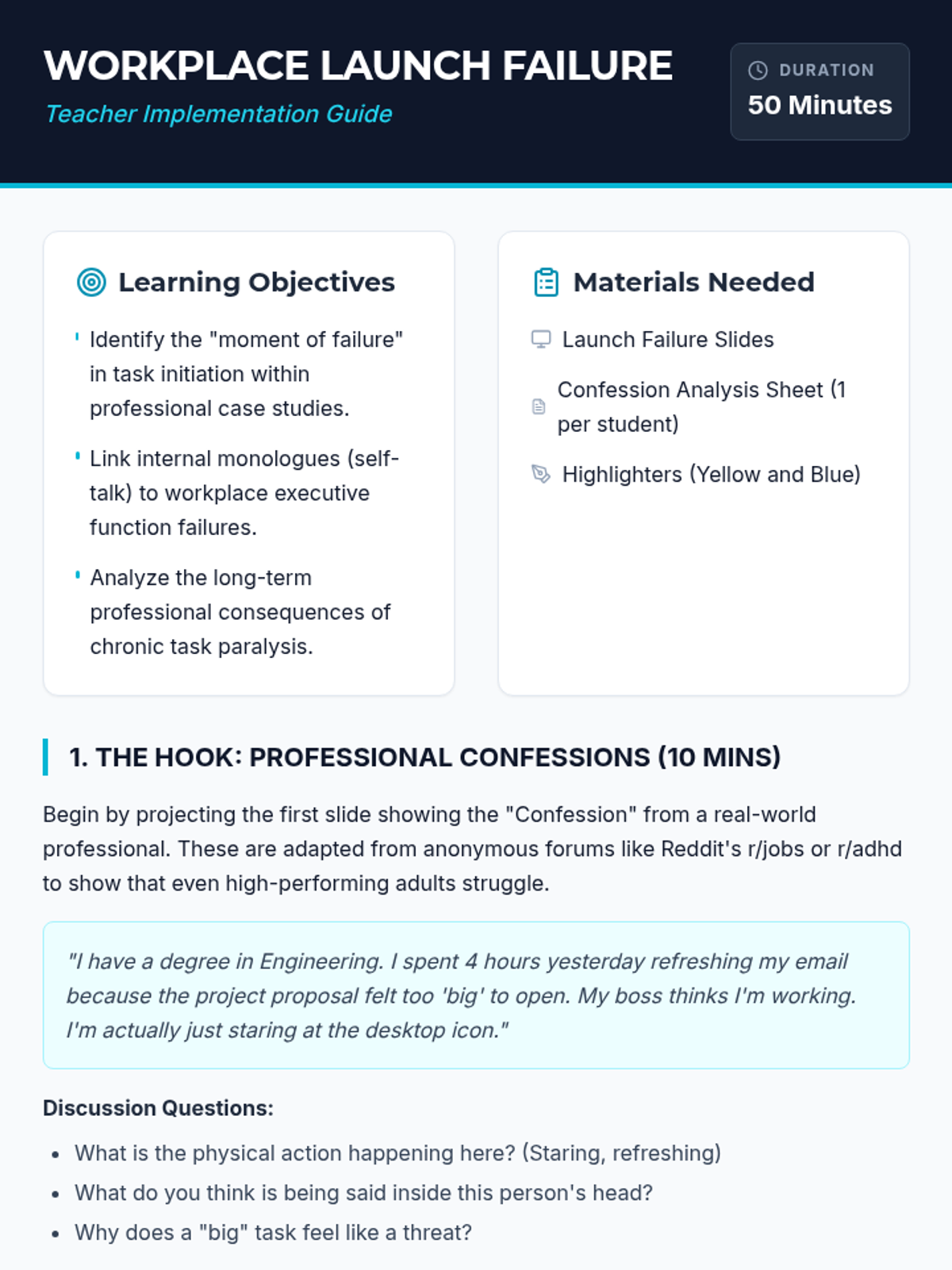
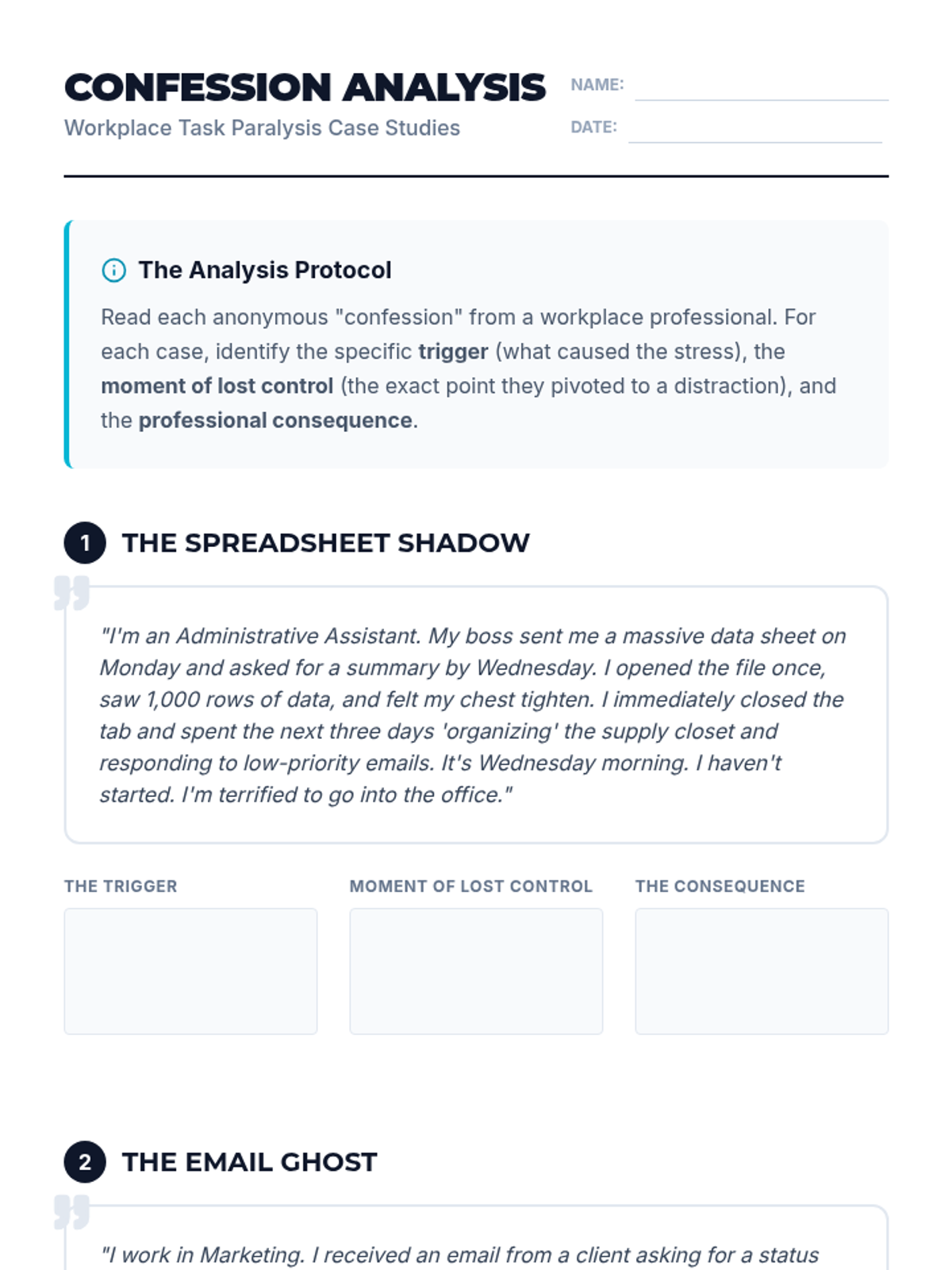
A comprehensive sequence for transition-age students to master self-talk strategies for task initiation in professional and independent living contexts. Students move from analyzing workplace failures to building a personalized 'Standard Operating Procedure' for overcoming task paralysis.
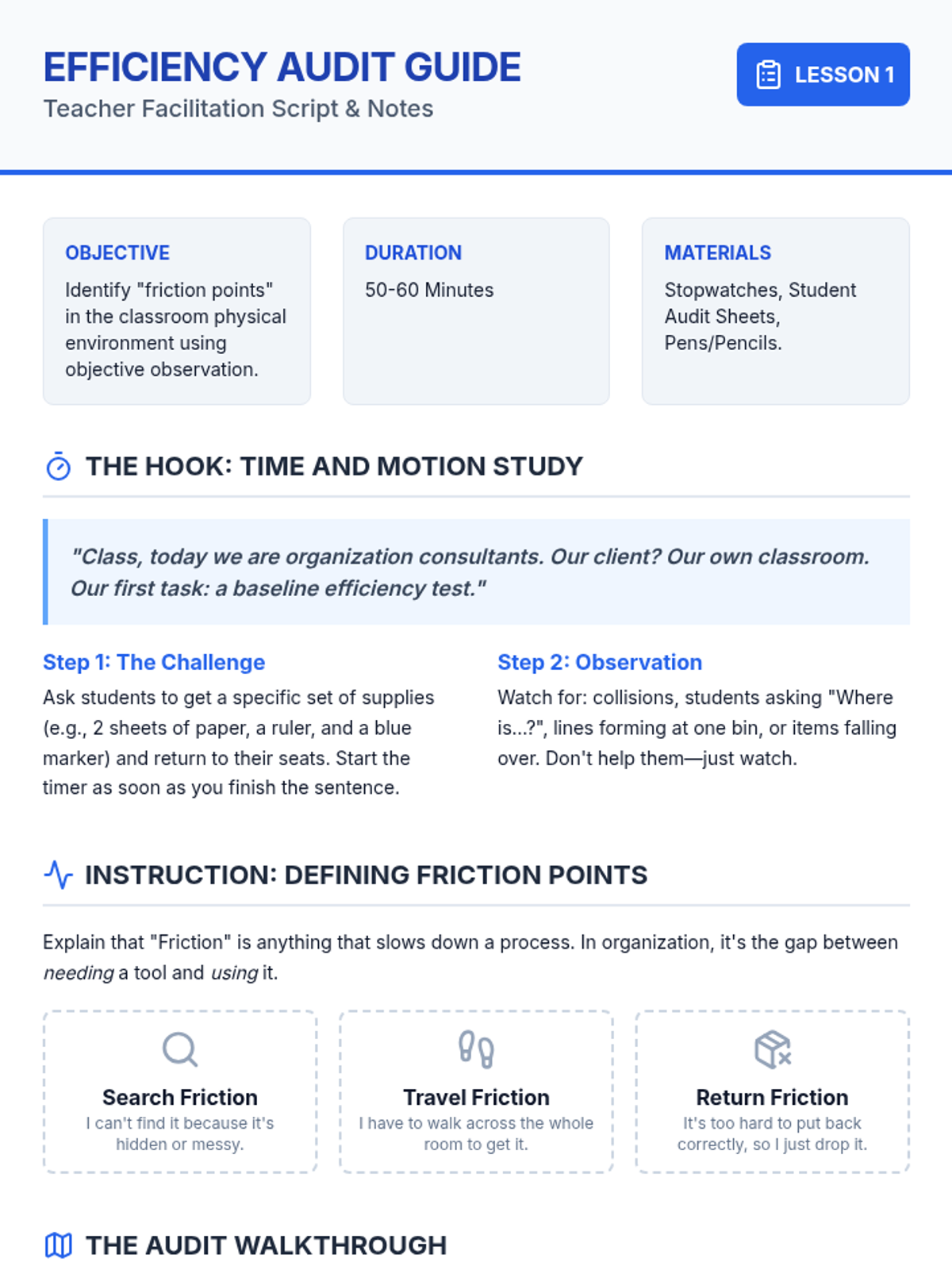
A project-based unit where students act as organization consultants to evaluate, redesign, and implement efficient physical systems in their classroom. Students learn systems thinking, visual communication, and the psychology of environmental design to create a more functional learning space.
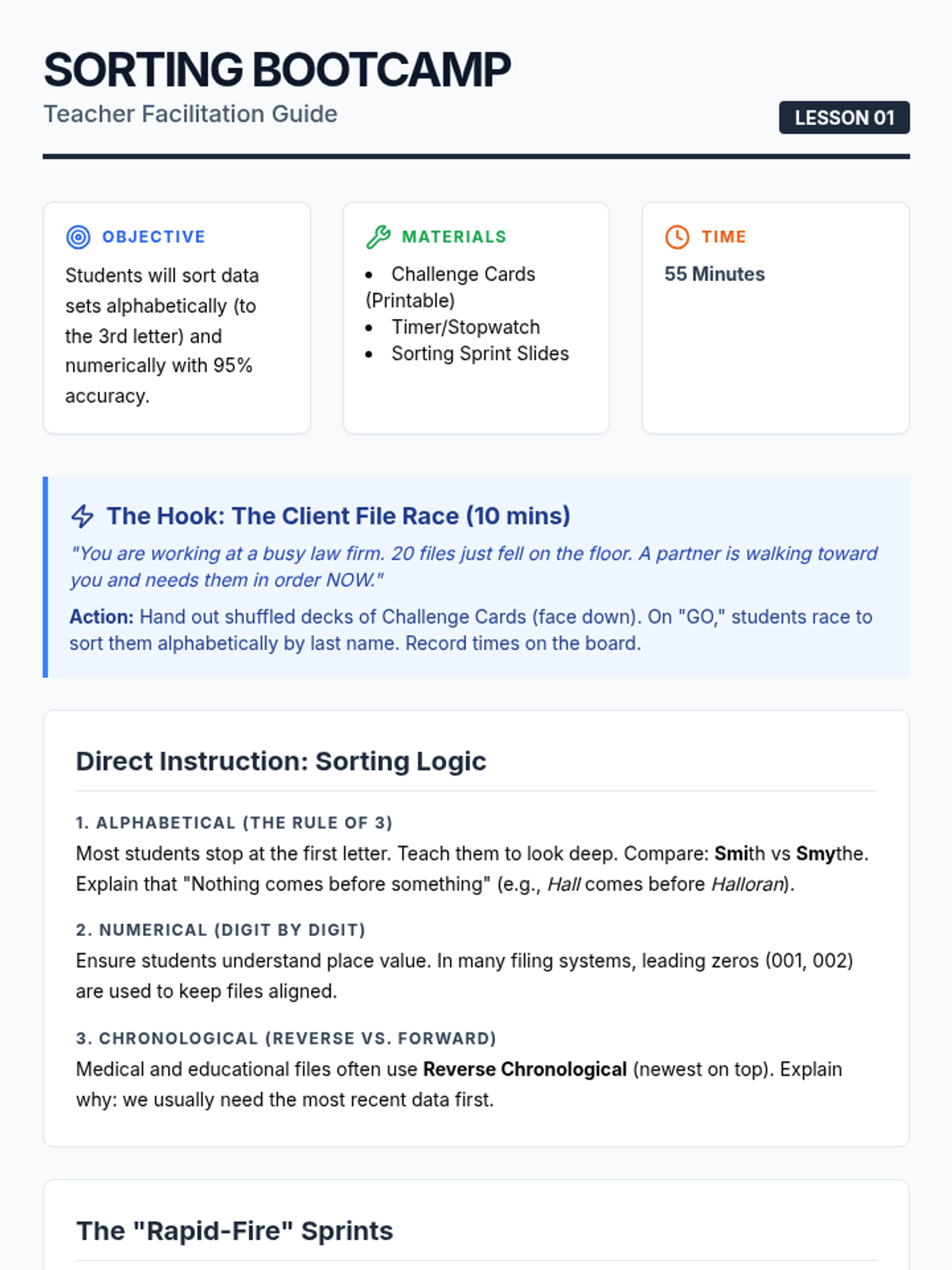
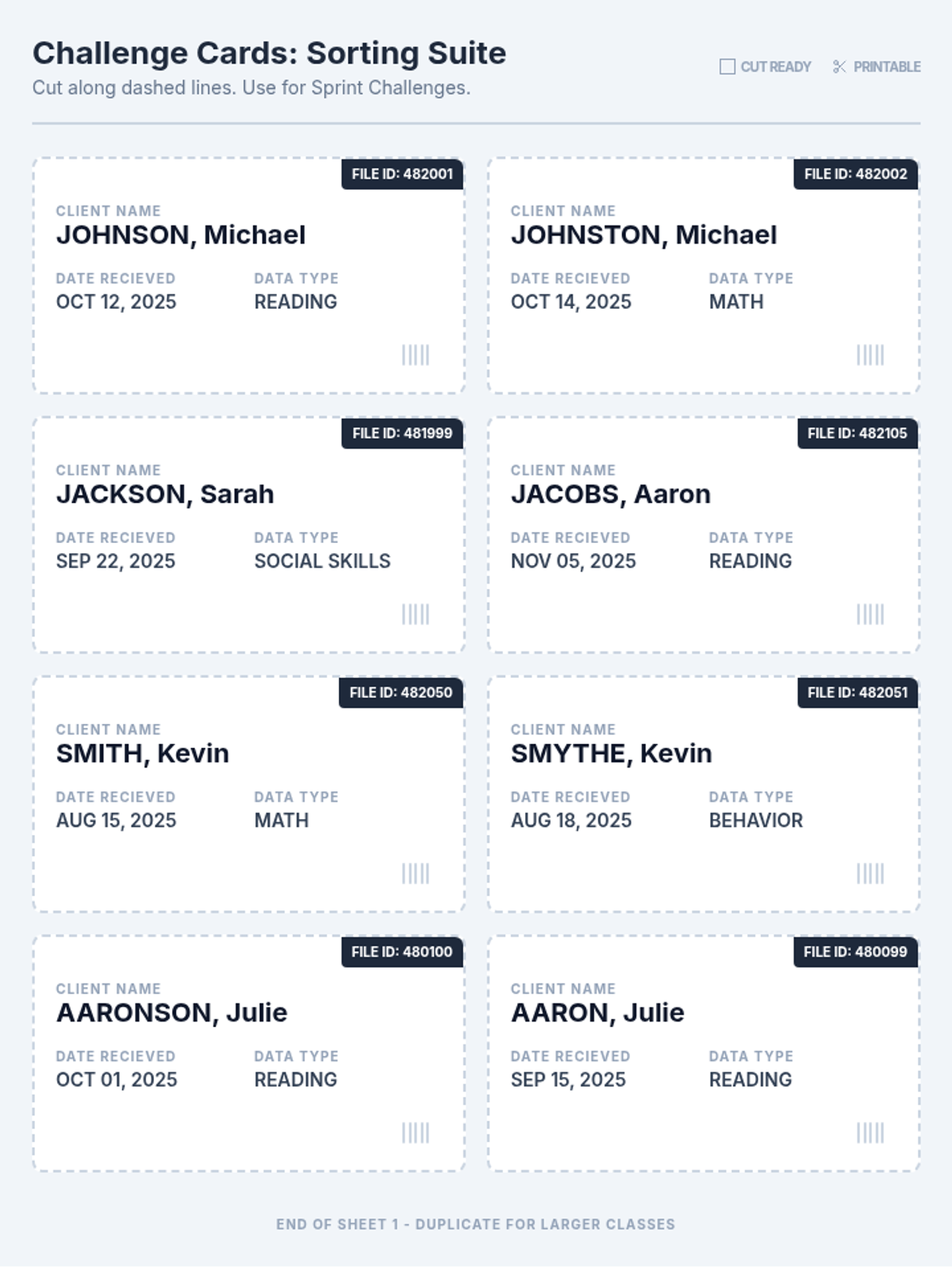
A comprehensive sequence focused on professional clerical skills, teaching students to master alphabetical, numerical, and color-coded filing systems, alongside data tracking and confidentiality protocols.
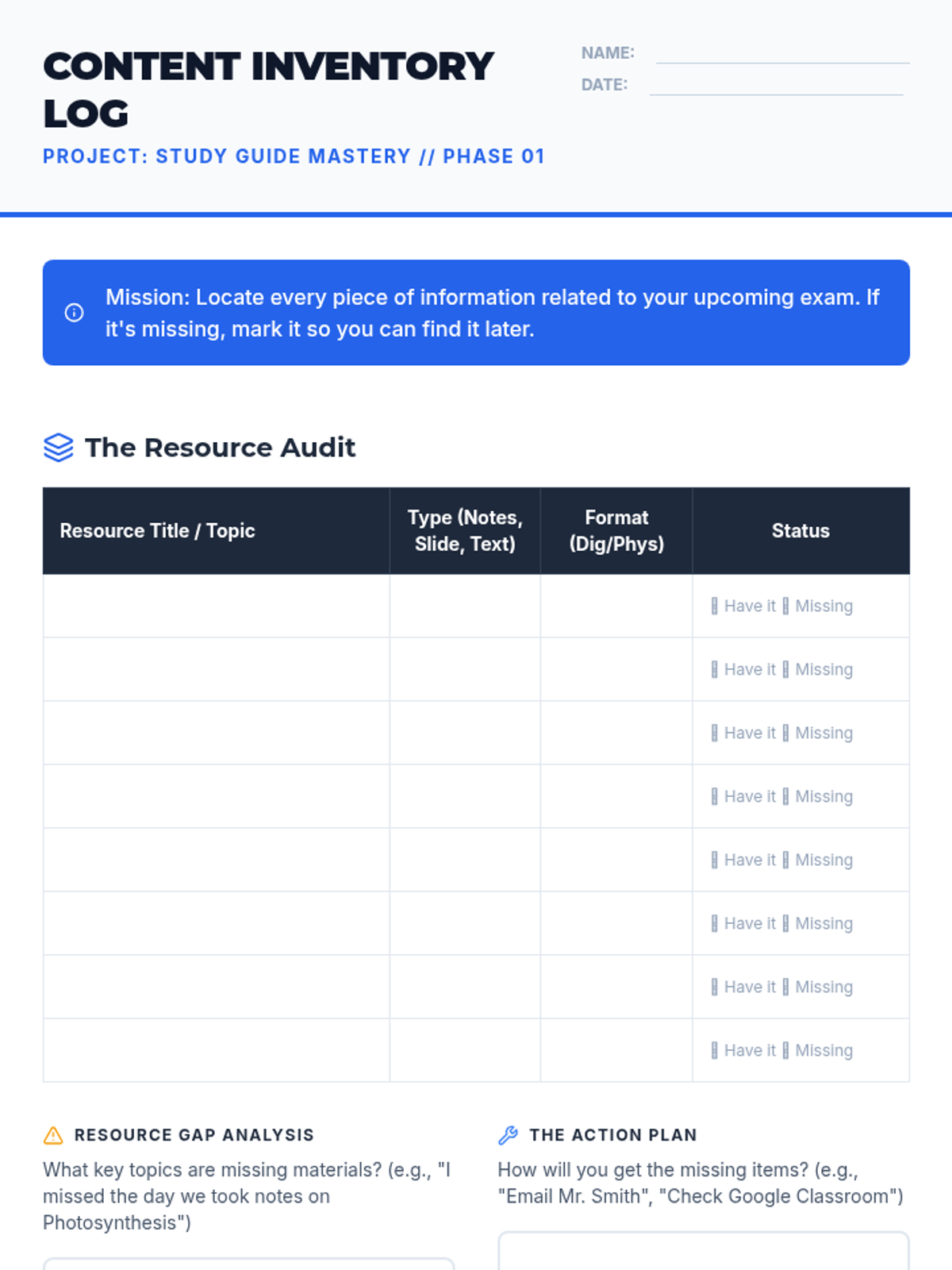
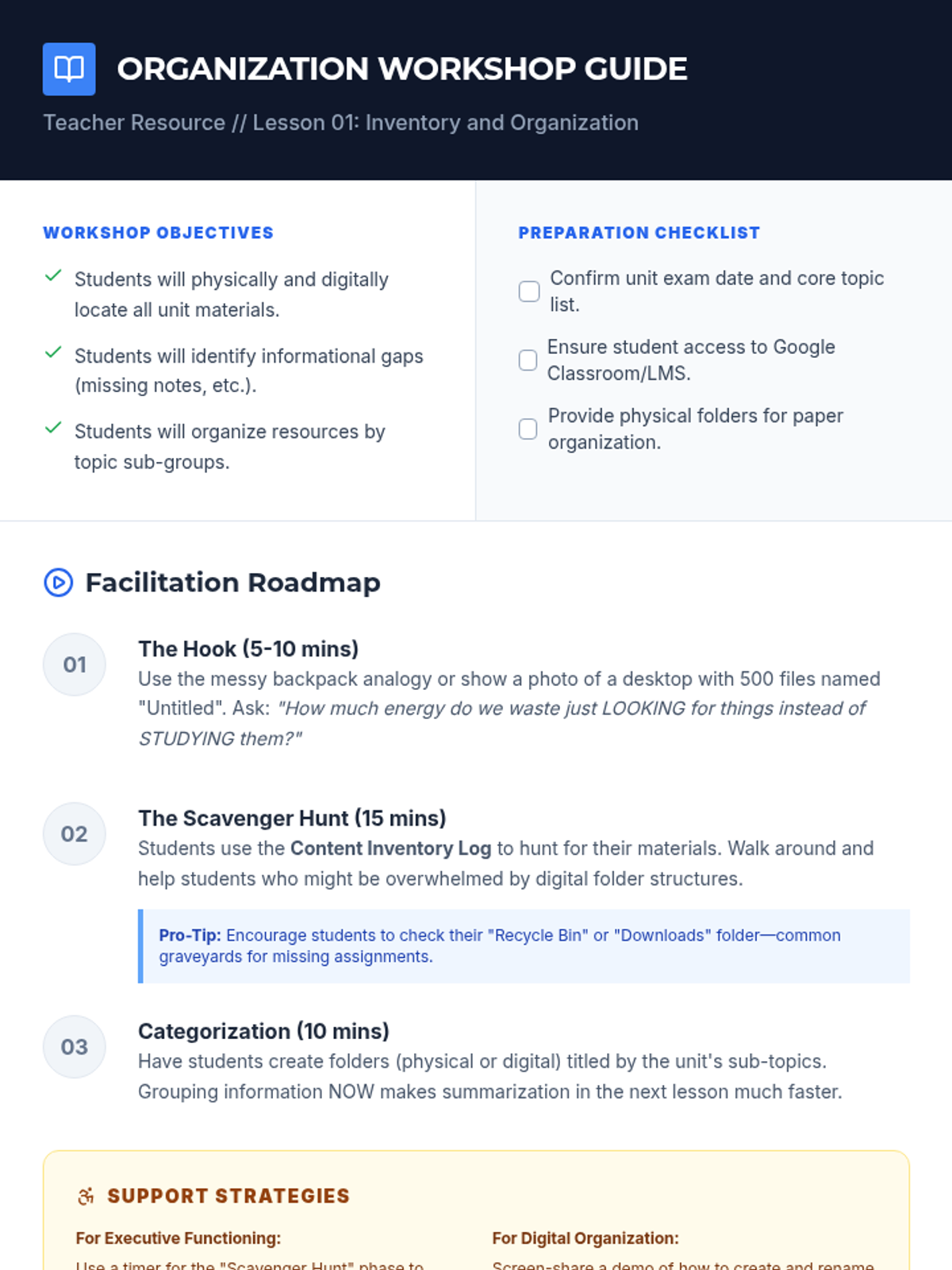
This sequence teaches 10th-grade students in academic support settings how to synthesize course materials into accessible, high-quality study guides. Students learn to inventory resources, extract essential concepts using the '10% rule', format for cognitive accessibility, and predict assessment questions to master their content.
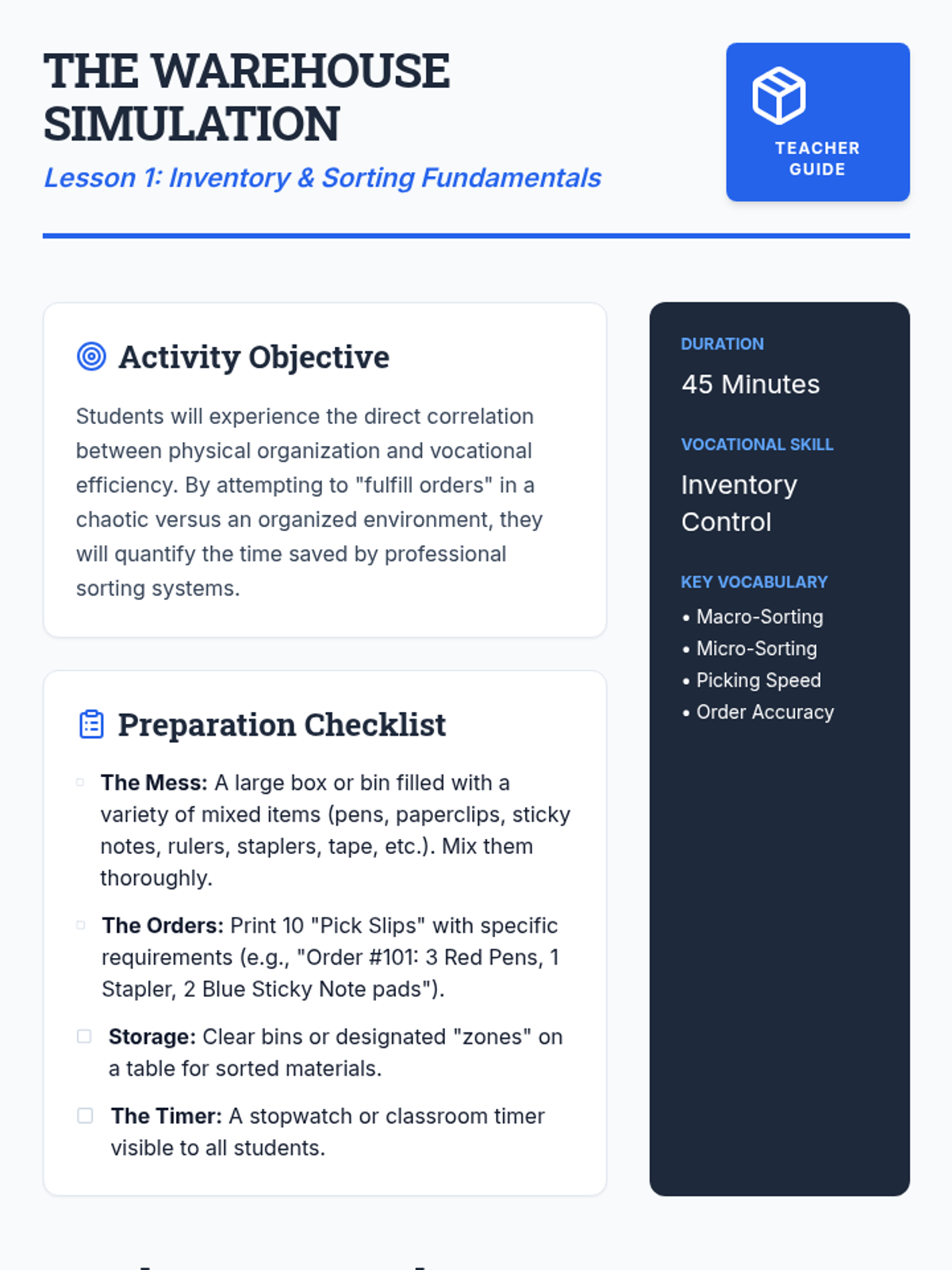
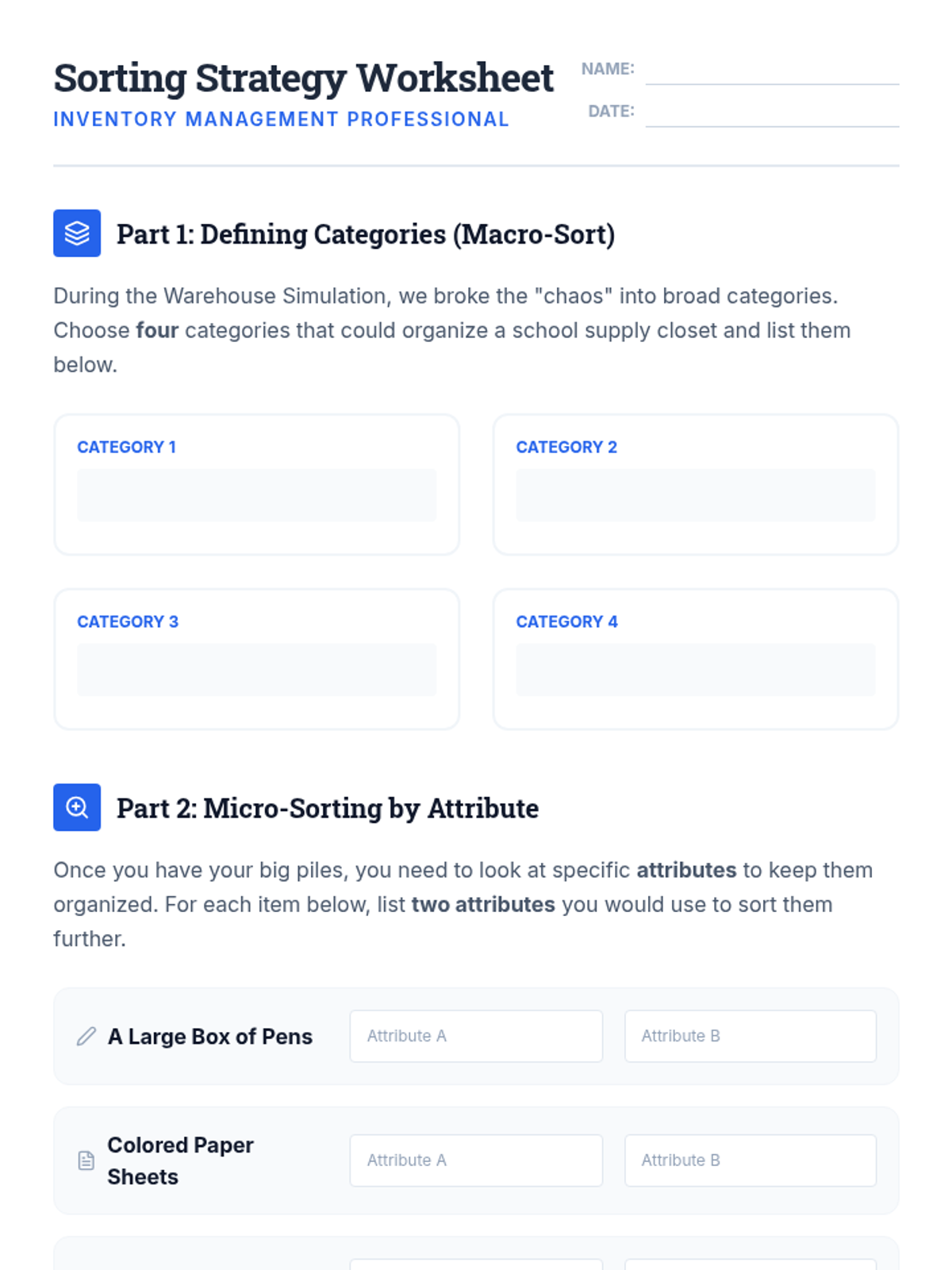
This sequence focuses on vocational and executive function skills, treating organization as a professional competency. Students simulate roles like office managers or resource coordinators to learn sorting, filing, ergonomics, and hybrid digital-physical tracking.
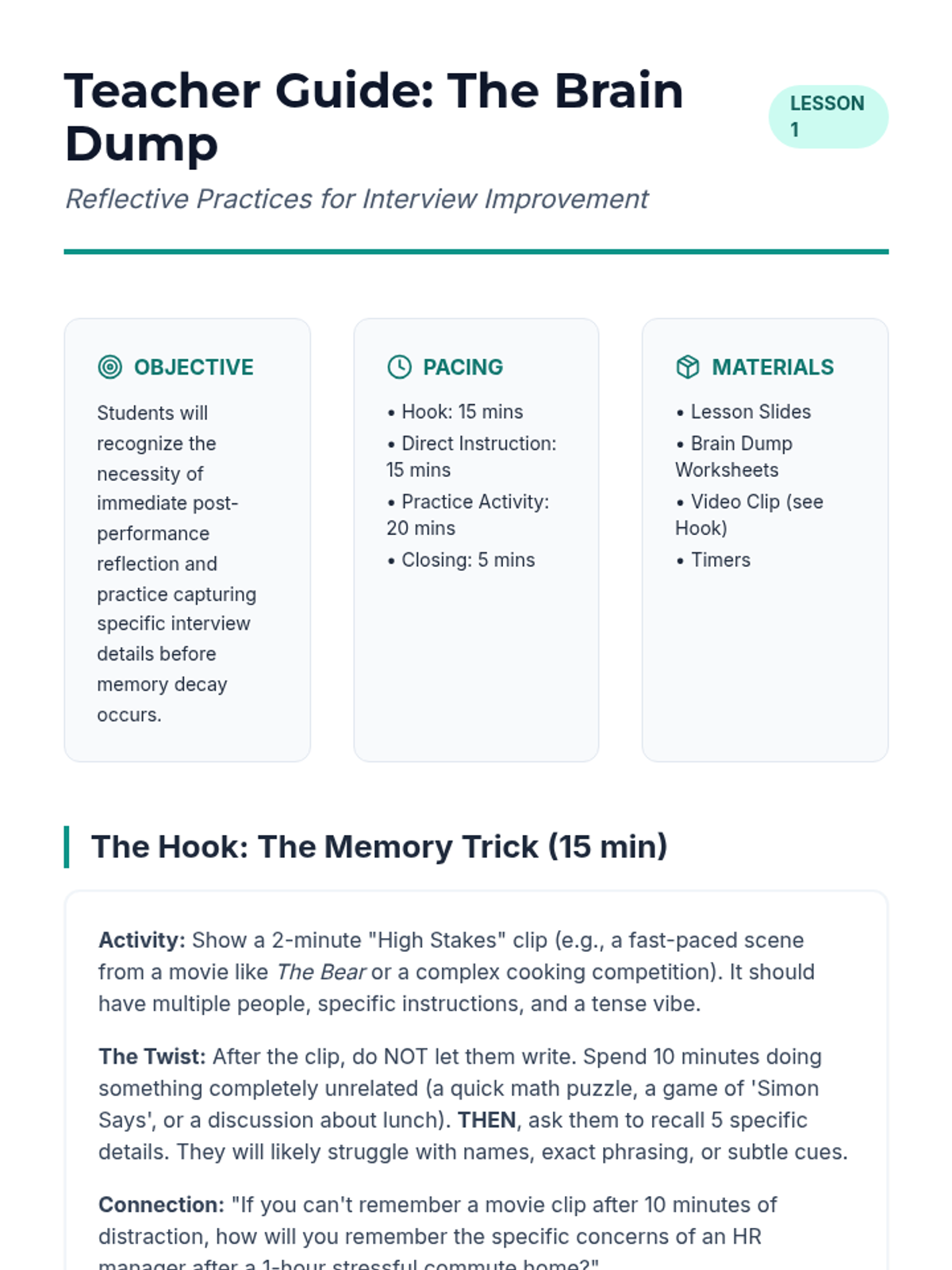
This inquiry-based sequence focuses on self-assessment and continuous improvement in the interview process. Students will develop habits for immediate post-interview reflection, analyze performance gaps, learn to process feedback with a growth mindset, and create actionable plans for professional growth.
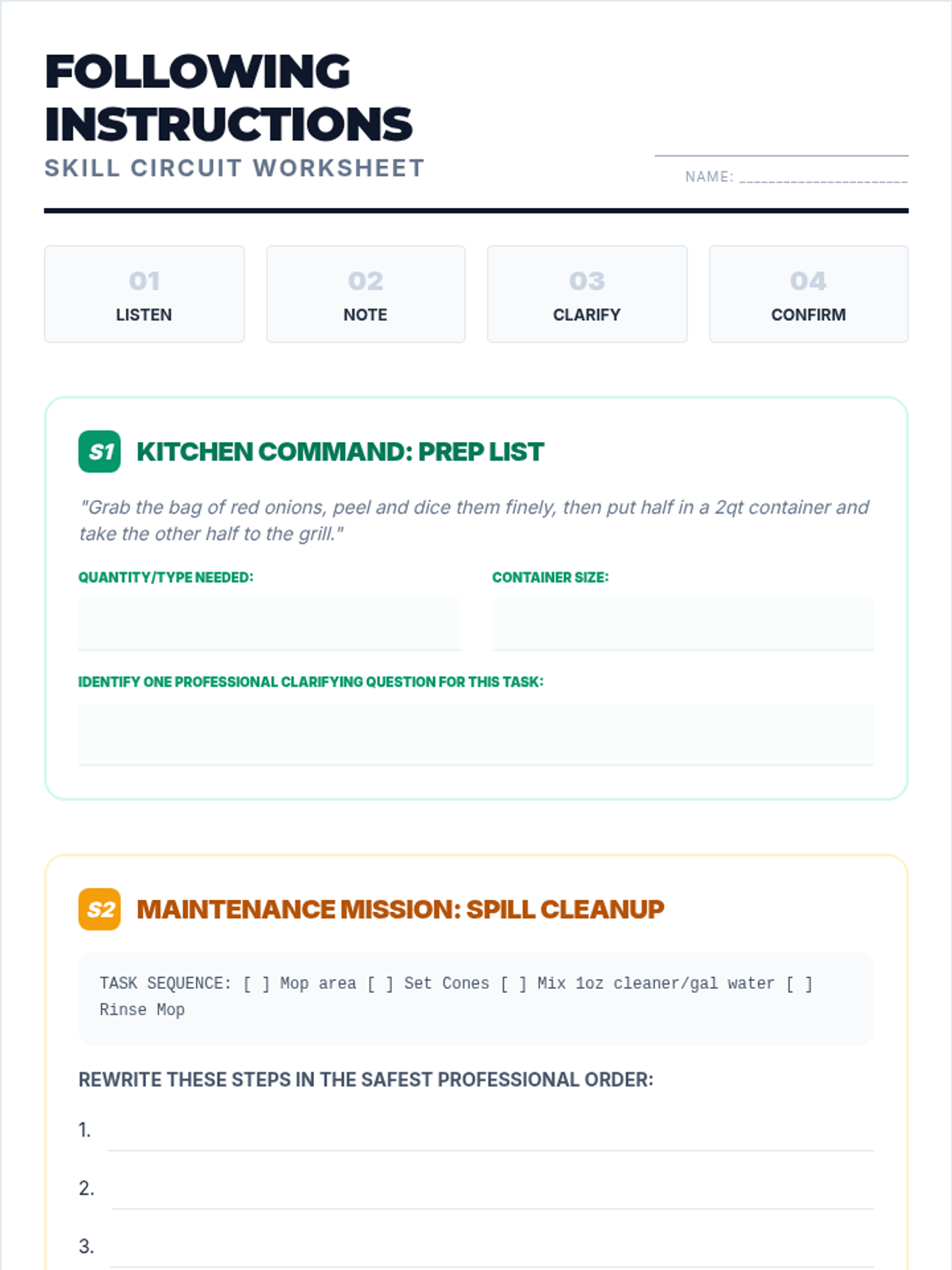
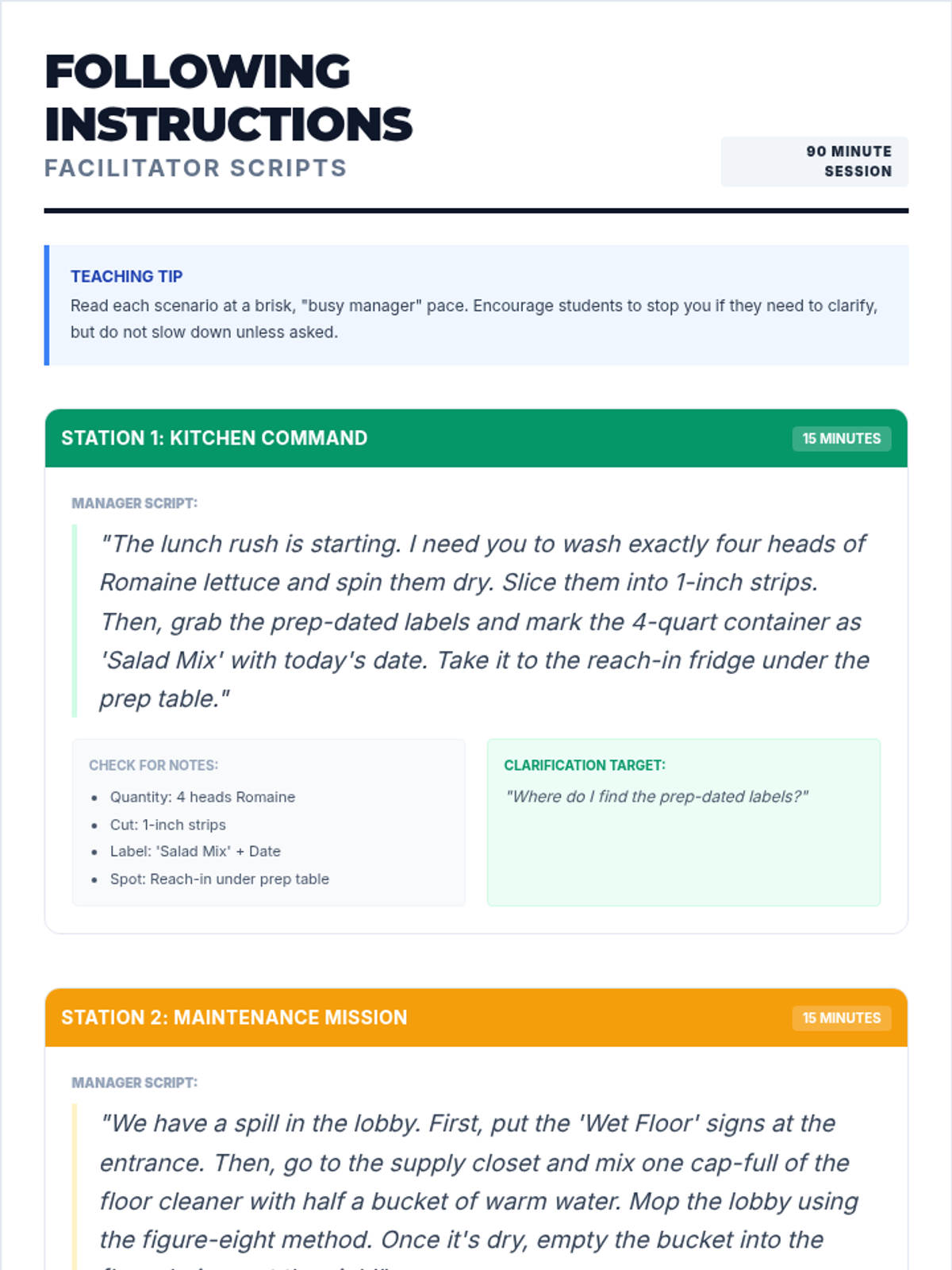
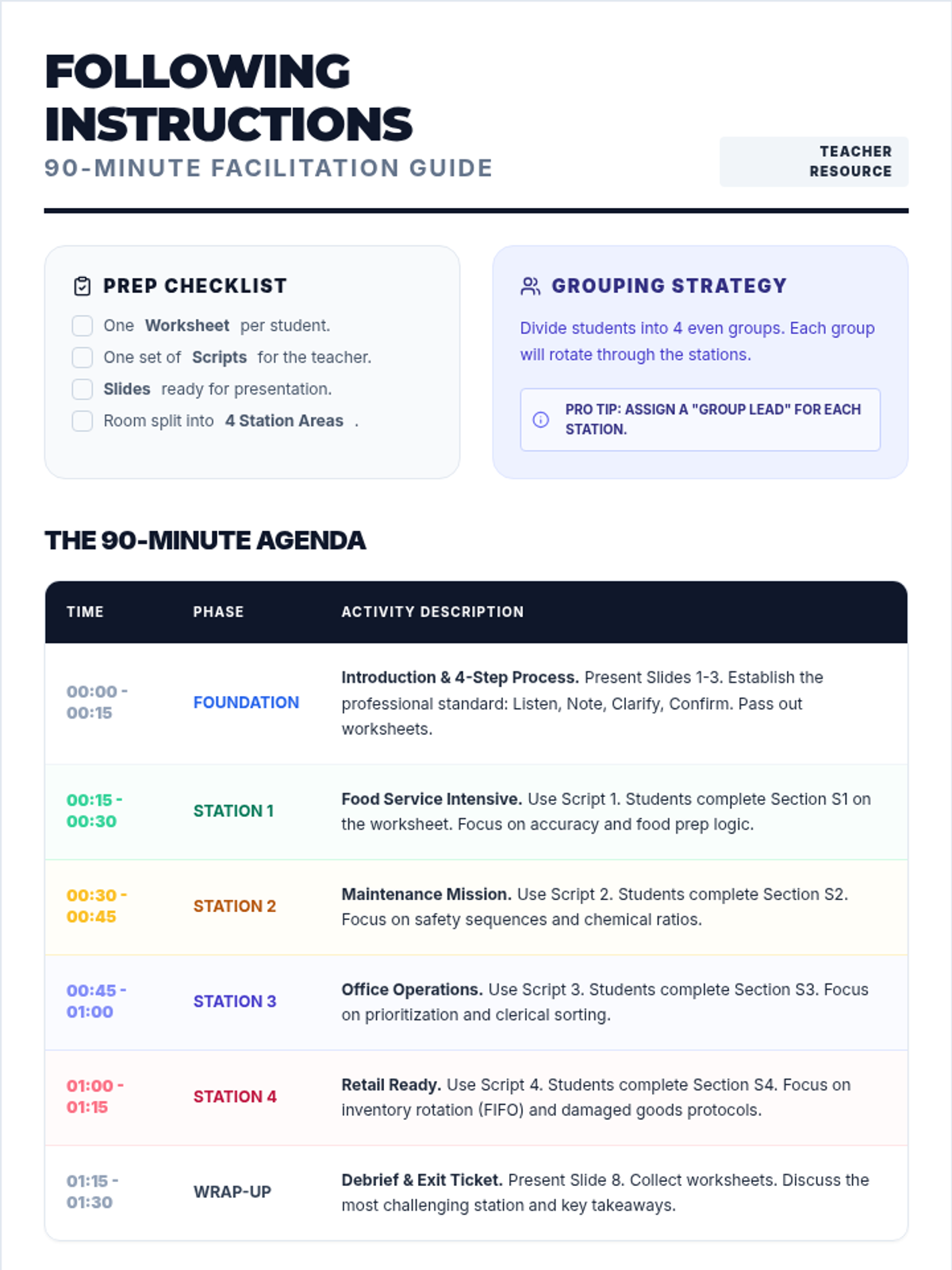
A high-energy, 90-minute intensive workshop designed to train students in following multi-step instructions across food service, maintenance, clerical, and retail industries. This consolidated session uses a "skill circuit" approach to practice listening, clarifying, and executing complex tasks.
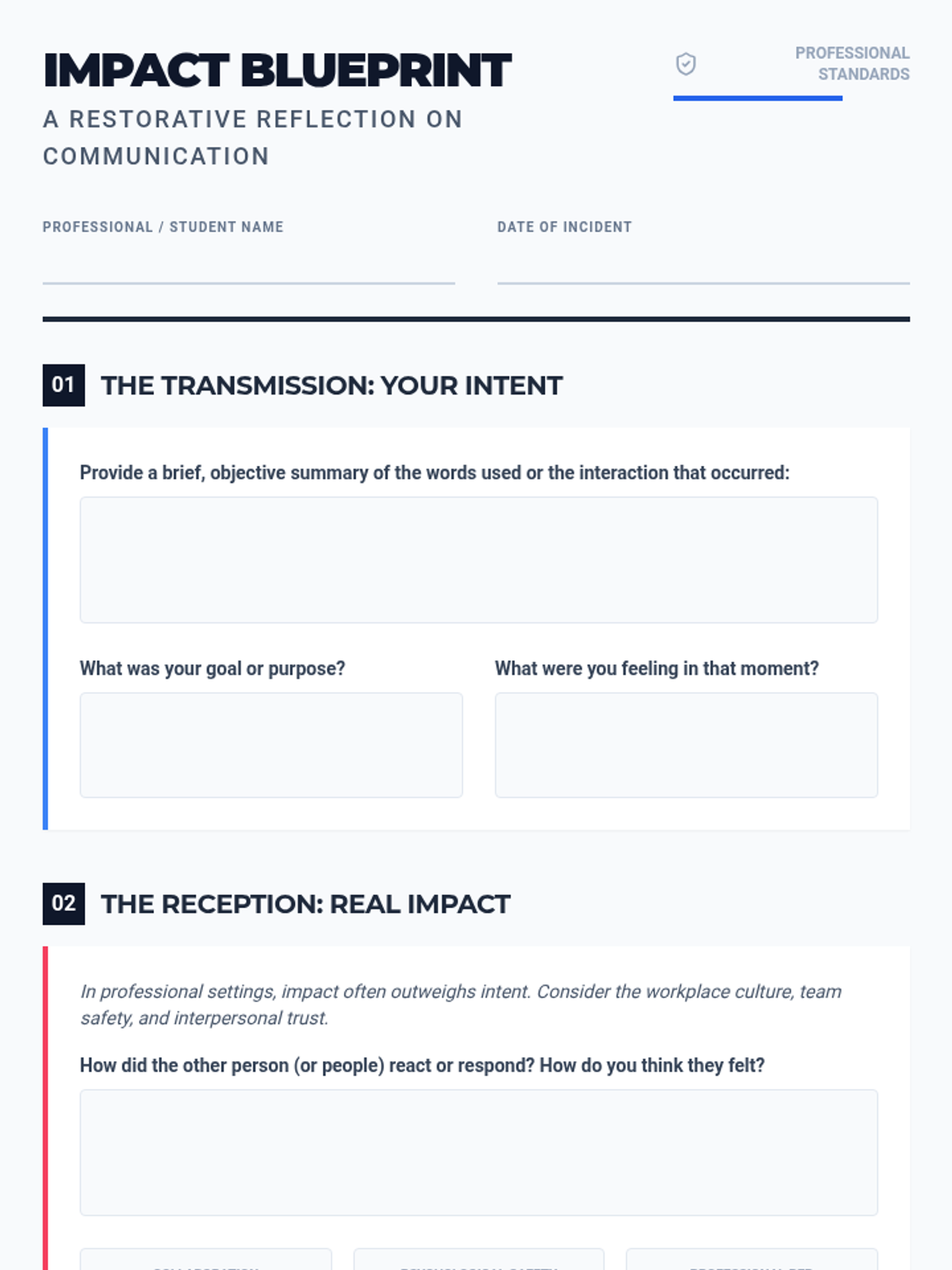
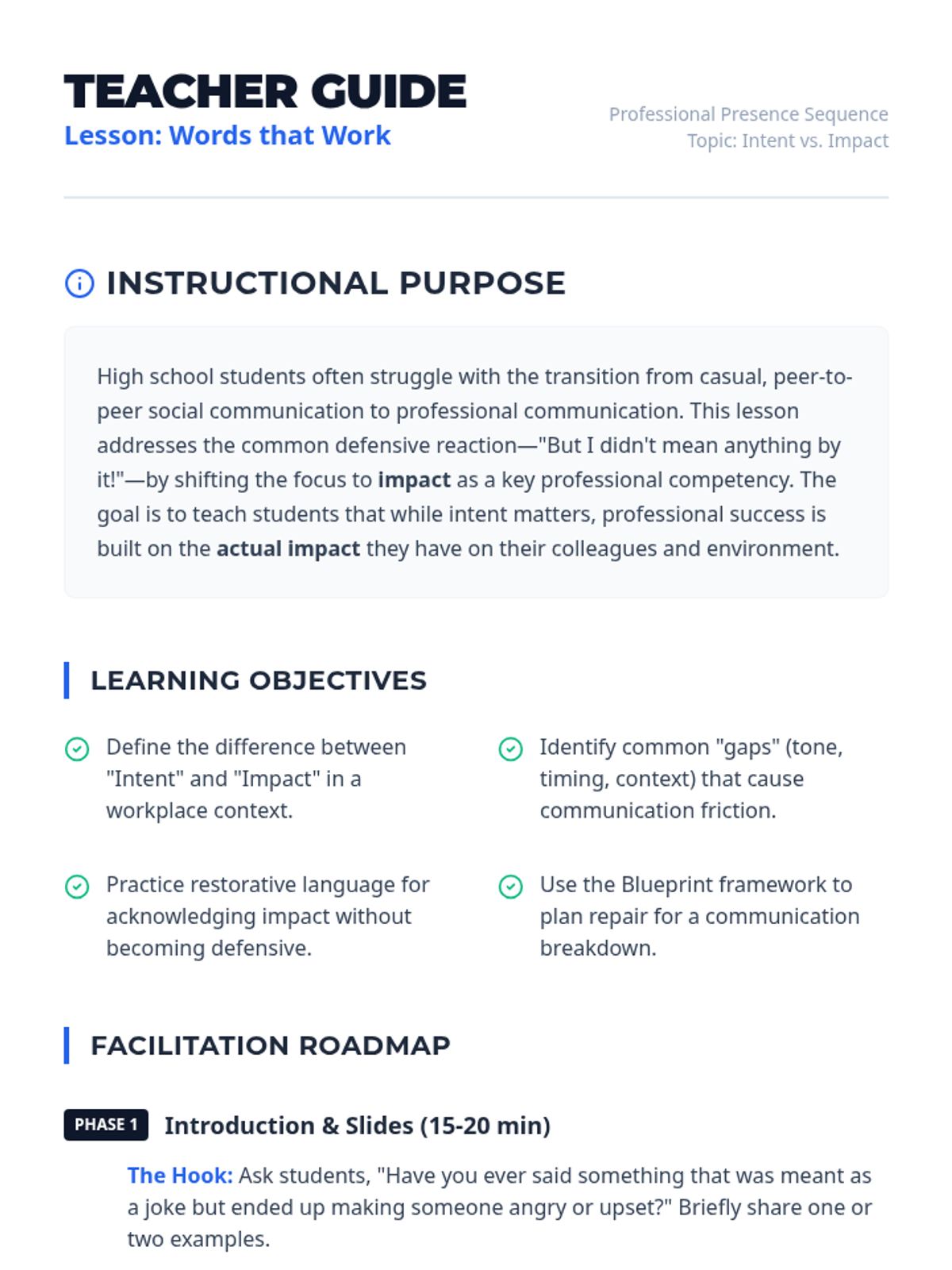
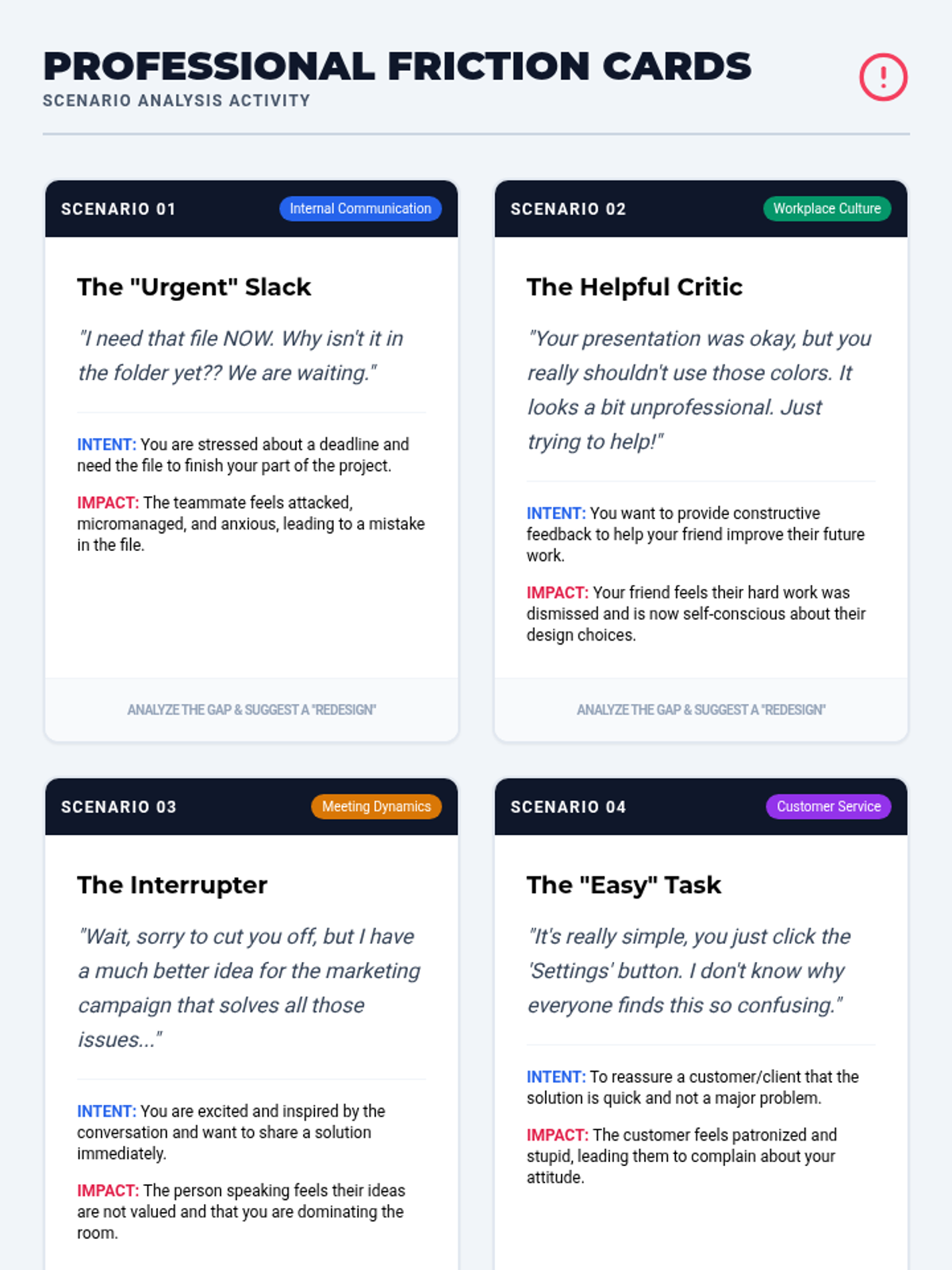
A unit focused on high school professional communication and soft skills, emphasizing the relationship between personal intent and professional impact.
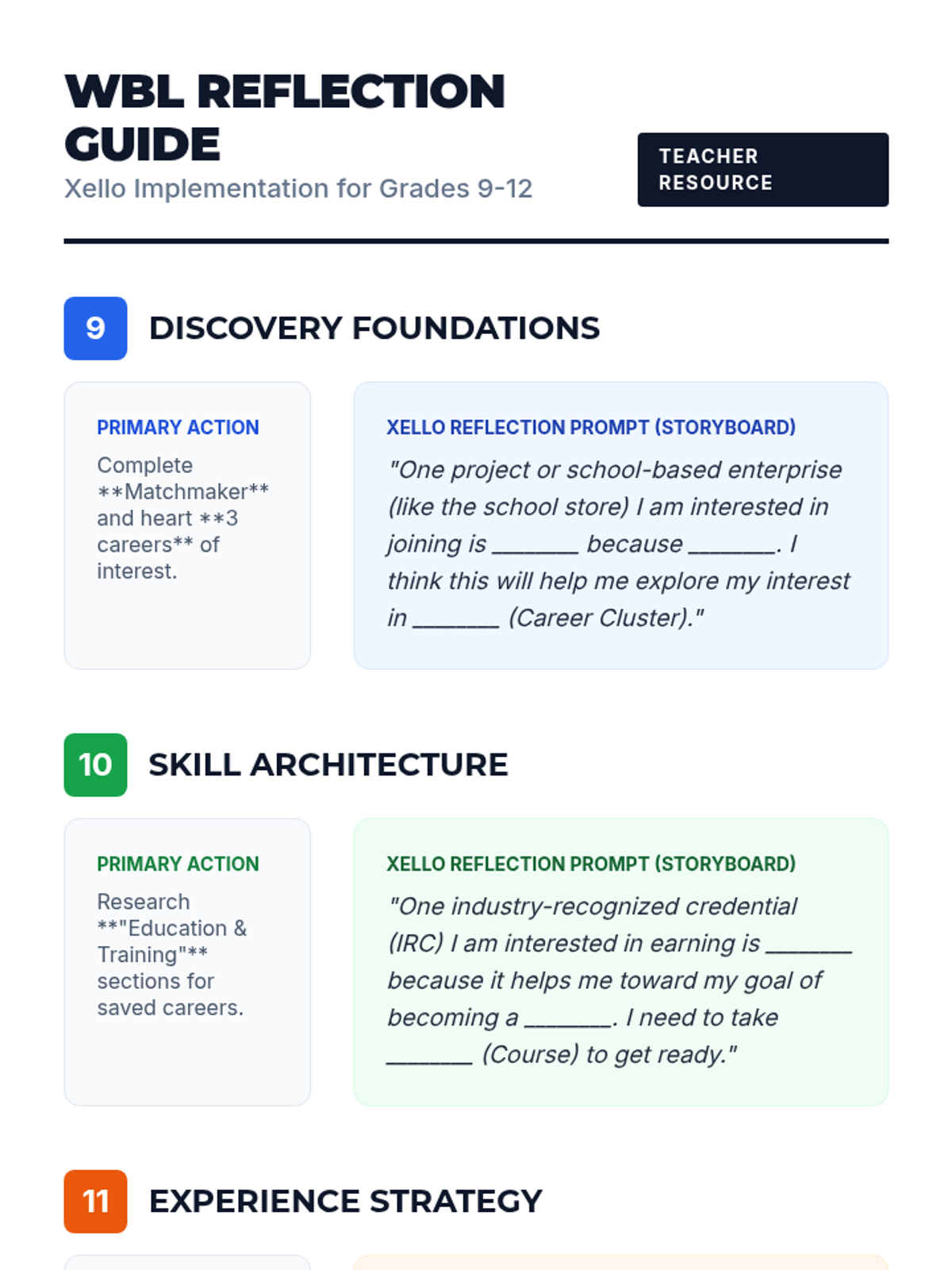
A four-part advisory sequence for grades 9-12 focused on scaffolding Work-Based Learning (WBL) concepts from basic awareness to post-secondary execution. Topics include project-based learning, internships, apprenticeships, and industry credentials.
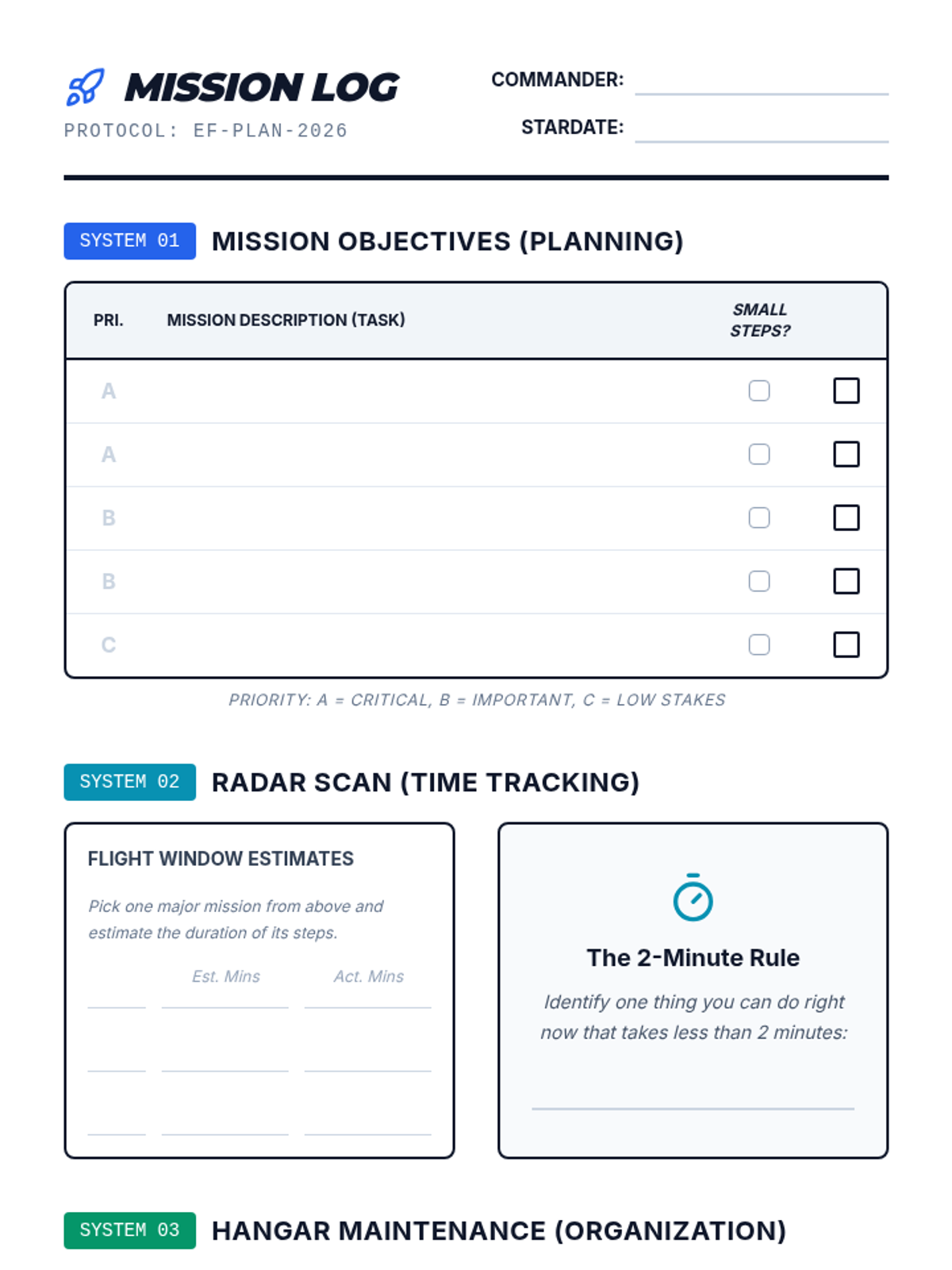
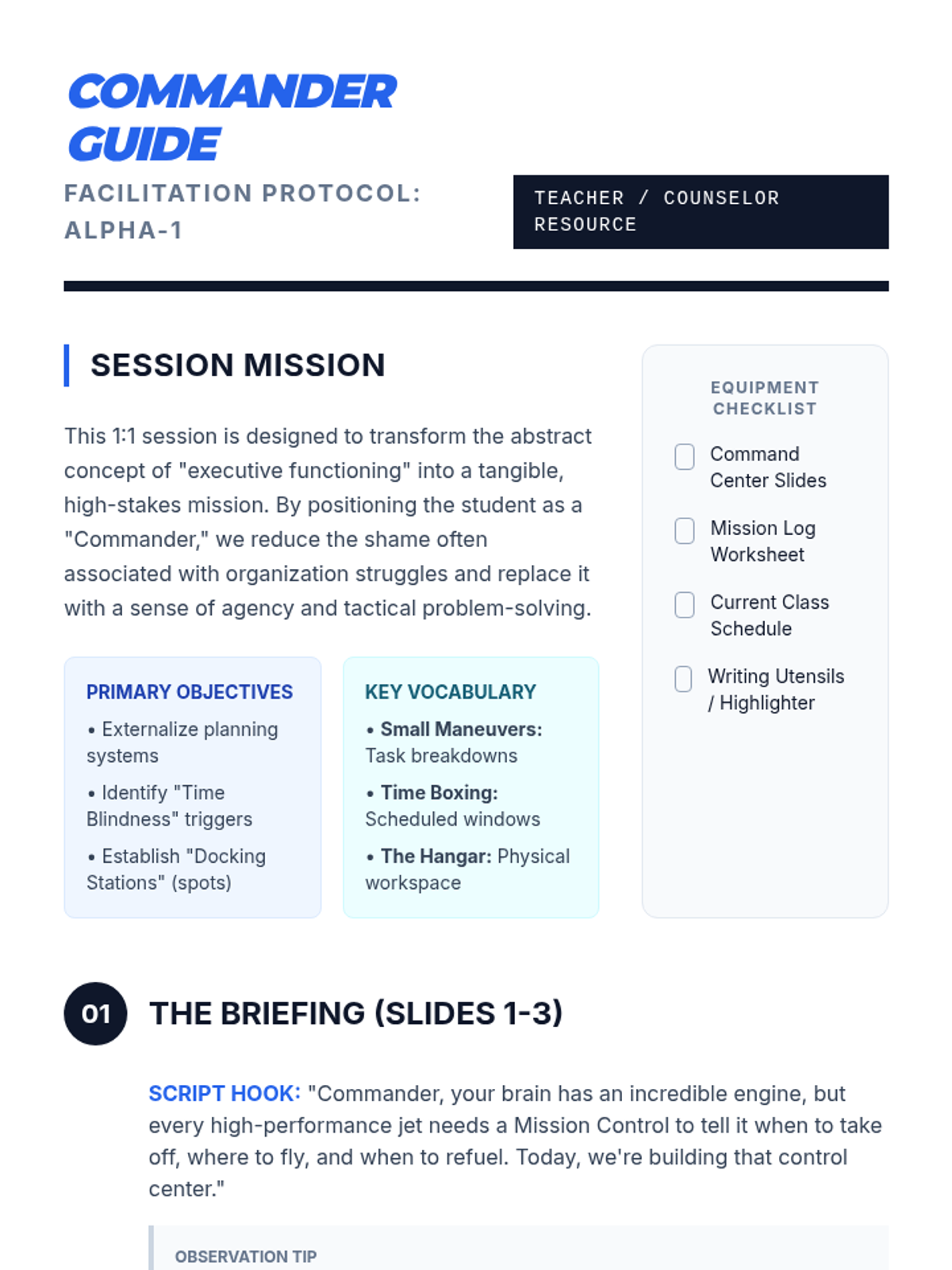
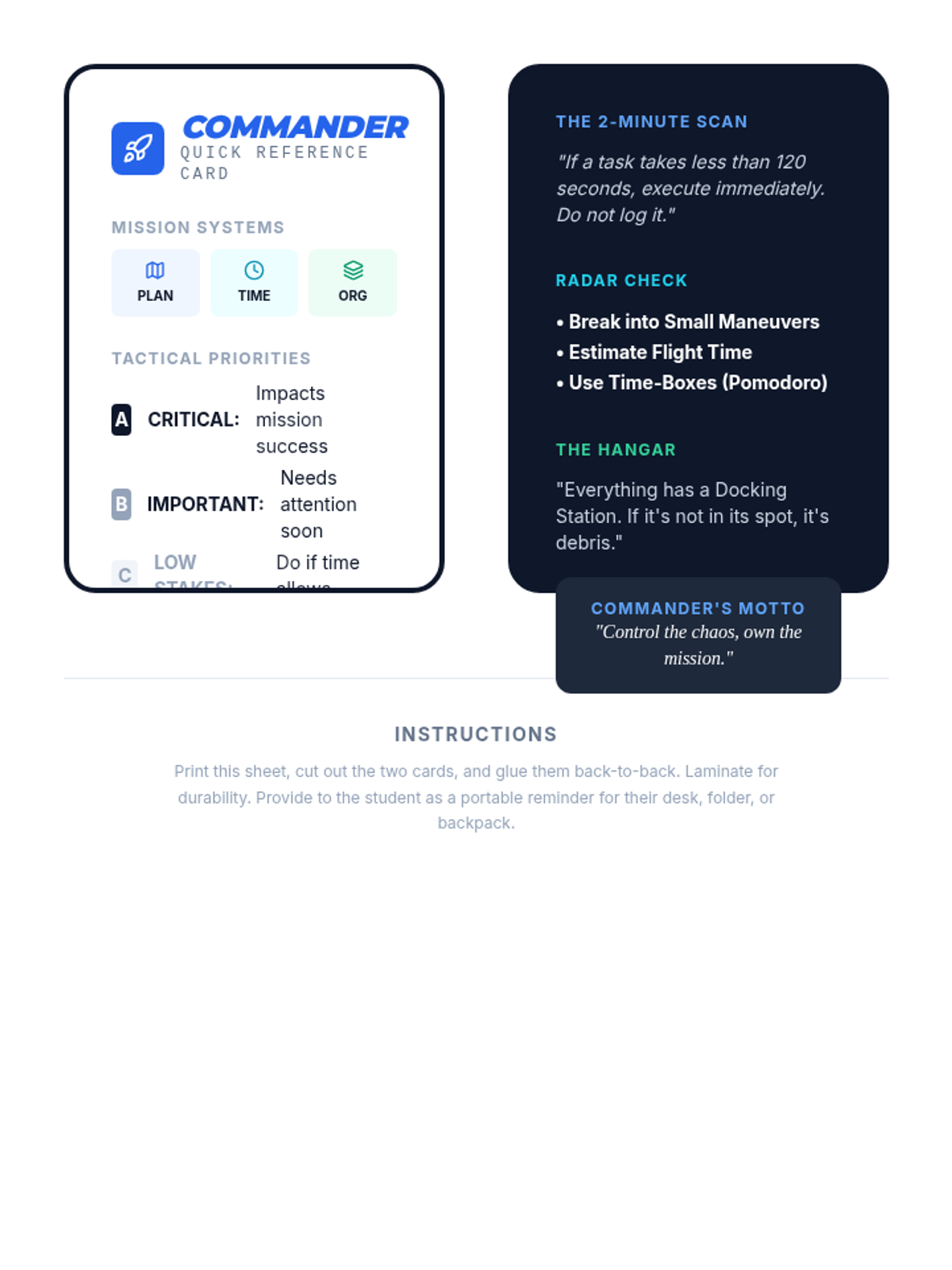
A comprehensive series of tools and sessions designed to empower students with executive functioning strategies. The sequence moves from basic organization to advanced time management and self-regulation techniques.
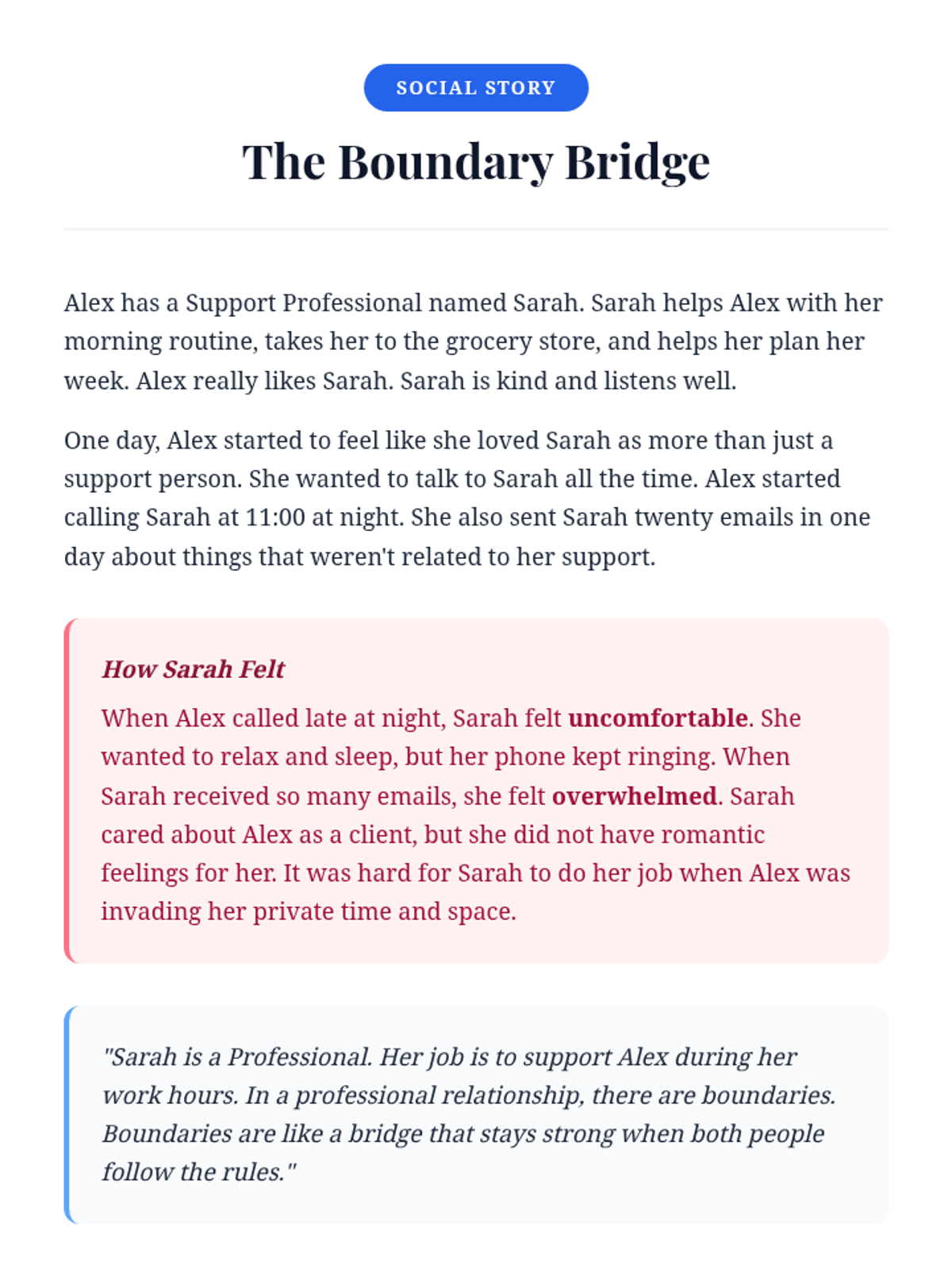
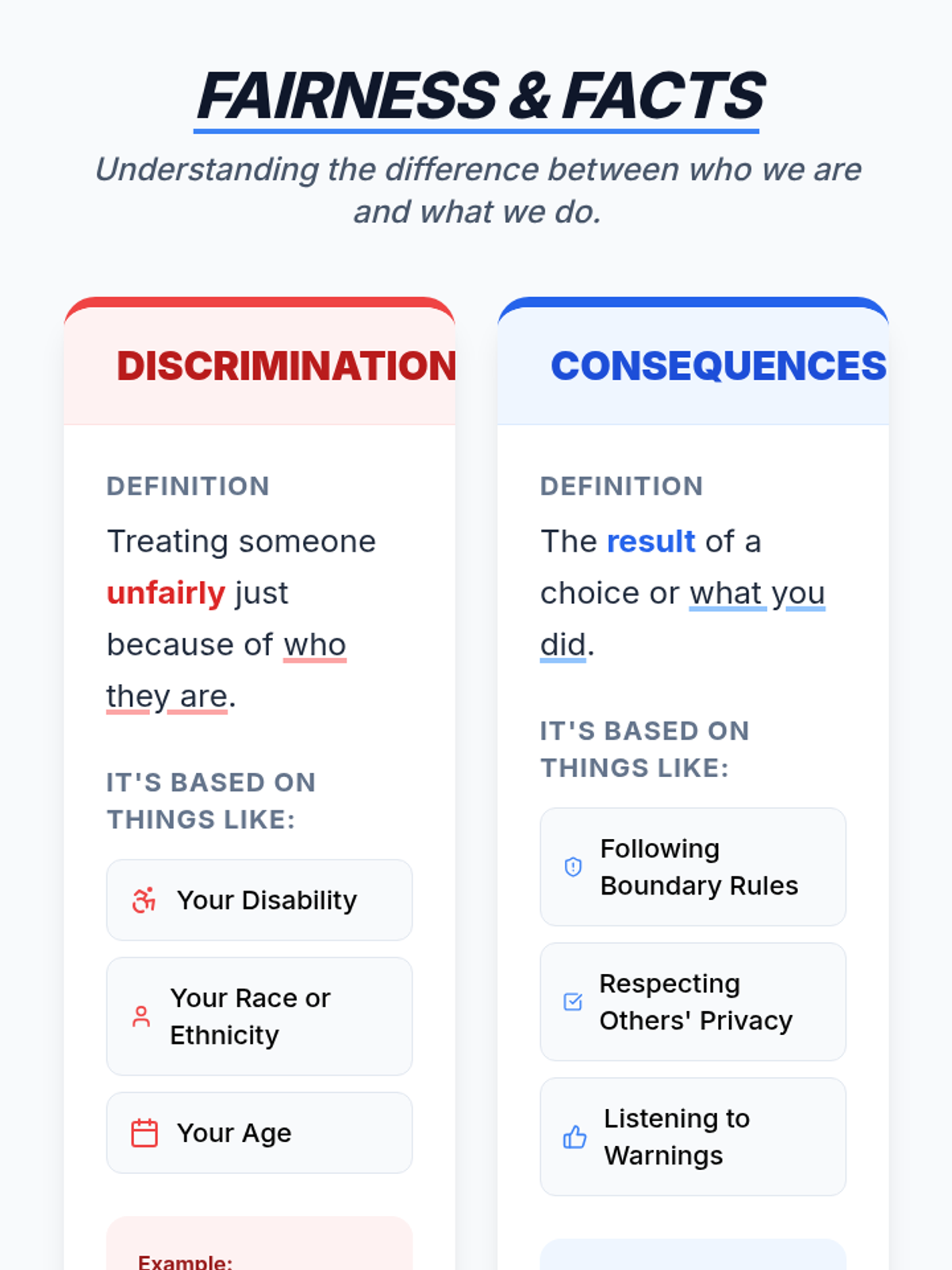
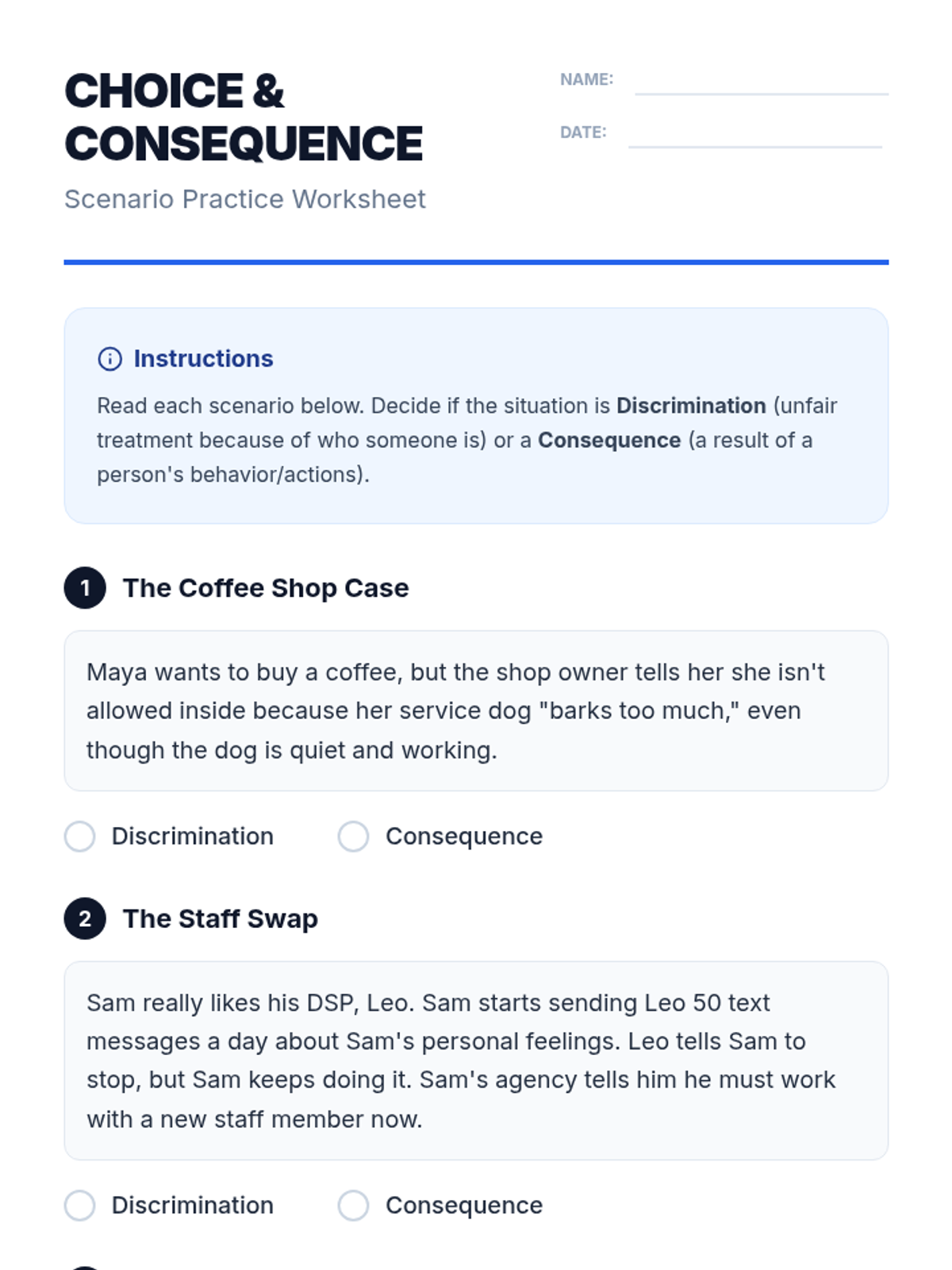
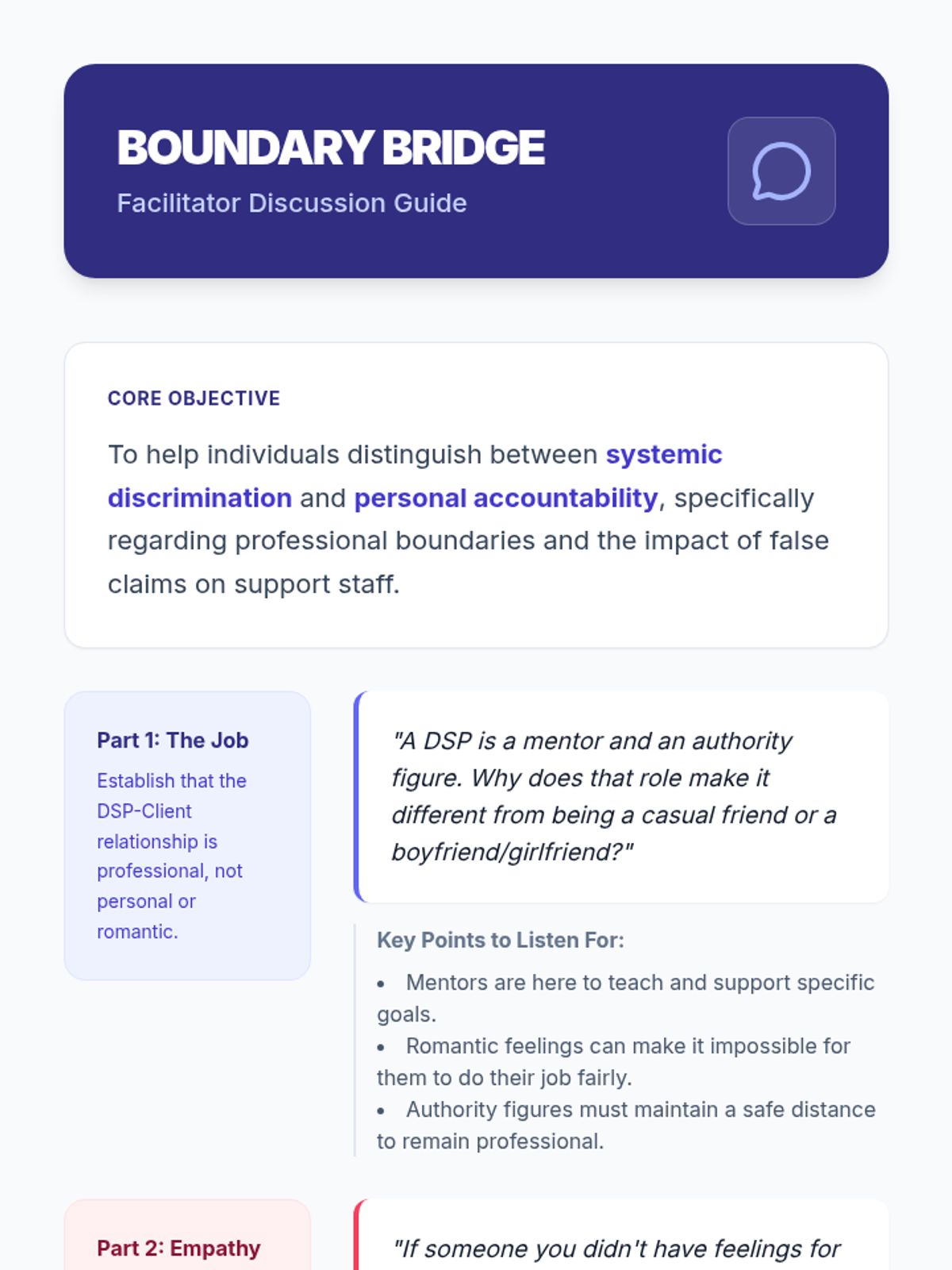
A series of lessons designed to help individuals understand the difference between discrimination and the consequences of personal behavior, focusing on professional boundaries and the impact of false claims.
A series focused on high-level interpersonal skills, emotional intelligence, and professional communication for young adults preparing for life after high school.
A comprehensive vocational training program for members to practice workplace skills through a realistic café simulation, covering everything from drink preparation to customer service and team coordination.
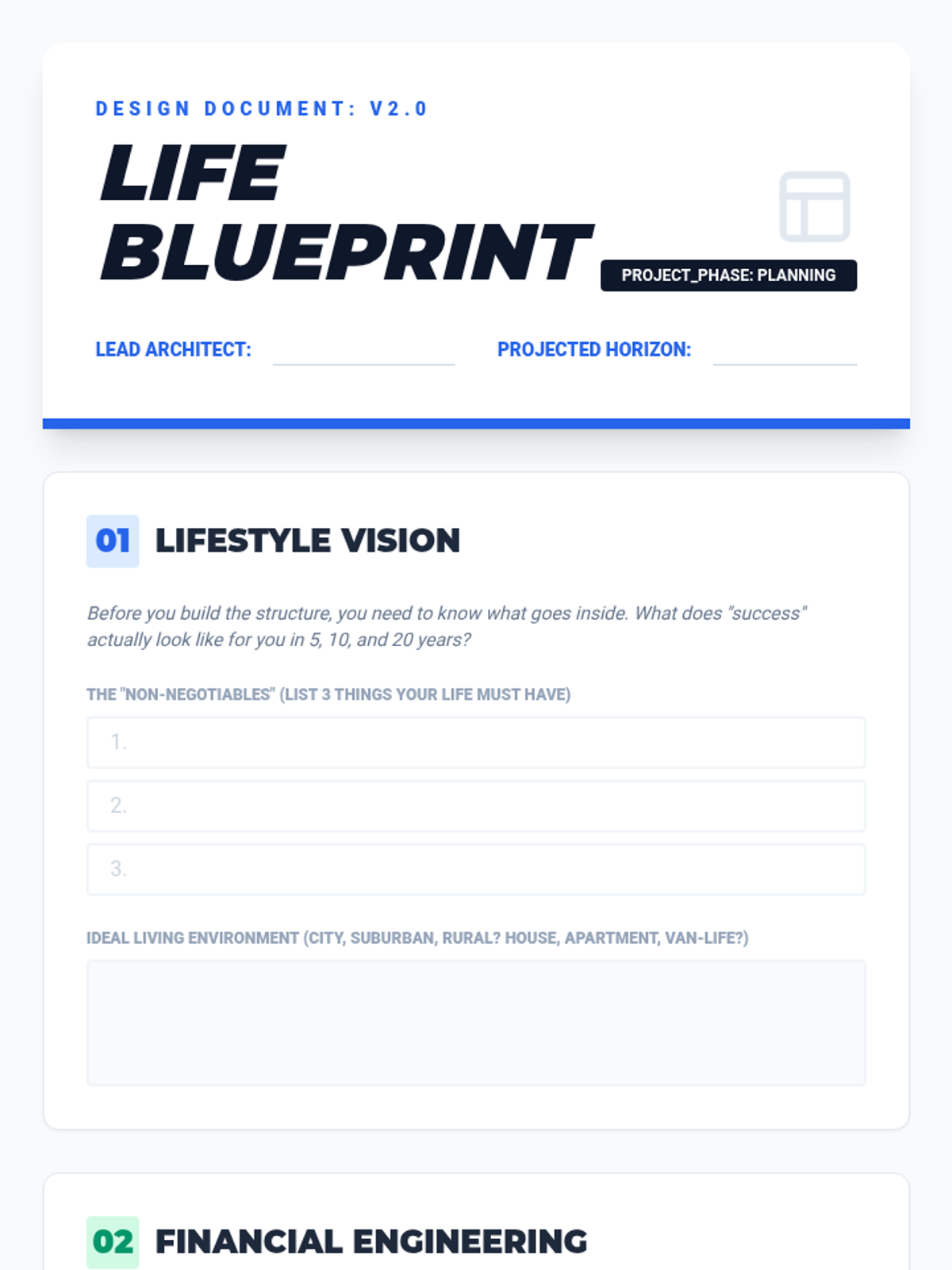
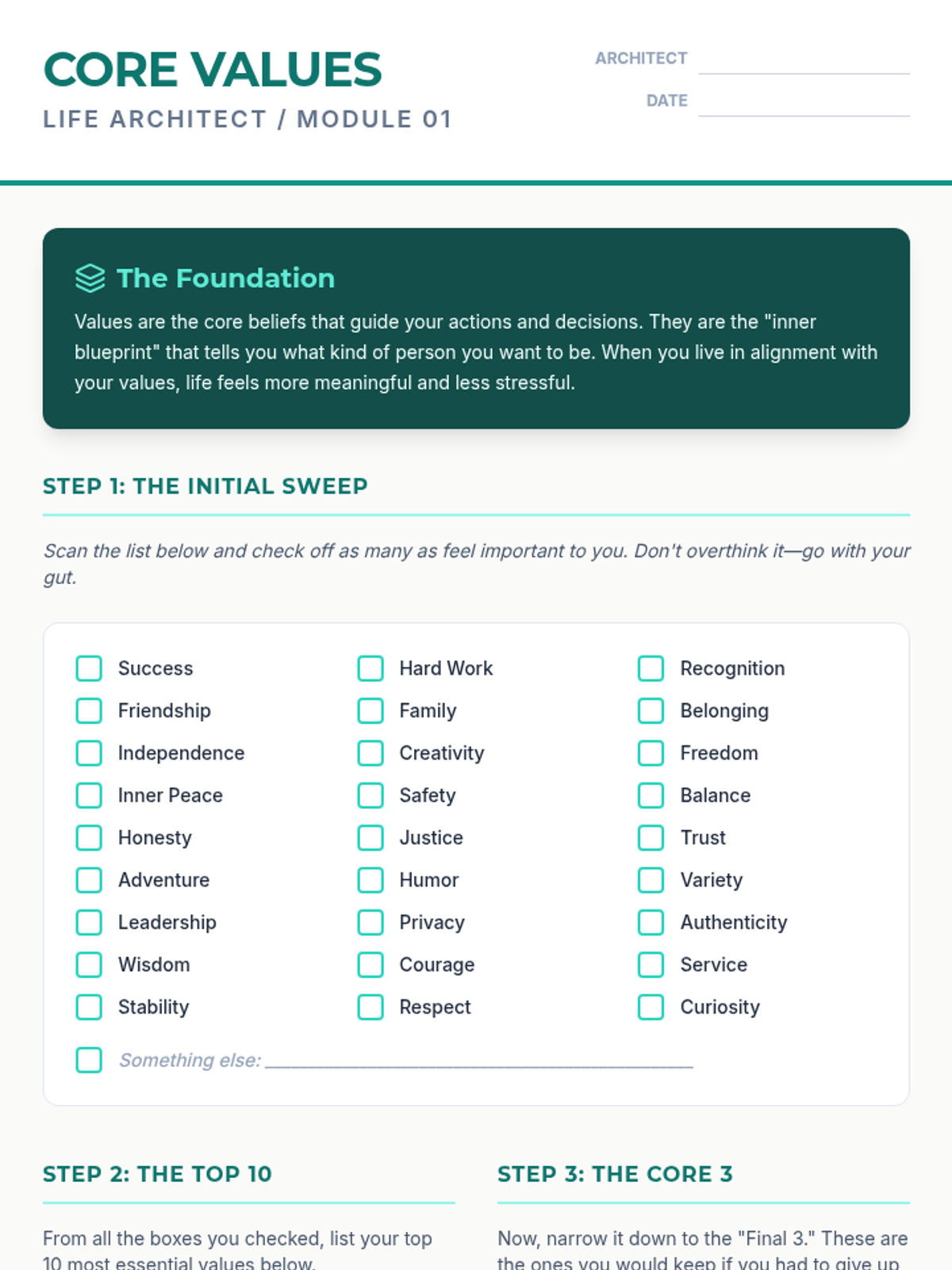
A transition-focused curriculum designed to help students re-entering school build self-advocacy, self-awareness, and independent living skills through a creative 'Life Architect' theme.
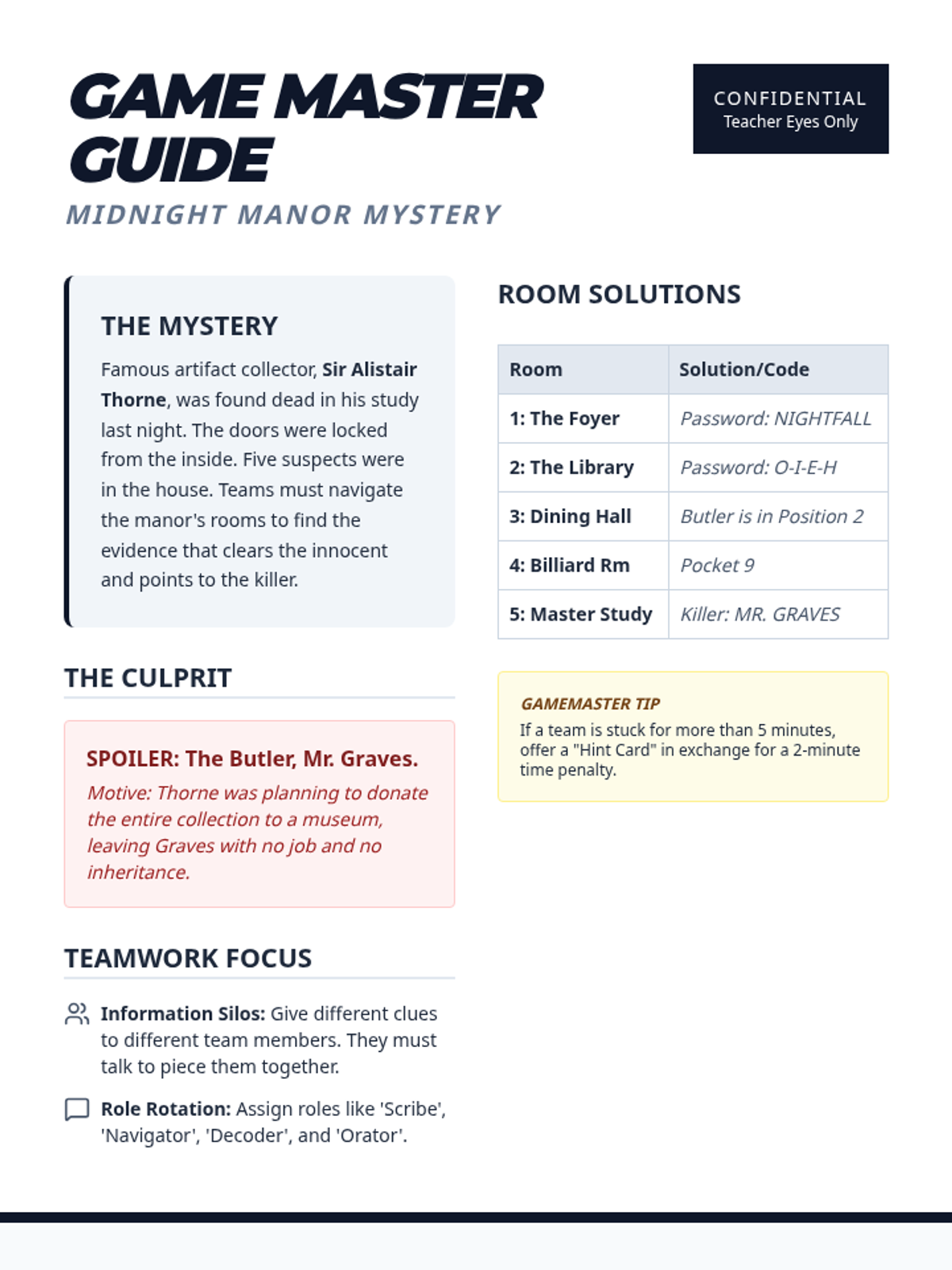
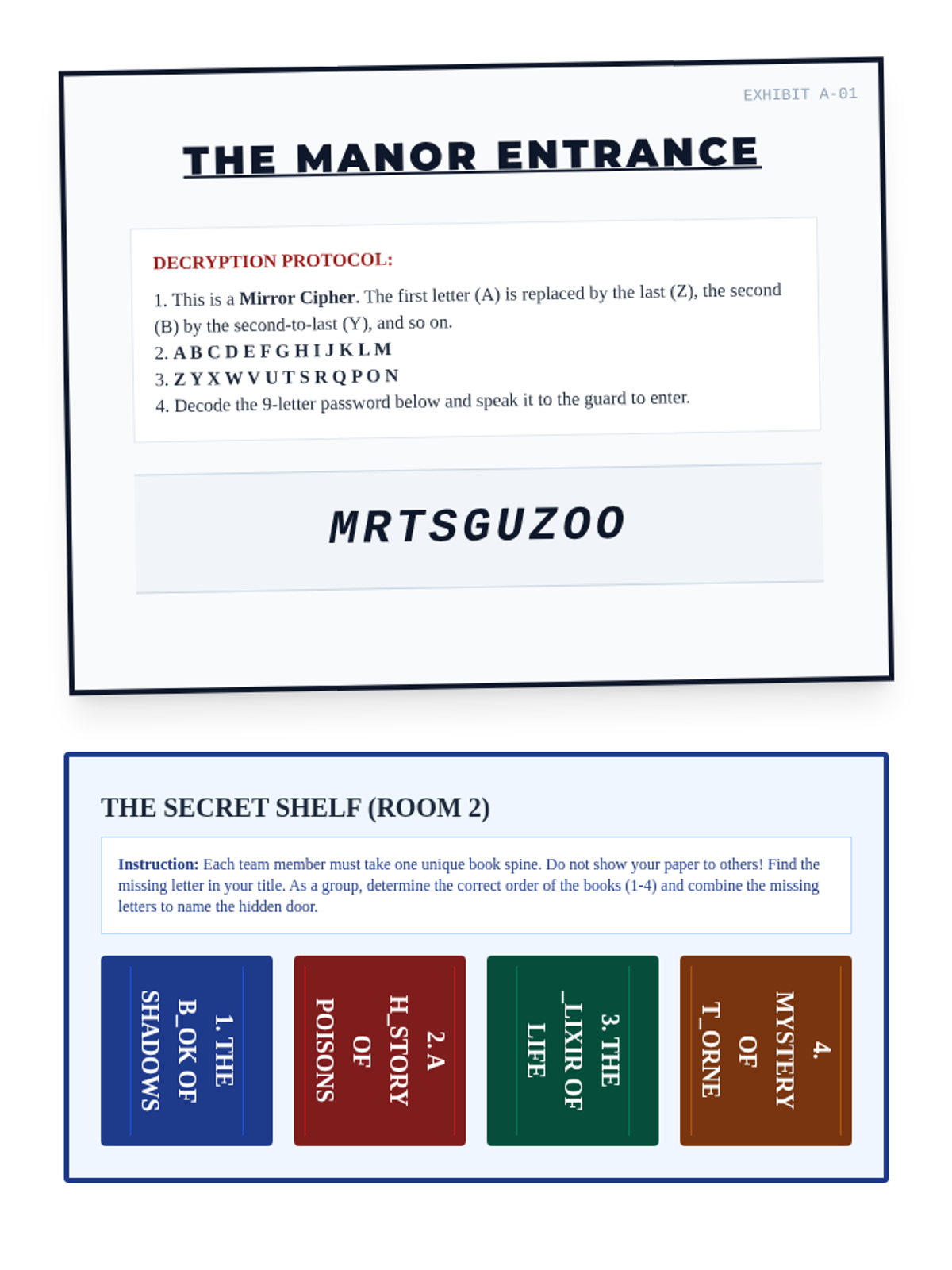
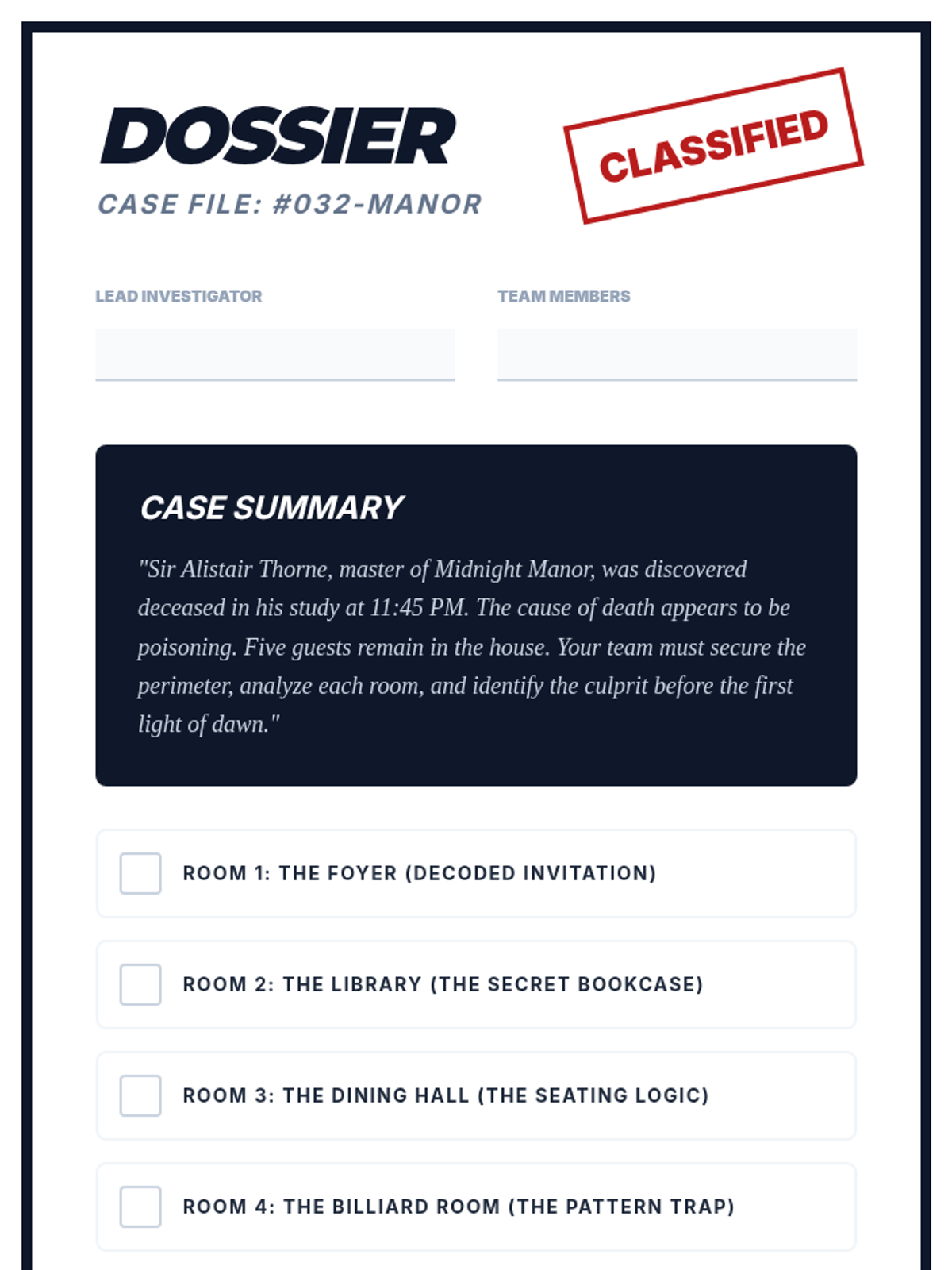
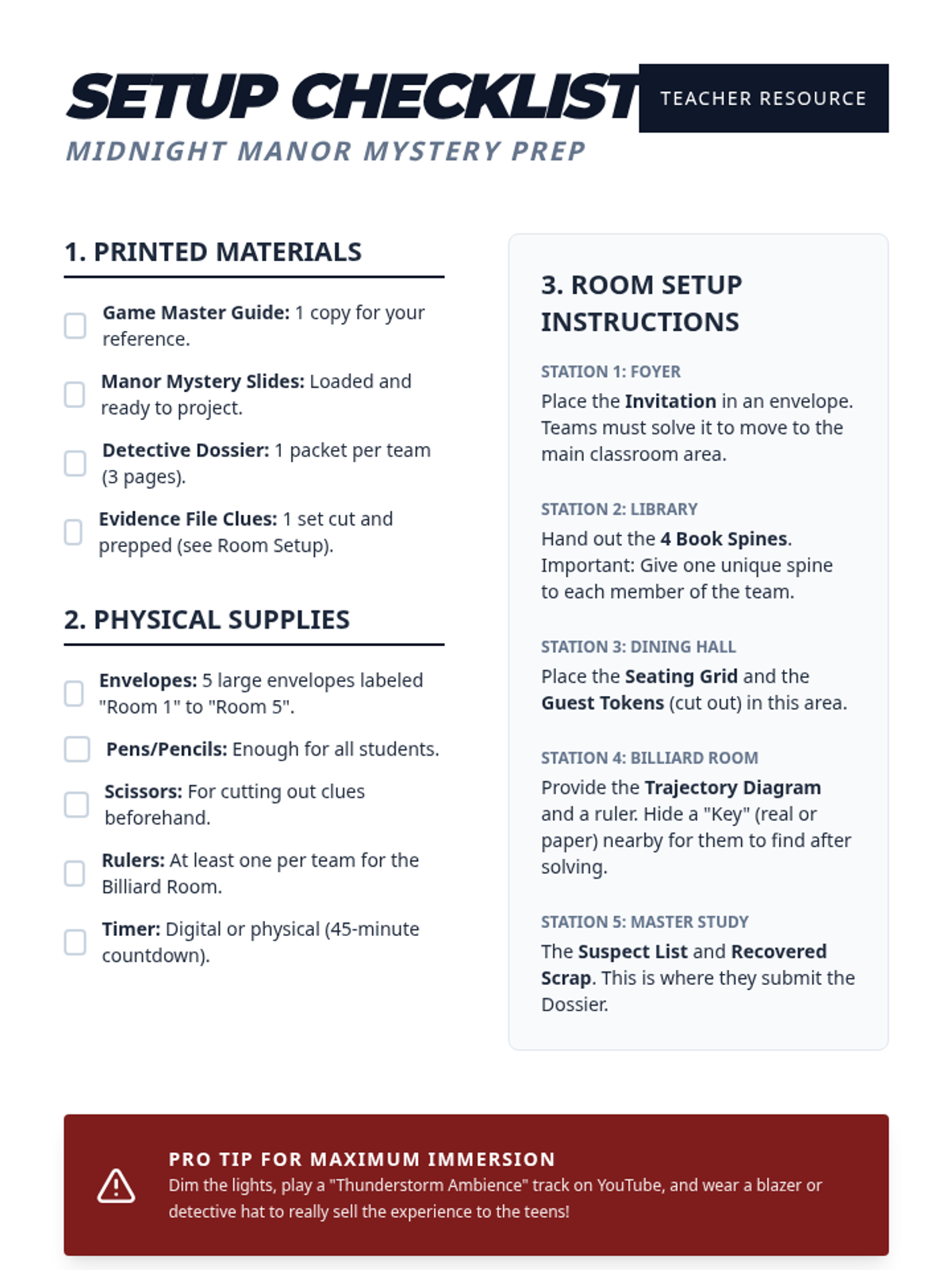
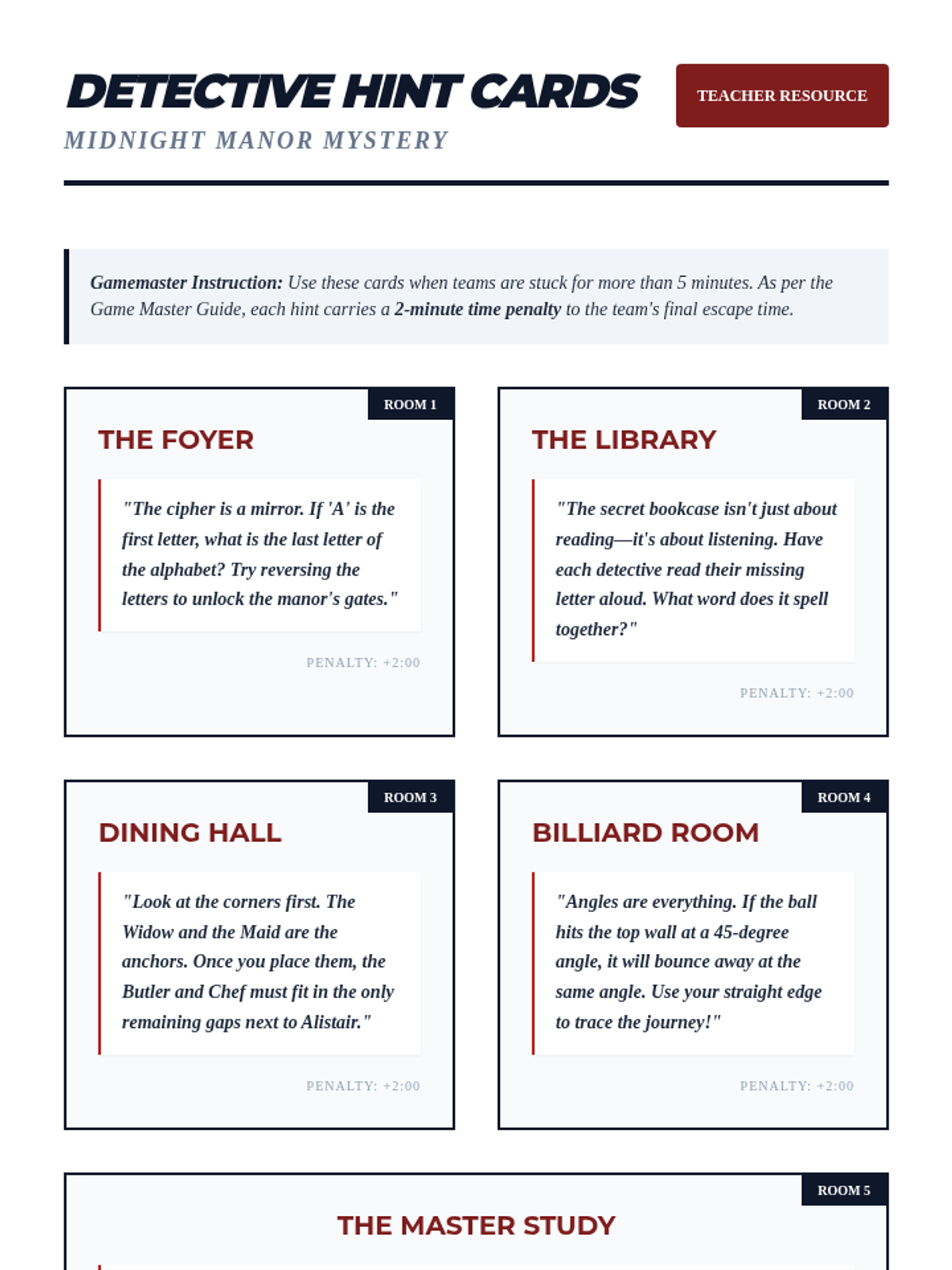
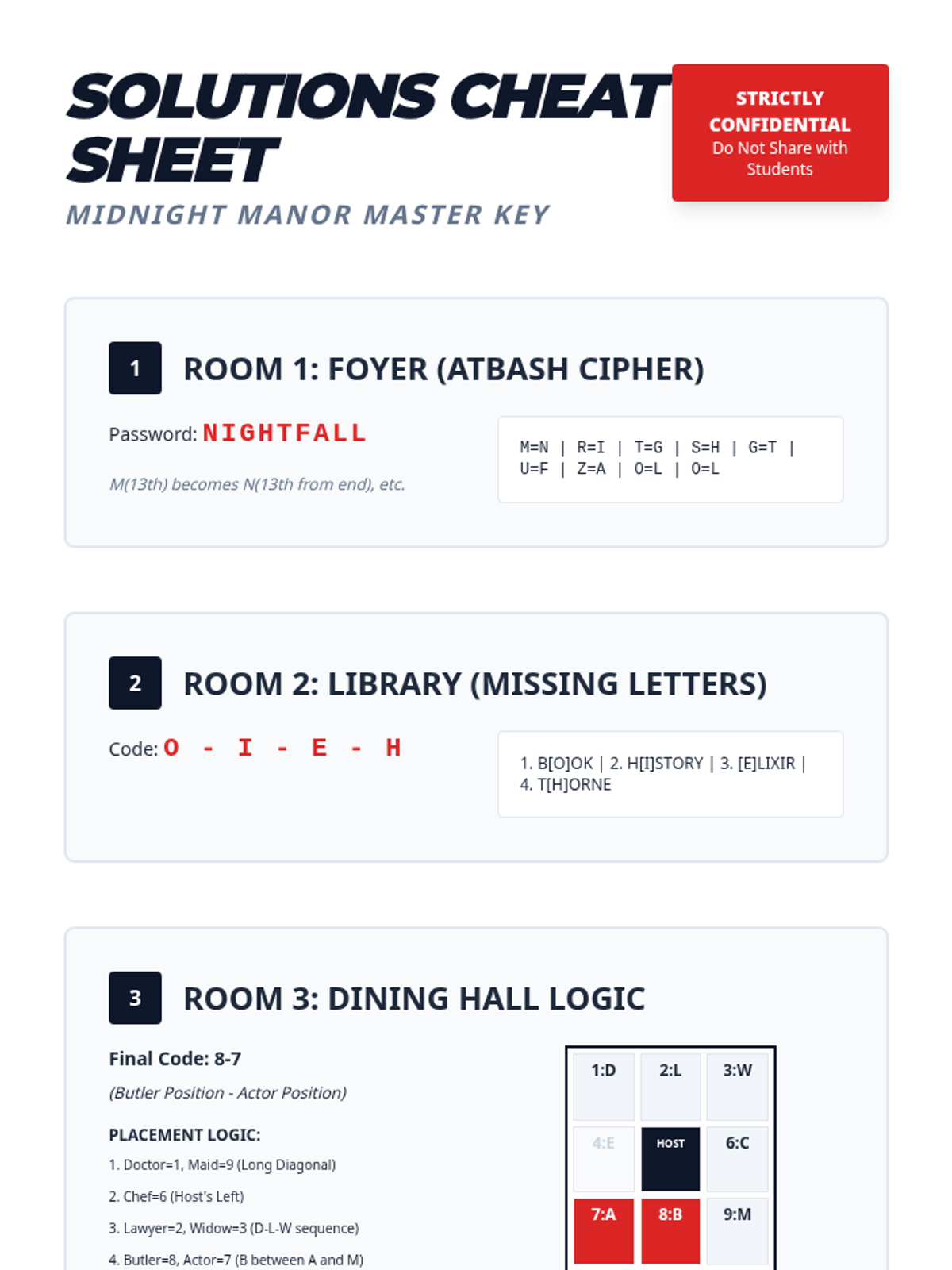
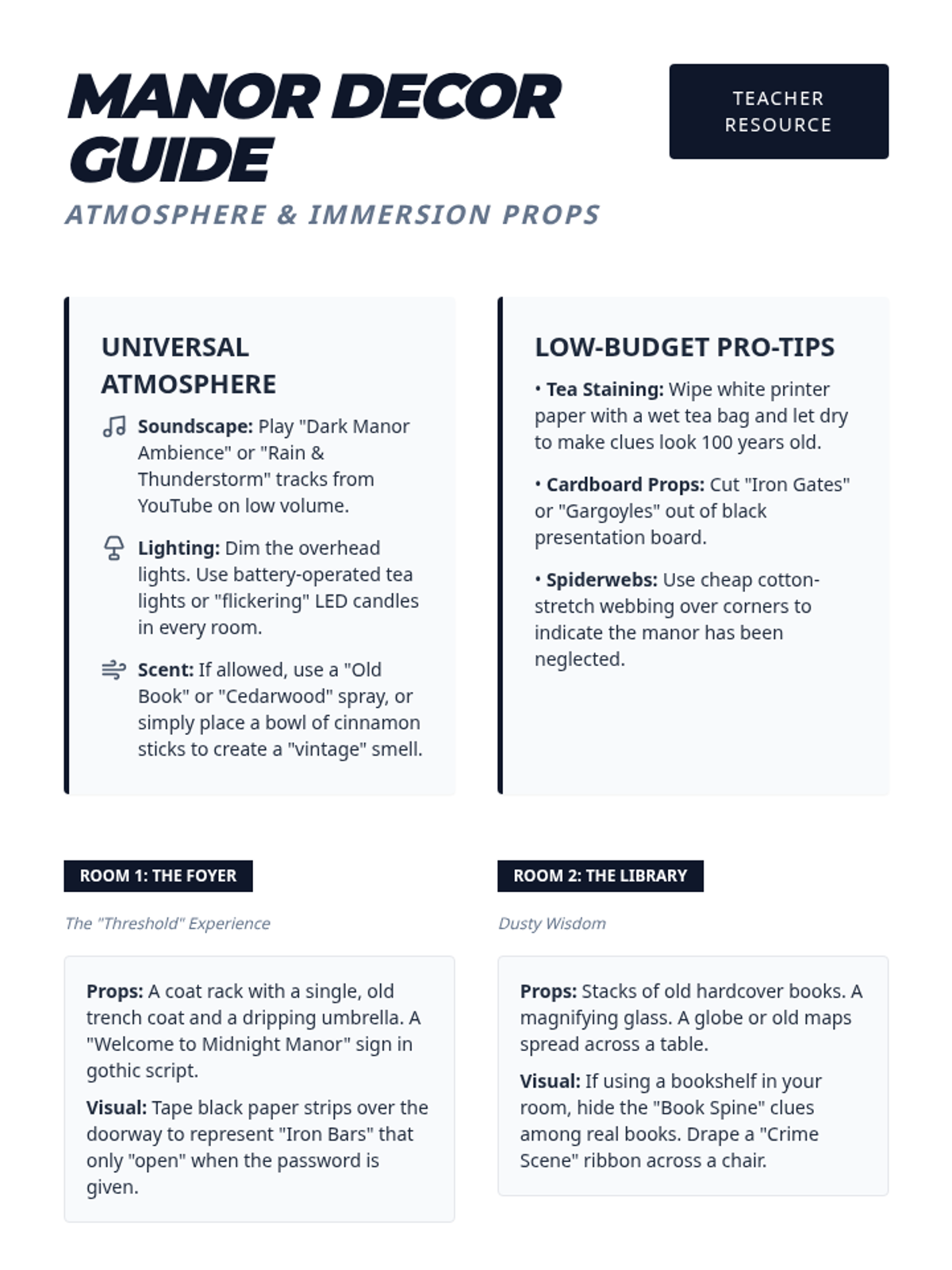
An immersive 5-room murder mystery escape room experience designed for teens, focusing on collaborative problem-solving and logic. Students work in teams to solve riddles and puzzles to identify the culprit in the 'Midnight Manor' case.
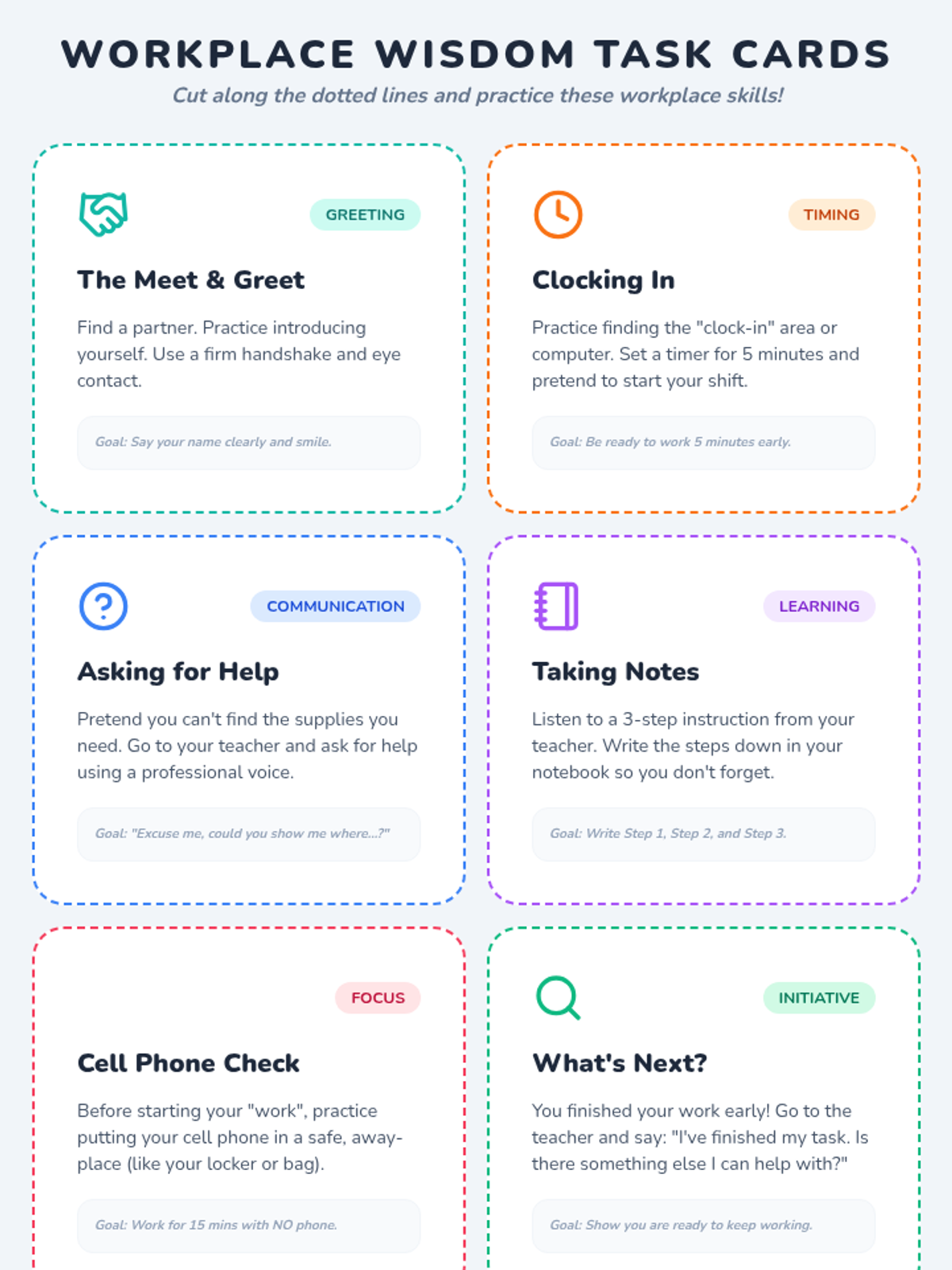
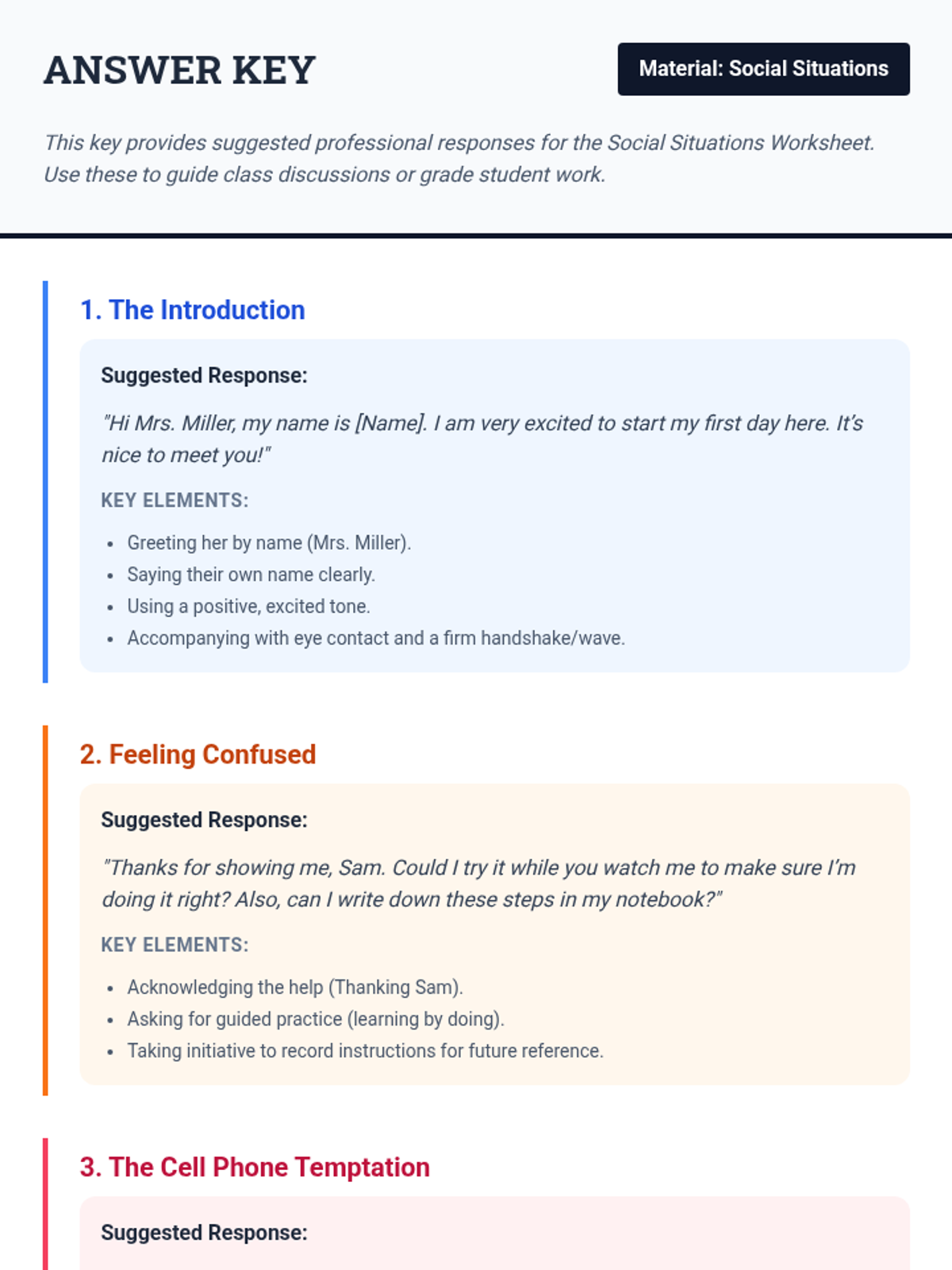
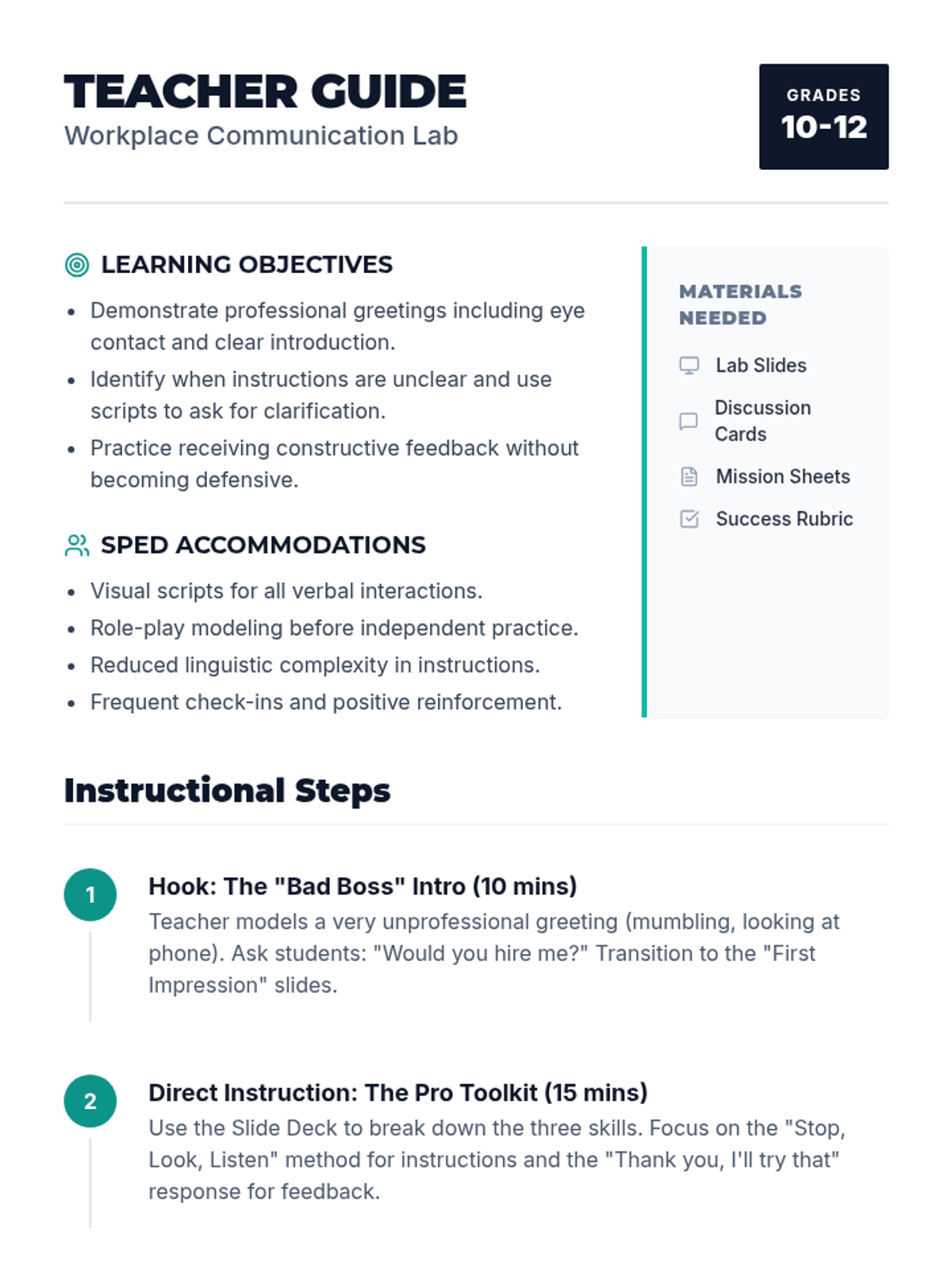
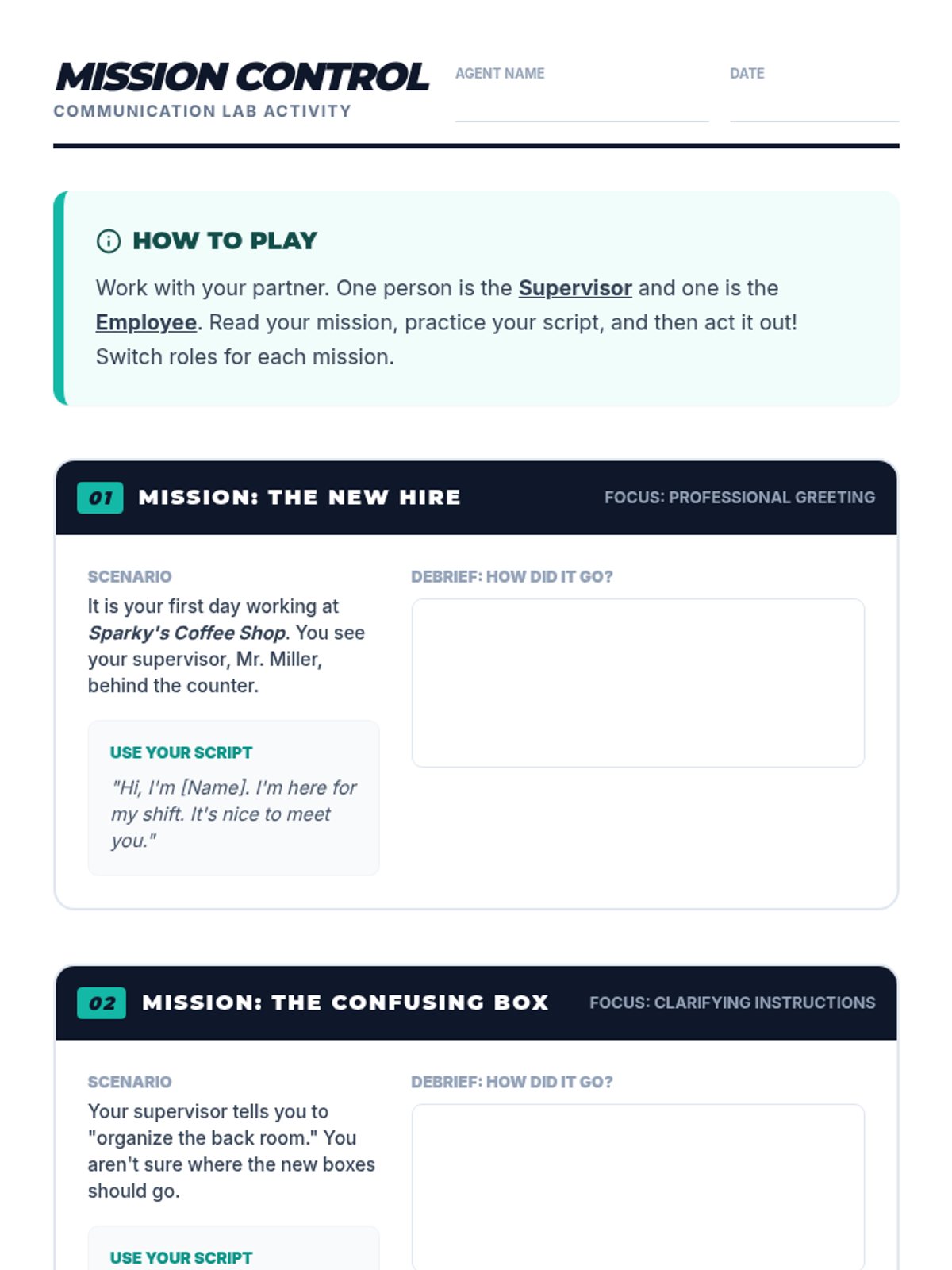
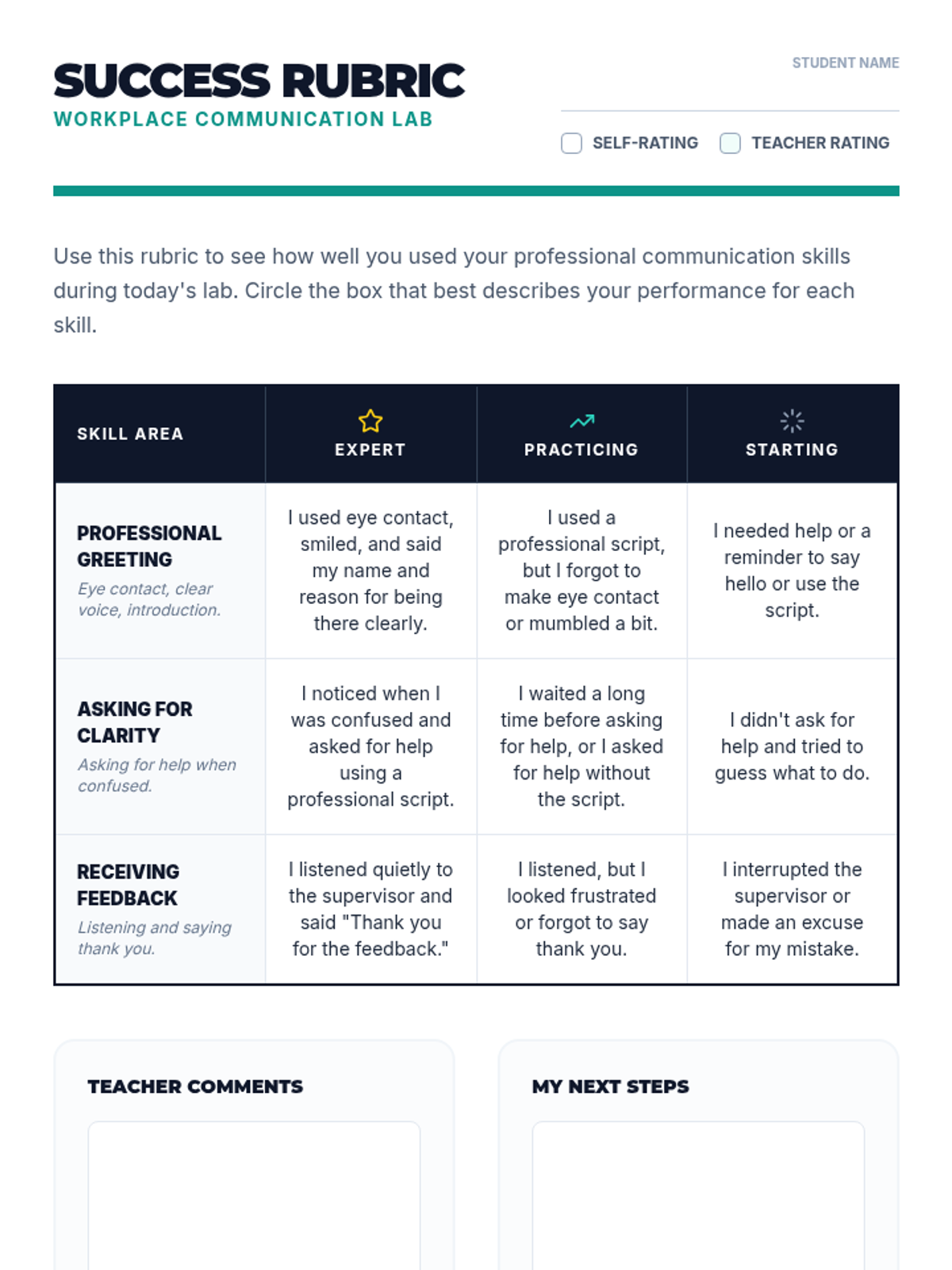
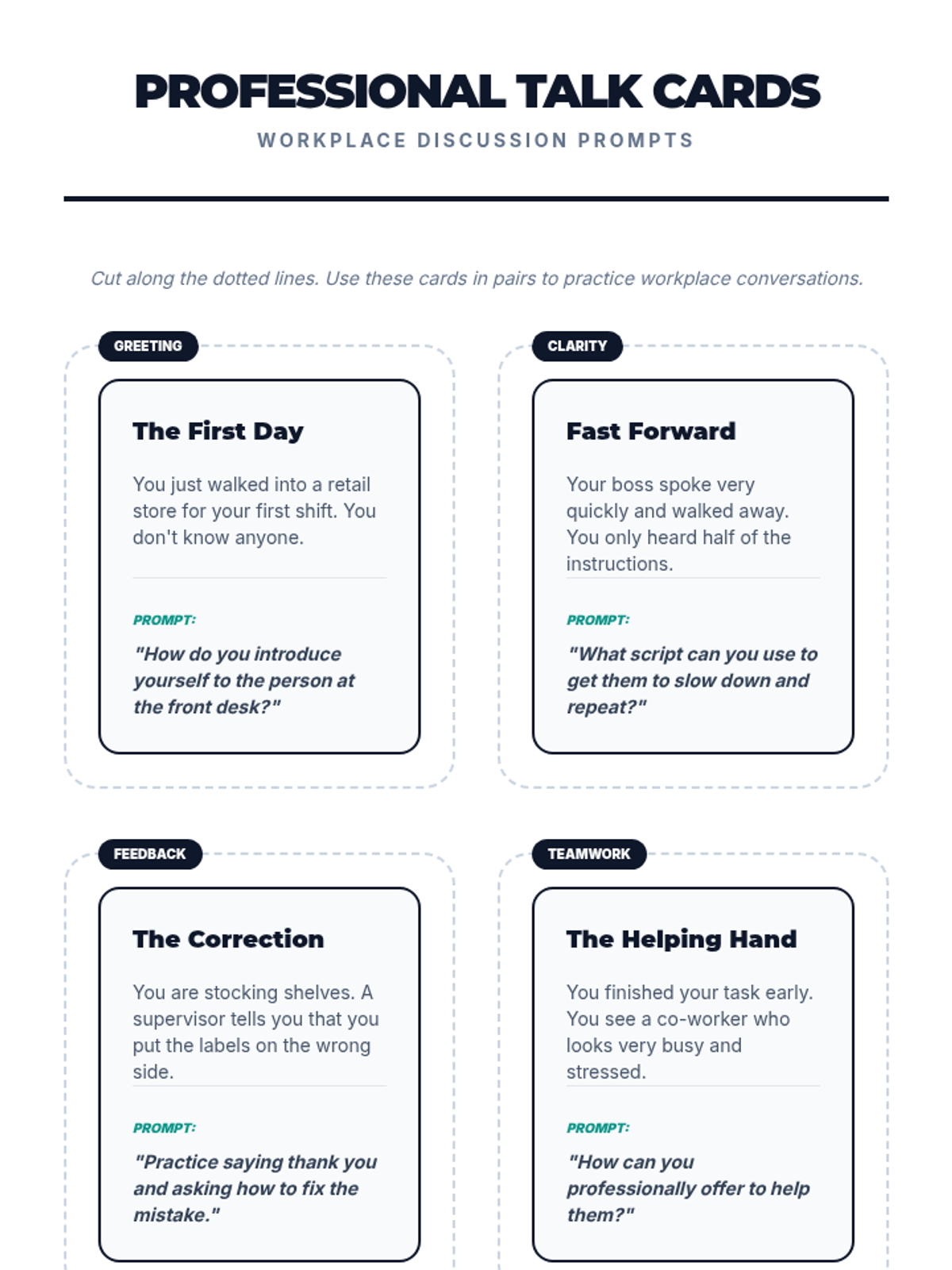
A vocational skills unit focused on social-pragmatic communication for the workplace. Students learn and practice professional greetings, clarifying instructions, and the art of giving and receiving feedback through hands-on lab activities.
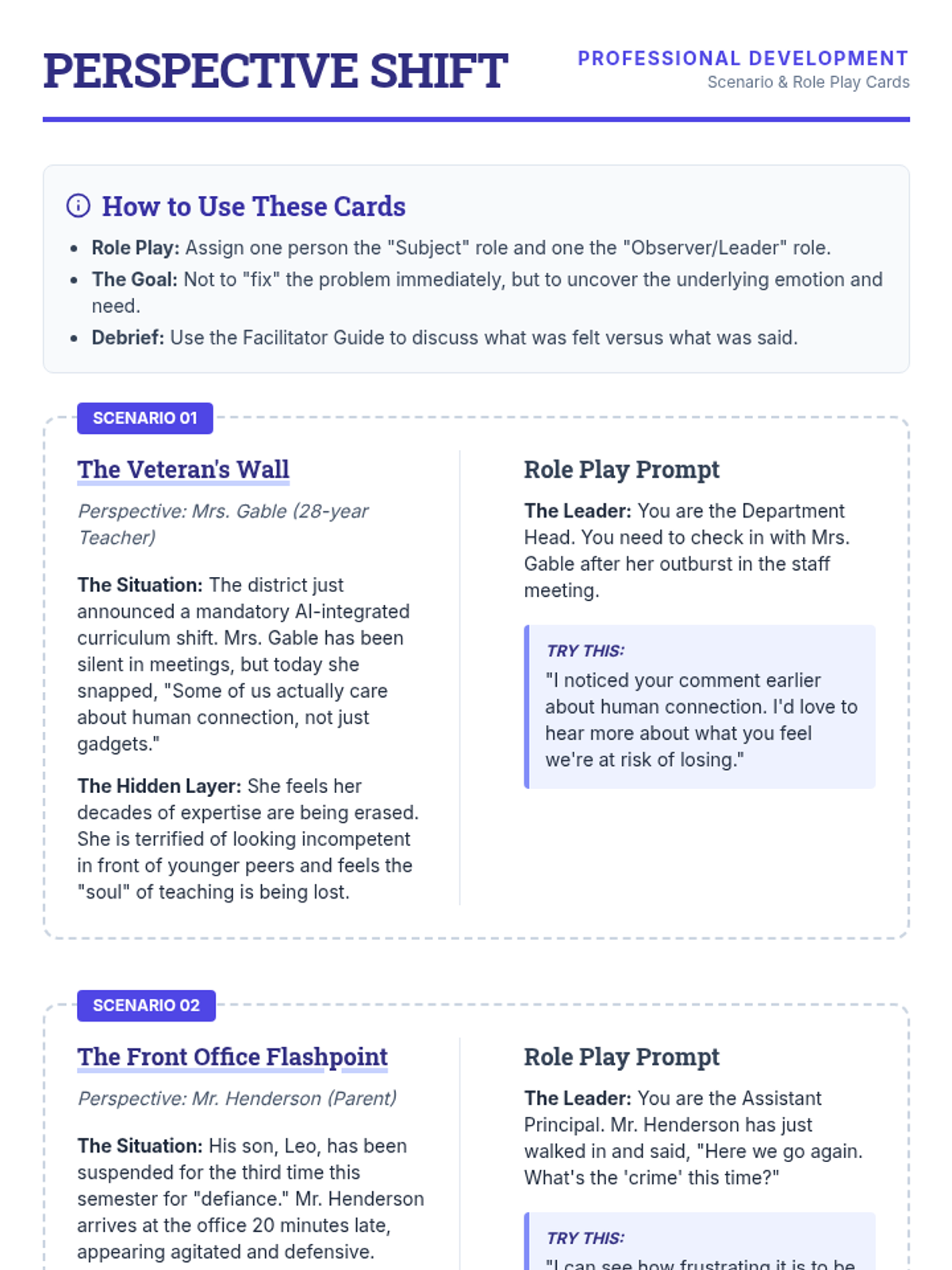
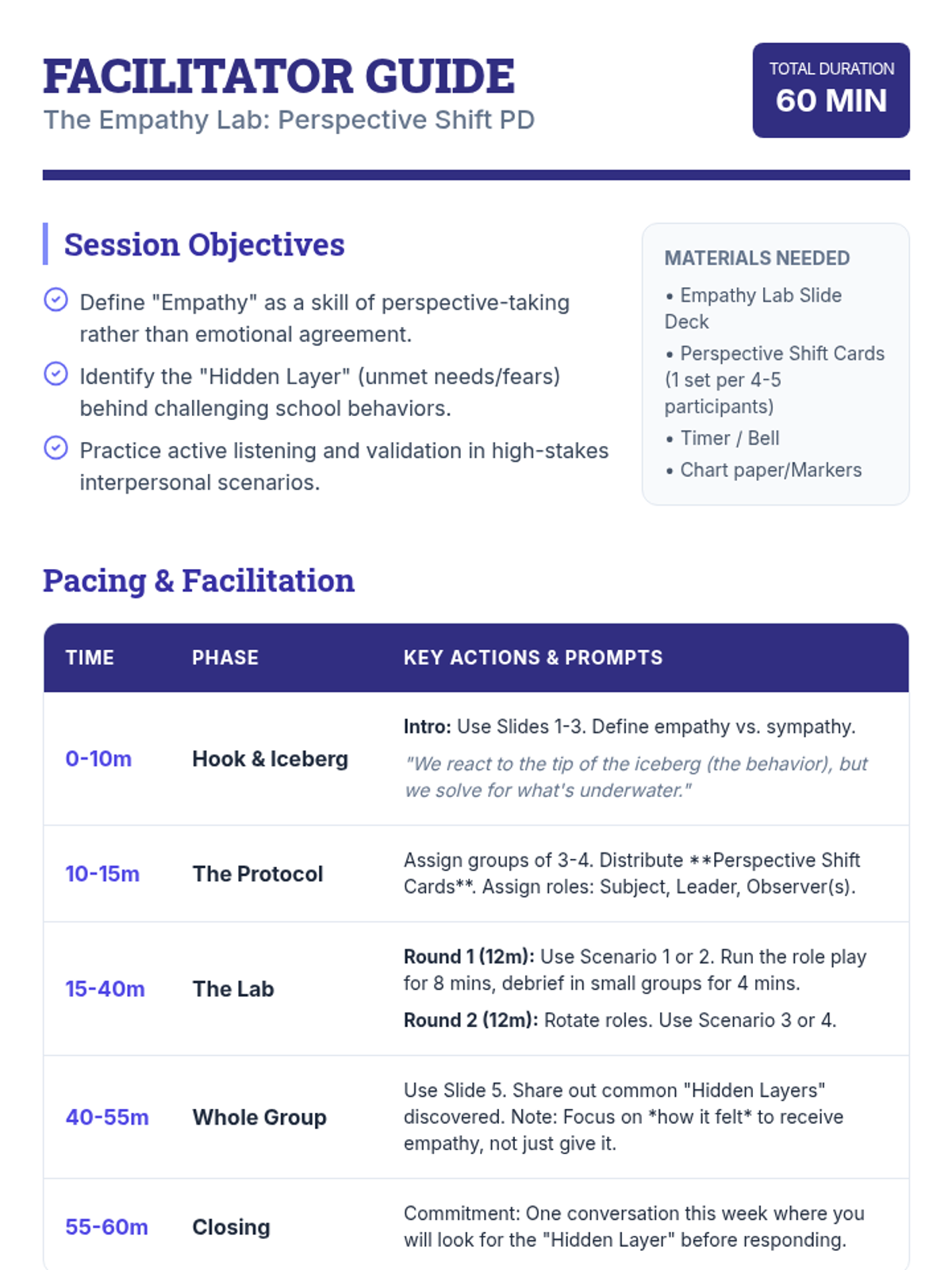
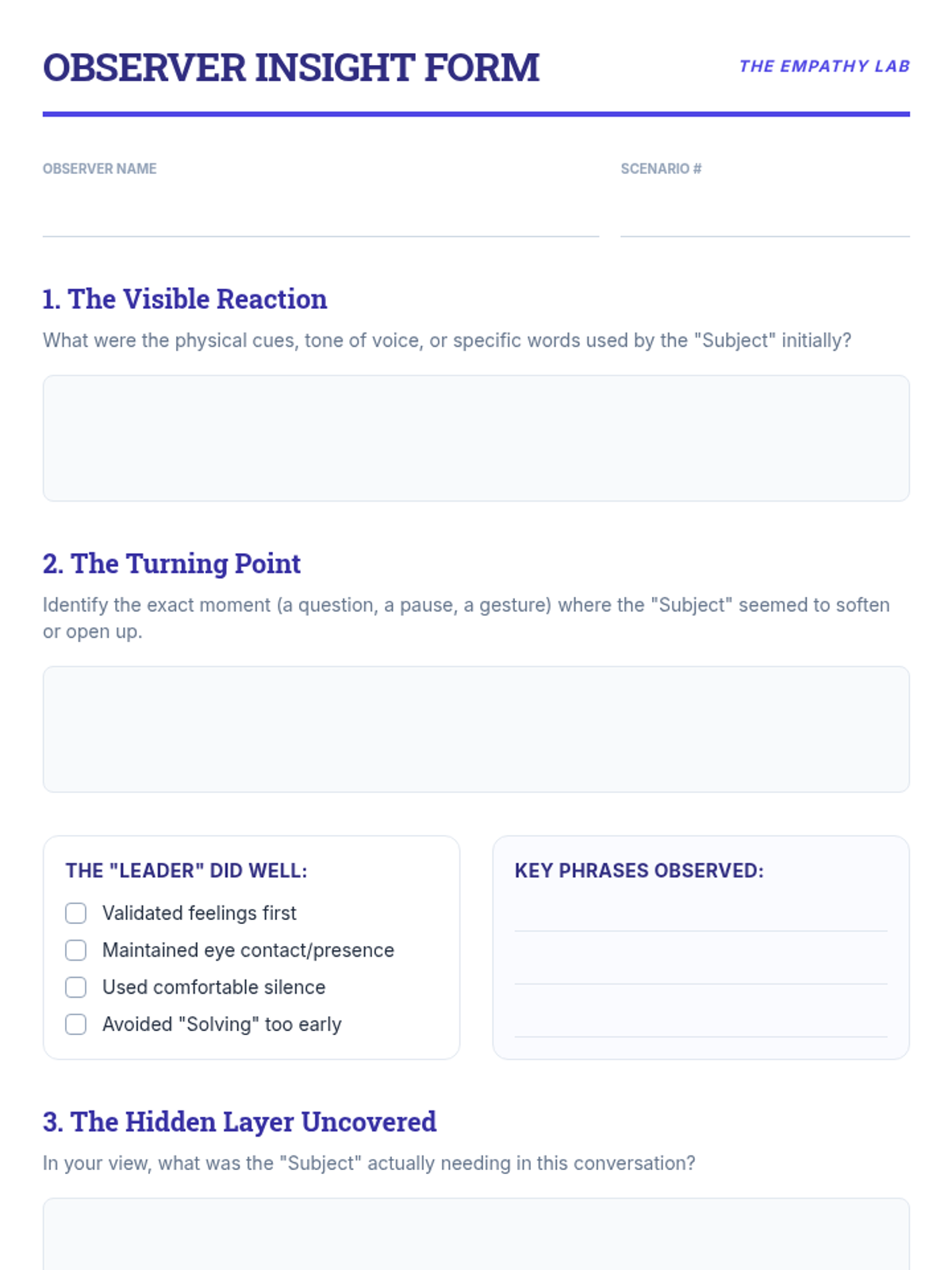
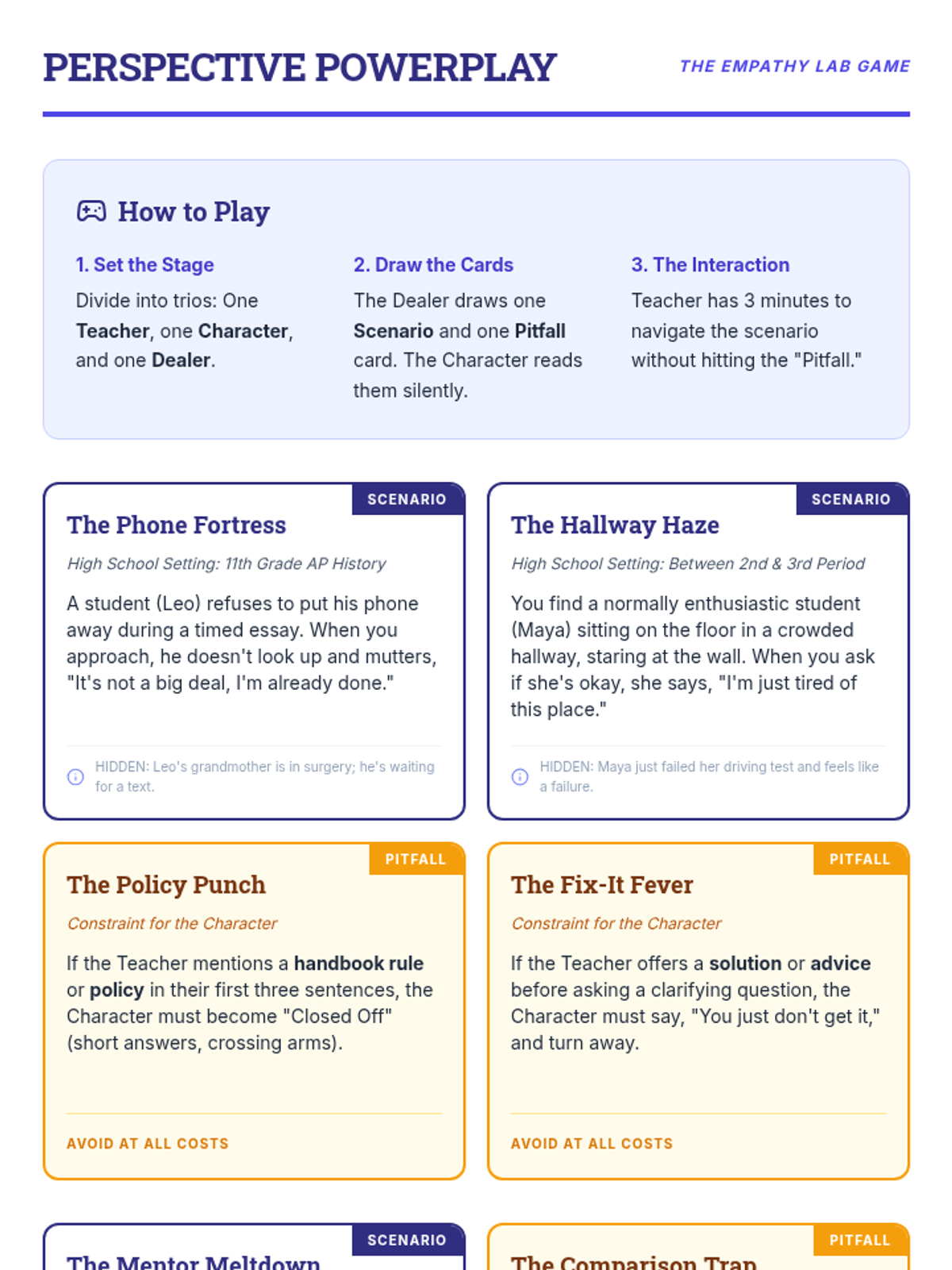
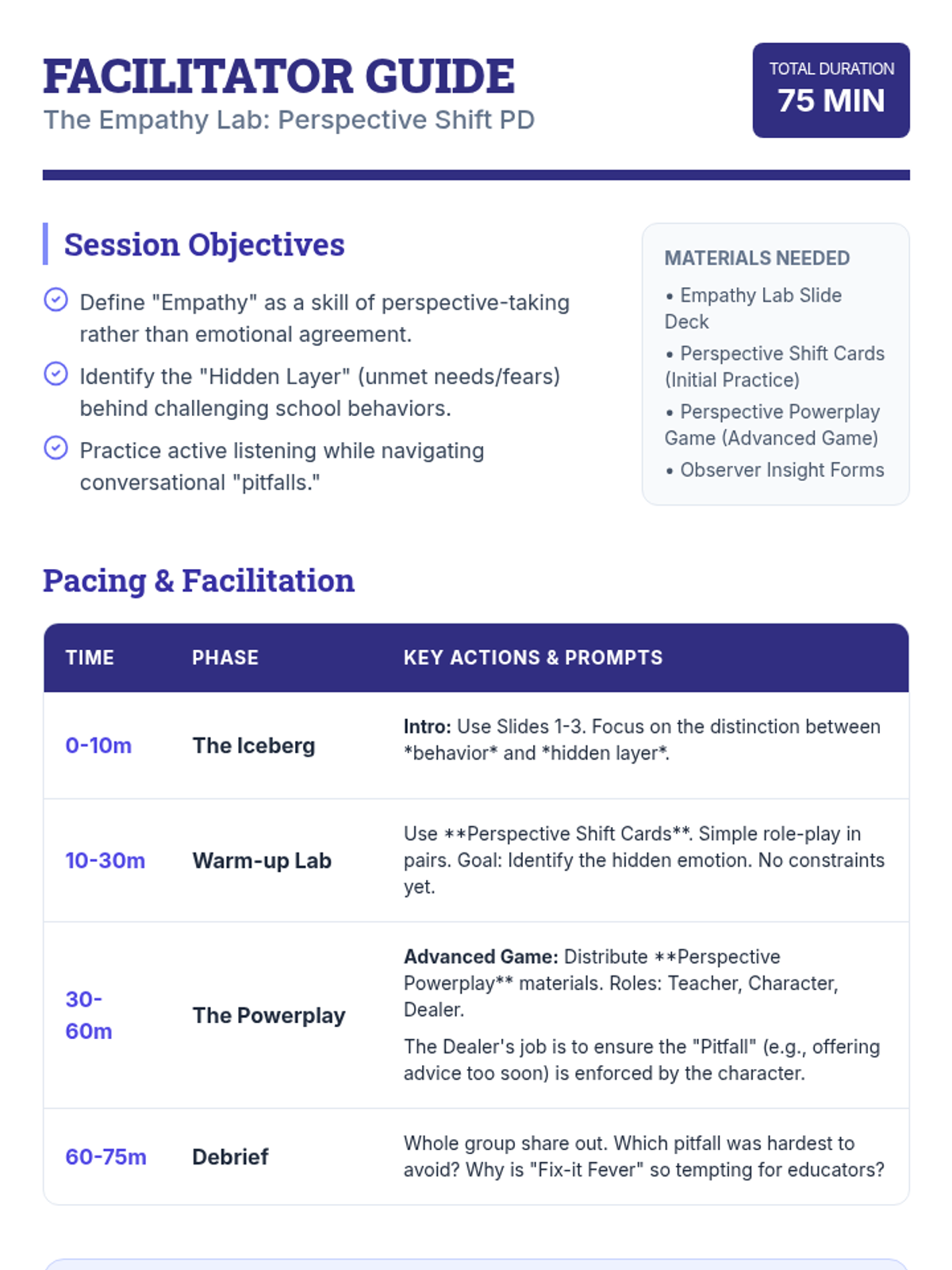
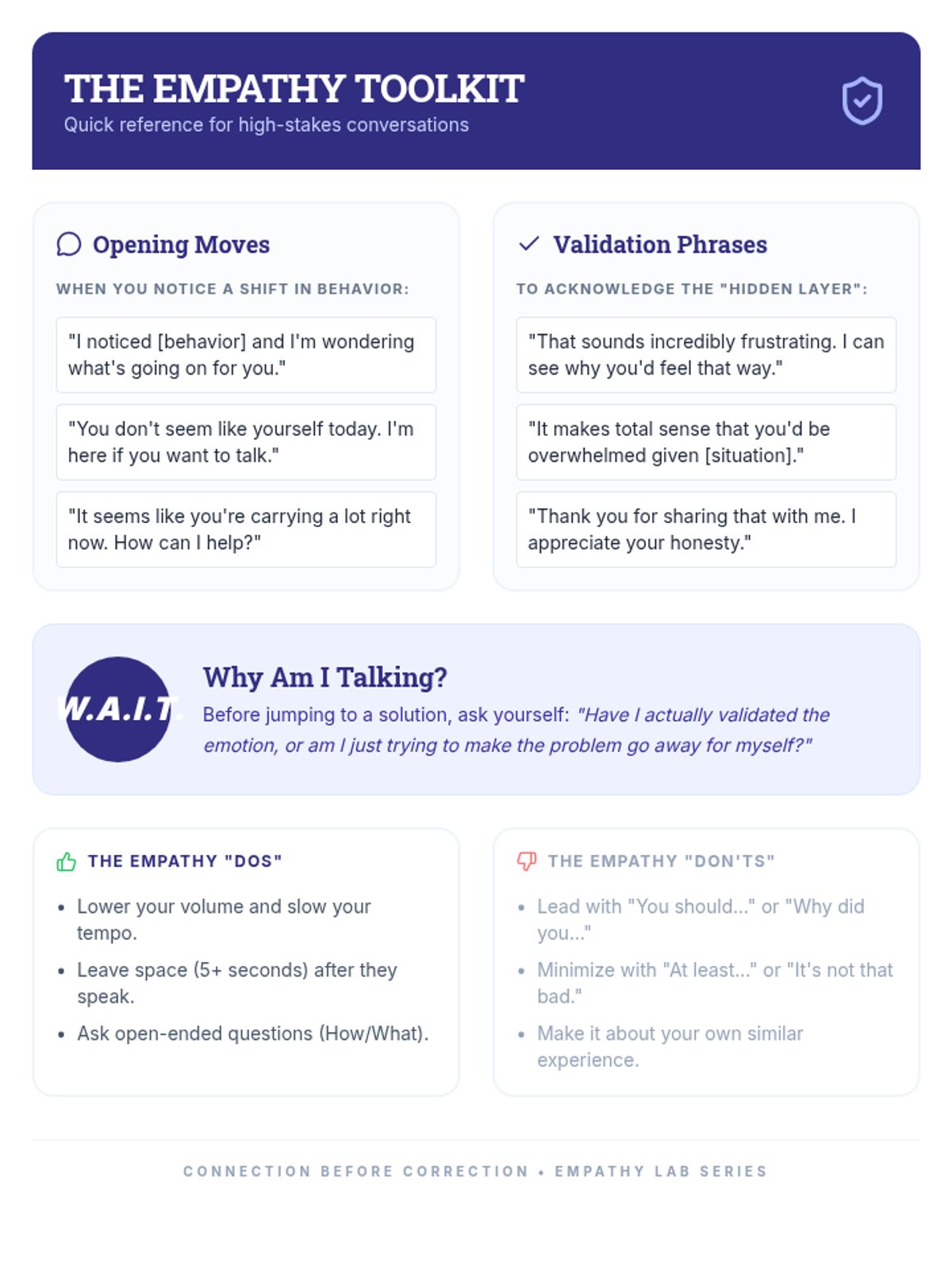
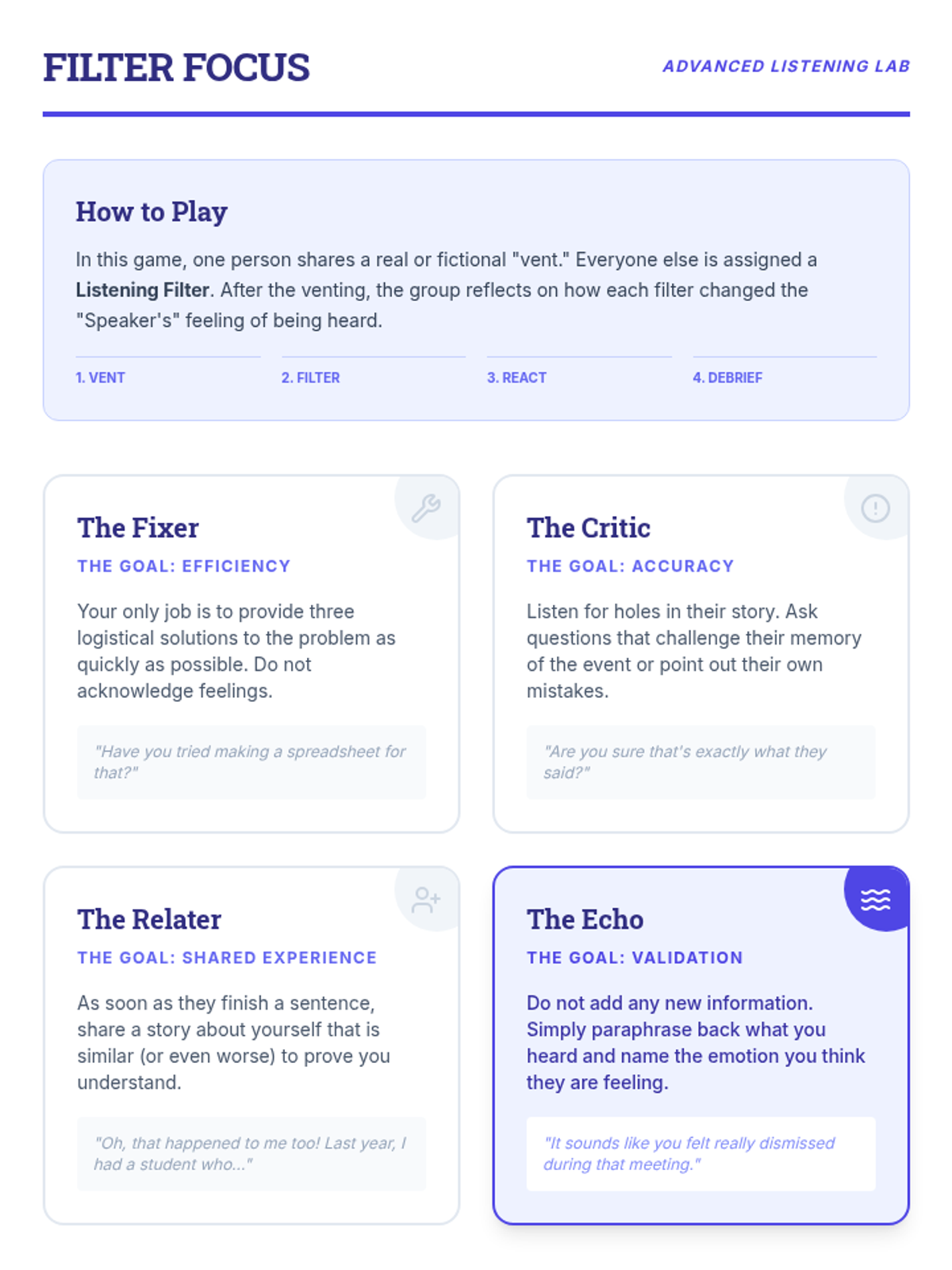
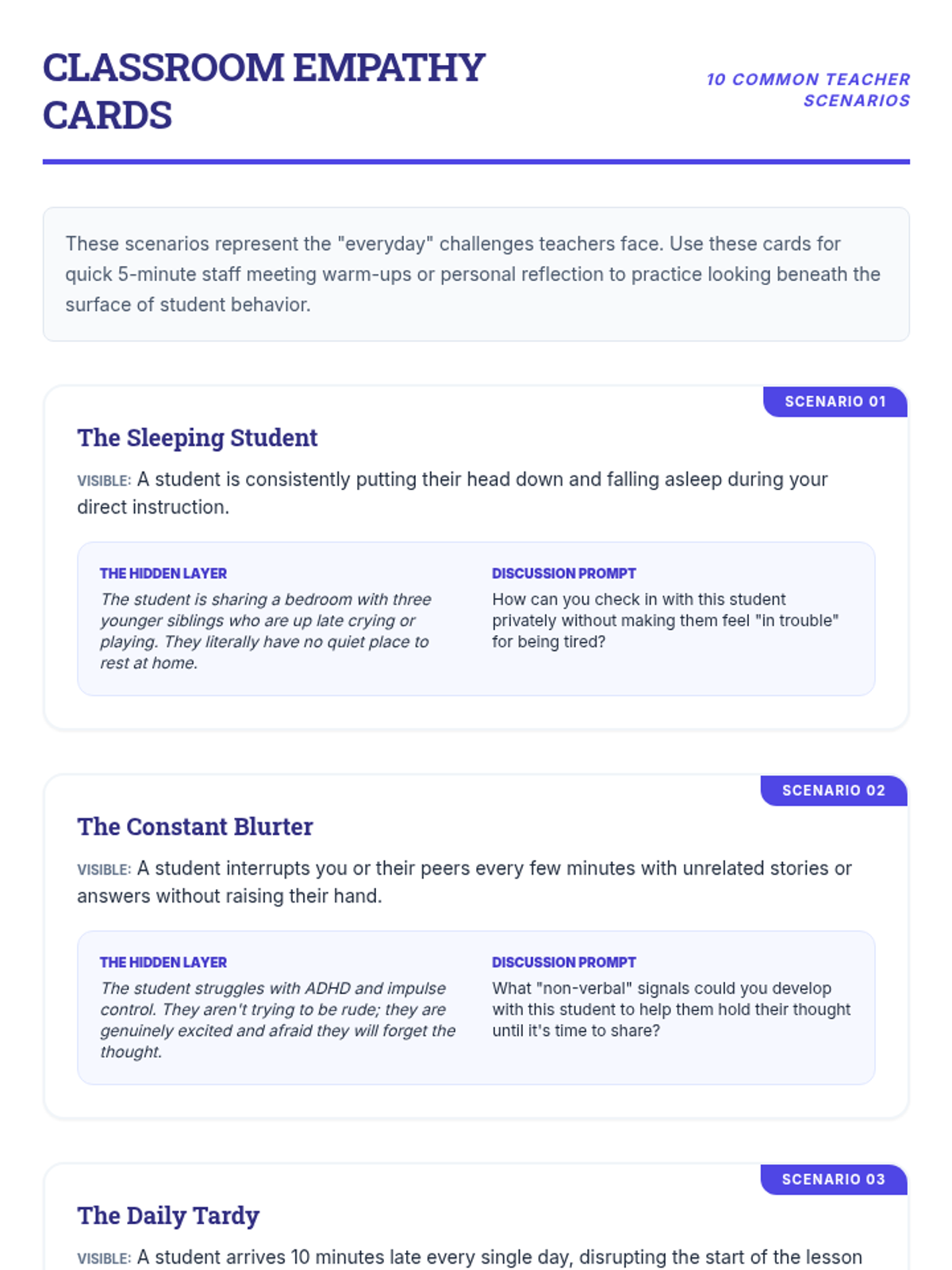
A comprehensive suite of empathy resources for an entire school community, including professional development for staff and instructional materials for students.