Root cause analysis and brainstorming techniques for everyday problem-solving. Equips learners with ethical frameworks and risk-benefit evaluation skills to predict consequences and make informed choices.
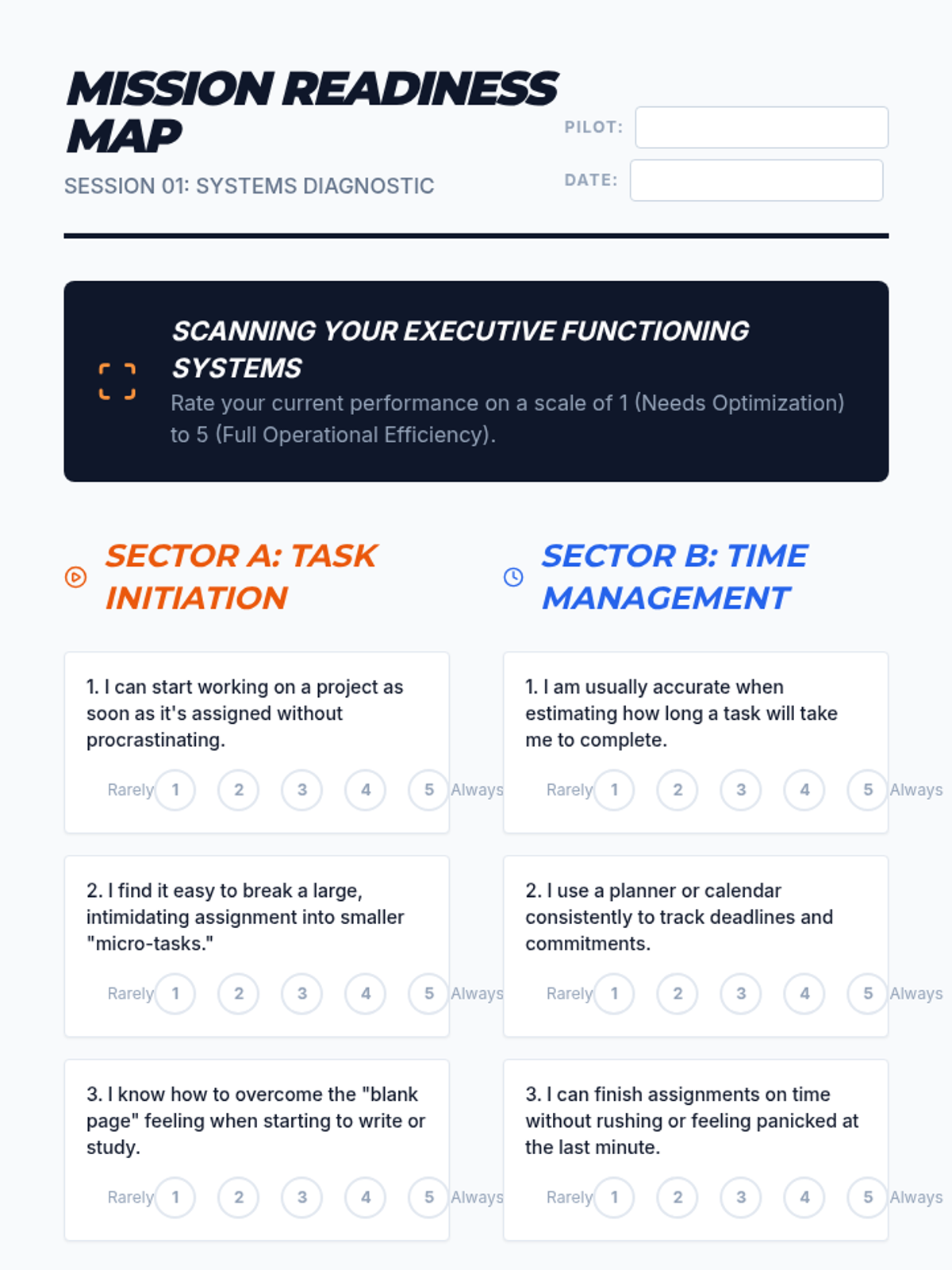
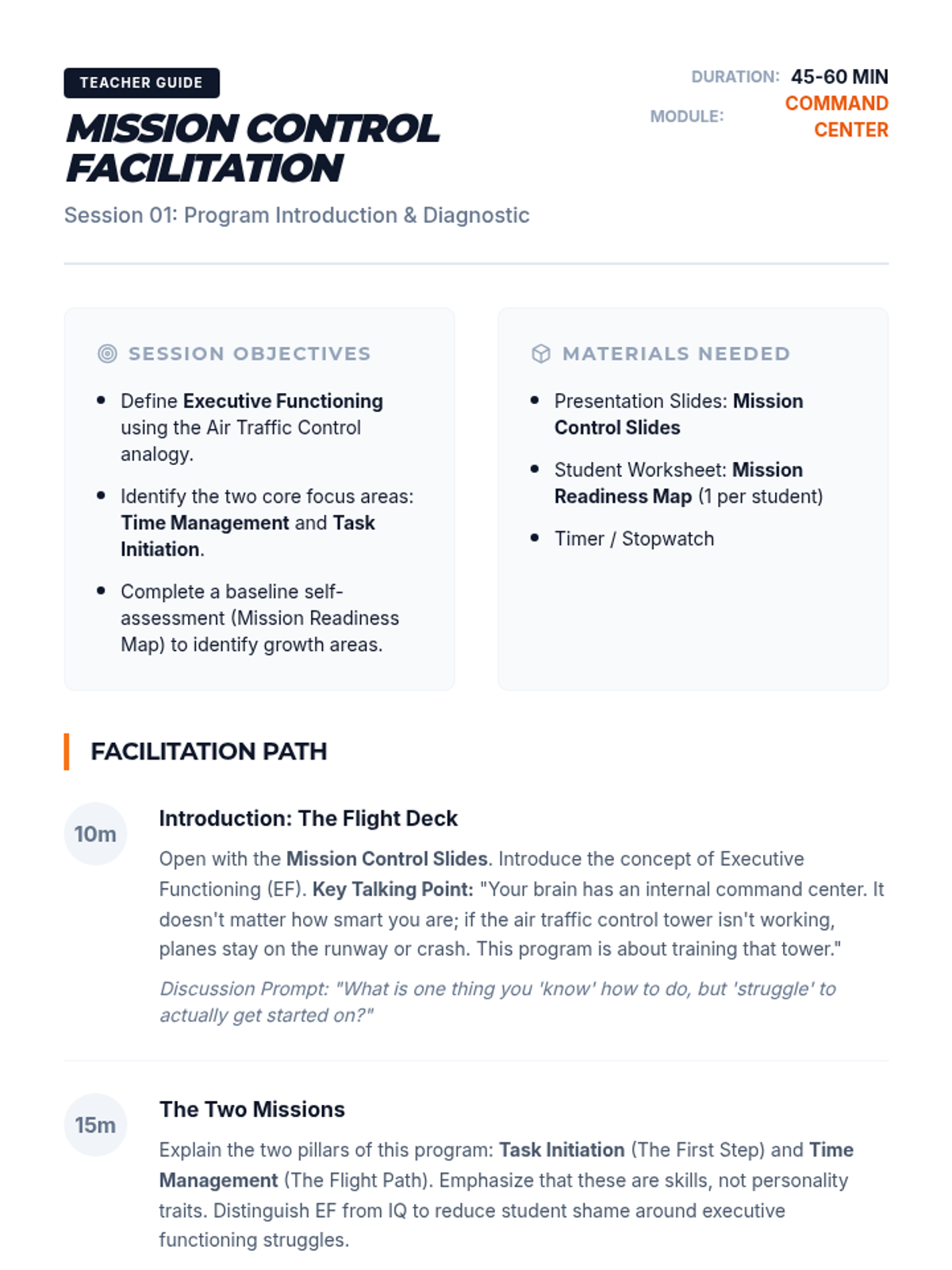
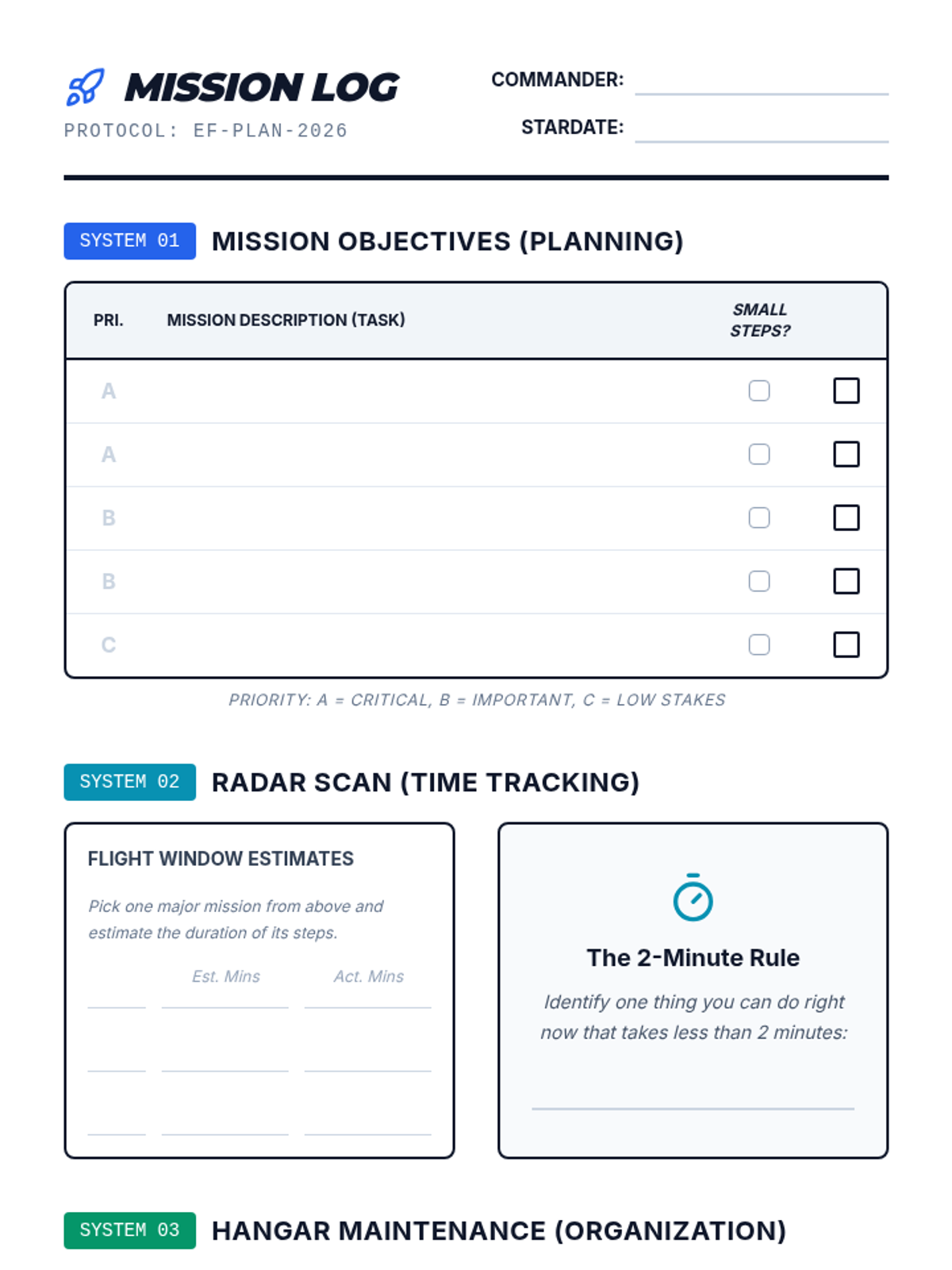
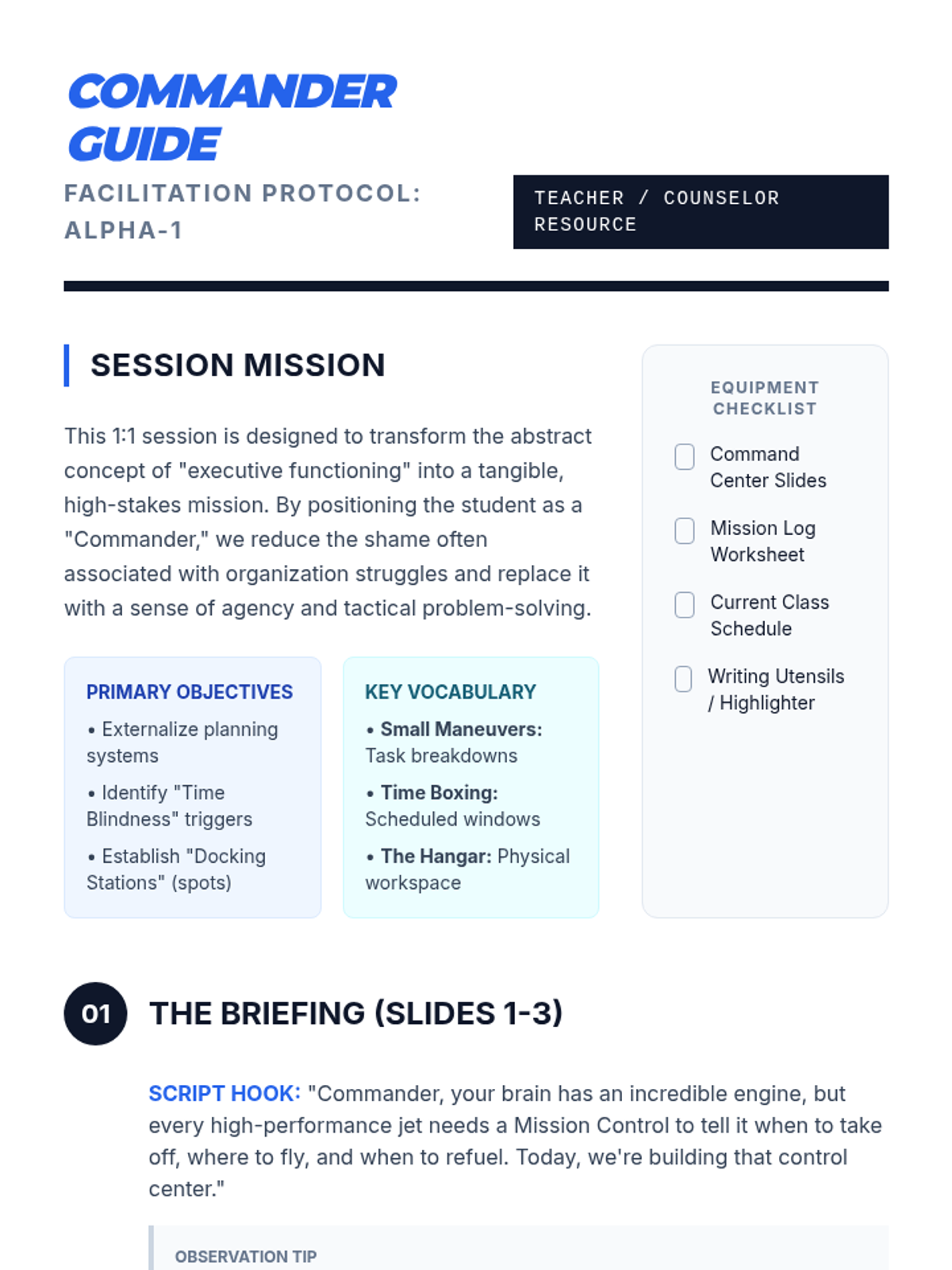
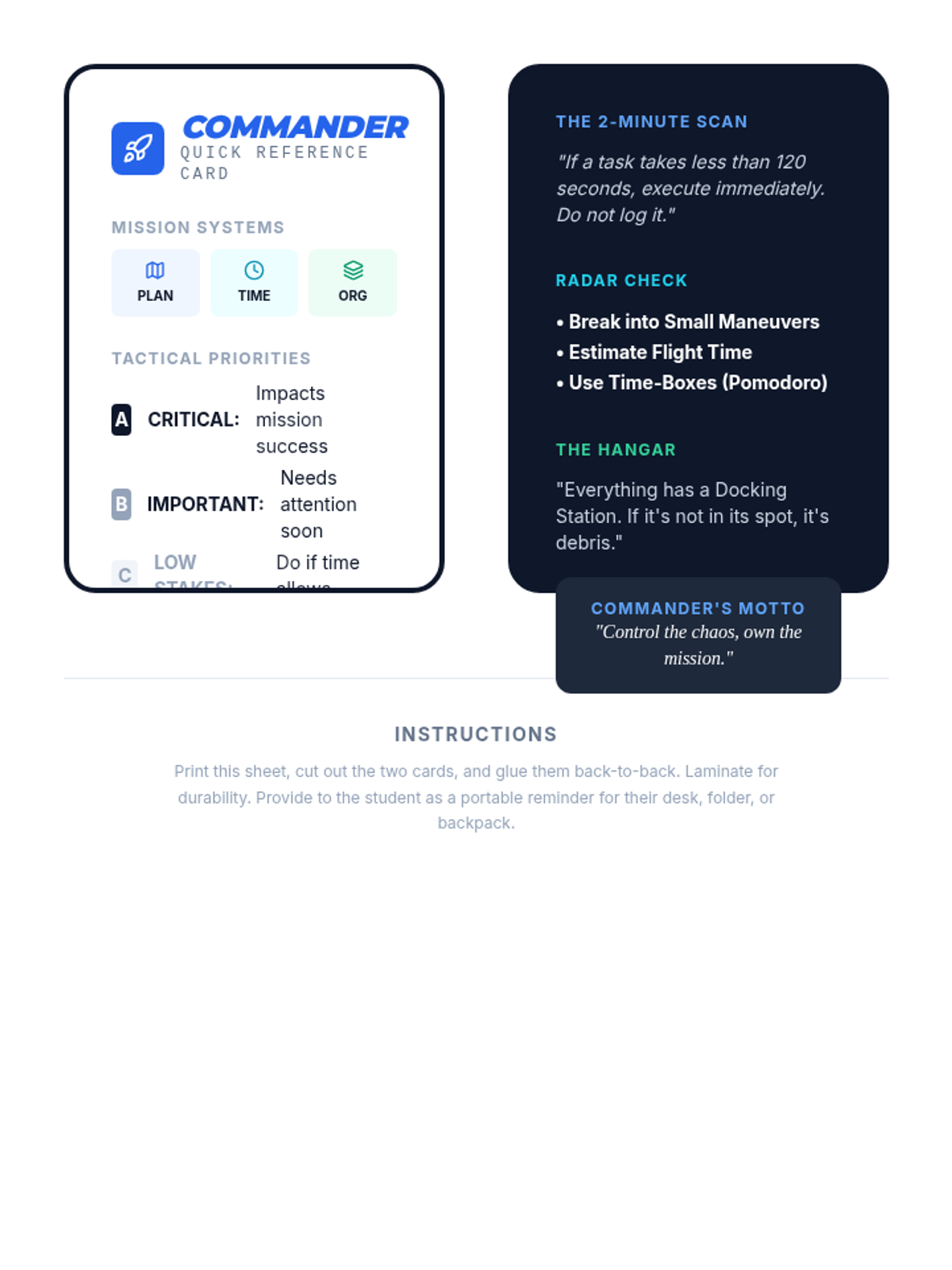
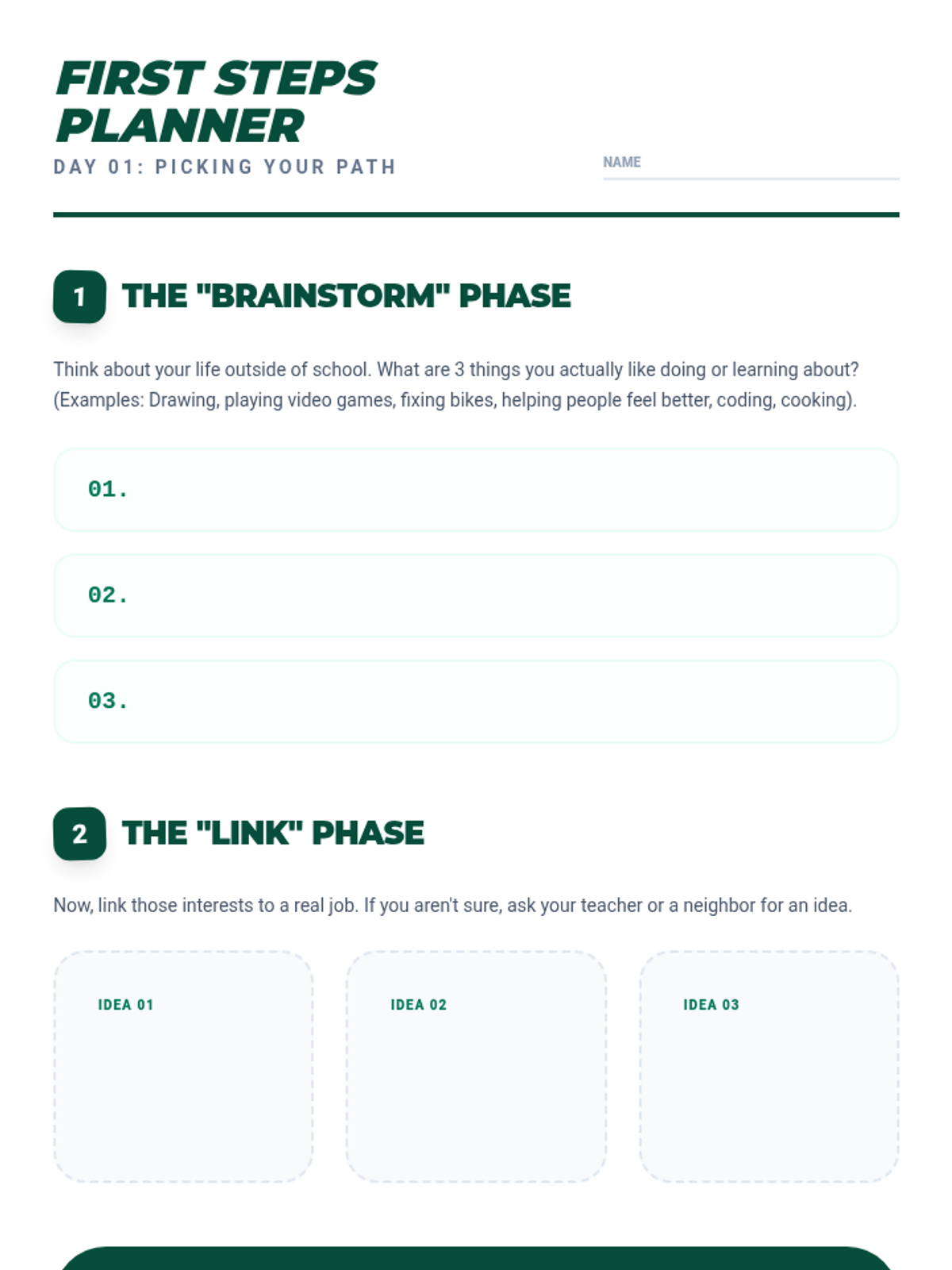
An 8-session executive functioning program designed for high schoolers to master time management and task initiation. Students use visual "maps" and blueprints to navigate their workload and build self-regulation habits.
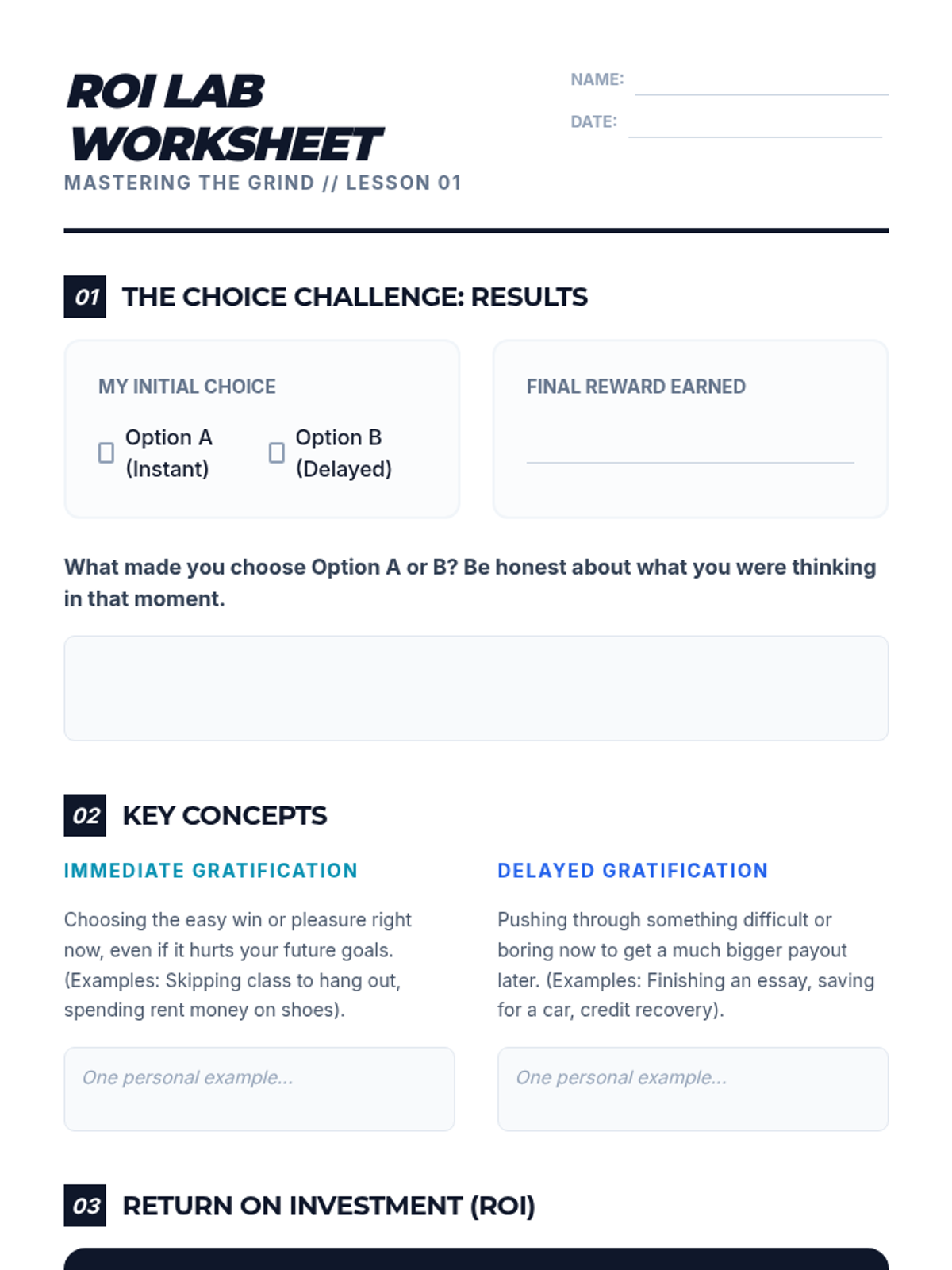
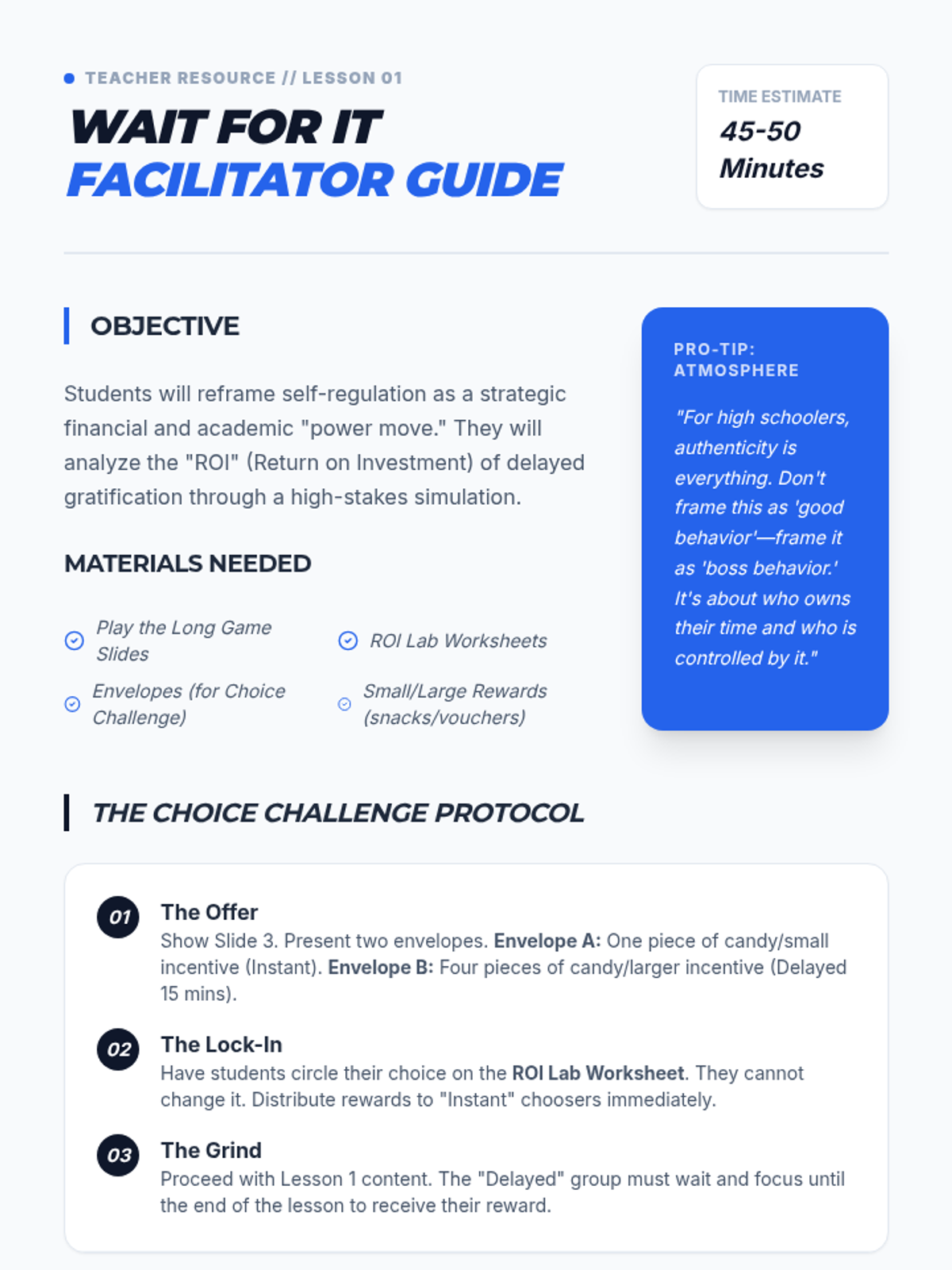
A high-impact 5-lesson sequence designed for credit-deficient high school sophomores to reclaim their academic path. The curriculum reframes impulse control as a strategic 'power move' for achieving independence, career success, and graduation through cognitive discipline and environmental awareness.
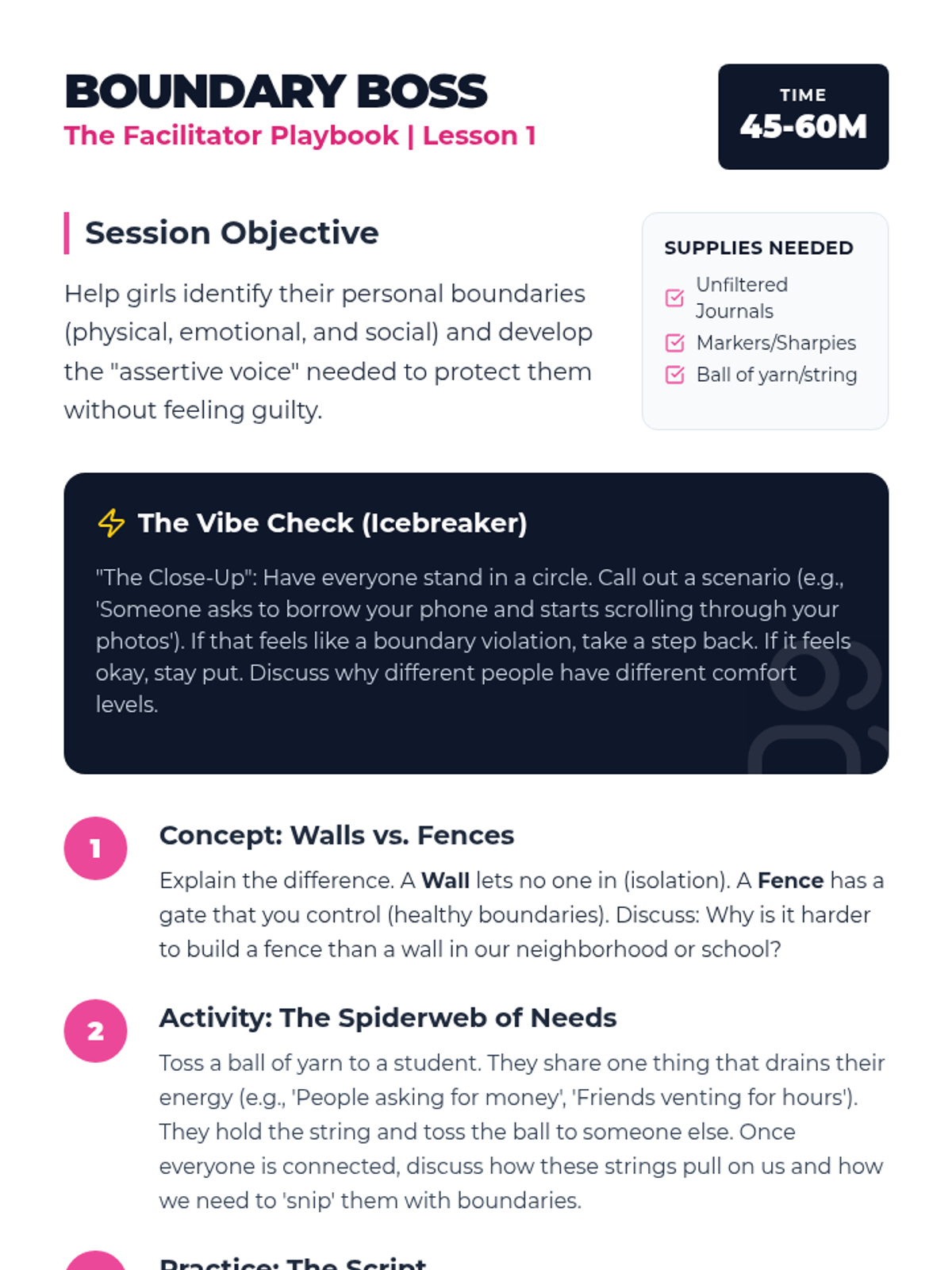
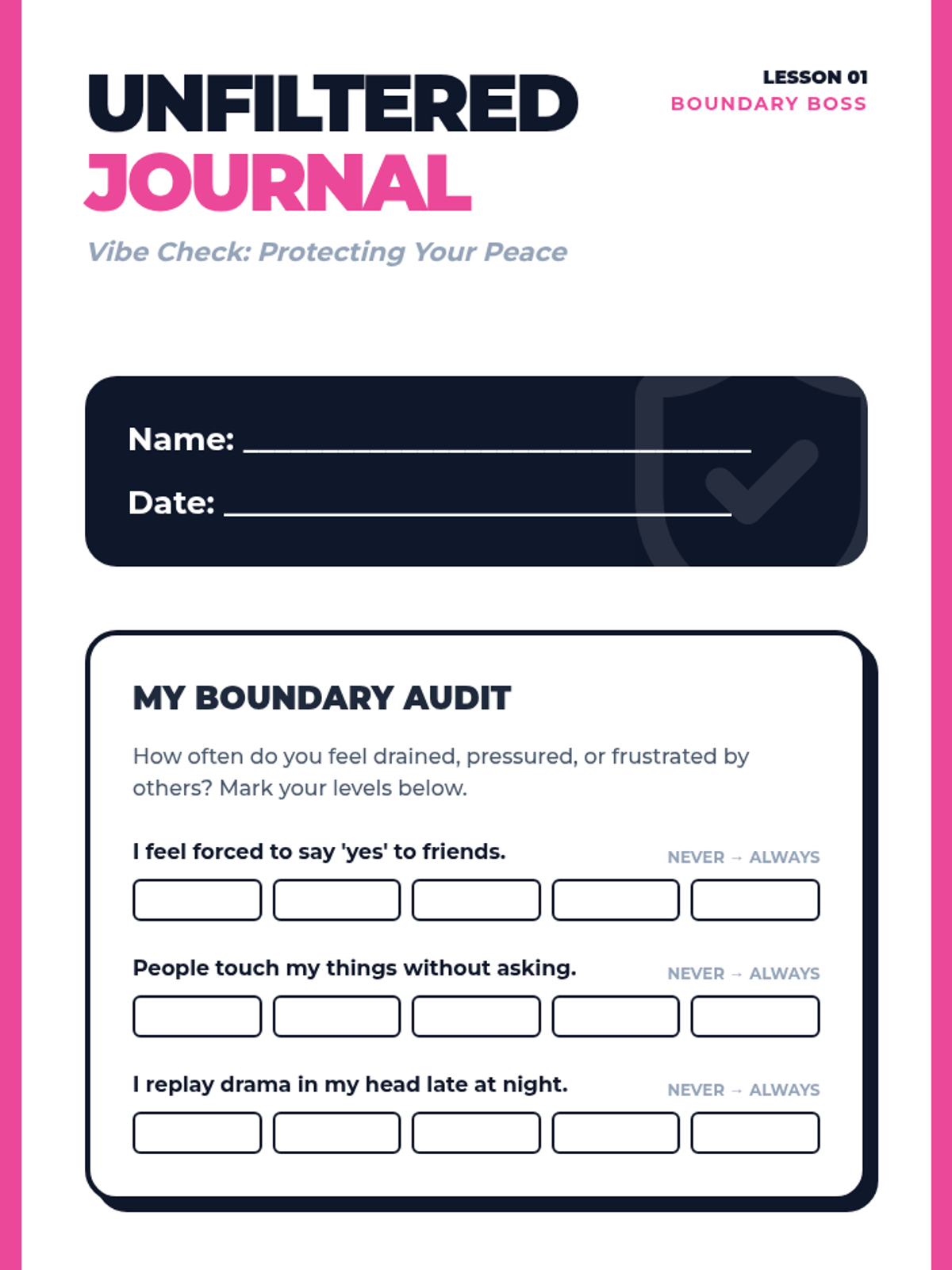
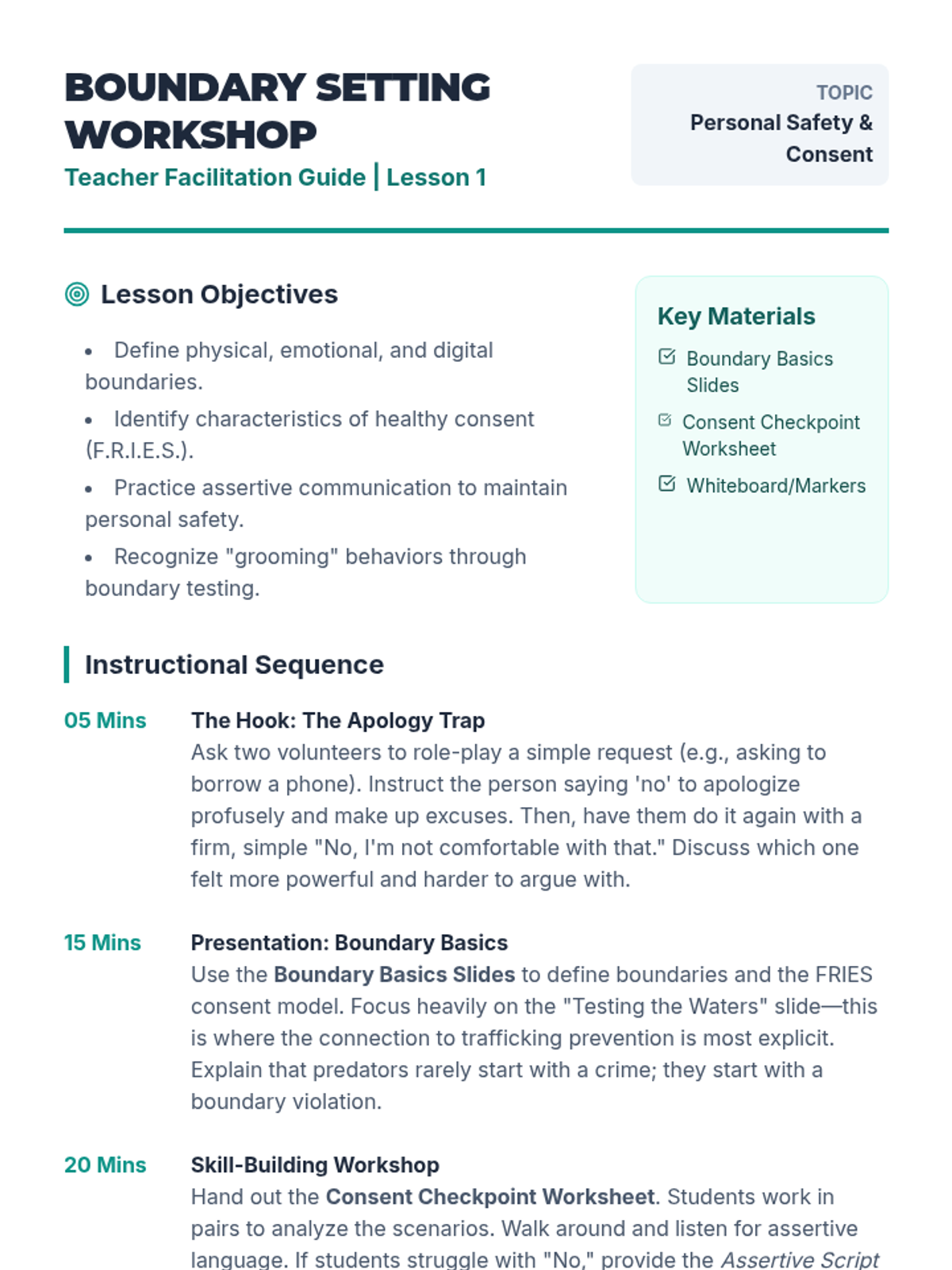
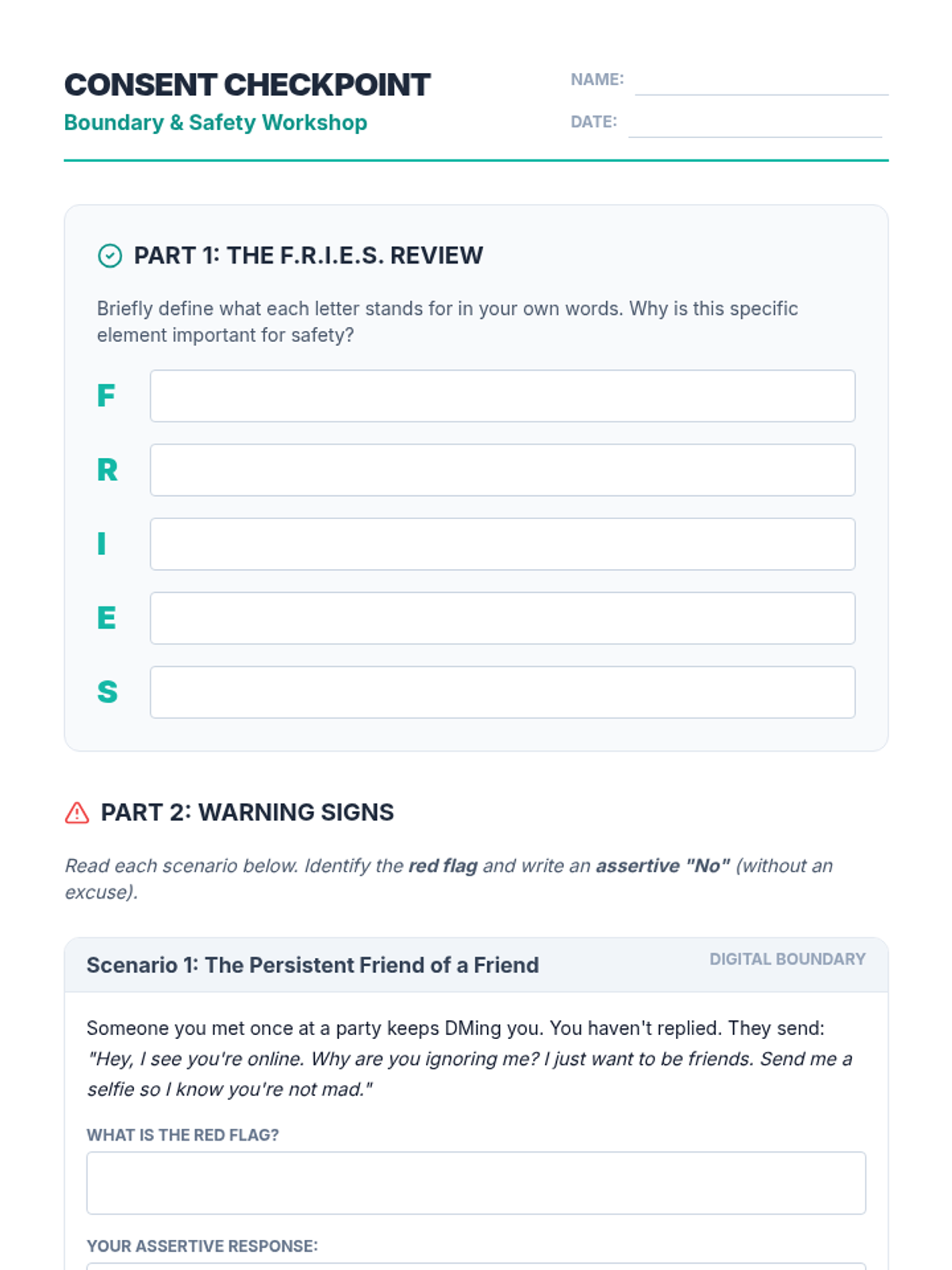
A 3-part small group curriculum designed for high school girls in urban settings to navigate social drama, establish boundaries, and manage social media conflict with confidence and authenticity.
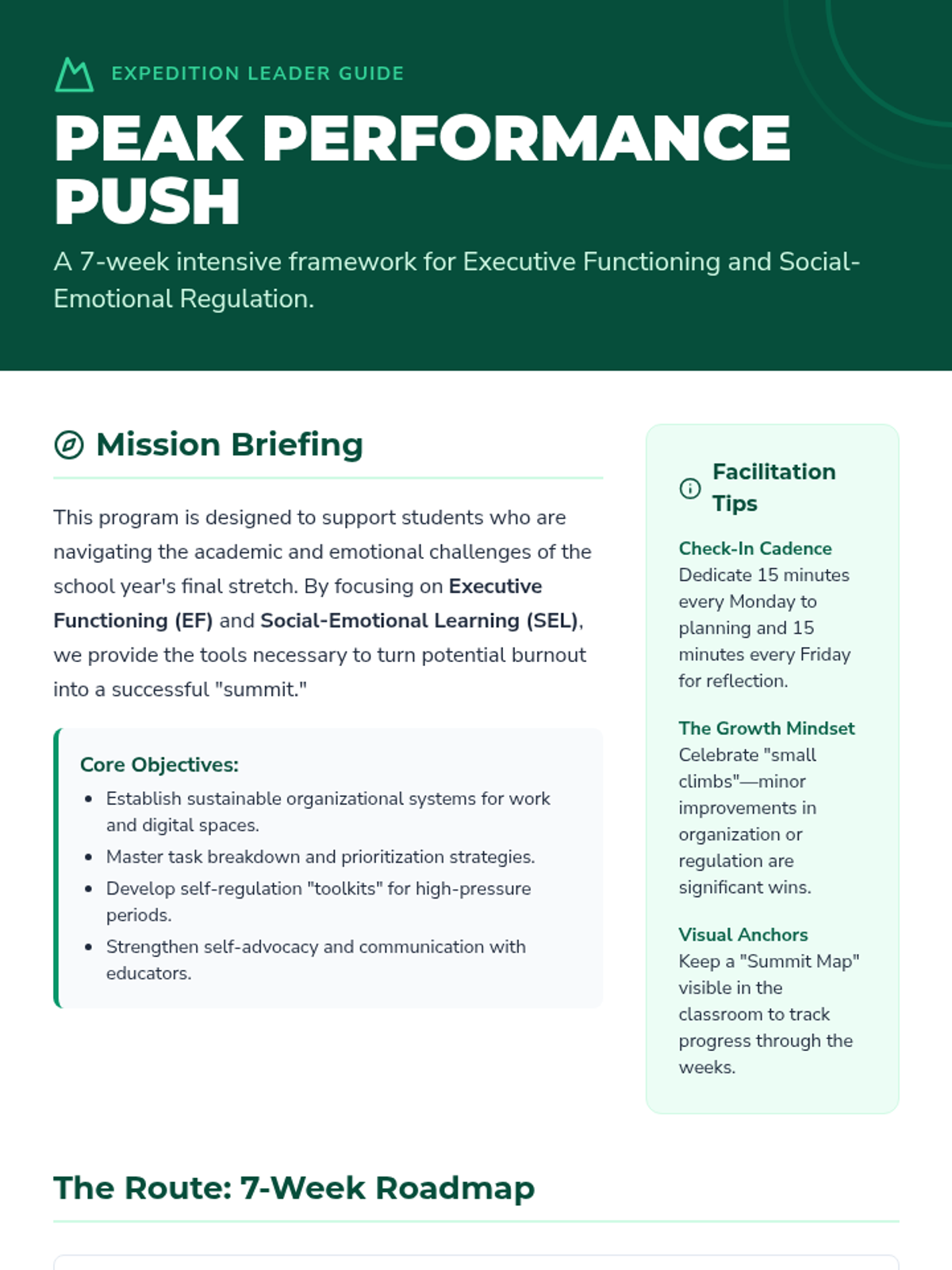
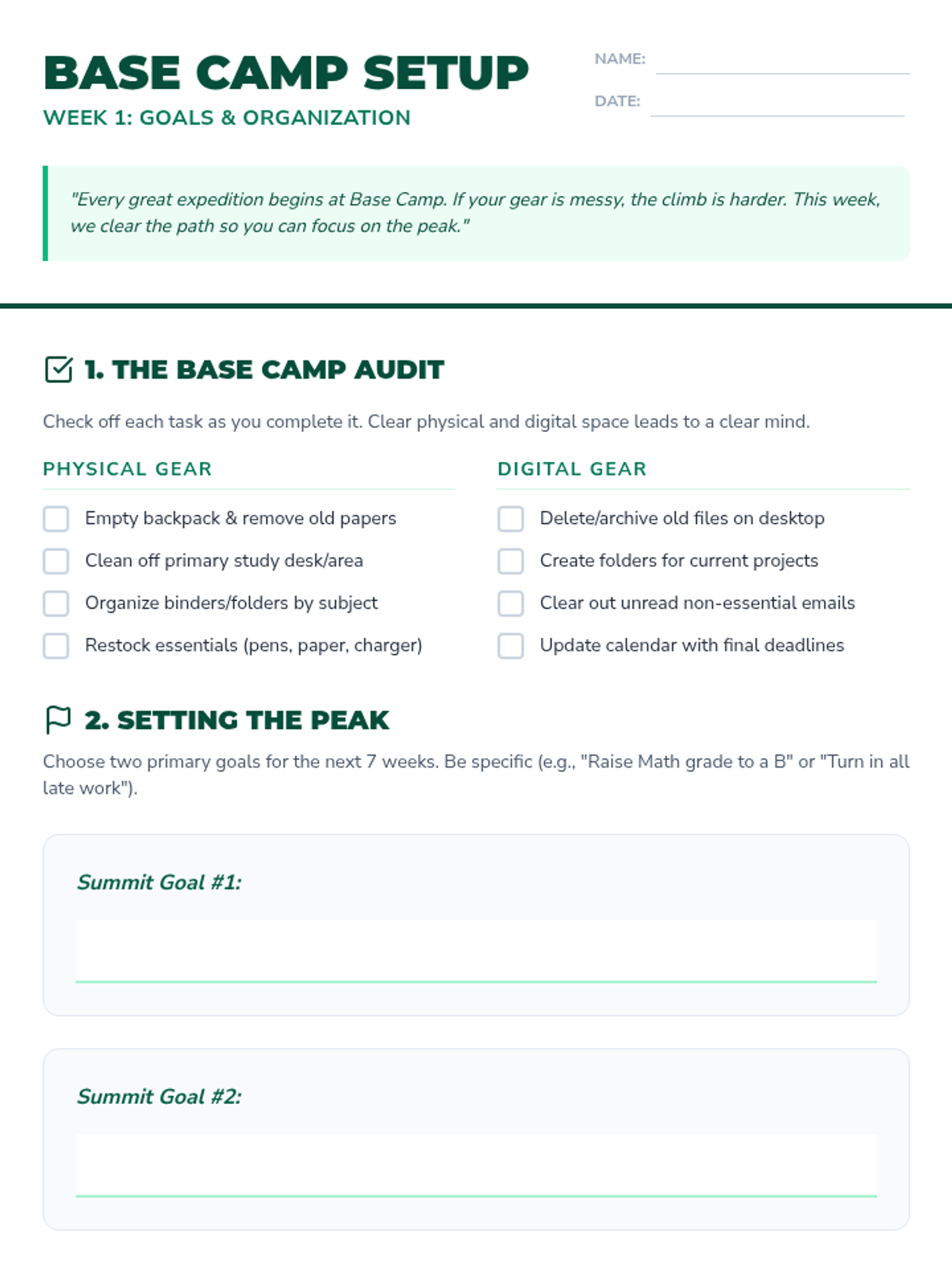
A comprehensive 7-week program designed for students struggling academically and socially-emotionally to improve executive functioning, planning, and emotional regulation.
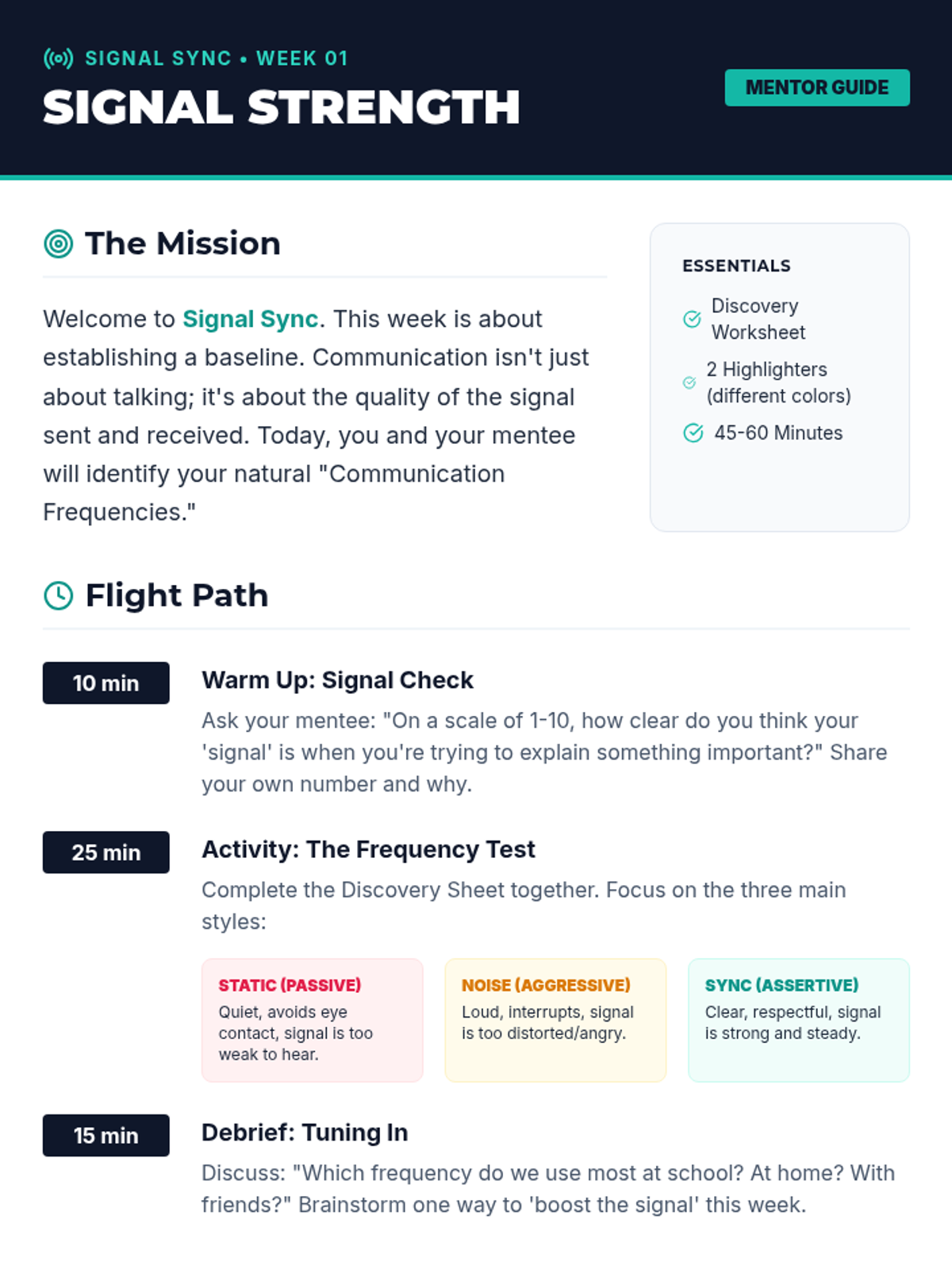
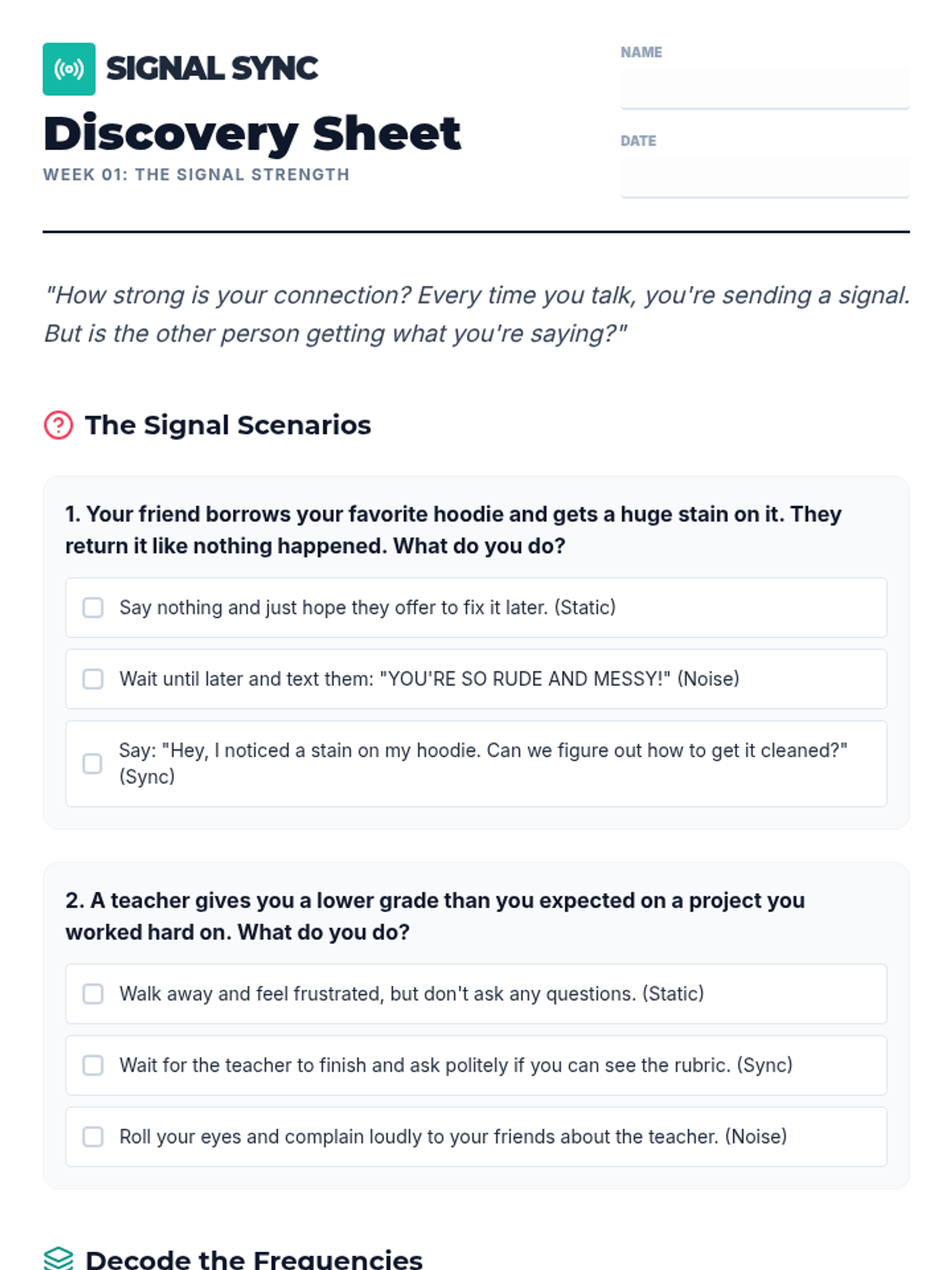
A 10-week comprehensive curriculum for mentors and mentees focusing on building effective communication habits and mastering conflict resolution through the 'Signal Sync' framework.
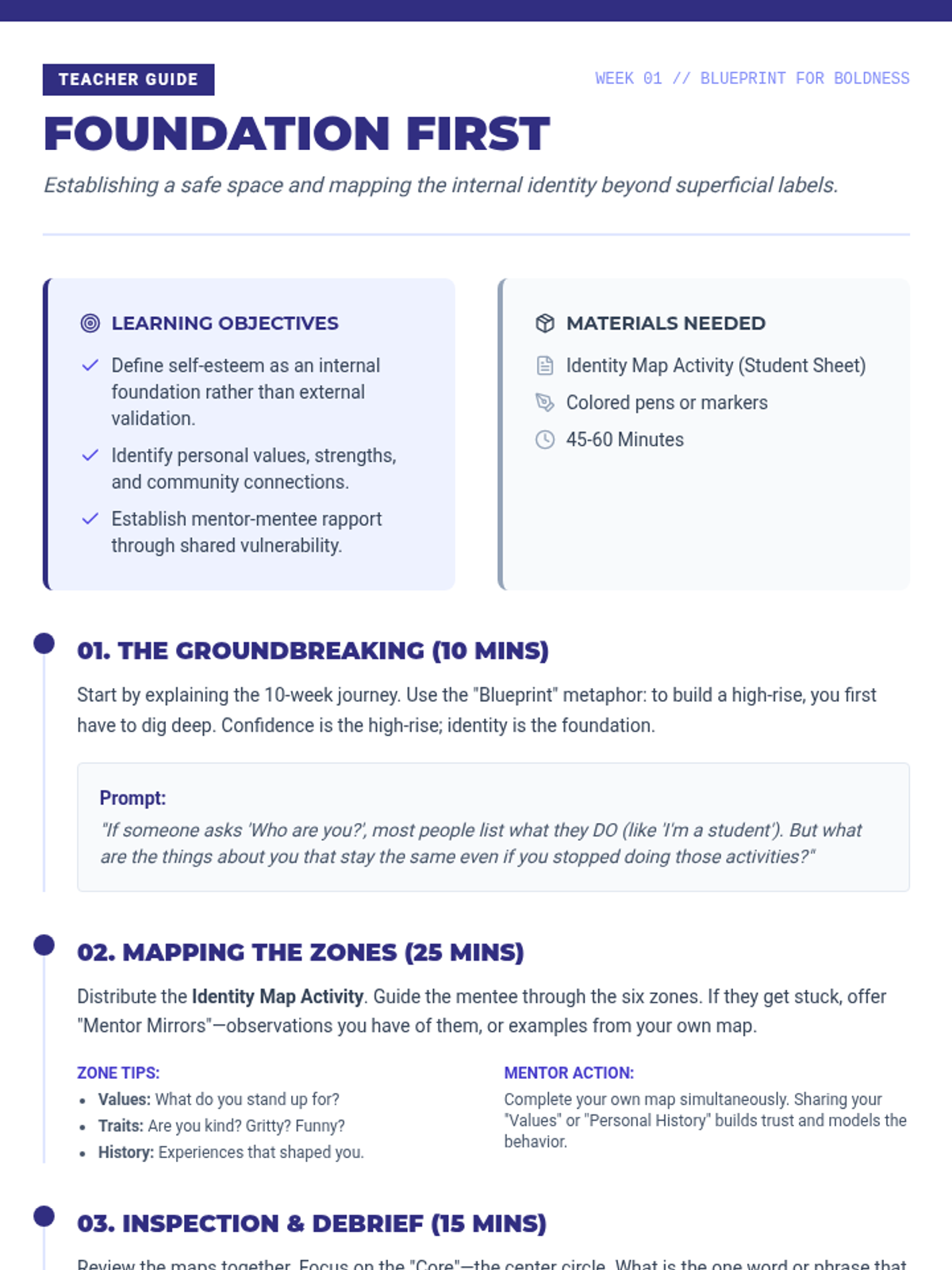
A comprehensive 10-week mentorship journey designed to build confidence, resilience, and problem-solving skills through collaborative activities and deep discussion.
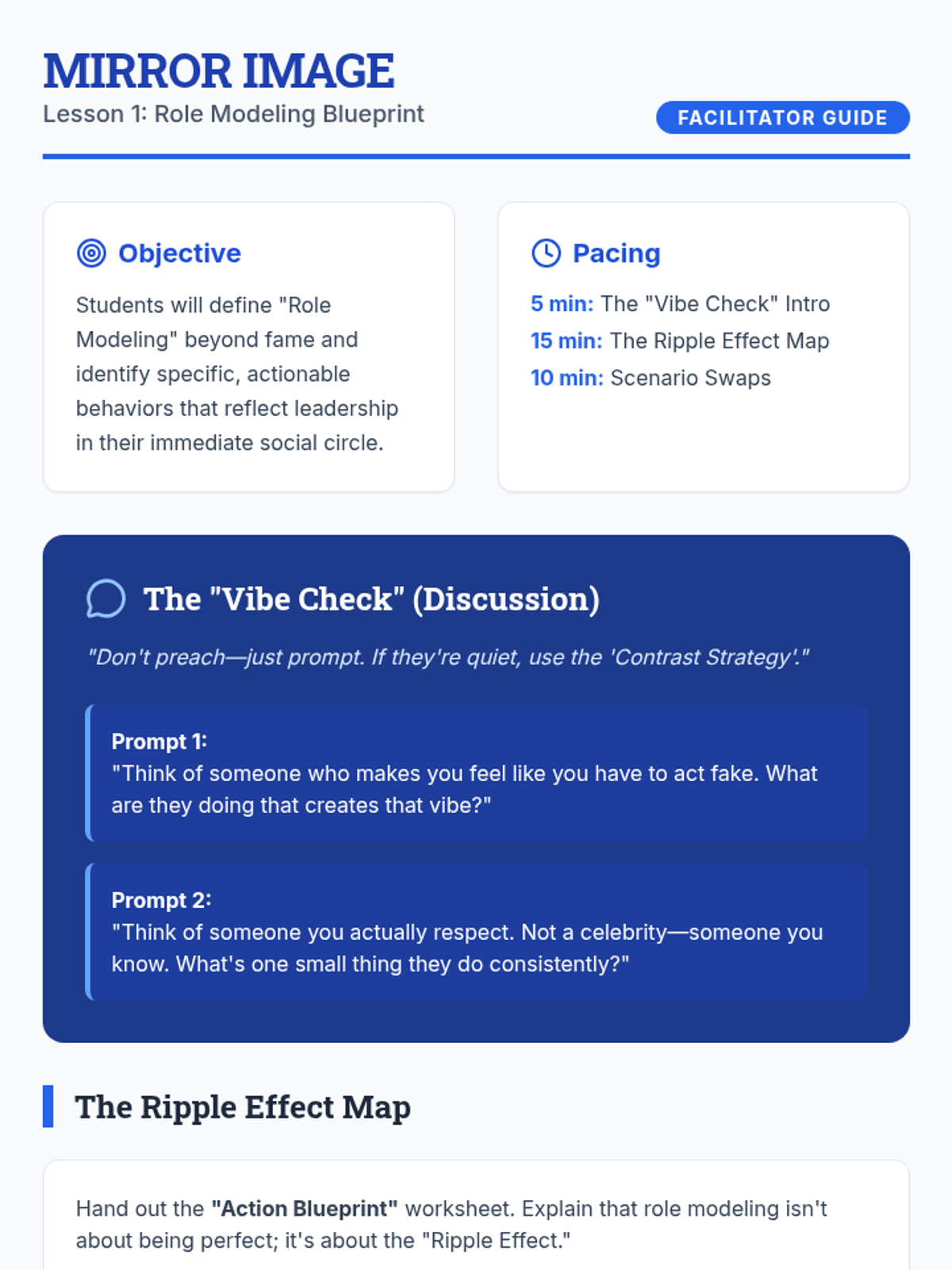
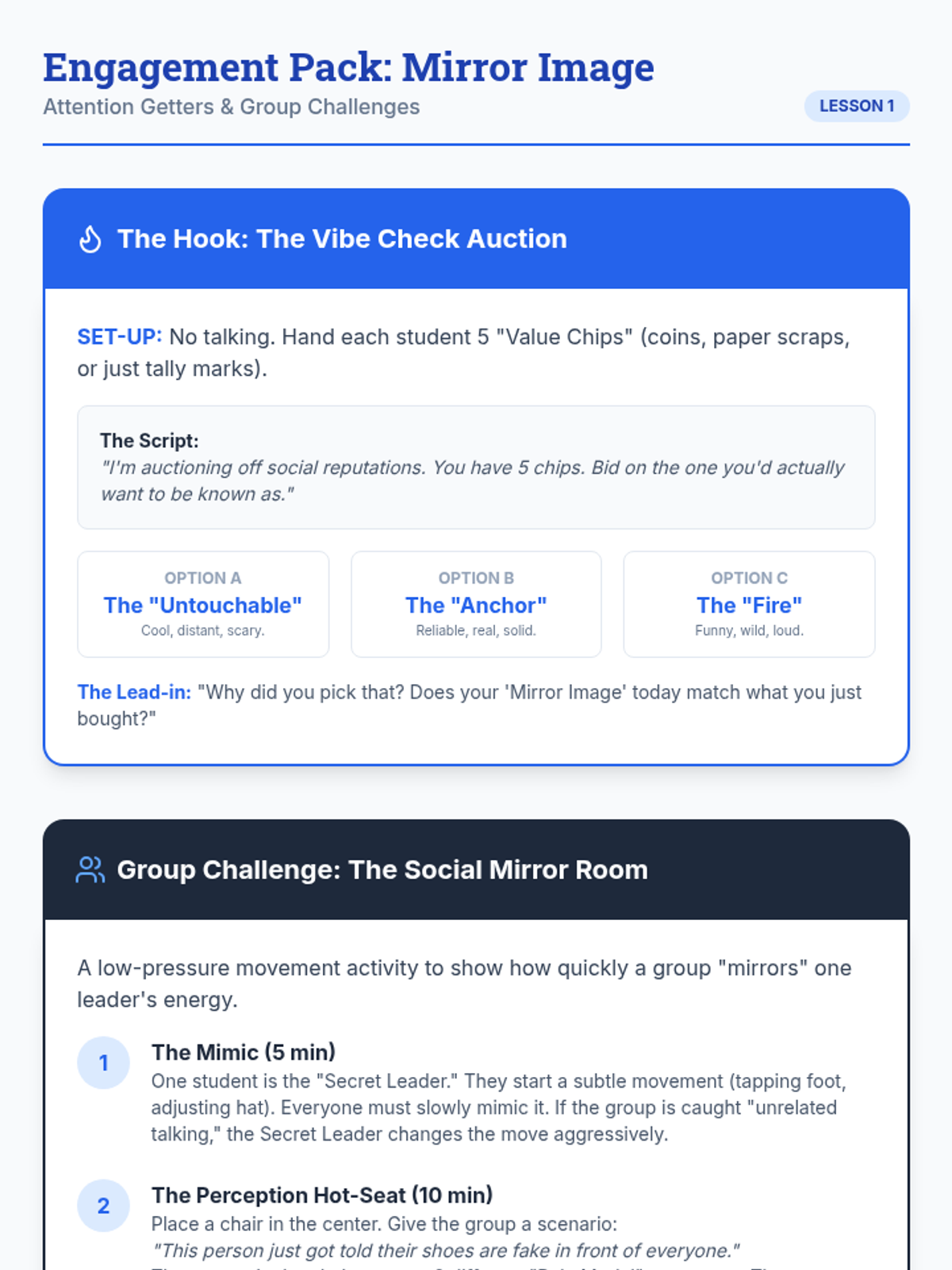
A high-engagement therapeutic sequence for grades 9-12 focusing on the pillars of leadership through role modeling and emotional self-regulation. Designed for students with short attention spans using interactive, low-pressure activities.
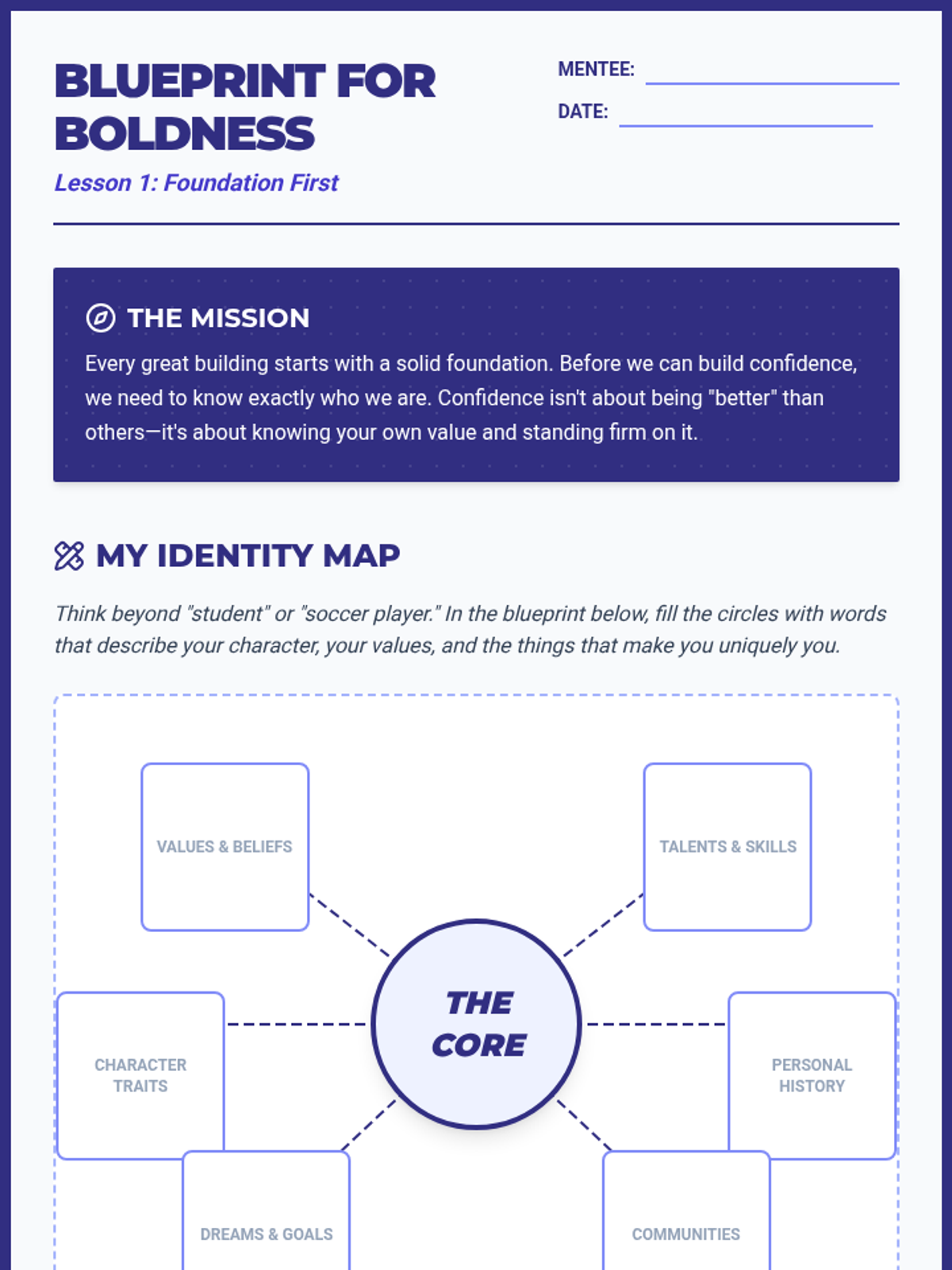
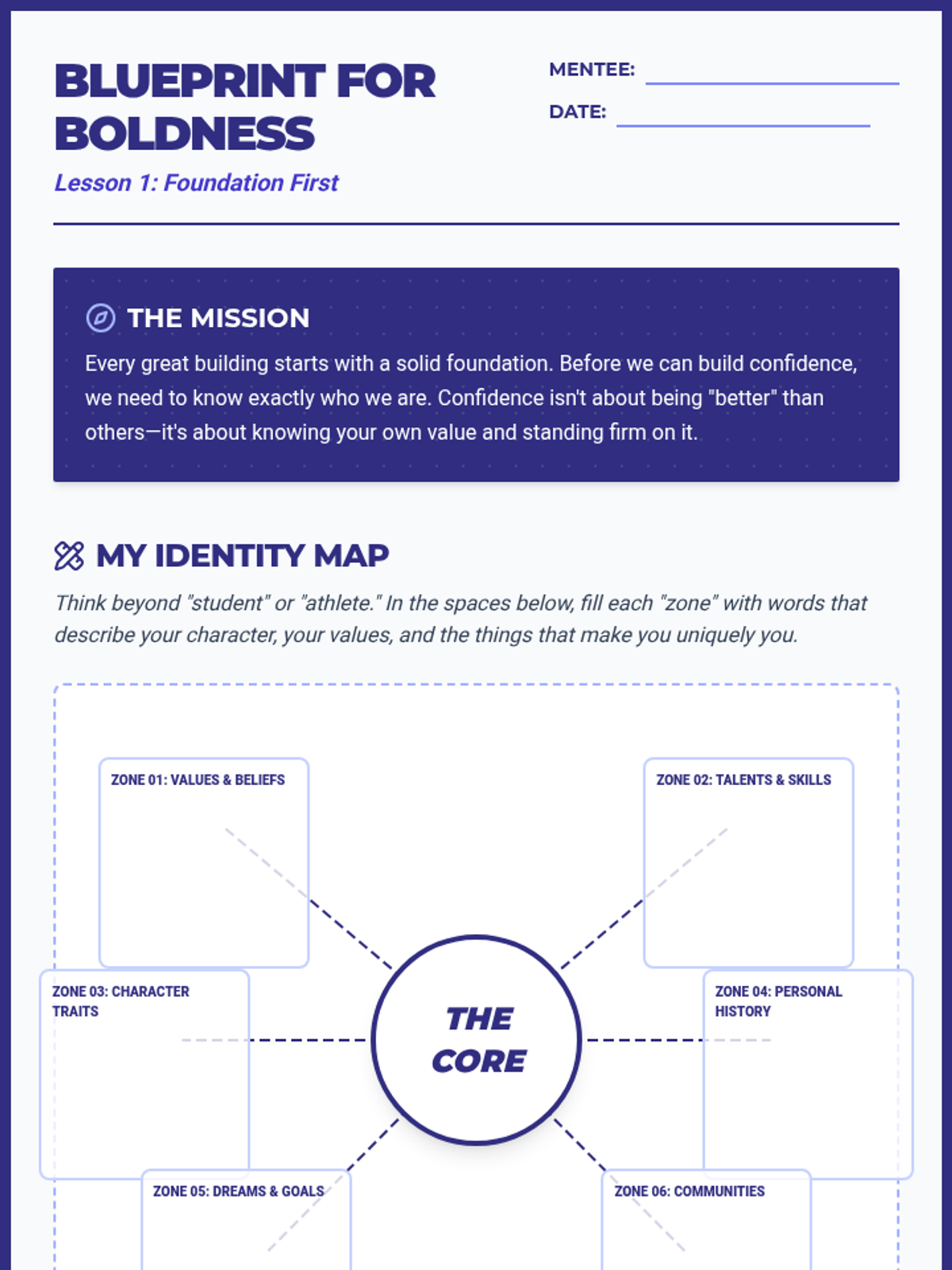
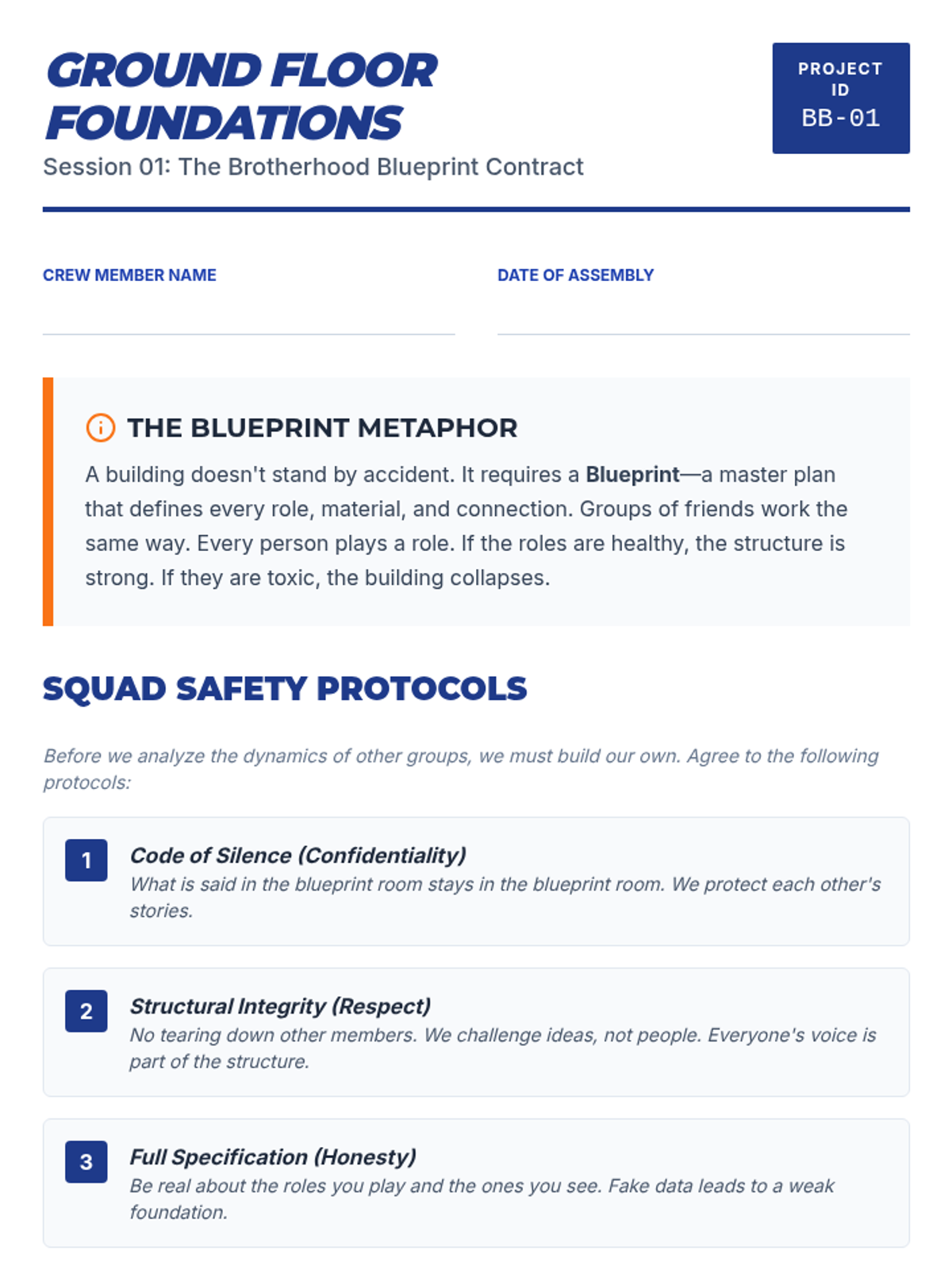
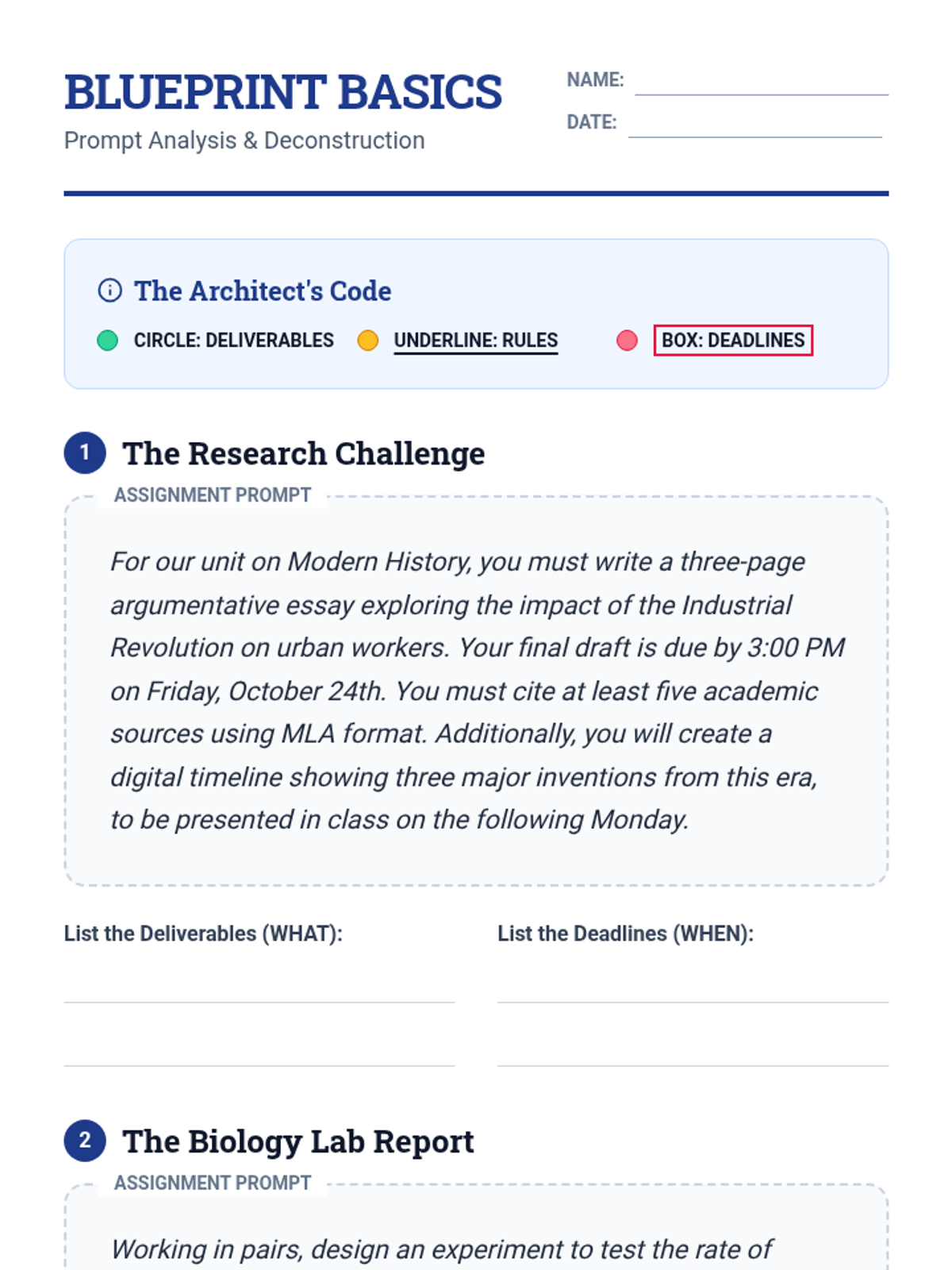
A 30-session group counseling curriculum for adolescent males focusing on social roles, group dynamics, and developing healthy friendship patterns. Through the metaphor of an architectural blueprint, students analyze leadership, support roles, and the difference between positive and negative group influences.
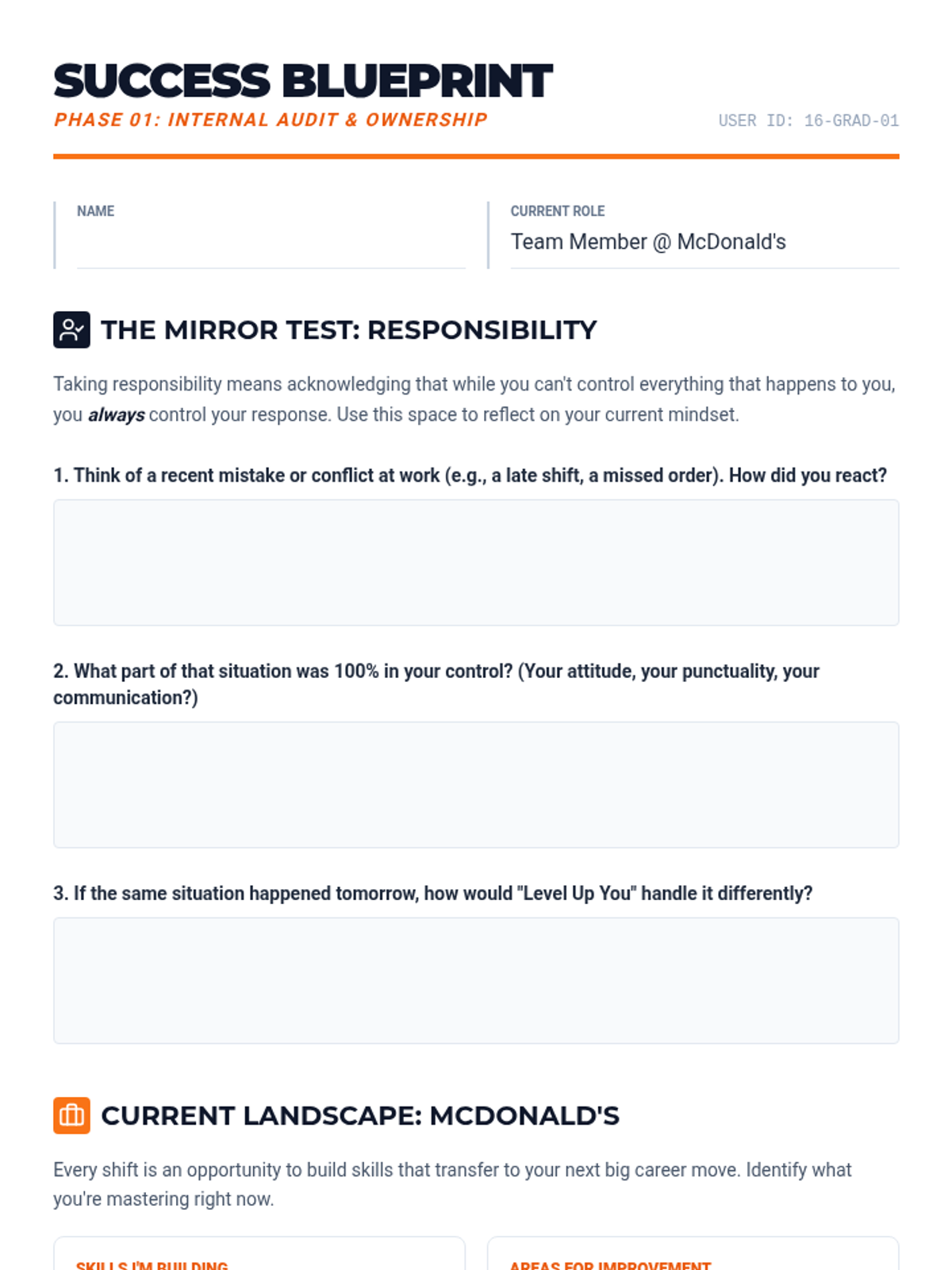
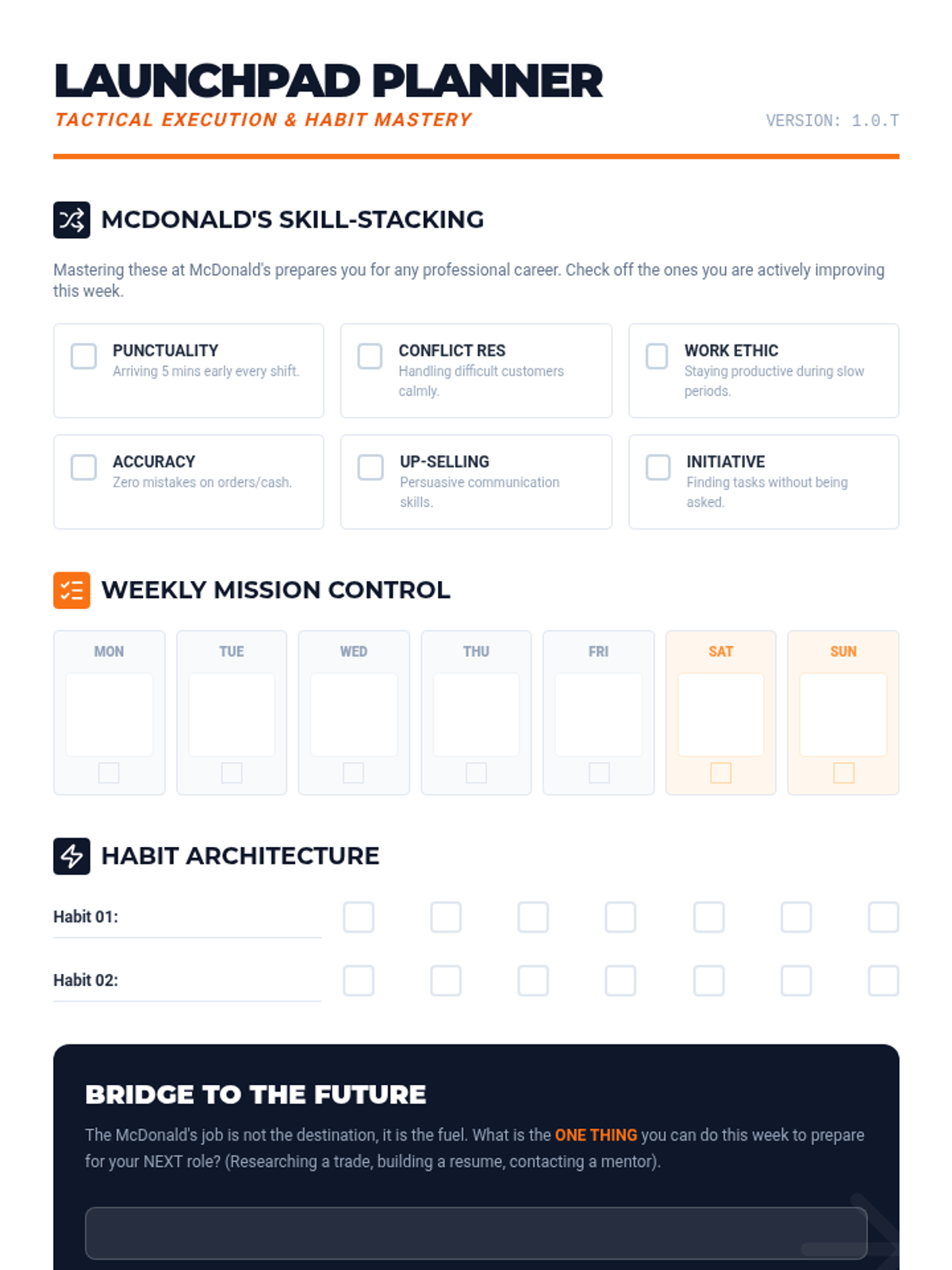
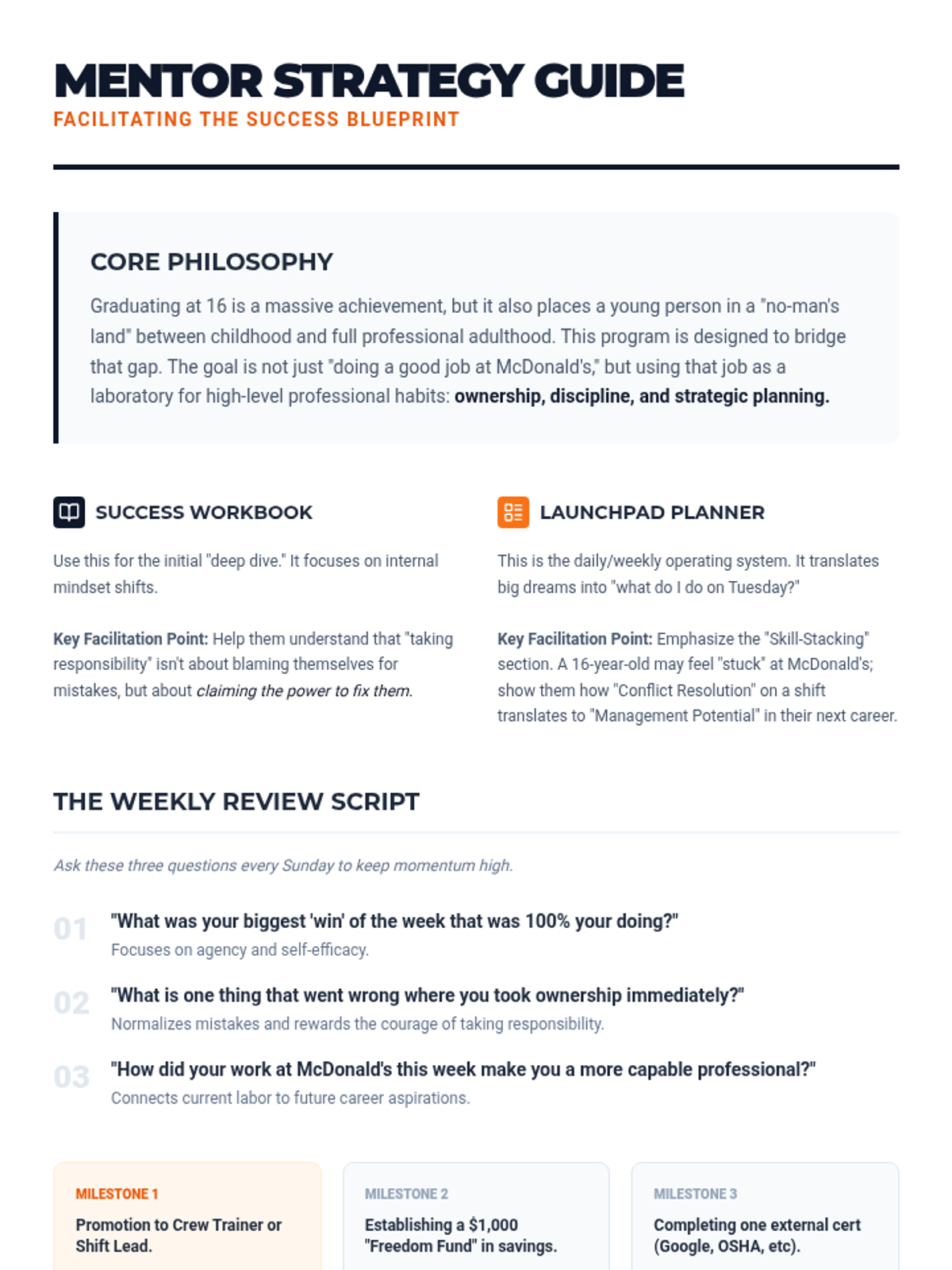
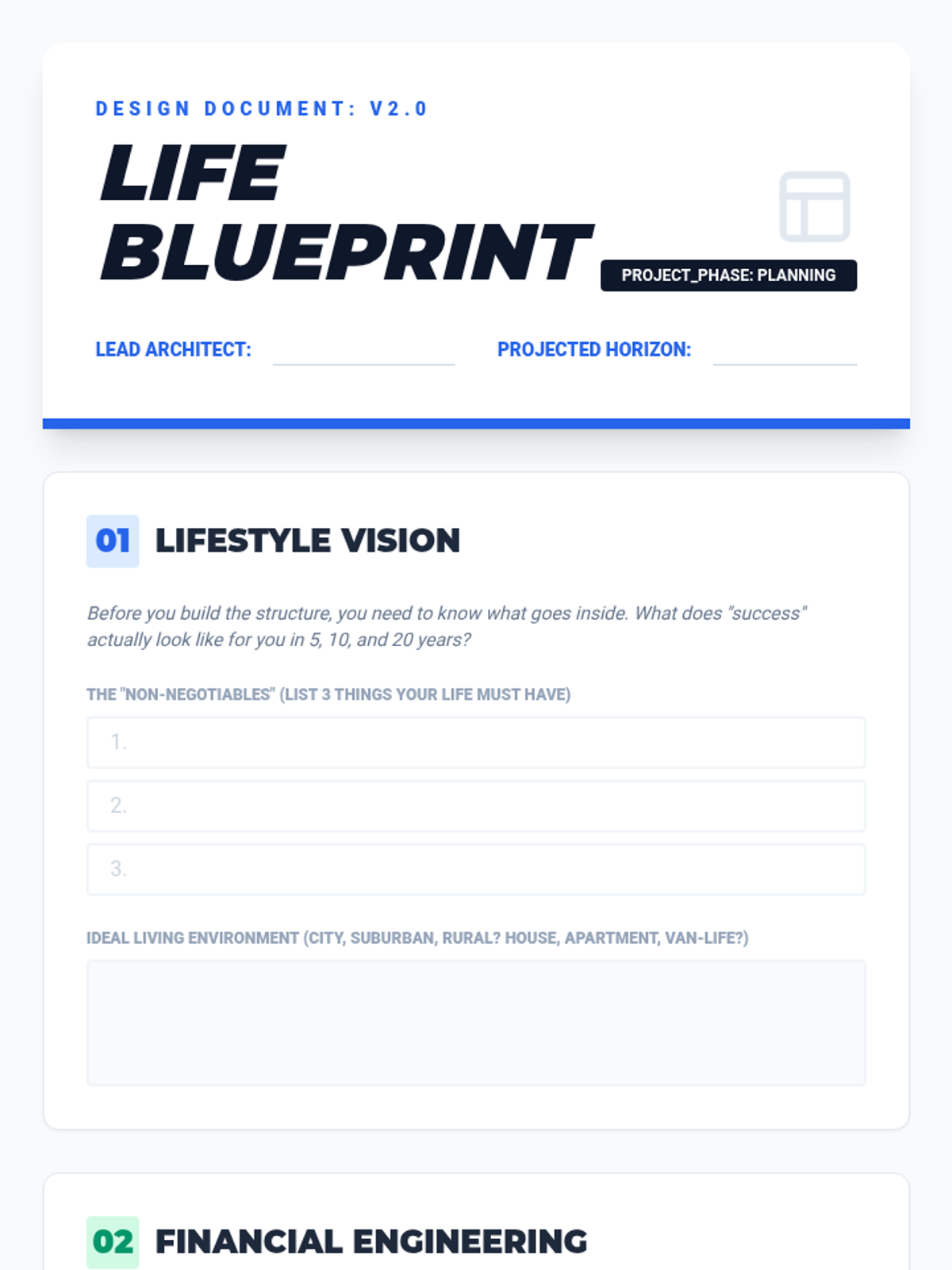
A comprehensive personal development guide for a young graduate to take ownership of their life, master their current role, and bridge the gap to their future career through structured goal-setting and reflection.
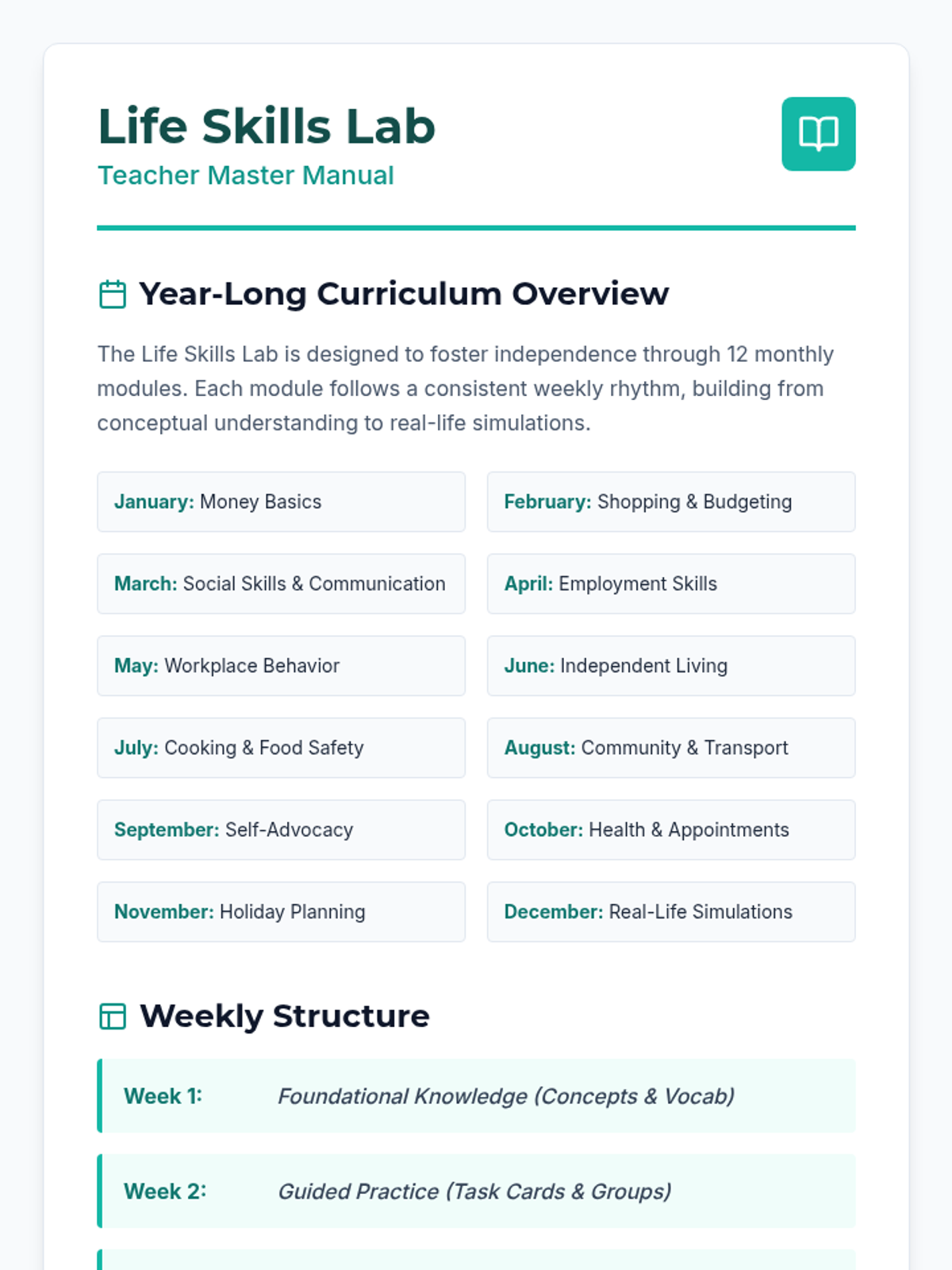
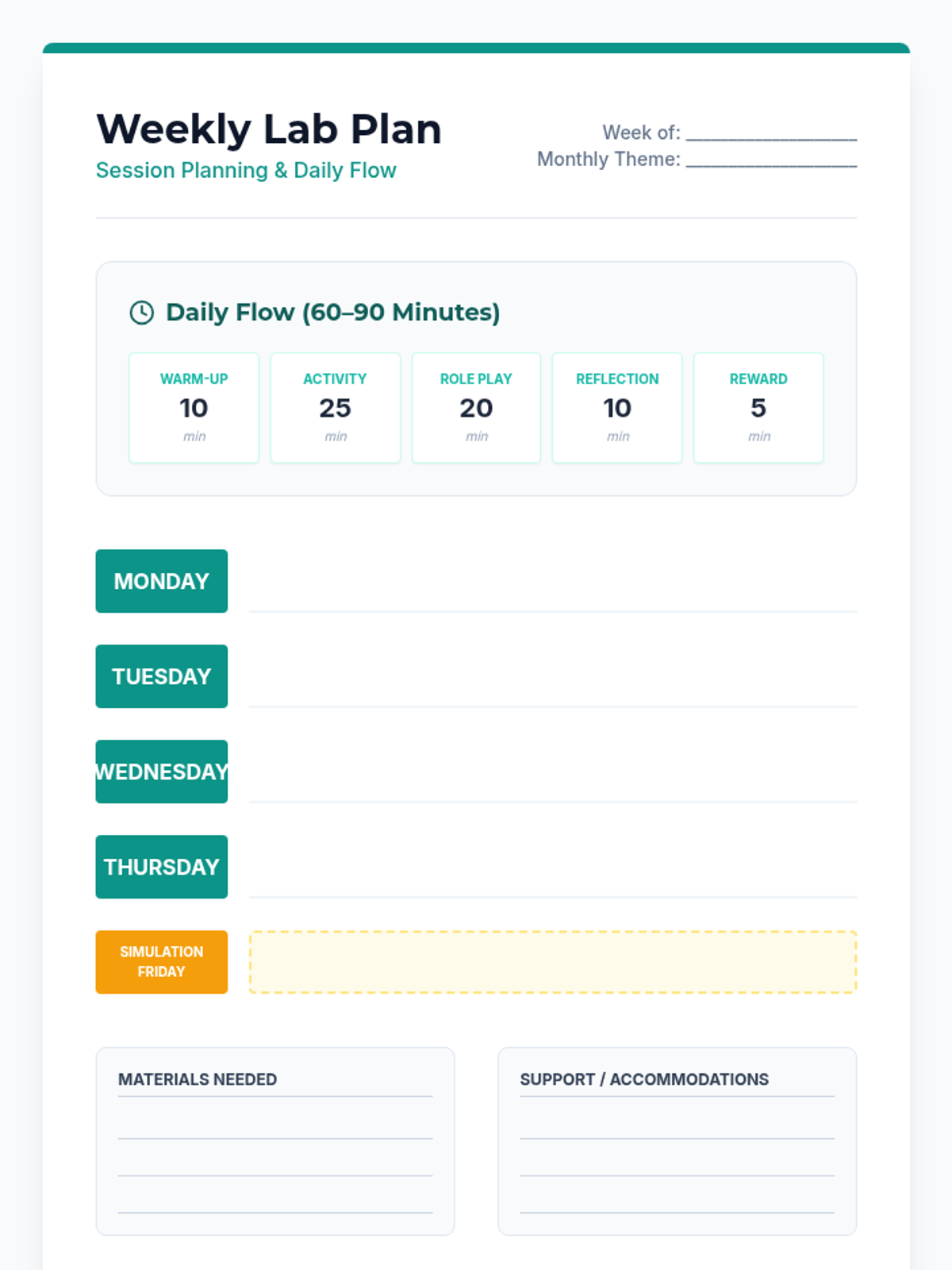
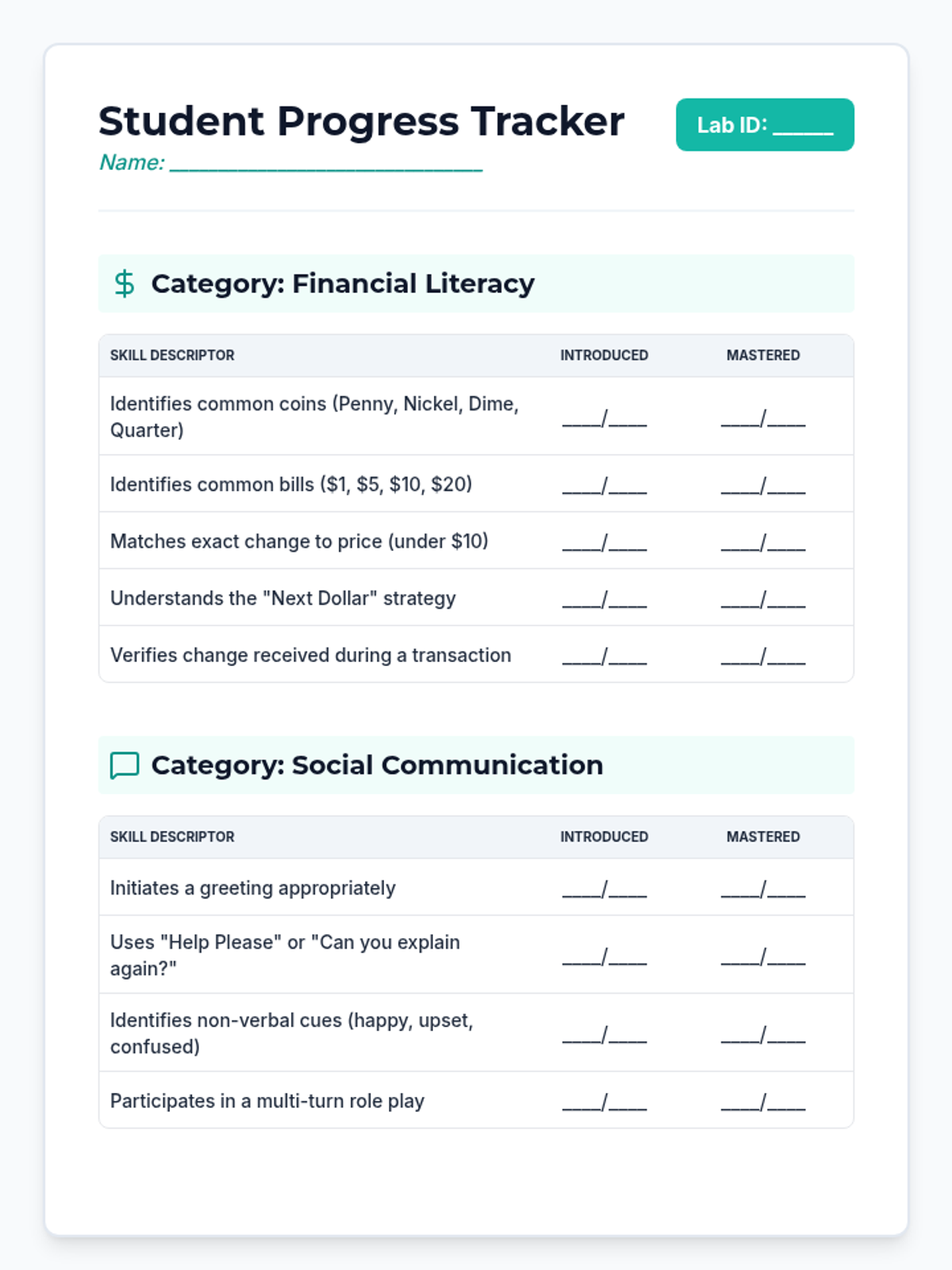
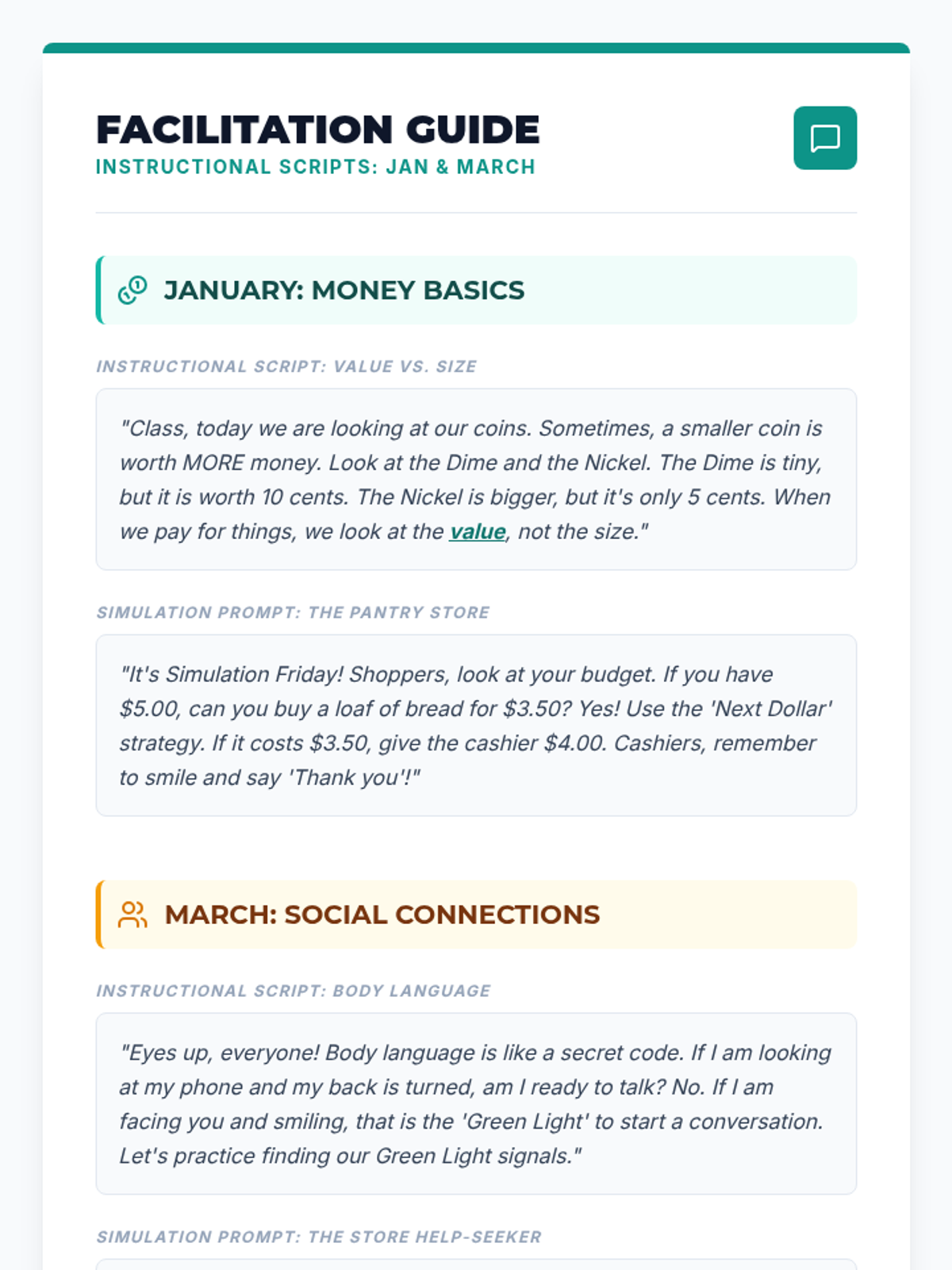
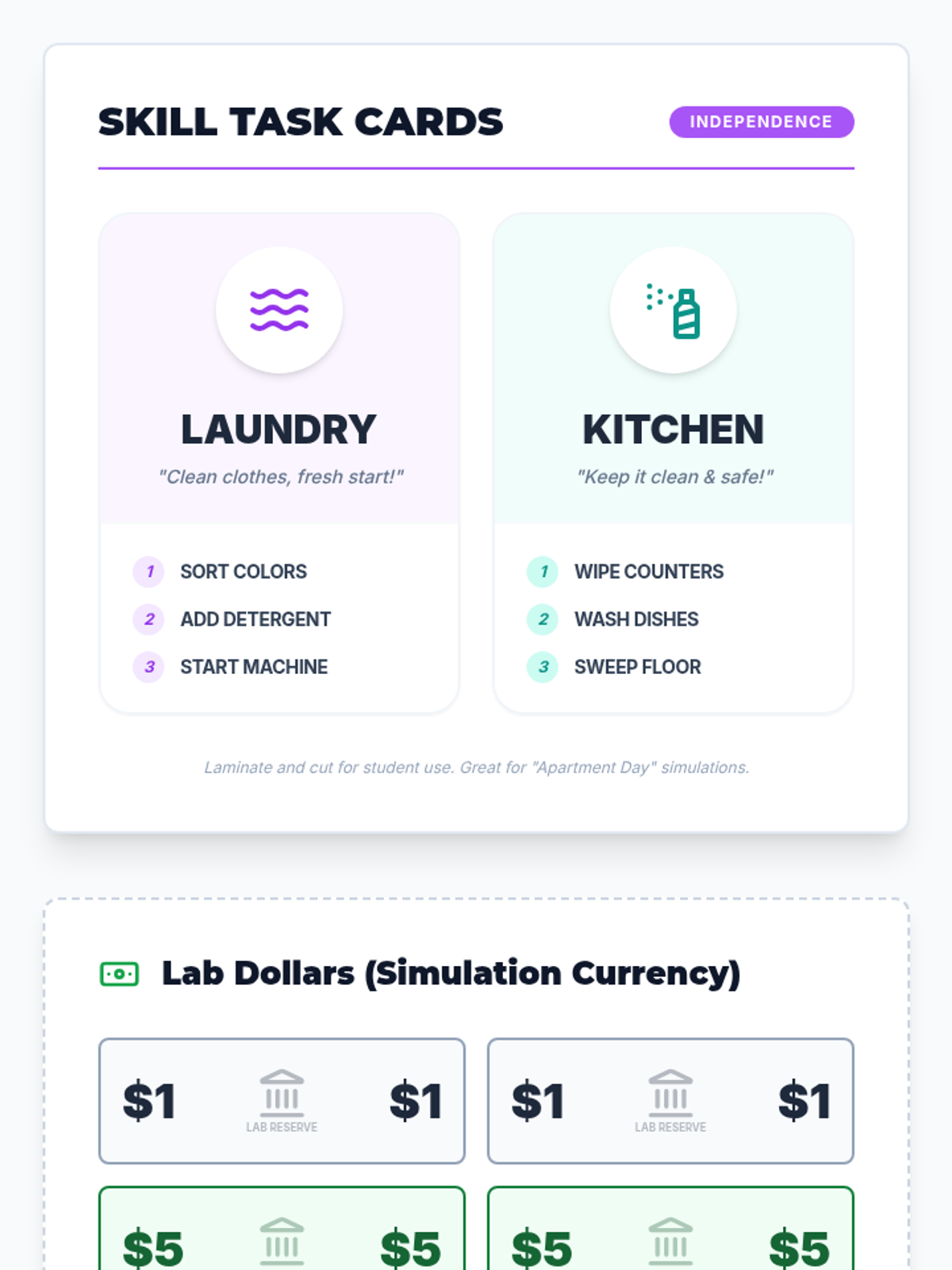
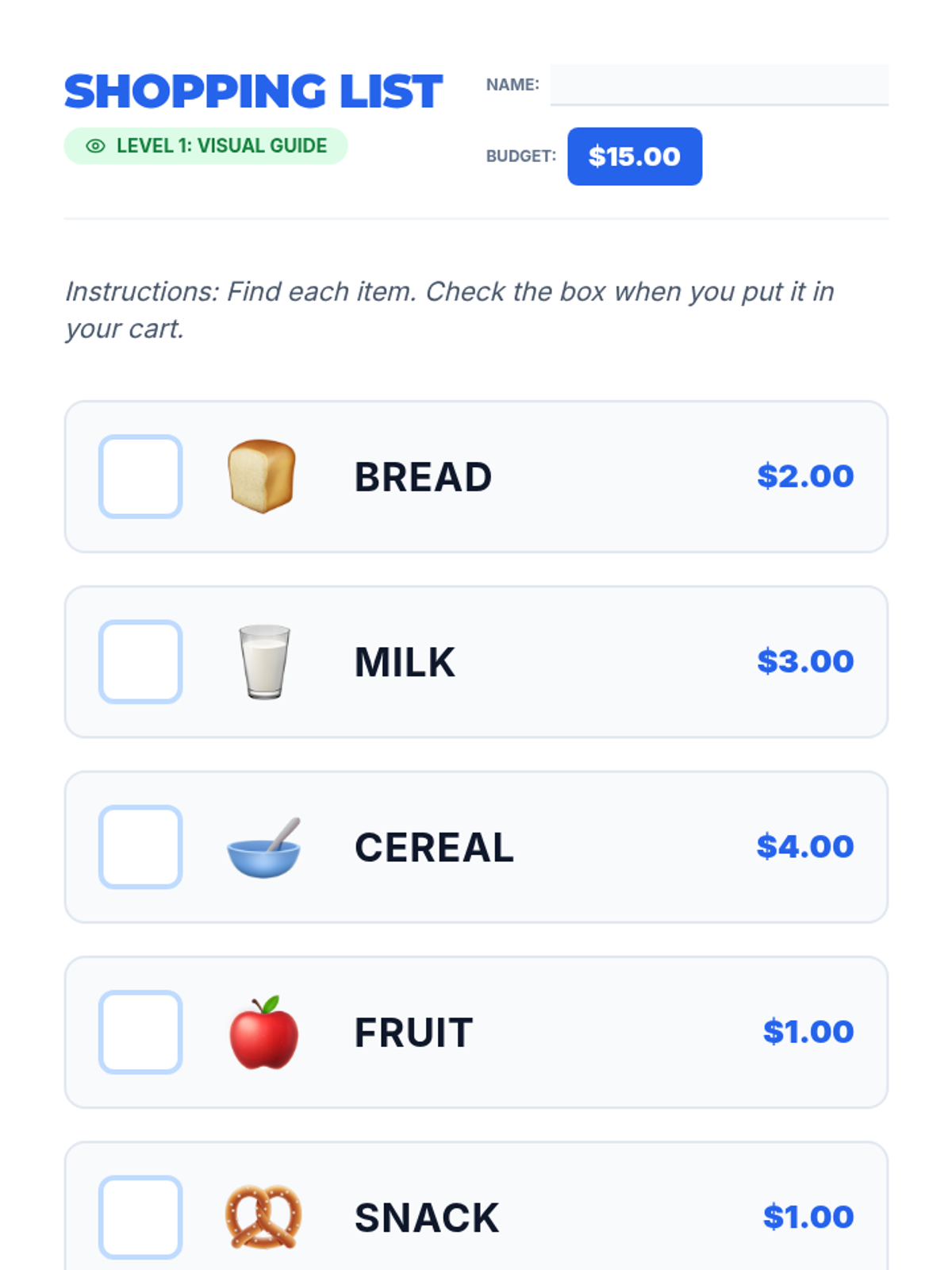
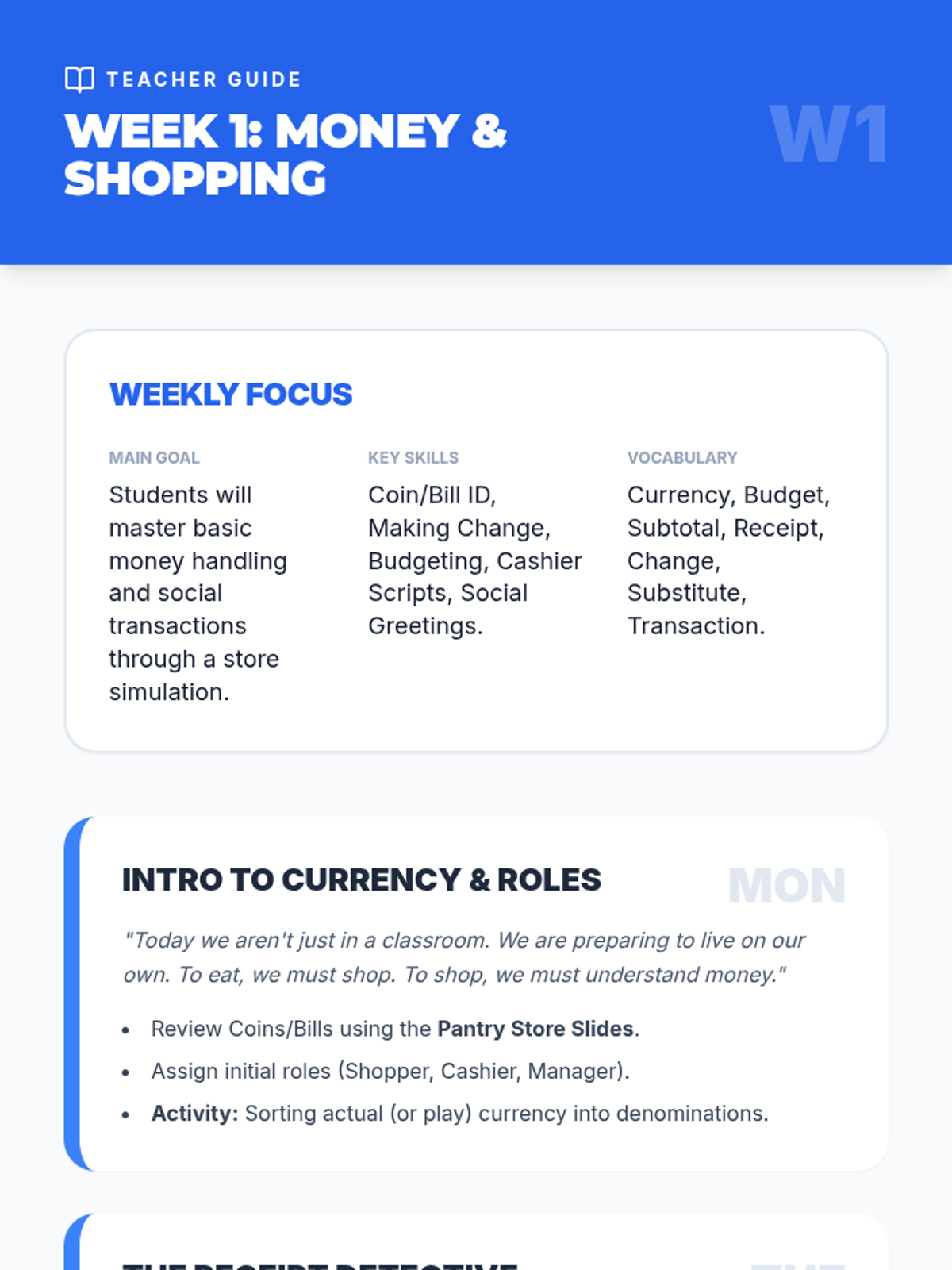
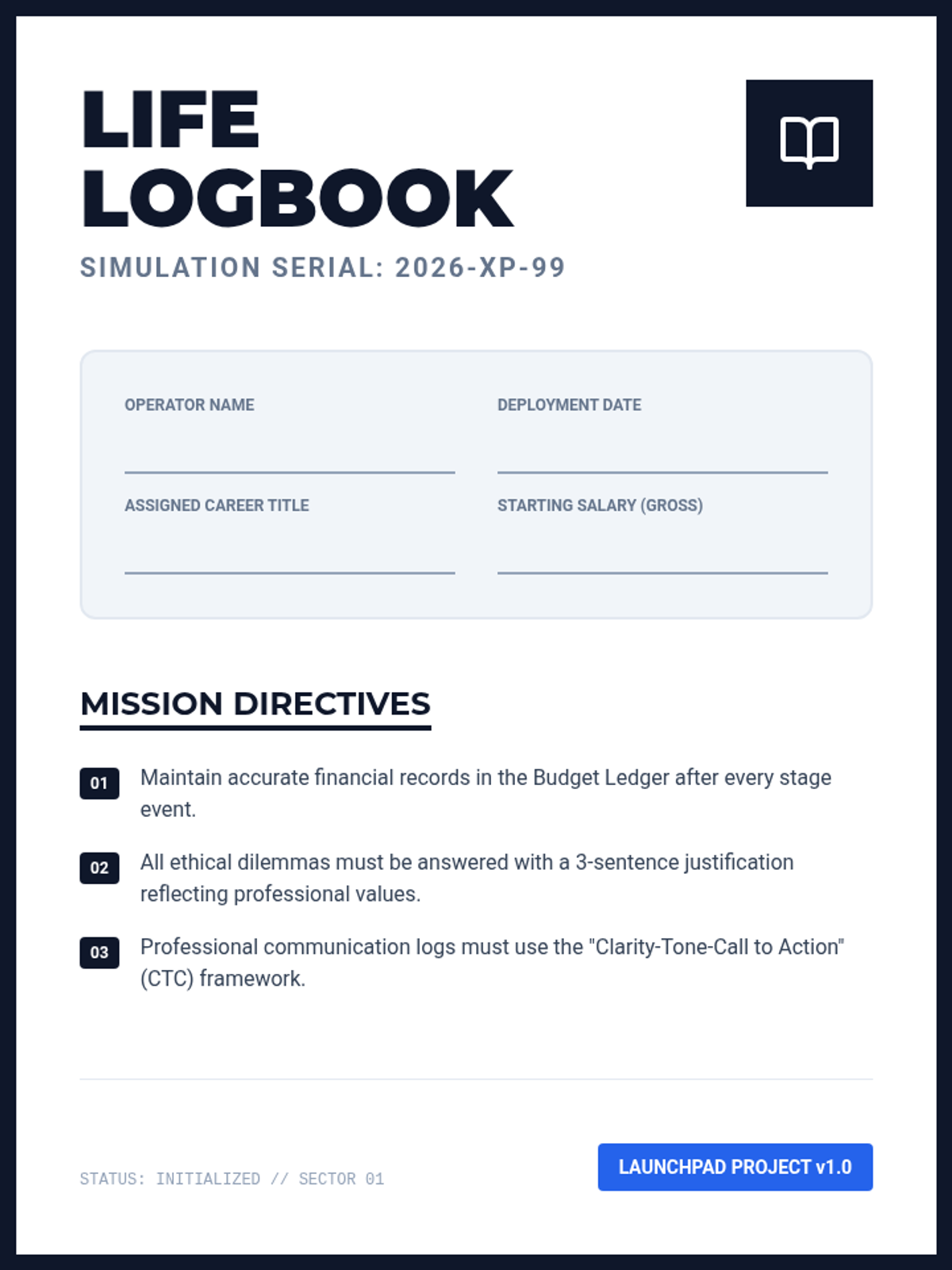
A comprehensive year-long curriculum designed to empower students with essential life skills for independence, focusing on financial literacy, social communication, and real-world simulations.
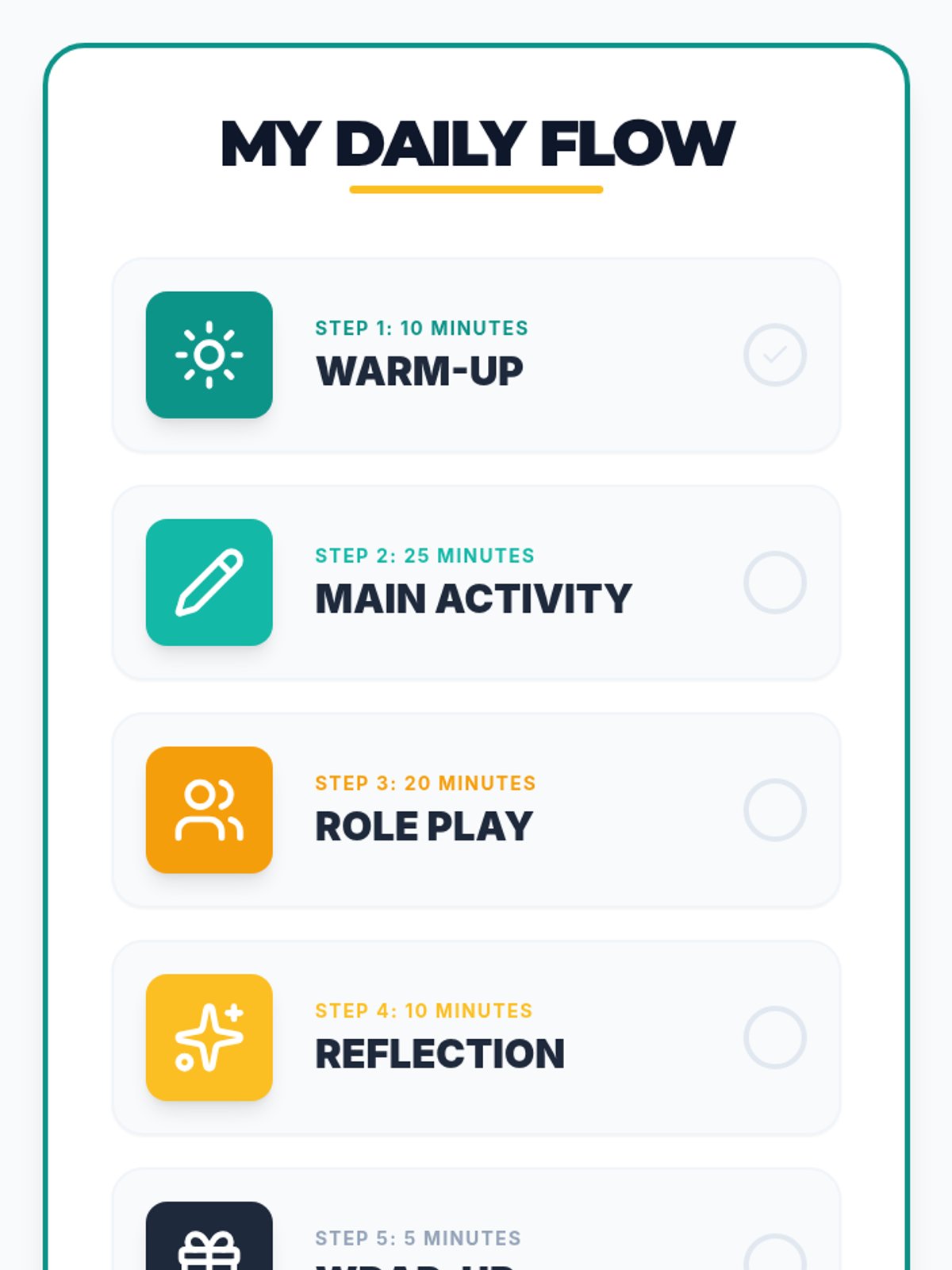
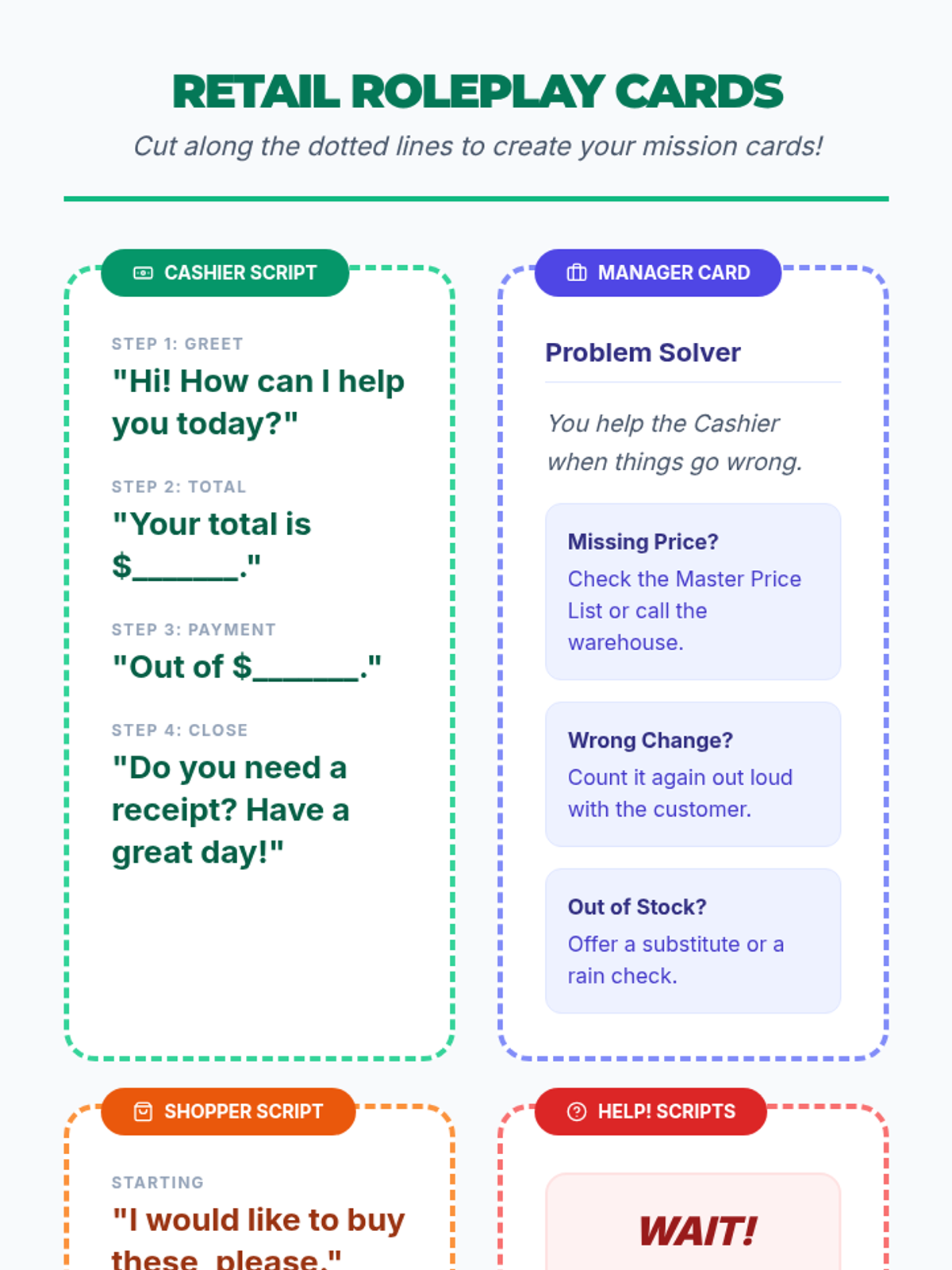
A full-month curriculum focused on developing independence through real-world simulations, role-playing, and practical application of functional life skills.
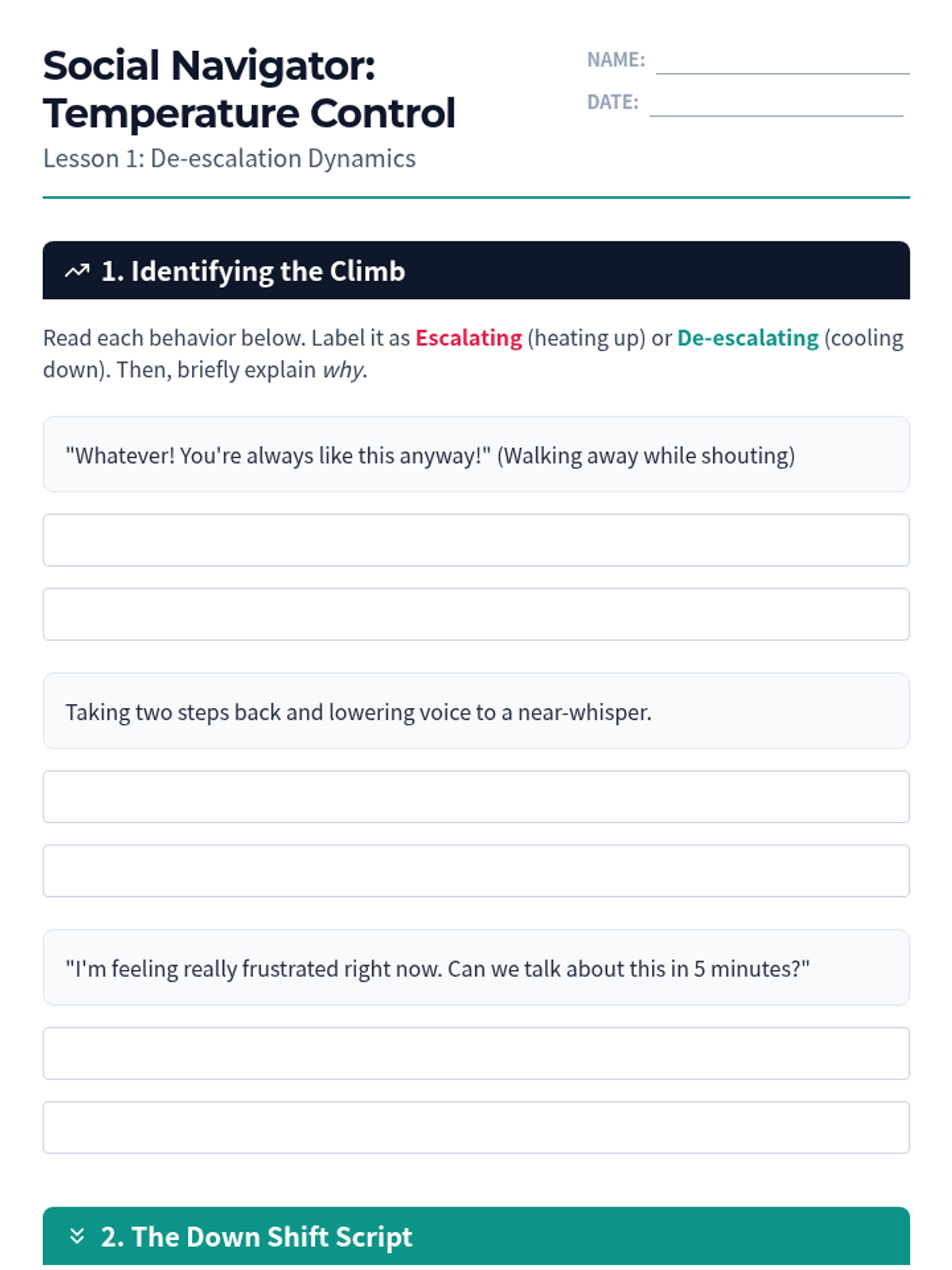
A 6-week social skills curriculum designed for high schoolers to master conflict resolution, verbal de-escalation, and restorative communication through role-play and self-reflection.
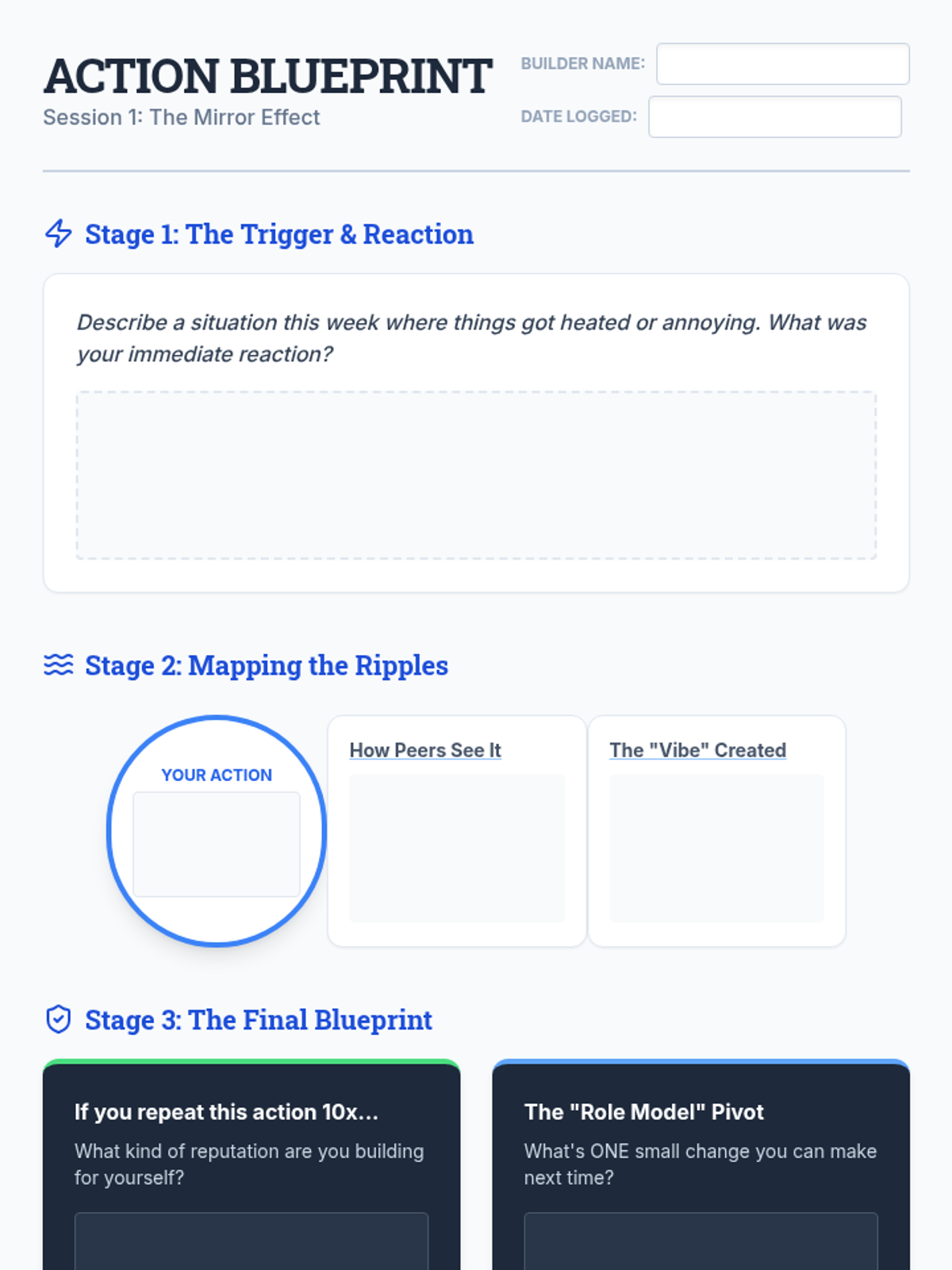
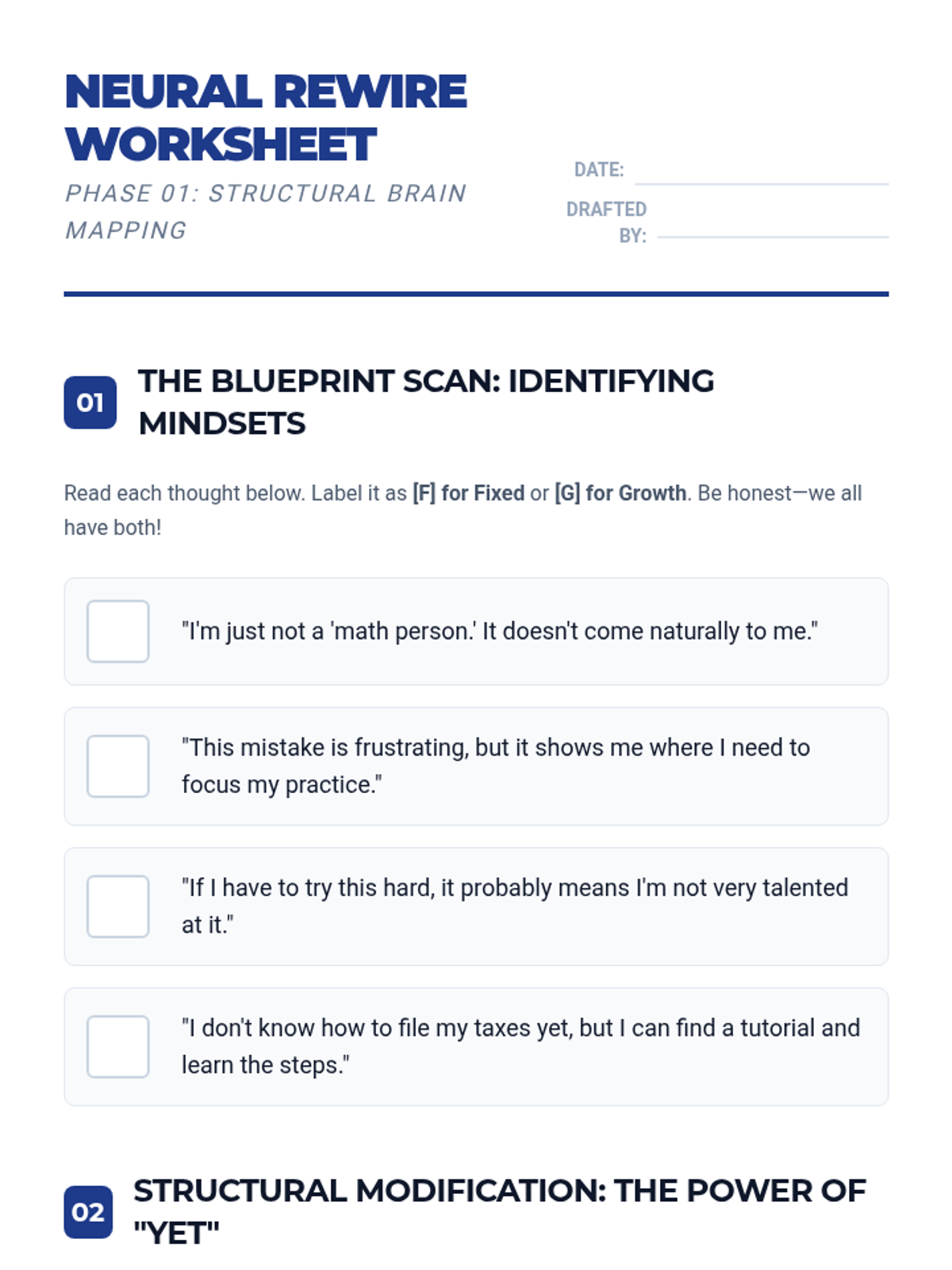
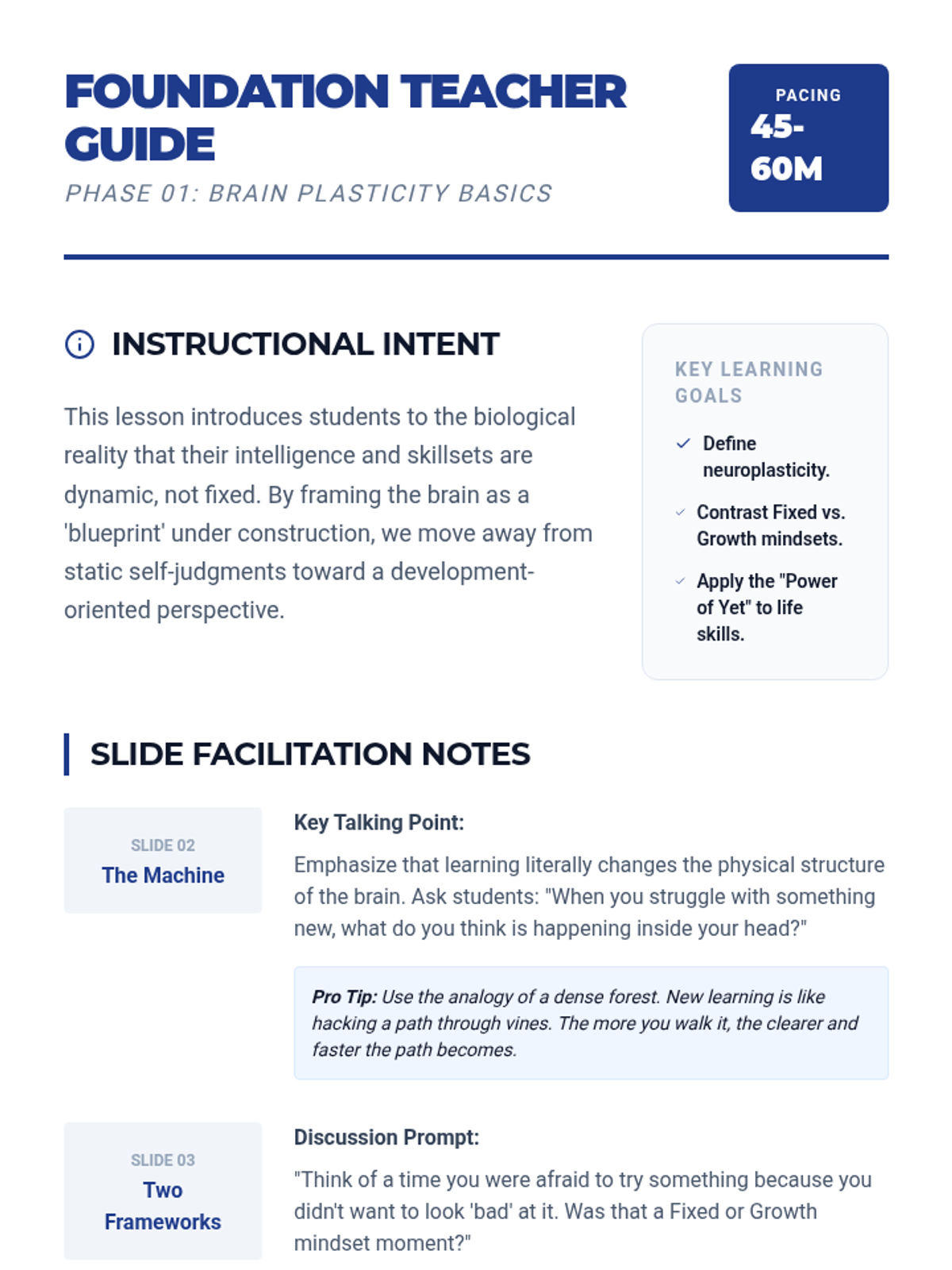
A comprehensive 4-part series for high school students designed to cultivate a growth mindset, master goal-setting, and build resilience for real-world life skills. Using an architectural 'blueprint' theme, students will learn to design their own mental frameworks for success.
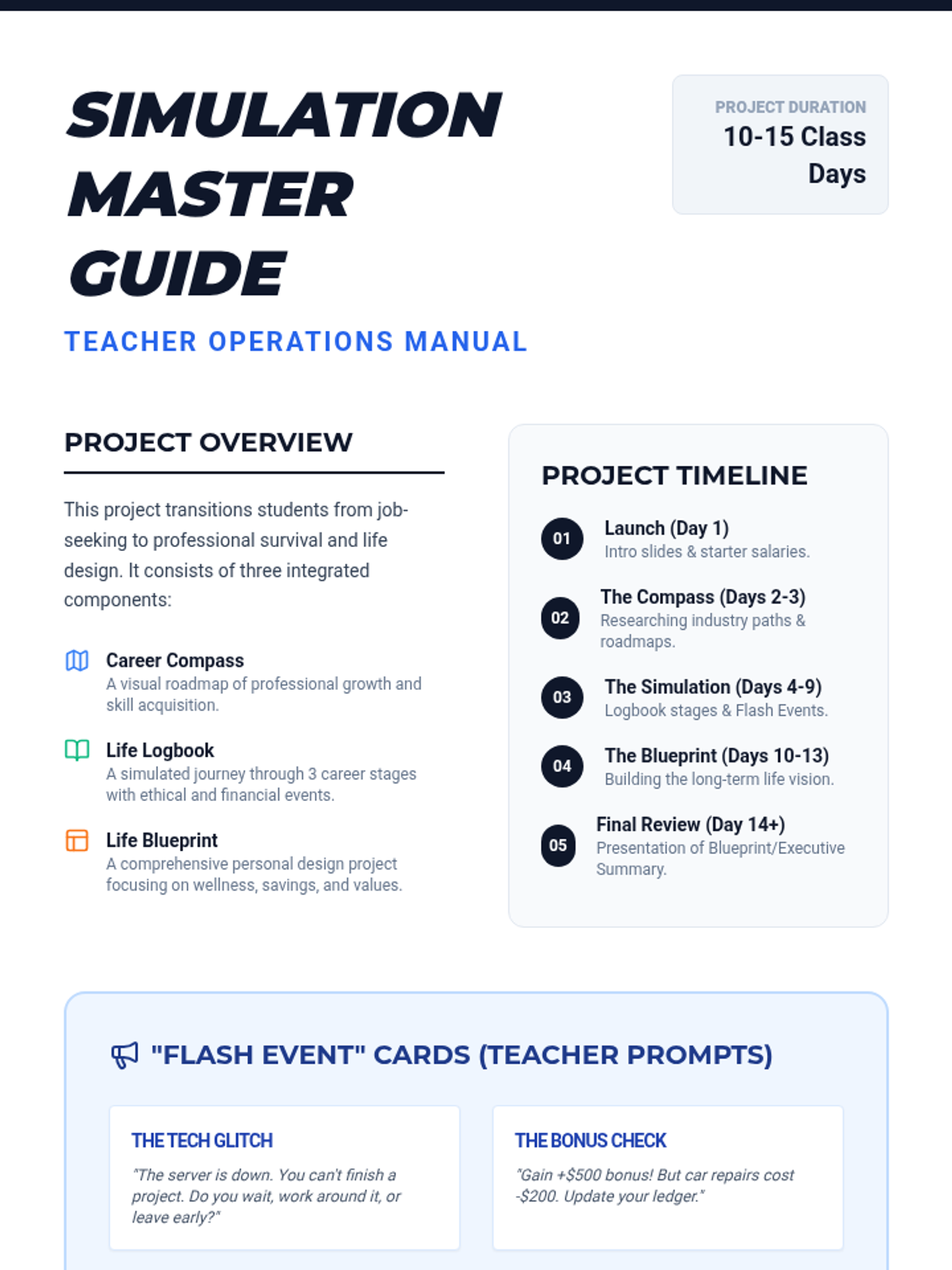
A series of lessons and projects designed to transition students from job-seeking skills to workplace success and independent living, focusing on professional ethics, communication, and long-term planning.
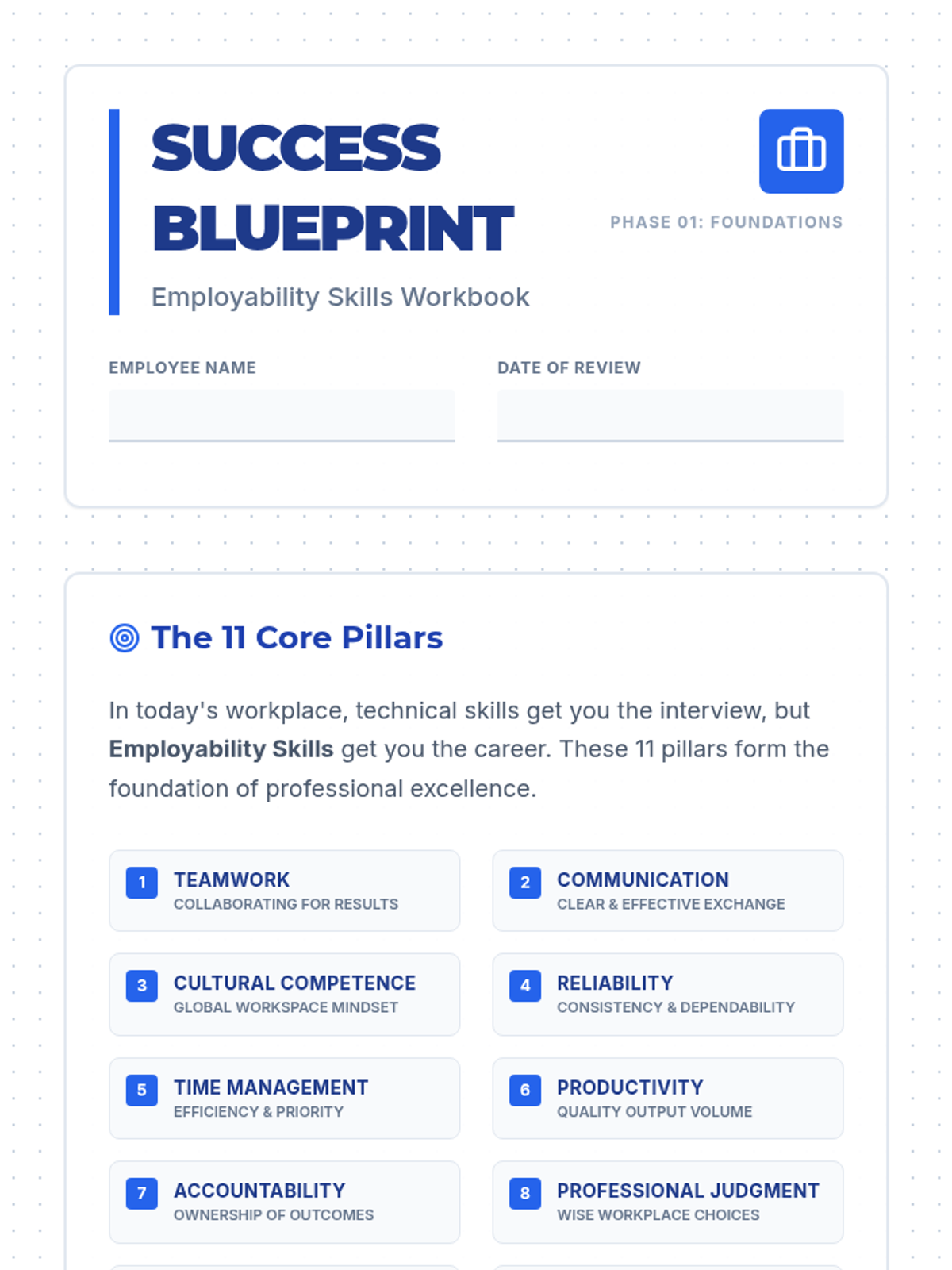
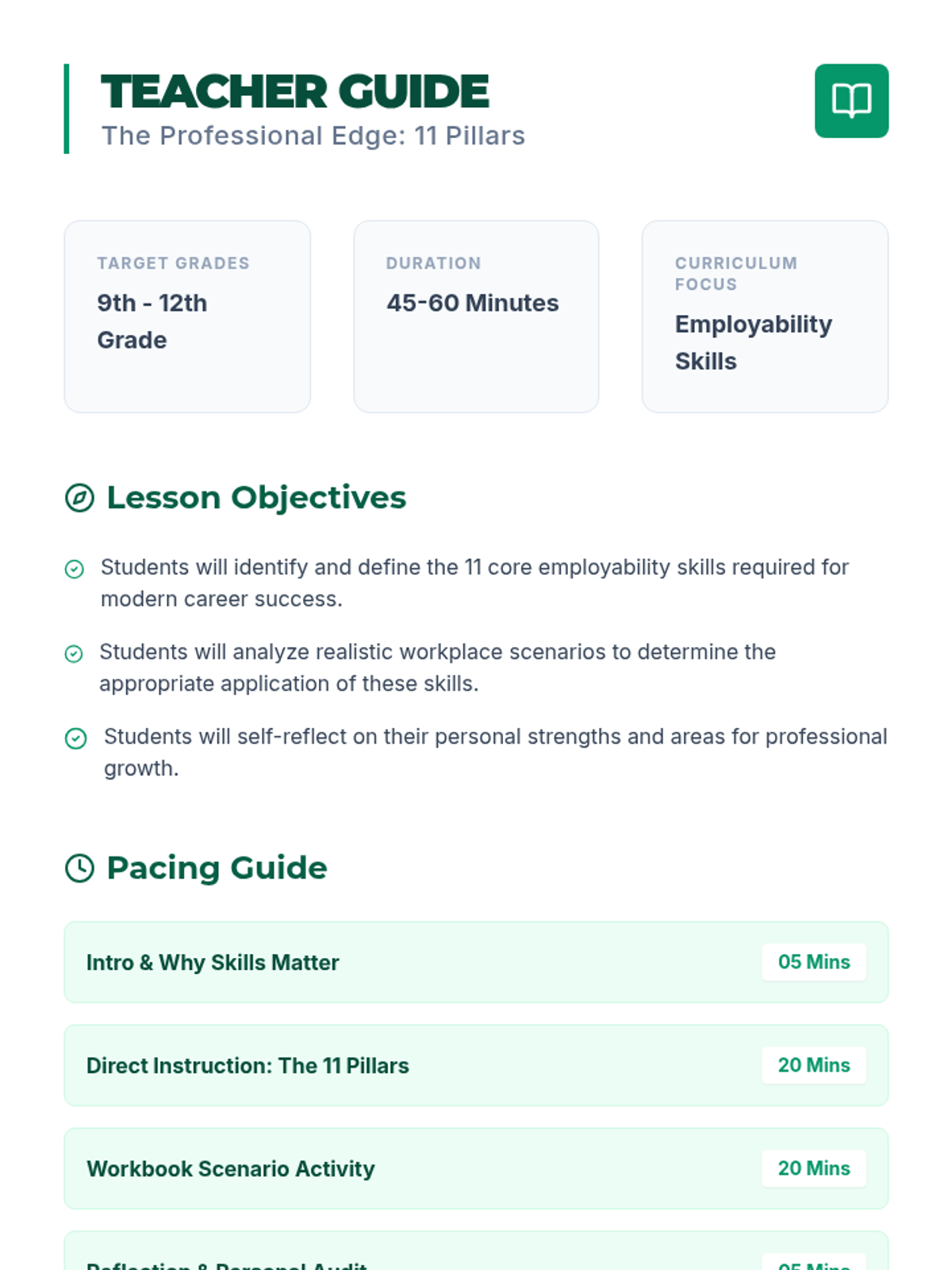
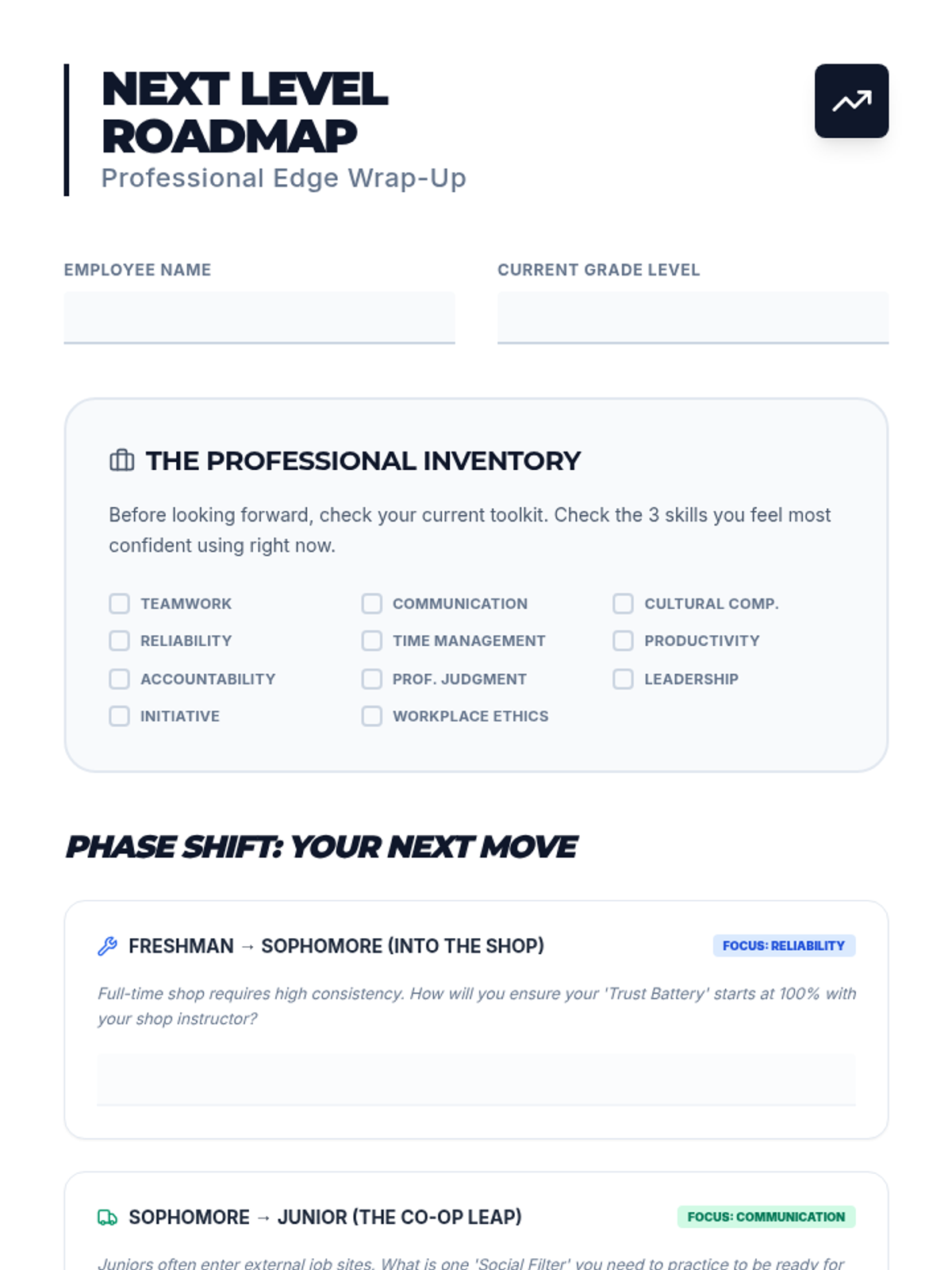
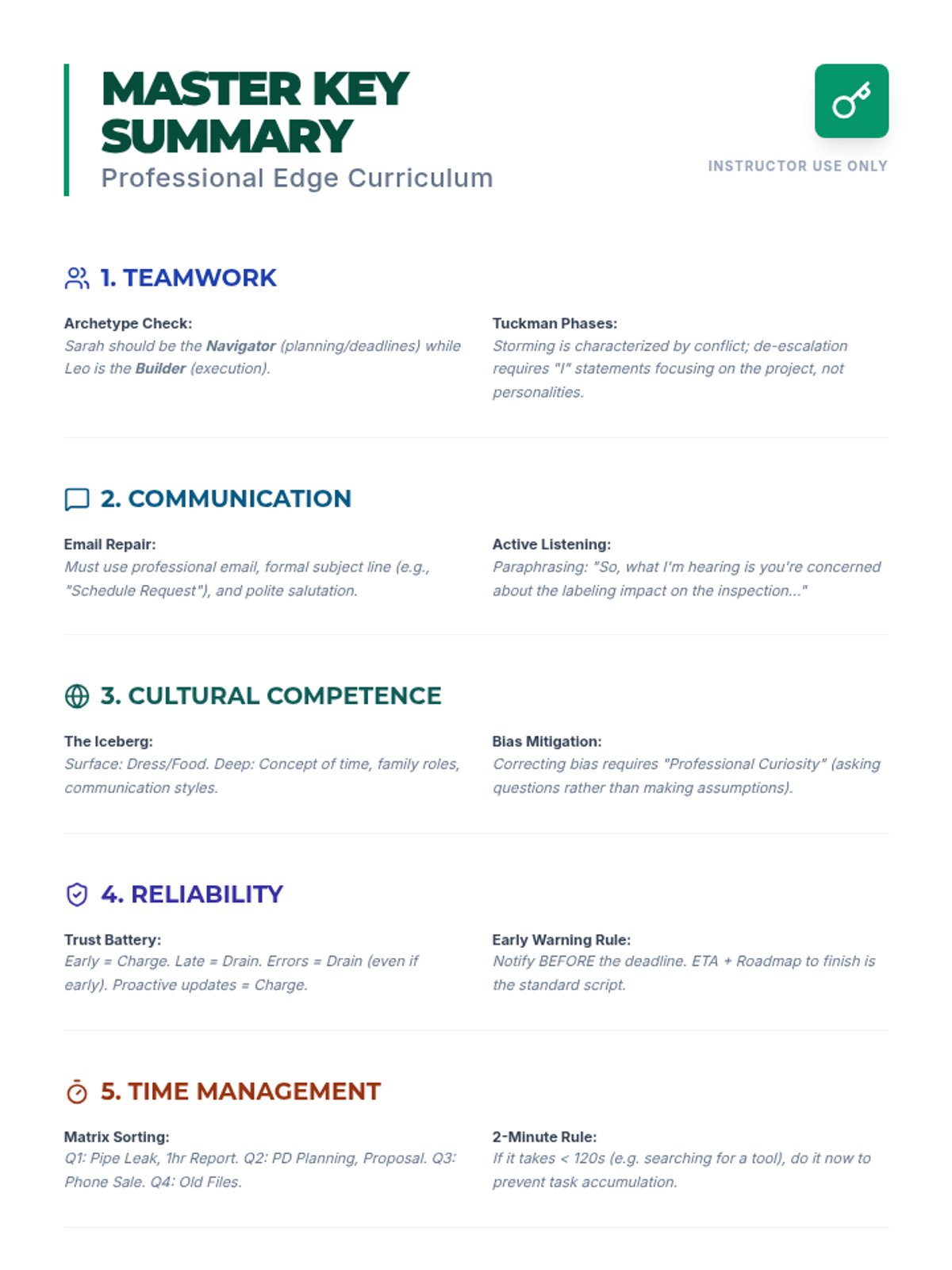
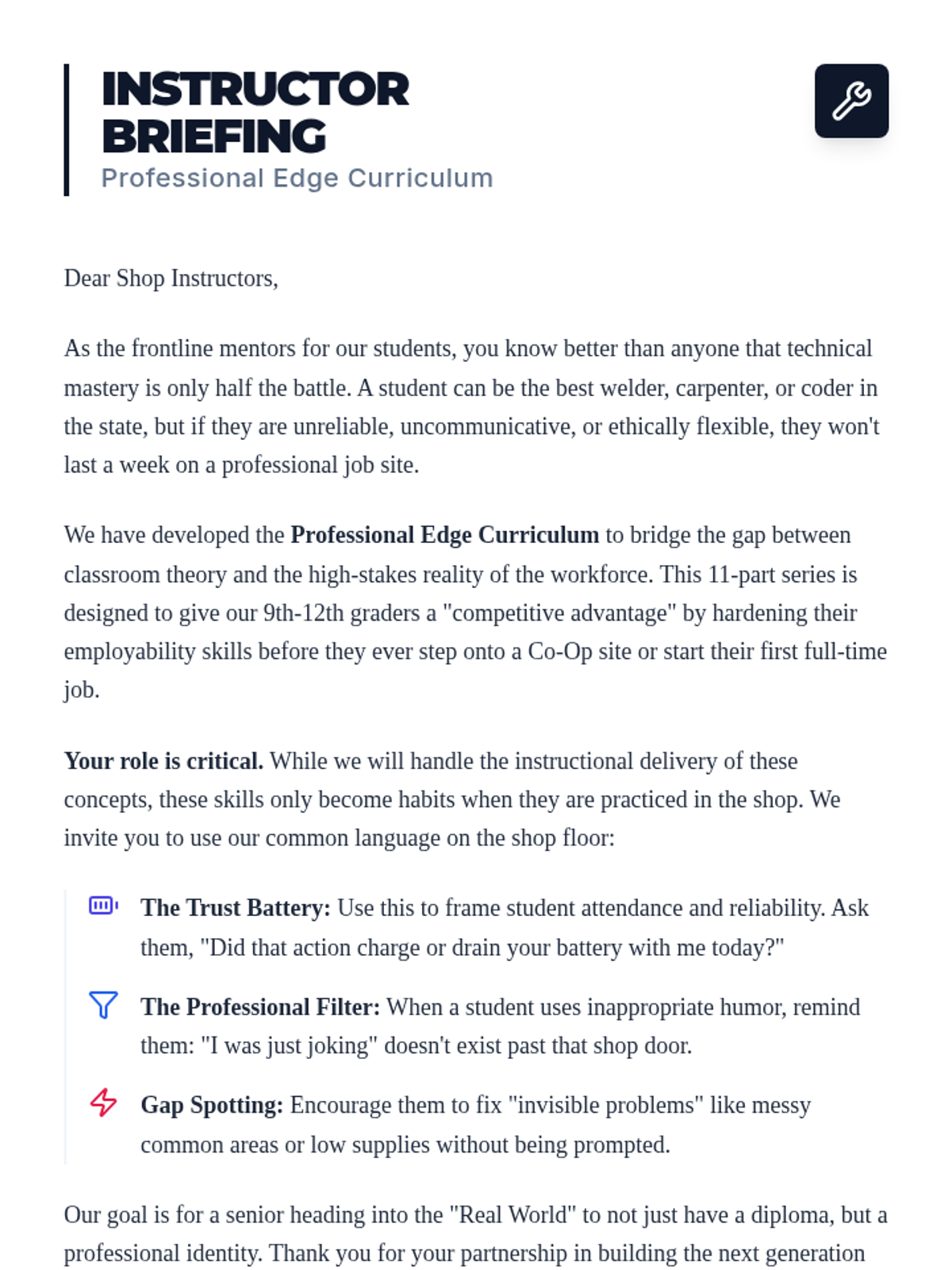
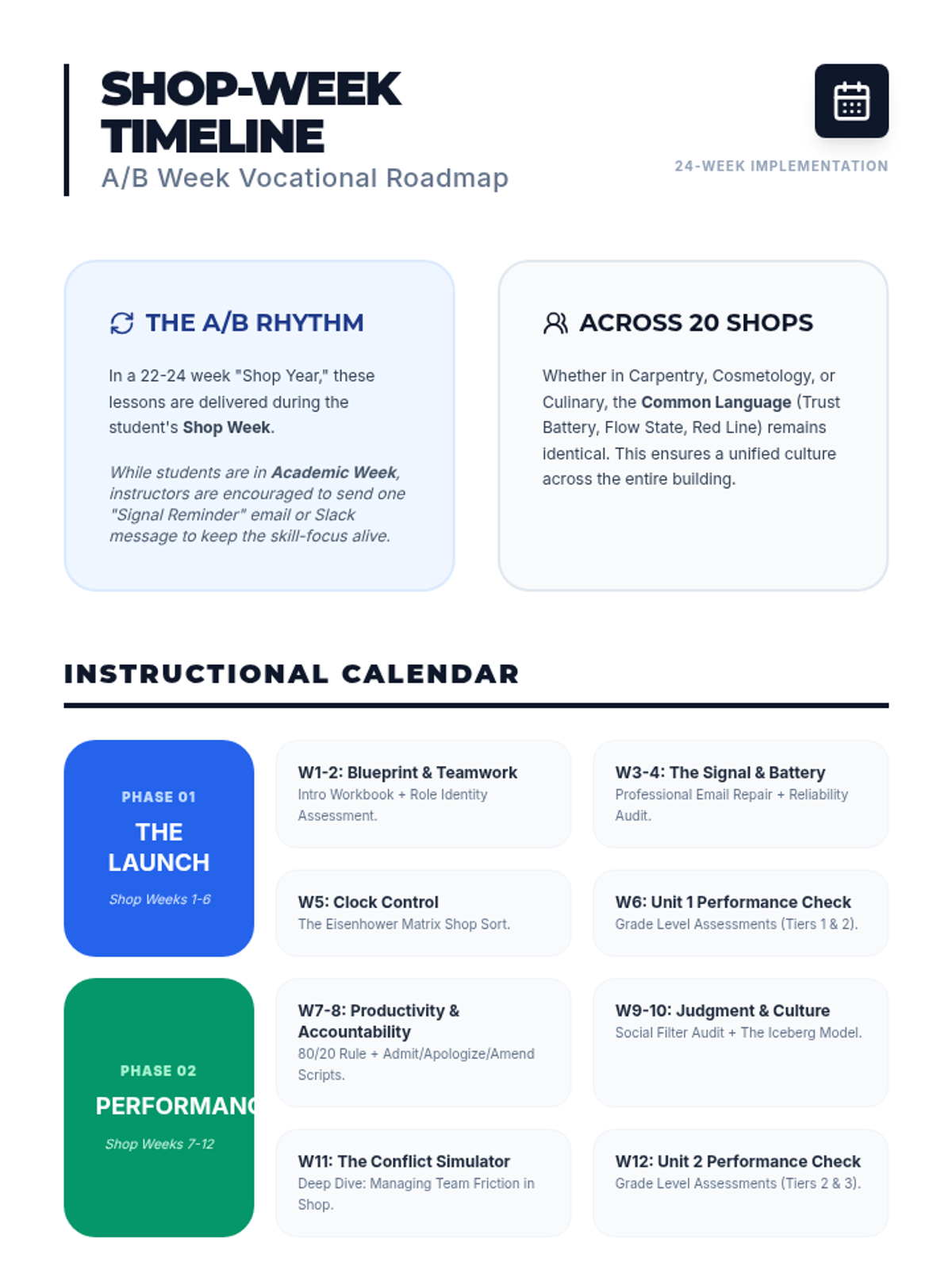
A comprehensive high school curriculum covering 11 essential employability skills, from foundational concepts to advanced application in professional settings. Includes instructional slides, student worksheets, and teacher guides for every skill.
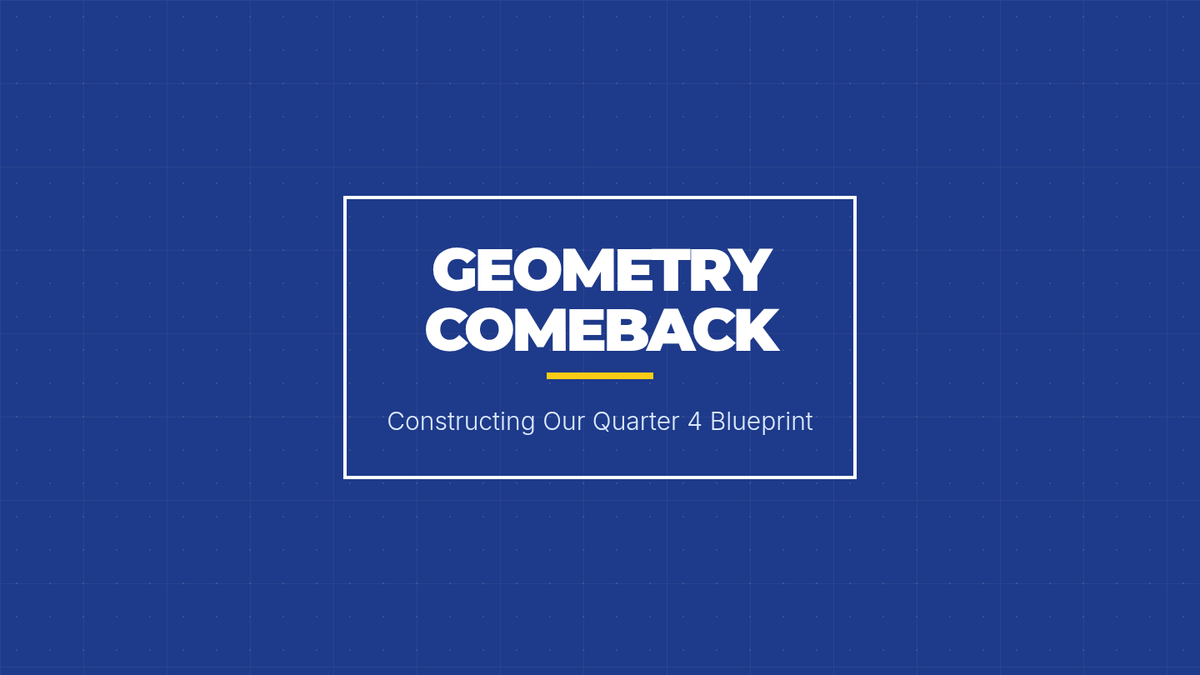
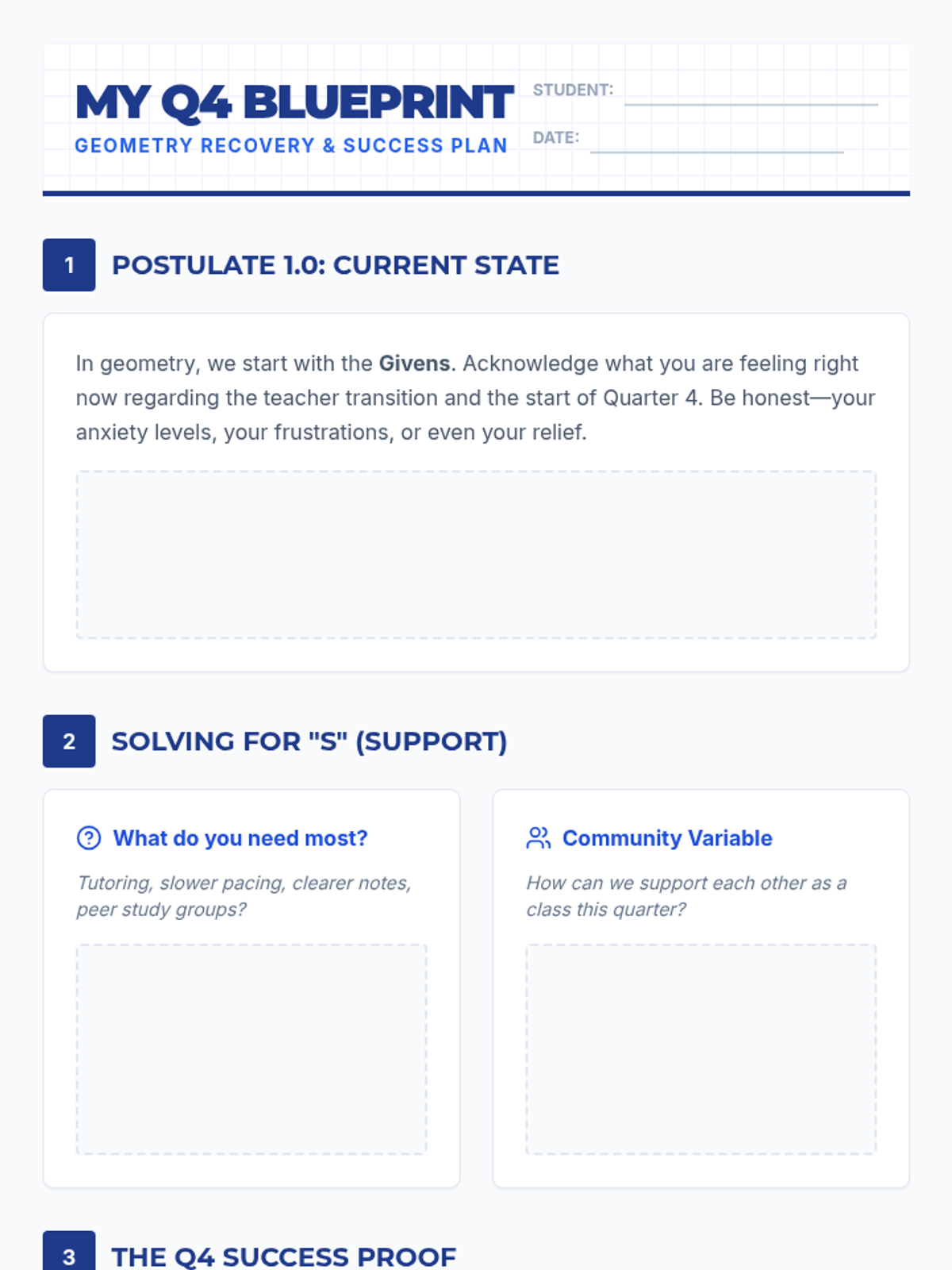
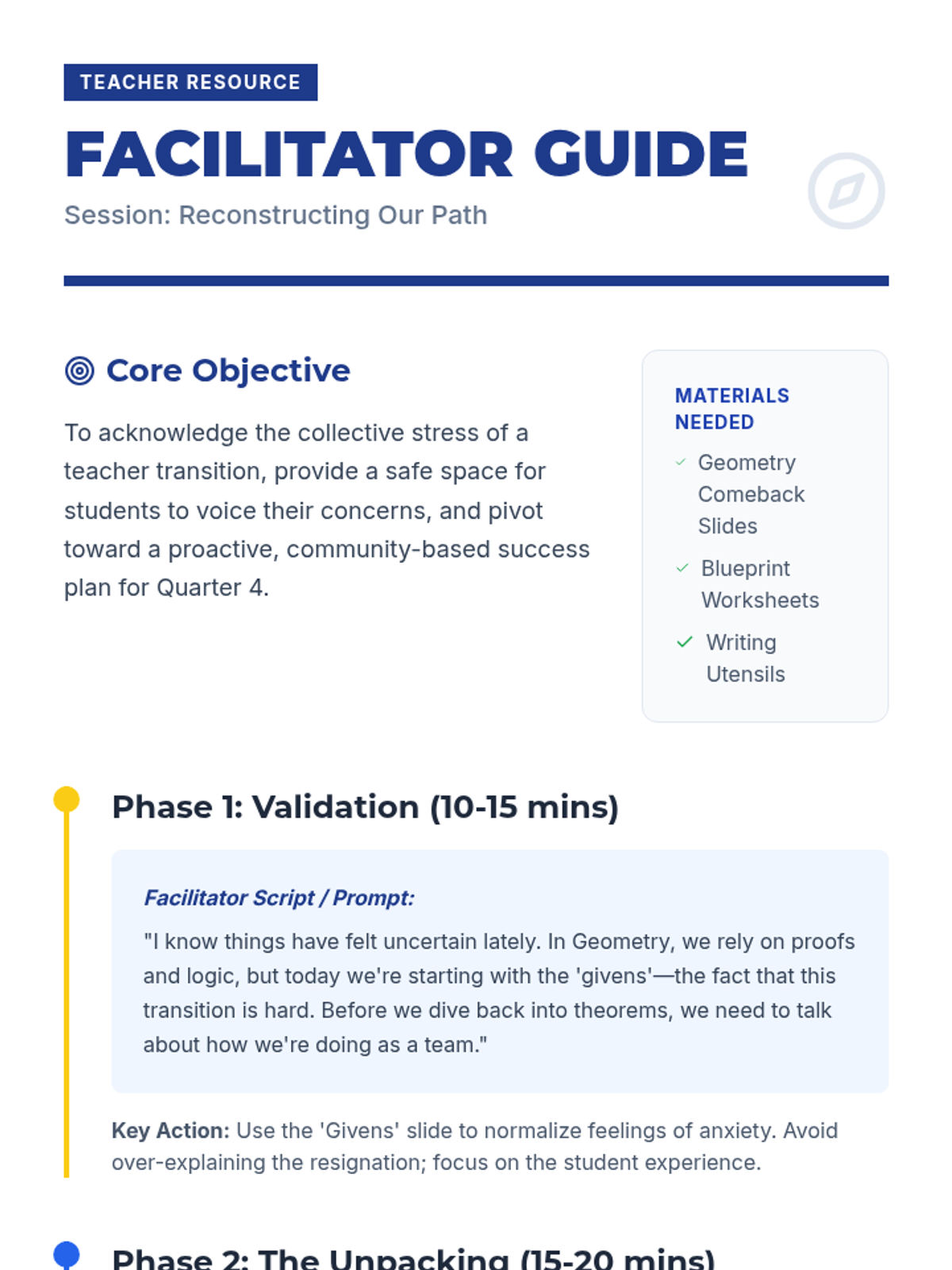
A supportive sequence designed to help Geometry students process a teacher transition, voice their anxieties, and co-create a success plan for the final quarter.
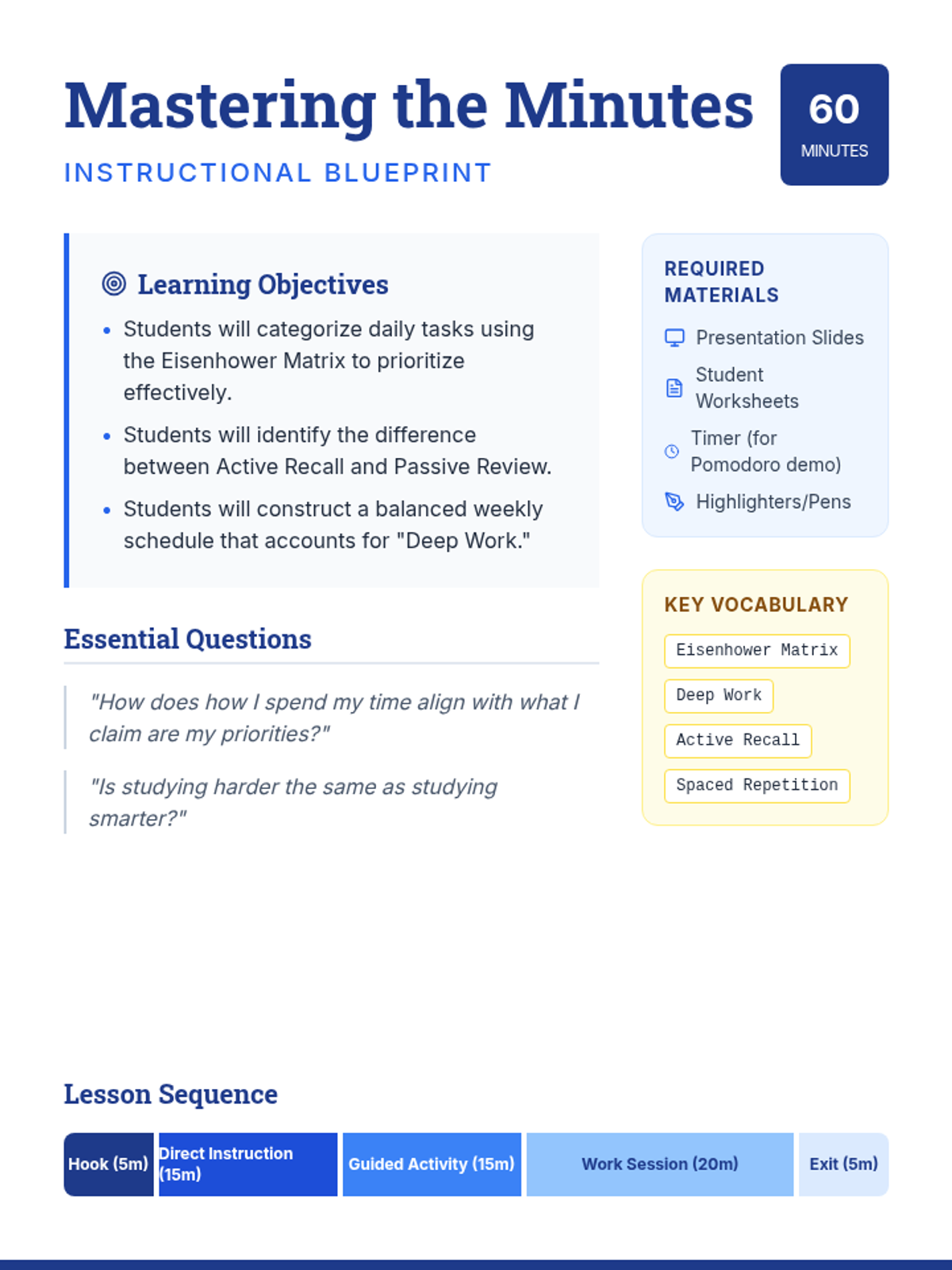
A comprehensive series designed to prepare students for post-secondary success through essential life skills, including time management, study habits, and digital literacy.
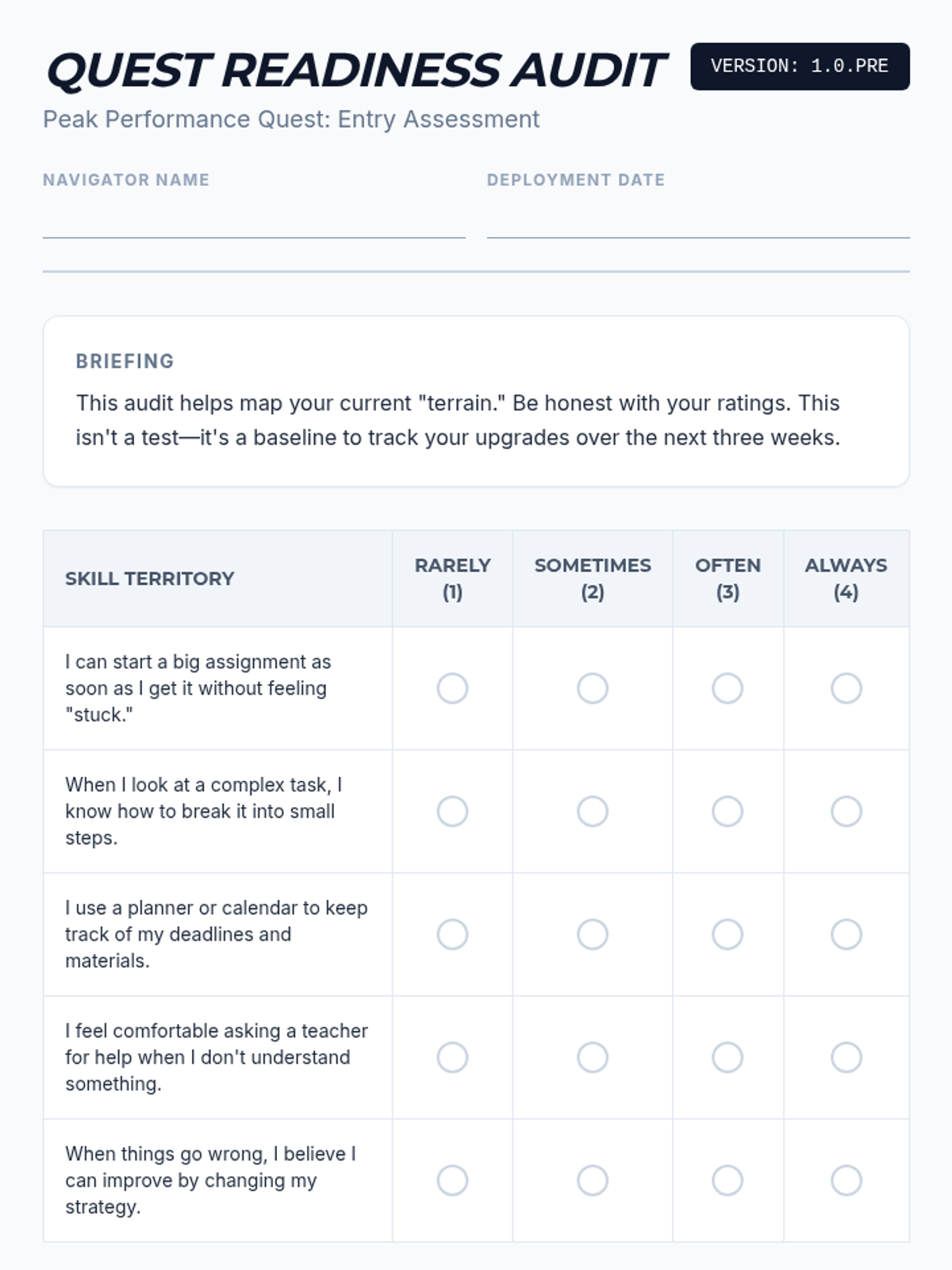
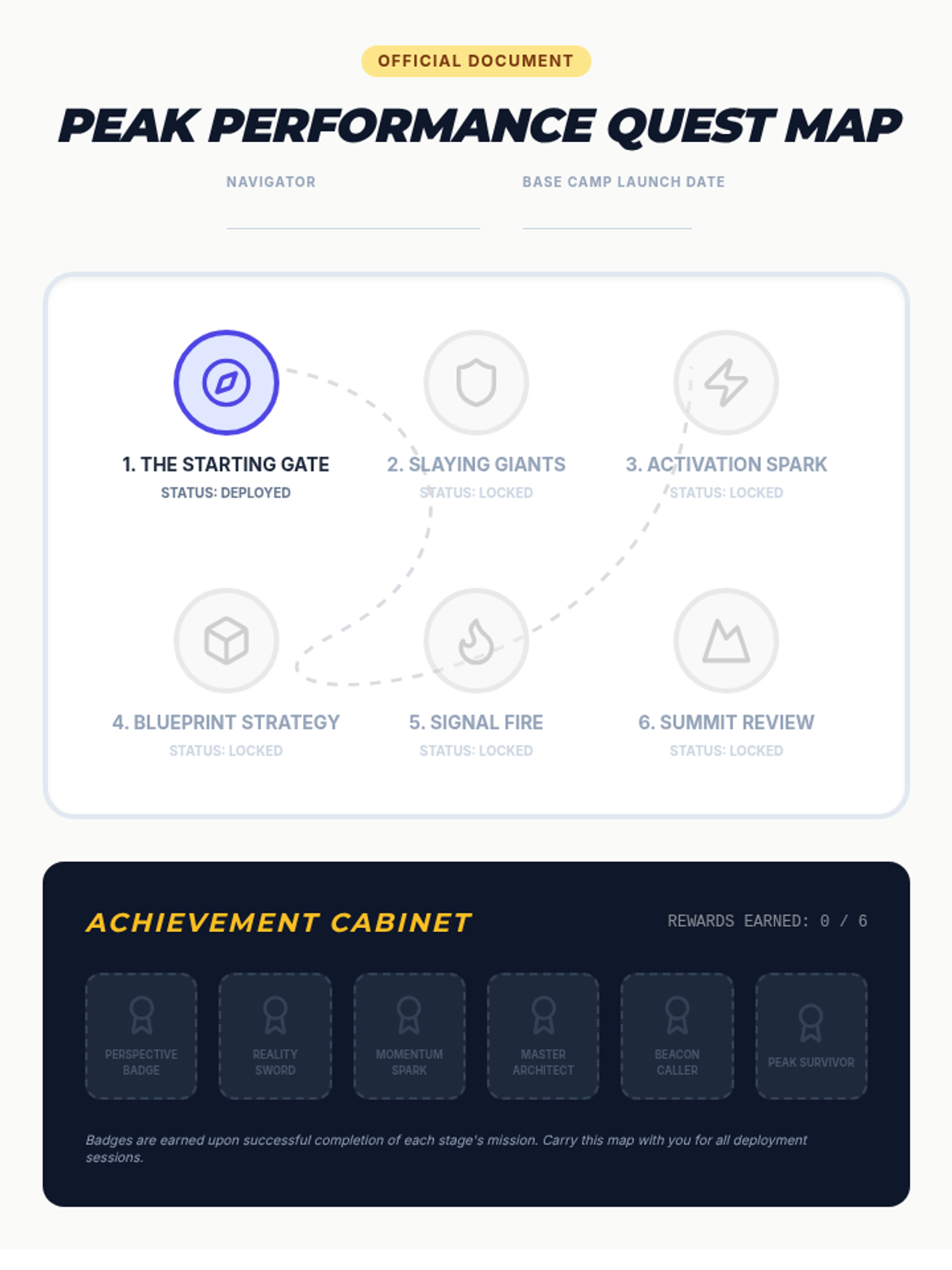
A 6-lesson gamified intervention for high school students focusing on executive function and CBT-based strategies to overcome depression-related task avoidance and fixed mindset patterns. The sequence uses a quest-based map theme where students earn badges for mastering cognitive and organizational skills.
A comprehensive series of lessons focusing on social-emotional learning, health, and personal accountability, helping students navigate peer pressure and school expectations.
A comprehensive series of tools and sessions designed to empower students with executive functioning strategies. The sequence moves from basic organization to advanced time management and self-regulation techniques.
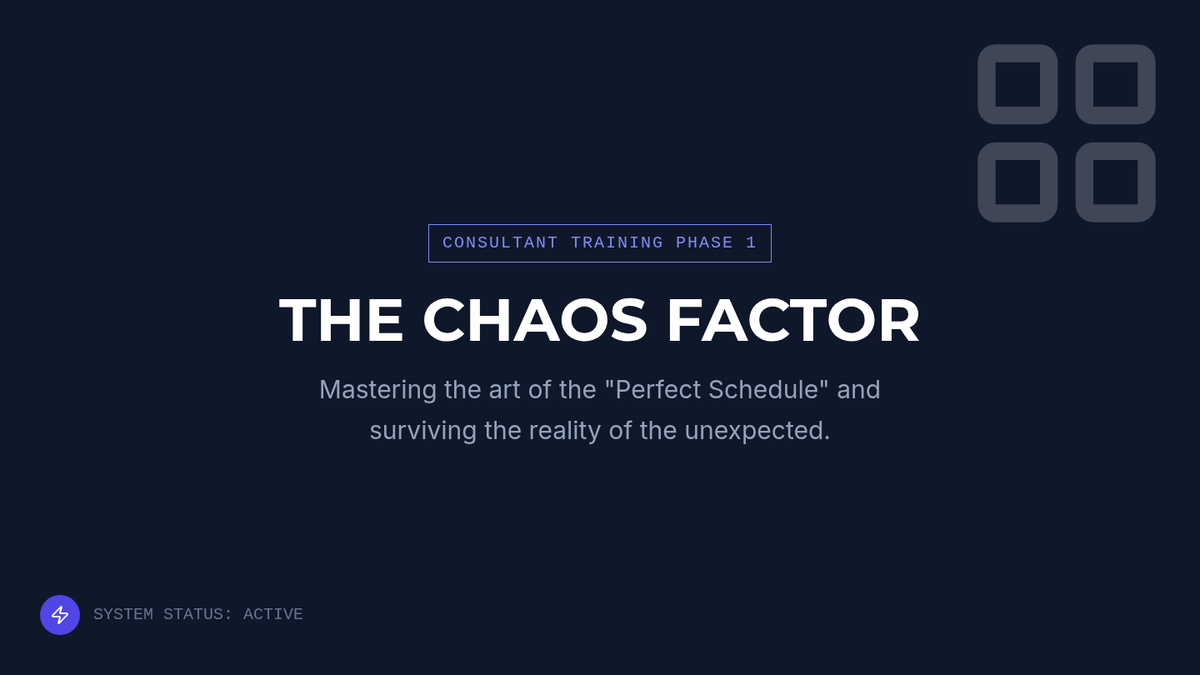
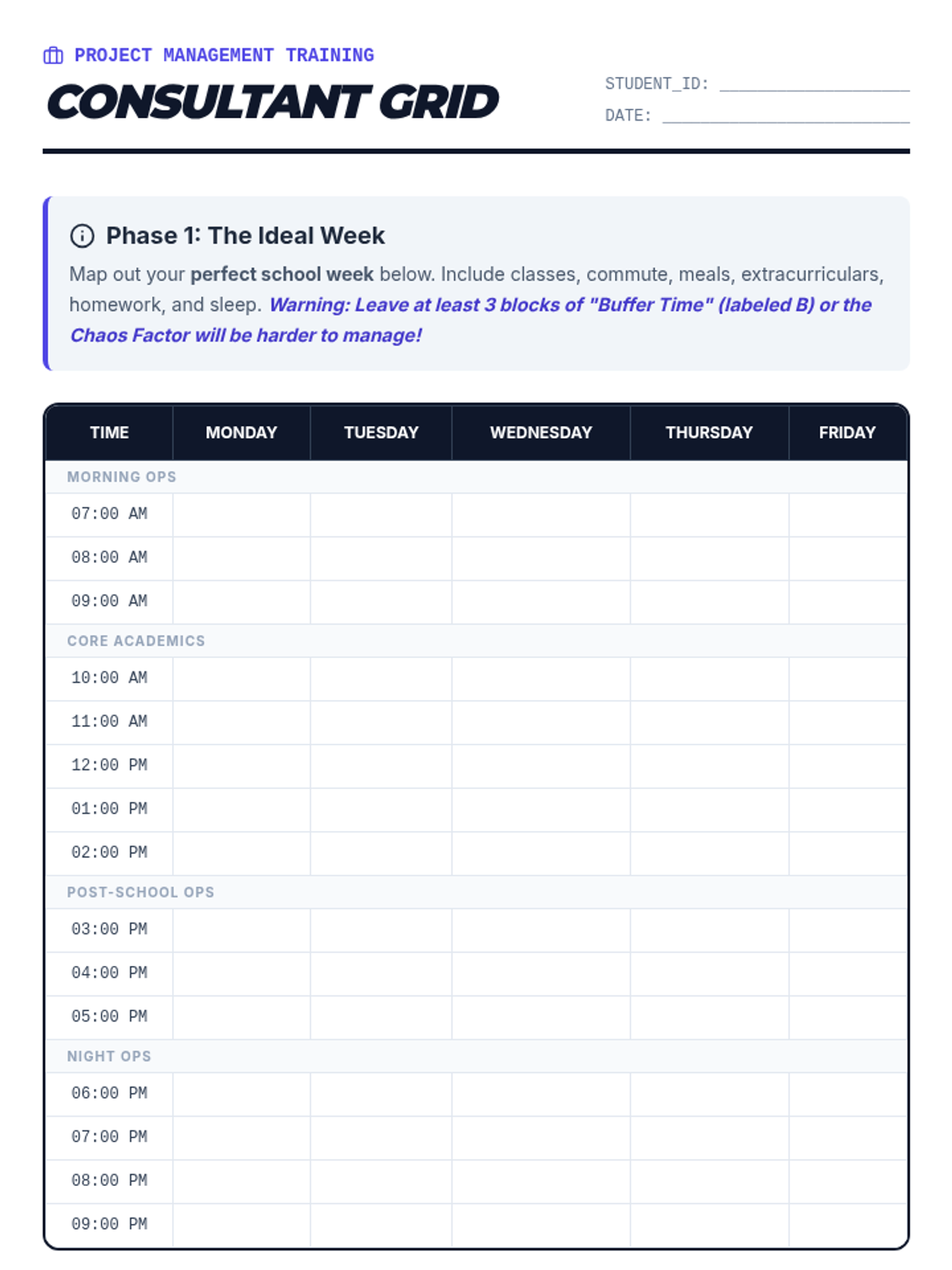
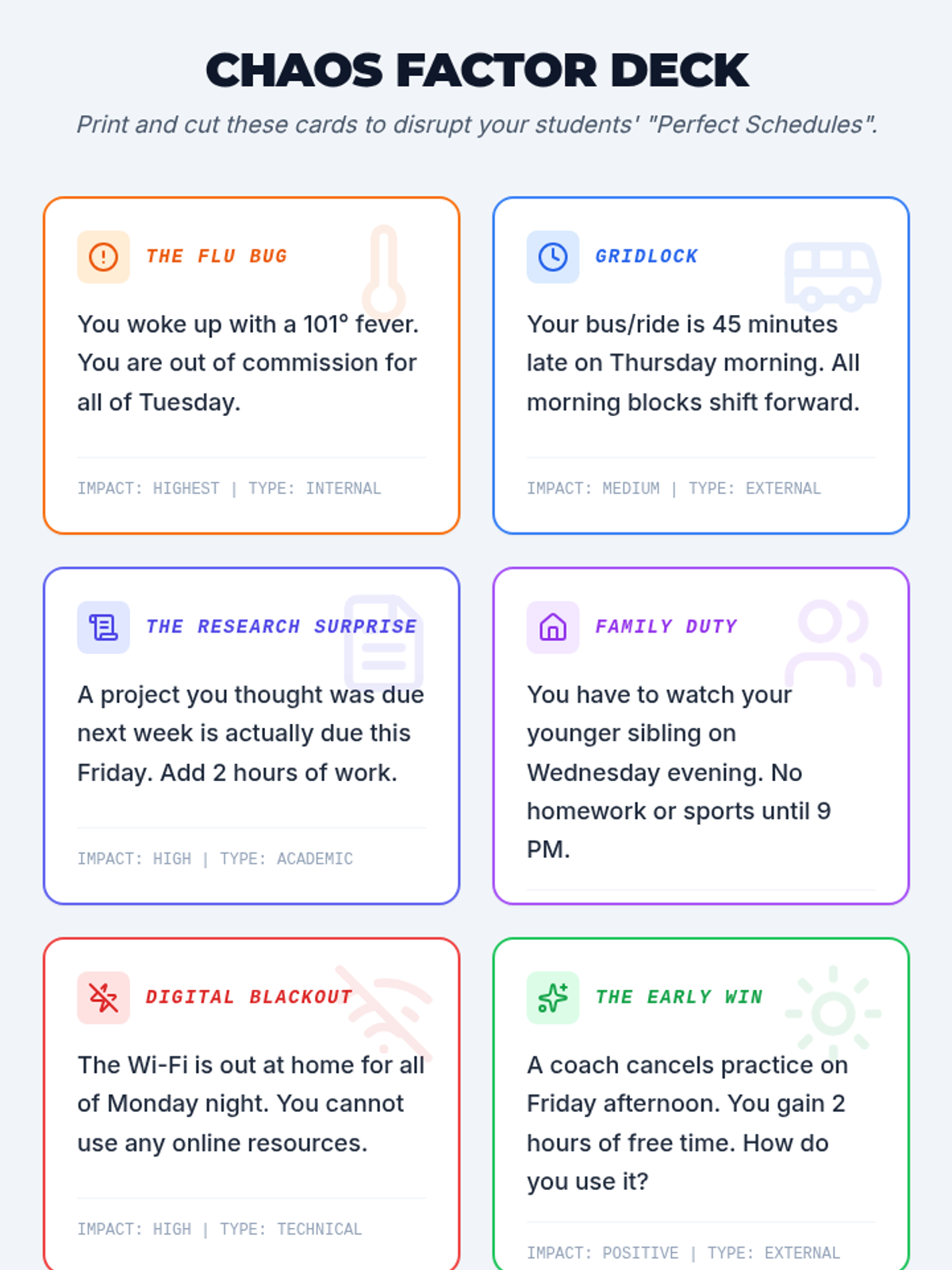
A simulation-based sequence where 10th-grade students act as 'Student-Consultants' to master schedule management and adaptive resiliency. Students learn to handle 'Chaos Factors', negotiate deadlines, and manage energy levels to maintain balance amidst competing demands.
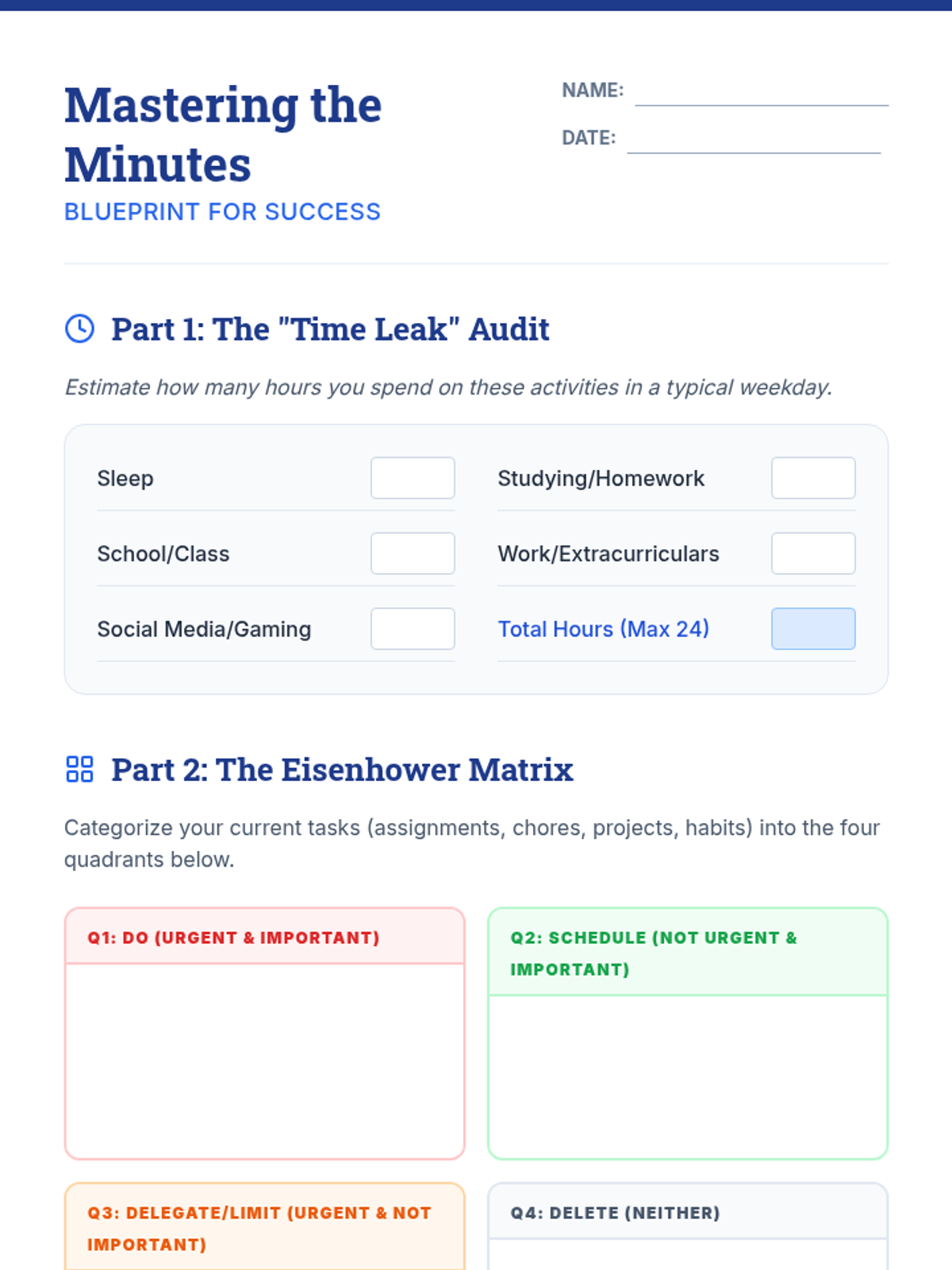
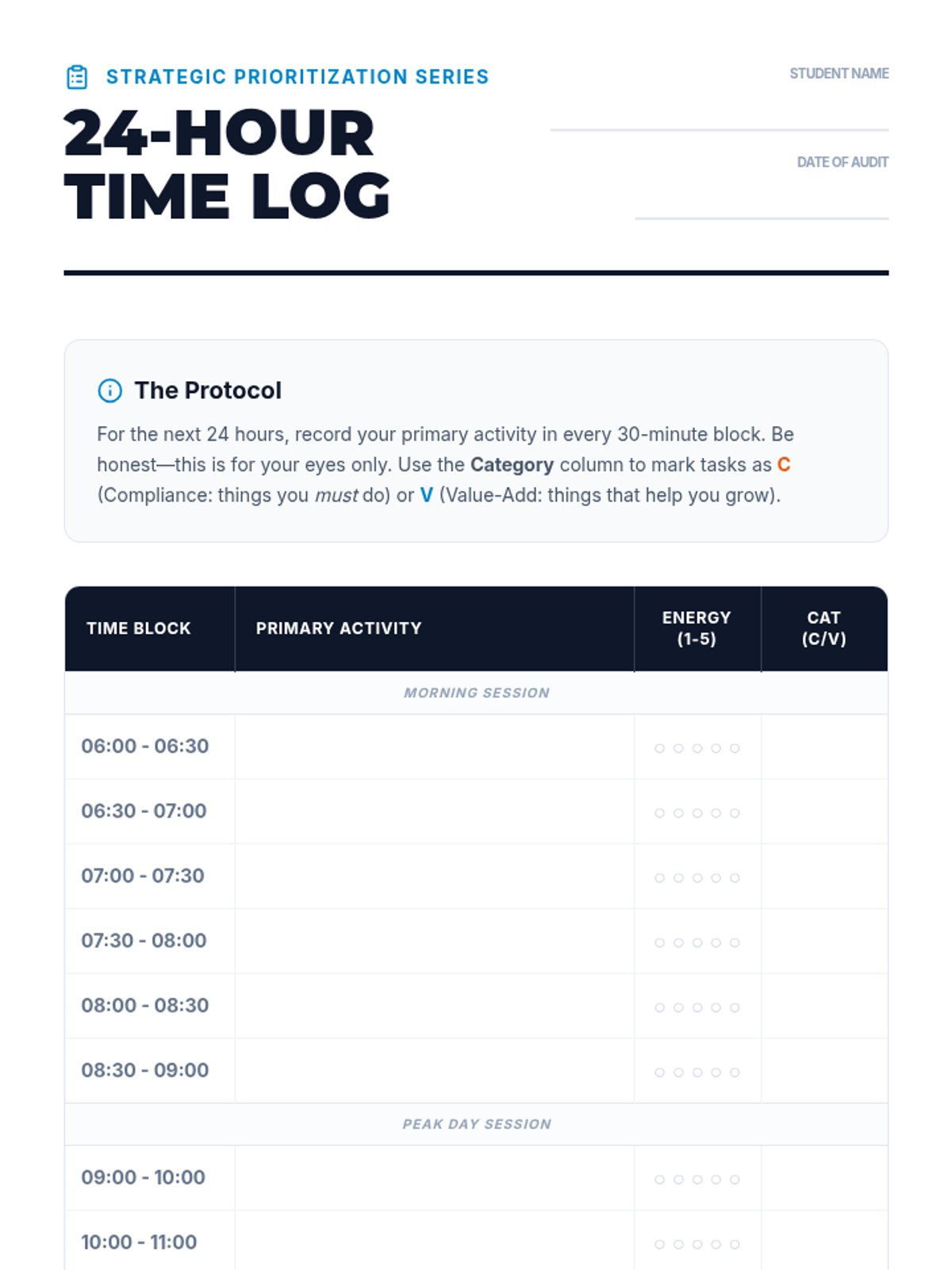
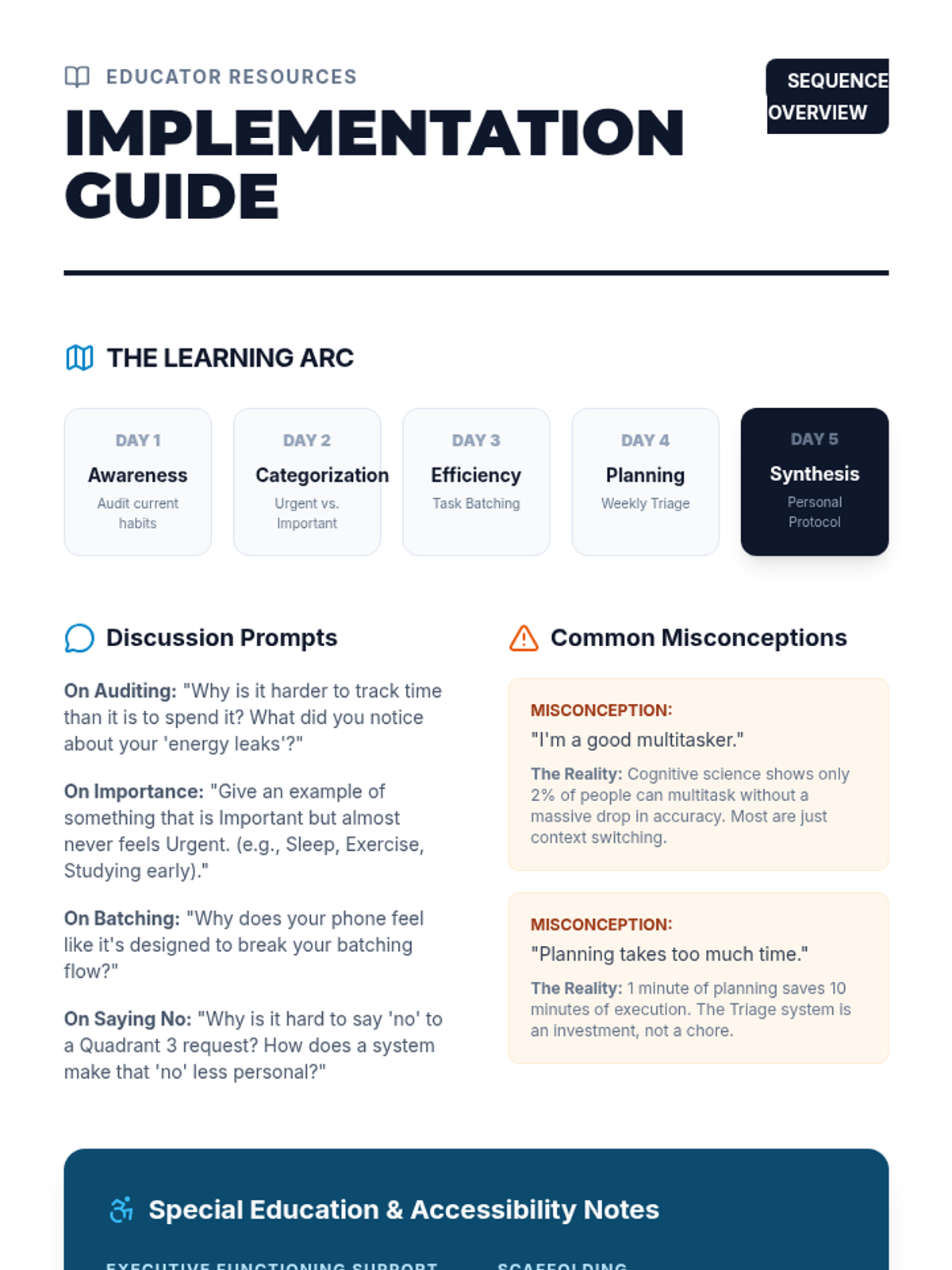
A comprehensive 5-lesson unit for 10th-grade students focusing on executive functioning skills to balance multiple commitments. Students learn time auditing, the Eisenhower Matrix, task batching, and weekly triage systems to develop a personalized priority protocol.
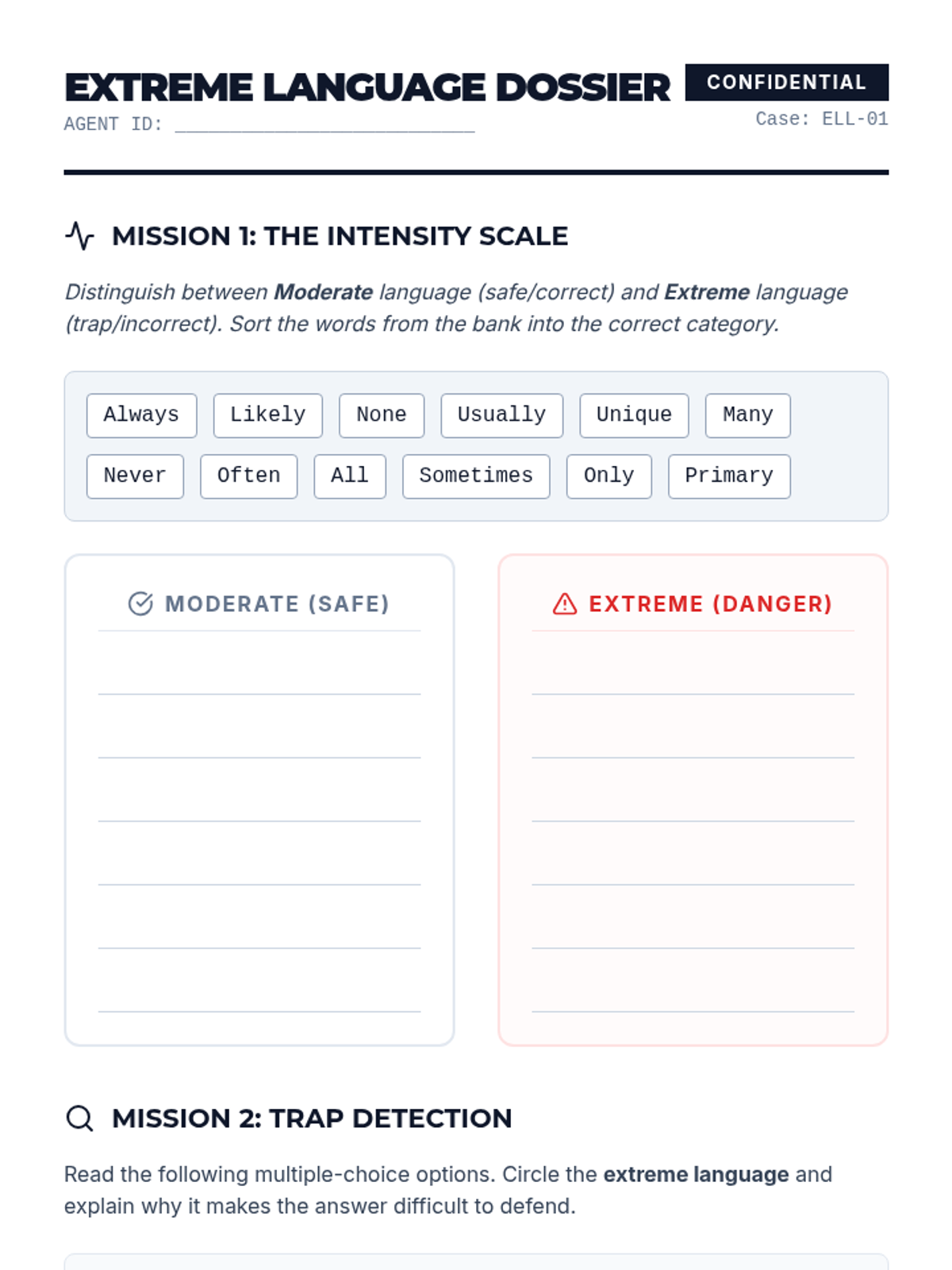
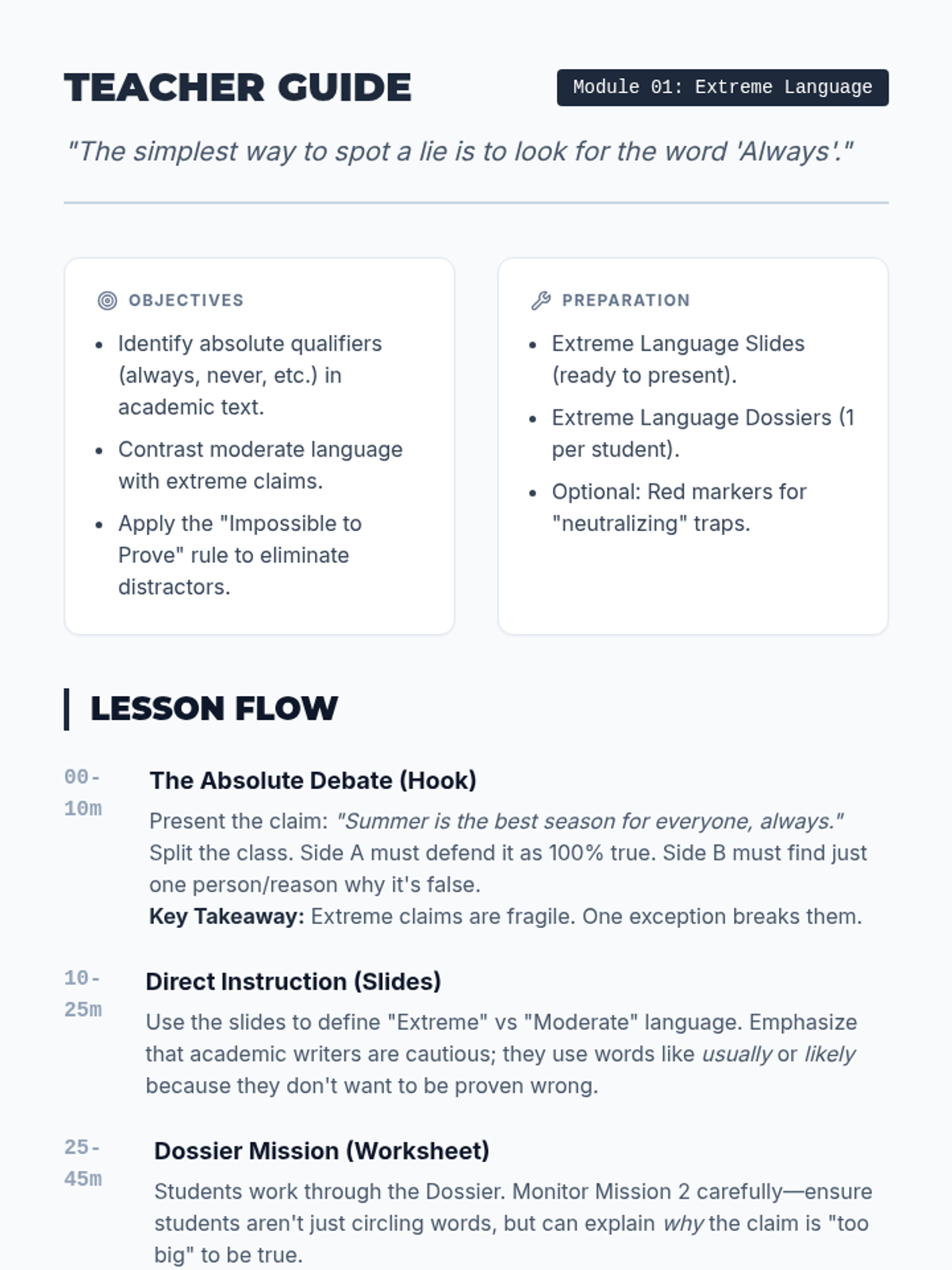
This sequence transforms students into 'Trap Detectives' who can identify and eliminate common distractors in academic tests. Students learn to spot extreme language, half-right traps, and out-of-scope answers through gamified lessons and role-reversal activities.
A comprehensive sequence for 9th-grade students focusing on self-advocacy, communication skills, and boundary setting to manage schedule conflicts and prevent burnout. Students learn to recognize stress signals, draft professional requests, negotiate deadlines, and prioritize tasks during crises.
This sequence guides 8th-grade students through the engineering of their physical and digital environments to support executive function. Students move from understanding the neurological 'why' of organization to building a personalized operating manual for their own workflow optimization.
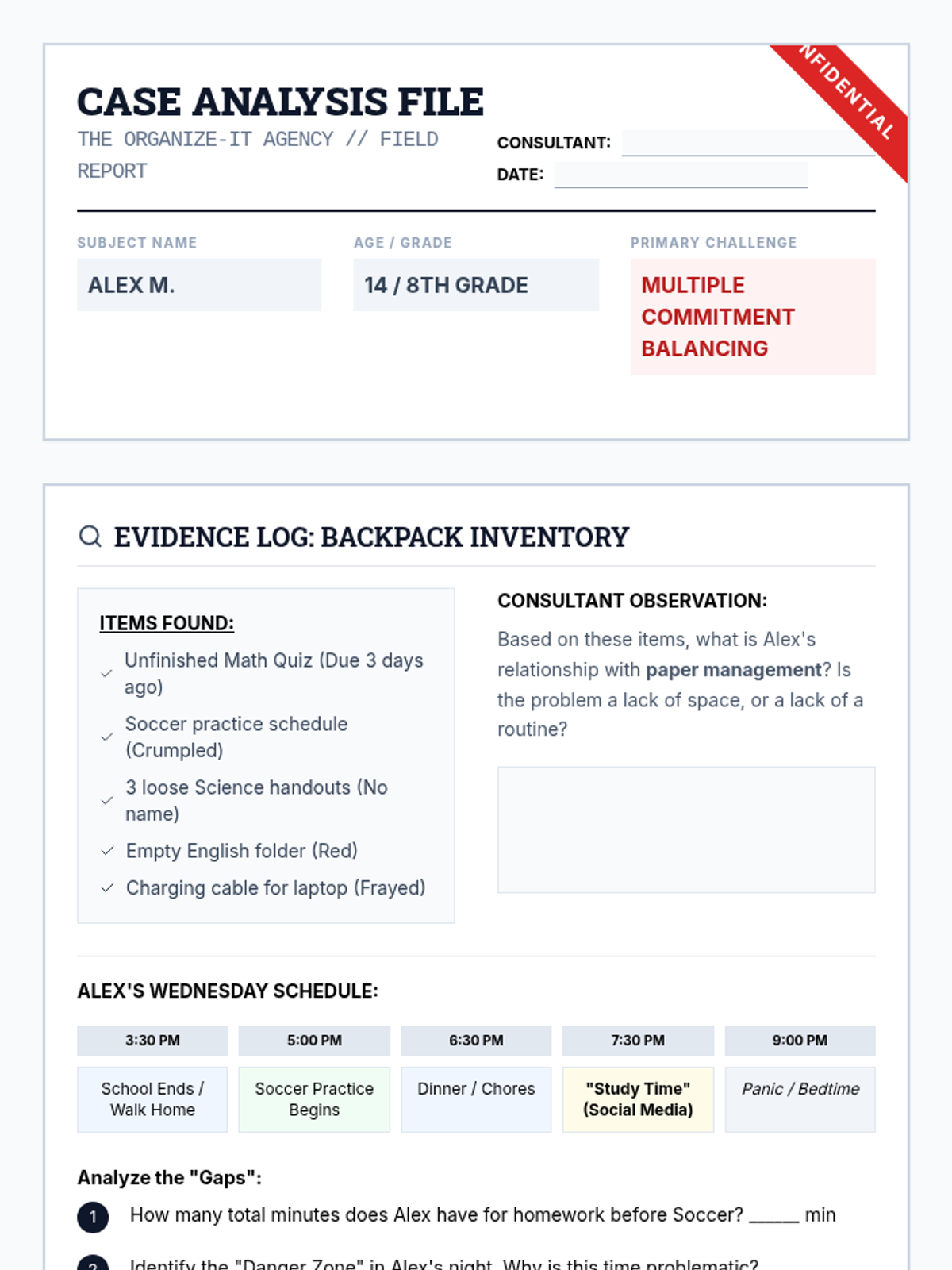
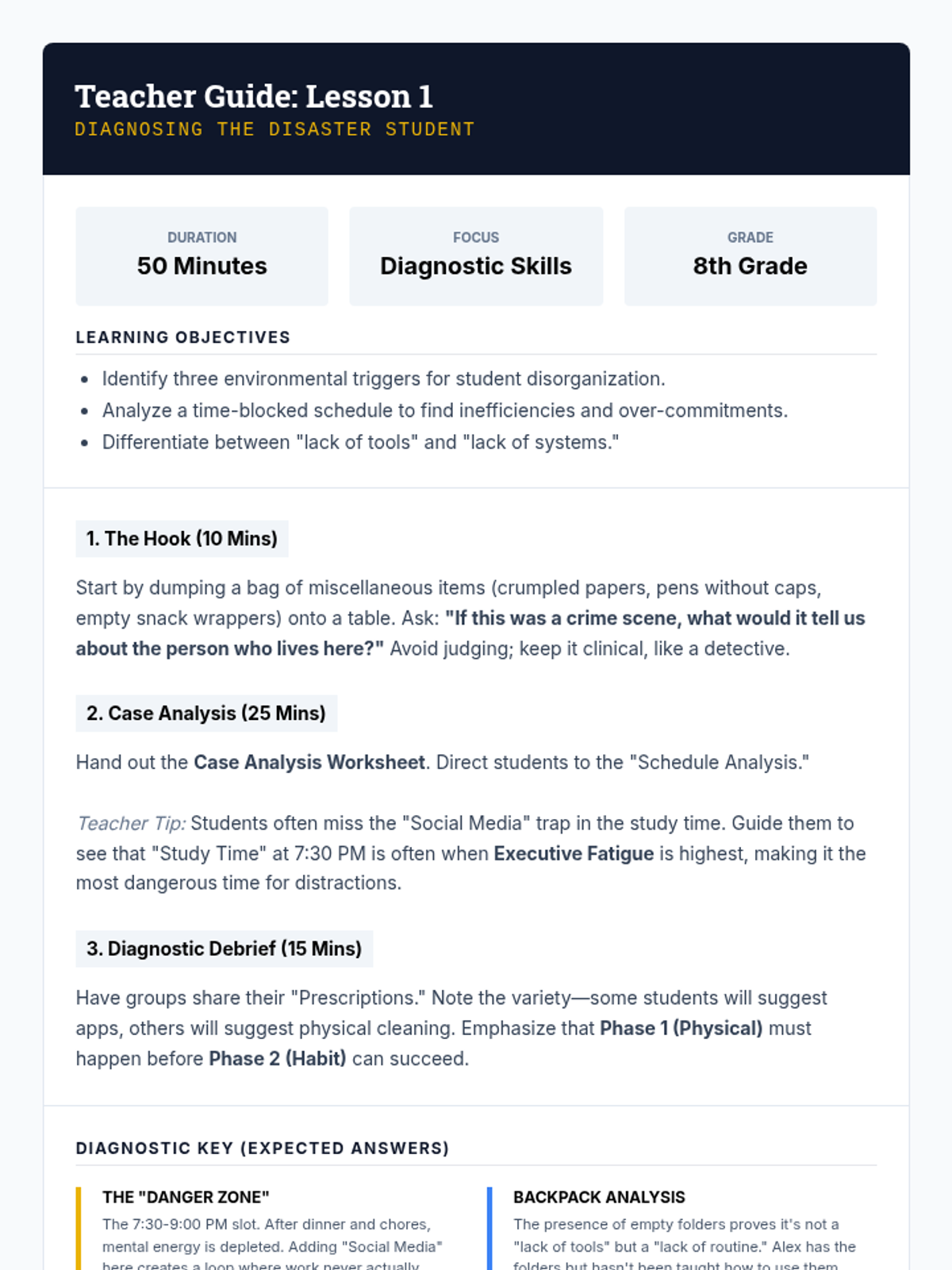
A comprehensive sequence where 8th-grade students act as 'organizational consultants' to diagnose and solve scheduling conflicts and executive functioning challenges through case studies. Students learn root cause analysis, professional self-advocacy, emotional regulation strategies for procrastination, and tool evaluation before creating a final consultancy report.
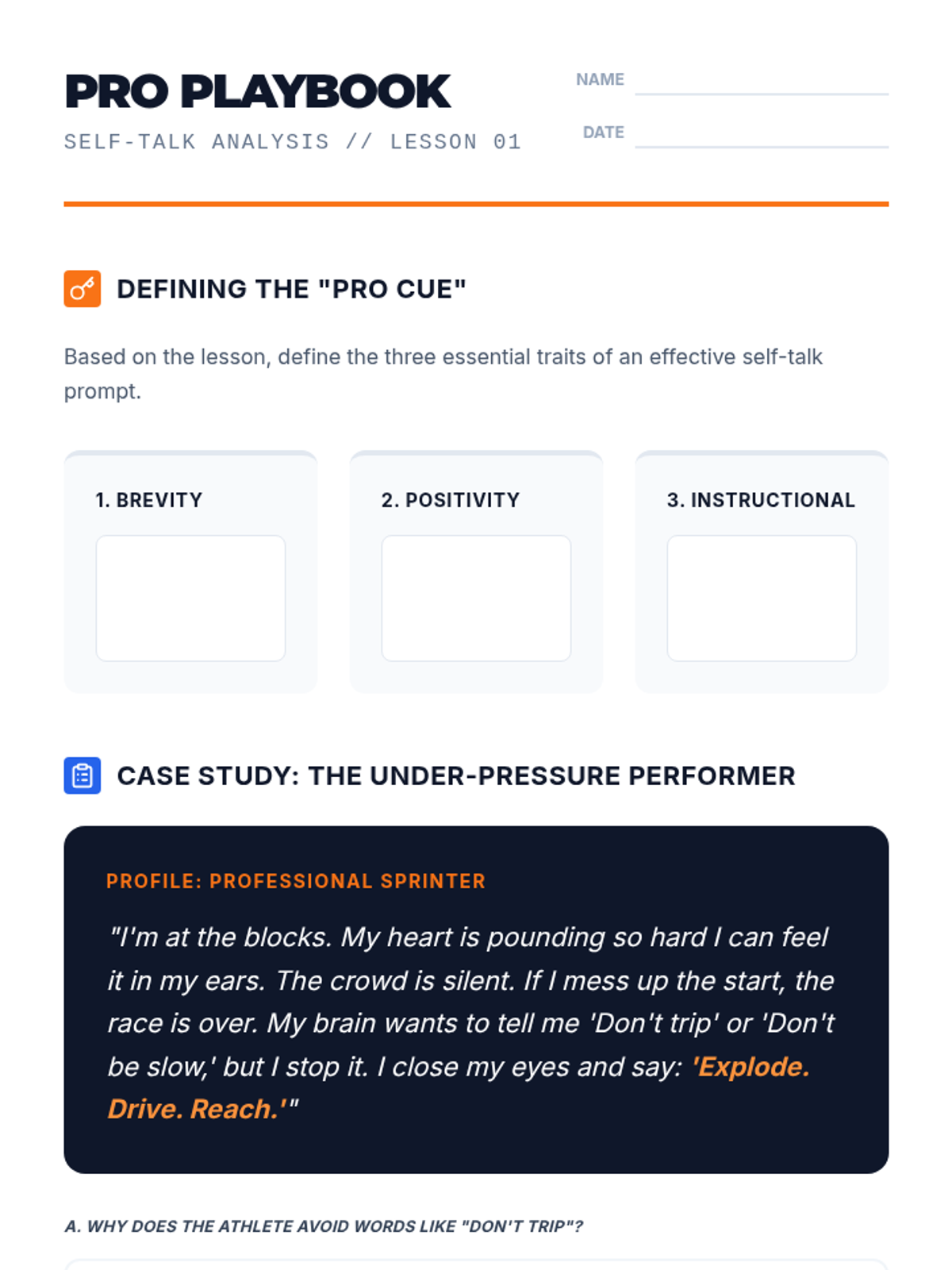
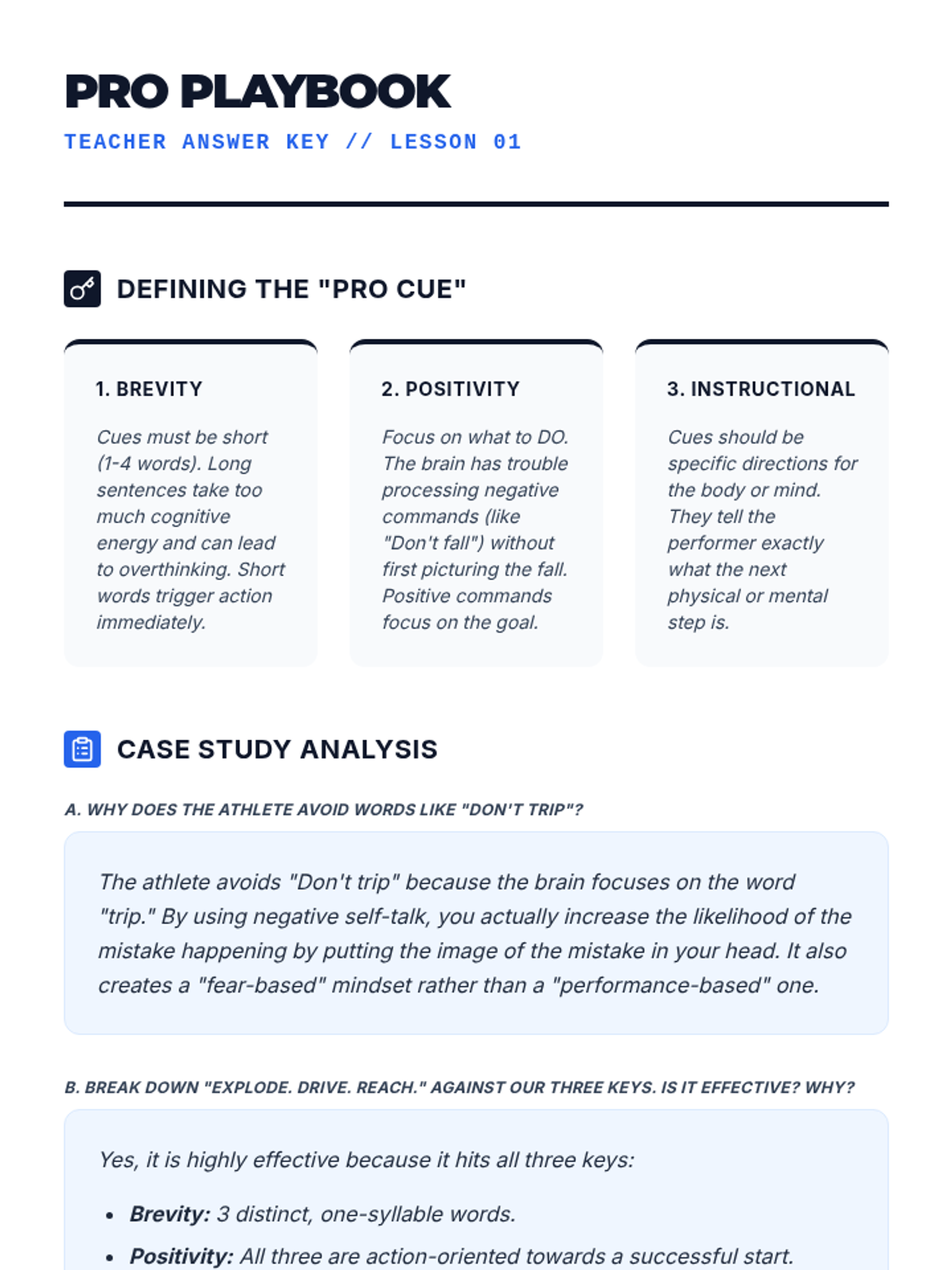
A task management sequence for 10th-grade students focusing on self-talk as a tool for independent work initiation. Students analyze performance psychology, simulate peer coaching, and develop personalized 'Launch Codes' to overcome procrastination and academic paralysis.
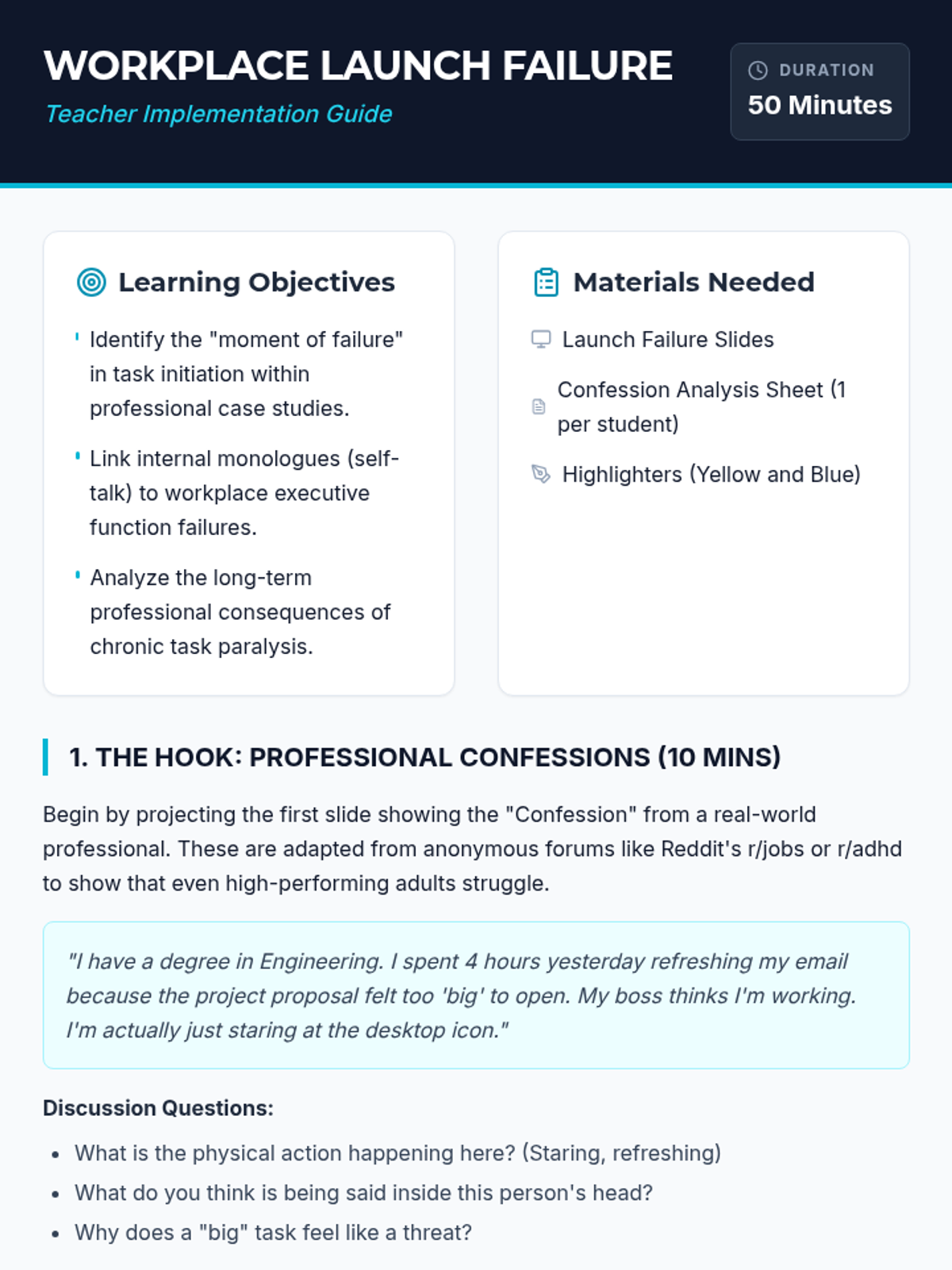
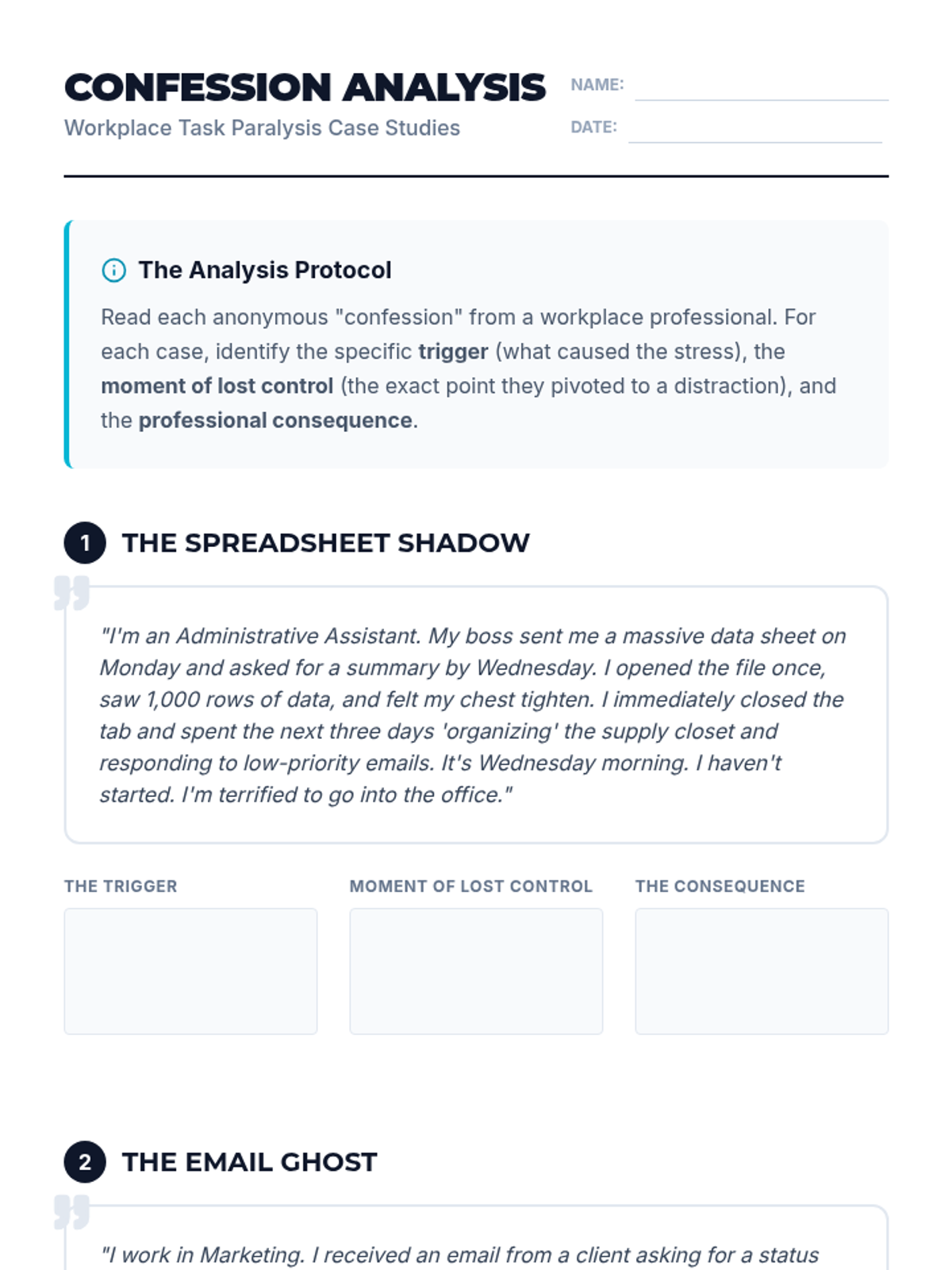
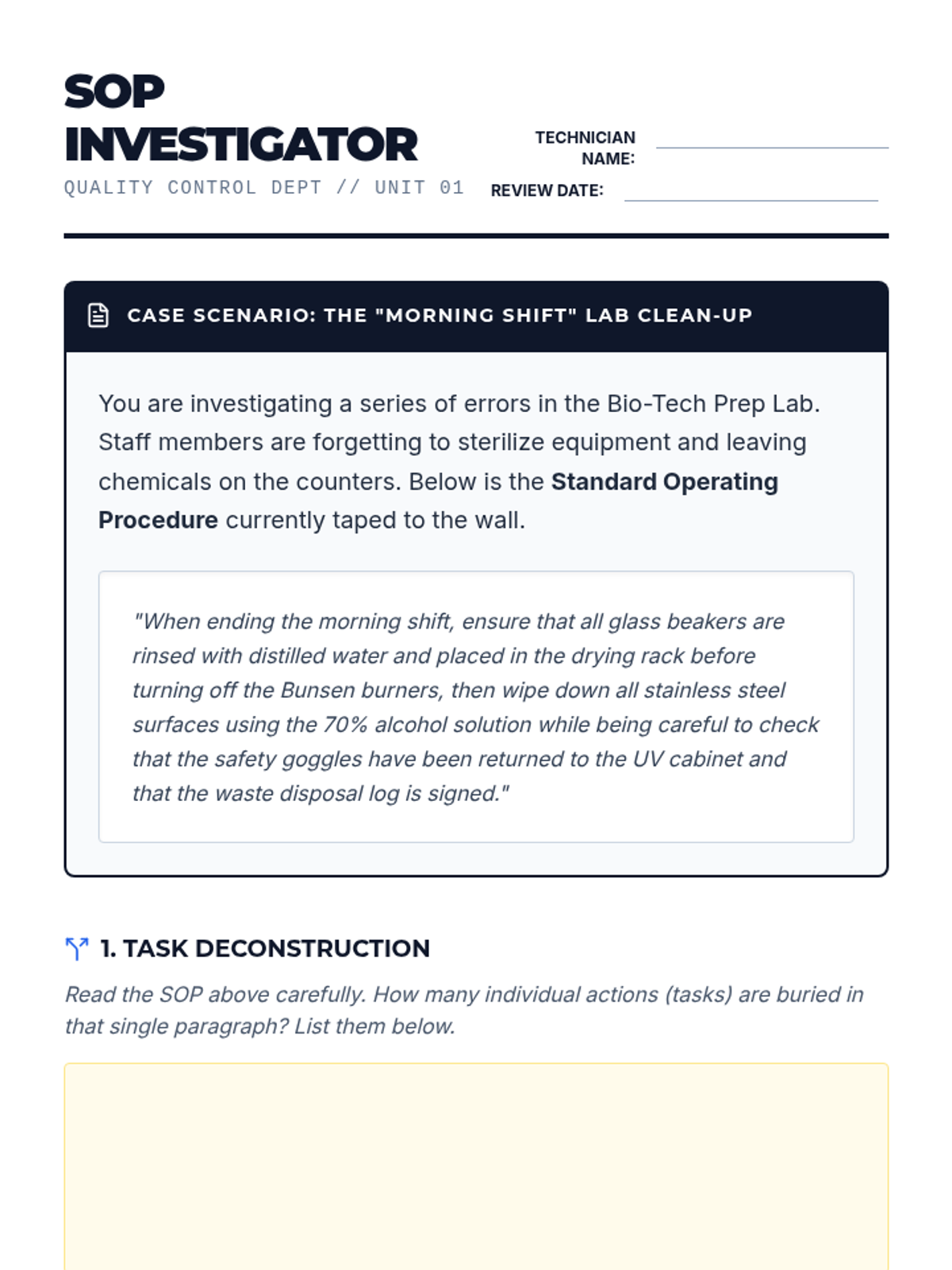
A comprehensive sequence for transition-age students to master self-talk strategies for task initiation in professional and independent living contexts. Students move from analyzing workplace failures to building a personalized 'Standard Operating Procedure' for overcoming task paralysis.
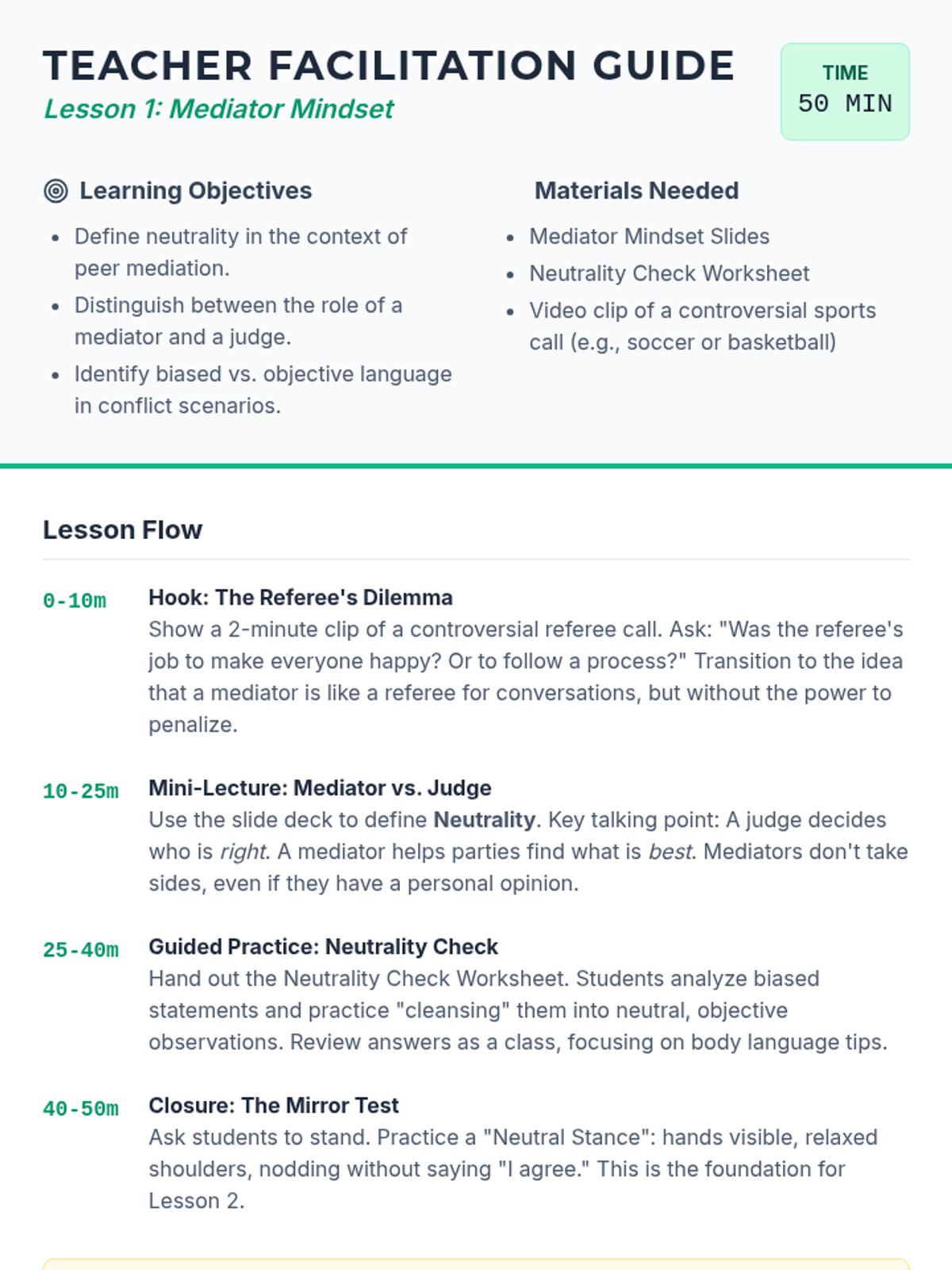
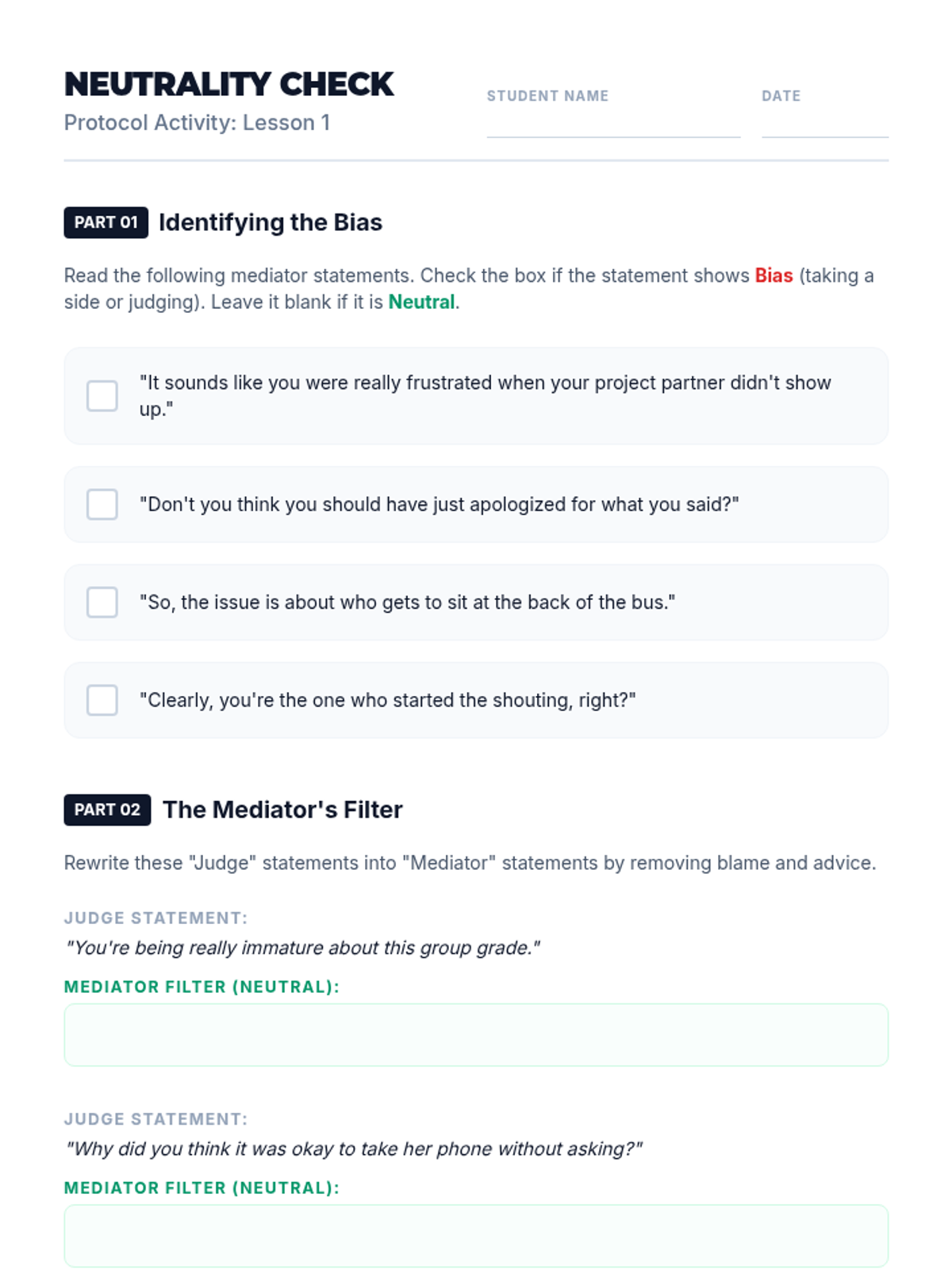
A 5-lesson unit for 7th graders on the formal structure of peer mediation. Students transition from observers to facilitators, learning to maintain neutrality, set ground rules, reframe toxic language, and guide parties toward mutually agreed-upon solutions.
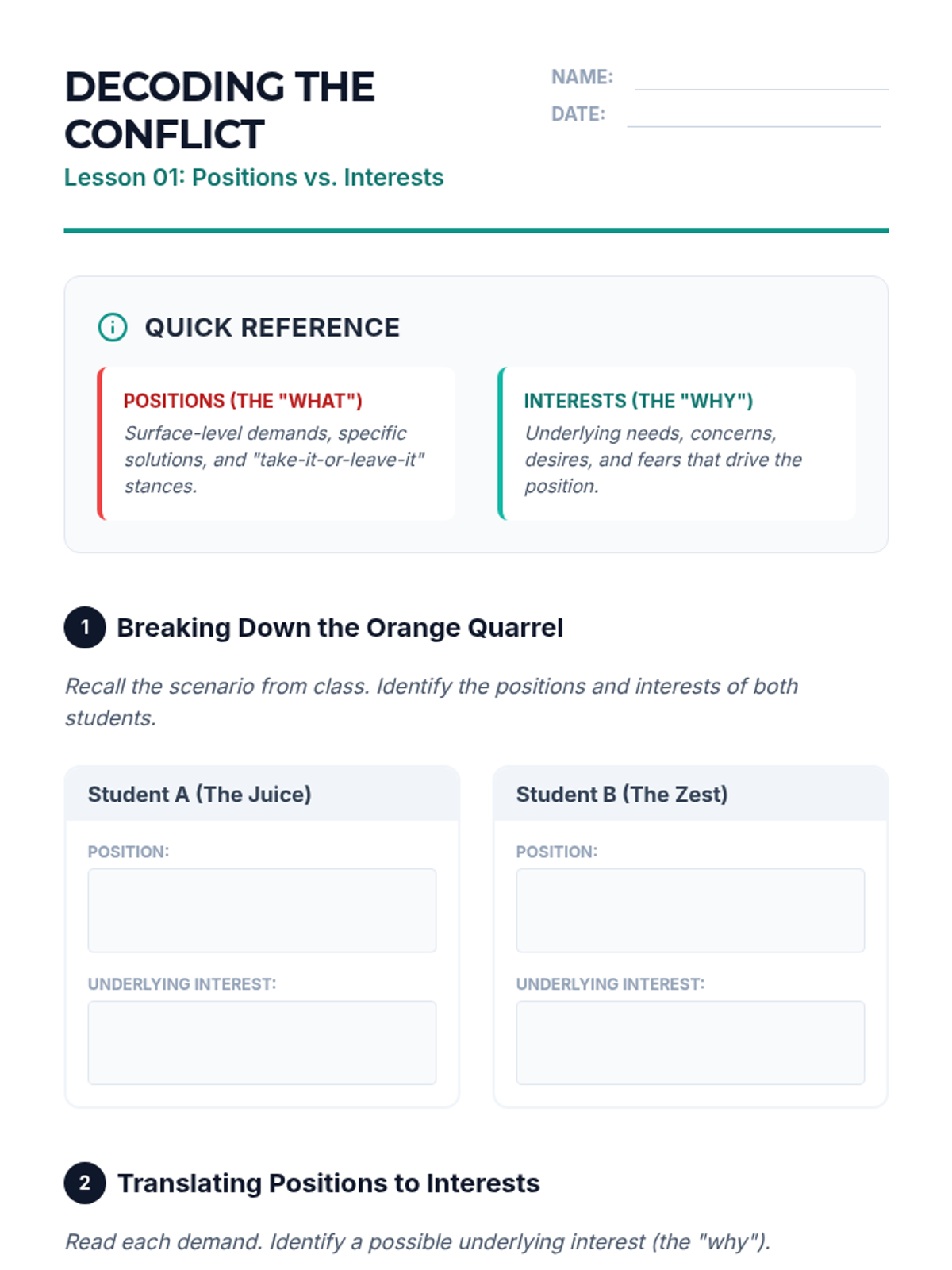
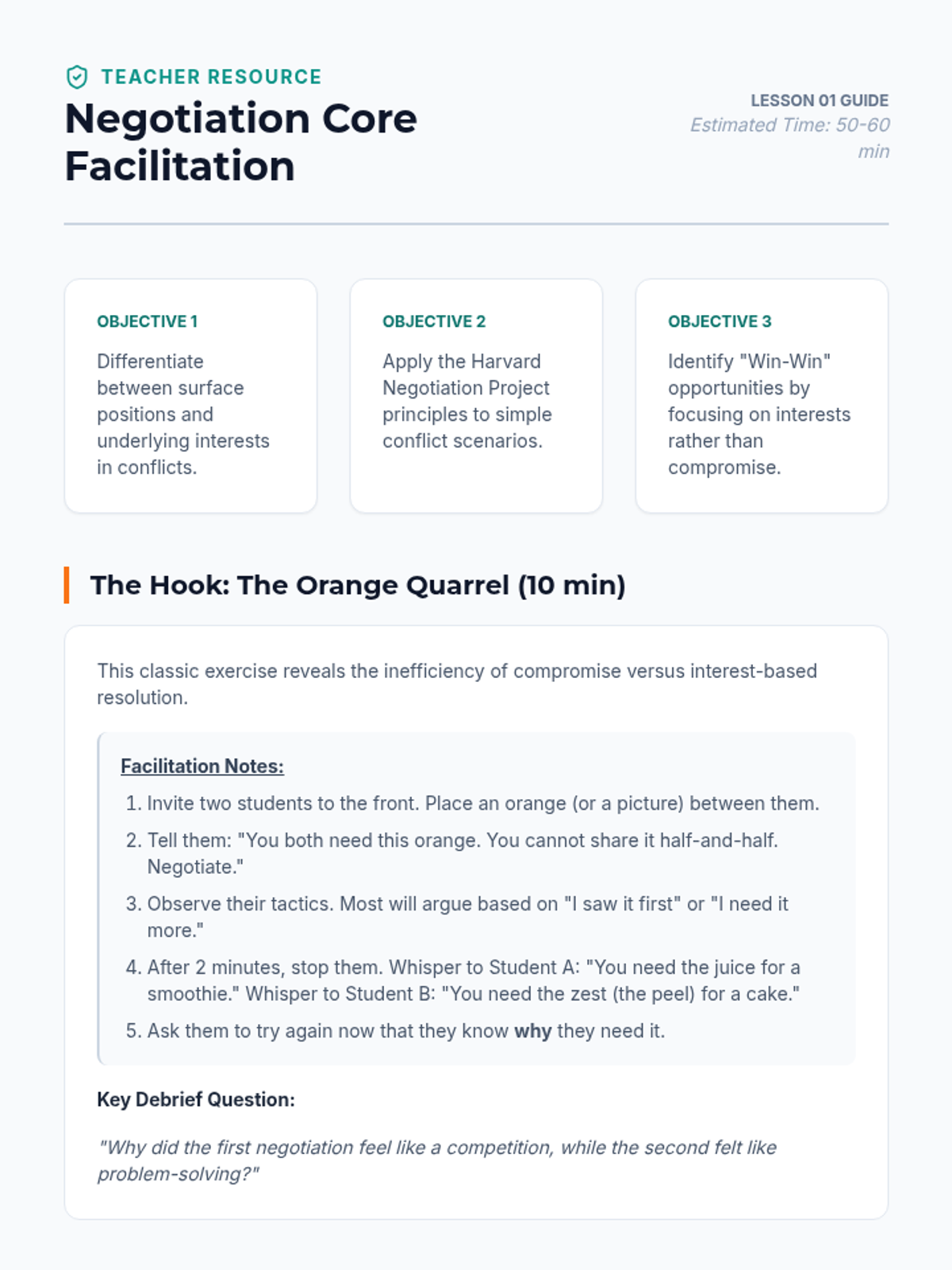
A comprehensive high school unit on interest-based negotiation and formal mediation. Students move from understanding individual interests to facilitating multi-party resolutions using the Harvard Negotiation Project framework and professional mediation stages.
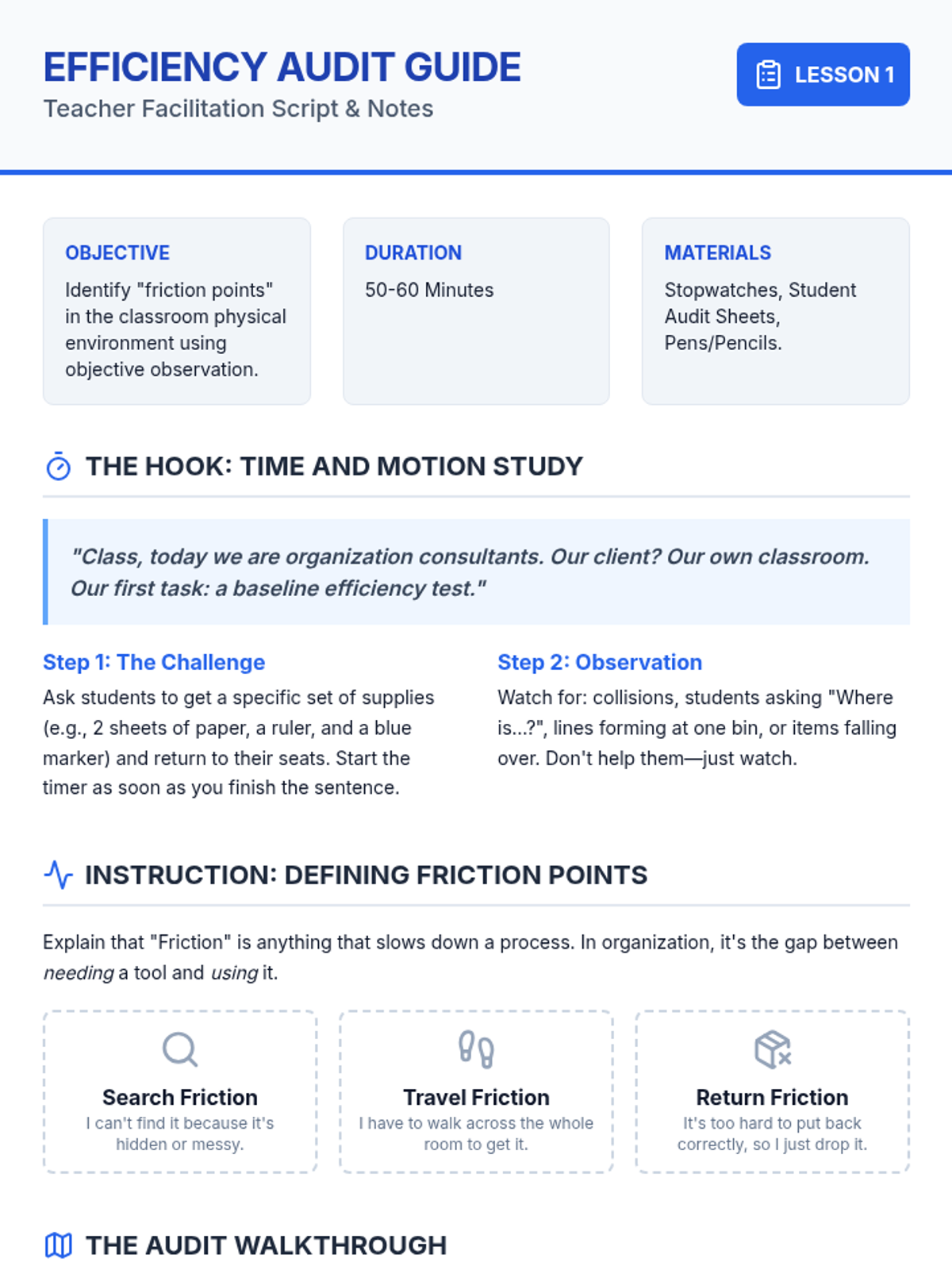
A project-based unit where students act as organization consultants to evaluate, redesign, and implement efficient physical systems in their classroom. Students learn systems thinking, visual communication, and the psychology of environmental design to create a more functional learning space.
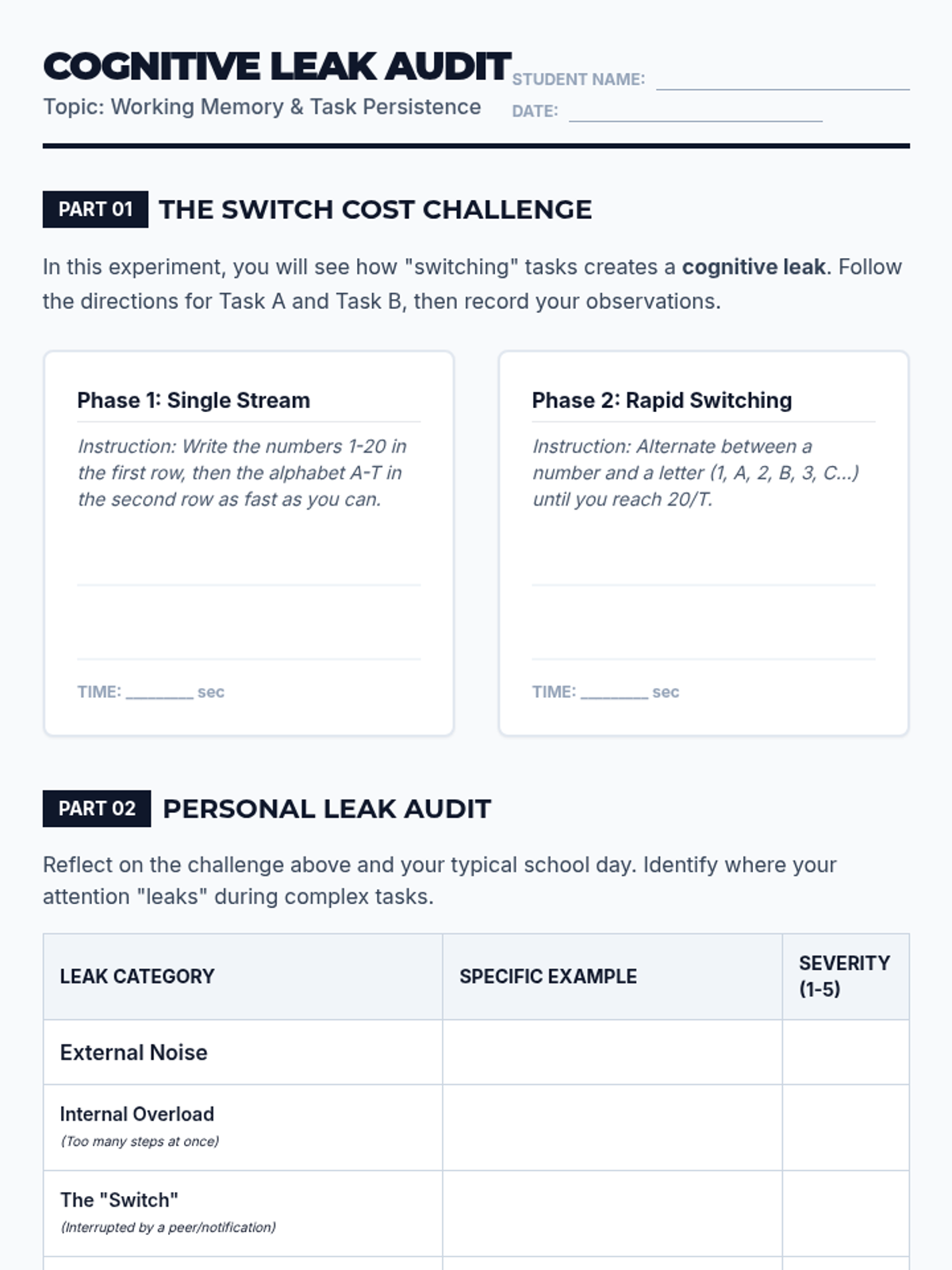
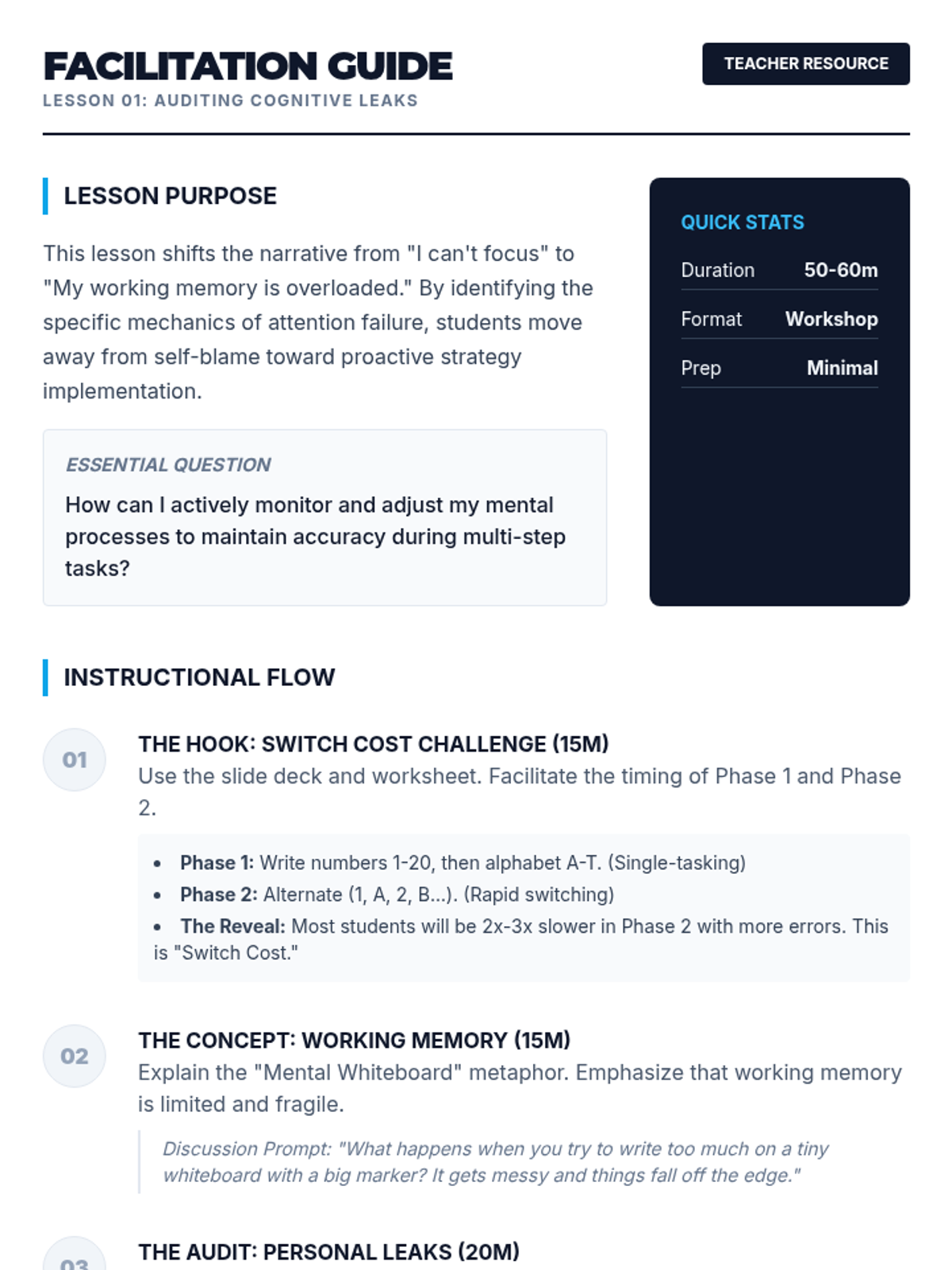
This sequence empowers 10th-grade students to manage cognitive resources by treating attention as a limited currency. Students move from self-diagnosis of working memory gaps to the creation of a personalized 'Focus Protocol' for sustained academic persistence.
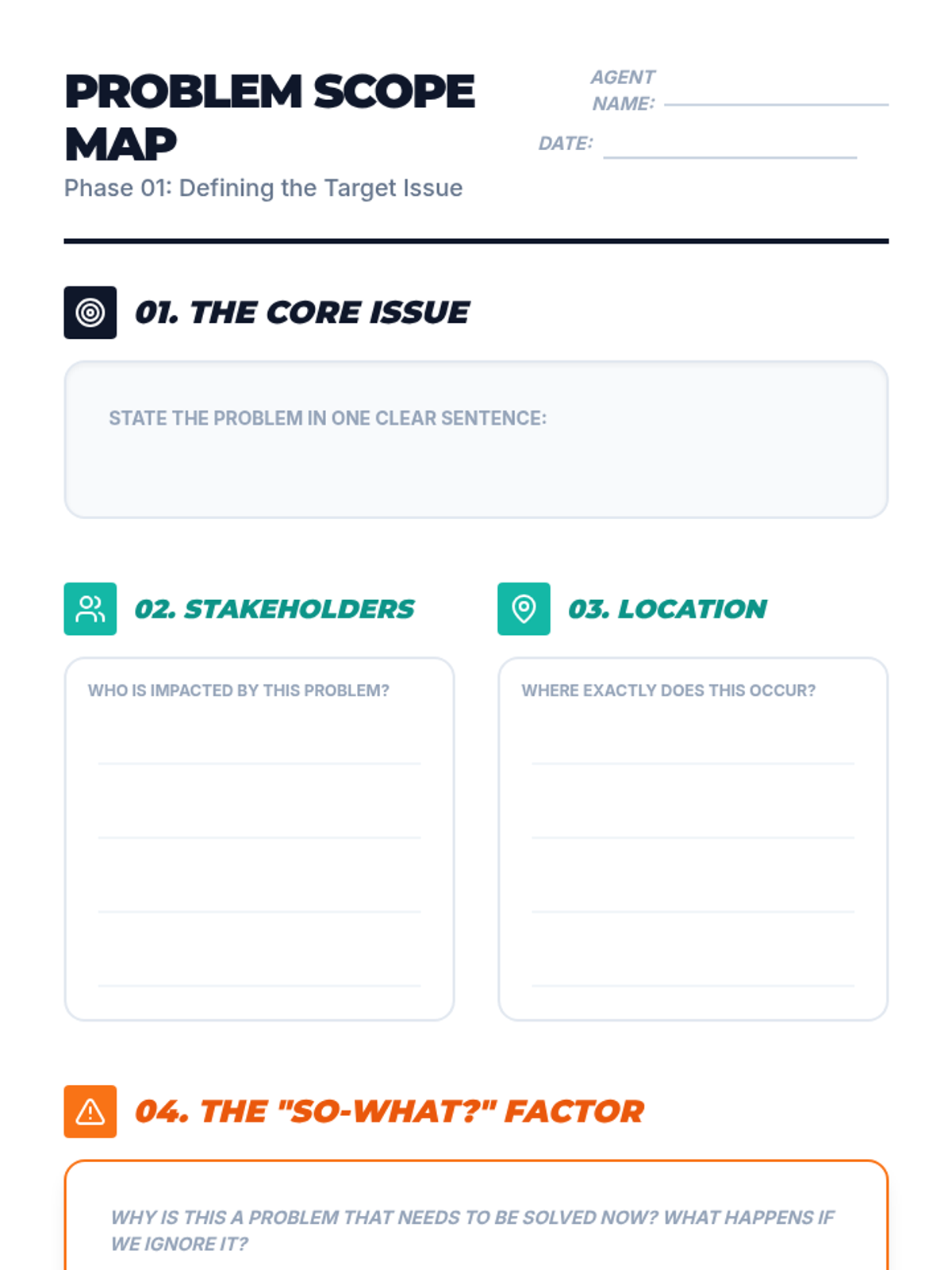
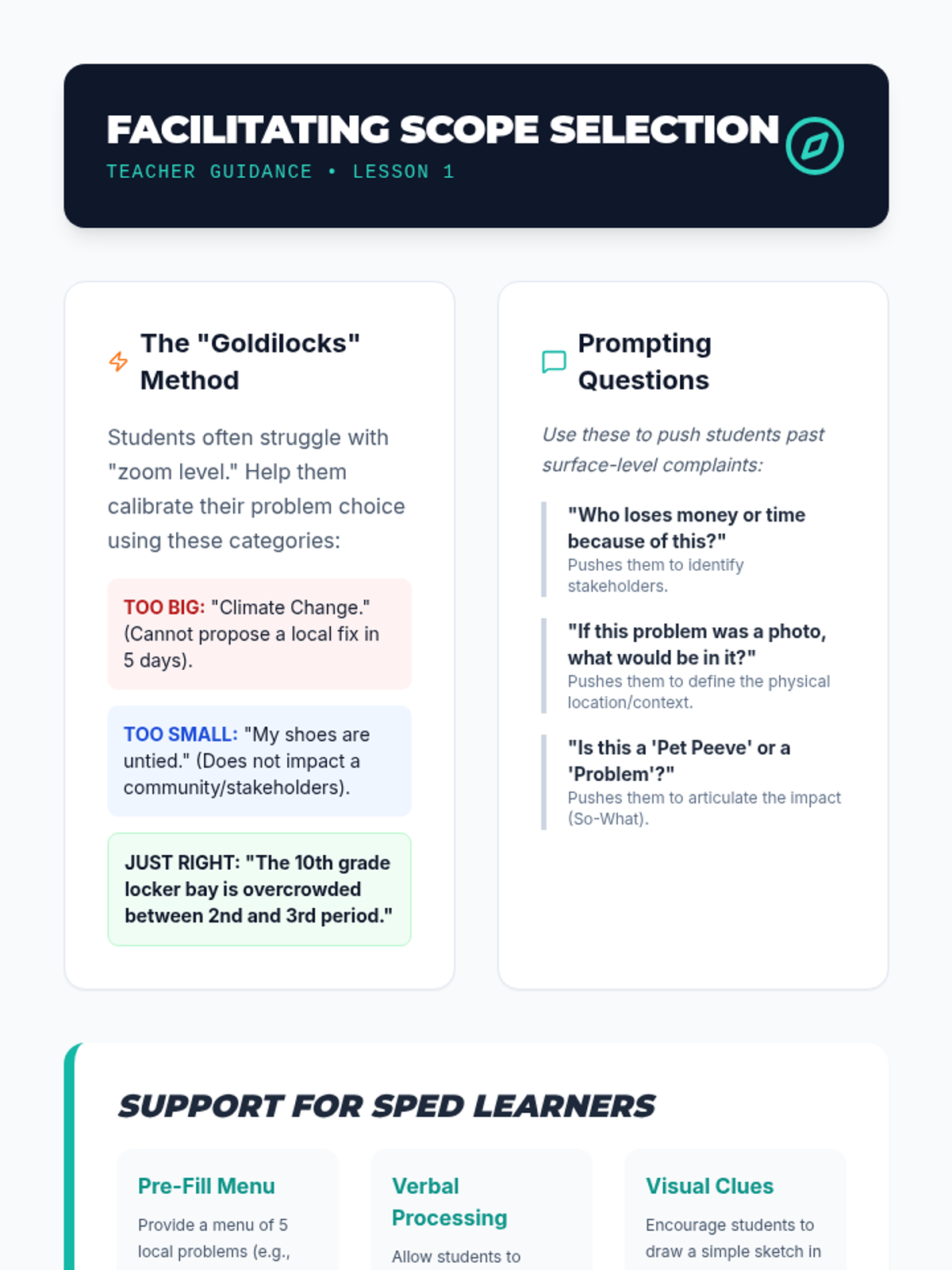
A project-based unit where students act as systems analysts, using cause-and-effect and problem-solution graphic organizers to investigate real-world community issues and propose evidence-based solutions.
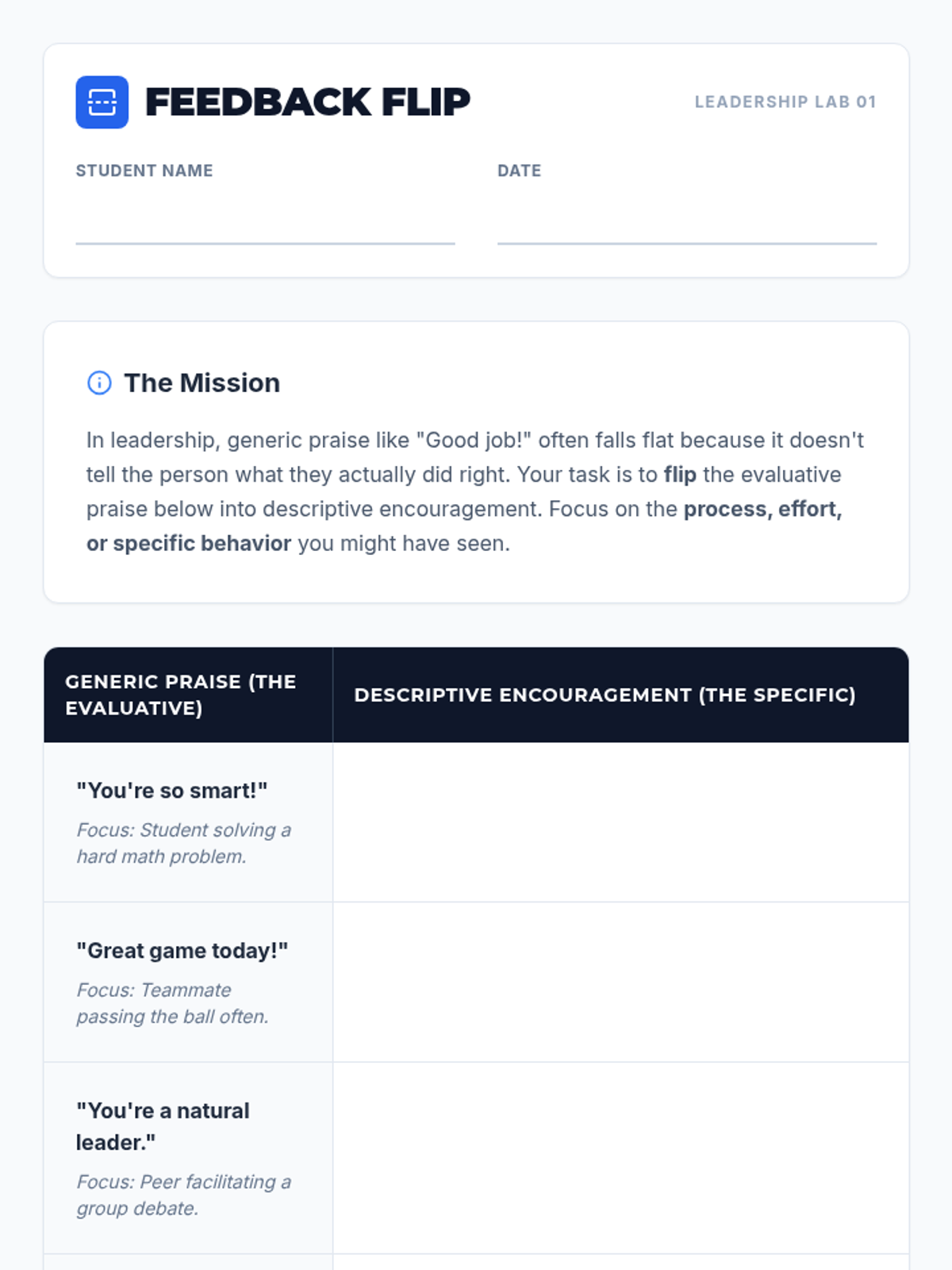
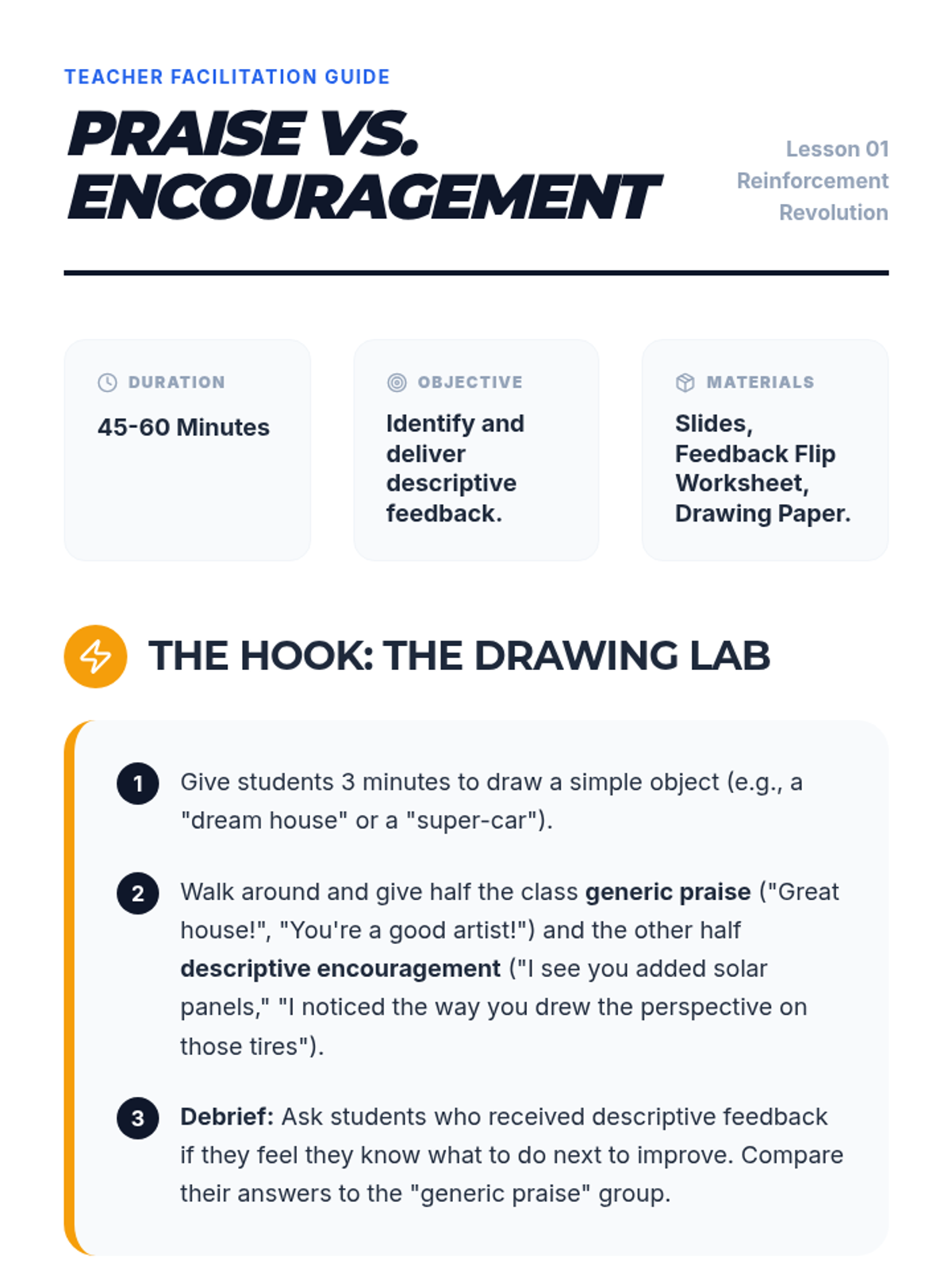
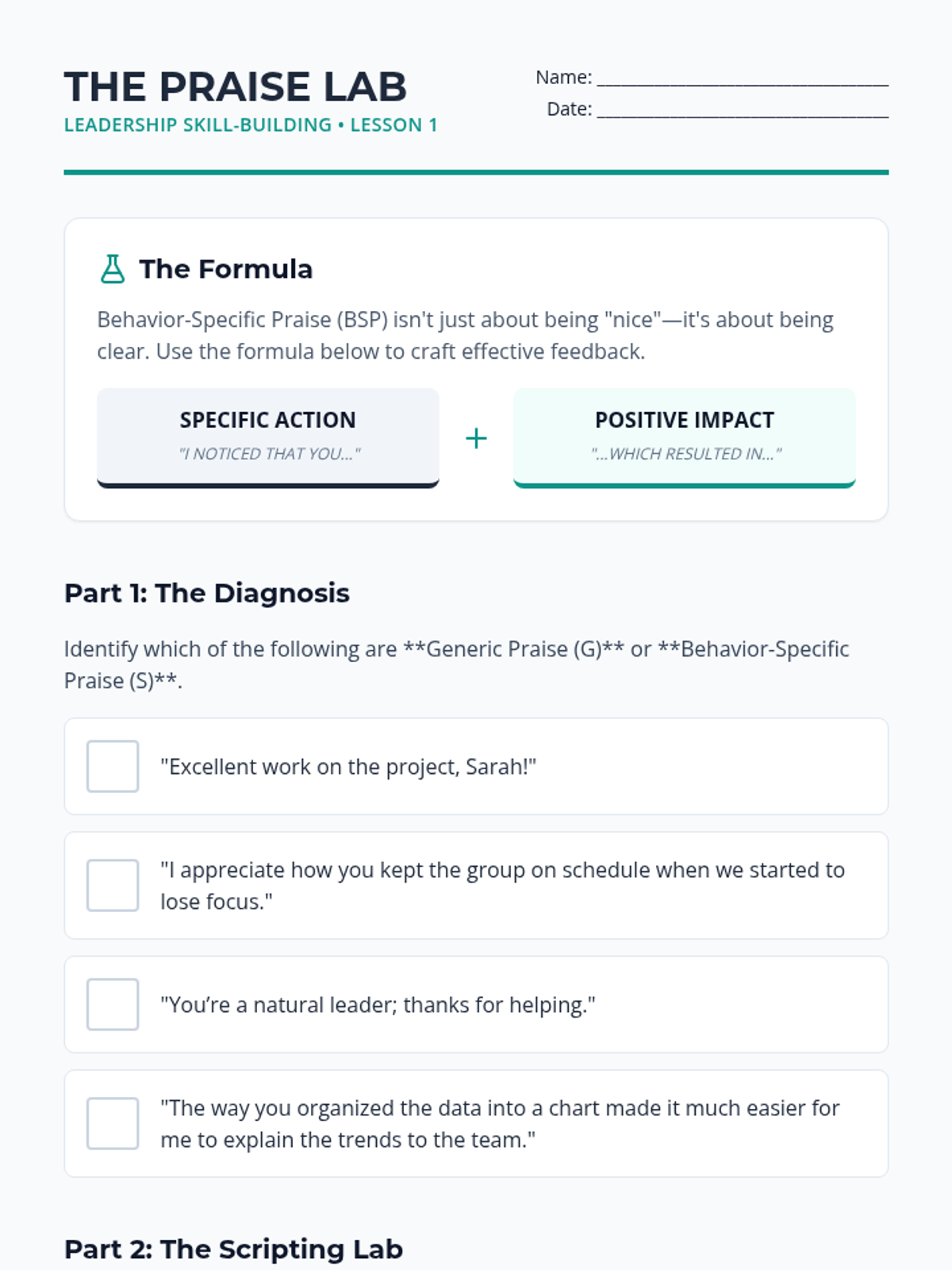
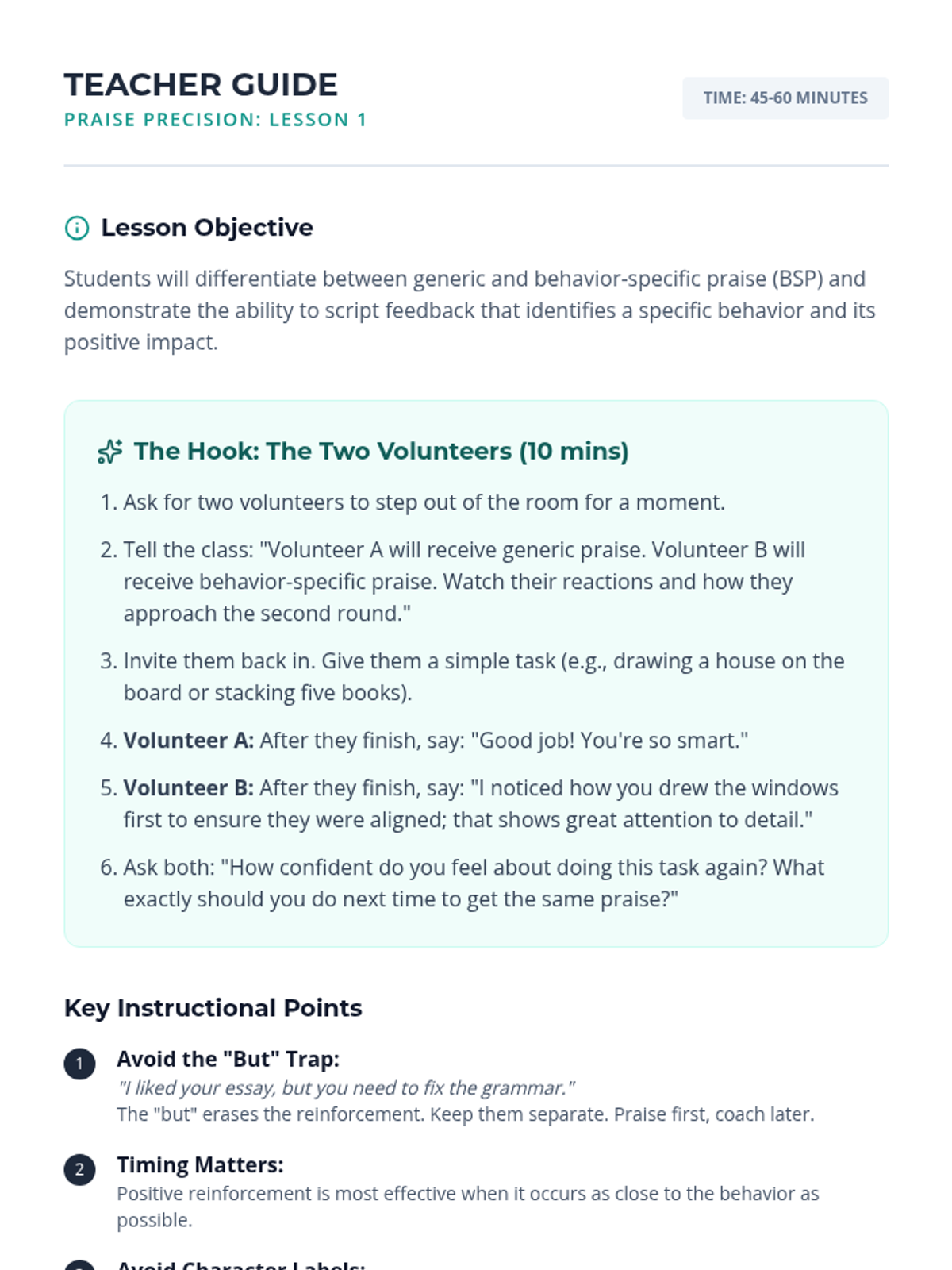
This sequence explores the interpersonal application of positive reinforcement in leadership, coaching, and mentoring contexts. Students examine how leaders influence group culture and individual performance through specific praise and recognition systems.
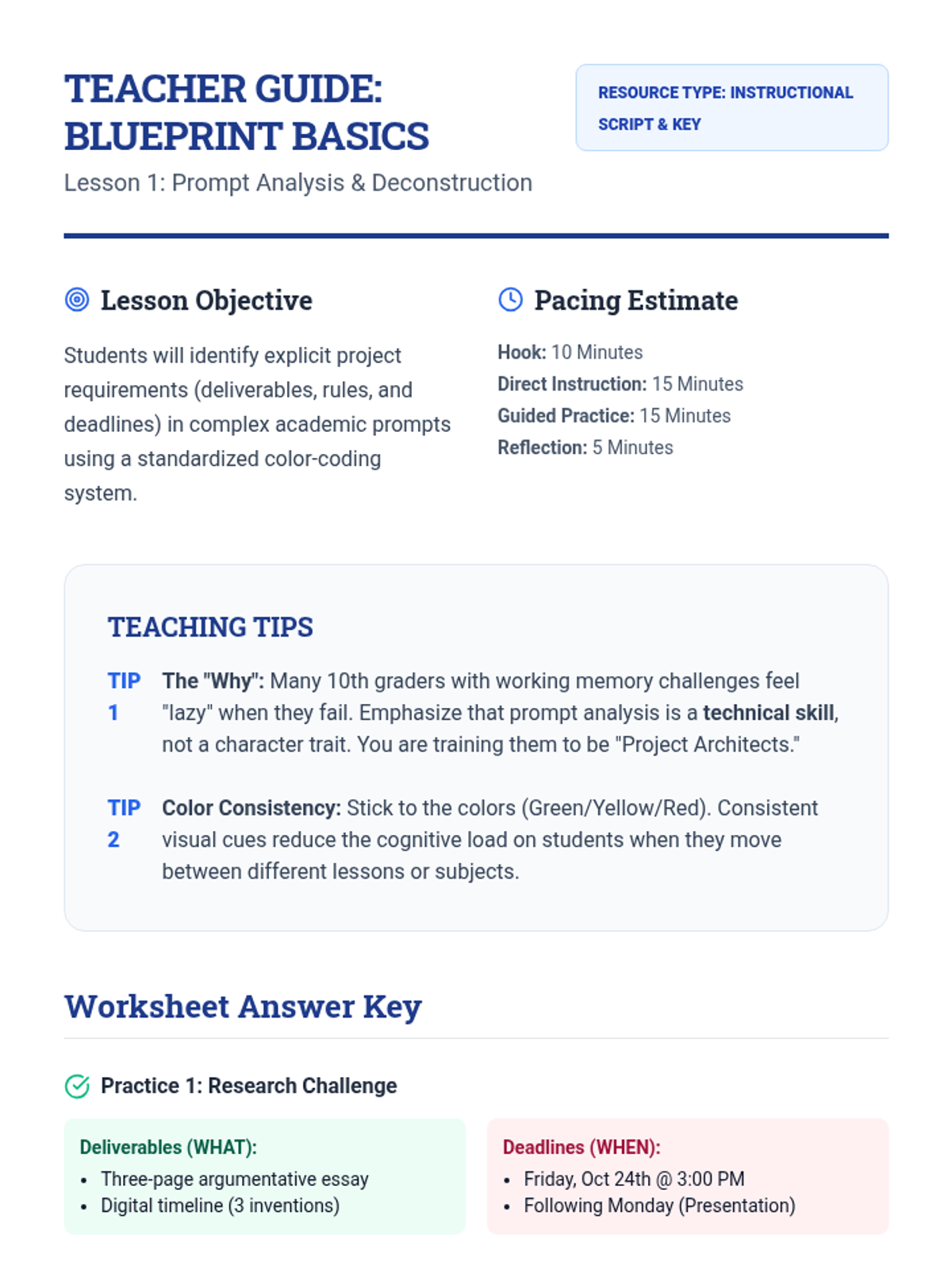
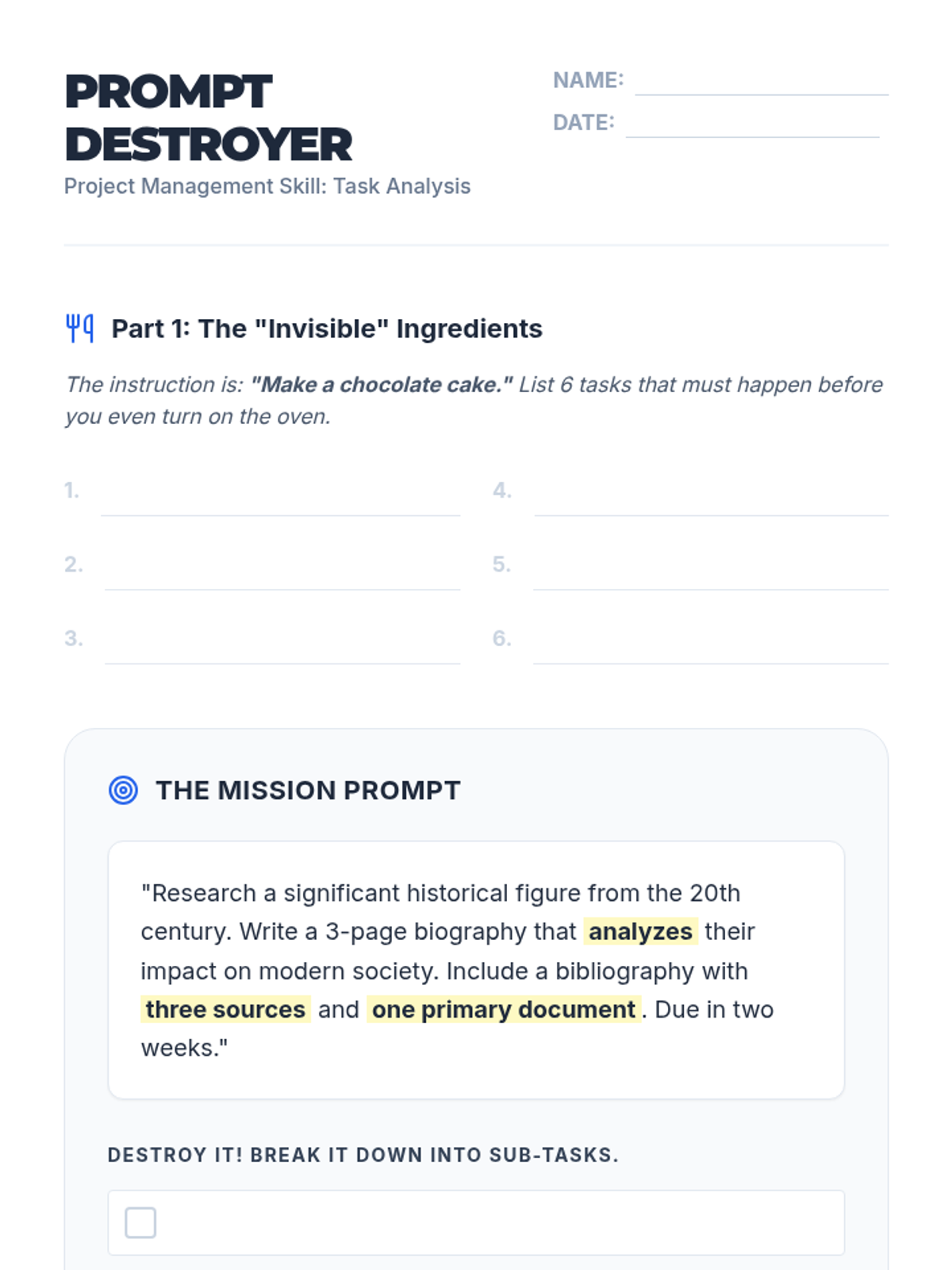
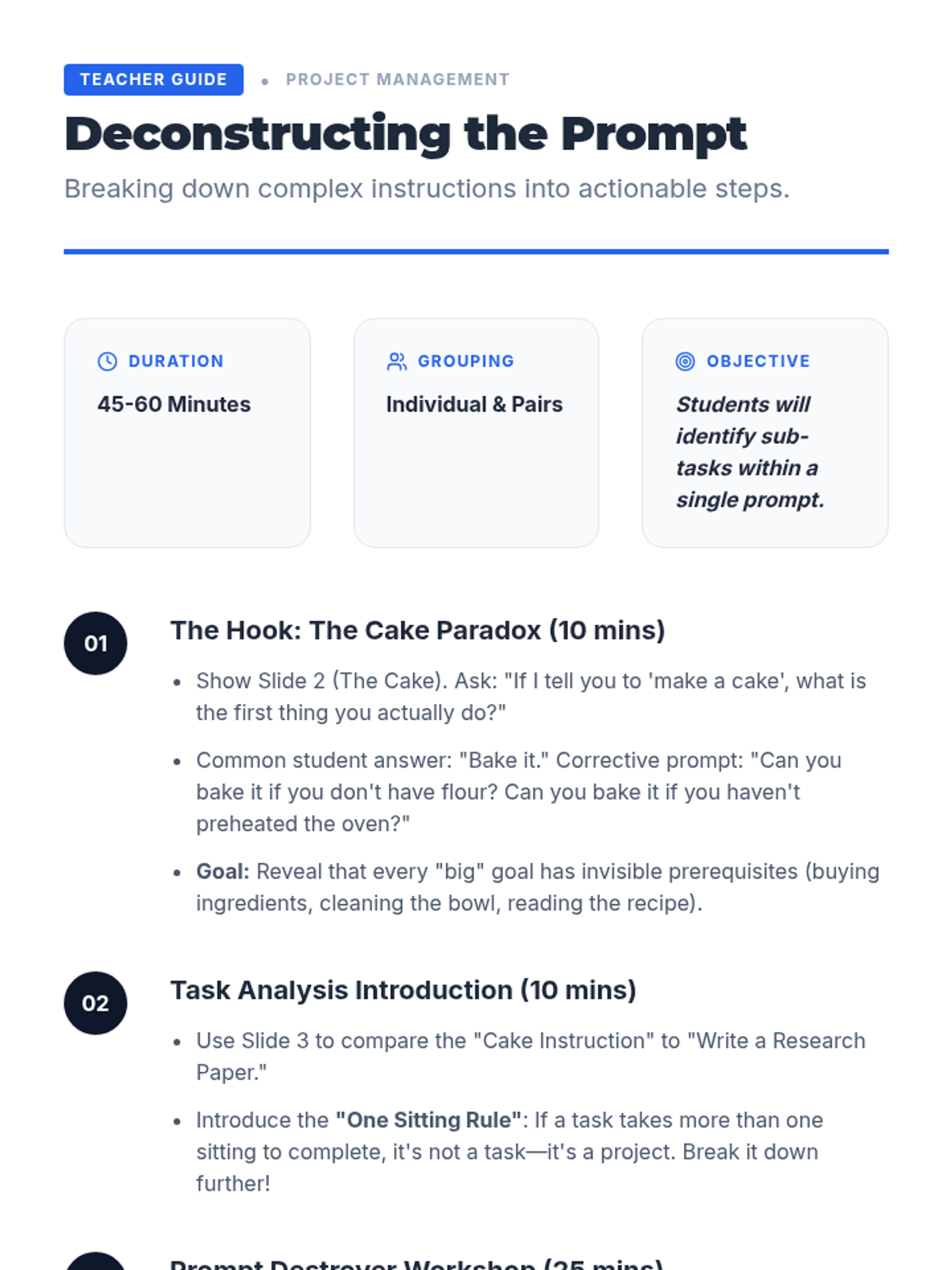
This sequence teaches students to deconstruct complex academic assignments by identifying hidden requirements, expanding tasks into manageable actions, and using backwards planning to create realistic timelines for completion.
This sequence focuses on the vocational application of working memory strategies, preparing 10th-grade students for the demands of workplace protocols through the analysis and transformation of complex procedures into actionable external aids.
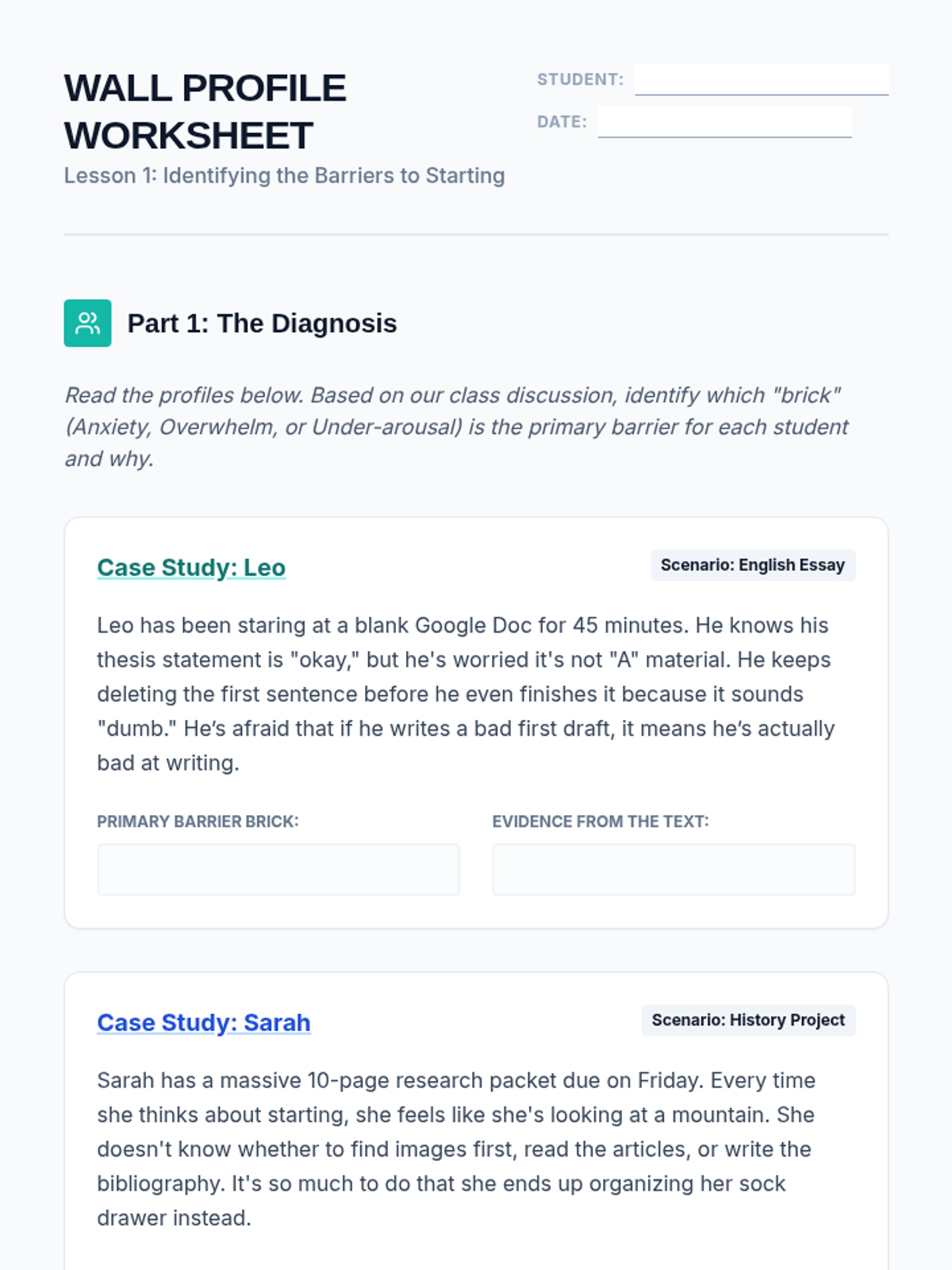
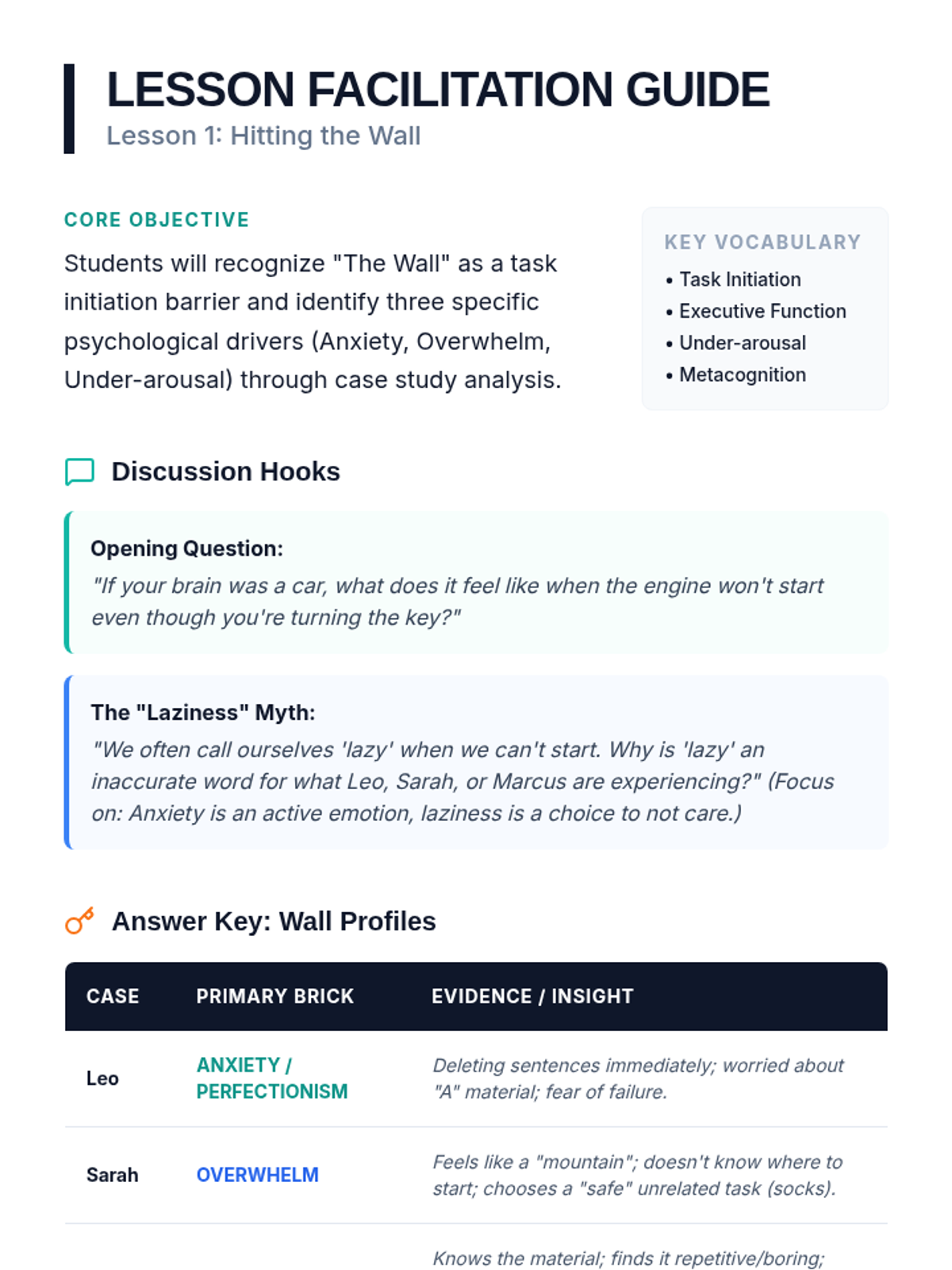
A 5-lesson sequence designed for 10th-grade students to overcome executive function barriers to task initiation. Students learn to identify internal blocks like anxiety and perfectionism, and develop a toolkit of strategies including chunking and the 'sloppy copy' technique to gain momentum and start tasks independently.
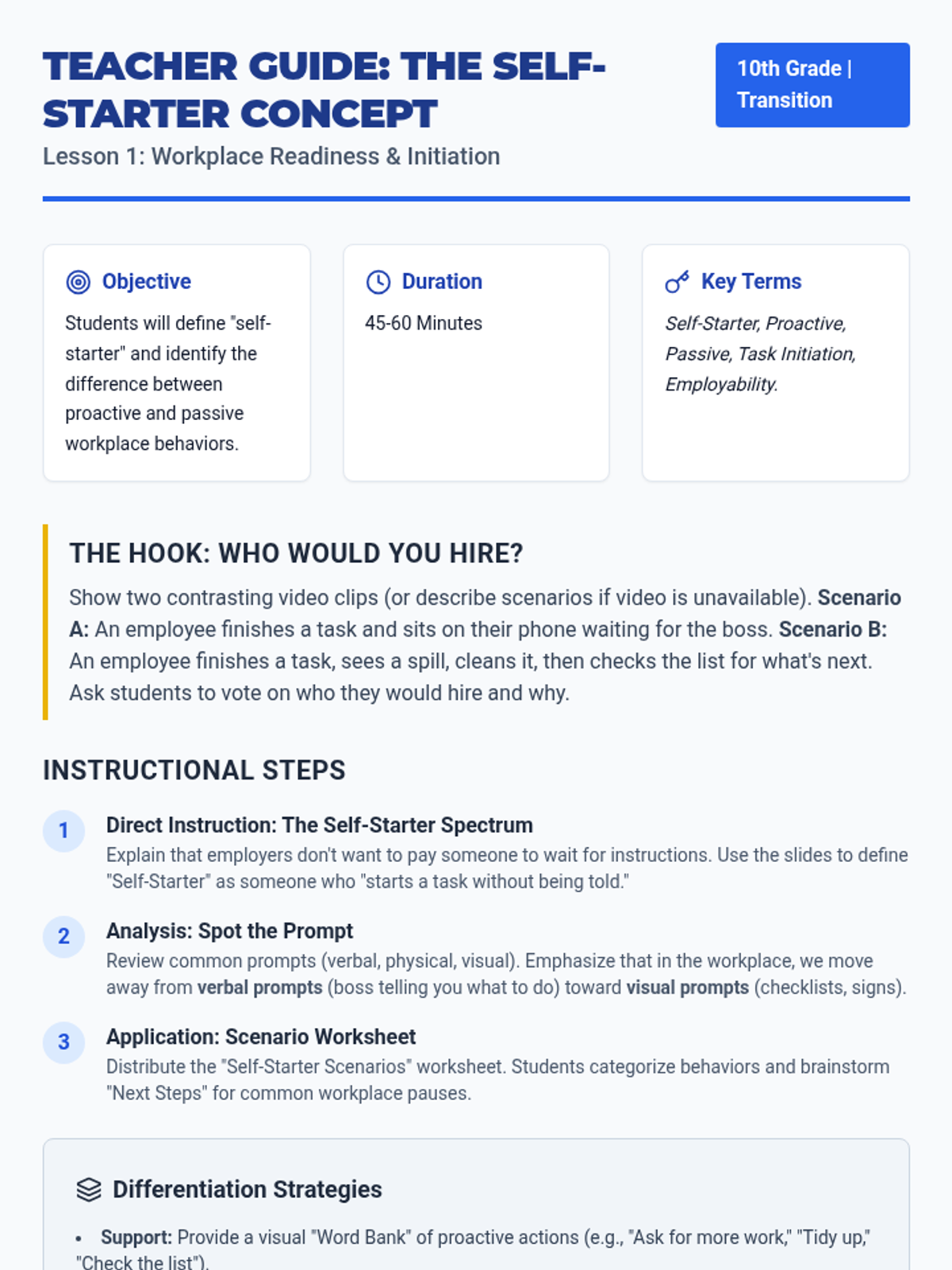
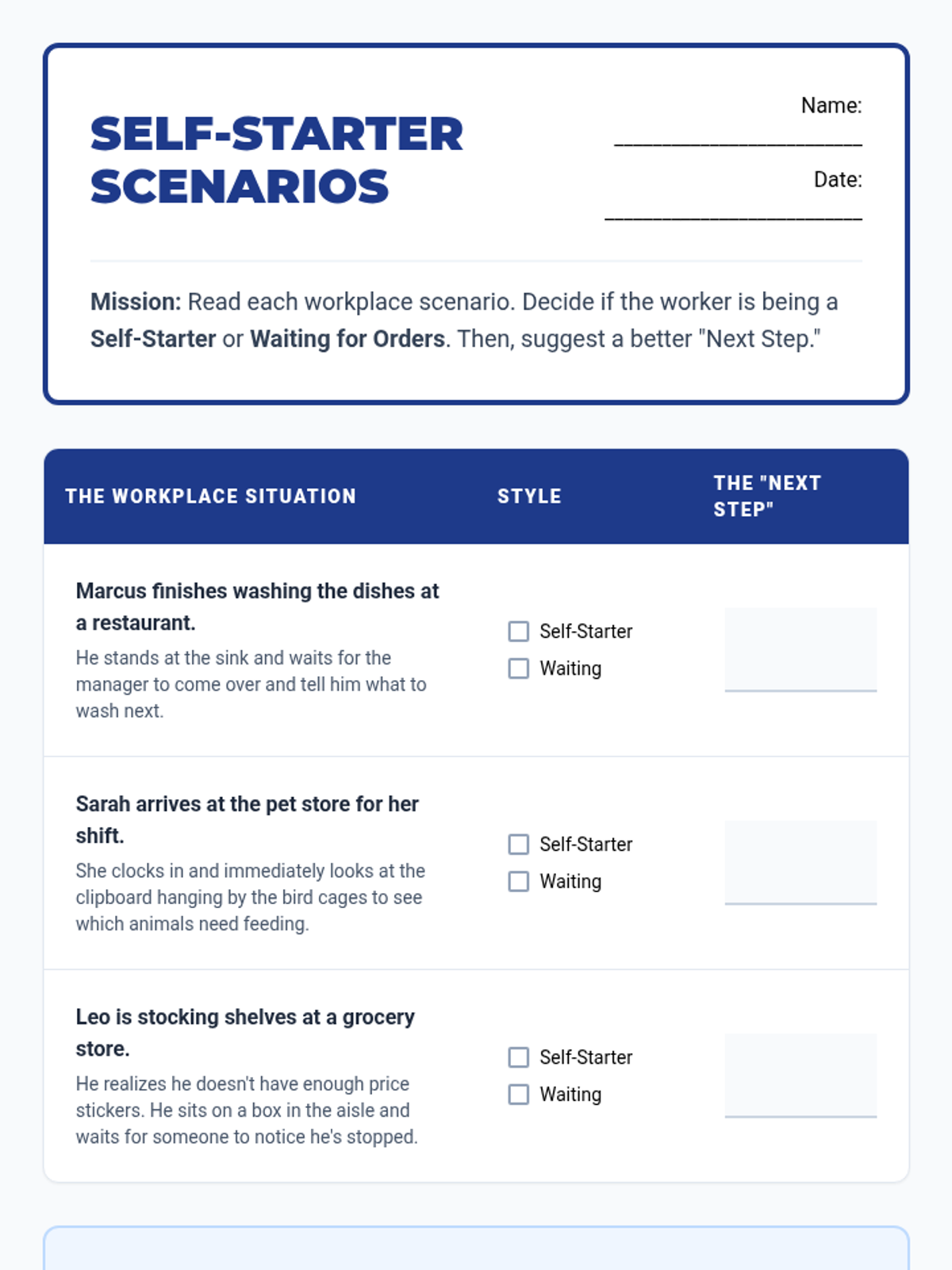
A 5-lesson sequence for transition-age students focusing on independent task initiation and workplace readiness. Students learn to transition from 'waiting for orders' to becoming 'self-starters' through simulations and practical routines.
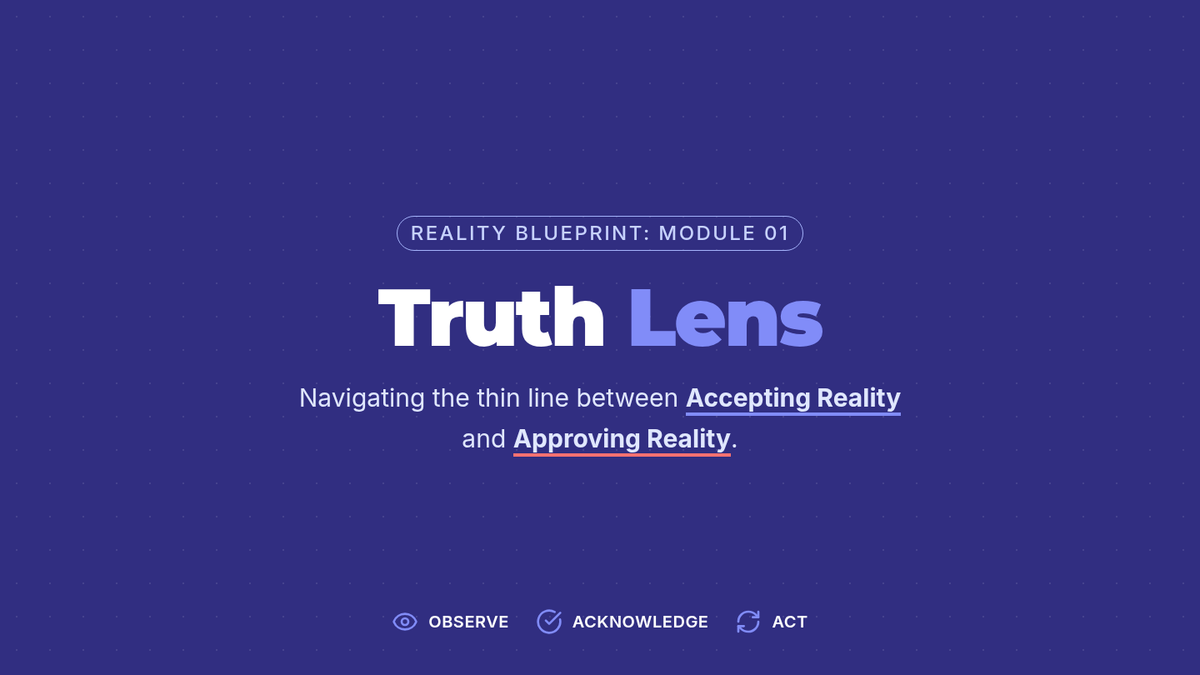
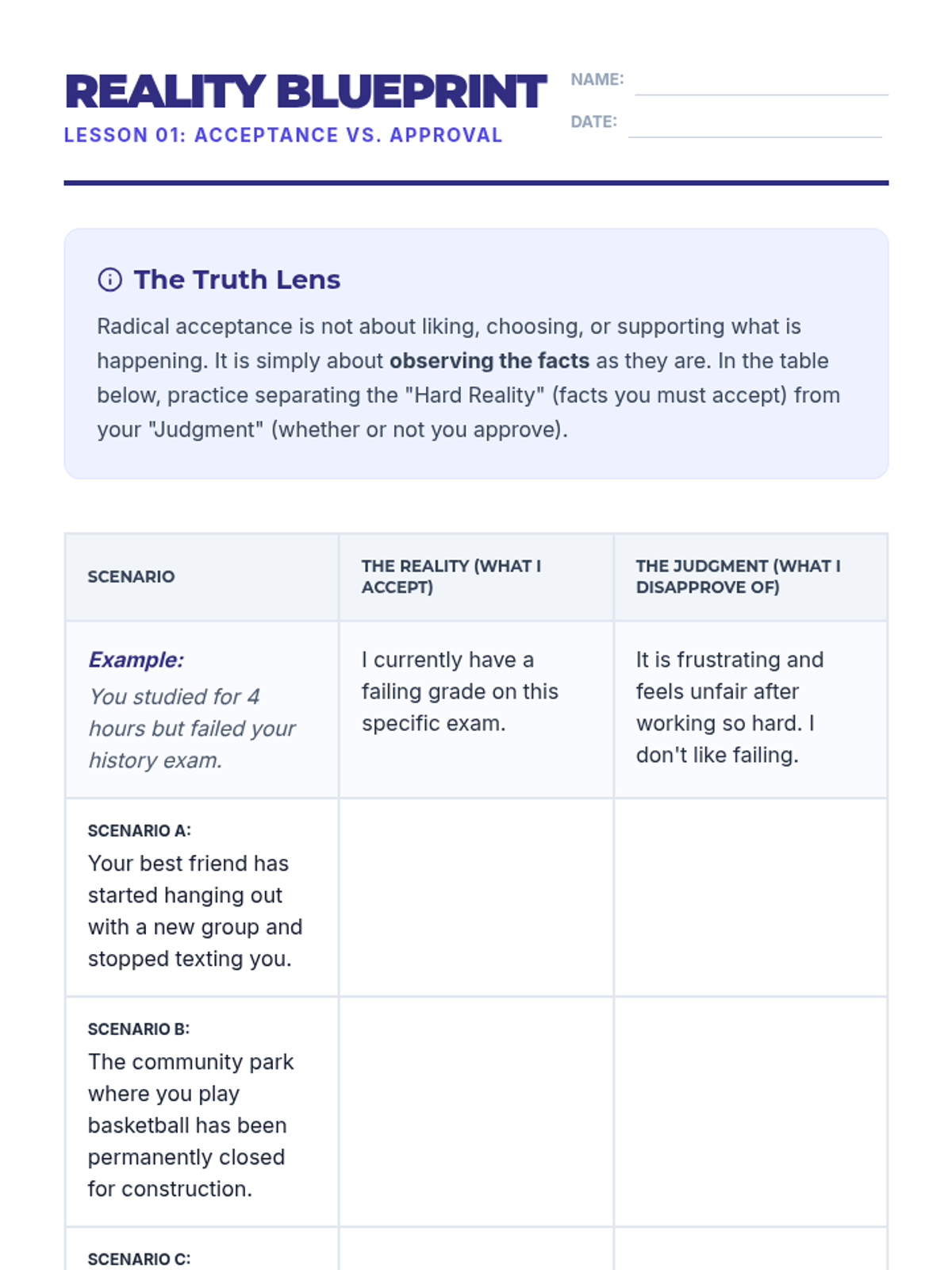
This sequence explores the psychological concept of Radical Acceptance, teaching students to distinguish between acceptance and approval. Students will analyze case studies, relationship dynamics, and civic advocacy to understand how acknowledging reality is the first step toward effective change.
This action-oriented sequence empowers students with the knowledge and skills to act if they suspect trafficking. Moving beyond awareness, students learn the specific protocols for reporting, the importance of bystander intervention, and how to access local and national resources.
A 5-lesson sequence for 10th-grade students focusing on project management skills like backward design, task deconstruction, and time estimation to balance multiple commitments.
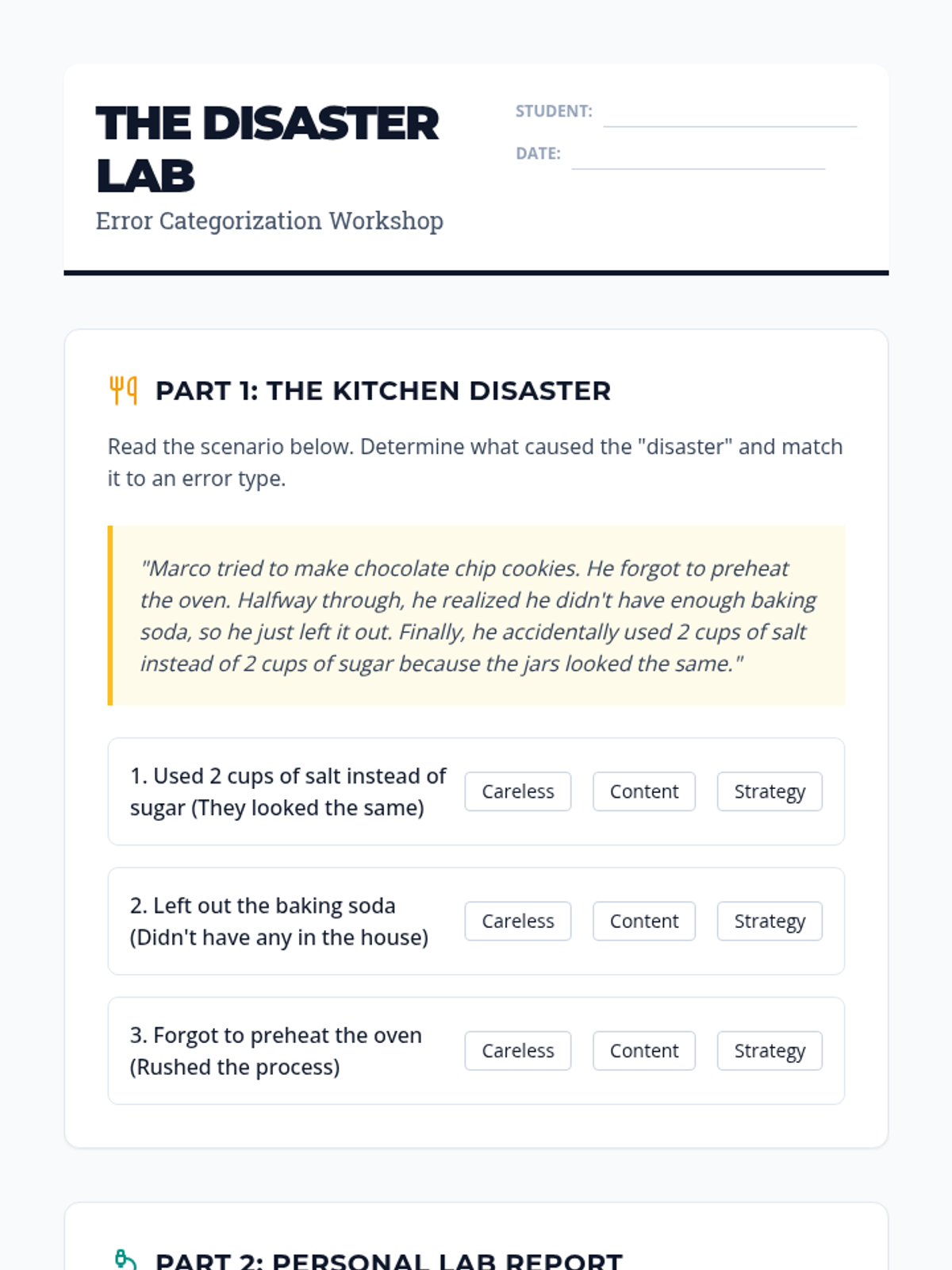
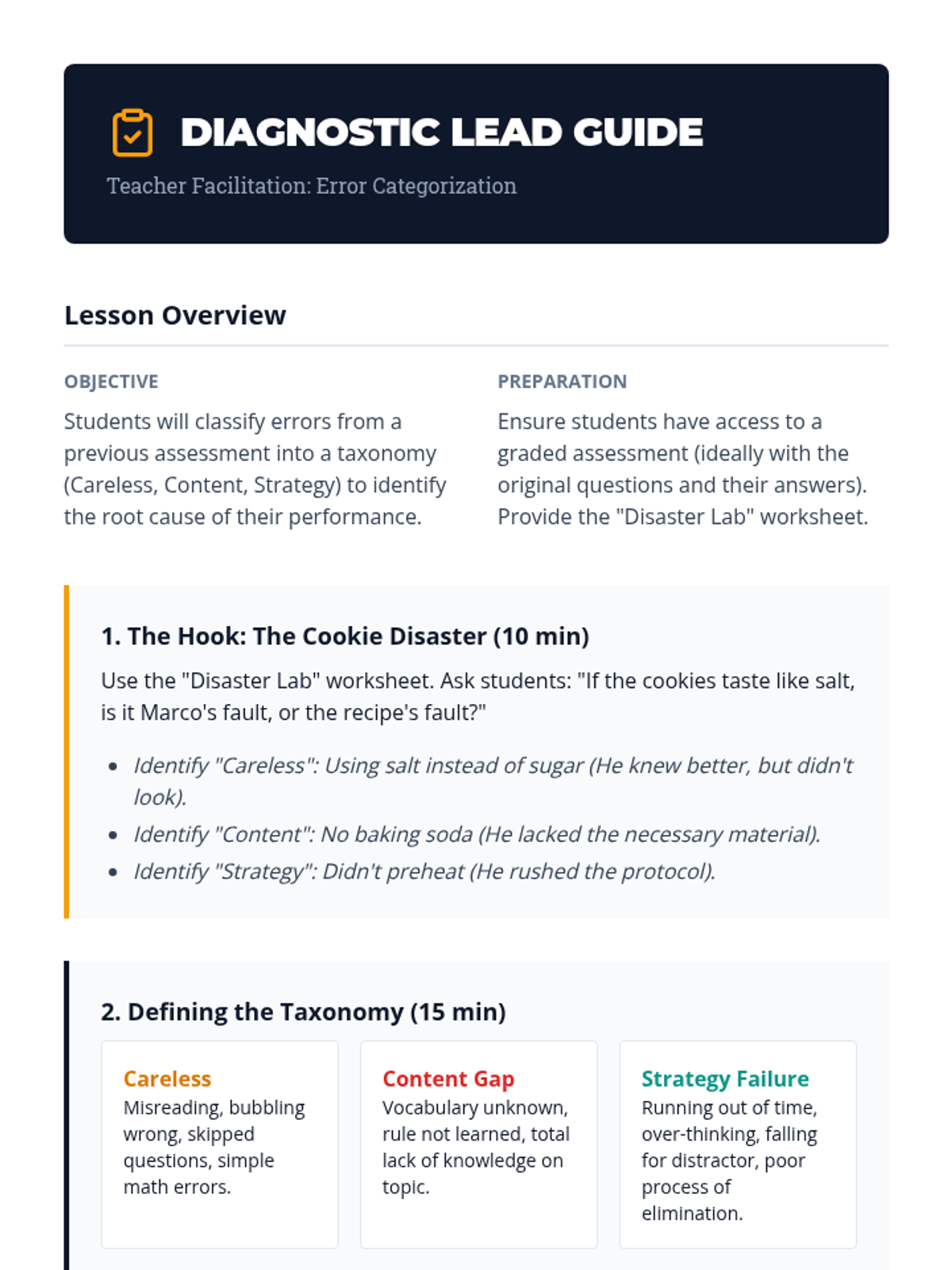
A comprehensive sequence on metacognitive error analysis, teaching students to categorize, analyze, and learn from their mistakes to improve test-taking performance. Students move from simple error classification to deep retrospective correction and personal strategy development.
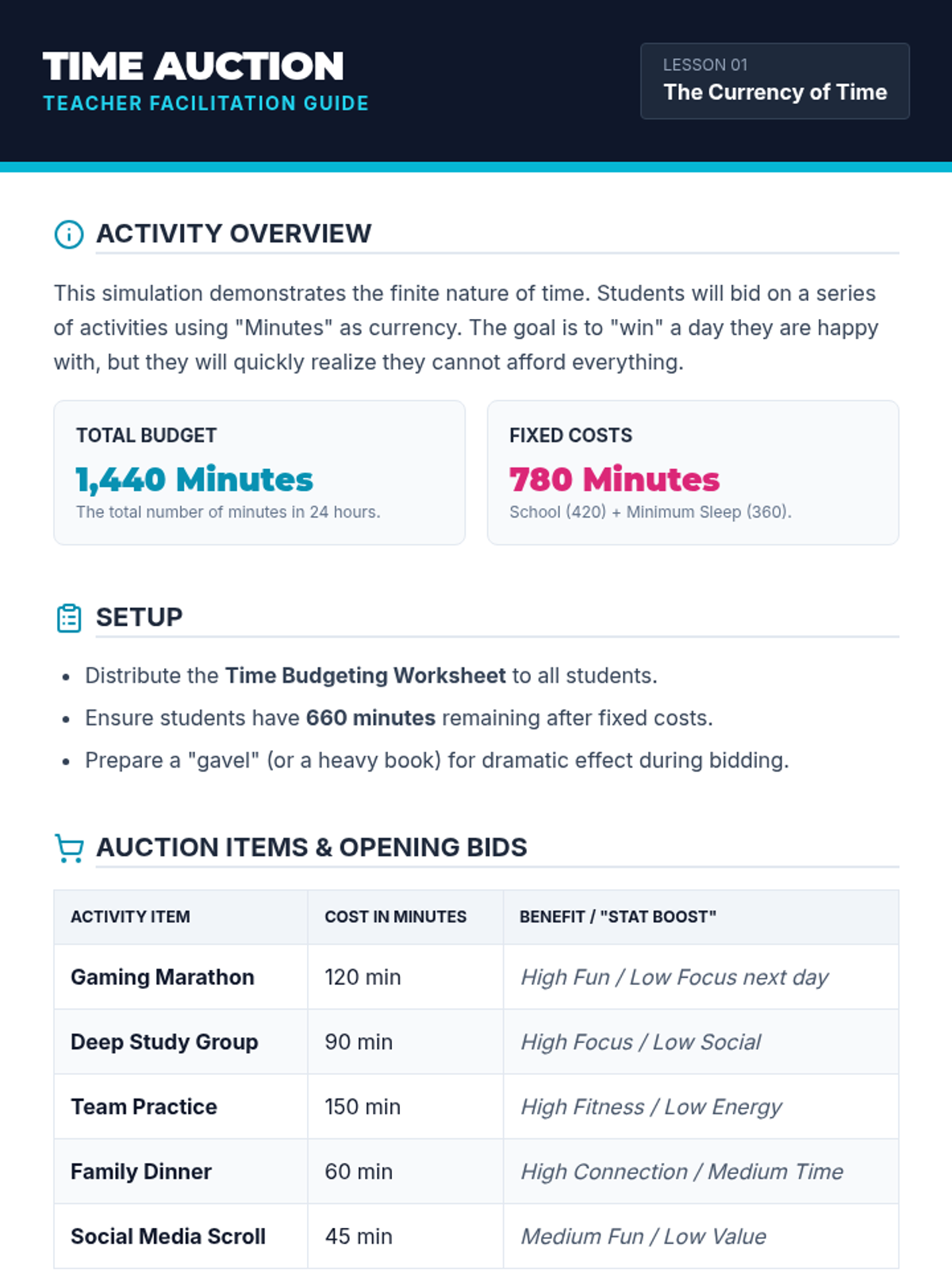
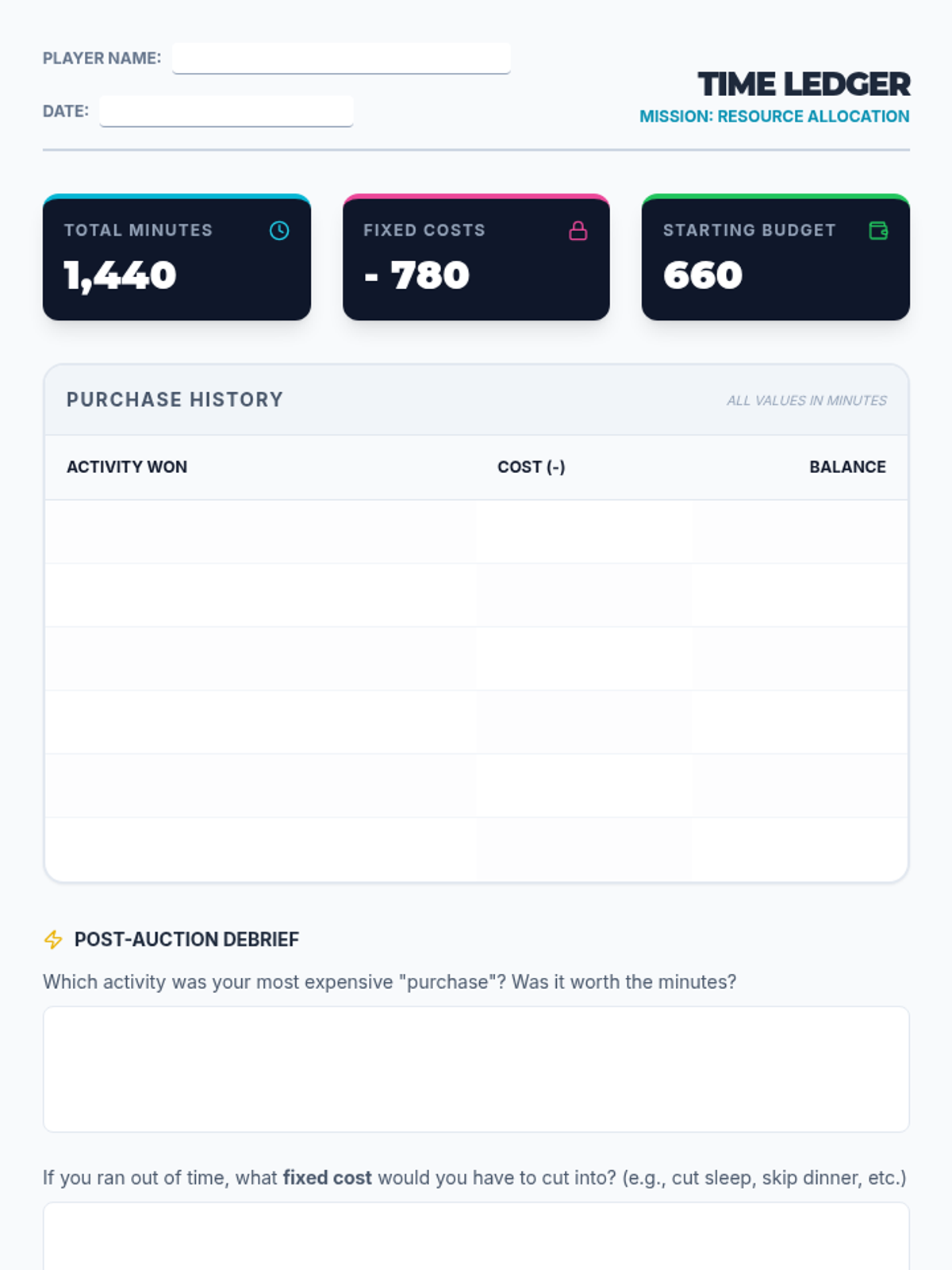
A game-based simulation sequence for 8th-grade students to master time and energy management. Students treat time as a finite currency, navigate trade-offs through opportunity cost simulations, and design a sustainable weekly schedule.
This sequence provides 10th-grade students with a comprehensive understanding of federal anti-discrimination laws in the workplace, covering protected classes, major legislative acts, legal theories of discrimination, and practical compliance application.
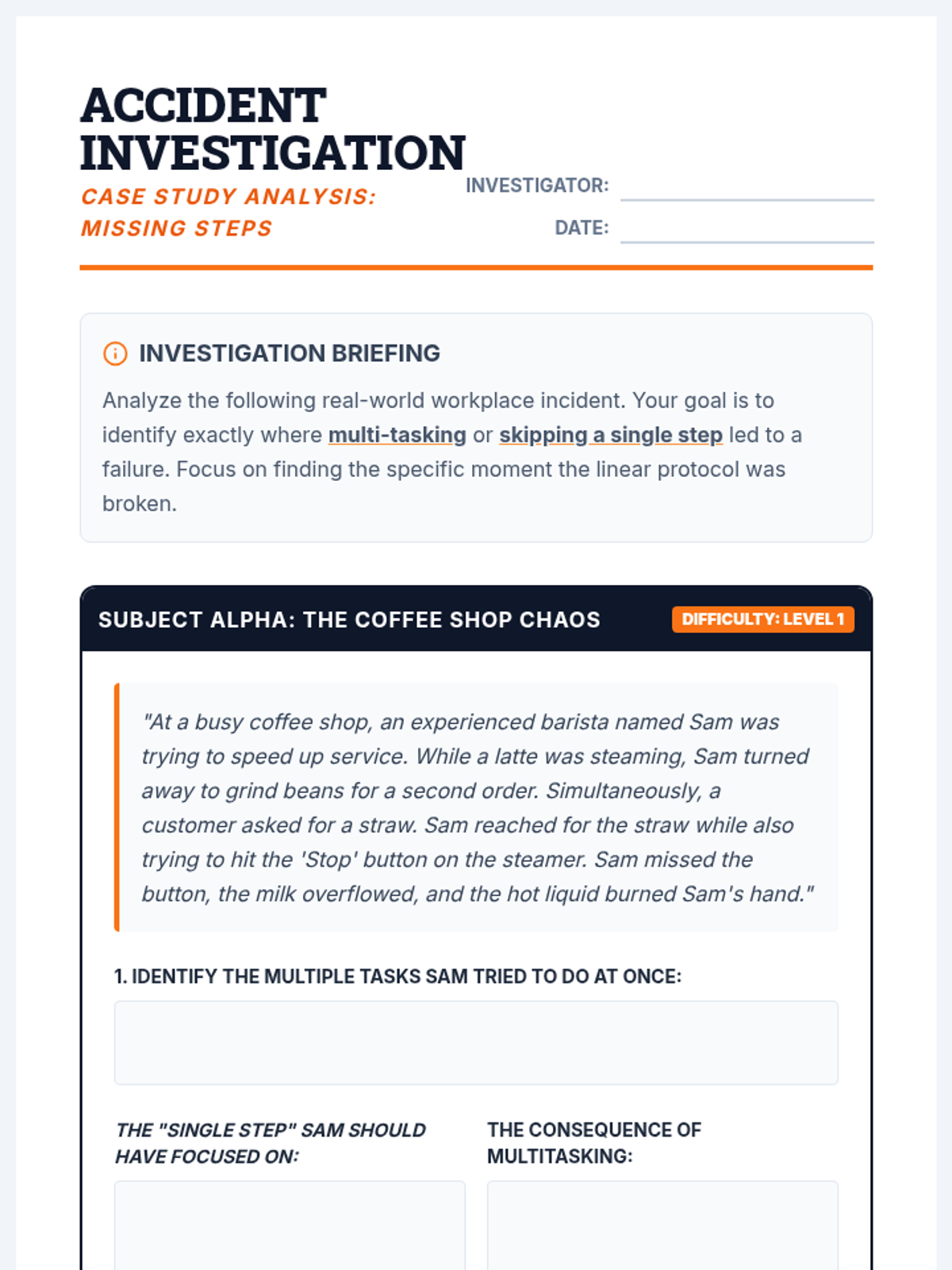
This sequence explores the critical importance of single-step focus in vocational environments. Students analyze how working memory limitations impact safety and quality, practicing sequential execution through industrial case studies, SOP development, and high-stakes simulations.
A comprehensive executive function sequence designed for 10th-grade students to master the art of breaking down complex, multi-day projects into manageable steps using backward planning and realistic time estimation.
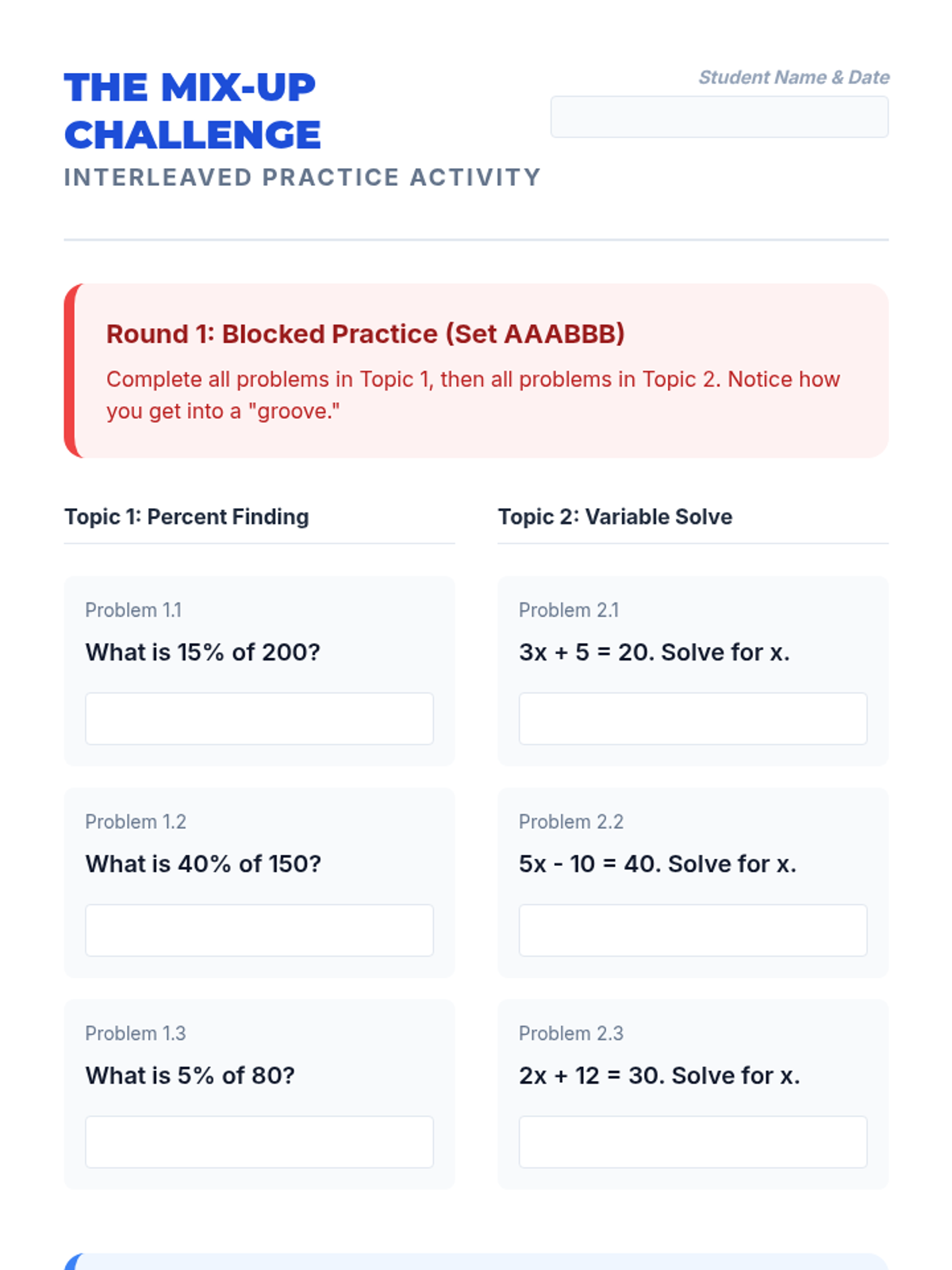
An advanced sequence for 10th-grade students focusing on interleaved practice as a companion to spaced repetition. Students move from understanding the 'mixing' effect to building sophisticated retrograde study calendars for cumulative exams.
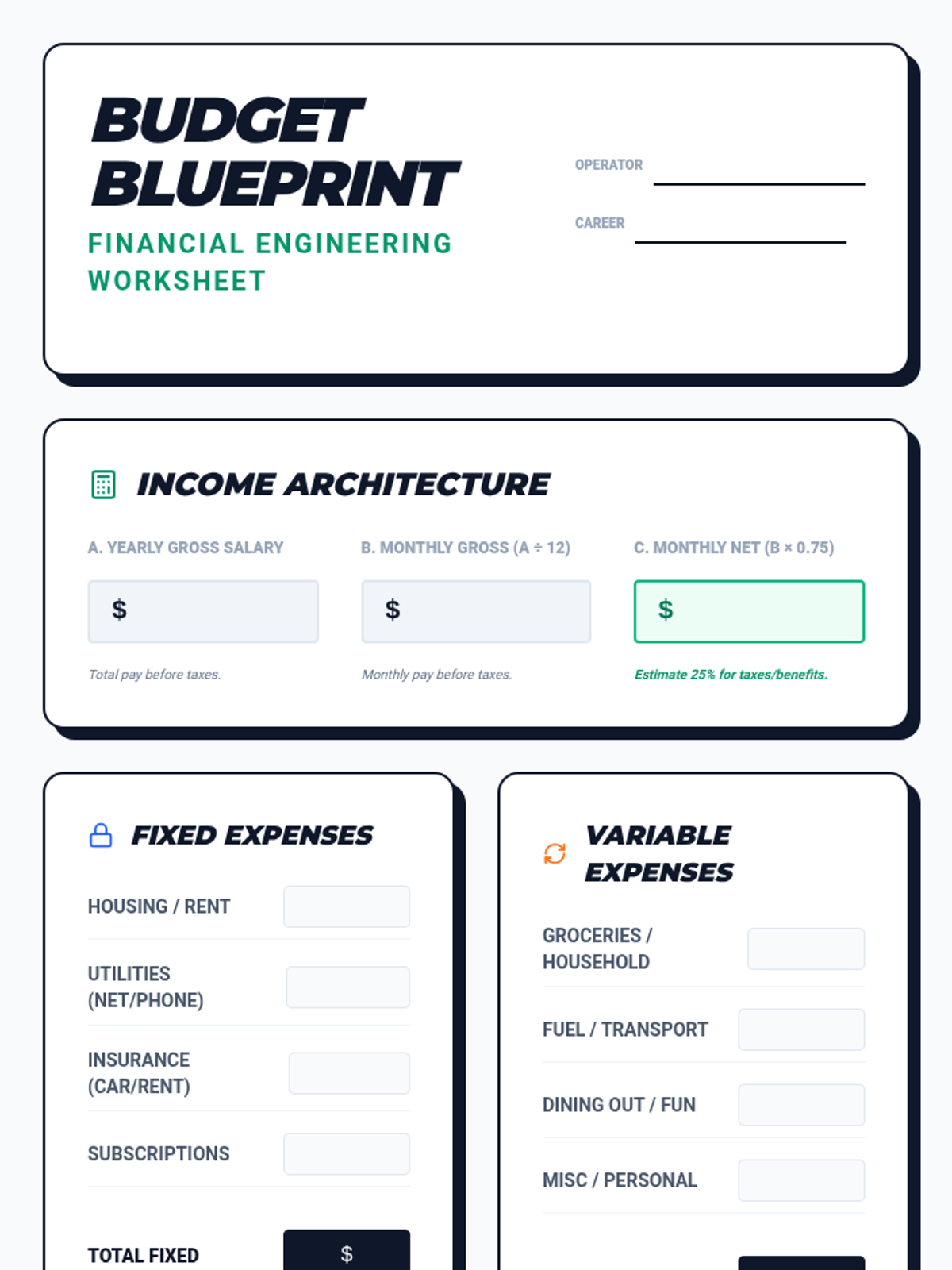
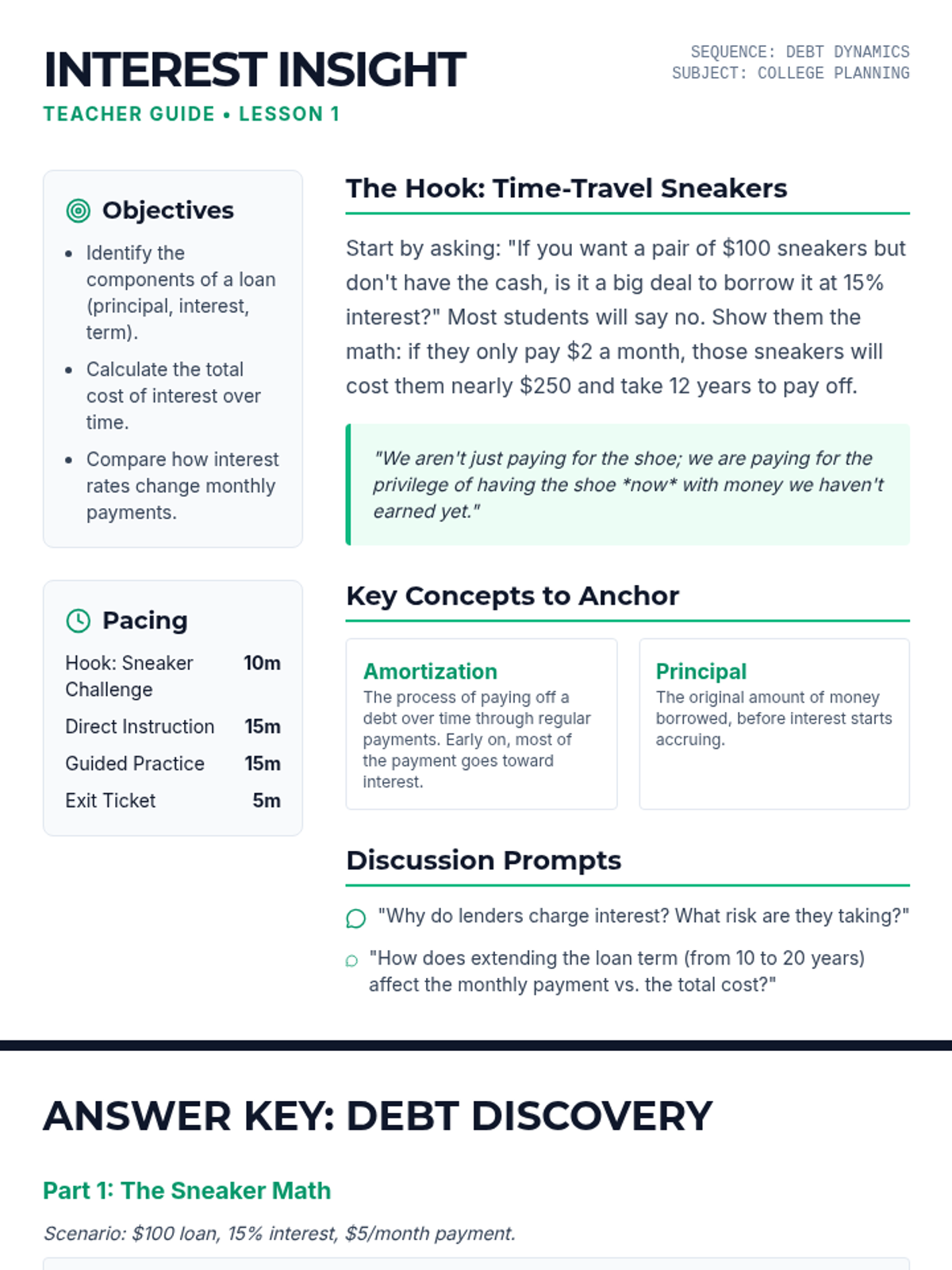
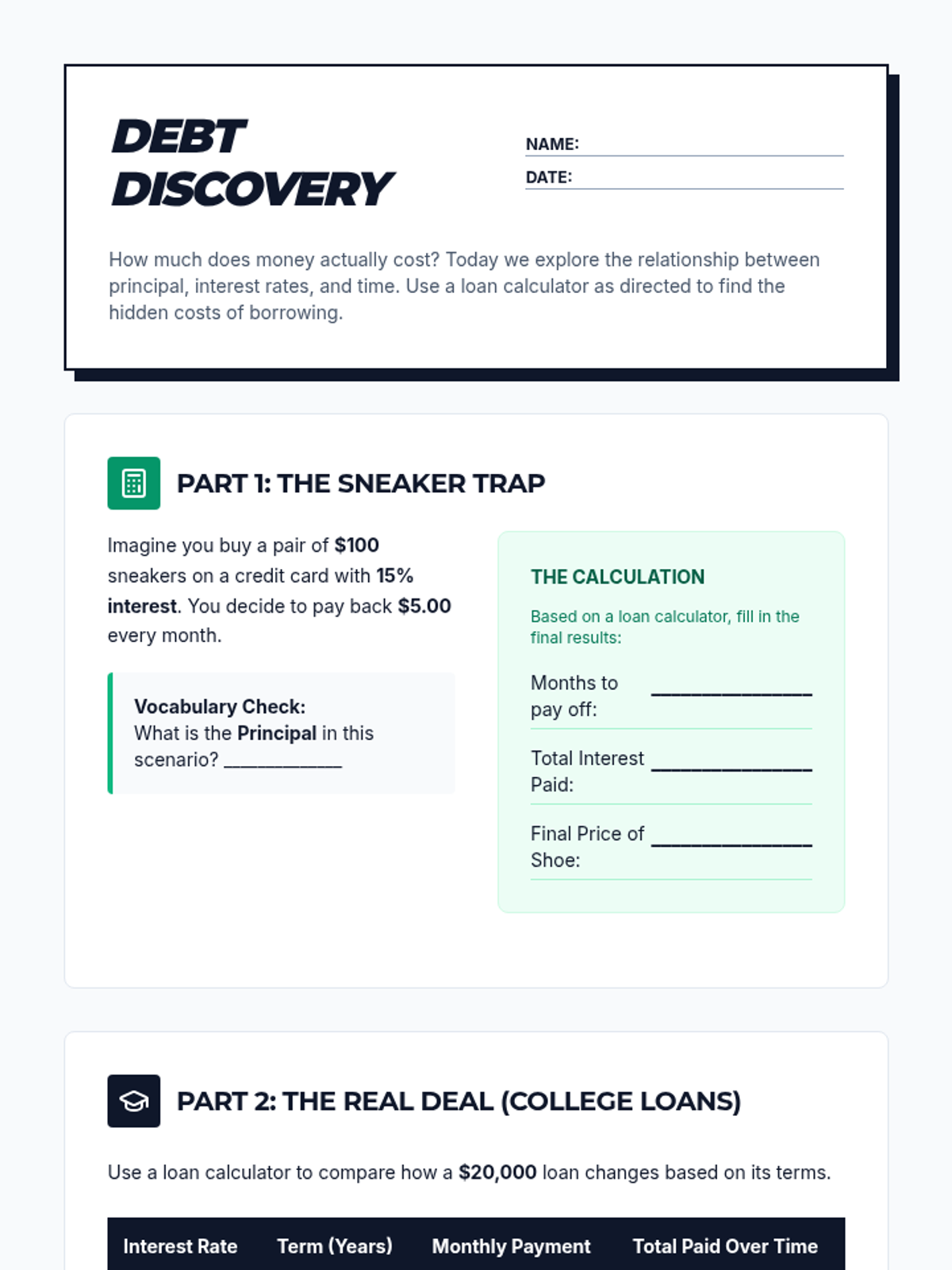
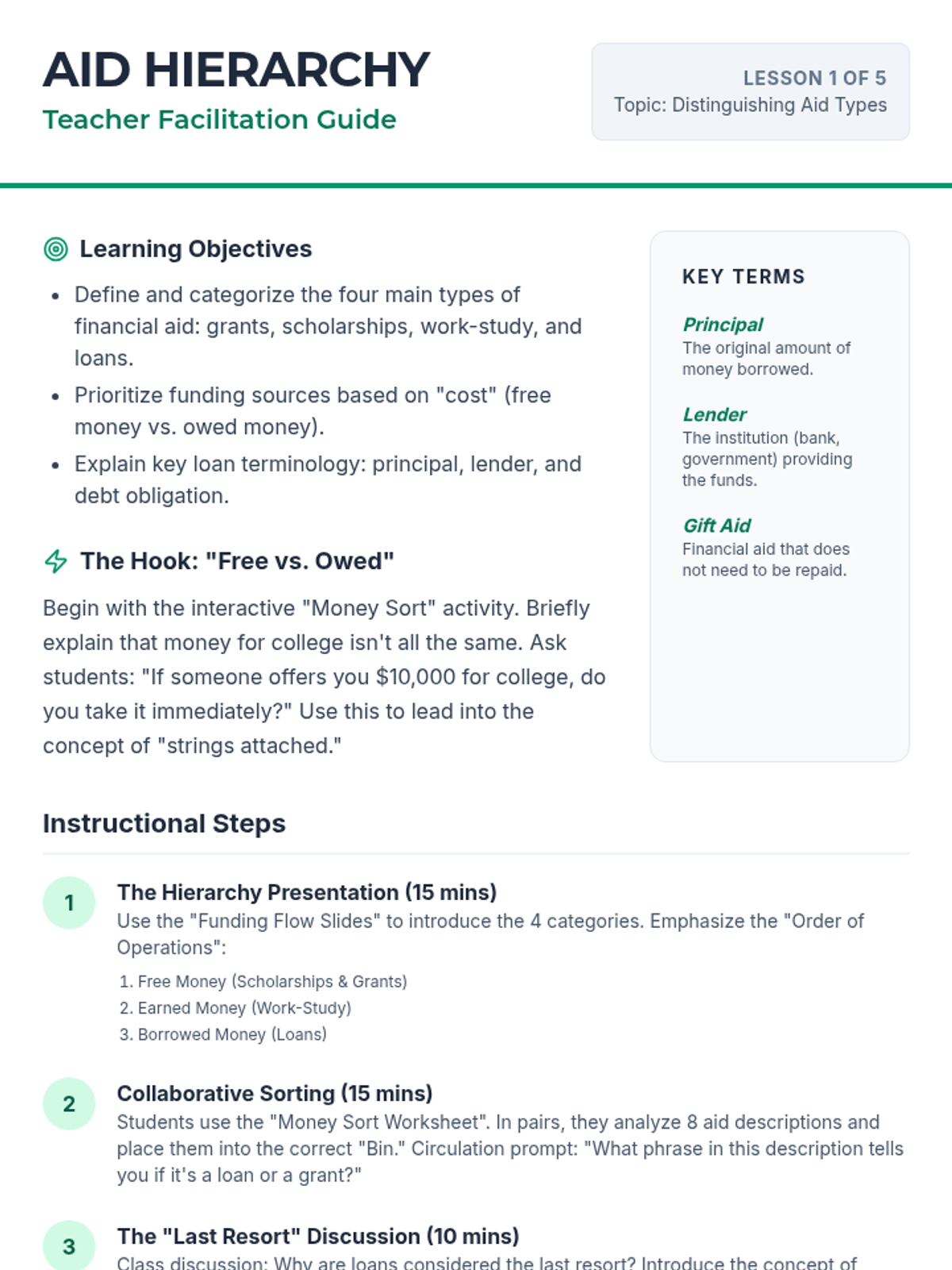
This sequence explores the long-term financial implications of student loans, focusing on repayment plans, budgeting, and return on investment (ROI). Students transition from understanding borrowing mechanics to simulating the real-world impact of debt on lifestyle and career choices.
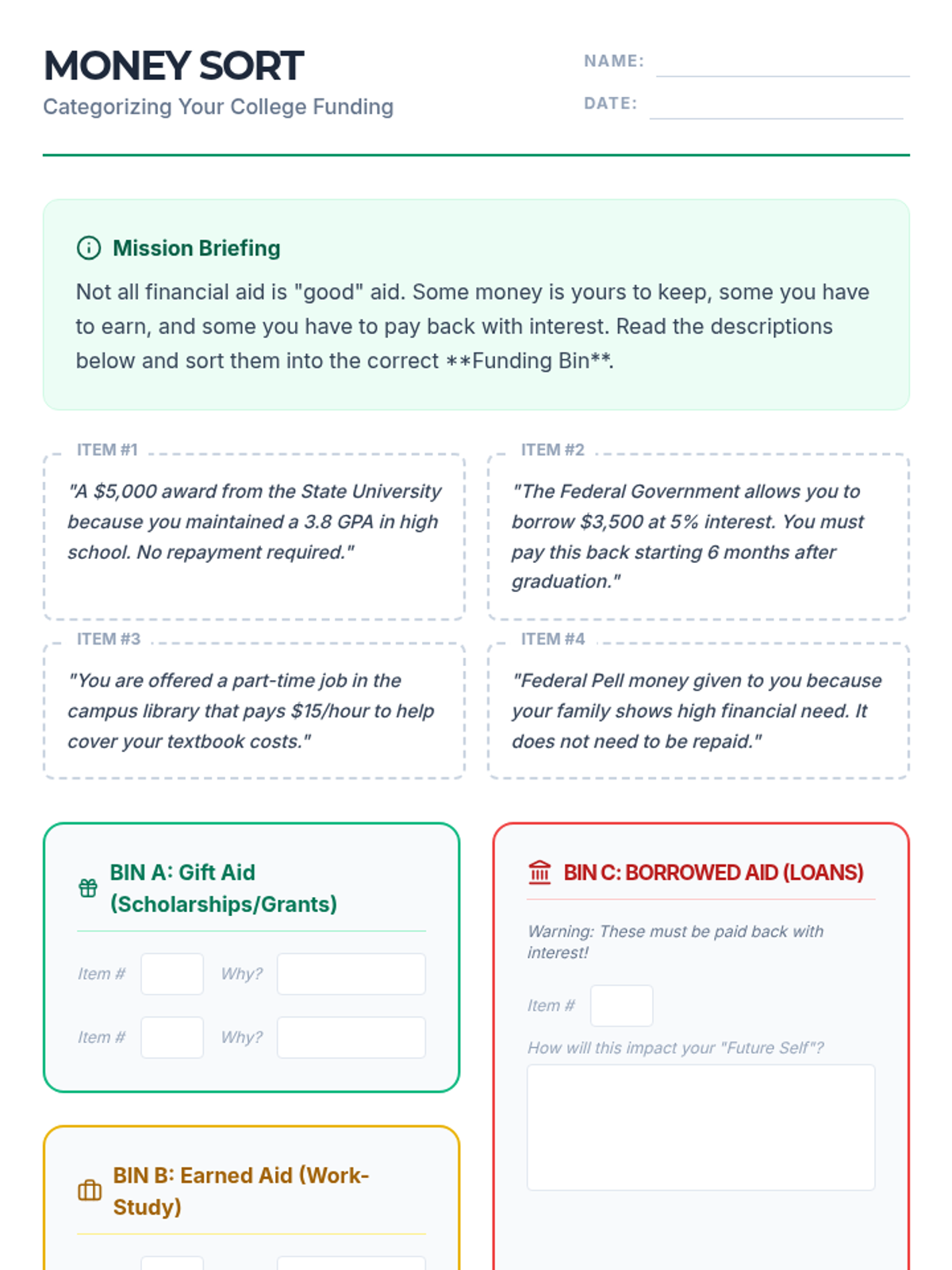
A comprehensive unit for 9th-grade students exploring the differences between federal and private student loans. Students learn to navigate financial aid terminology, calculate interest accrual, and evaluate the long-term impact of borrowing decisions.
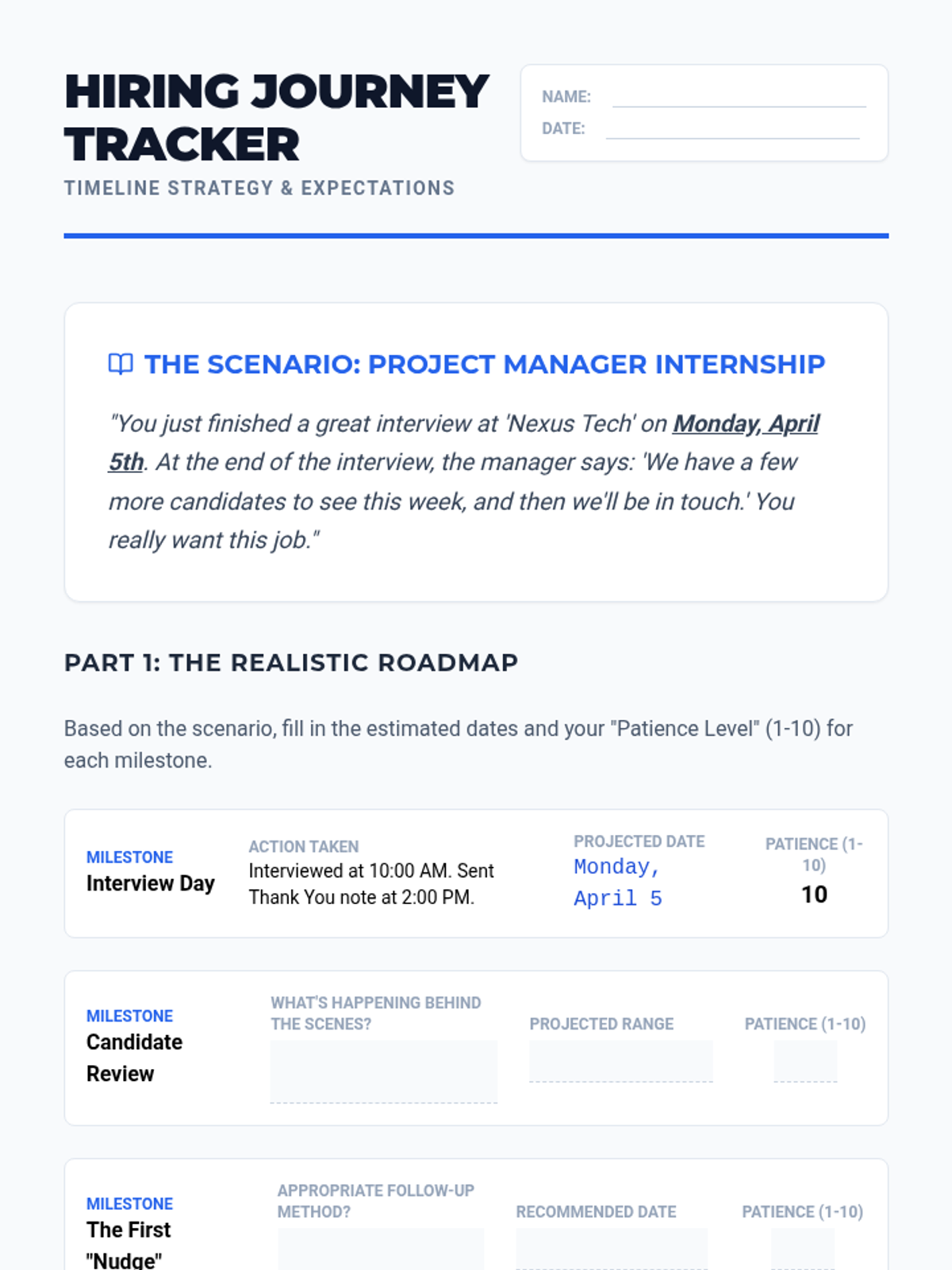
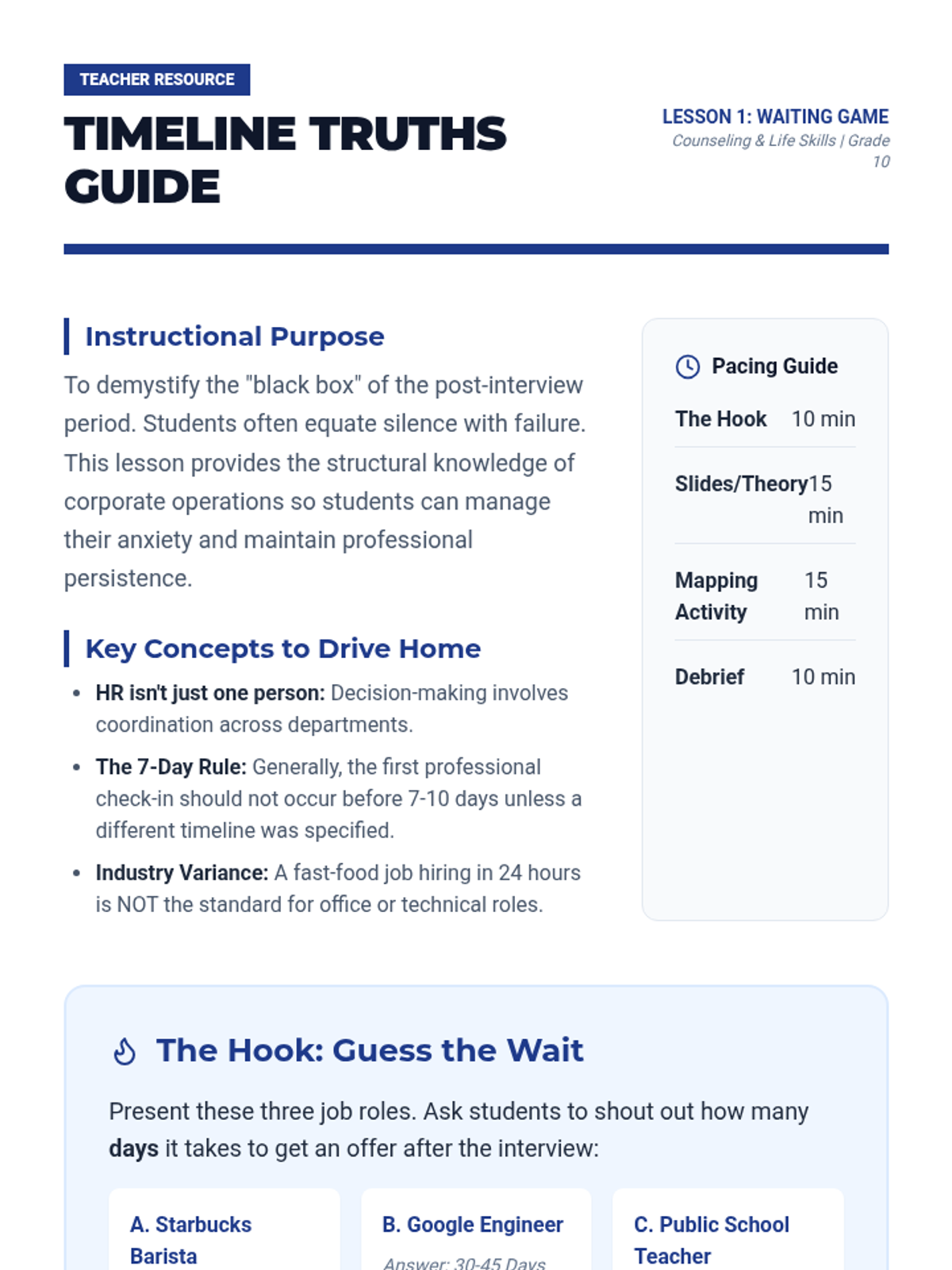
A comprehensive sequence for 10th-grade students on mastering the post-interview phase. Students move from understanding complex corporate hiring timelines to effectively navigating check-ins, rejections, and job offers with professional poise.
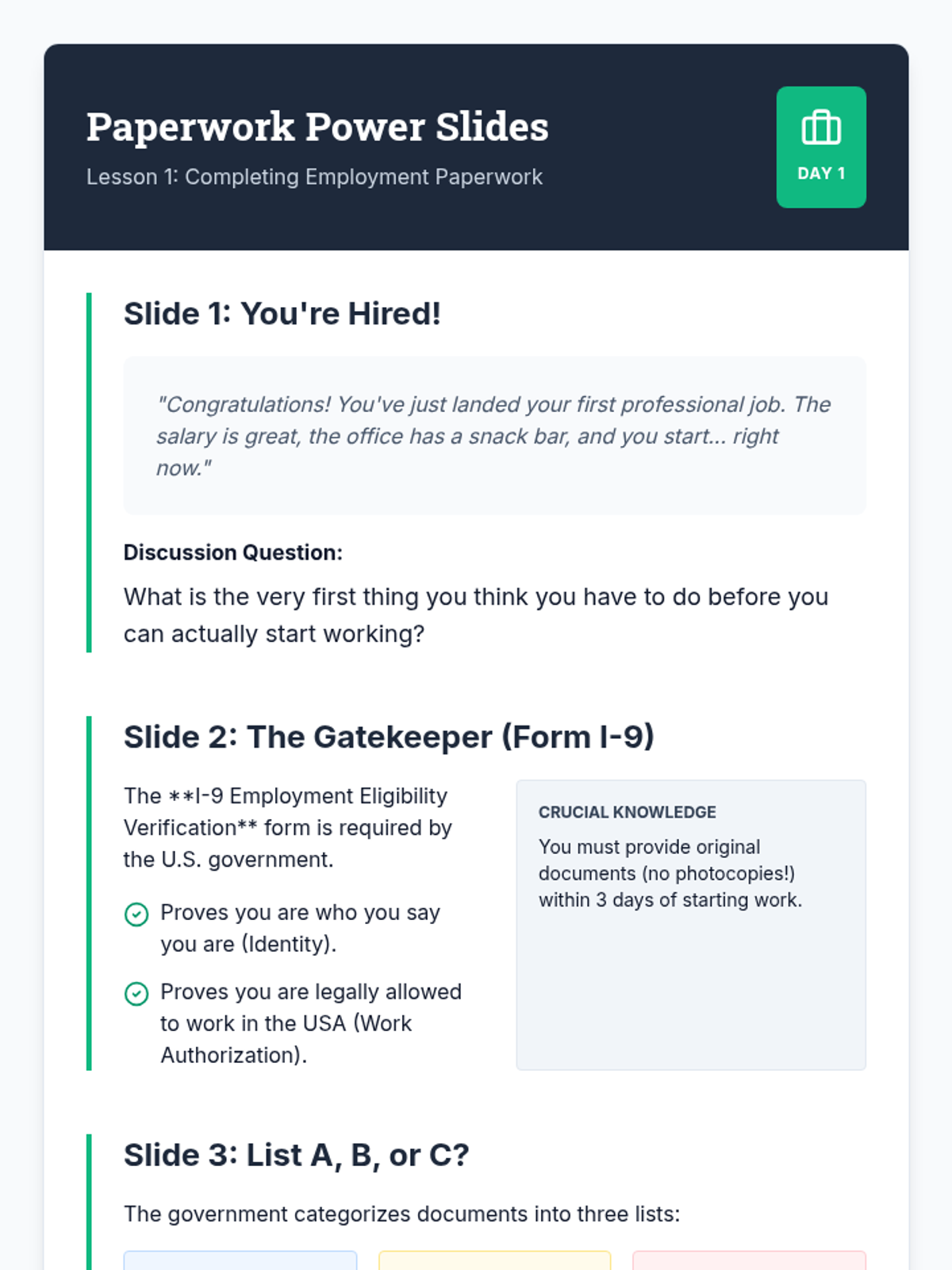
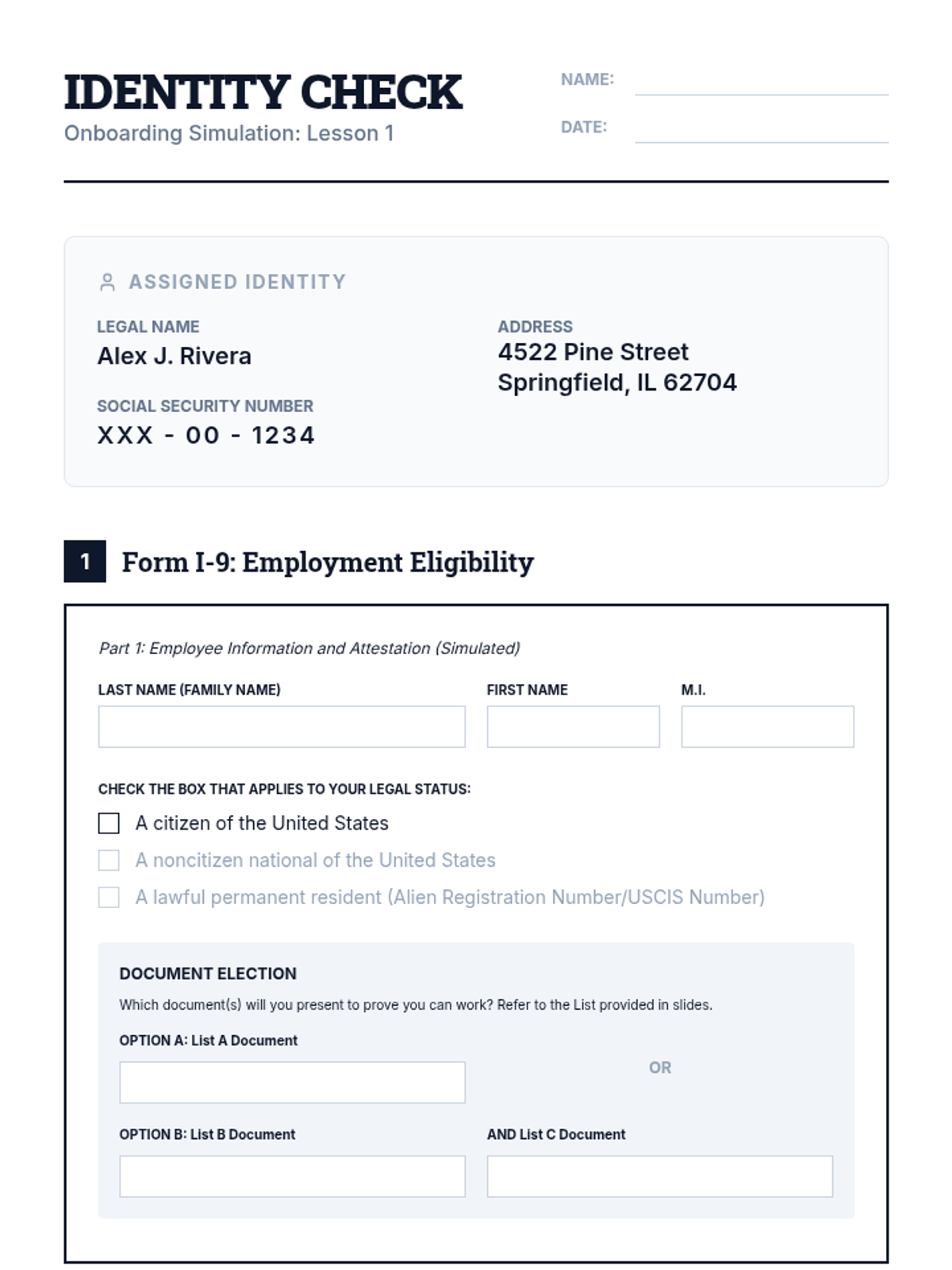
An immersive simulation where students navigate the onboarding process of a new job, making critical decisions about taxes, benefits, and workplace rights to understand their impact on a final paycheck.
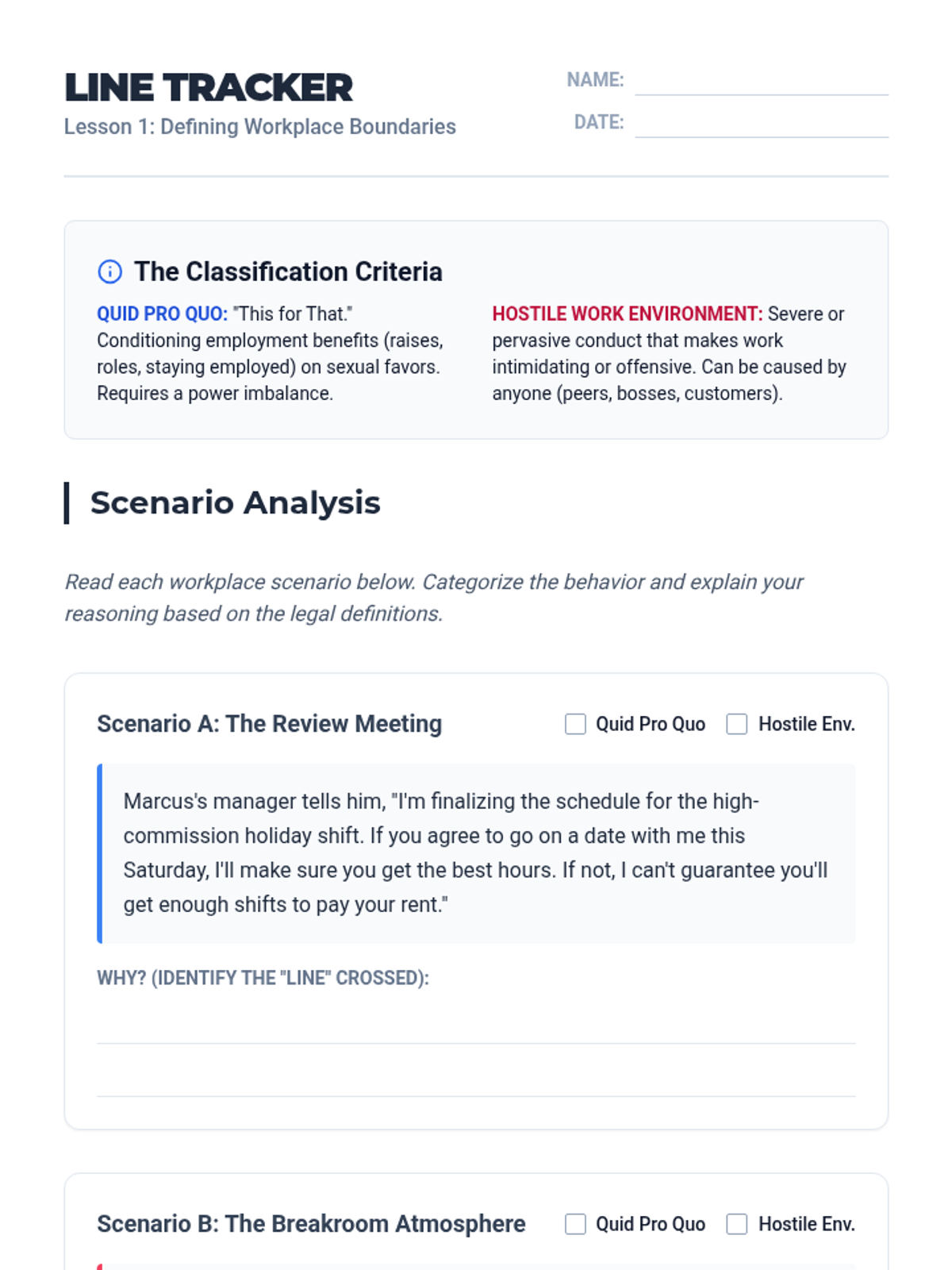
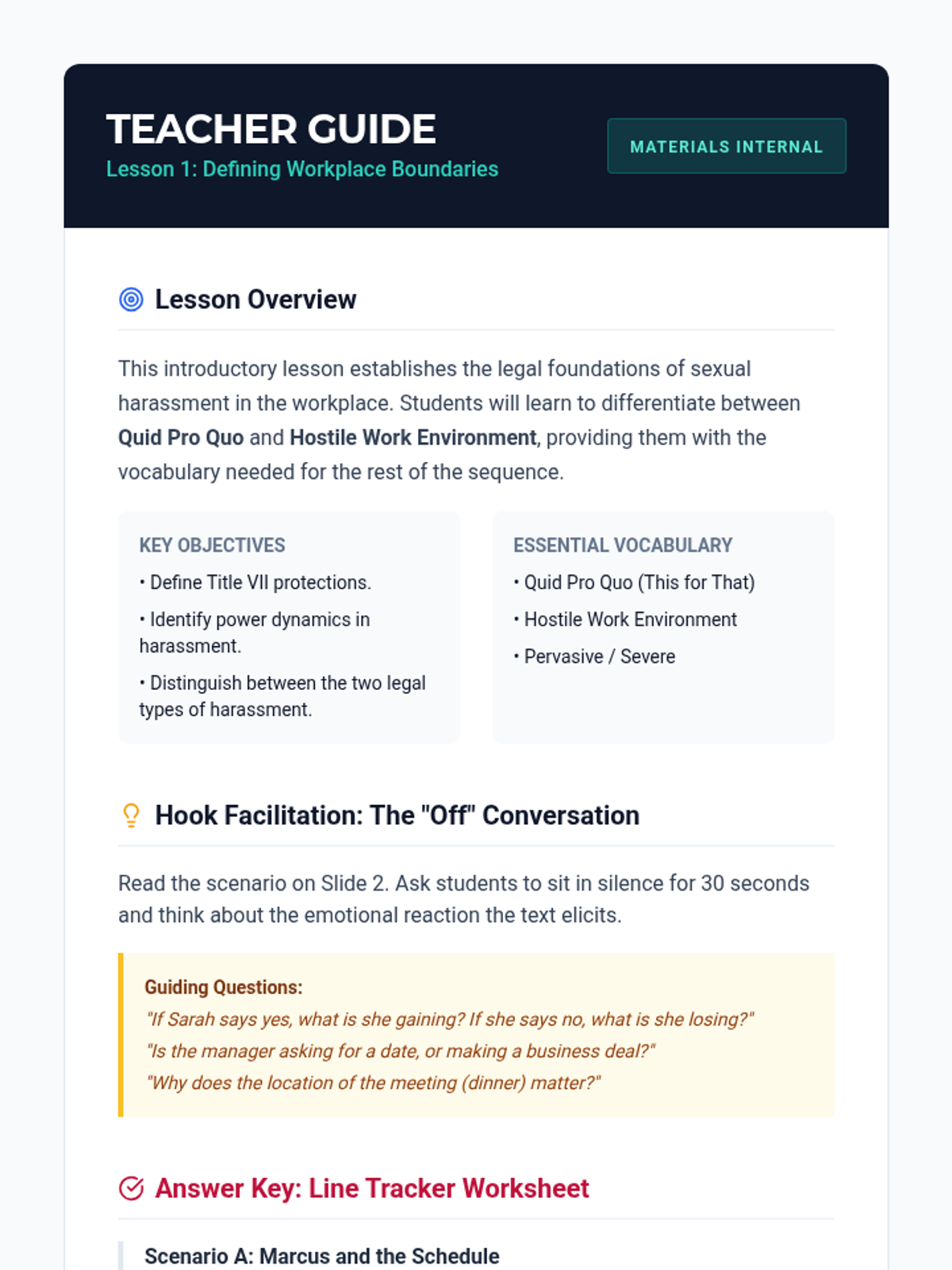
A comprehensive sequence for 9th-grade students exploring the legal definitions, impacts, and identification of sexual harassment and hostile work environments in the professional world. Students move from basic legal definitions to nuanced evaluations of intent versus impact and digital professional conduct.
This sequence explores the strategic use of positive reinforcement in leadership and peer counseling. Students progress from basic praise techniques to designing complex incentive systems and navigating the ethics of behavioral influence.
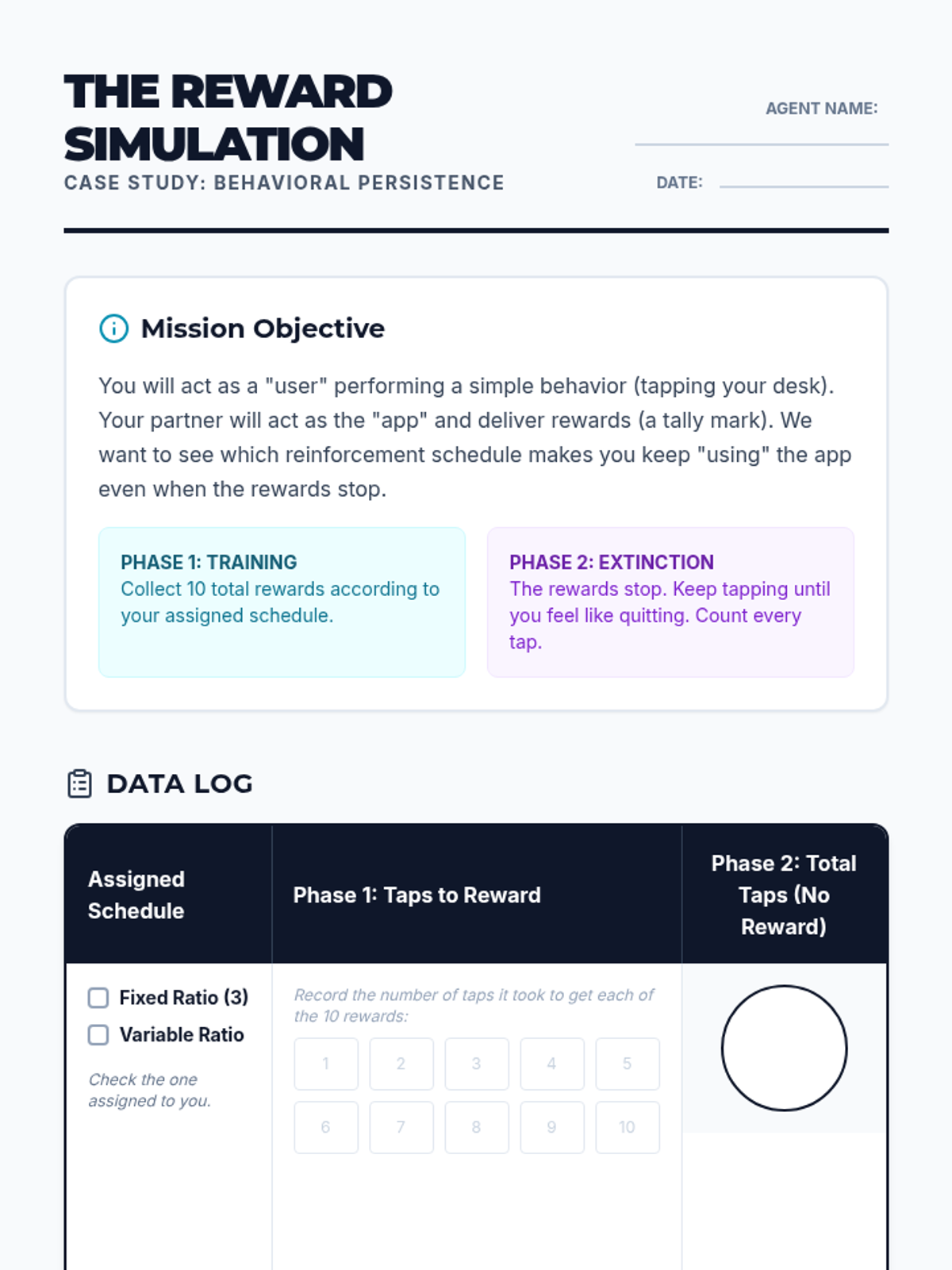
A 5-lesson sequence exploring how technology uses schedules of reinforcement (fixed and variable) to drive engagement. Students analyze gamification, social media mechanics, and ethical design to build digital literacy.
This inquiry-based sequence examines the legal, ethical, and reputation-based consequences of telephonic communication, moving from privacy laws to developing a personal code of ethics for the workplace.
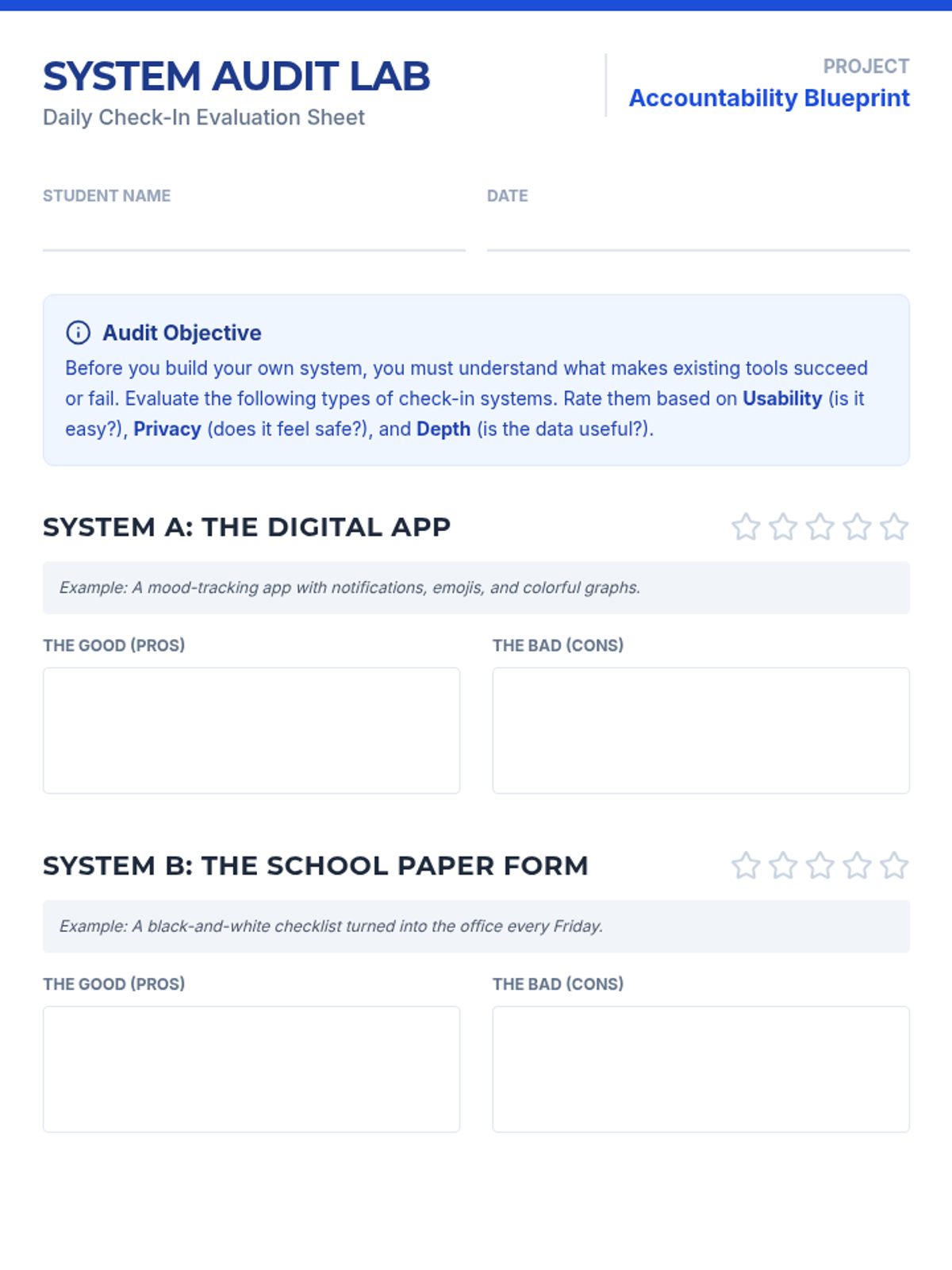
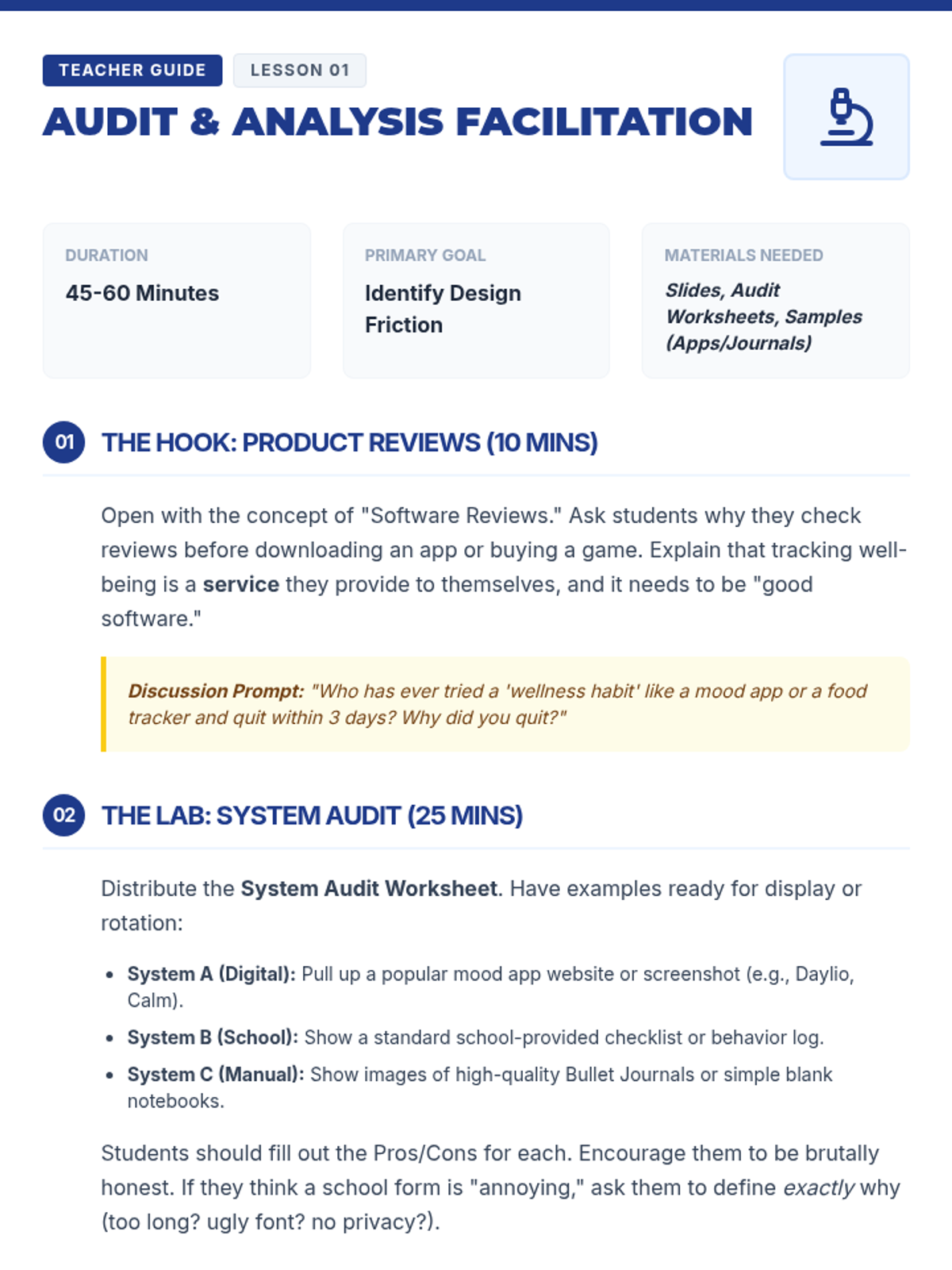
A project-based sequence where 10th-grade students design their own personalized behavior and well-being tracking systems to increase ownership and utility.
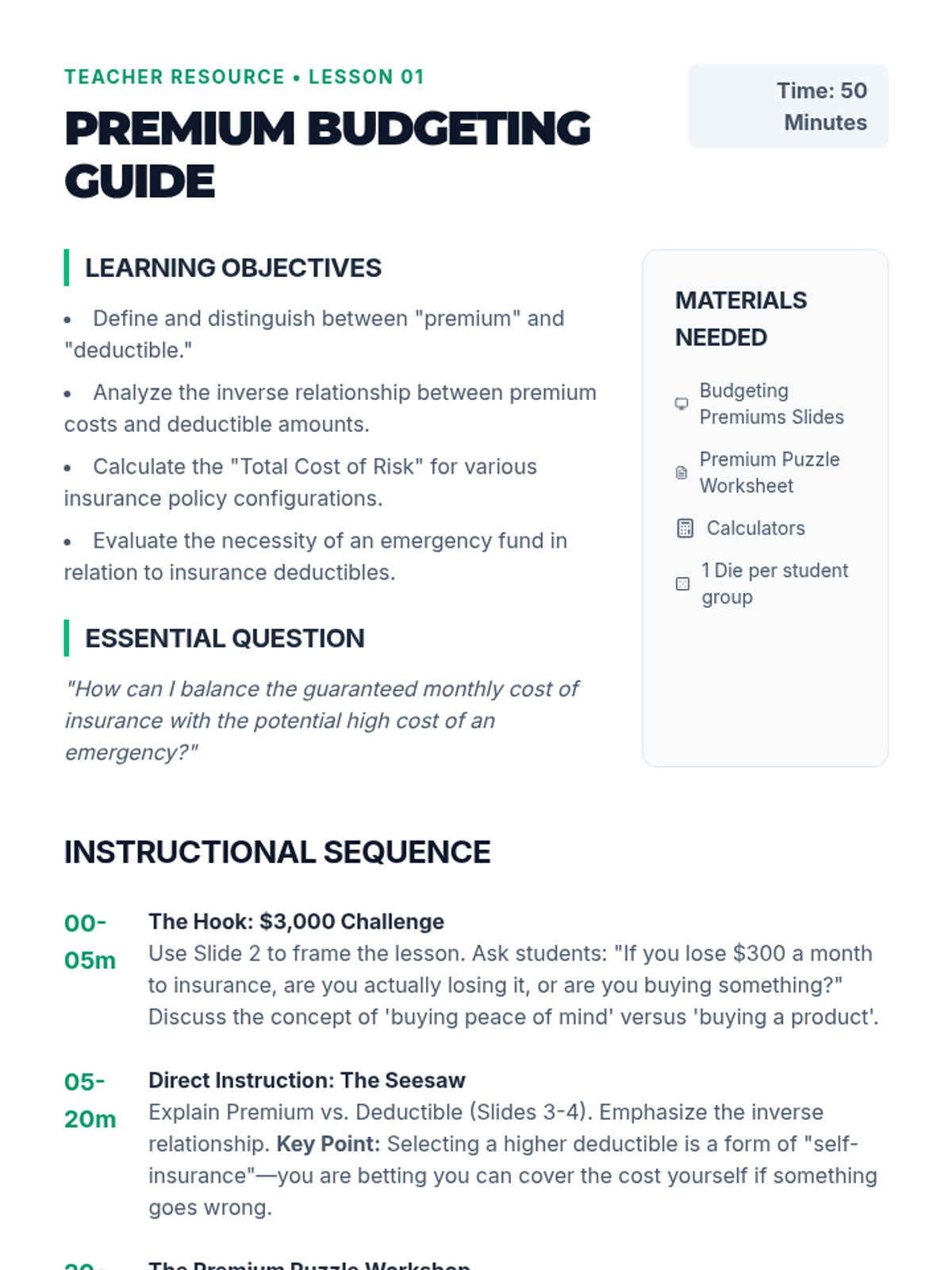
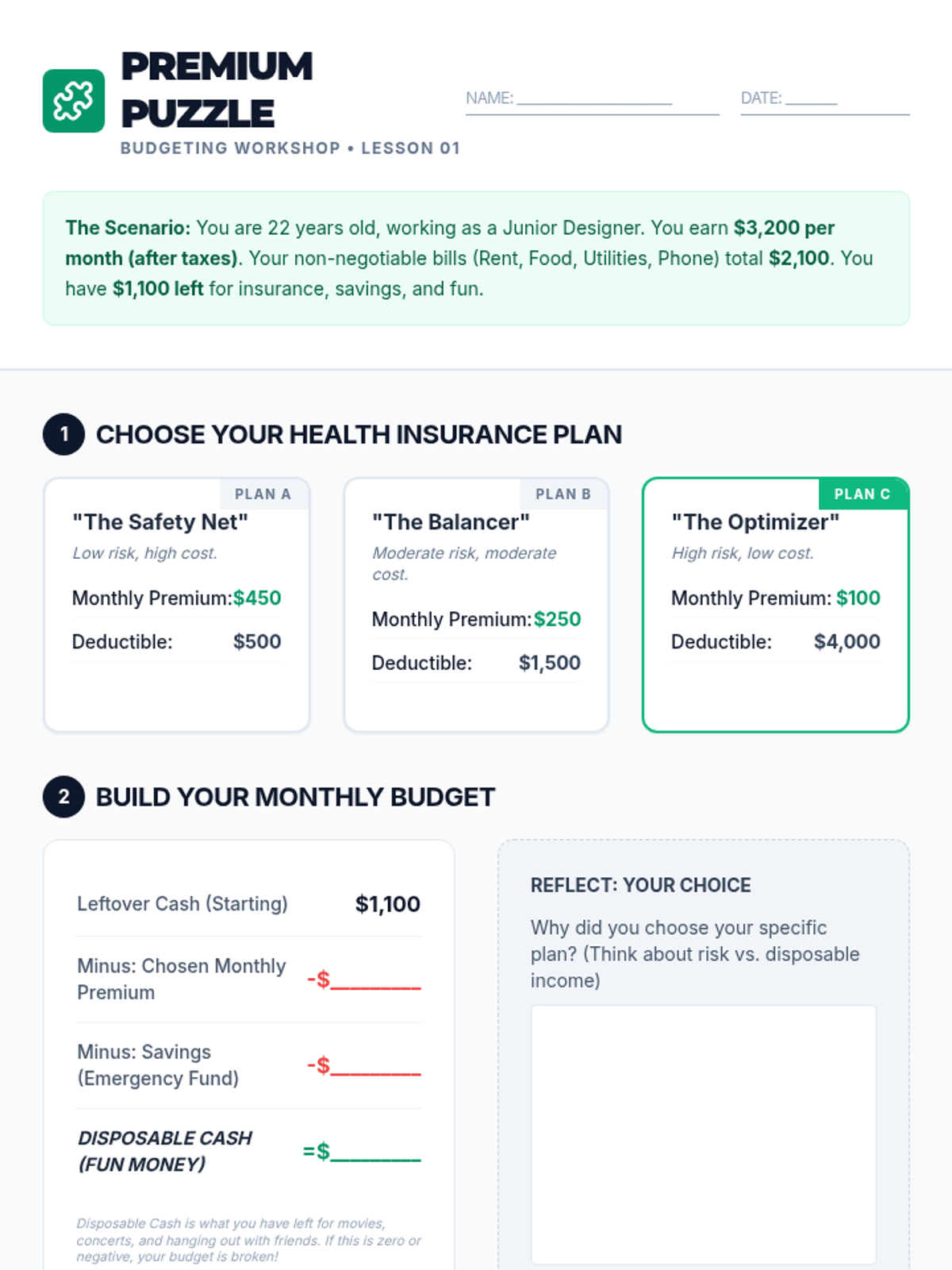
A comprehensive 9th-grade financial literacy unit focused on insurance as a strategic tool for financial stability. Students explore budgeting for premiums, income protection, life insurance types, the ethics of fraud, and participate in a life-stage simulation to manage evolving risks.
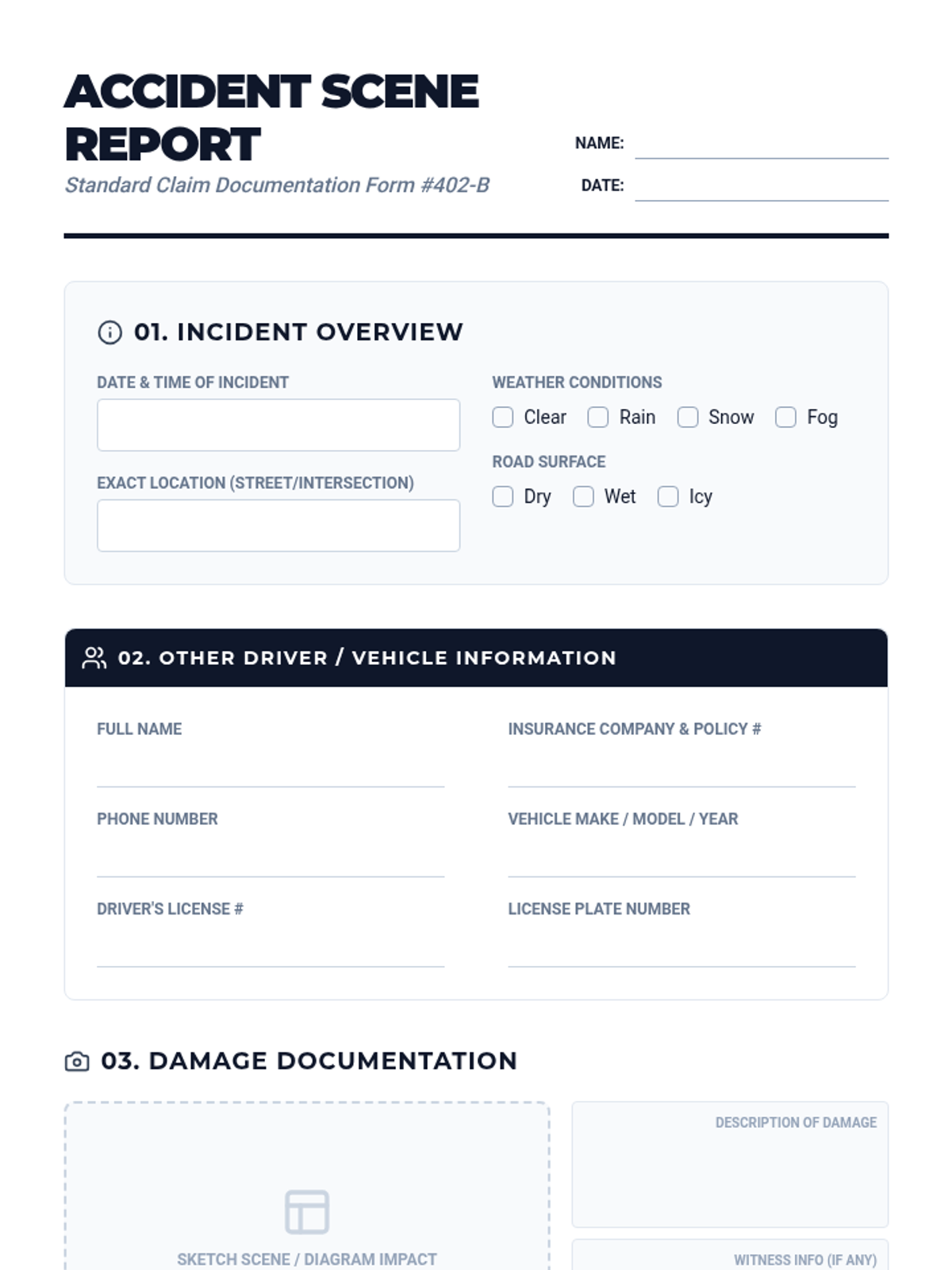
A comprehensive simulation-based unit where 10th-grade students navigate the post-incident insurance world. Students learn to file claims, assess damages as adjusters, weigh ethical dilemmas, and advocate for their rights as consumers.
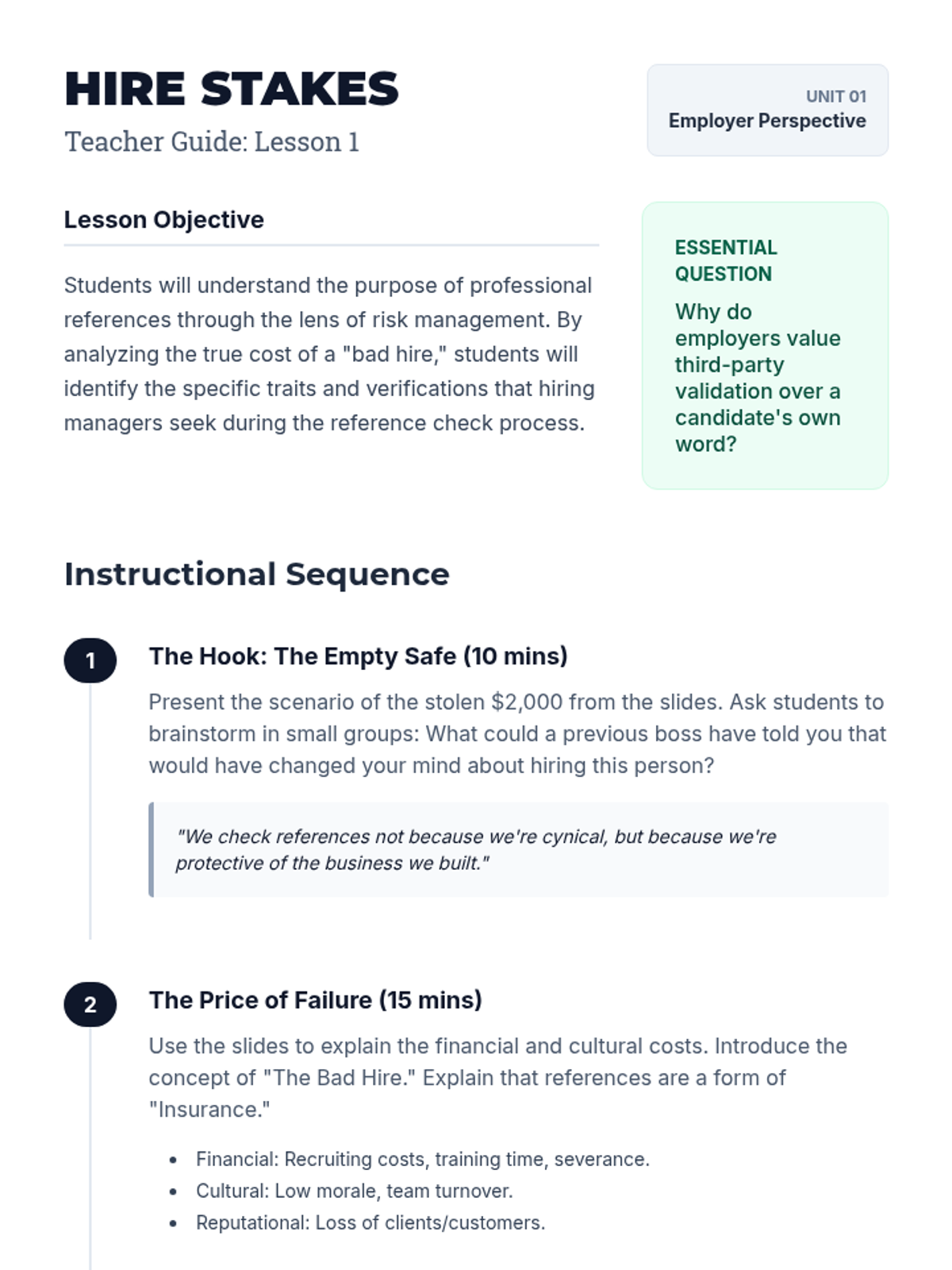
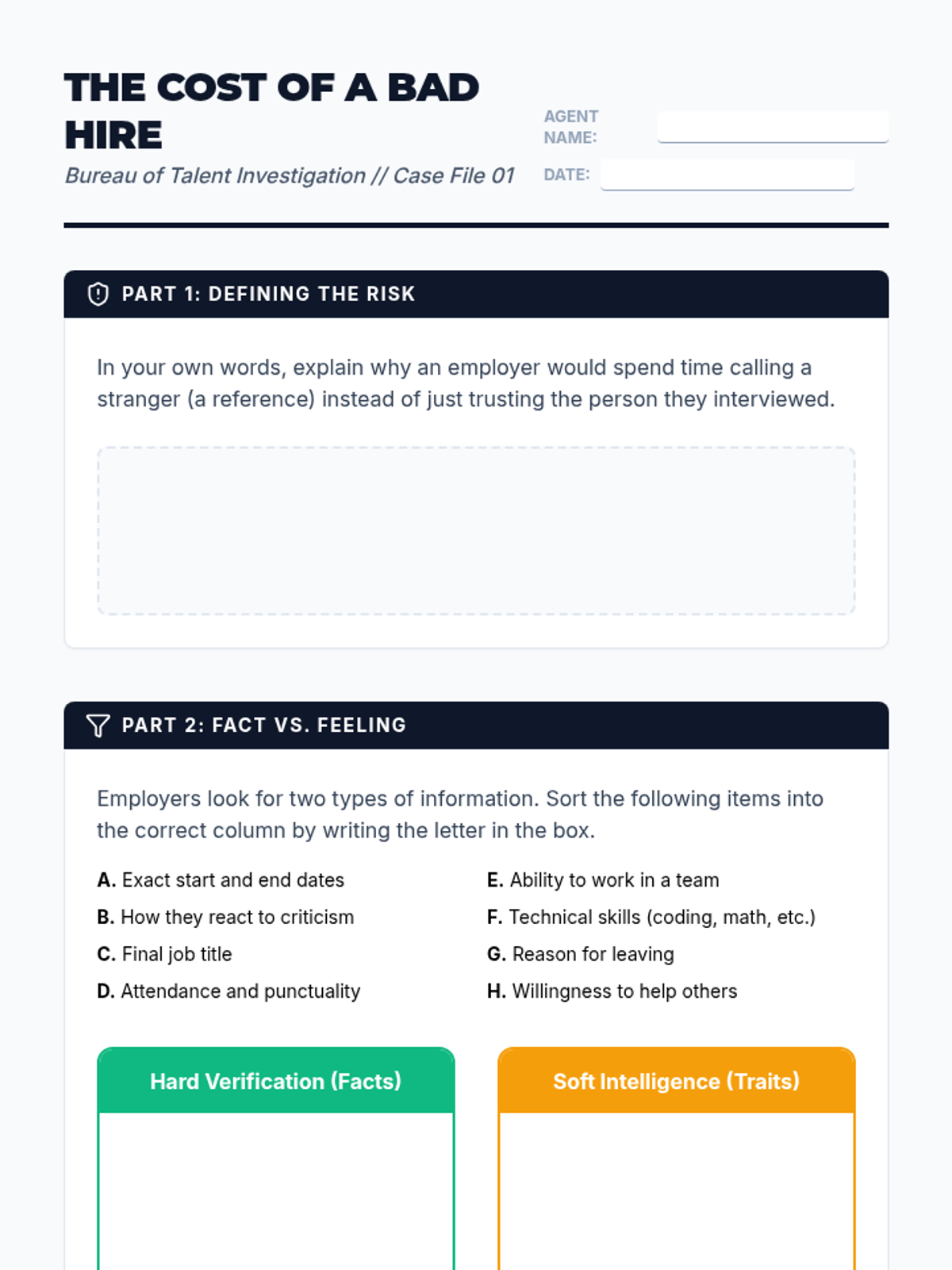
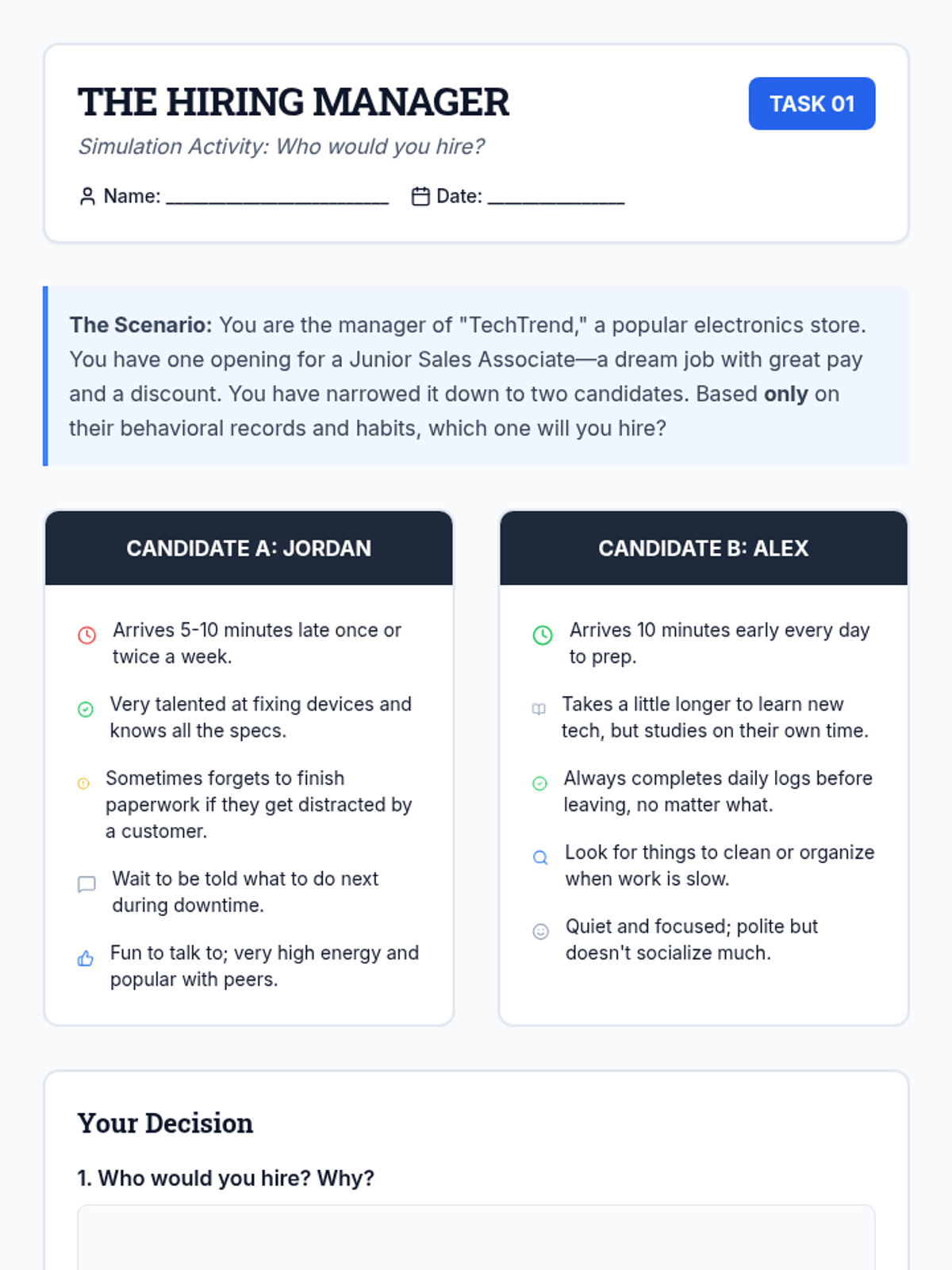
A 9th-grade sequence that flips the script on professional references, teaching students to evaluate candidates from an employer's perspective. Students analyze risk, decode reference transcripts, and learn the strategic, legal, and ethical nuances of professional recommendations to better prepare their own future applications.
A 5-lesson unit for 7th graders on developing professional work ethic, reliability, and accountability. Students move from defining professionalism to practicing ethical decision-making and professional communication.
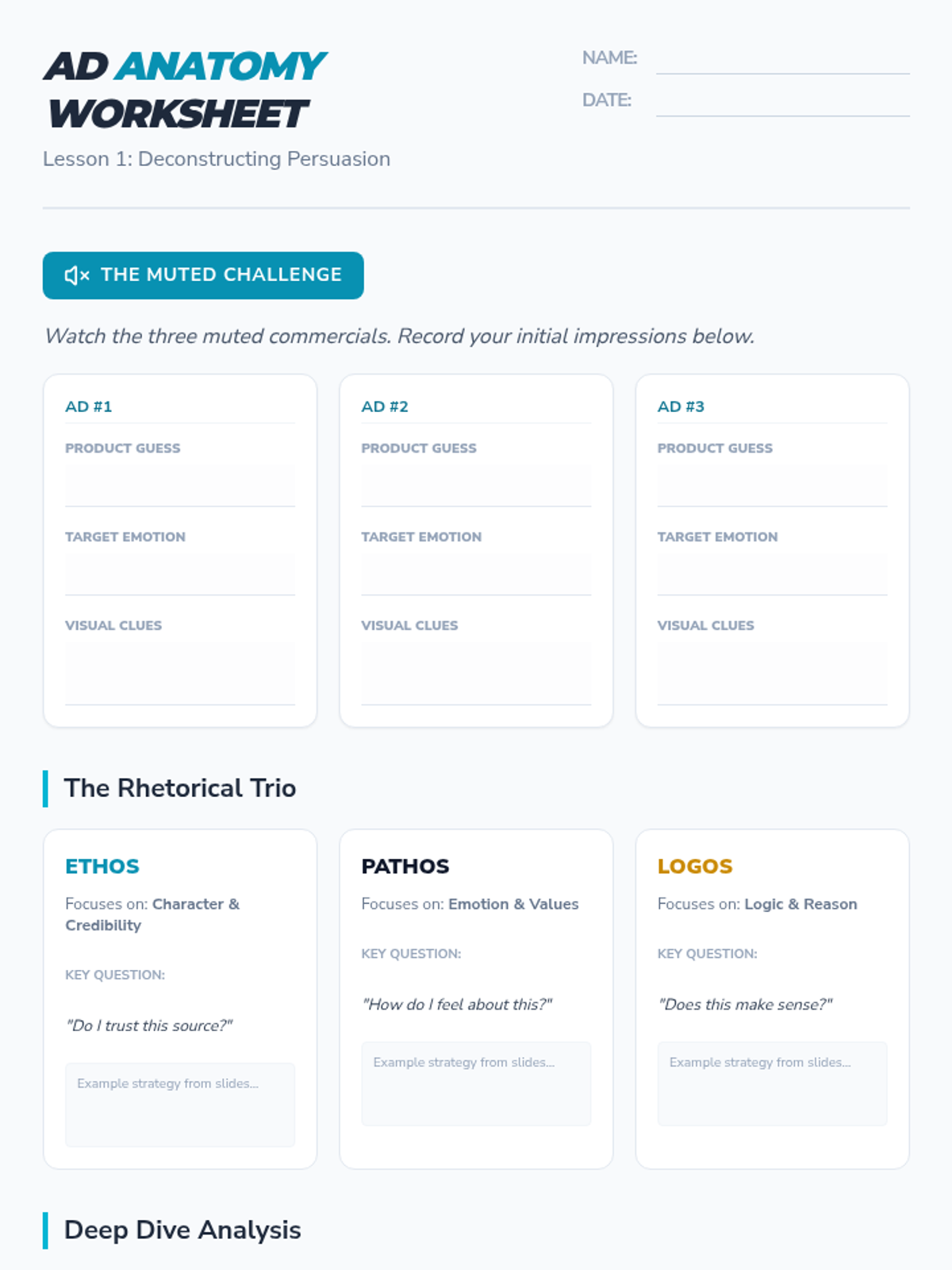
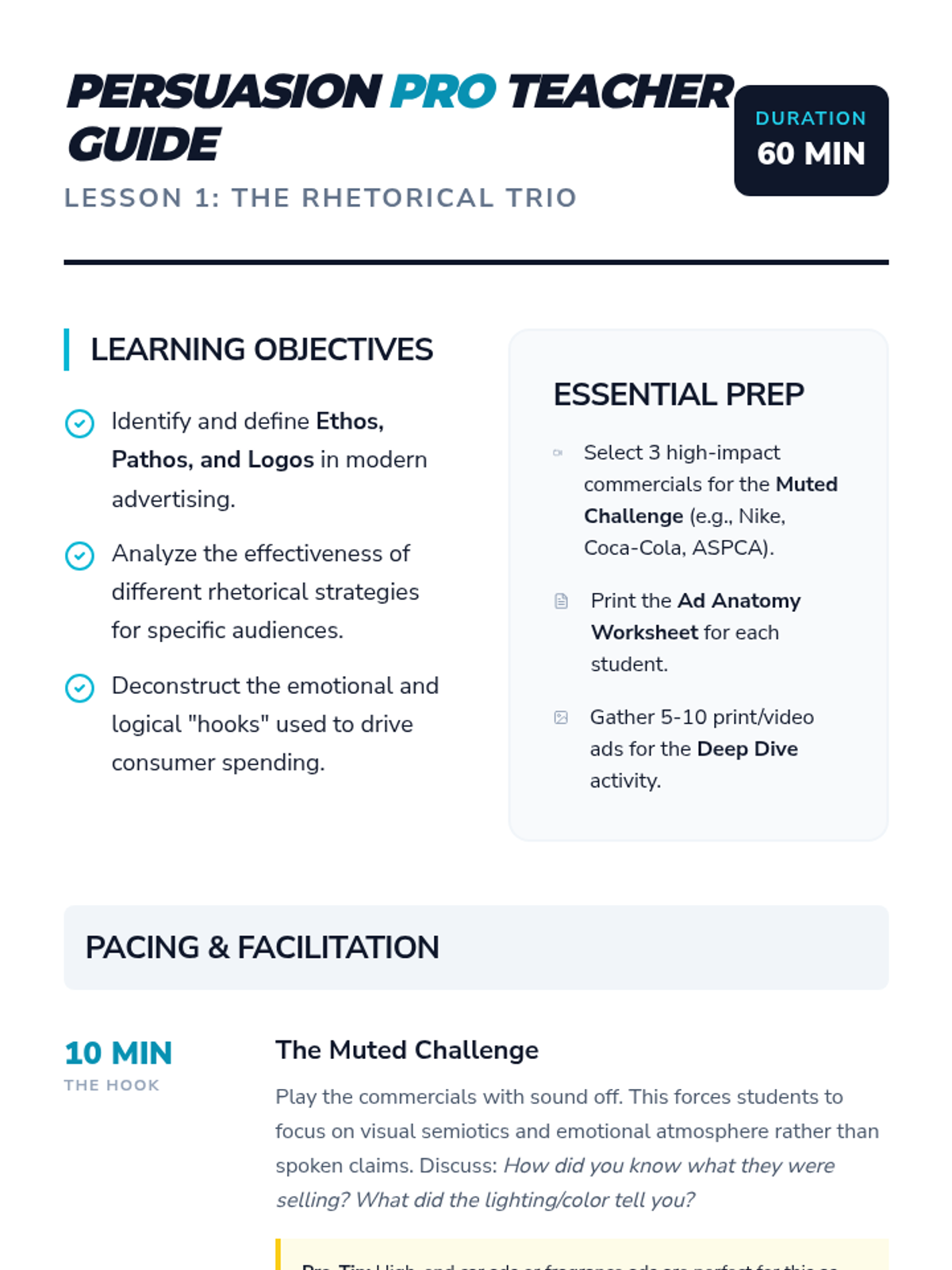
A comprehensive 10th-grade unit exploring media literacy, behavioral economics, and digital citizenship through the lens of advertising. Students move from identifying rhetorical appeals to deconstructing complex digital marketing ecosystems, culminating in a counter-advertising project.
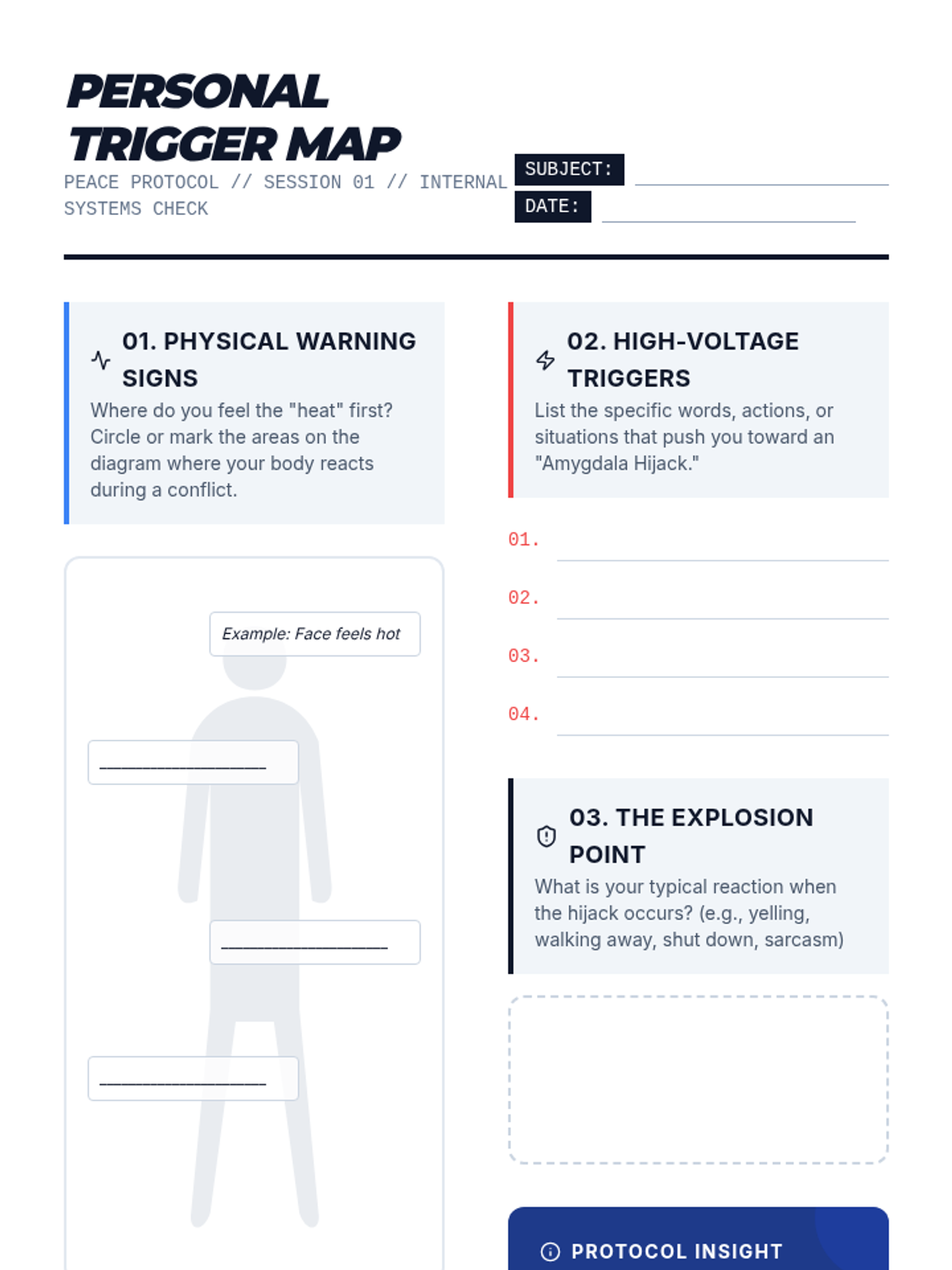
This simulation-heavy sequence places students in high-stakes social scenarios relevant to 9th graders, such as peer pressure, academic disputes, and navigating social media conflict. The goal is to apply self-regulation skills in dynamic, interpersonal contexts. Students engage in structured role-plays and debates to practice de-escalation and negotiation, culminating in a mastery demonstration where they navigate a complex conflict scenario.
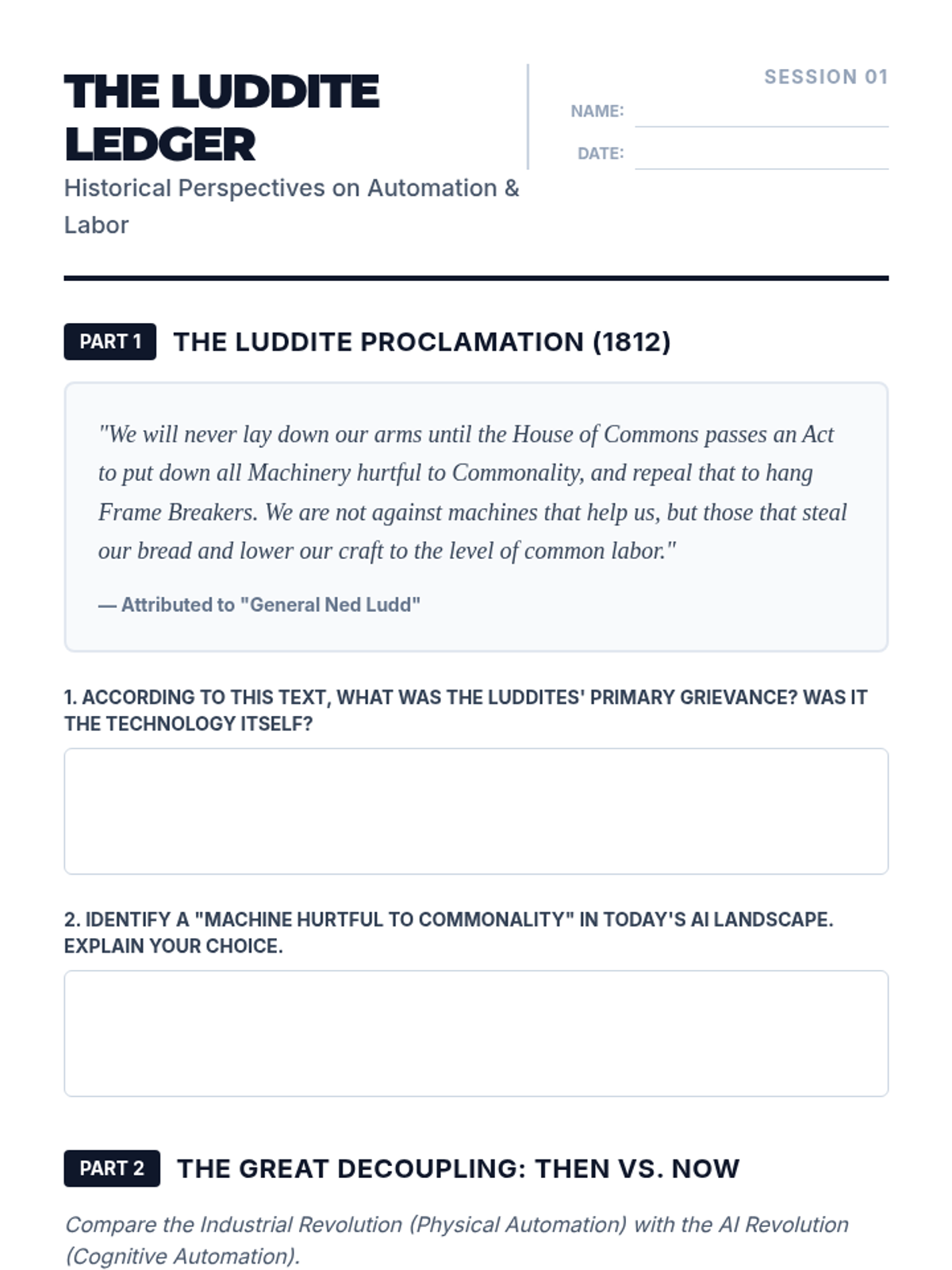
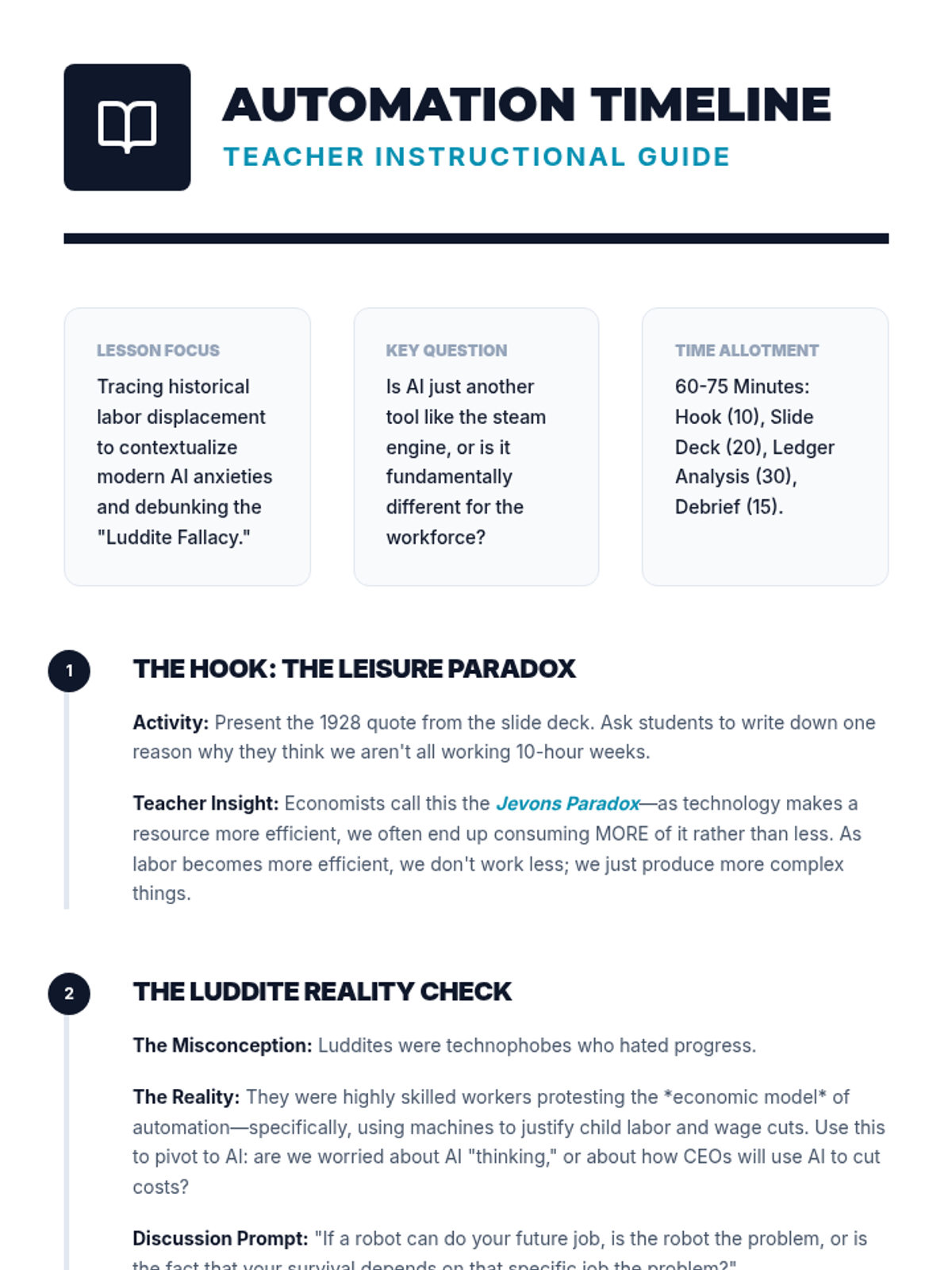
This sequence explores the economic and social disruptions caused by automation and AI. Students analyze historical patterns of labor displacement, participate in economic simulations, investigate the gig economy, debate policy solutions like UBI, and develop personalized career roadmaps focusing on uniquely human skills.
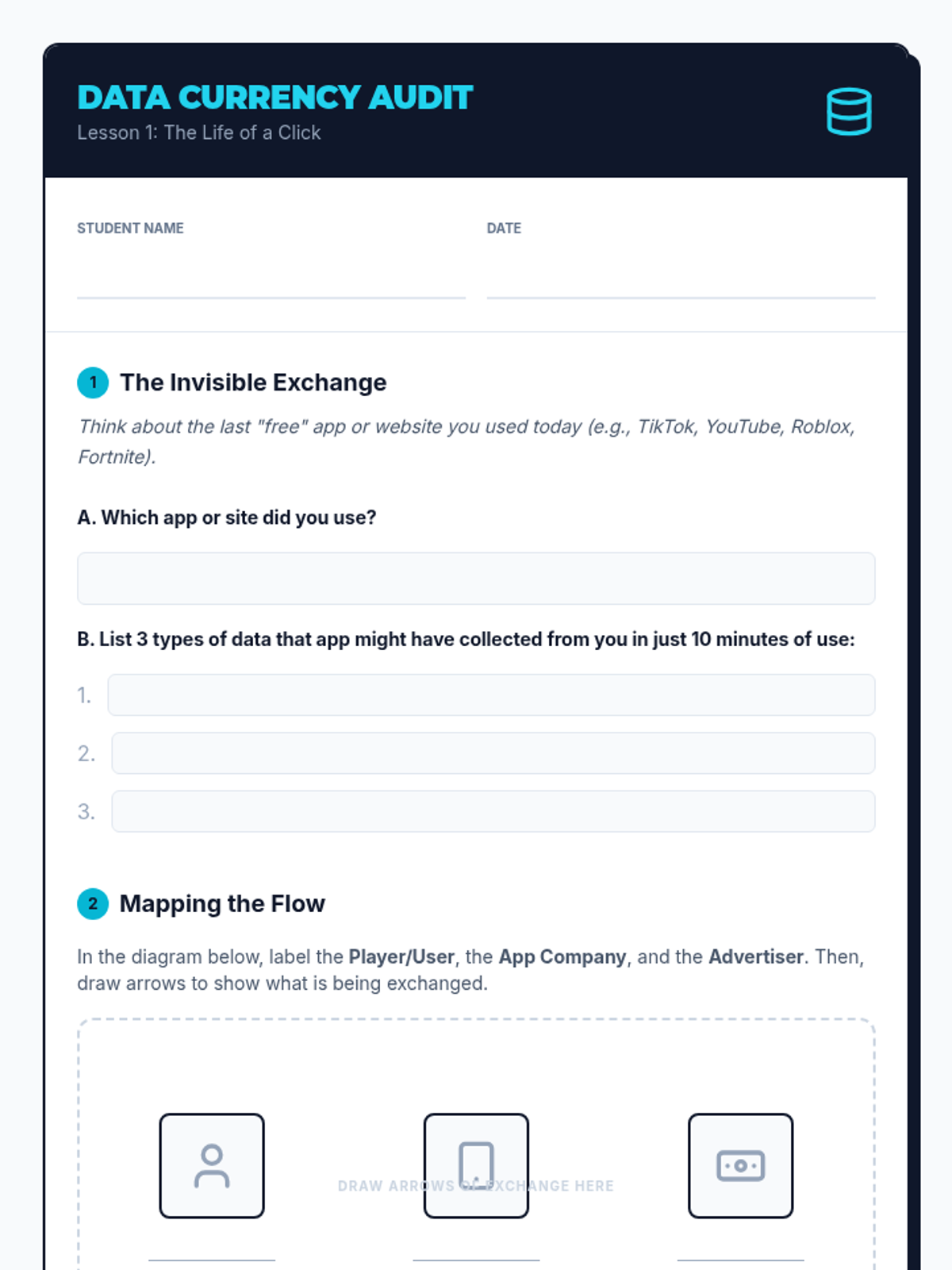
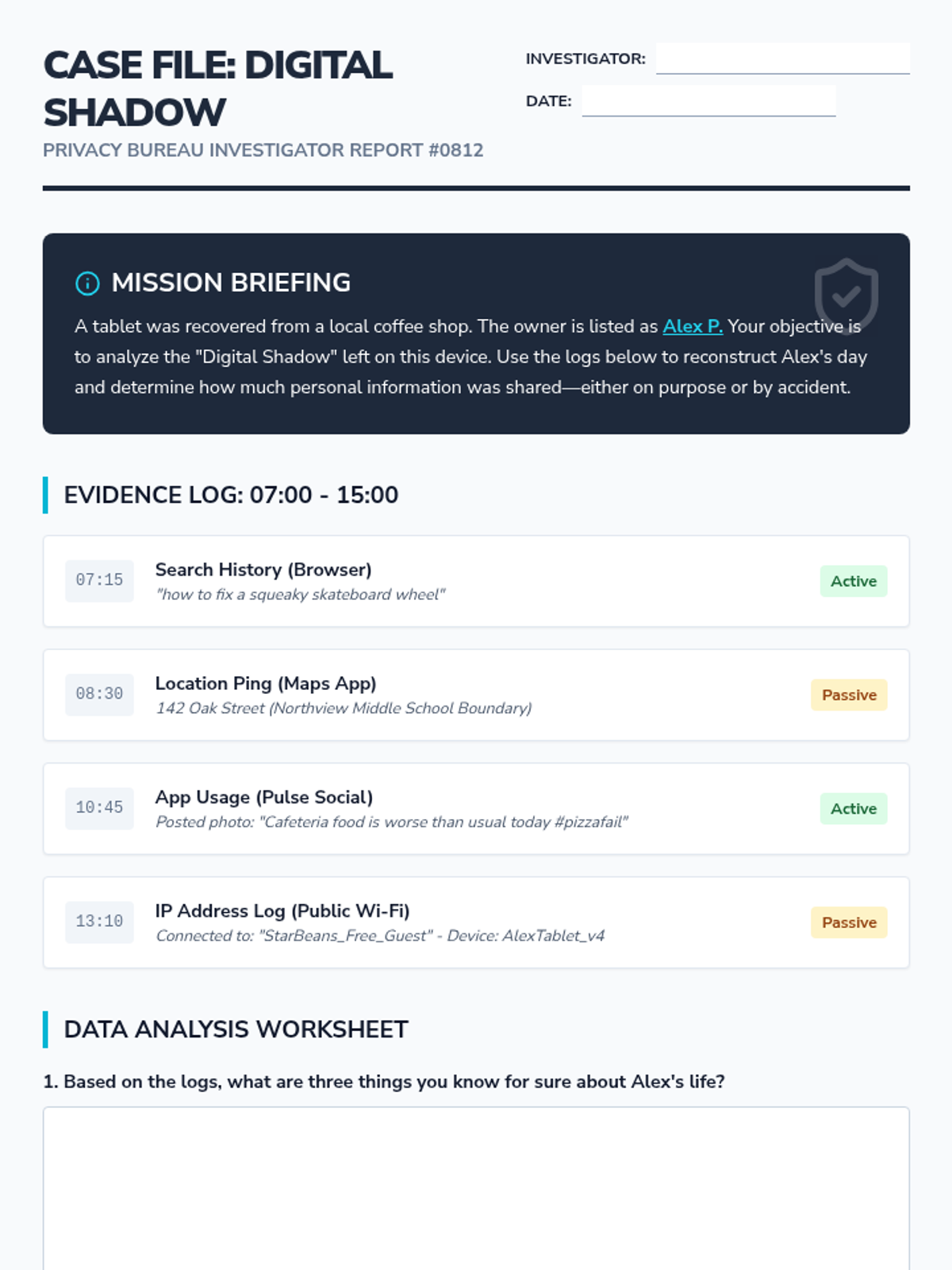
An inquiry-driven exploration of data privacy, surveillance, and the hidden economy of AI. Students investigate how their personal information is collected, used as currency, and the ethical trade-offs between digital convenience and personal privacy.
Students explore the intersection of personal data, privacy, and AI-driven tracking. They analyze digital footprints, decode terms of service, debate the ethics of smart devices, and create their own data protection standards.
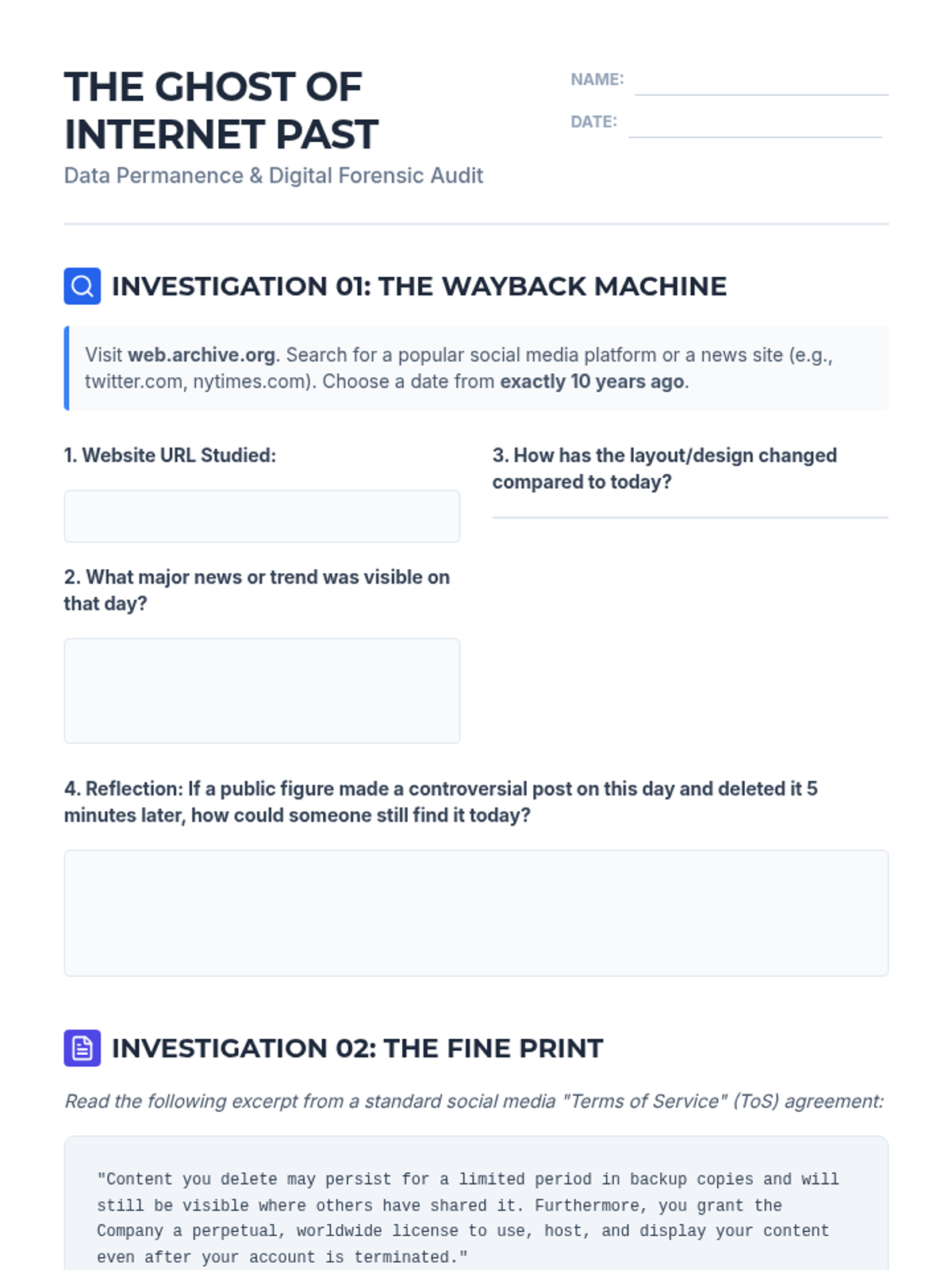
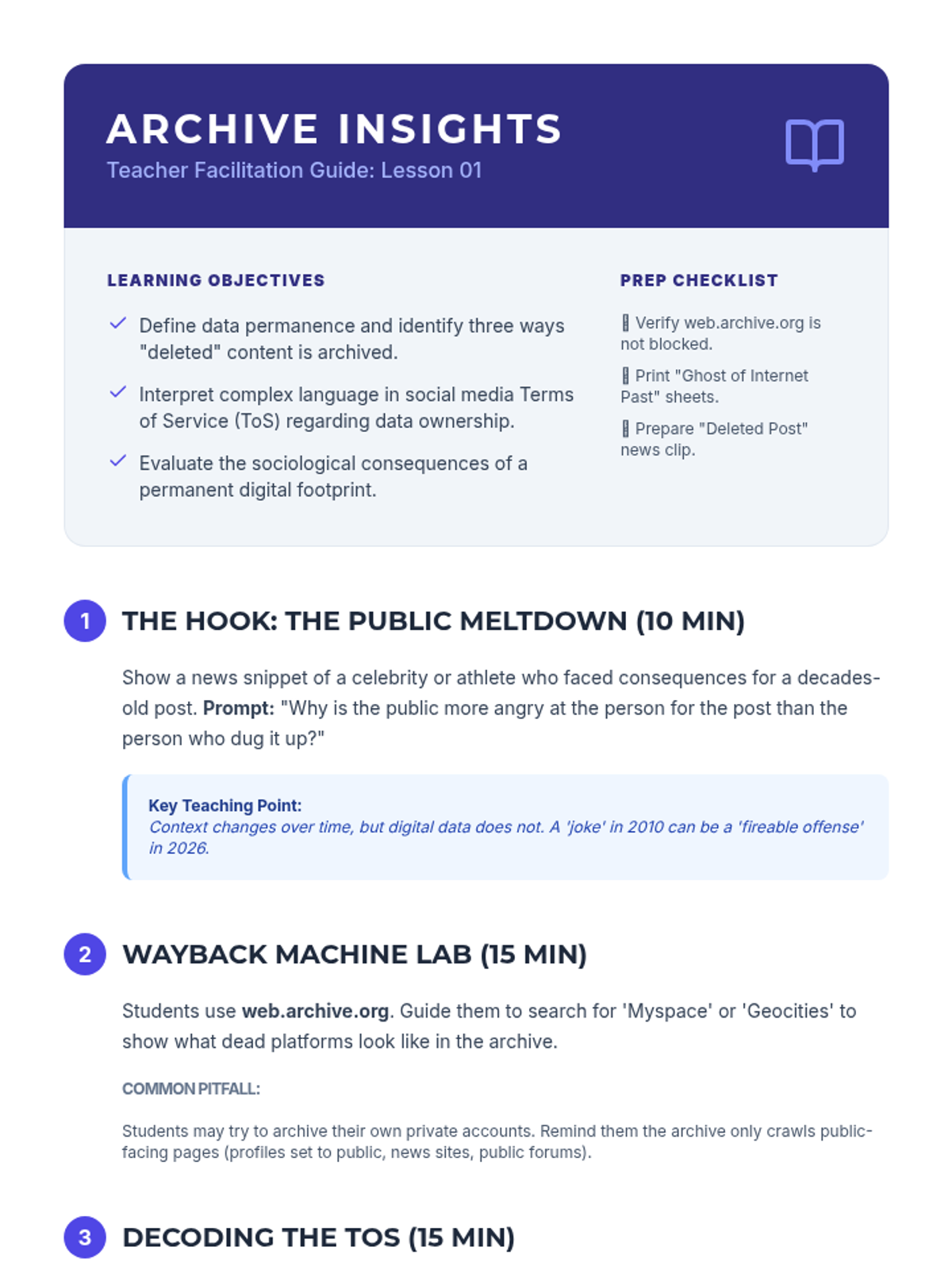
A comprehensive 5-lesson sequence for 10th graders focusing on the long-term implications of digital footprints, data permanence, and proactive reputation management. Students analyze real-world case studies, audit mock social media profiles, and develop a strategic plan for their own positive digital brand.
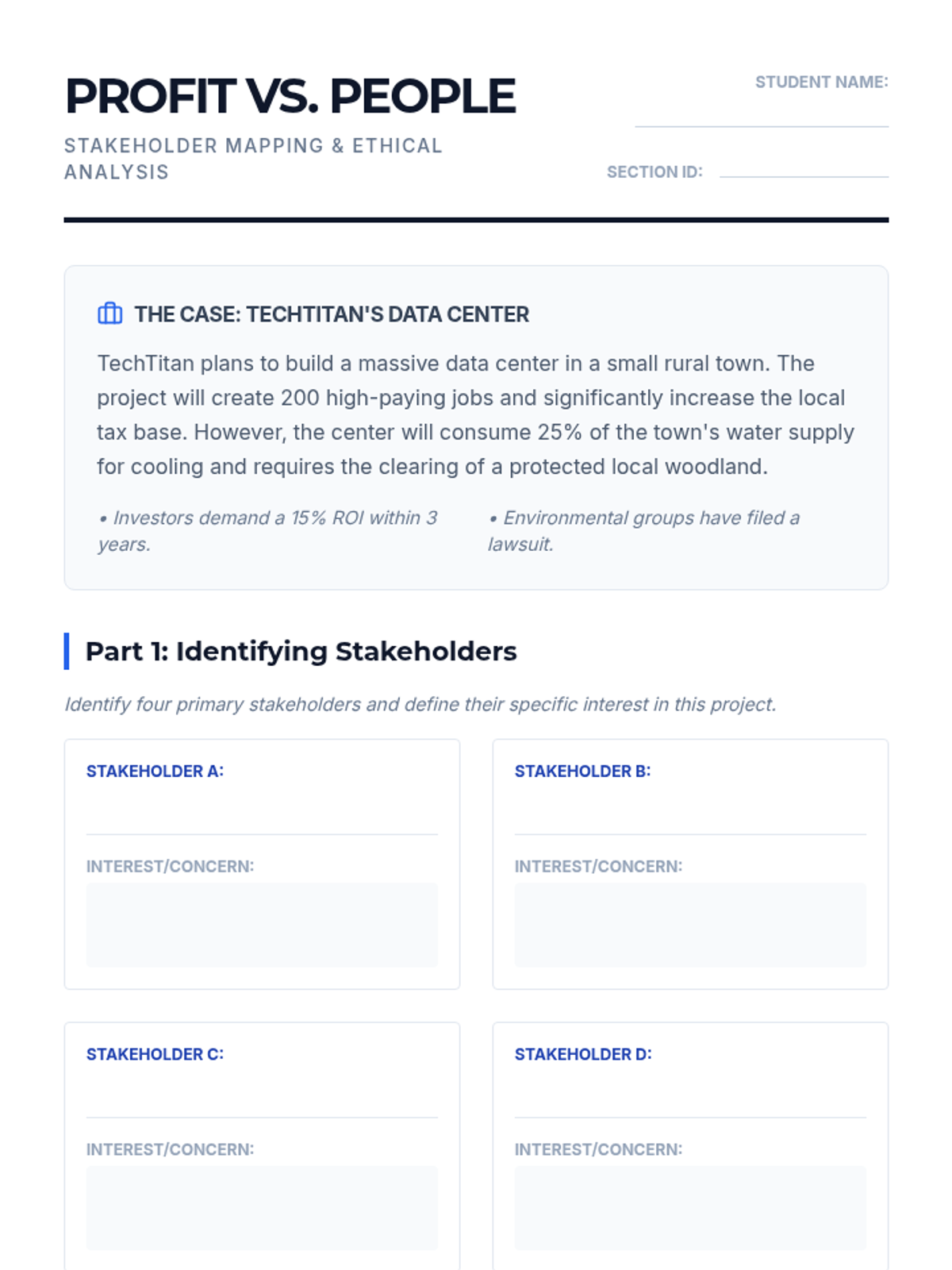
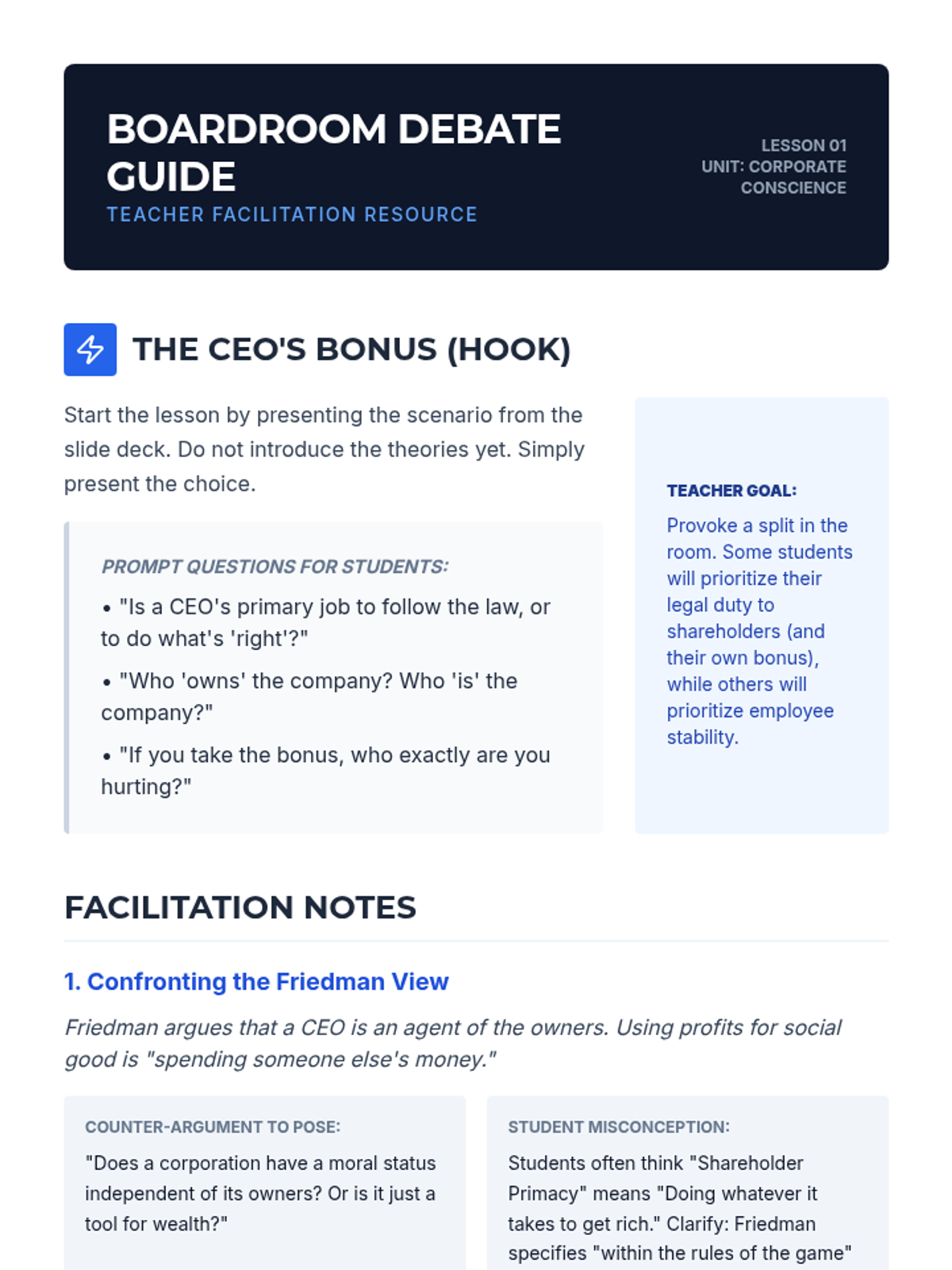
This sequence explores the ethical complexities of professional and corporate environments, focusing on the tension between profit and moral obligation. Students analyze shareholder vs. stakeholder theories, corporate scandals, and the ethics of whistleblowing, culminating in a two-part crisis management simulation.
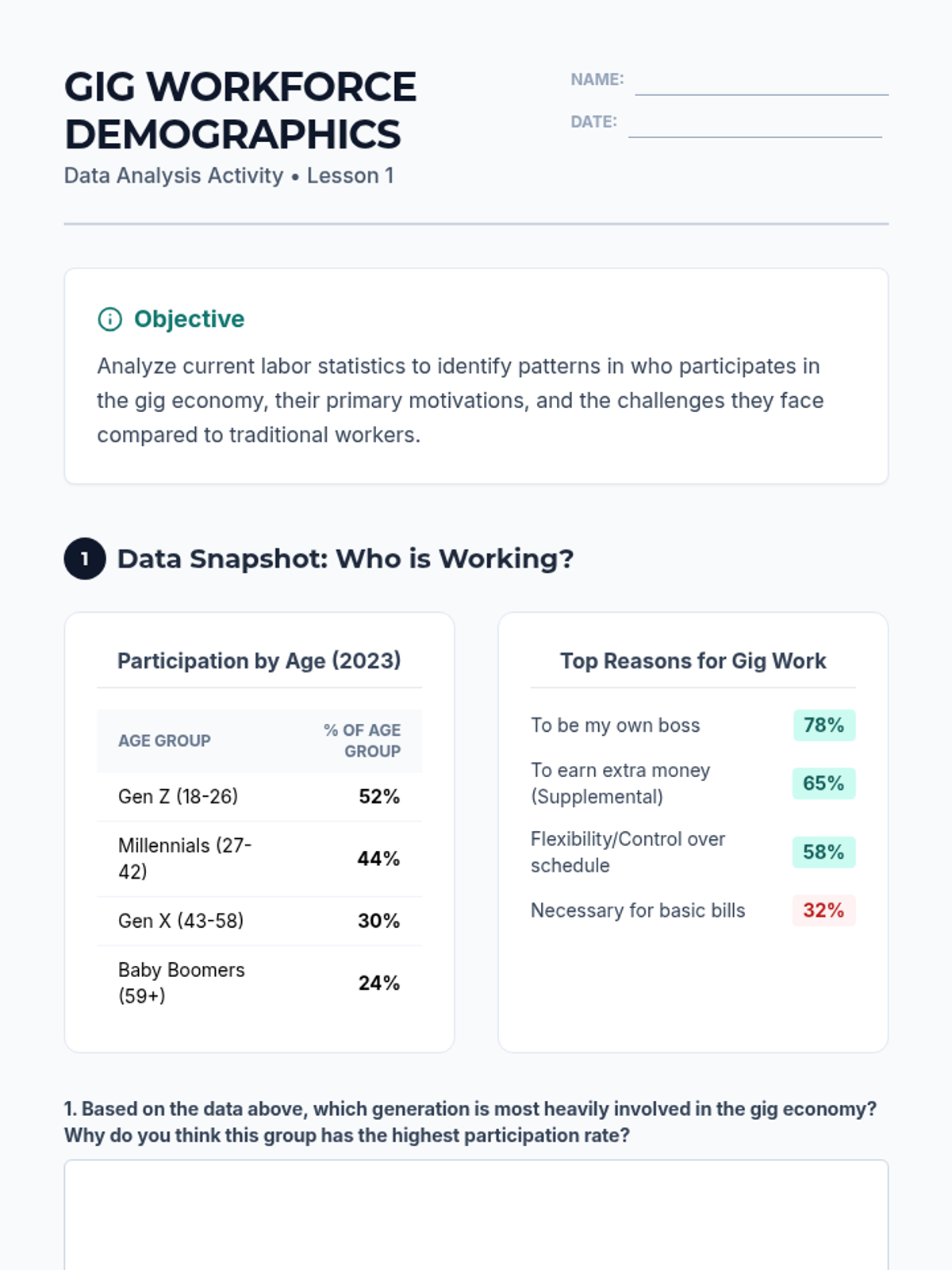
A comprehensive investigation into the gig economy, contrasting traditional employment with independent contracting. Students analyze the economic, legal, and ethical implications of algorithmic management and worker classification, culminating in a formal legislative debate.
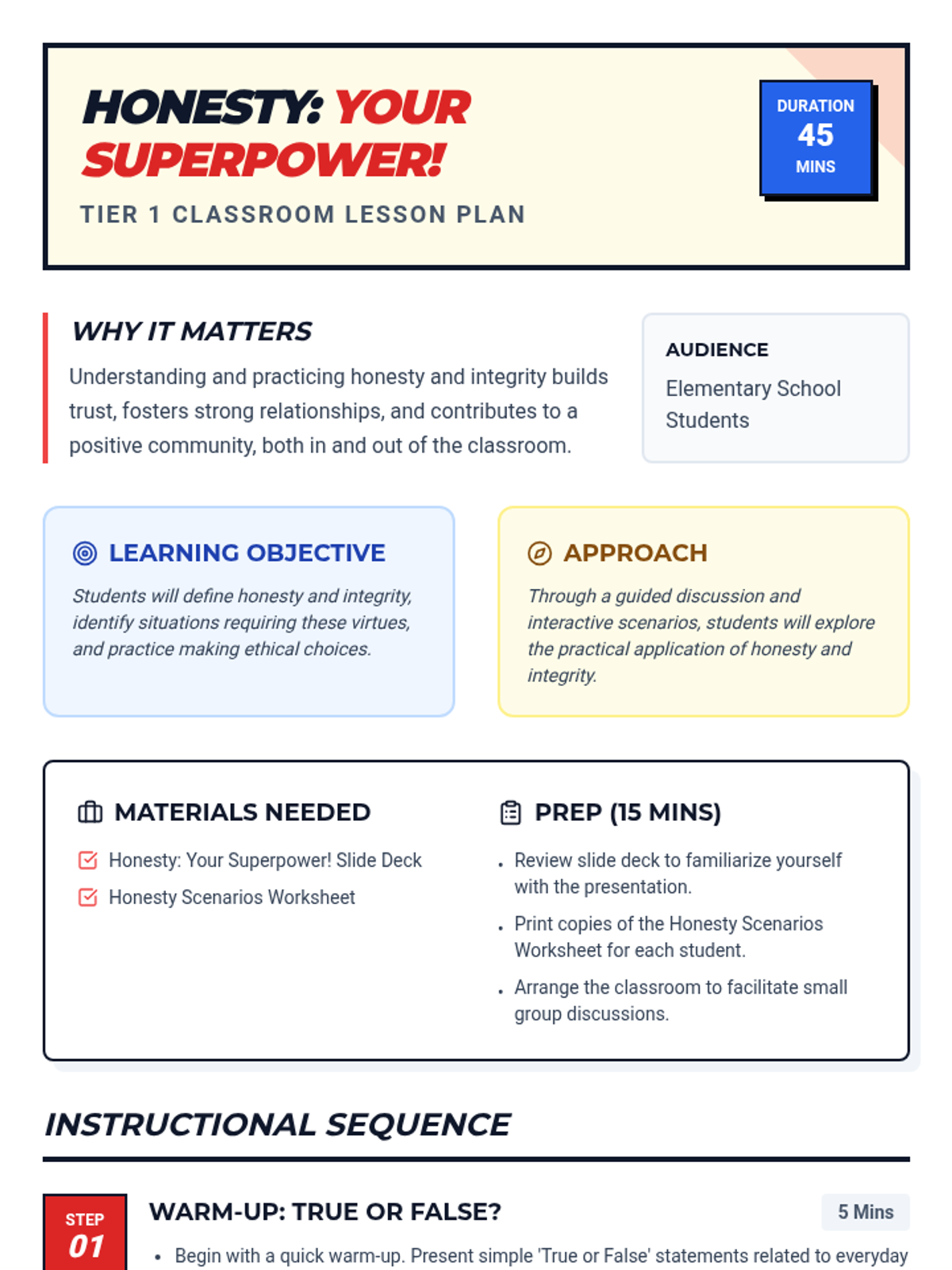
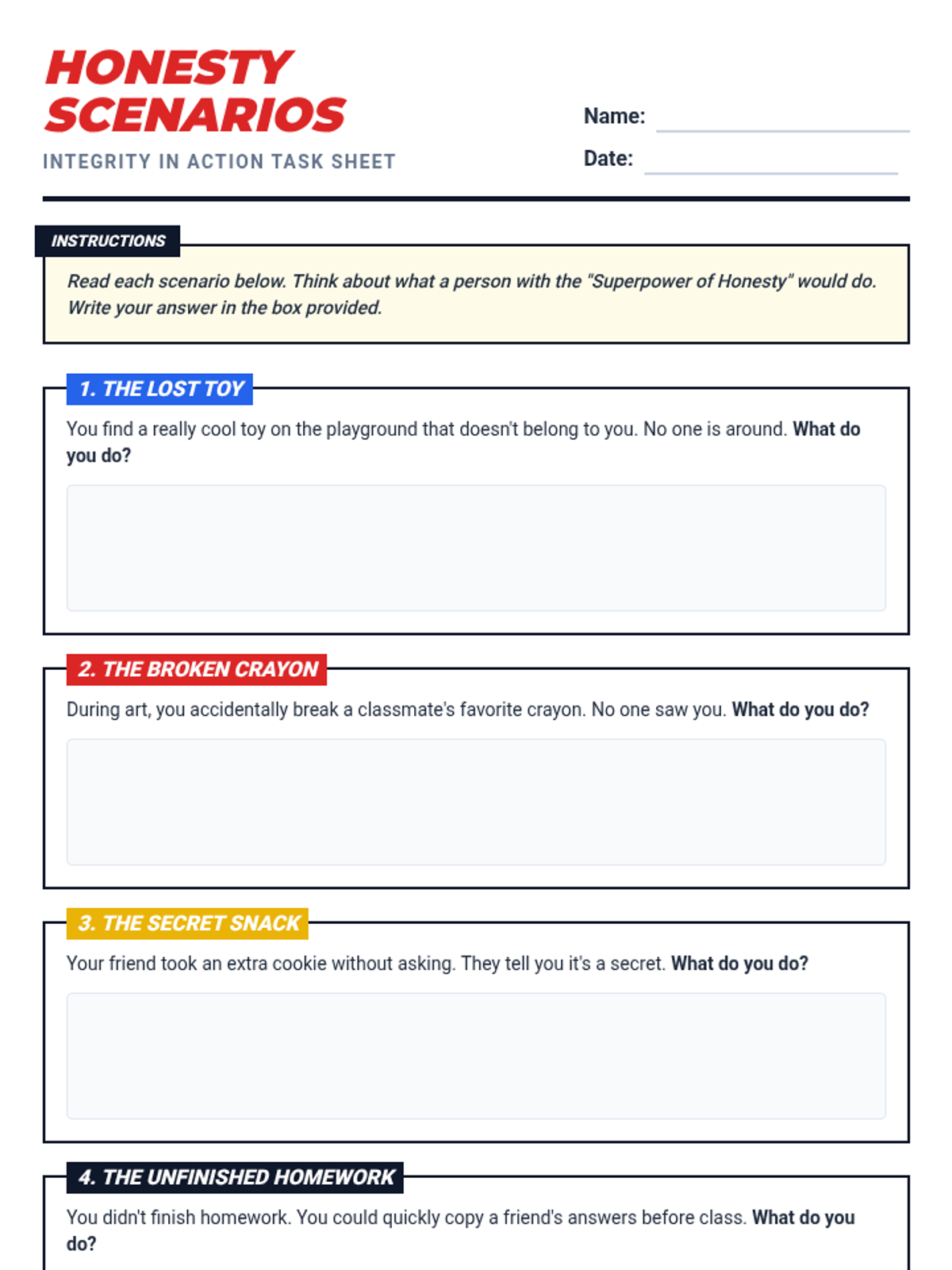
This sequence focuses on developing core character strengths: honesty, integrity, and social connection. Students learn to navigate ethical dilemmas and build meaningful relationships through interactive scenarios and mentorship.
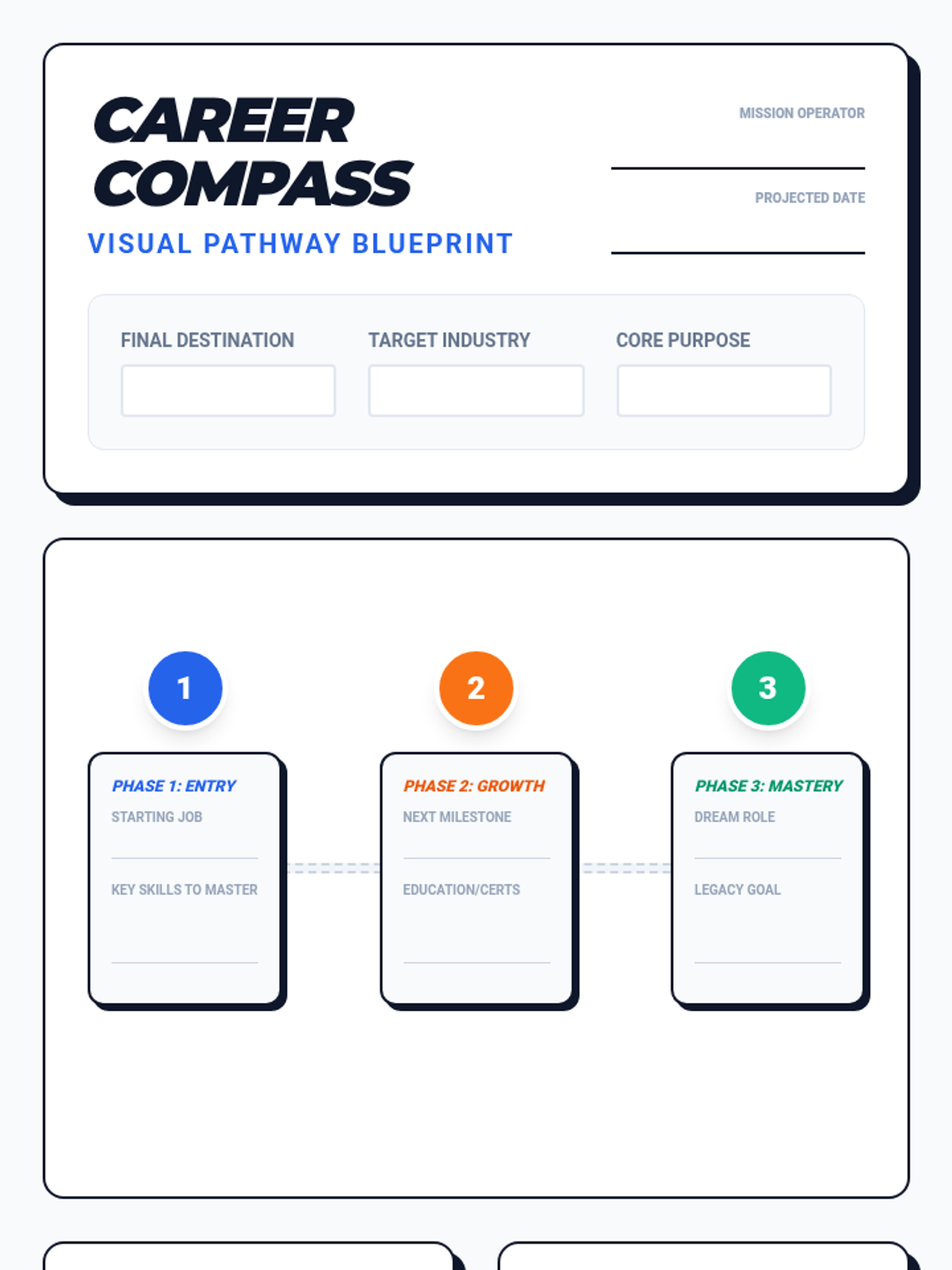
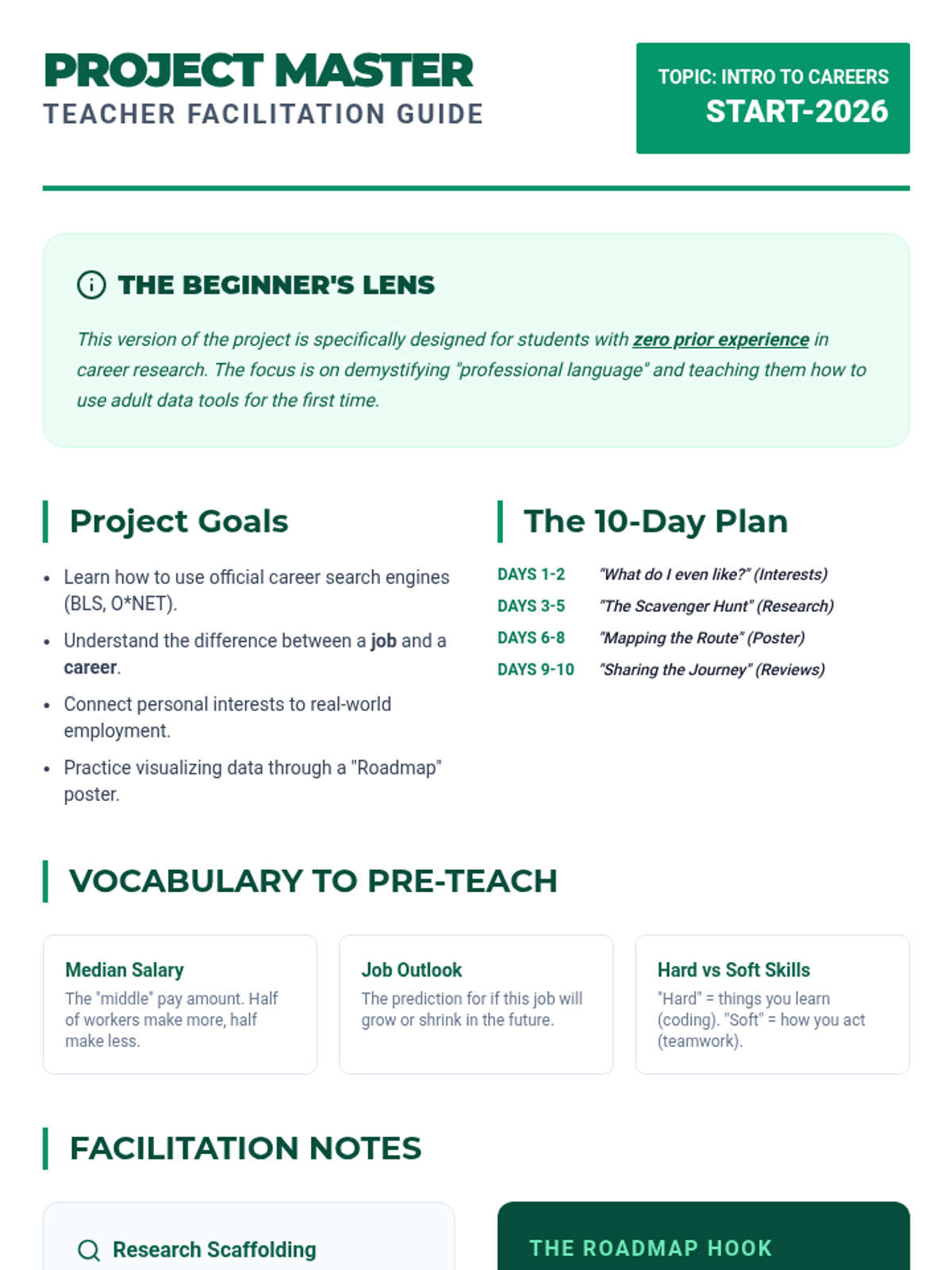
A comprehensive two-week career exploration project where 10th-grade students research a chosen profession and design a creative roadmap-themed poster. Students plot their career journey from education to retirement, identifying key milestones, challenges, and personal fit along the way.
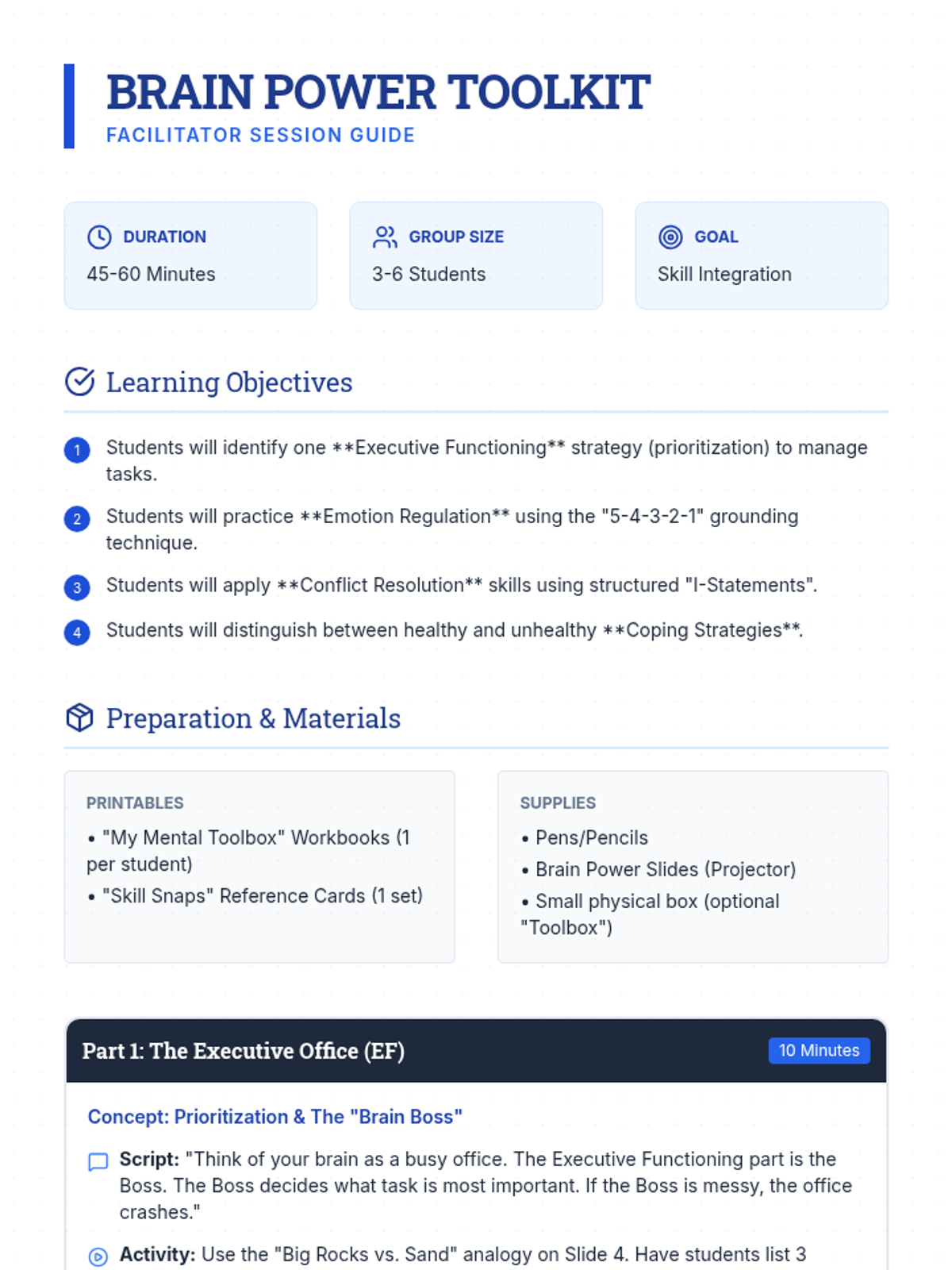
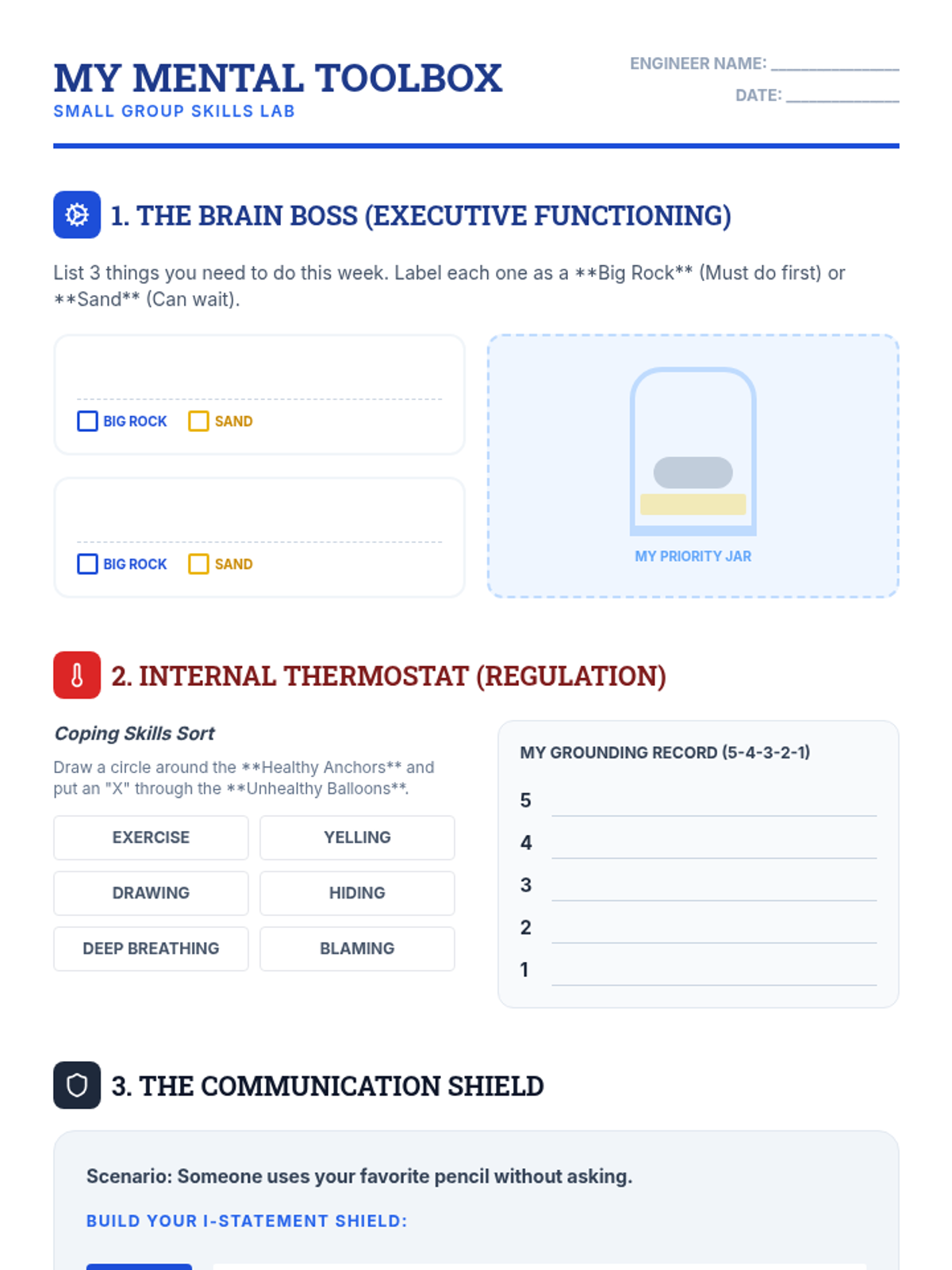
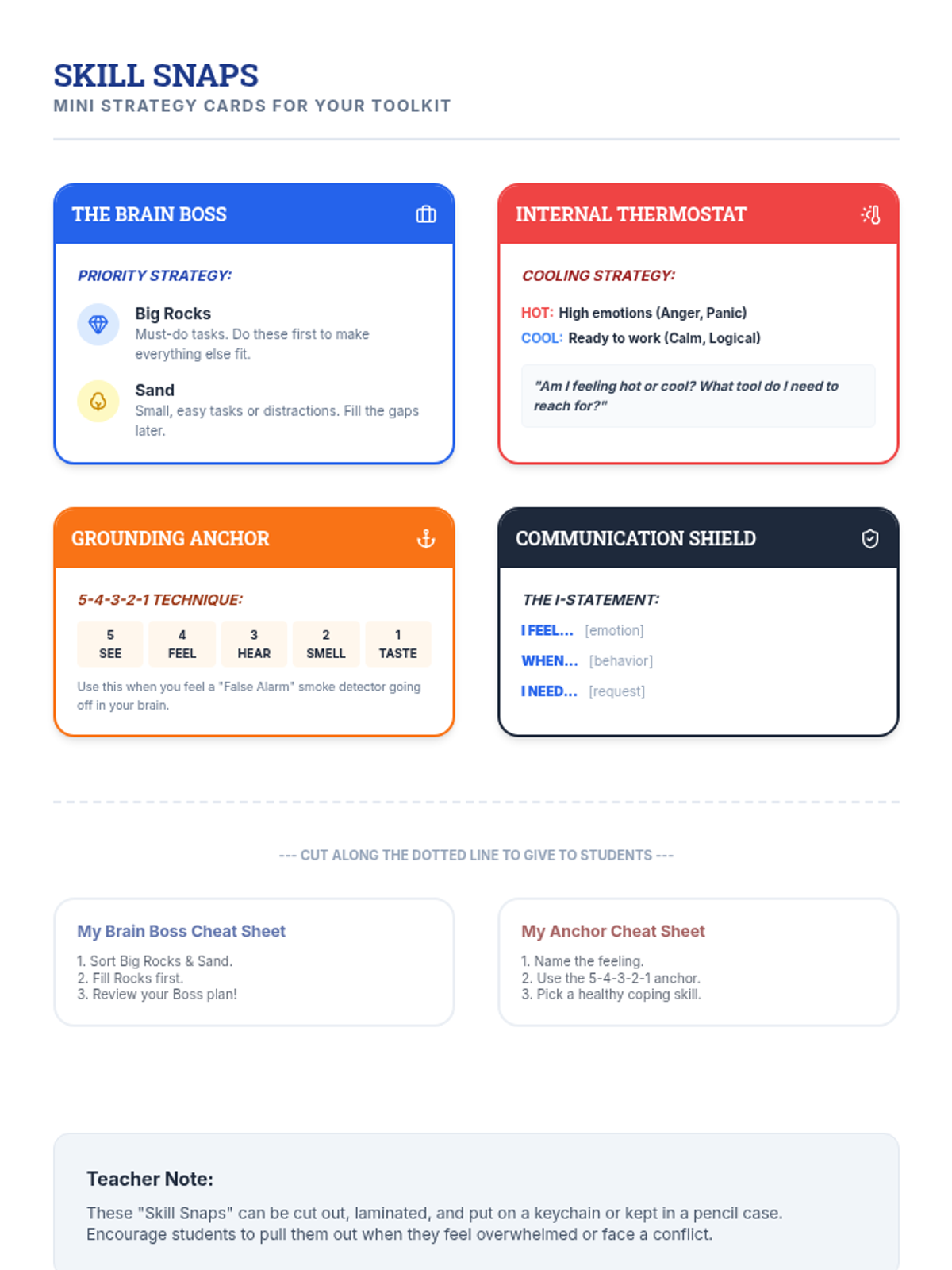
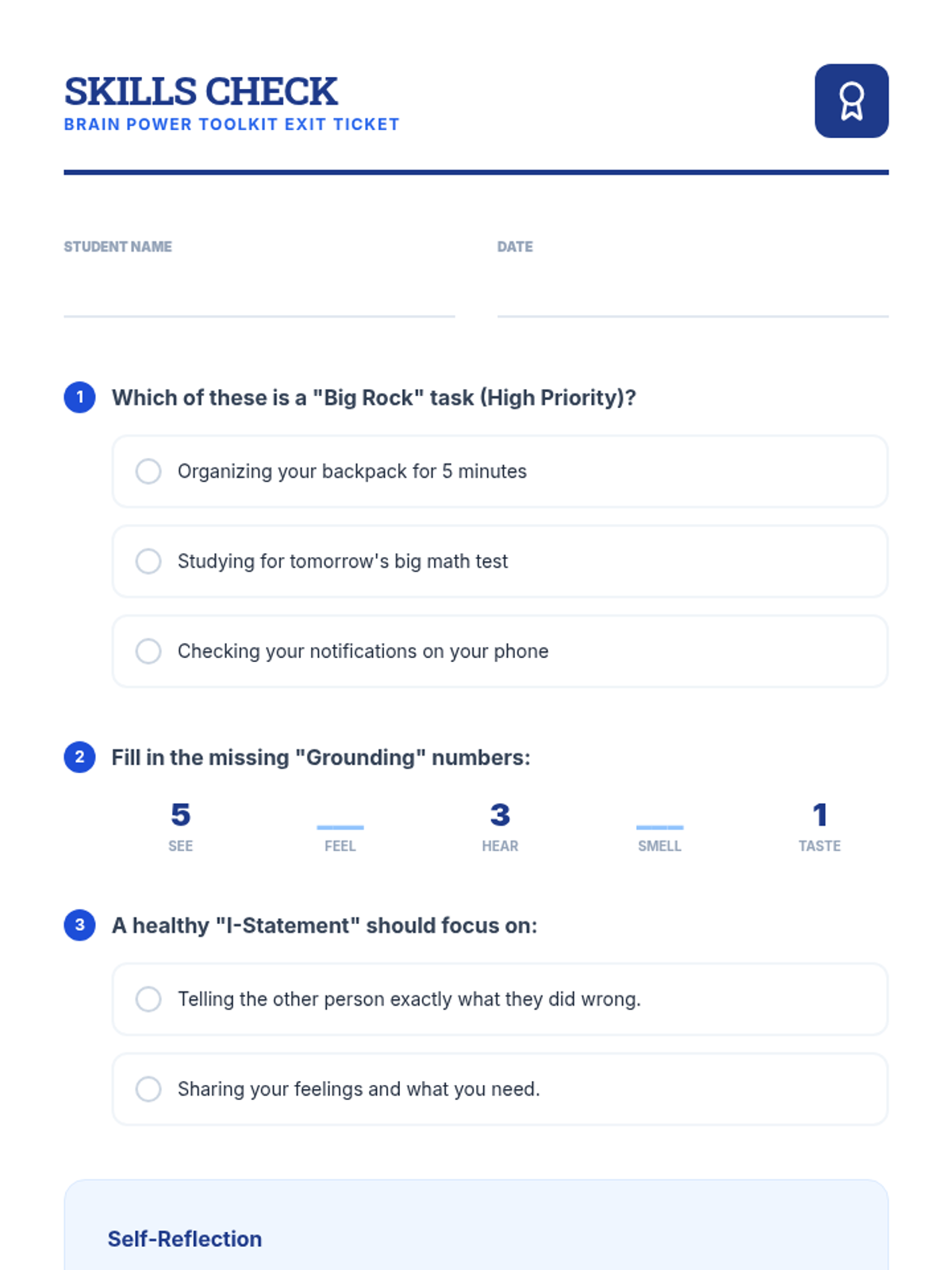
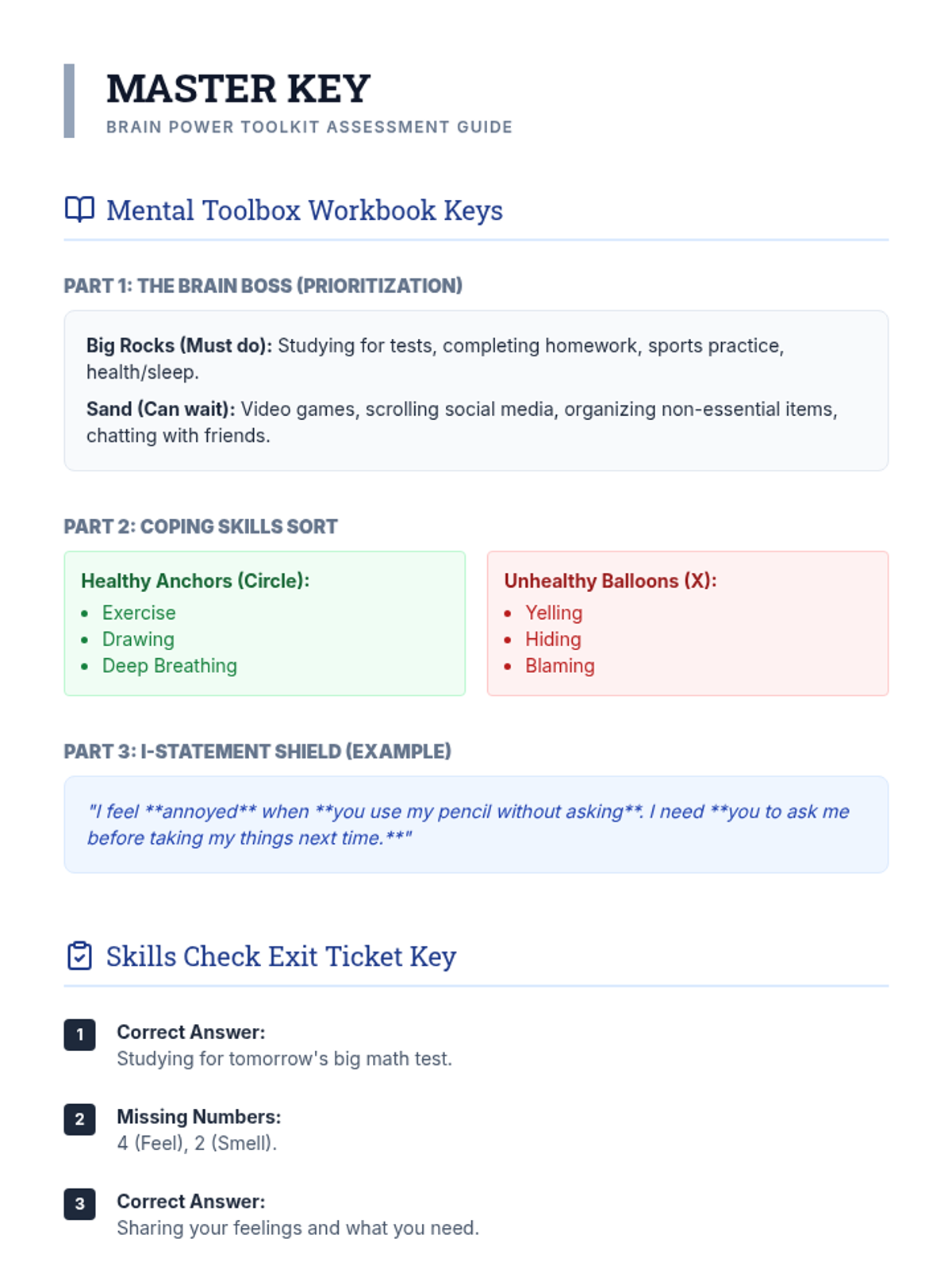
A series of social-emotional learning modules focused on cognitive and emotional mastery for small group settings.
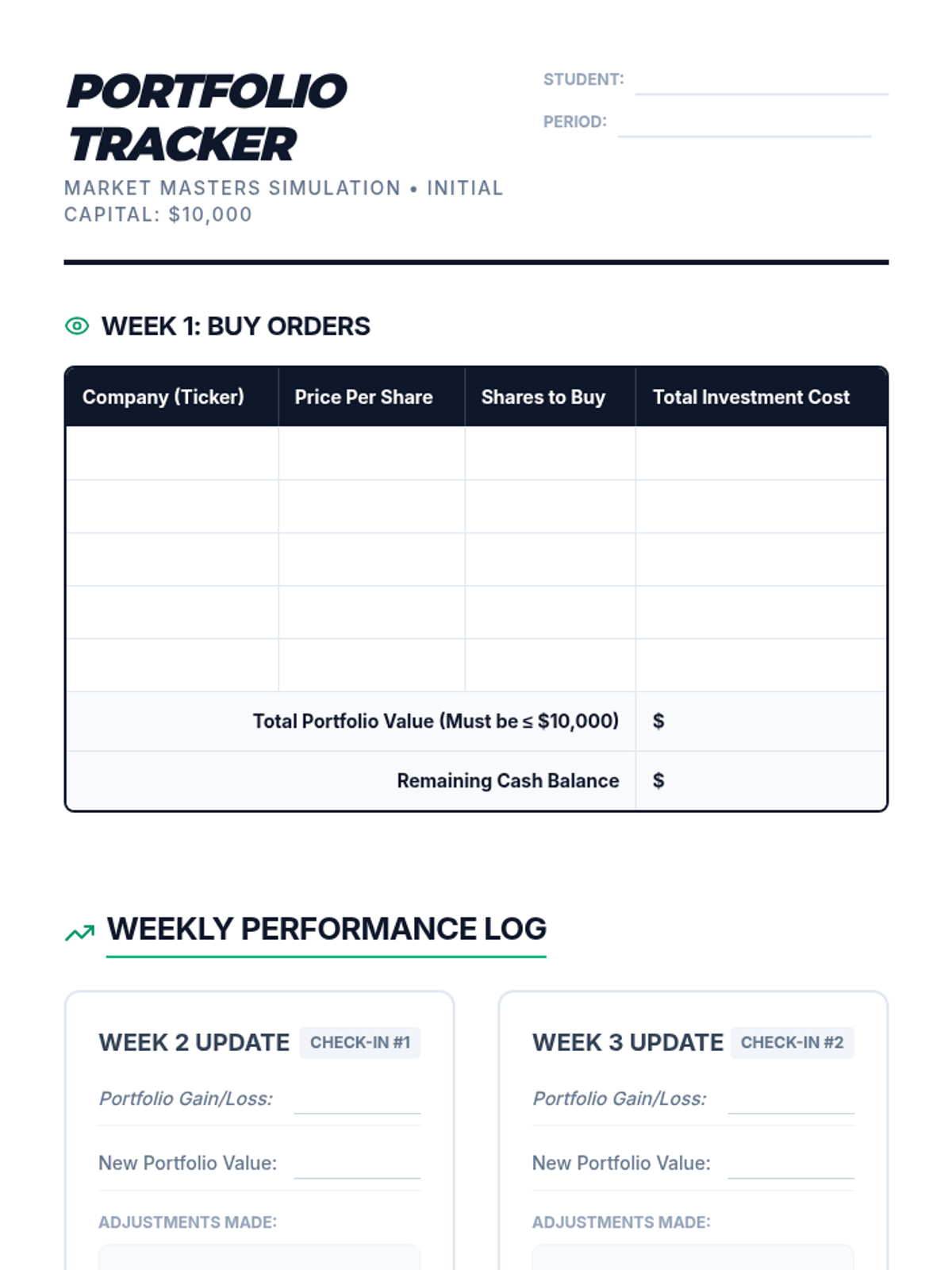
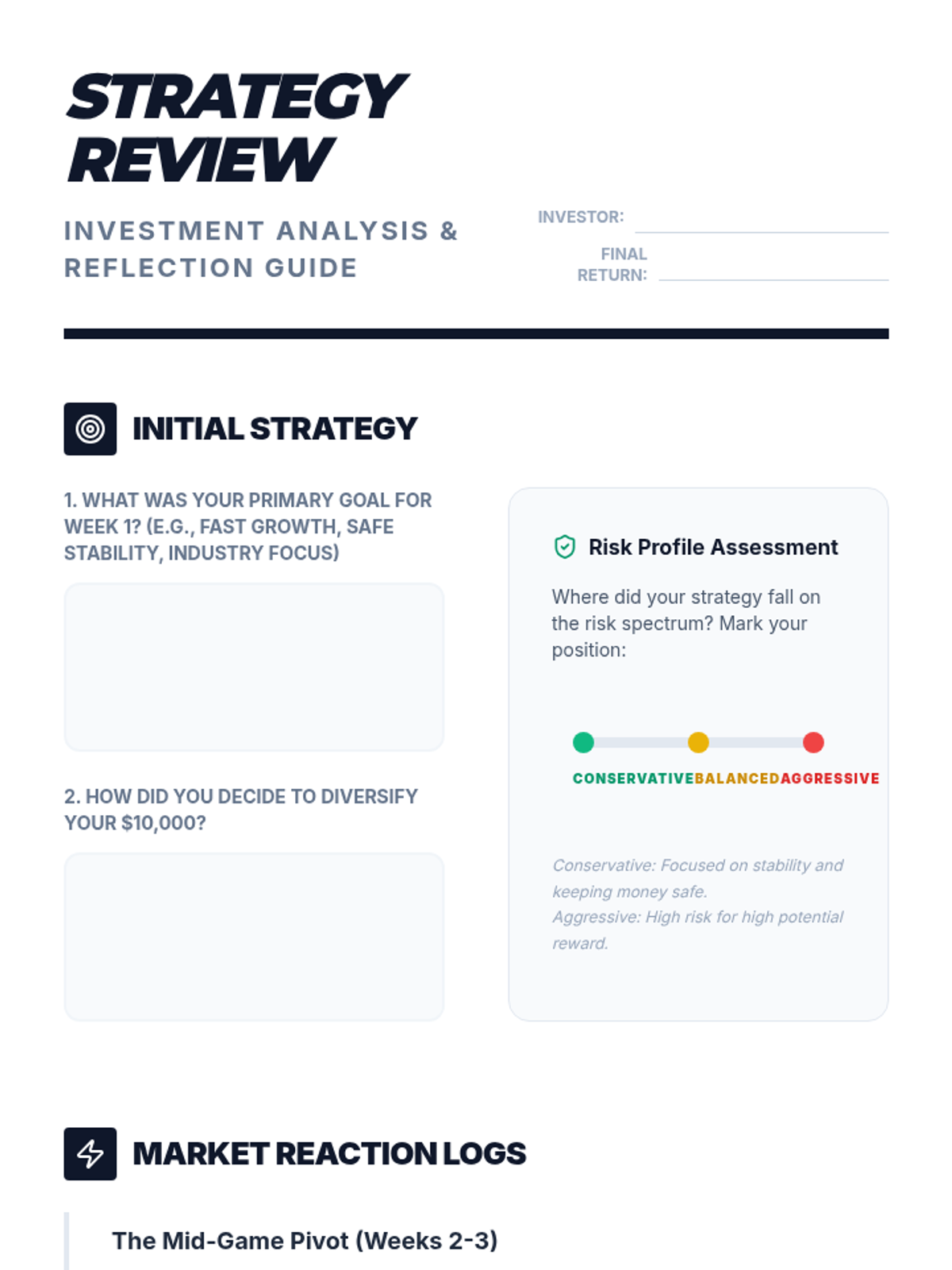
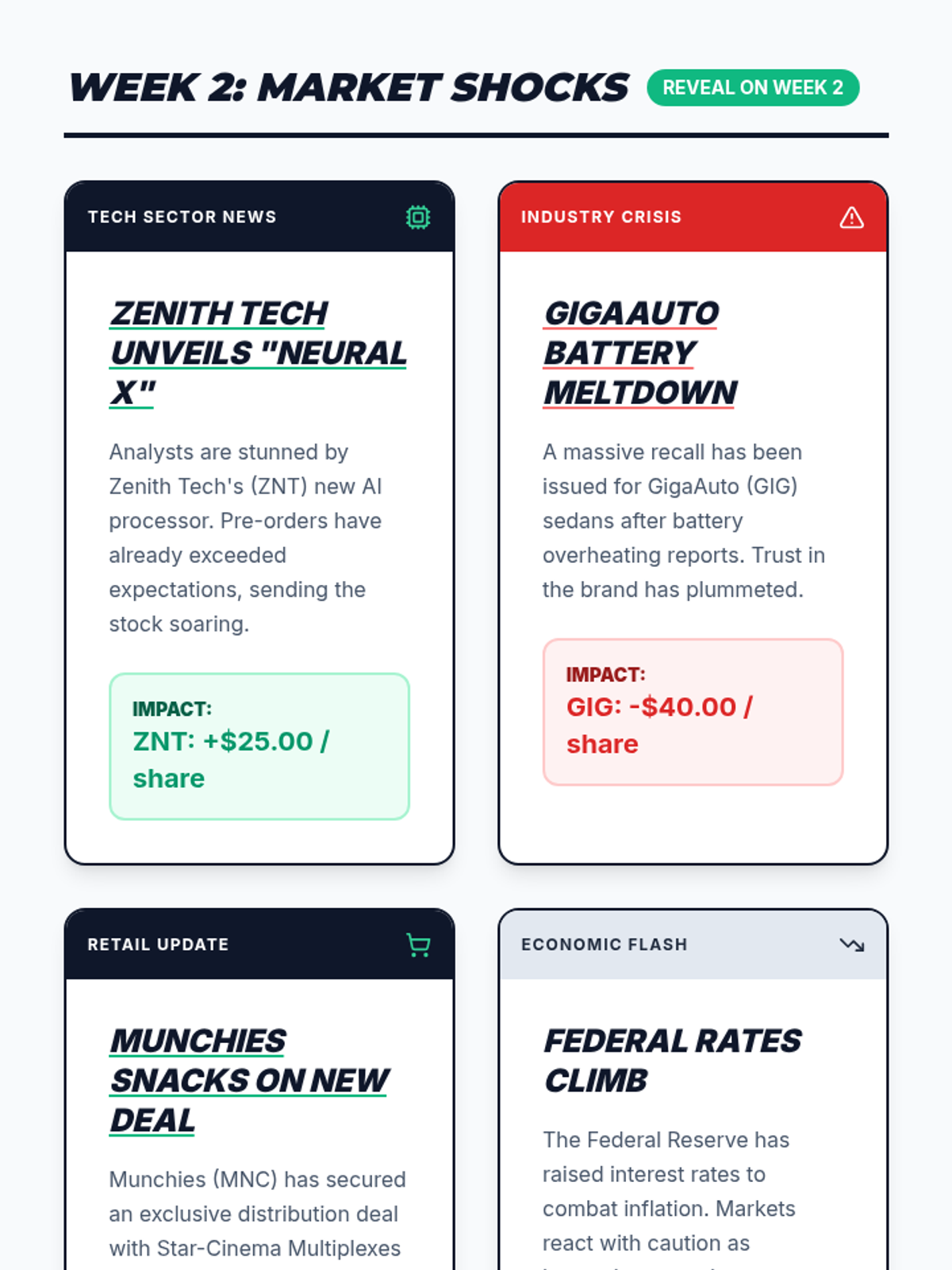
A hands-on introduction to financial markets and investment strategies through a four-week simulated portfolio management project.
A comprehensive curriculum covering financial literacy, economic principles, and civic systems through historical case studies, ethical dilemmas, and real-world simulations.
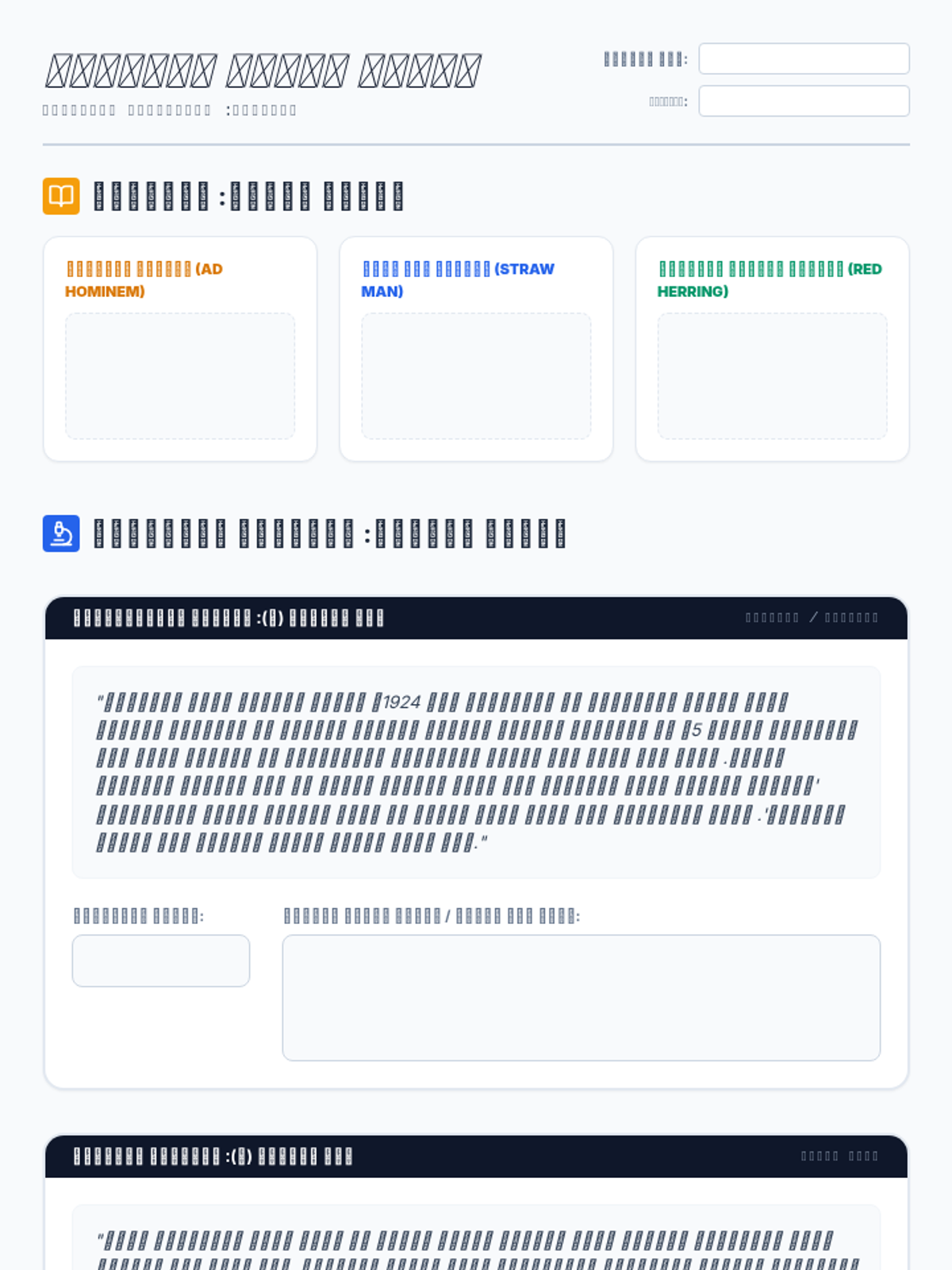
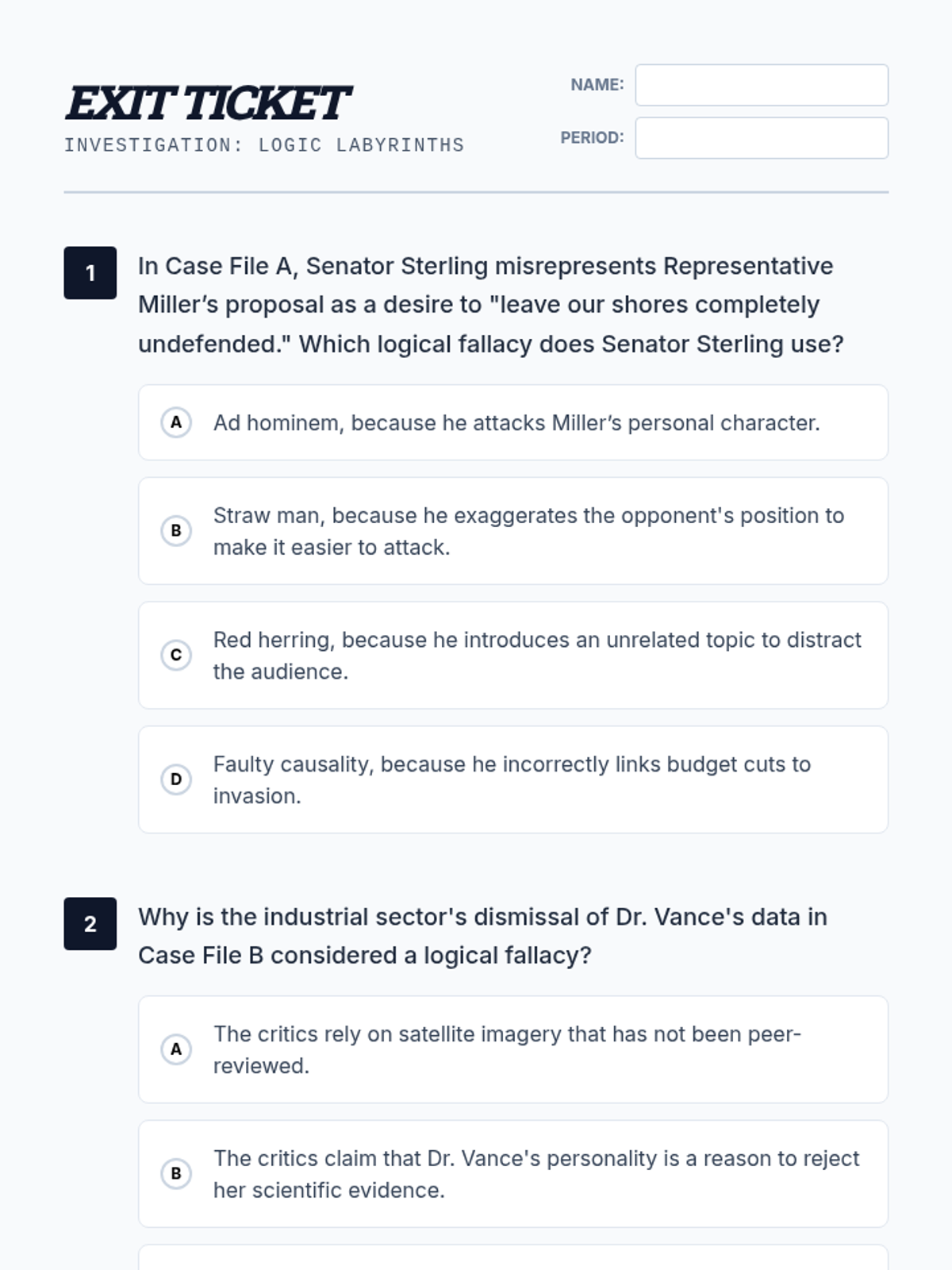
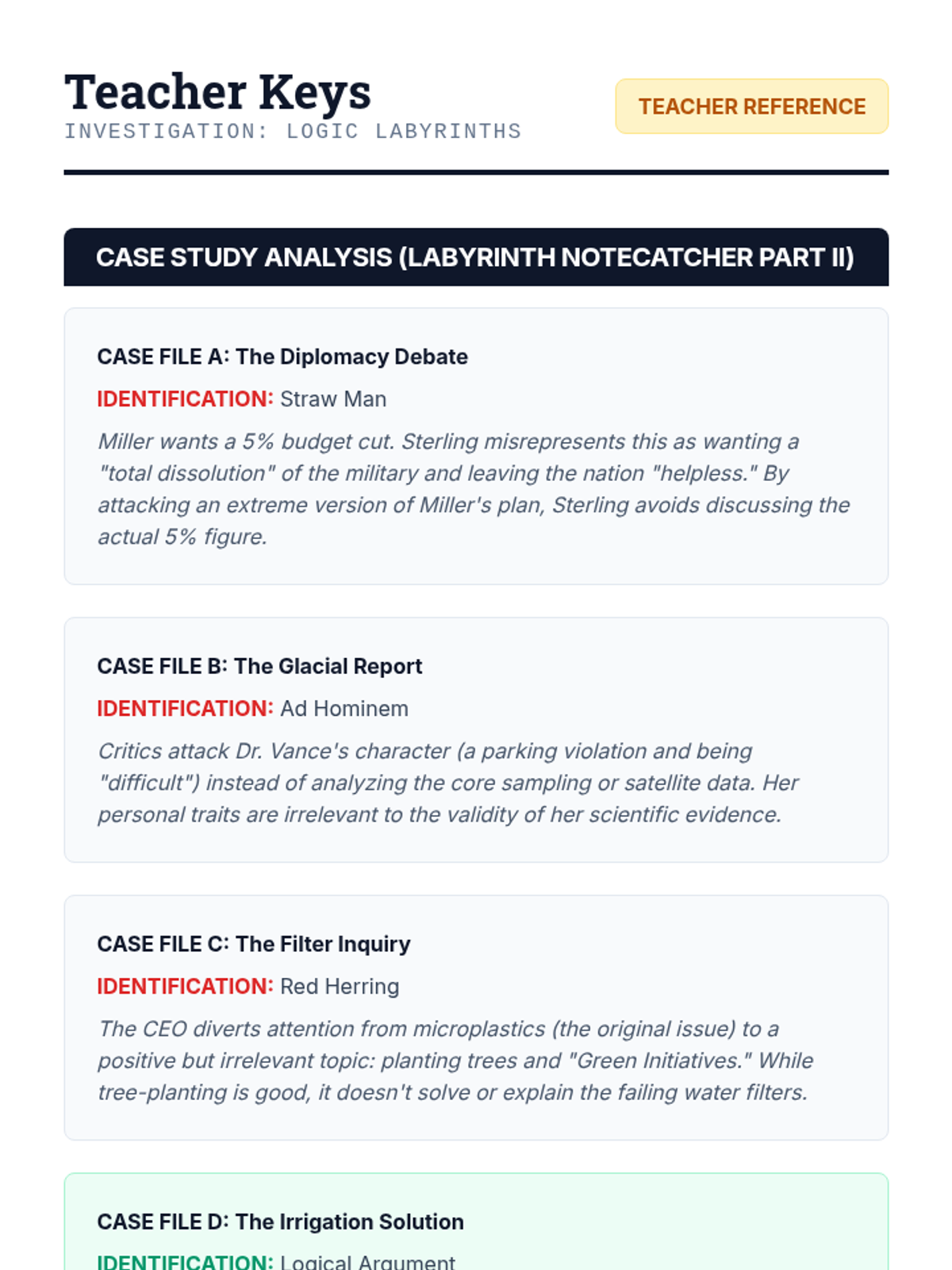
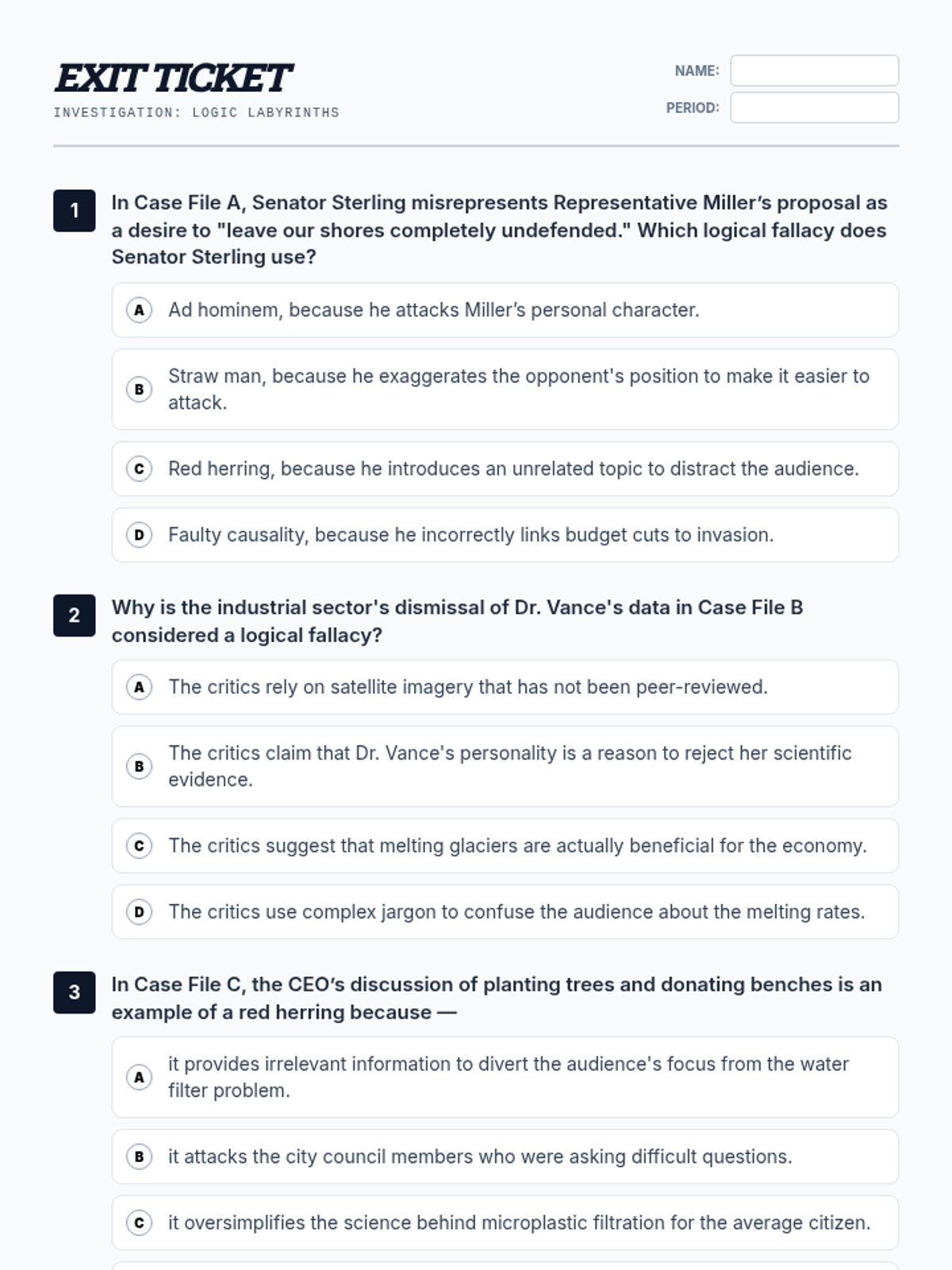
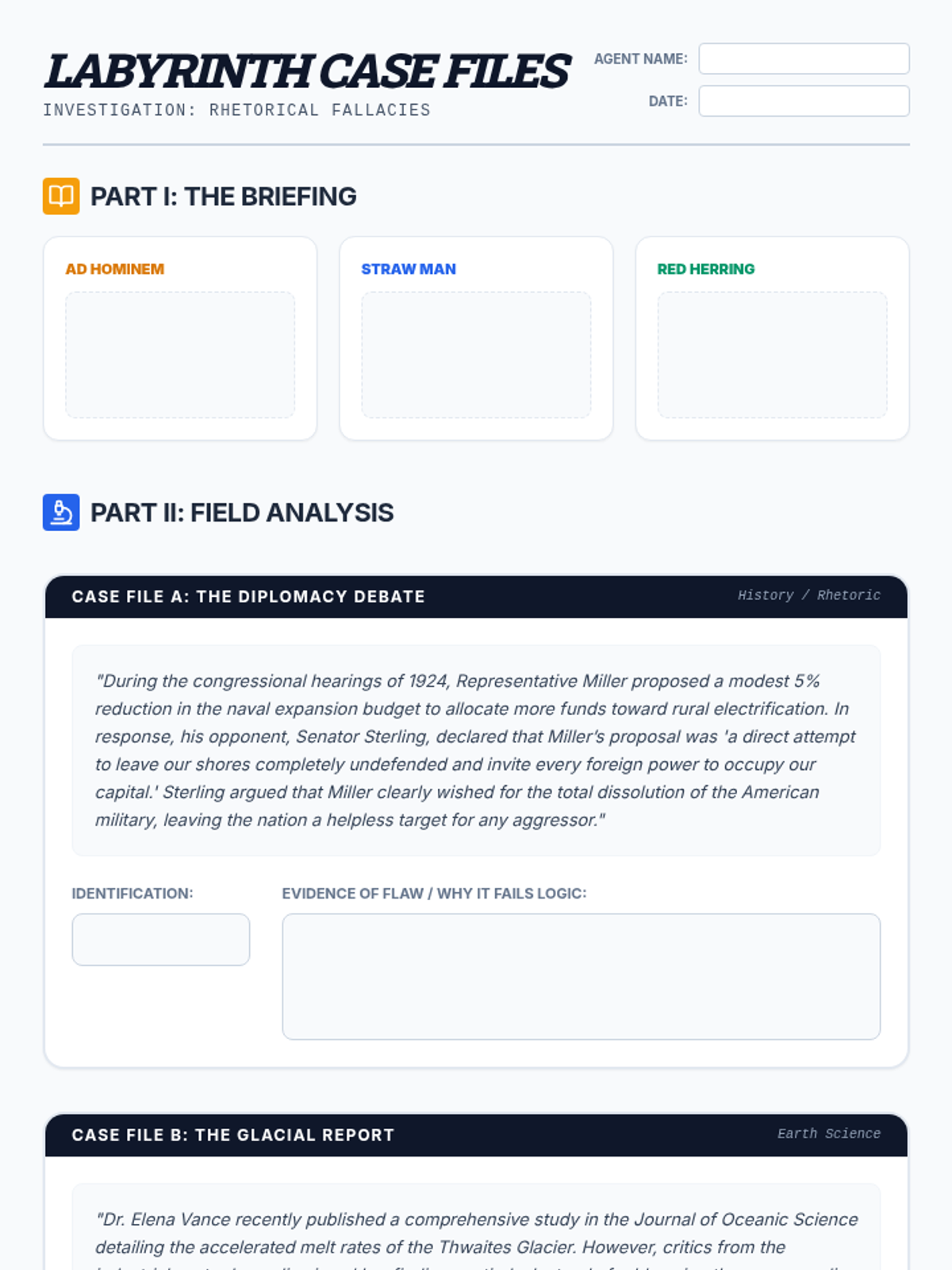
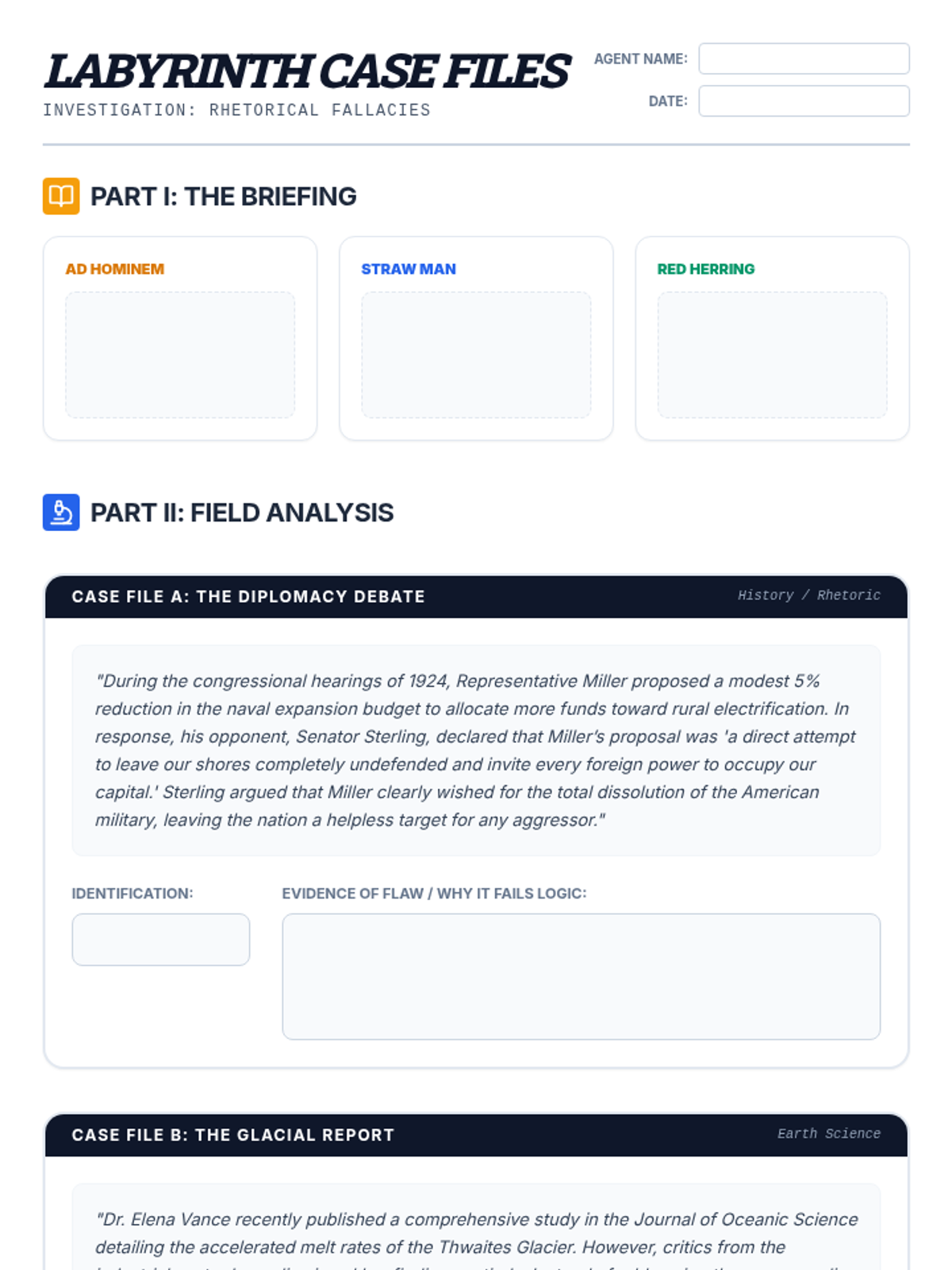
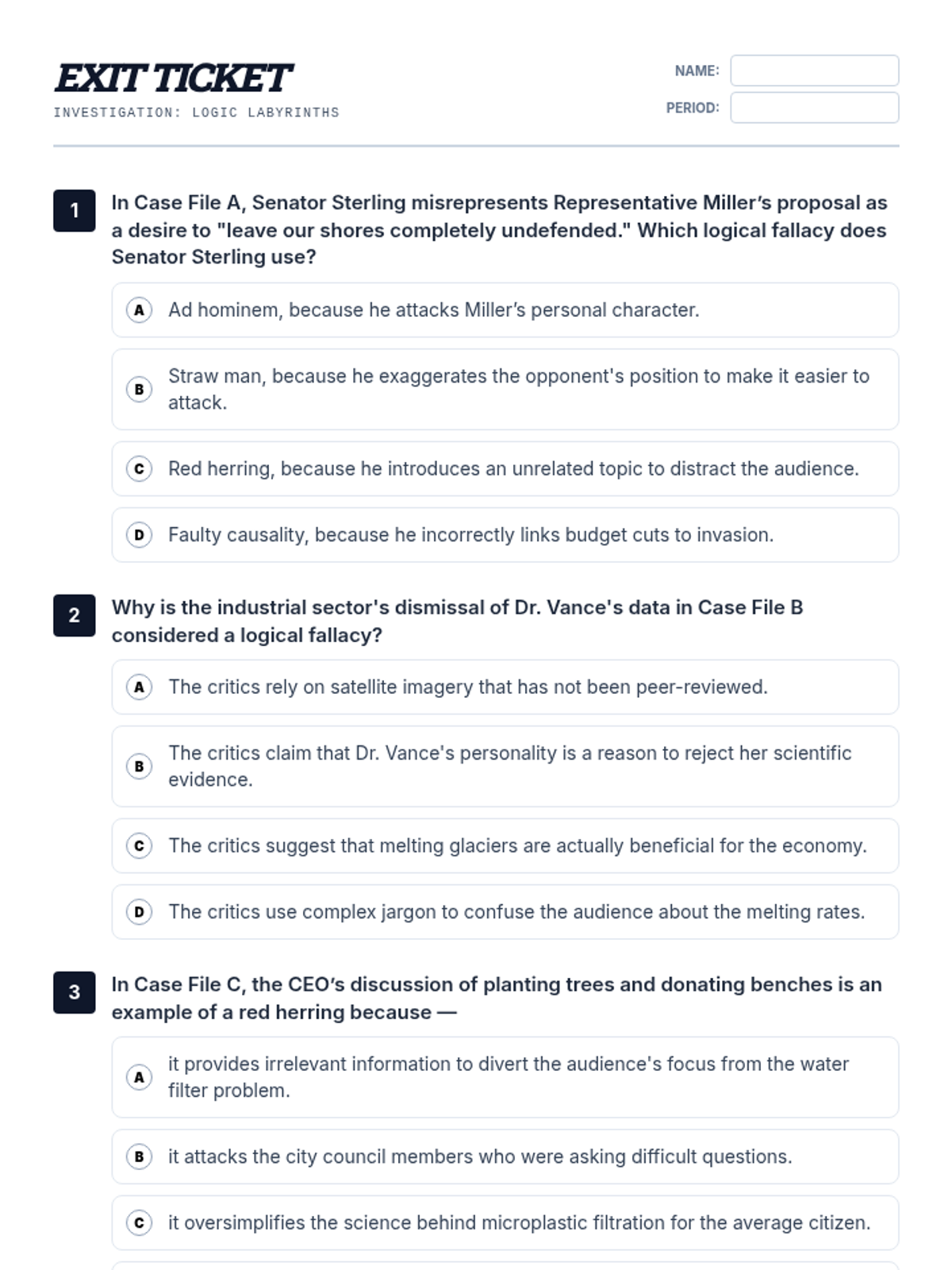
A dual-focus sequence on identifying logical fallacies across academic and professional contexts, preparing students for both STAAR-level rhetorical analysis and real-world career communications.
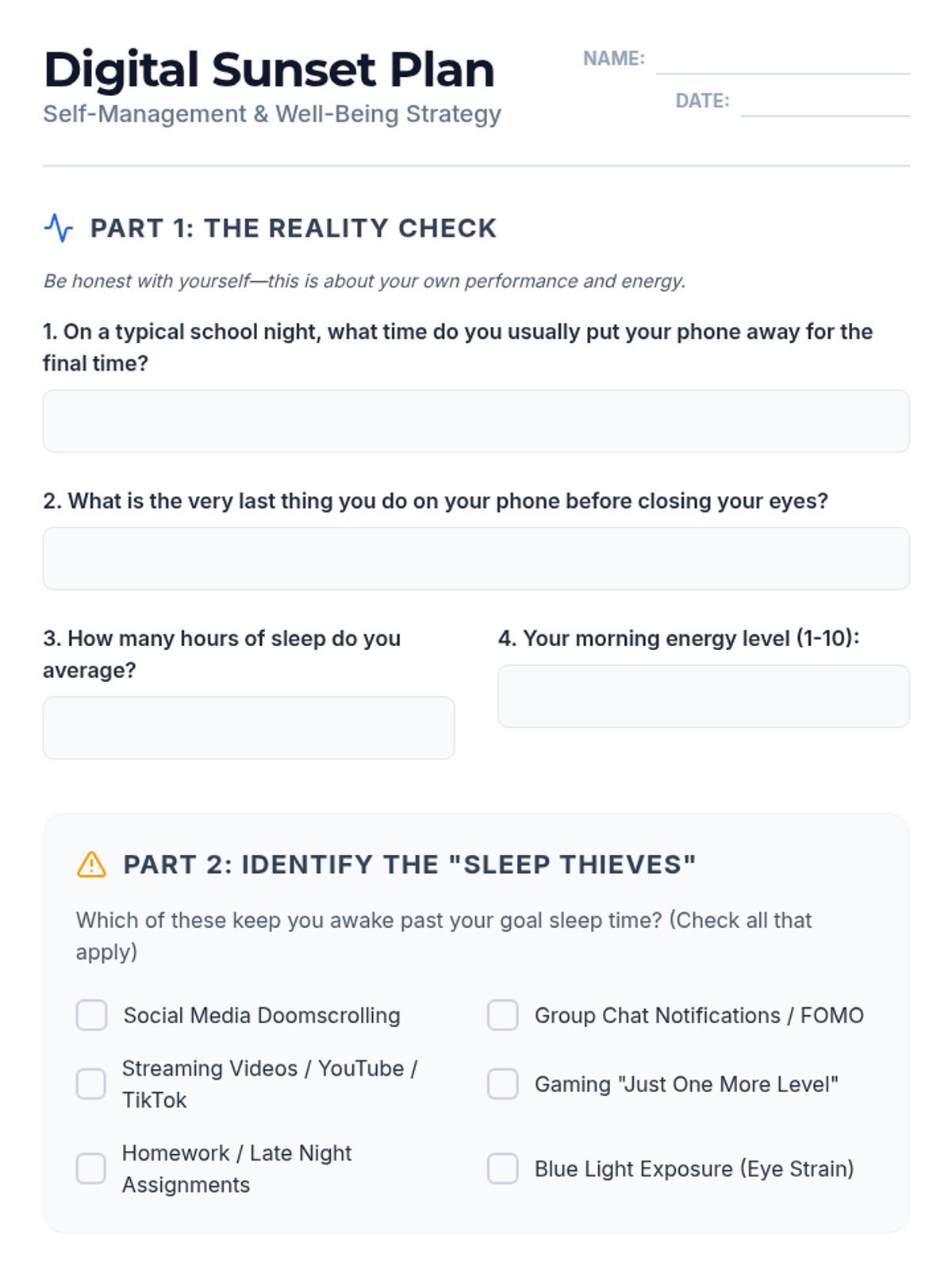
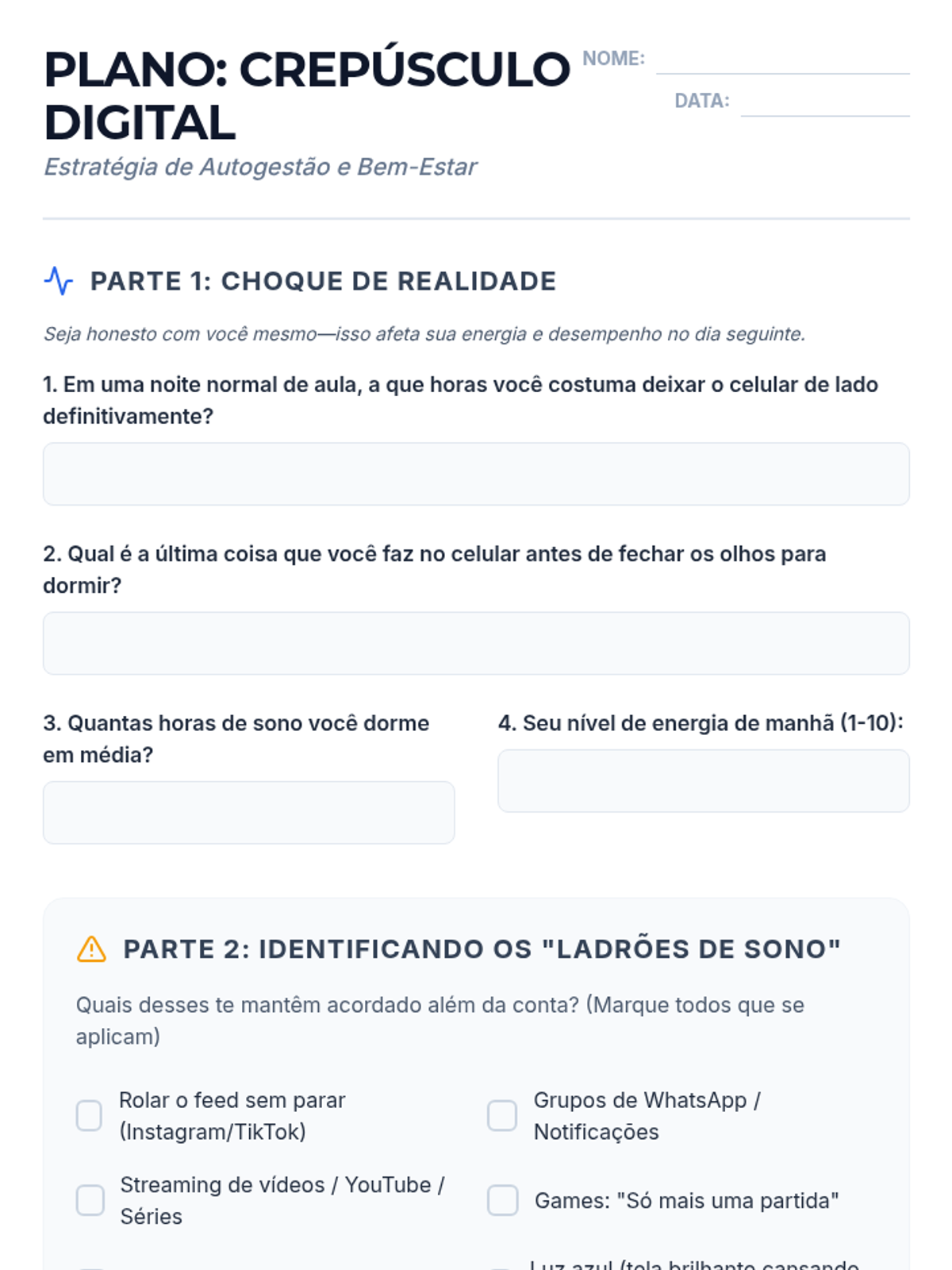
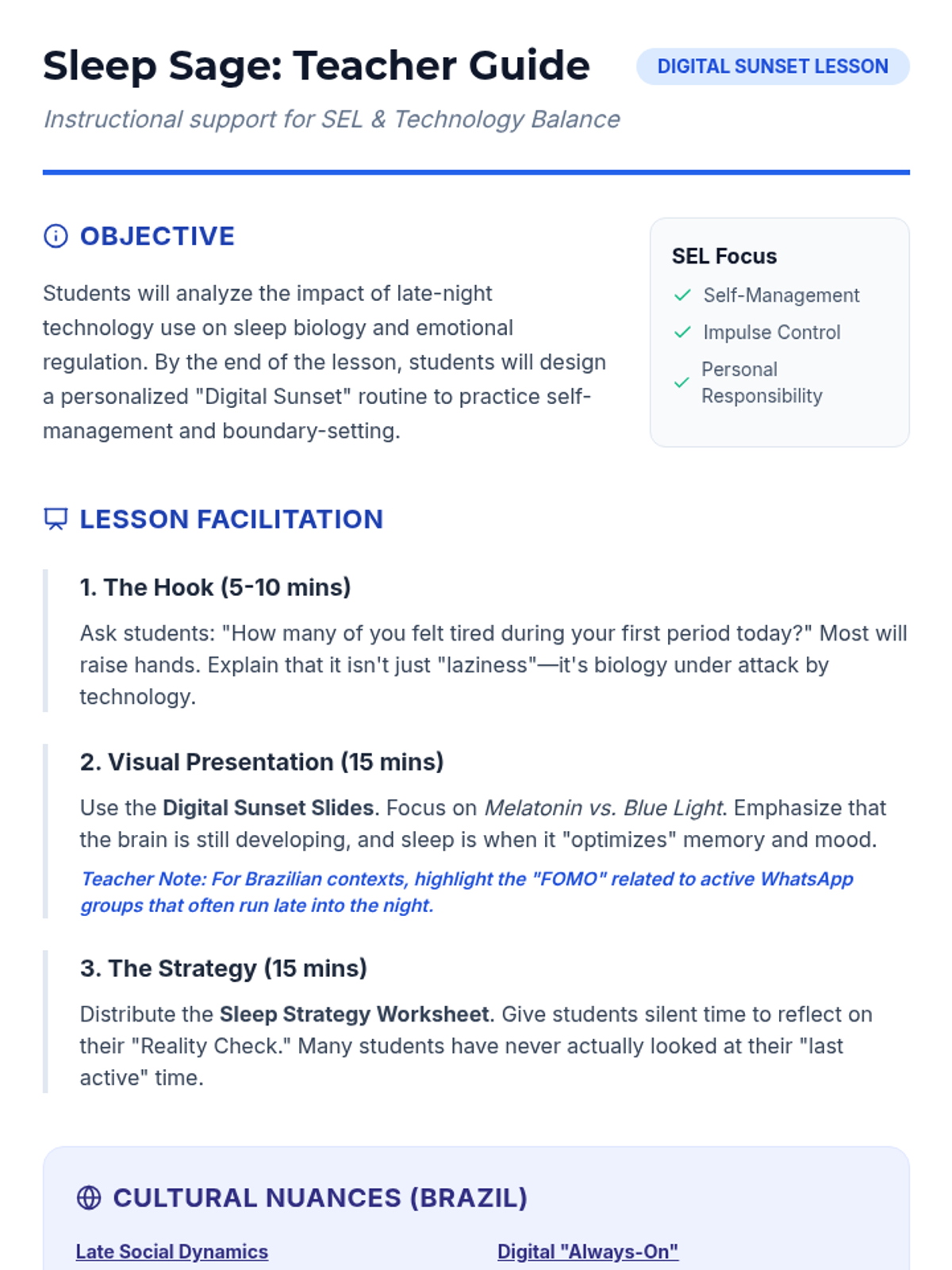
A social-emotional learning lesson focused on the impact of technology on sleep, designed for 16-year-old students. It emphasizes self-management, healthy boundaries, and personal well-being through the concept of a 'Digital Sunset'.
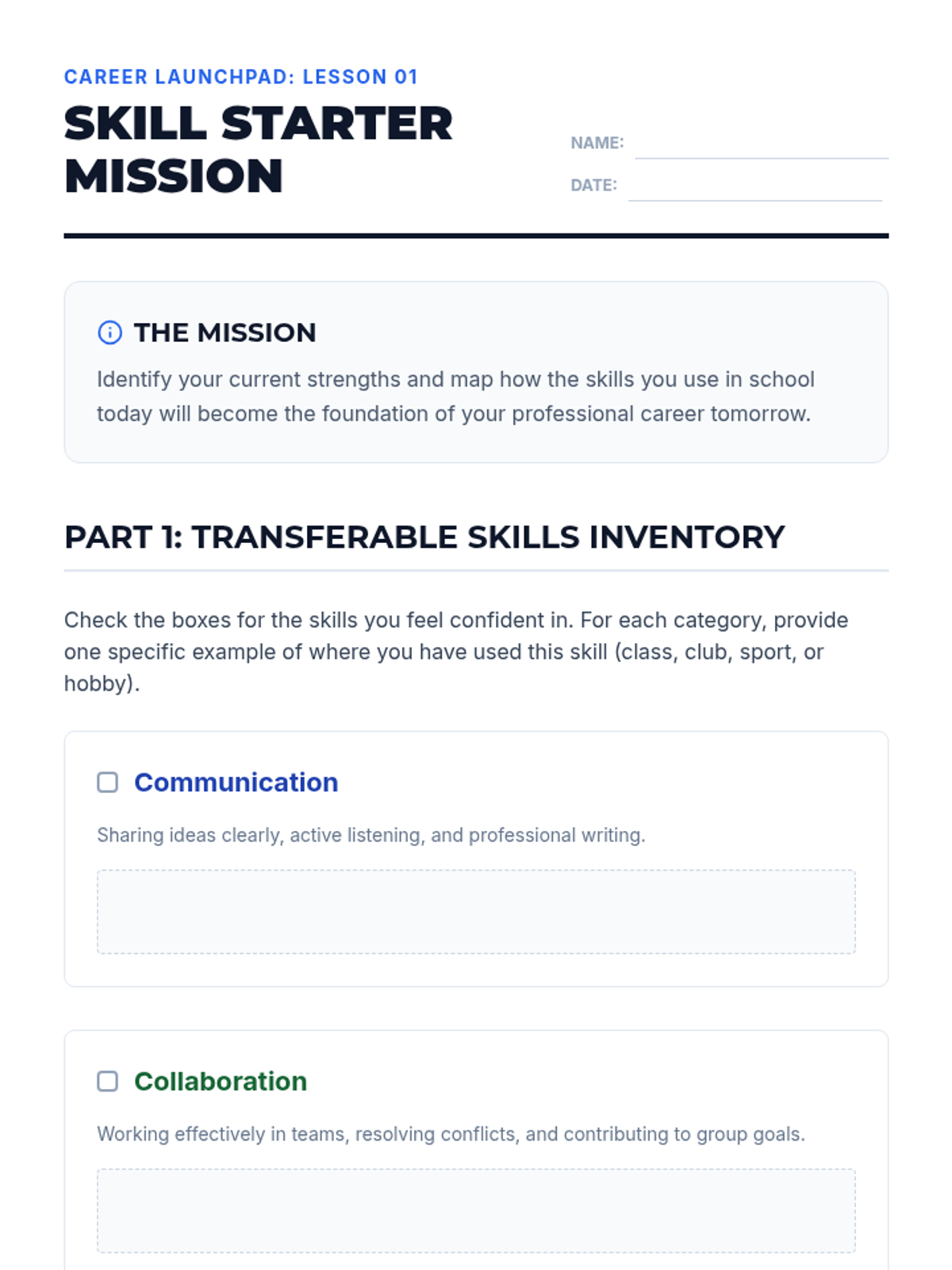
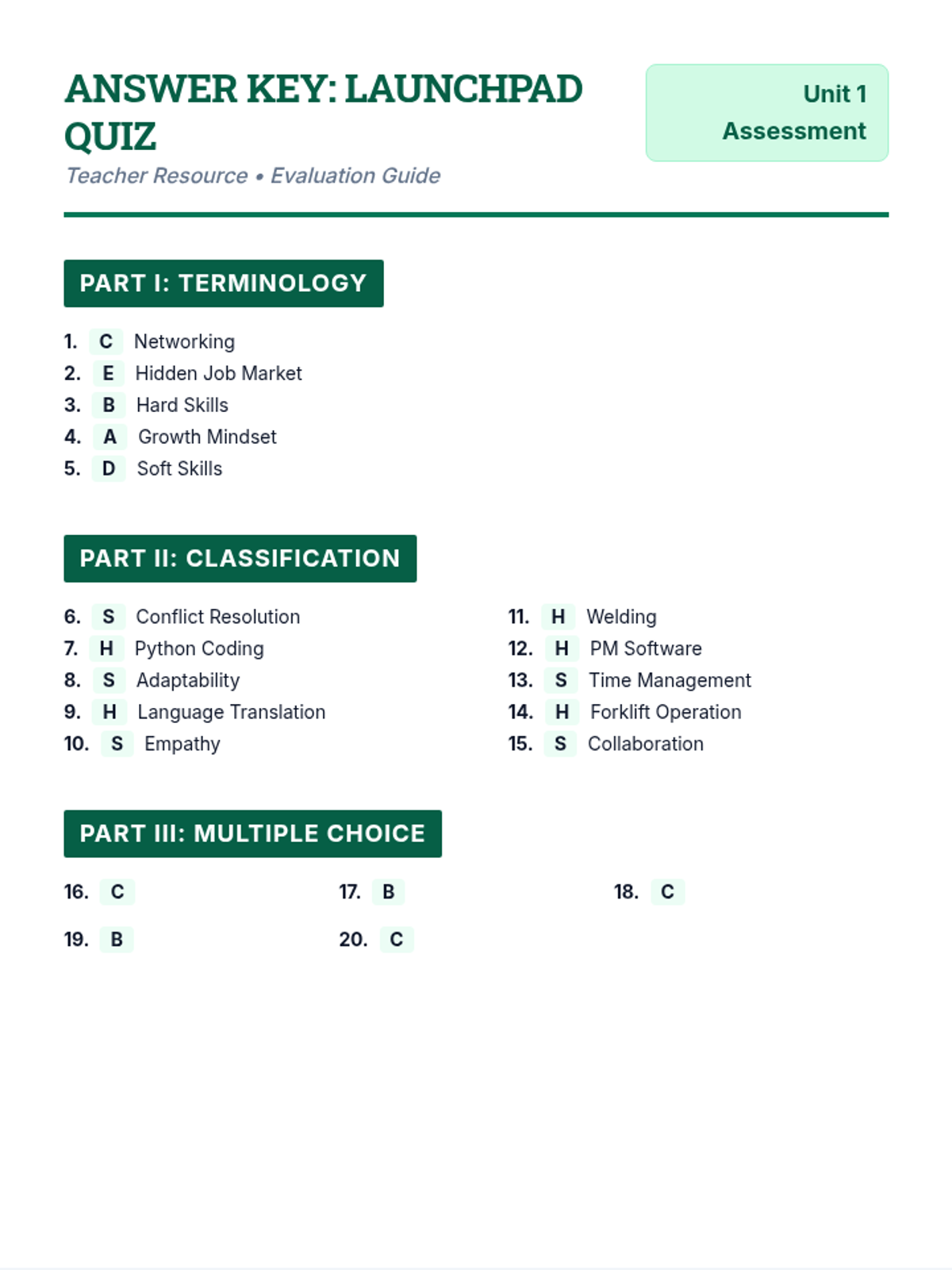
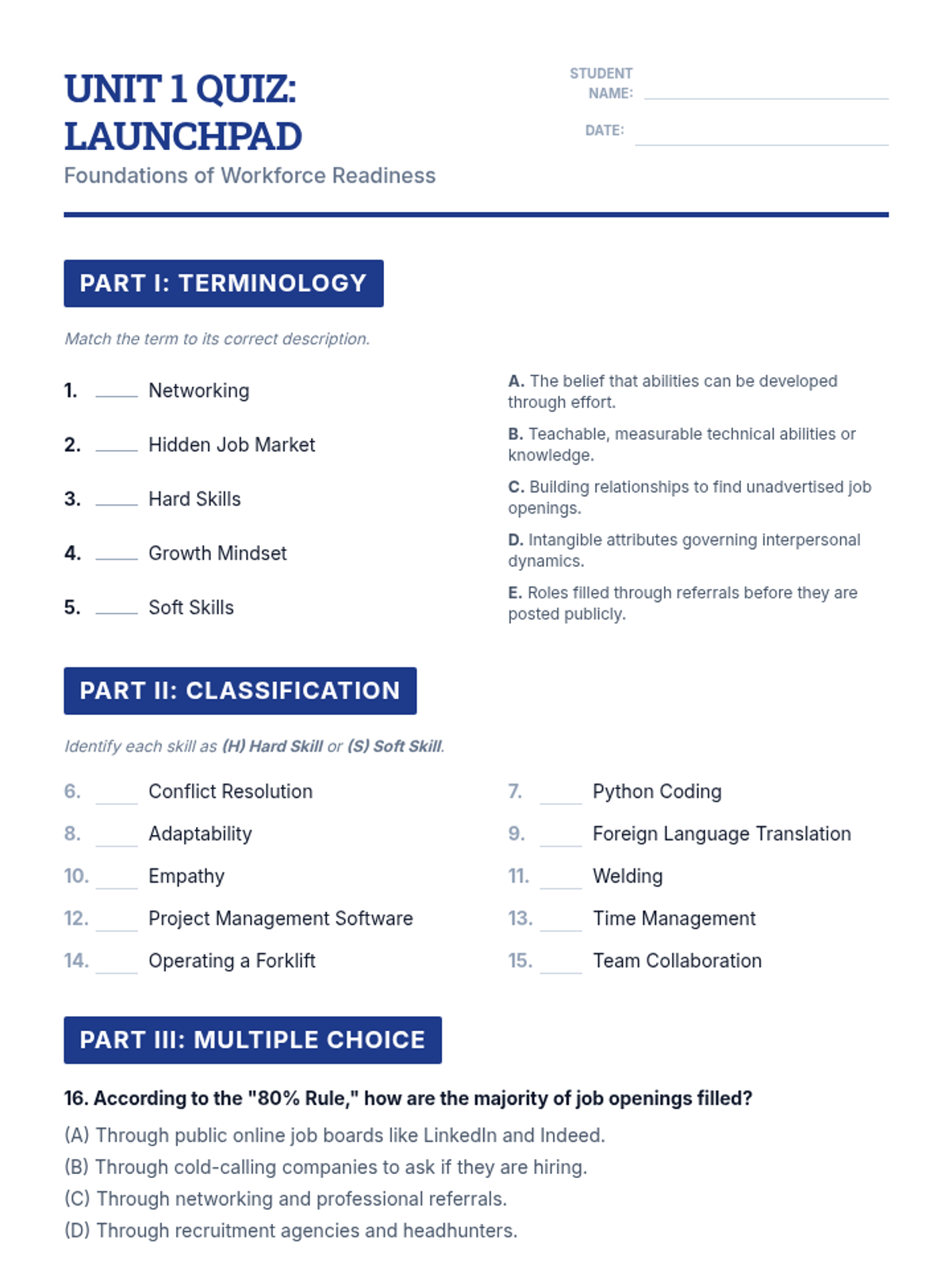
A comprehensive career readiness program designed to prepare students for the modern workforce through 12 modular lessons covering soft skills, exploration, and professional habits. Each lesson aligns with CCR standards and includes portfolio-ready reflections.
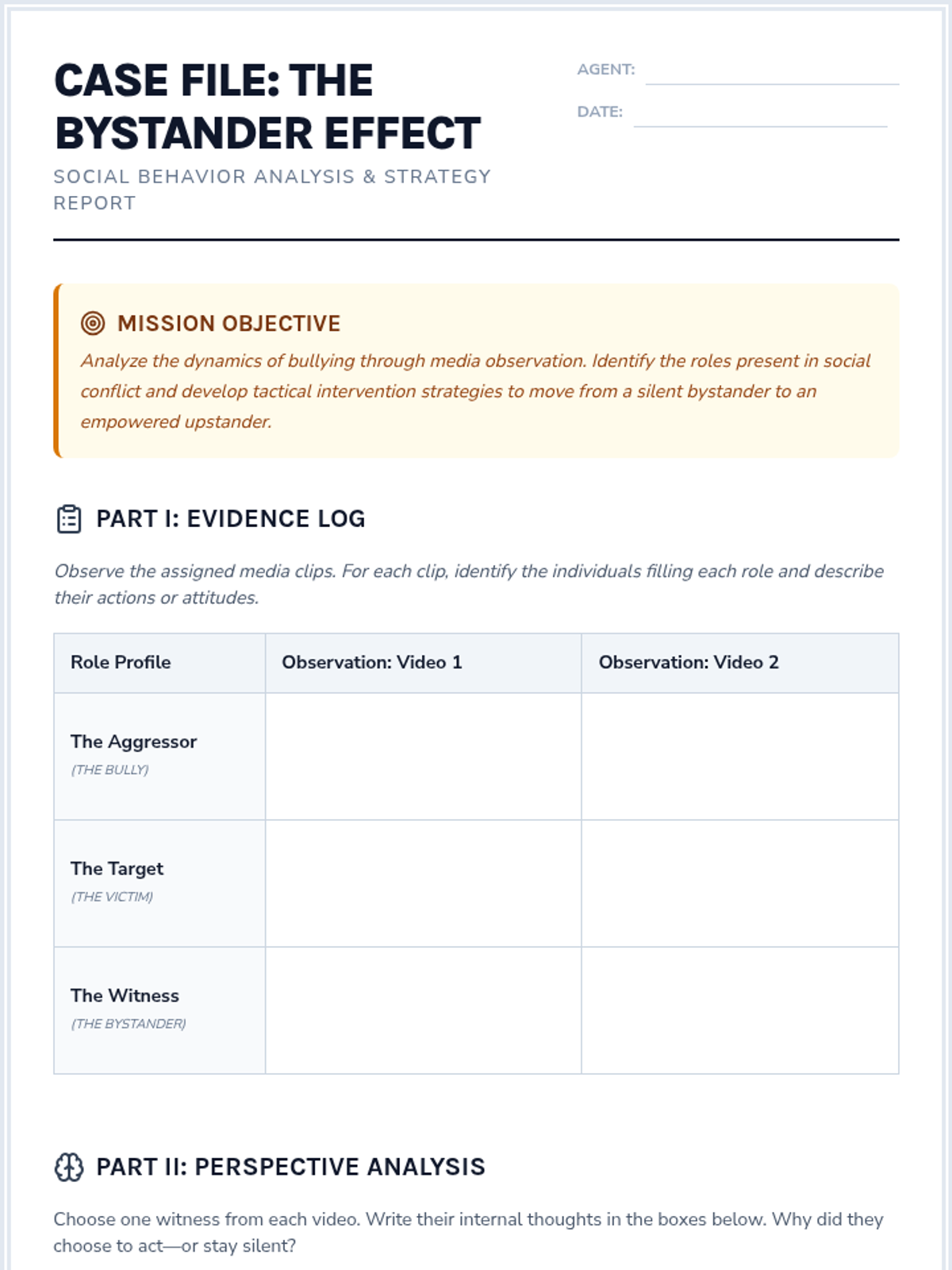
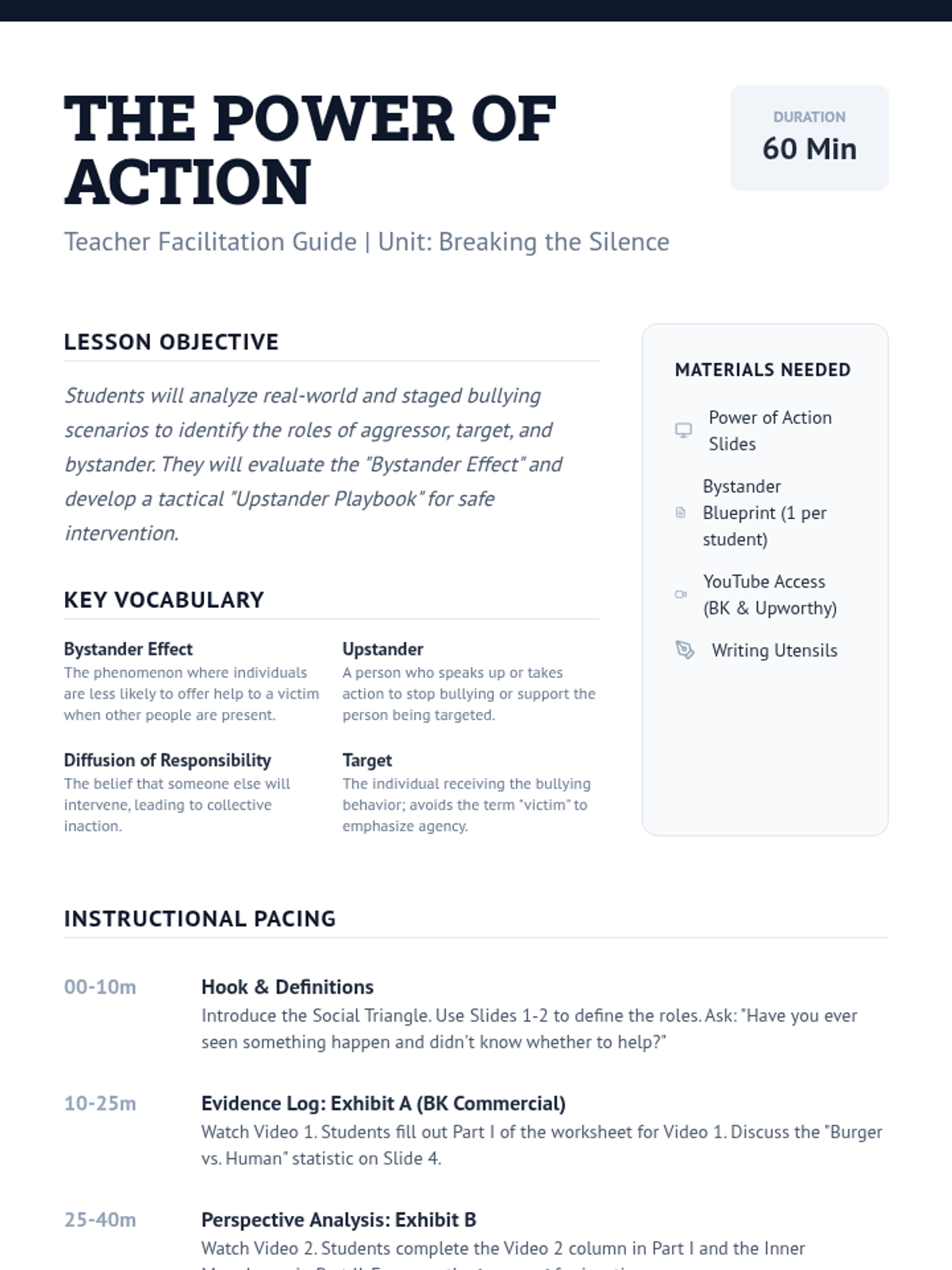
A comprehensive unit dedicated to identifying bullying behaviors, understanding social roles in conflict, and empowering students to move from bystanders to upstanders.
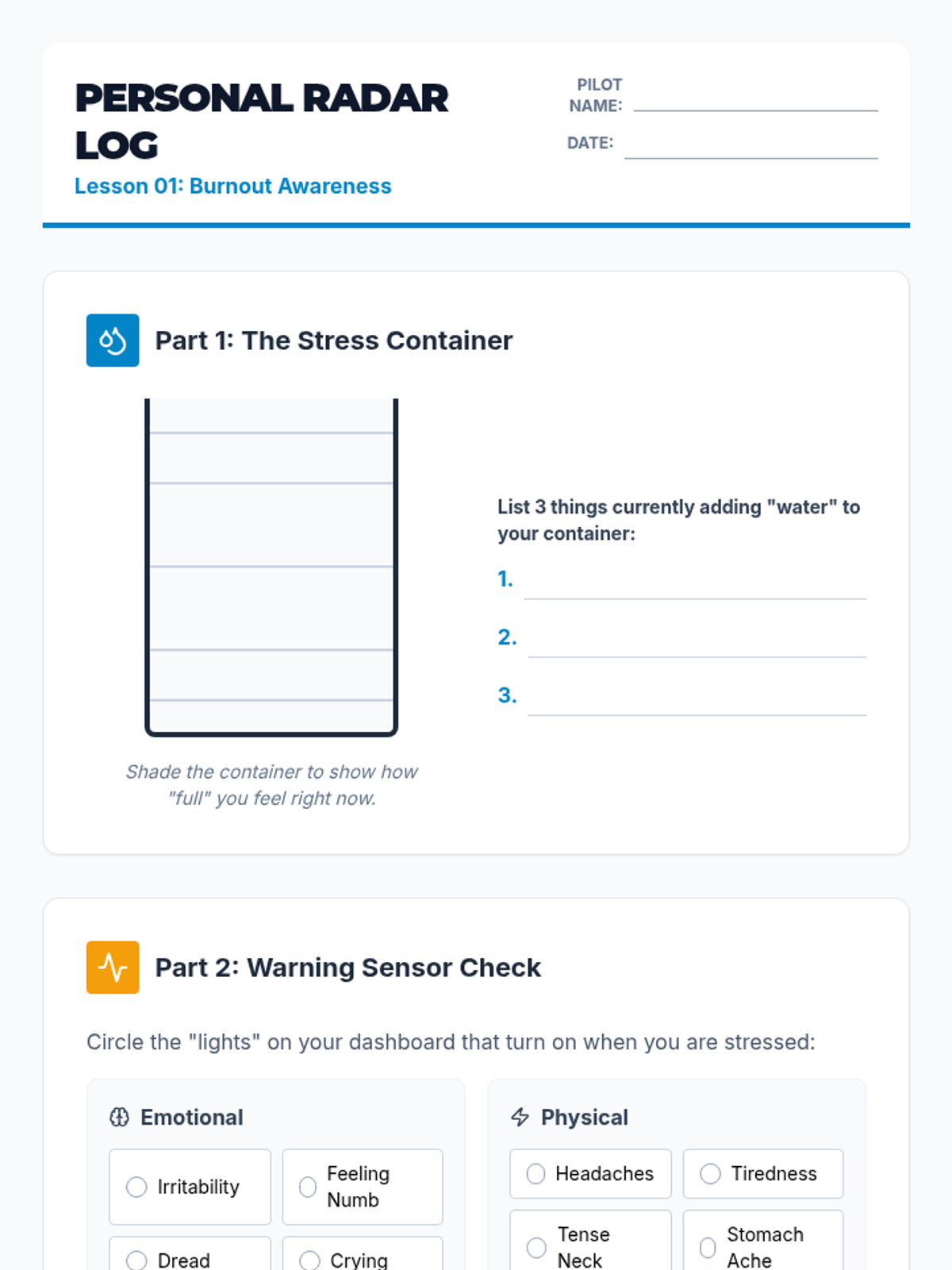
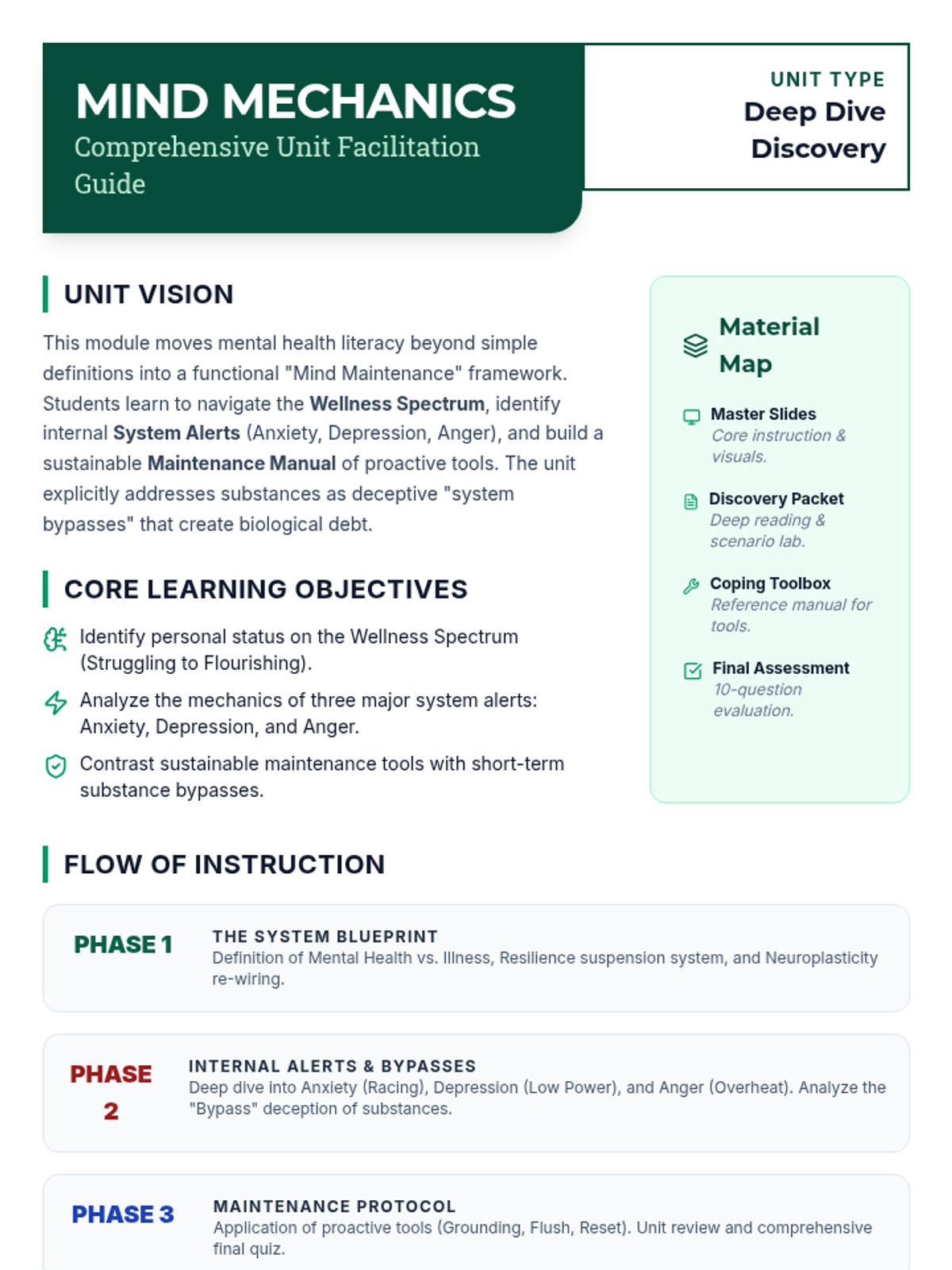
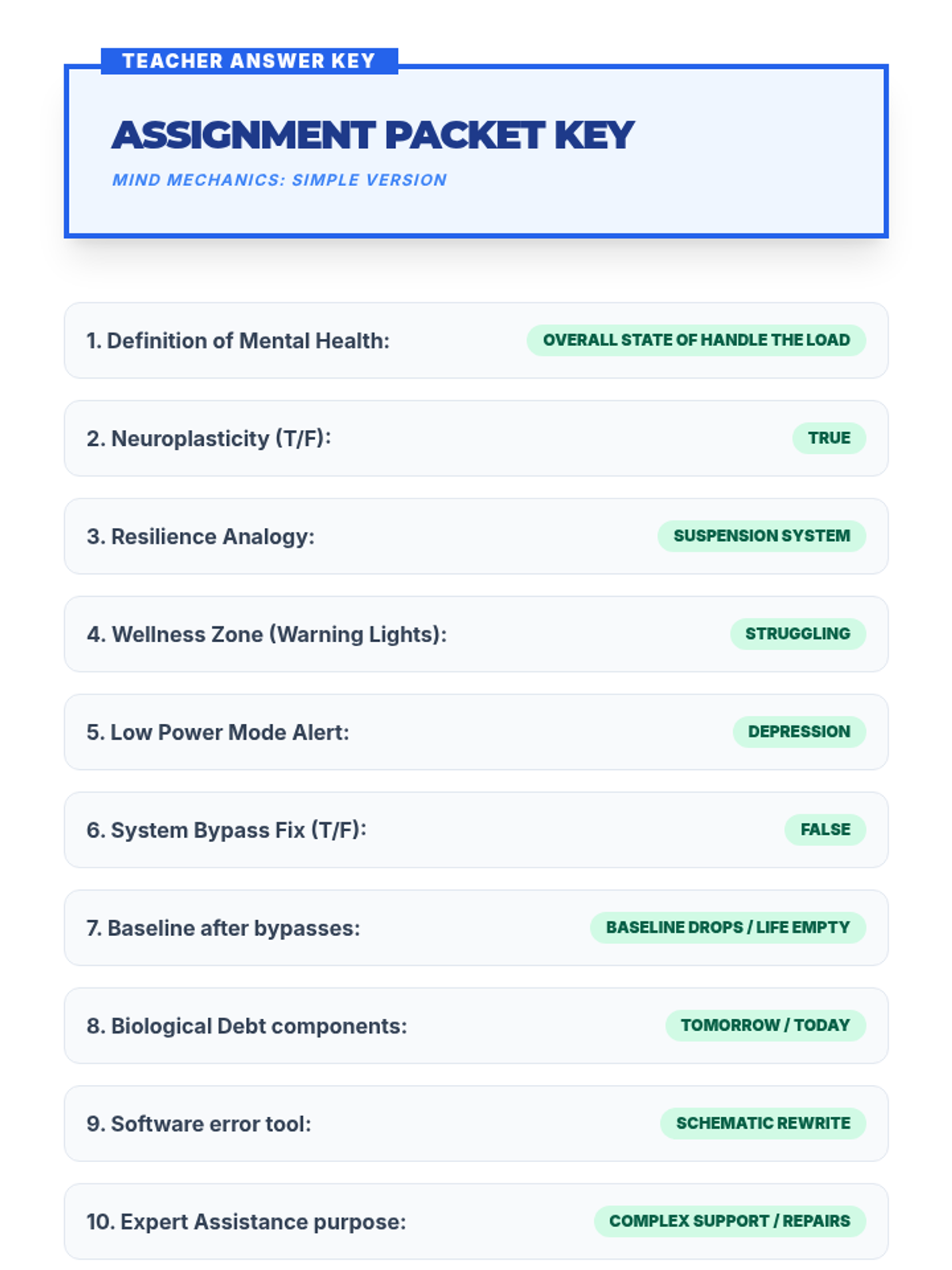
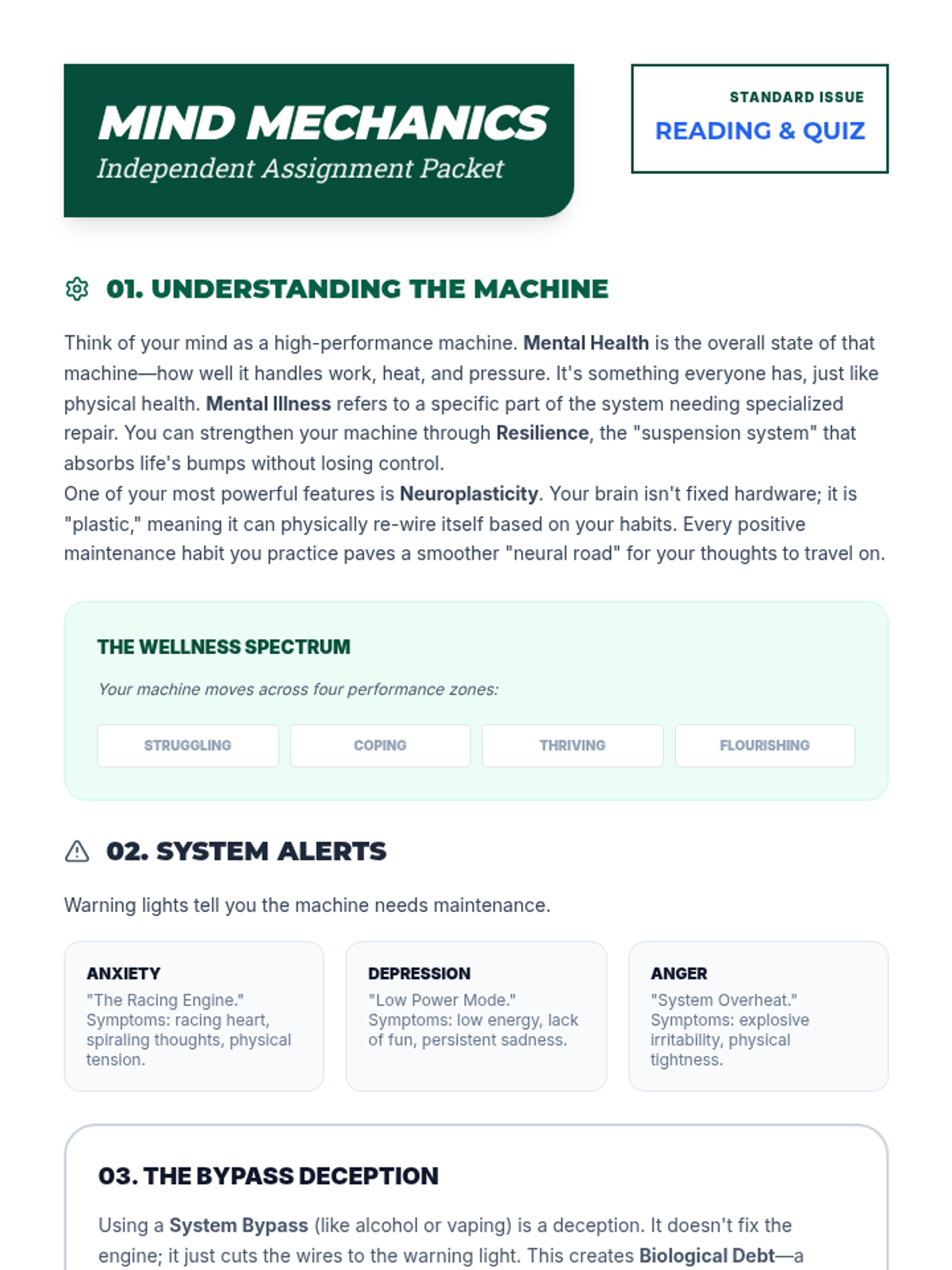
A multi-lesson unit designed to build mental health literacy, identify internal system alerts (Anxiety, Depression, Anger), and develop a sustainable toolkit of coping strategies. Students explore the 'Wellness Spectrum', 'Neuroplasticity', and the deceptive nature of 'System Bypasses' like substances.
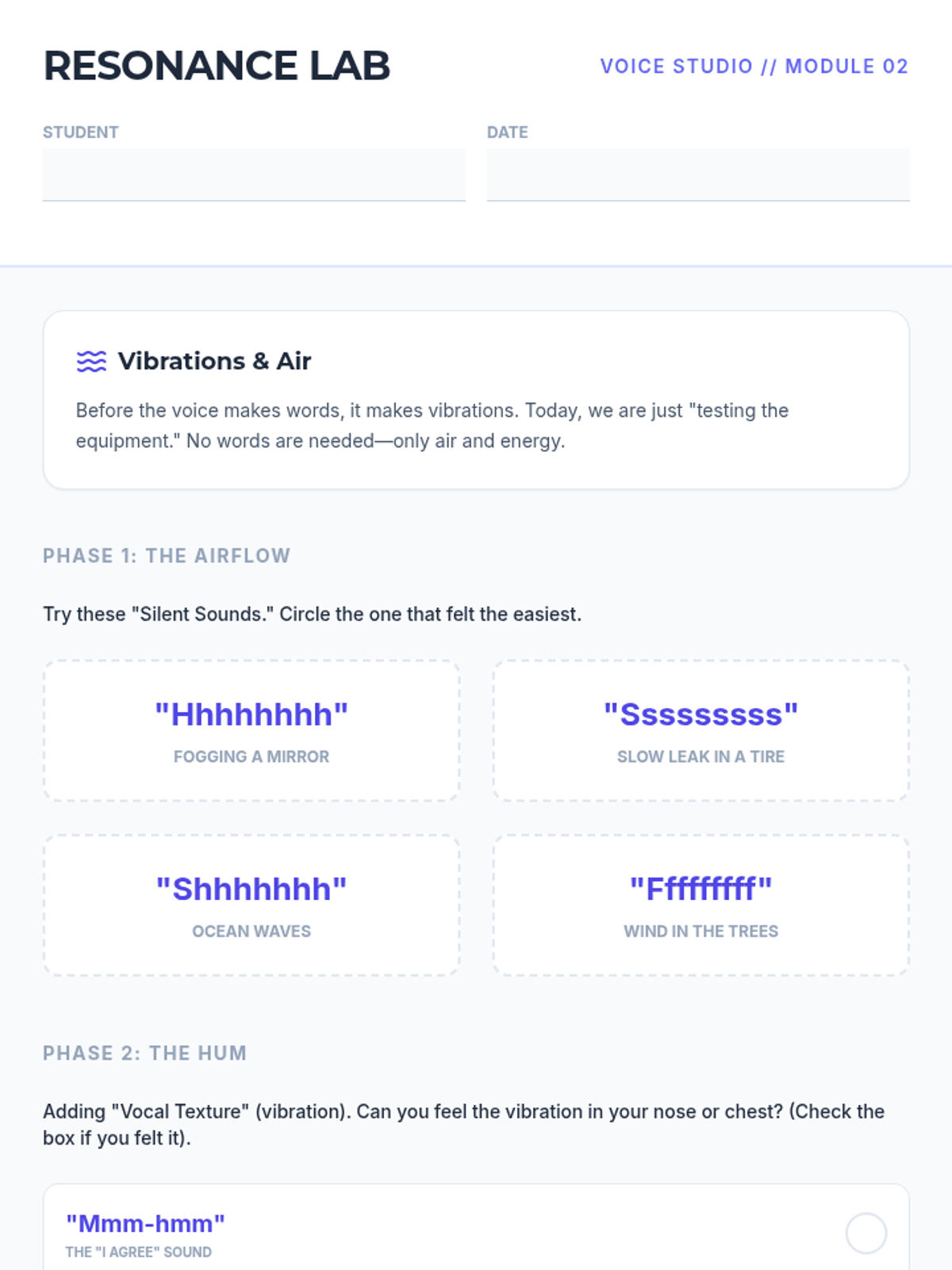
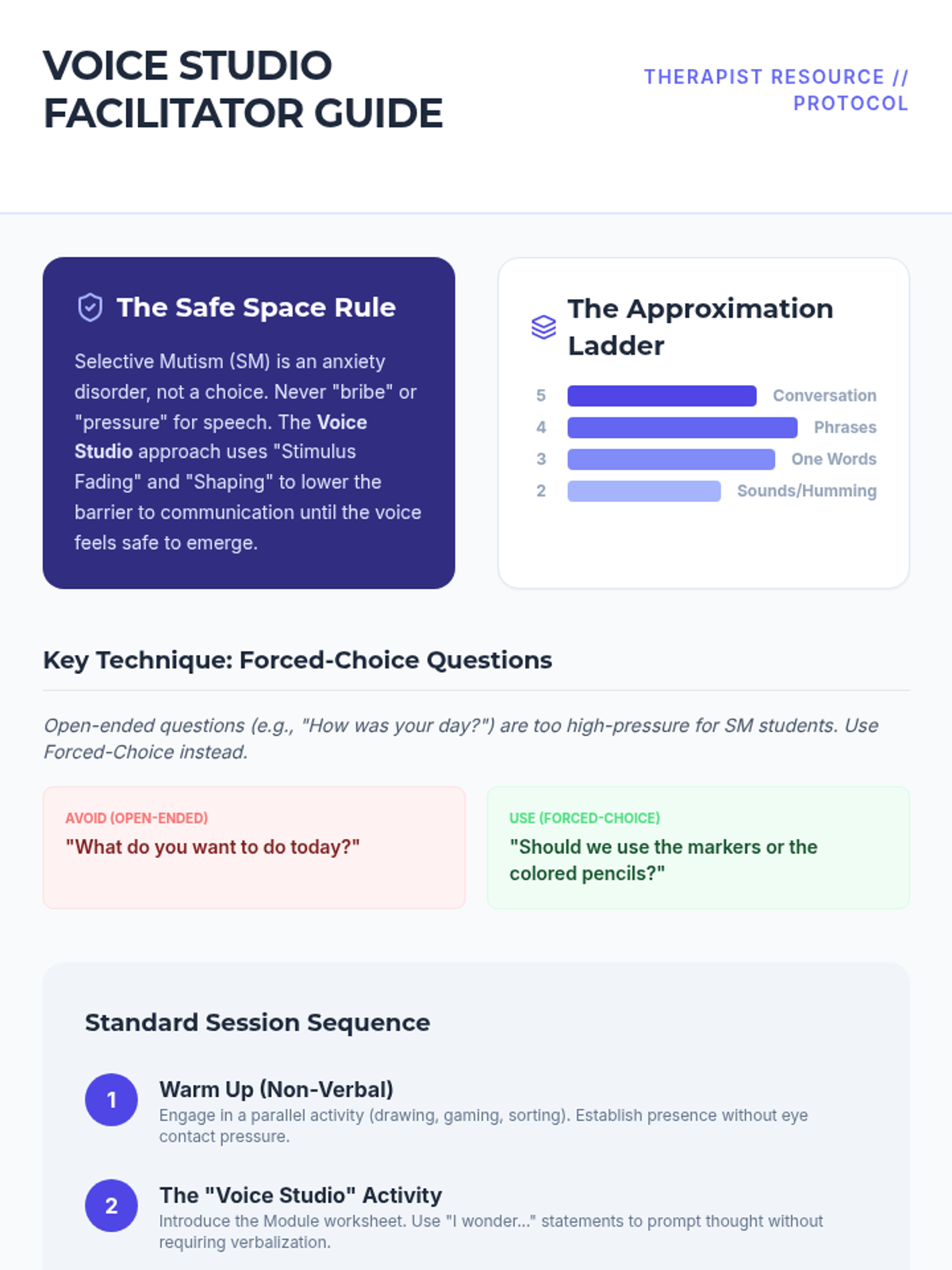
A gentle, evidence-based communication program for teens with Selective Mutism. It uses behavioral shaping and approximations to move from non-verbal rapport to functional vocalization in a low-pressure 1:1 environment.
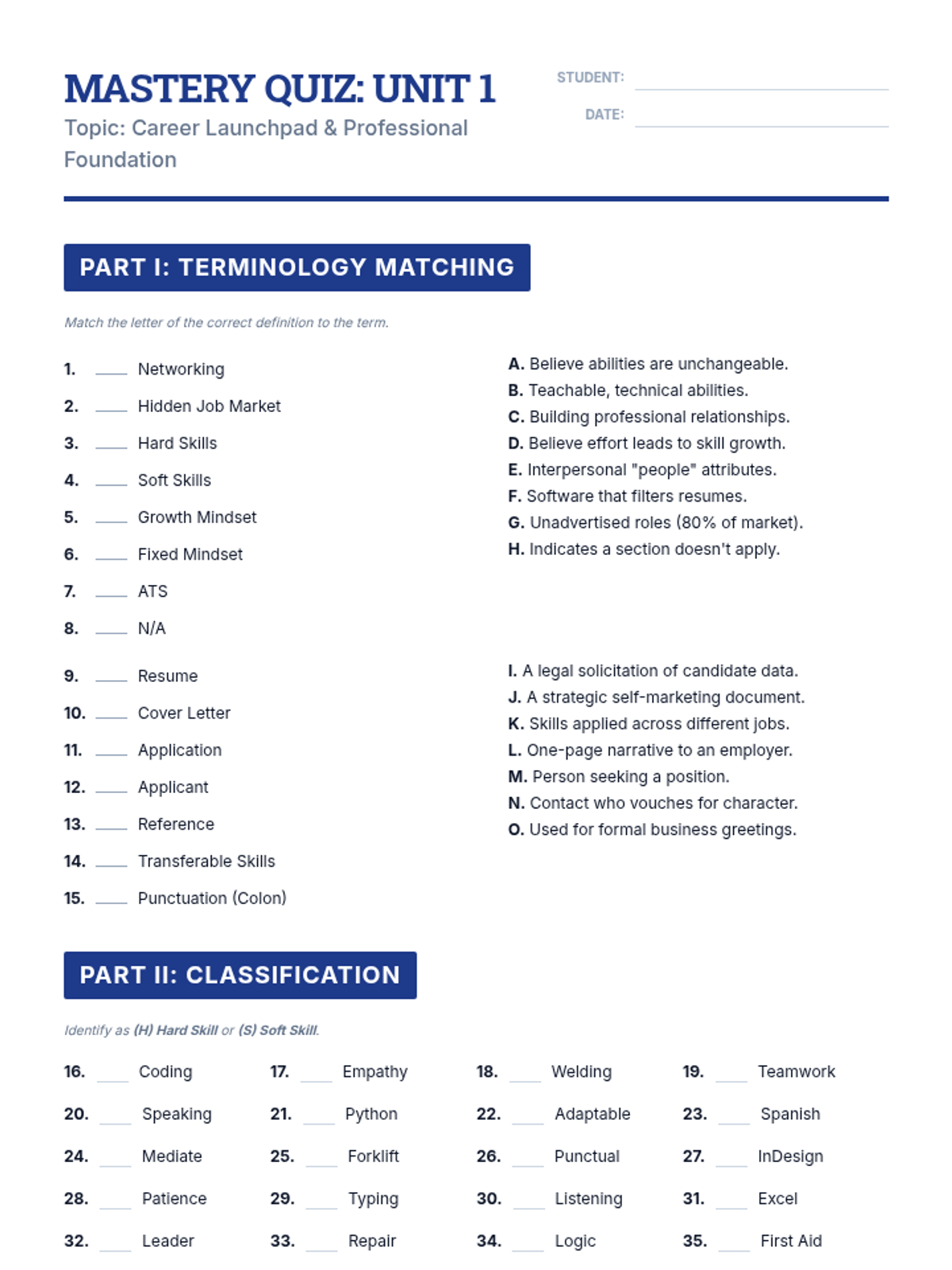
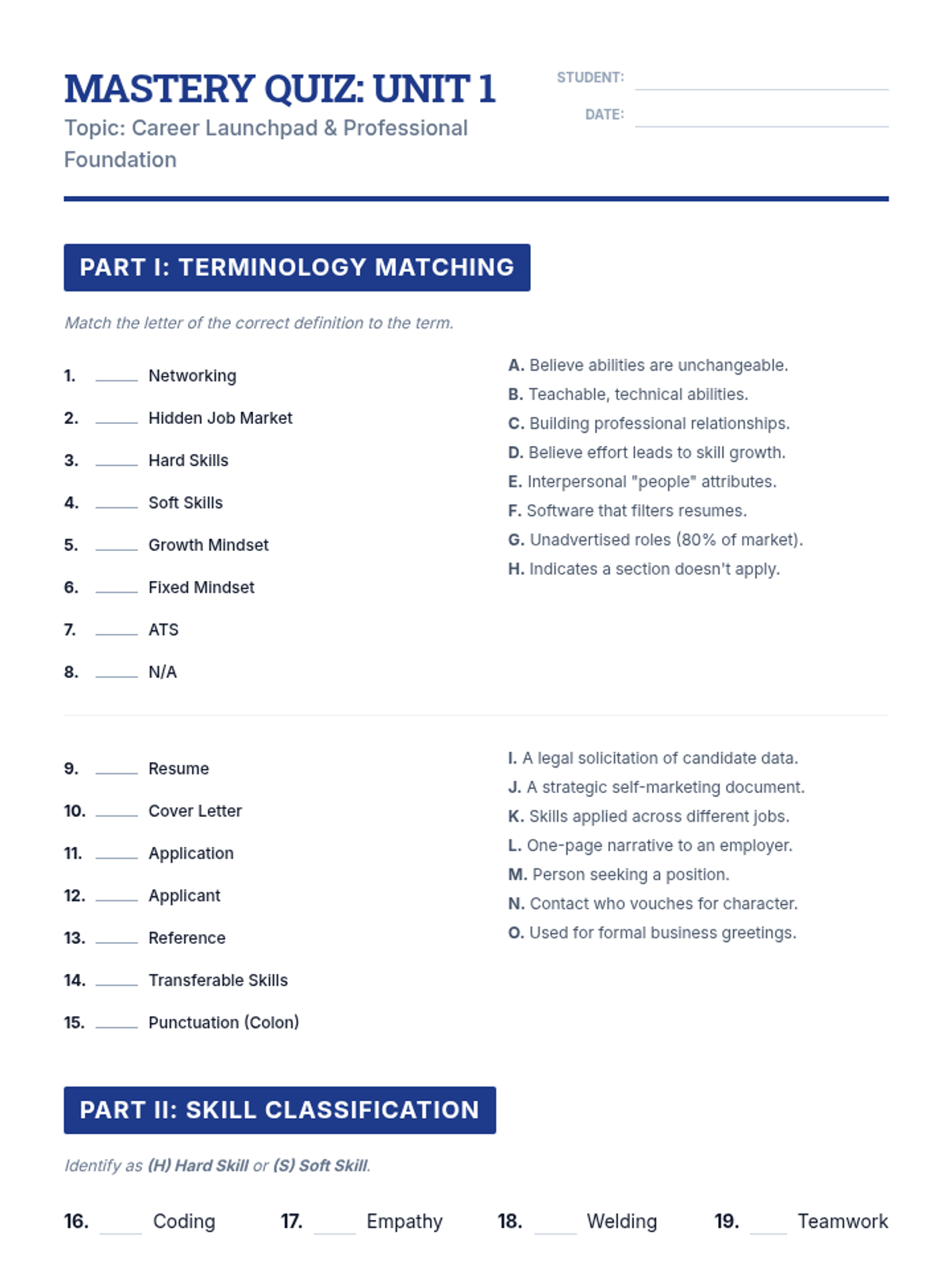
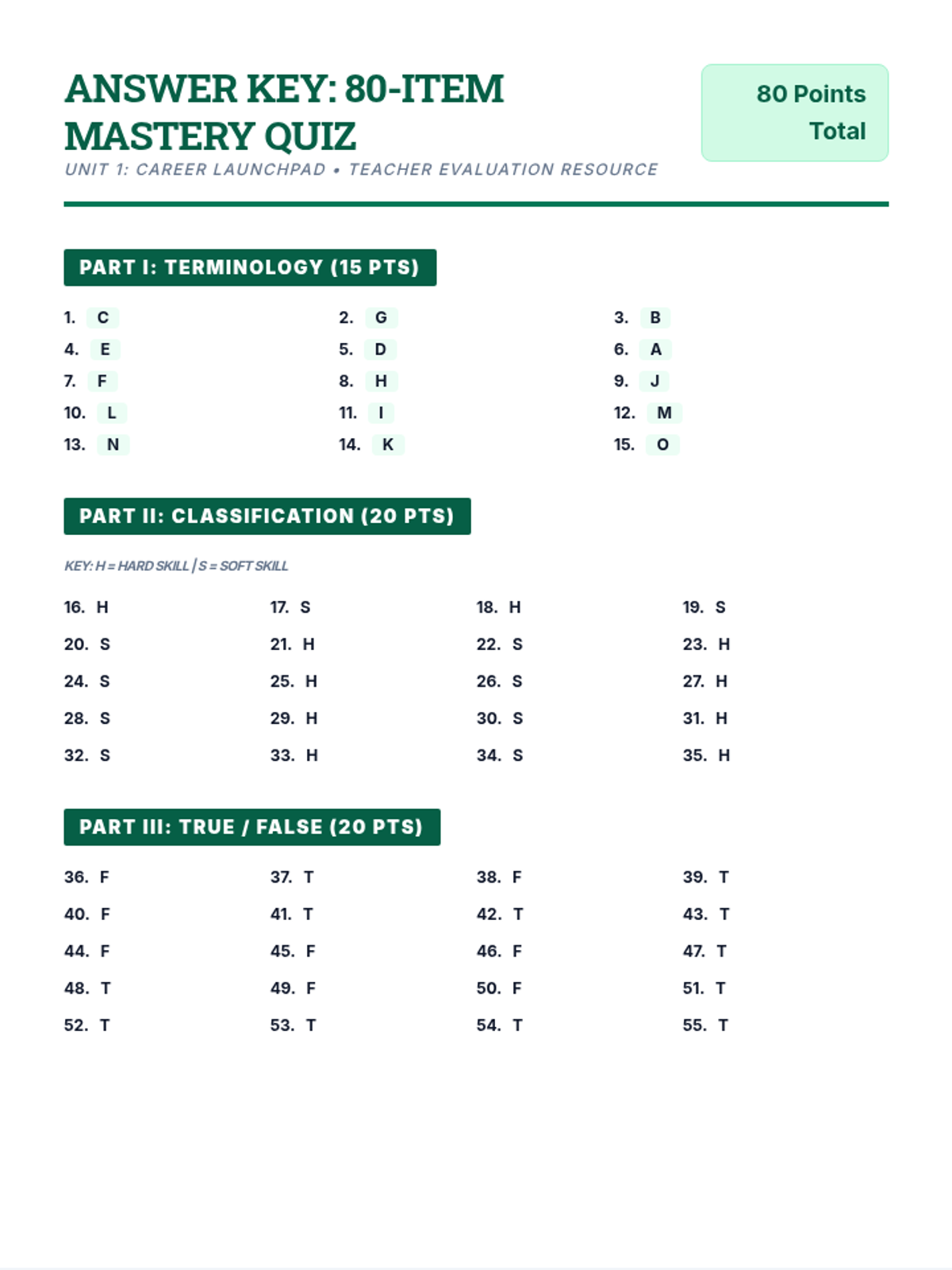
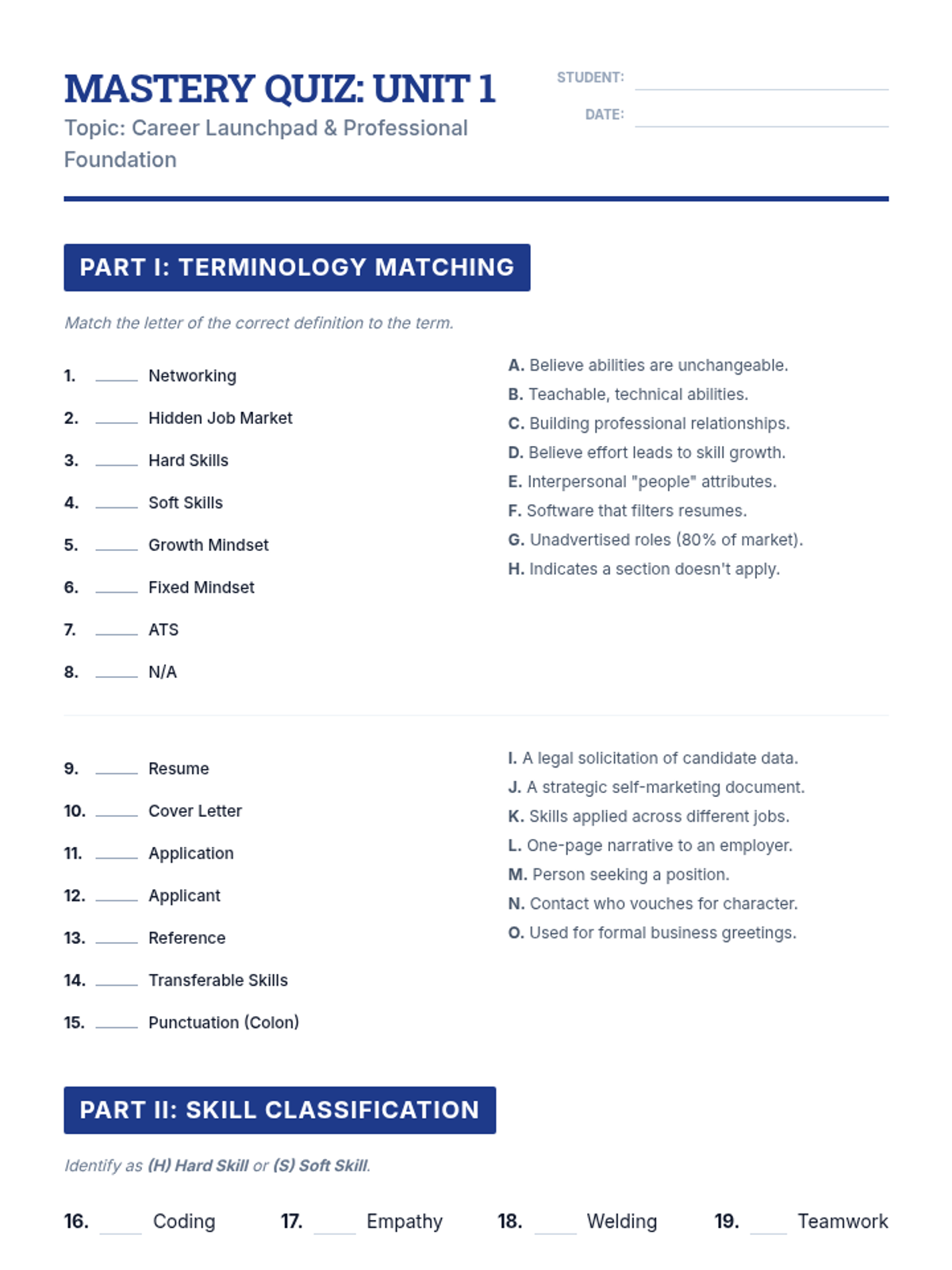
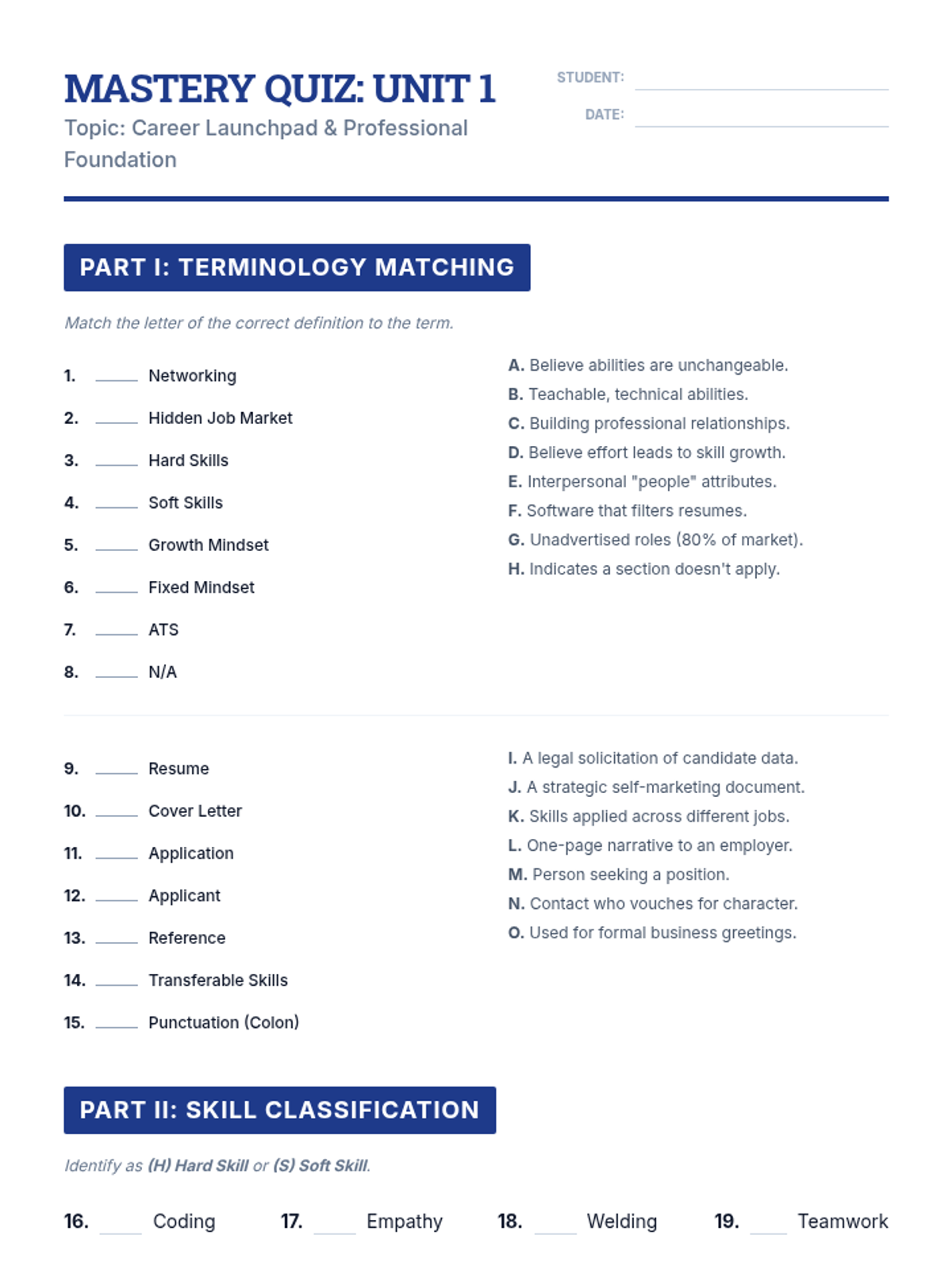
A comprehensive program designed to guide students through the essentials of career exploration, professional document preparation, and the job application process.
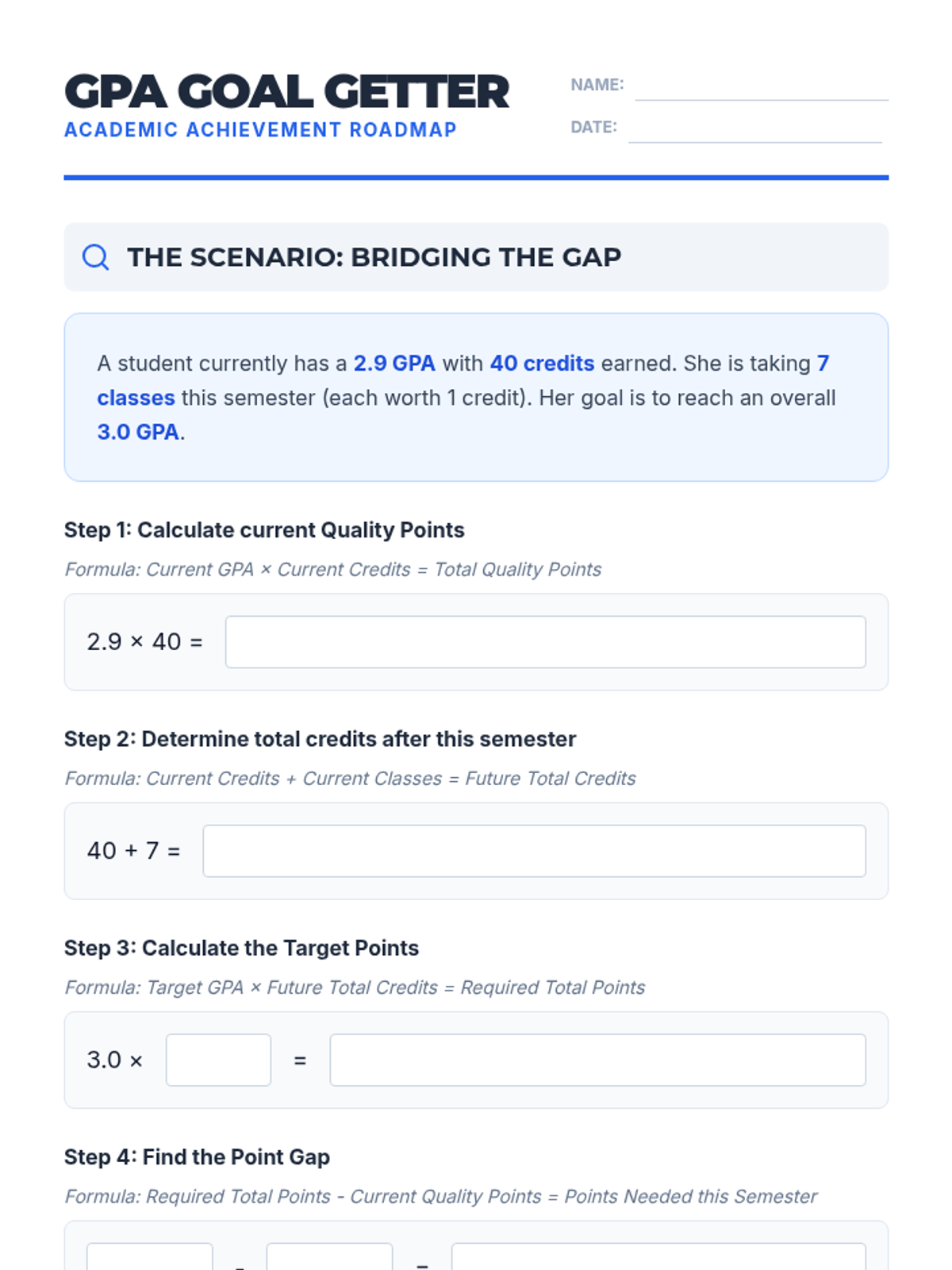
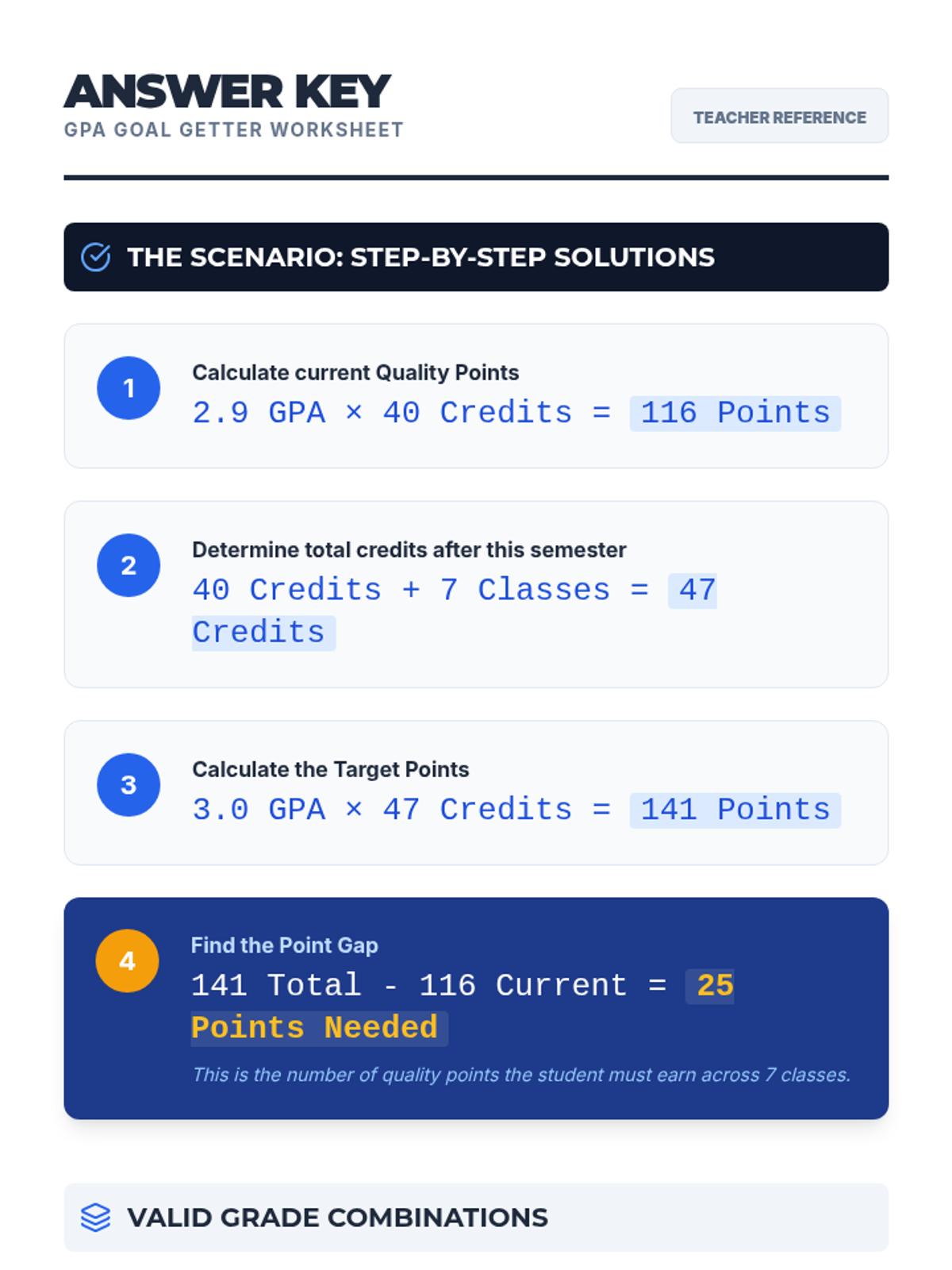
A comprehensive guide for students to understand how Grade Point Averages are calculated and how to set realistic academic goals to reach their targets.
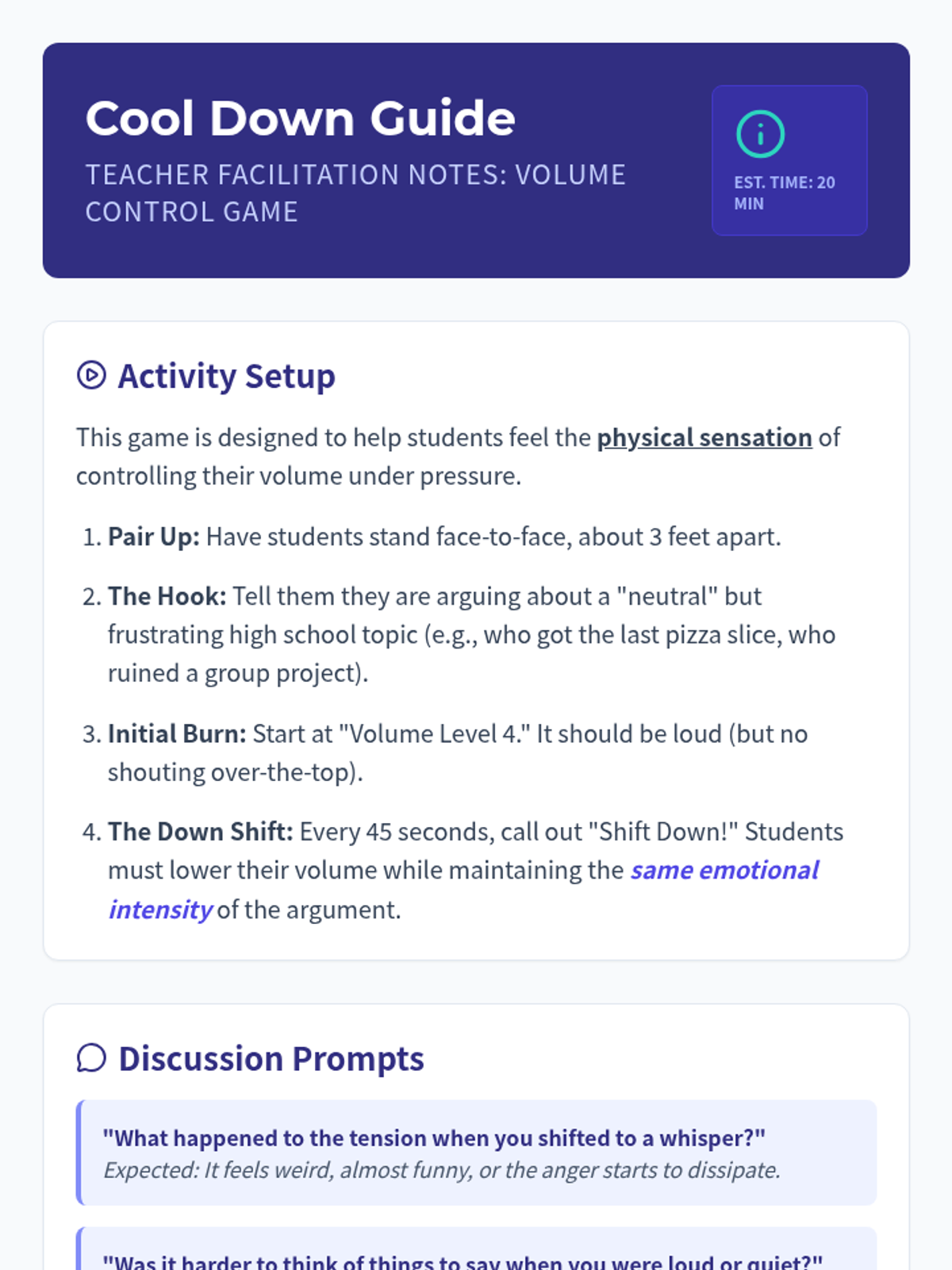
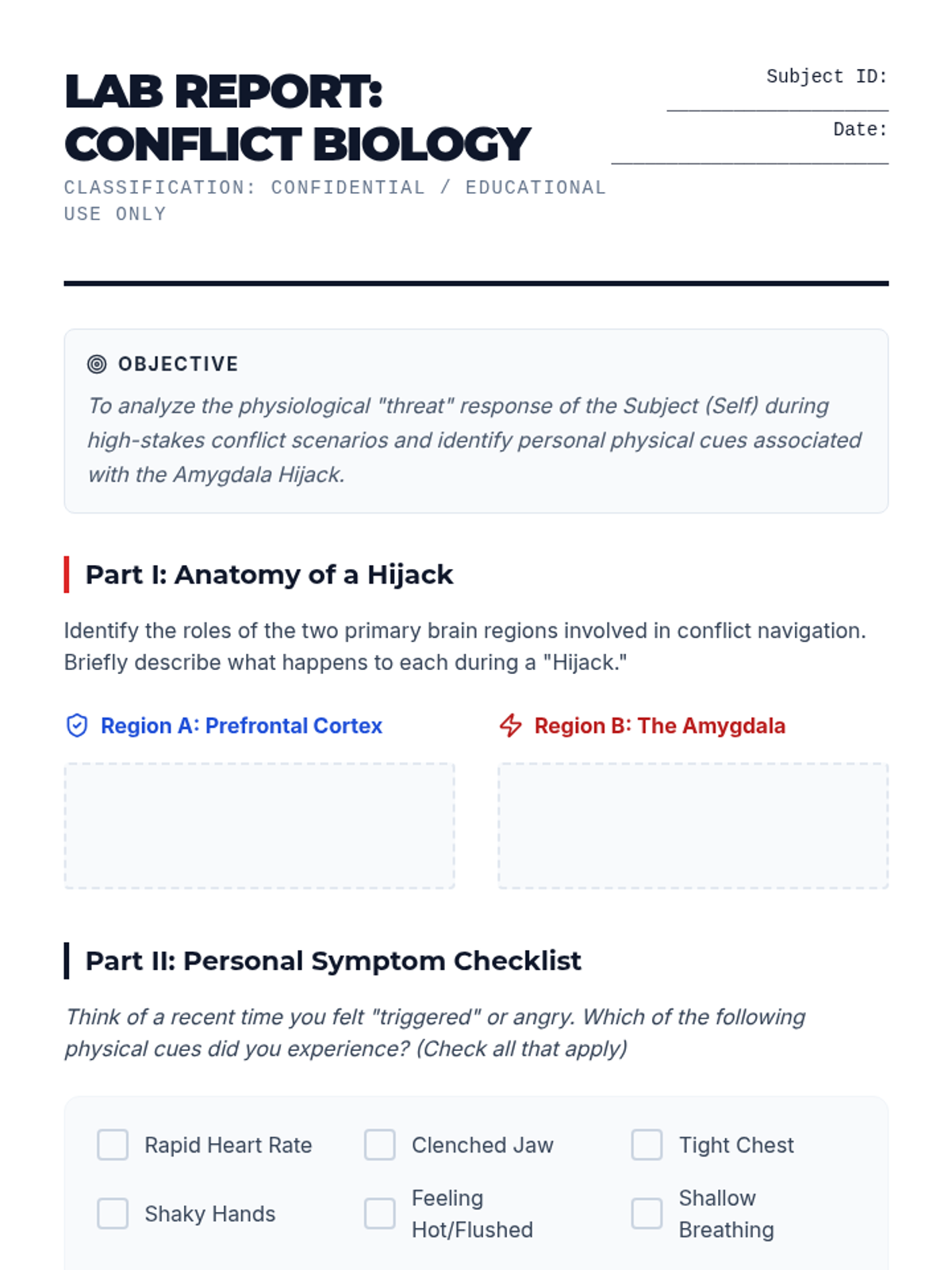
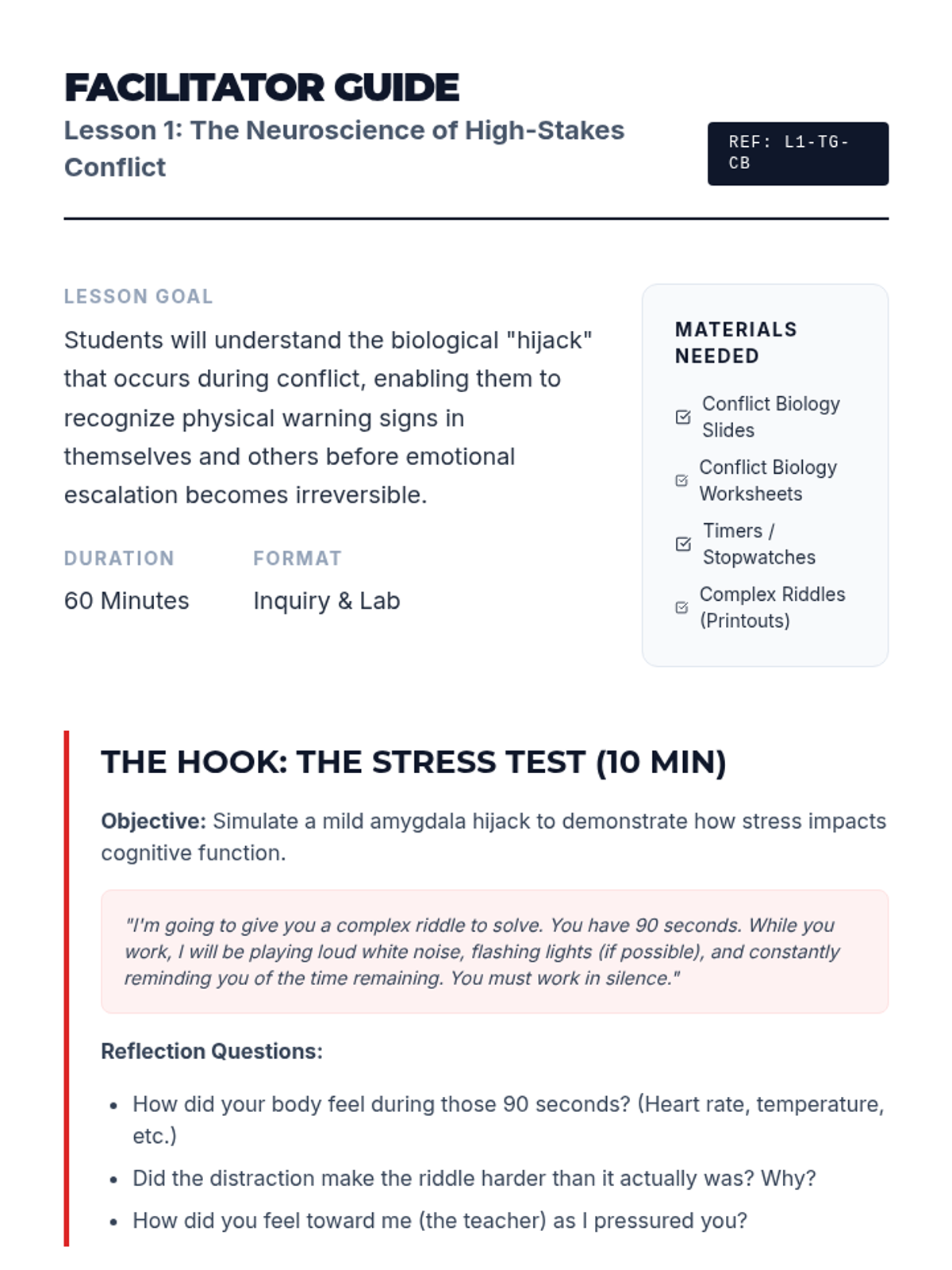
A comprehensive 5-lesson sequence on the psychological and interpersonal mechanics of managing high-conflict situations. Students explore the neuroscience of anger, practice verbal and non-verbal de-escalation, use the Iceberg Model to find root causes, and master assertive communication through simulations.
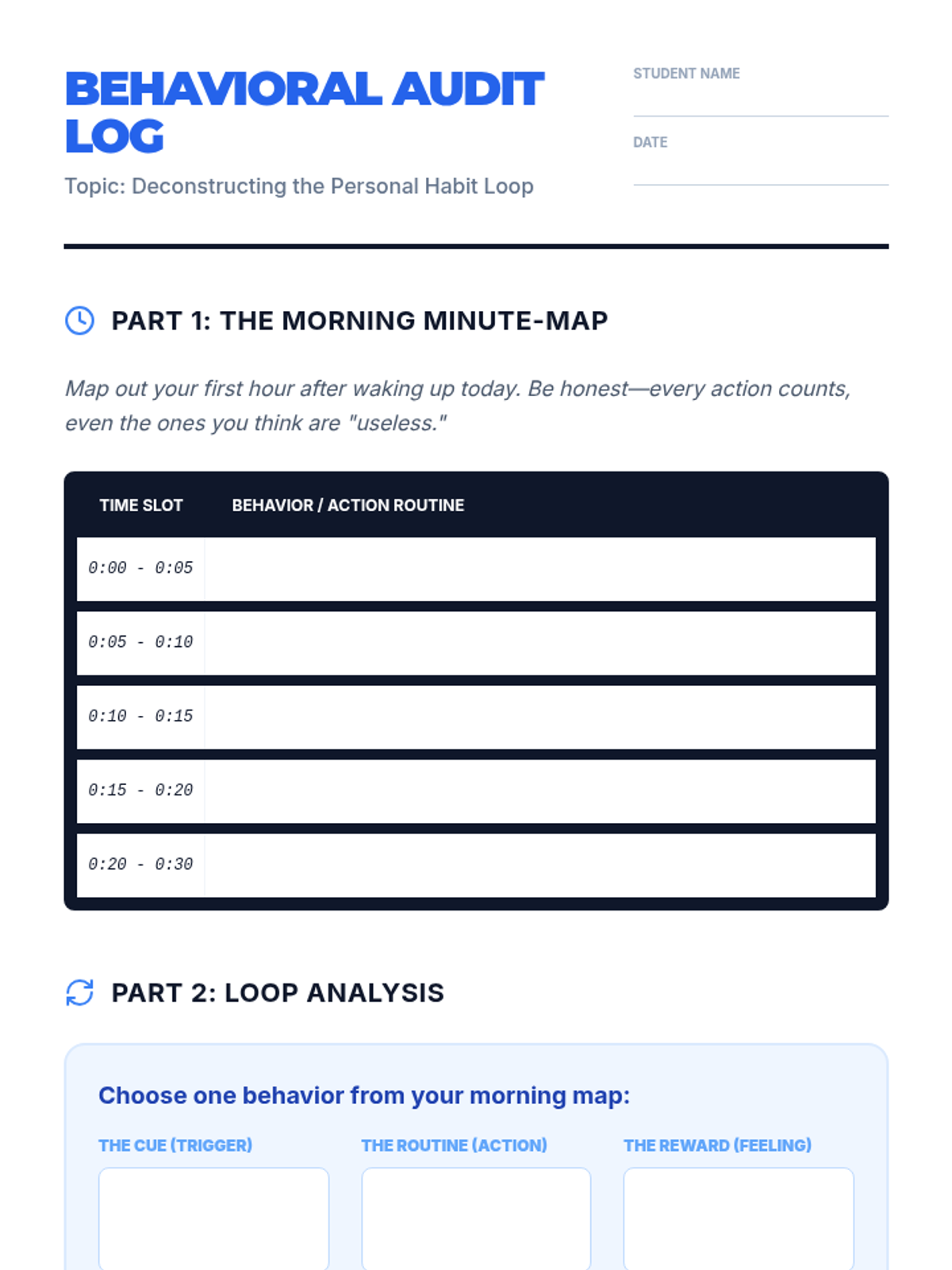
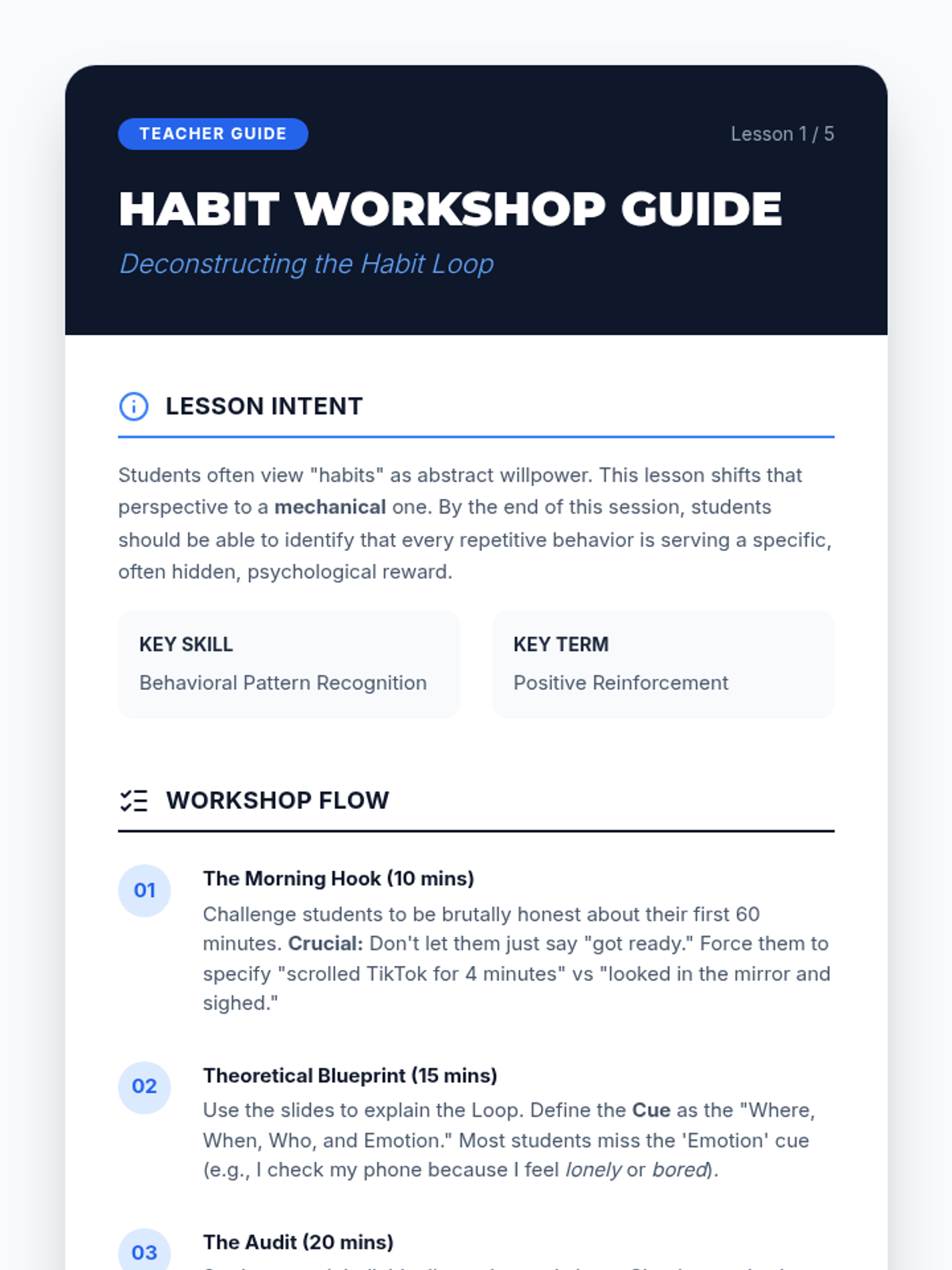
A workshop-based sequence for 10th graders to master the science of positive reinforcement for personal habit formation, focusing on the cue-routine-reward loop and strategic self-regulation.
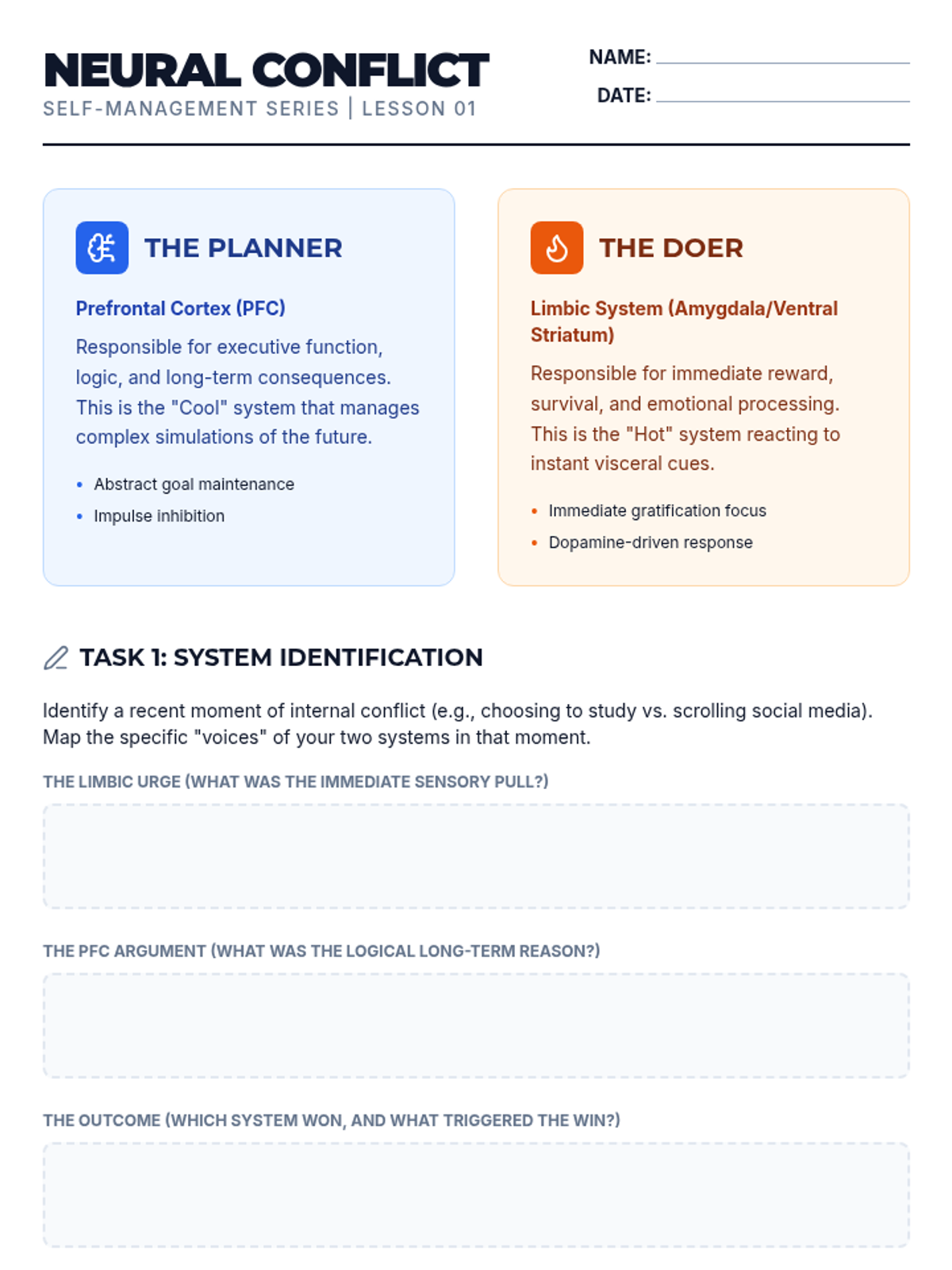
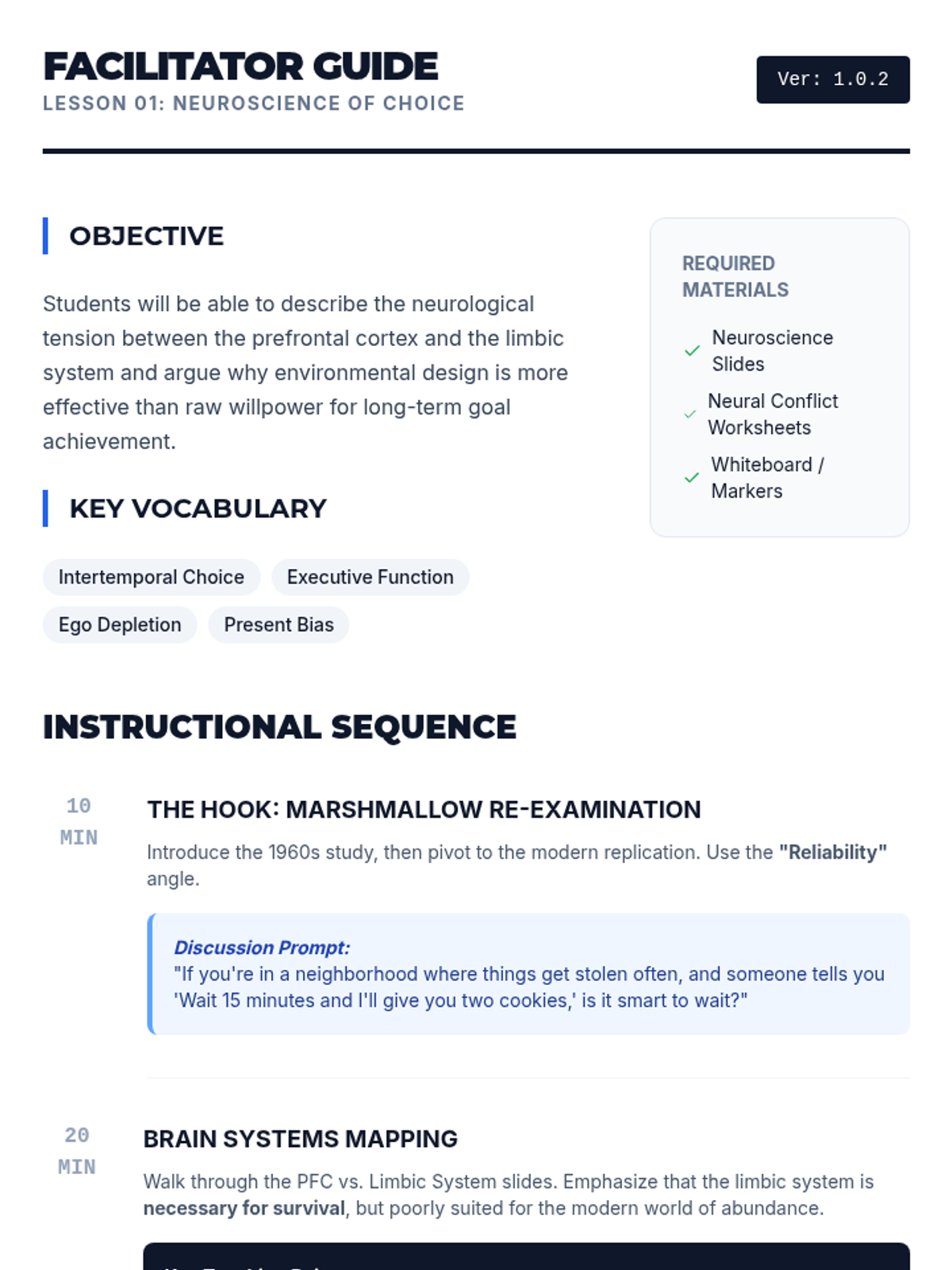
This sequence explores the psychological and neurological mechanisms of delayed gratification, moving beyond willpower to evidence-based strategies like commitment devices and environmental architecture. Students will analyze hyperbolic discounting, fMRI brain studies, and implementation intentions to build a personalized framework for long-term goal achievement.
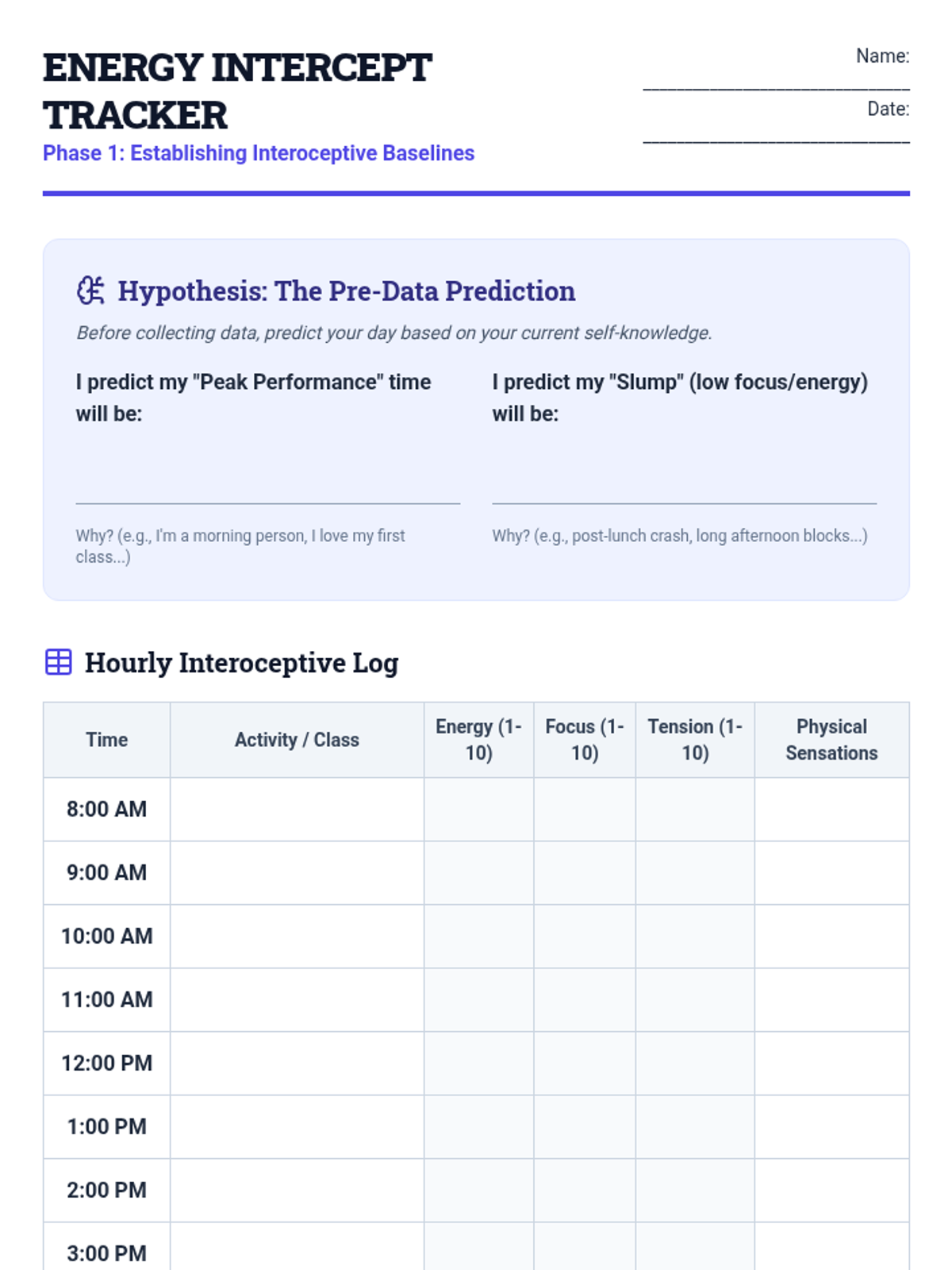
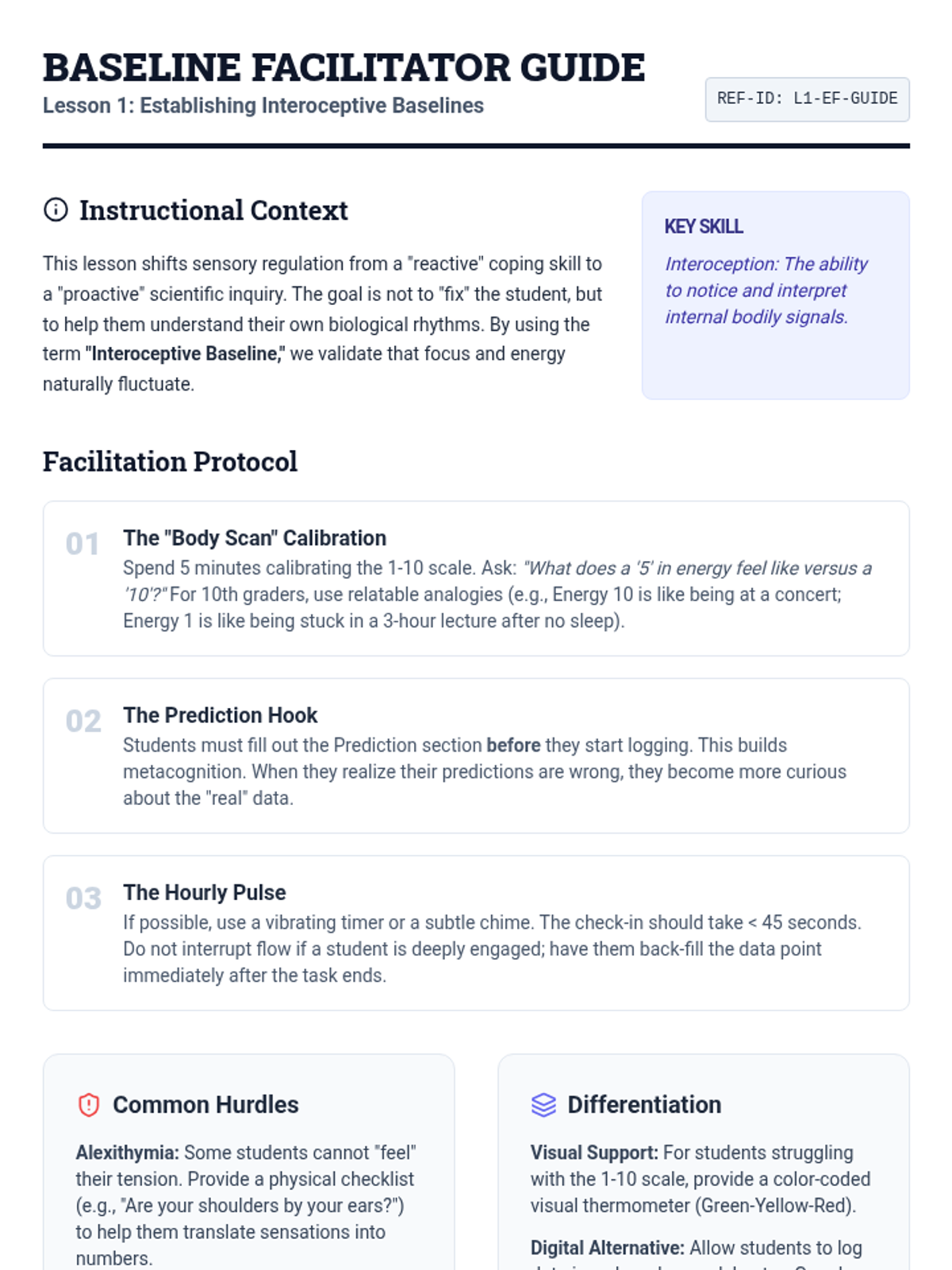
A data-driven 10th-grade sequence where students treat their self-regulation as a scientific experiment, monitoring attention and emotional states to identify the most effective movement interventions for their unique needs.
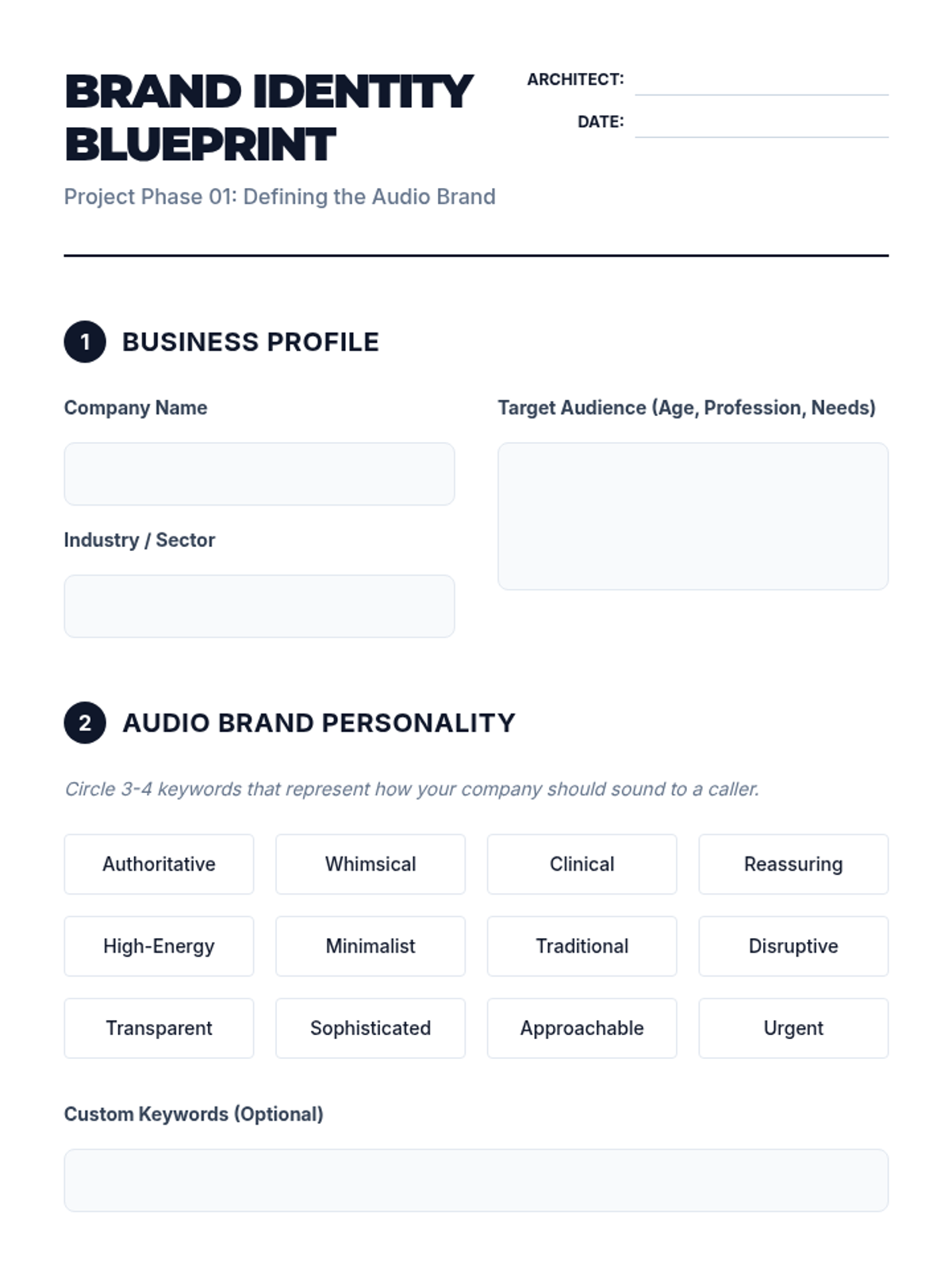
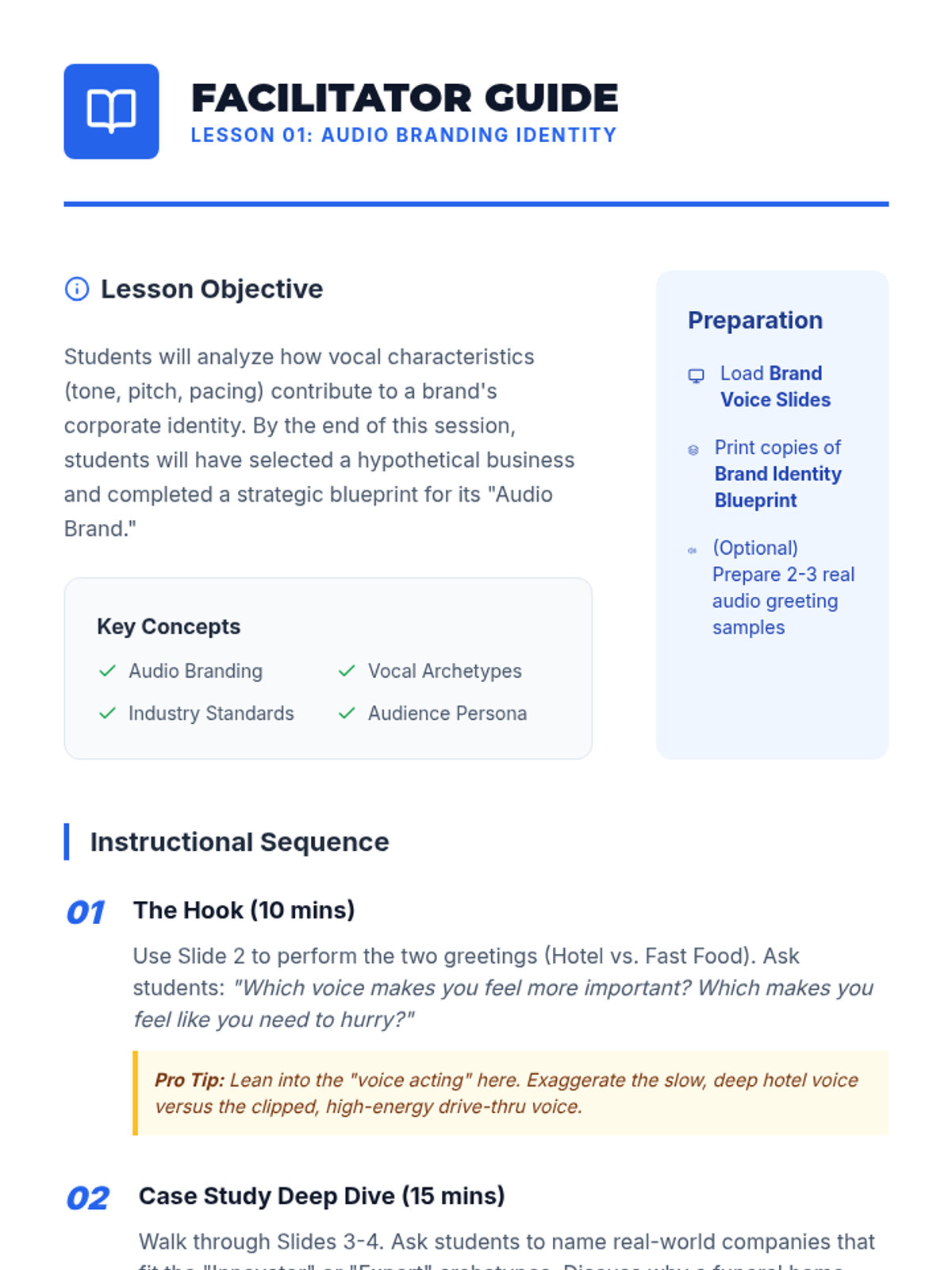
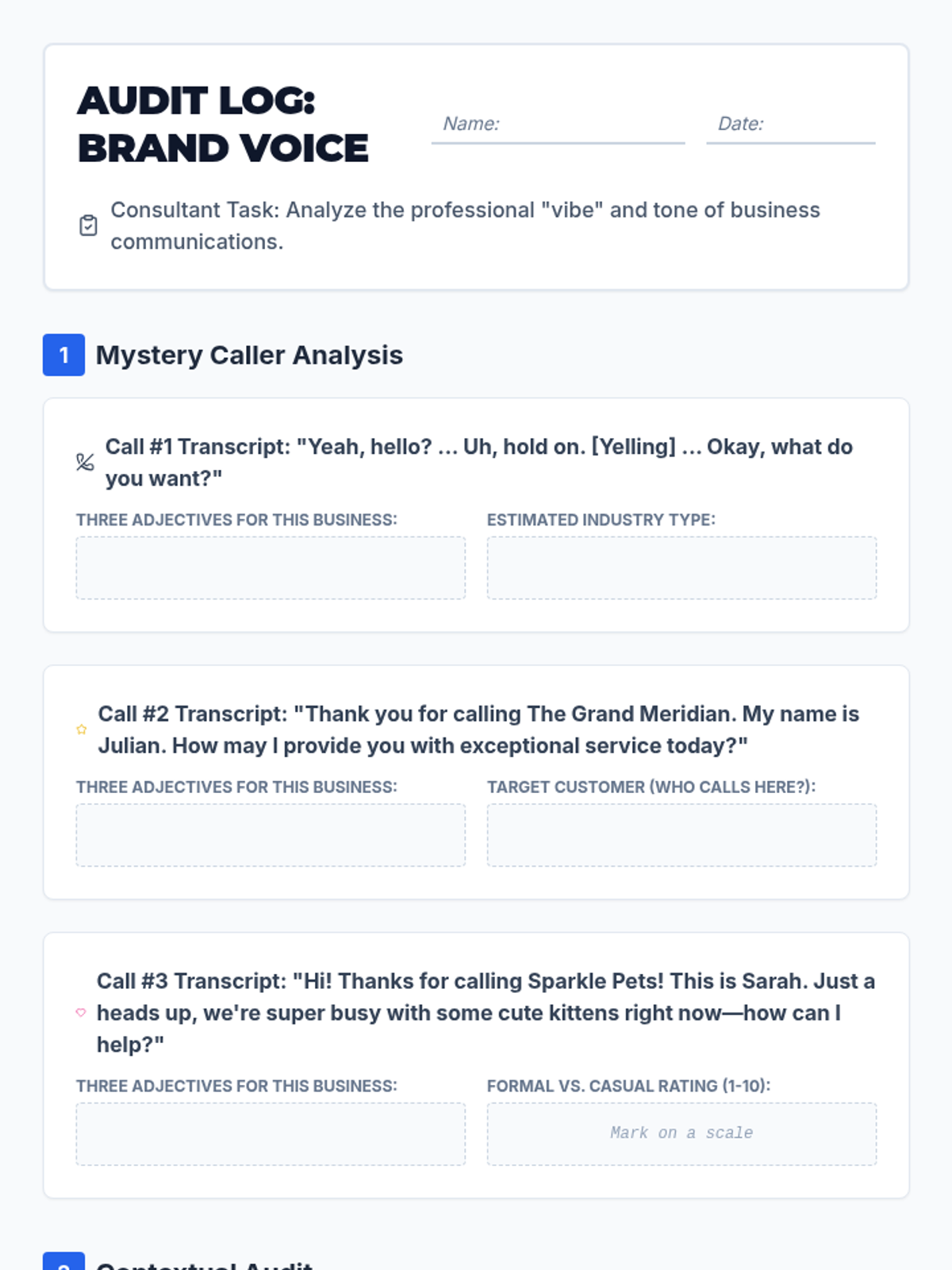
Students step into the role of corporate communication architects to design audio brand identities, professional voicemail systems, and efficient call flow structures. This sequence bridges technical writing, user experience (UX) design, and professional speaking through a project-based approach.
A case-study driven sequence where students act as communication consultants to evaluate and improve business phone protocols, focusing on brand identity, privacy, and etiquette.
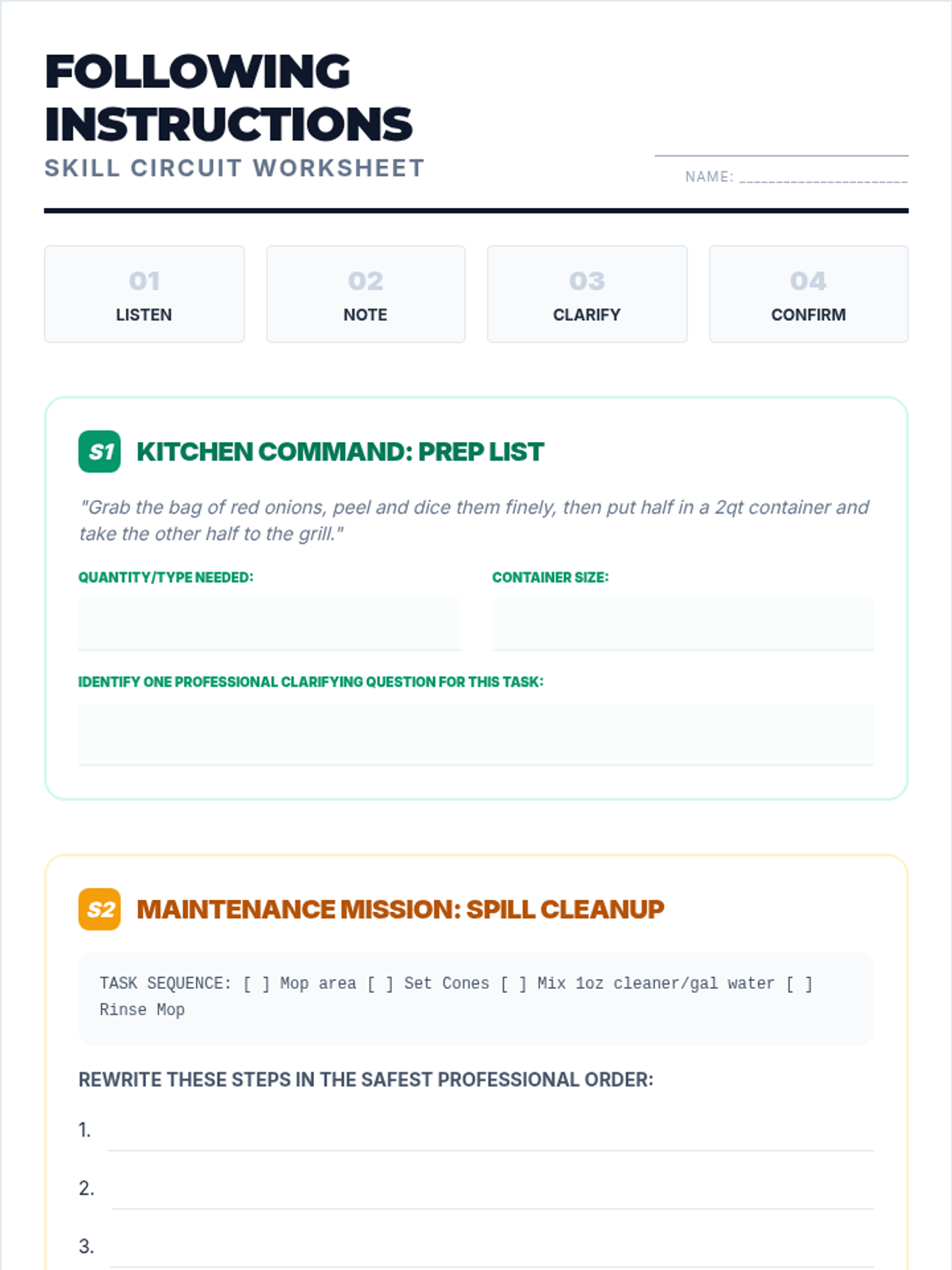
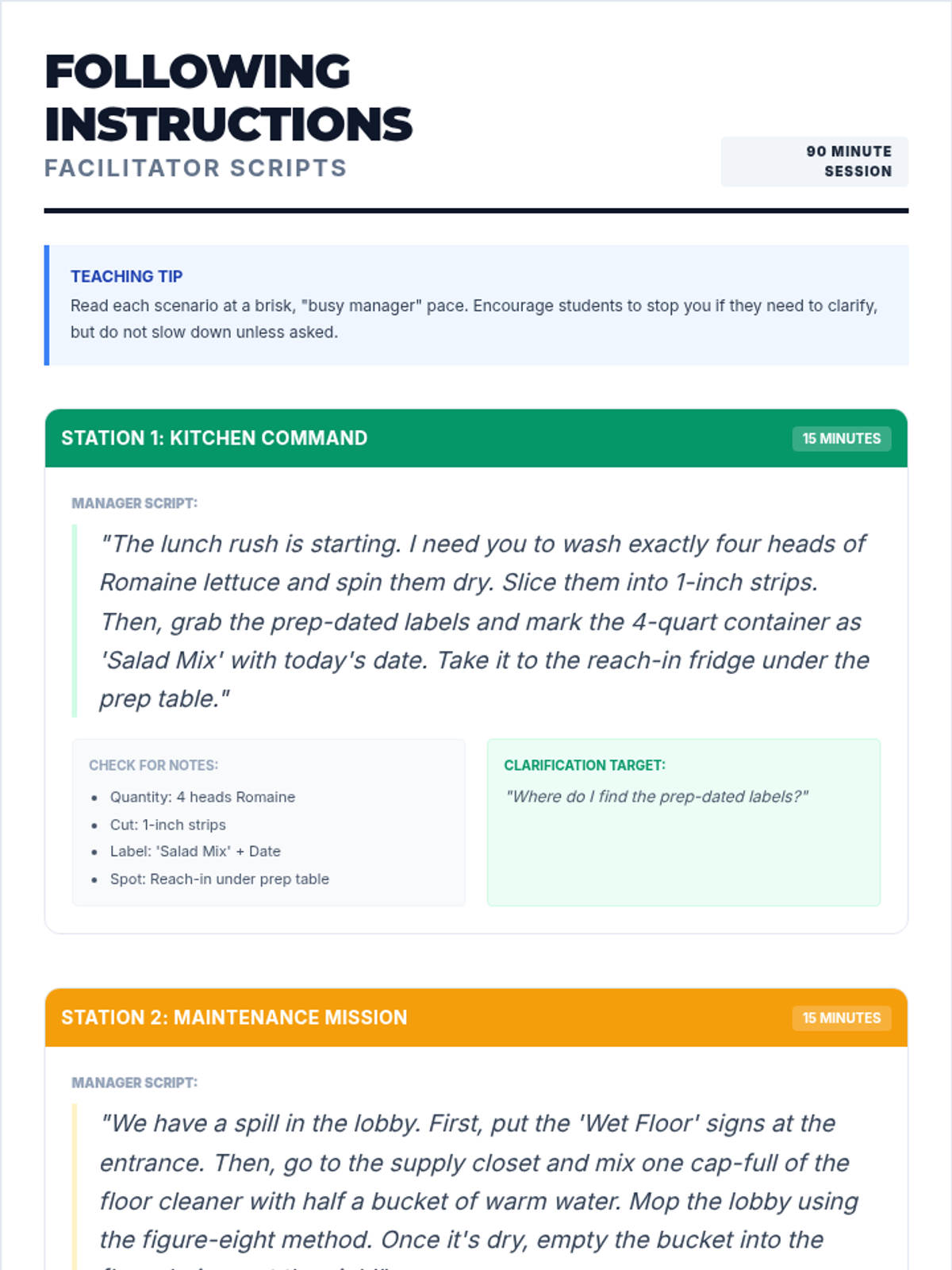
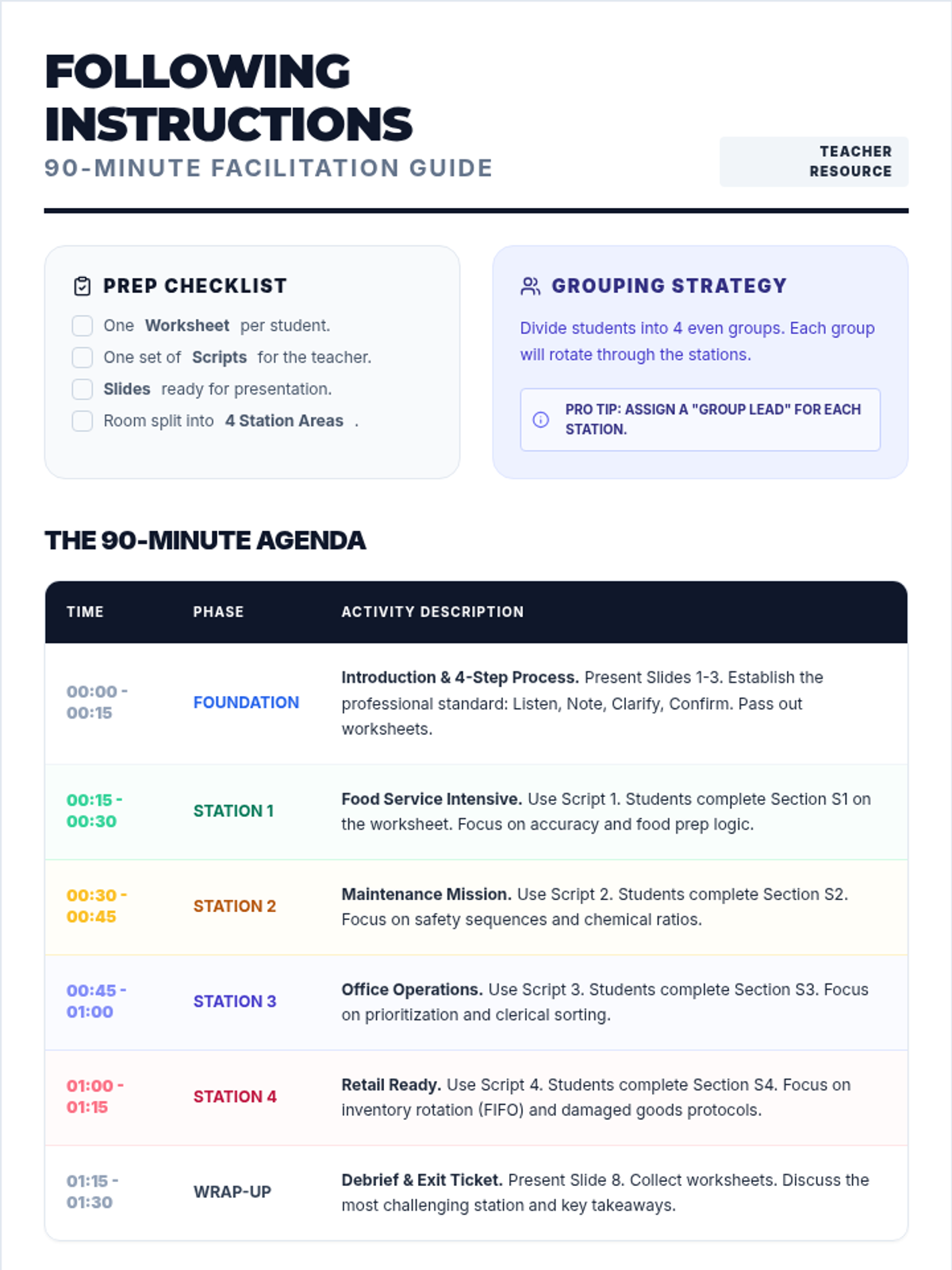
A high-energy, 90-minute intensive workshop designed to train students in following multi-step instructions across food service, maintenance, clerical, and retail industries. This consolidated session uses a "skill circuit" approach to practice listening, clarifying, and executing complex tasks.