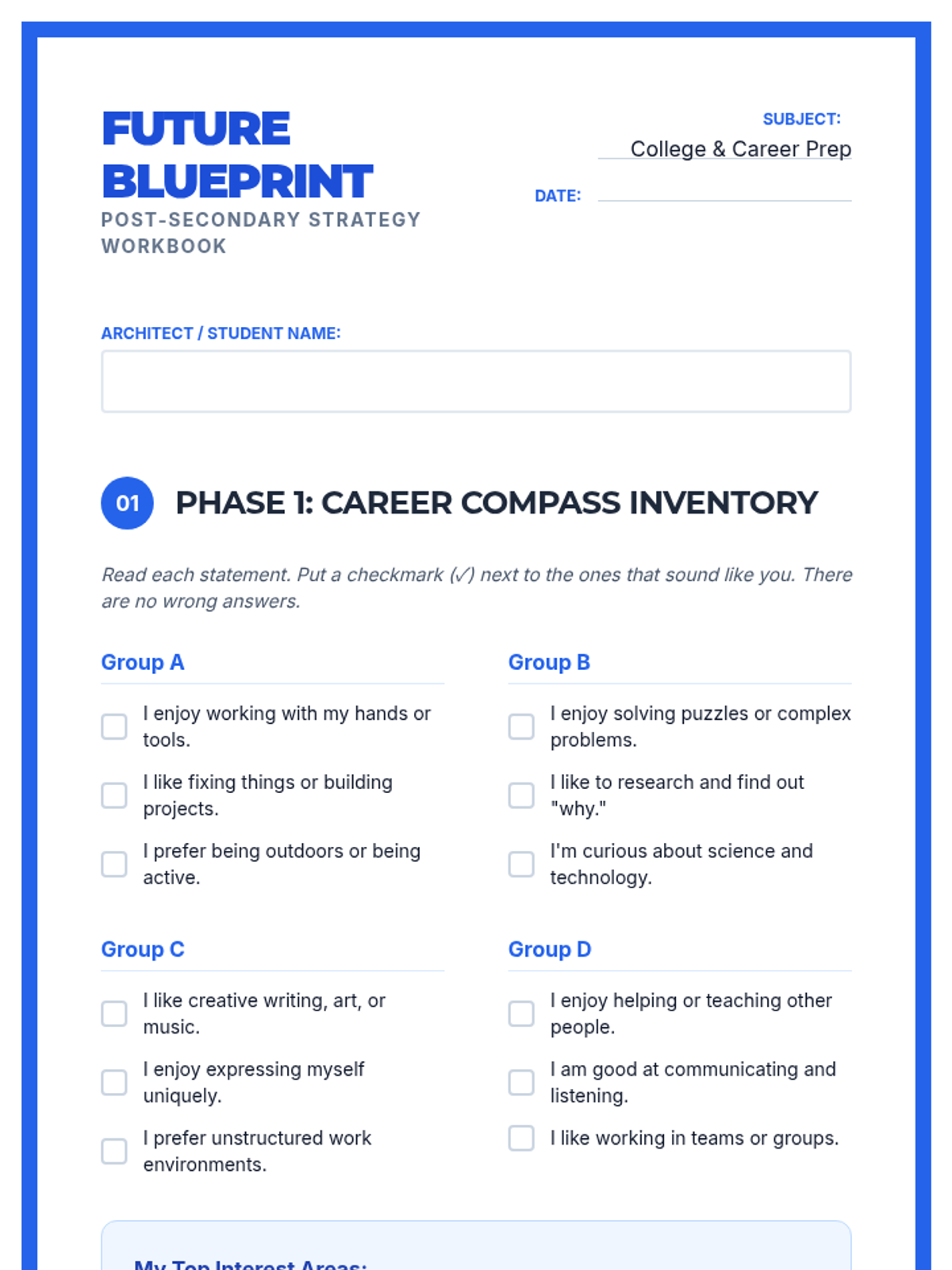
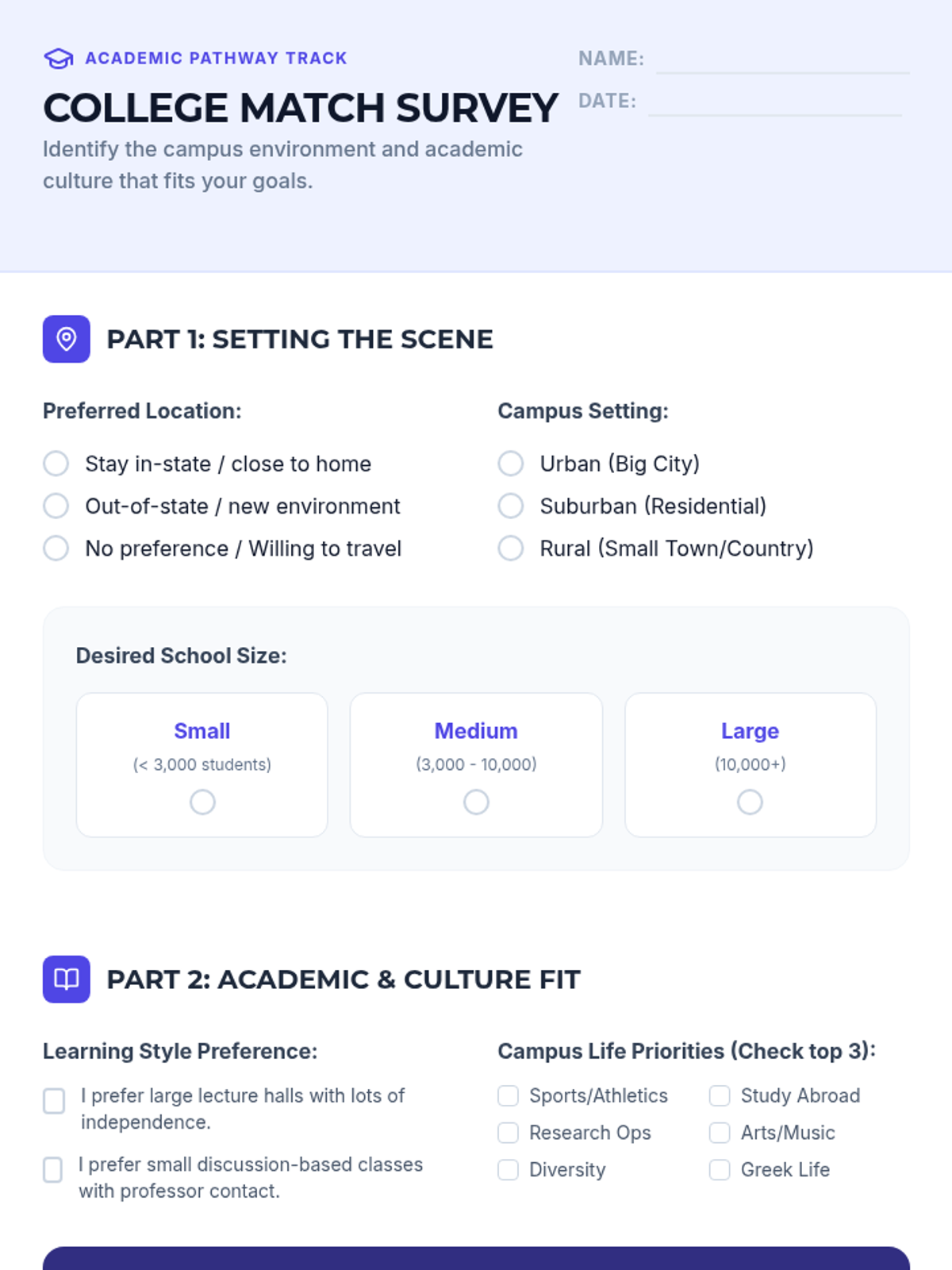
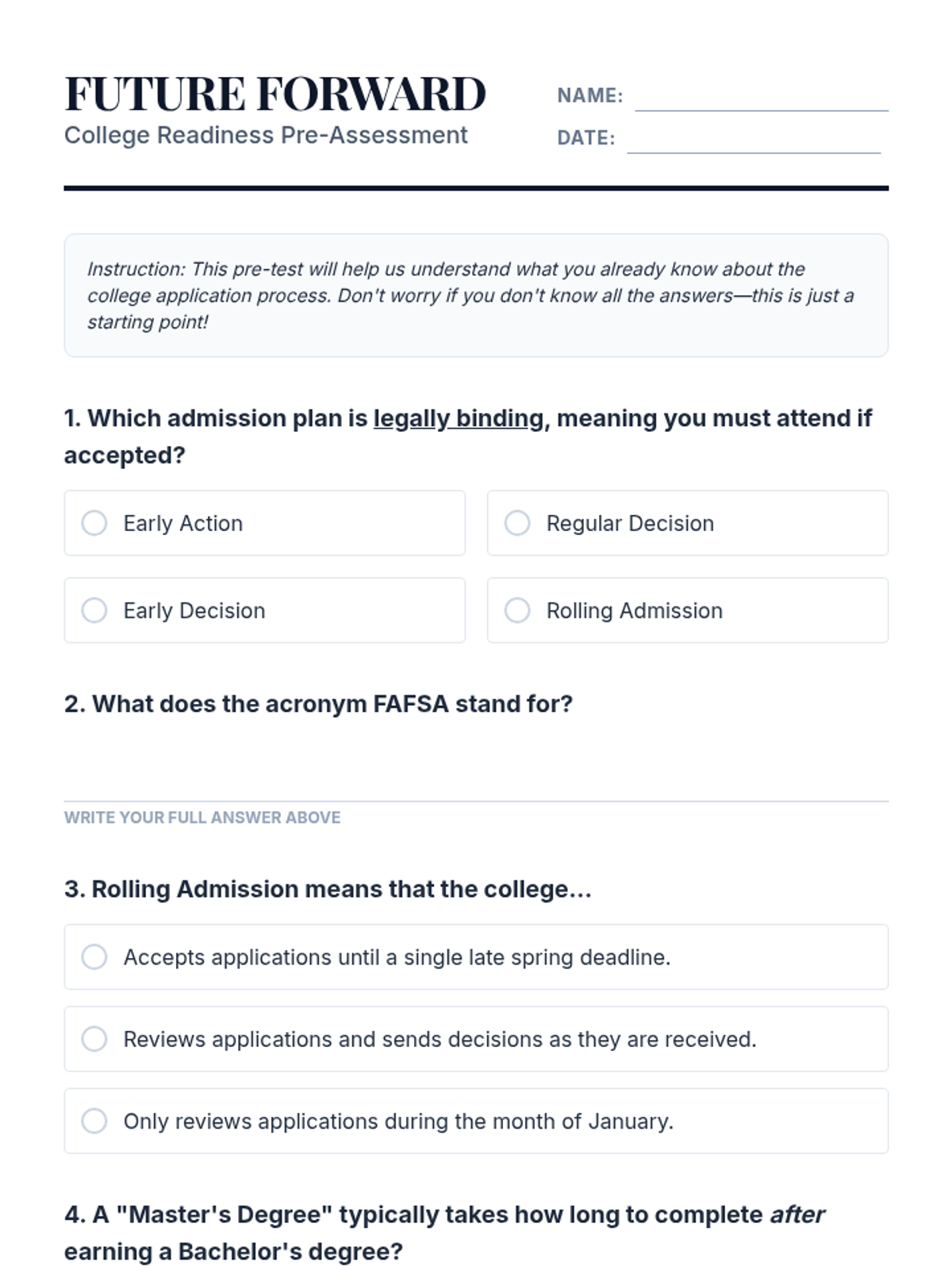
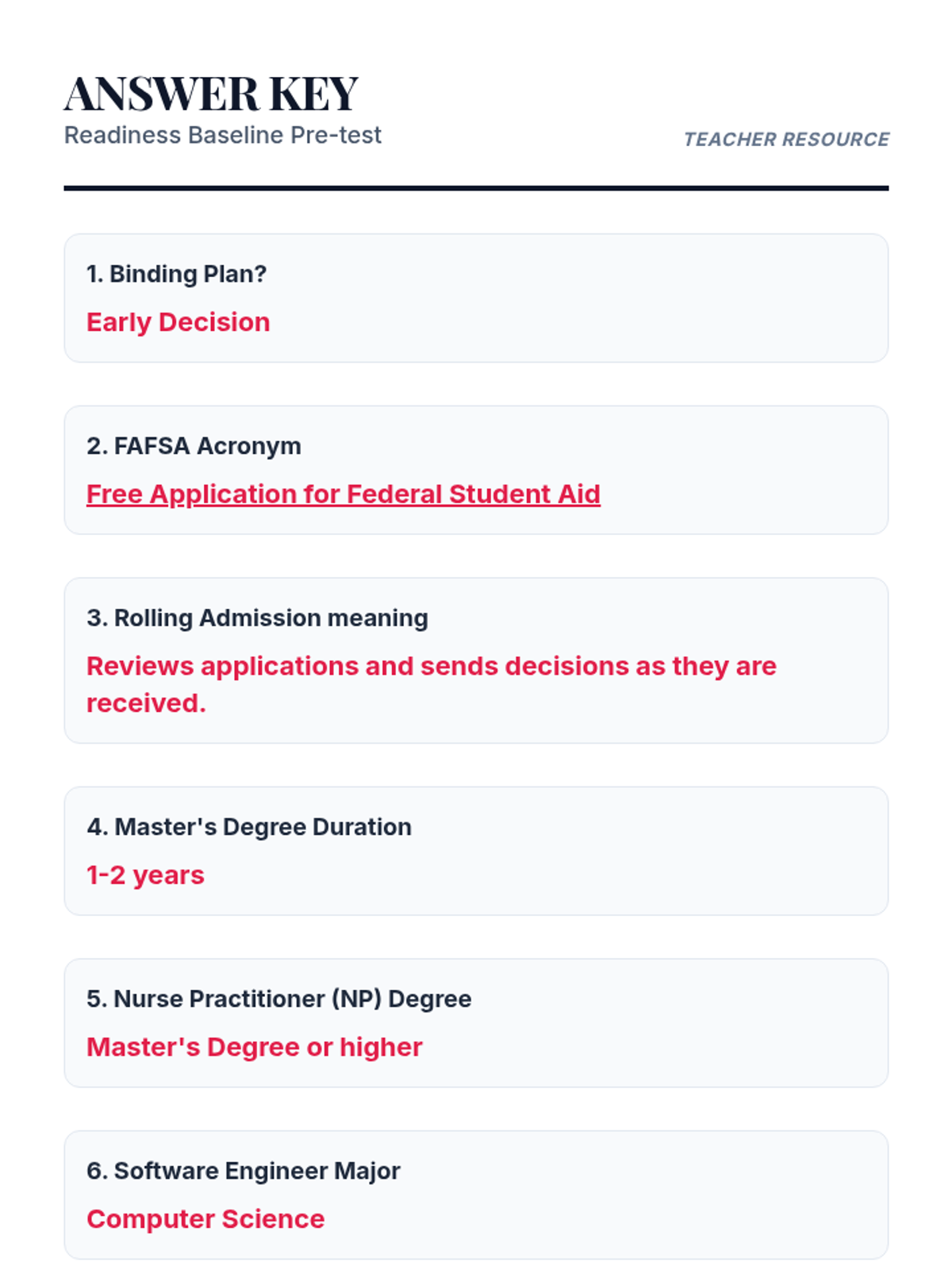
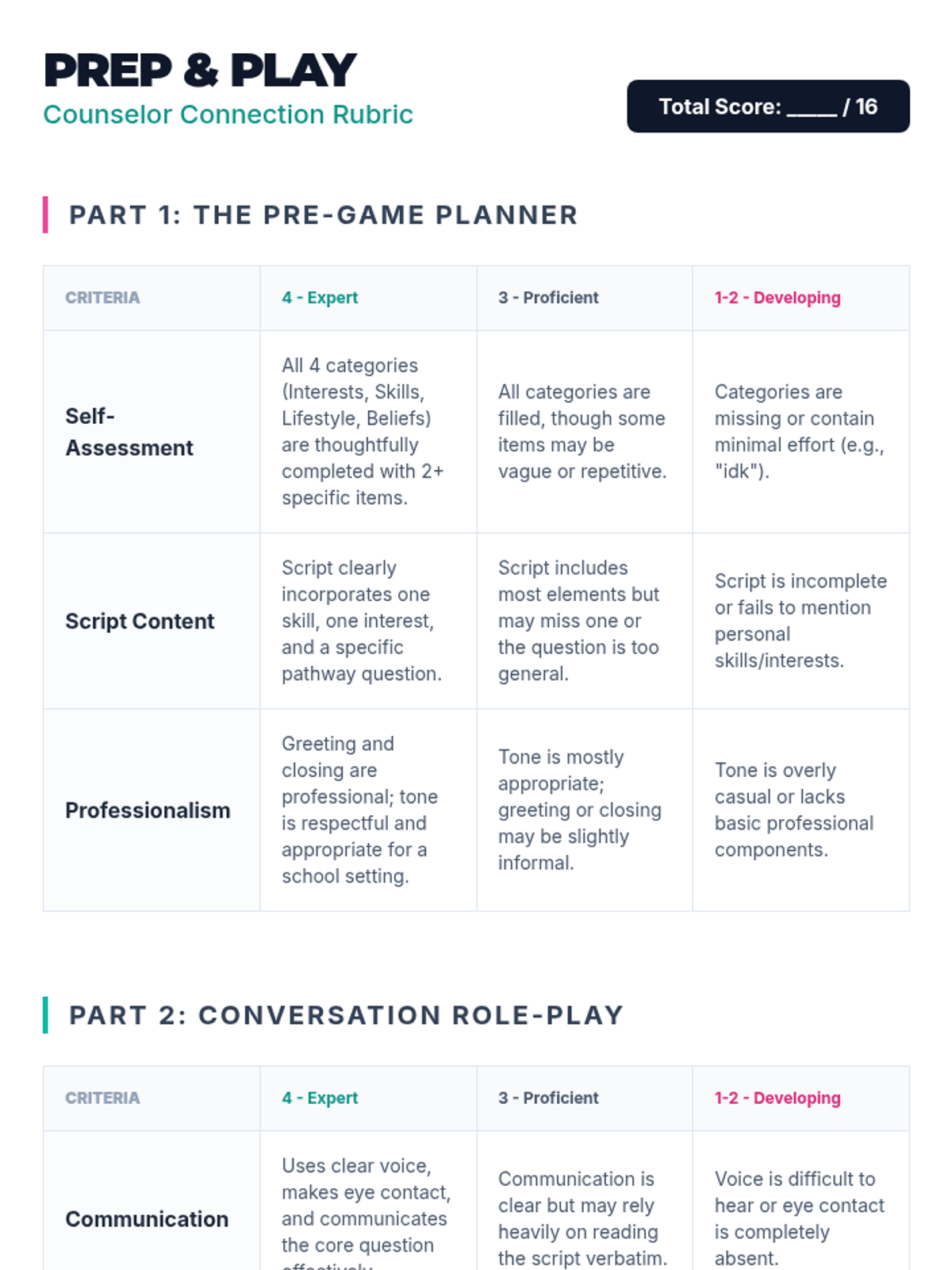
College selection, application workflows, and financial aid navigation including FAFSA and scholarship acquisition. Builds skills in personal statement writing and career exploration to align post-secondary choices with long-term professional goals.
This 10th-grade sequence equips students with the skills to find and manage scholarships. Students learn to navigate databases, decode eligibility, avoid scams, and build a digital tracking system to prepare for post-secondary funding.
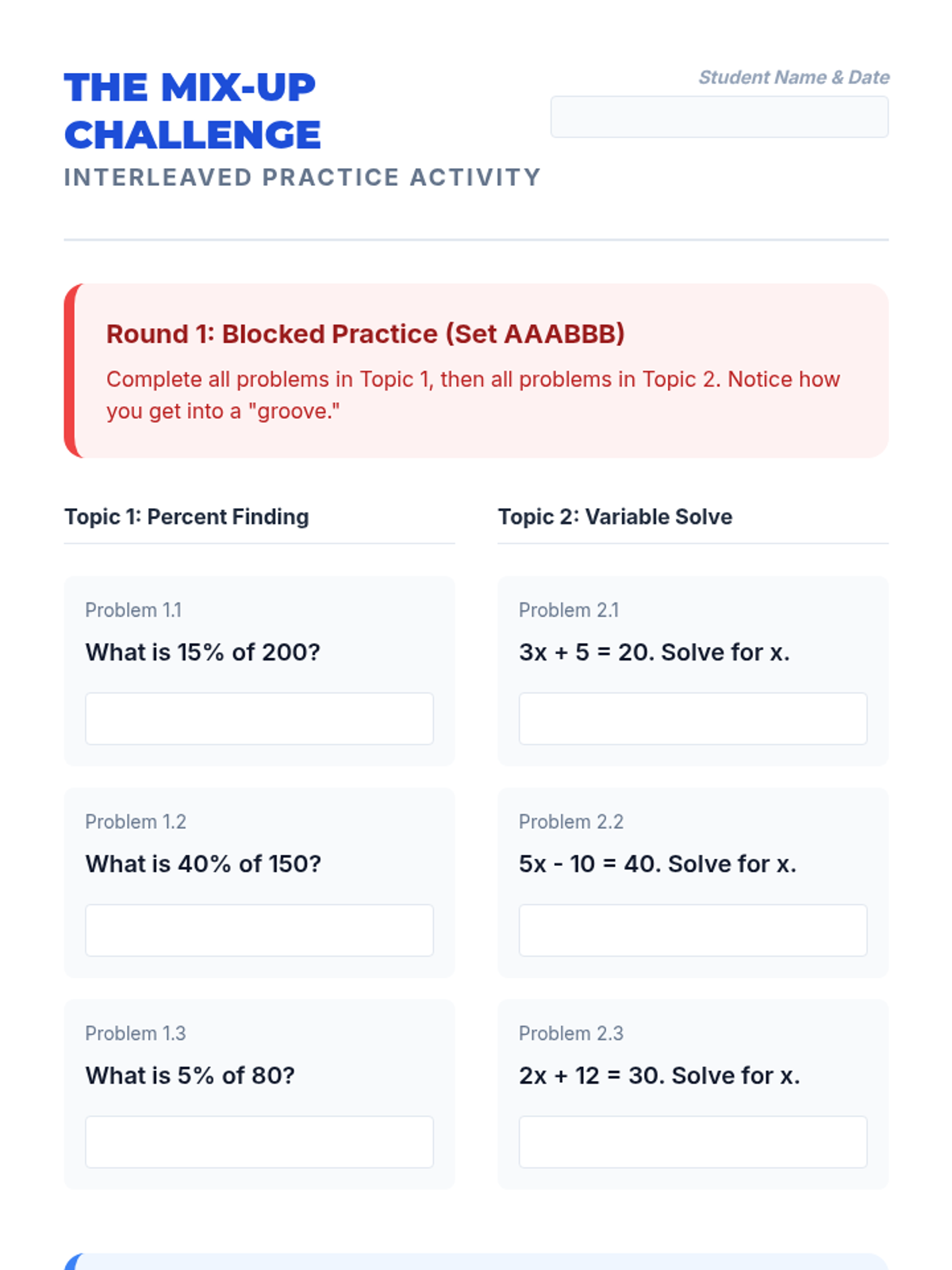
An advanced sequence for 10th-grade students focusing on interleaved practice as a companion to spaced repetition. Students move from understanding the 'mixing' effect to building sophisticated retrograde study calendars for cumulative exams.
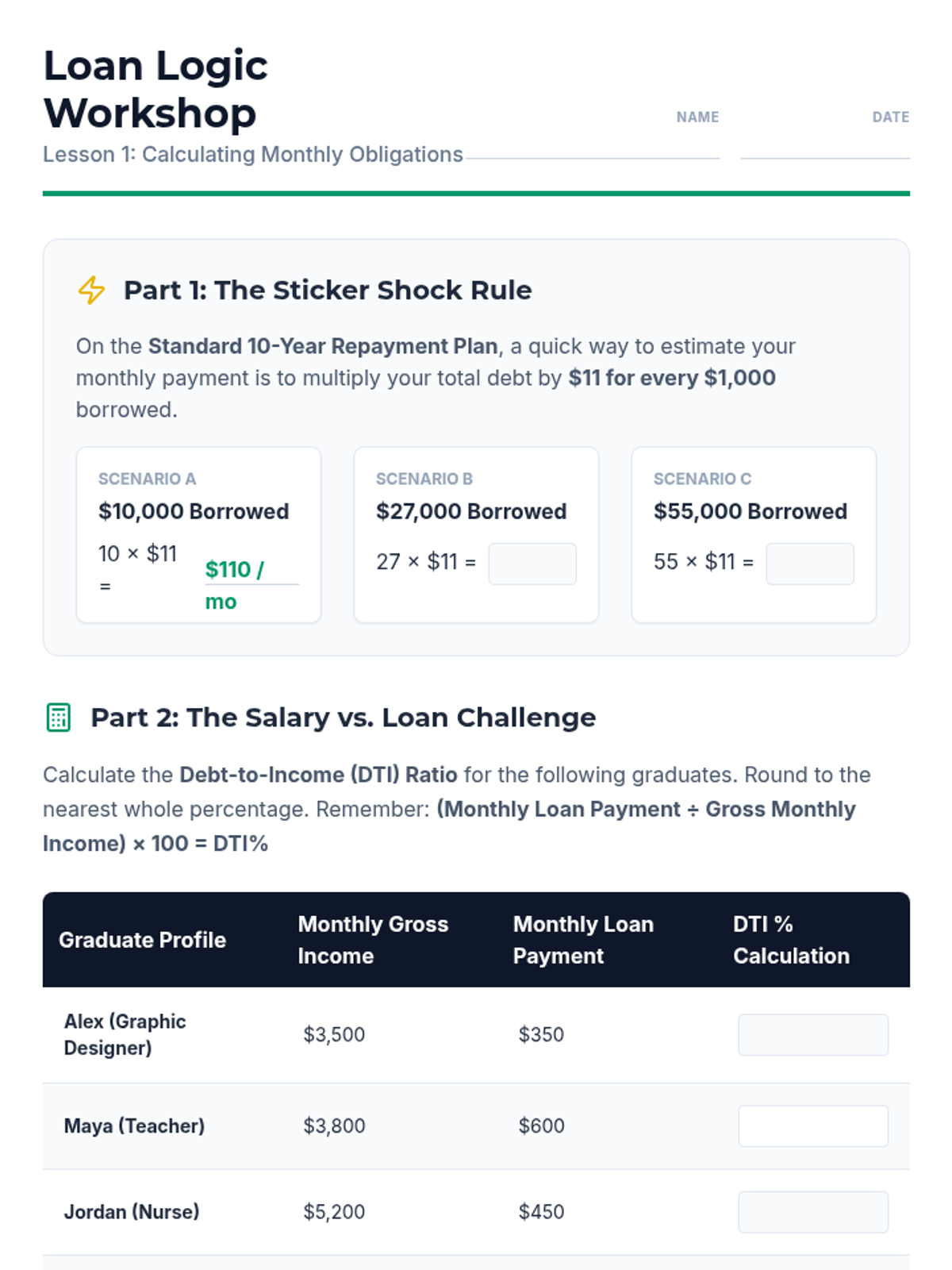
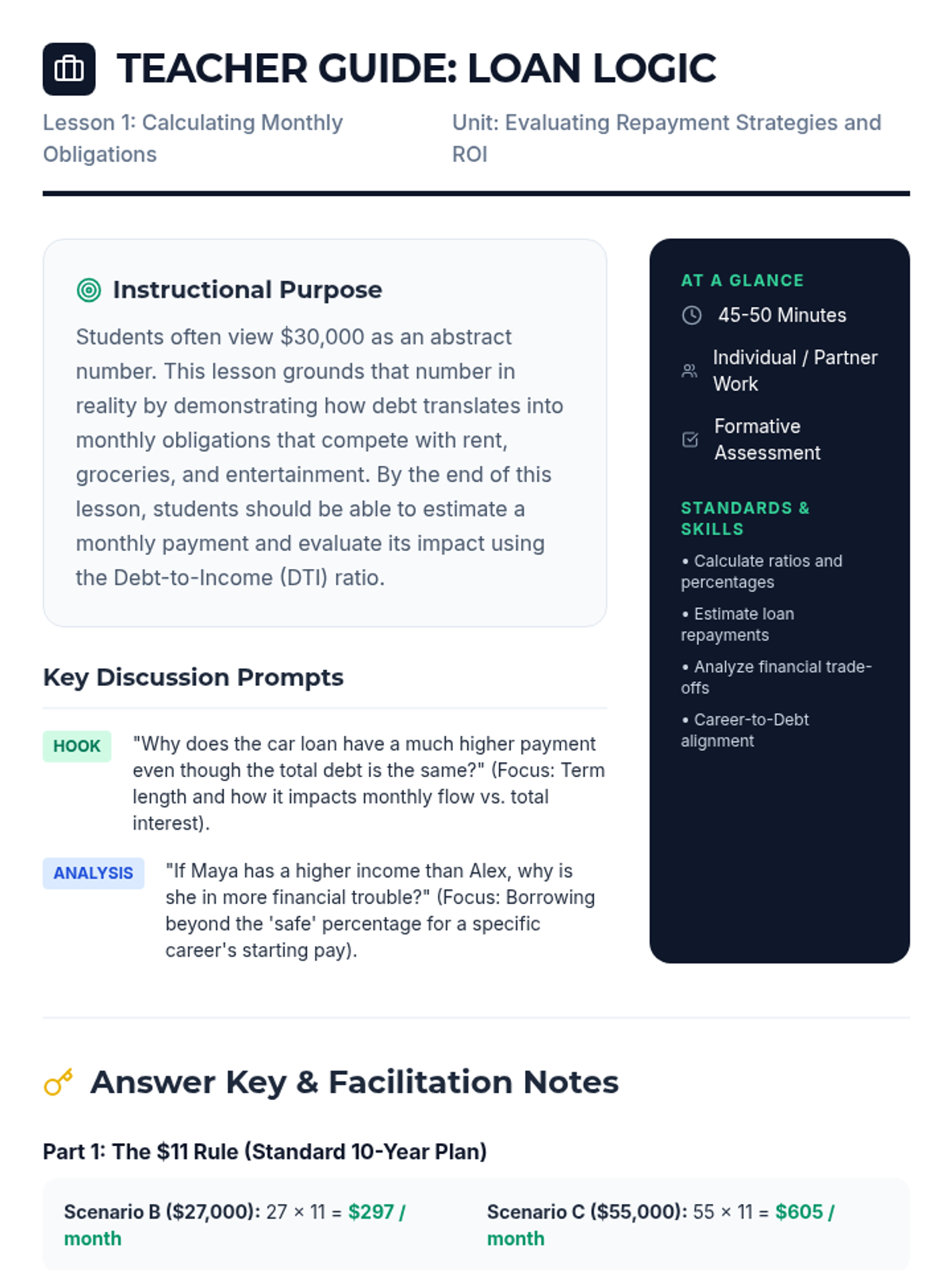
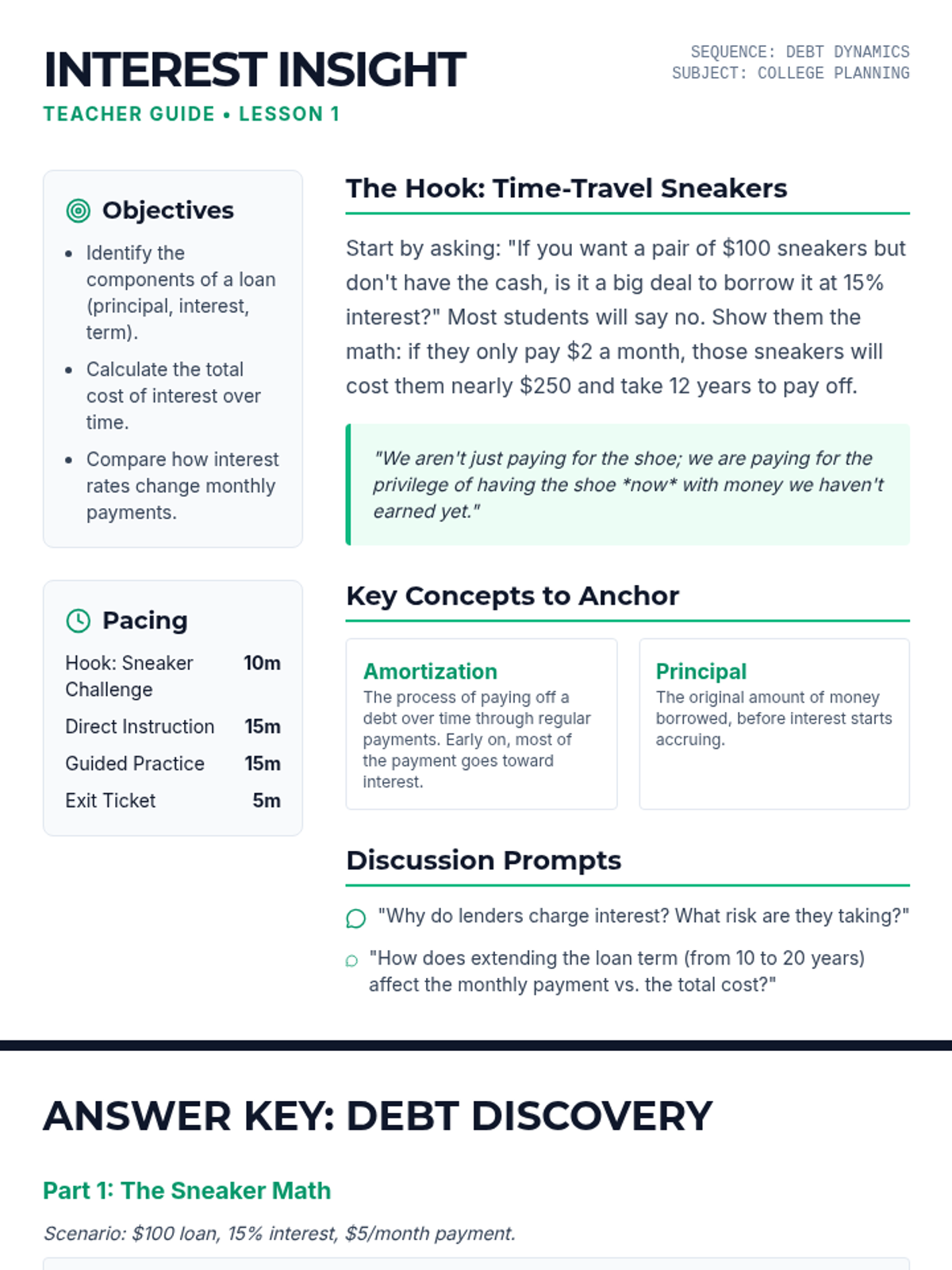
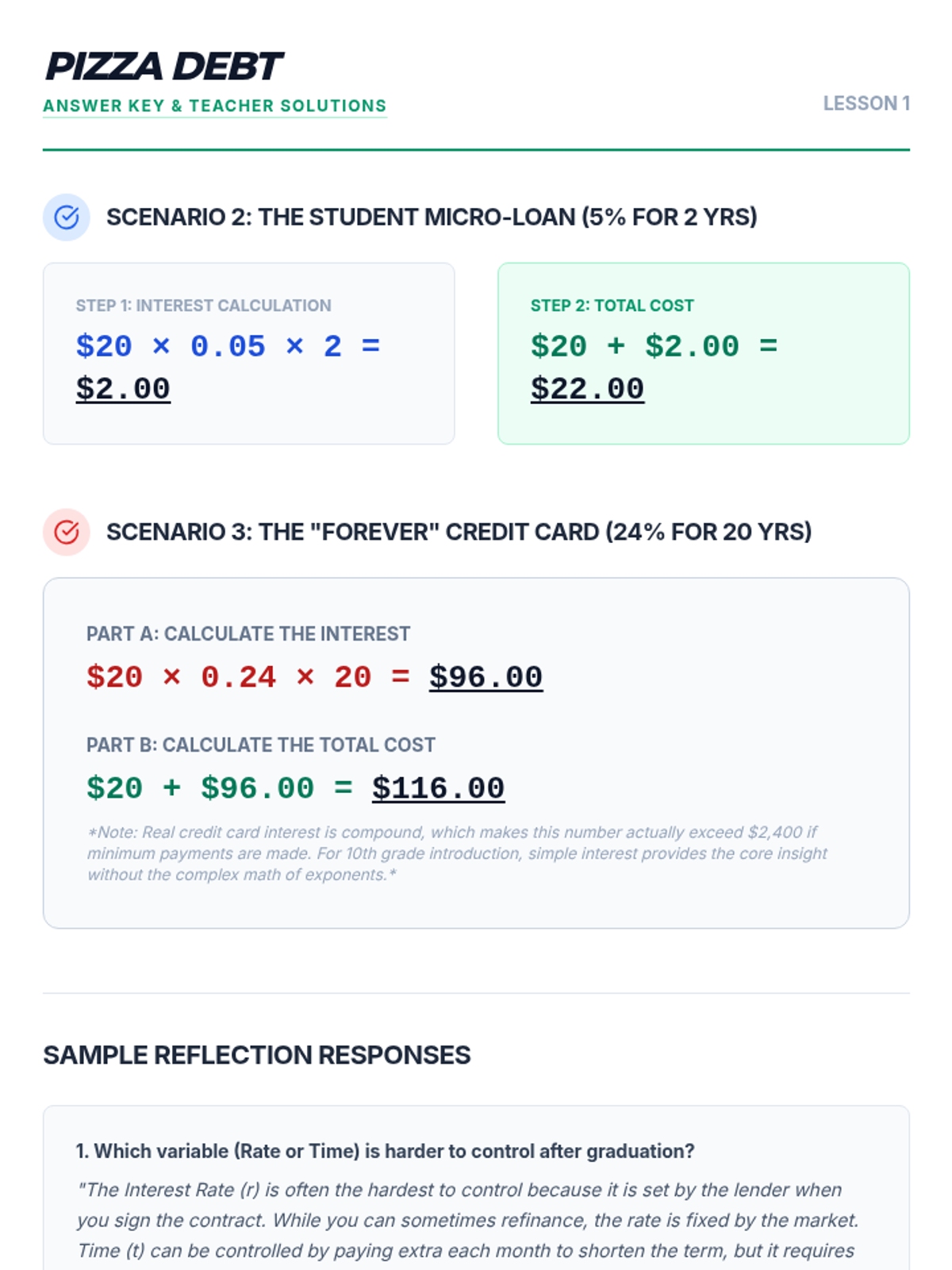
A comprehensive sequence for 10th-grade students focusing on the financial realities of student loan repayment, the impact of debt-to-income ratios, and evaluating the long-term ROI of post-secondary education choices. Students progress from basic math to strategic advisory, culminating in a complex case study analysis.
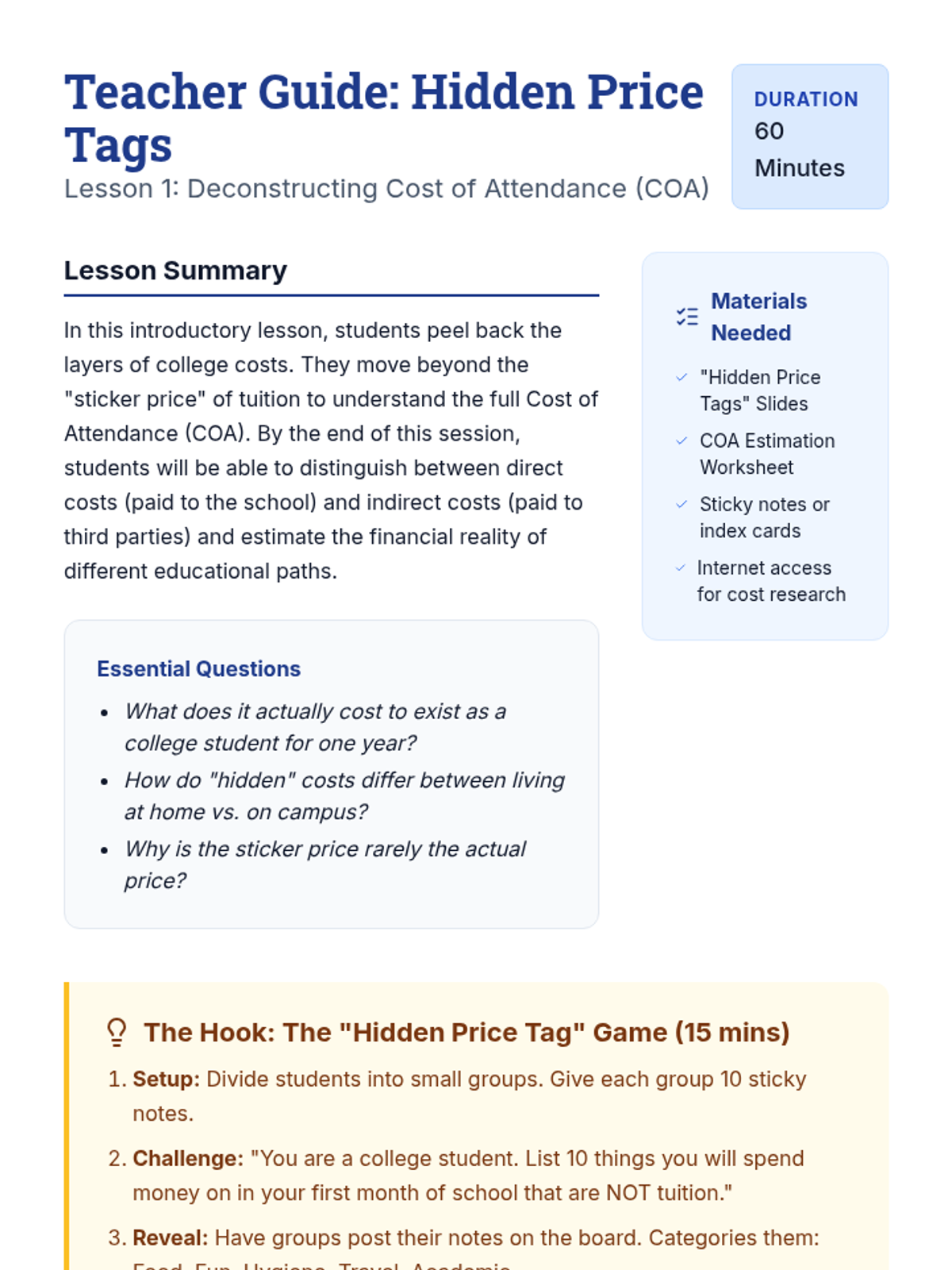
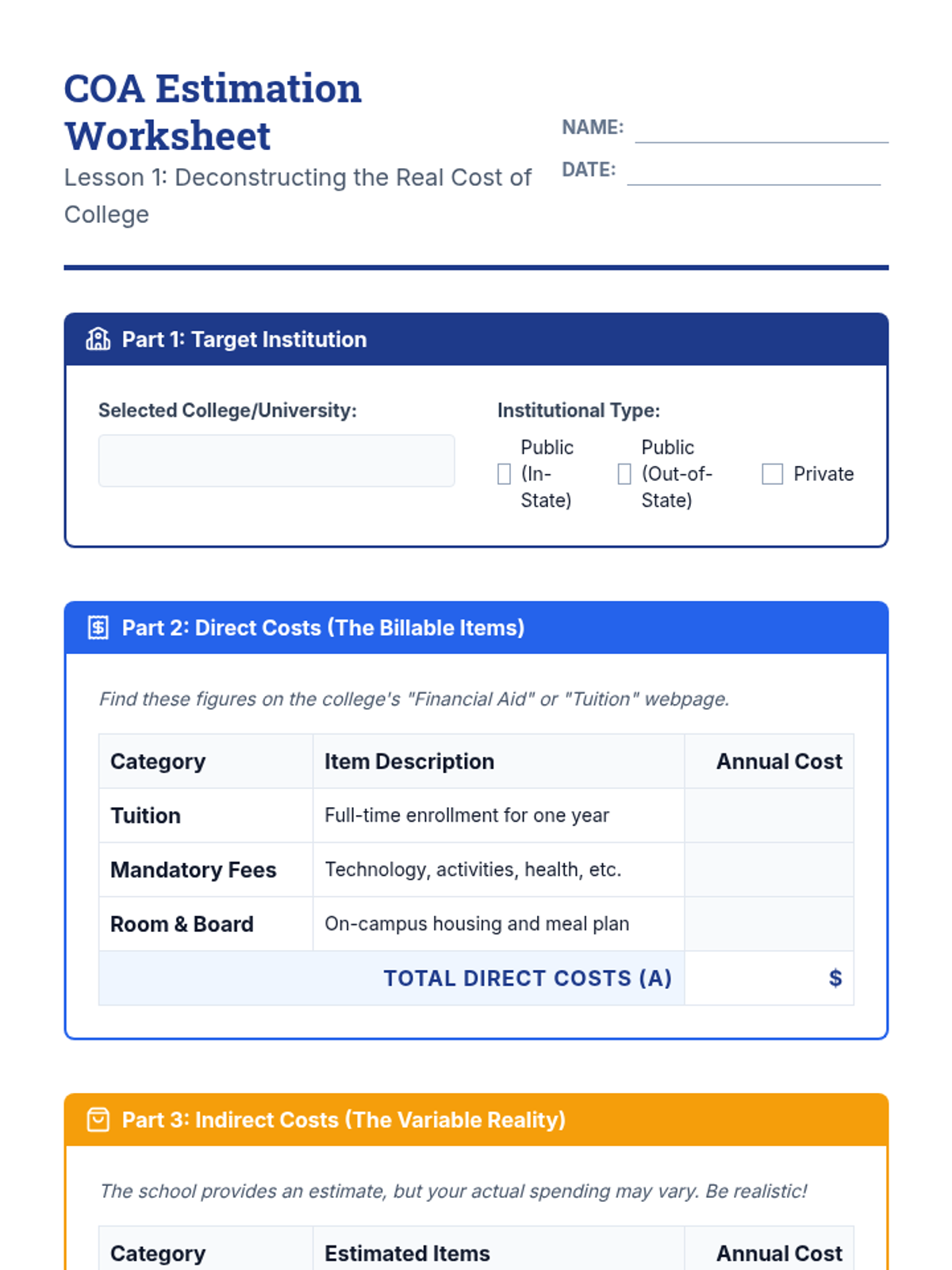
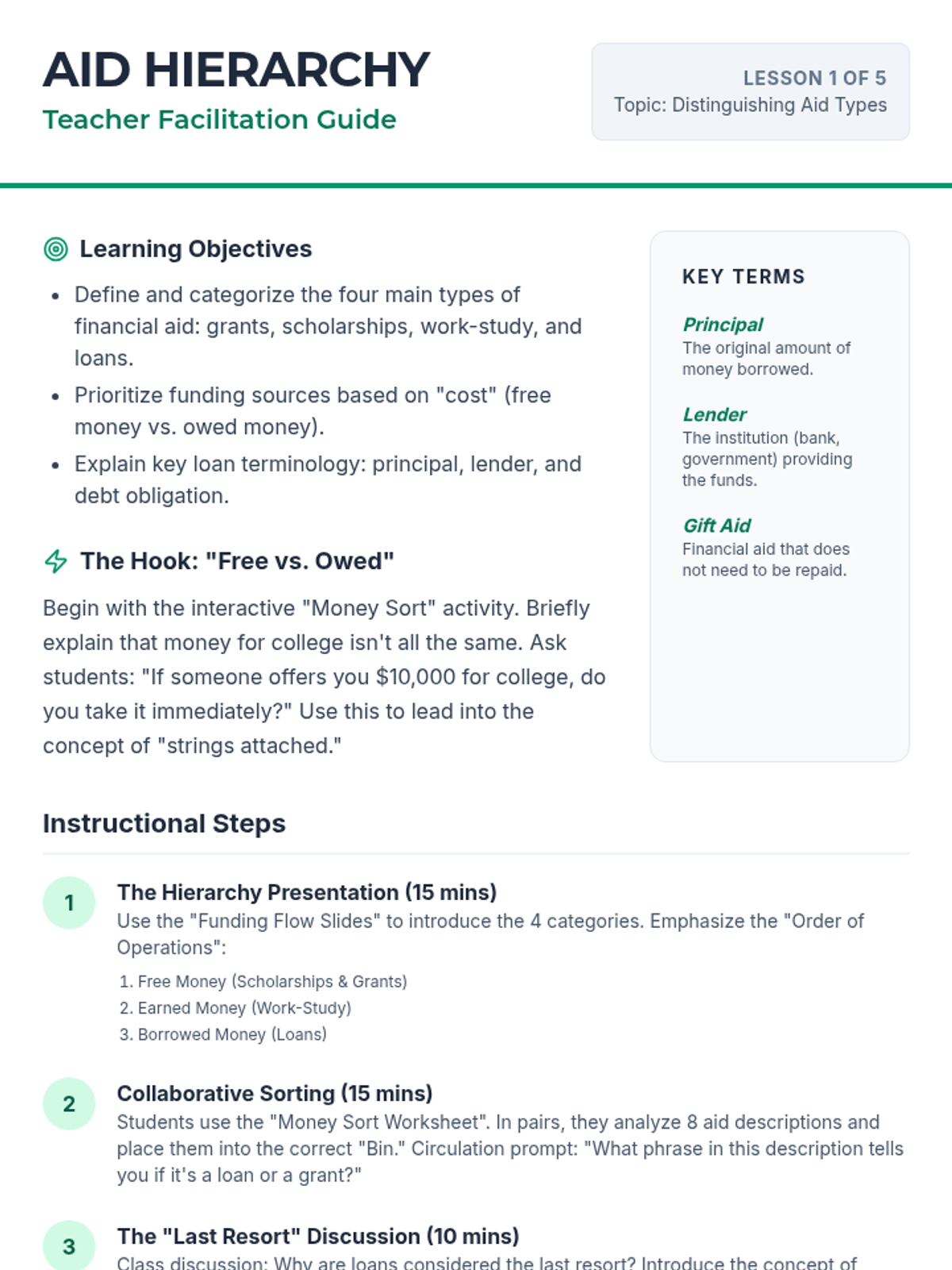
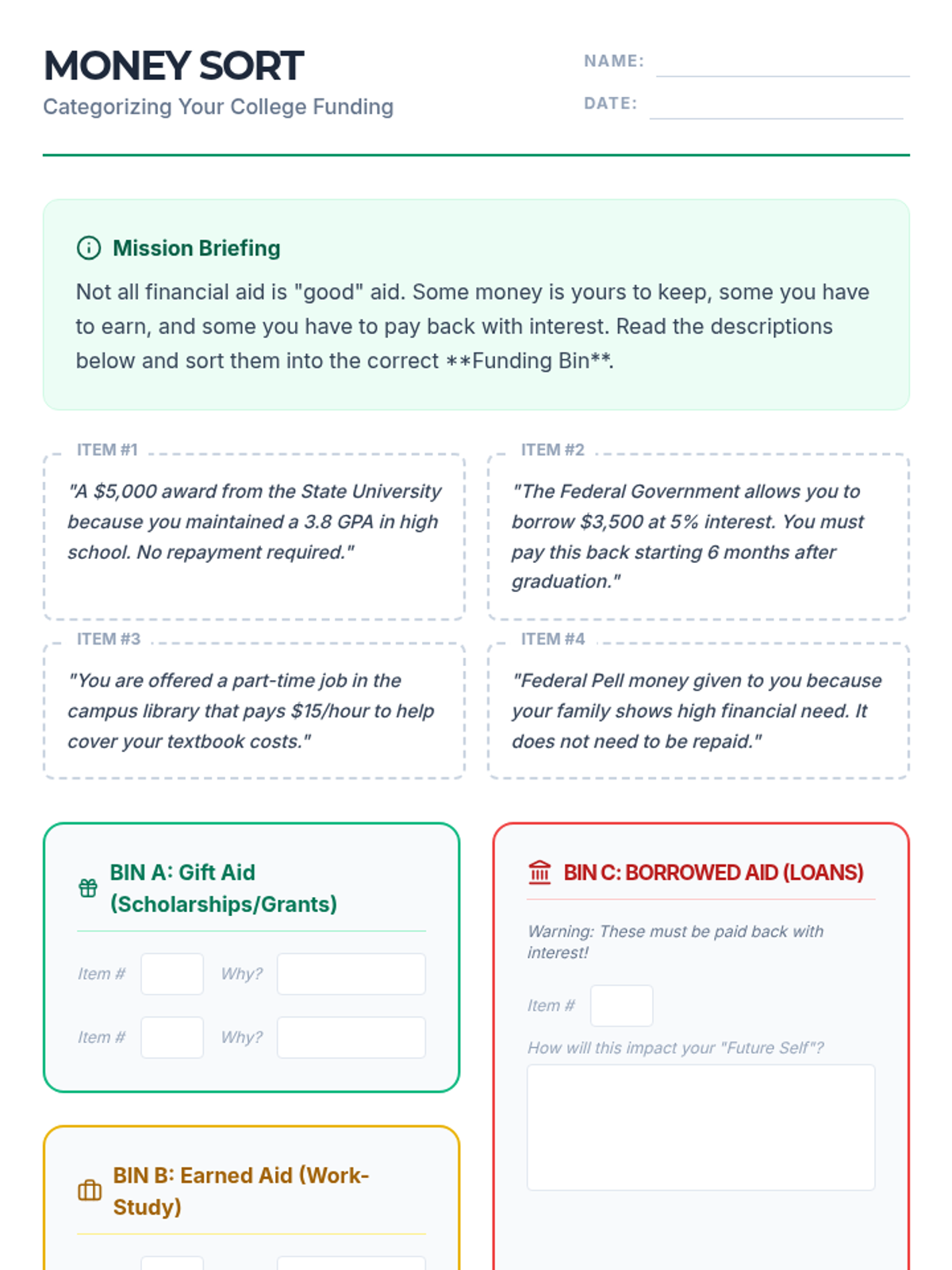
A project-based sequence for 10th-grade students to master the complexities of college funding. Students will learn to deconstruct costs, prioritize non-repayable aid, interpret confusing financial aid letters, and design a sustainable borrowing strategy to minimize long-term debt.
This sequence explores the long-term financial implications of student loans, focusing on repayment plans, budgeting, and return on investment (ROI). Students transition from understanding borrowing mechanics to simulating the real-world impact of debt on lifestyle and career choices.
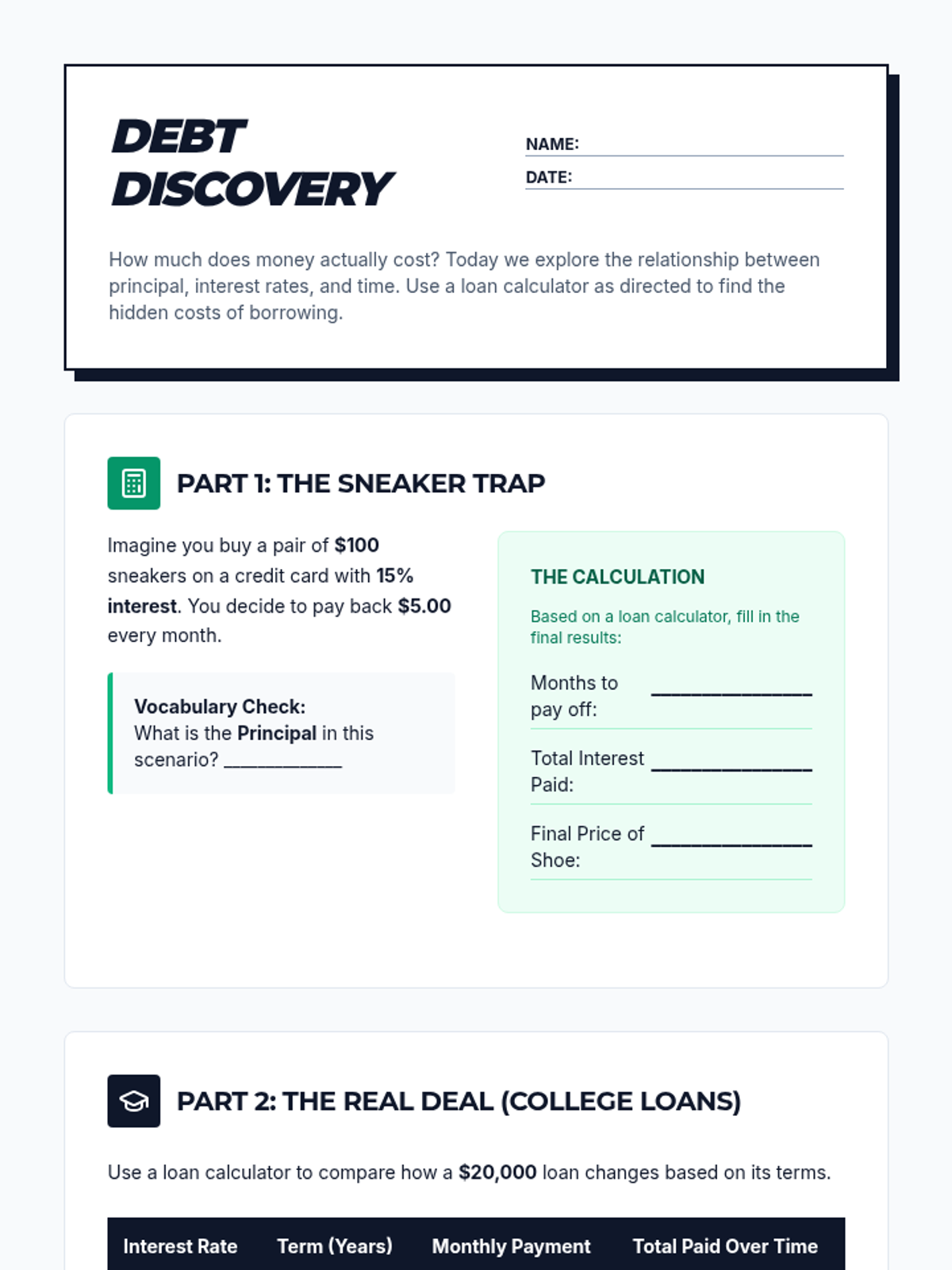
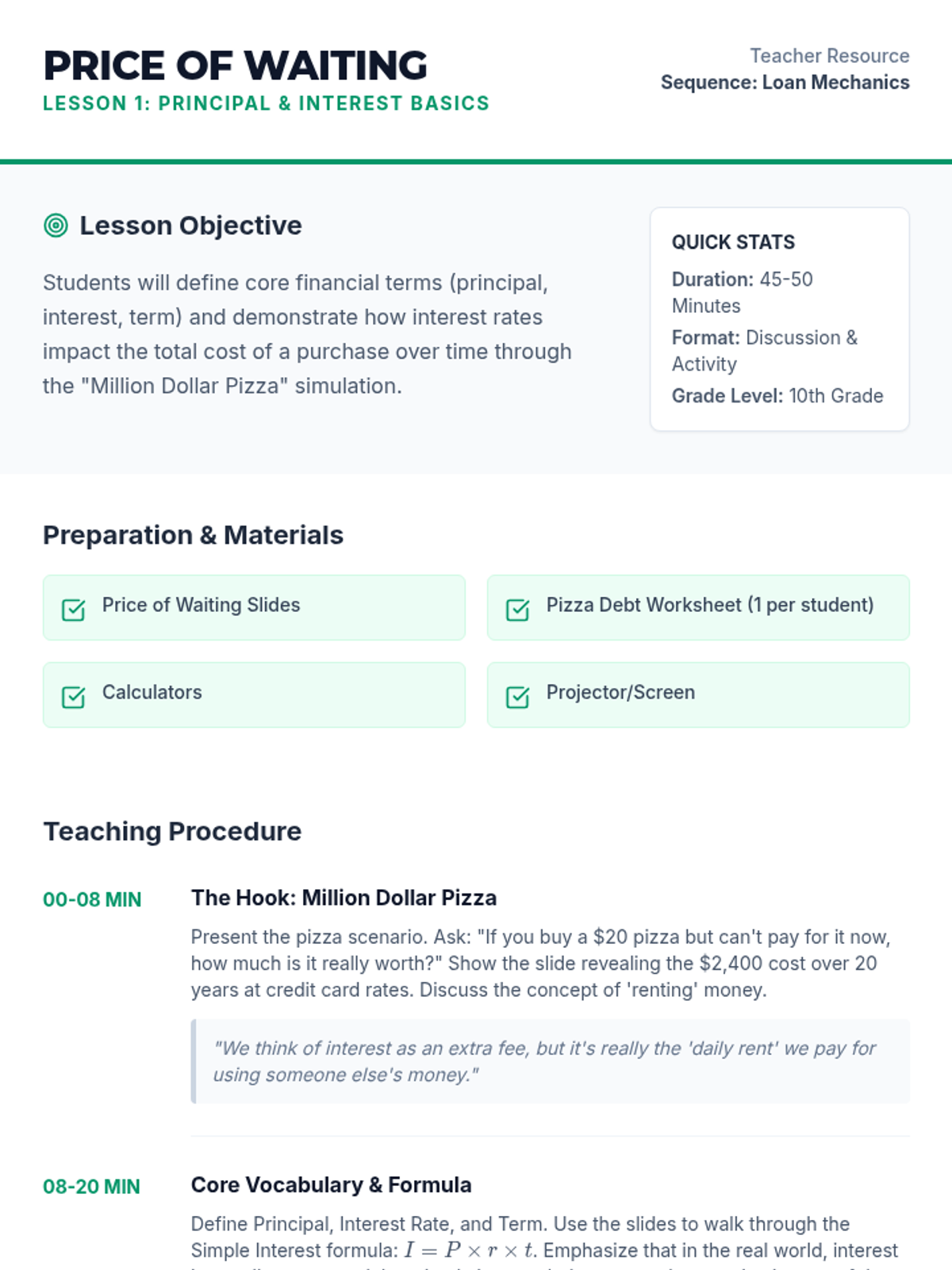
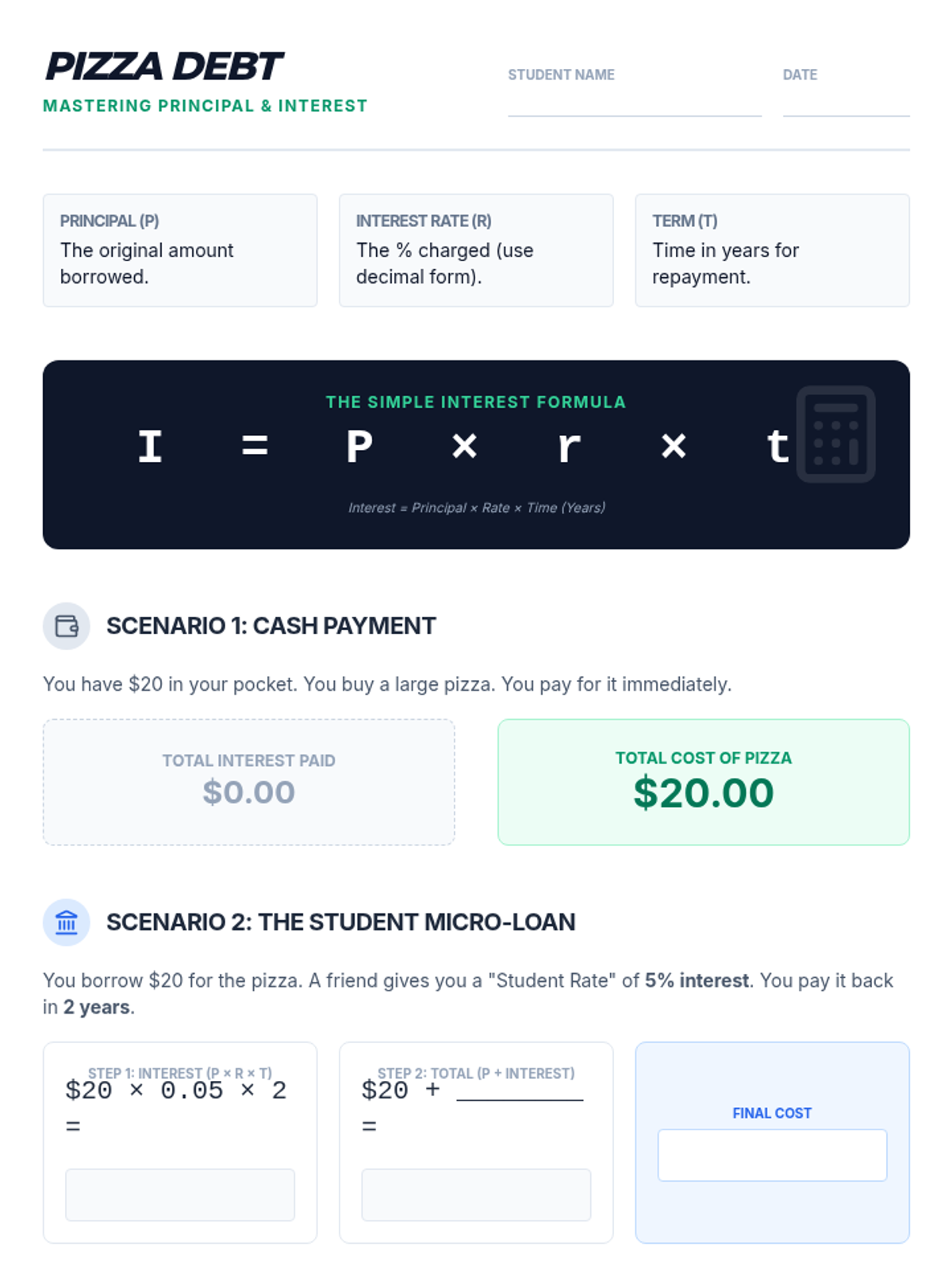
A comprehensive unit for 9th-grade students exploring the differences between federal and private student loans. Students learn to navigate financial aid terminology, calculate interest accrual, and evaluate the long-term impact of borrowing decisions.
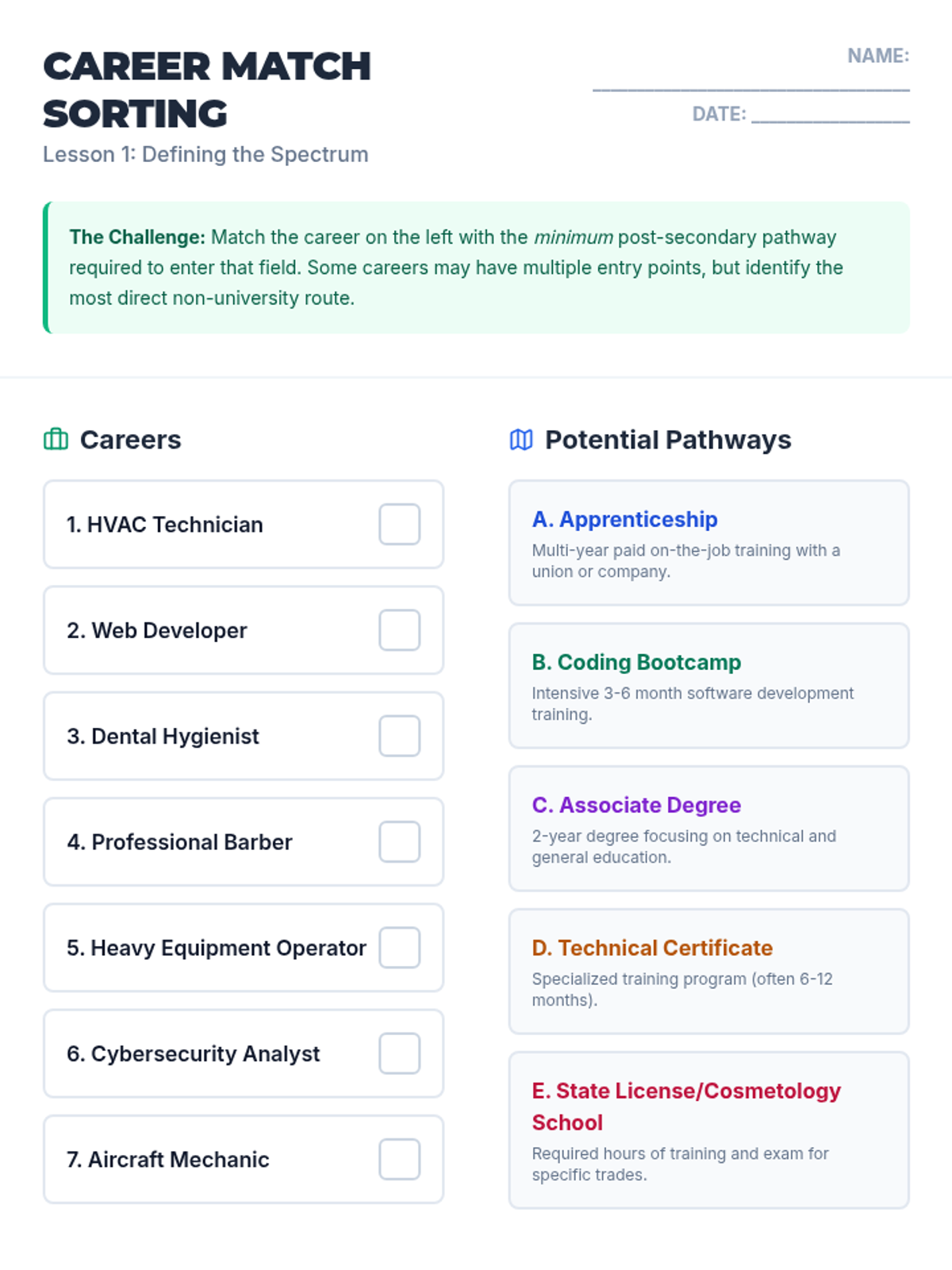
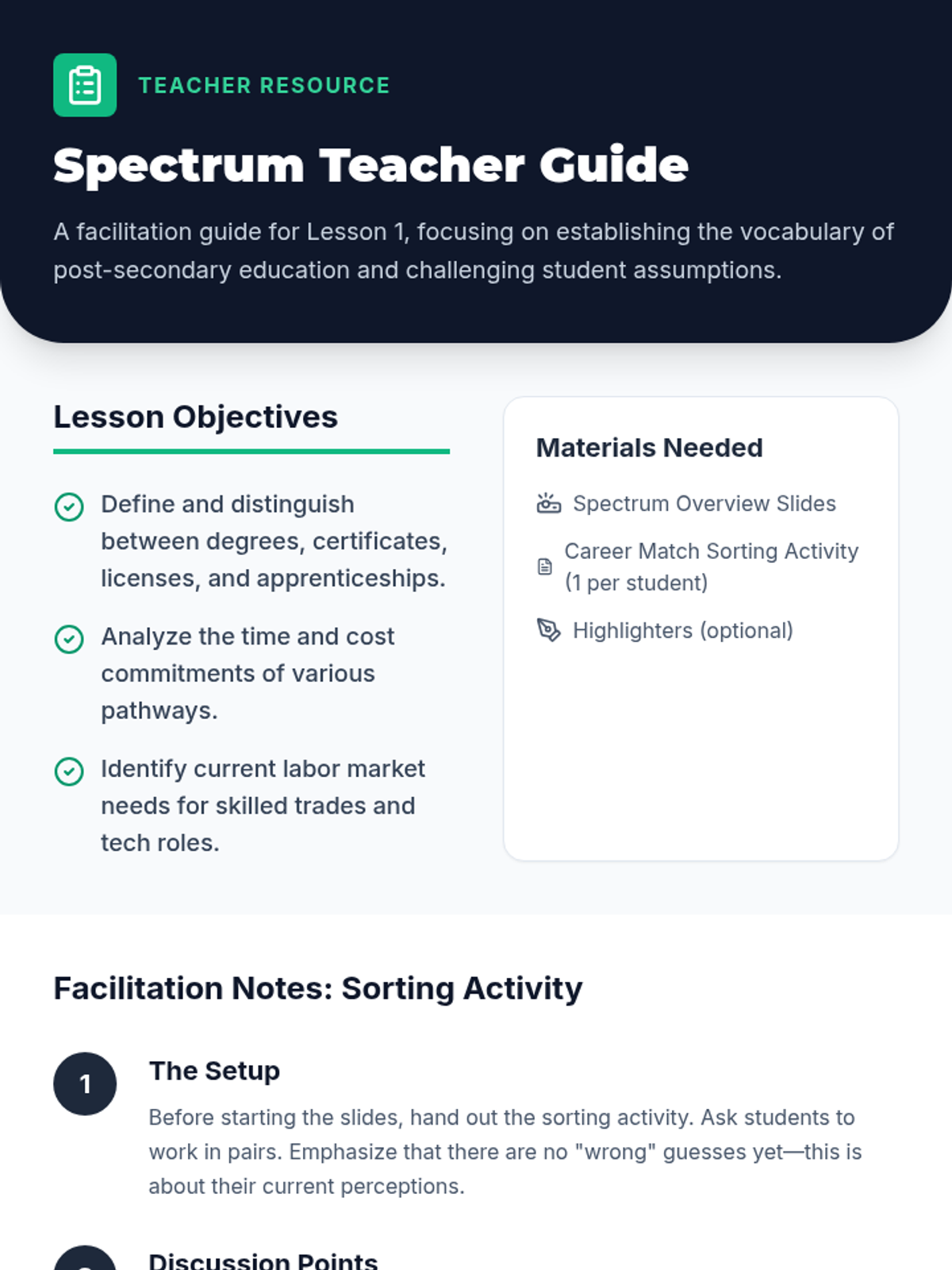
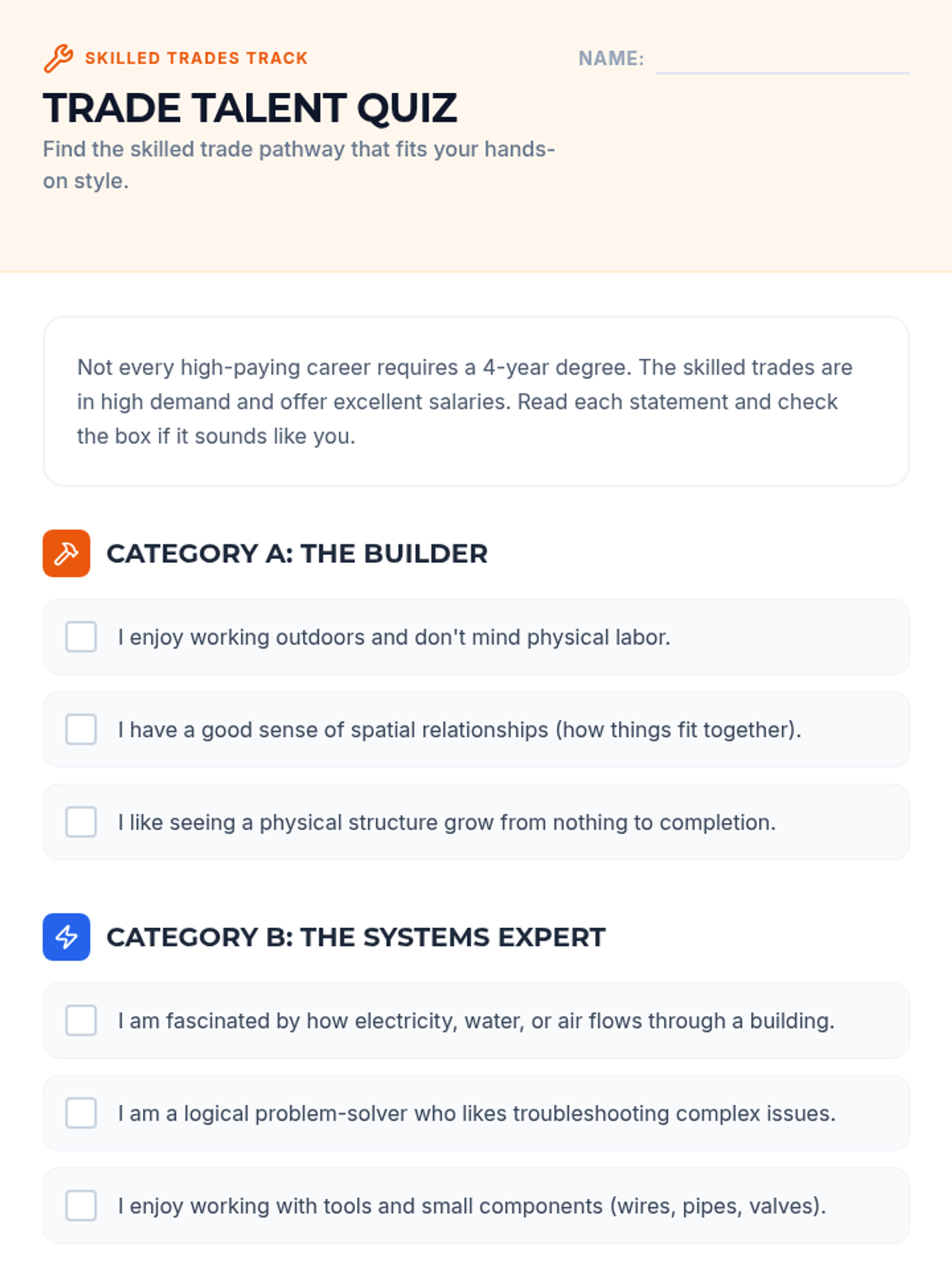
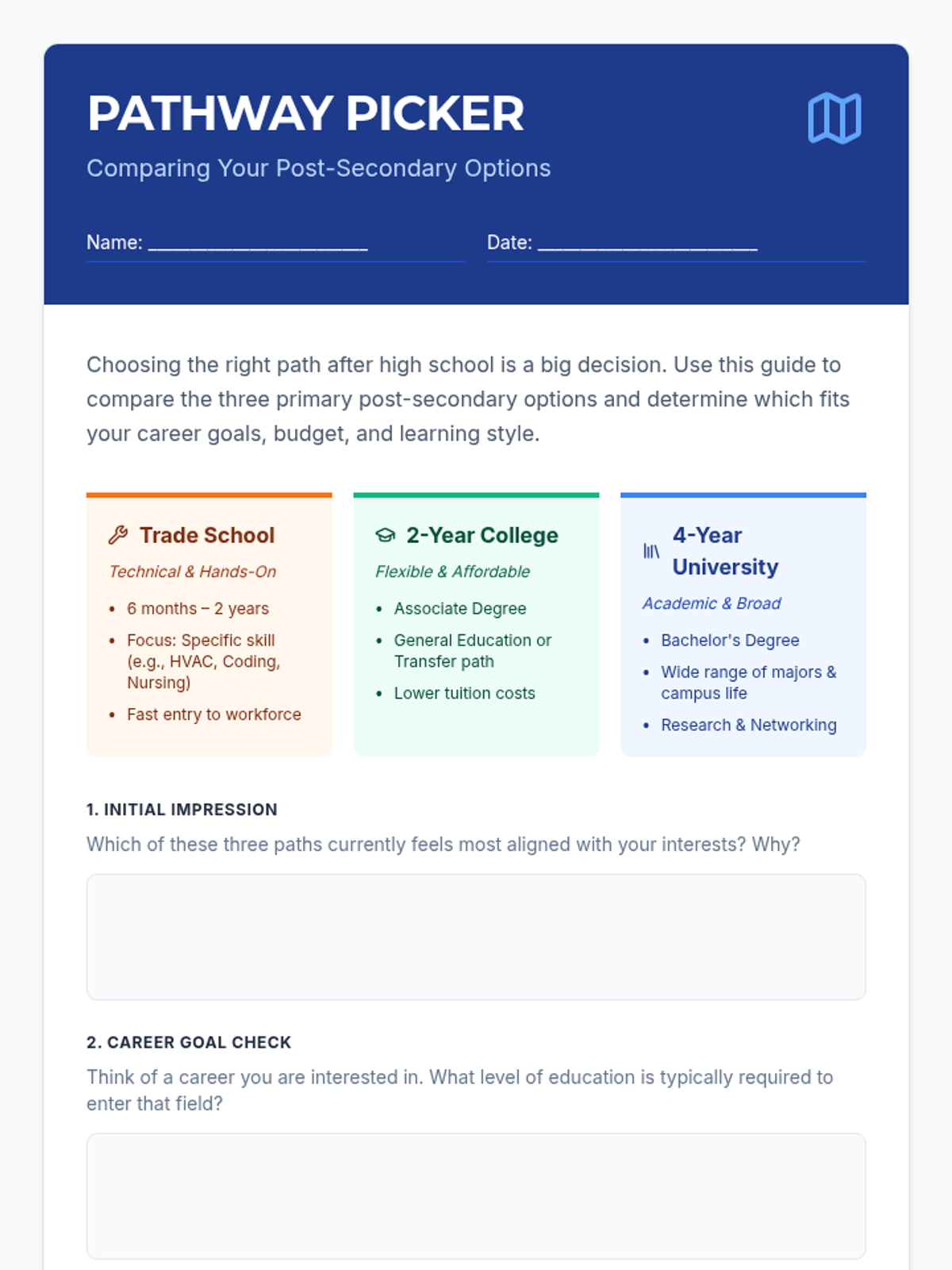
This sequence explores post-secondary education options beyond the traditional four-year degree, including trade schools, apprenticeships, coding bootcamps, and certificate programs. Students learn to evaluate the legitimacy of various programs and compare different career pathways based on cost, duration, and outcomes.
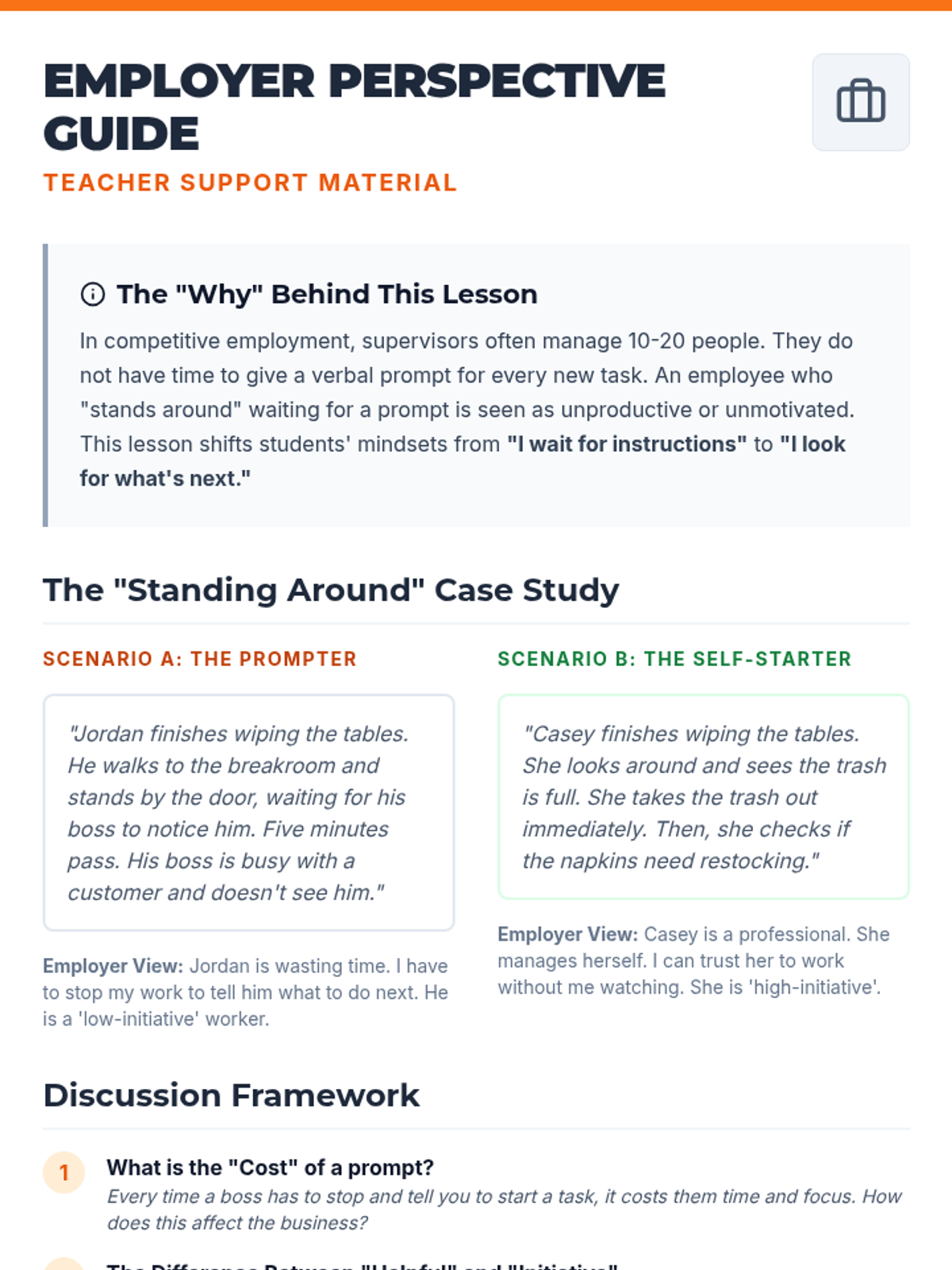
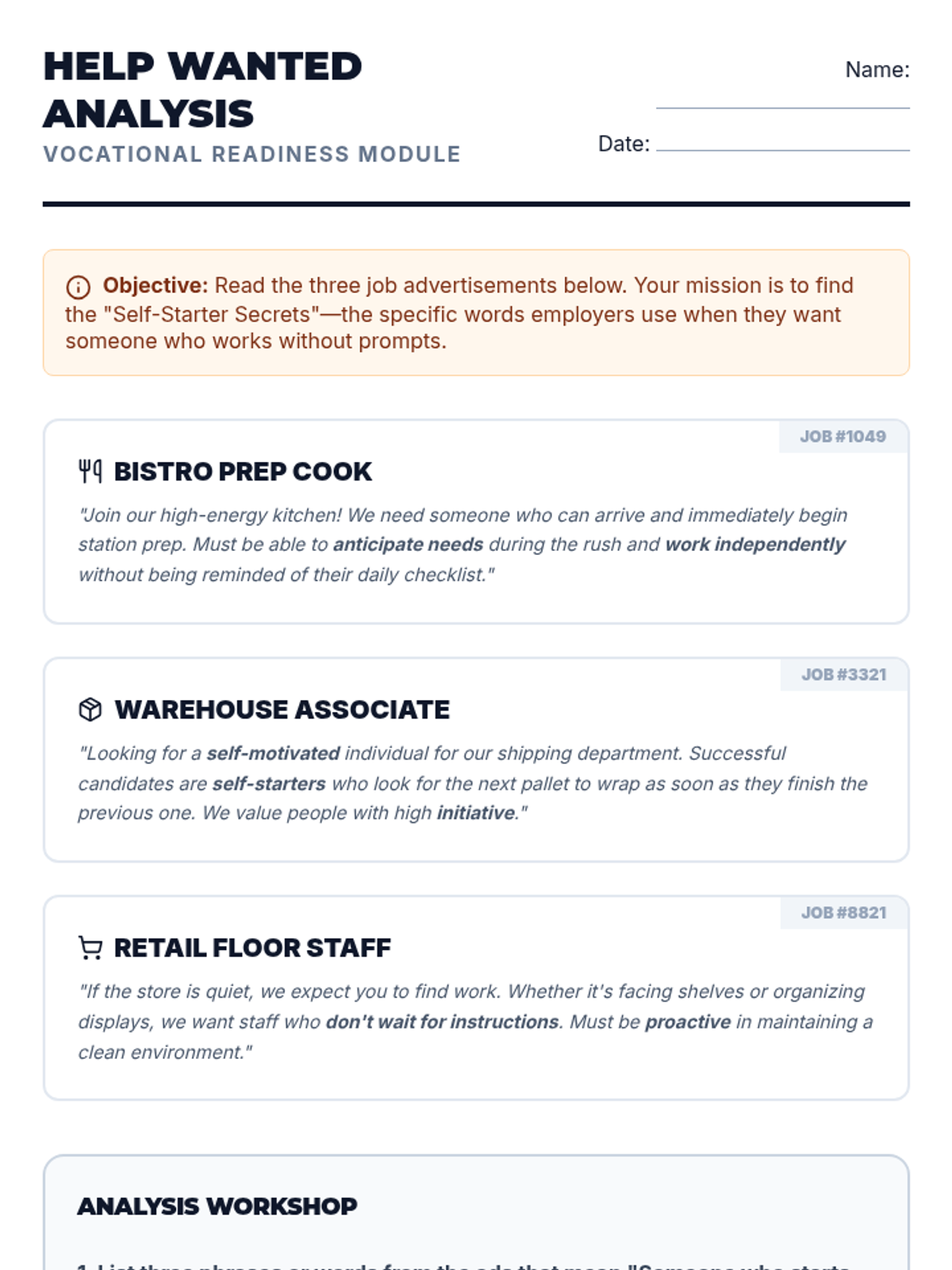
A workplace-readiness sequence for transition-aged students focused on moving from verbal prompting to identifying natural environmental cues for task initiation. Students practice initiative through simulations, role-plays, and environmental analysis to prepare for competitive employment.
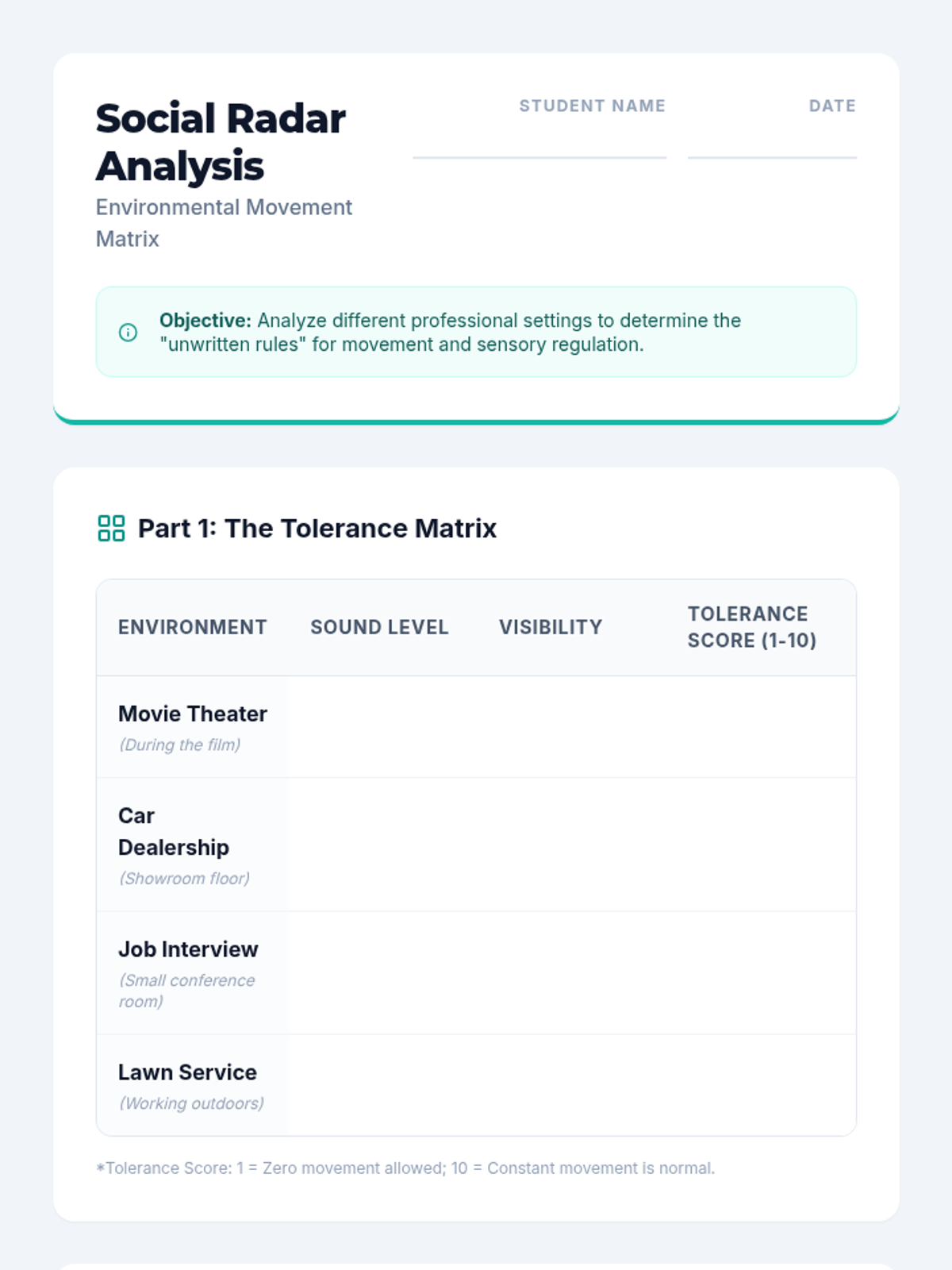
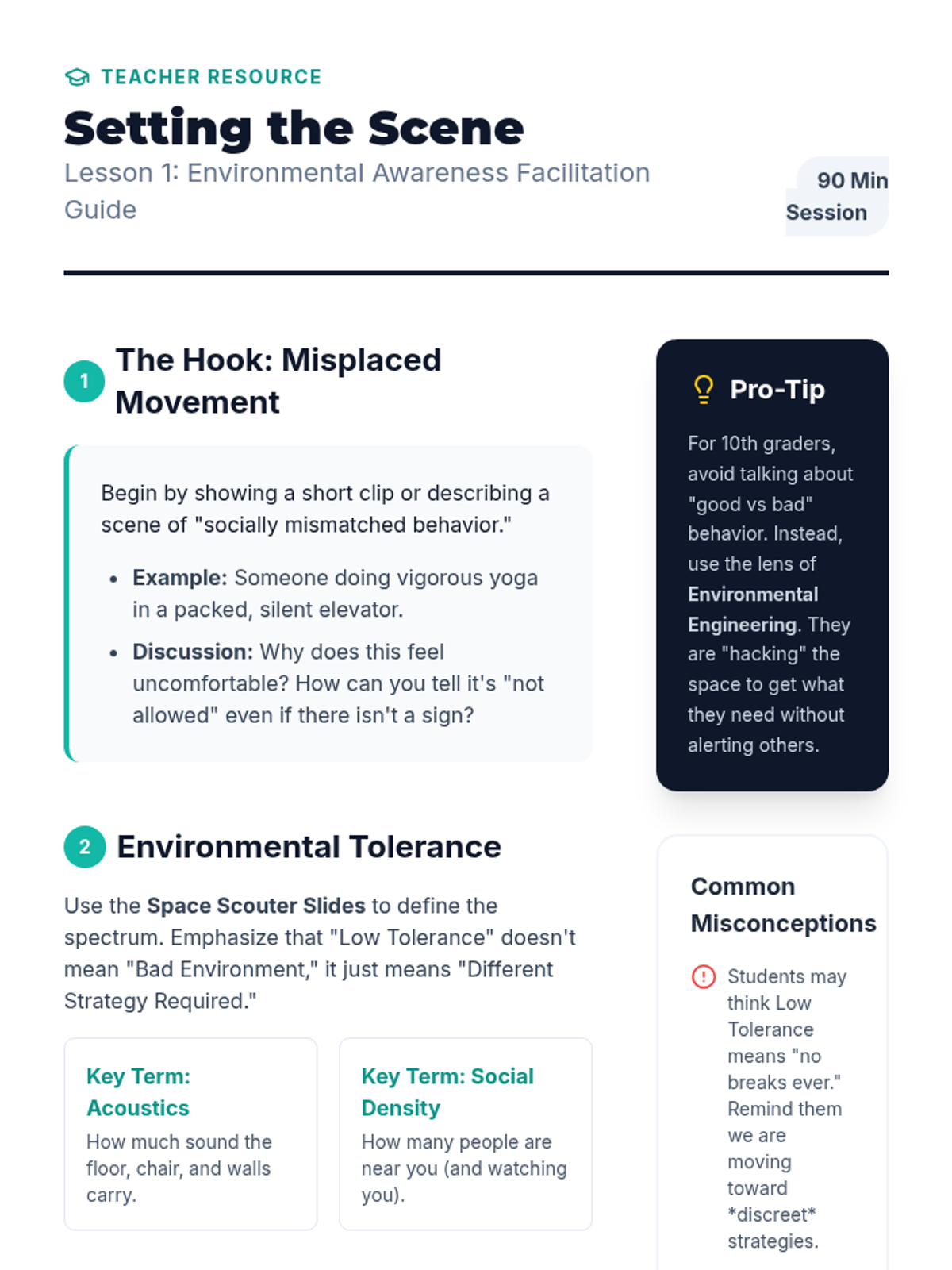
This sequence prepares 10th-grade students to adapt sensory regulation and movement strategies for professional, academic, and social settings beyond the classroom. Students learn to analyze environment-specific norms, practice discreet 'stealth' techniques, and plan for their post-secondary transition into careers and higher education.
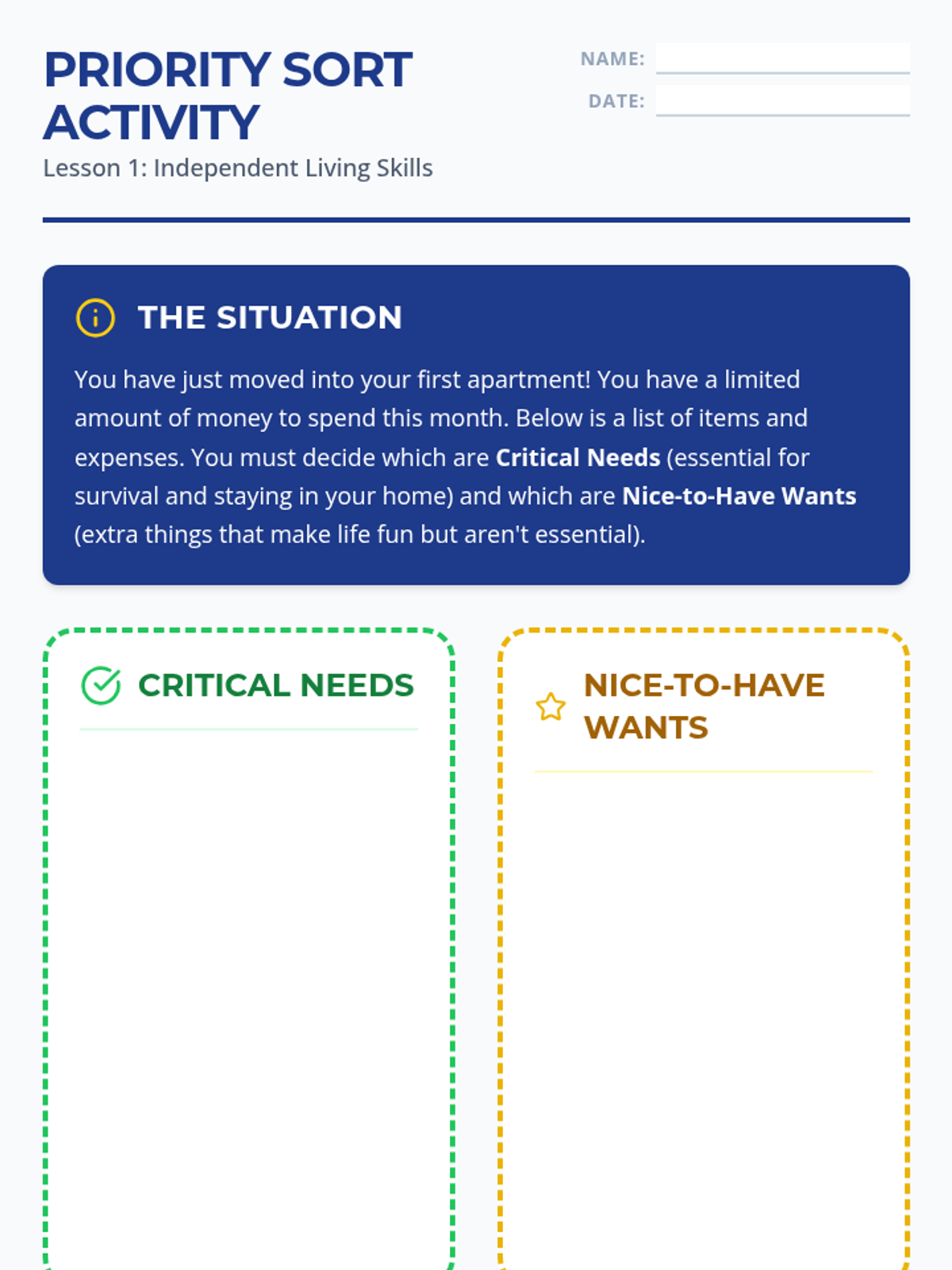
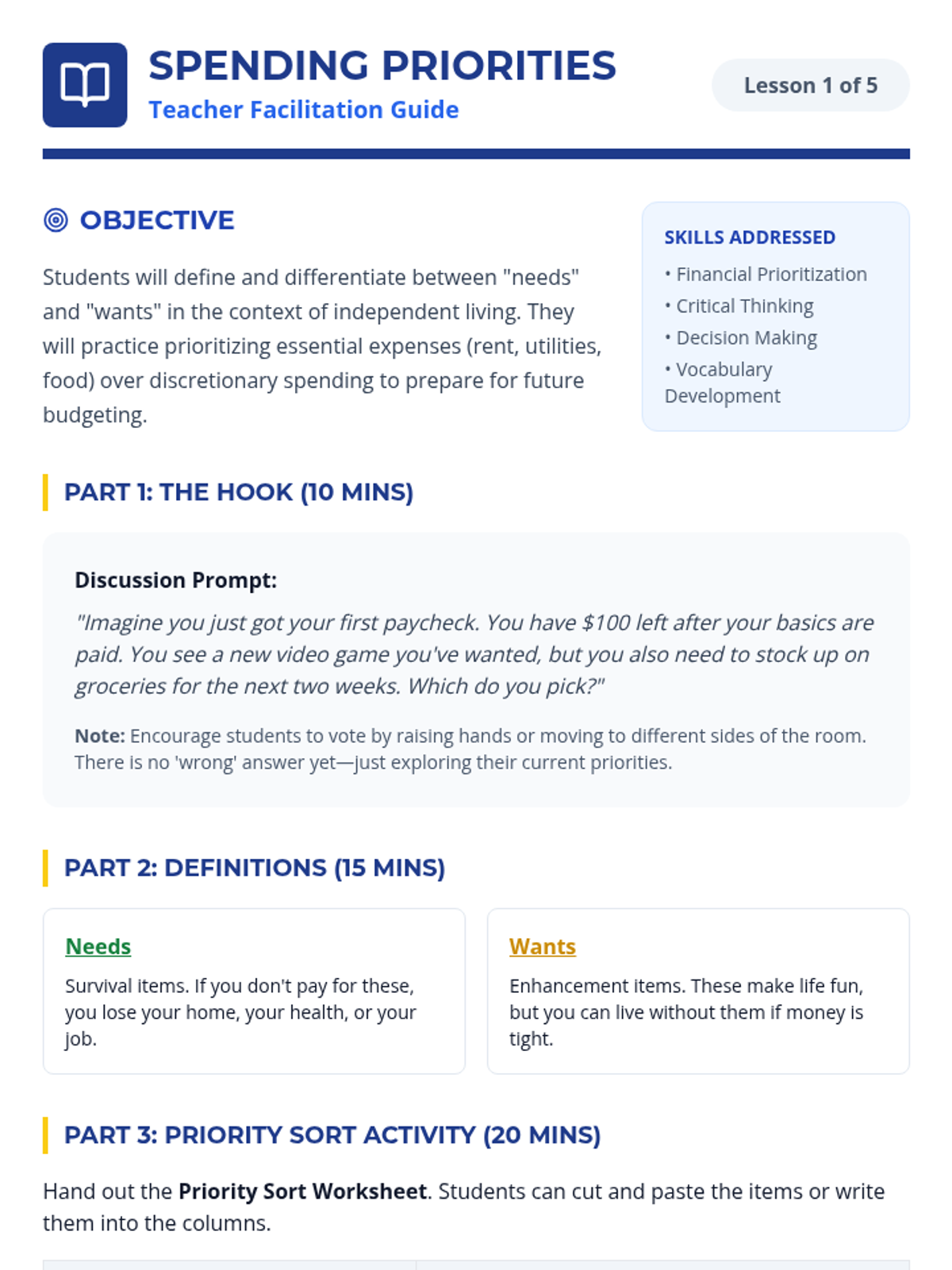
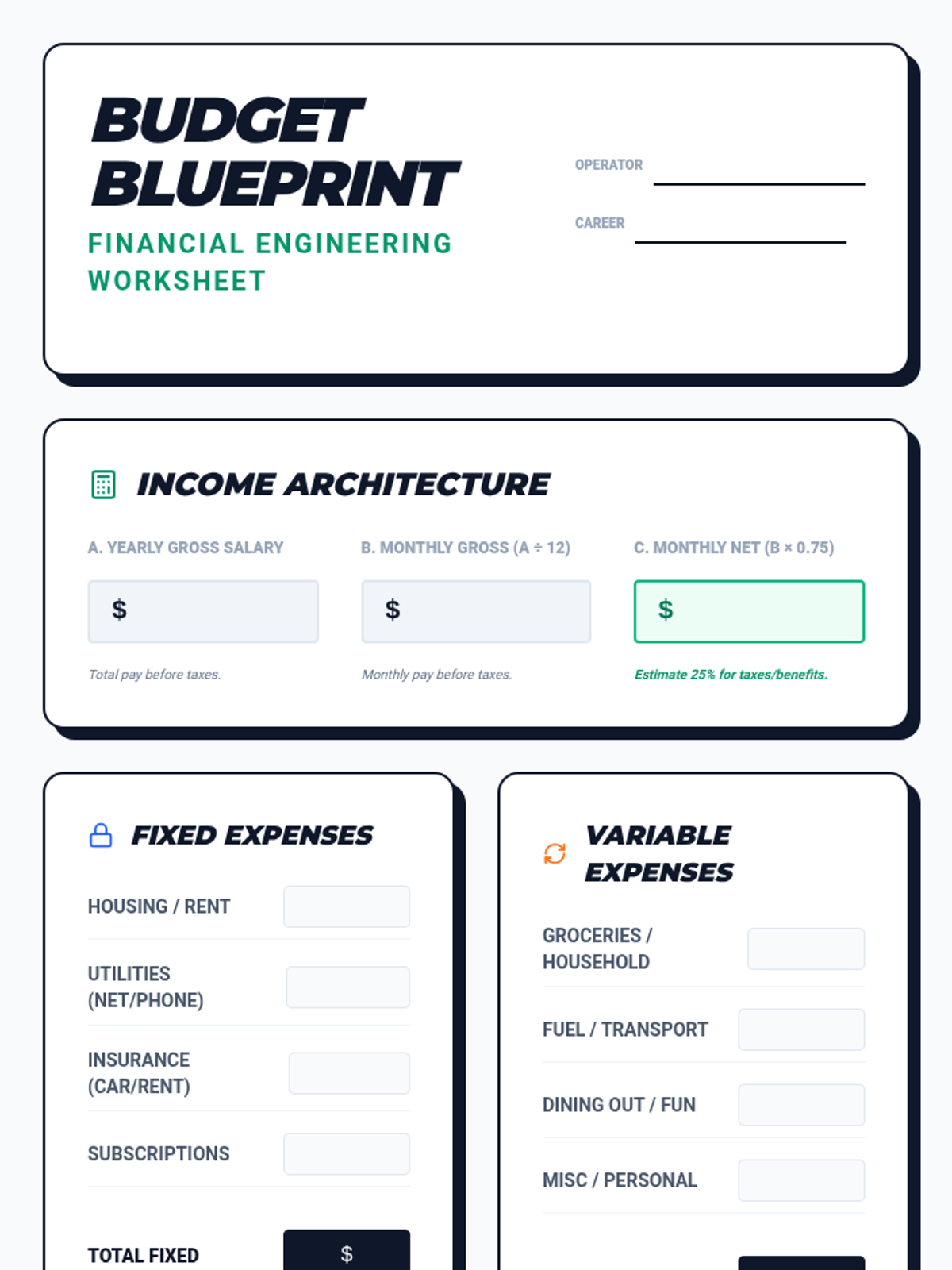
A comprehensive sequence for 8th-grade transition planning, focusing on the practical skills needed for independent living, including budgeting, housing, transportation, and nutrition.
A 5-lesson transition planning sequence for 9th-grade students to bridge the gap between their future dreams and present-day choices. Using SMART goals and backwards planning, students create a concrete roadmap for their high school years and beyond.
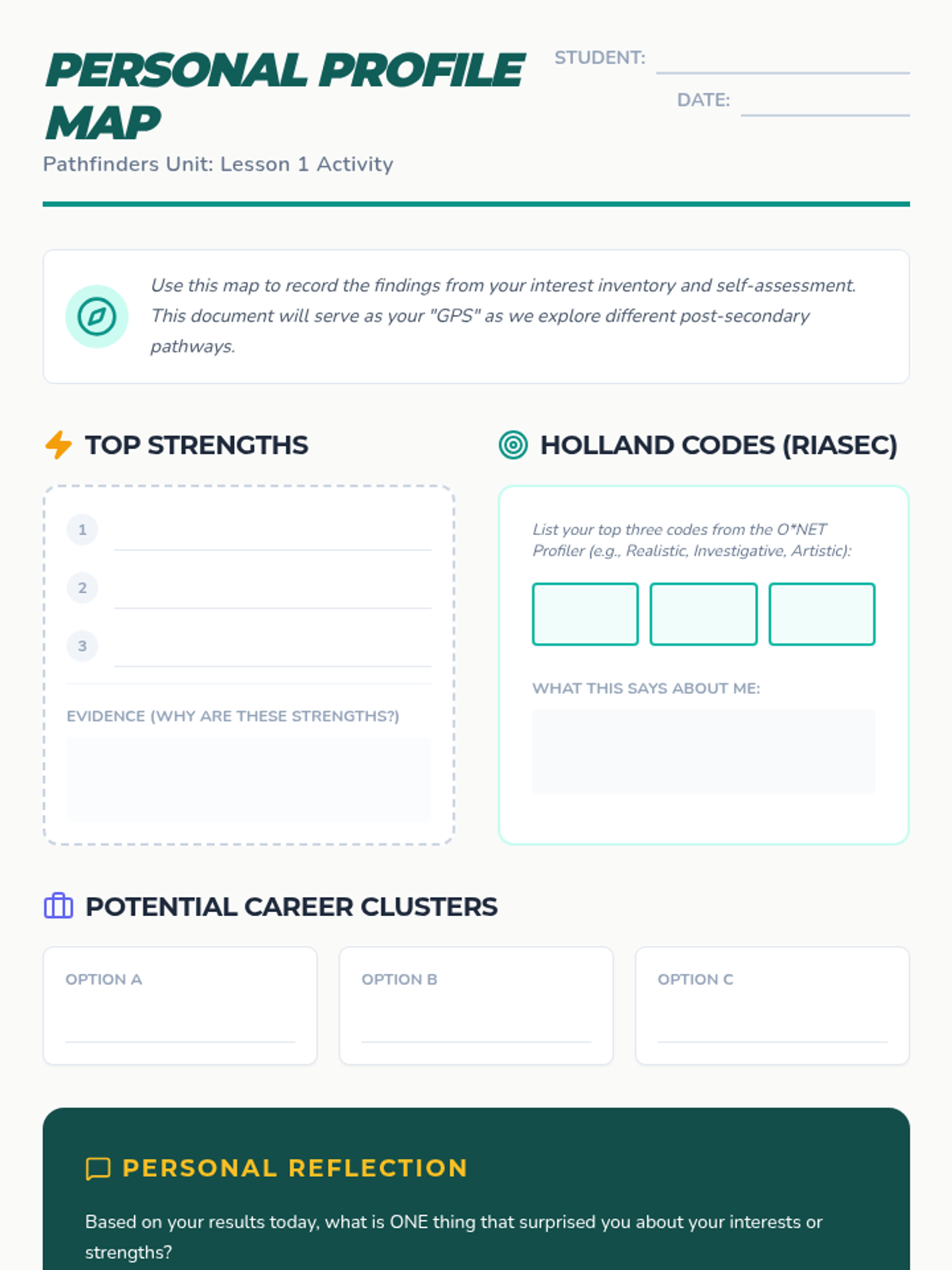
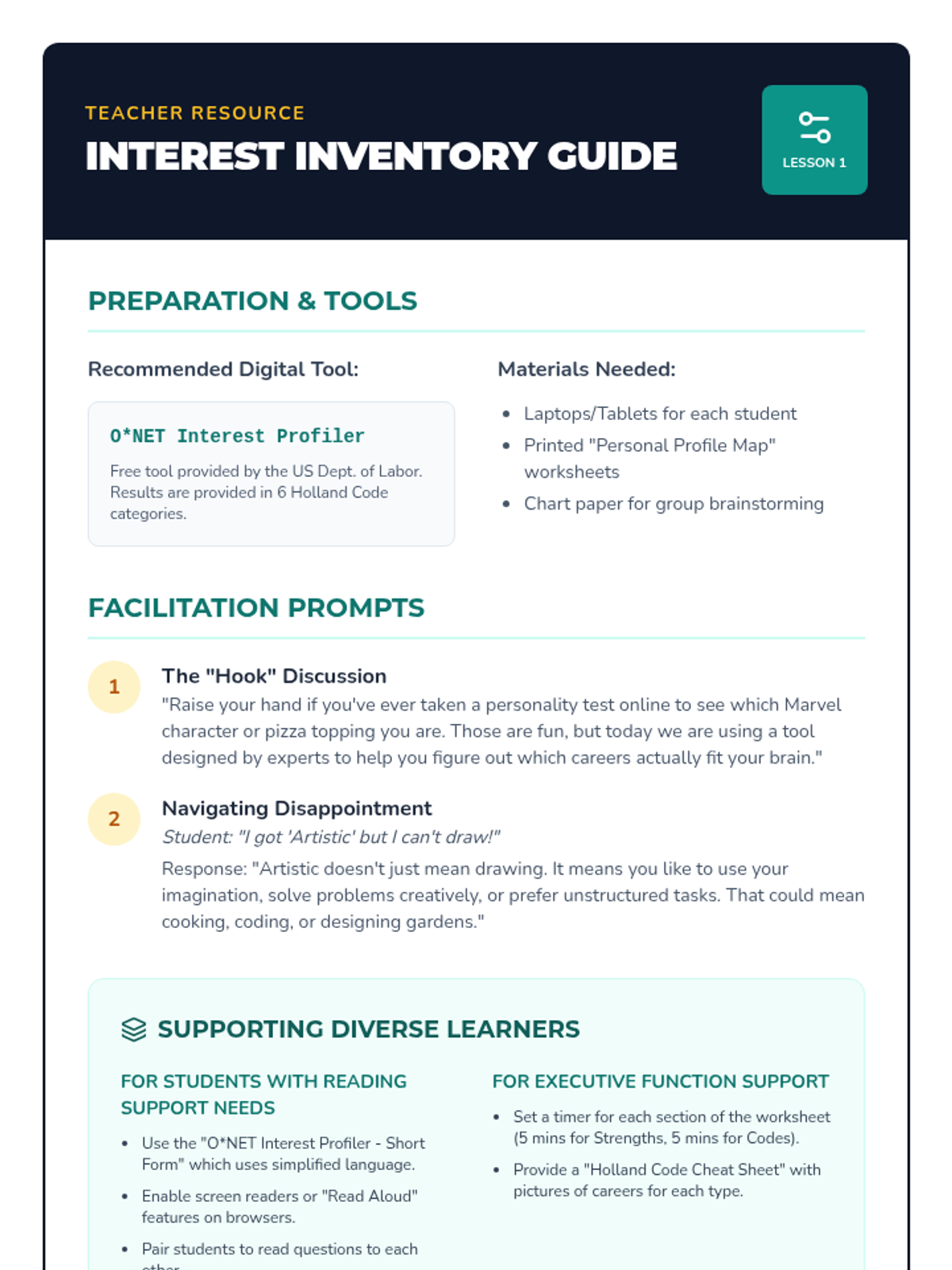
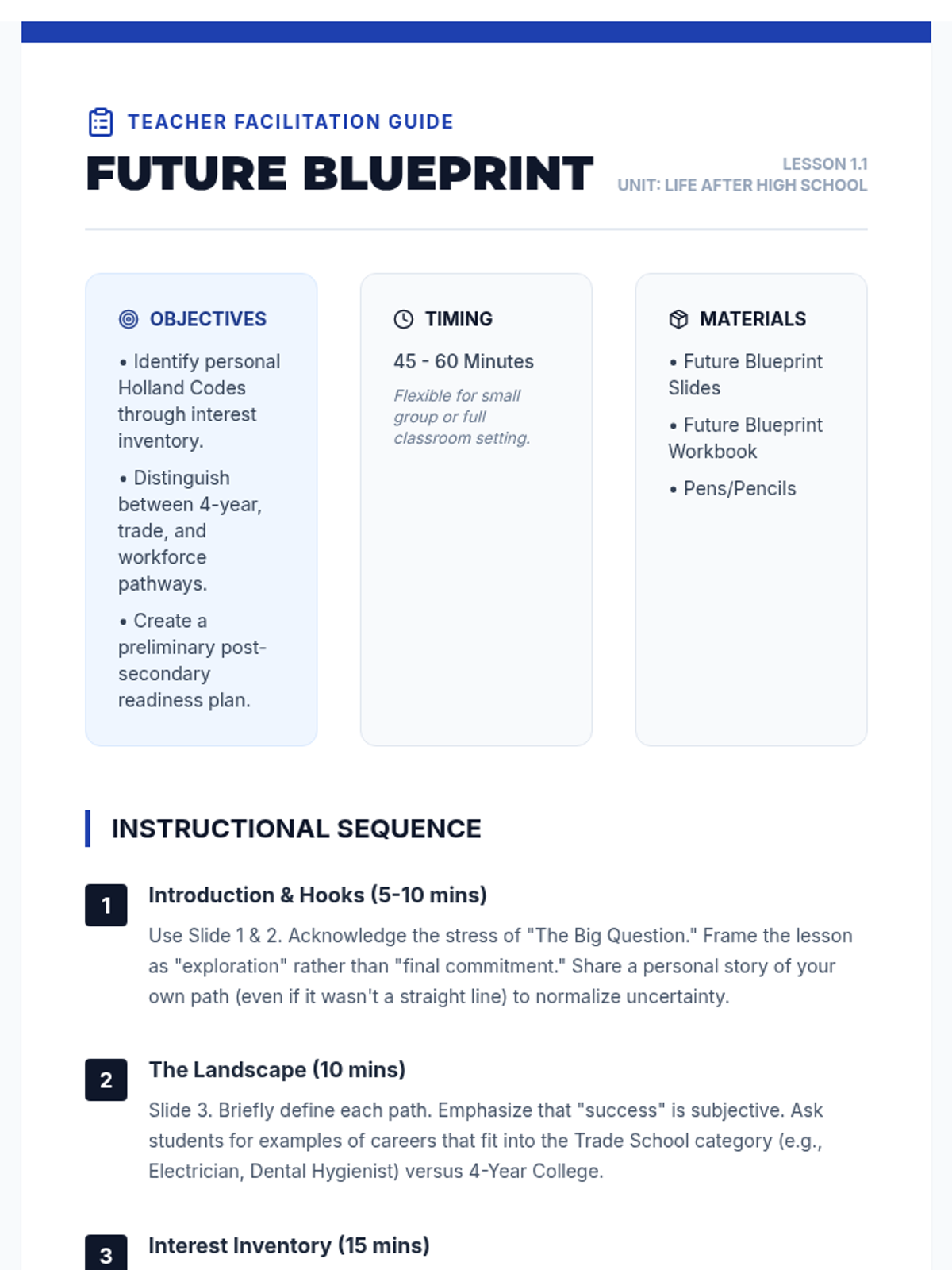
A comprehensive 9th-grade transition planning unit that guides students through self-assessment and the investigation of higher education, vocational training, and direct workforce entry pathways. Students align their personal strengths with future opportunities to create a viable post-secondary roadmap.
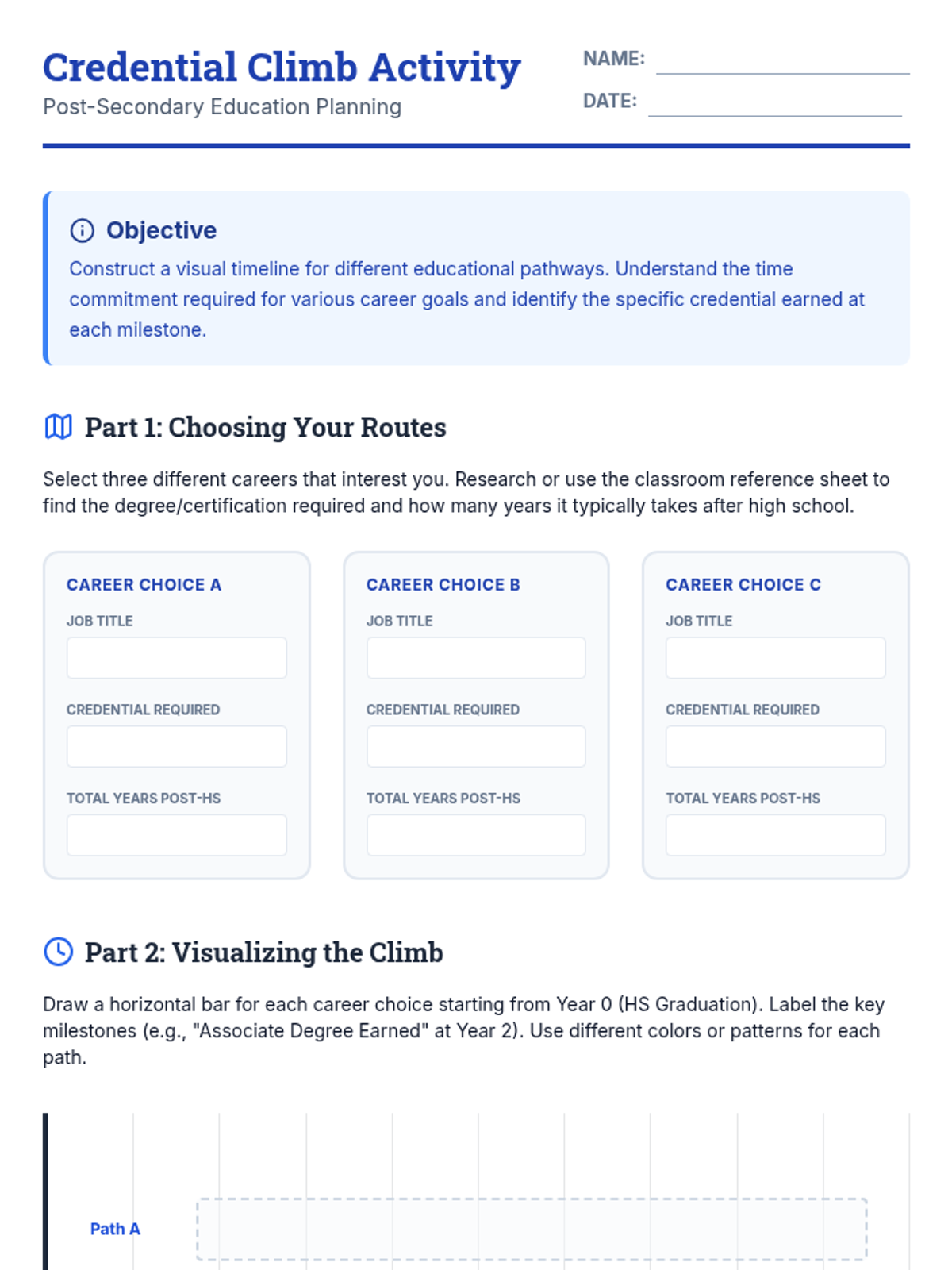
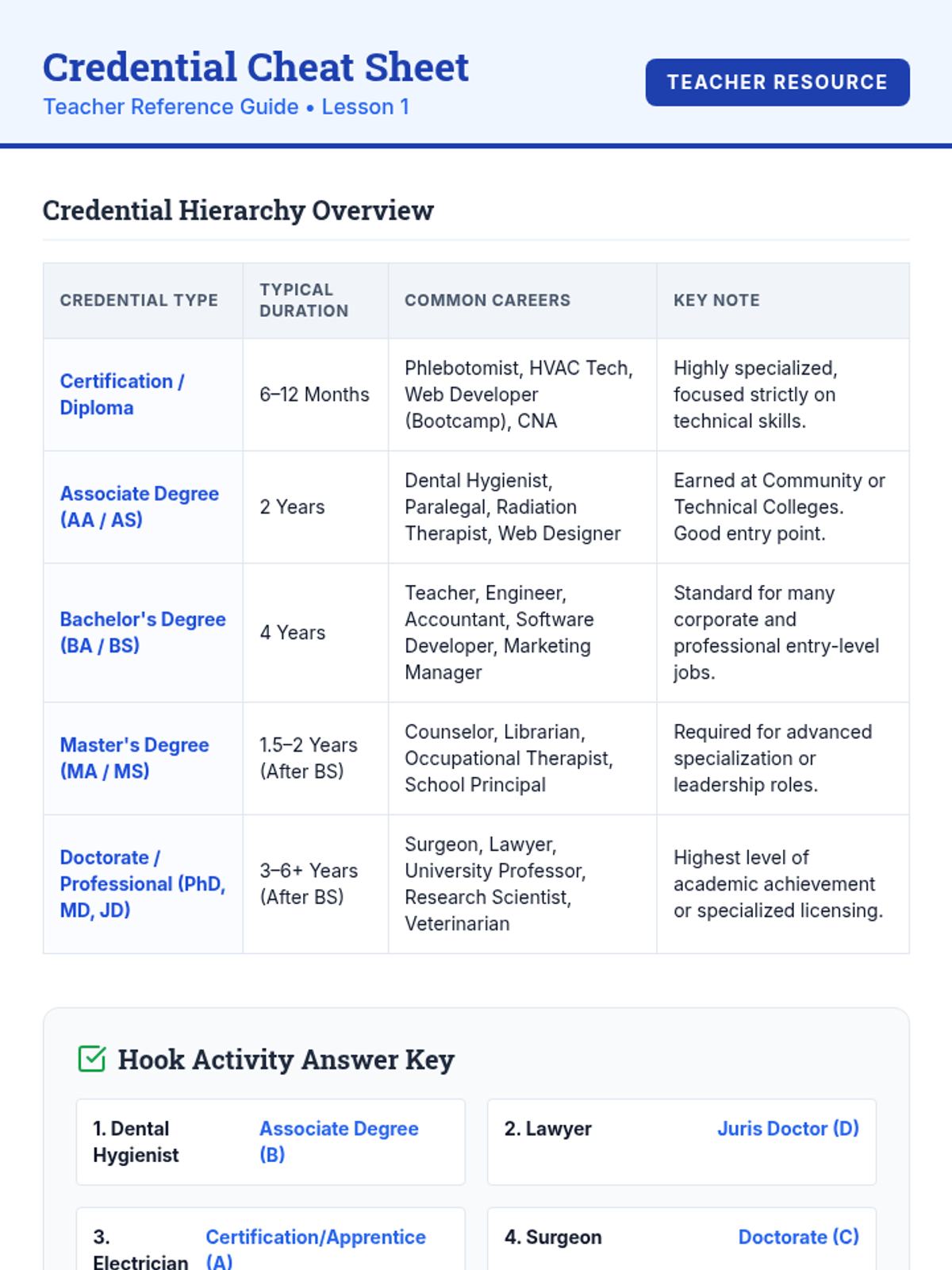
Students explore diverse post-secondary options, comparing vocational training, military service, apprenticeships, and college degrees through the lens of 'Return on Investment' (ROI). The sequence guides students from understanding basic credentials to mapping out a strategic backwards plan for their chosen career path.
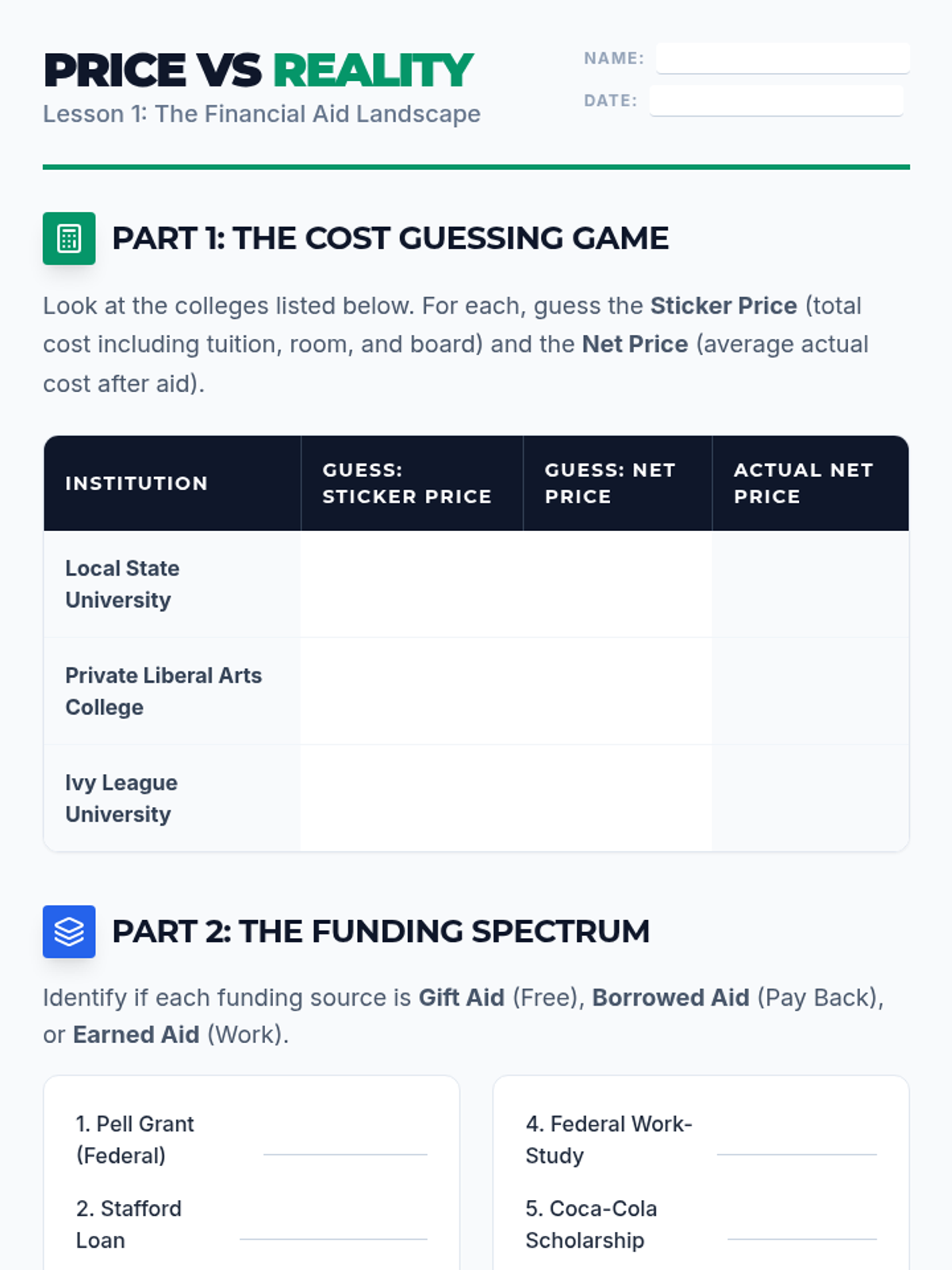
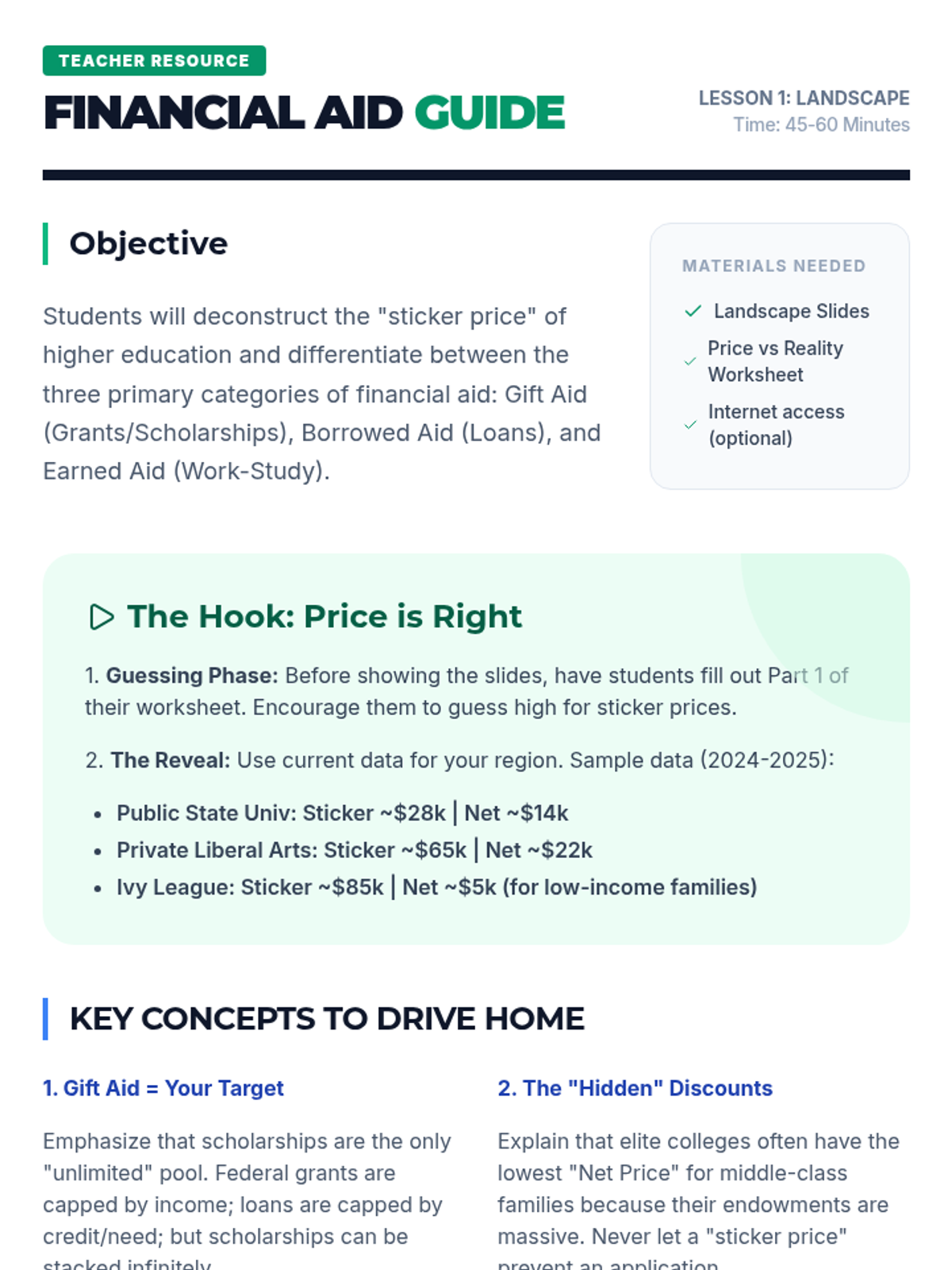
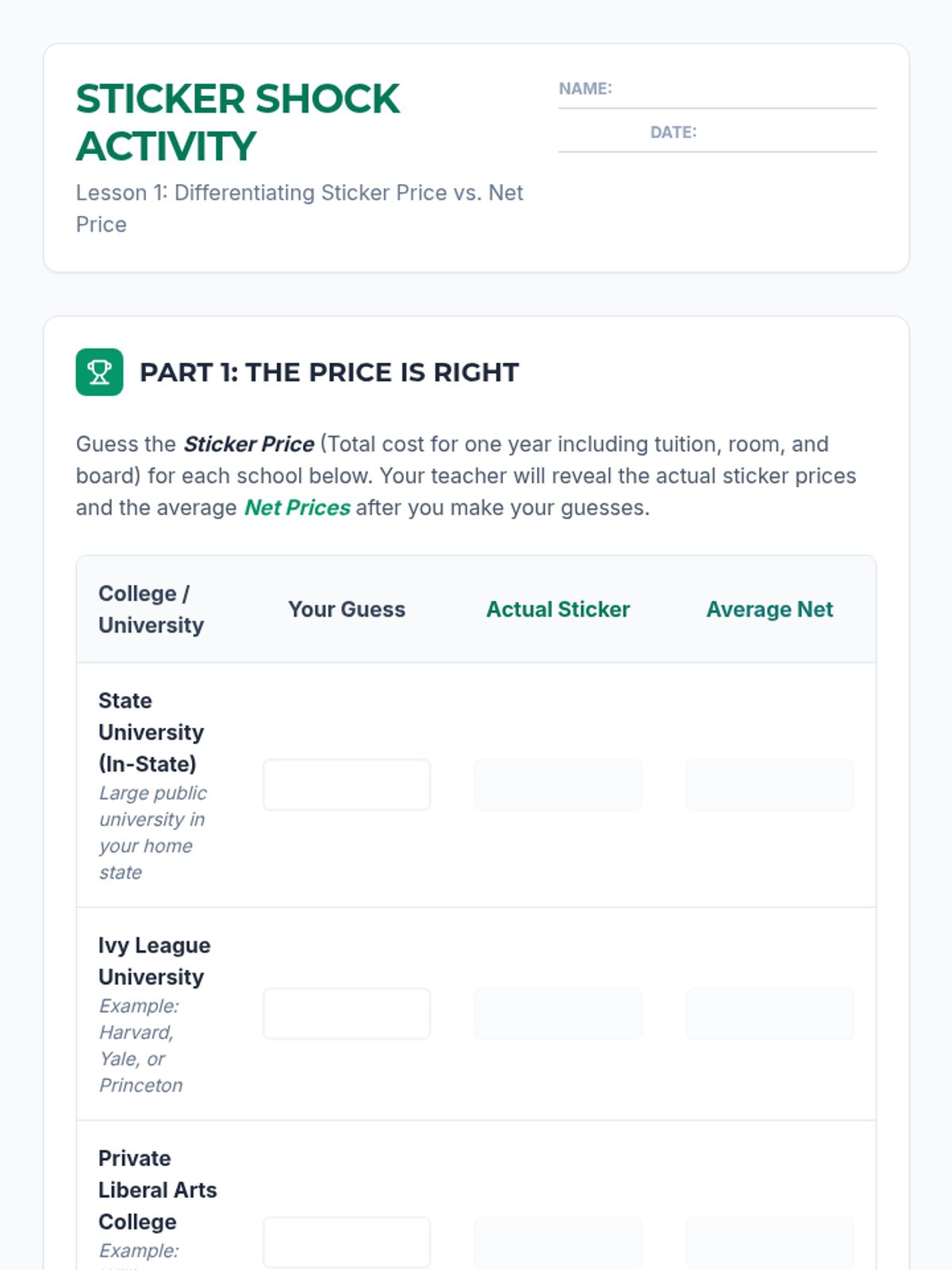
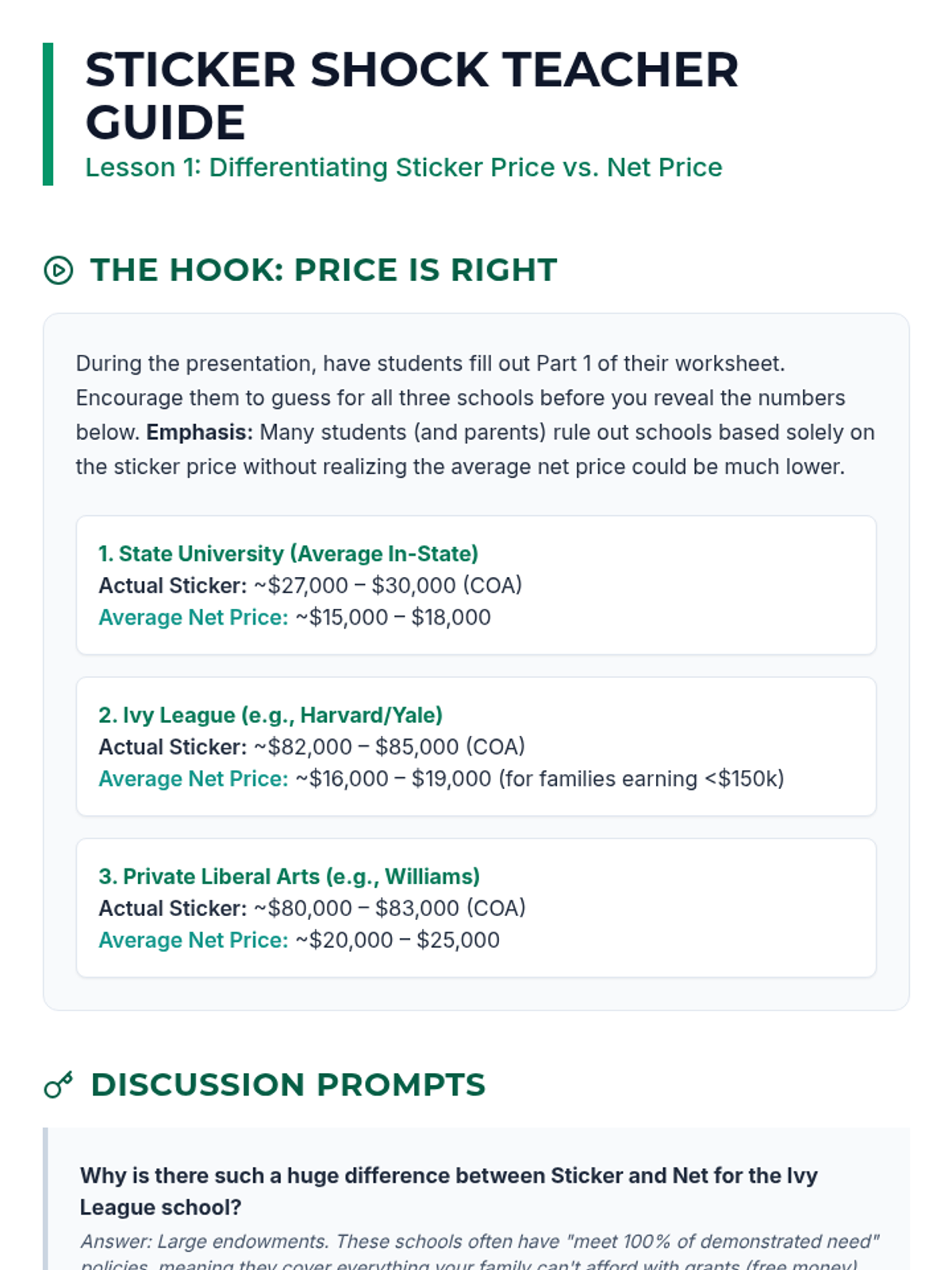
A comprehensive 10th-grade sequence focused on college affordability, teaching students to distinguish between sticker and net prices, use net price calculators, find scholarships, and calculate career ROI to build a financially sustainable college list.
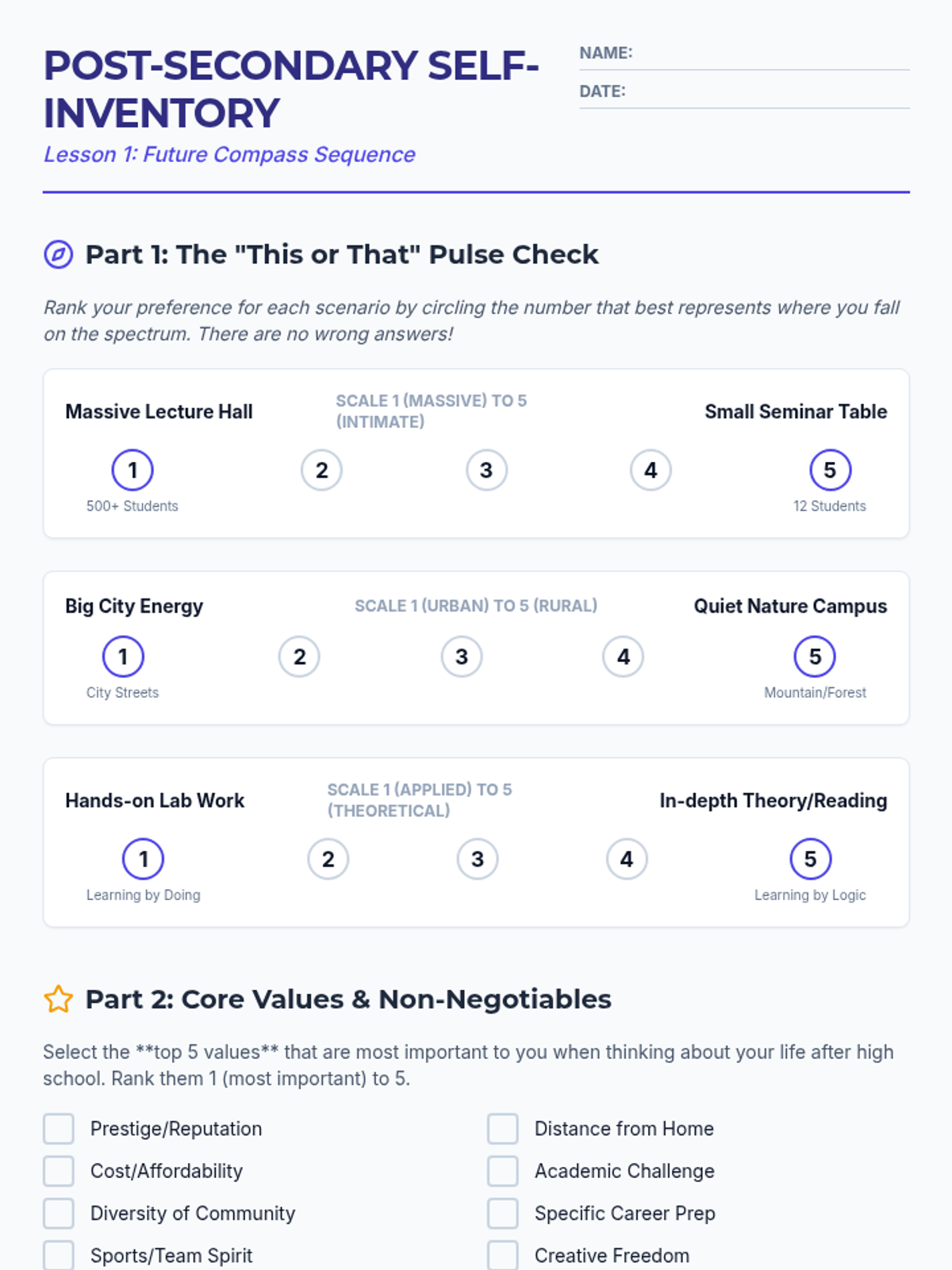
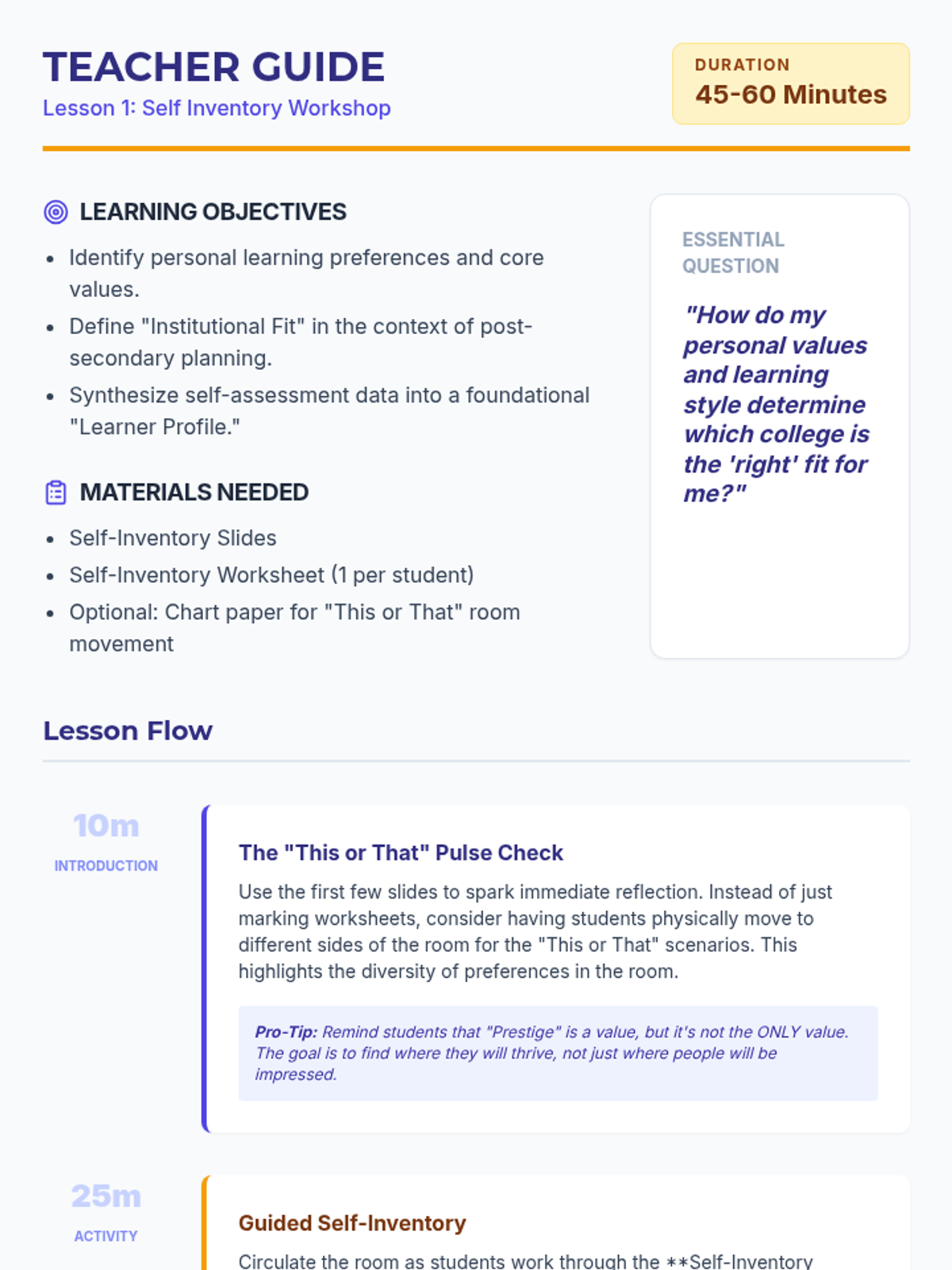
A 10th-grade sequence focused on self-discovery and institutional fit, helping students develop a personalized rubric to guide their post-secondary research.
This sequence guides 10th-grade students through a qualitative analysis of college campuses. Students learn to look beyond official statistics and marketing materials to assess campus culture, support systems, geography, and social resources using virtual tools and primary source research.
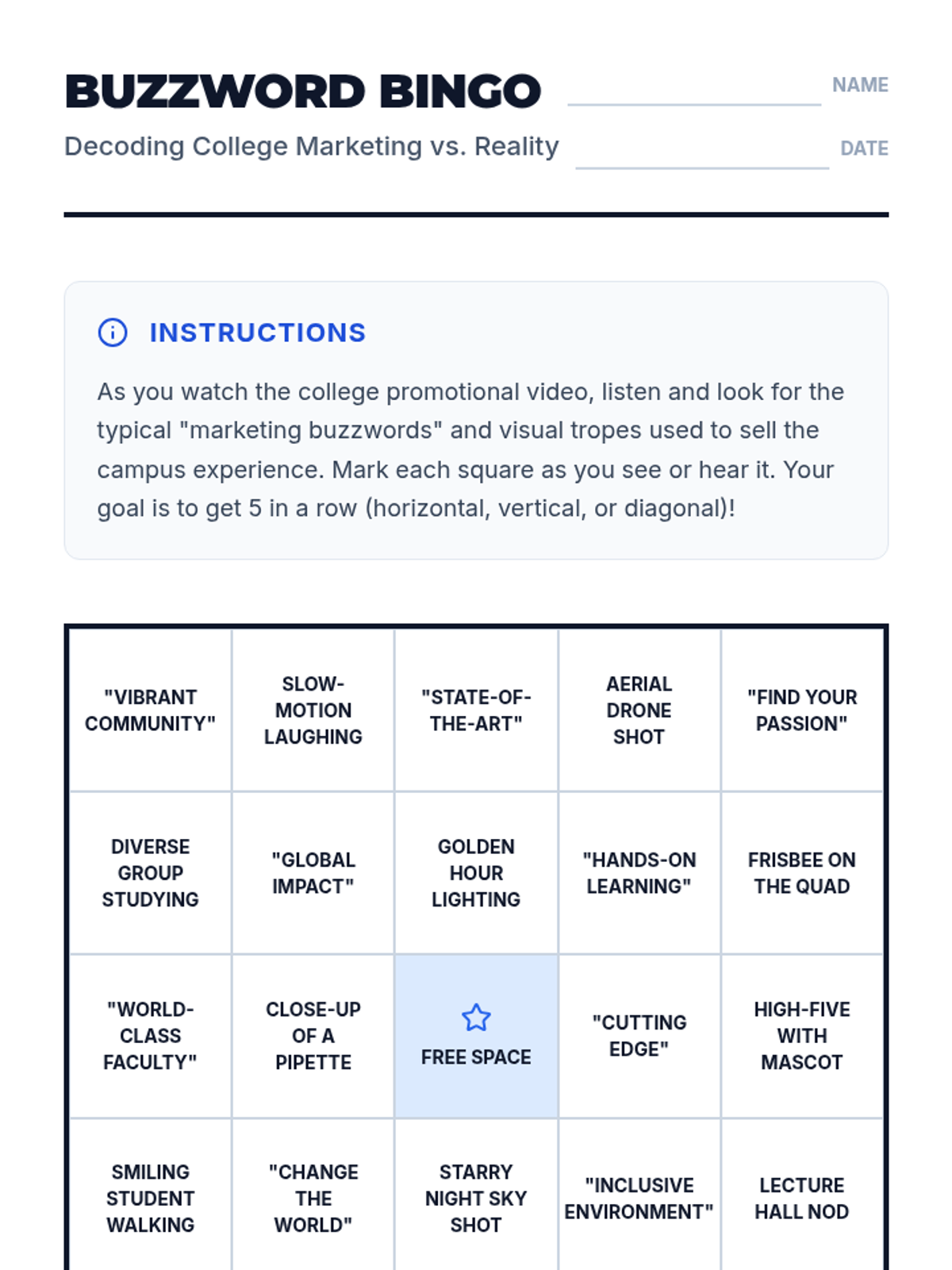
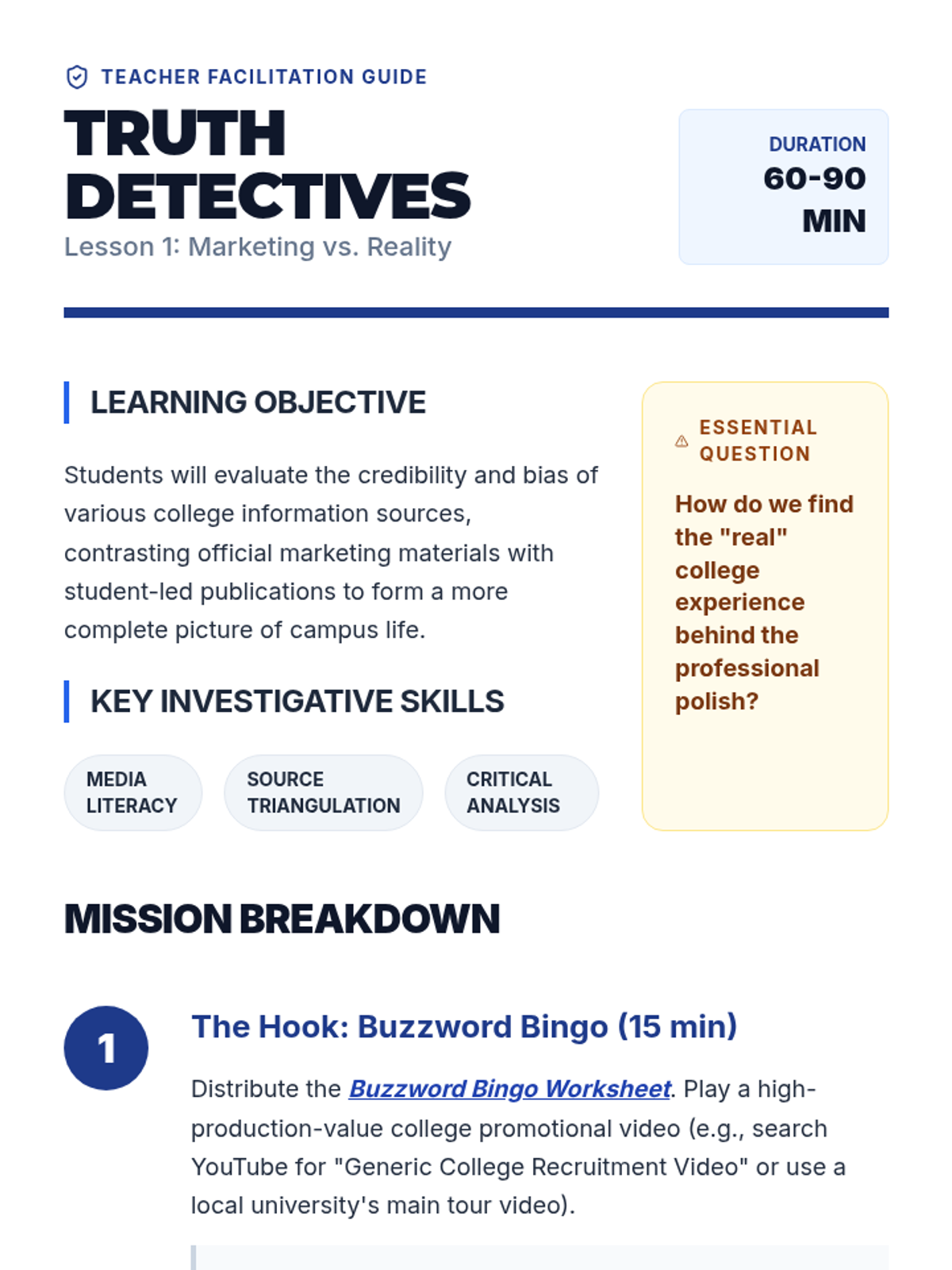
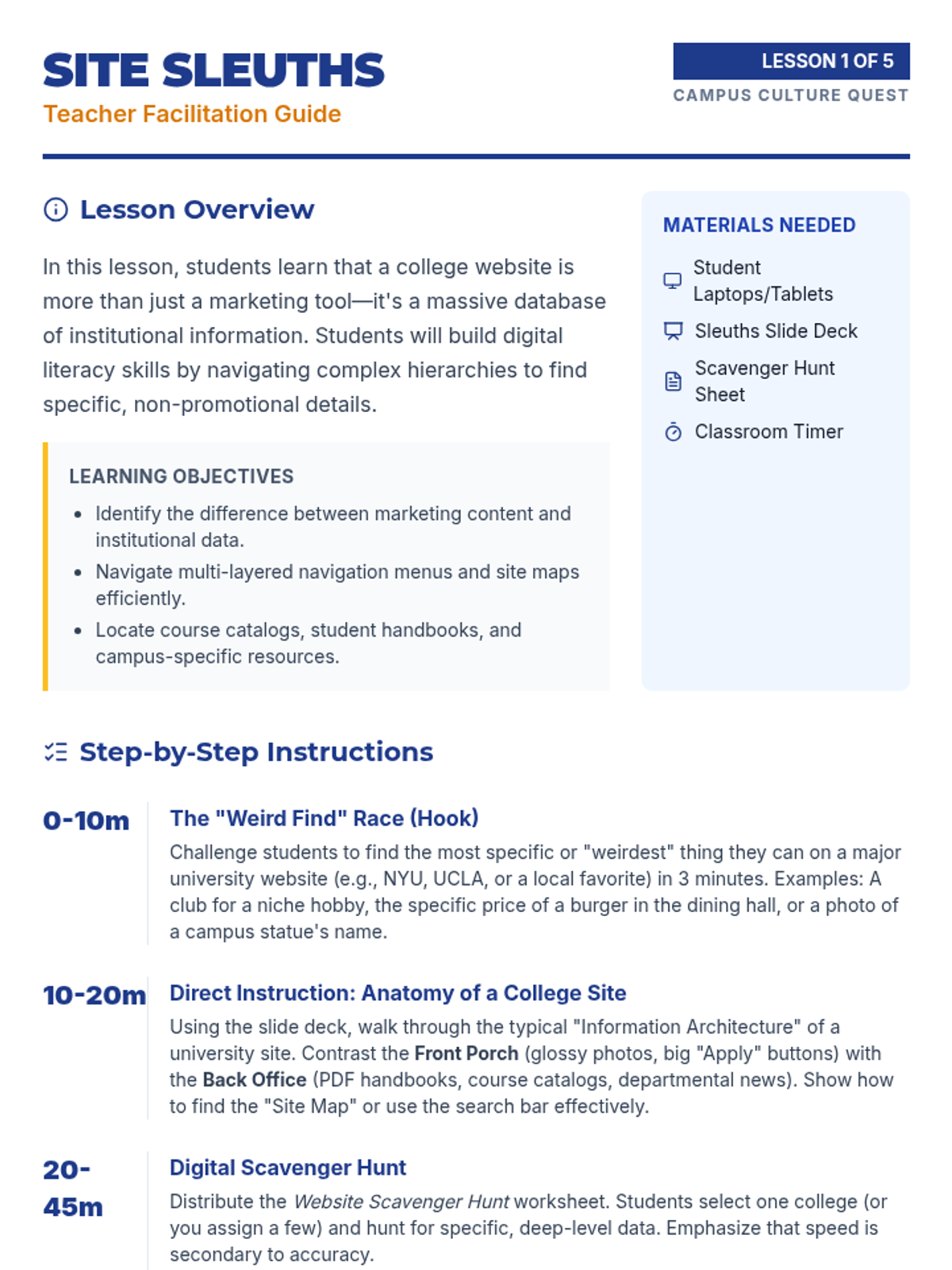
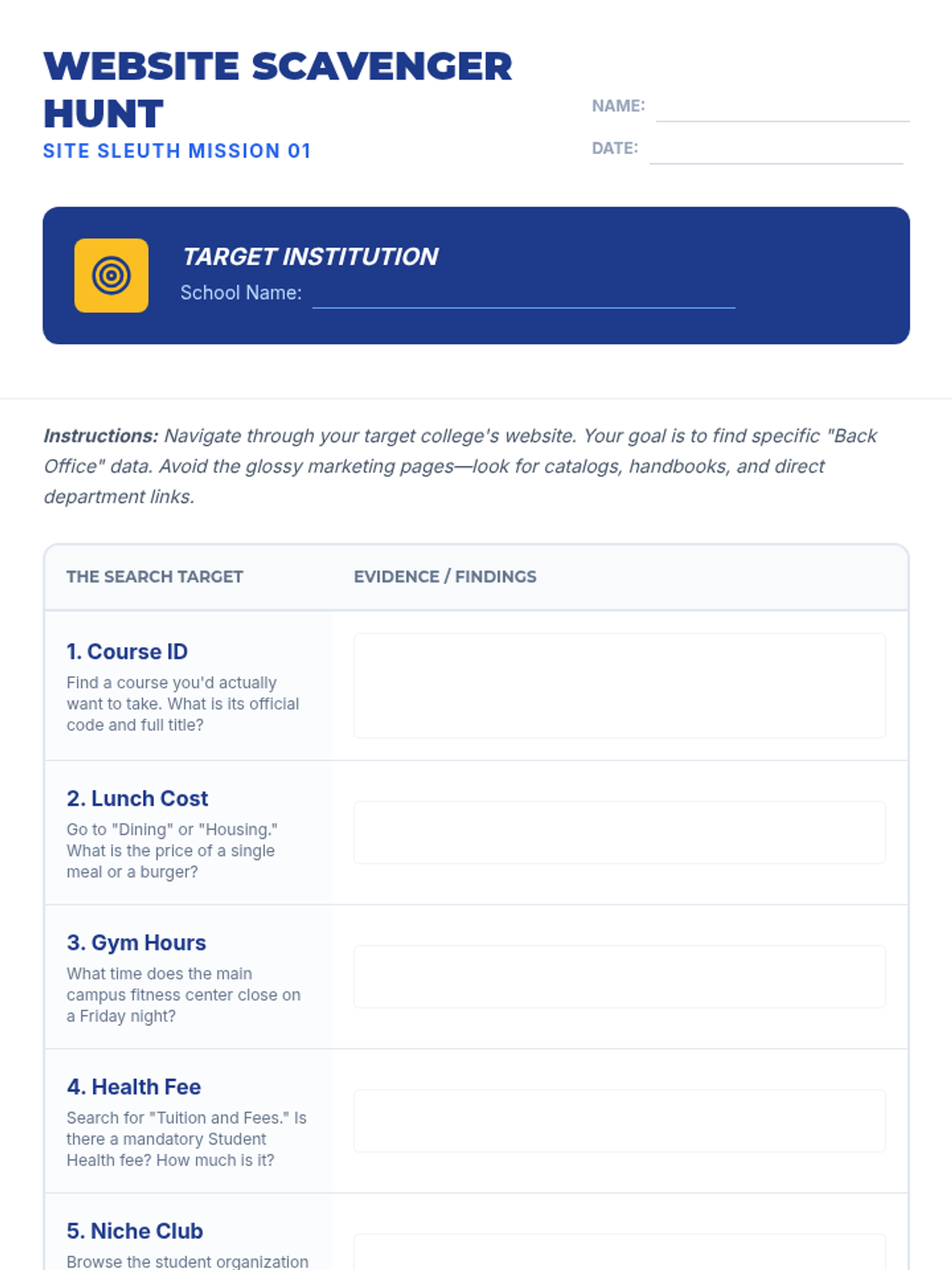
A comprehensive exploration of college campus culture and student resources, teaching 9th-grade students how to look beyond marketing materials to find authentic community information. Students develop digital literacy skills to navigate complex university websites, evaluate virtual tours, and investigate support systems.
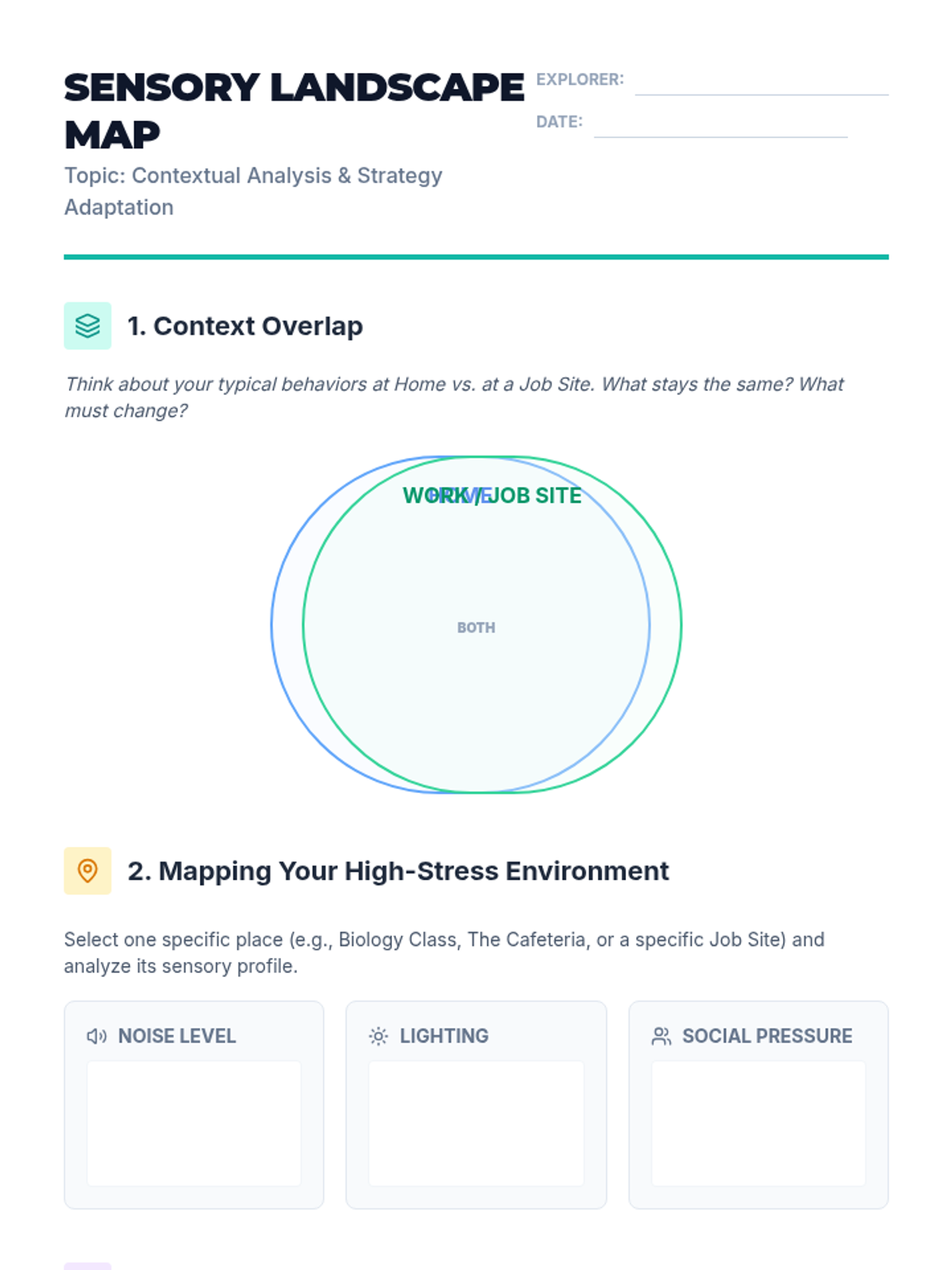
A 10th-grade sequence focused on transitioning sensory regulation strategies from private spaces to public, academic, and vocational environments. Students learn to analyze sensory landscapes, understand their legal rights, and develop professional self-advocacy skills.
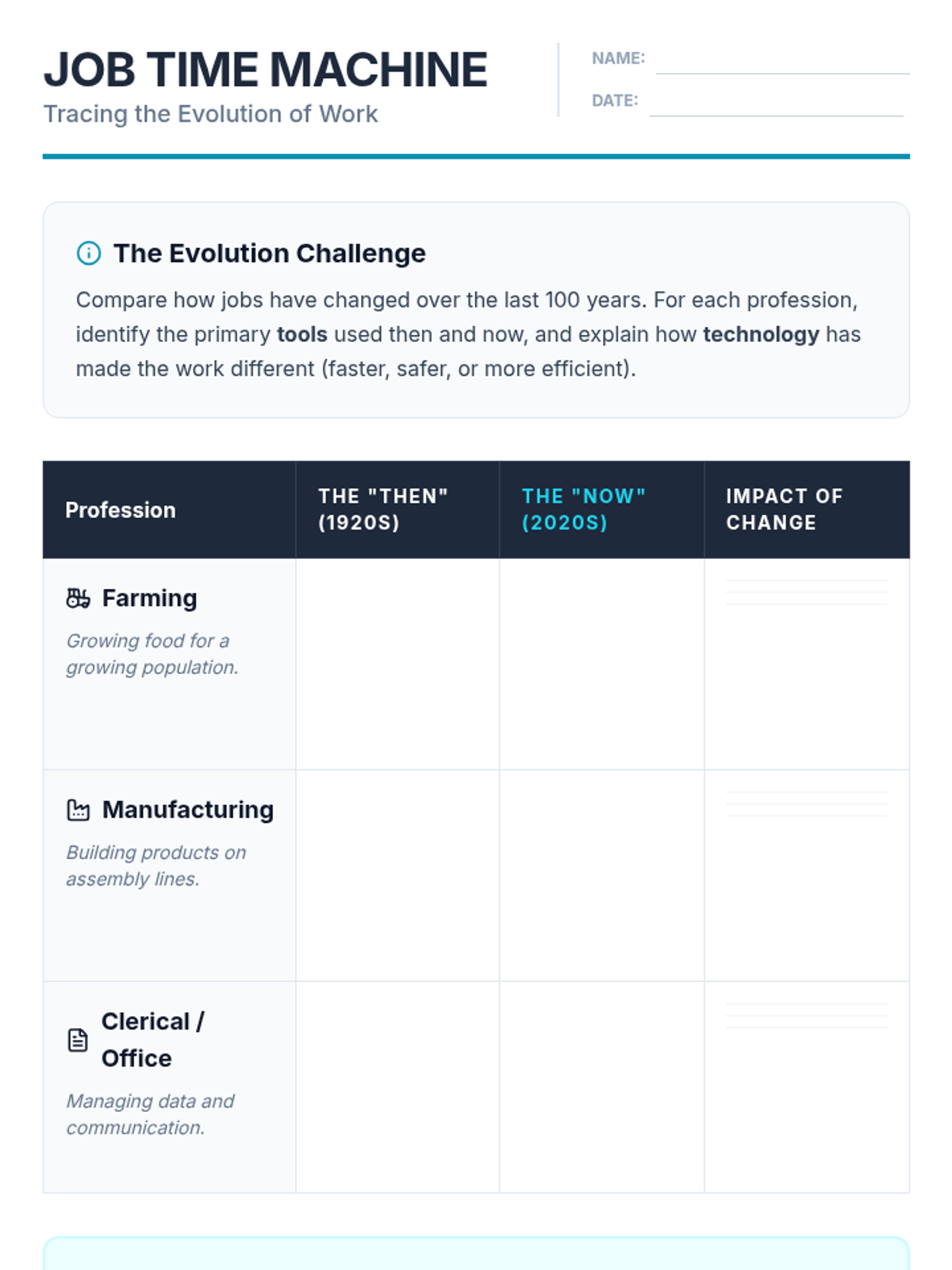
This sequence explores the evolution of work from the Industrial Age to the digital future, focusing on technology's impact on job roles, the rise of the gig economy, and the essential human skills needed in an automated world.
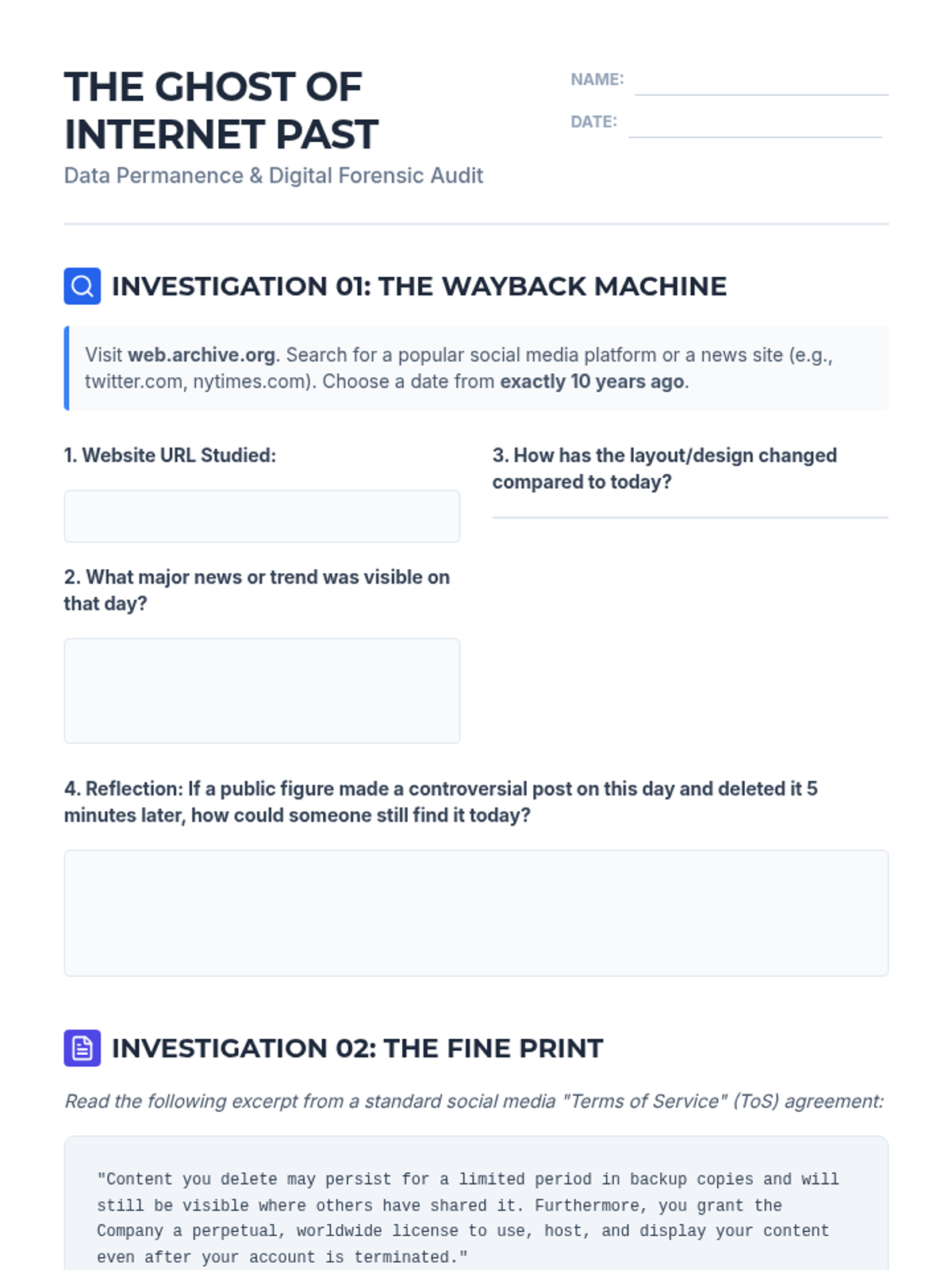
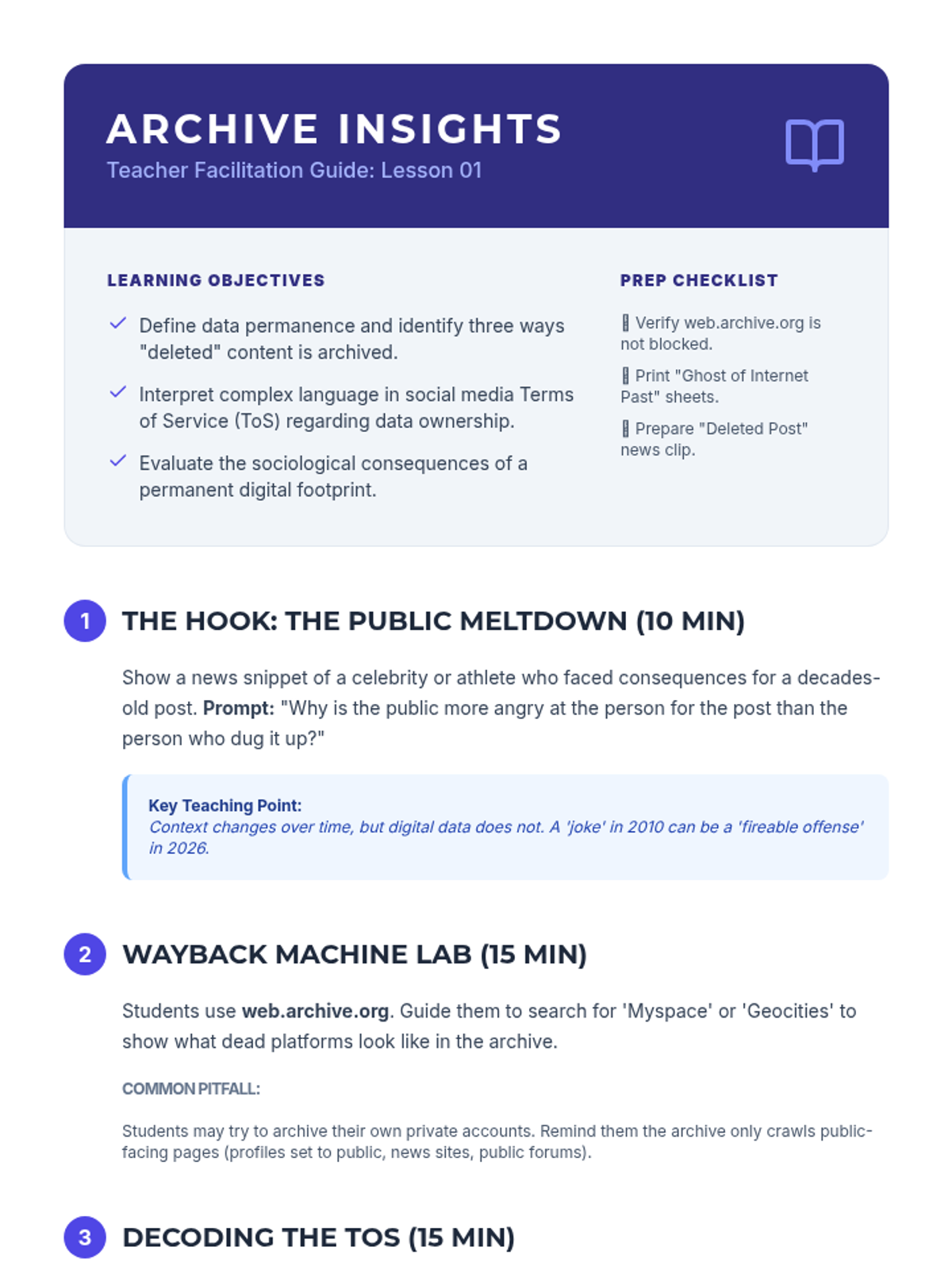
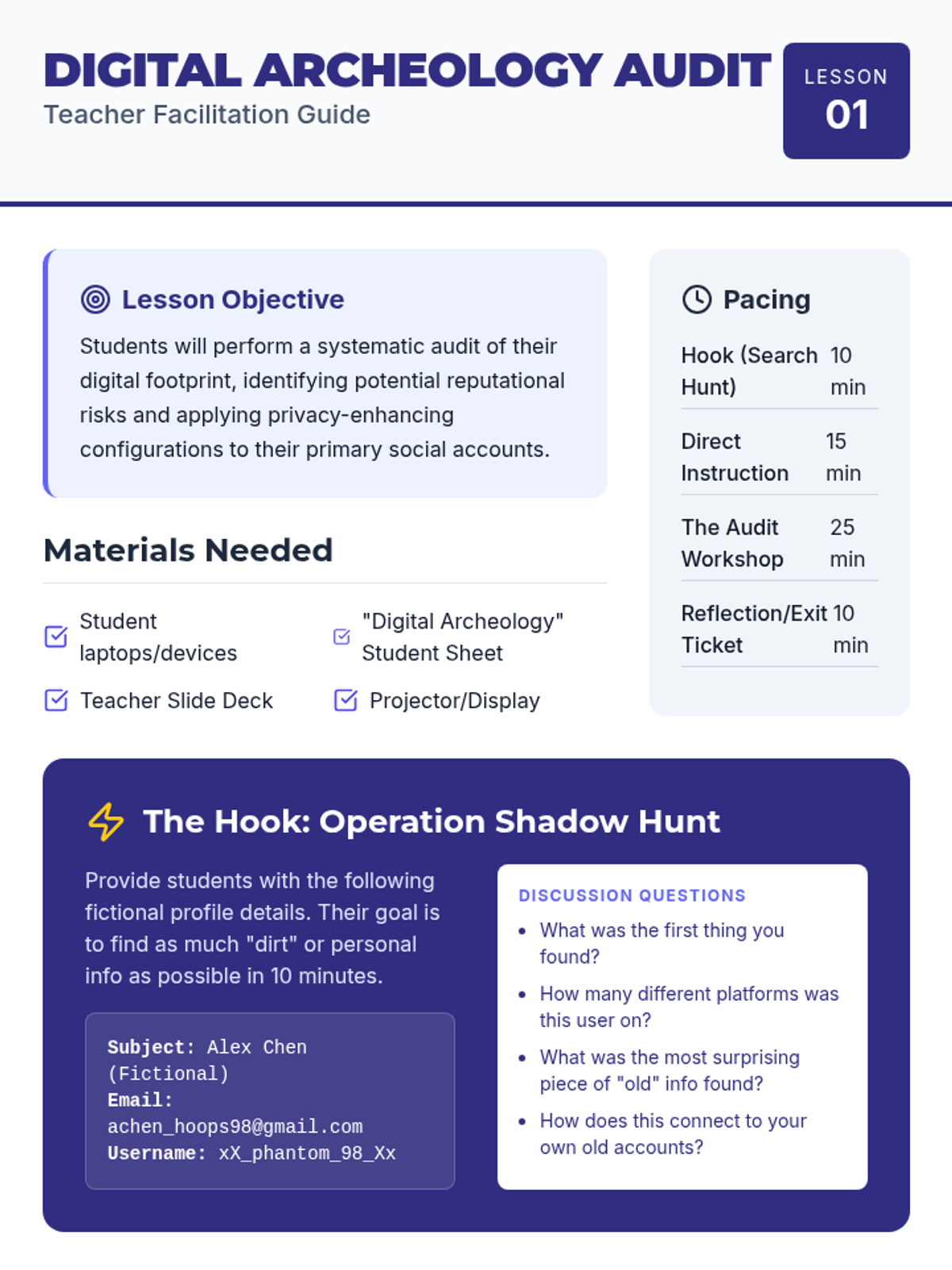
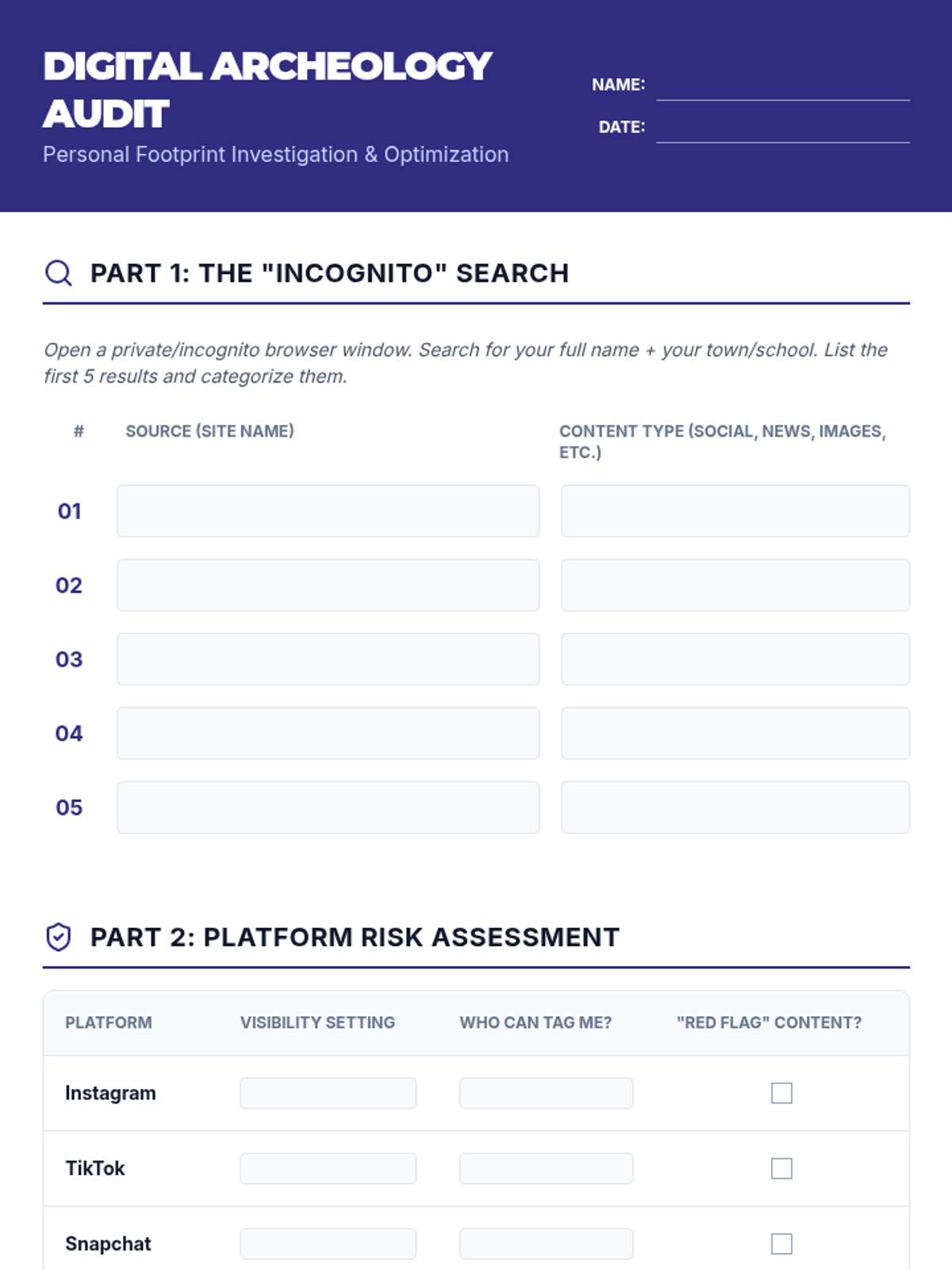
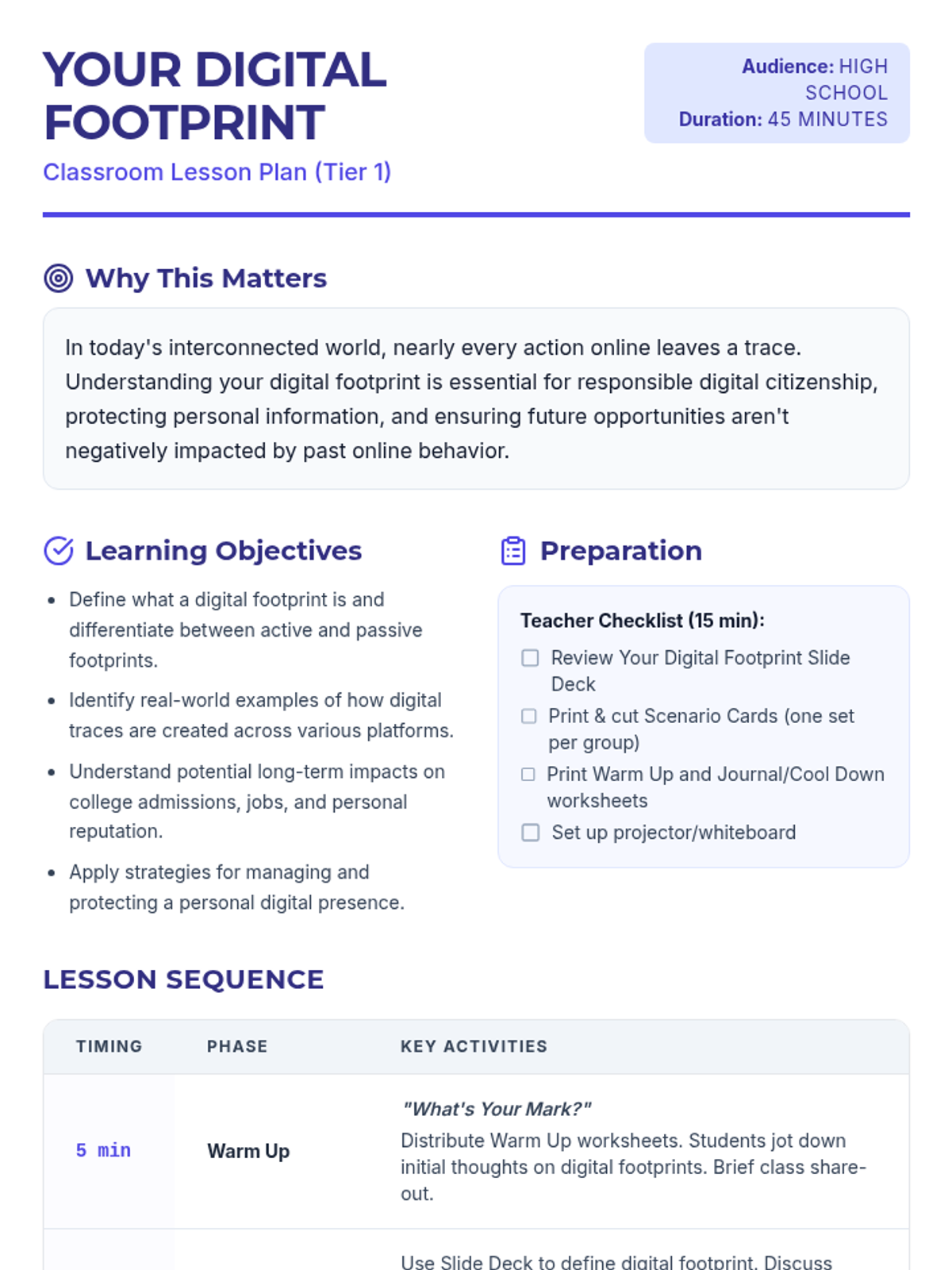
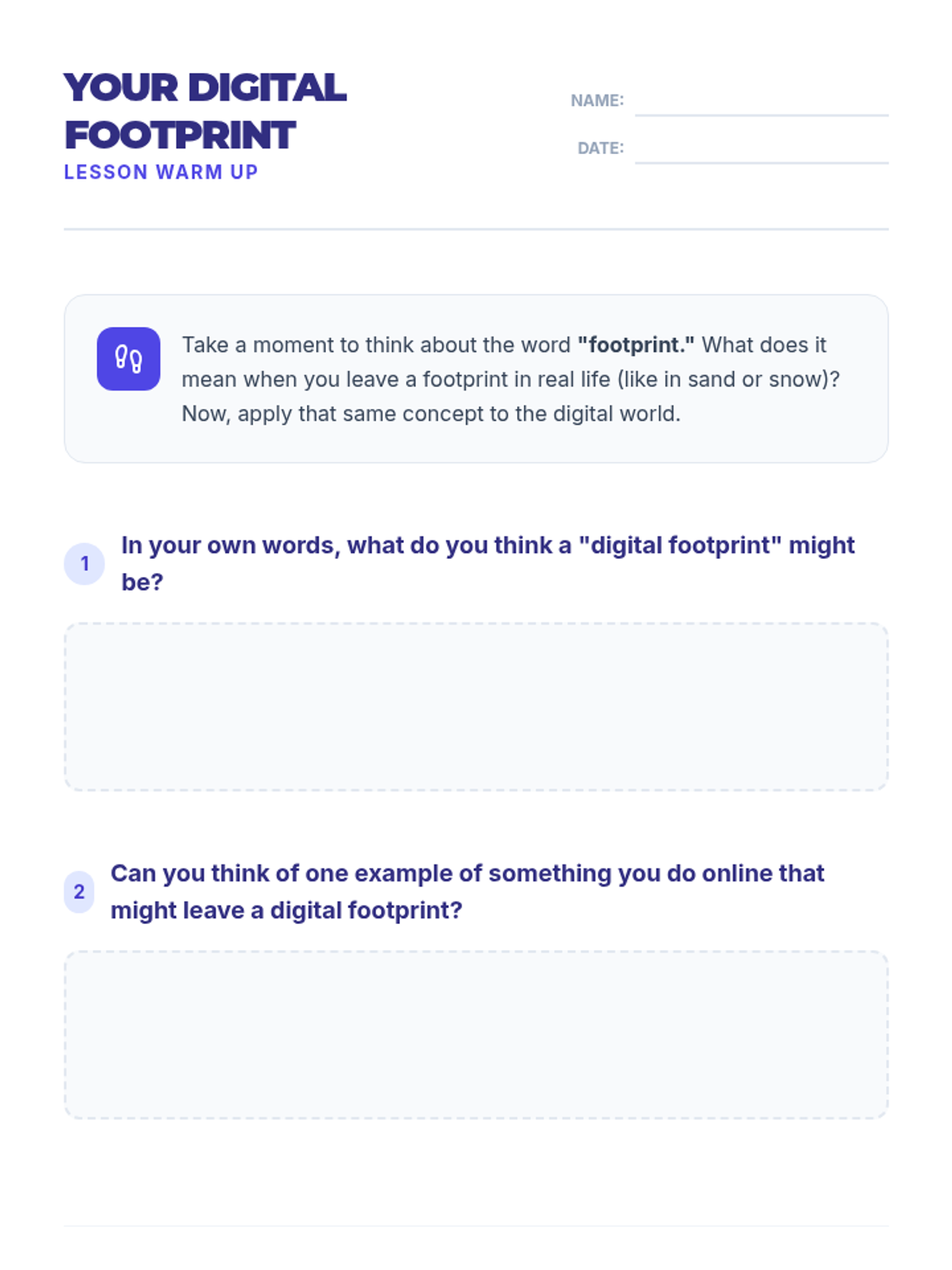
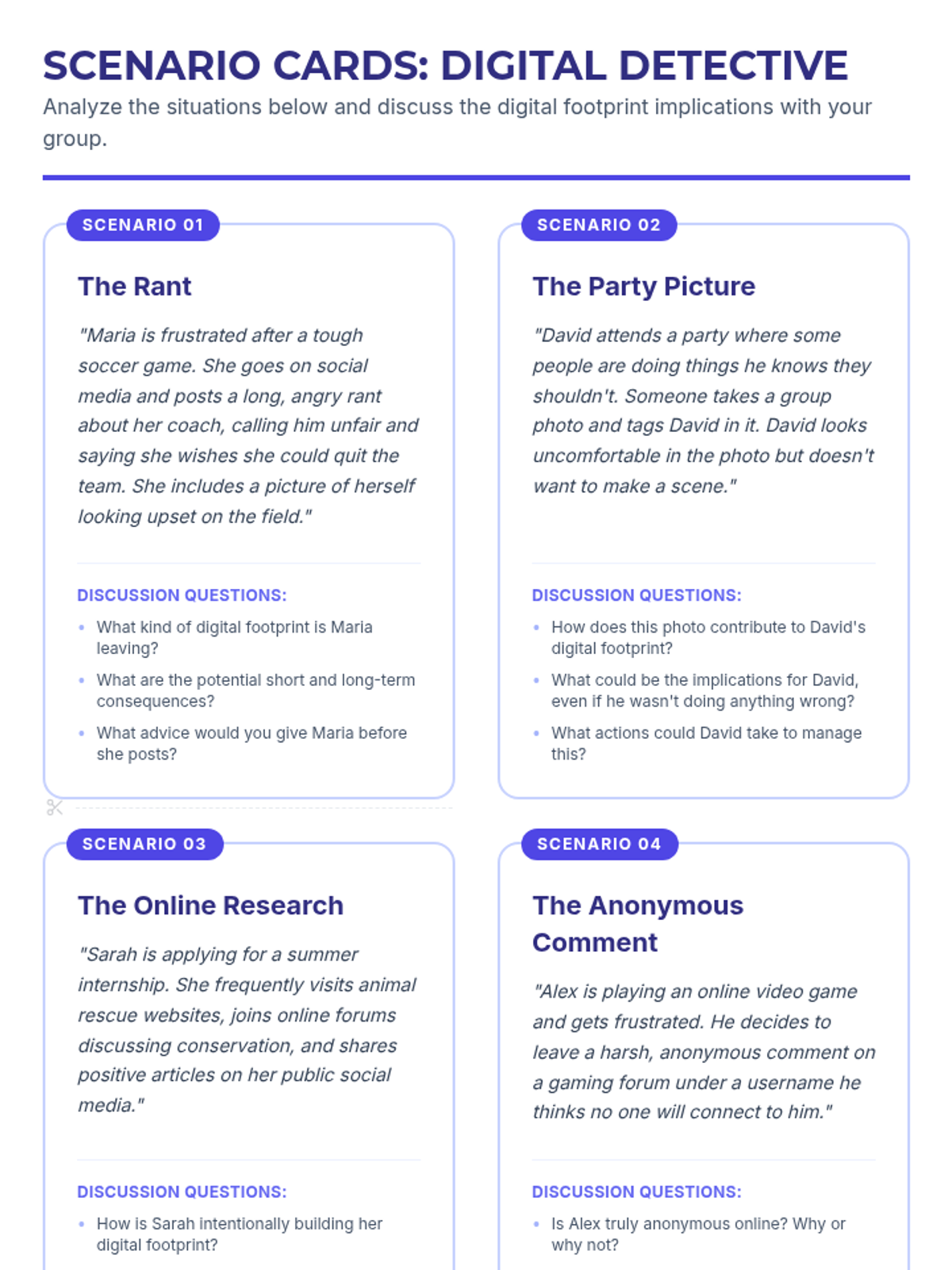
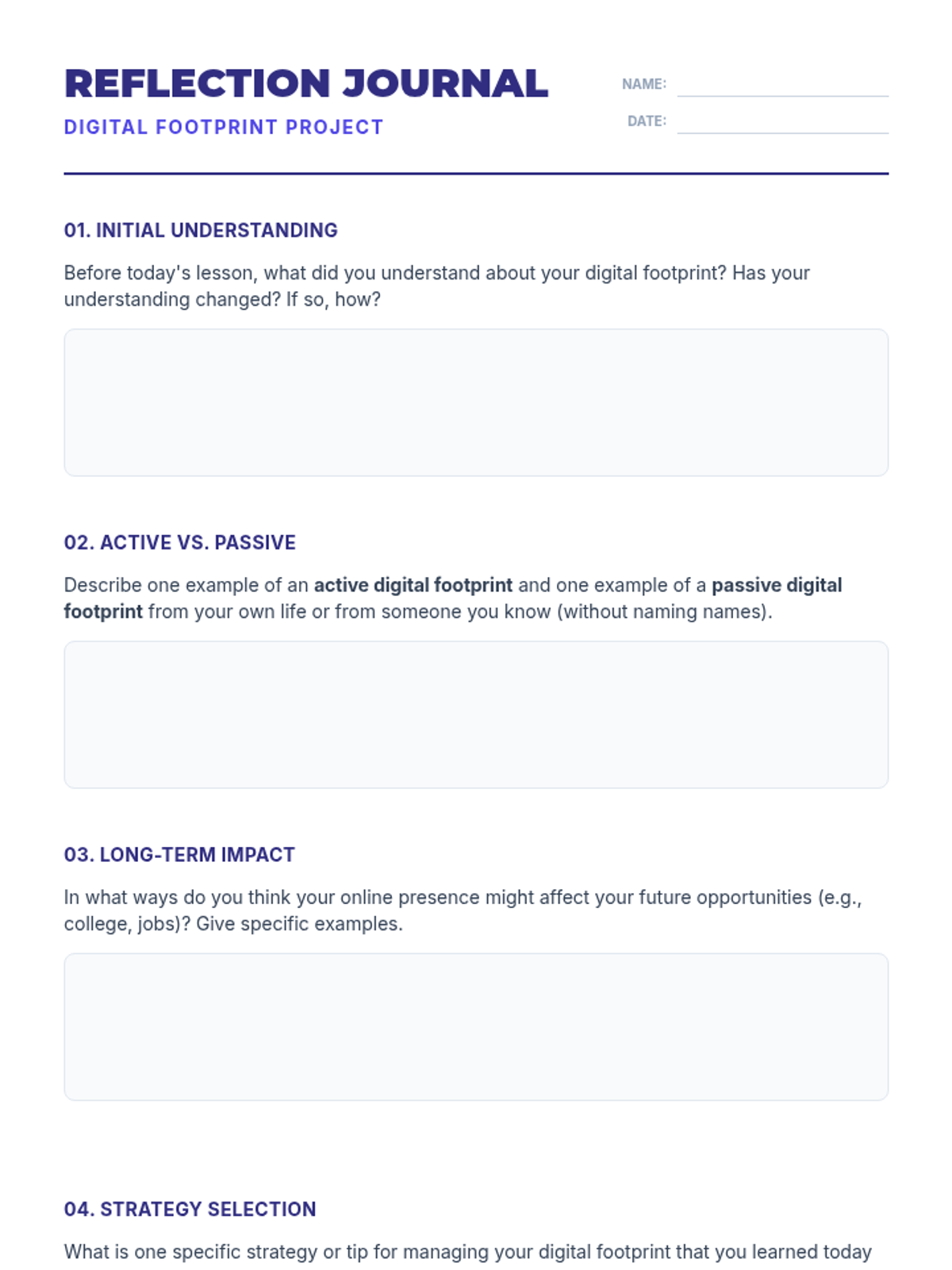
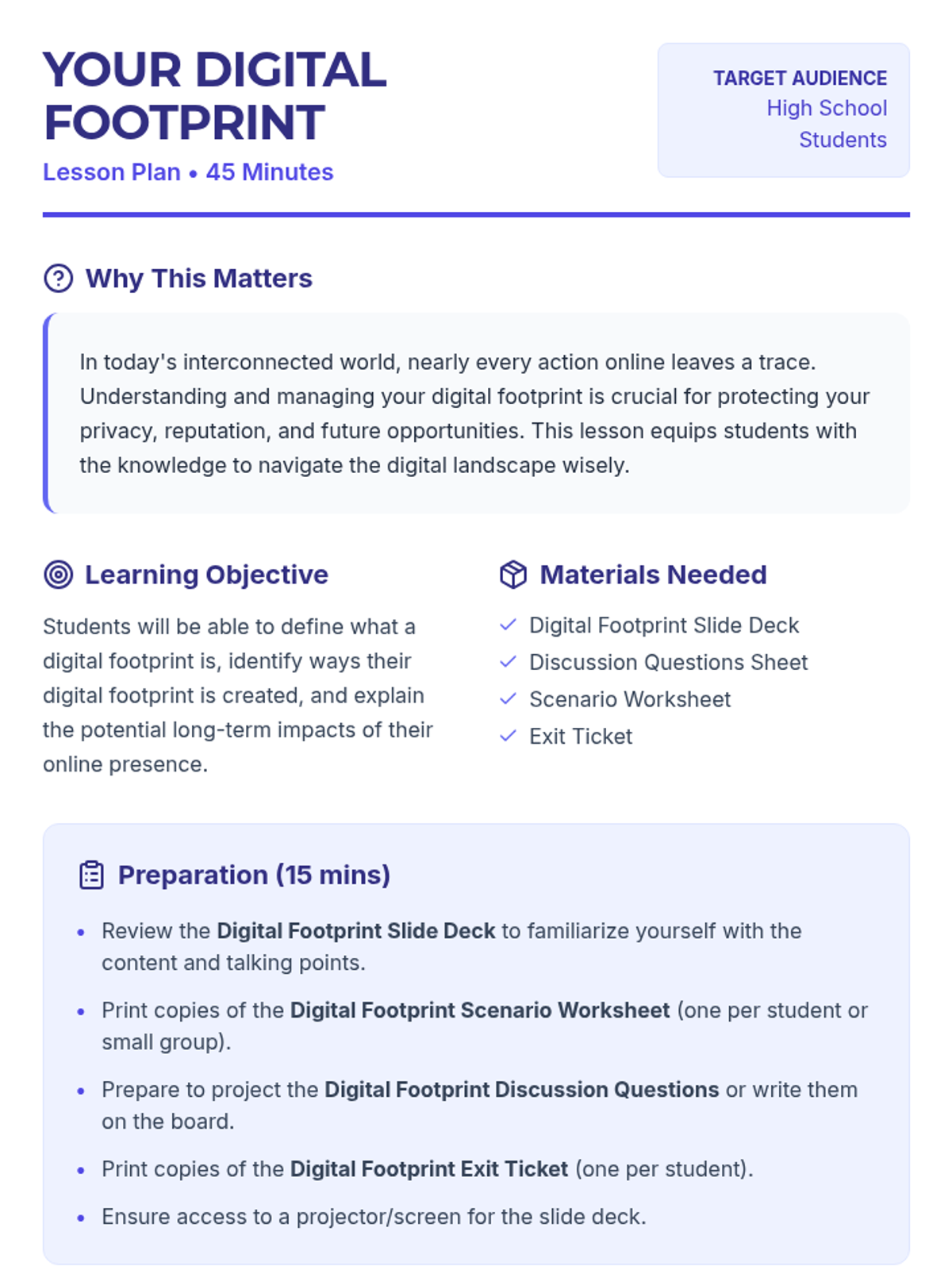
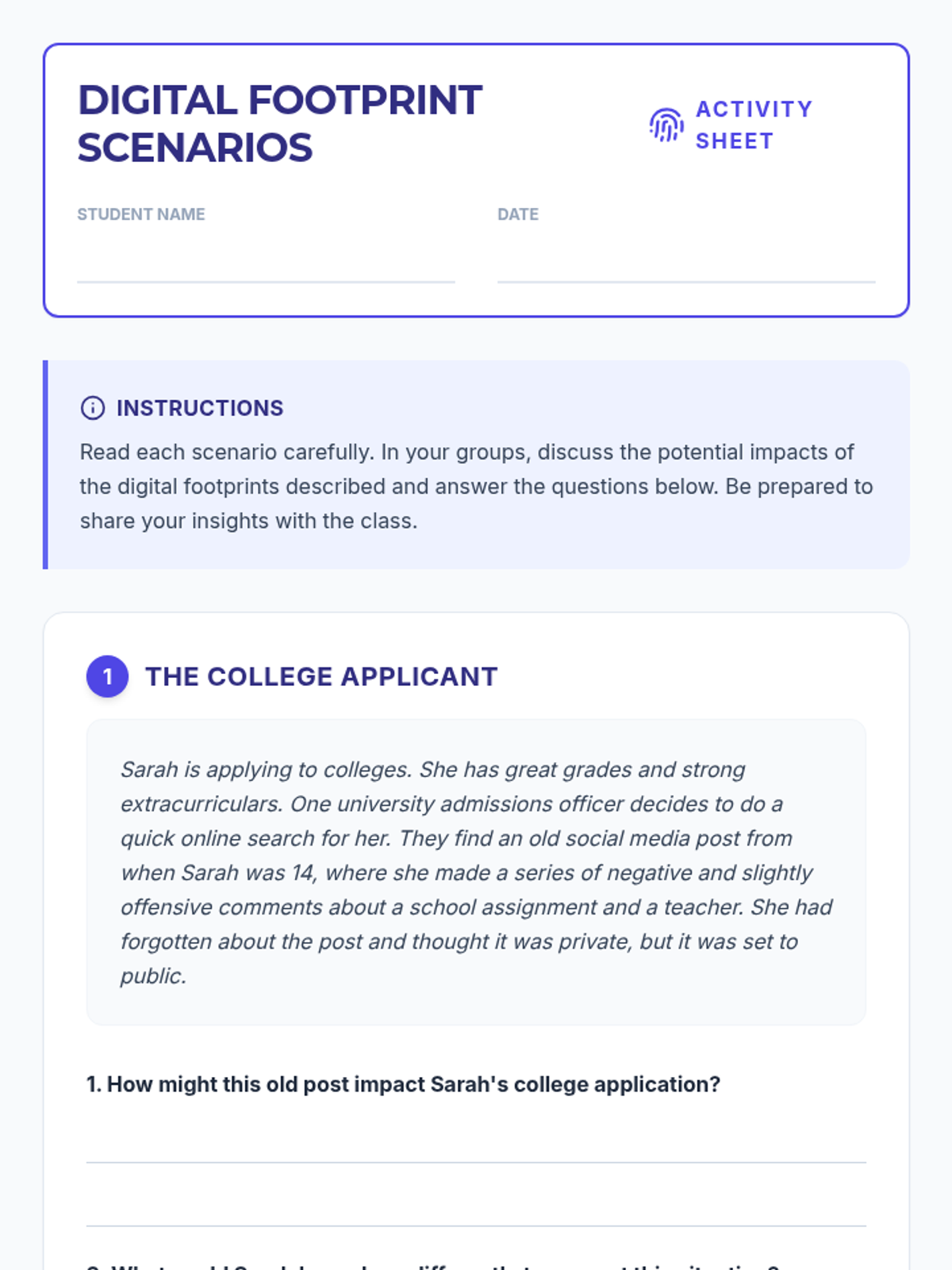
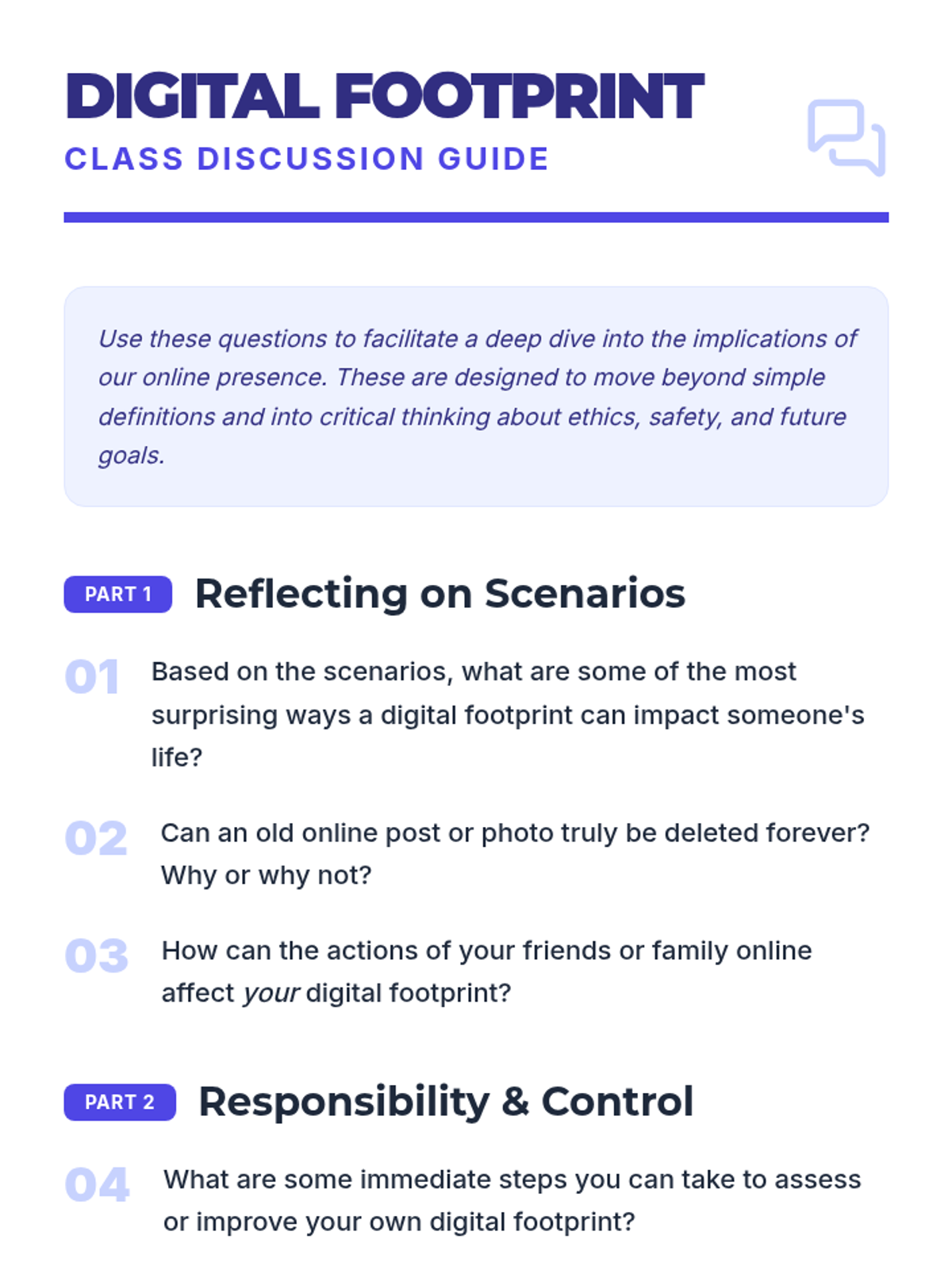
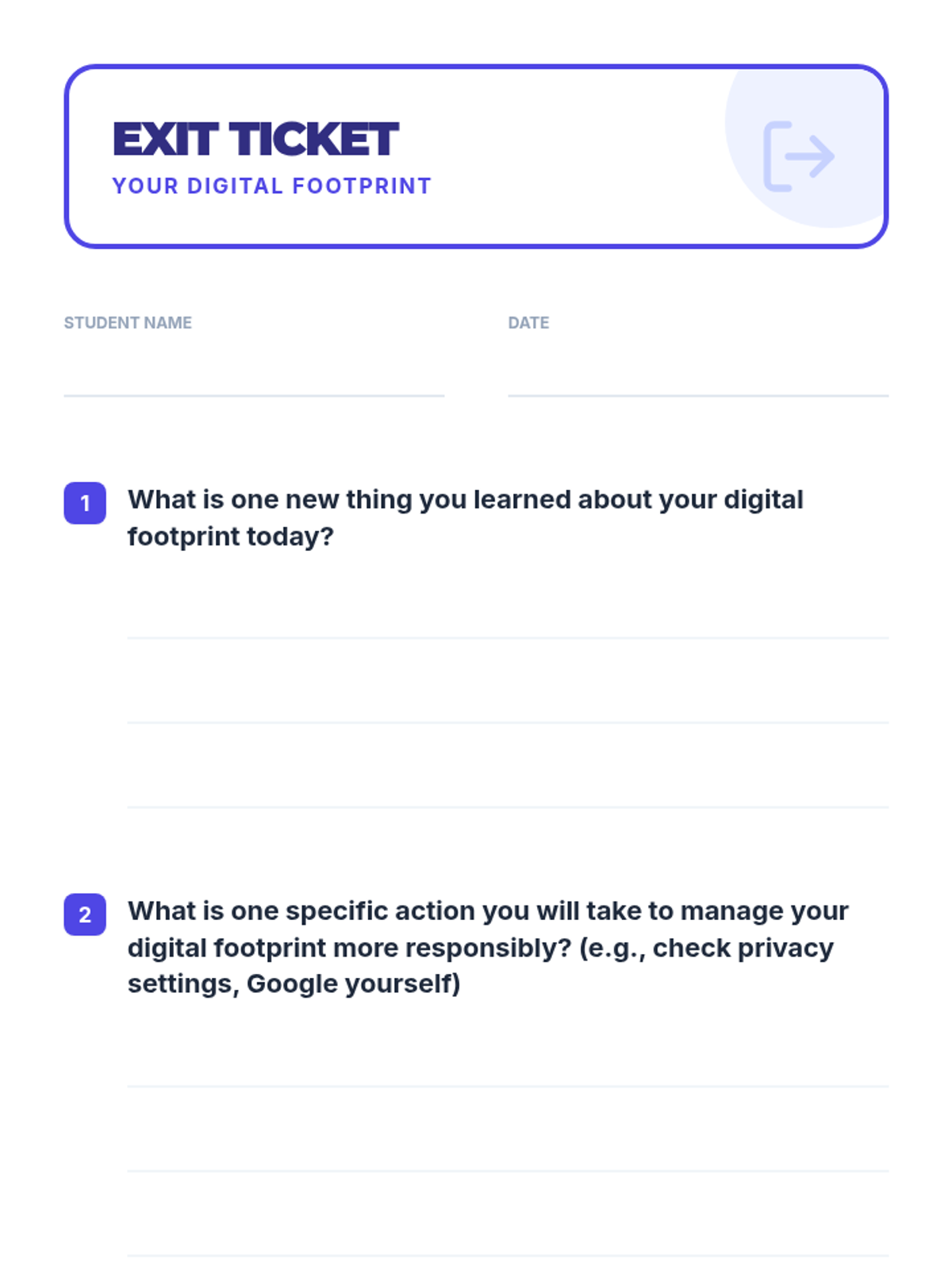
A comprehensive 5-lesson sequence for 10th graders focusing on the long-term implications of digital footprints, data permanence, and proactive reputation management. Students analyze real-world case studies, audit mock social media profiles, and develop a strategic plan for their own positive digital brand.
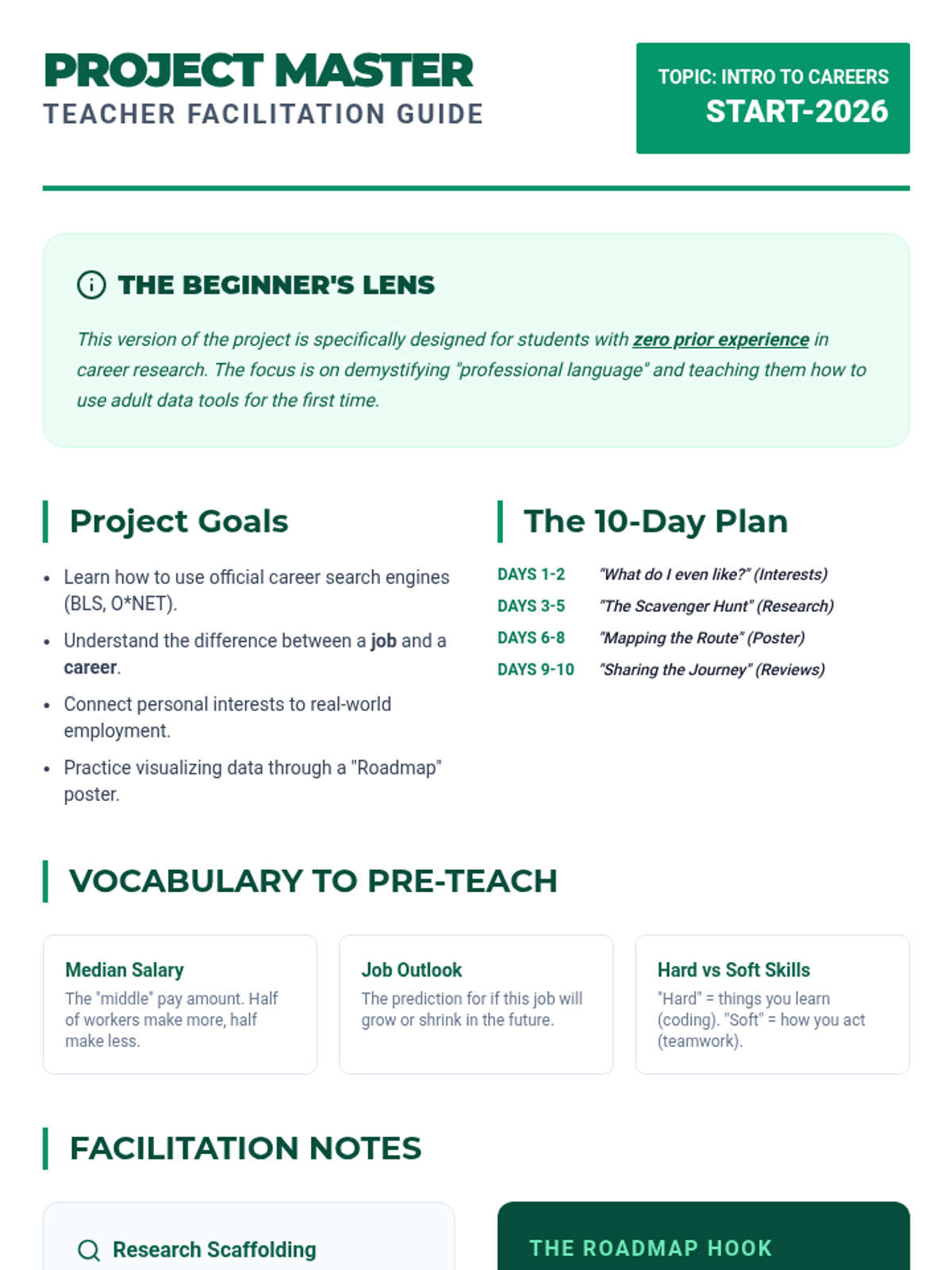
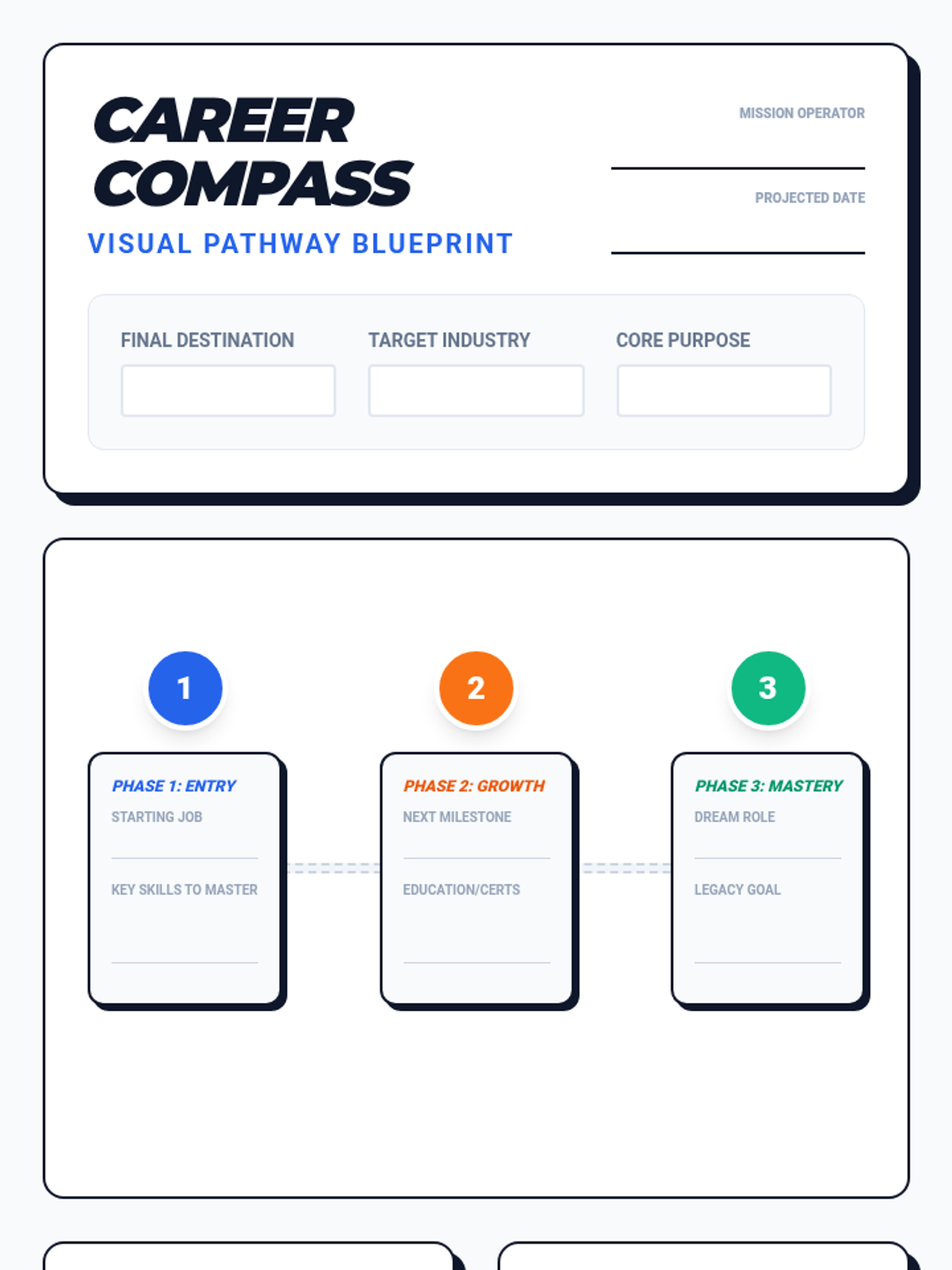
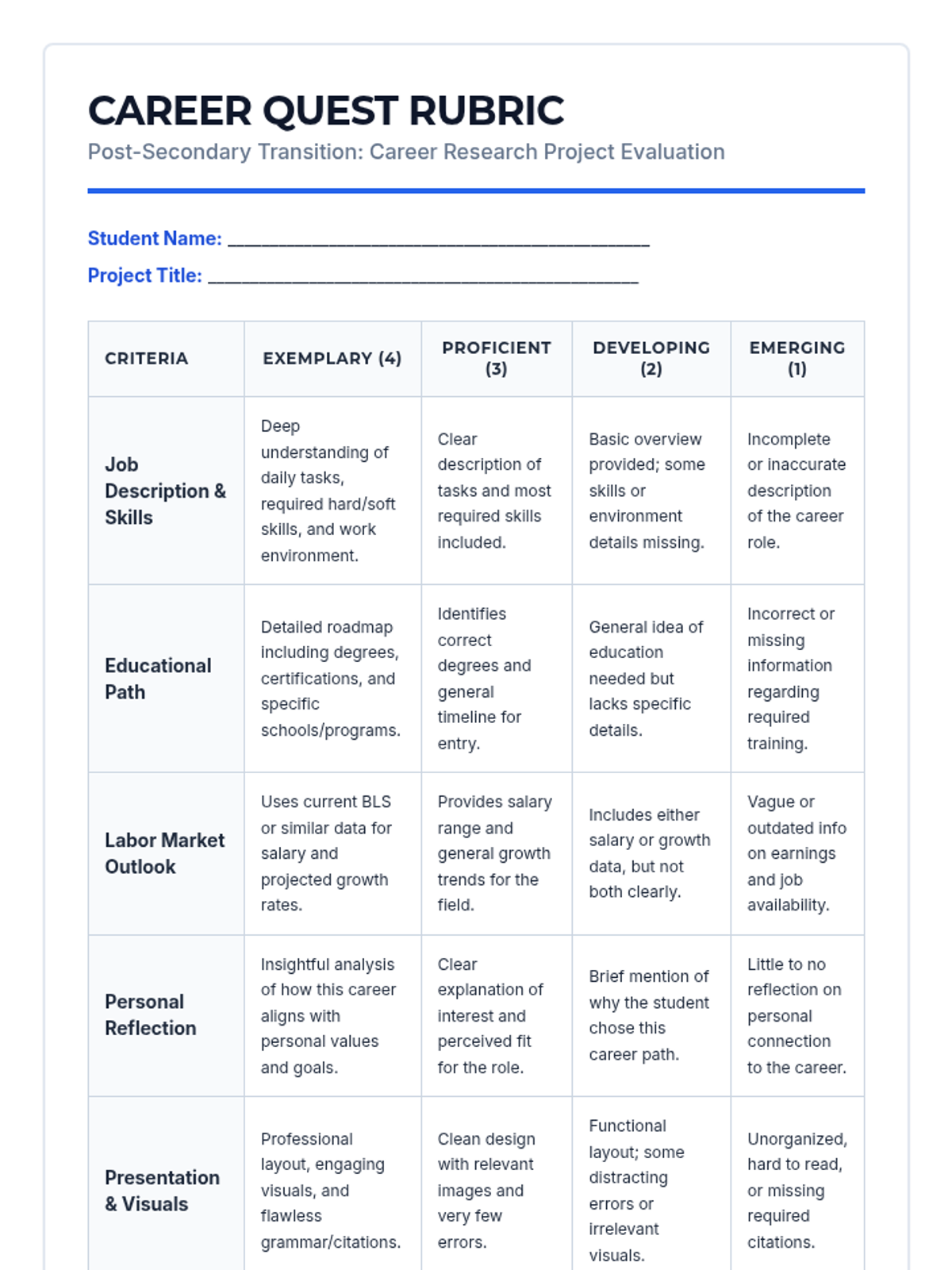
A comprehensive two-week career exploration project where 10th-grade students research a chosen profession and design a creative roadmap-themed poster. Students plot their career journey from education to retirement, identifying key milestones, challenges, and personal fit along the way.
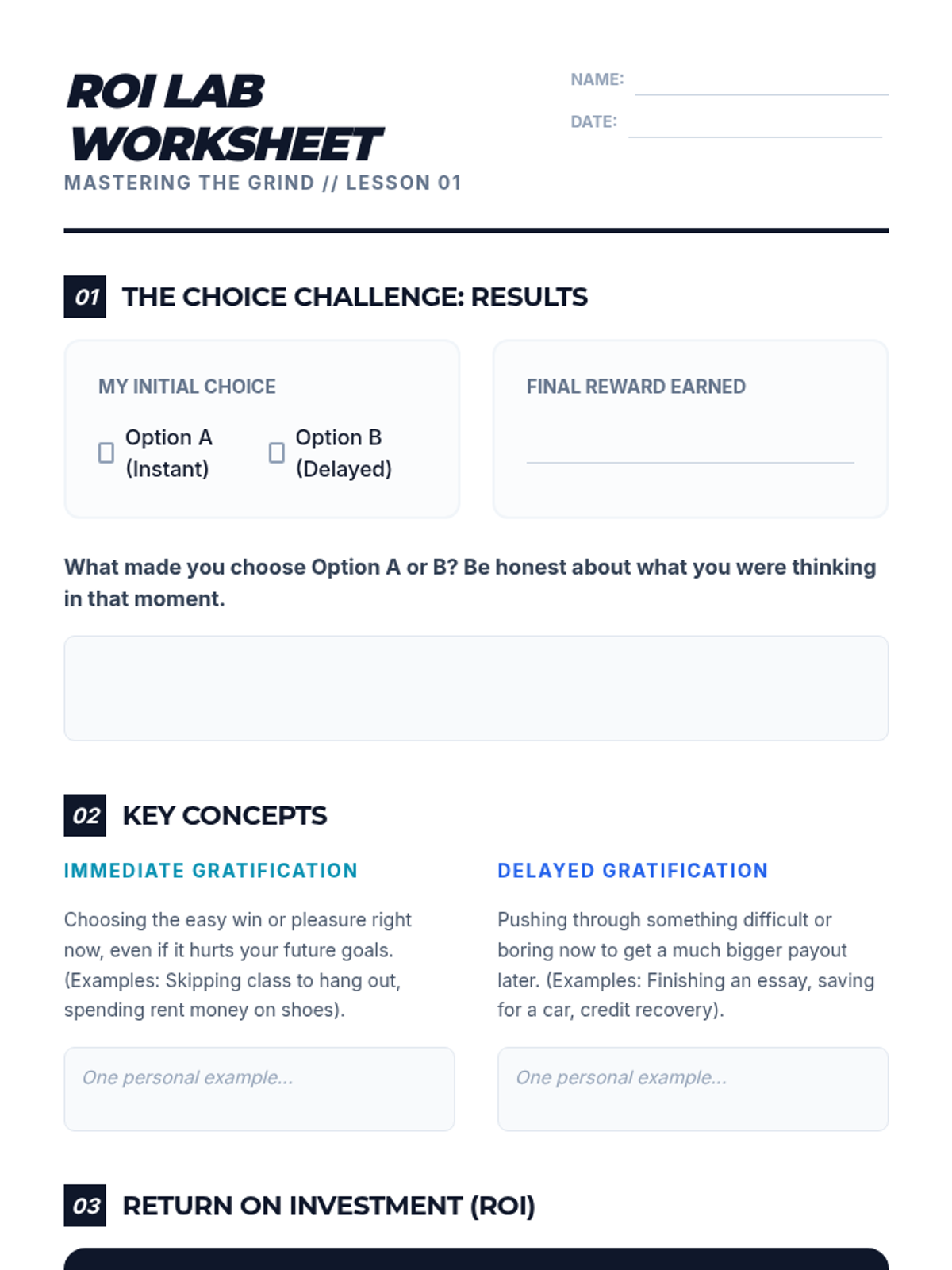
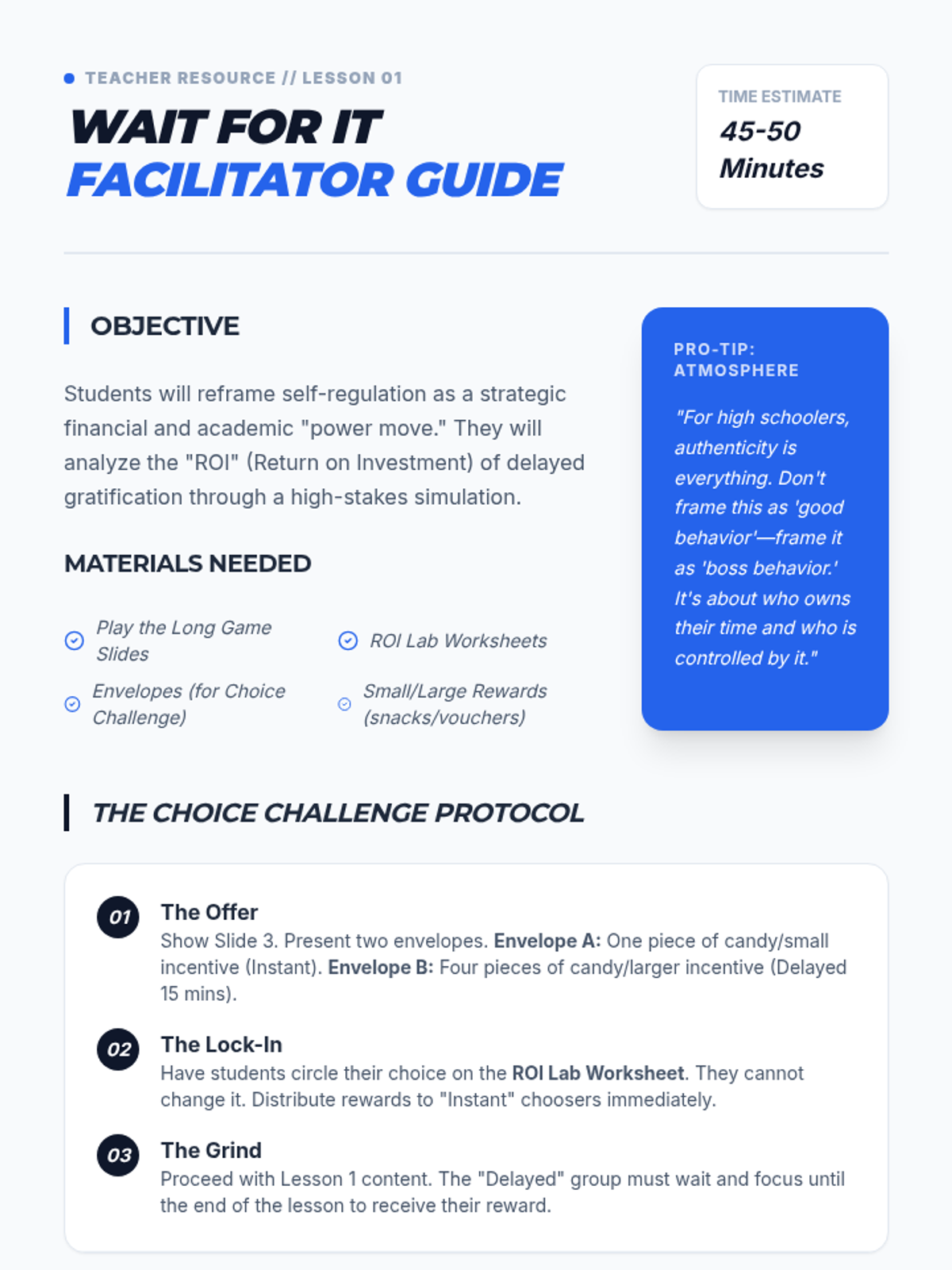
A high-impact 5-lesson sequence designed for credit-deficient high school sophomores to reclaim their academic path. The curriculum reframes impulse control as a strategic 'power move' for achieving independence, career success, and graduation through cognitive discipline and environmental awareness.
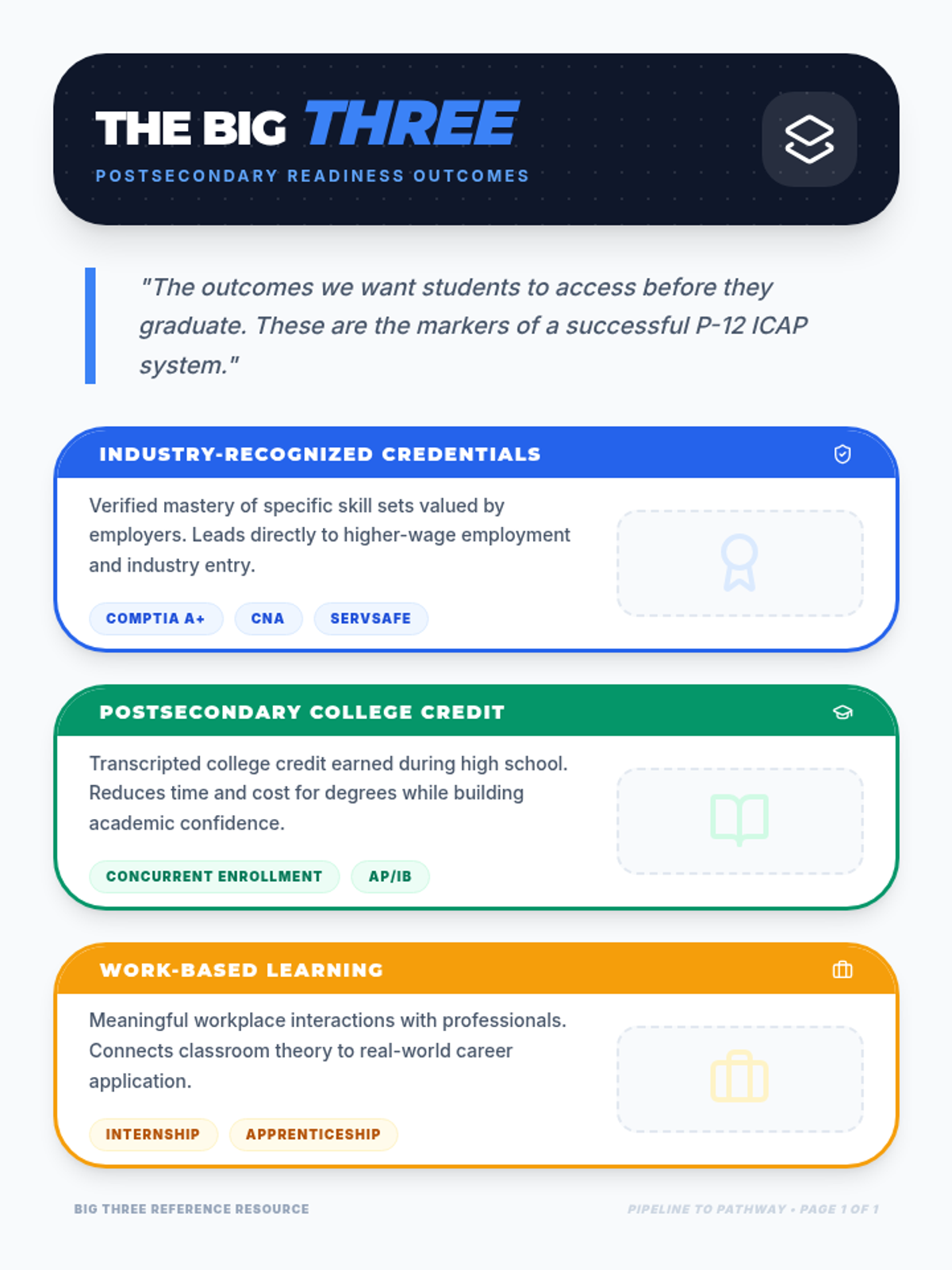
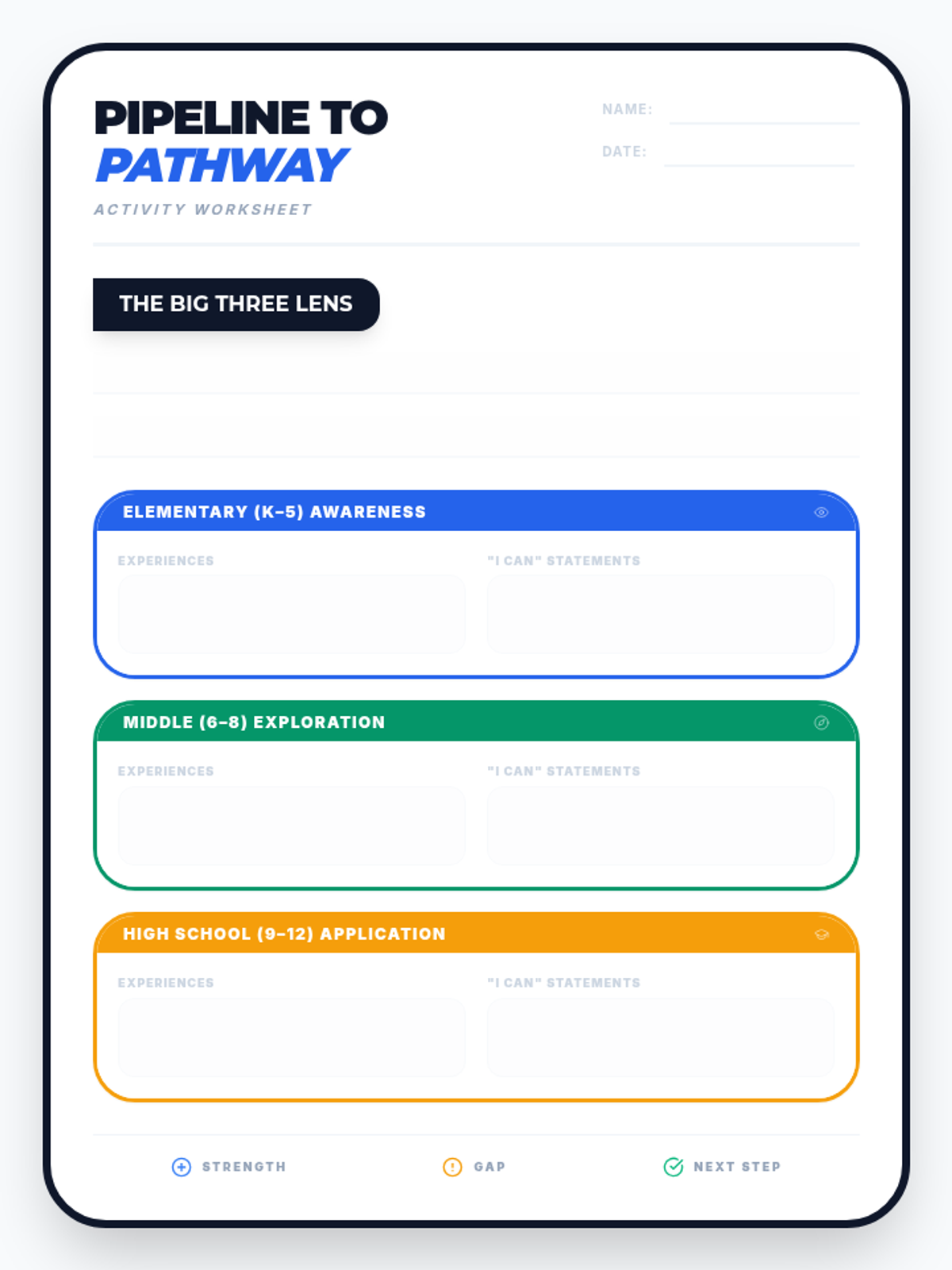
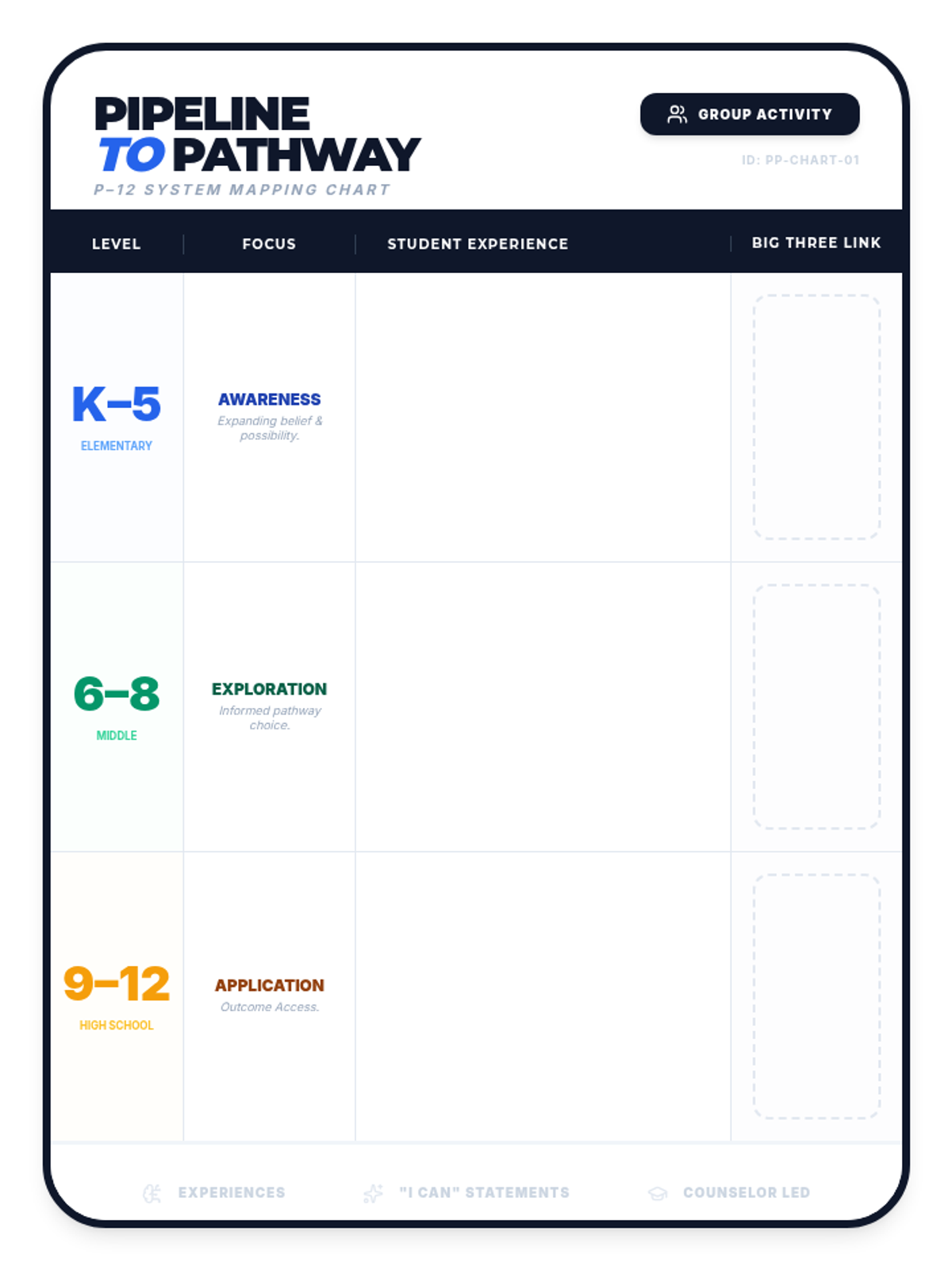
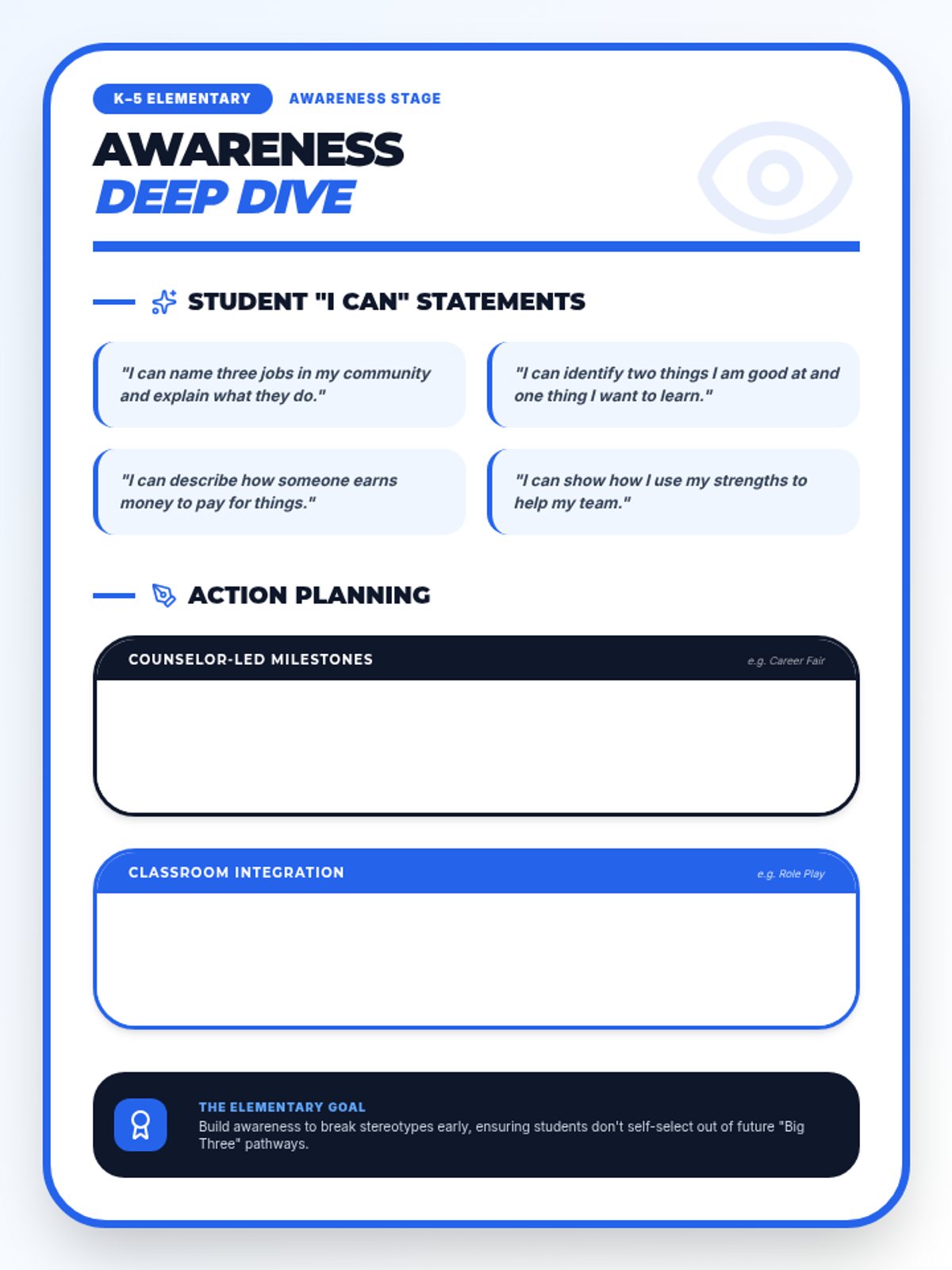
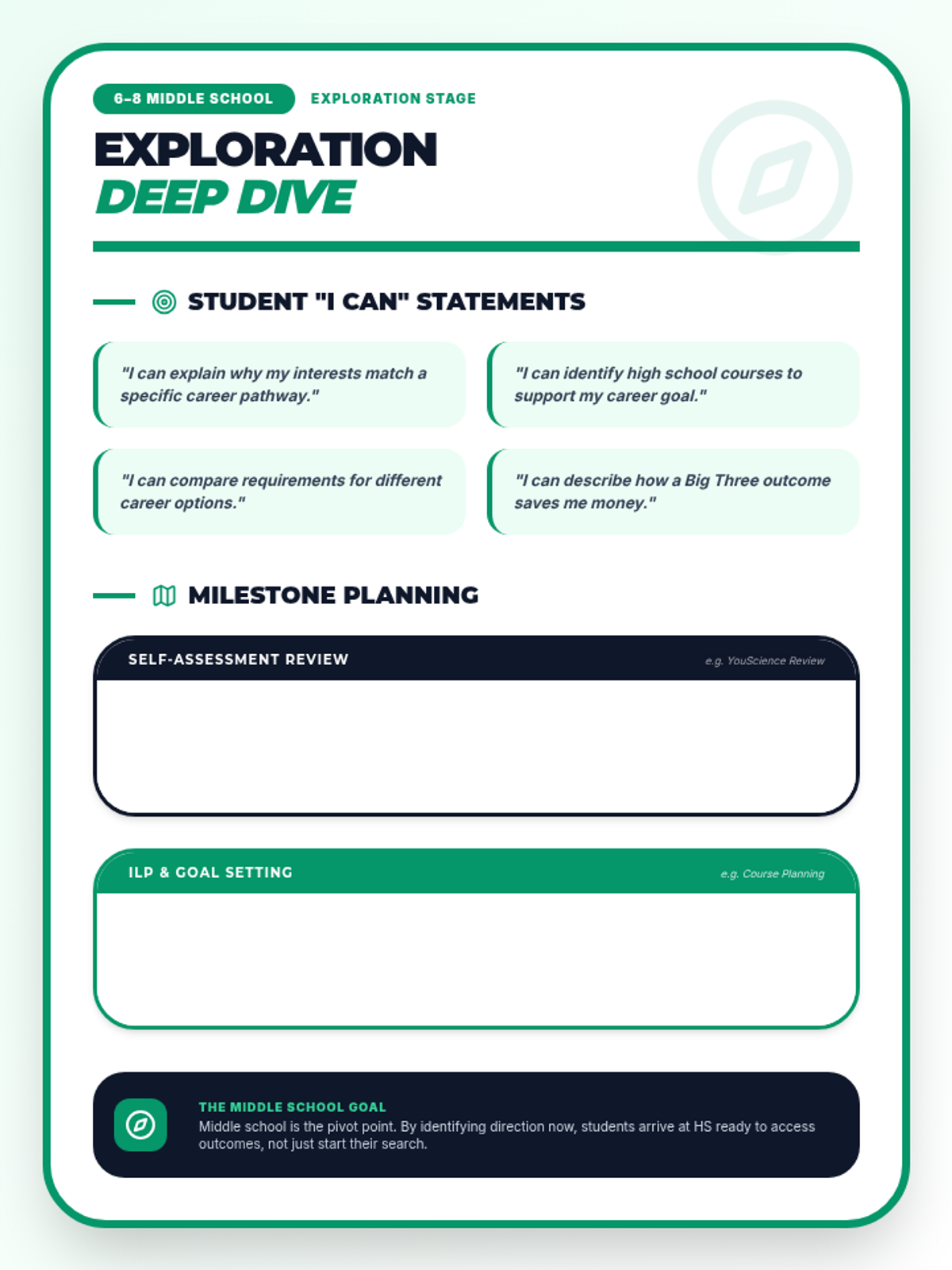
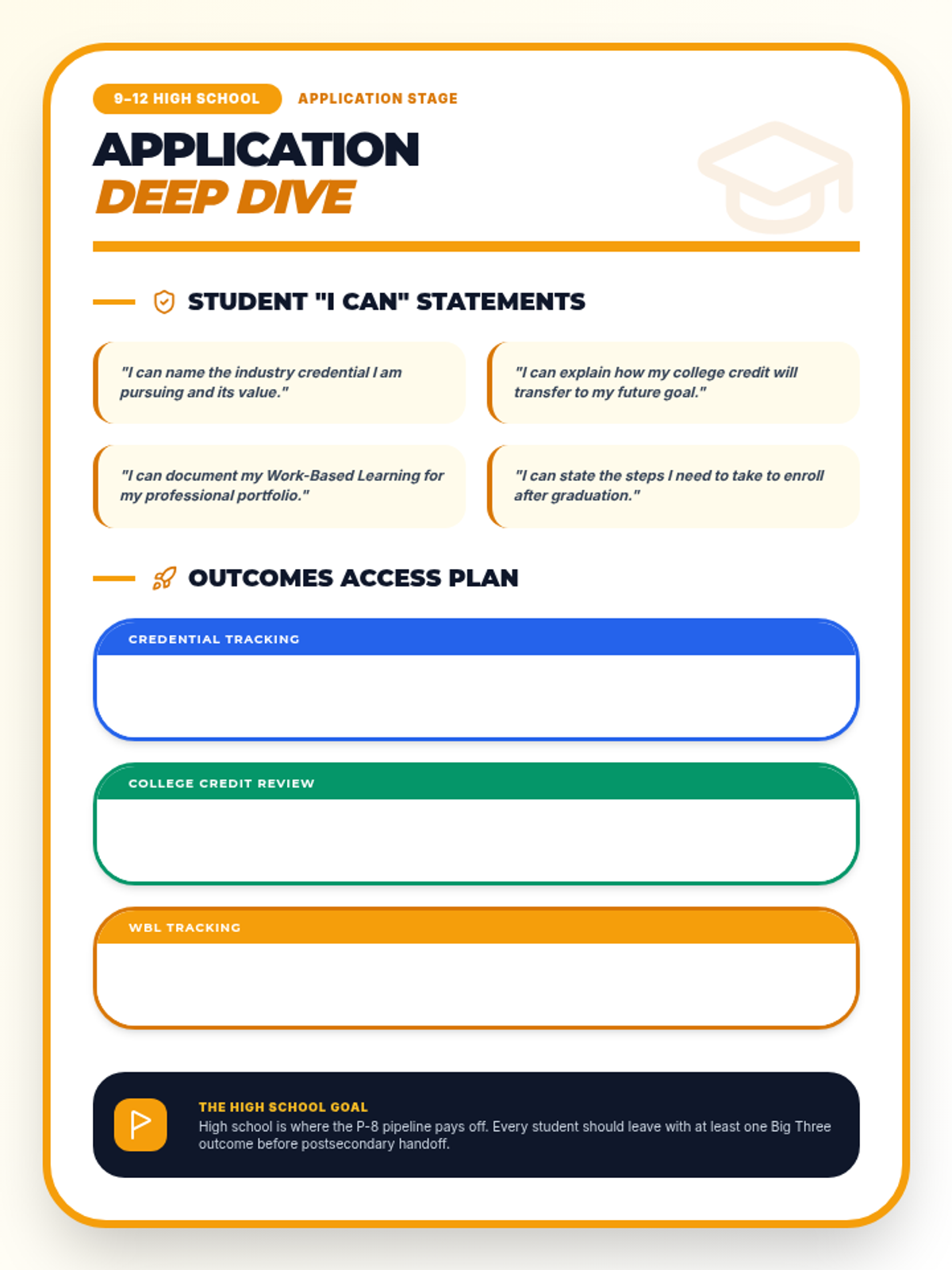
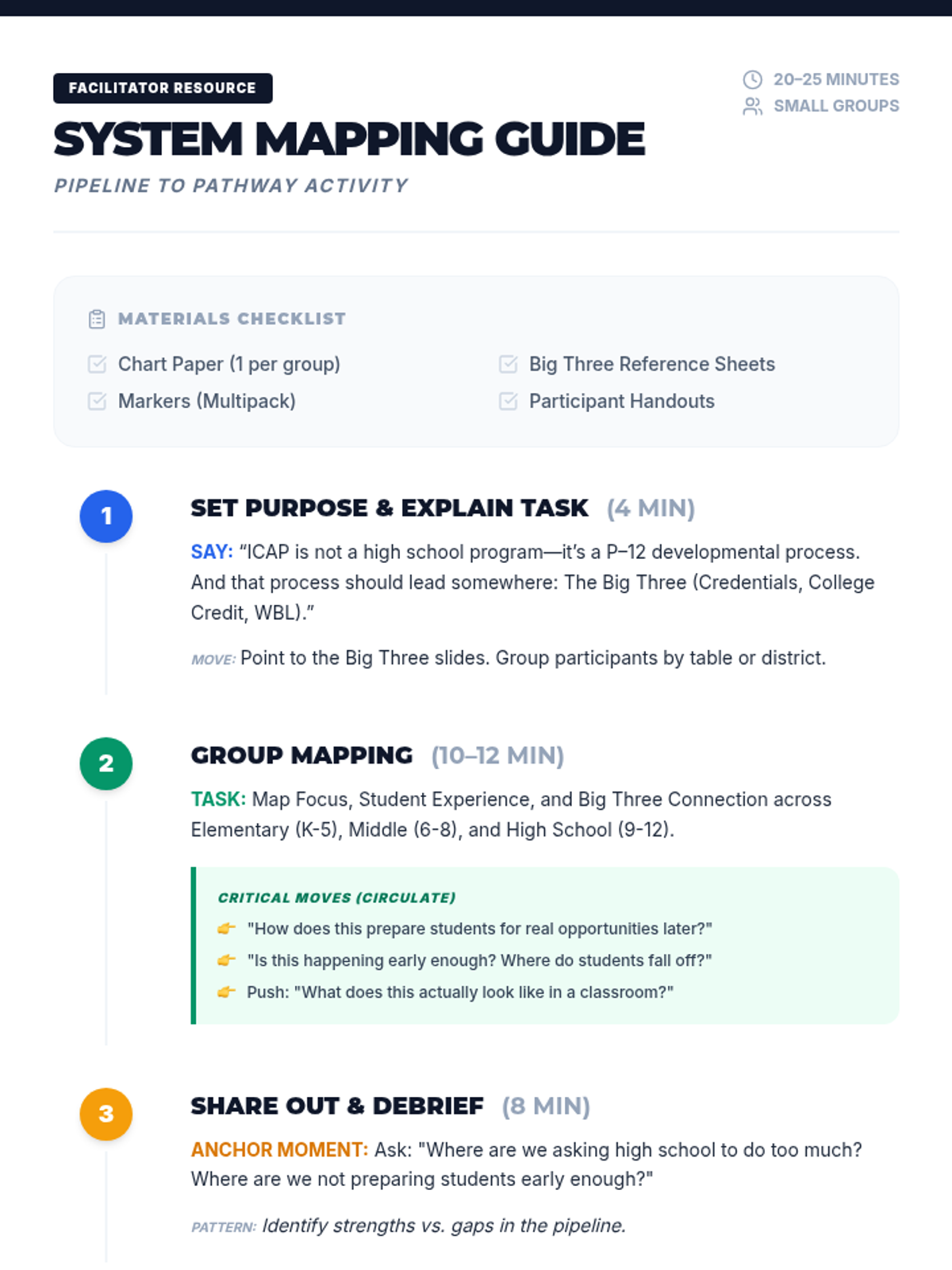
A comprehensive professional development sequence focused on building a P-12 ICAP system that leads to the Big Three outcomes: Industry Credentials, College Credit, and Work-Based Learning.
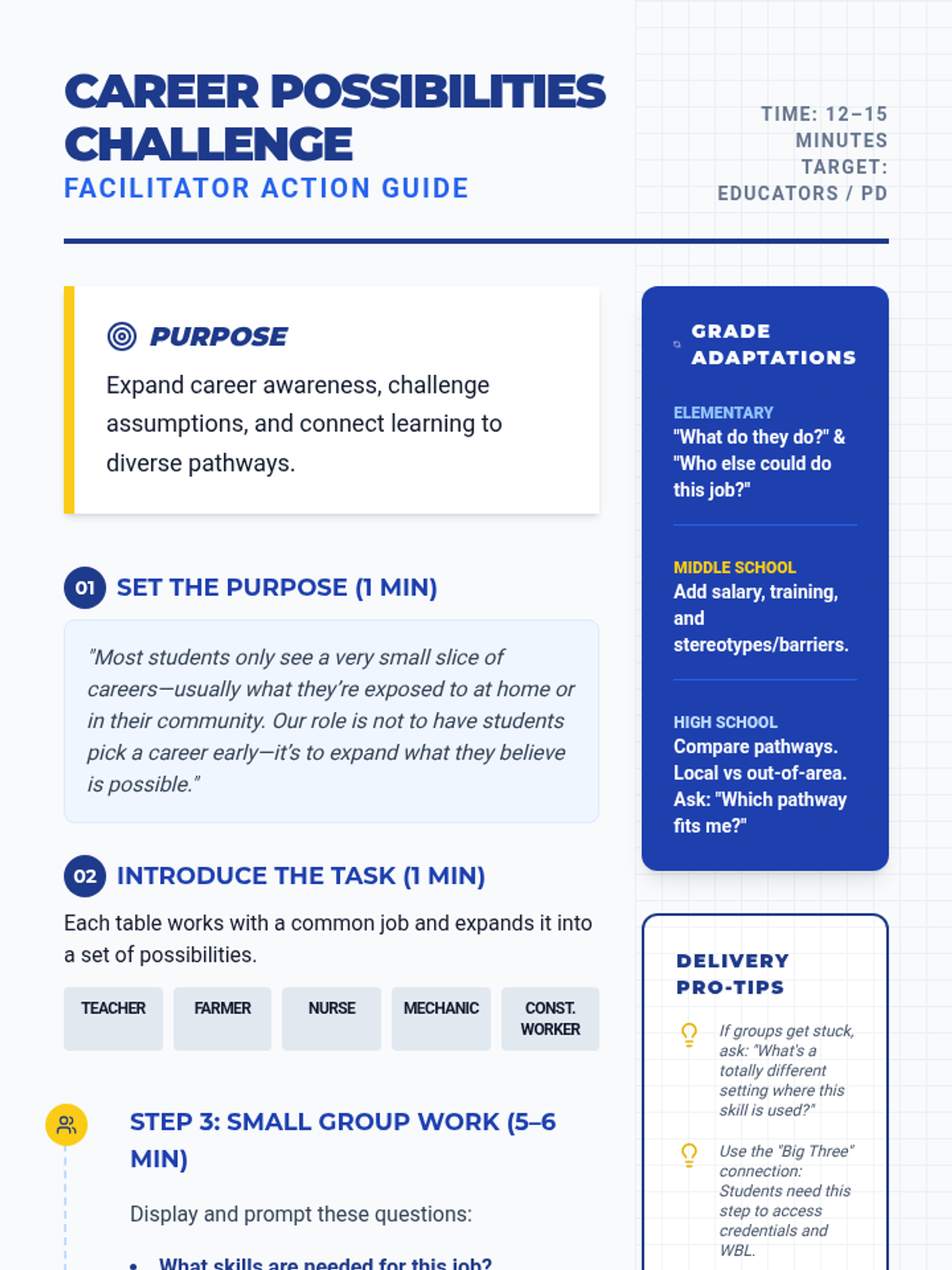
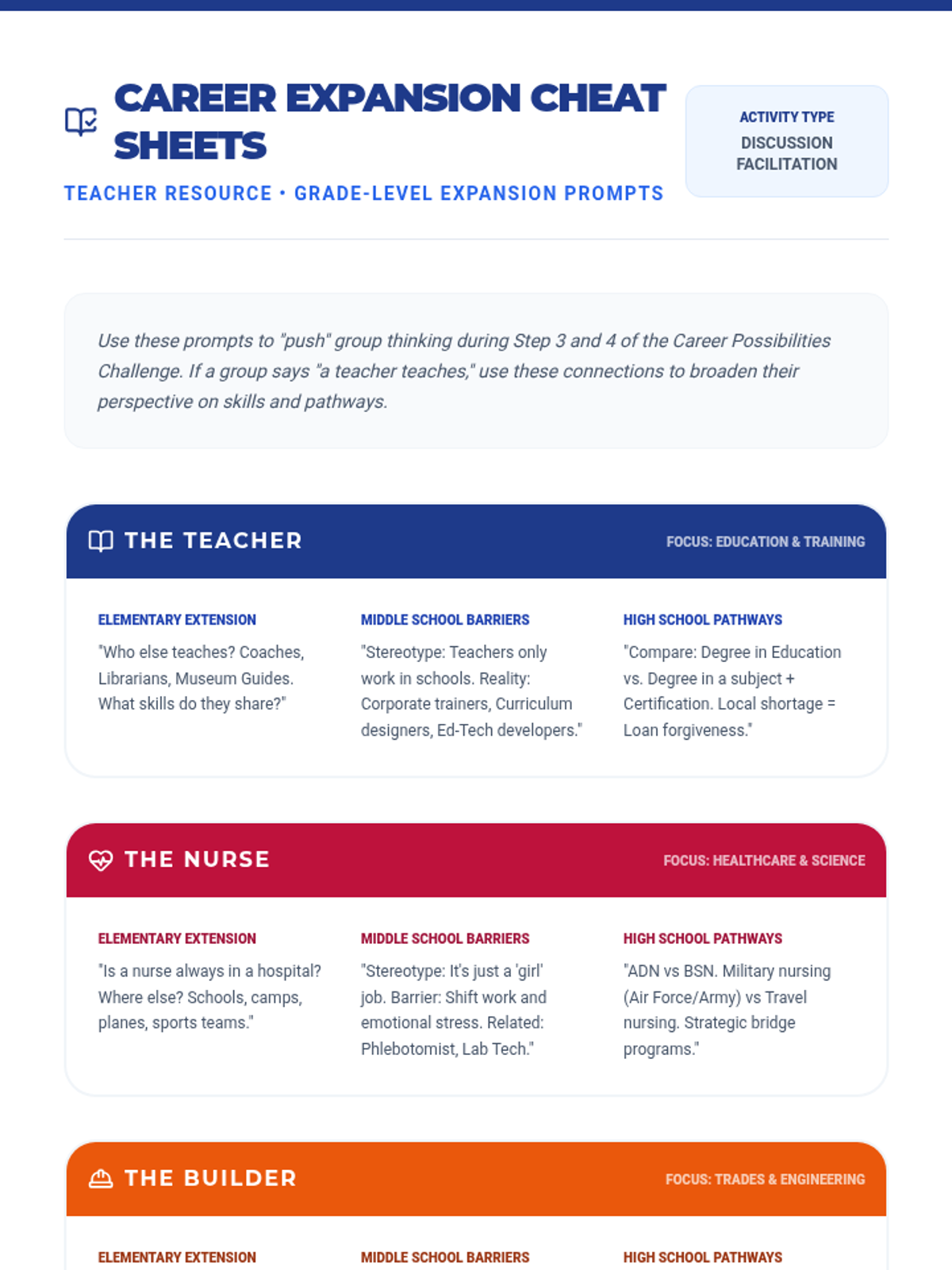
A comprehensive professional development and classroom activity suite designed to expand career awareness across K-12. Educators learn to facilitate the 'Career Possibilities Challenge,' while students engage in grade-appropriate tasks to map skills, pathways, and overcome stereotypes.
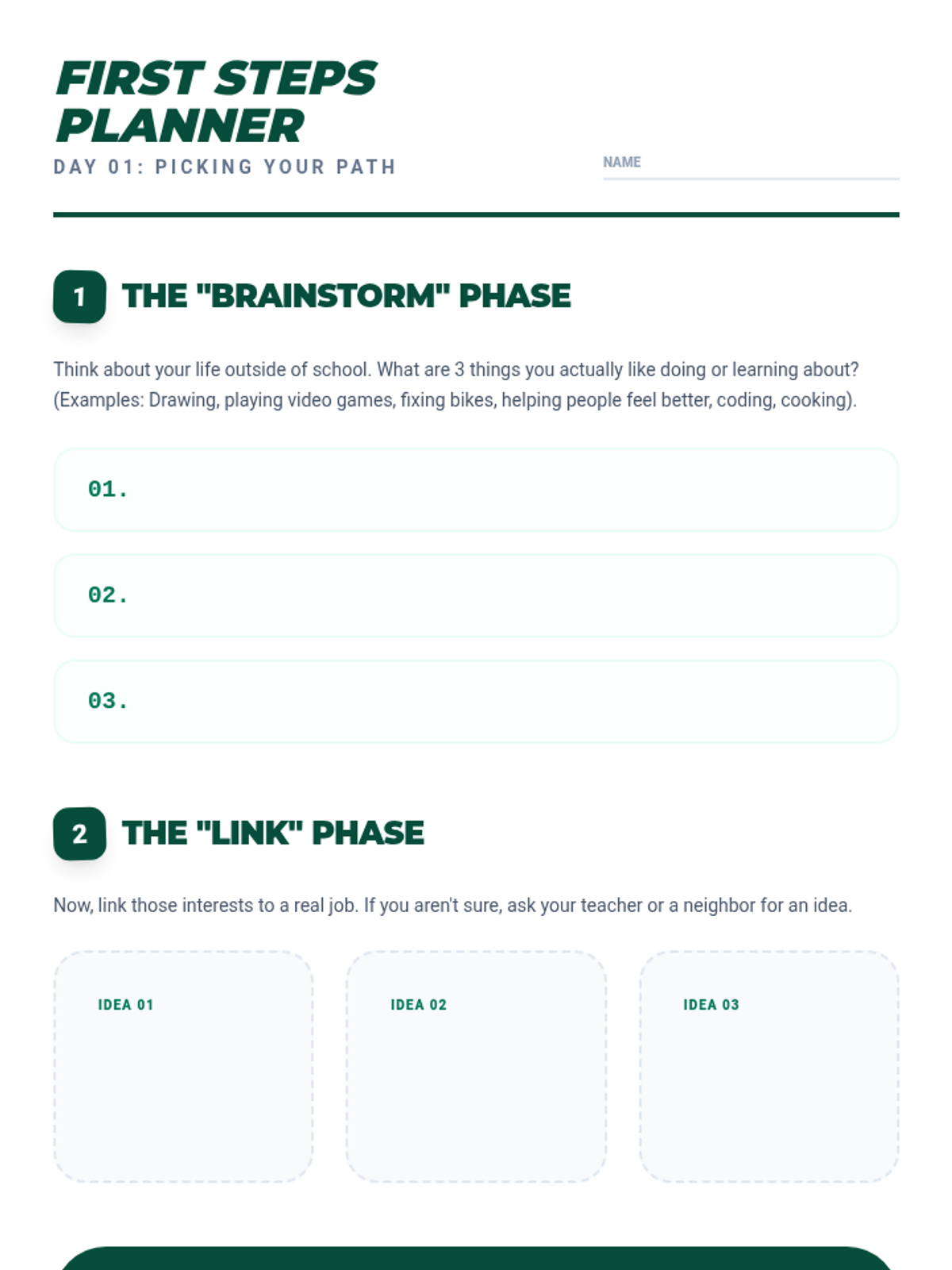
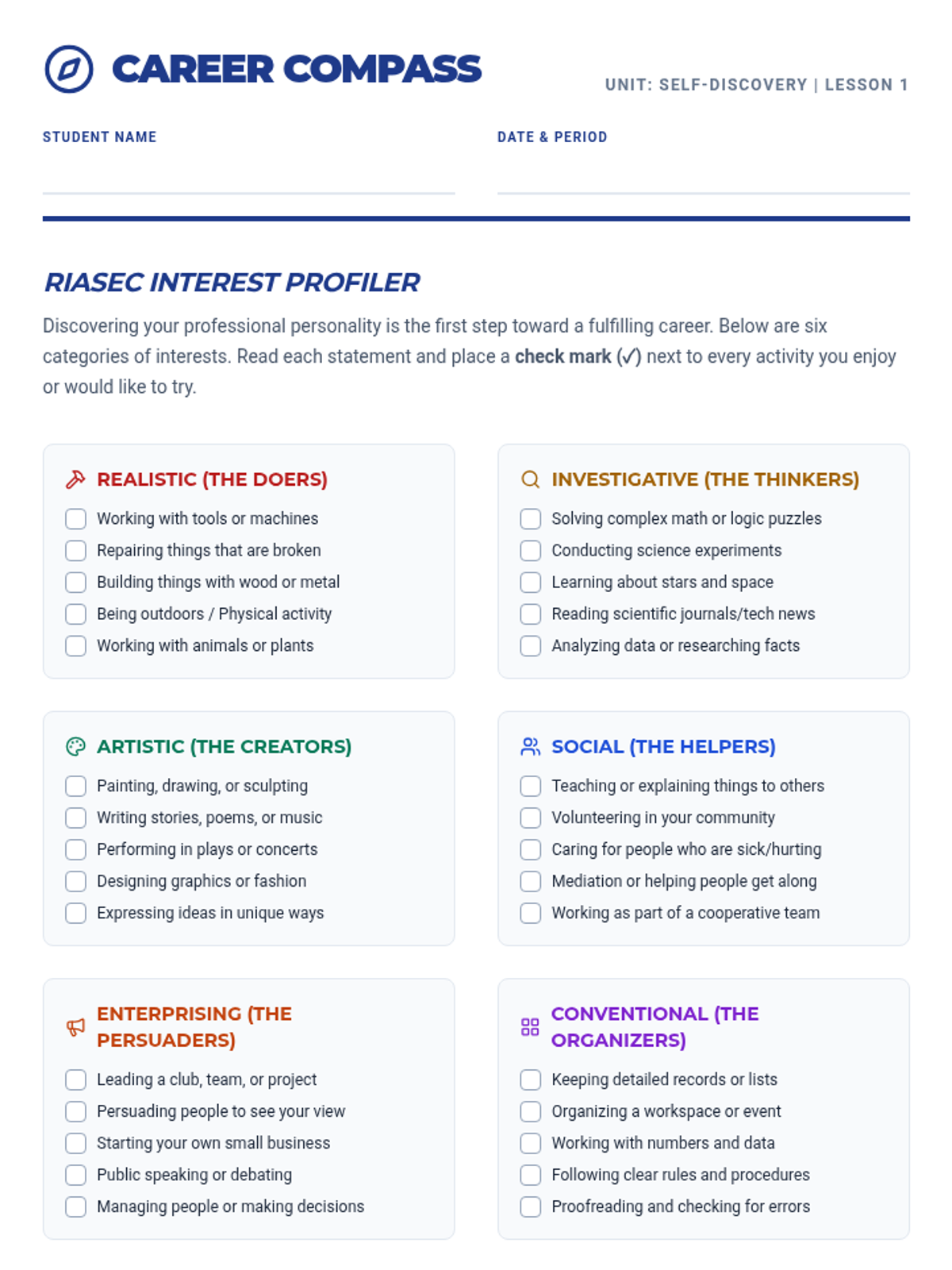
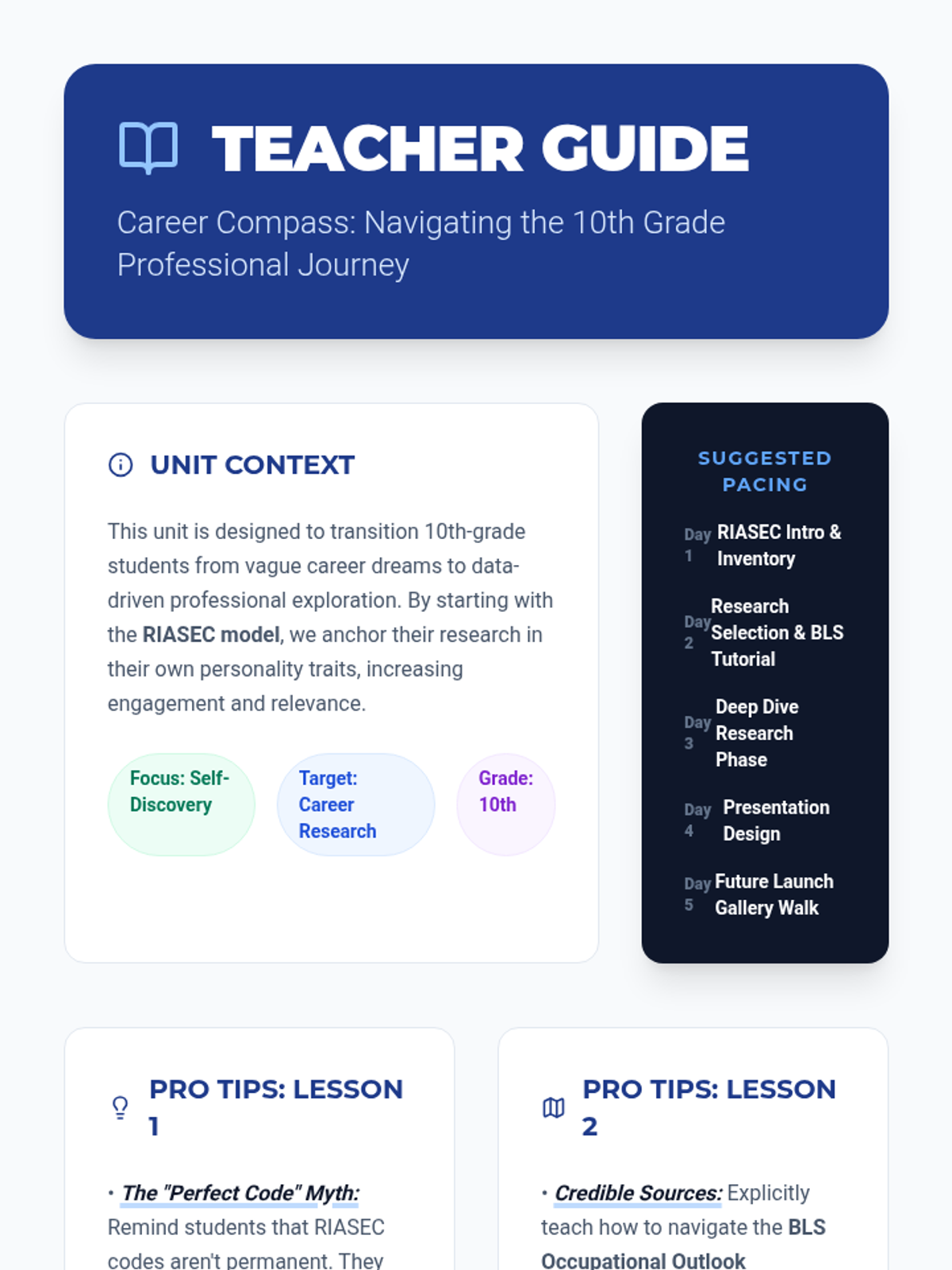
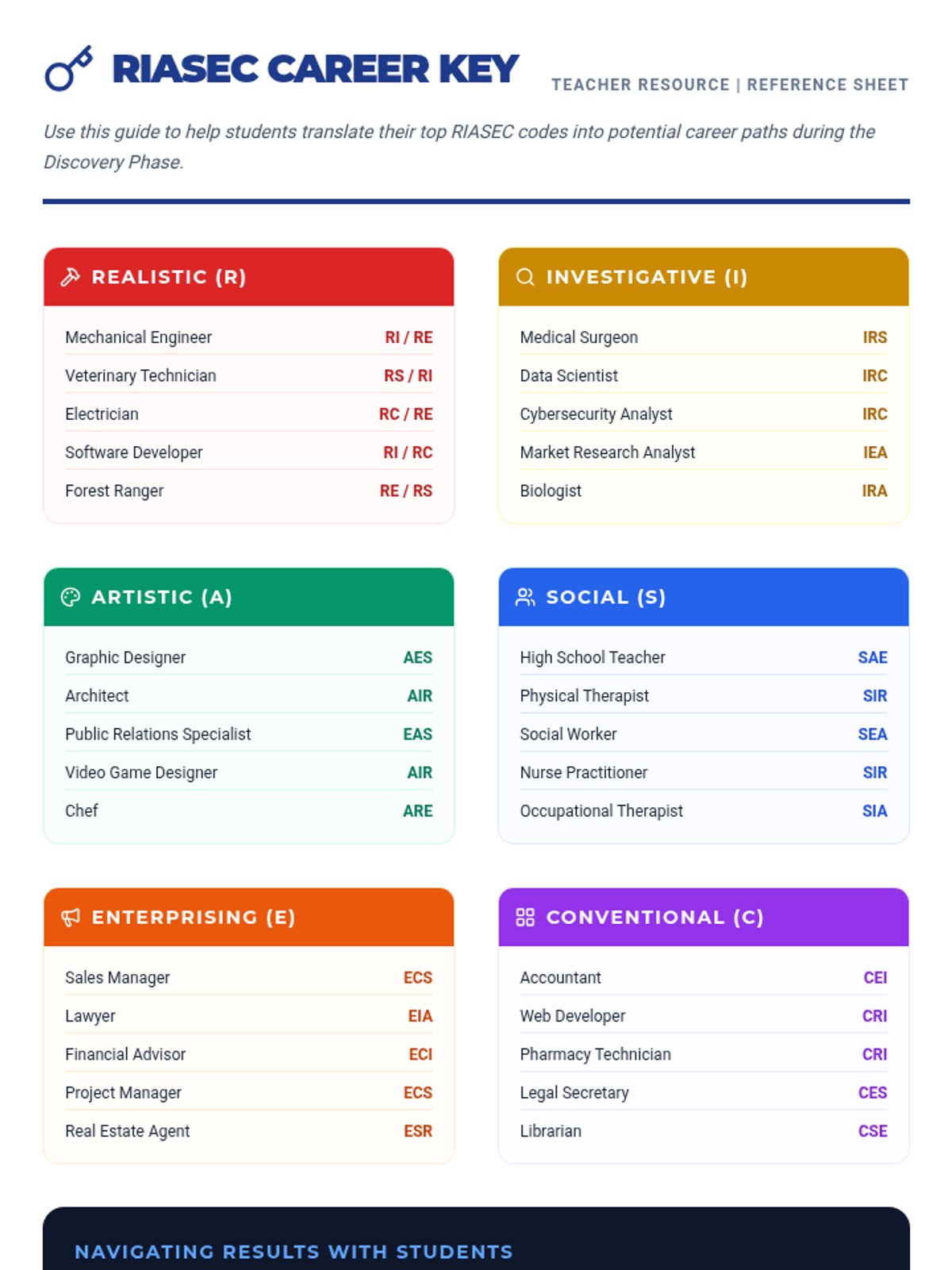
A comprehensive career exploration unit for 10th graders that moves from self-discovery via interest inventories to in-depth career research and final professional presentations.
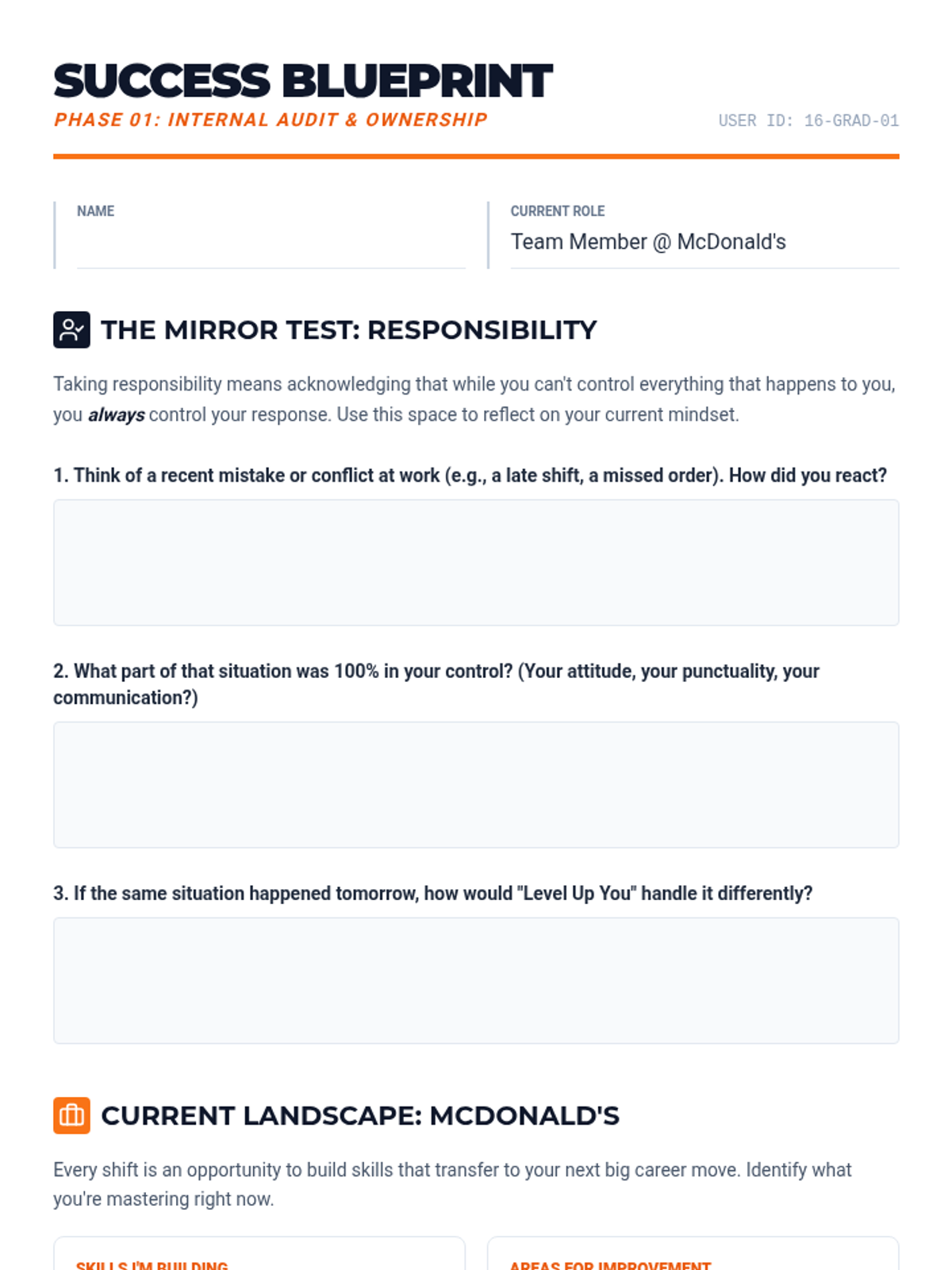
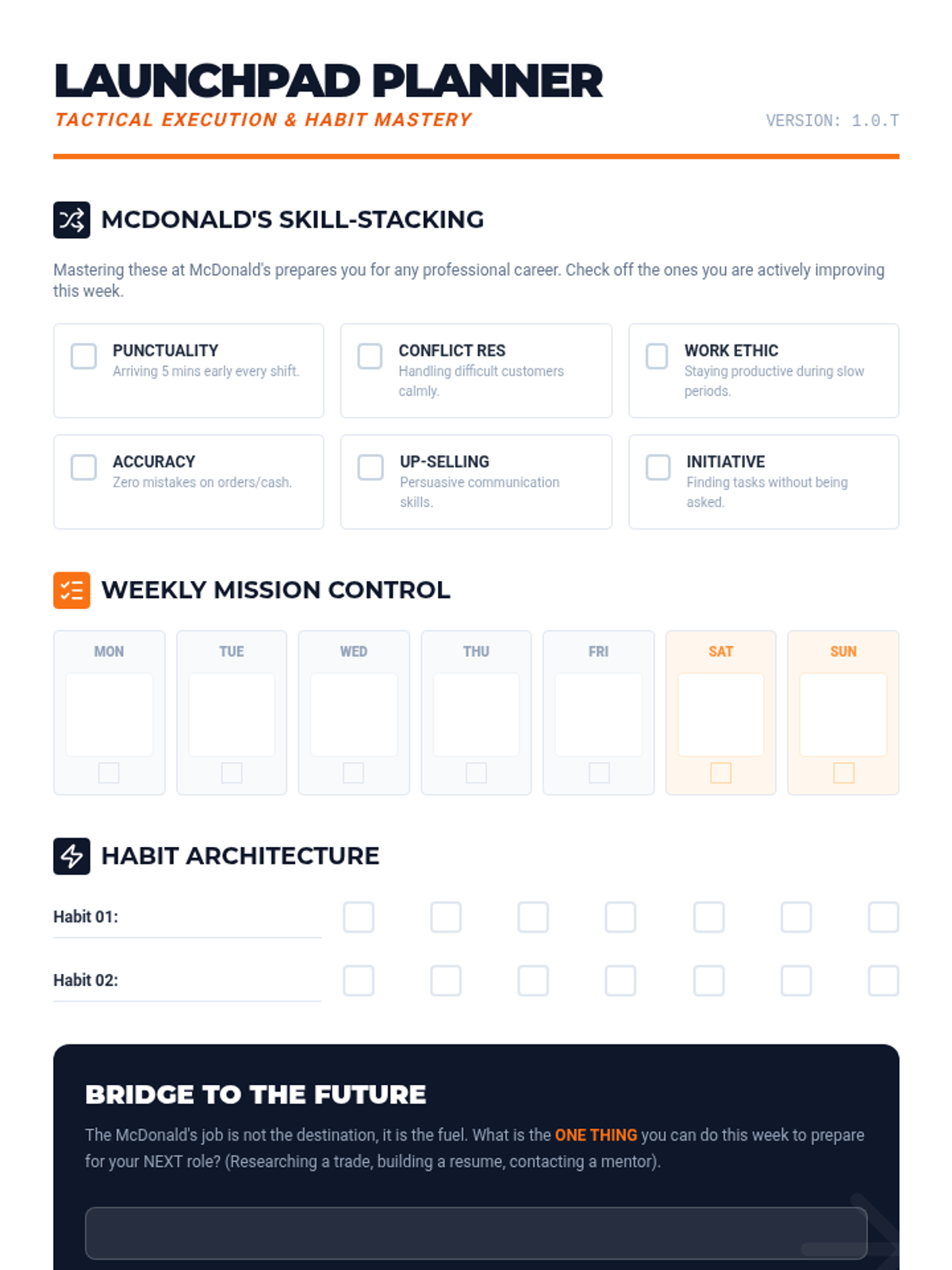
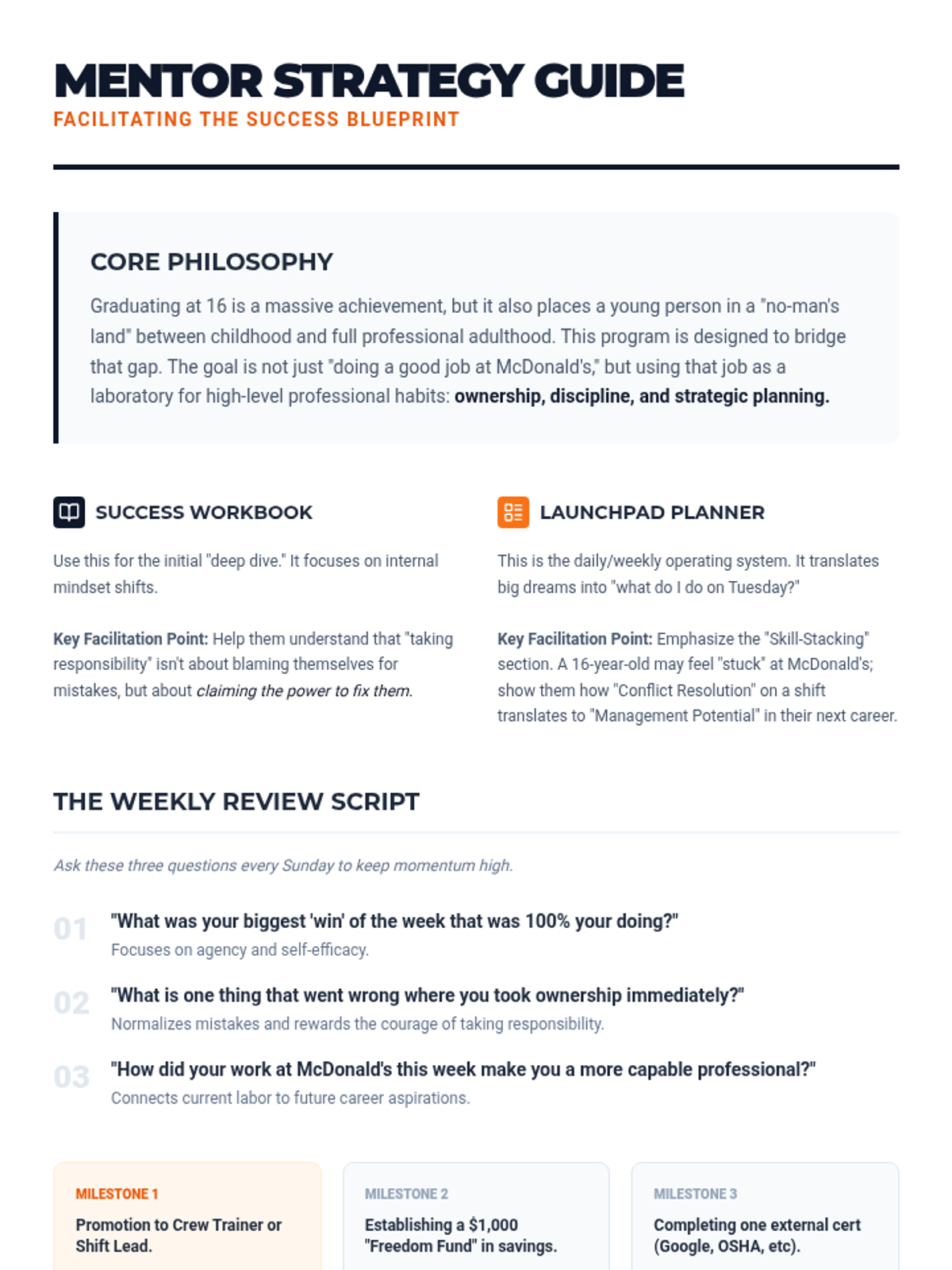
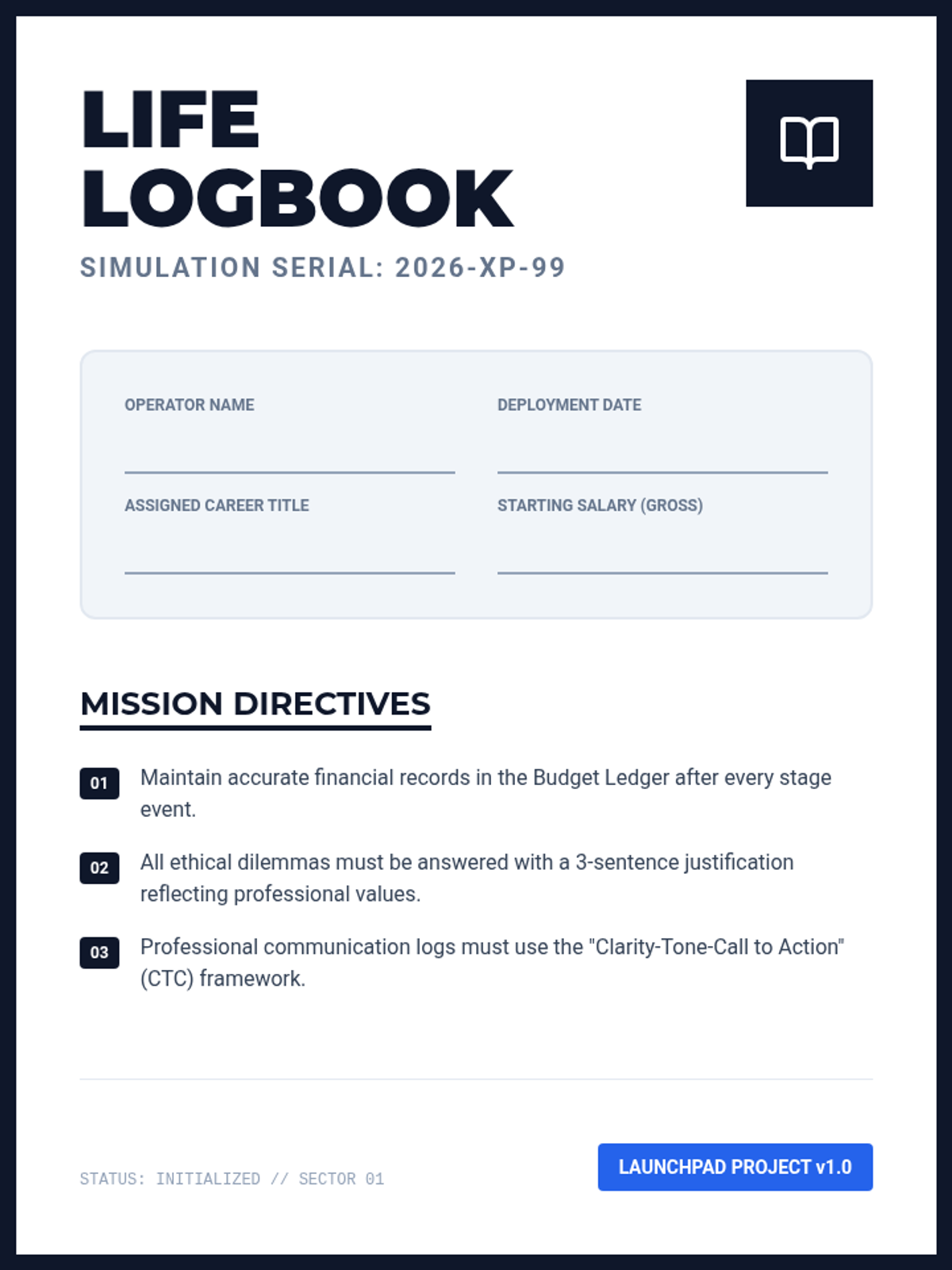
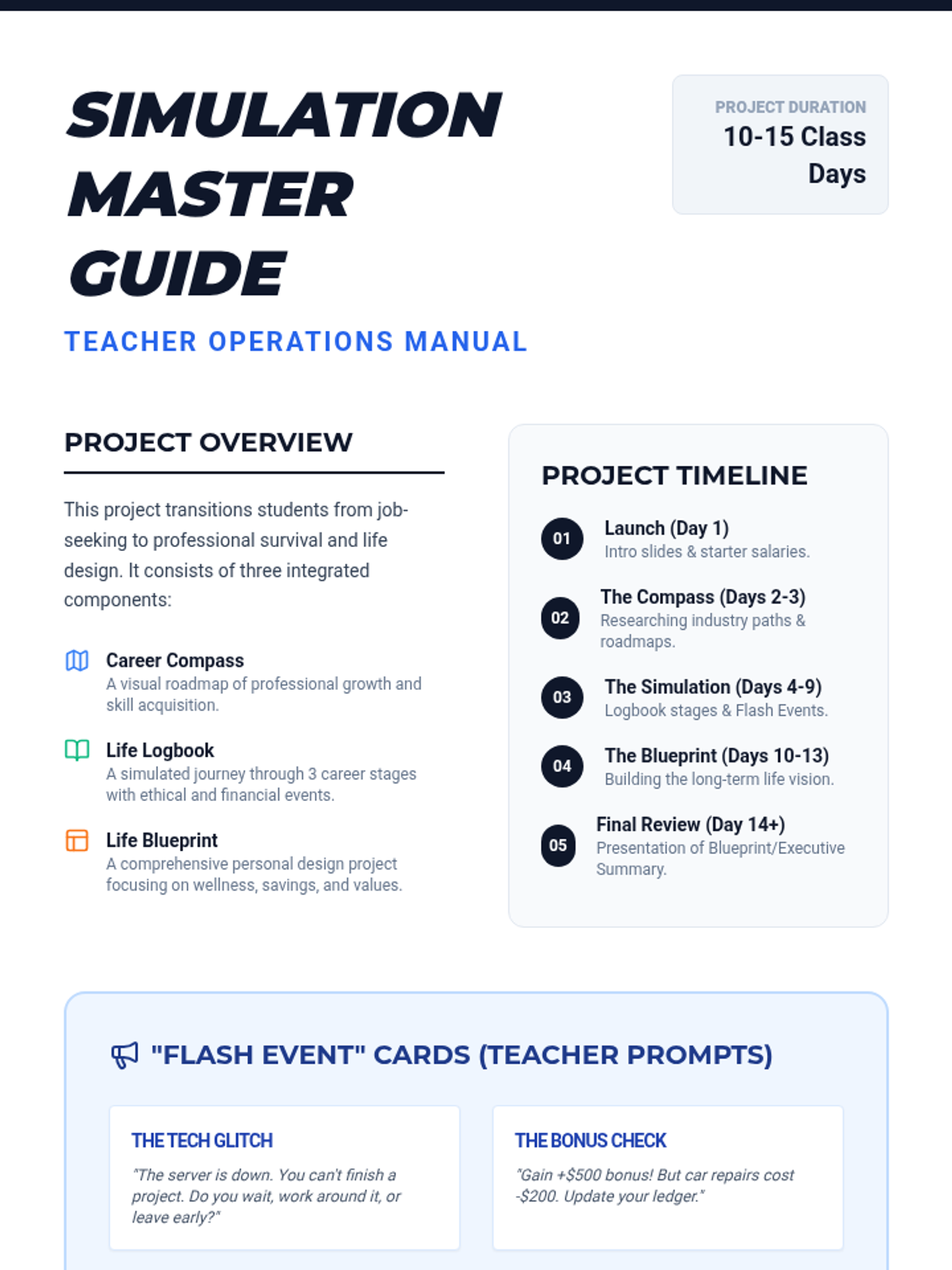
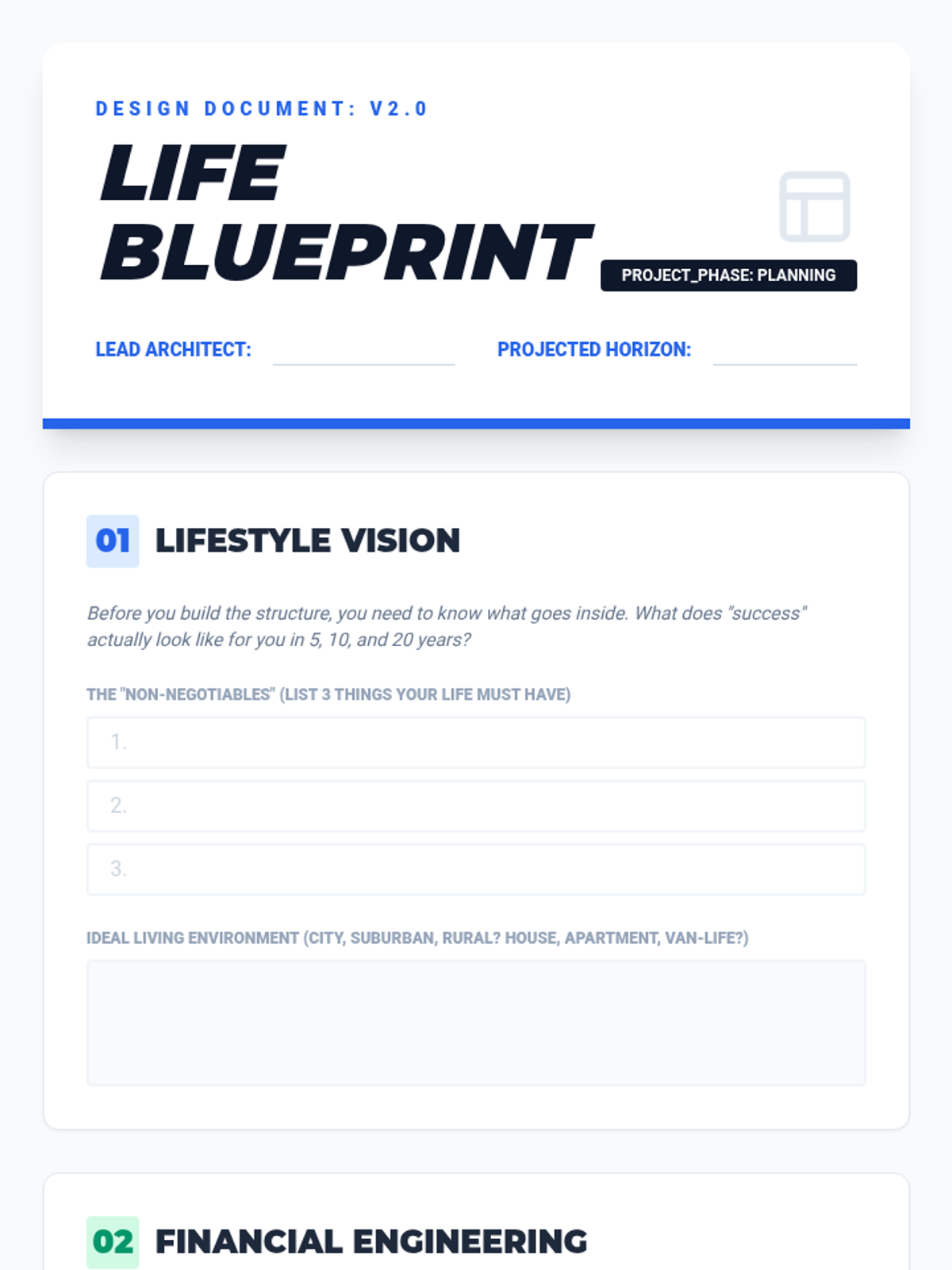
A comprehensive personal development guide for a young graduate to take ownership of their life, master their current role, and bridge the gap to their future career through structured goal-setting and reflection.
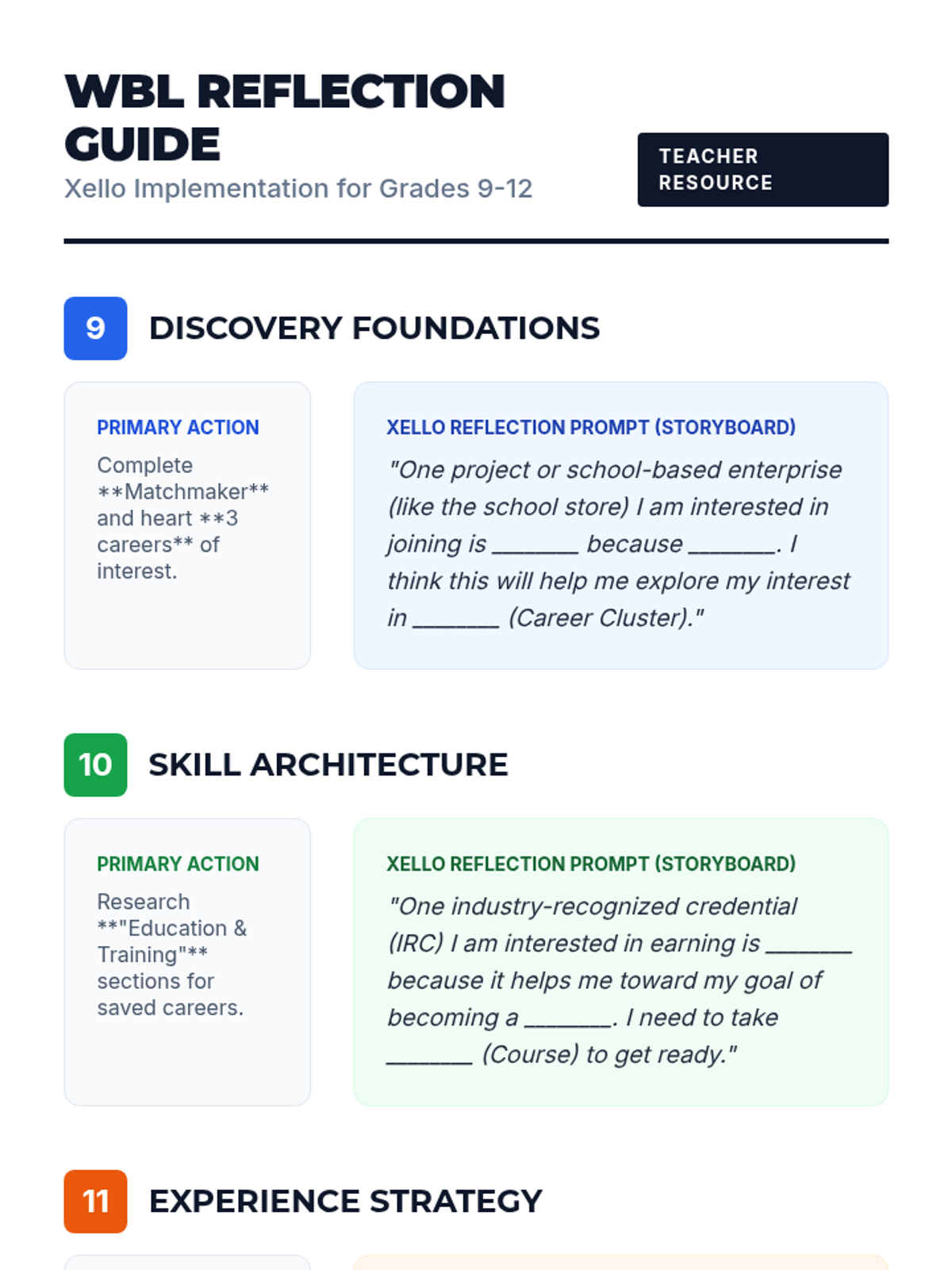
A four-part advisory sequence for grades 9-12 focused on scaffolding Work-Based Learning (WBL) concepts from basic awareness to post-secondary execution. Topics include project-based learning, internships, apprenticeships, and industry credentials.
A series of lessons and projects designed to transition students from job-seeking skills to workplace success and independent living, focusing on professional ethics, communication, and long-term planning.
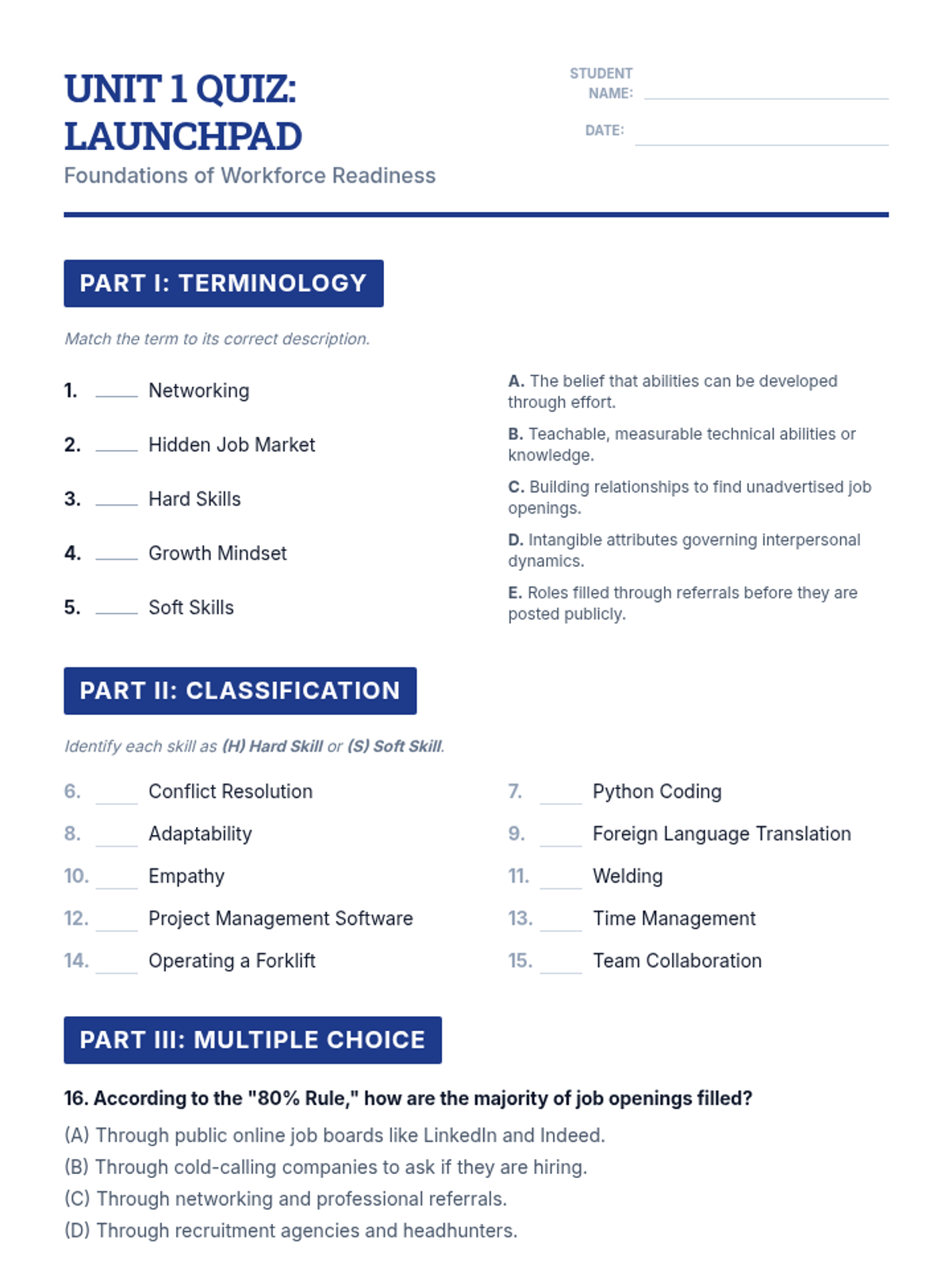
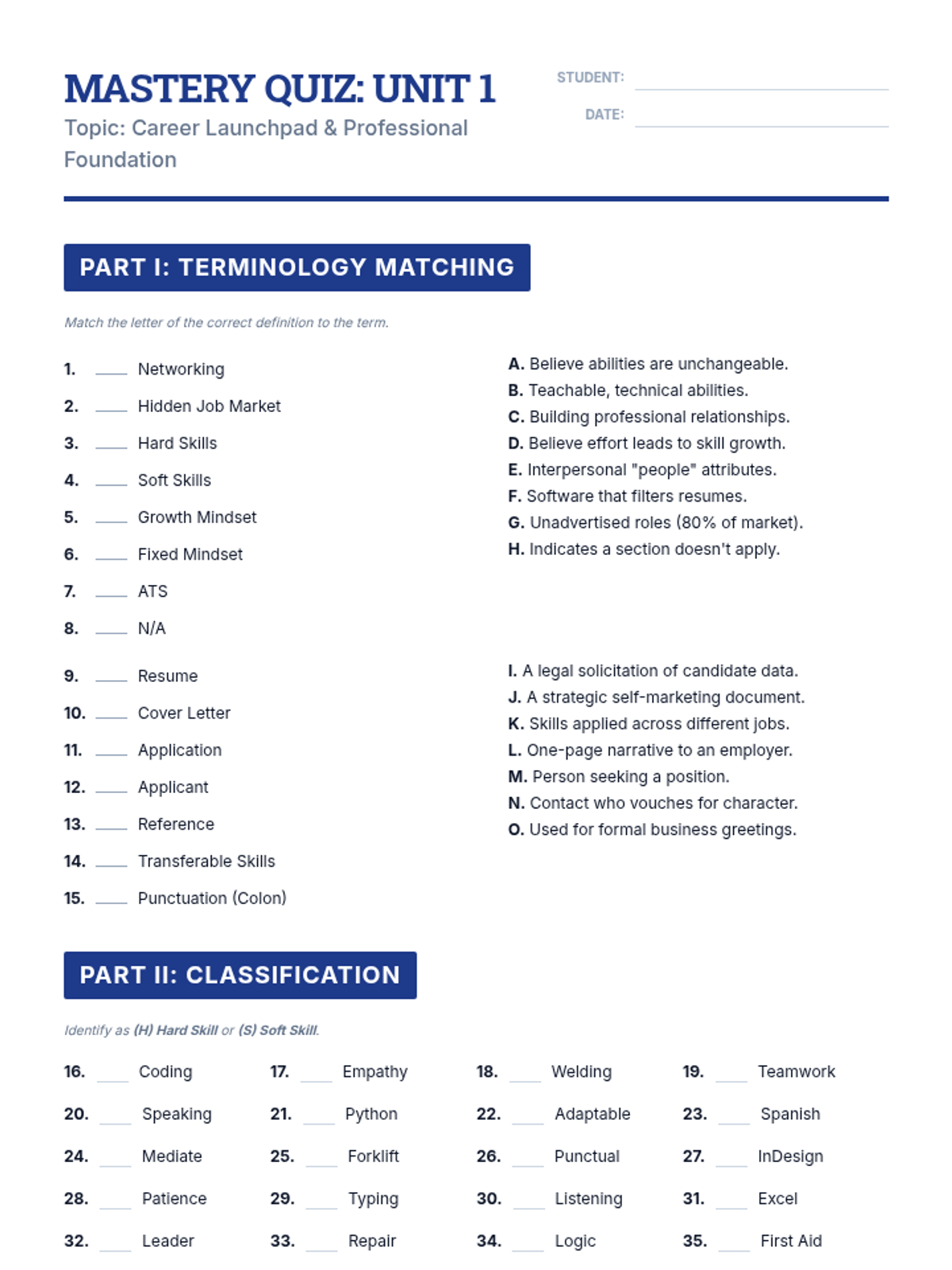
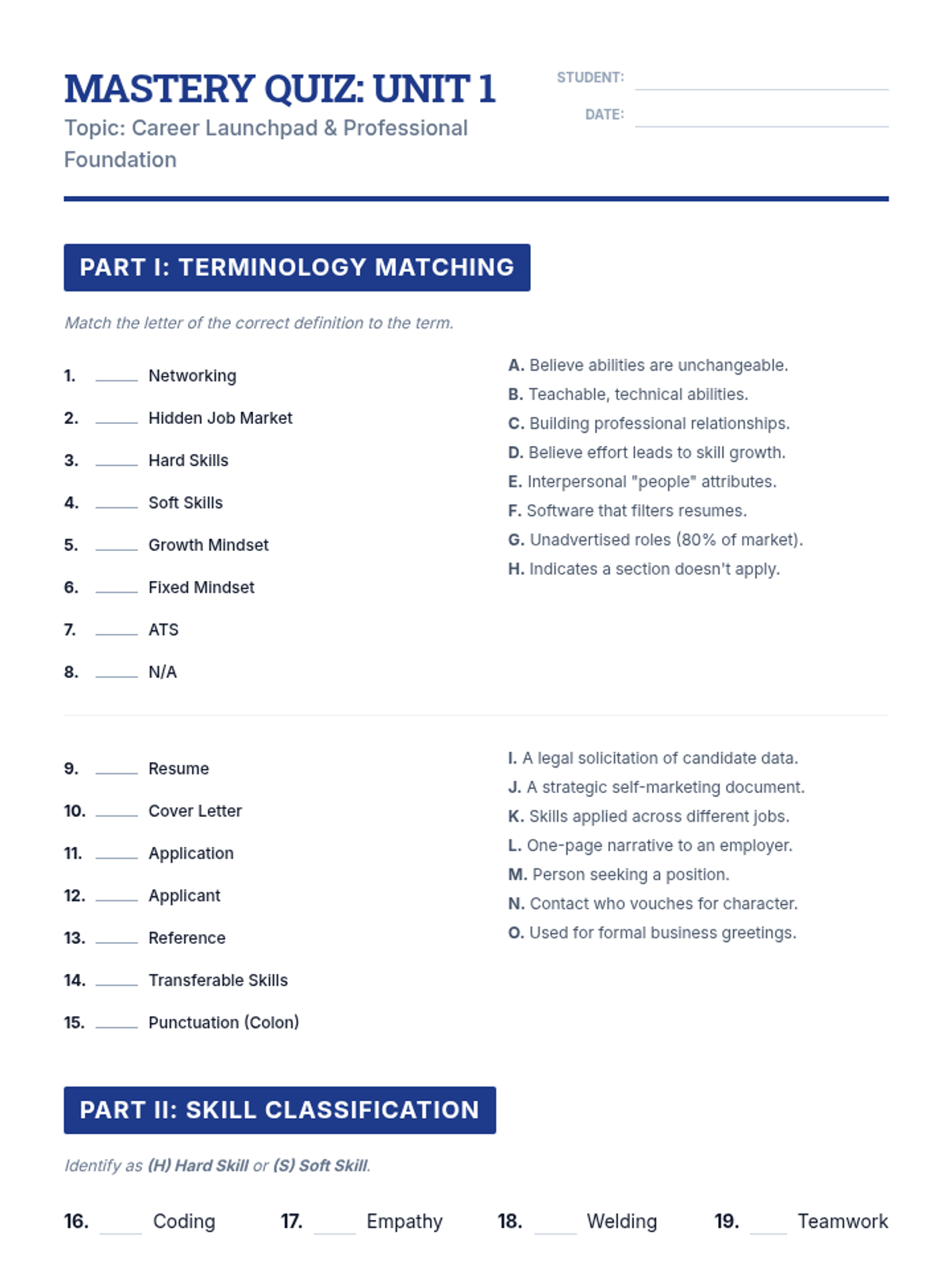
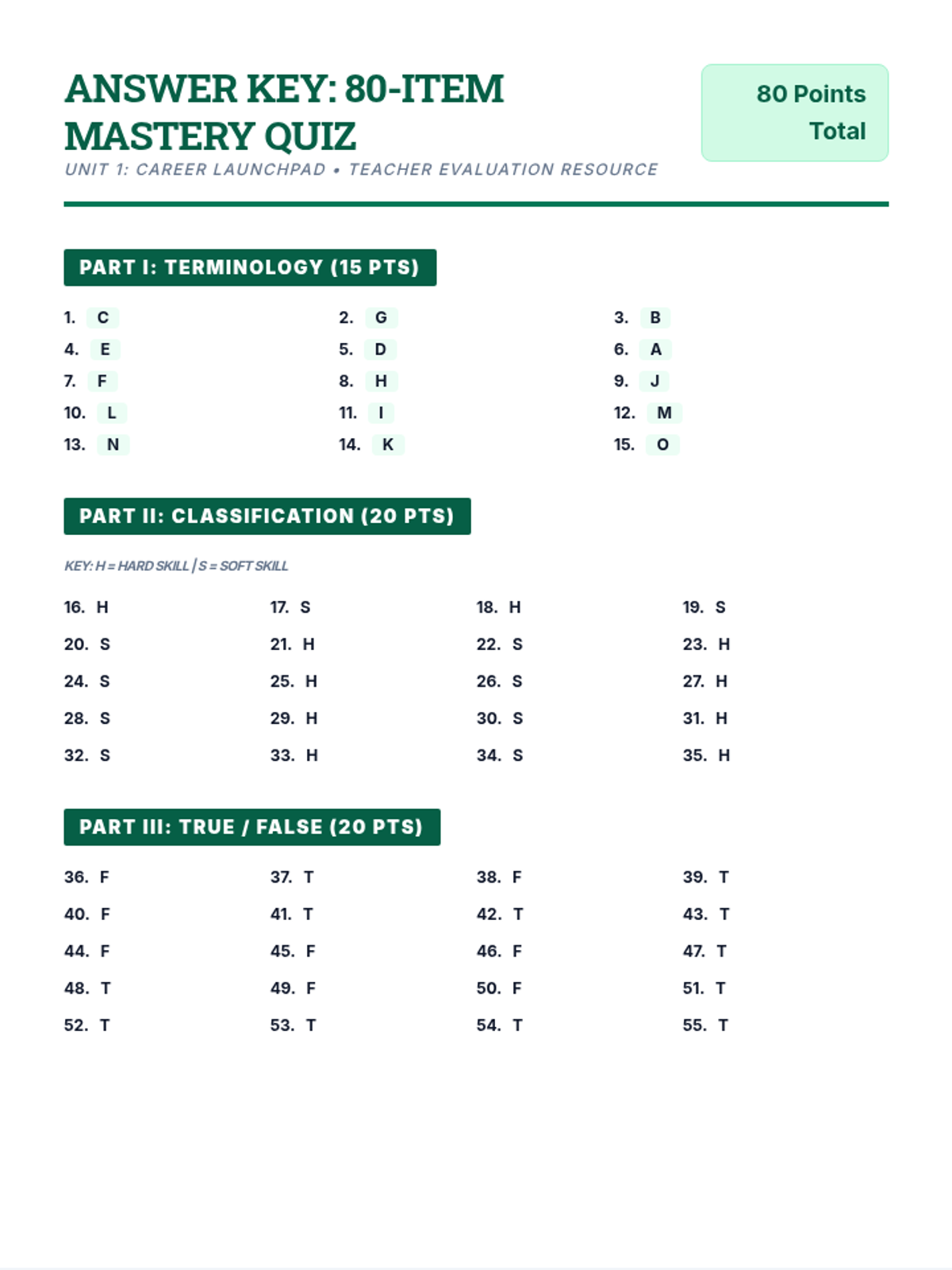
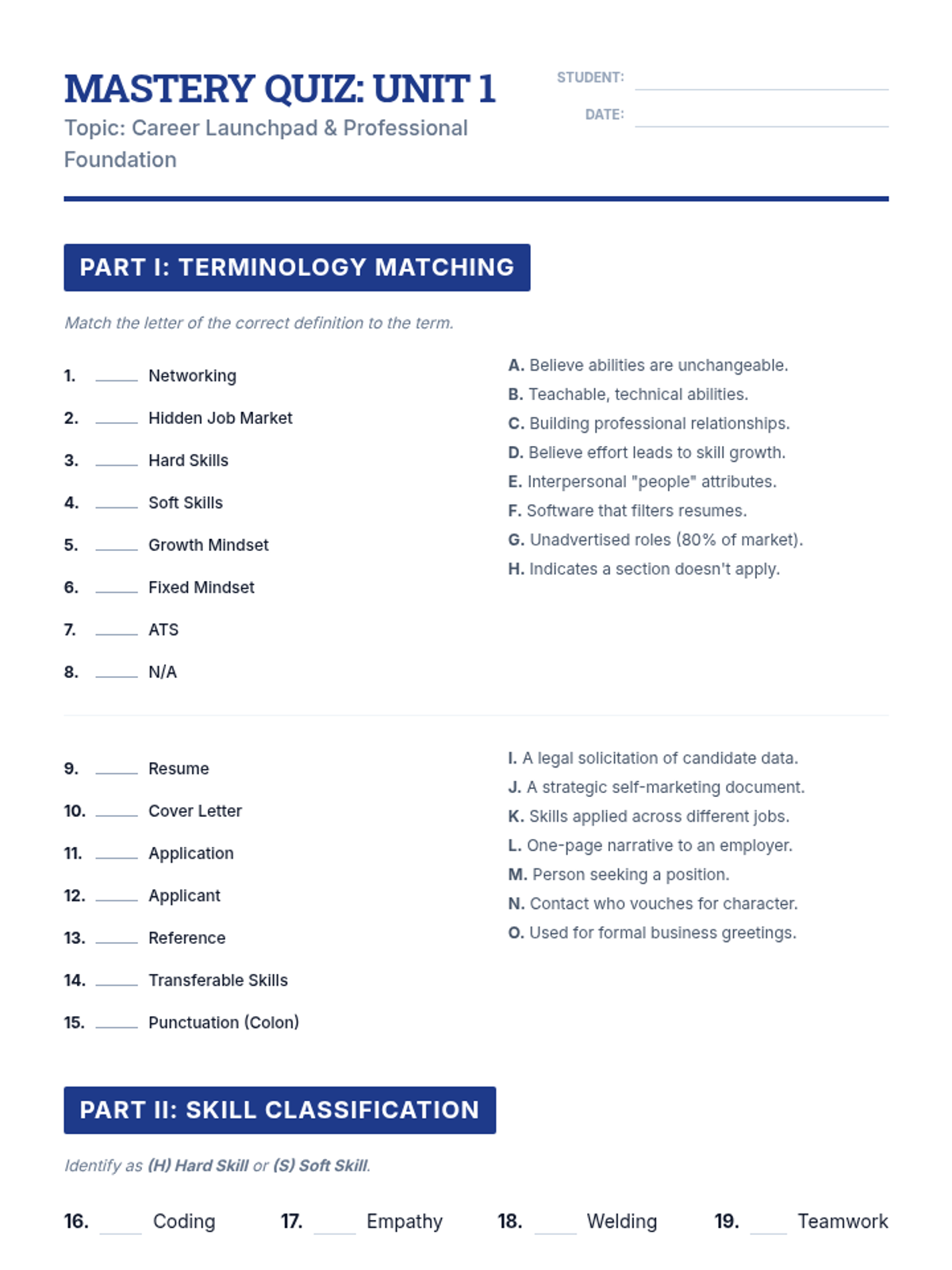
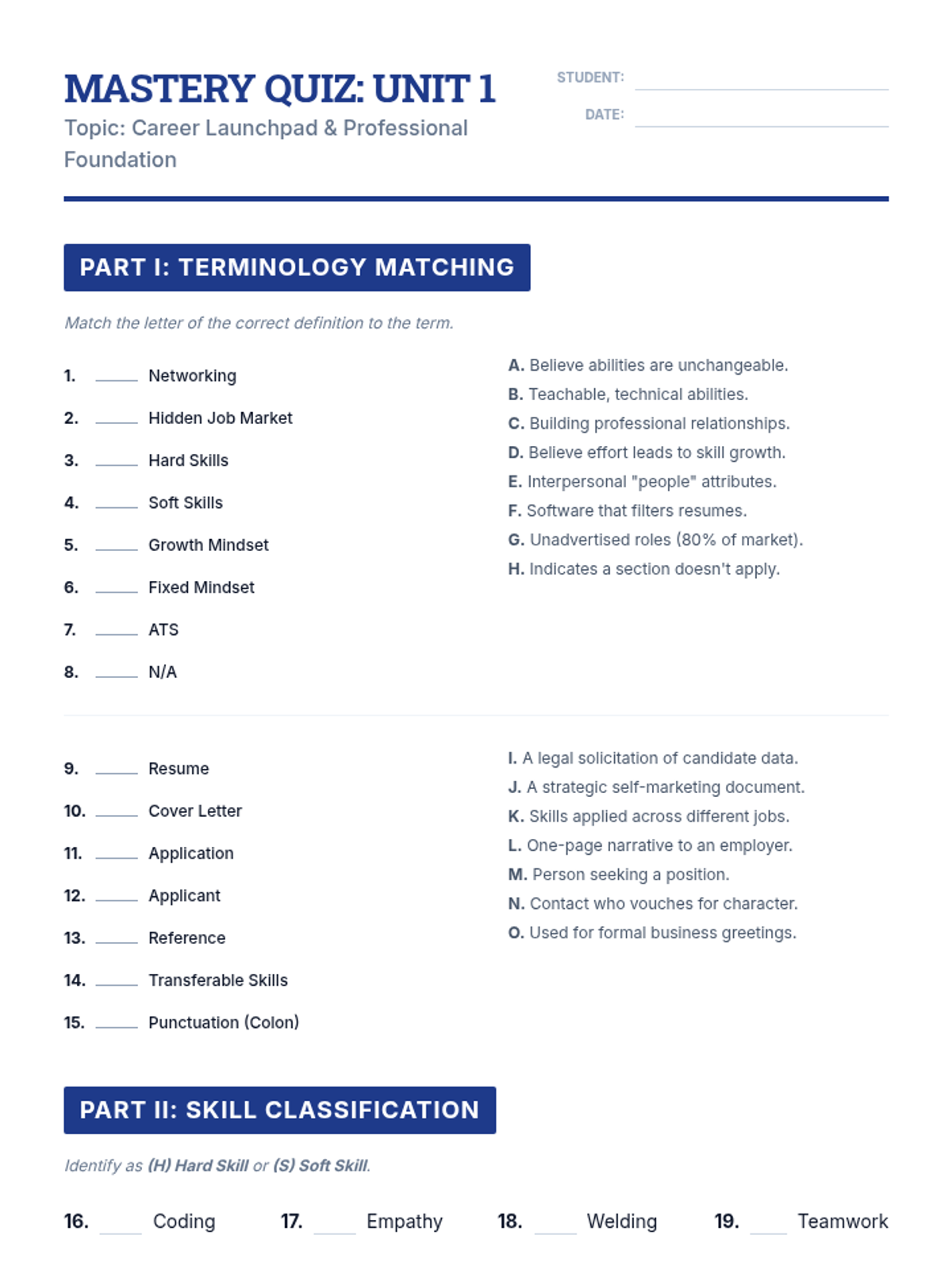
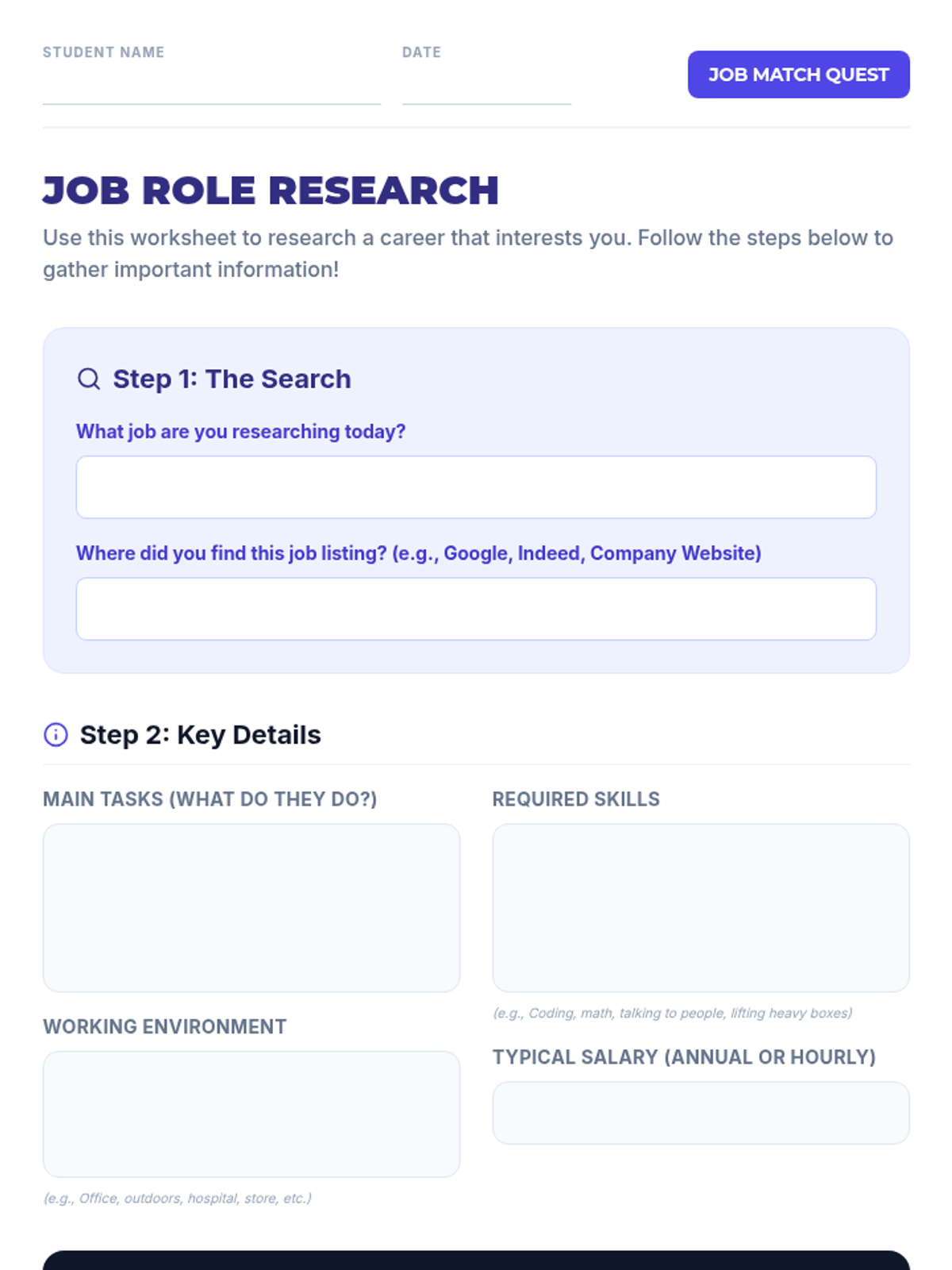
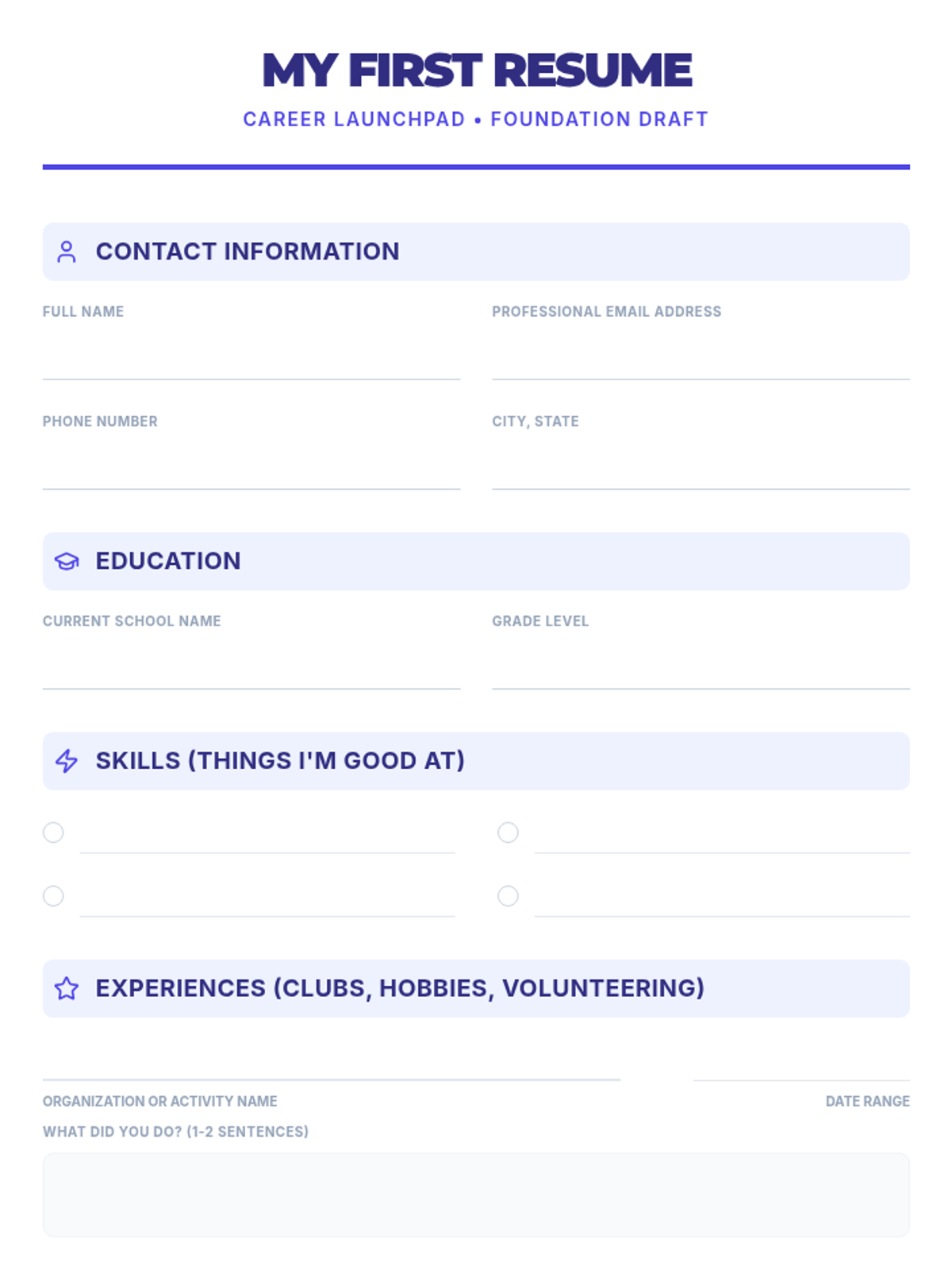
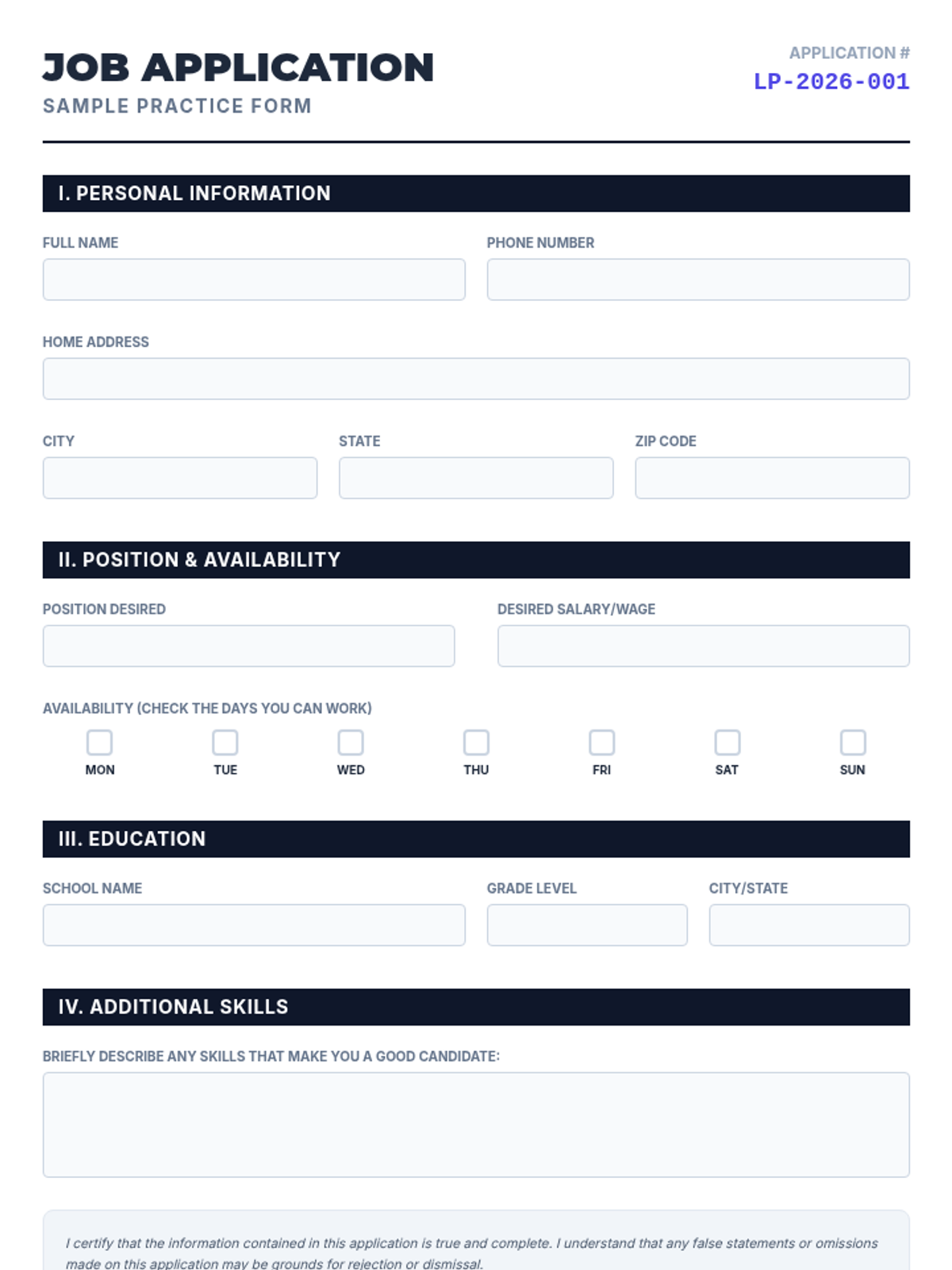
A comprehensive program designed to guide students through the essentials of career exploration, professional document preparation, and the job application process.
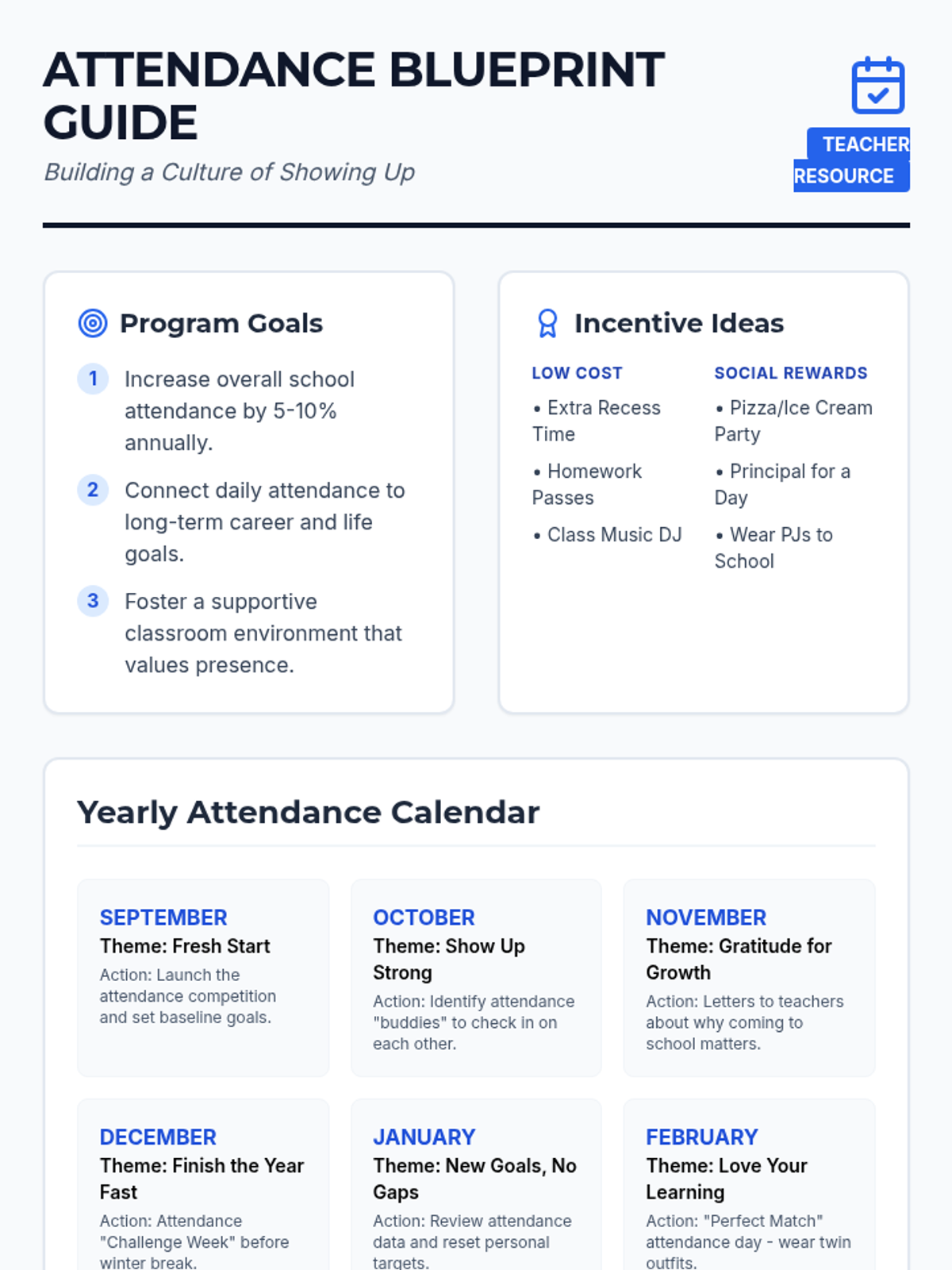
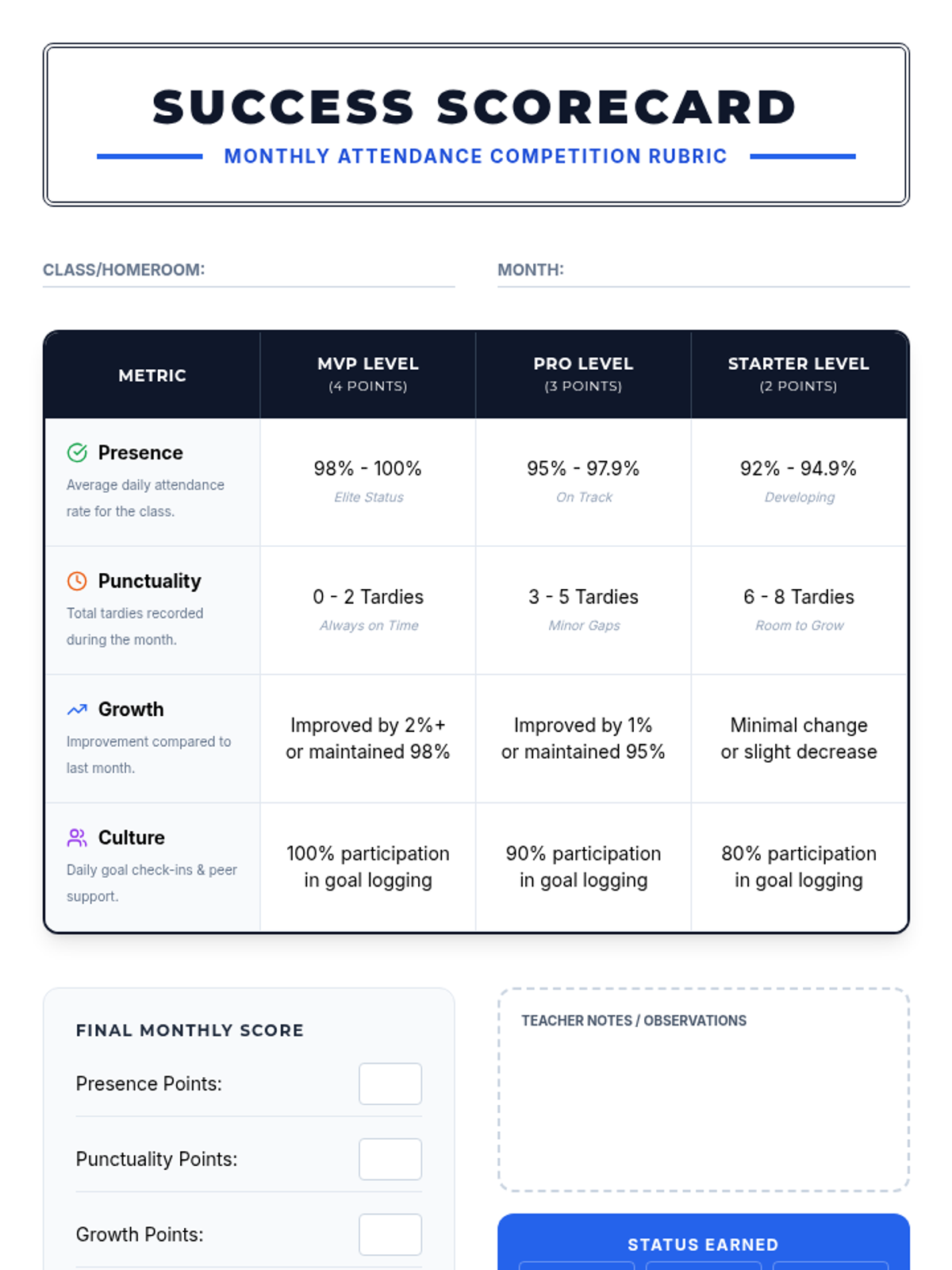
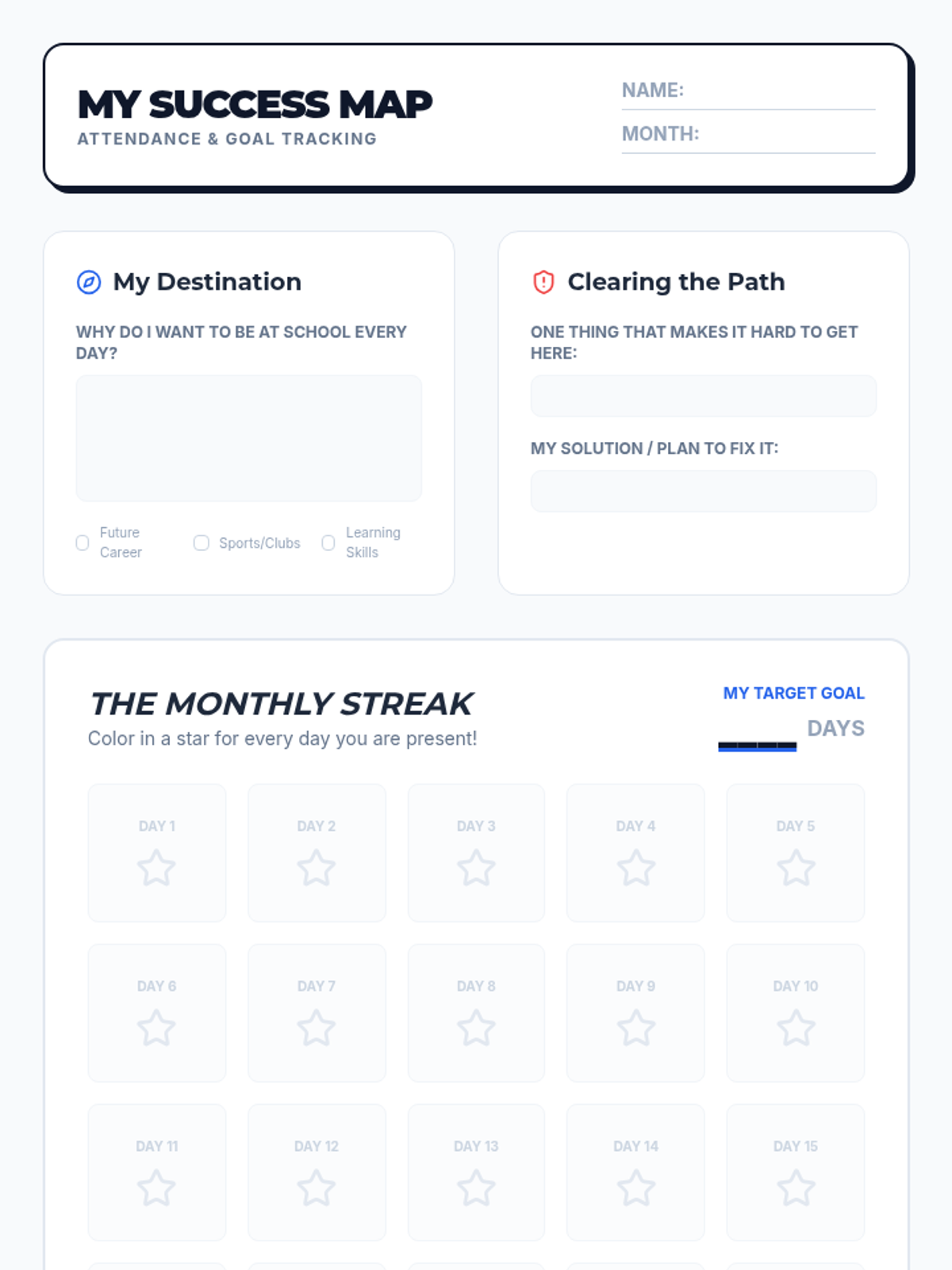
A school-wide initiative focused on improving attendance through structured monthly challenges, student goal-setting, and understanding the direct link between attendance and academic achievement.
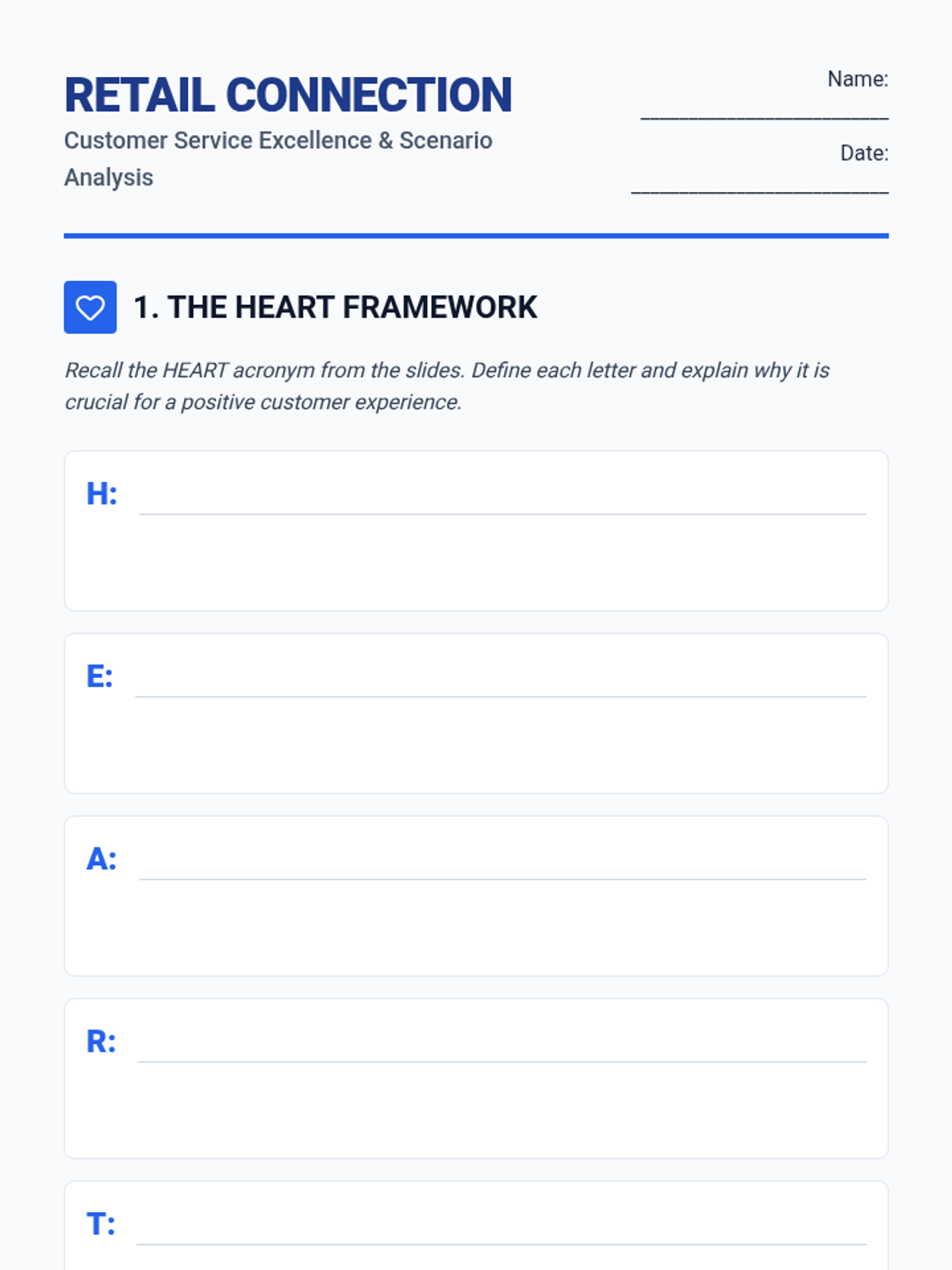
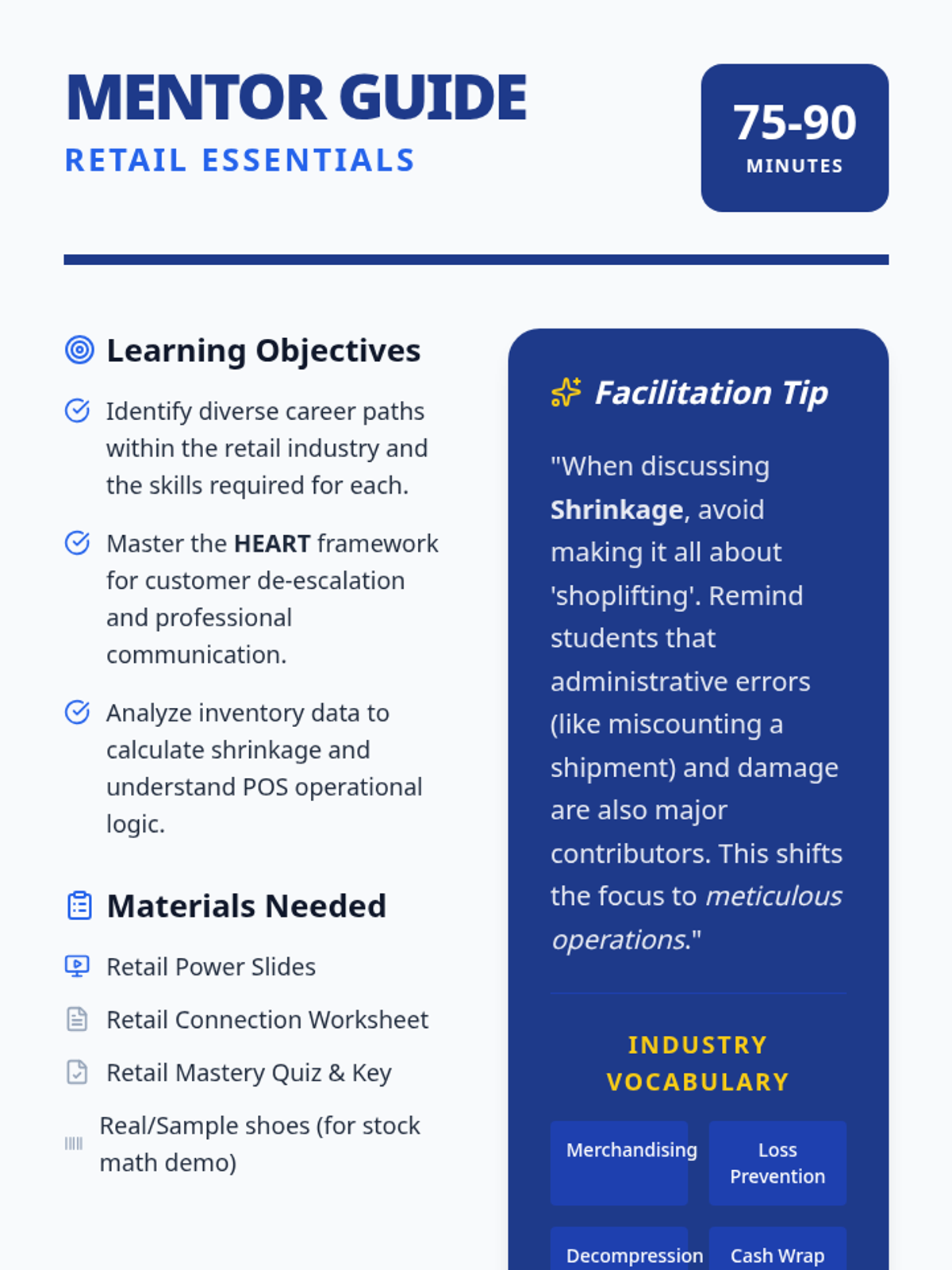
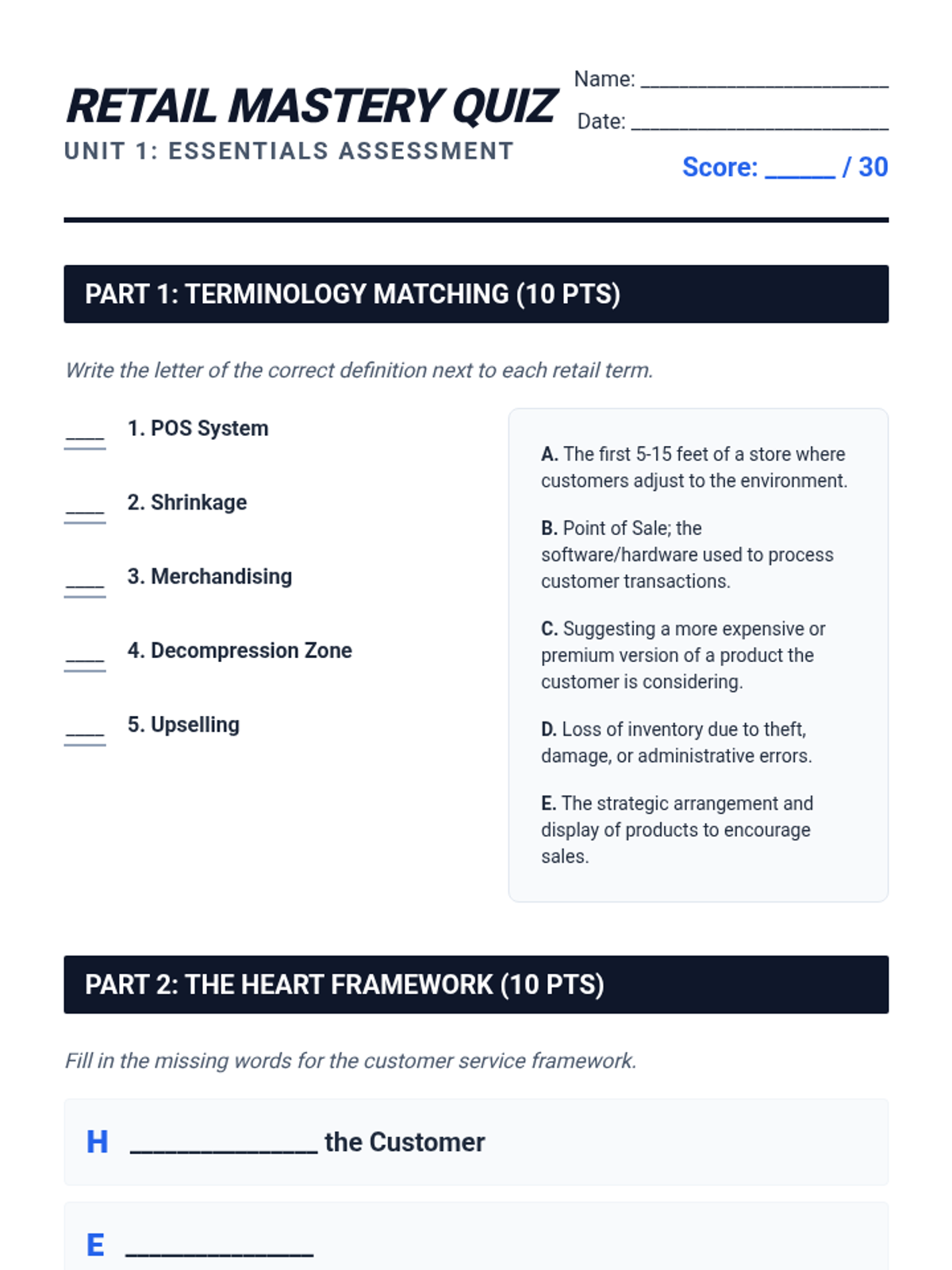
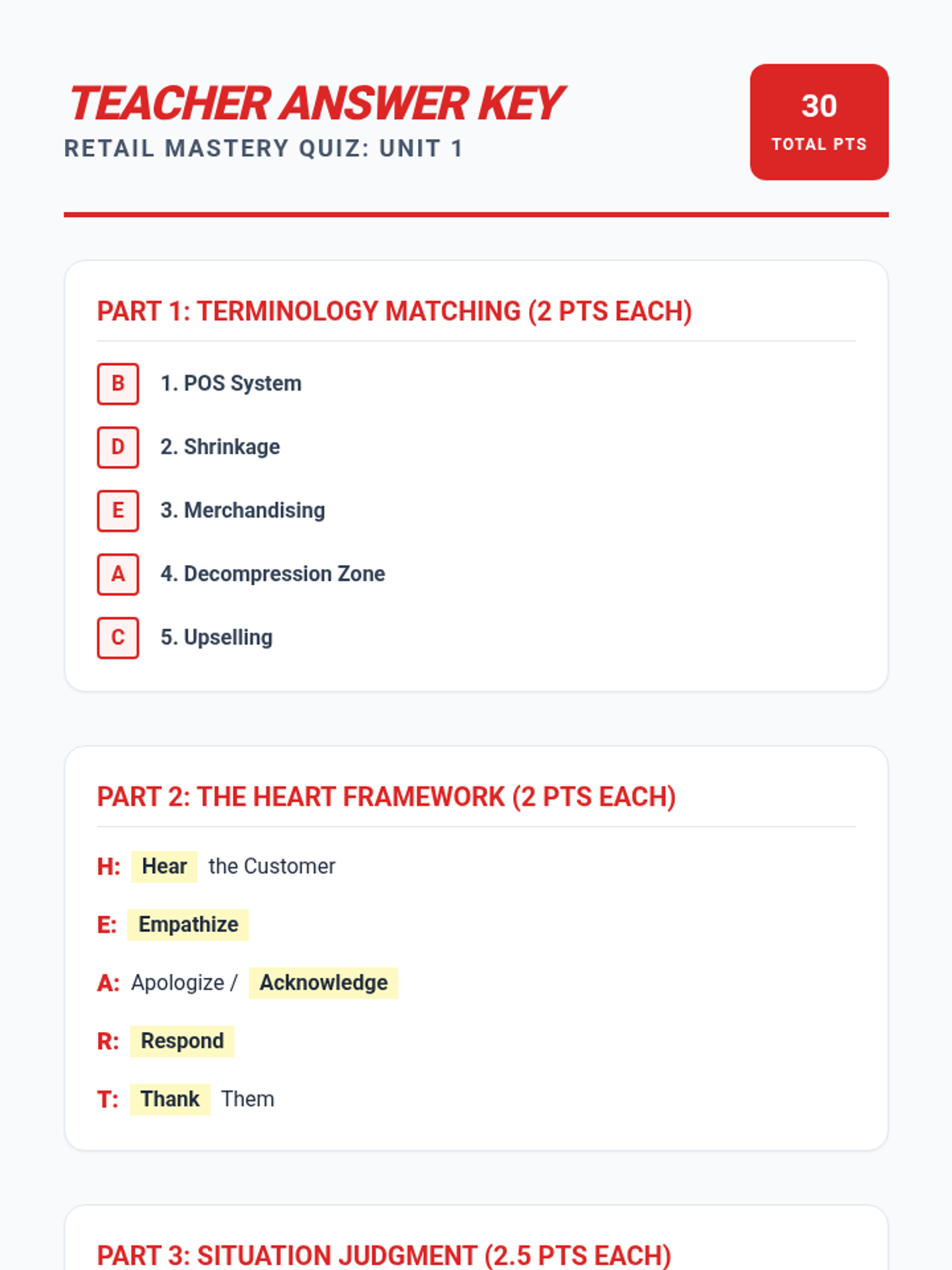
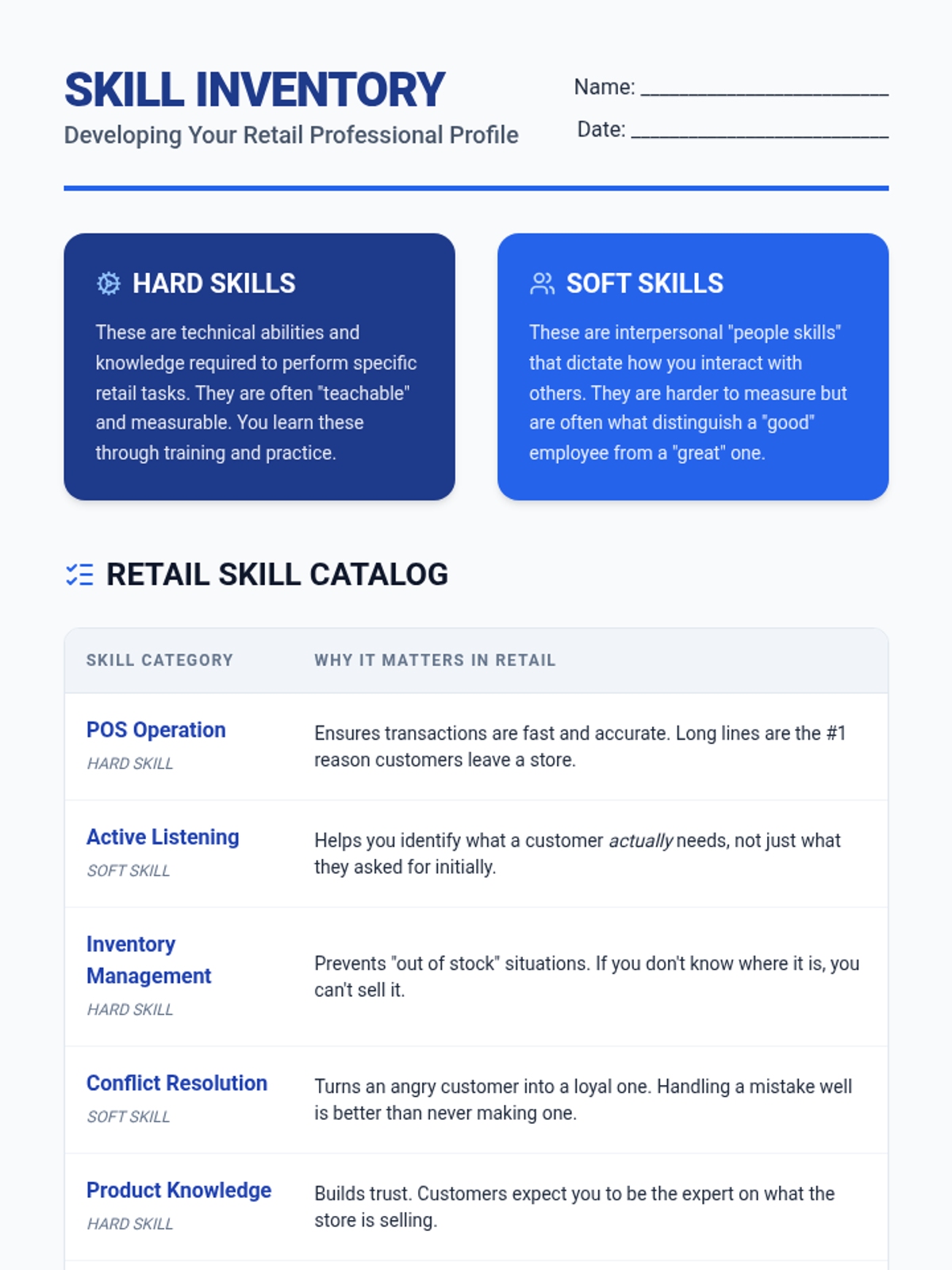
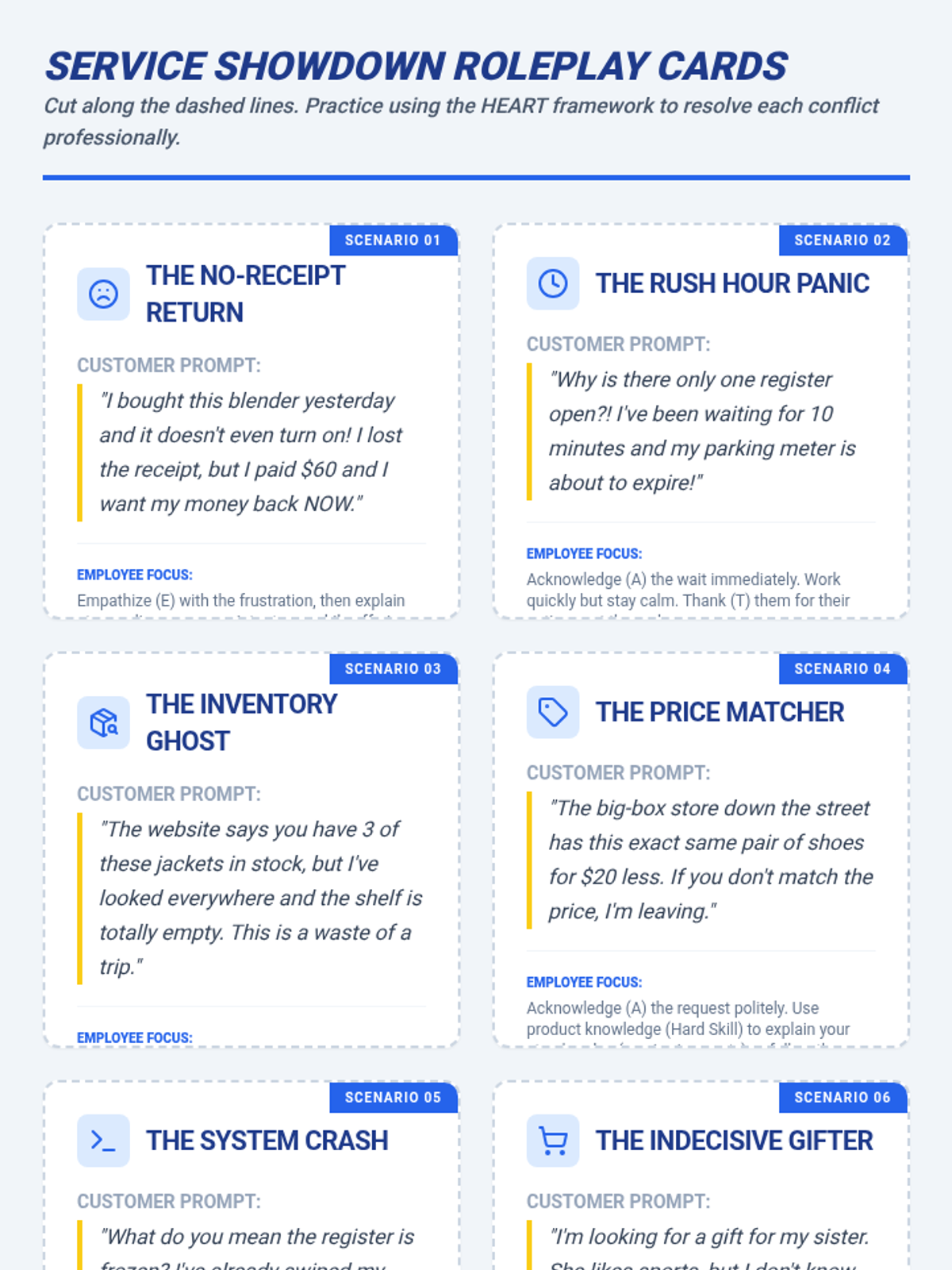
A hands-on career exploration unit focusing on the dynamic world of retail. Students will master customer service excellence, learn retail operations like inventory and POS systems, and design their own retail floor plan and brand strategy.
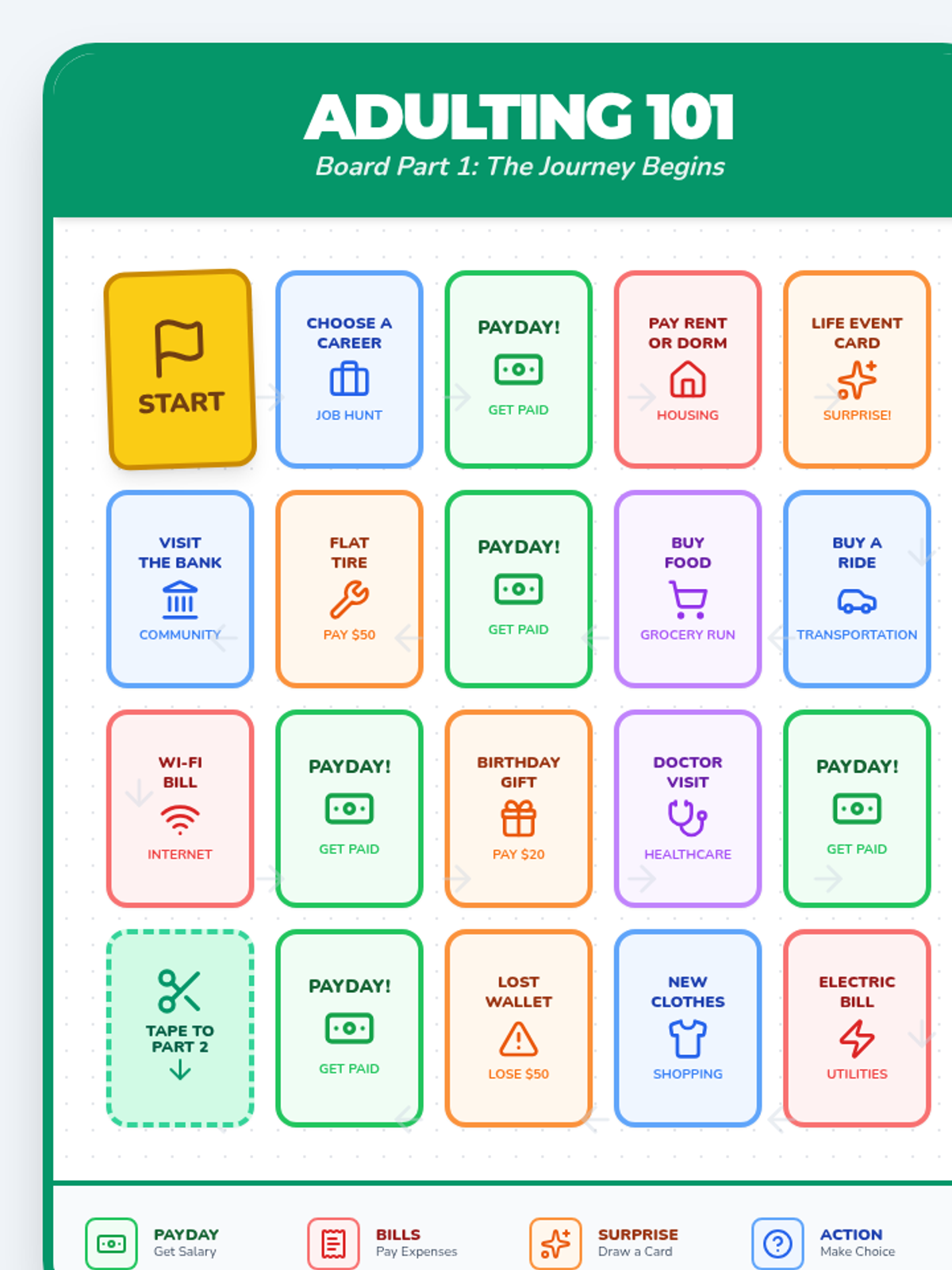
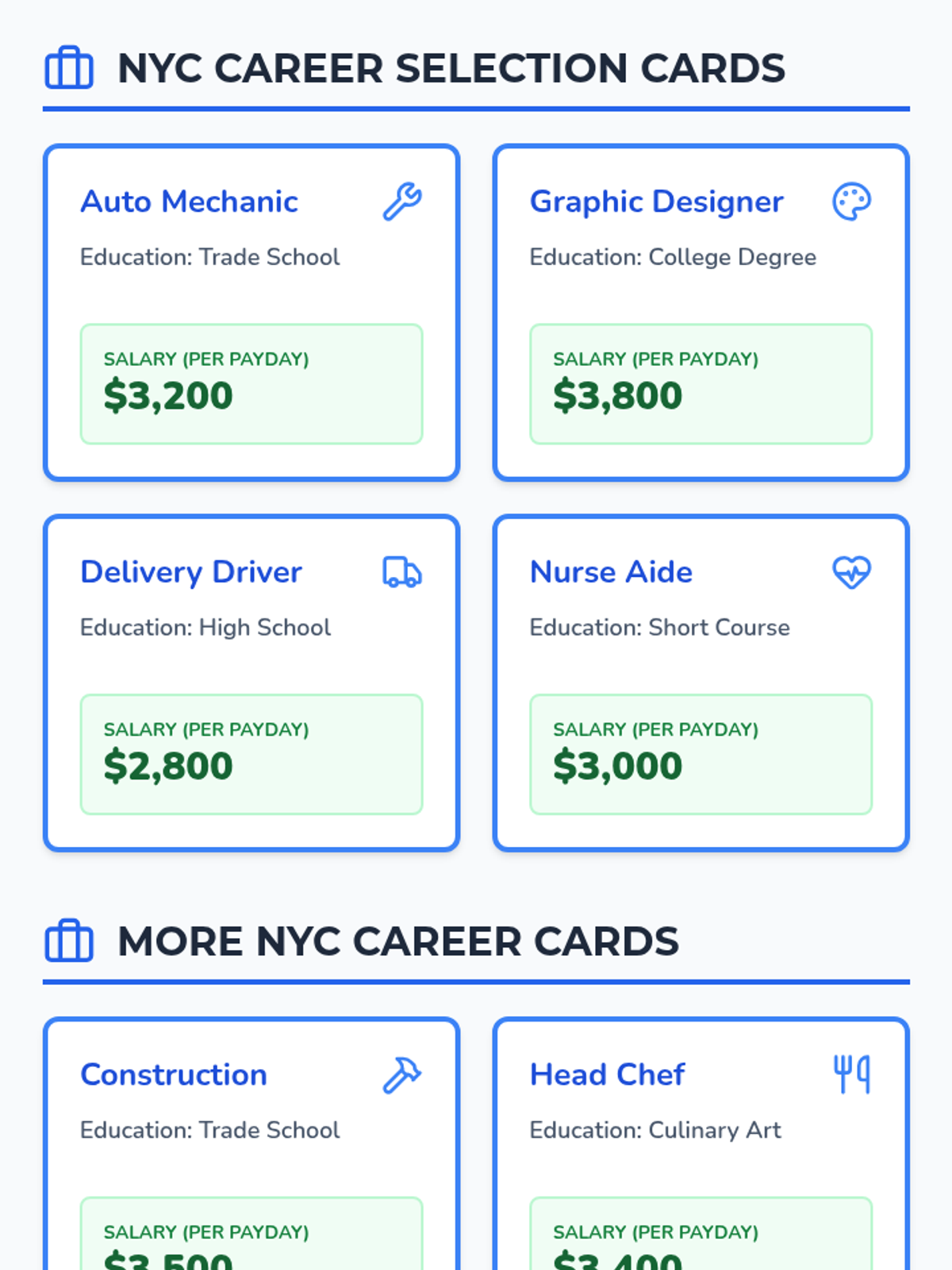
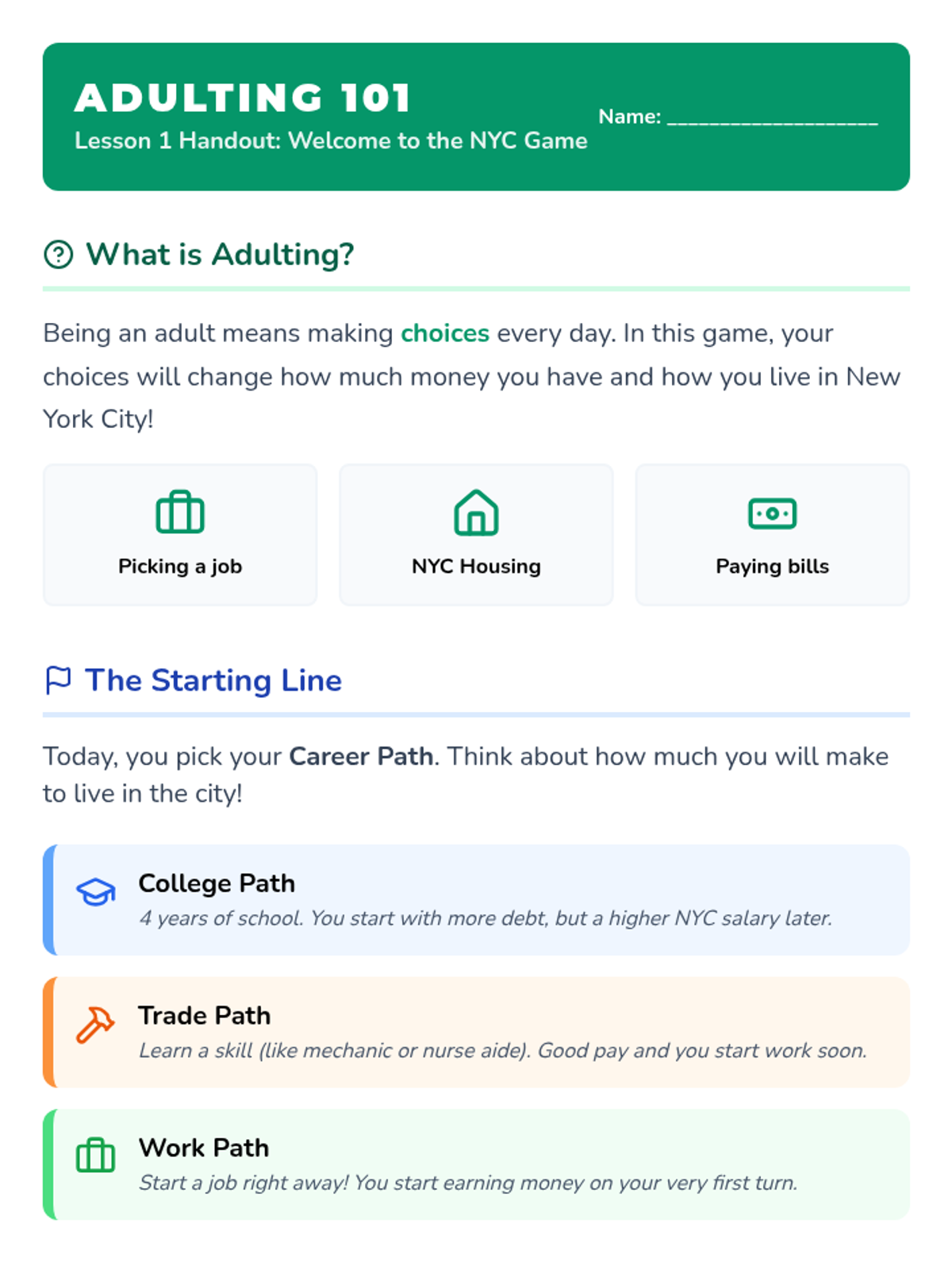
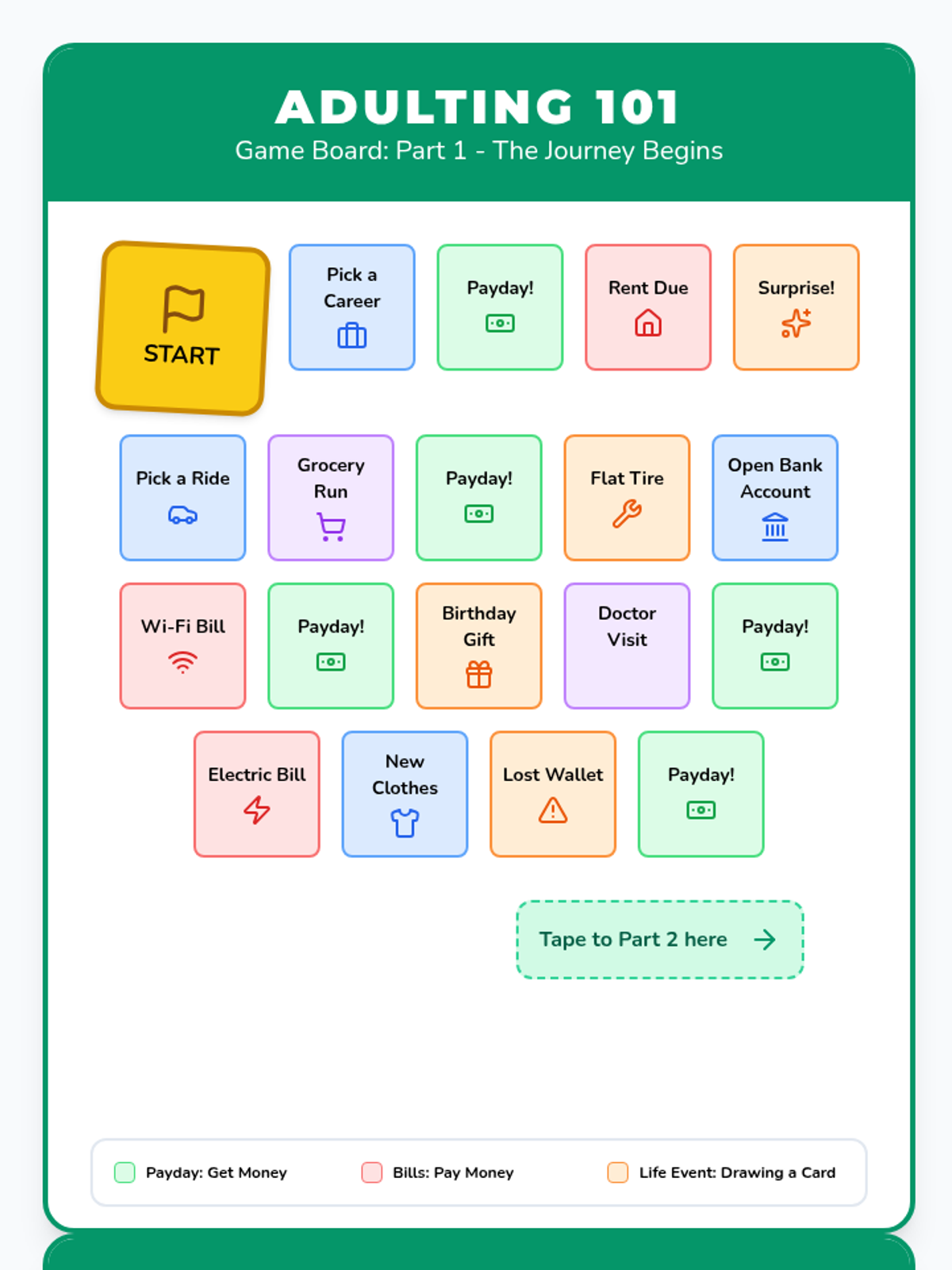
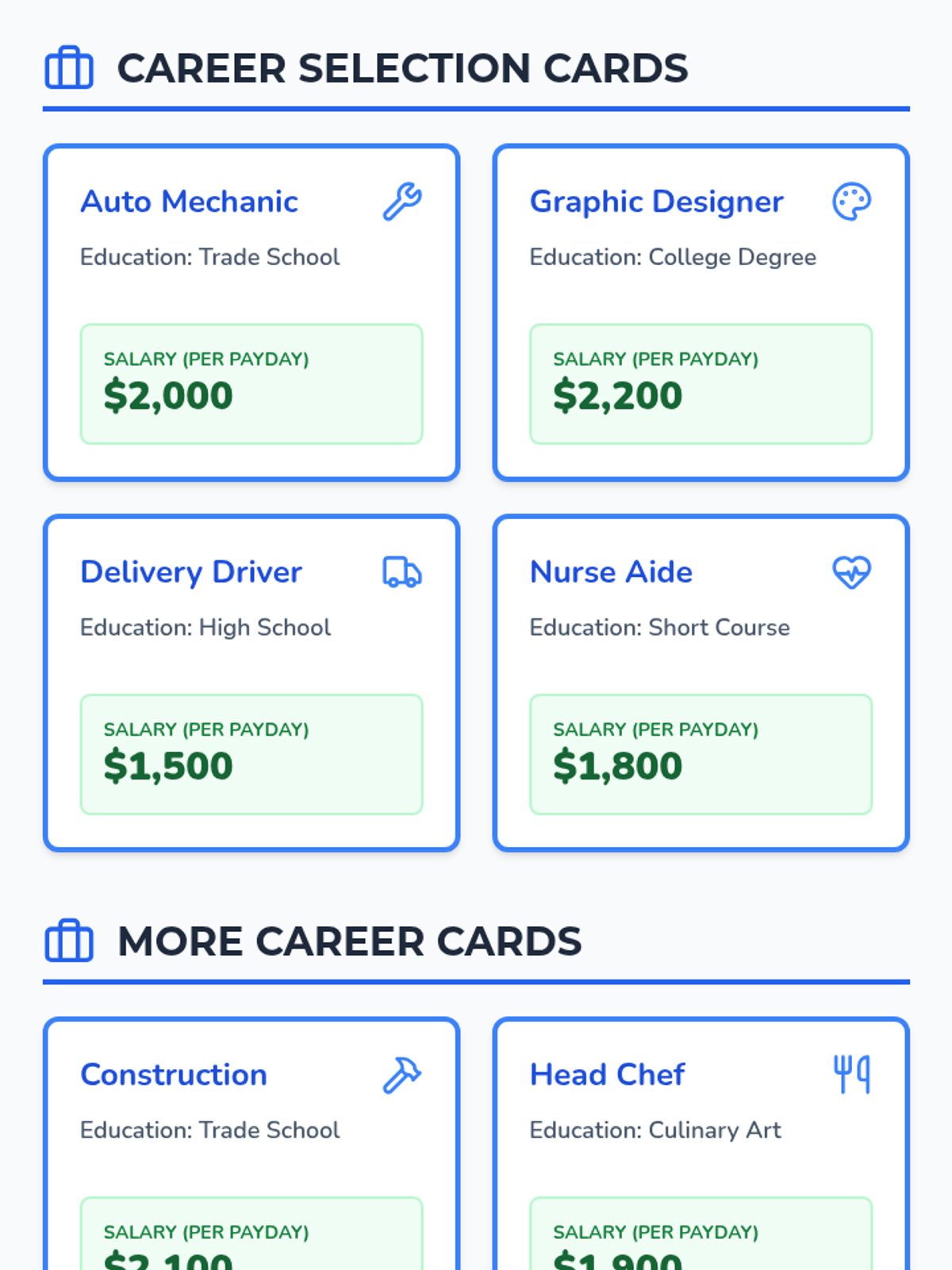
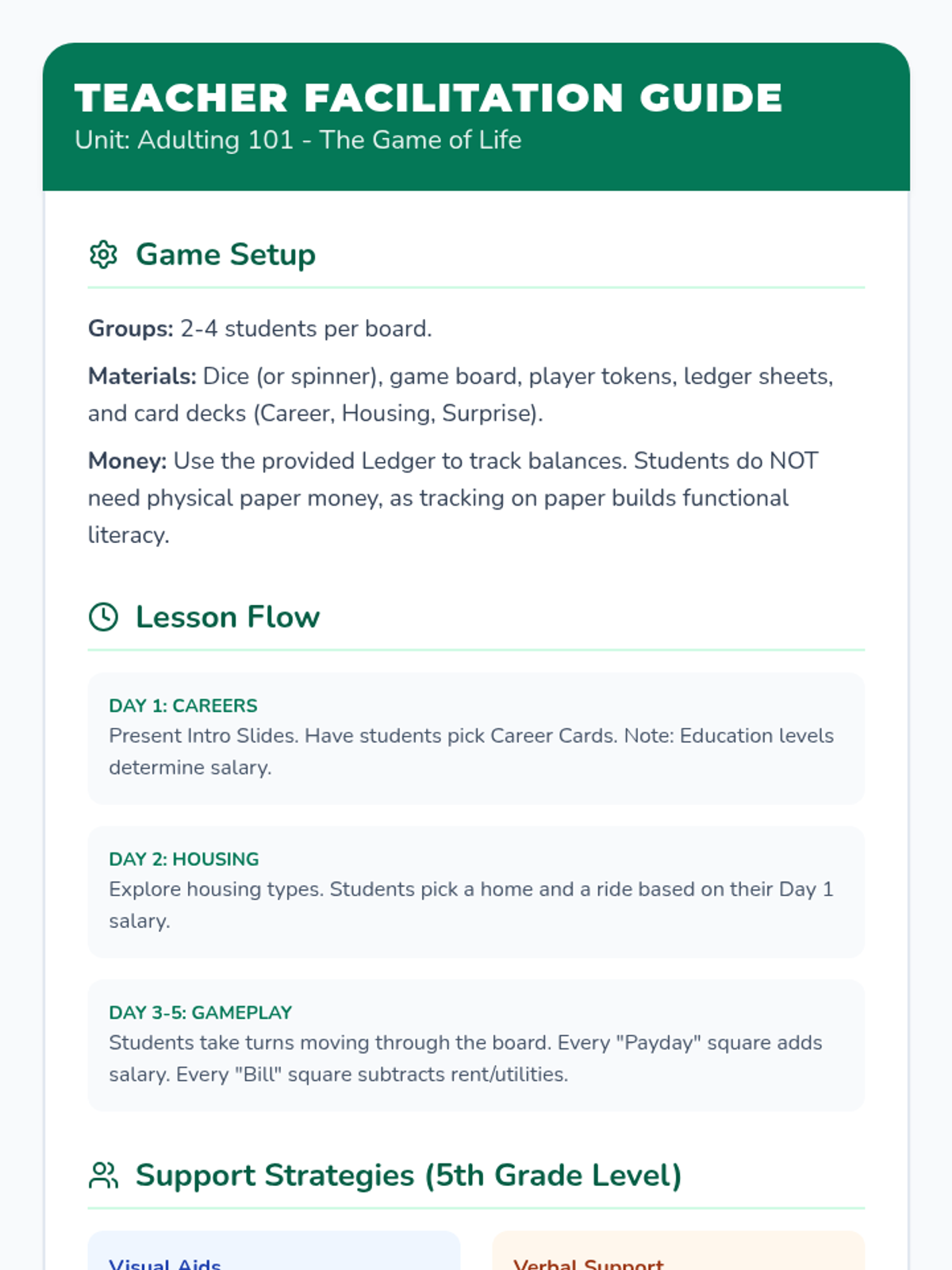
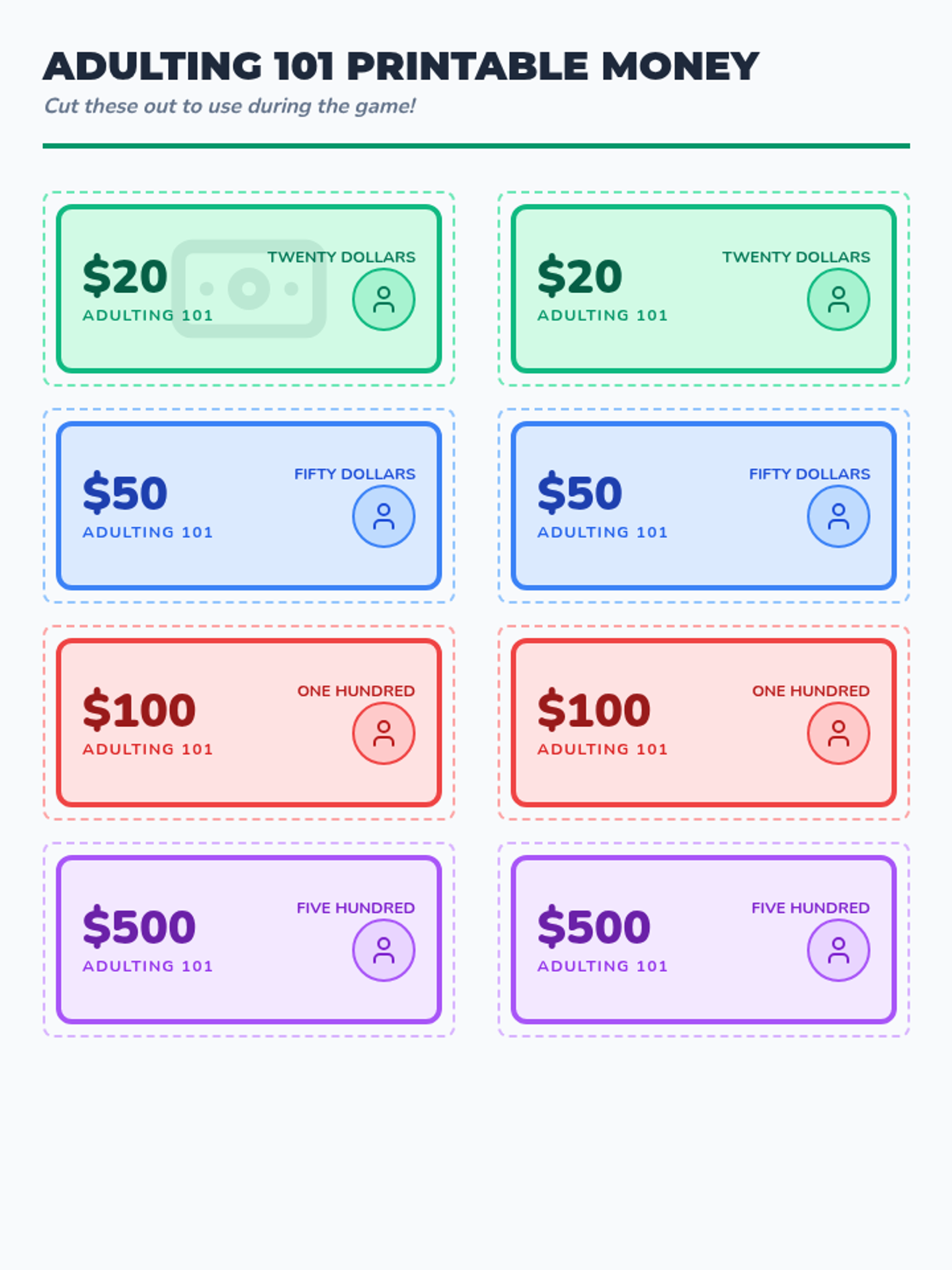
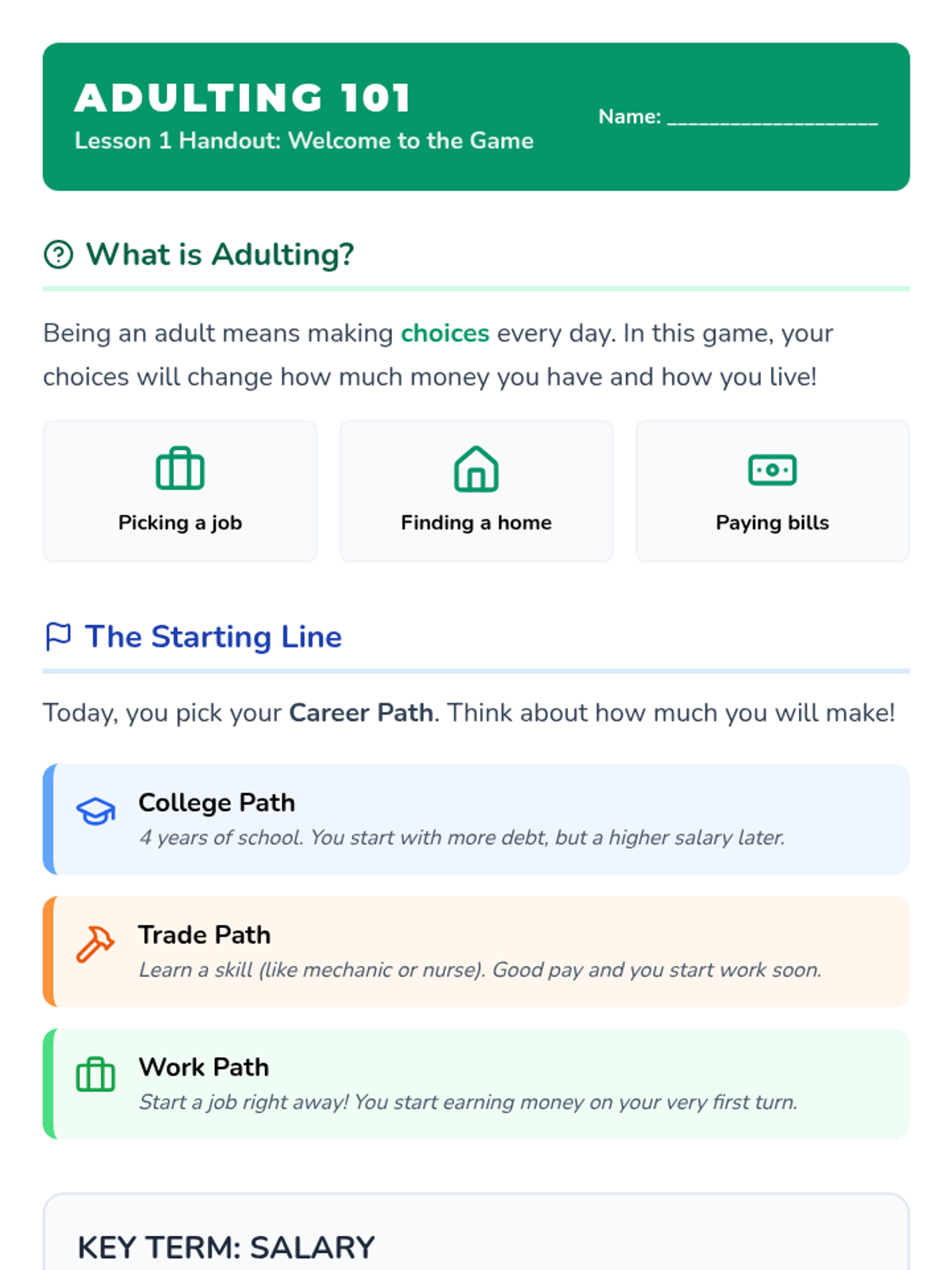
A comprehensive 'Game of Life' style curriculum designed for high school students with 5th-grade reading levels. It focuses on financial literacy, housing, transportation, and navigating daily life through an engaging board game format.
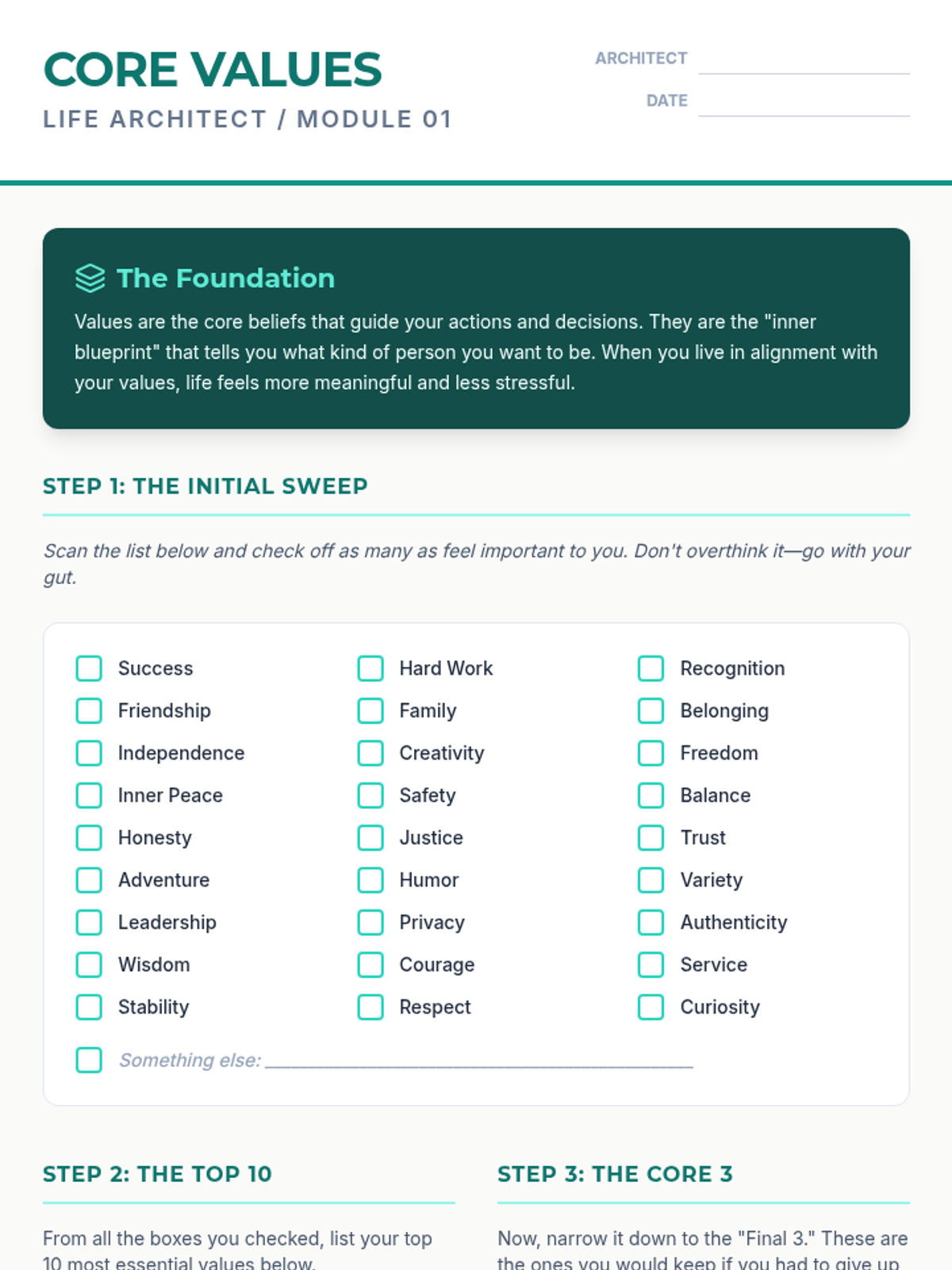
A transition-focused curriculum designed to help students re-entering school build self-advocacy, self-awareness, and independent living skills through a creative 'Life Architect' theme.
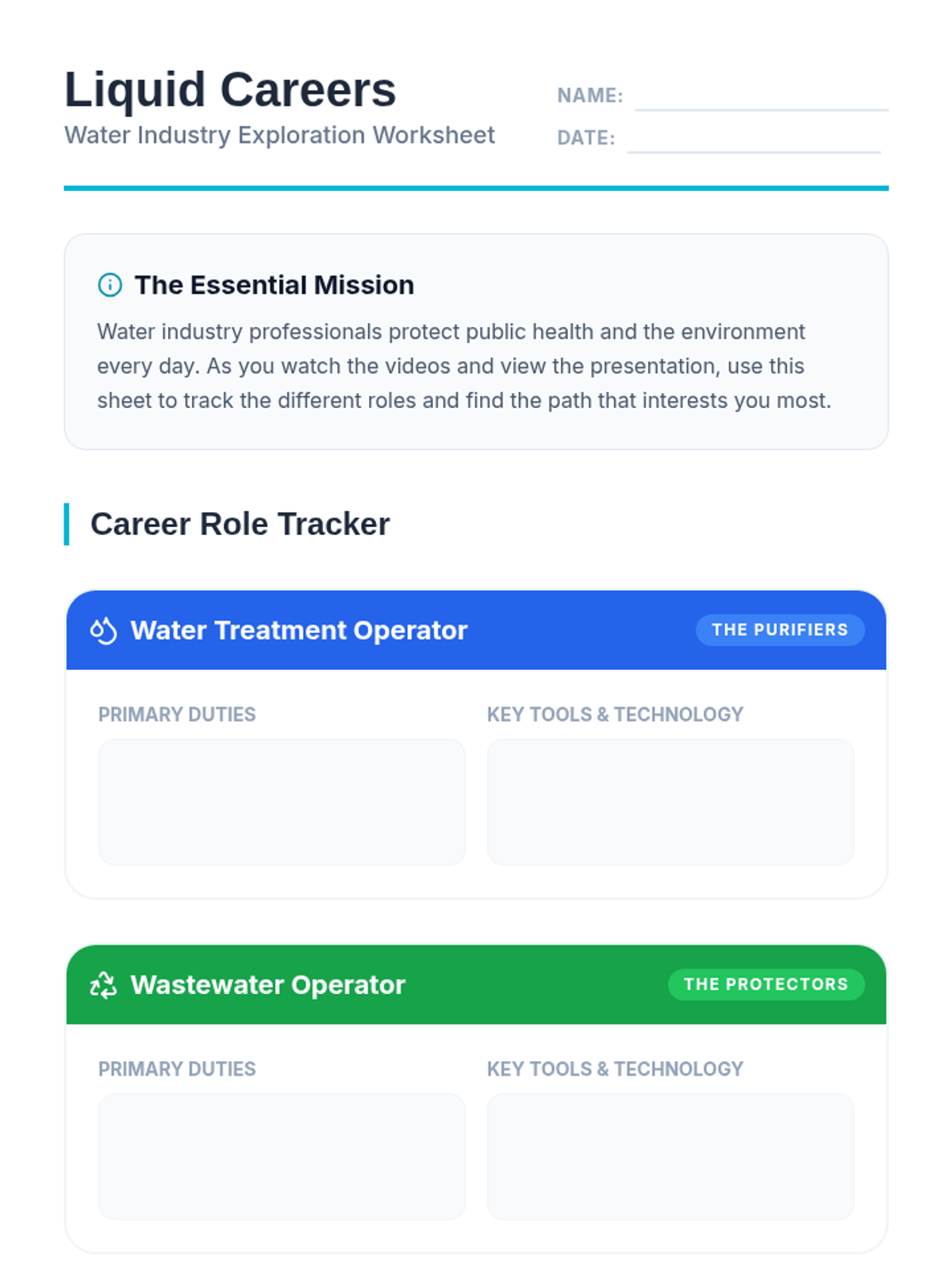
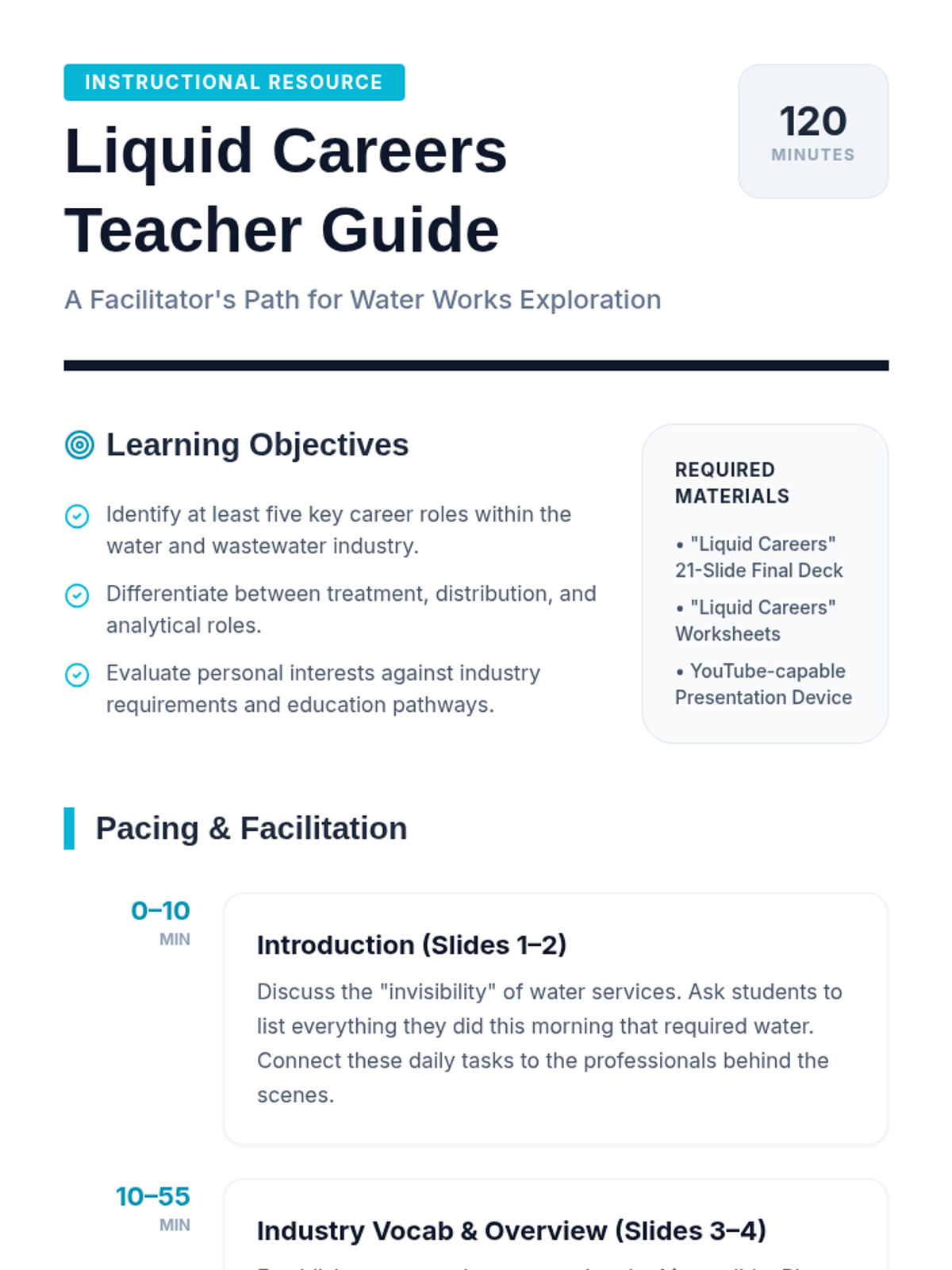
A comprehensive look into the water industry, covering the vital roles, infrastructure, and technology that ensure clean water delivery and safe wastewater management. Students learn about the science, engineering, and fieldwork involved in modern water systems.
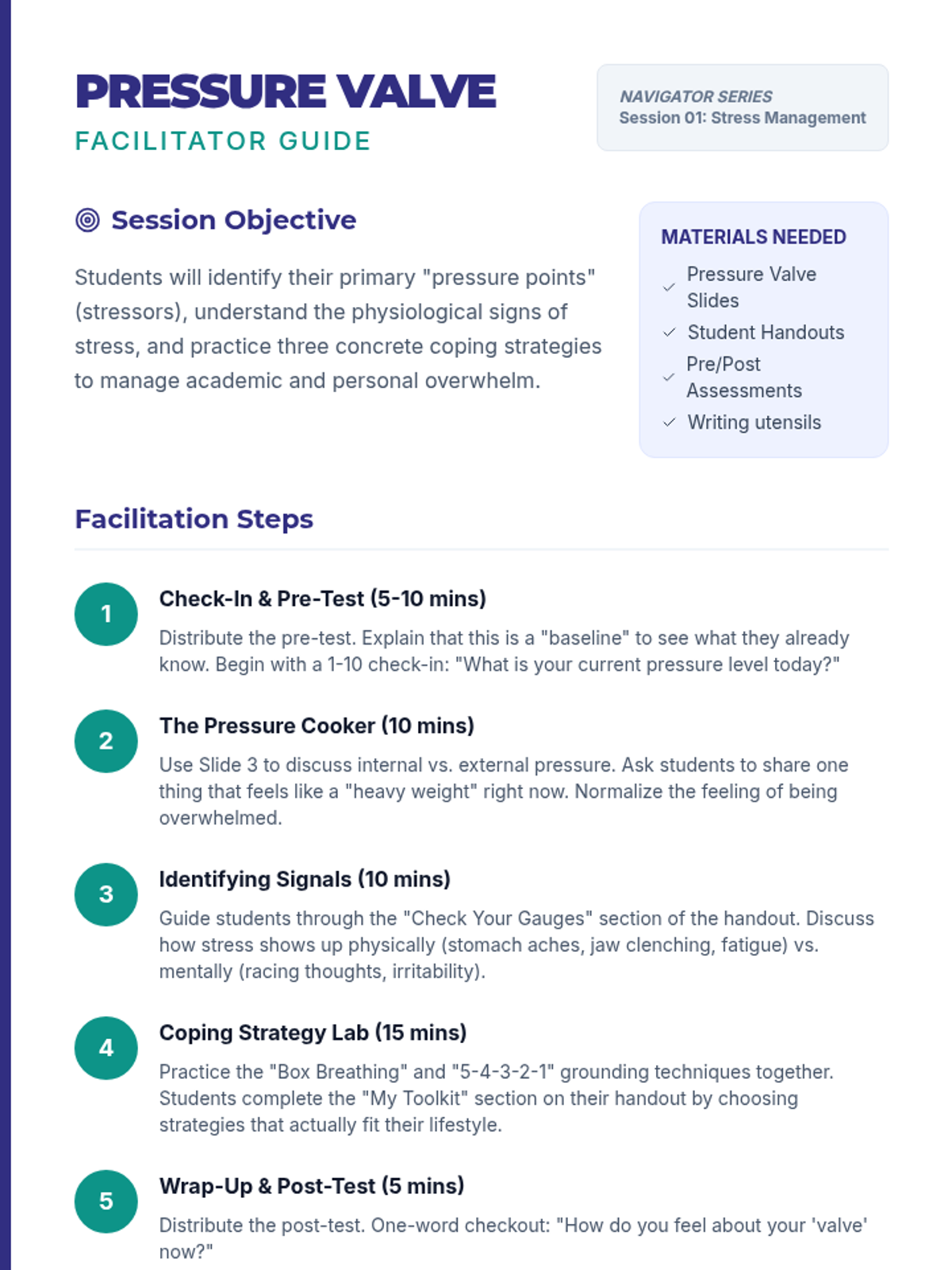
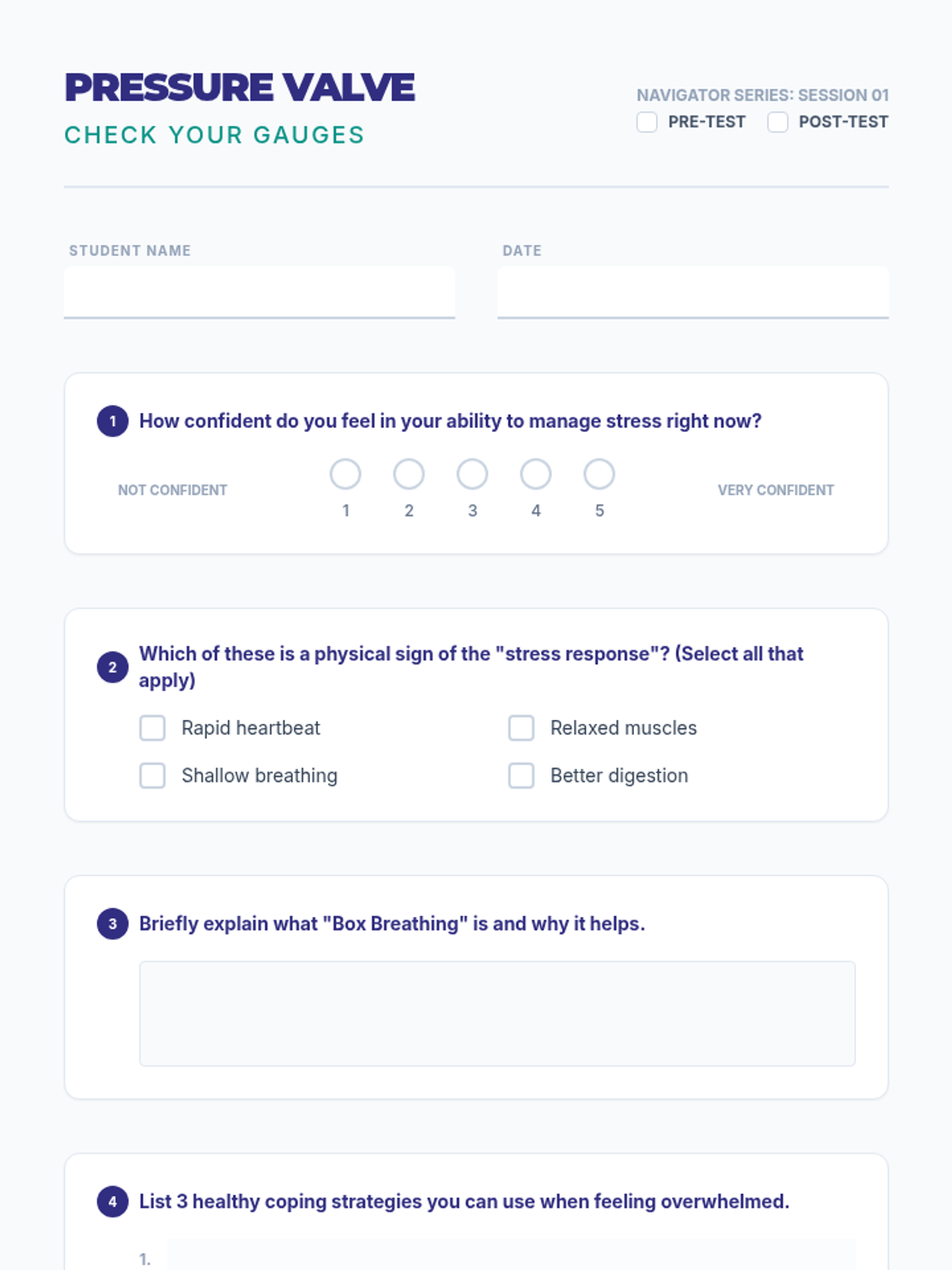
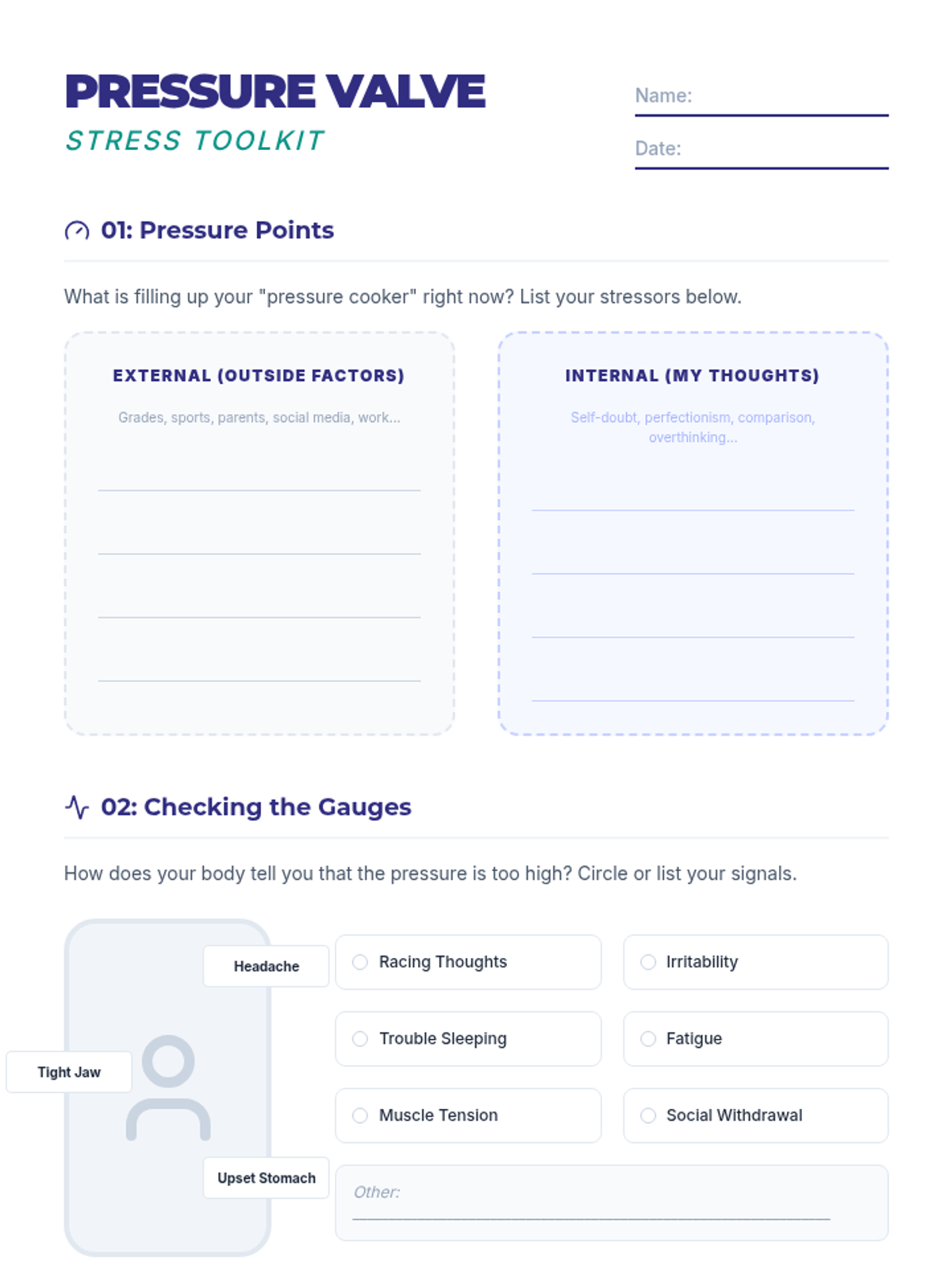
A comprehensive small group counseling series for high school students focusing on essential socio-emotional and life skills including stress management, future planning, healthy relationships, self-advocacy, and digital well-being.
A unit focused on preparing high school students for life after graduation, covering career discovery, financial literacy, and application processes.
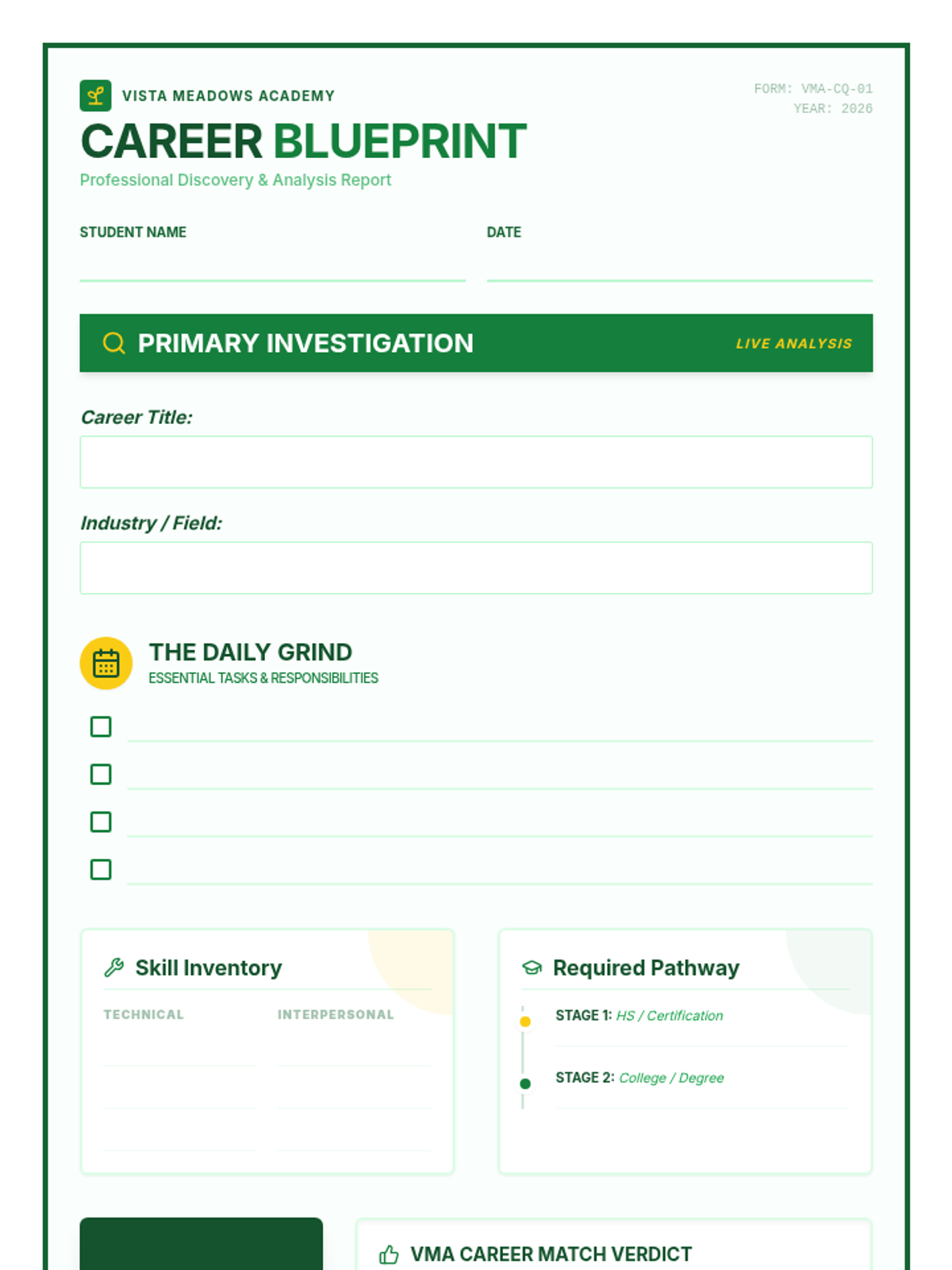
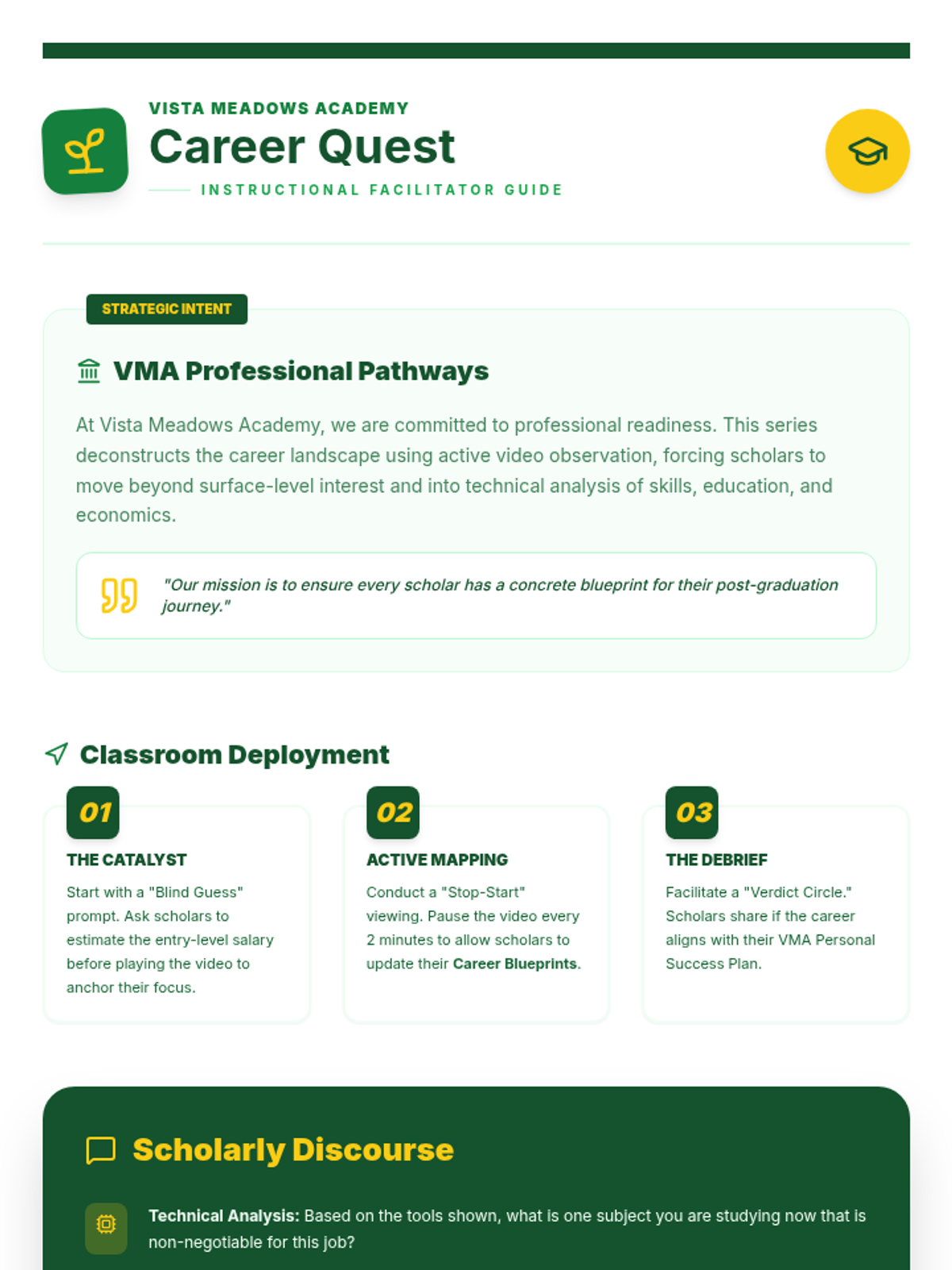
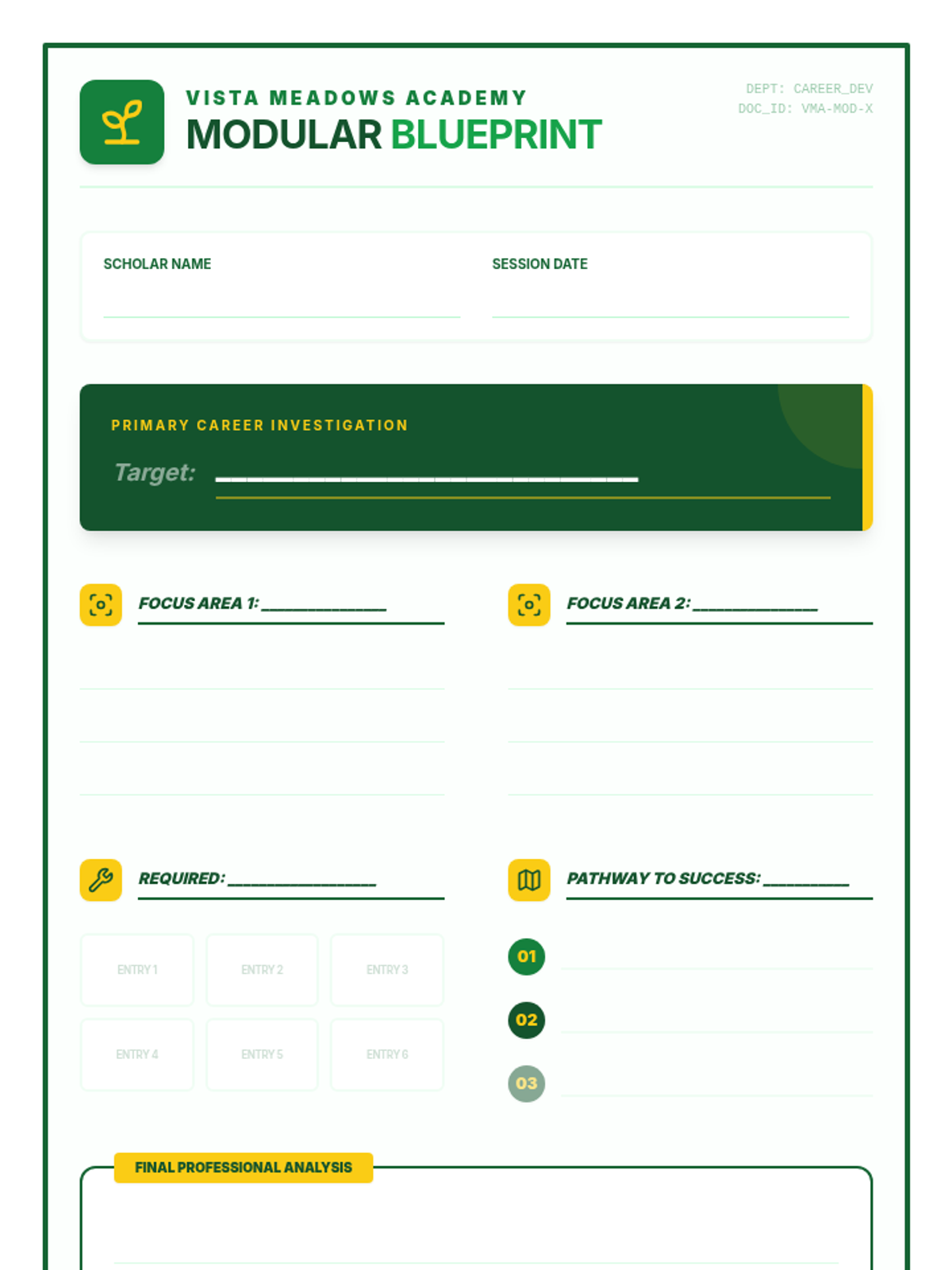
A series of lessons designed to help students explore various career paths through video observation and guided research, focusing on the skills, education, and daily realities of different professions.
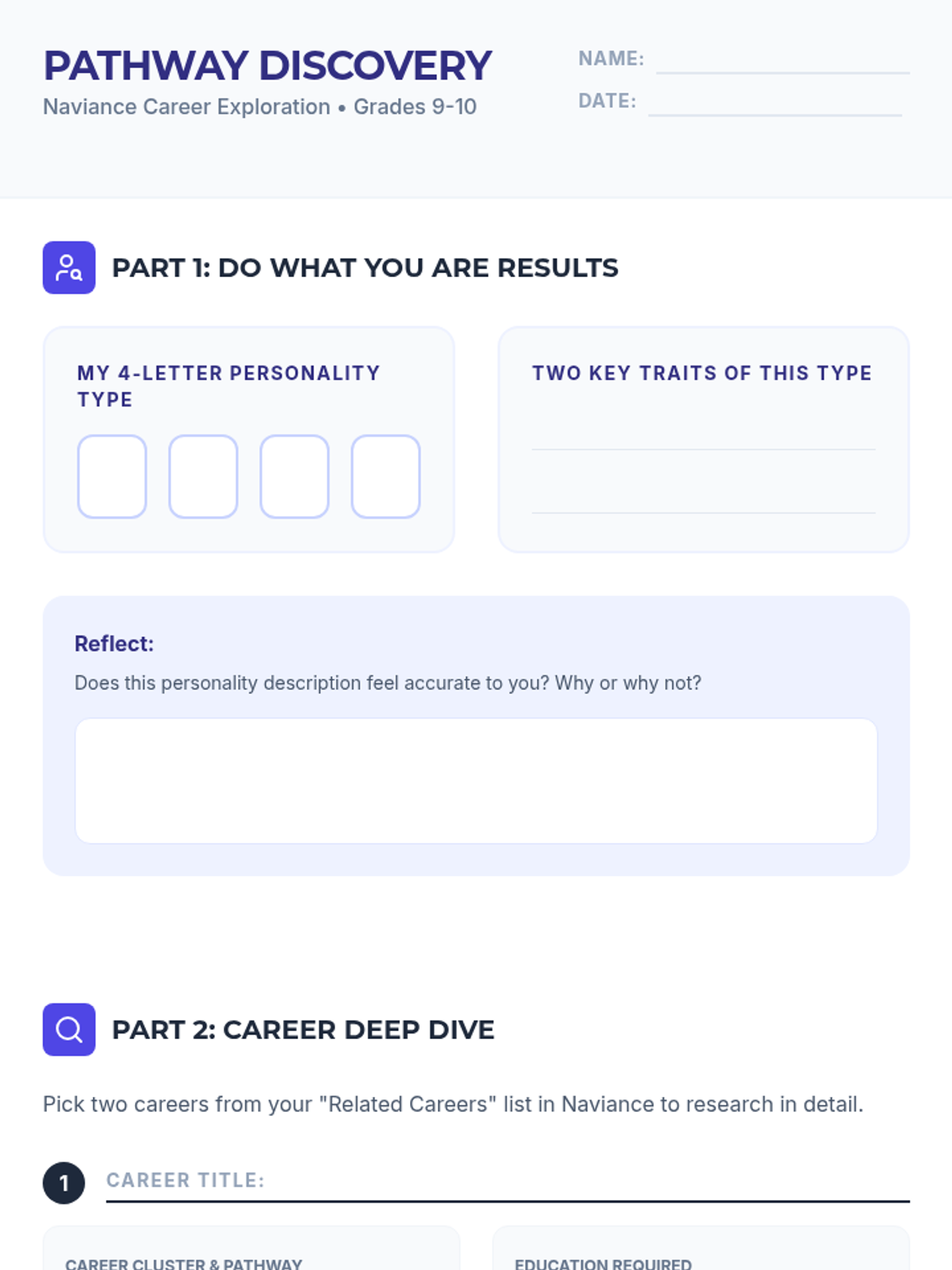
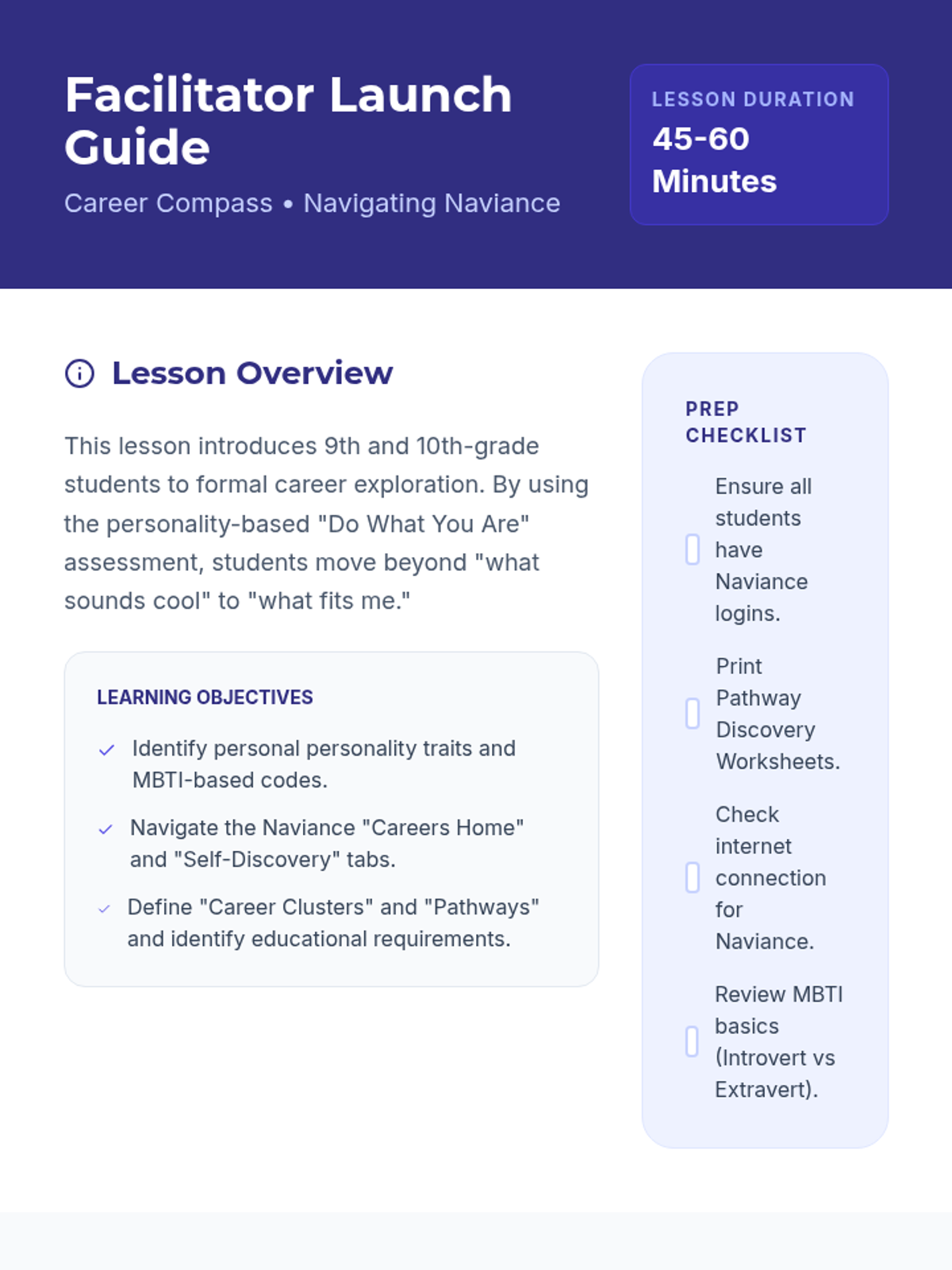
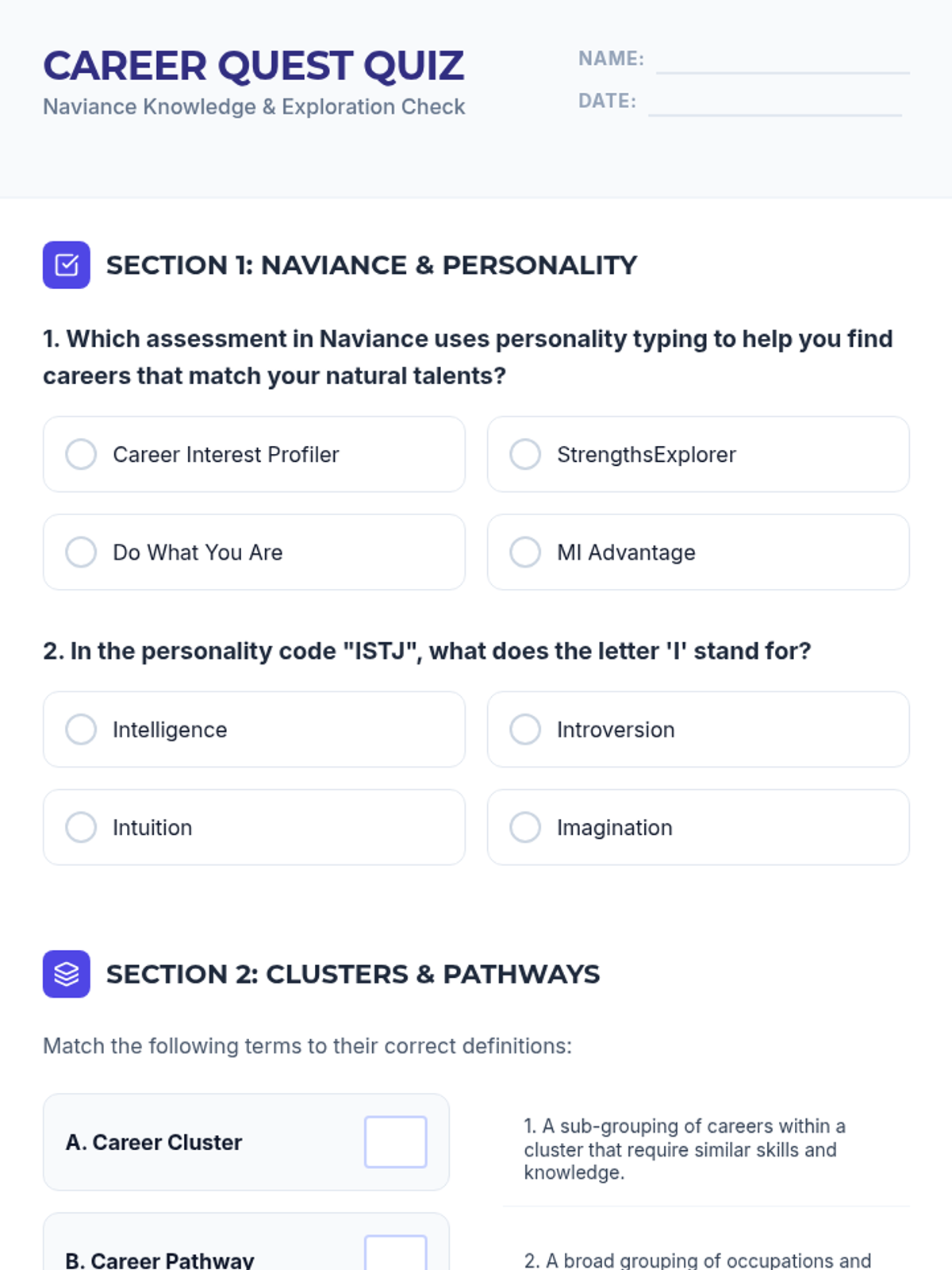
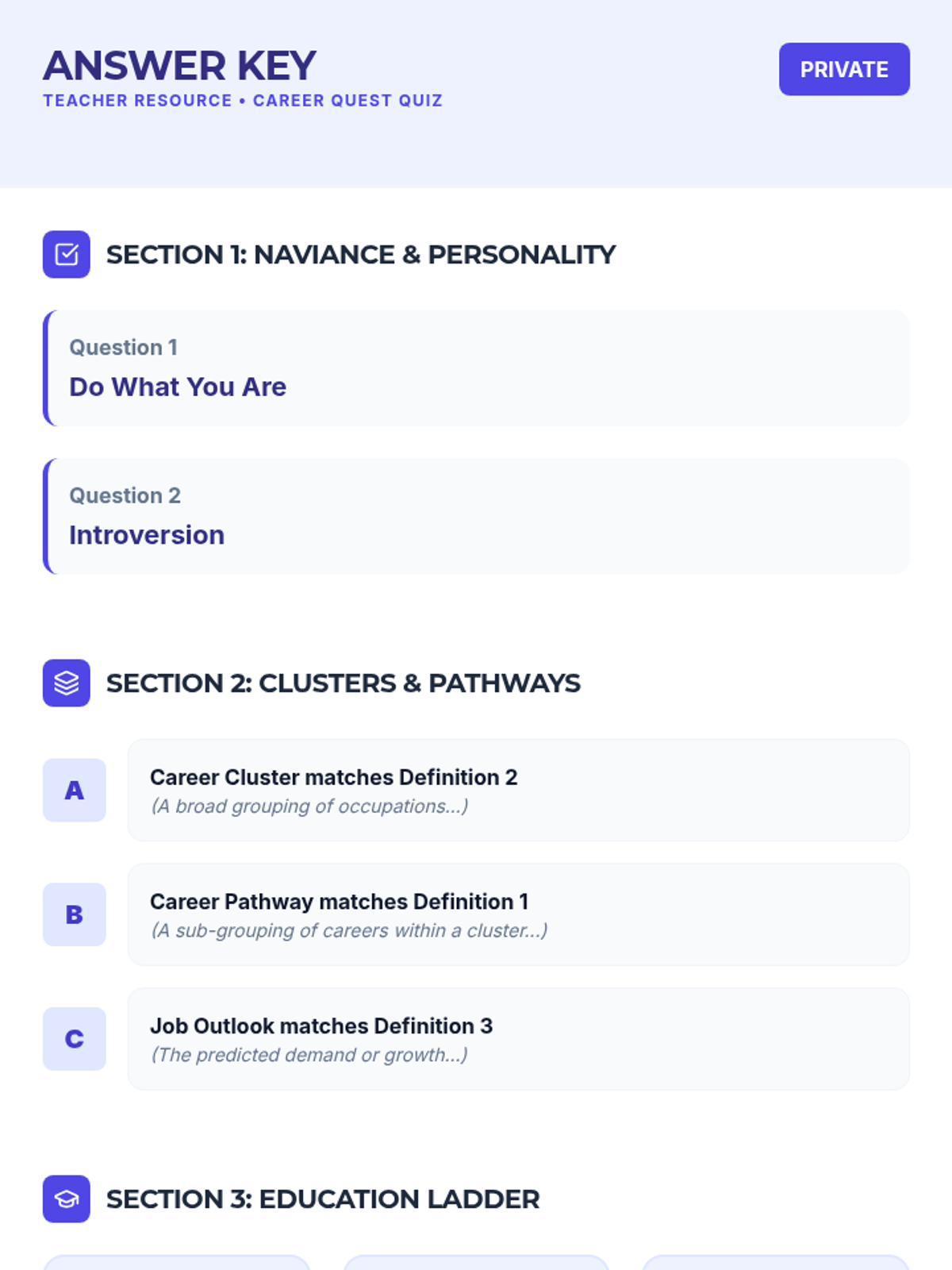
A comprehensive introduction to career exploration for high schoolers using the Naviance platform. This sequence guides students through personality assessments, career cluster discovery, and educational pathway planning.
A 4-week college readiness program designed specifically for first-generation students, covering college types, financial literacy, the application process, and post-acceptance steps.
A comprehensive curriculum covering financial literacy, economic principles, and civic systems through historical case studies, ethical dilemmas, and real-world simulations.
A comprehensive 7-week curriculum designed to prepare high school students for the college transition, covering admission strategies, financial aid, and major-to-career pathways.
This sequence immerses students in the mechanics of borrowing money, focusing specifically on the distinctions between federal and private lending. Students begin by understanding the fundamental concepts of principal, interest, and capitalization before diving into the specific terms of Subsidized and Unsubsidized Direct Loans.
A 10-lesson transition series for SLIFE students entering high school, focusing on essential navigation, digital literacy, and graduation requirements with high visual support.
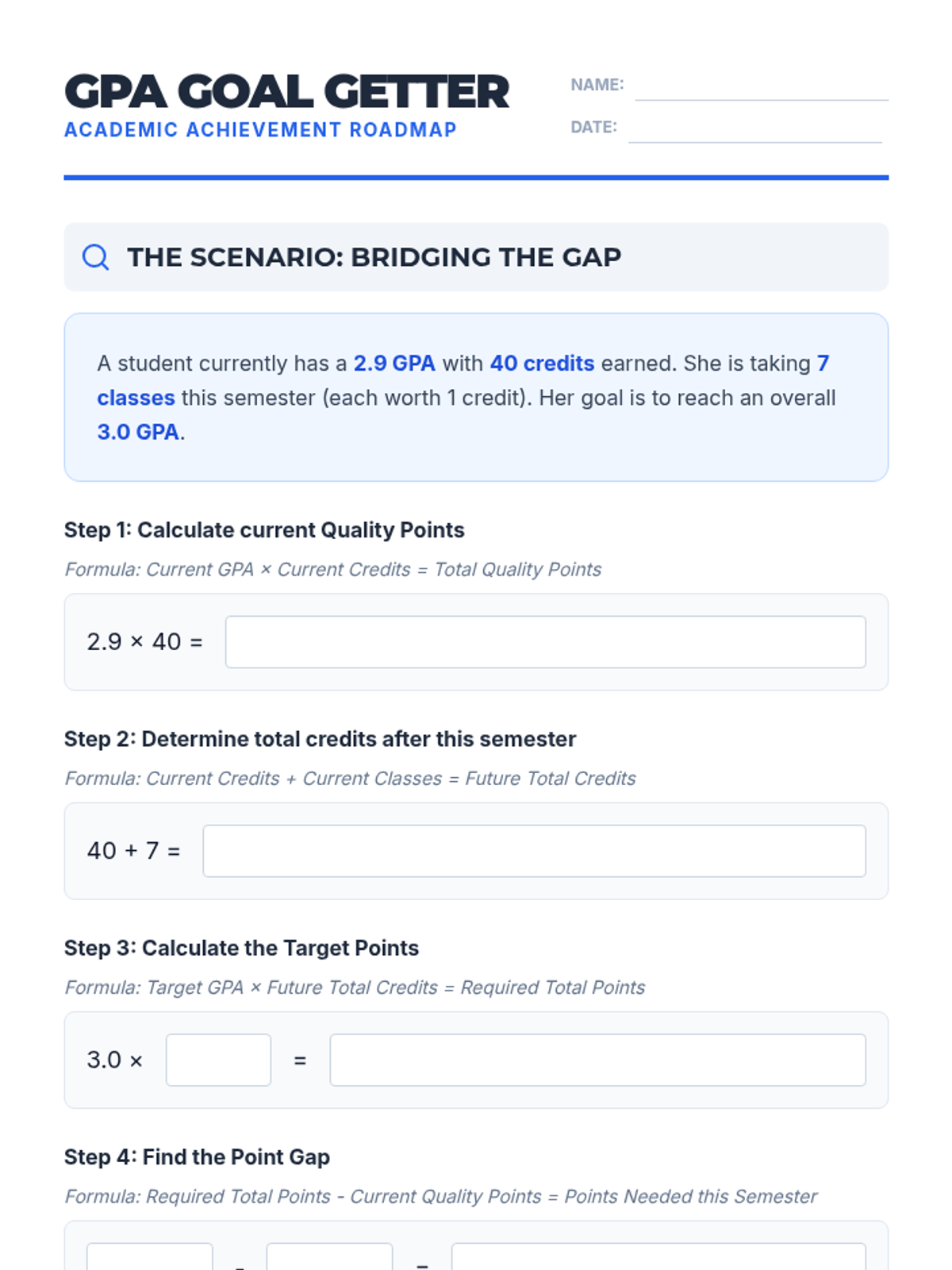
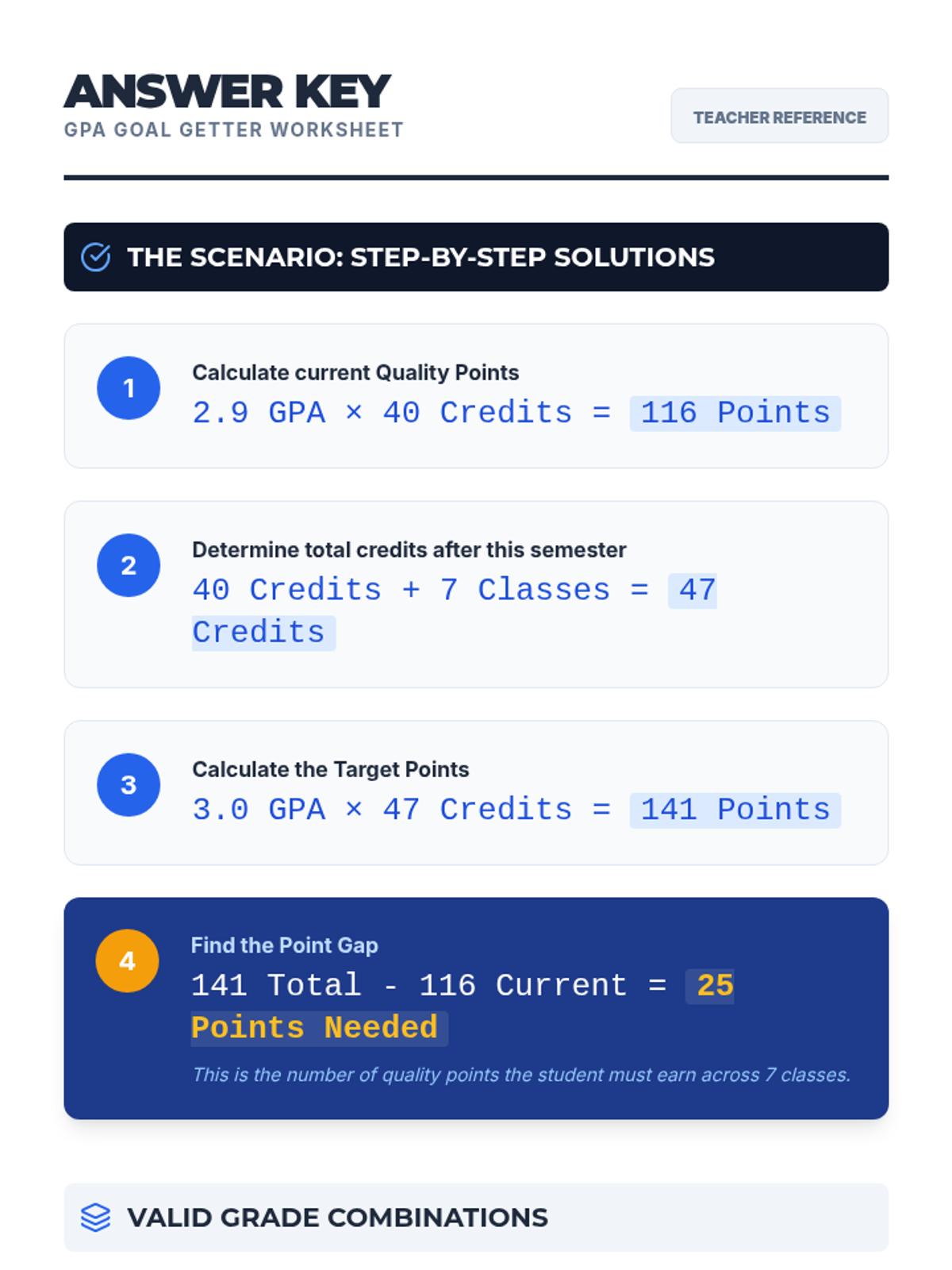
A comprehensive guide for students to understand how Grade Point Averages are calculated and how to set realistic academic goals to reach their targets.
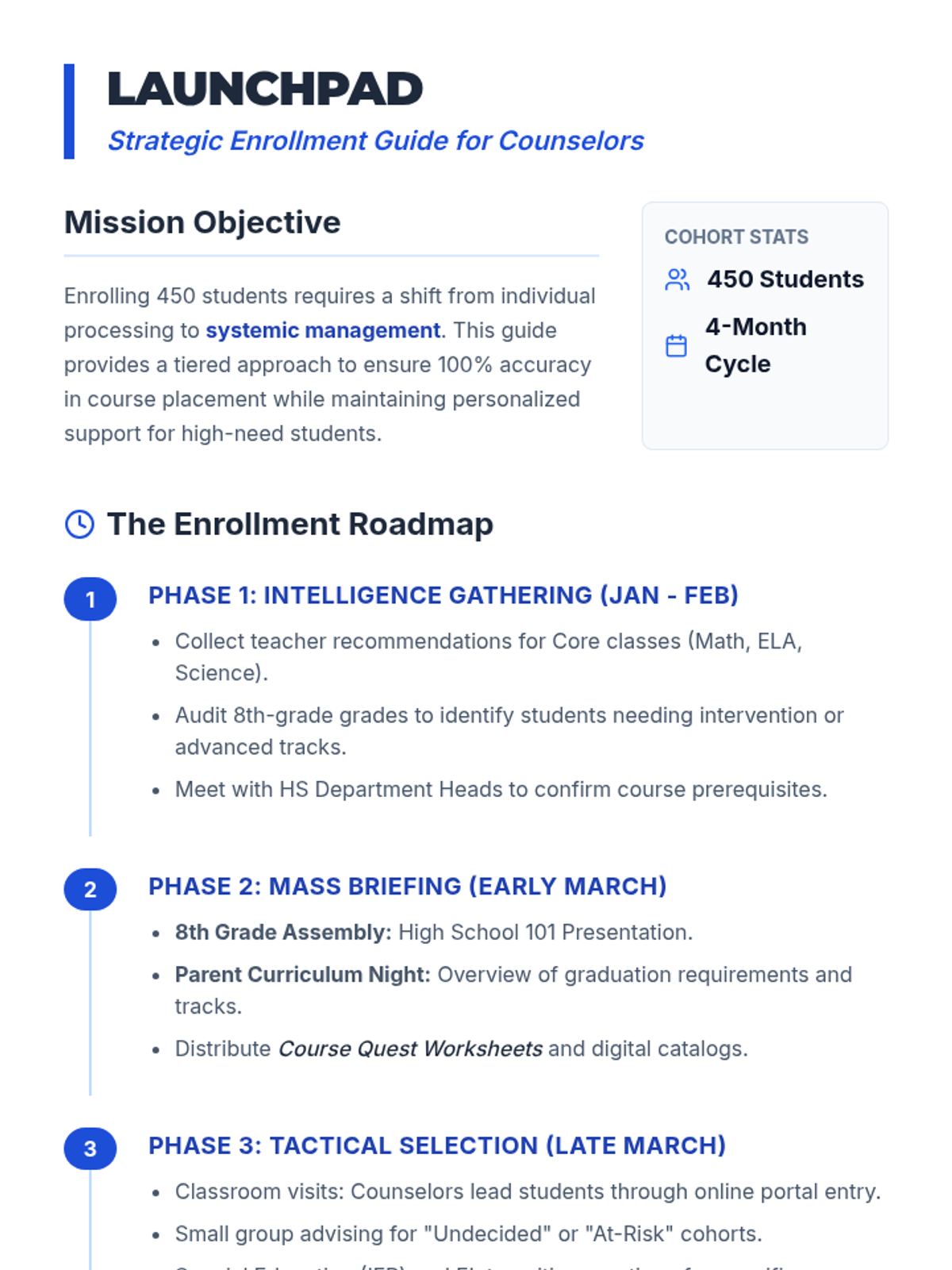
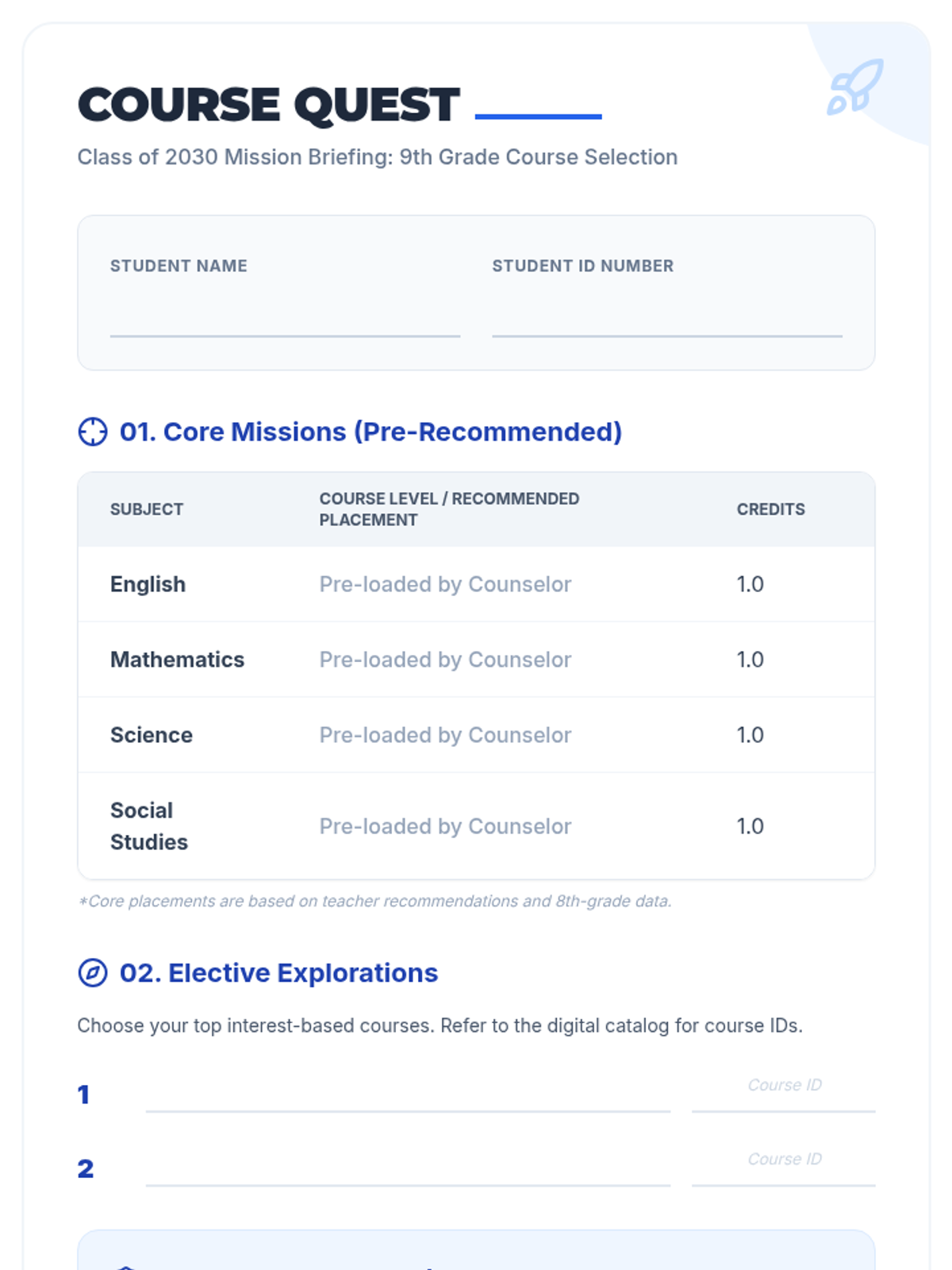
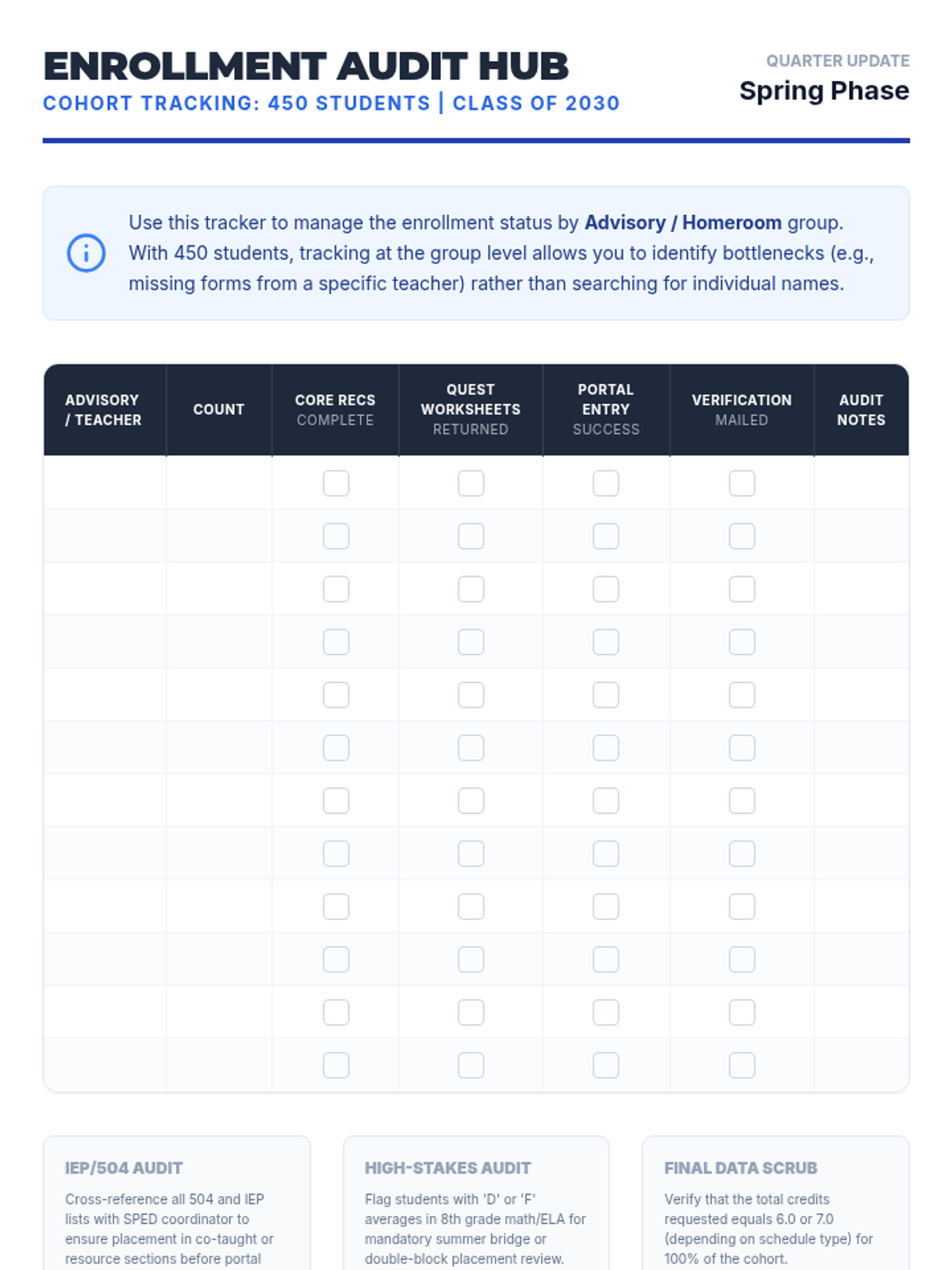
A comprehensive suite of counselor and student resources for managing the entire secondary academic journey, from 8th-grade transition through senior year planning.
A test-taking strategy unit designed to empower students with logical tools and anxiety-reduction techniques to approach exams with confidence and precision.
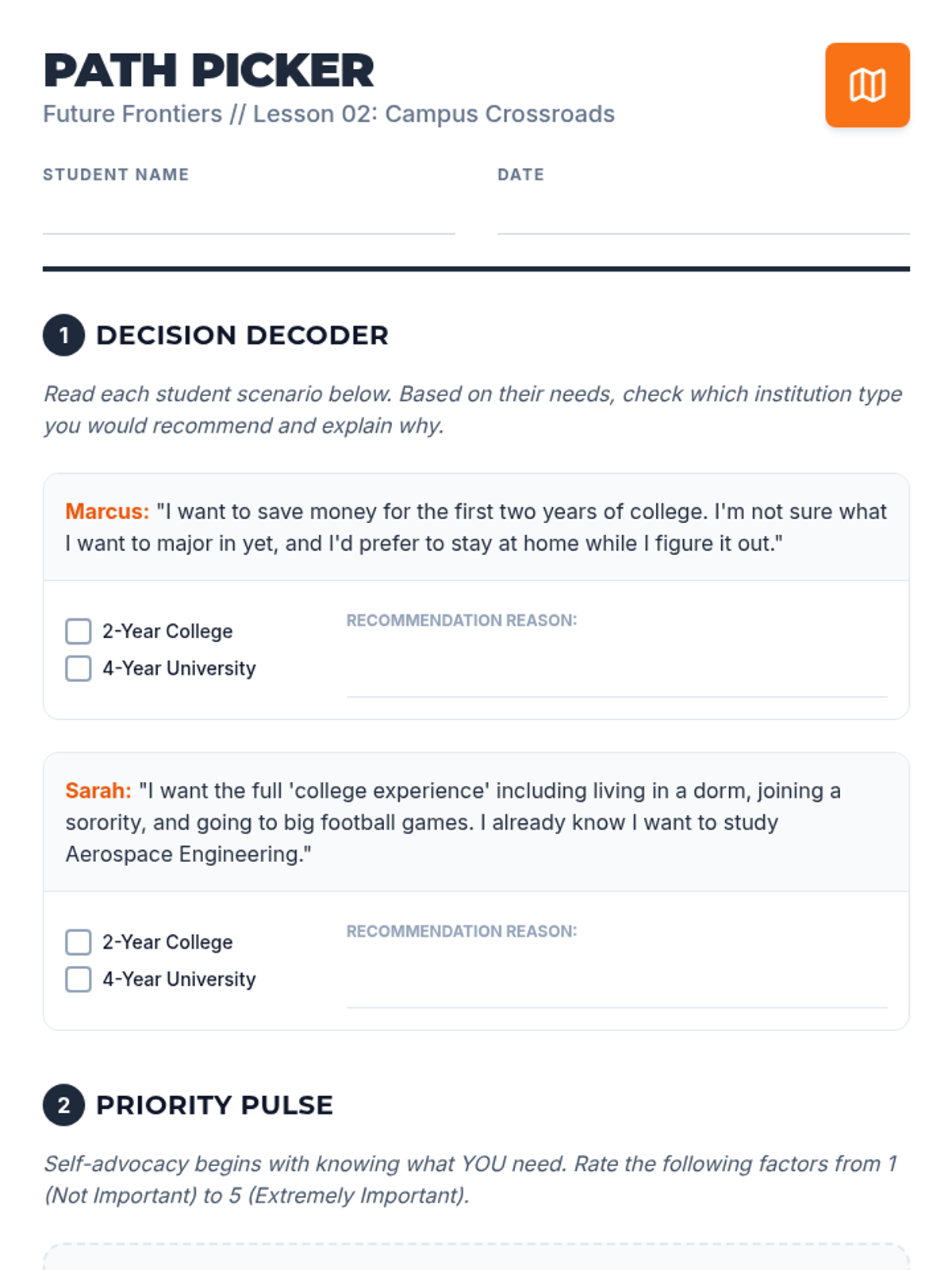
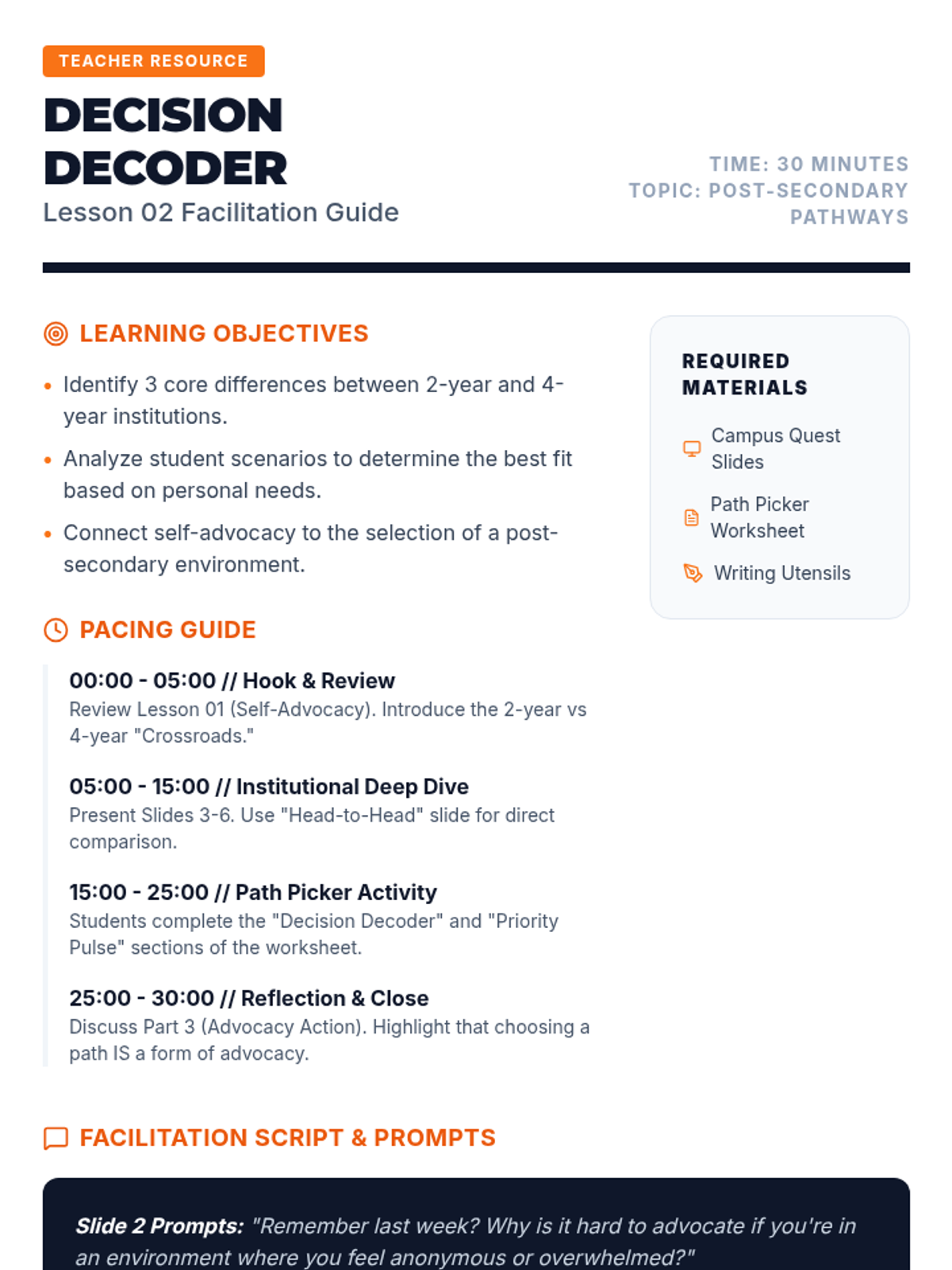
A four-part series designed to empower high school students with self-advocacy skills and knowledge of post-secondary pathways. This sequence focuses on identifying personal needs, exploring institutional options, and navigating support systems.
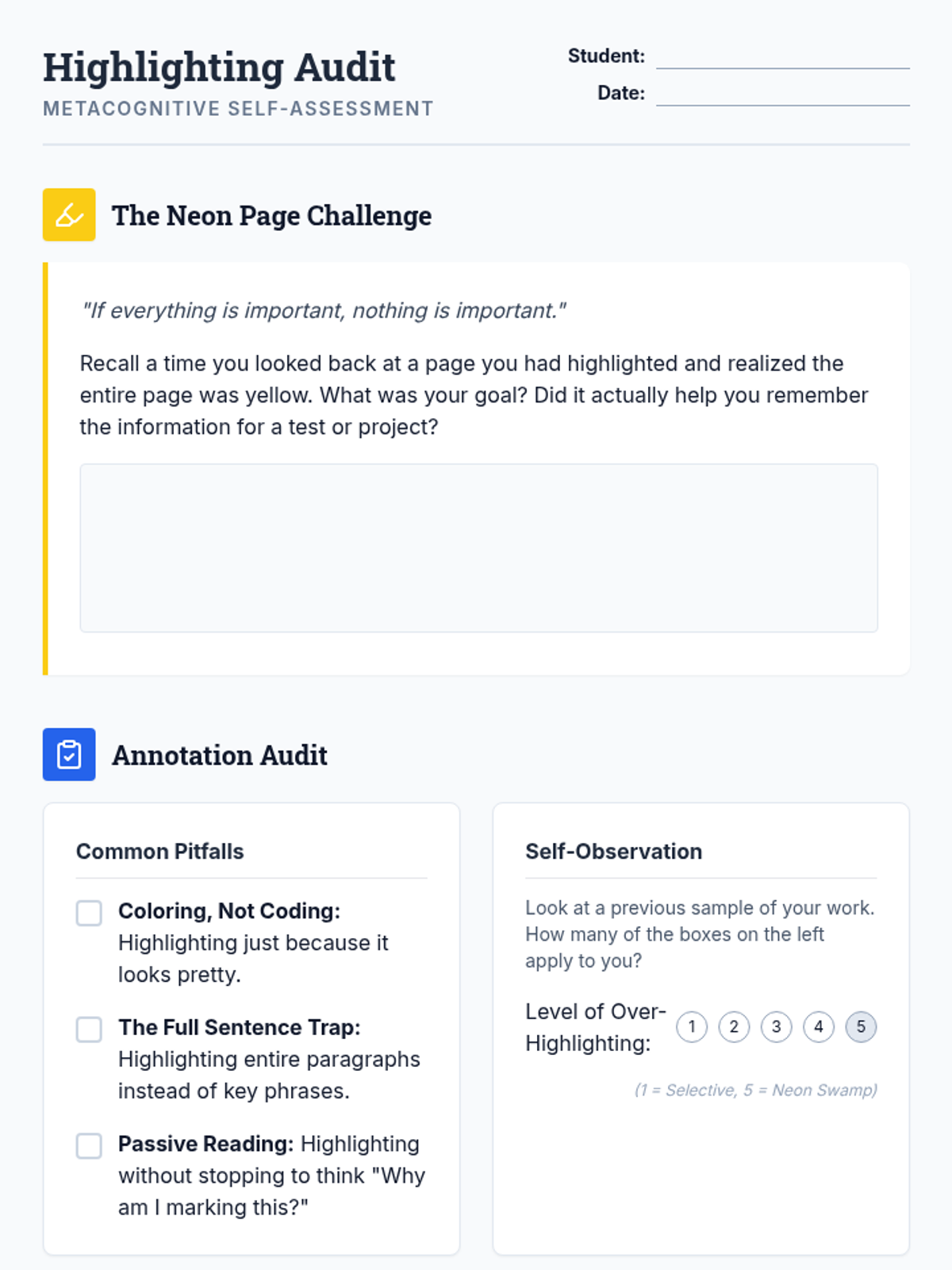
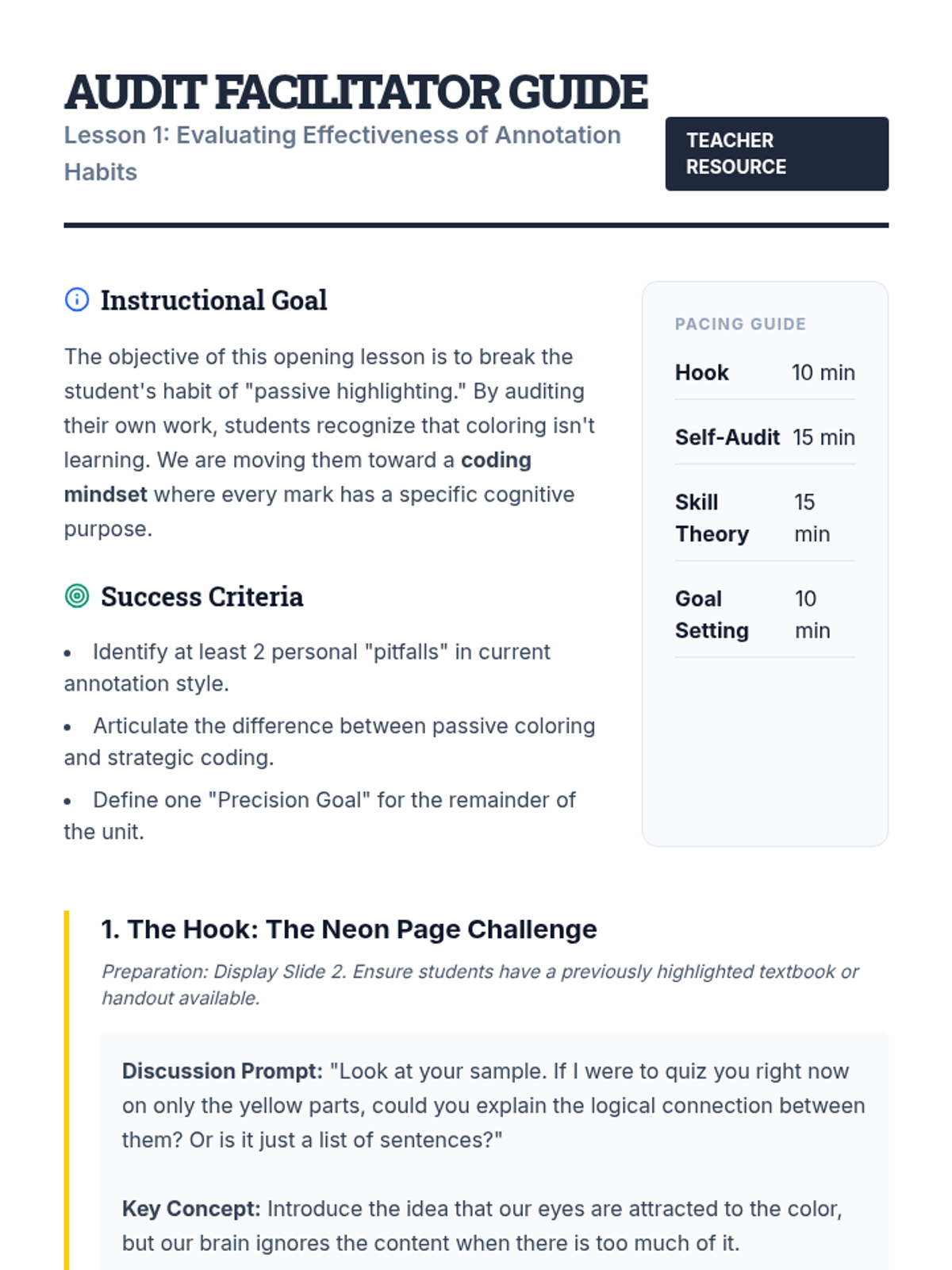
This sequence transforms highlighting from a passive activity into a rigorous, systematic method for information processing. Students evaluate current habits, establish hierarchical color systems, develop marginal shorthand, and apply these strategies to complex texts to create effective study tools.
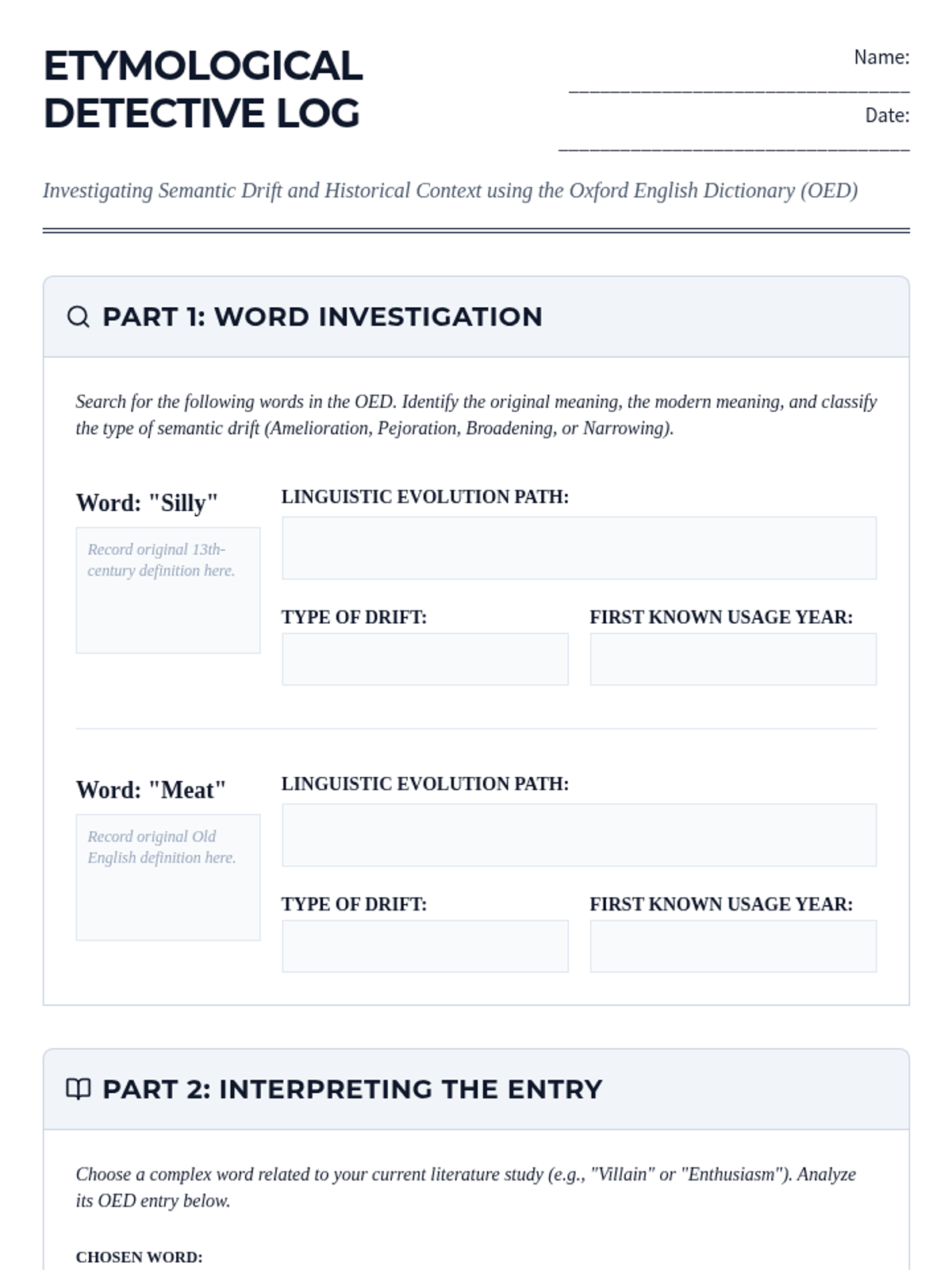
This advanced sequence transitions students from general information retrieval to the rigors of collegiate-level research and specialized reference usage. Students master boolean logic, historical linguistics, source evaluation, and citation management.
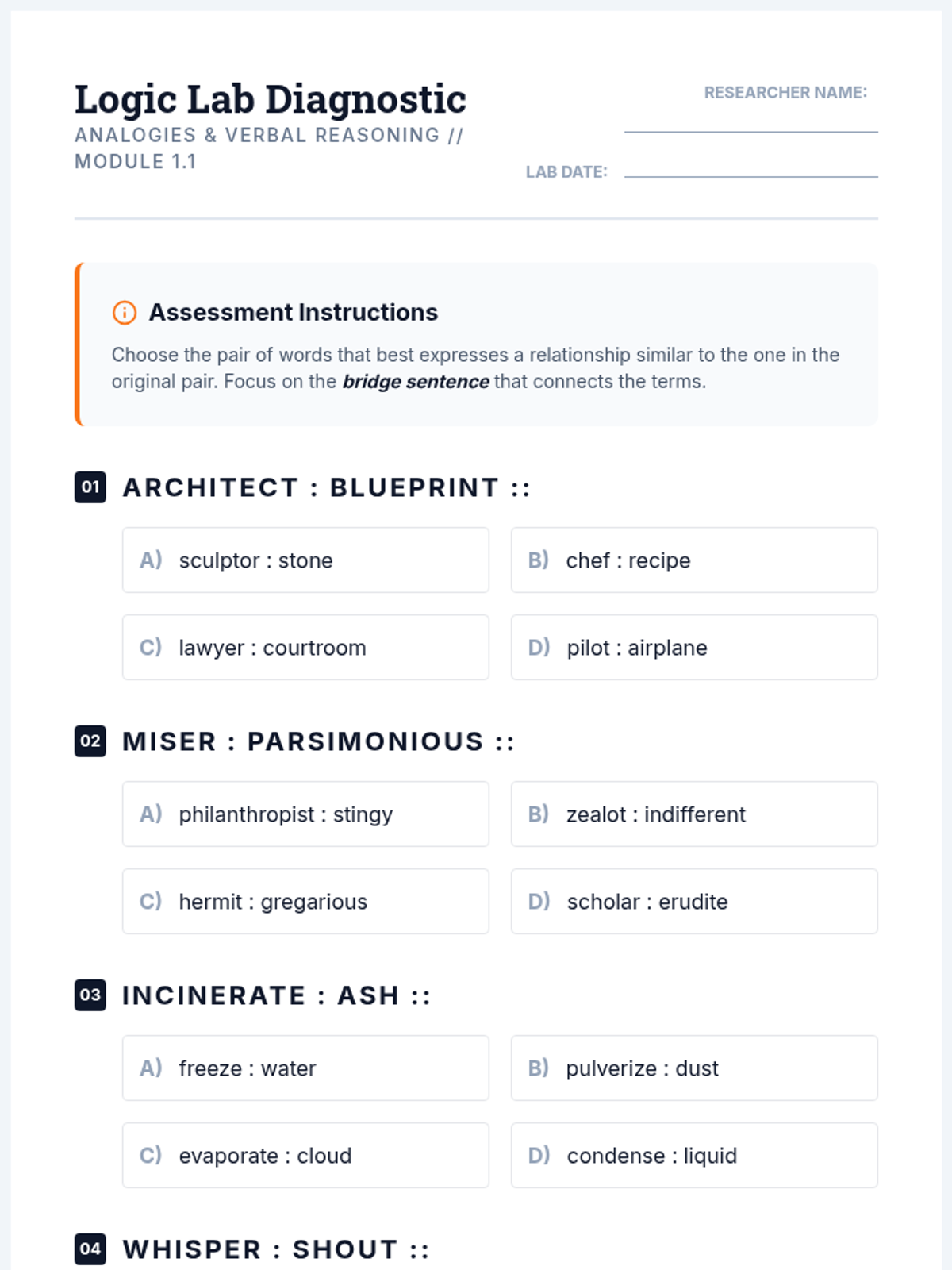
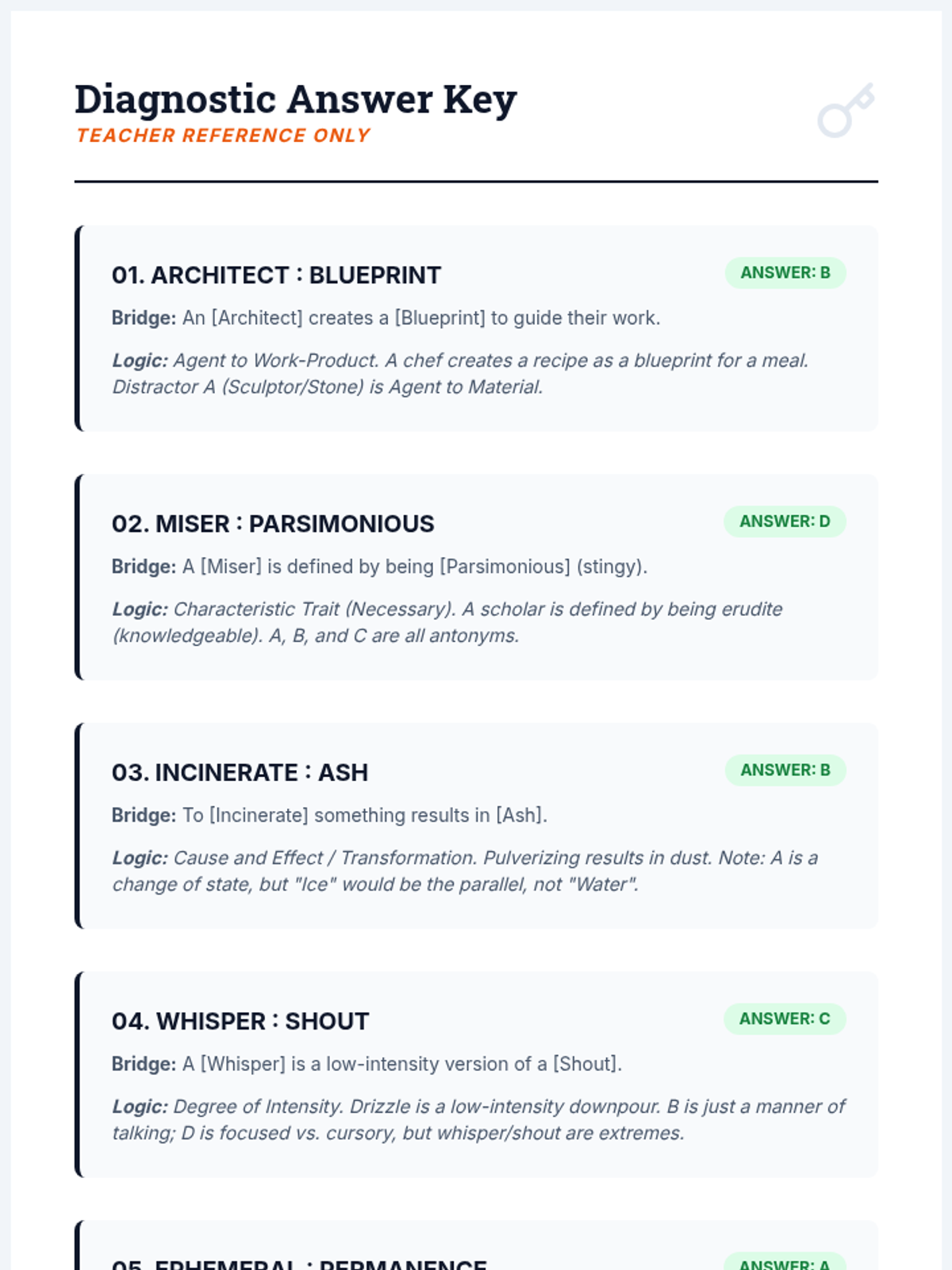
A high-school level sequence focusing on the logic and precision required for advanced analogy problems, preparing students for standardized testing and academic vocabulary mastery through a 'Verbal Laboratory' theme.
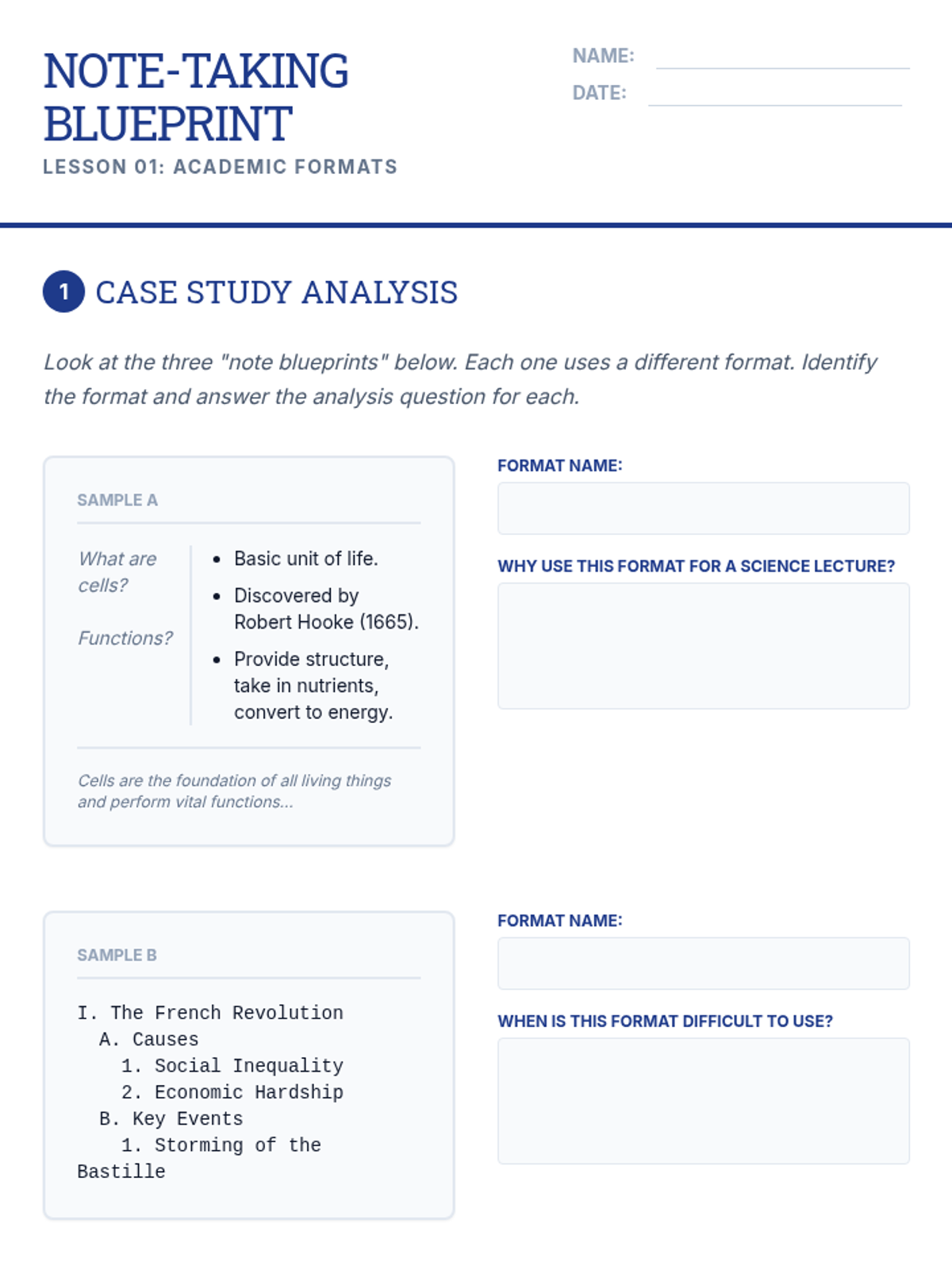
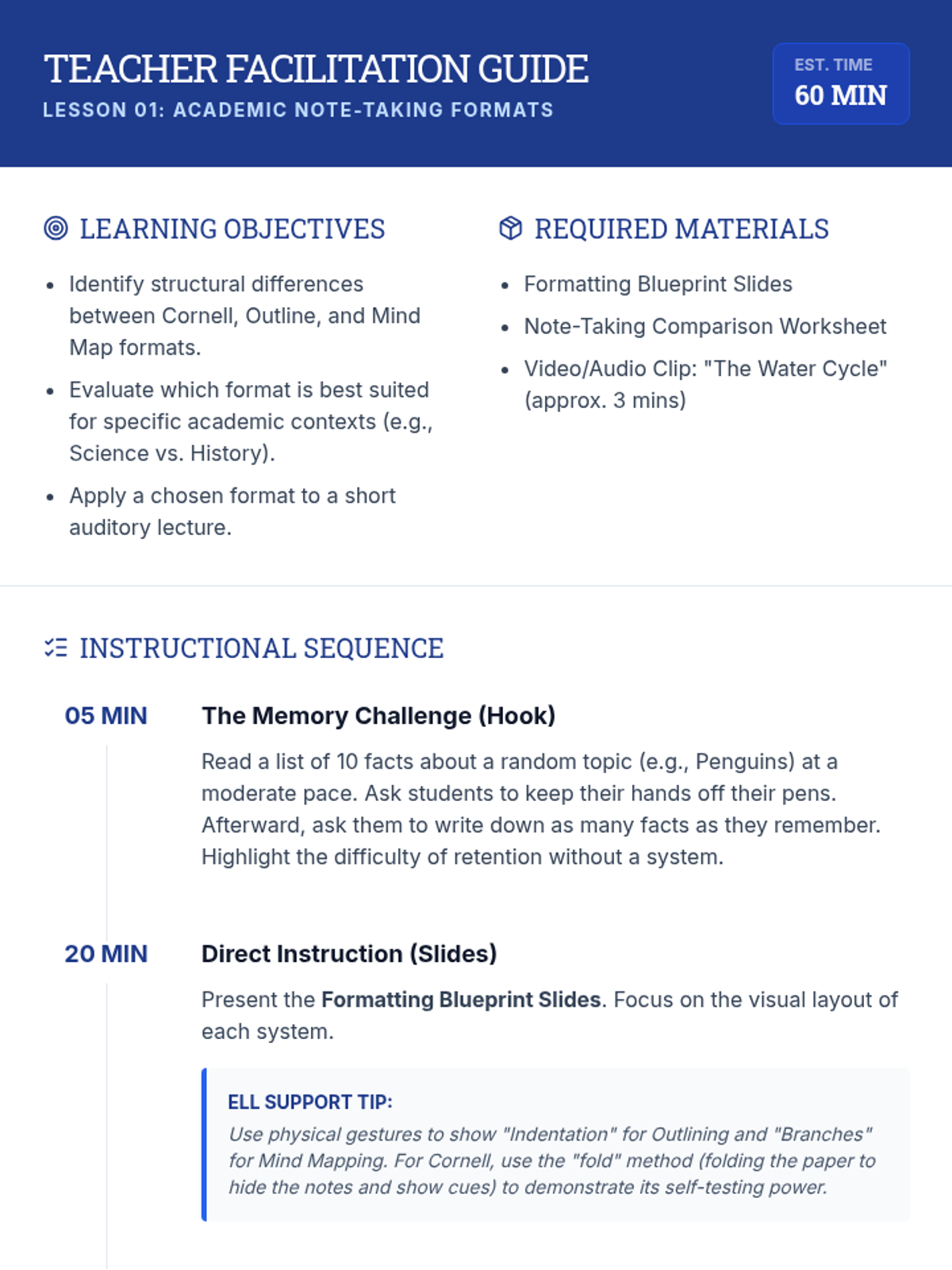
An intensive workshop for 9th-grade ELL students to master various note-taking systems, shorthand, and active listening skills necessary for high school academic success. Students will develop a personalized toolkit for capturing and processing information from lectures.
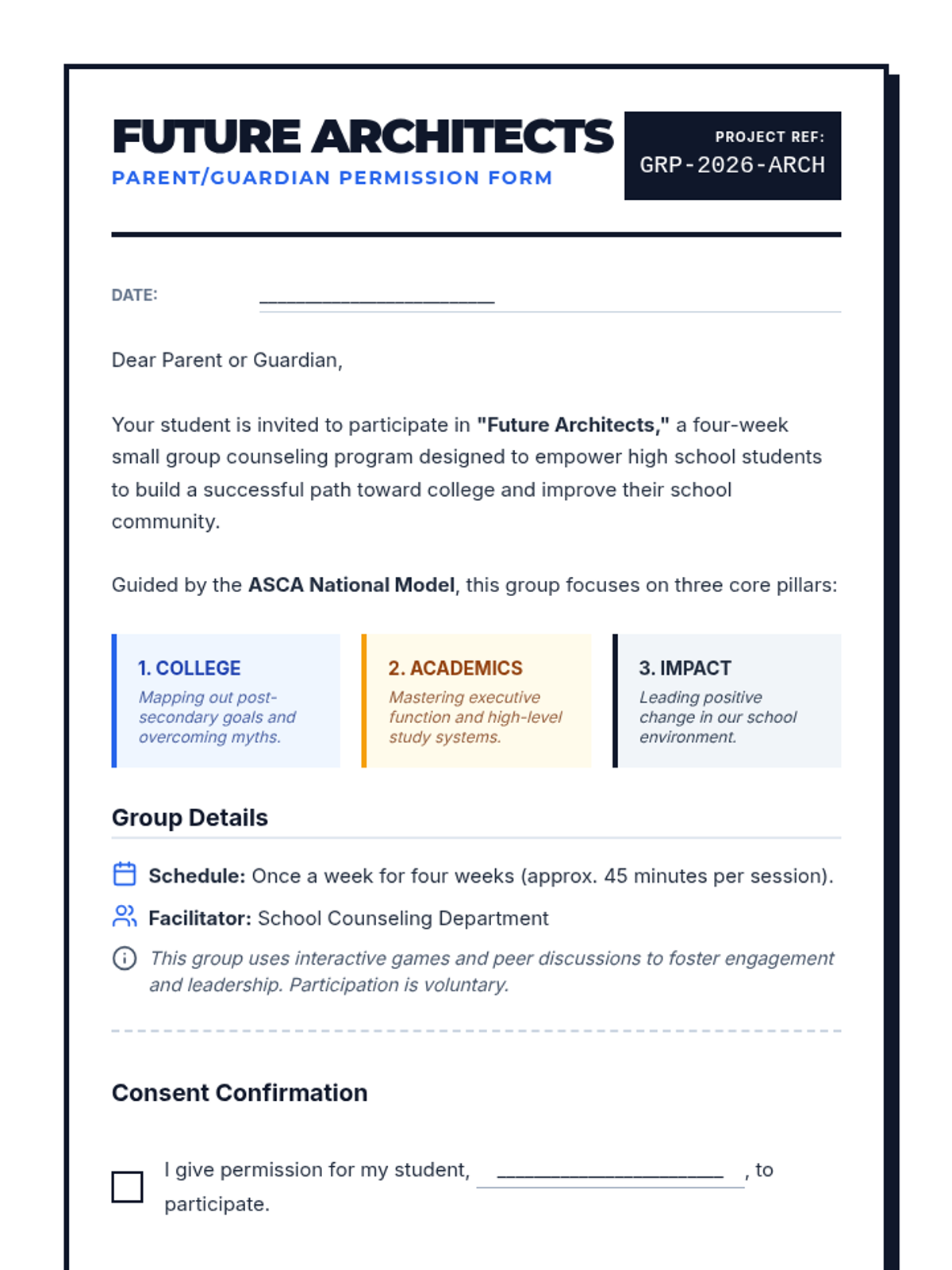
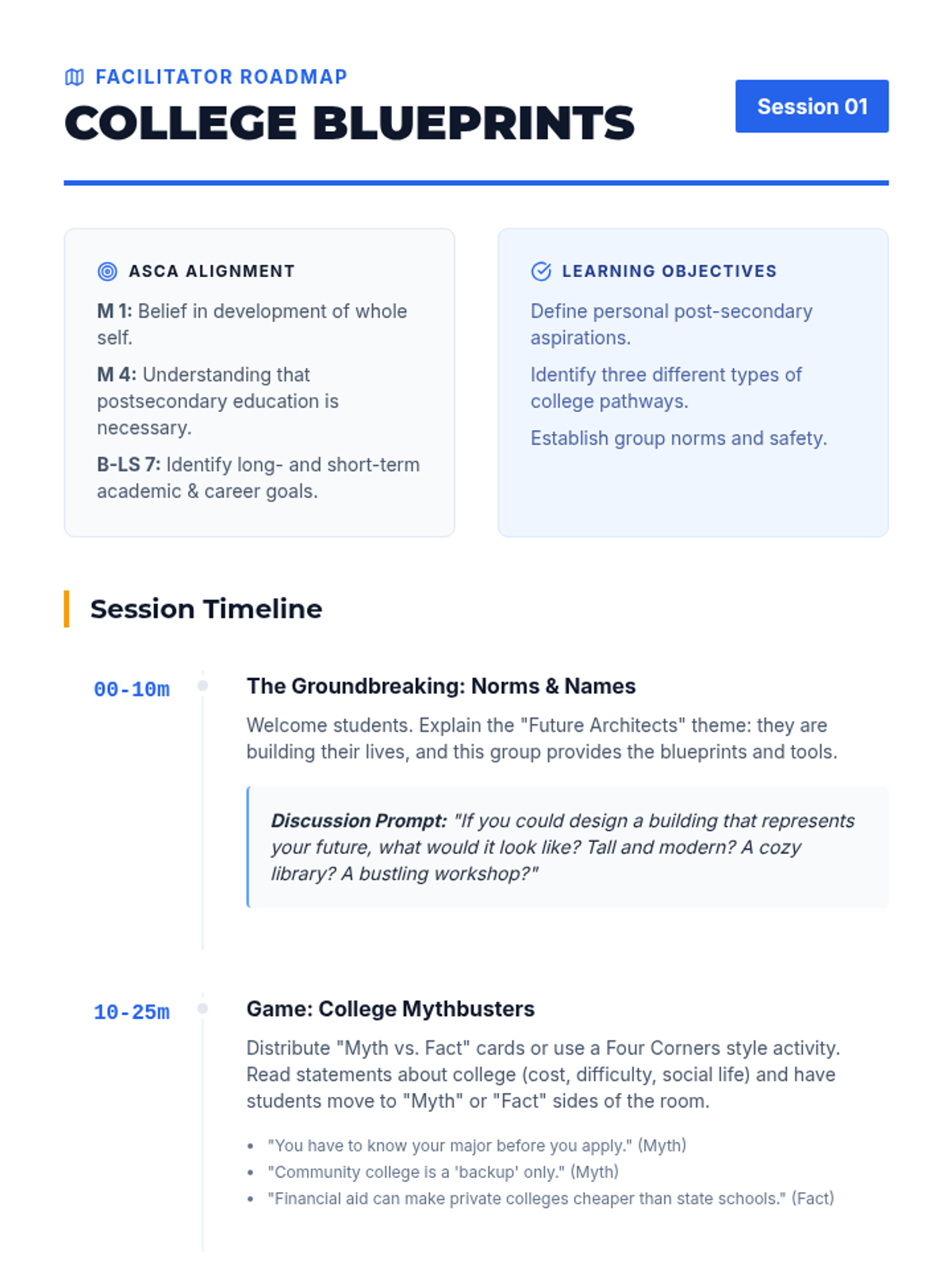
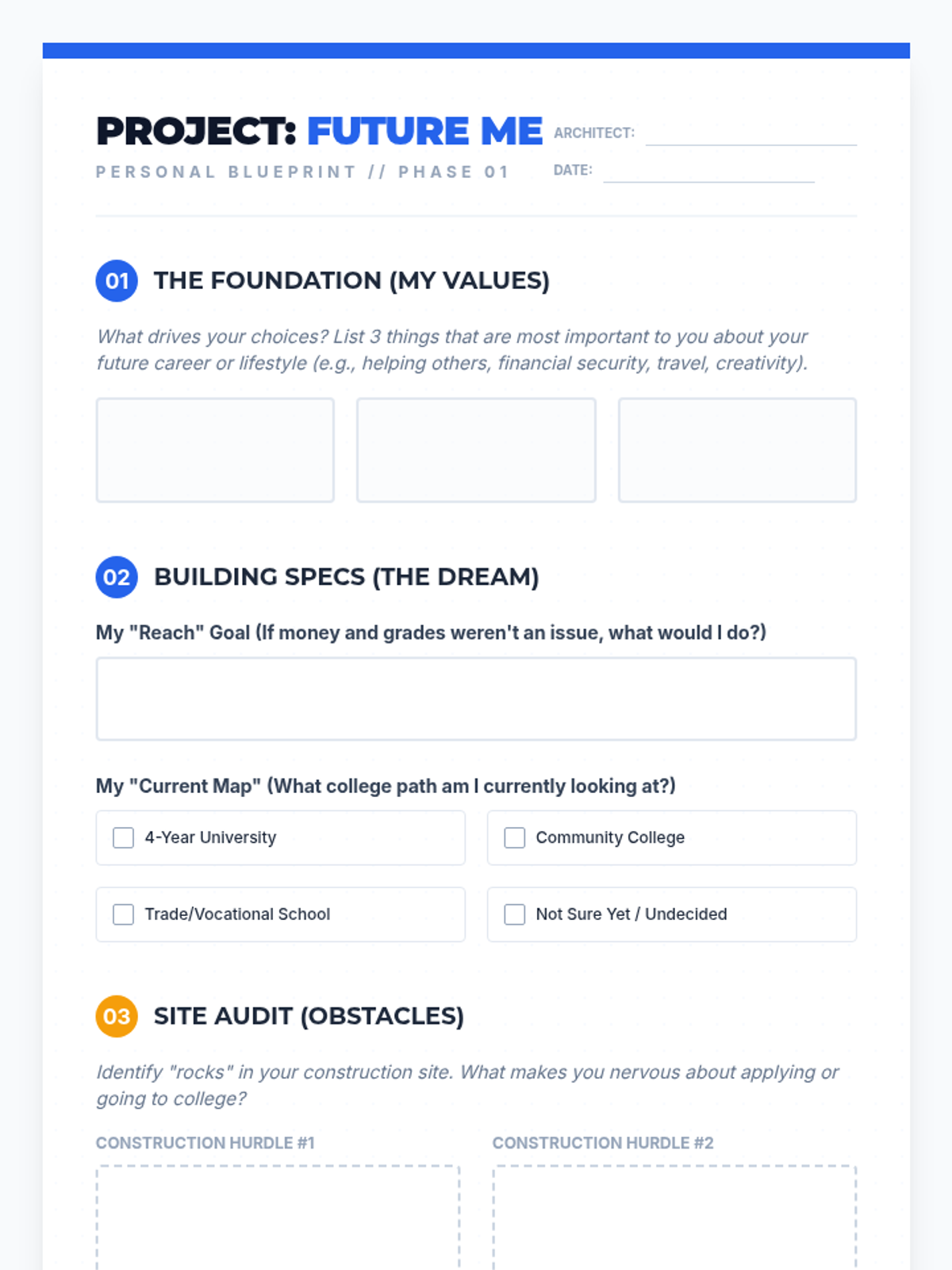
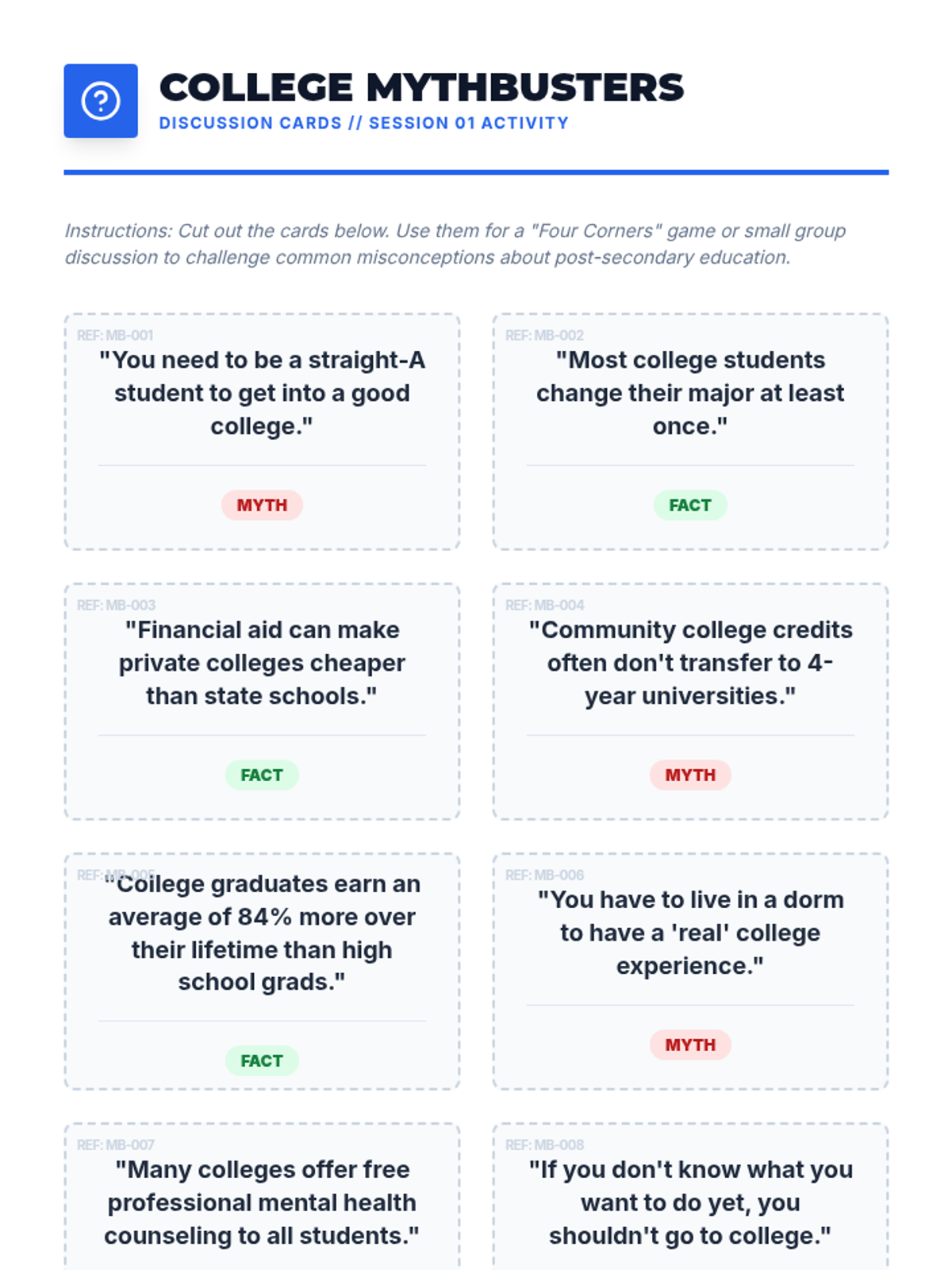
A four-week group counseling sequence for high school students focused on college readiness, academic success, and student-led campus improvement, aligned with the ASCA National Model.
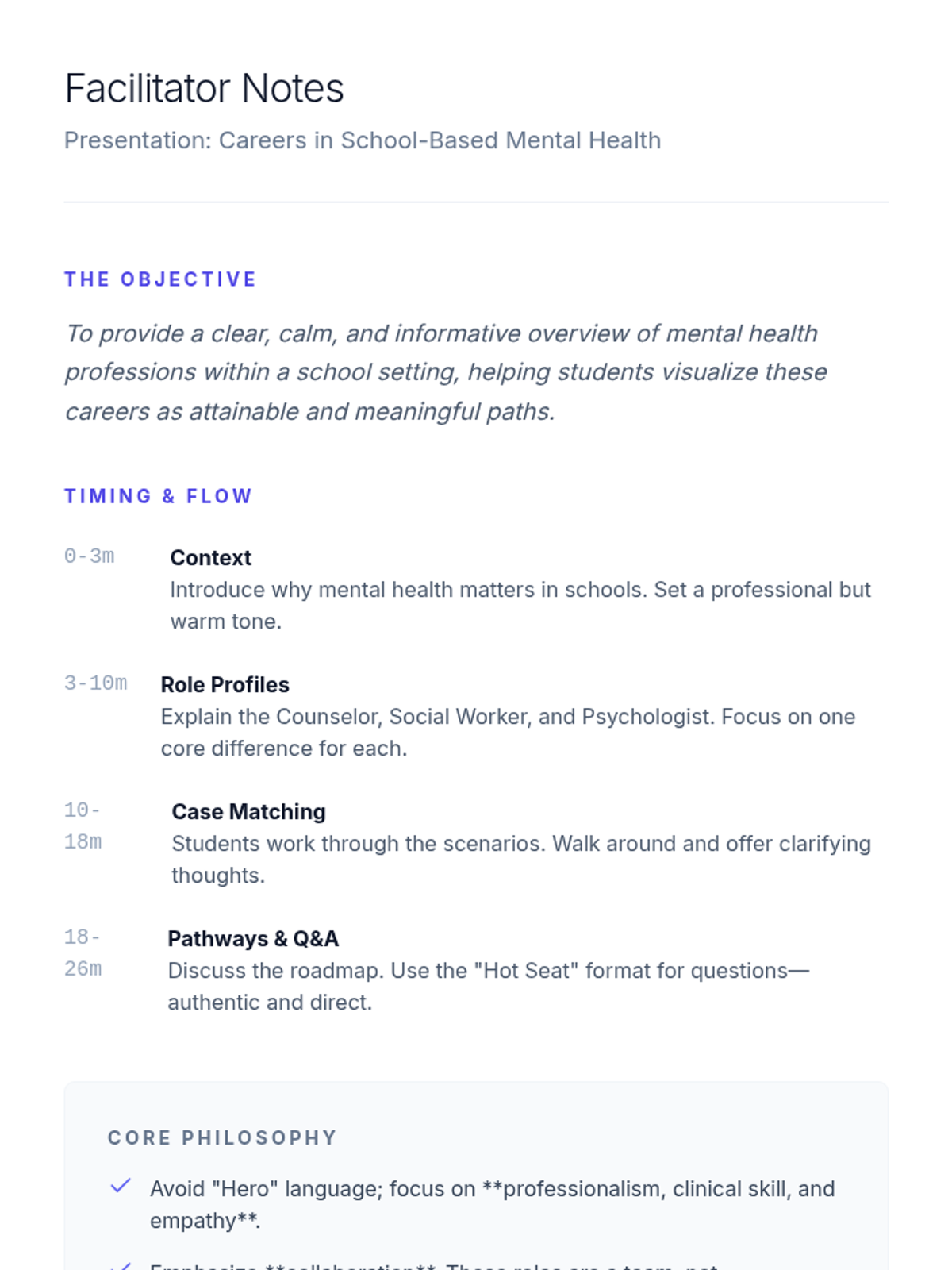
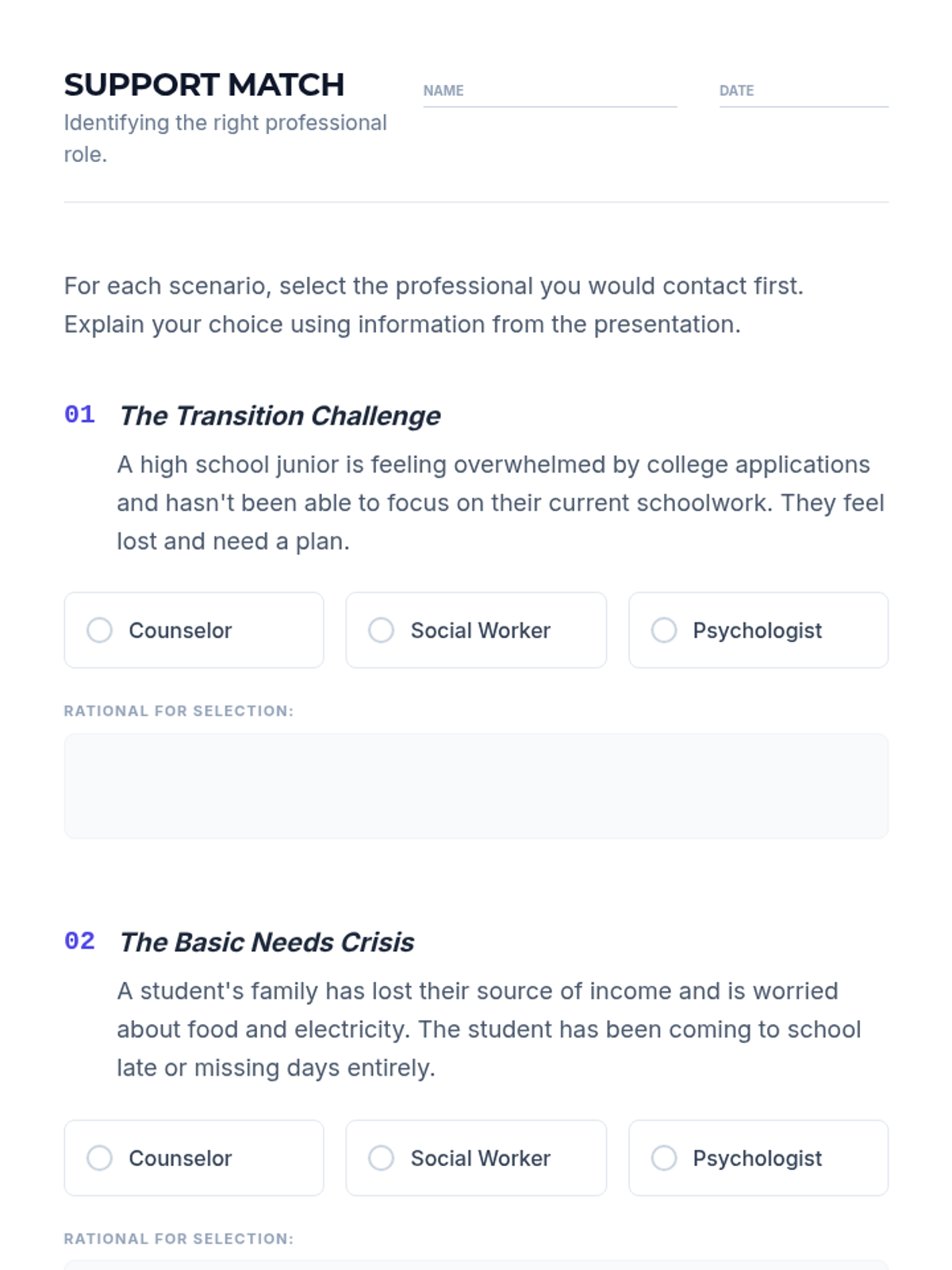
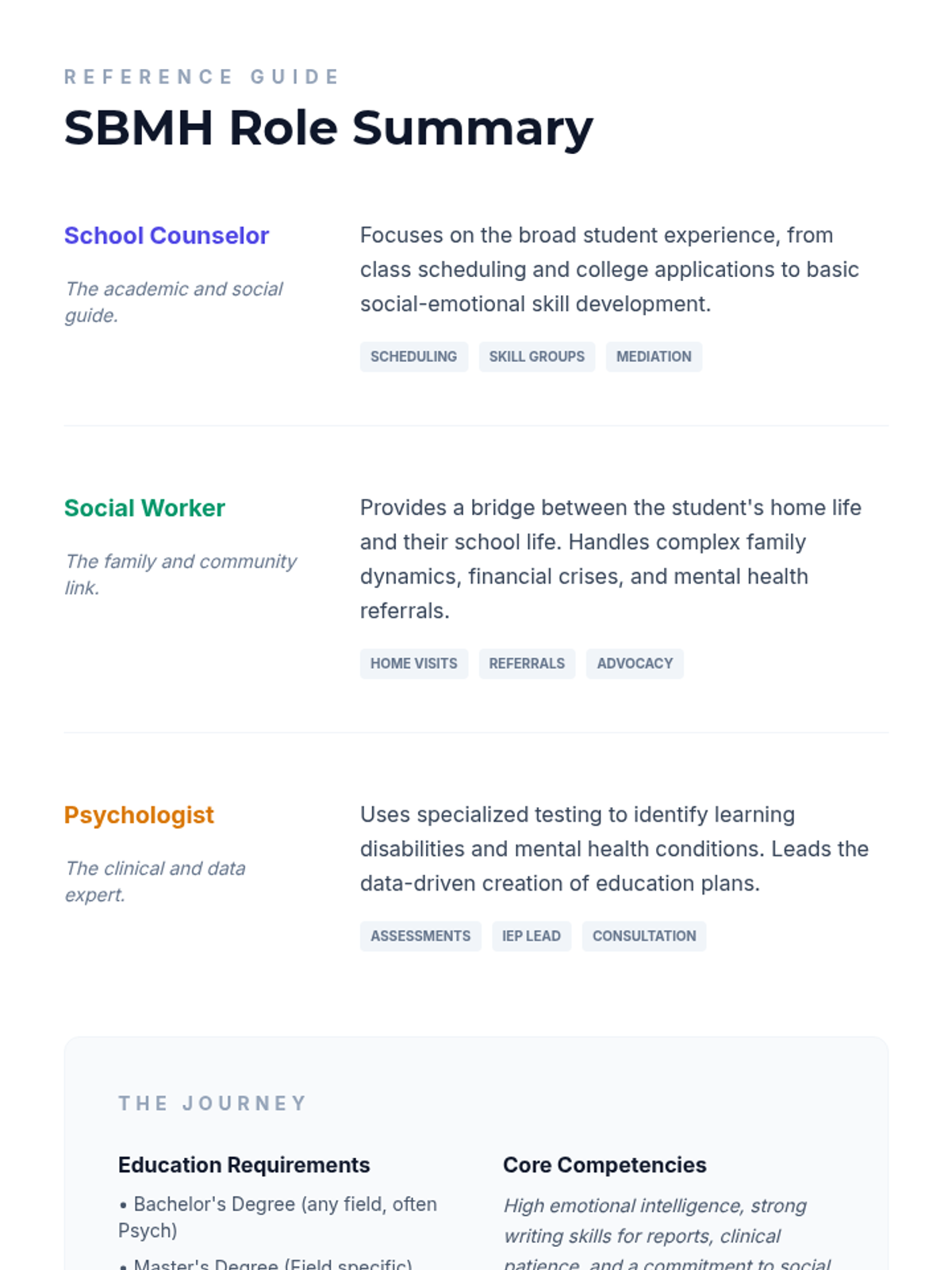
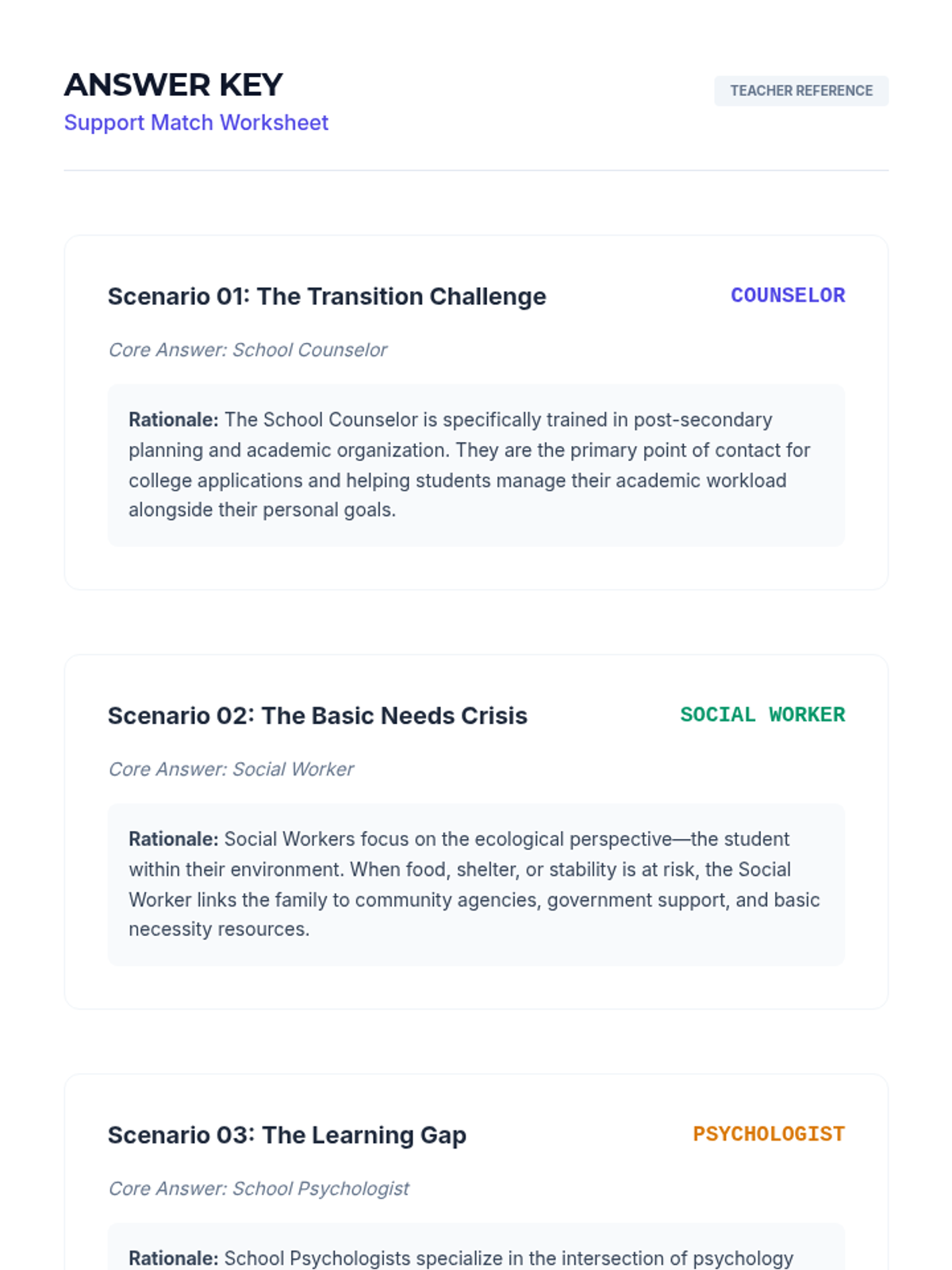
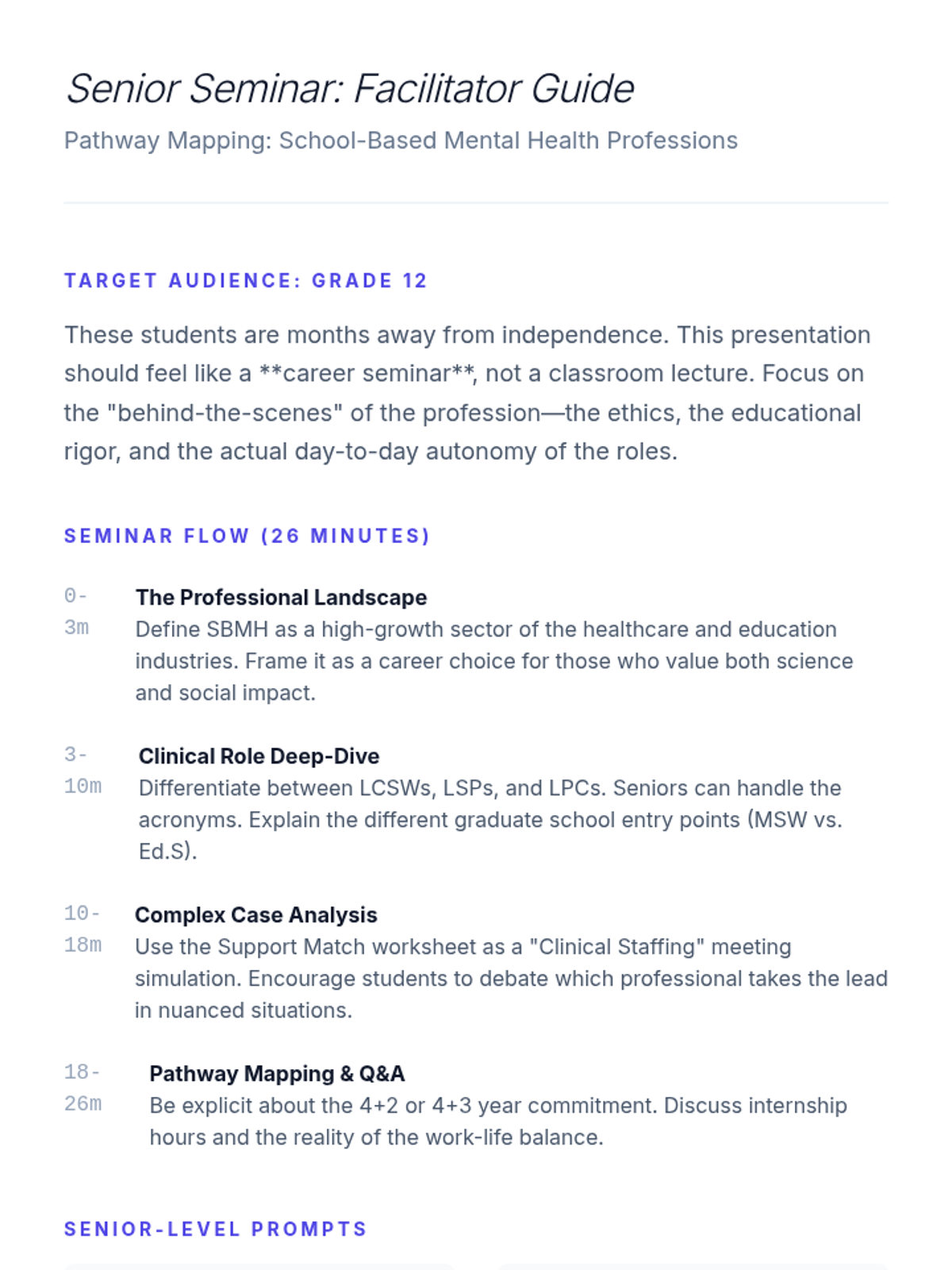
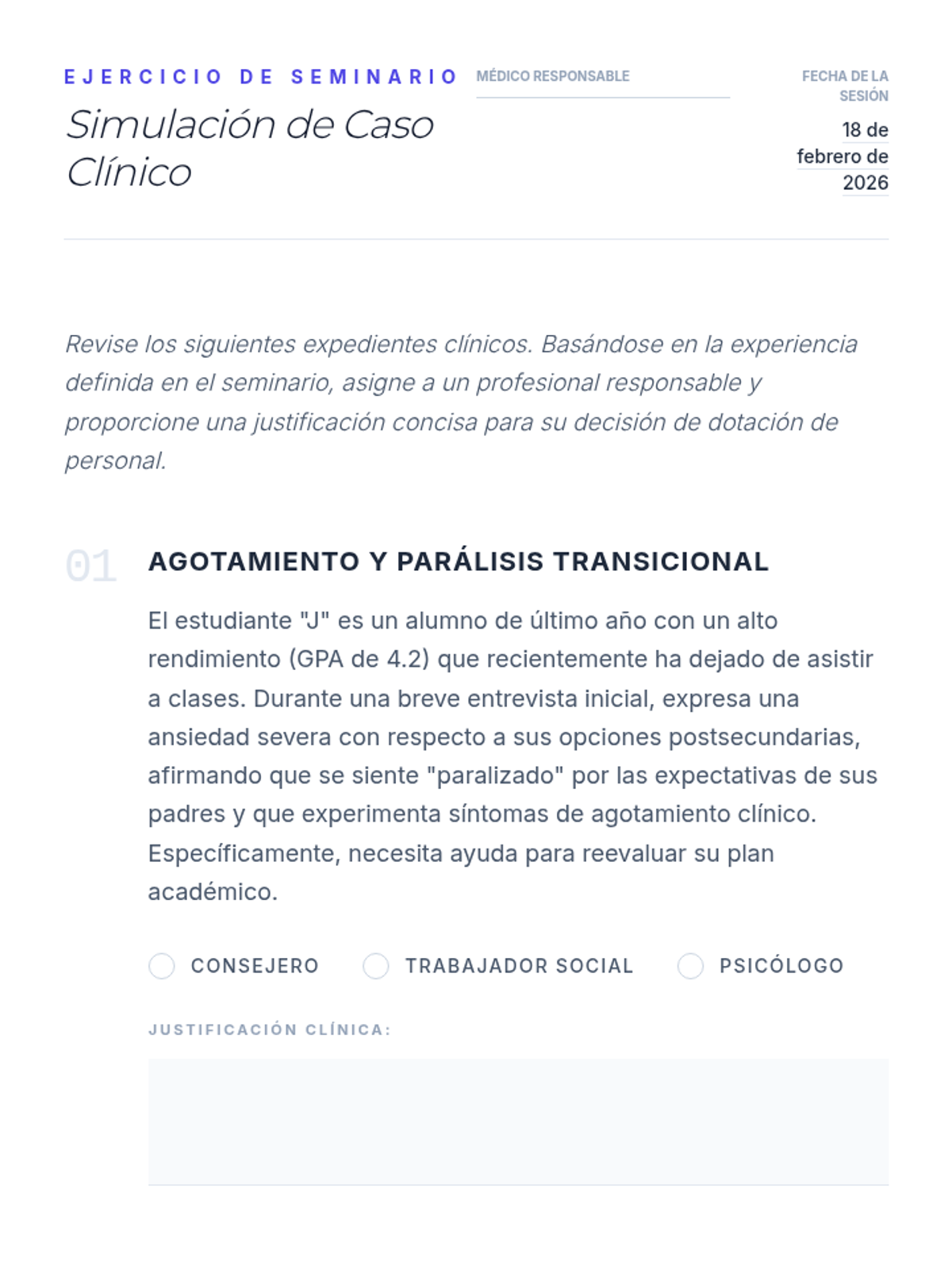
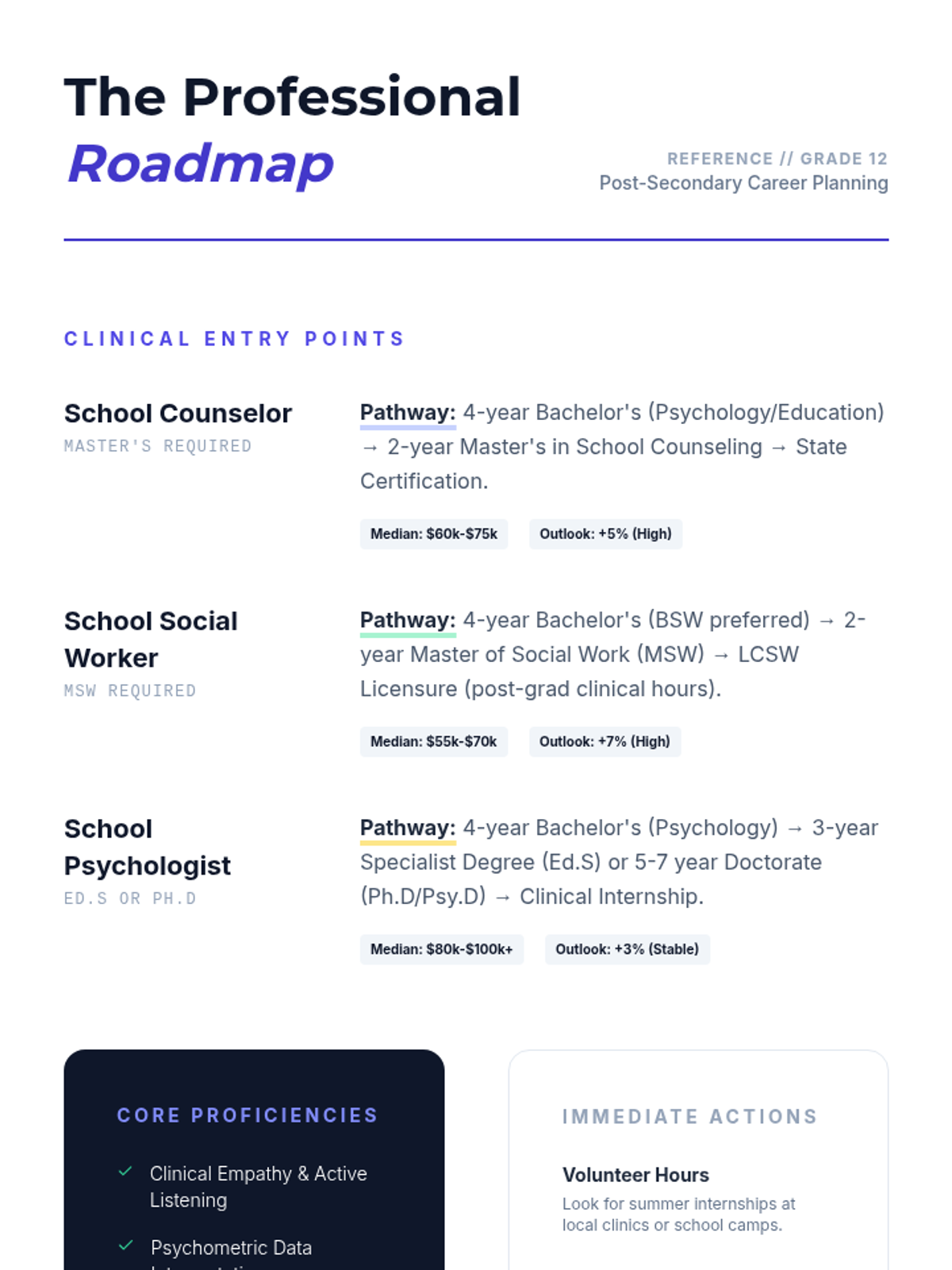
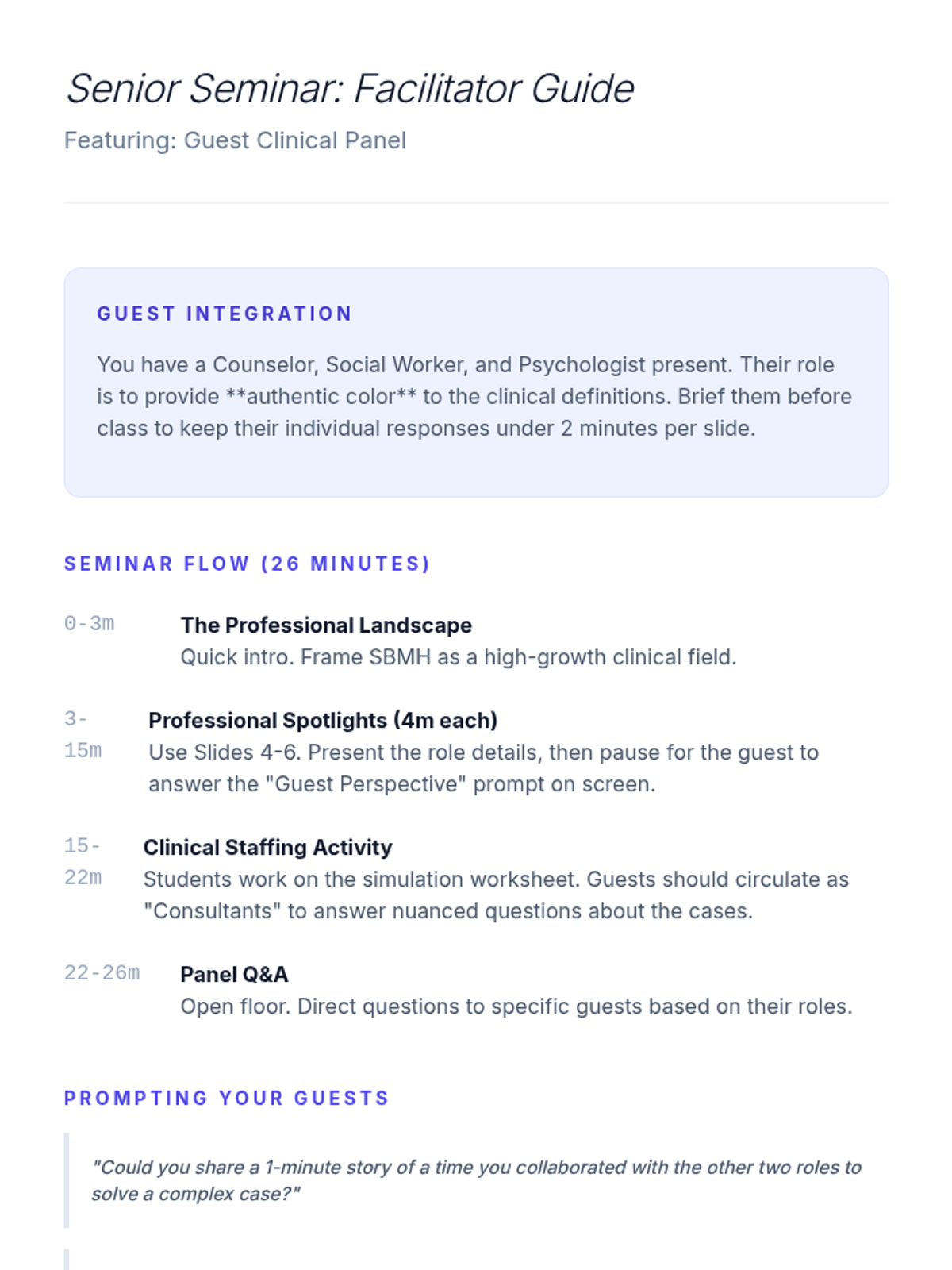
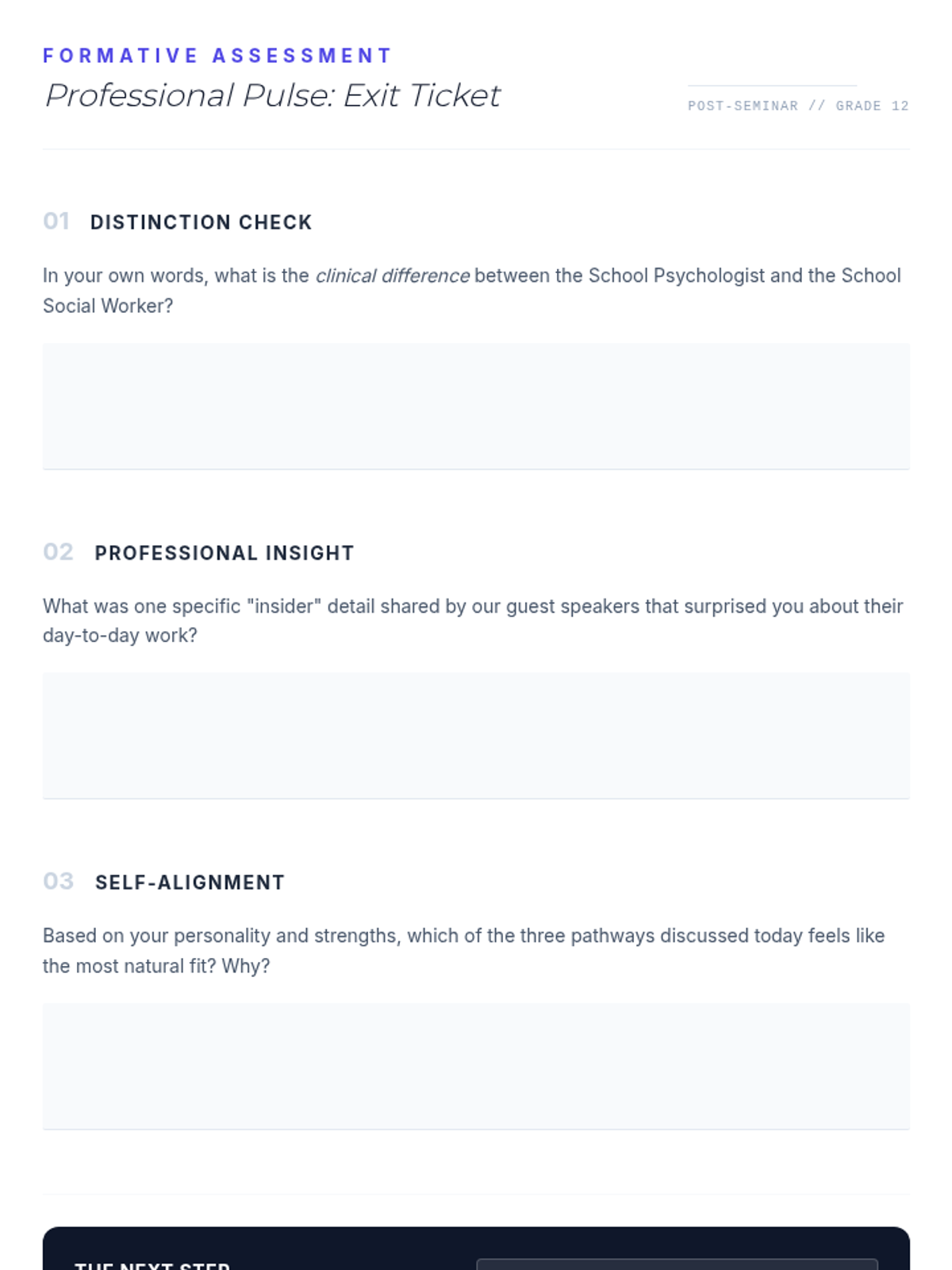
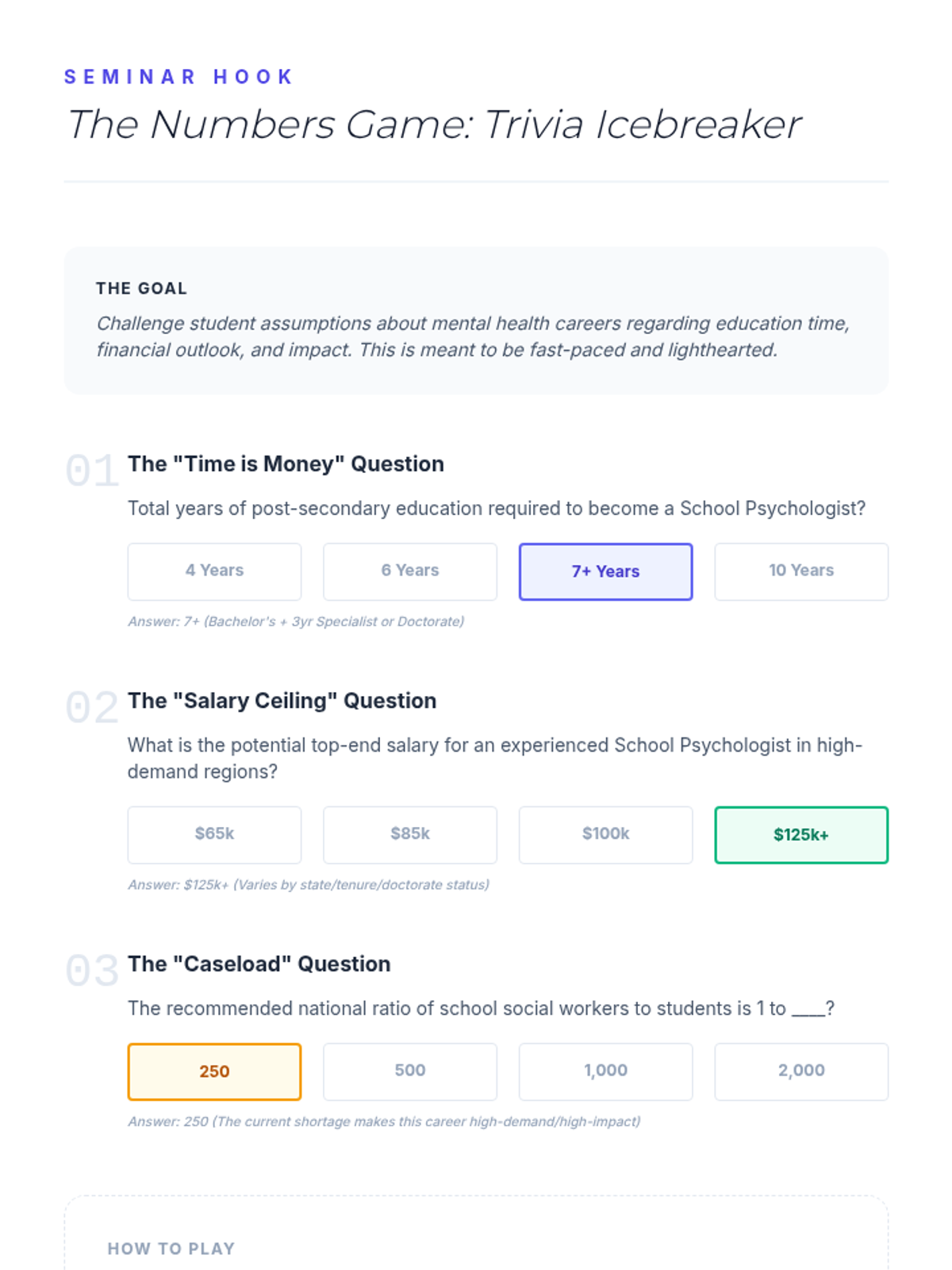
A professional and understated exploration of careers in school-based mental health, focusing on clear definitions, educational journeys, and practical support roles.
A career and college readiness series designed to help high school students navigate the transition from school to the workforce, military, or higher education.
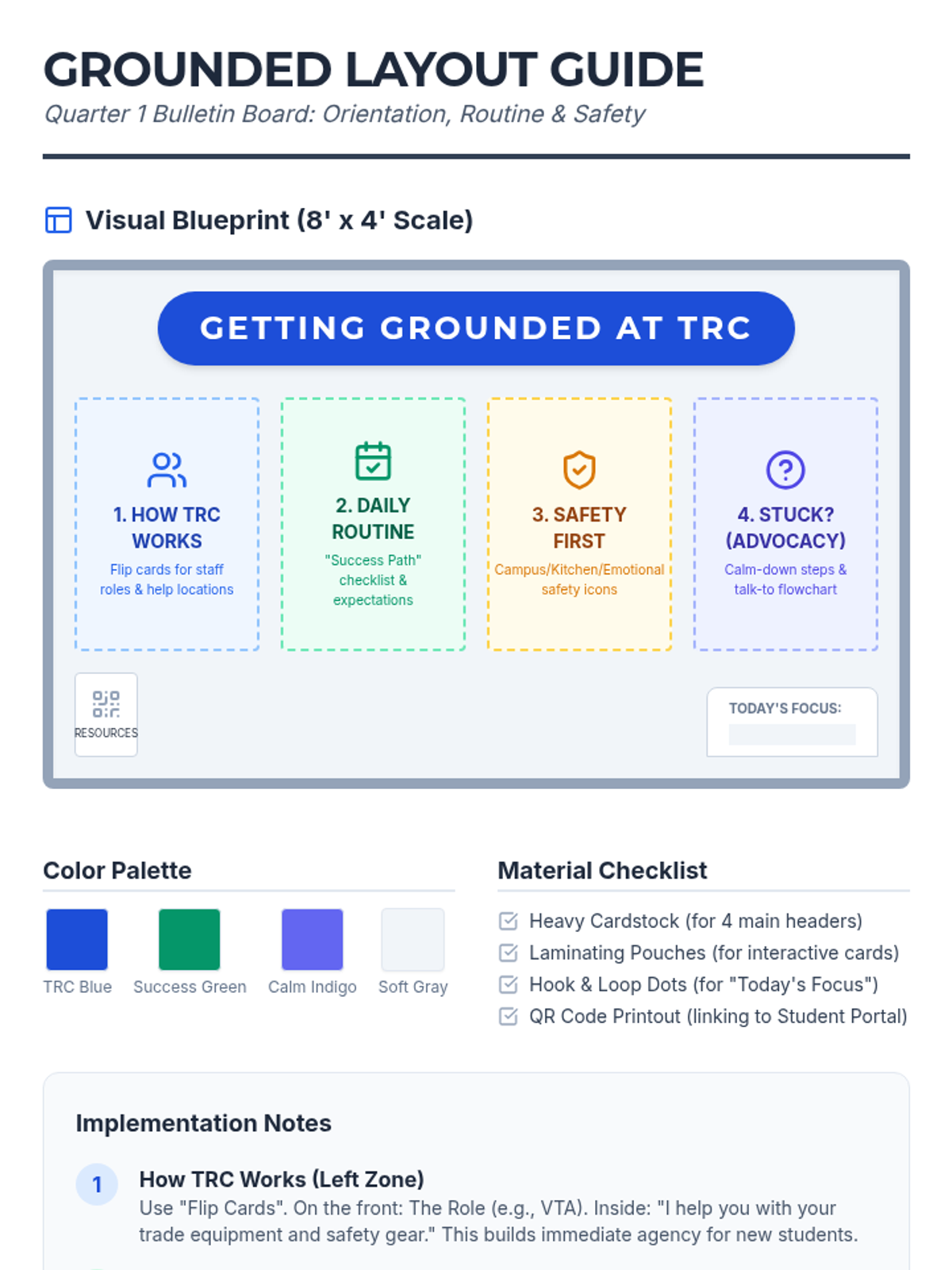
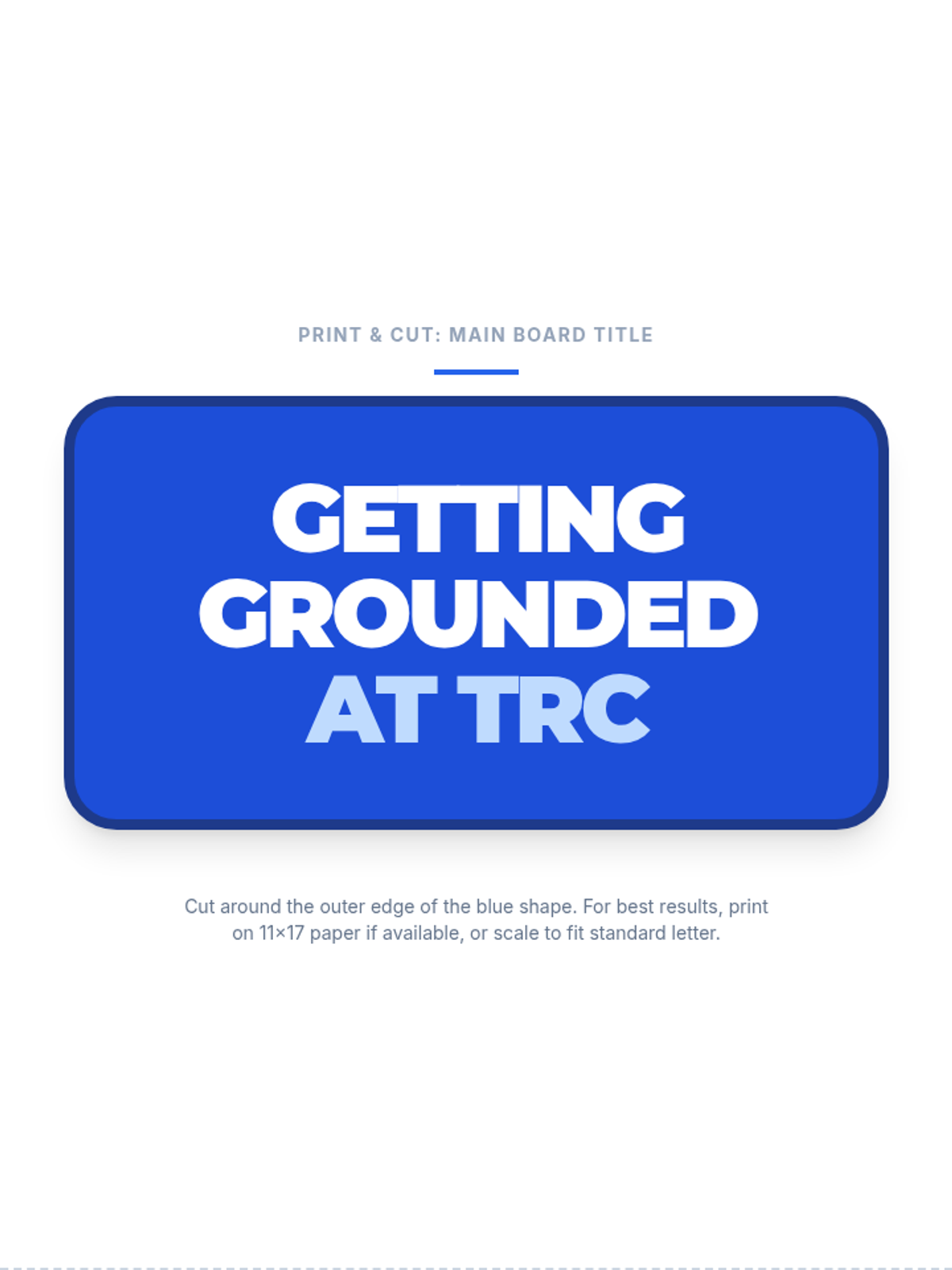
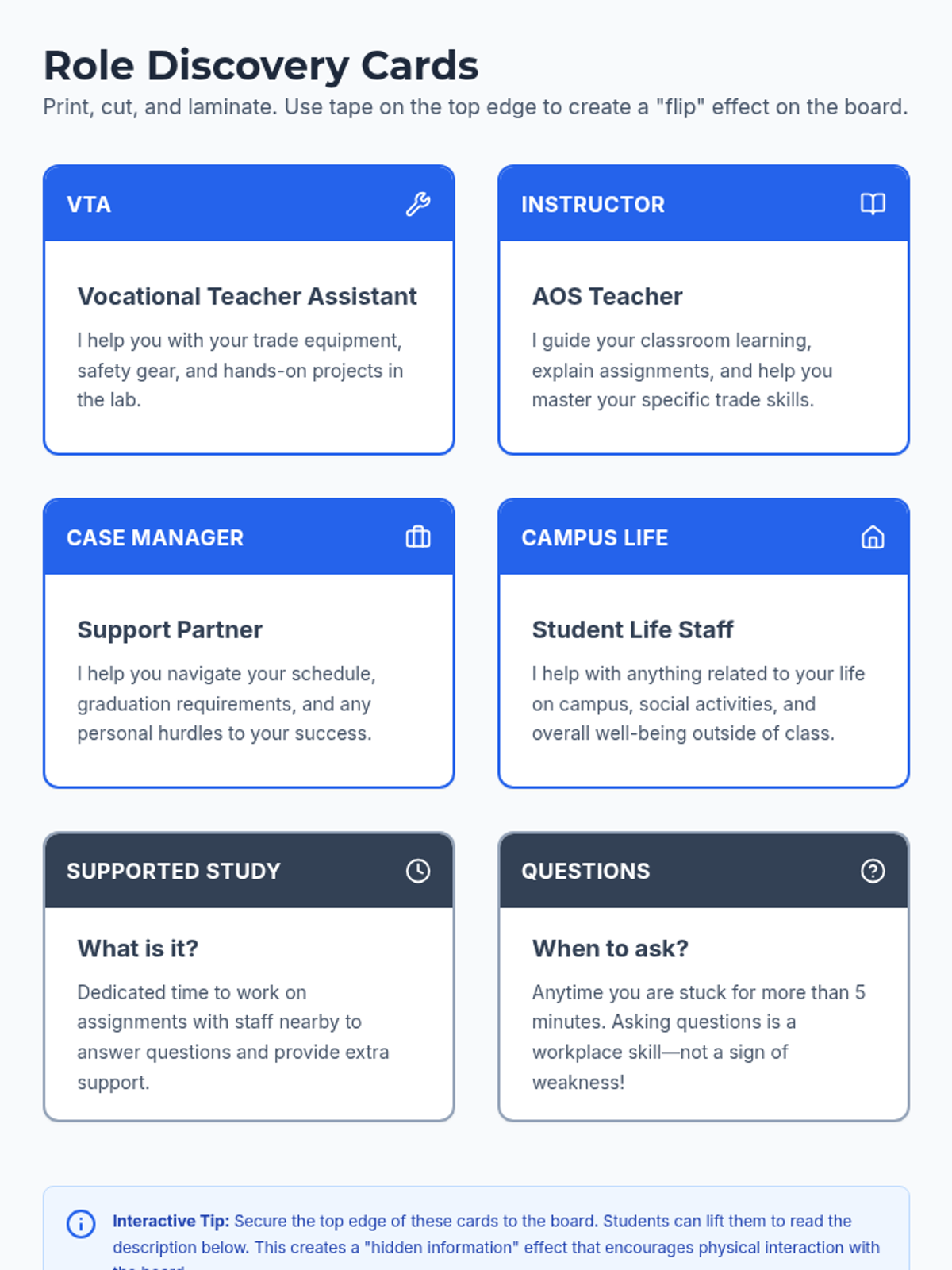
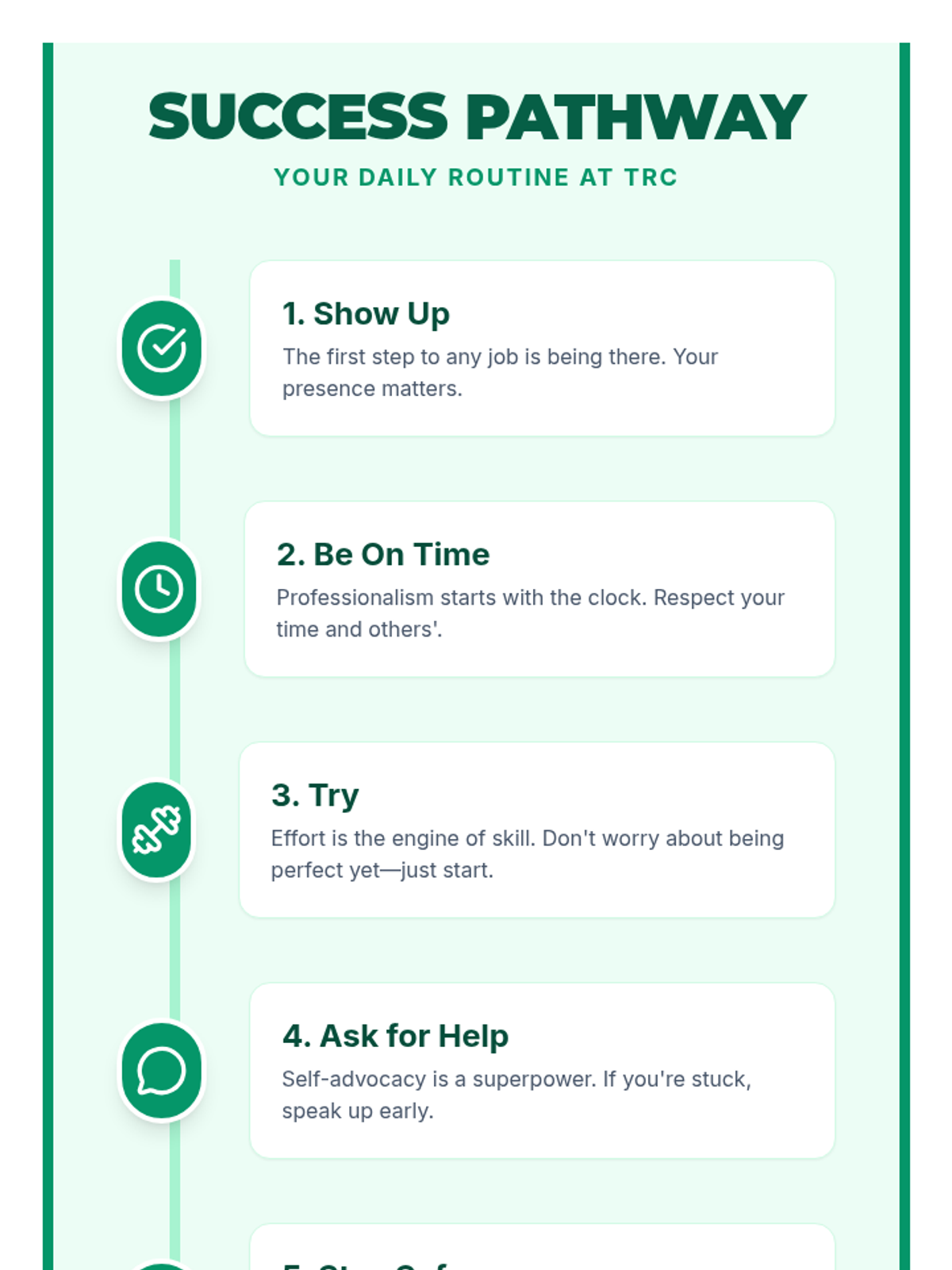
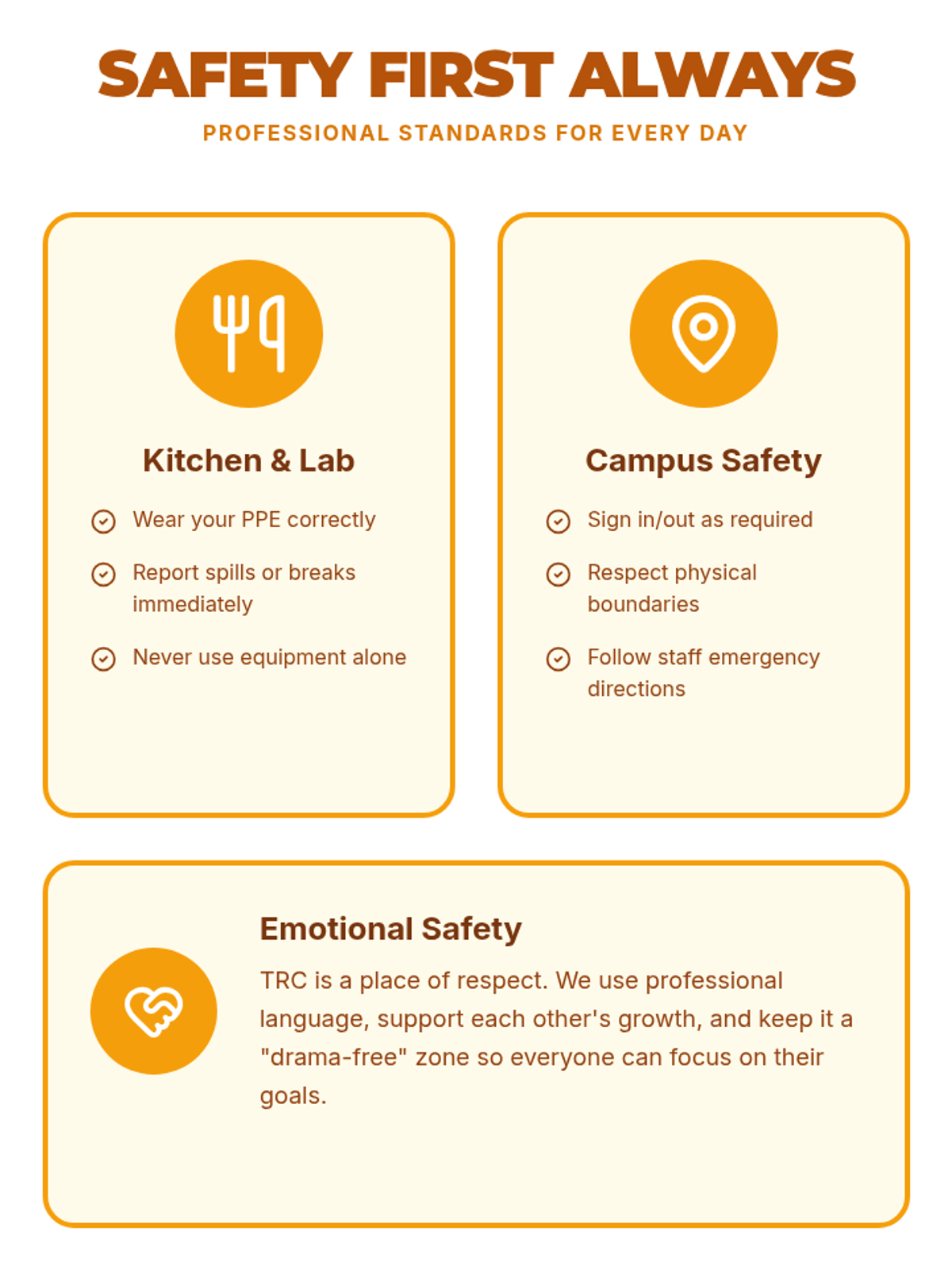
A collection of quarterly bulletin board designs for TRC, providing visual blueprints and printable components to help students navigate orientation, skill-building, and transition planning.
A comprehensive guide to help students navigate the transition from high school to post-secondary life, covering career exploration, college applications, financial aid, and essential life skills.
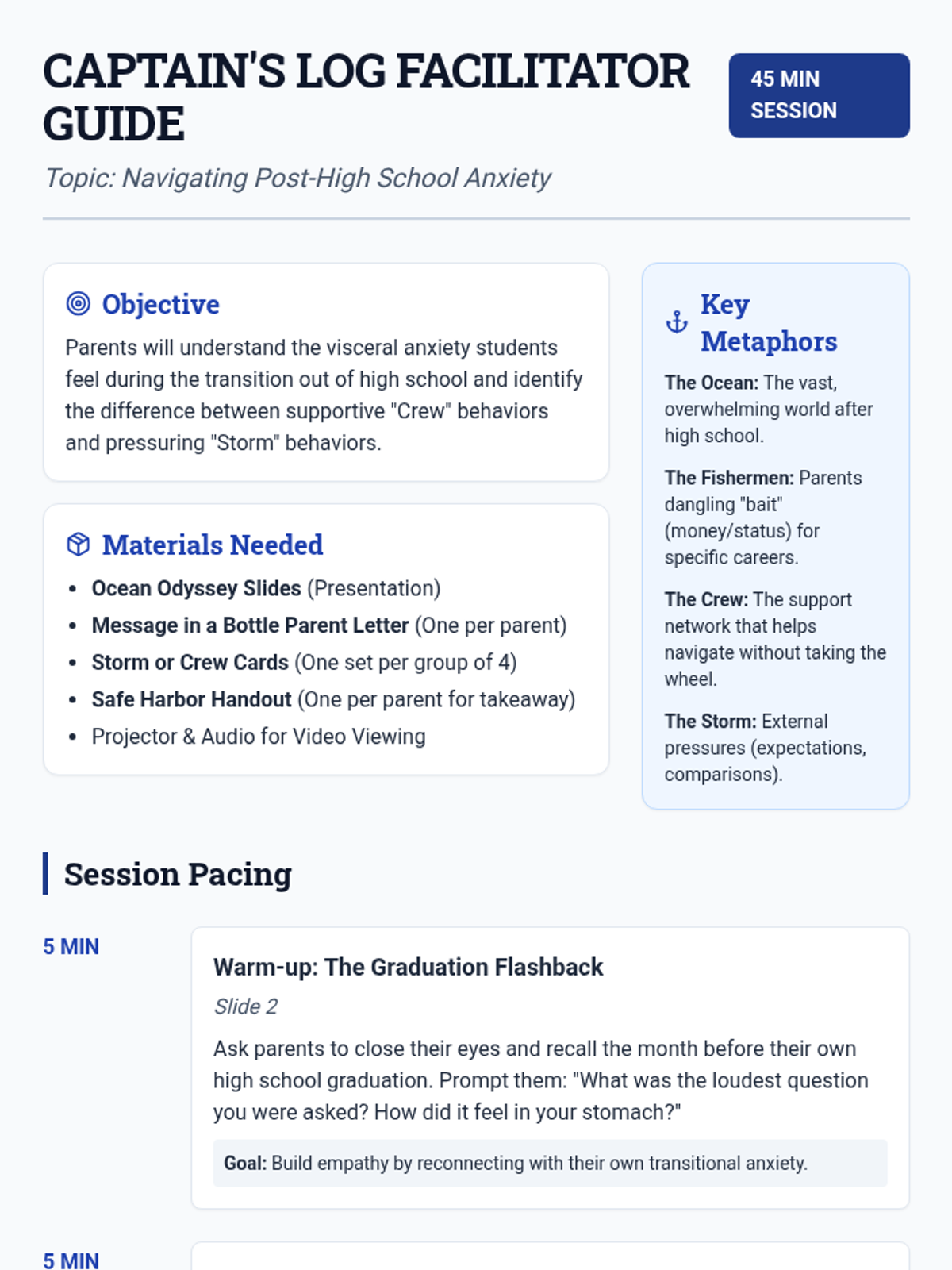
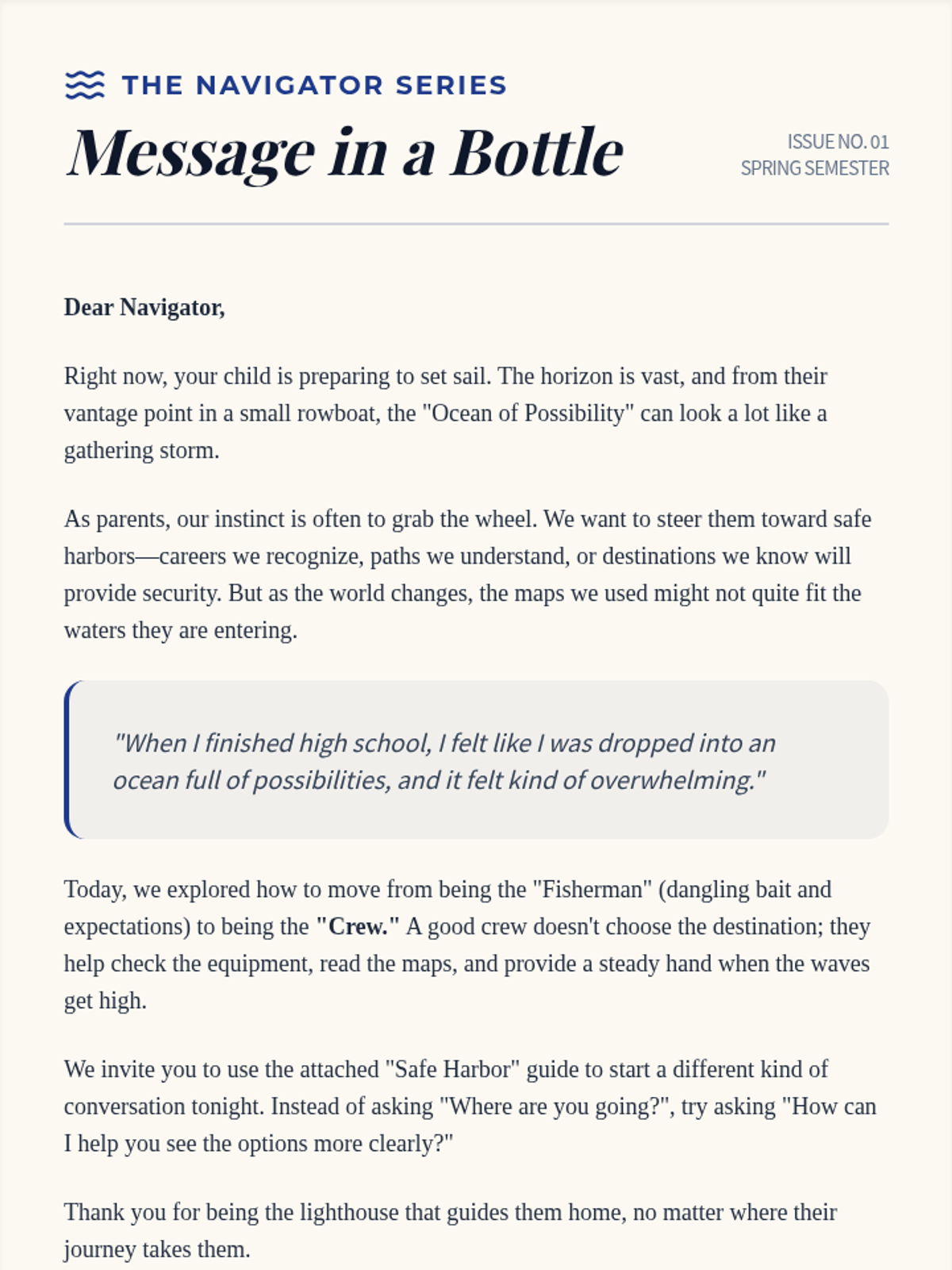
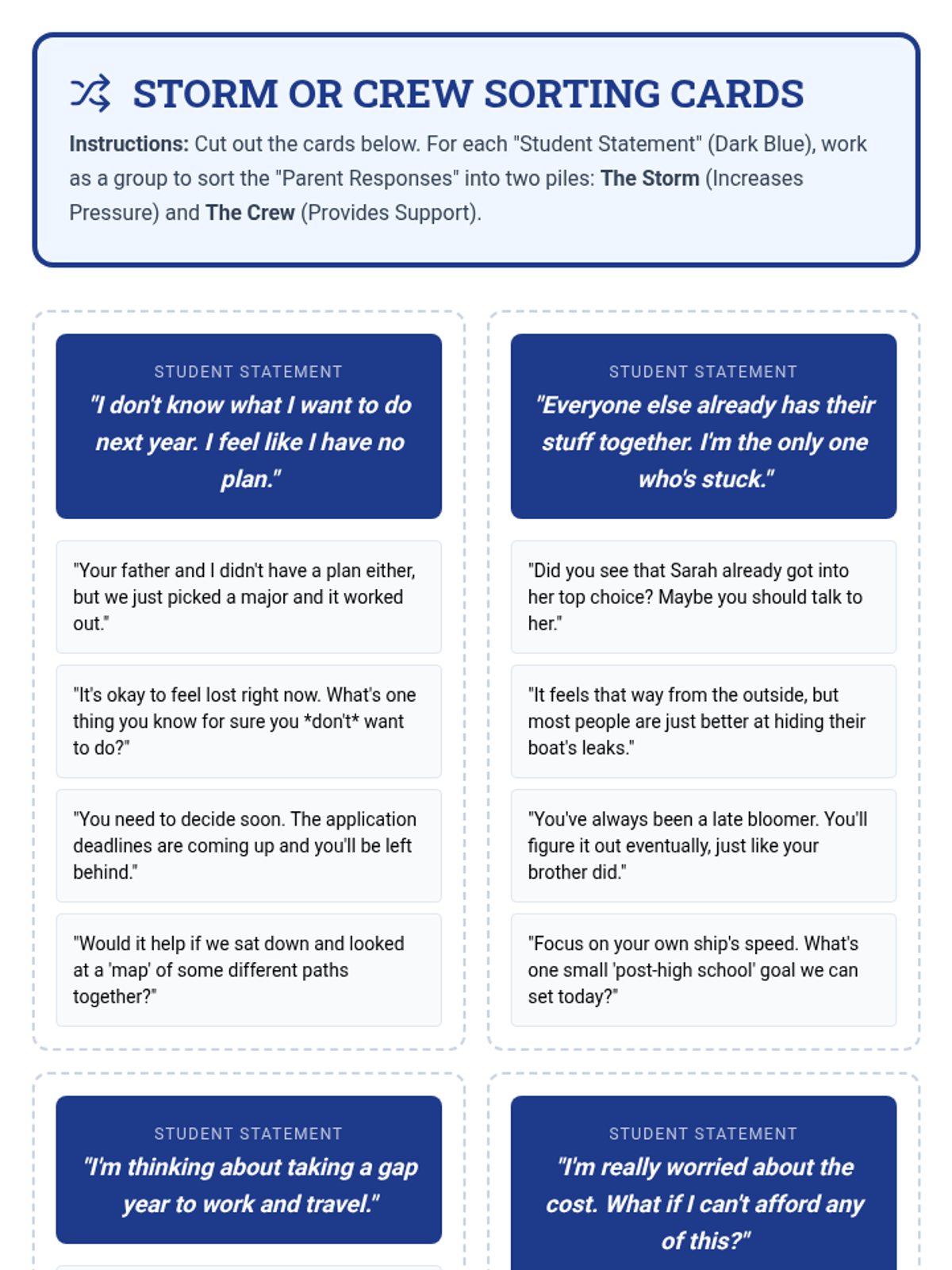
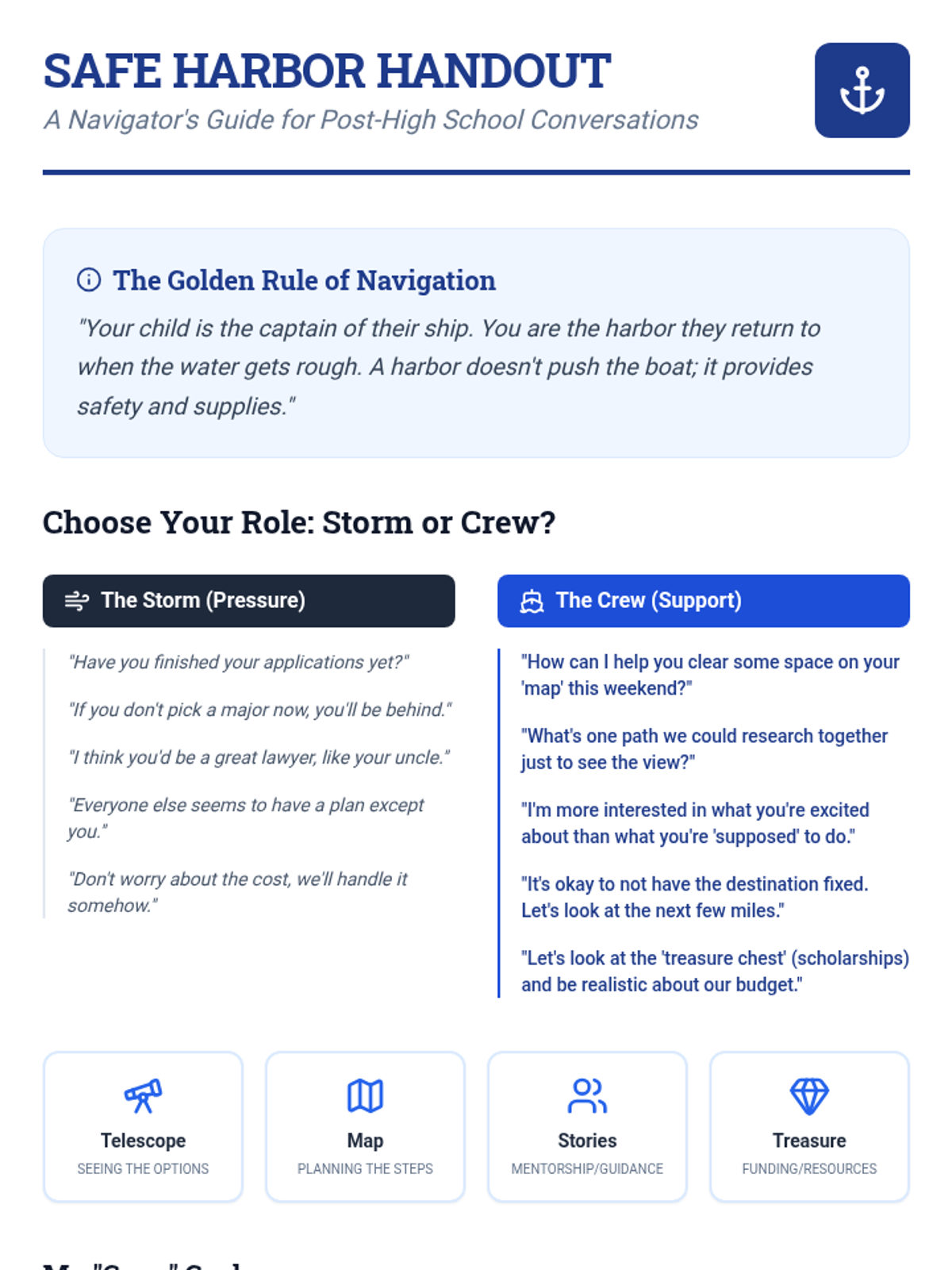
A specialized workshop sequence designed for high school parents to help them navigate the emotional complexities of their children's post-secondary transitions. The sequence focuses on moving from a 'pressure-based' approach to a 'support-based' framework using nautical metaphors.
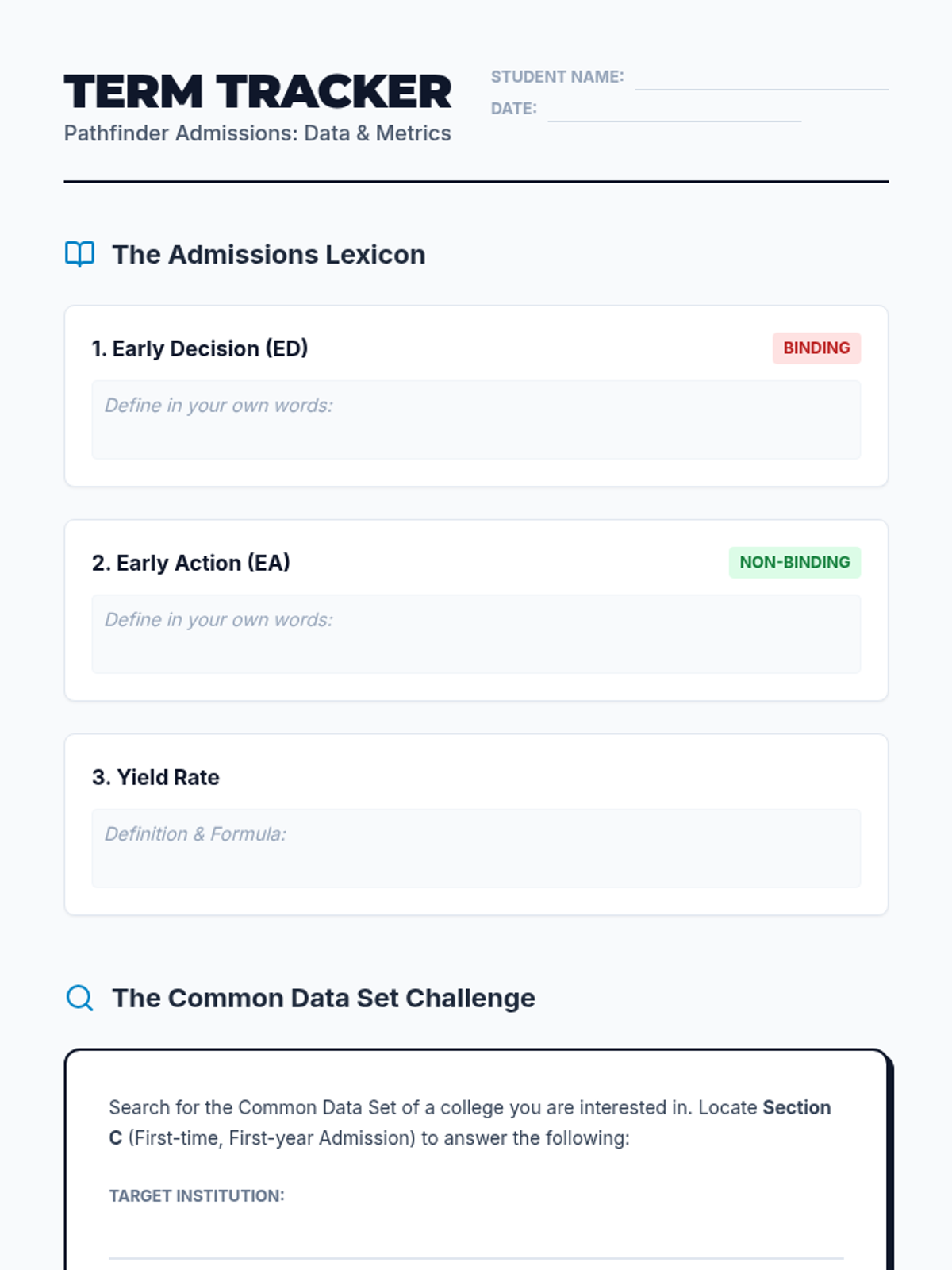
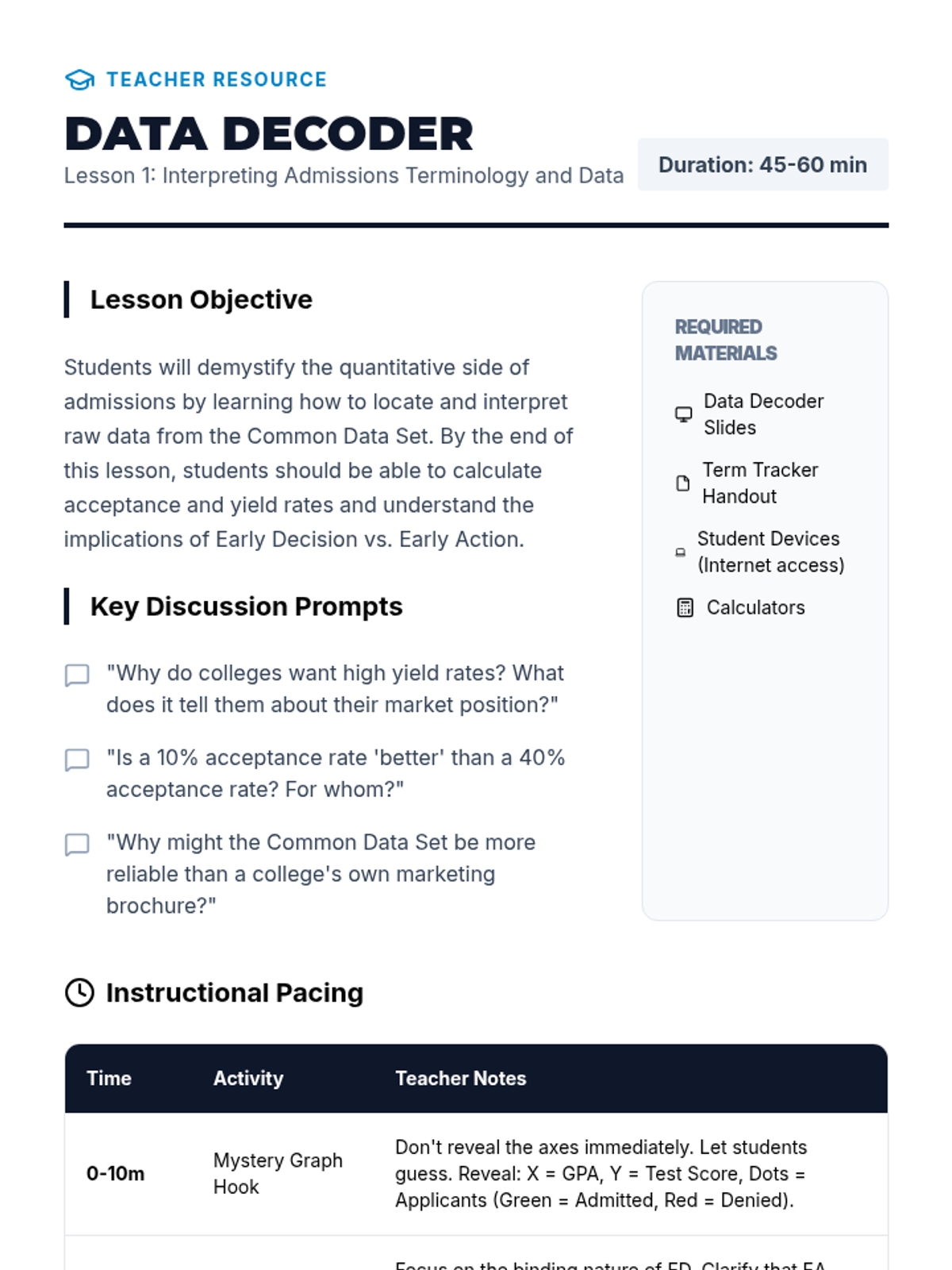
A data-driven sequence for 10th graders to understand college admissions metrics, interpret scattergrams, and build balanced college lists using quantitative and qualitative analysis.
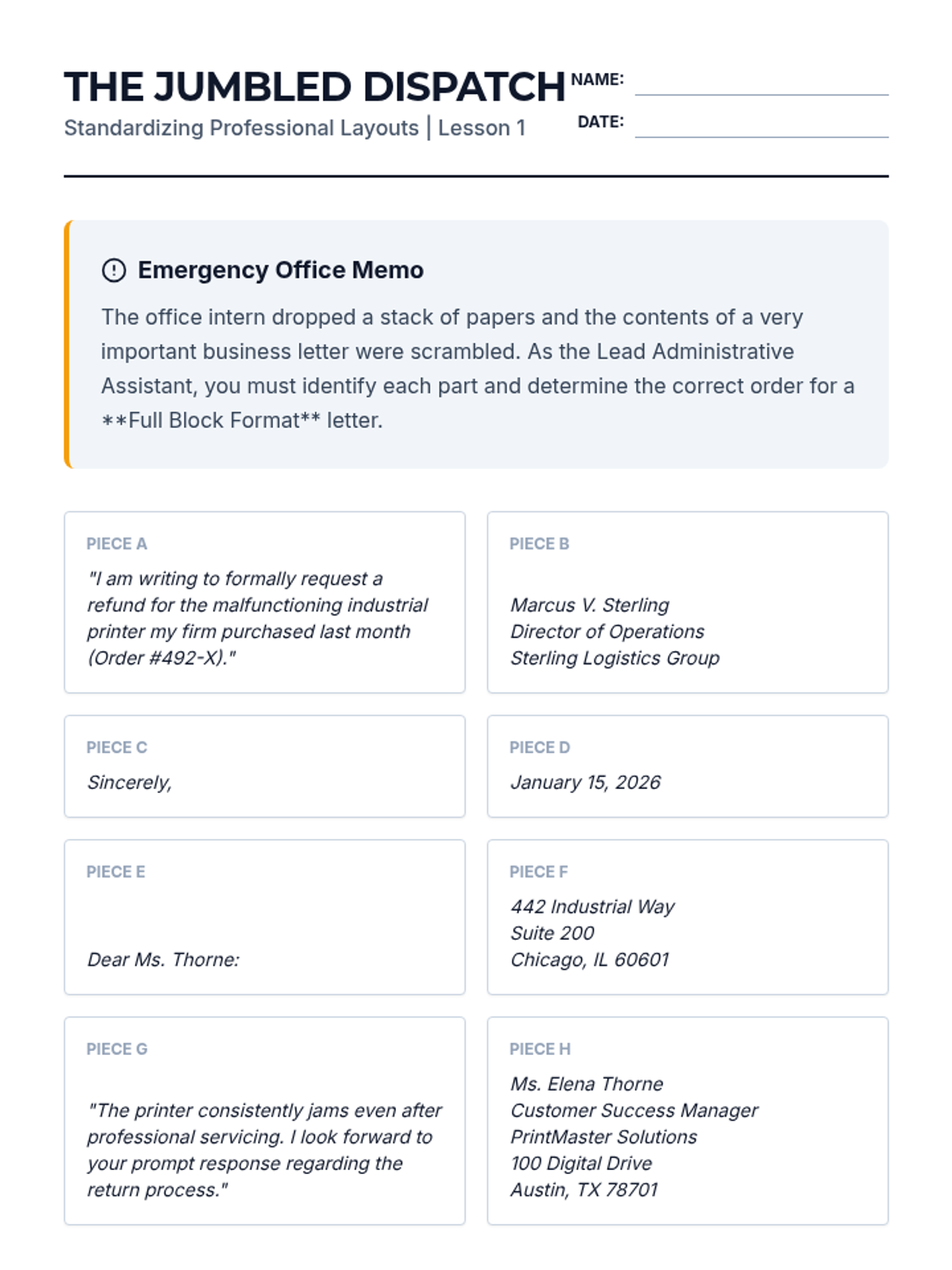
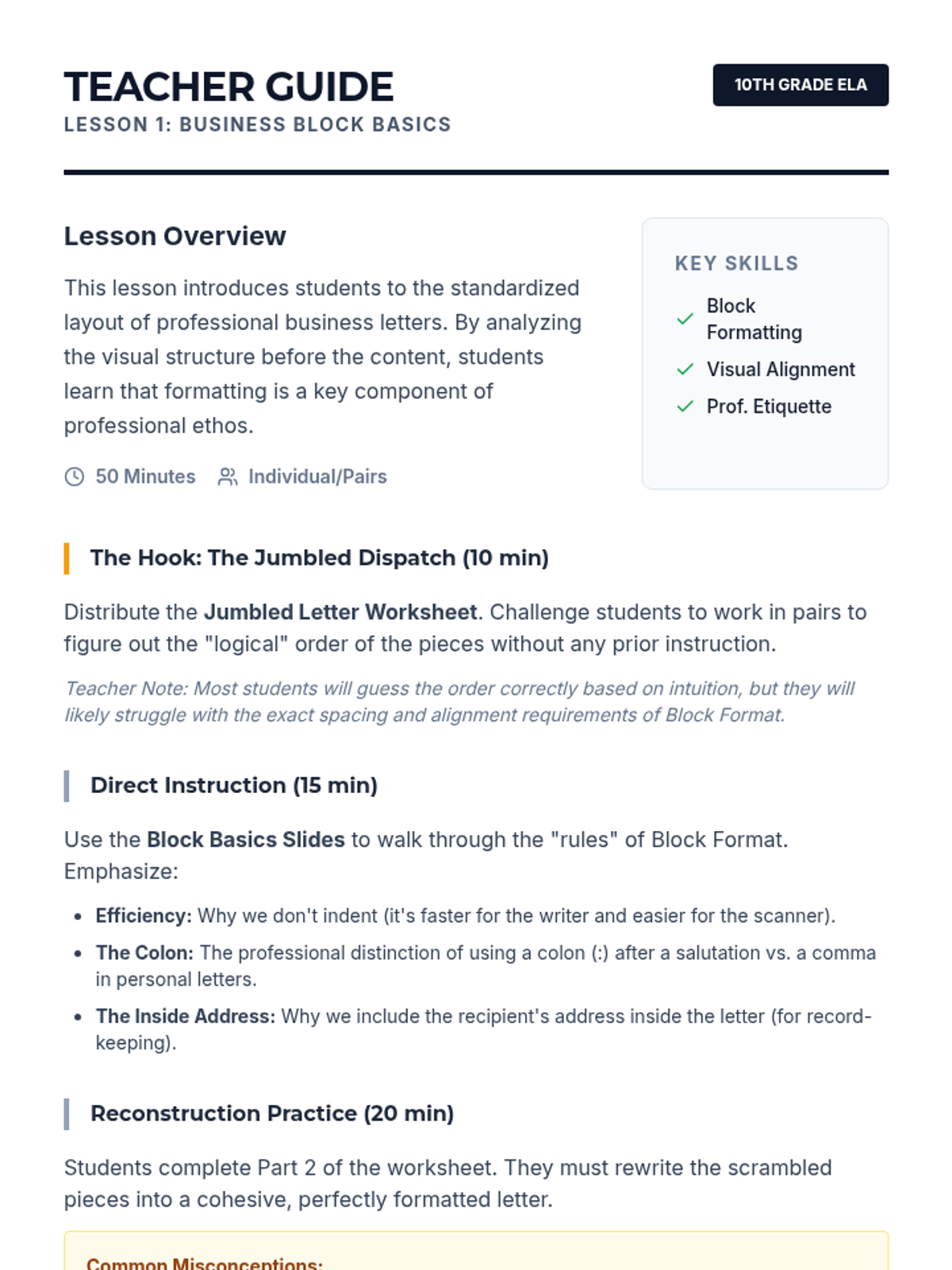
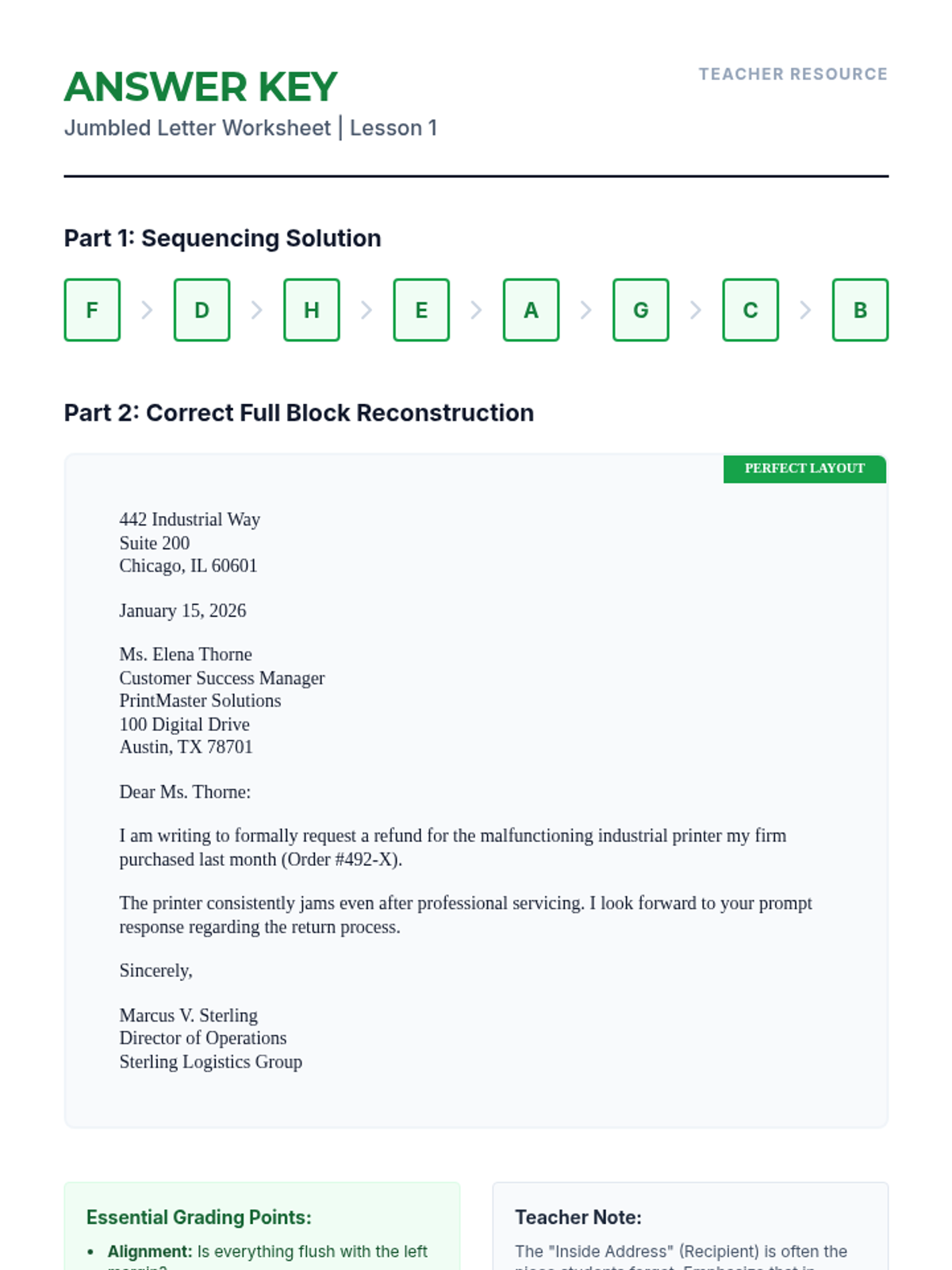
A 10th-grade ELA sequence focusing on professional formatting conventions for business letters, resumes, lists, and emails, culminating in a professional portfolio audit.
A comprehensive unit for seniors exploring the intersection of digital footprints, professional reputation, and legal accountability. Students move from auditing their personal history to strategically curating a professional identity and navigating complex legal and security landscapes in the digital age.
This sequence covers essential life skills for different age groups, focusing on digital citizenship for high schoolers and perseverance for elementary students.
A sequence of lessons focused on essential modern life skills, covering digital citizenship and emotional intelligence for middle and high school students.
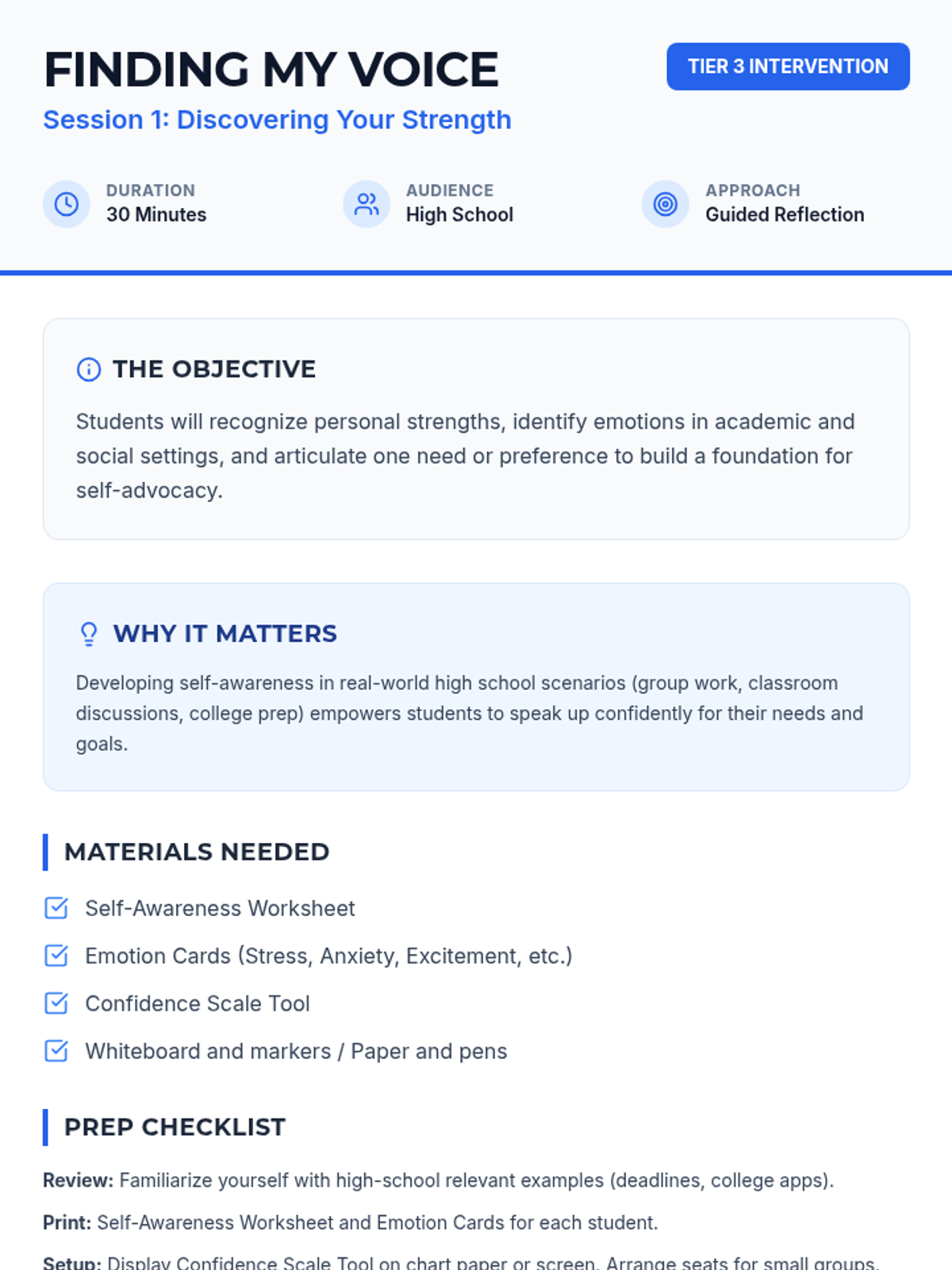
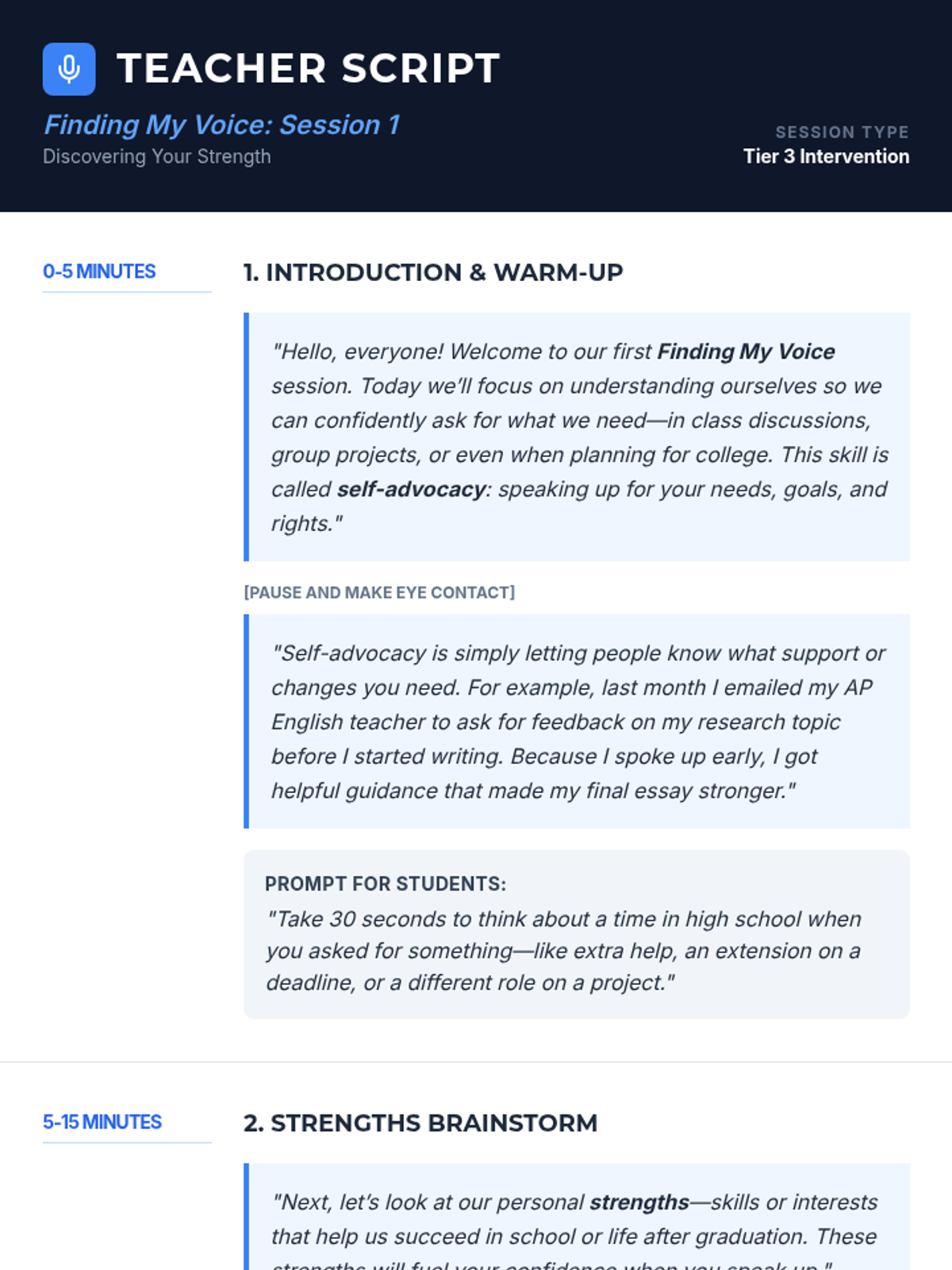
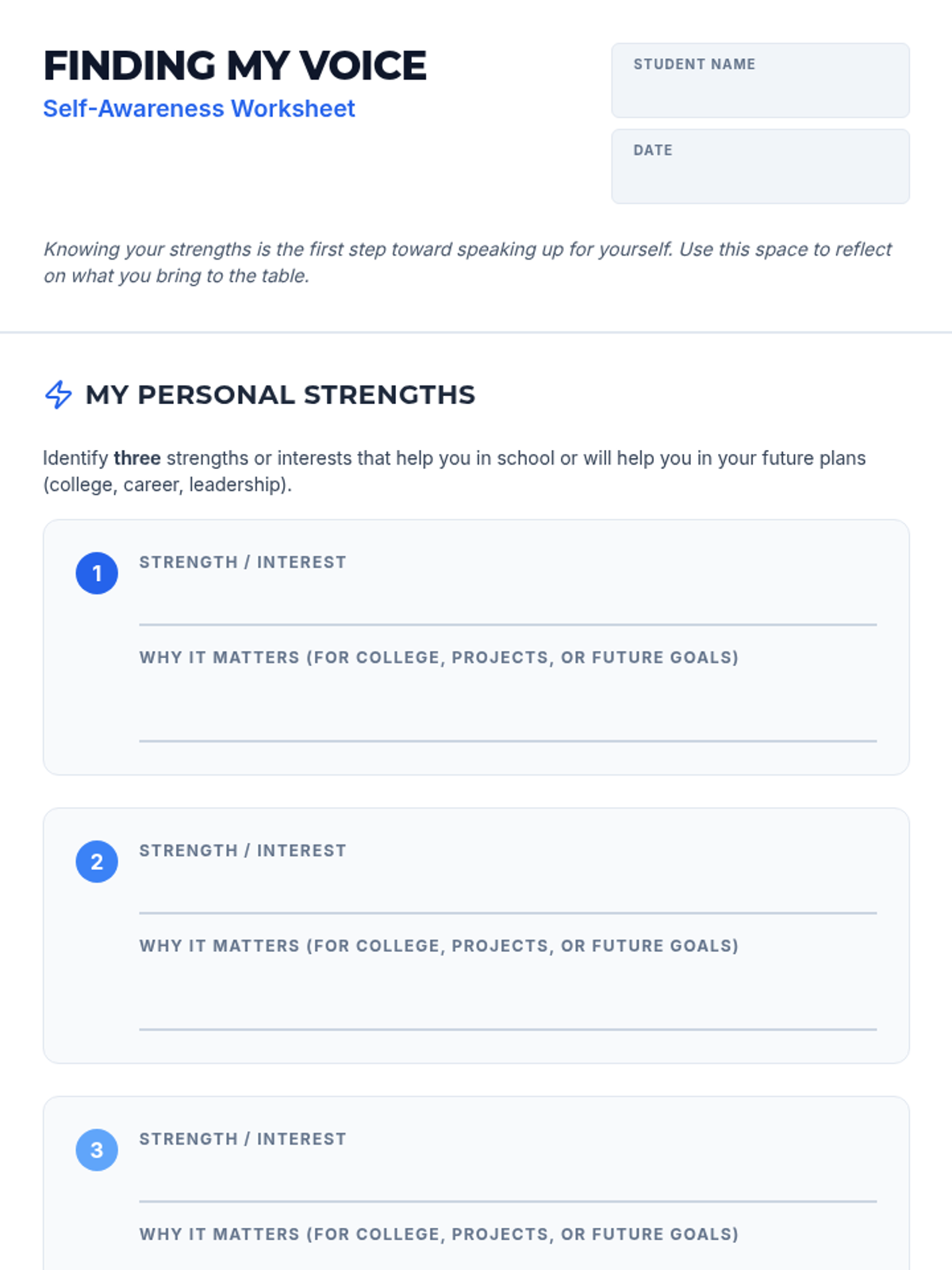
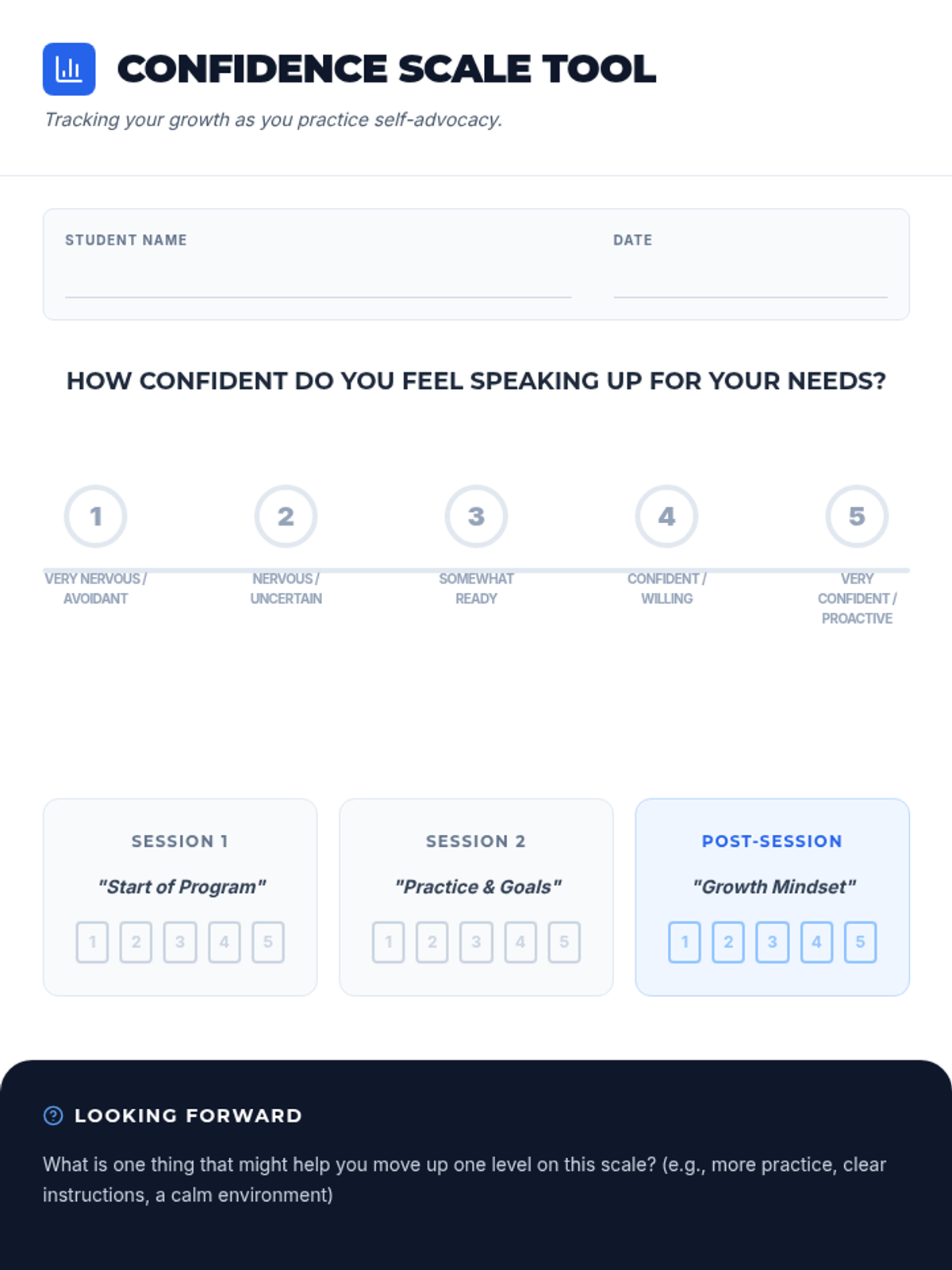
A two-session Tier 3 intervention for high school students designed to build self-advocacy skills, confidence, and the ability to express personal needs in academic and social settings.
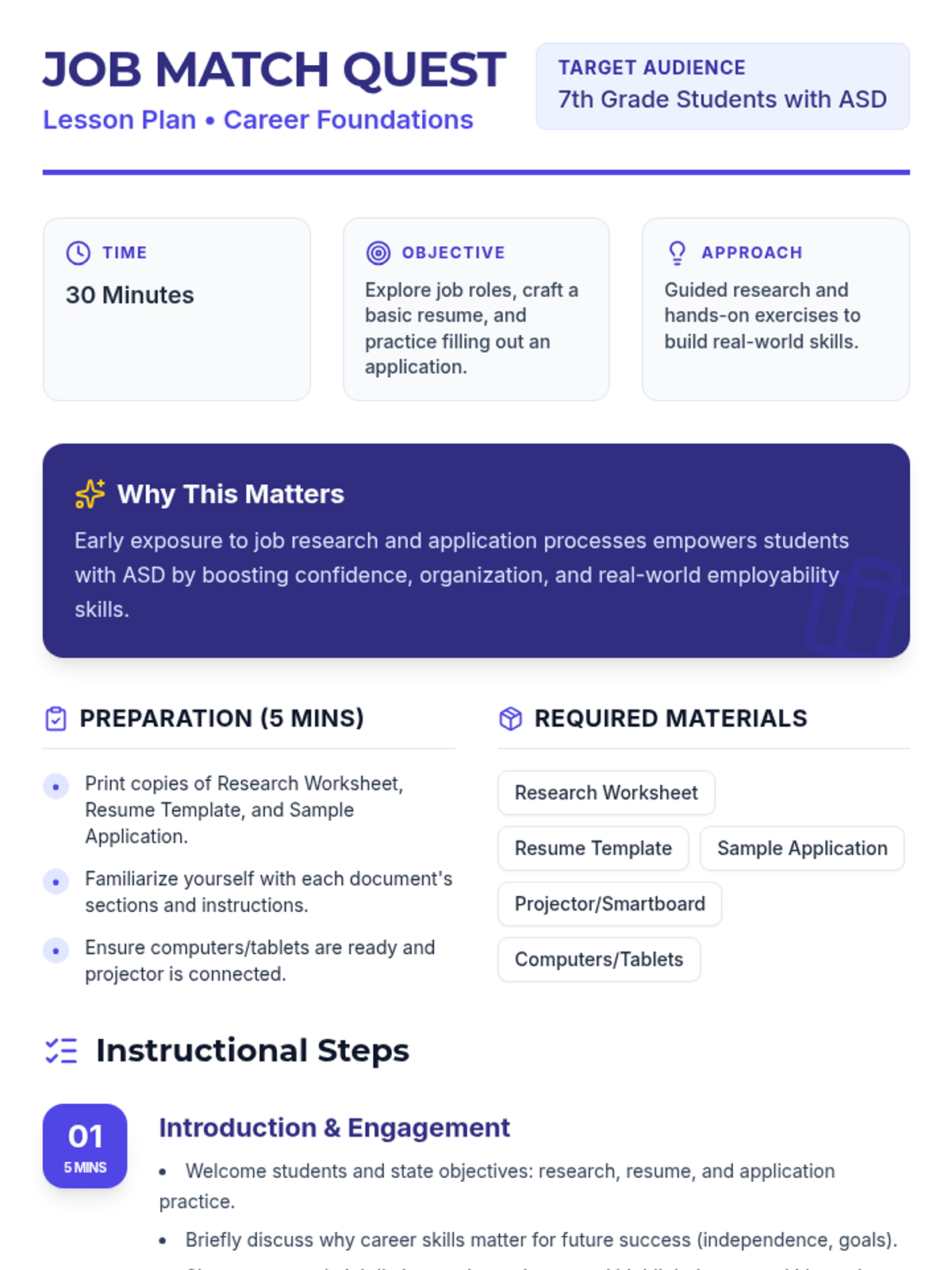
A career-readiness sequence designed for students with ASD, focusing on foundational job research and the advanced application process, including resume building and self-advocacy.