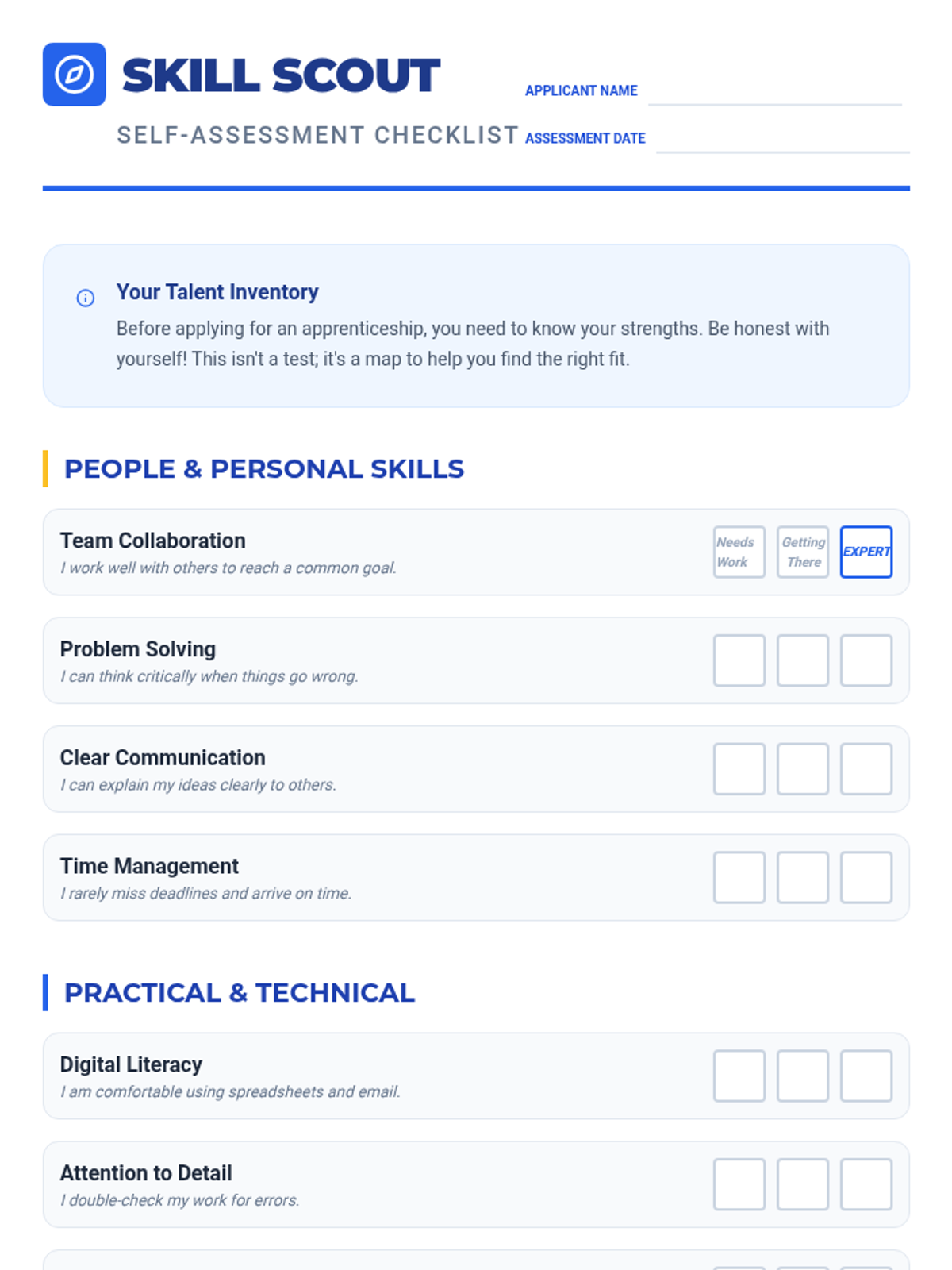
Written and verbal communication standards for the workplace, including email etiquette, presentation delivery, and professional phone conduct. Develops collaborative skills for teamwork, constructive feedback, and efficient time management.
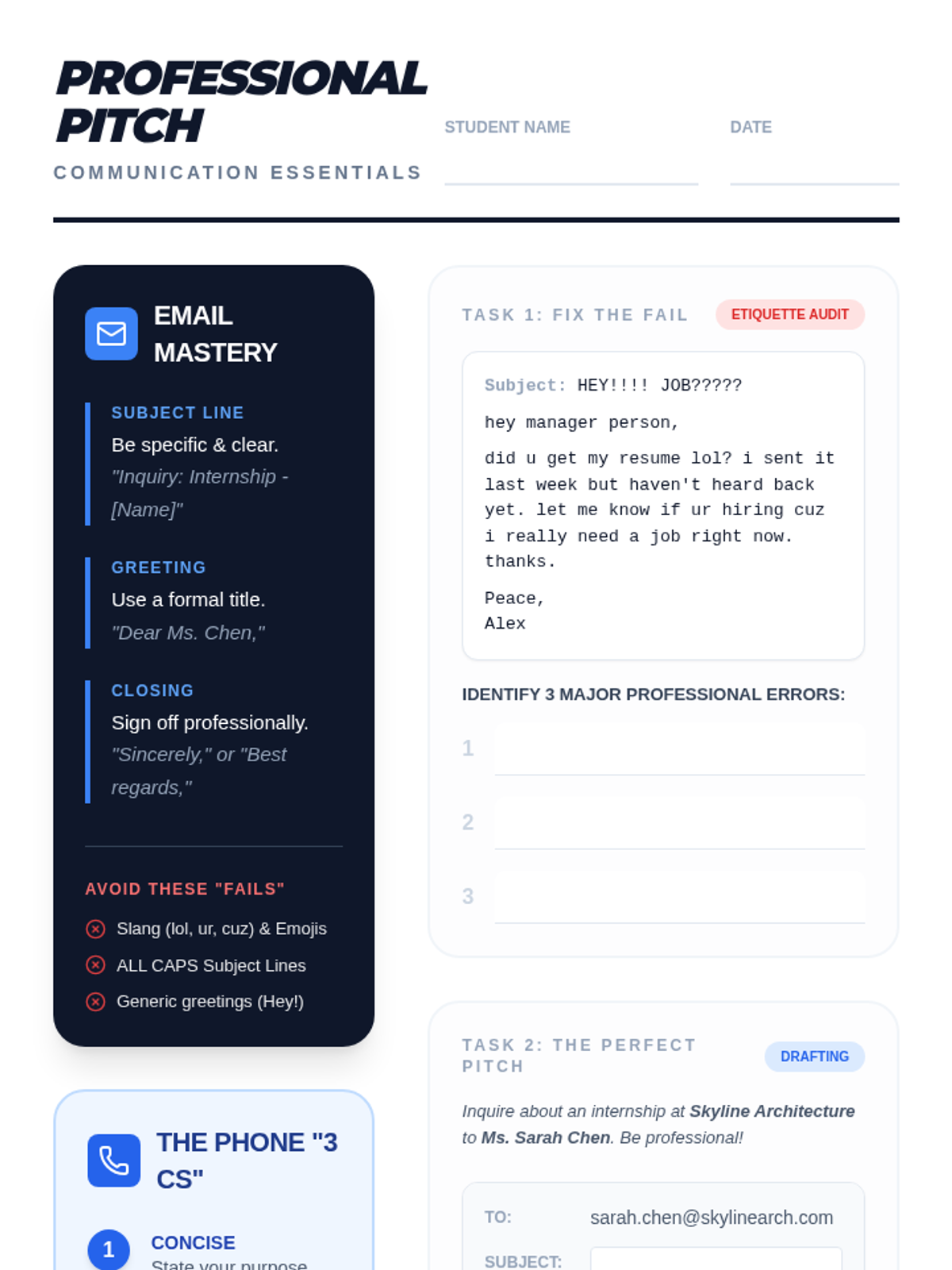
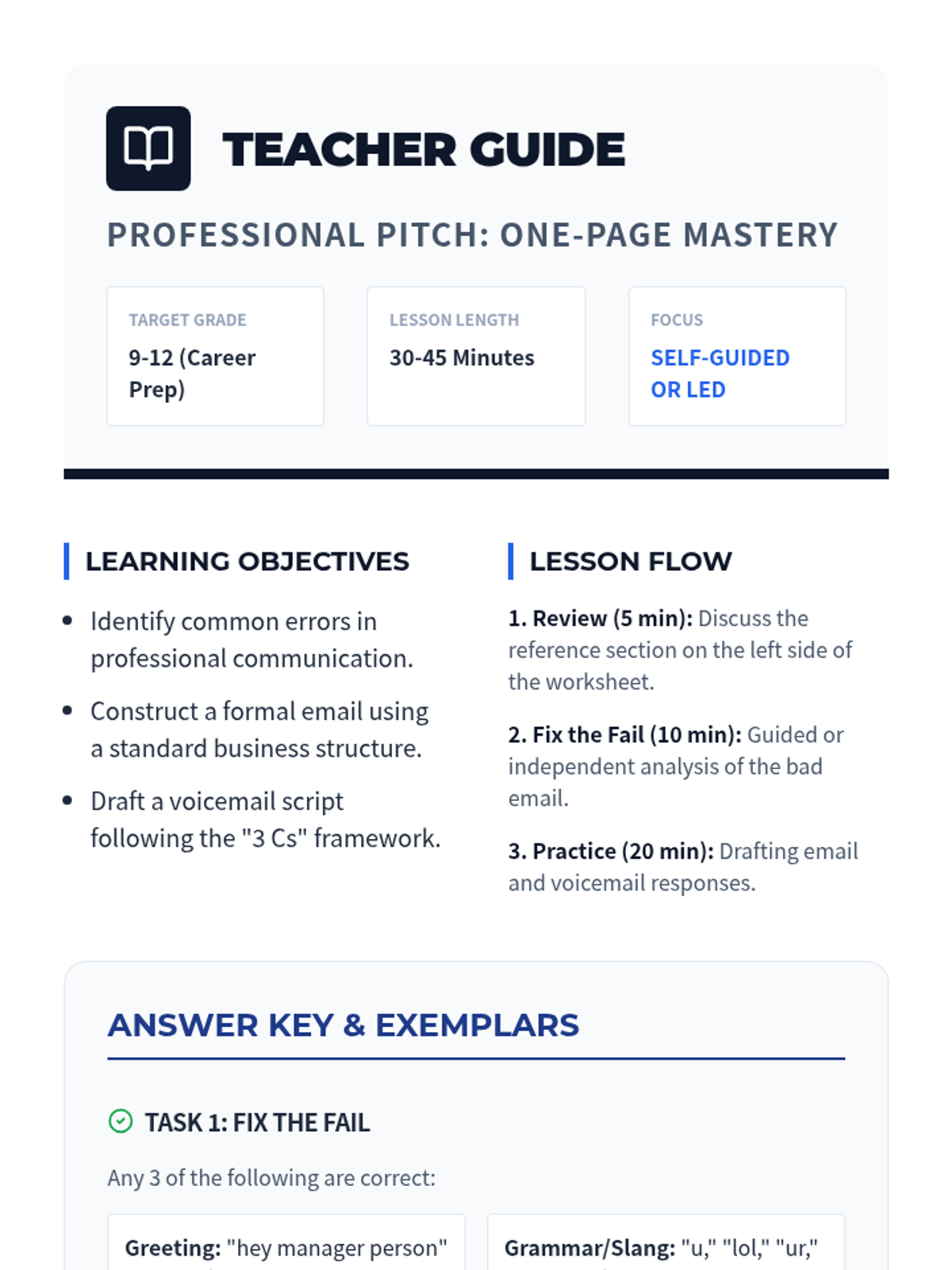
A comprehensive lesson on professional communication skills, focusing on email and phone etiquette for the workplace. Students learn the 'do's and don'ts' and practice crafting their own professional responses.
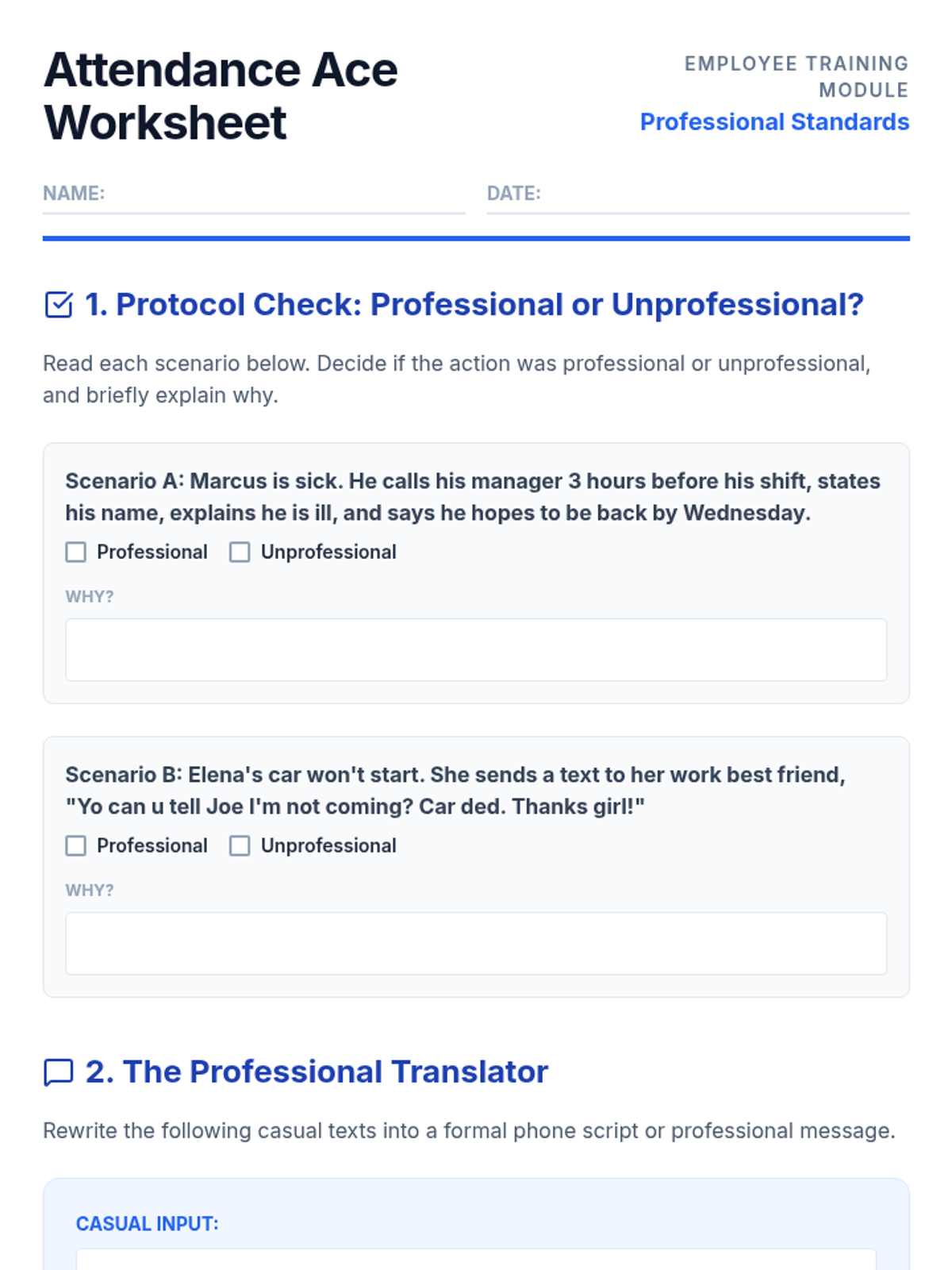
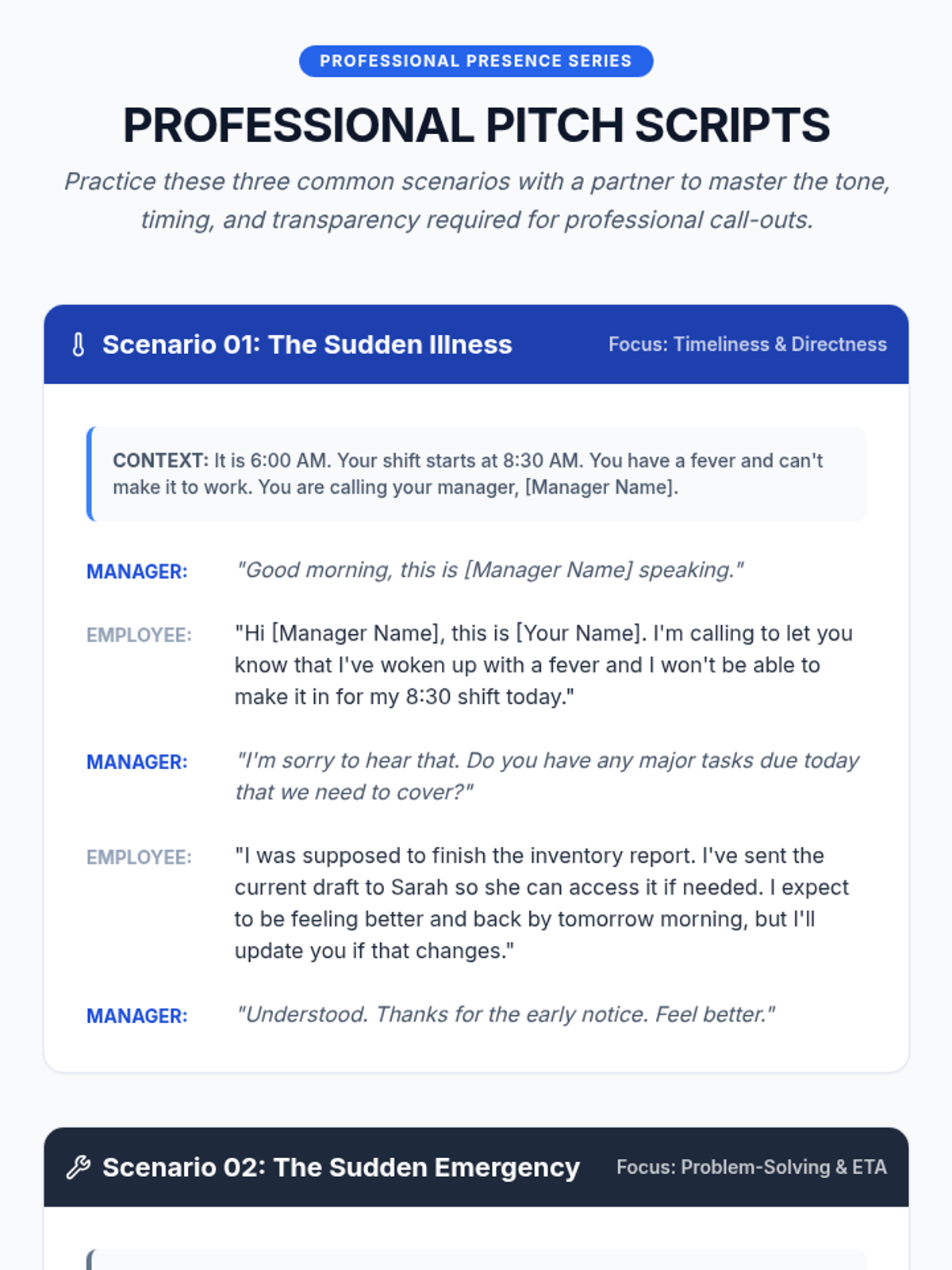
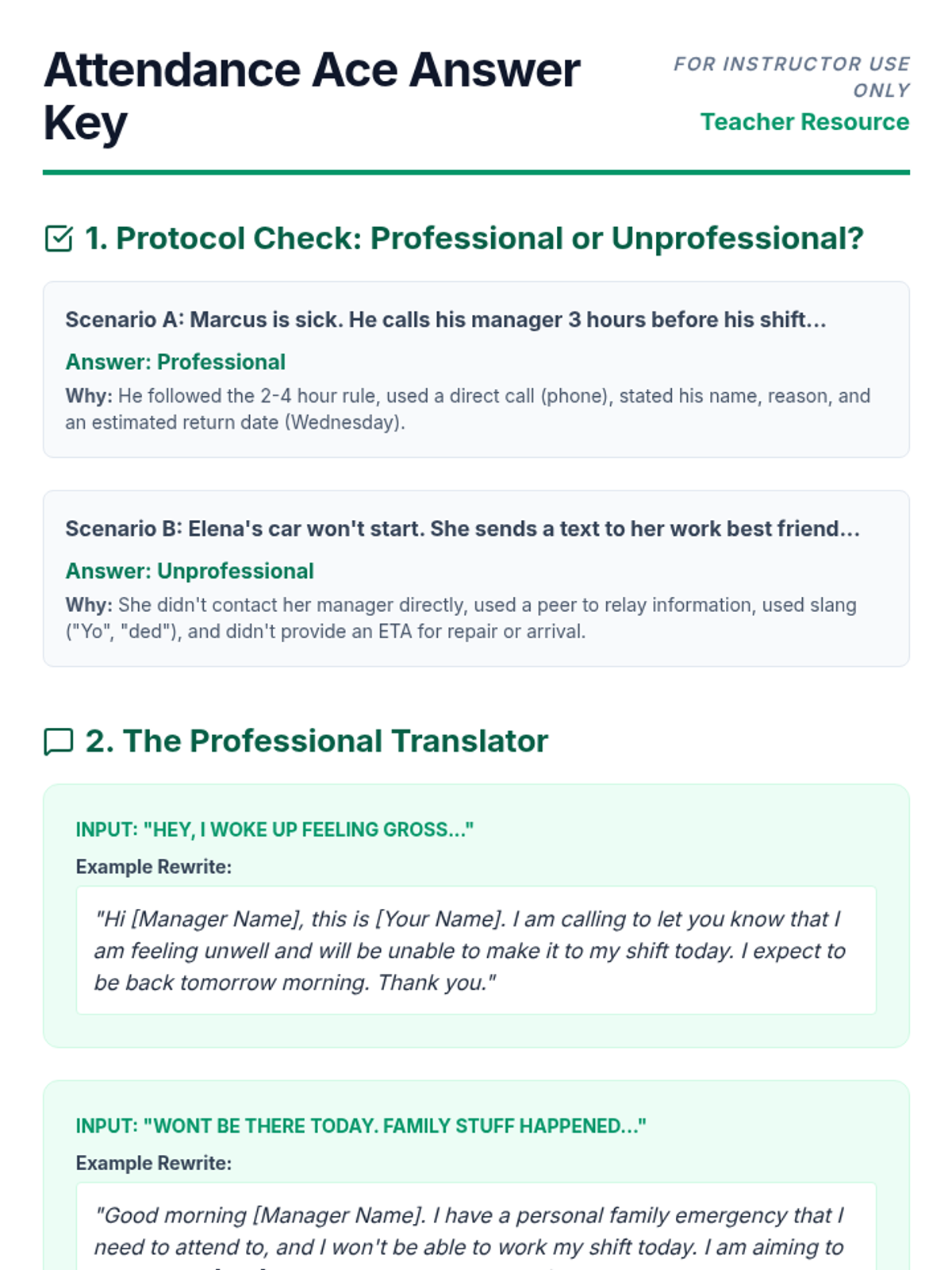
A comprehensive training module on the professional standards for calling out of work, covering etiquette, timing, and communication methods.
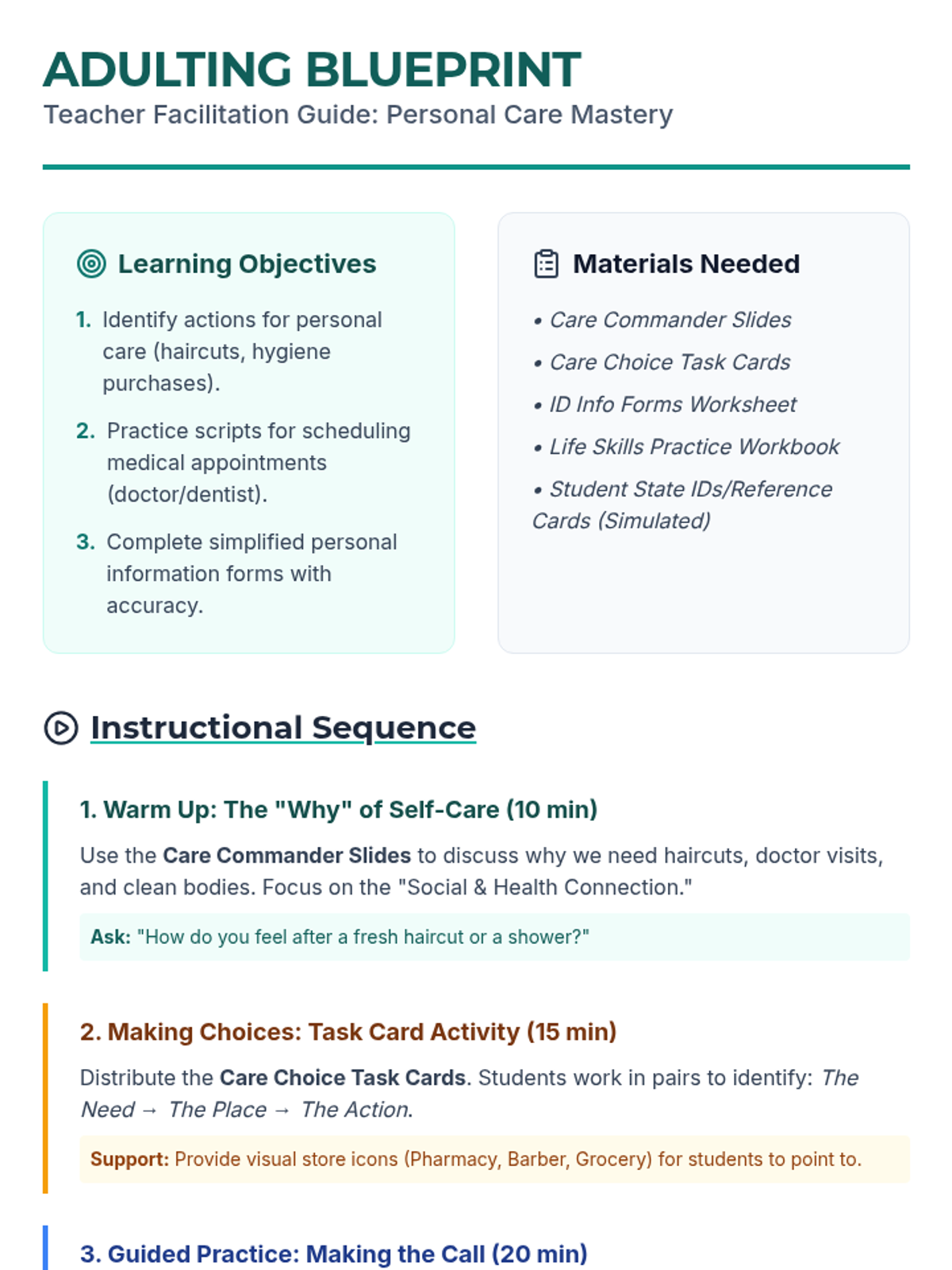
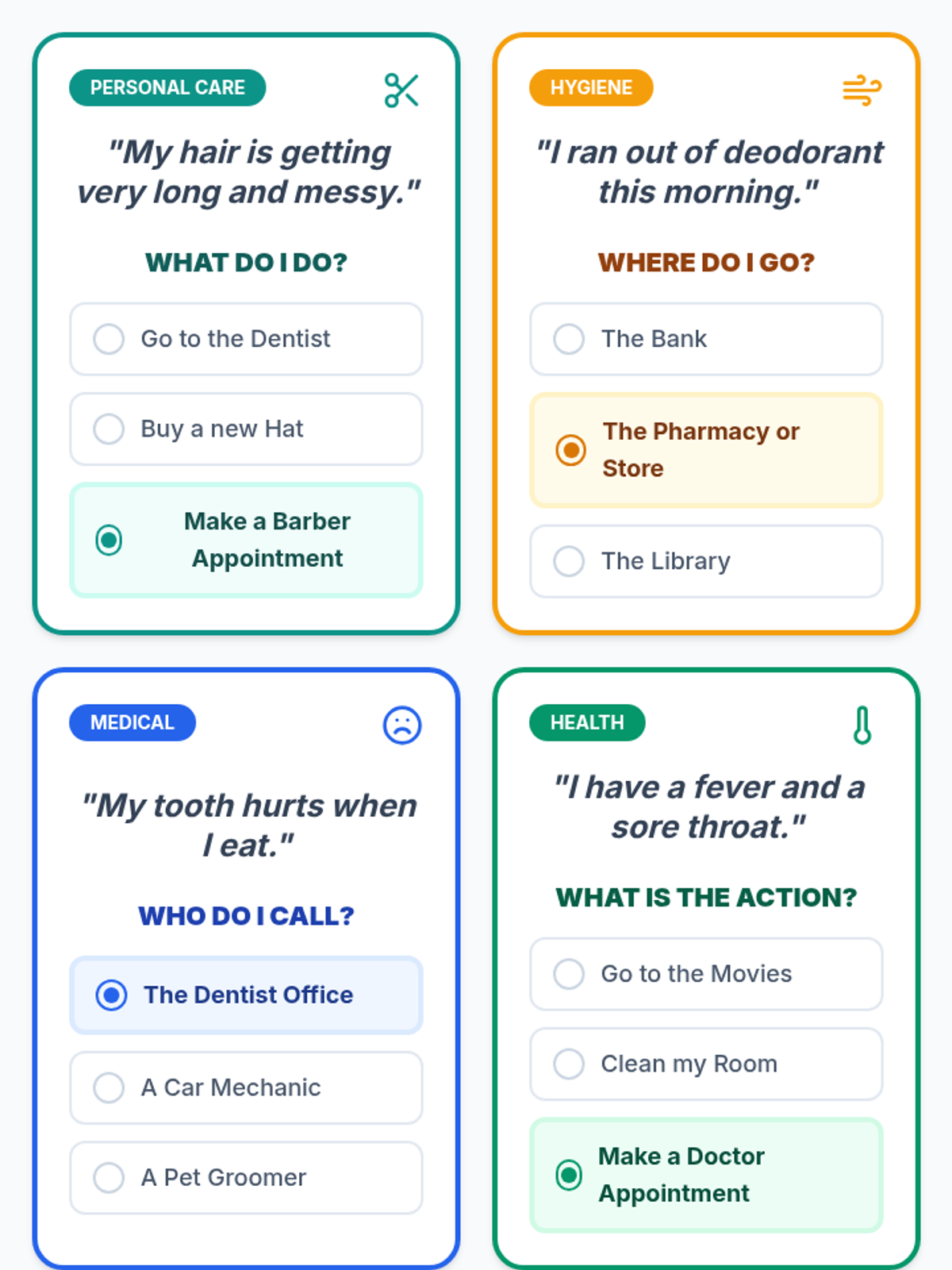
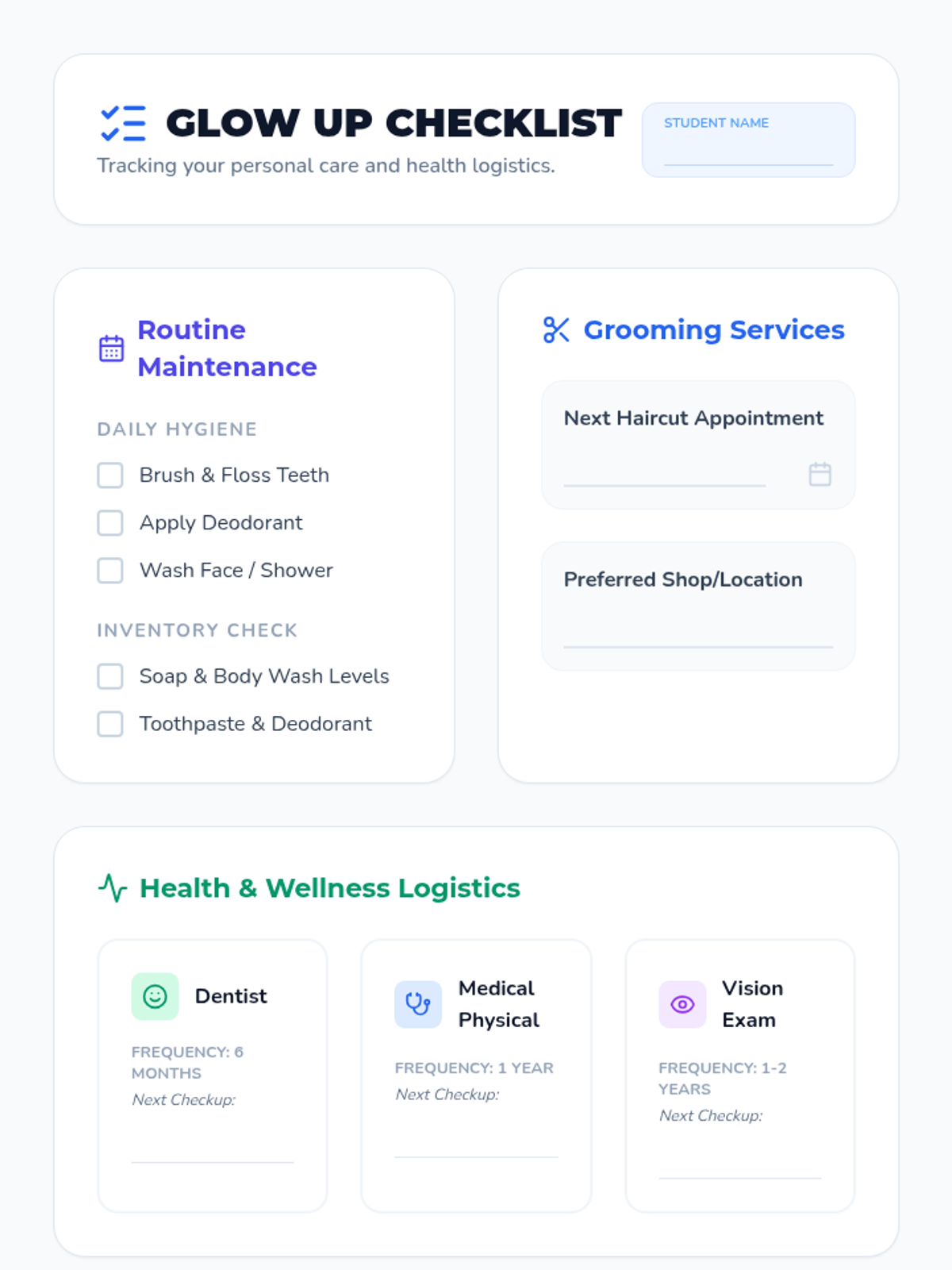
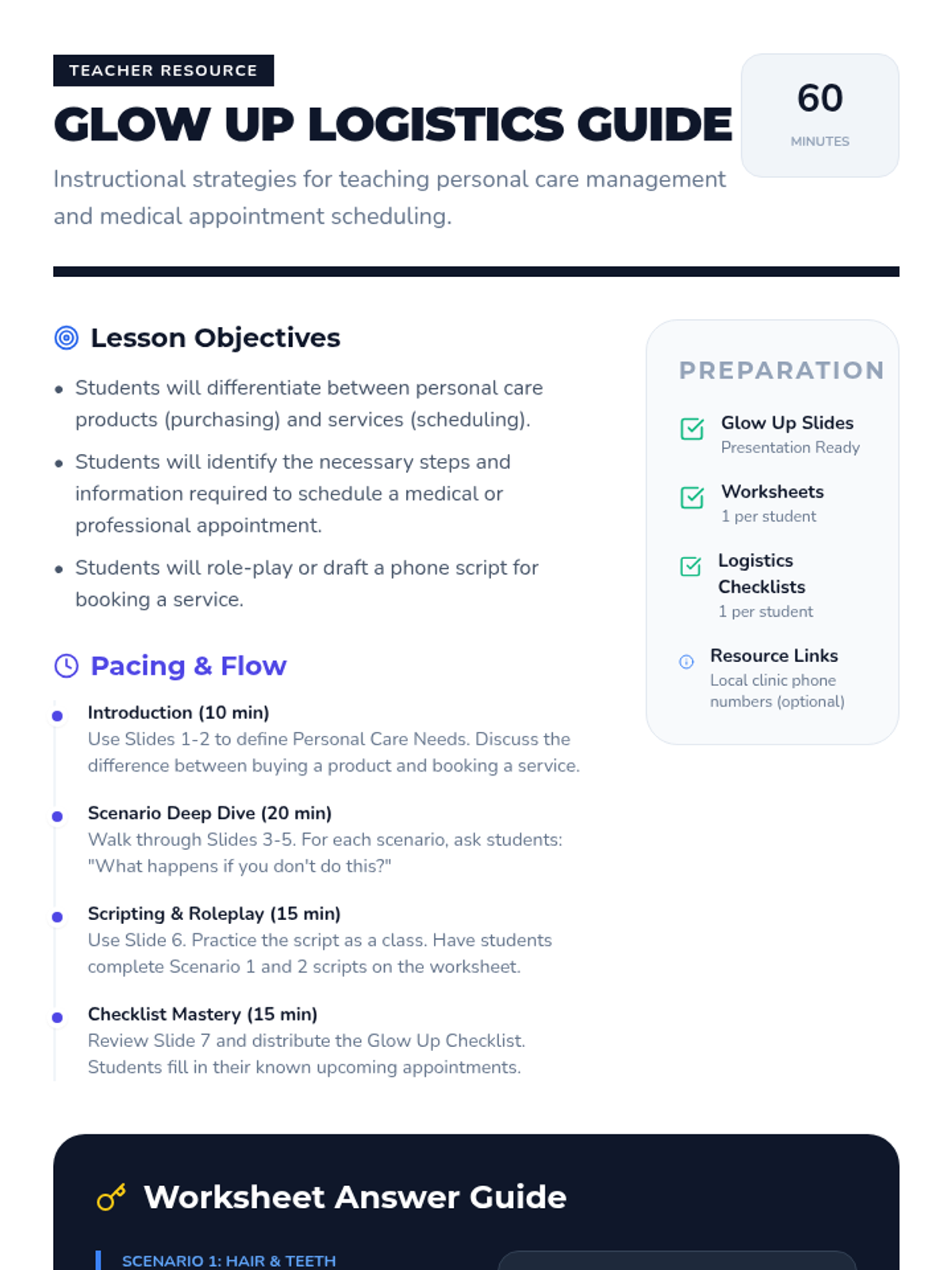
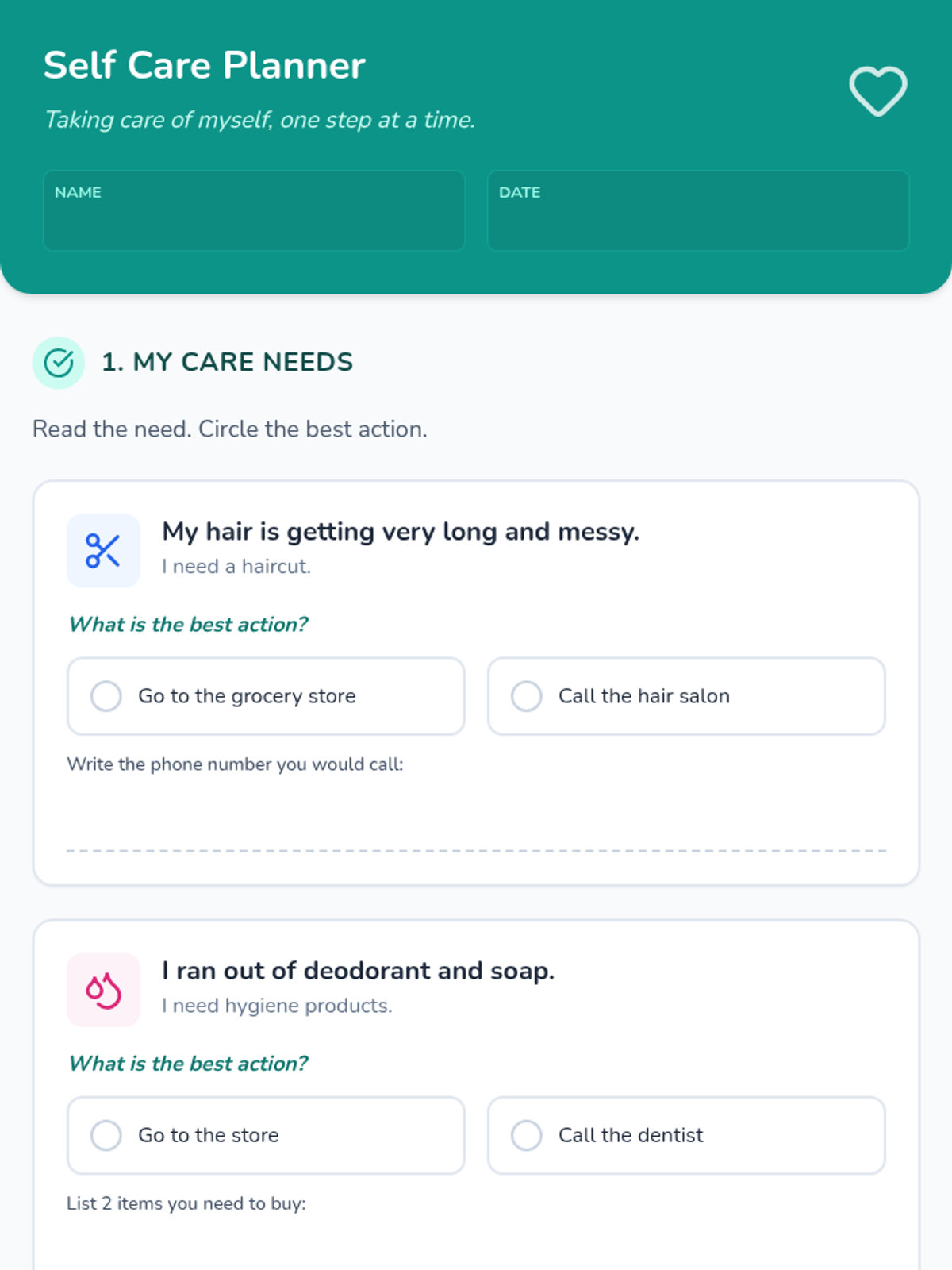
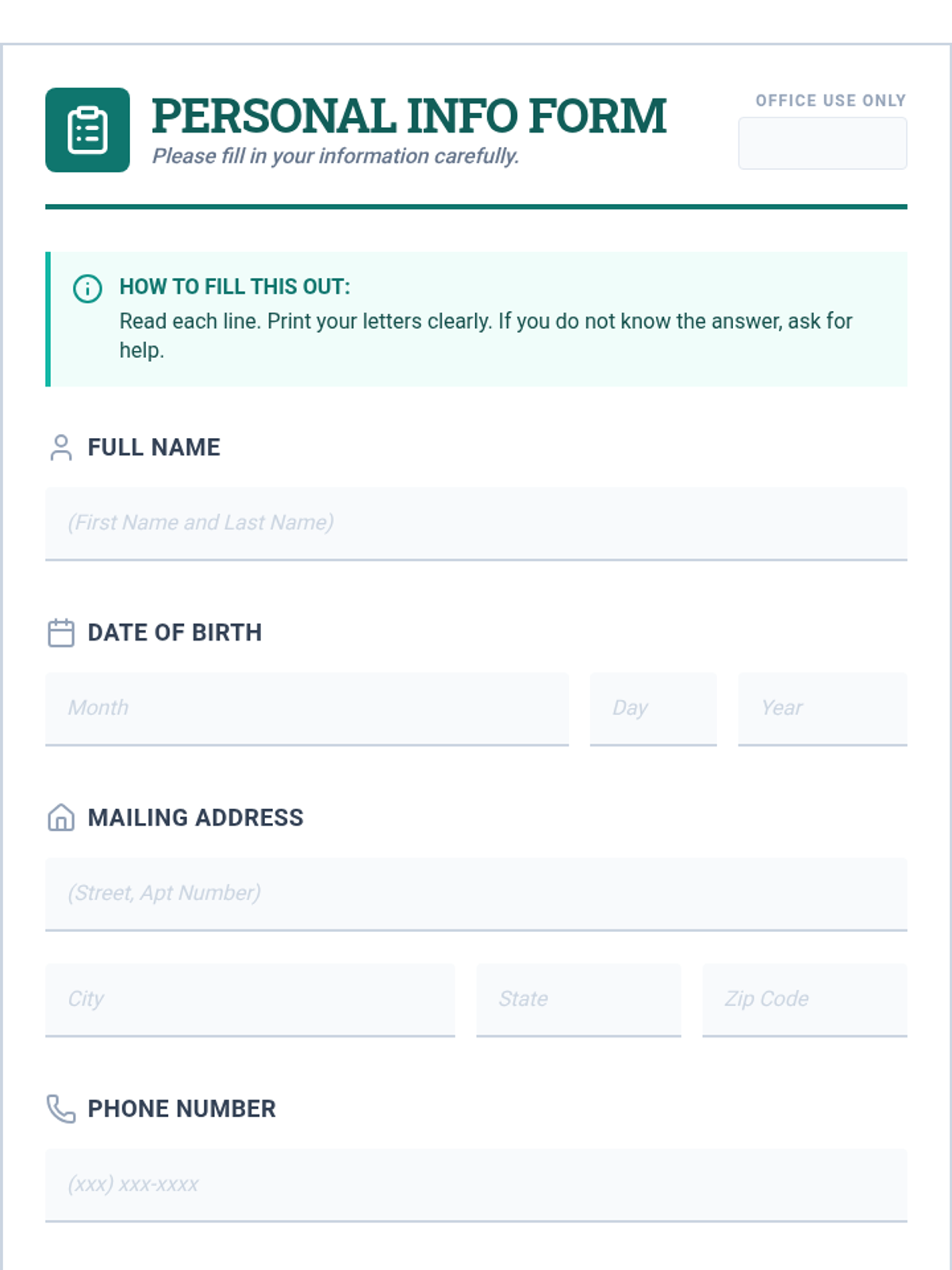
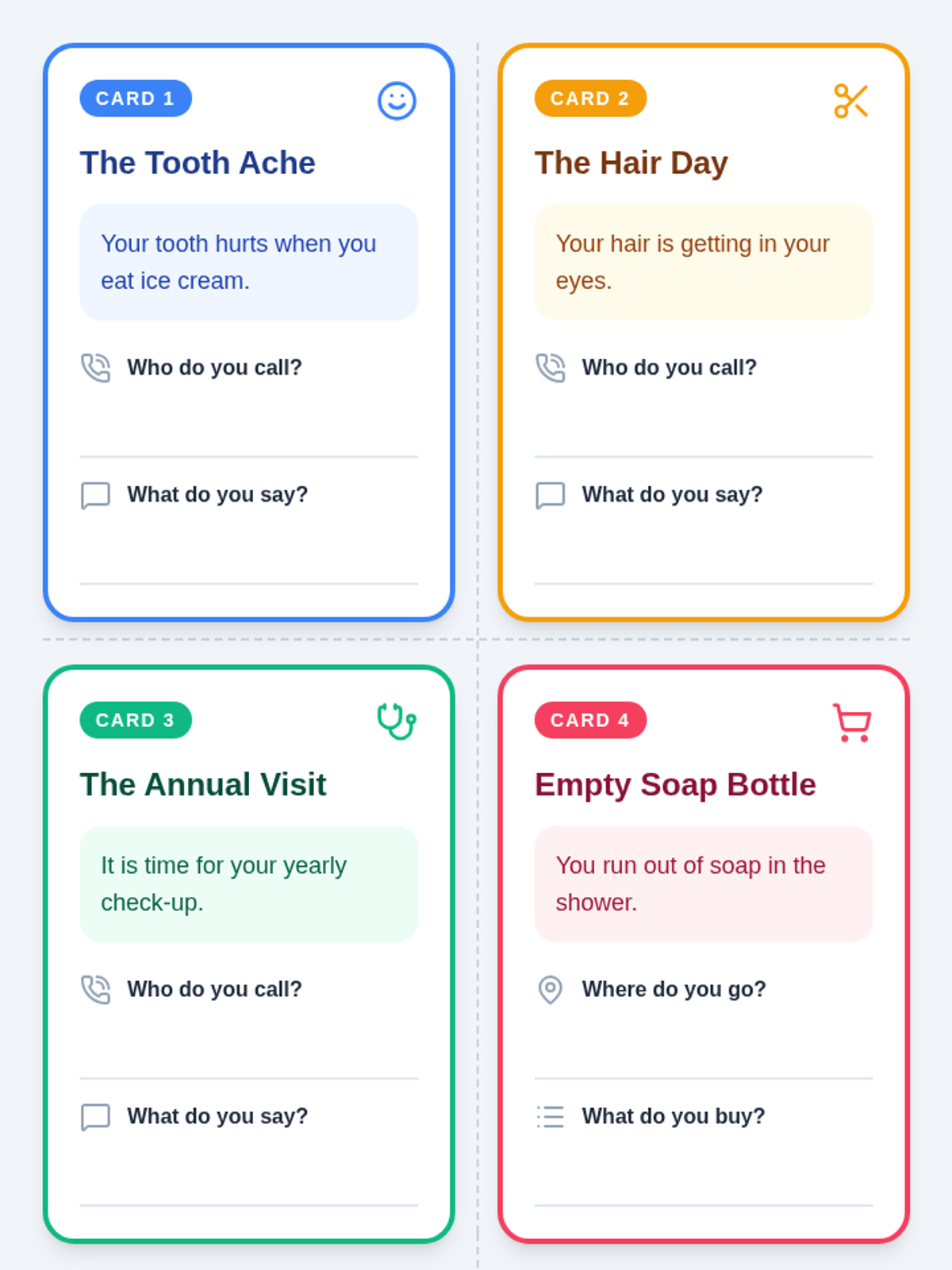
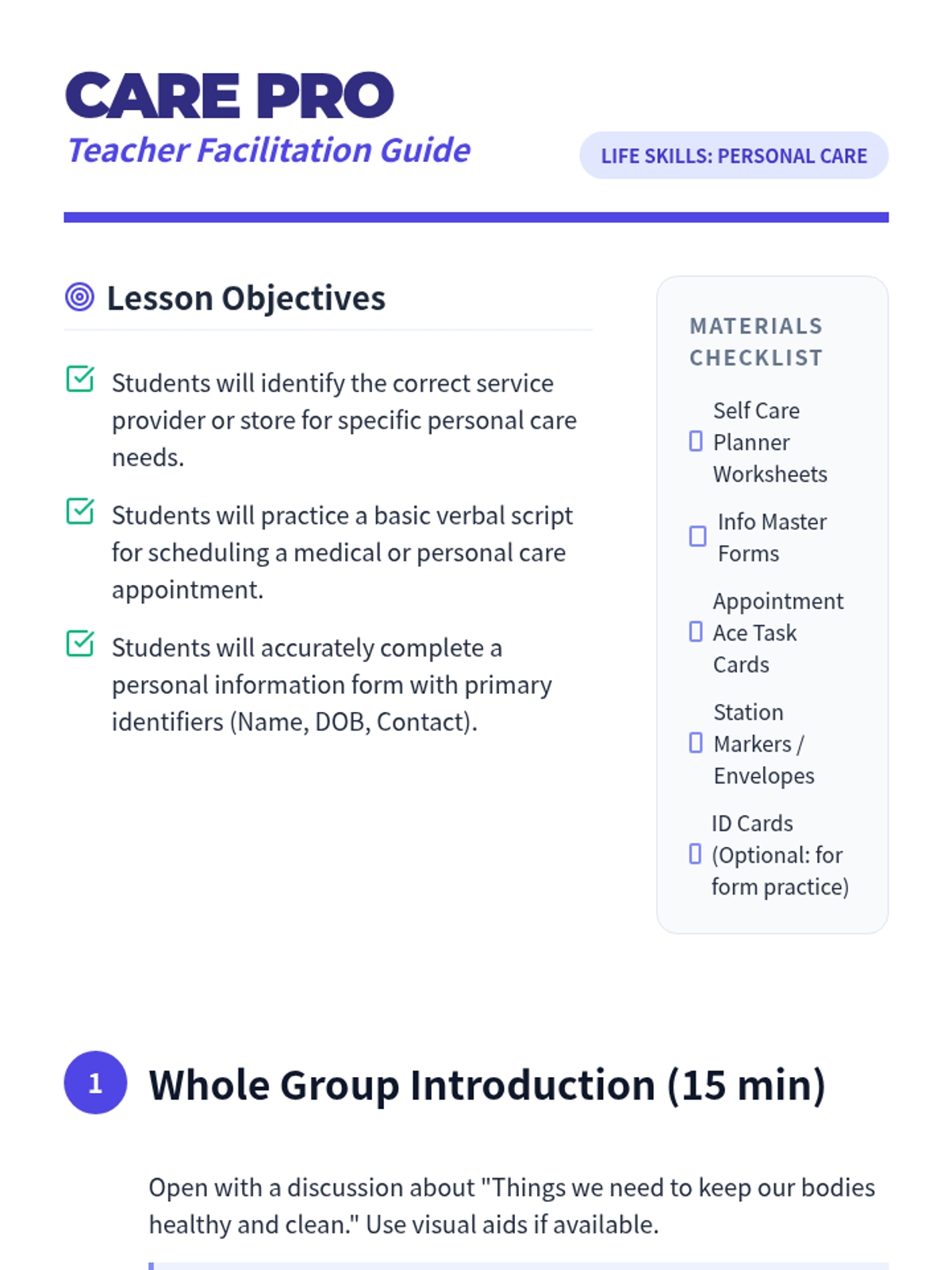
A comprehensive lesson on personal care management, including scheduling appointments, selecting hygiene products, and completing personal information forms for high school students requiring high support.
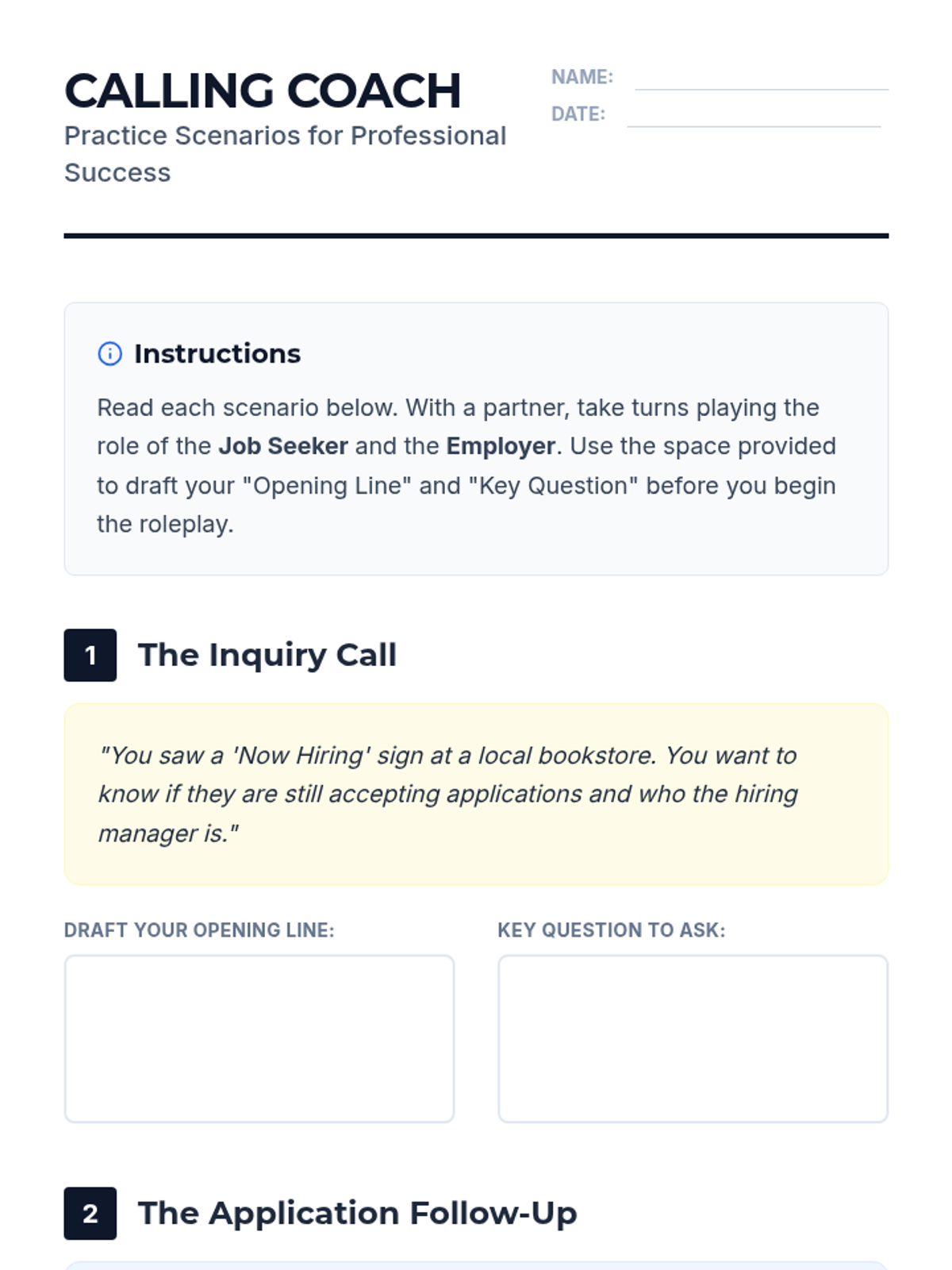
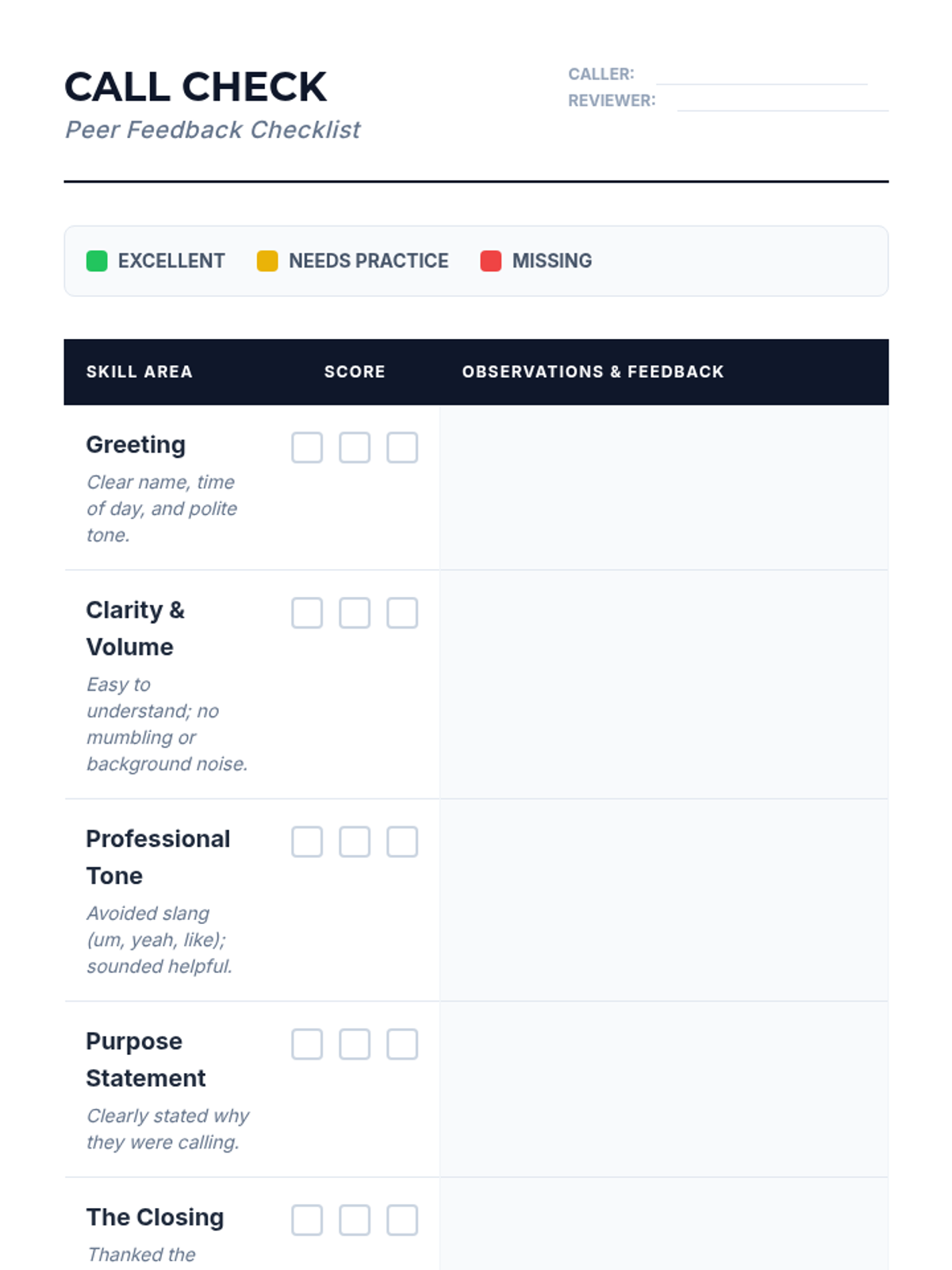
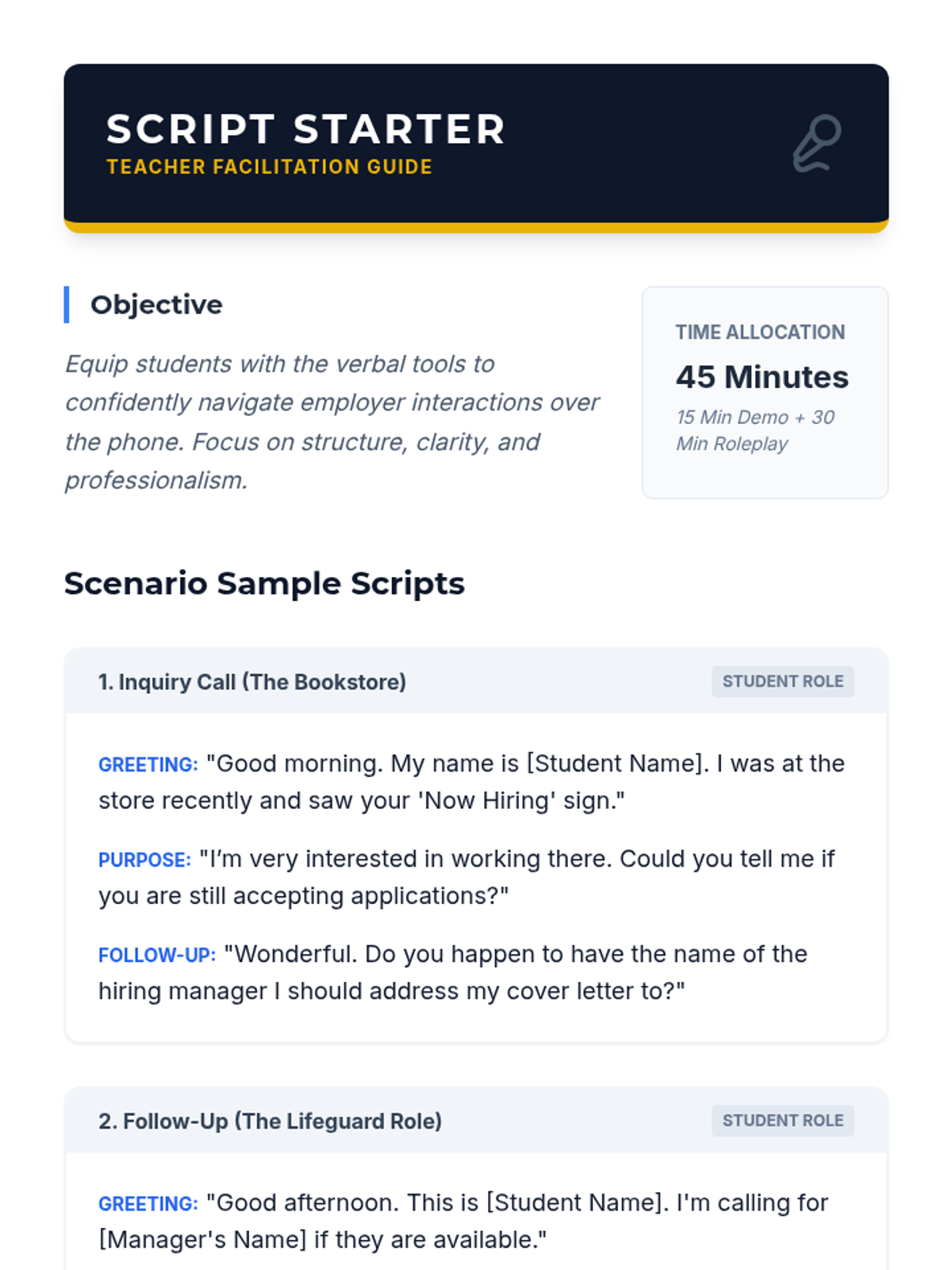
This lesson covers professional phone etiquette specifically for communicating with potential employers, focusing on preparation, tone, and specific calling scenarios.
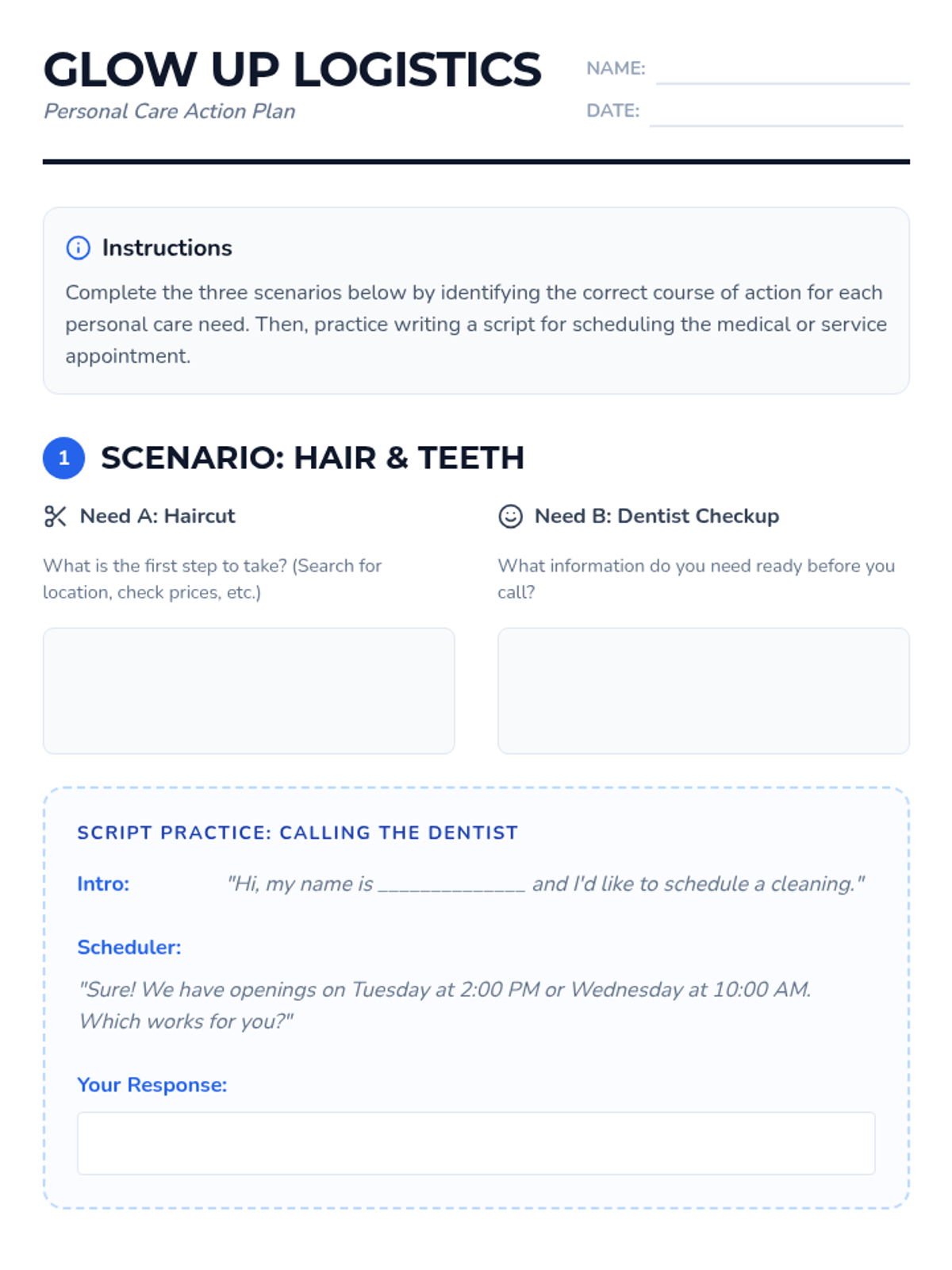
A practical lesson focused on the logistics of personal care, teaching students how to identify necessary actions for hygiene and grooming, and the specific steps to schedule medical appointments.
A practical life skills lesson focused on managing personal care needs, scheduling medical appointments, and completing essential personal information forms. Designed for Level 2 learners with simplified text and visual supports.
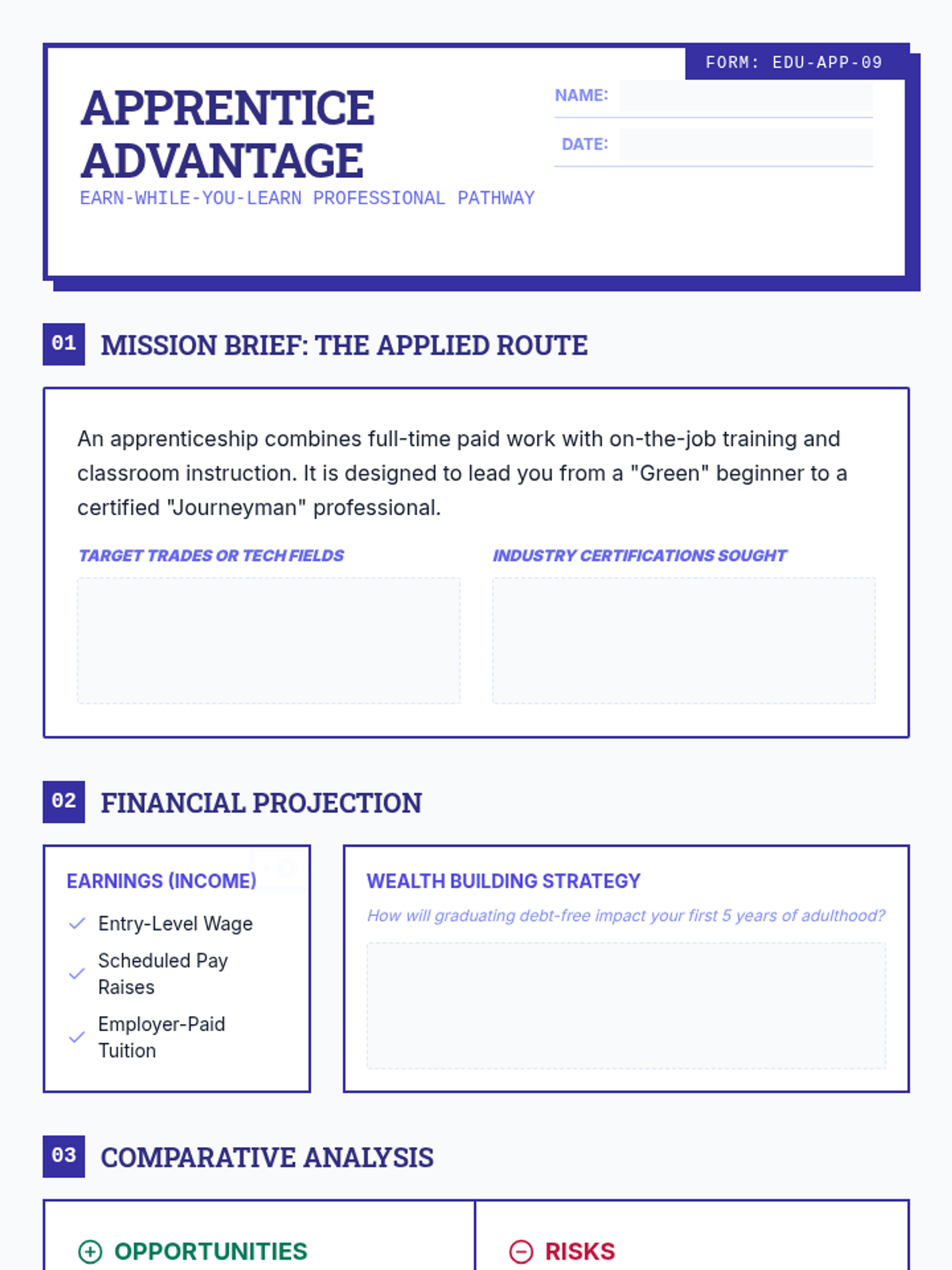
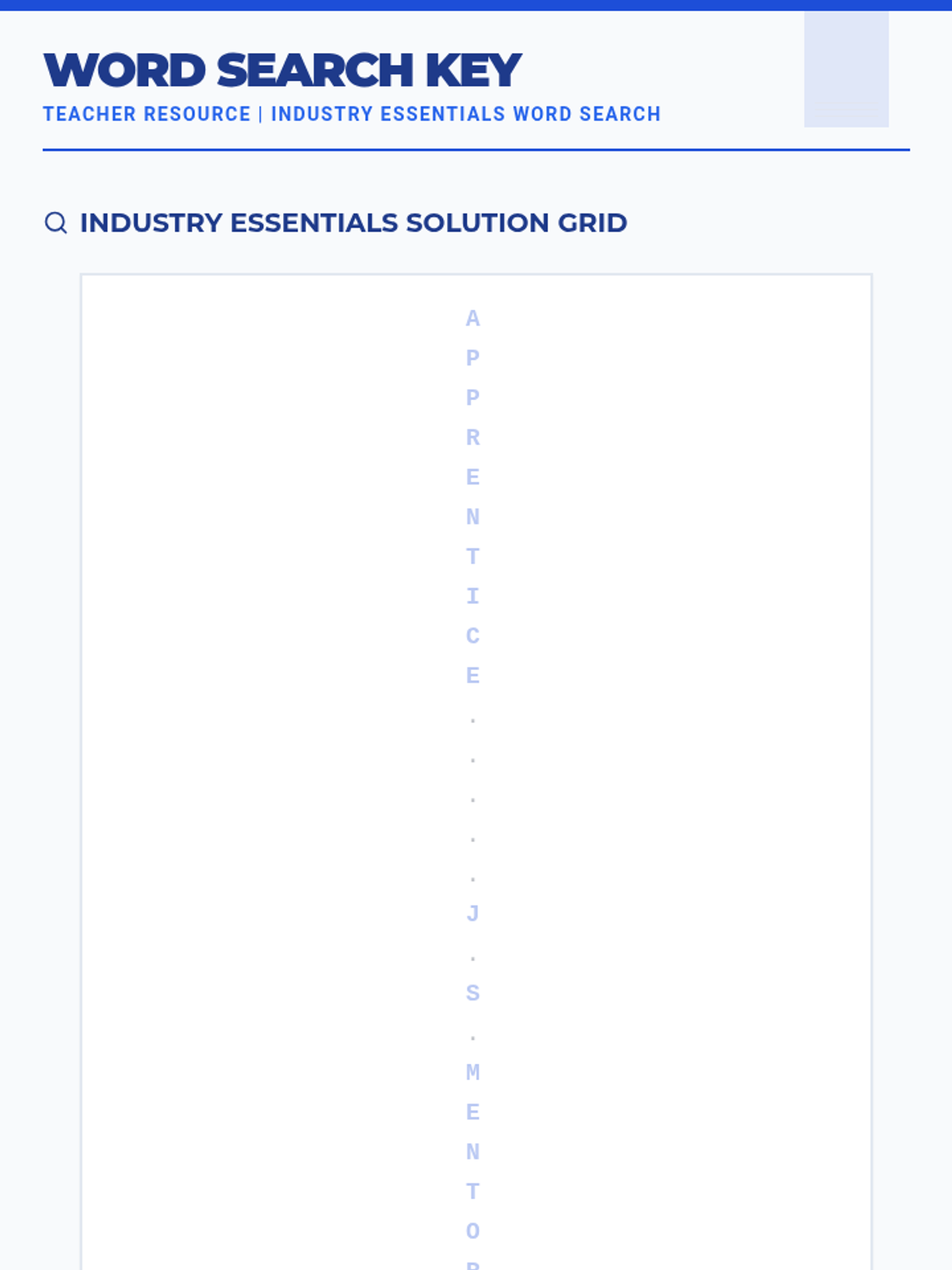
Master the transition from student to professional. This lesson covers workplace etiquette and the application process through engaging puzzles and reflective self-assessments.
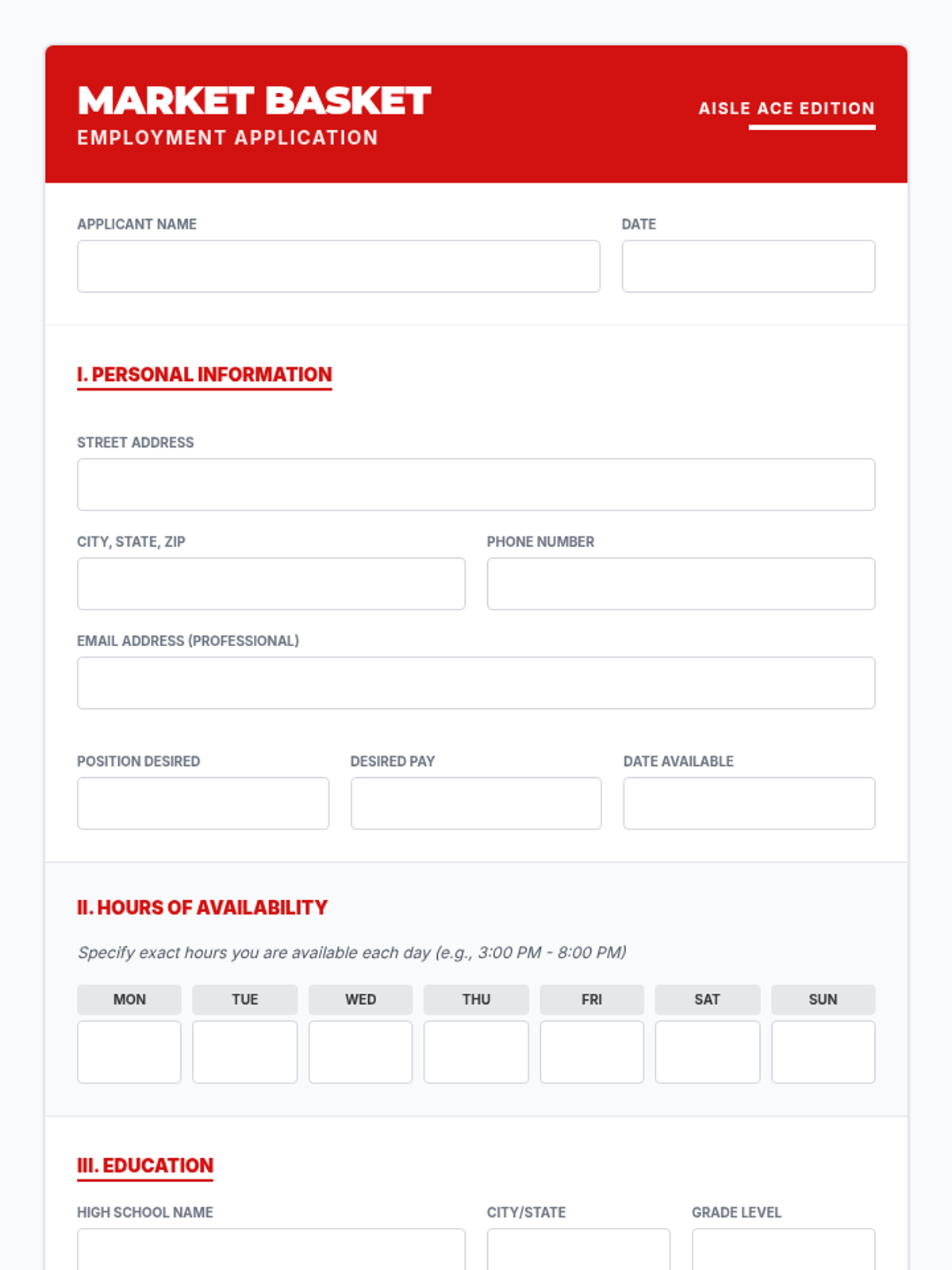
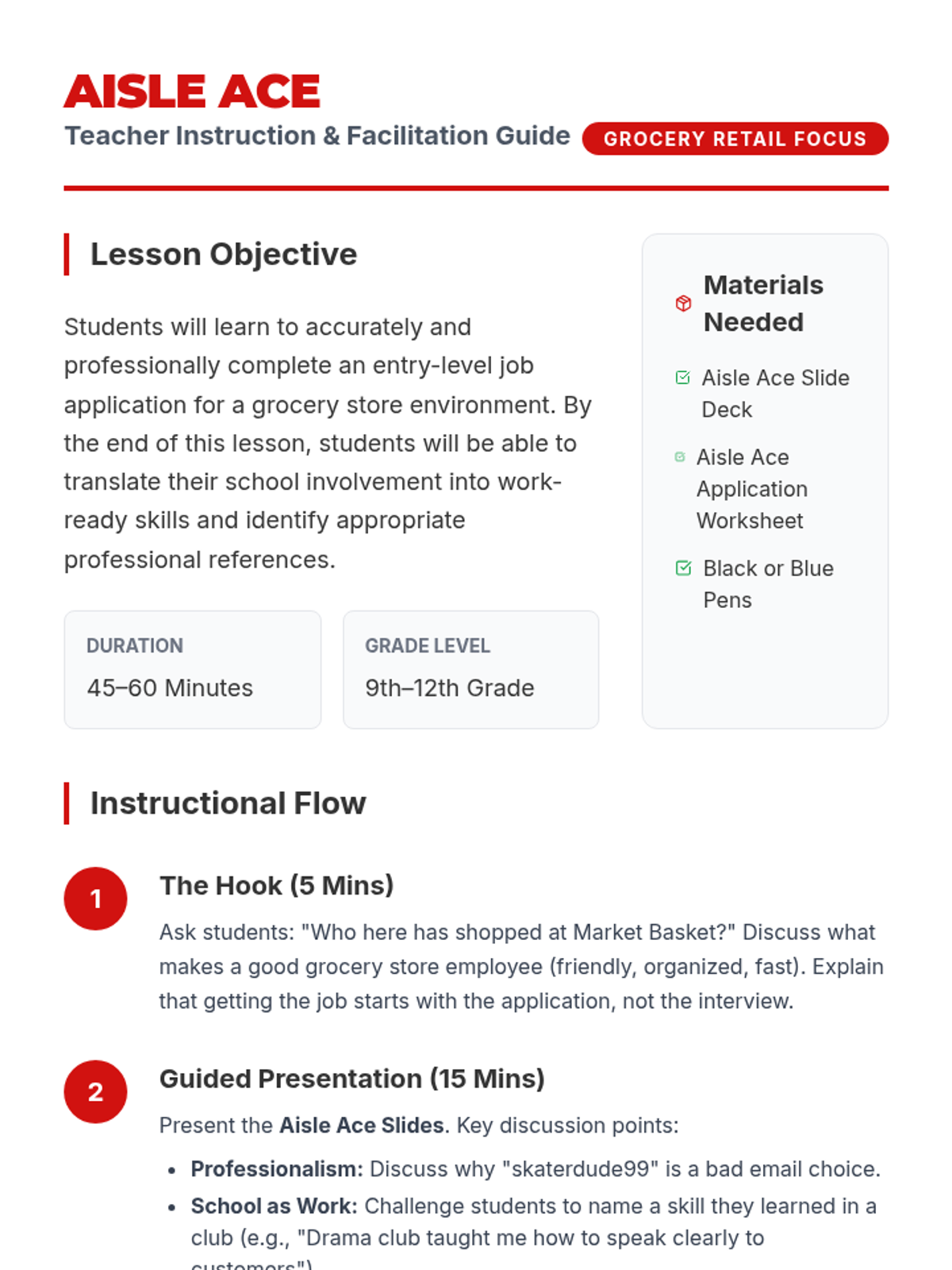
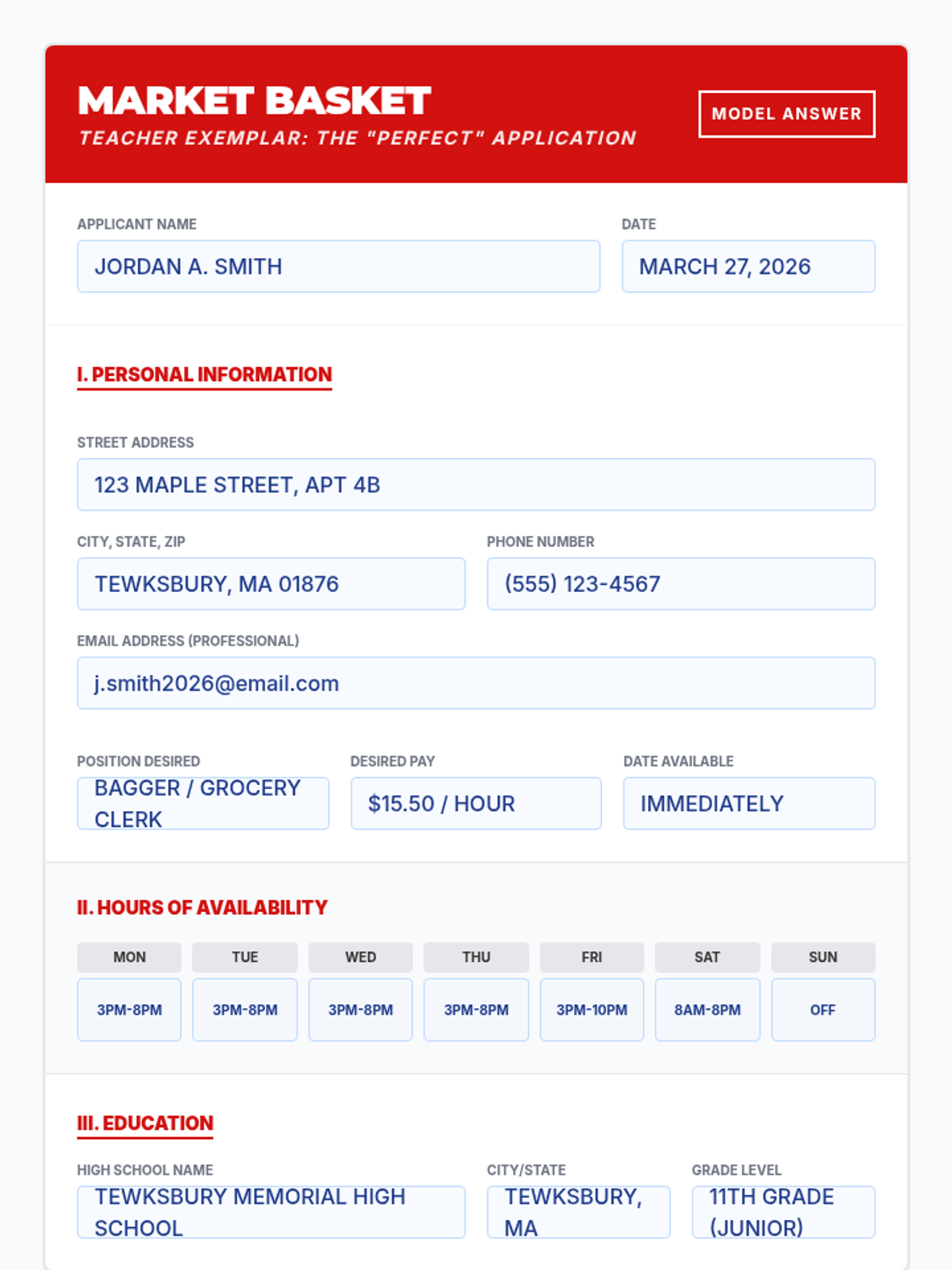
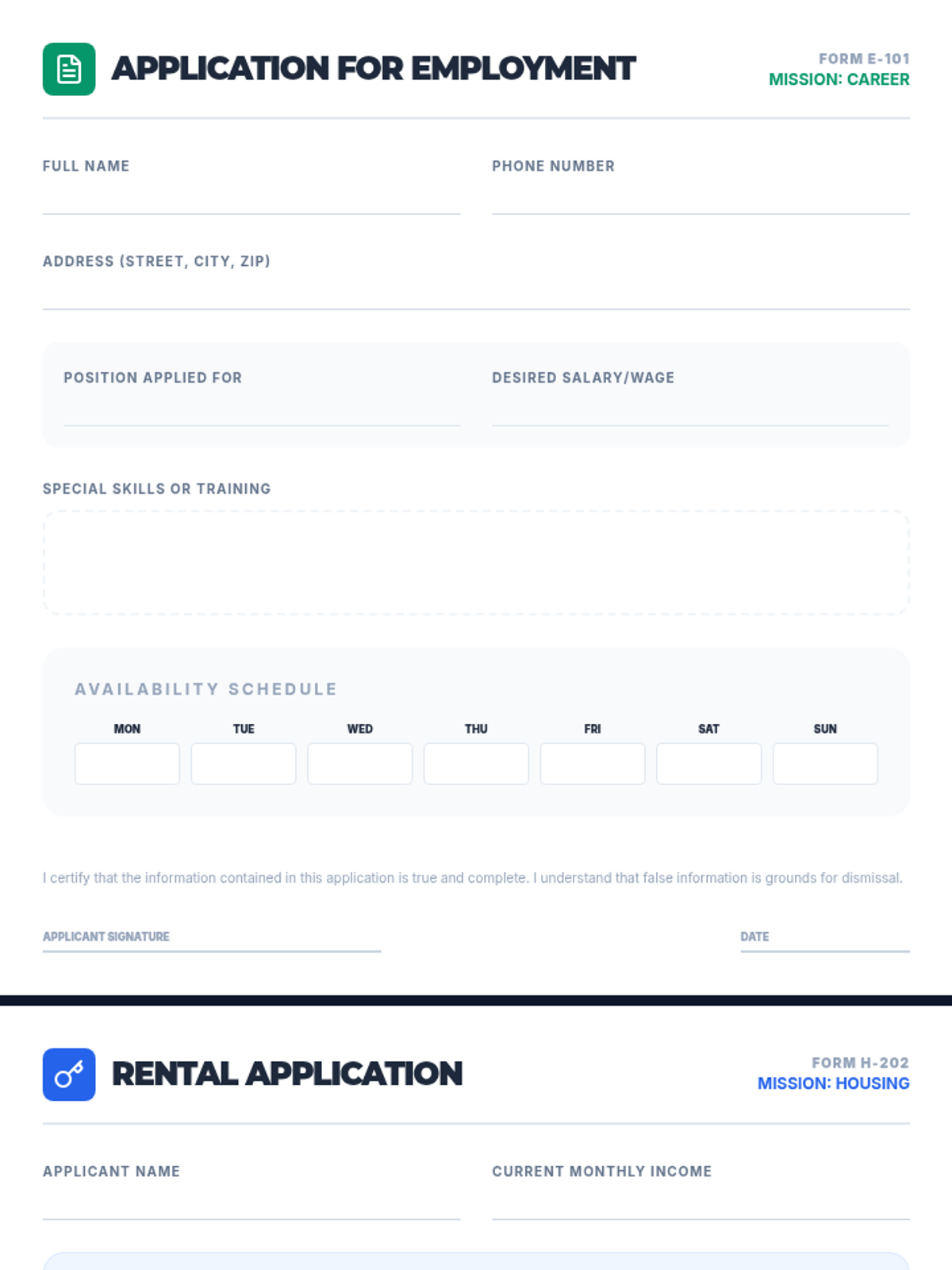
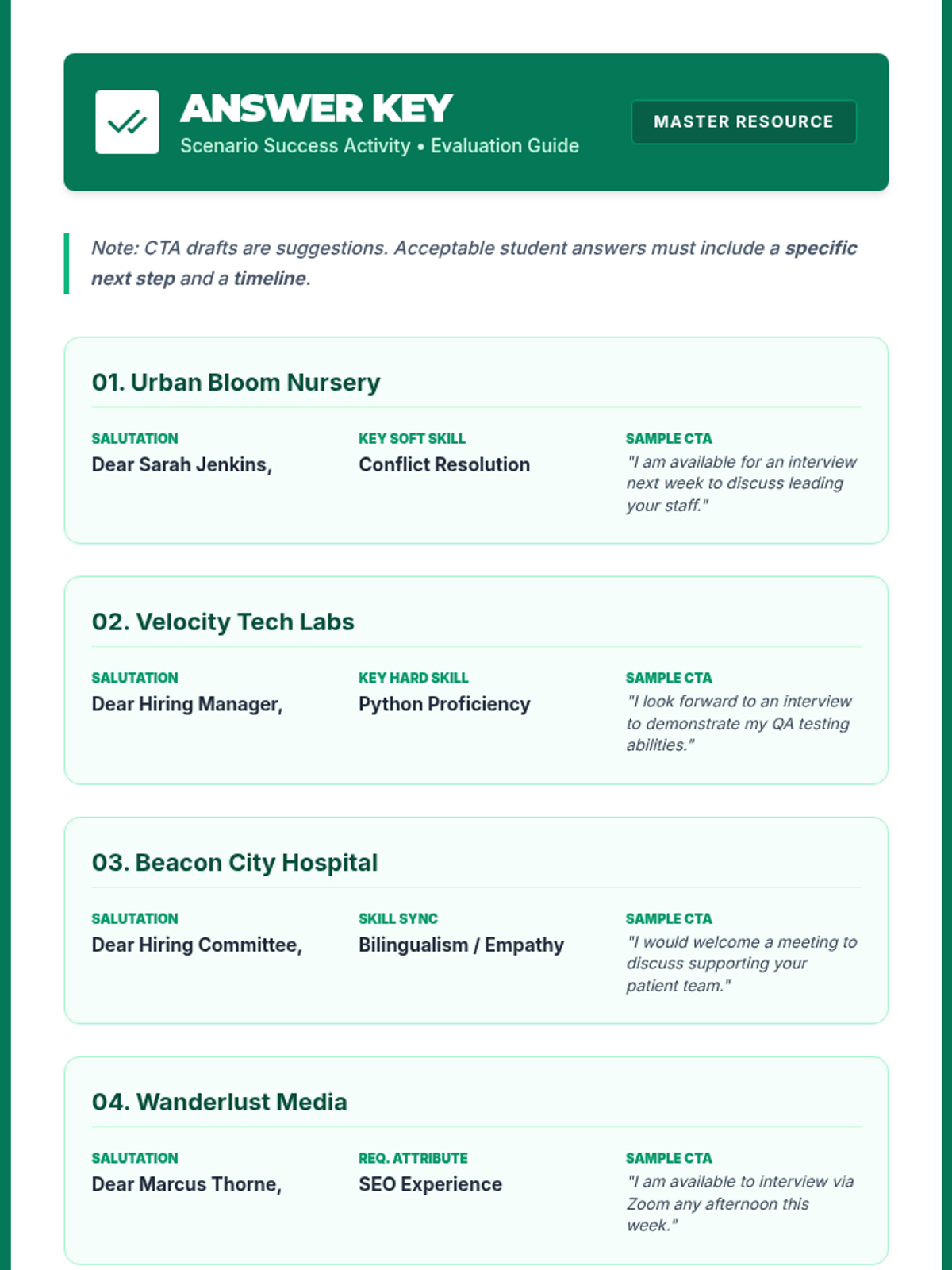
A comprehensive lesson teaching high school students how to accurately and professionally complete an entry-level job application, specifically tailored for a grocery store environment like Market Basket. Students will learn to translate school activities into relevant experience and select professional references.
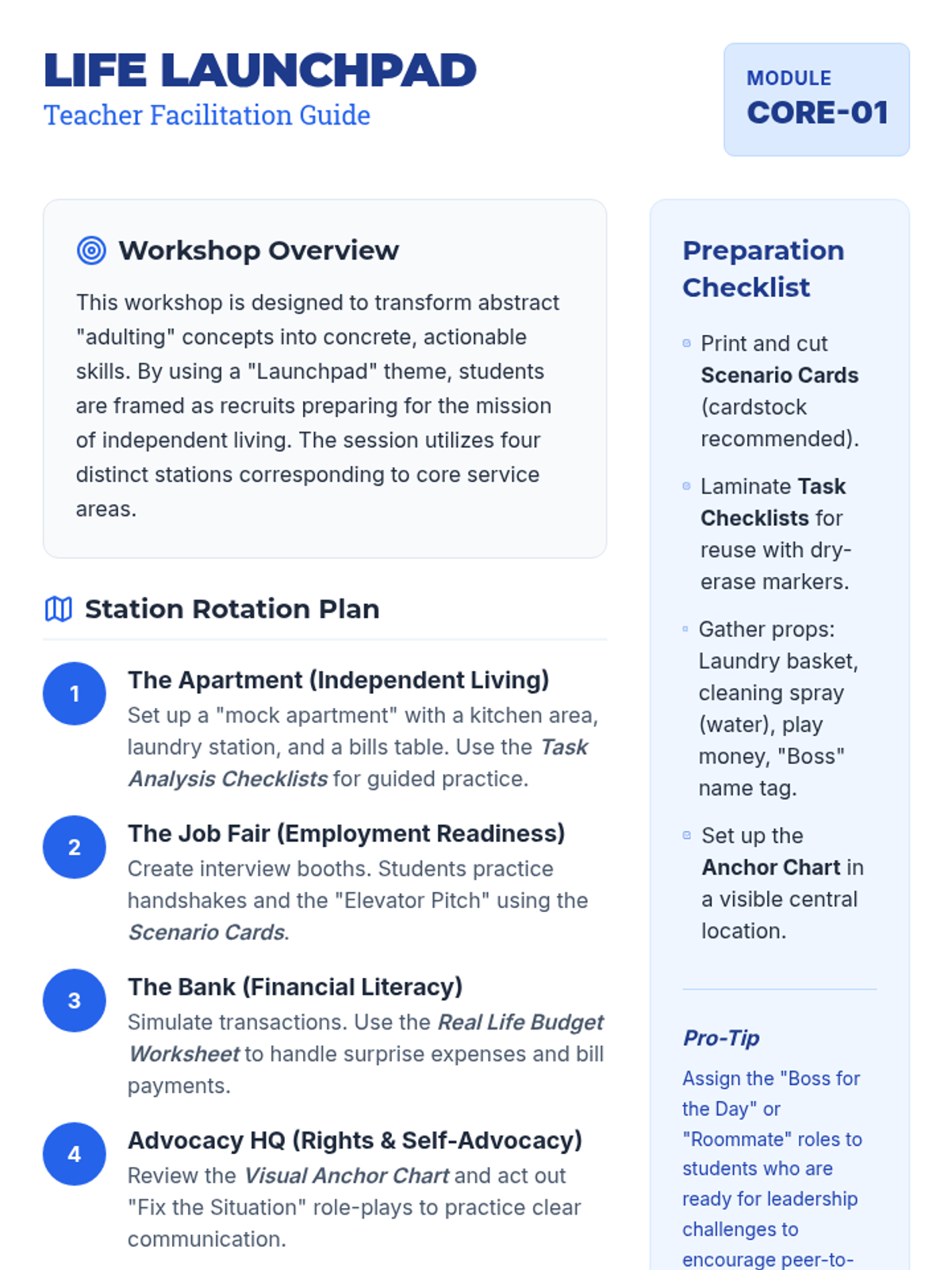
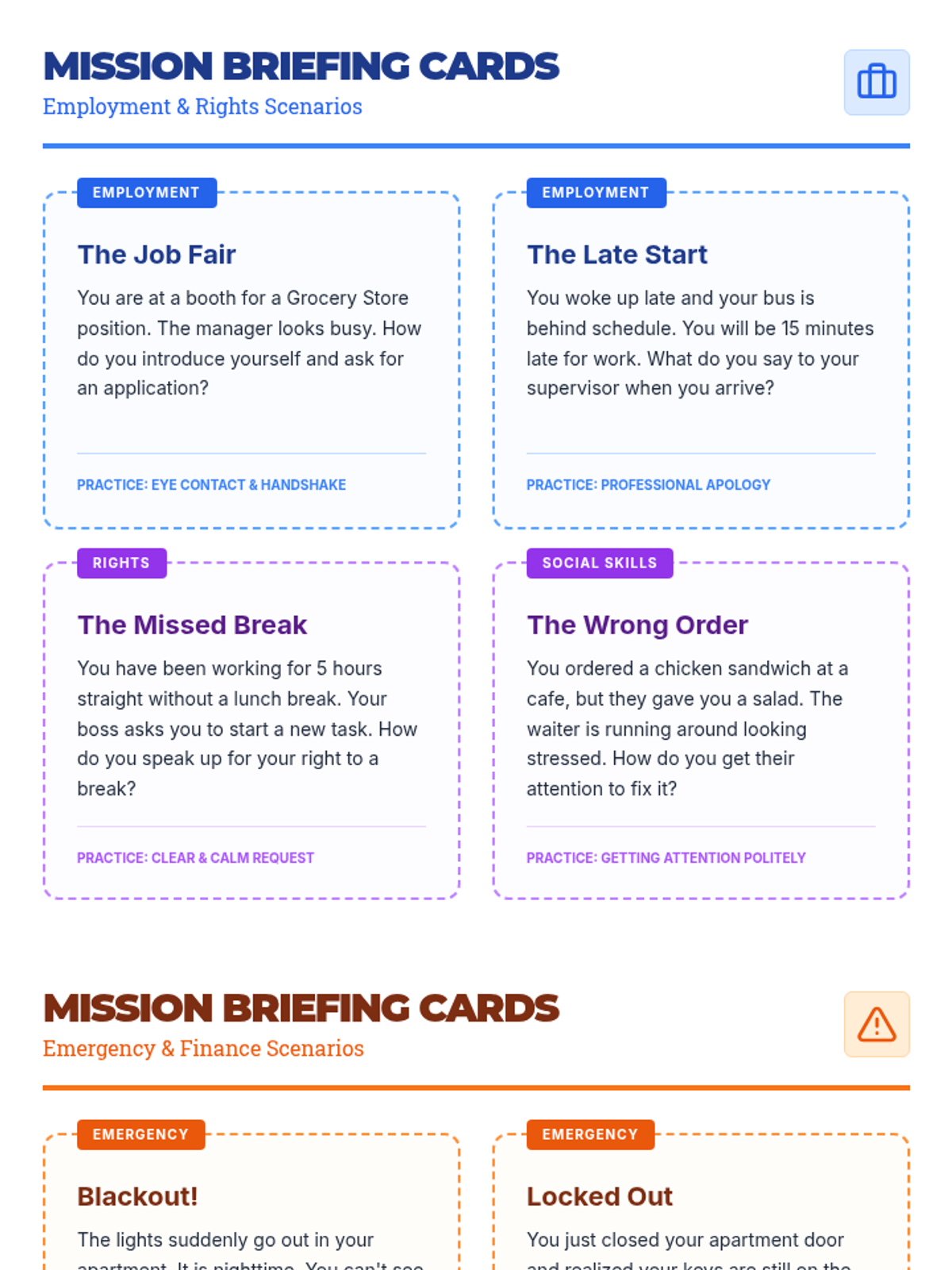
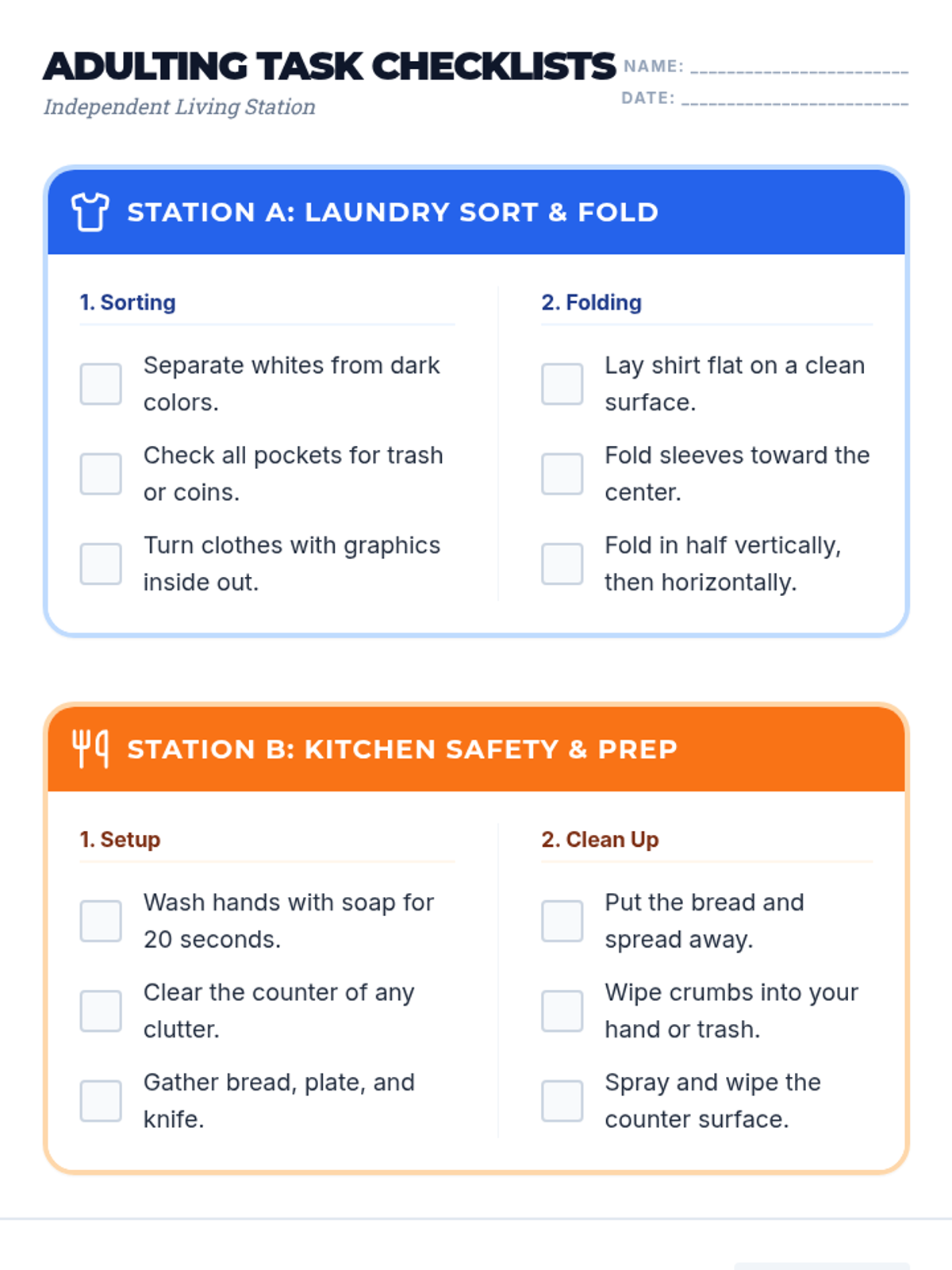
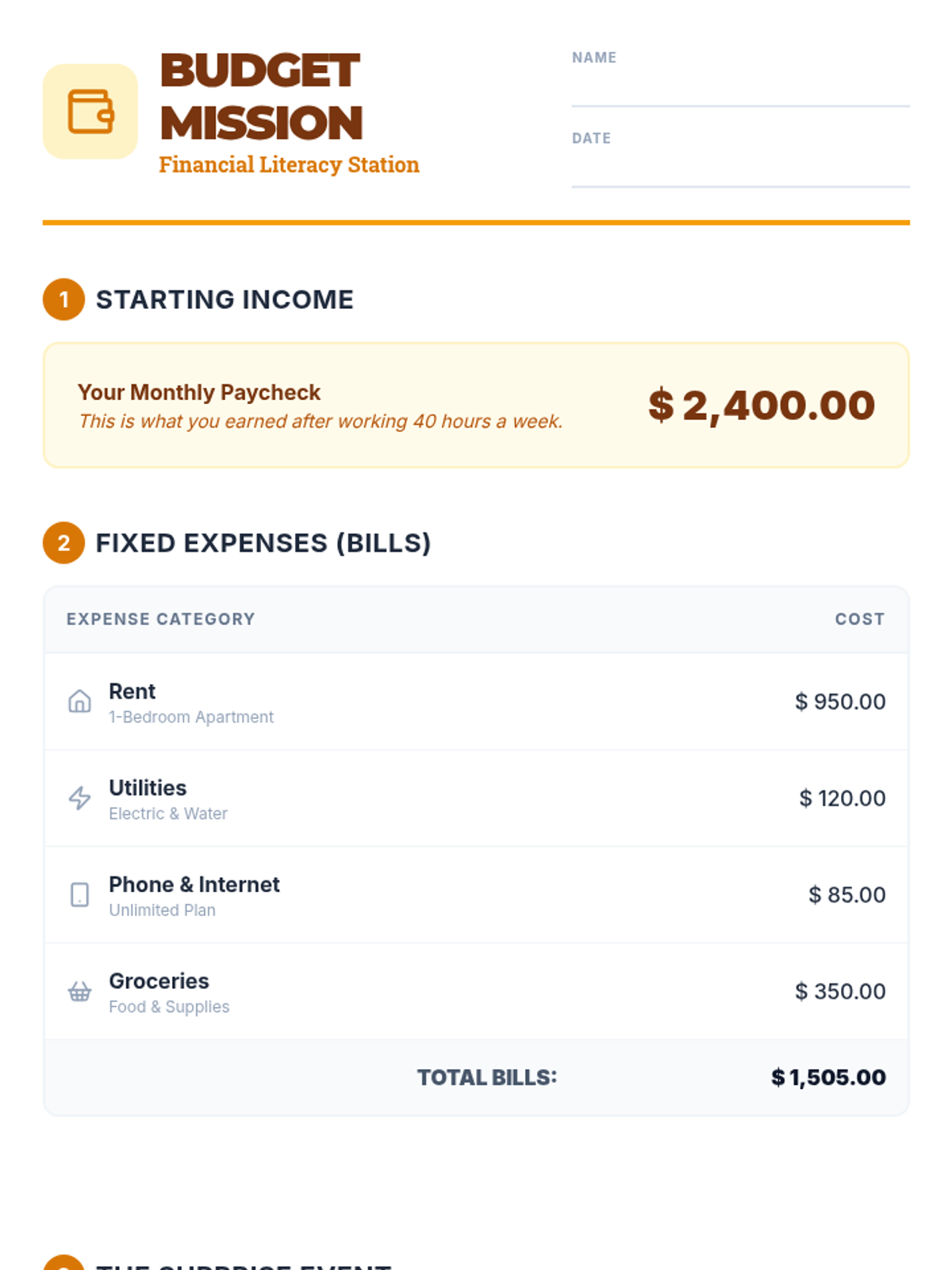
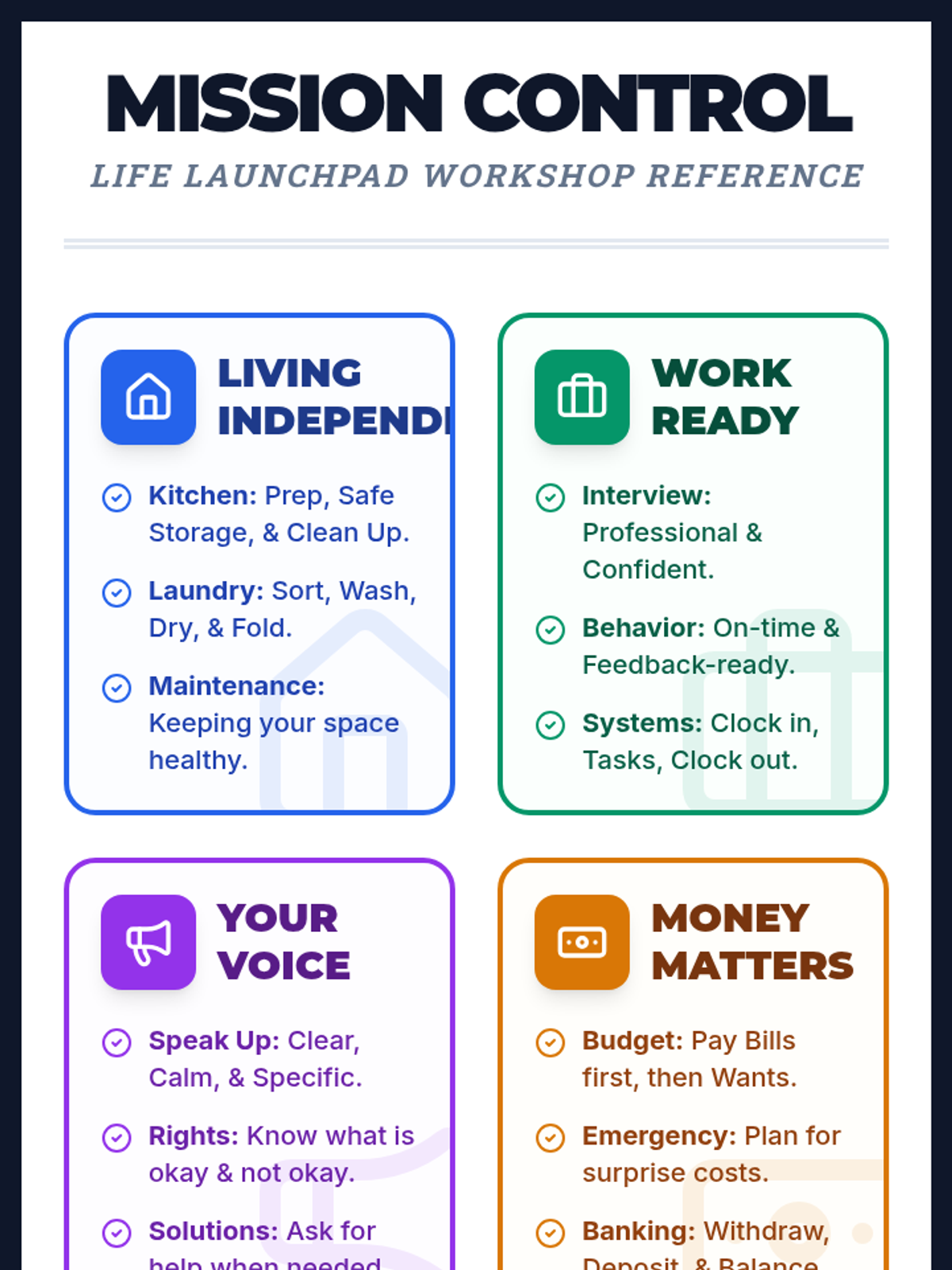
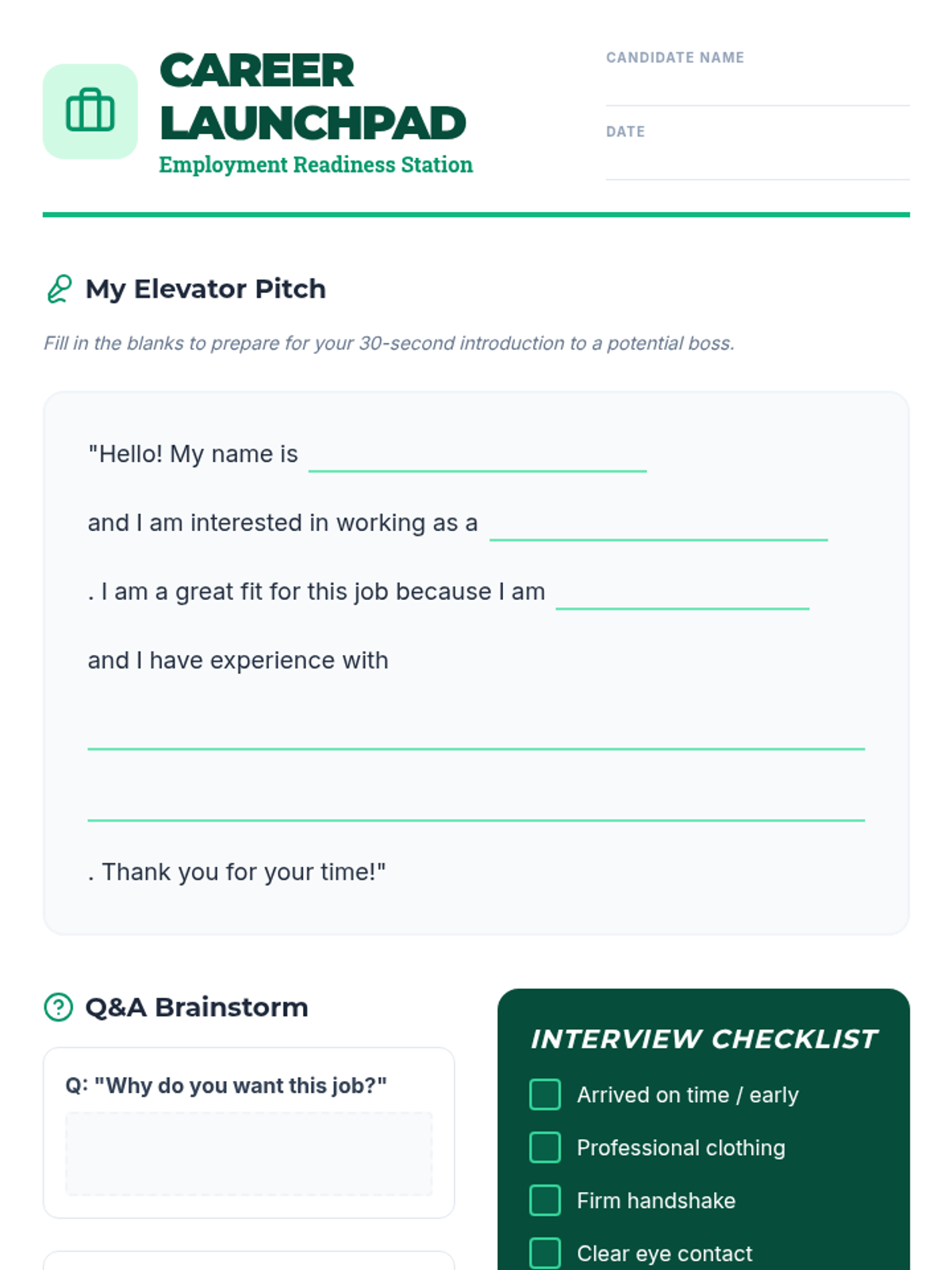
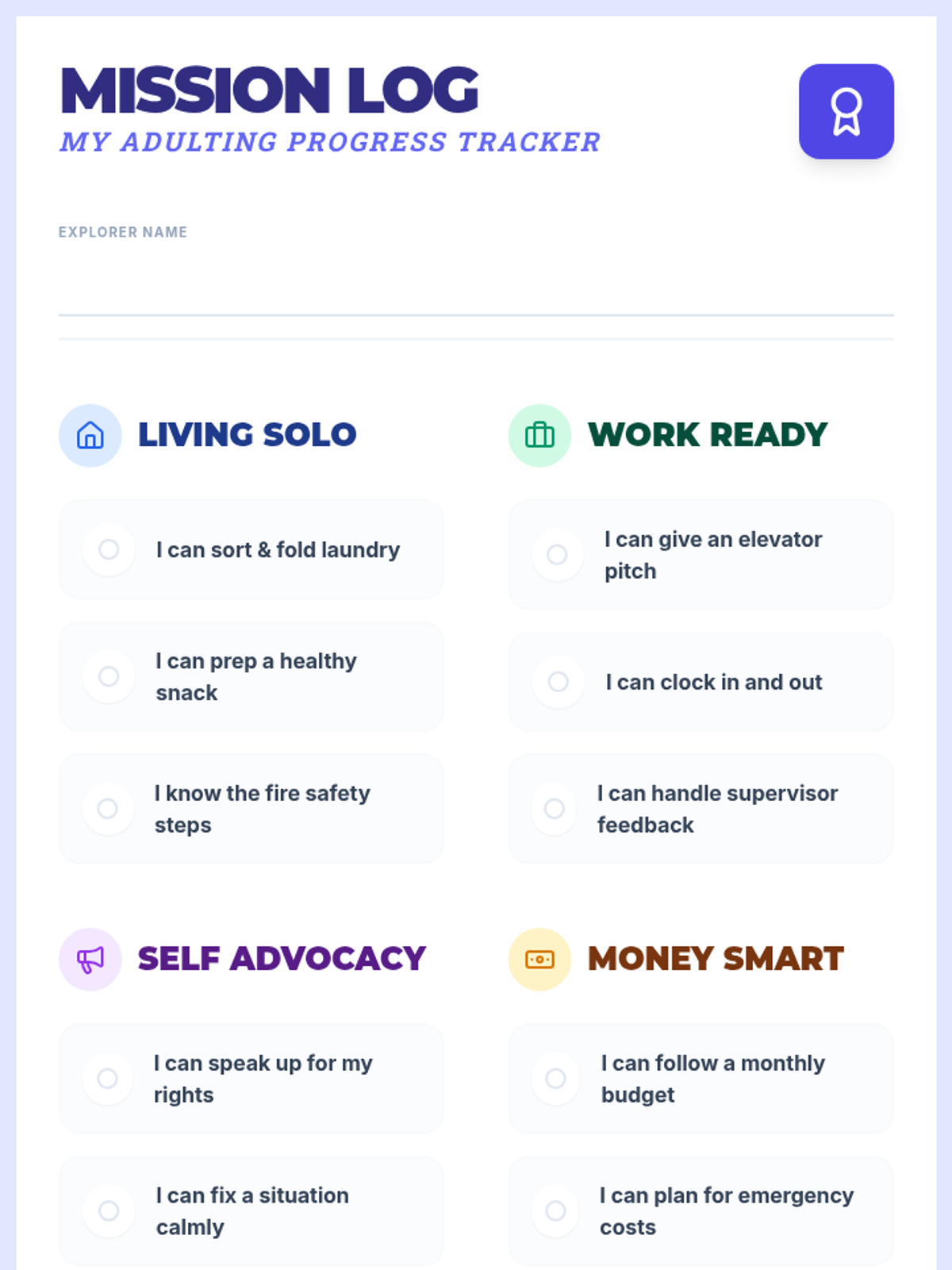
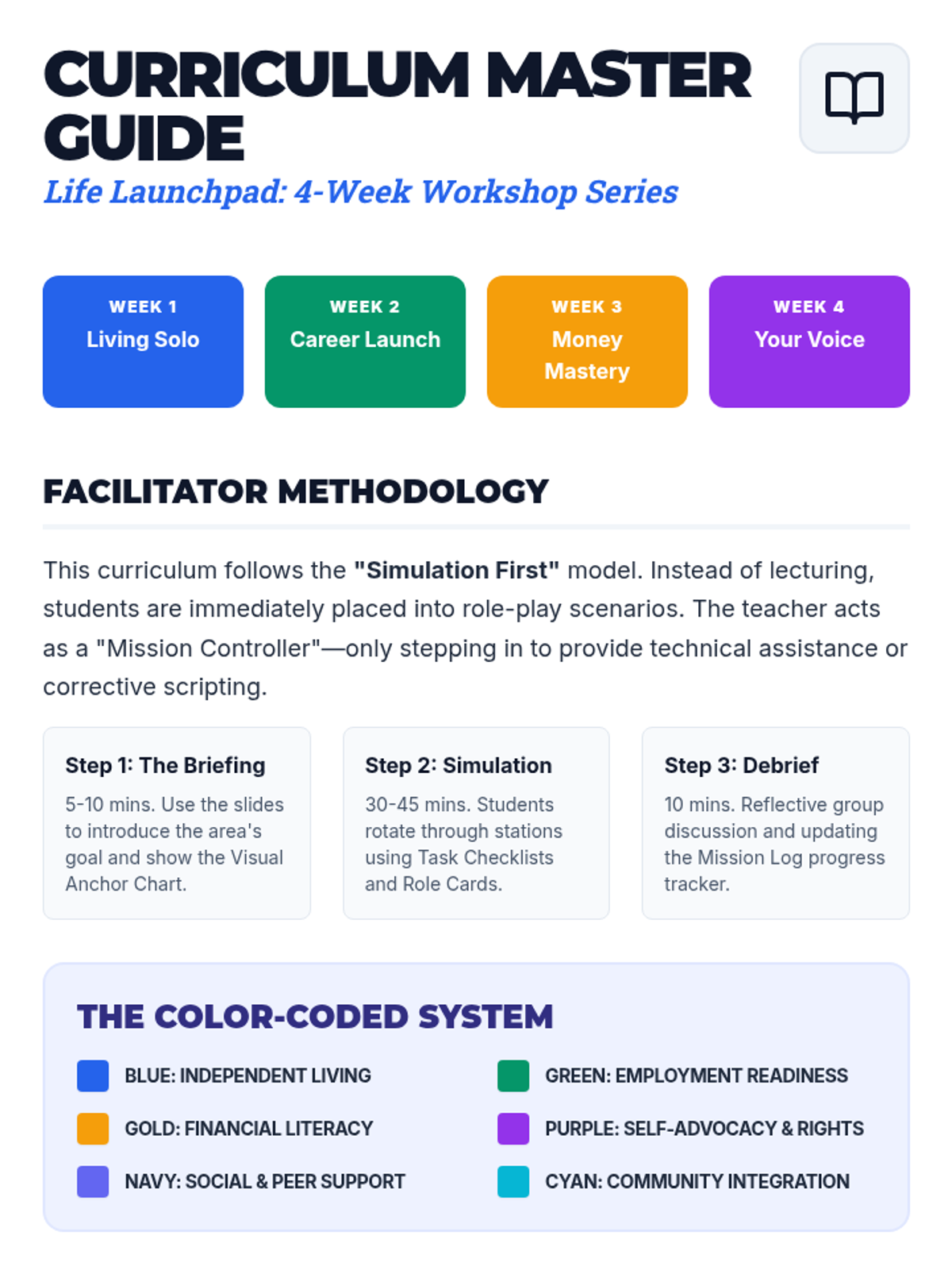
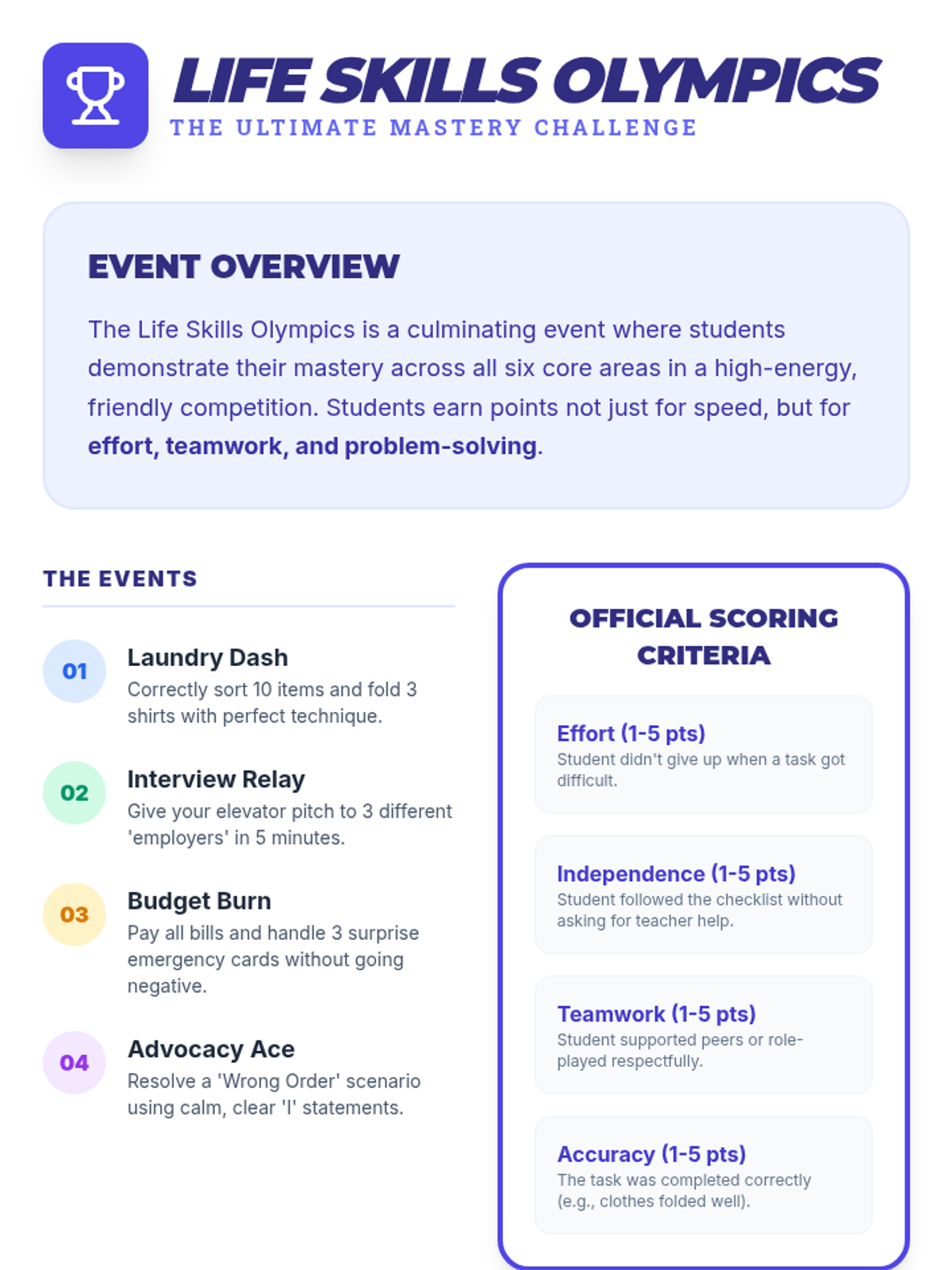
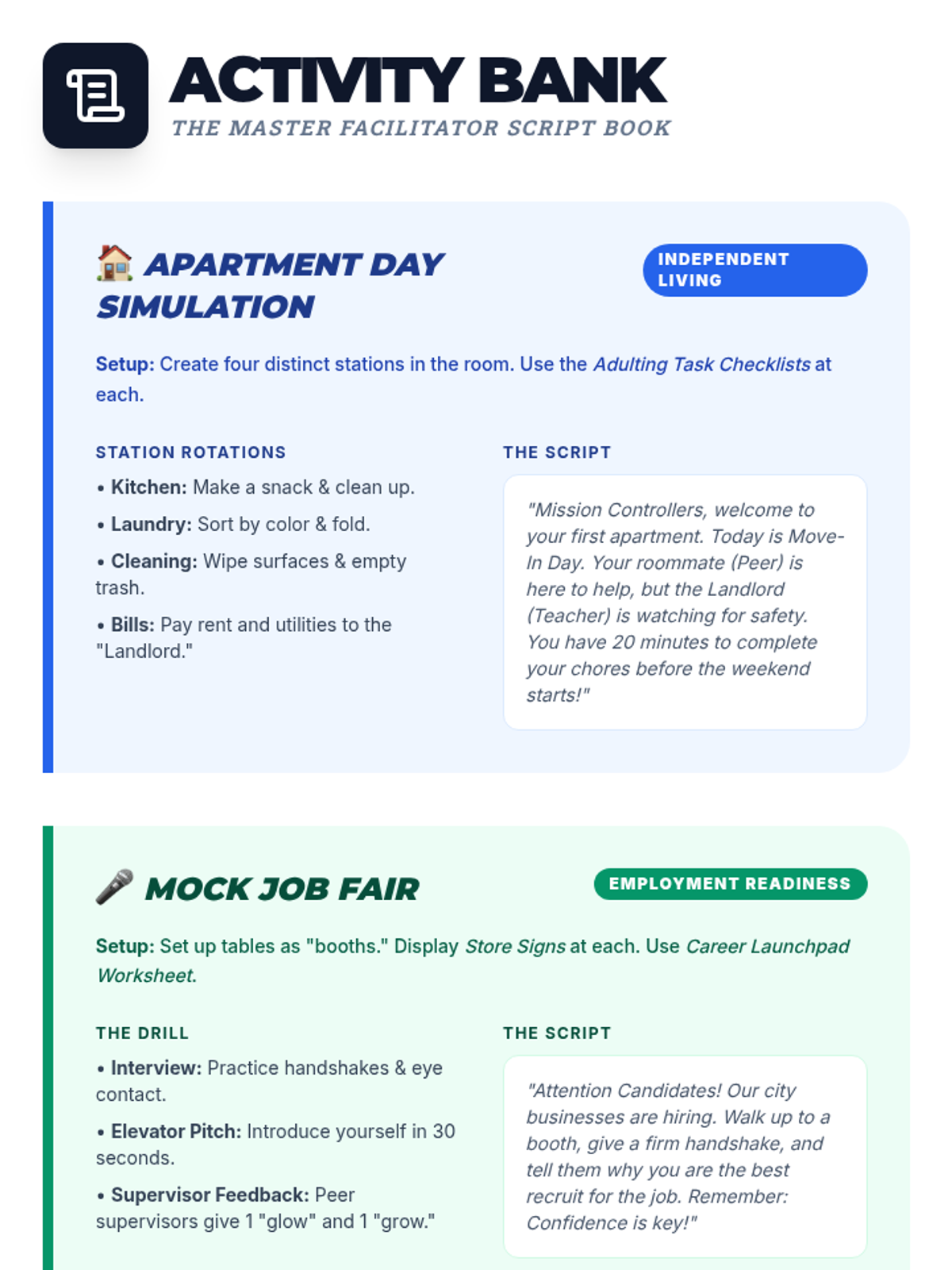
A comprehensive workshop focusing on essential adulting skills through immersive role-play, task simulations, and practical financial planning. This lesson covers Independent Living, Employment Readiness, Self-Advocacy, and Financial Literacy.
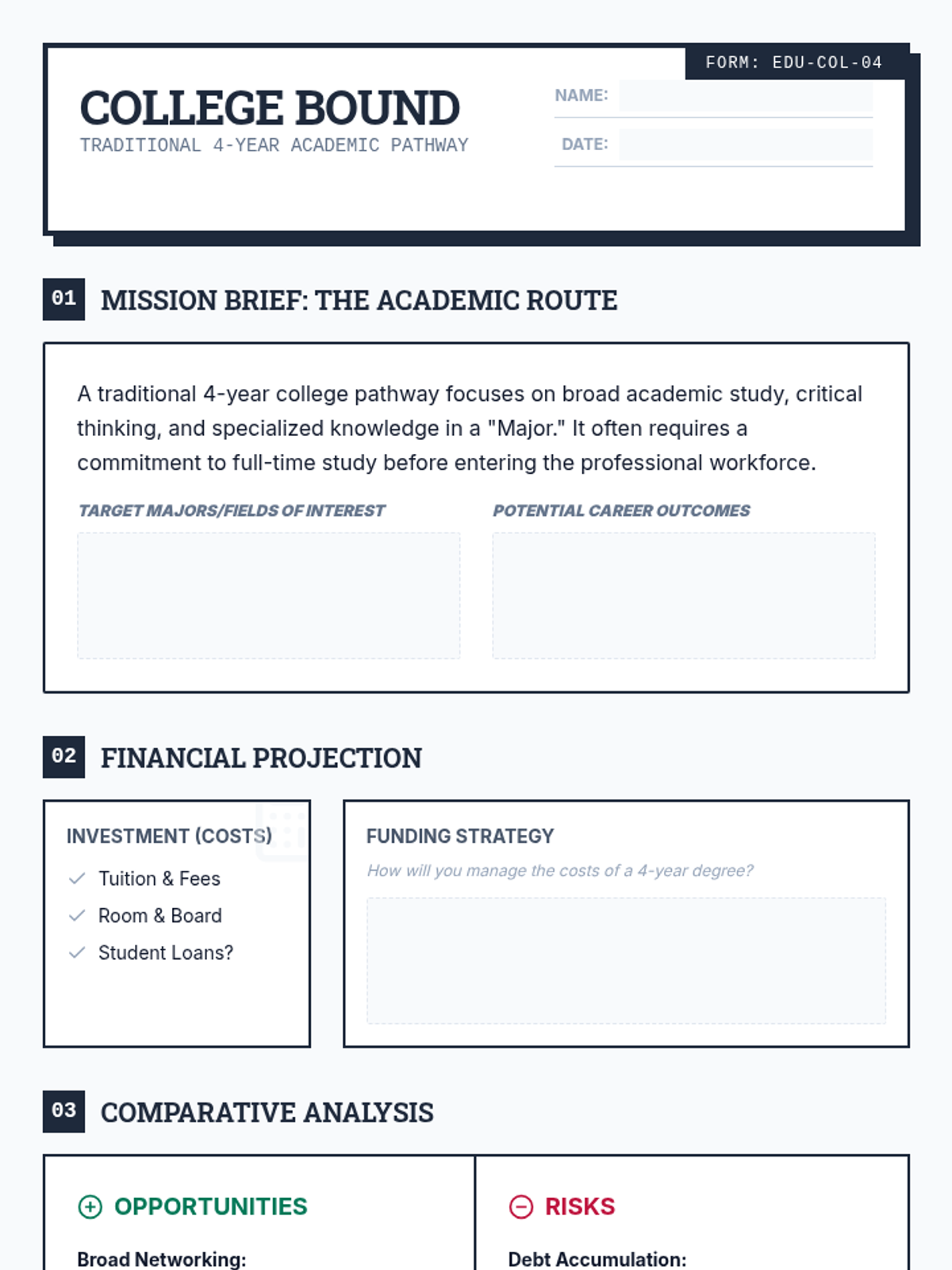
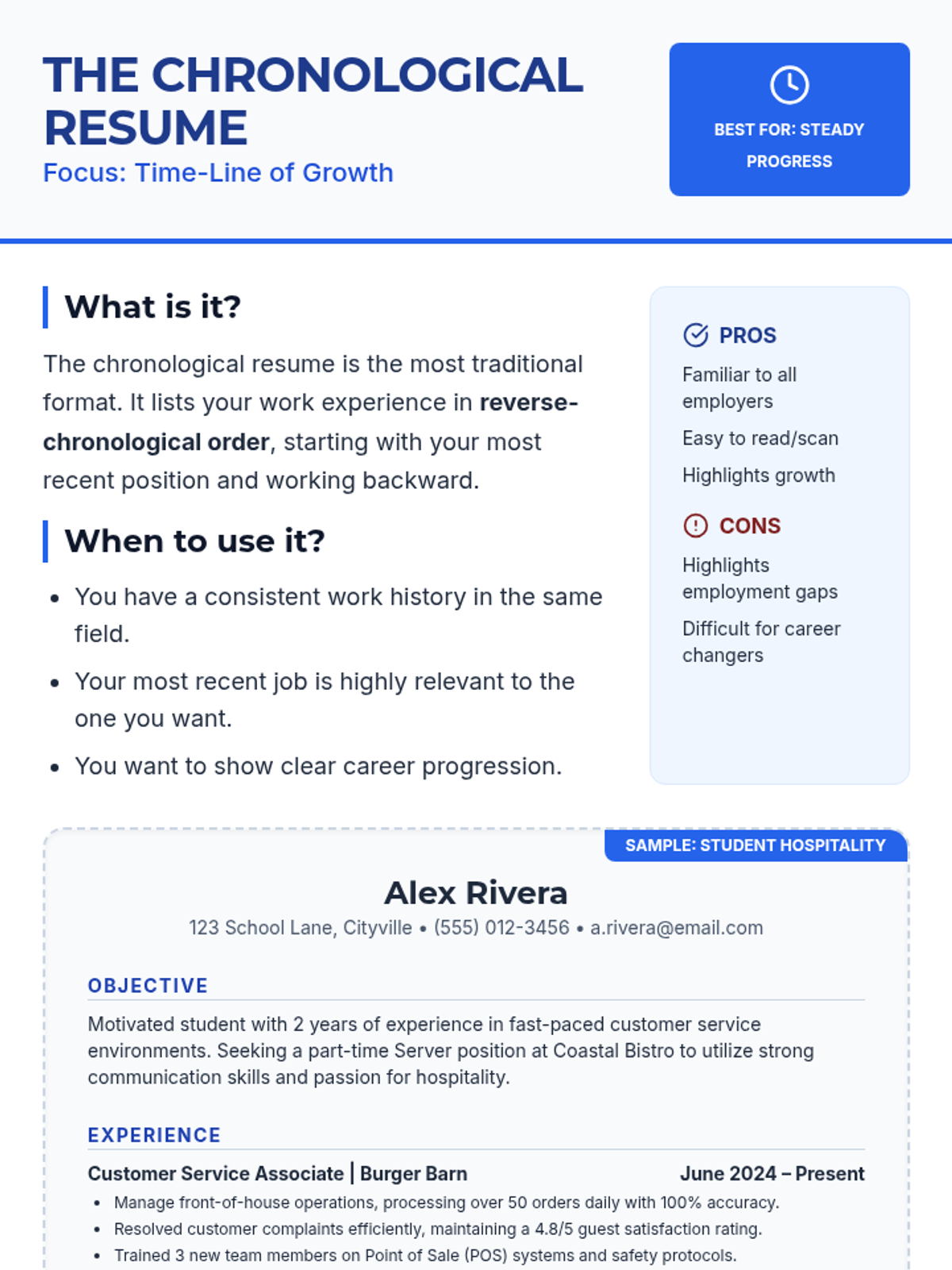
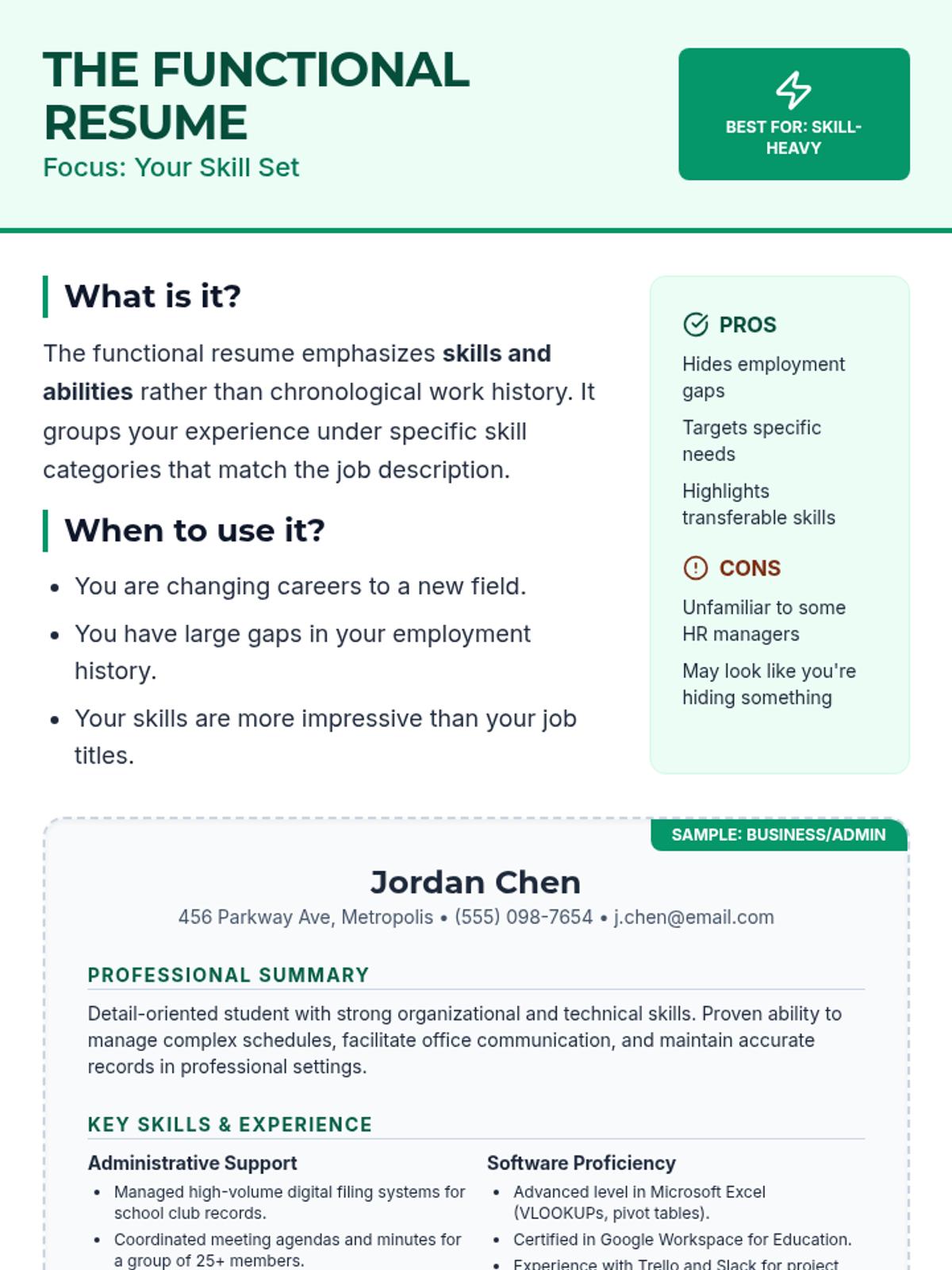
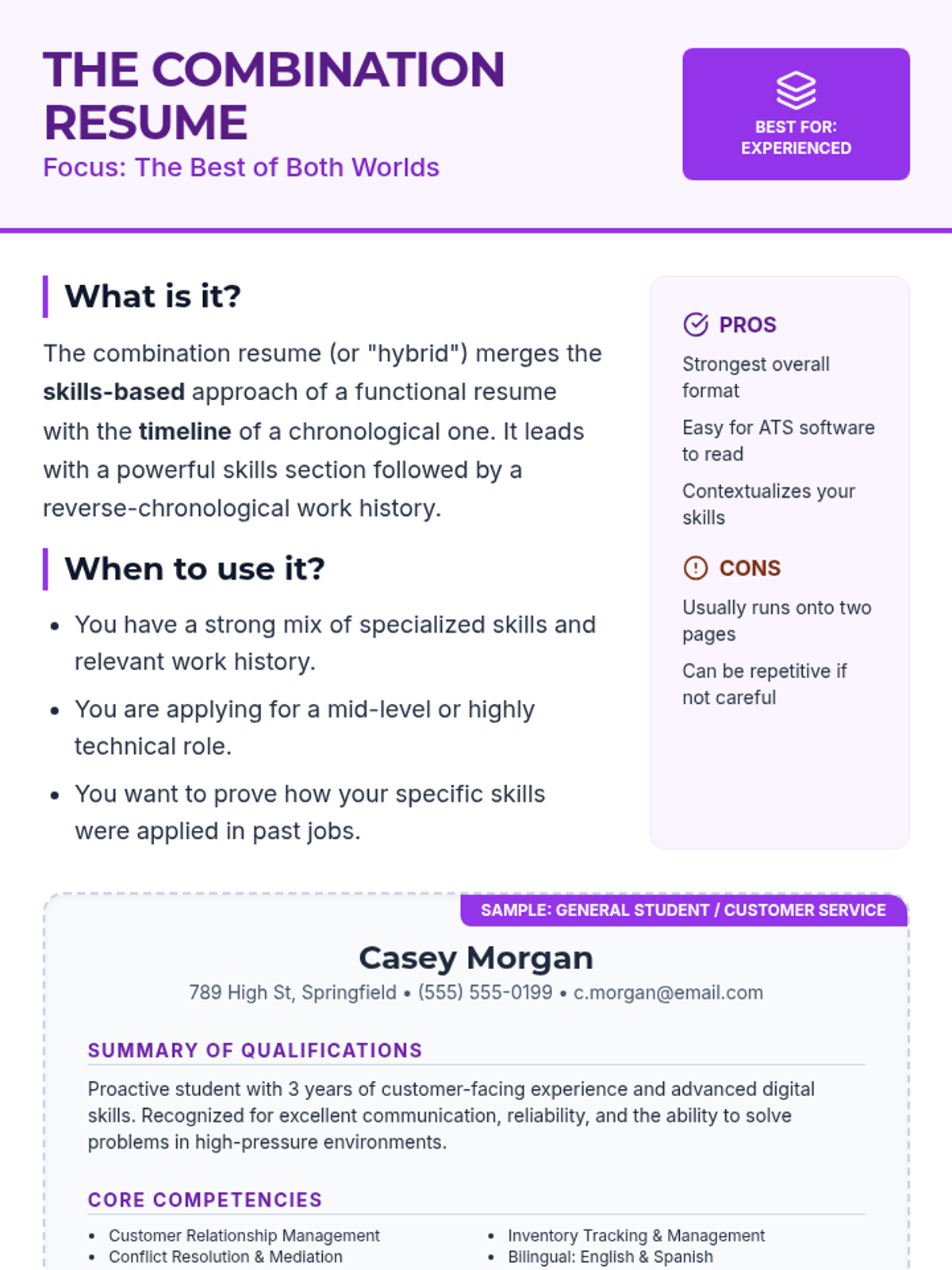
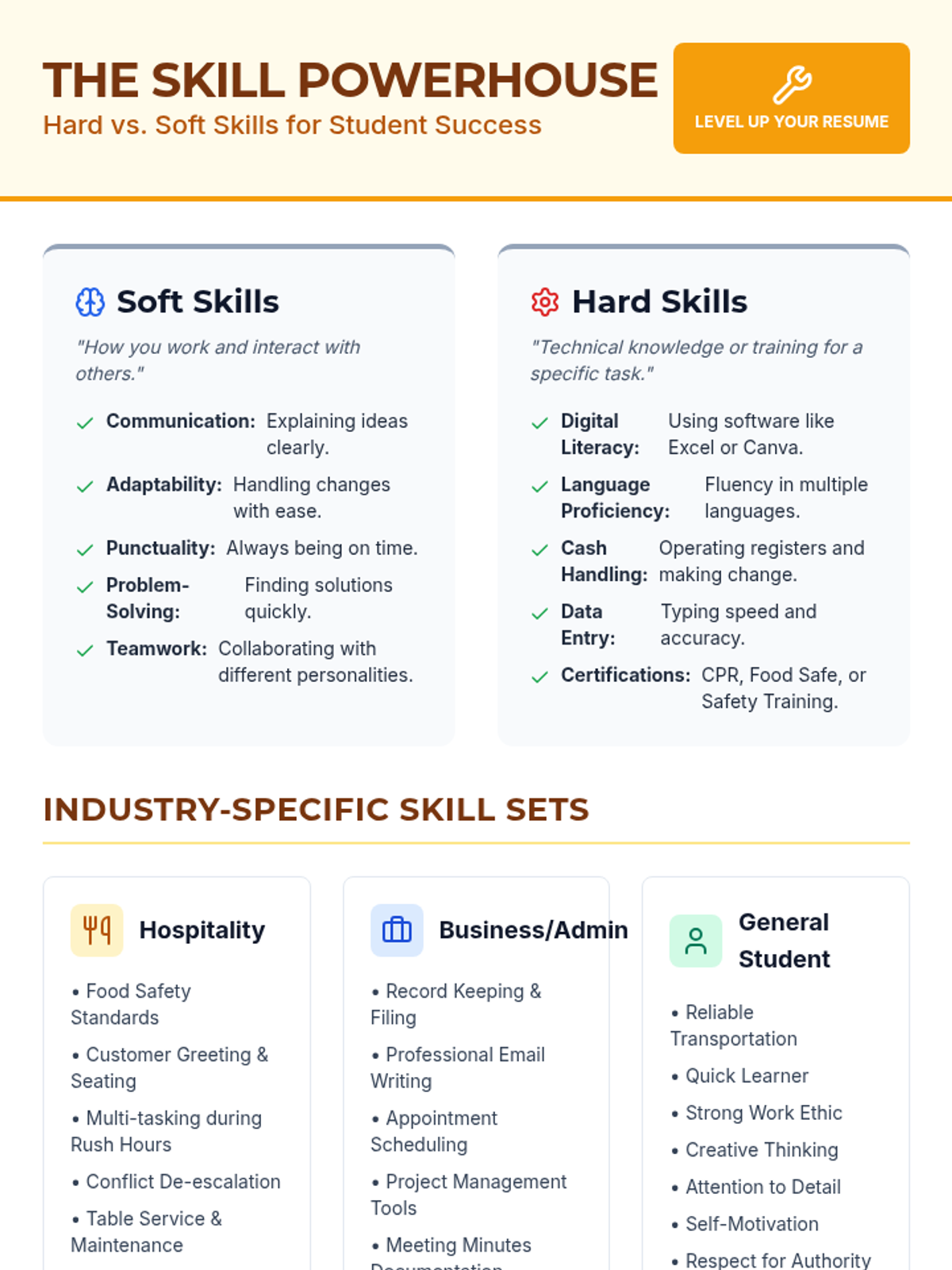
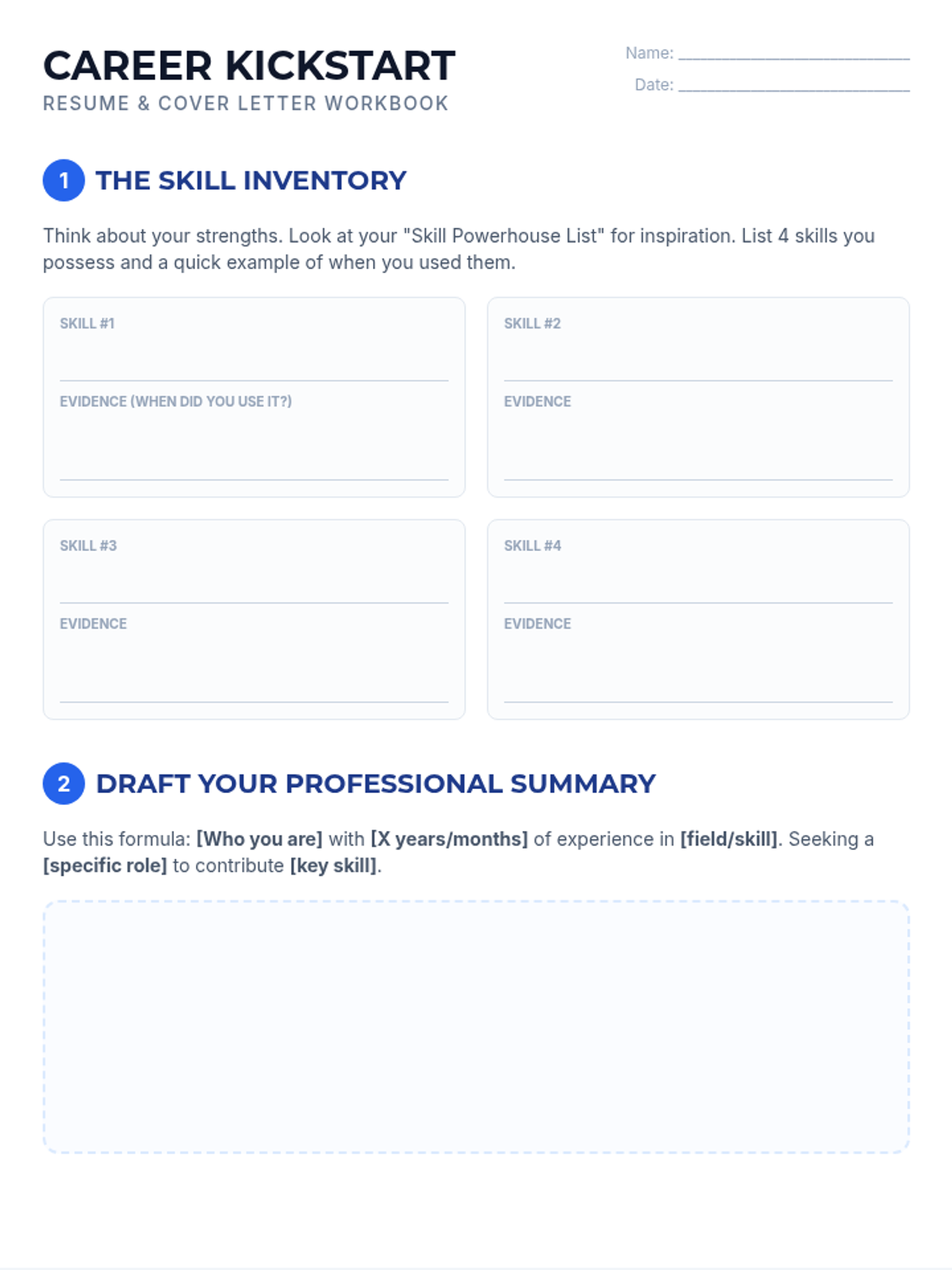
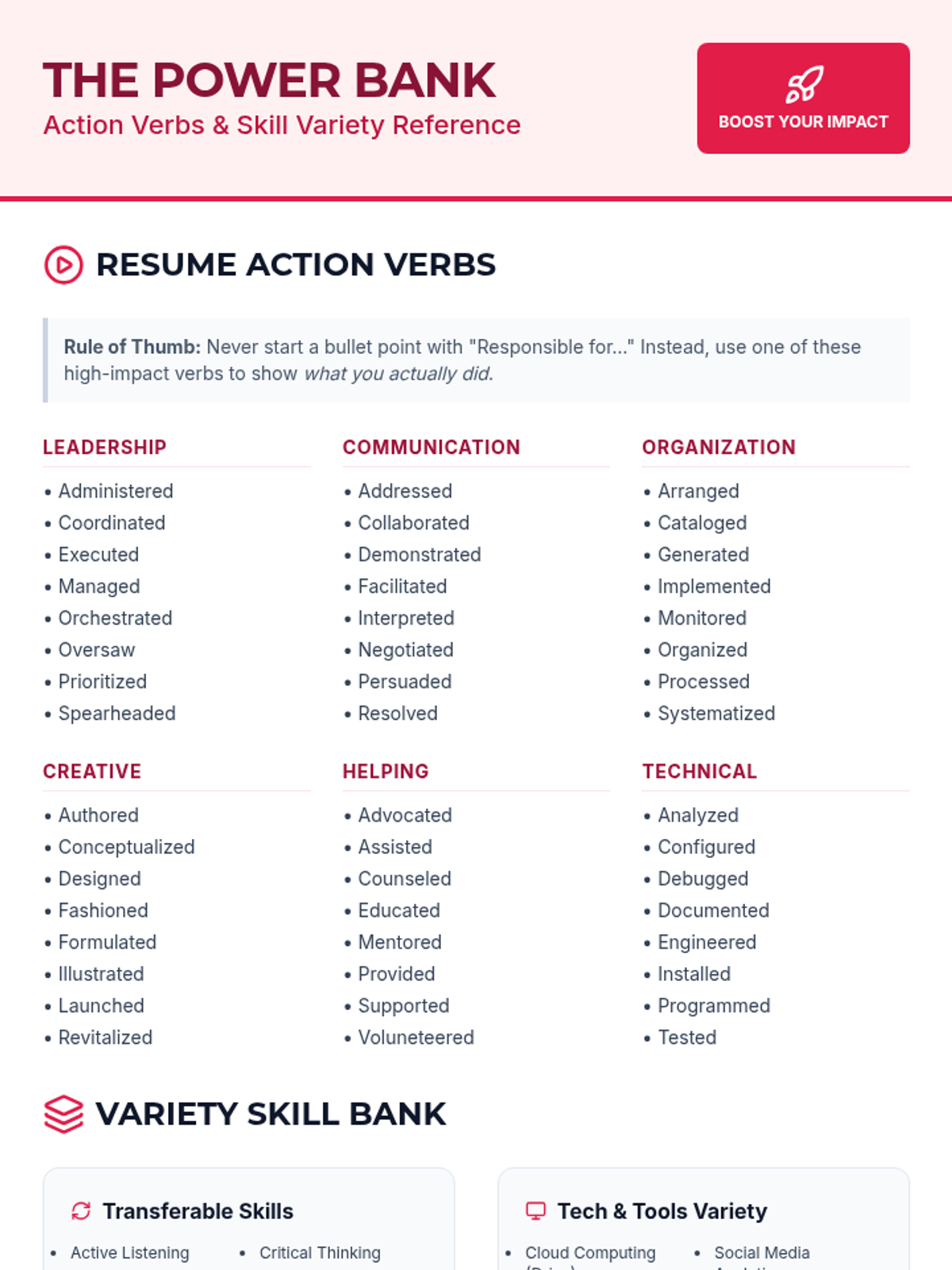
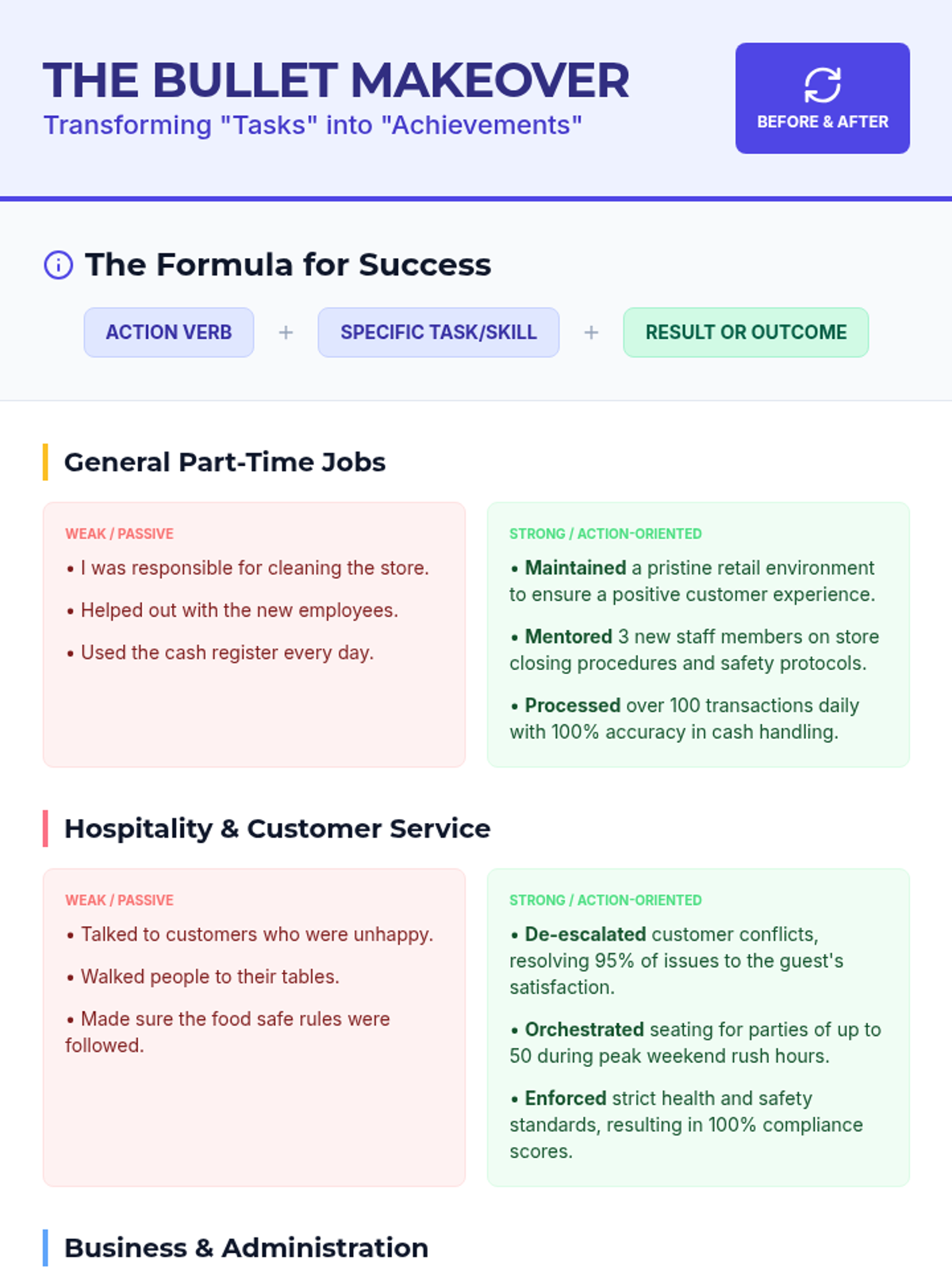
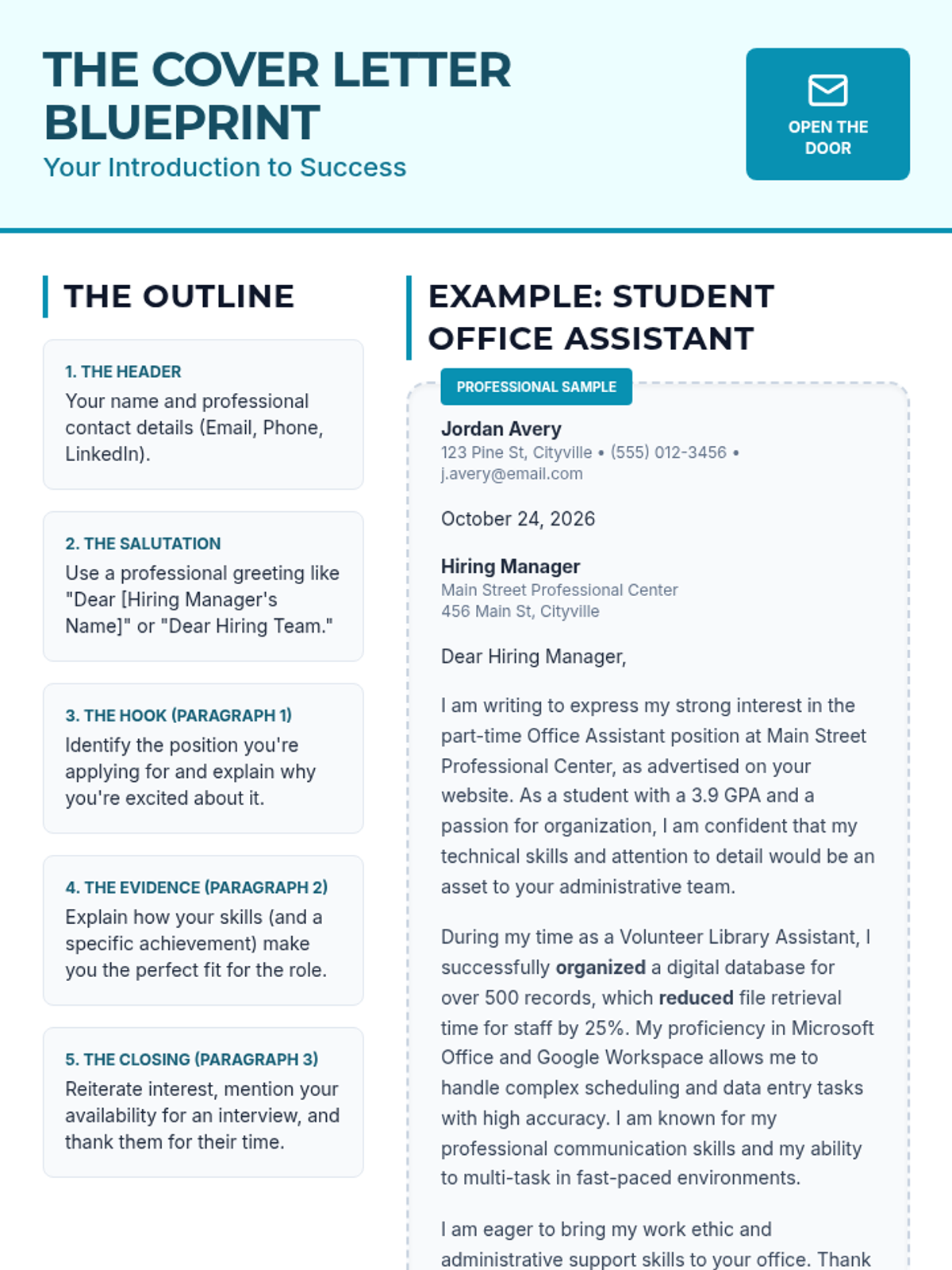
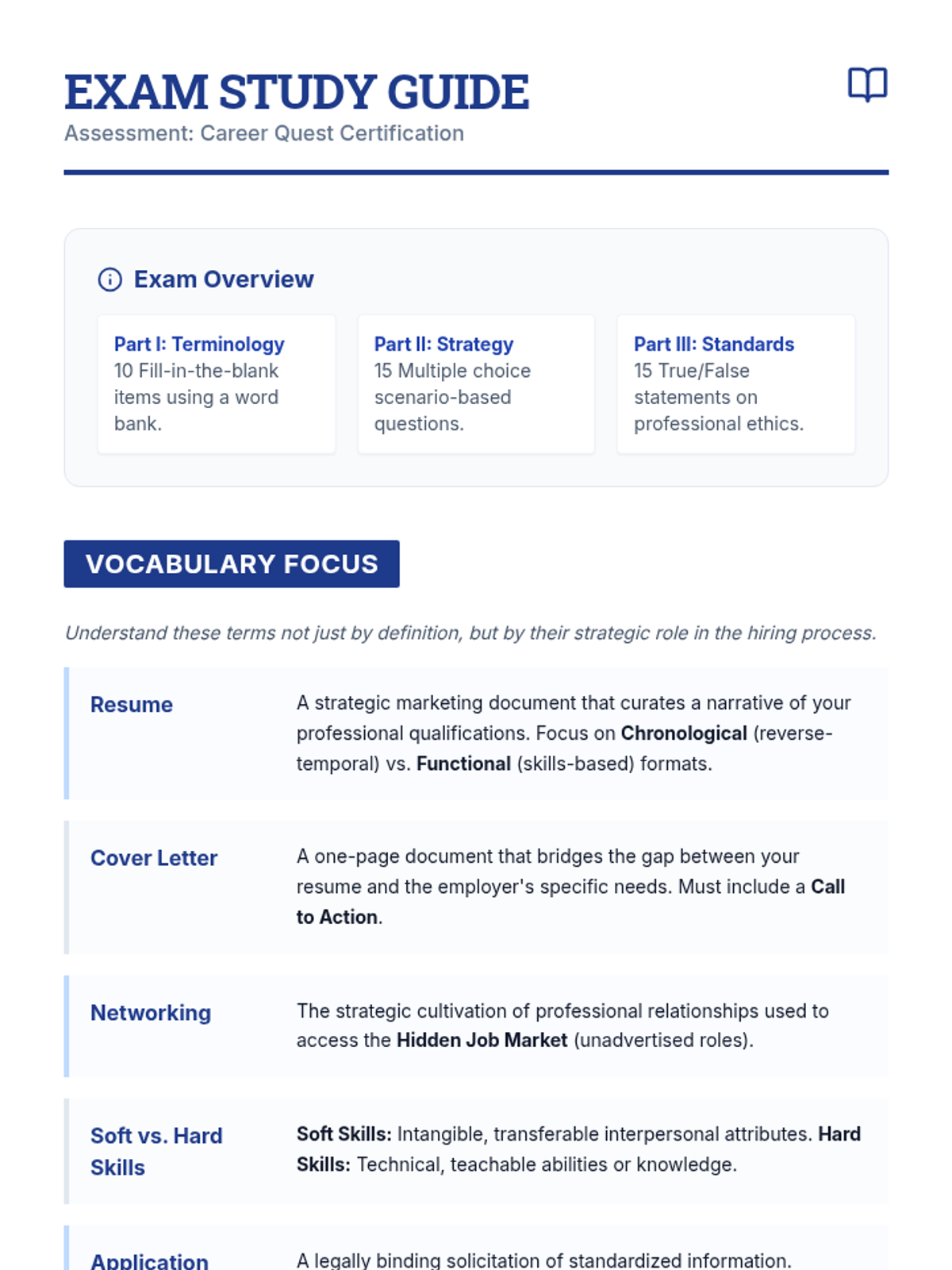
A comprehensive guide to resume writing for students and entry-level professionals, covering different resume formats, skill identification, and document templates.
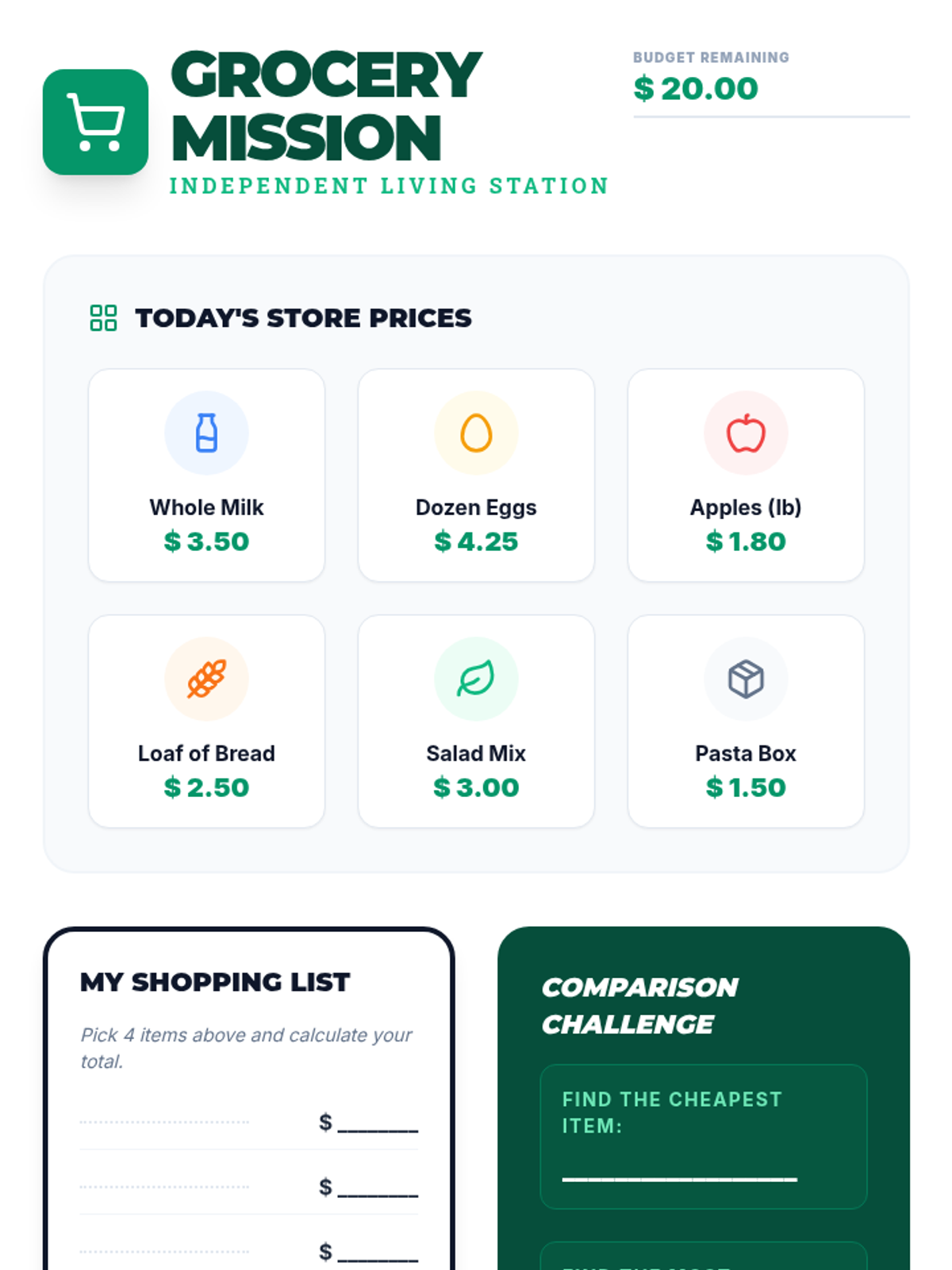
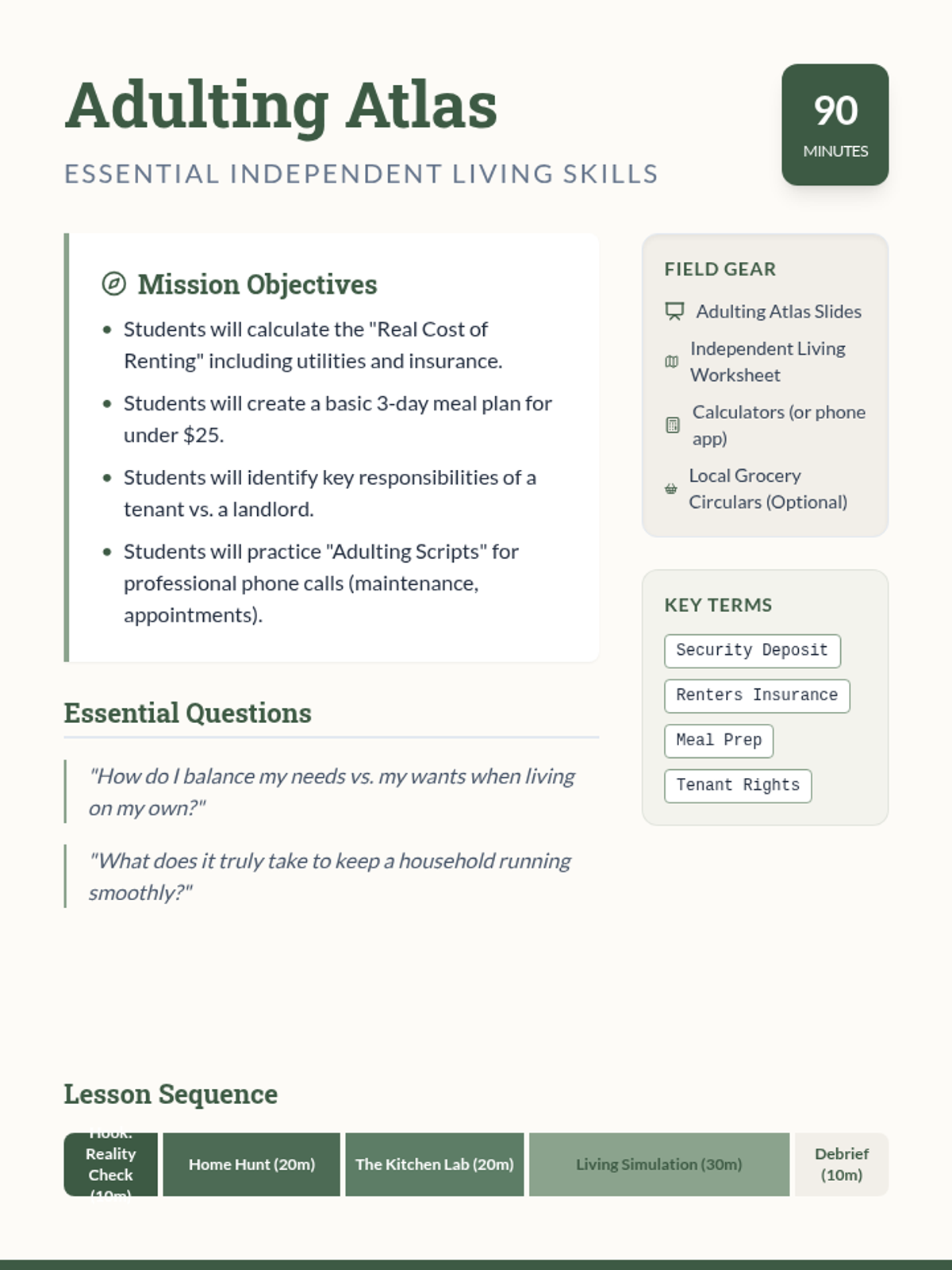
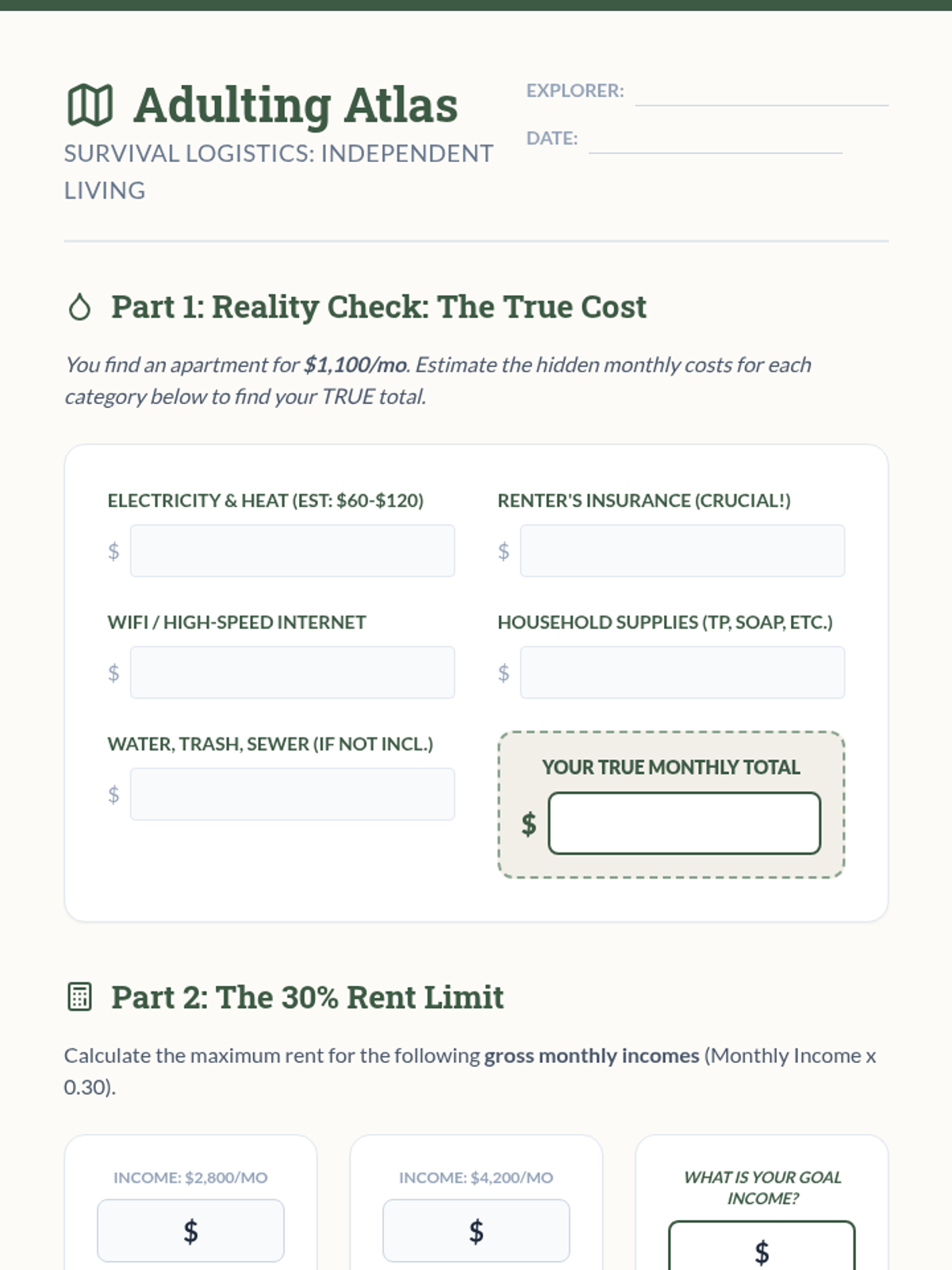
A practical guide to essential adulting skills, covering apartment hunting, basic meal planning on a budget, and navigating the 'real world' responsibilities of independent life.
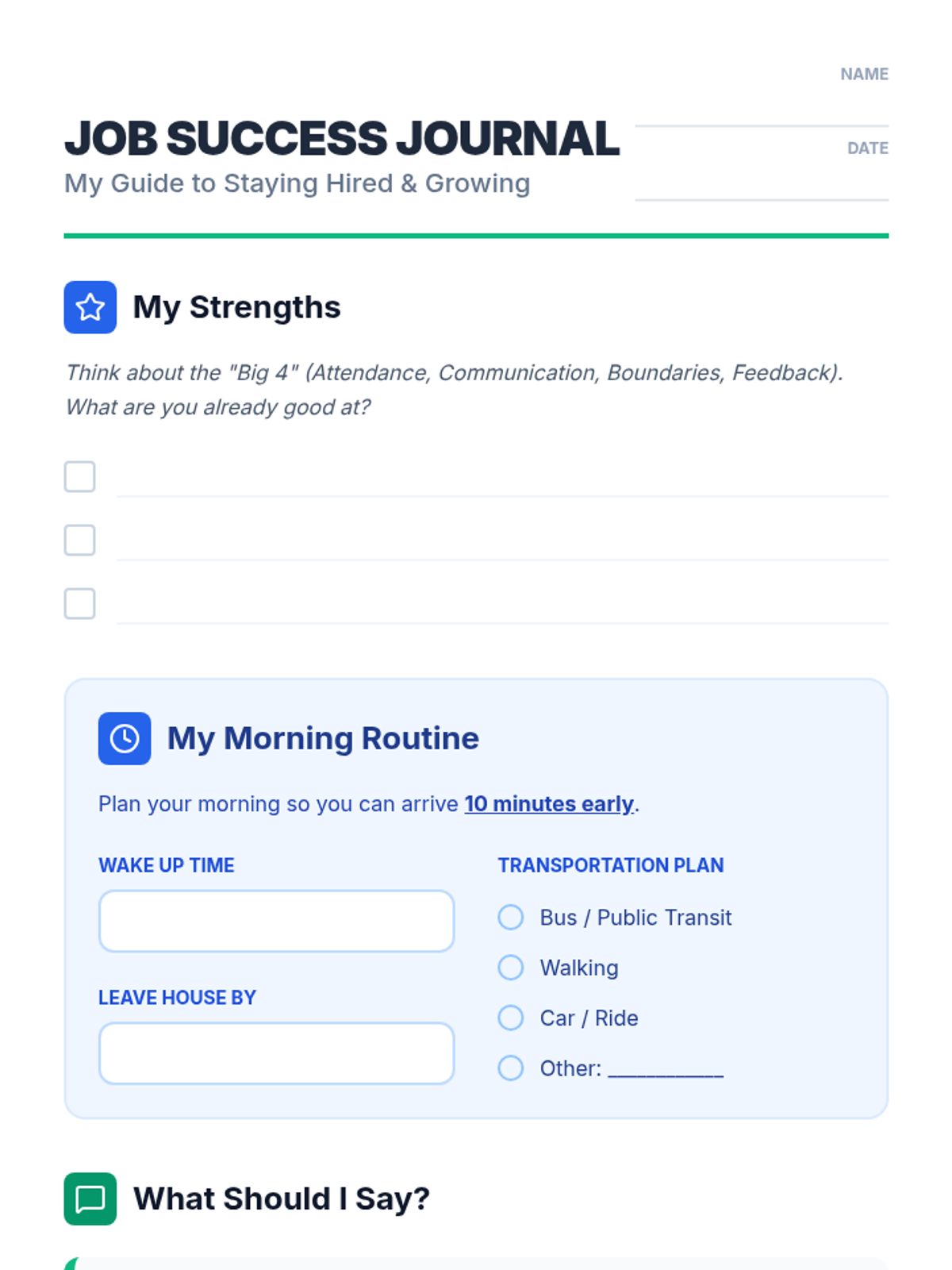
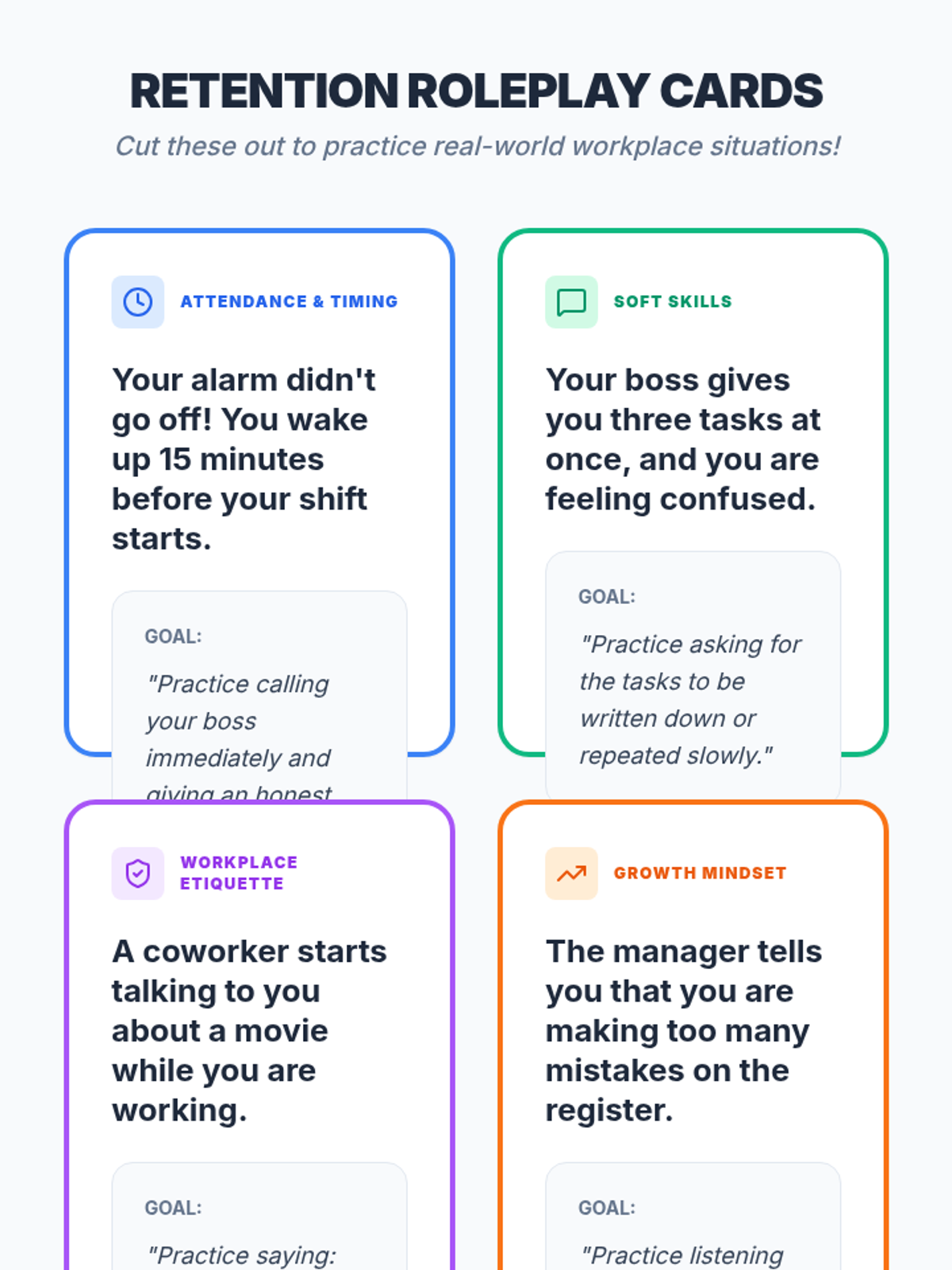
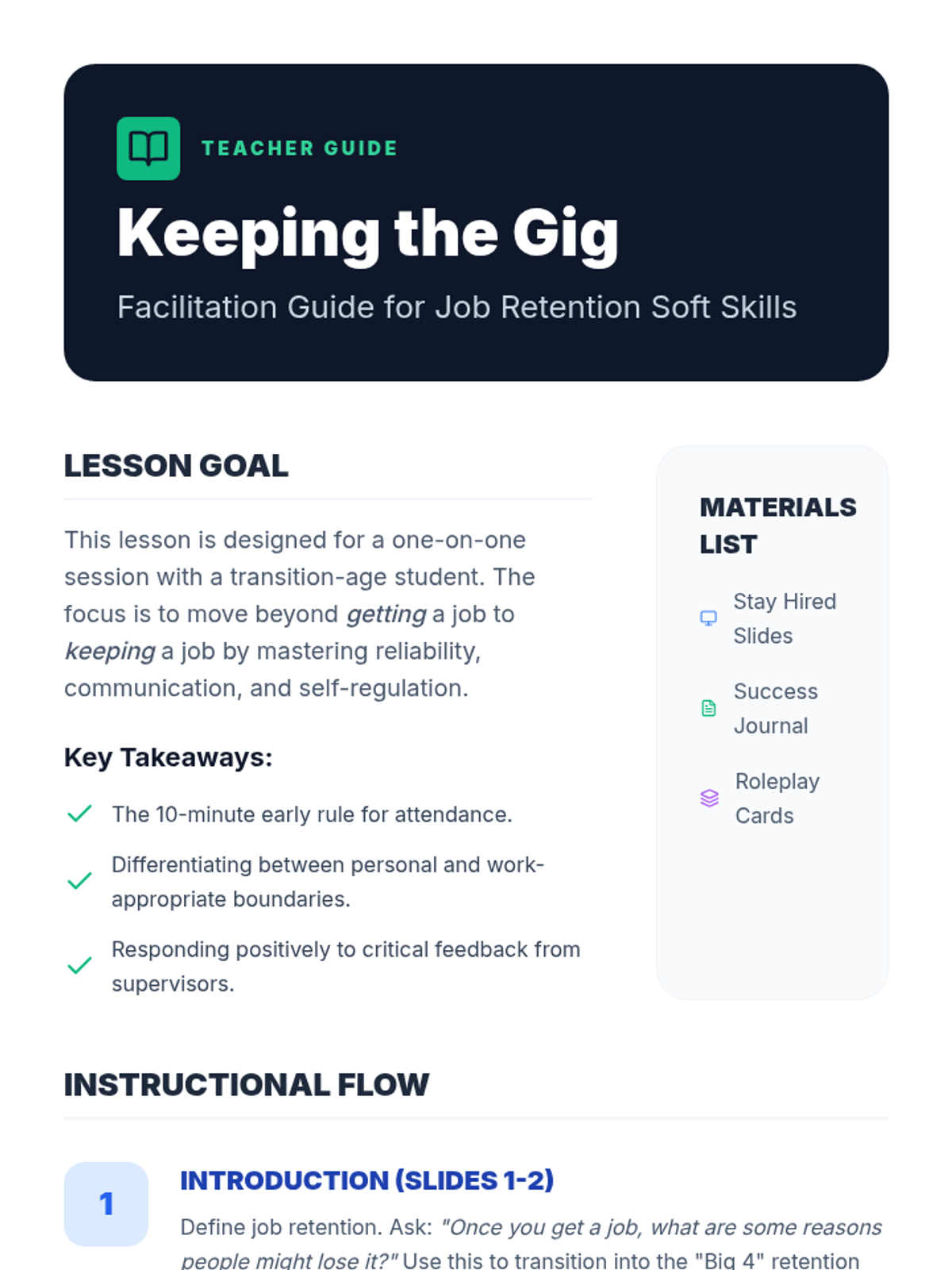
A one-on-one lesson designed for transition-age students to master the essential soft skills, time management habits, and communication strategies needed to successfully maintain employment.
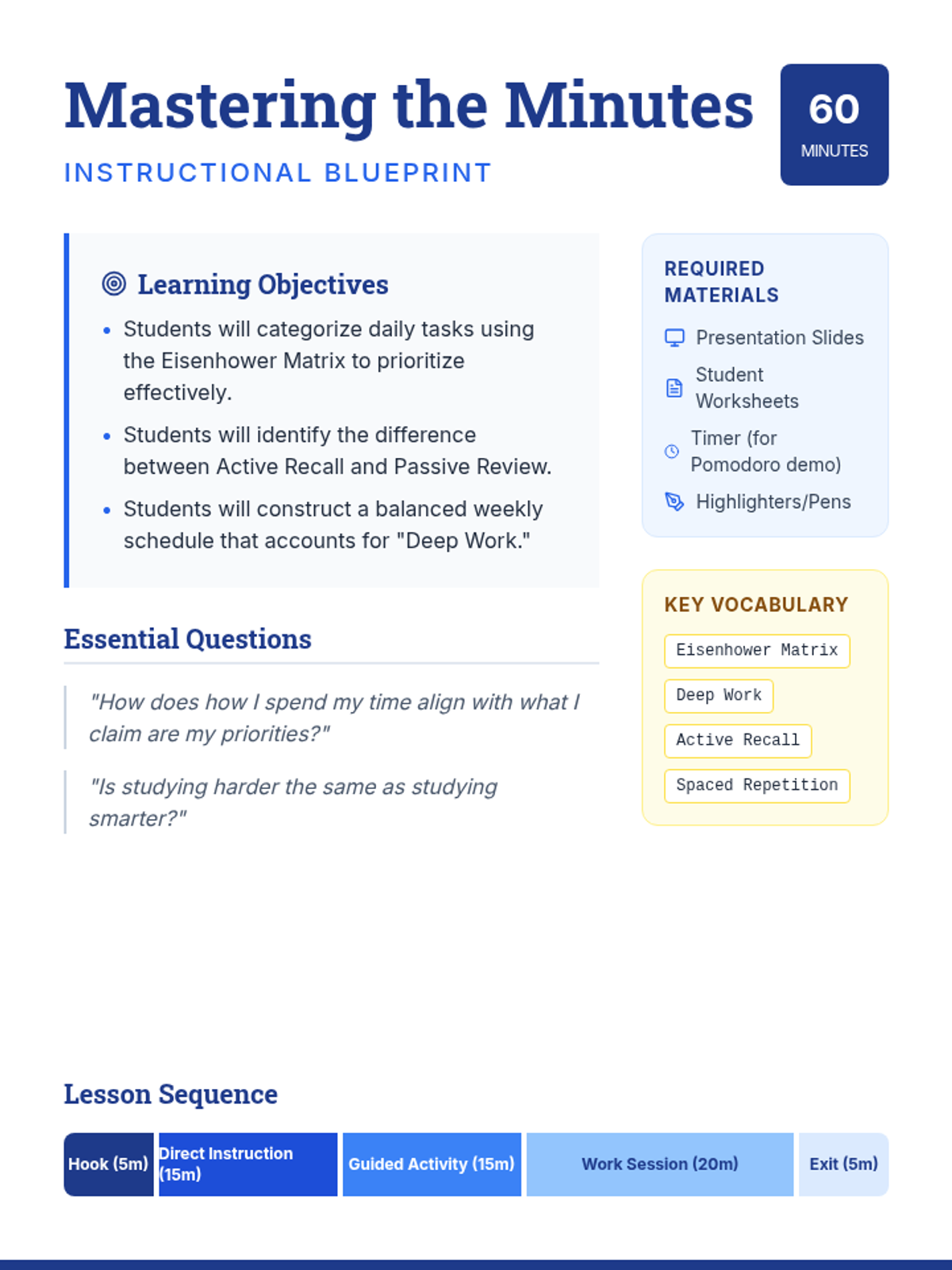
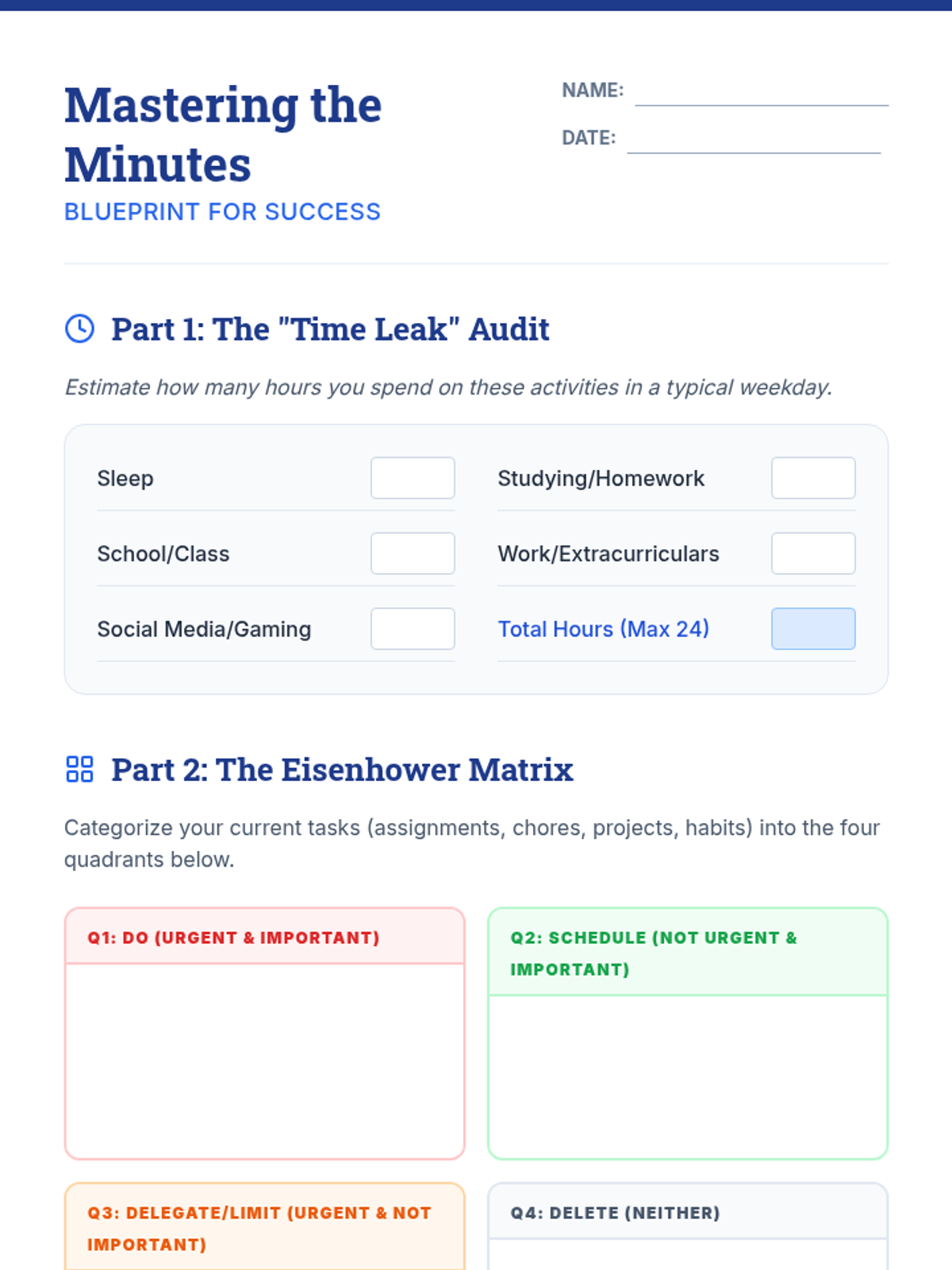
A comprehensive lesson on time management and effective study habits, focusing on prioritization, scheduling, and active study techniques to prepare students for post-secondary success.
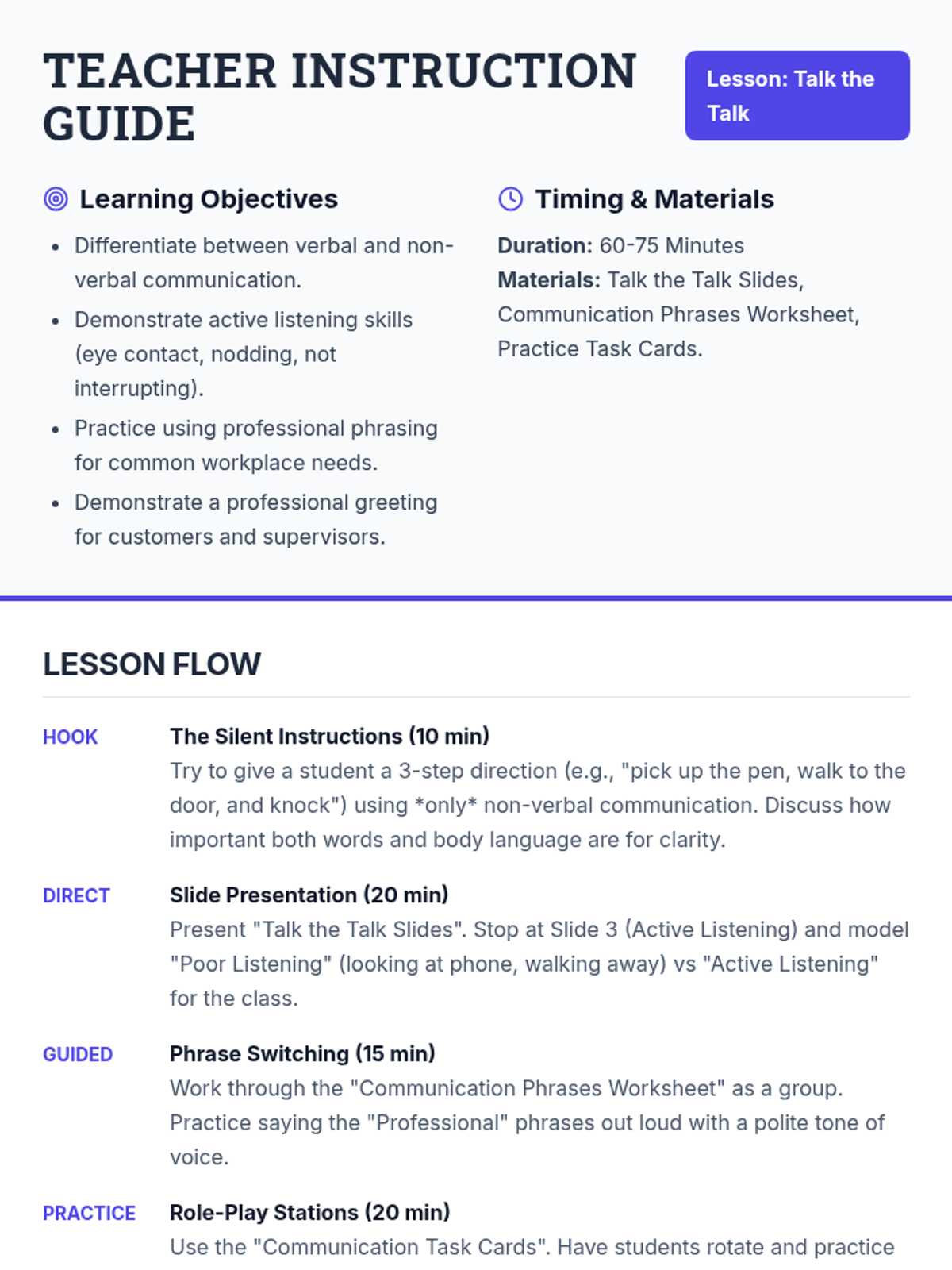
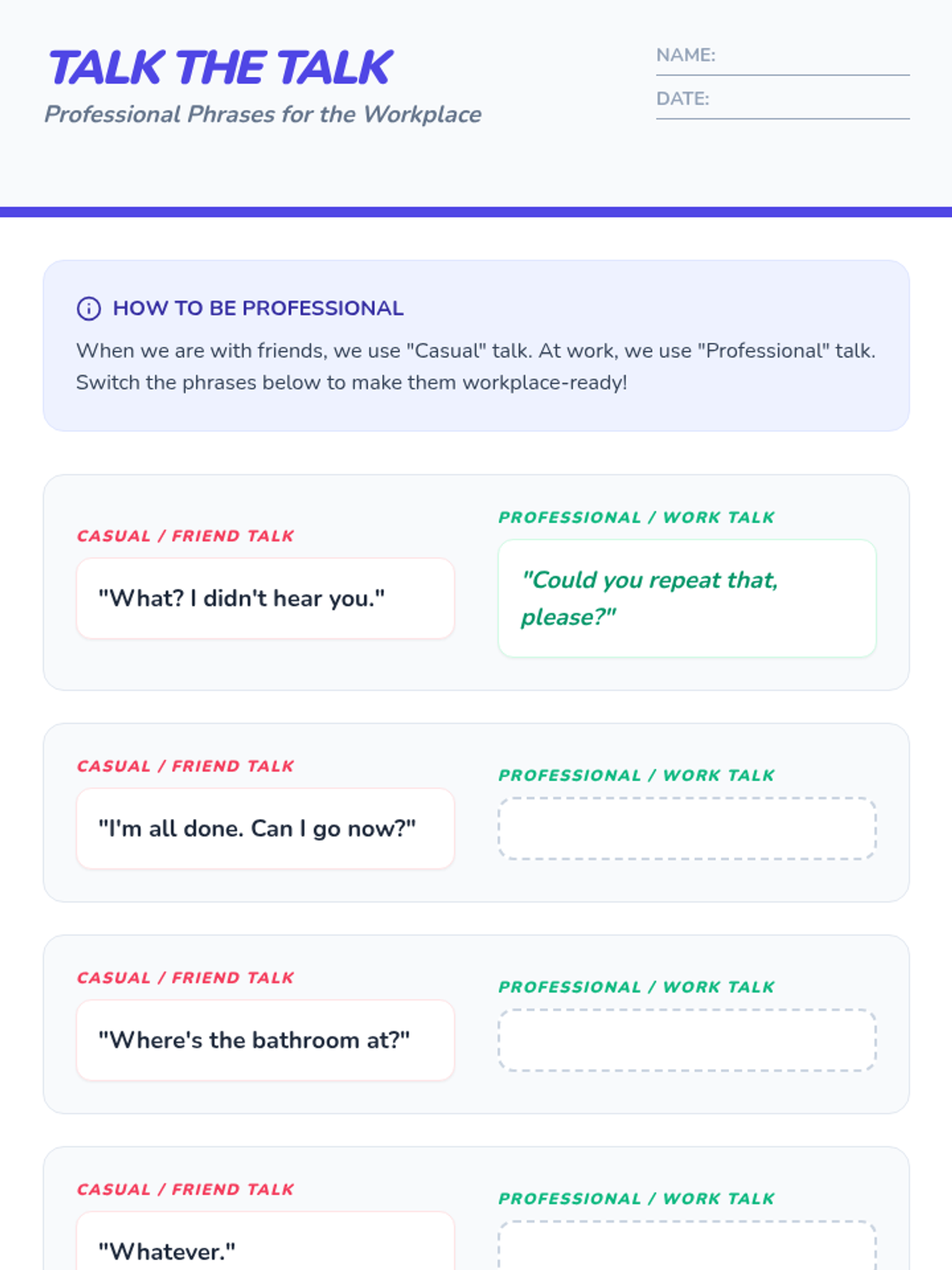
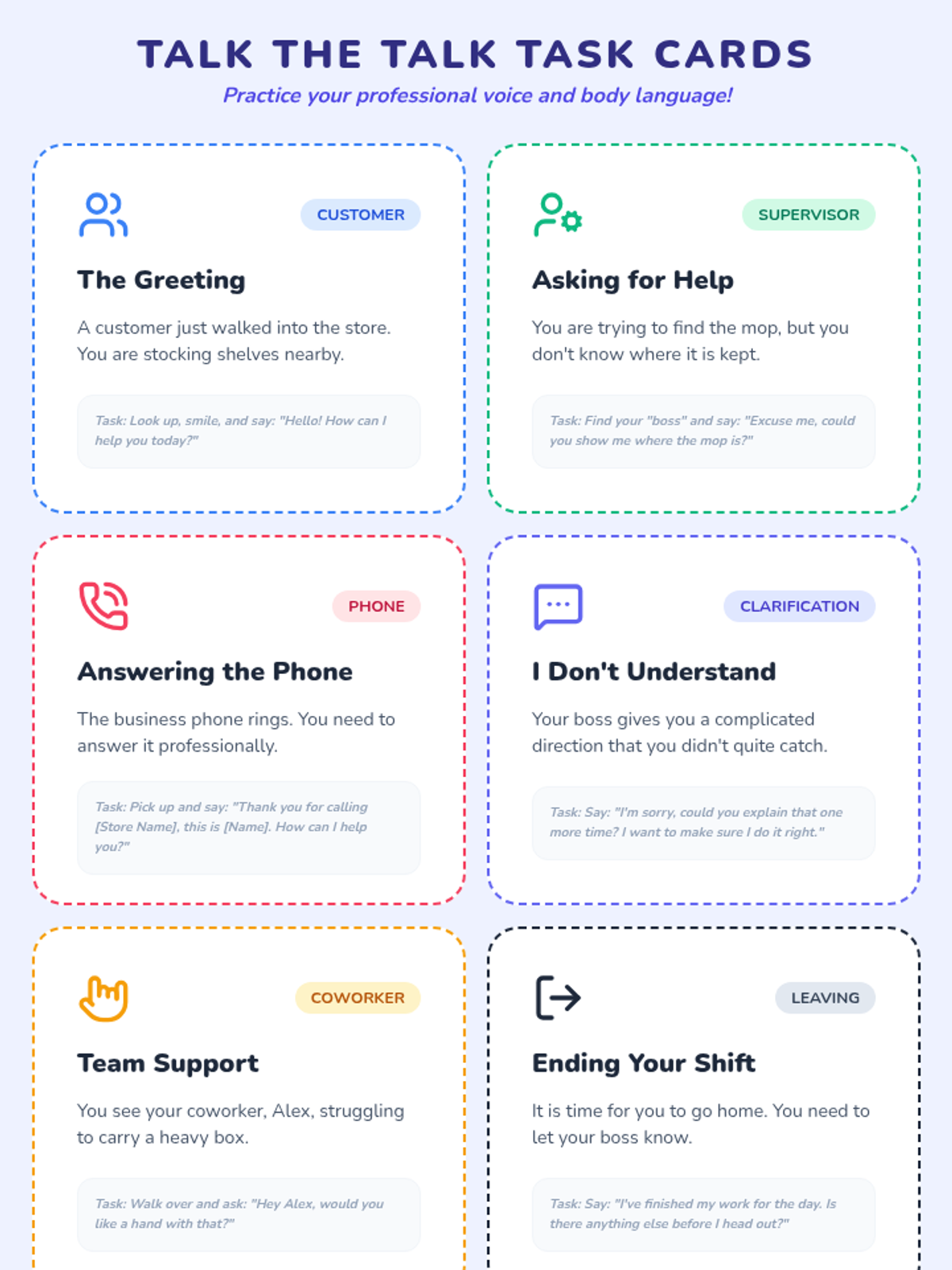
This lesson teaches students effective verbal and non-verbal communication strategies for the workplace, including active listening, professional greetings, and asking for clarification.
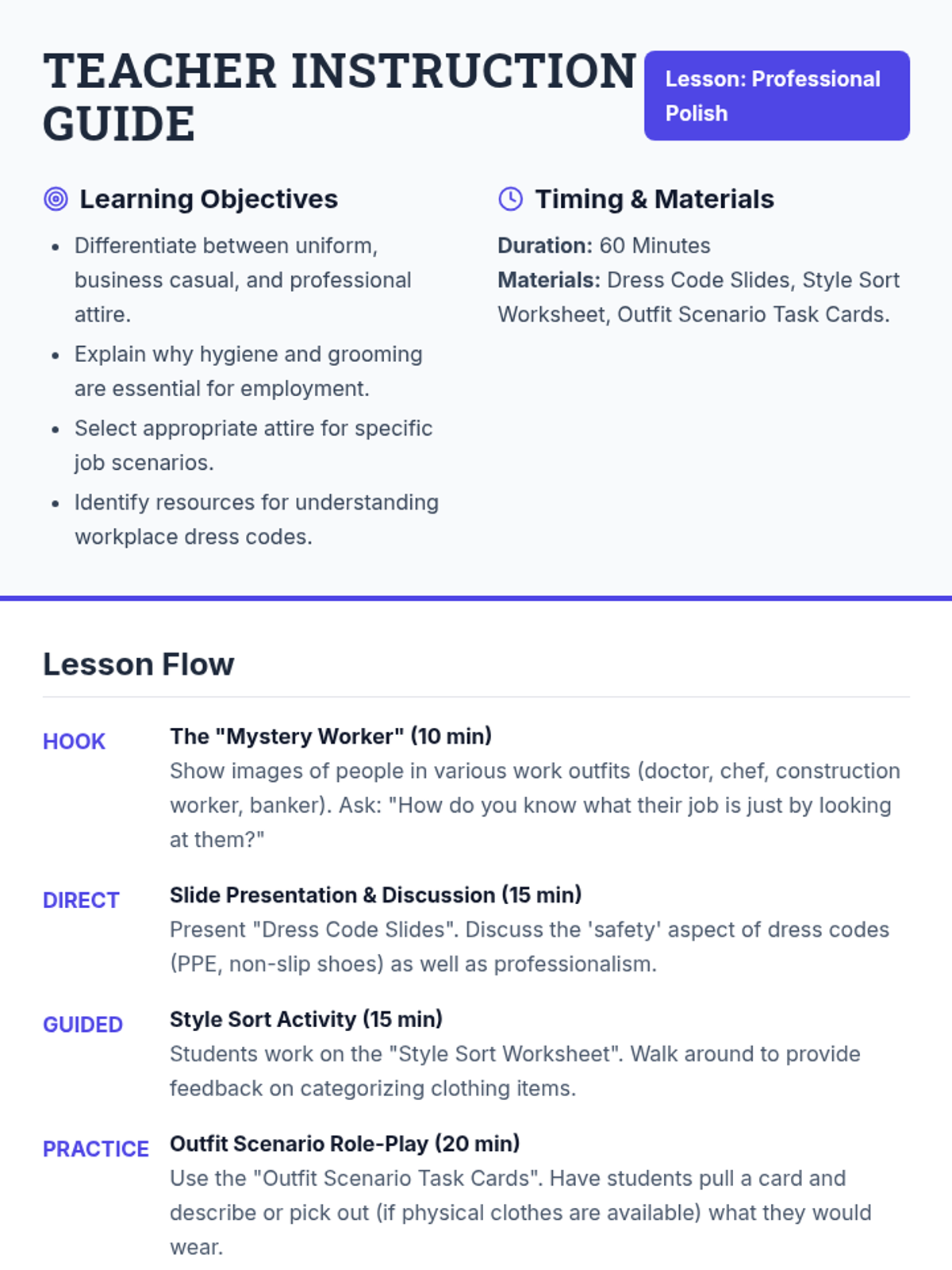
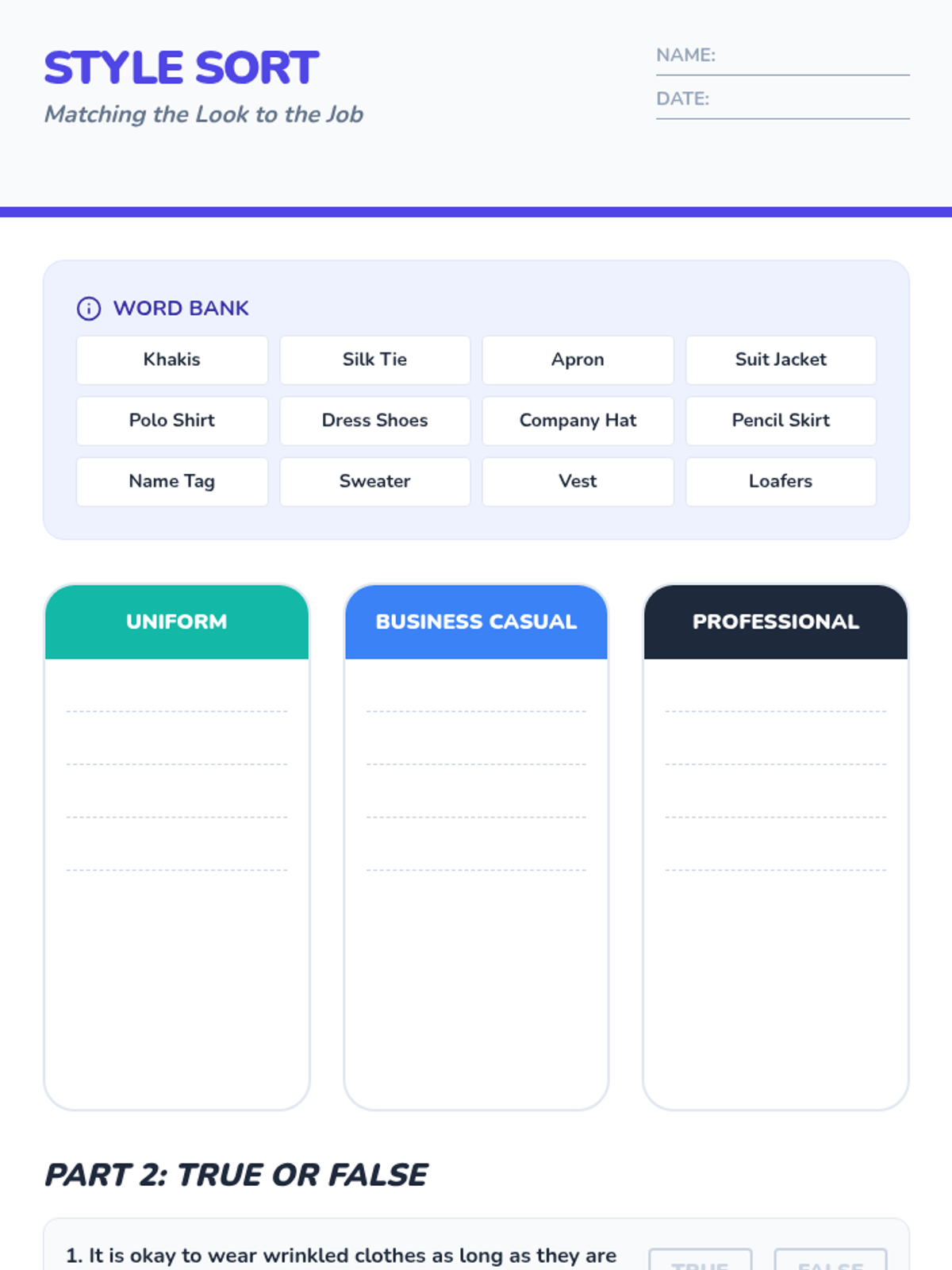
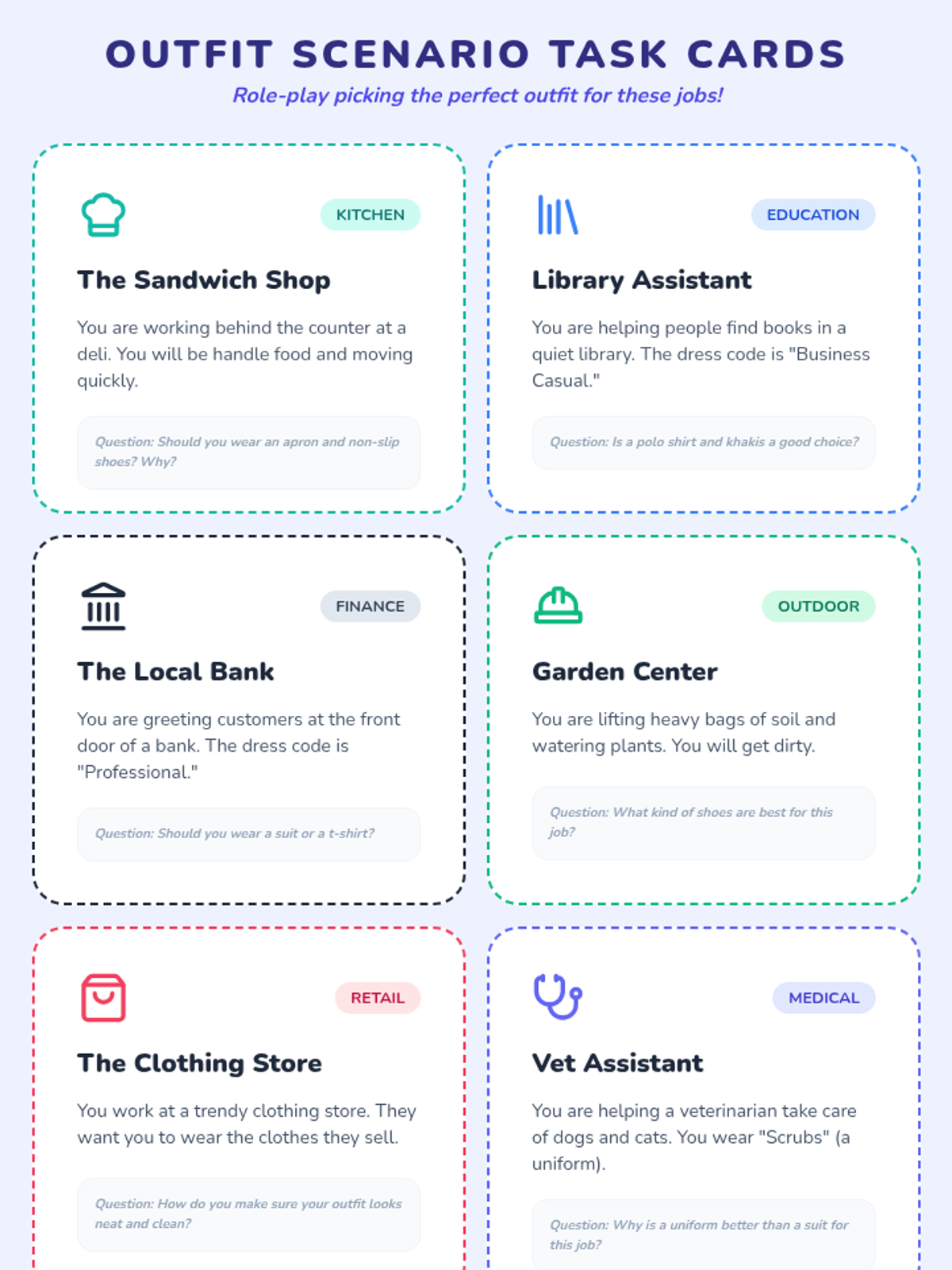
This lesson helps students understand and identify appropriate workplace attire across different industries, from uniforms to business casual.
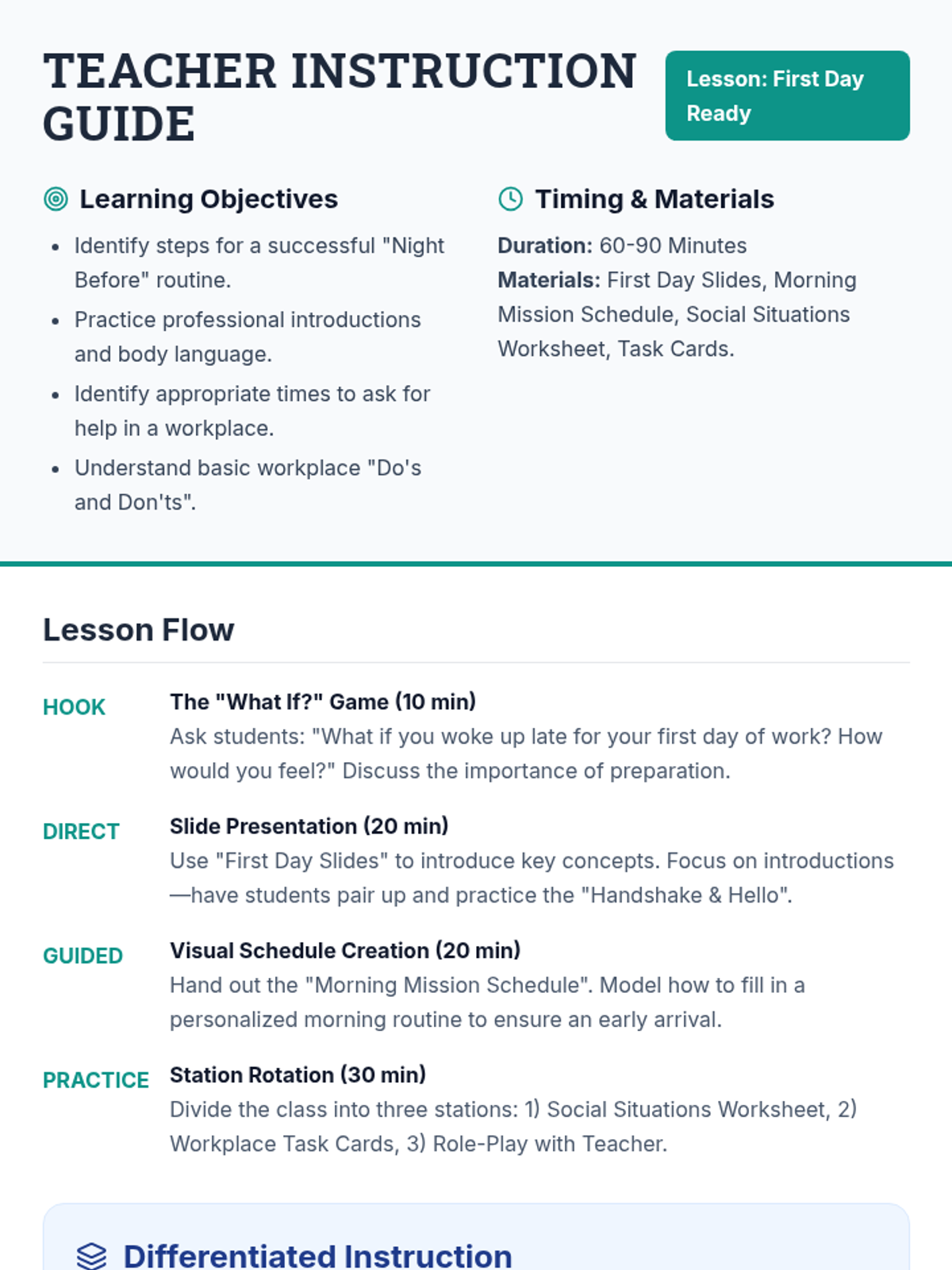
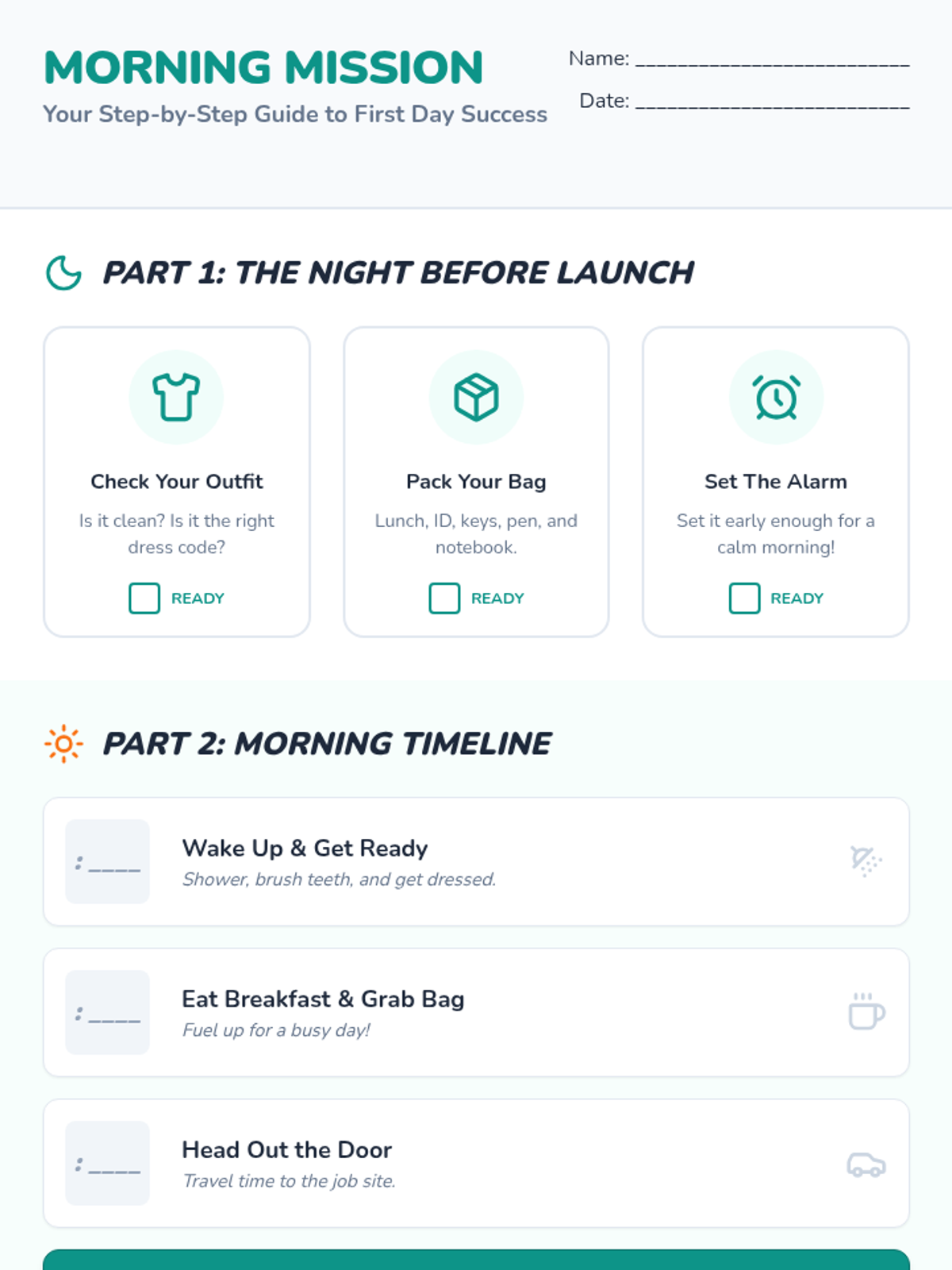
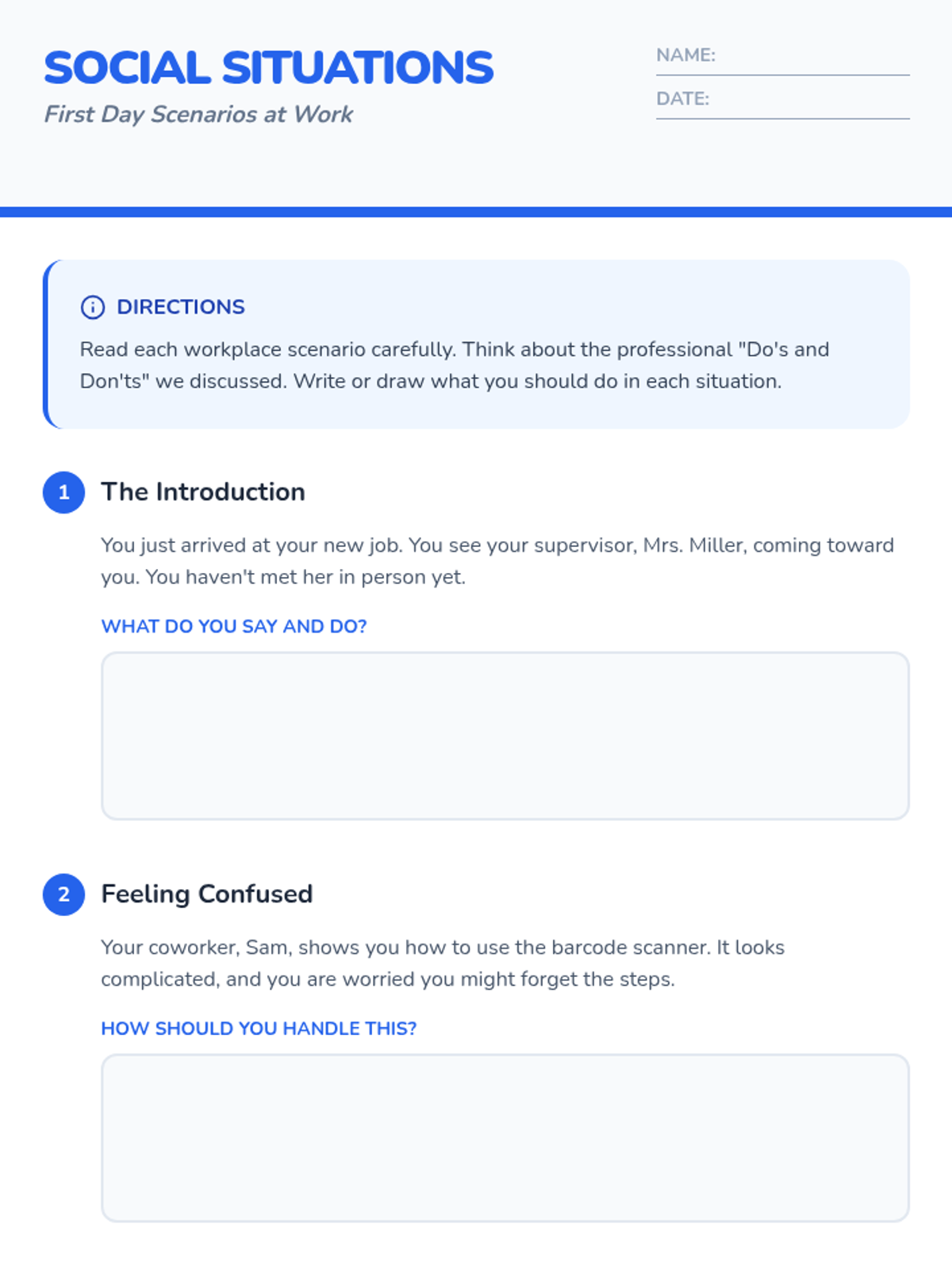
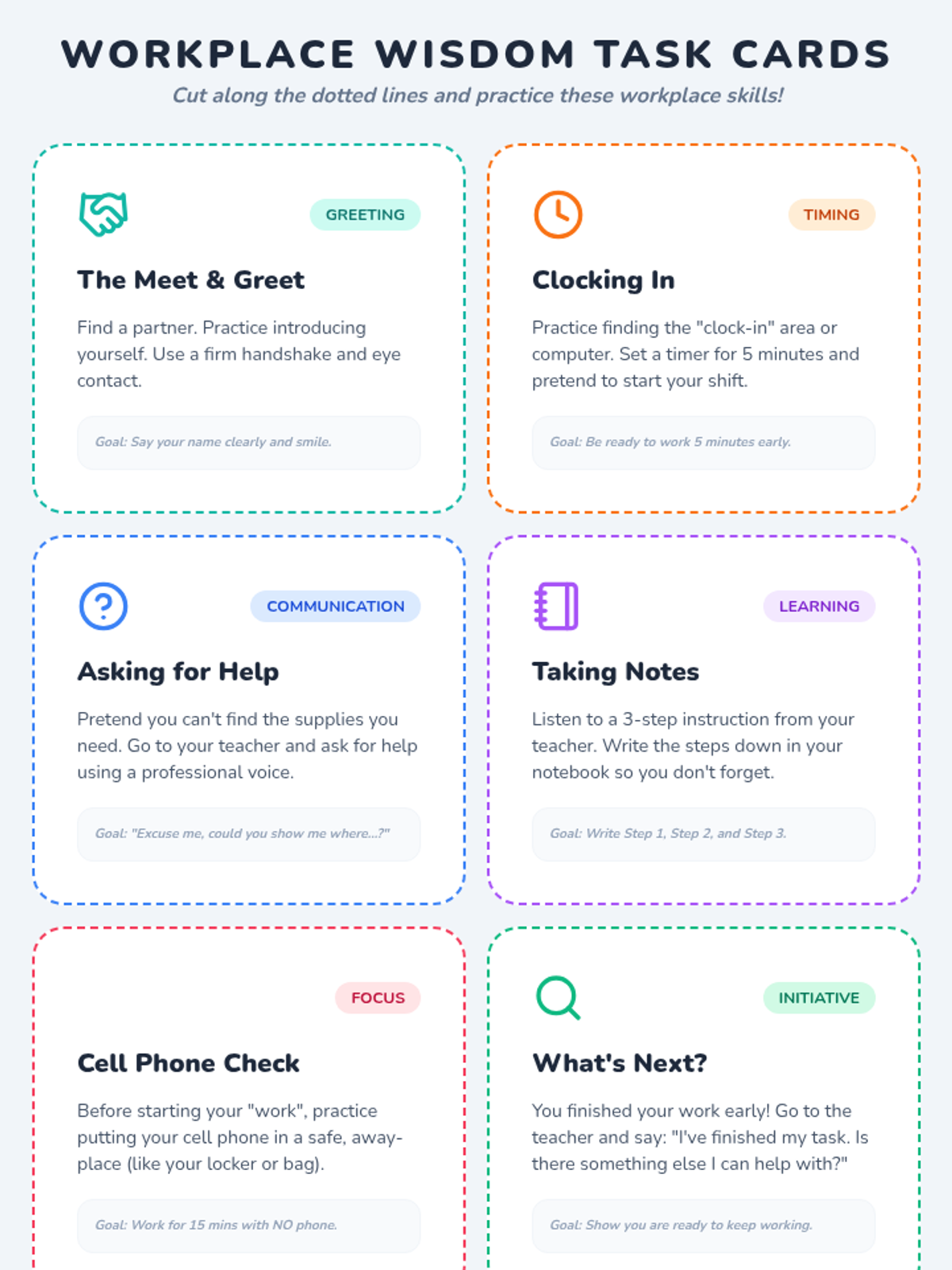
This lesson focuses on the critical first steps of starting a new job, including morning routines, professional attire, and navigating initial workplace social interactions.
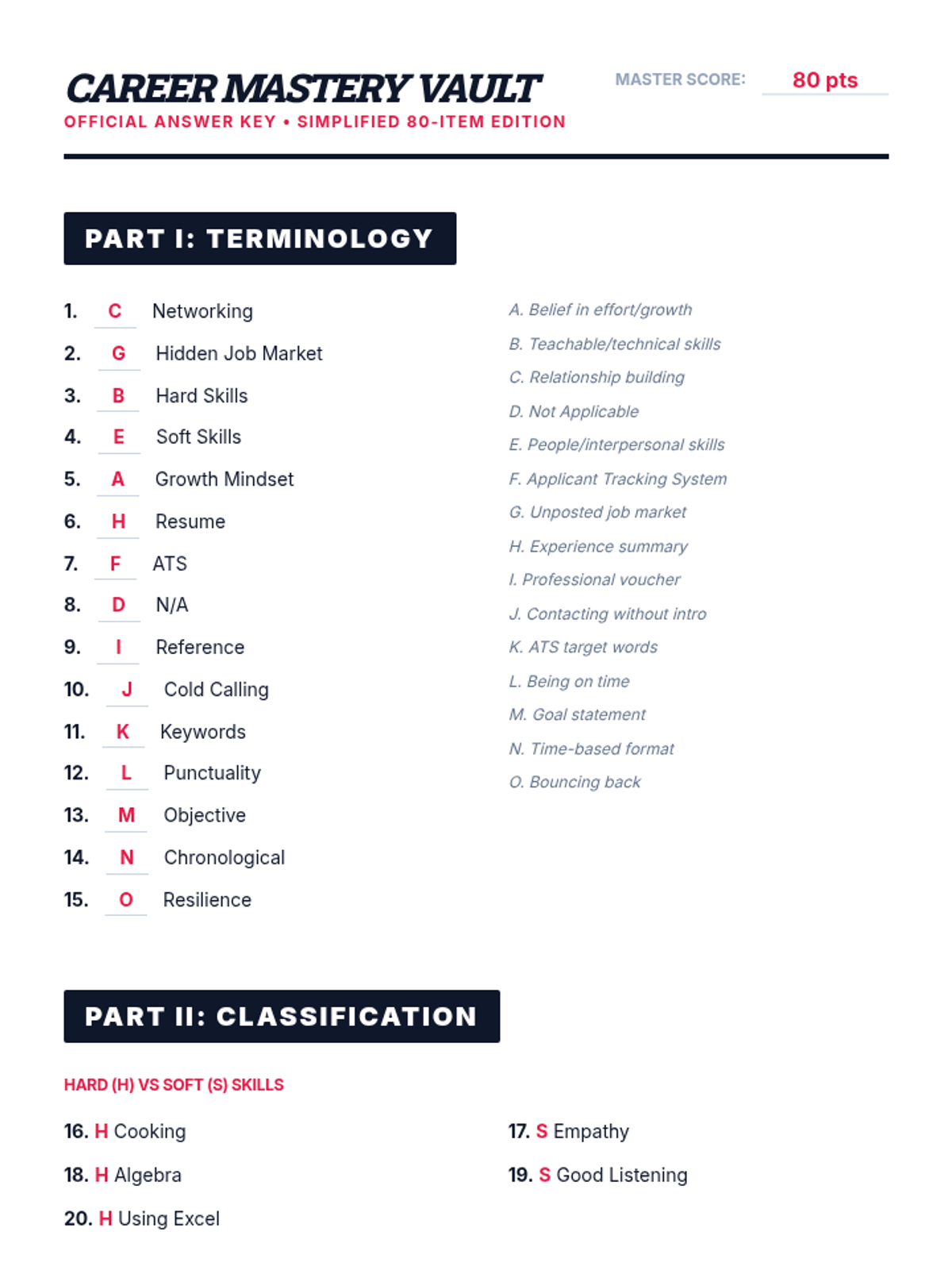
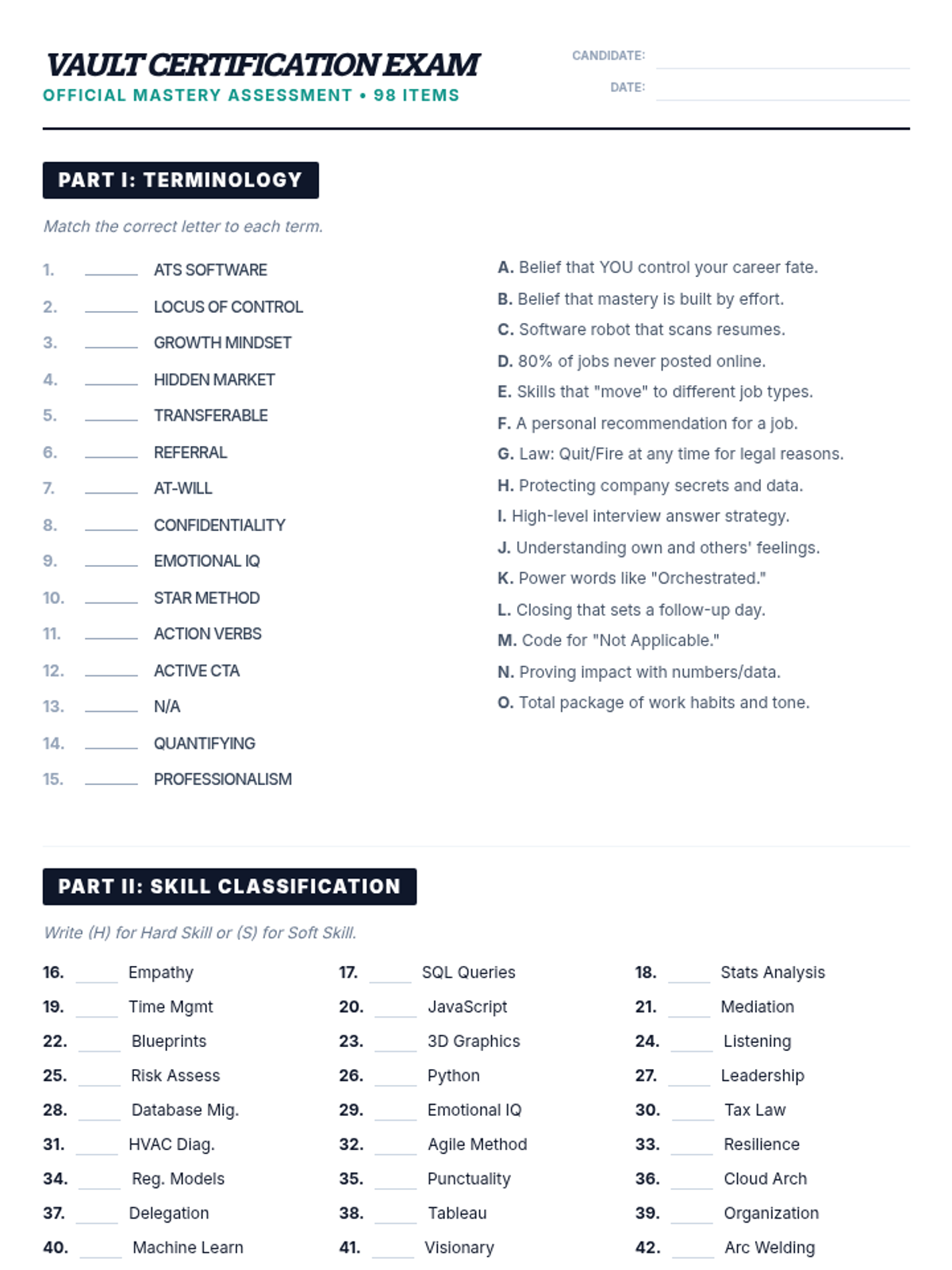
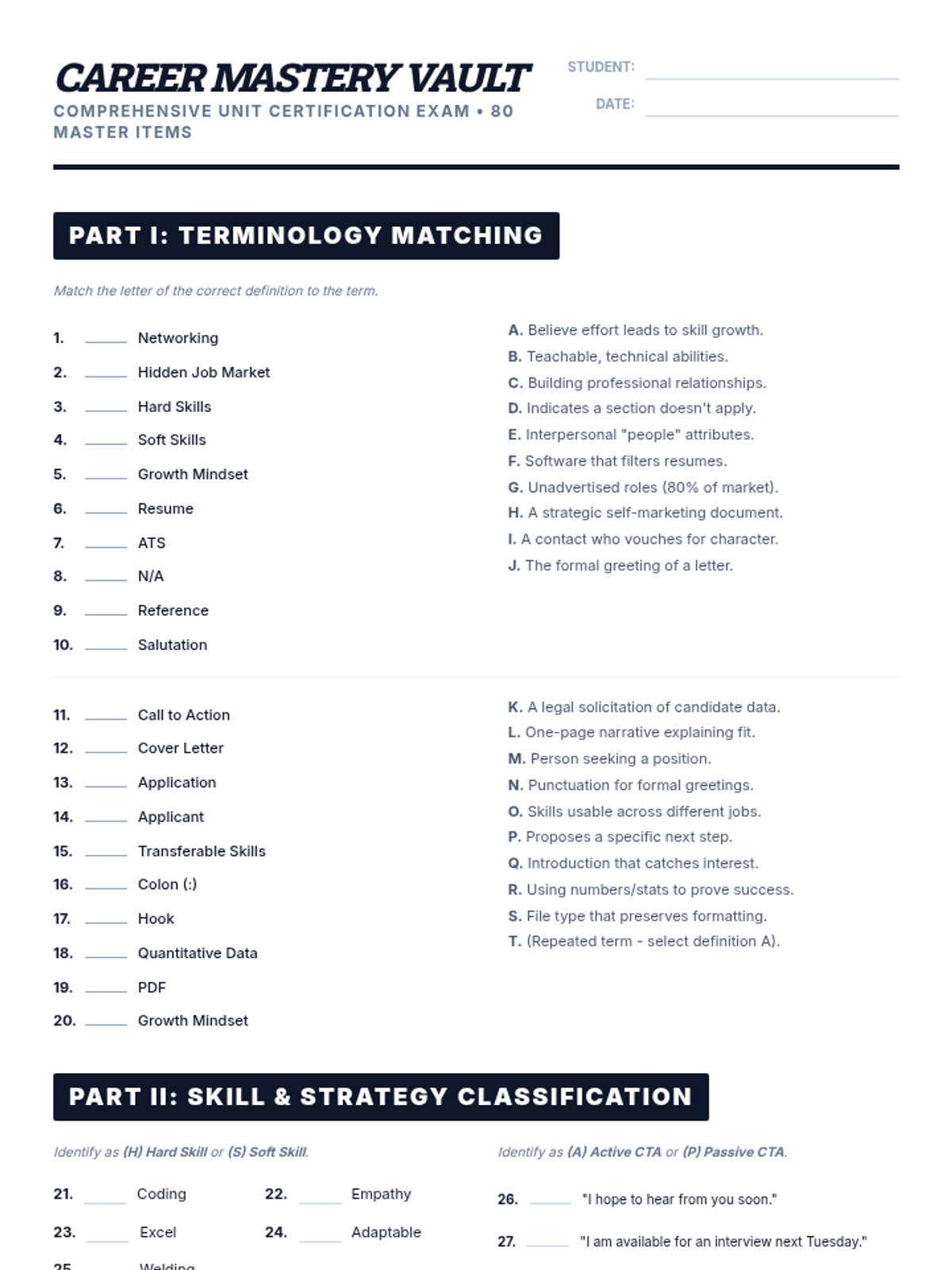
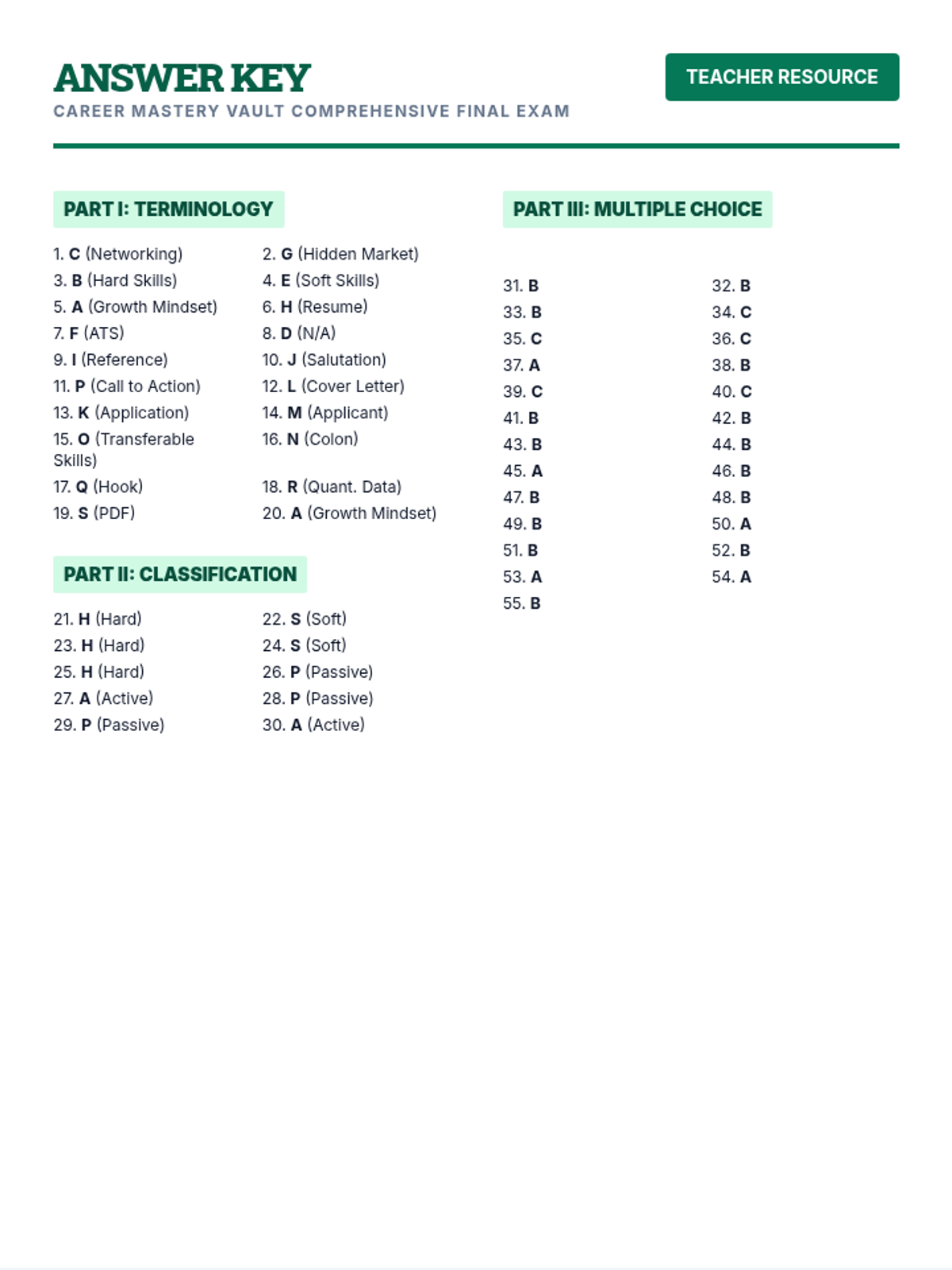
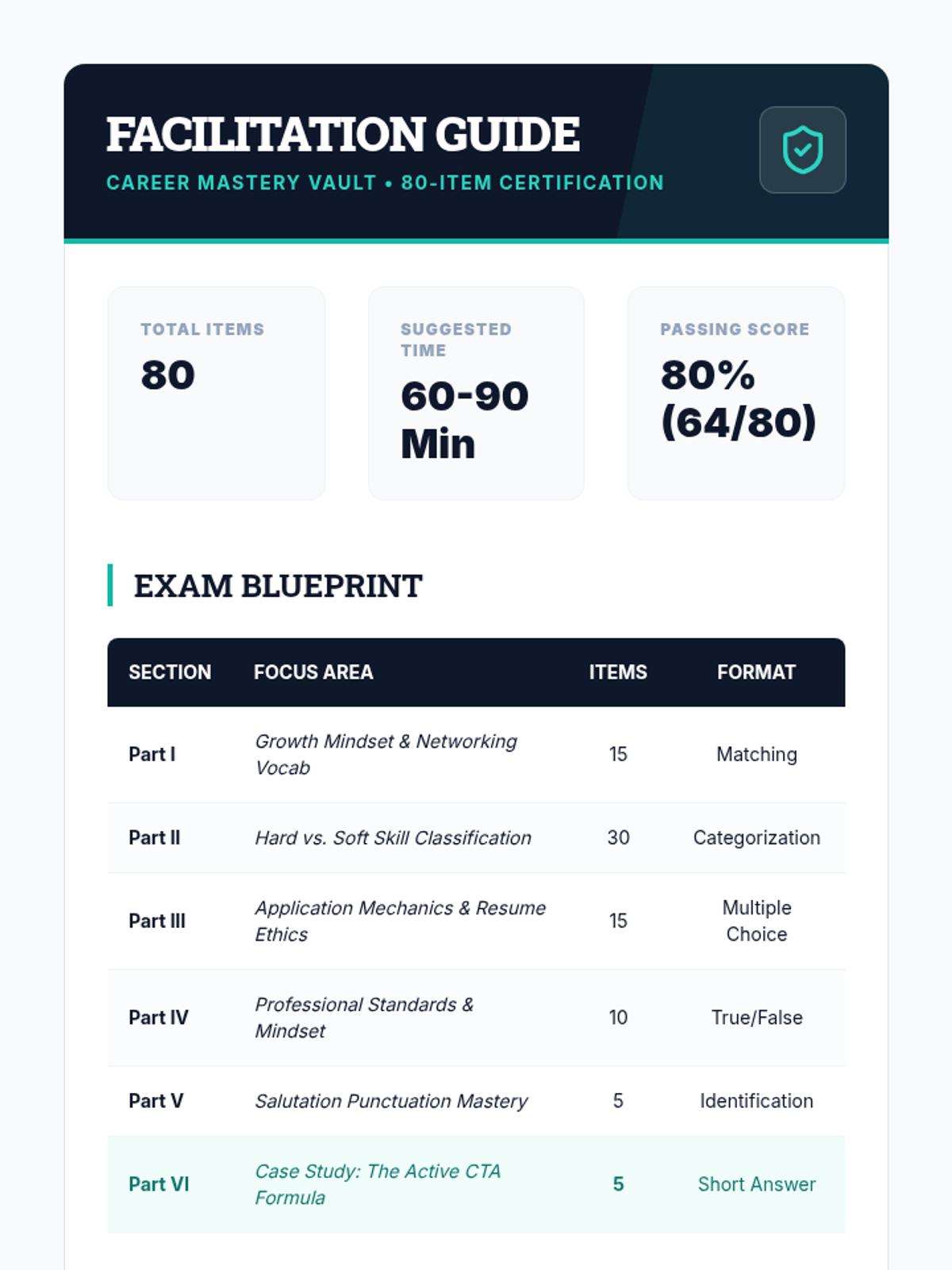
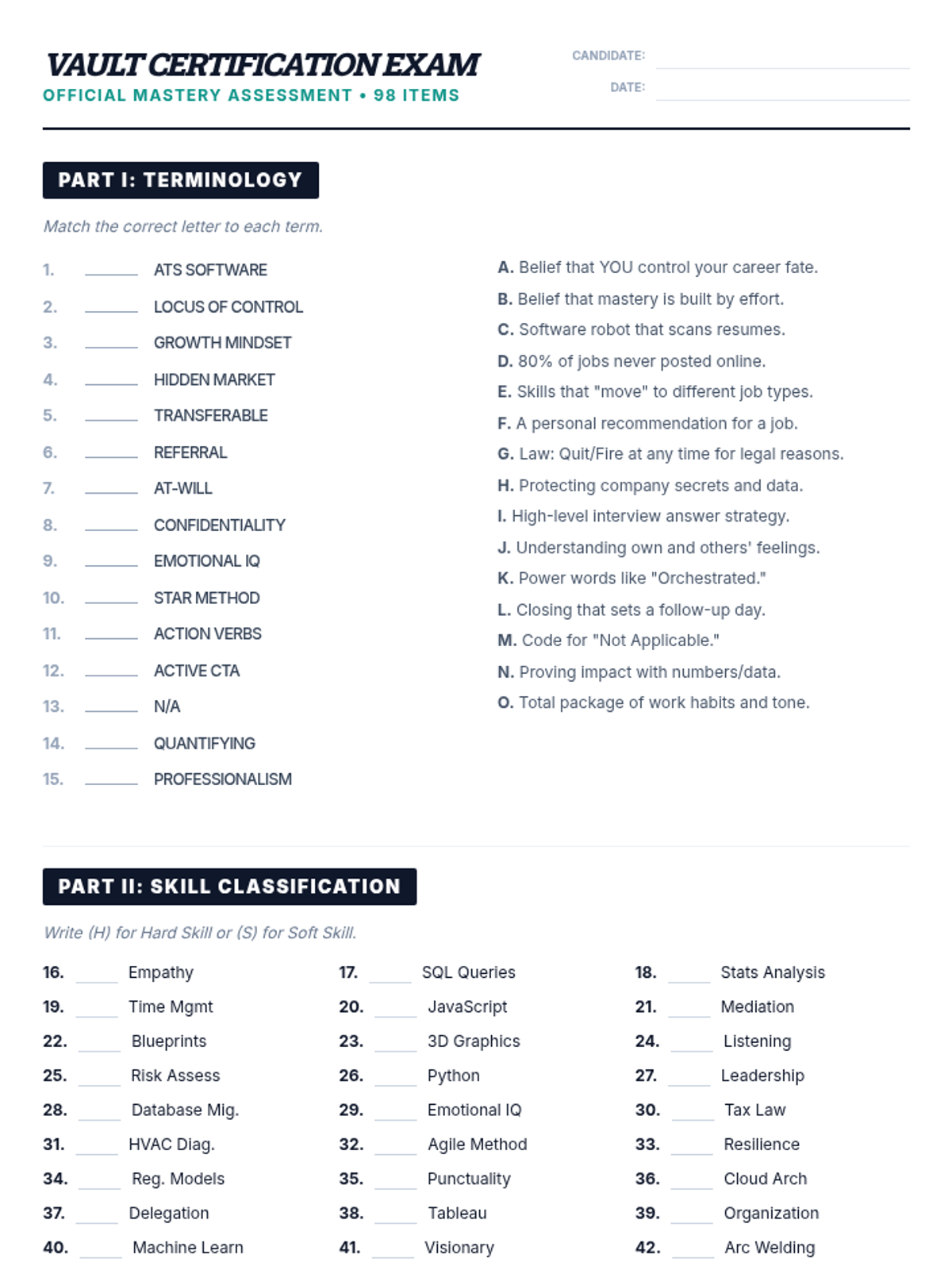
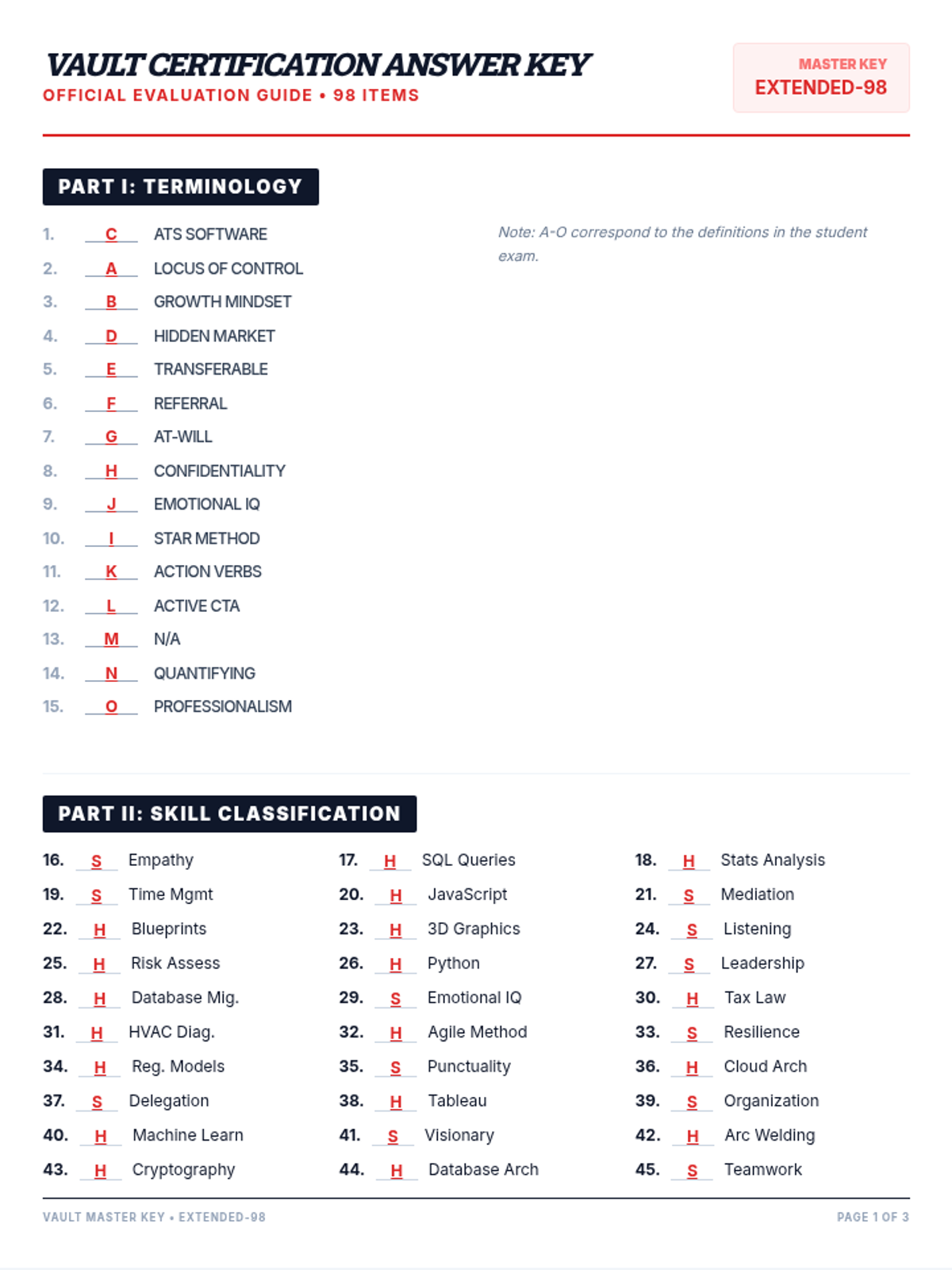
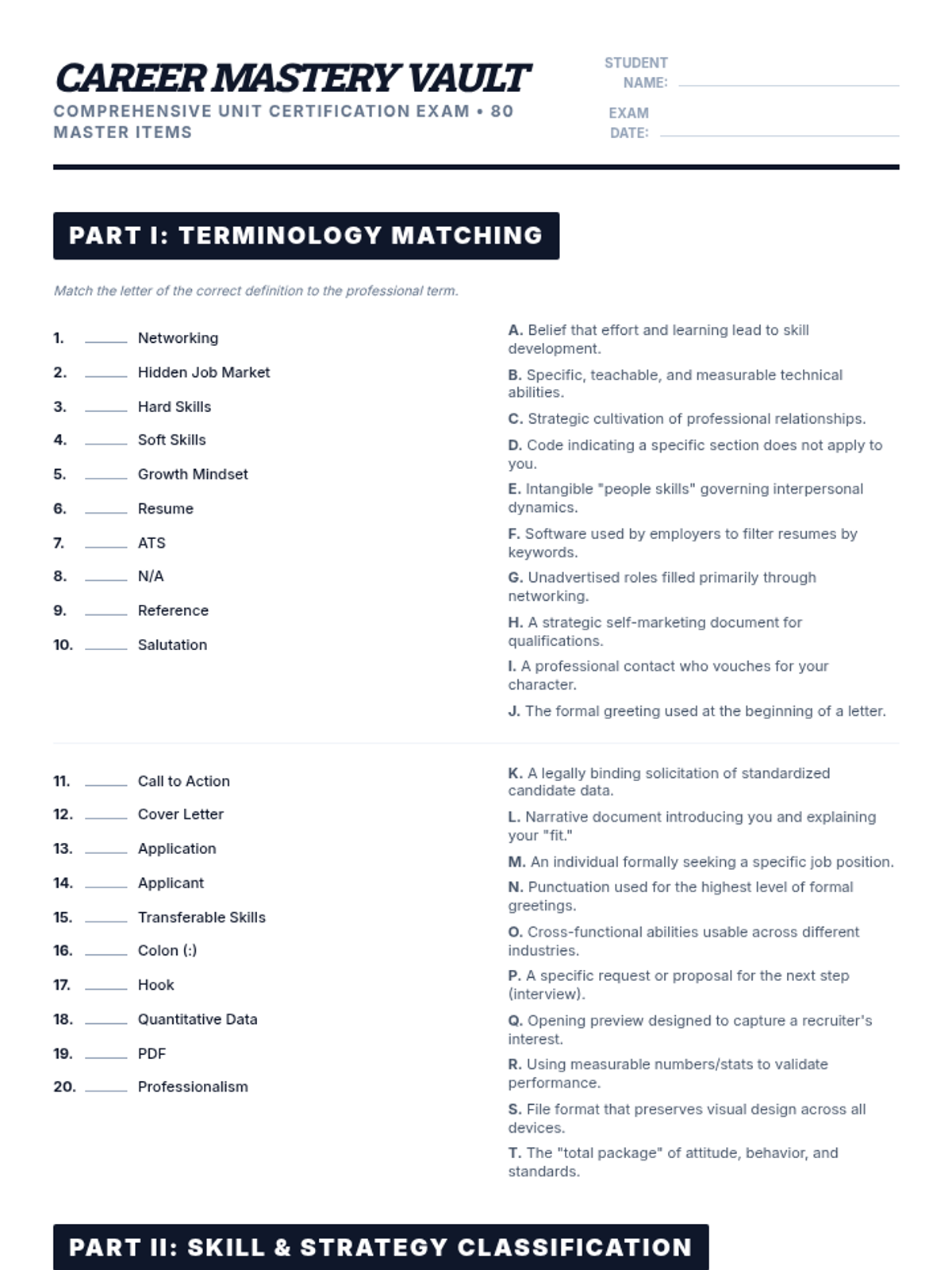
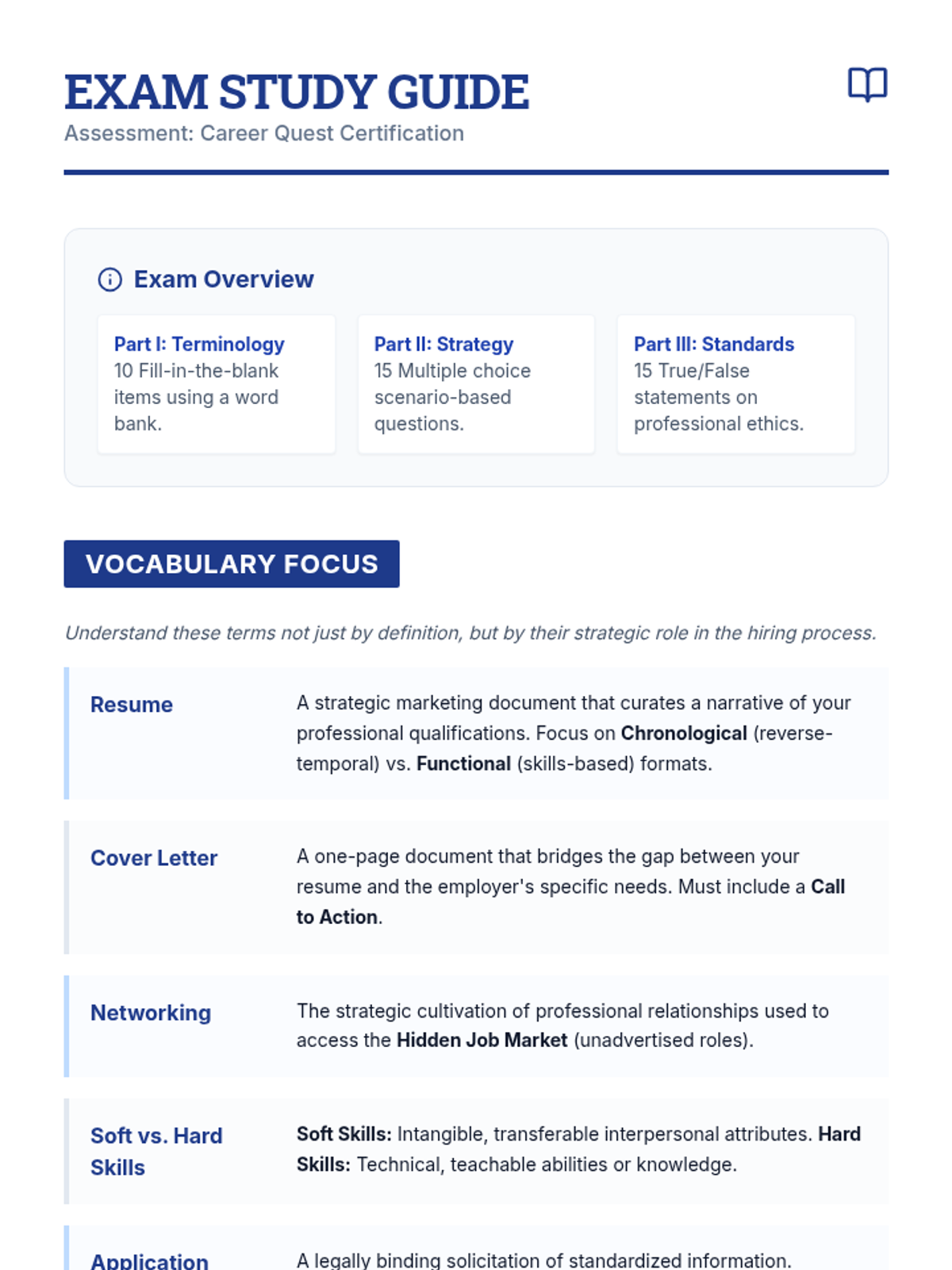
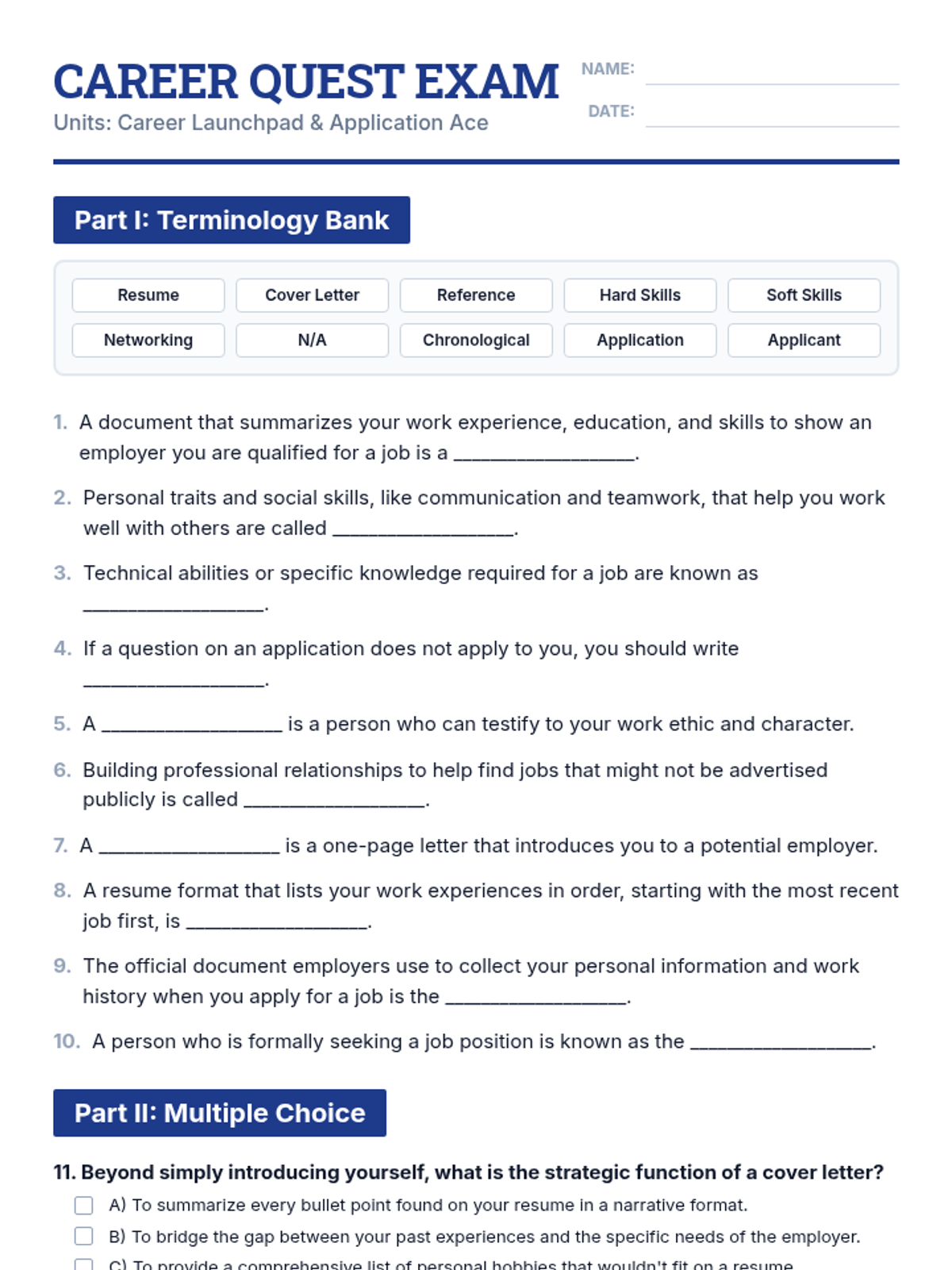
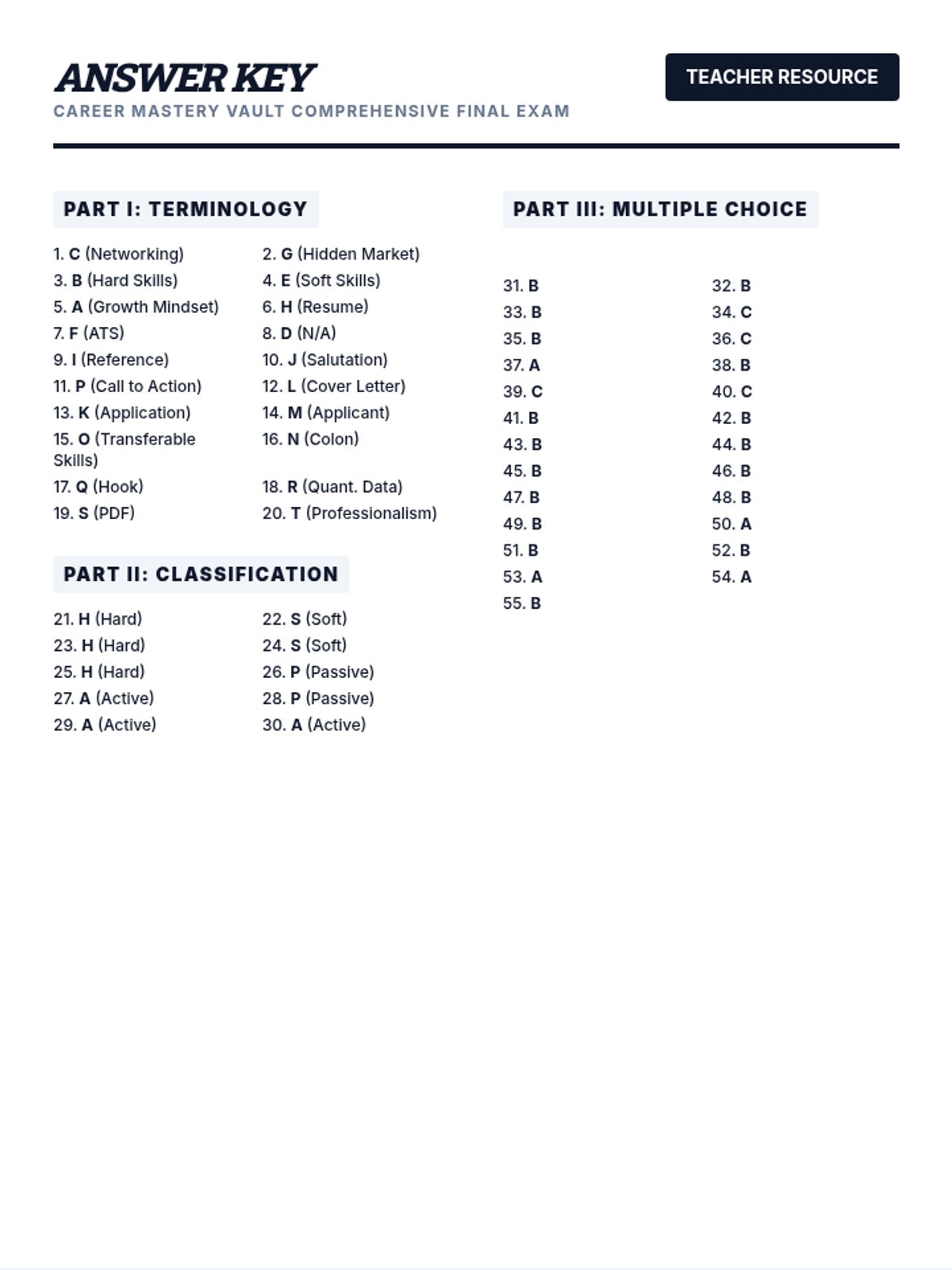
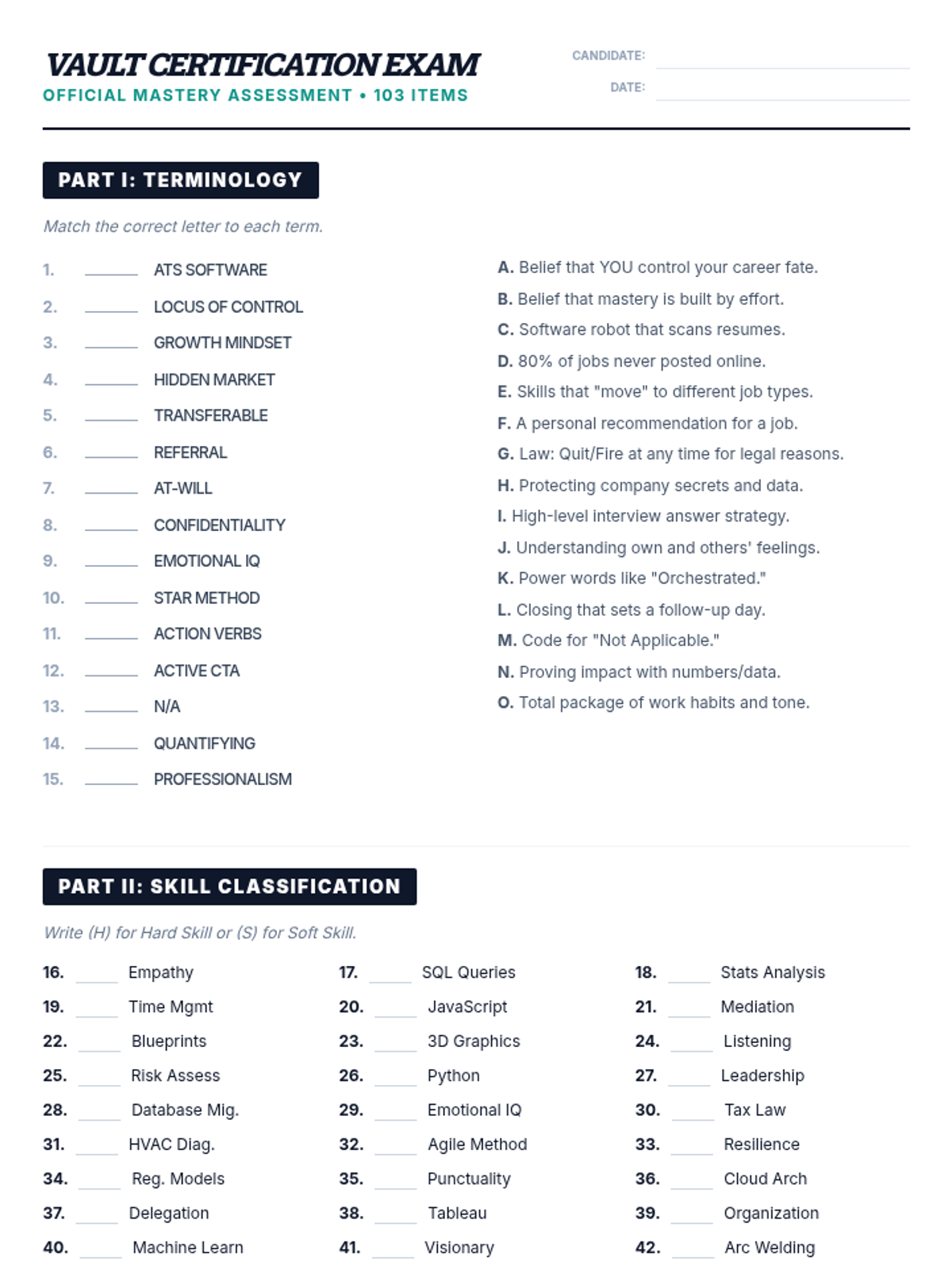
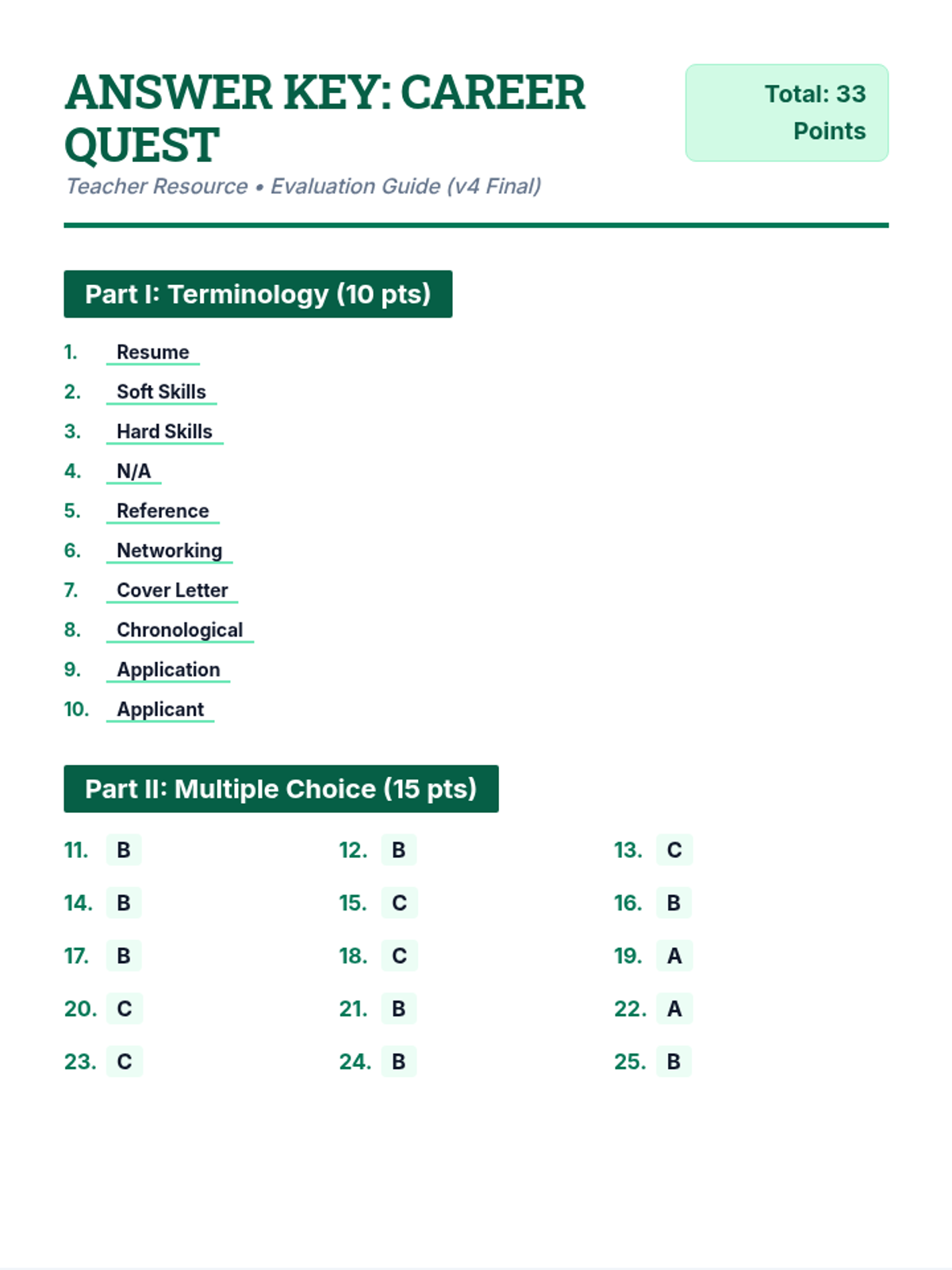
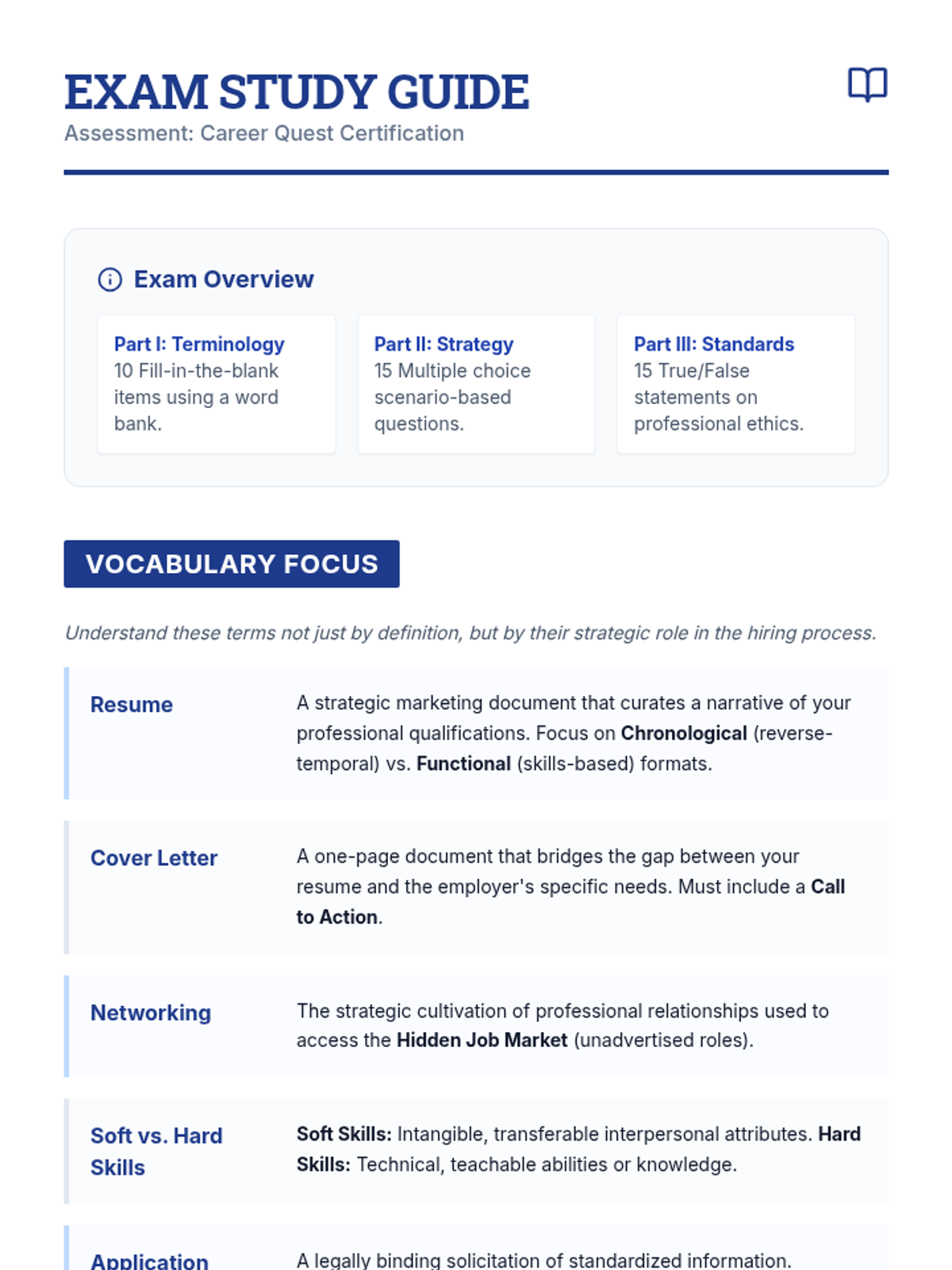
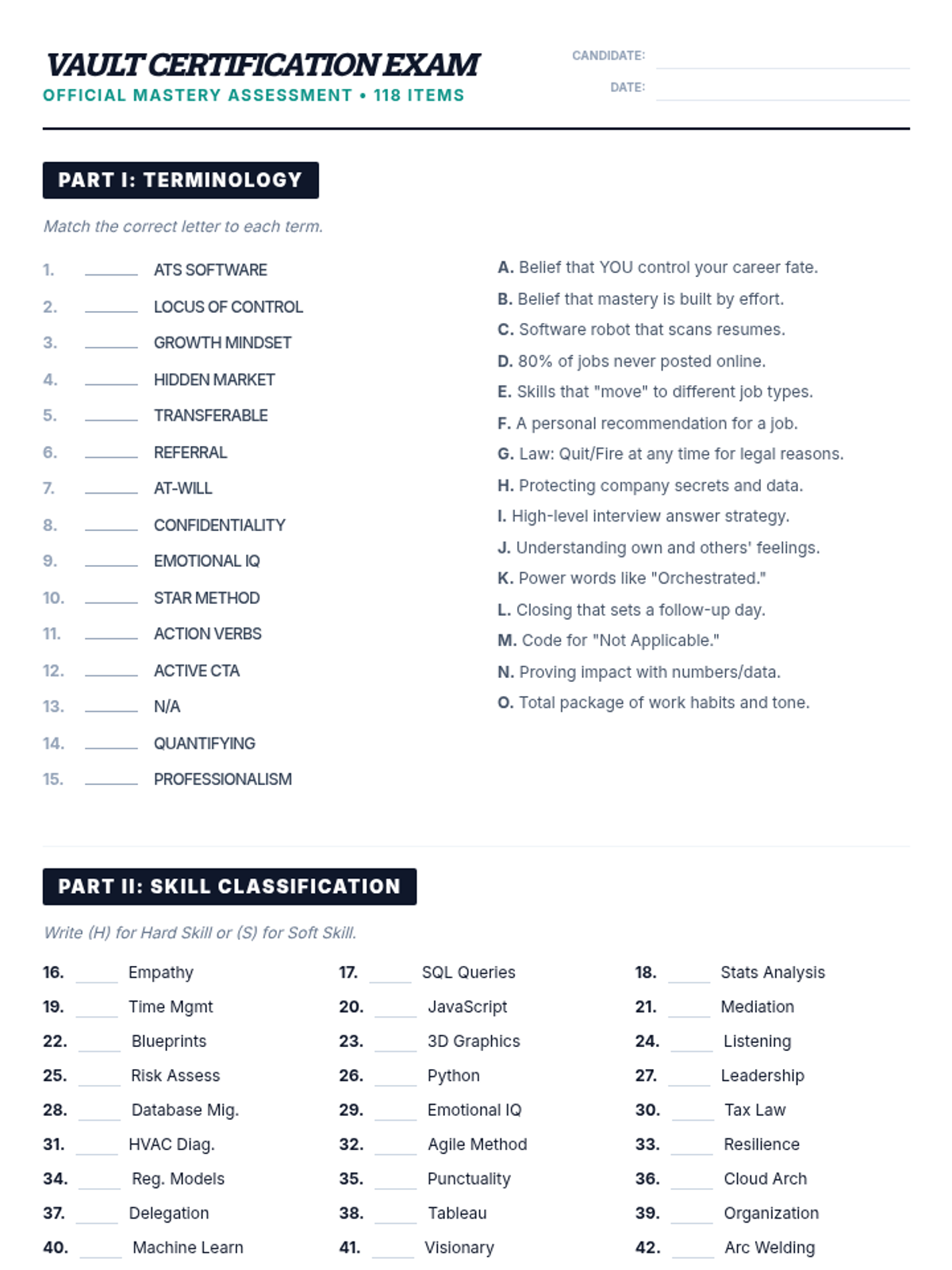
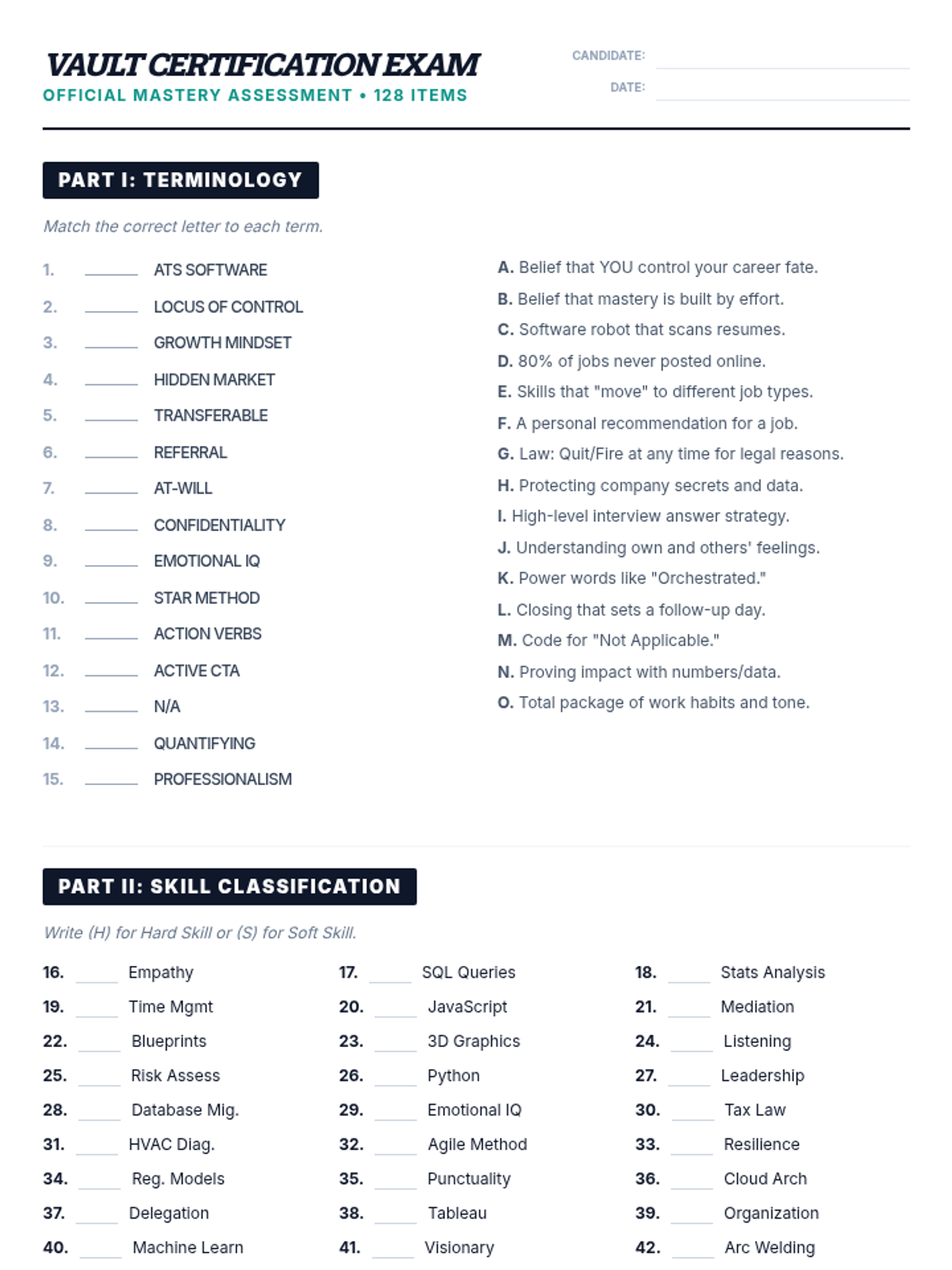
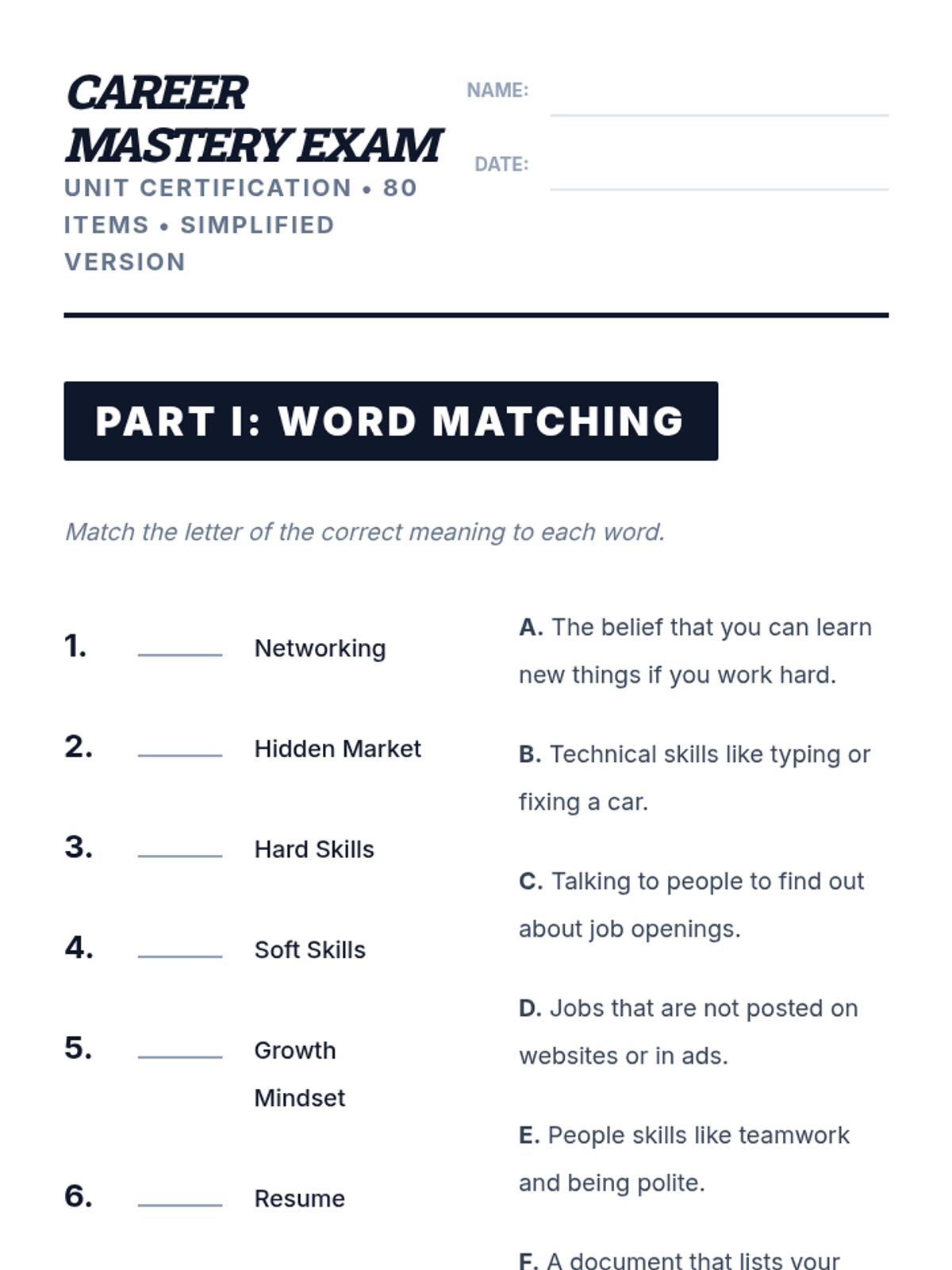
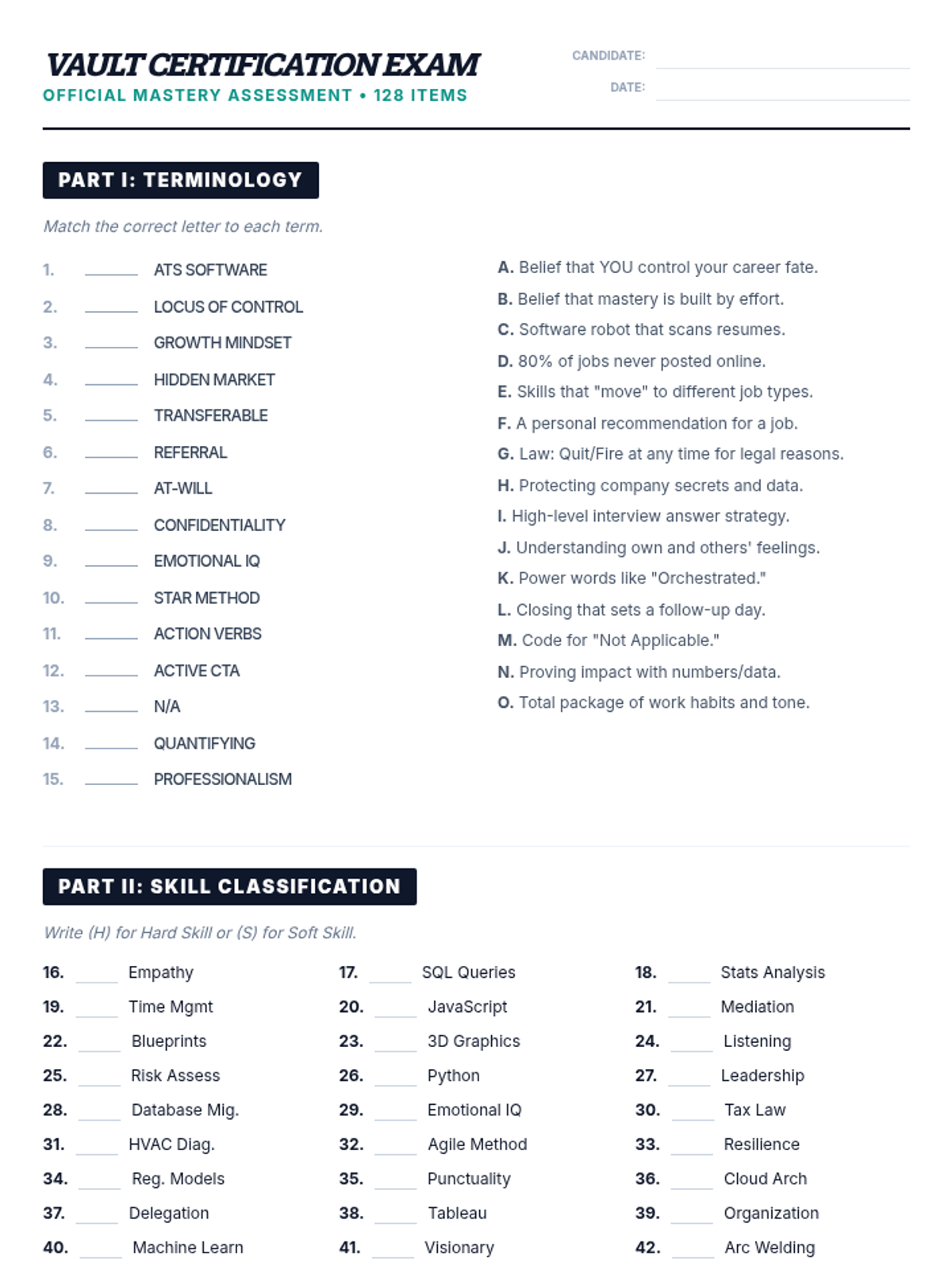
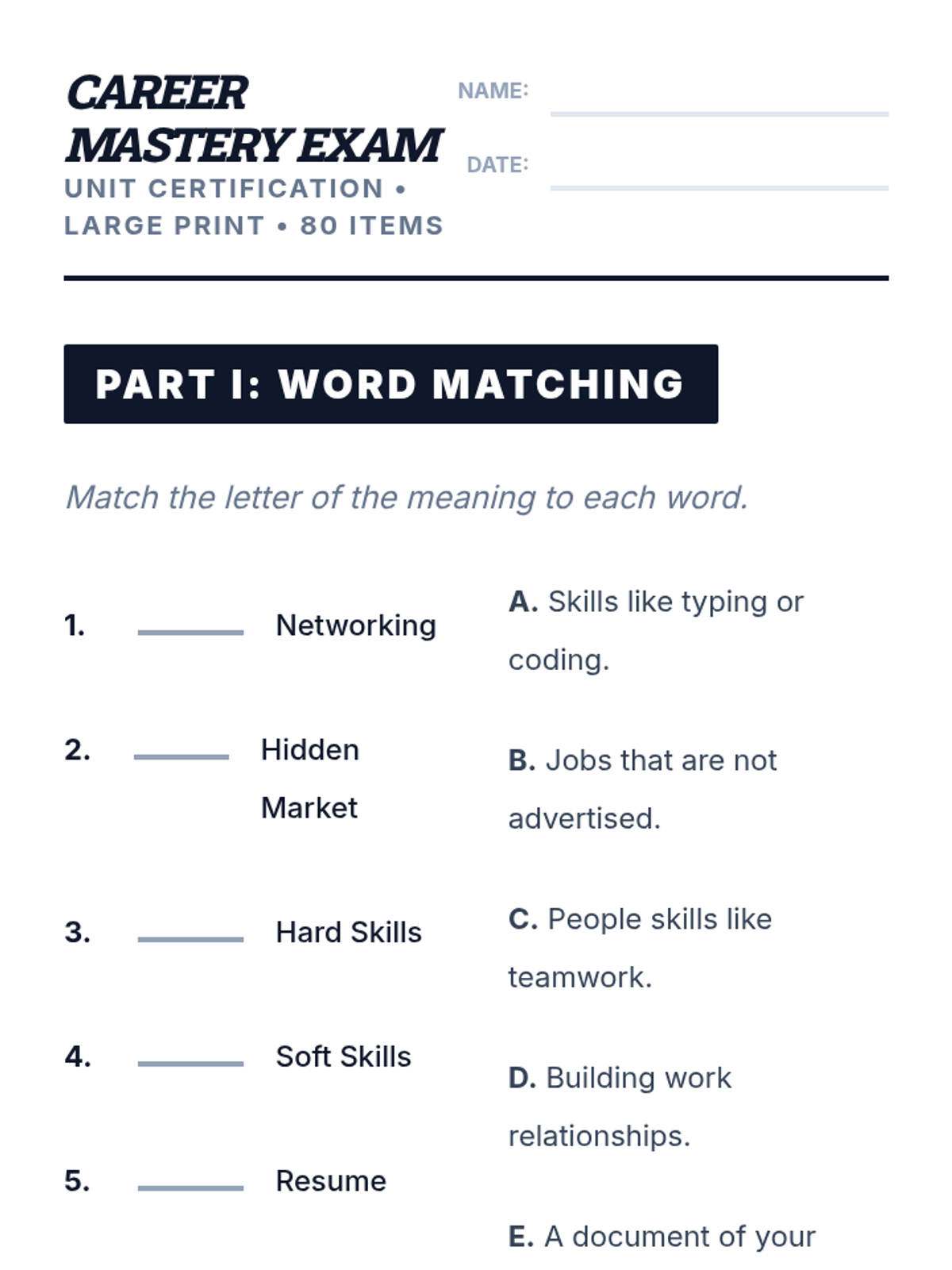
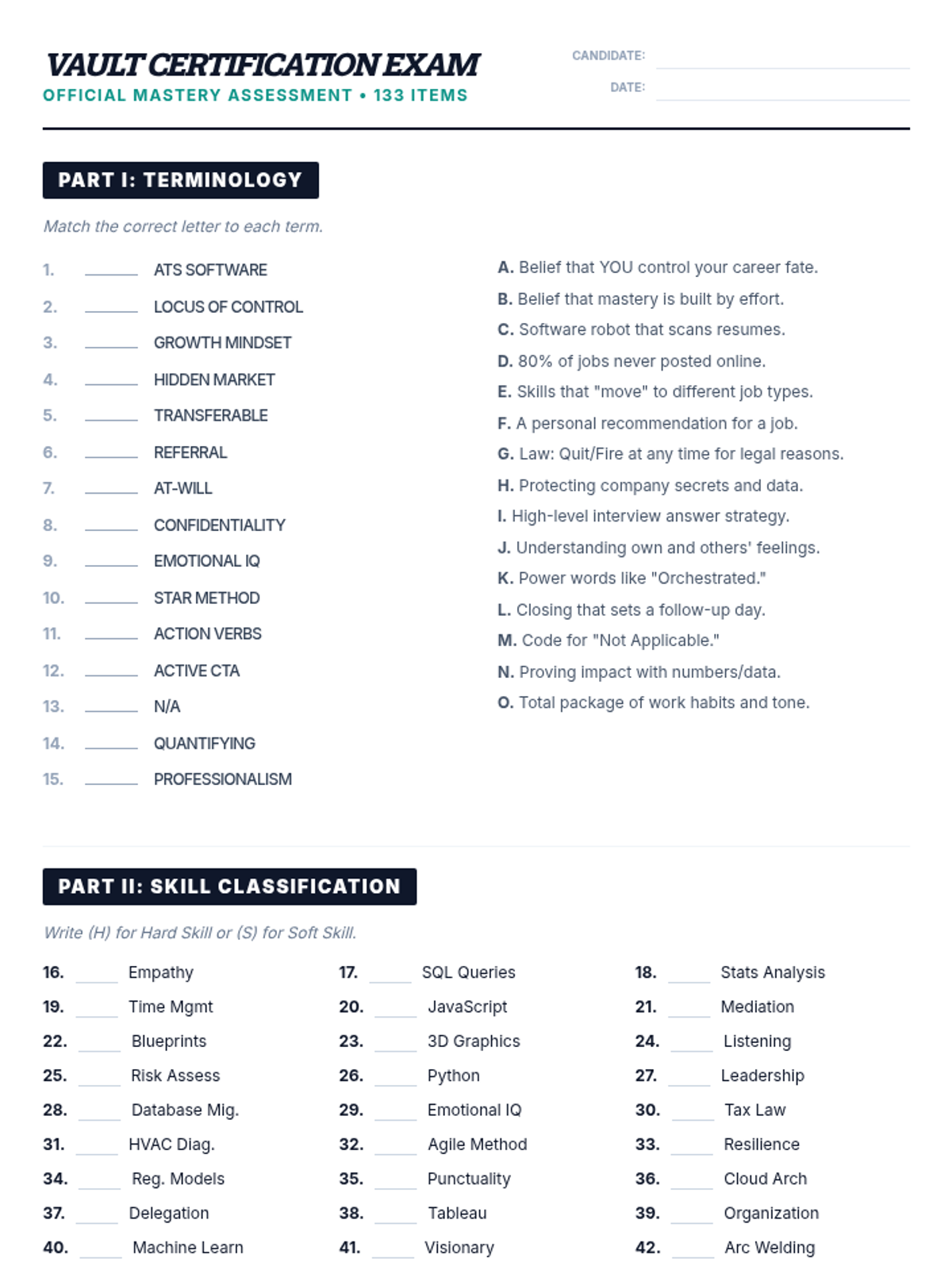
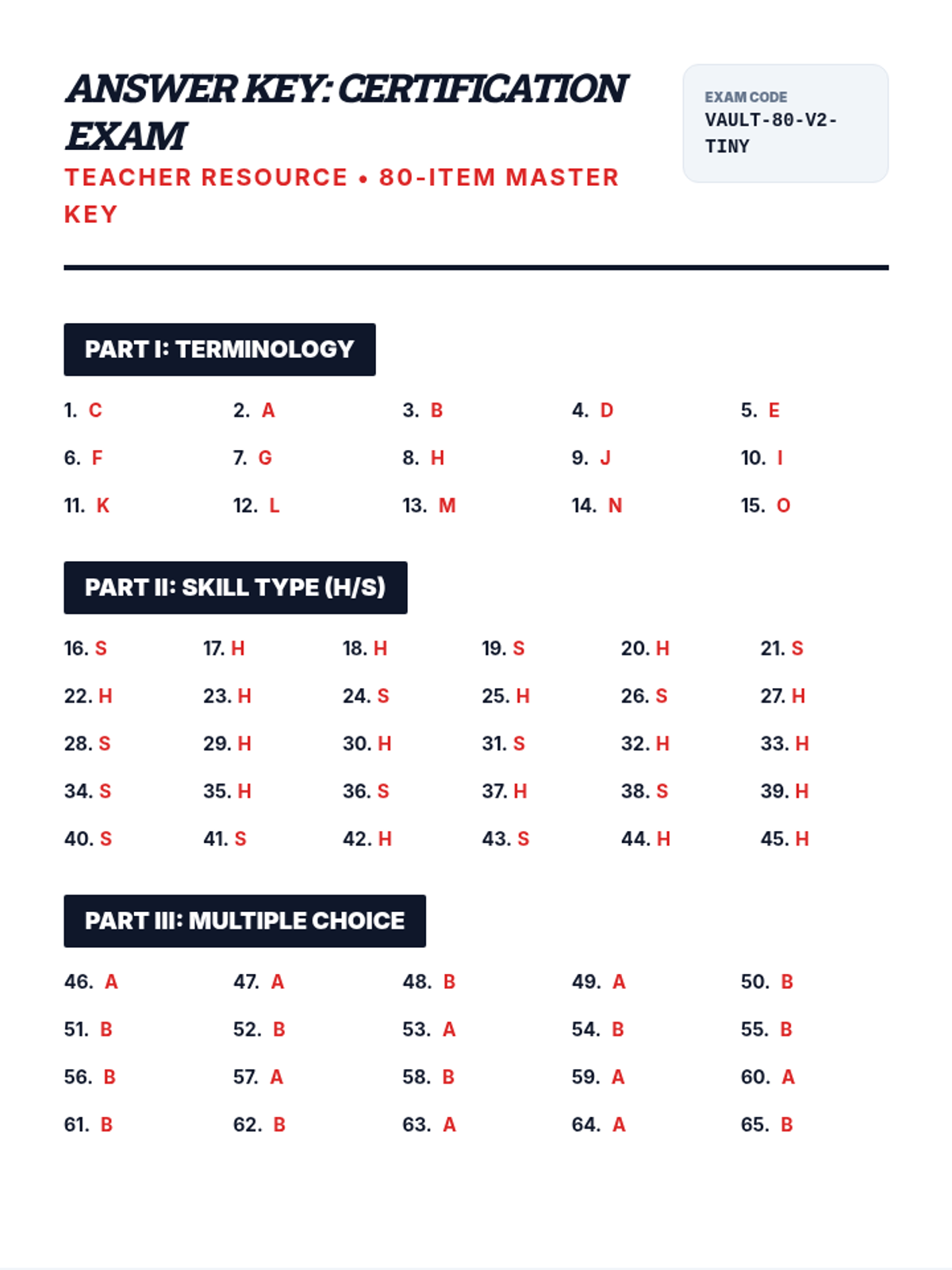
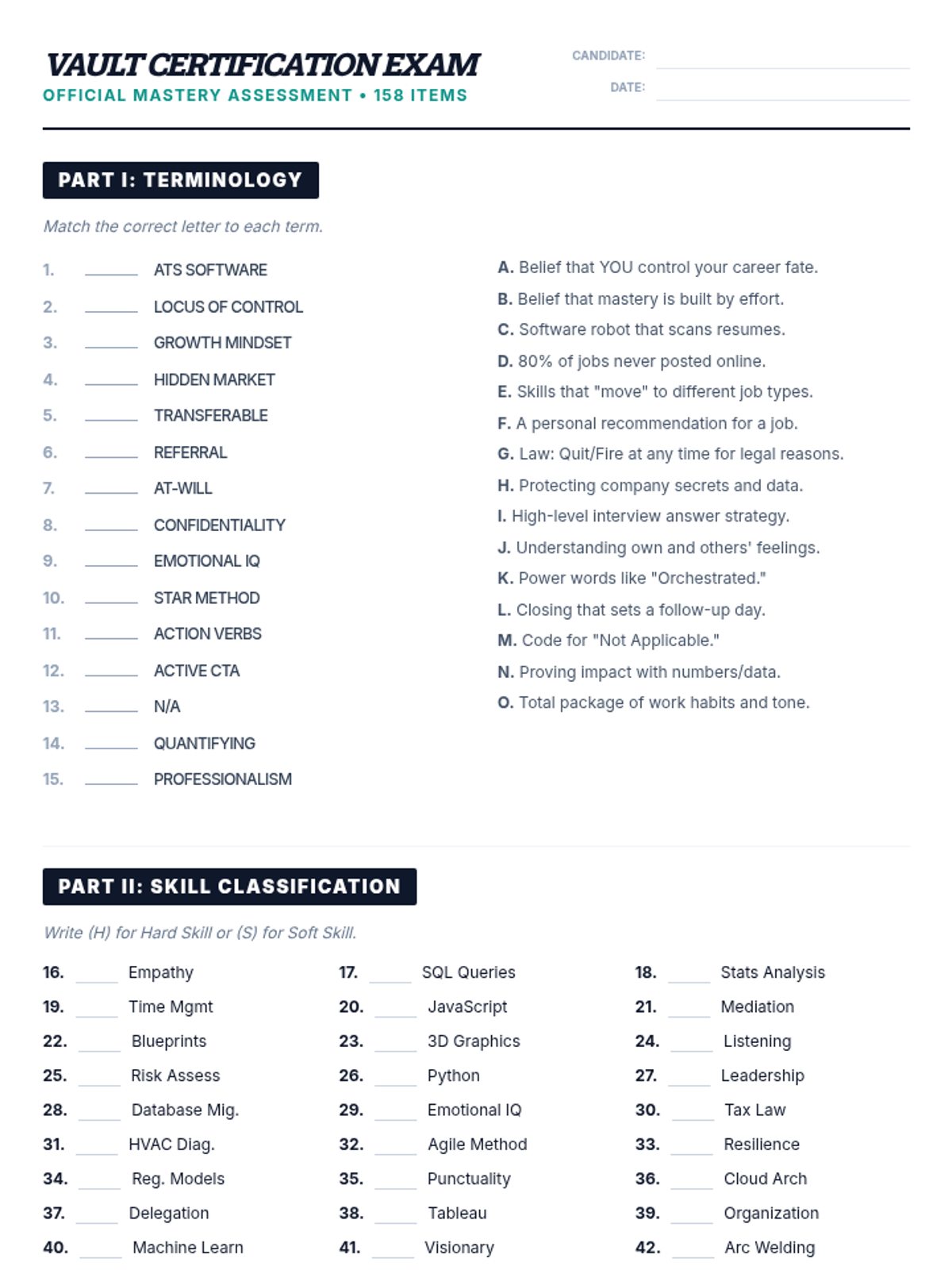
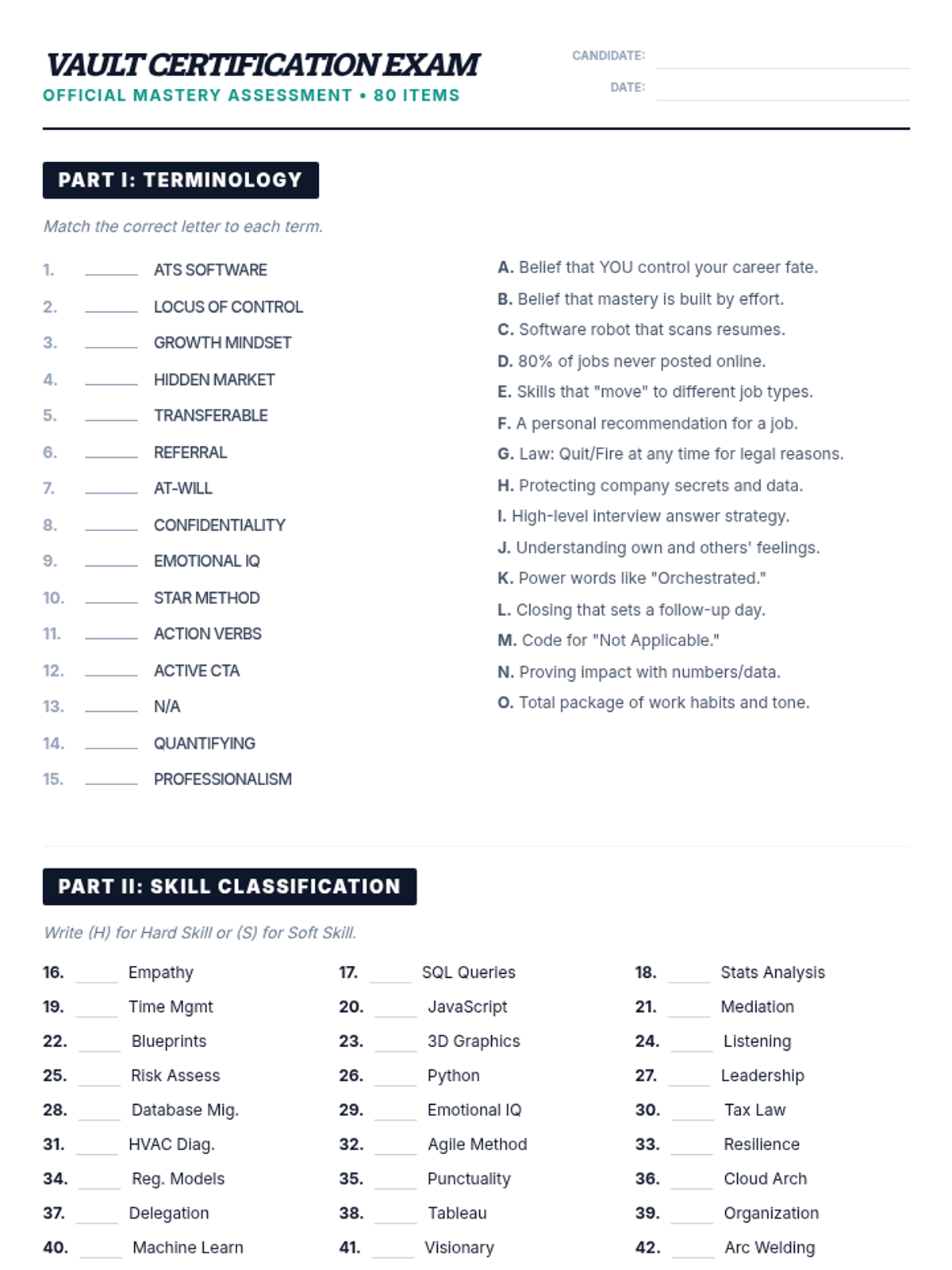
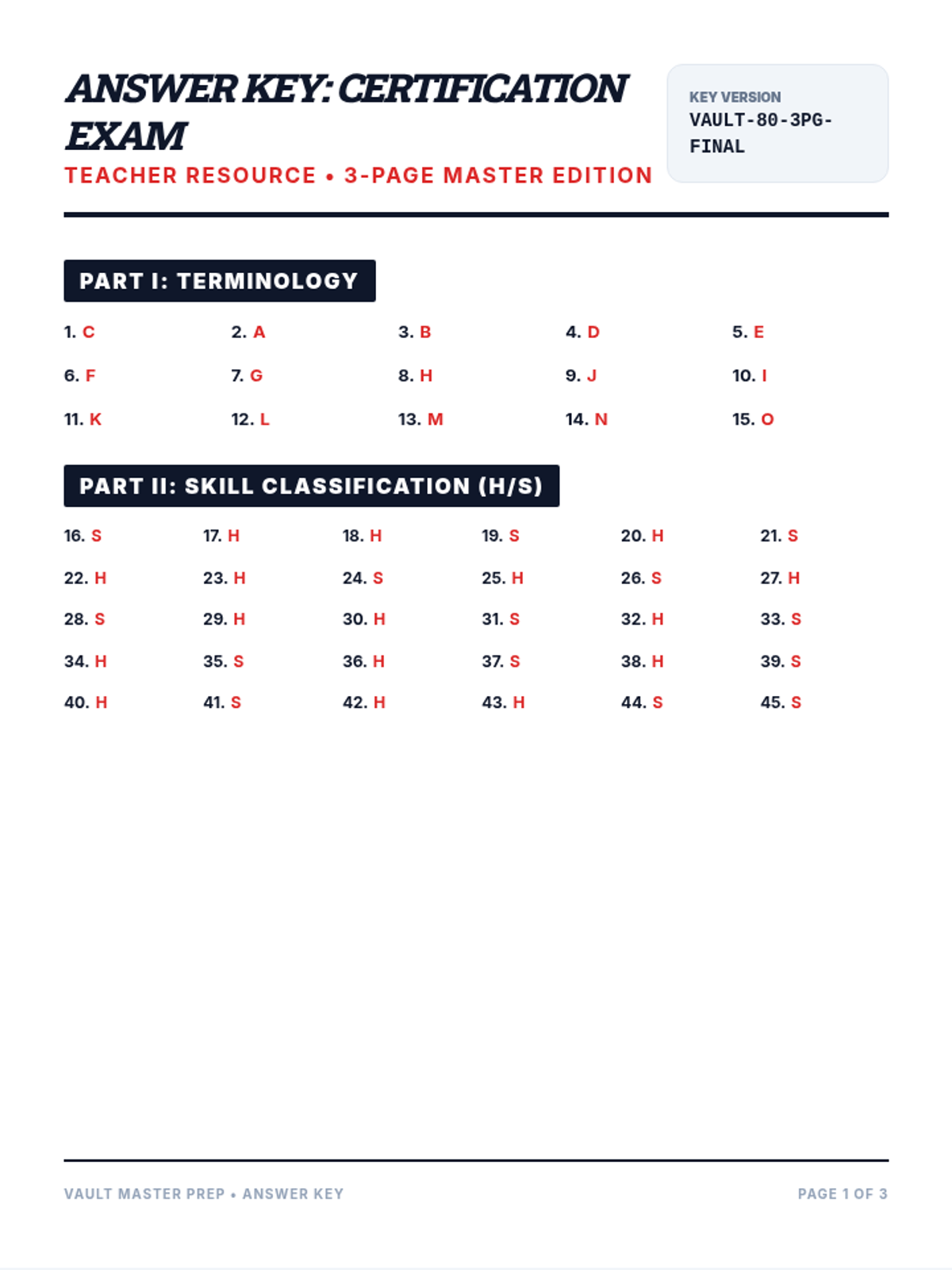
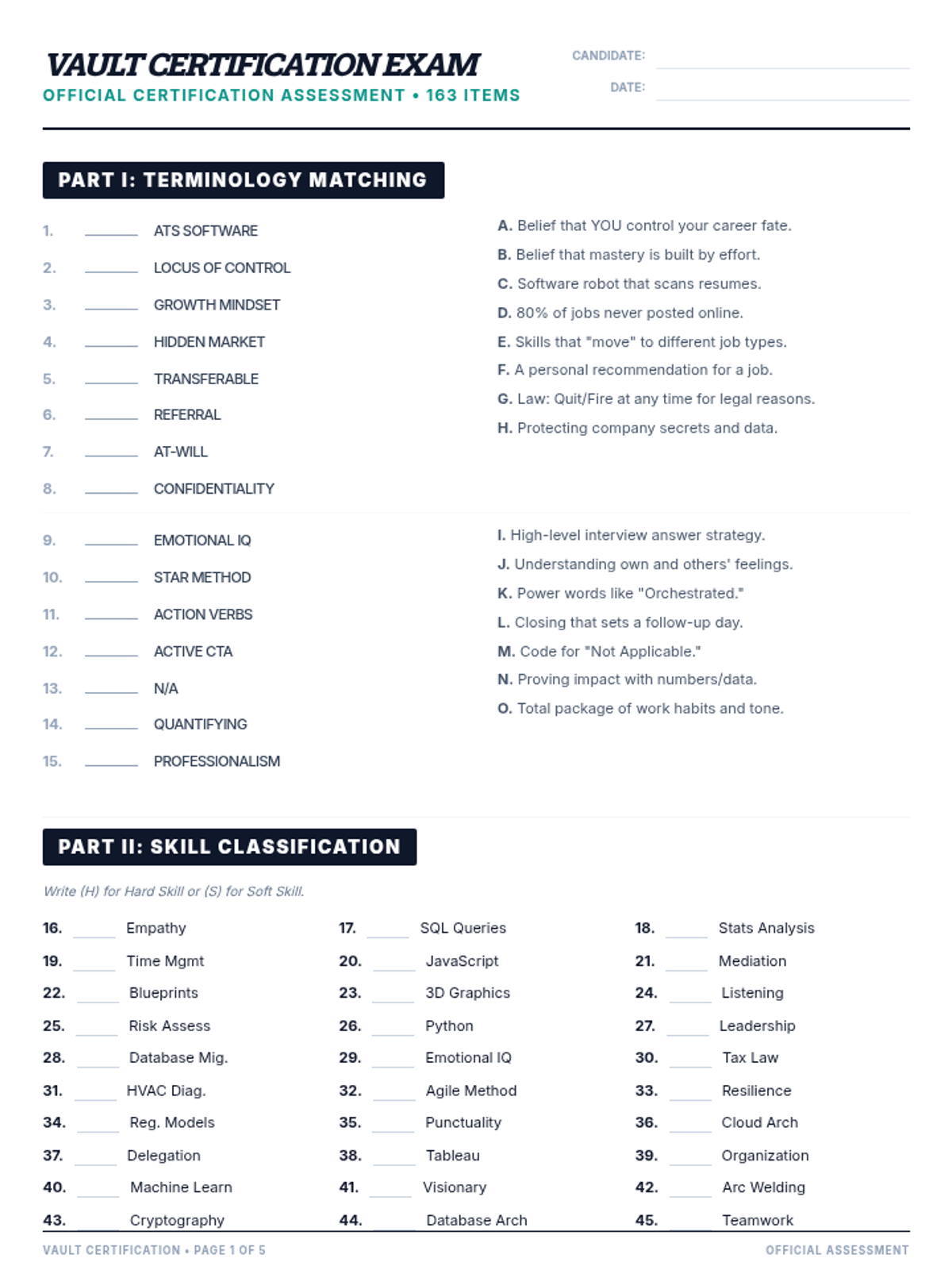
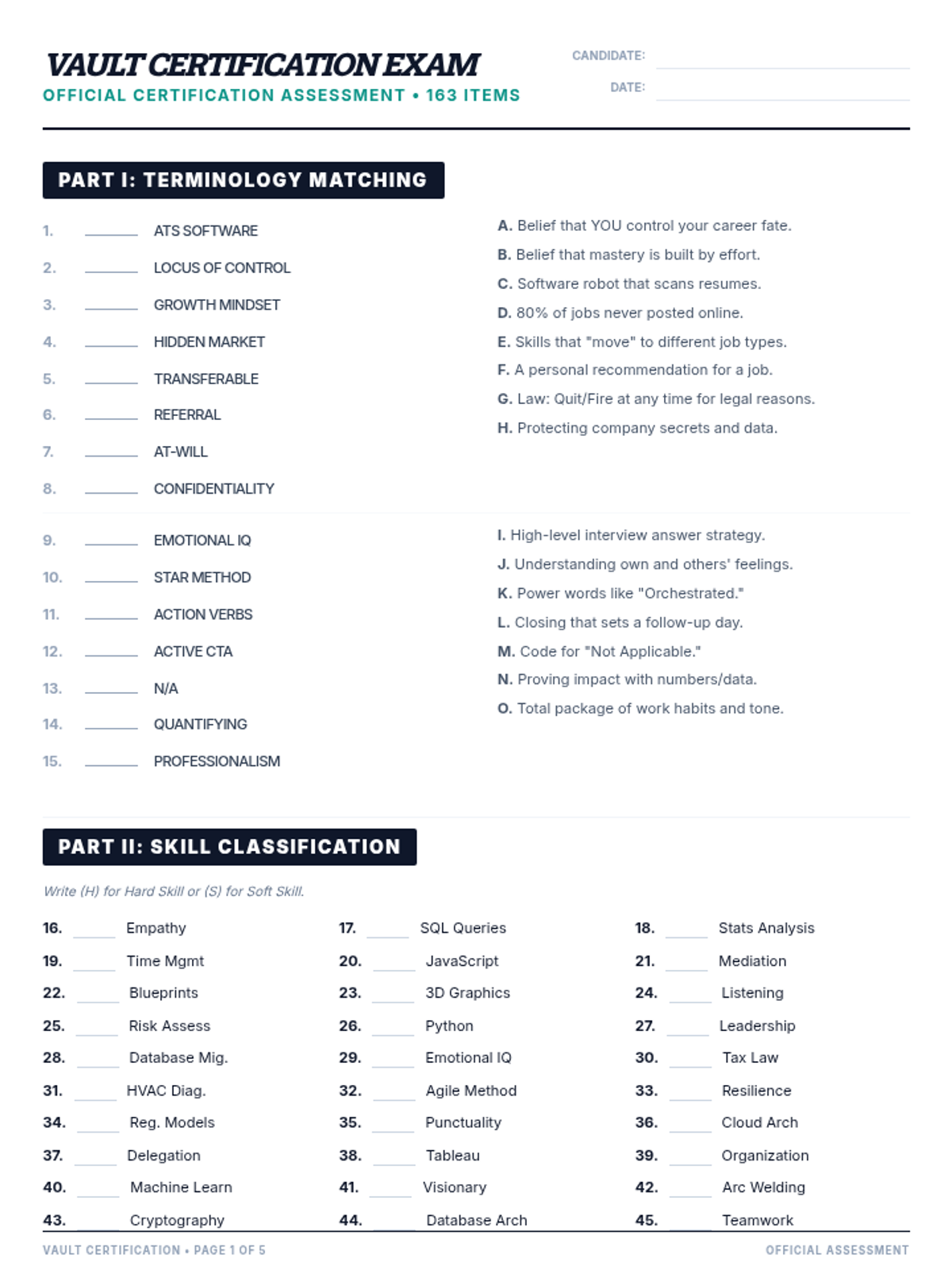
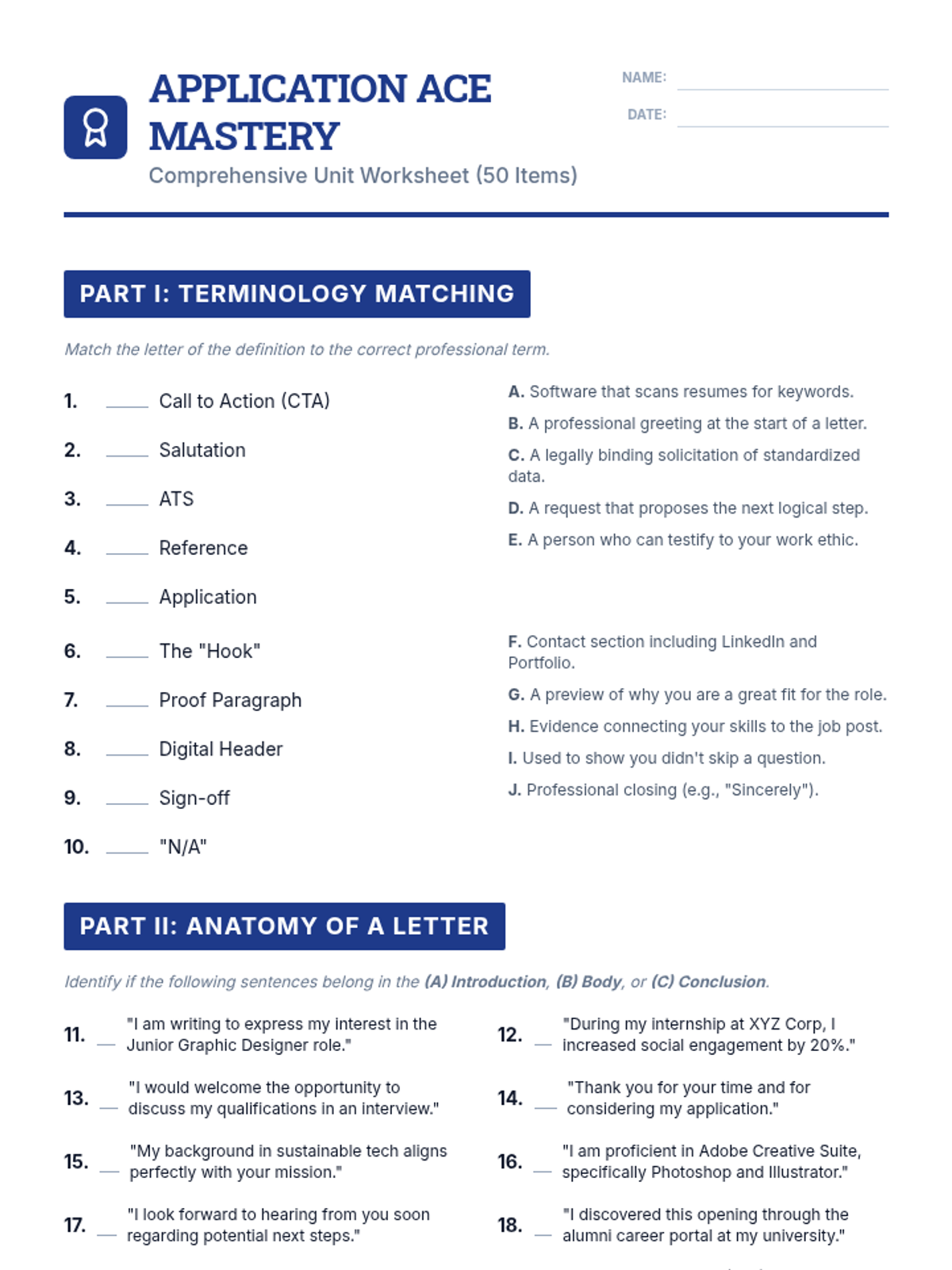
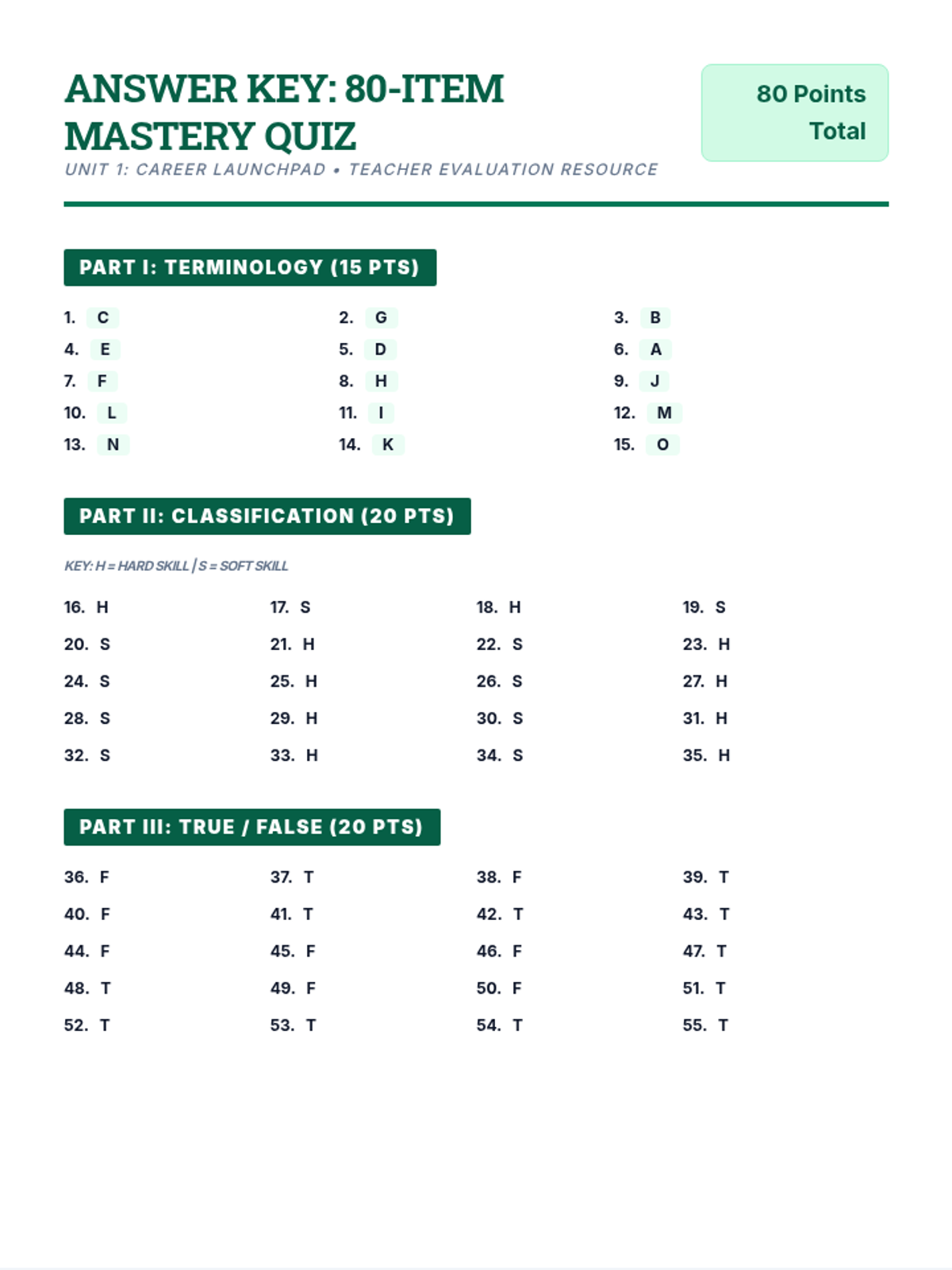
A final assessment module to evaluate student understanding of career readiness concepts and application proficiency.
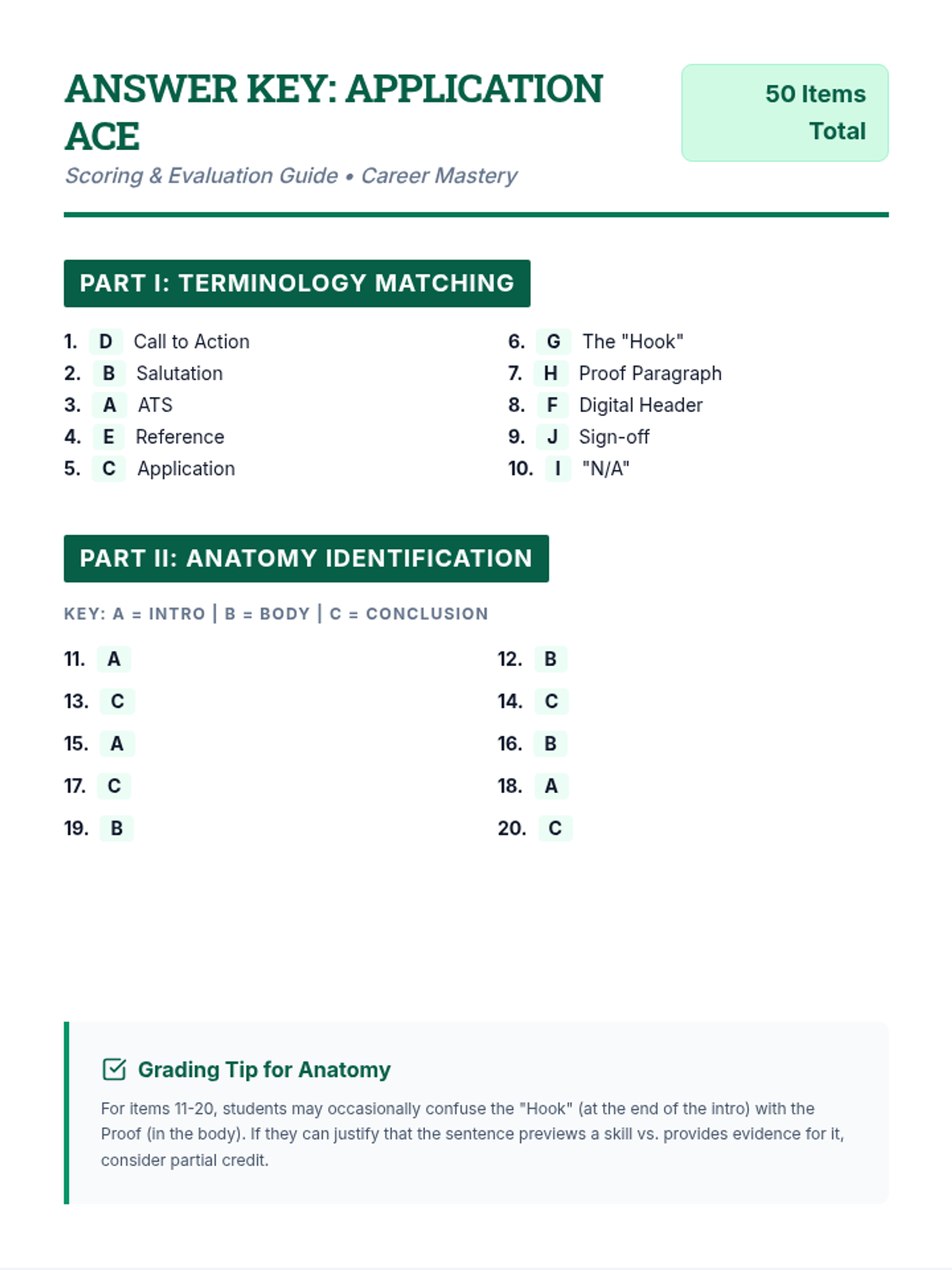
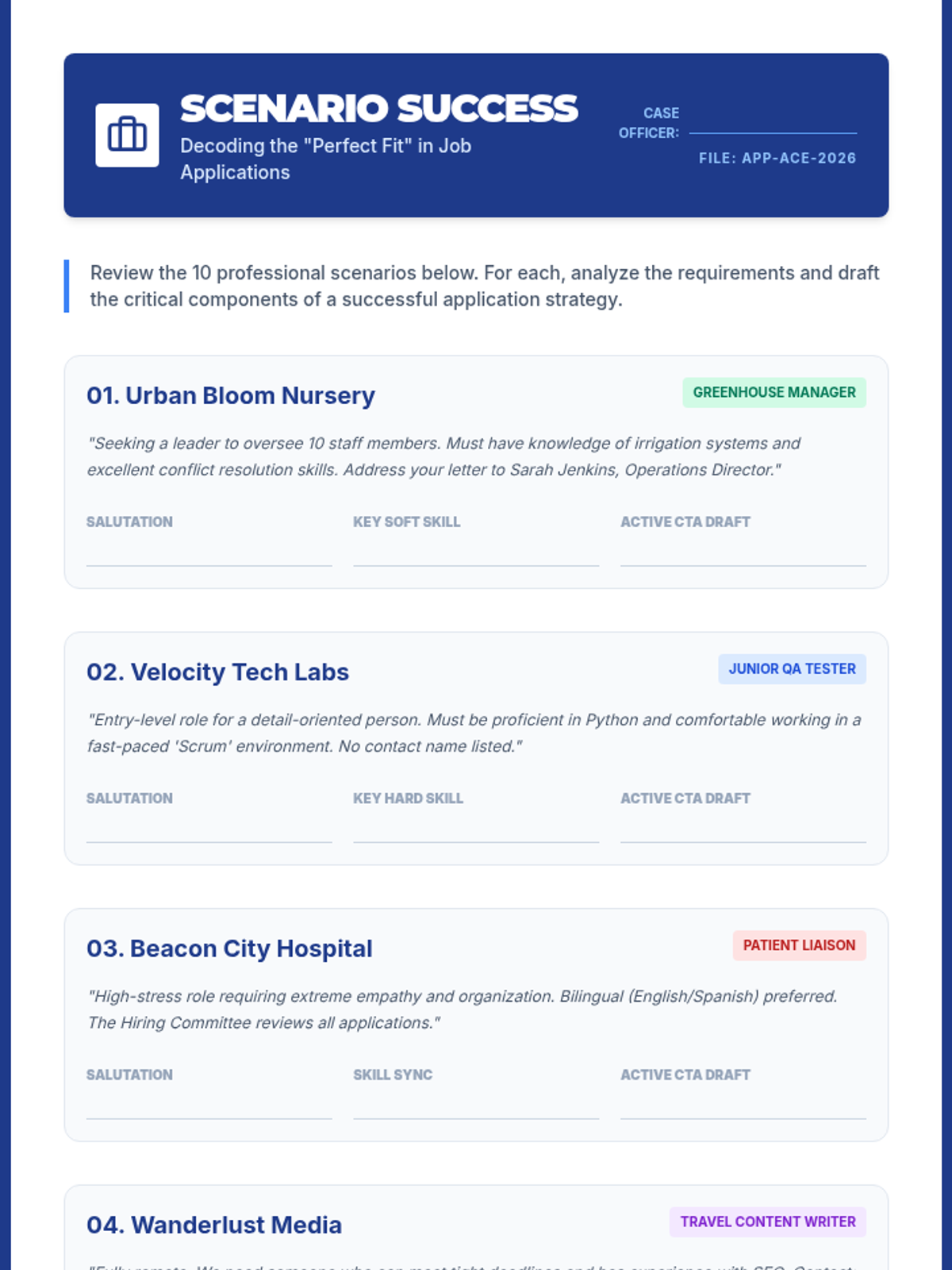
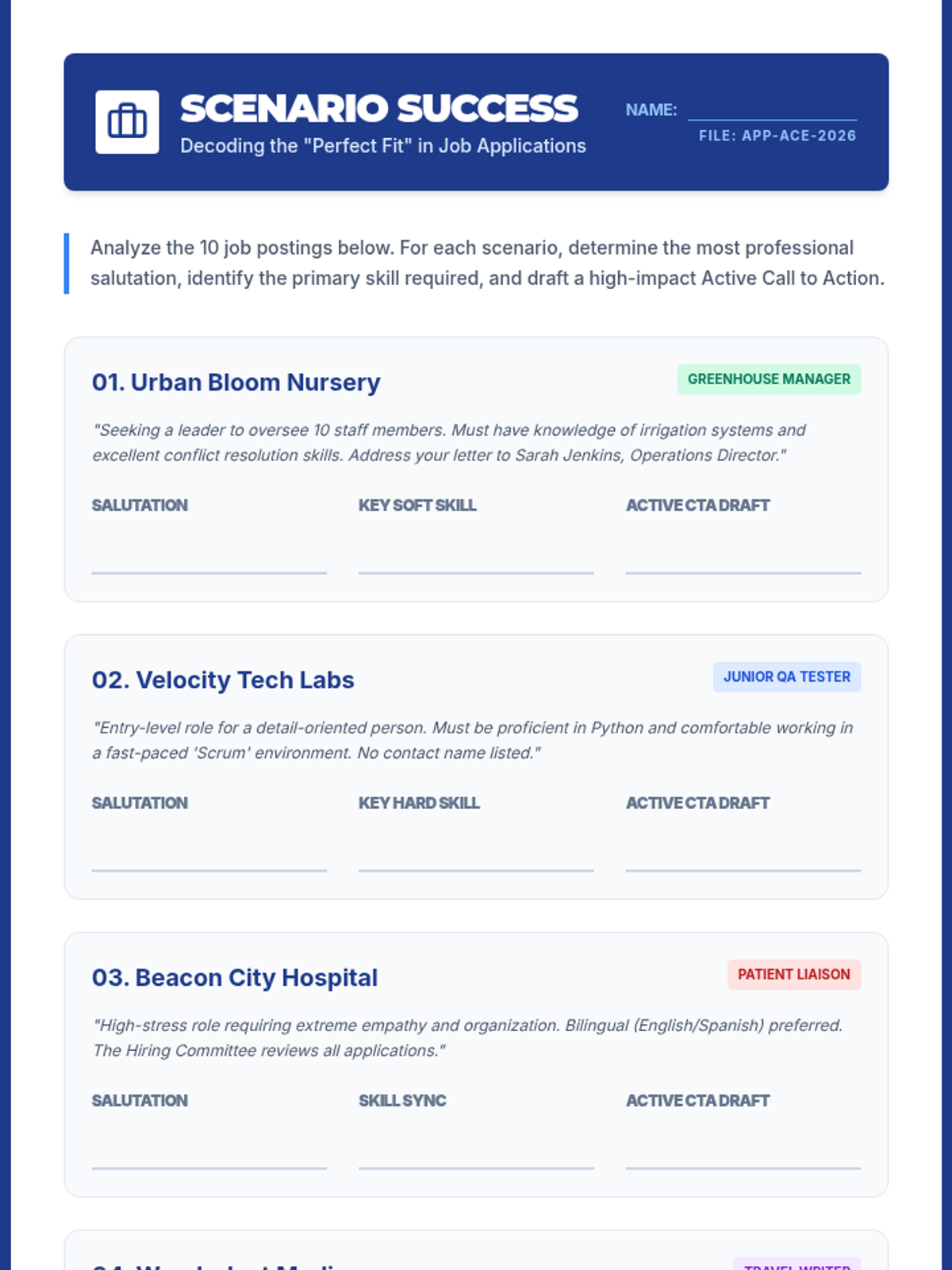
A deep dive into the mechanics of job applications, cover letter construction, and managing professional references.
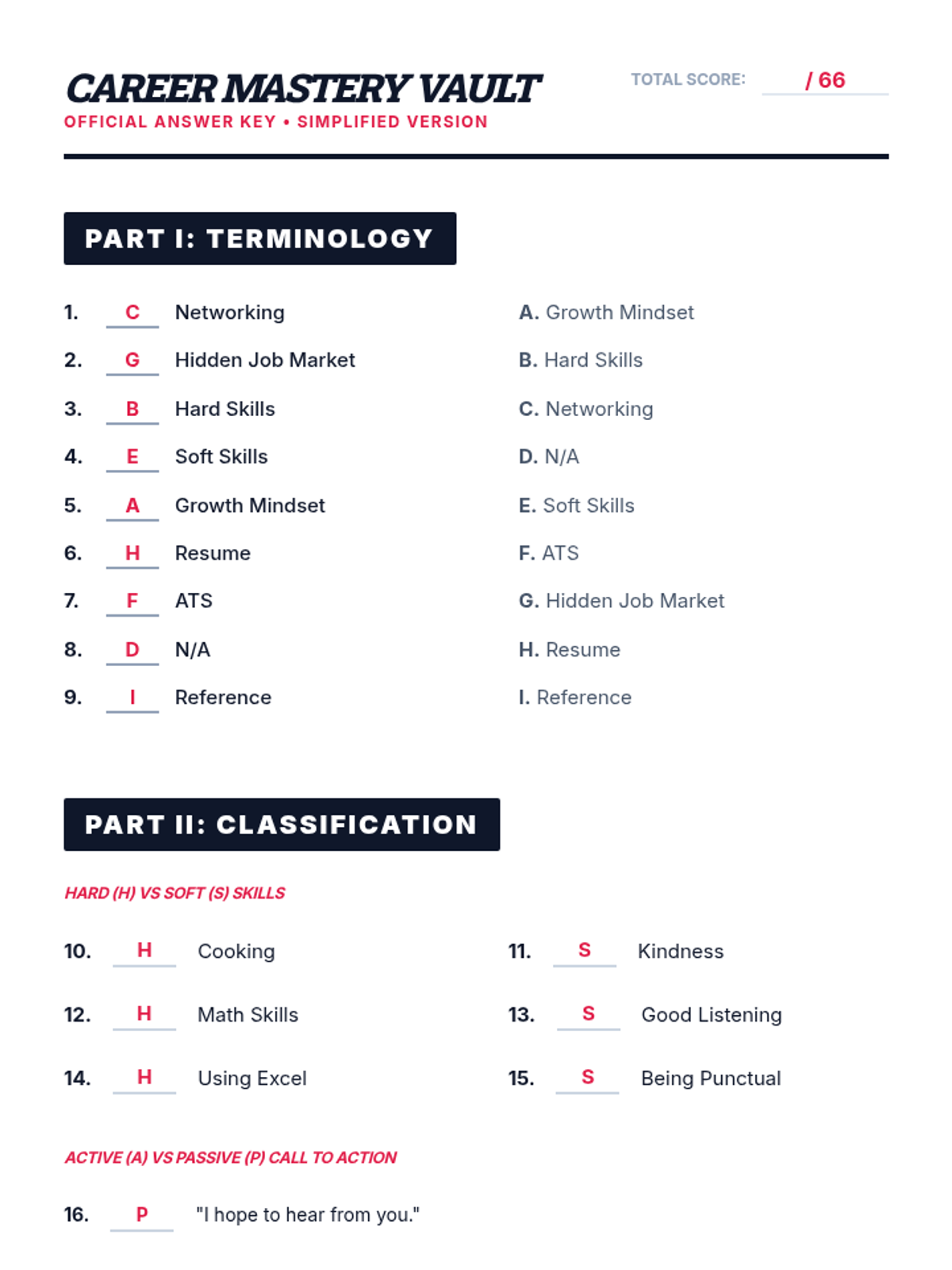
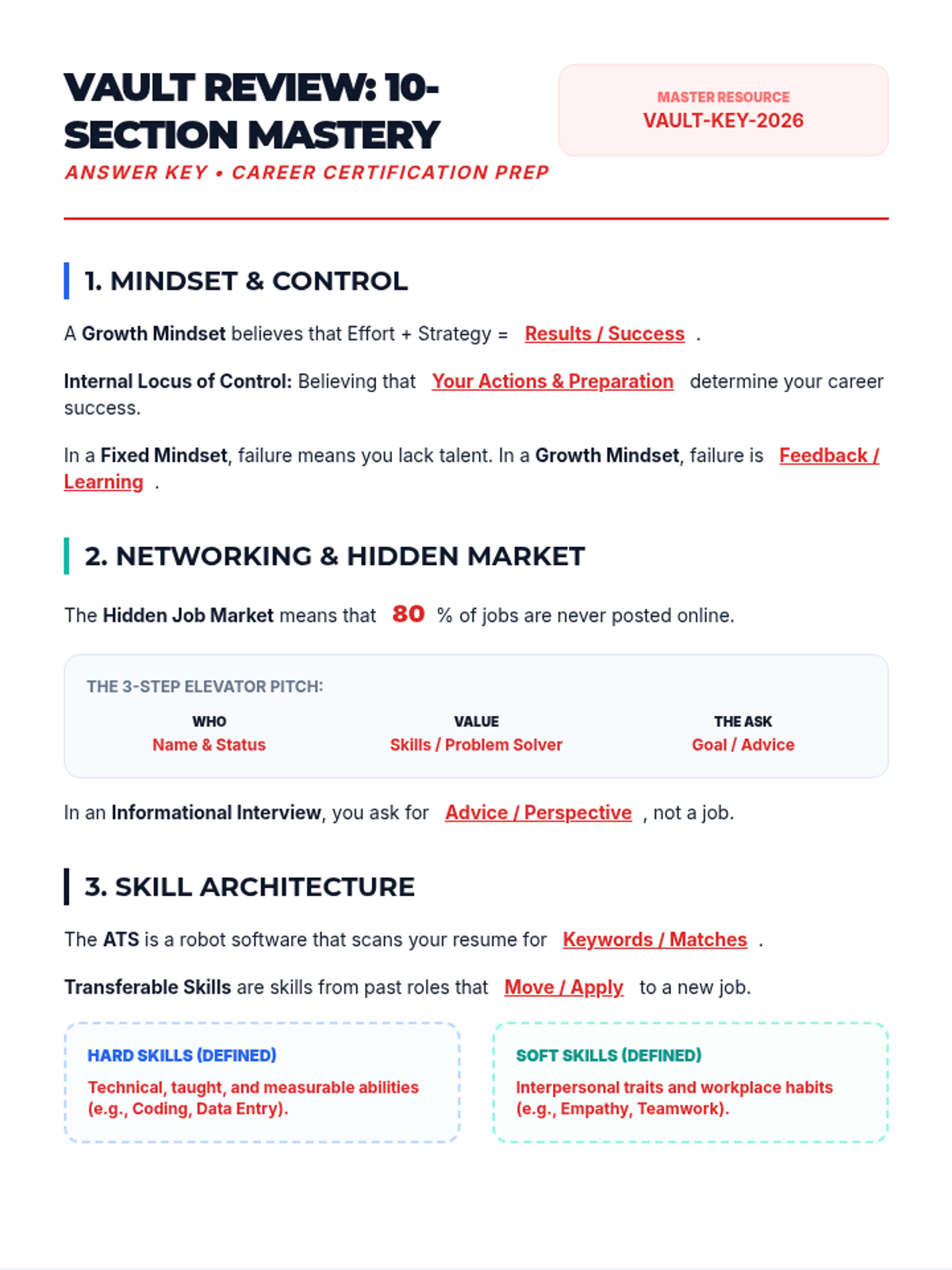
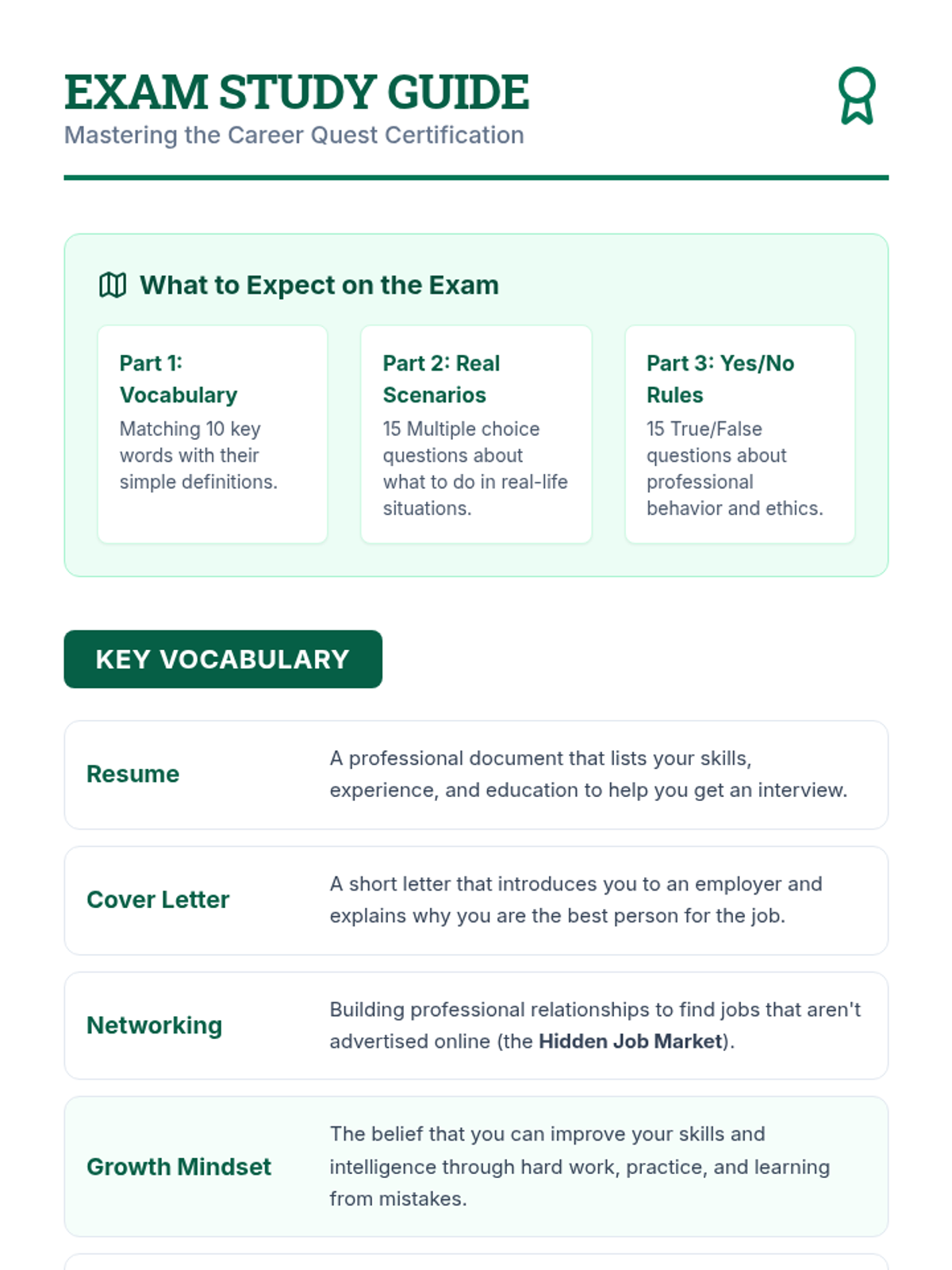
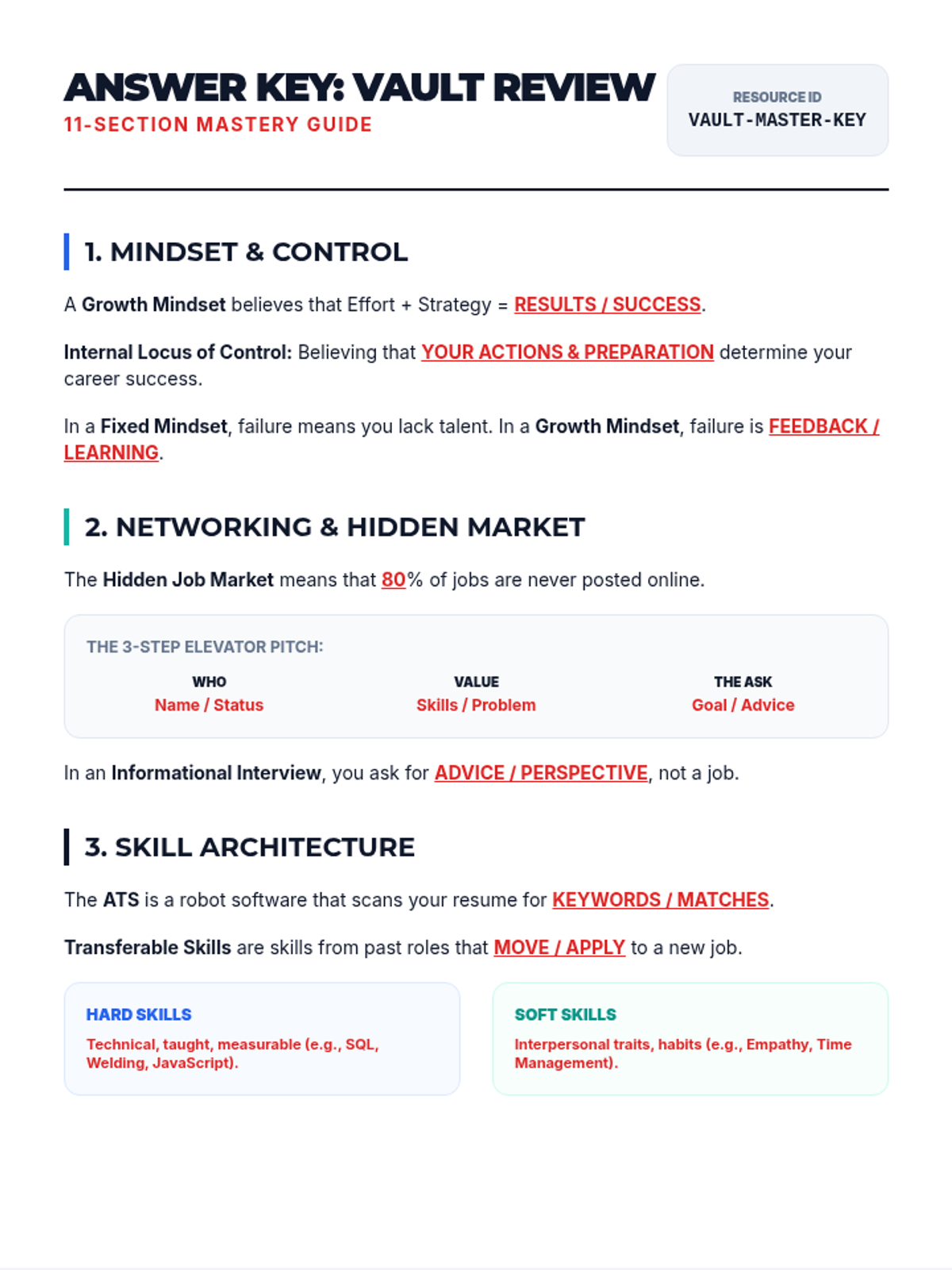
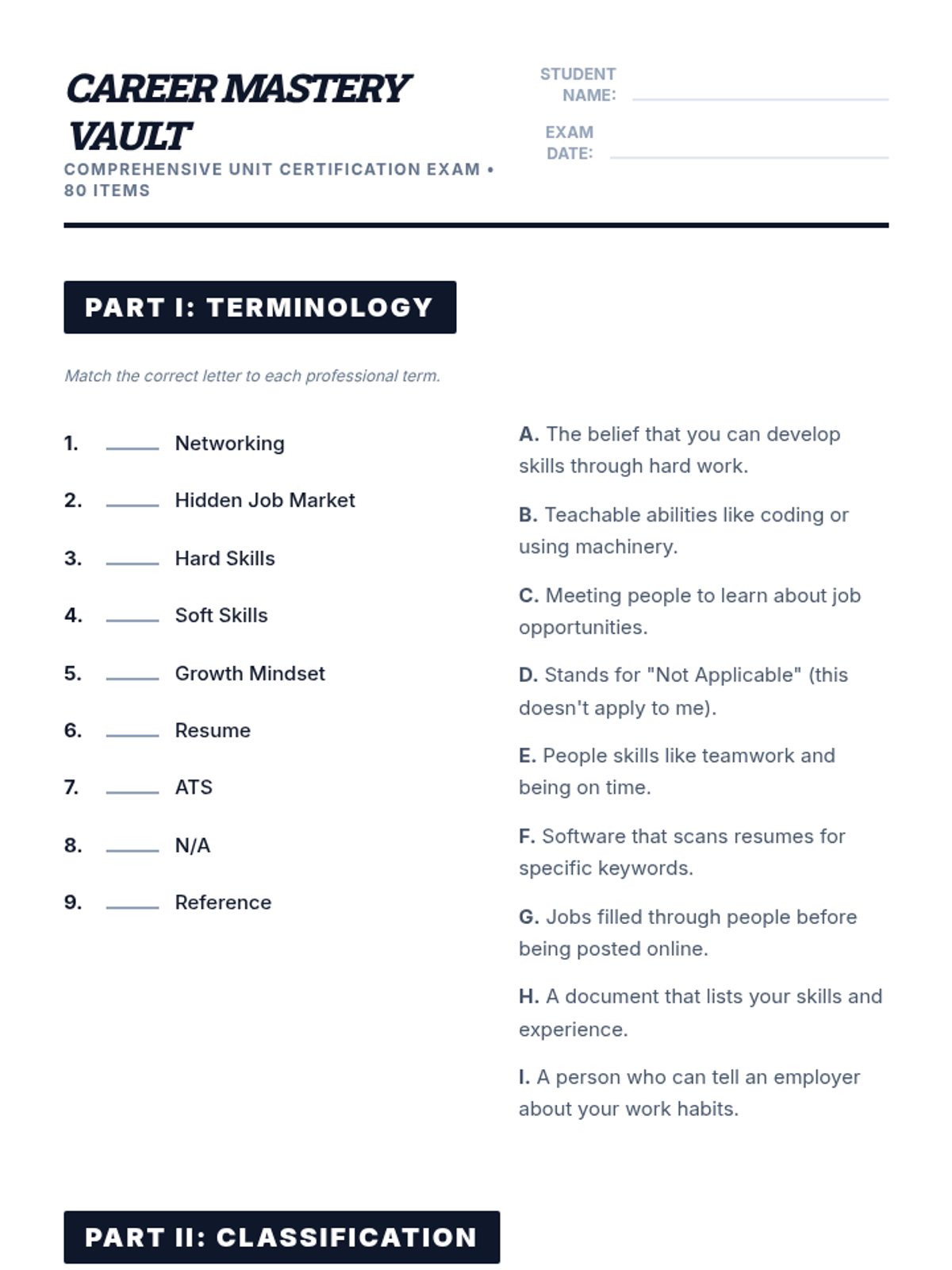
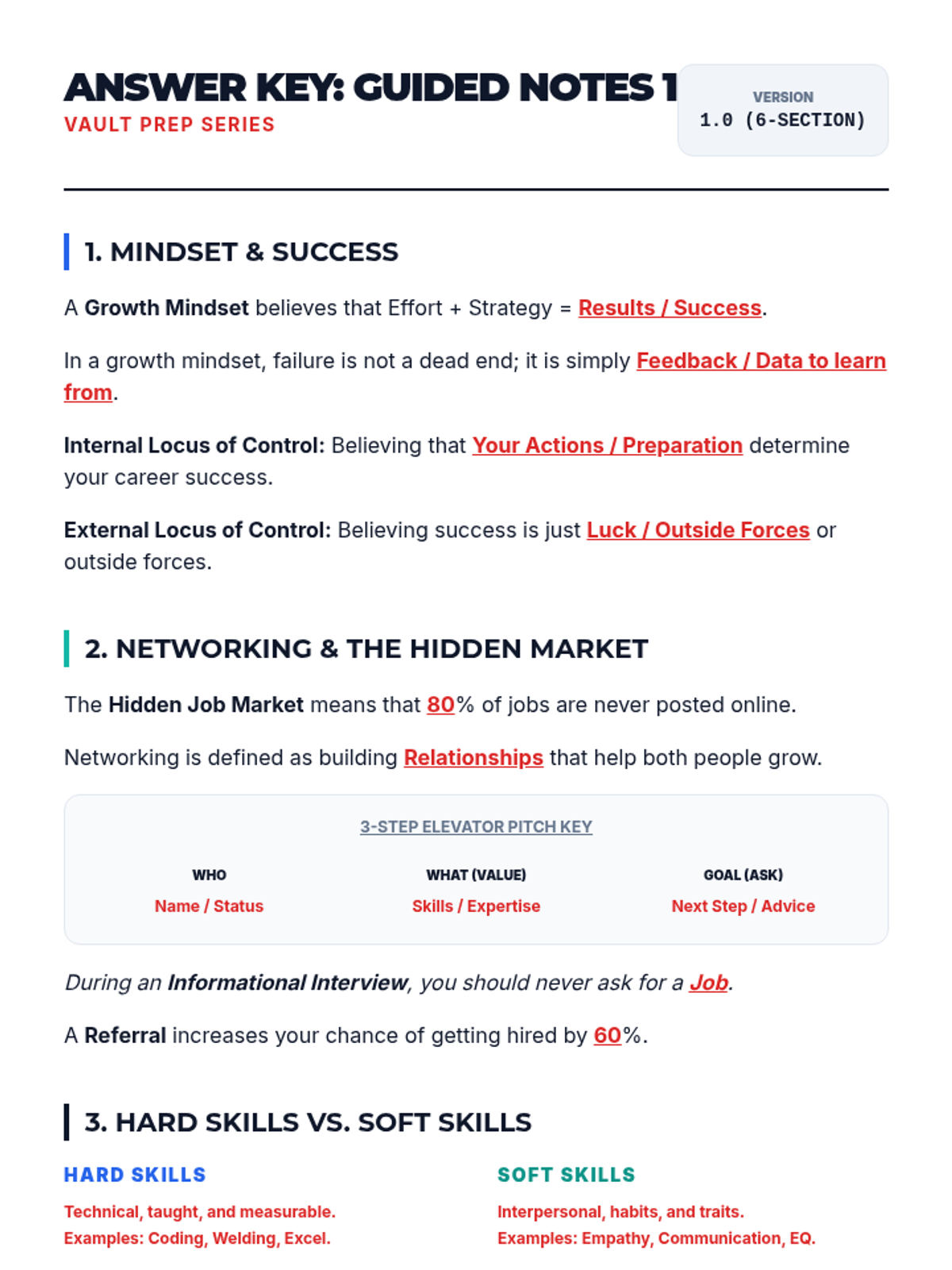
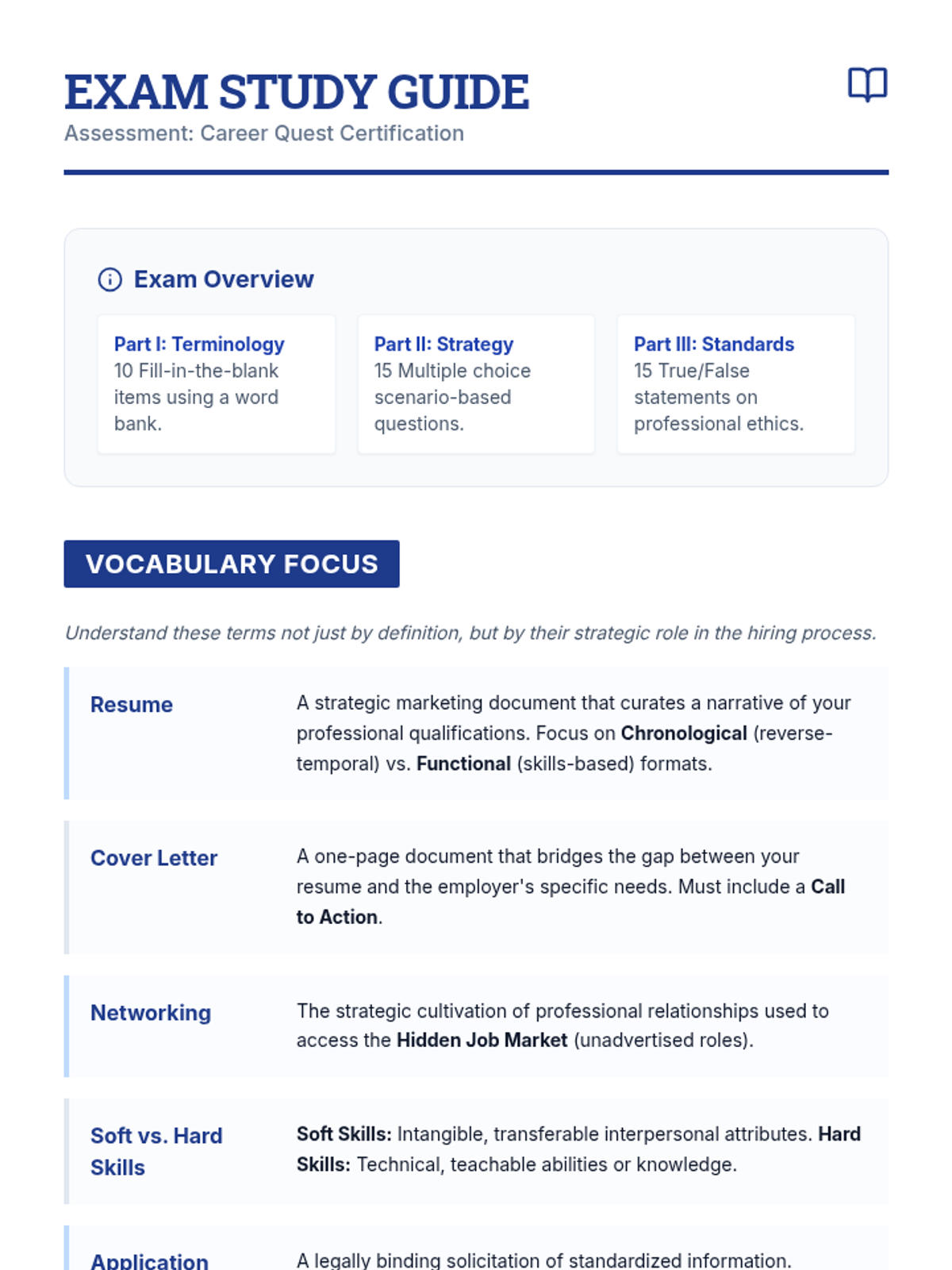
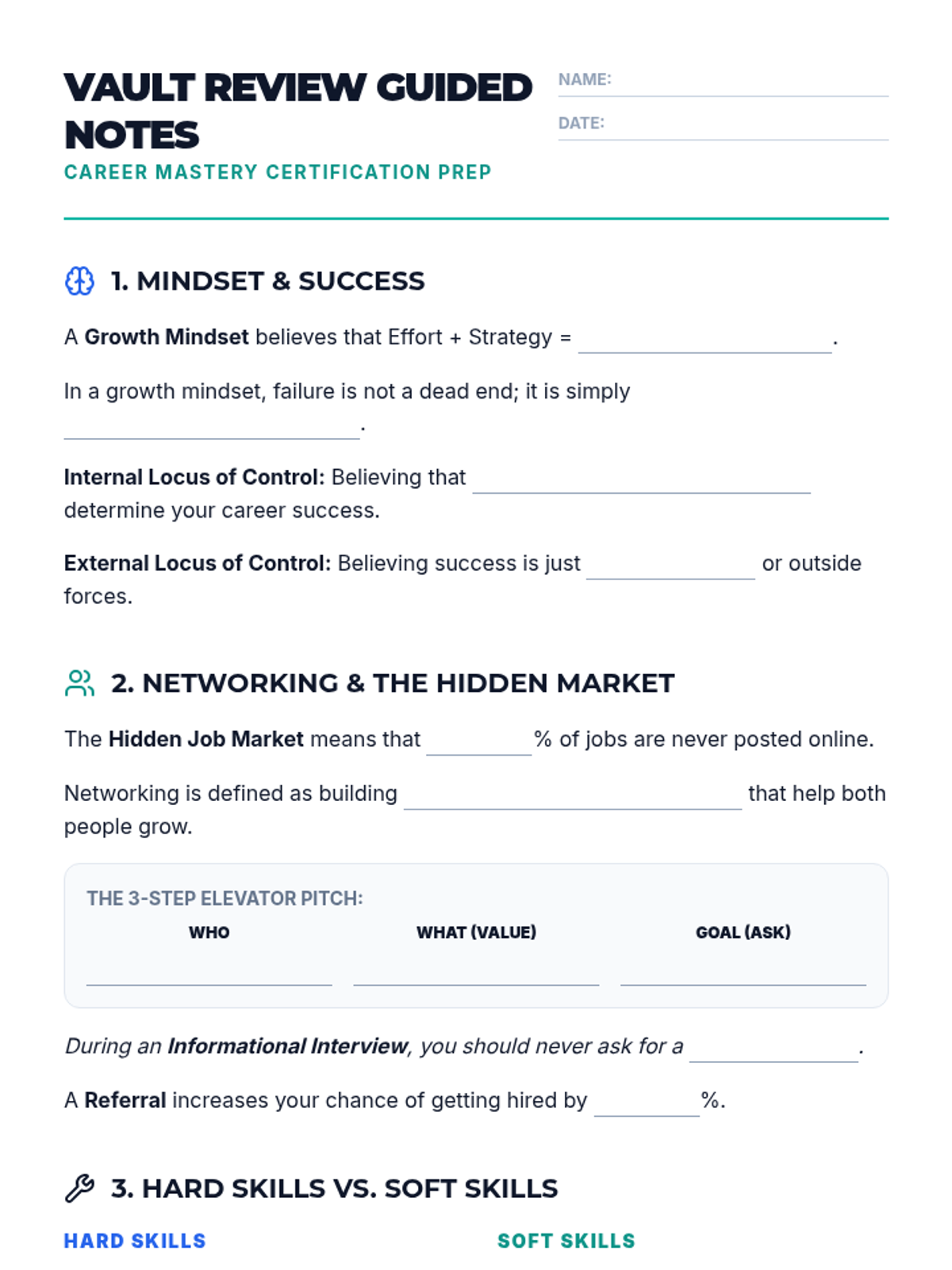
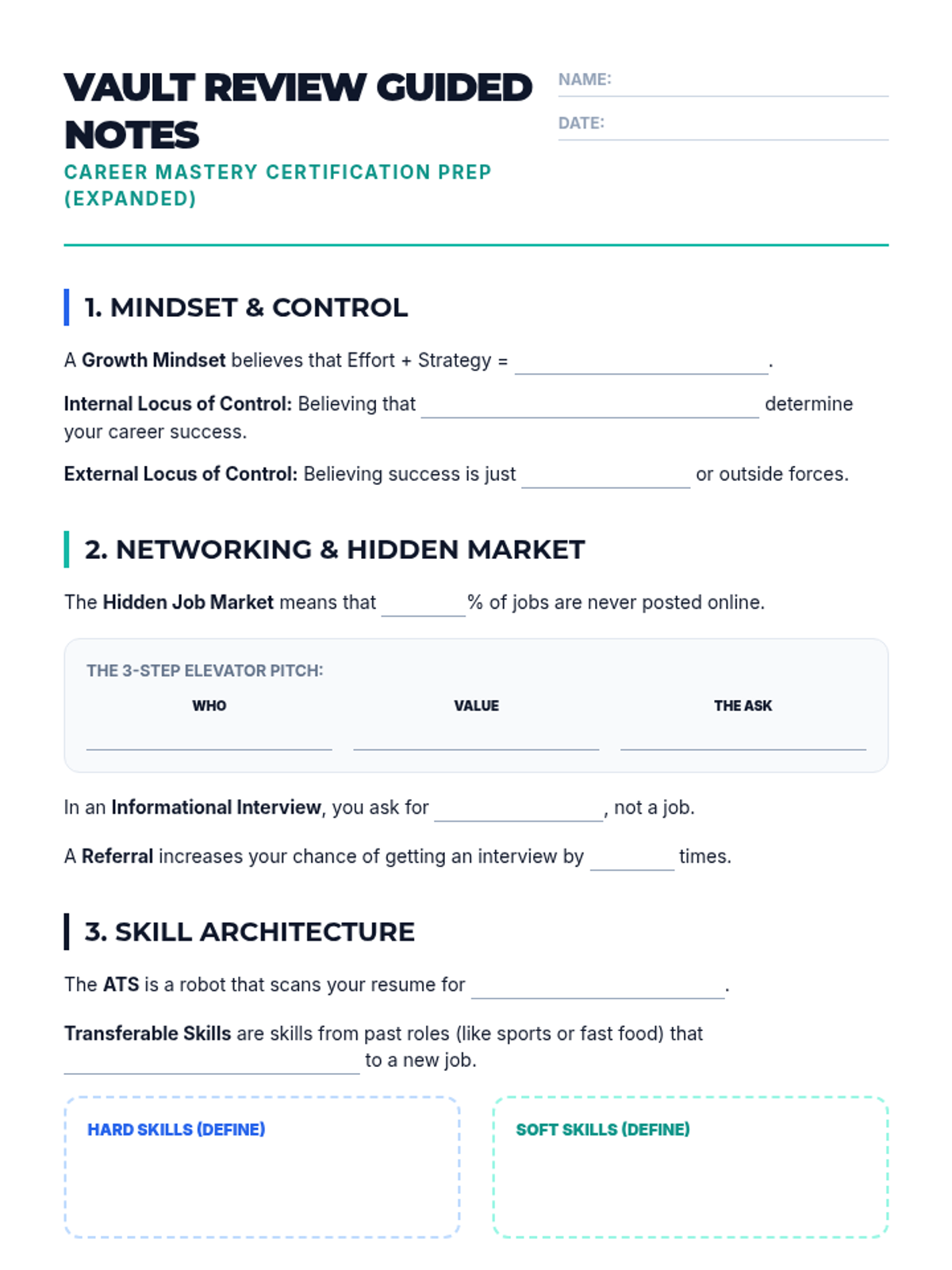
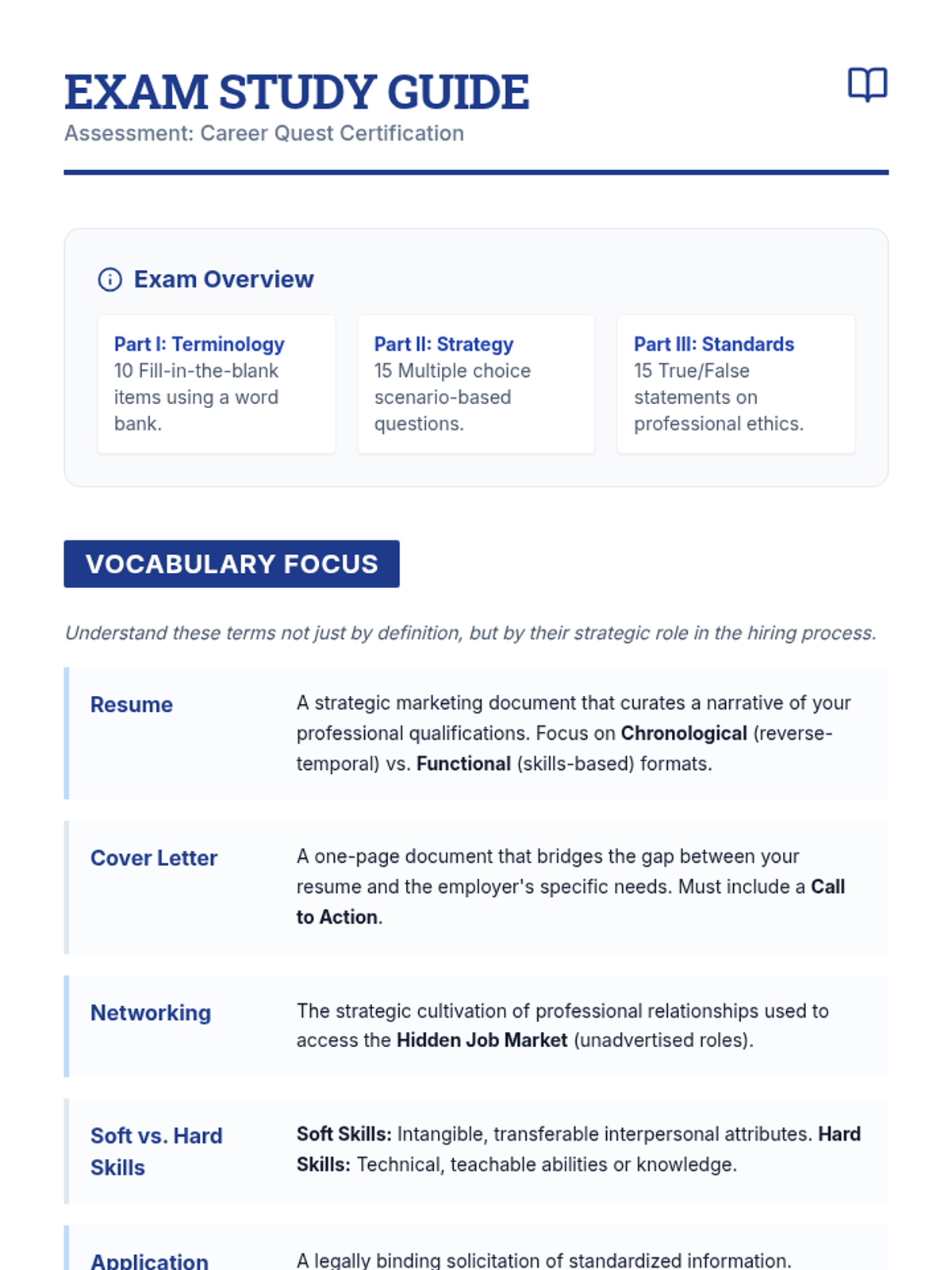
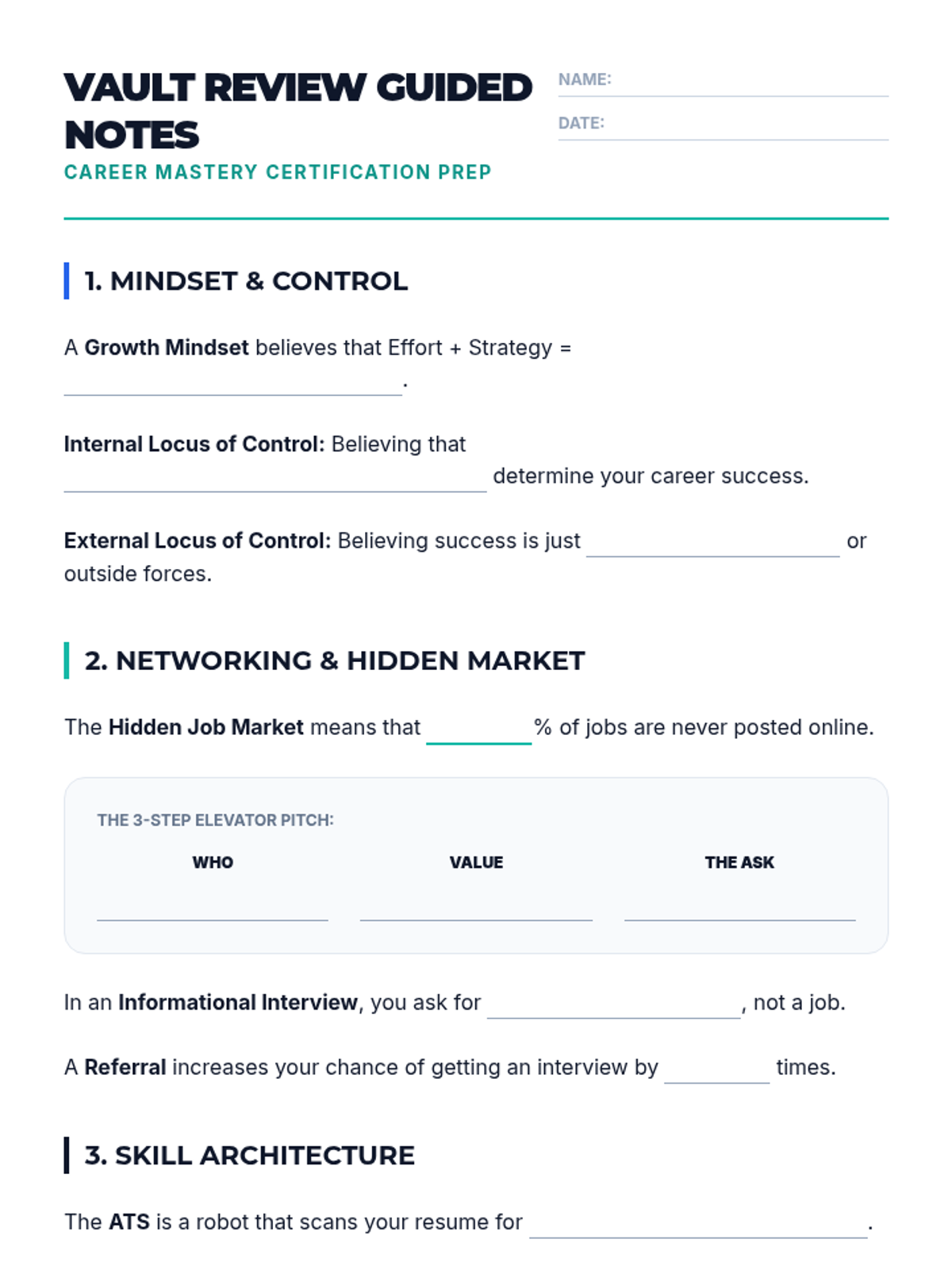
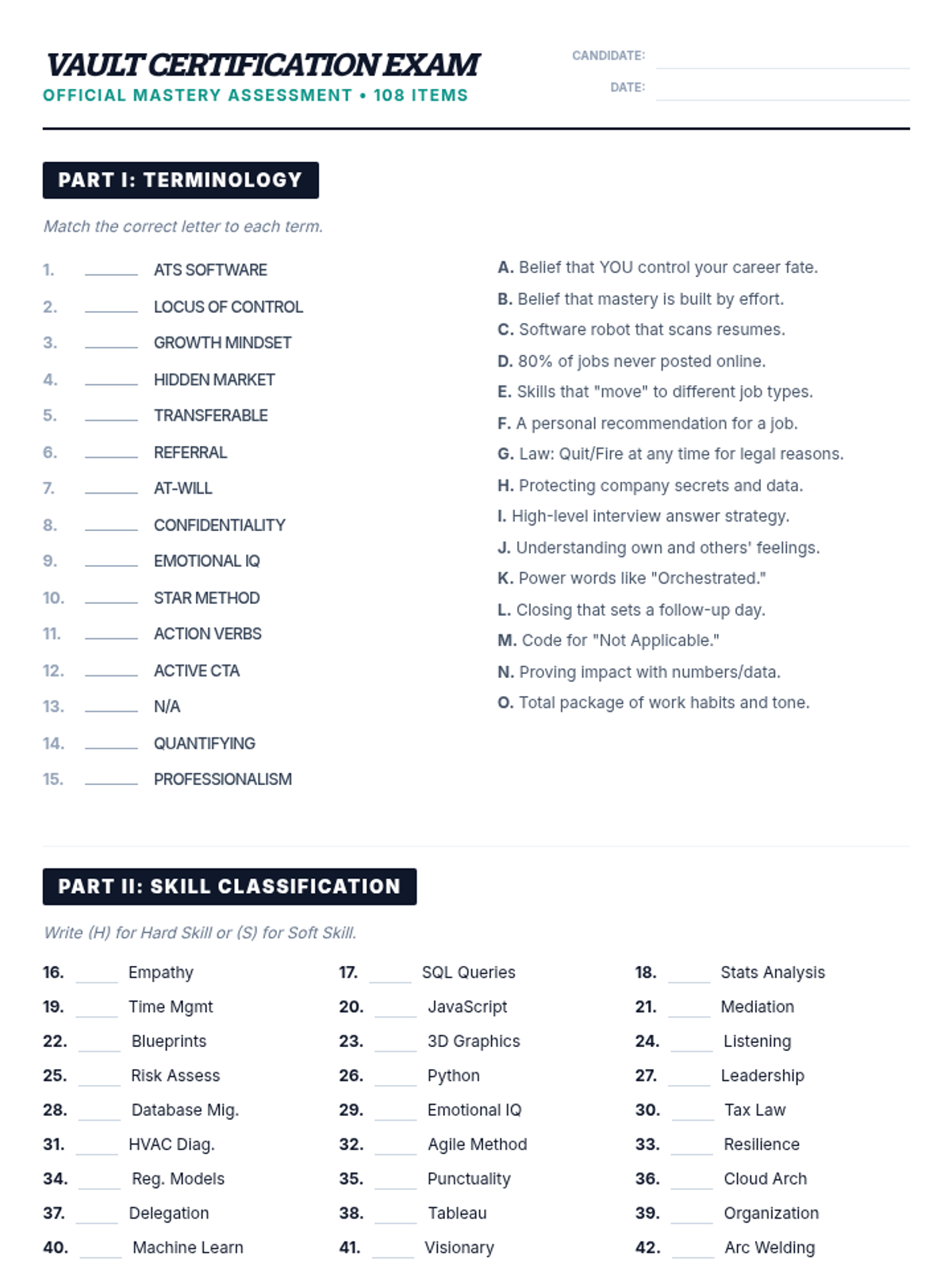
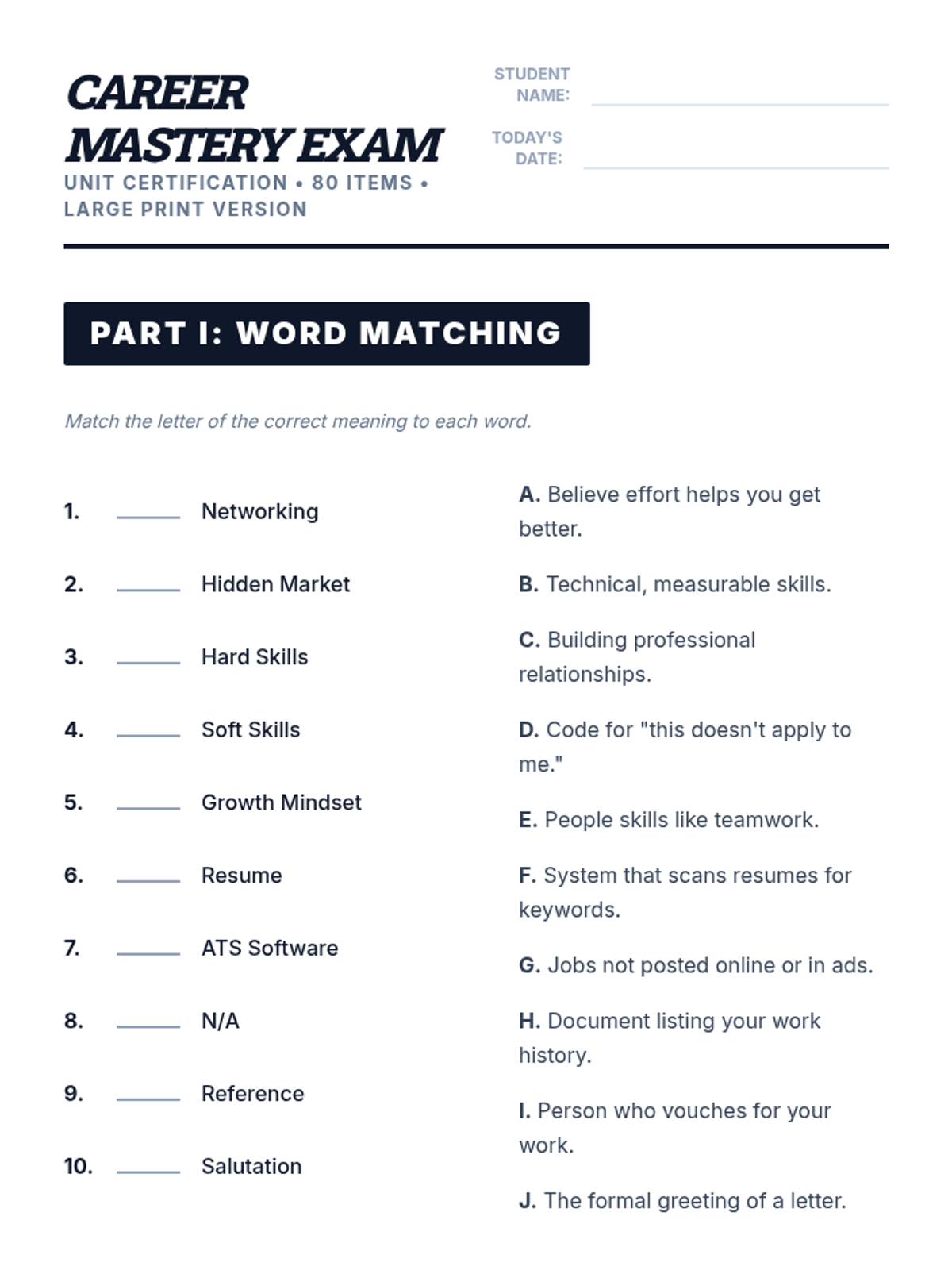
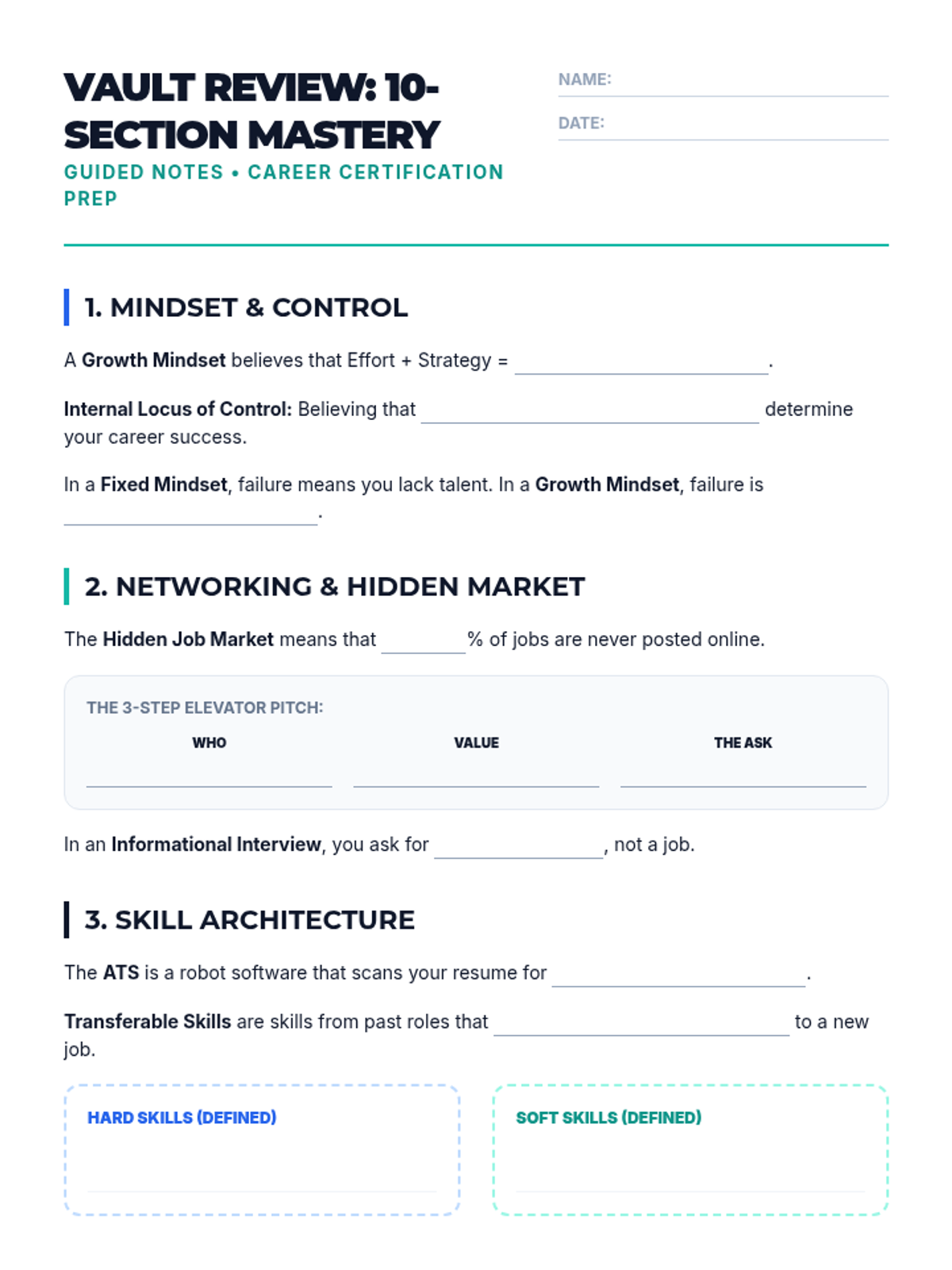
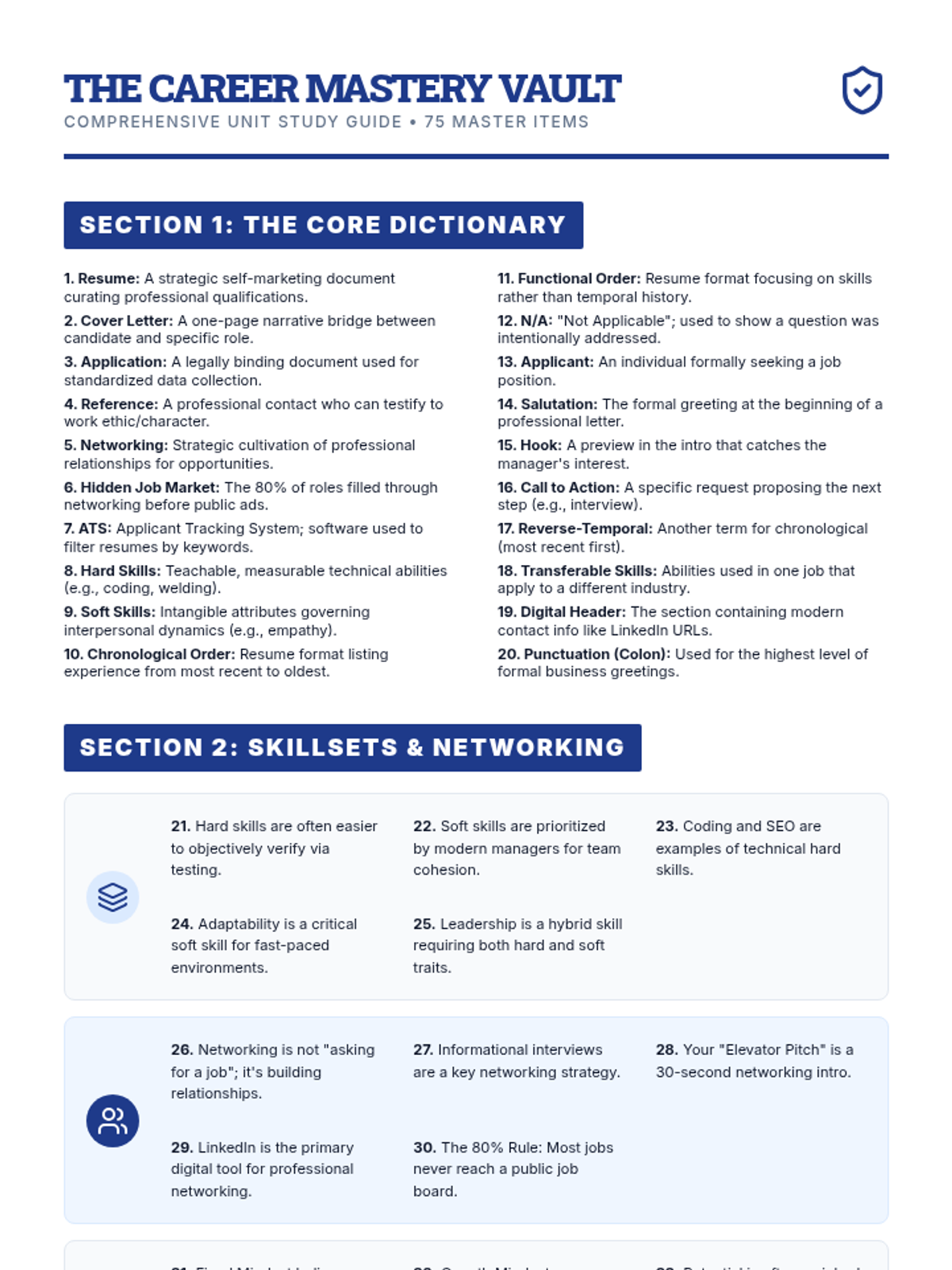
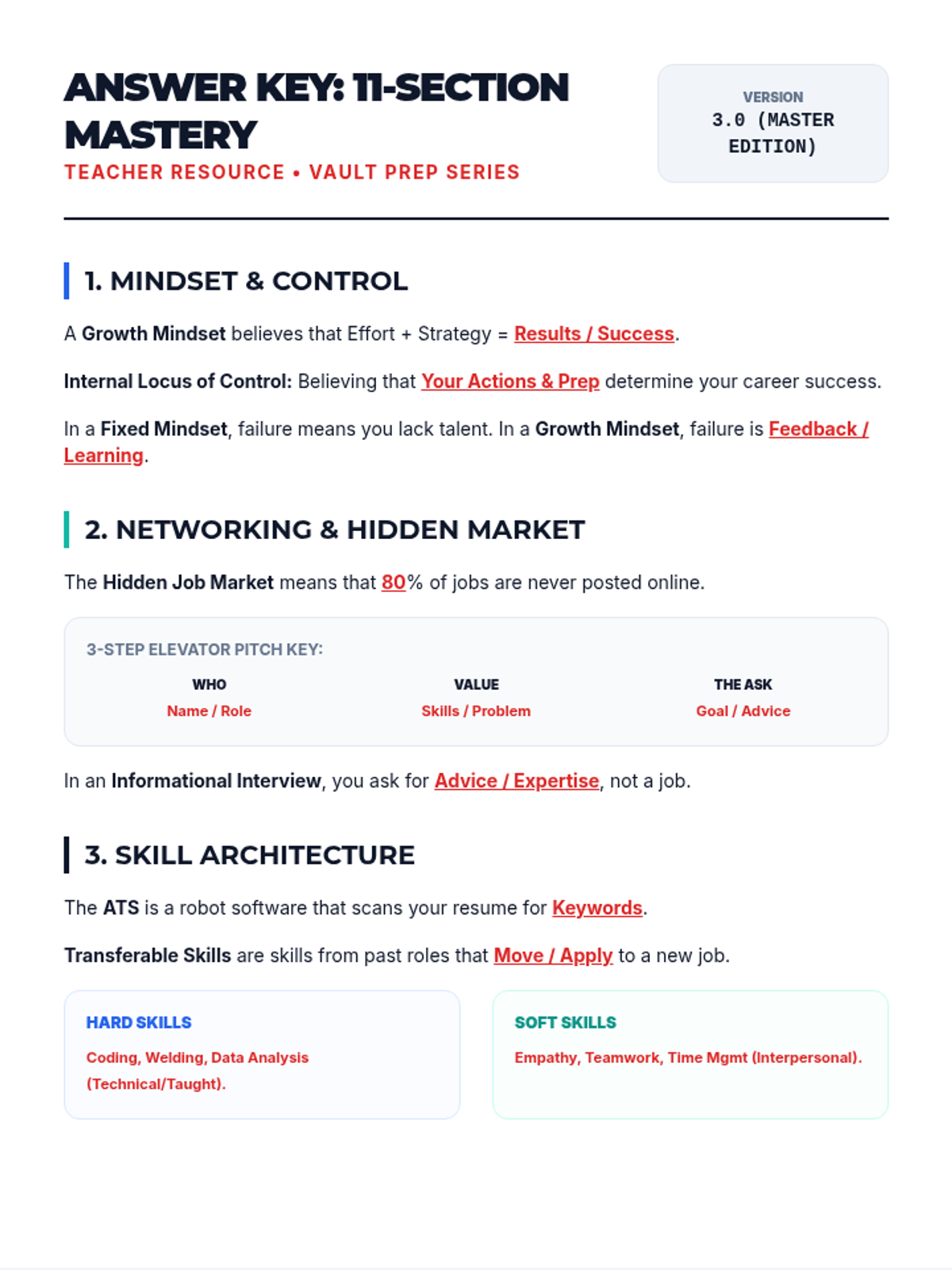
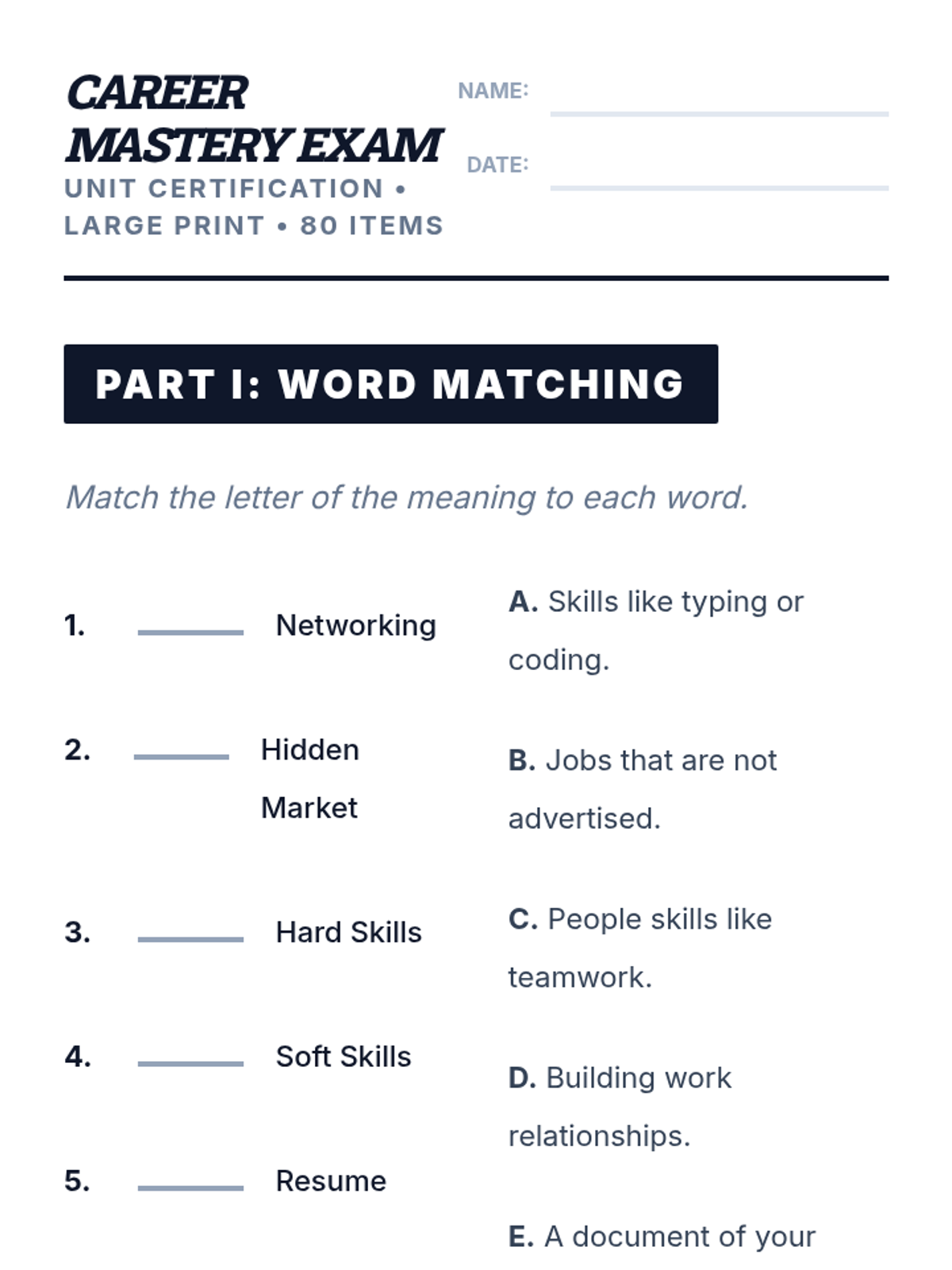
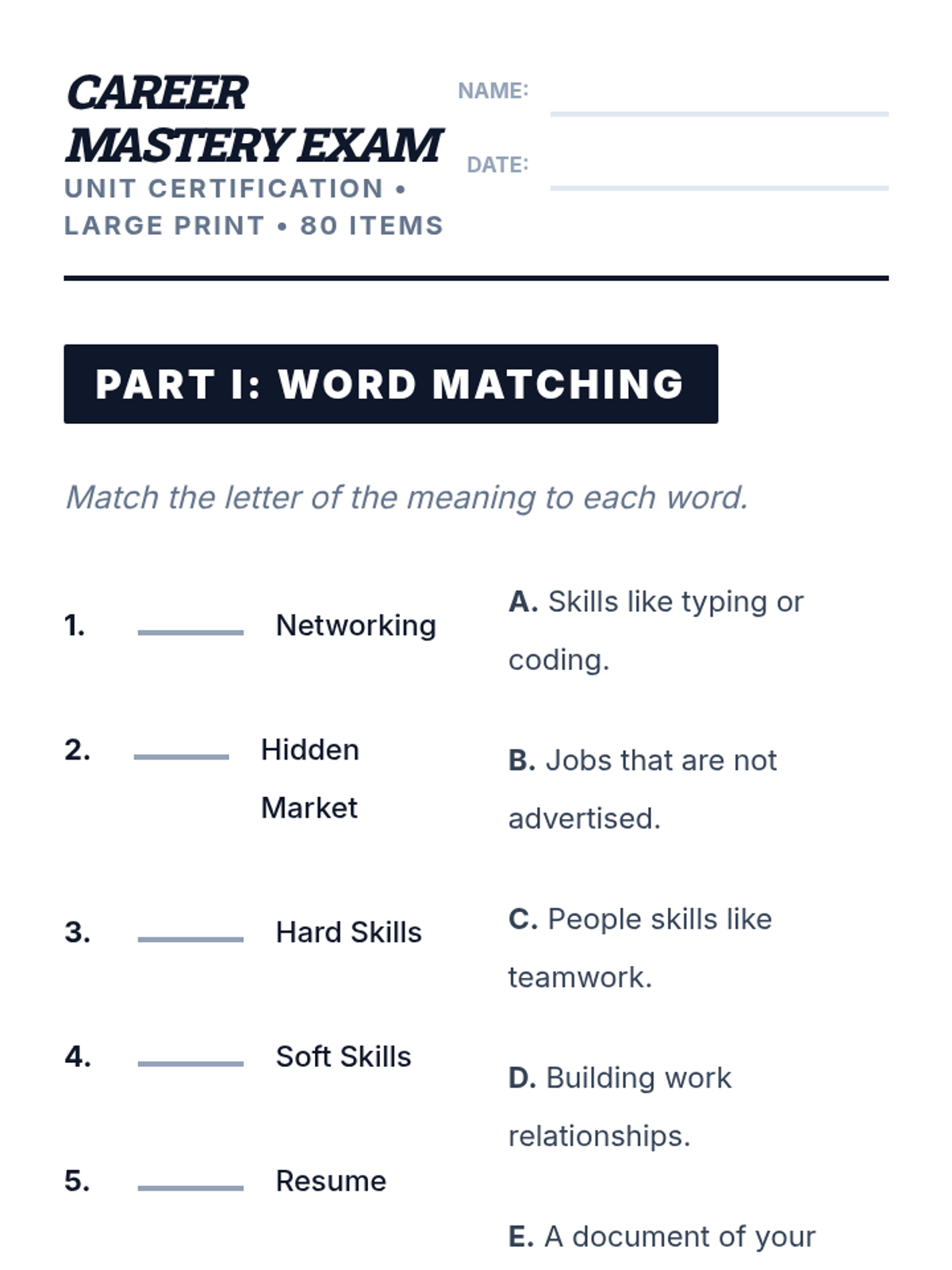
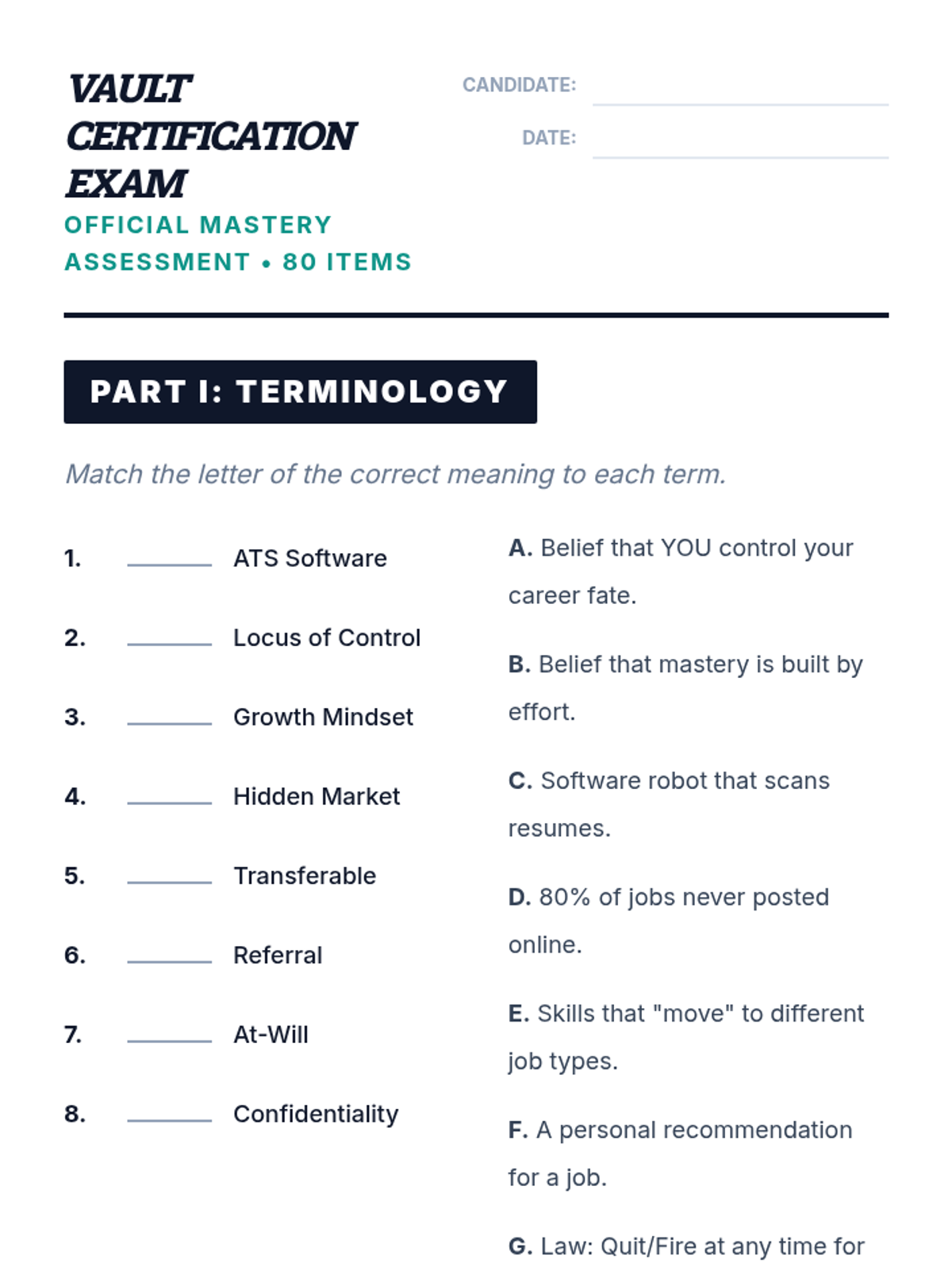
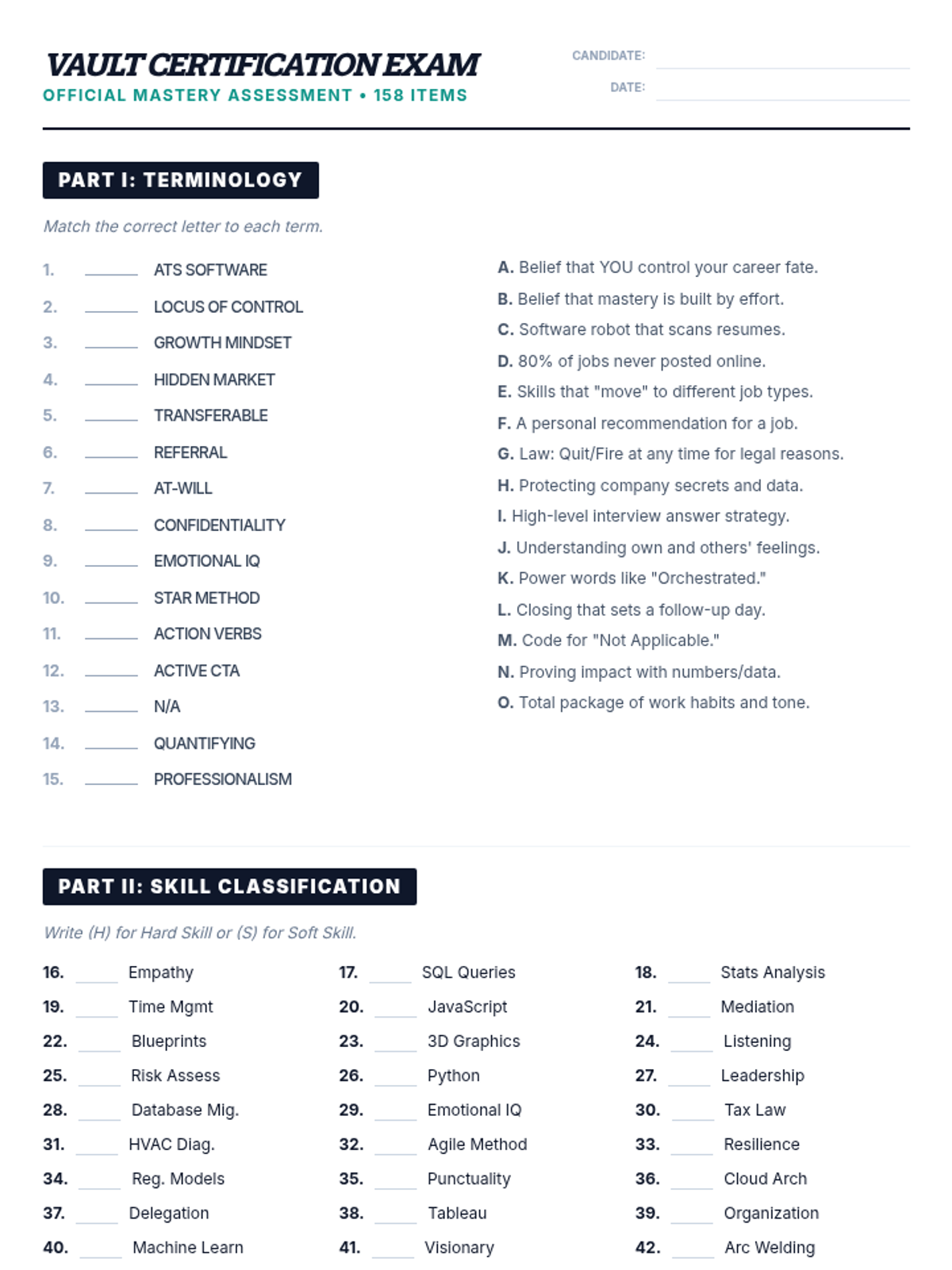
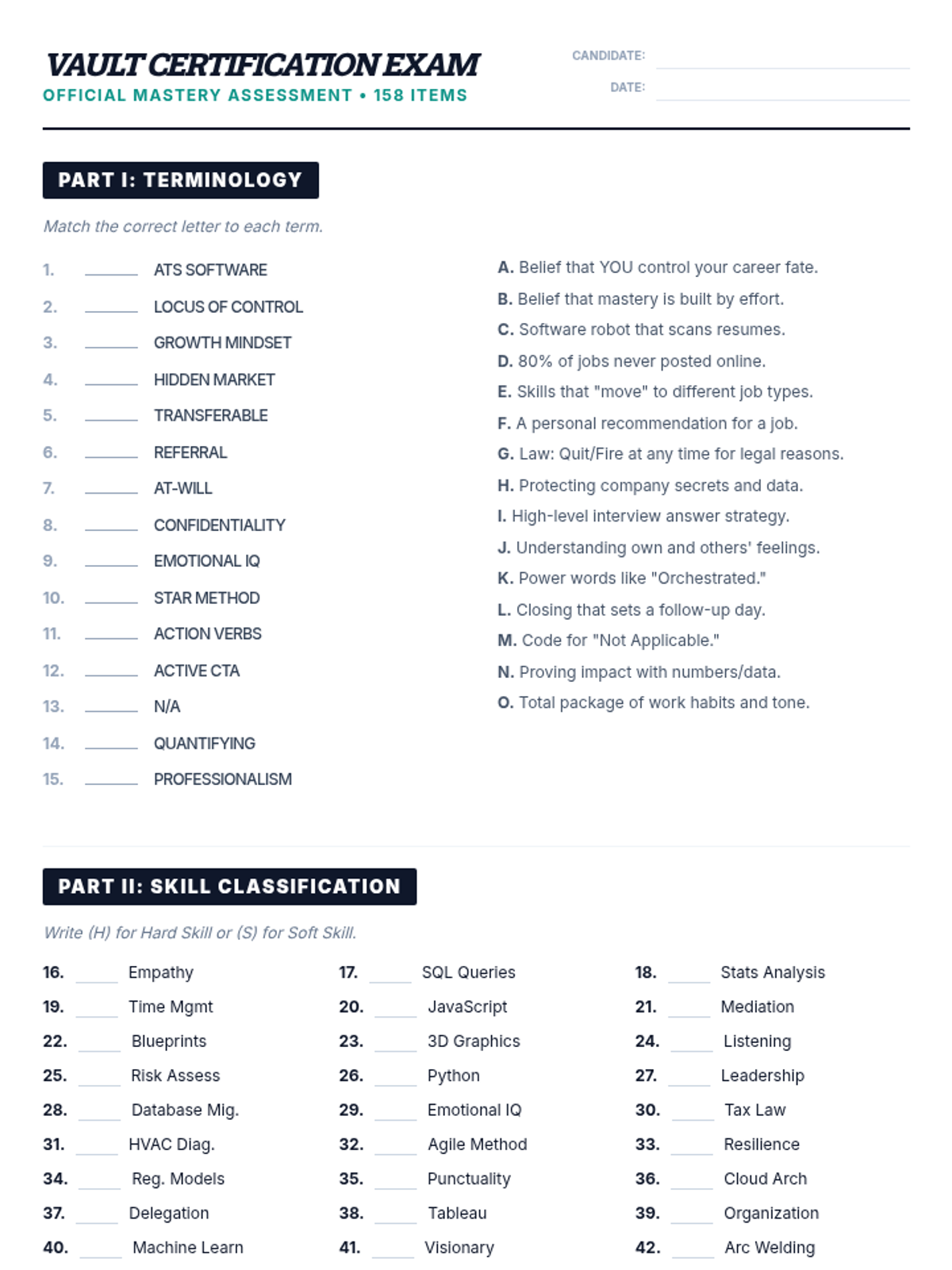
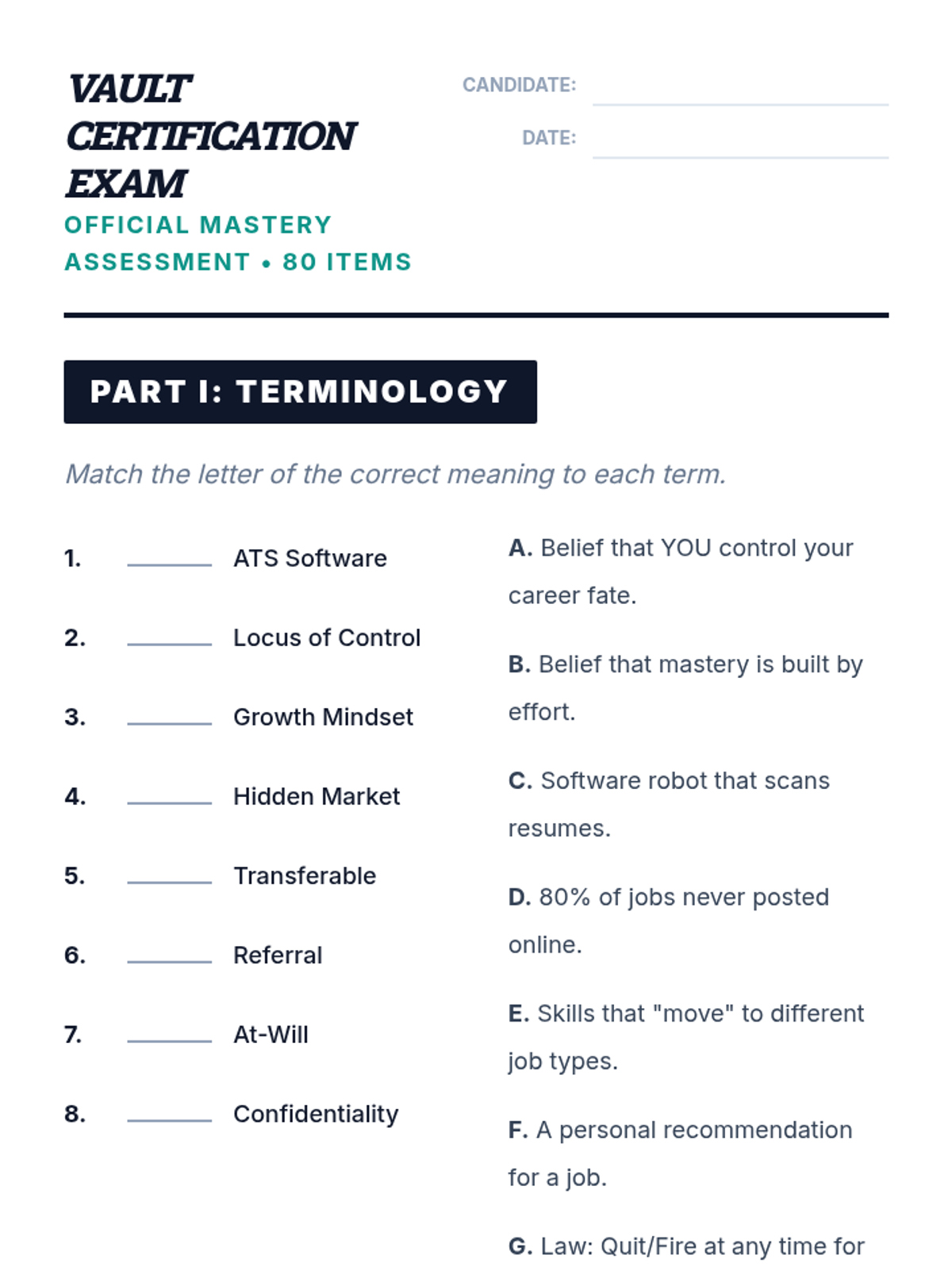
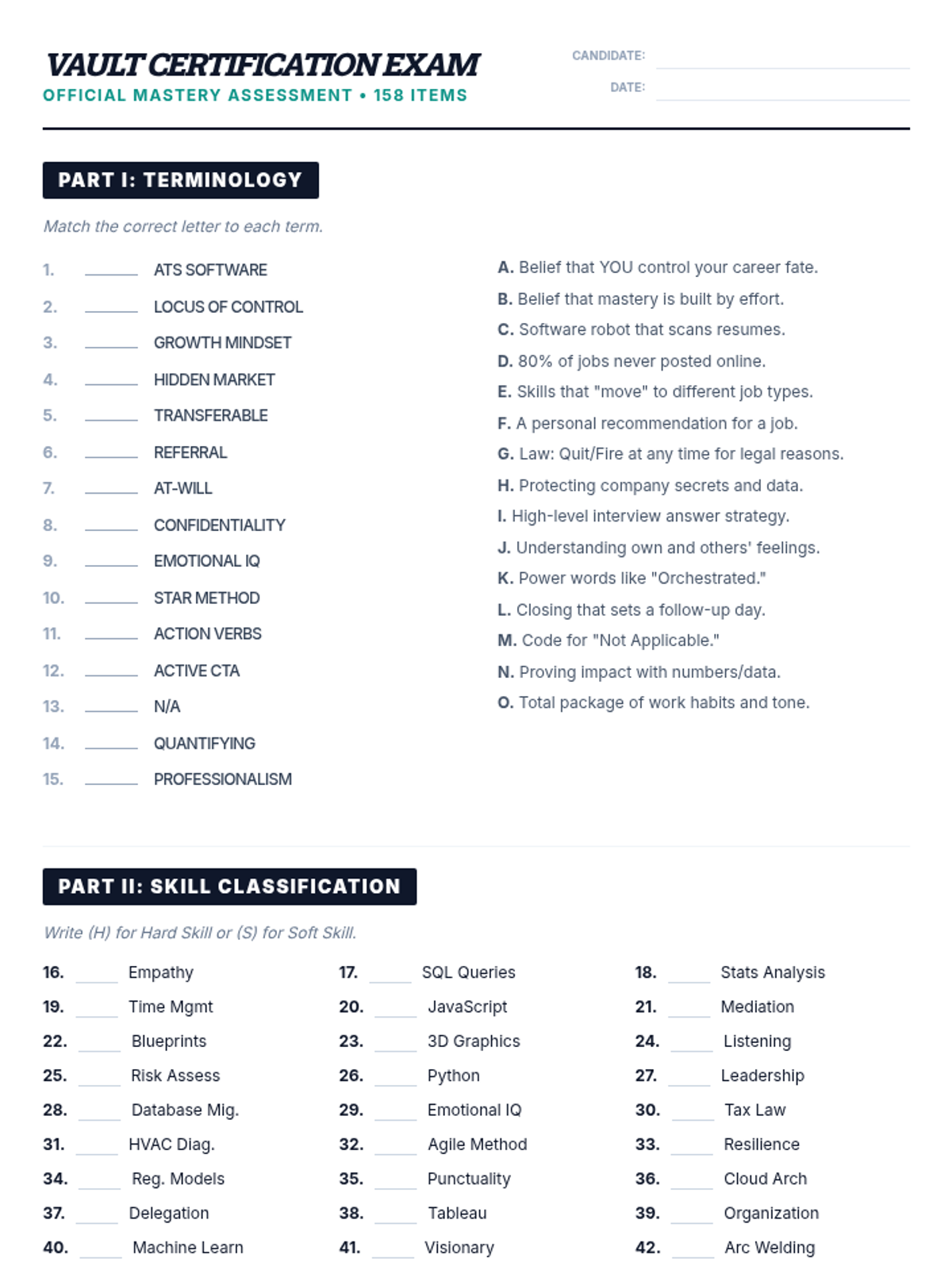
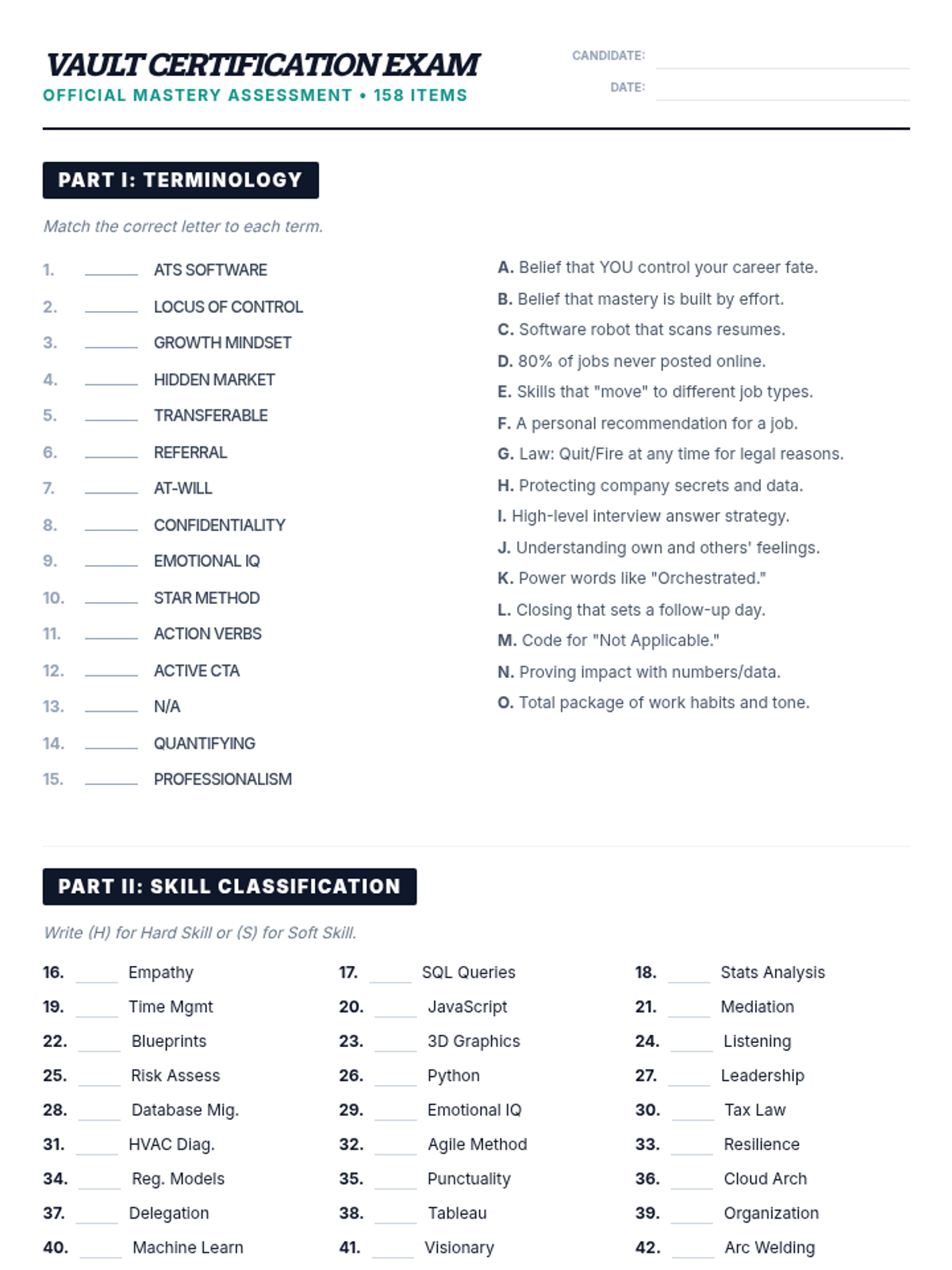
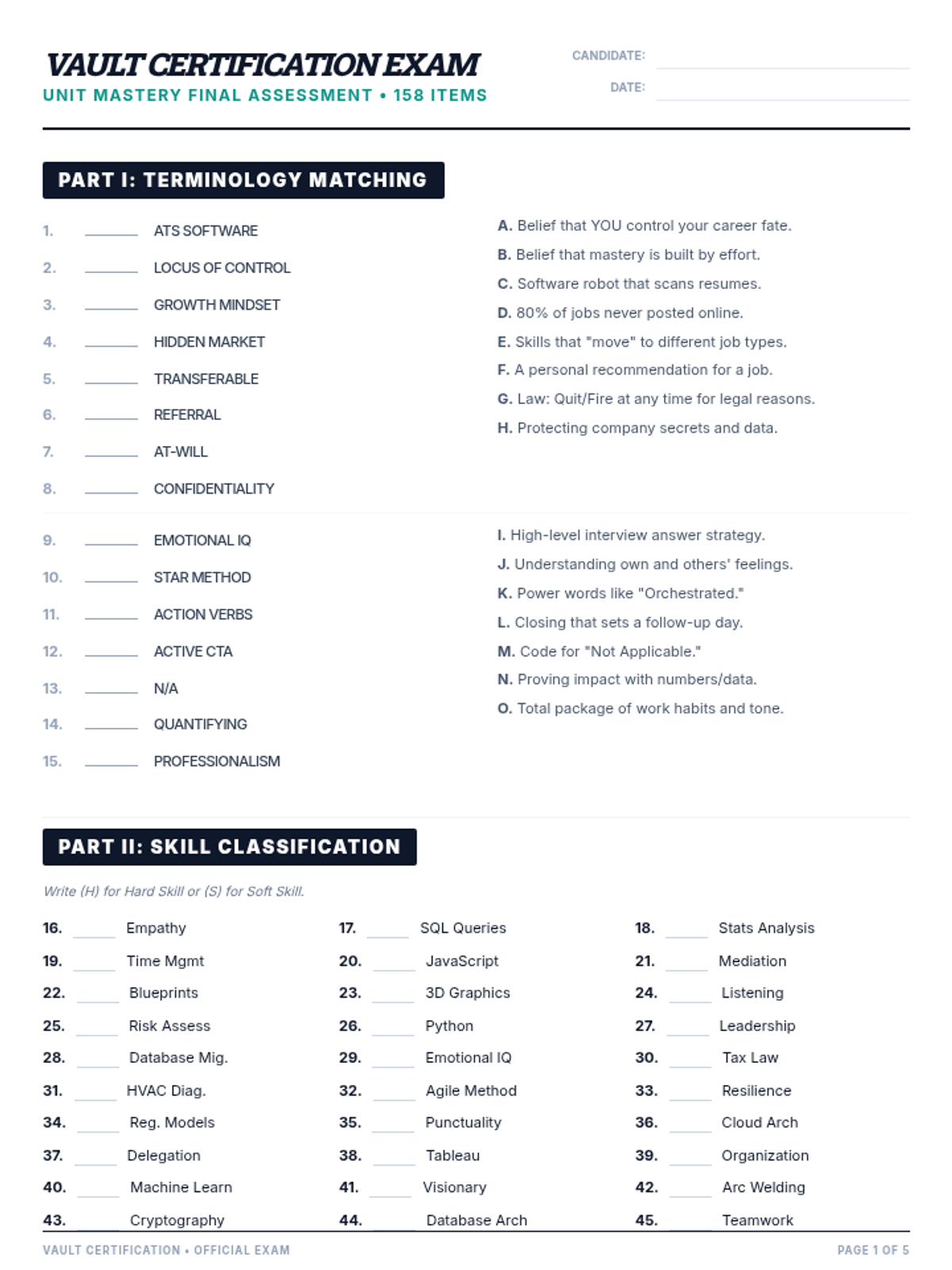
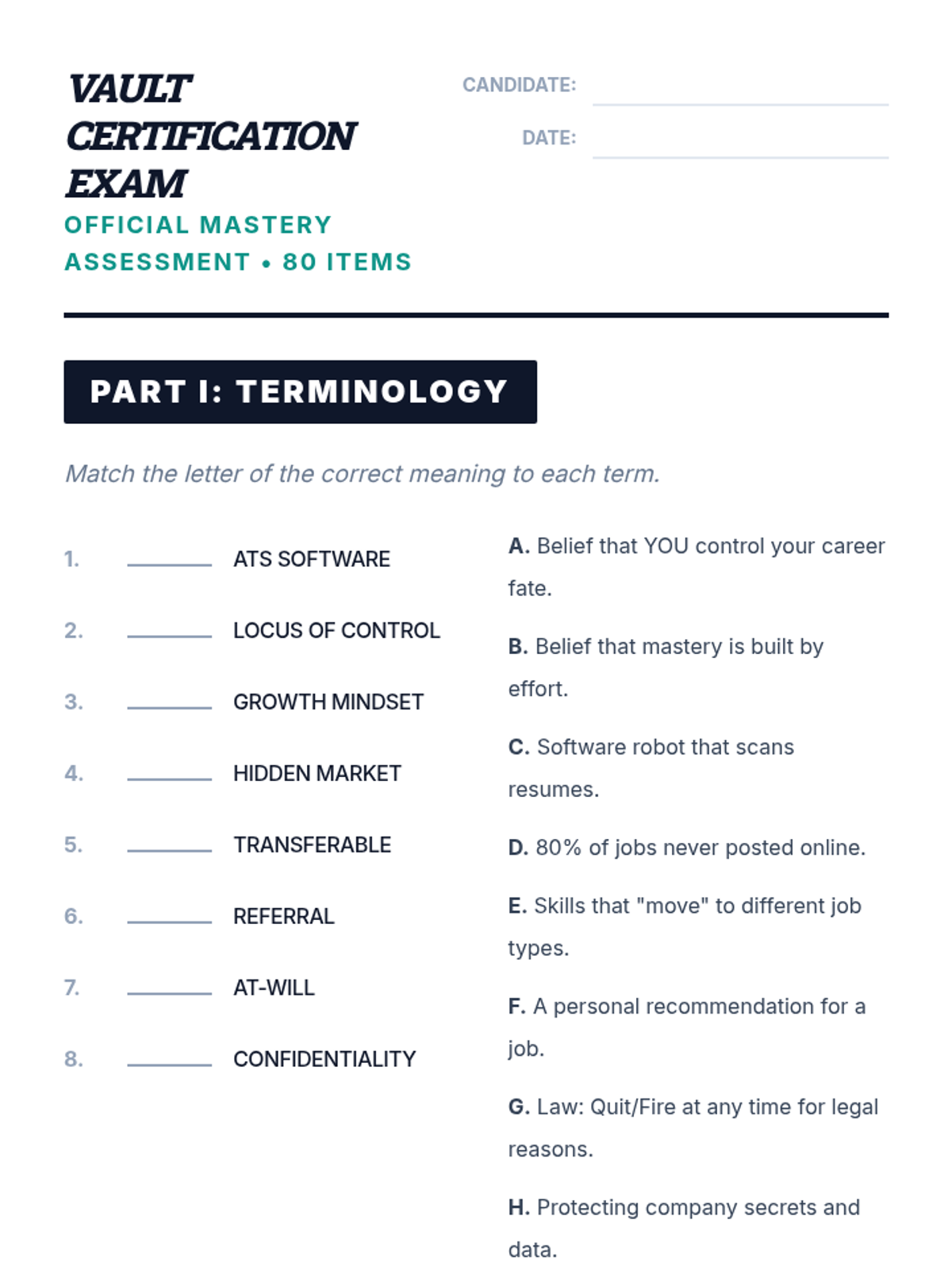
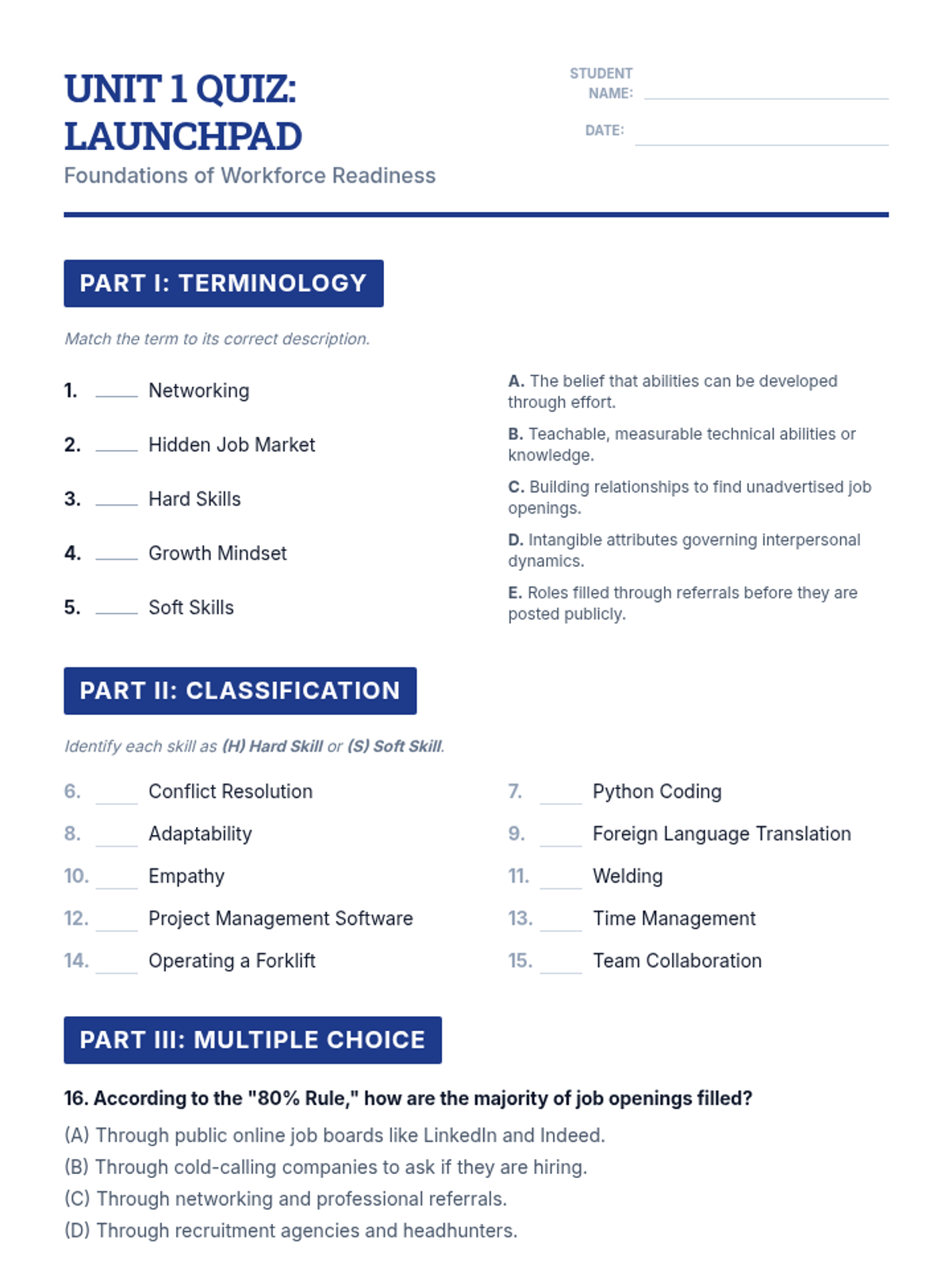
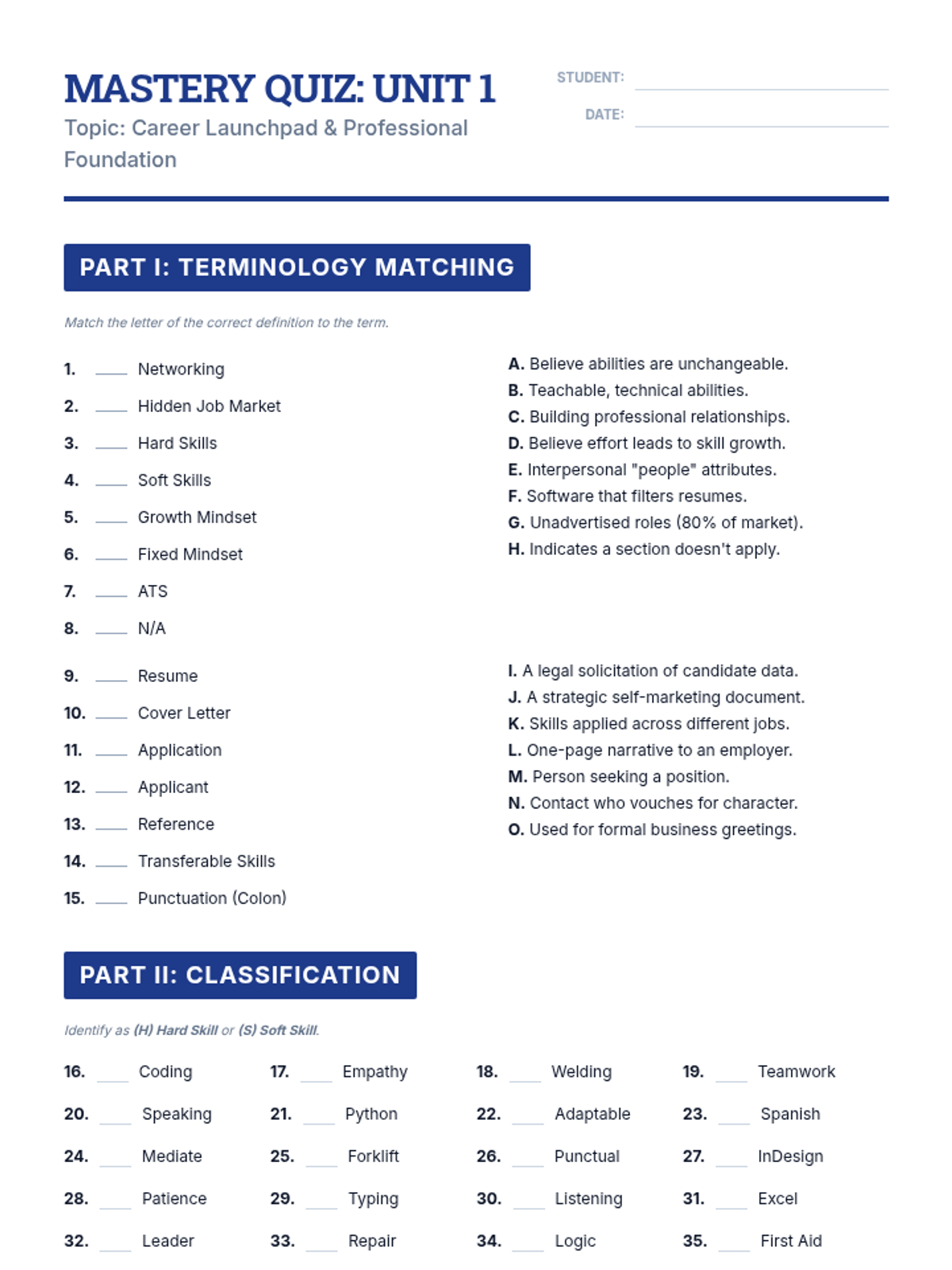
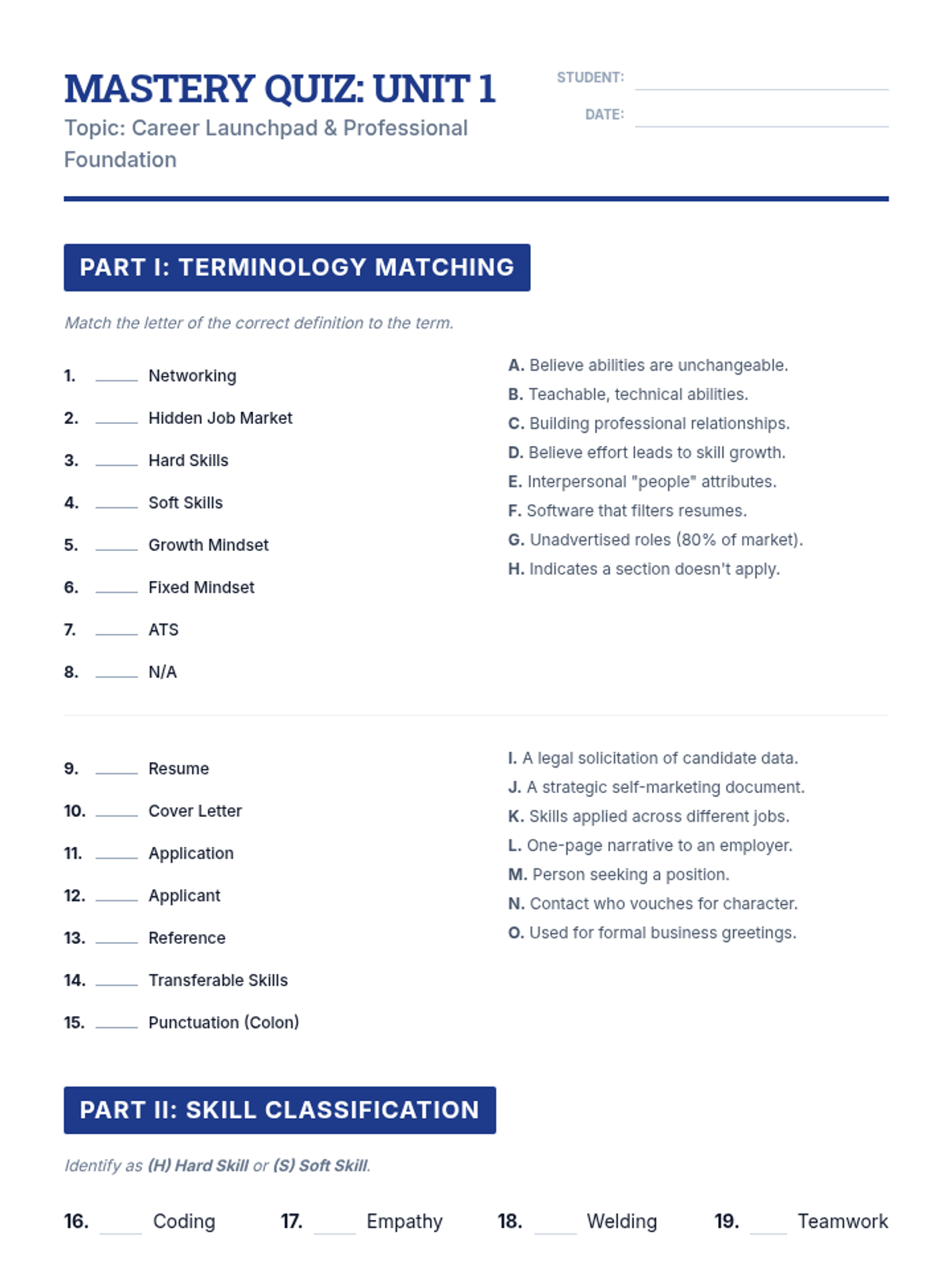
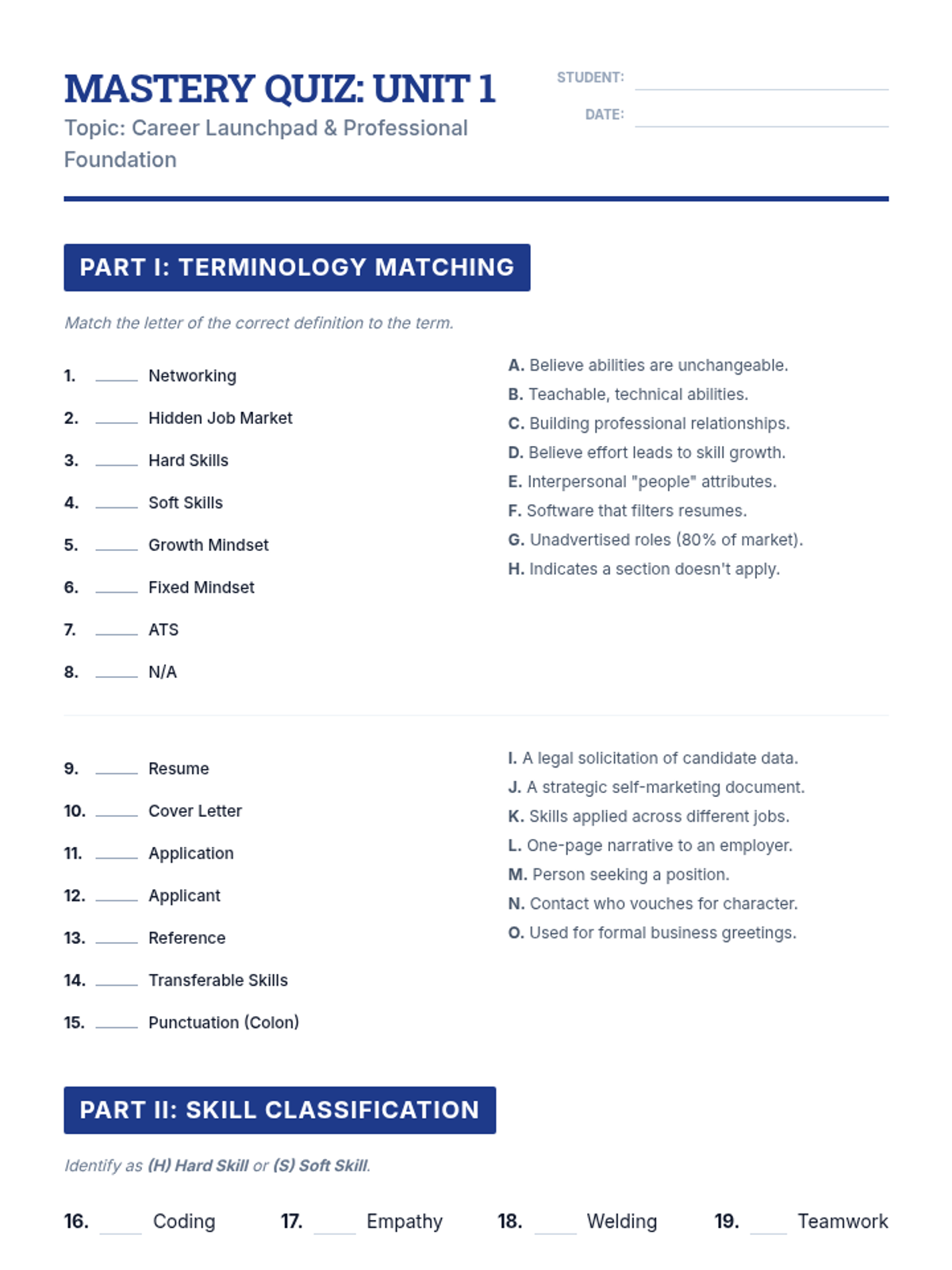
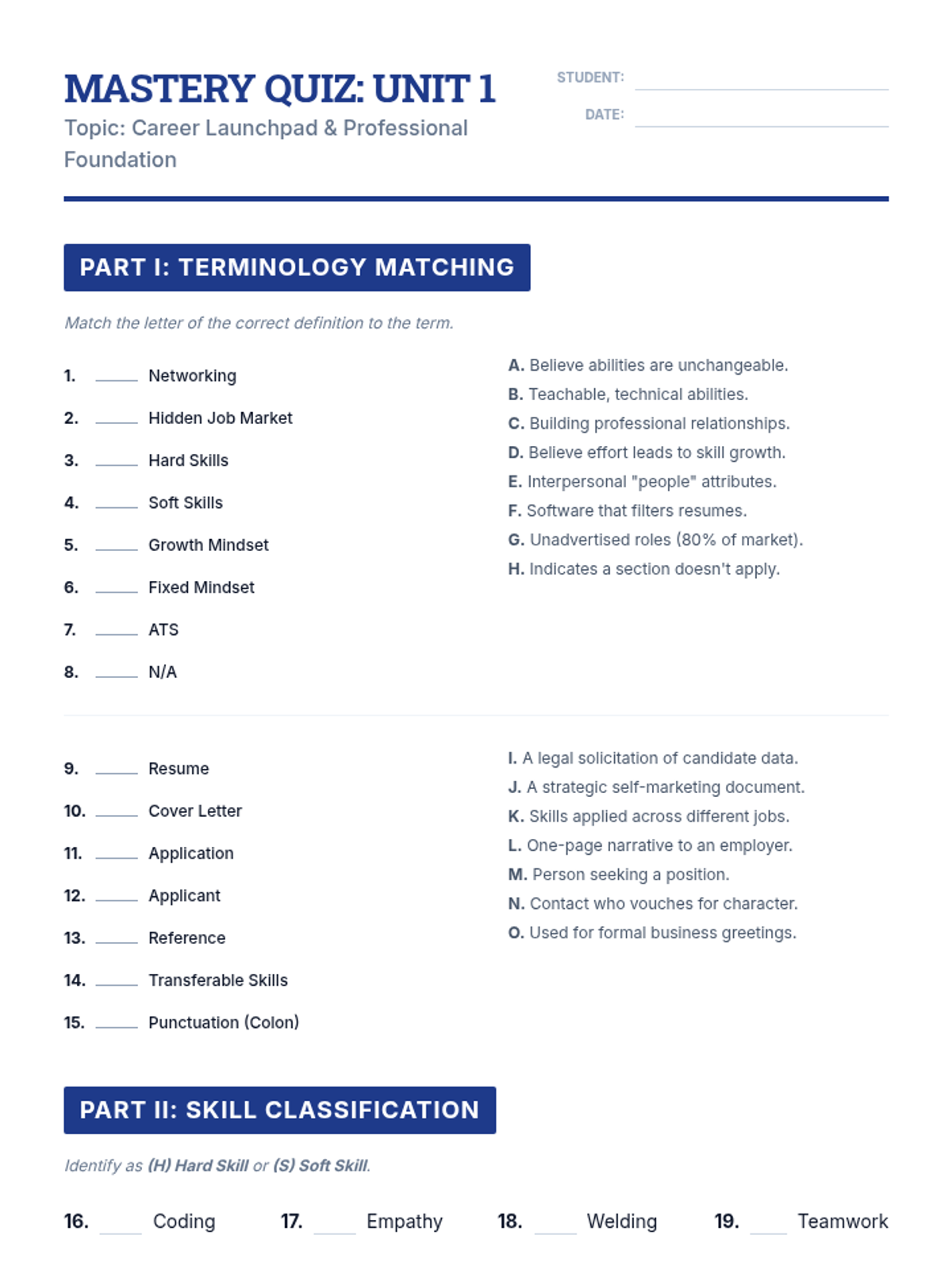
An introductory unit focusing on career terminology, professional mindset, and identifying personal strengths for the workforce.
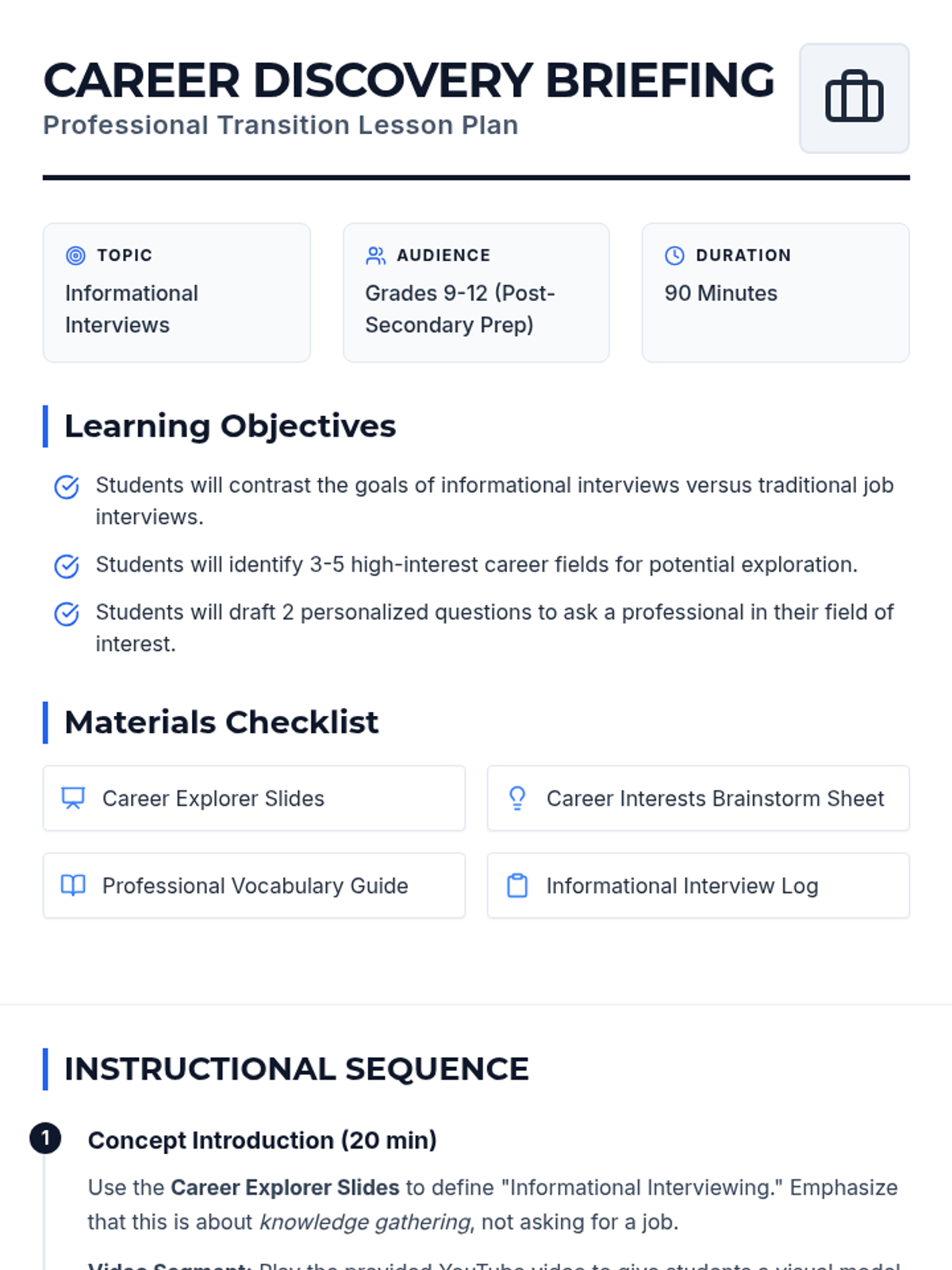
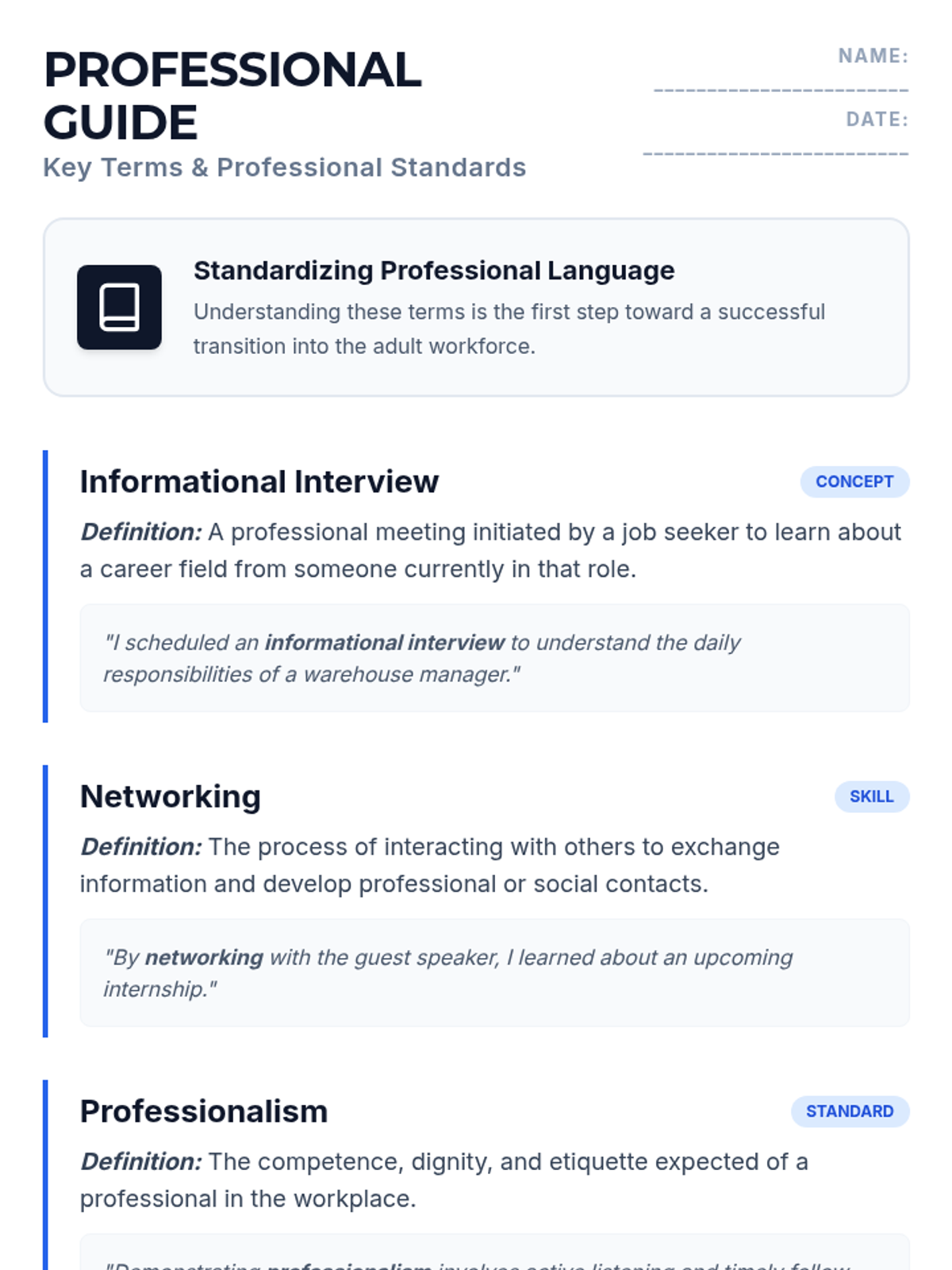
A lesson introducing students with IDD to informational interviews, focusing on curiosity, career exploration, and building professional connections.
A final reflection on the simulation where students analyze their performance, identify breaking points, and create a long-term strategy for real-world balance.
Students create a personal 'Emergency Protocol' for overwhelming situations, learning how to prioritize tasks to drop and identifying support systems for recovery.
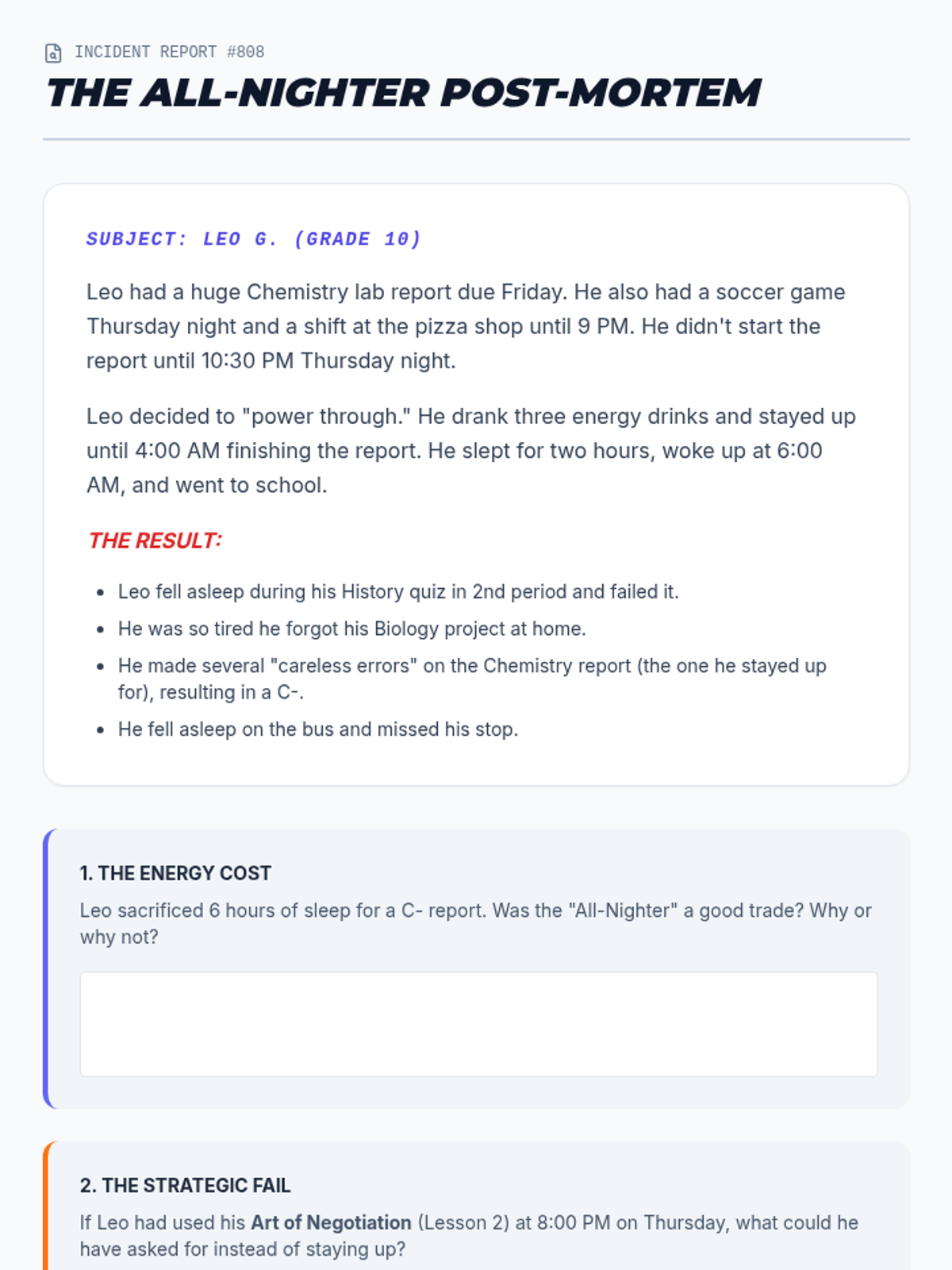
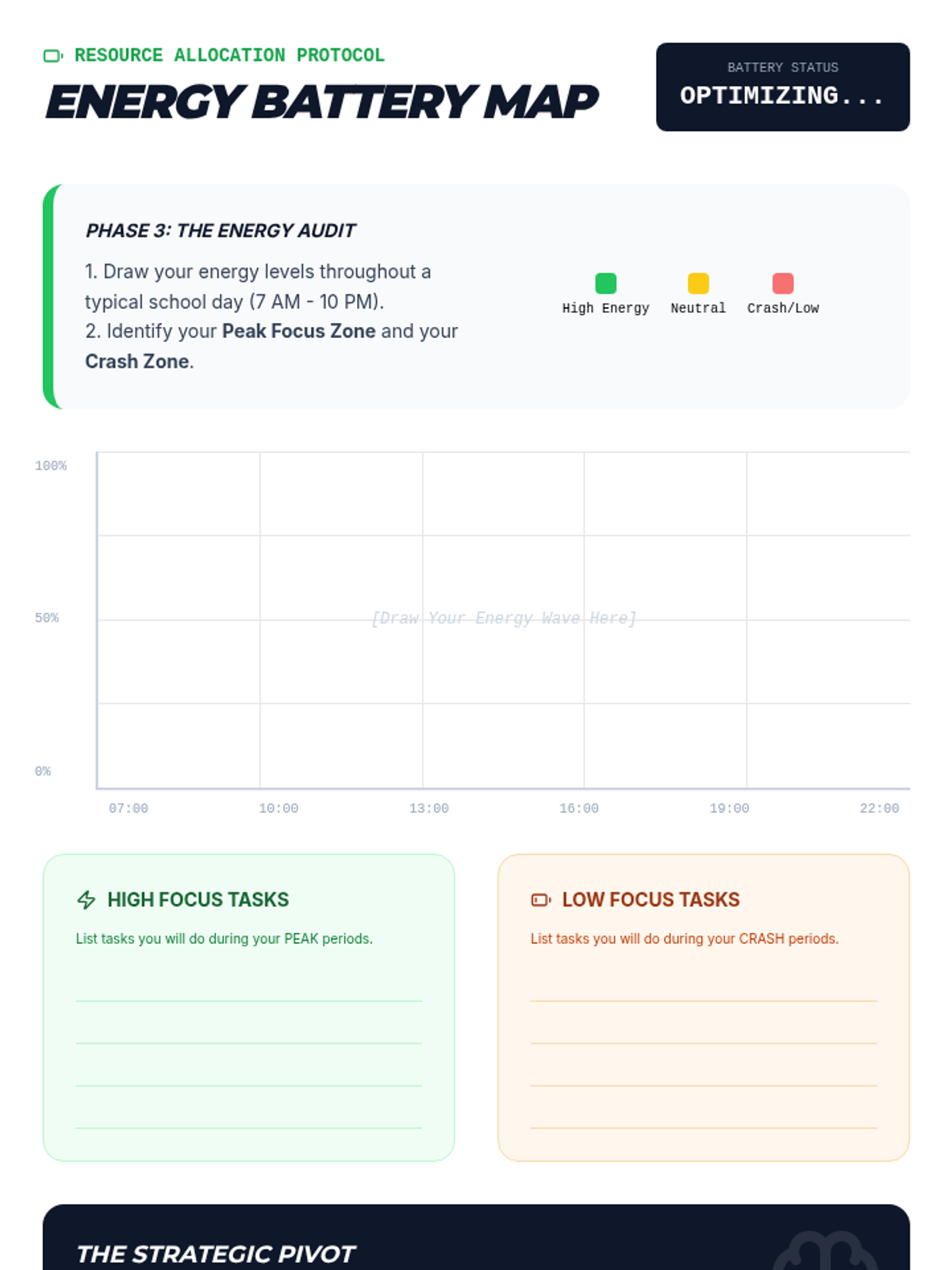
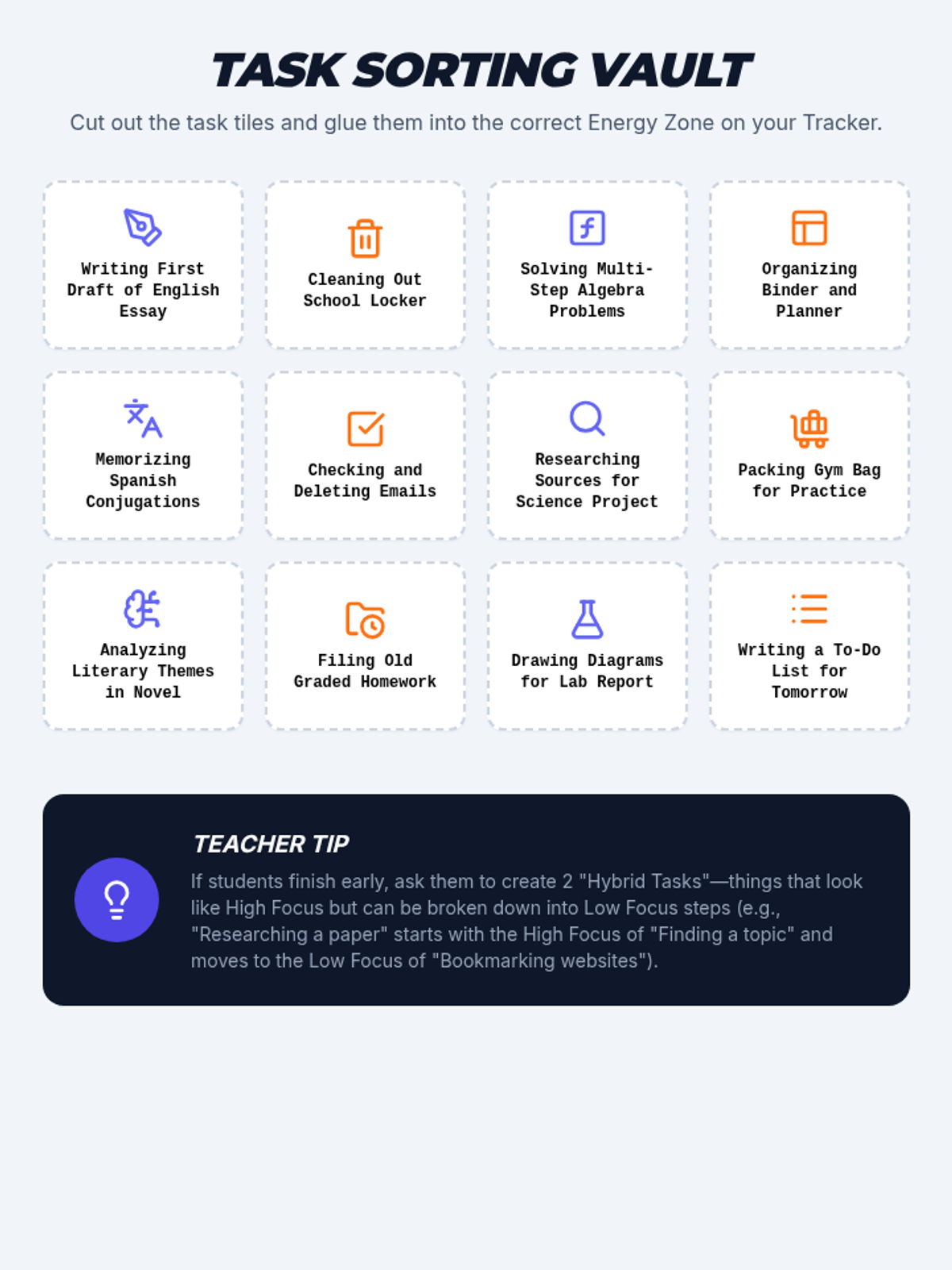
Students analyze their personal energy cycles to match high-demand tasks with high-energy periods, moving beyond simple time management to strategic resource allocation.
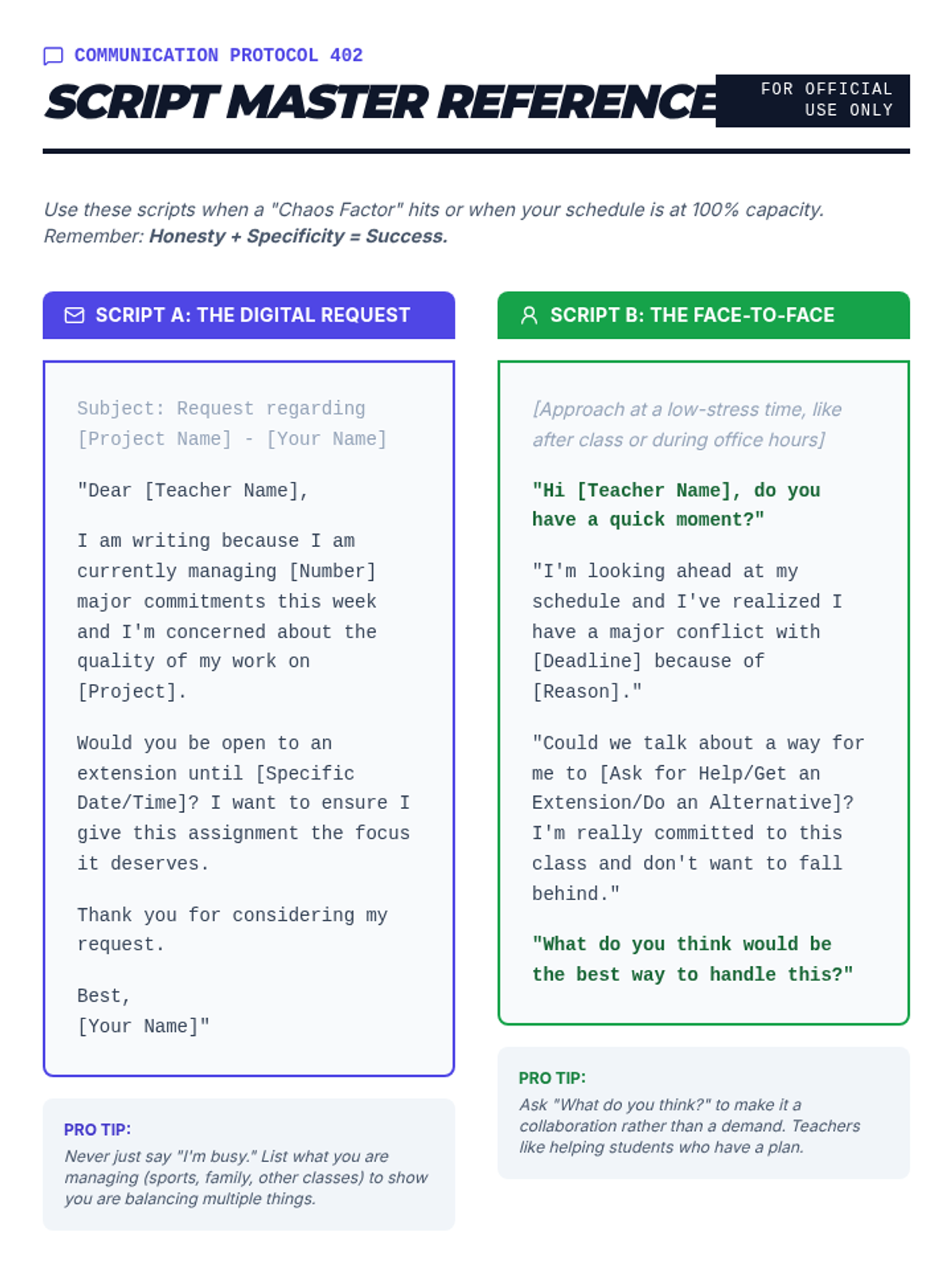
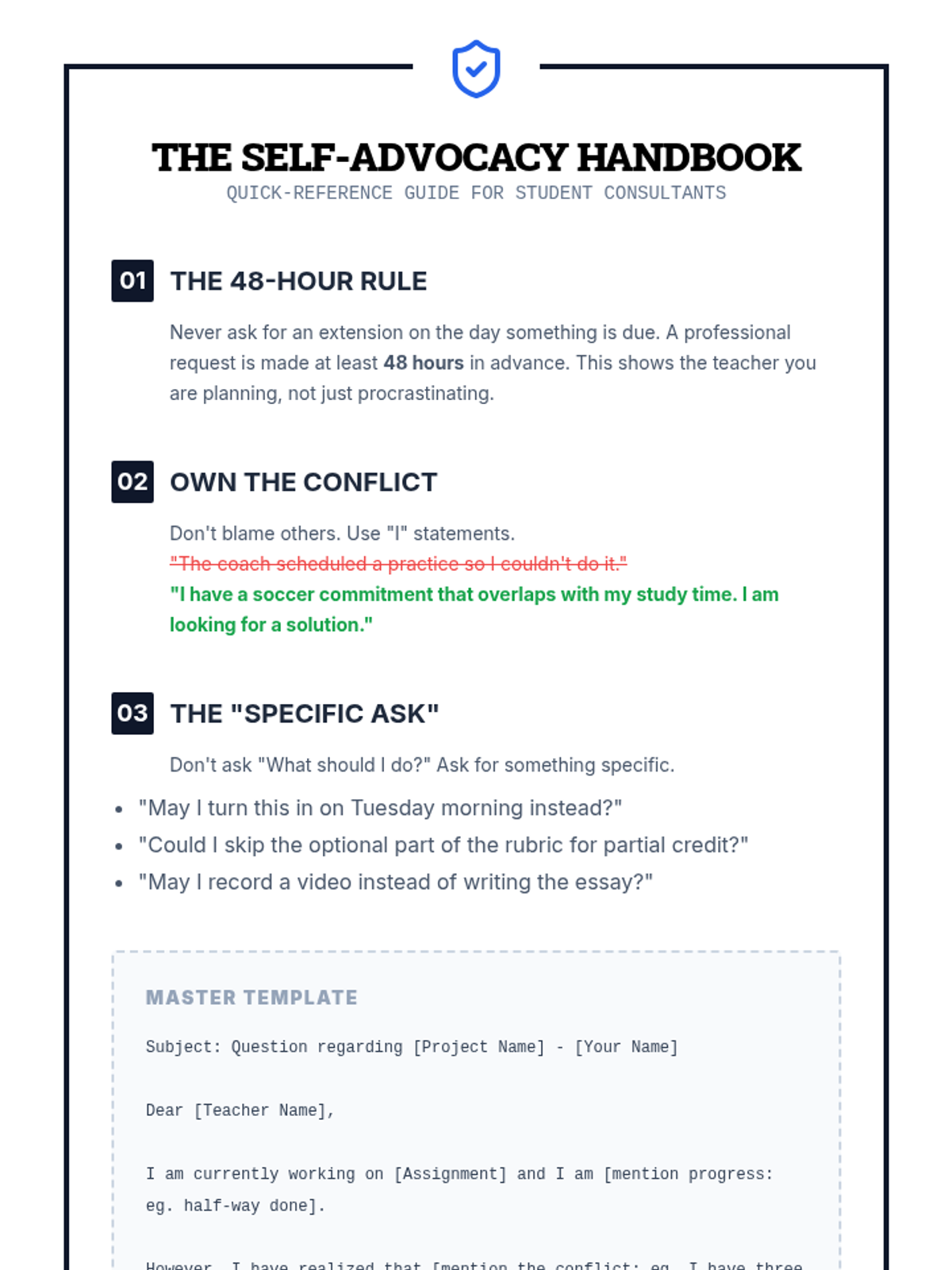
Focuses on professional communication and the distinction between hard and soft deadlines. Students practice scripts to negotiate extensions and help before a crisis occurs.
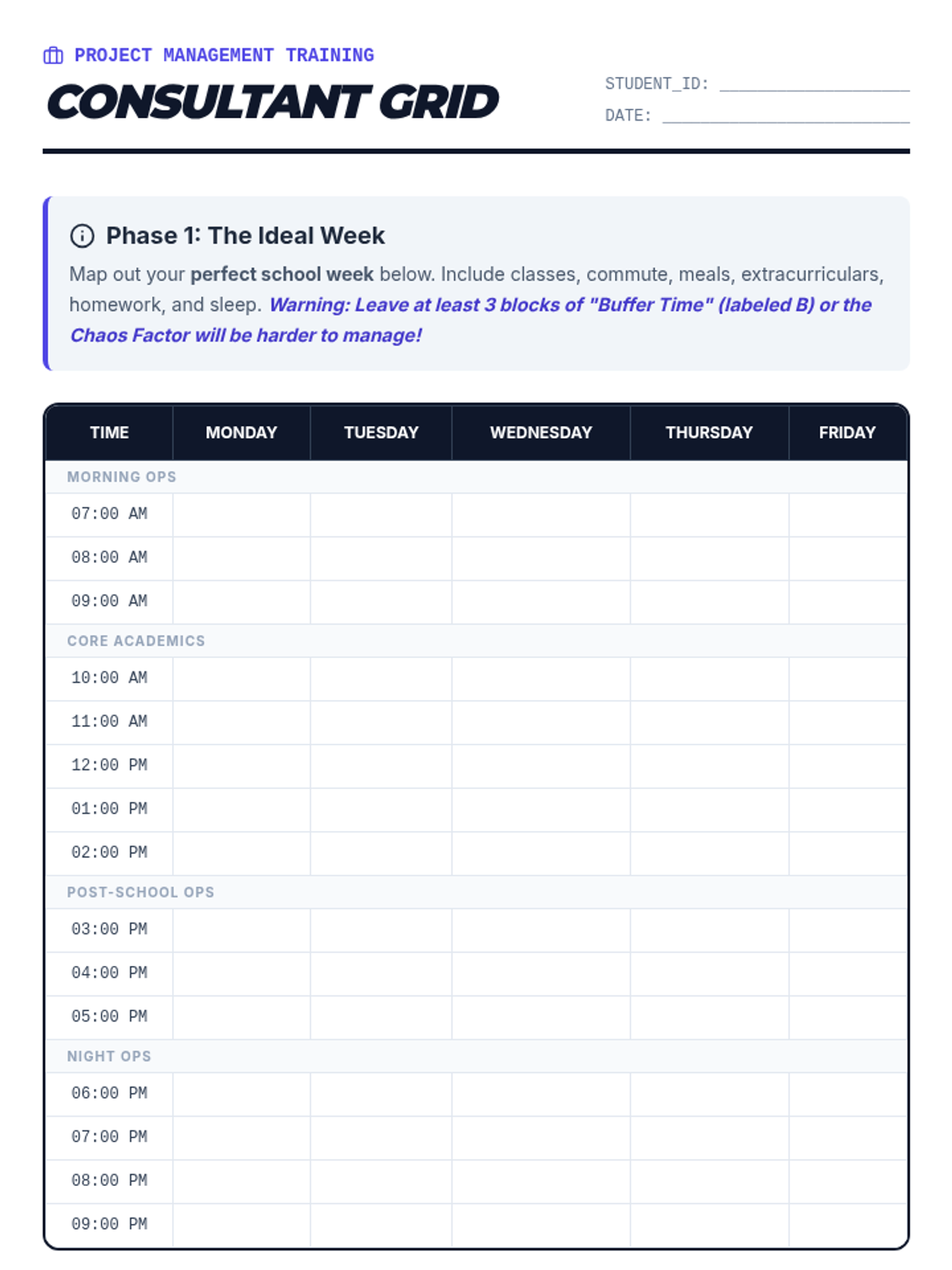
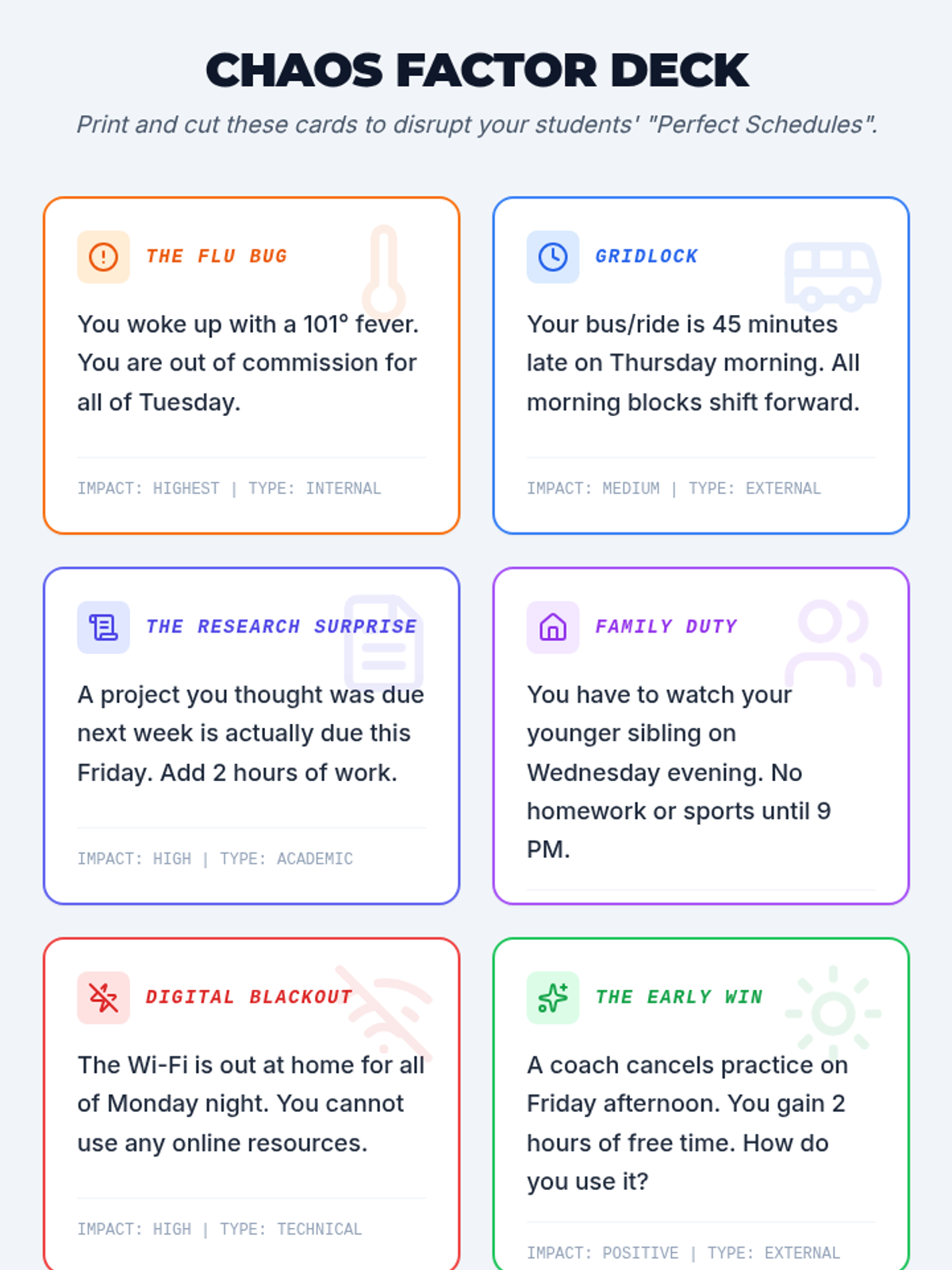
Students design an ideal weekly schedule and are immediately introduced to the 'Chaos Factor'—unpredictable life events that disrupt plans. They identify the need for buffer time and flexible scheduling.
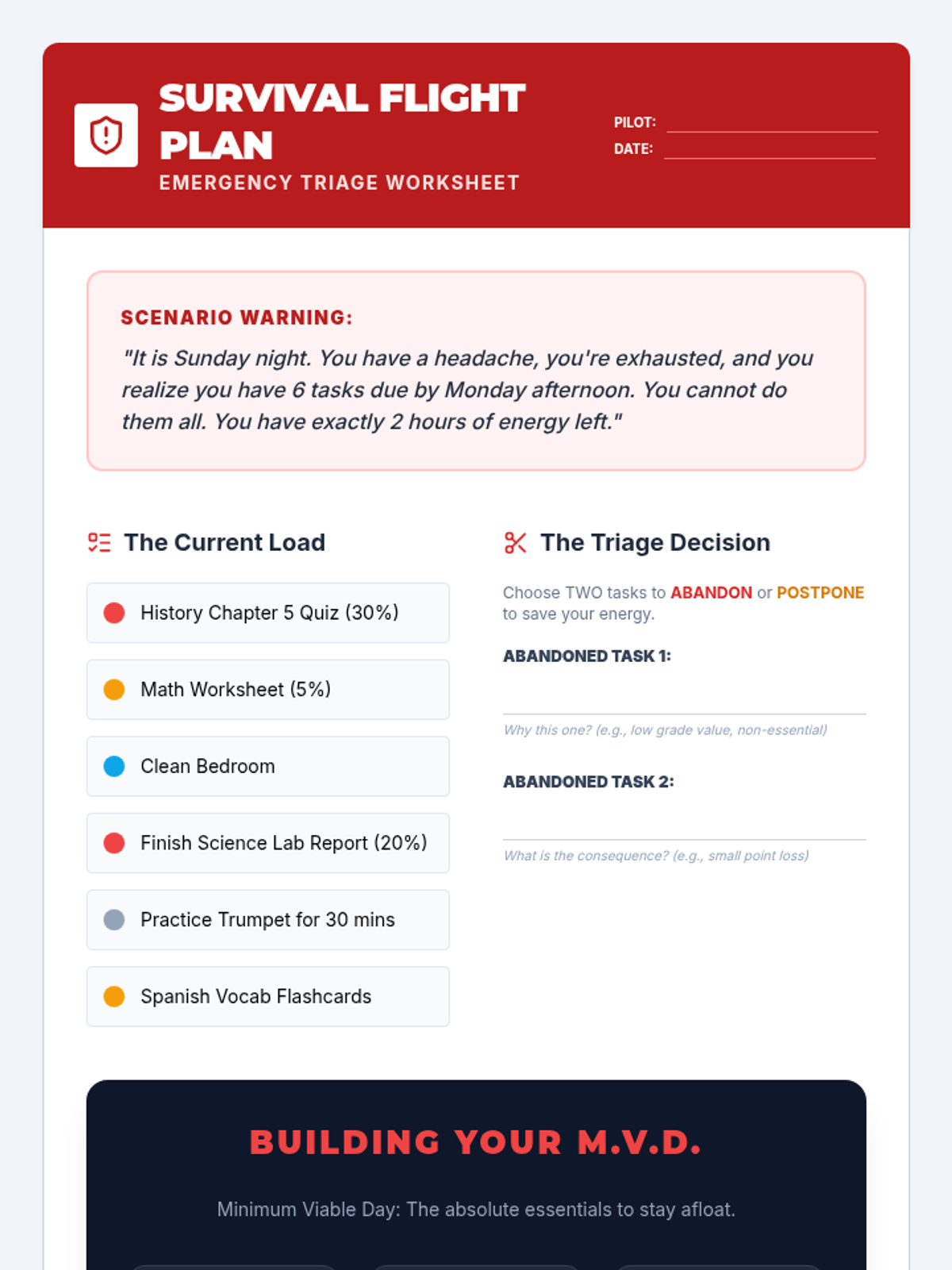
Students develop emergency 'triage' strategies and create a 'Minimum Viable Day' plan for maintaining performance during periods of high stress or illness.
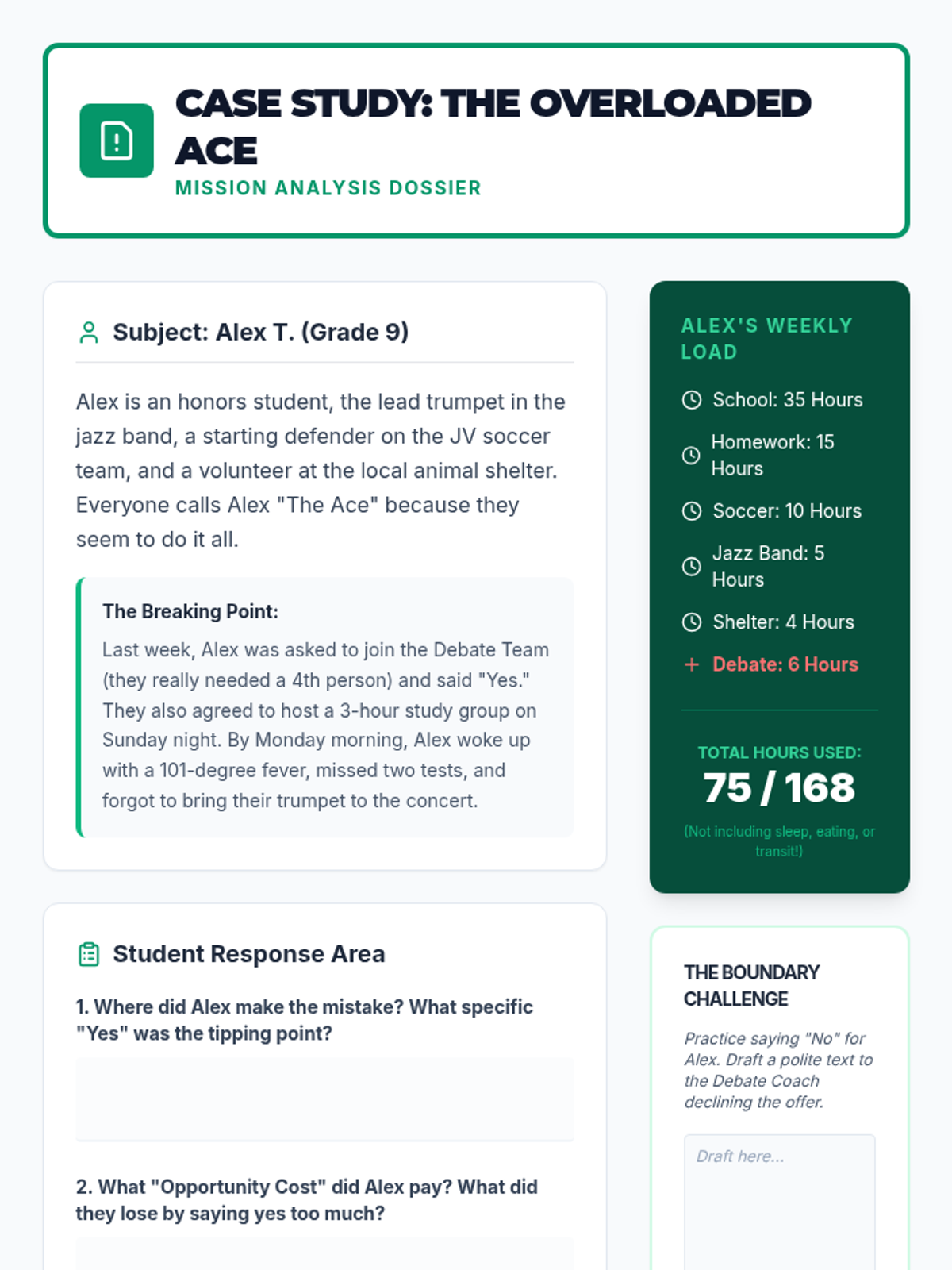
Students explore the concept of opportunity cost and practice strategies for politely but firmly declining optional commitments.
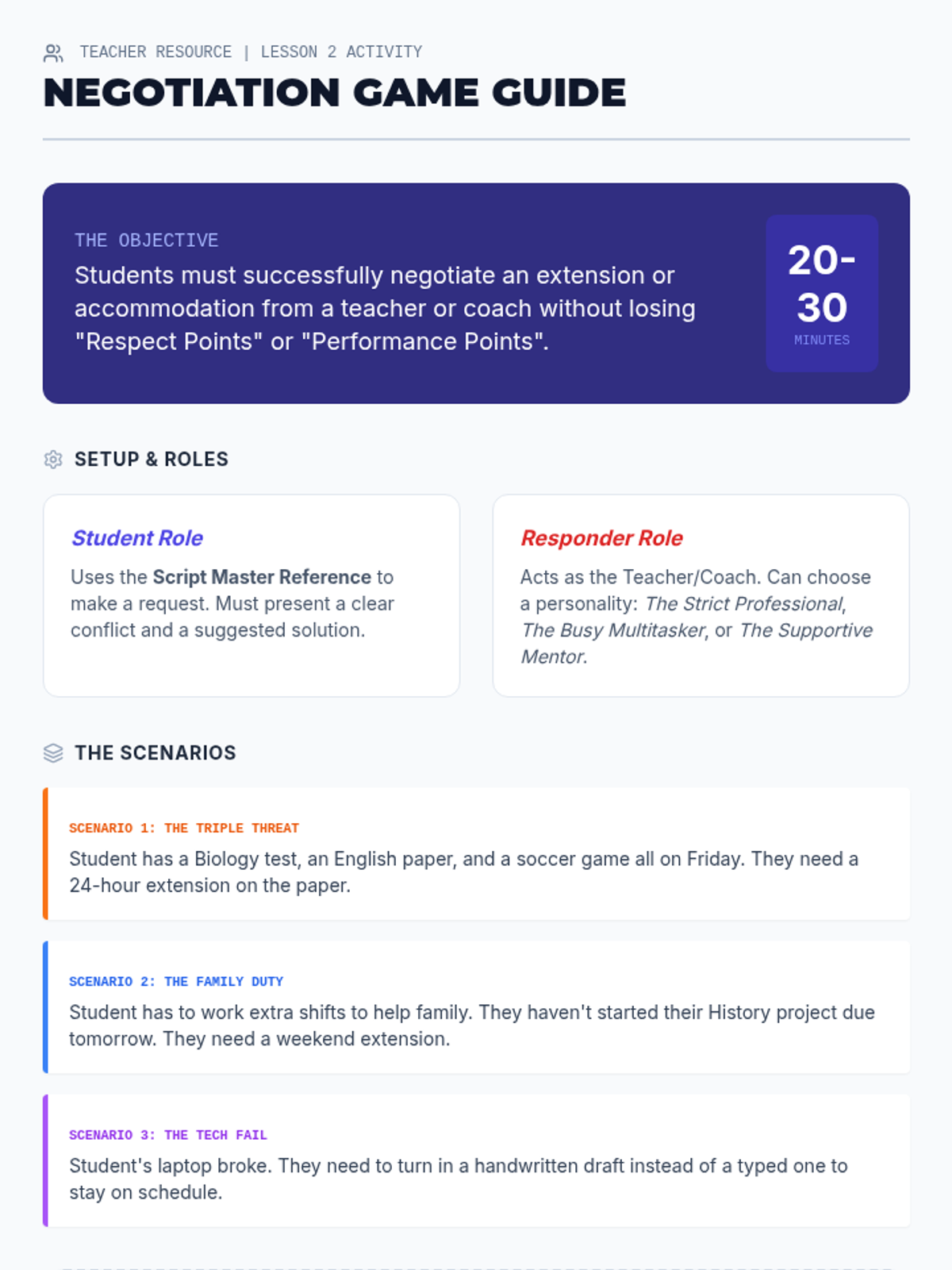
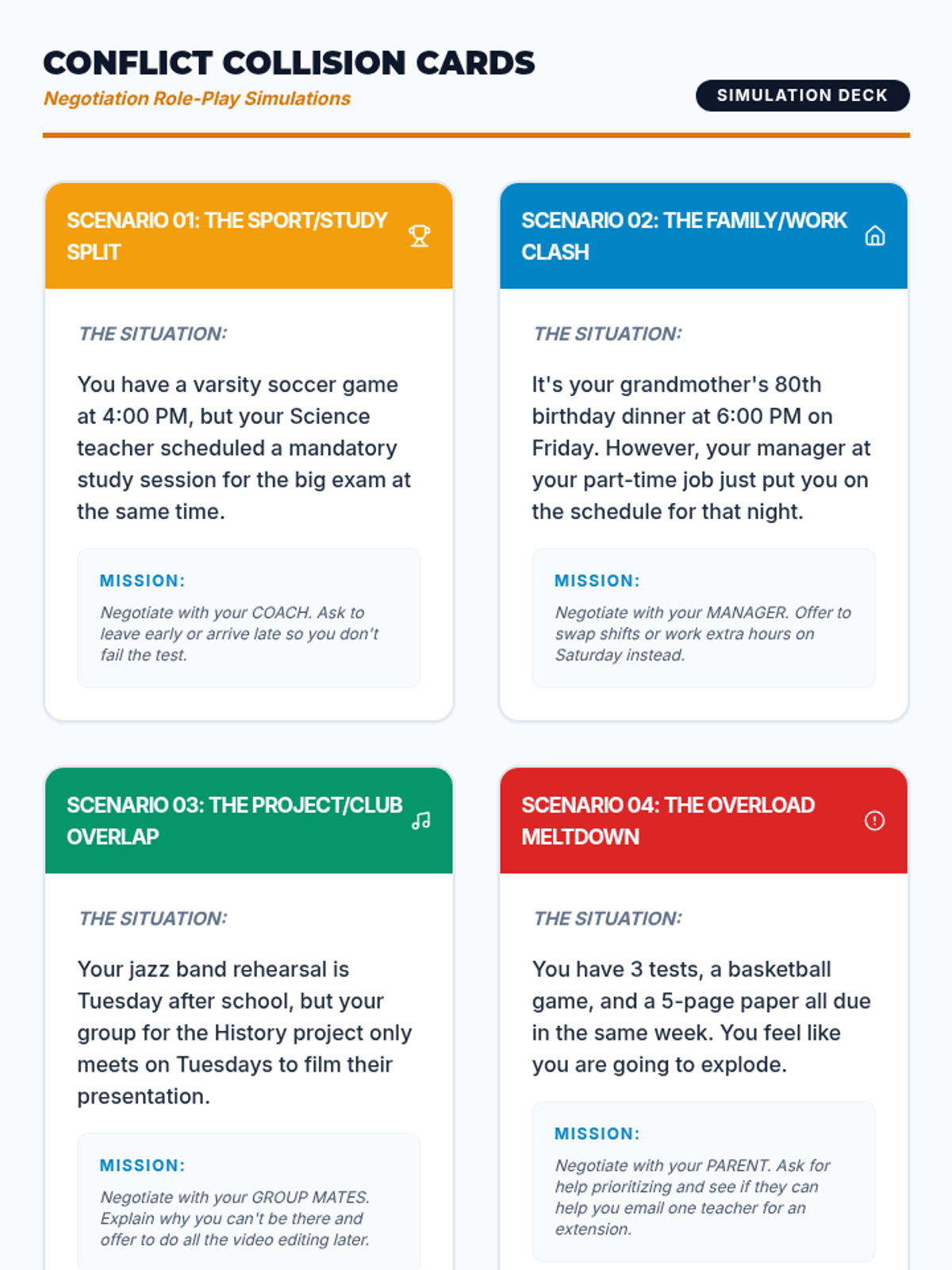
Through role-play and simulation, students practice face-to-face negotiations to resolve scheduling conflicts between multiple commitments.
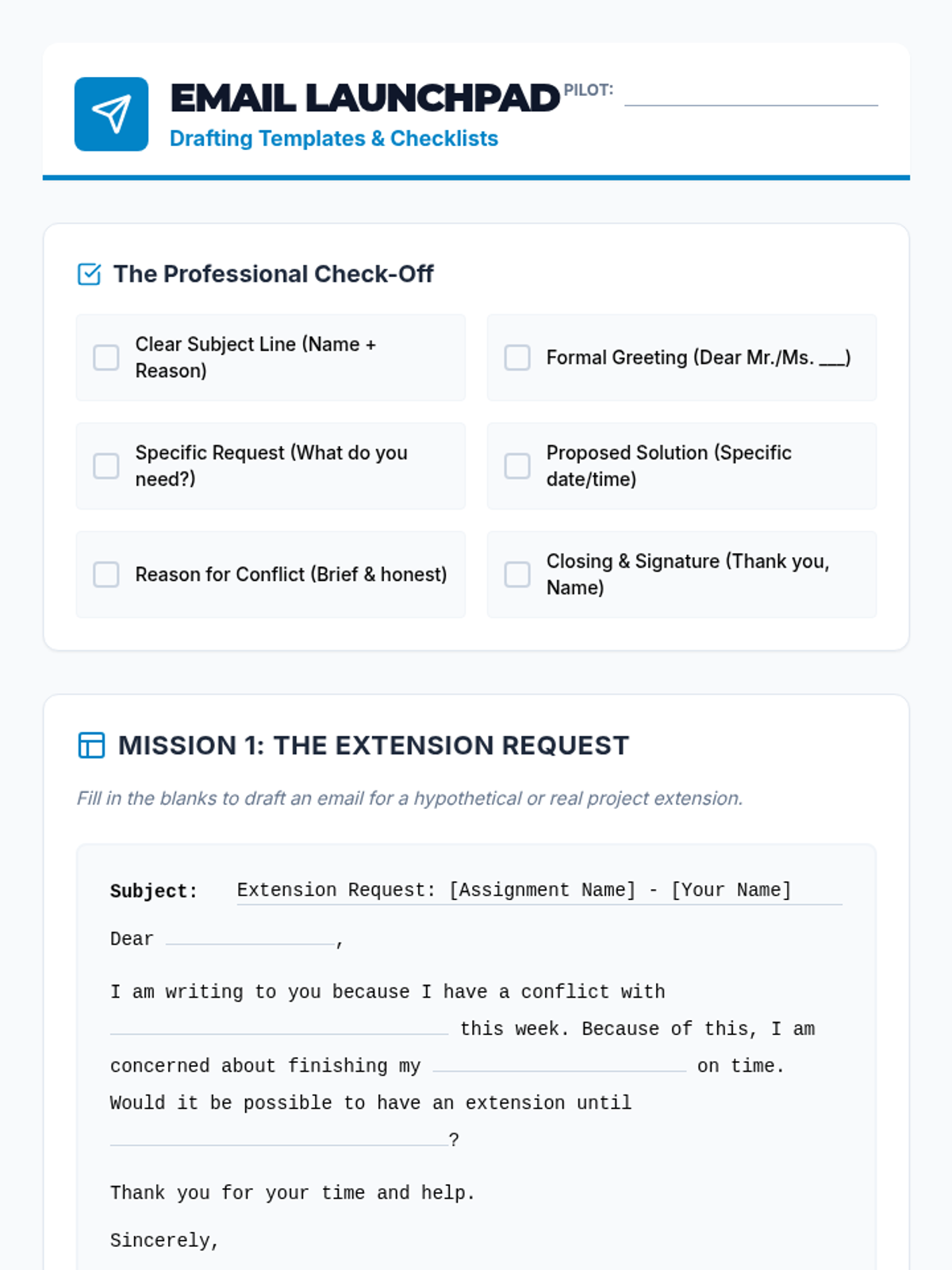
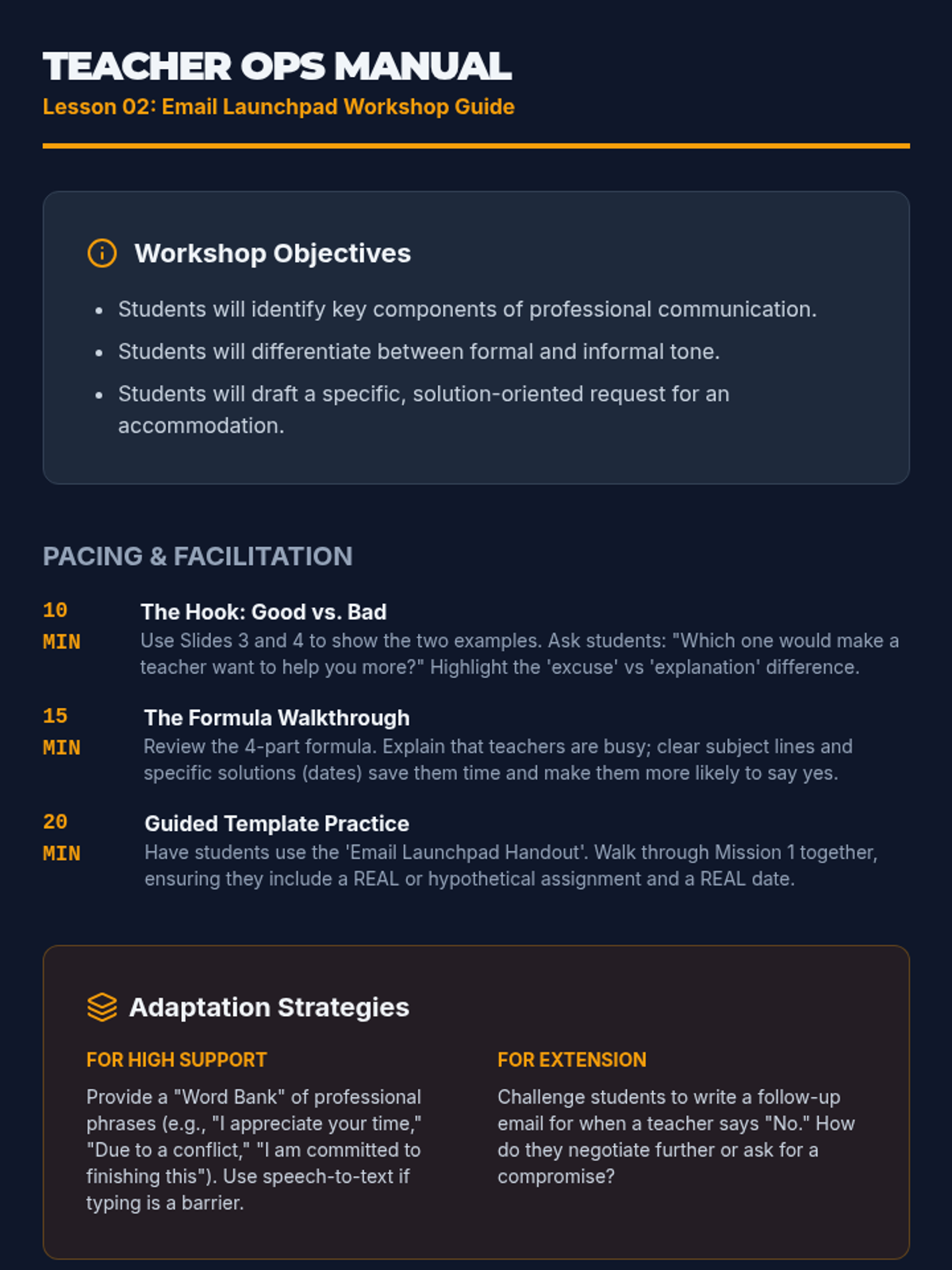
Students master the art of professional email communication, learning to draft responsible and clear requests for extensions or accommodations.
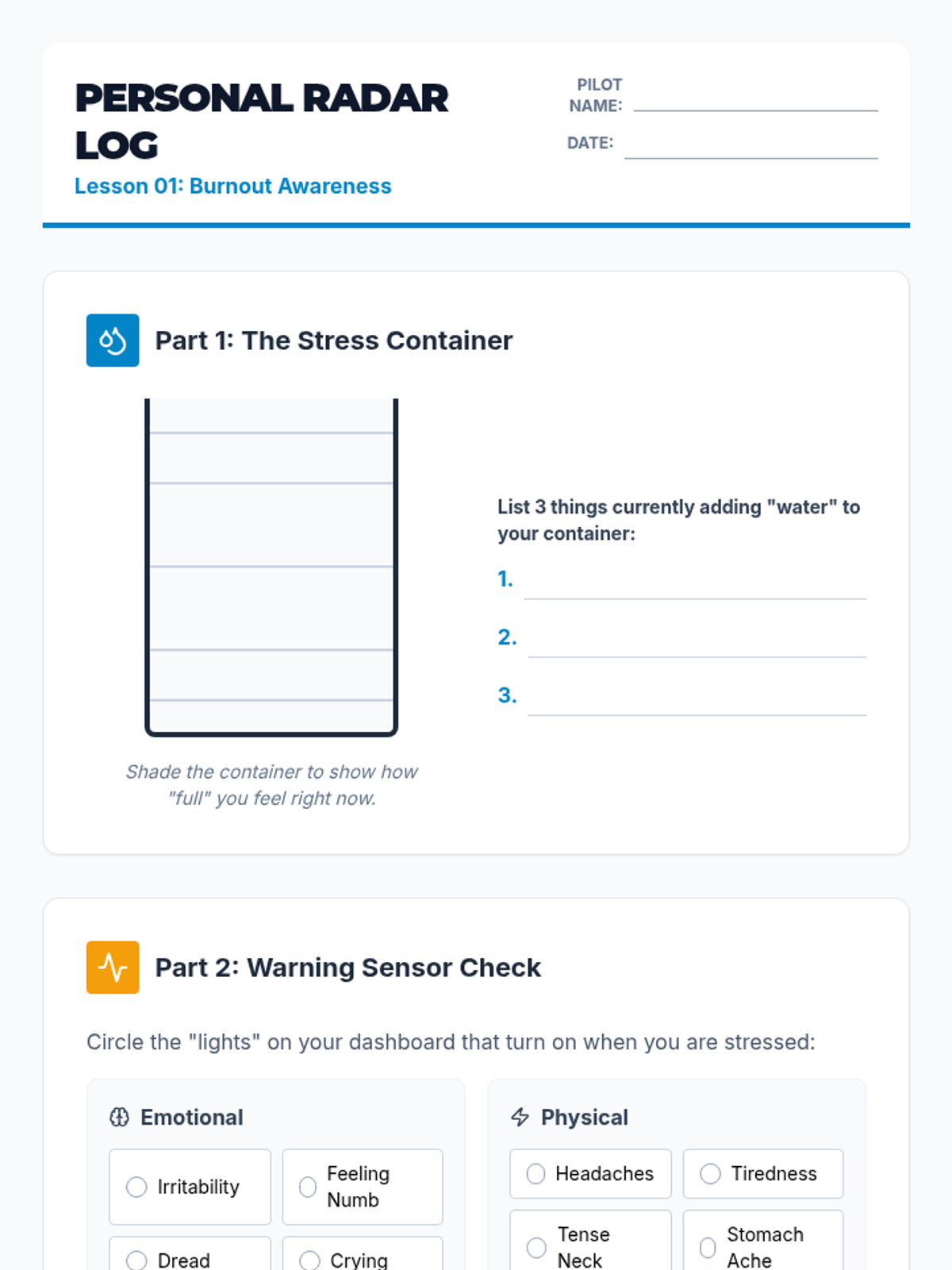
Students identify physical and emotional signs of burnout and use the 'Stress Container' visualization to understand their personal capacity and tipping points.
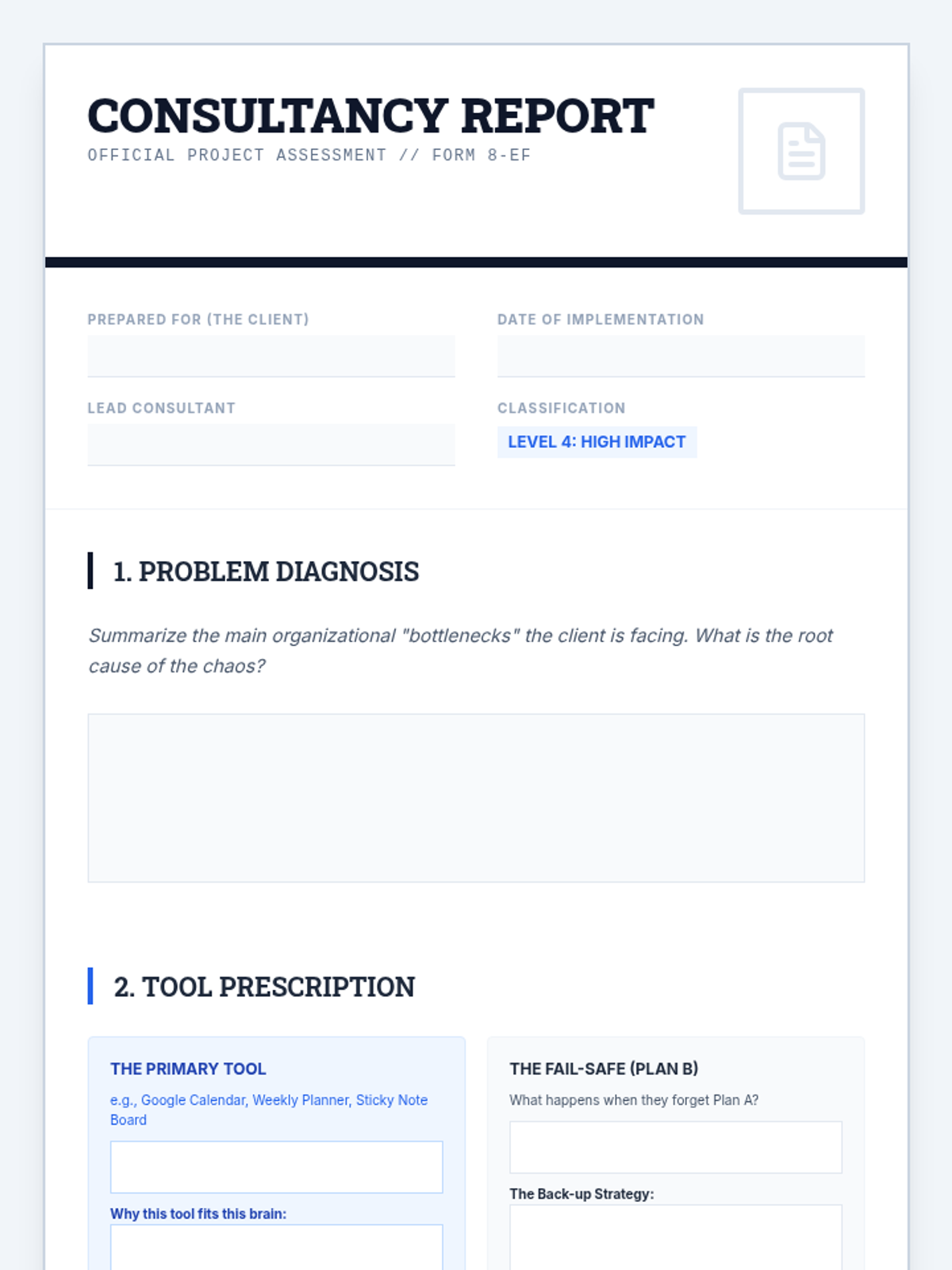
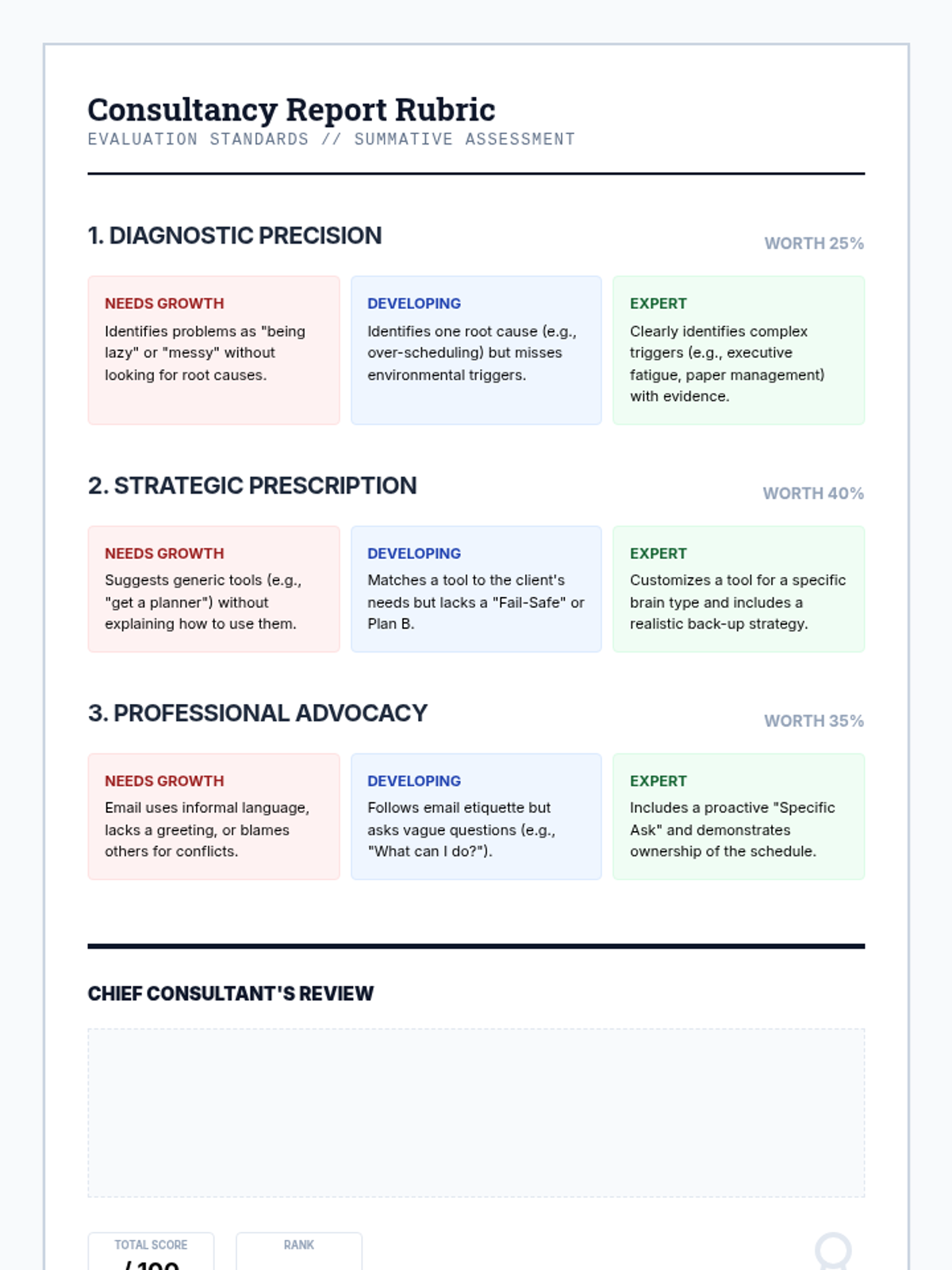
A cumulative assessment where students produce a final 'Consultancy Report' prescribing a comprehensive organizational plan for a client or themselves.
Students evaluate and pitch various organizational tools, from digital apps to paper checklists, learning to match specific scaffolds to different brain types.
Explores the emotional roots of procrastination and provides concrete strategies like the 5-minute rule to break the cycle of avoidance.
Focuses on professional communication and self-advocacy, teaching students how to request support and extensions effectively before deadlines pass.
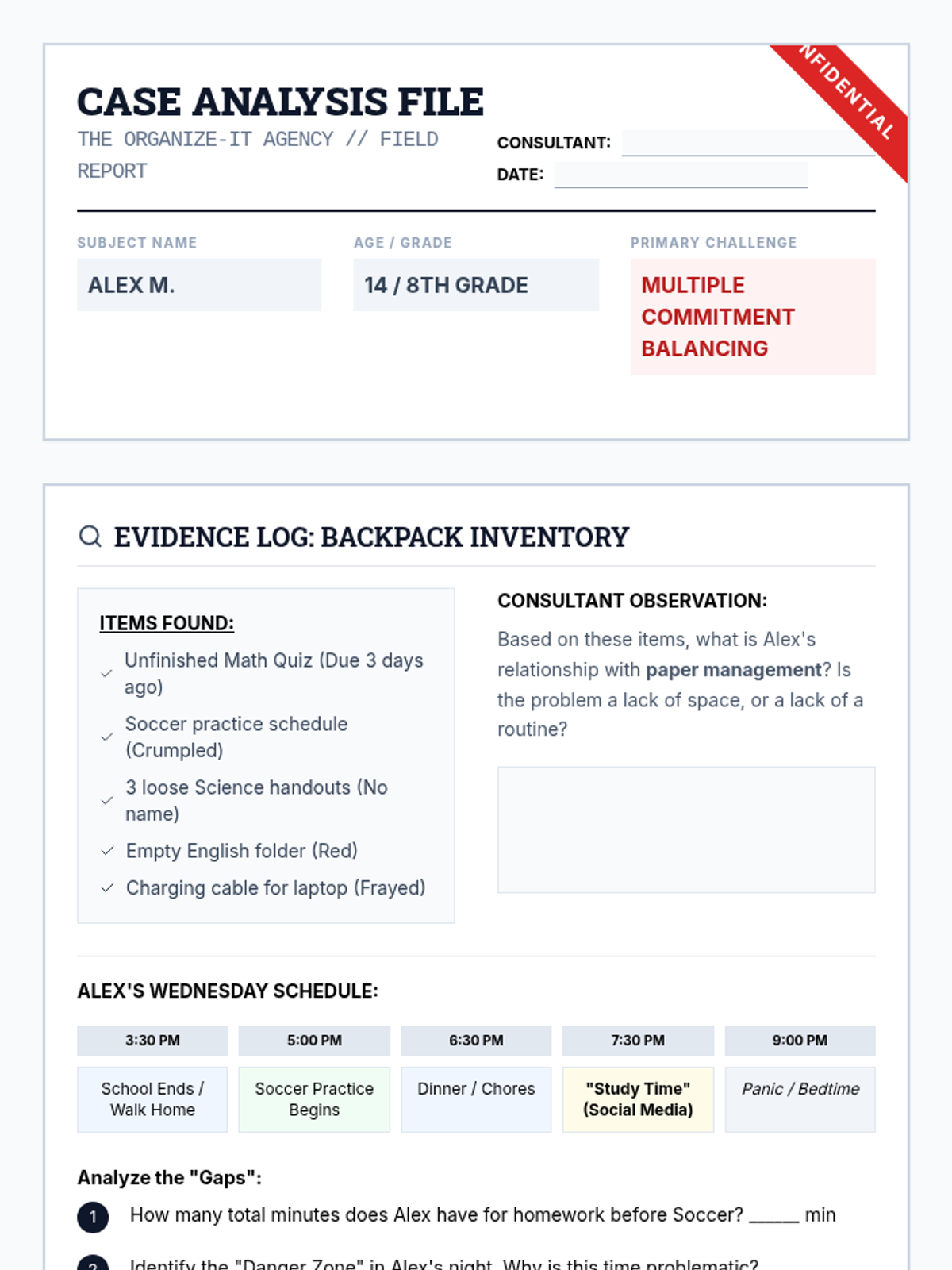
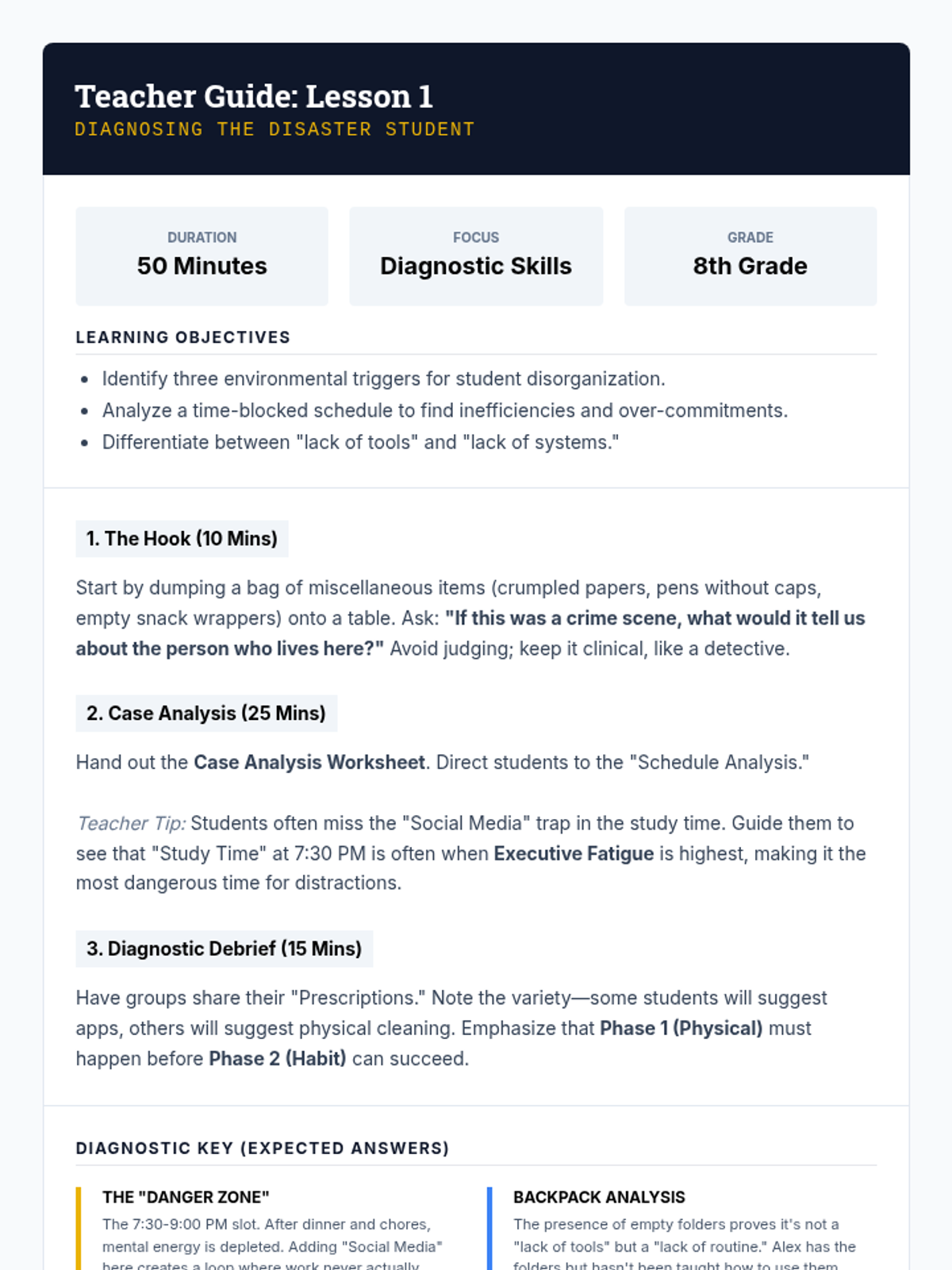
Students step into the role of consultants to analyze a 'disaster' case study, examining a fictional student's backpack and schedule to diagnose root causes of disorganization.
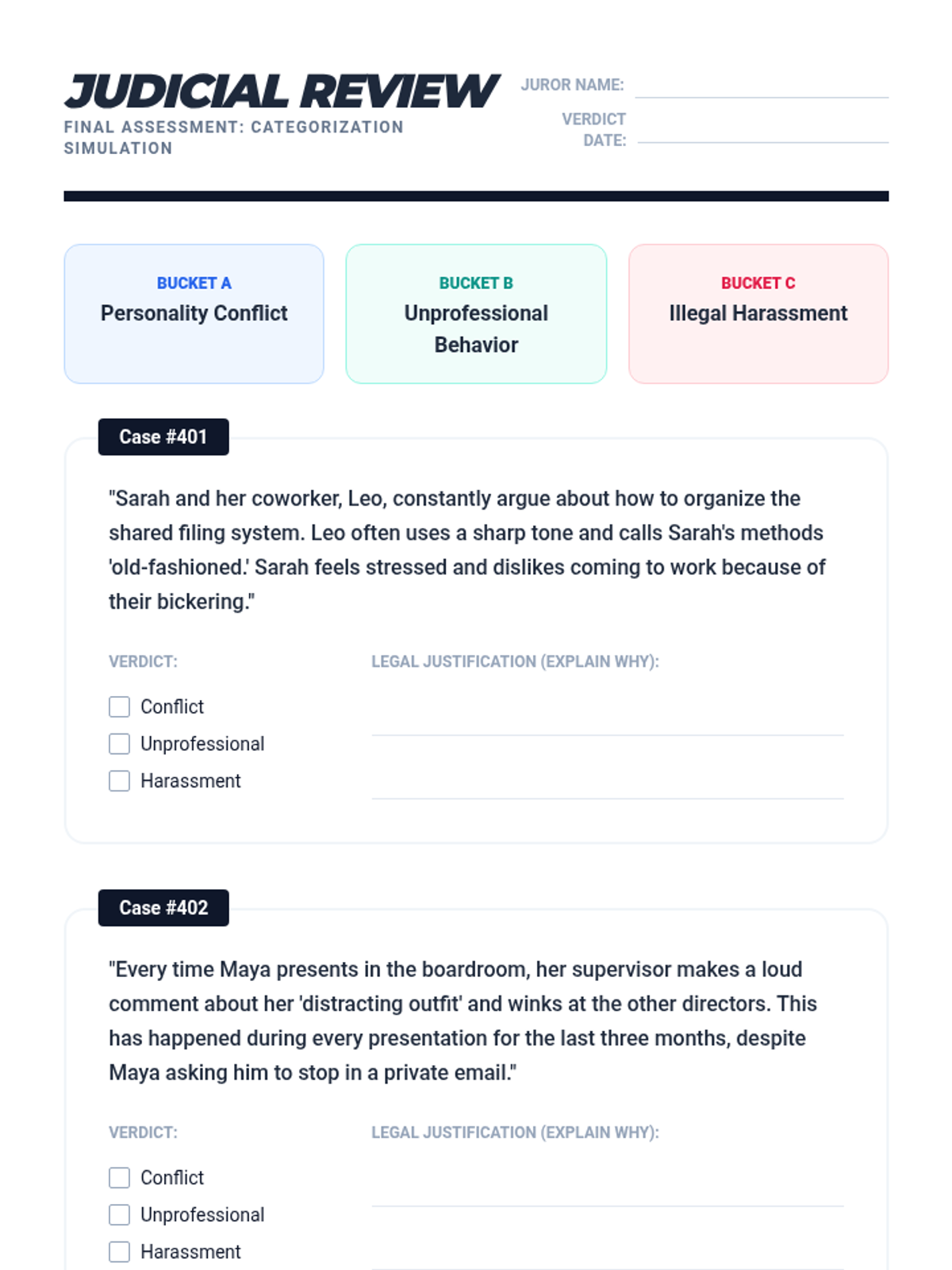
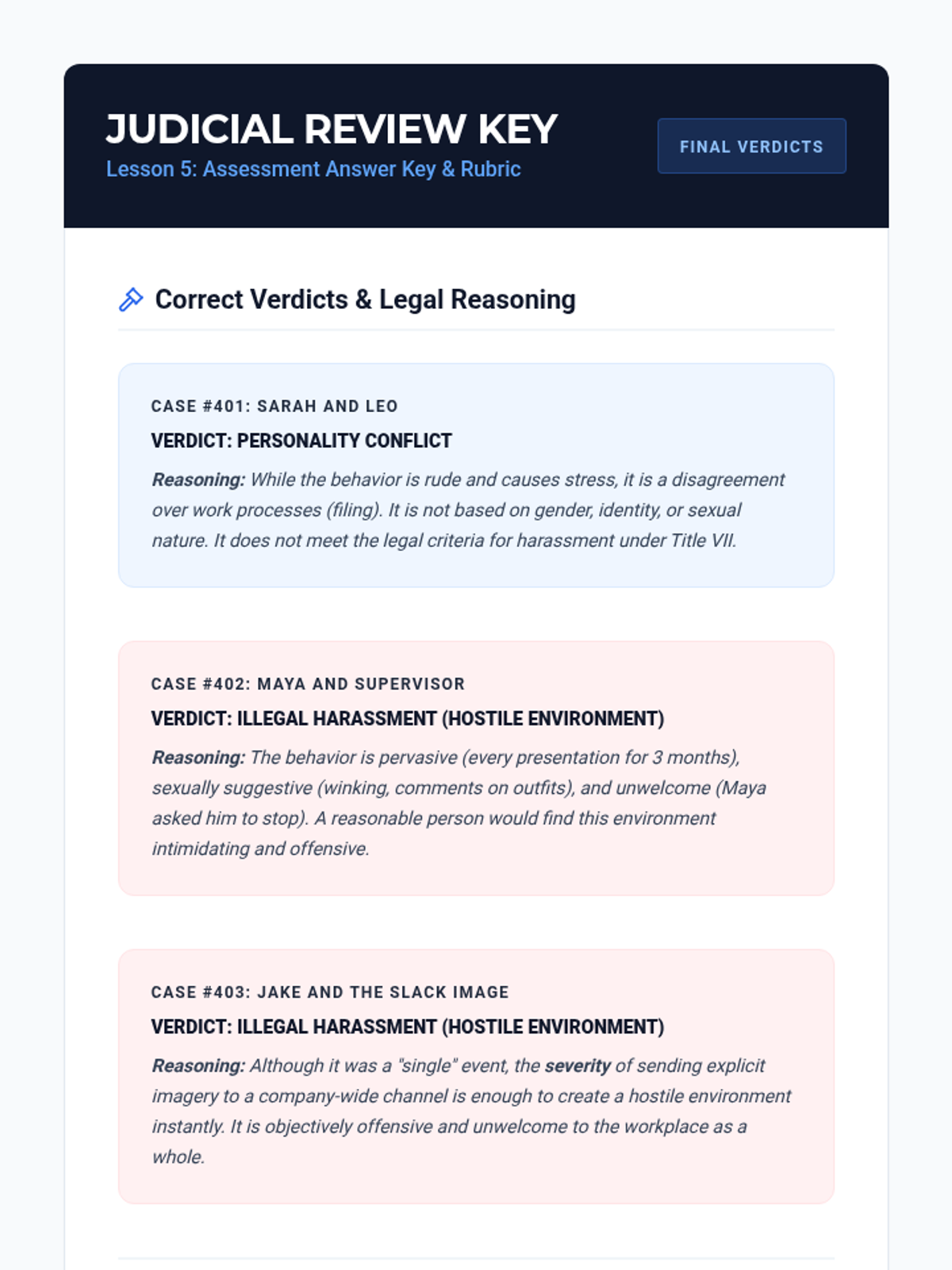
Students participate in a 'judicial review' simulation where they categorize complex scenarios as 'Personality Conflict,' 'Unprofessional,' or 'Illegal Harassment.' They must justify their categorization using criteria learned in the sequence.
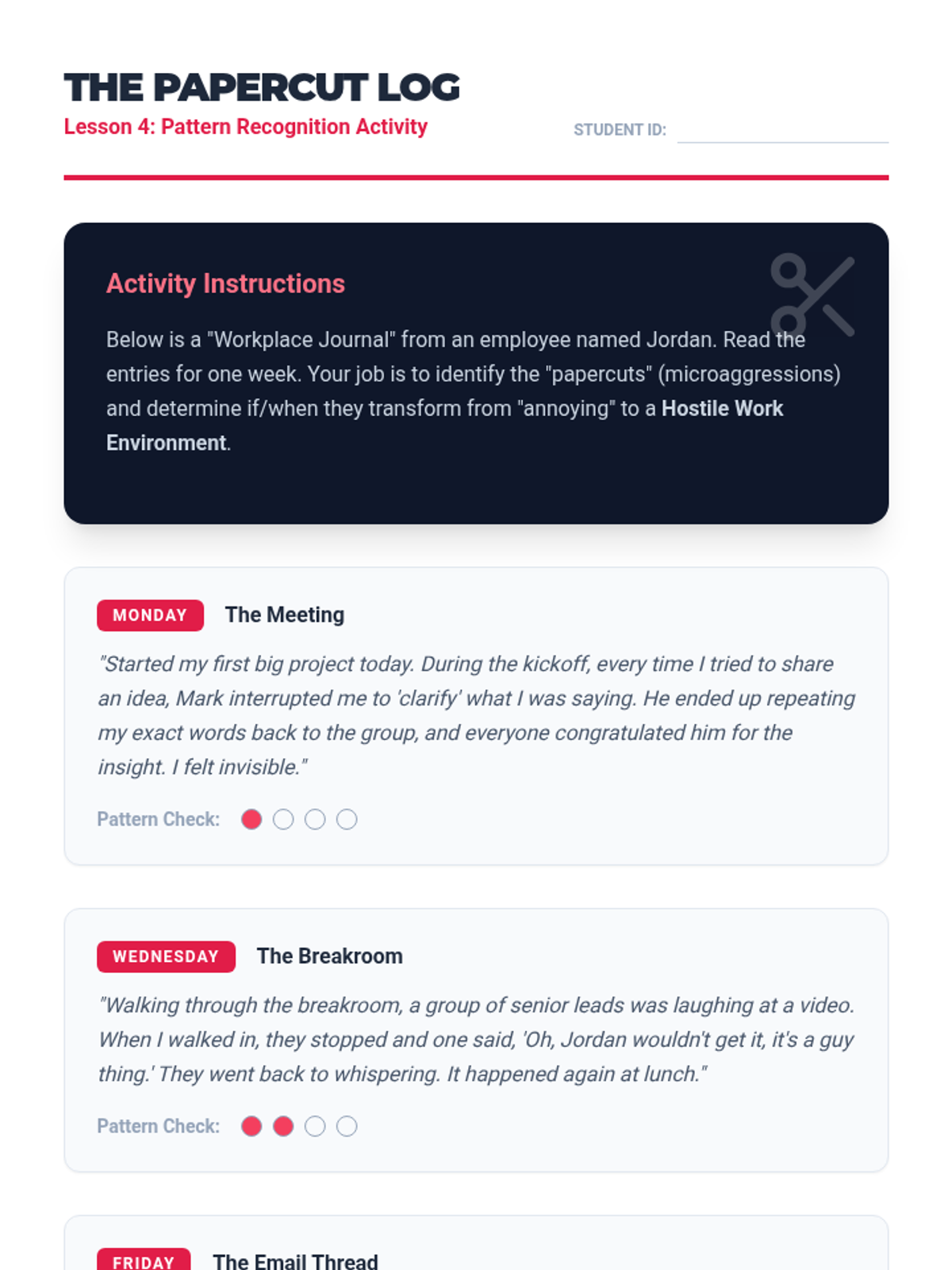
Students examine how microaggressions contribute to a hostile work environment over time. The lesson emphasizes recognizing patterns of behavior that may not be explicit harassment in isolation but become toxic cumulatively.
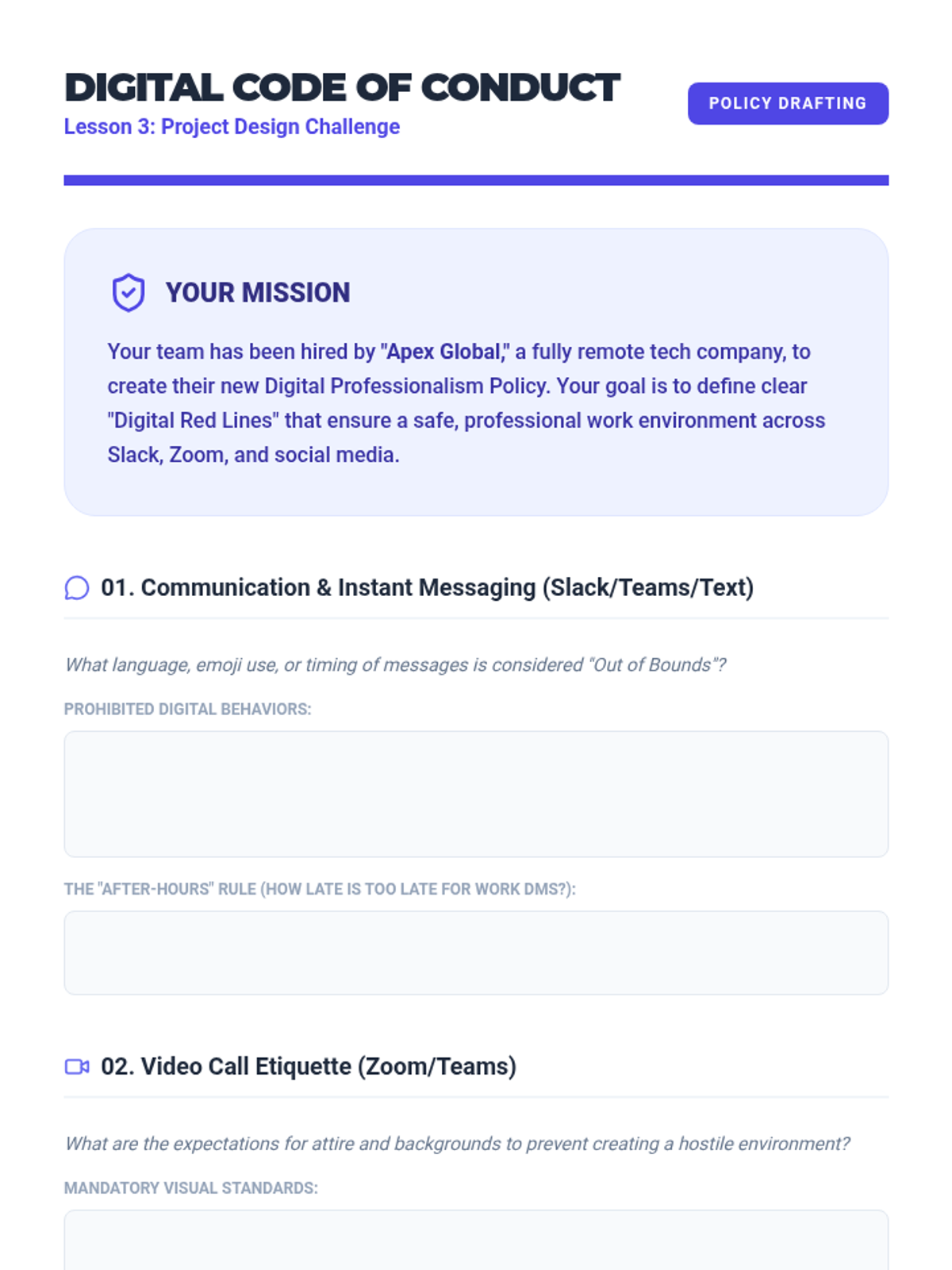
Students explore how harassment manifests in remote work and digital spaces, including inappropriate texts, emails, and social media interactions. They develop a code of conduct for digital professional communication.
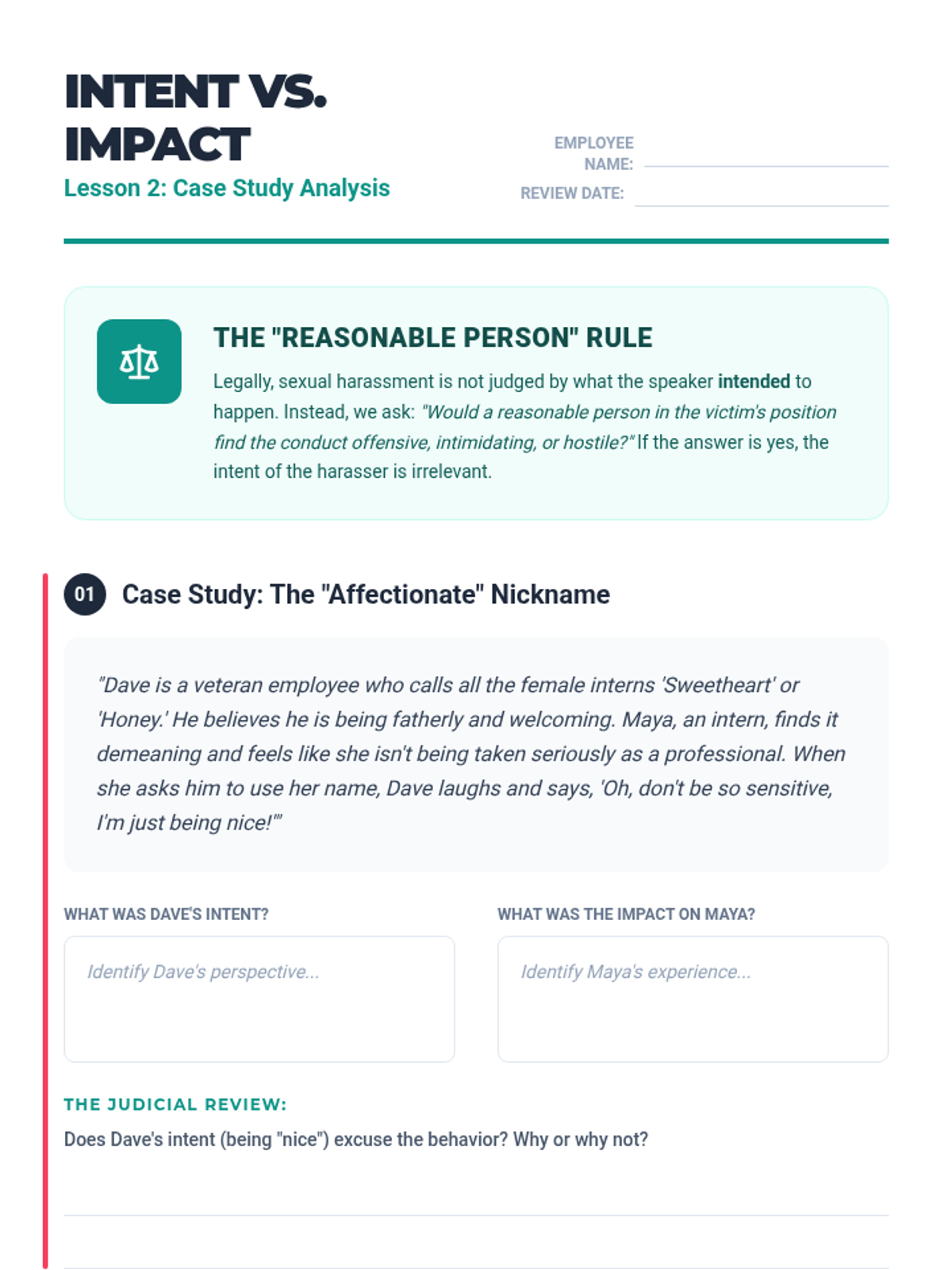
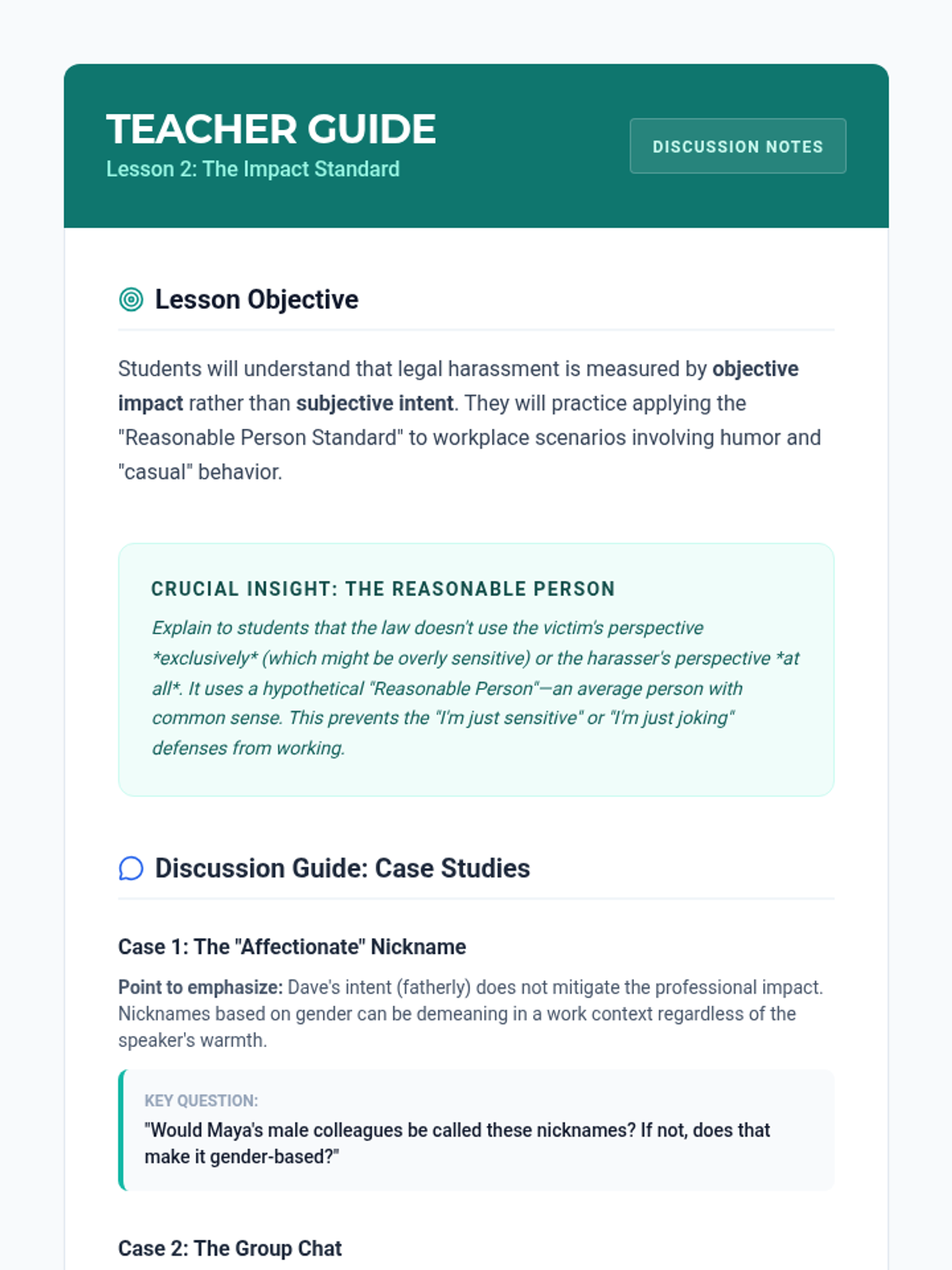
This lesson focuses on the legal standard that harassment is judged by its impact on the victim, not the intent of the harasser. Students review scenarios where 'jokes' constitute harassment.
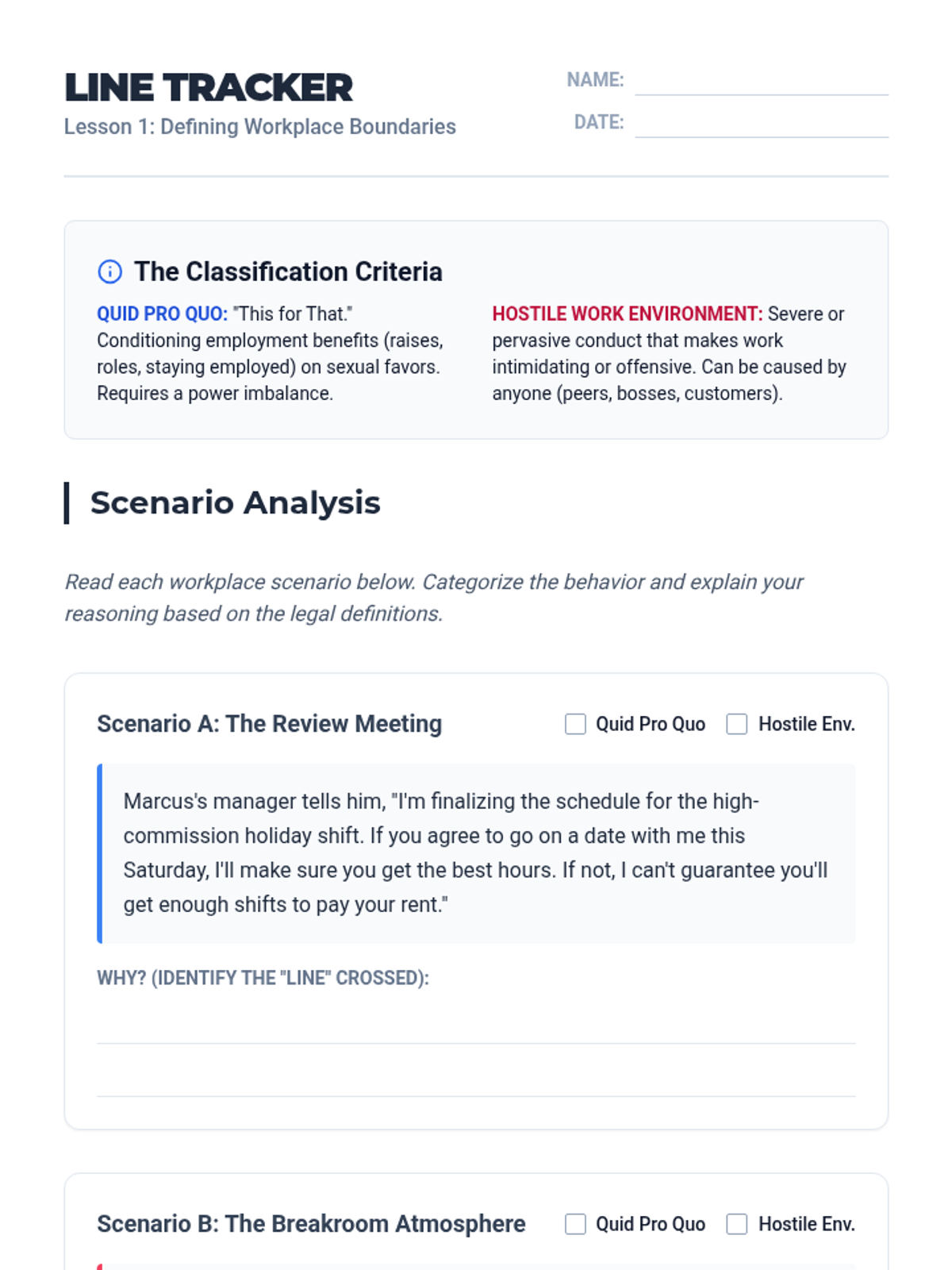
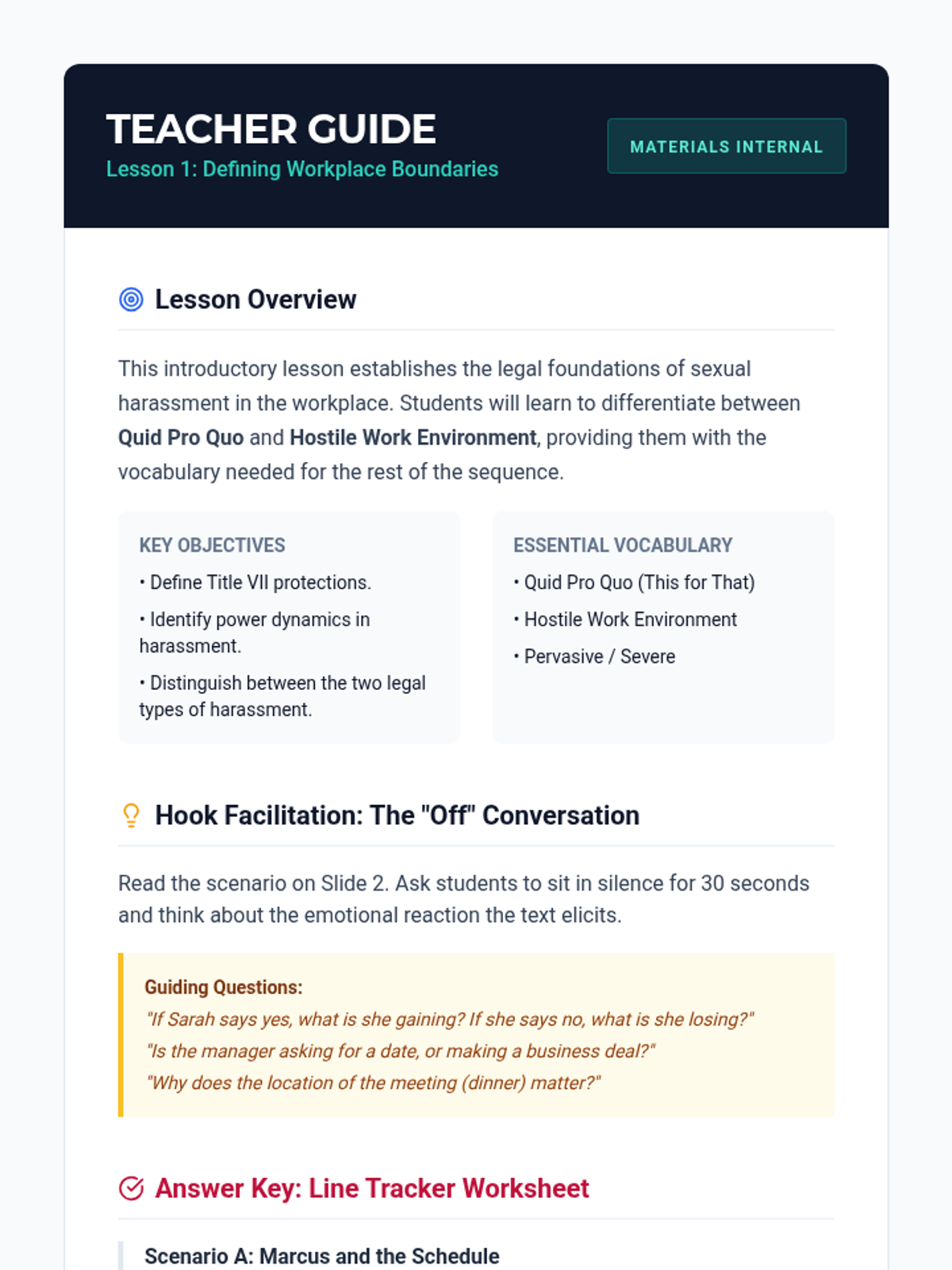
Students distinguish between the two primary legal types of sexual harassment: 'this for that' (quid pro quo) and pervasive hostile environments. They analyze clear-cut examples of each to build a working definition.
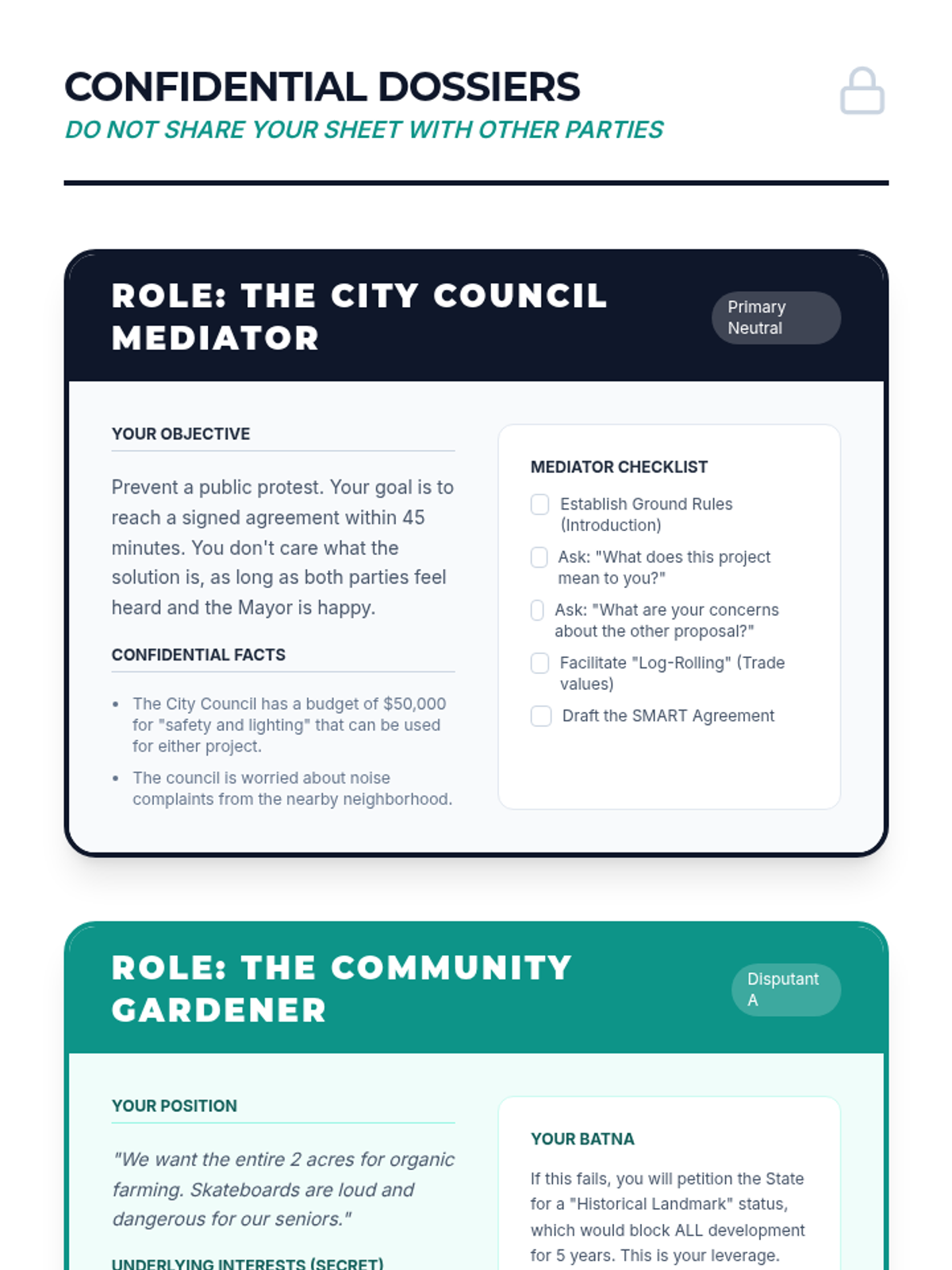
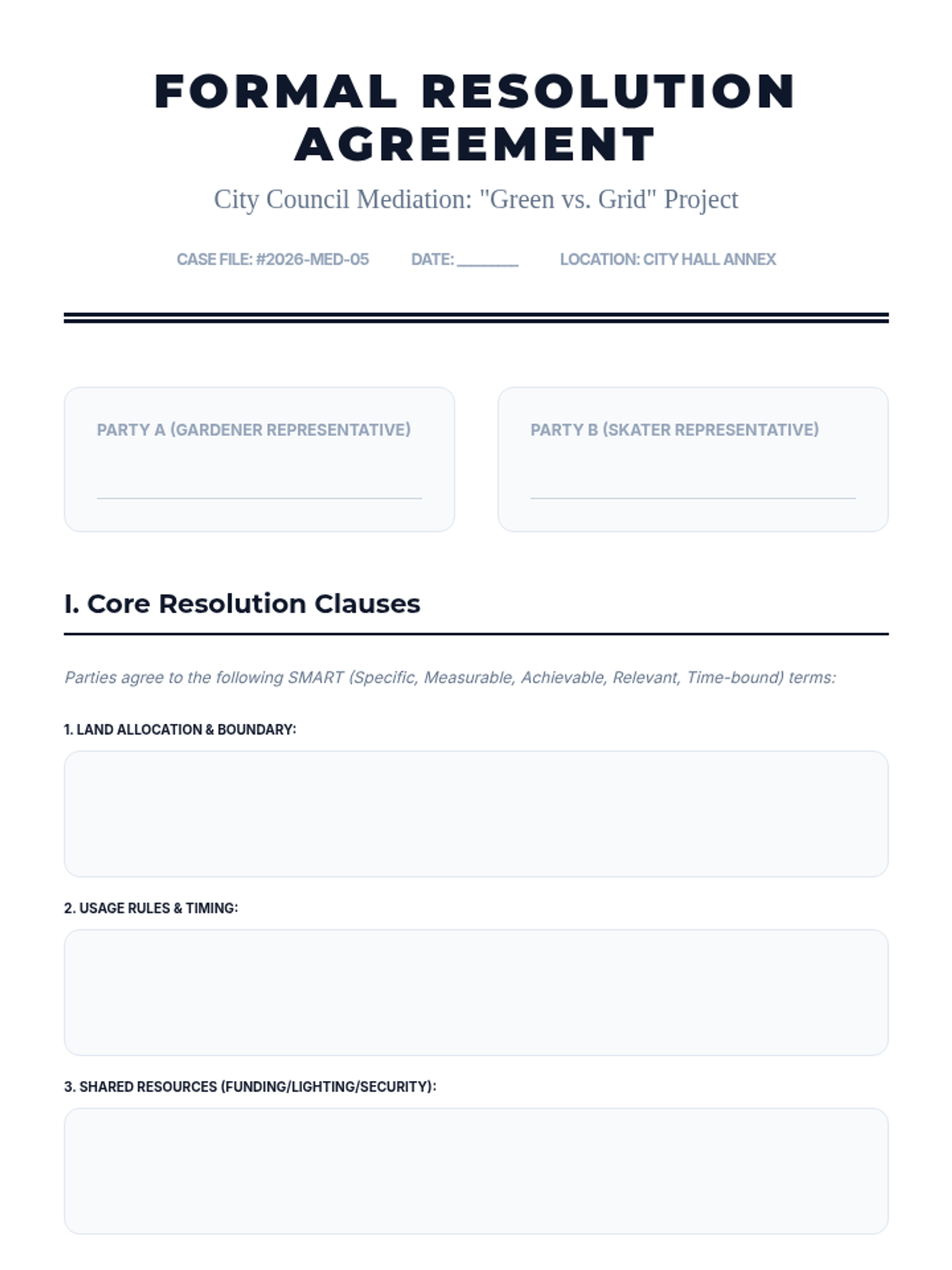
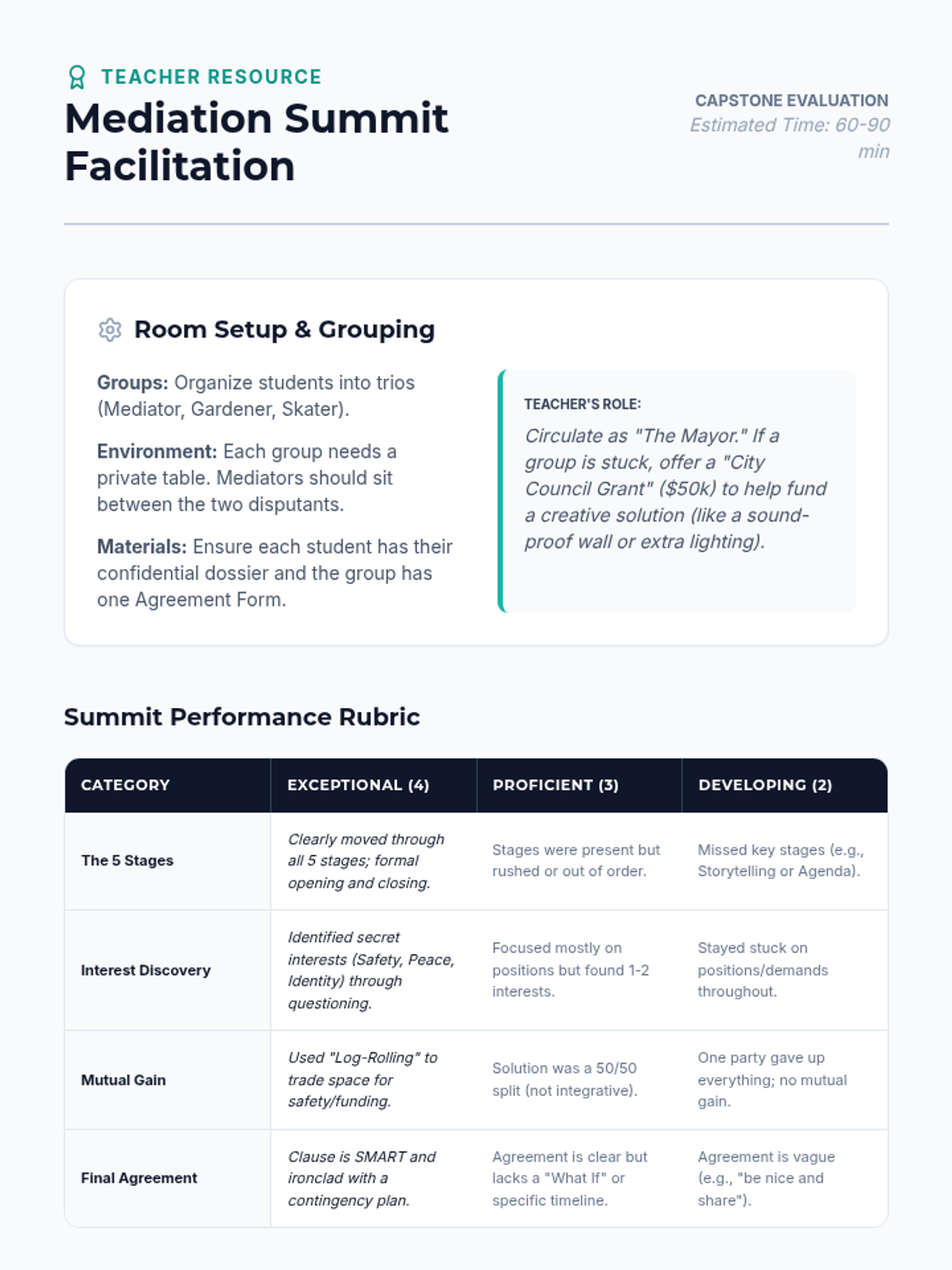
Students assume roles of mediators and disputants in a complex, multi-party dispute scenario (e.g., a land use dispute or school policy change). Mediators must facilitate the process, uncover interests, help generate options, and finalize a written agreement. The lesson focuses on synthesizing all previous frameworks into a cohesive professional performance.
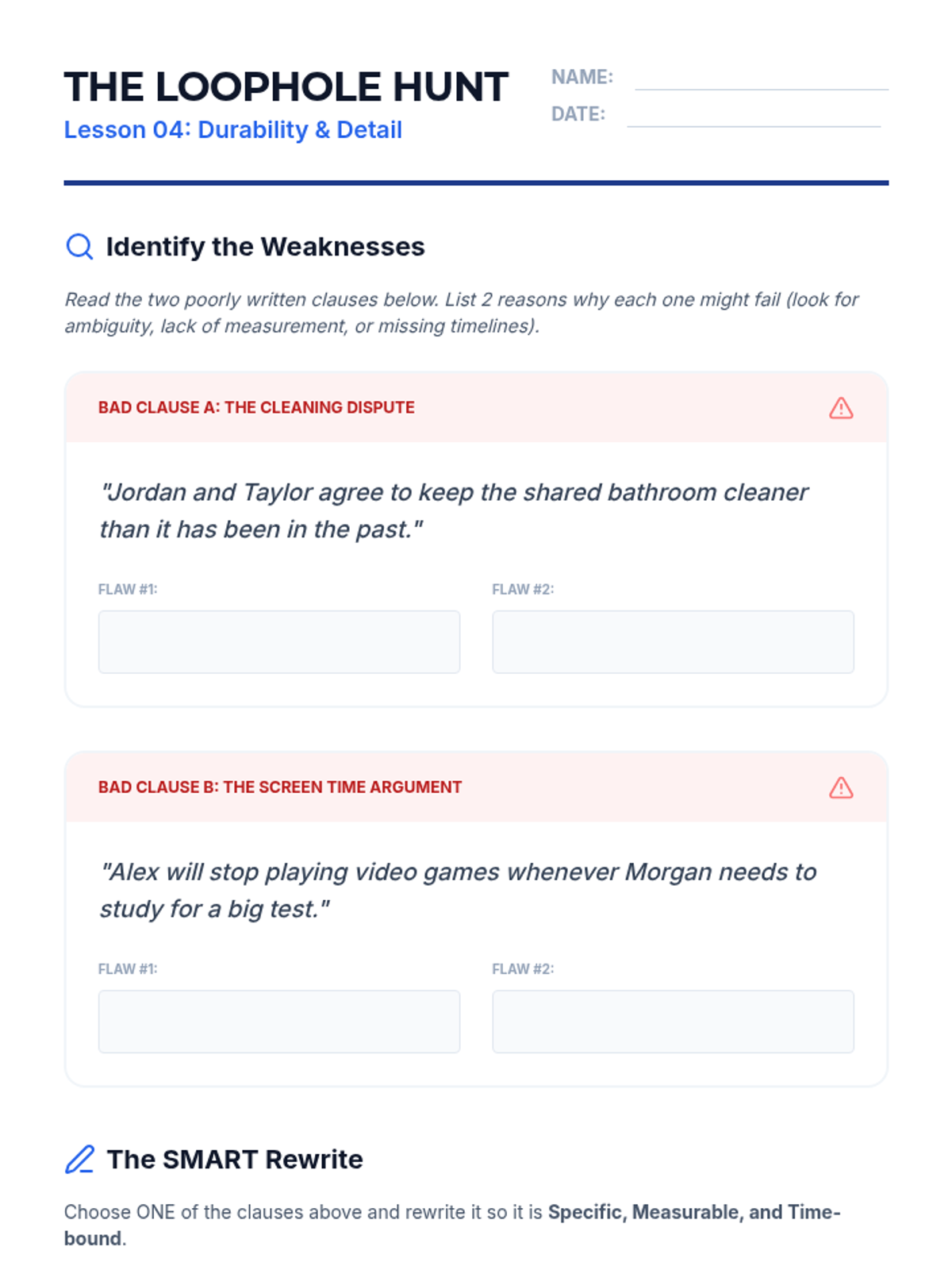
Resolving the conflict is only half the battle; writing a durable agreement is the rest. Students learn the components of a SMART agreement (Specific, Measurable, Achievable, Relevant, Time-bound) in a conflict context. They review failed contracts or treaties to identify loopholes and ambiguity, then practice drafting ironclad resolution clauses.
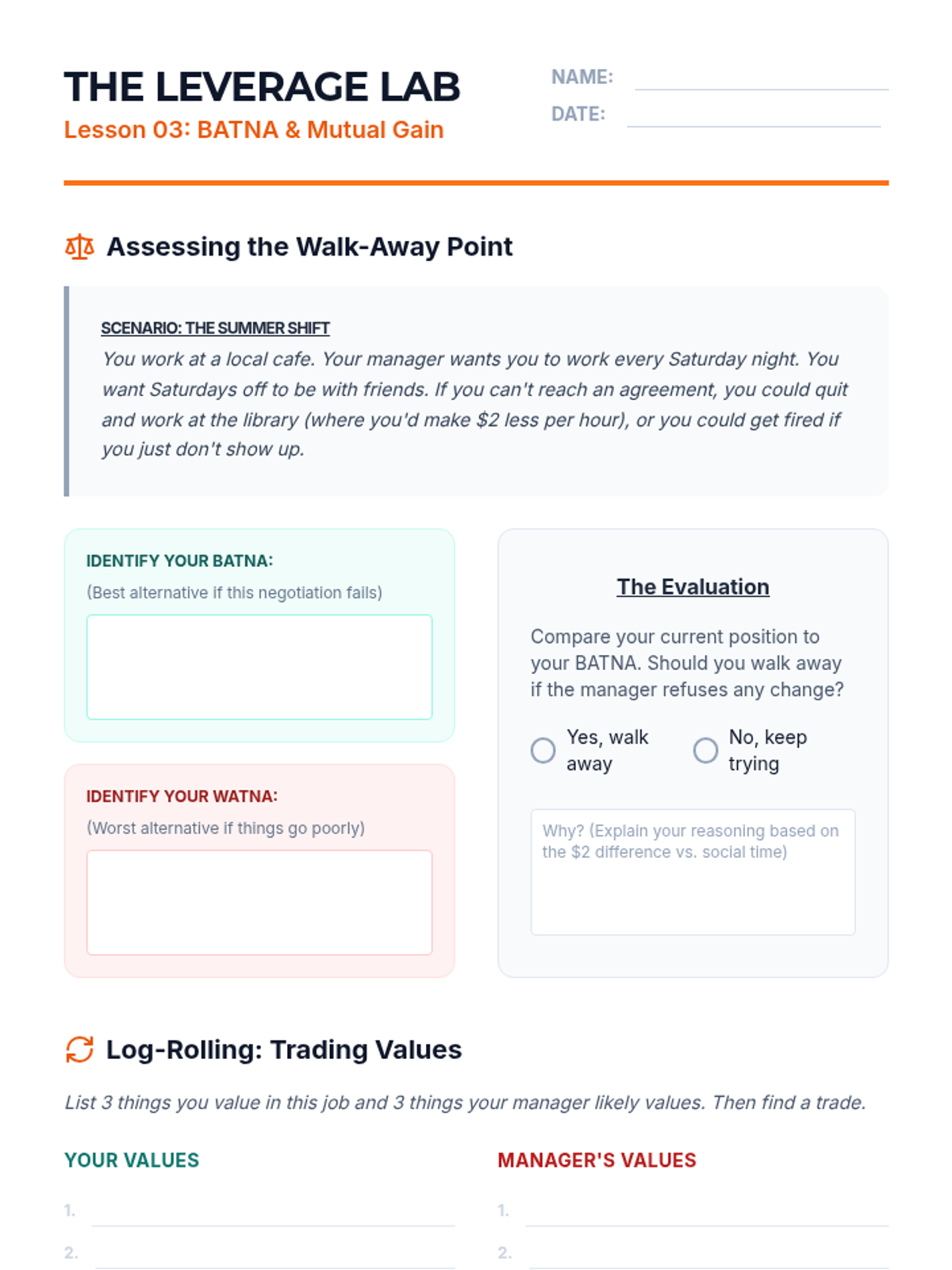
Students practice brainstorming techniques designed to break deadlocks. They learn about BATNA (Best Alternative to a Negotiated Agreement) and WATNA (Worst Alternative) to assess leverage. The class engages in exercises to expand the 'pie' rather than just dividing it, finding creative solutions that satisfy multiple interests.
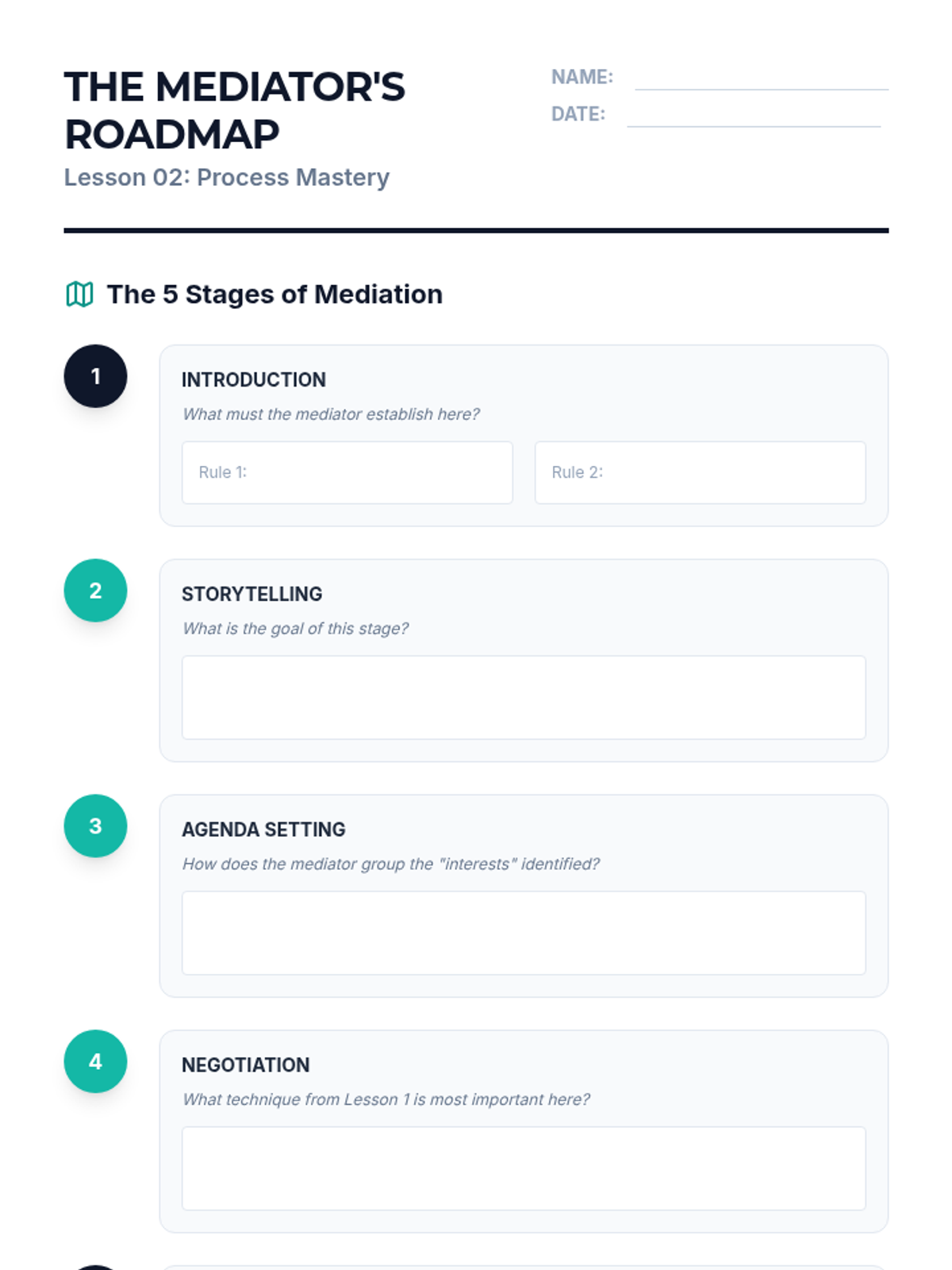
This lesson outlines the formal stages of mediation: Introduction, Storytelling, Agenda Setting, Negotiation, and Agreement. Students learn the procedural responsibilities of a mediator to maintain safety and order. They create visual flowcharts of the process to understand how to guide disputants from chaos to order.
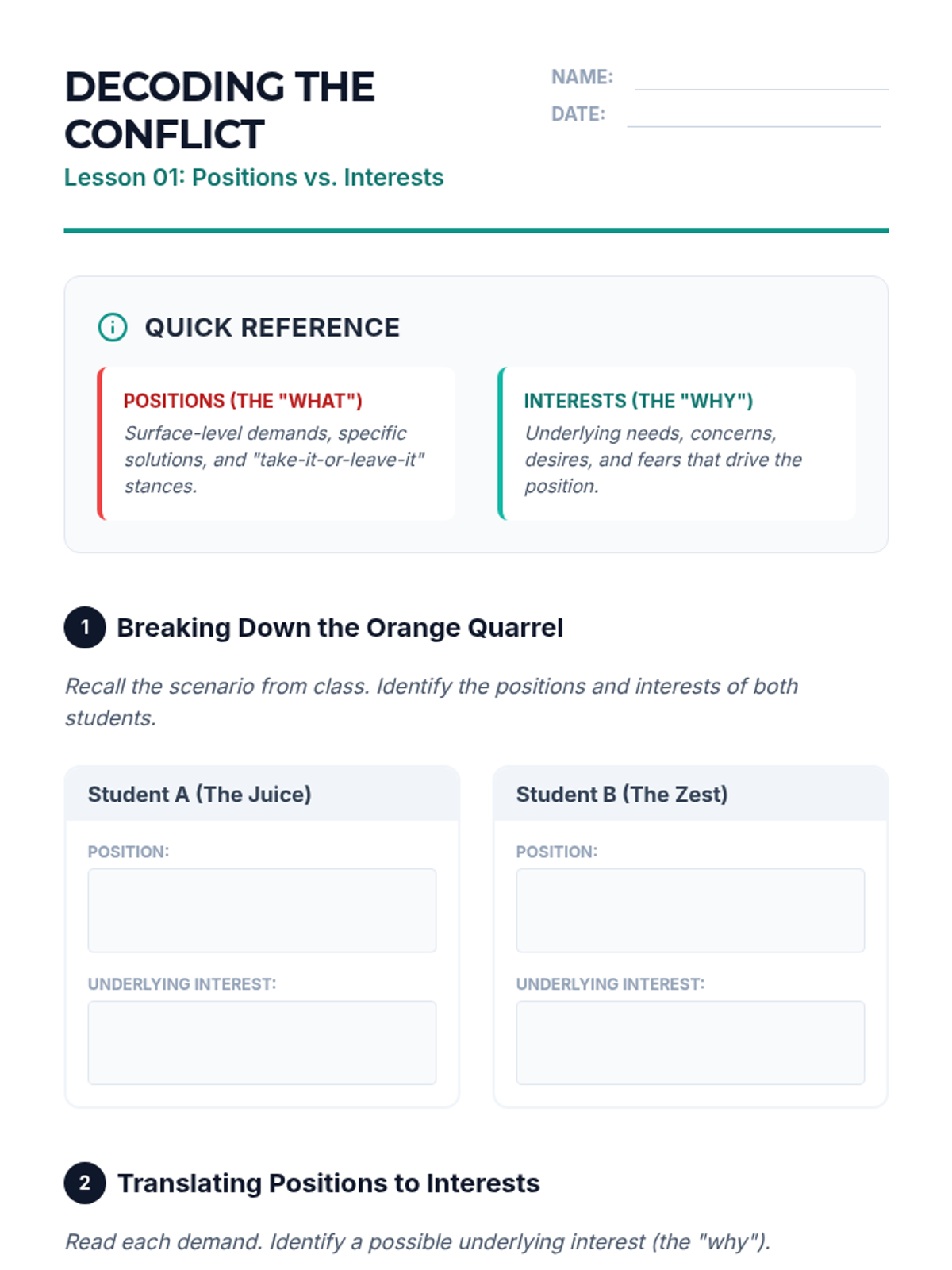
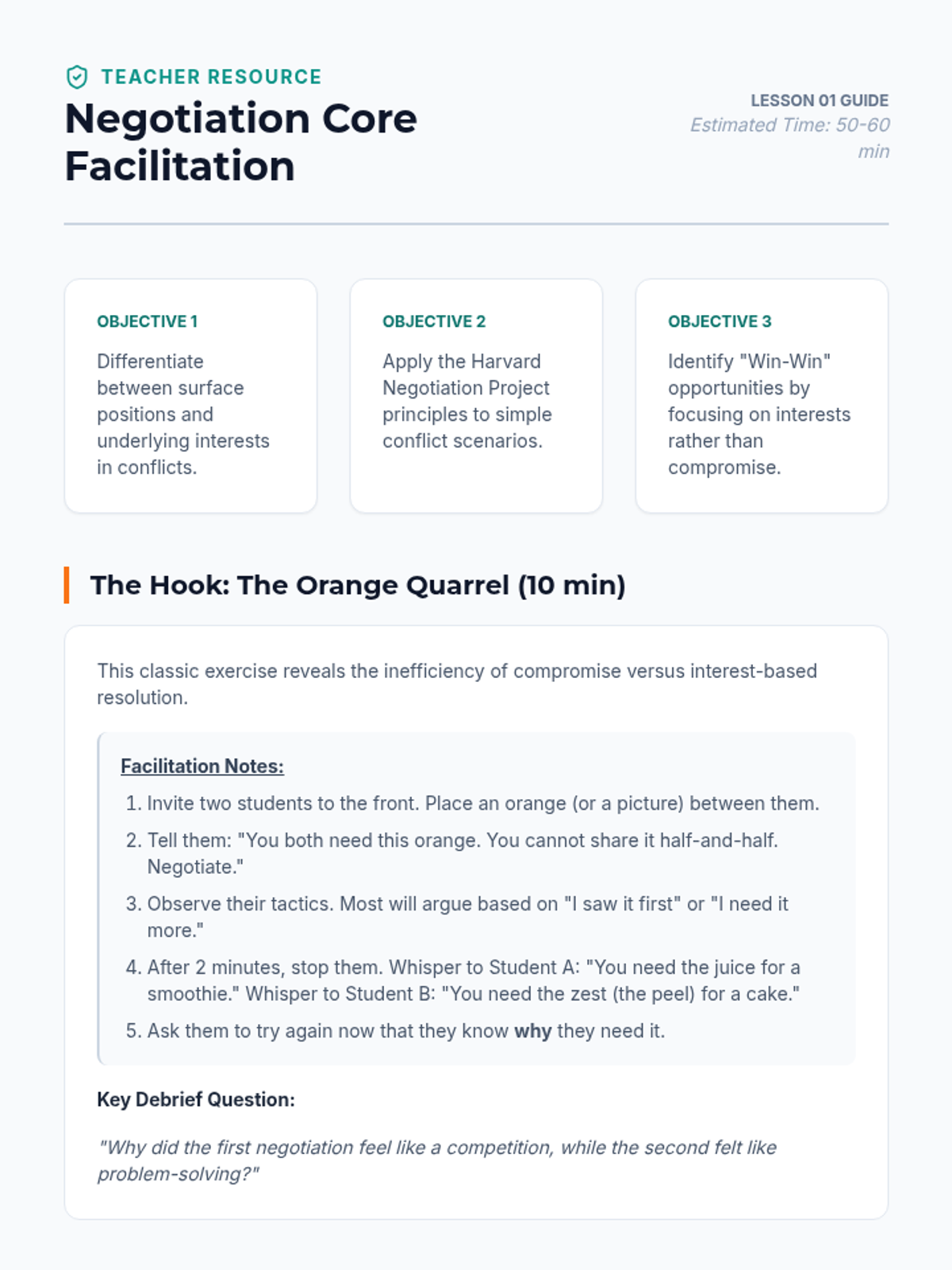
Students learn to distinguish between surface-level positions and underlying interests using the Harvard Negotiation Project model. The lesson introduces Interest-Based Negotiation (IBN) through the classic 'Orange Quarrel' scenario and case study analysis.
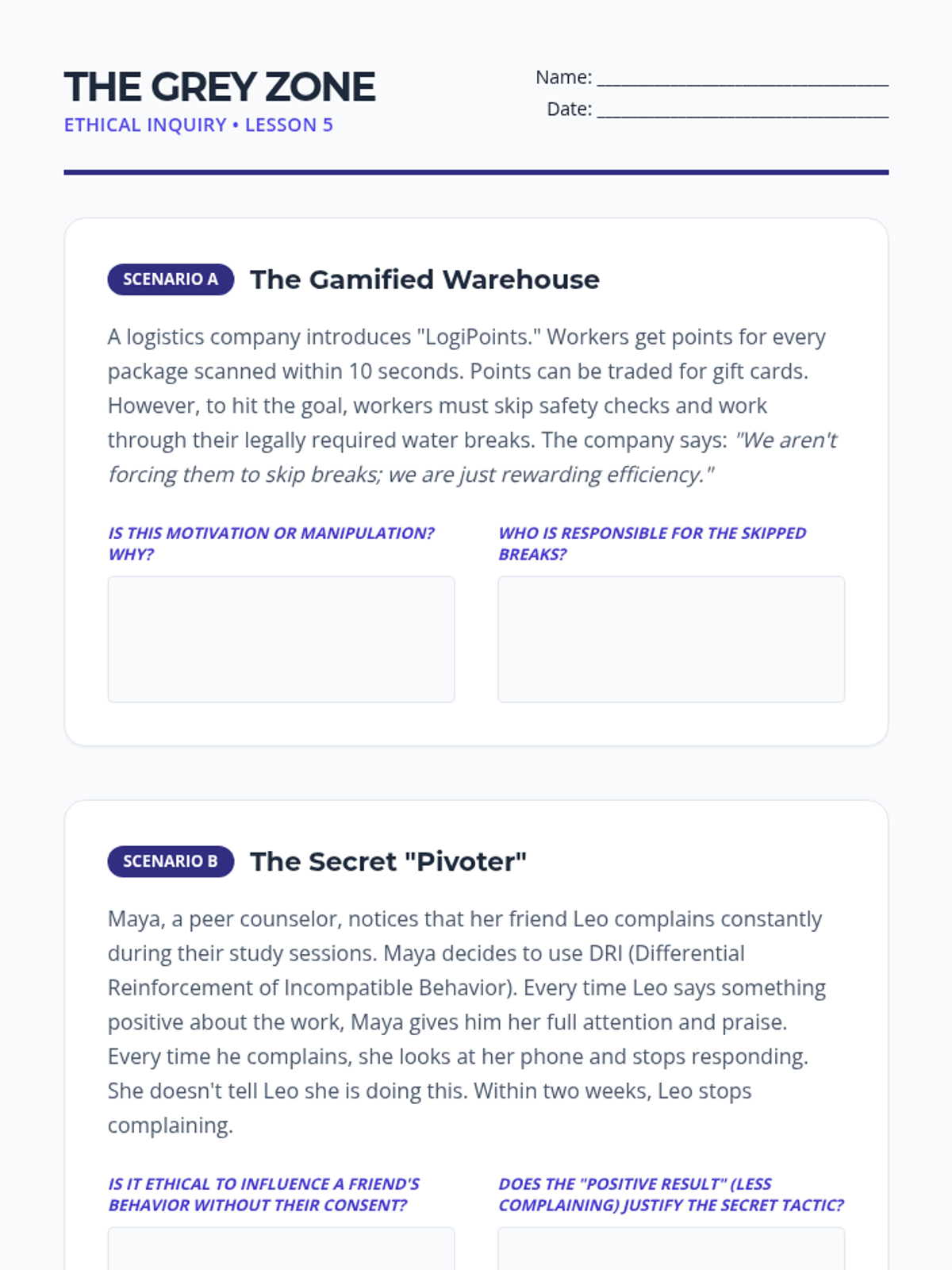
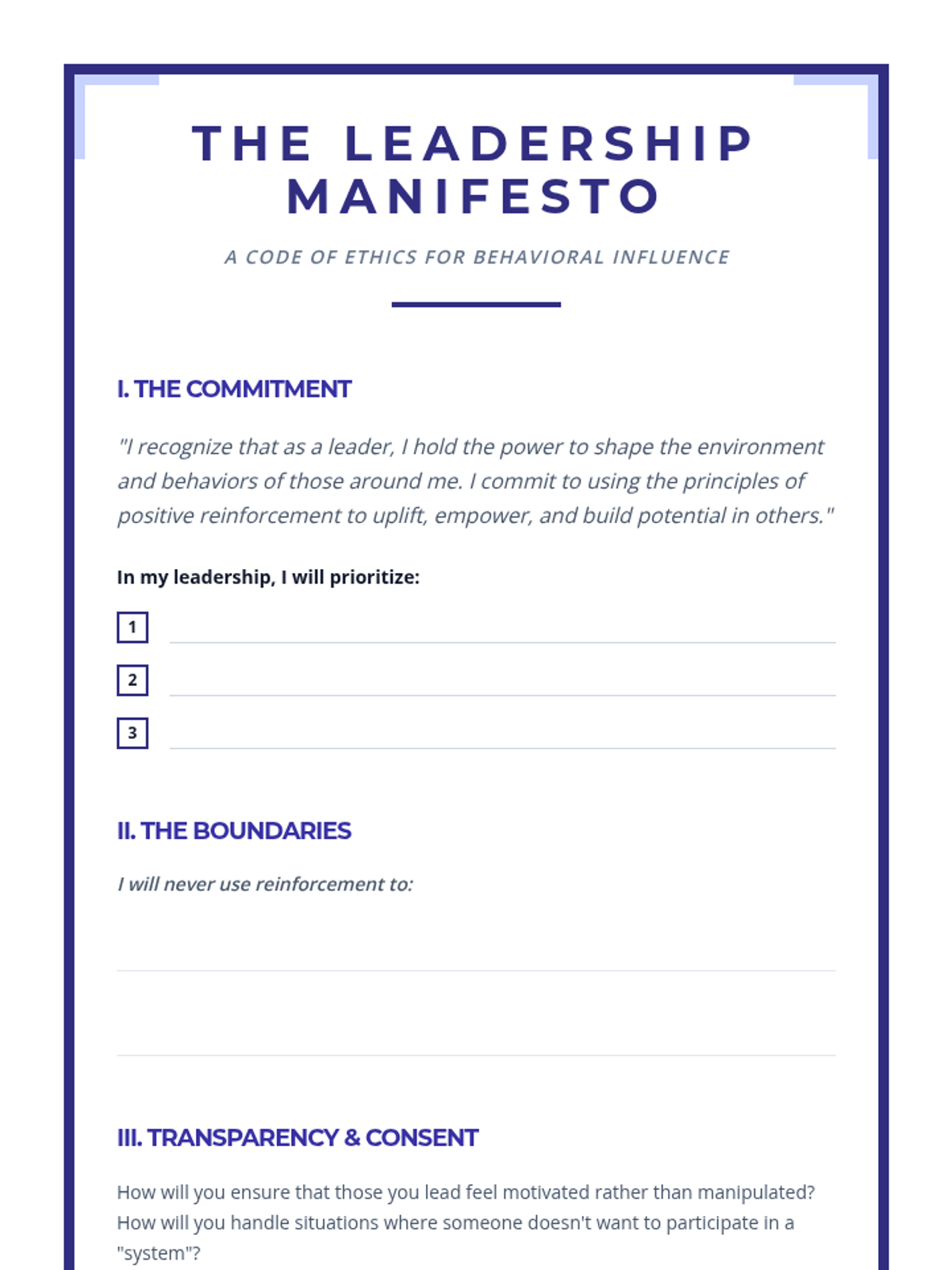
A deep dive into the ethics of behavioral leadership, debating the line between motivation and manipulation and creating a personal code of conduct.
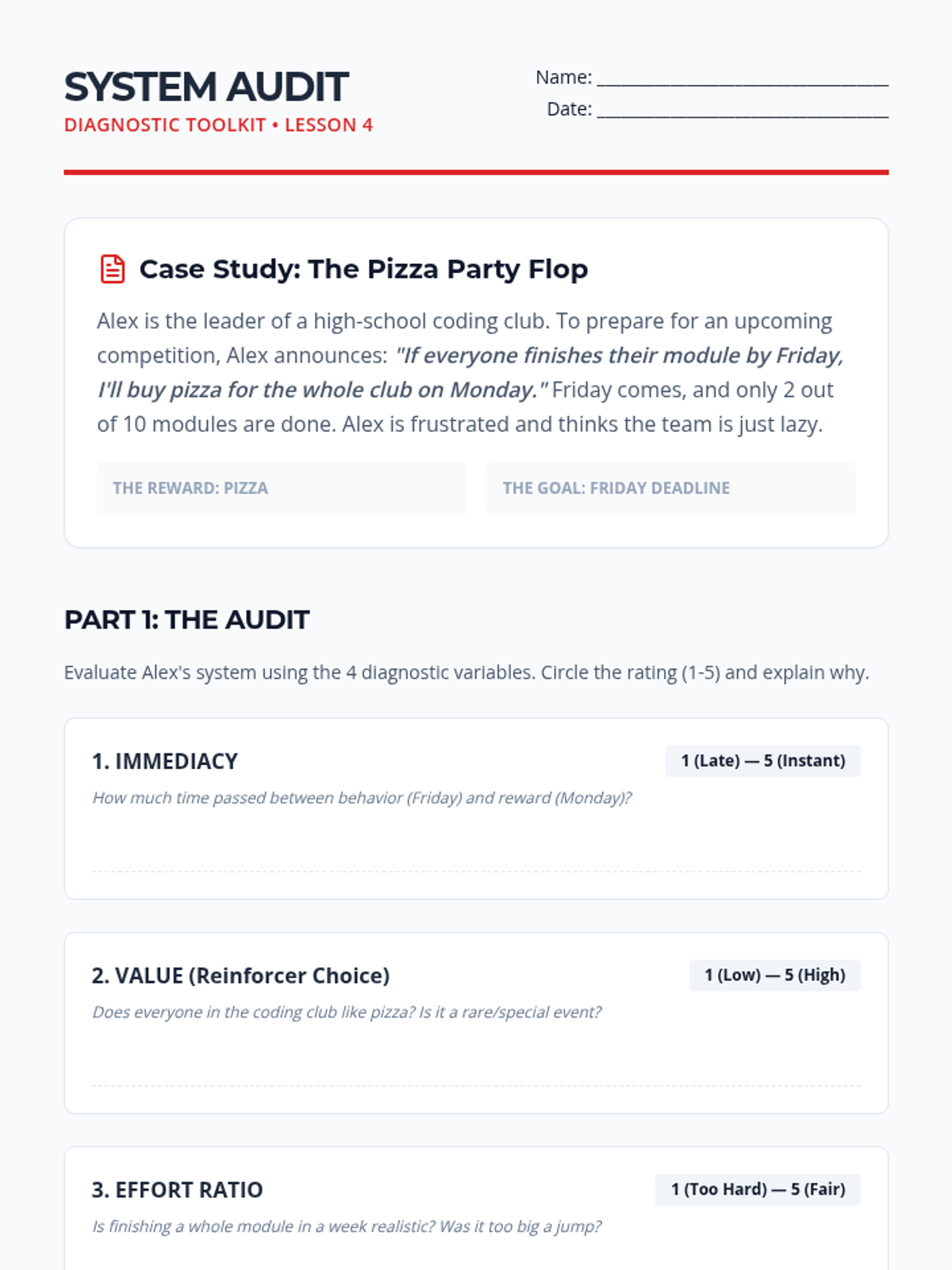
Students diagnose why certain reinforcement systems fail, looking at factors like lack of immediacy, poor reinforcer selection, and trust issues.
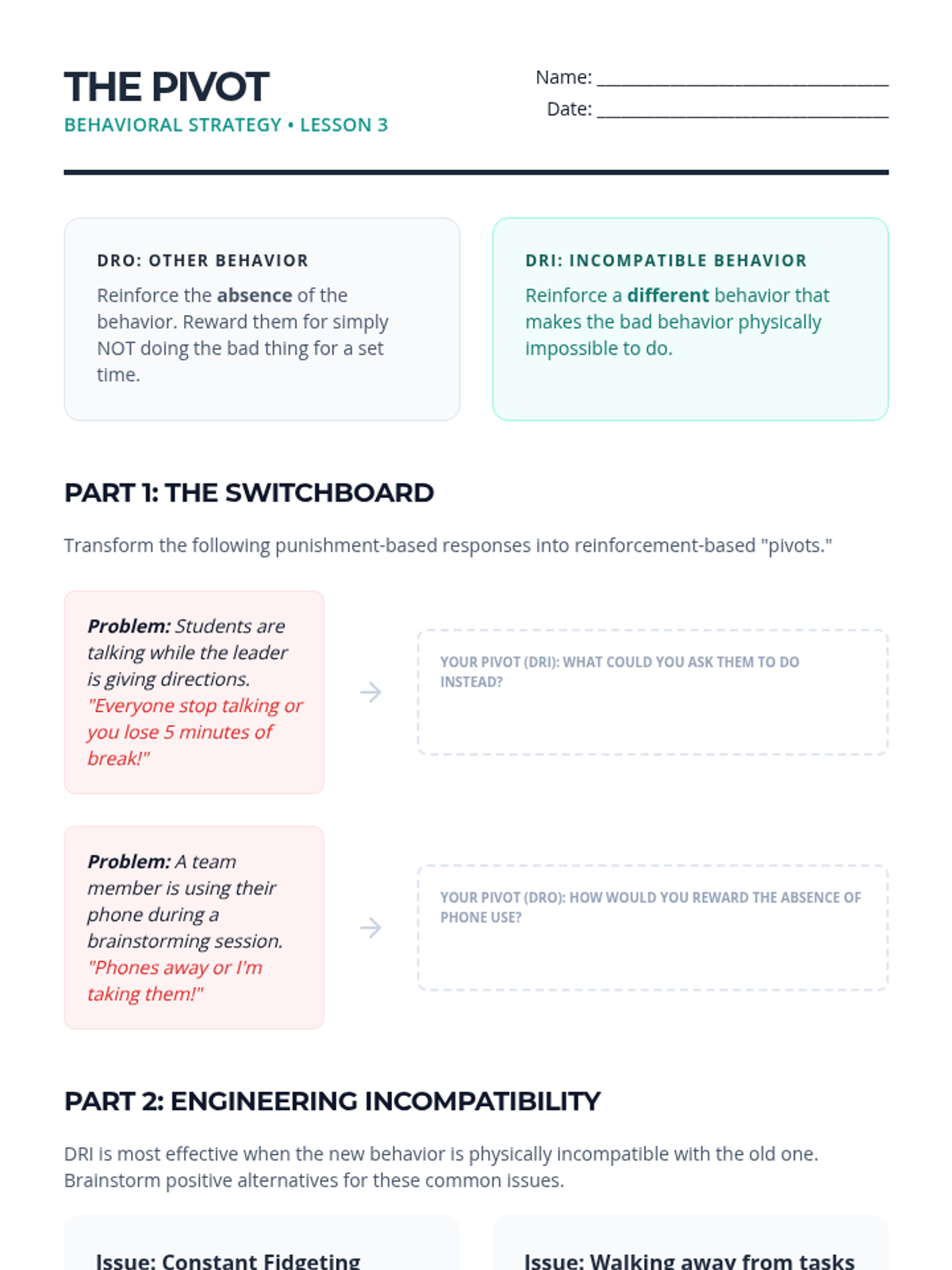
Students explore Differential Reinforcement of Other Behavior (DRO) as a tool for managing conflict and reducing unwanted behaviors without relying on punishment.
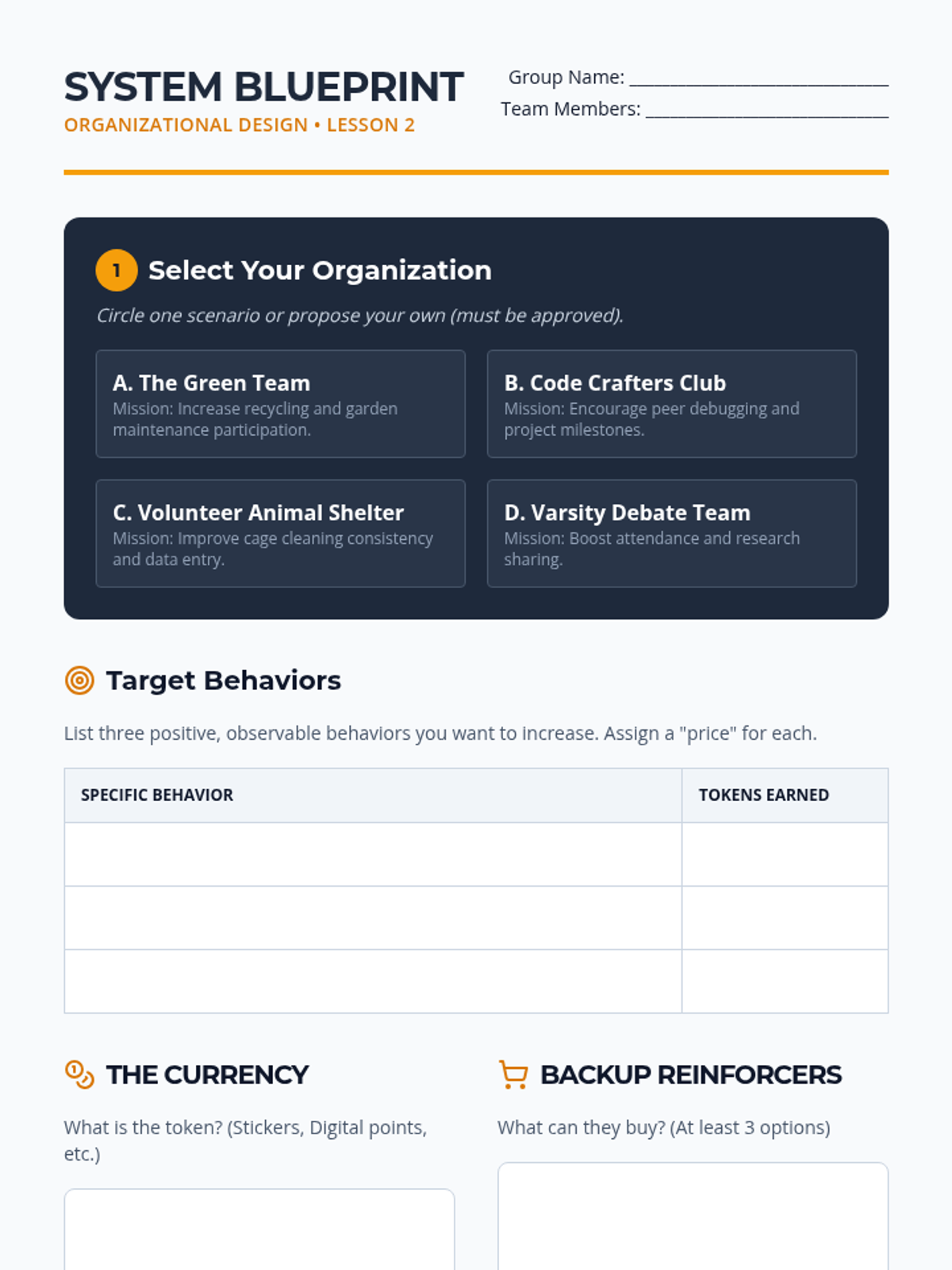
Groups design a token economy system for a hypothetical organization, identifying rules of exchange, currency, and backup reinforcers to improve group participation.
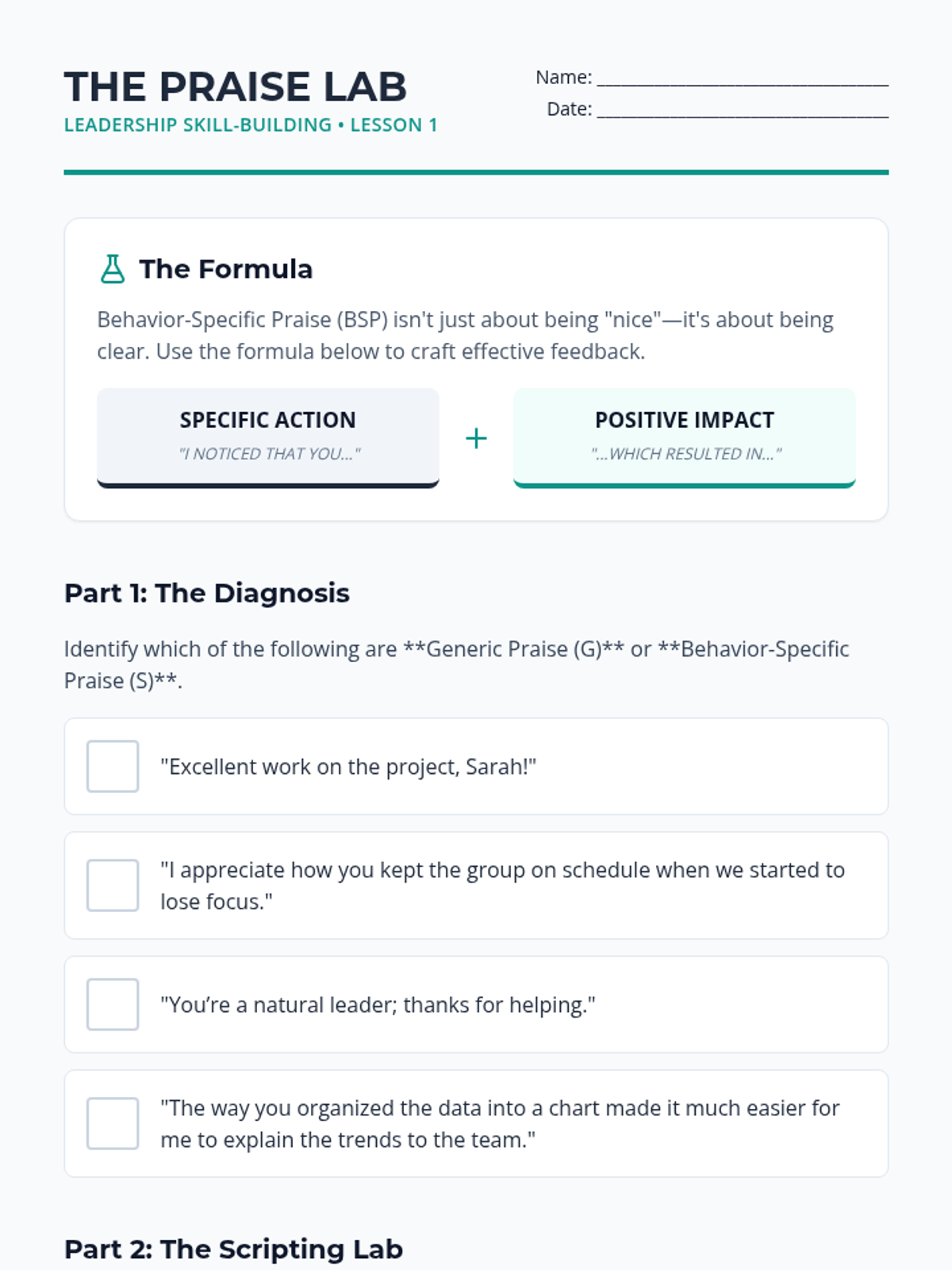
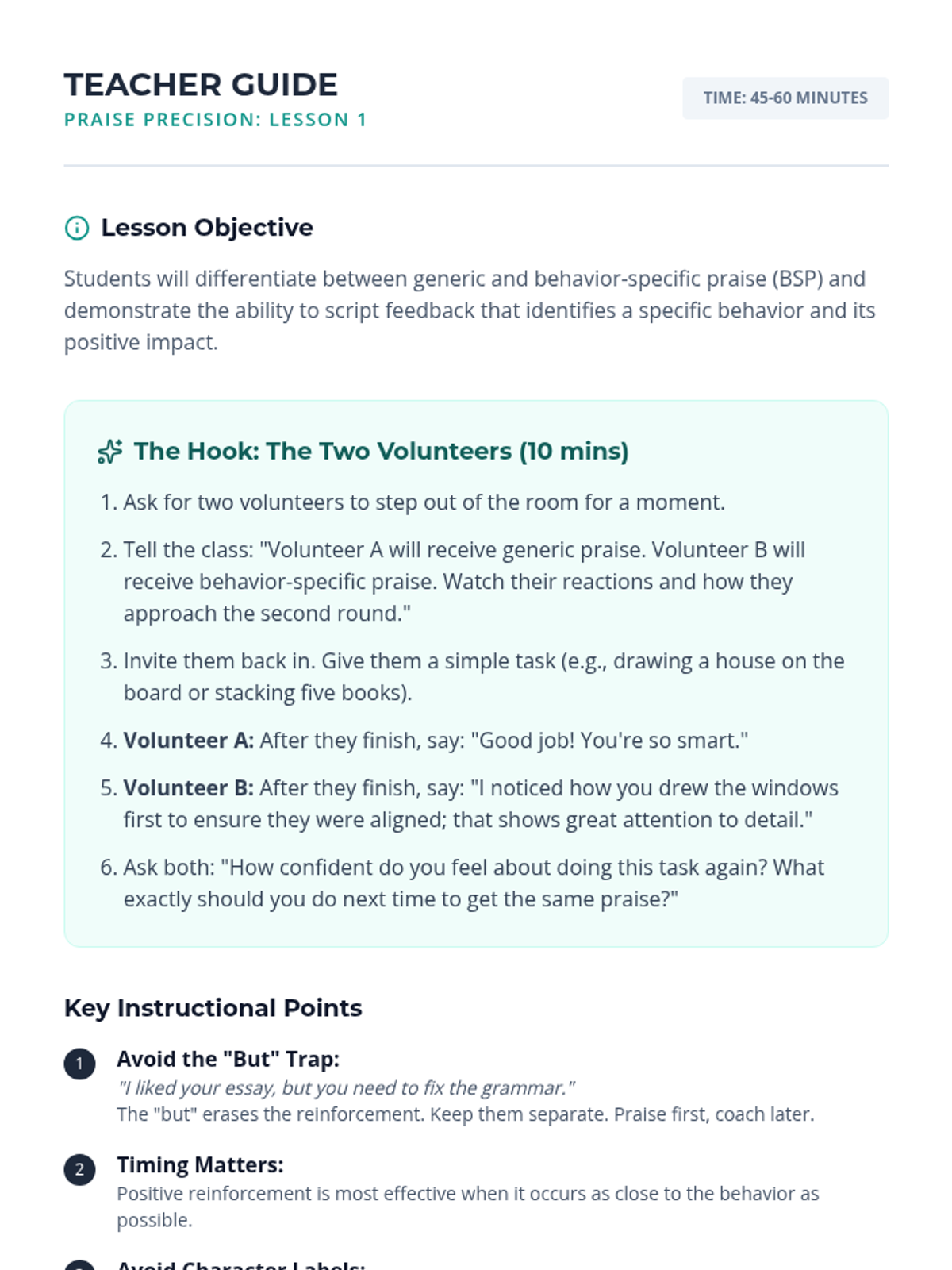
Students analyze the difference between generic and behavior-specific praise, practicing the art of clear, actionable feedback that reinforces specific positive actions.
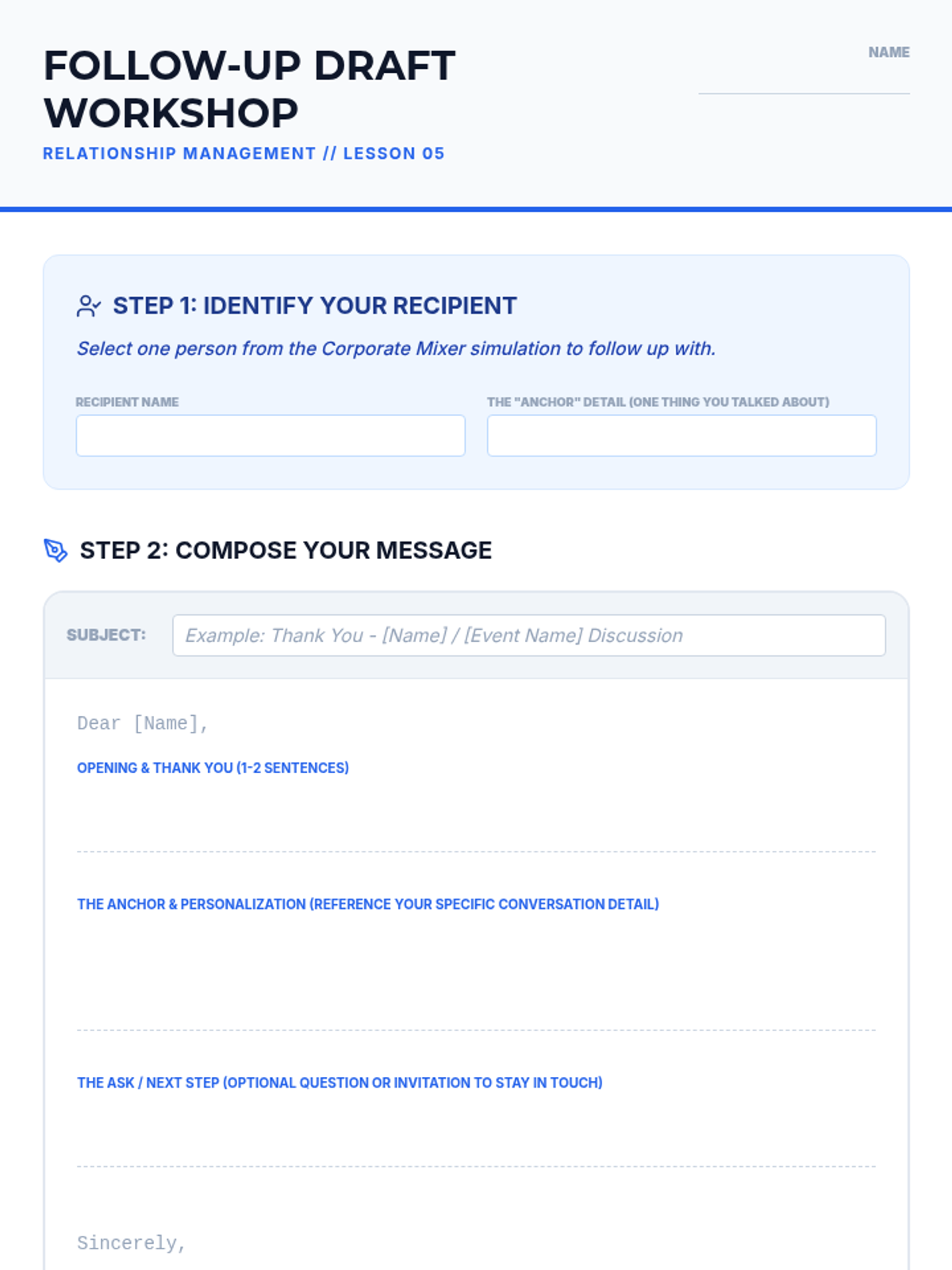
The final lesson covers the critical 'after-action' phase of networking. Students learn the timing and structure of professional thank-you notes and emails, drafting templates that reference specific details from their previous conversations to solidify the connection.
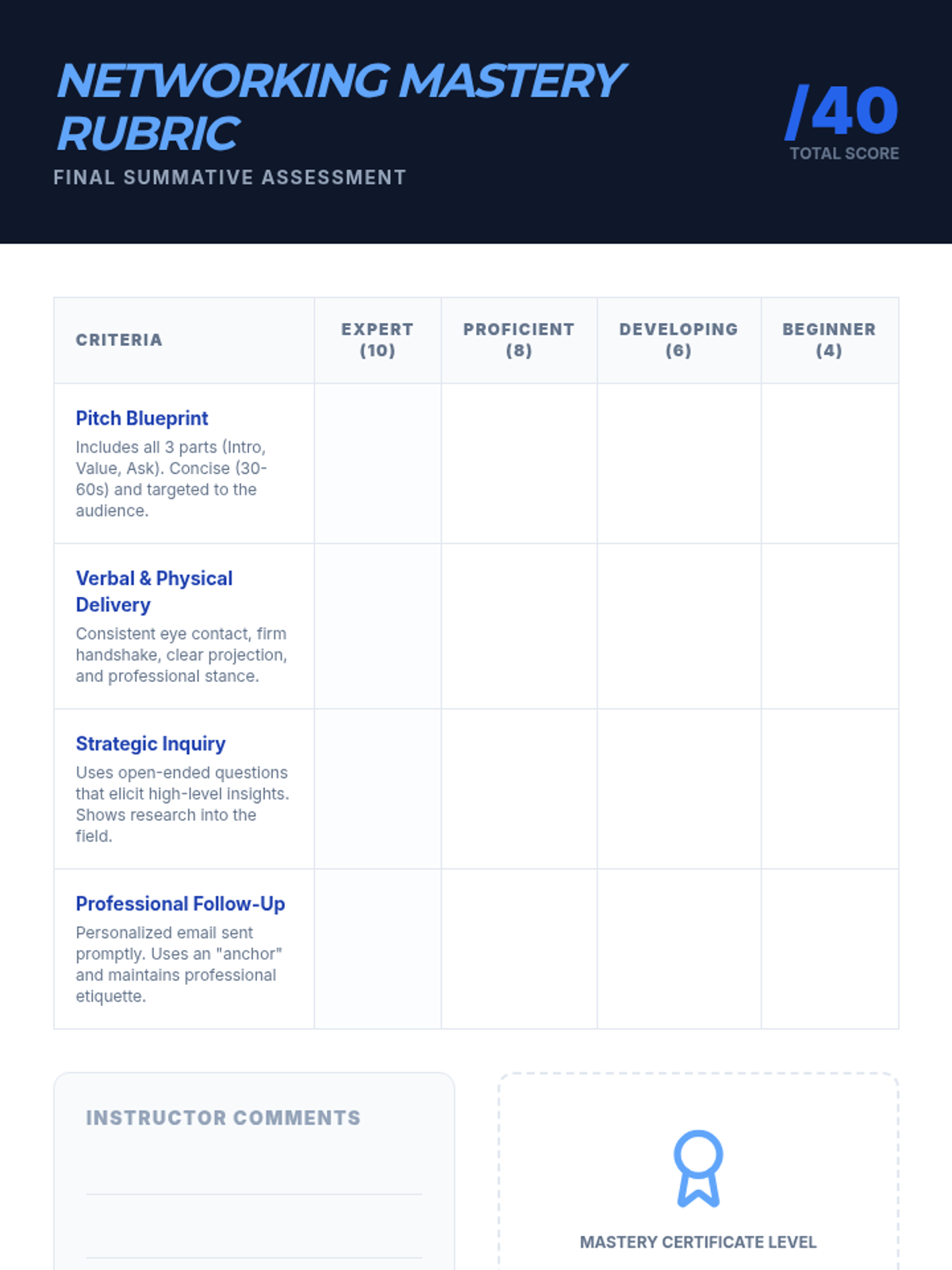
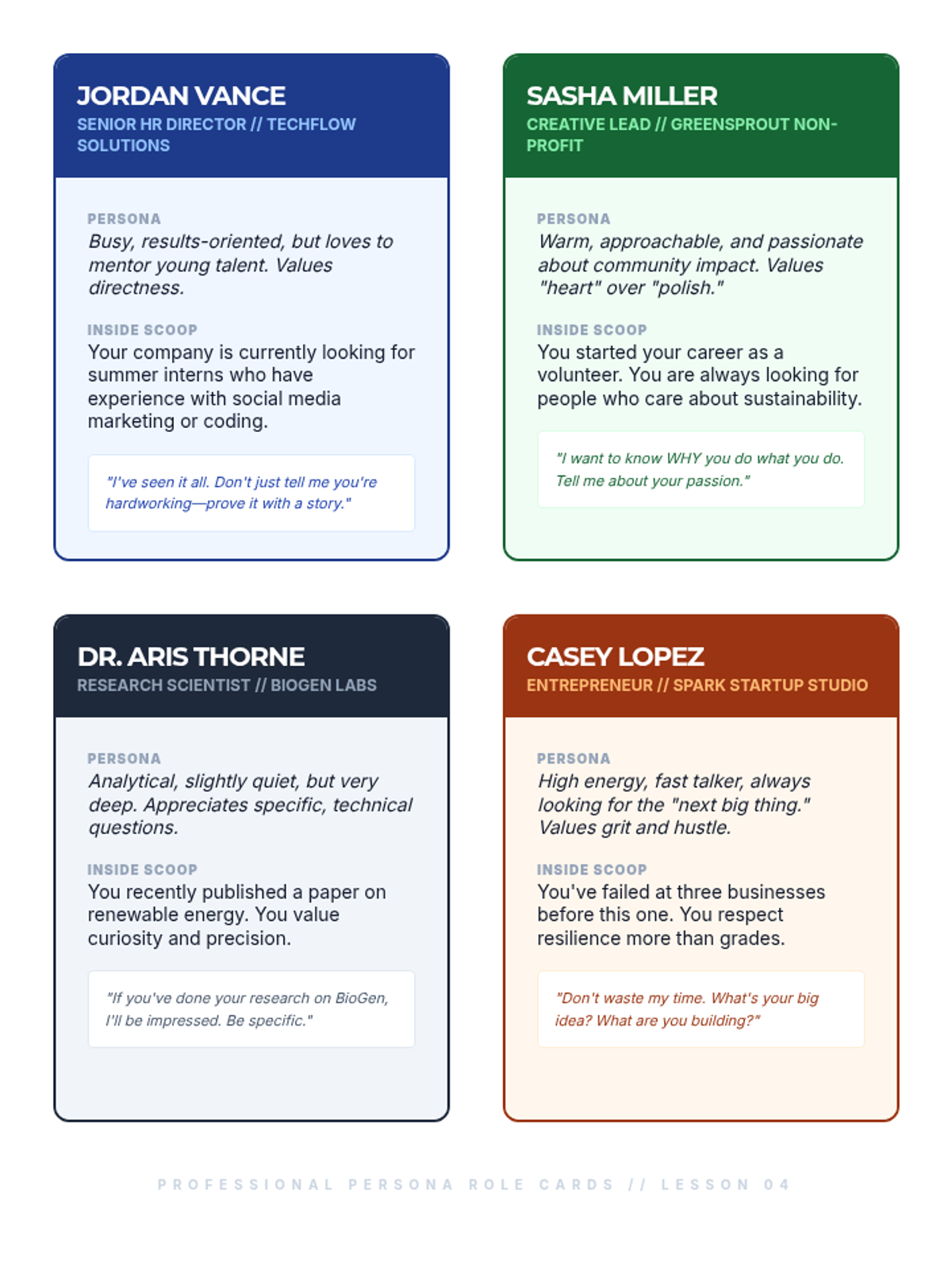
Students participate in a 'speed networking' simulation, rotating through stations to practice their pitches and ask informational questions. This high-energy lesson requires students to adapt their communication styles on the fly and manage social anxiety in professional contexts.
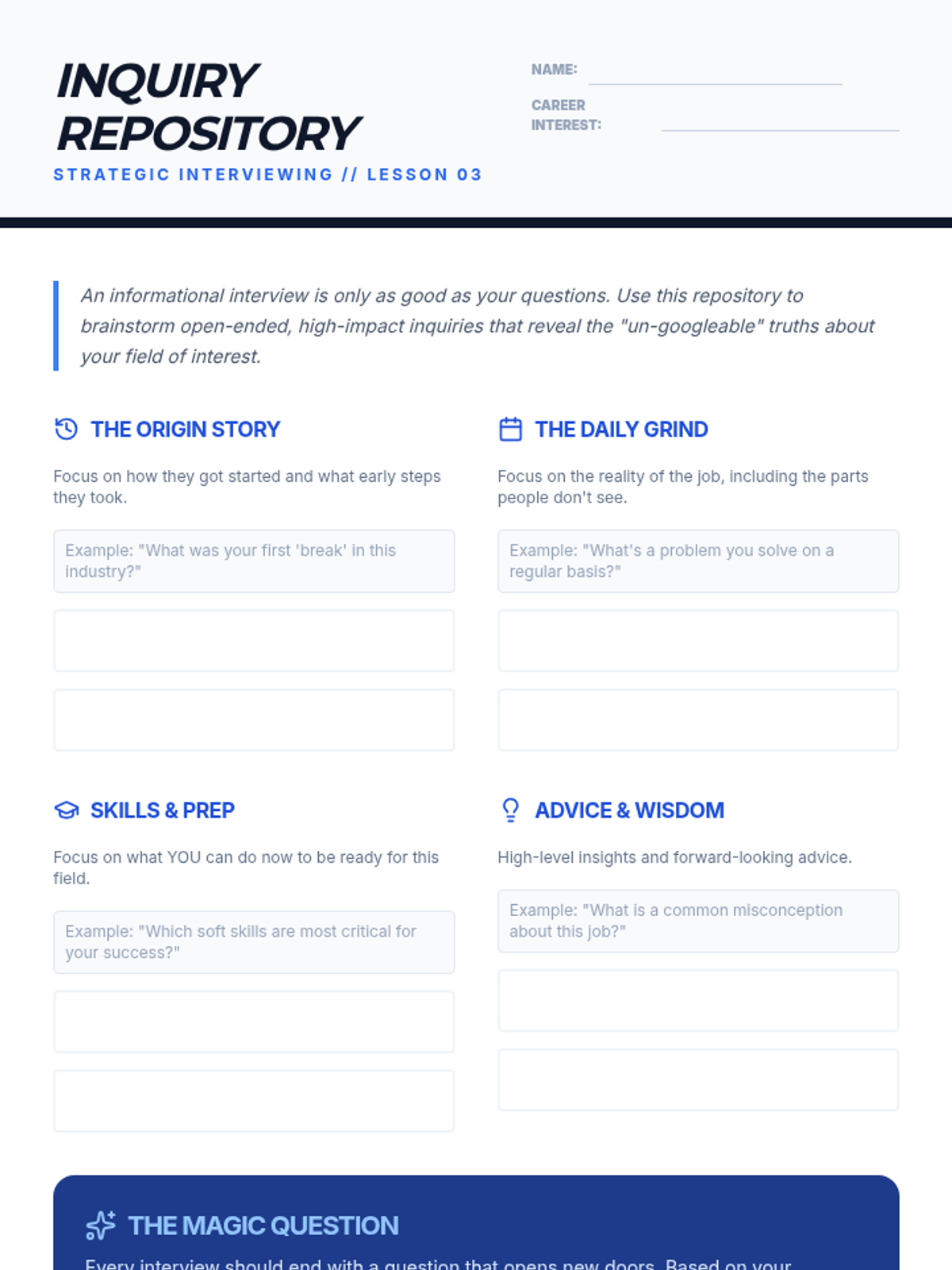
Students learn the purpose of informational interviewing and how to drive a conversation through inquiry. They research potential career fields and generate a repository of open-ended questions designed to elicit valuable industry insights rather than simple 'yes/no' answers.
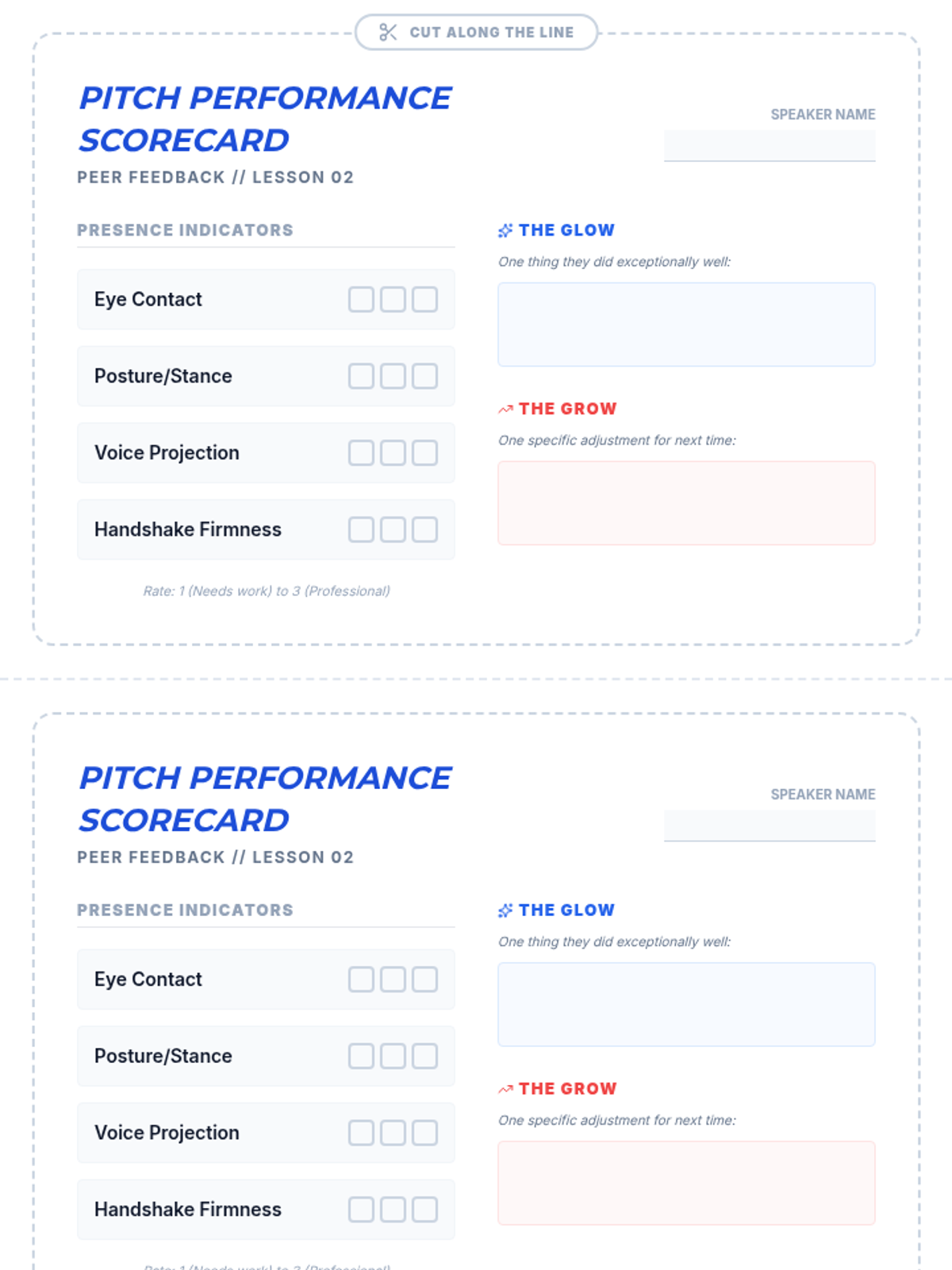
This lesson moves from writing to performance, where students practice the delivery of their pitches. Peers provide feedback on non-verbal cues such as eye contact, handshake firmness, and posture to ensure the delivery matches the content.
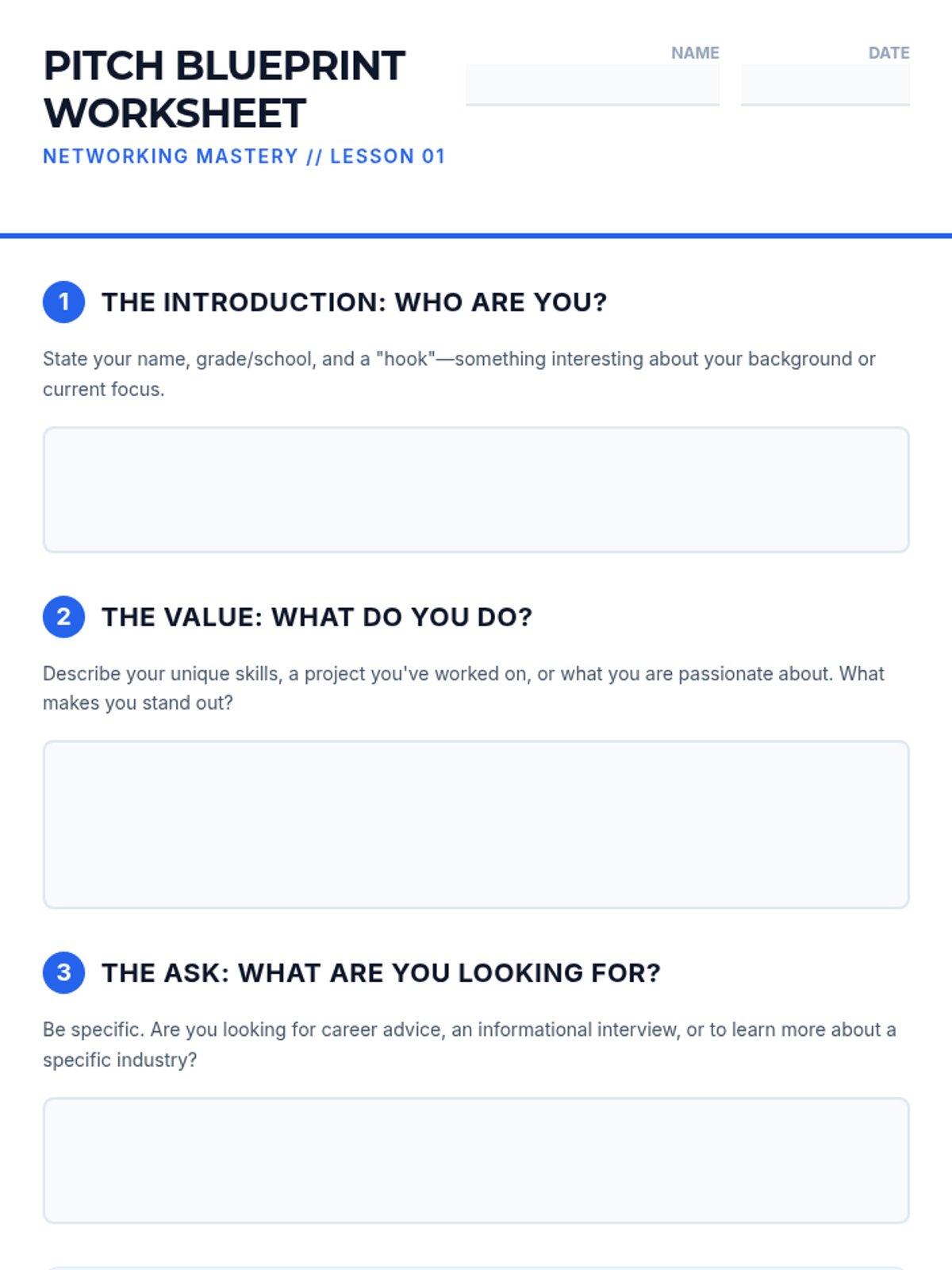
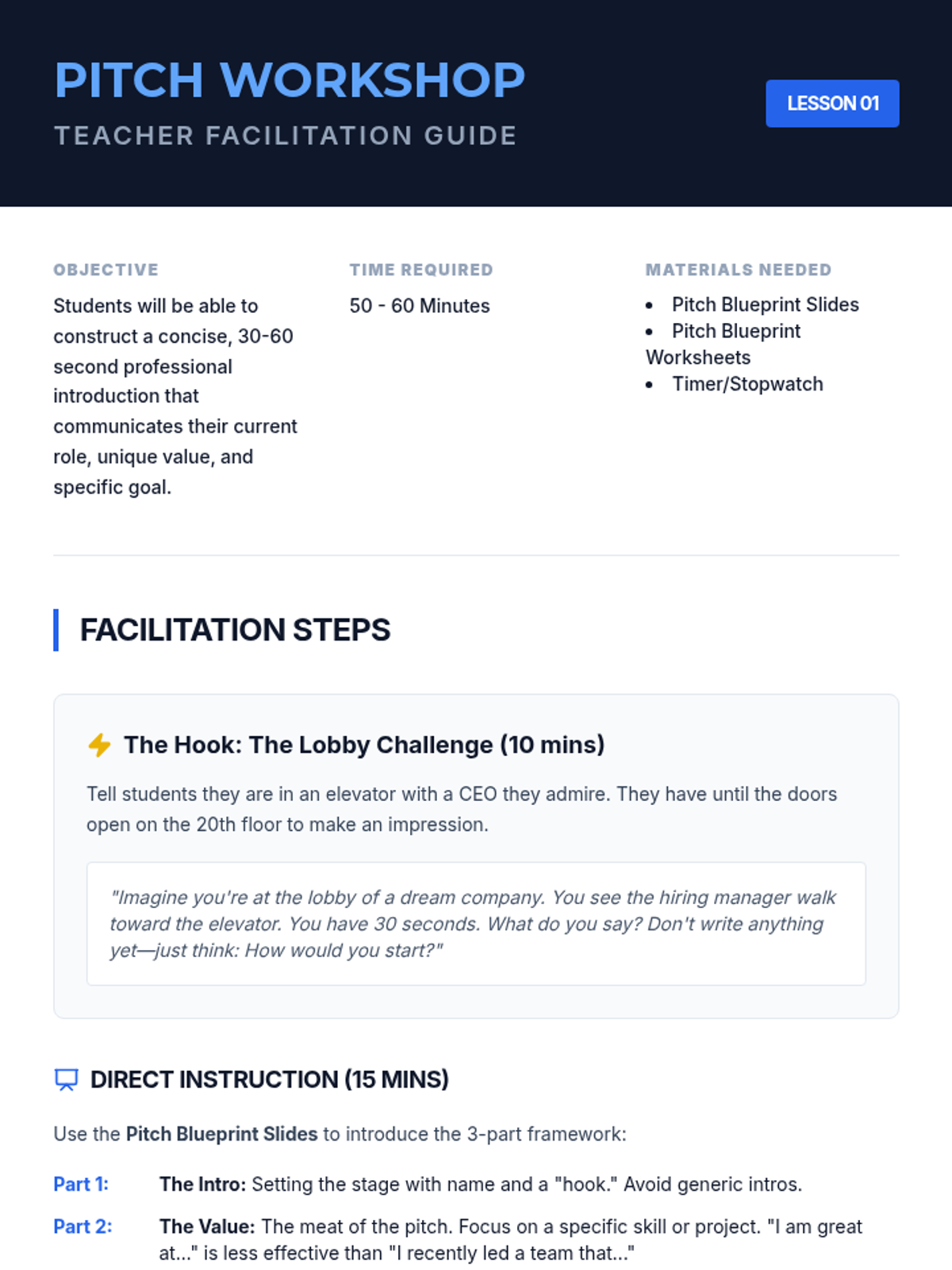
Students analyze the components of a successful elevator pitch and draft their own scripts focusing on their skills, interests, and goals. They learn to tailor their message to different audiences, ensuring clarity and impact within a short timeframe.
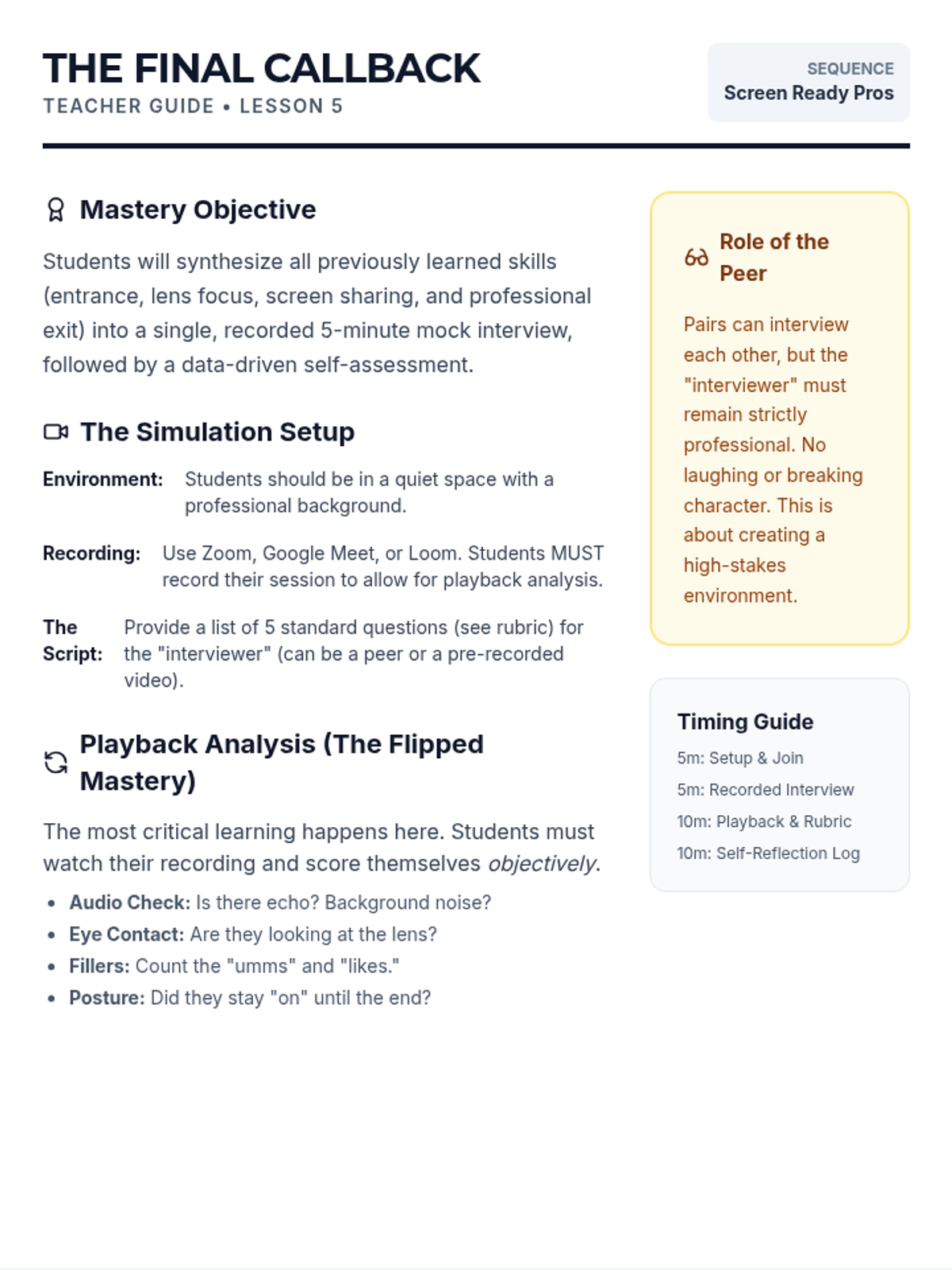
A culminating mock interview where students record, playback, and self-assess their performance using a rubric.
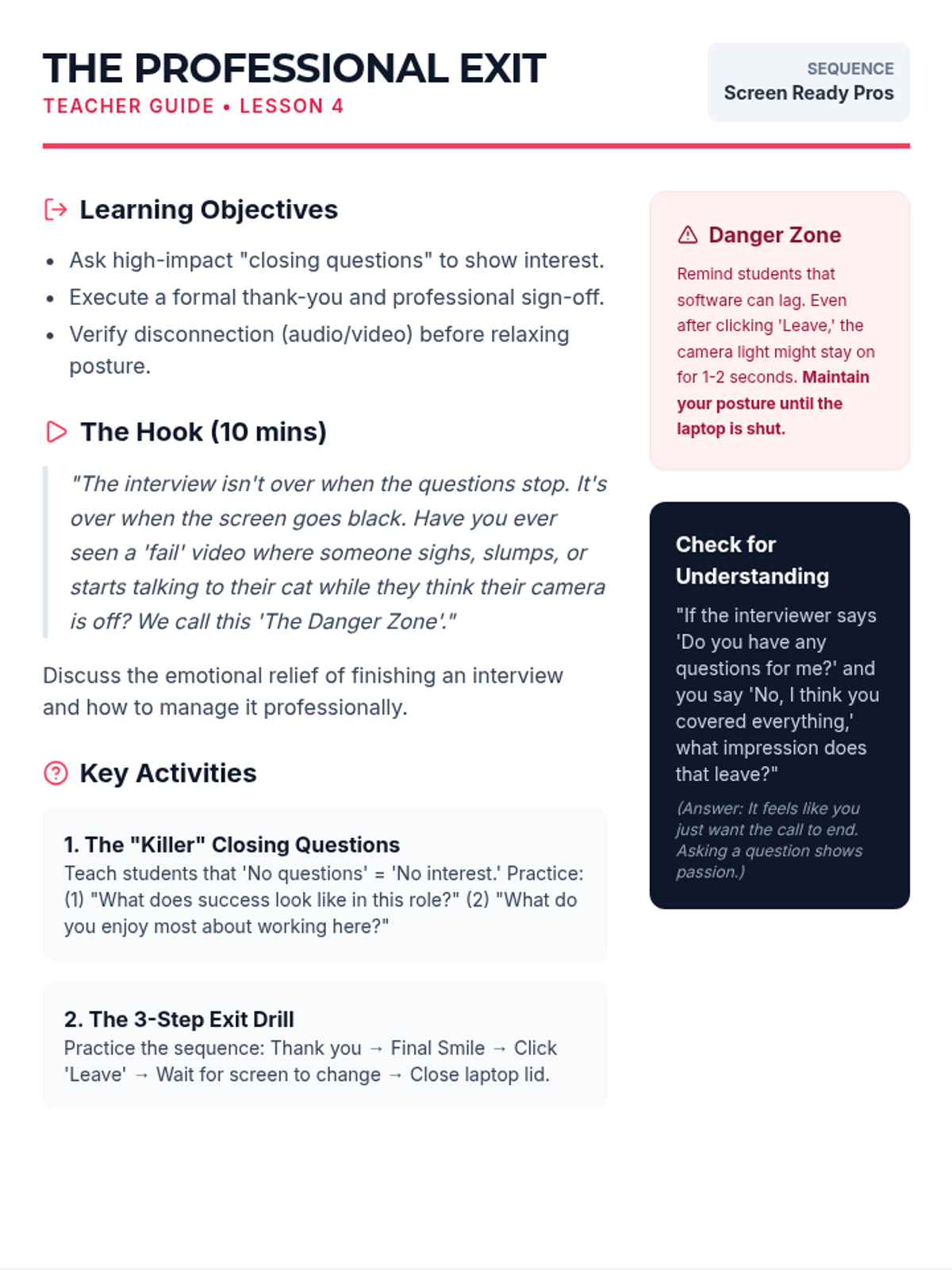
Mastering the formal conclusion of an interview, including final questions, thank-you etiquette, and the "camera-off" confirmation.
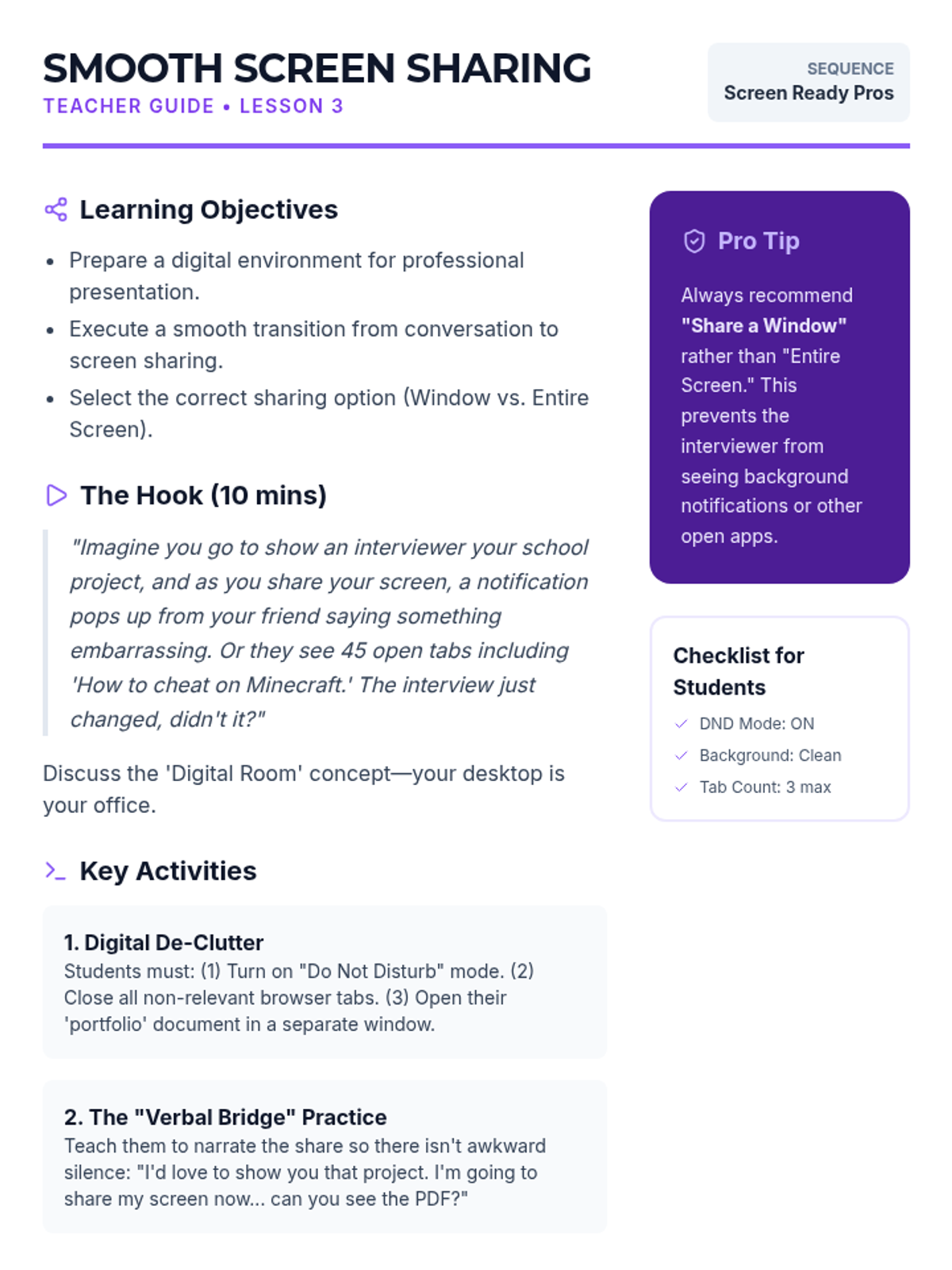
Teaches technical proficiency in screen sharing, managing digital environments, and presenting portfolios professionally.
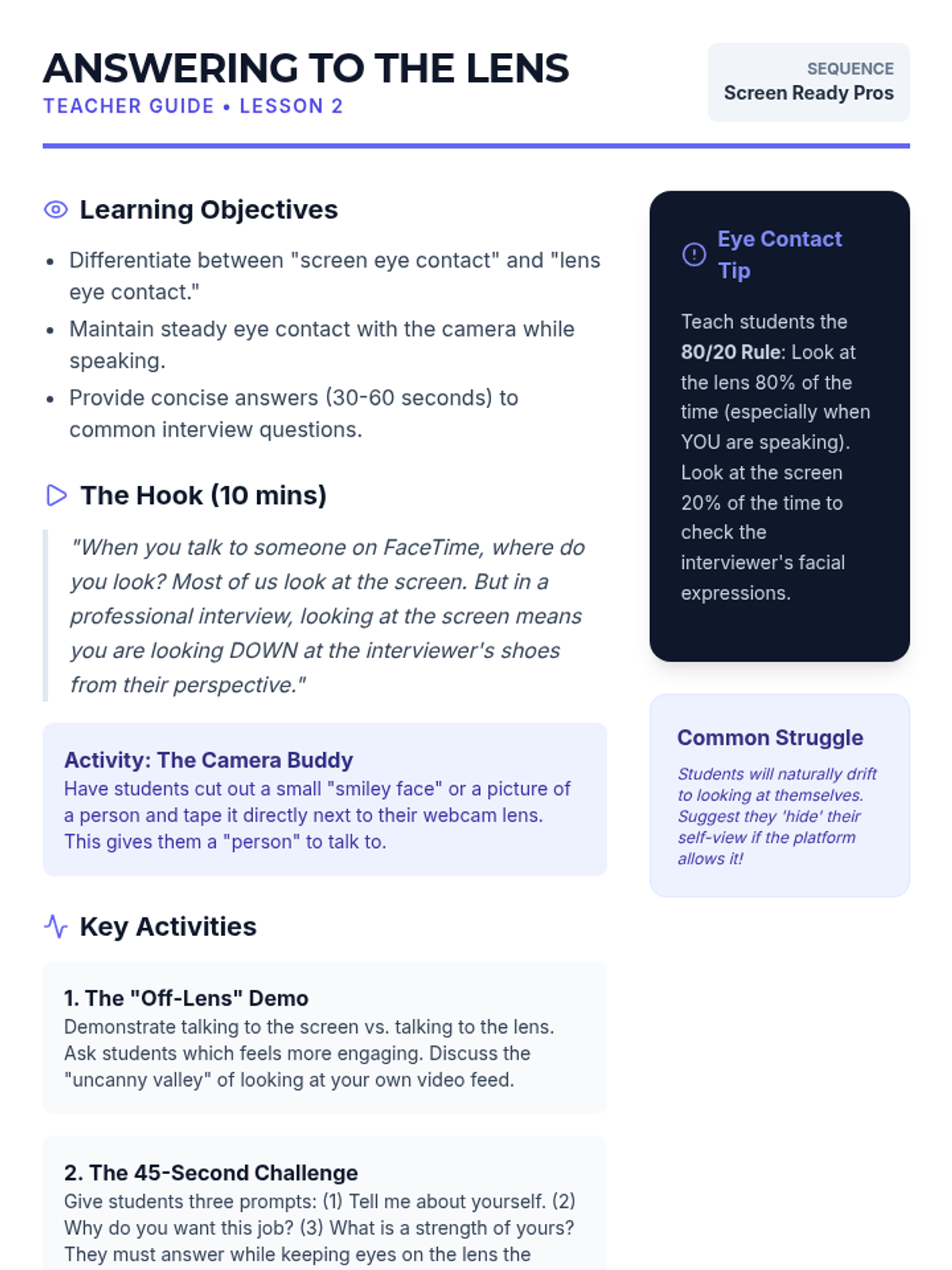
Covers the technique of looking at the camera lens rather than the screen to maintain eye contact and delivering focused answers.
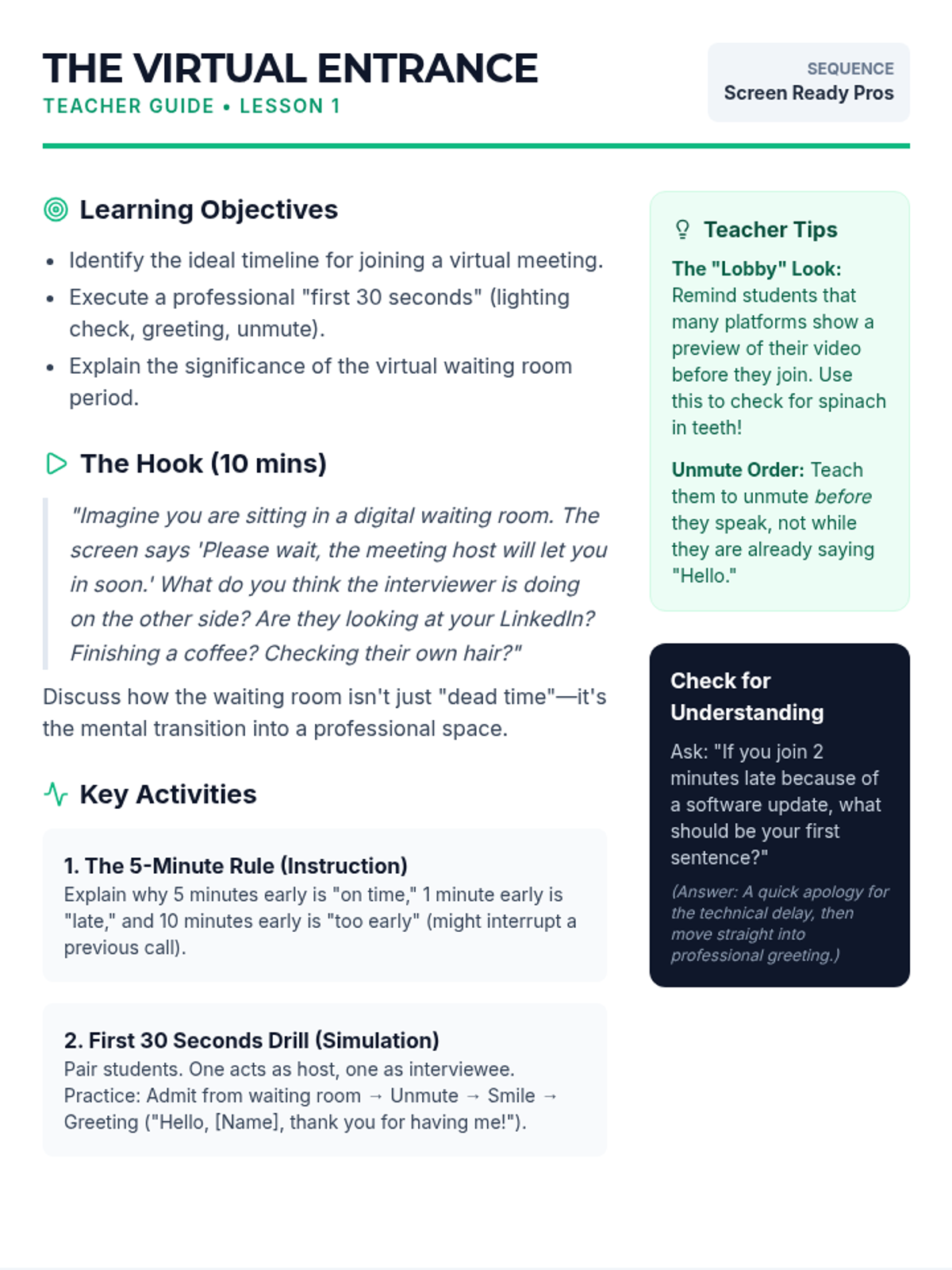
Focuses on the etiquette of joining calls, managing waiting rooms, and the first 30 seconds of a virtual connection.
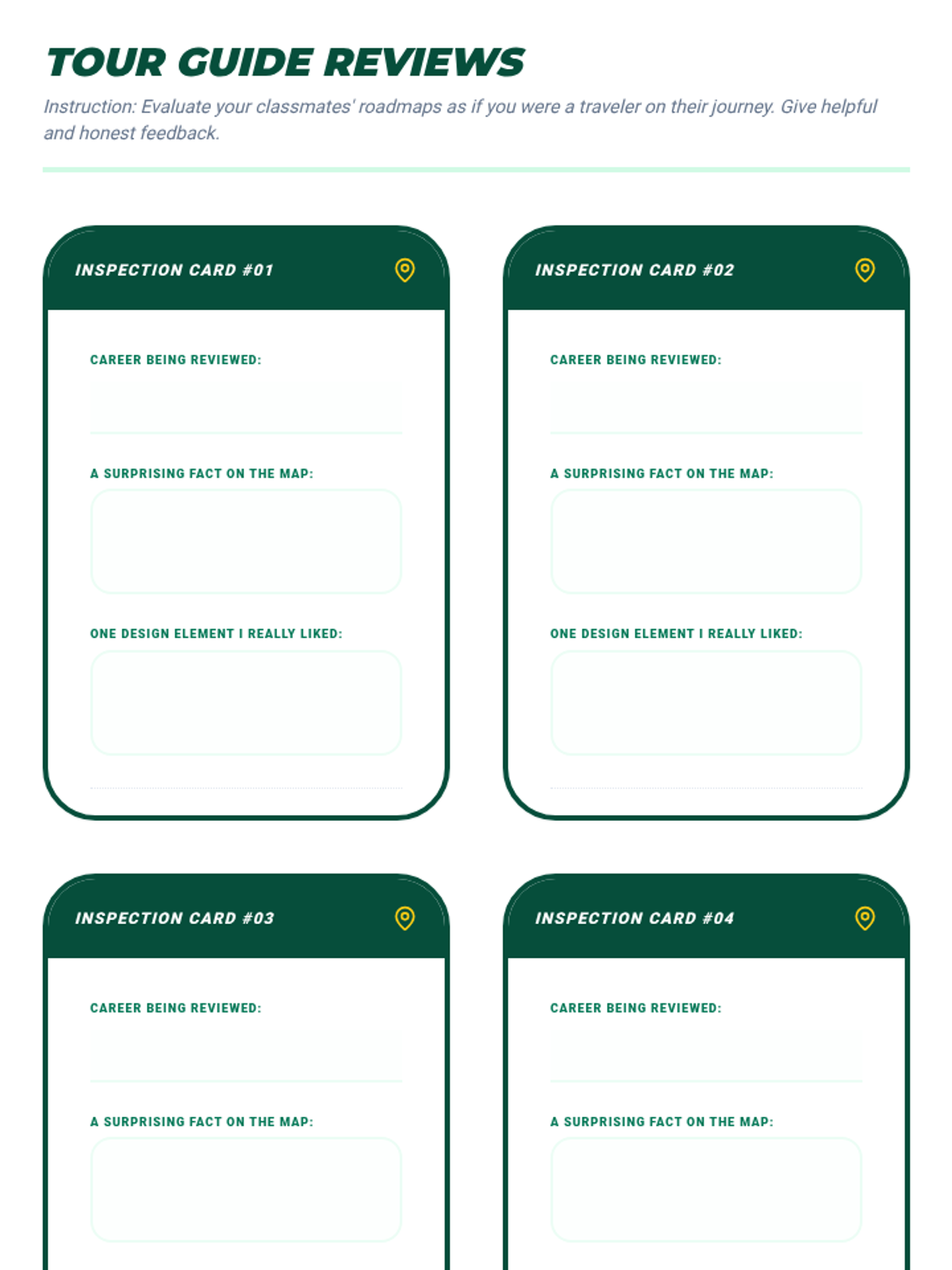
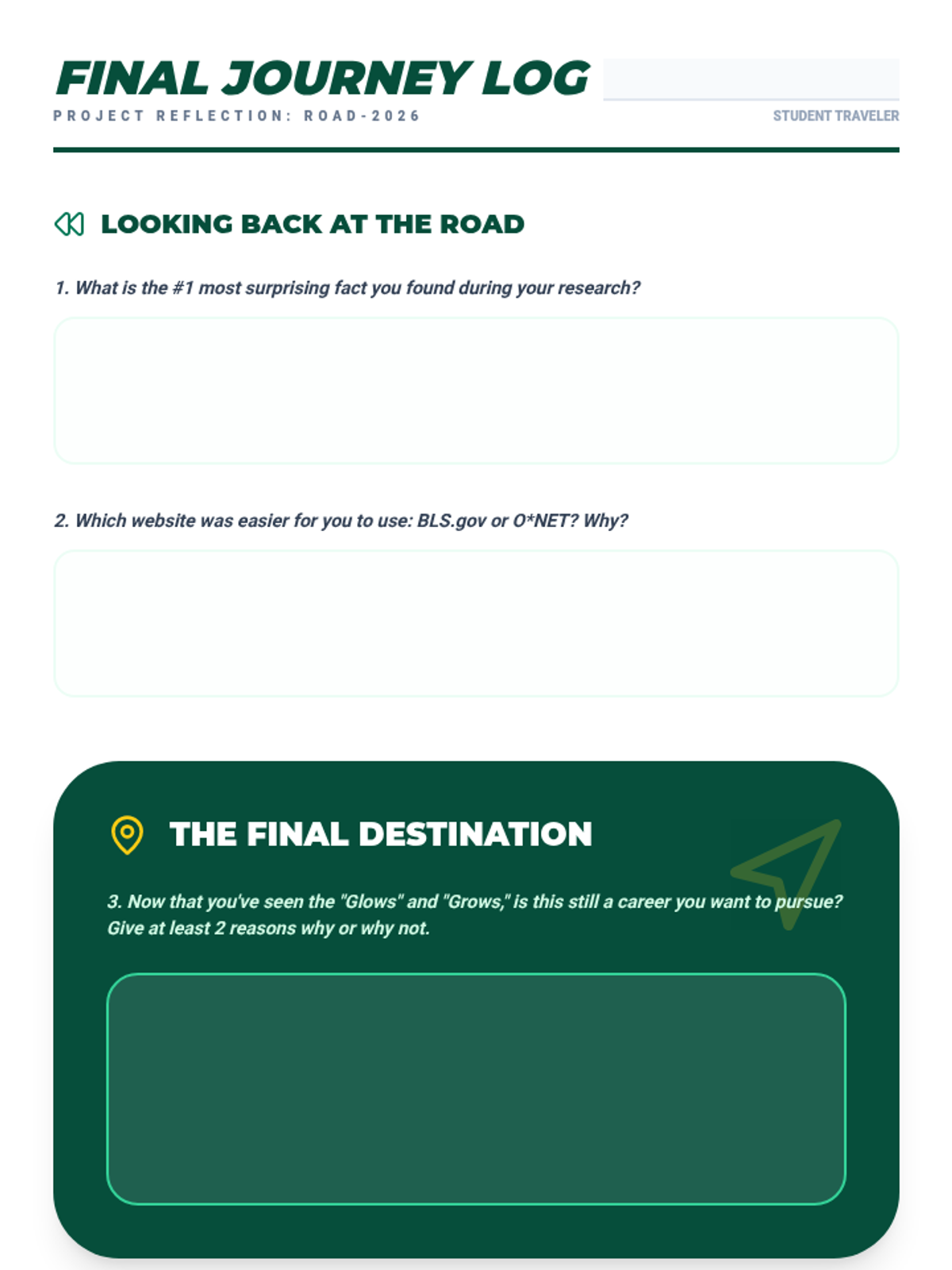
Students present their career roadmaps in a gallery walk and reflect on the journey they've mapped out.
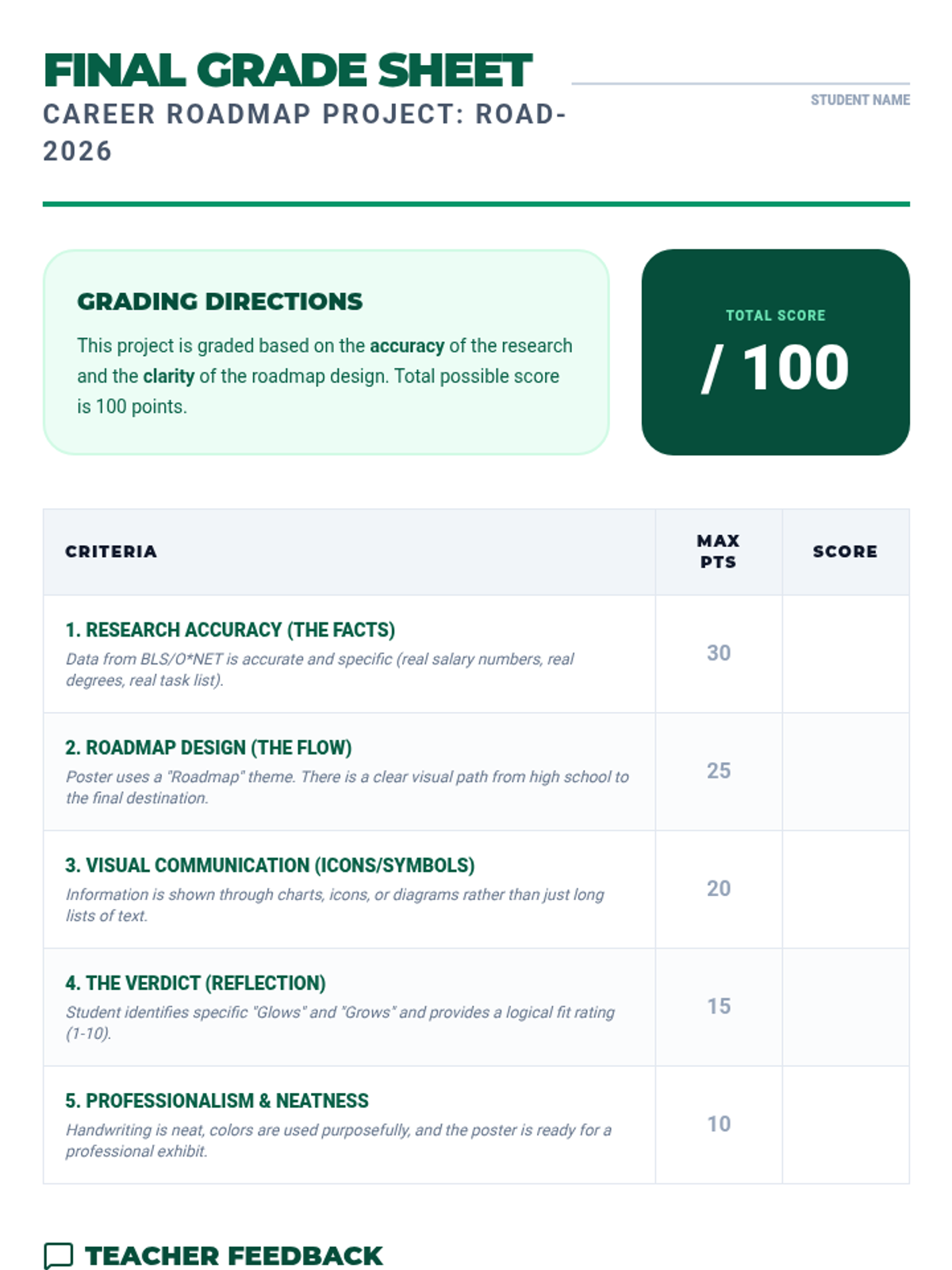
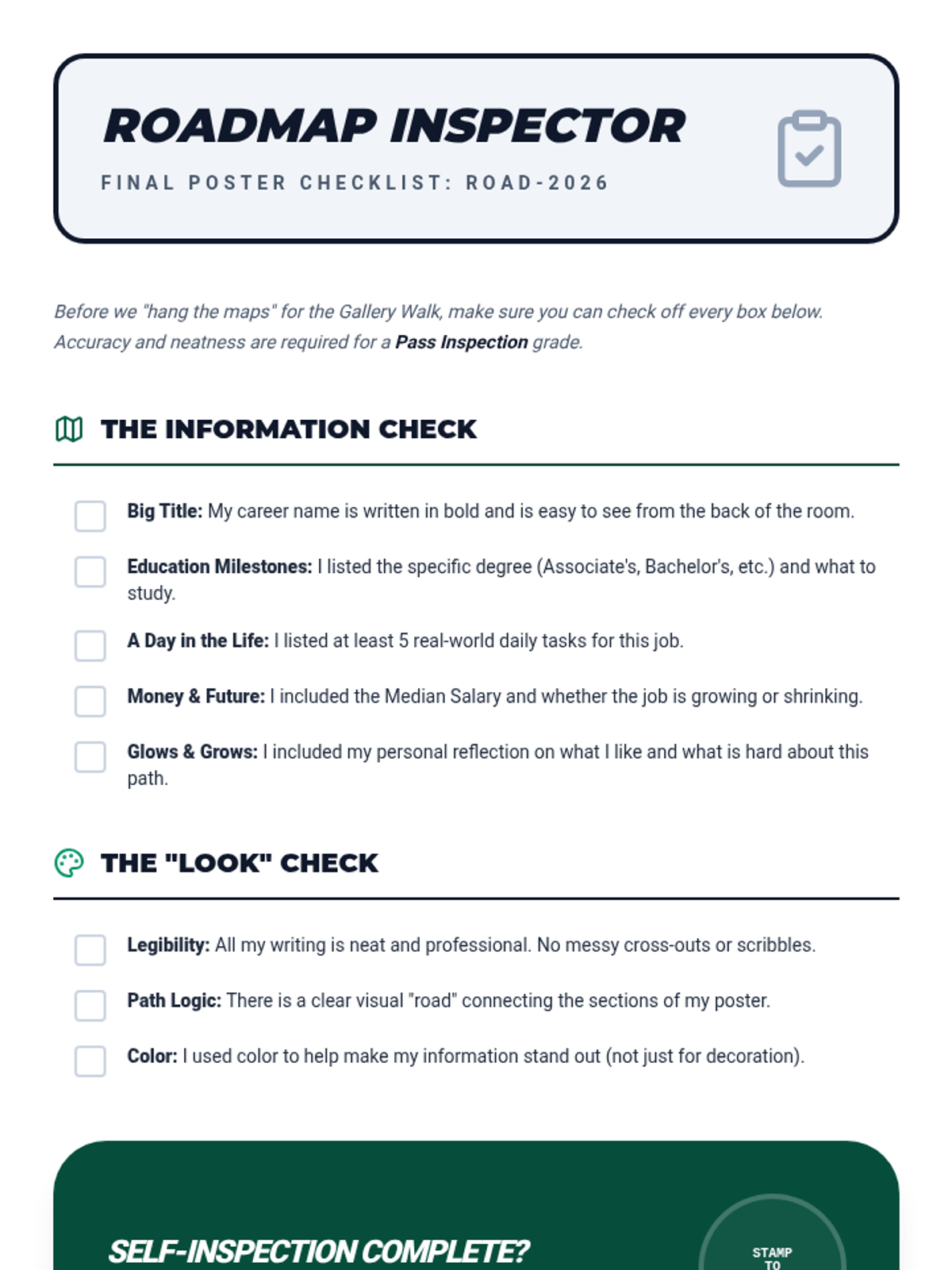
Students synthesize their research into a visual roadmap poster, analyzing the terrain of their career choice.
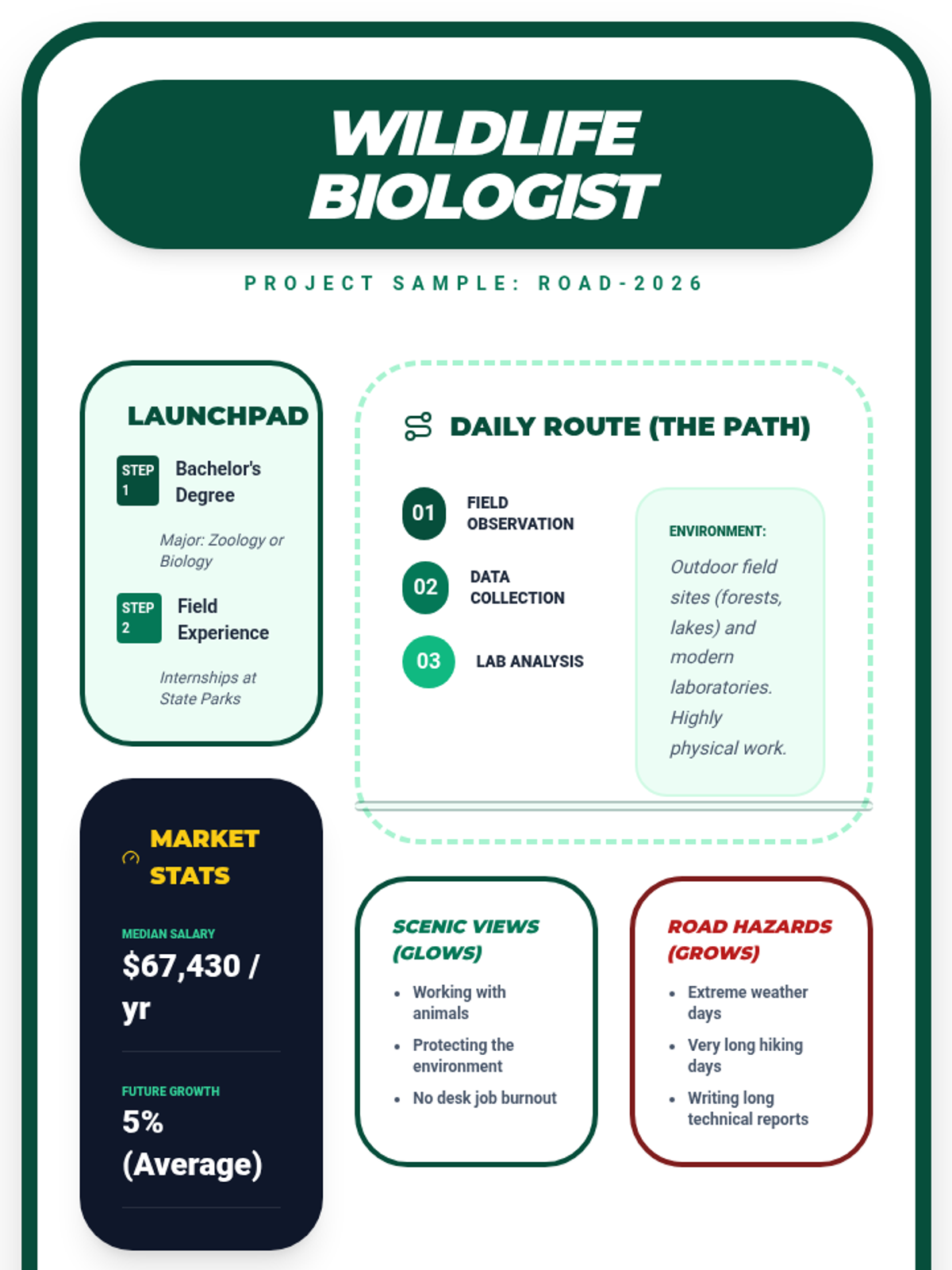
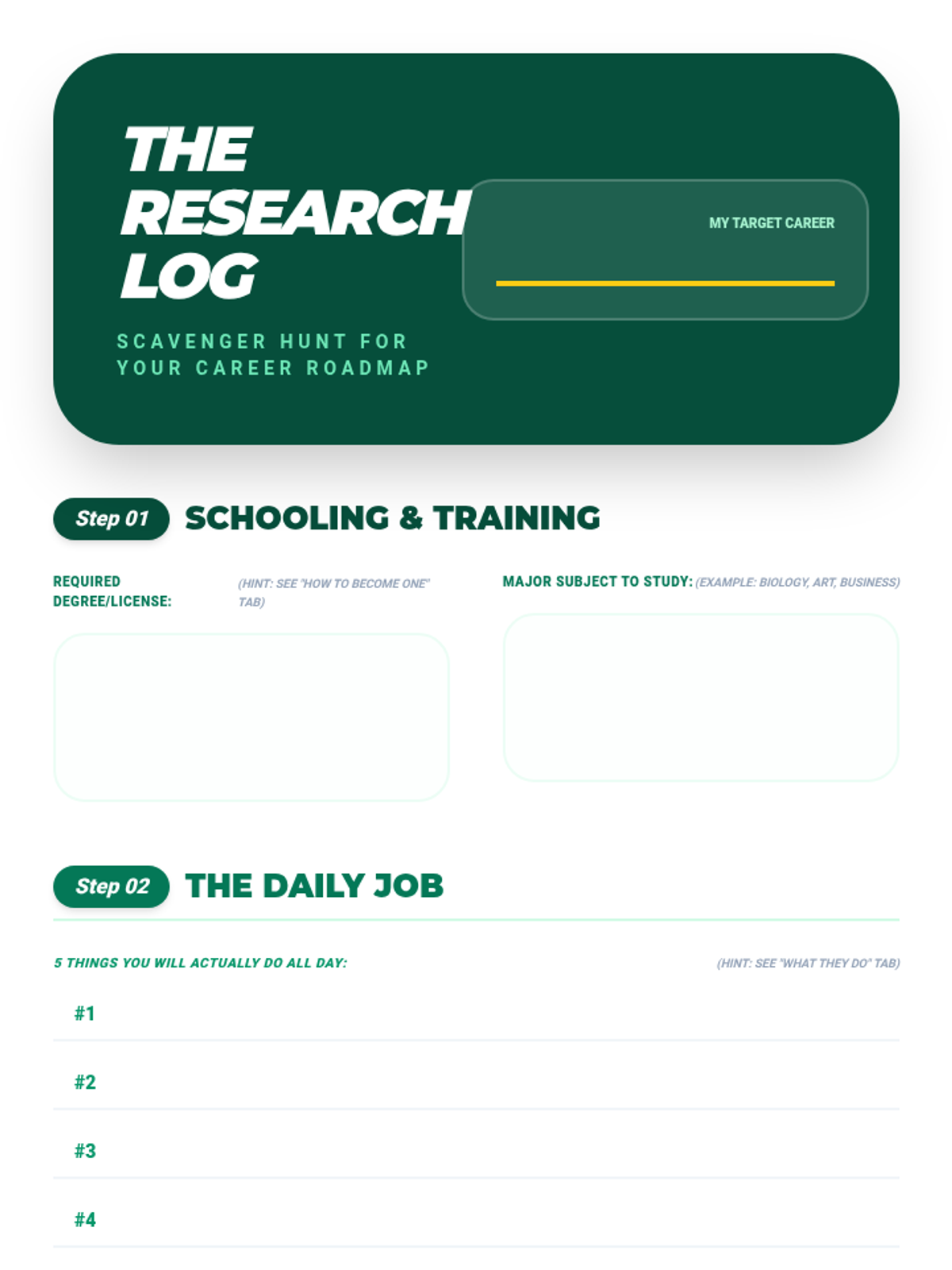
Students map out the technical details of their chosen career, including required skills, education, and daily responsibilities.
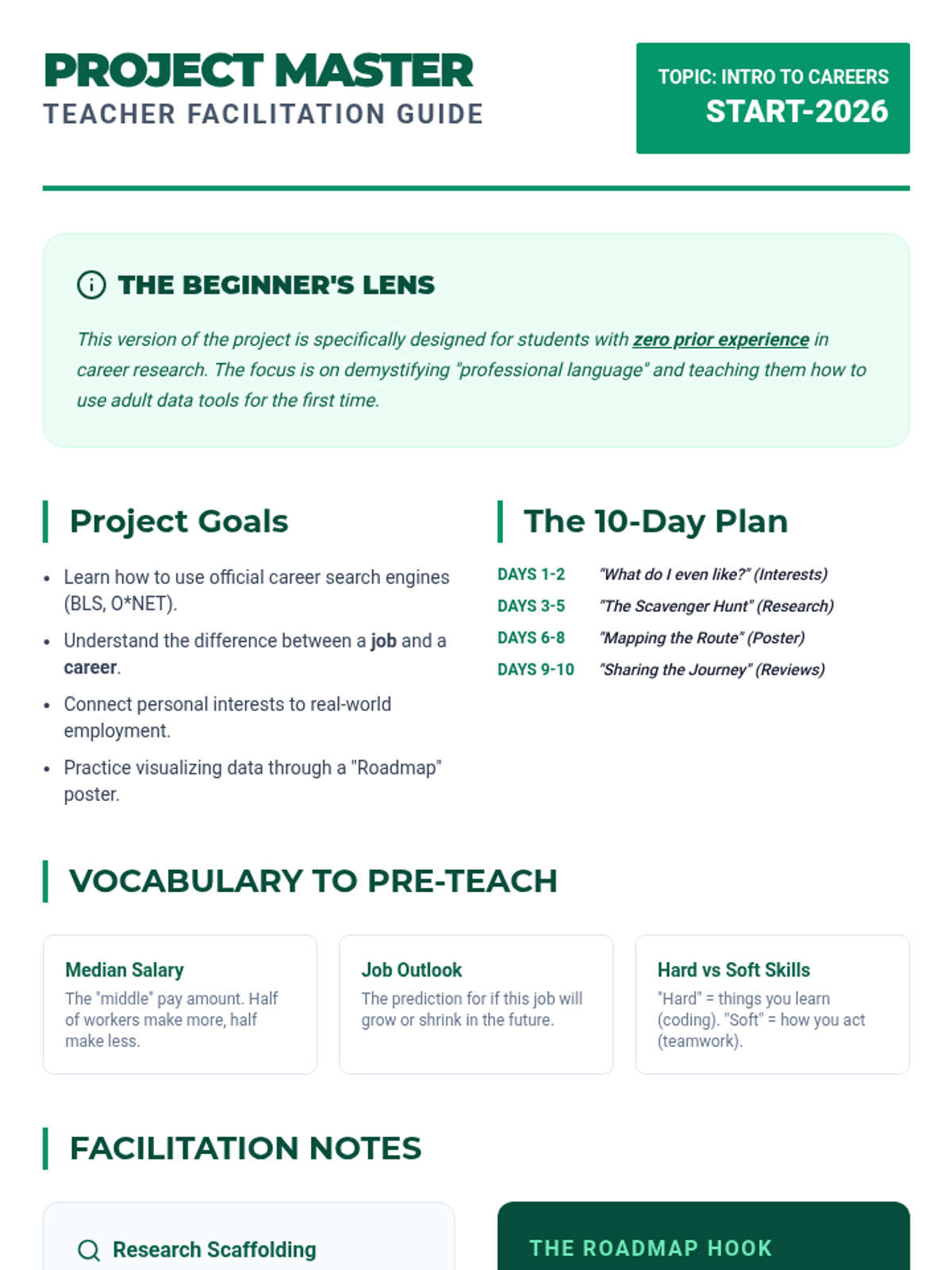
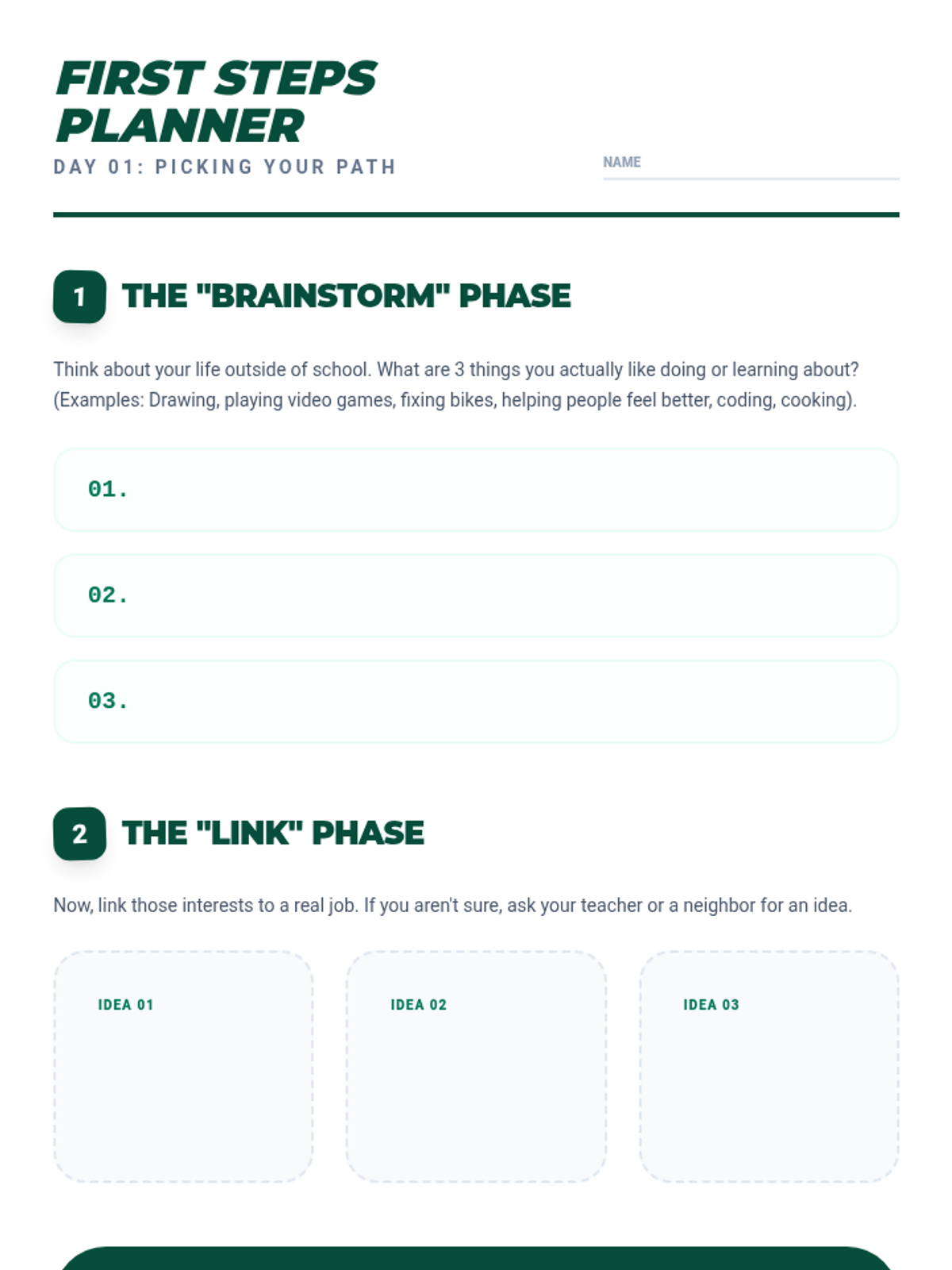
Students explore their interests, select a target career path, and understand the project roadmap and timeline.
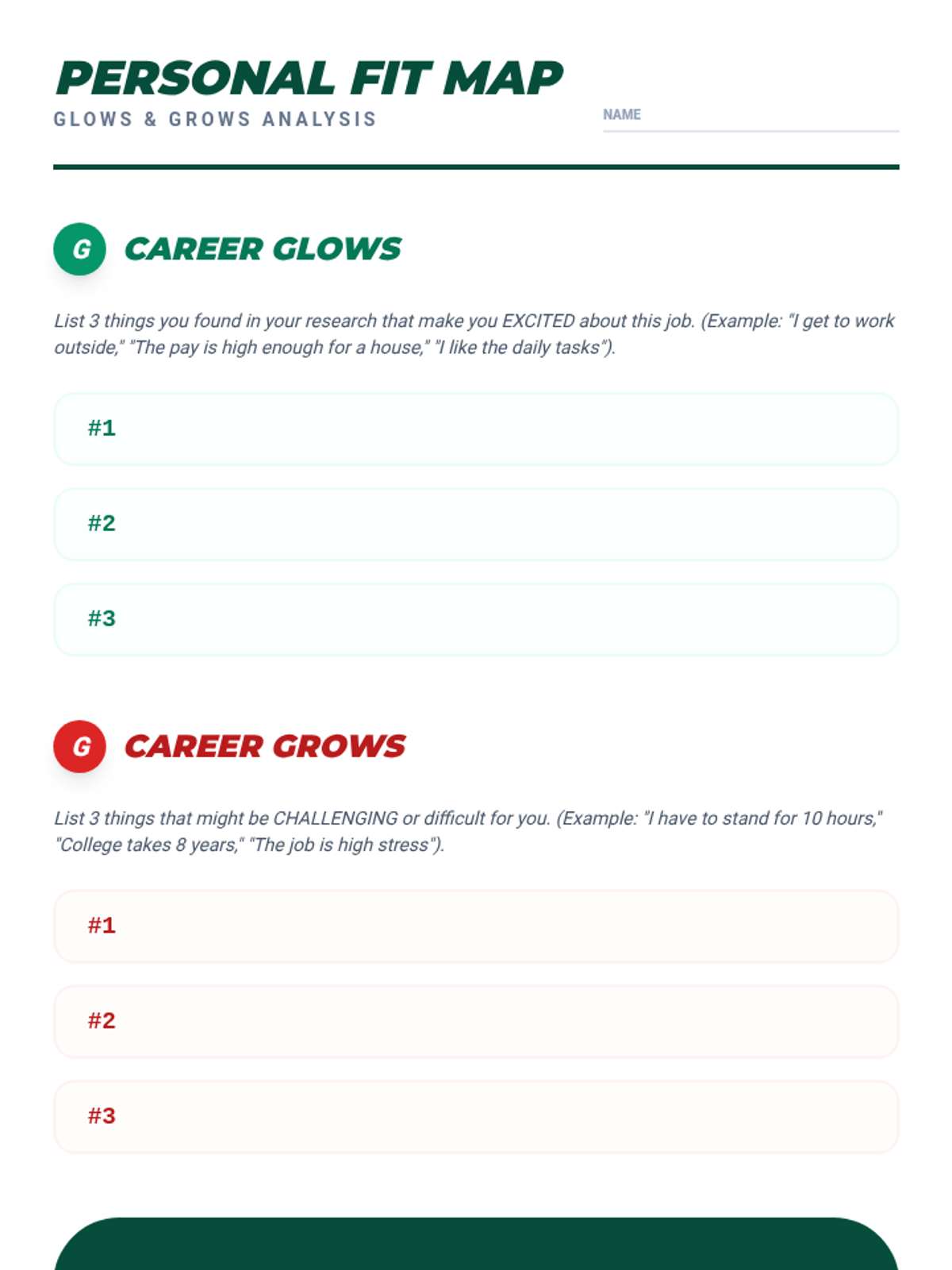
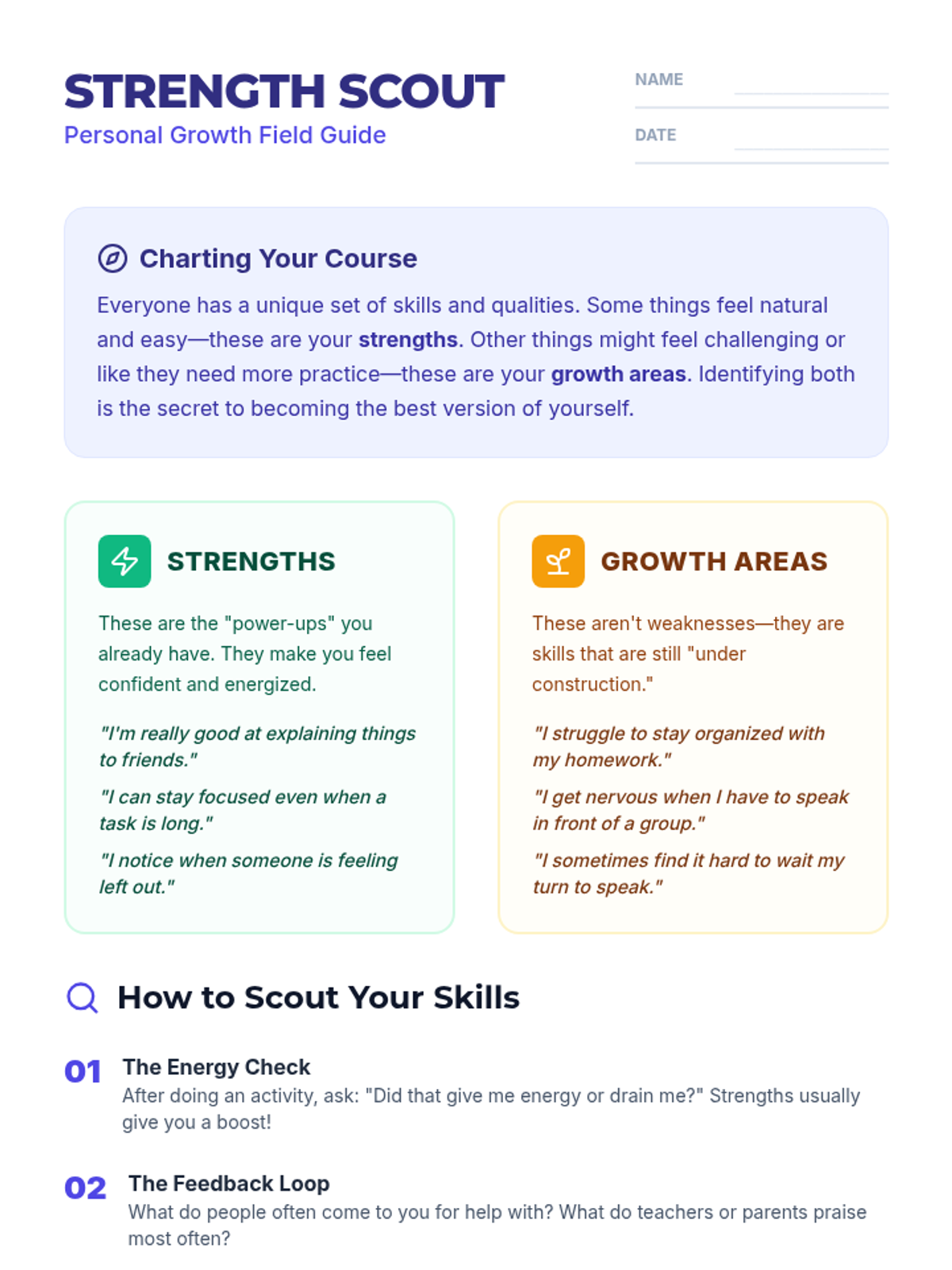
A lesson focused on helping students identify their personal strengths and areas for future development through self-reflection and scenario-based analysis.
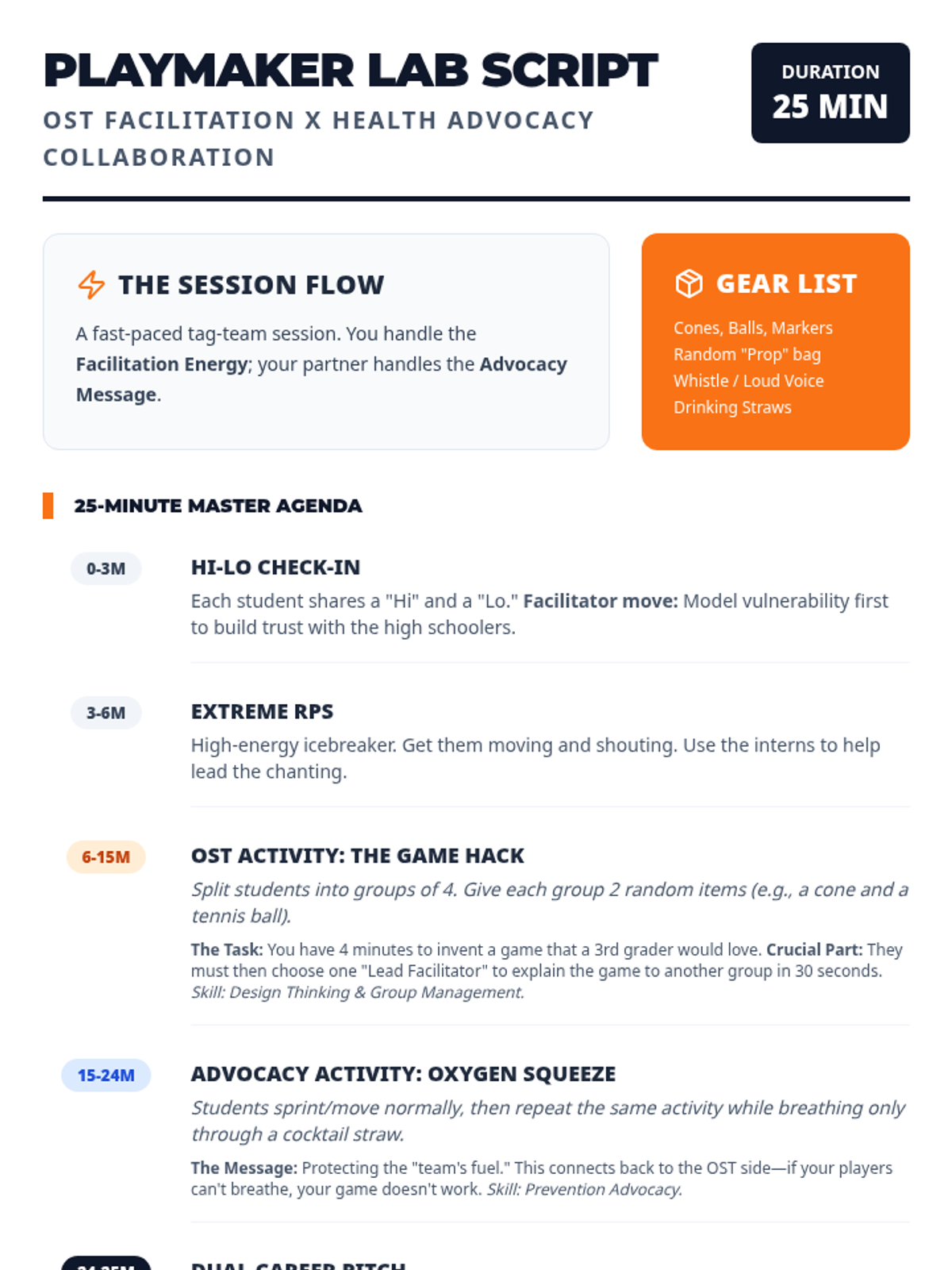
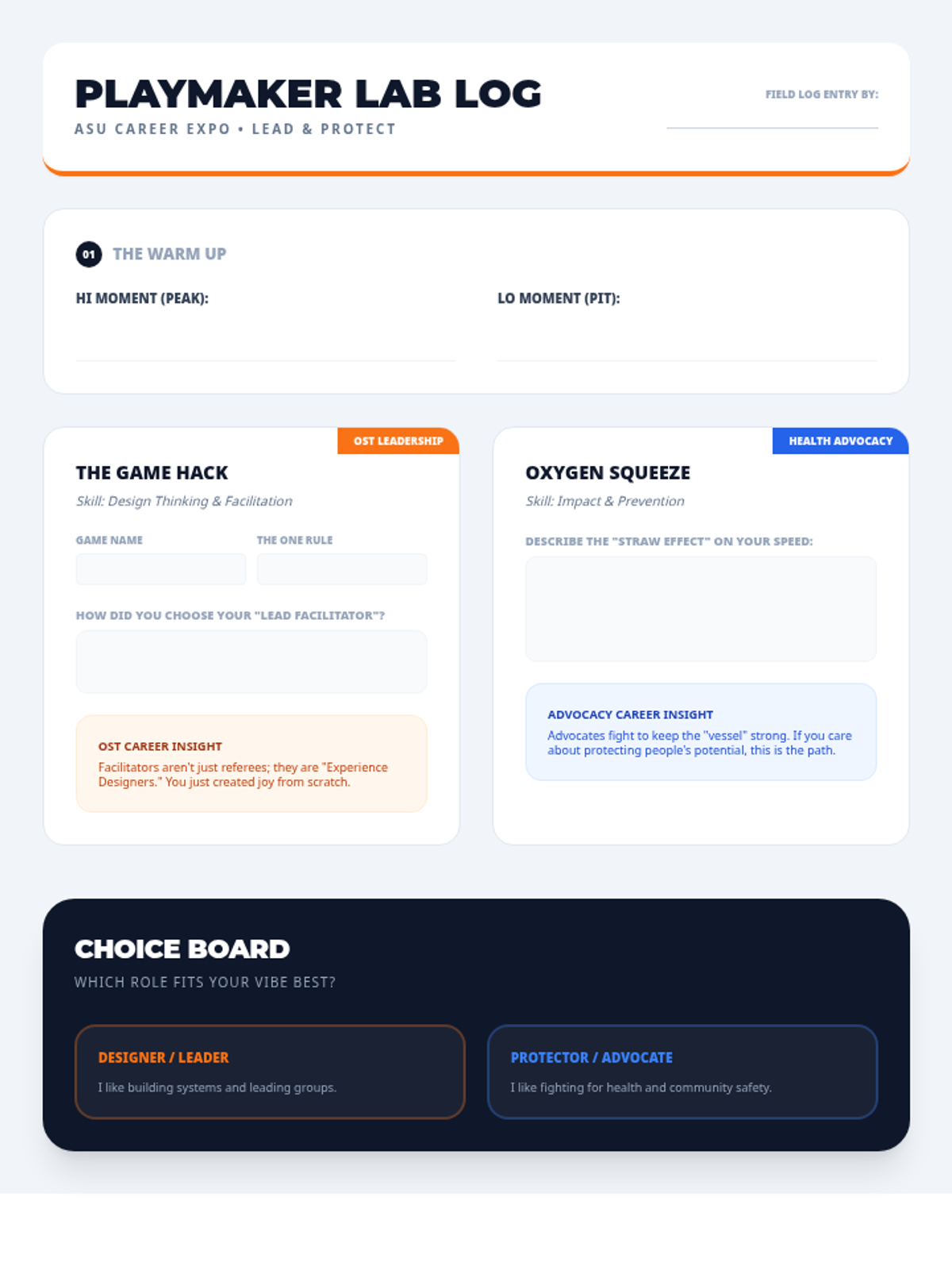
A fast-paced, 25-minute experiential session where students explore careers in out-of-school-time (OST) and health advocacy. In collaboration with an anti-vaping professional, students learn how to use play and game design to promote healthy choices and lead community-wide change.
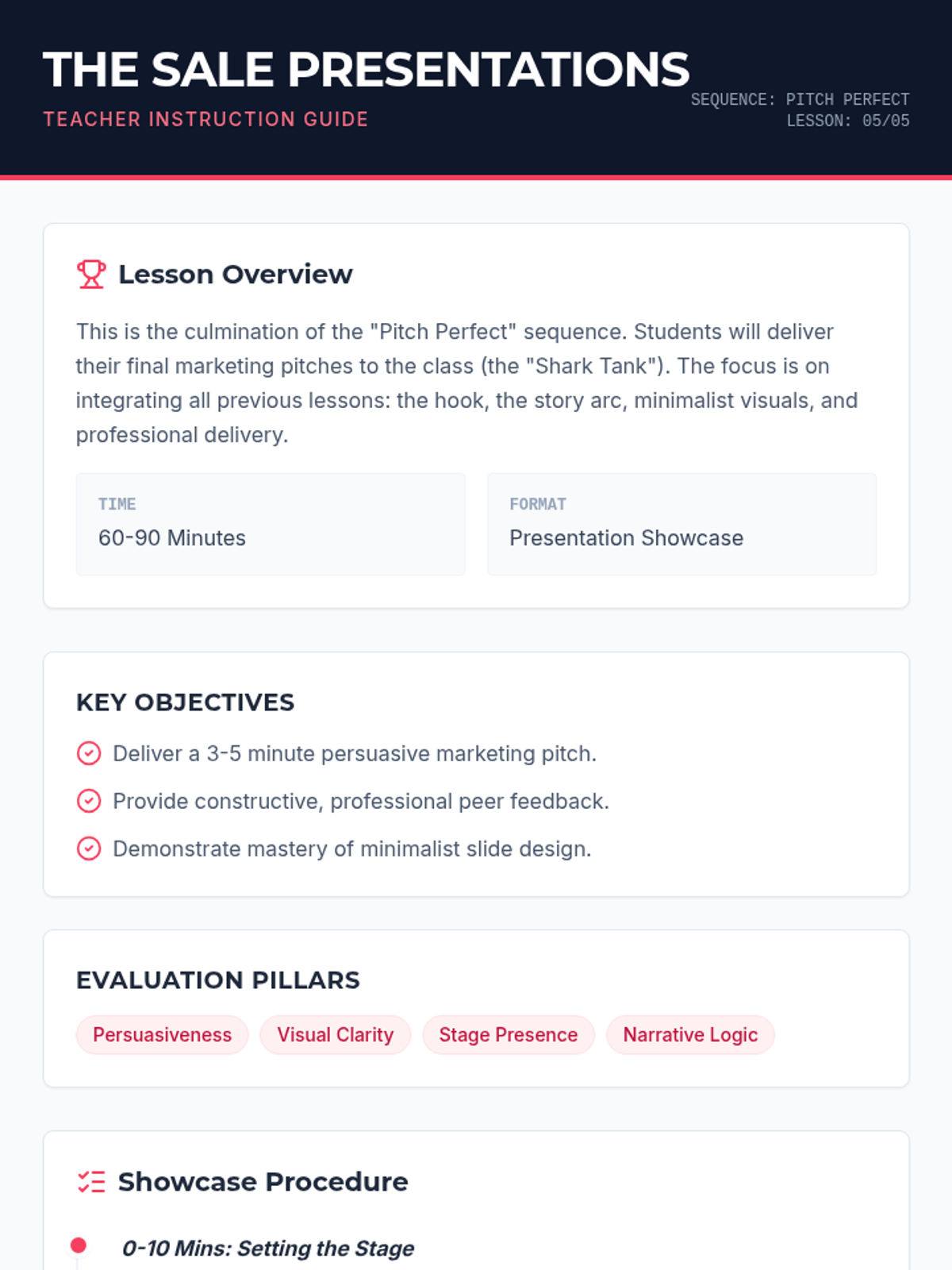
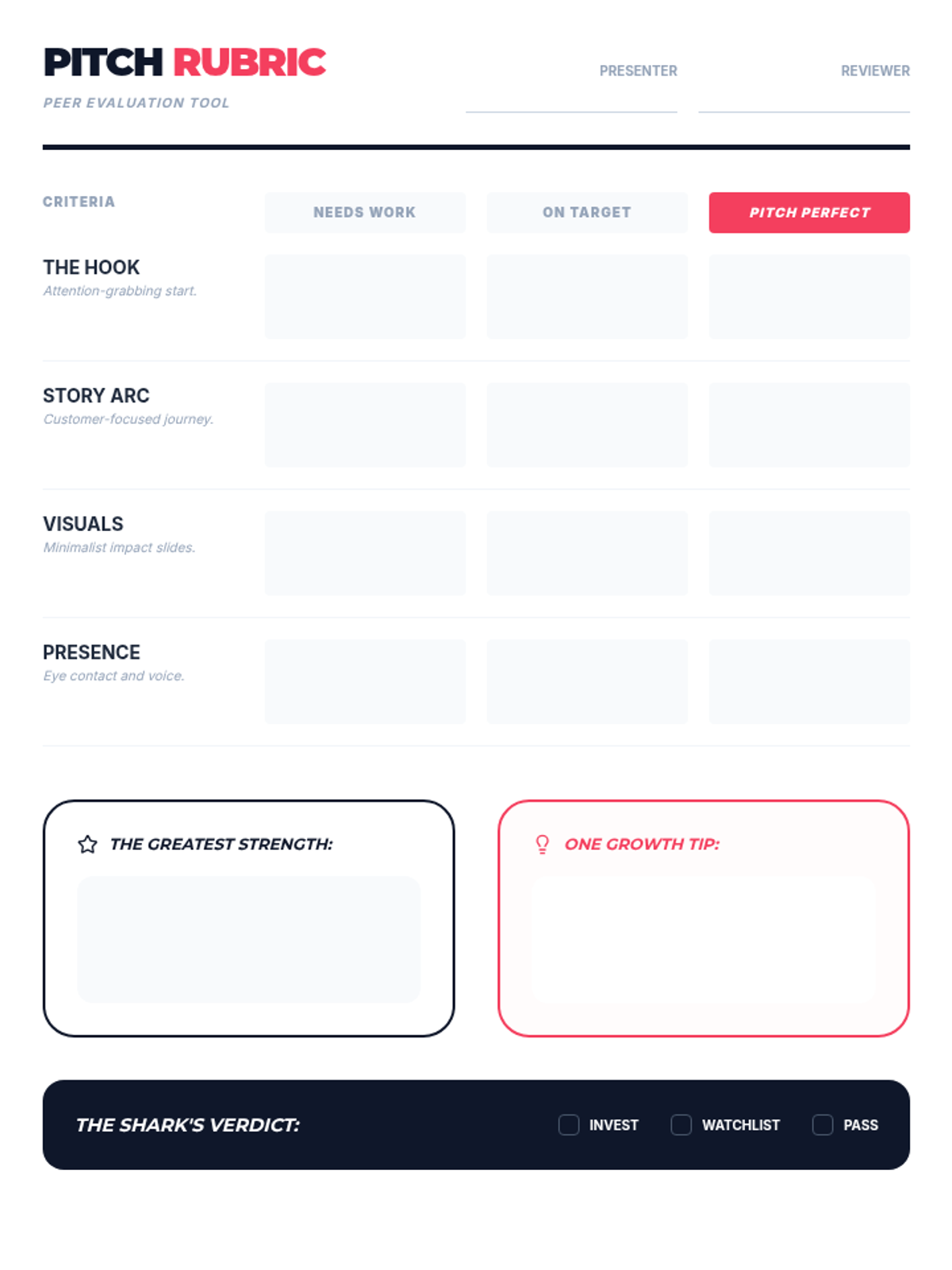
The culmination of the unit where students deliver their full marketing pitch to a 'Shark Tank' style panel. Includes peer evaluation and professional feedback loops.
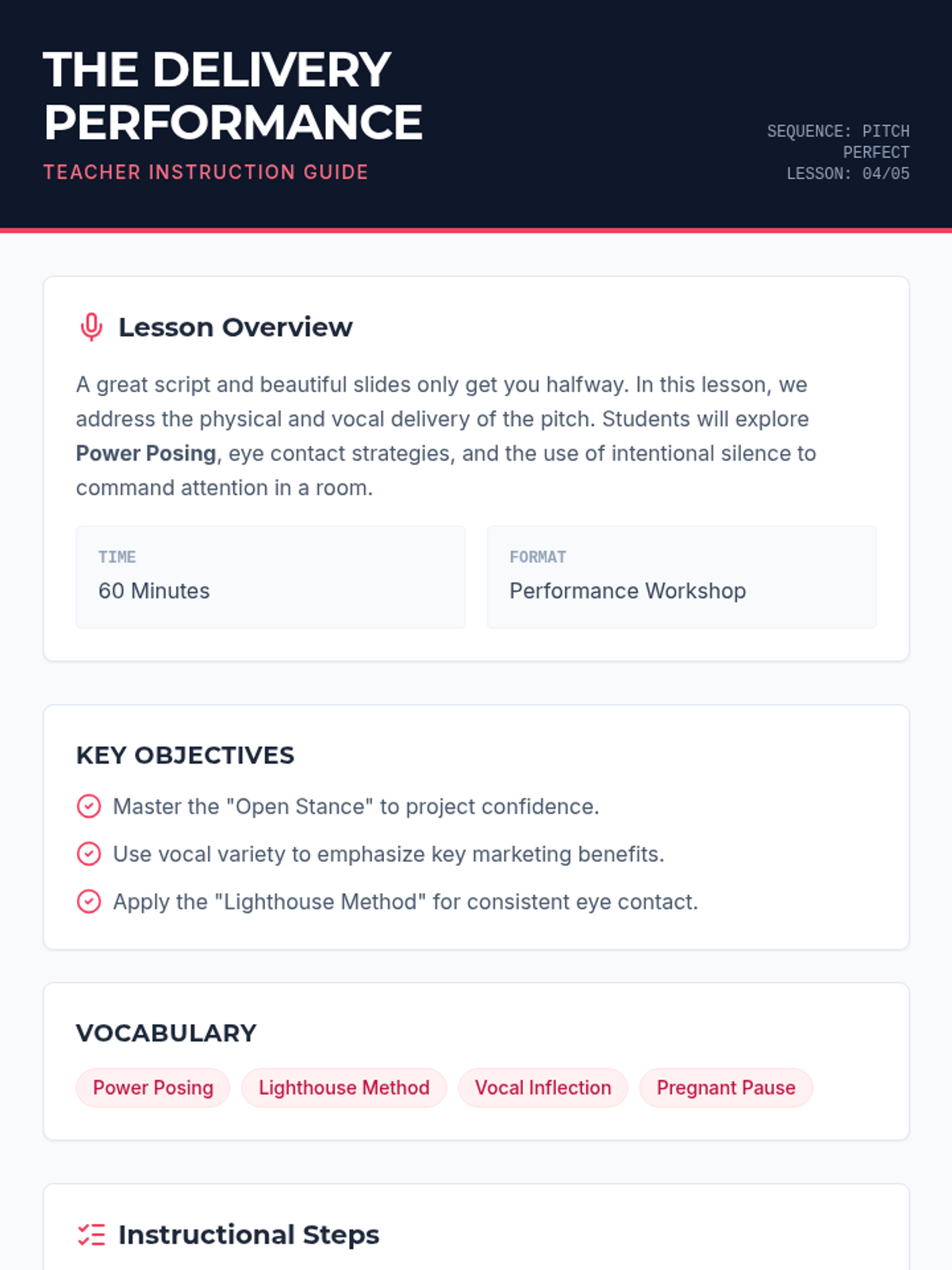
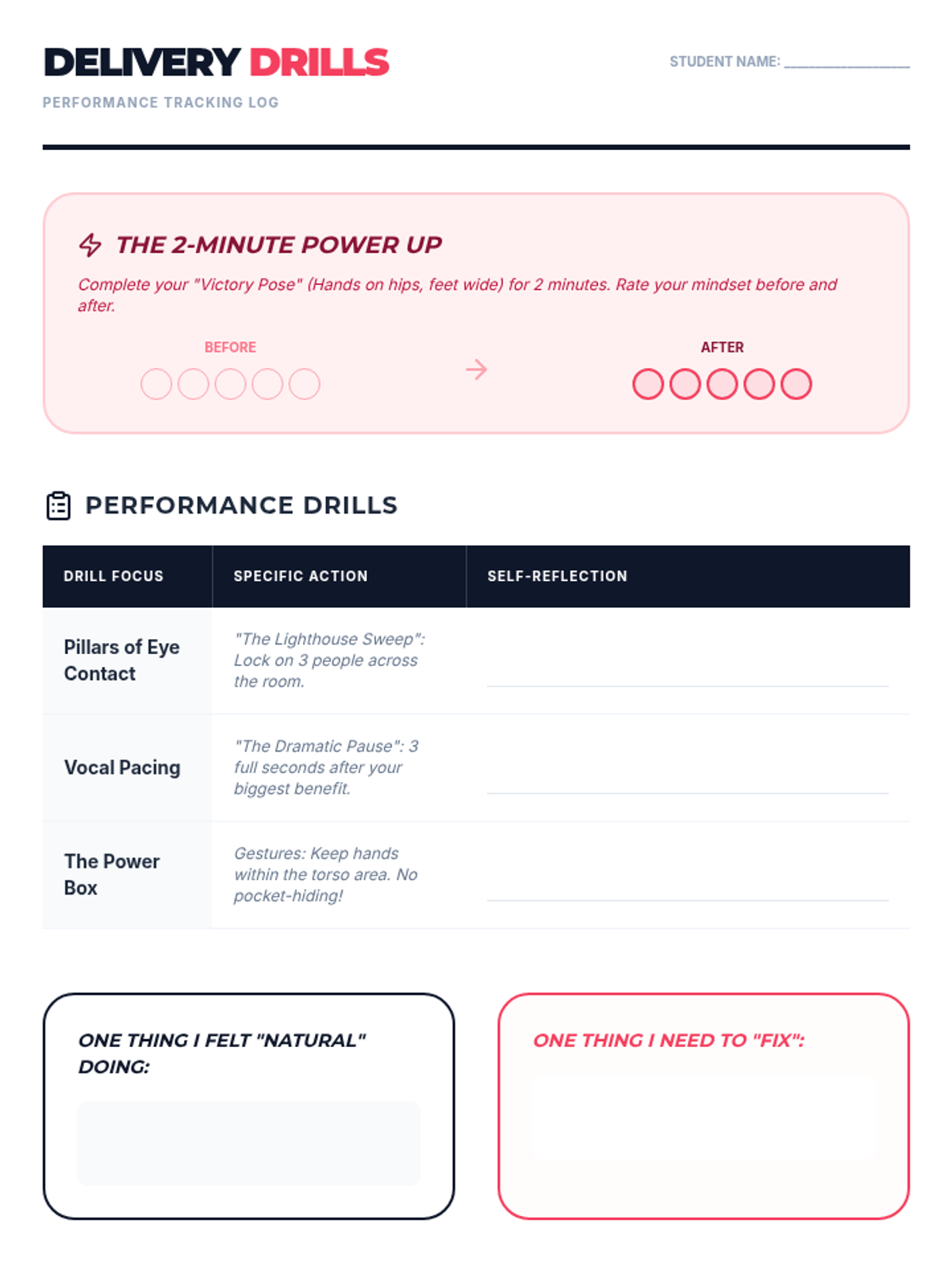
Students master the physical aspects of public speaking, including posture, eye contact, and vocal variety. They will practice 'Power Posing' and techniques to manage presentation anxiety.
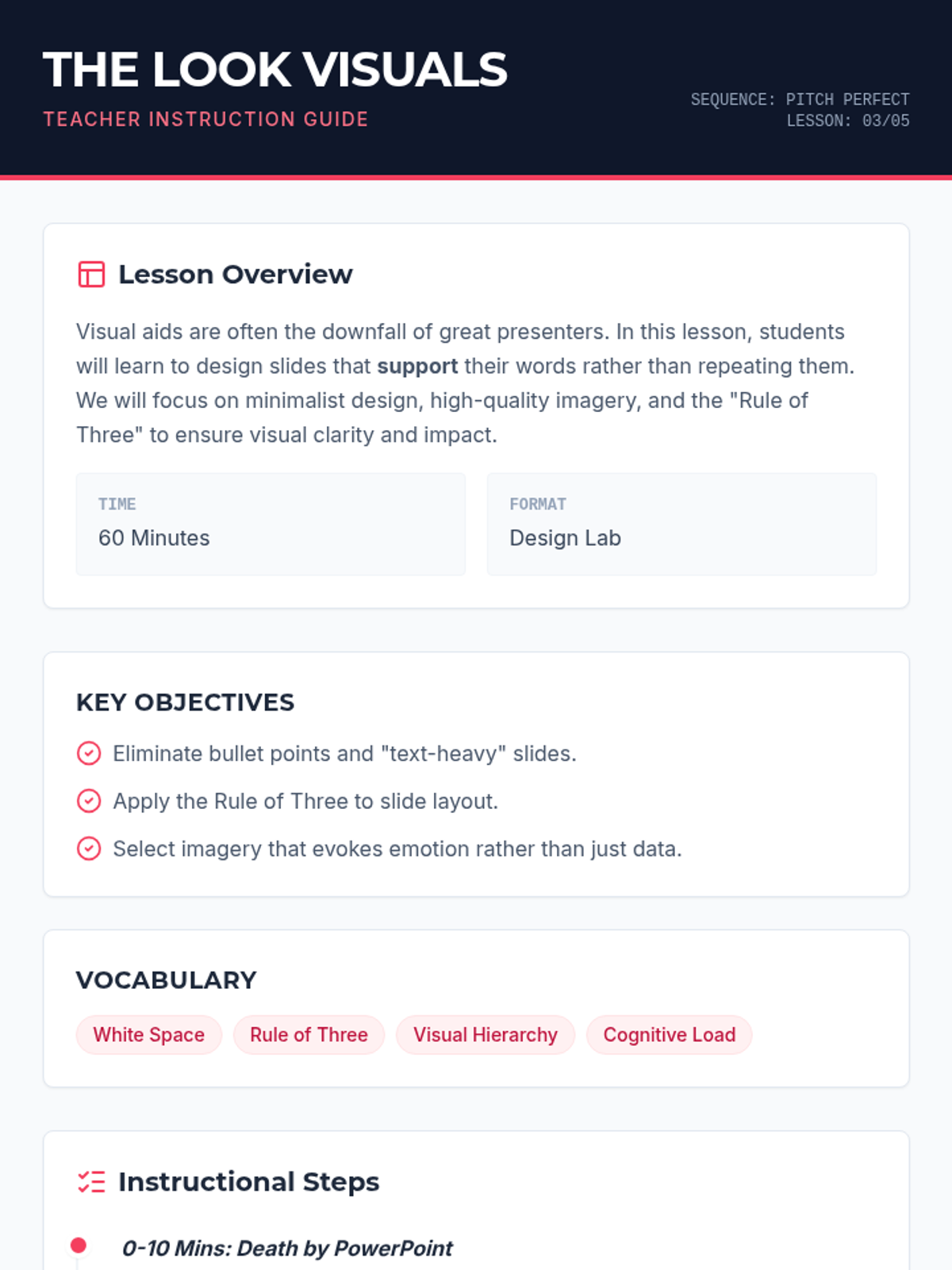
This lesson covers the 'Rule of Three' and visual design principles. Students learn that slides should support, not repeat, their spoken words, focusing on minimalism and impact.
Focusing on the emotional core of marketing, students learn to wrap their data and products in compelling stories. They will explore brand archetypes and the hero's journey as applied to customer success.
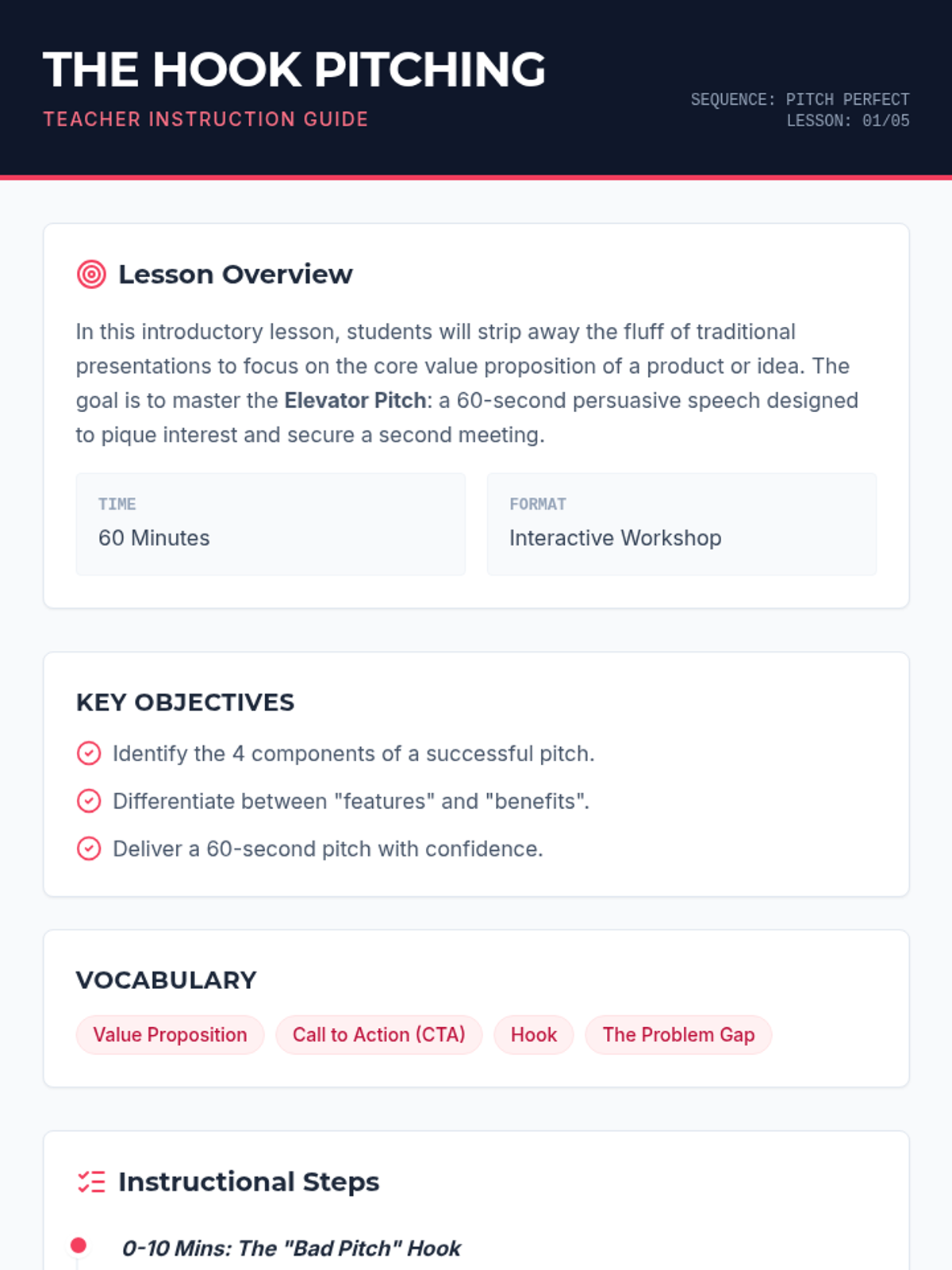
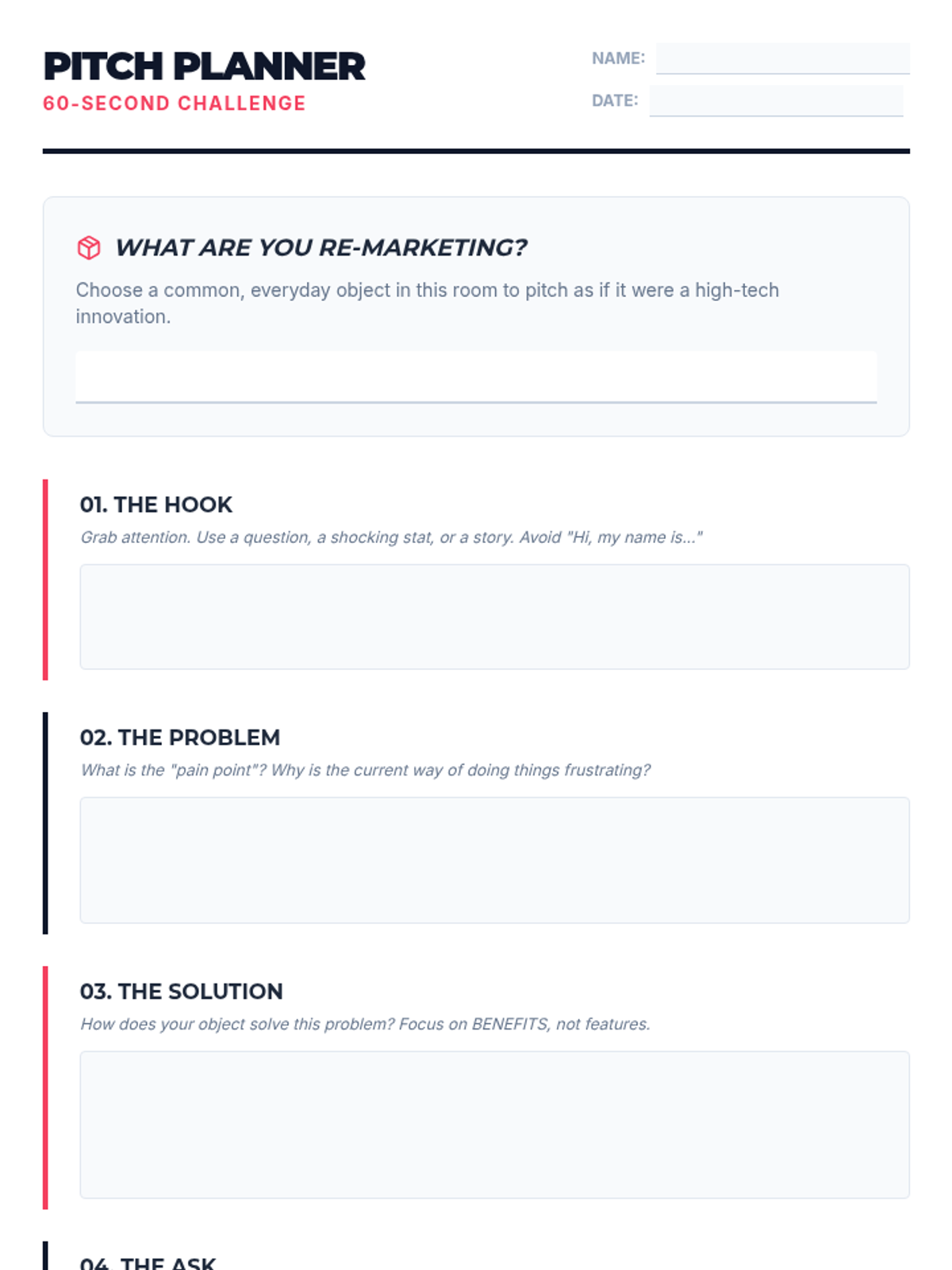
Students learn the fundamentals of persuasion through the lens of the 'Elevator Pitch'. They will explore how to hook an audience in under 60 seconds using value propositions and clear calls to action.
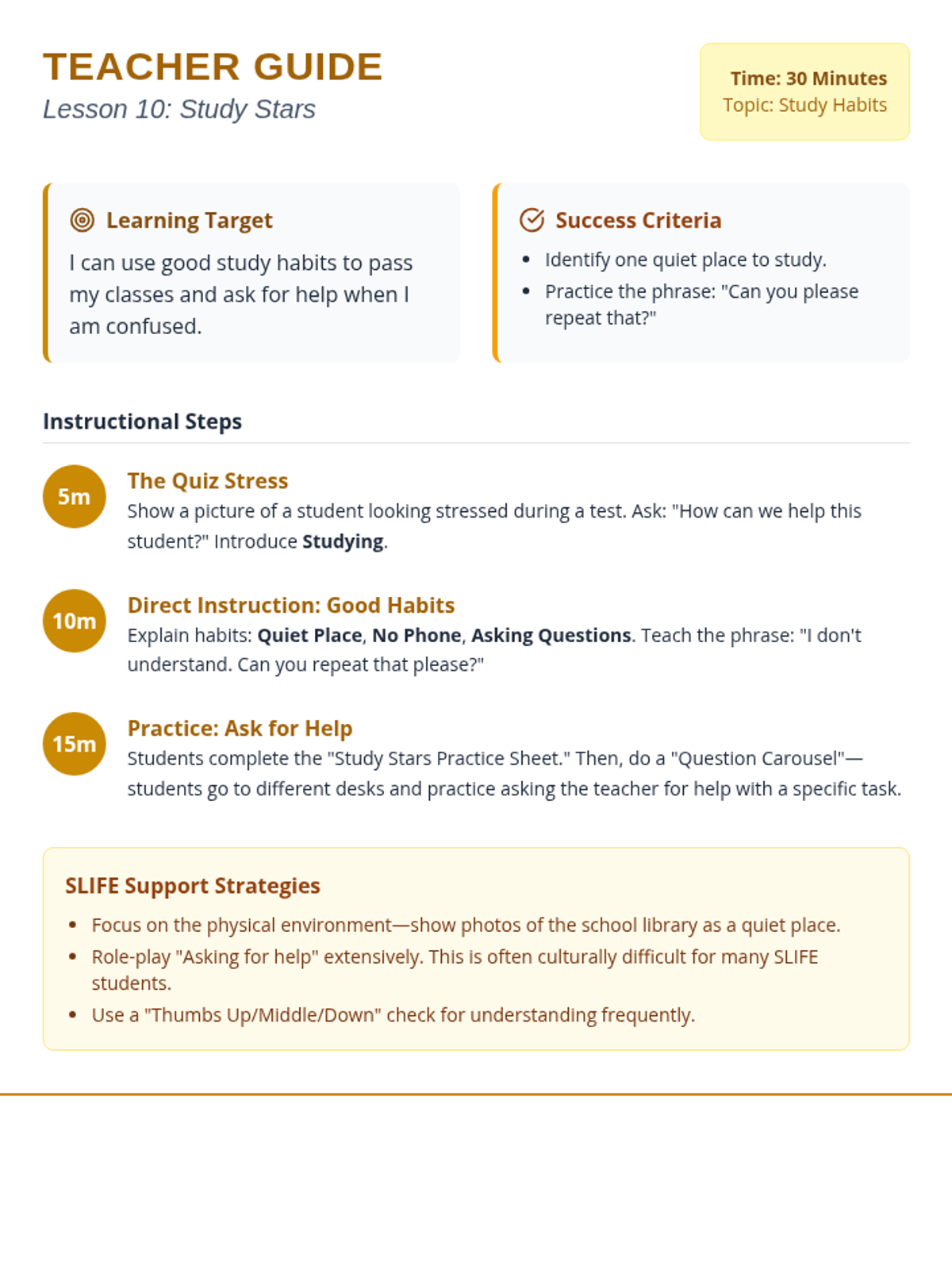
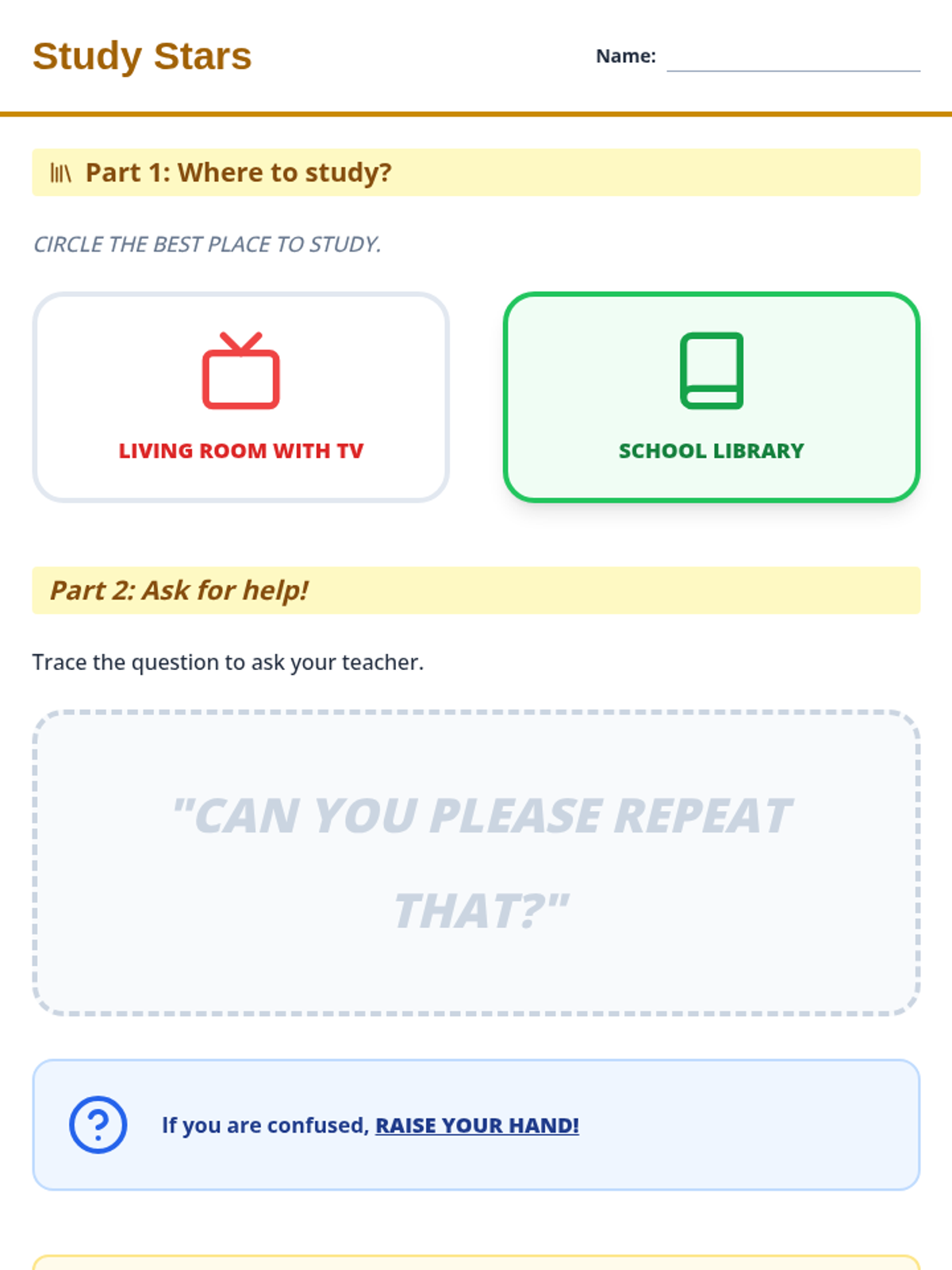
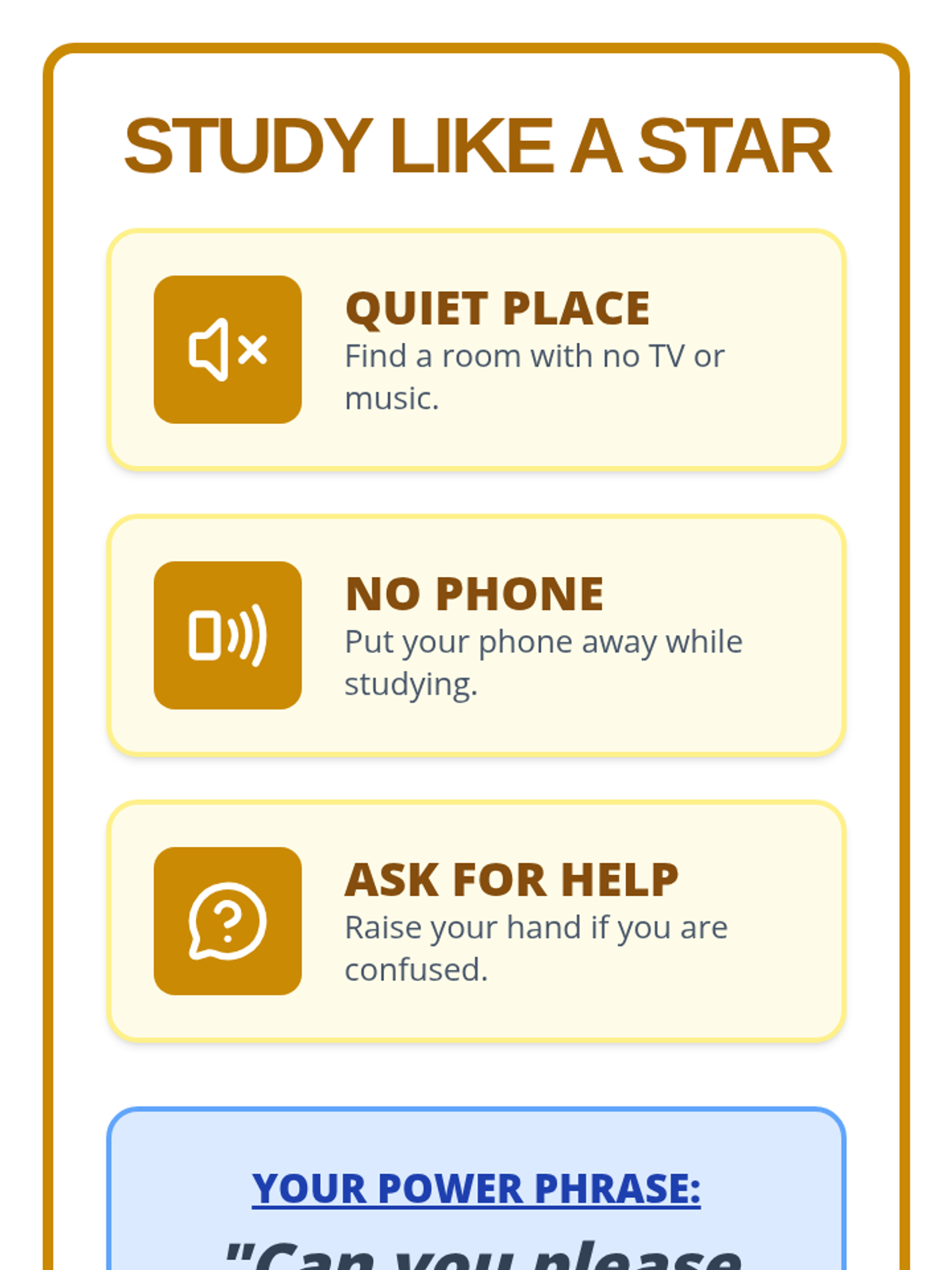
Essential study habits, organizational skills, and phrases for asking for clarification.
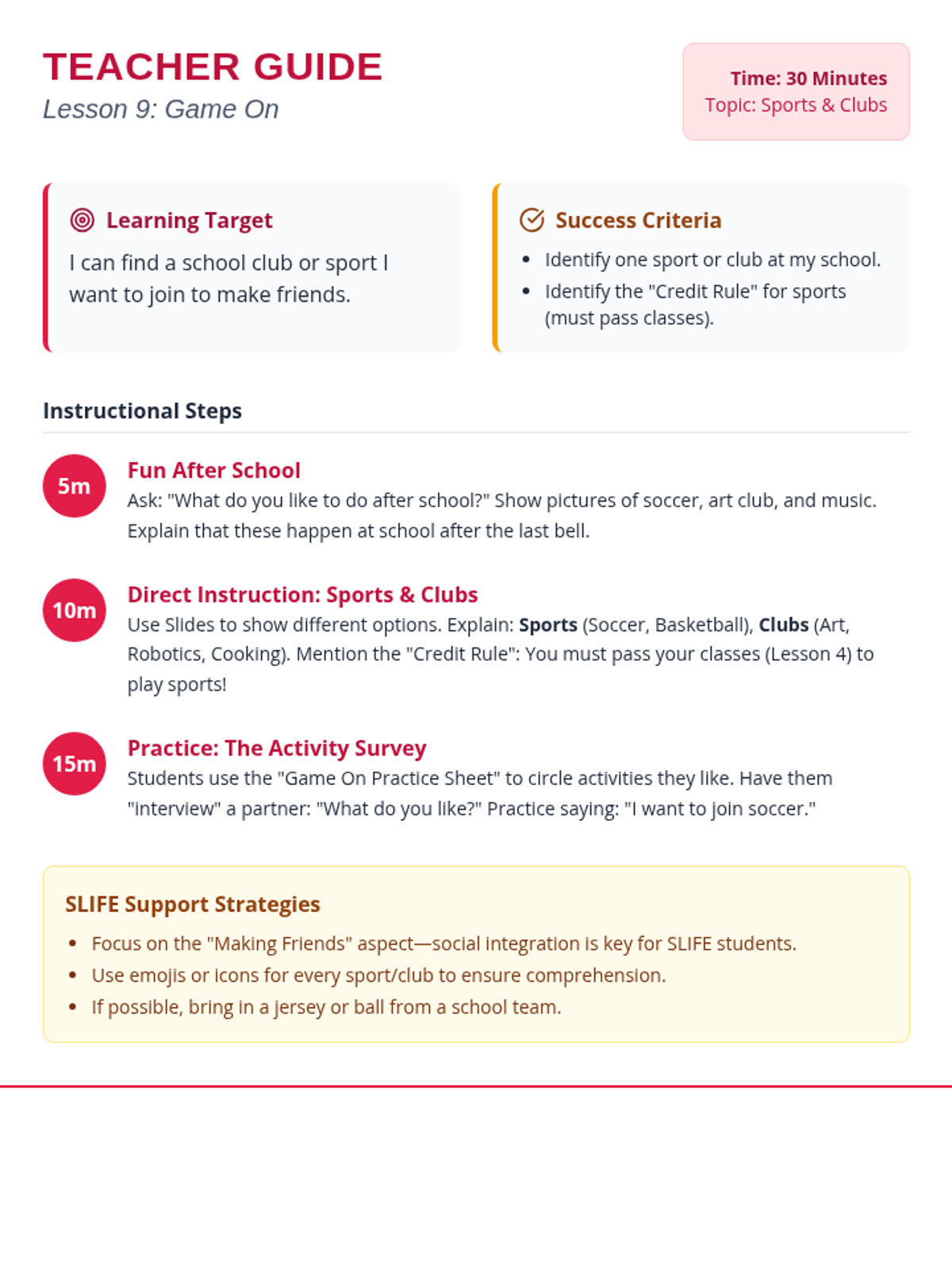
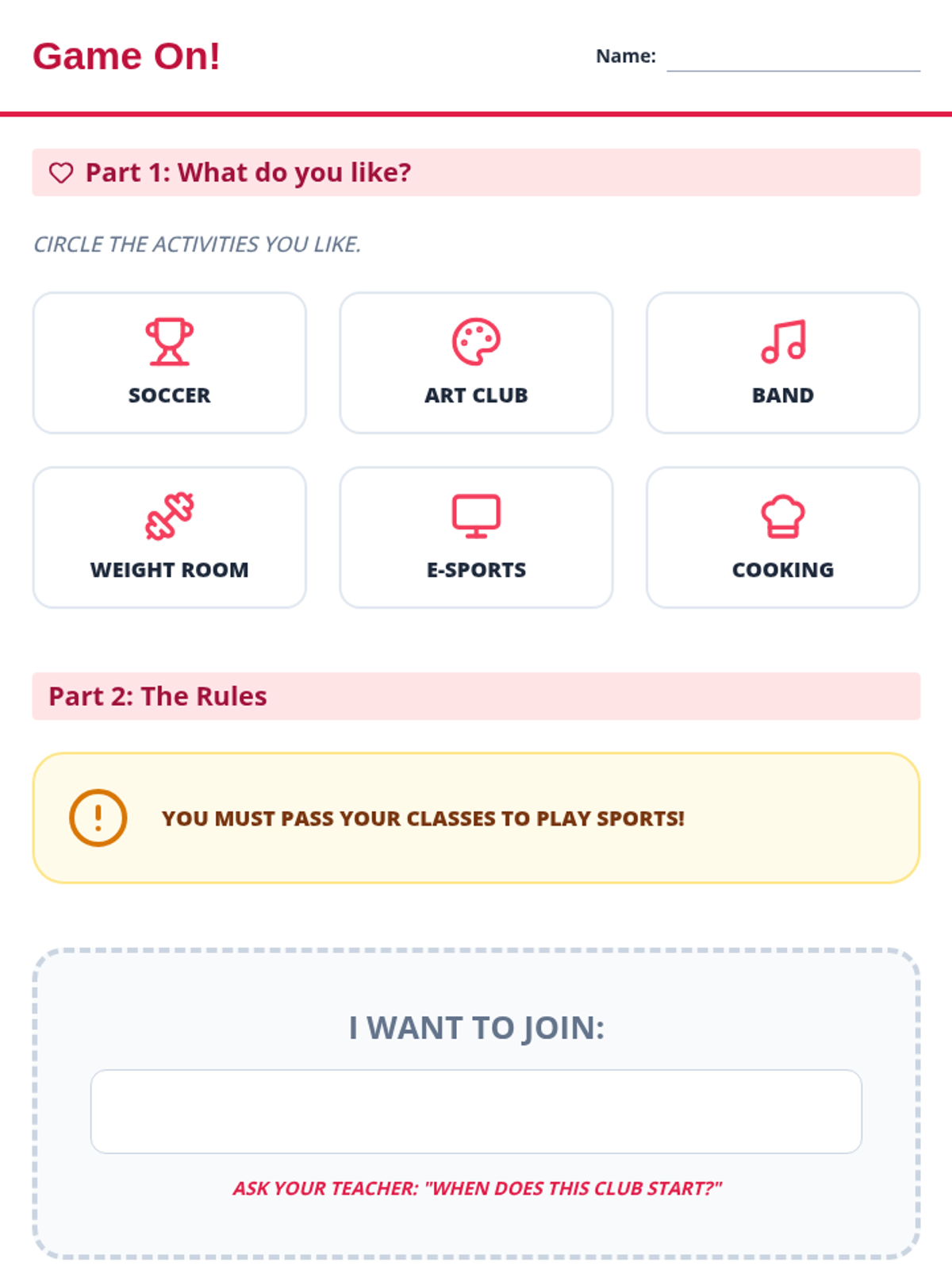
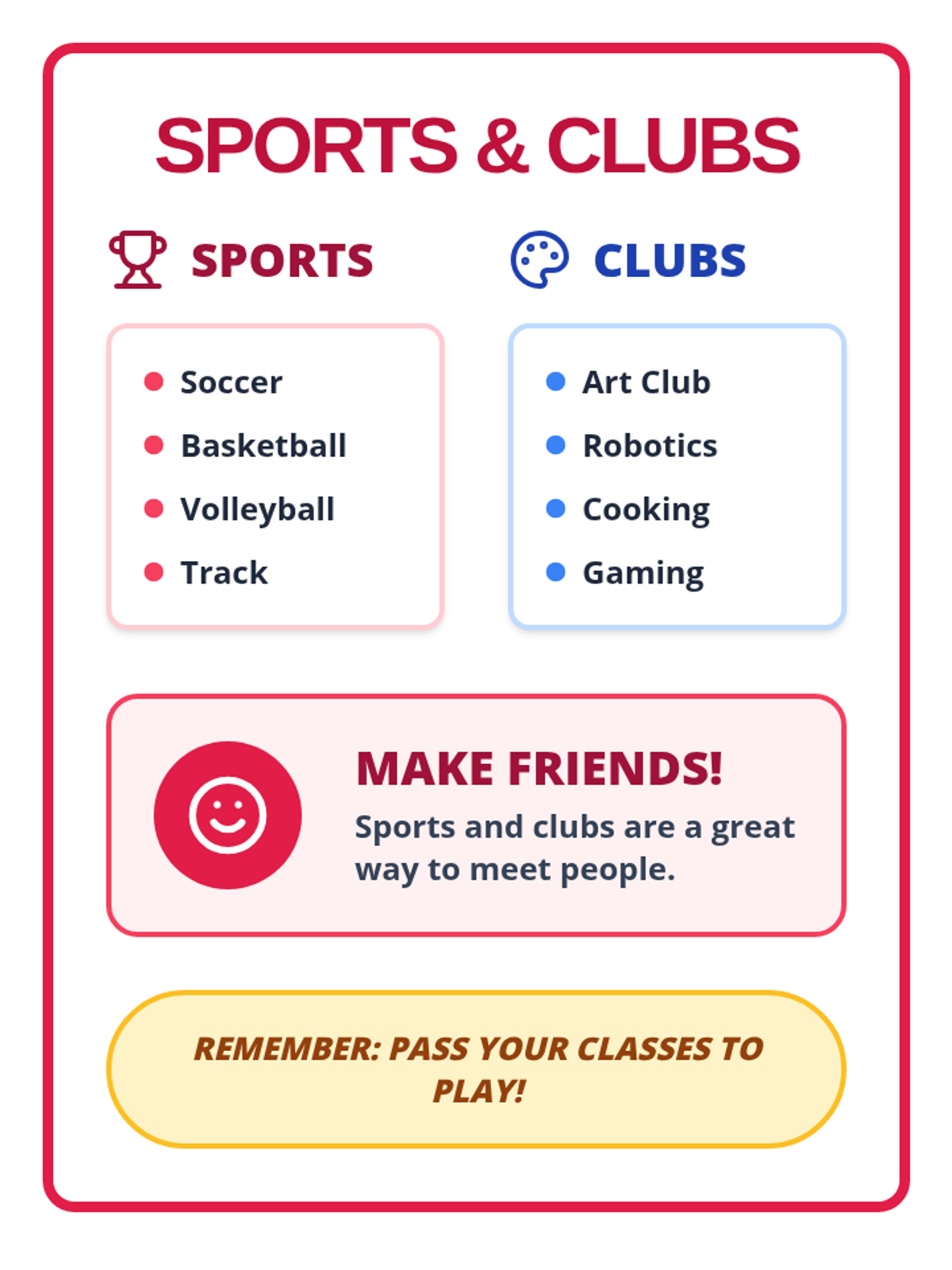
Exploring sports, clubs, and extracurricular activities to build community.
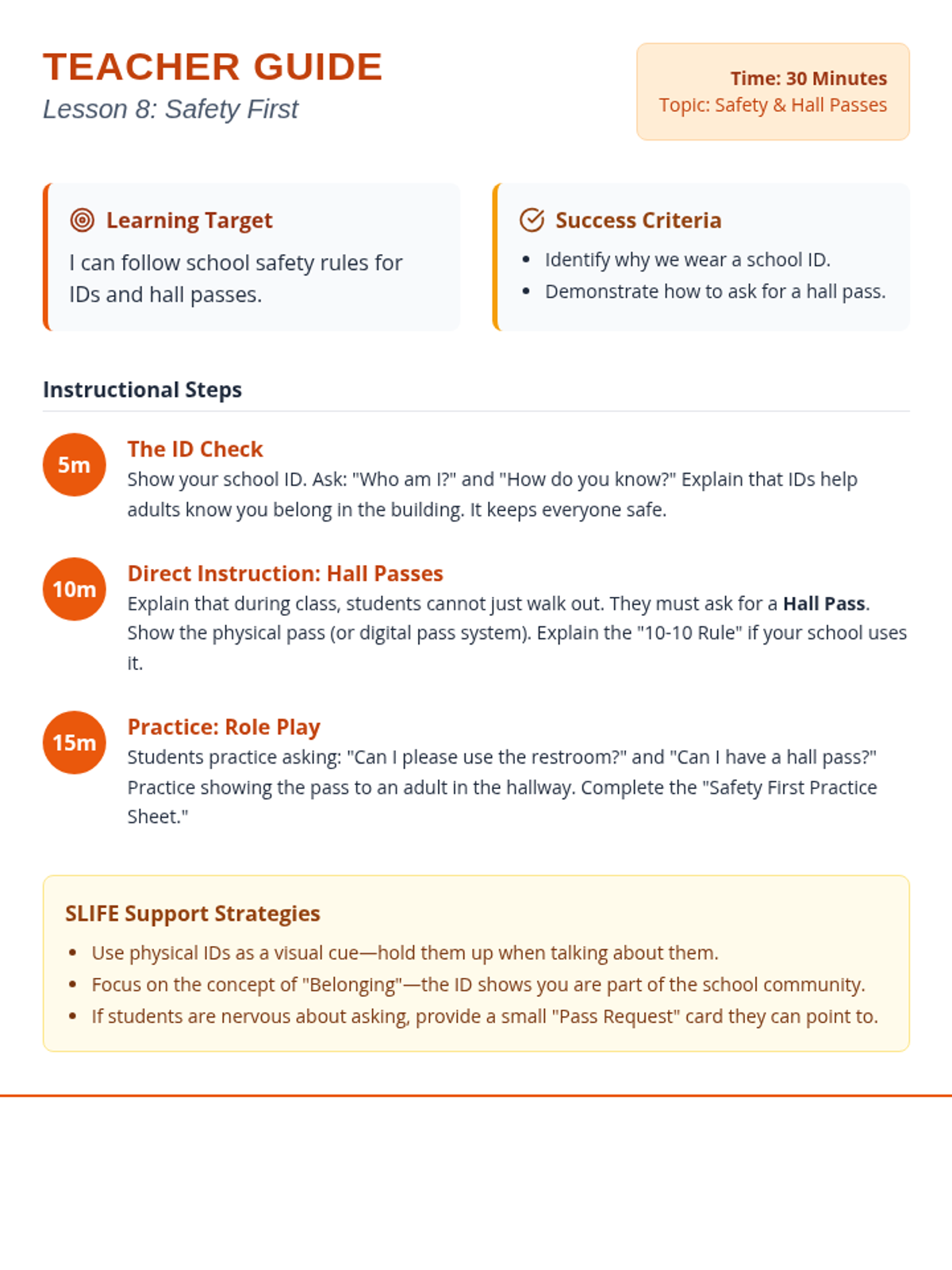
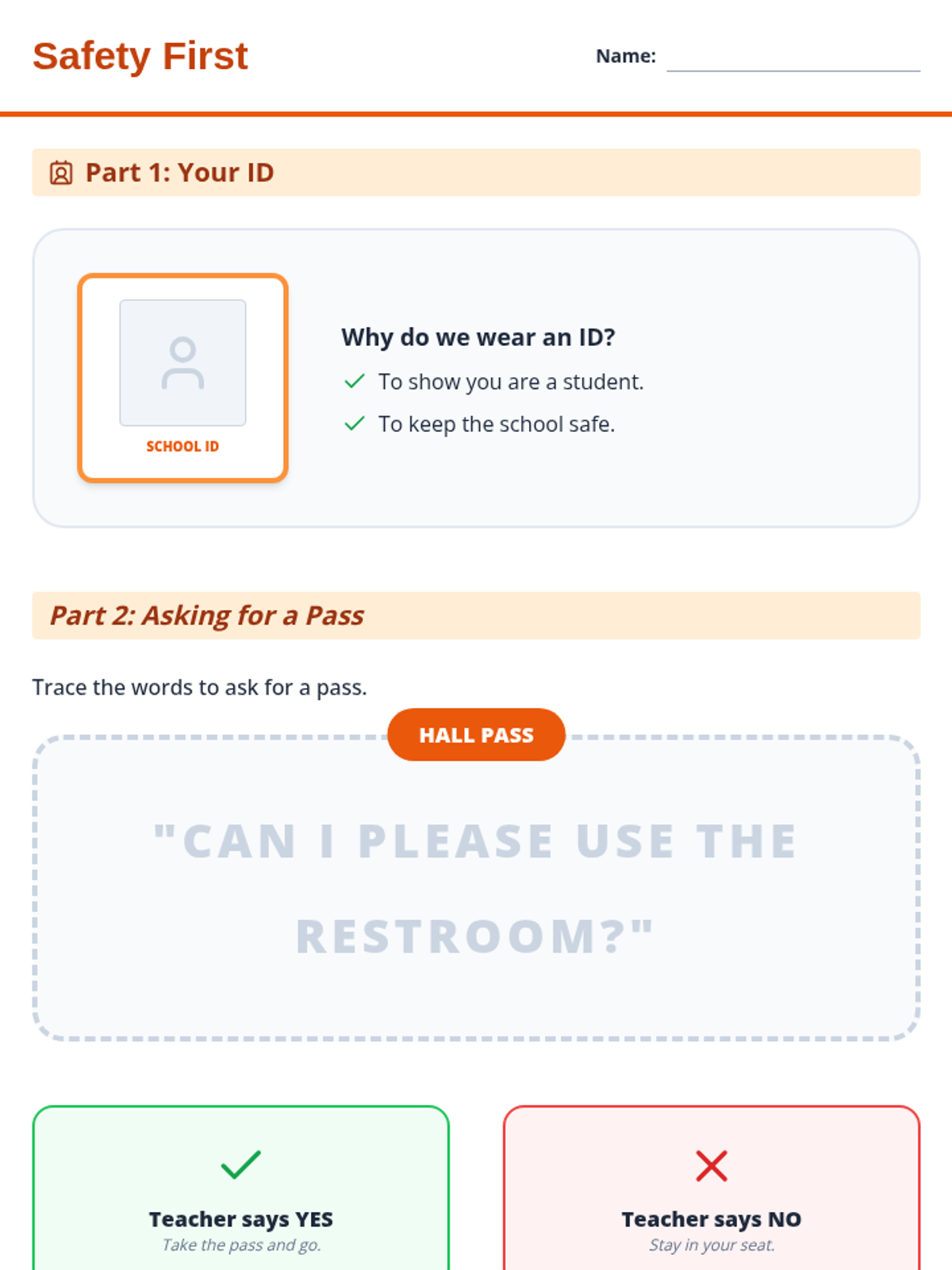
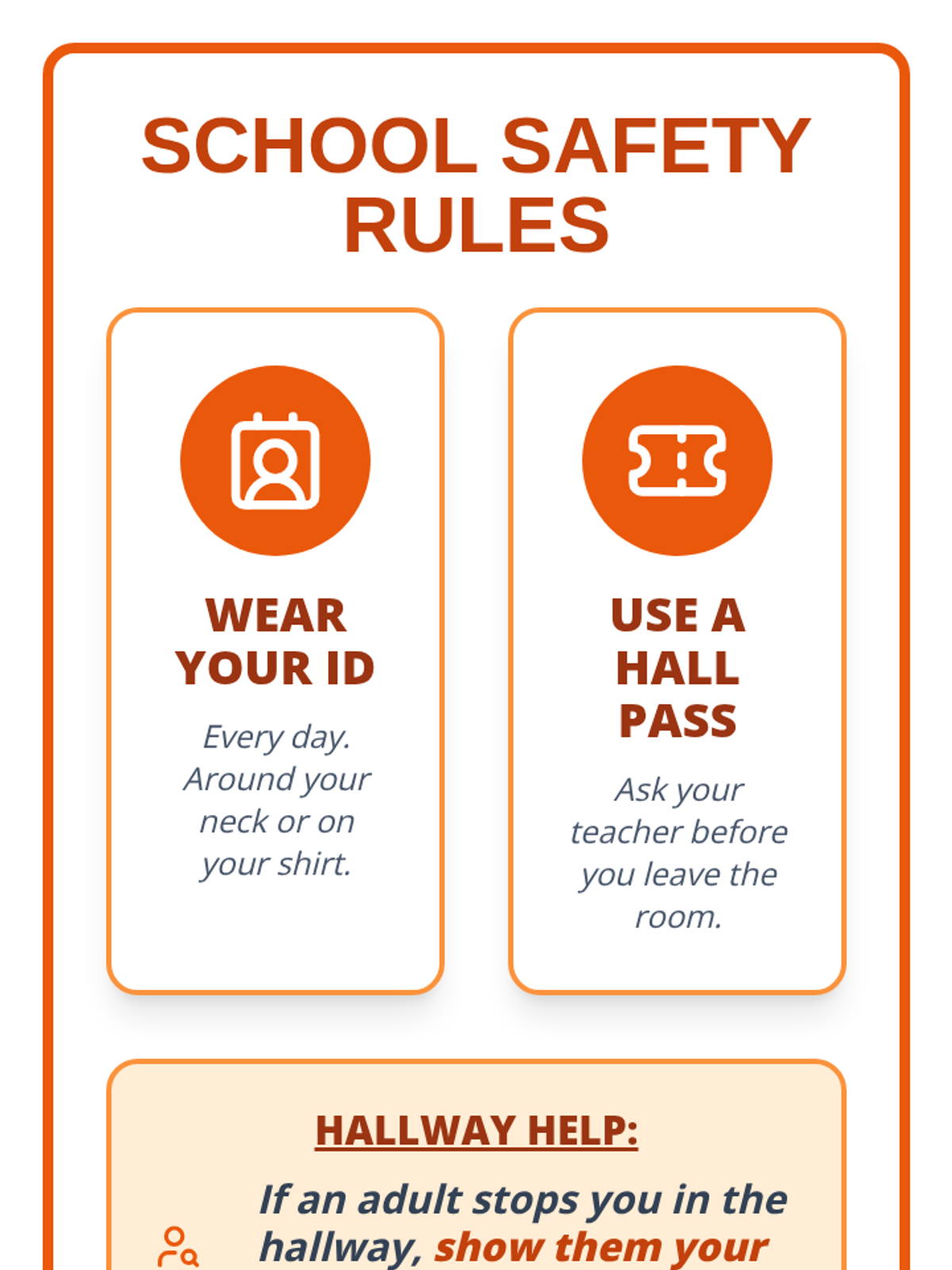
Understanding school safety protocols, ID requirements, and hall pass procedures.
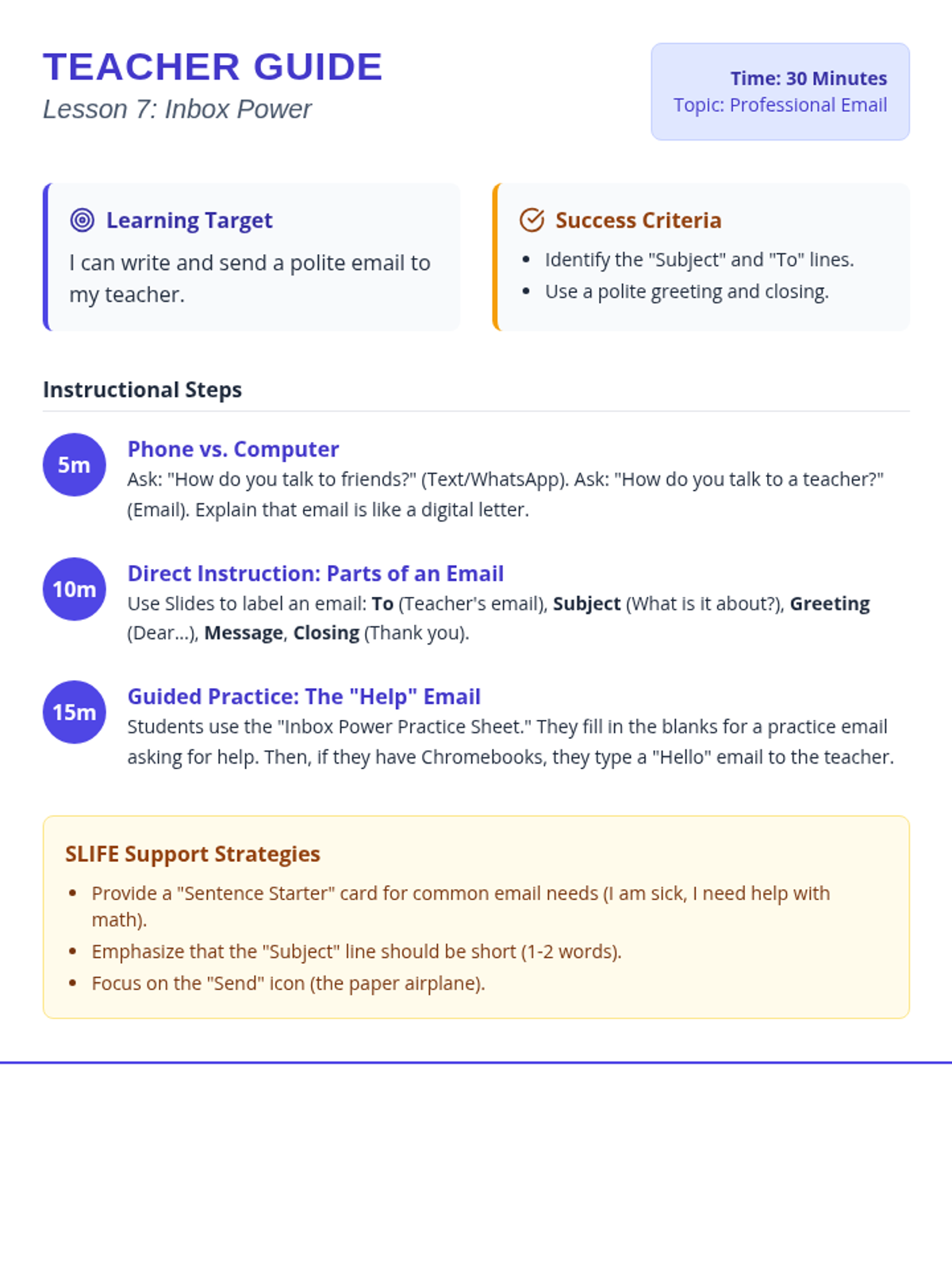
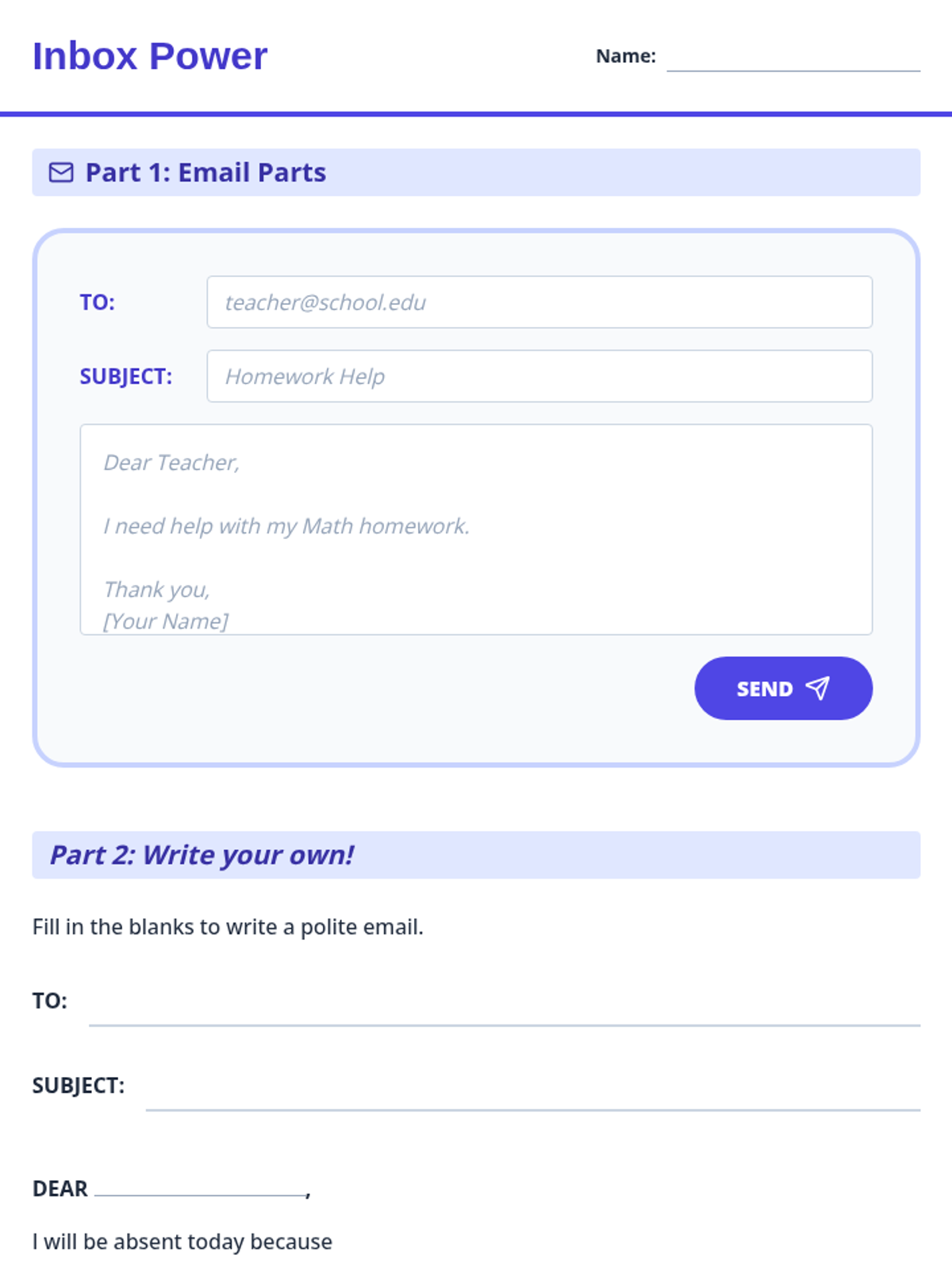
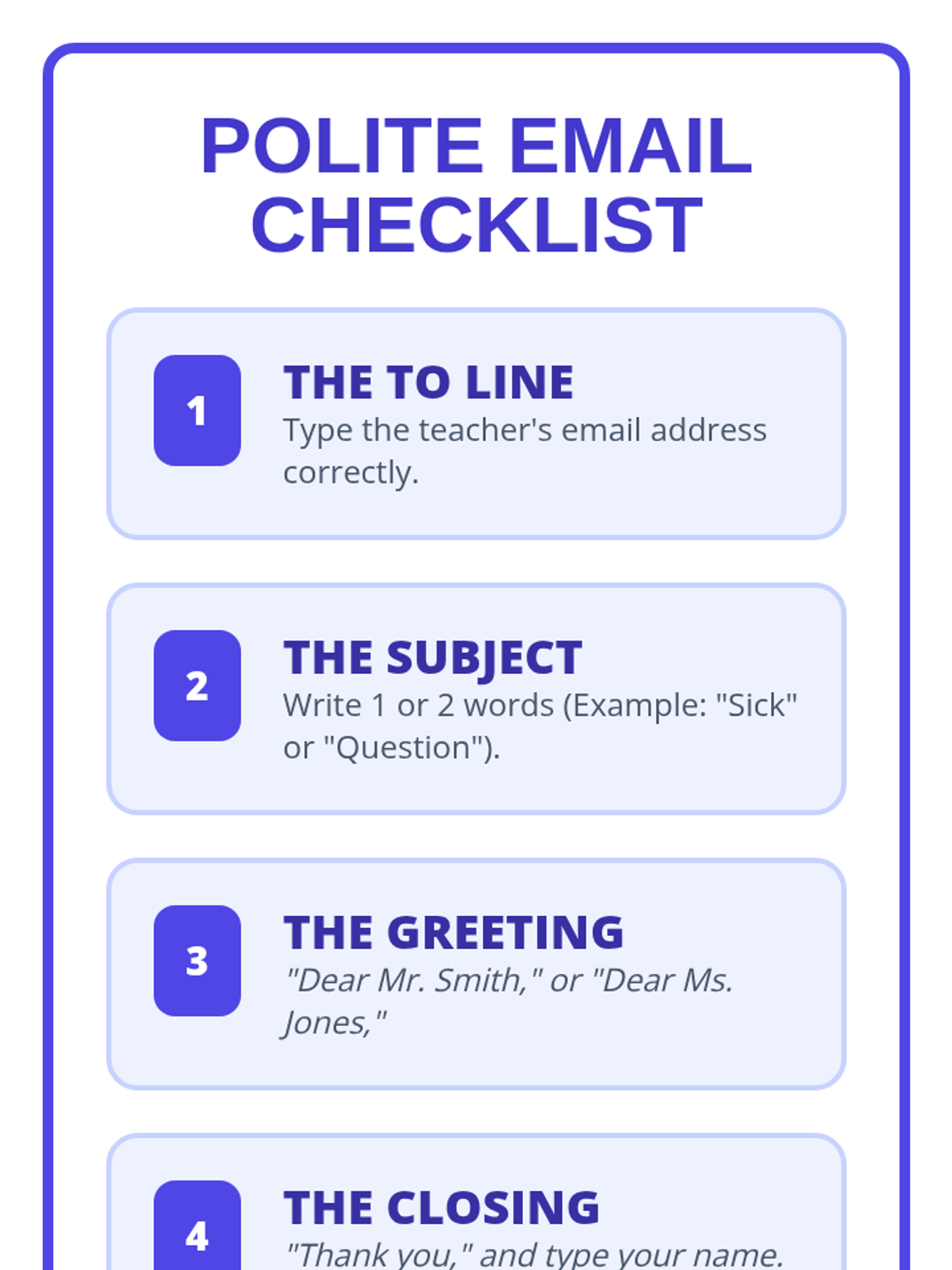
Step-by-step guidance on writing and sending a professional email to a teacher.
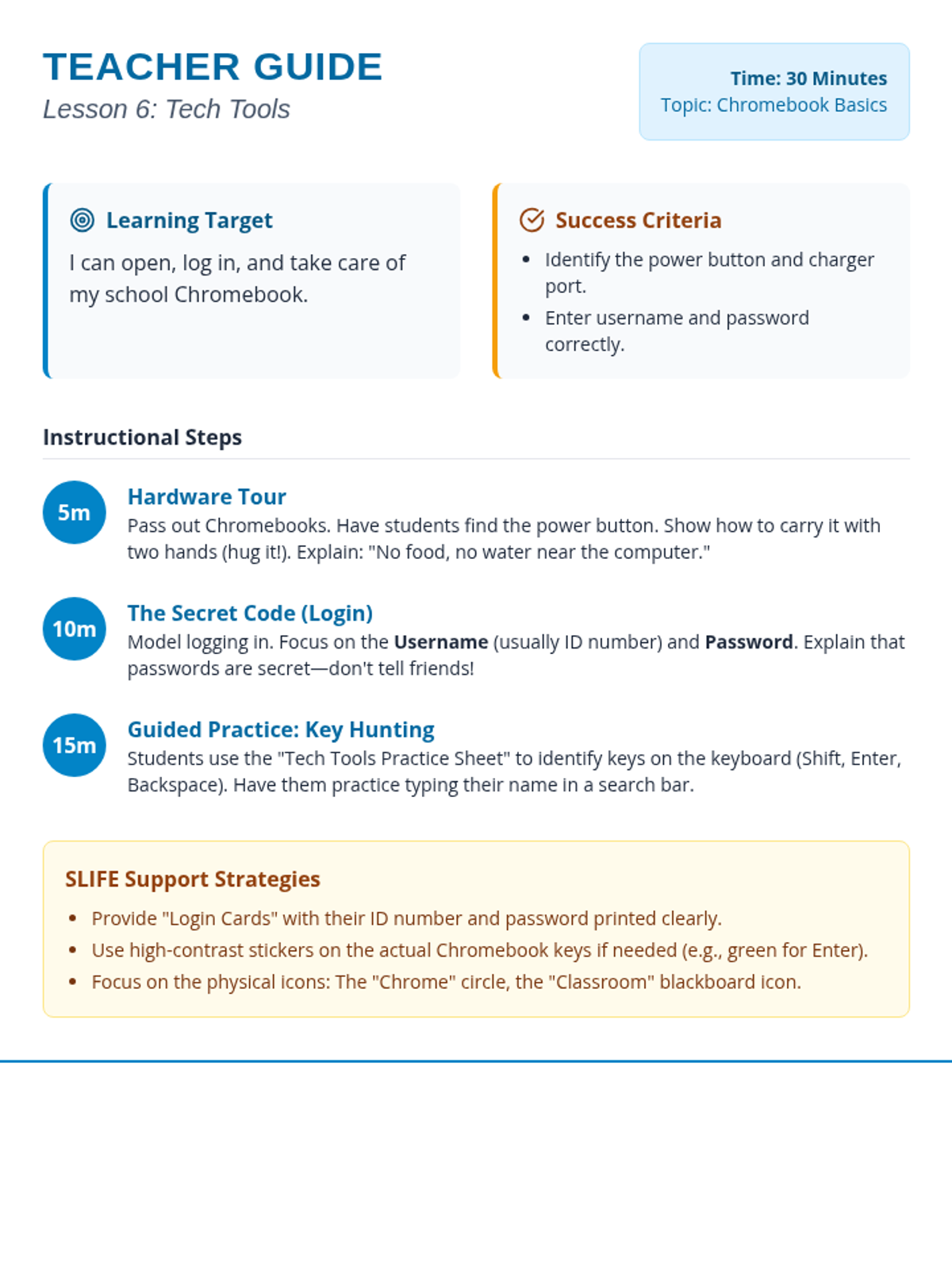
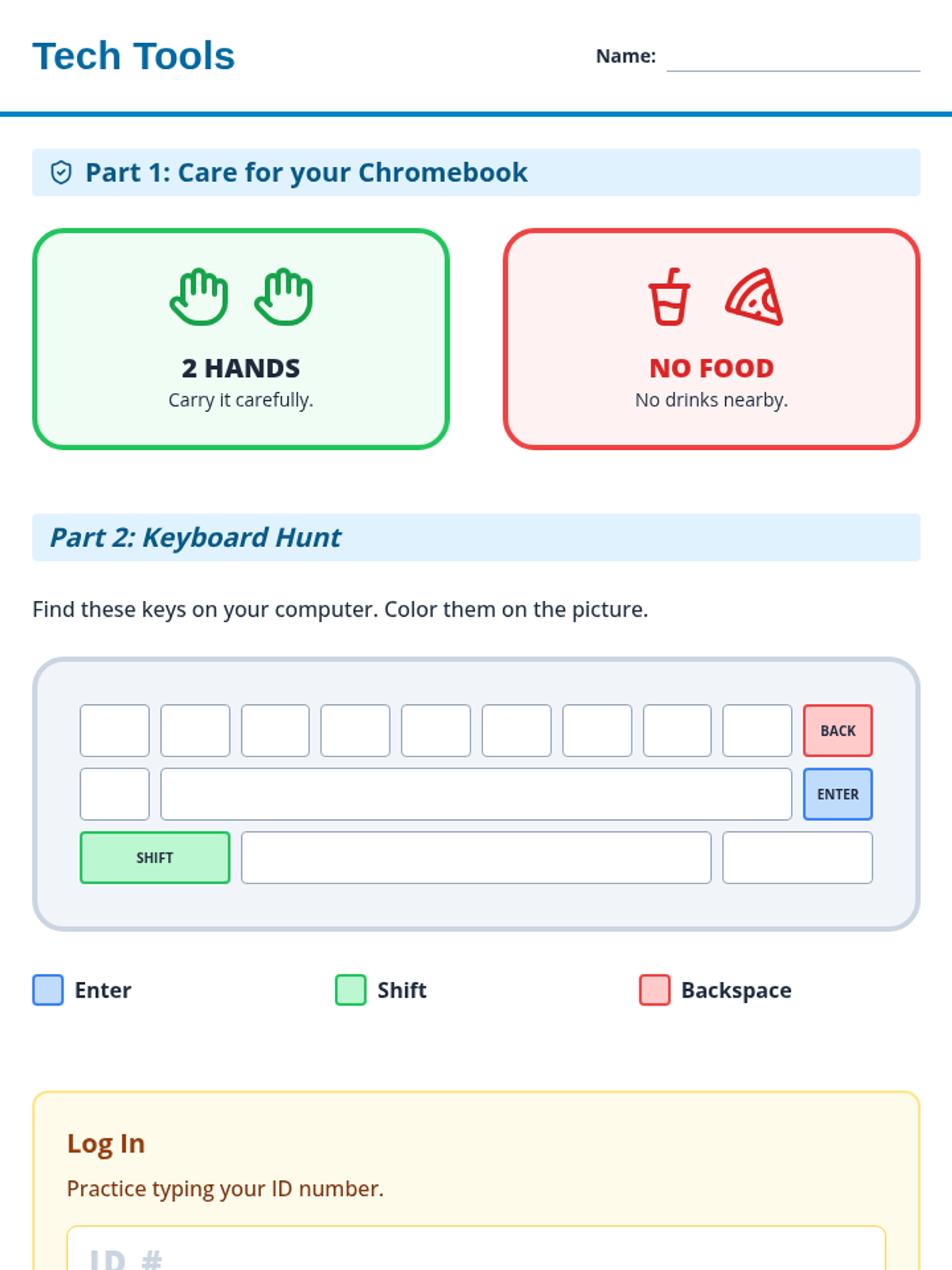
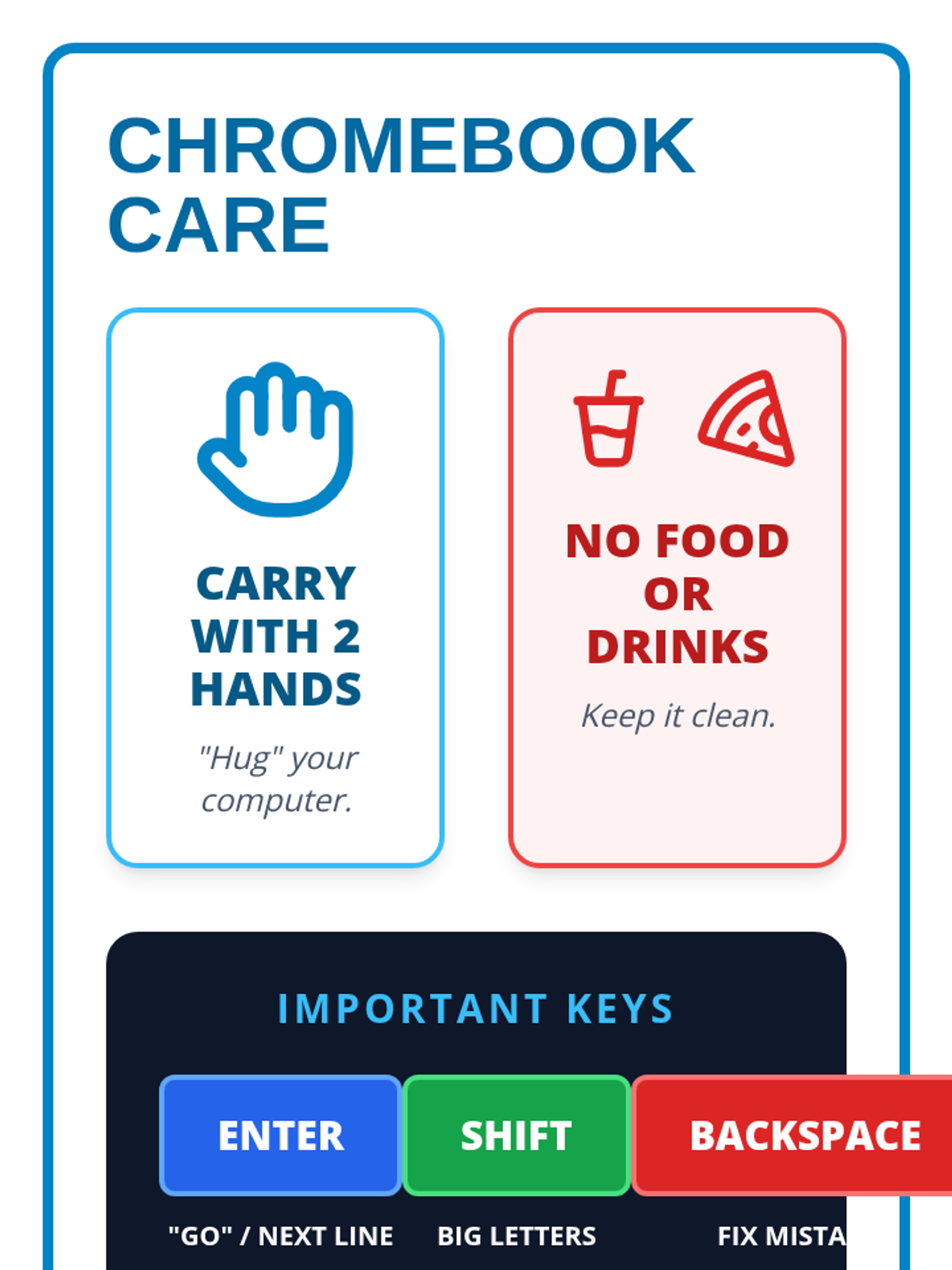
Basic Chromebook operation, including logging in, hardware care, and keyboard basics.
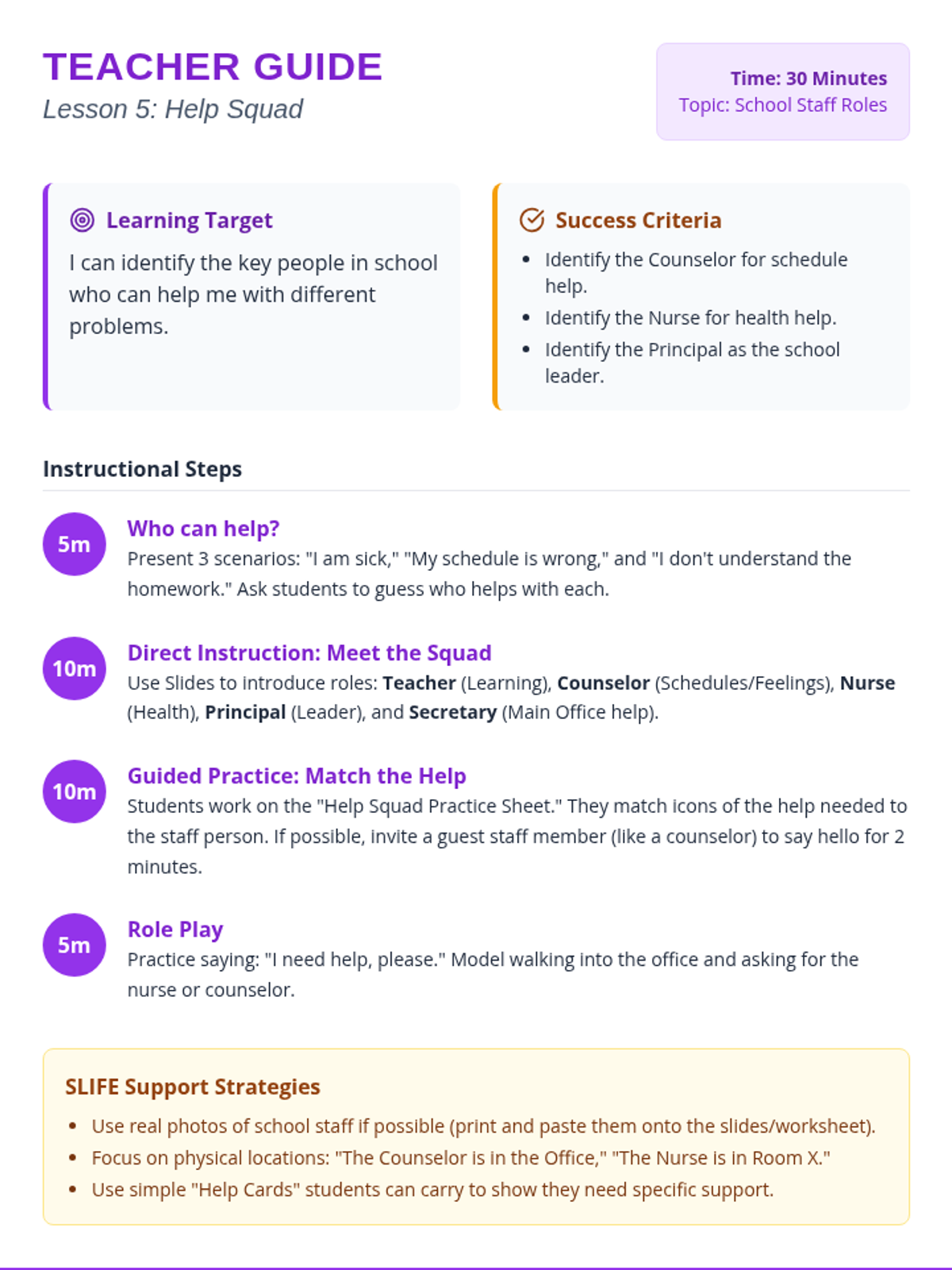
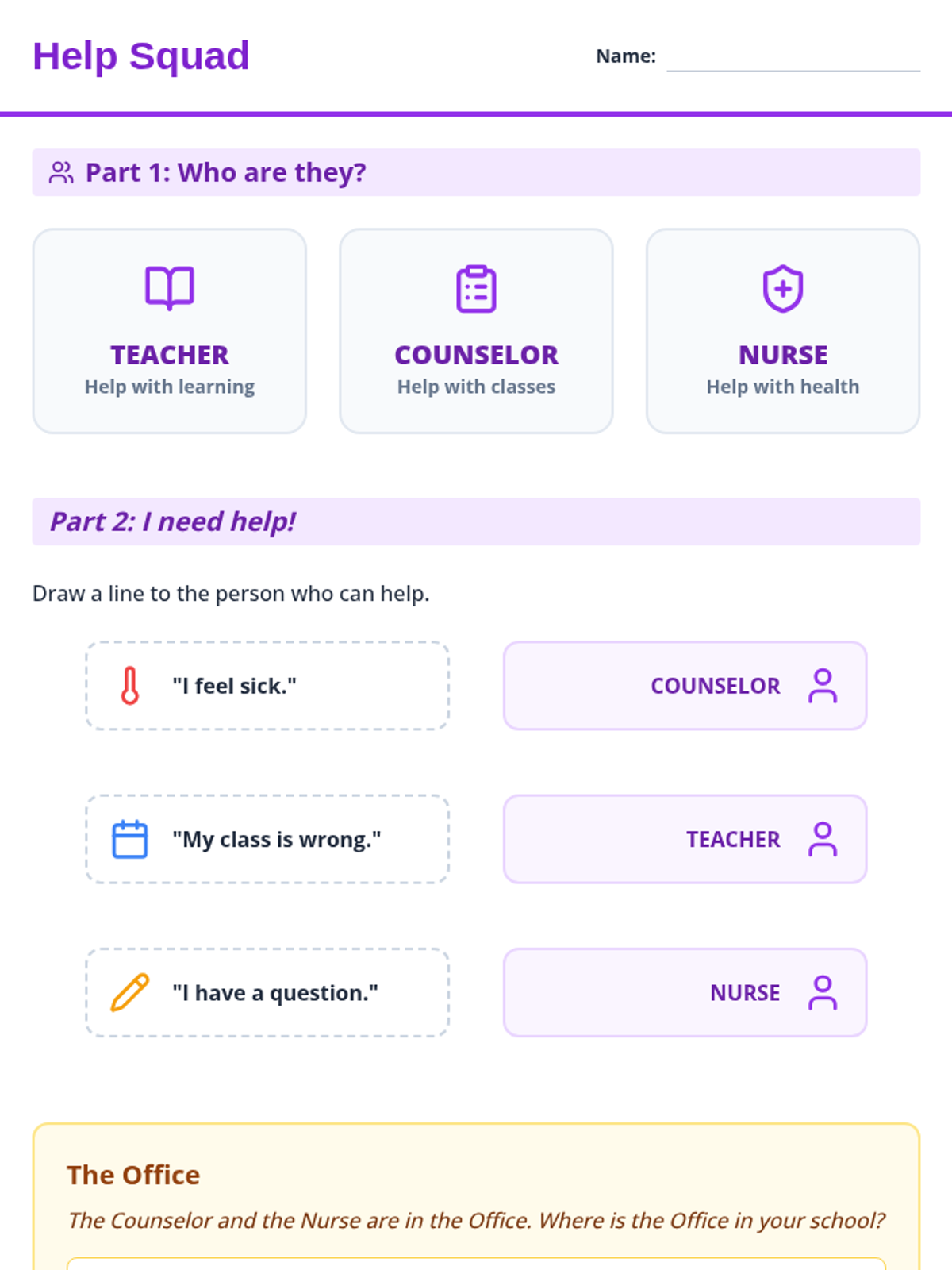
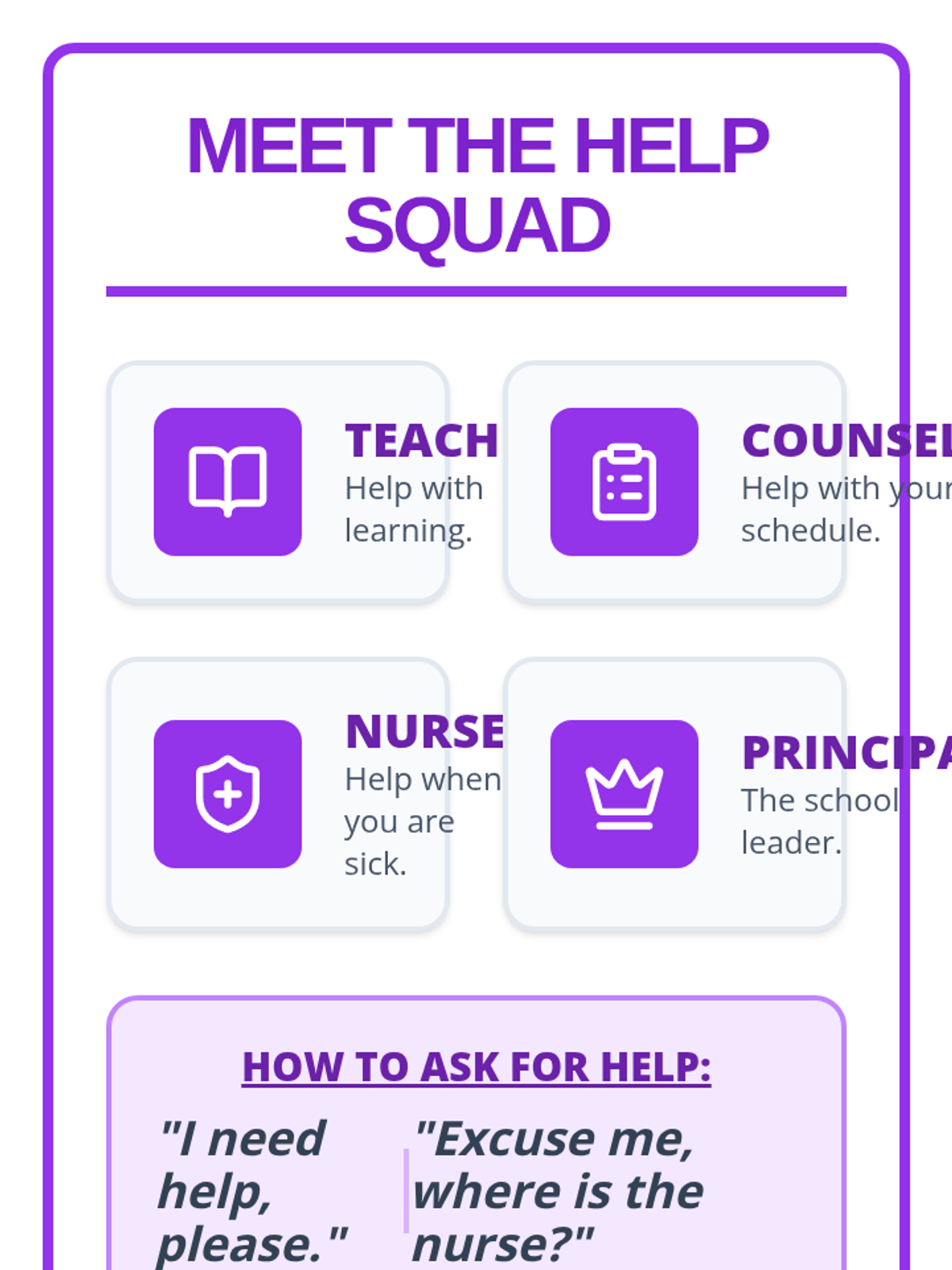
Identifying key school staff members and understanding their roles in supporting students.
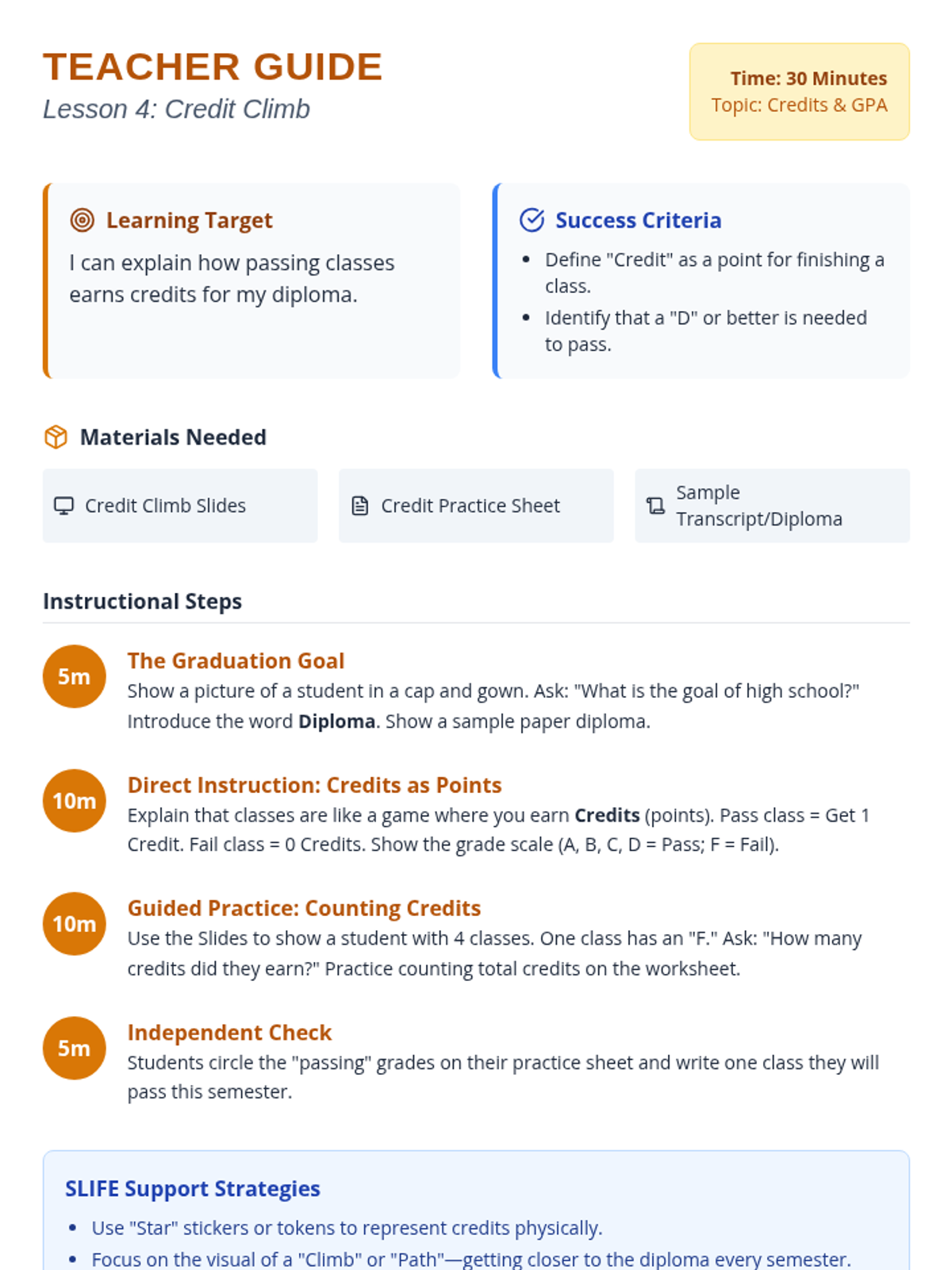
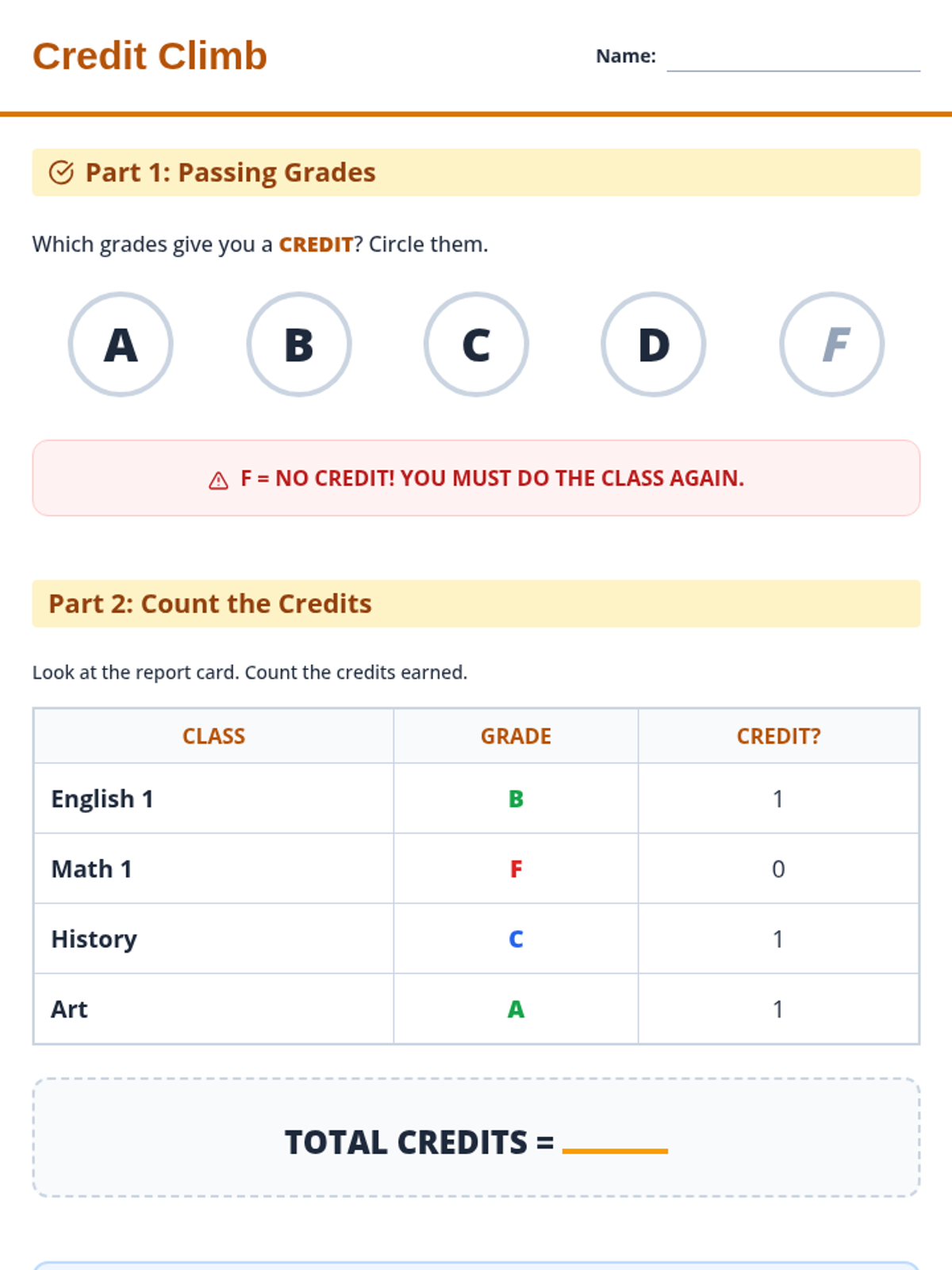
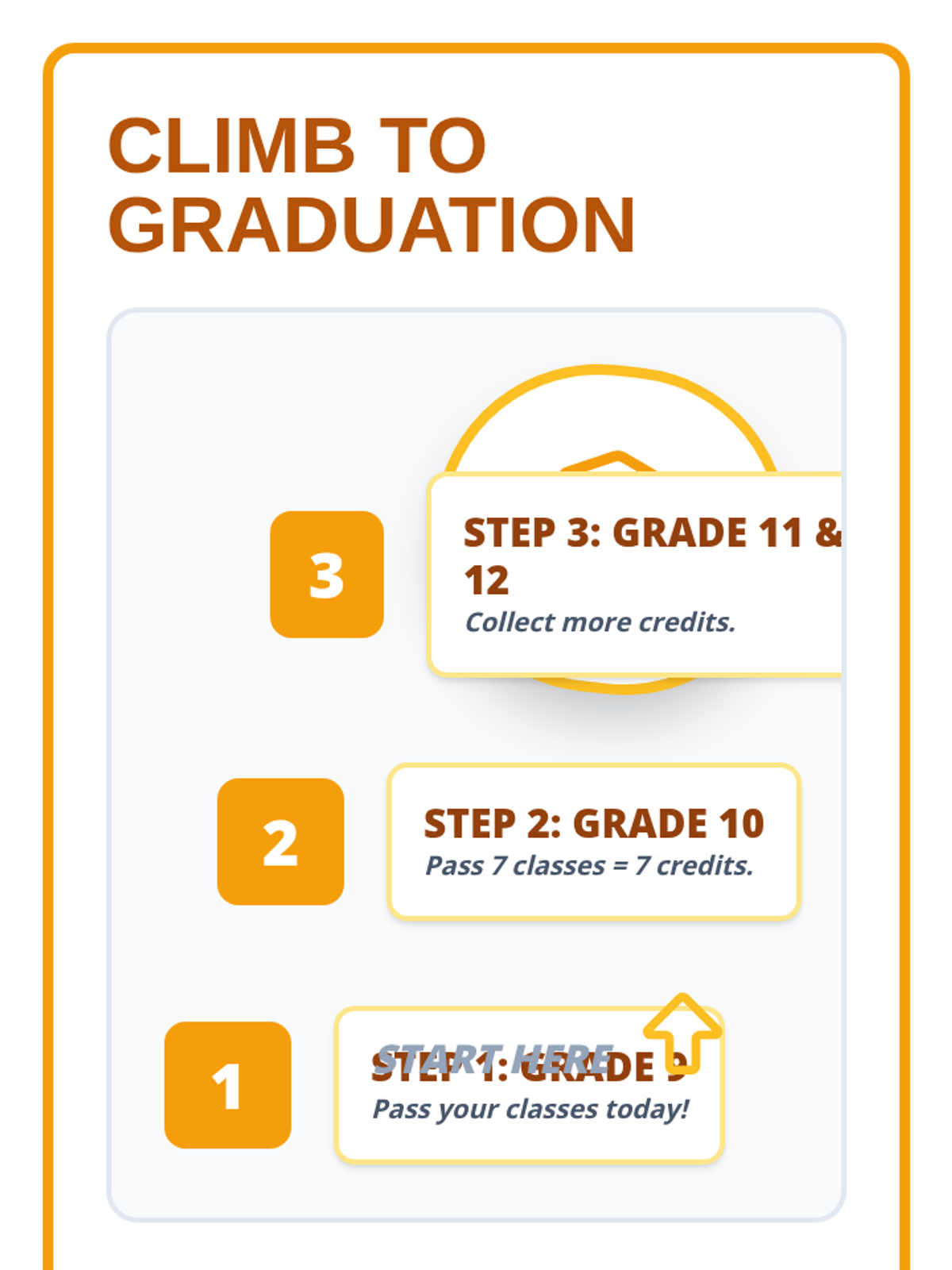
An introduction to earning credits, GPA basics, and the path to a high school diploma.
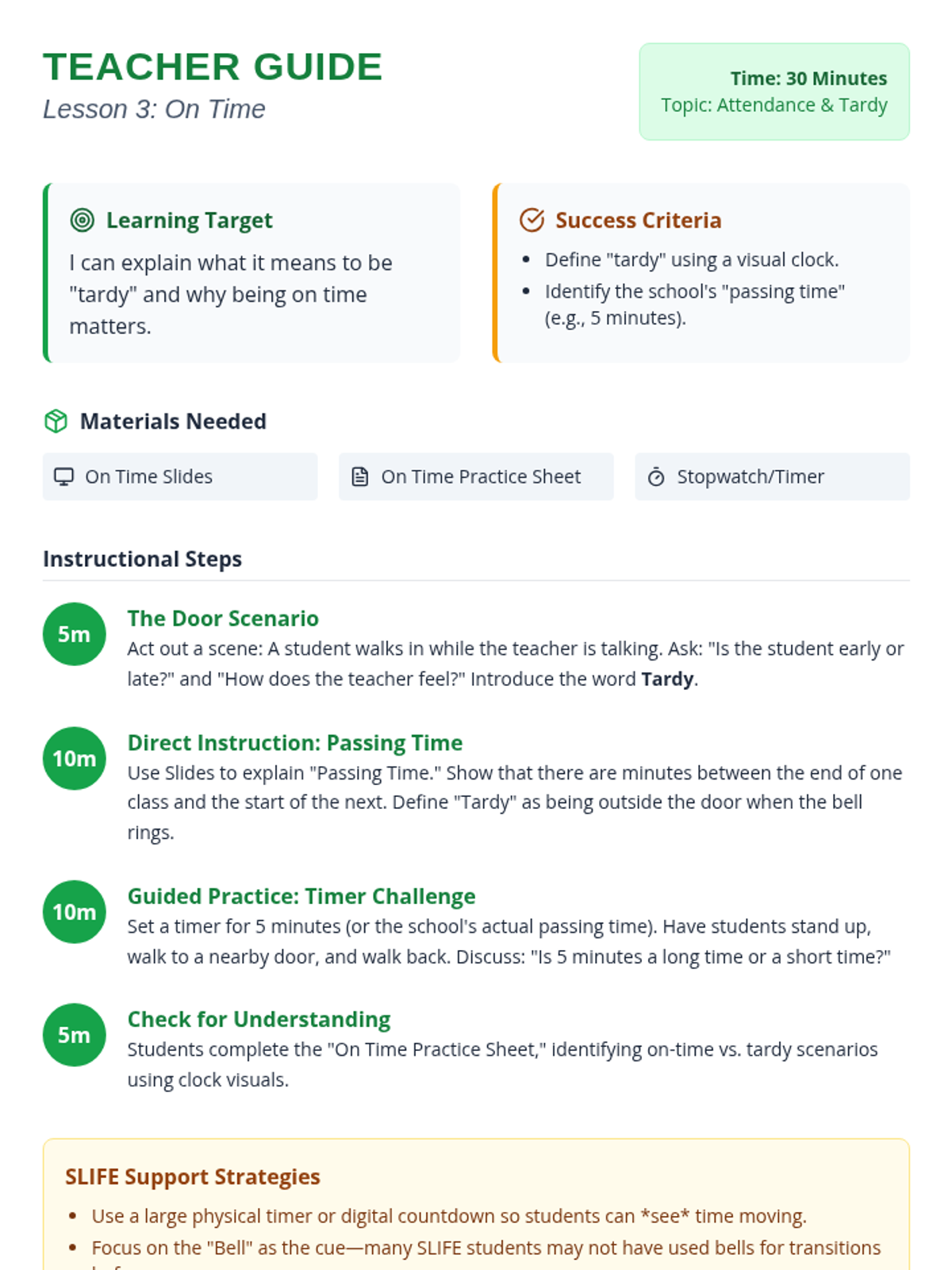
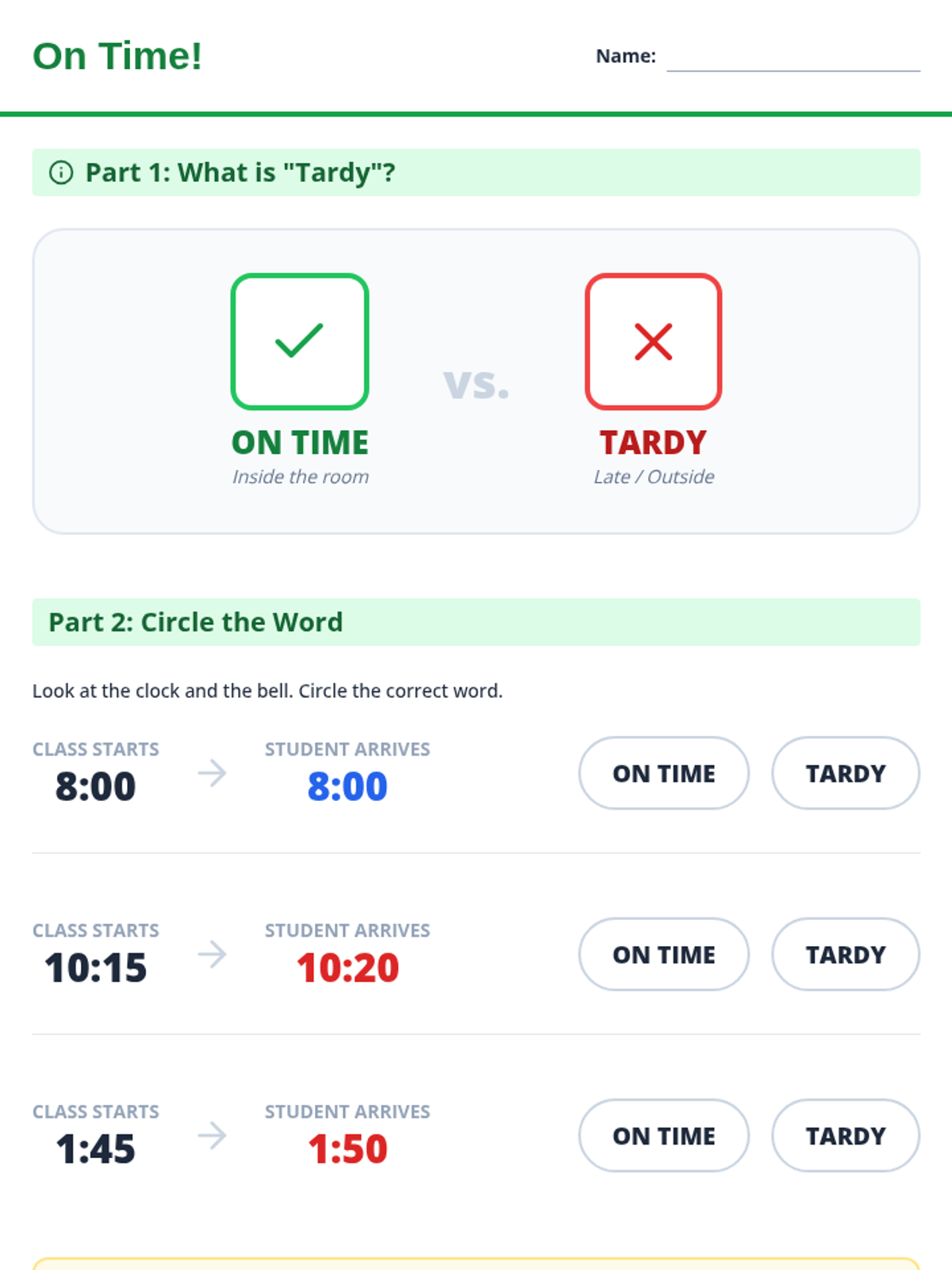
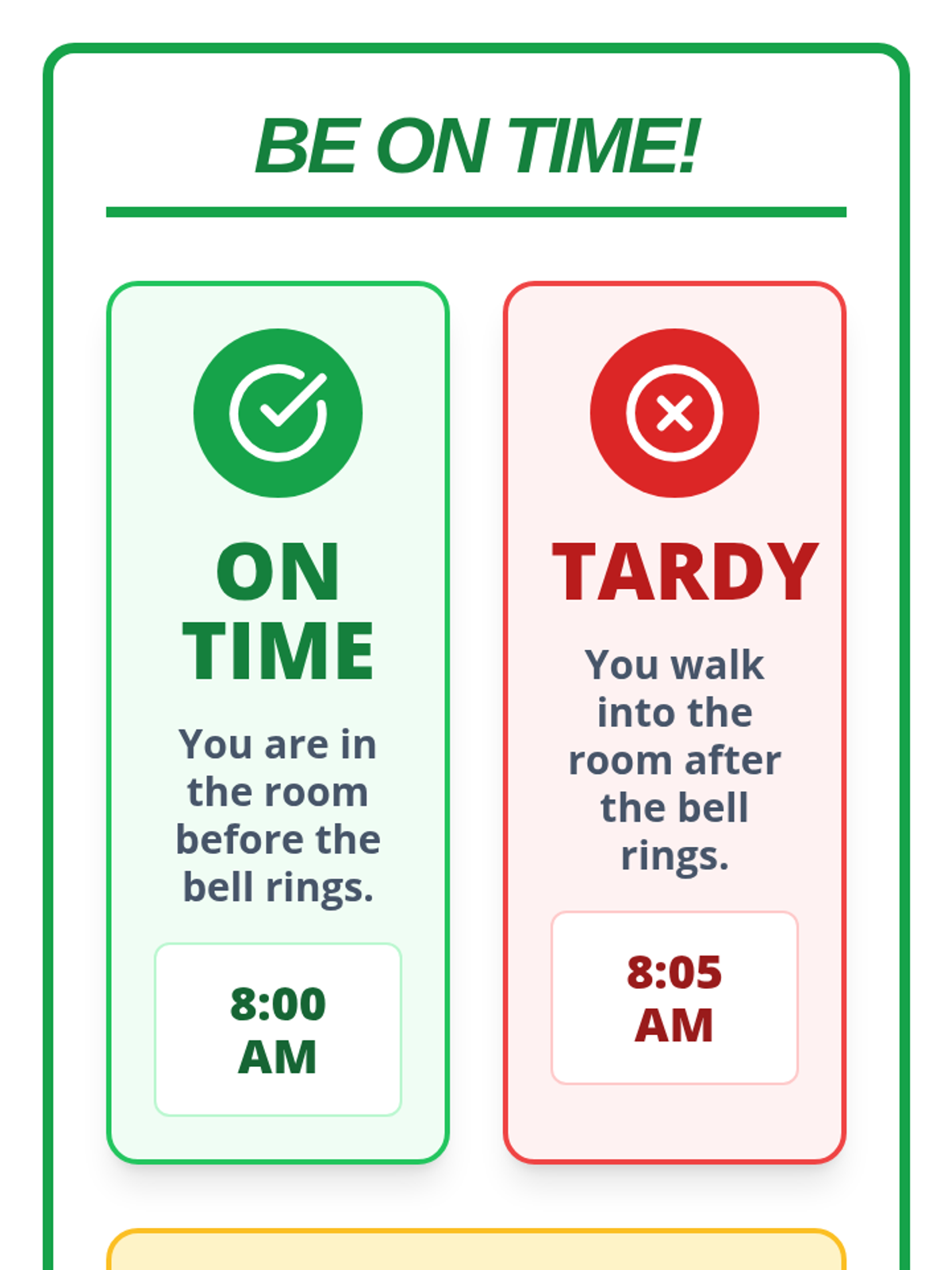
Students explore the importance of attendance and the definition of being tardy.
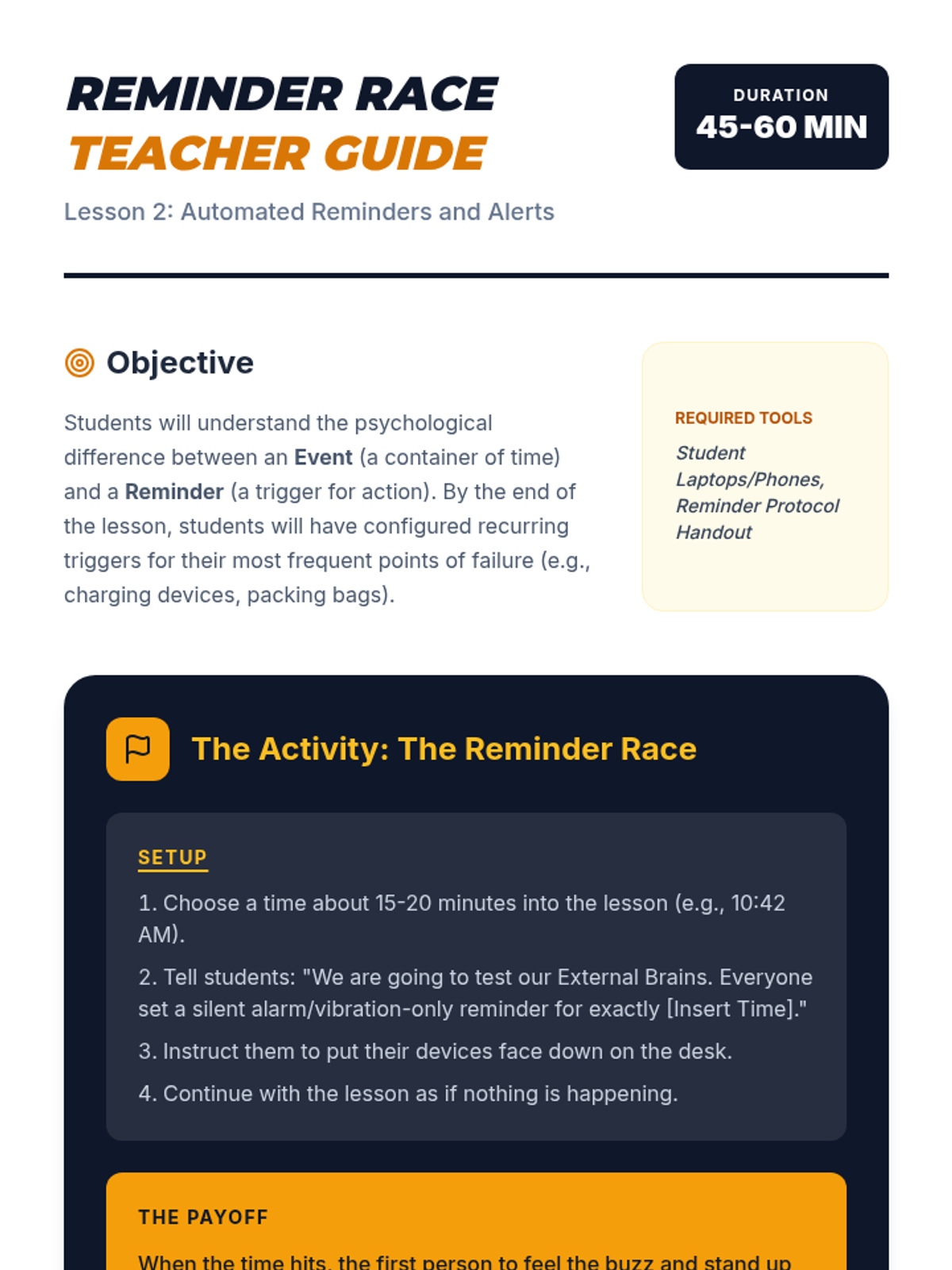
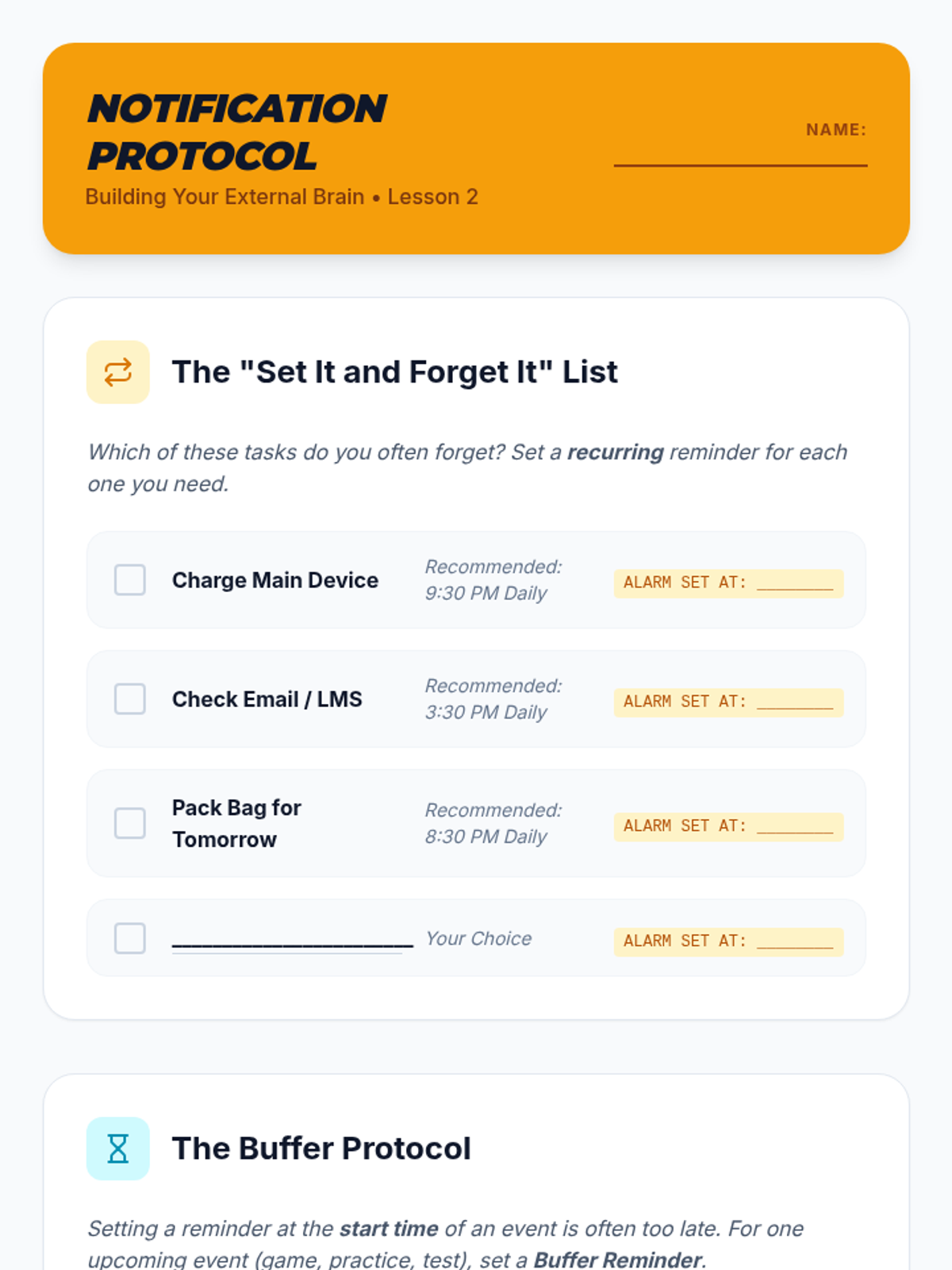
Students configure automated alerts and recurring reminders to manage administrative tasks and prepare for upcoming deadlines.
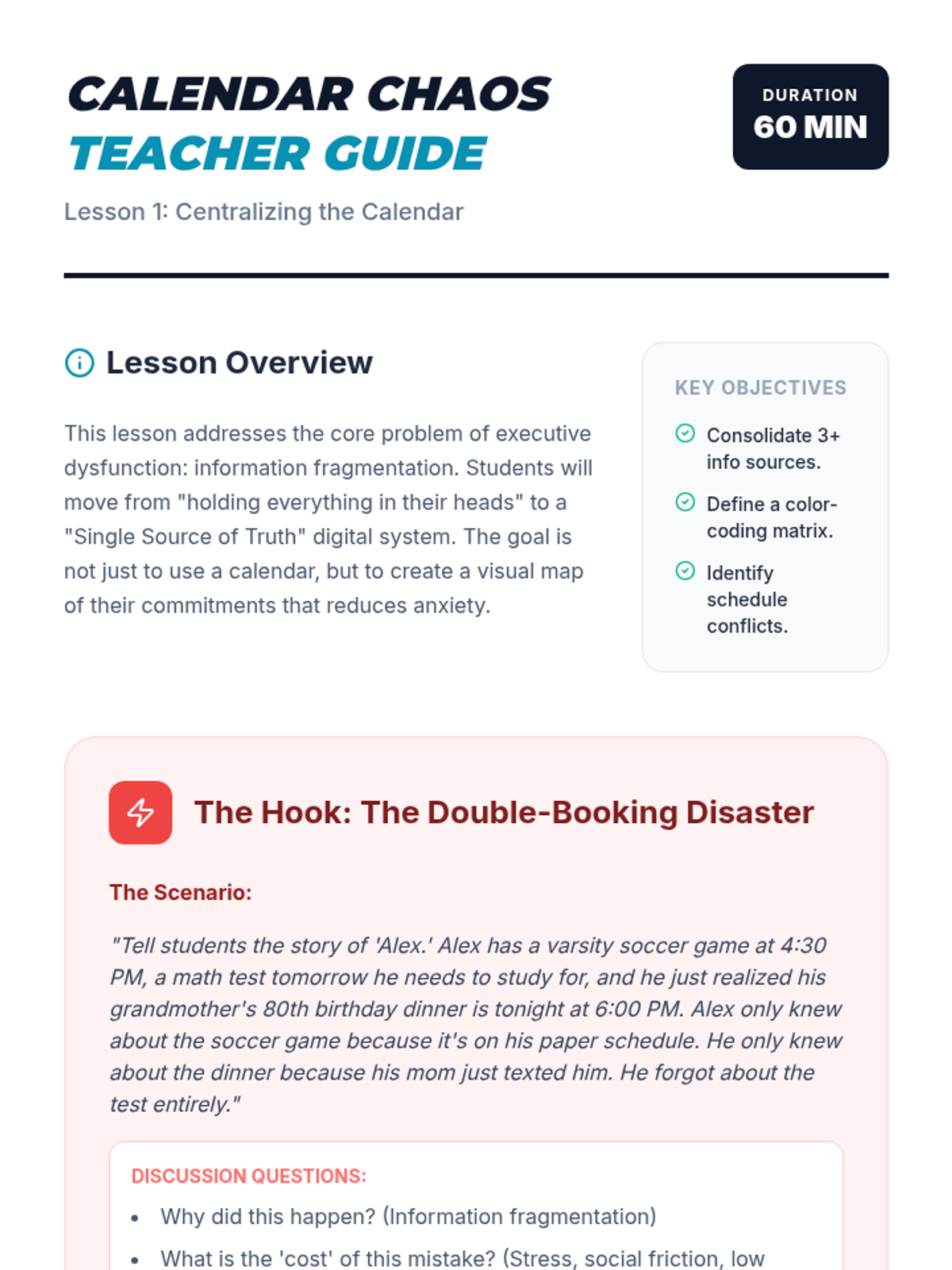
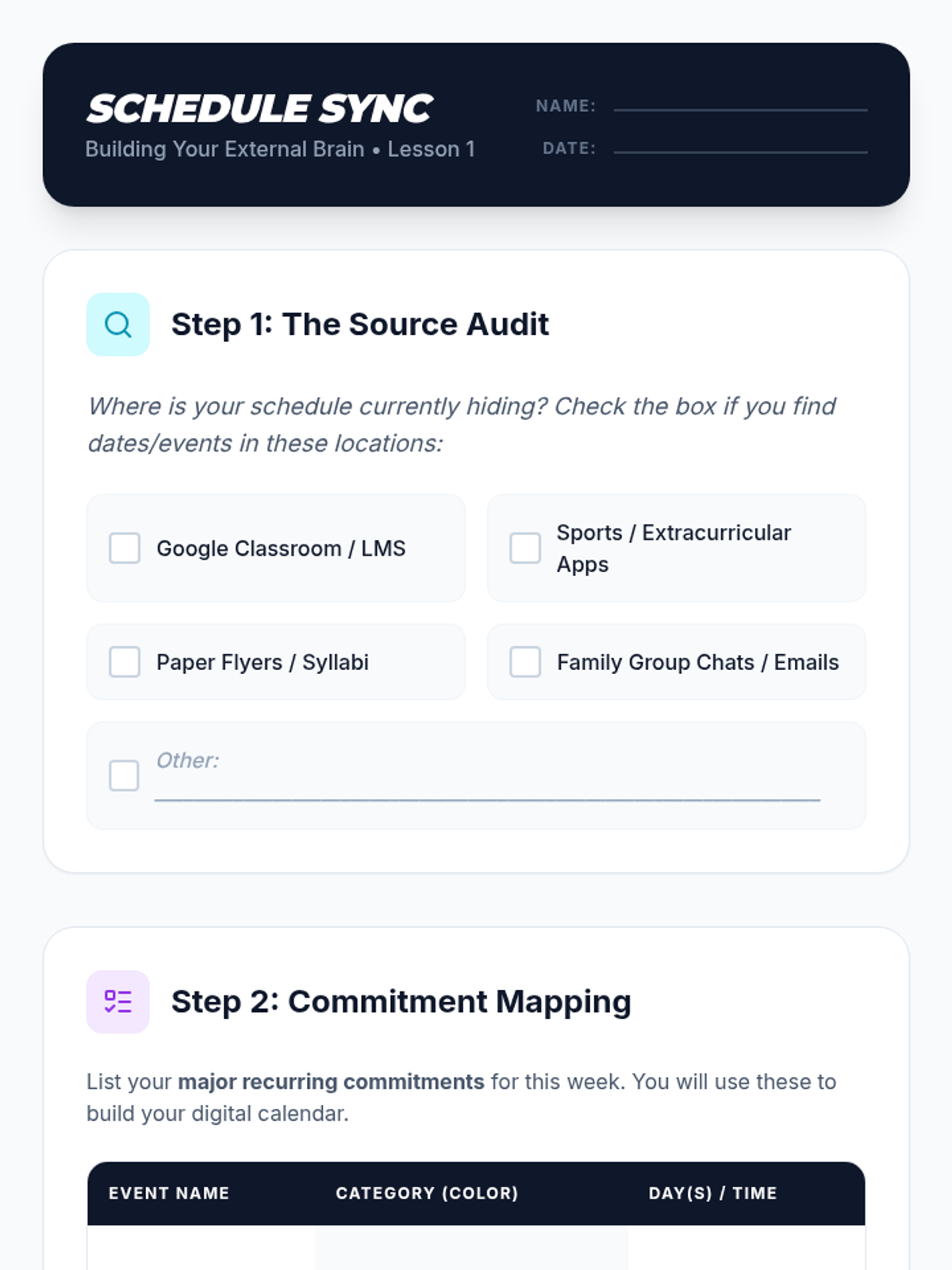
Students learn to consolidate disparate sources of information into a single, color-coded digital calendar system to visualize and balance their commitments.
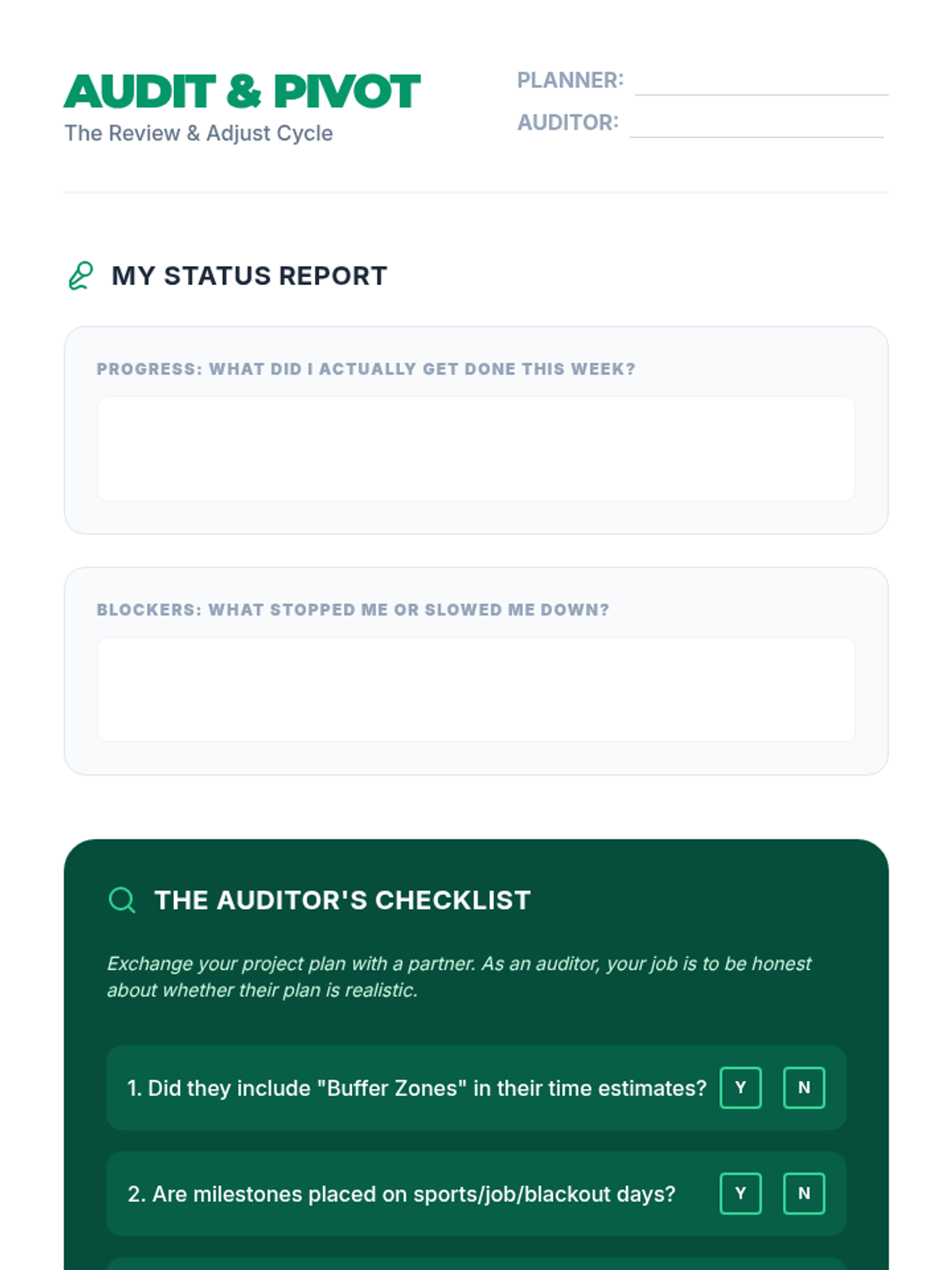
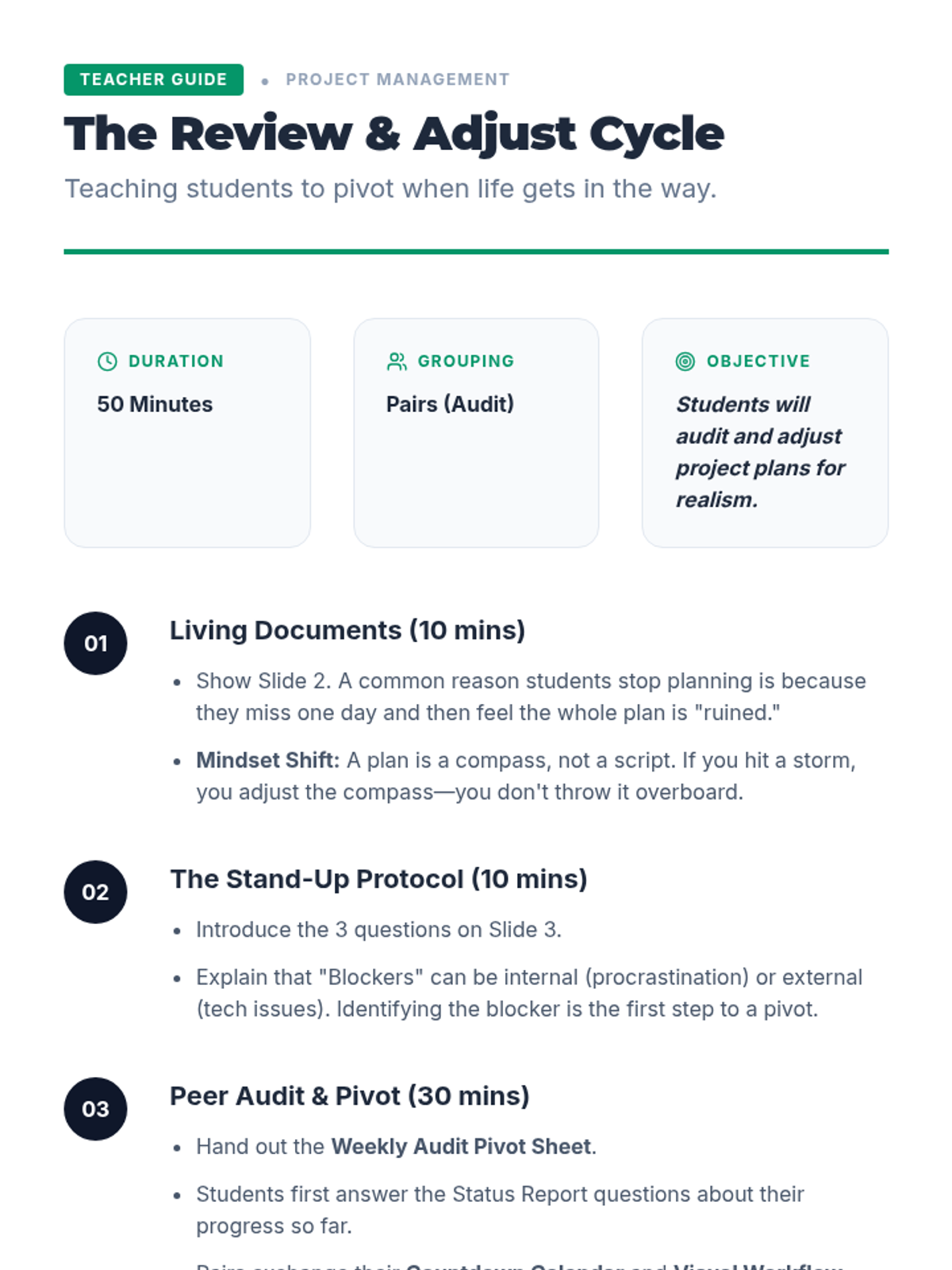
Students learn to treat plans as living documents, conducting weekly audits to adjust their timelines based on actual progress.
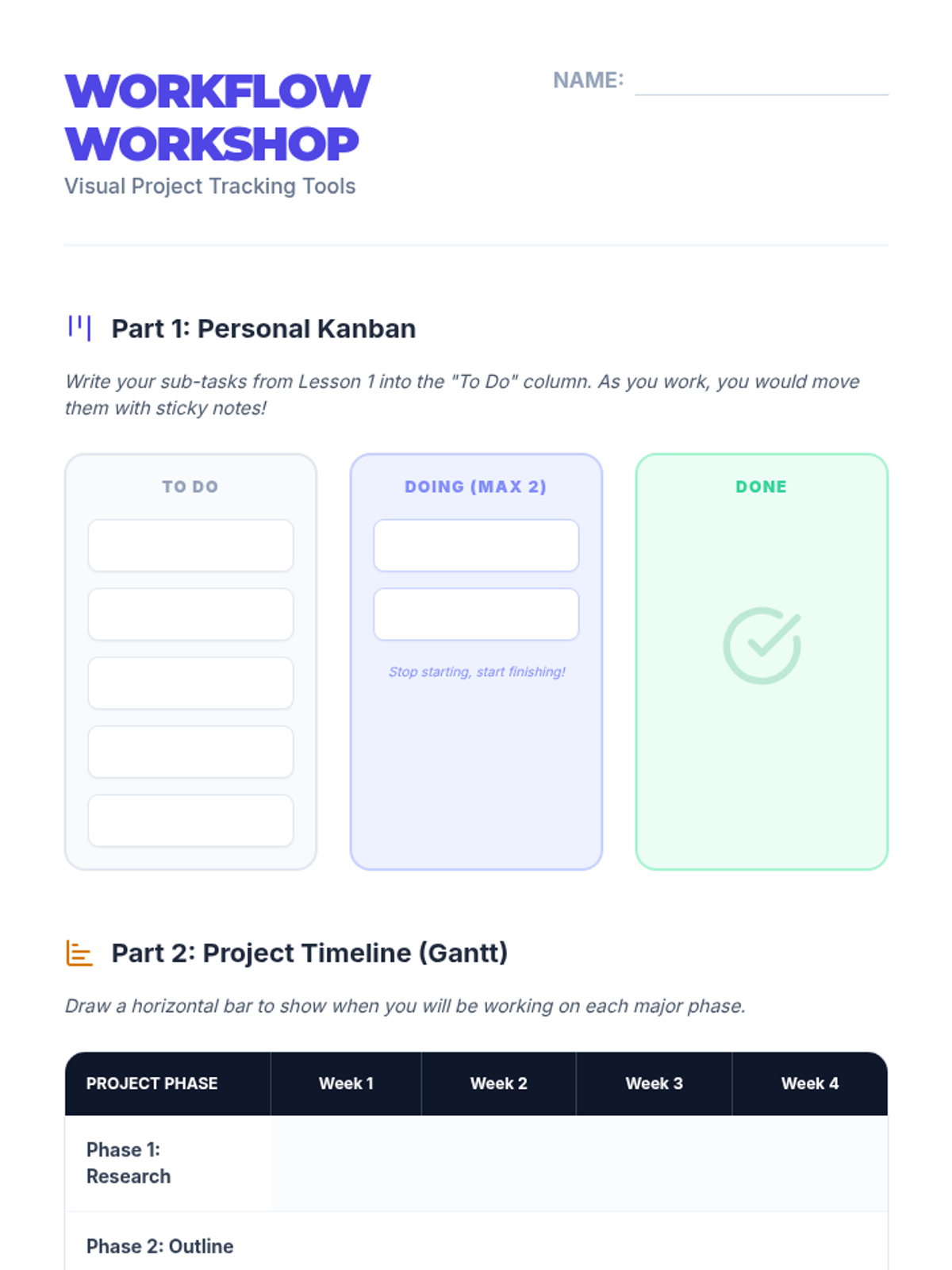
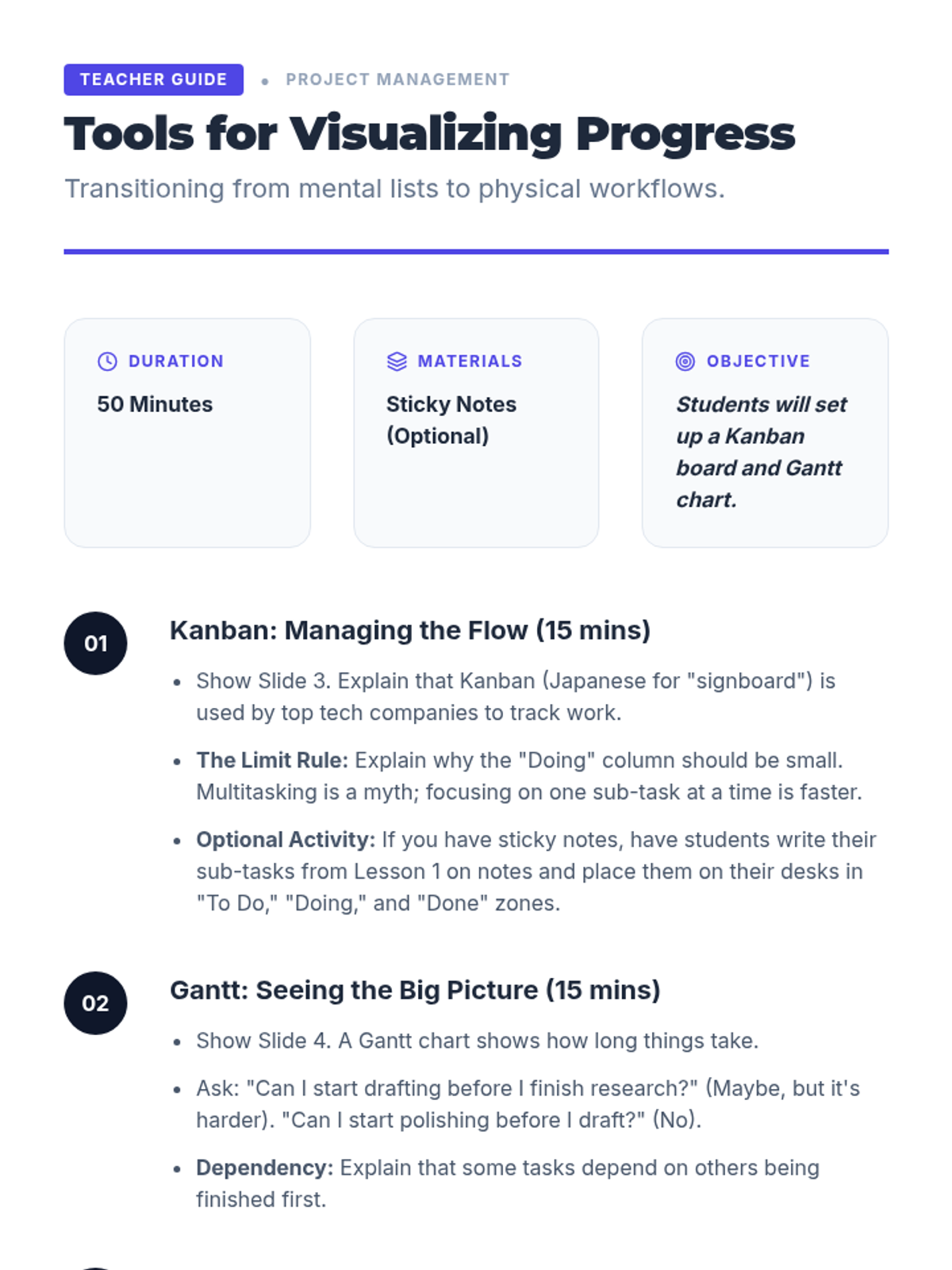
Students explore visual tools like Gantt charts and Kanban boards to track project progress visually.
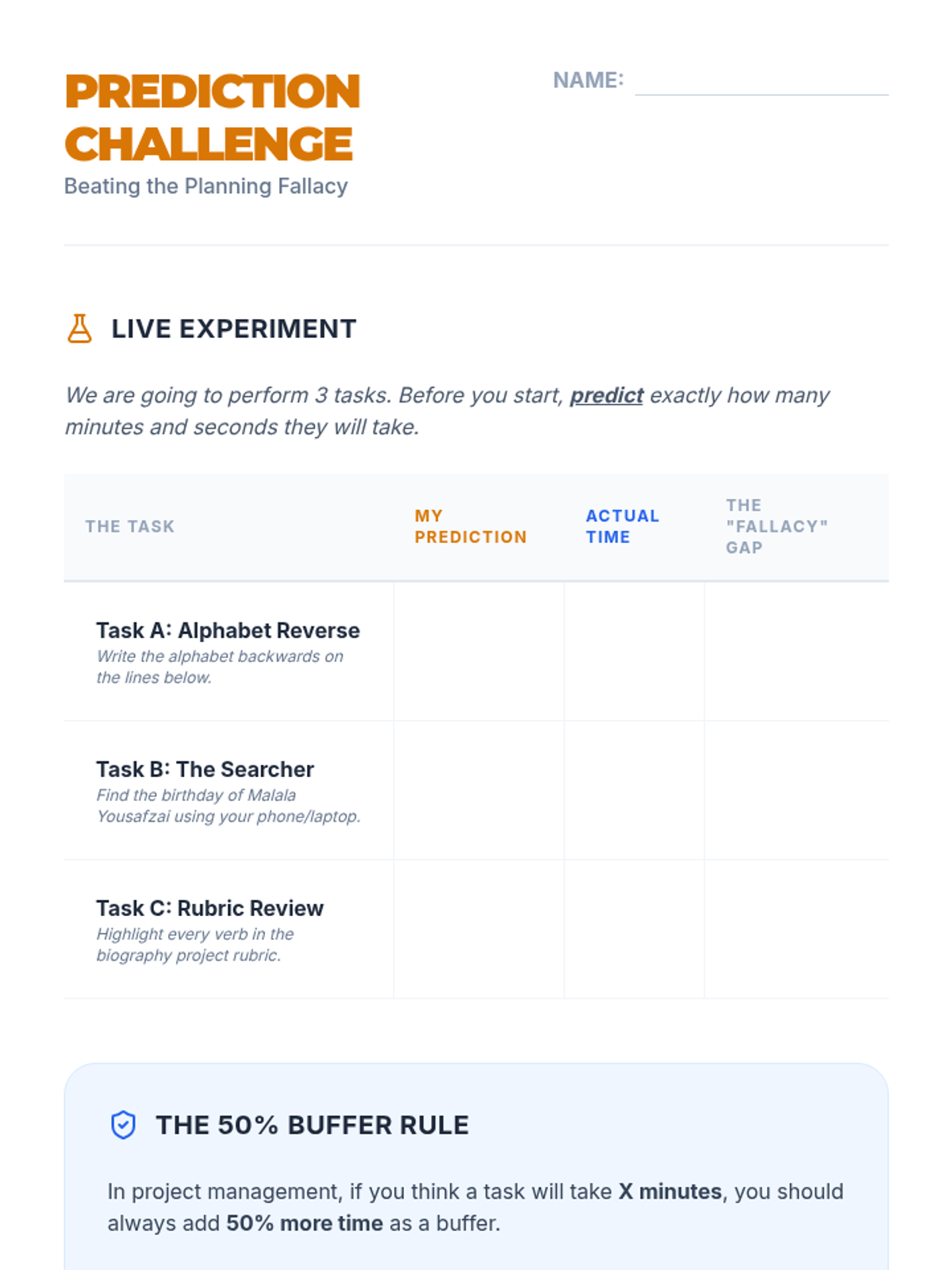
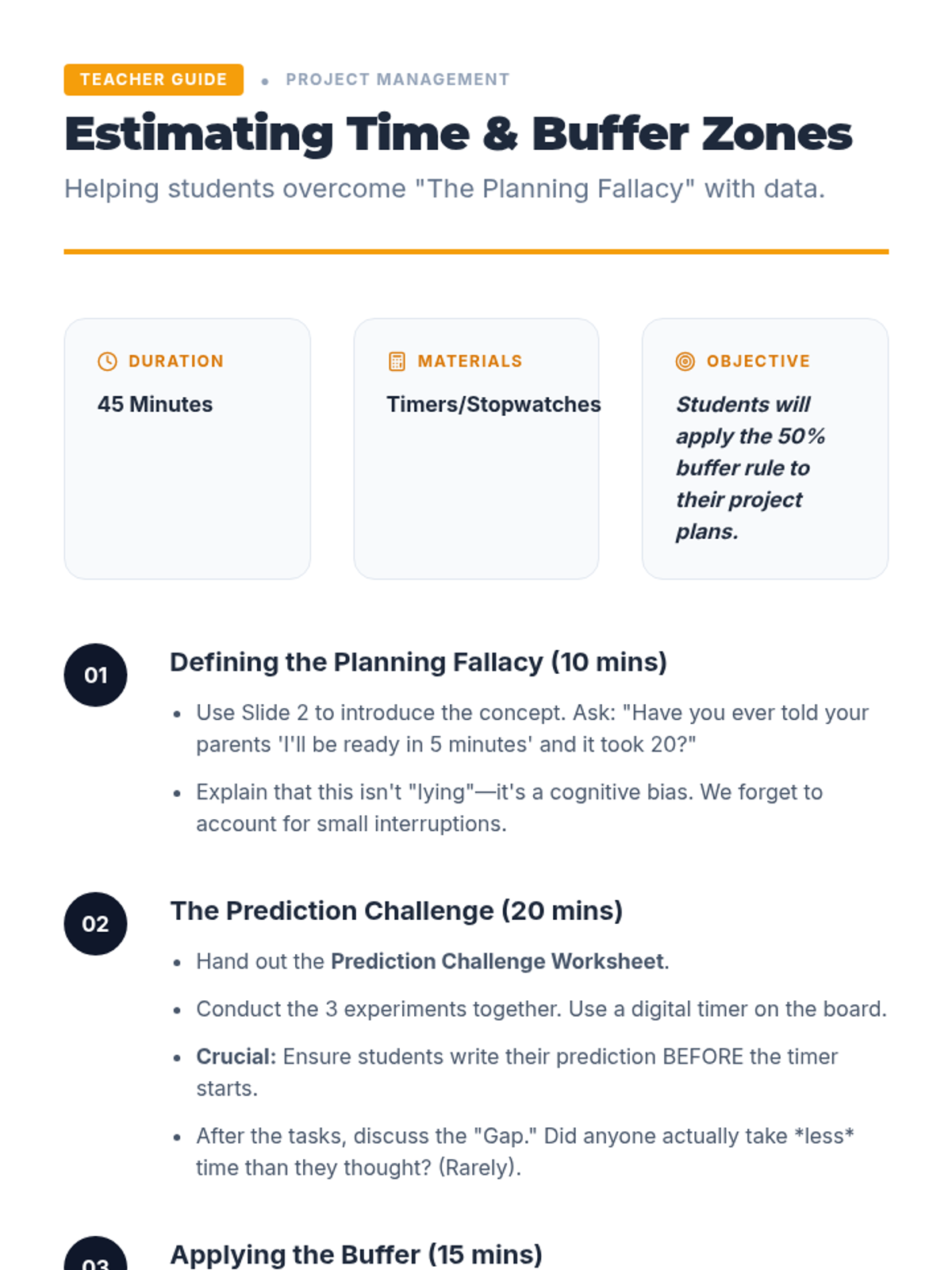
Students practice estimating task duration and learn to add buffer zones to account for the planning fallacy.
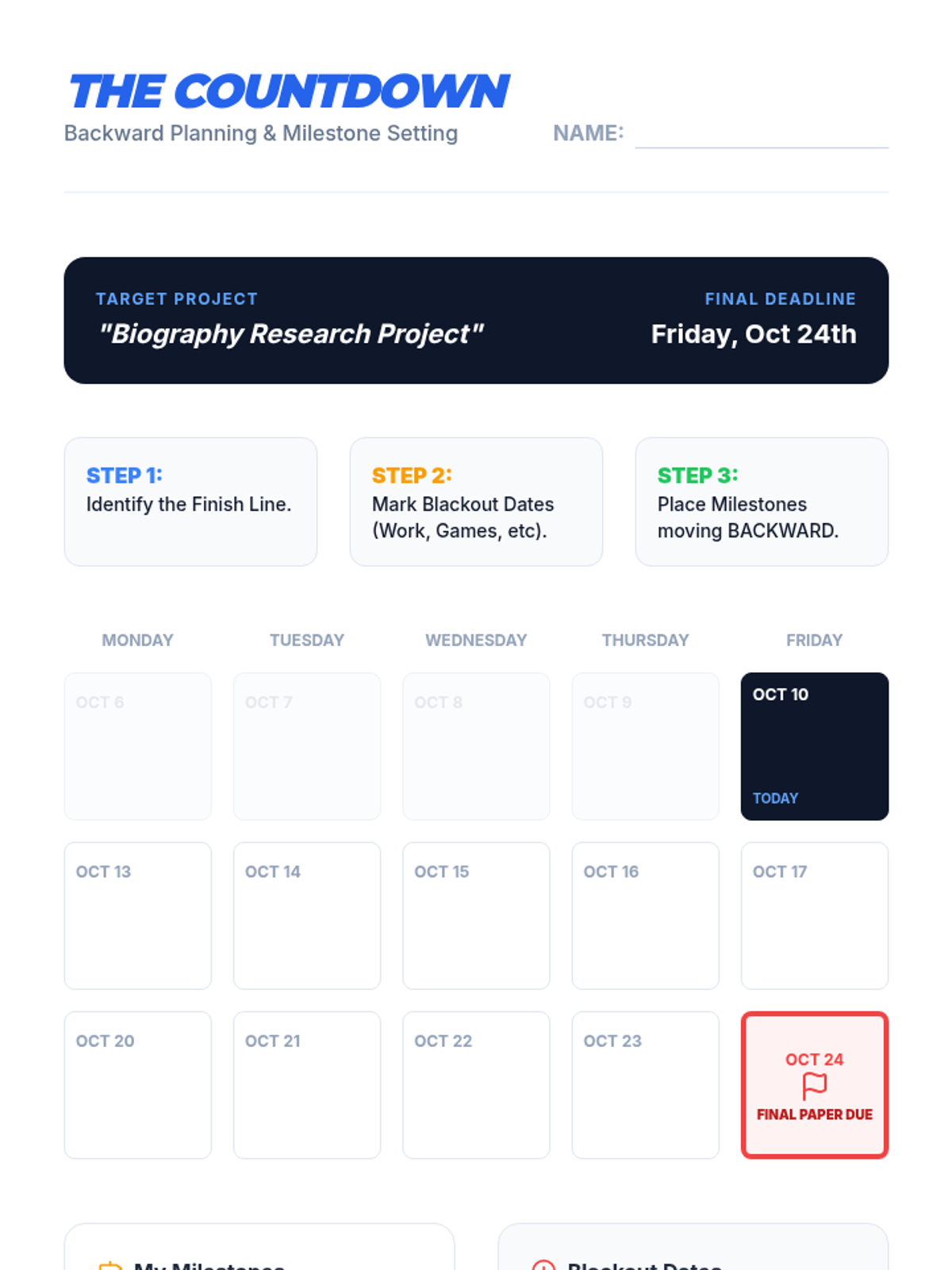
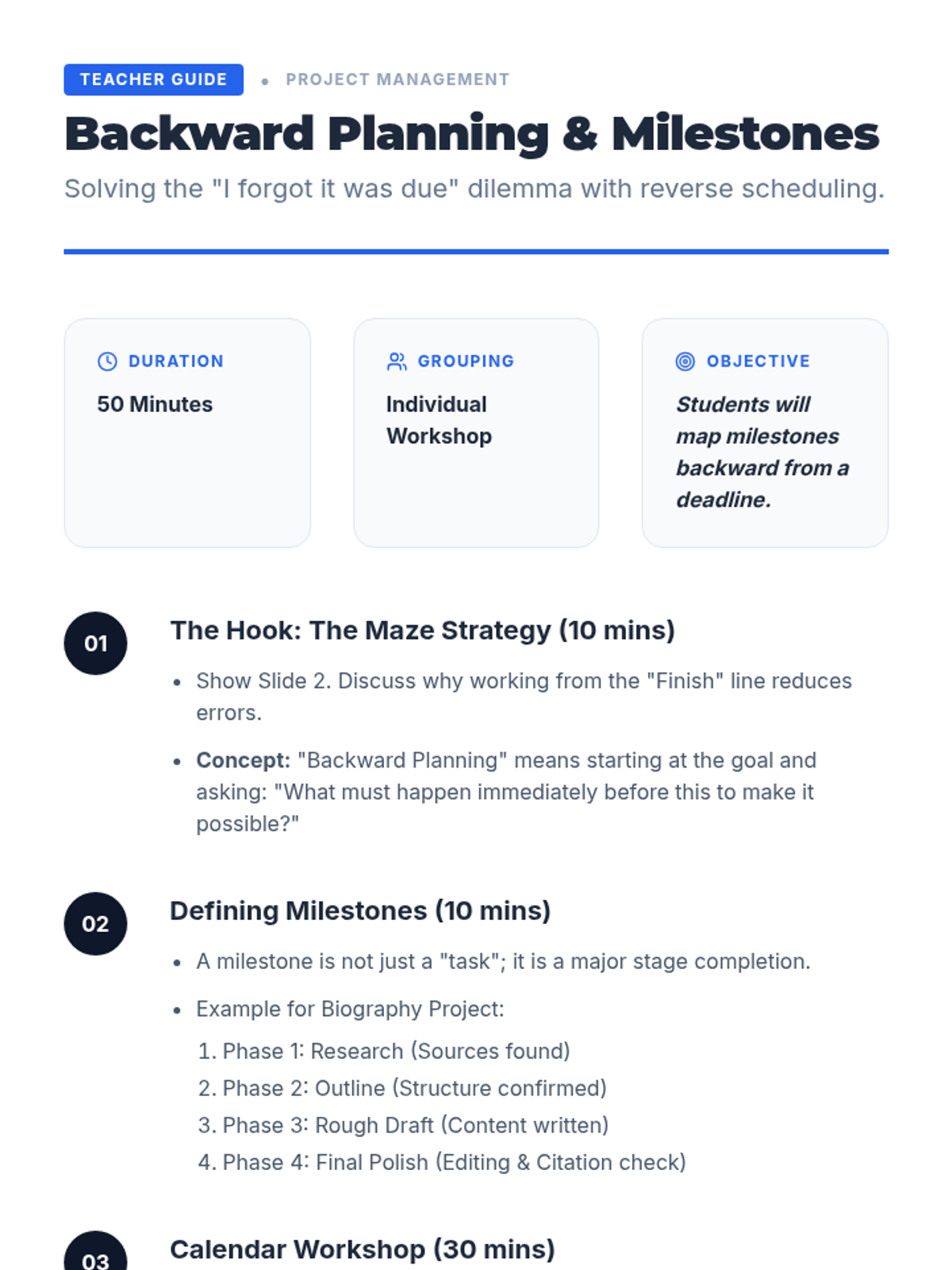
Students use backward planning to set interim milestones on a calendar, accounting for non-school days and other commitments.
Students learn to analyze a complex assignment rubric to identify hidden tasks, turning a single sentence into a detailed checklist.
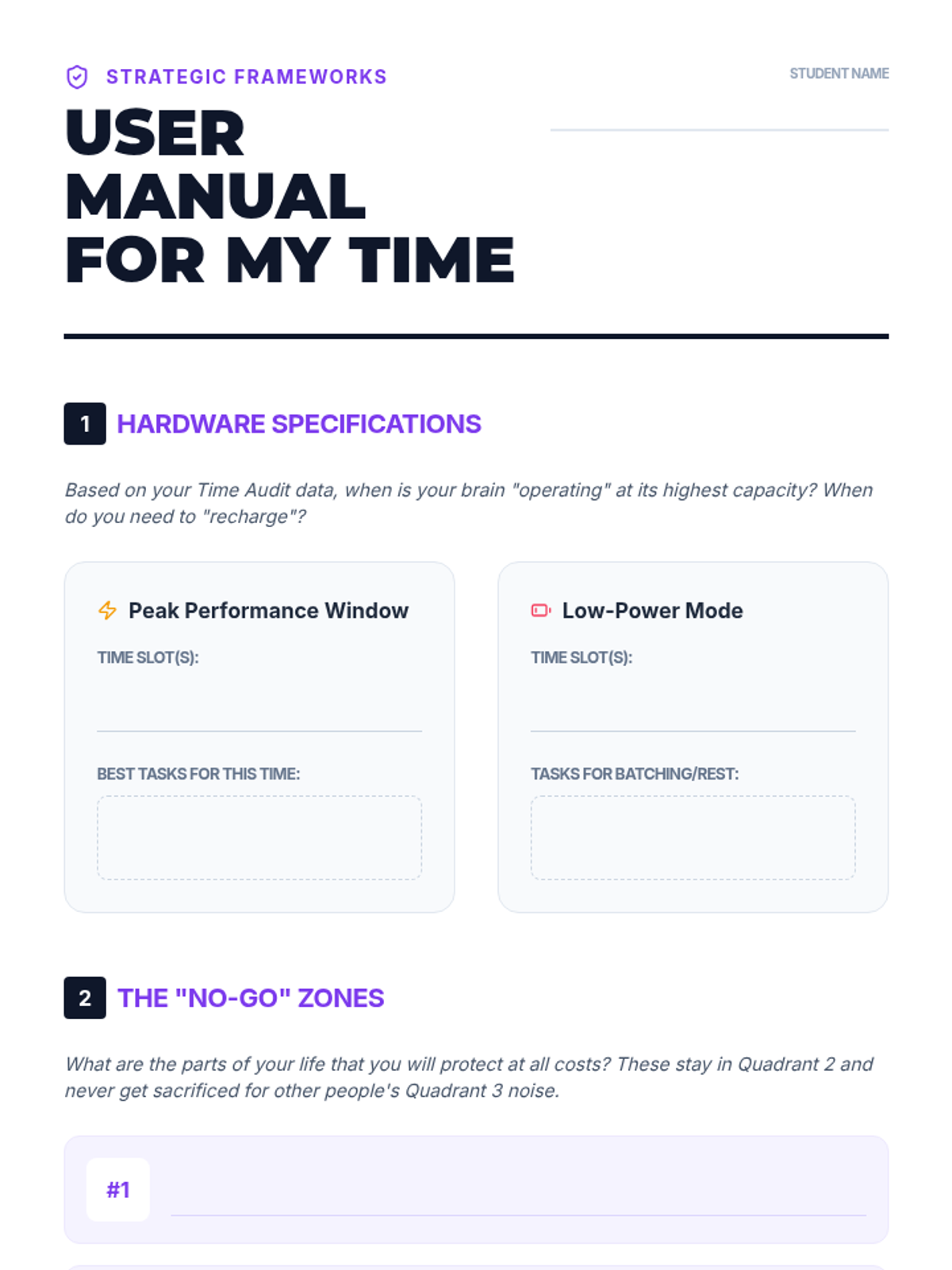
Students synthesize the tools learned to create a personal decision-tree for handling new commitments, presented as a 'User Manual for My Time'.
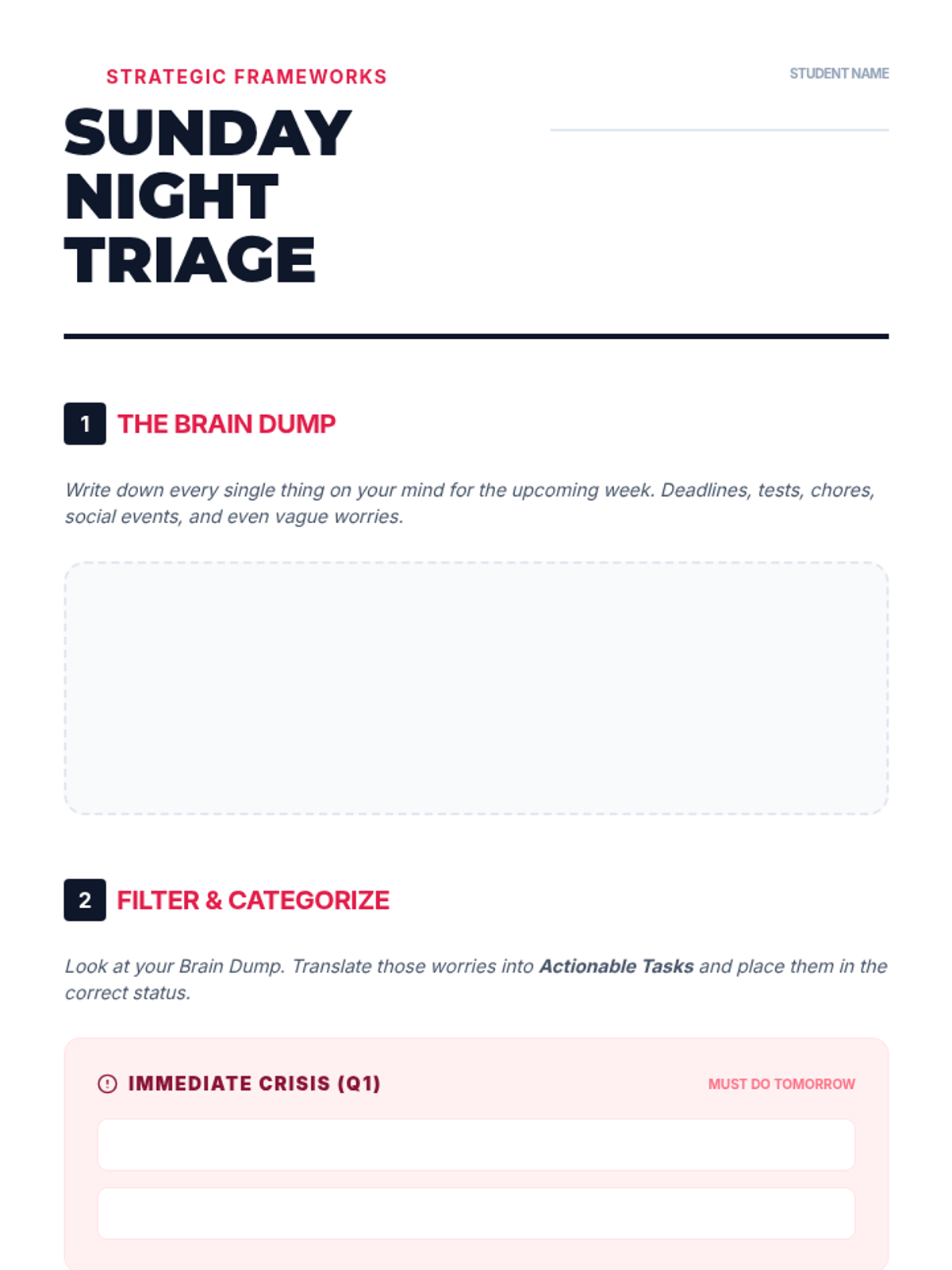
Students create a Sunday Night Triage routine to review upcoming deadlines and sort them by priority, clearing mental clutter before the week begins.
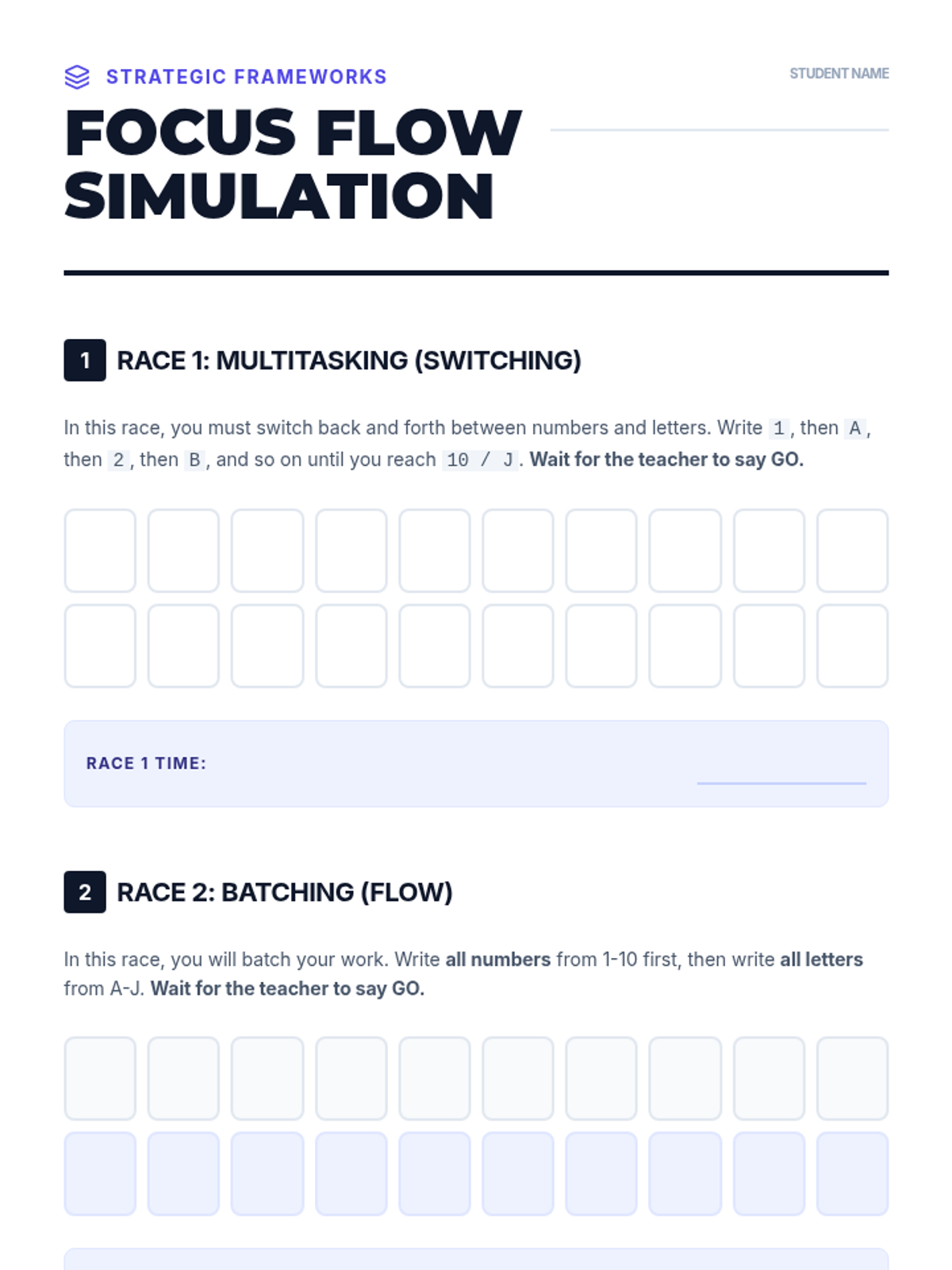
Addresses the cognitive cost of multitasking. Students practice 'batching' similar tasks to increase efficiency and reduce mental fatigue through simulations and workflow optimization.
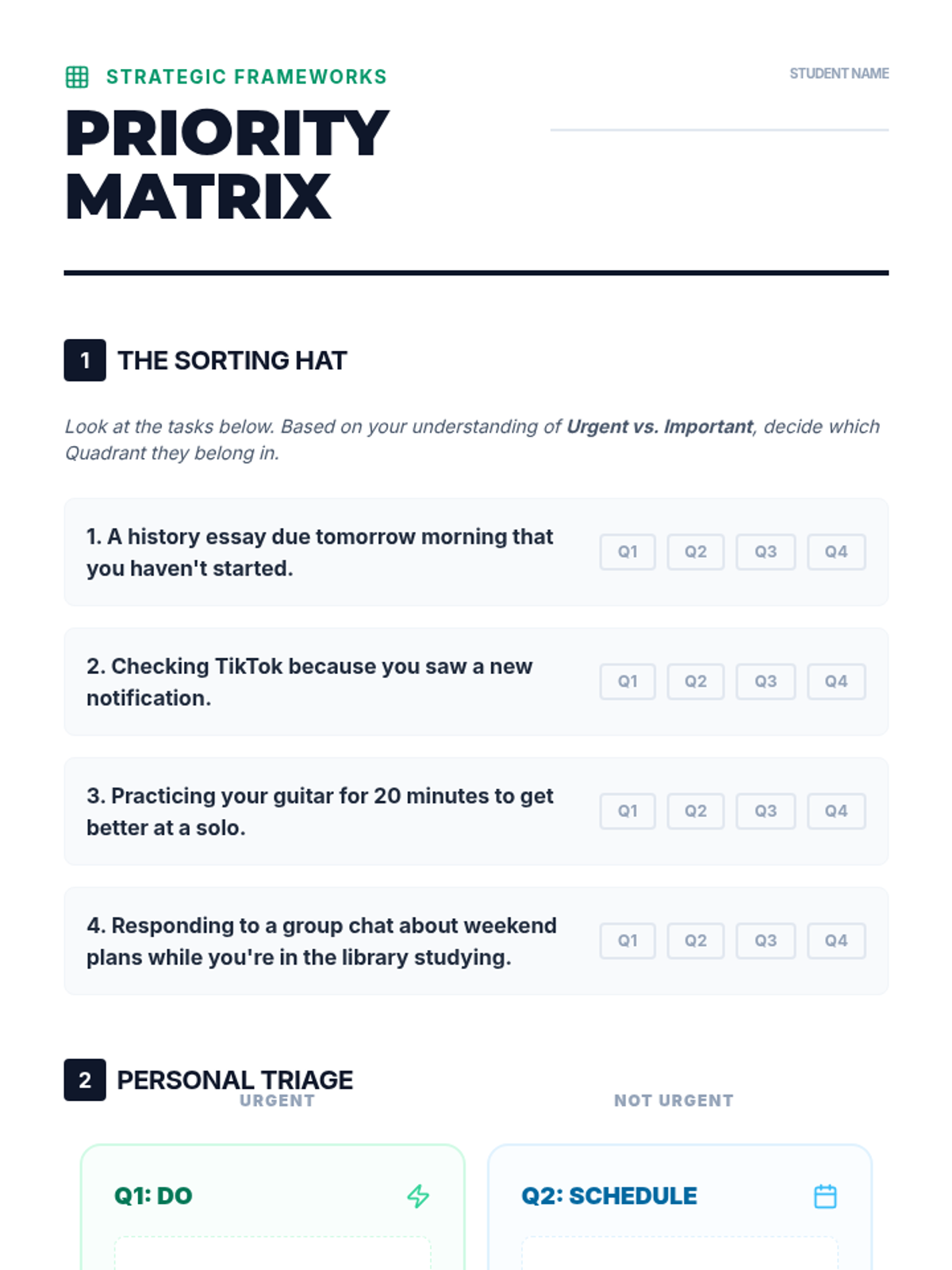
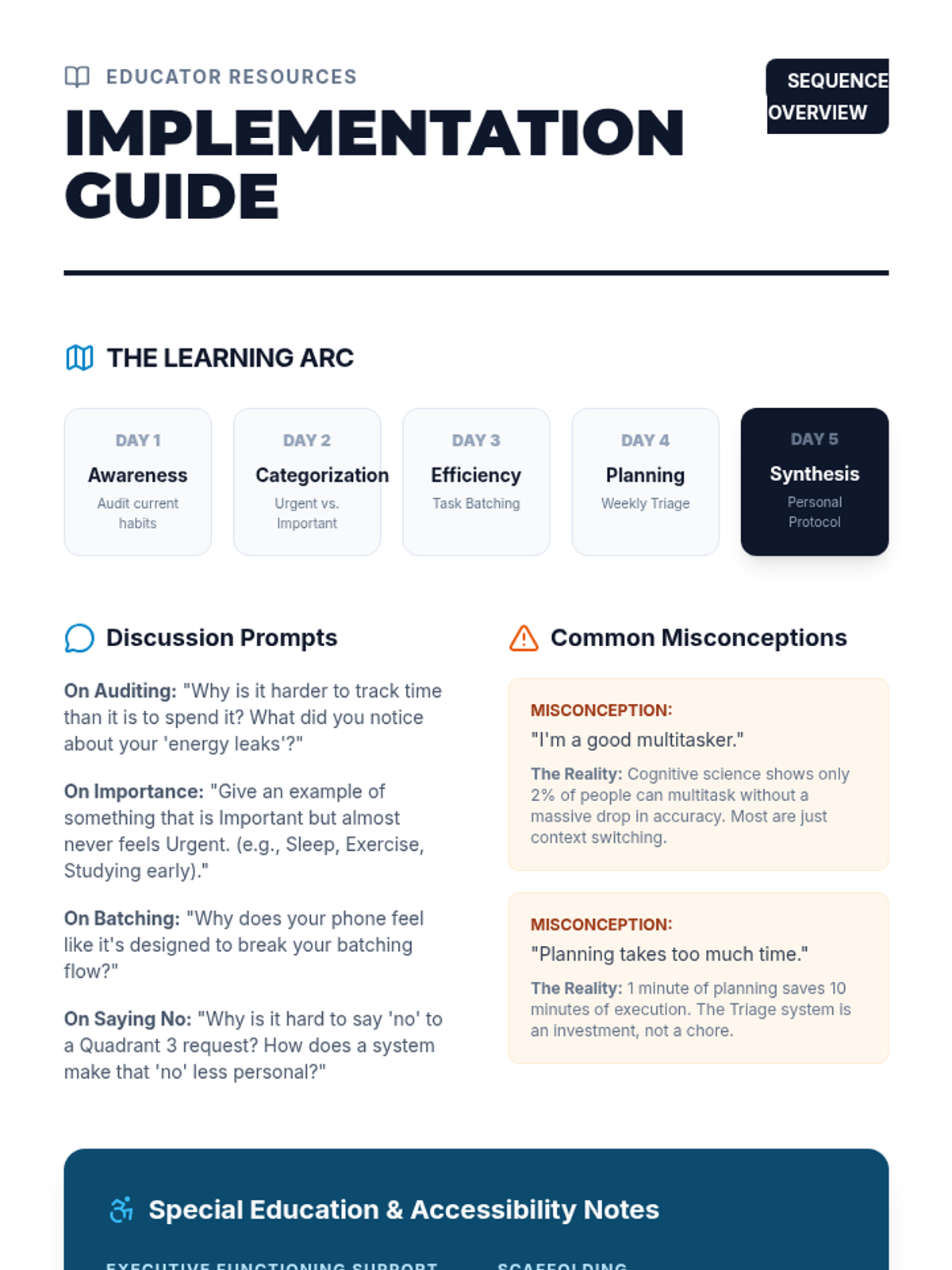
Students learn to categorize tasks into four quadrants: Do First, Schedule, Delegate, and Don't Do. The lesson focuses on distinguishing urgency from importance using real-world scenarios.
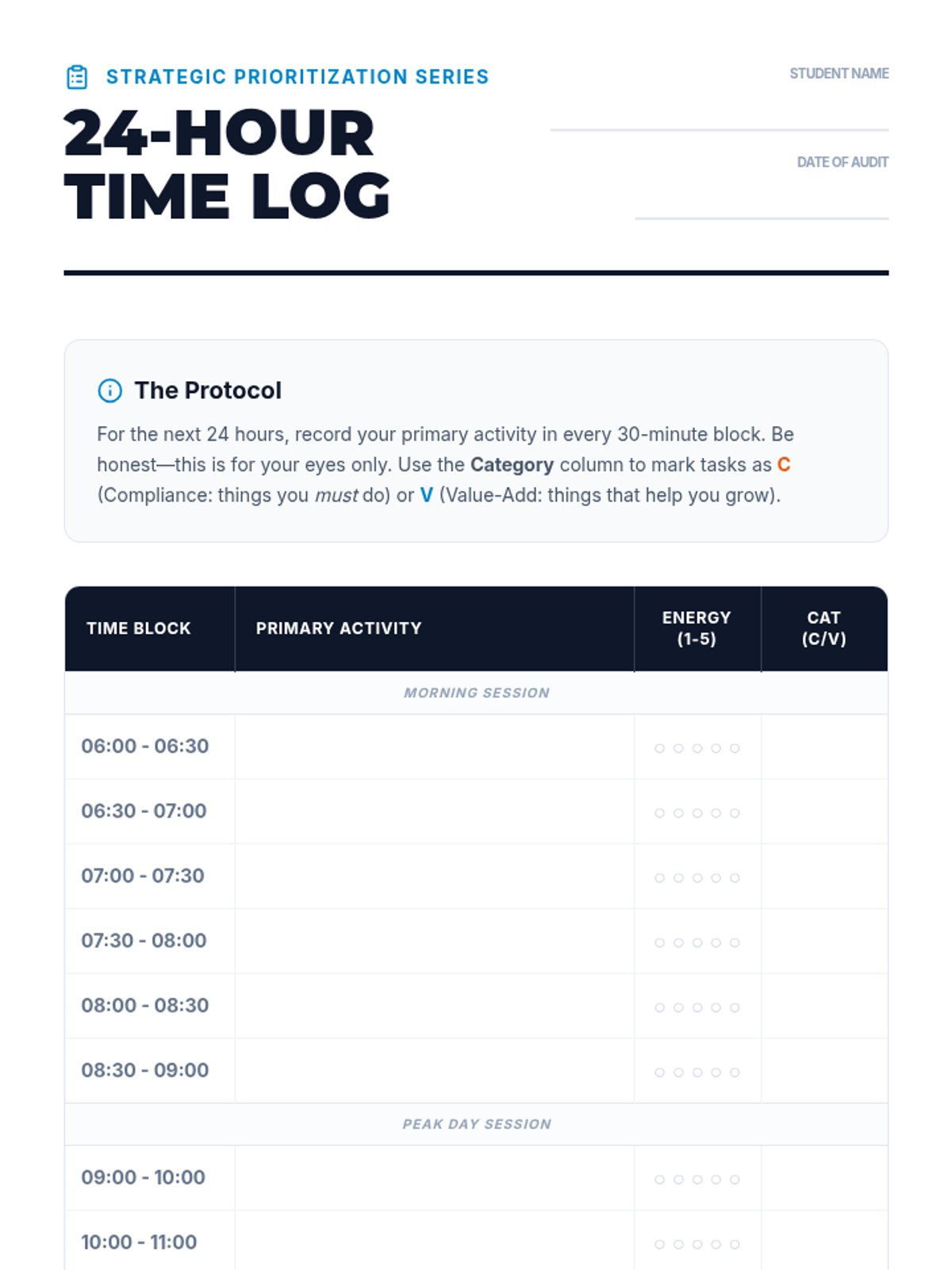
Students track their activities over a 24-hour period to identify patterns, distractions, and peak energy times. They analyze the data to categorize time spent on 'compliance' tasks versus 'value-add' activities.
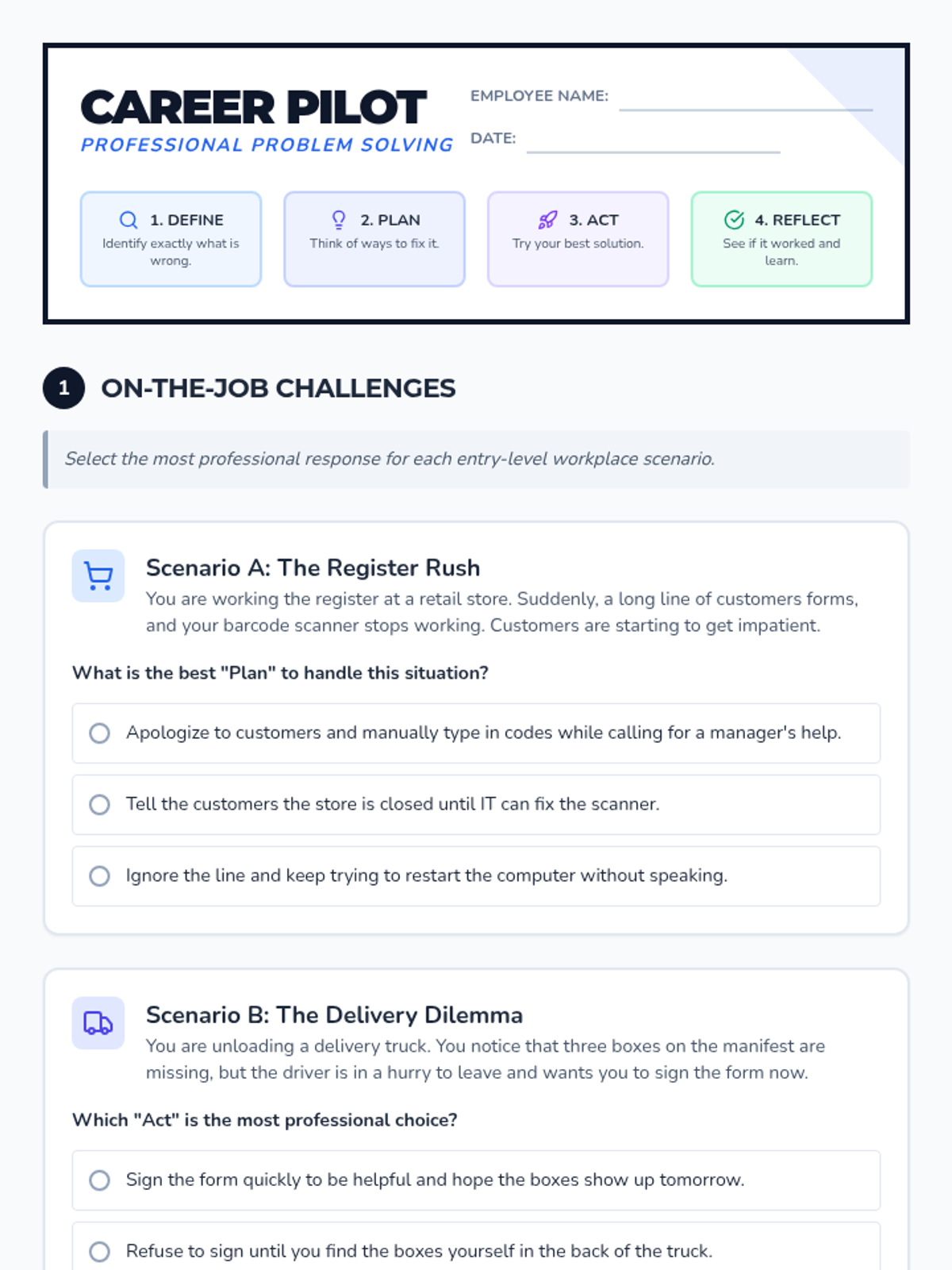
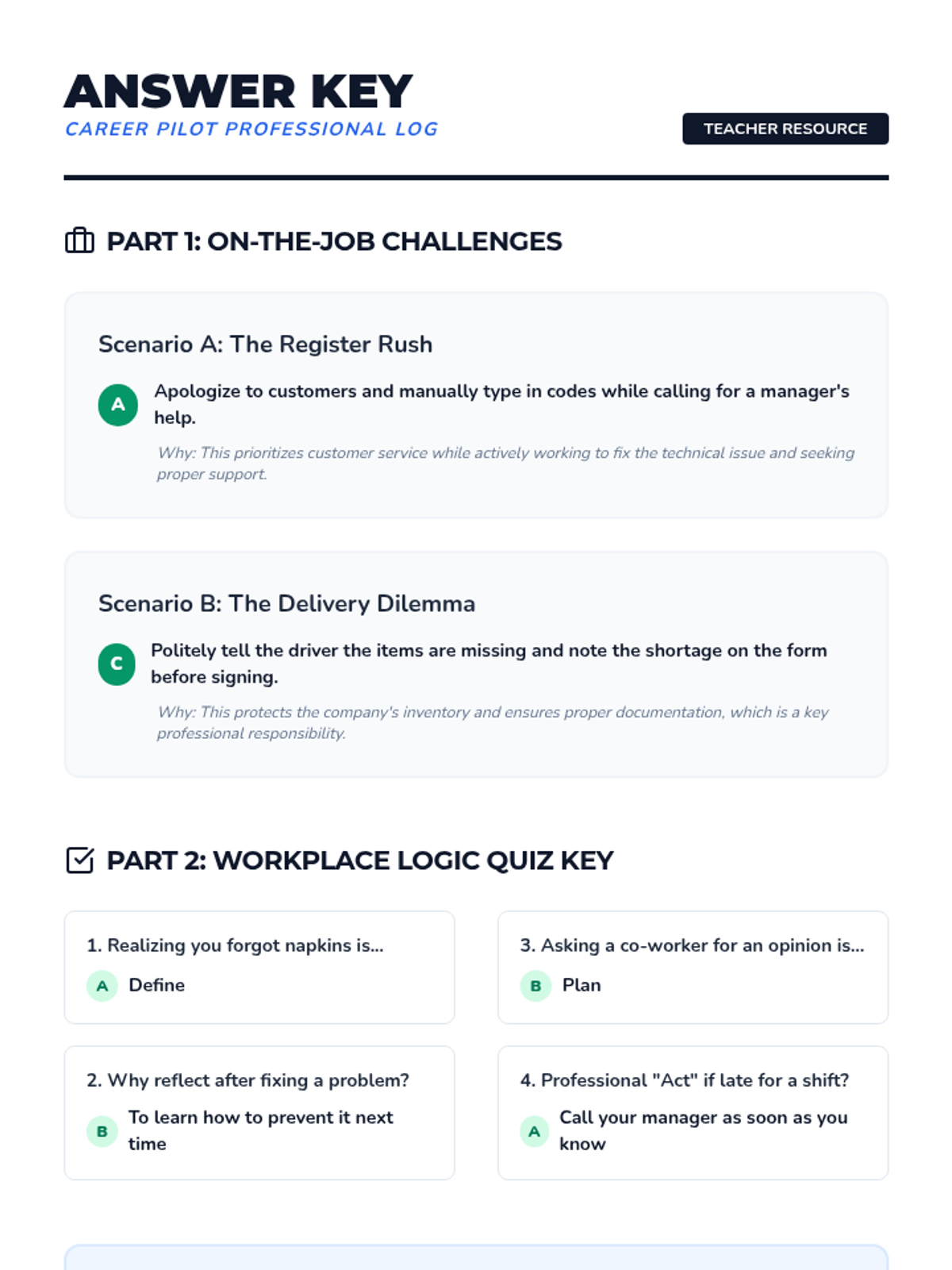
A foundational lesson teaching professional problem-solving using a structured 4-step approach (Define, Plan, Act, Reflect) applied to workplace scenarios.
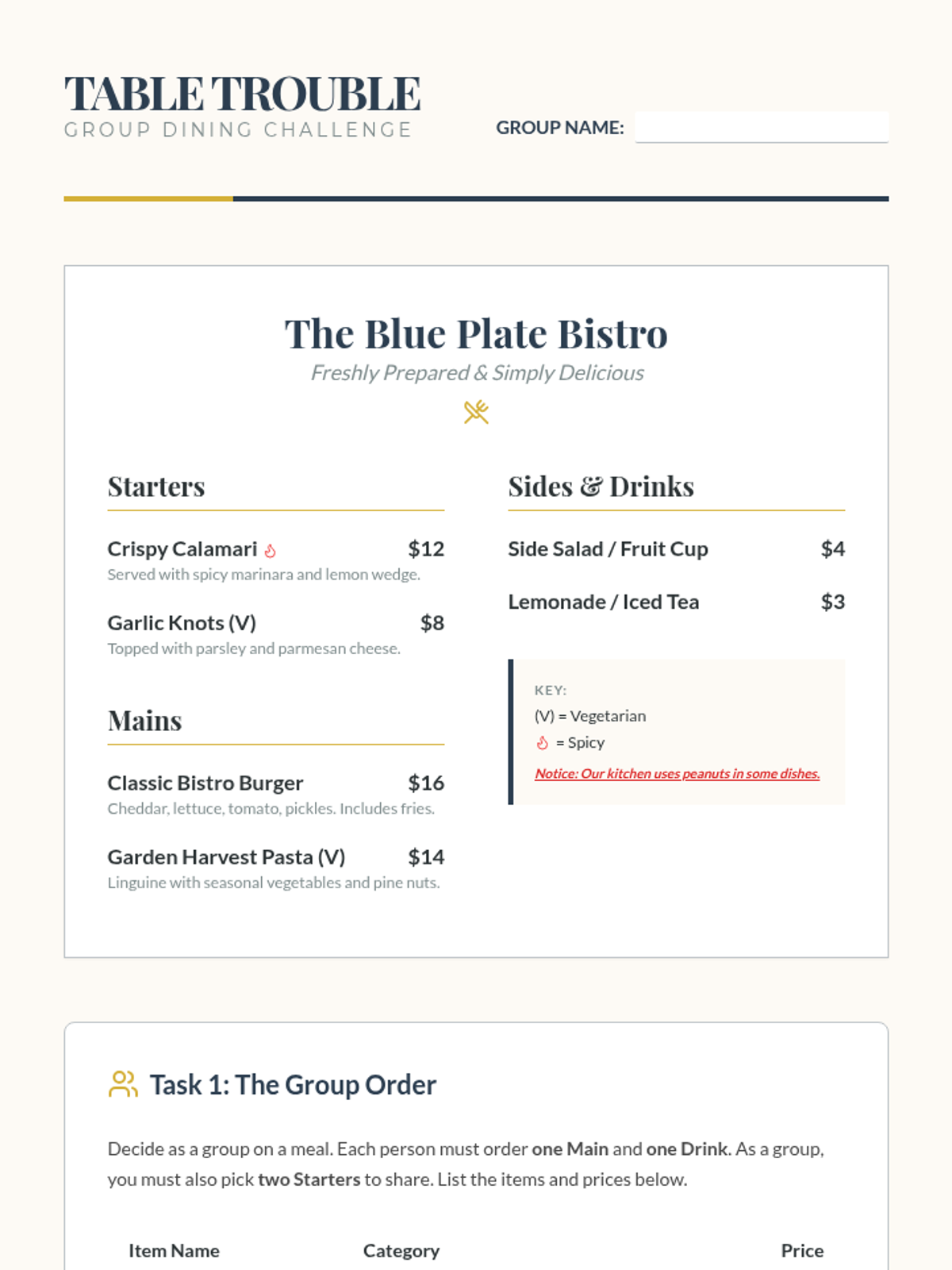
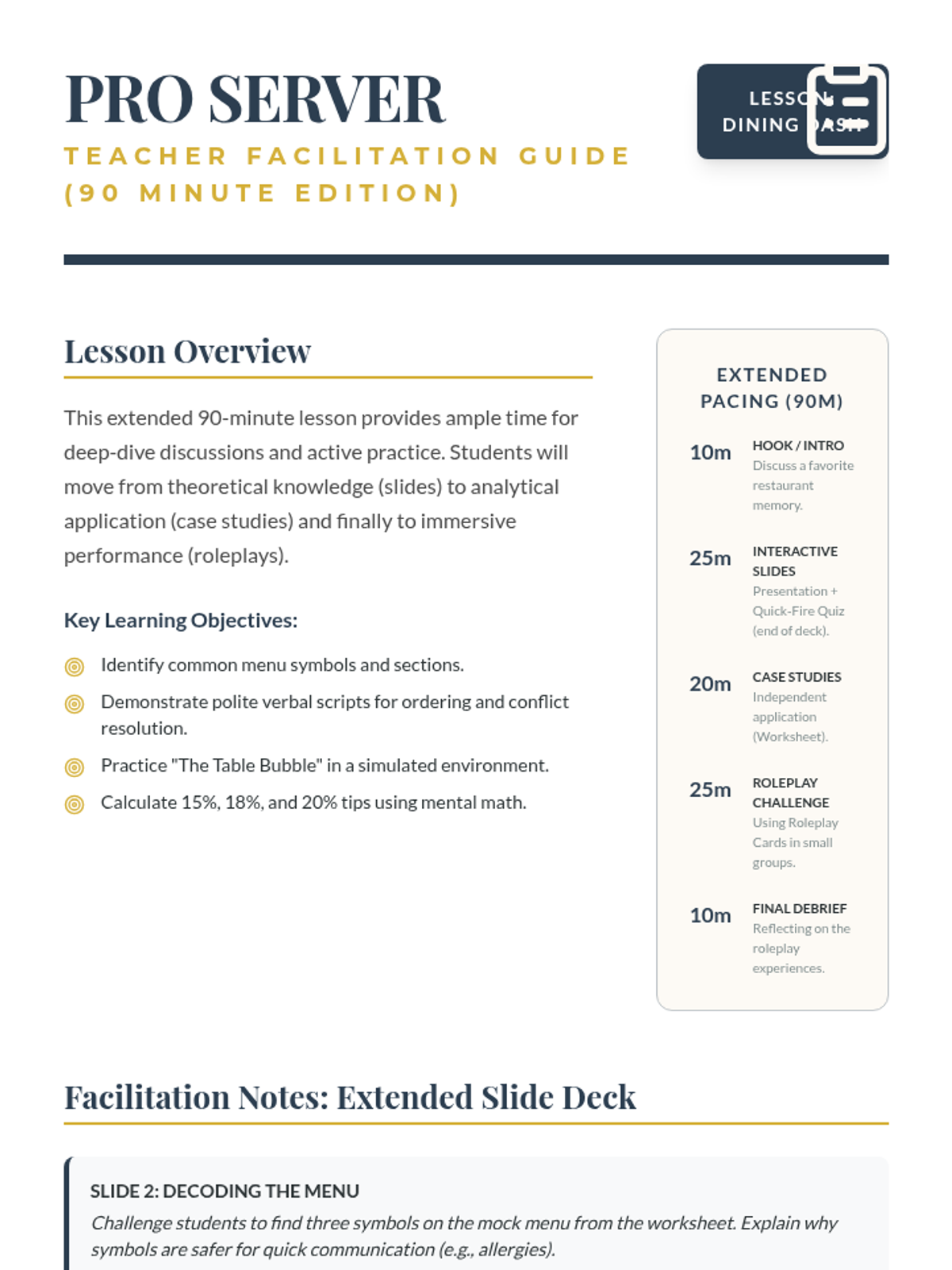
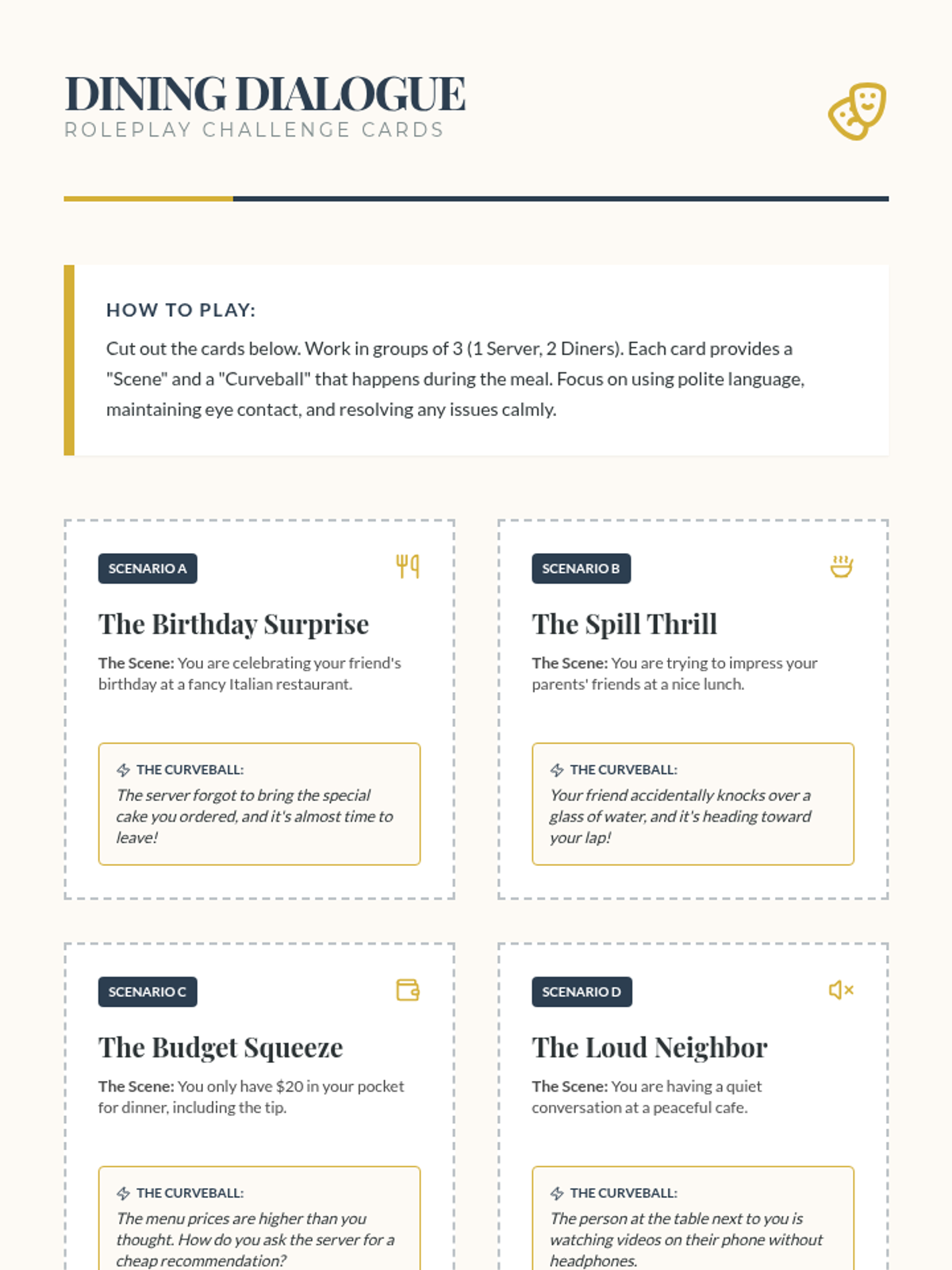
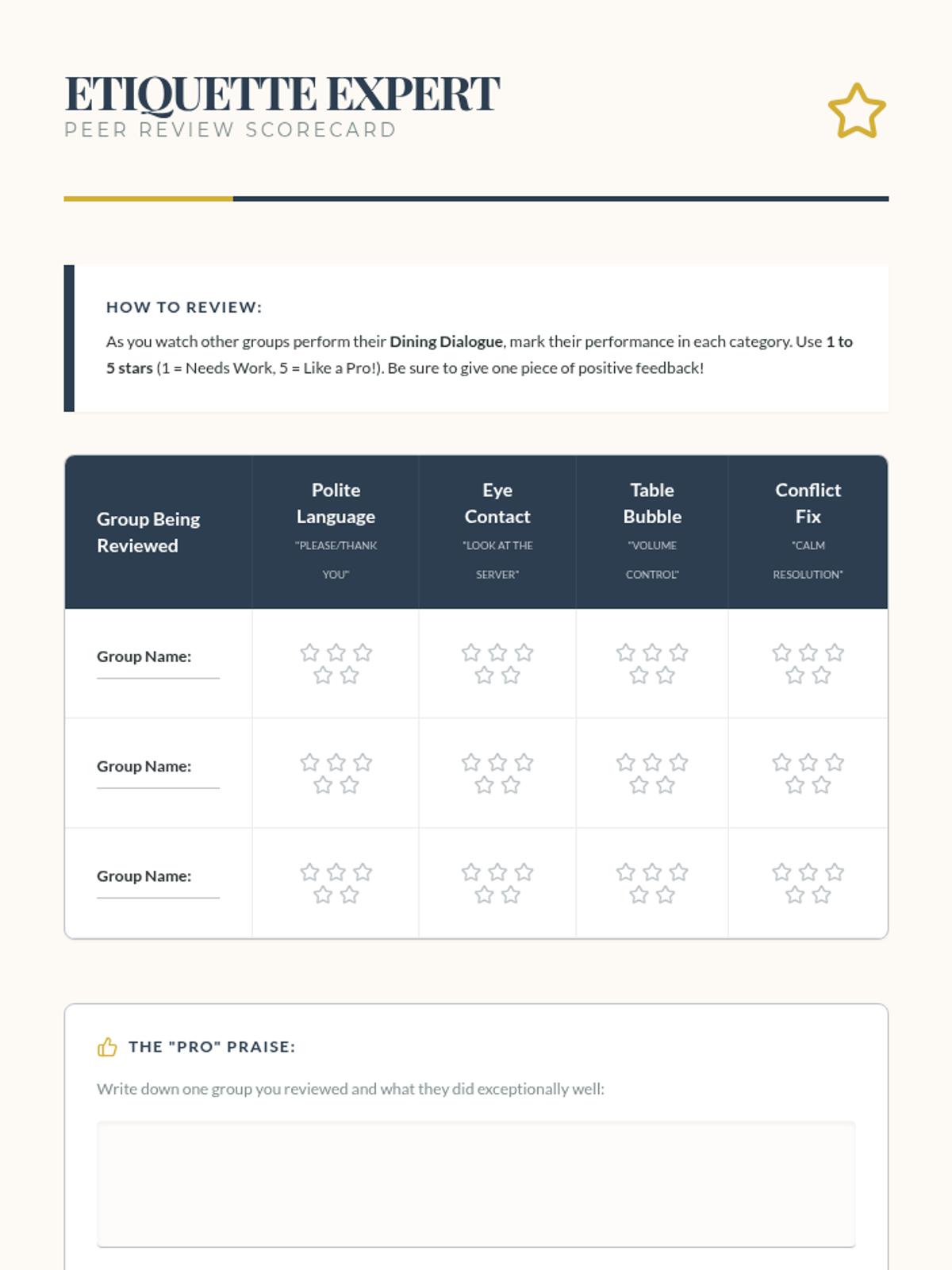
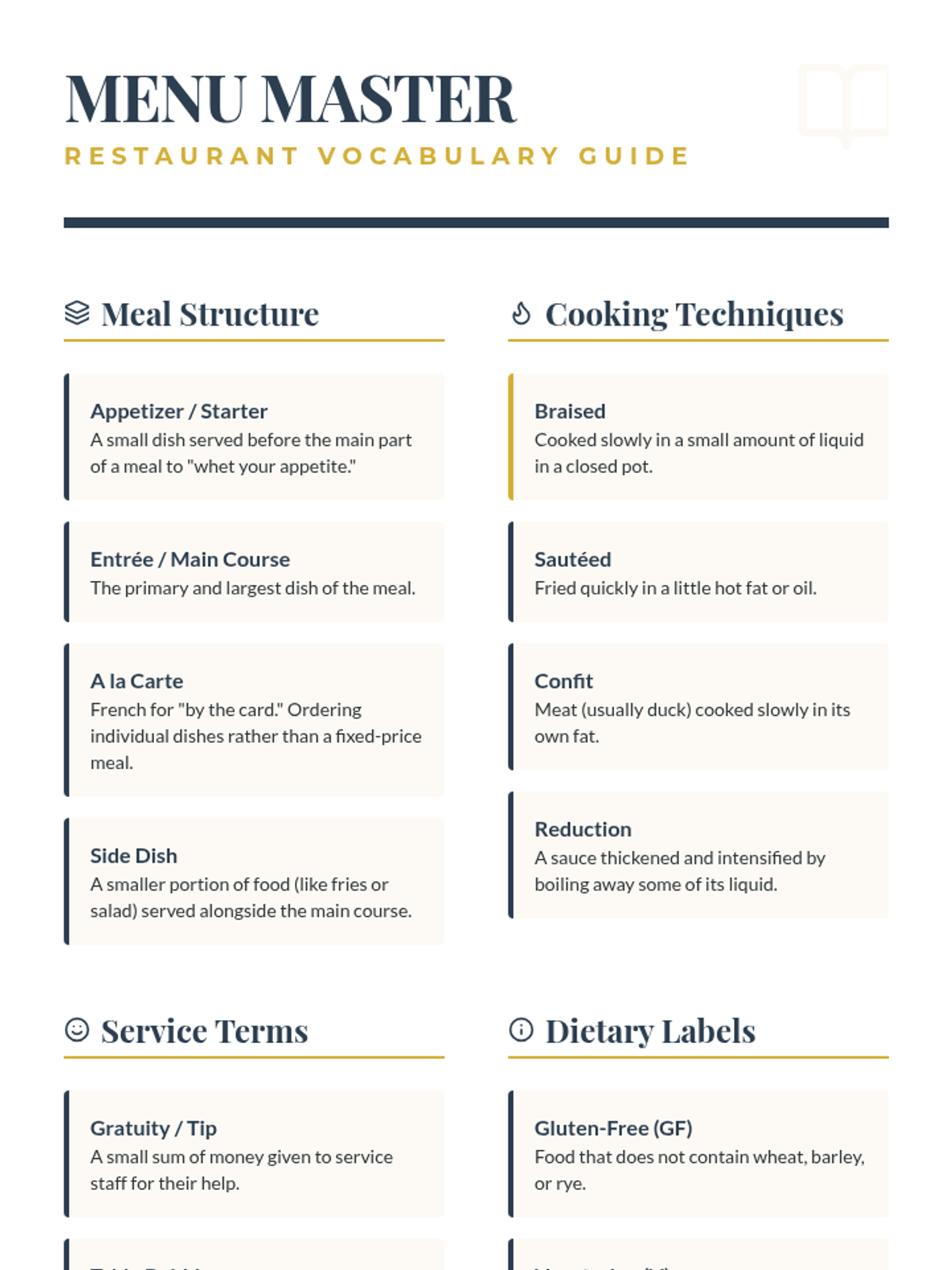
A comprehensive lesson on restaurant etiquette covering menu reading, ordering, manners, volume control, tipping, and conflict resolution.
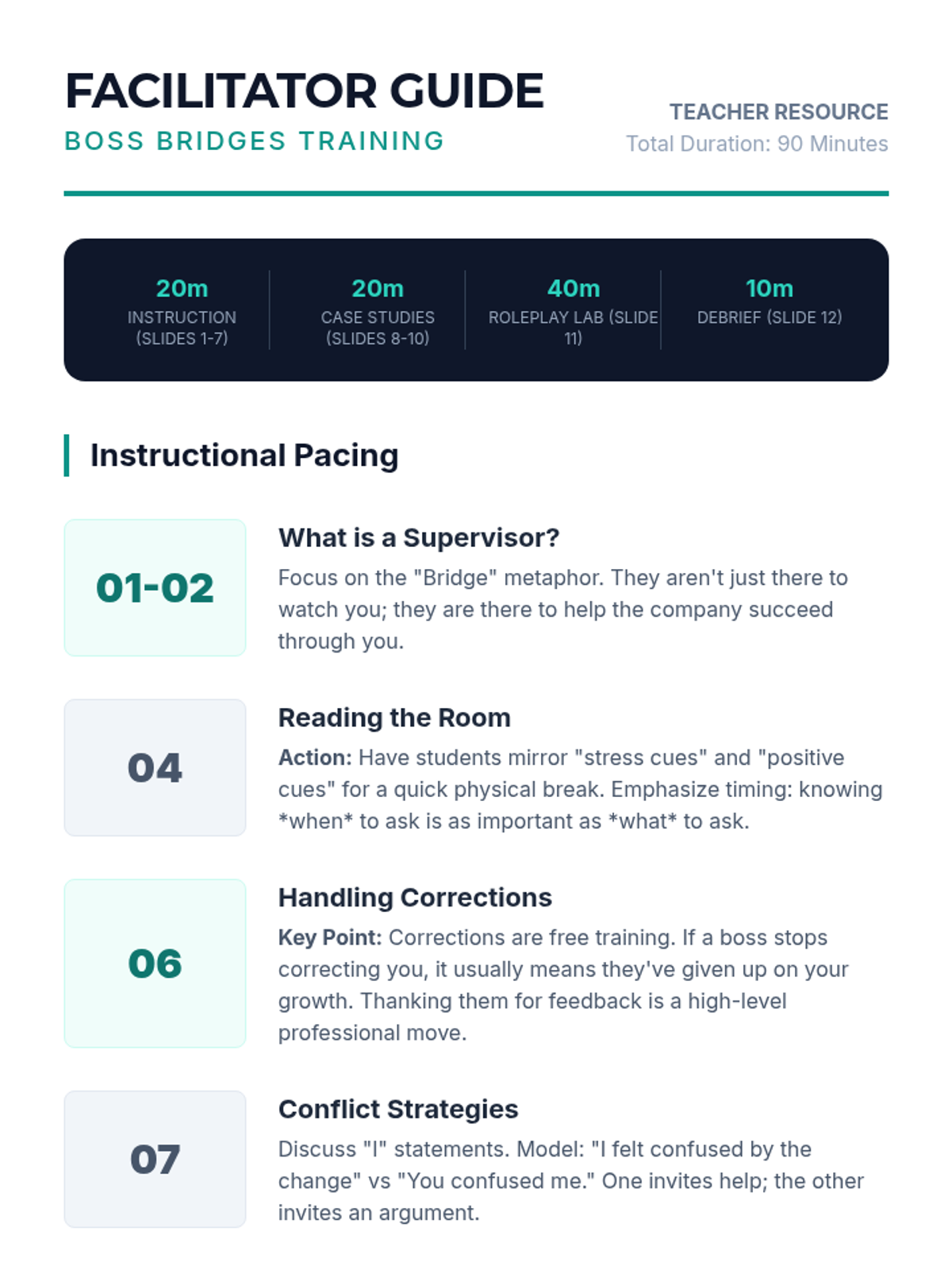
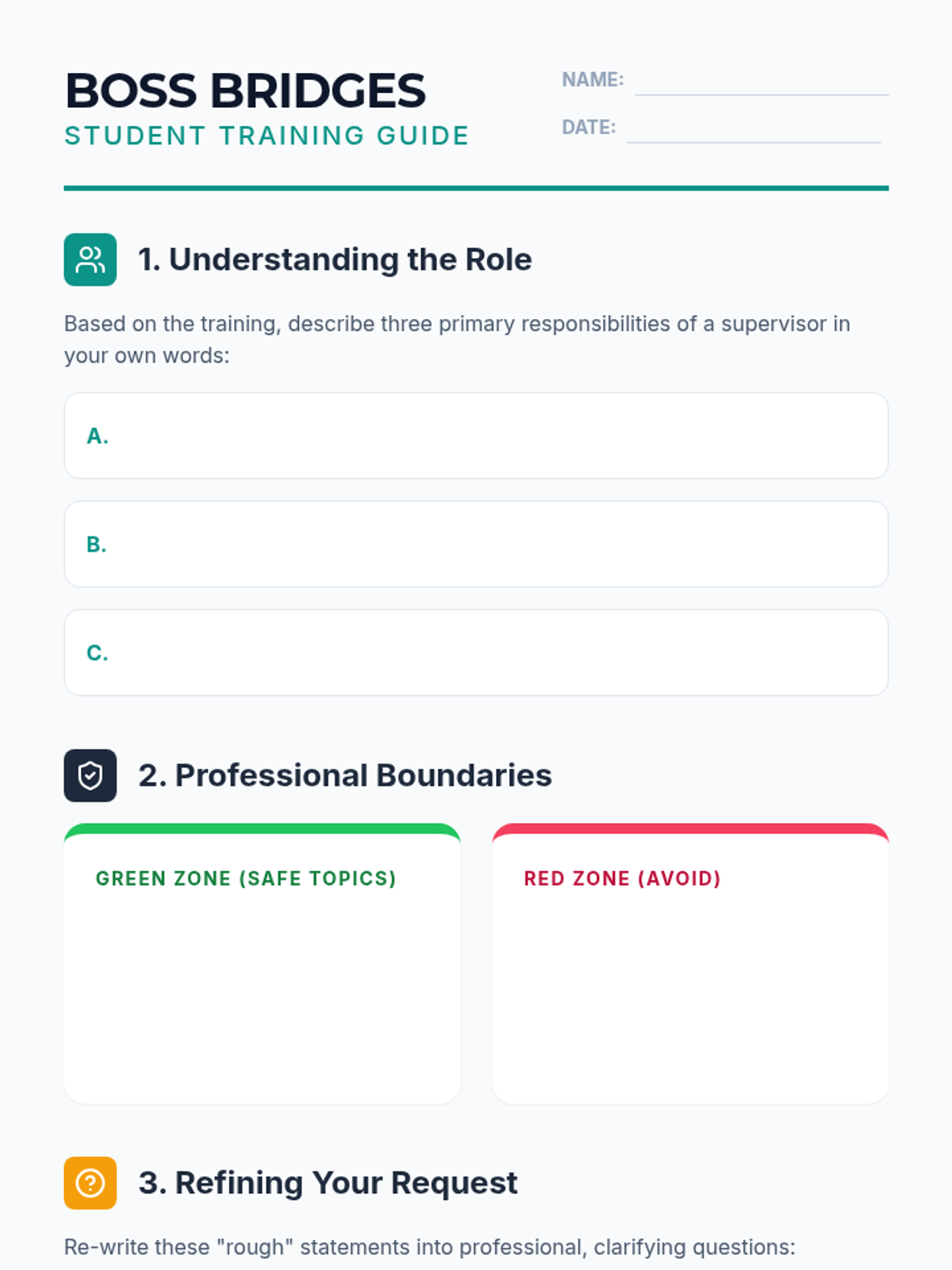
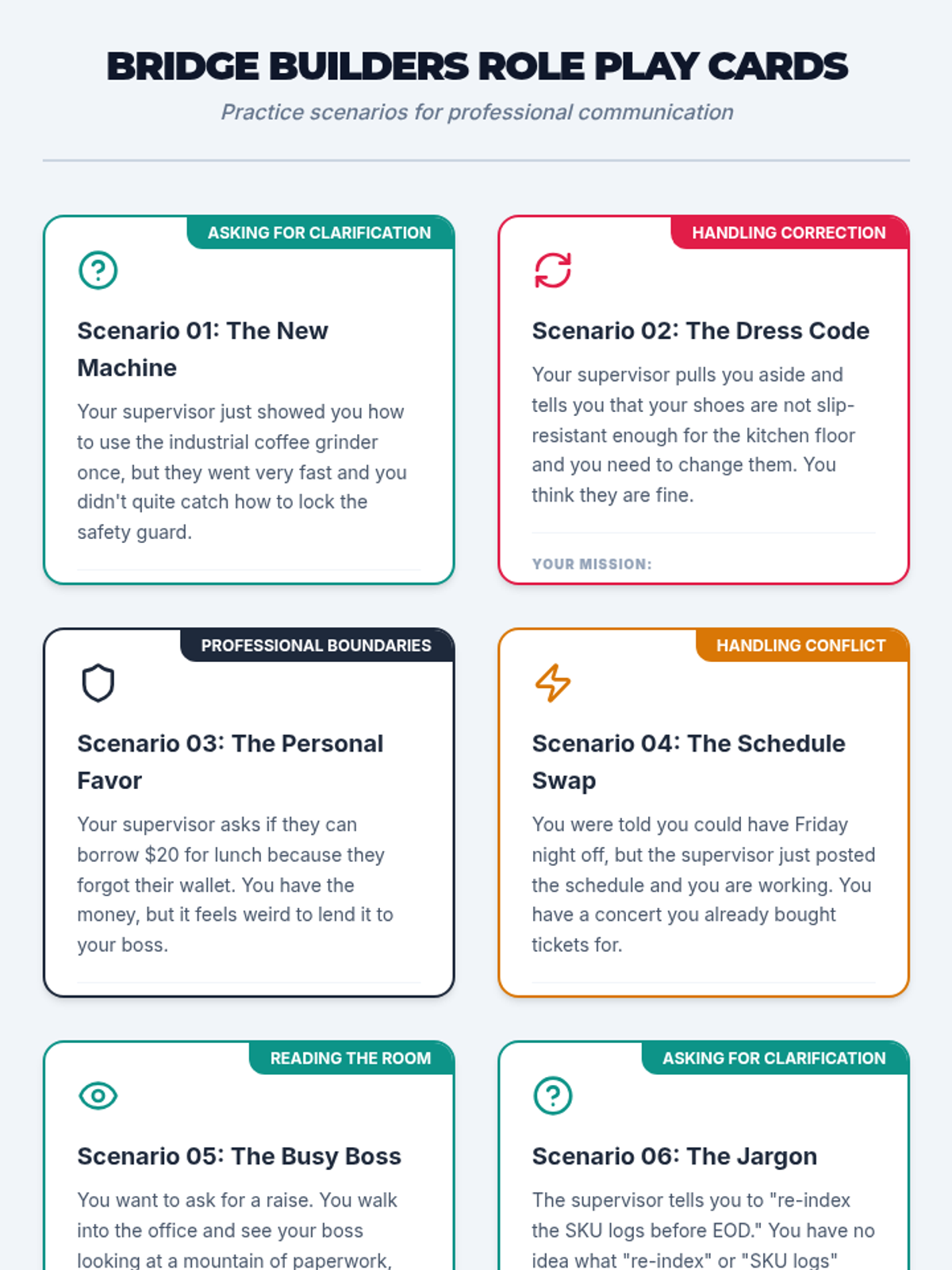
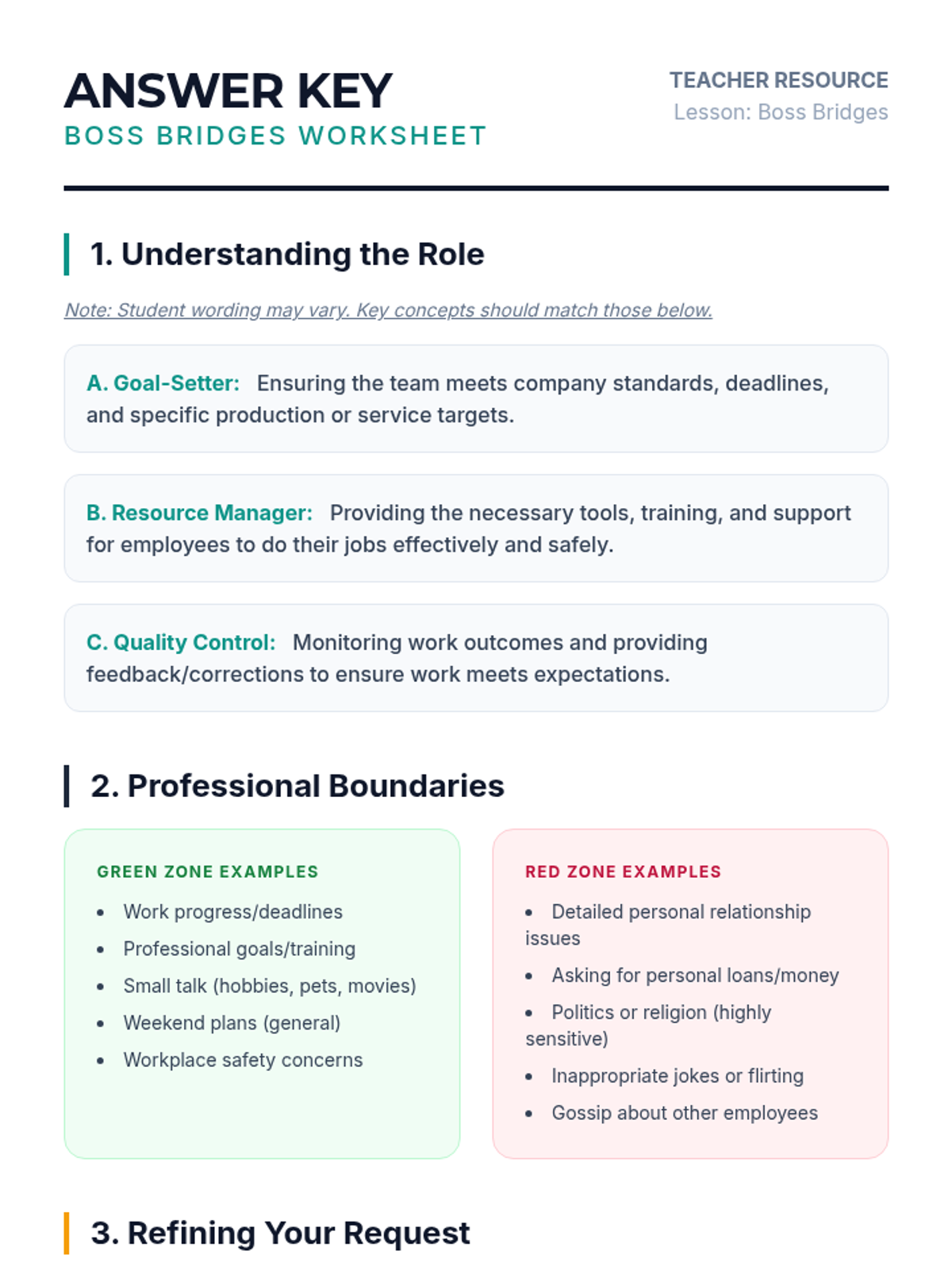
A comprehensive training session focusing on the professional relationship between employees and supervisors. Students will learn about supervisor roles, boundaries, communication strategies, and conflict resolution through interactive case studies.
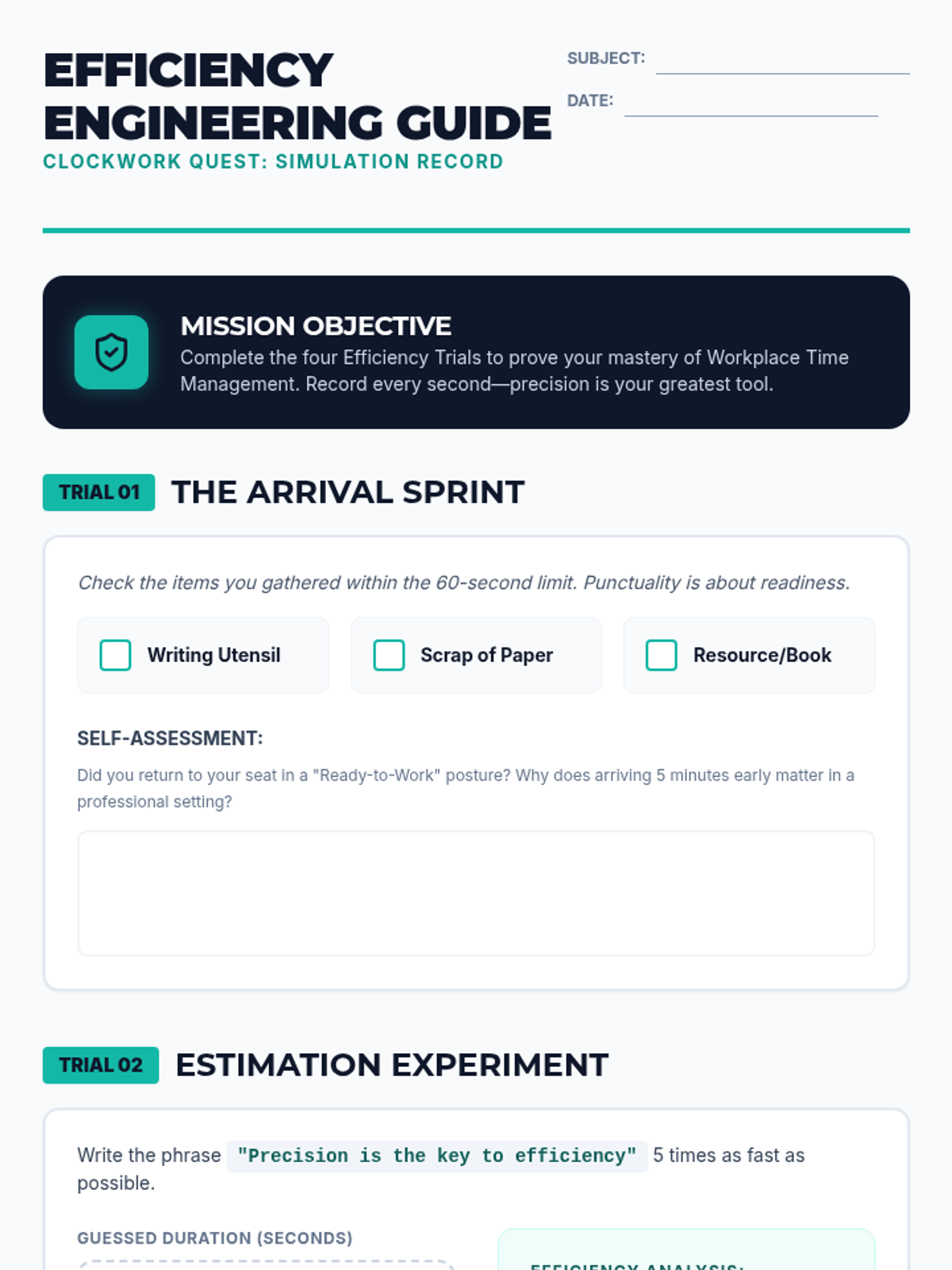
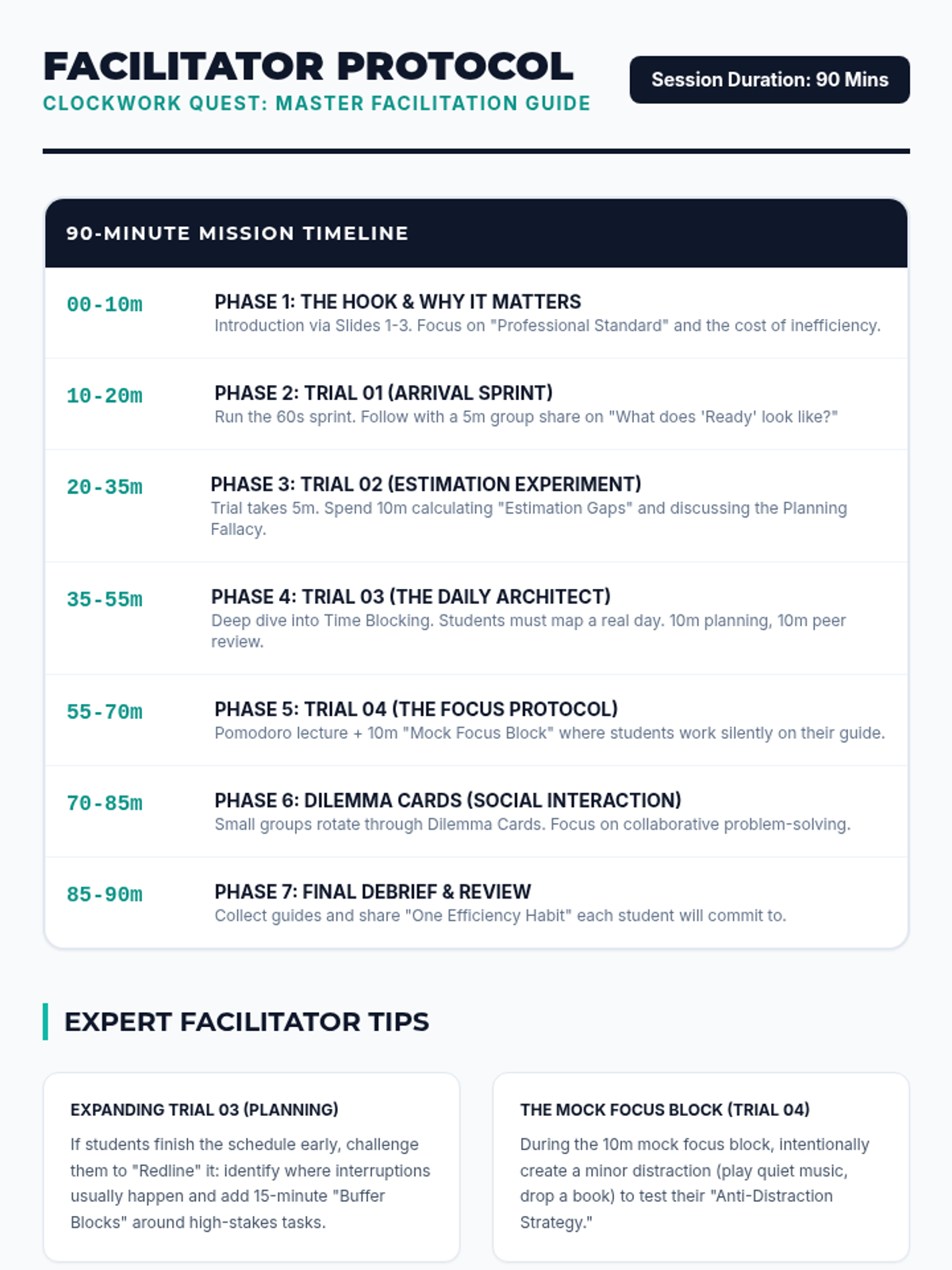
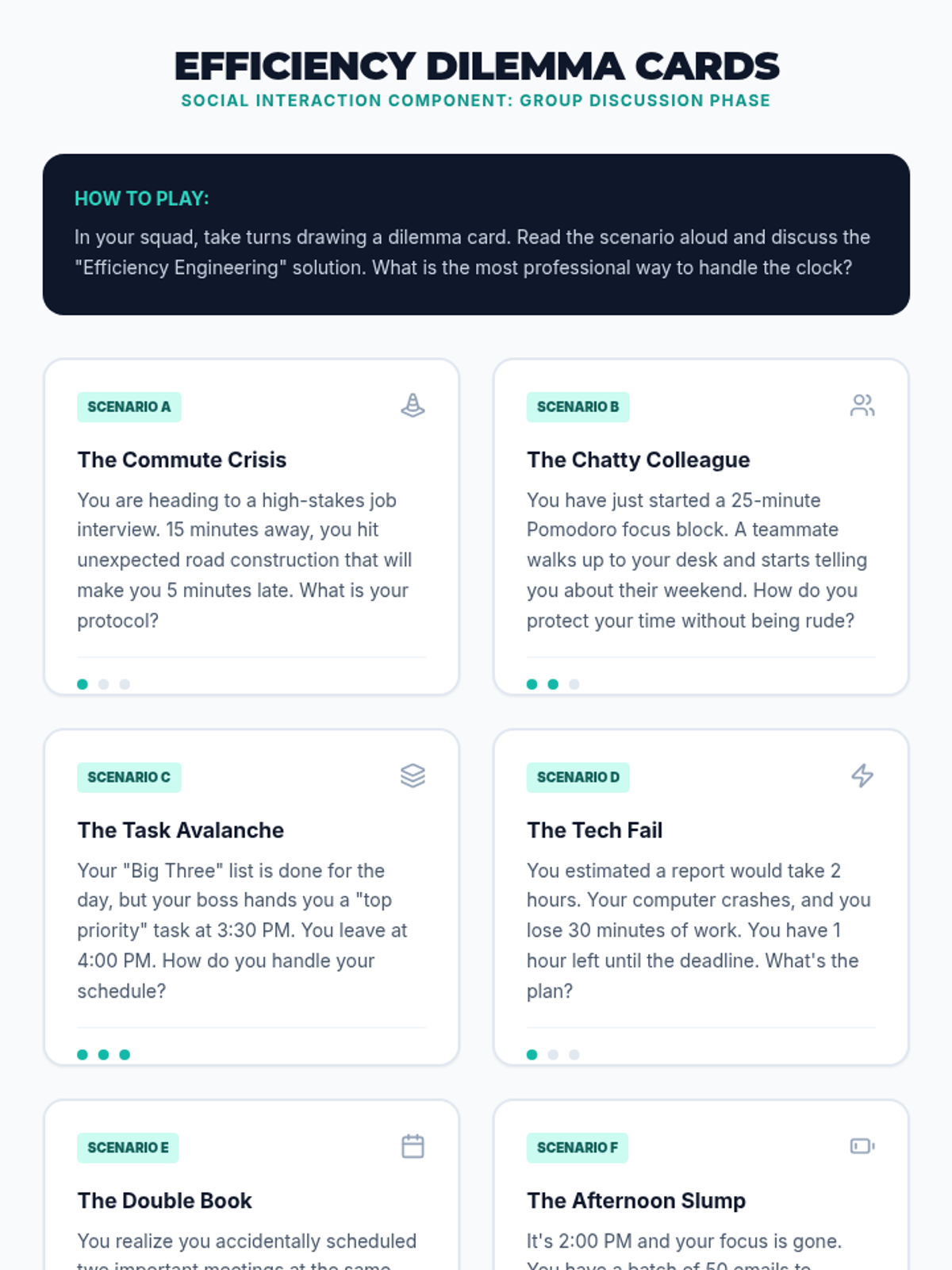
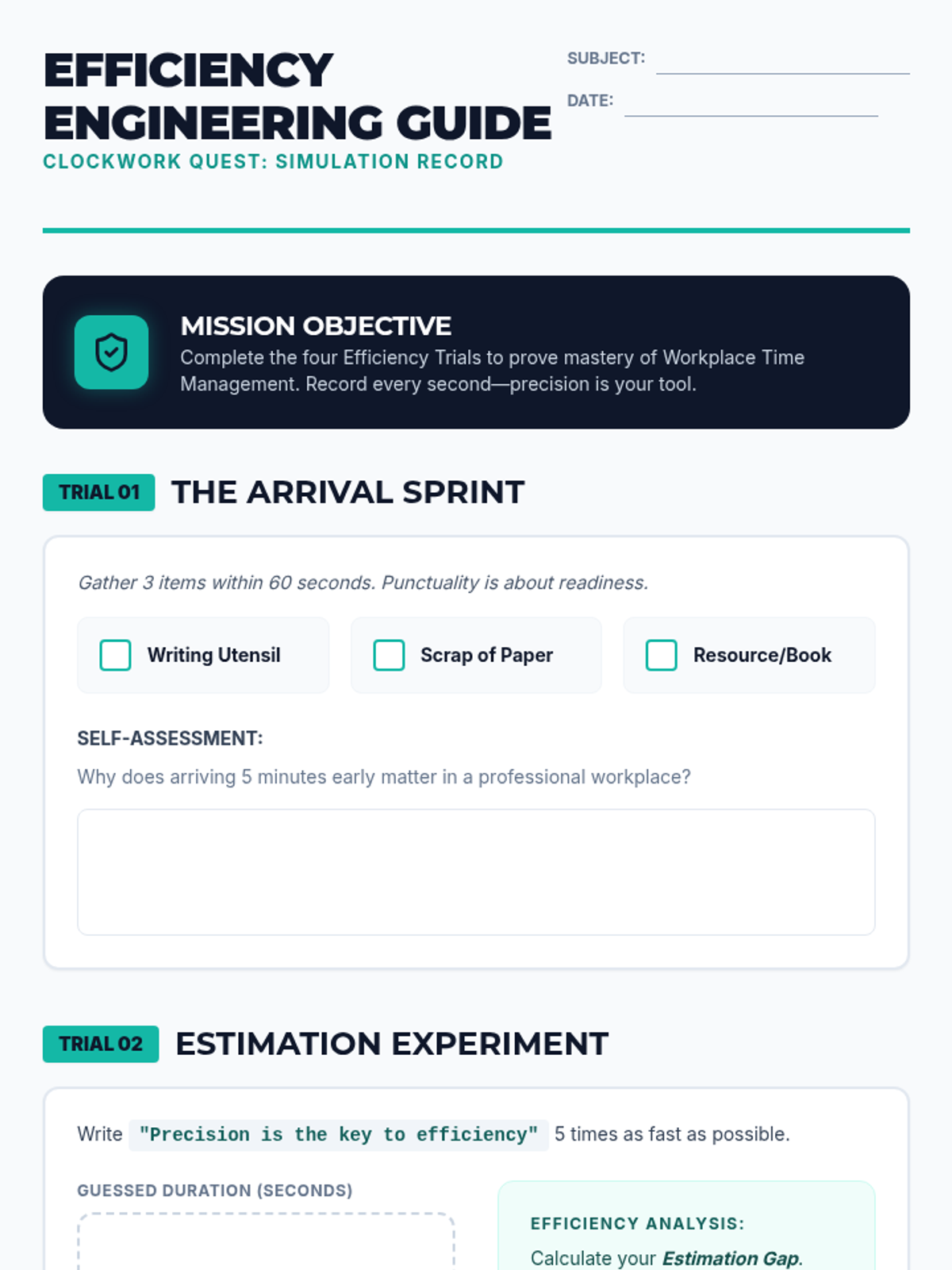
A lesson focused on mastering time management through hands-on 'trials' that teach punctuality, task estimation, scheduling, and focus techniques.
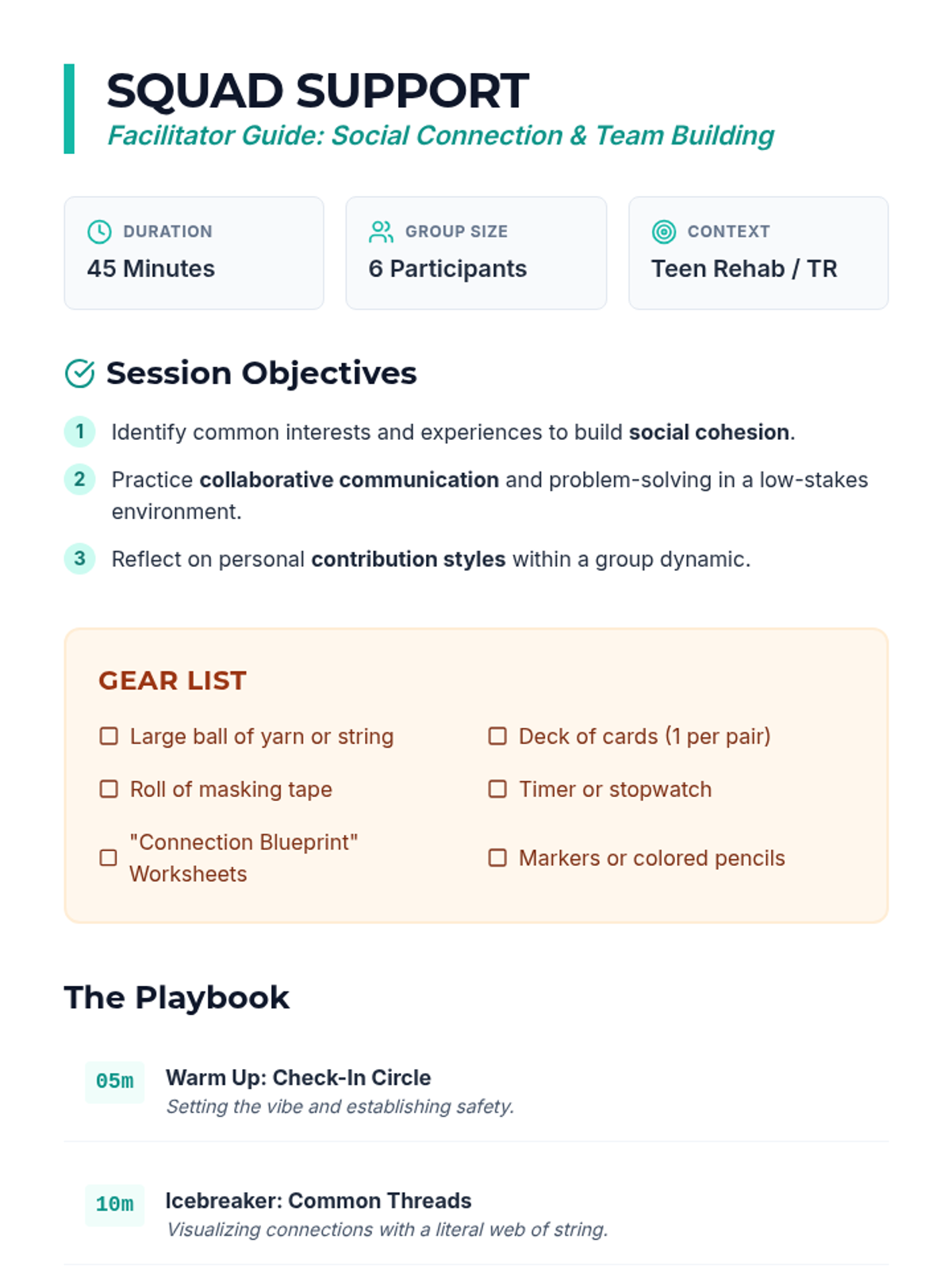
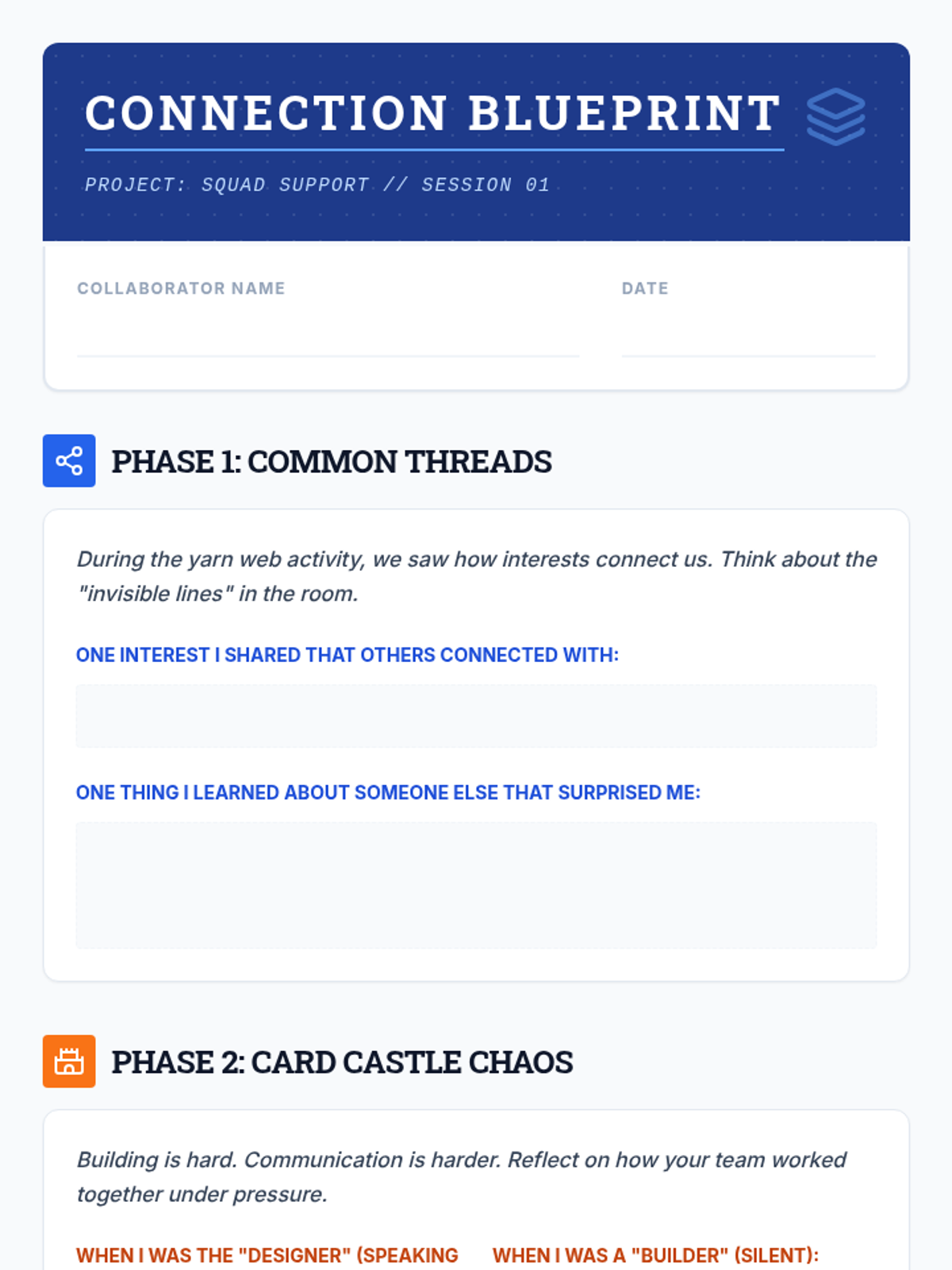
A 45-minute therapeutic leisure session for teens focused on building social connections and team dynamics through collaborative activities and reflection.
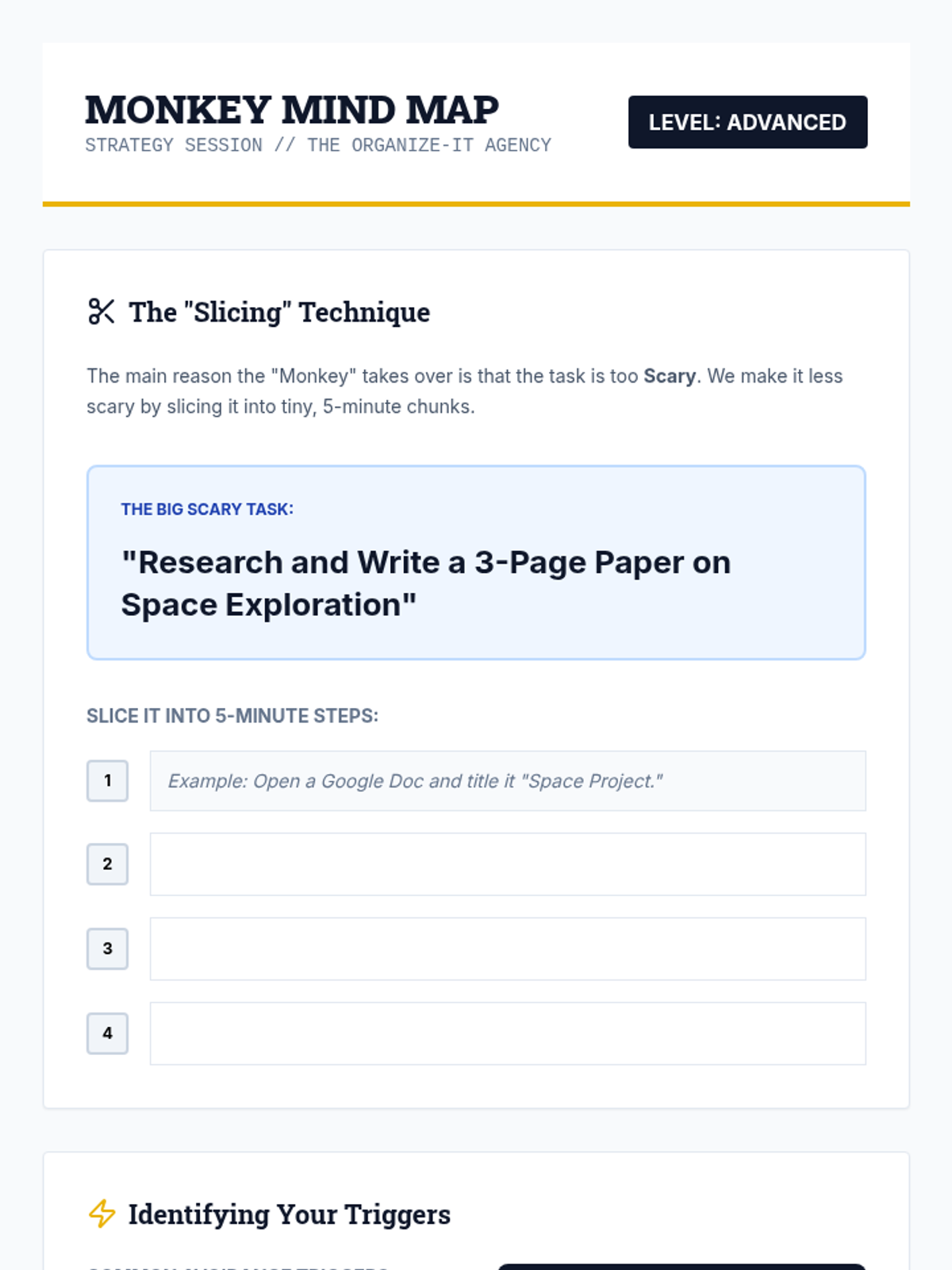
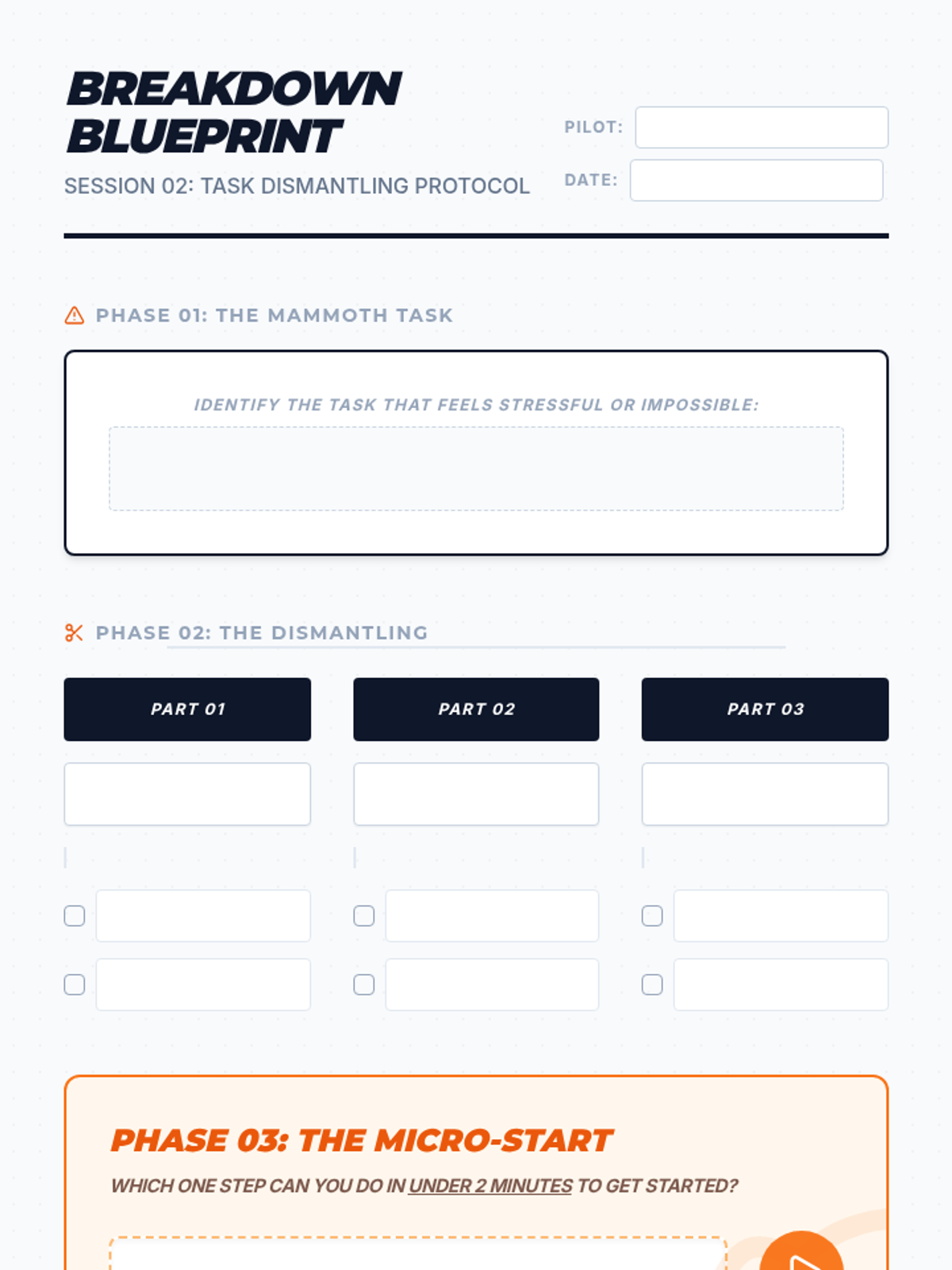
Focuses on overcoming procrastination and "stuckness" by breaking down complex tasks into manageable, non-intimidating units using the "Breakdown Blueprint."
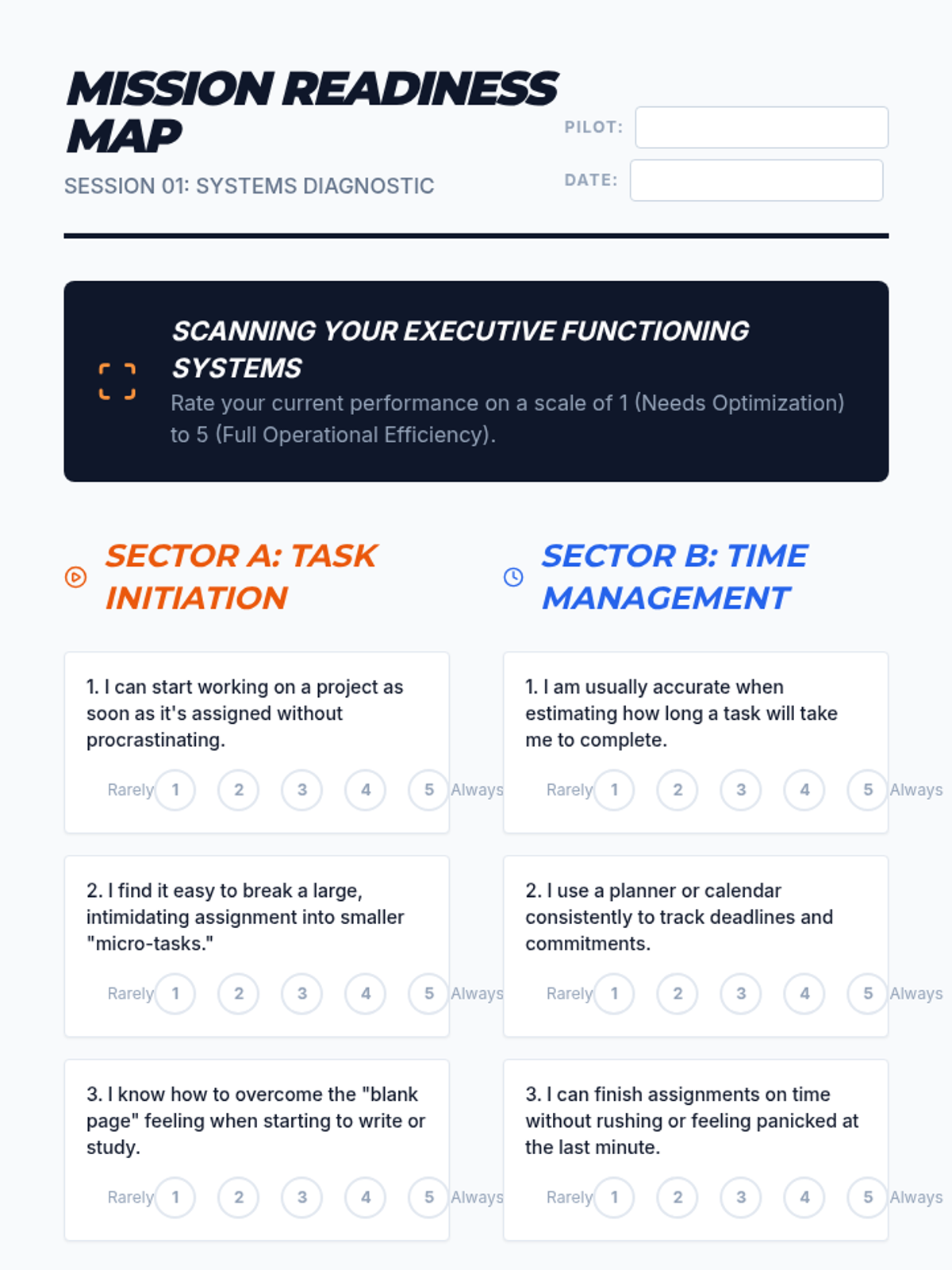
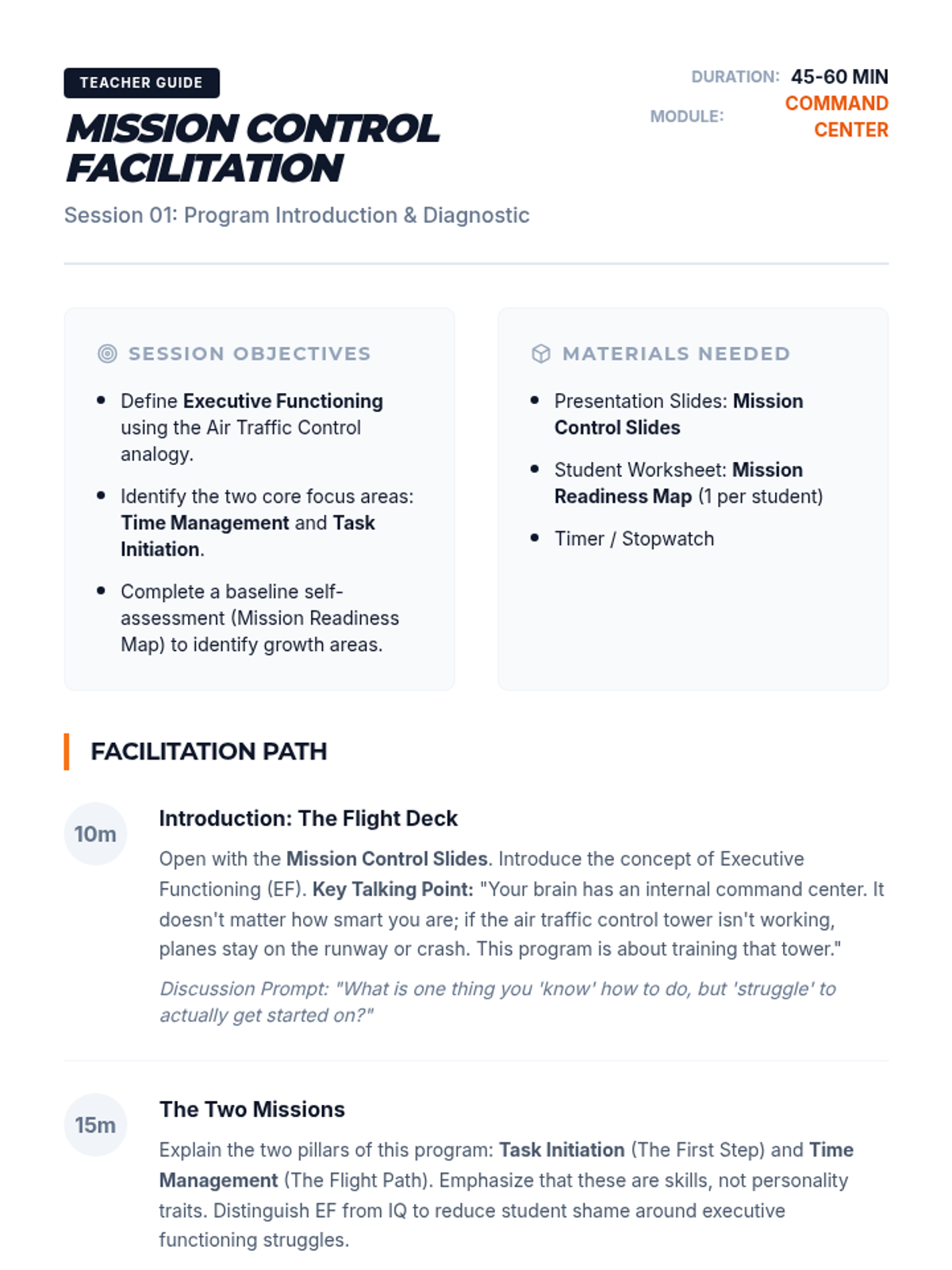
Introduction to executive functioning as the brain's "Air Traffic Control" and a self-assessment of current strengths and challenges.
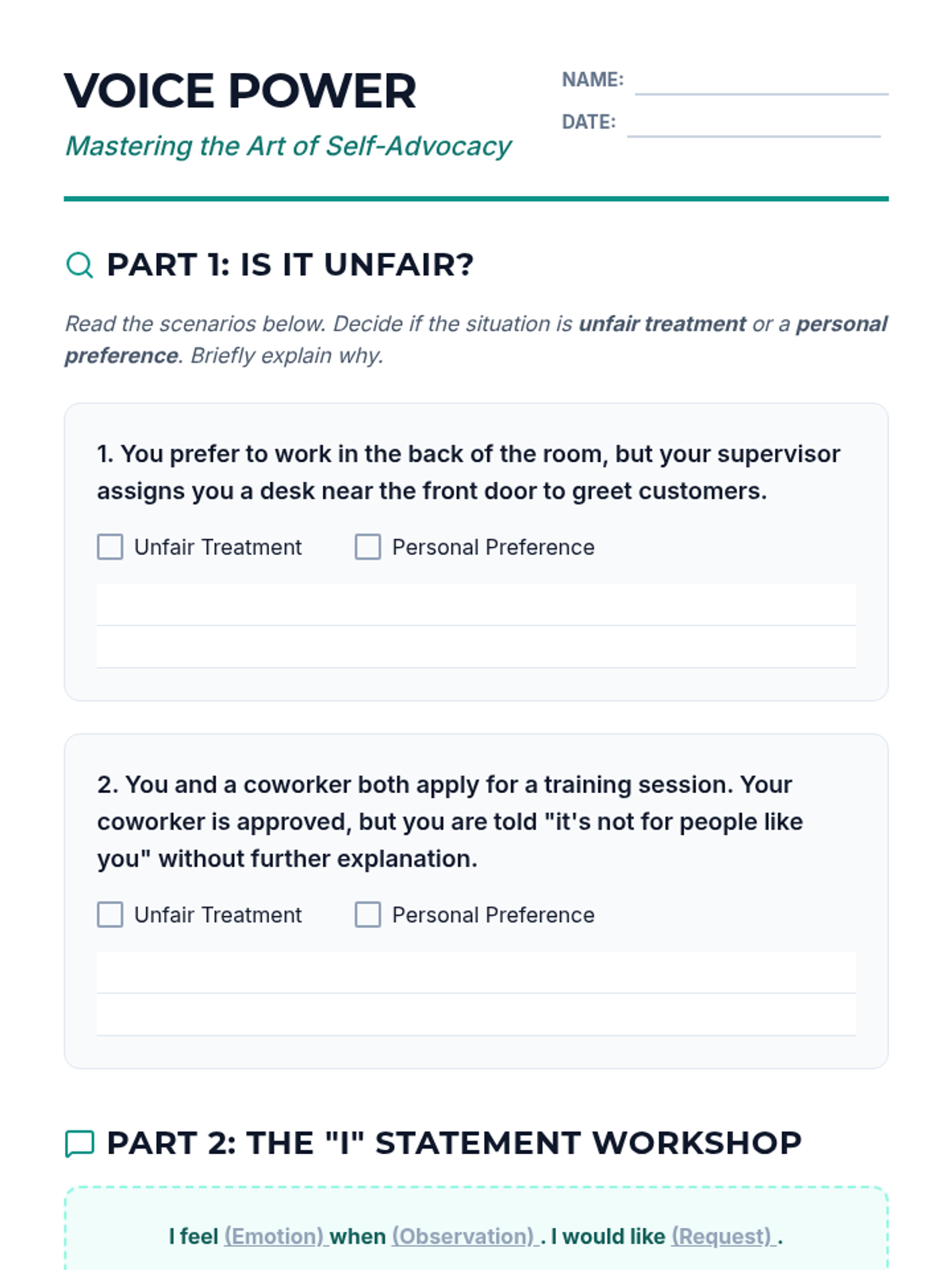
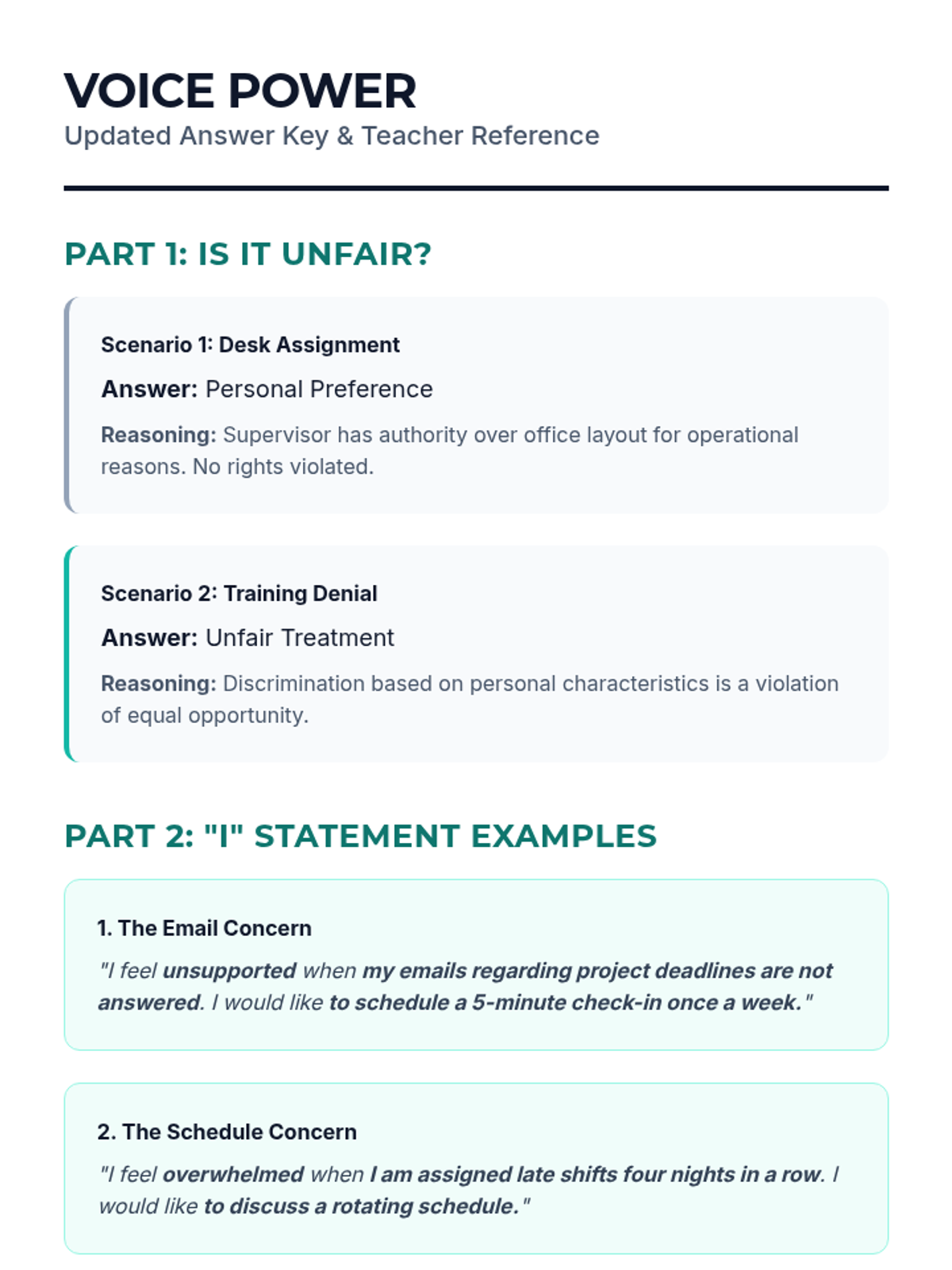
This lesson empowers students to identify unfair treatment and provides a step-by-step framework for self-advocacy, including 'I' statements and formal complaint procedures.
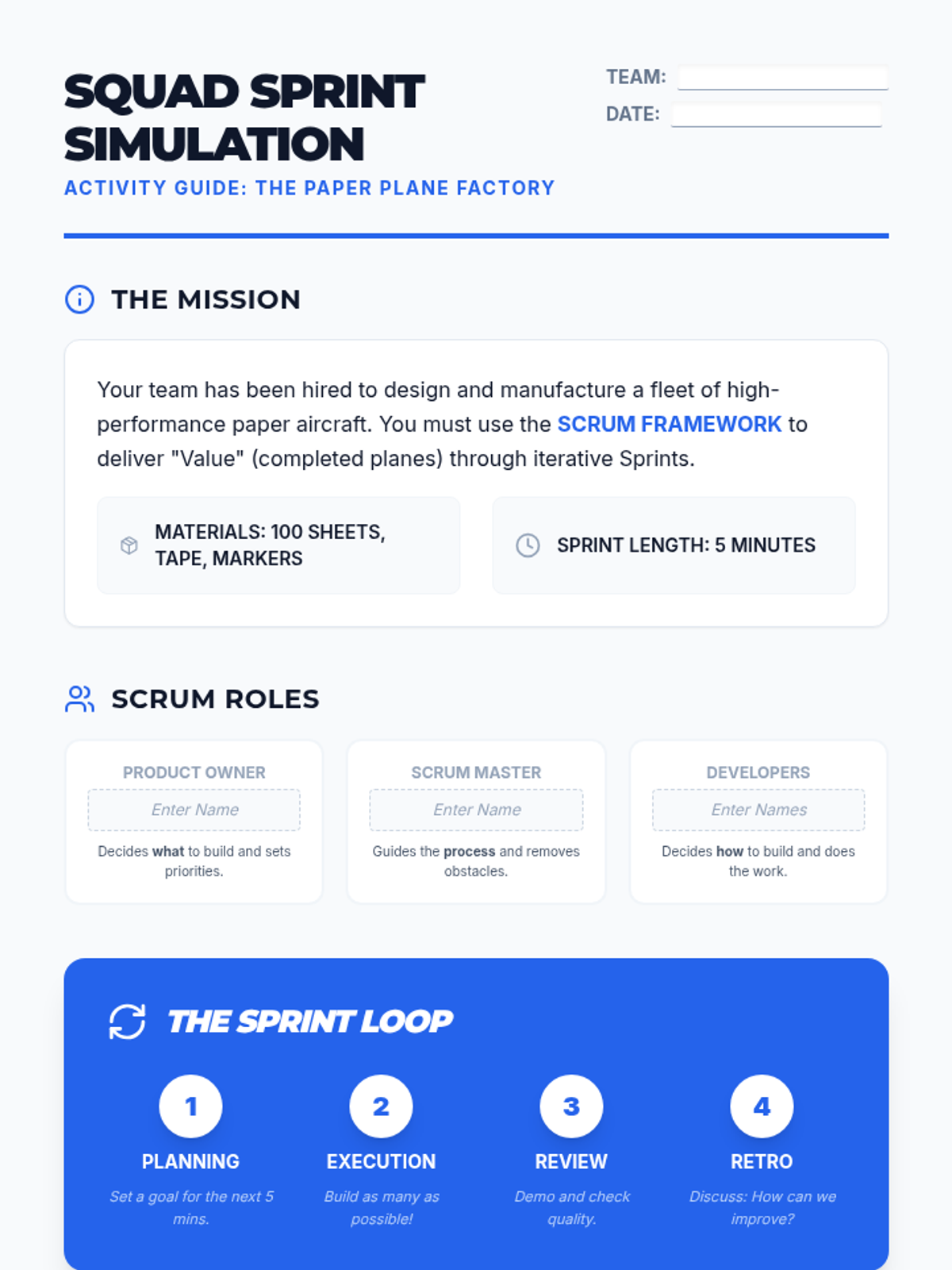
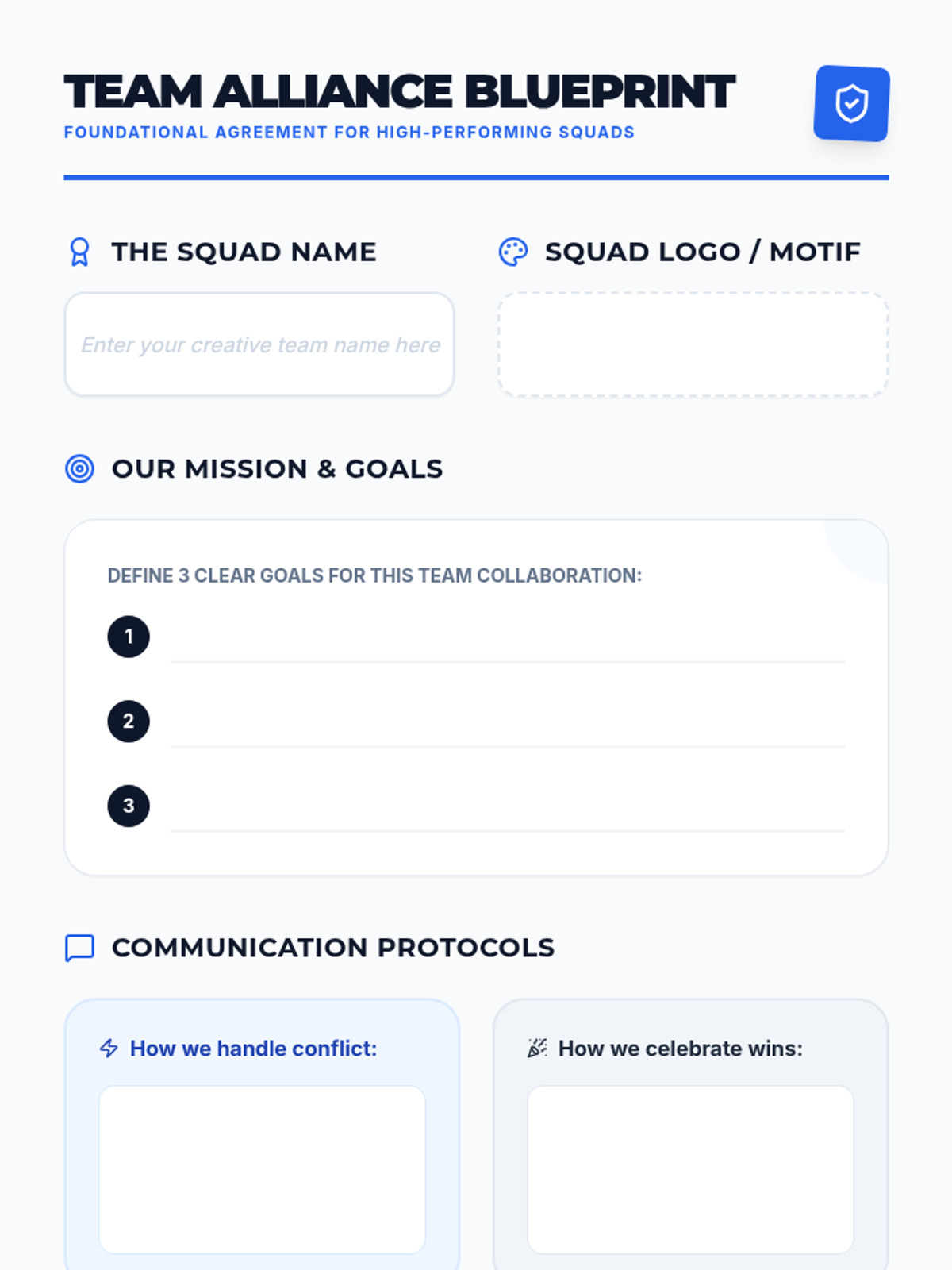
This lesson introduces students to the core concepts of Agile and Scrum through the lens of team dynamics. Students will explore roles, ceremonies, and the critical importance of communication in high-performing teams.
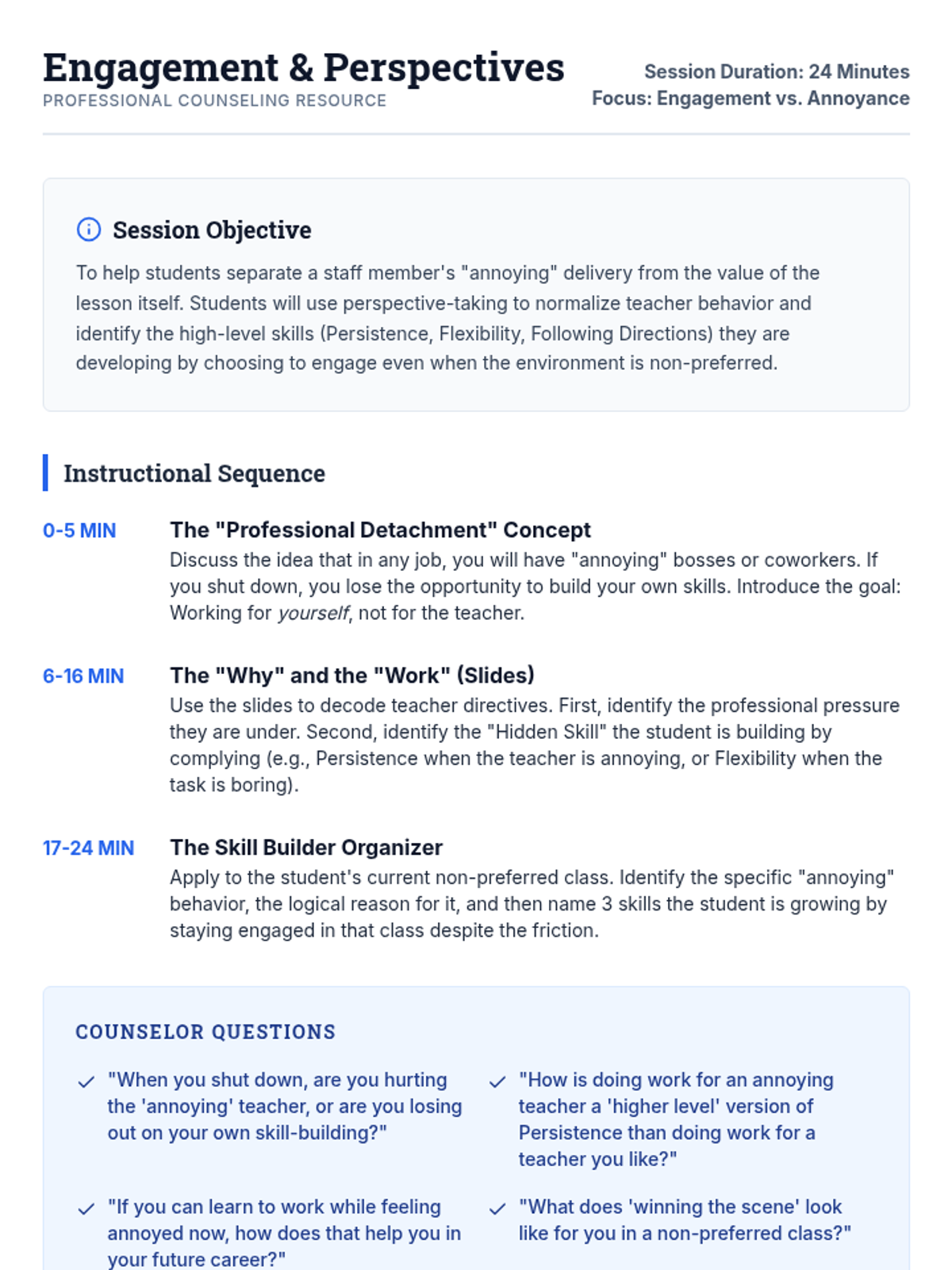
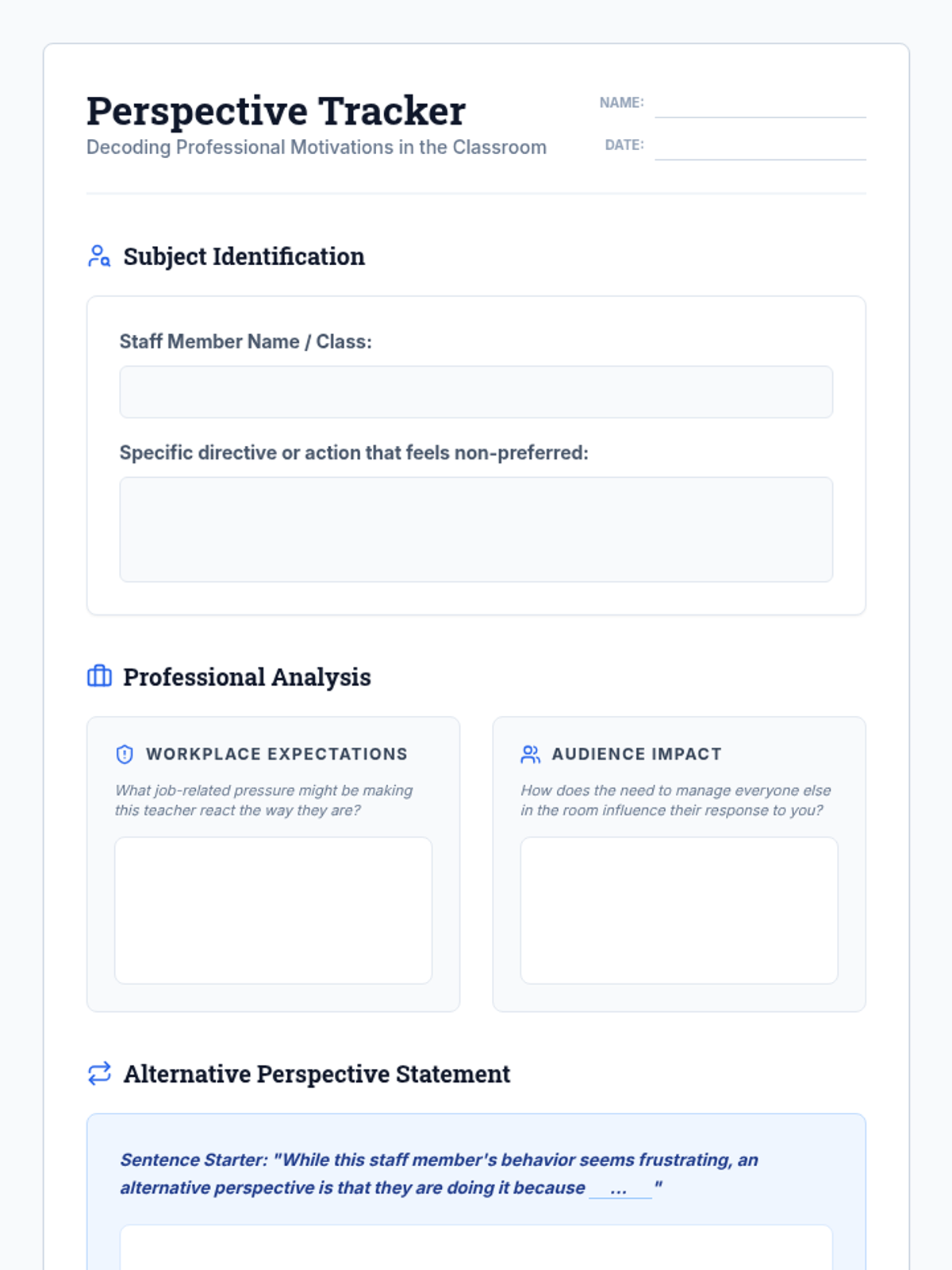
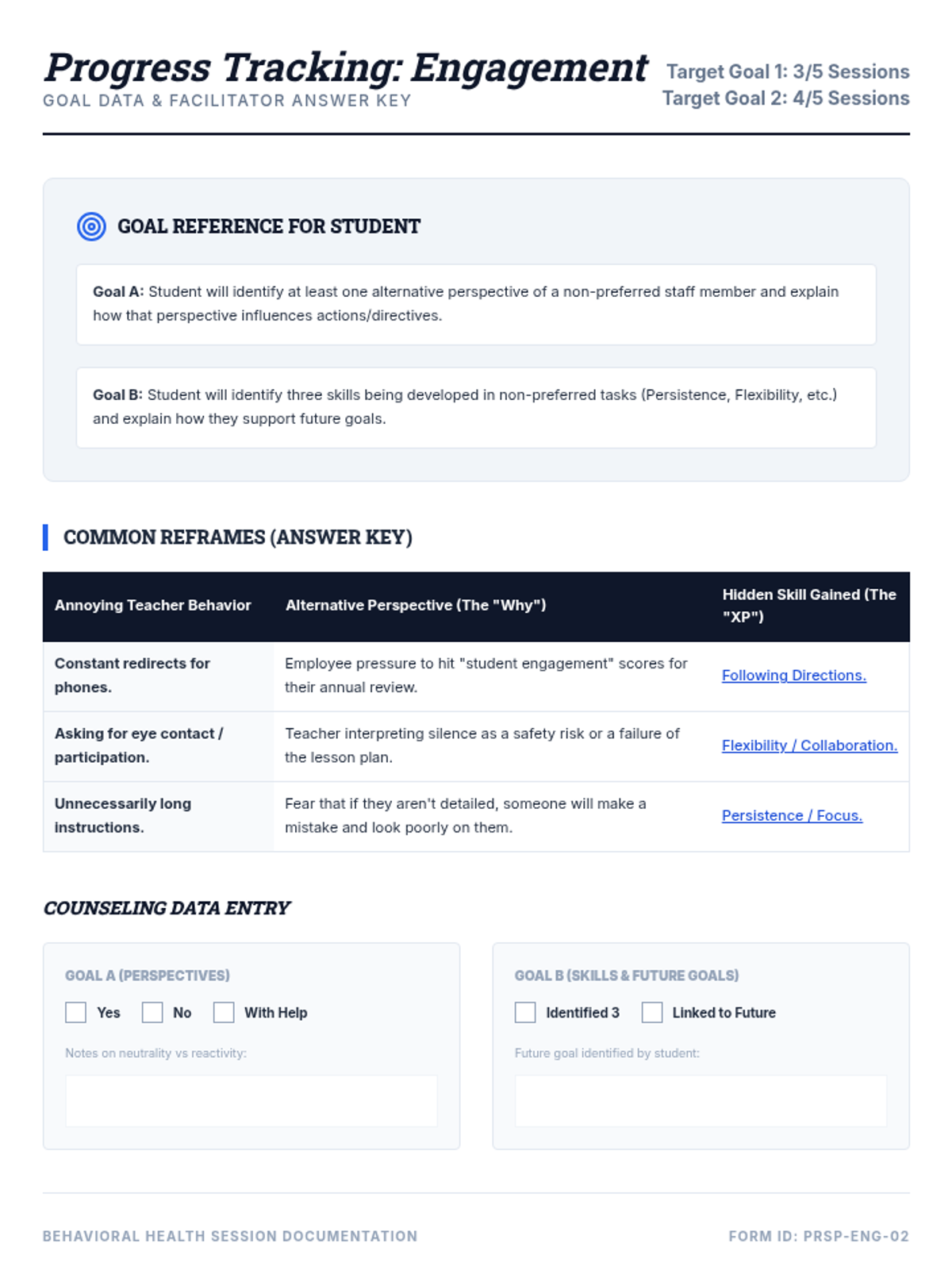
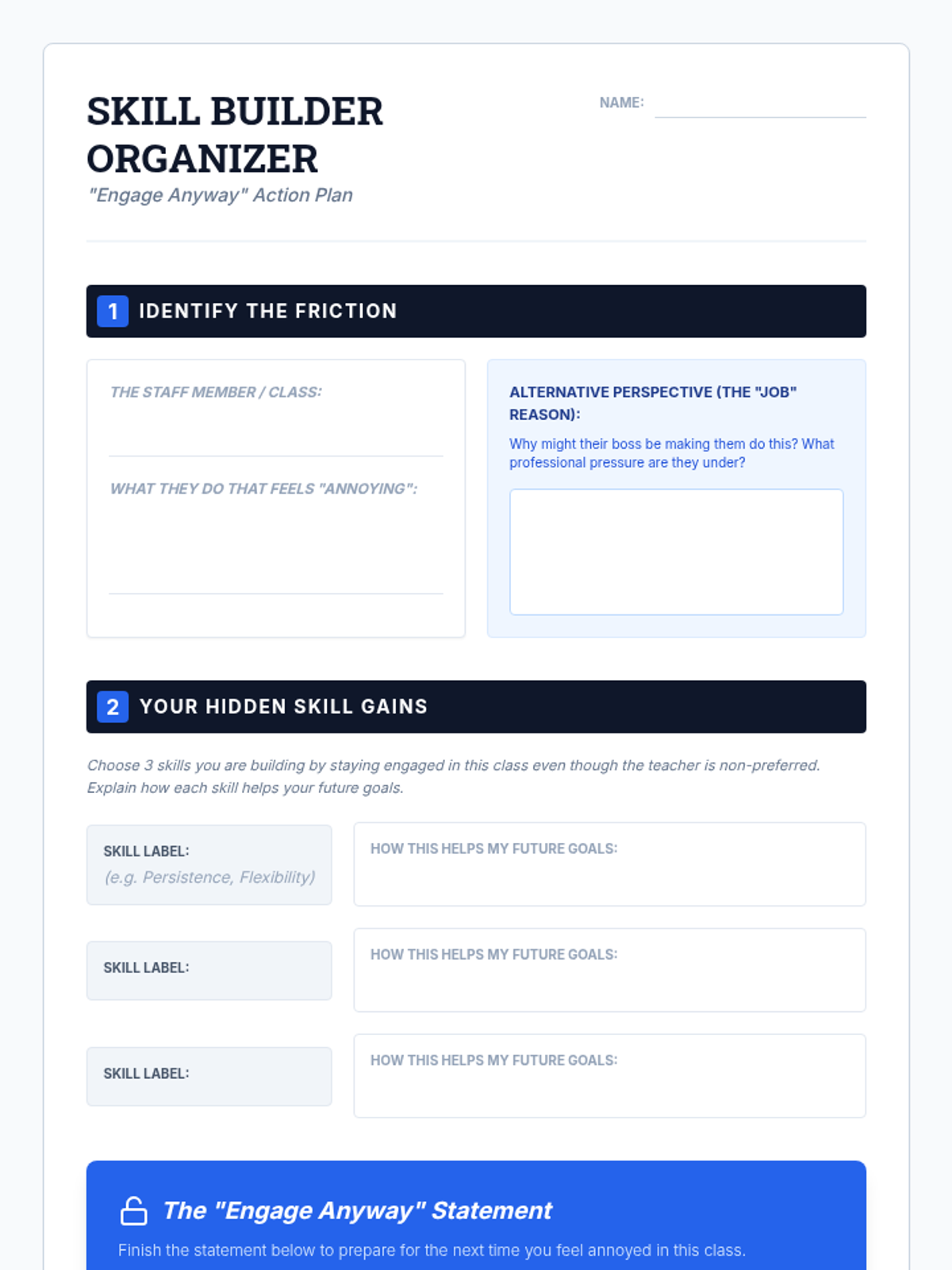
A 24-minute counseling session focused on social perspective-taking, specifically helping students identify the underlying motivations and professional pressures that influence staff member actions and directives.
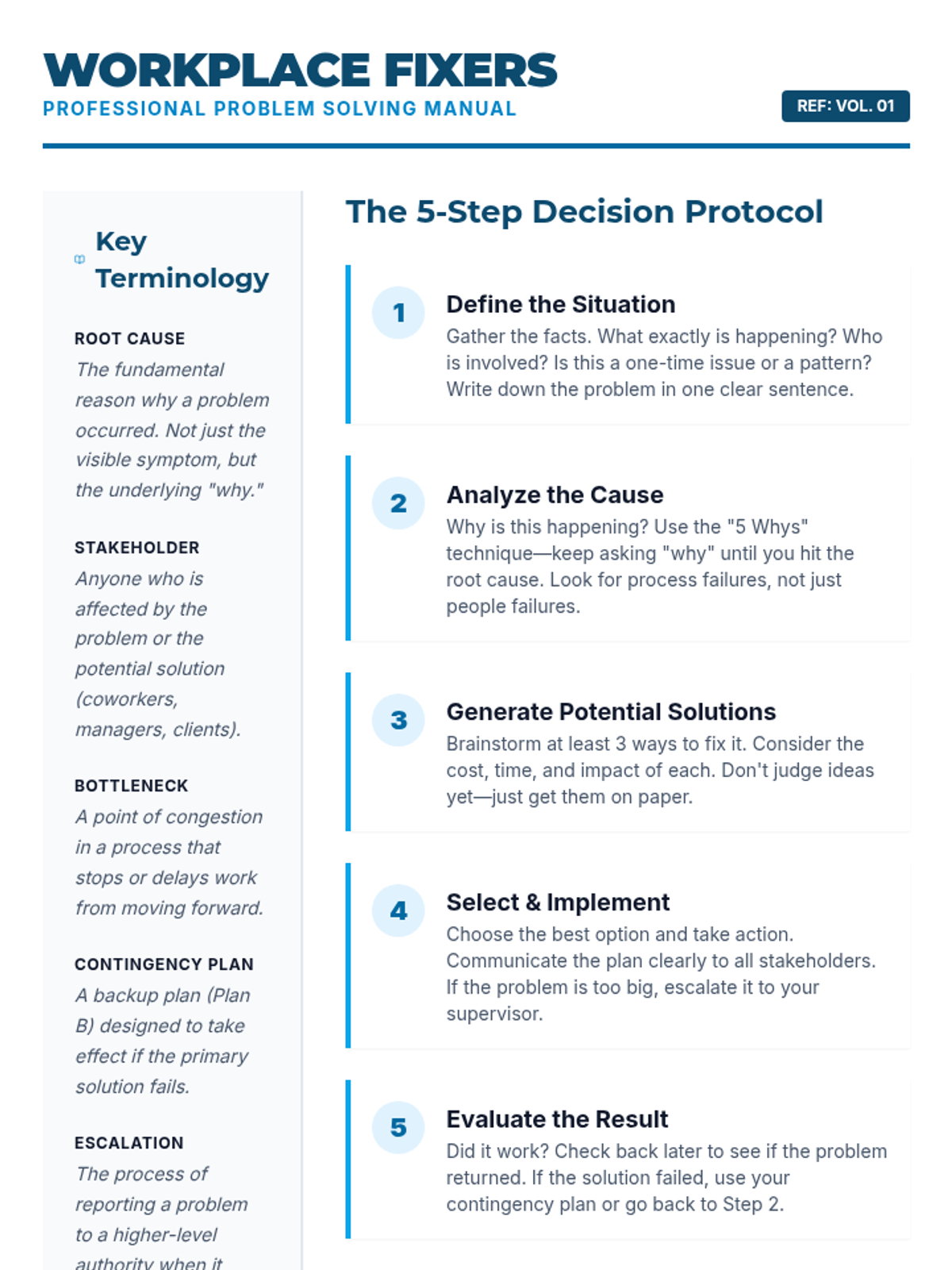
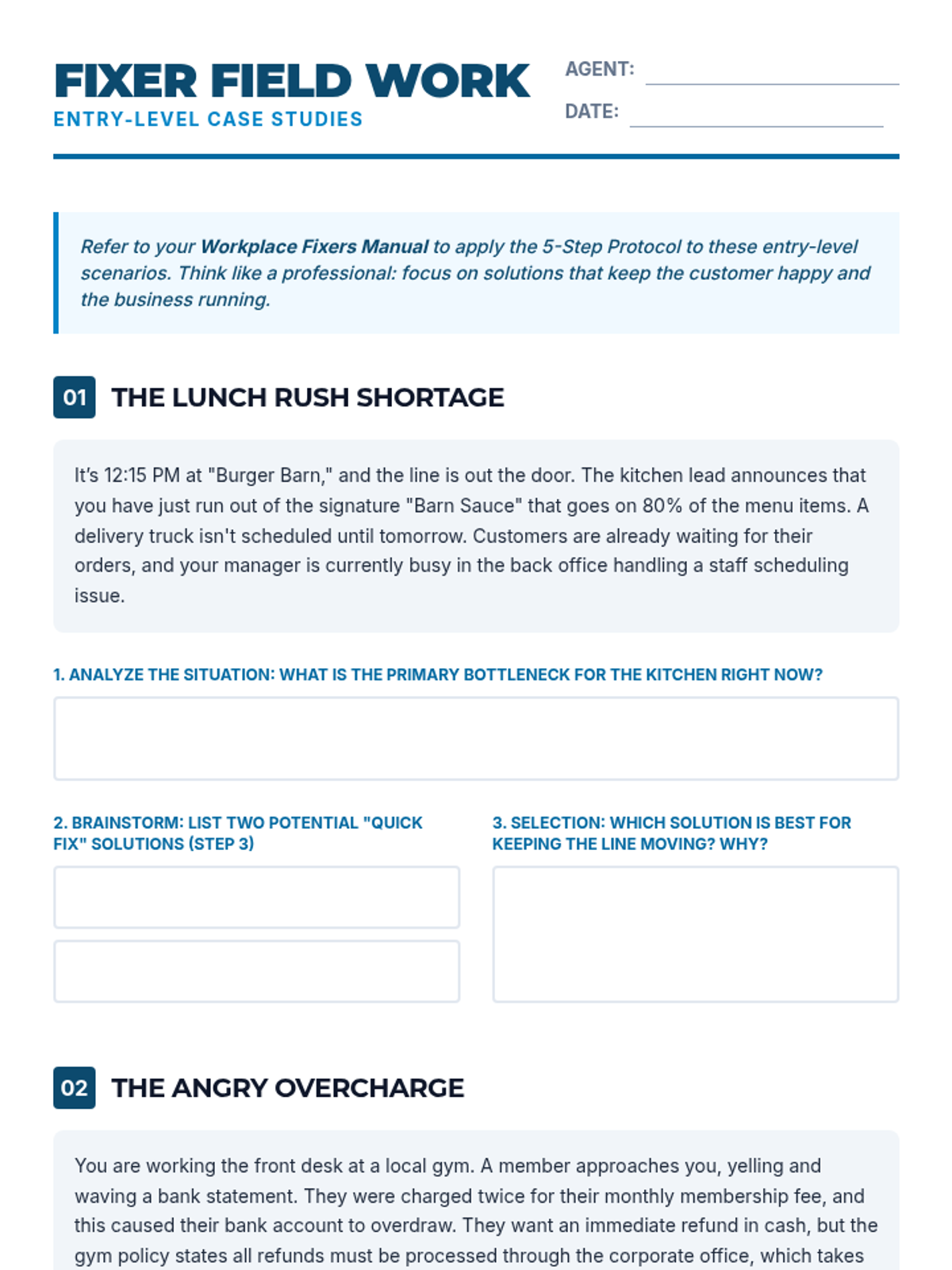
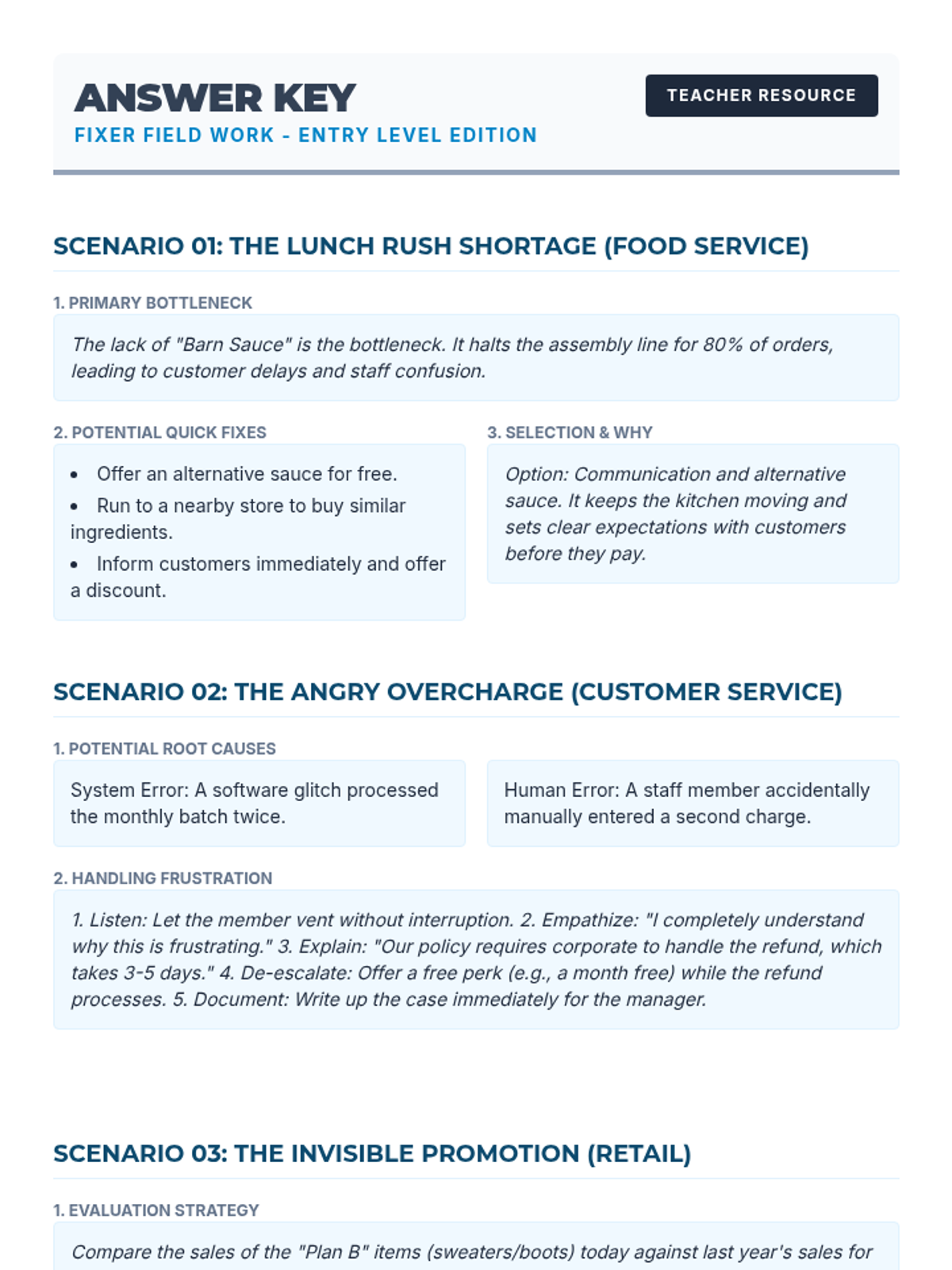
A lesson focused on developing practical problem-solving skills for the workplace, including a reference guide for decision-making and scenario-based practice.
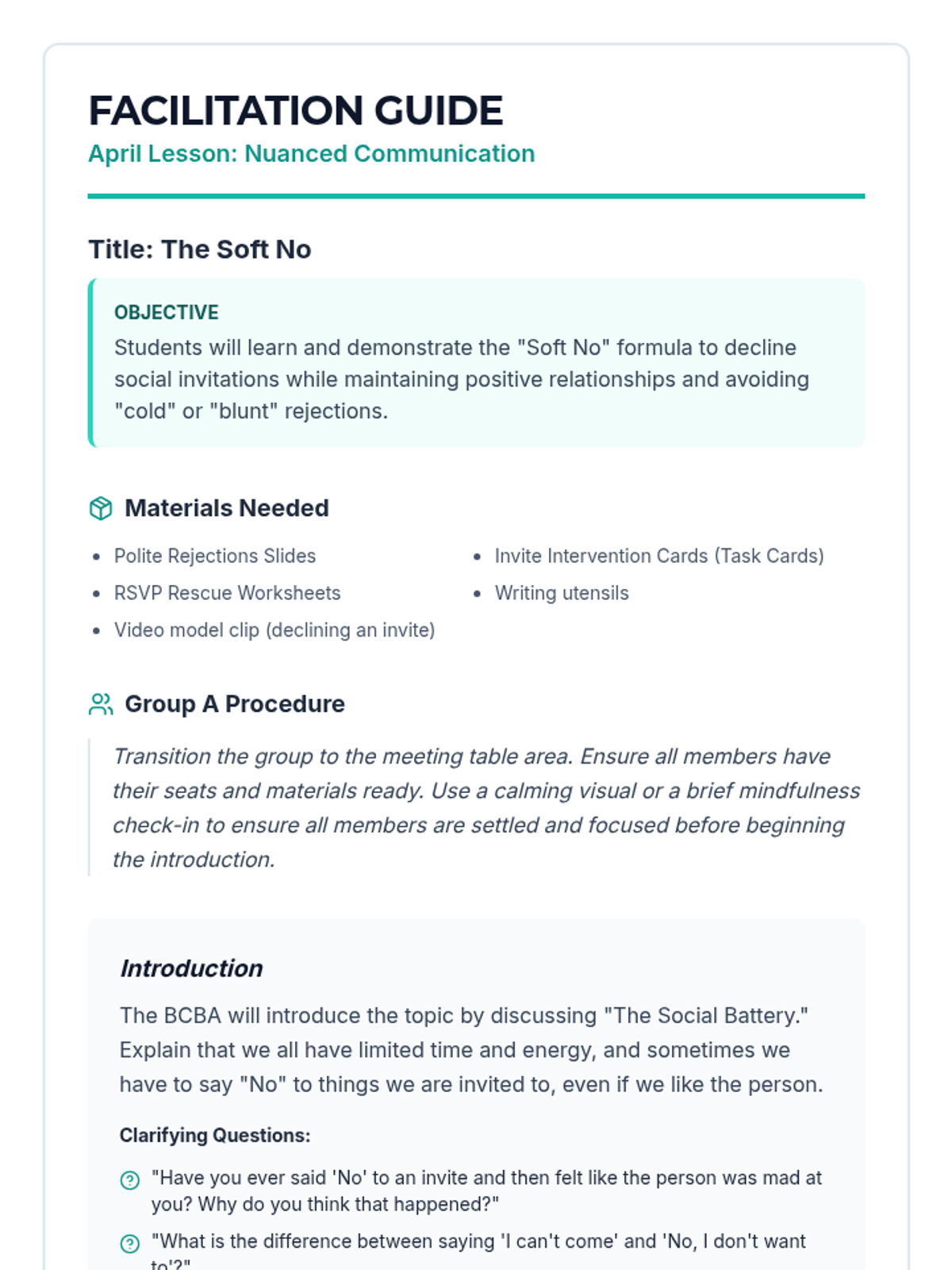
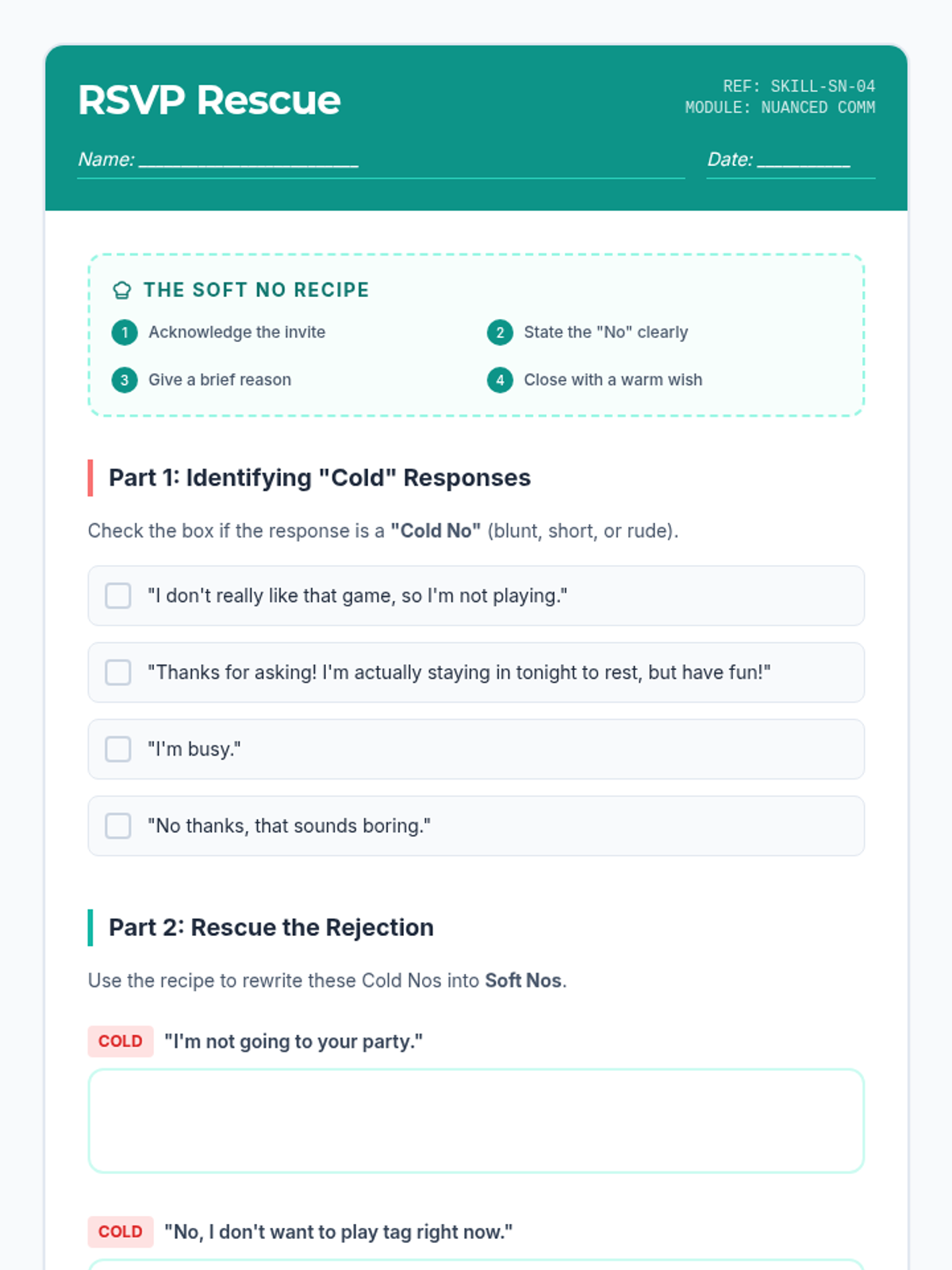
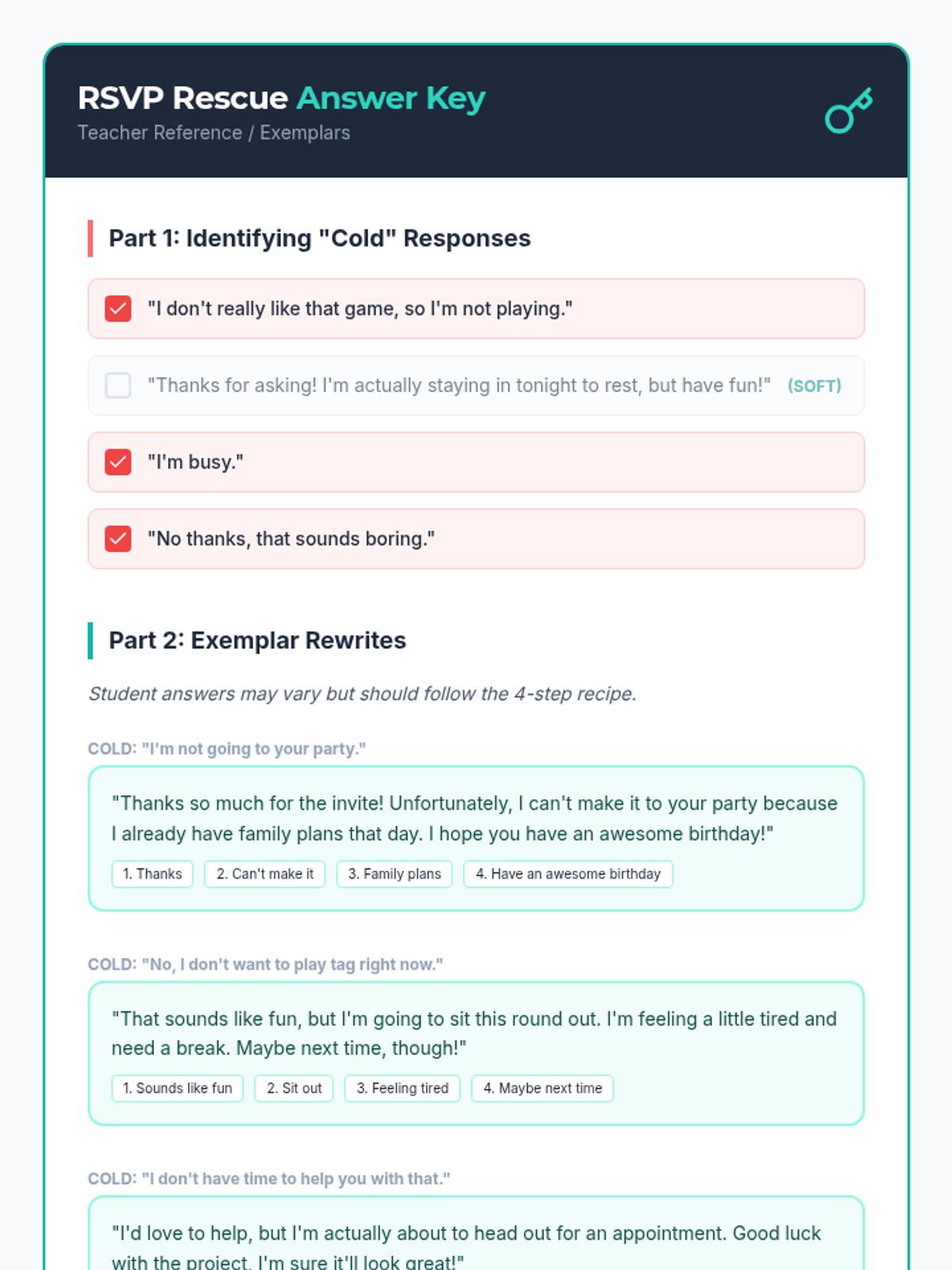
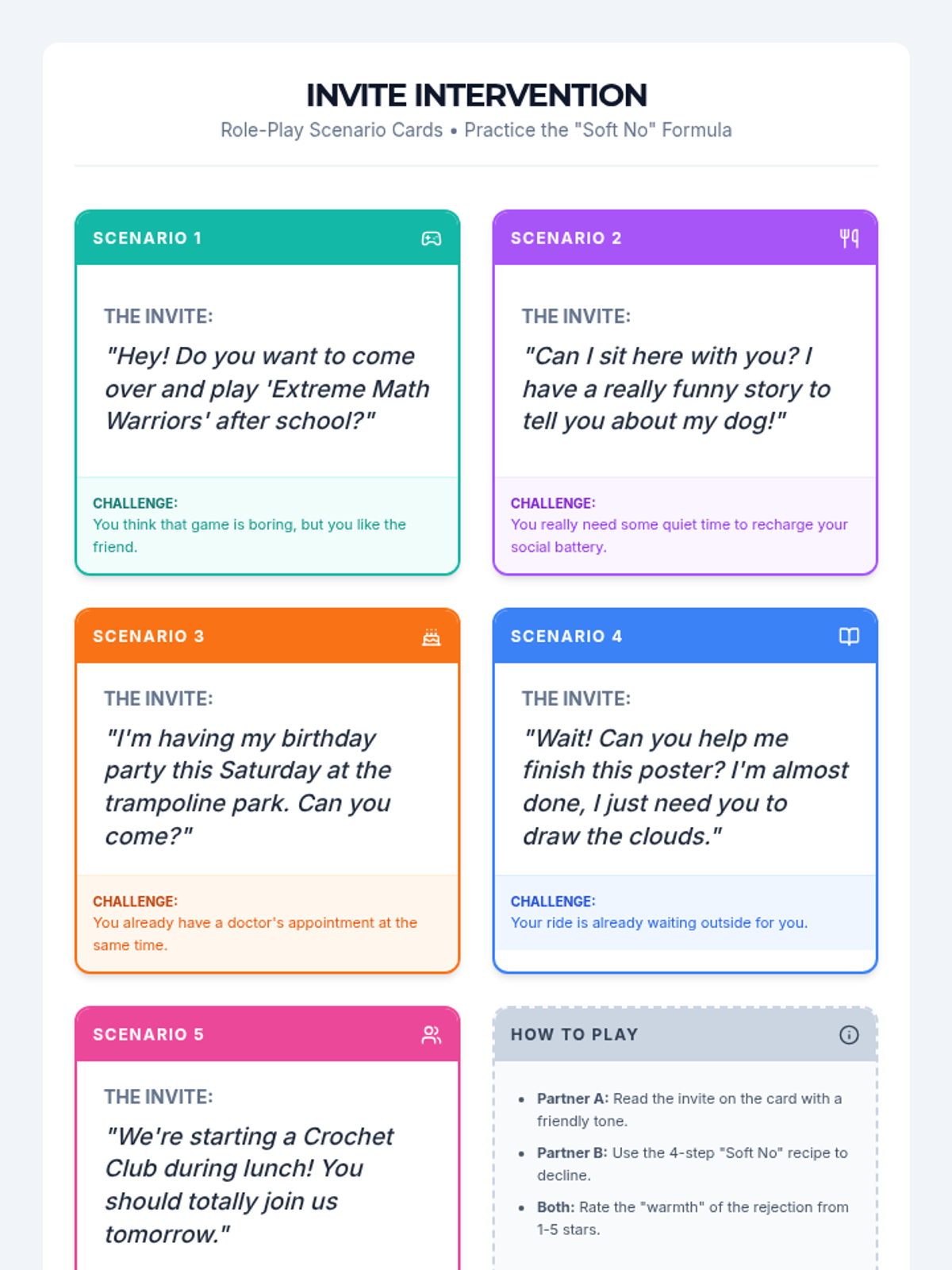
This lesson teaches students how to decline social invitations politely using 'The Soft No' formula. Students will practice acknowledging the invitation, stating their unavailability briefly, and closing with a warm sentiment to maintain social connections.
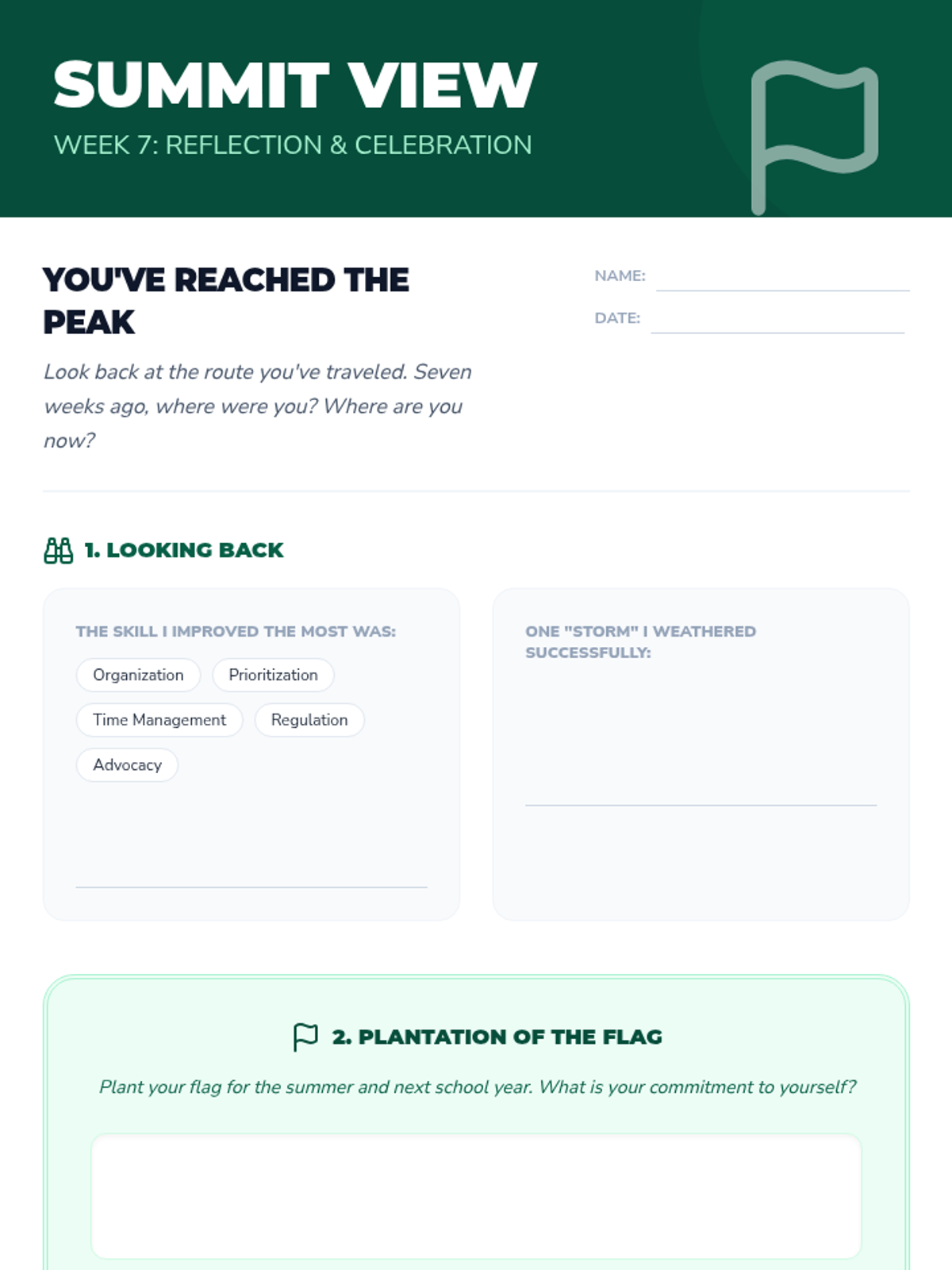
Reviewing accomplishments, celebrating growth, and planning for continued success beyond the program.
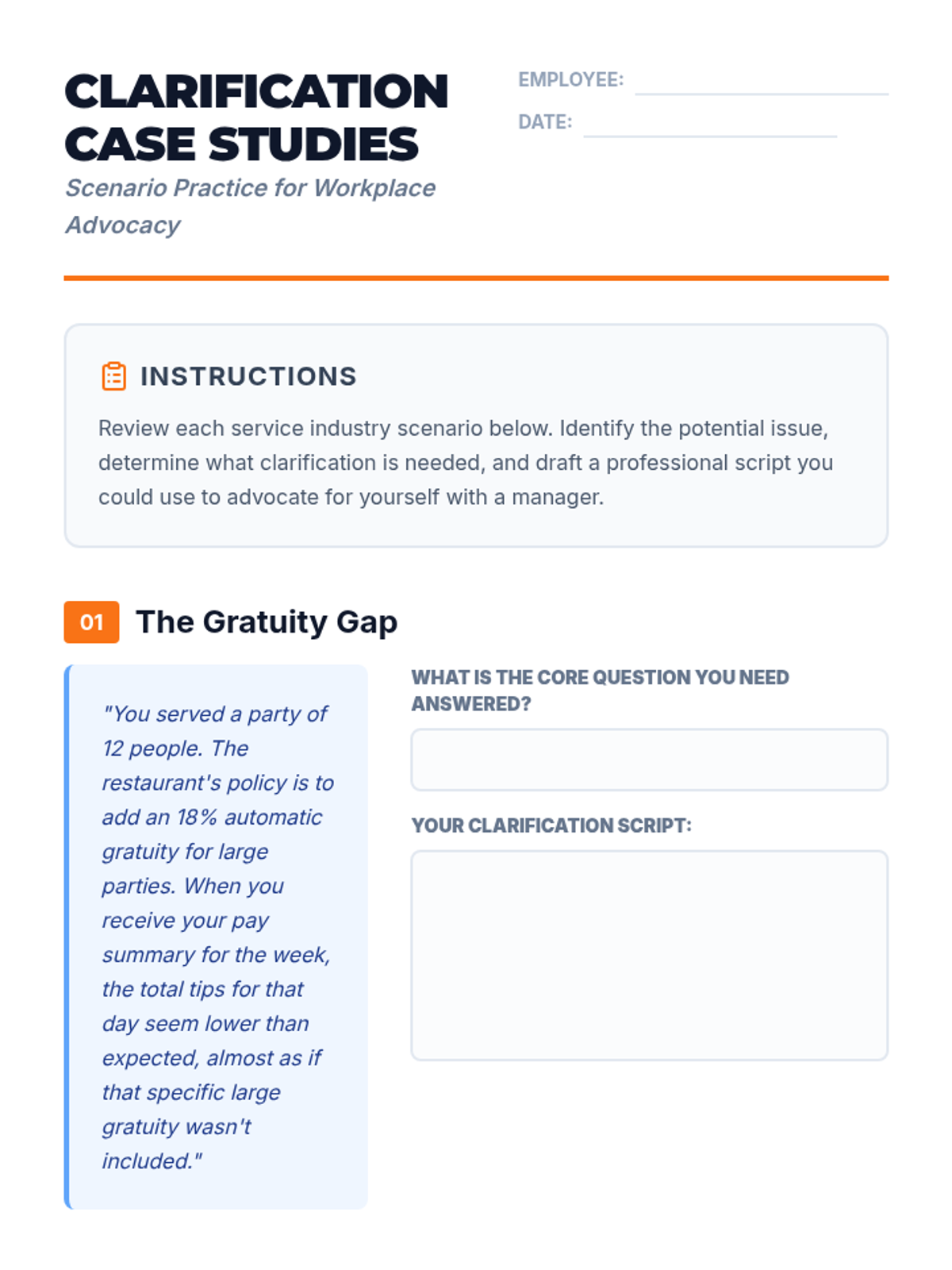
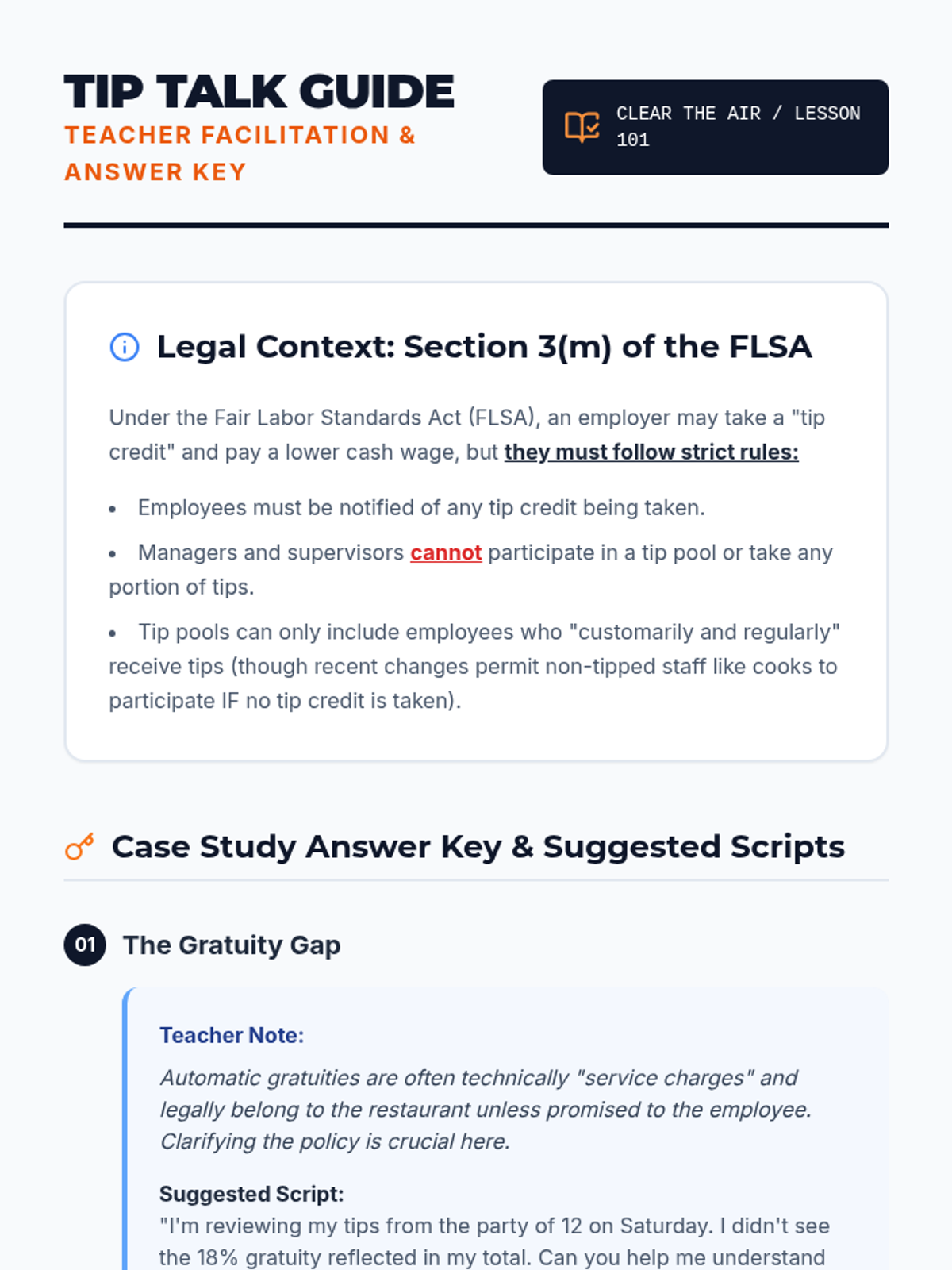
This lesson focuses on self-advocacy in the service industry, specifically regarding tipping policies and procedures. Students will learn how to identify different tipping systems and practice asking for clarification when they have questions about their earnings.
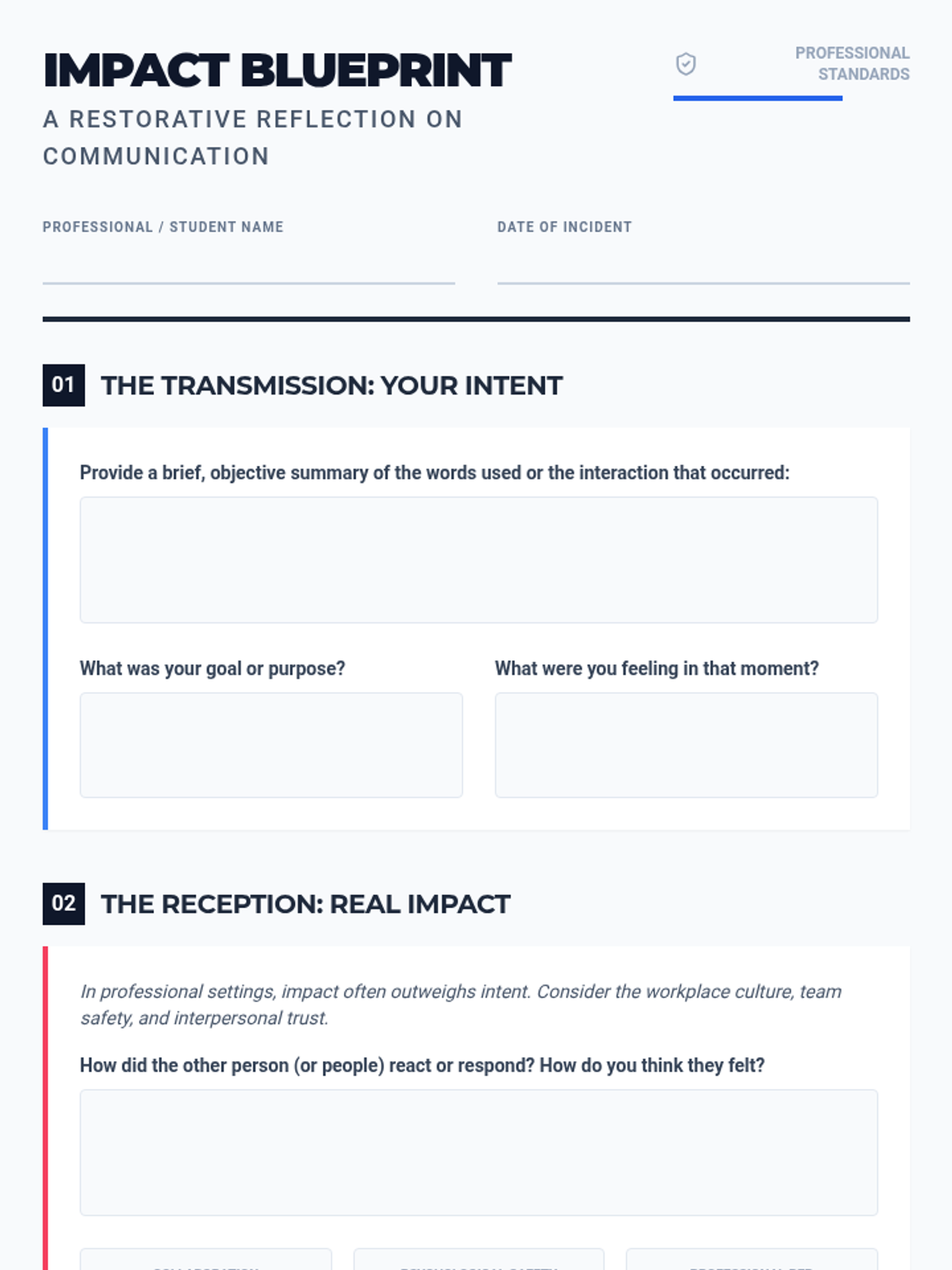
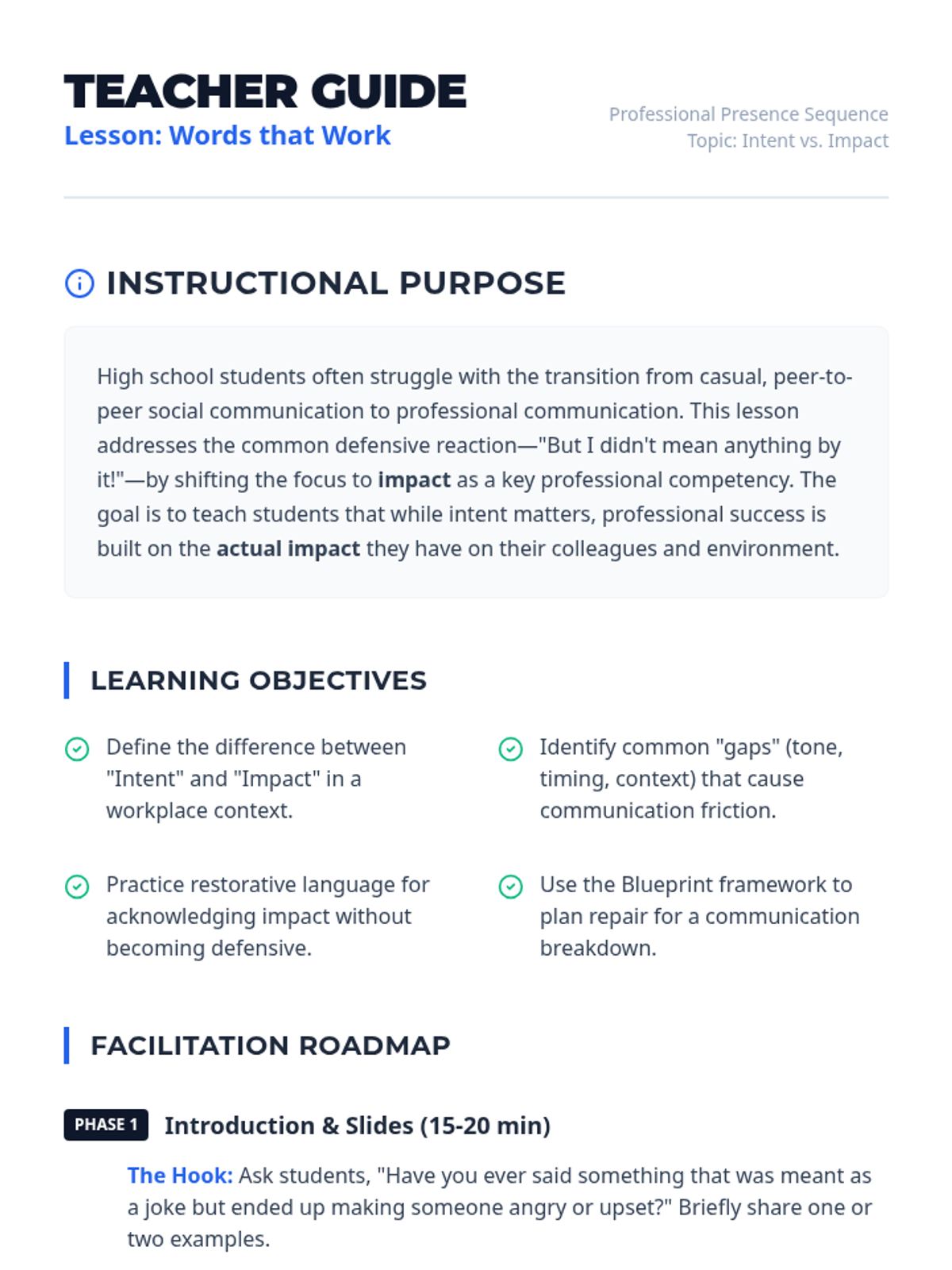
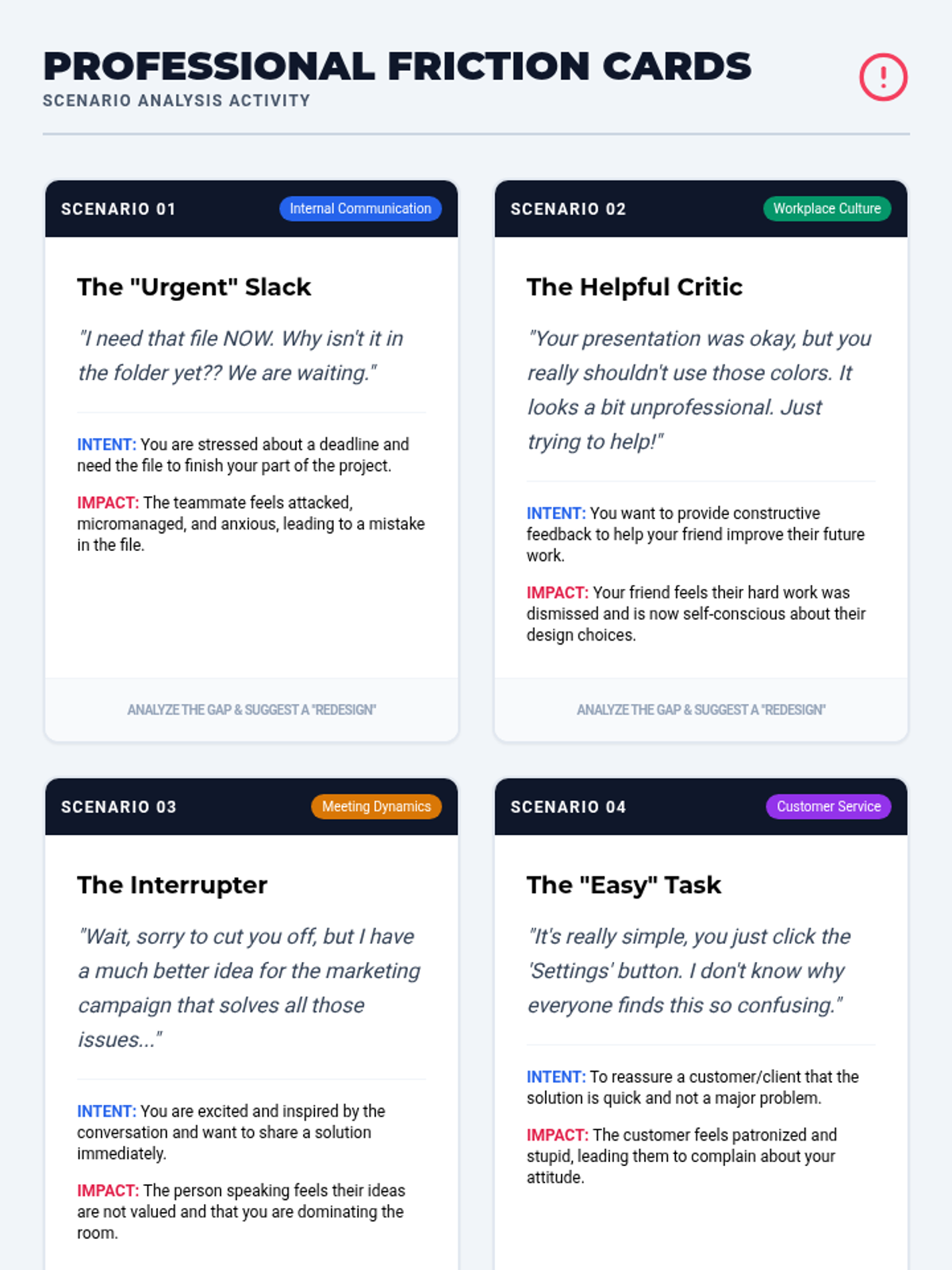
This lesson explores the "intent vs. impact" framework in professional settings, helping students understand how their words affect workplace culture and how to use restorative reflection to repair professional relationships.
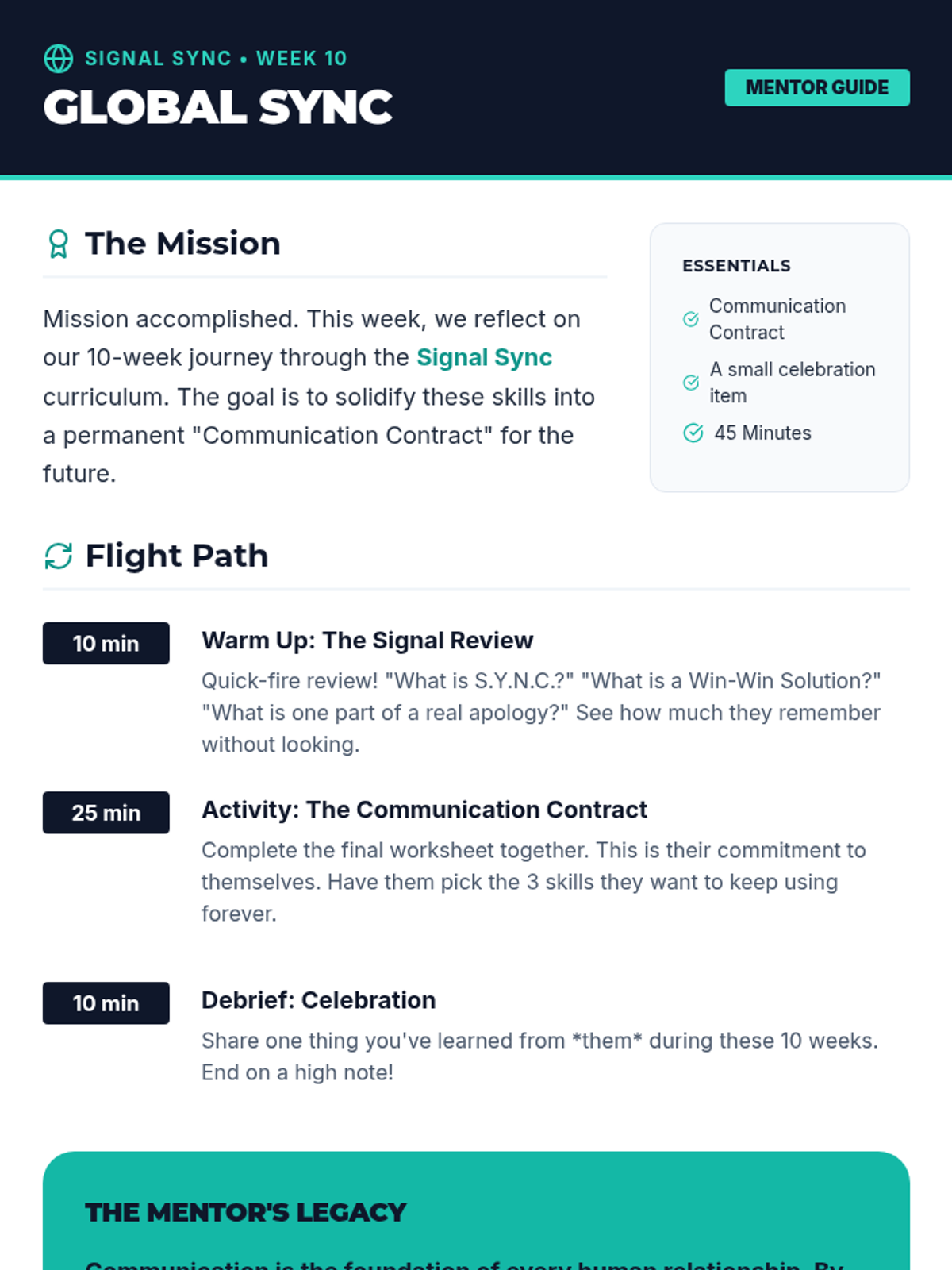
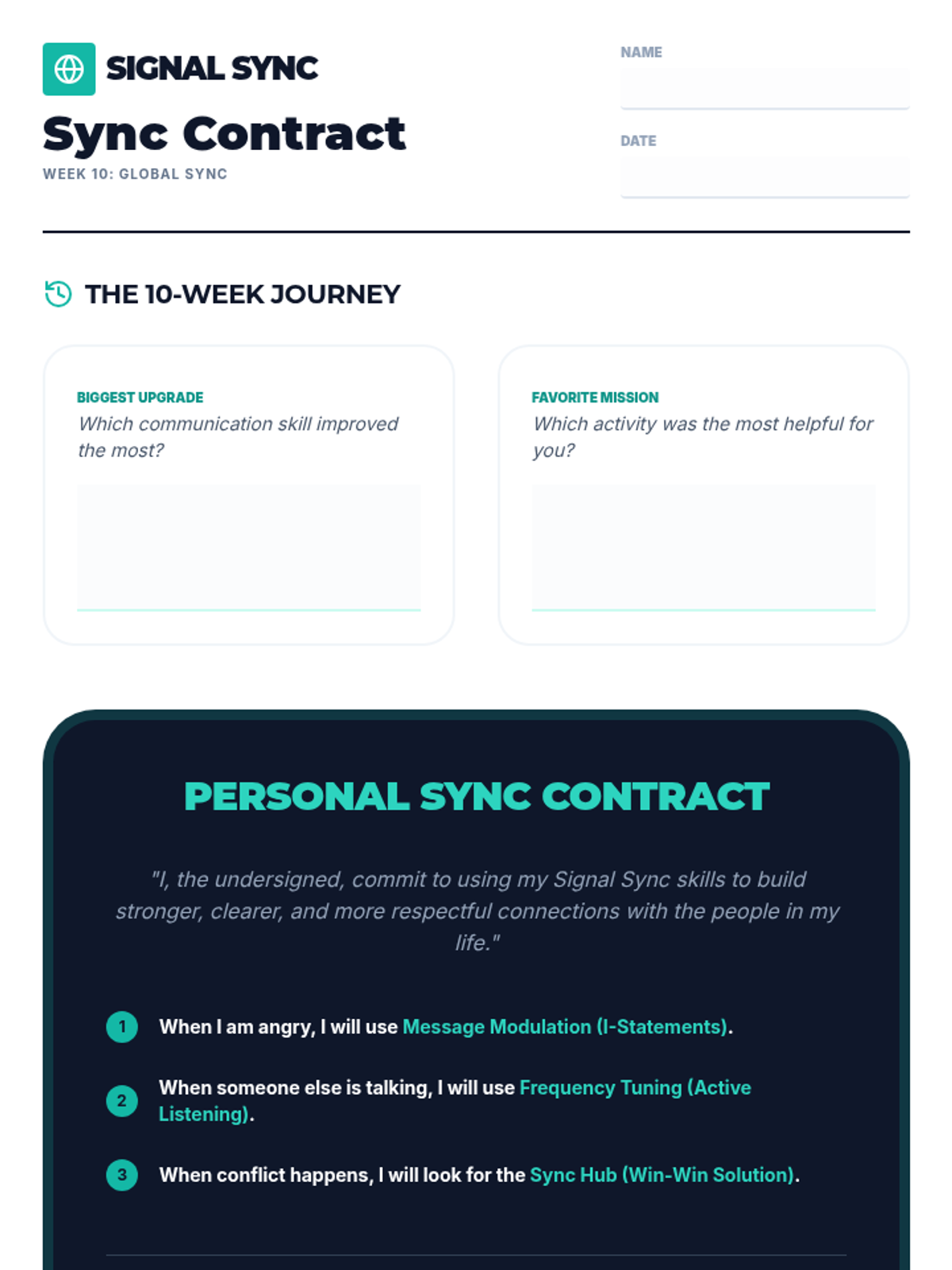
Reflecting on the 10-week journey and creating a personal communication contract for the future.
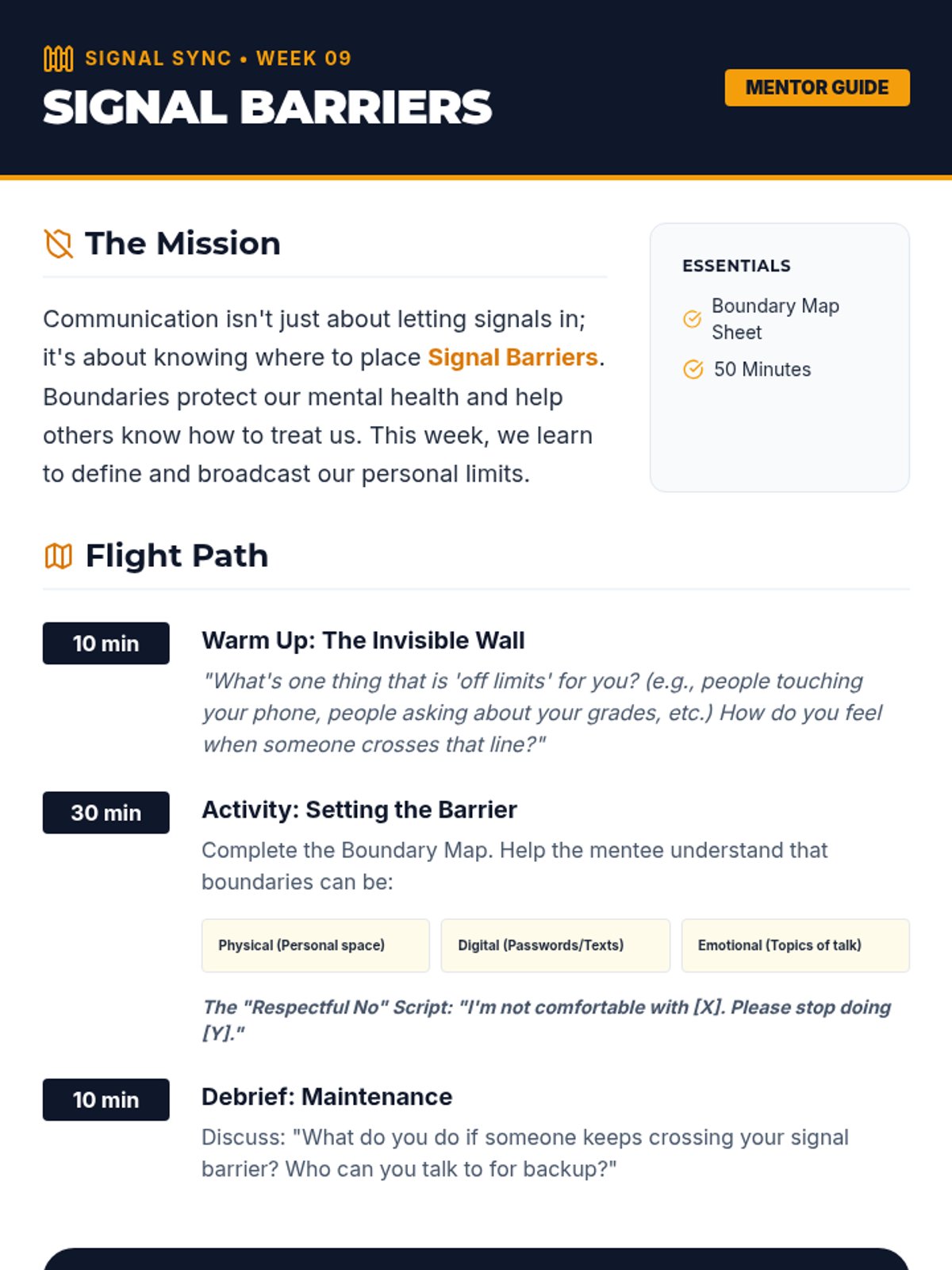
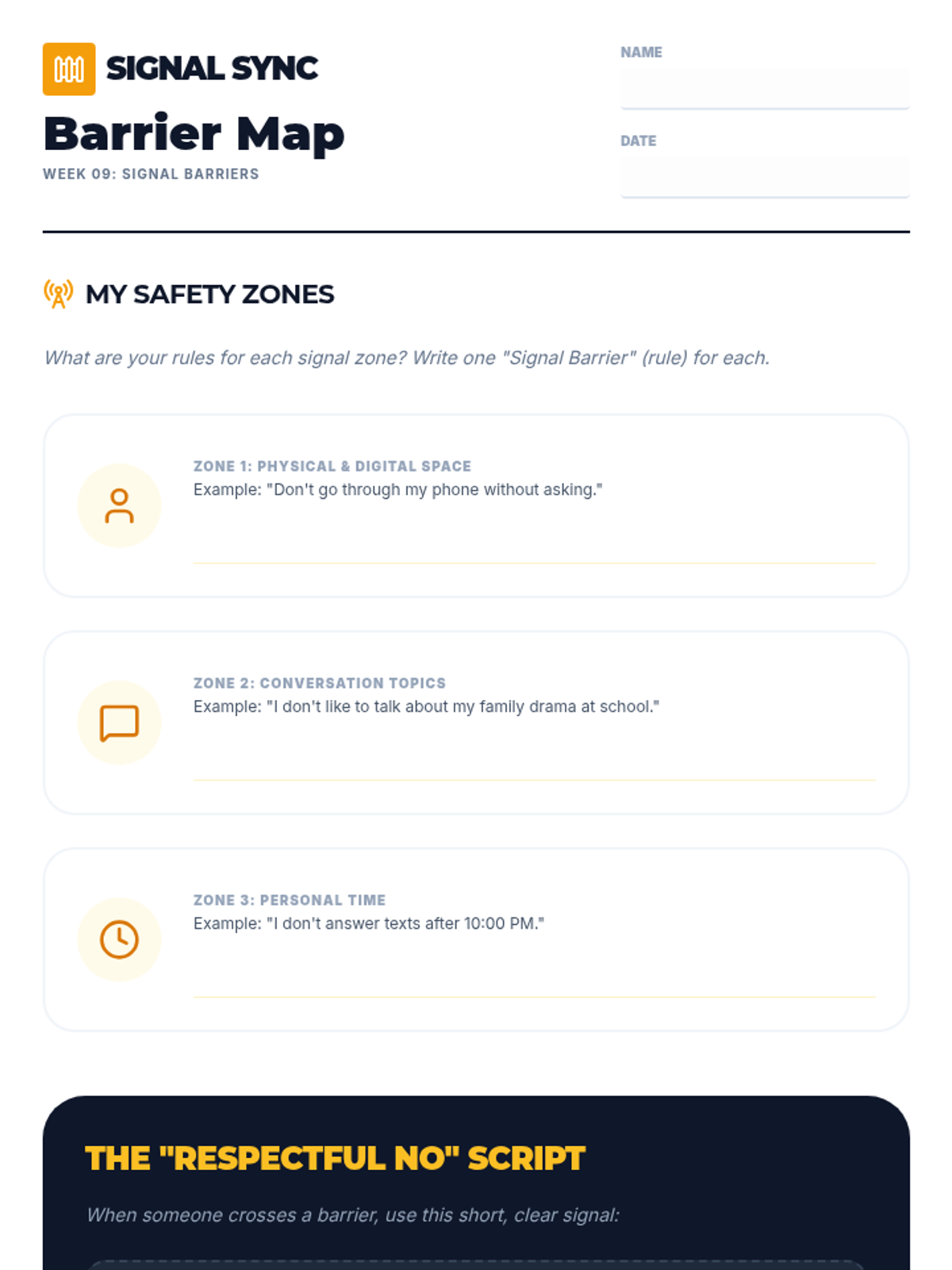
How to define, communicate, and maintain personal boundaries in a healthy way.
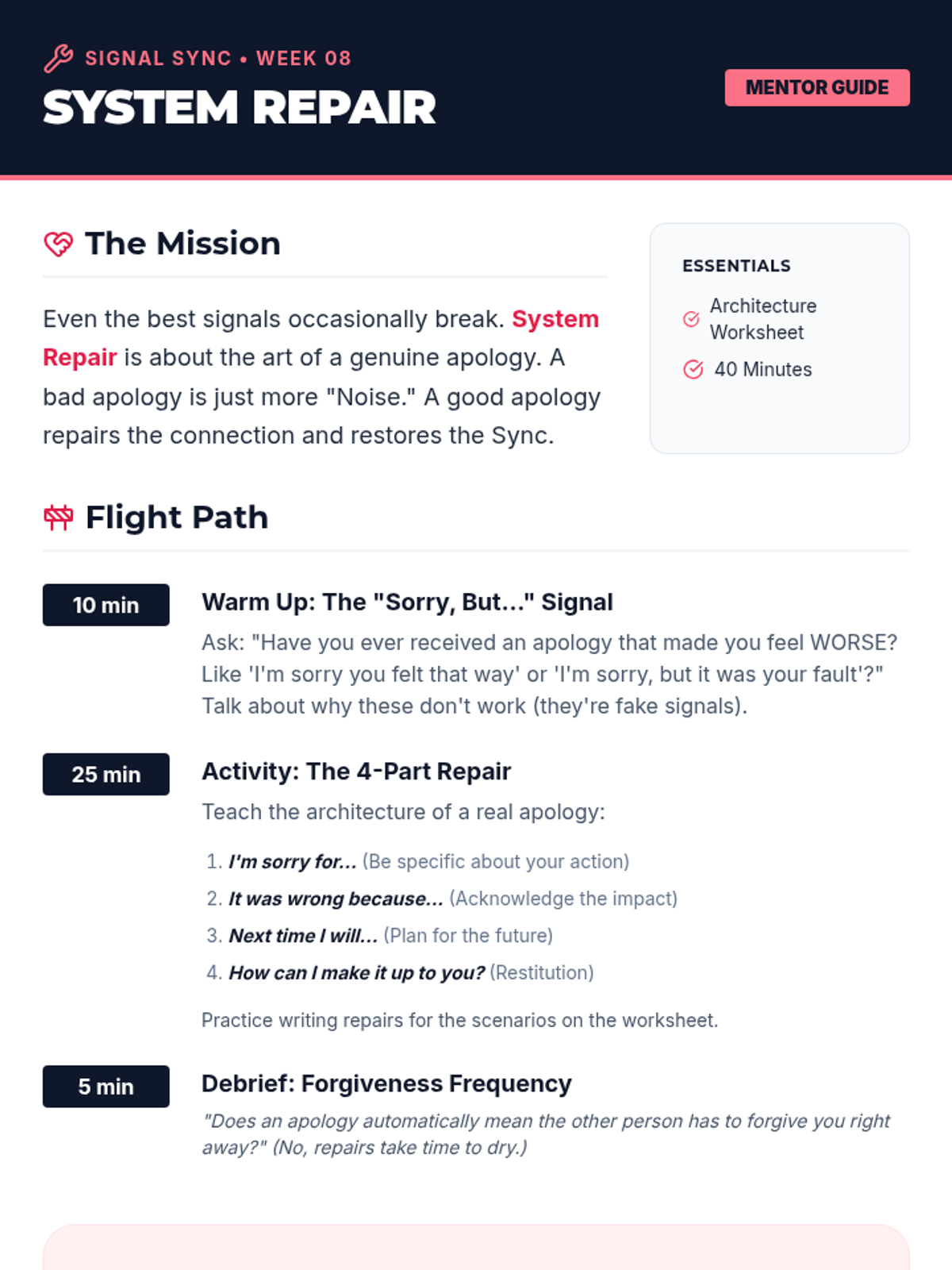
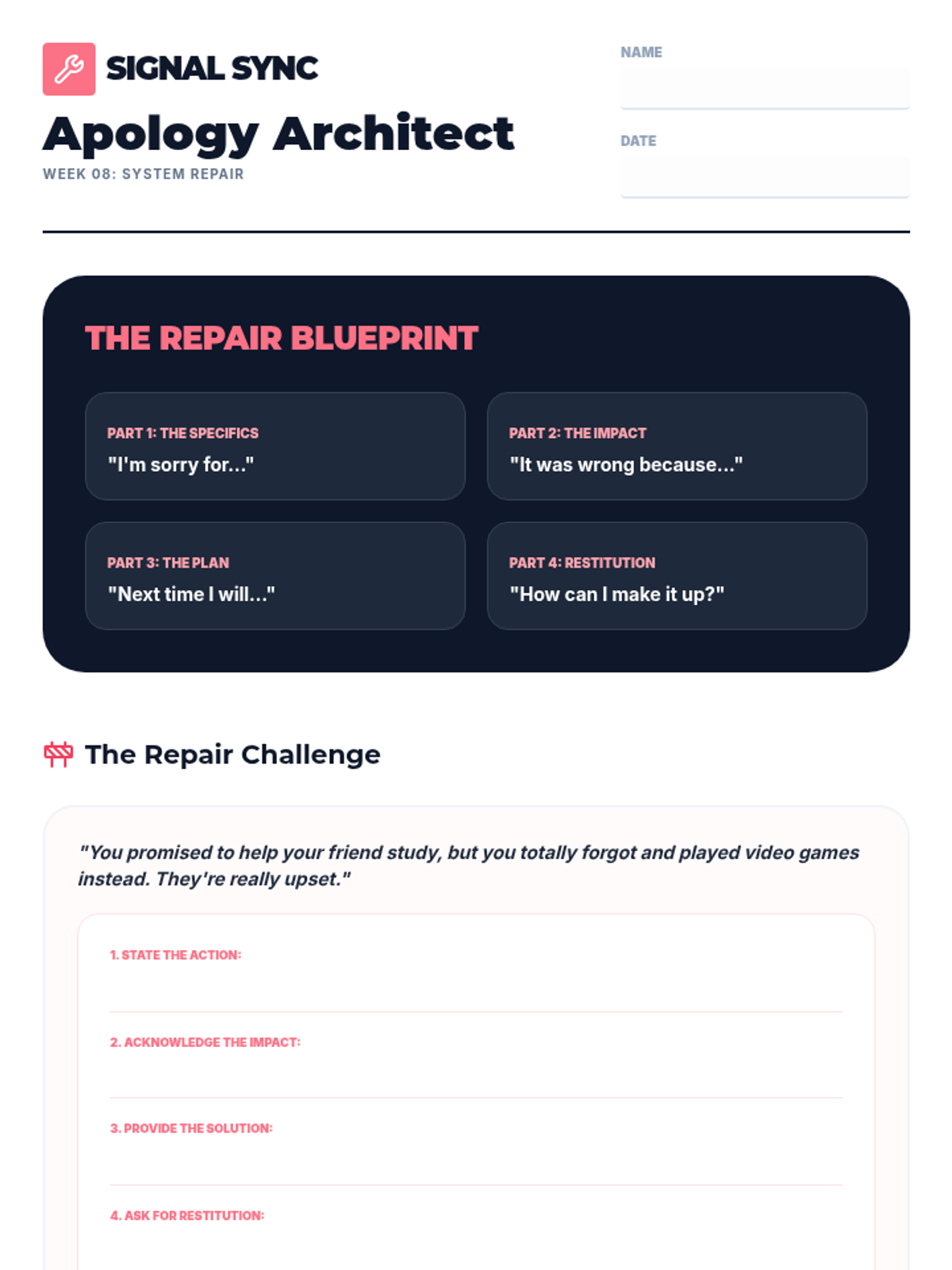
The framework for offering and accepting genuine apologies to repair damaged relationships.
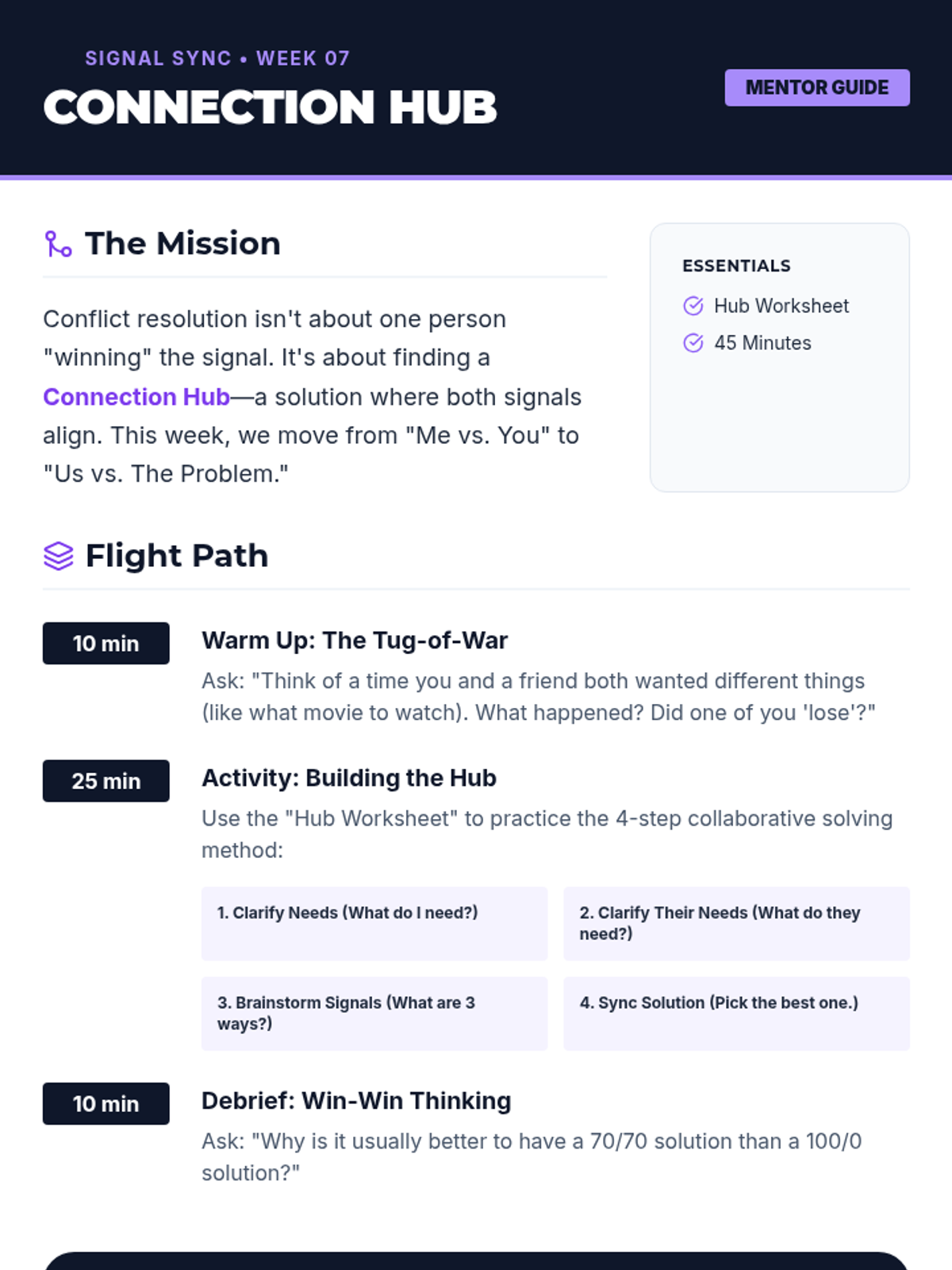
A collaborative approach to problem-solving that seeks 'win-win' outcomes for all involved.
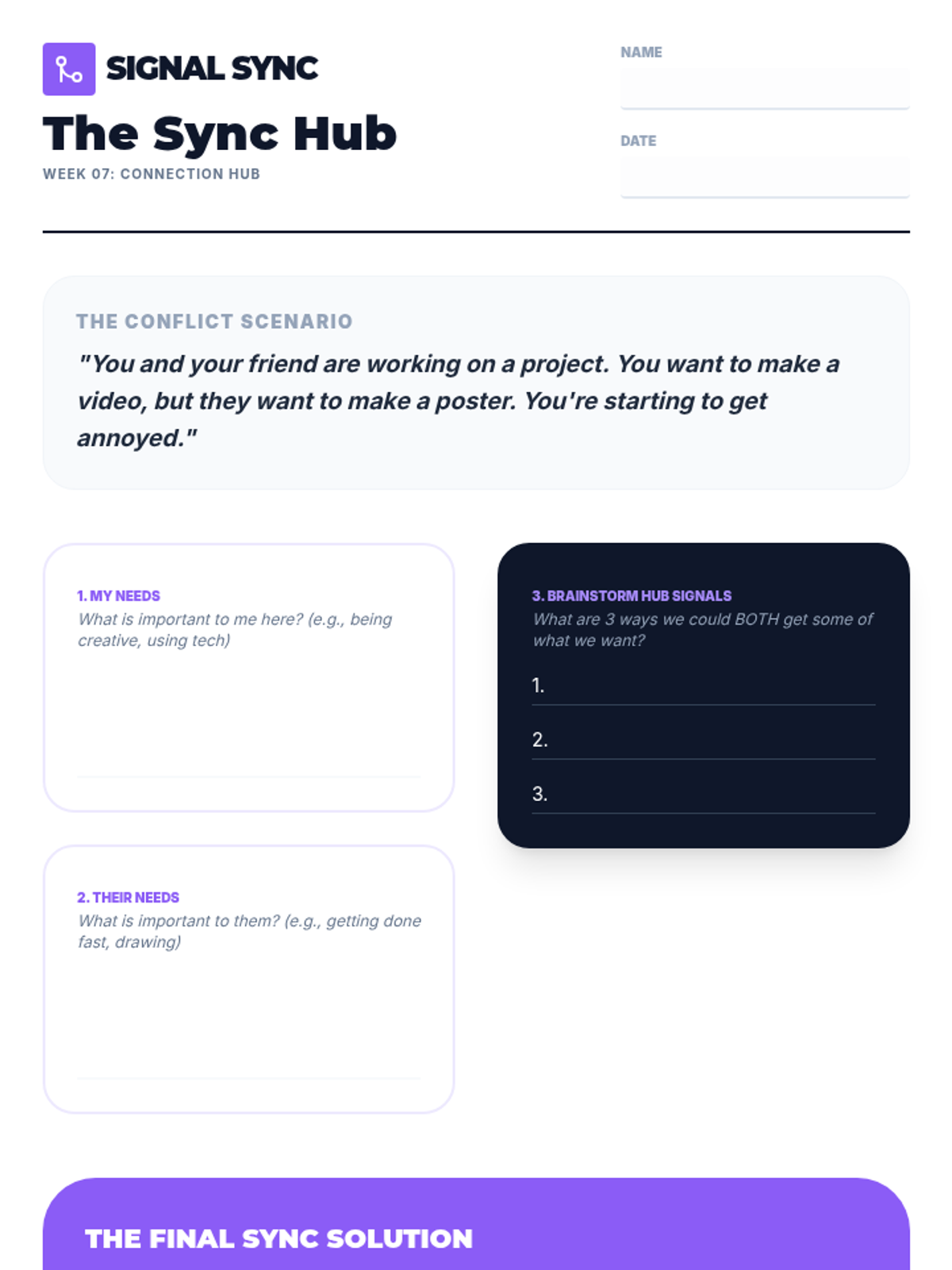
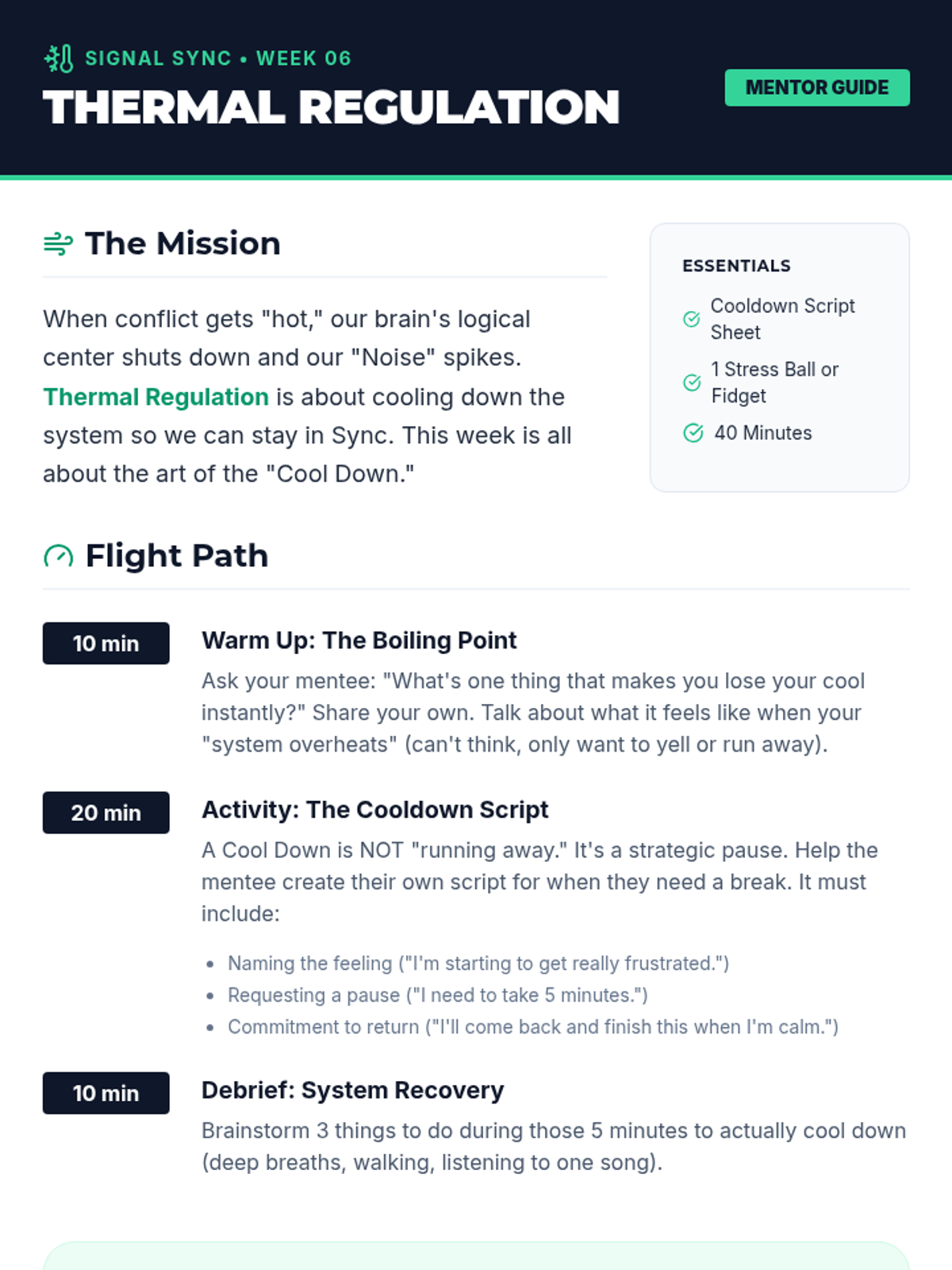
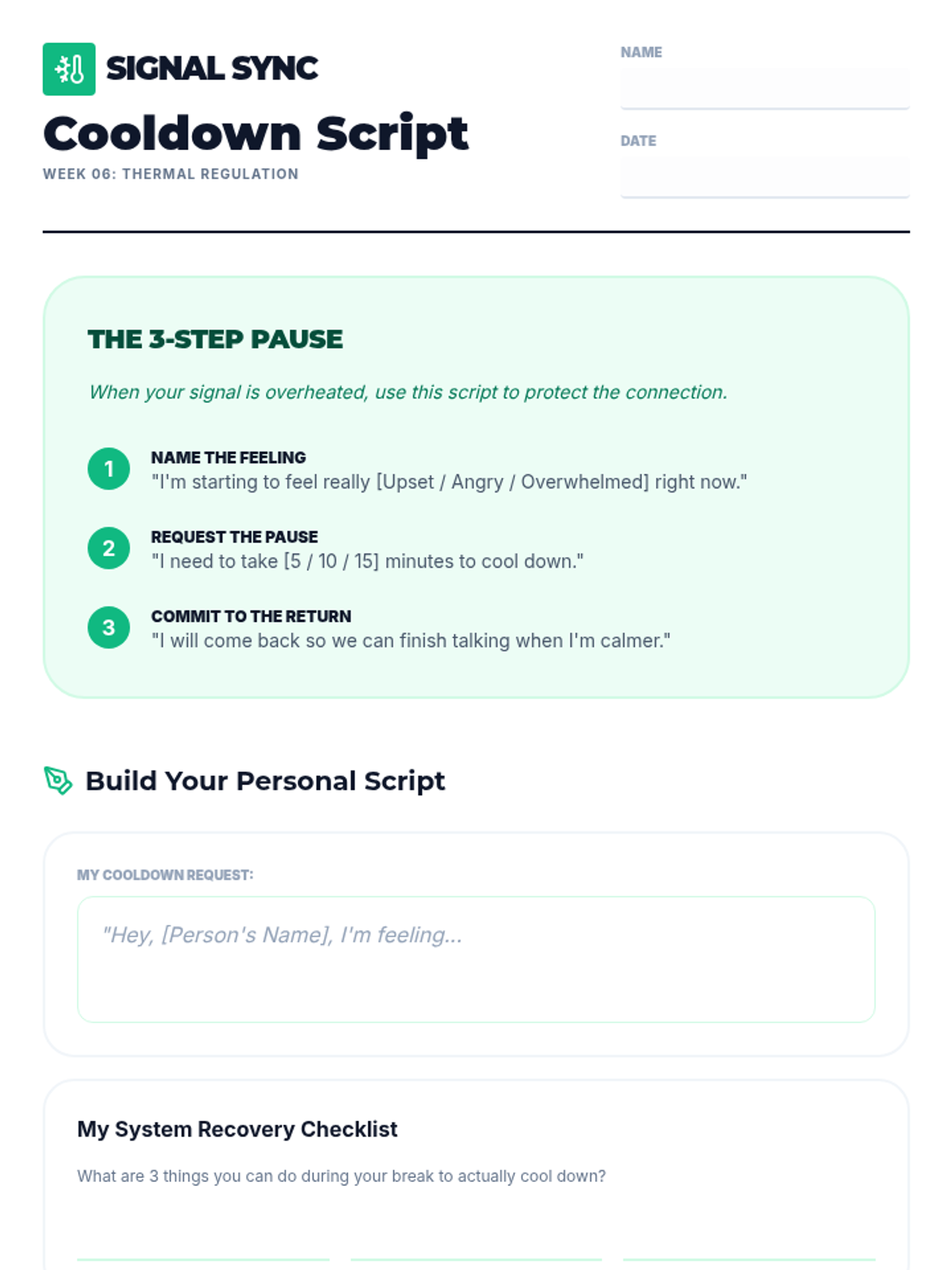
Techniques for emotional regulation and de-escalation when a conversation starts to get 'hot'.
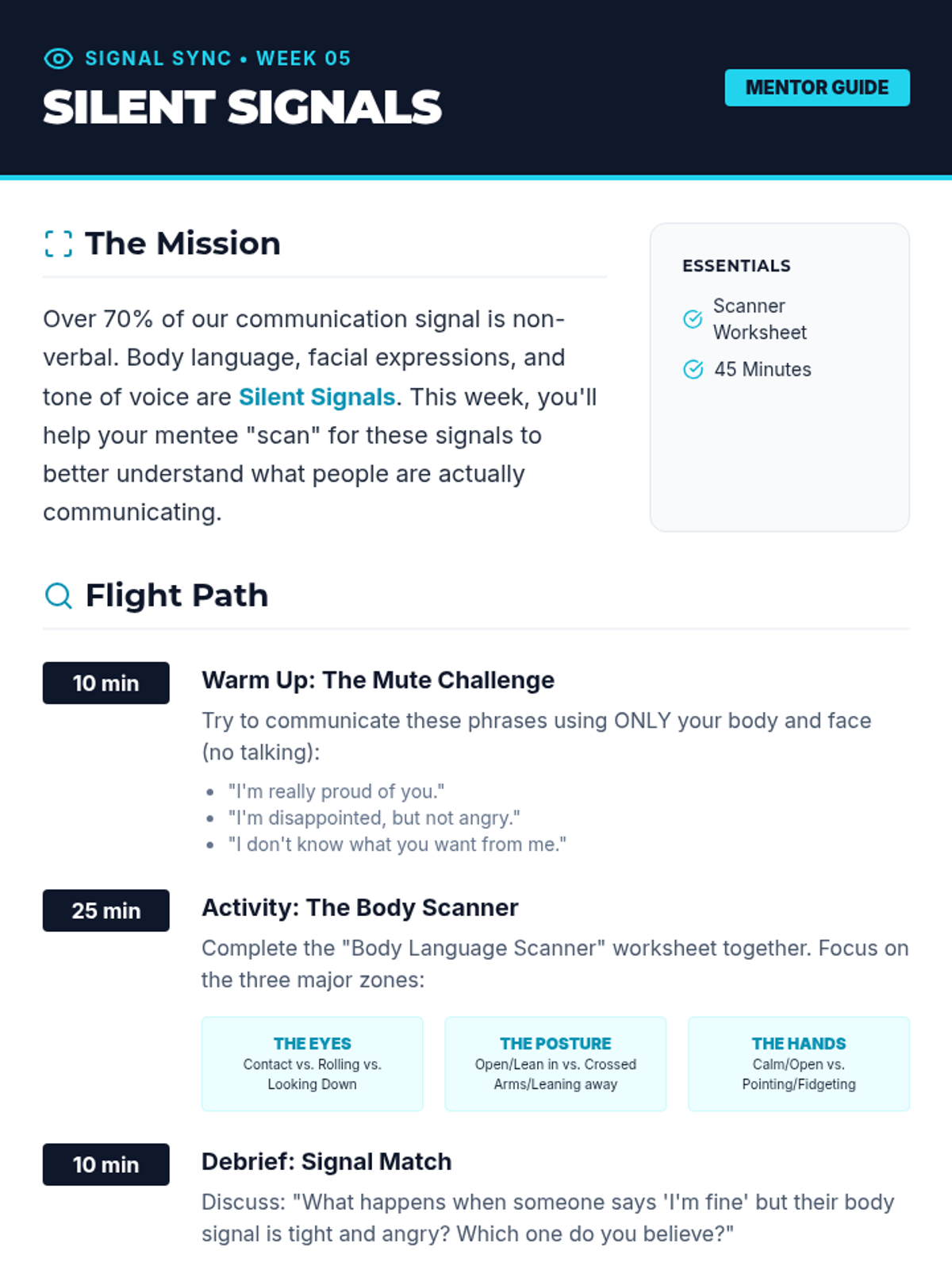
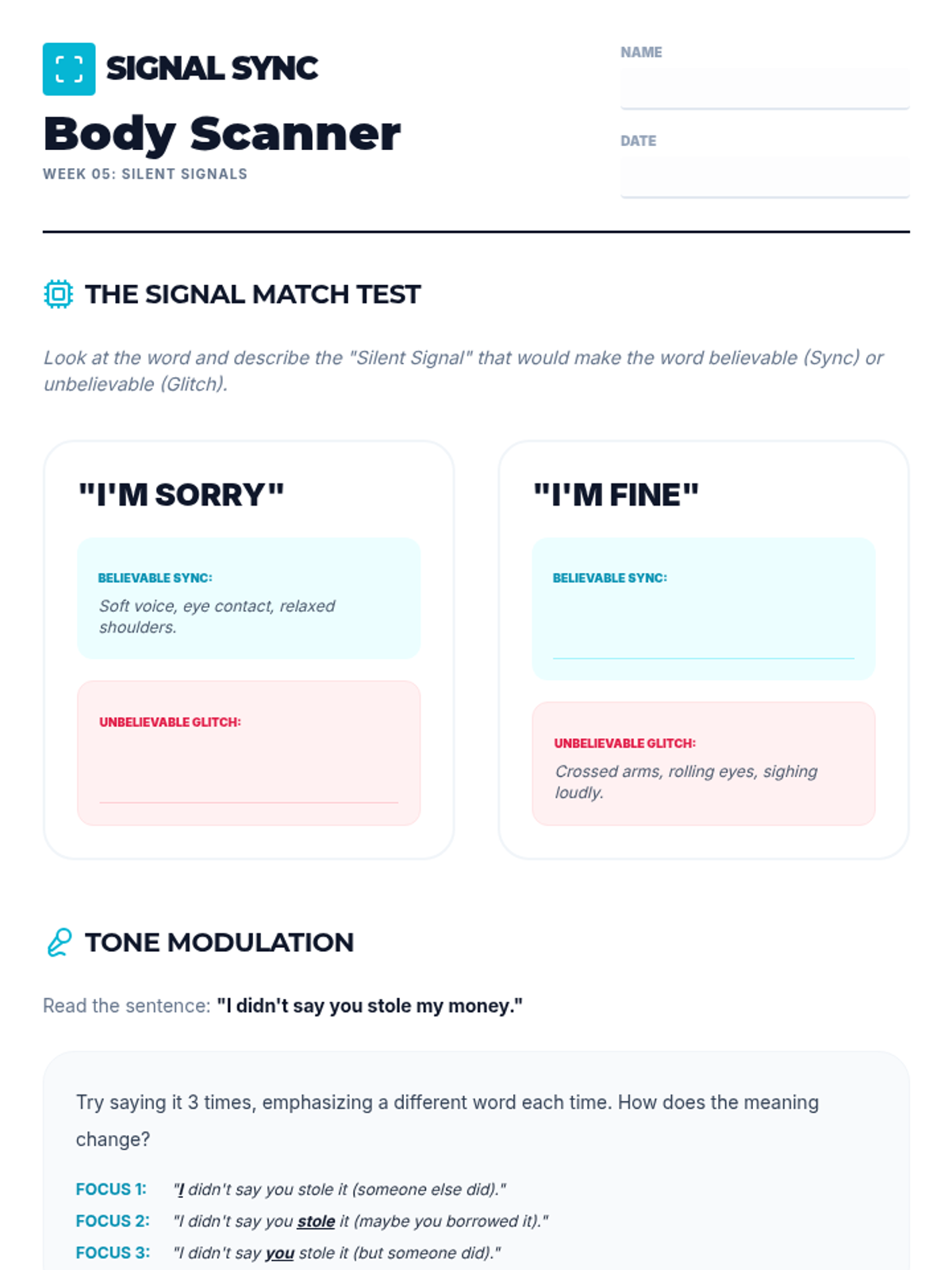
Exploring non-verbal communication, including body language, facial expressions, and tone of voice.
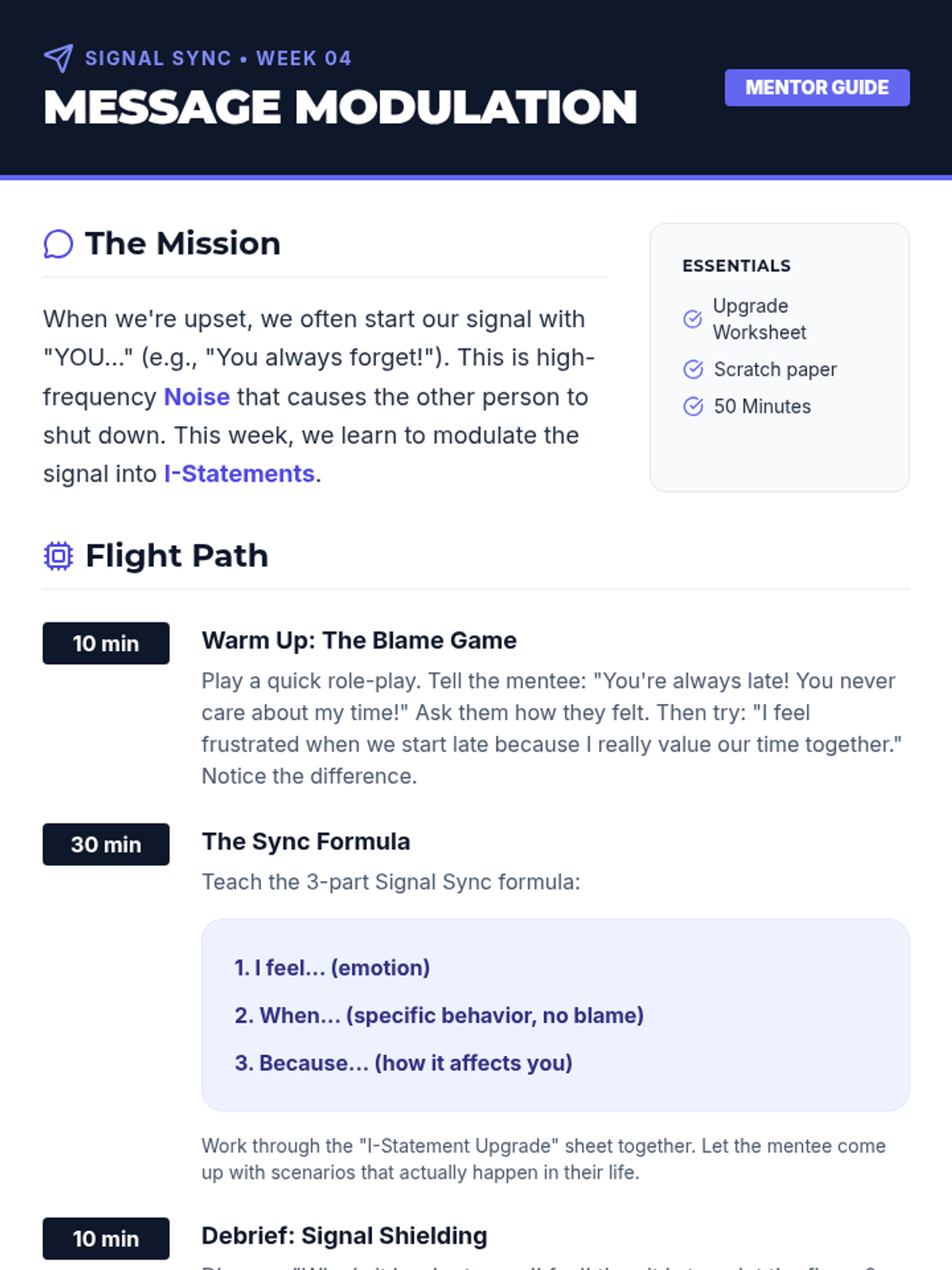
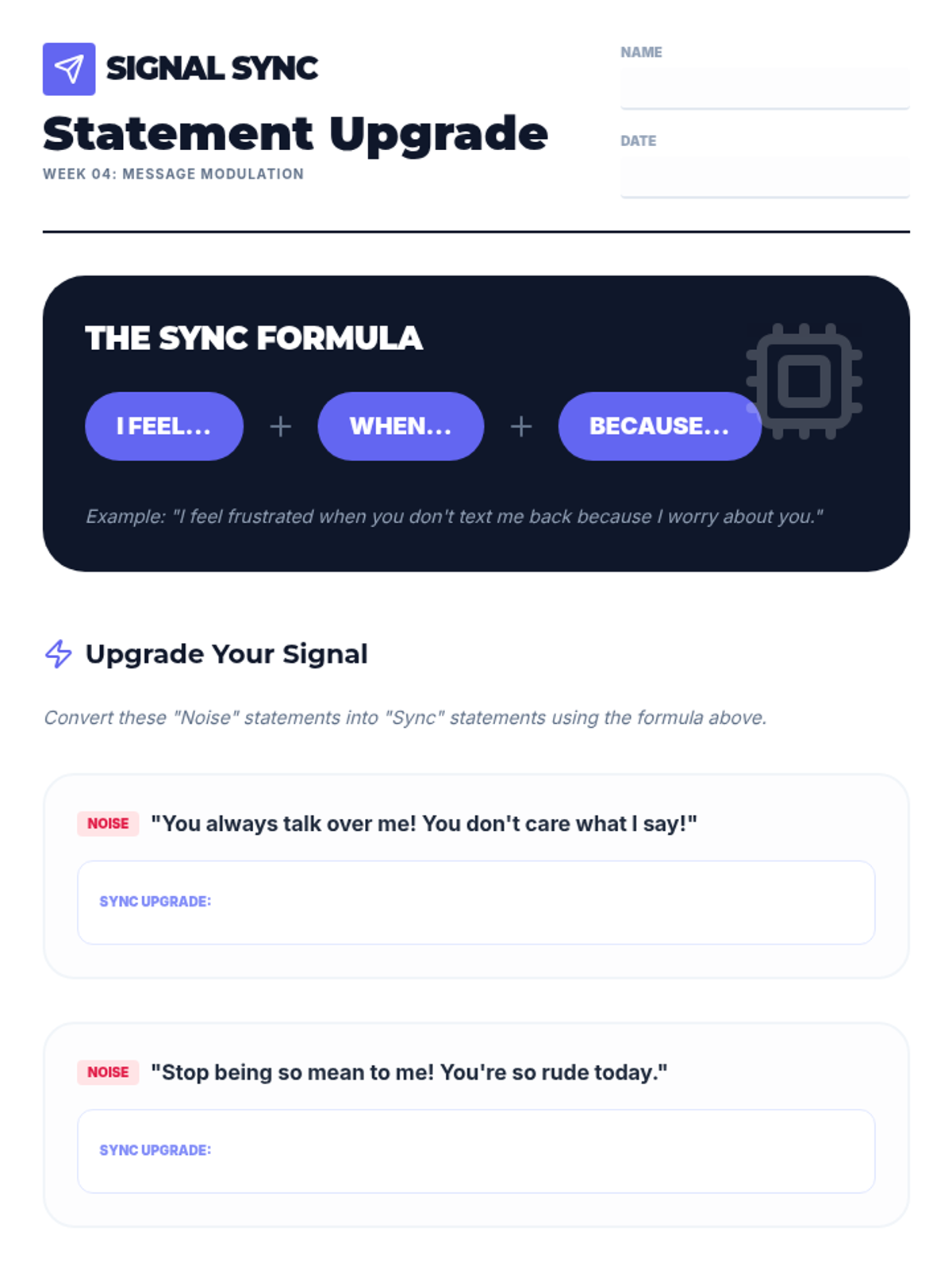
Learning to use 'I' statements to express feelings and needs without triggering defensiveness in others.
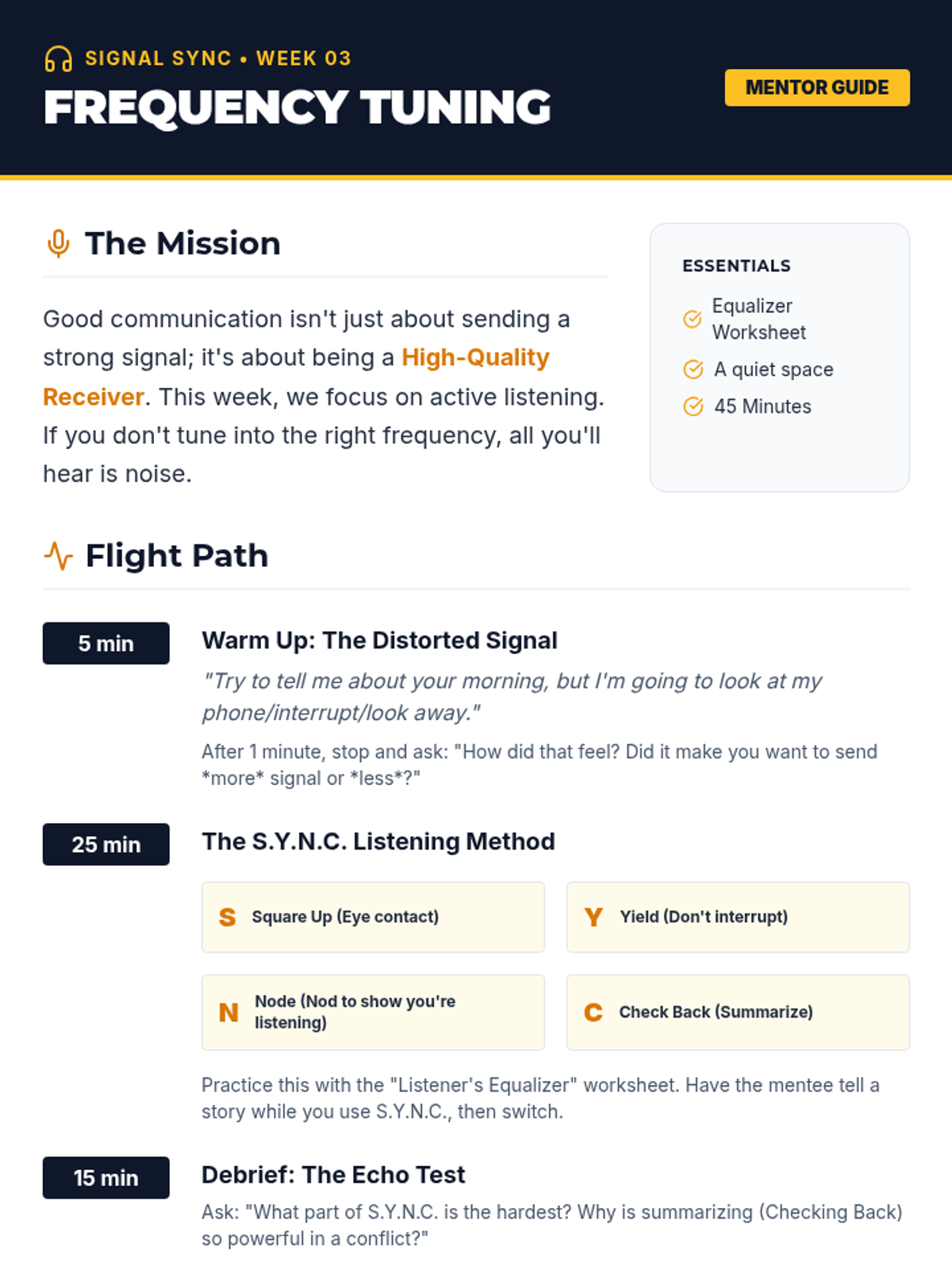
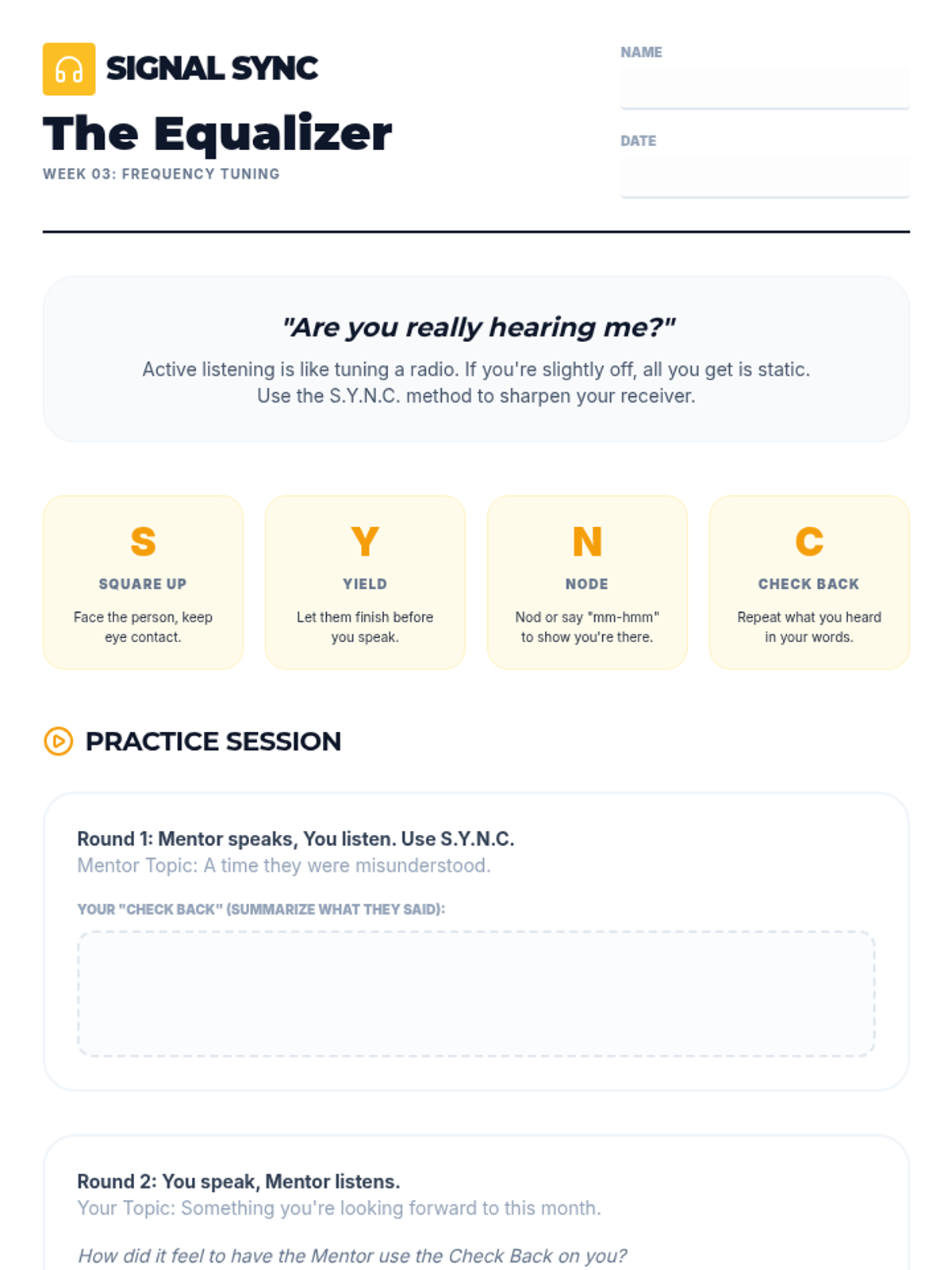
Mastering active listening techniques to ensure the receiver is fully tuned into the sender's message.
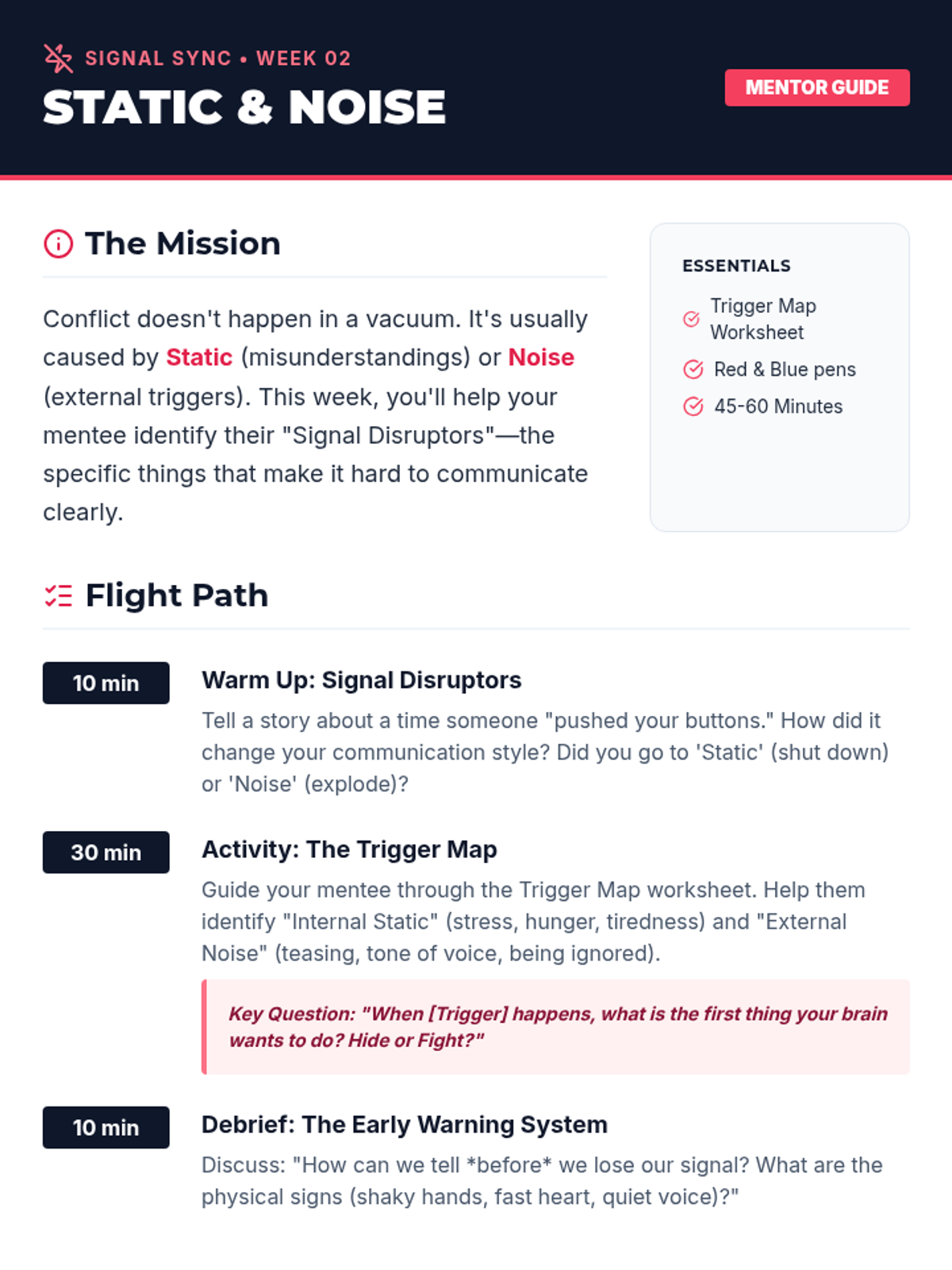
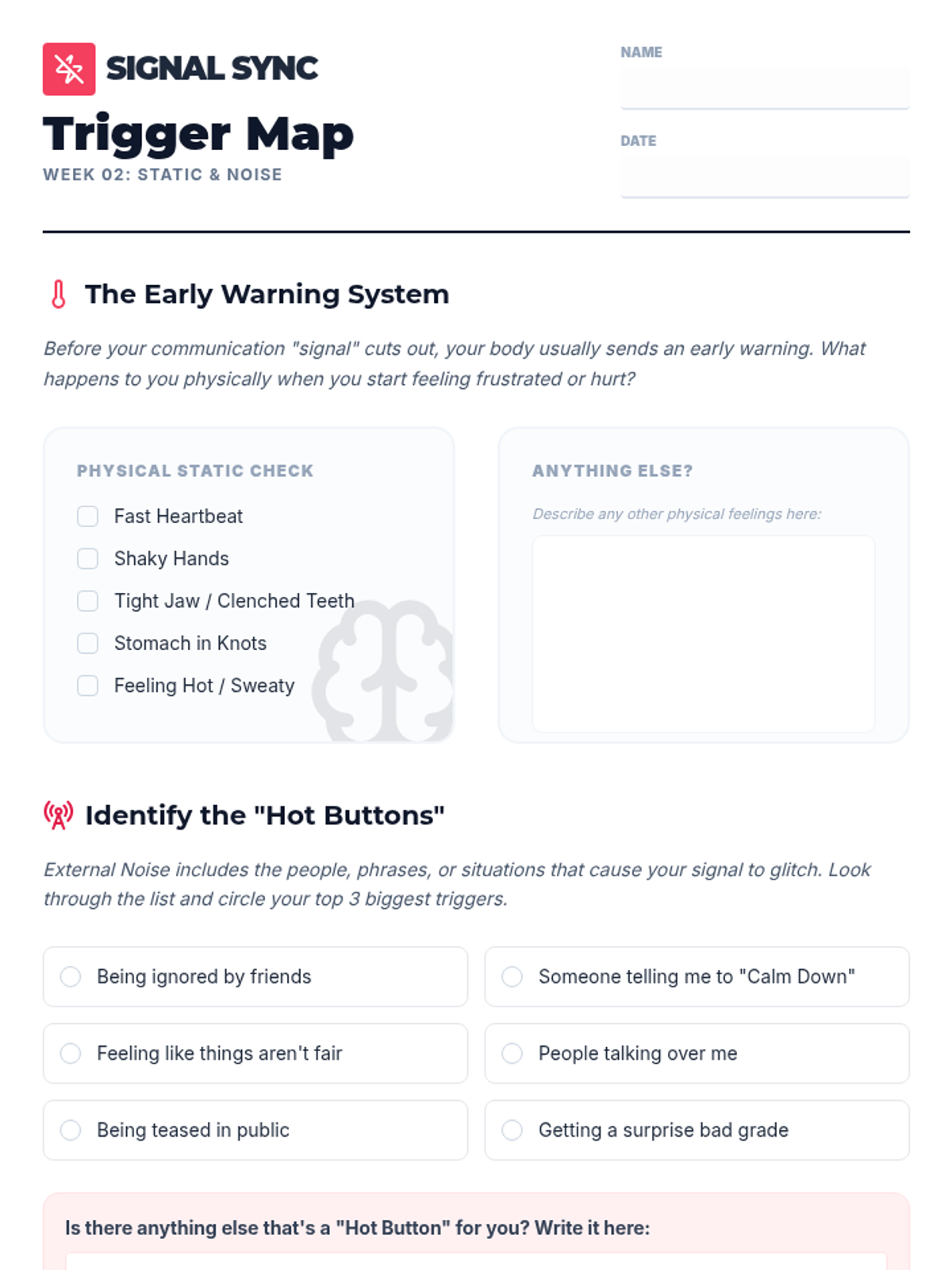
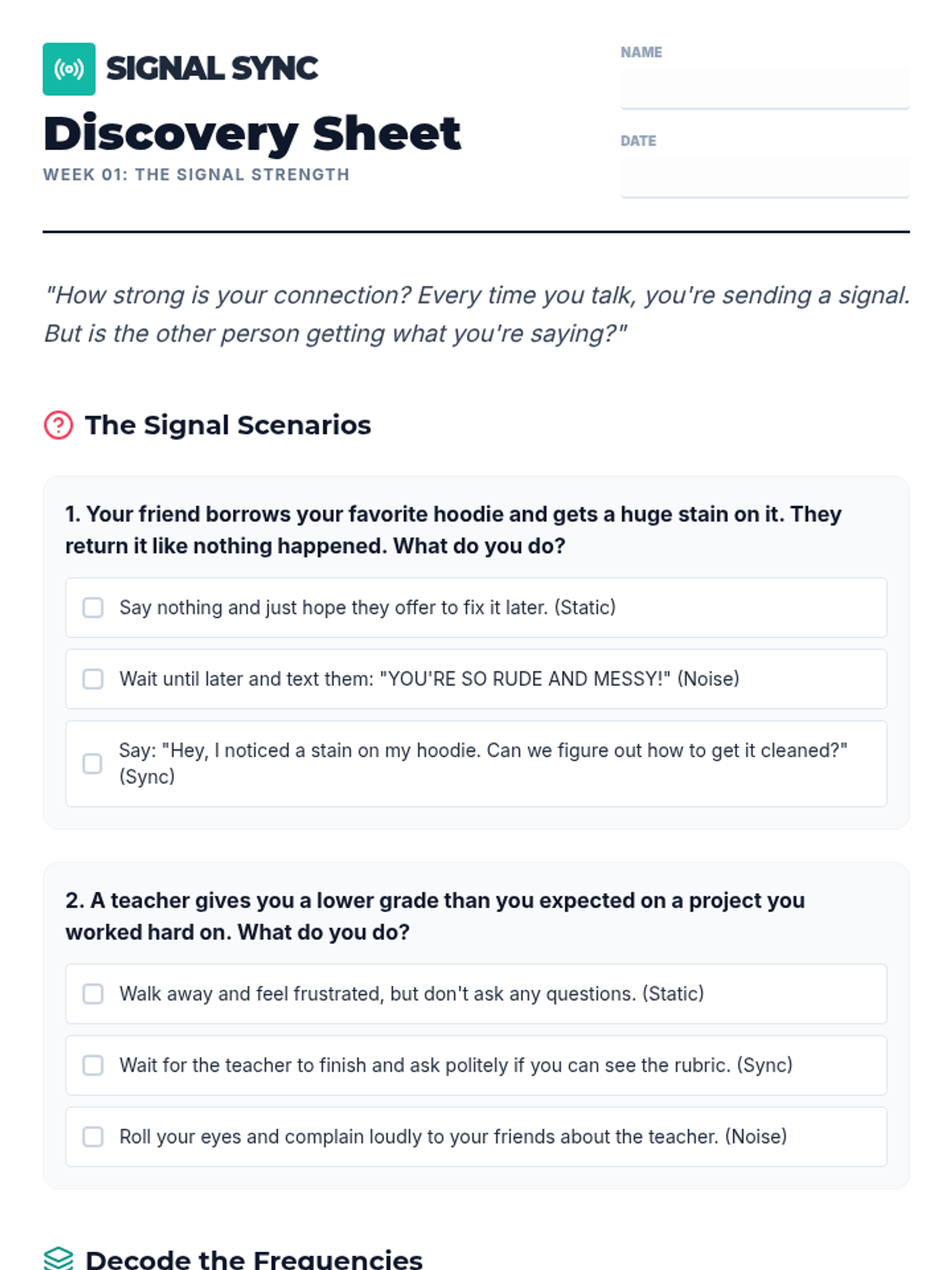
Identifying the 'static' or triggers that lead to conflict and understanding the root causes of misunderstandings.
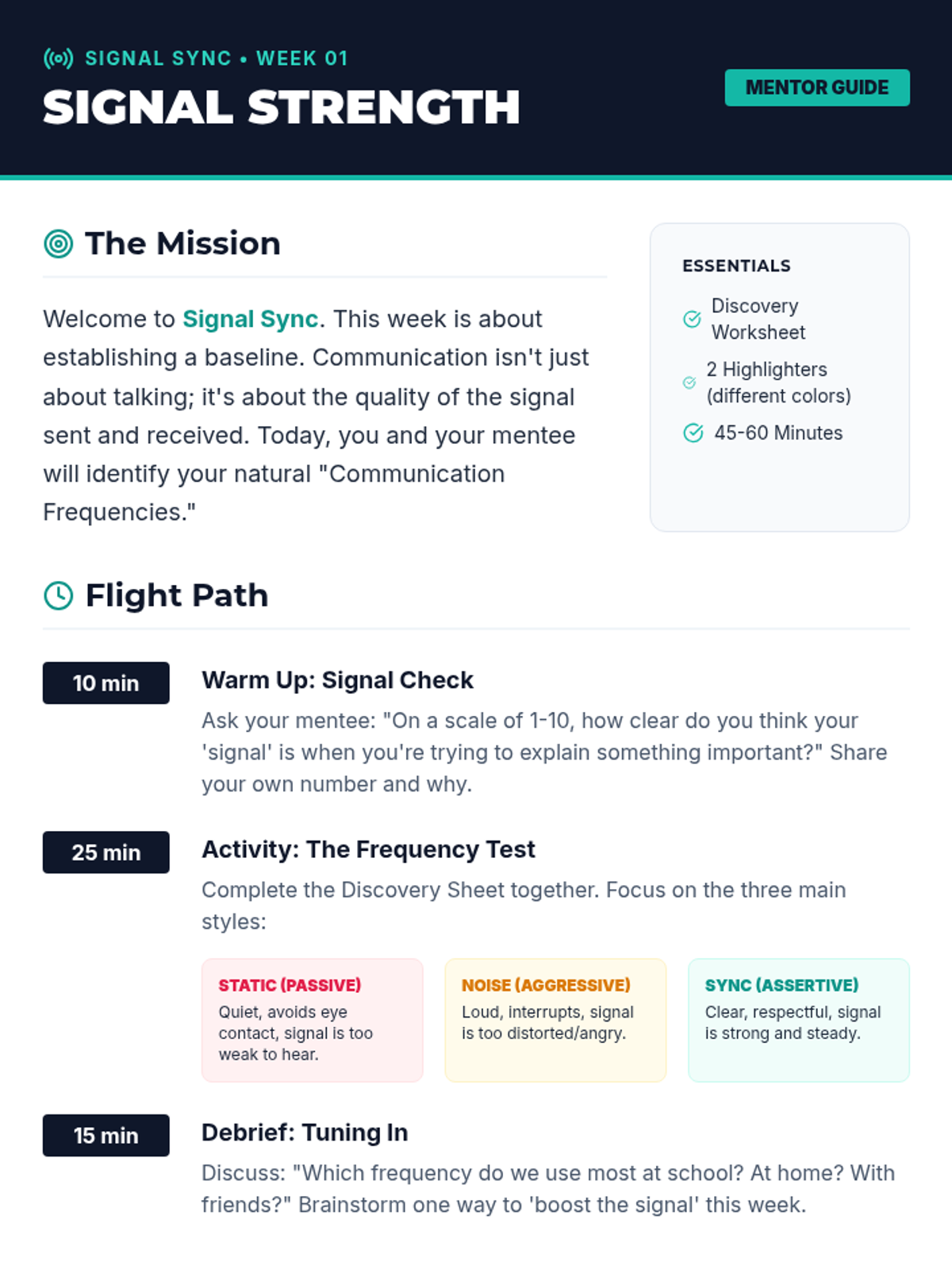
Introduction to communication styles and building a baseline understanding of how we send and receive information.
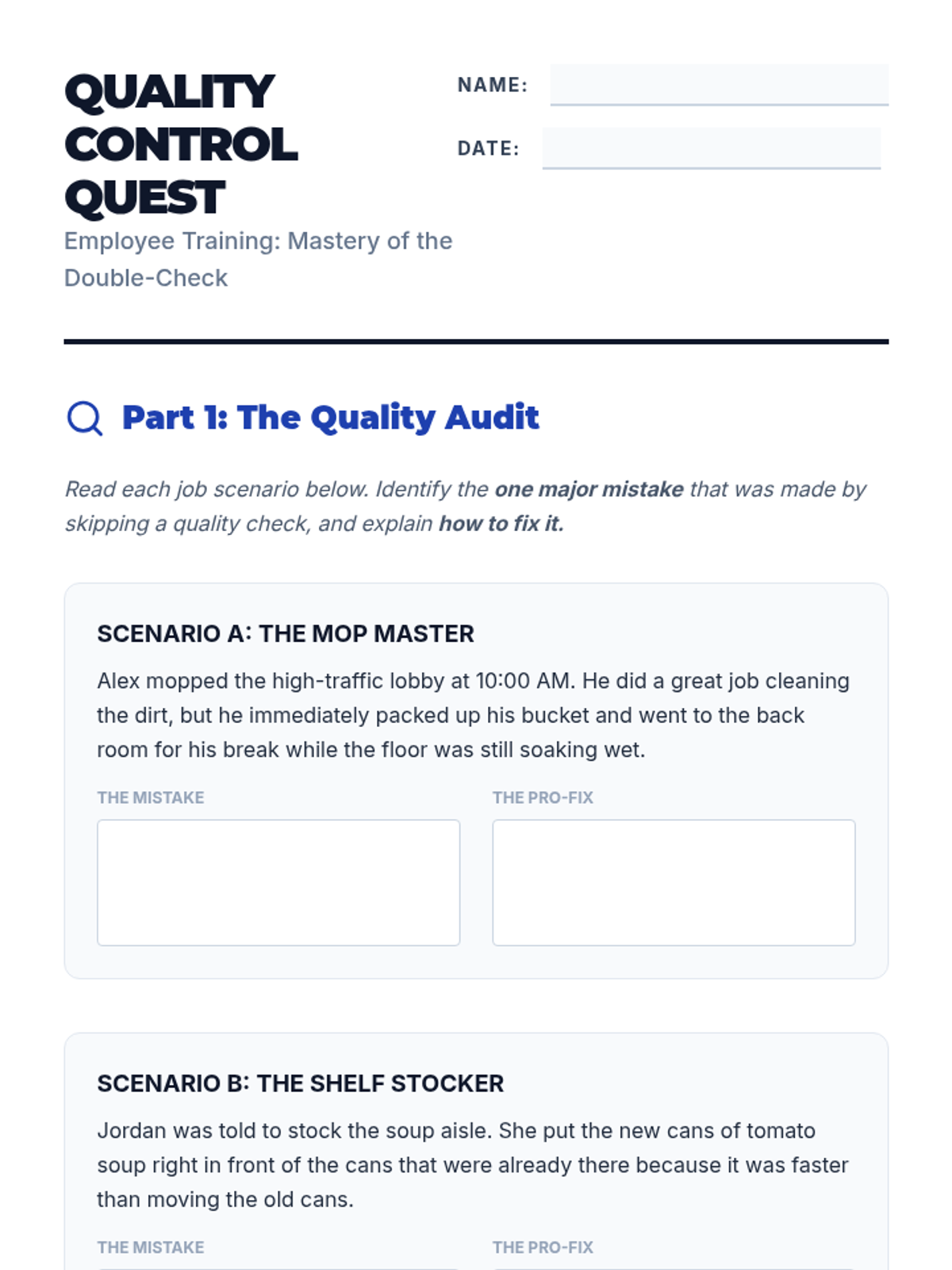
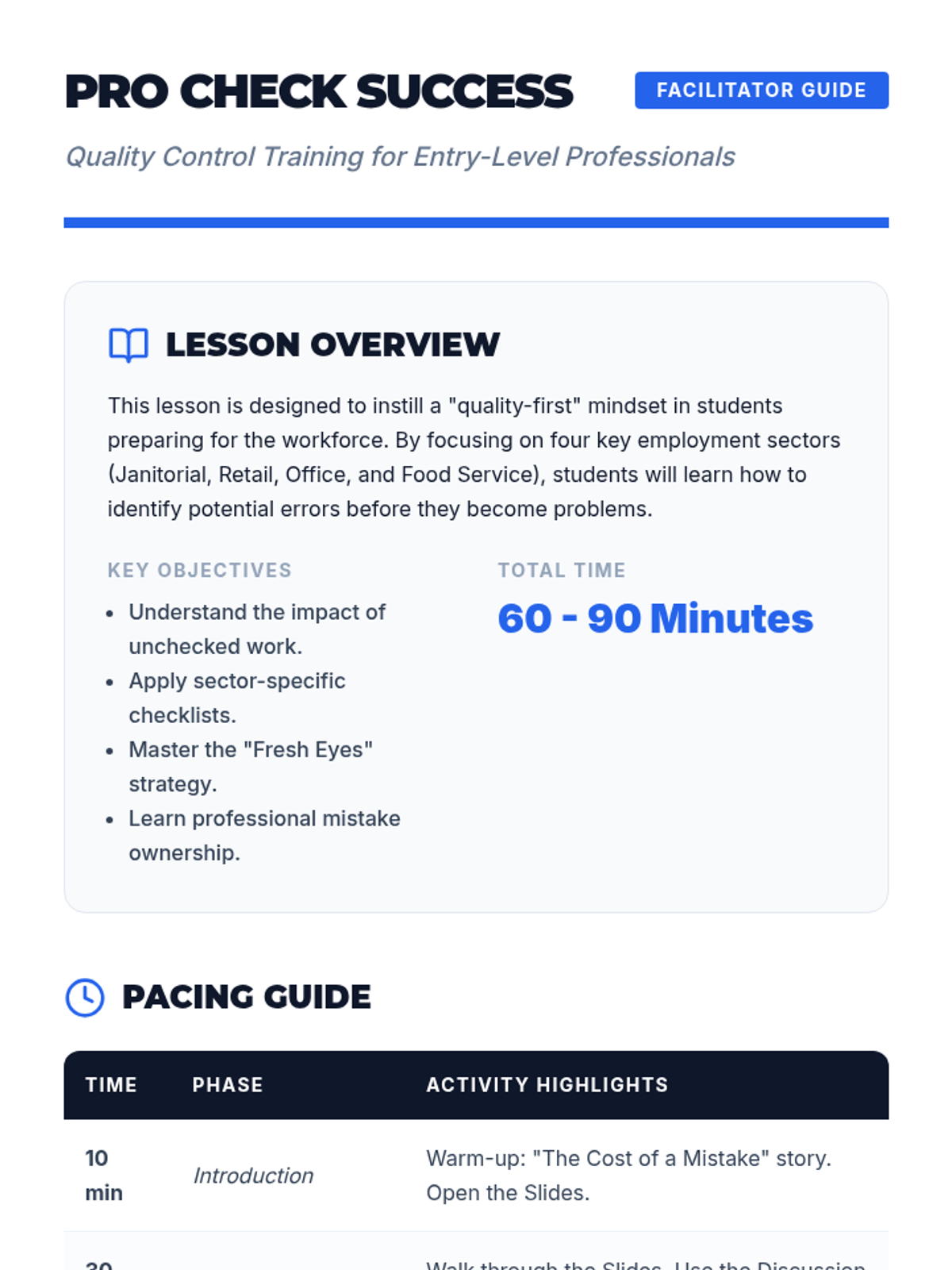
A comprehensive lesson on the importance of quality control and checking one's work across various entry-level employment sectors including janitorial, retail, office, and food service.
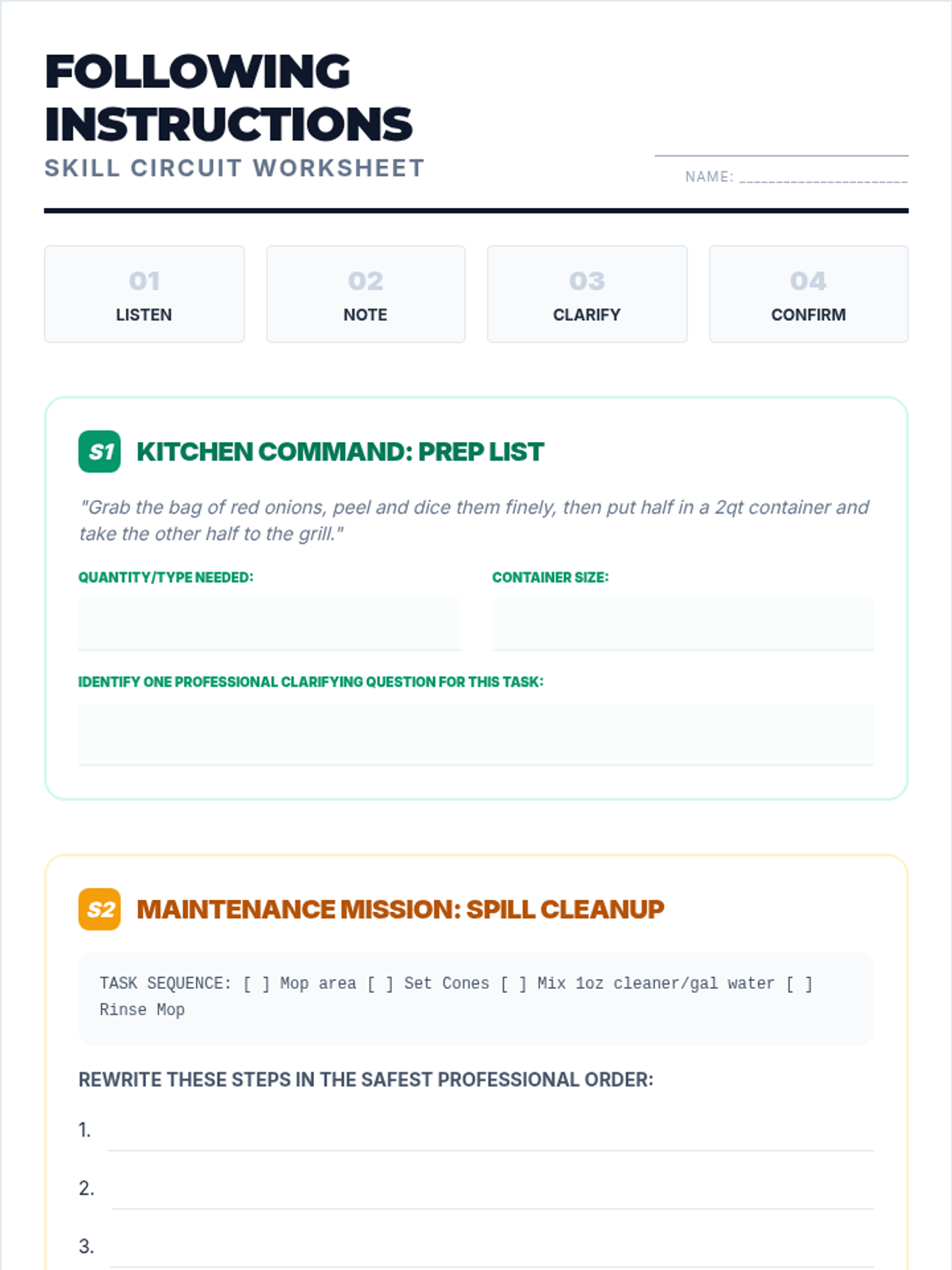
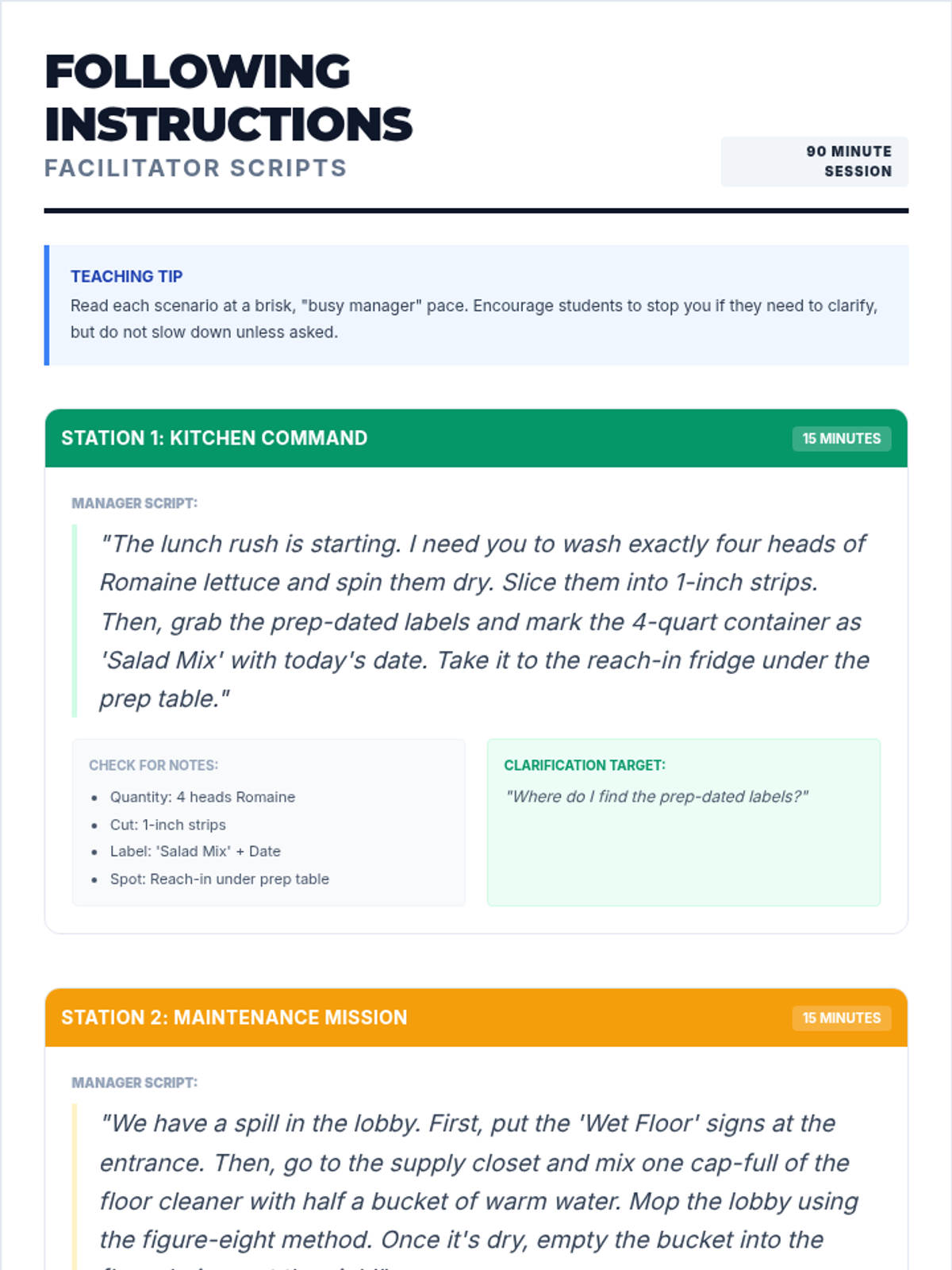
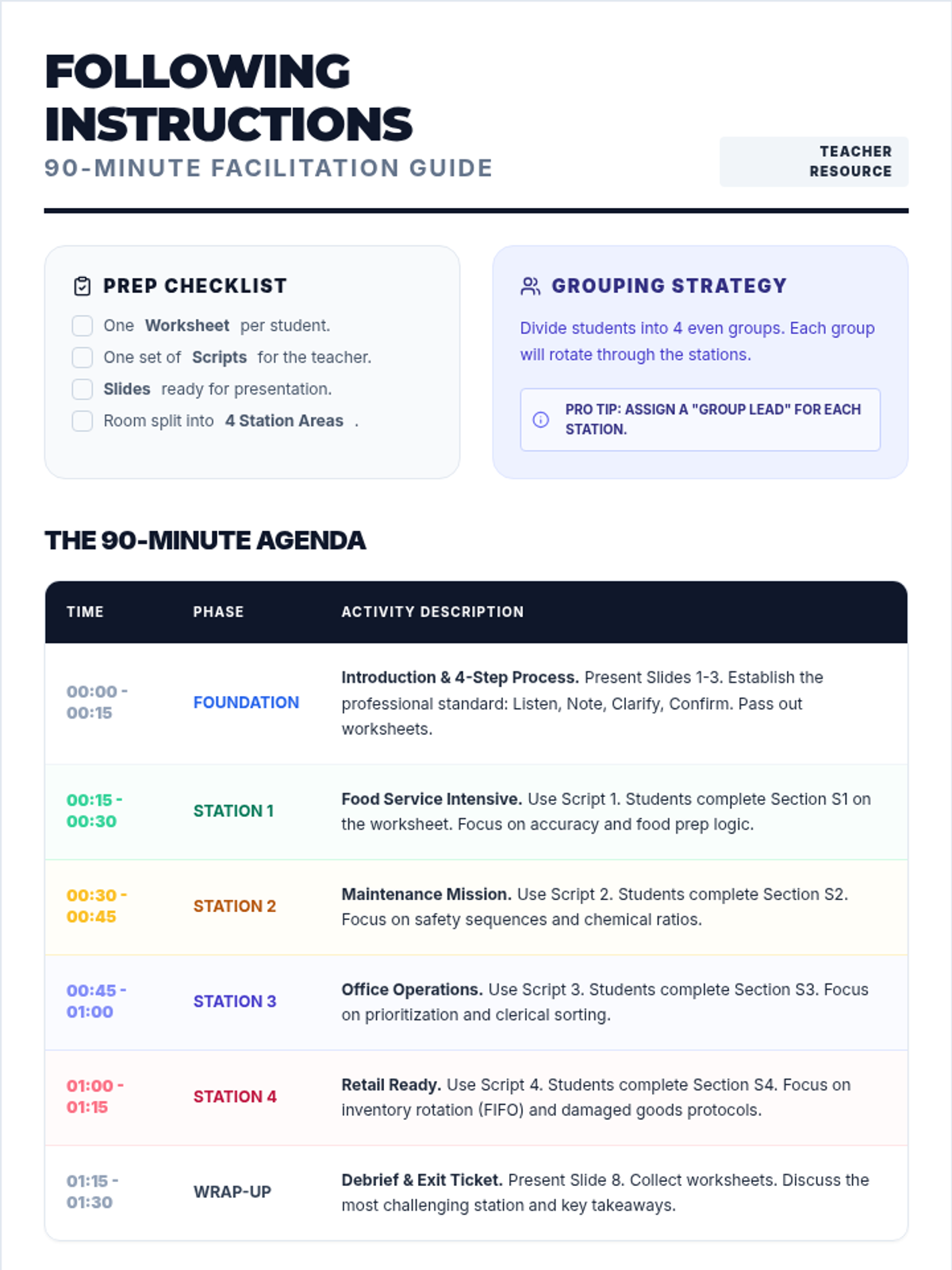
The core 90-minute training session covering four industry-specific challenges. Students rotate through scenarios to master the 4-step professional process for following instructions.
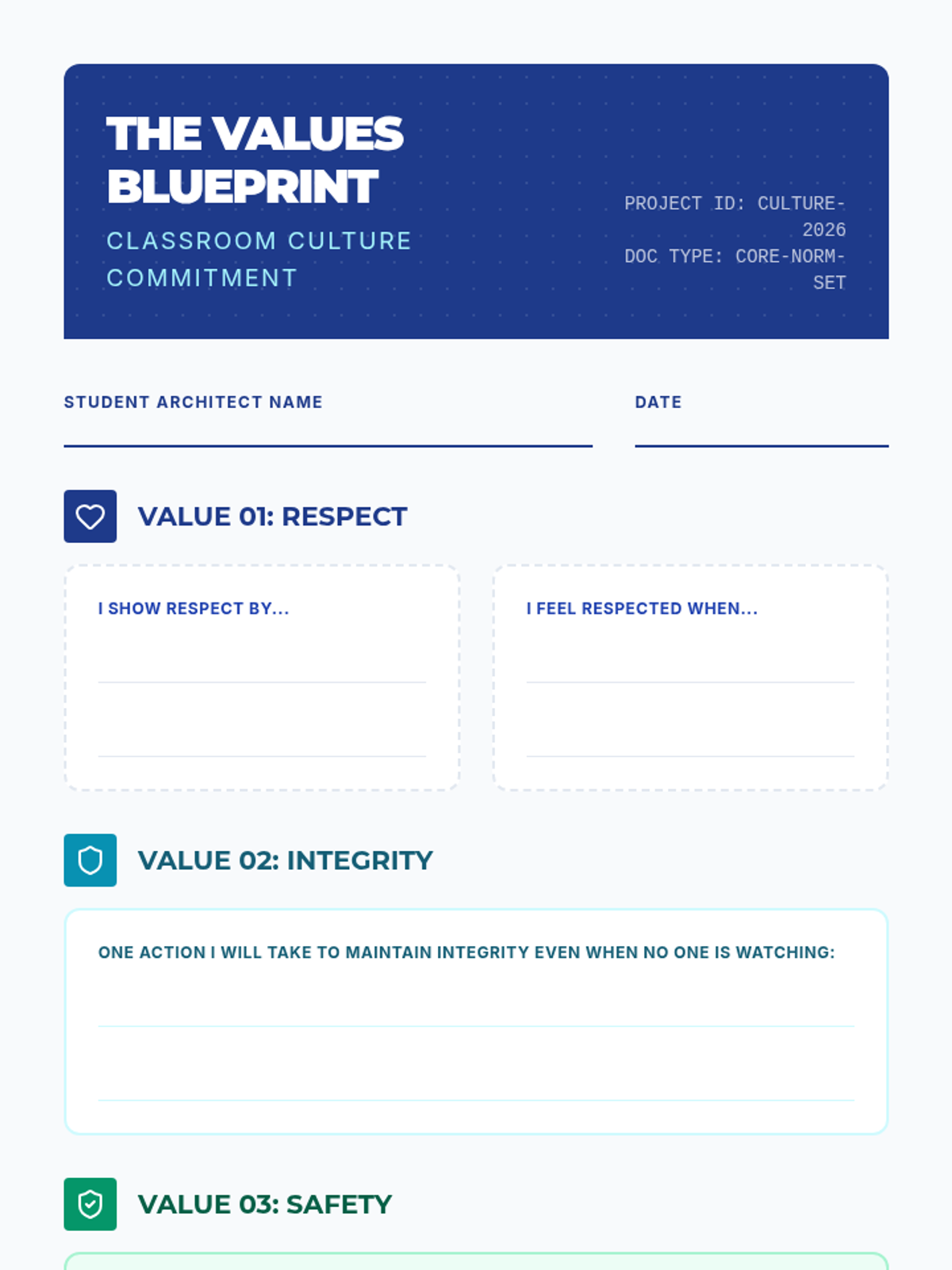
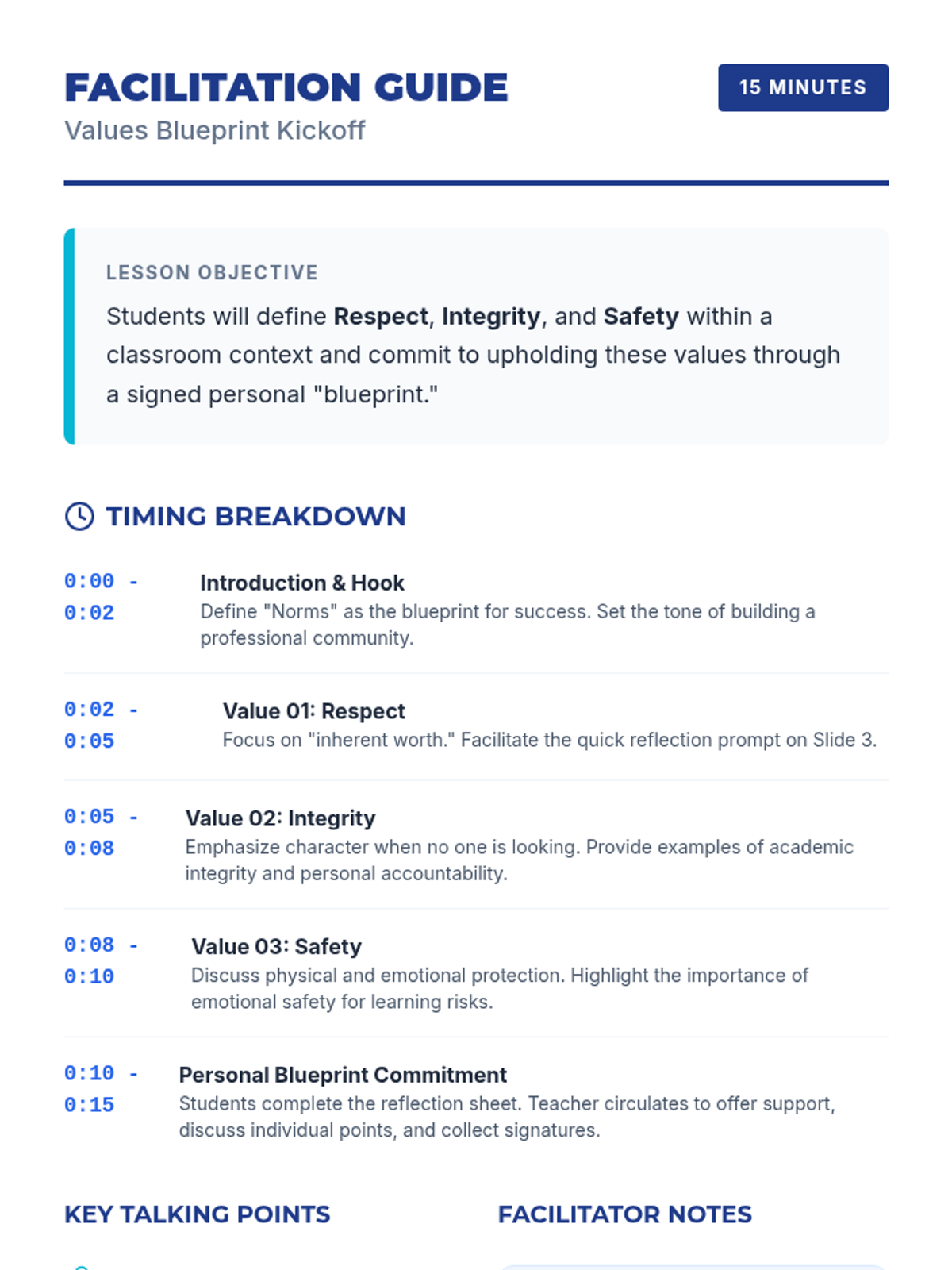
A concise 15-minute introduction to classroom norms centered on the core values of Respect, Integrity, and Safety. Students will define these values and commit to a shared culture of success.
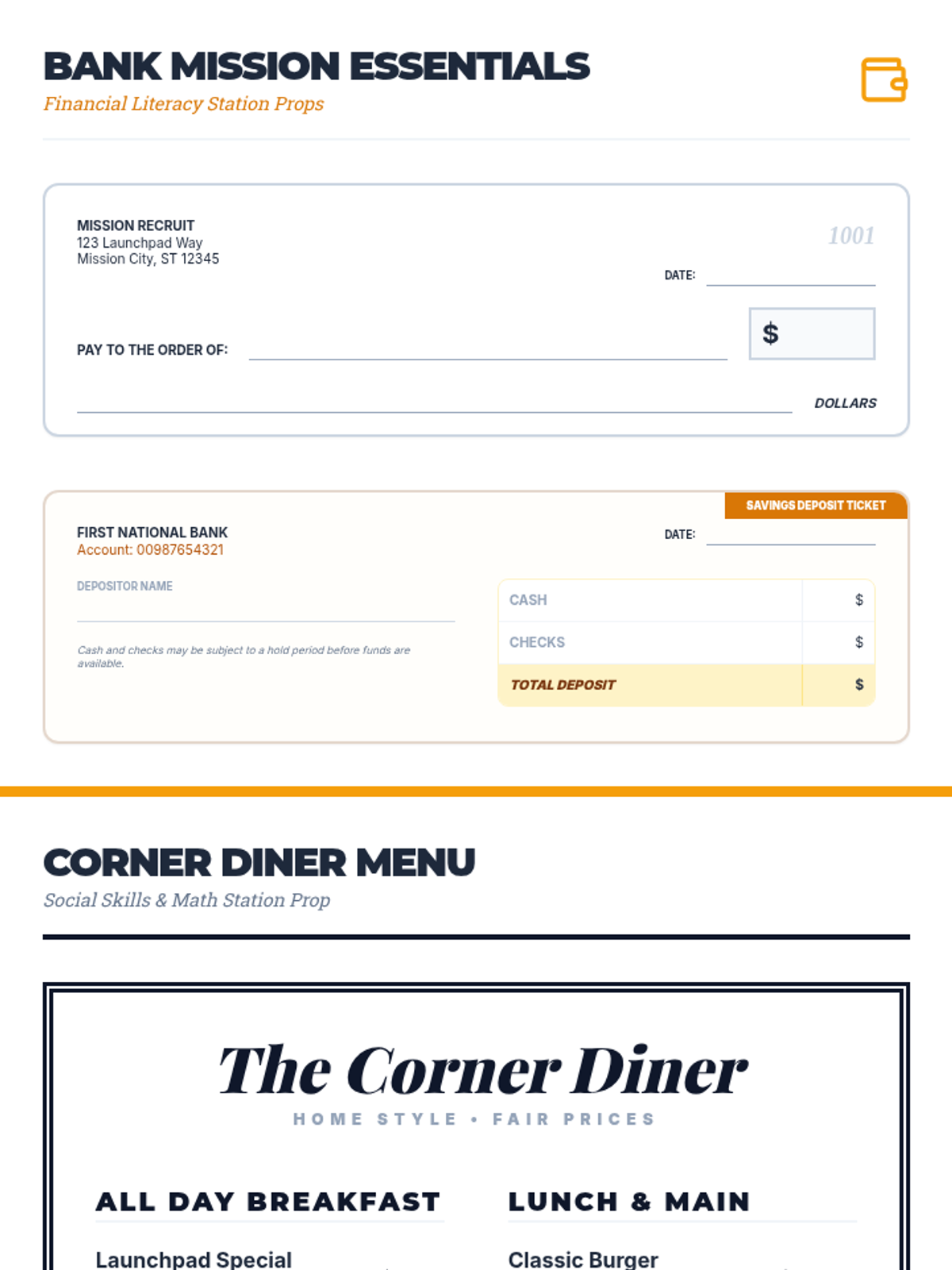
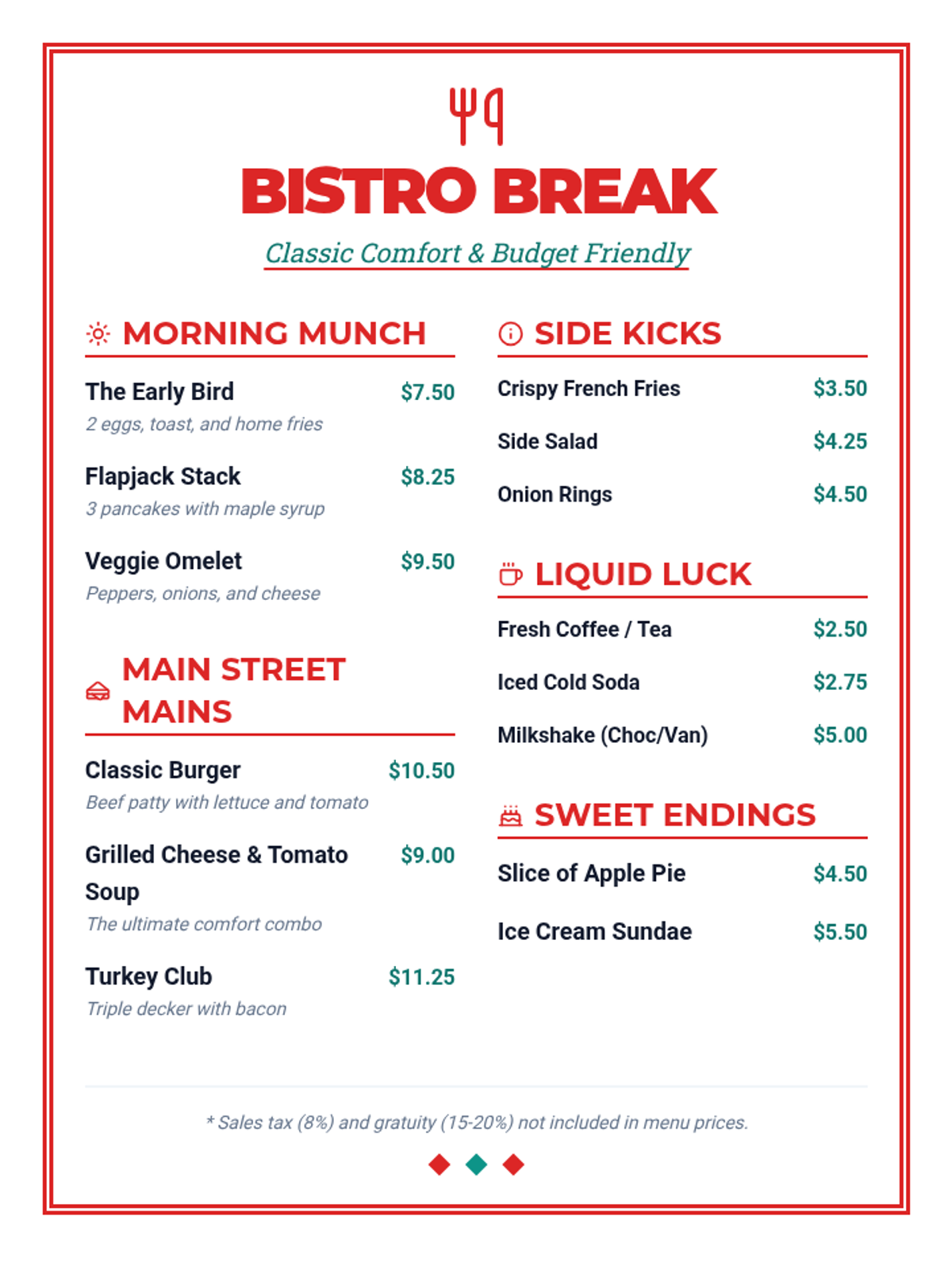
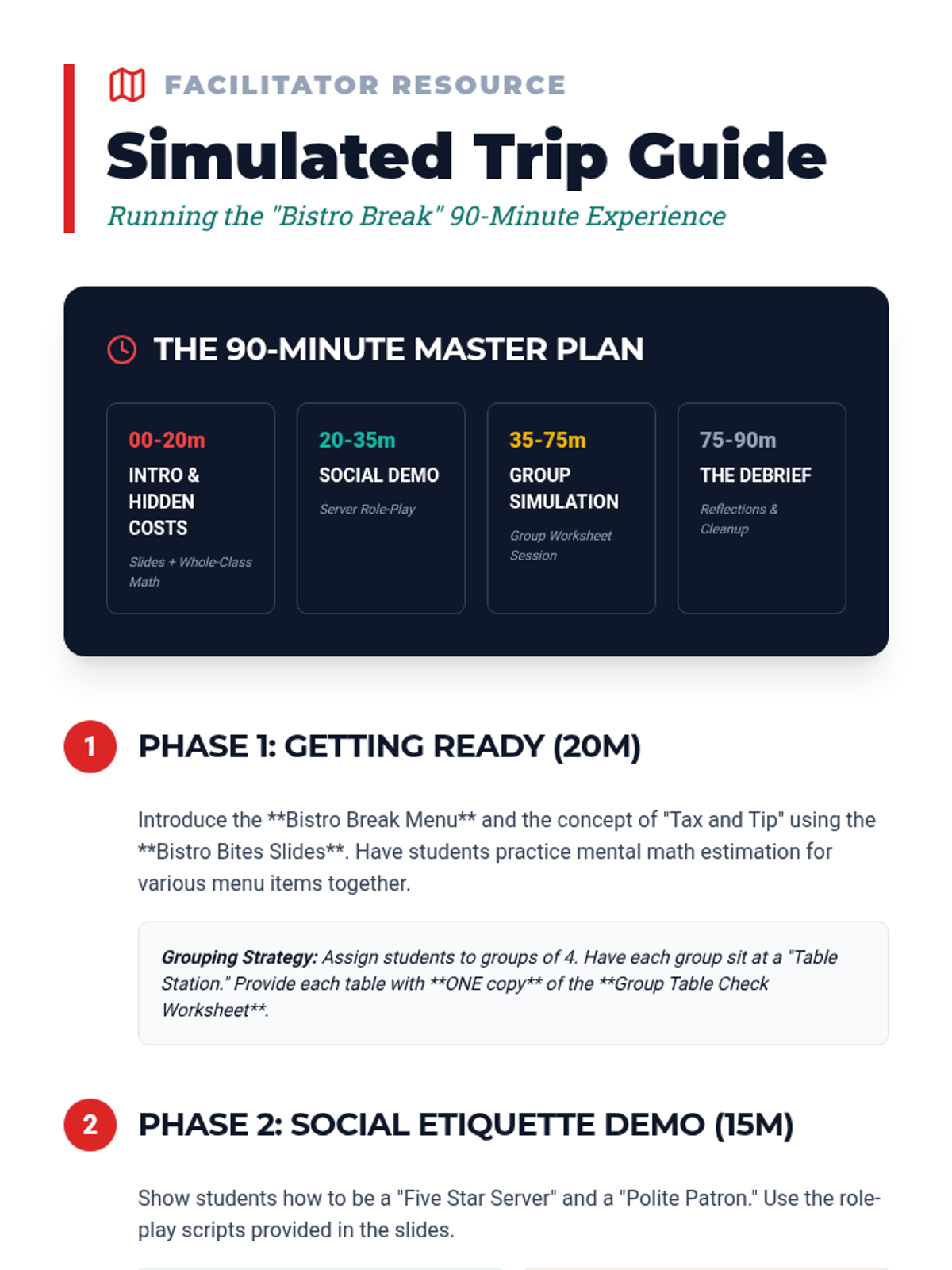
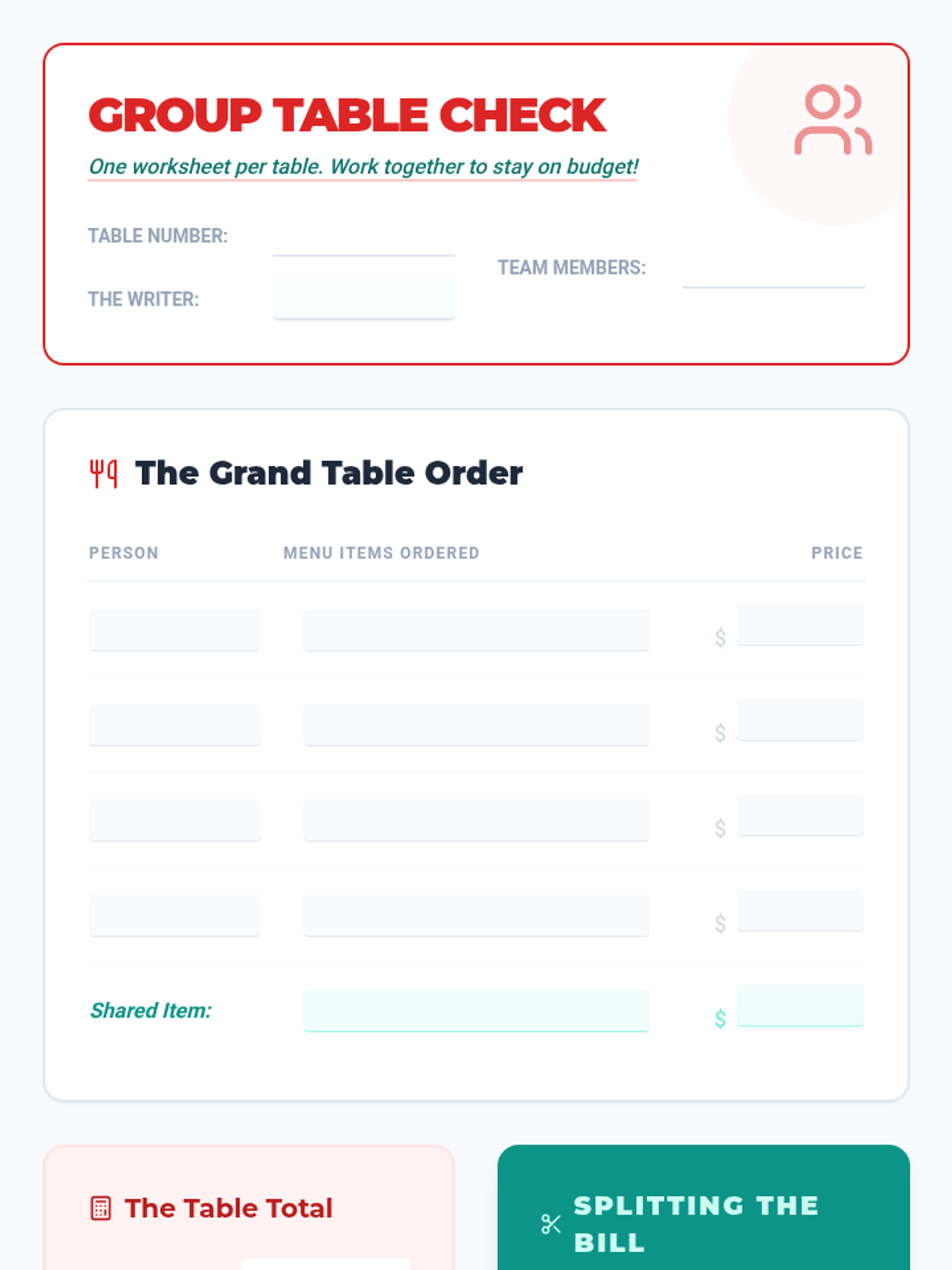
A functional skills lesson focused on navigating a restaurant experience on a budget, covering menu reading, budget planning, social etiquette, and group check splitting.
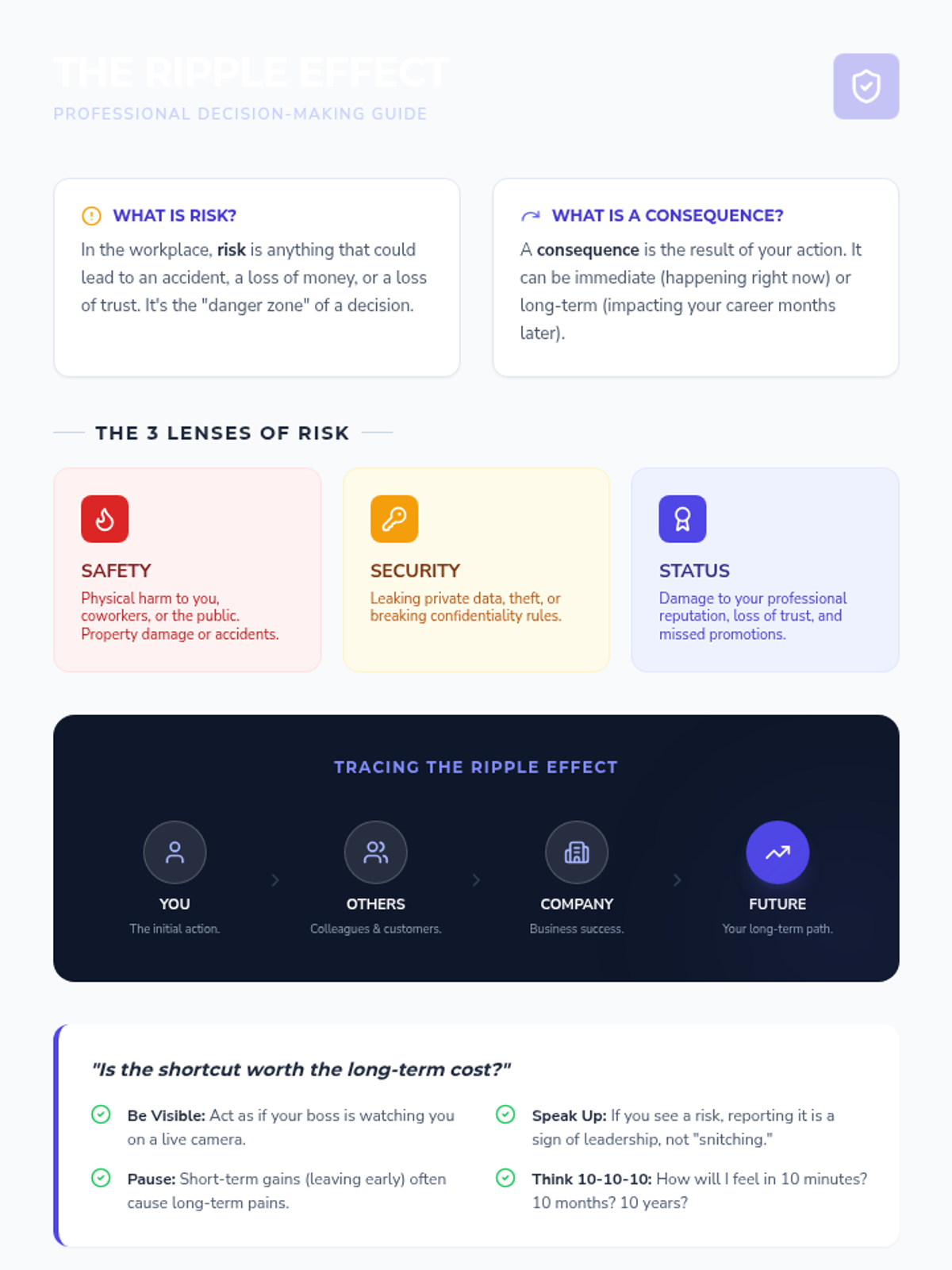
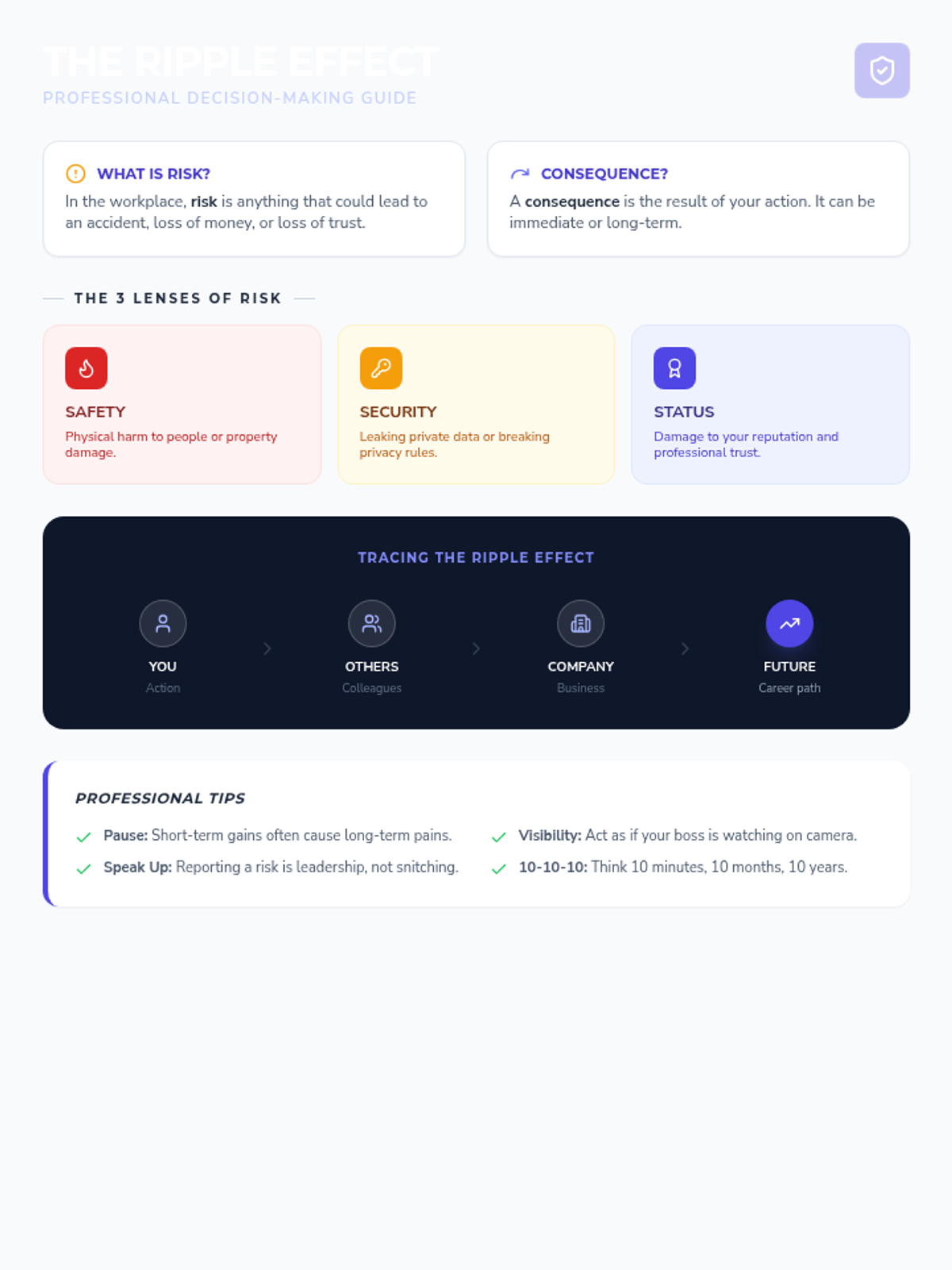
A lesson focused on helping students identify potential risks in workplace settings and understand the short- and long-term consequences of their professional decisions.
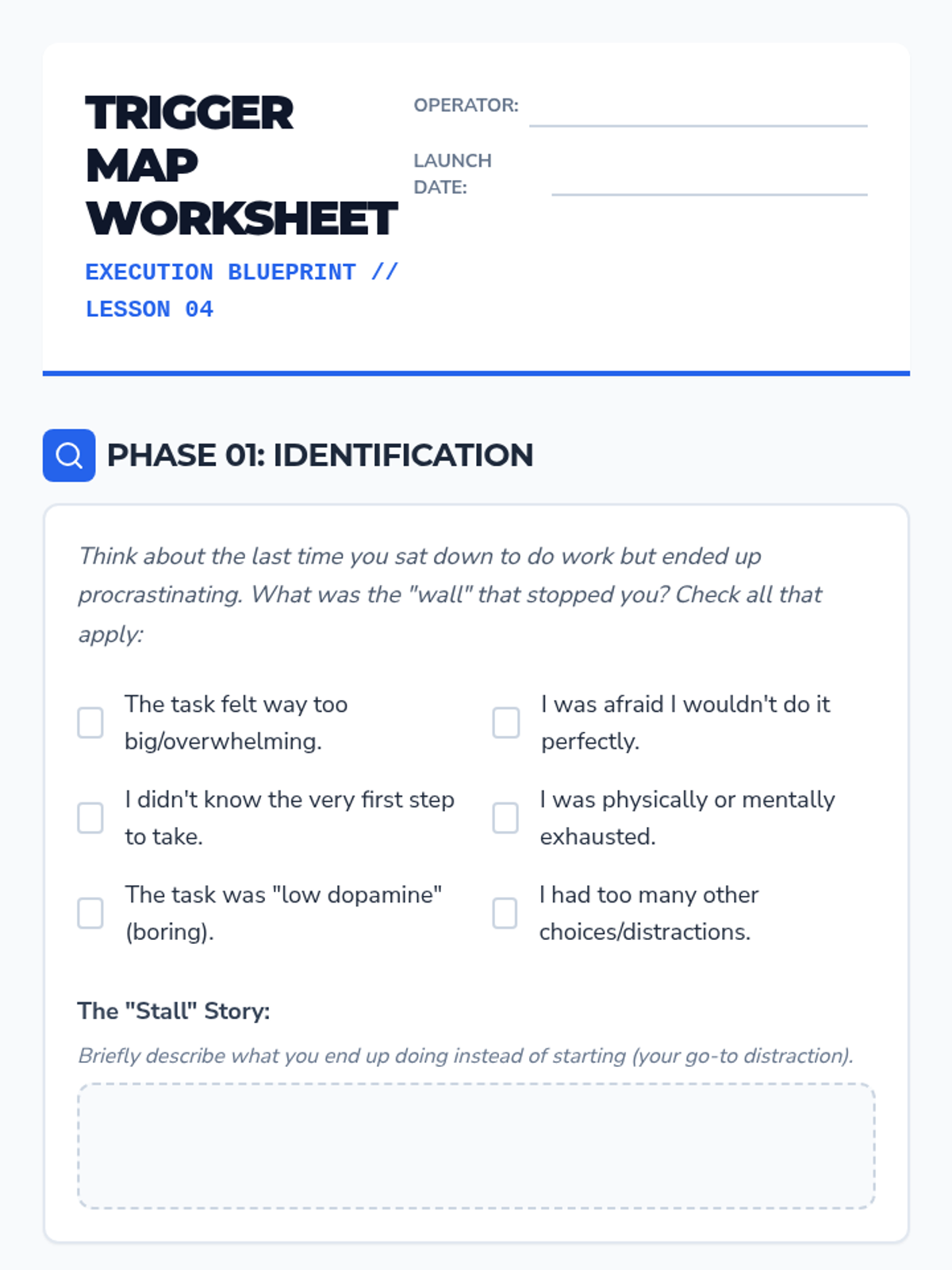
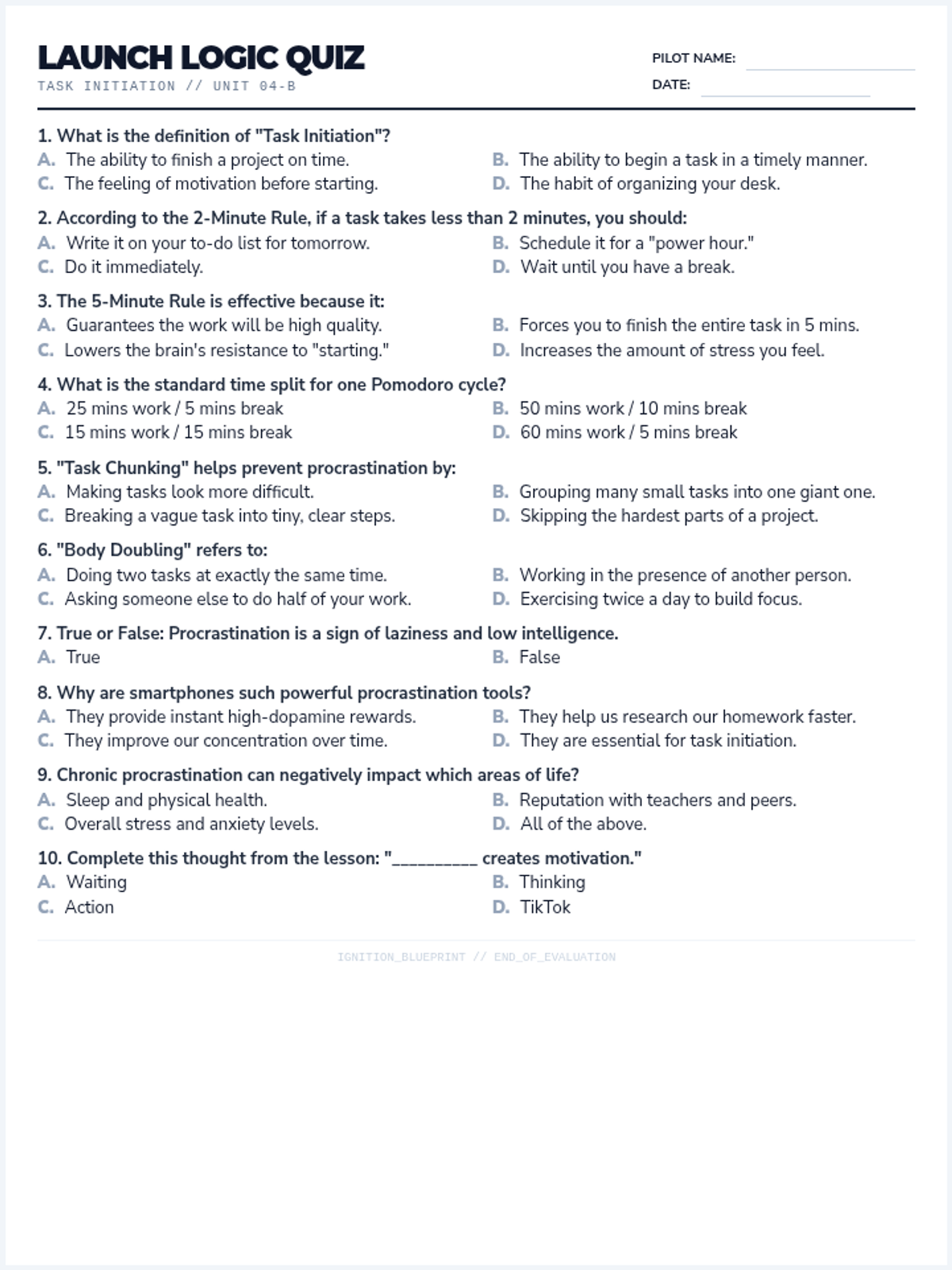
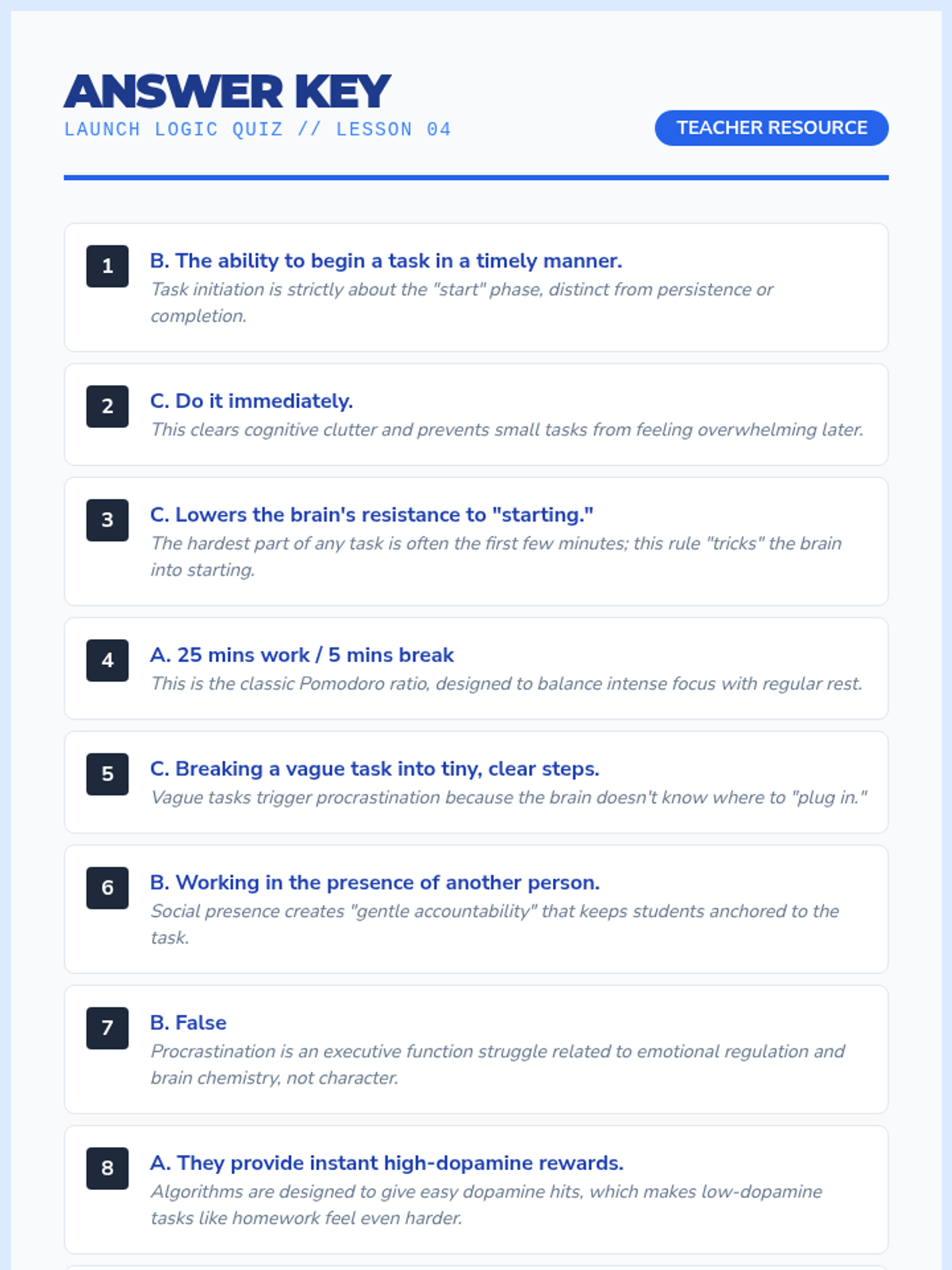
This lesson focuses on task initiation and overcoming procrastination for high school students. It introduces practical techniques like the 2-Minute Rule, Task Chunking, and Pomodoro, while exploring the psychological triggers behind procrastination and the impact on overall life success.