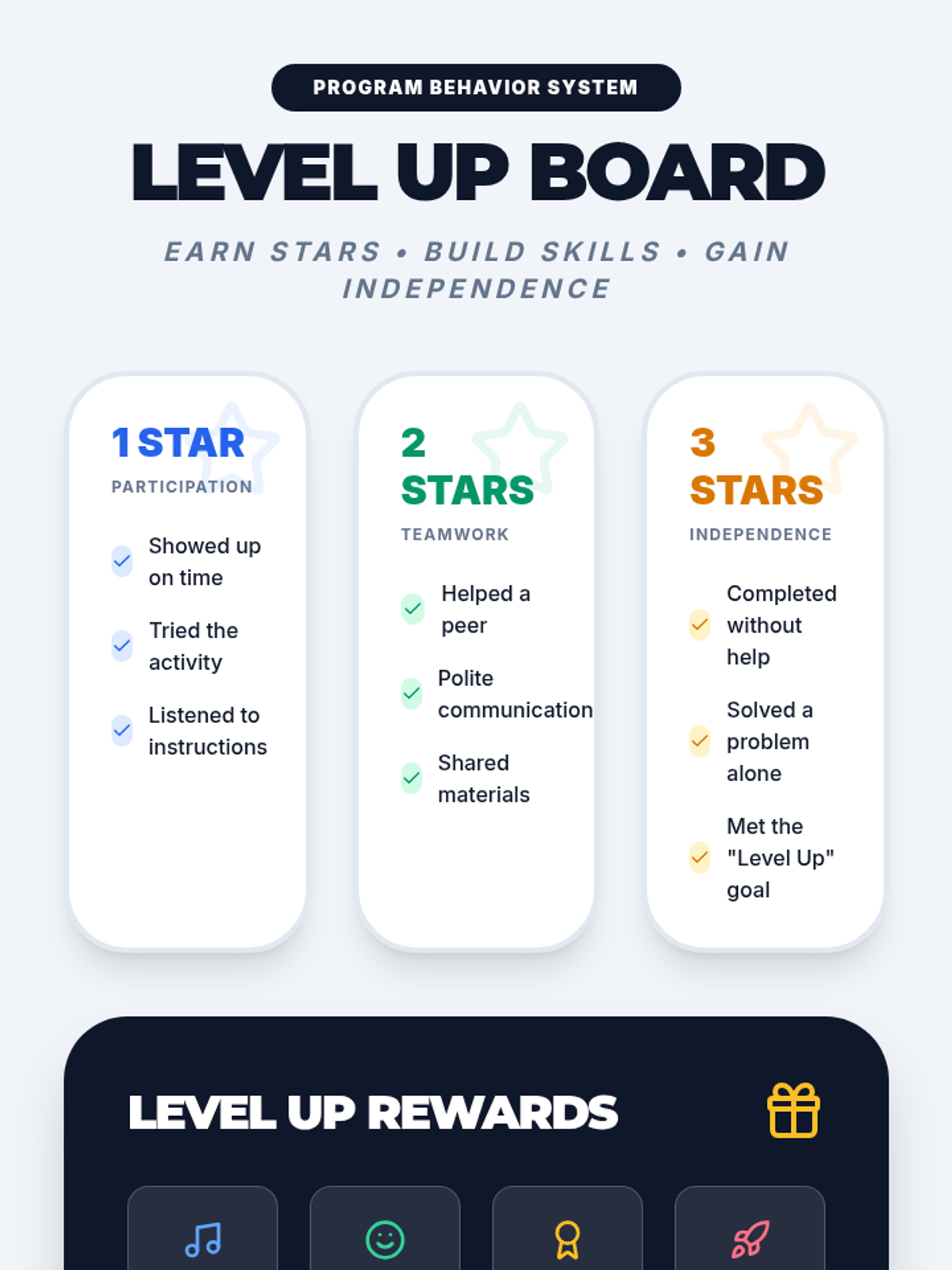
Functional behavior assessment, data tracking, and de-escalation strategies for managing classroom conduct. Addresses positive reinforcement, token economies, and individualized behavior contracts to support student self-regulation.
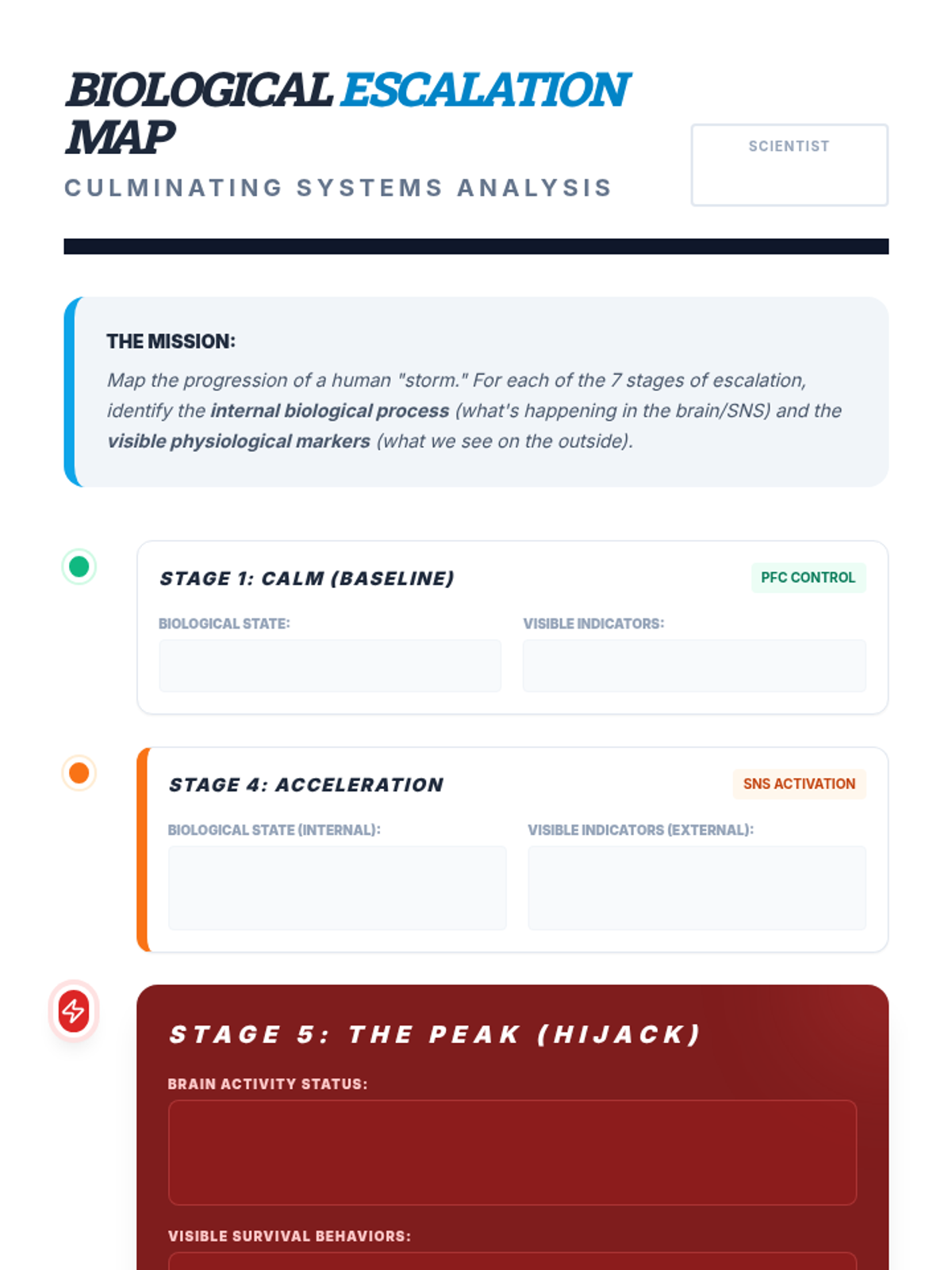
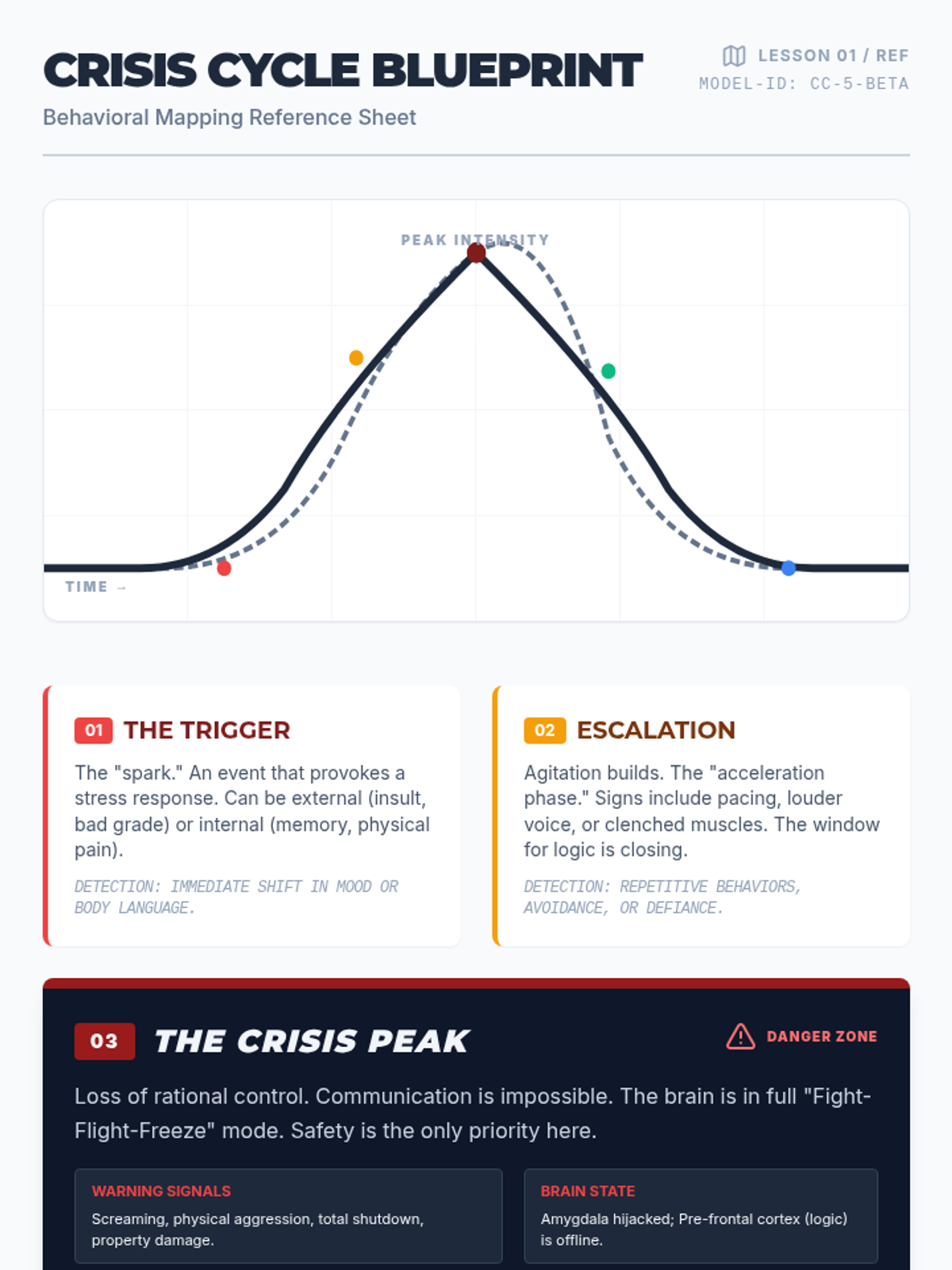
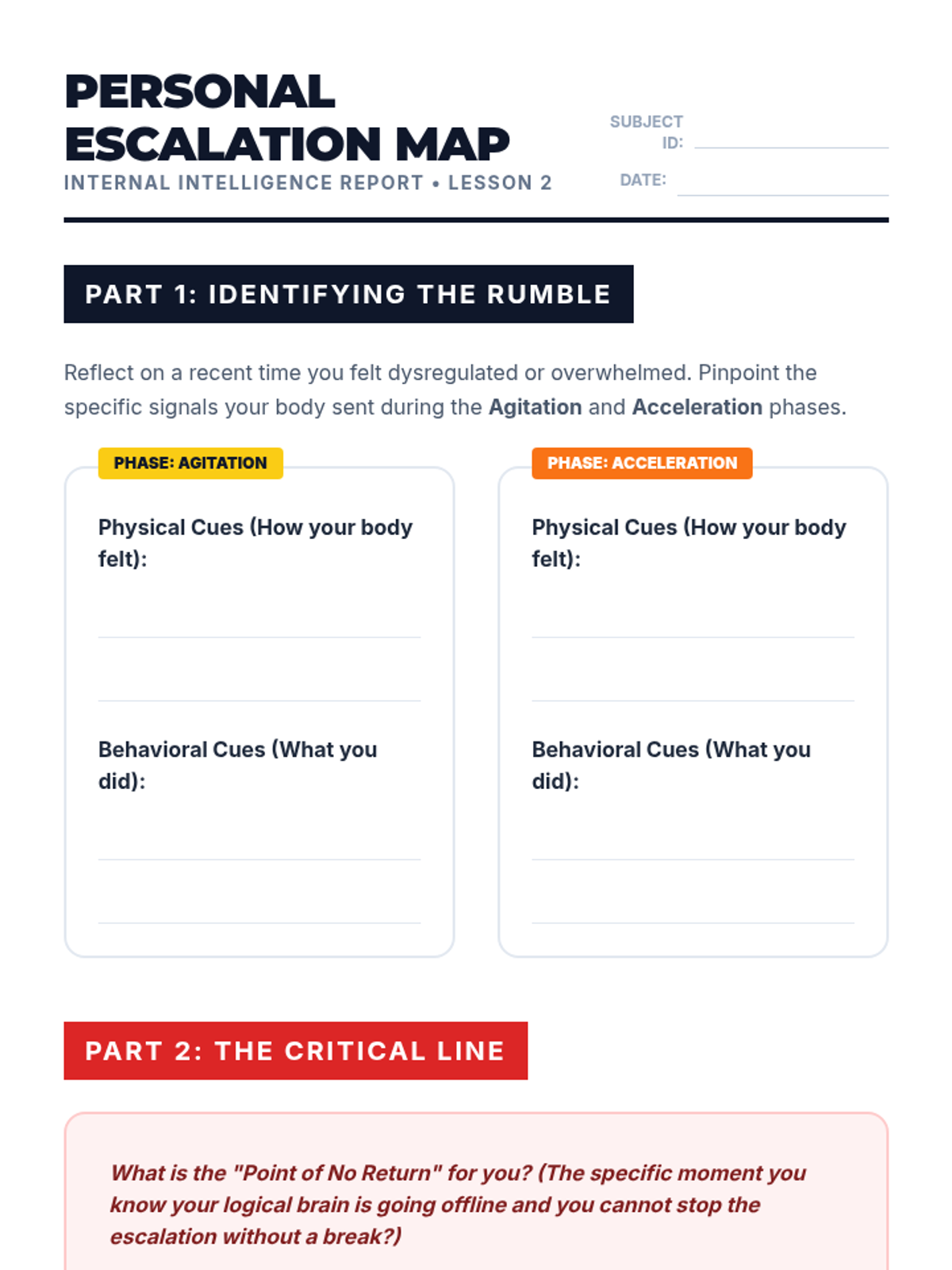
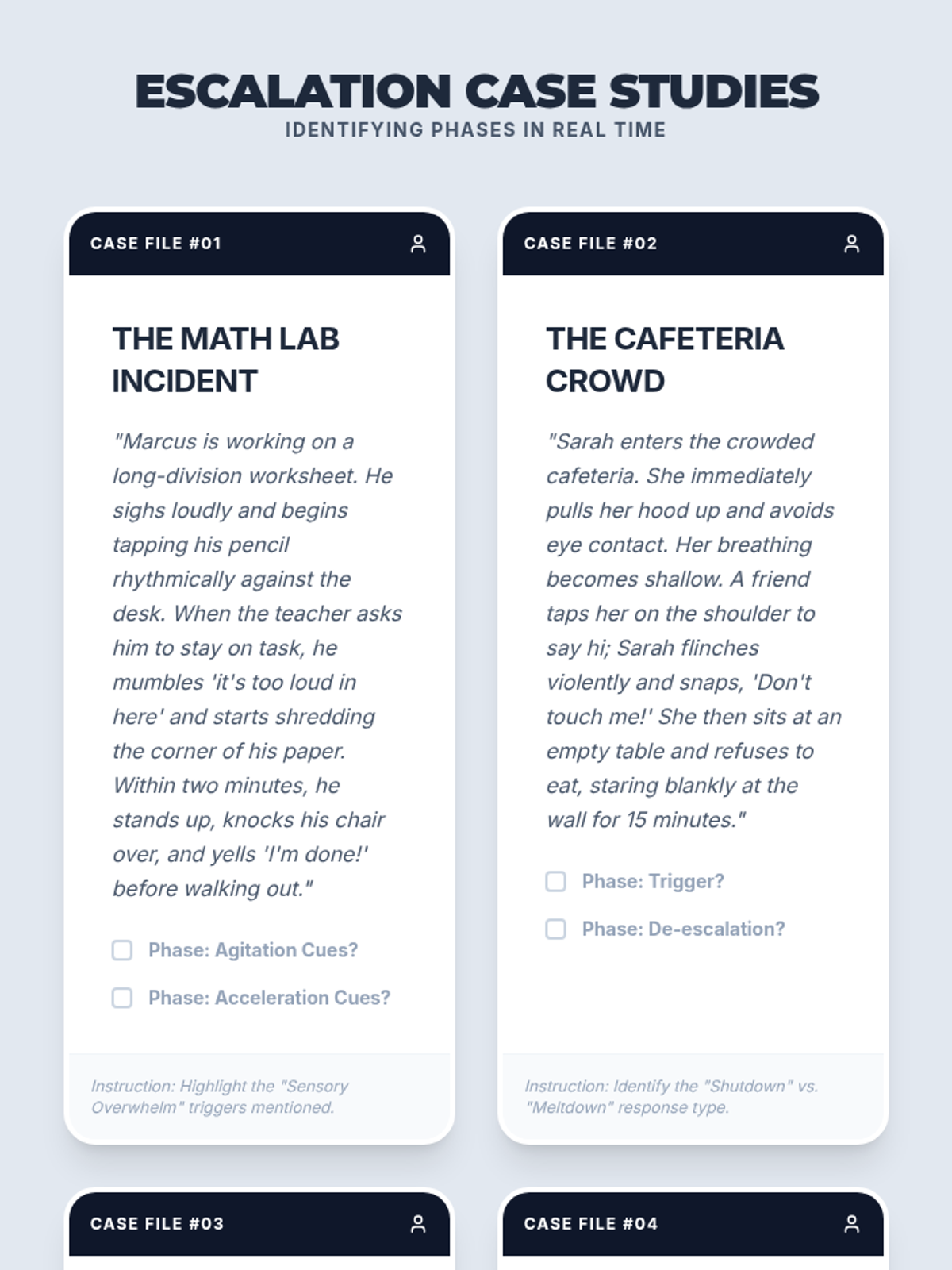
Students create a timeline or flowchart that correlates the seven stages of behavior escalation (Calm, Trigger, Agitation, Acceleration, Peak, De-escalation, Recovery) with specific physiological markers.
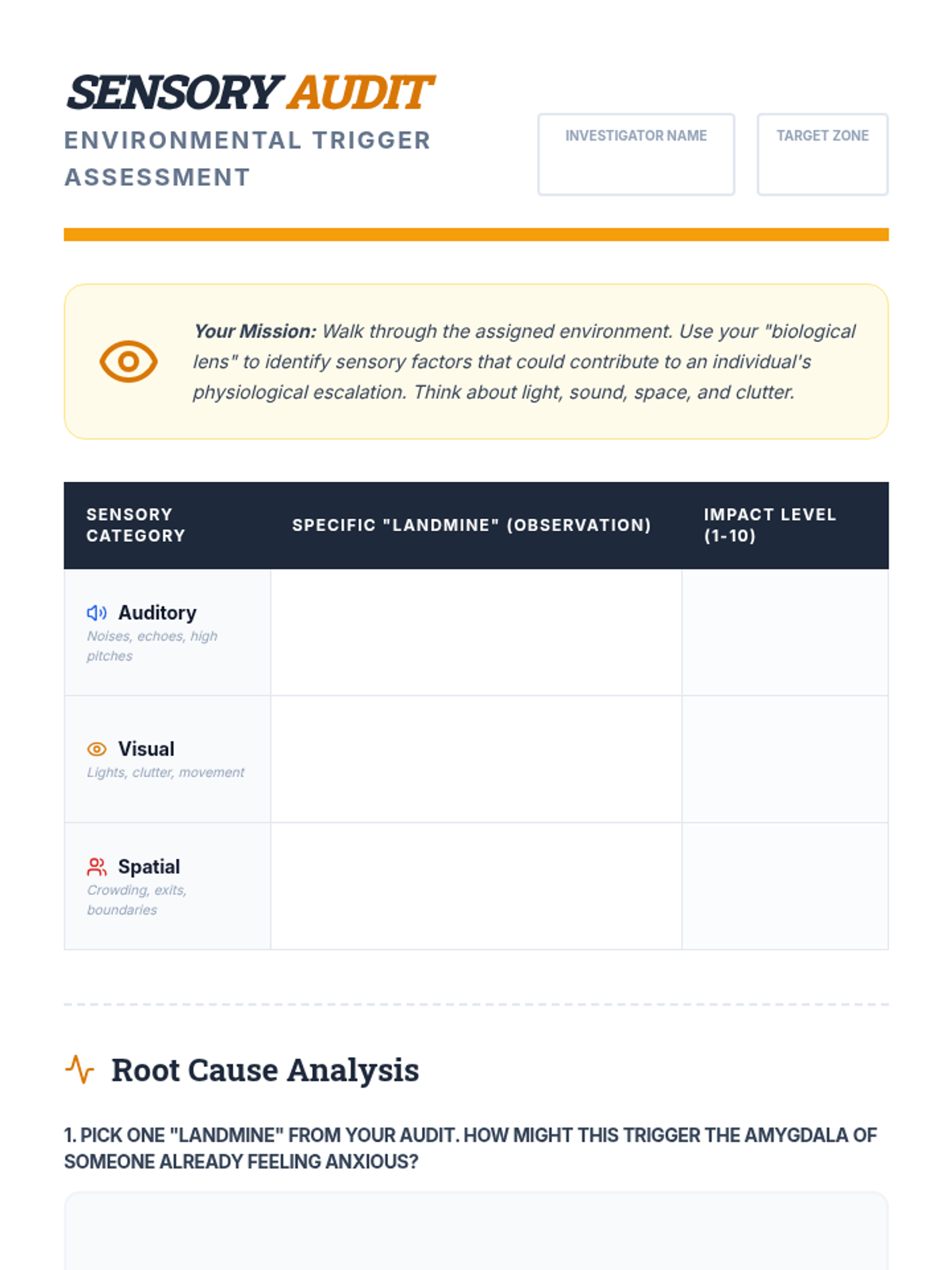
Students investigate how environmental factors (noise, light, crowding) can trigger physiological escalation. They conduct an audit of a classroom or common area to identify potential sensory triggers.
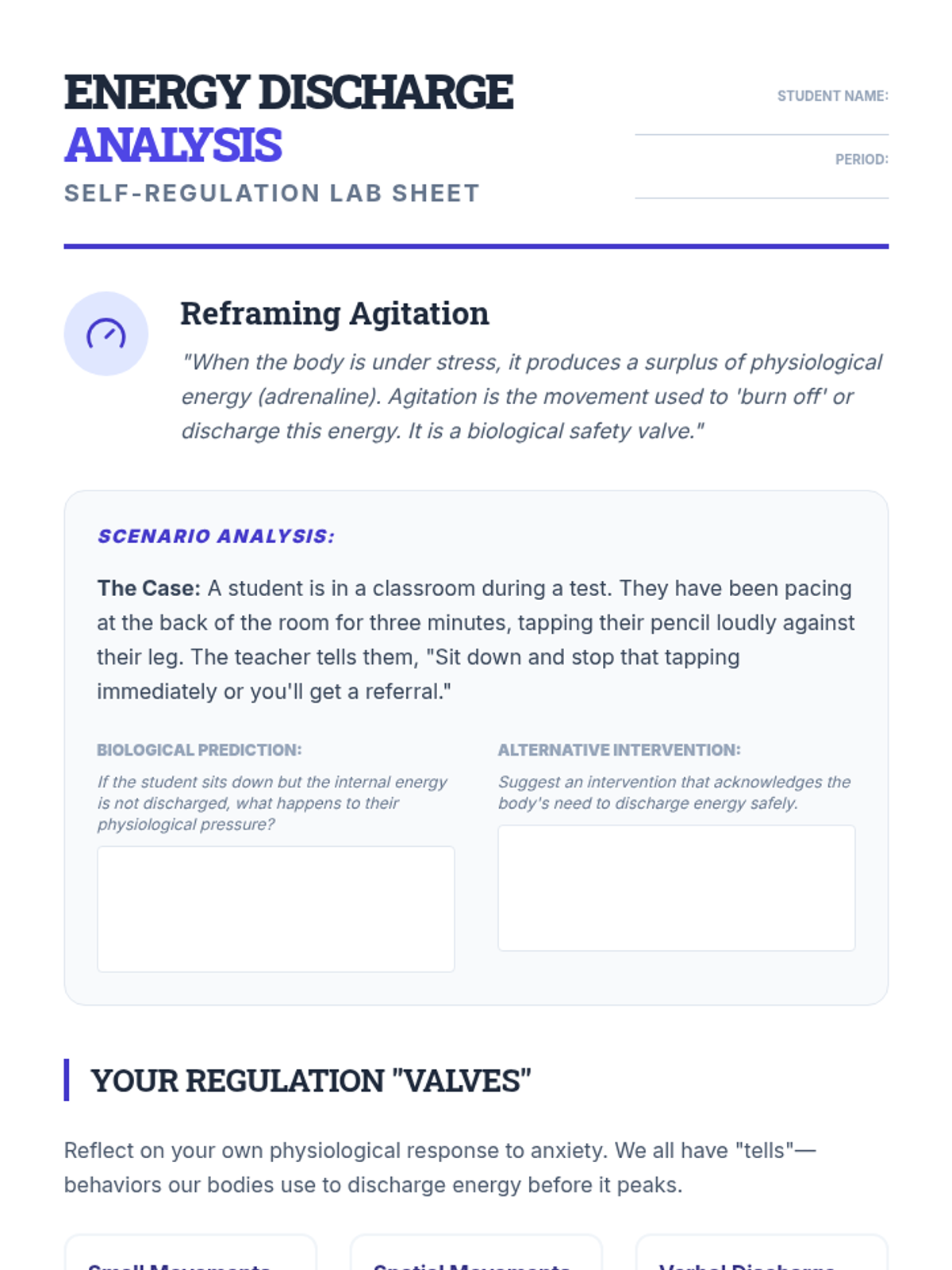
Students explore how anxiety manifests physically before turning into aggression, looking at behaviors like pacing or wringing hands as attempts to self-regulate excess energy. This reframes 'acting out' as a coping mechanism.
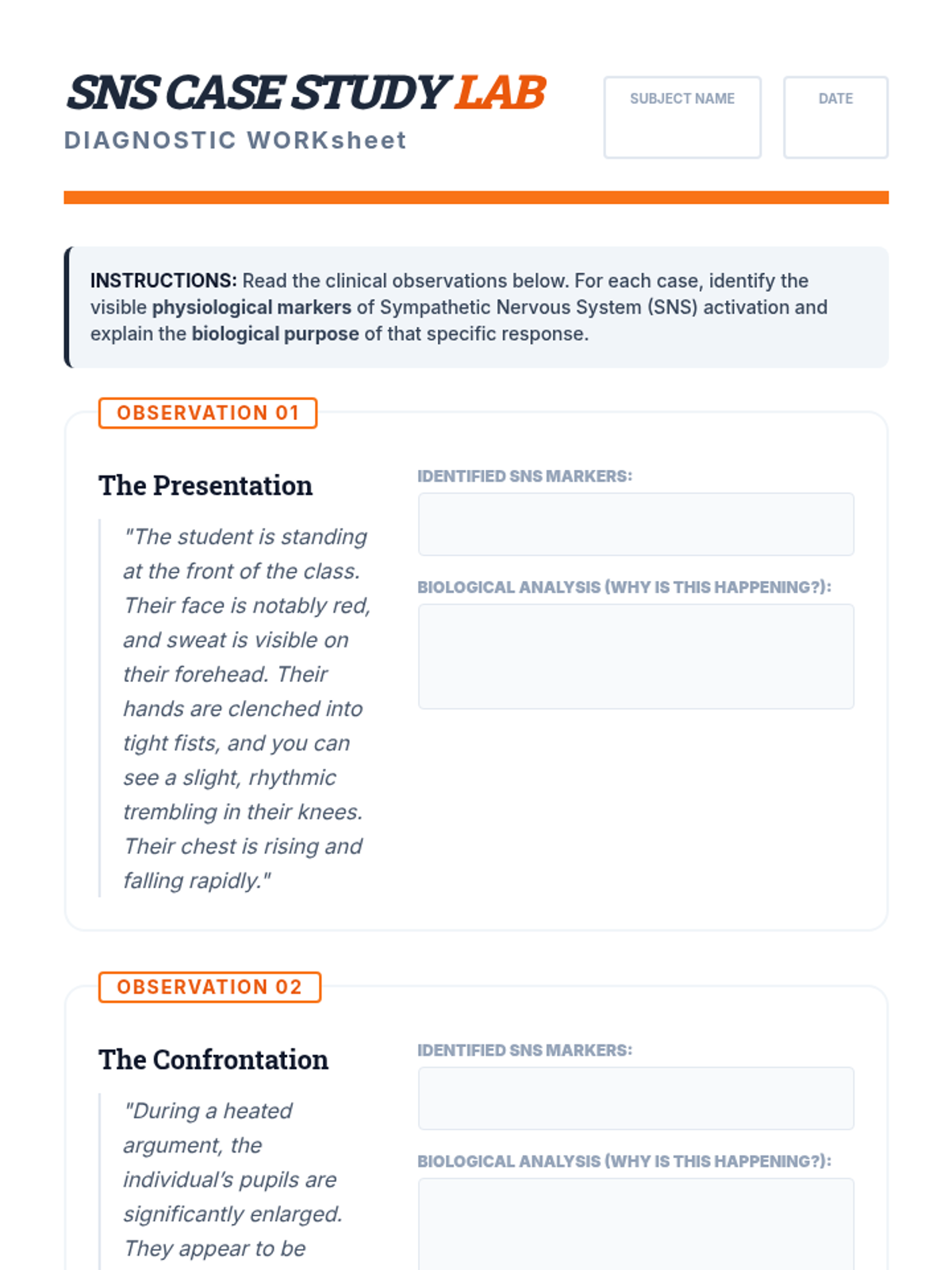
This lesson focuses on high-arousal symptoms such as heavy breathing, sweating, and trembling. Students review medical case studies to understand these as automatic responses to perceived threats.
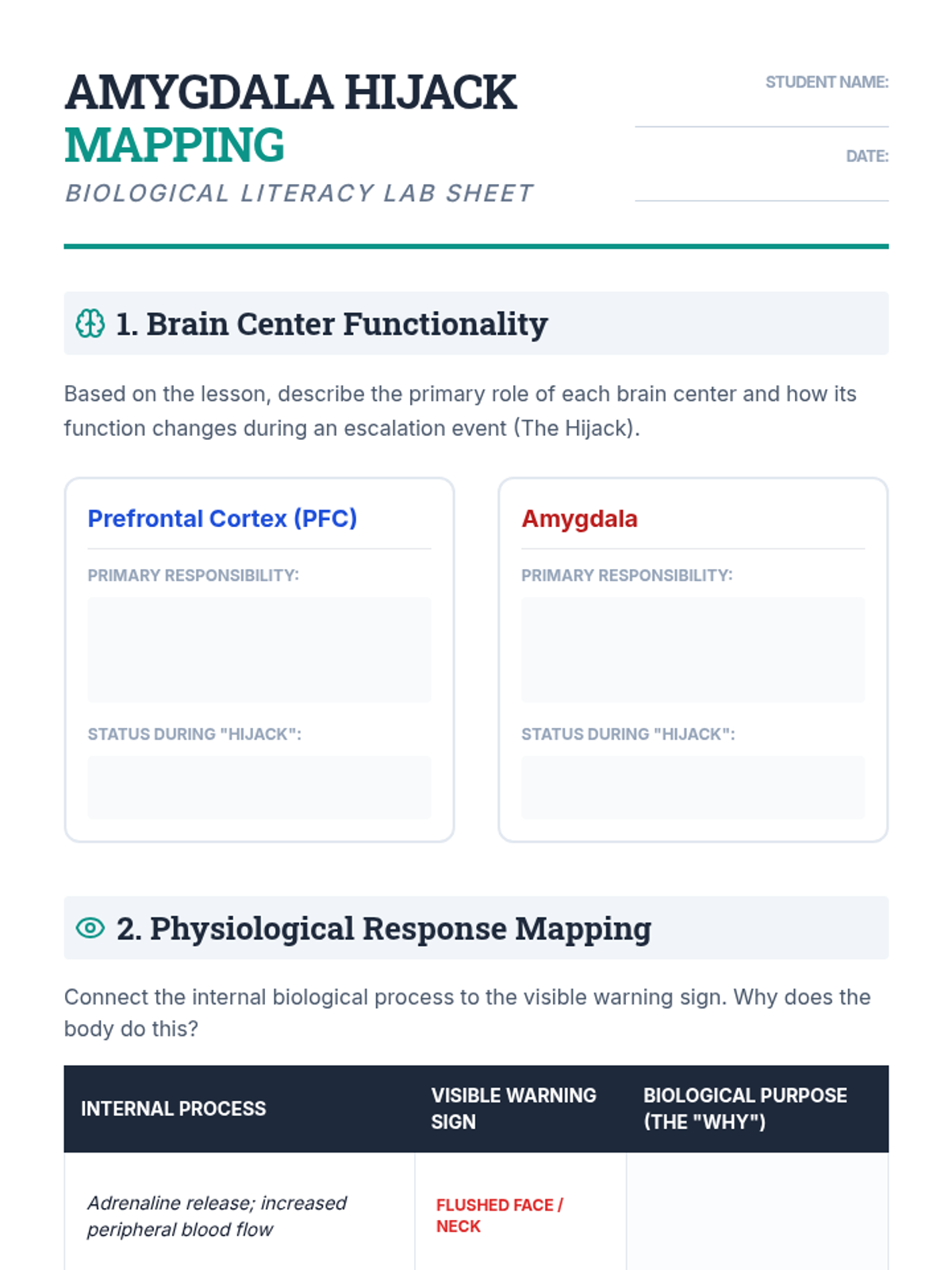
Students learn the brain science behind escalation, specifically how the amygdala overrides the prefrontal cortex. They map this internal process to external signs like flushed skin or dilated pupils.
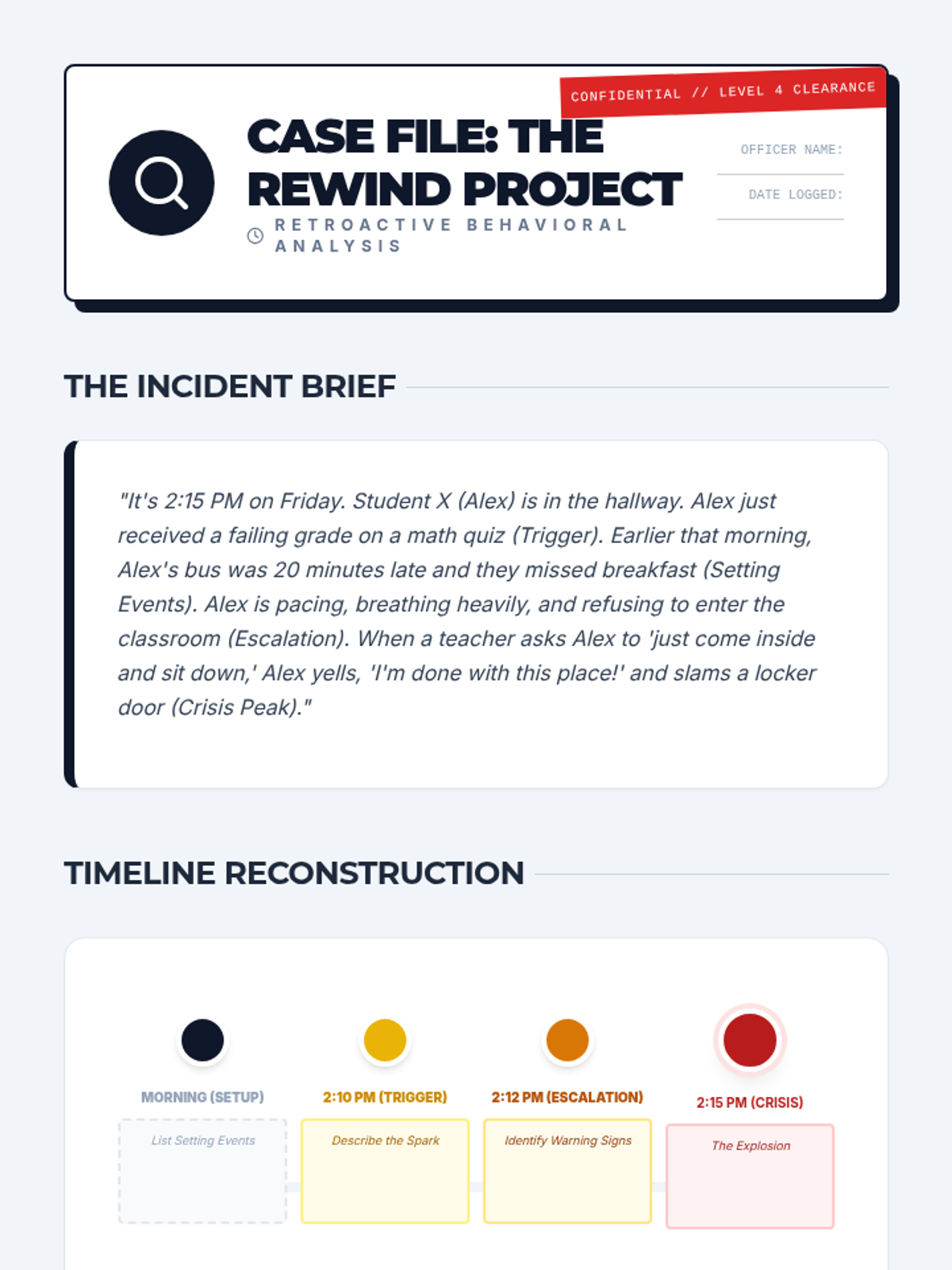
A summative project where students reconstruct a crisis event timeline to identify missed intervention 'off-ramps' and missed warning signs.
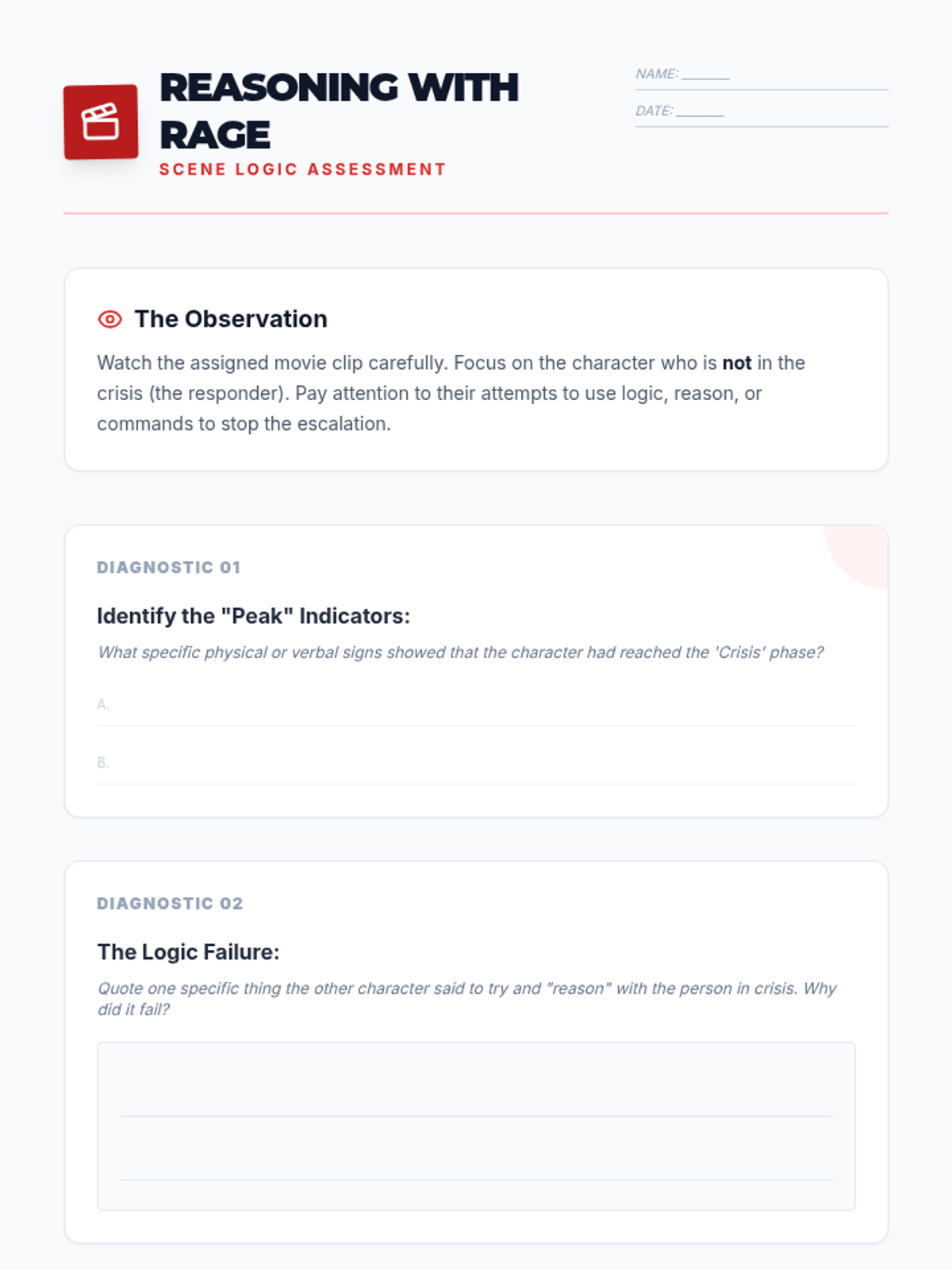
Analyzing the peak of the crisis cycle where rational communication fails and identifying physical and behavioral warning signs of an imminent outburst.
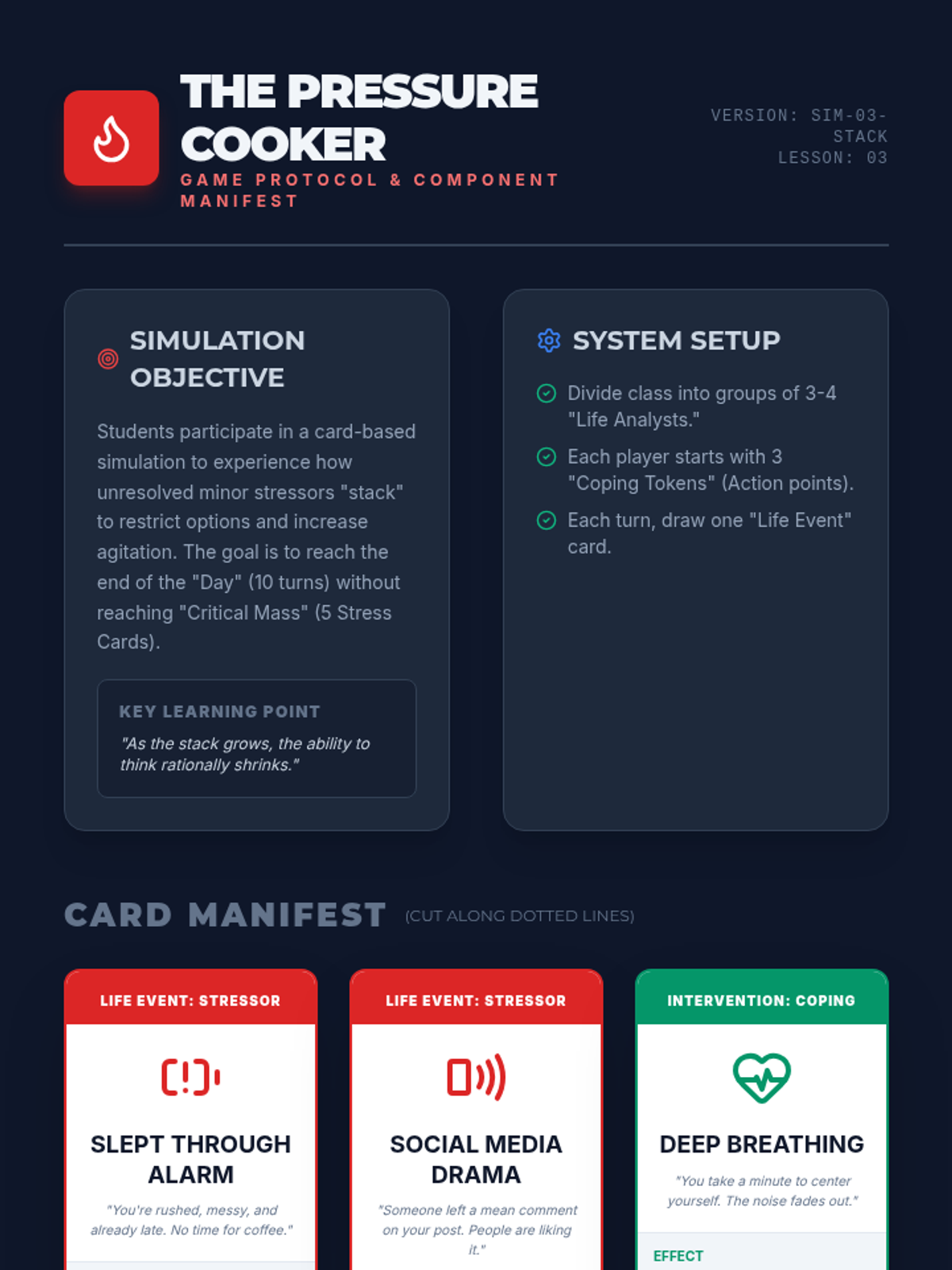
An exploration of the cumulative nature of stress and how unresolved frustrations lead to the acceleration phase of escalation.
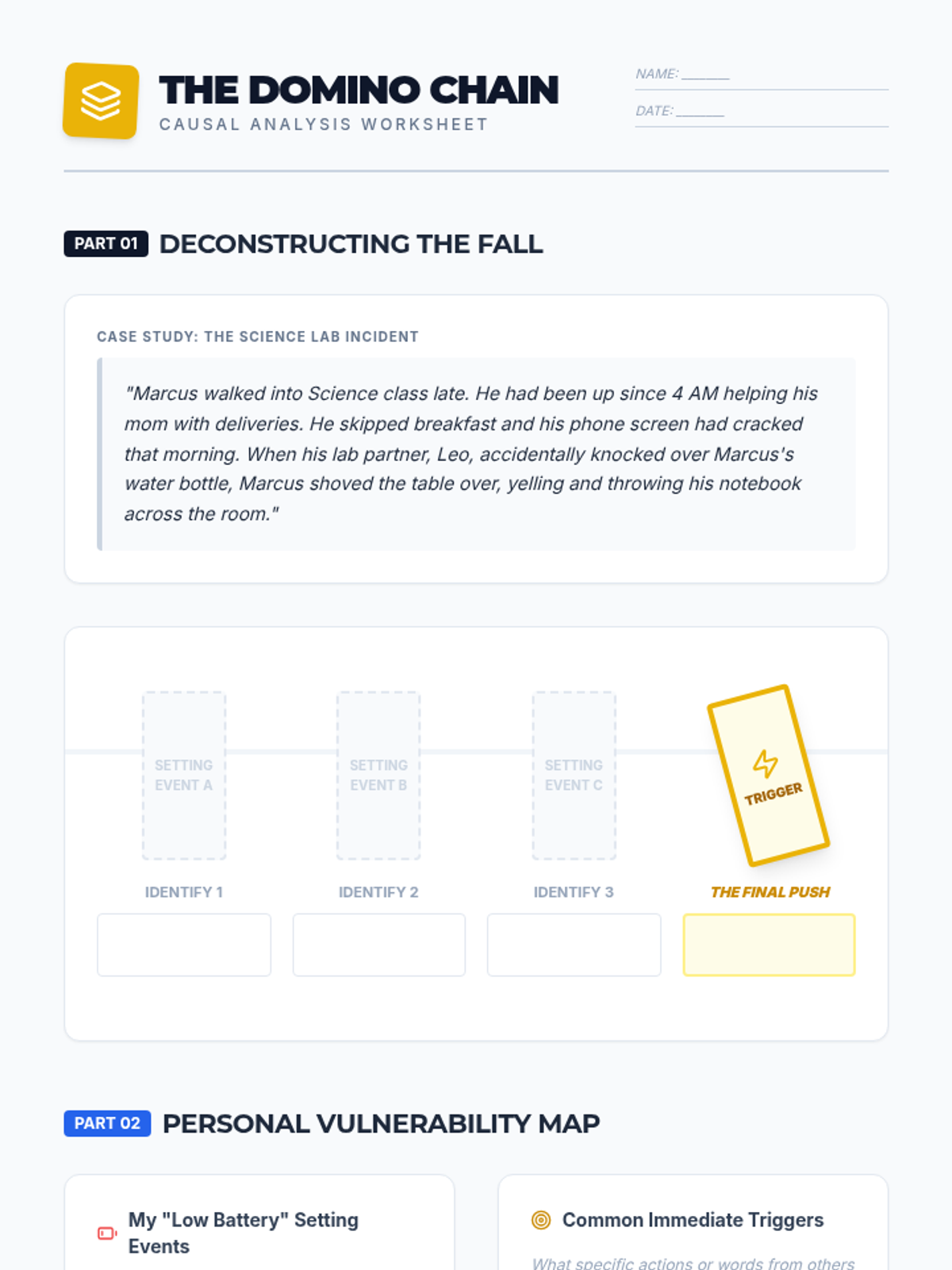
Differentiating between immediate triggers and setting events that prime an individual for agitation using a causal 'Domino Effect' model.
Introduction to the bell-curve model of behavioral escalation, identifying the five key stages: Trigger, Escalation, Crisis, De-escalation, and Recovery.
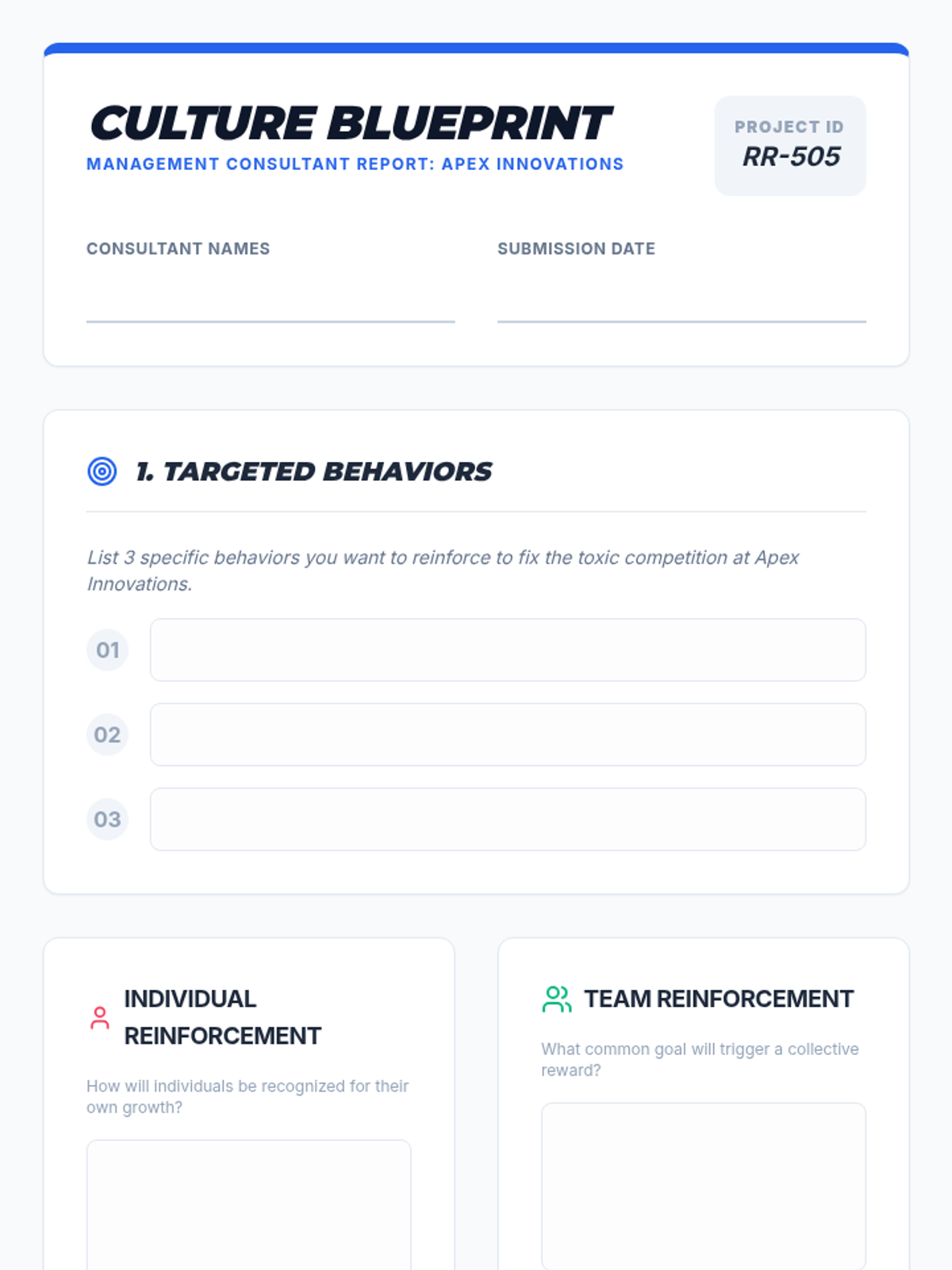
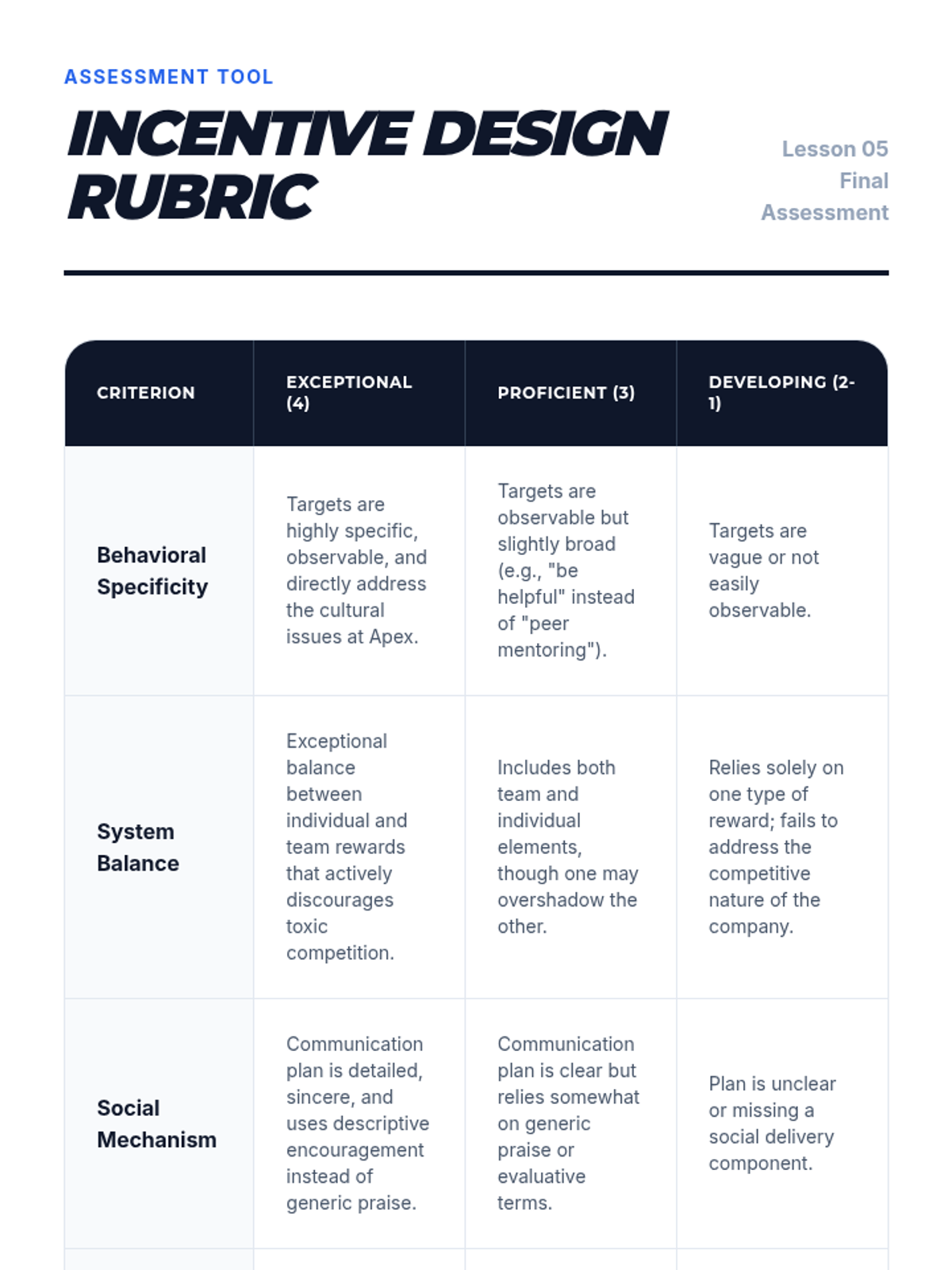
In this culminating activity, students act as management consultants designing a reinforcement system for a struggling organization, balancing individual rewards with team goals.
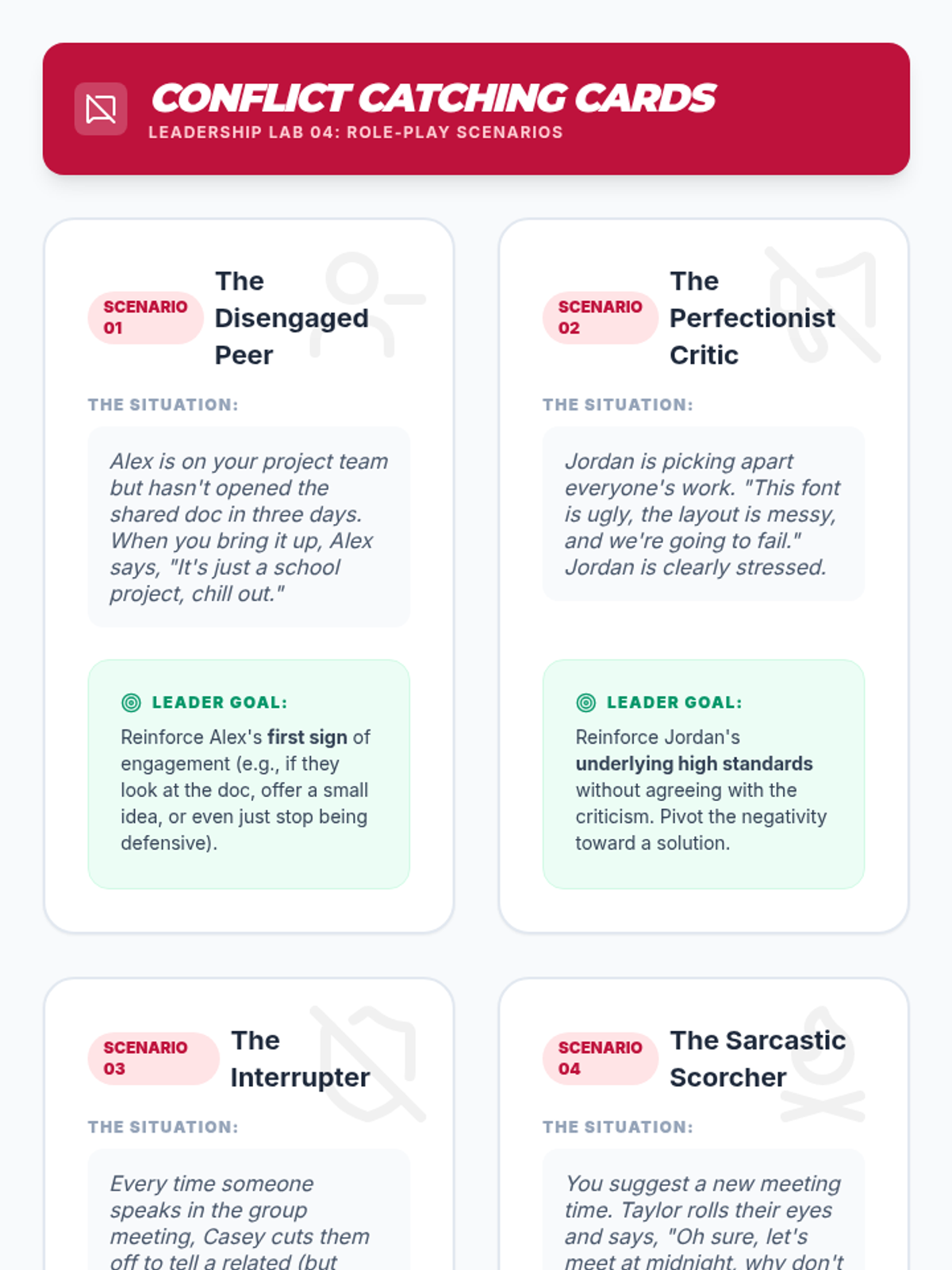
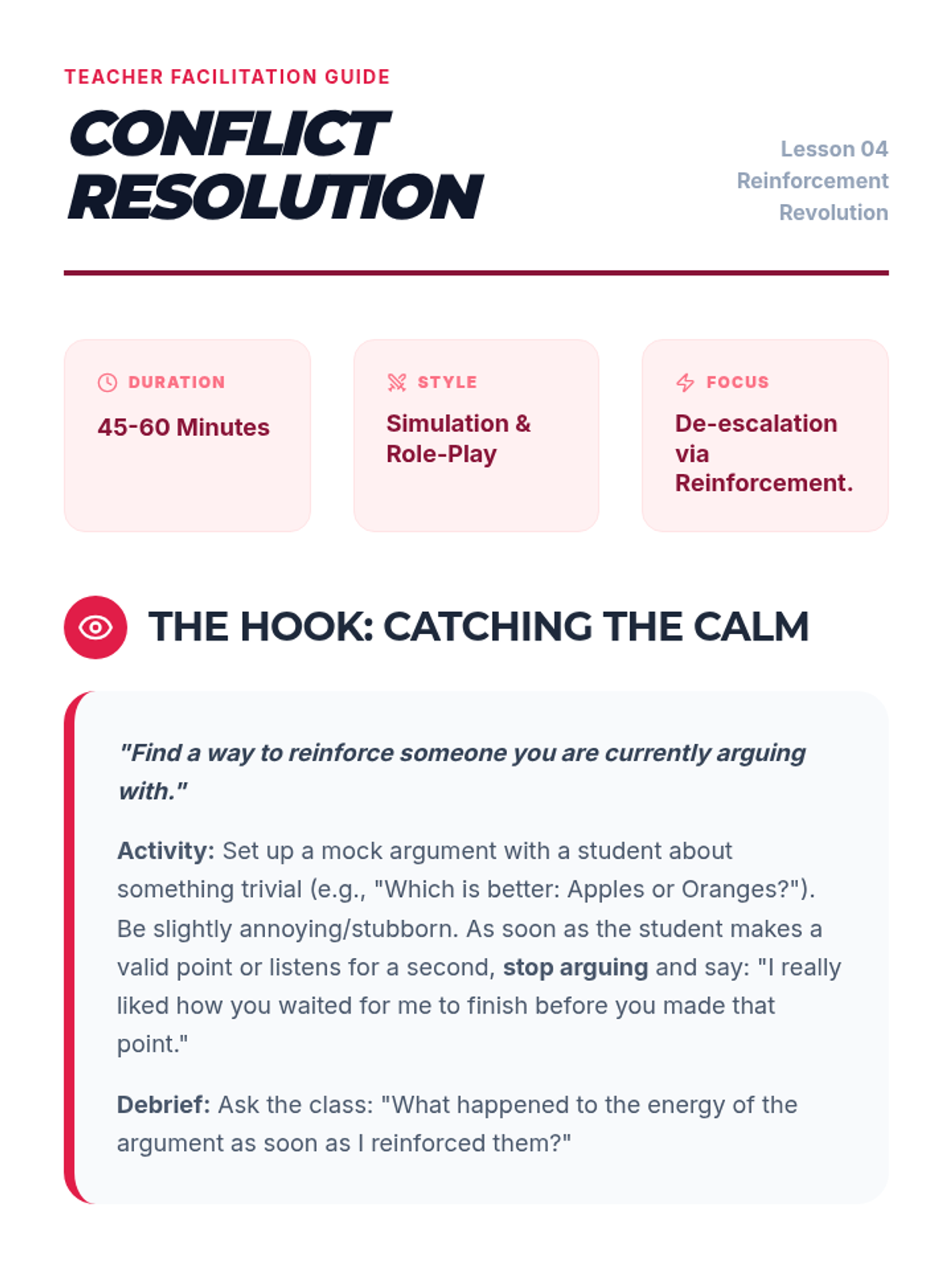
Students investigate how to use positive reinforcement to de-escalate conflict and reinforce cooperative behavior in stressful leadership situations.
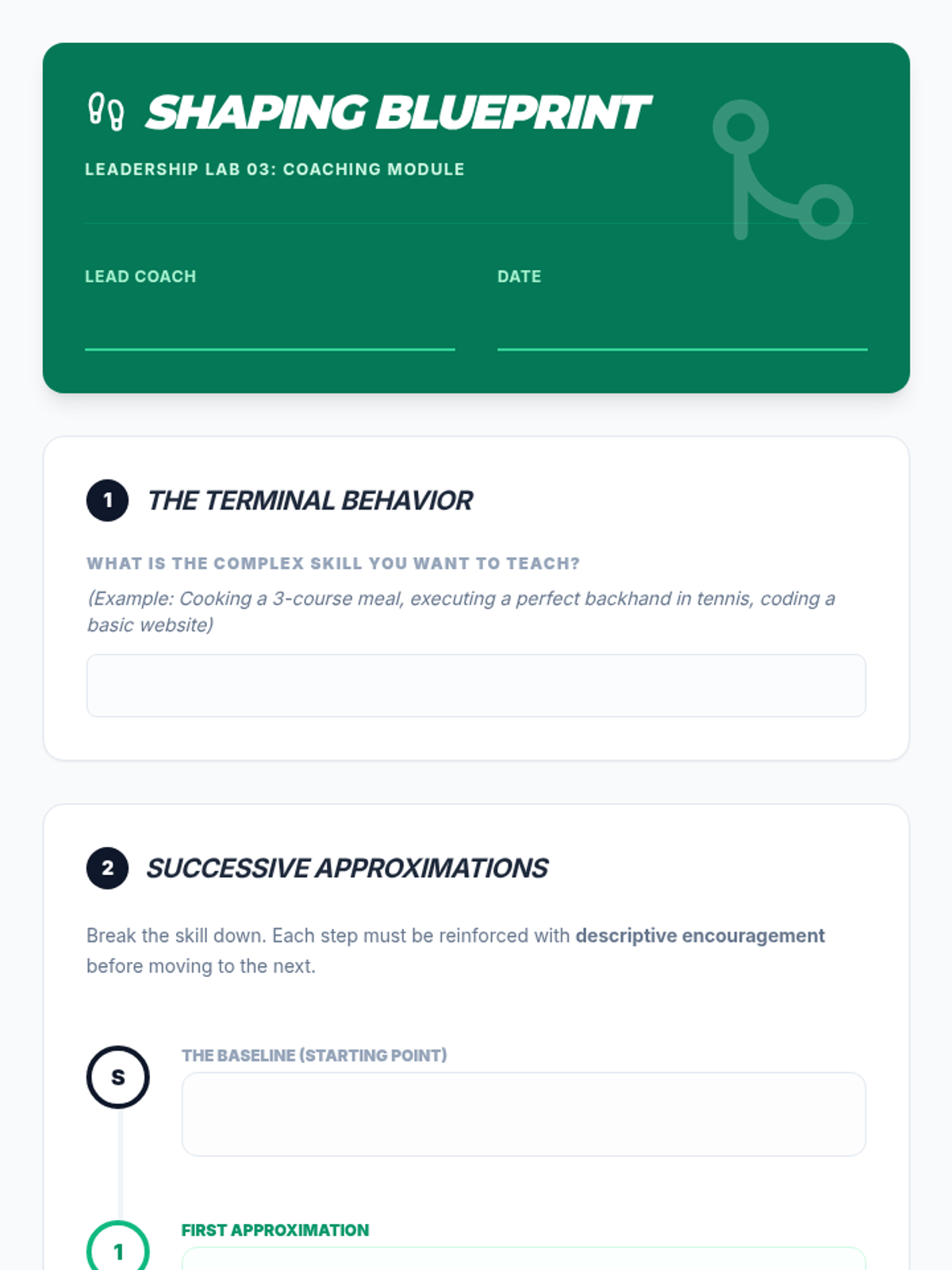
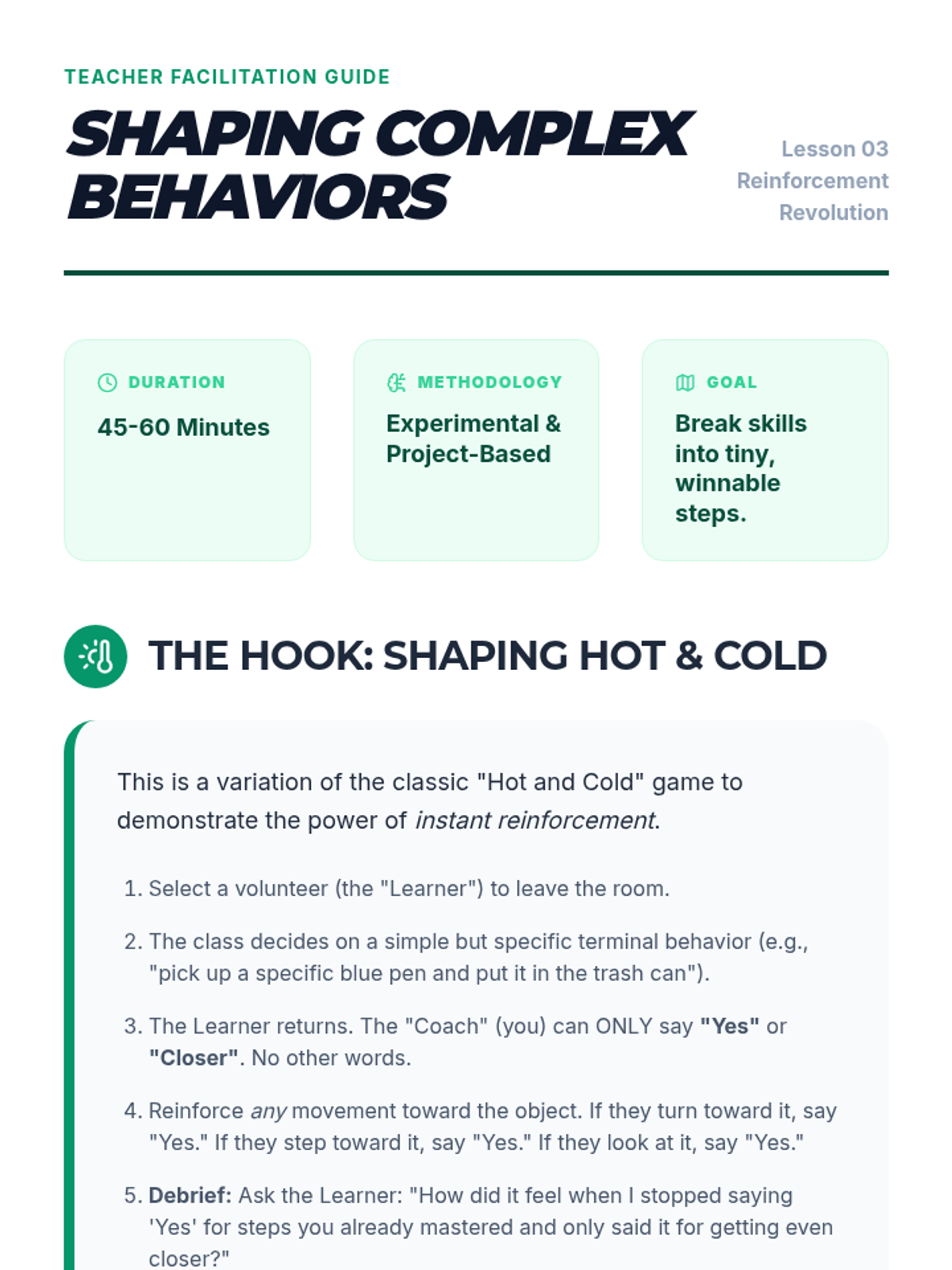
Students learn the technique of 'shaping'—reinforcing successive approximations of a desired complex behavior. They plan how they would teach a peer a new skill by rewarding small steps rather than waiting for perfection.
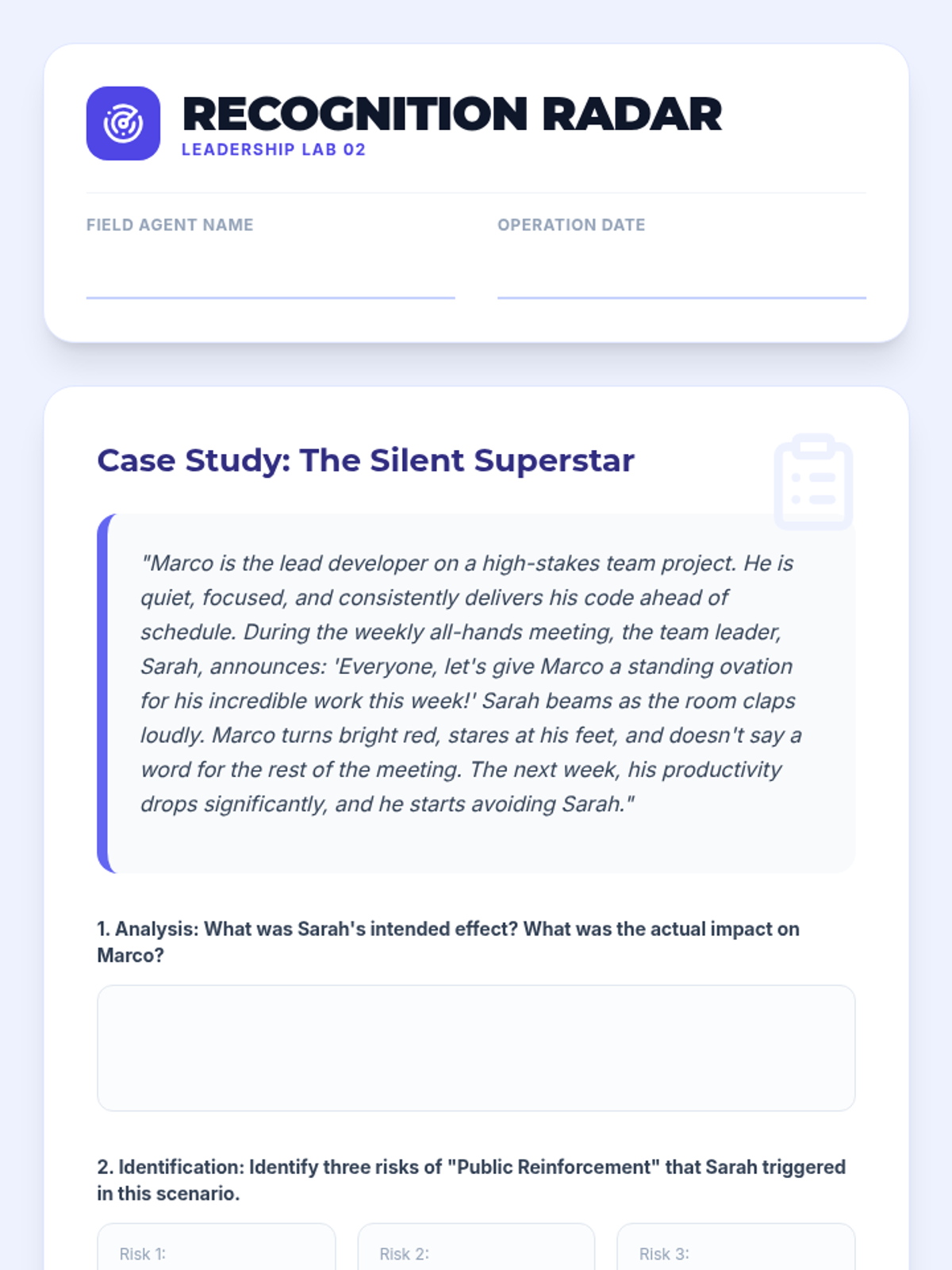
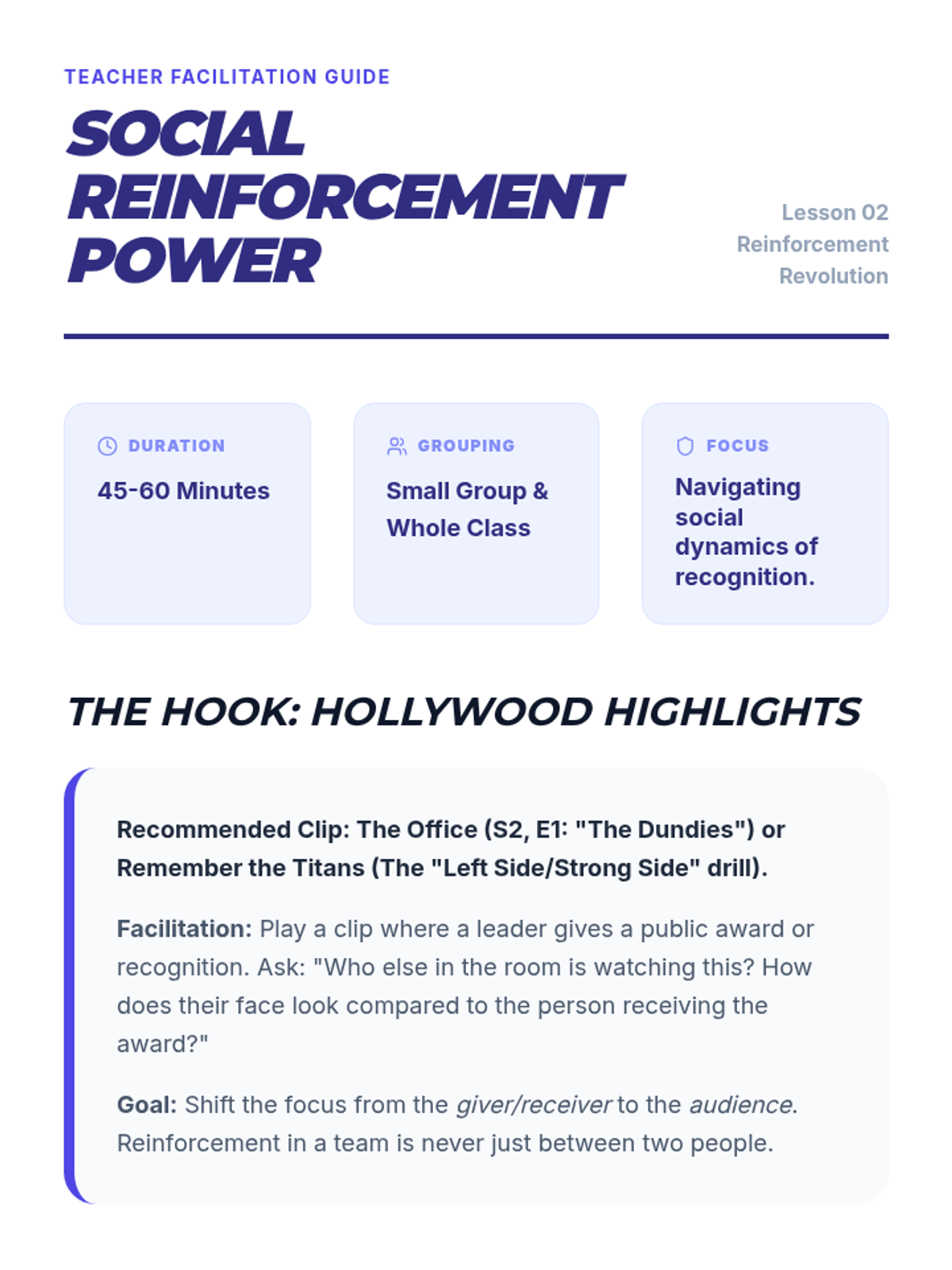
This lesson looks at social recognition as a powerful motivator in teams and groups. Students analyze case studies of workplace or sports team cultures and explore how public vs. private recognition affects individuals differently.
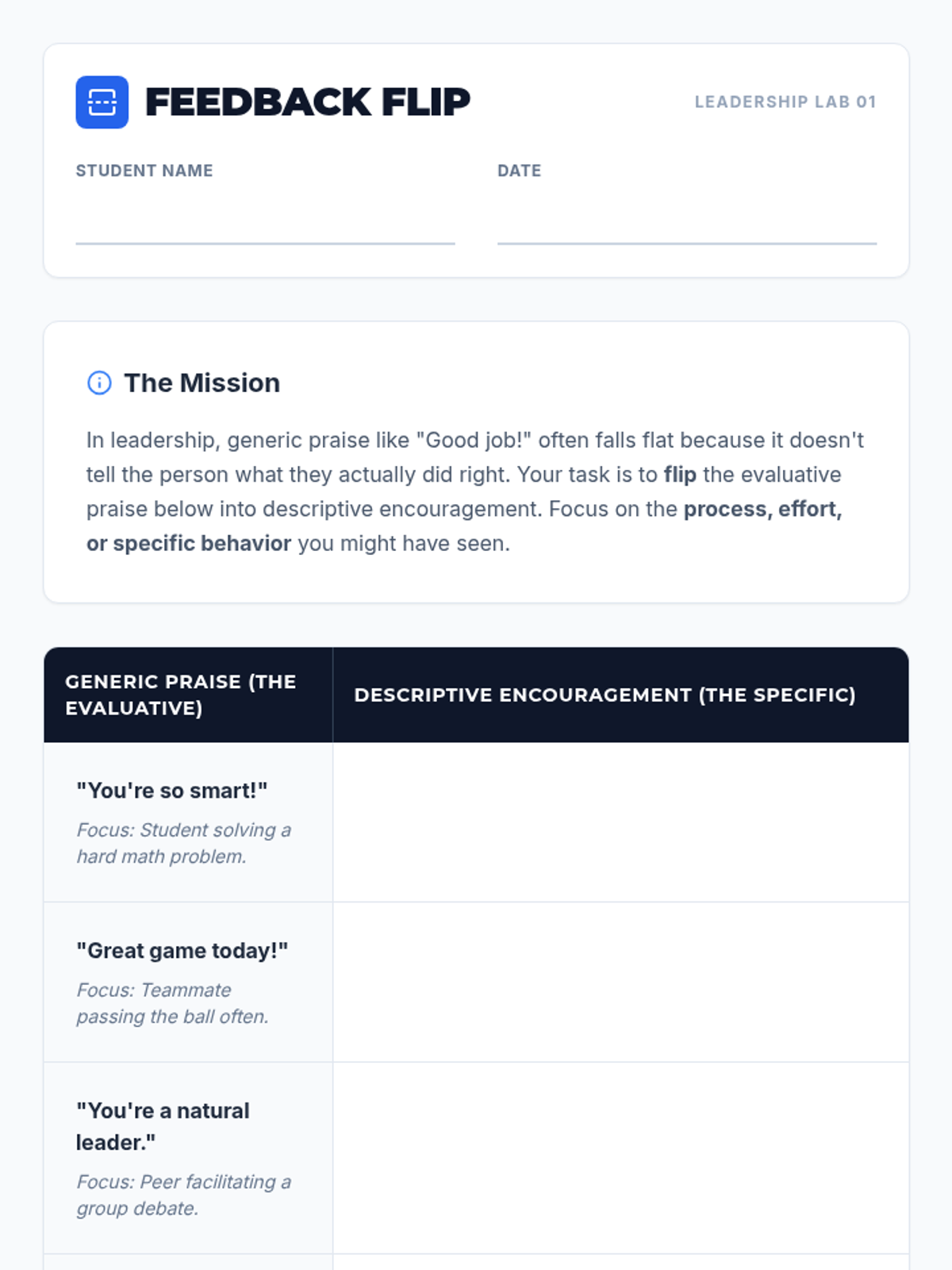
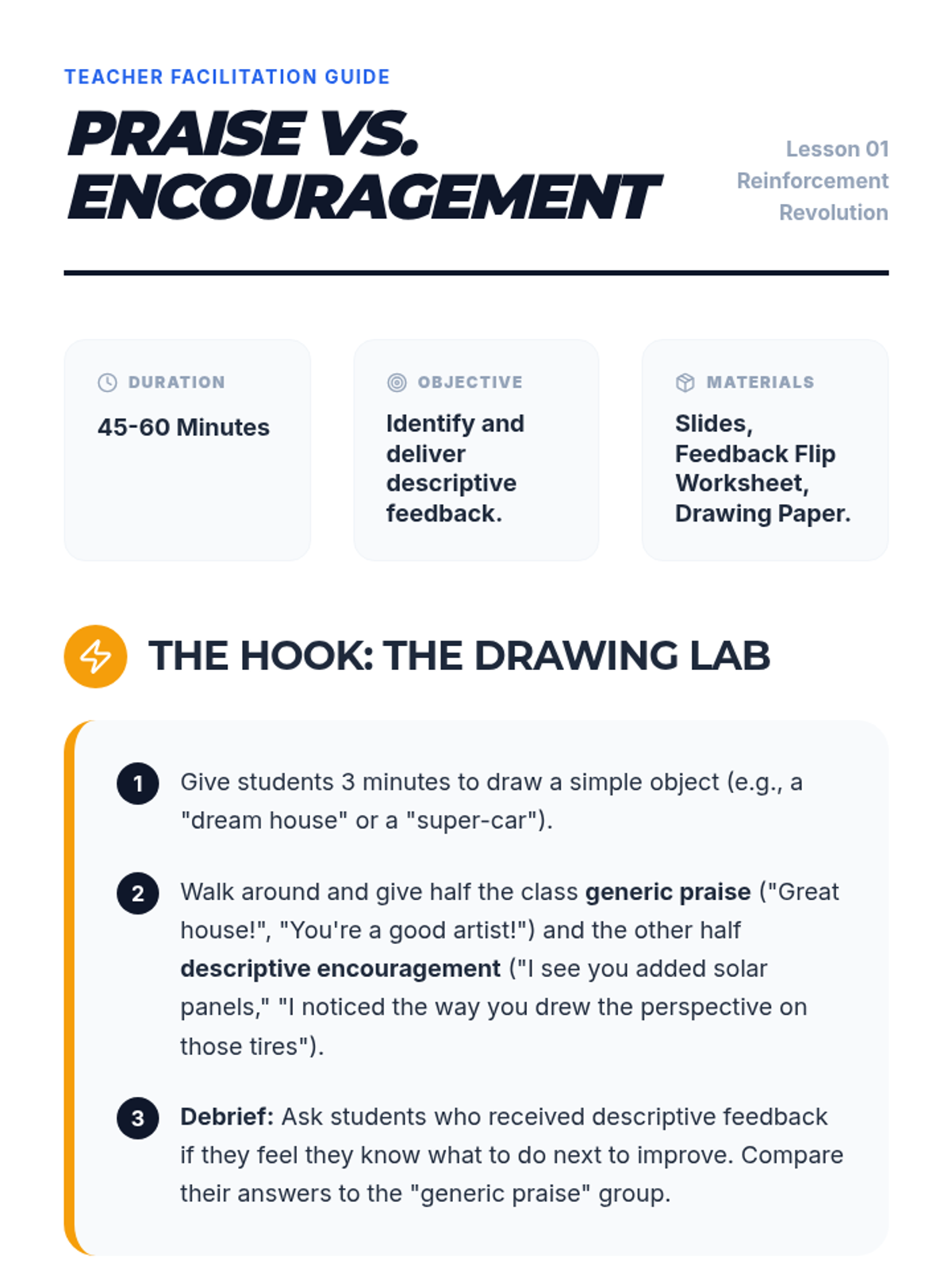
Students distinguish between evaluative praise ('Good job') and descriptive encouragement ('I noticed you organized the files by date'). They practice converting generic compliments into specific, behavior-focused reinforcement that provides actionable feedback.
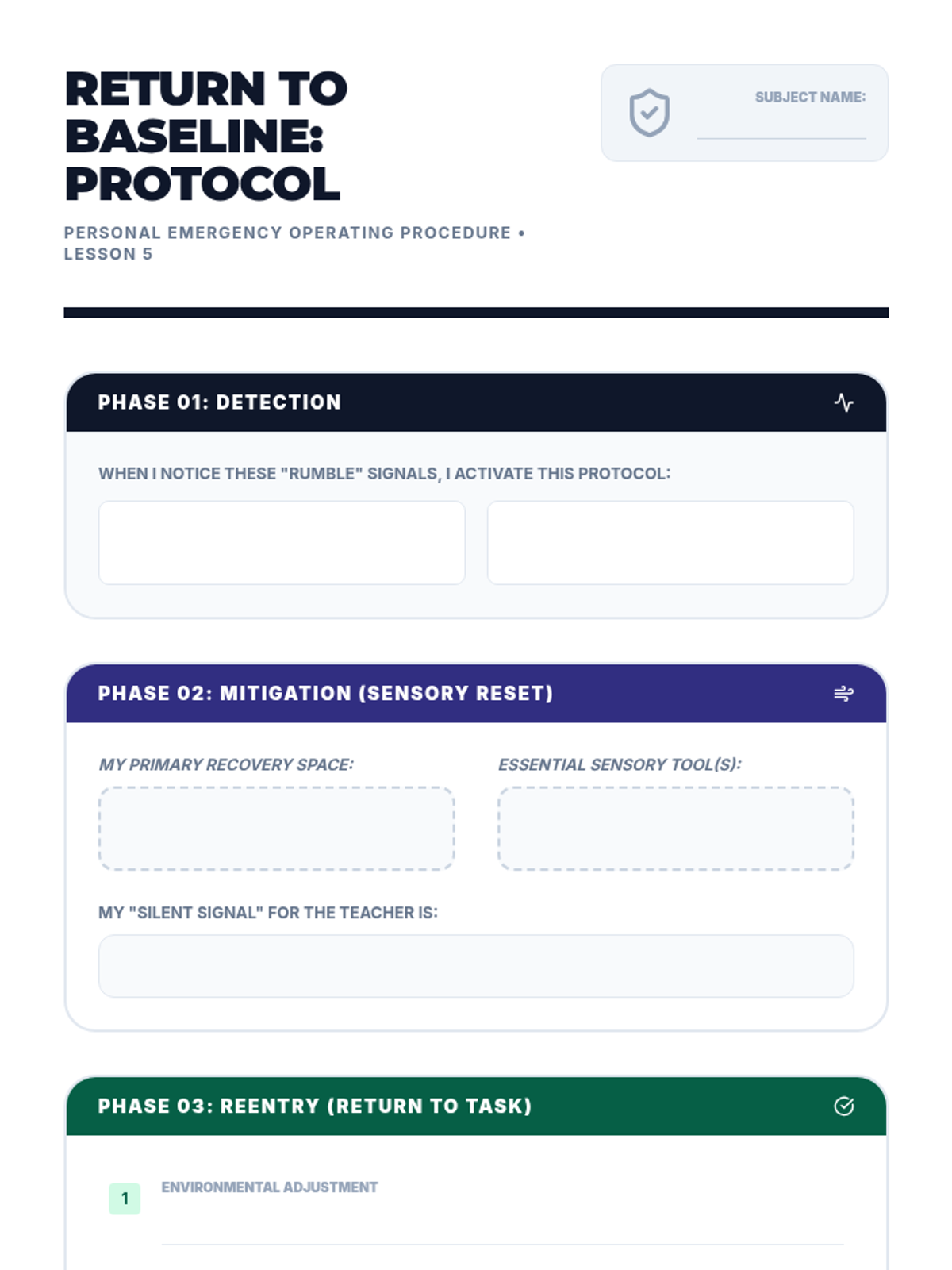
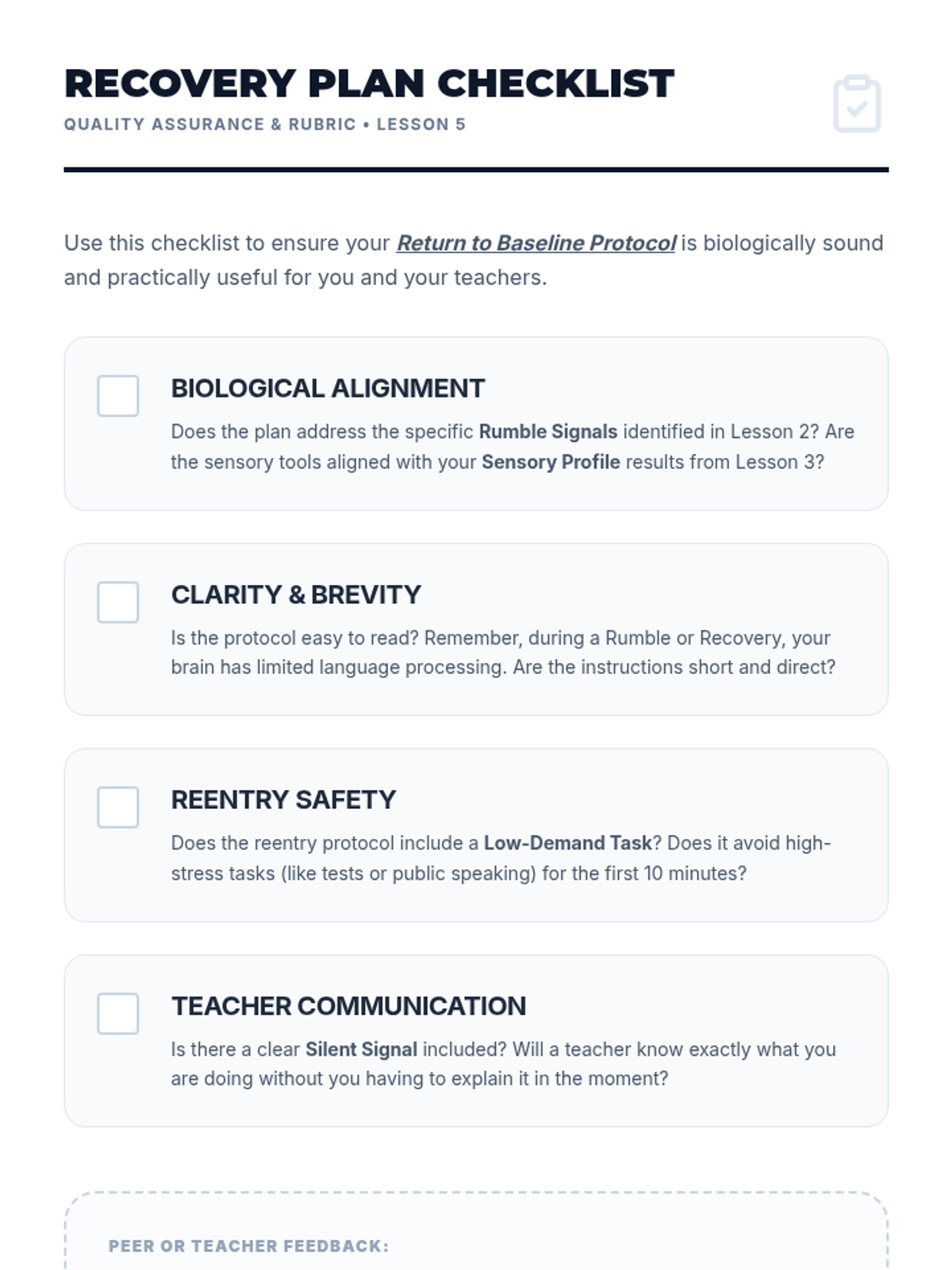
Students synthesize their knowledge to create a formalized 'Return to Baseline' plan, outlining safe spaces, preferred sensory tools, and a step-by-step reentry protocol.
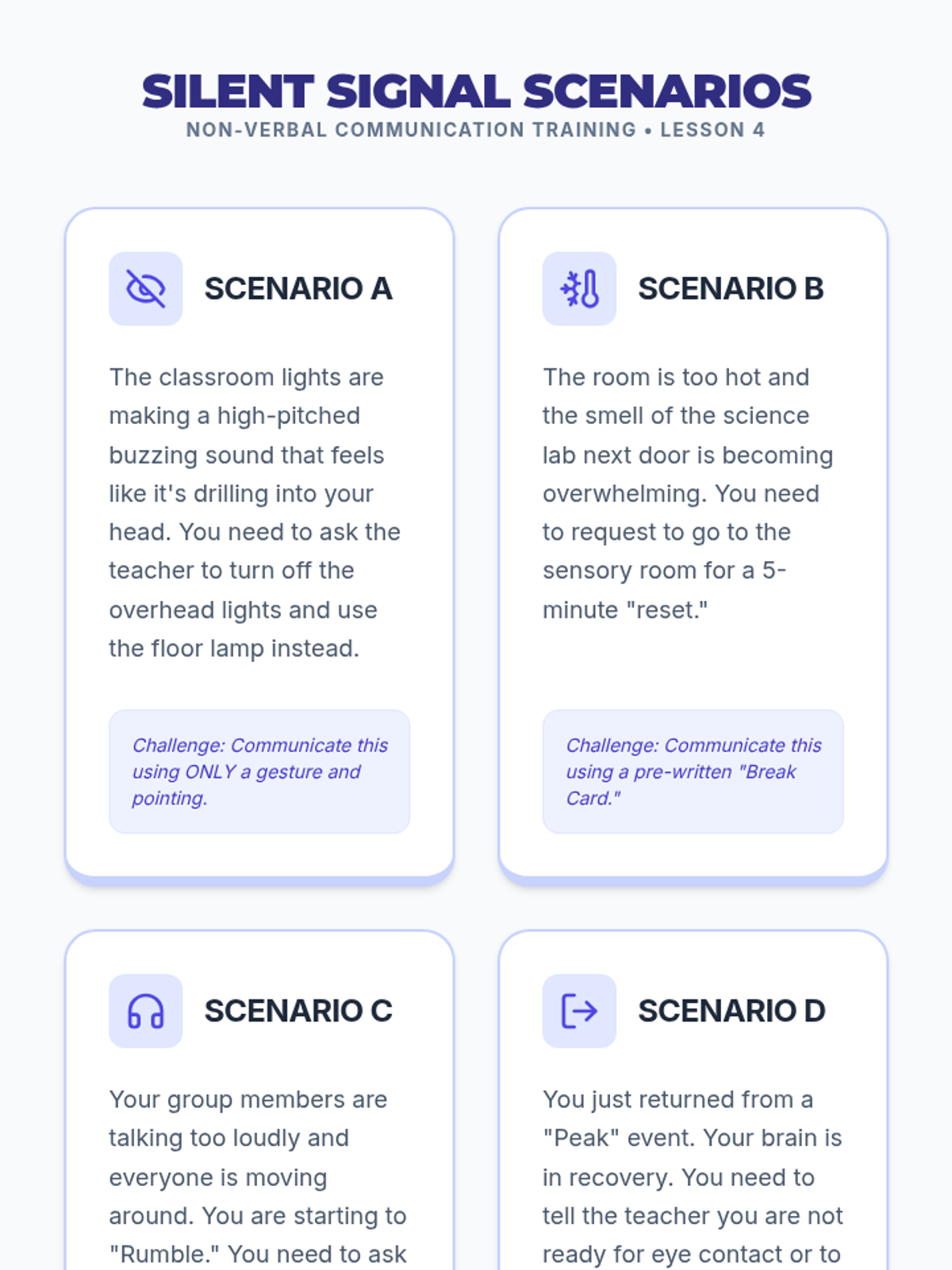
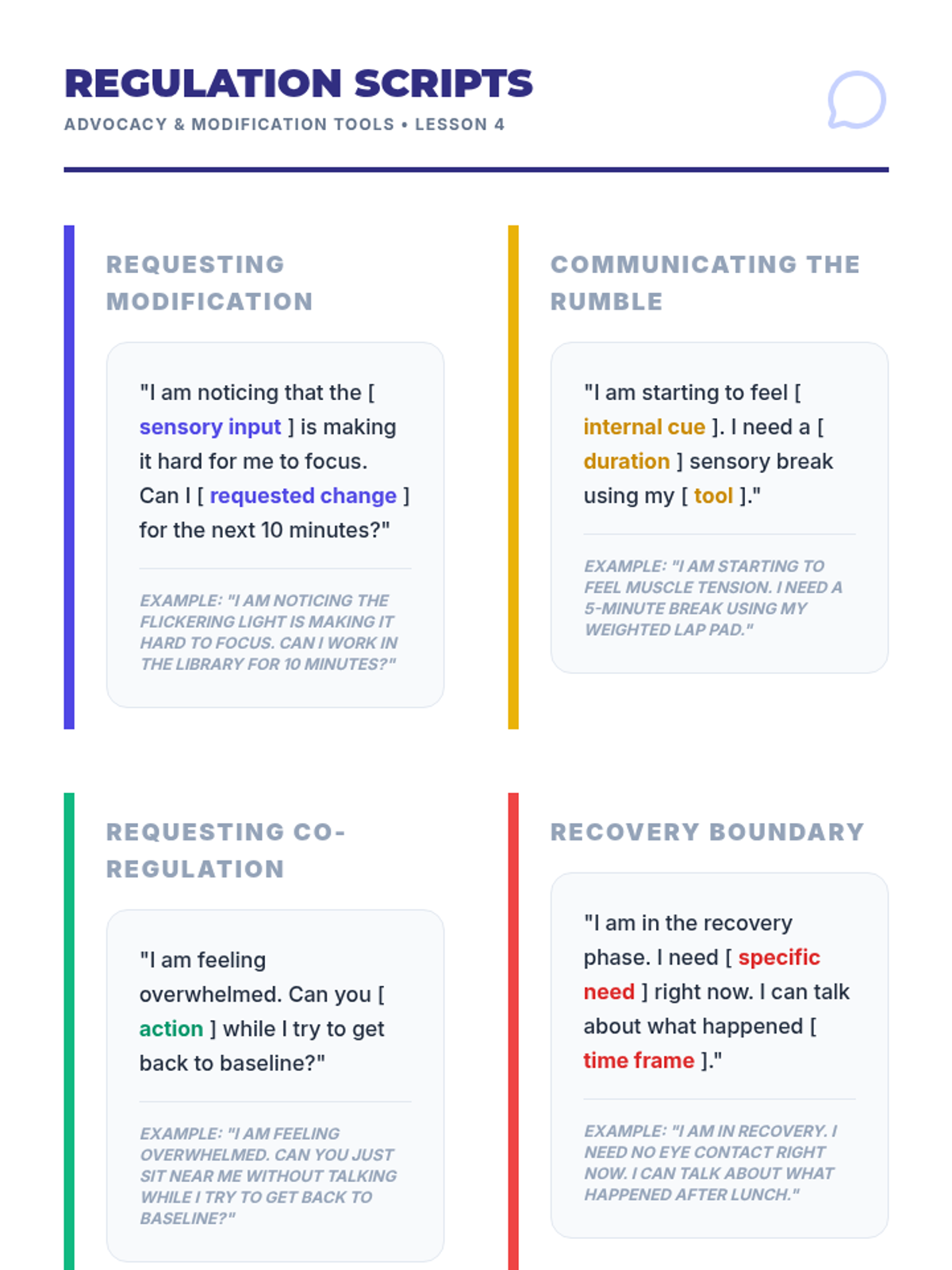
Students distinguish between moments requiring external support (co-regulation) and independent management, practicing scripts to request environmental modifications or adult support.
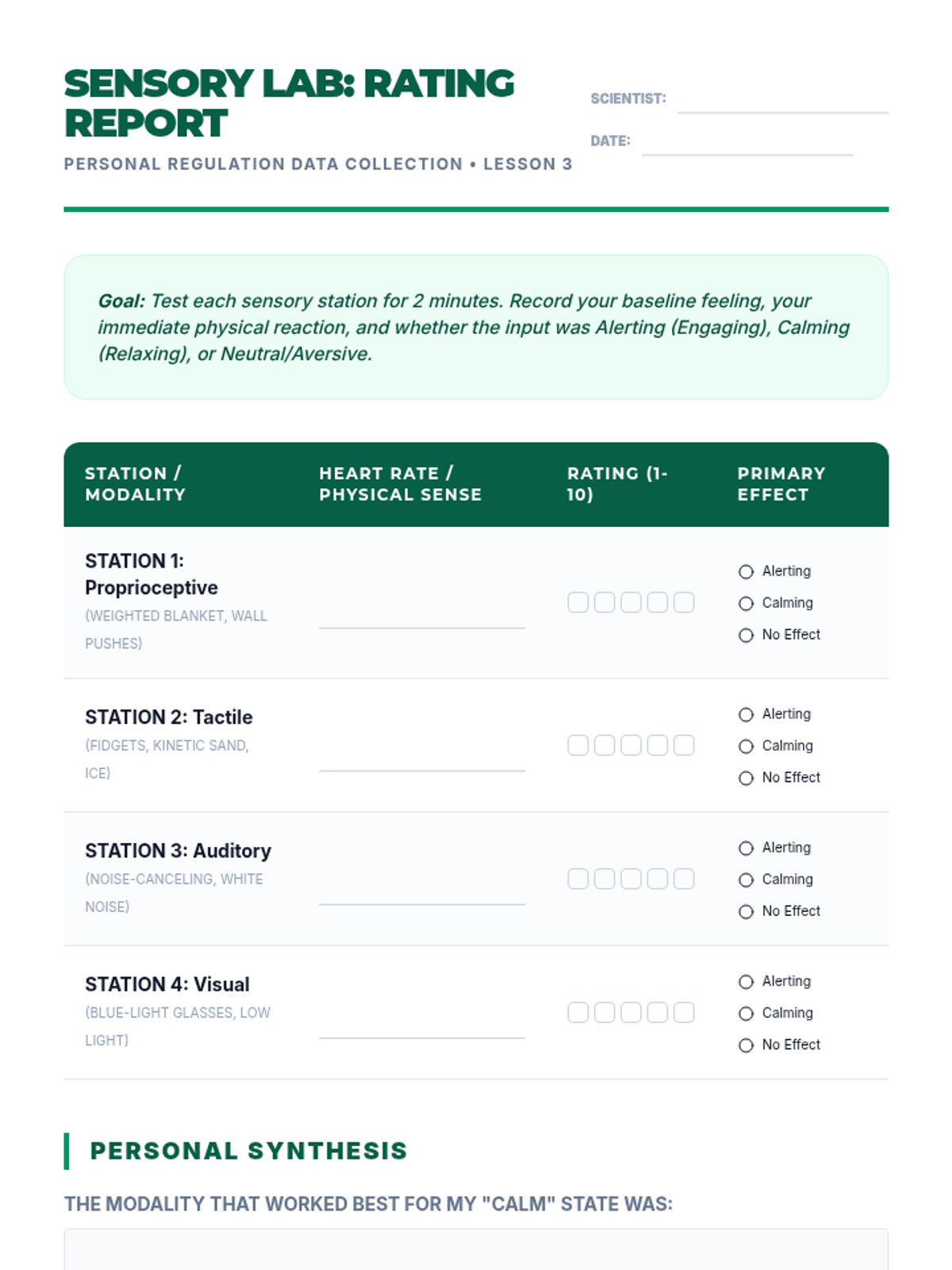
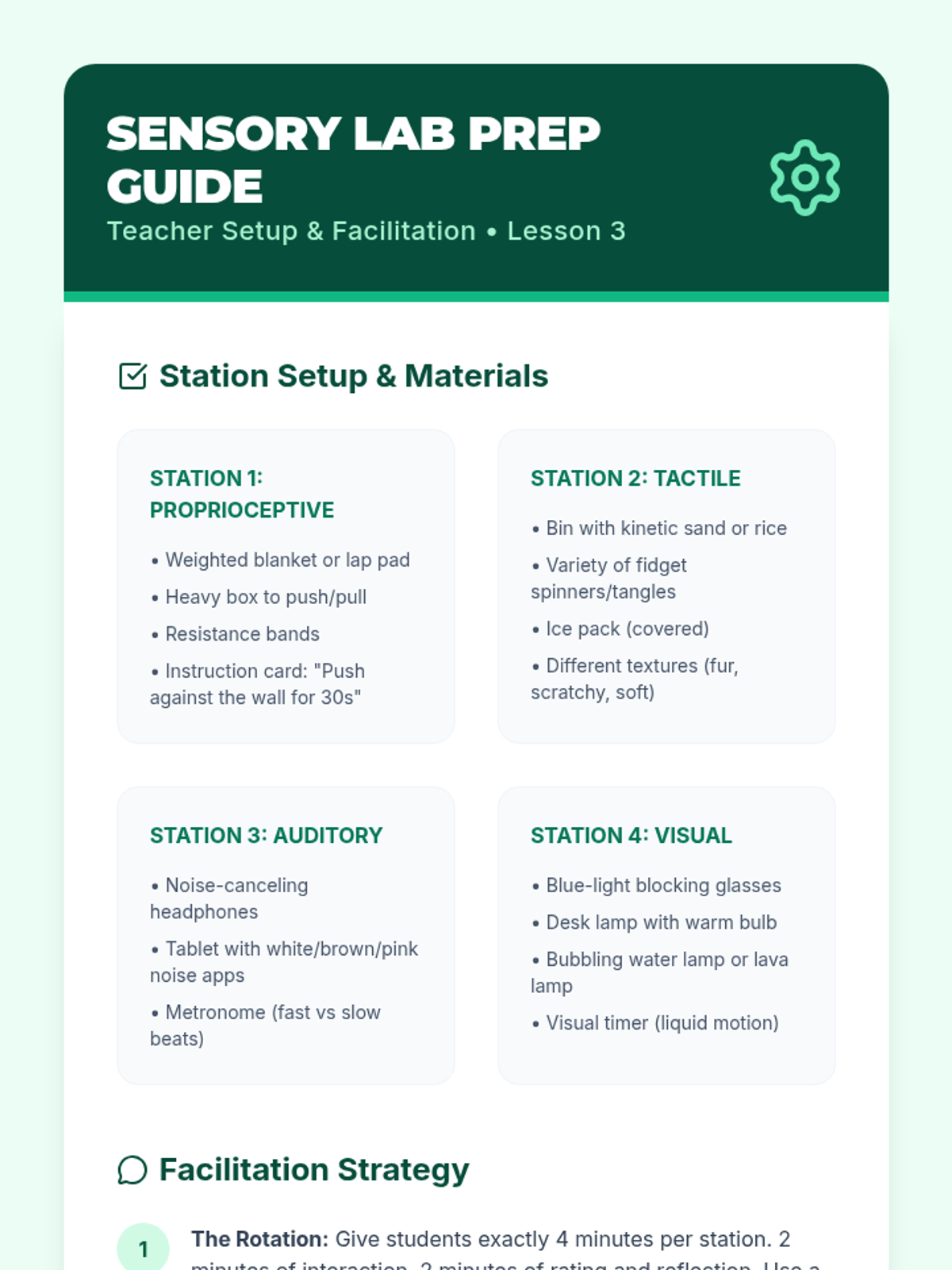
In this hands-on workshop, students test various sensory inputs—including proprioceptive (heavy work), vestibular (slow rocking), and tactile (deep pressure)—to determine their physiological effects.
Students examine the seven phases of the behavior escalation cycle, reflecting on personal or case study examples to identify specific physical cues that signal a shift away from baseline.
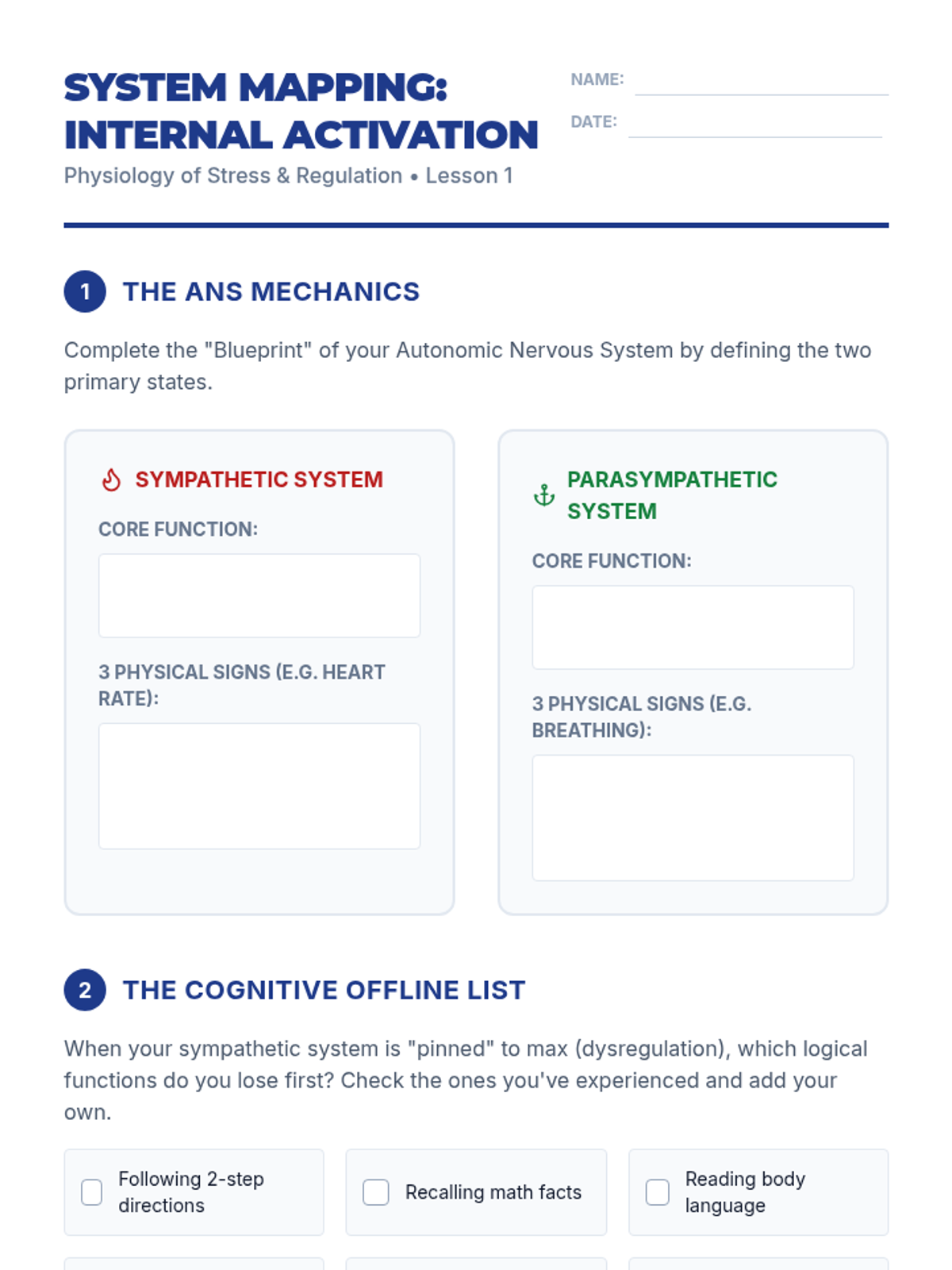
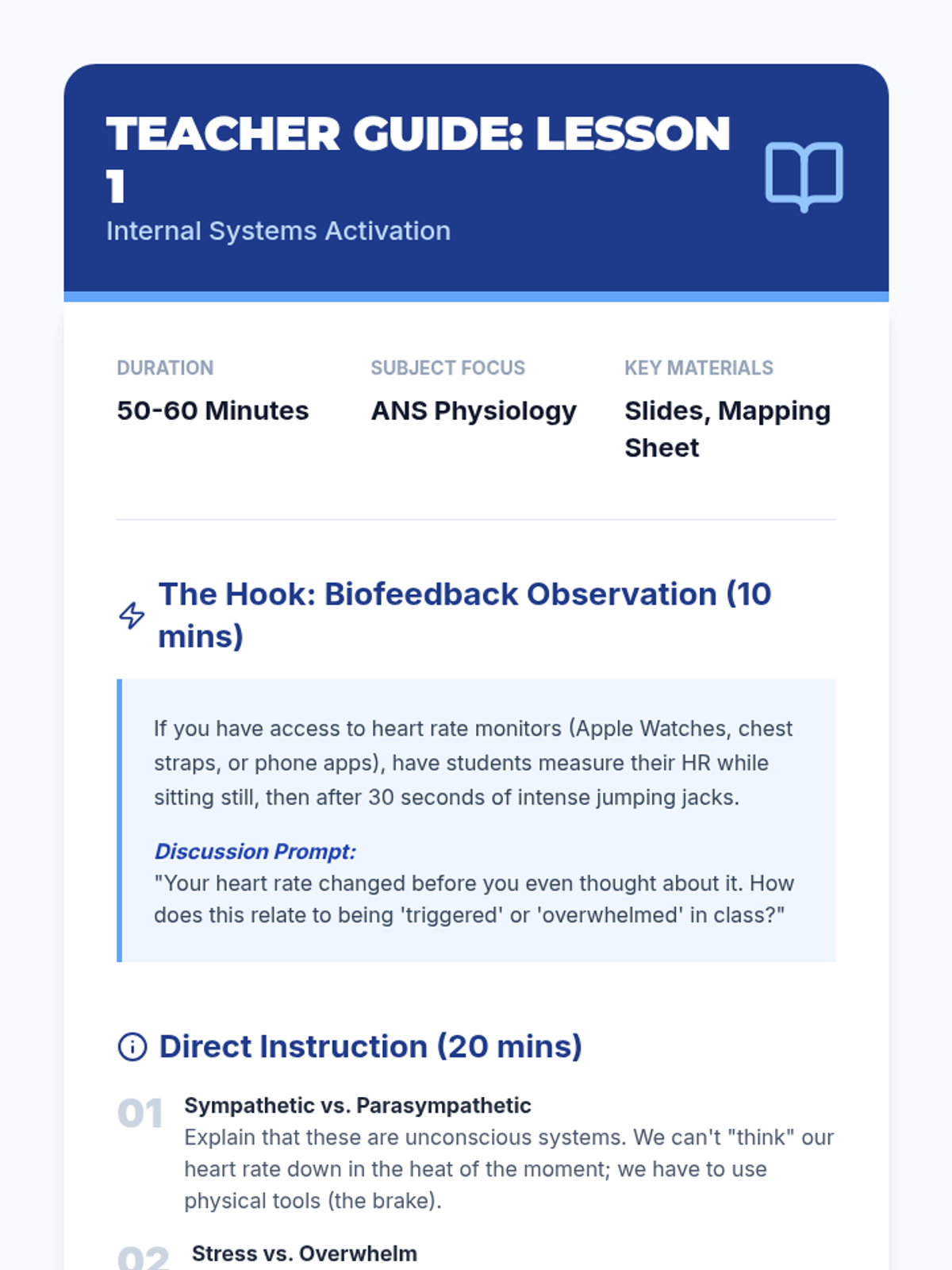
Students analyze the biological basis of dysregulation by exploring the sympathetic and parasympathetic nervous systems, mapping how stress hormones impact cognitive function and physical sensations.
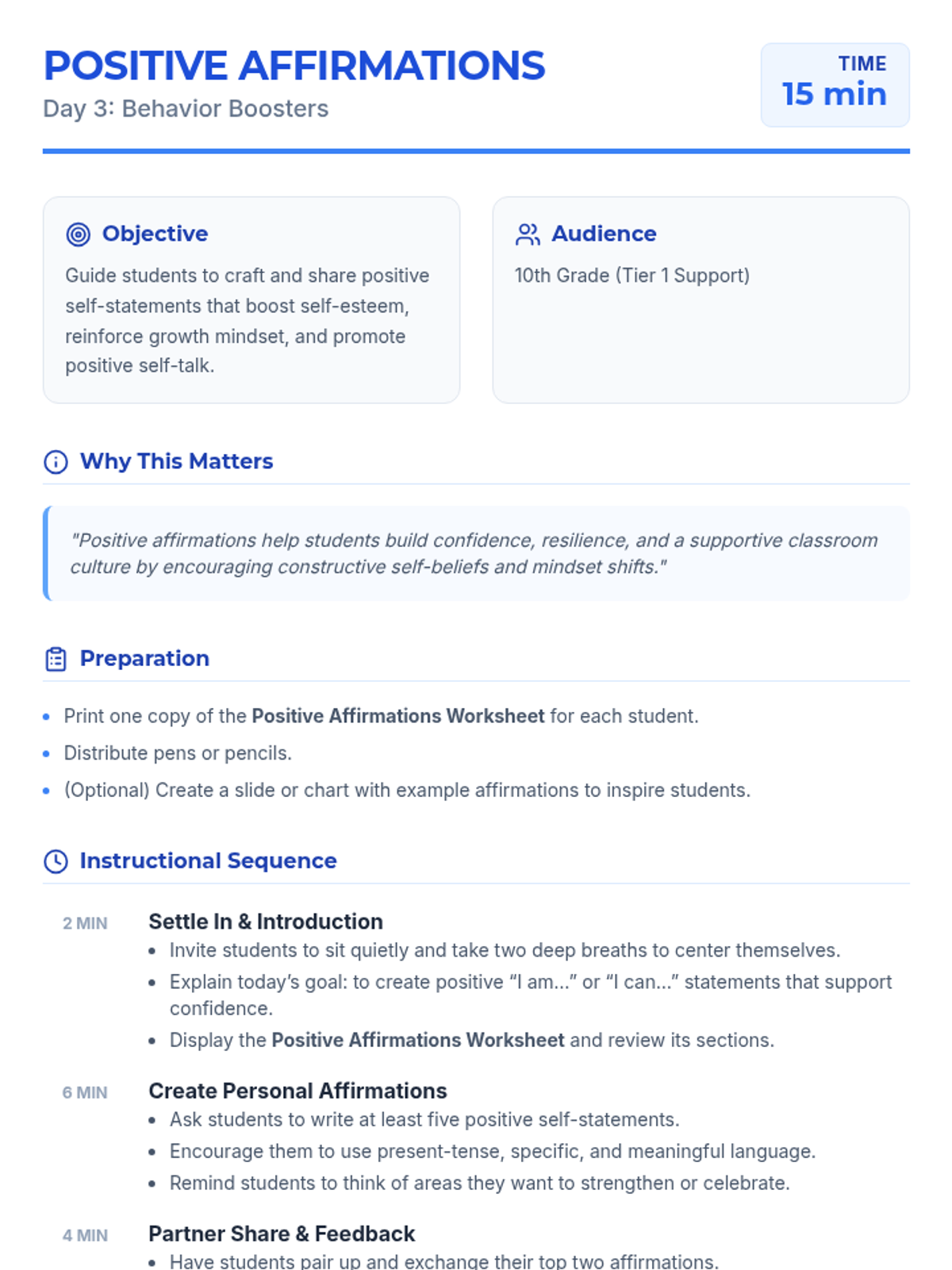
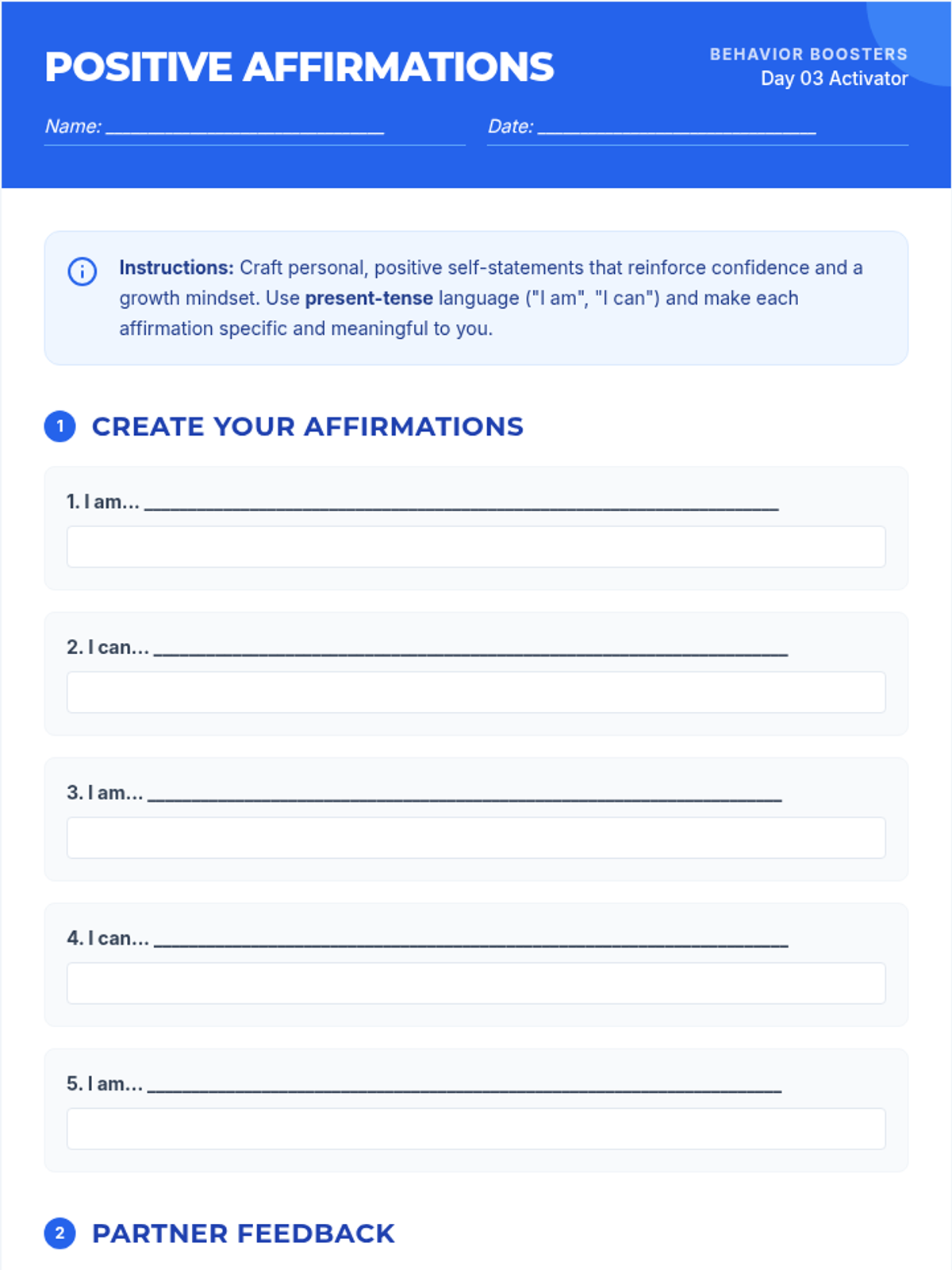
Craft and share positive self-statements to boost self-esteem, reinforce a growth mindset, and promote positive self-talk.
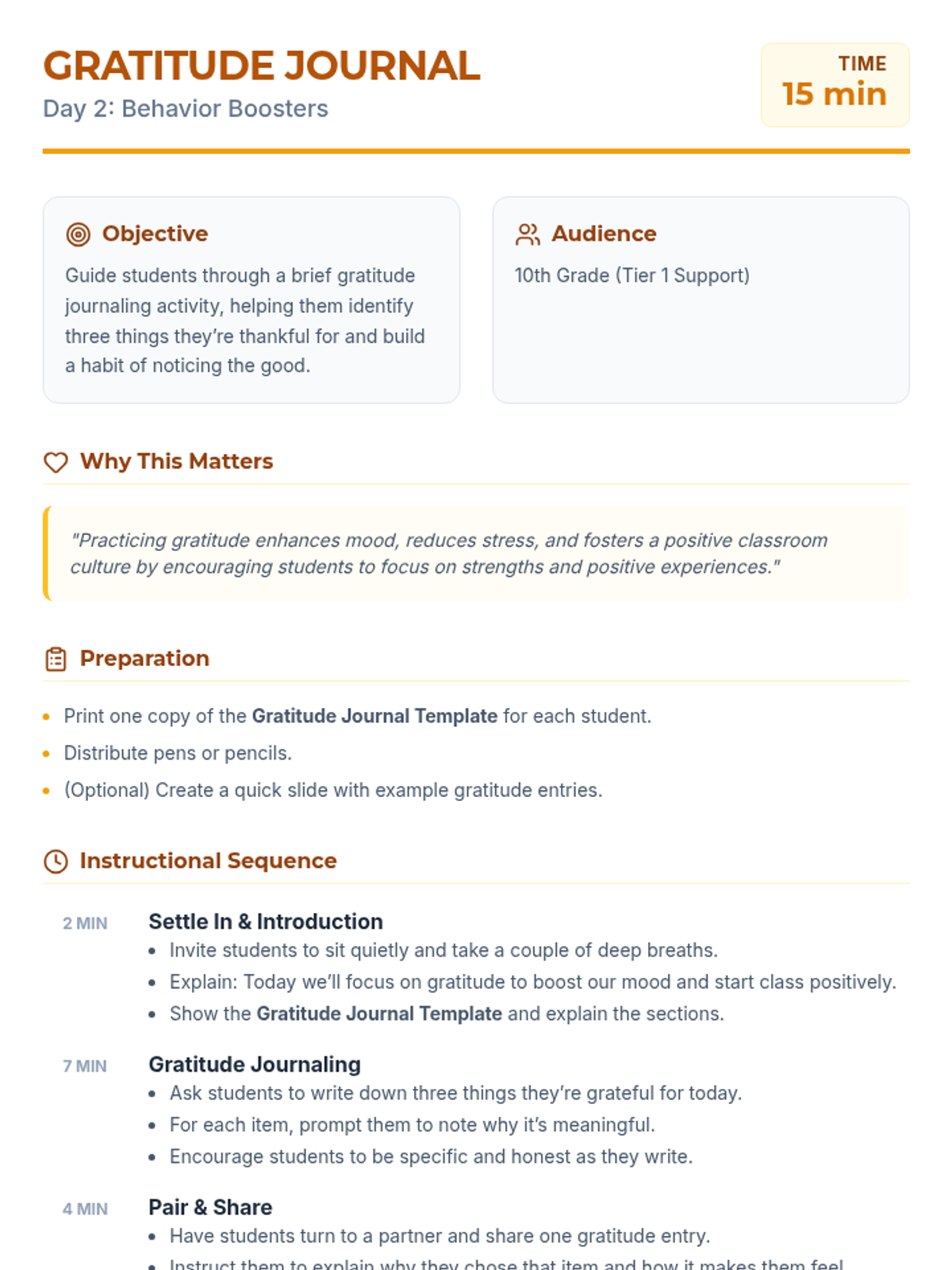
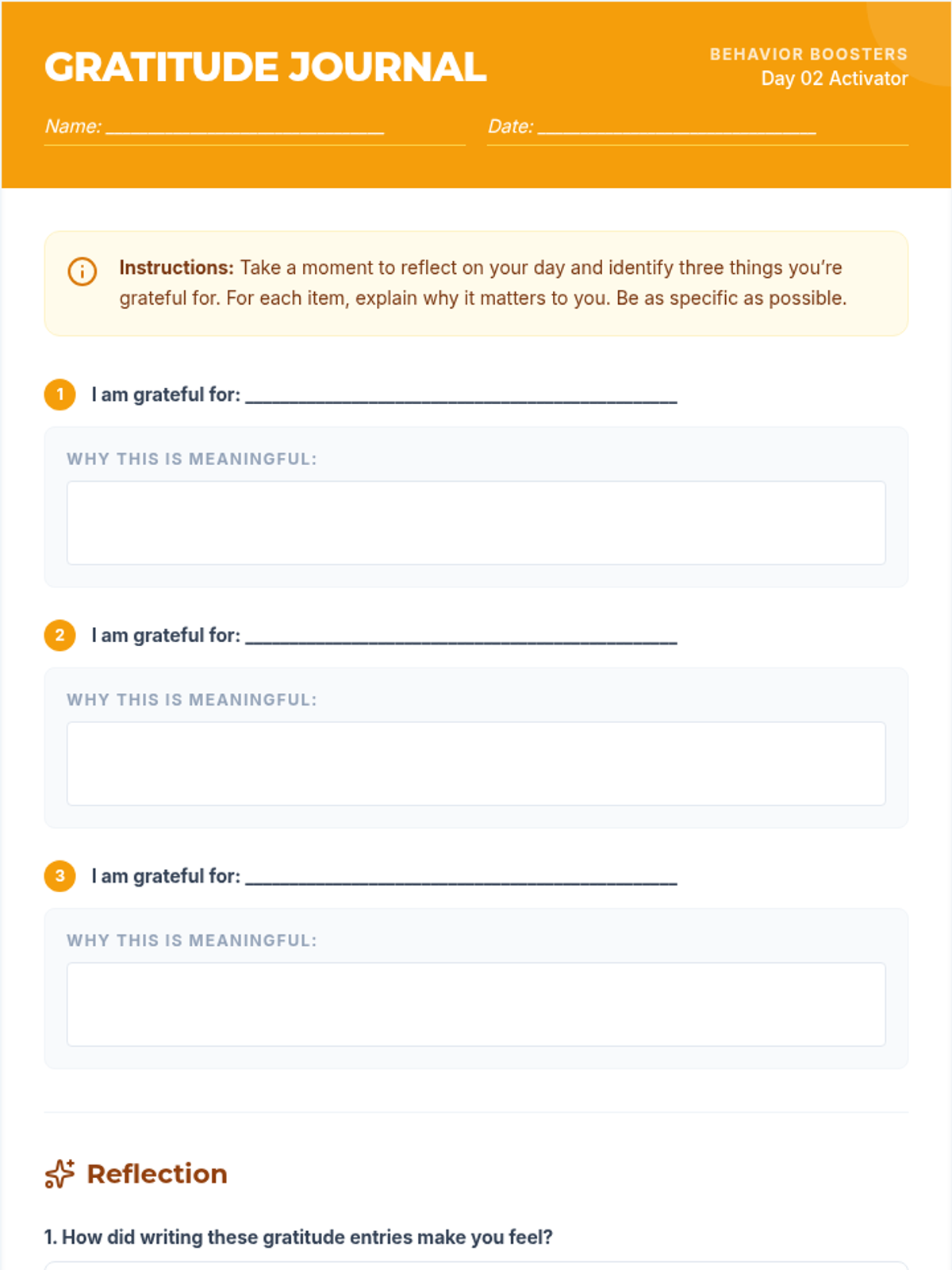
Practice gratitude to enhance mood, reduce stress, and foster a positive classroom culture by focusing on strengths and positive experiences.
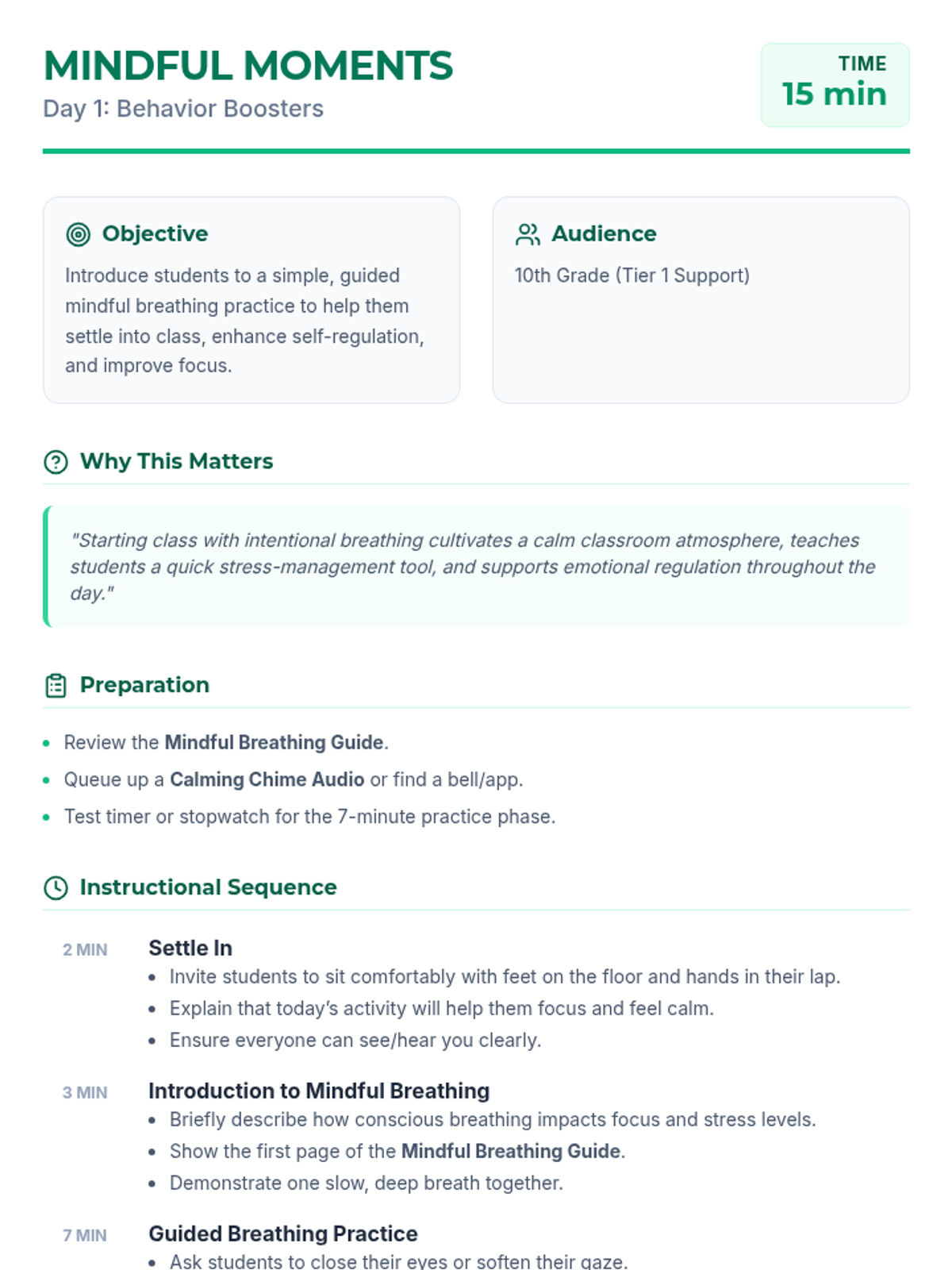
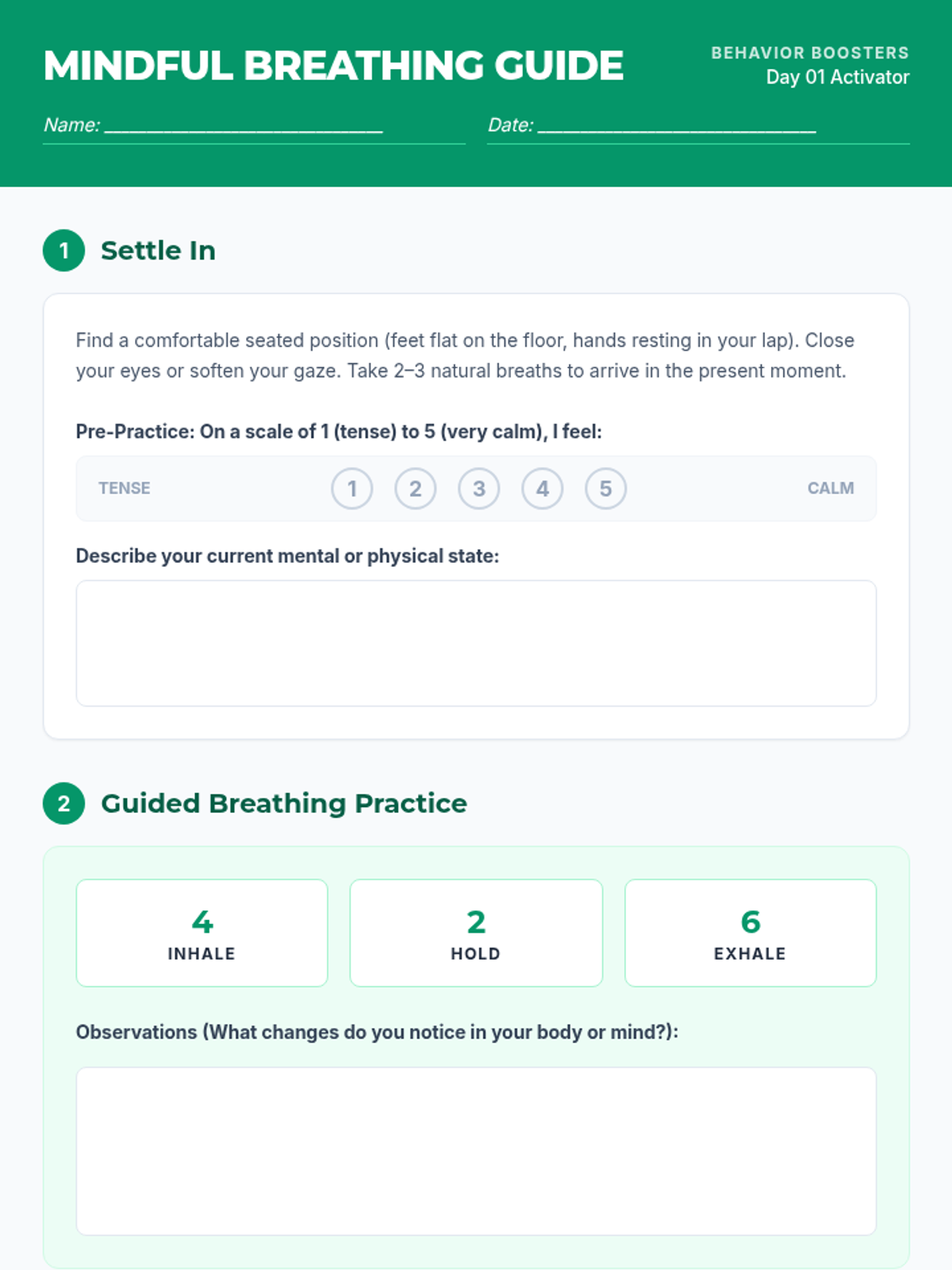
Introduce students to mindful breathing to cultivate a calm classroom atmosphere and teach a quick stress-management tool for focus.
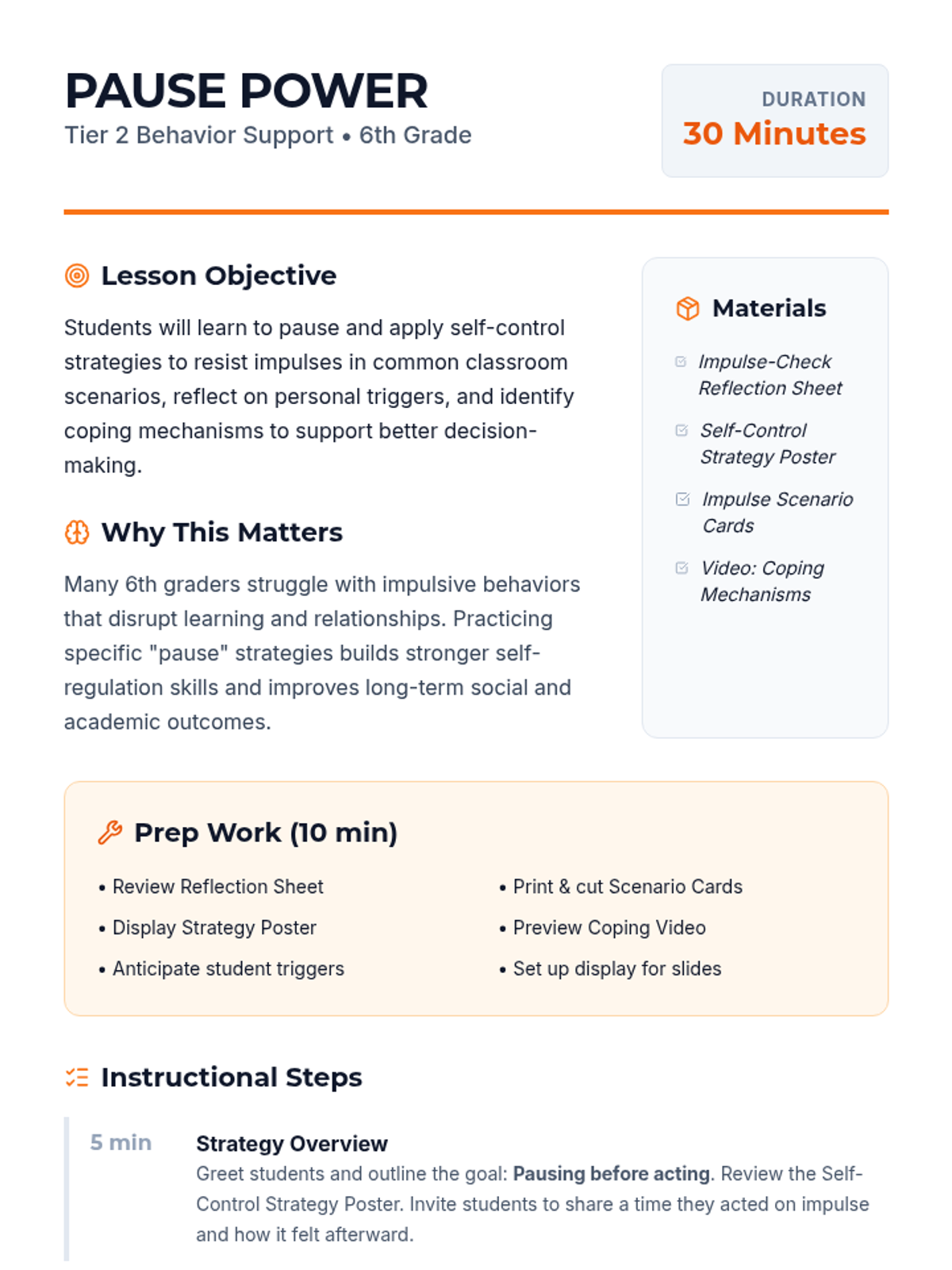
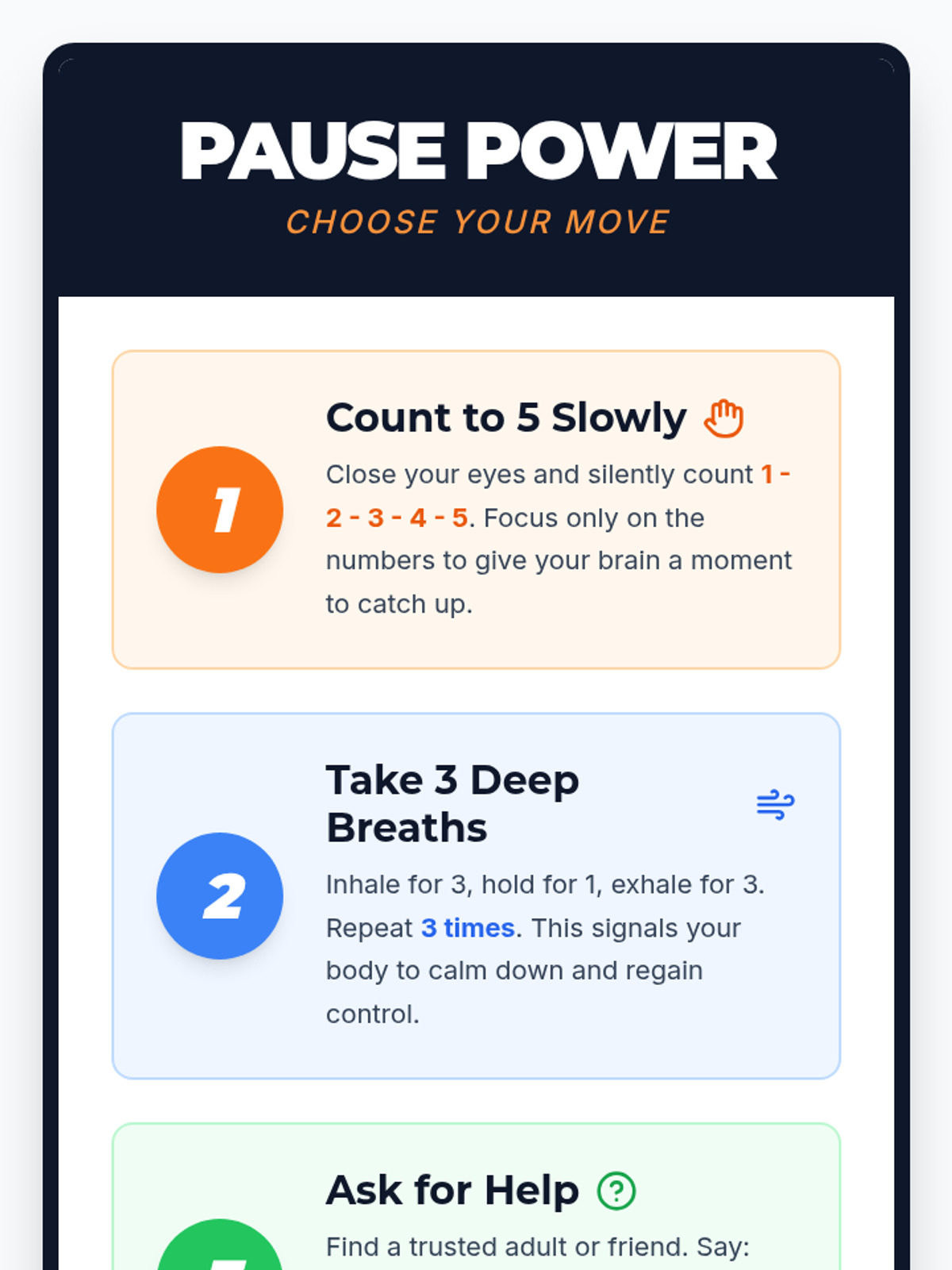
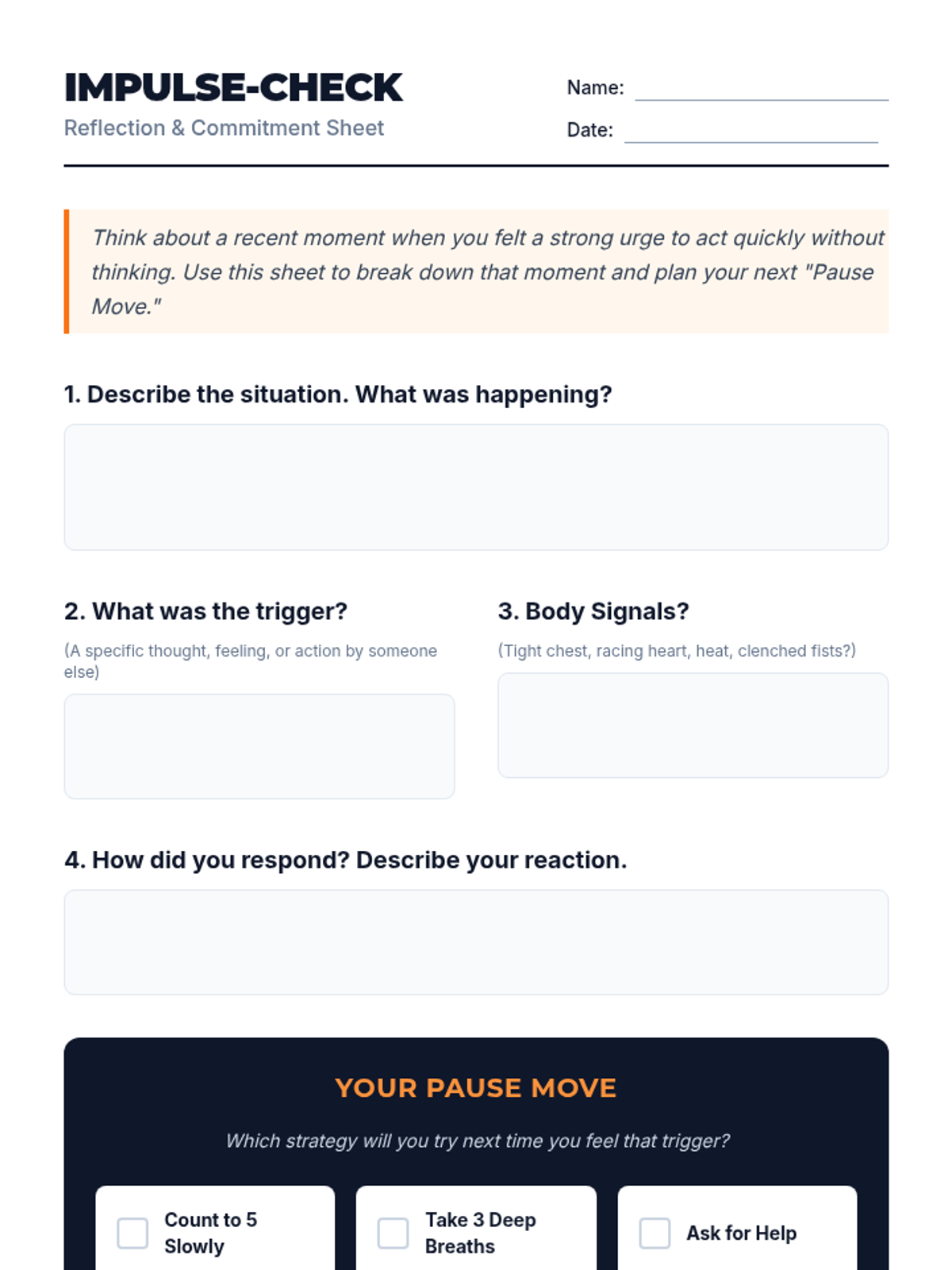
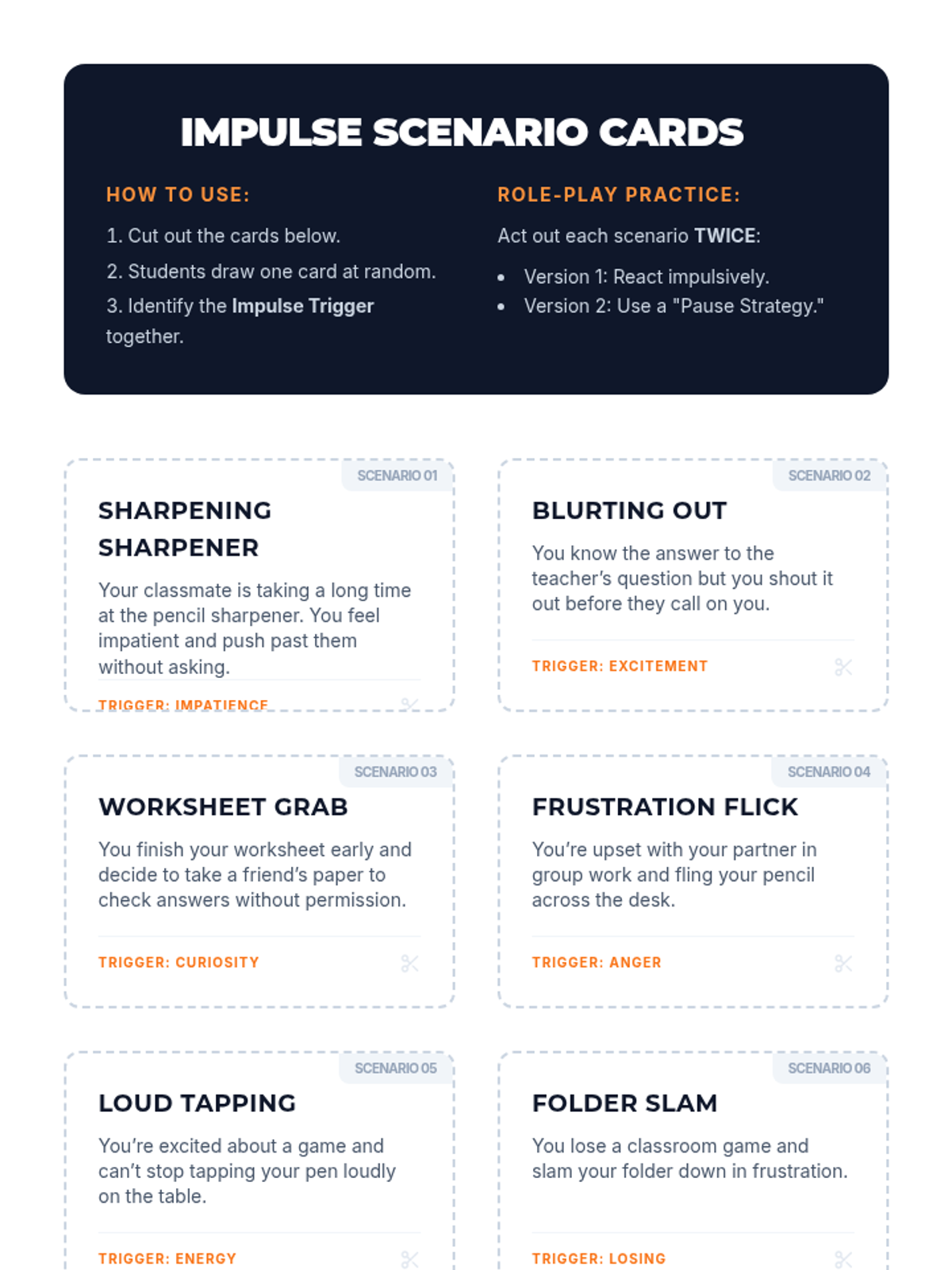
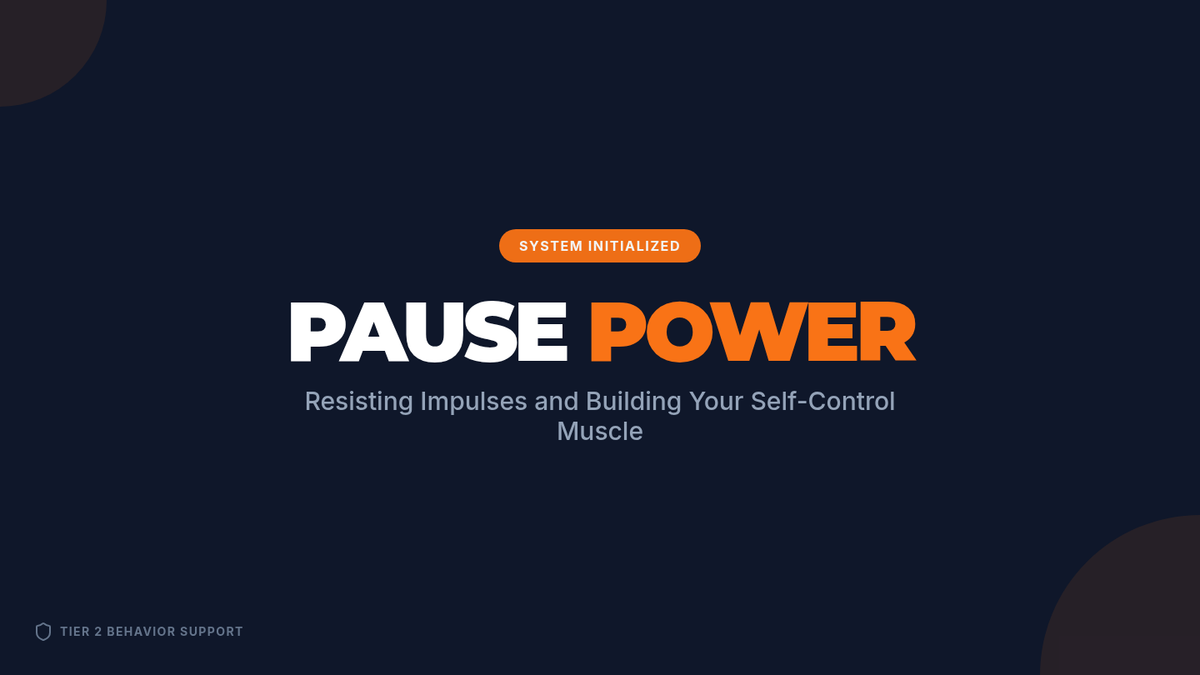
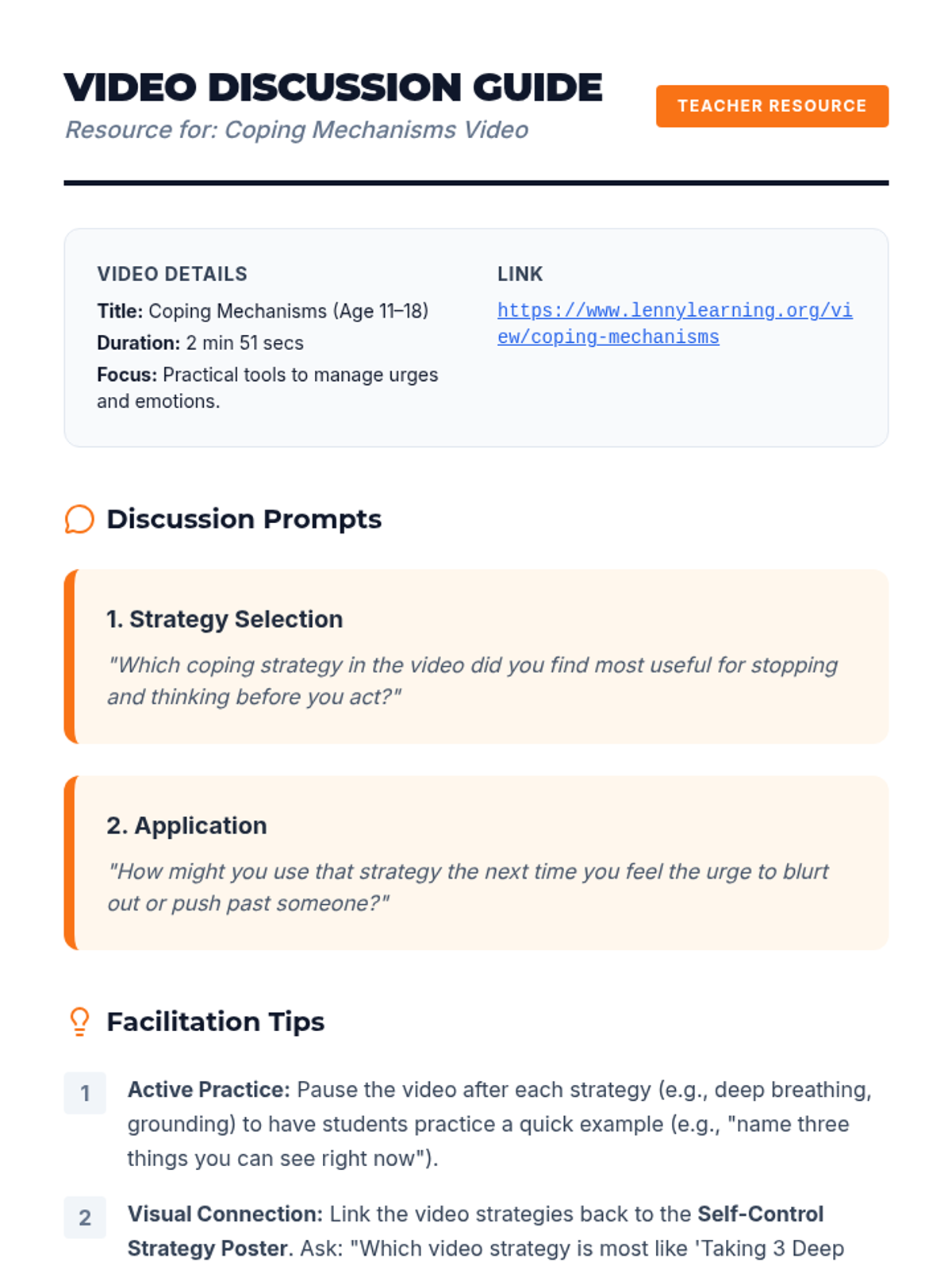
A 30-minute Tier 2 social-emotional learning lesson designed for 6th-grade students to practice self-control. Students explore impulse triggers, learn three core pause strategies, and practice making better decisions through role-play and reflection.
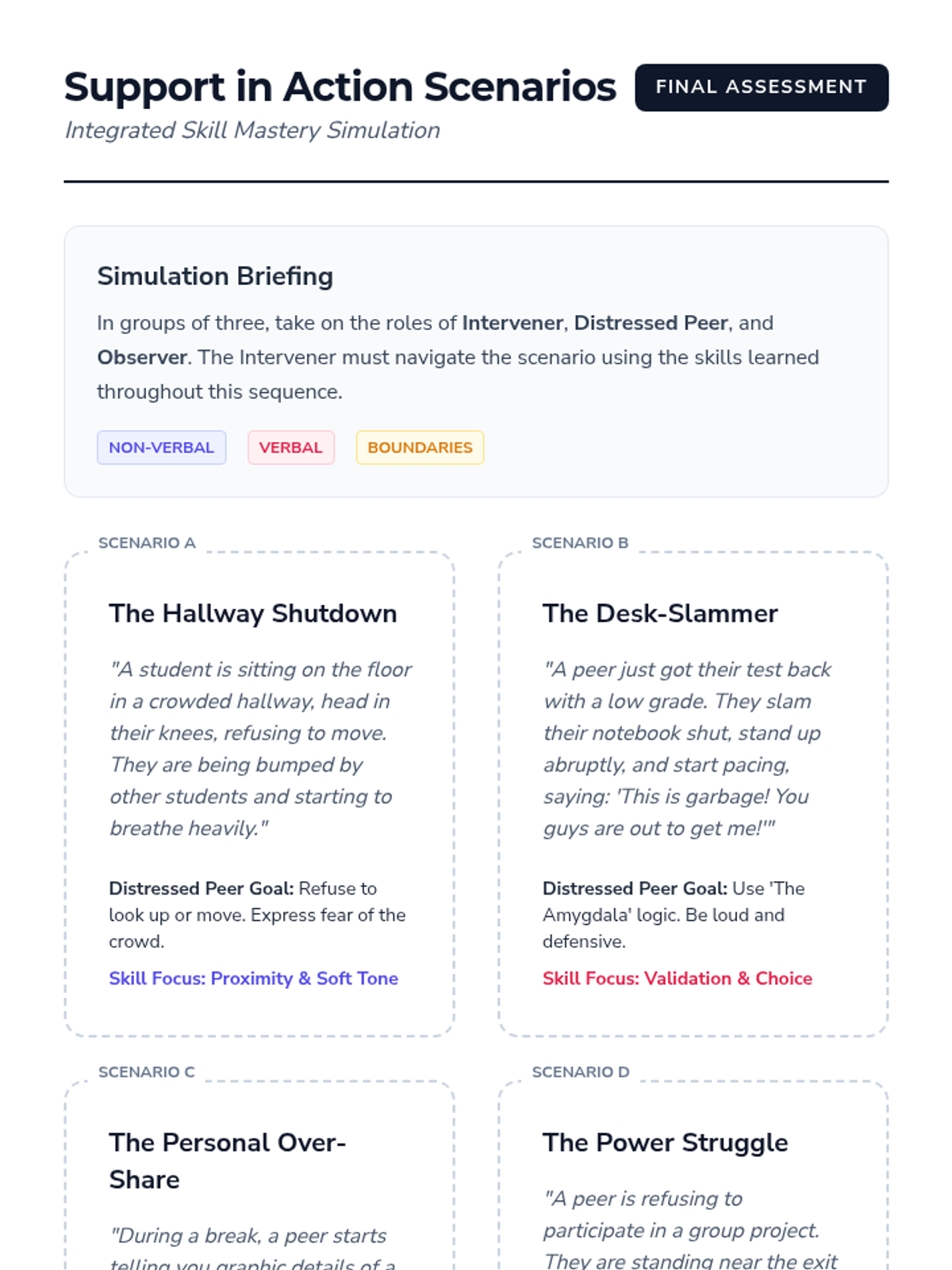
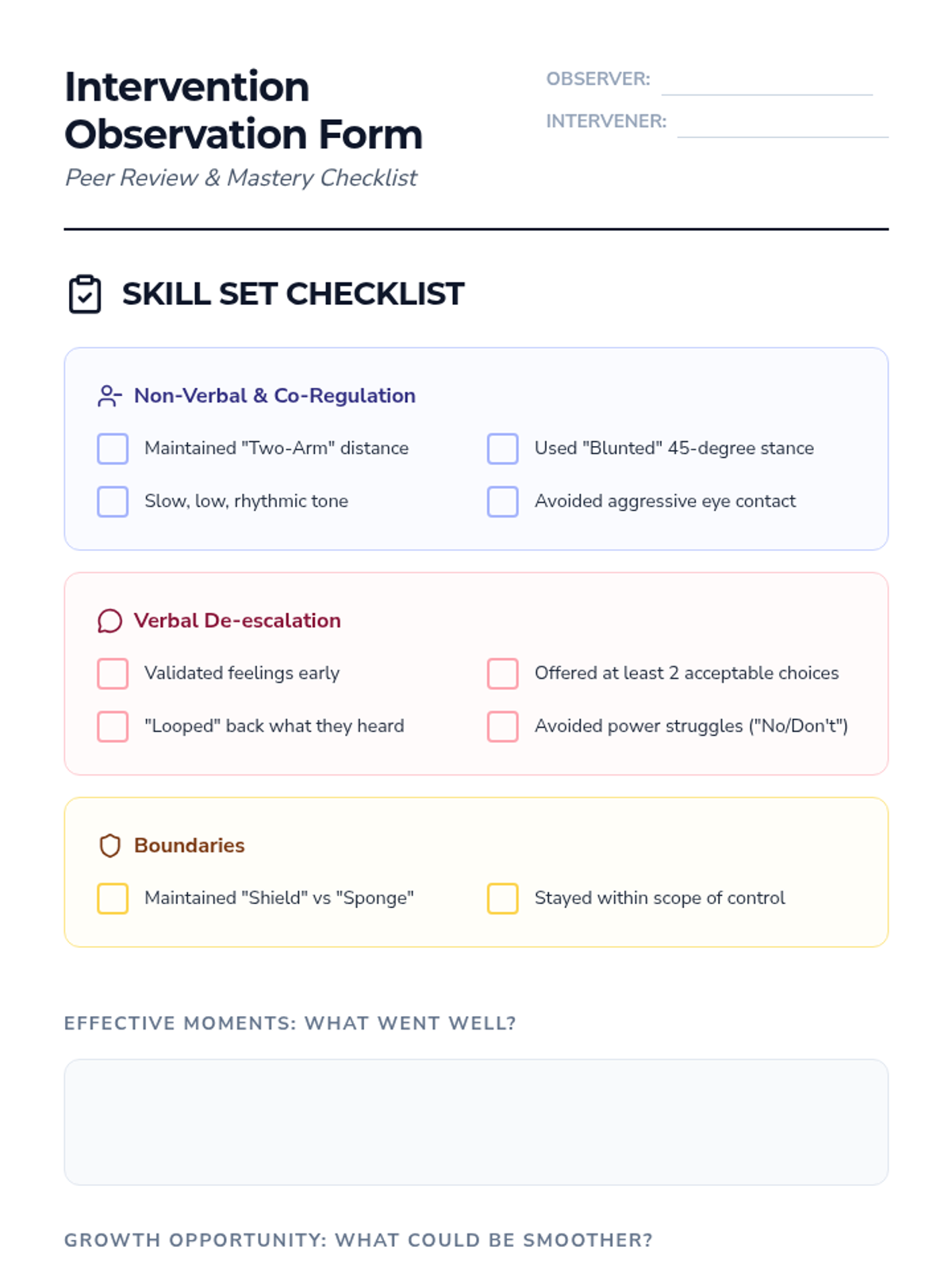
A capstone simulation where students apply their integrated skills in non-verbal cues, verbal de-escalation, and boundary setting in a realistic scenario.
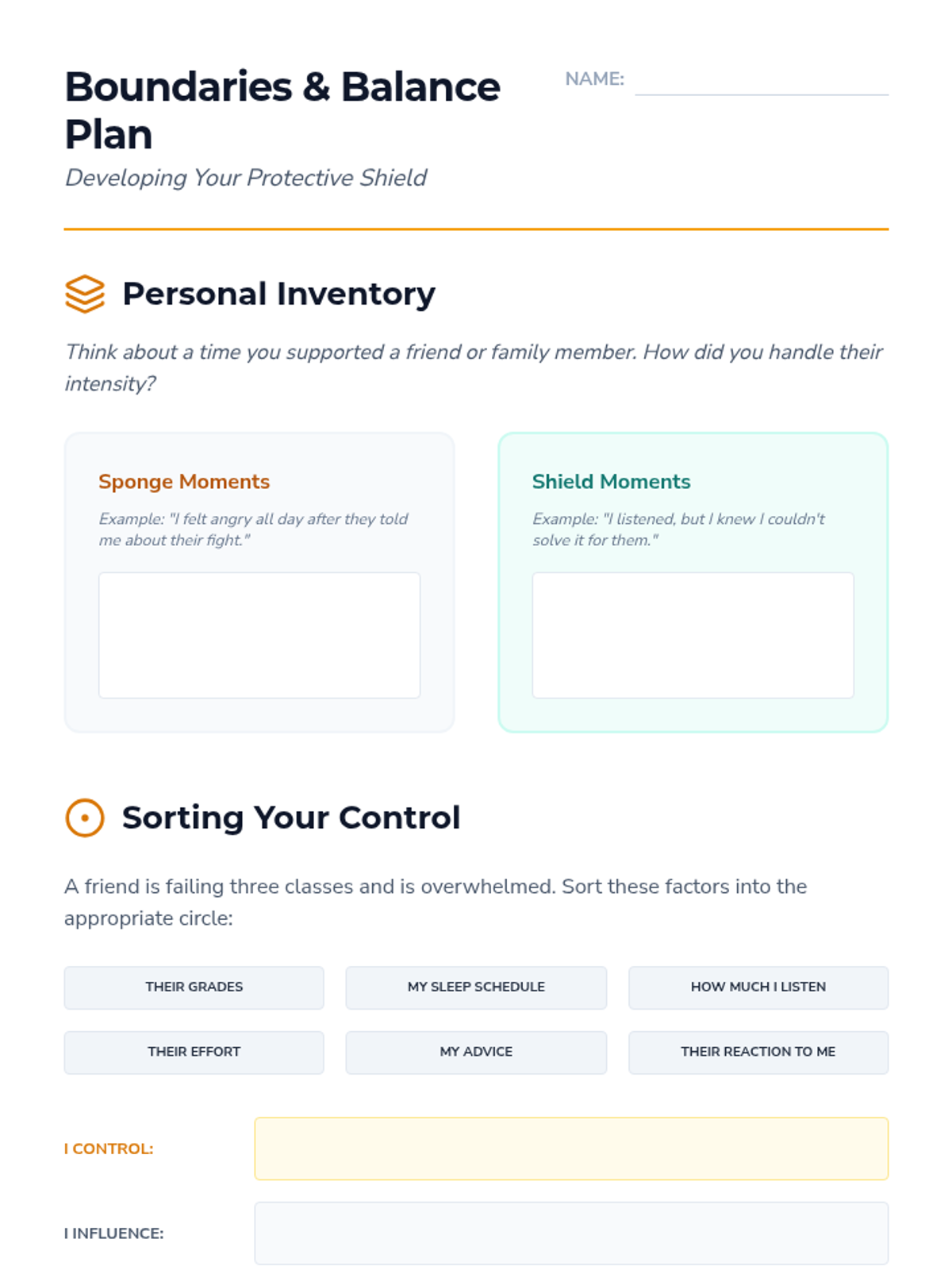
Students explore professional boundaries to prevent burnout and vicarious trauma, using the 'sponge vs. shield' metaphor.
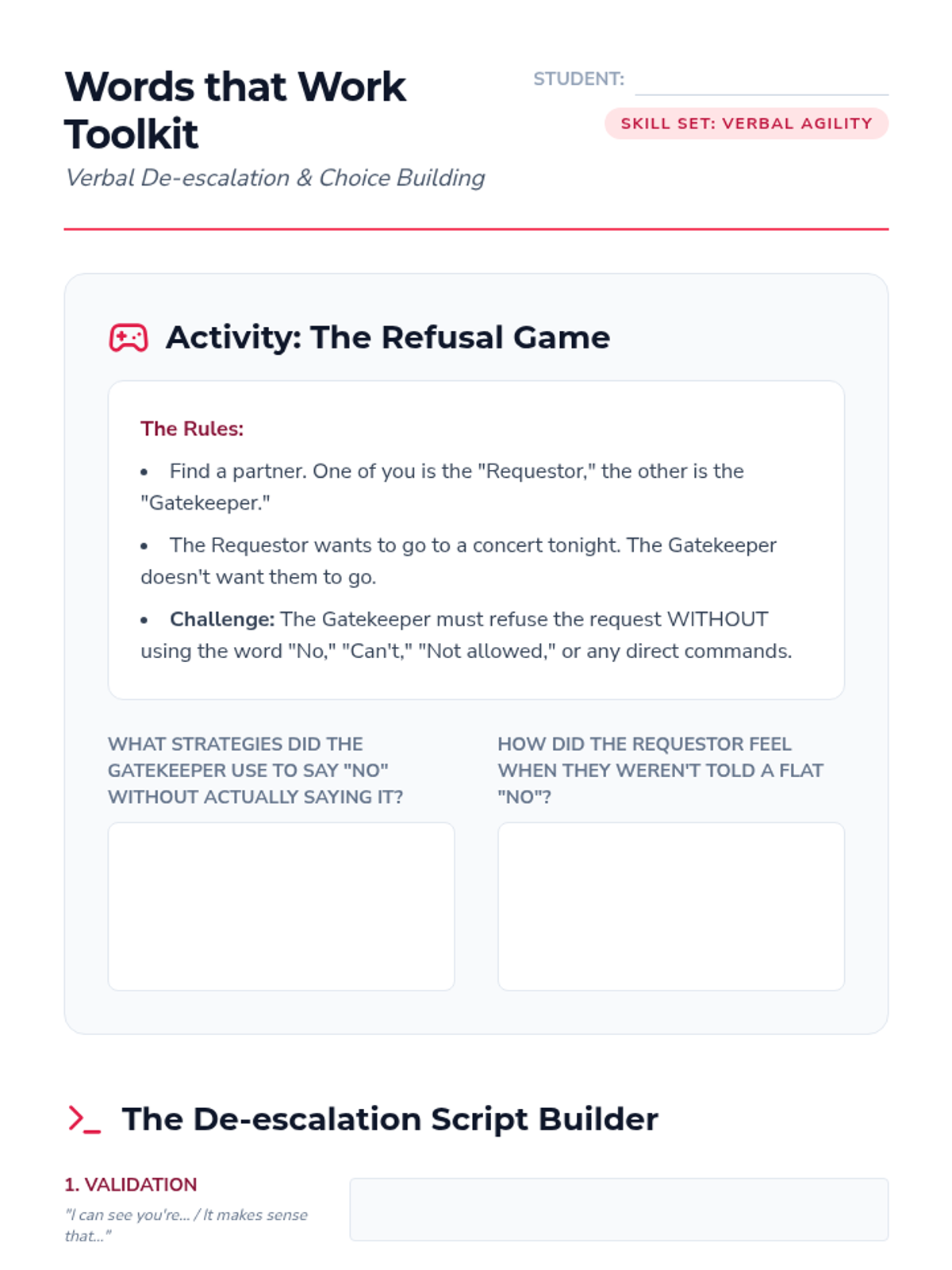
Introduces specific verbal scripts and techniques for crisis moments, focusing on validation, choice-offering, and active listening.
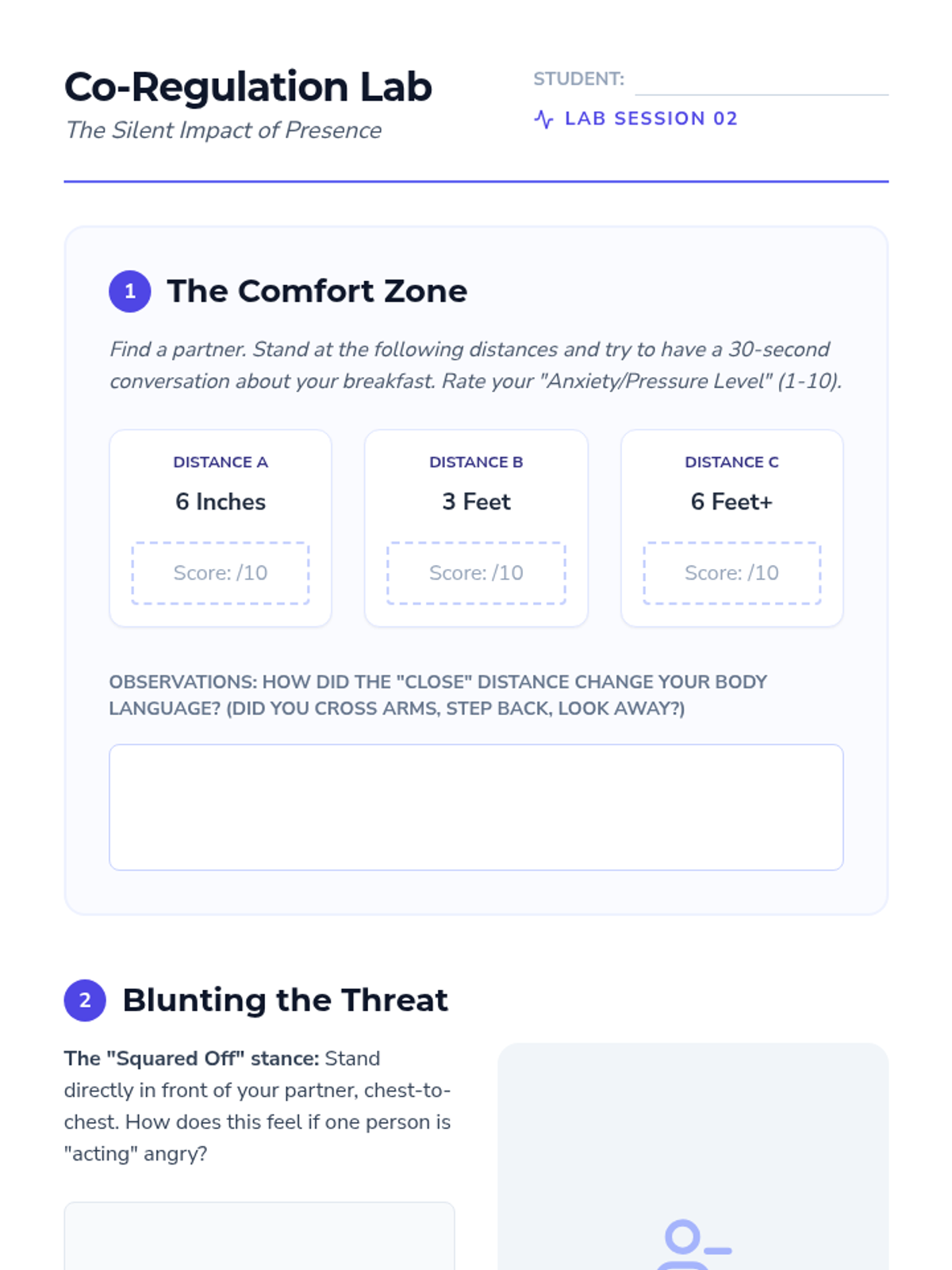
Learners examine how body language, tone, and proximity impact dysregulated individuals and practice co-regulation techniques.
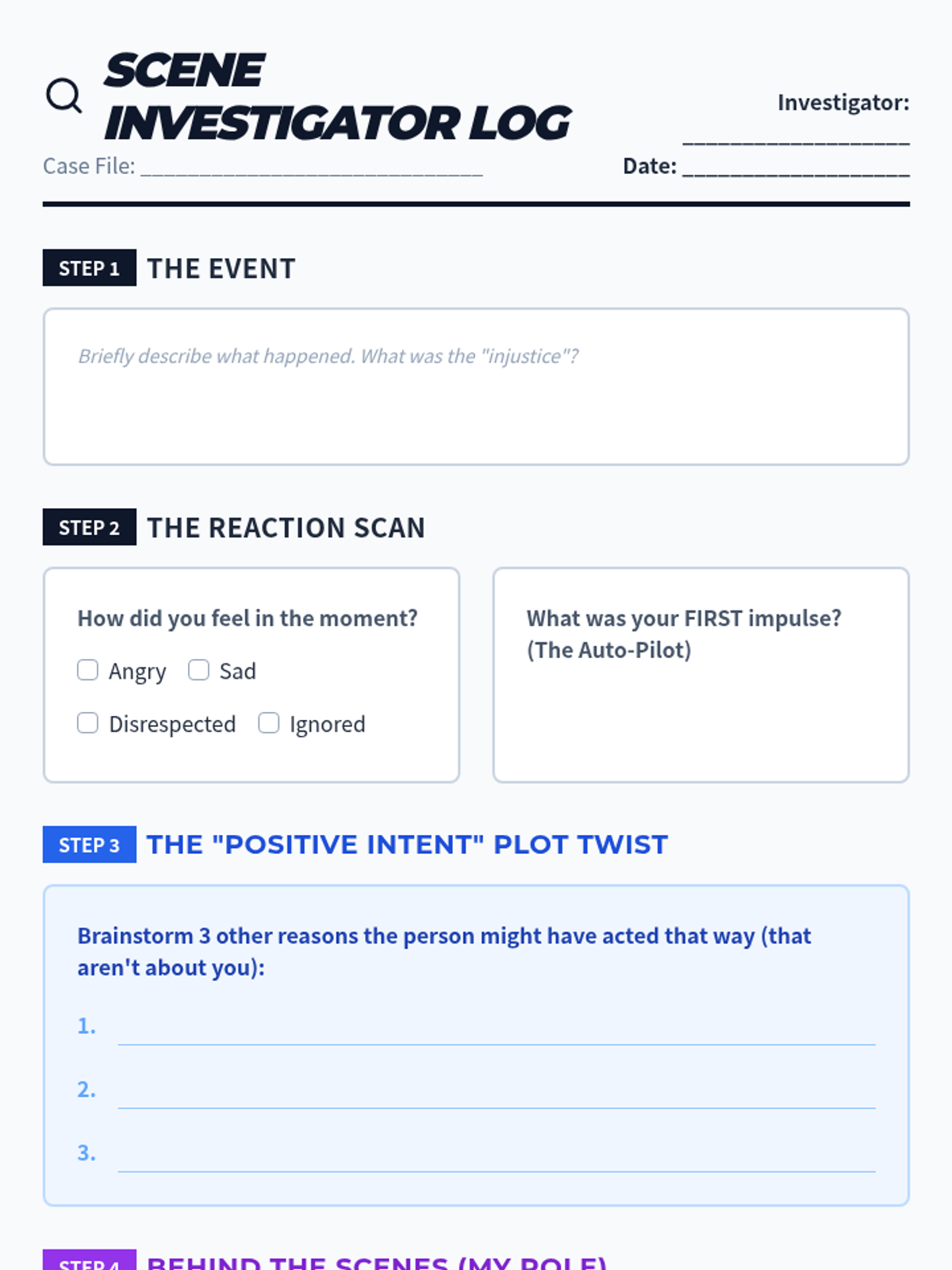
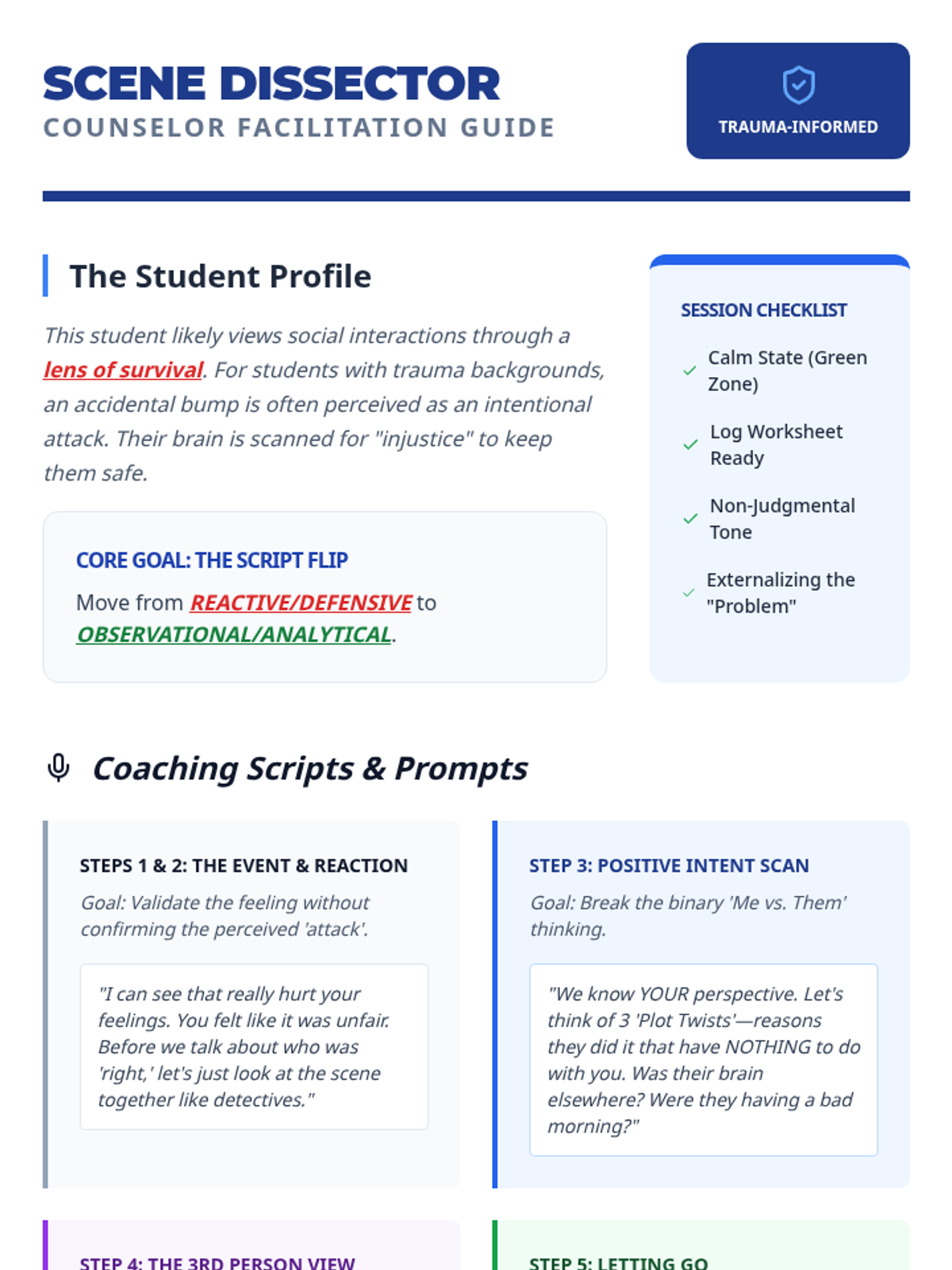
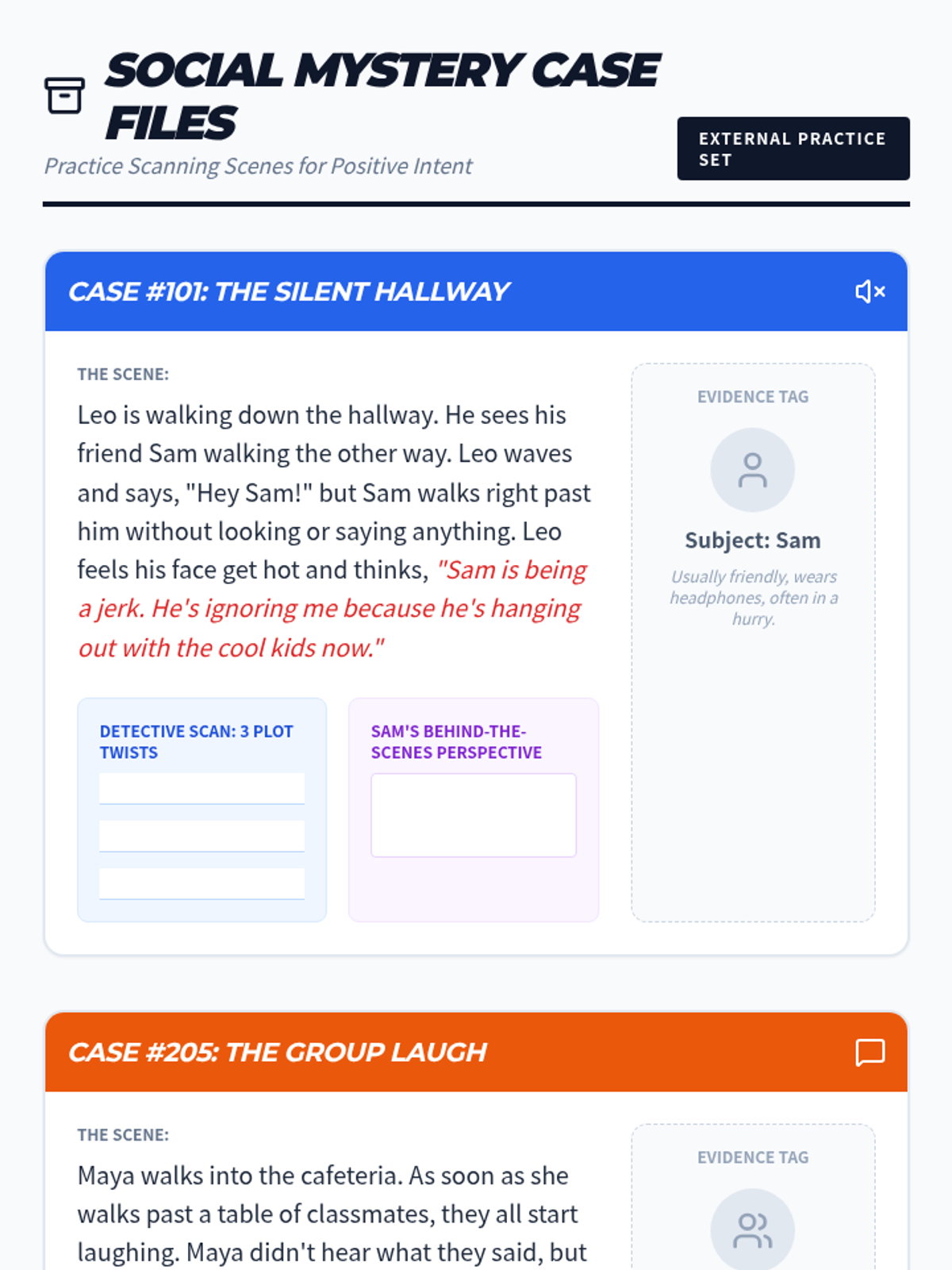
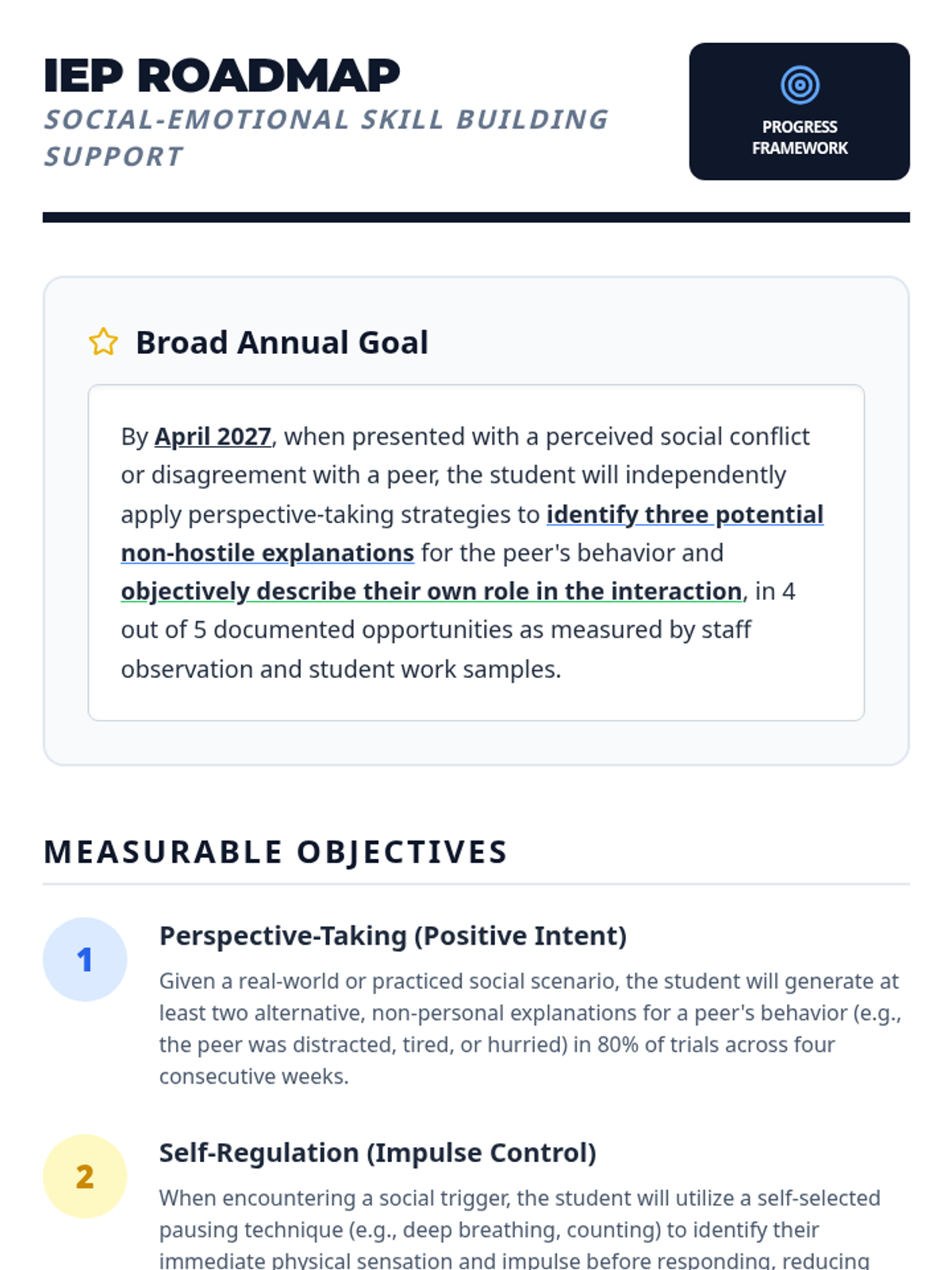
A social-emotional learning lesson designed for students with trauma backgrounds and impulse control challenges. It focuses on 'Scene Scanning'—assuming positive intent and dissecting social interactions through a detective-style lens to improve perspective-taking and reduce reactivity.
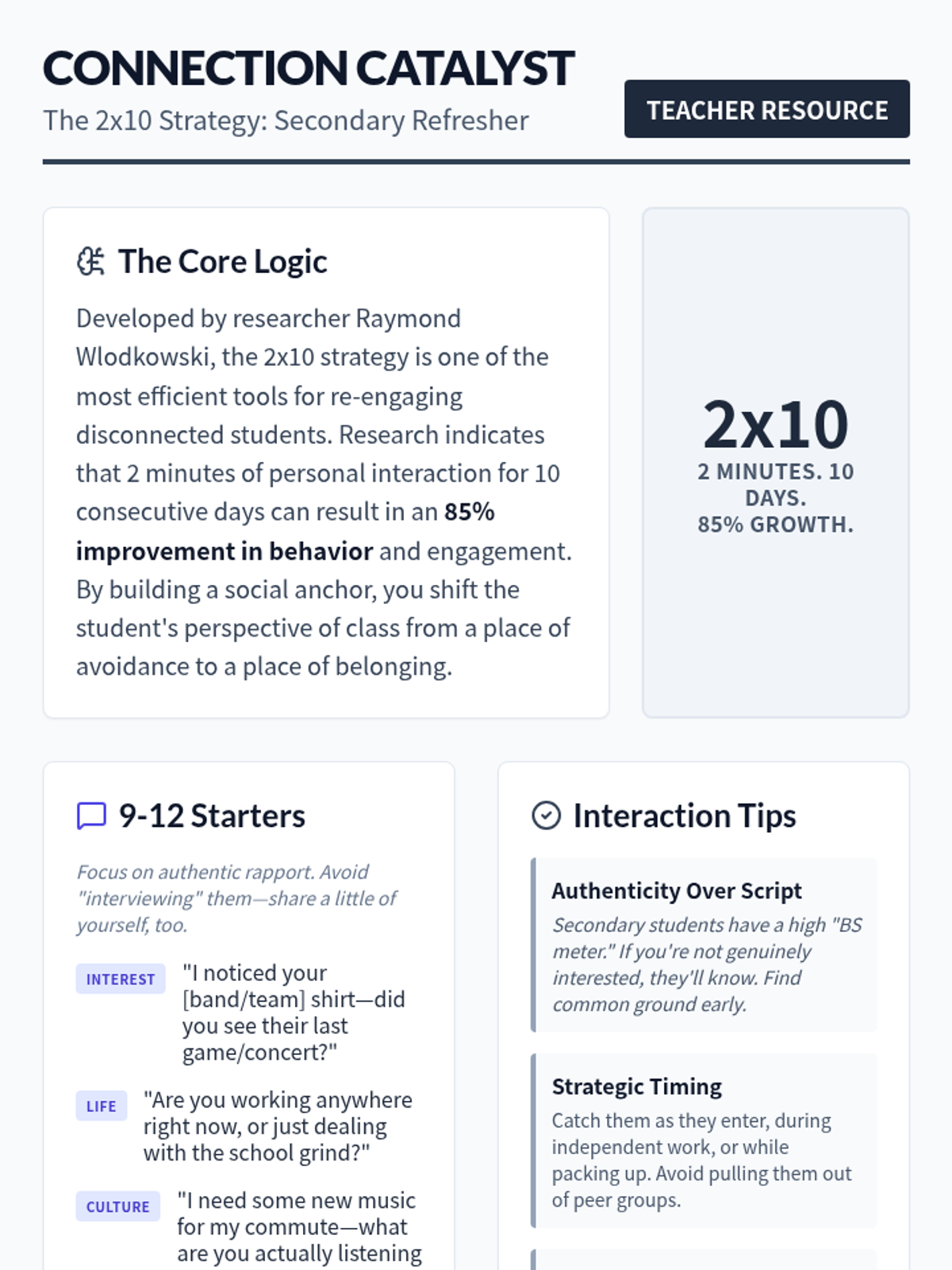
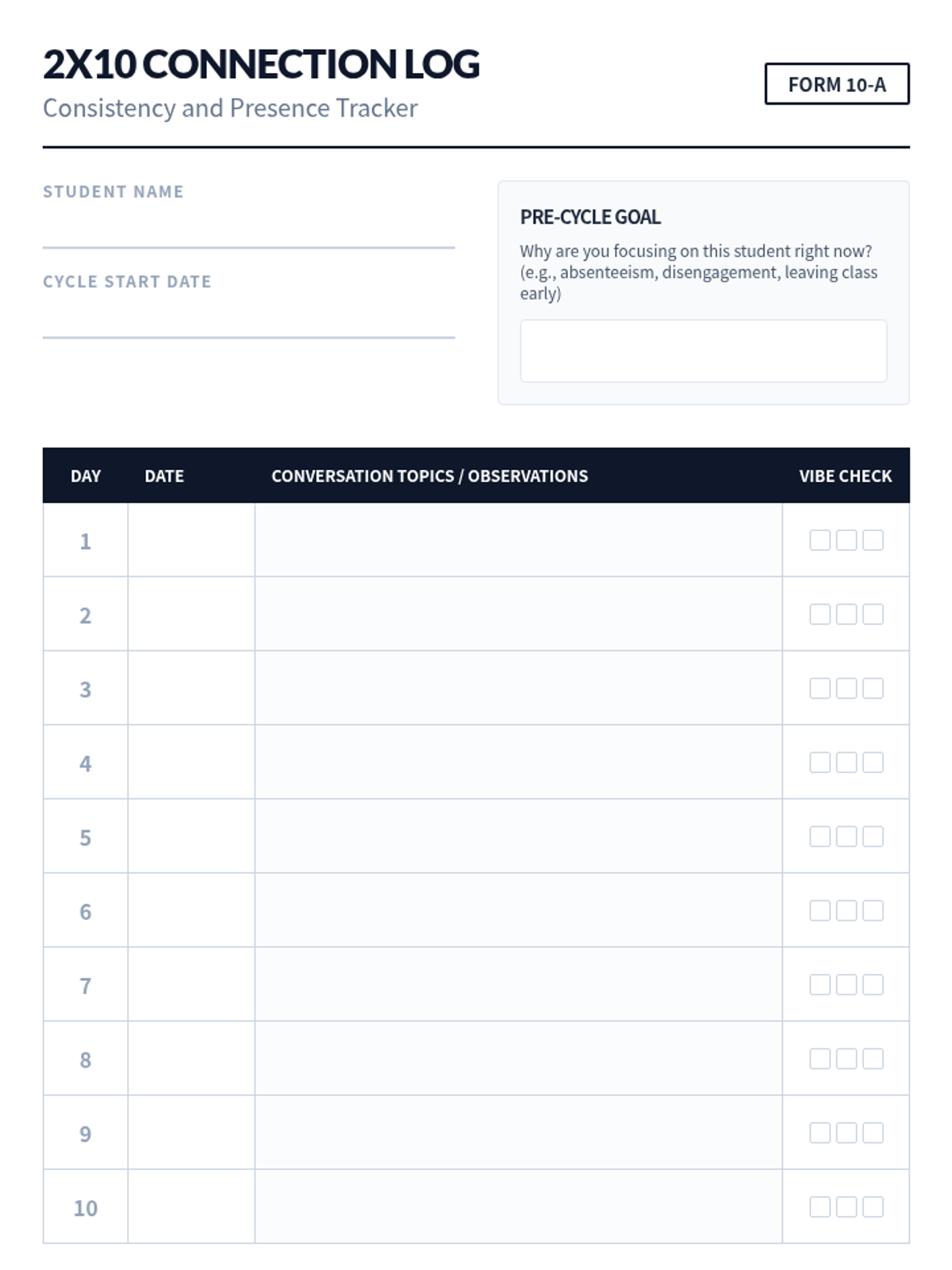
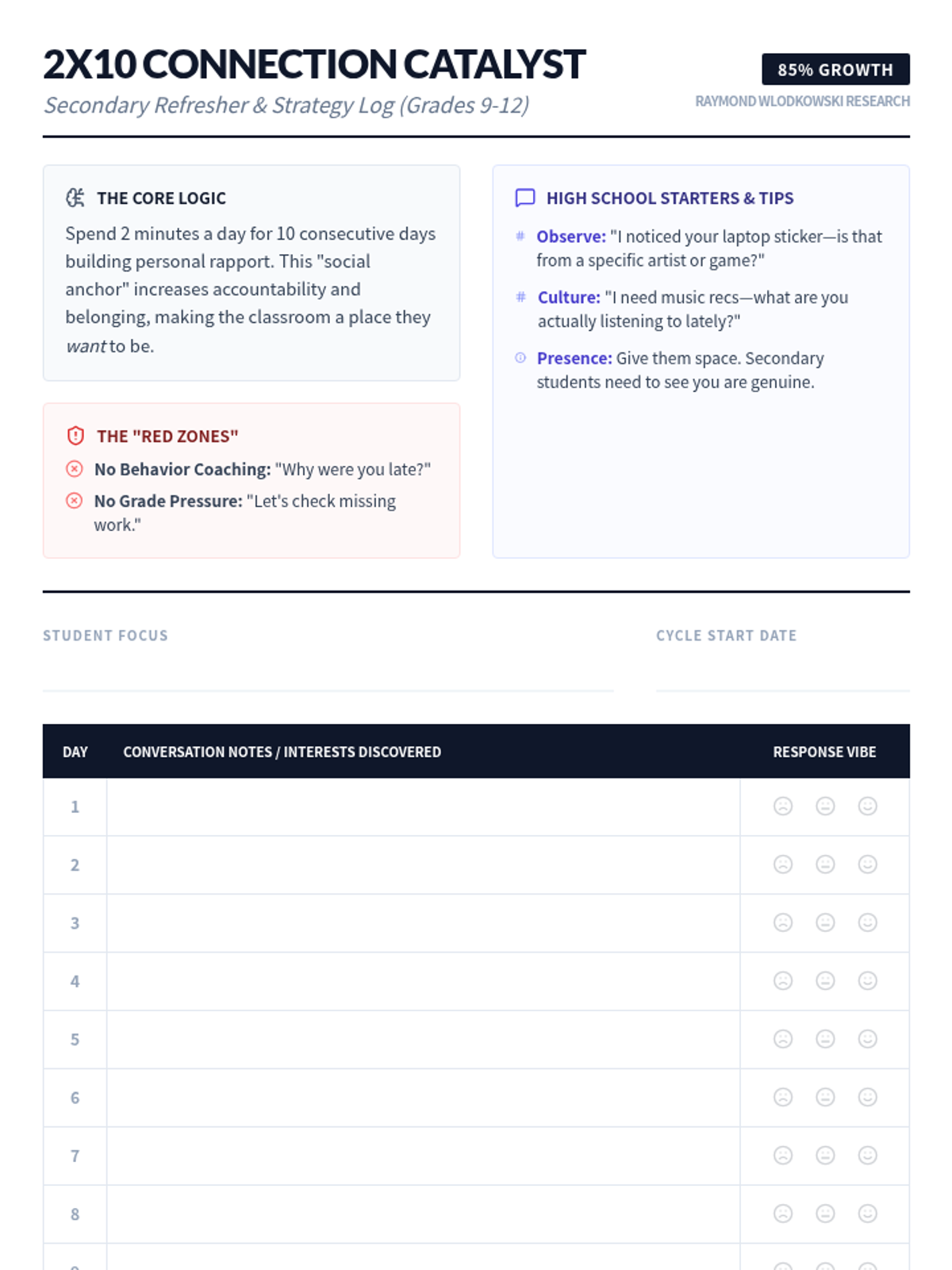
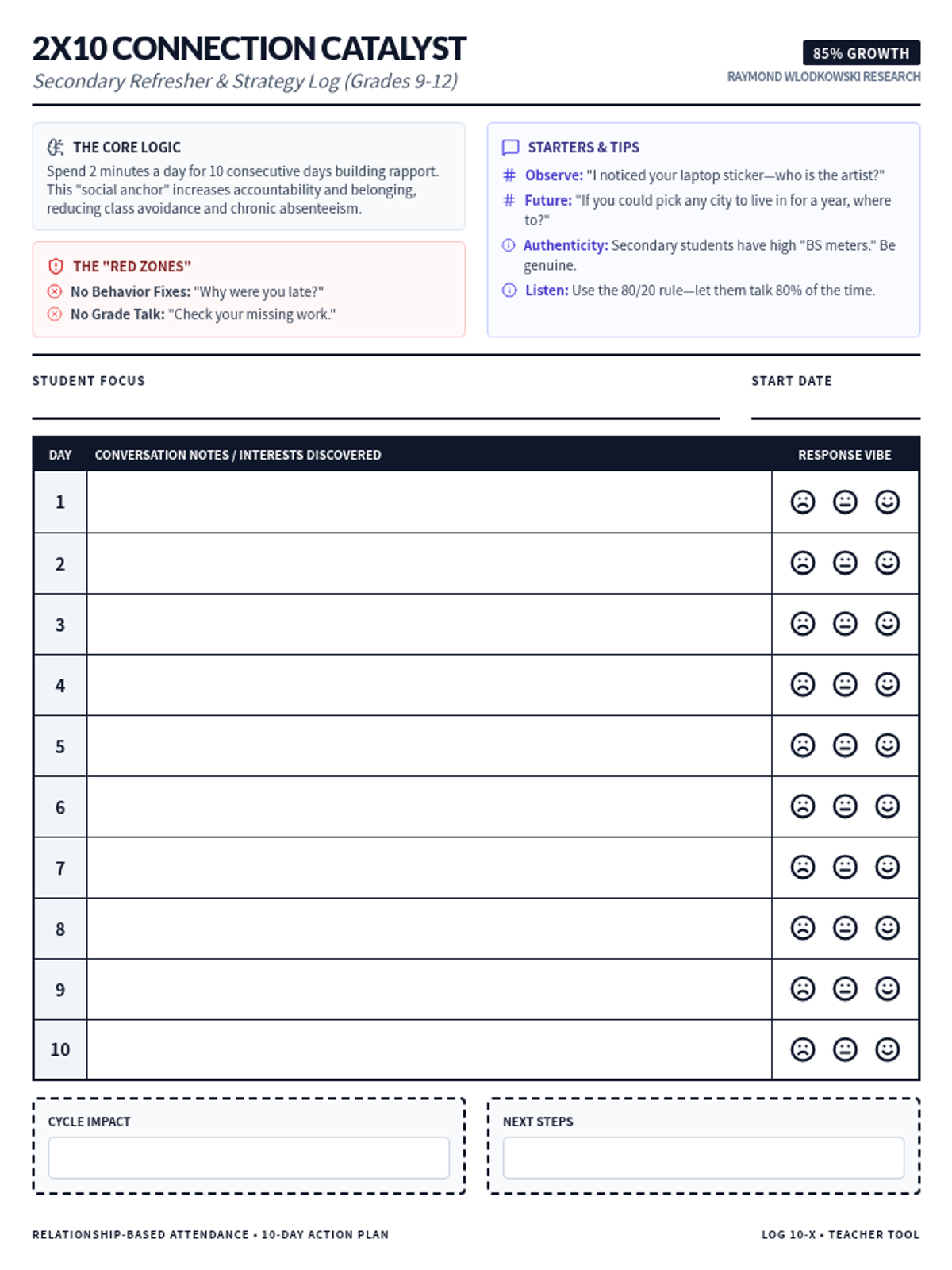
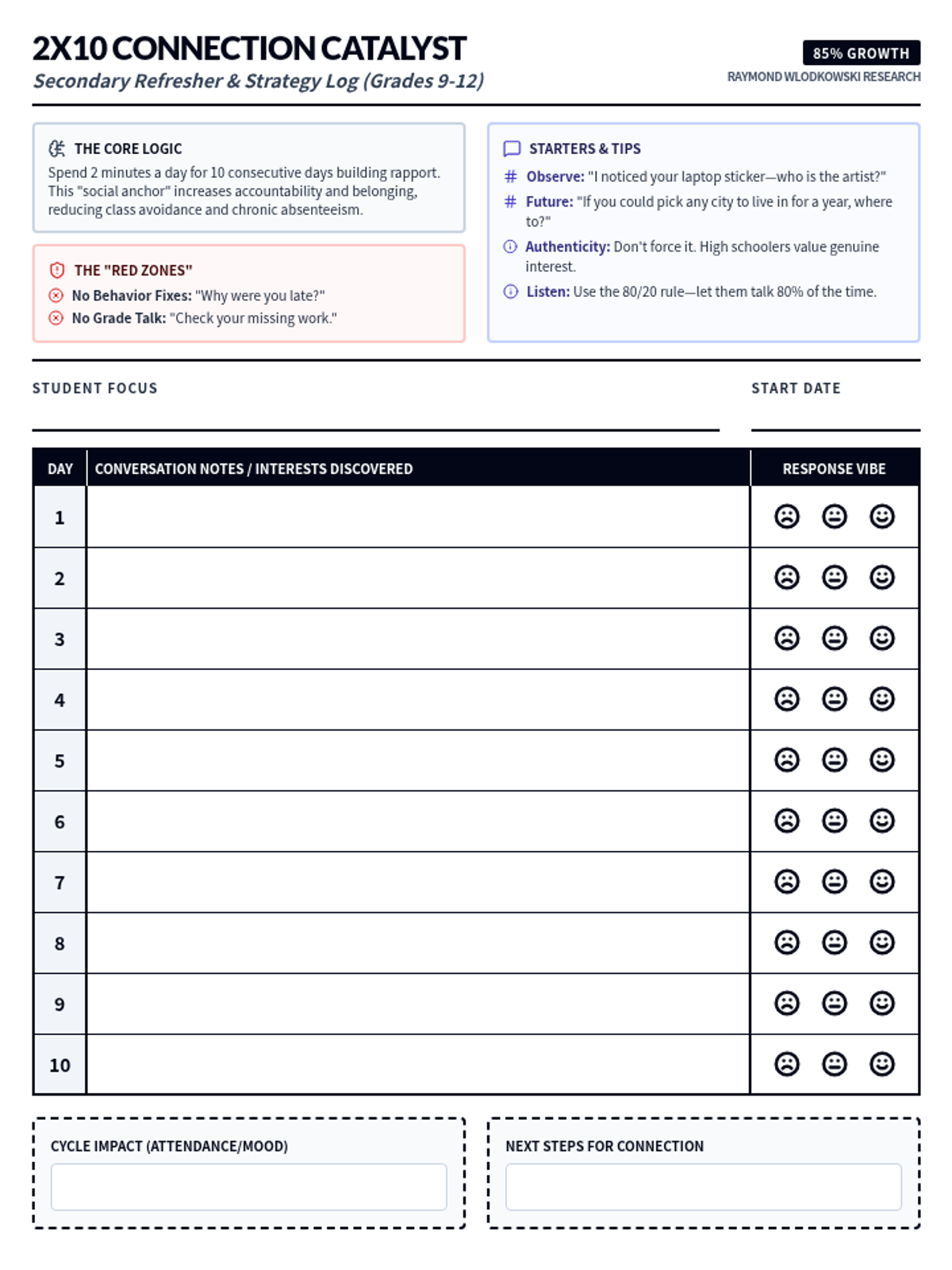
A quick refresher for teachers on the 2x10 relationship-building strategy, focusing on improving student attendance and engagement through consistent, personal connection.
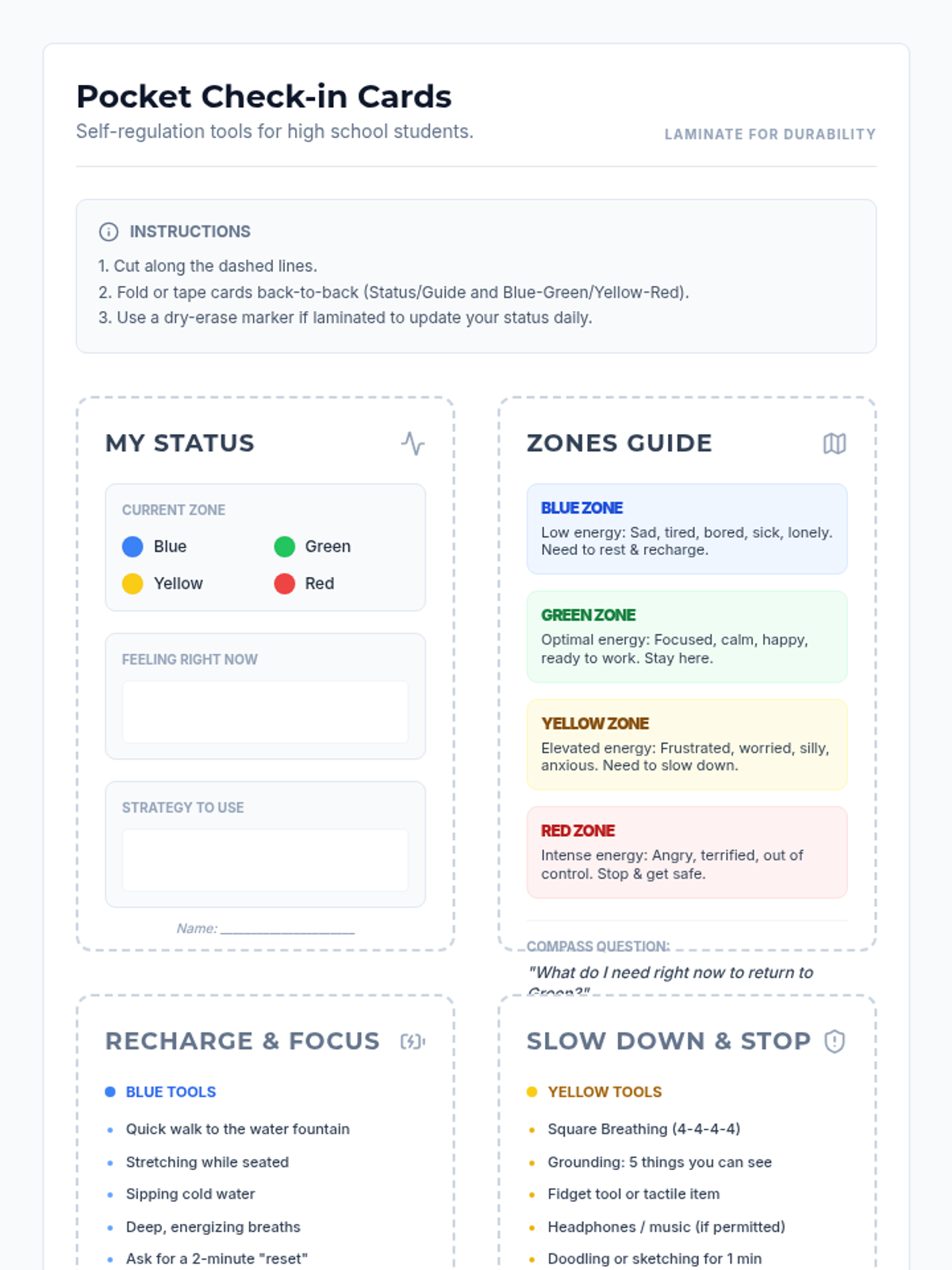
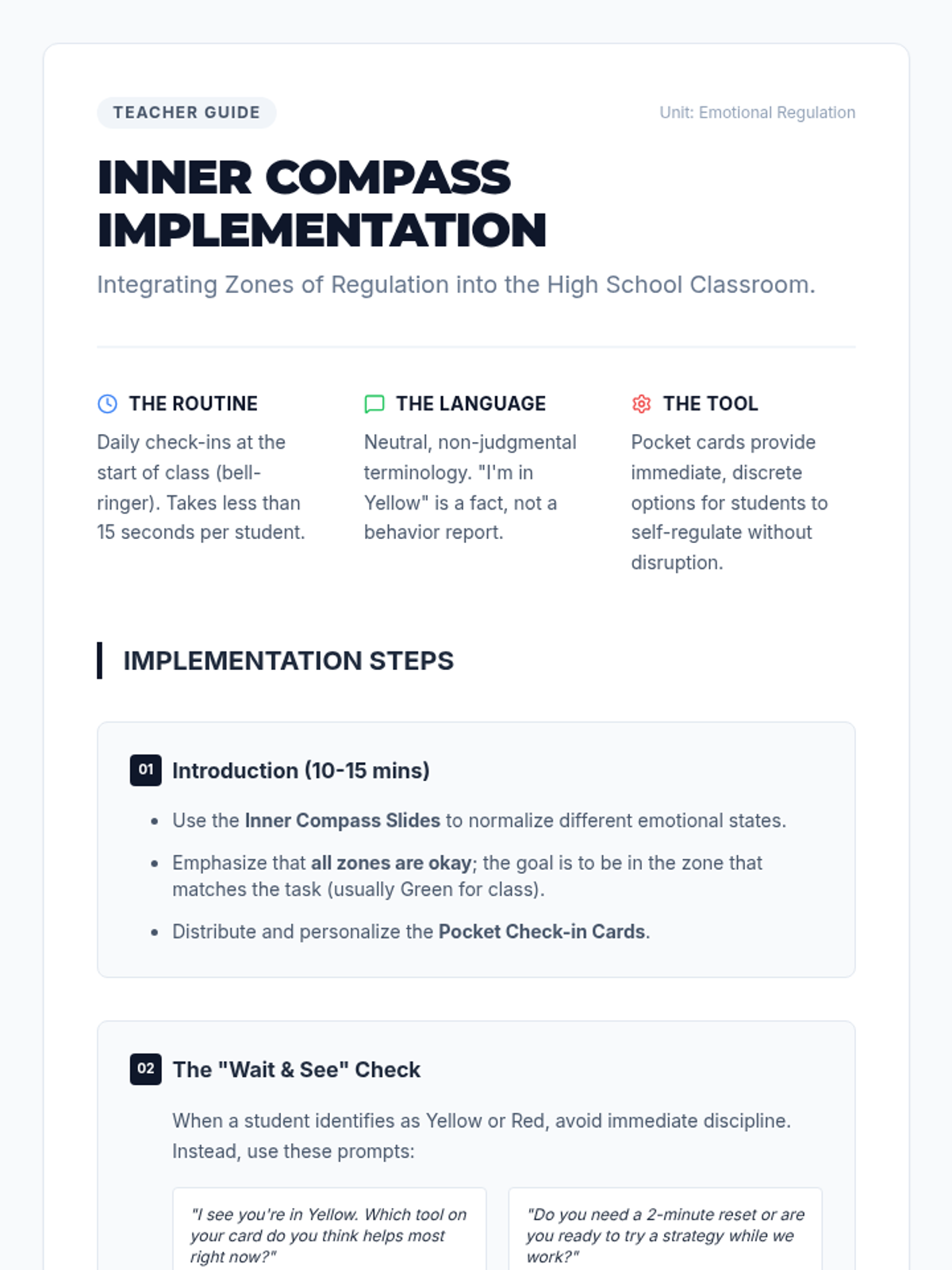
A set of emotional regulation tools designed specifically for high schoolers using the Zones of Regulation framework to support self-awareness and self-management.
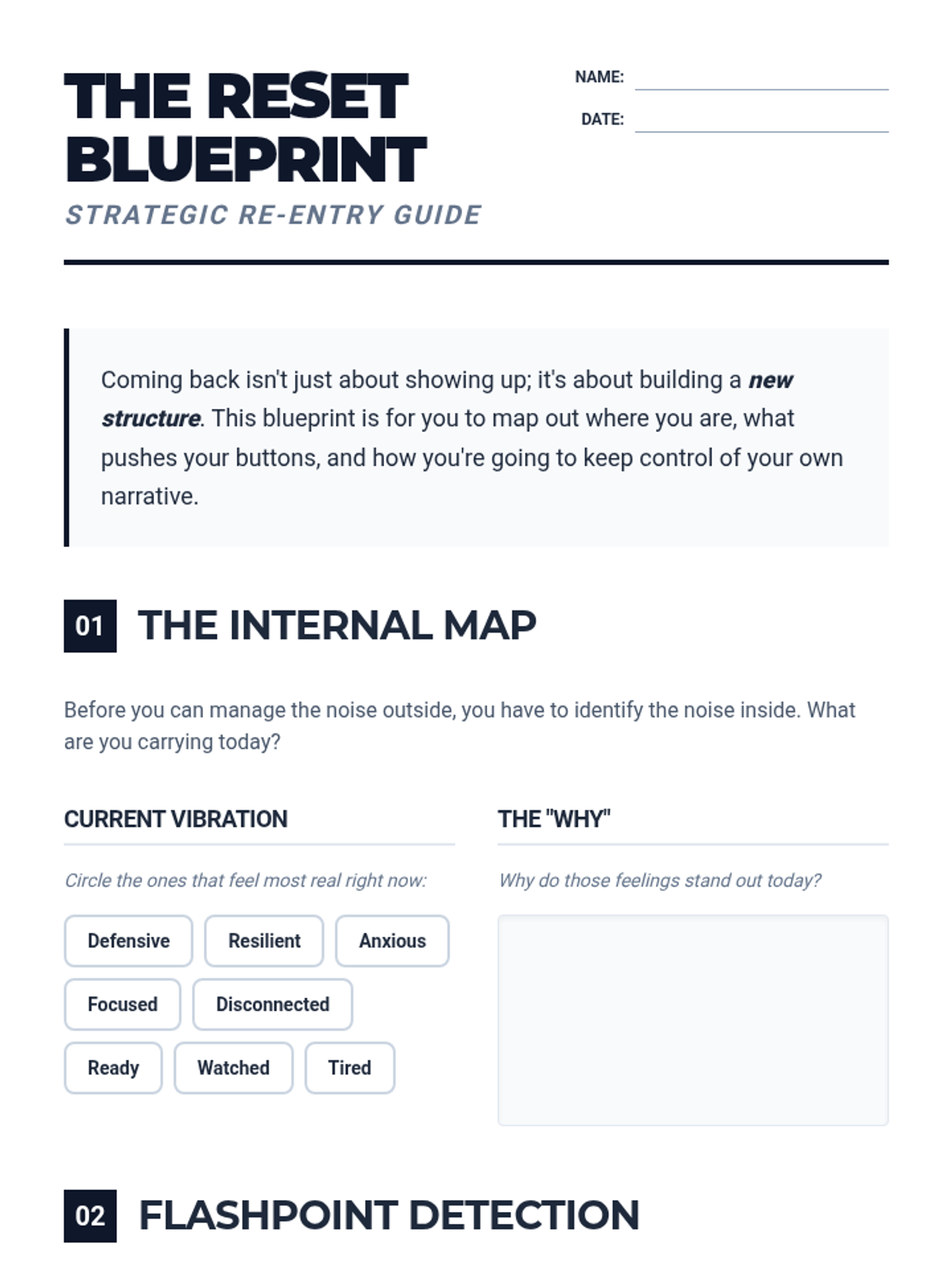
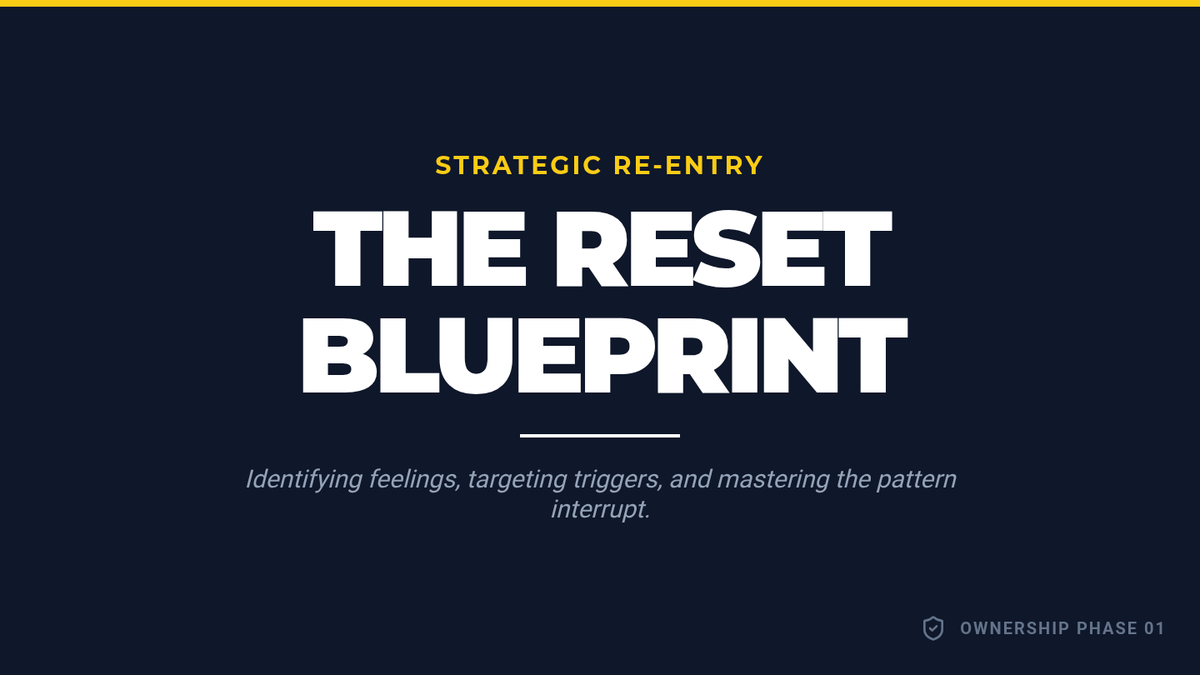
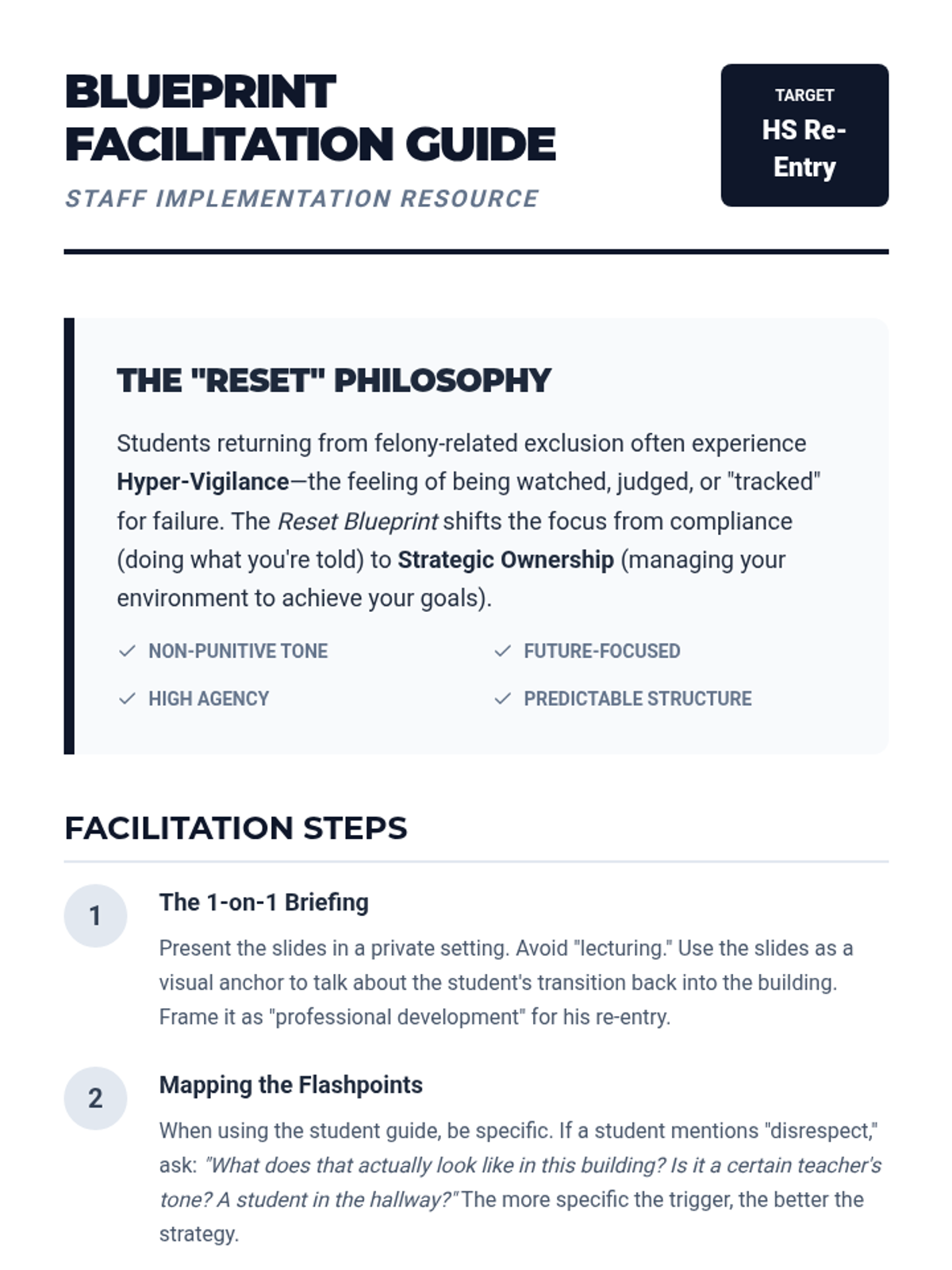
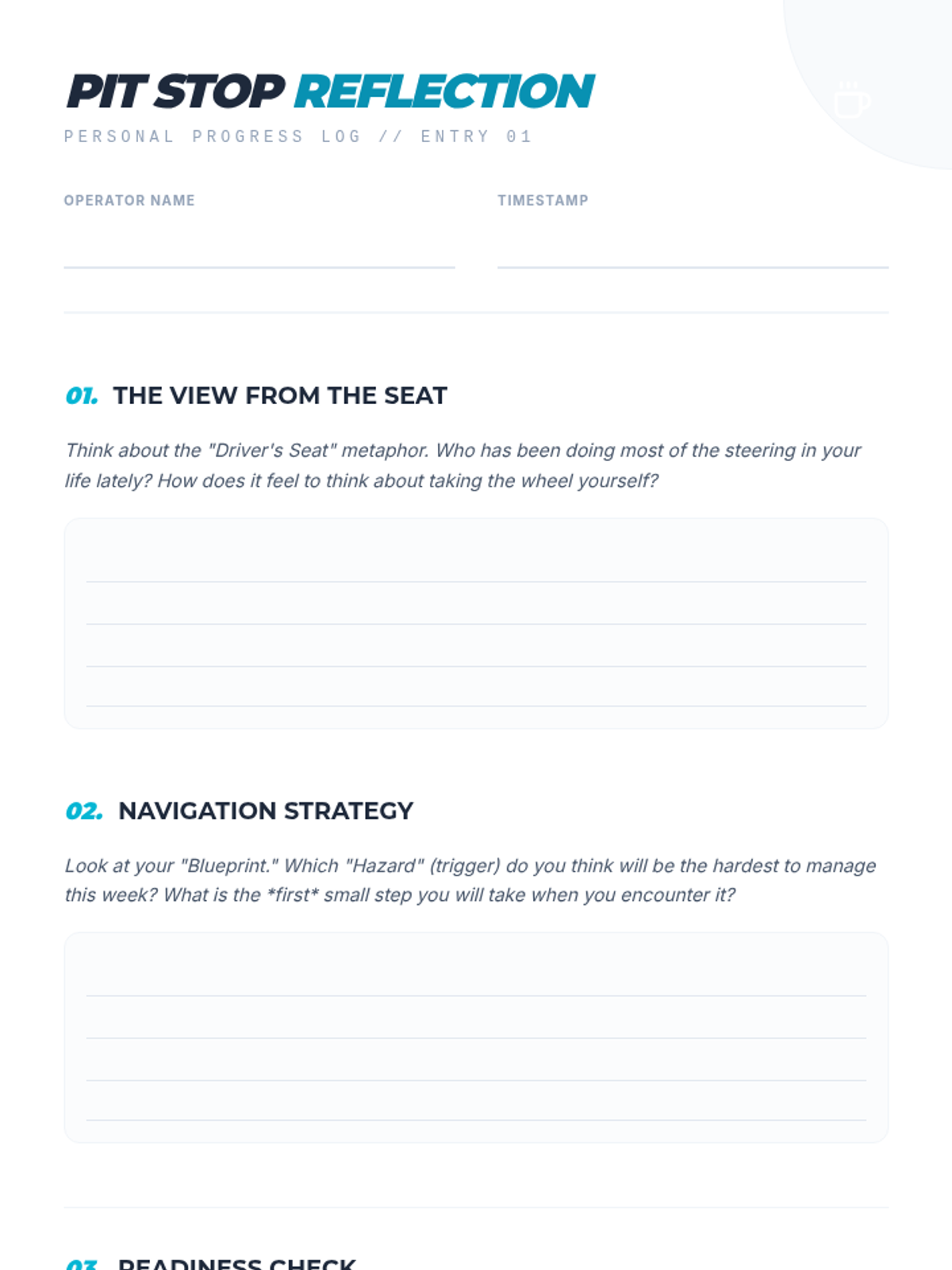
A comprehensive re-entry guide for high school students returning after exclusion, focusing on emotional literacy and managing impulsive triggers through a 'strategic blueprint' lens.
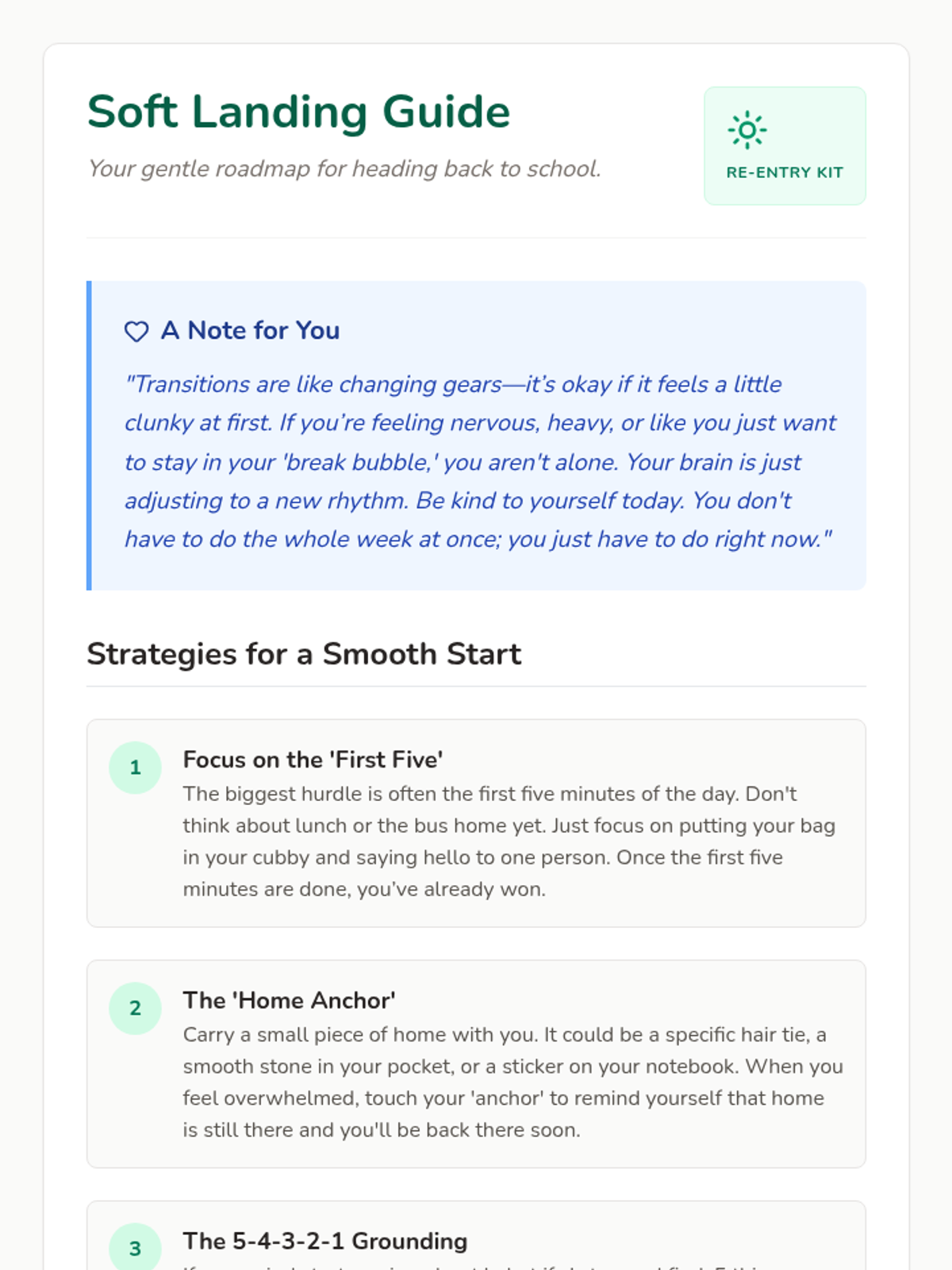
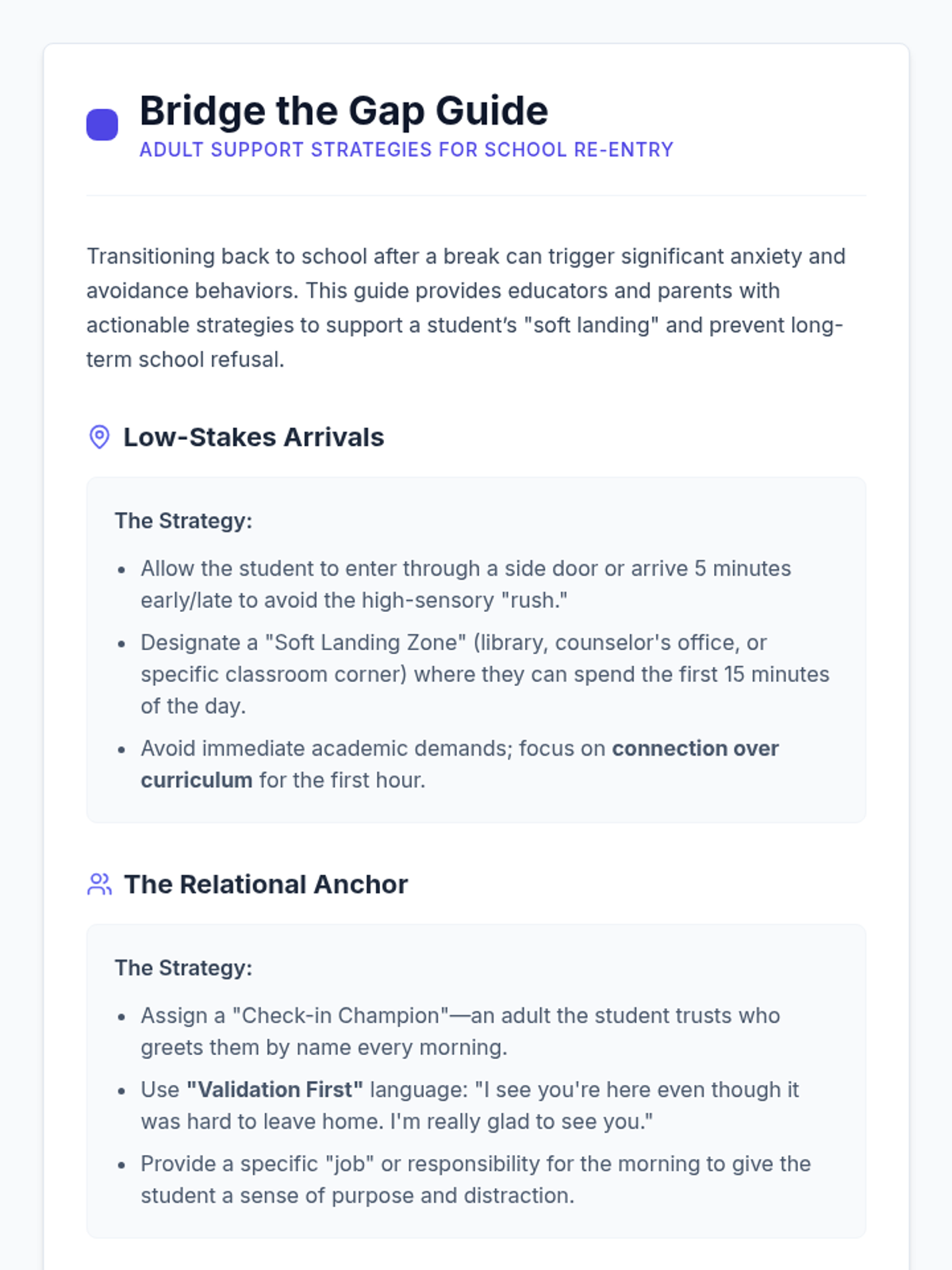
A supportive lesson focused on easing school-re-entry anxiety and providing concrete strategies for students transitioning back after a break.
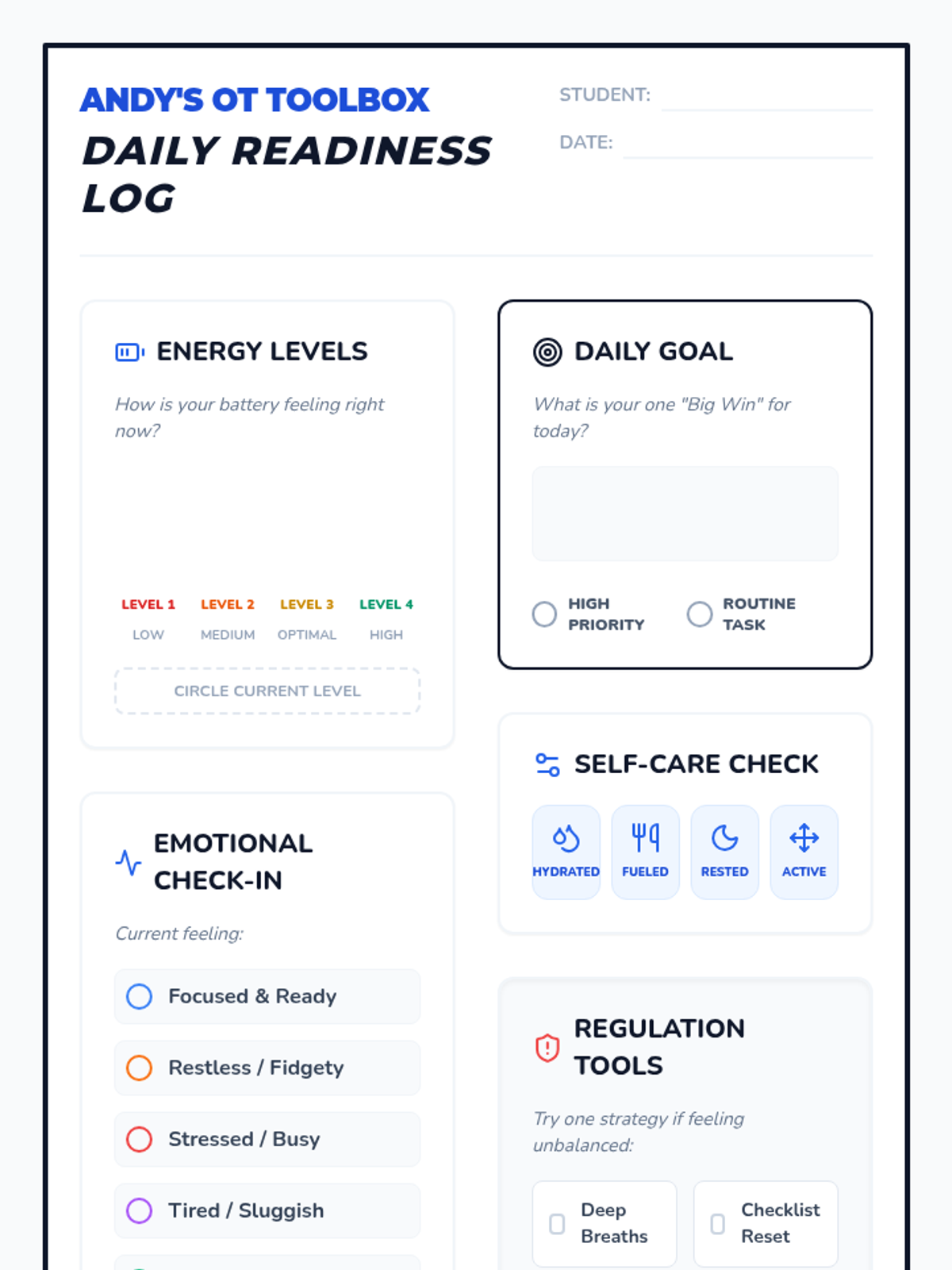
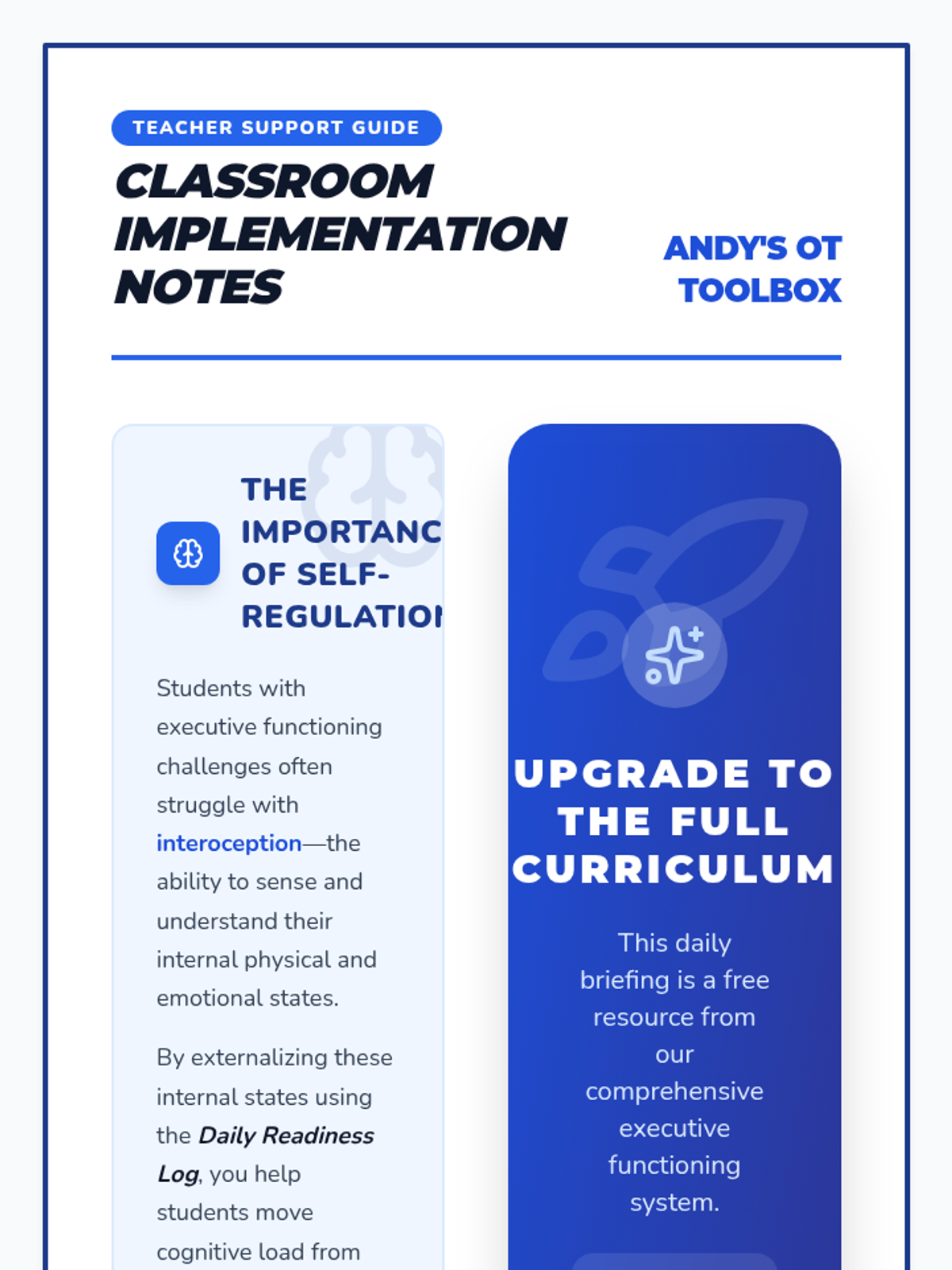
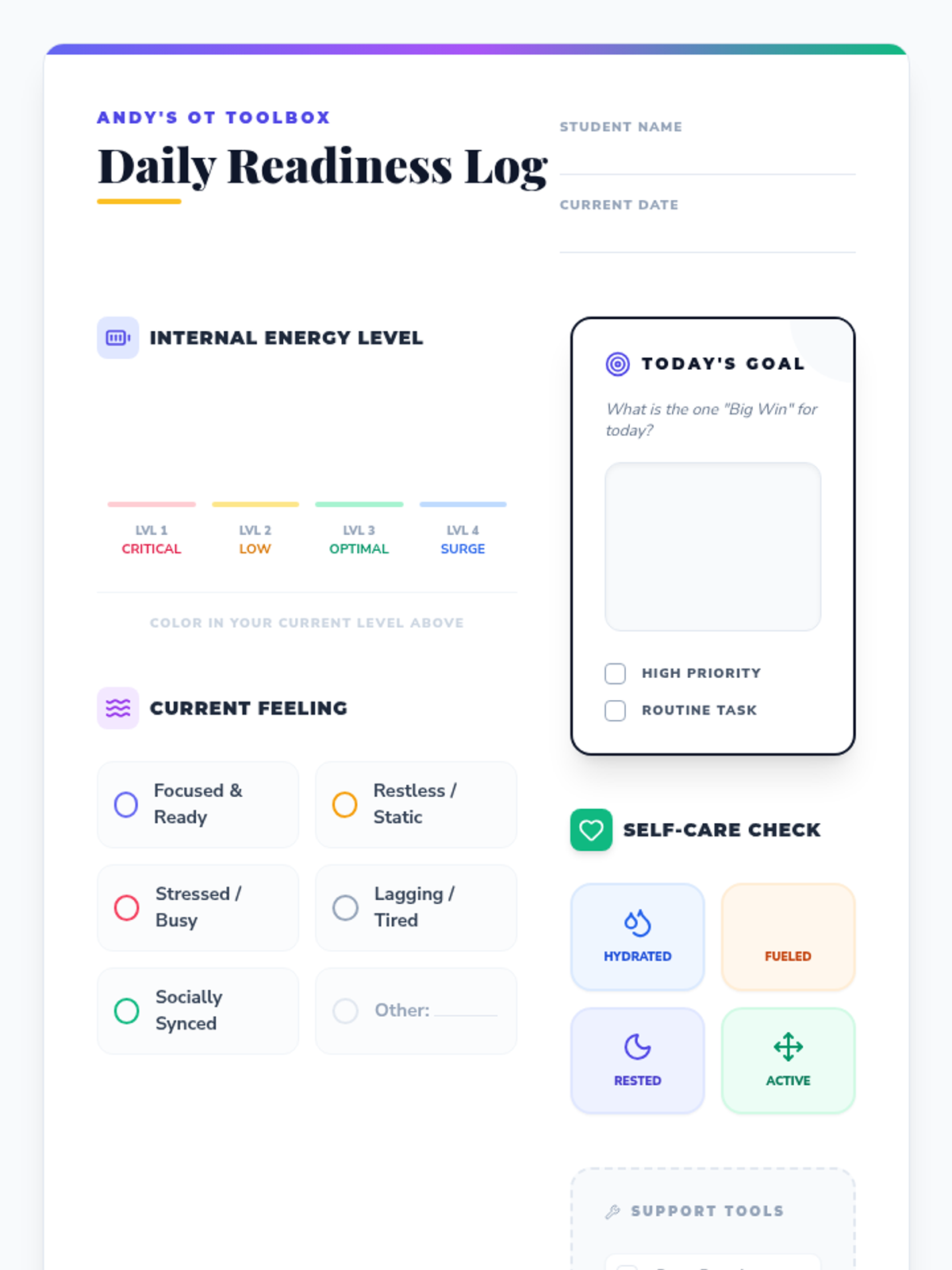
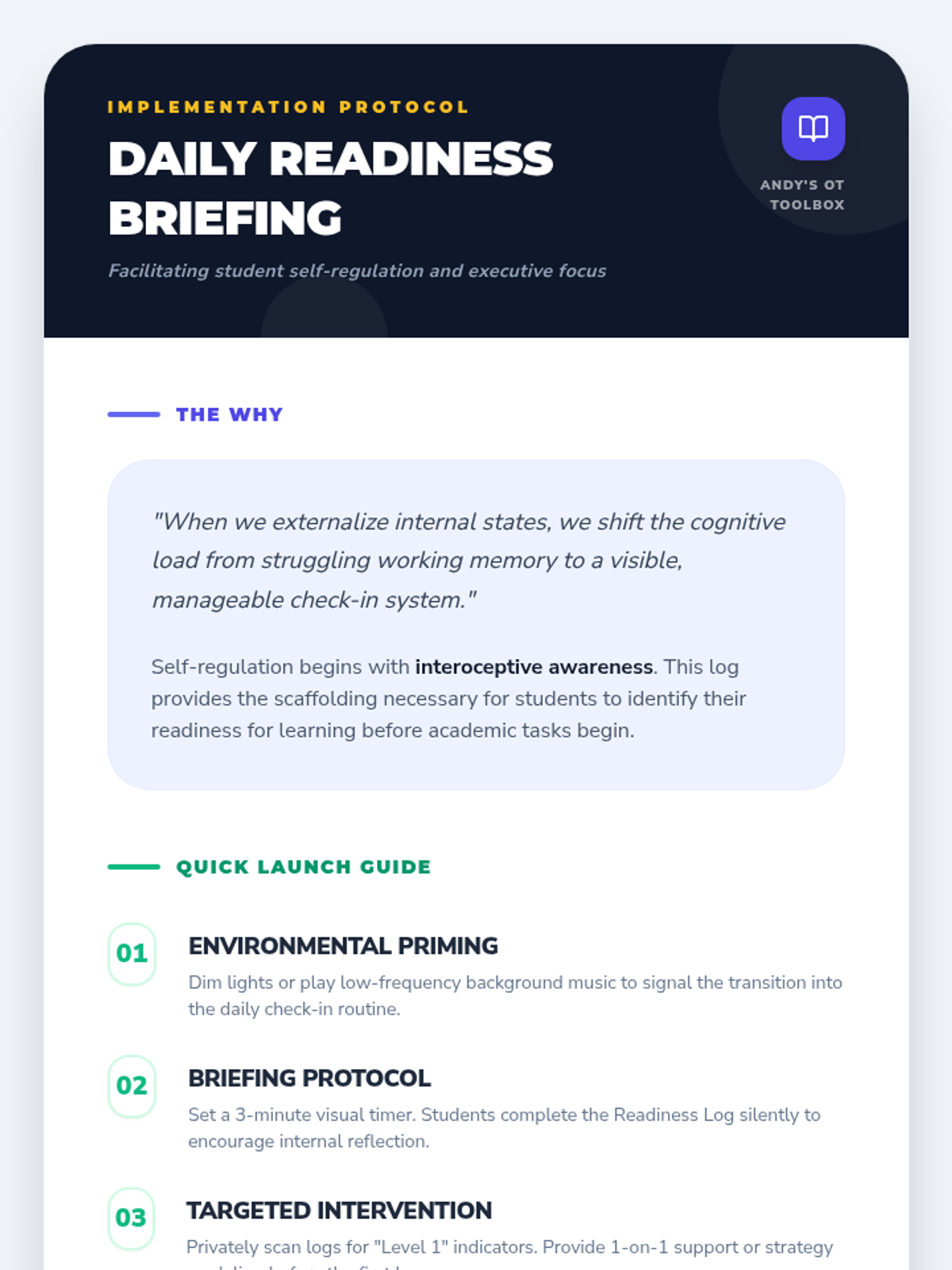
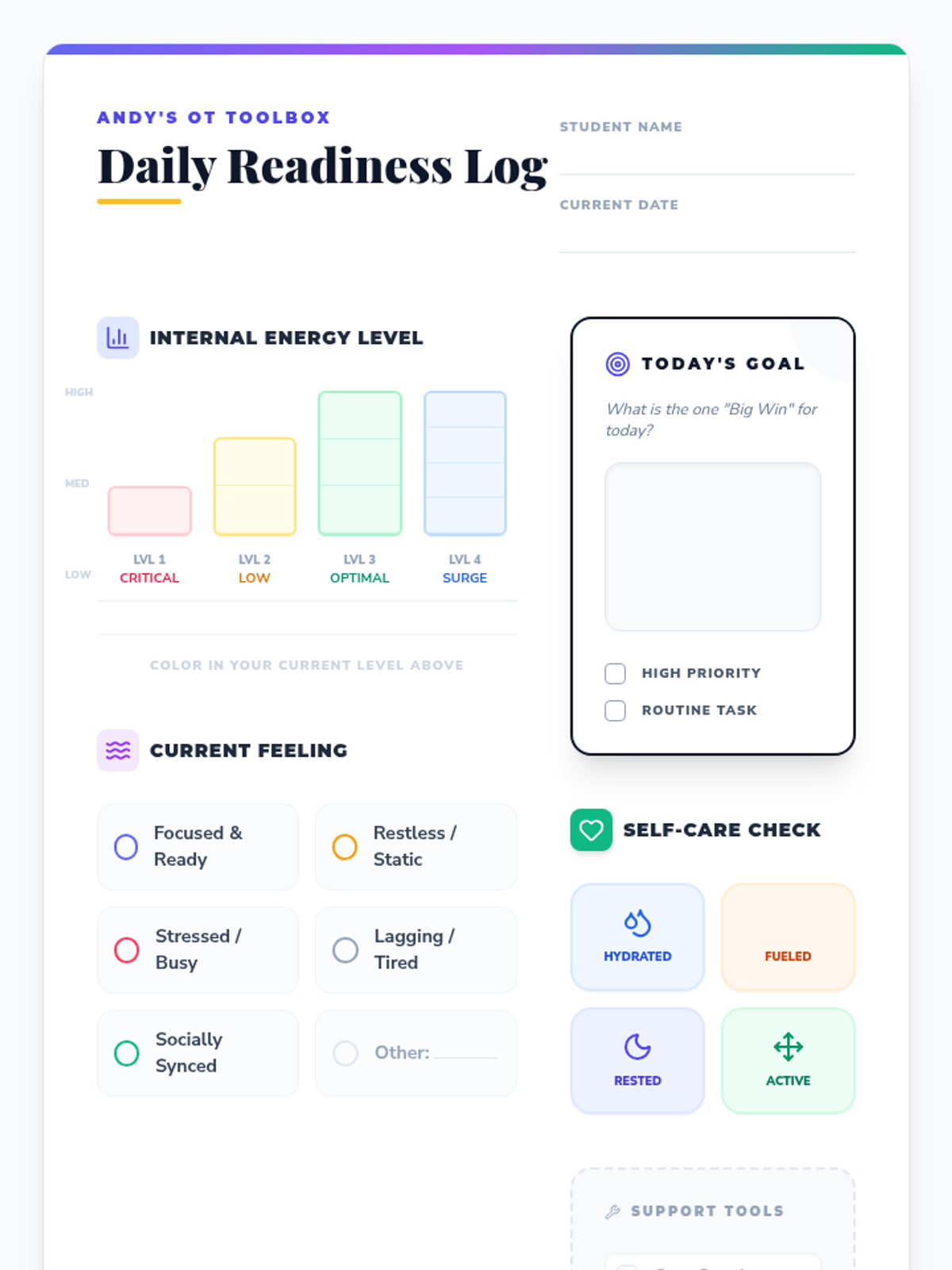
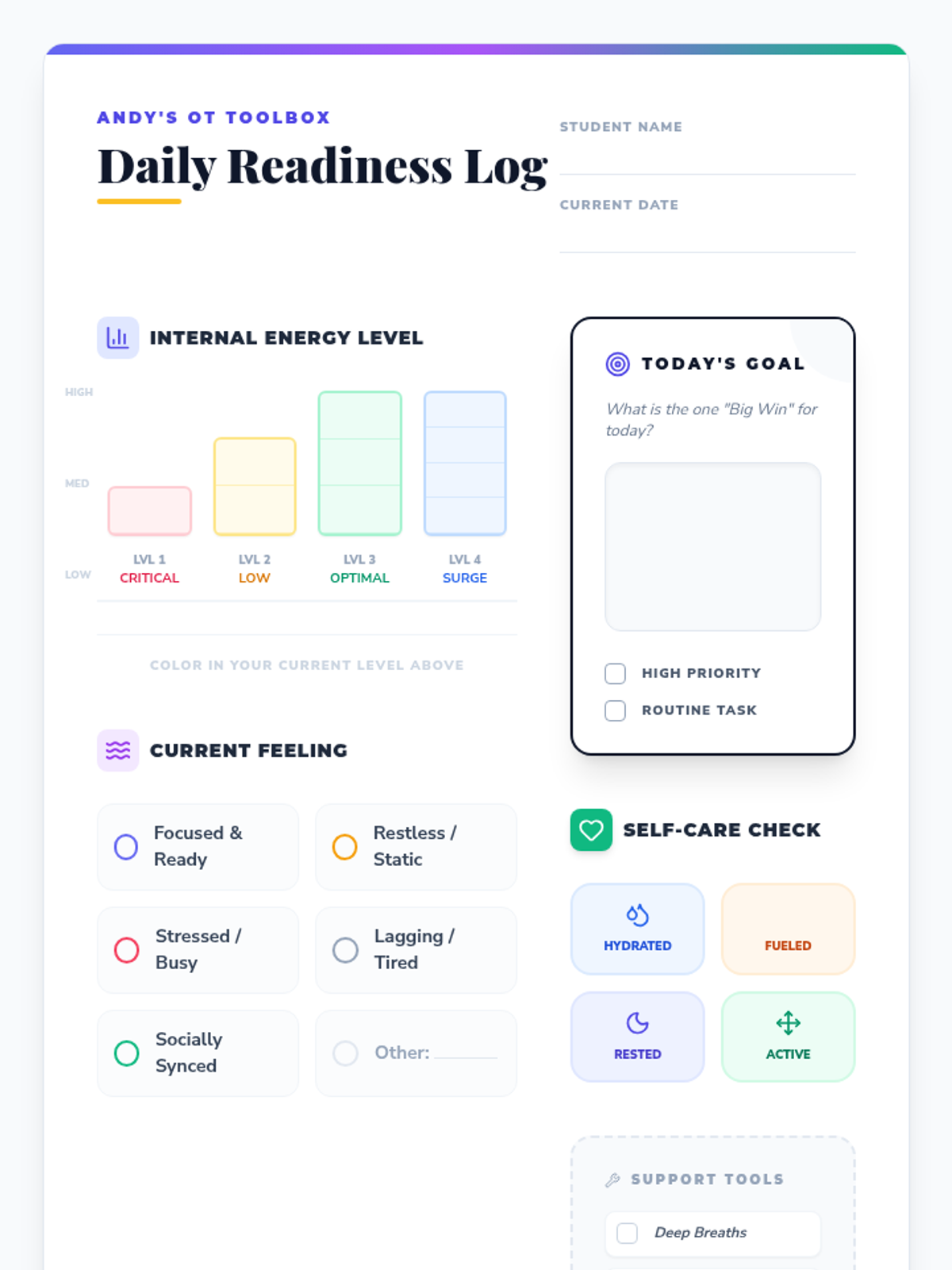
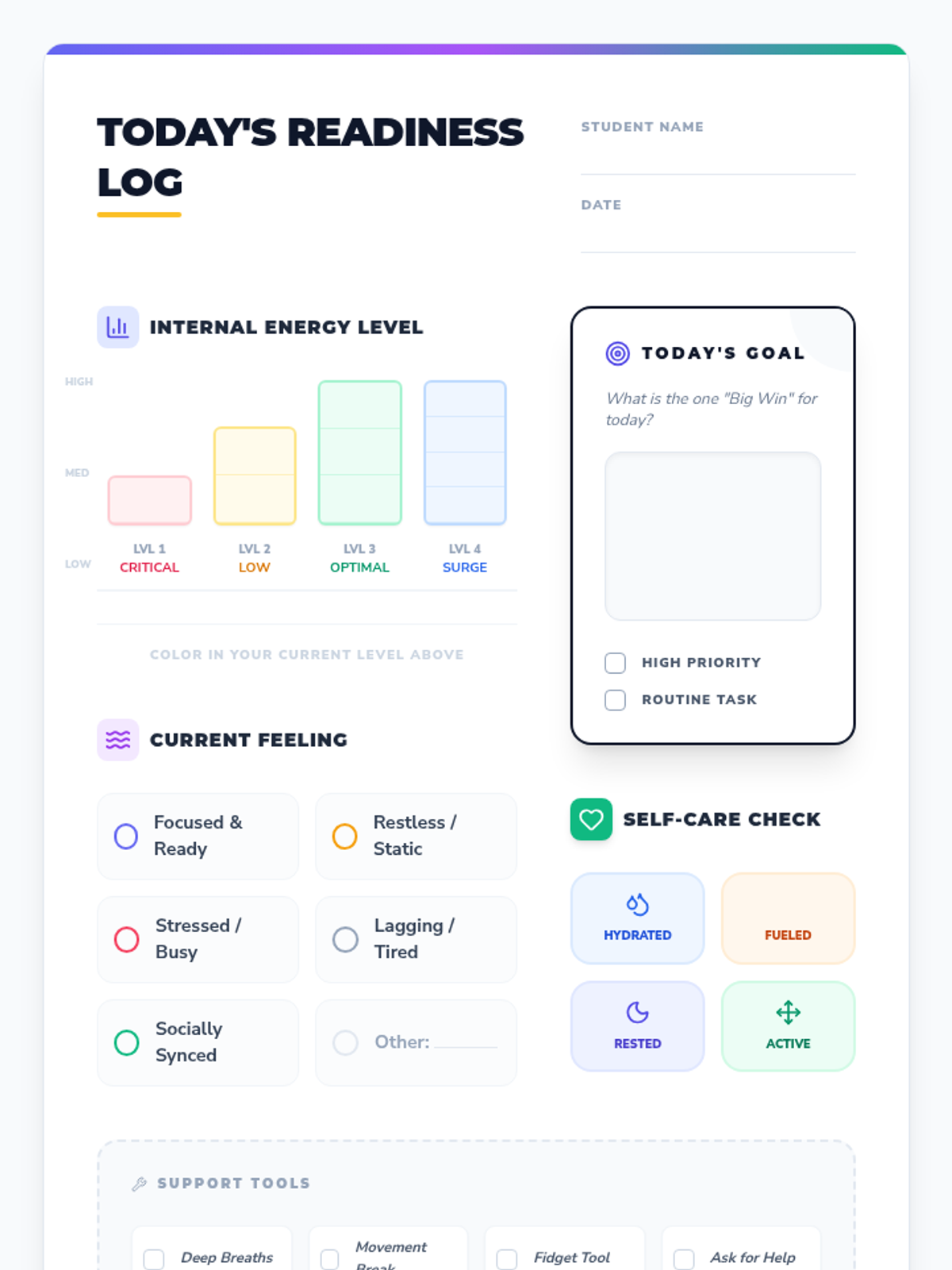
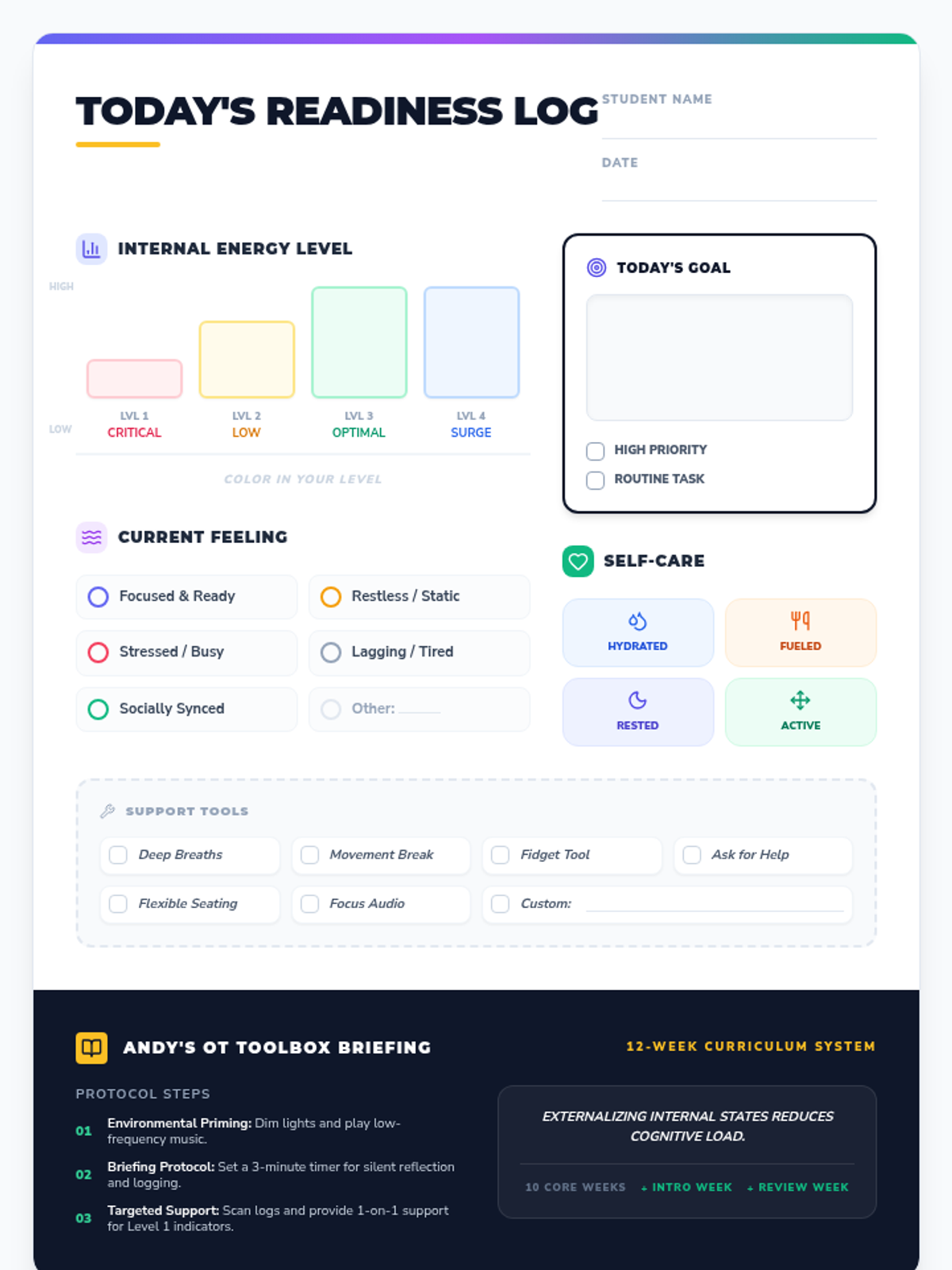
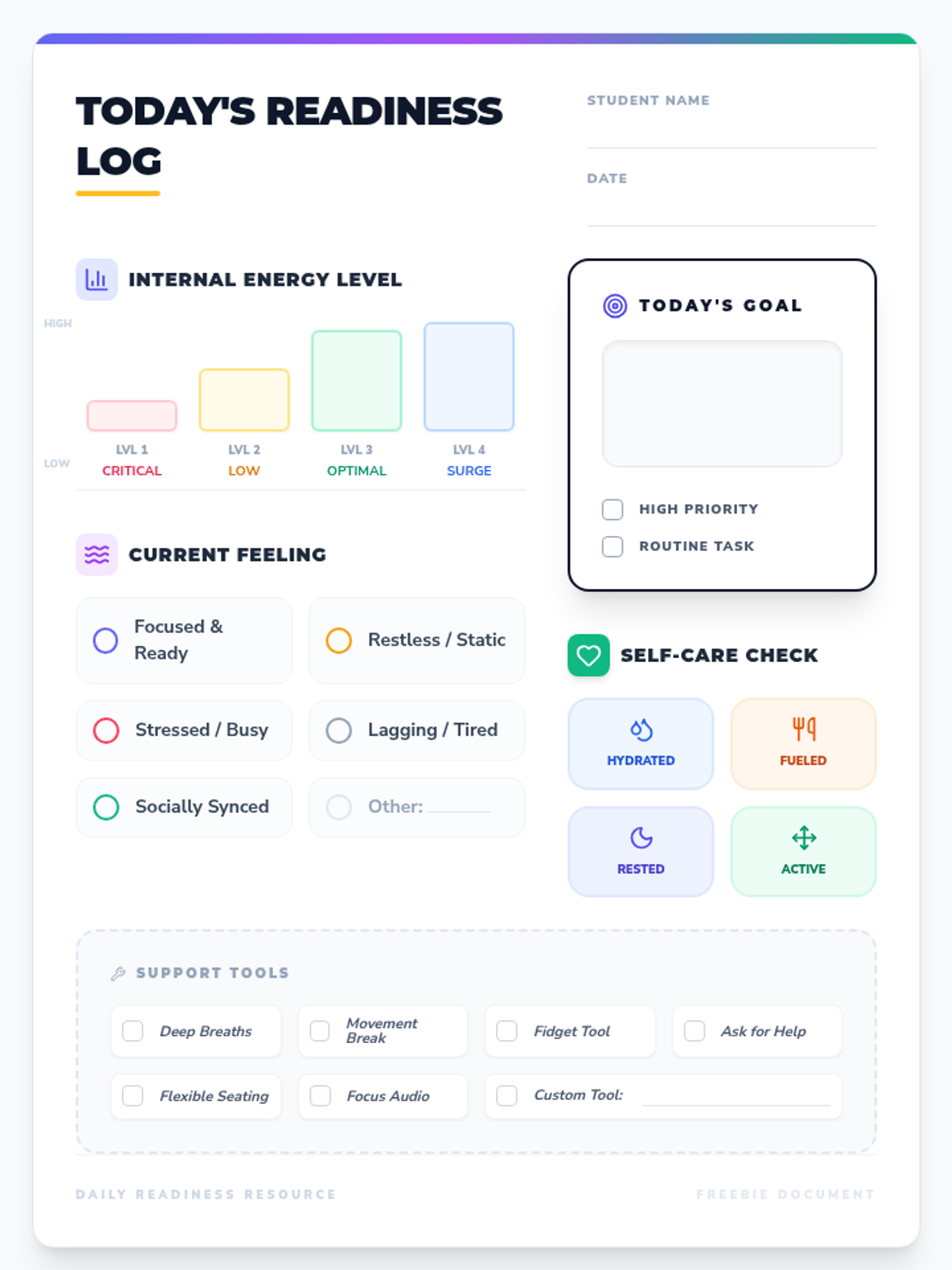
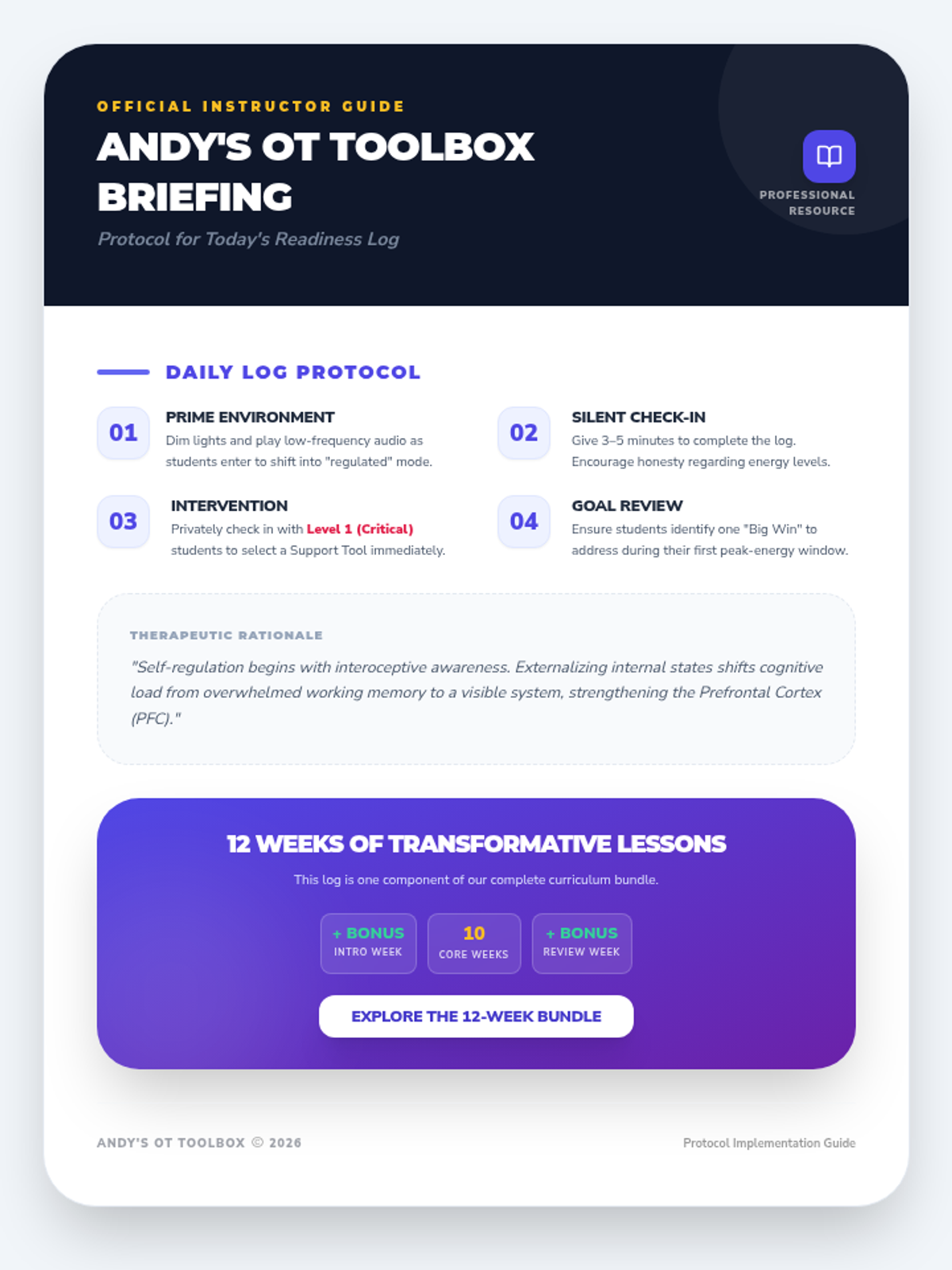
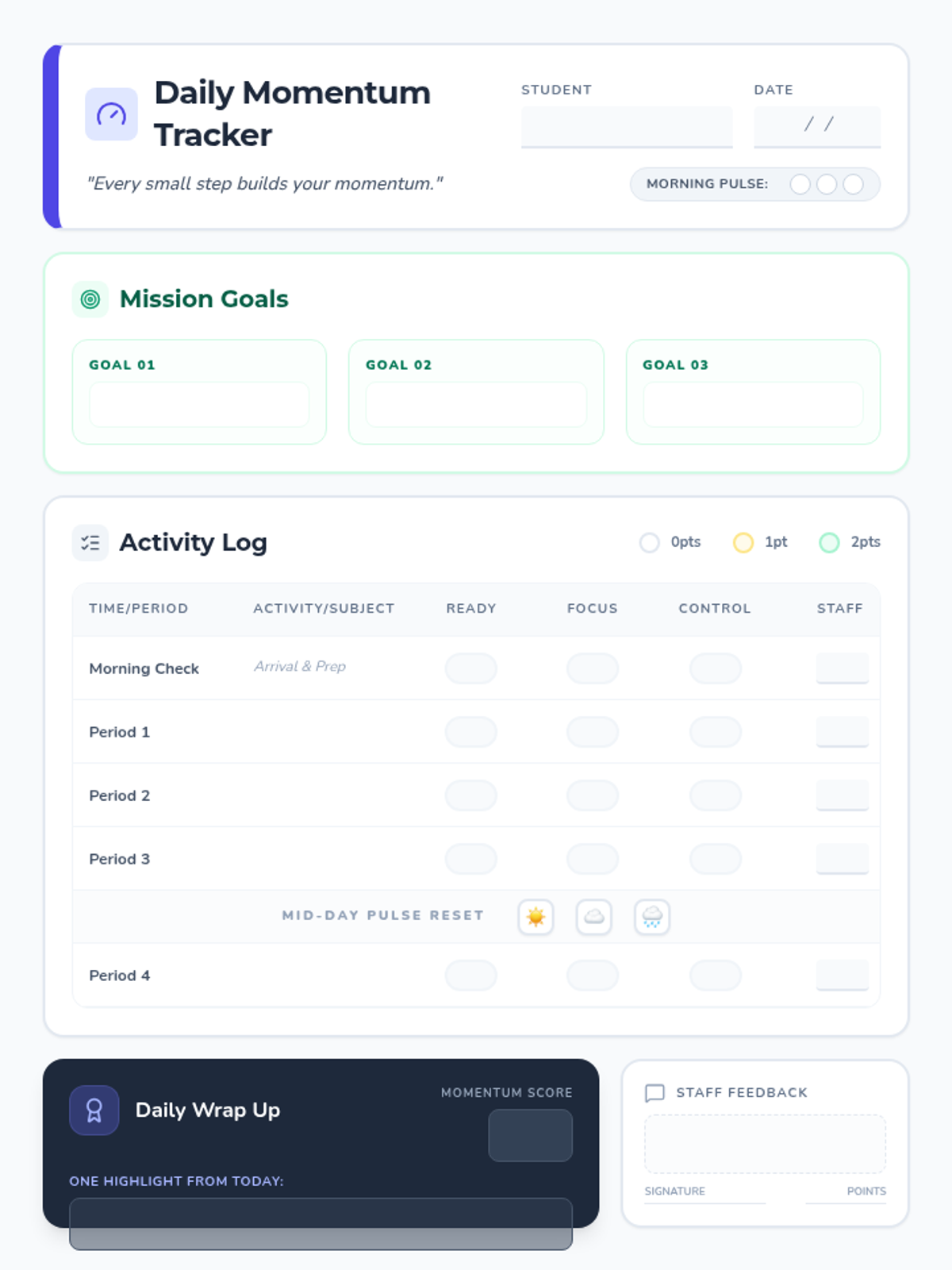
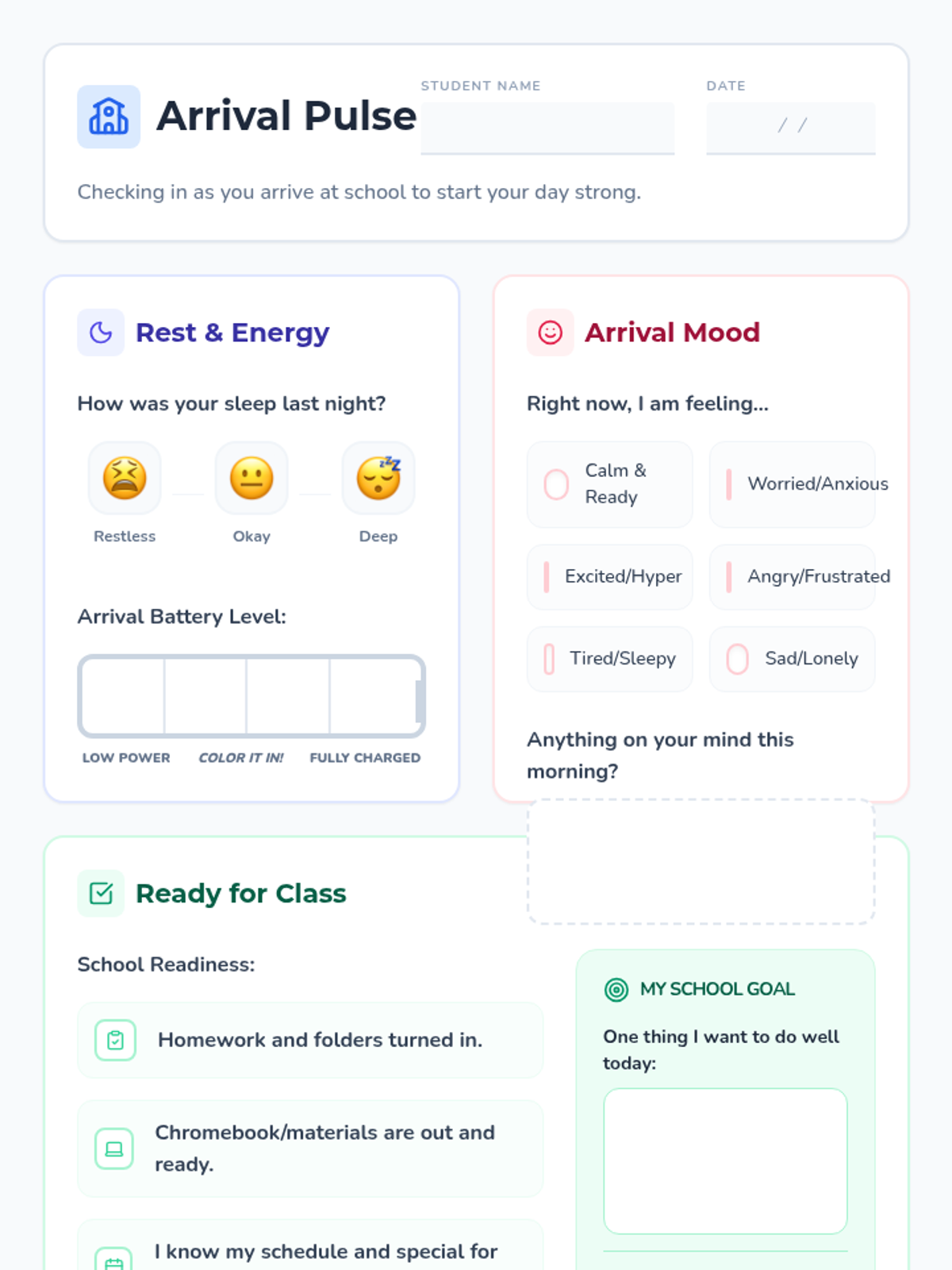
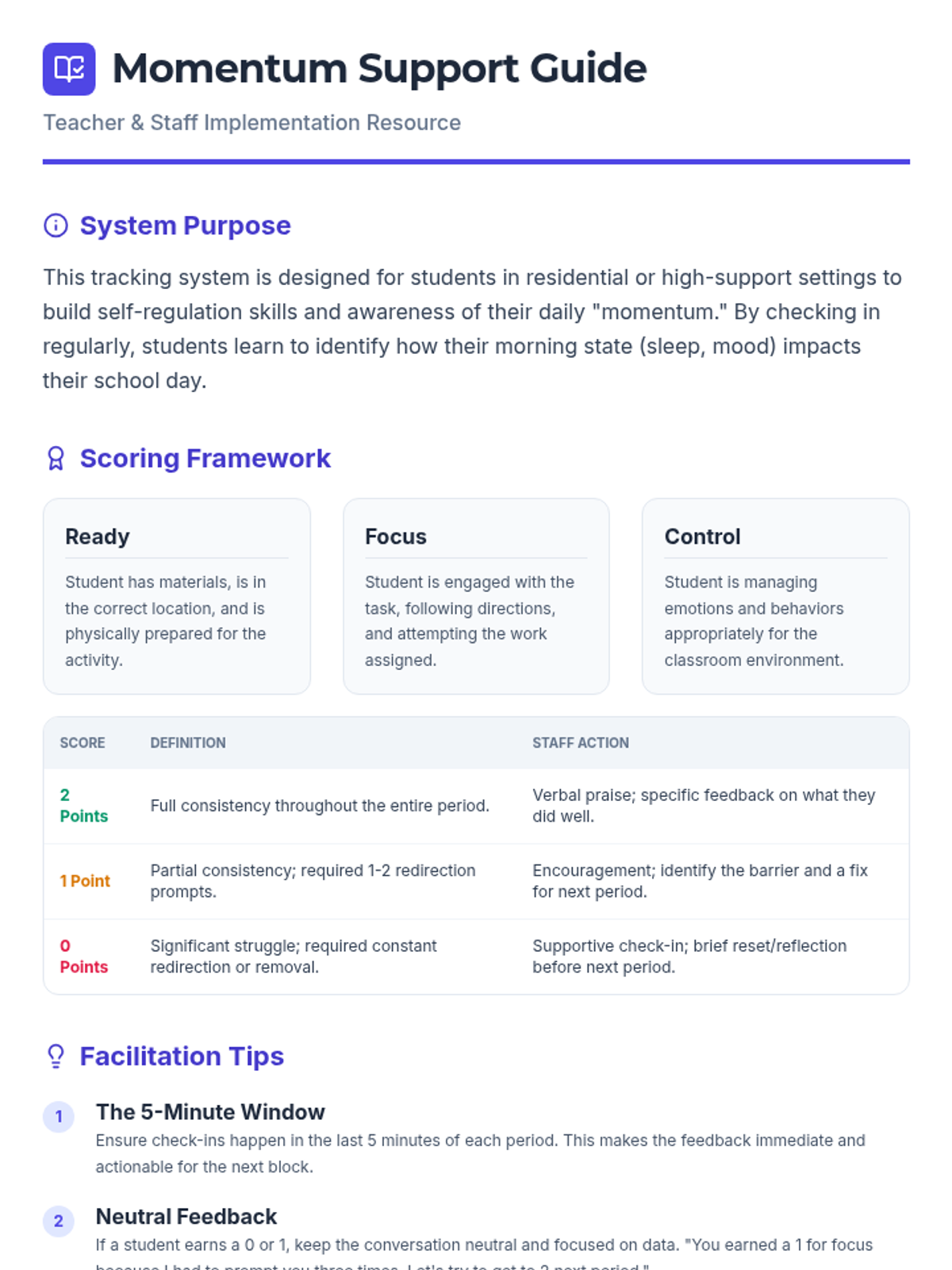
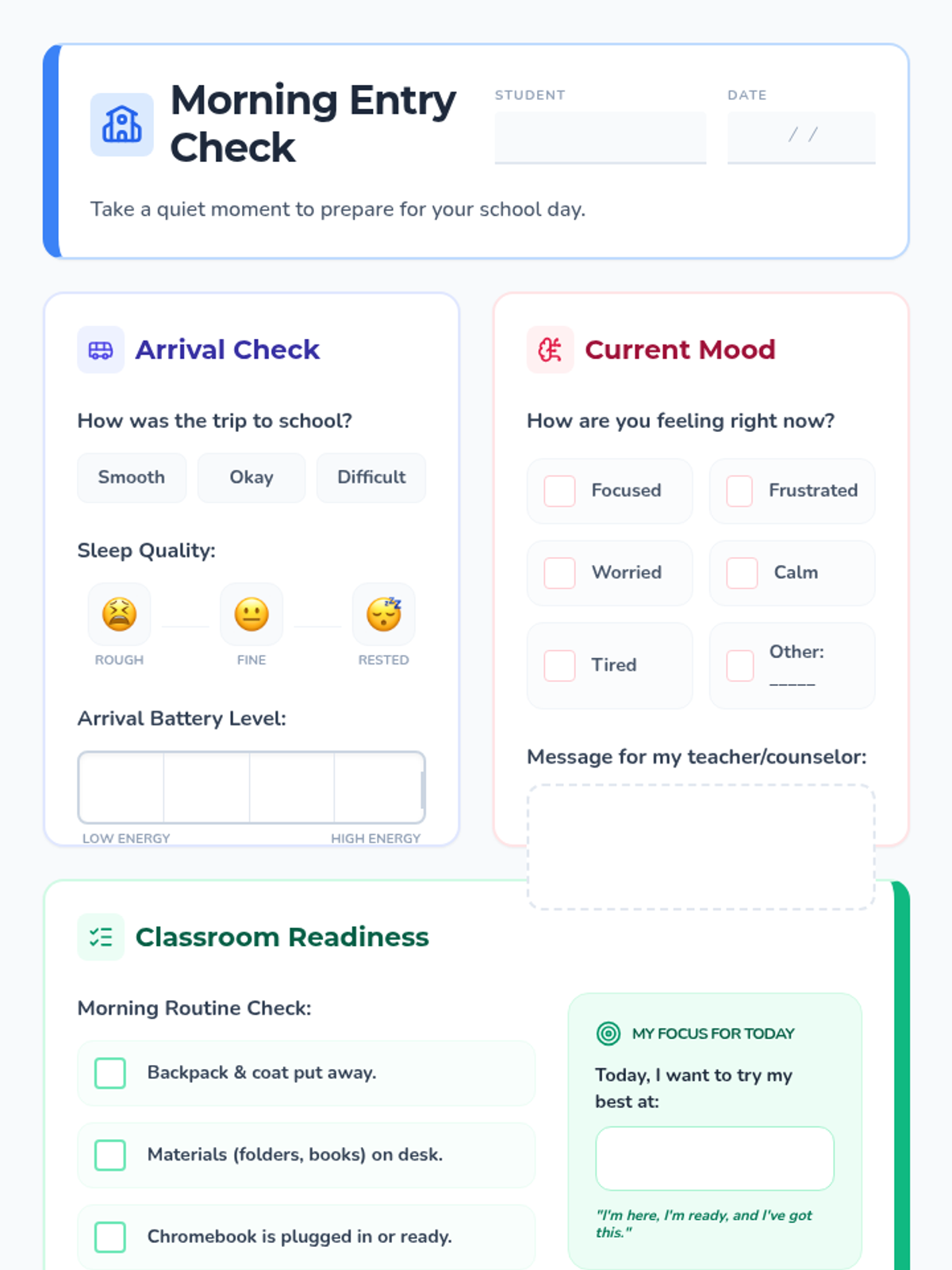
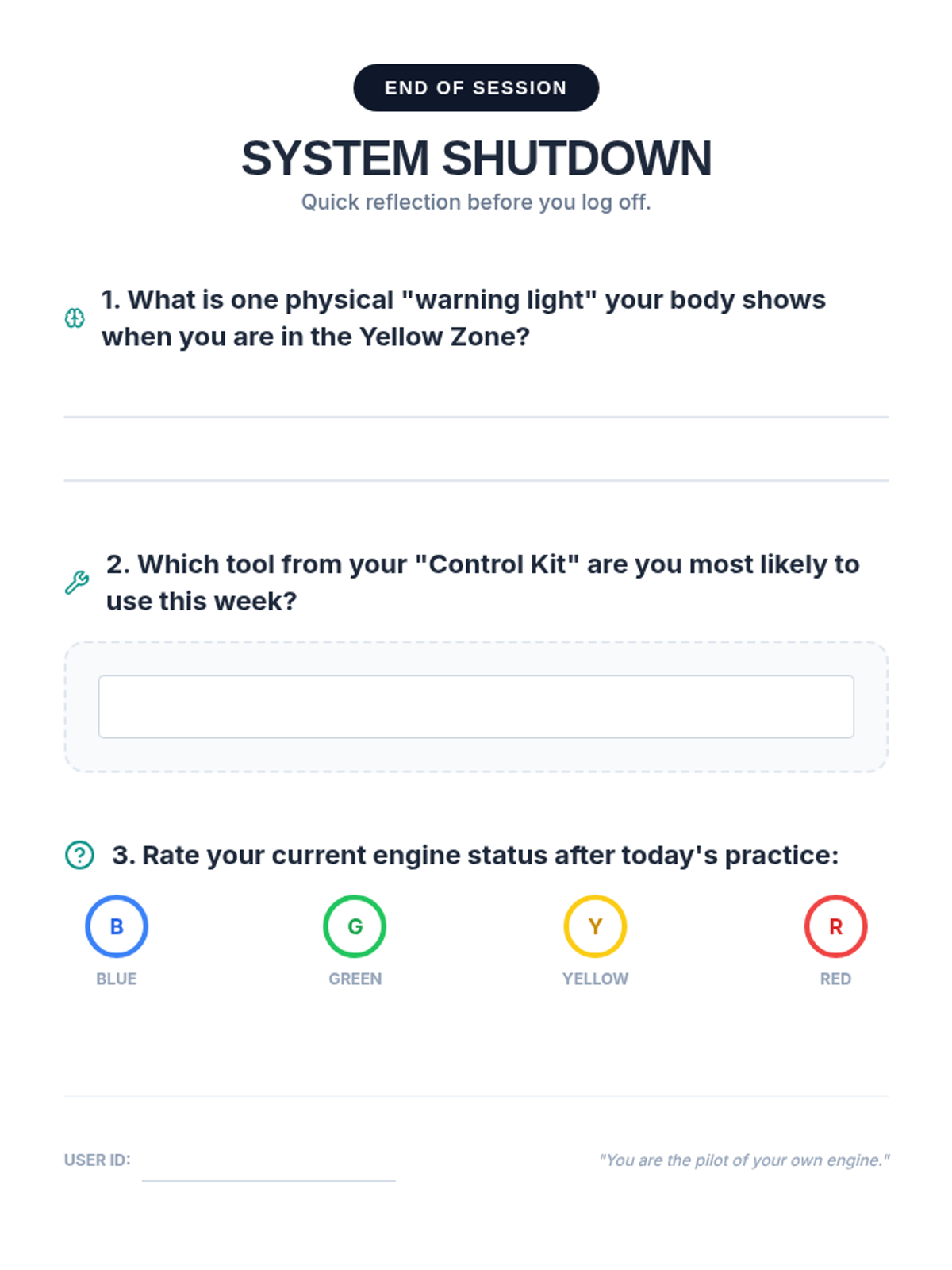
A daily check-in system designed to help students identify their energy levels, emotional states, and regulation needs. Includes a student log and a teacher implementation guide.
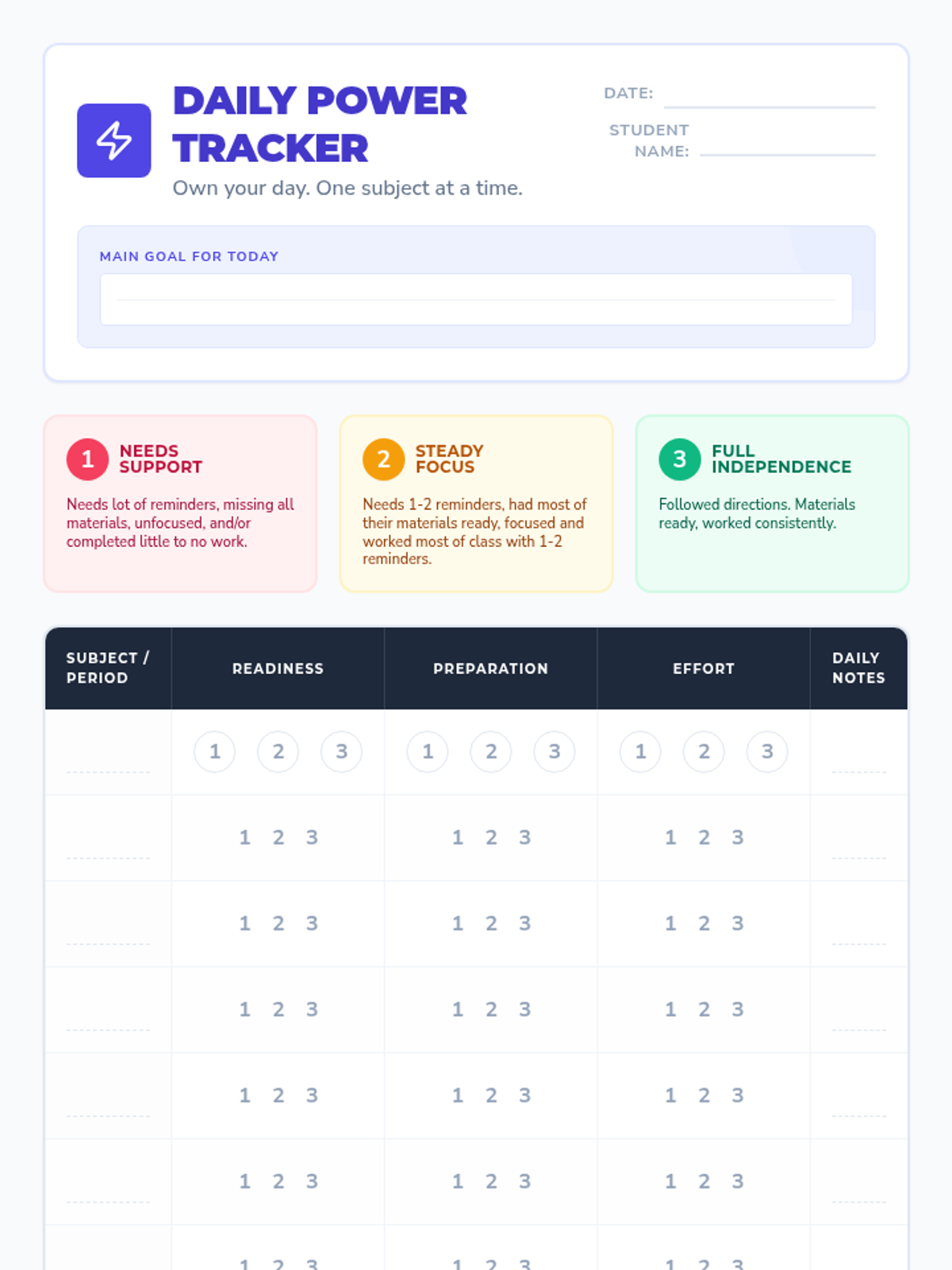
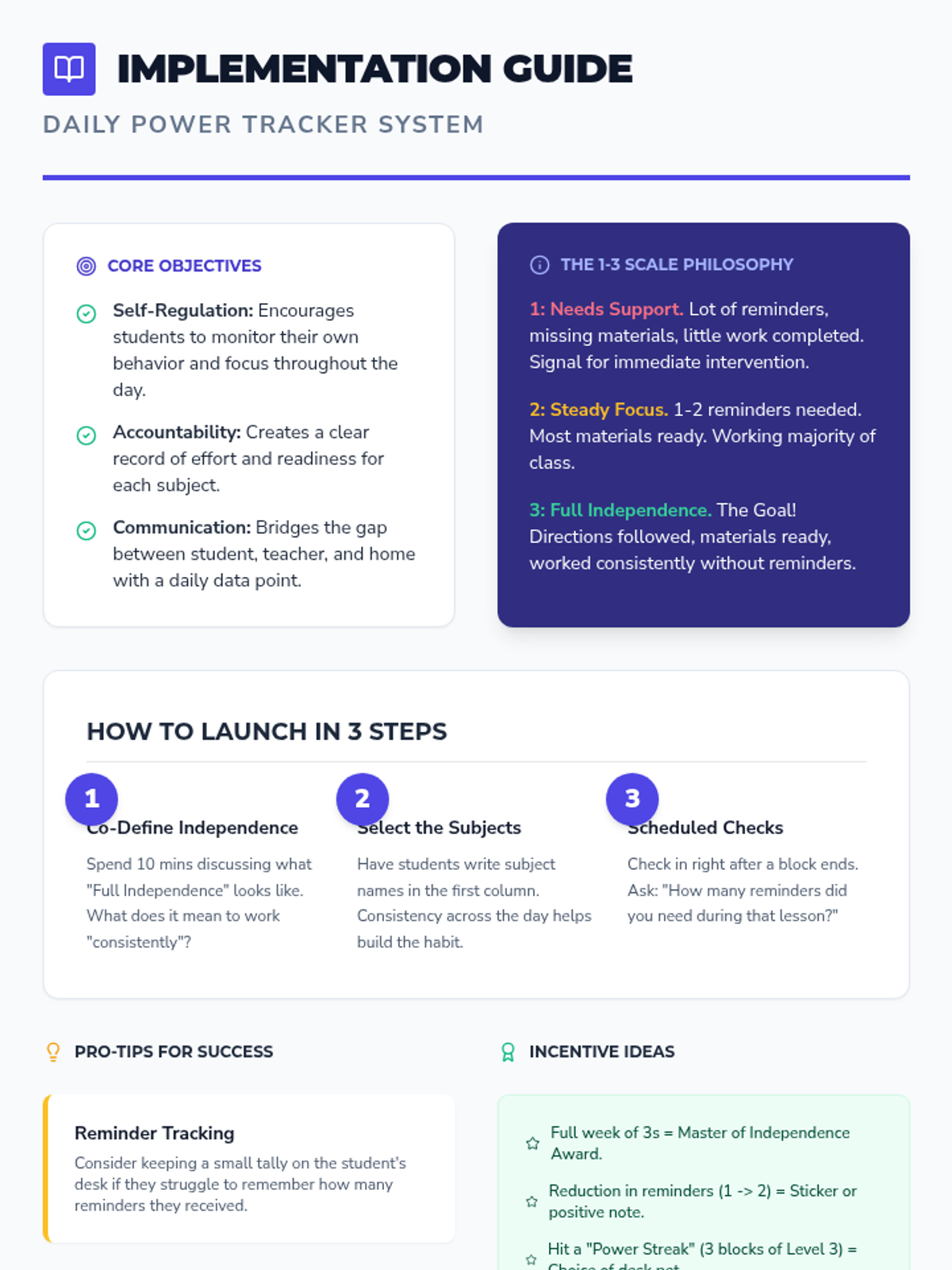
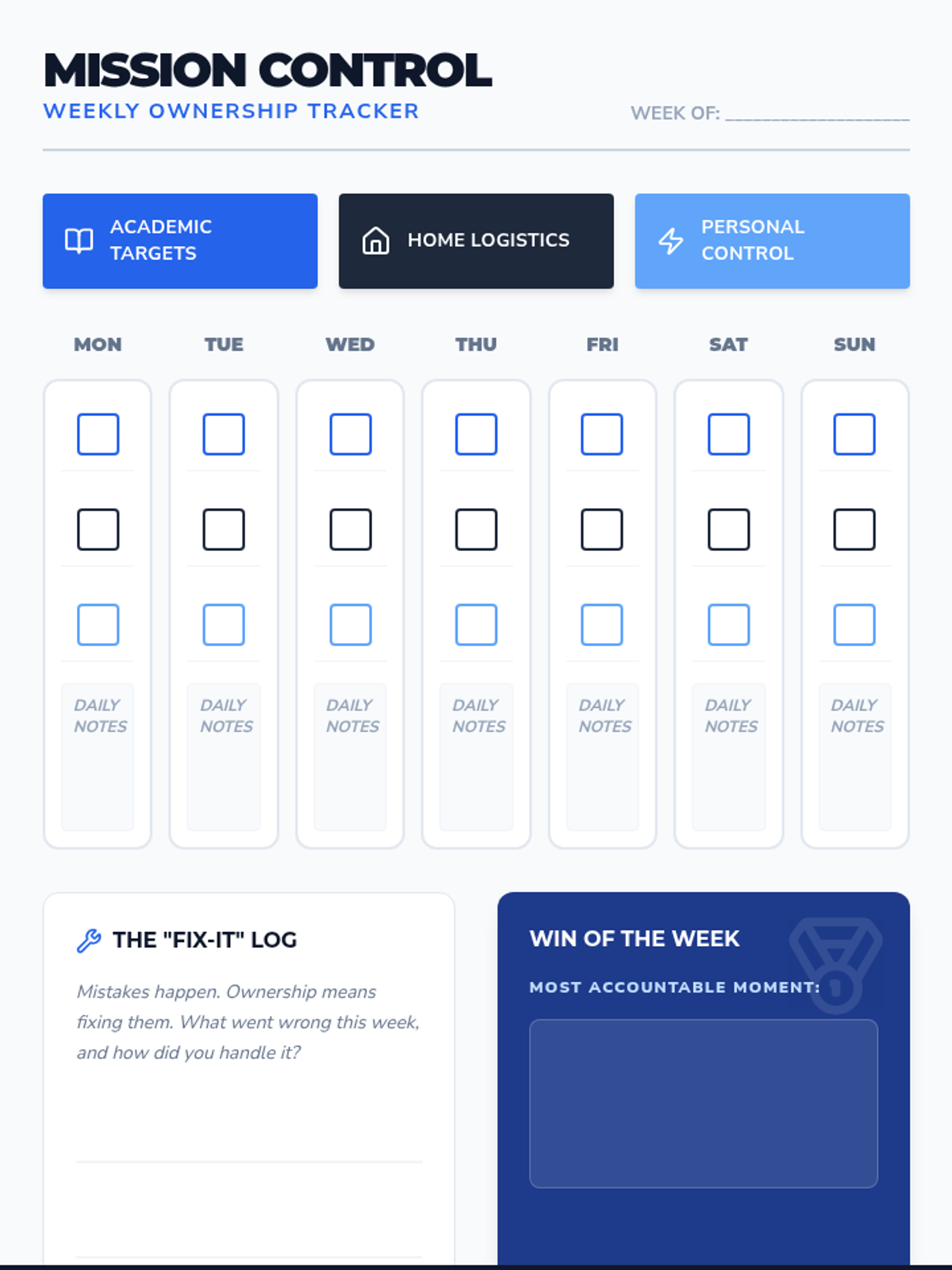
A daily habit-building system for students to monitor their readiness, preparation, and work effort across all subjects. Includes student trackers and teacher implementation guides to foster accountability and self-regulation.
A collection of tools to help students in residential settings prepare for their school day through social-emotional reflection.
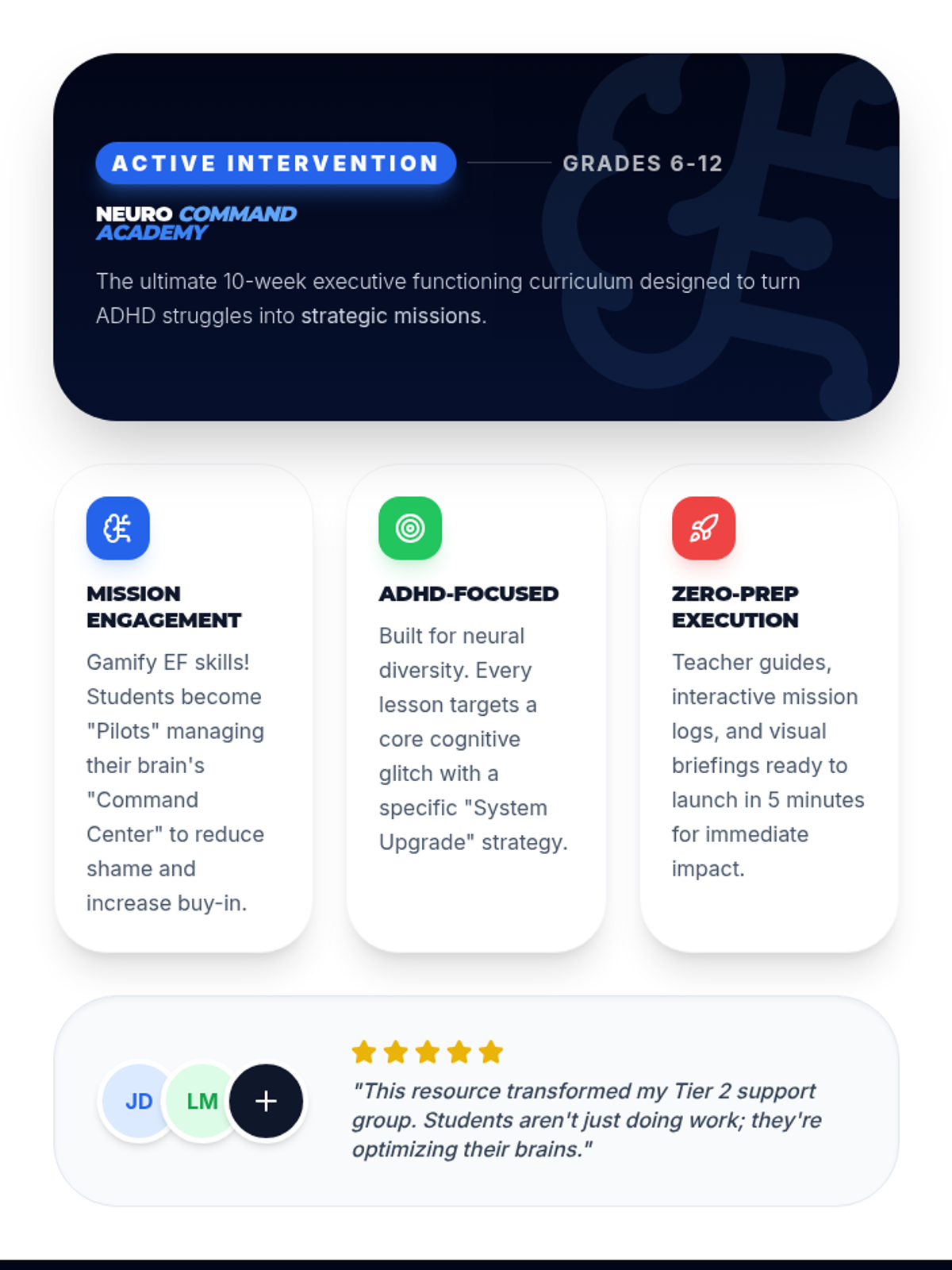
A comprehensive resource kit for the 'Neuro Command Academy' 10-week curriculum, including high-impact TPT product pages and standards-aligned guides.
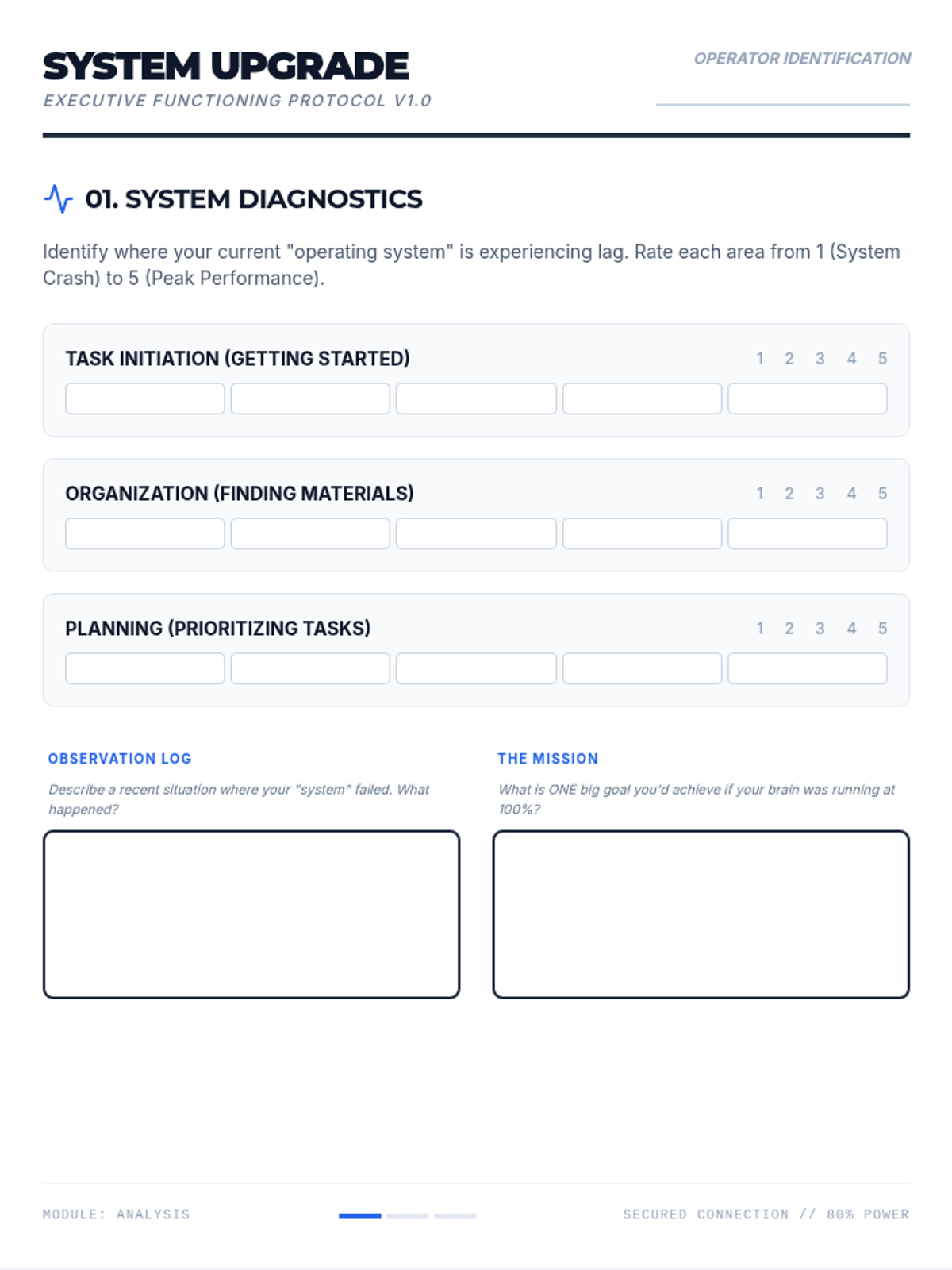
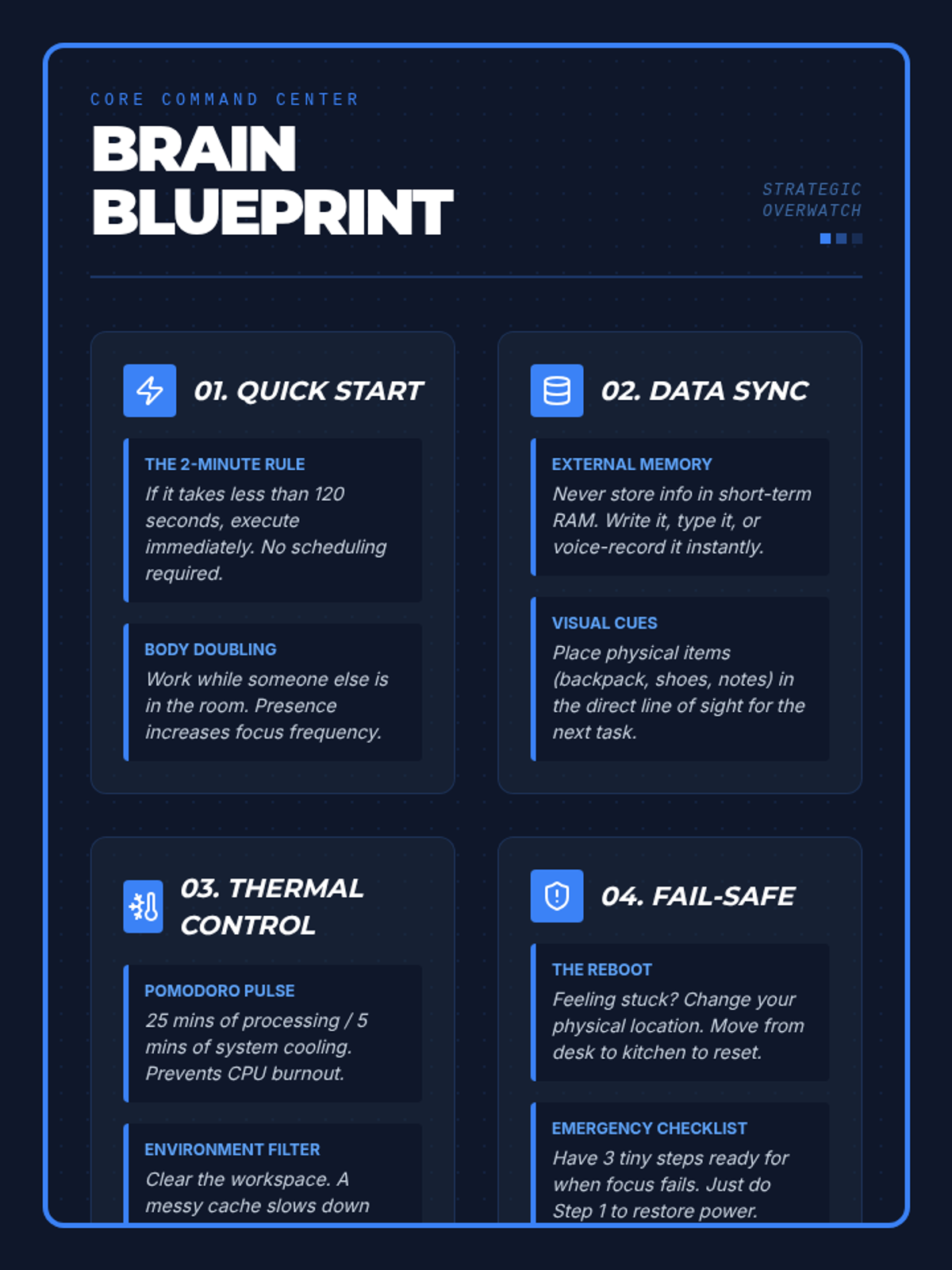
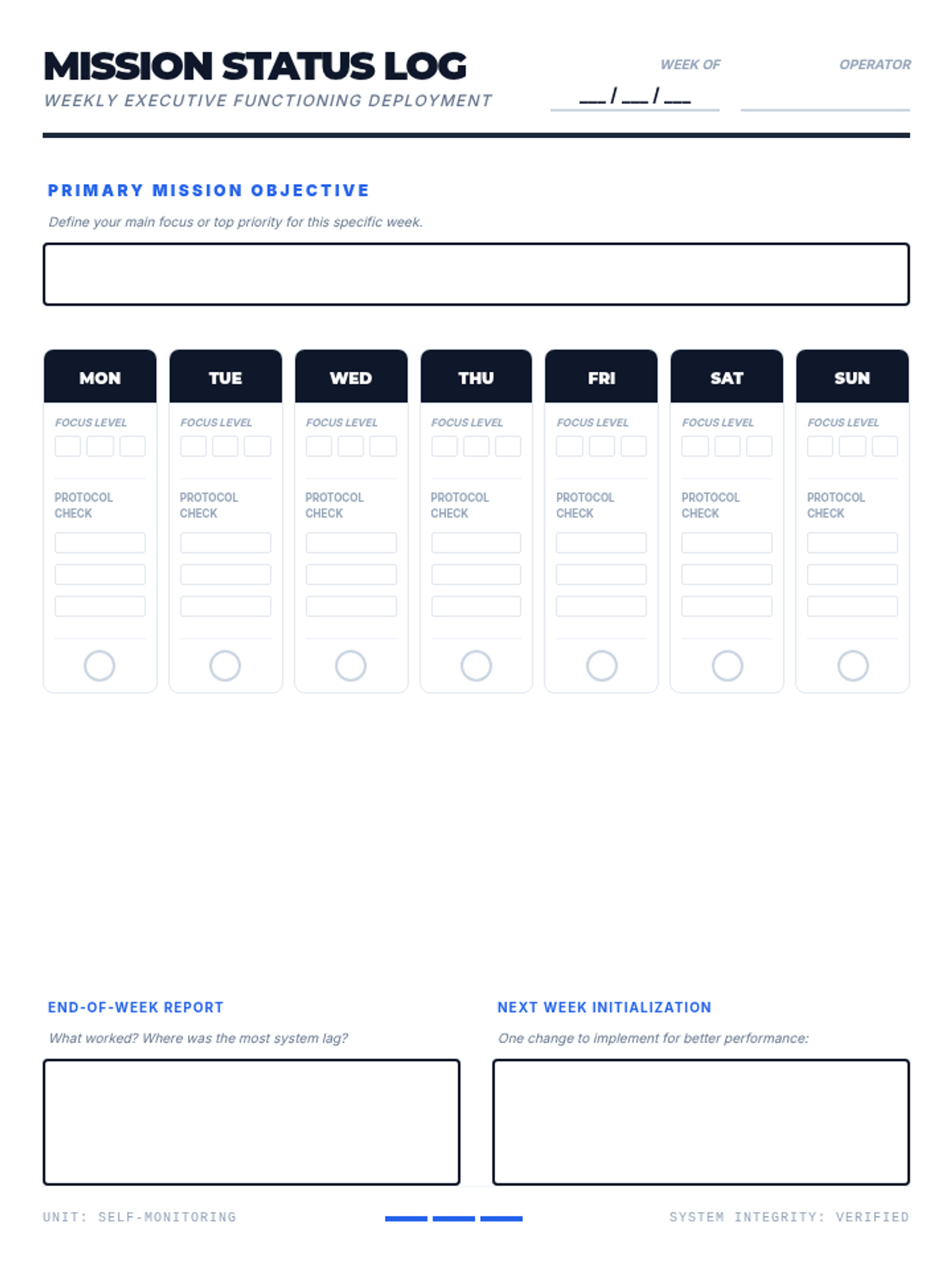
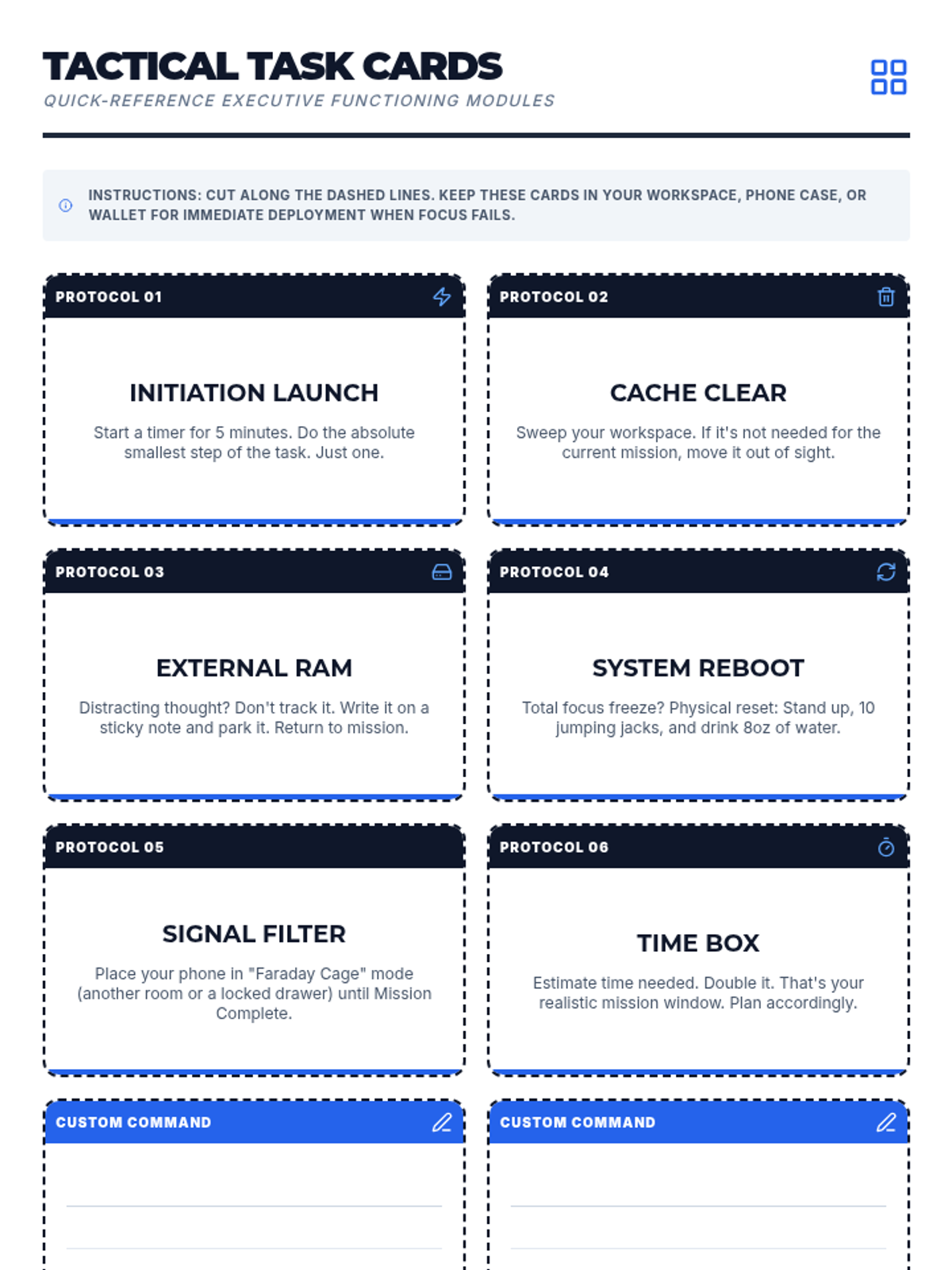
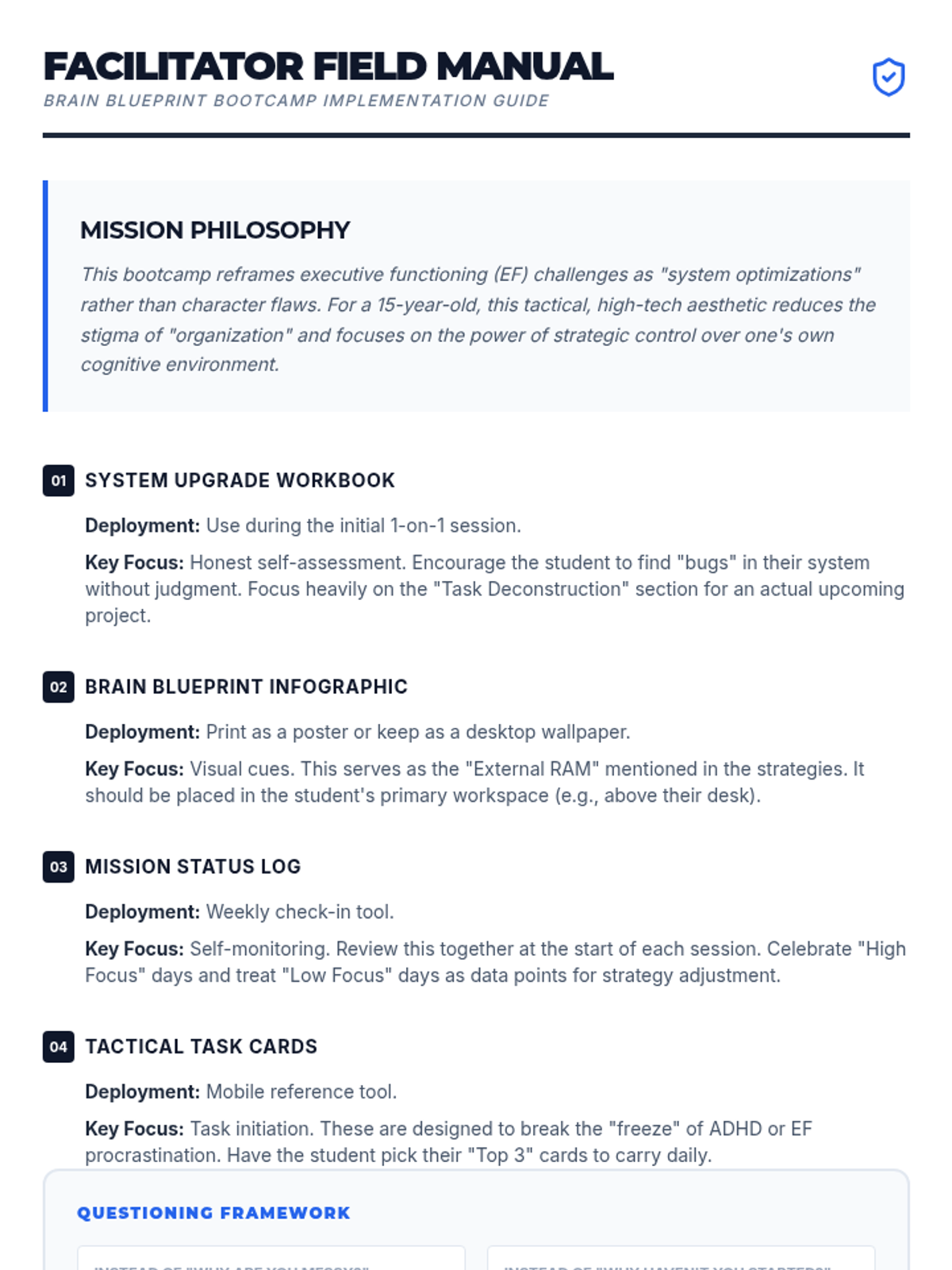
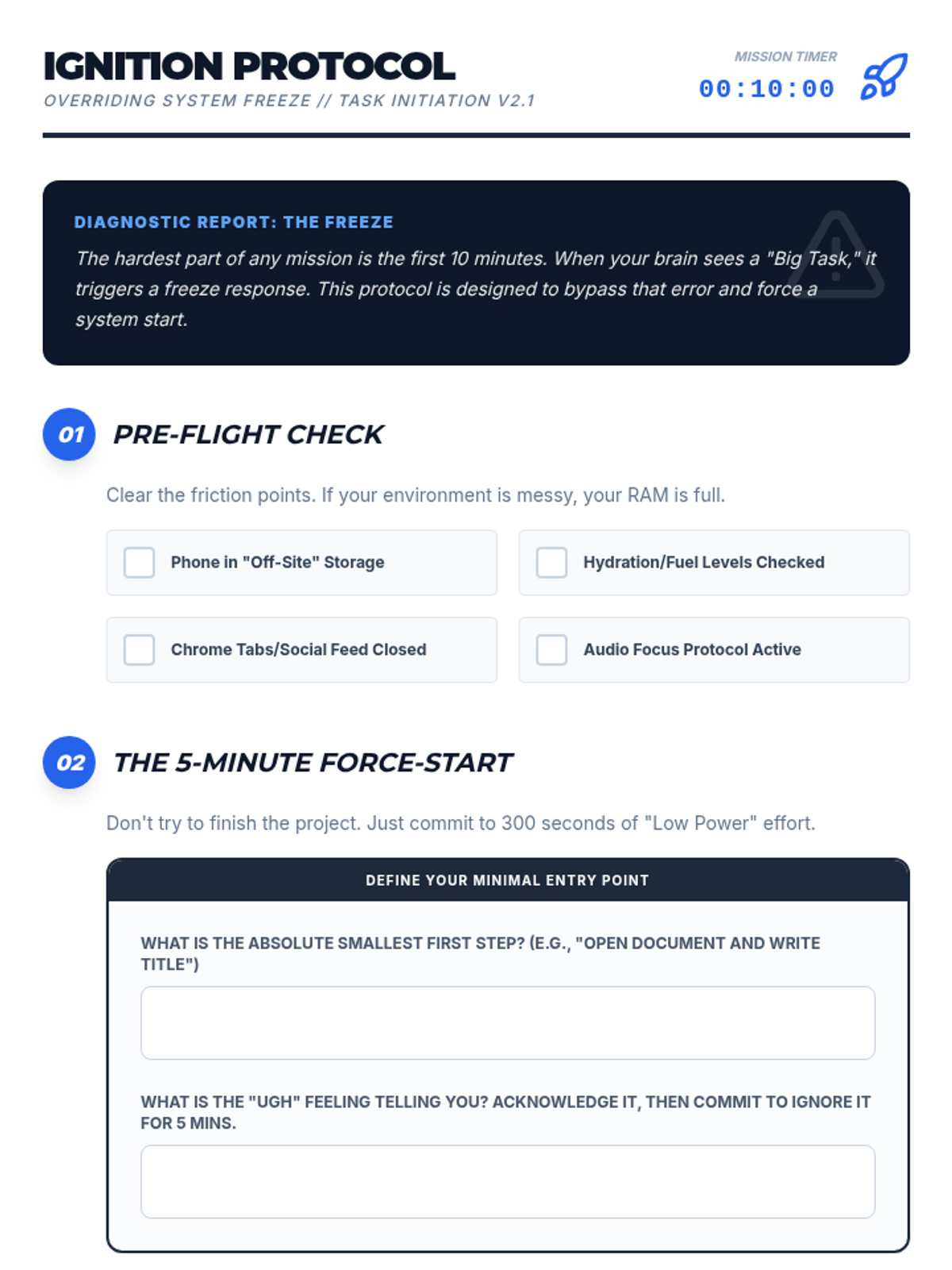
A comprehensive set of tools designed to help teenagers master executive functioning skills, focusing on task management, environmental organization, and self-monitoring using a high-tech, tactical aesthetic.
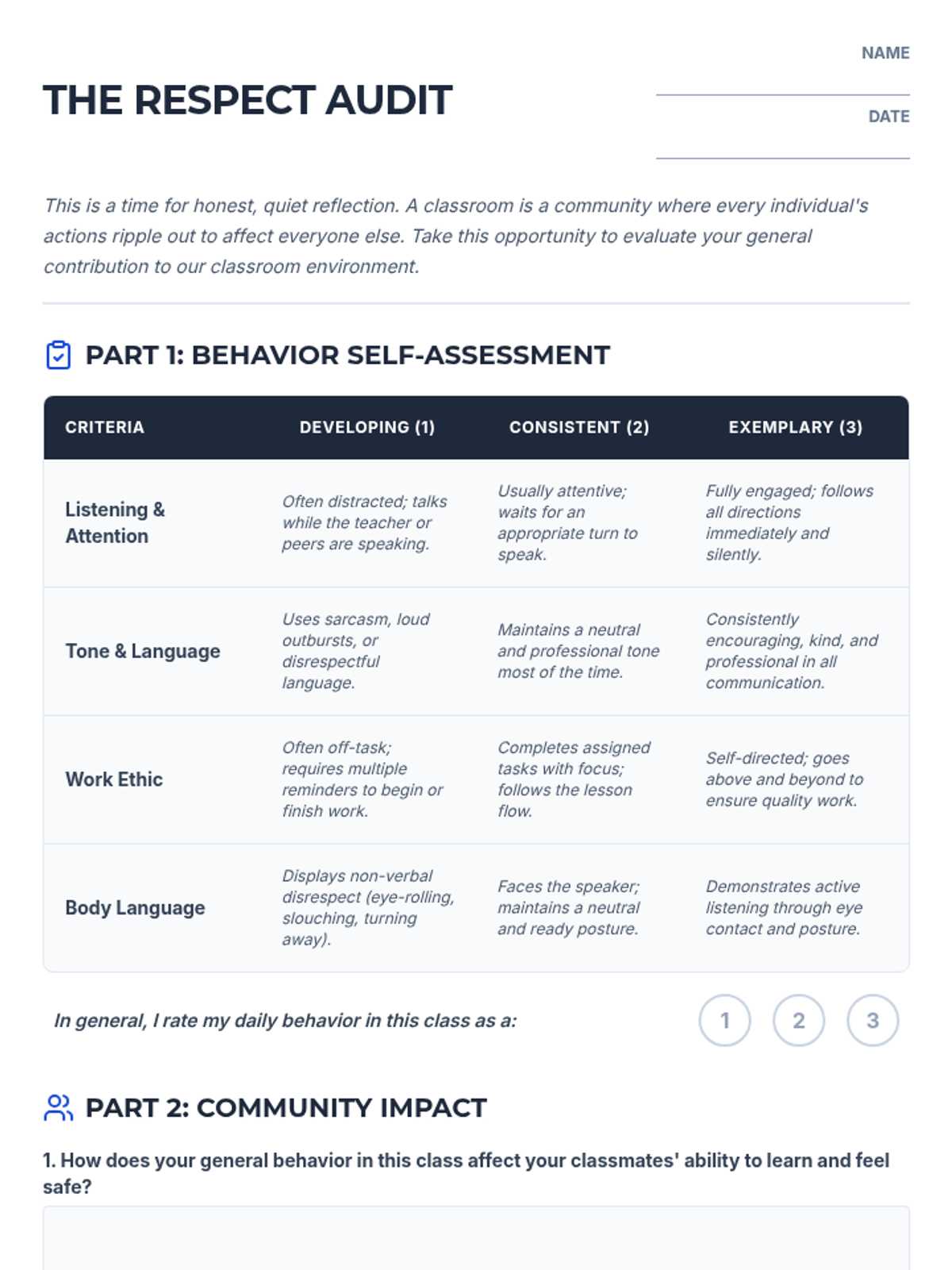
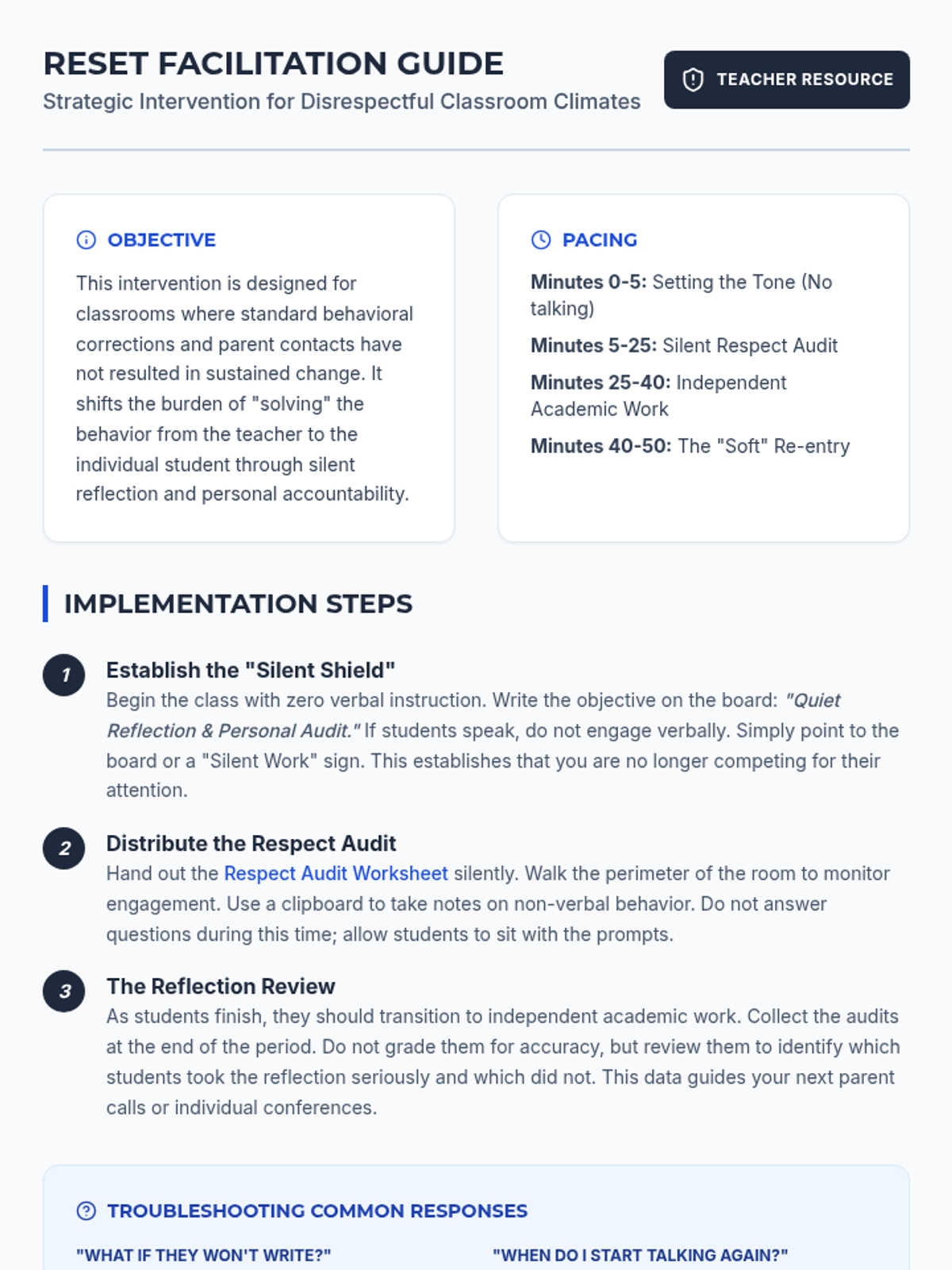
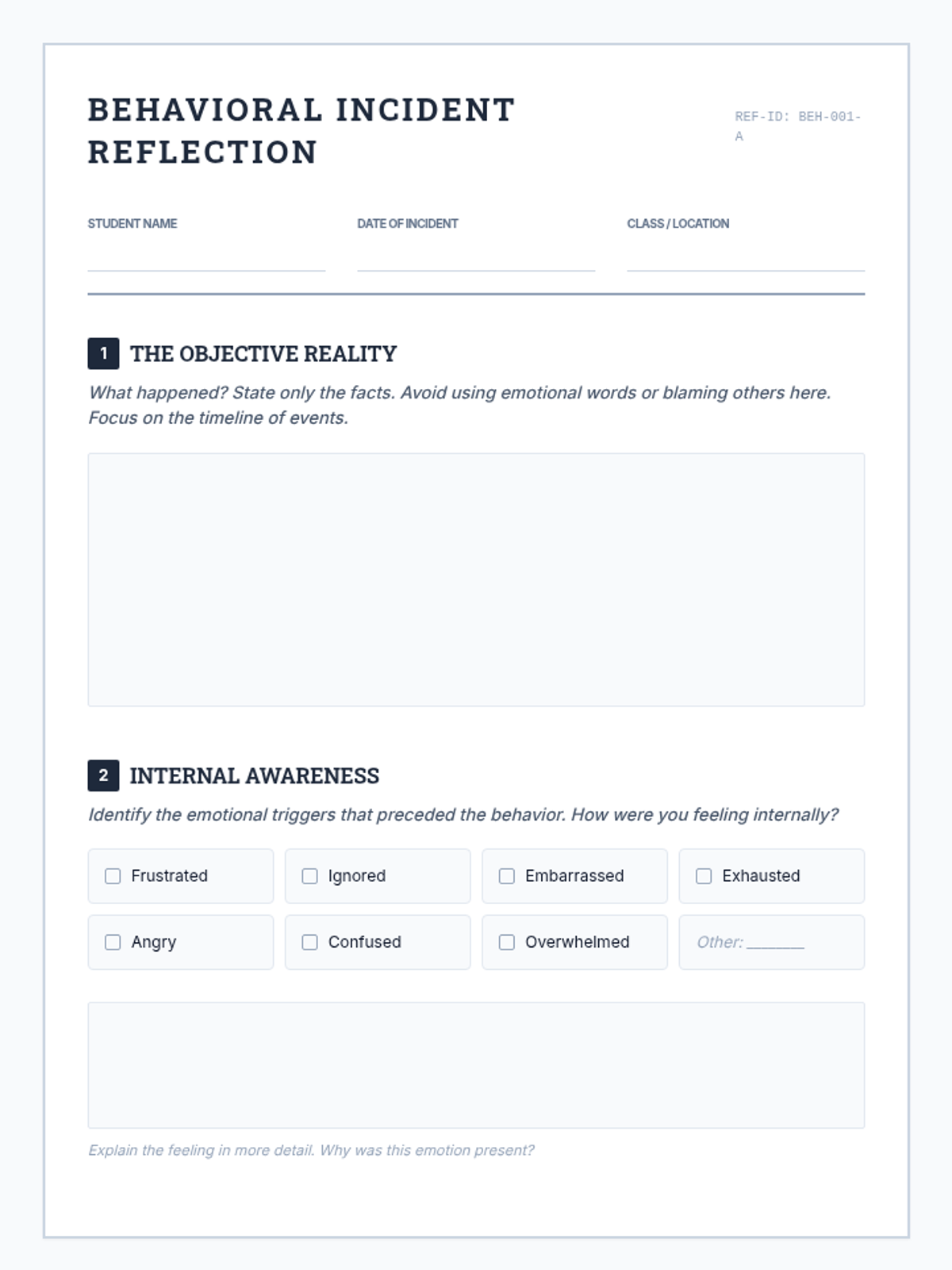
A self-guided reflection lesson designed to help students evaluate their behavior, understand its impact on the classroom community, and set concrete goals for improvement.
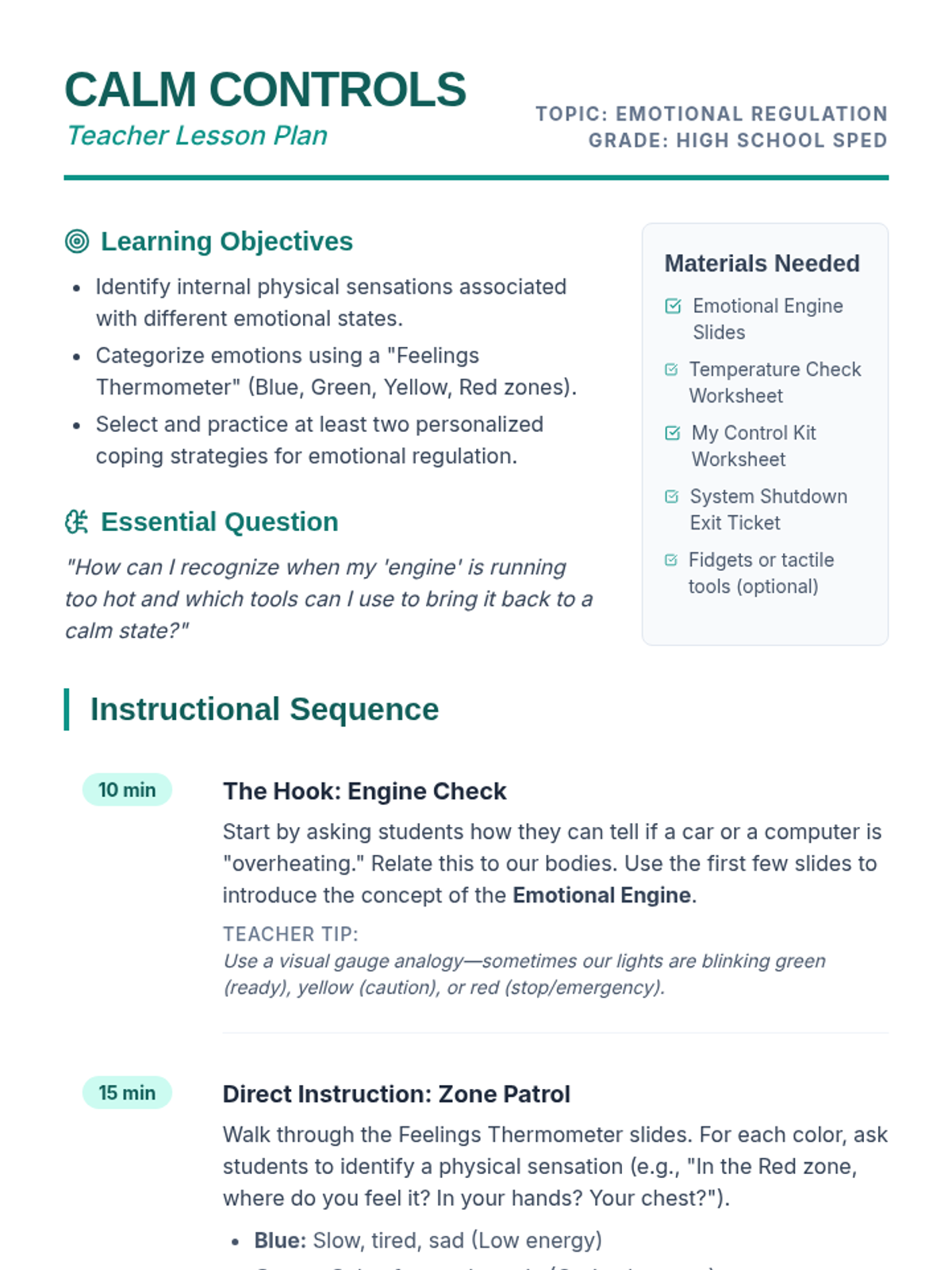
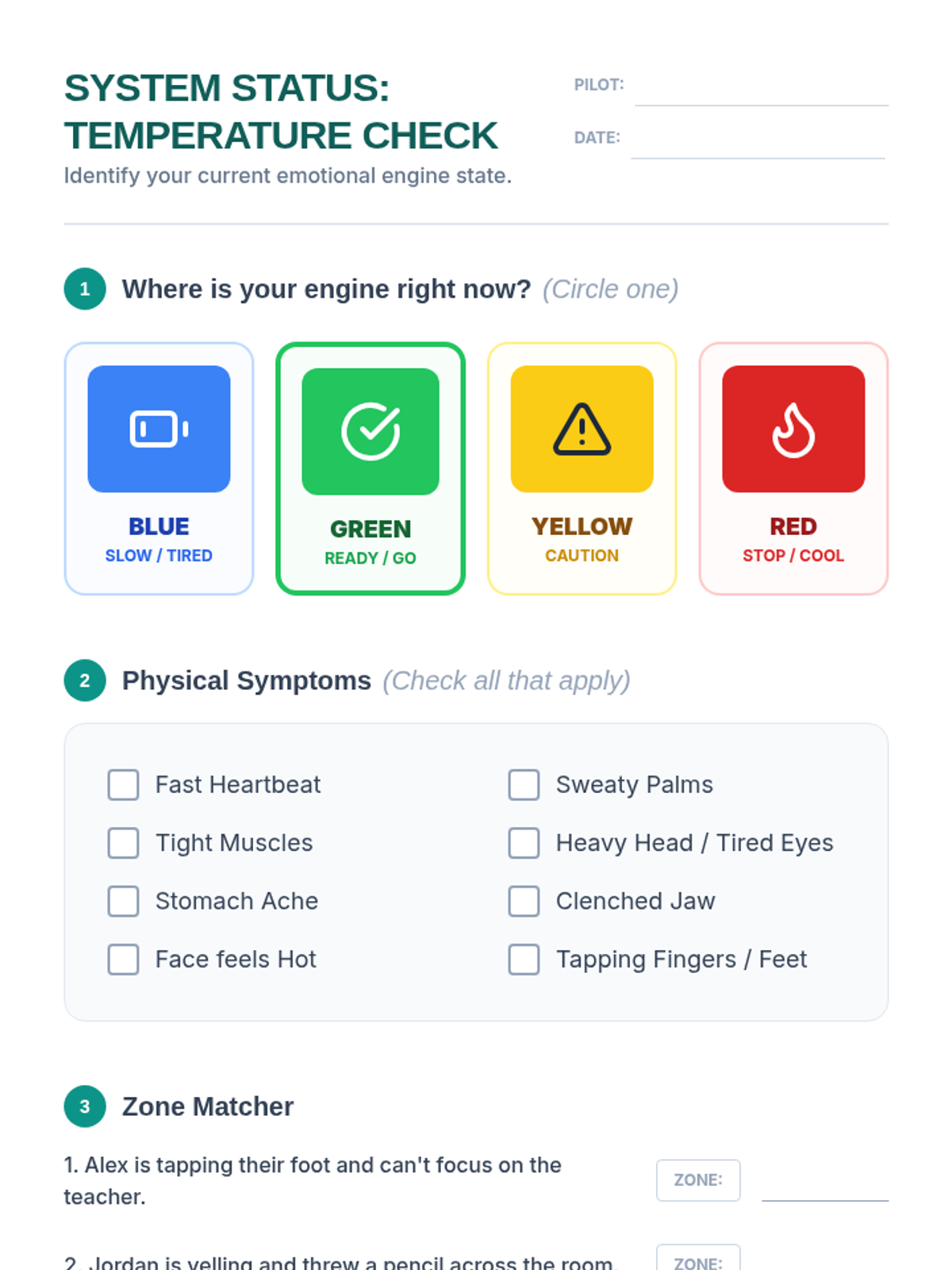
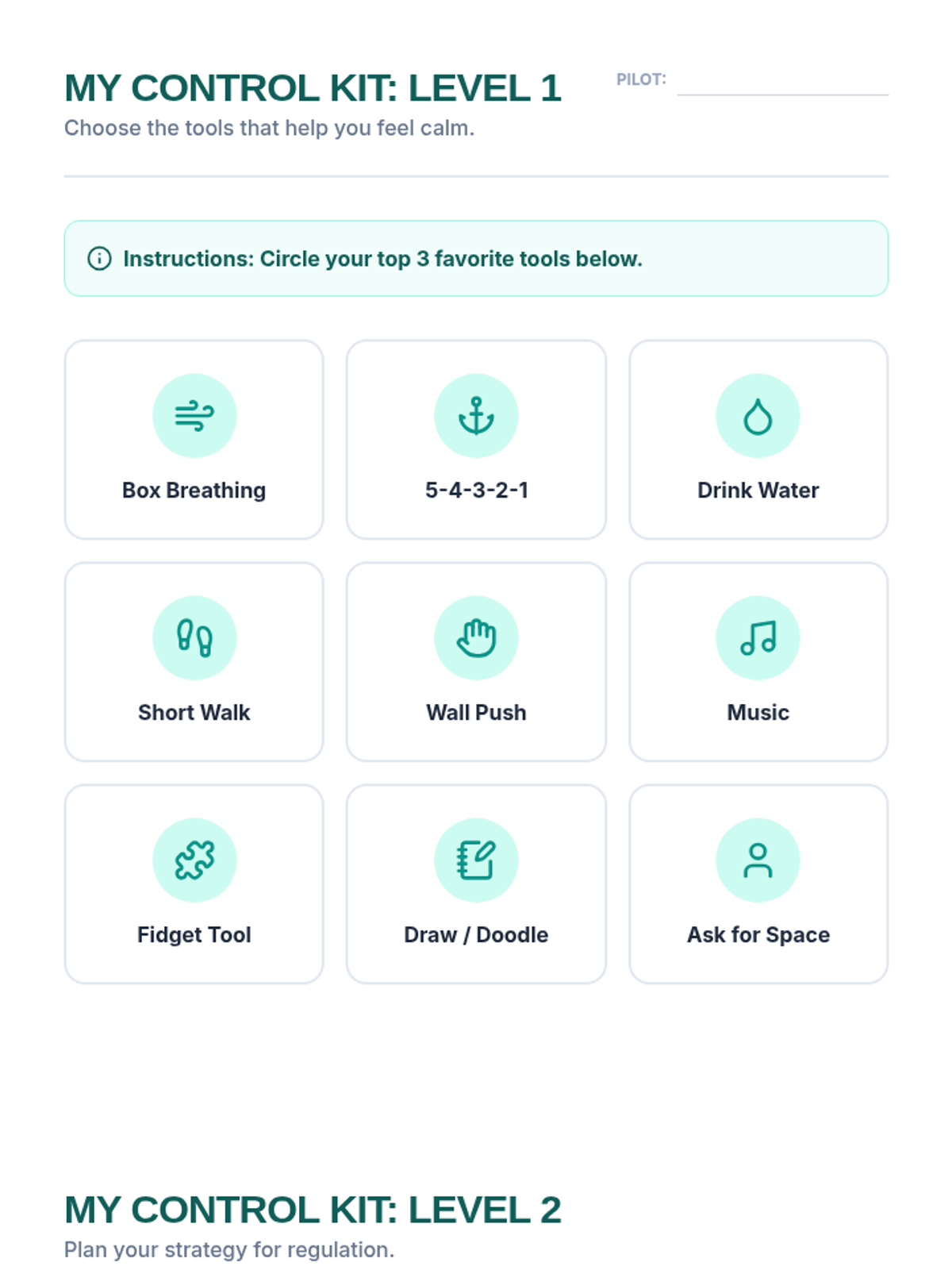
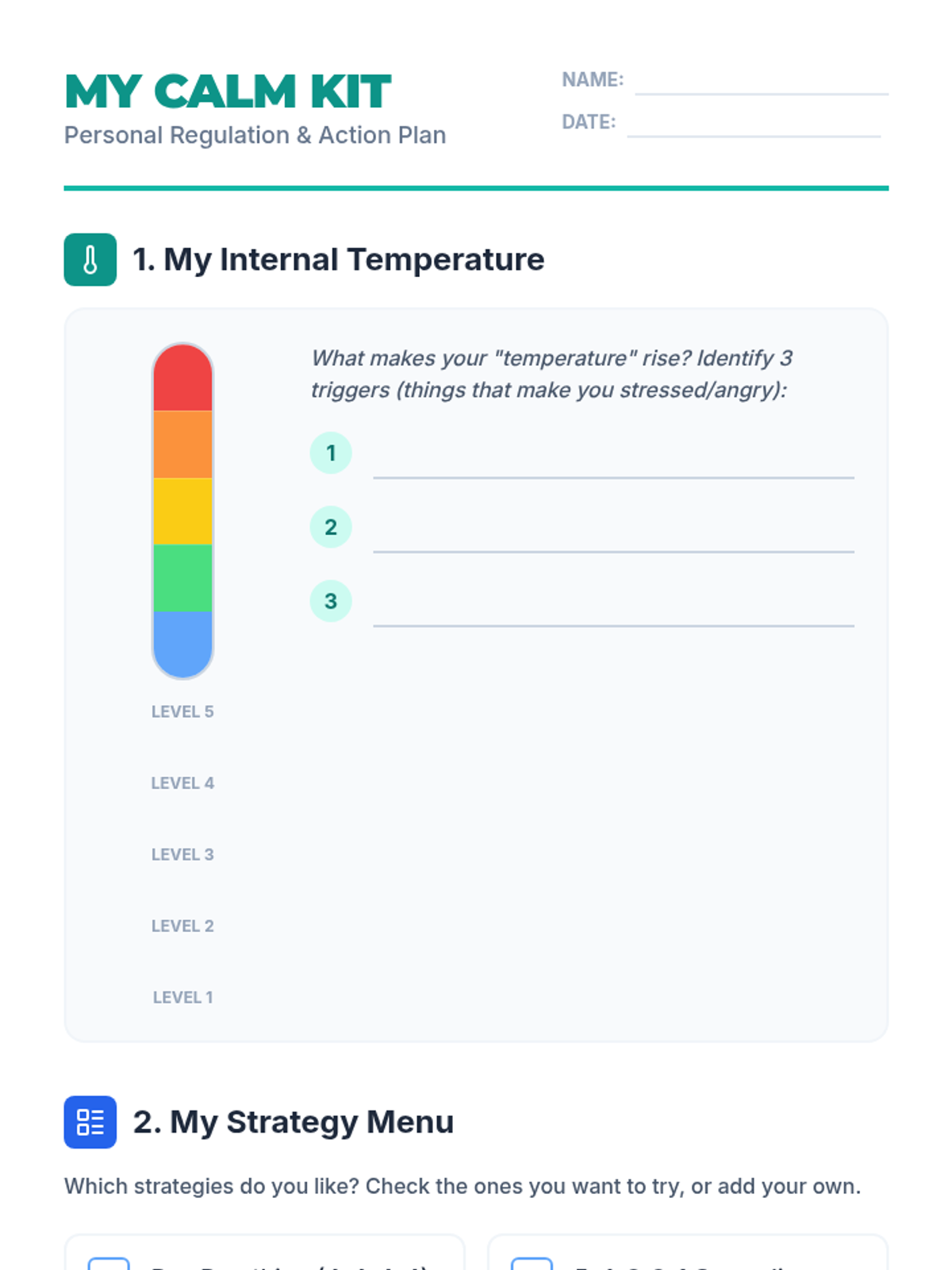
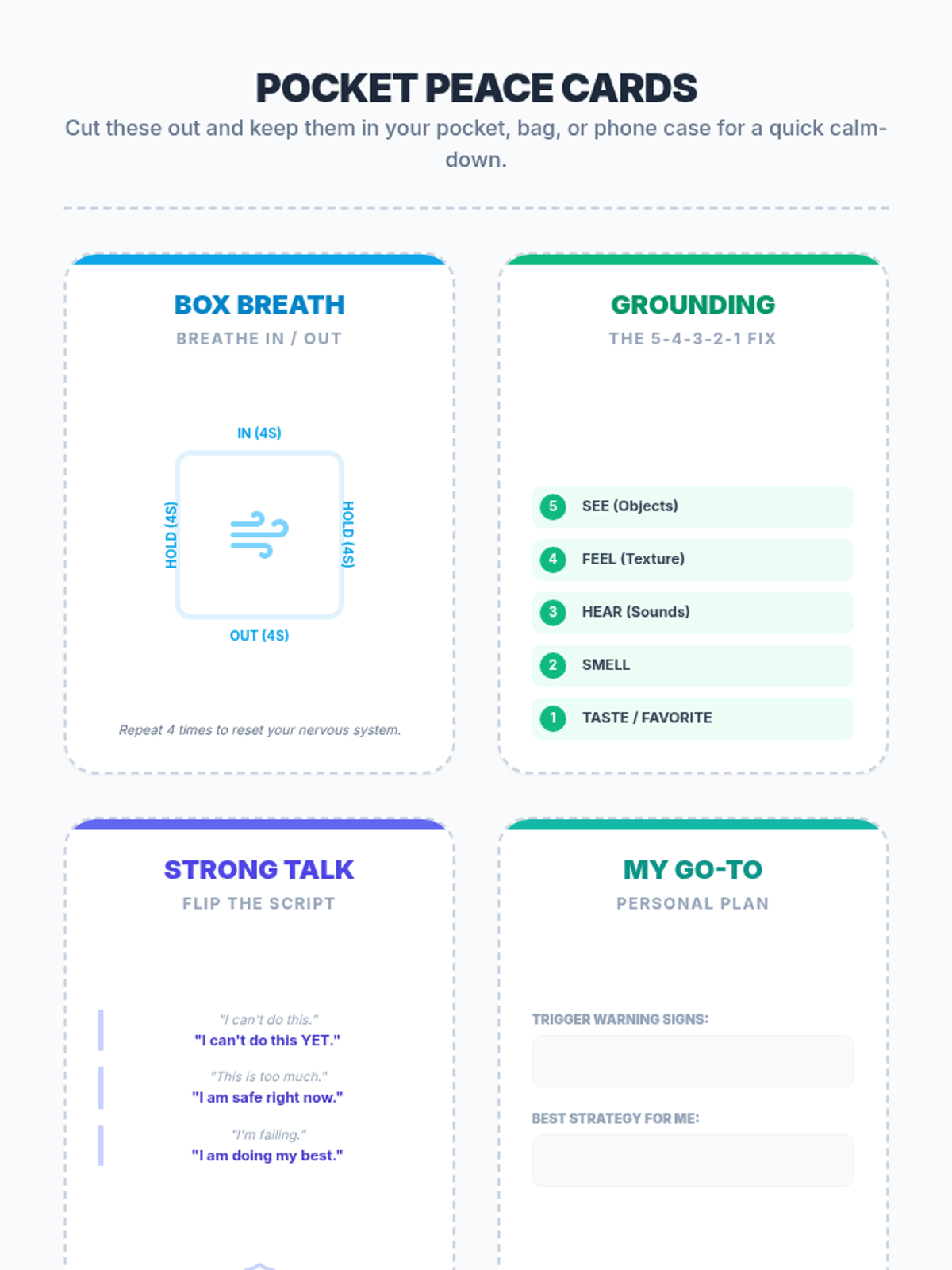
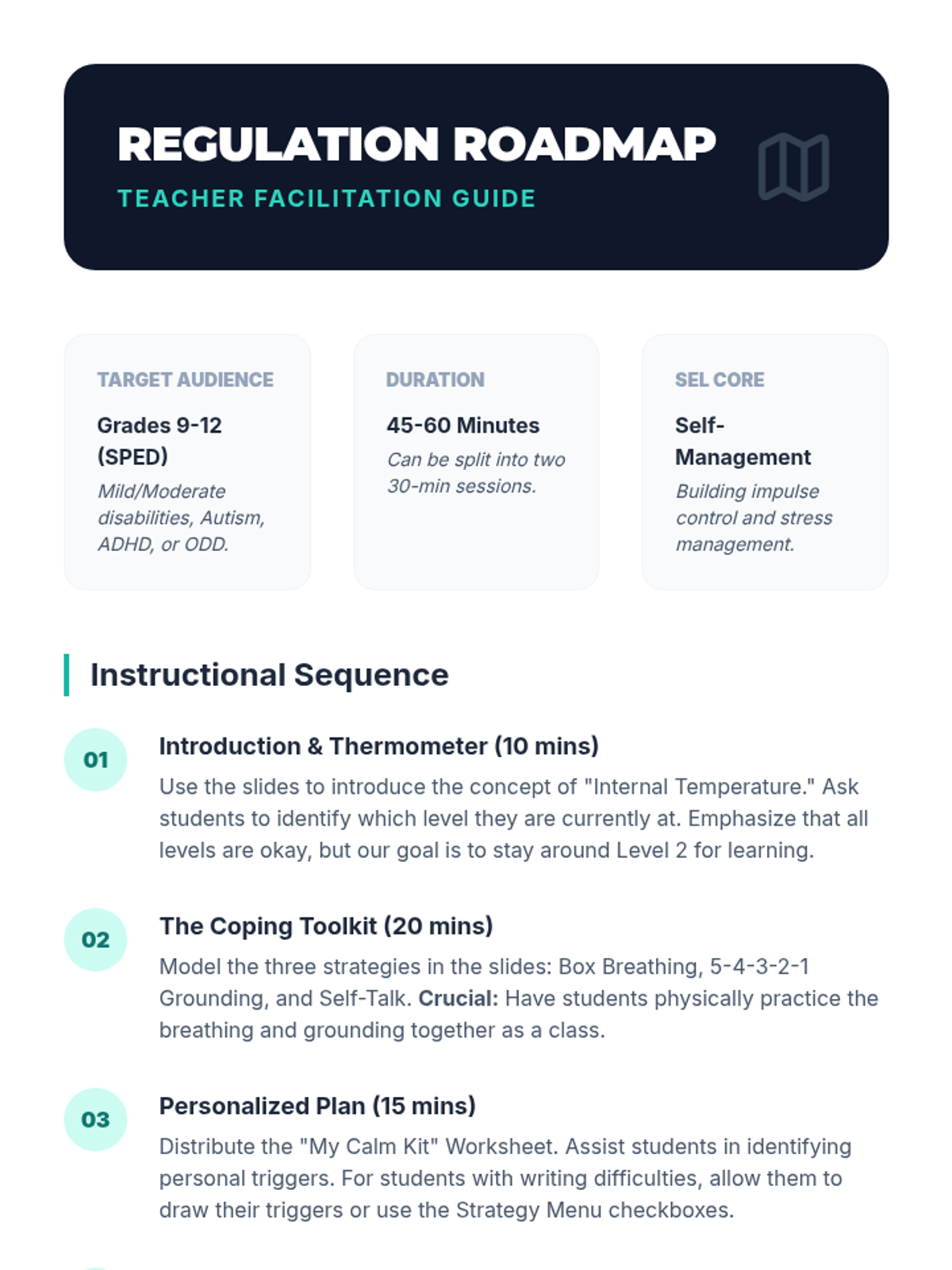
A high school SEL lesson for SPED students focused on emotional regulation through a feelings thermometer and a personalized coping strategy toolkit.
A comprehensive SEL lesson for high school SPED students focusing on identifying emotional states via a feelings thermometer and building a personalized toolkit of coping strategies like grounding and deep breathing.
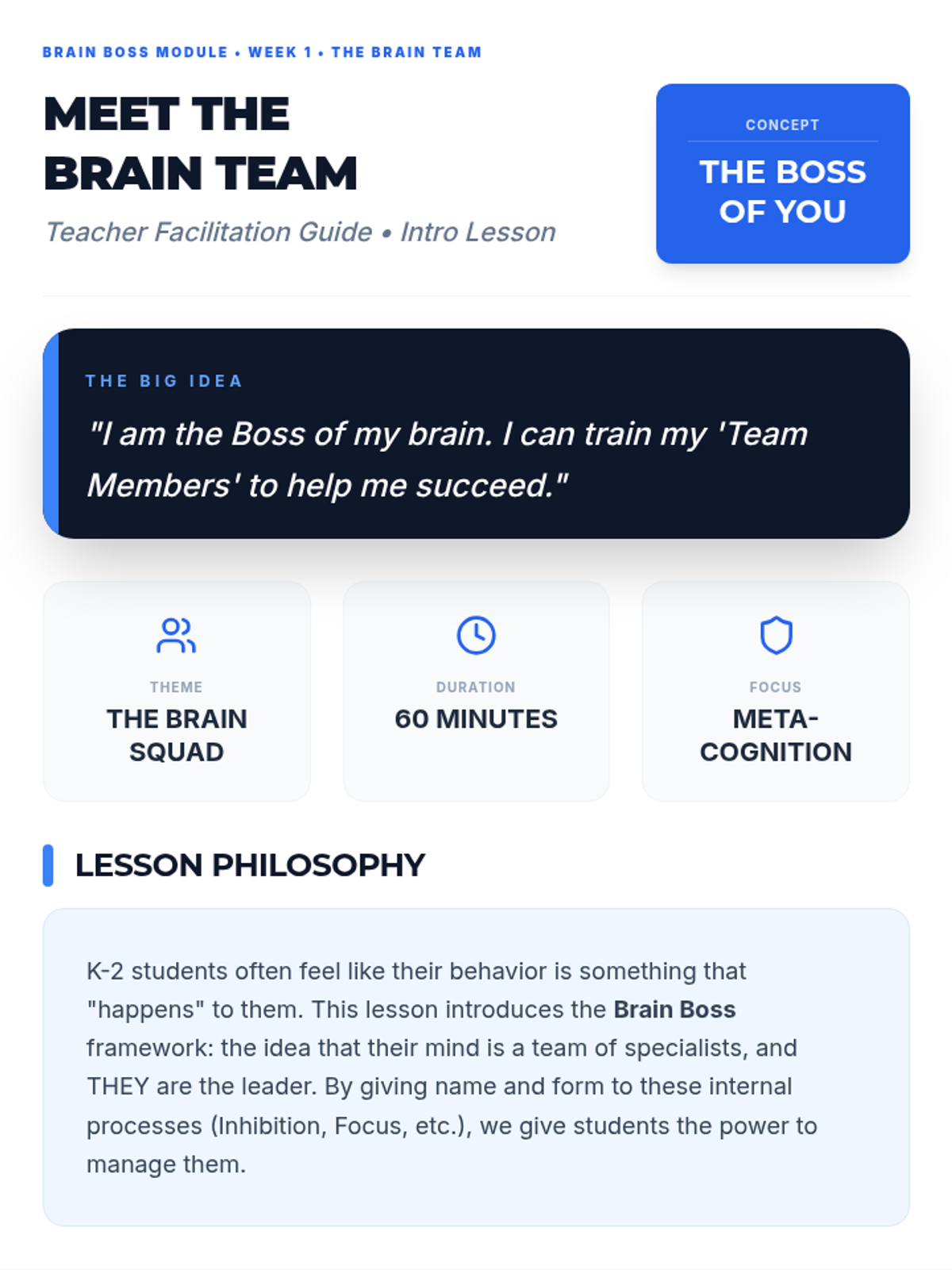
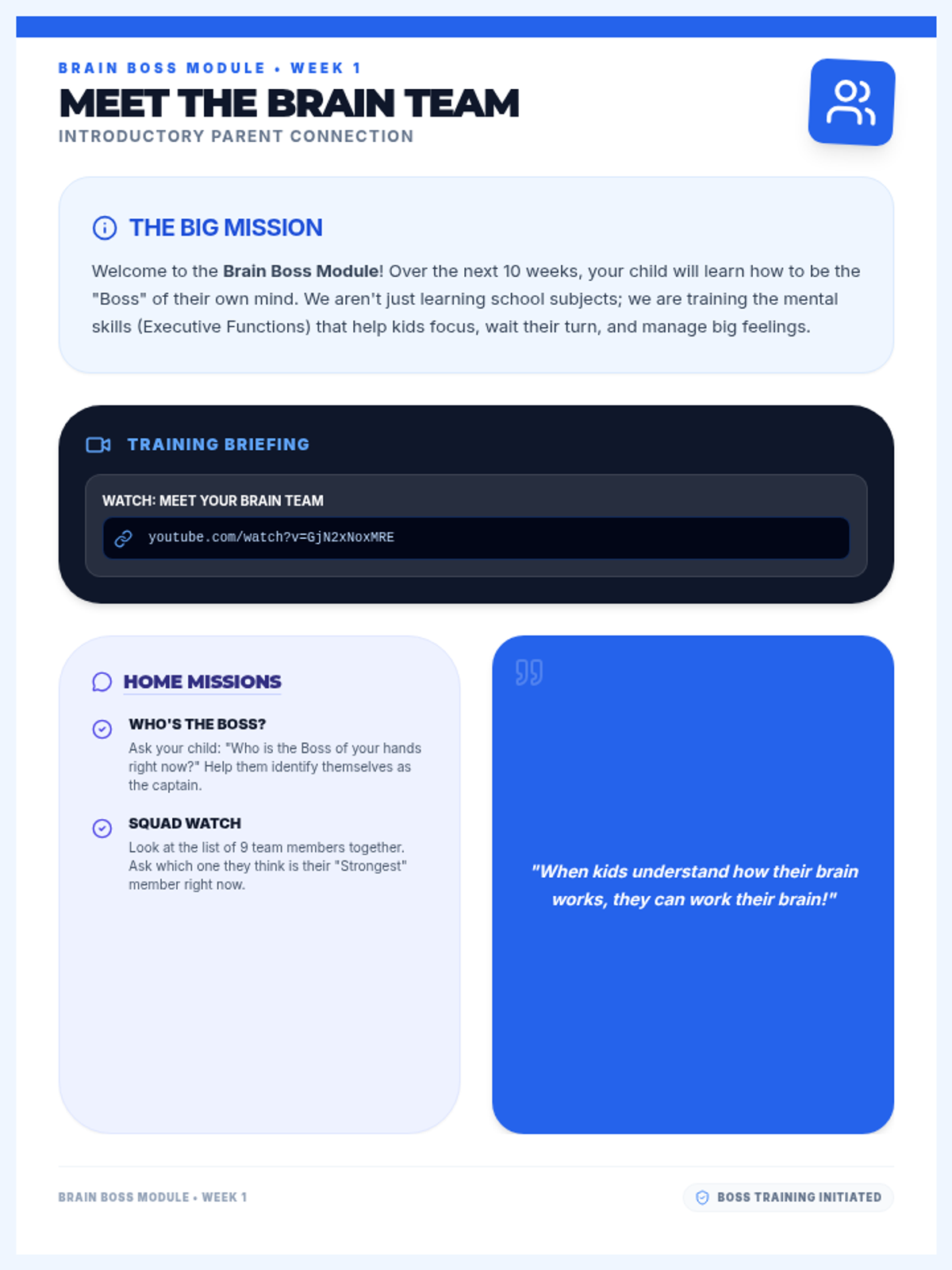
The introductory lesson for the Brain Boss Module. Students are introduced to the 'Brain Team' concept and learn that they are the 'Boss' who leads their team of mental skills to success.
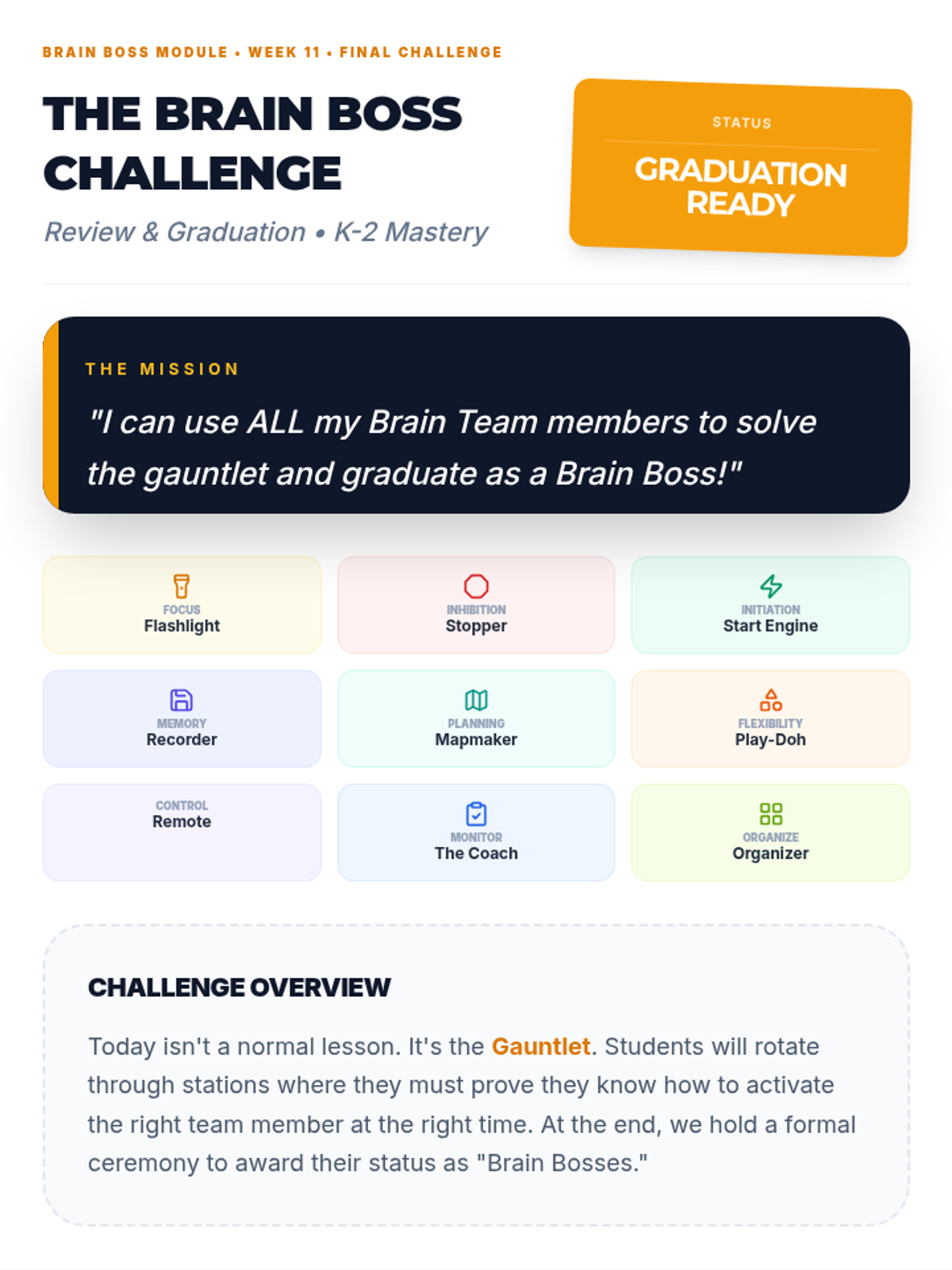
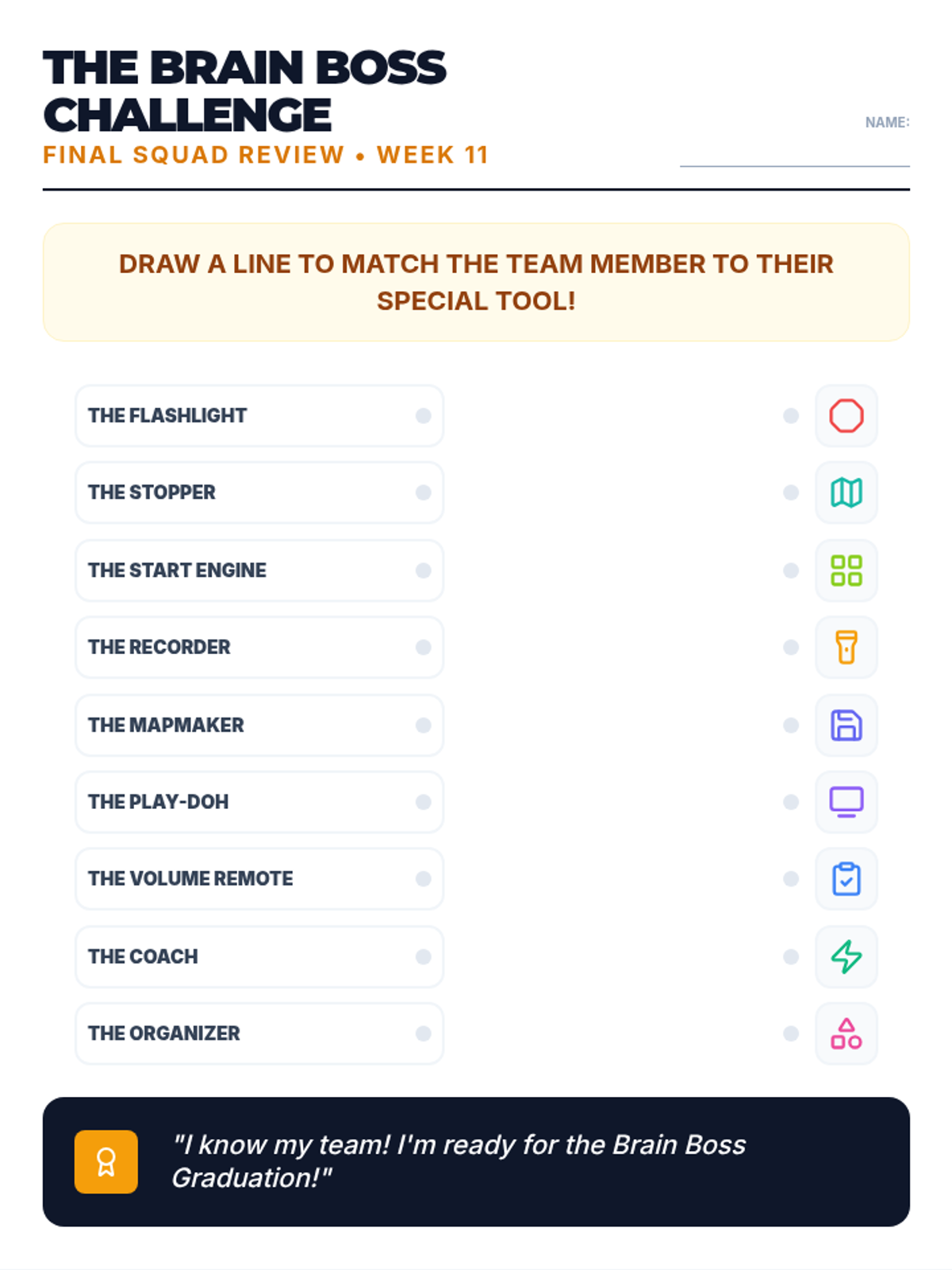
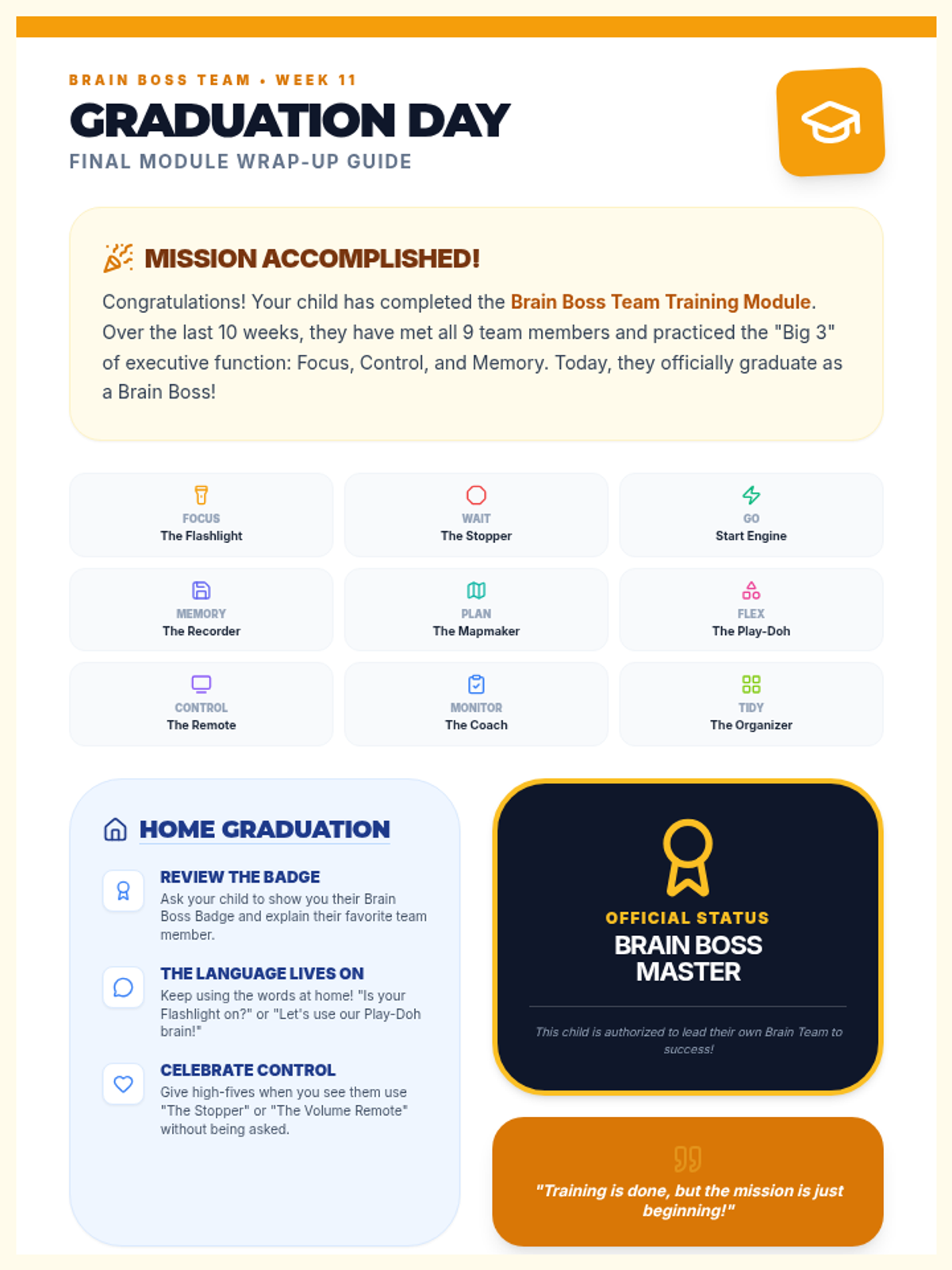
A 60-minute review lesson where students demonstrate their mastery of all 9 Brain Team members. Includes a station-based 'Brain Gauntlet' review game and a graduation ceremony to celebrate their new executive function skills.
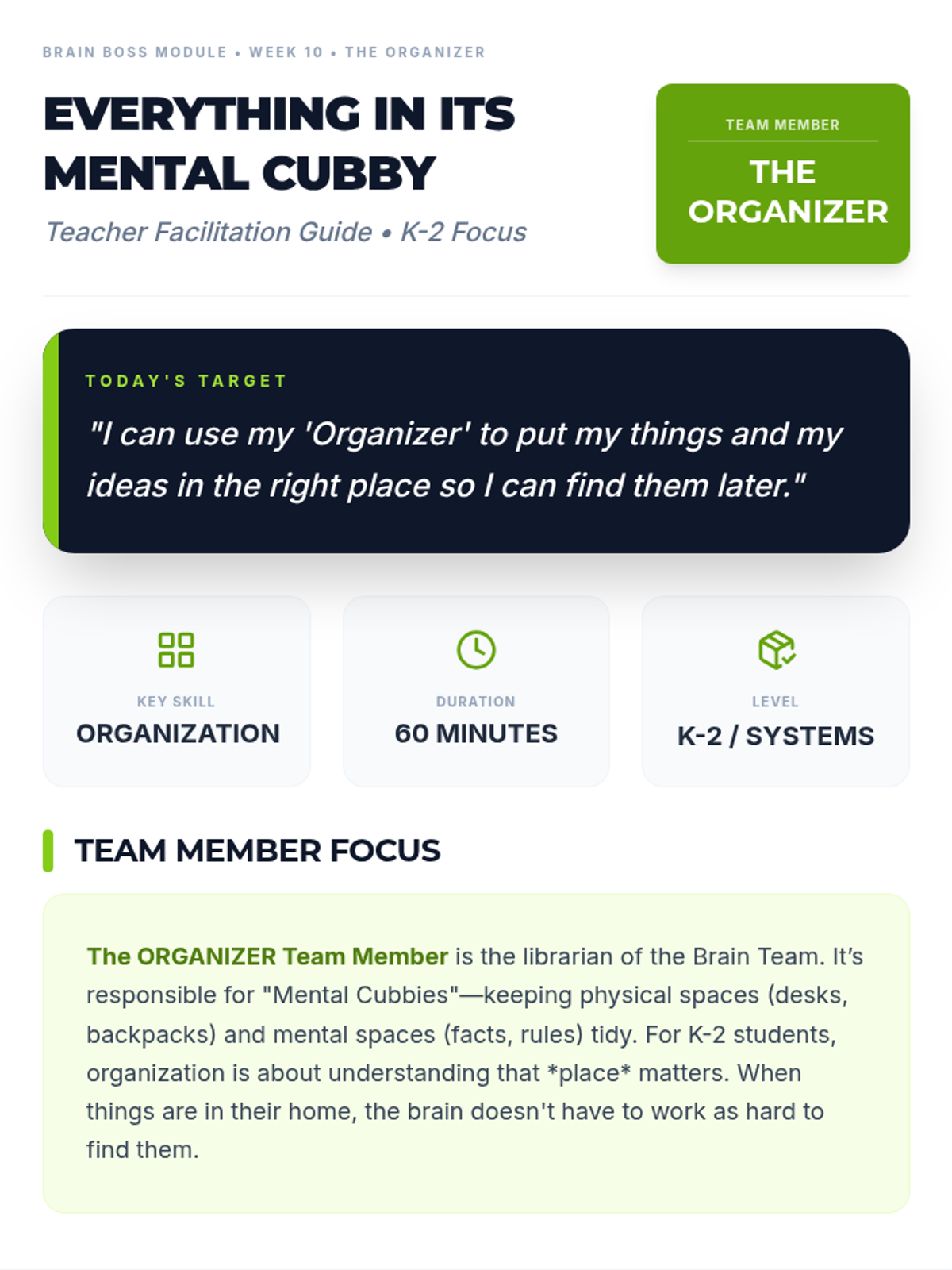
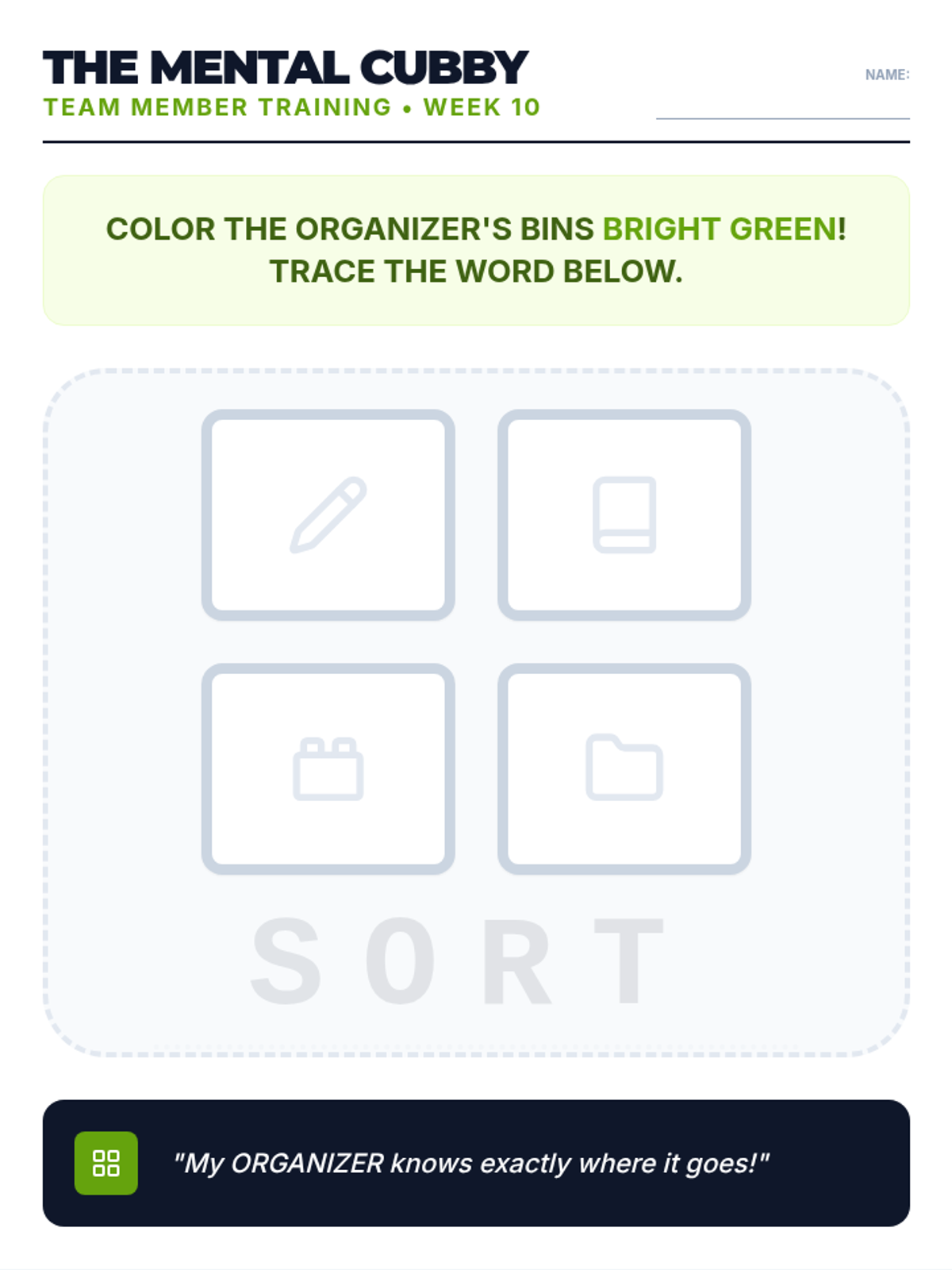
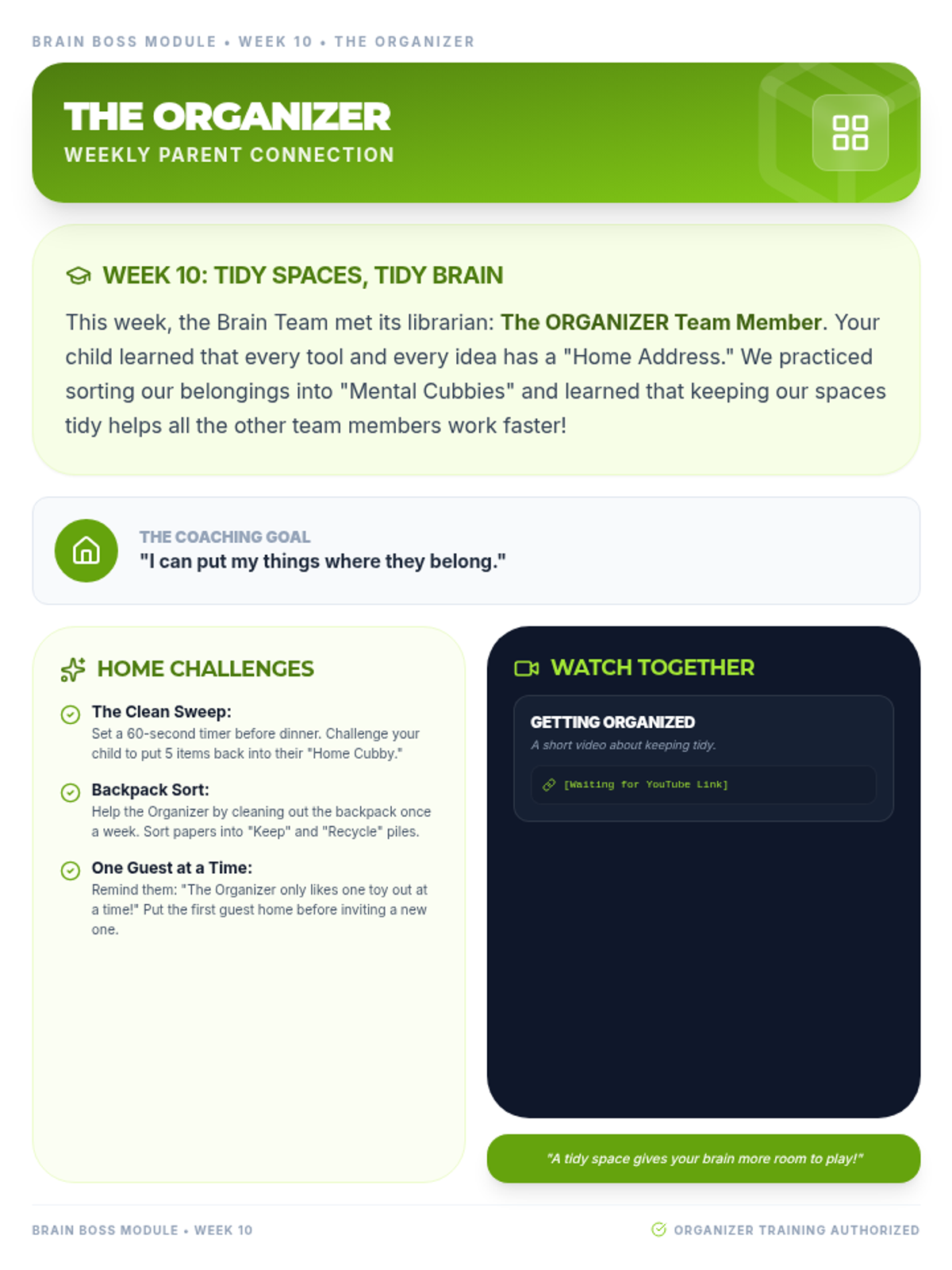
A 60-minute lesson teaching K-2 students how to activate their 'ORGANIZATION' team member, known as 'The Organizer'. Students learn to use 'Mental Cubbies' to keep their desk, belongings, and ideas in the right place.
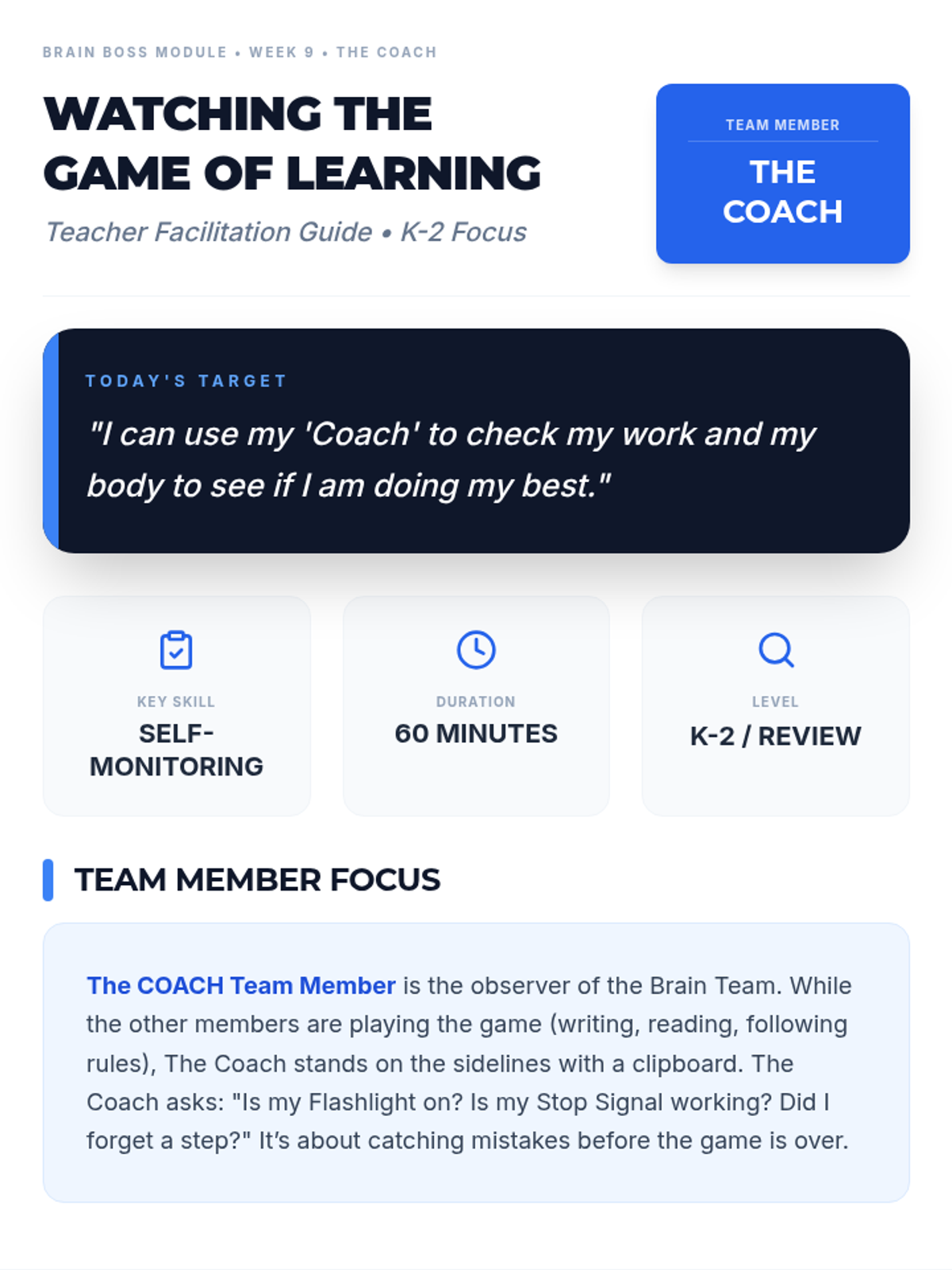
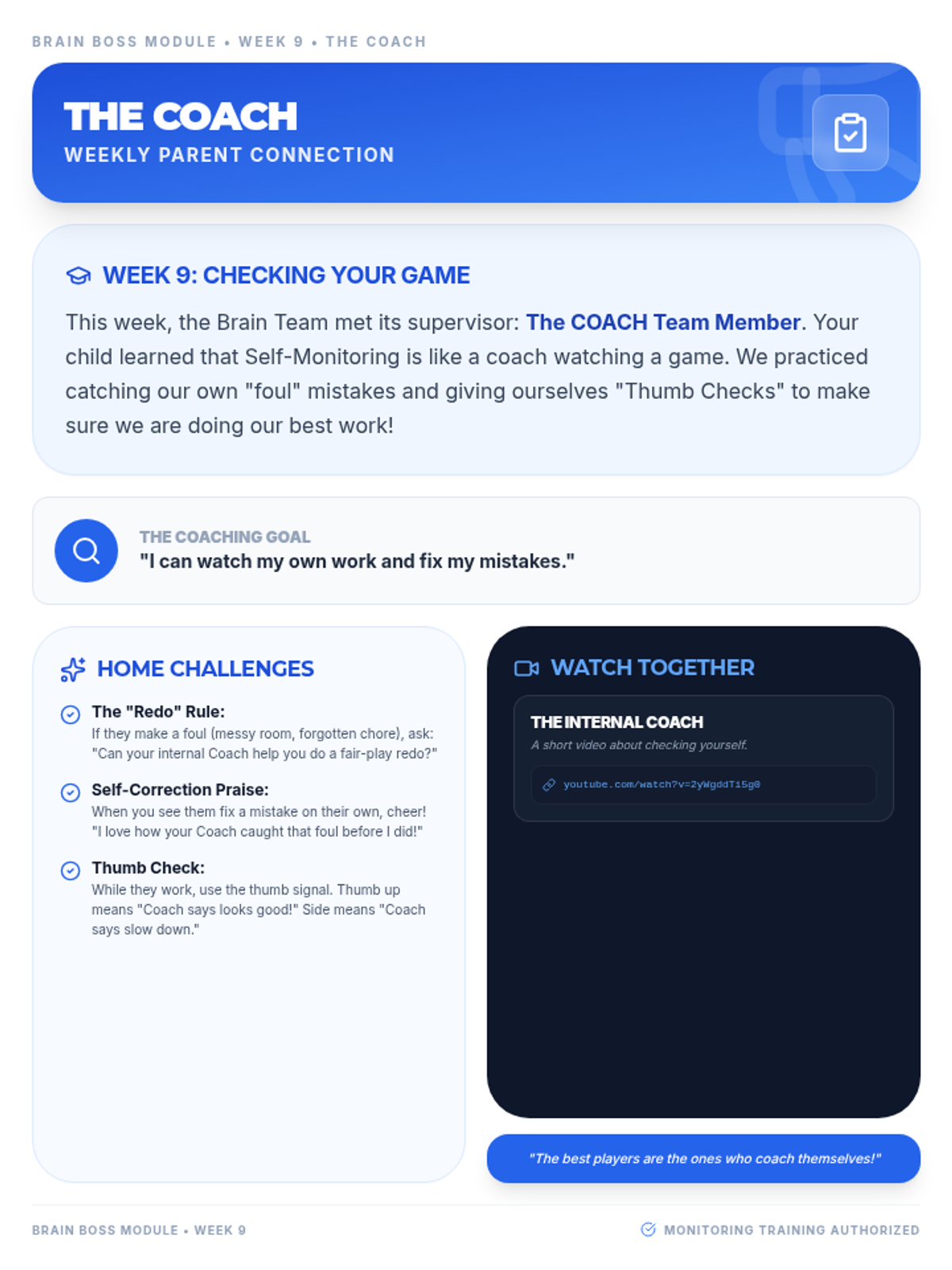
A 60-minute lesson teaching K-2 students how to activate their 'SELF-MONITORING' team member, known as 'The Coach'. Students learn to check their work and behavior as they go.
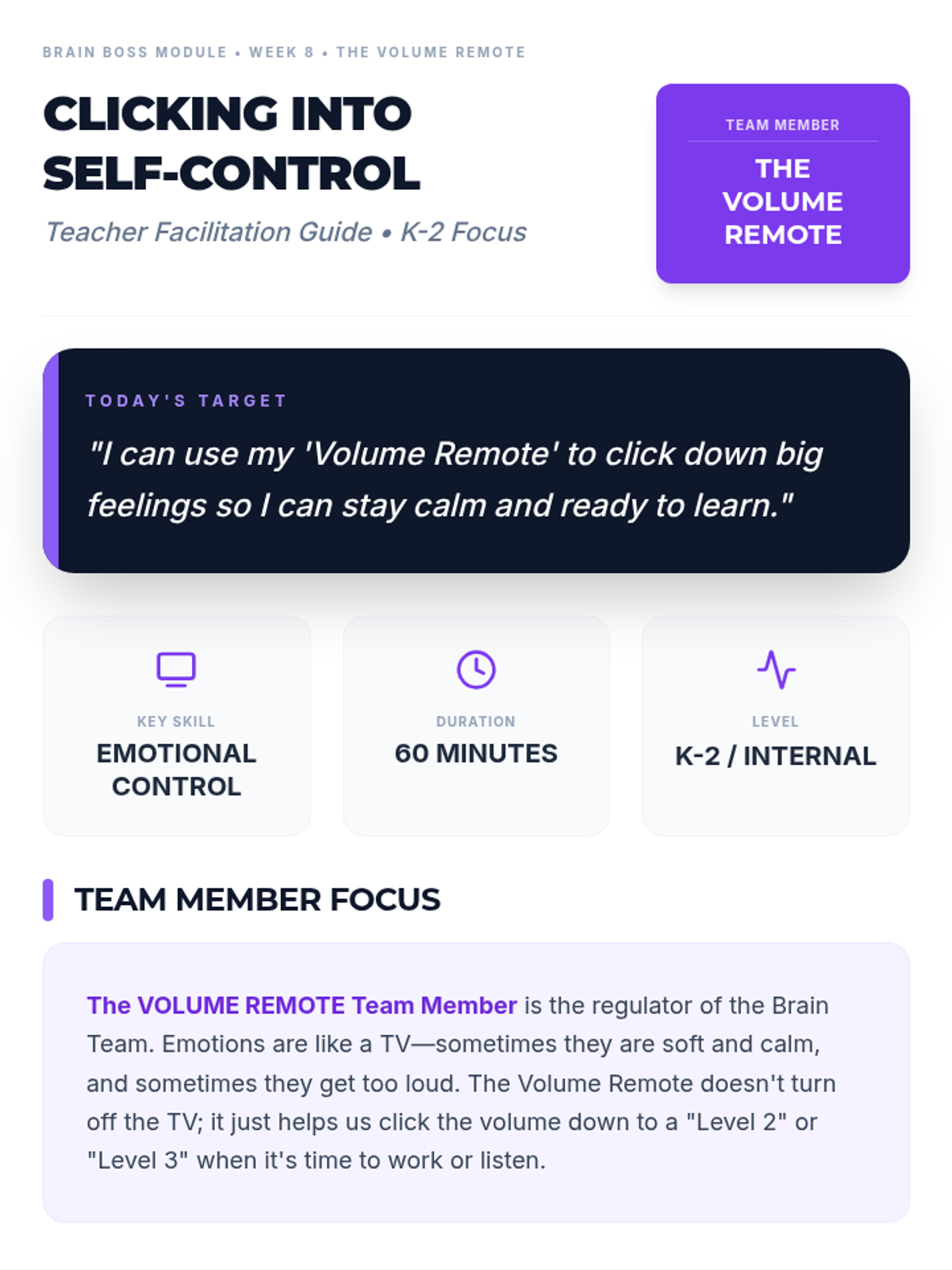
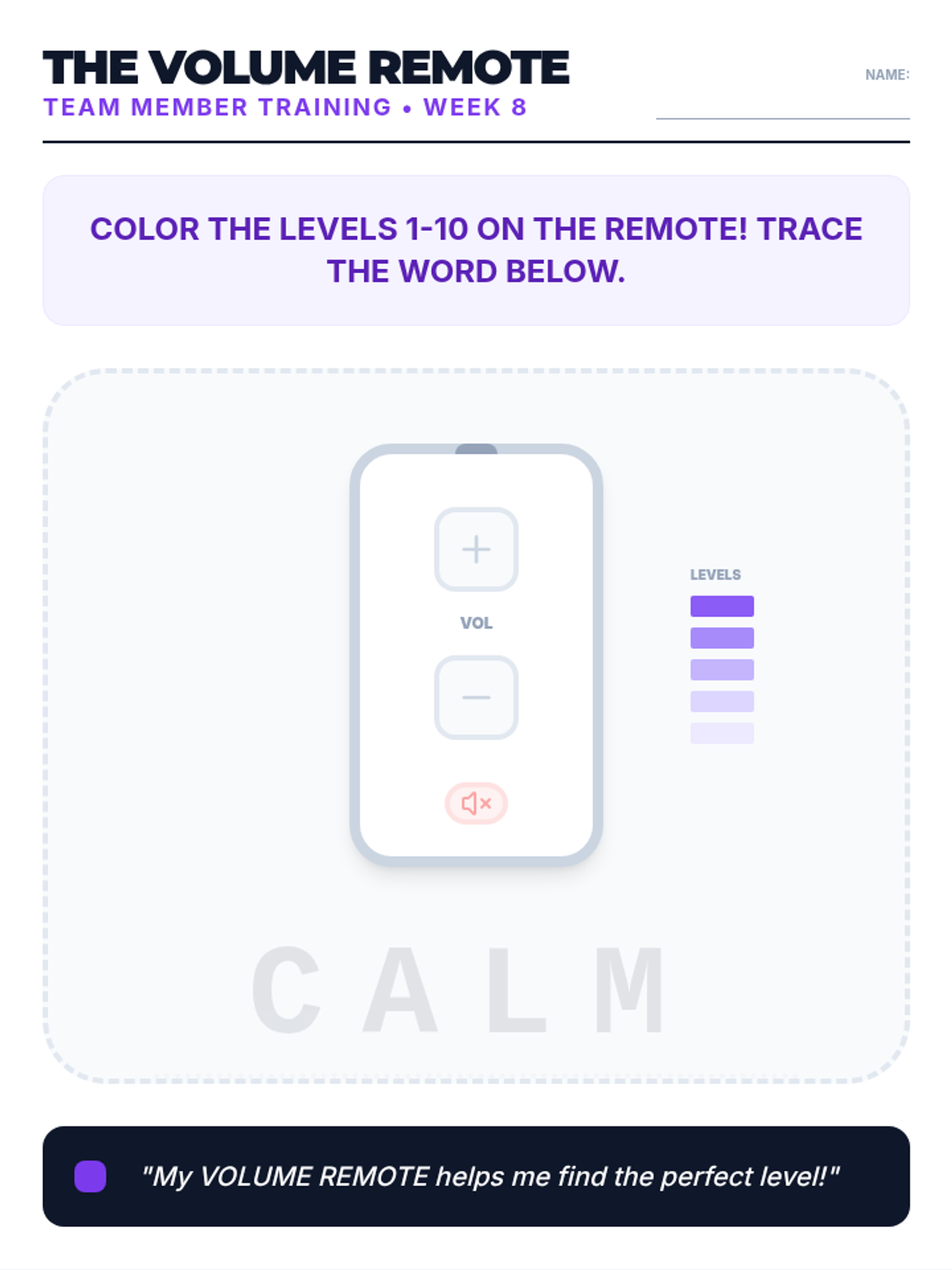
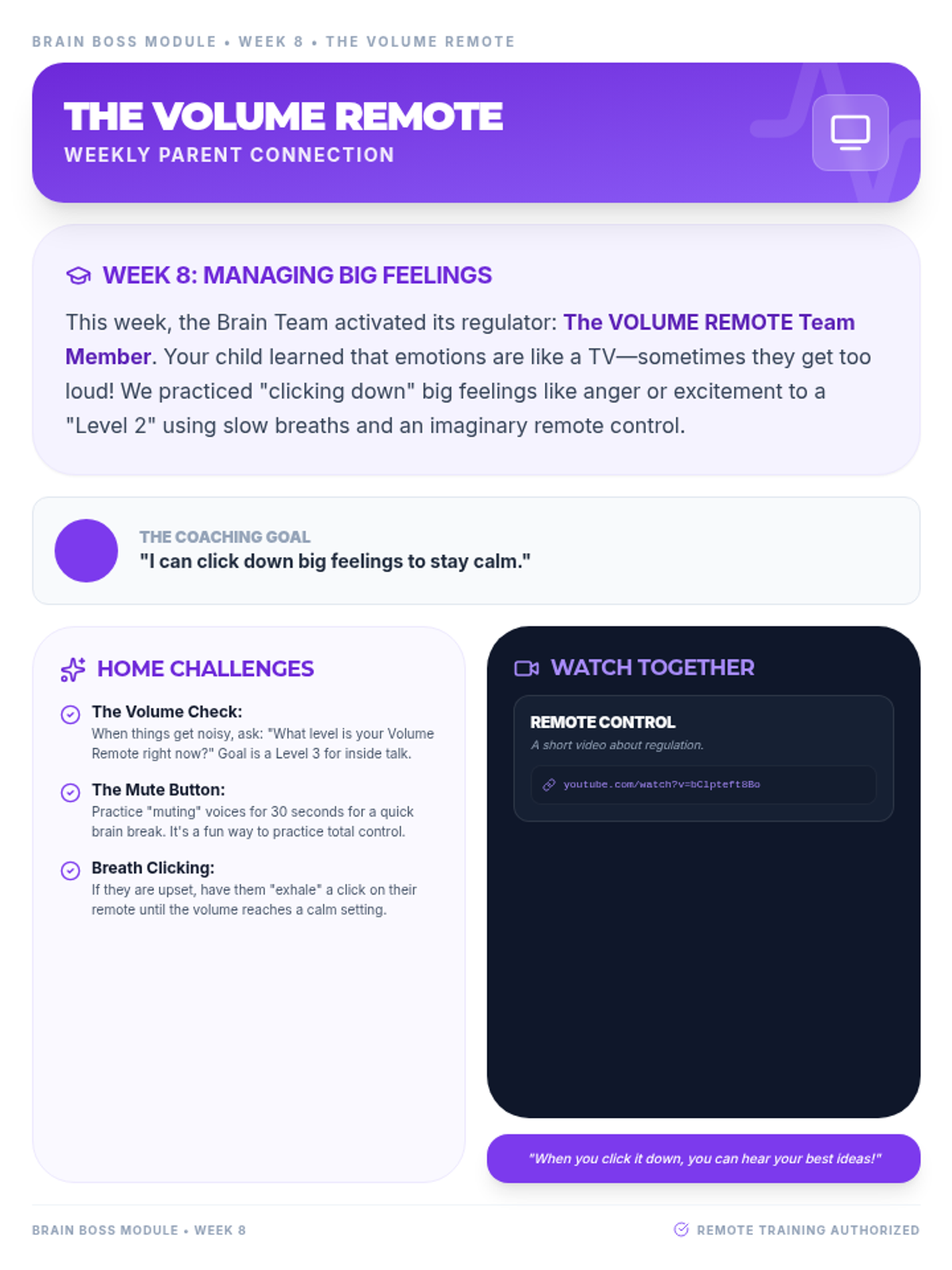
A 60-minute lesson teaching K-2 students how to activate their 'EMOTIONAL CONTROL' team member, known as 'The Volume Remote'. Students learn to "dial down" big feelings to stay calm and focused.
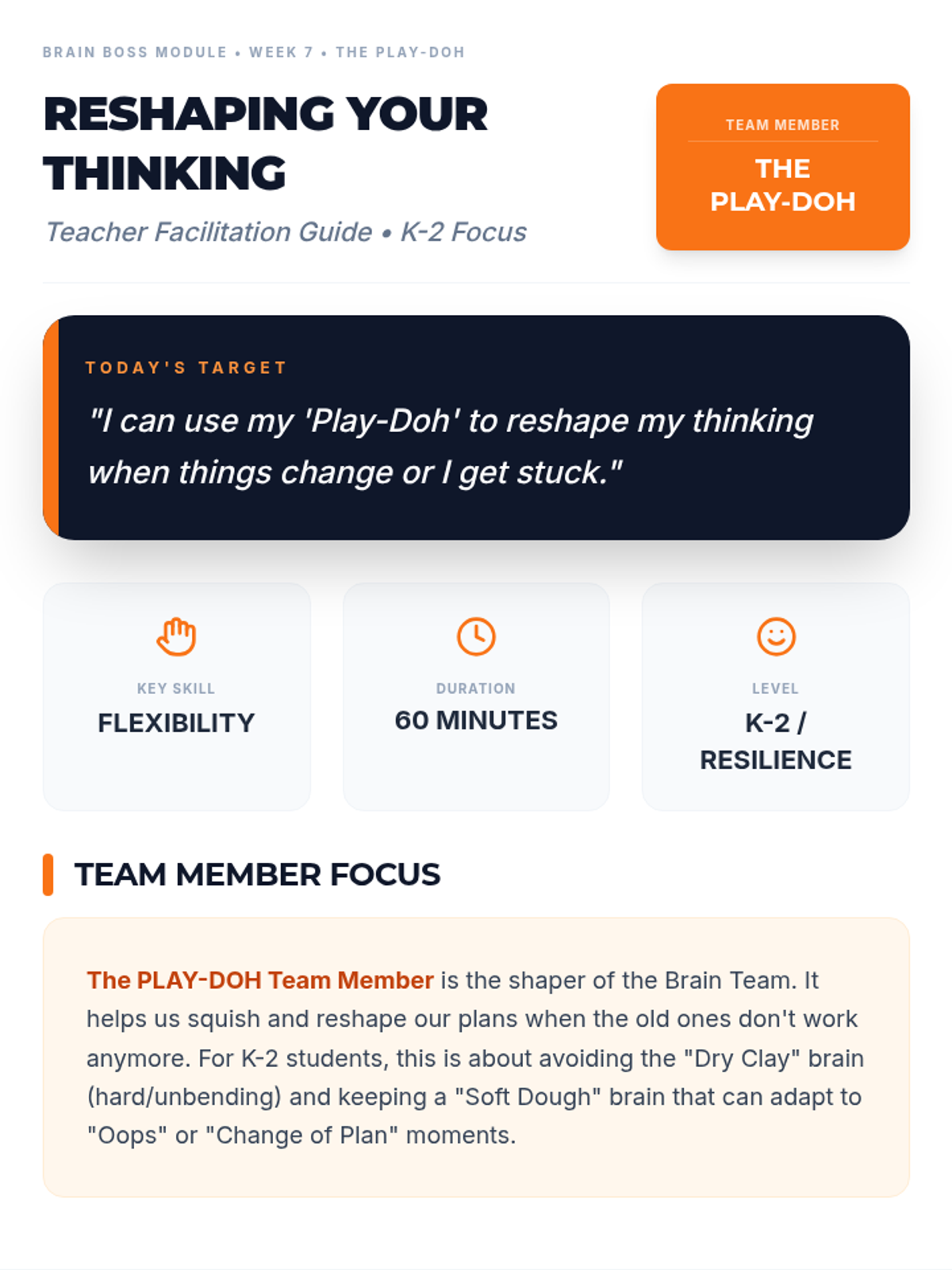
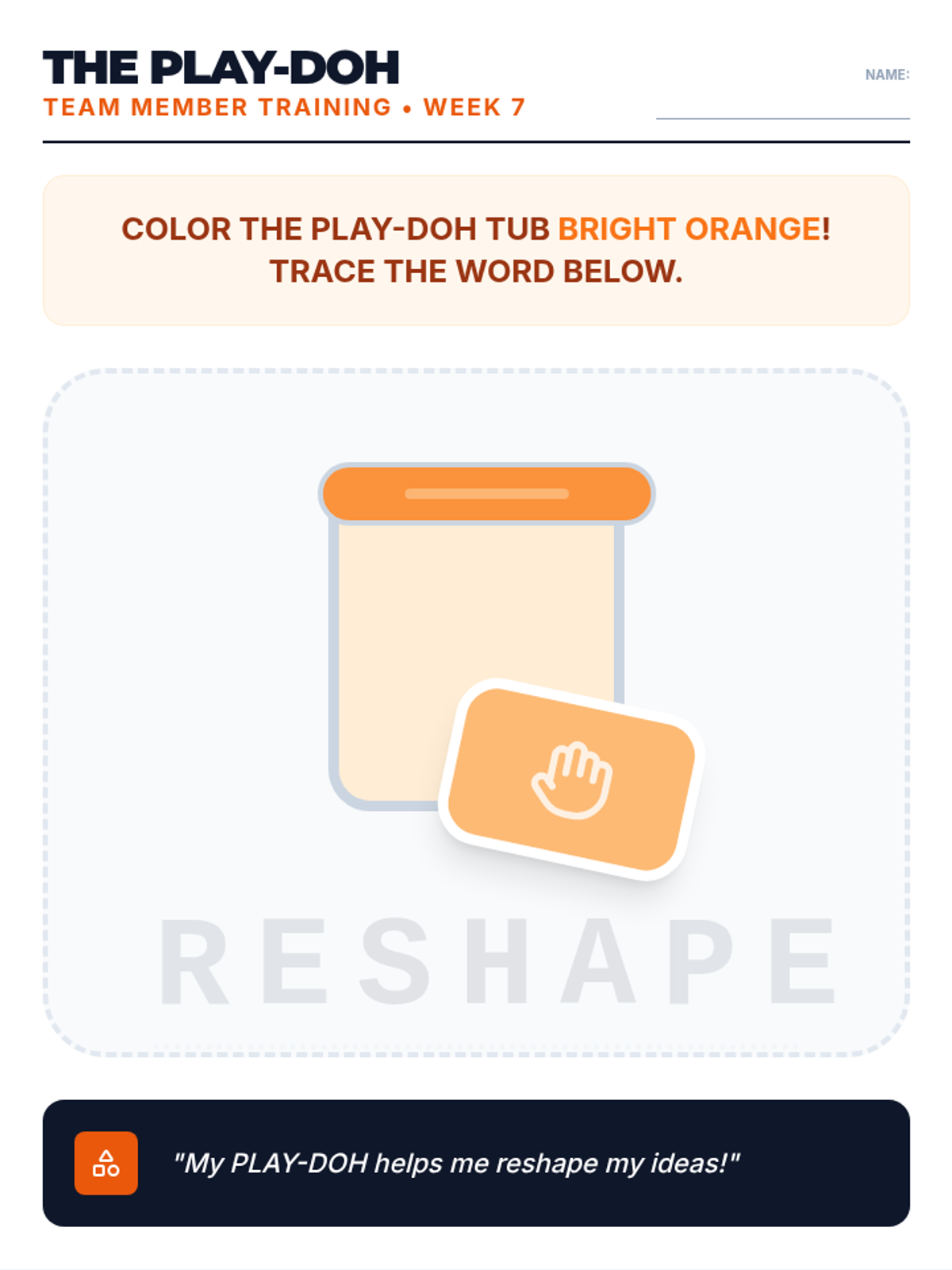
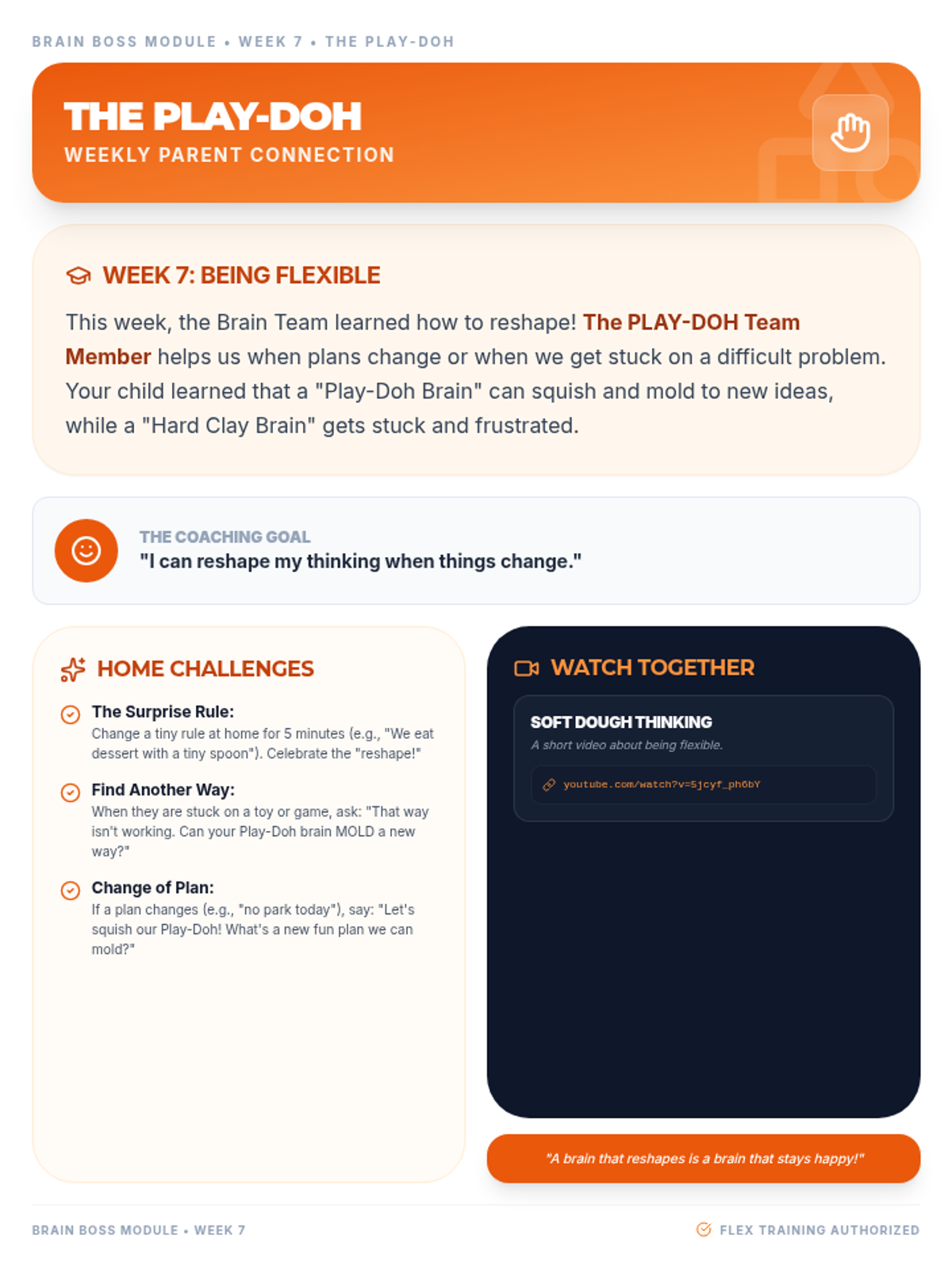
A 60-minute lesson teaching K-2 students how to activate their 'FLEXIBILITY' team member, known as 'The Play-Doh'. Students learn how to reshape their thinking when plans change or they get stuck.
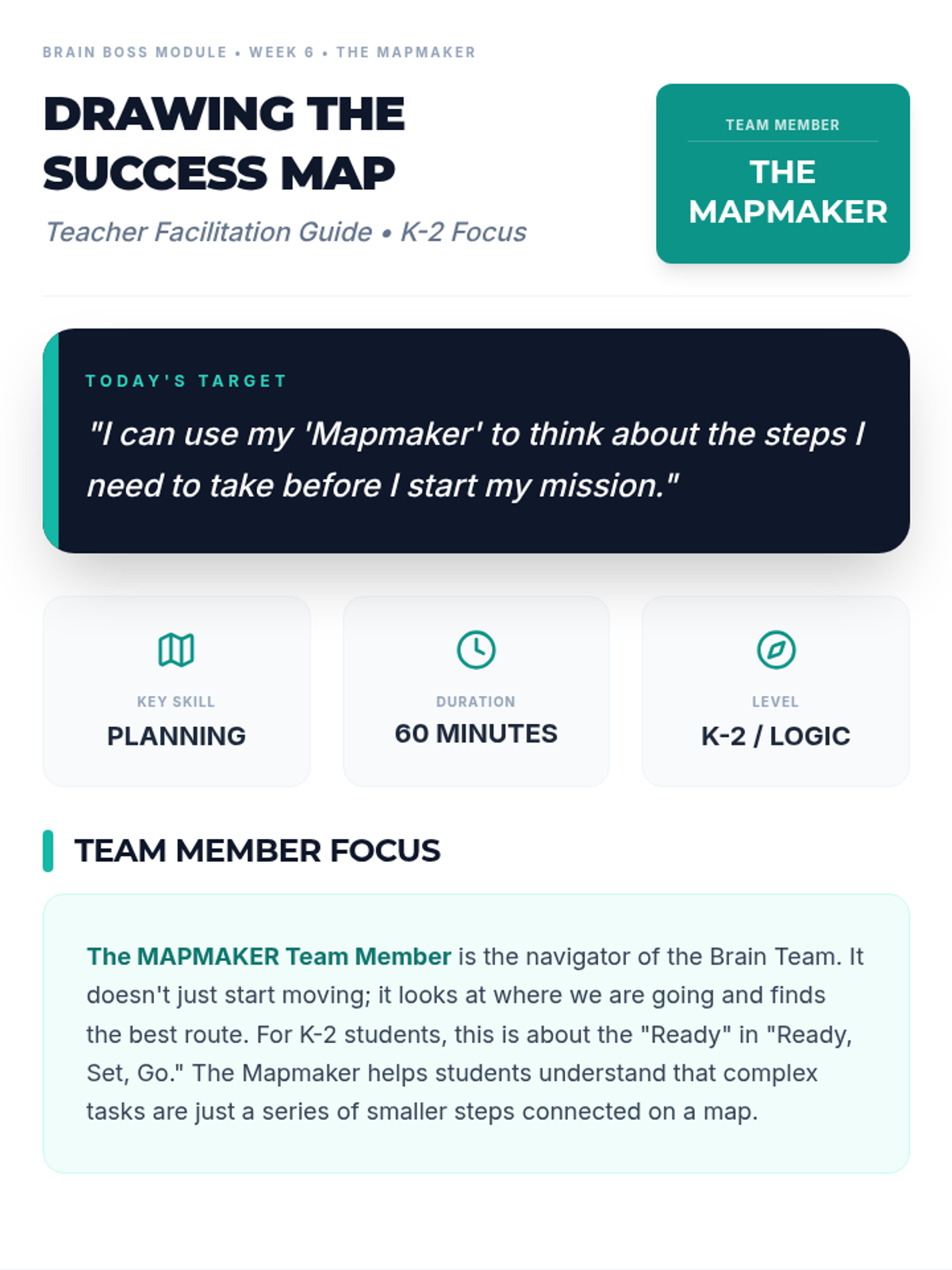
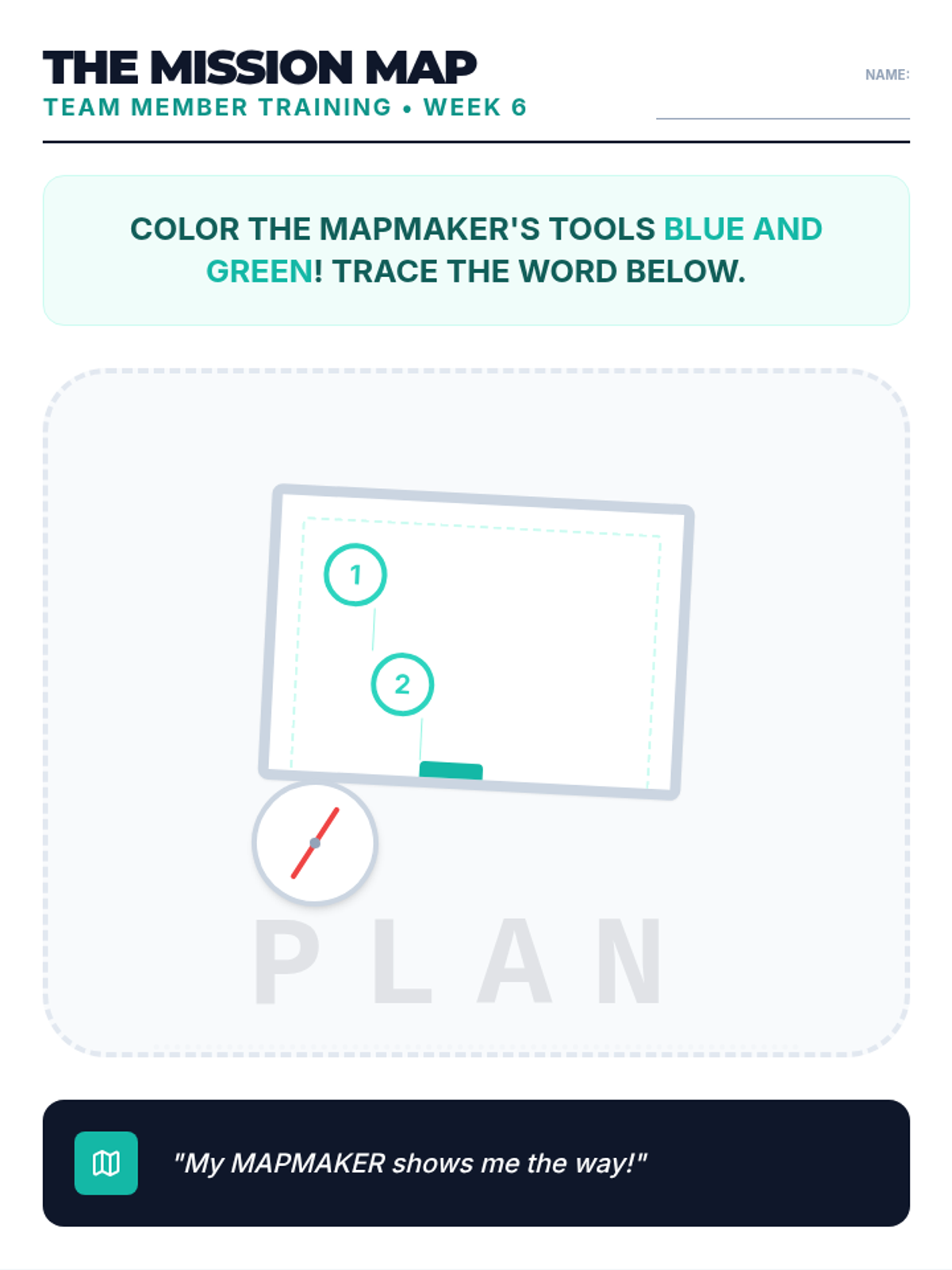
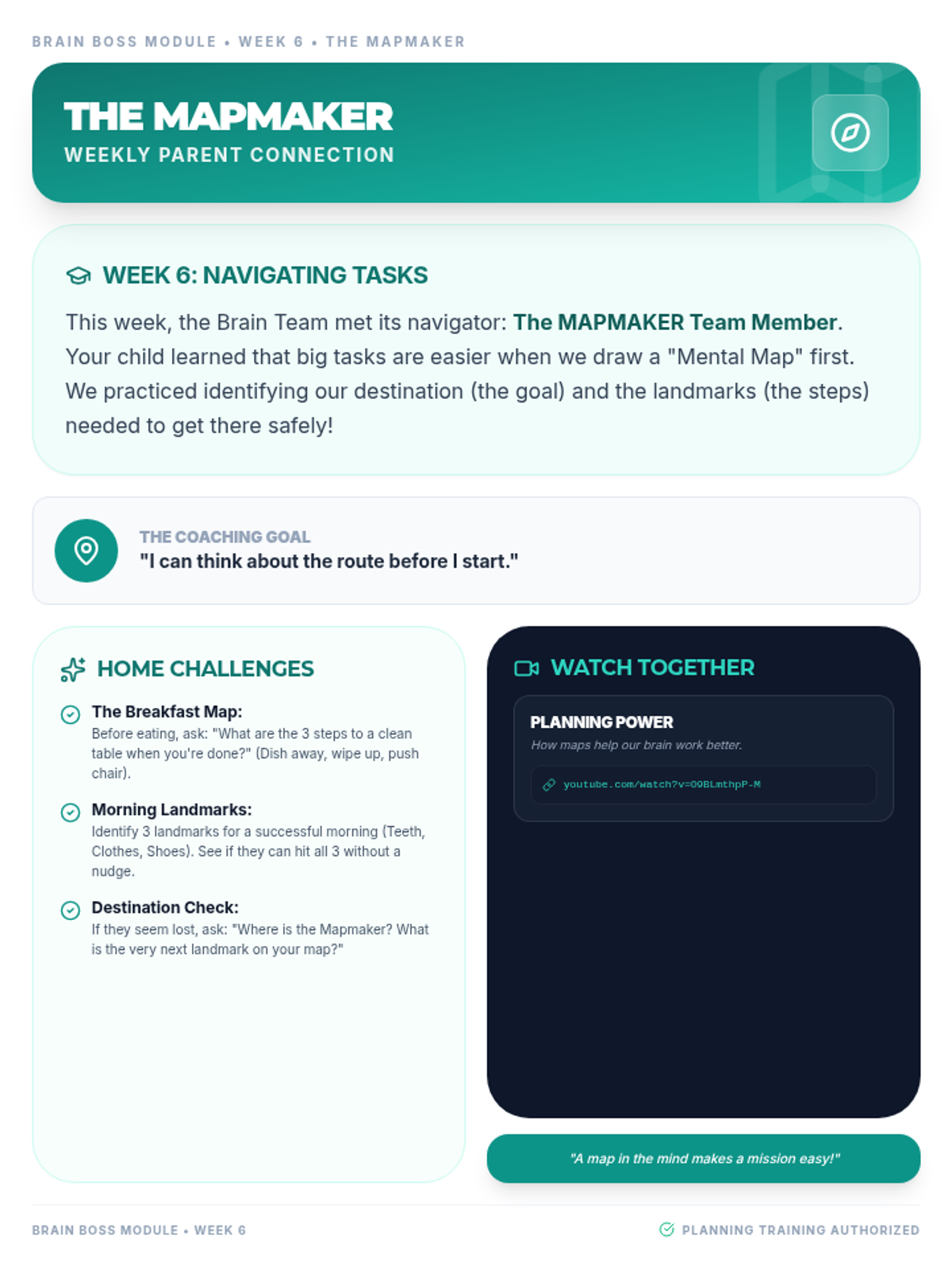
A 60-minute lesson teaching K-2 students how to activate their 'PLANNING' team member, known as 'The Mapmaker'. Students learn how to look at a goal and decide on the steps needed to get there before starting.
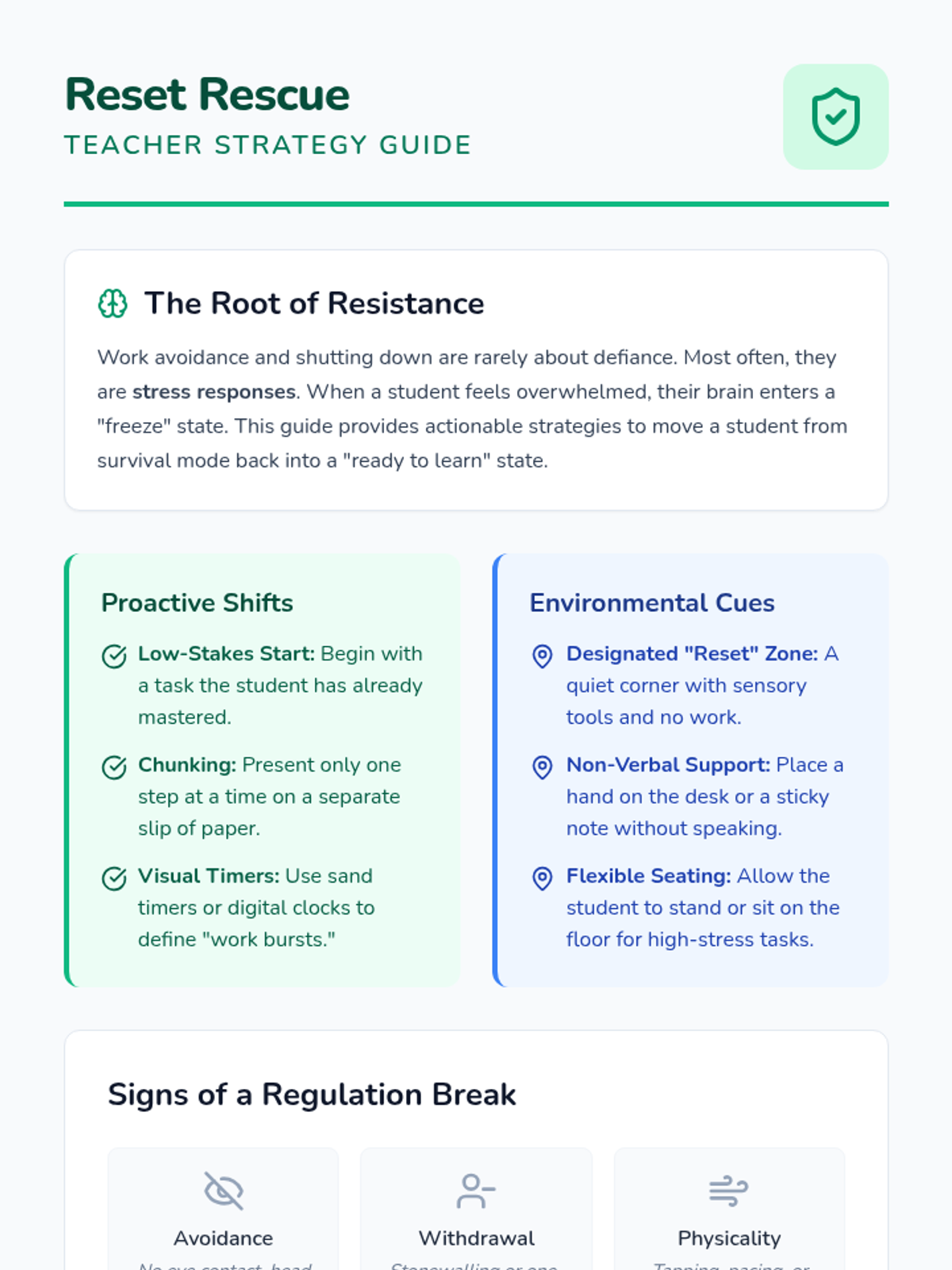
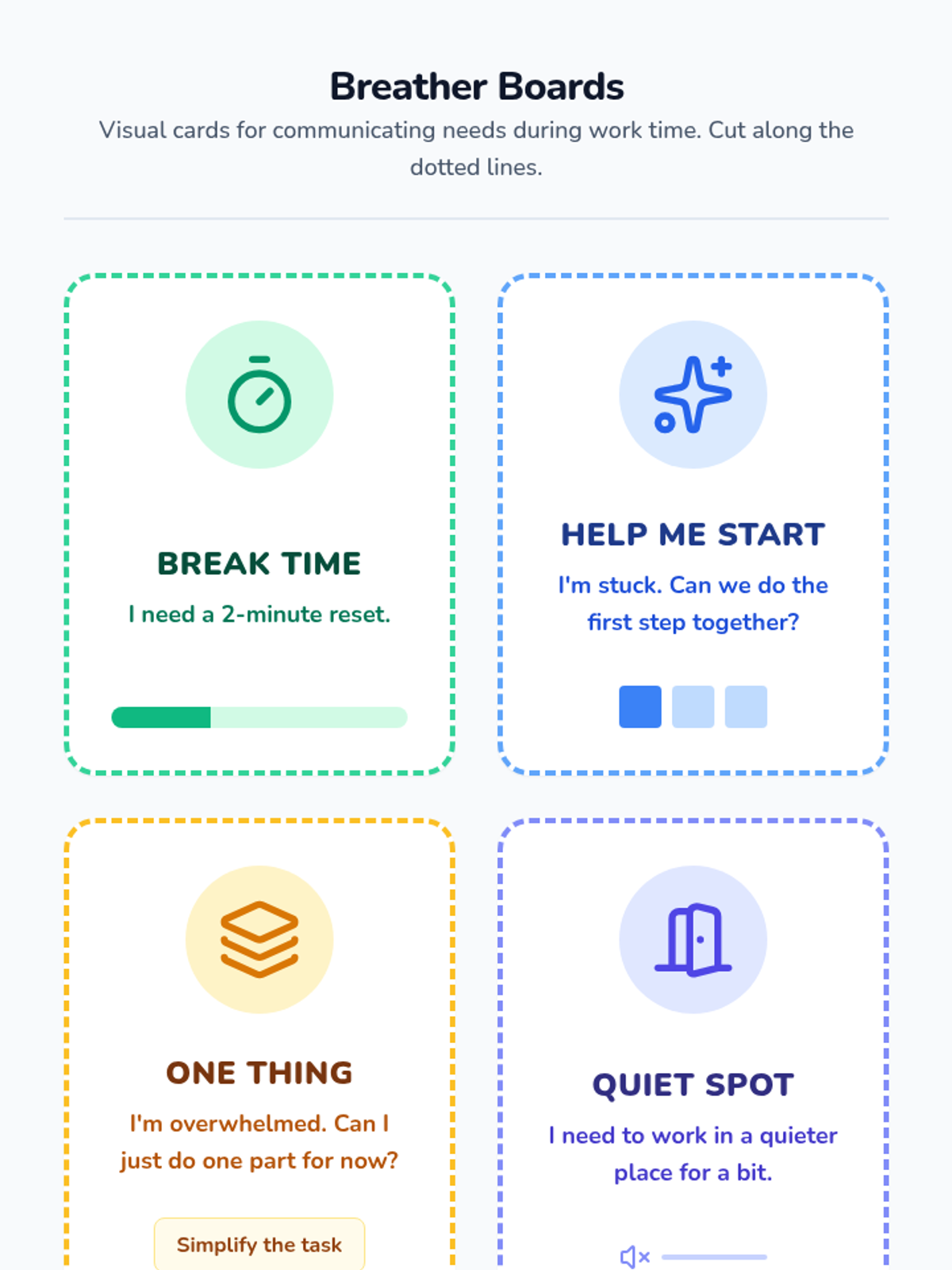
A comprehensive set of tools for teachers to support students experiencing work avoidance or shutting down, focusing on emotional regulation and proactive intervention.
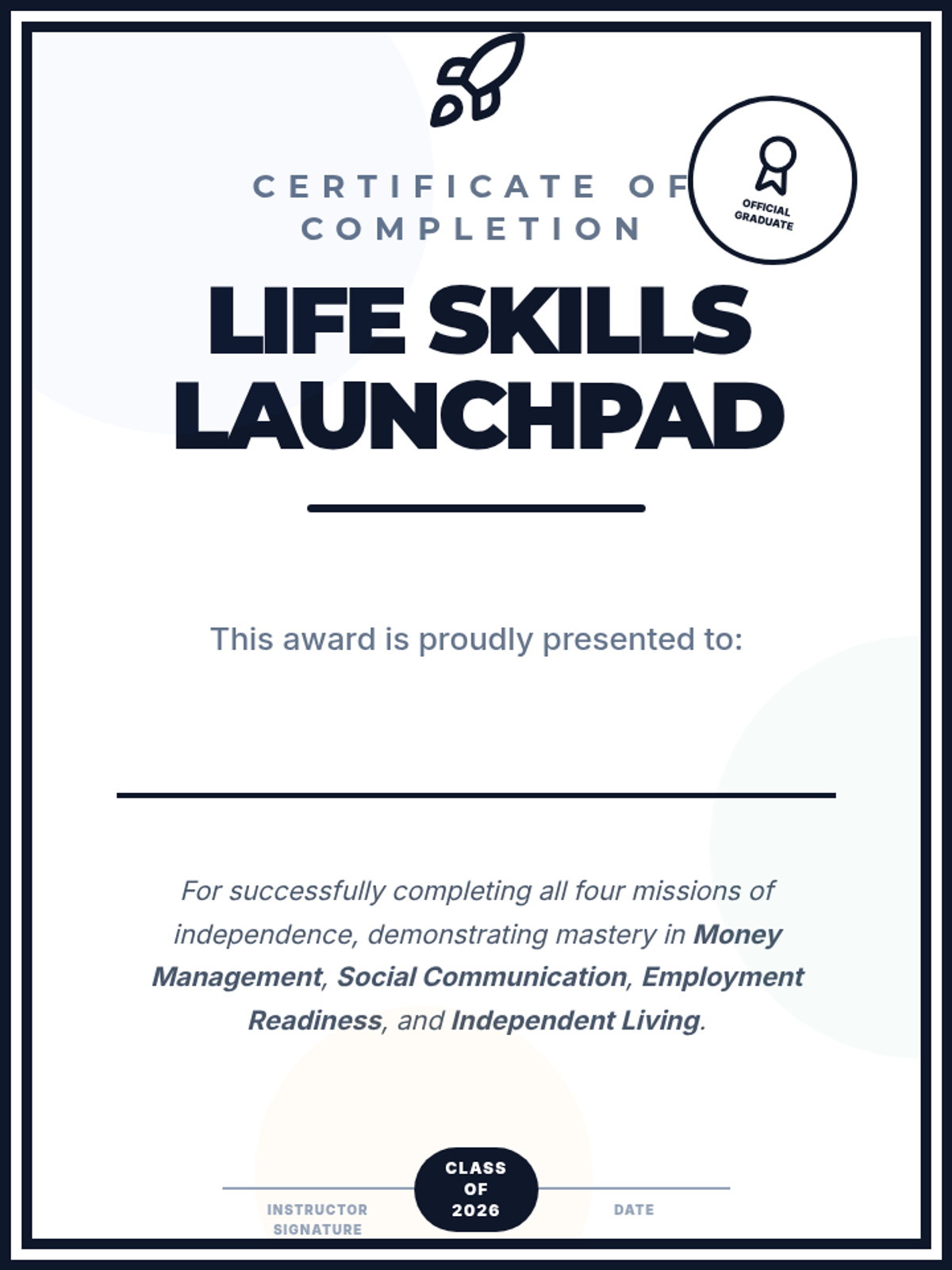
Foundational materials for the Life Skills Launchpad, including binder covers, dividers, and sequence-wide tracking systems.
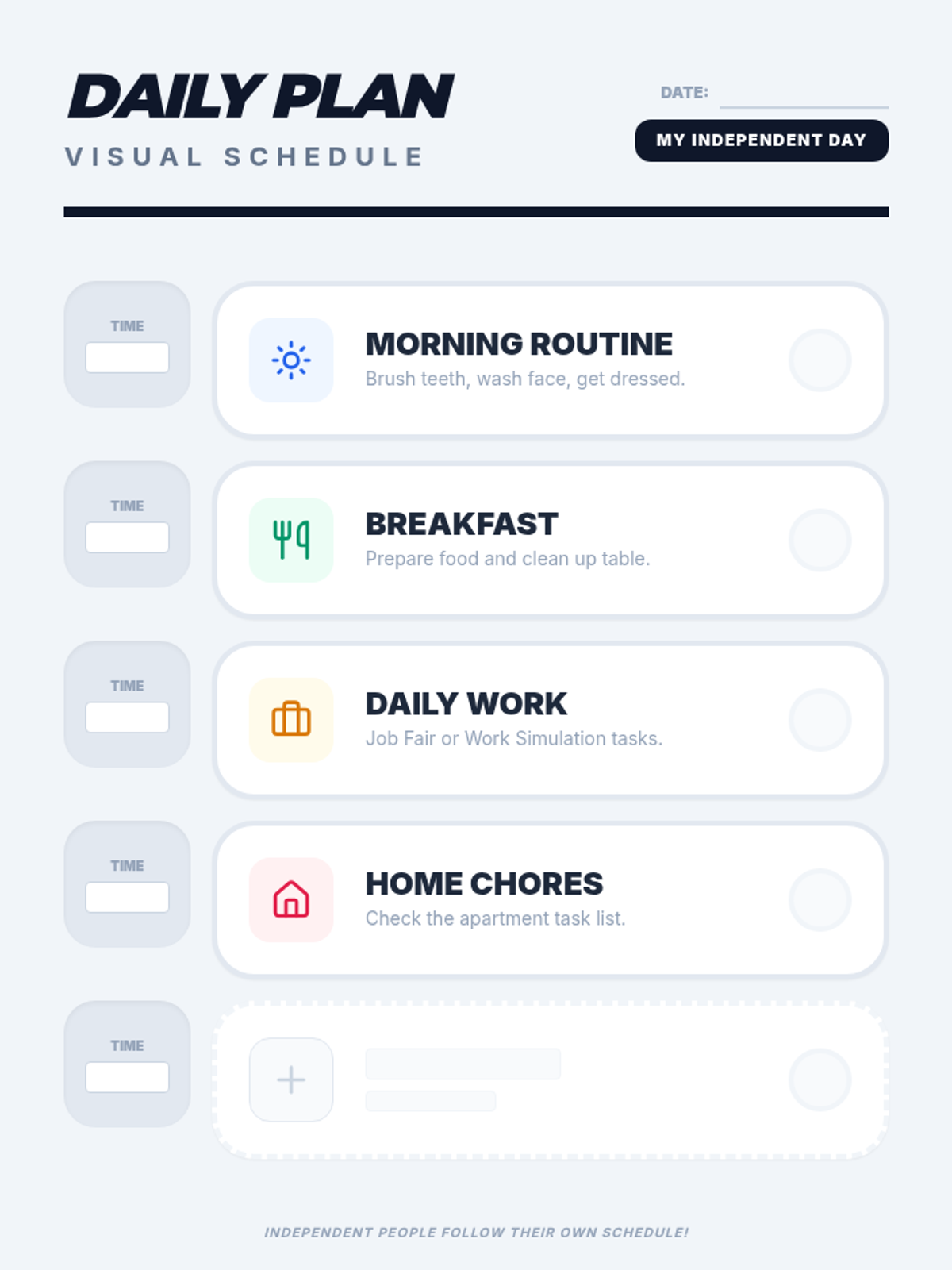
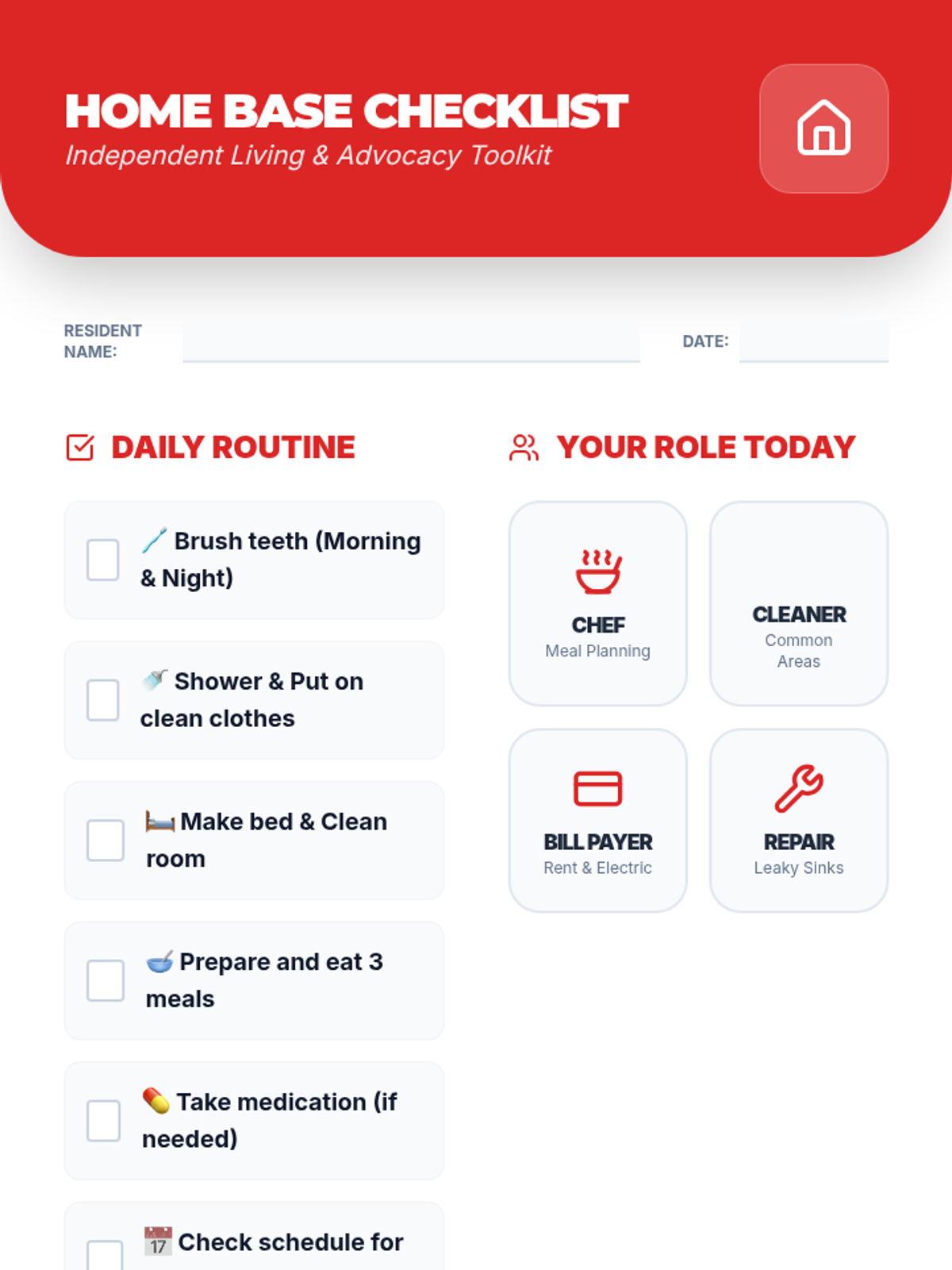
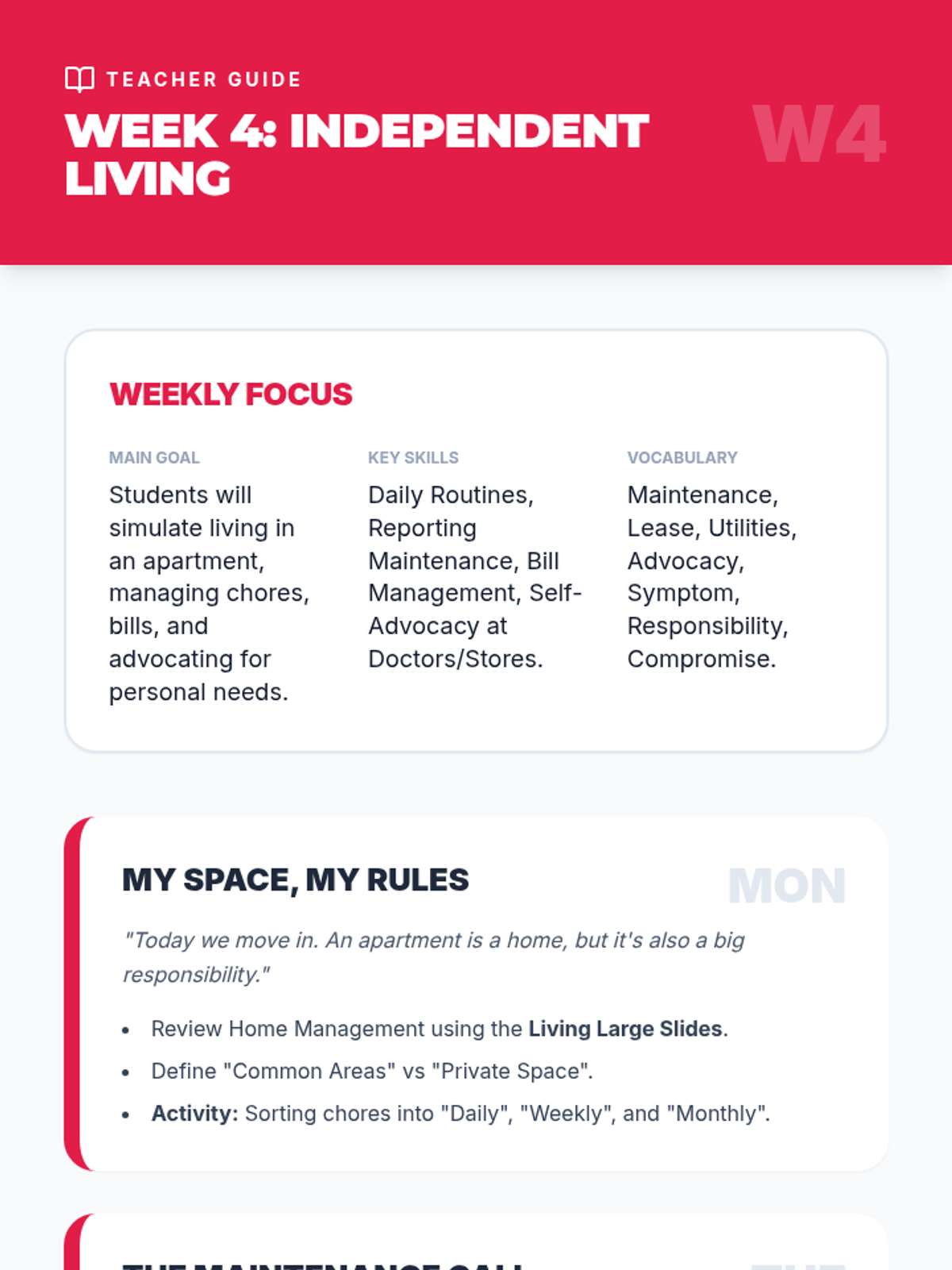
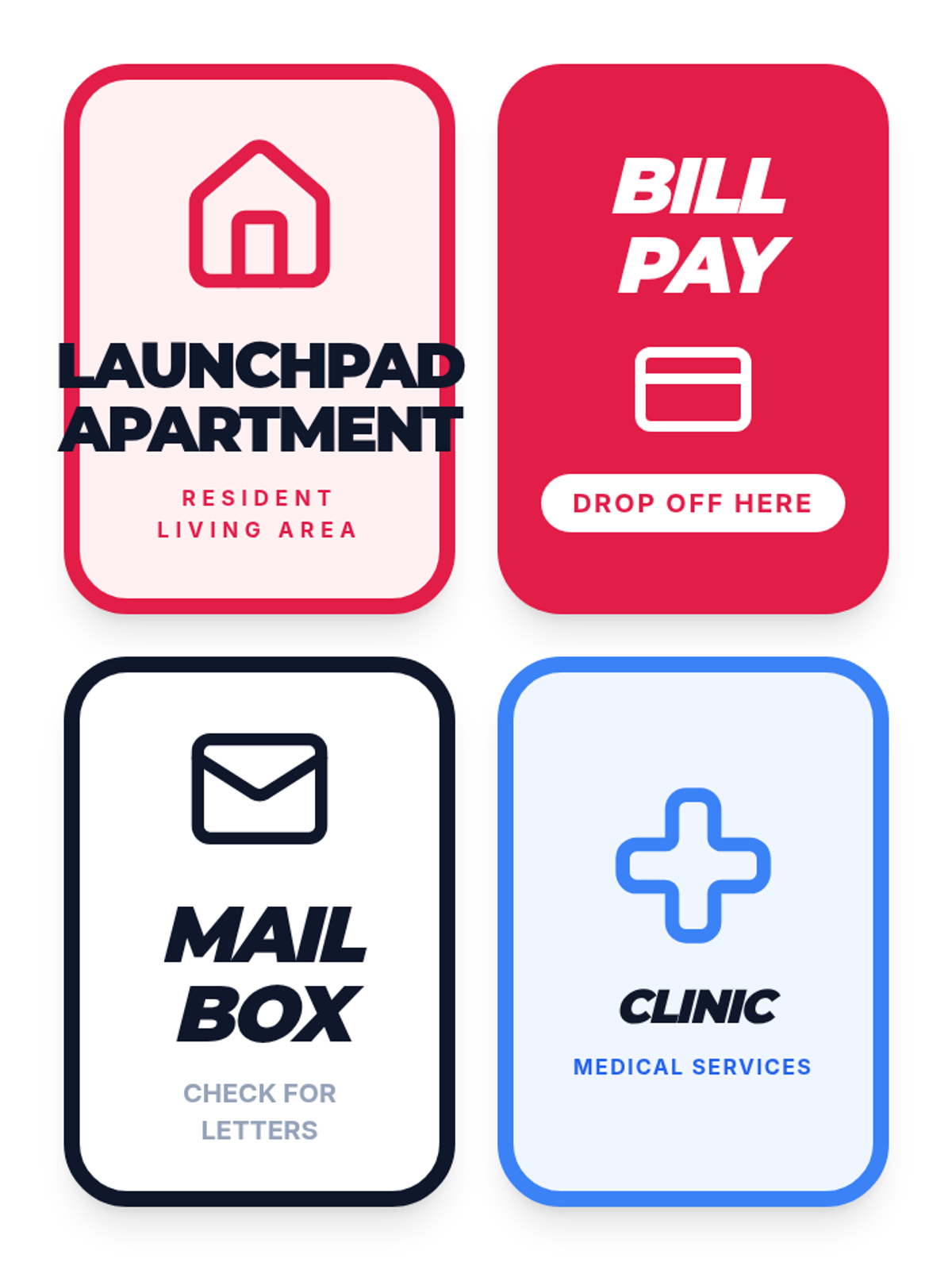
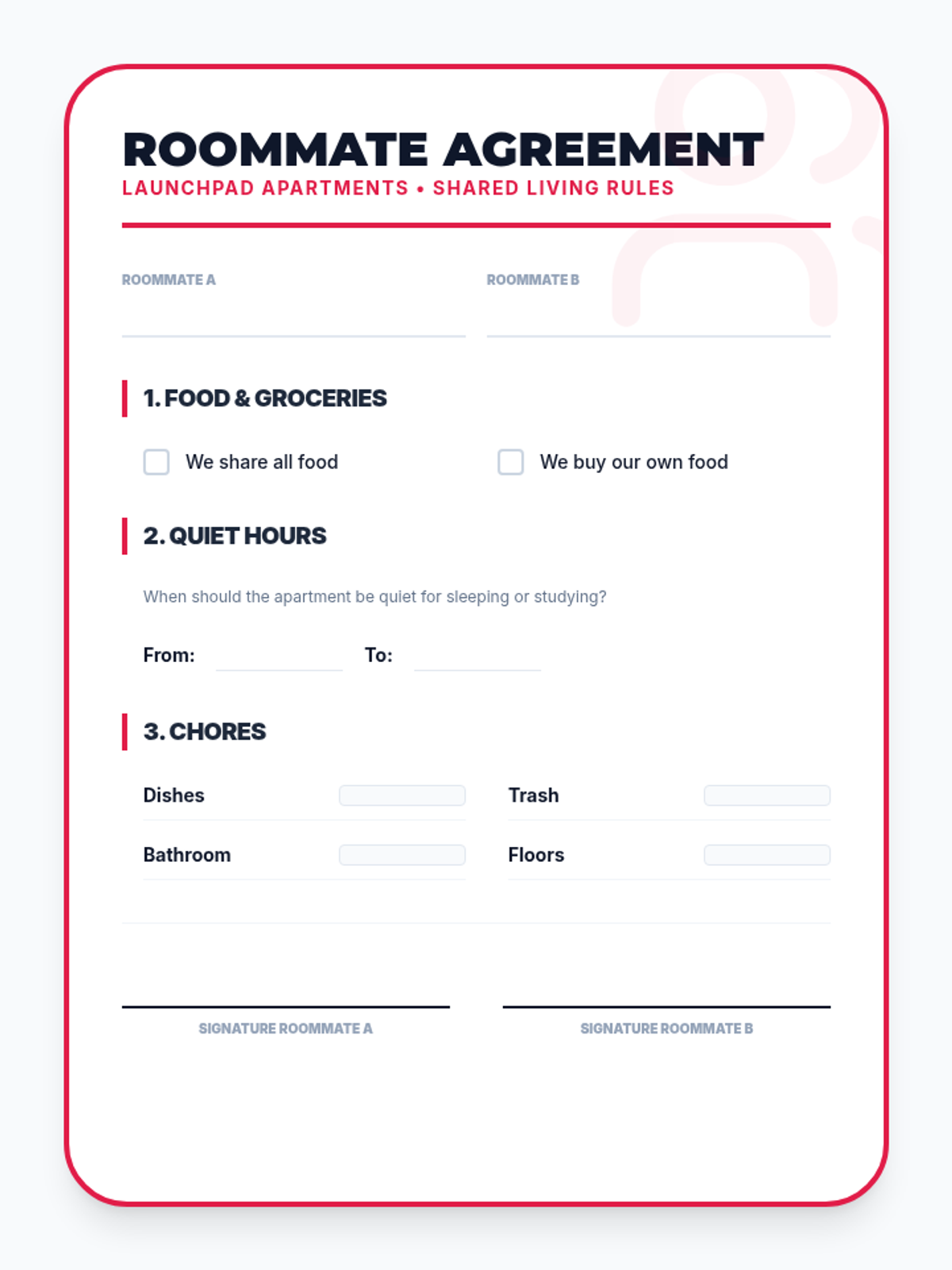
Practicing the core skills of independent living, including home maintenance, personal advocacy, and daily scheduling.
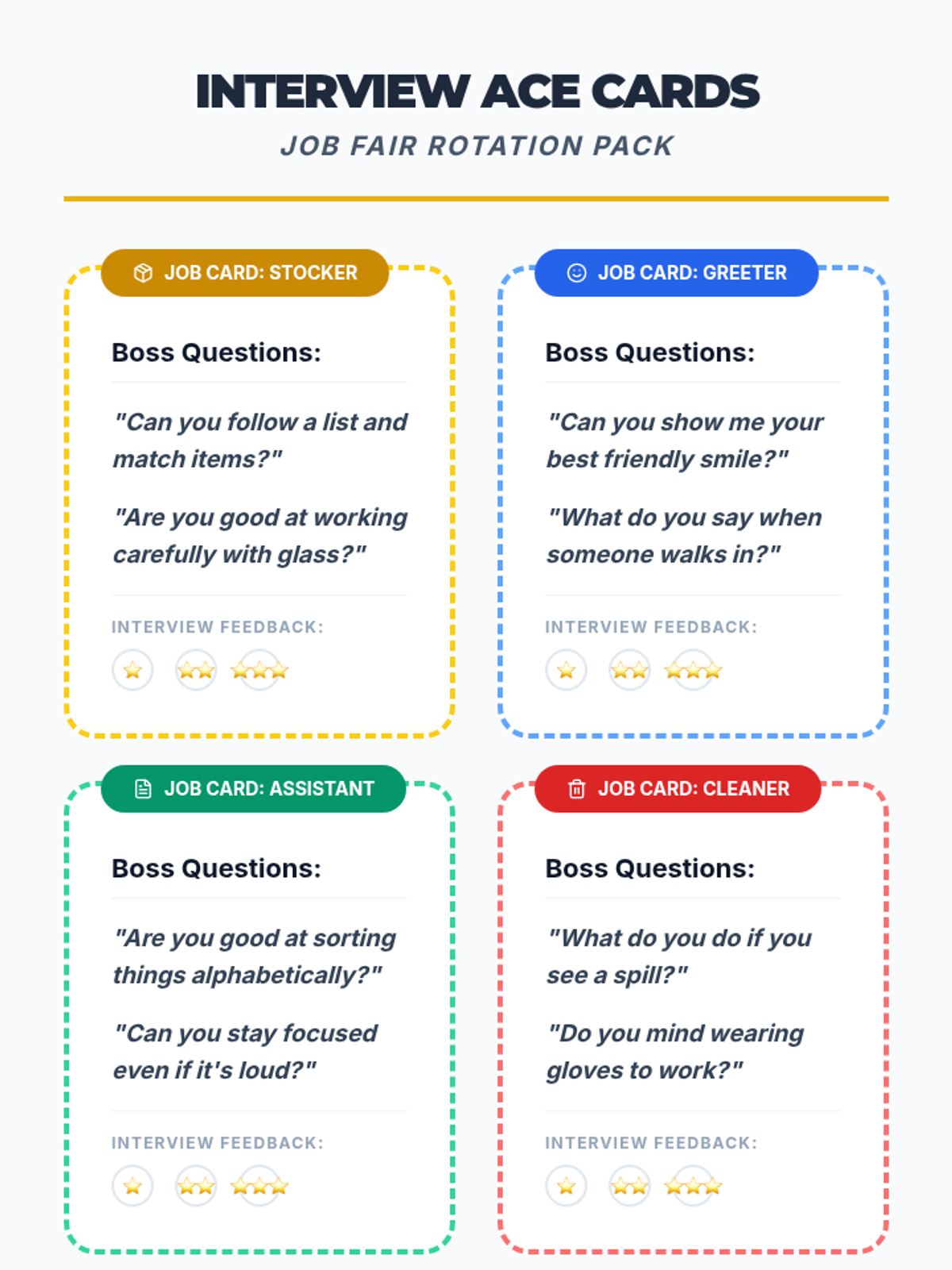
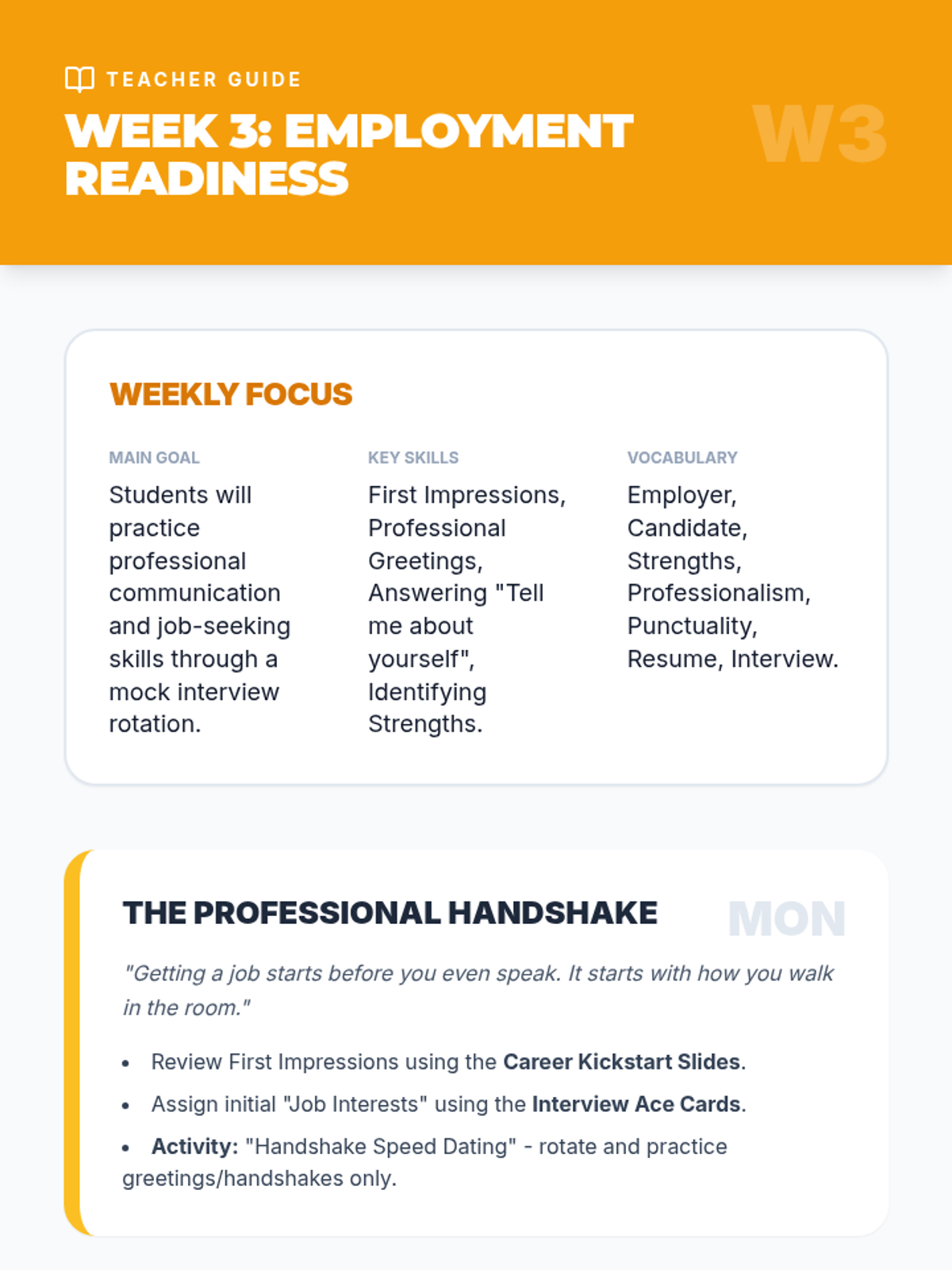
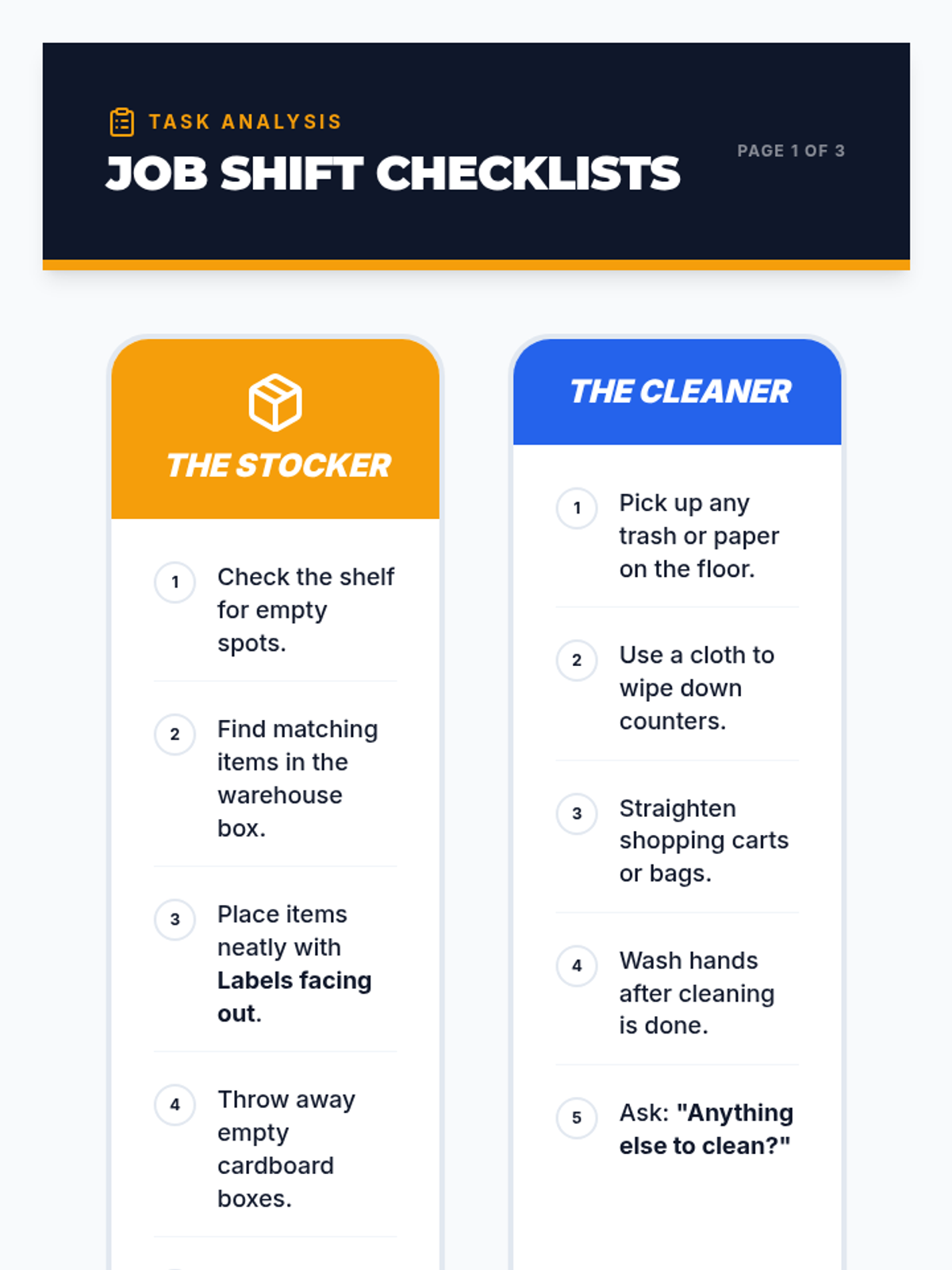
Preparing for the workforce with mock interviews, professional communication practice, and on-the-job simulations.
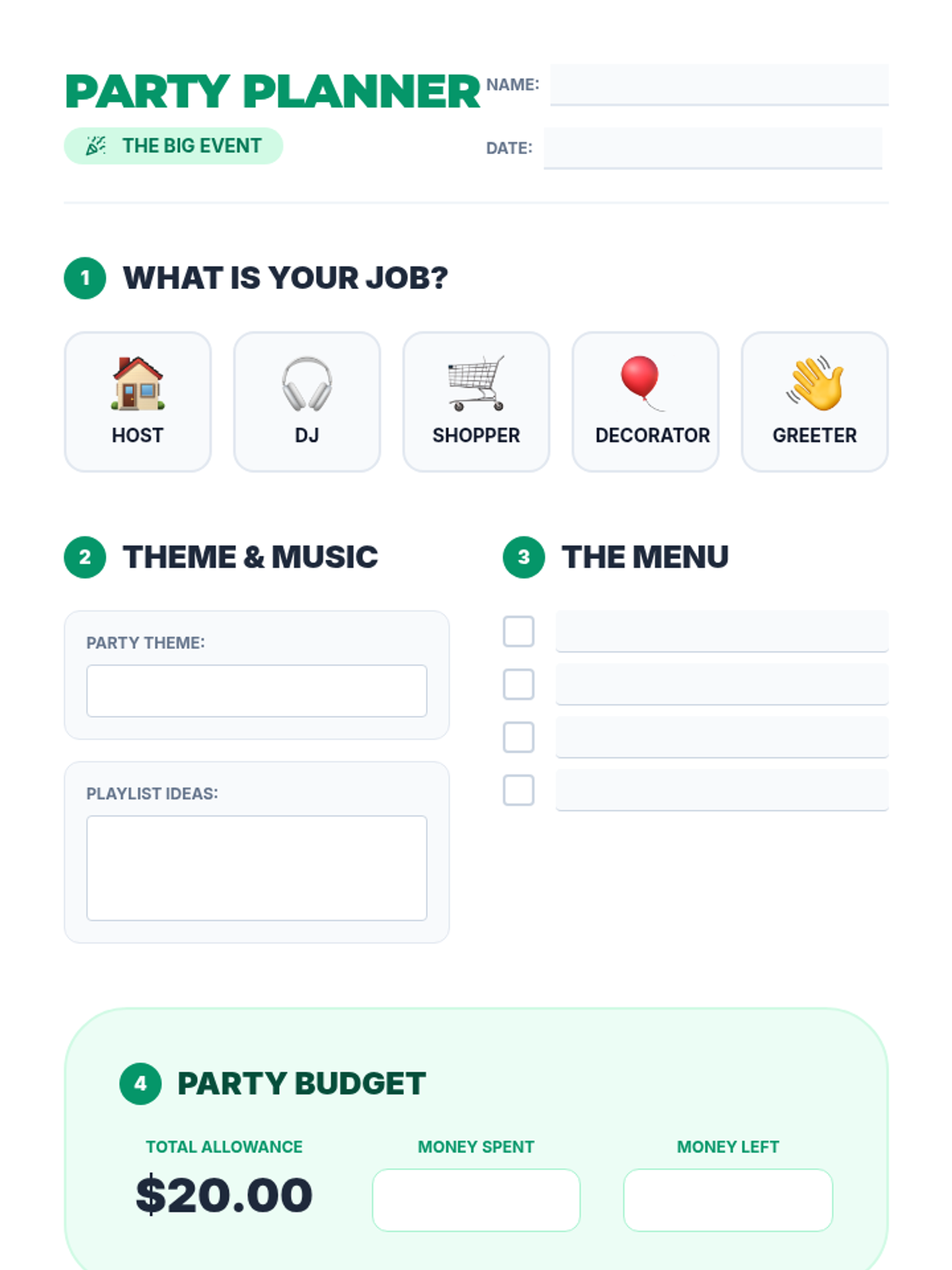
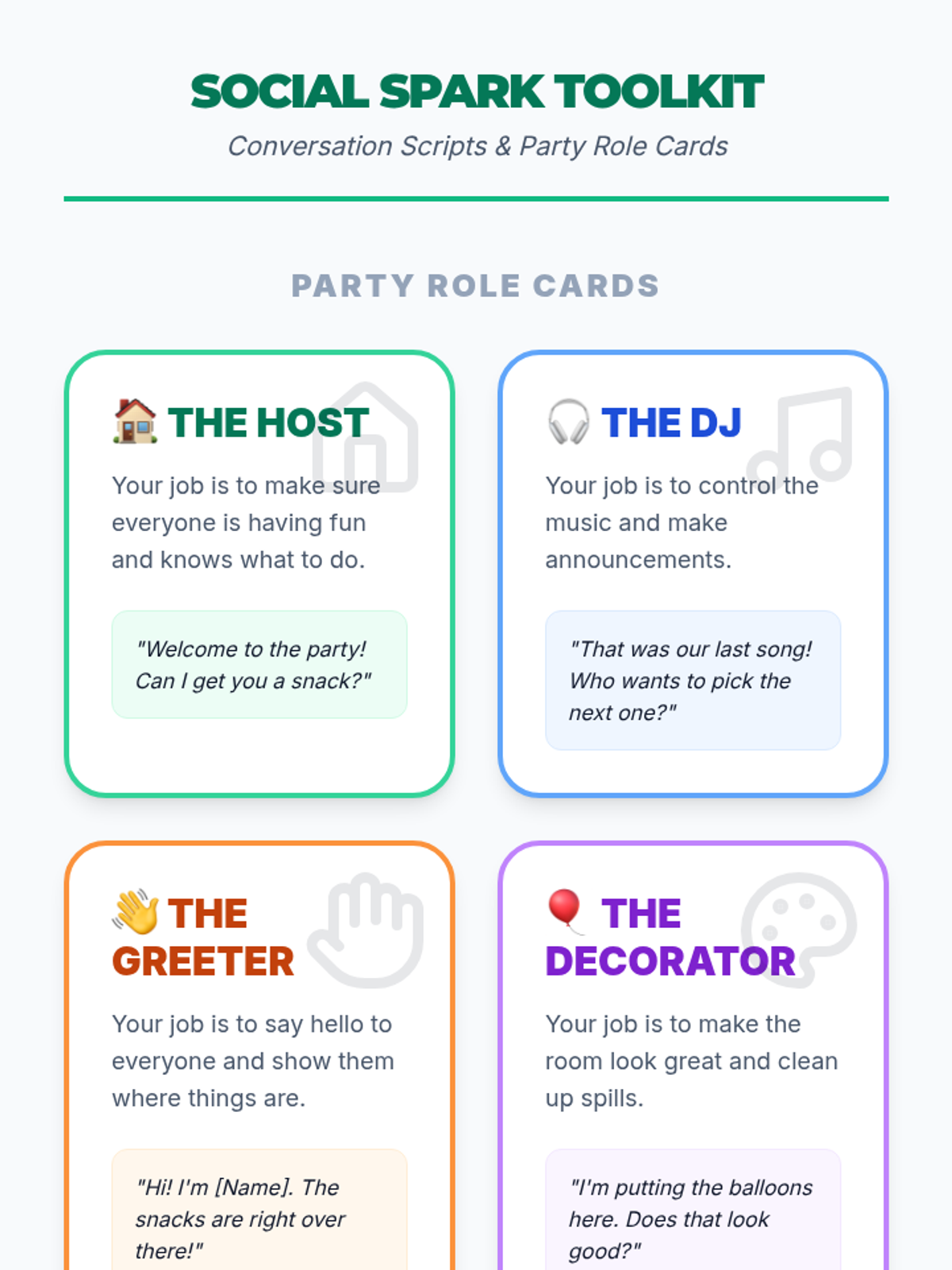
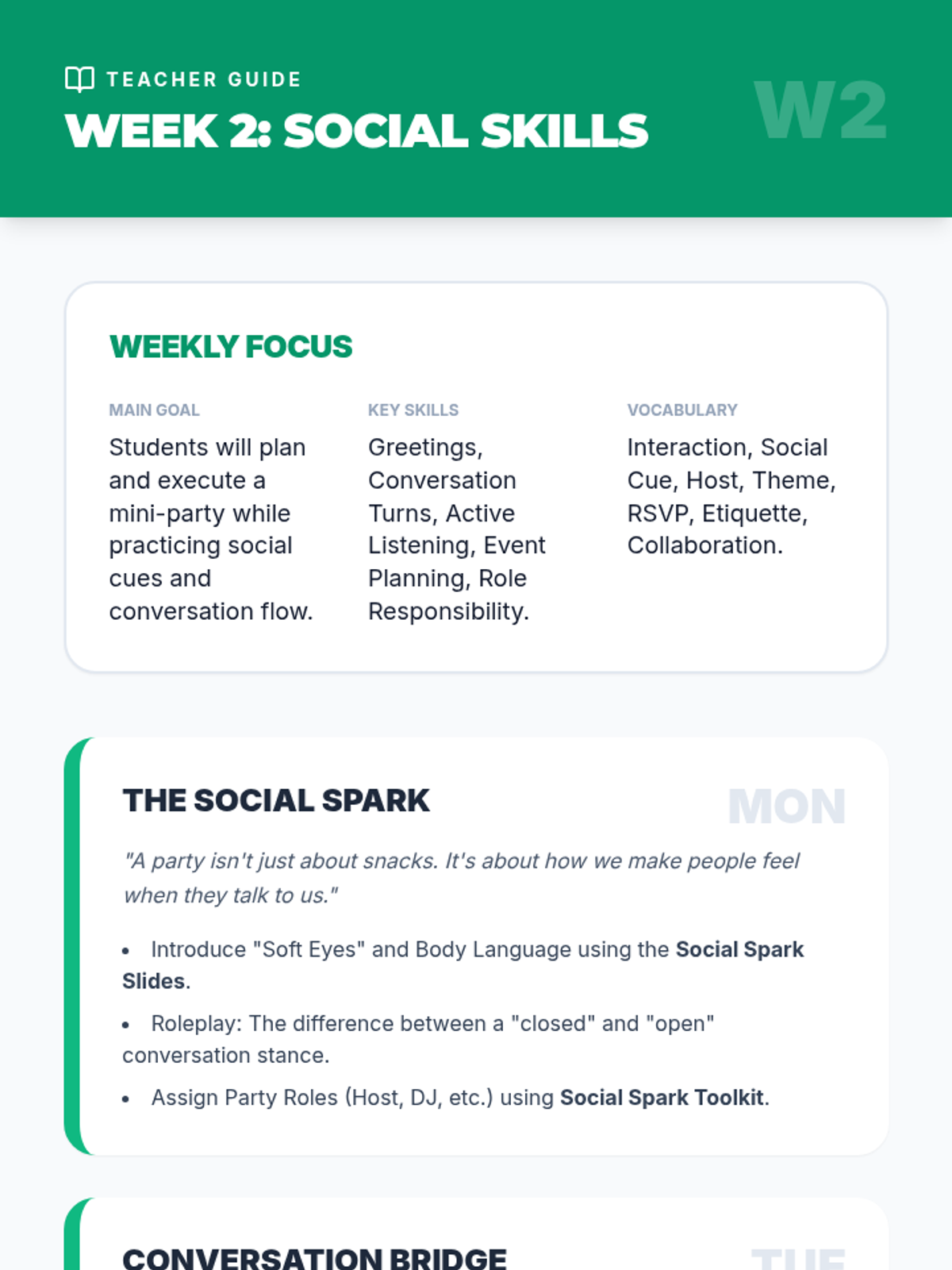
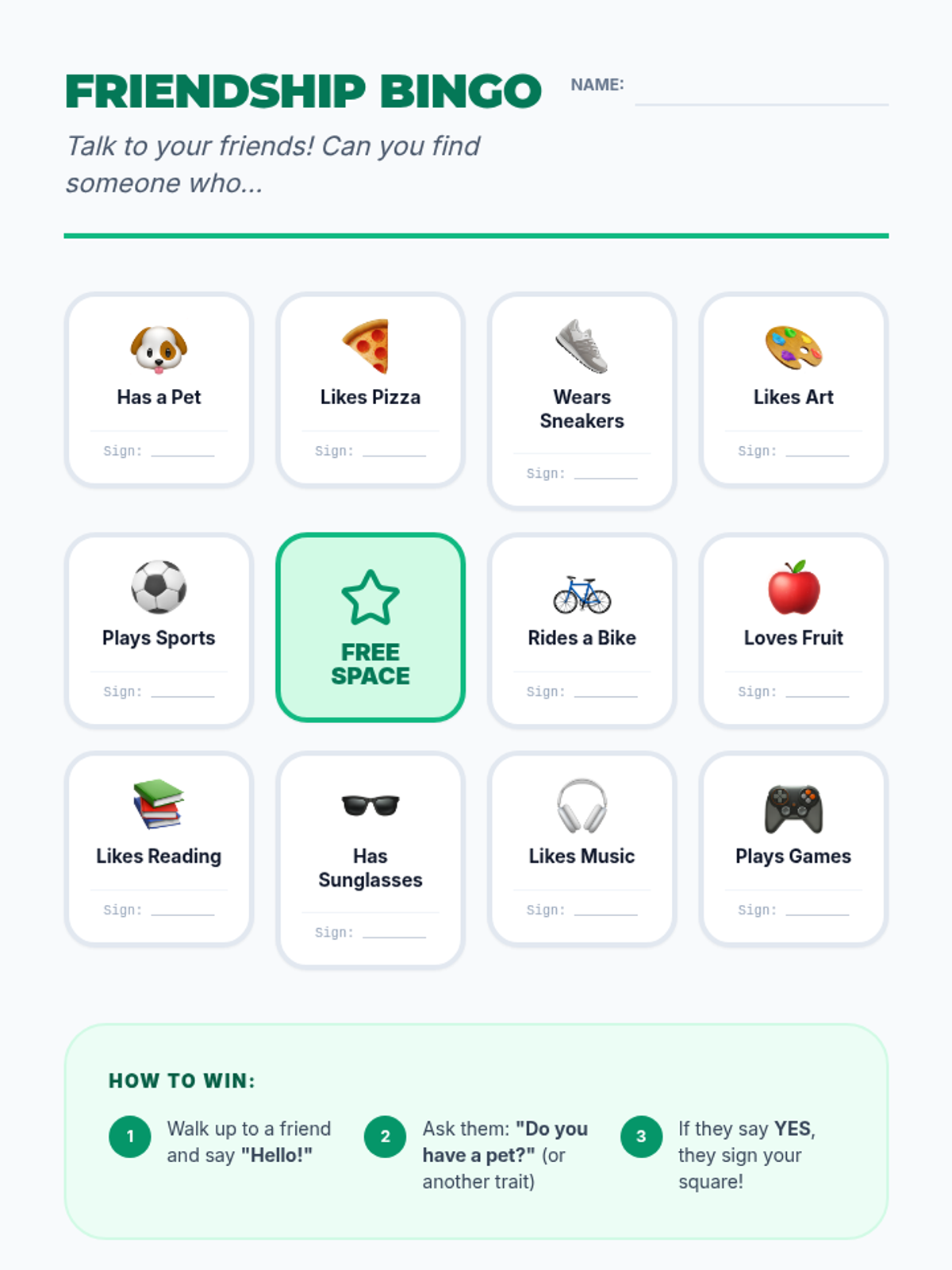
Developing social-emotional awareness through event planning, role-play conversations, and meaningful peer interactions.
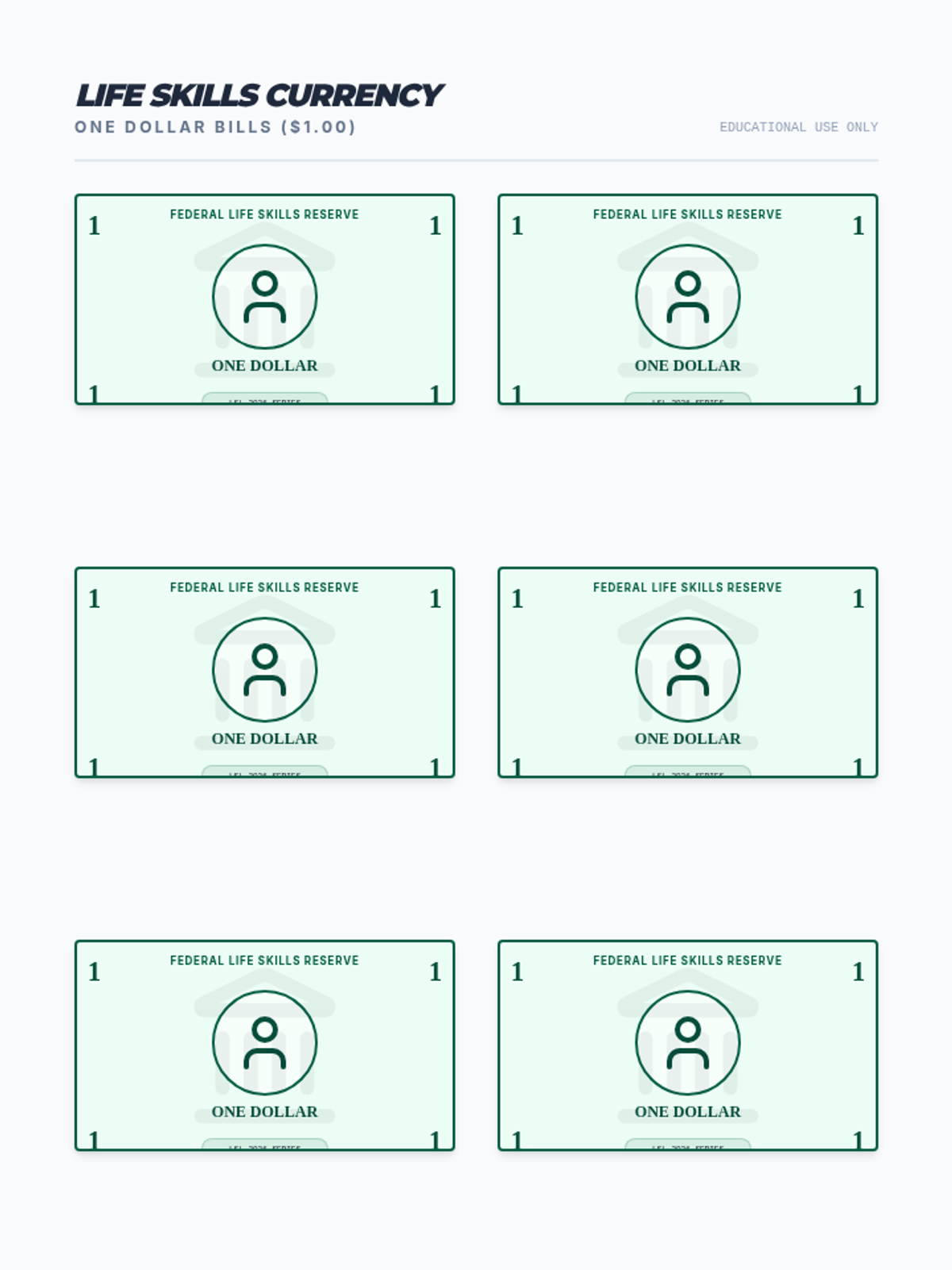
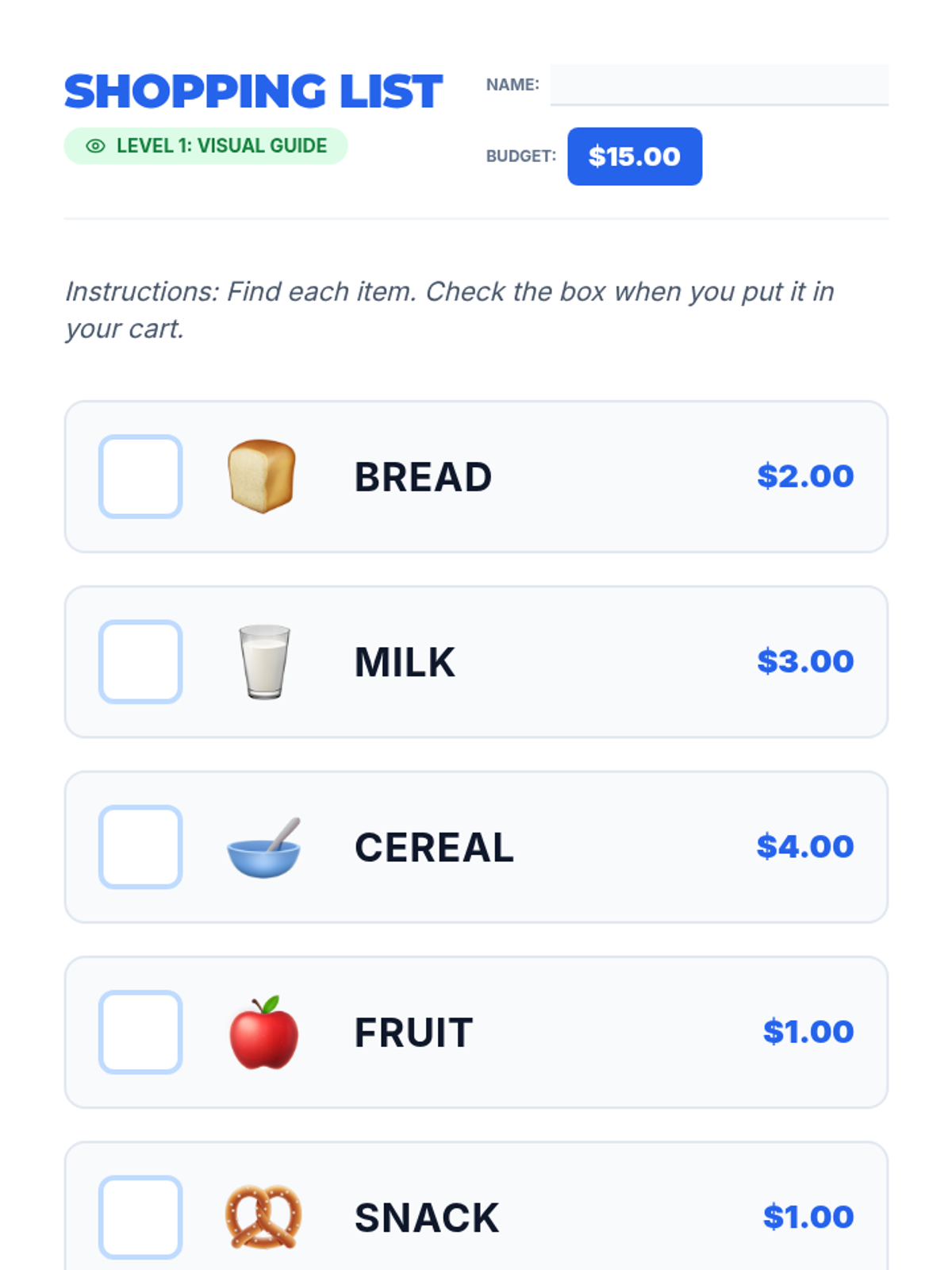
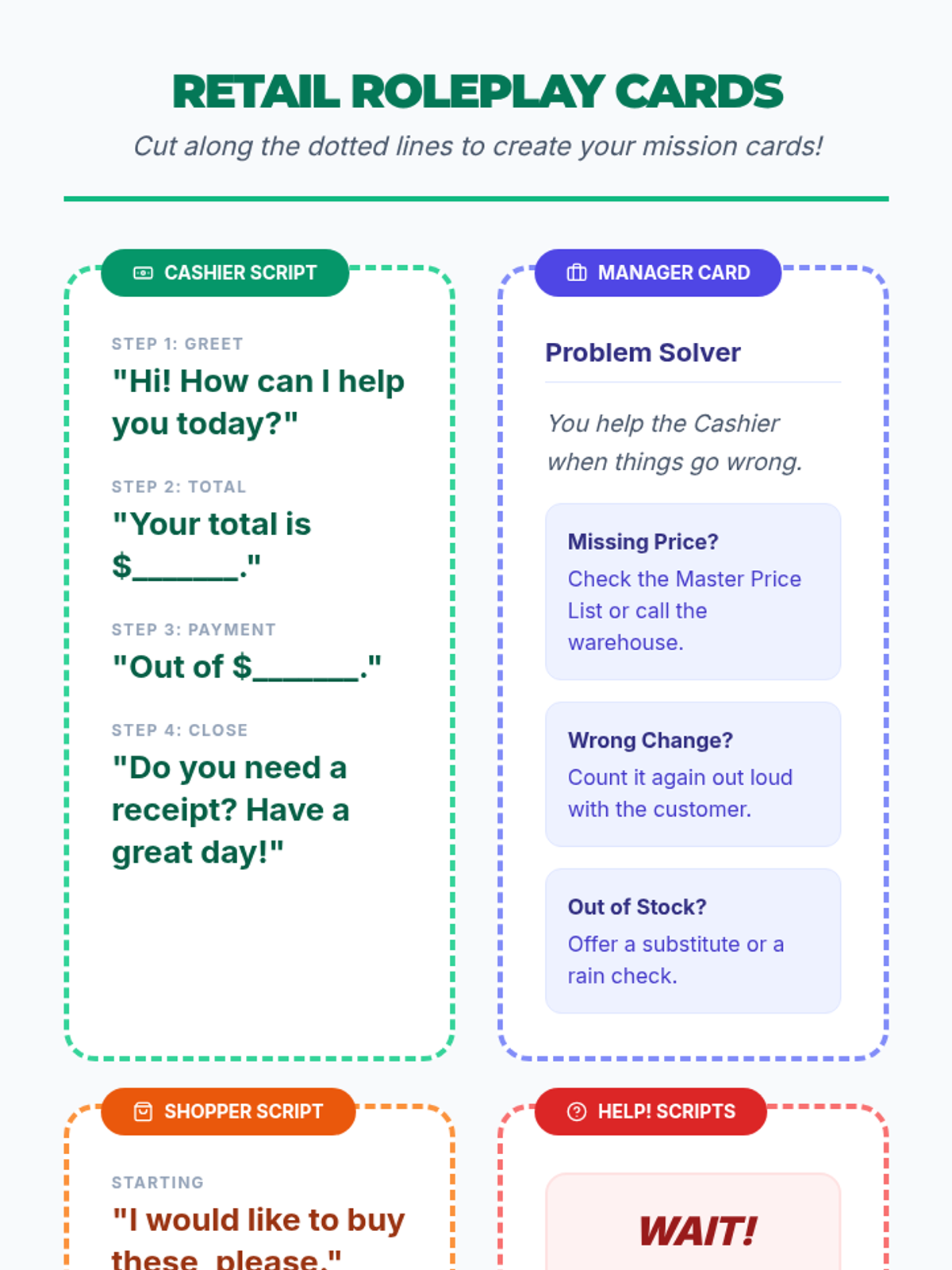
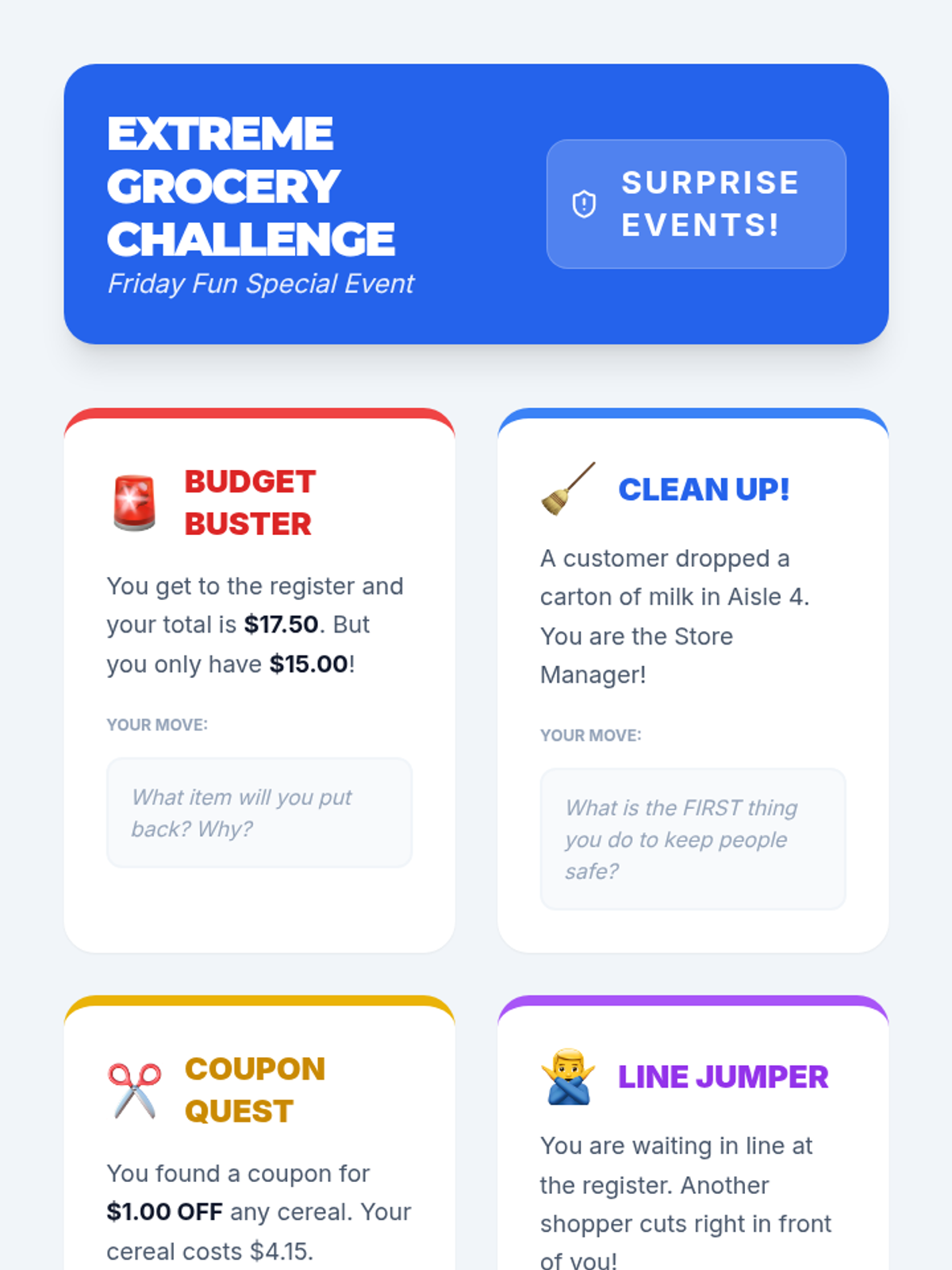
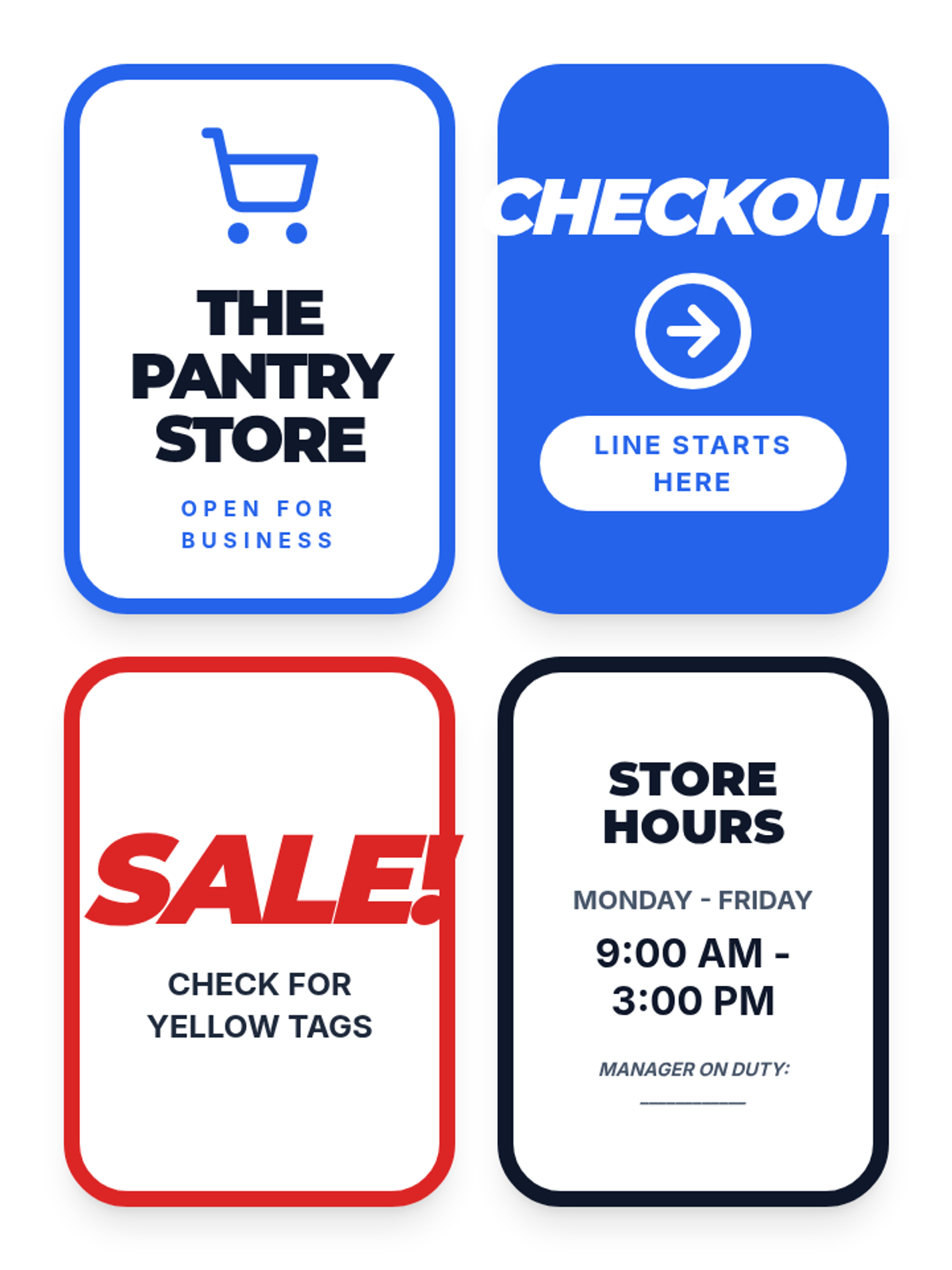
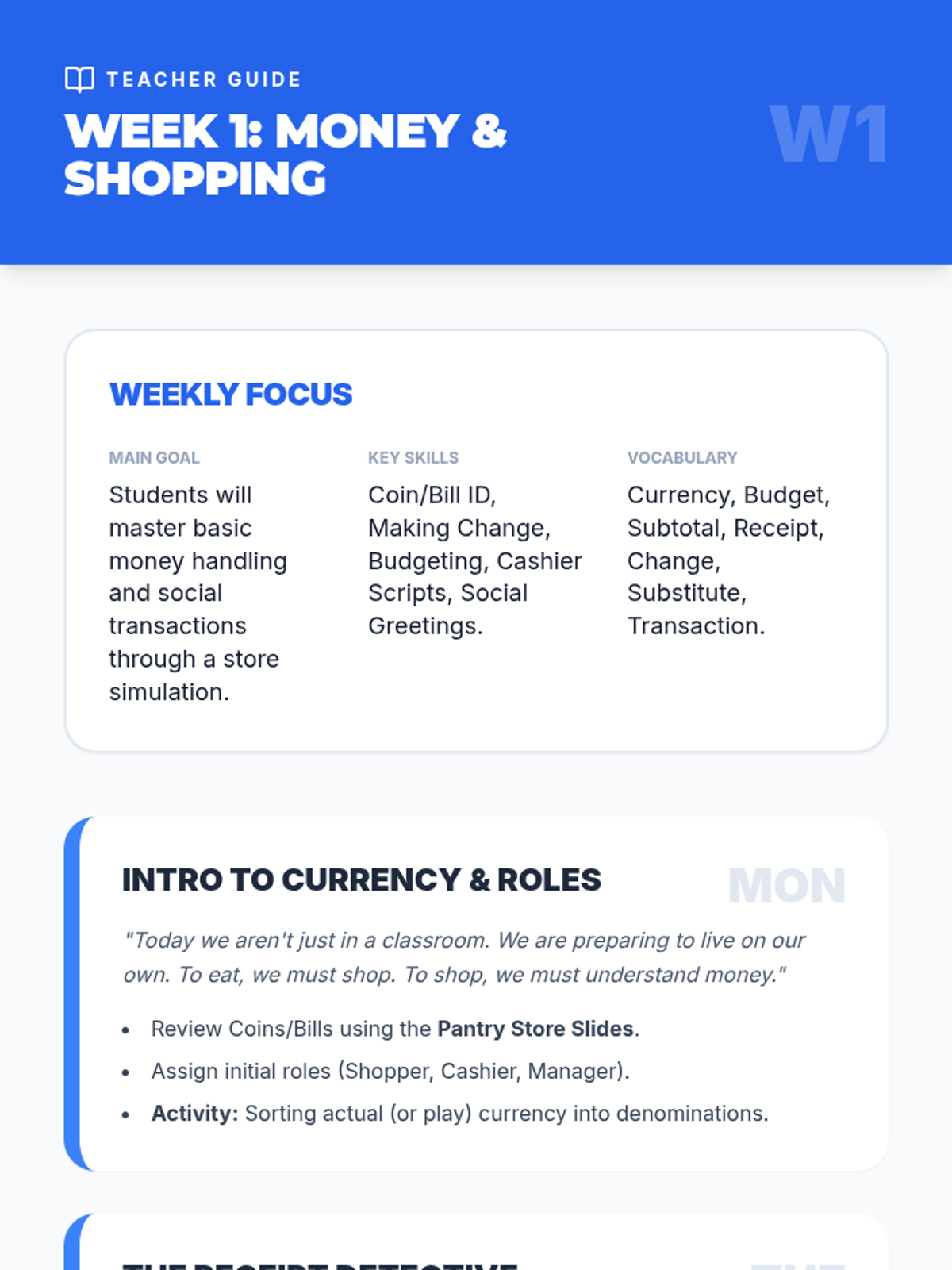
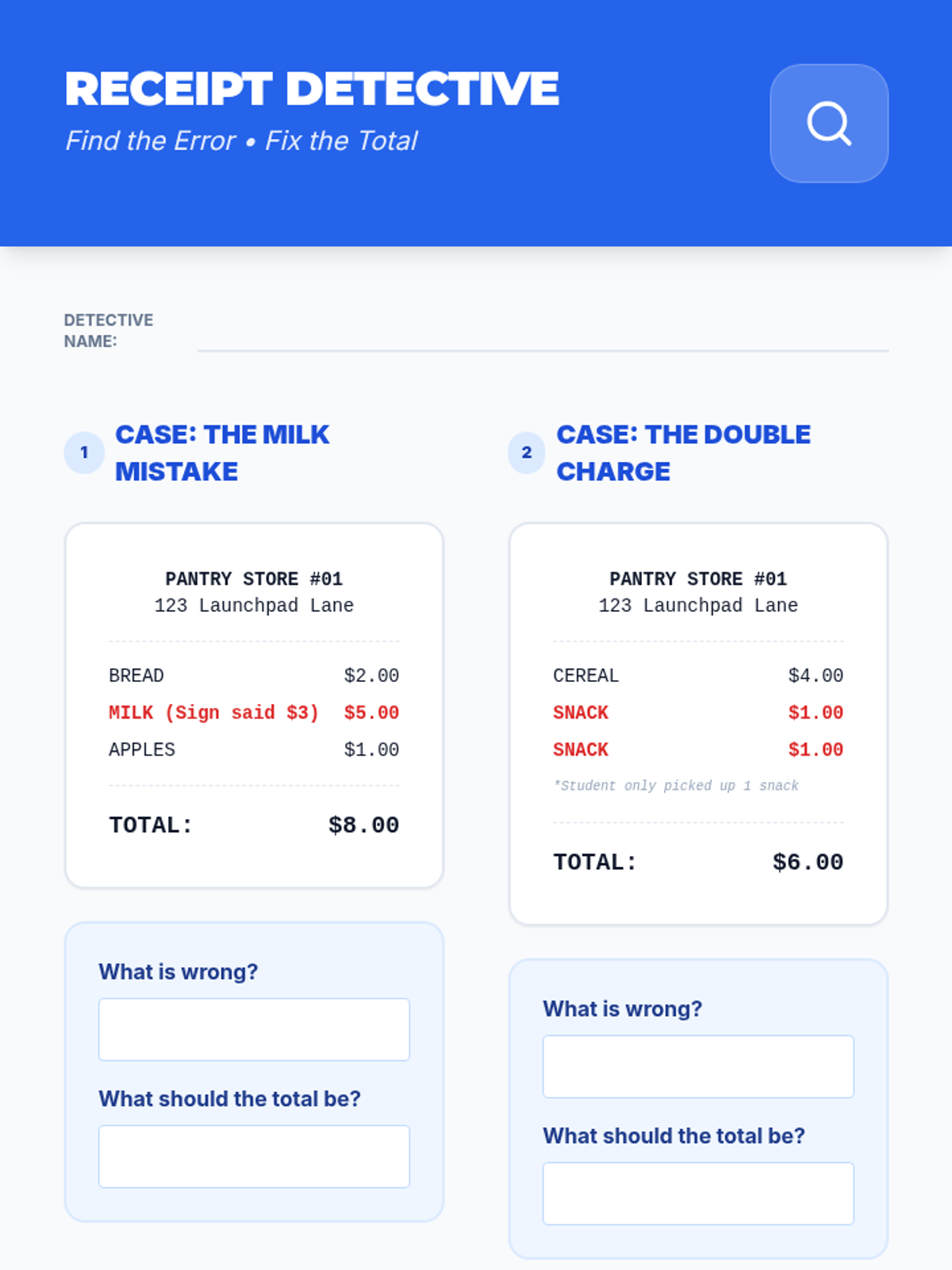
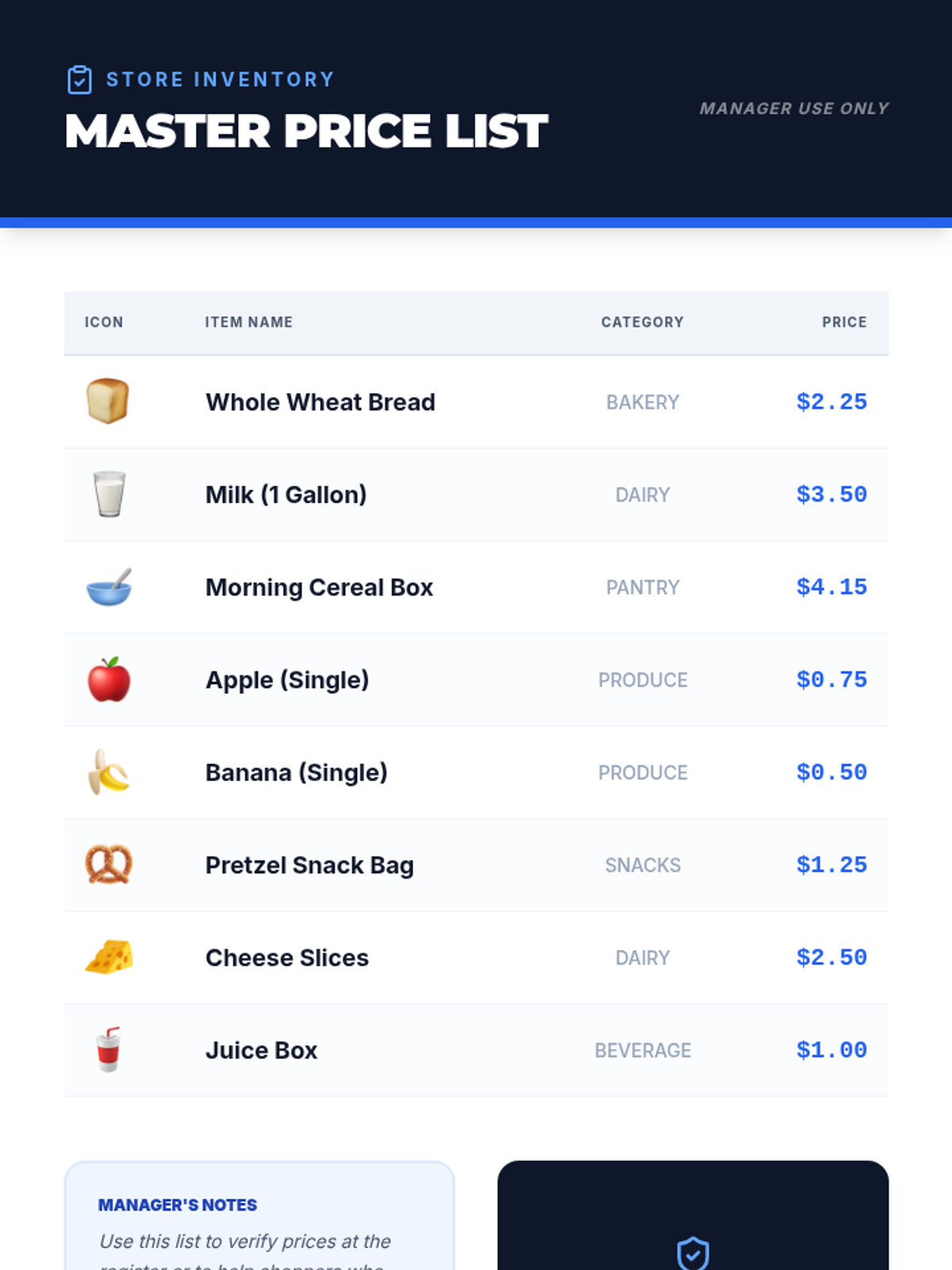
Mastering money identification, budgeting, and the mechanics of shopping through a pantry store simulation and real-world problem-solving.
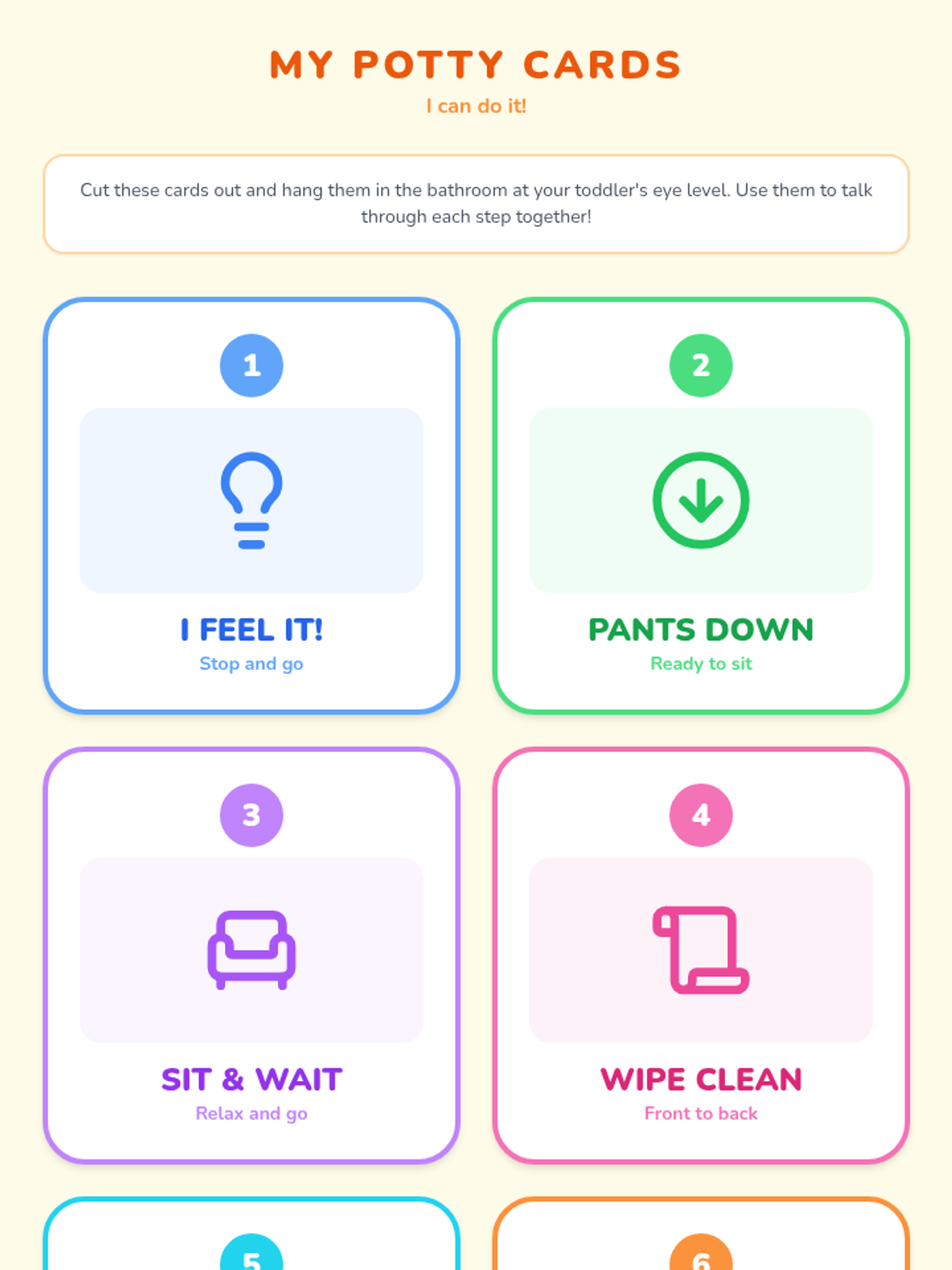
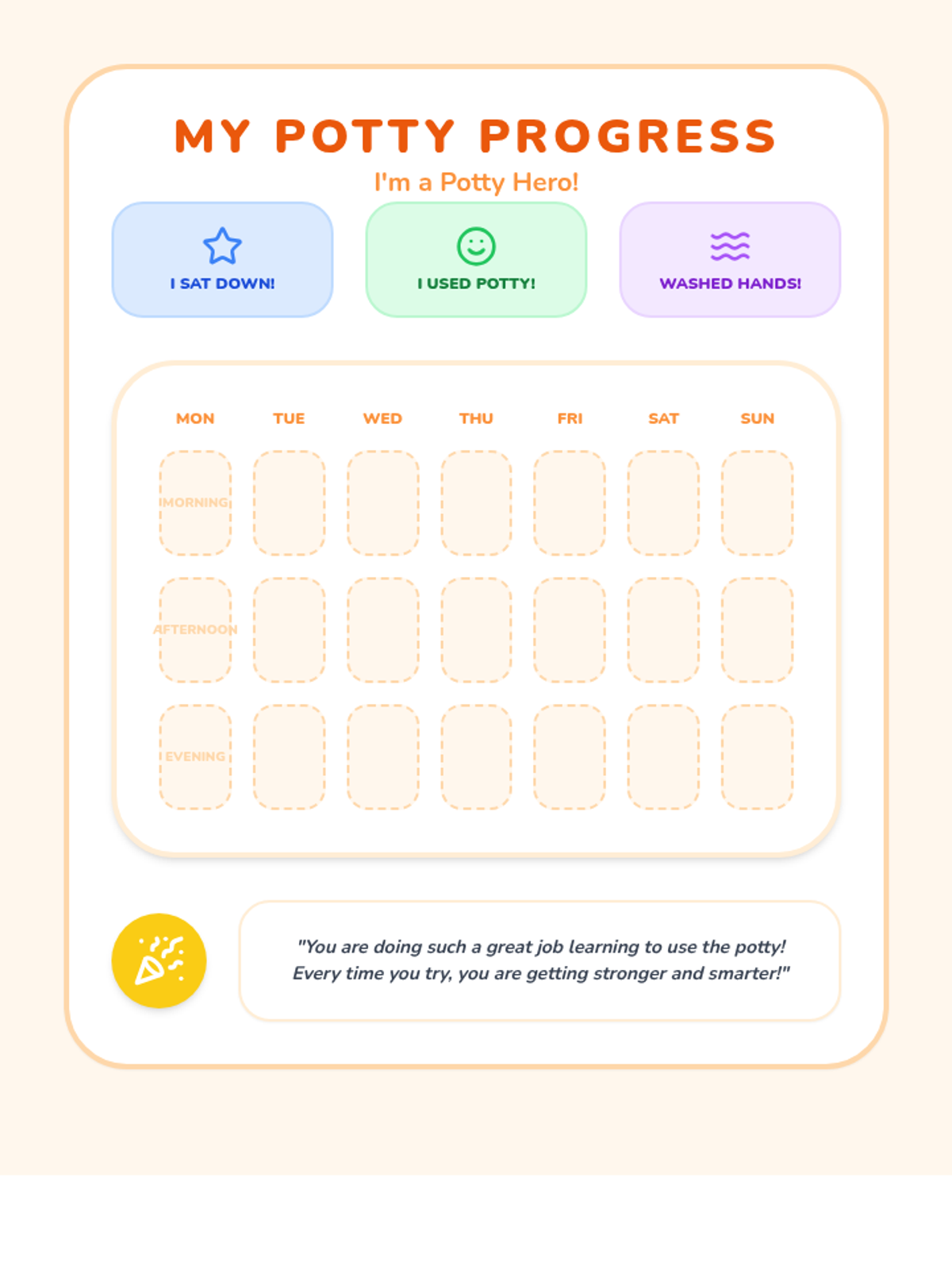
Visual cues and routines to help toddlers understand and follow the steps of using the potty.
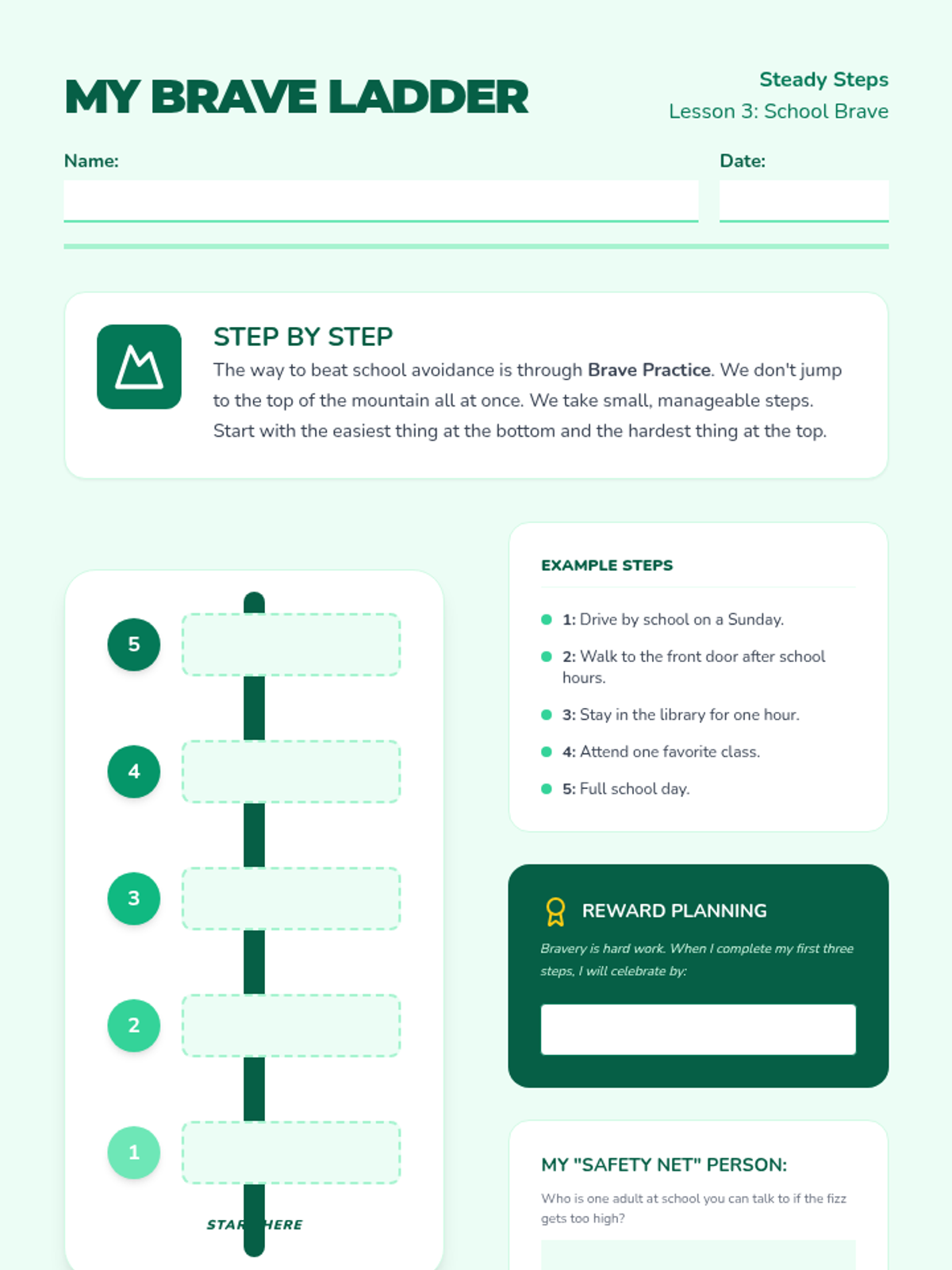
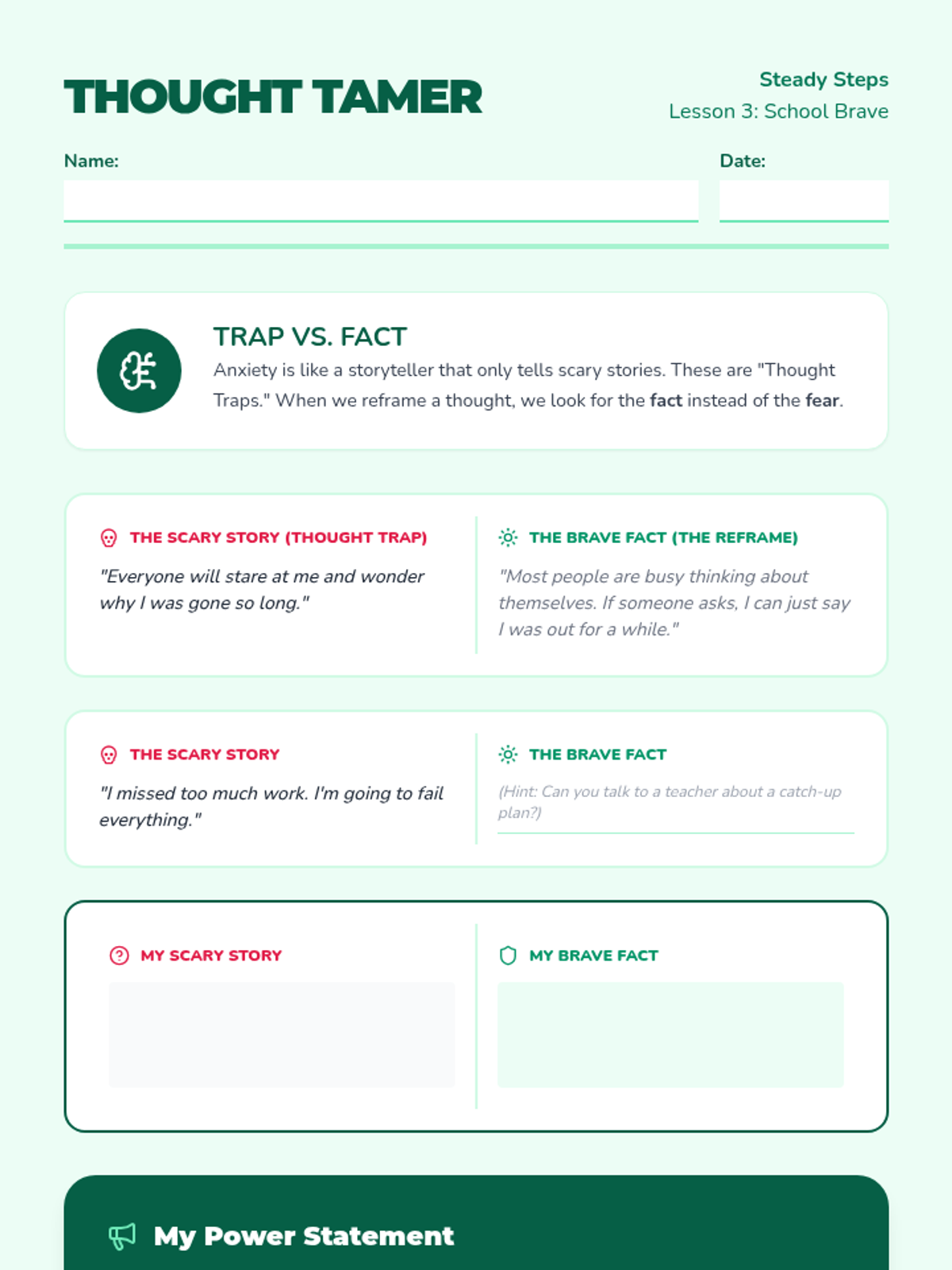
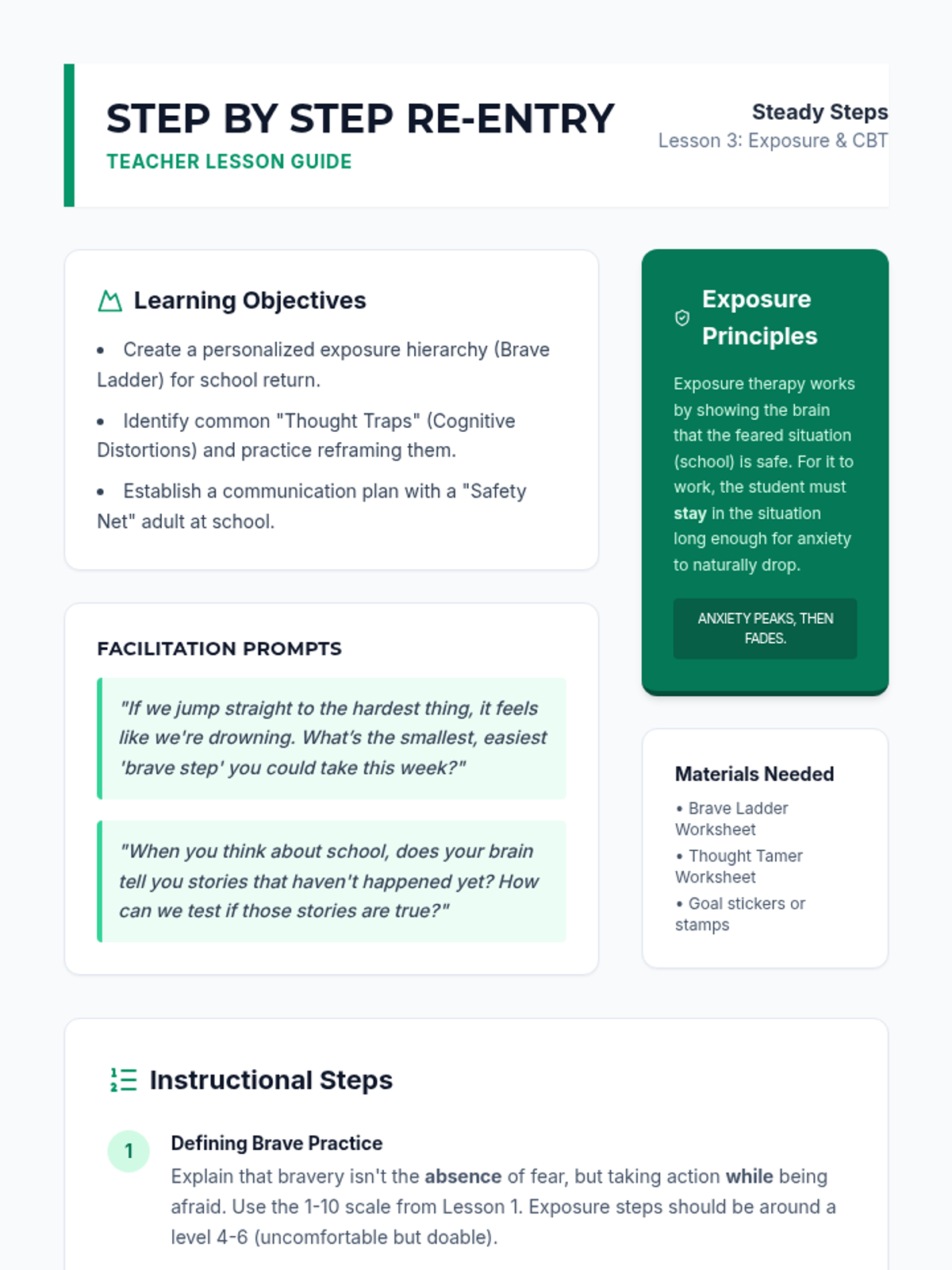
Using CBT techniques to build a step-by-step exposure plan for returning to school and reframing anxious thoughts.
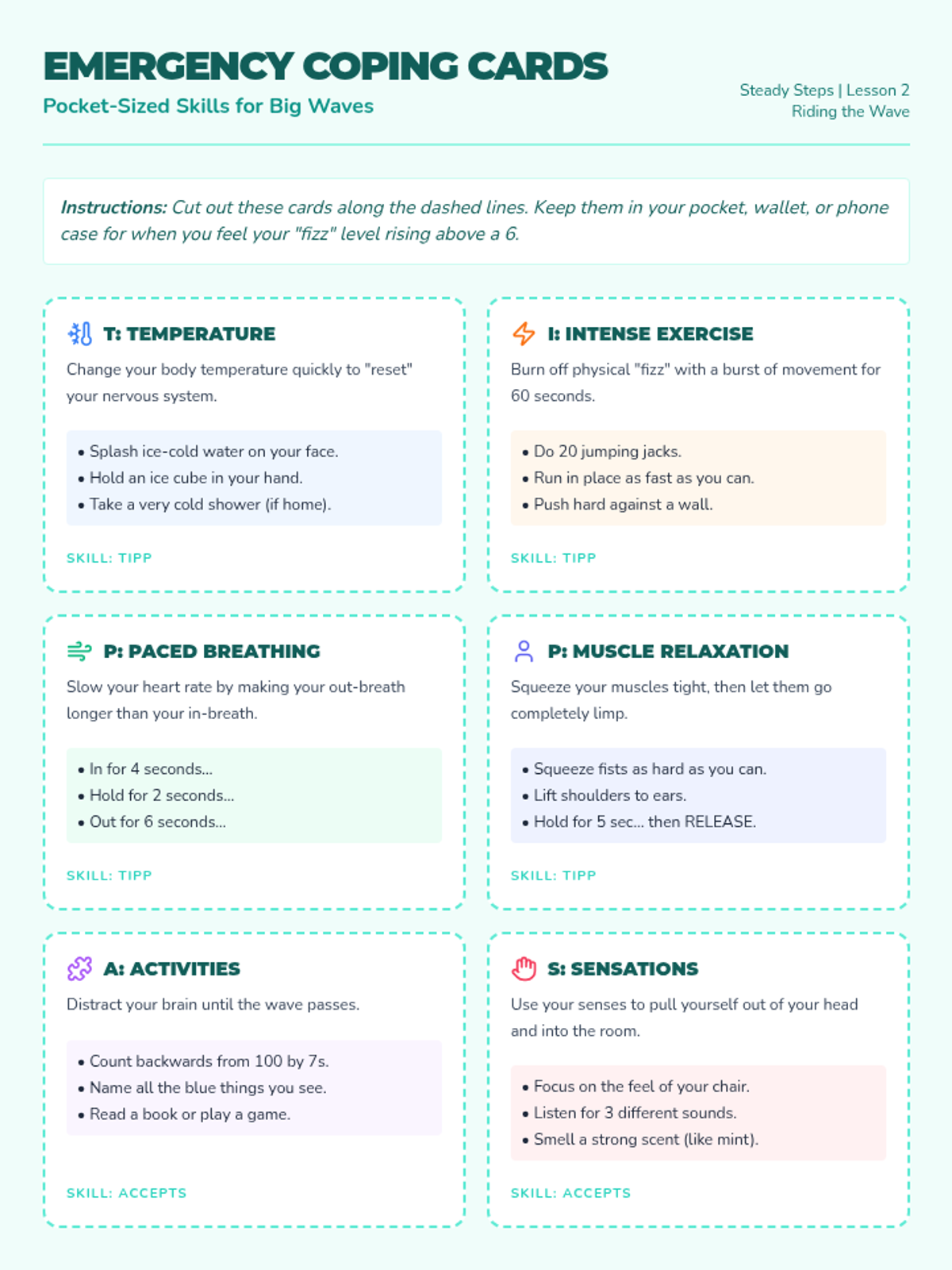
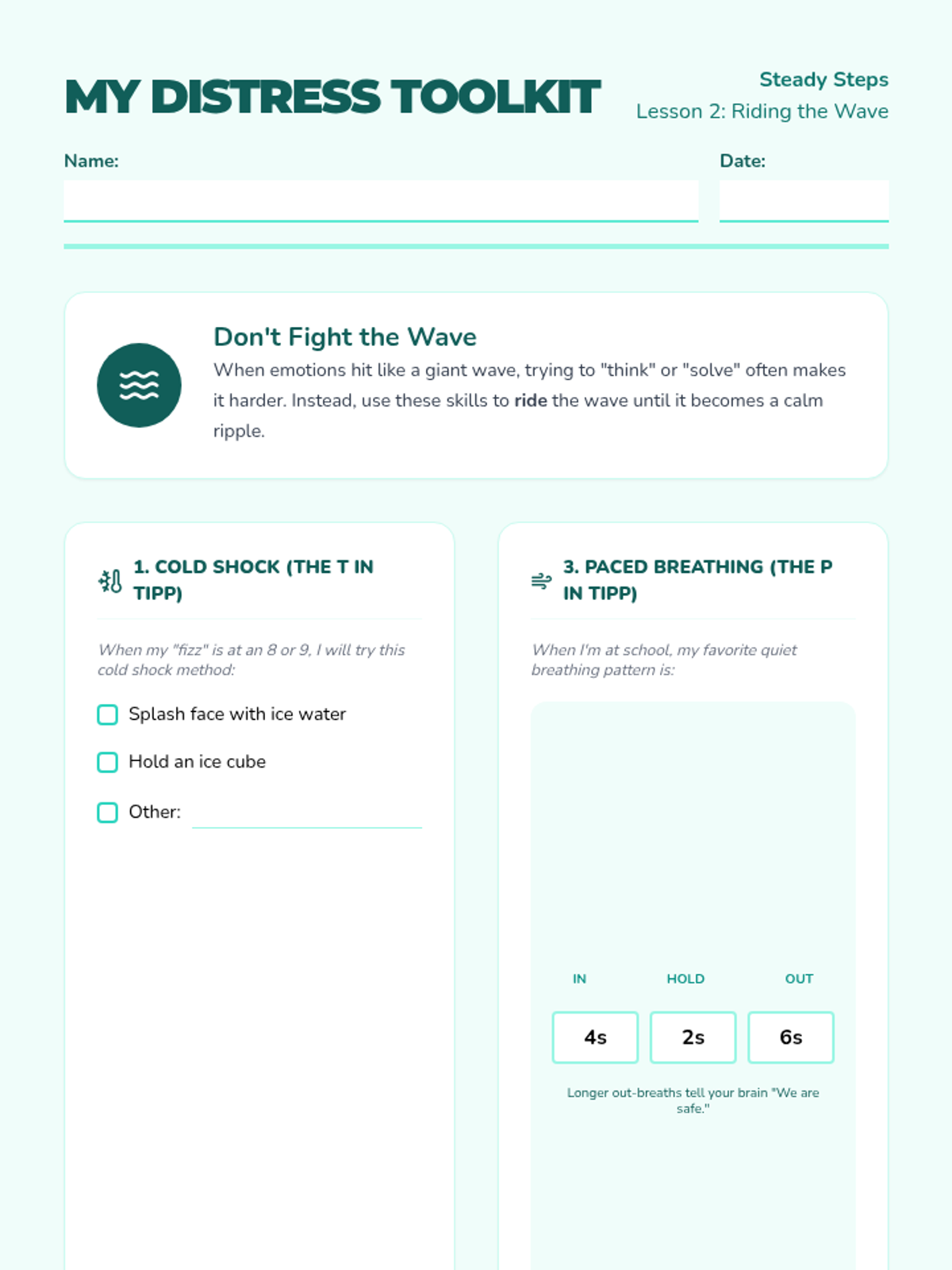
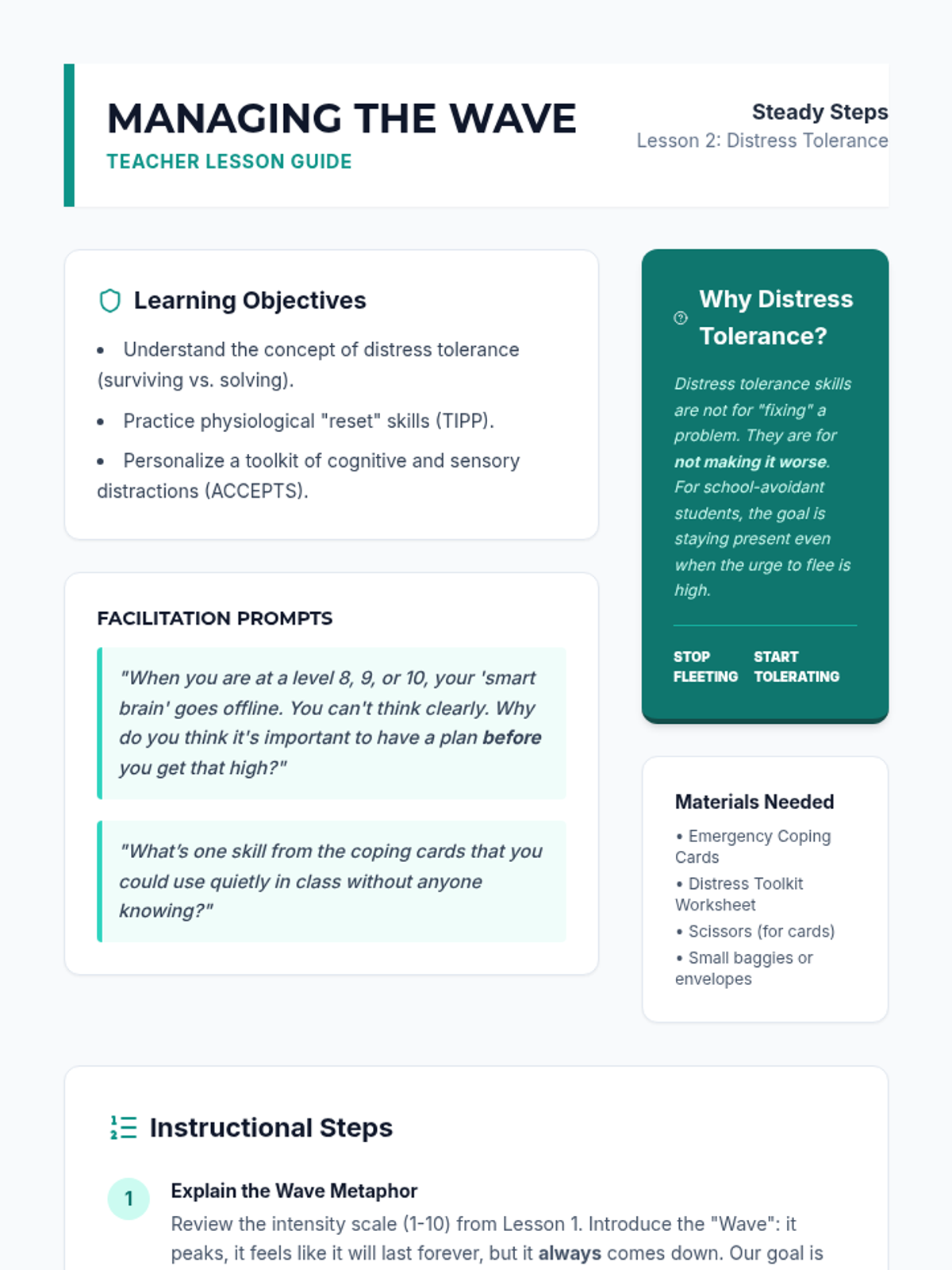
Introduction to distress tolerance skills like TIPP and ACCEPTS to manage overwhelming emotions in the moment.
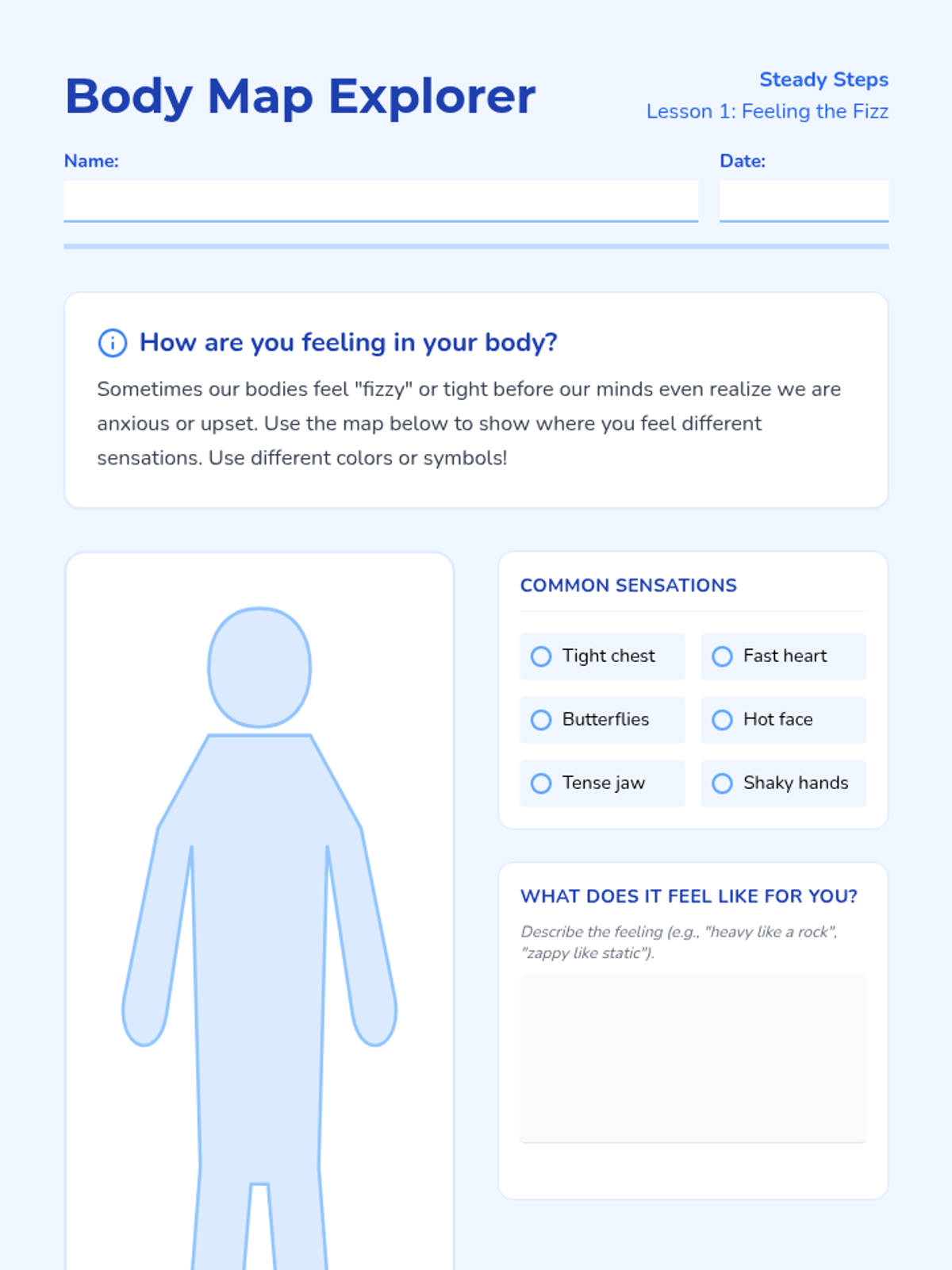
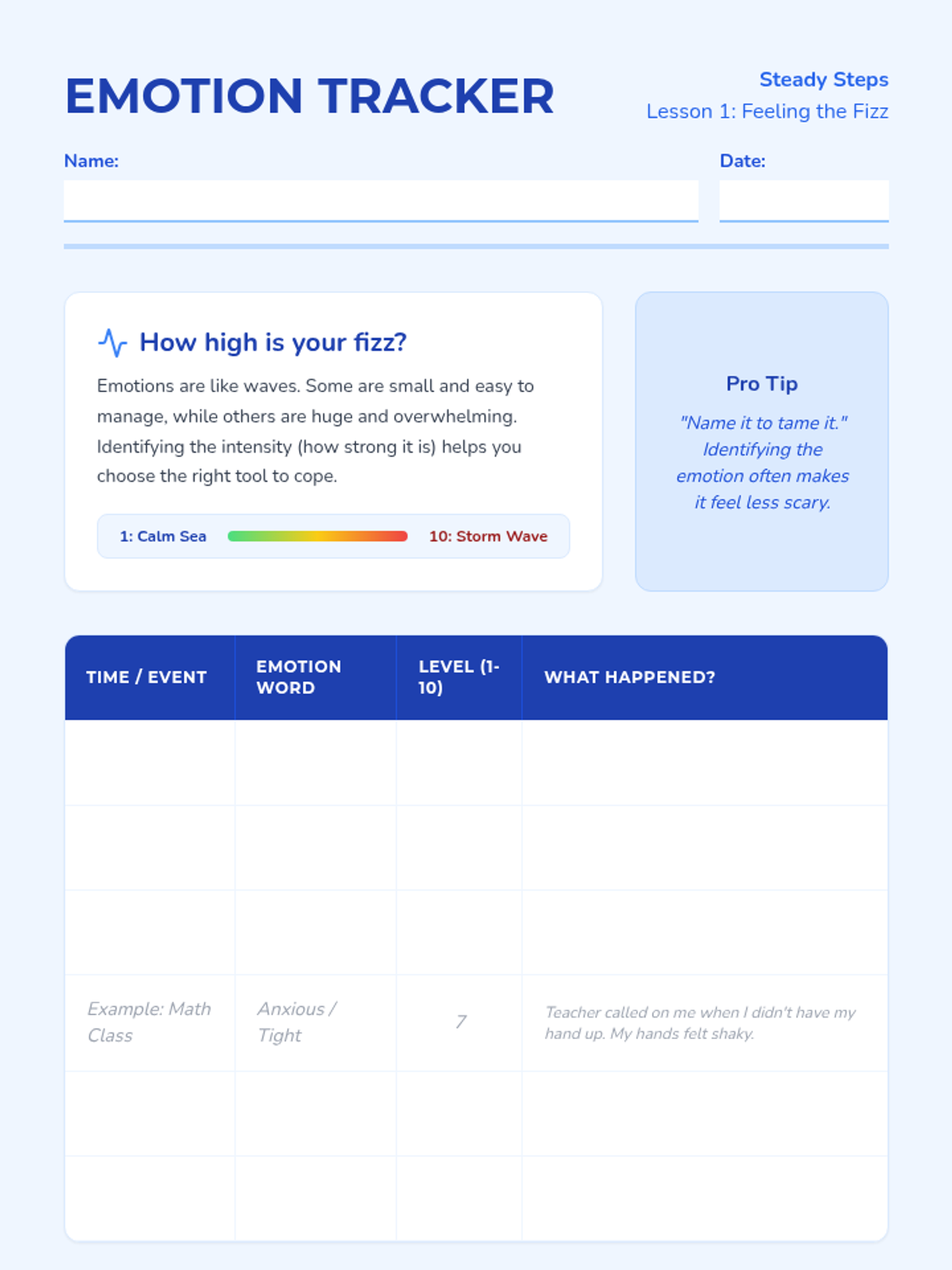
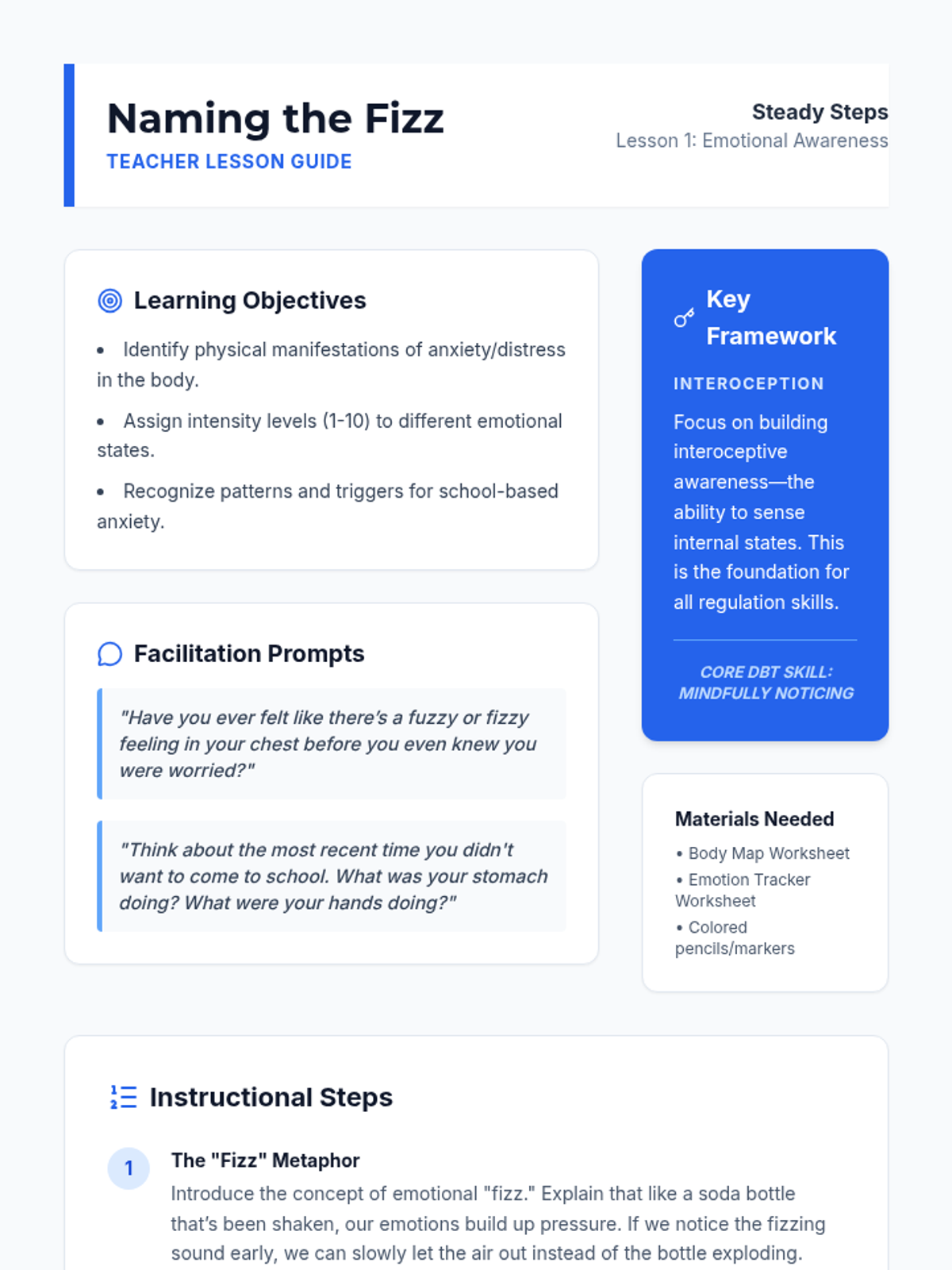
Students learn to identify physical sensations of distress and name their emotions to increase self-awareness.
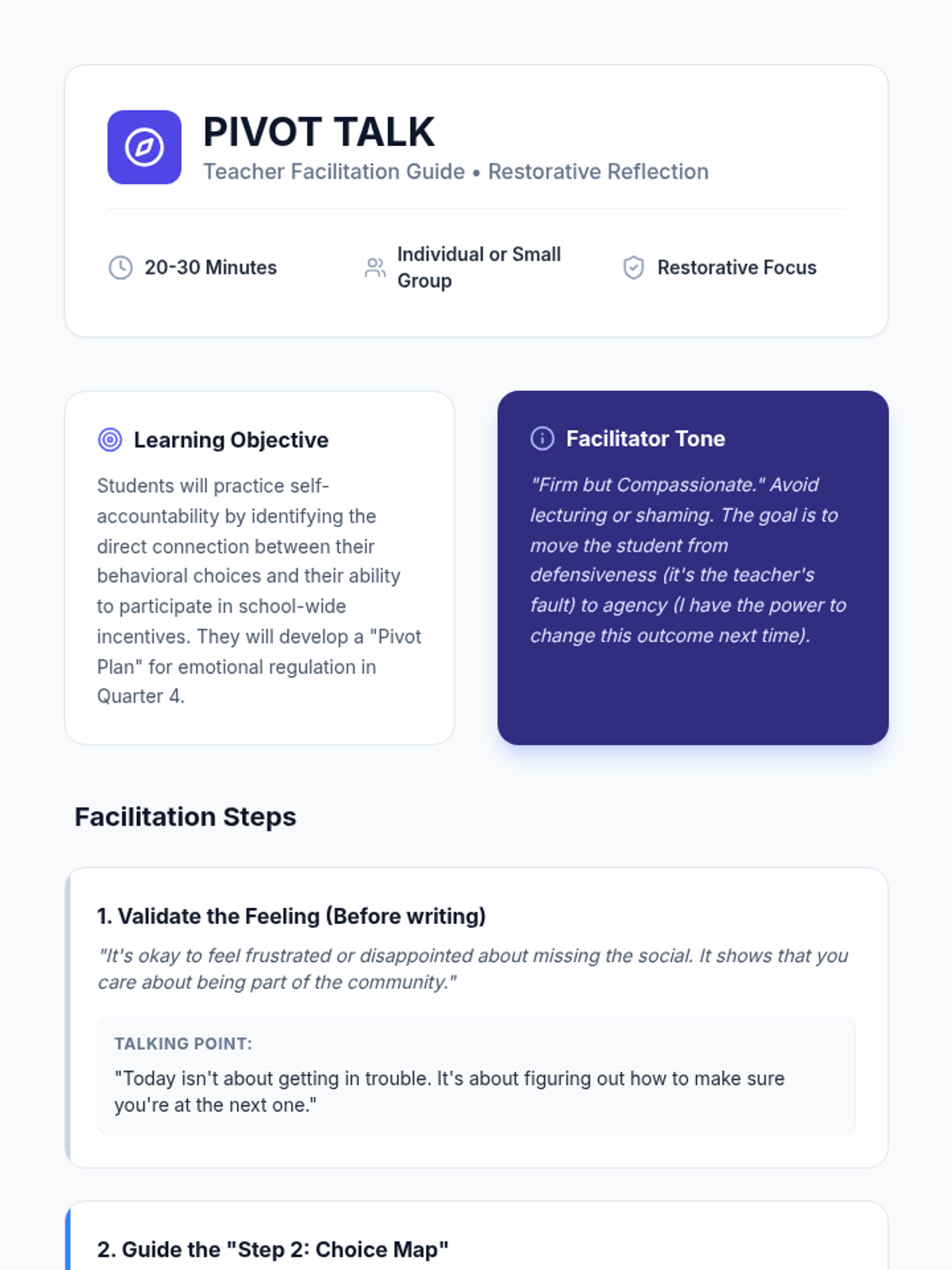
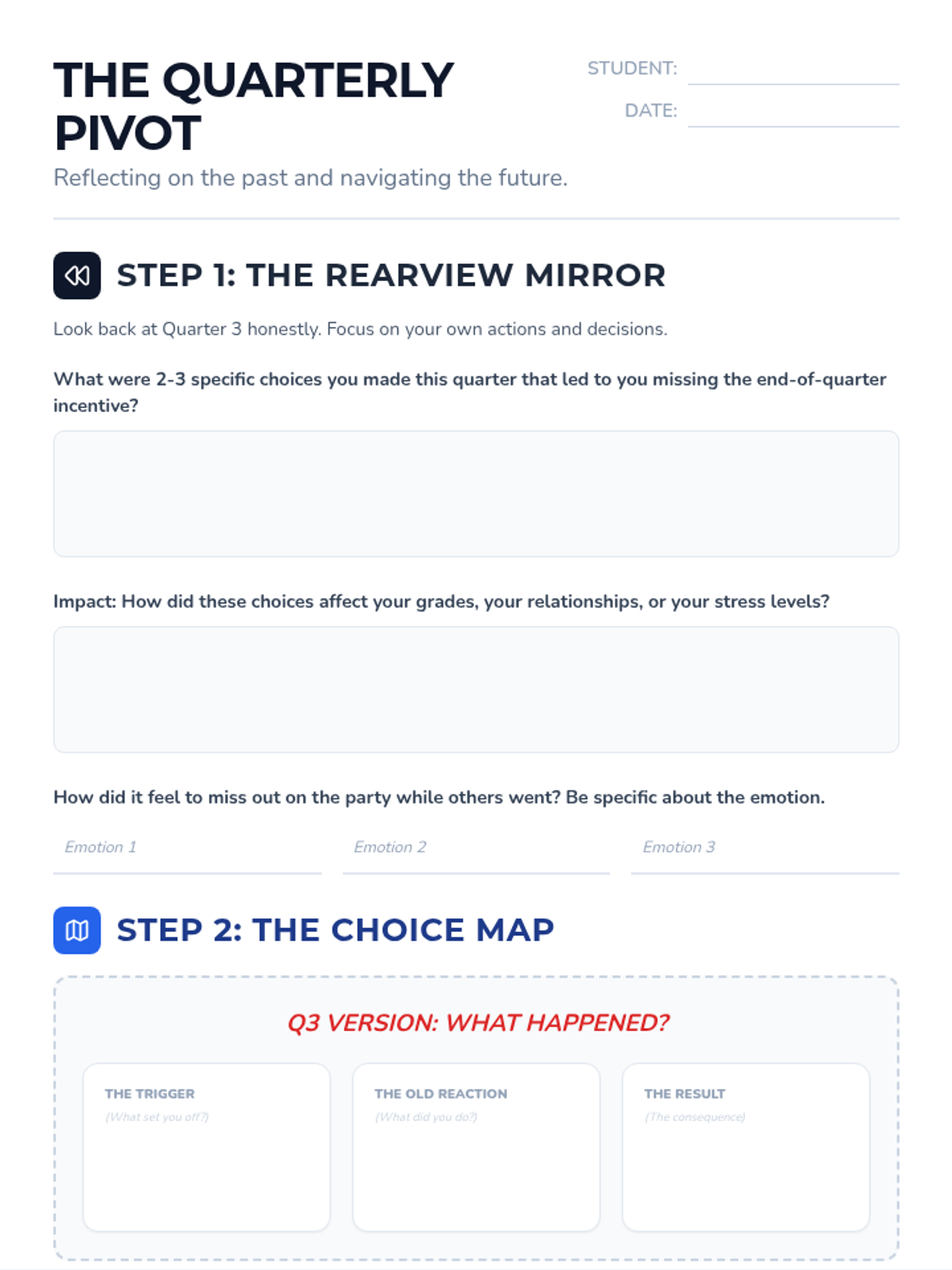
A reflective lesson designed for students who missed an end-of-quarter incentive, focusing on accountability, emotional regulation, and proactive goal setting for the upcoming quarter.
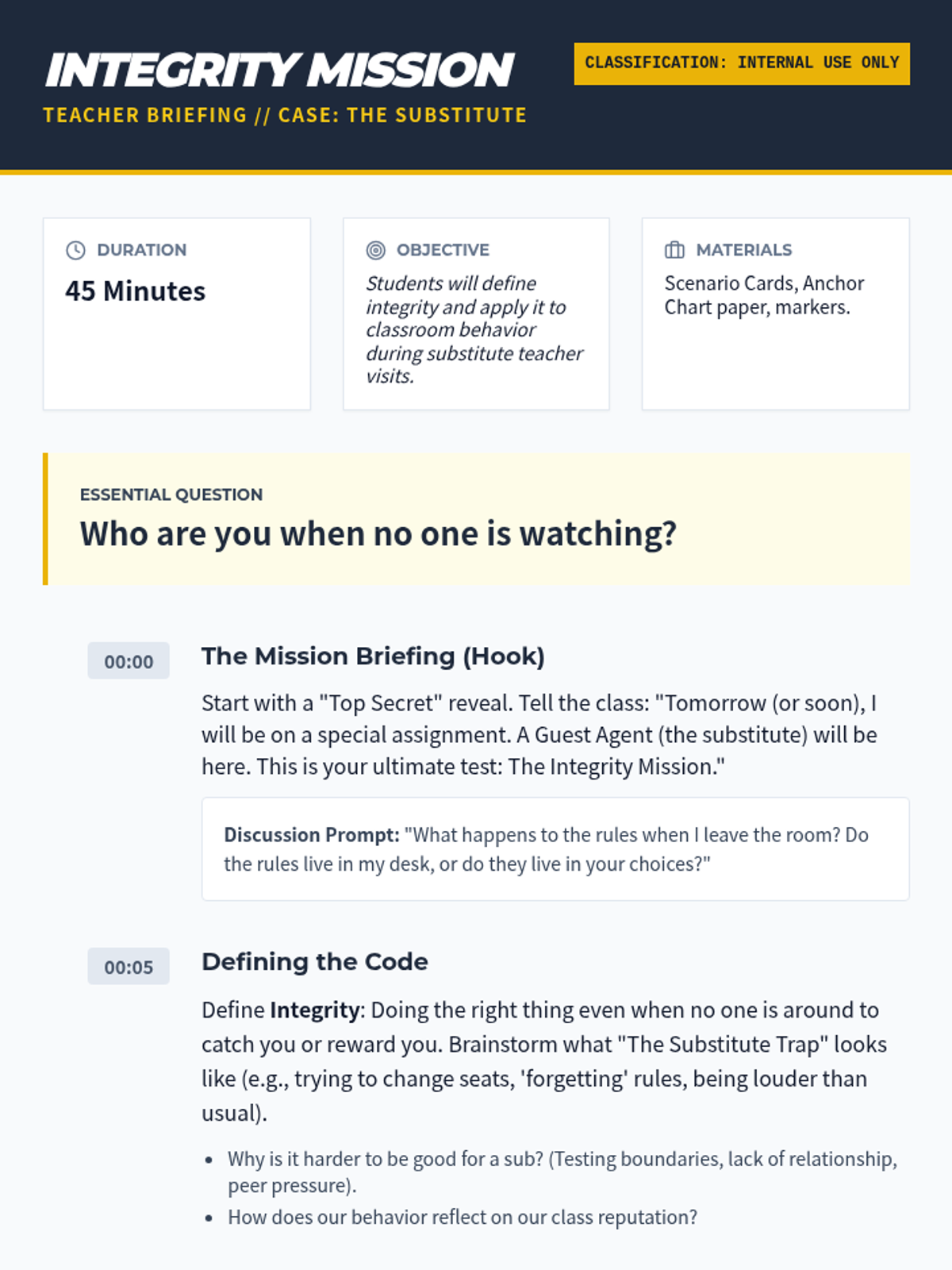
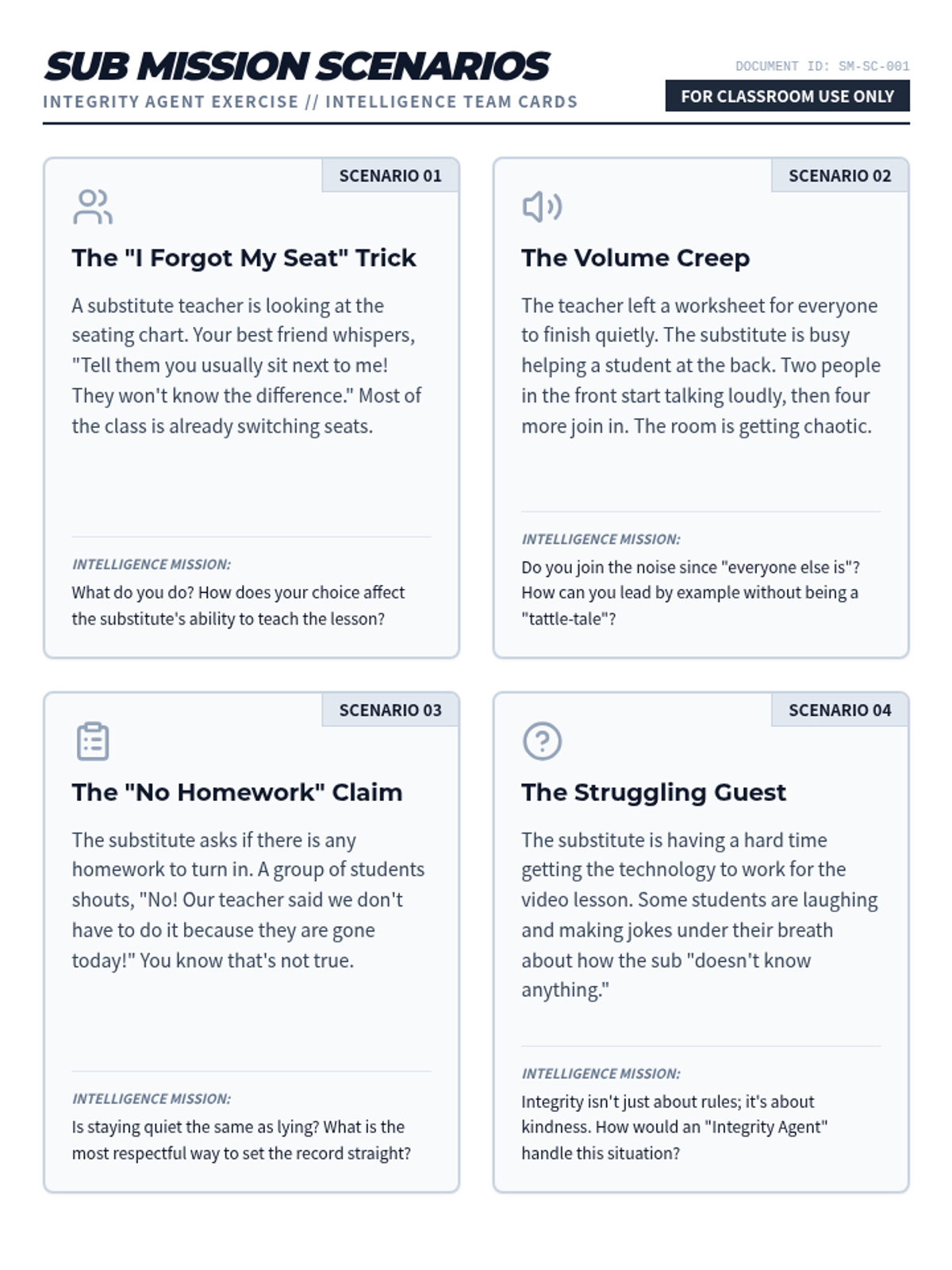
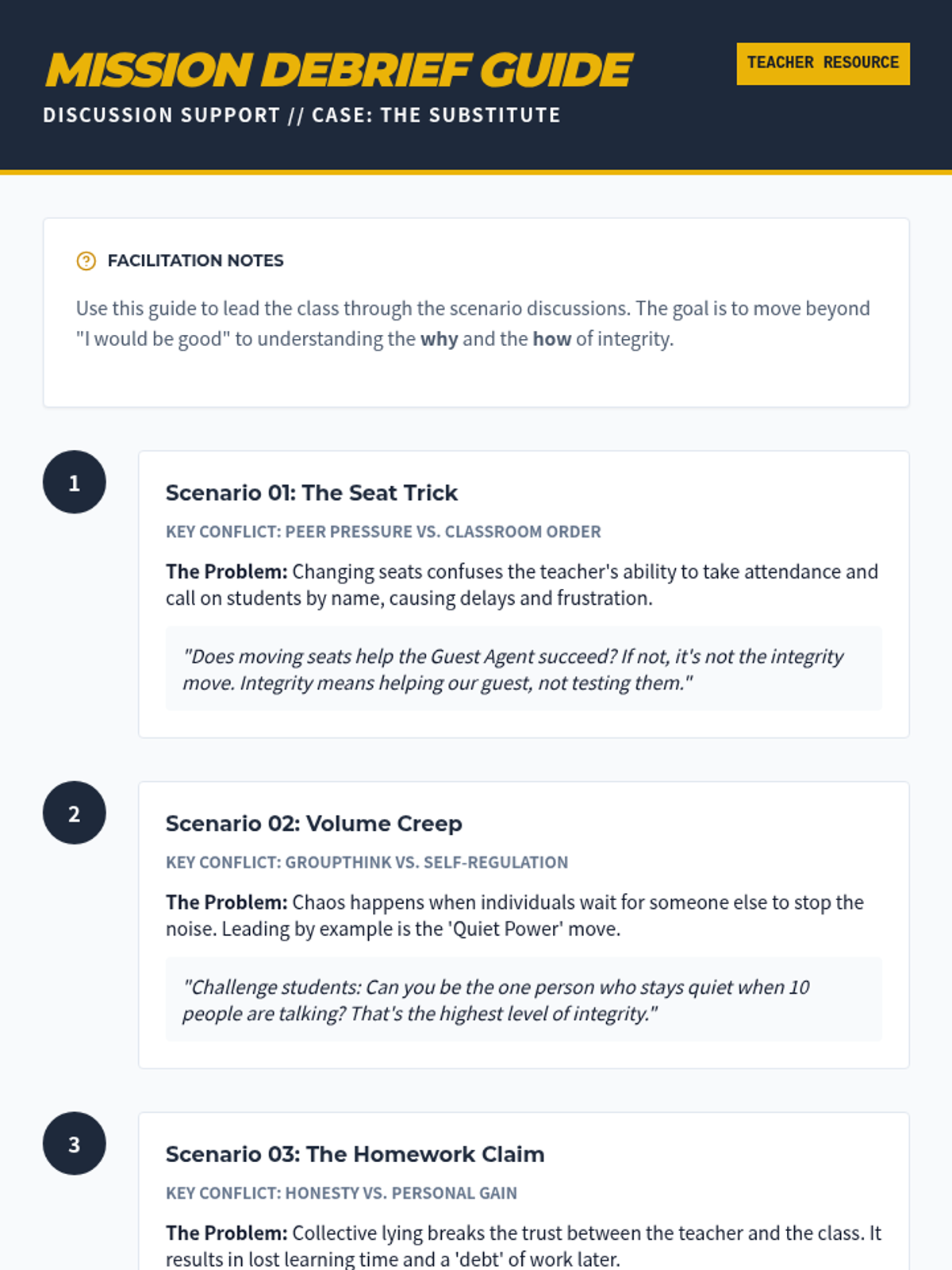
A 45-minute lesson focused on maintaining high behavioral standards and integrity when a substitute teacher is in the classroom. Students explore the concept of integrity through scenario-based discussions and personal reflection.
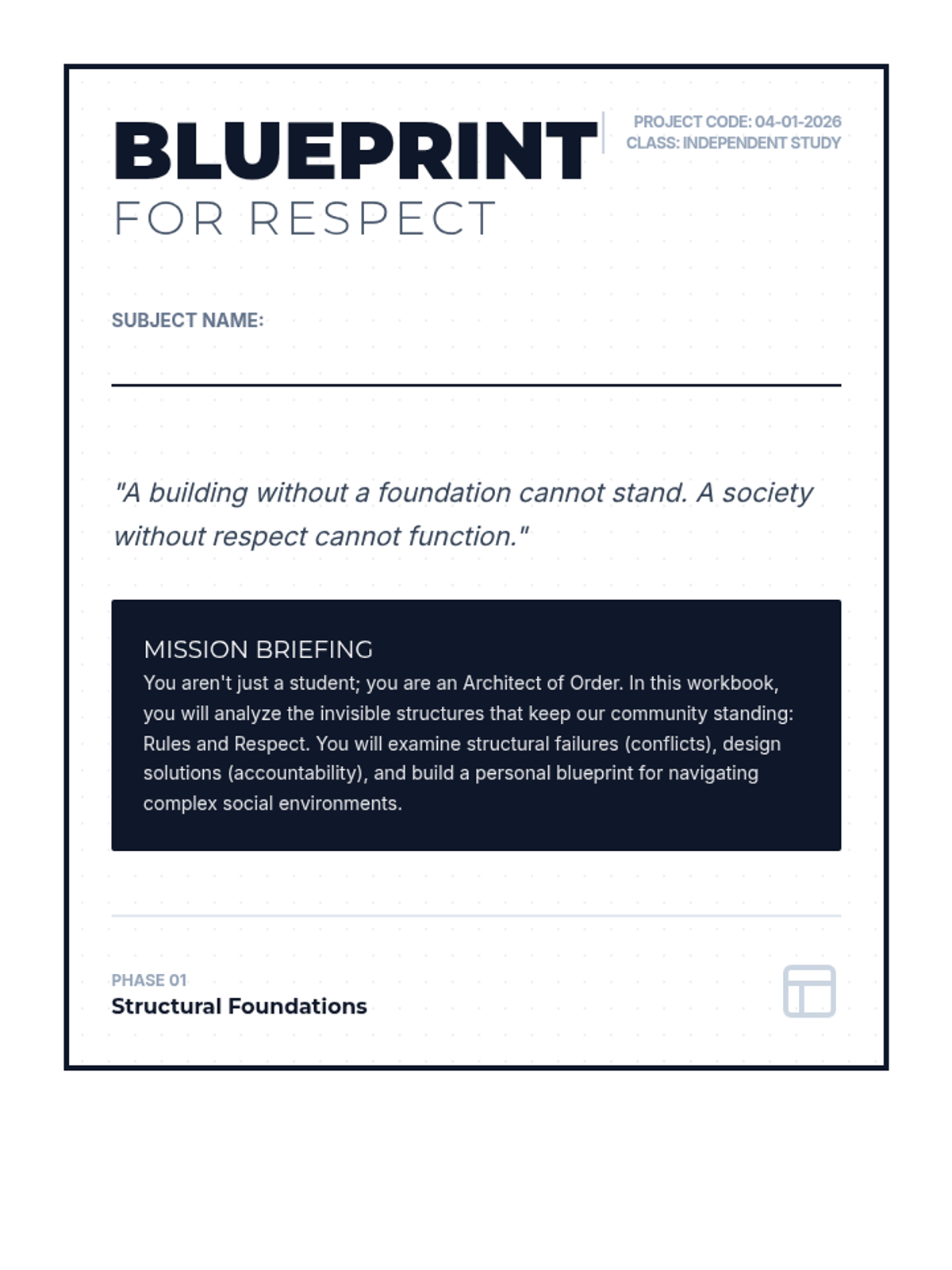
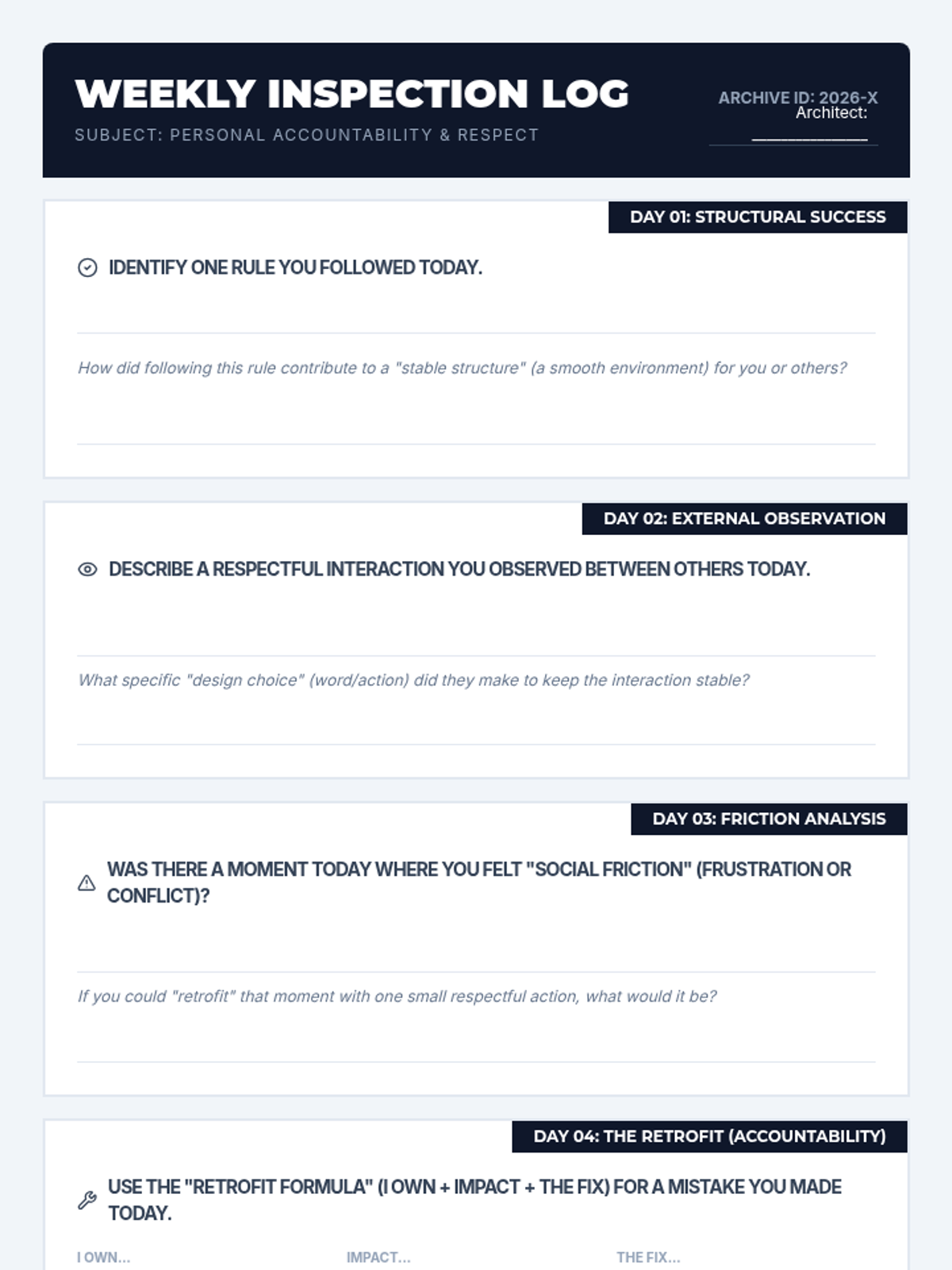
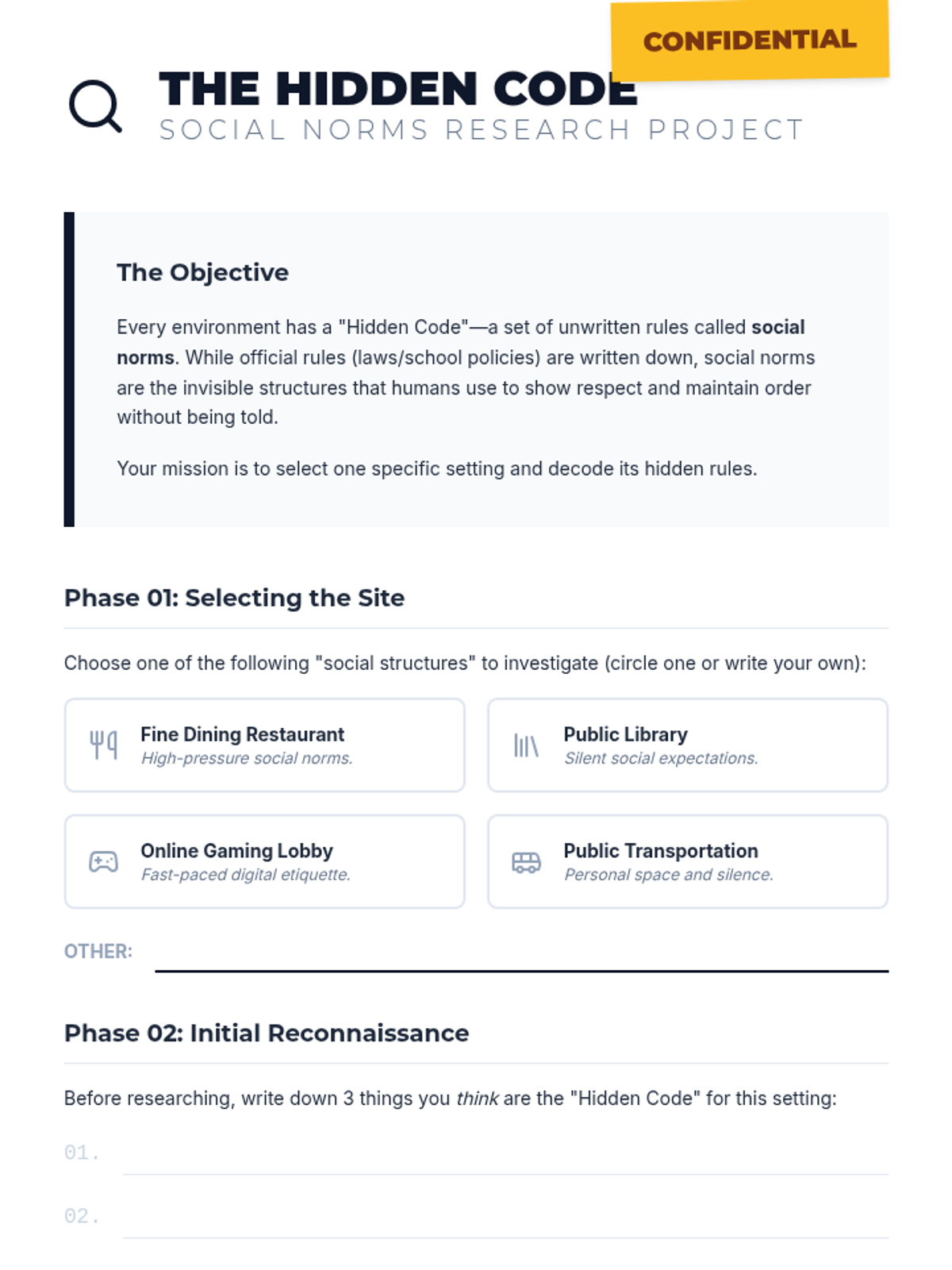
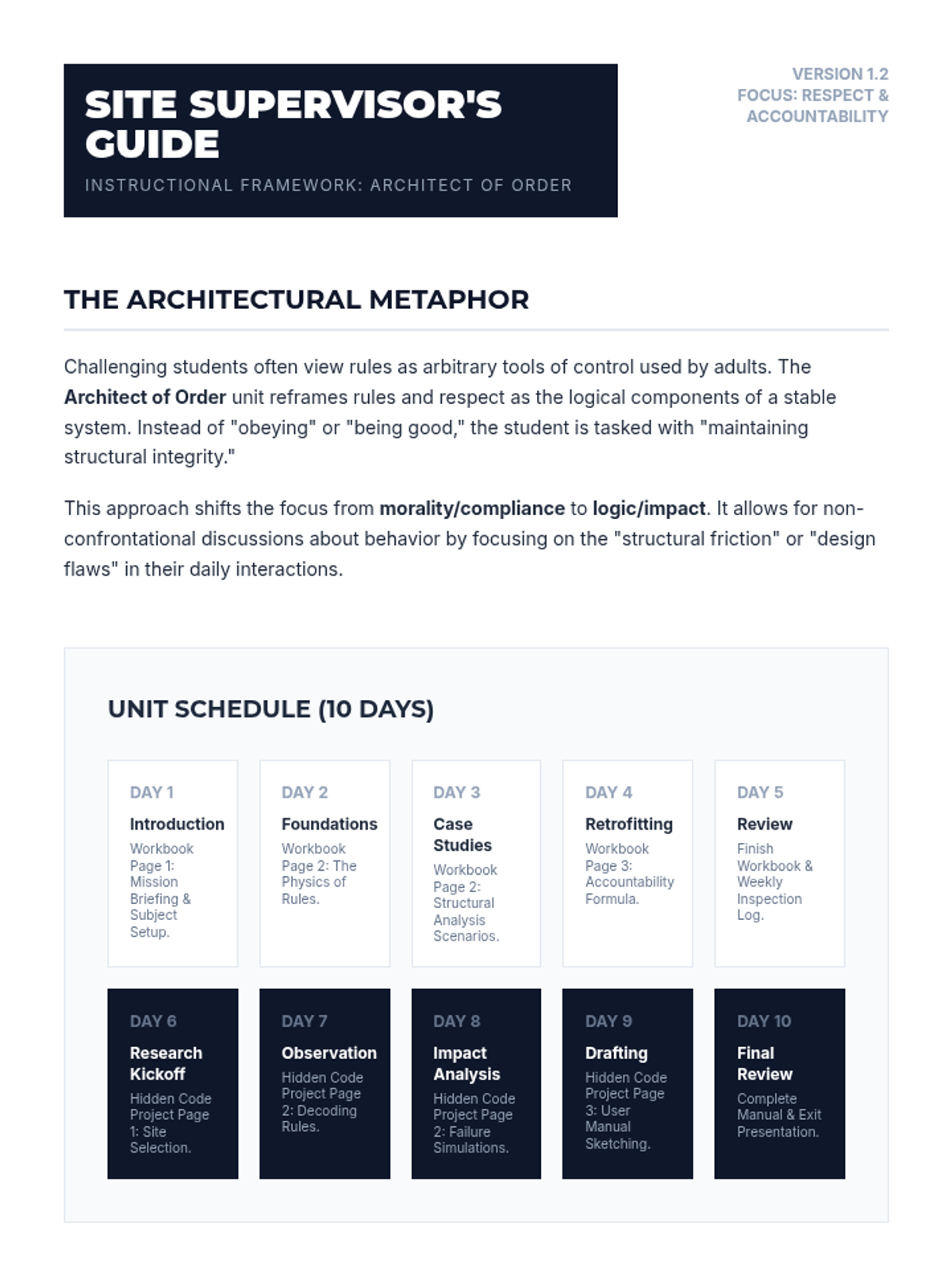
A comprehensive independent study unit for students to explore the logical foundations of respect, rules, and personal accountability through an architectural lens.
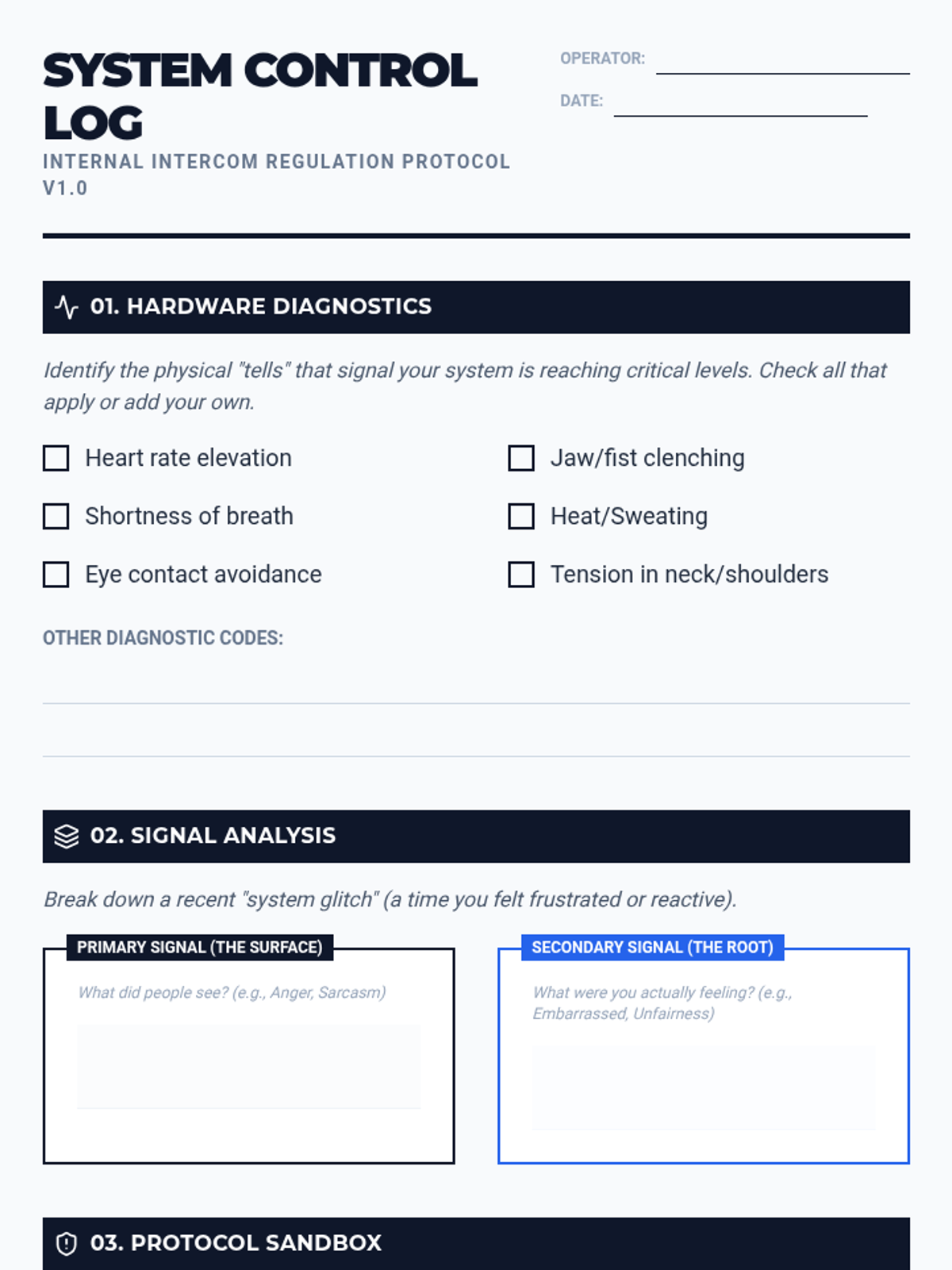
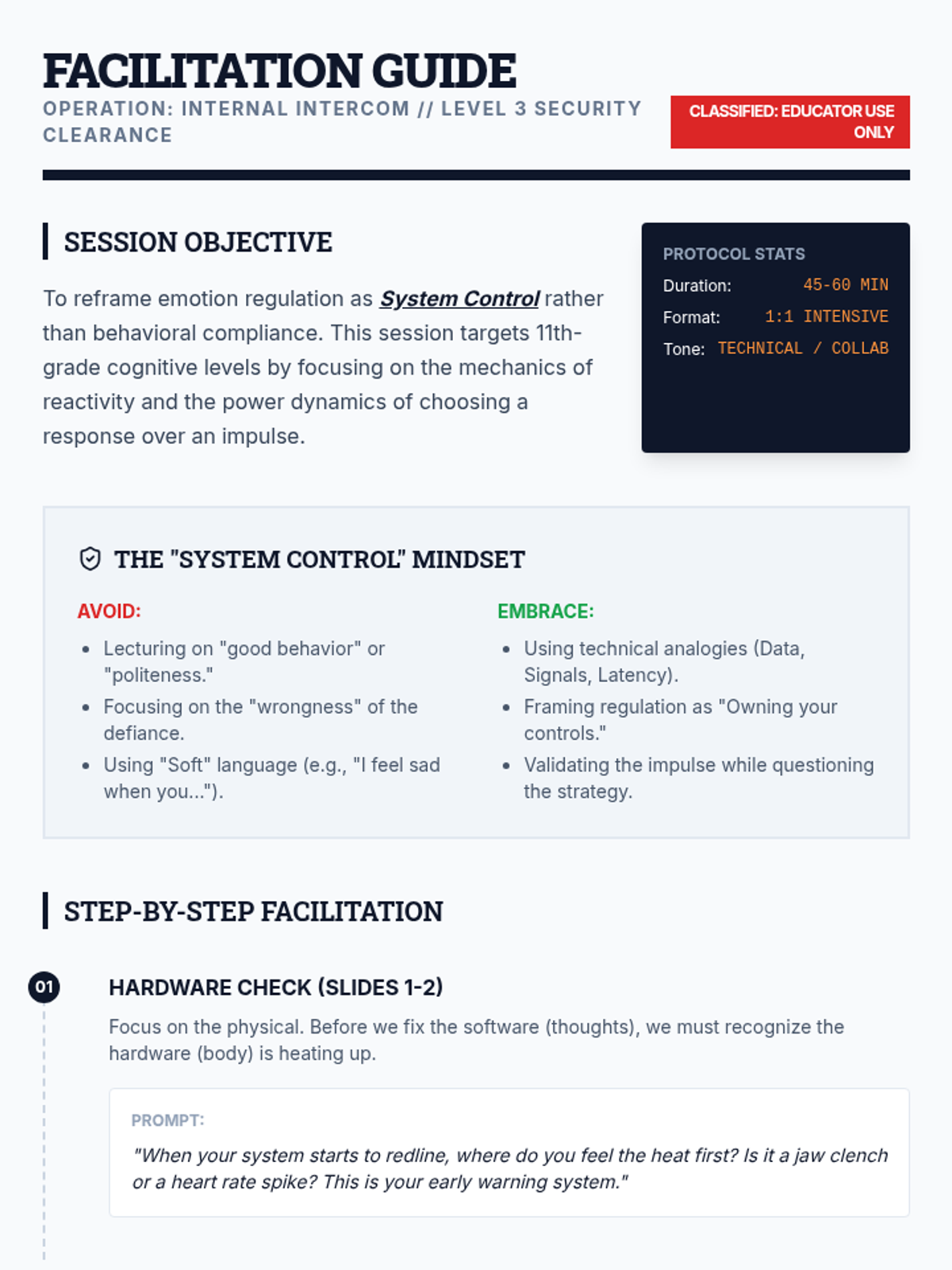
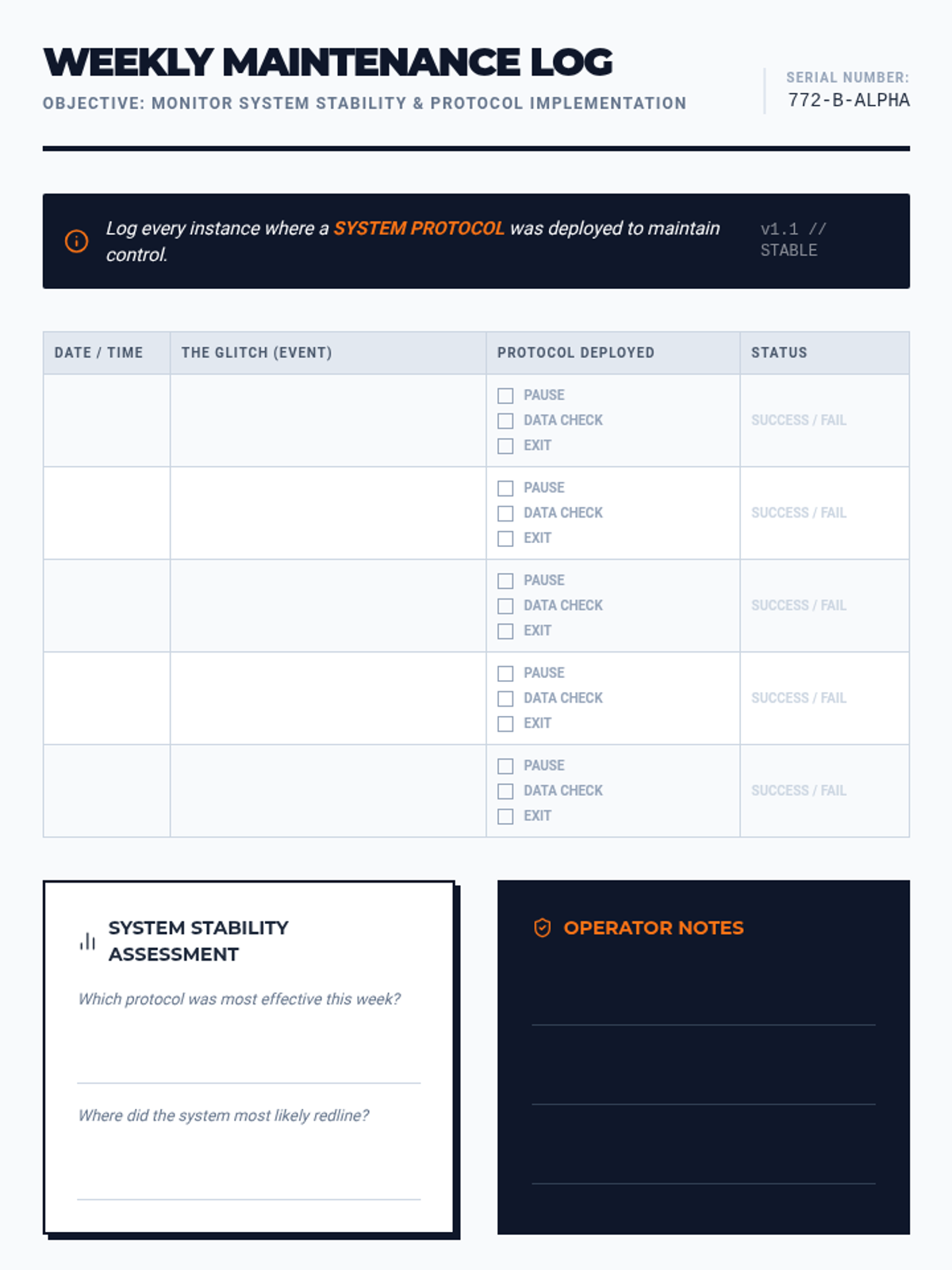
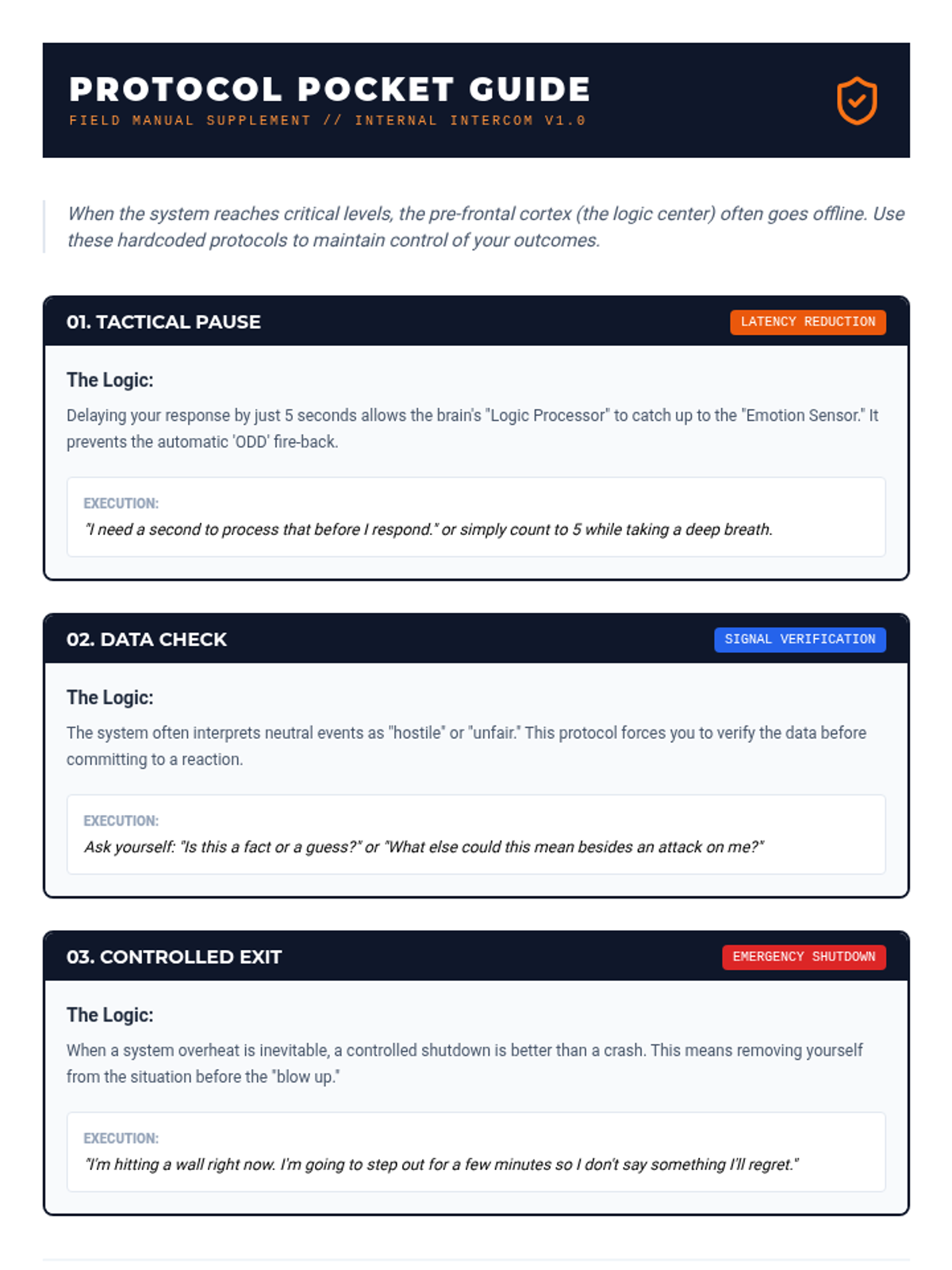
A 1:1 intensive session focused on identifying emotional triggers and applying regulation strategies through a 'system control' lens. Designed specifically for older students to navigate high-stakes social and academic scenarios without feeling patronized.
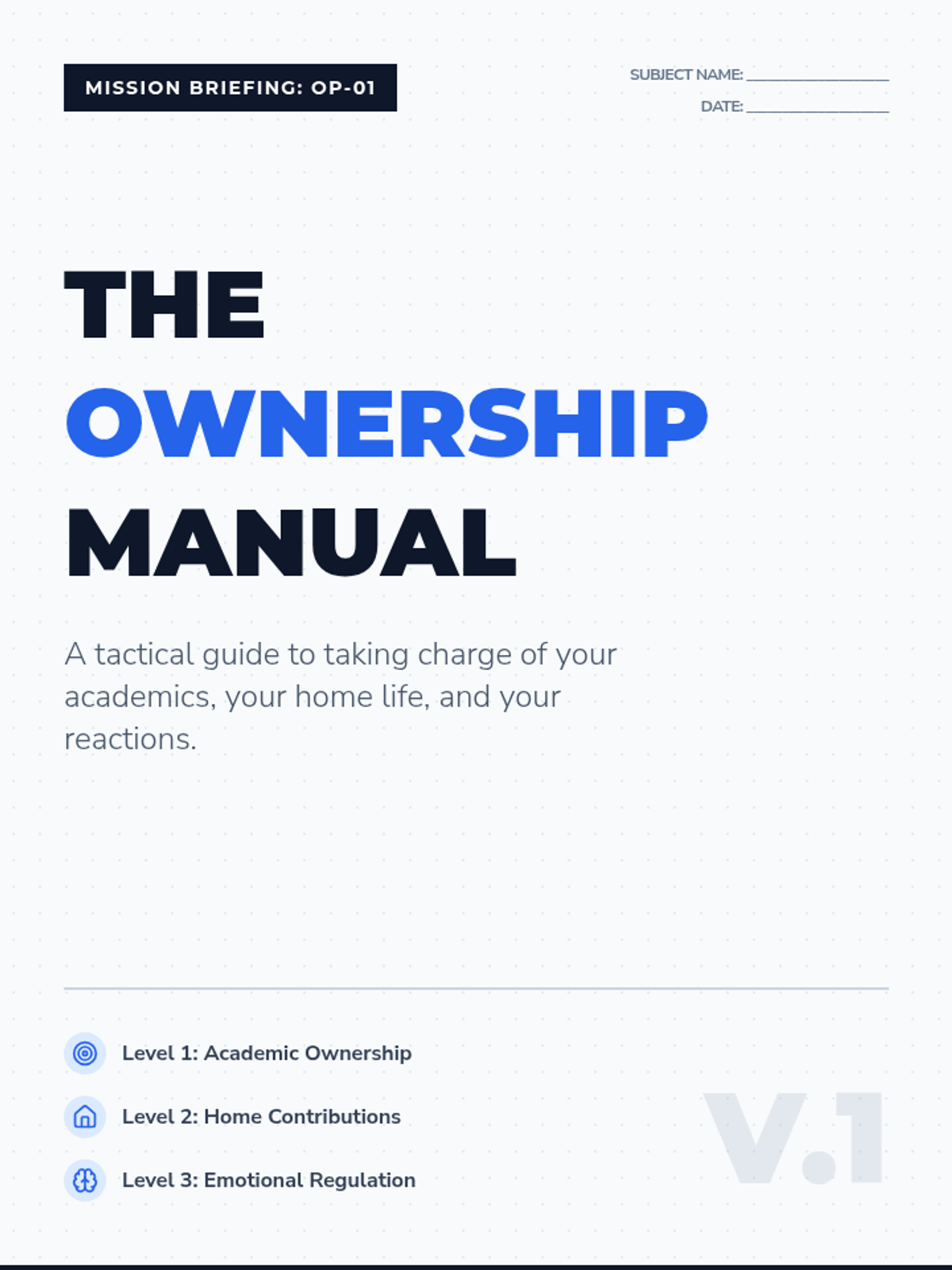
A workbook and tracker focused on building accountability in academic, domestic, and personal spheres for teenage boys. Use scenarios to explore the consequences of choices and a structured tracker to build consistent habits.
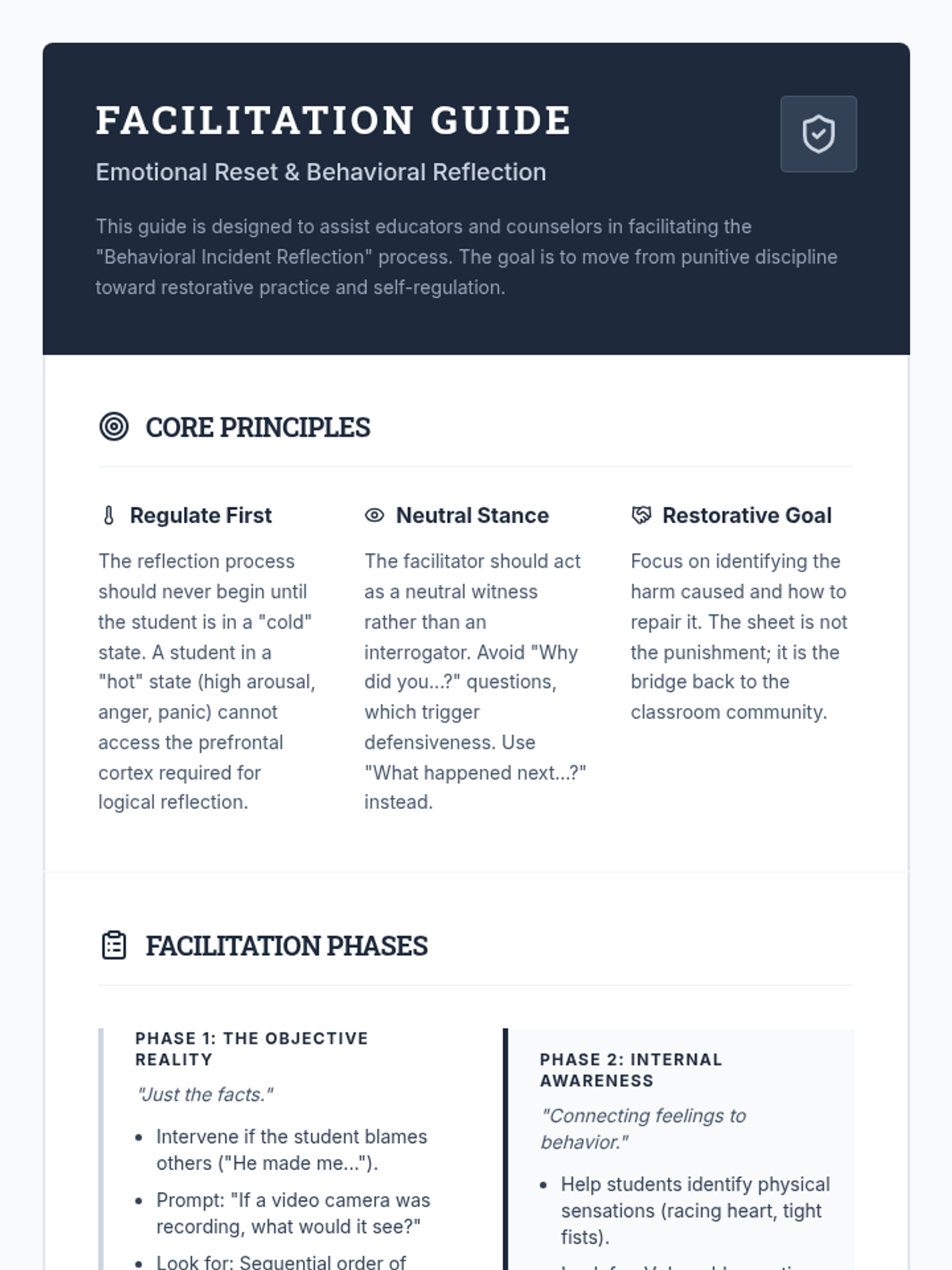
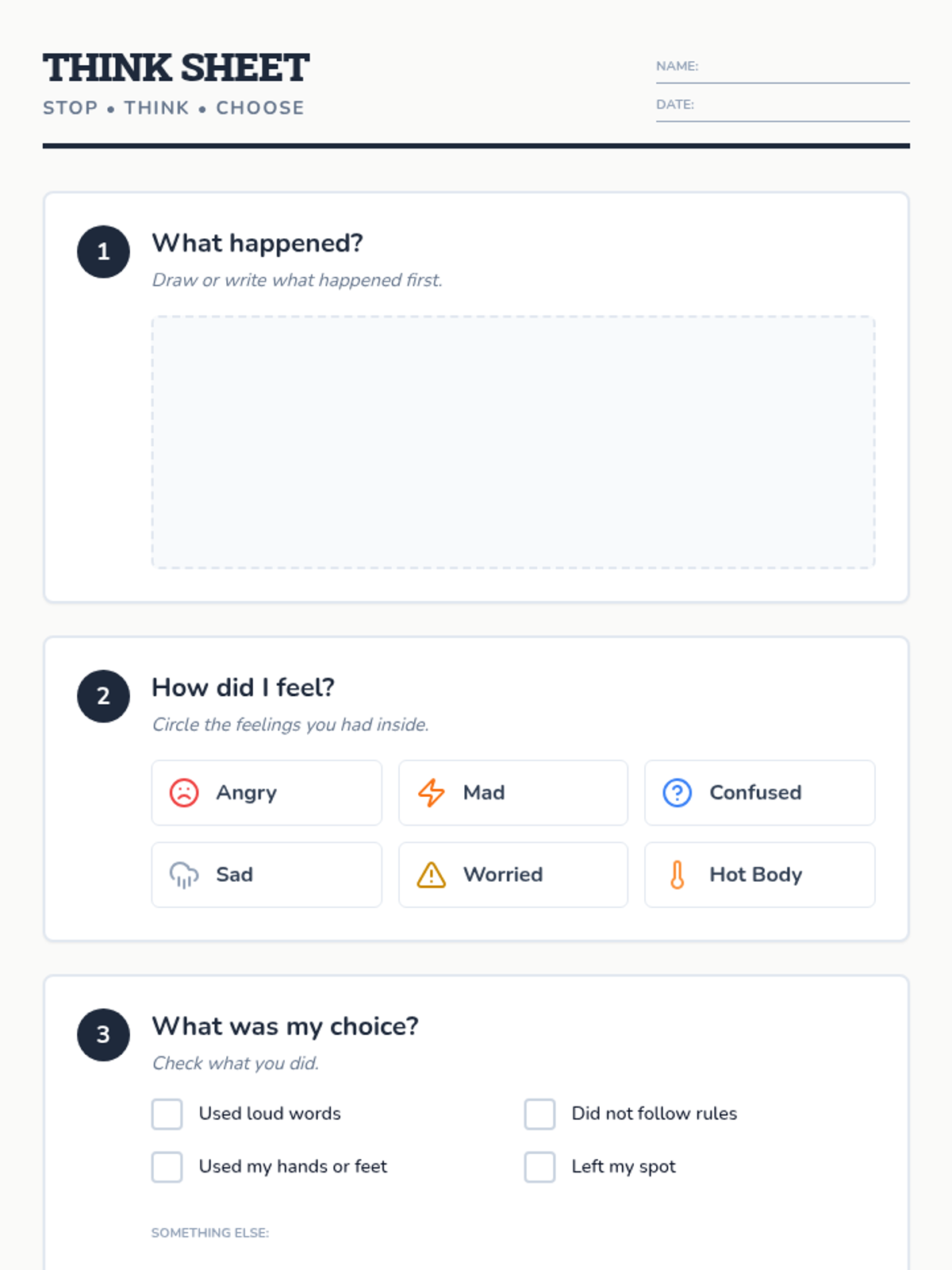
A structured reflection process to help students identify triggers, emotional states, and behavioral outcomes. This lesson provides tools for self-regulation and restorative action.
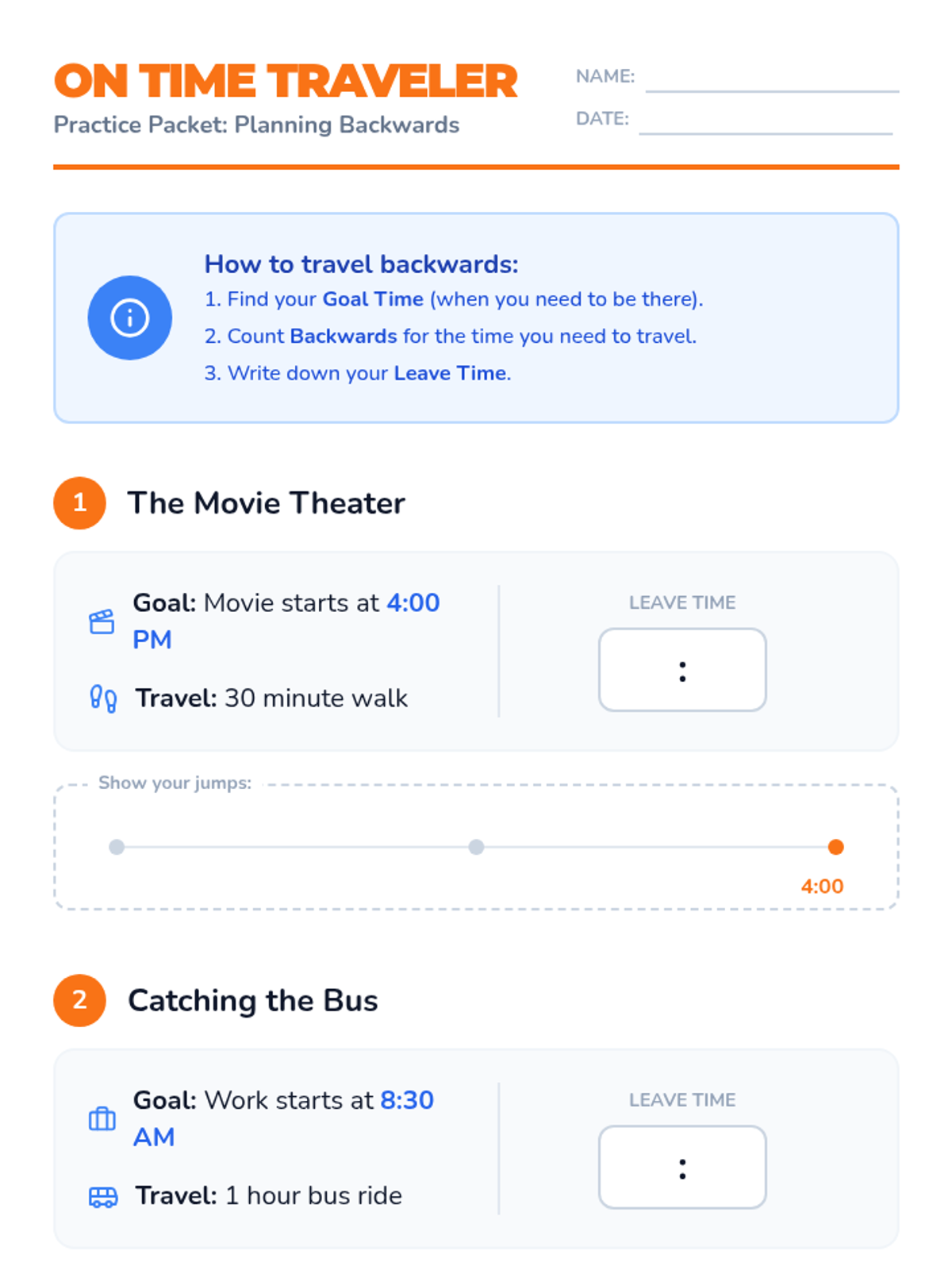
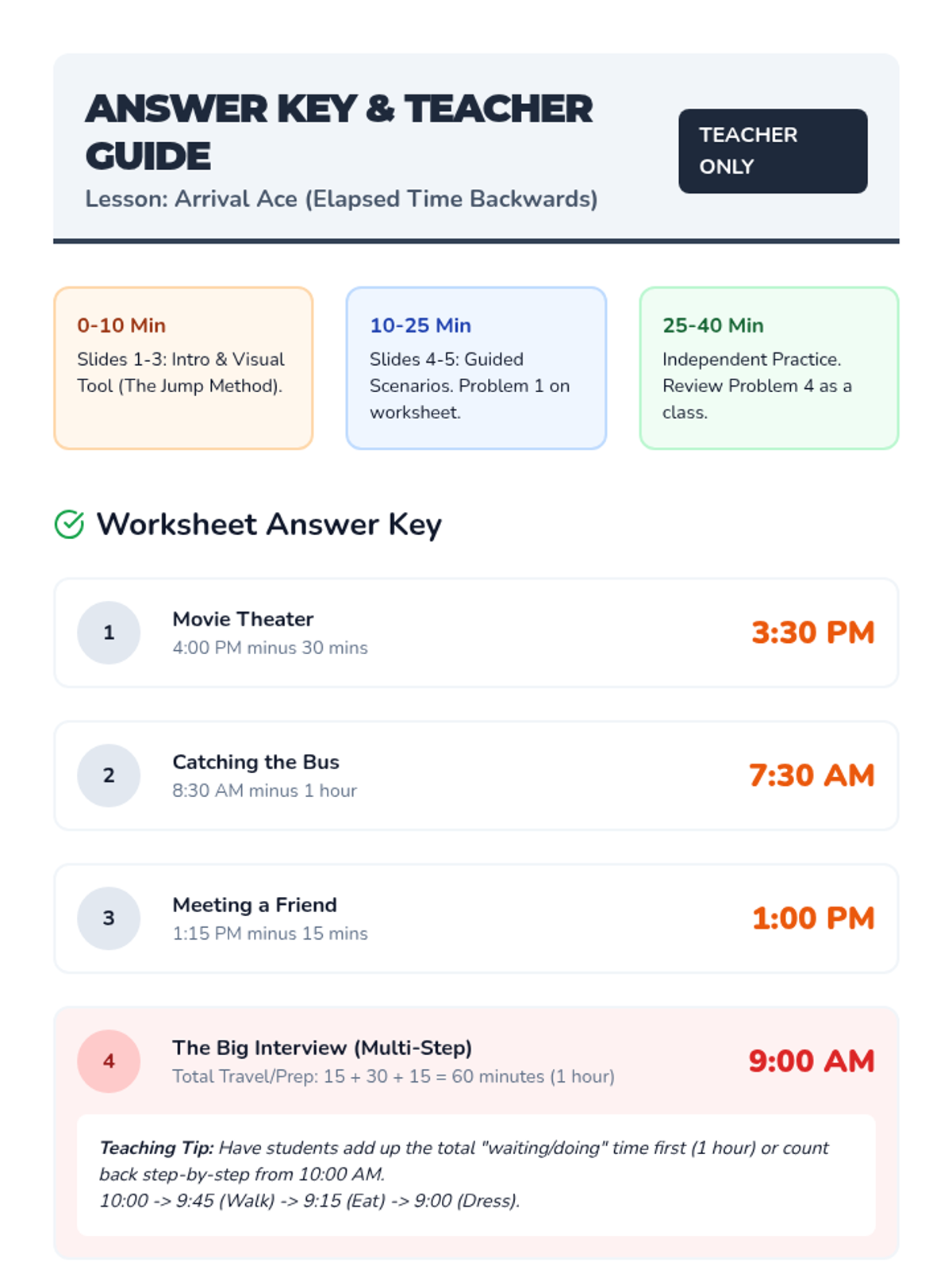
A 40-minute lesson on calculating elapsed time by working backwards. Students learn to plan their departure times for transportation and prioritize tasks to ensure they arrive at their destination on time.
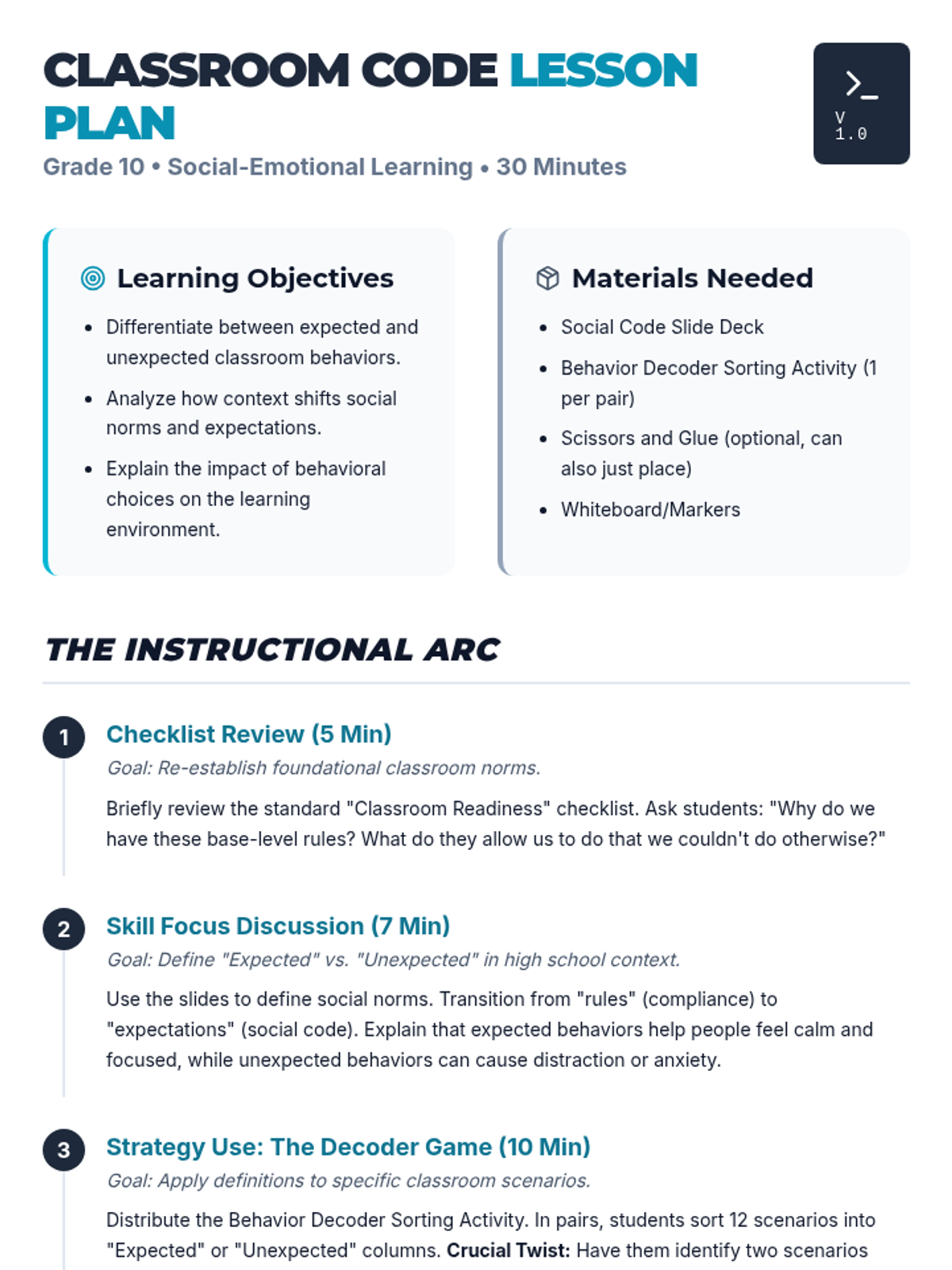
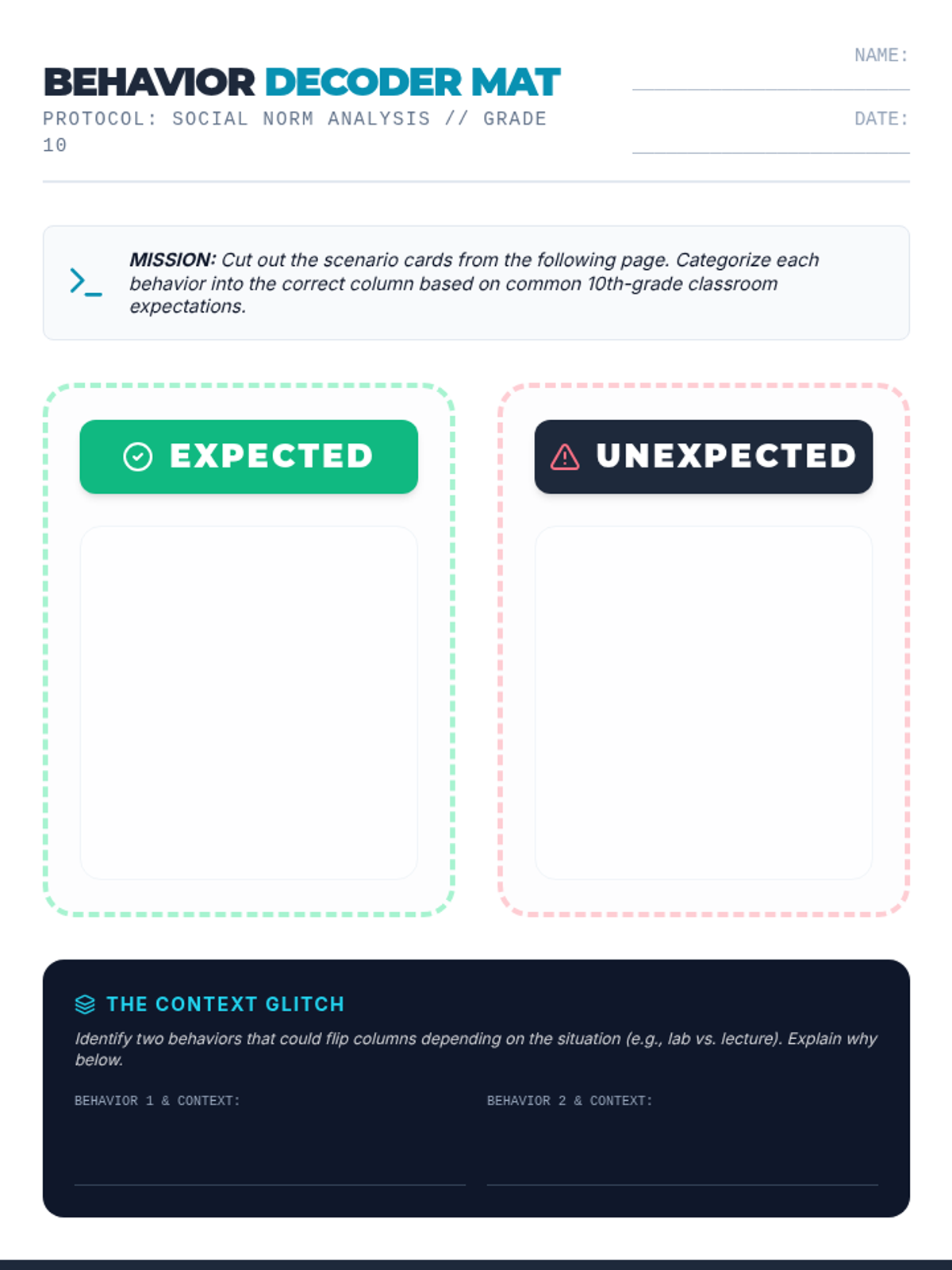
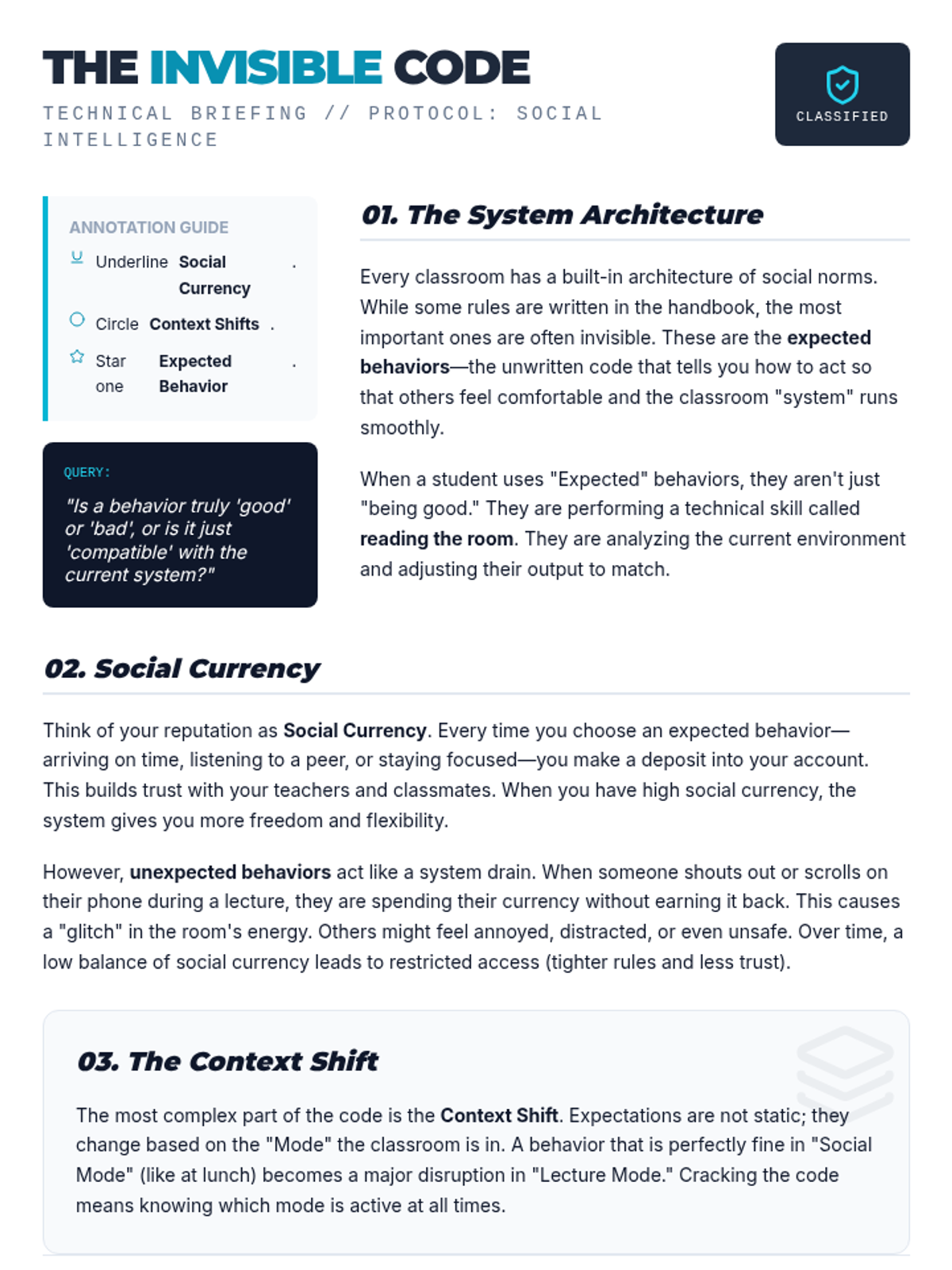
A 30-minute social-emotional learning lesson for 10th graders focused on identifying and analyzing classroom social norms through the lens of 'expected' and 'unexpected' behaviors. Students will explore how context shapes behavioral standards and the impact of their choices on the learning environment.
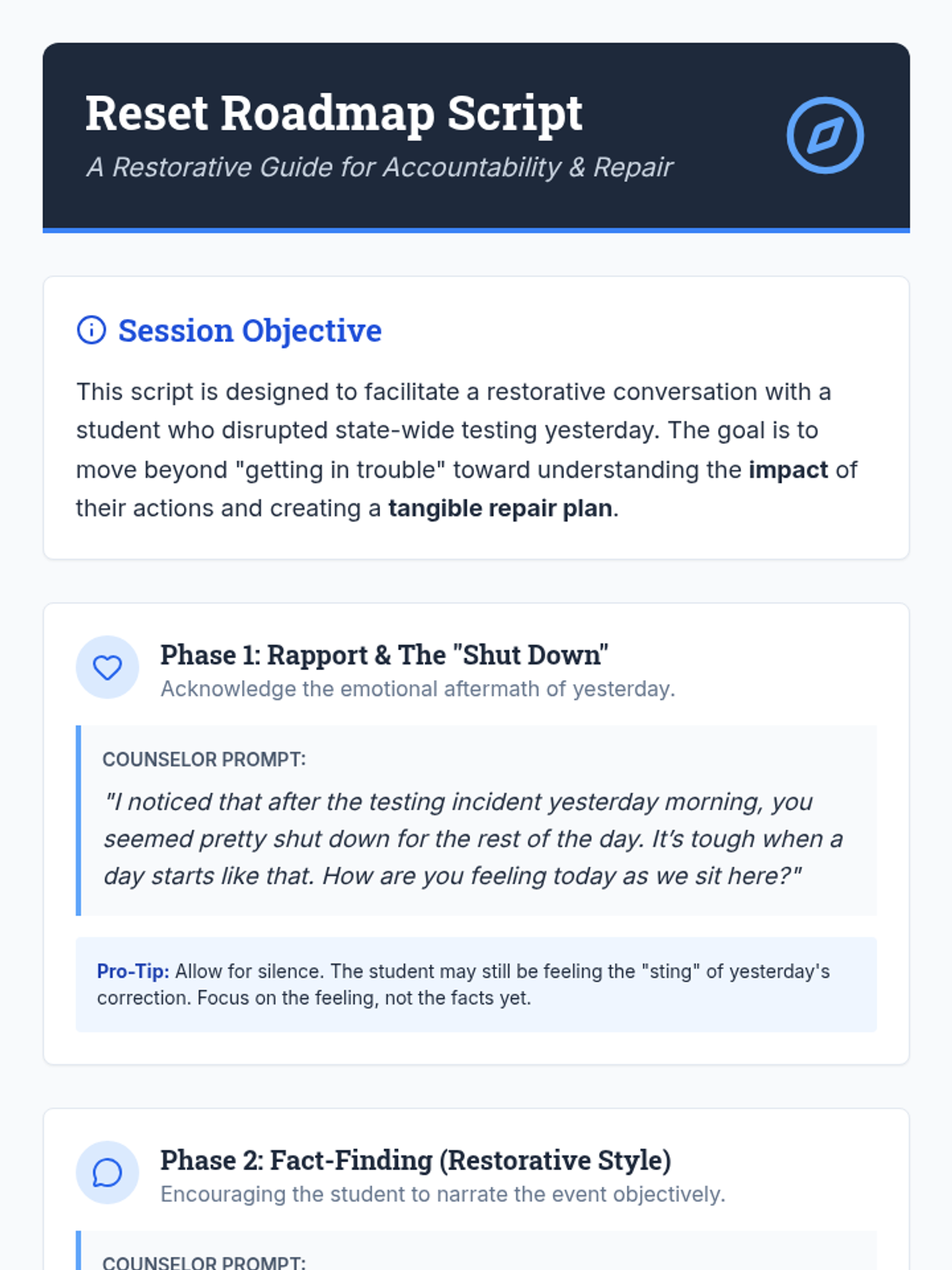
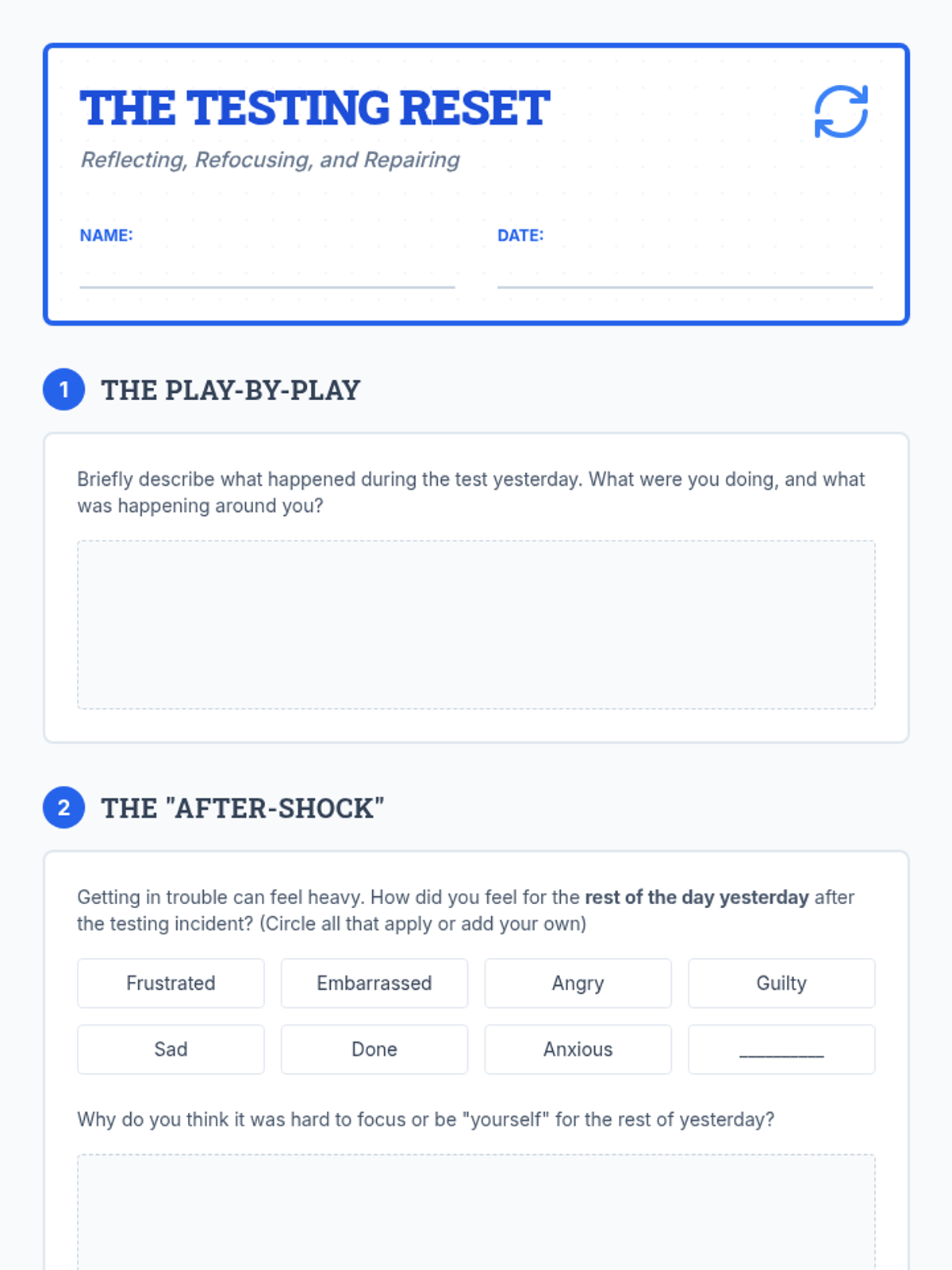
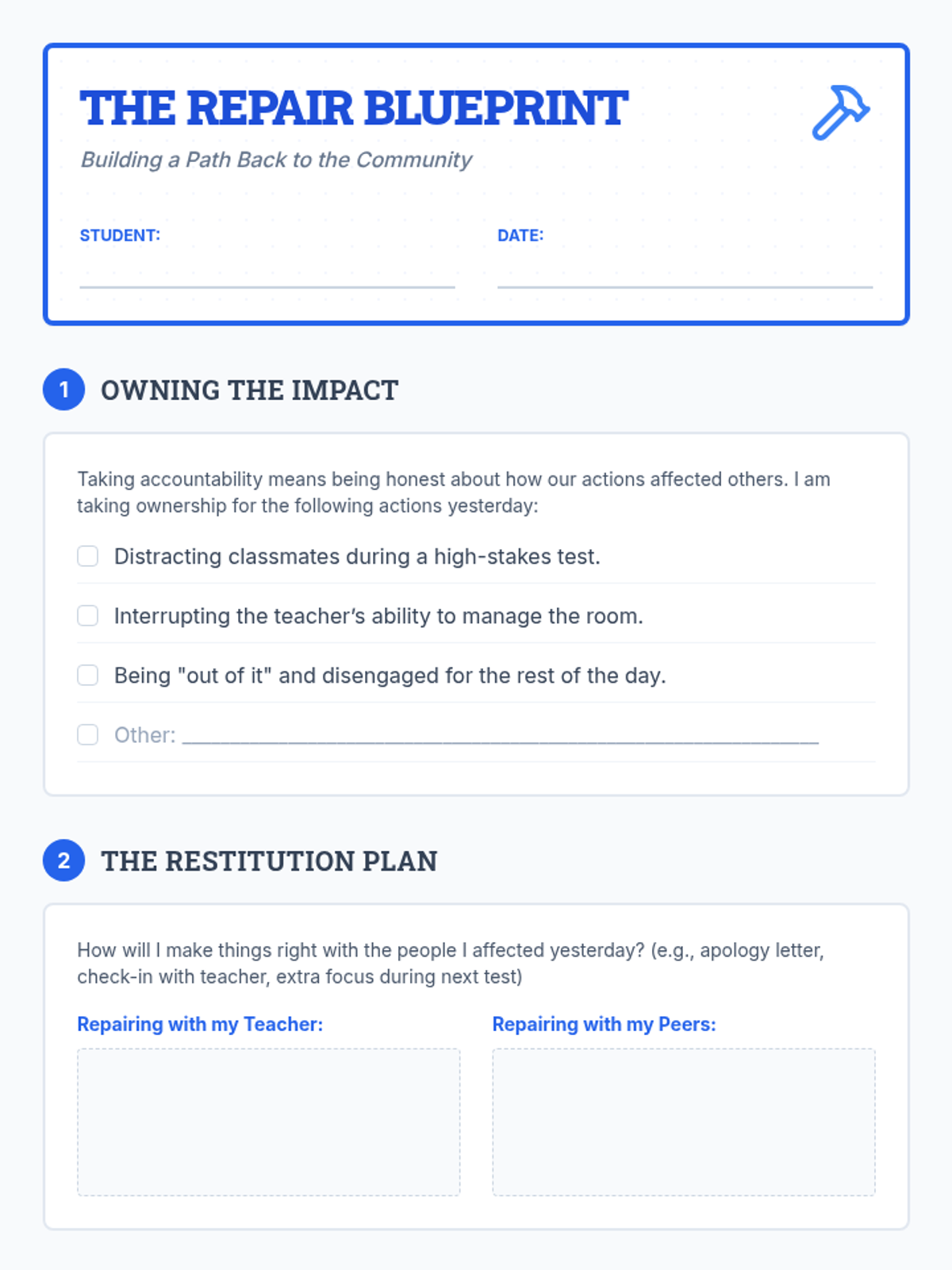
A comprehensive restorative counseling session designed to help a student take accountability for testing disruptions, process the emotional aftermath of getting in trouble, and create a concrete plan to repair relationships and behaviors.
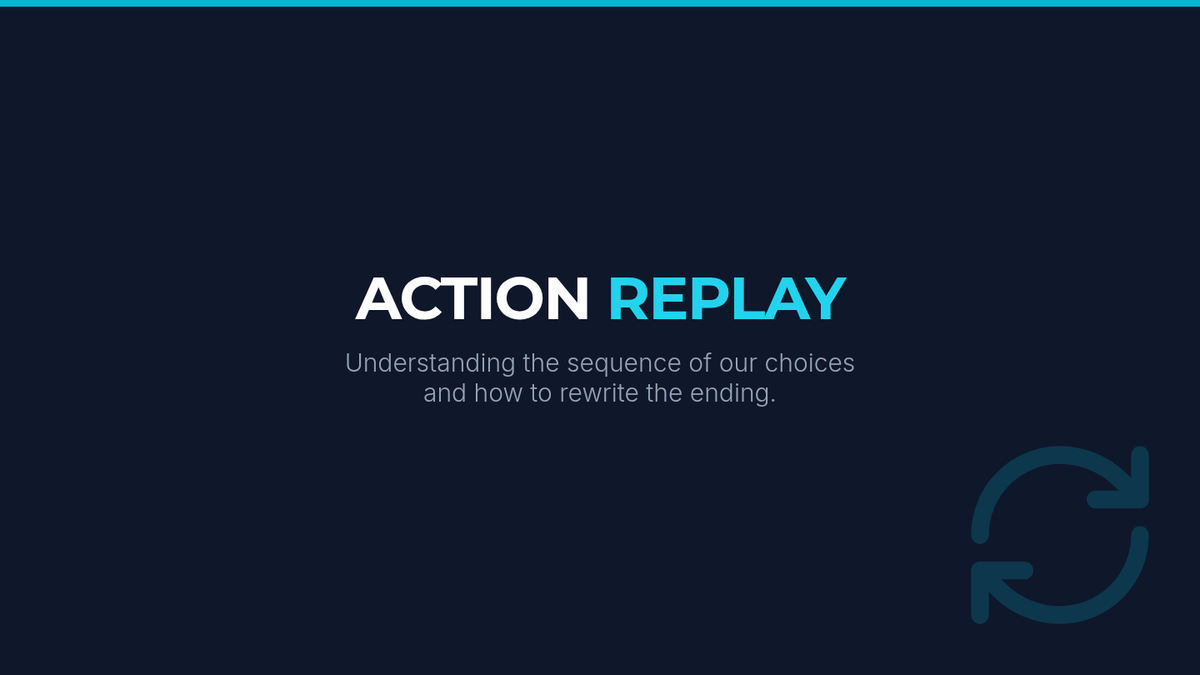
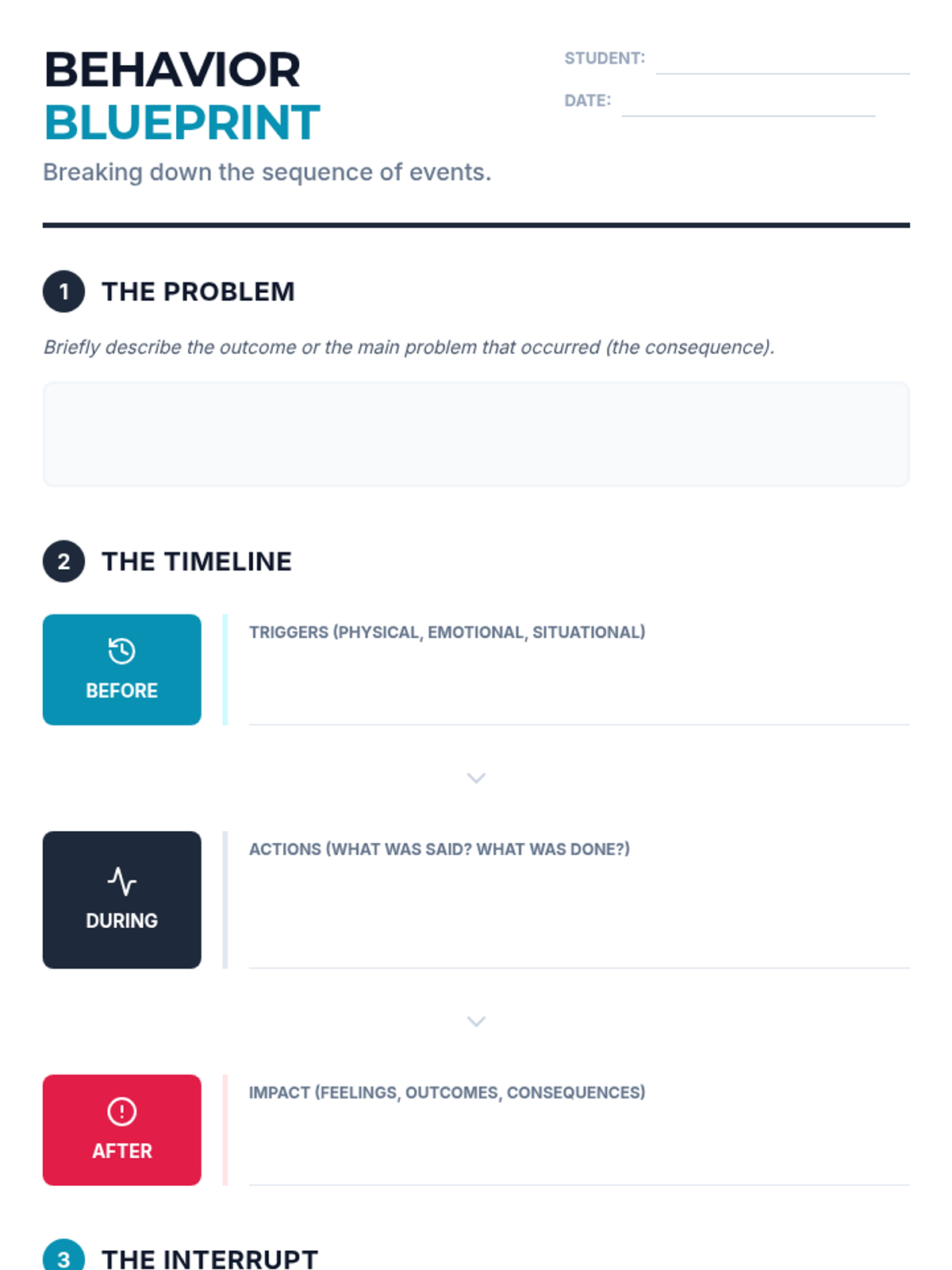
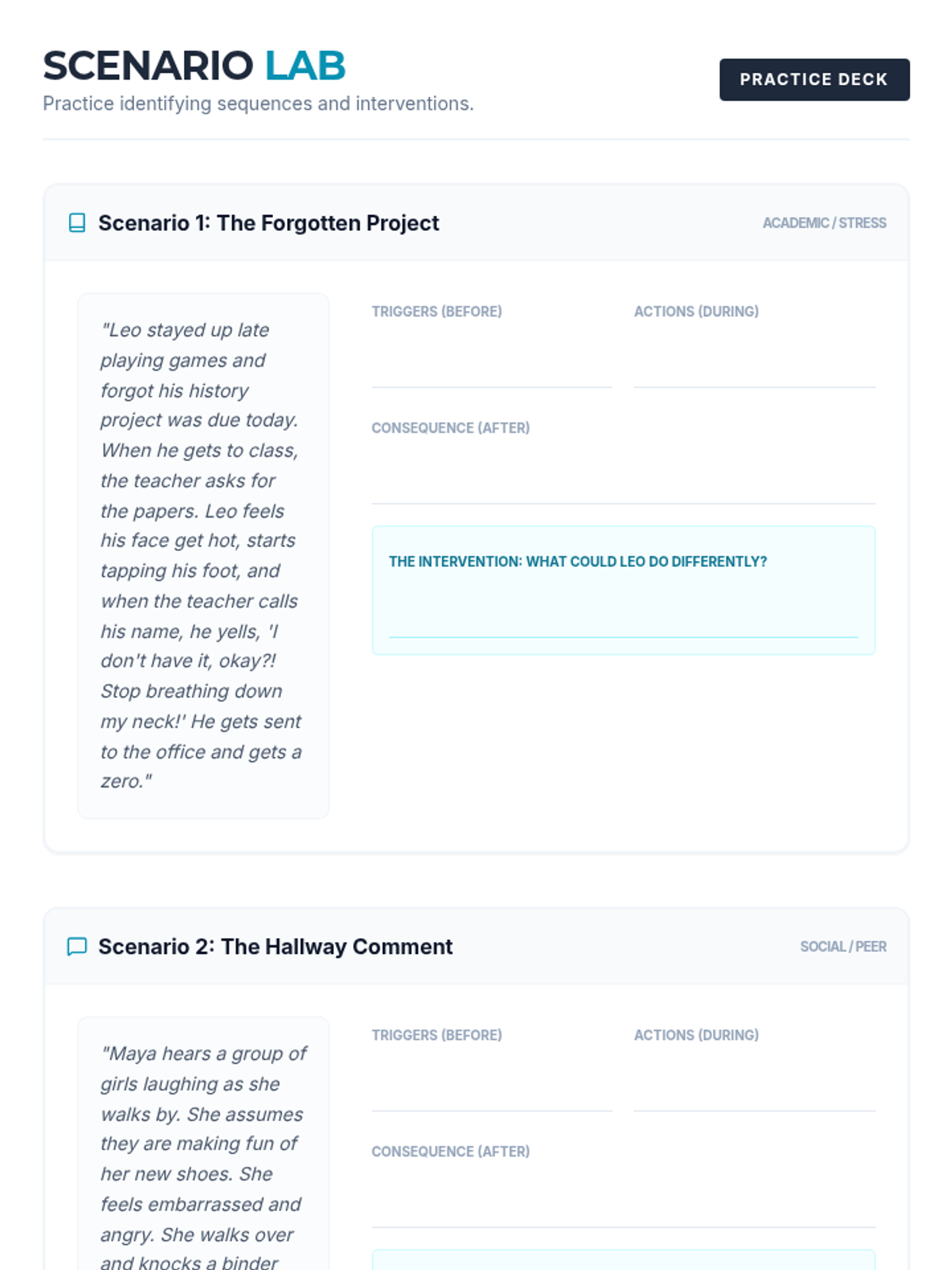
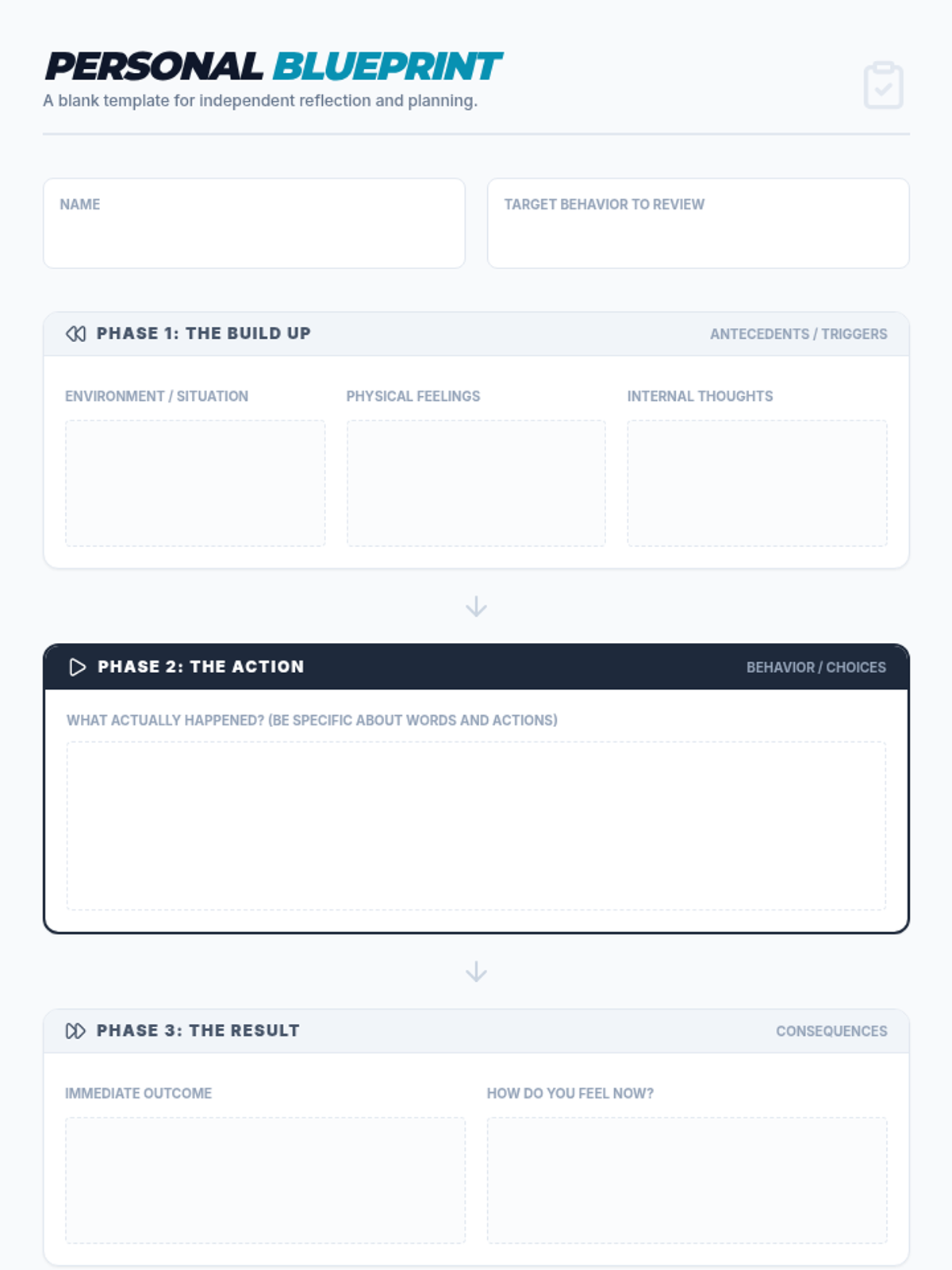
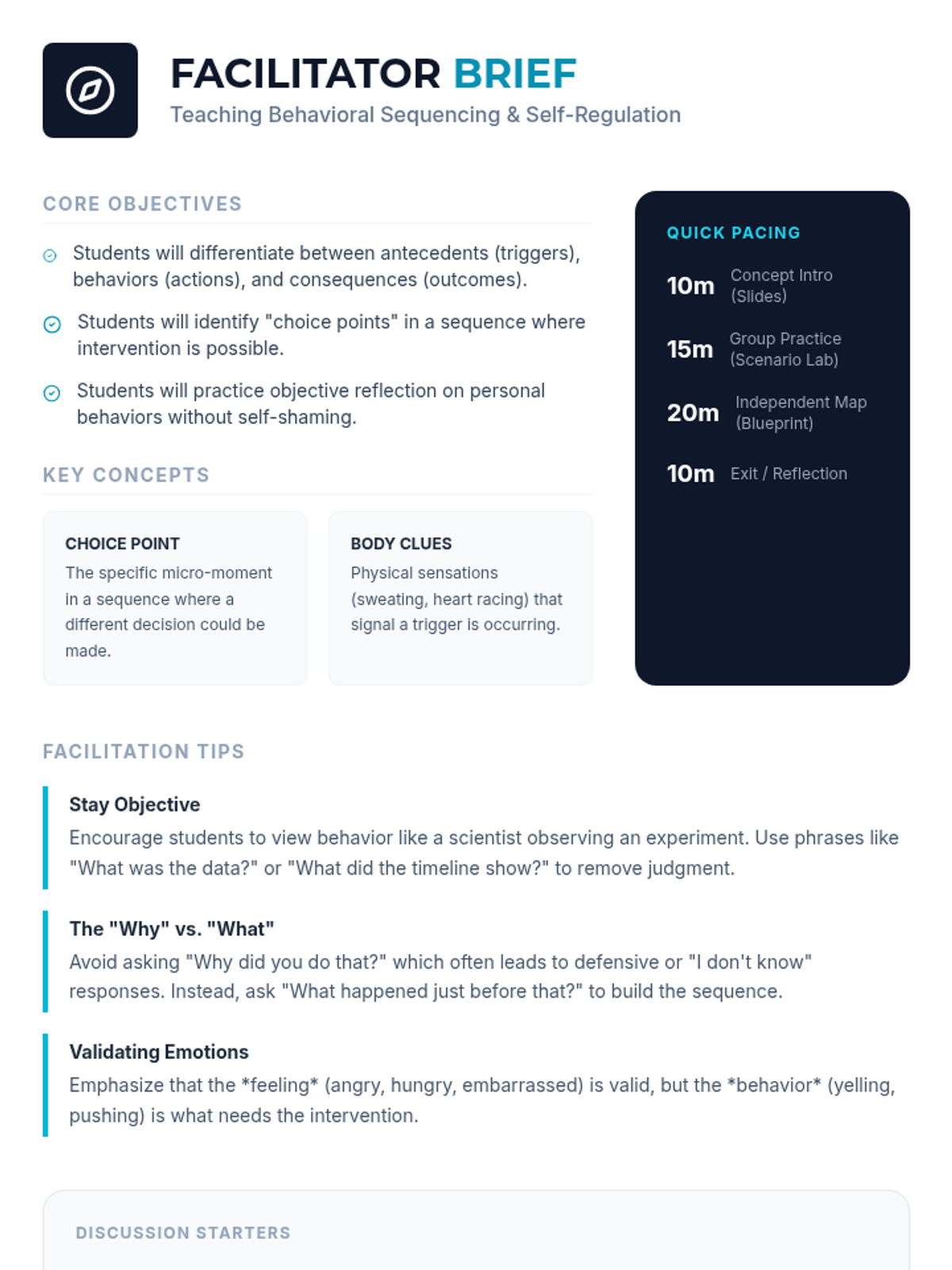
A comprehensive lesson for students aged 11-17 to understand the sequence of their actions, identifying triggers, behaviors, and consequences to build self-regulation and problem-solving skills.
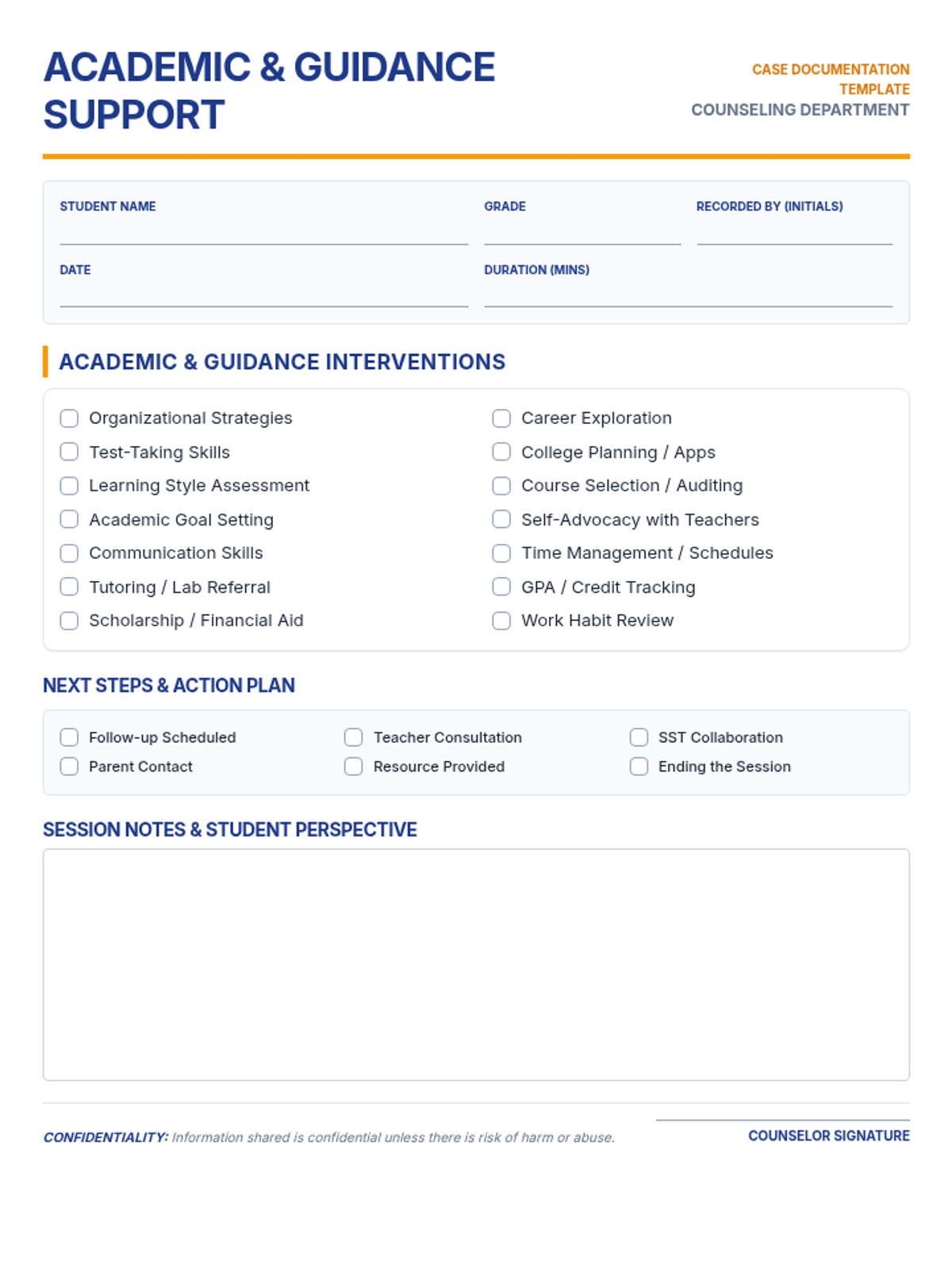
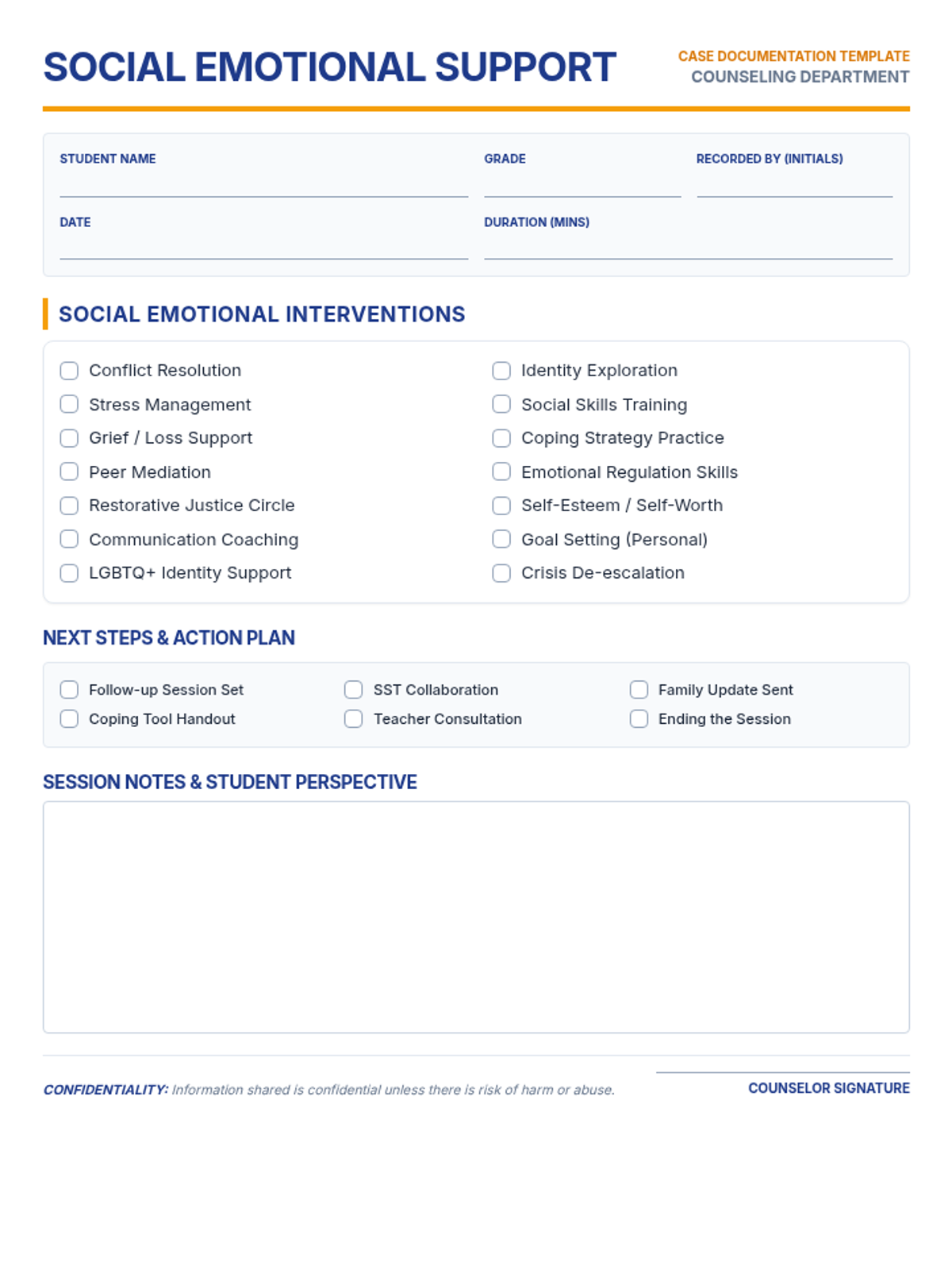
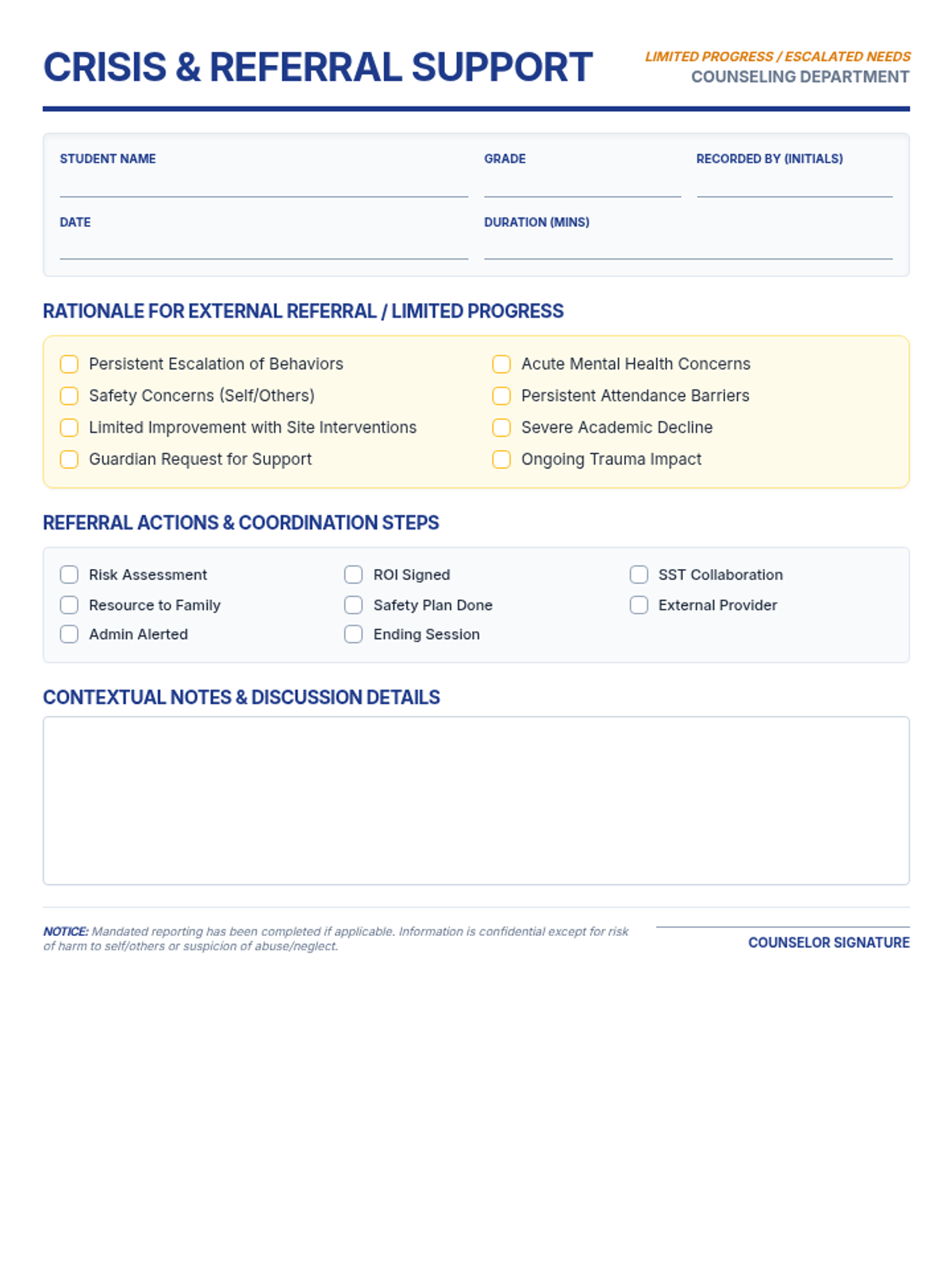
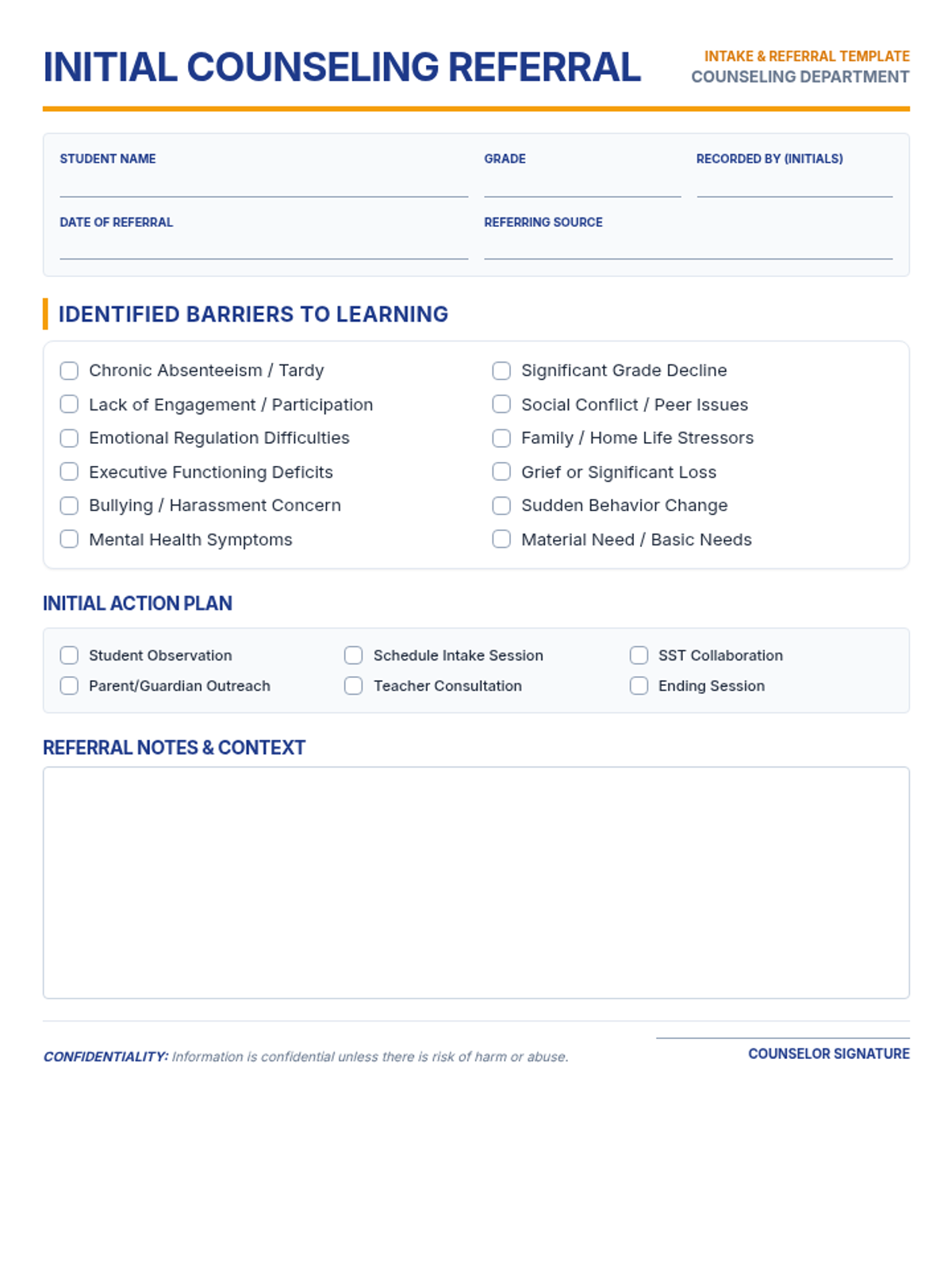
A suite of professional case note templates for school counselors, designed for efficiency and clarity in documenting student support sessions. These templates follow a blue and gold theme and utilize best-practice intervention checklists.
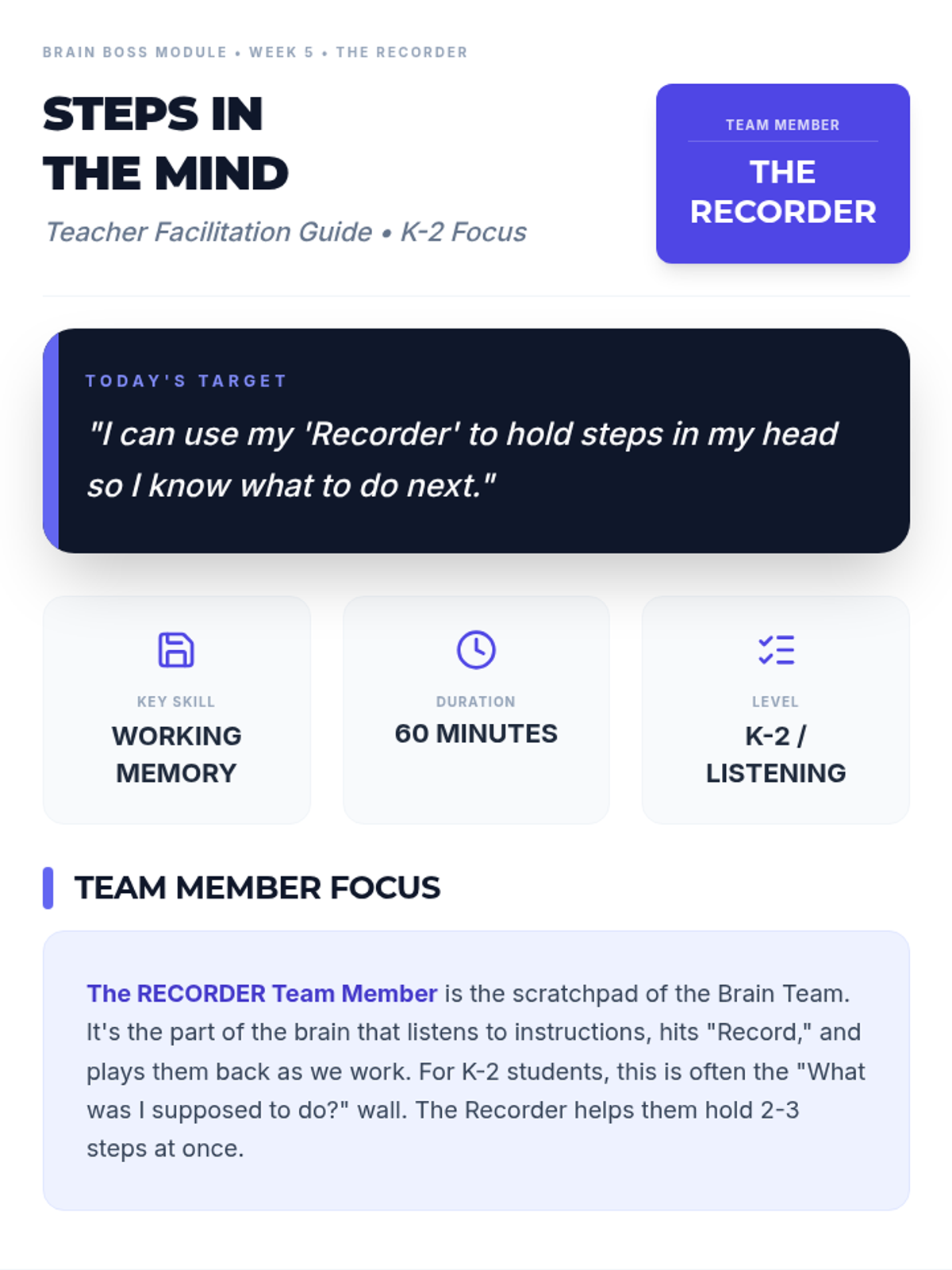
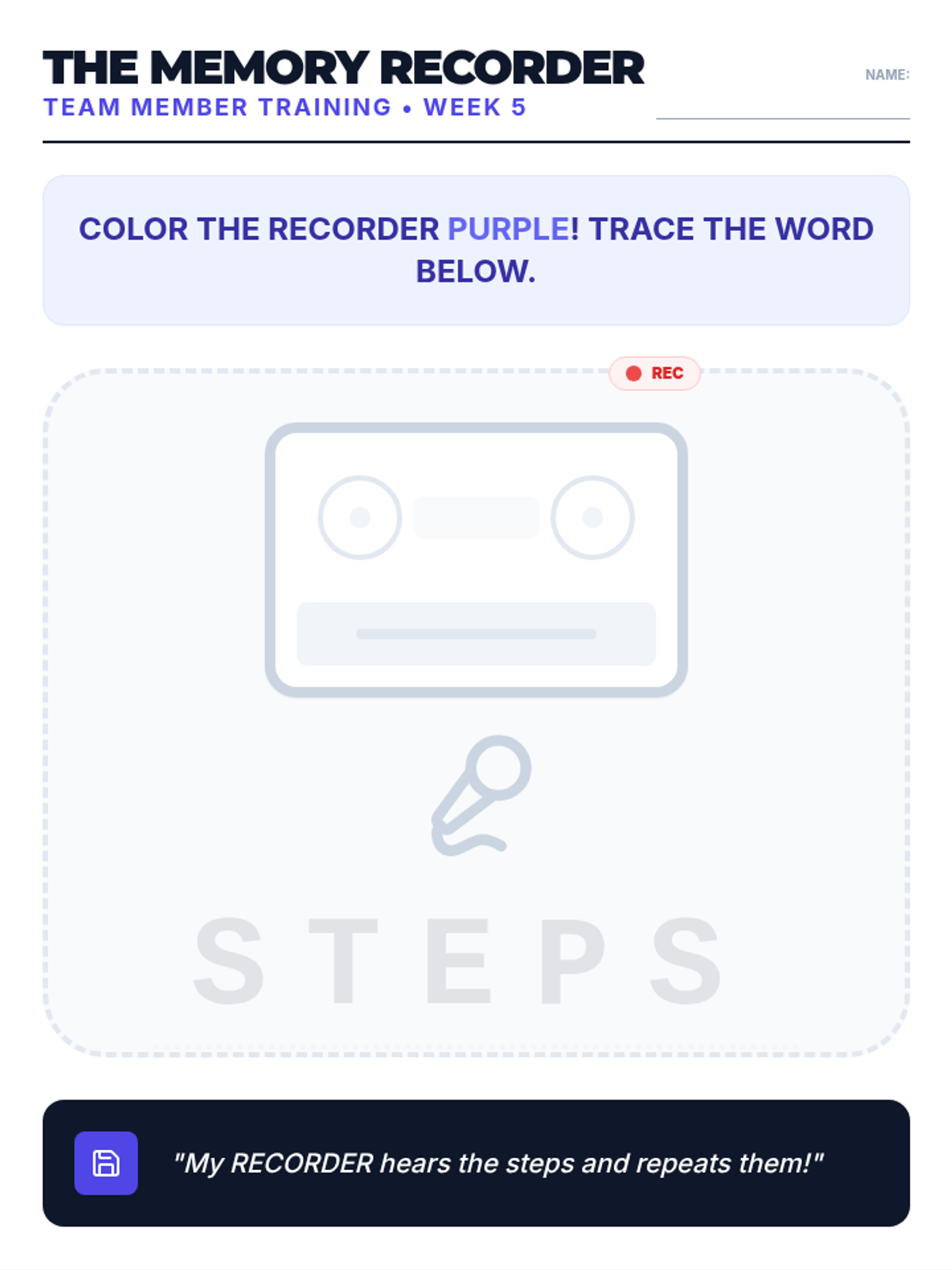
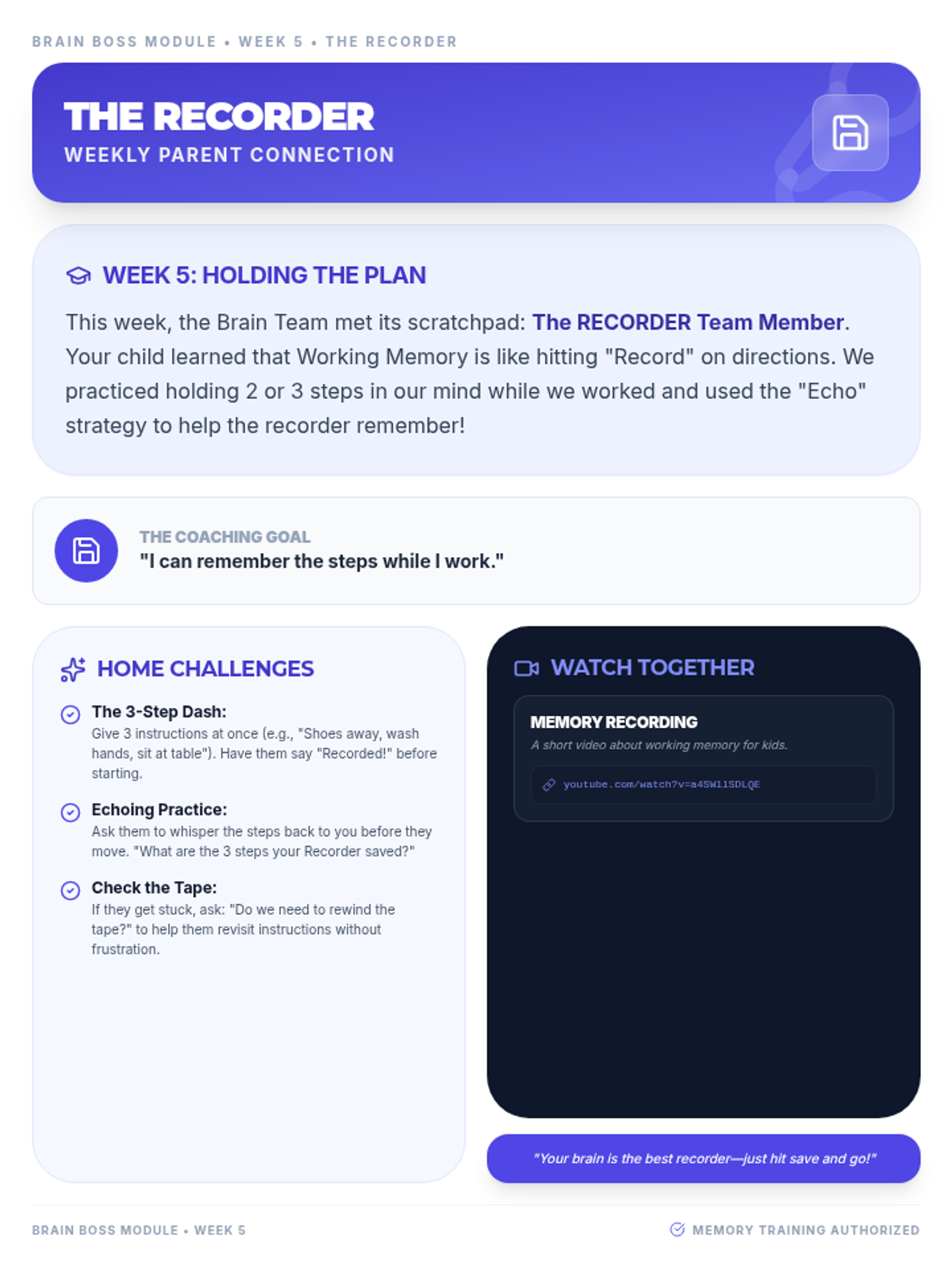
A 60-minute lesson teaching K-2 students how to activate their 'WORKING MEMORY' team member, known as 'The Recorder'. Students learn how to hold steps and instructions in their mind while completing a task.
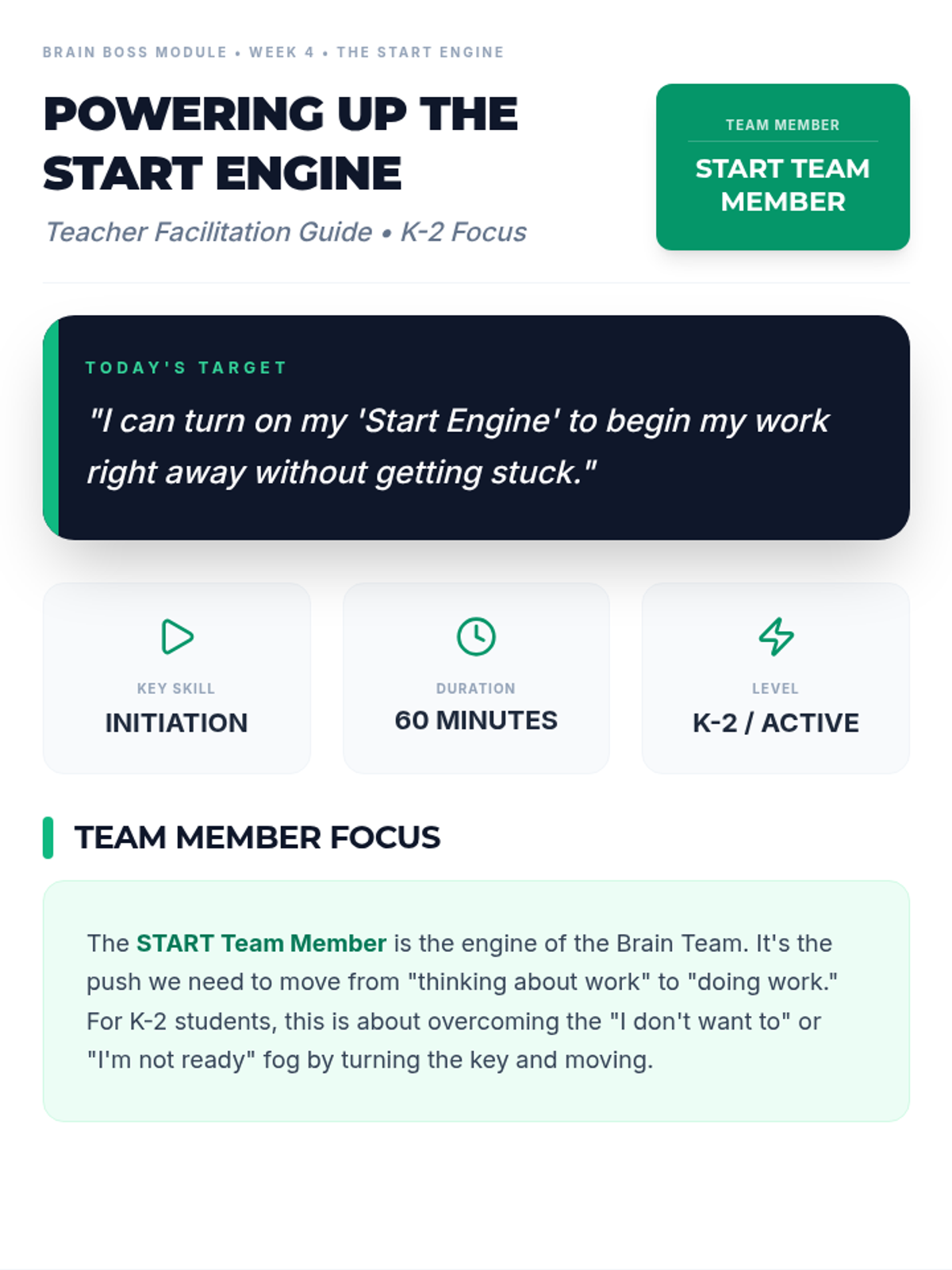
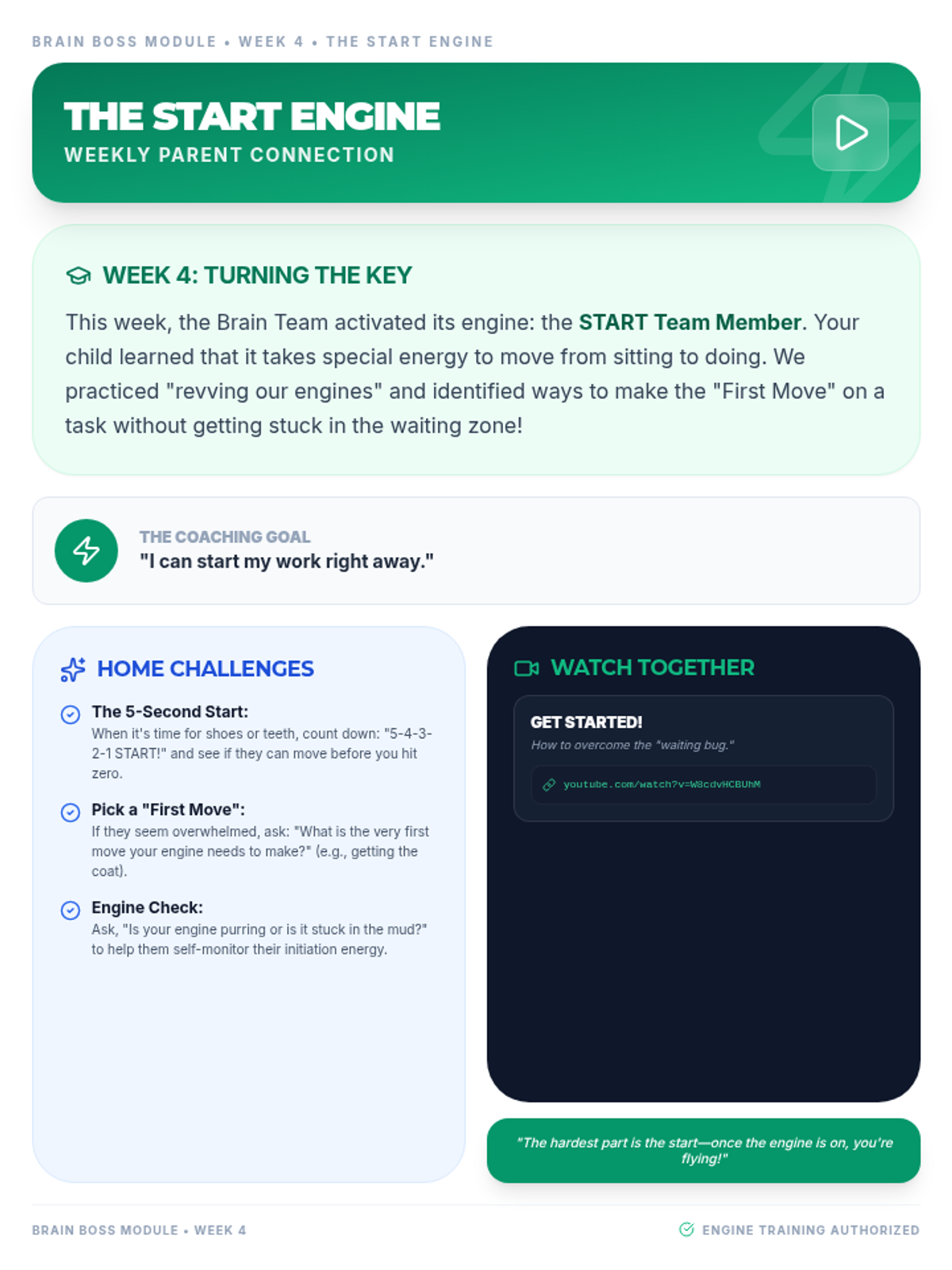
A 60-minute lesson teaching K-2 students how to activate their 'START' team member. Students learn how to "rev their engines" to begin tasks immediately without getting stuck in the "waiting zone".
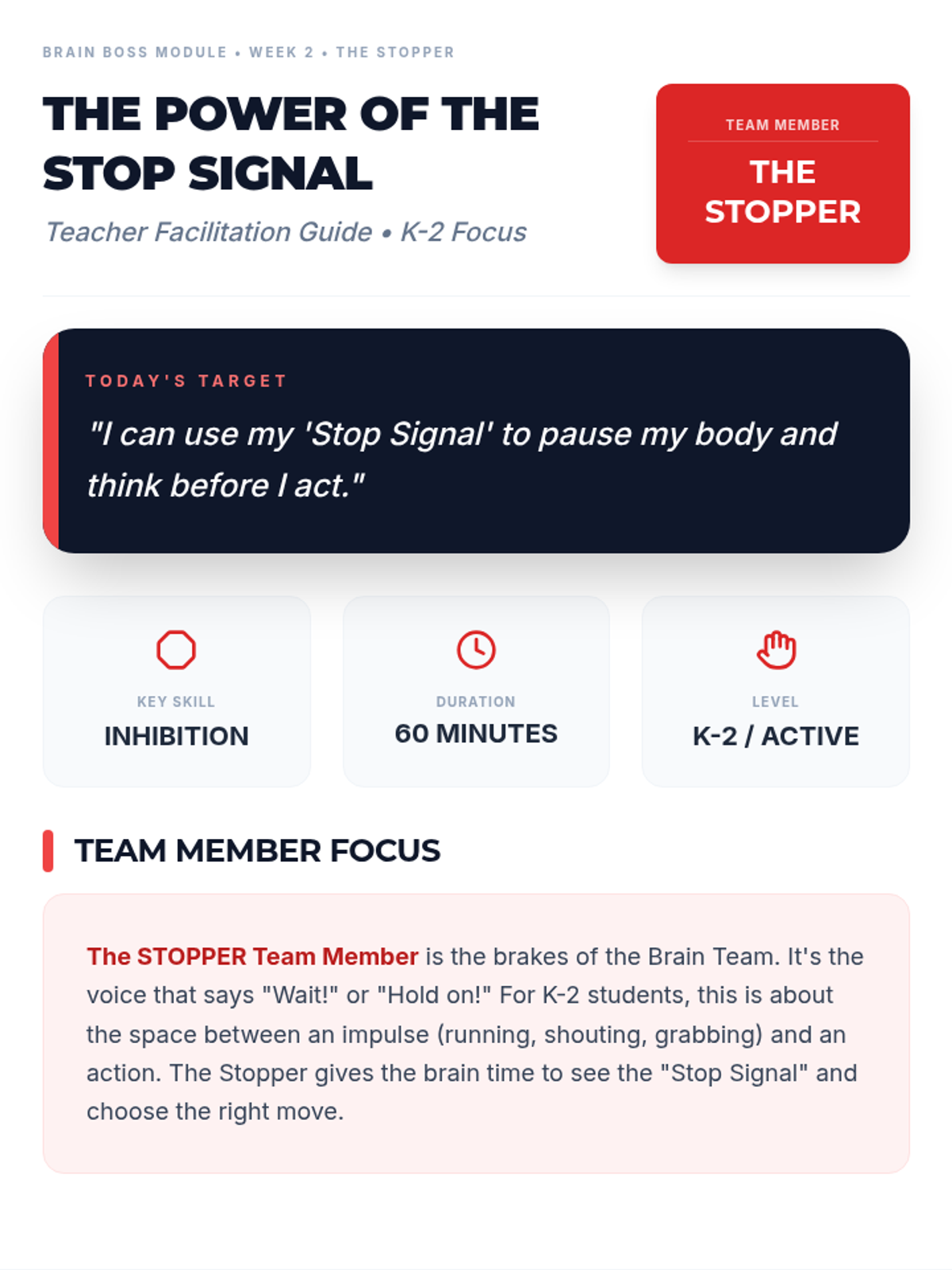
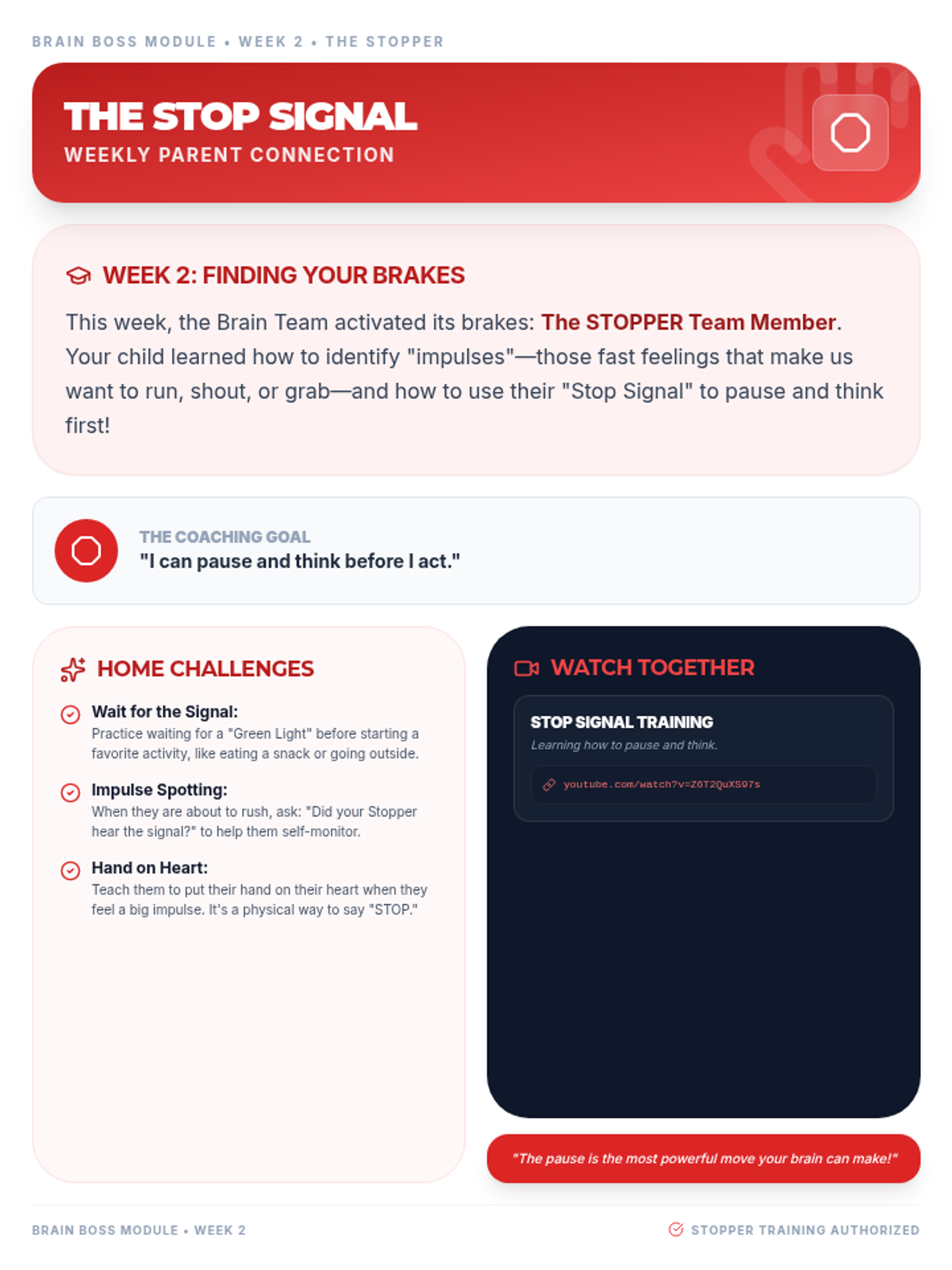
A 60-minute lesson teaching K-2 students how to activate their 'INHIBITION' team member, known as 'The Stopper'. Students learn to use their 'Stop Signal' to pause before acting and resist impulses.
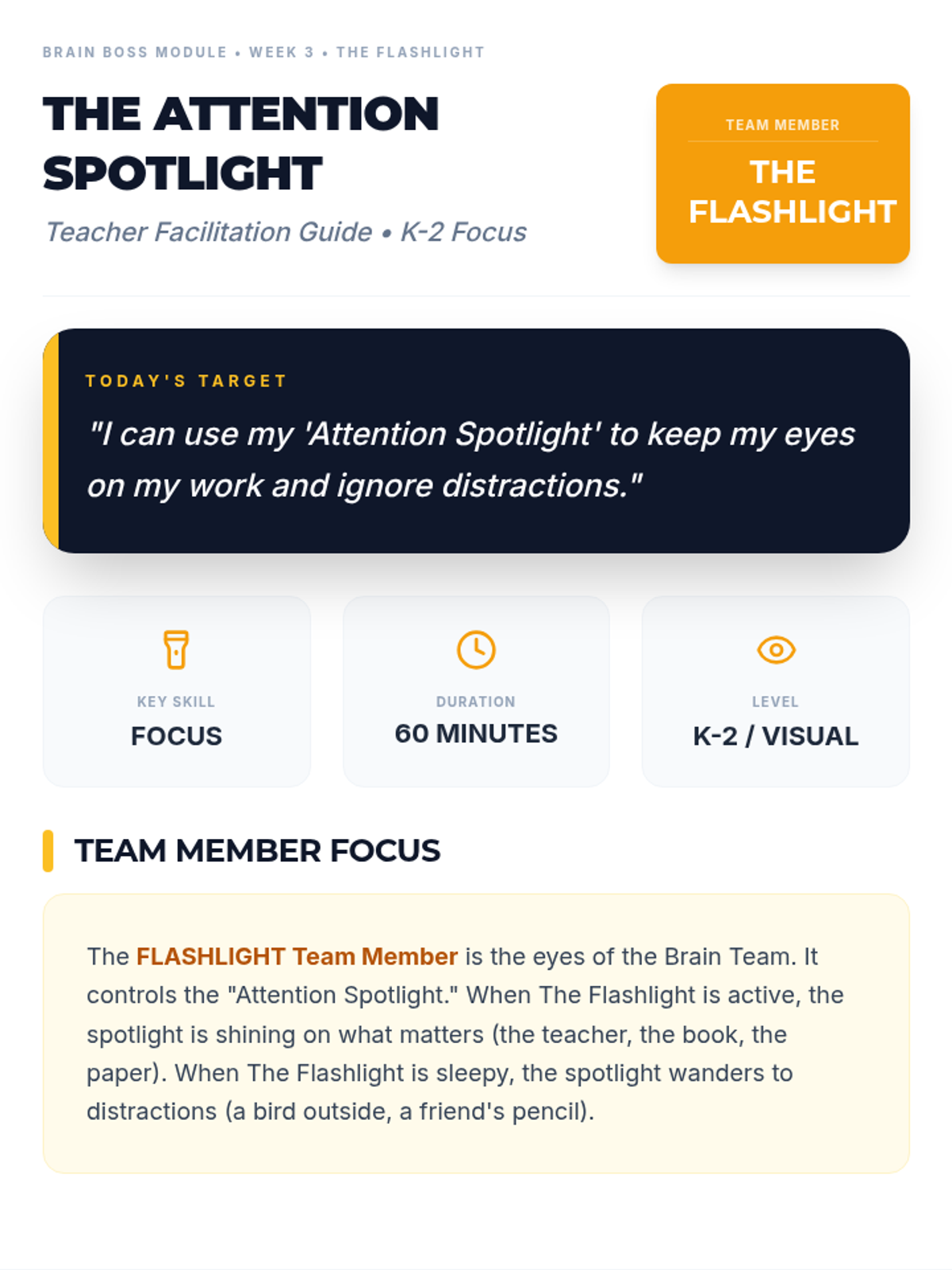
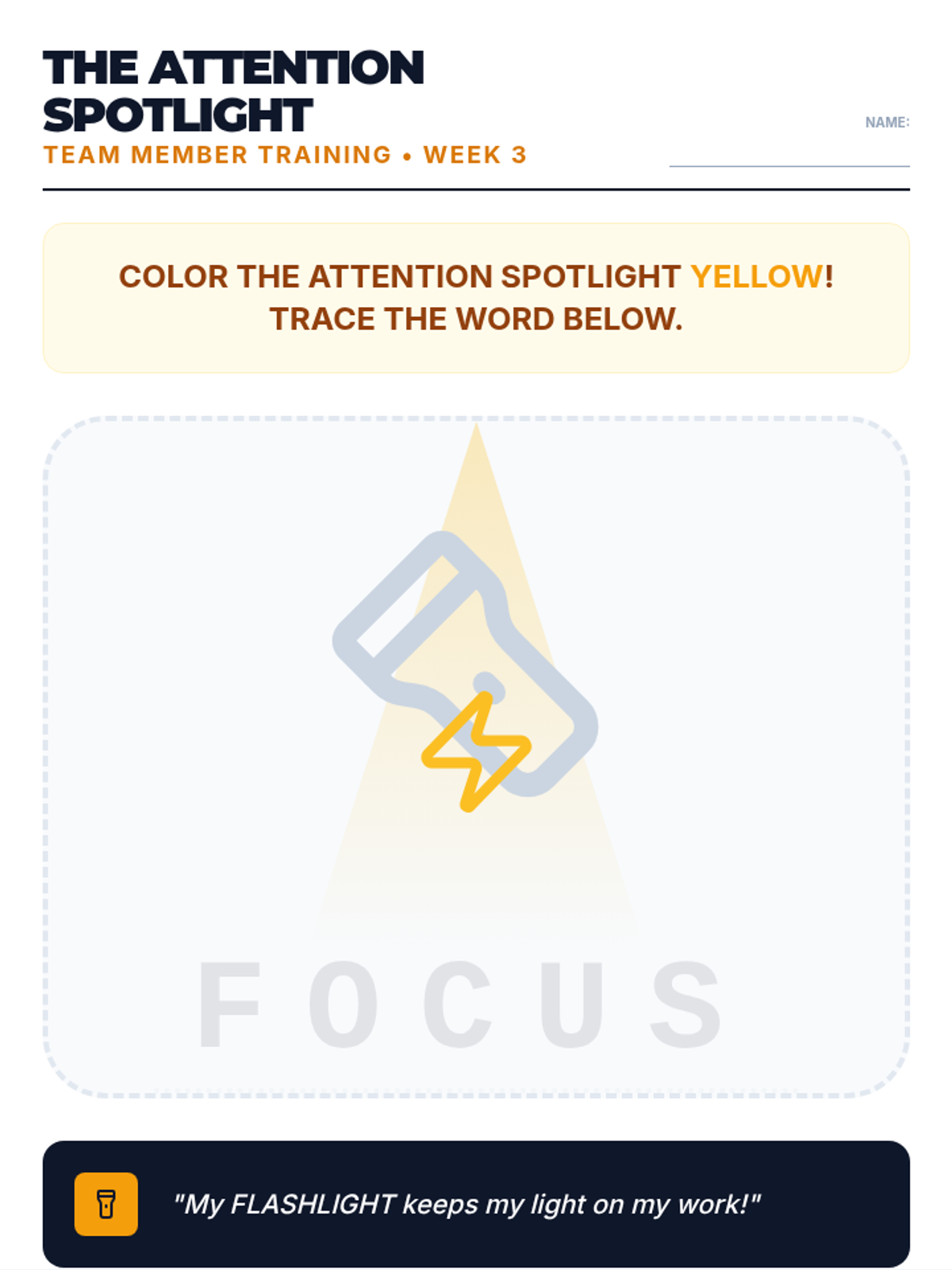
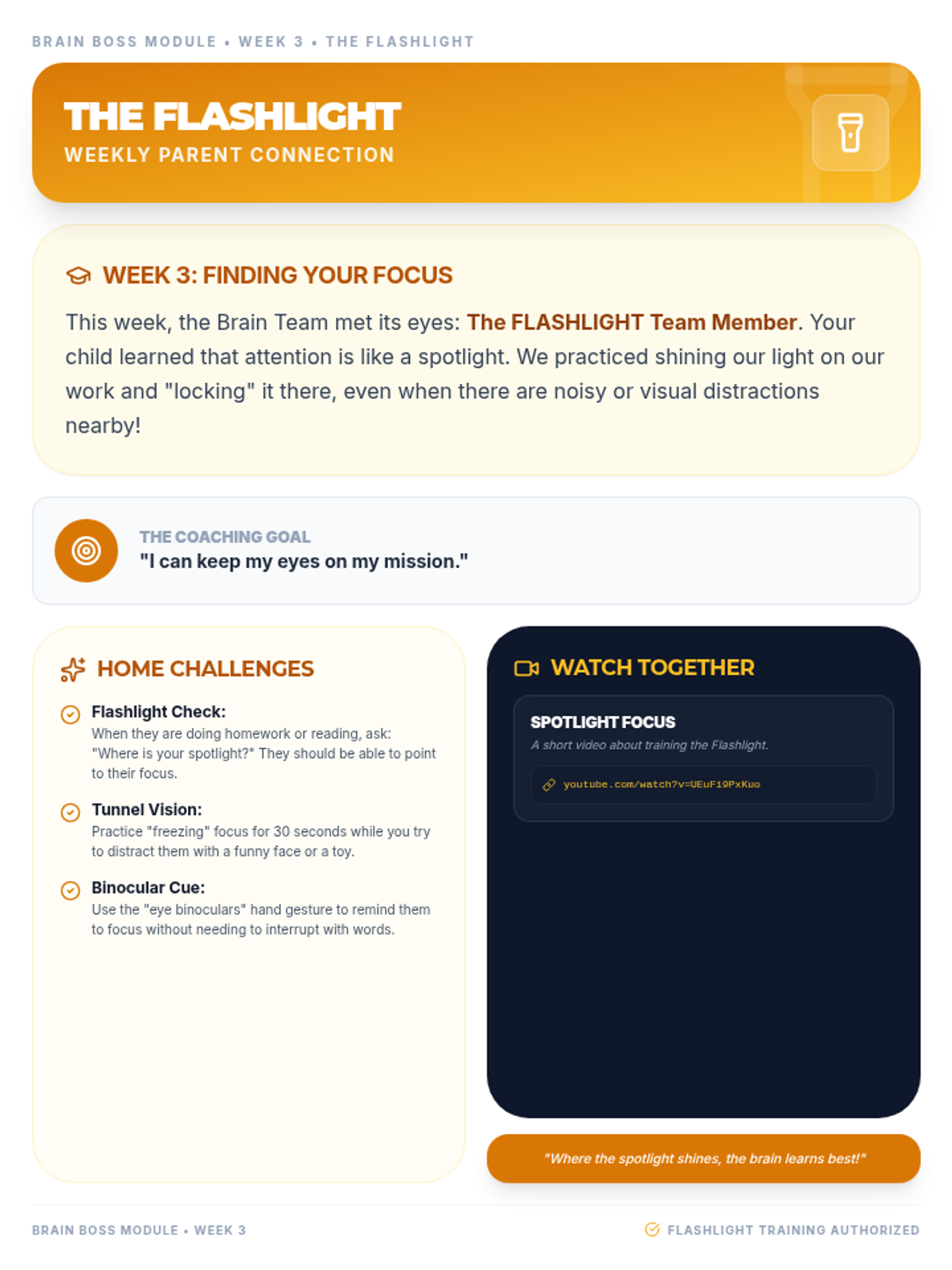
A 60-minute lesson teaching K-2 students how to activate their 'FOCUS' team member, known as 'The Flashlight'. Students learn to use their 'Attention Spotlight' to ignore distractions and stay on task.
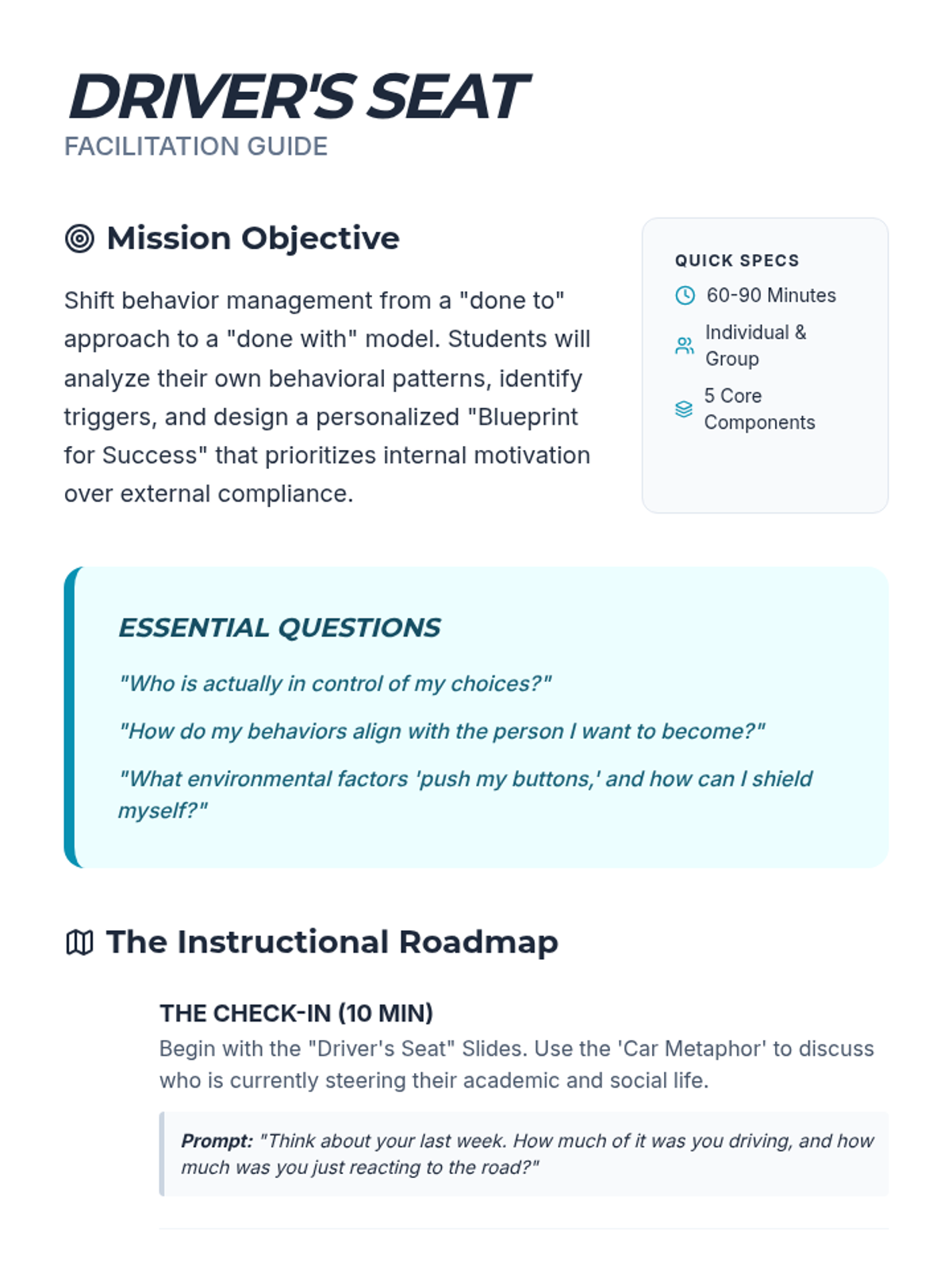
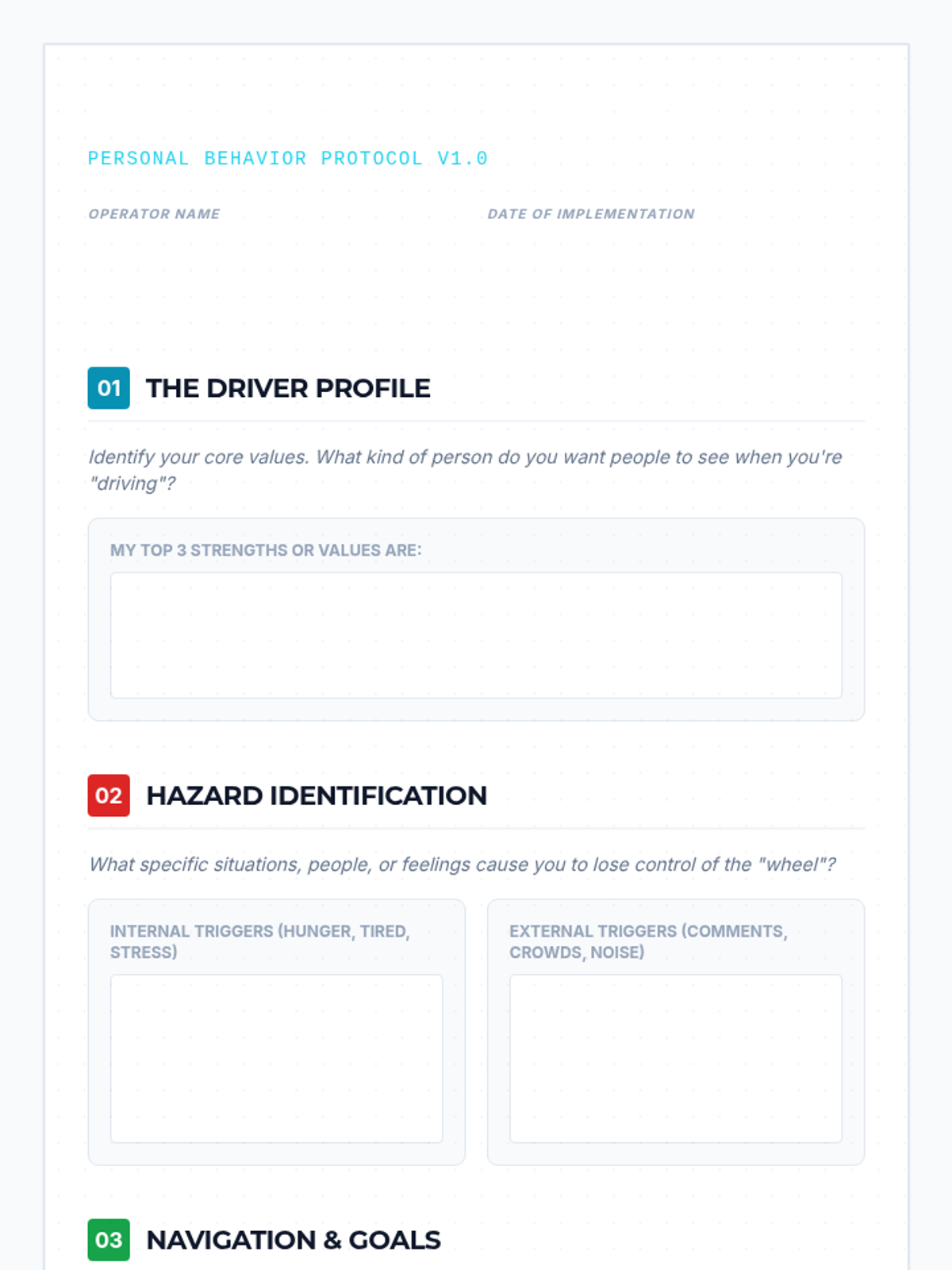
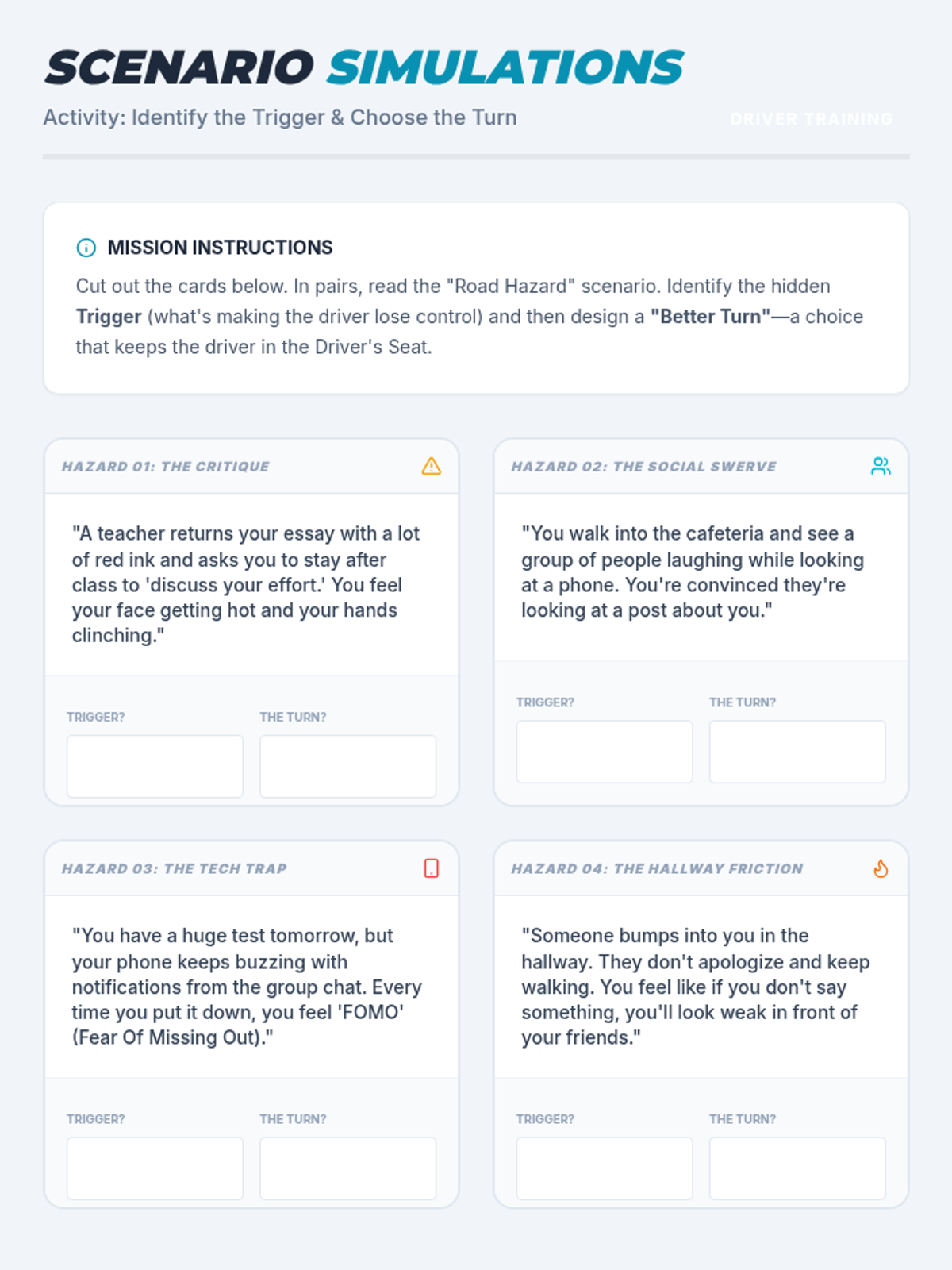
A high school lesson focused on empowering students to design their own behavior plans, moving from external compliance to internal self-regulation and accountability.
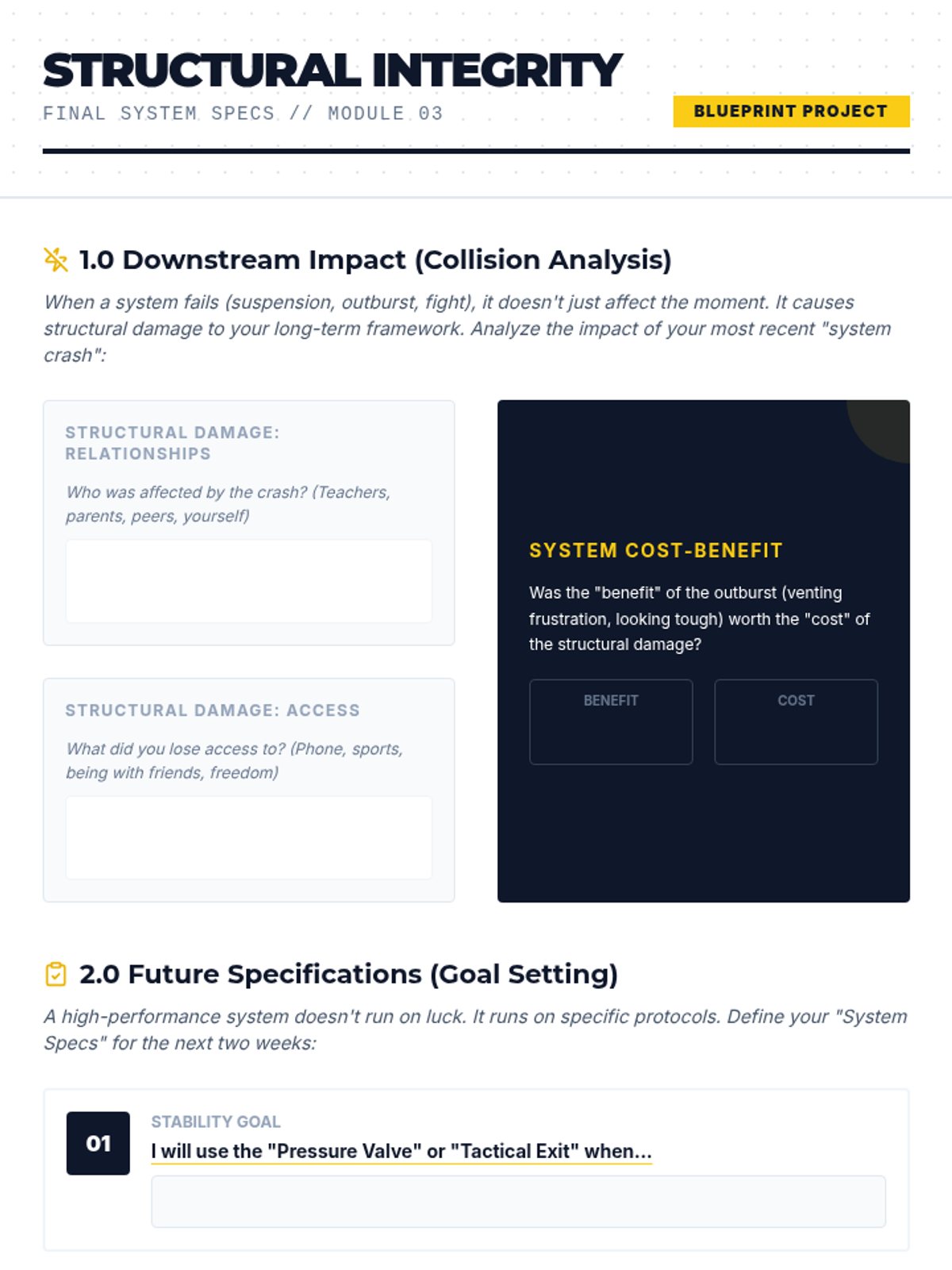
Analyzes the long-term impact of behavior on personal goals and external relationships, concluding with the development of concrete behavioral 'specifications' for future success.
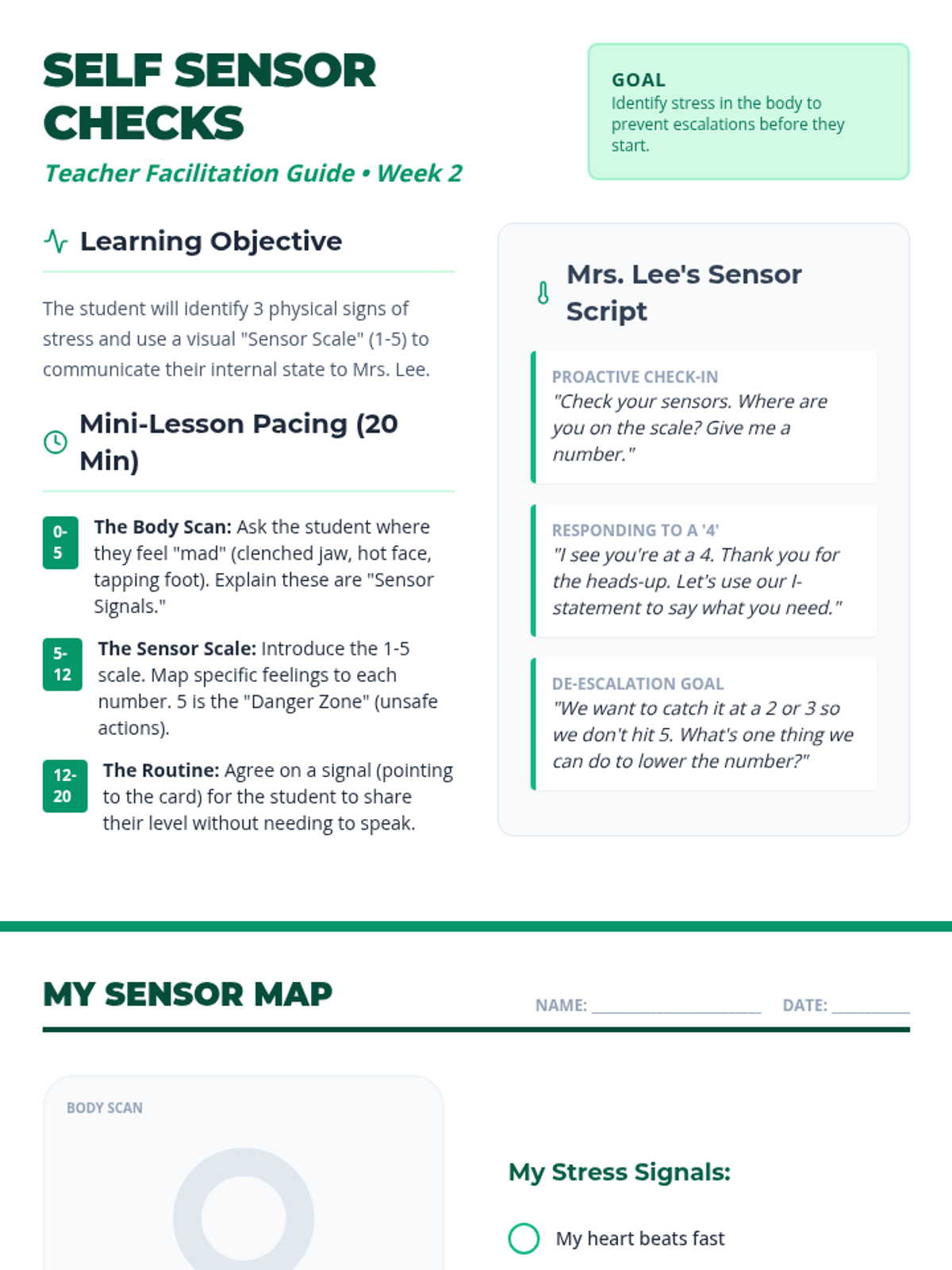
This lesson focuses on identifying internal emotional states and using visual check-ins to monitor stress levels before they lead to disruptions.
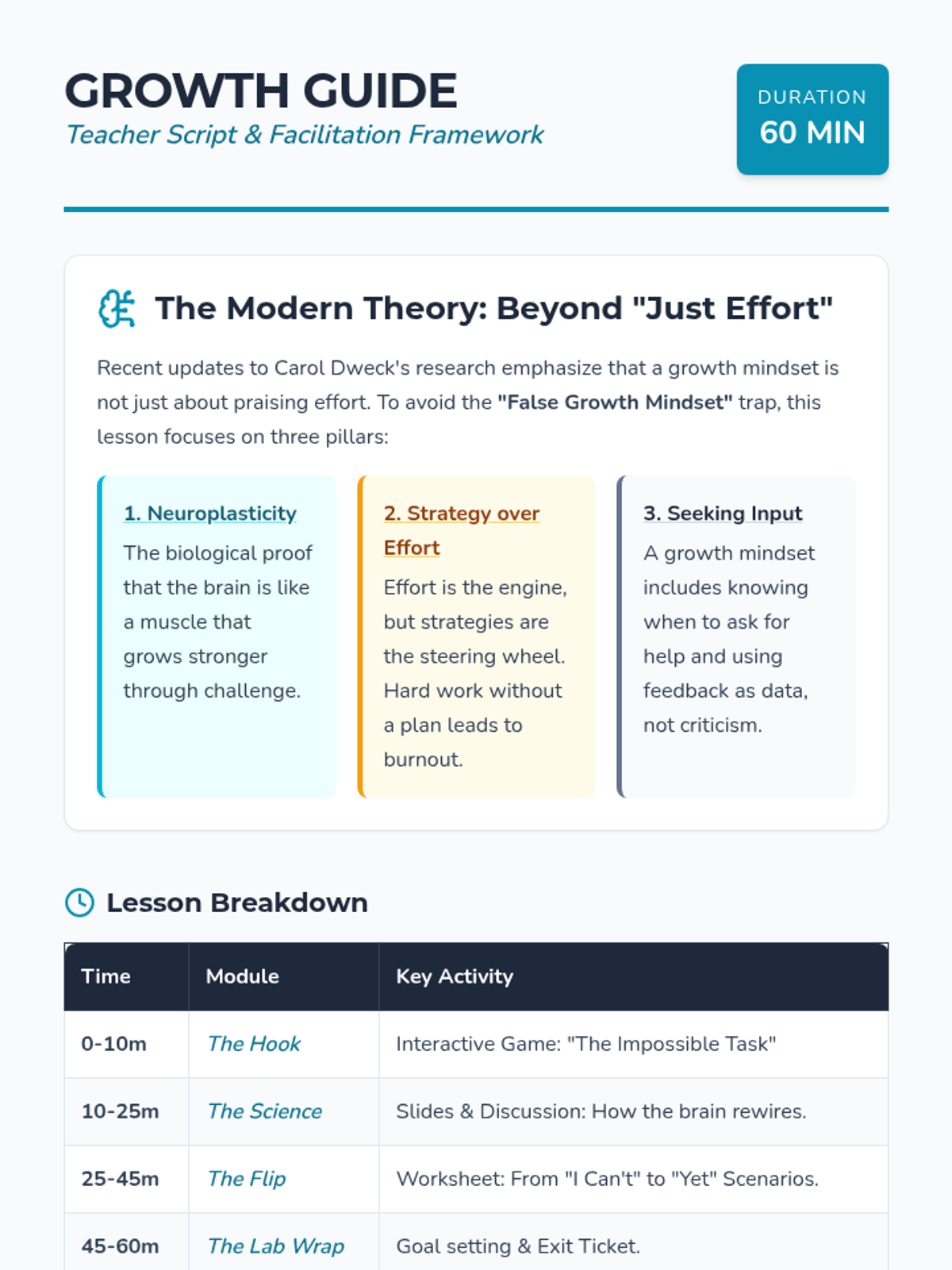
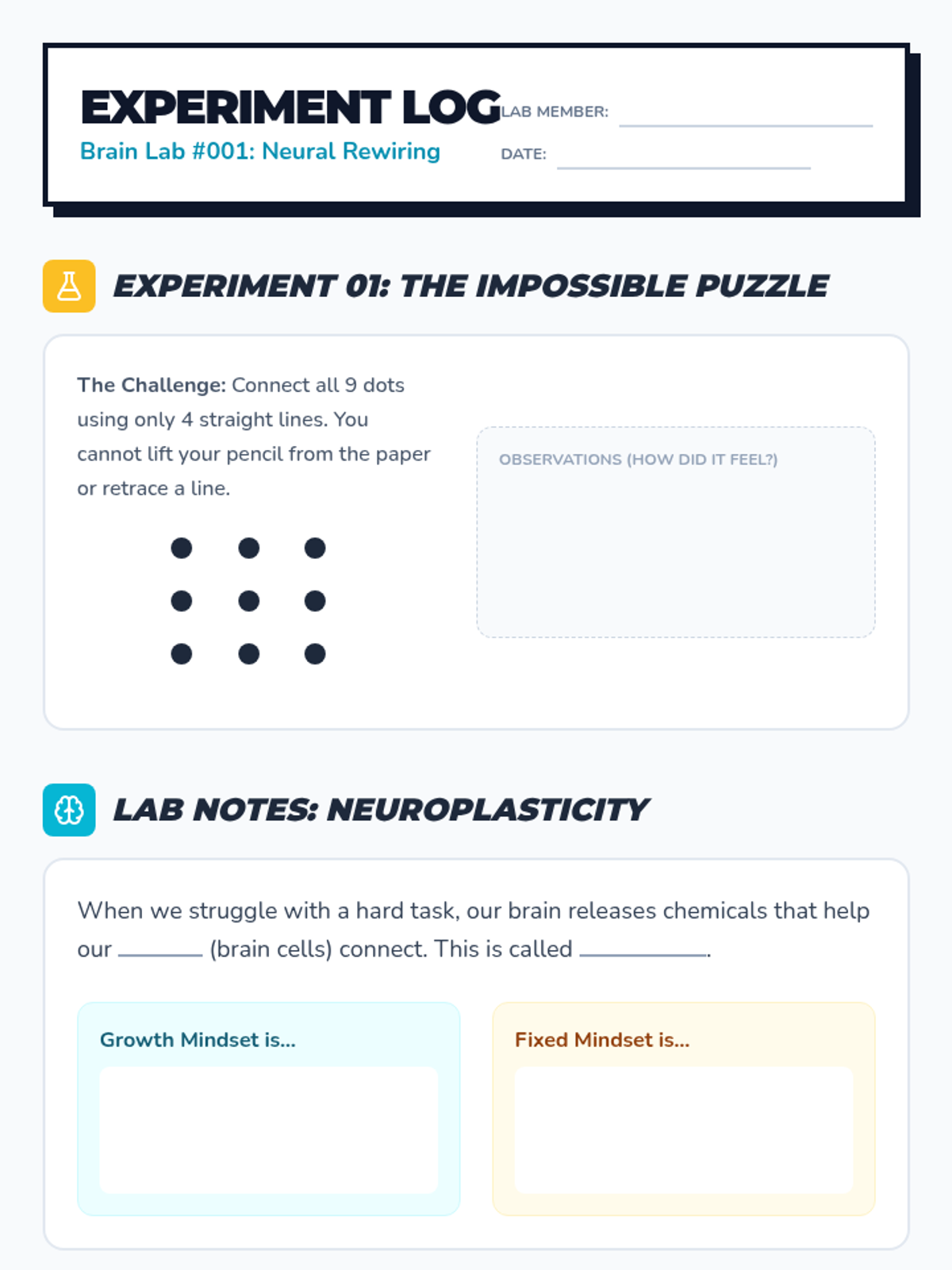
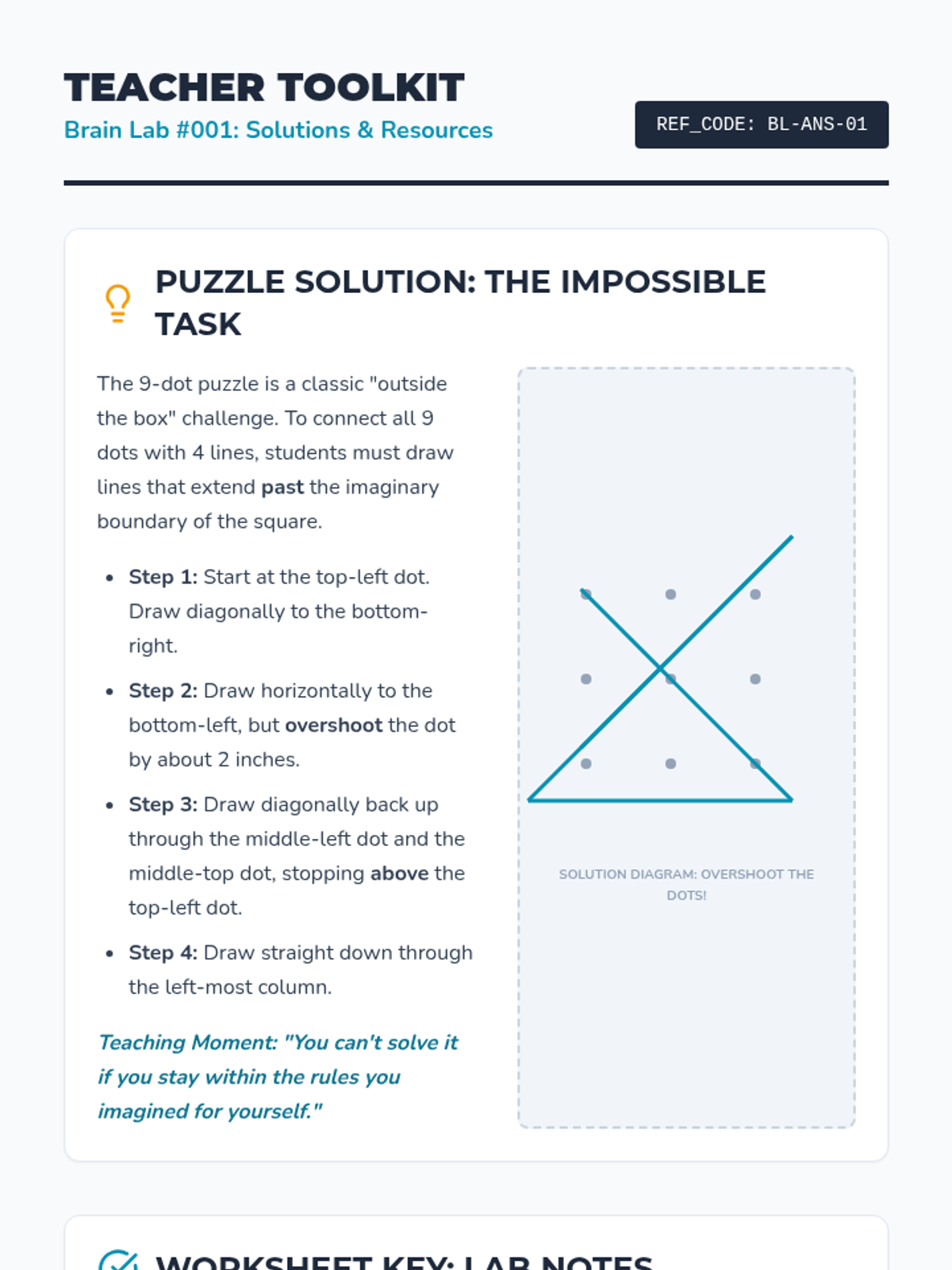
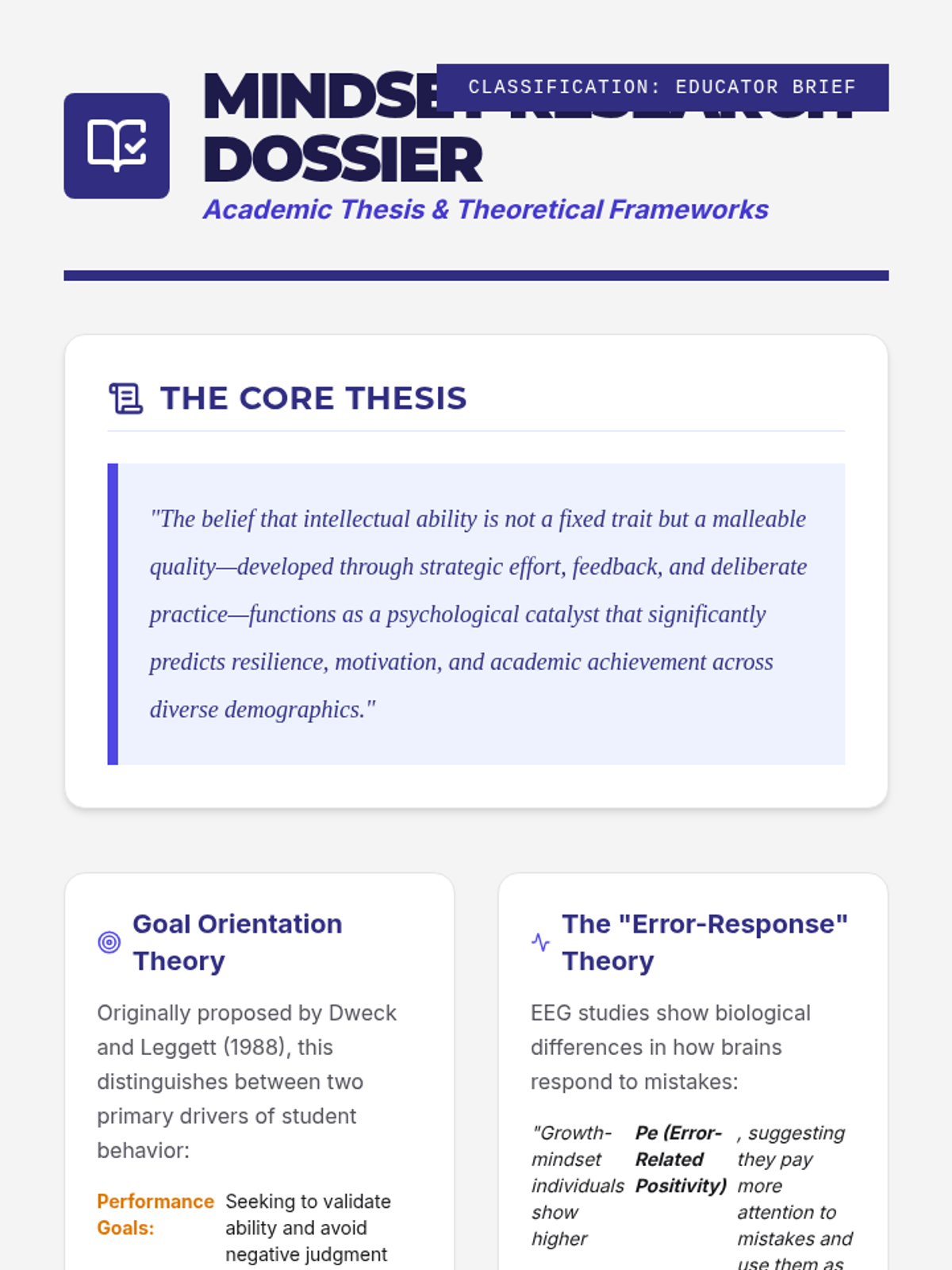
A comprehensive 60-minute session designed to introduce students to the science of neuroplasticity and the practical application of a growth mindset through interactive games, discussion, and reflective work.
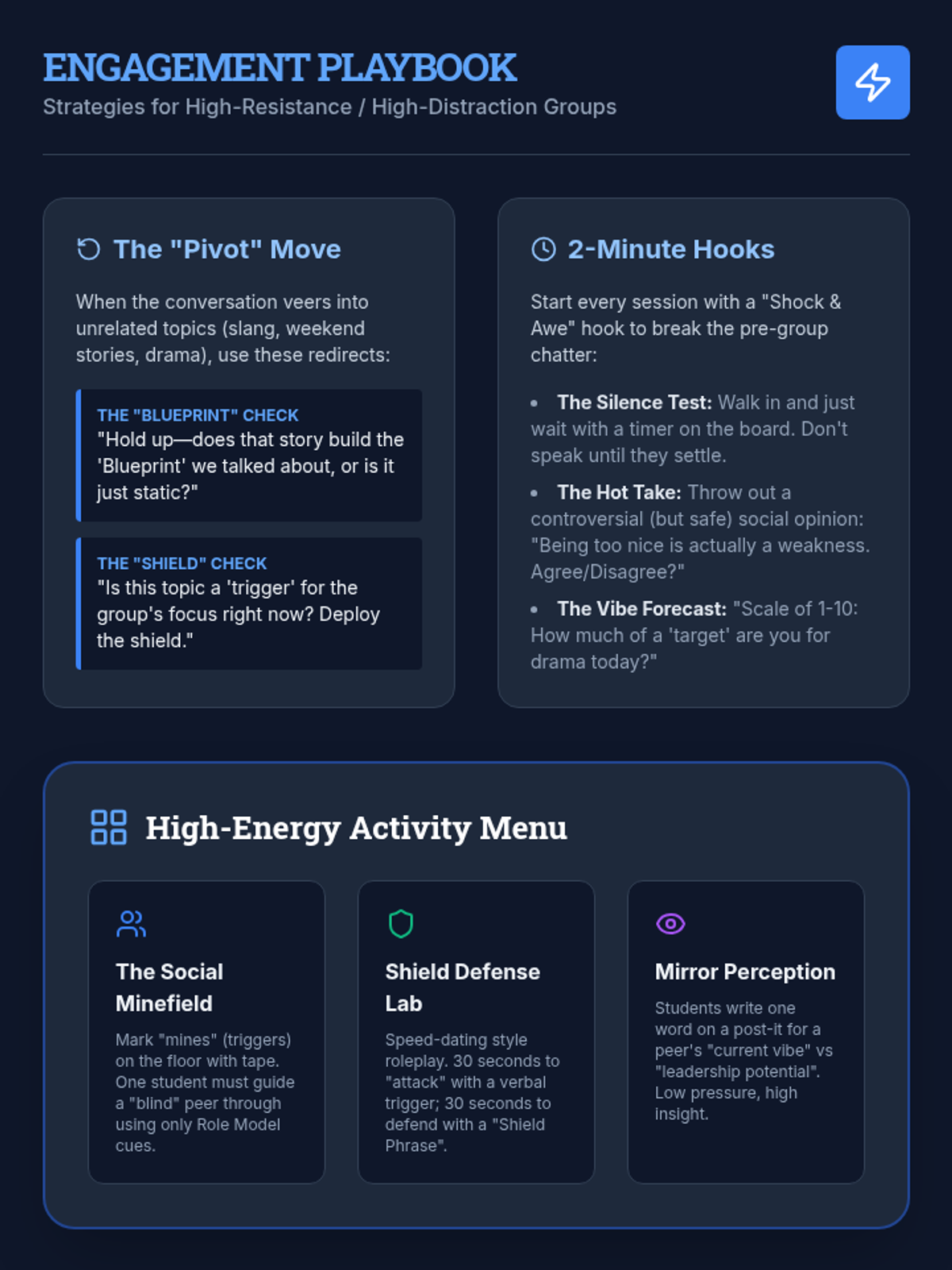
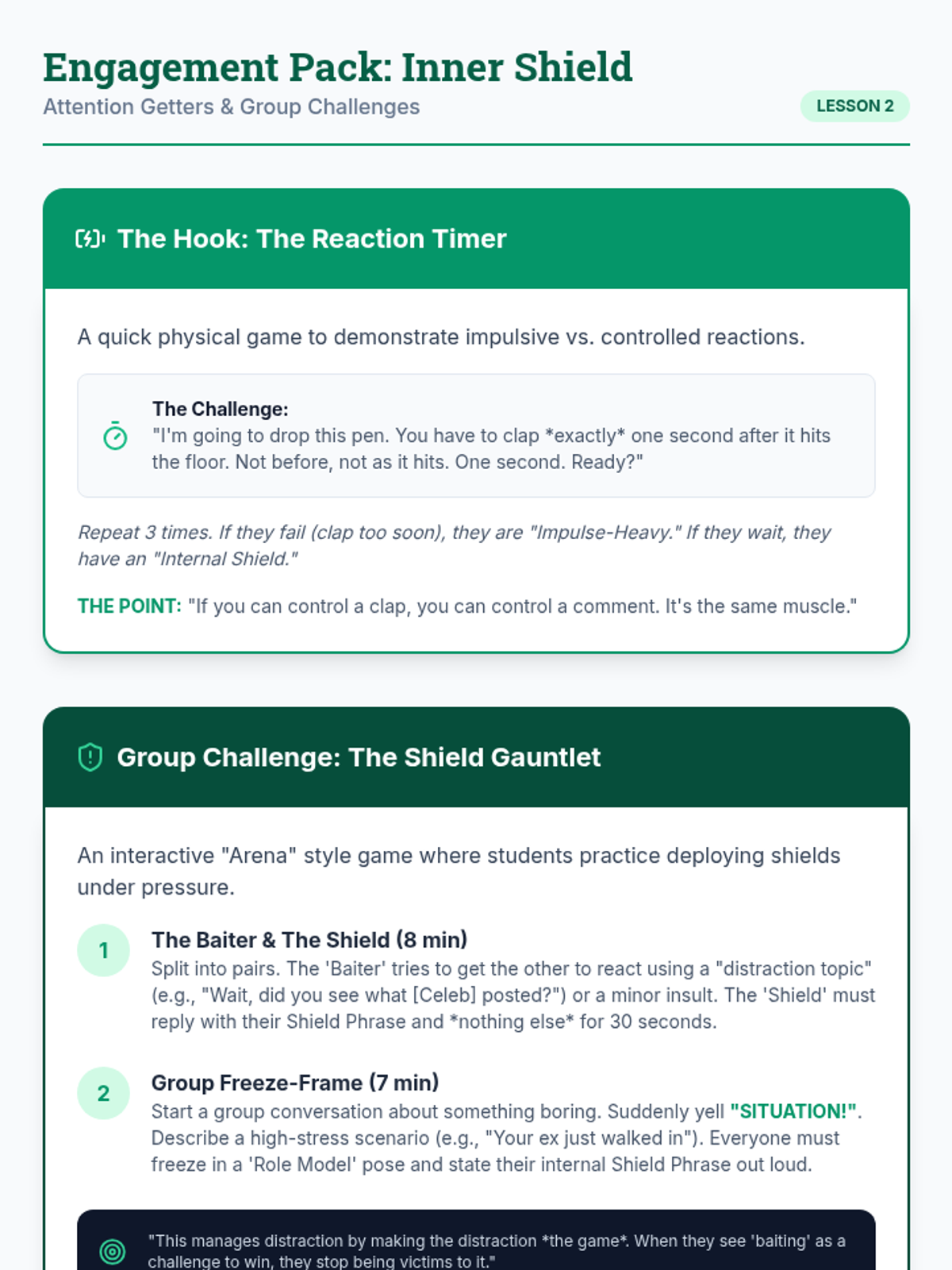
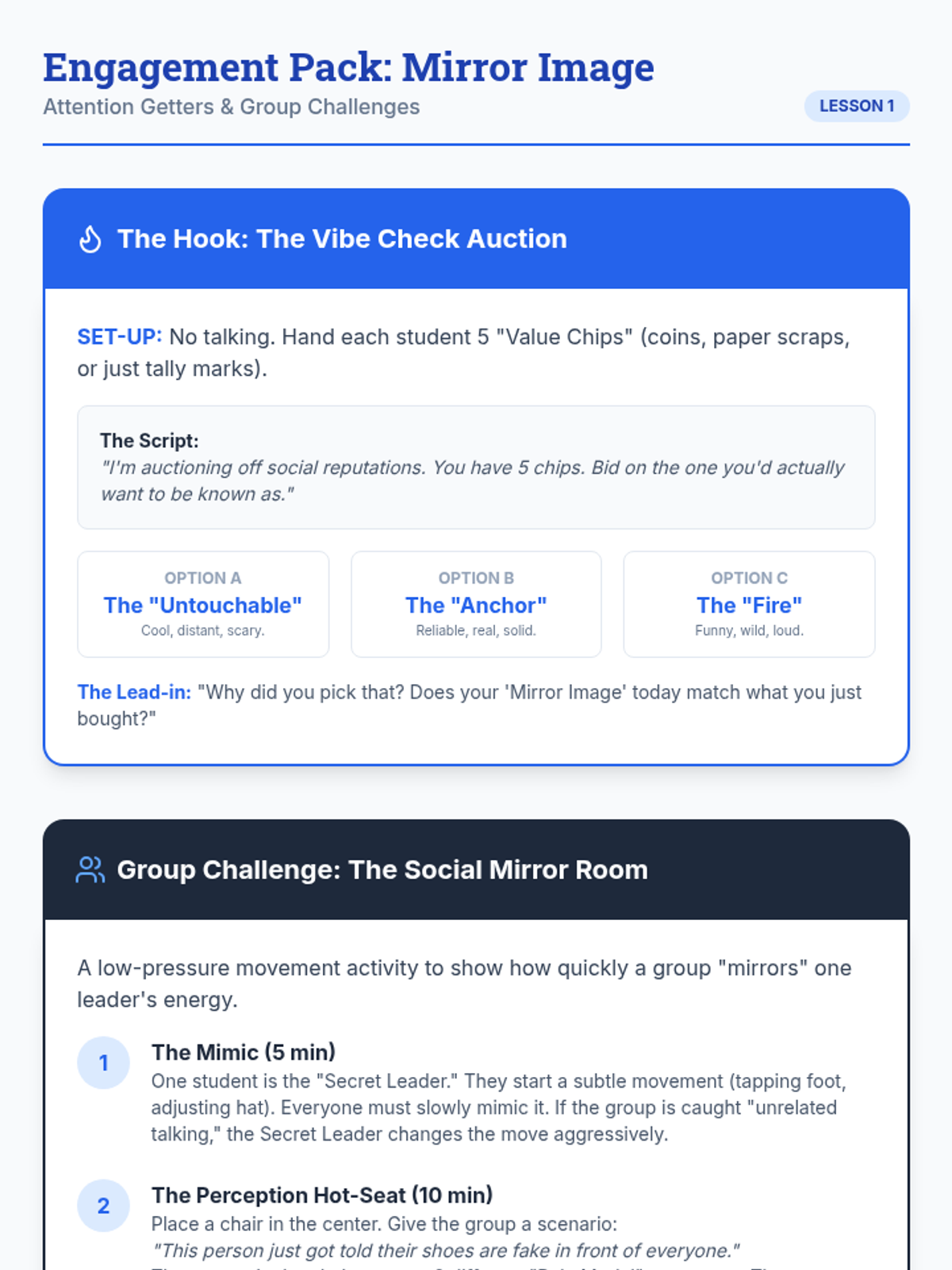
General engagement tactics and group management strategies for the Social Architects program.
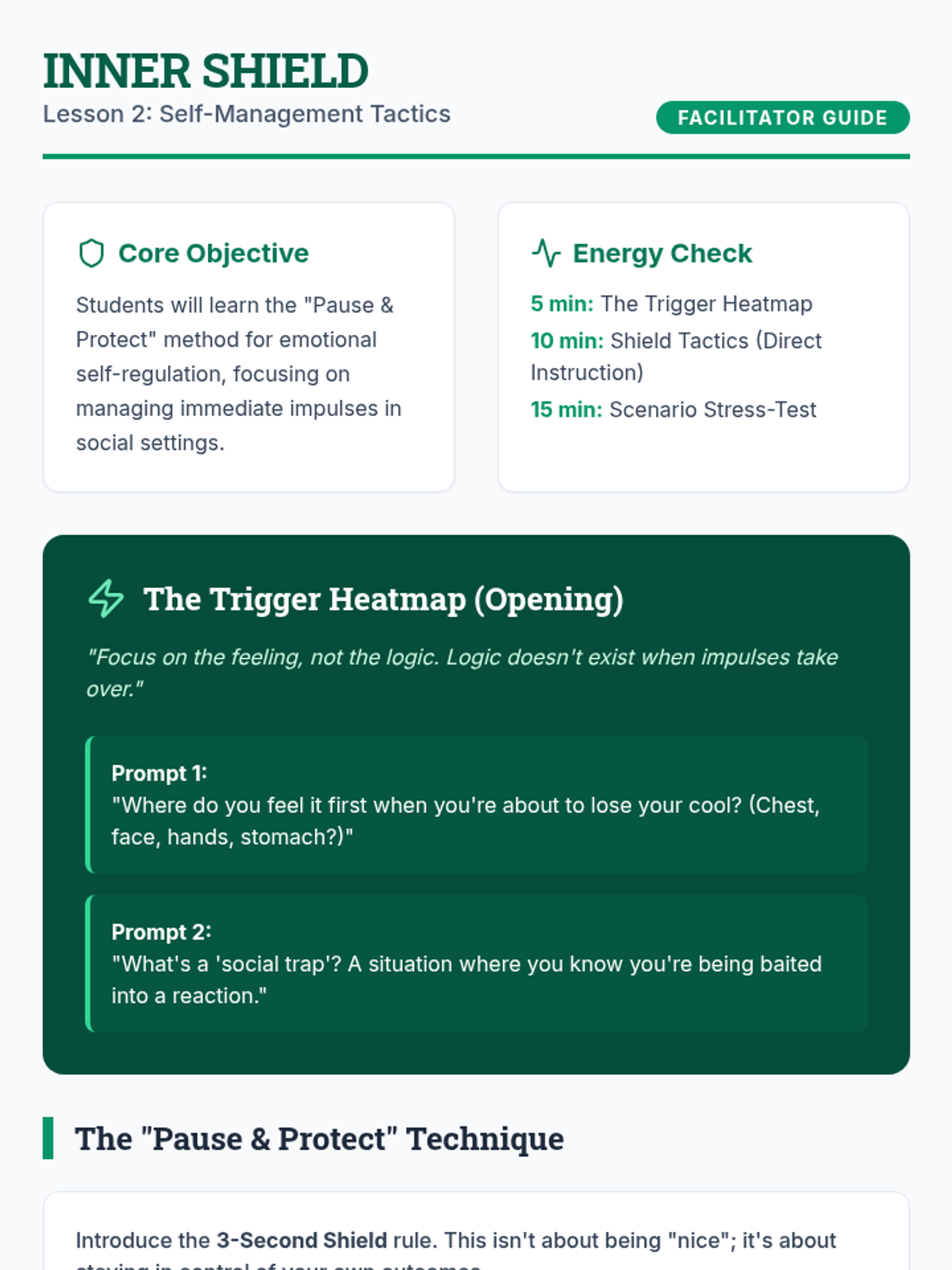
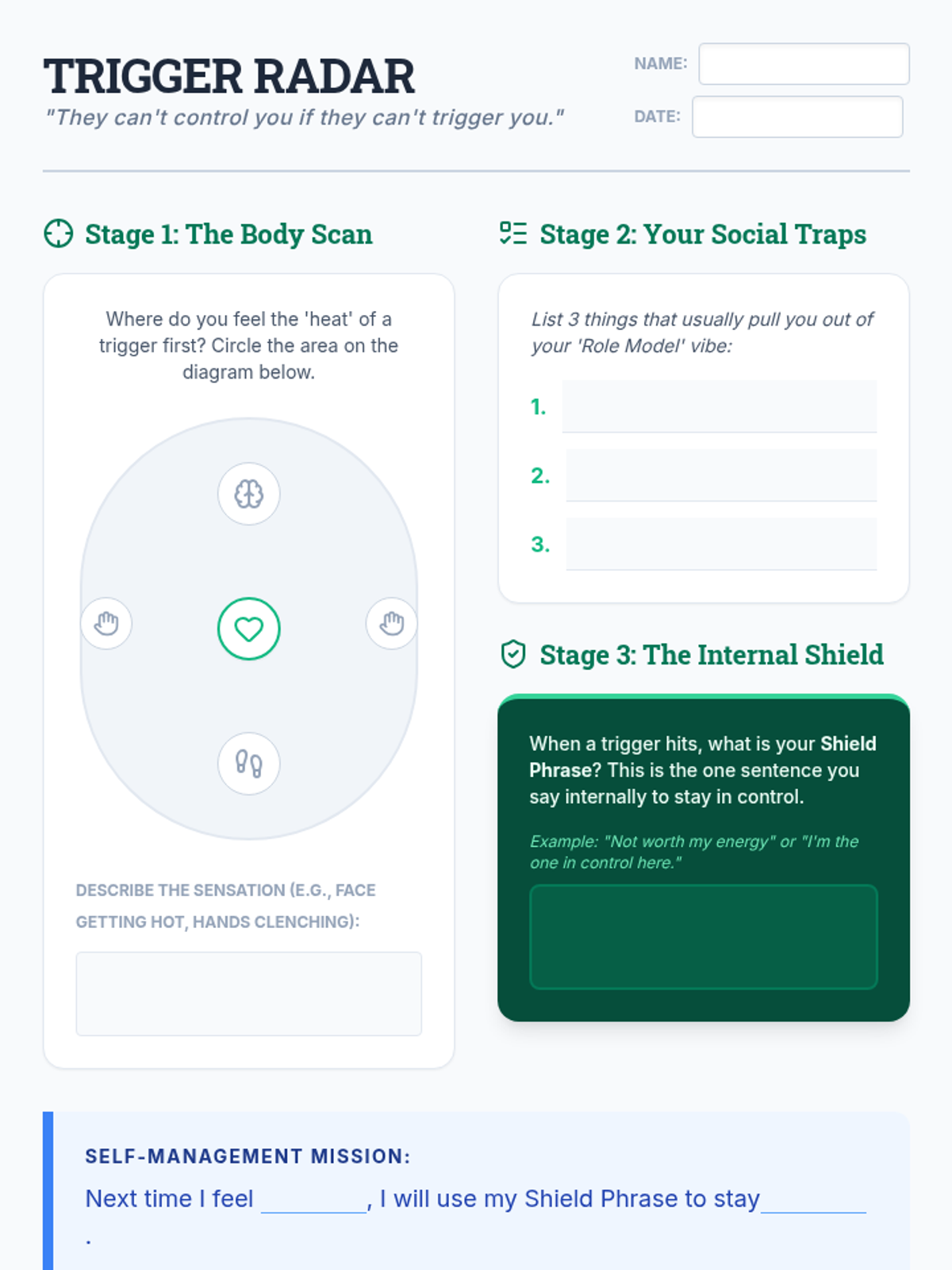
Focuses on self-management techniques, impulse control, and emotional regulation strategies tailored for high-stakes social situations.
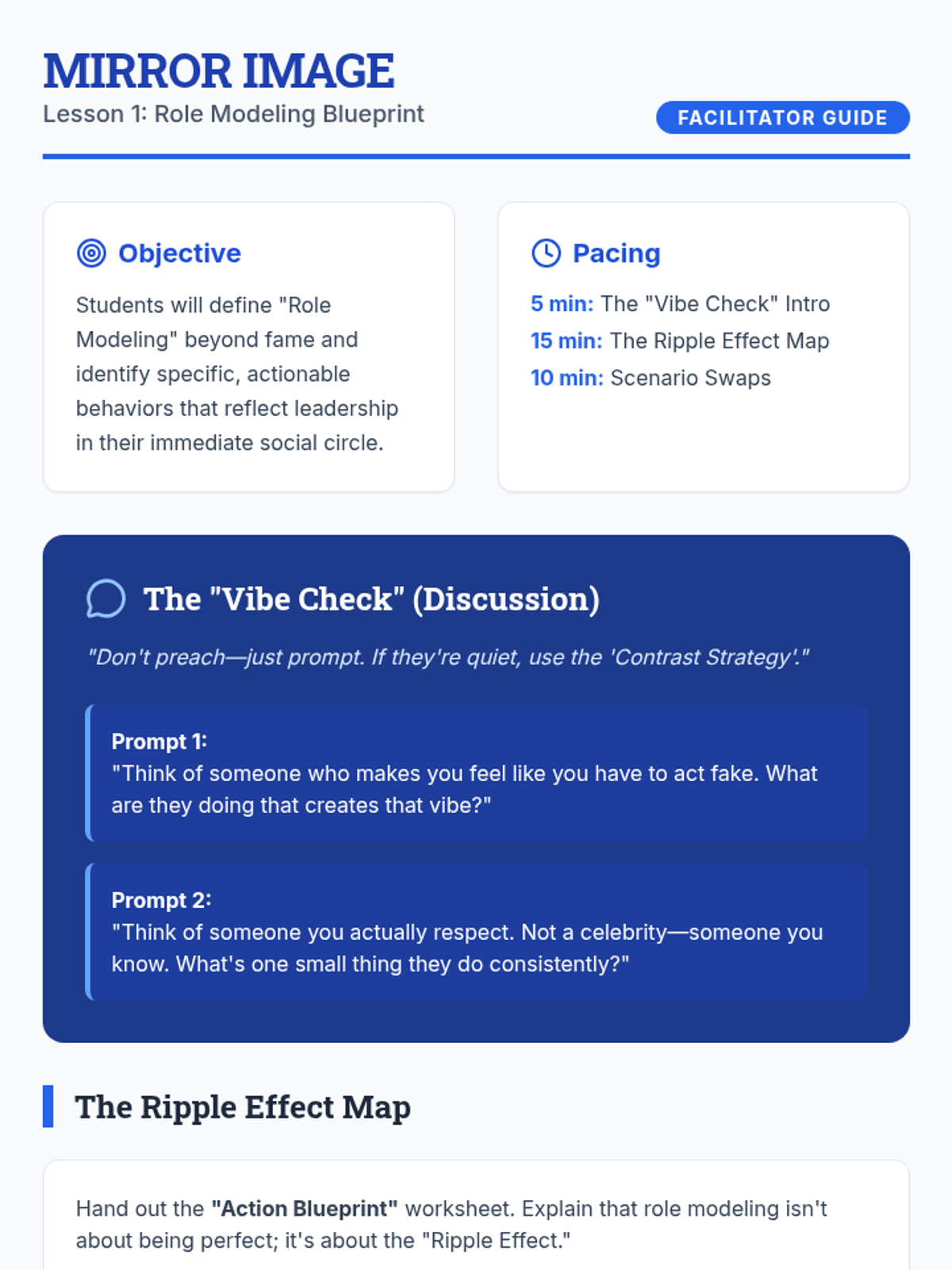
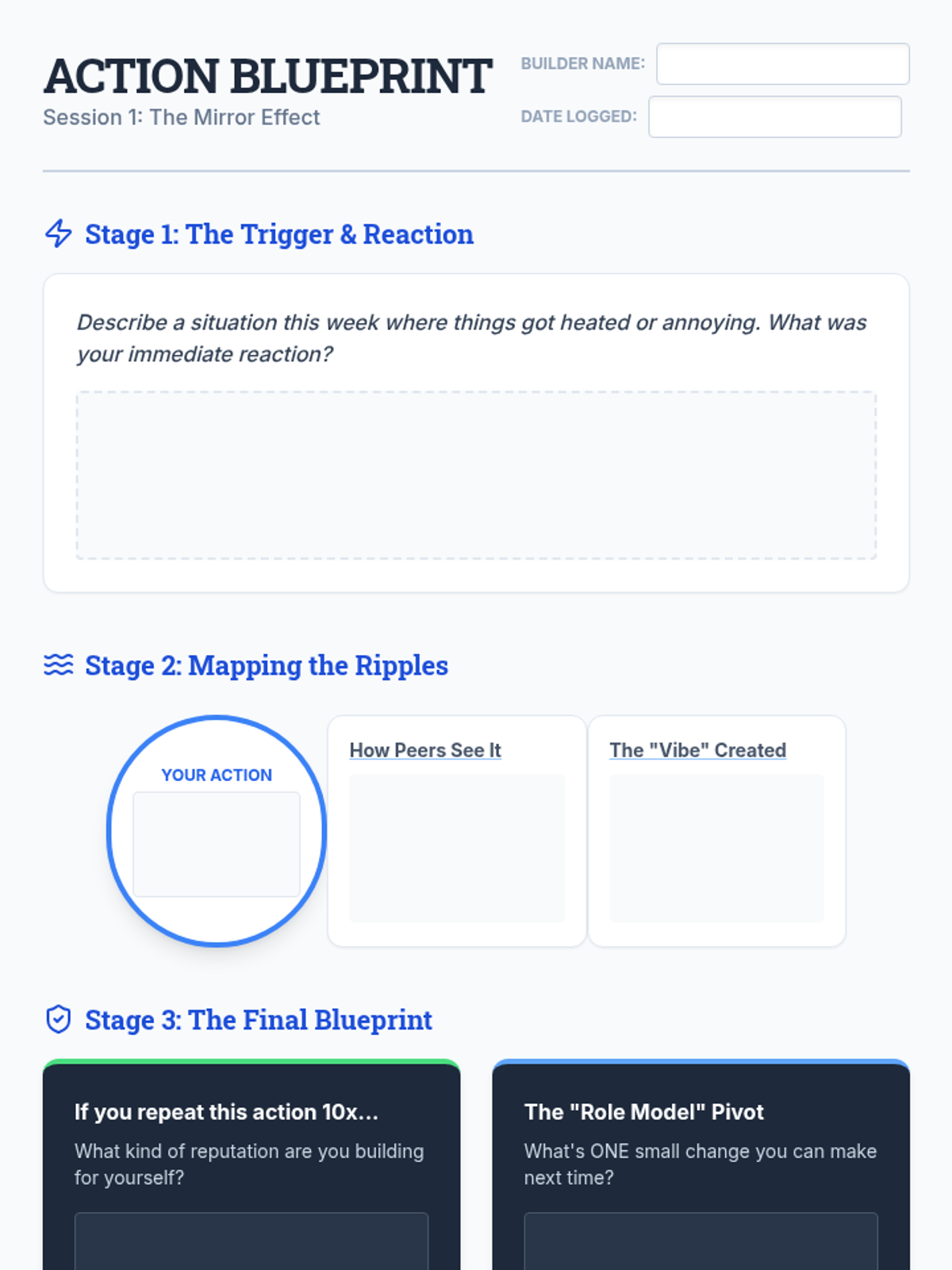
Focuses on the concept of role modeling by identifying personal values and how outward actions influence group dynamics and peer perception.
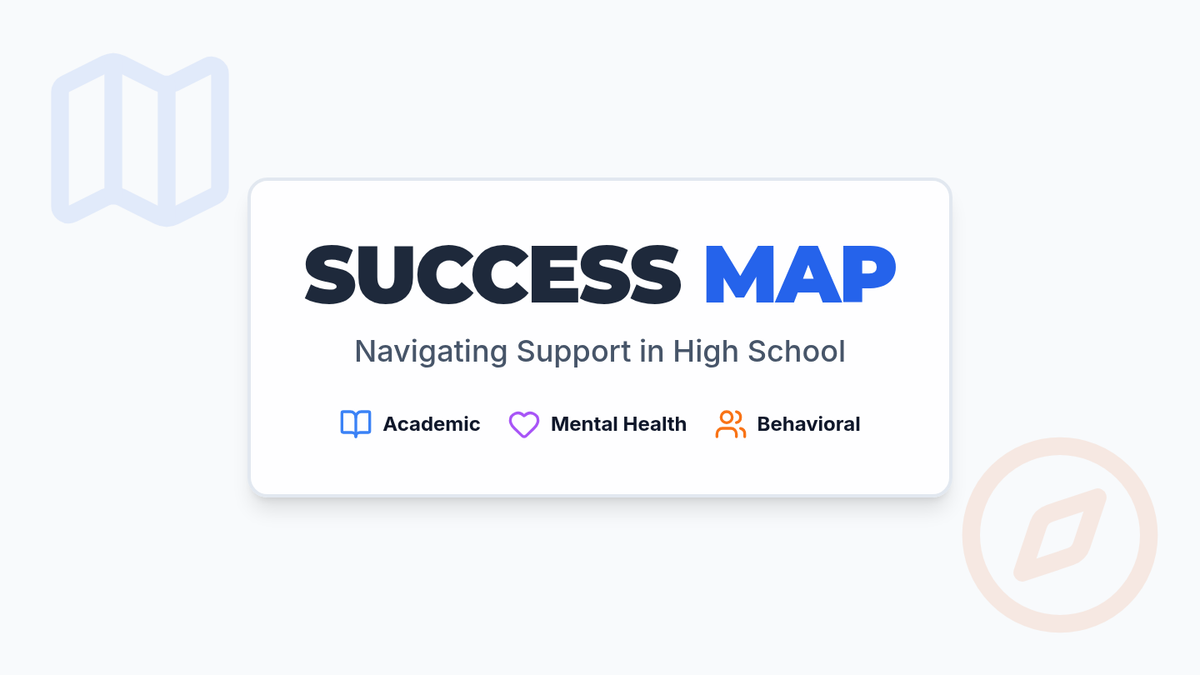
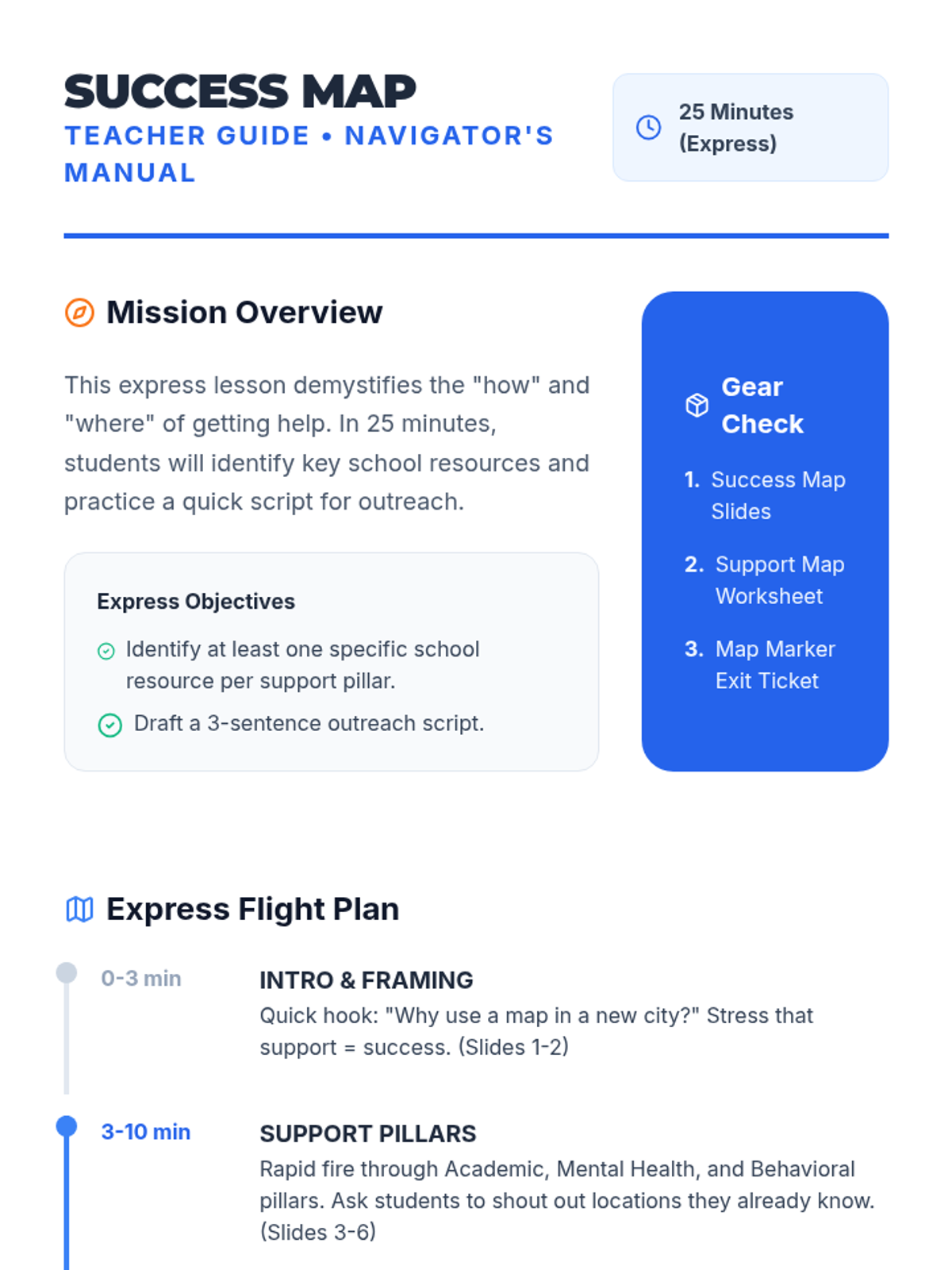
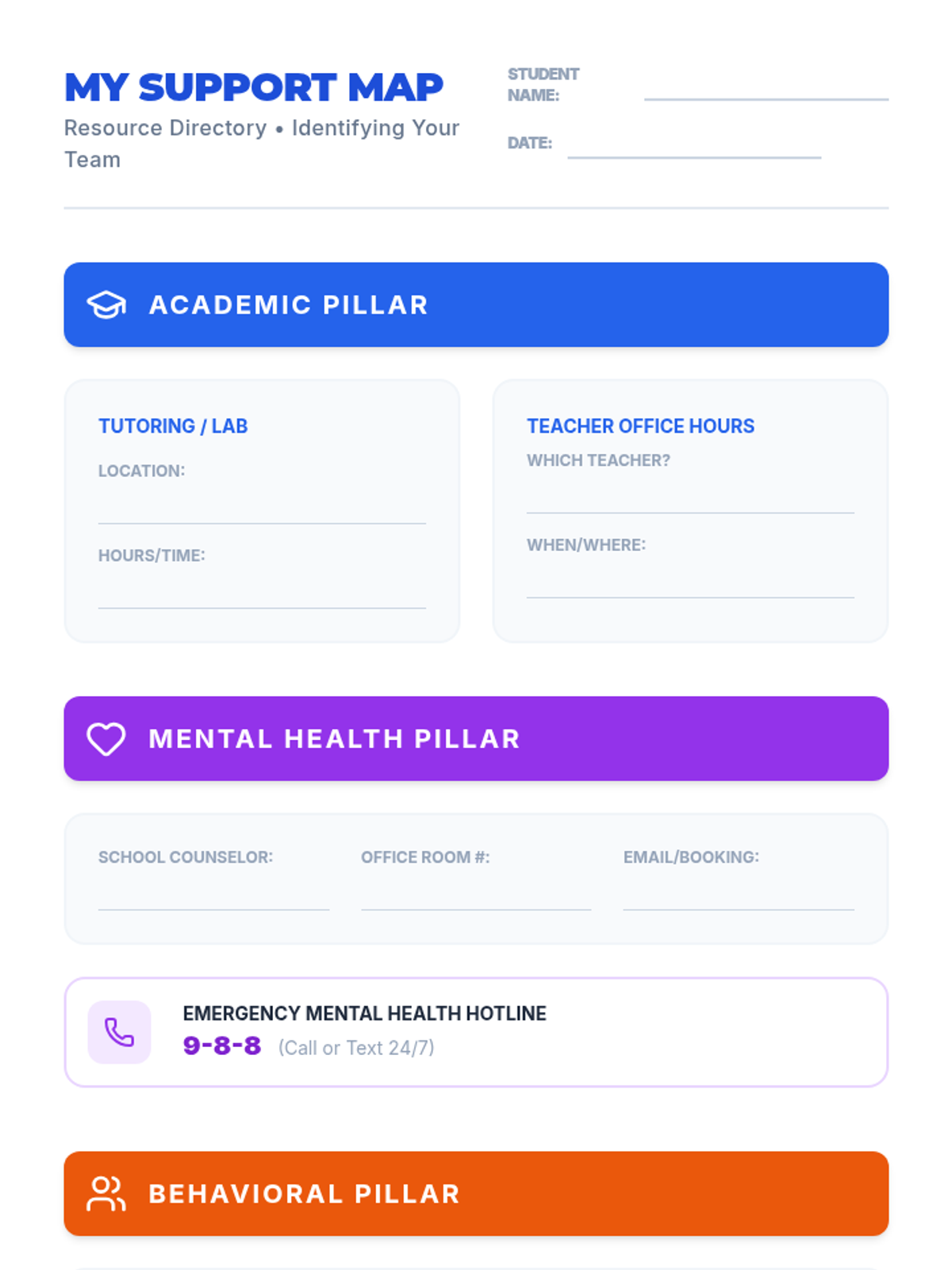
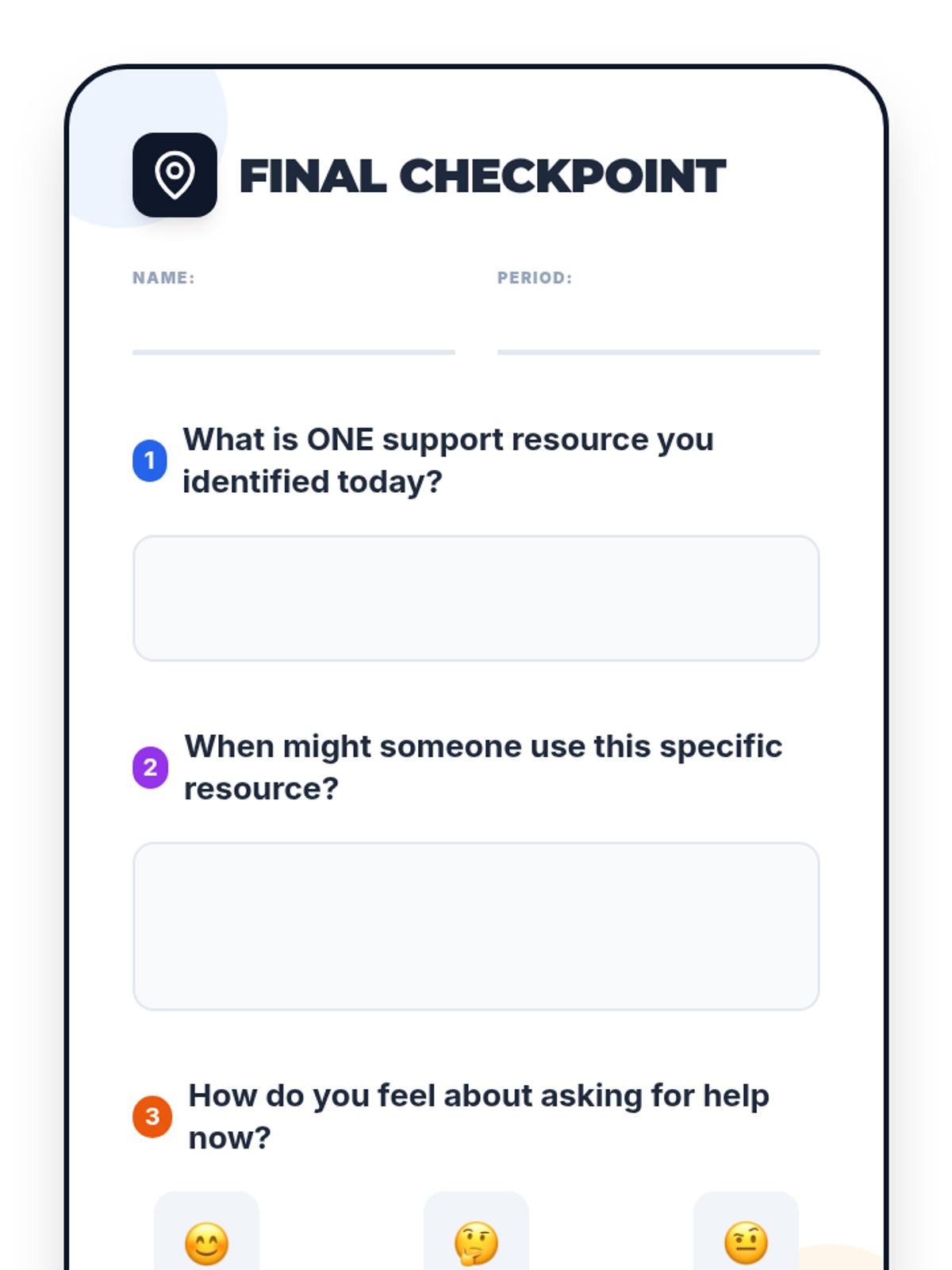
A comprehensive guide for high school students to navigate academic, mental health, and behavioral support systems. Students learn how to identify their needs, find the right resources, and effectively ask for help.
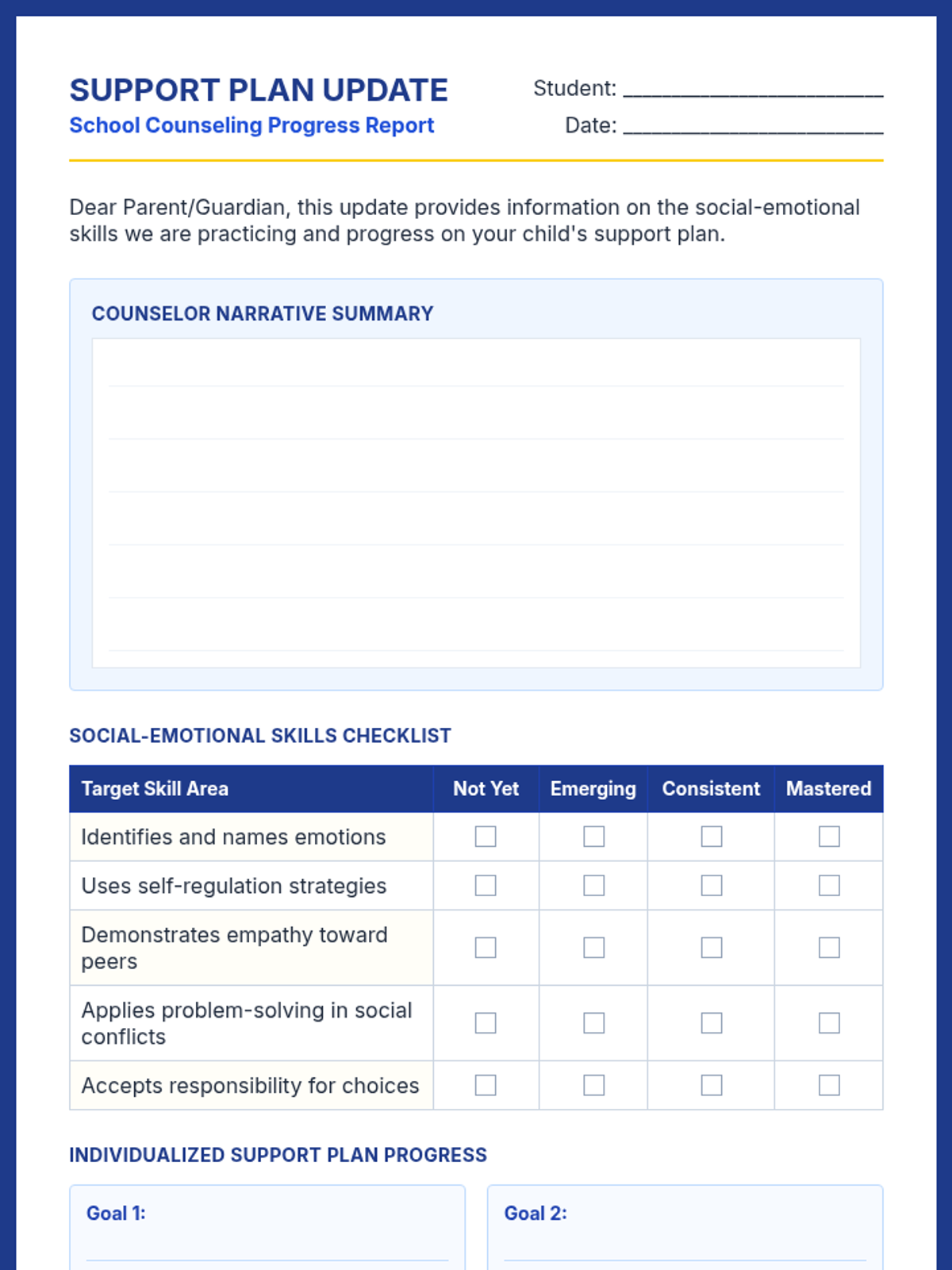
A set of tools for school counselors to effectively communicate student social-emotional progress with families, ensuring a collaborative approach to support.
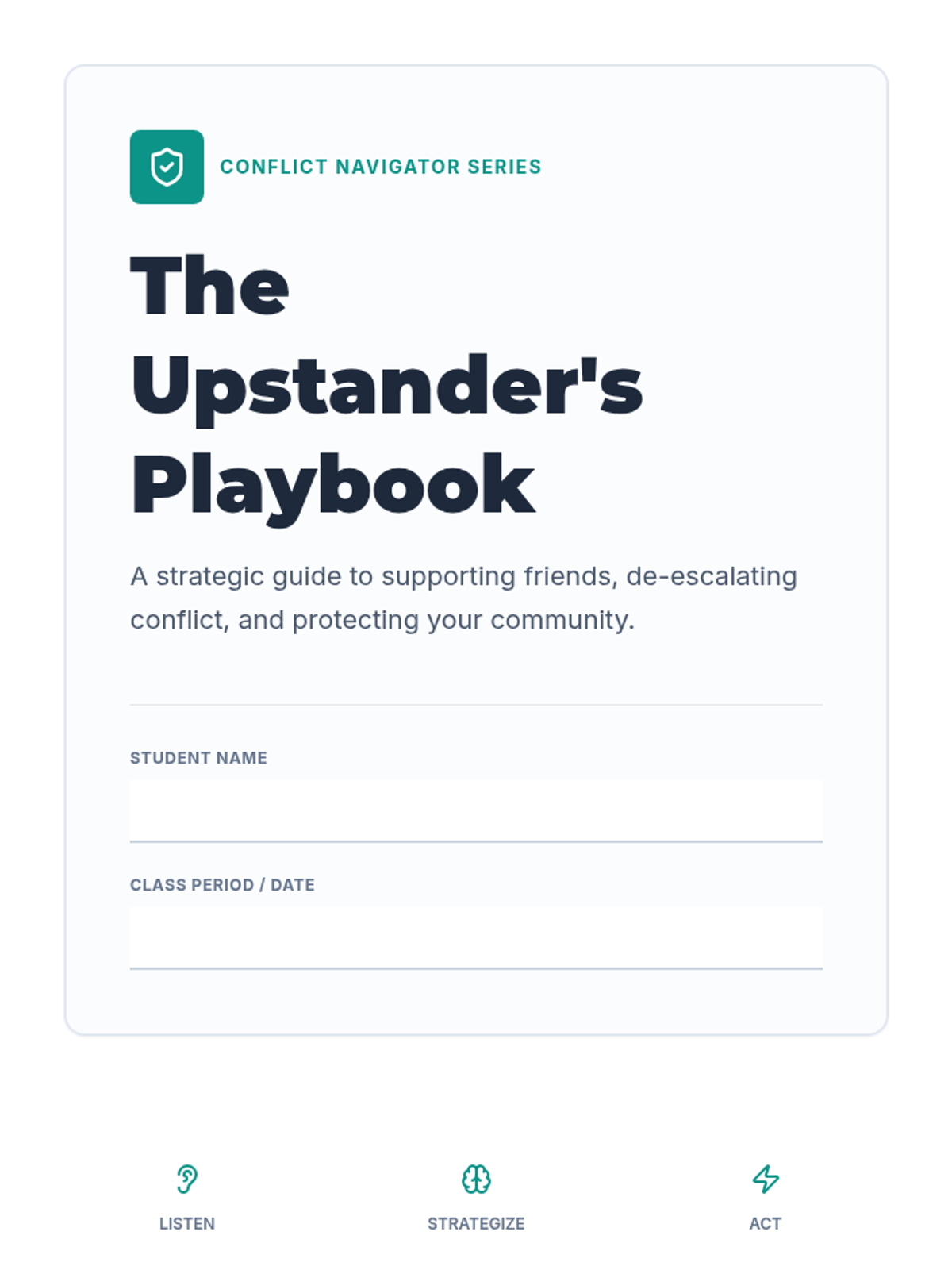
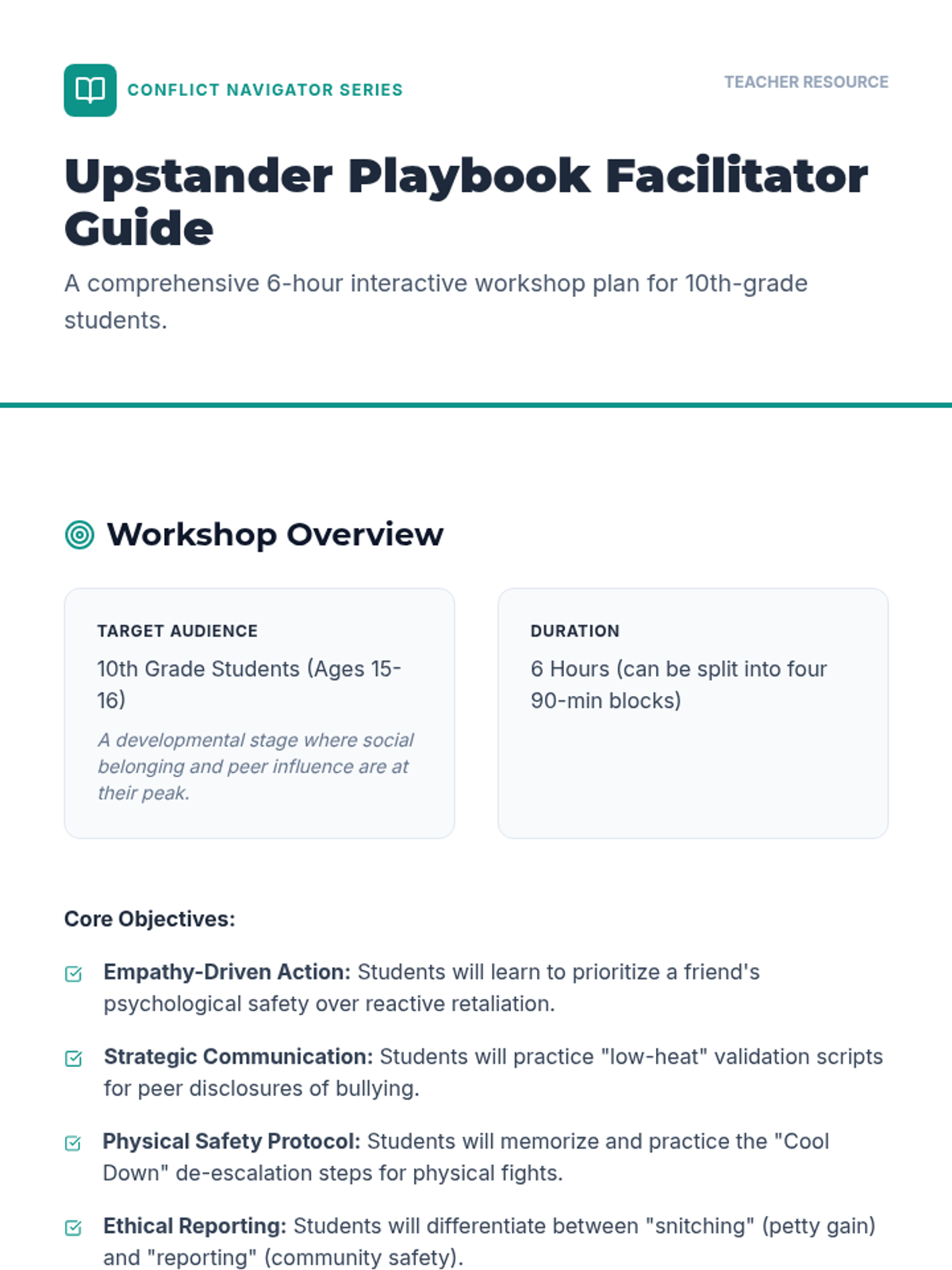
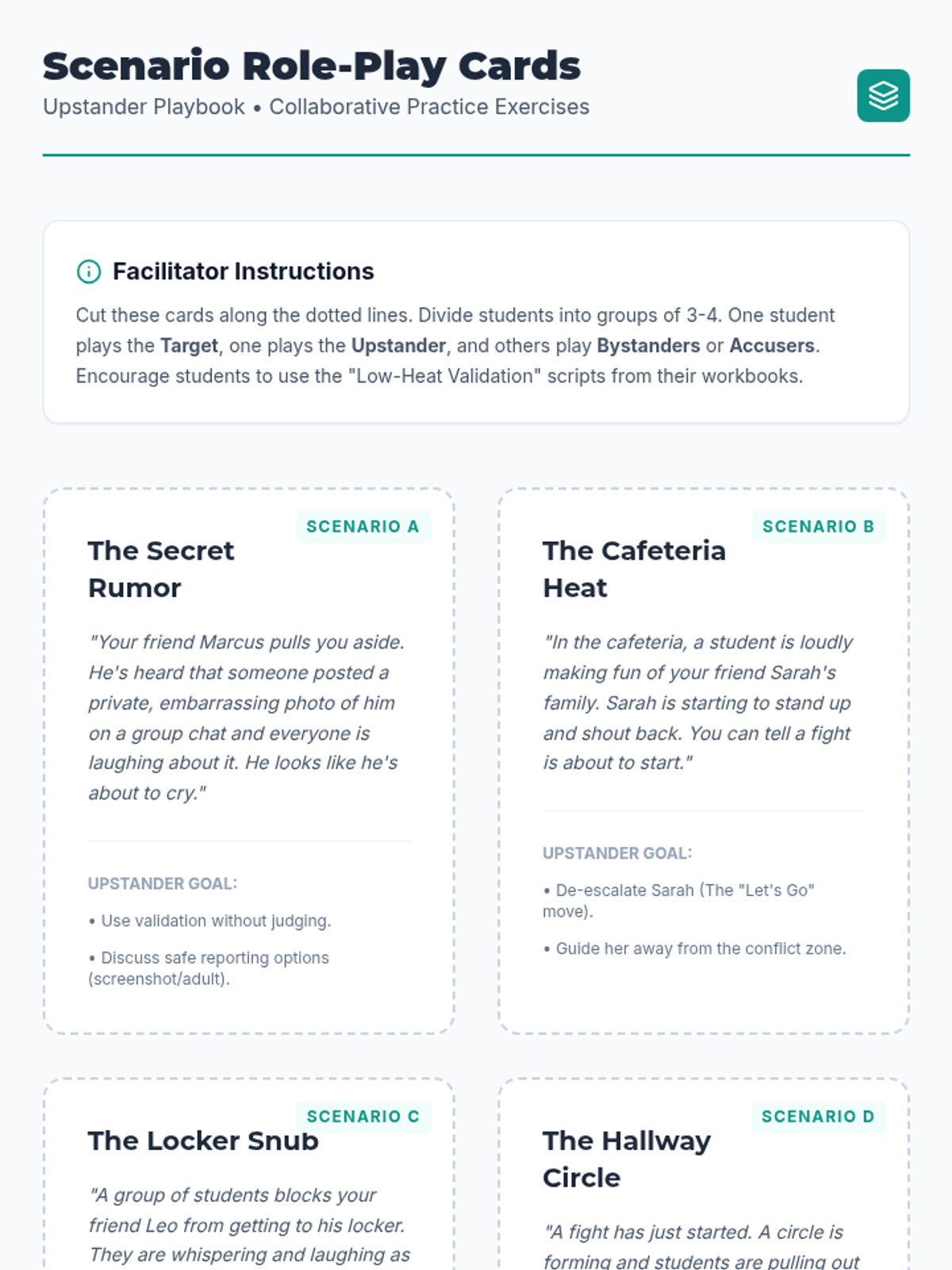
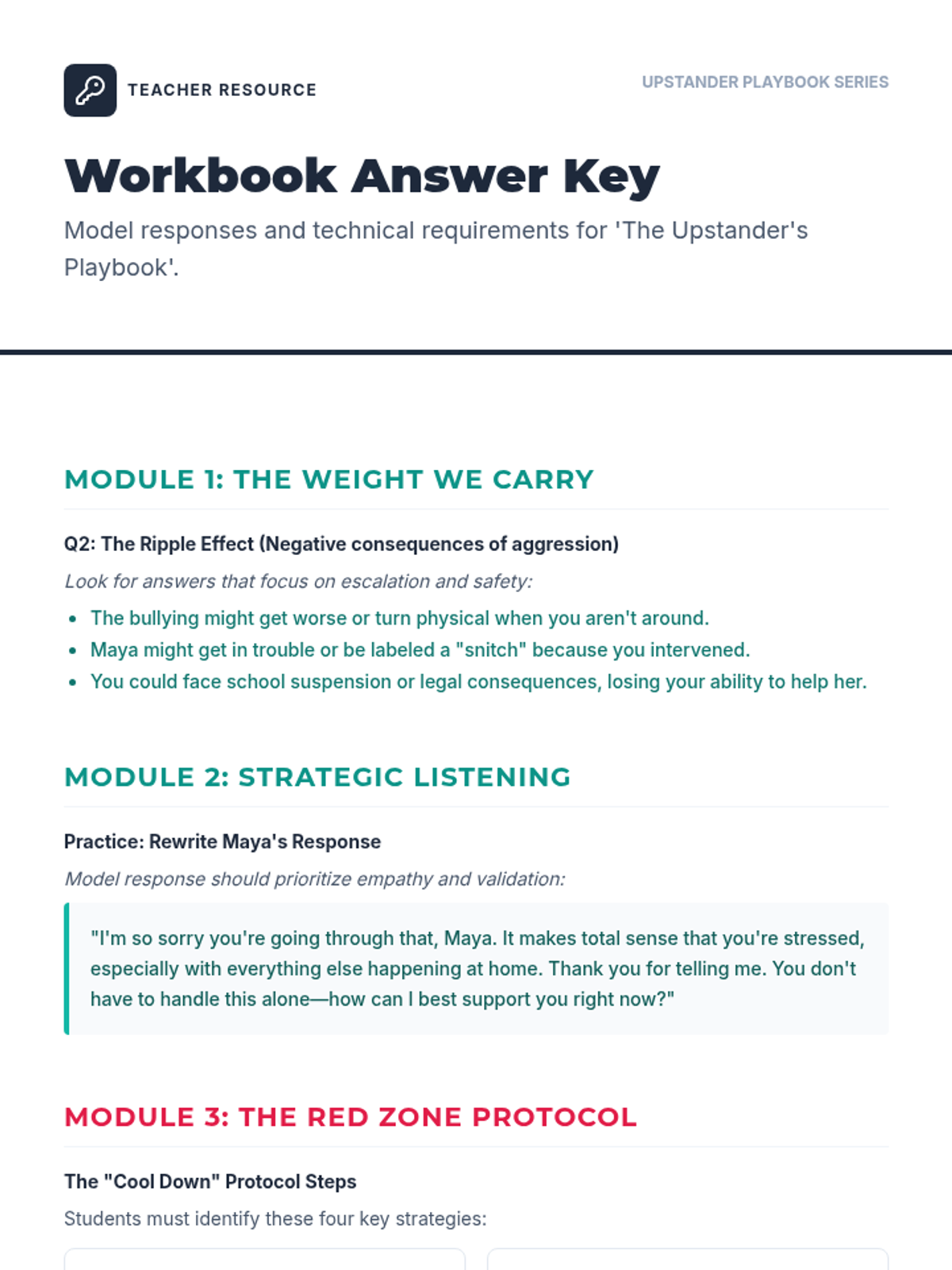
A comprehensive 6-hour interactive program designed for 10th-grade students to master the skills of an 'upstander.' Students learn empathetic listening, strategic reporting, and de-escalation techniques for bullying and physical conflicts.
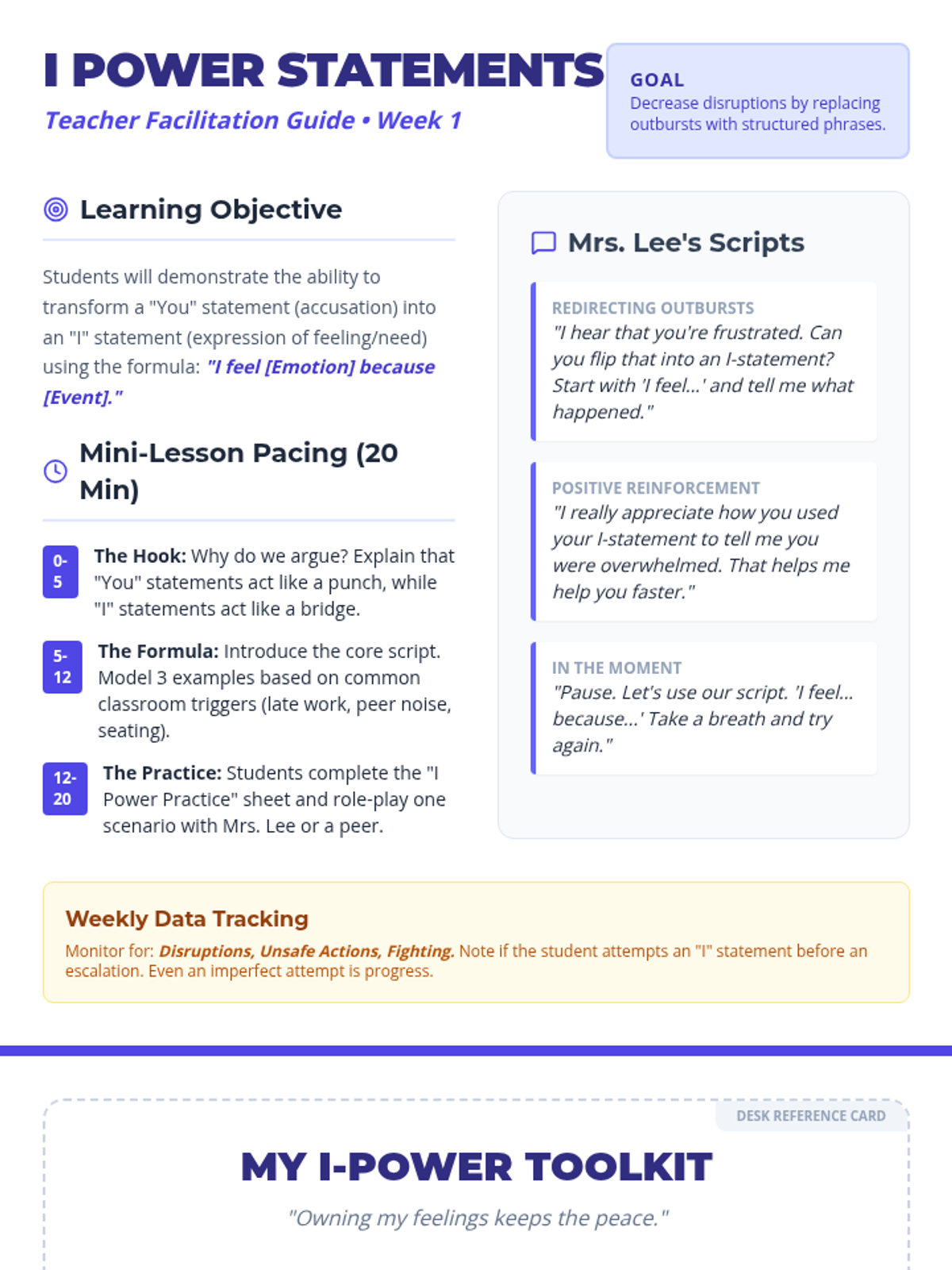
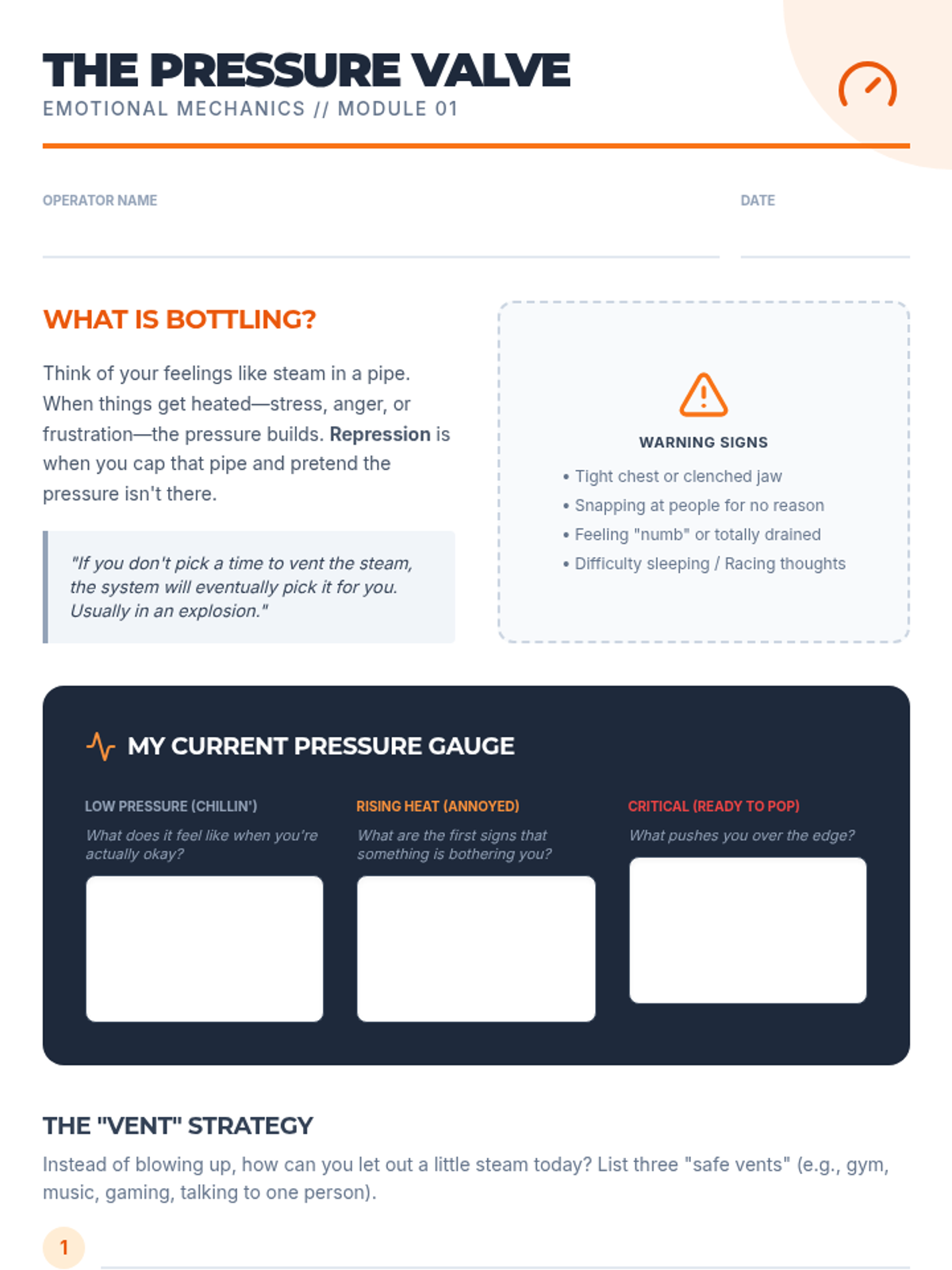
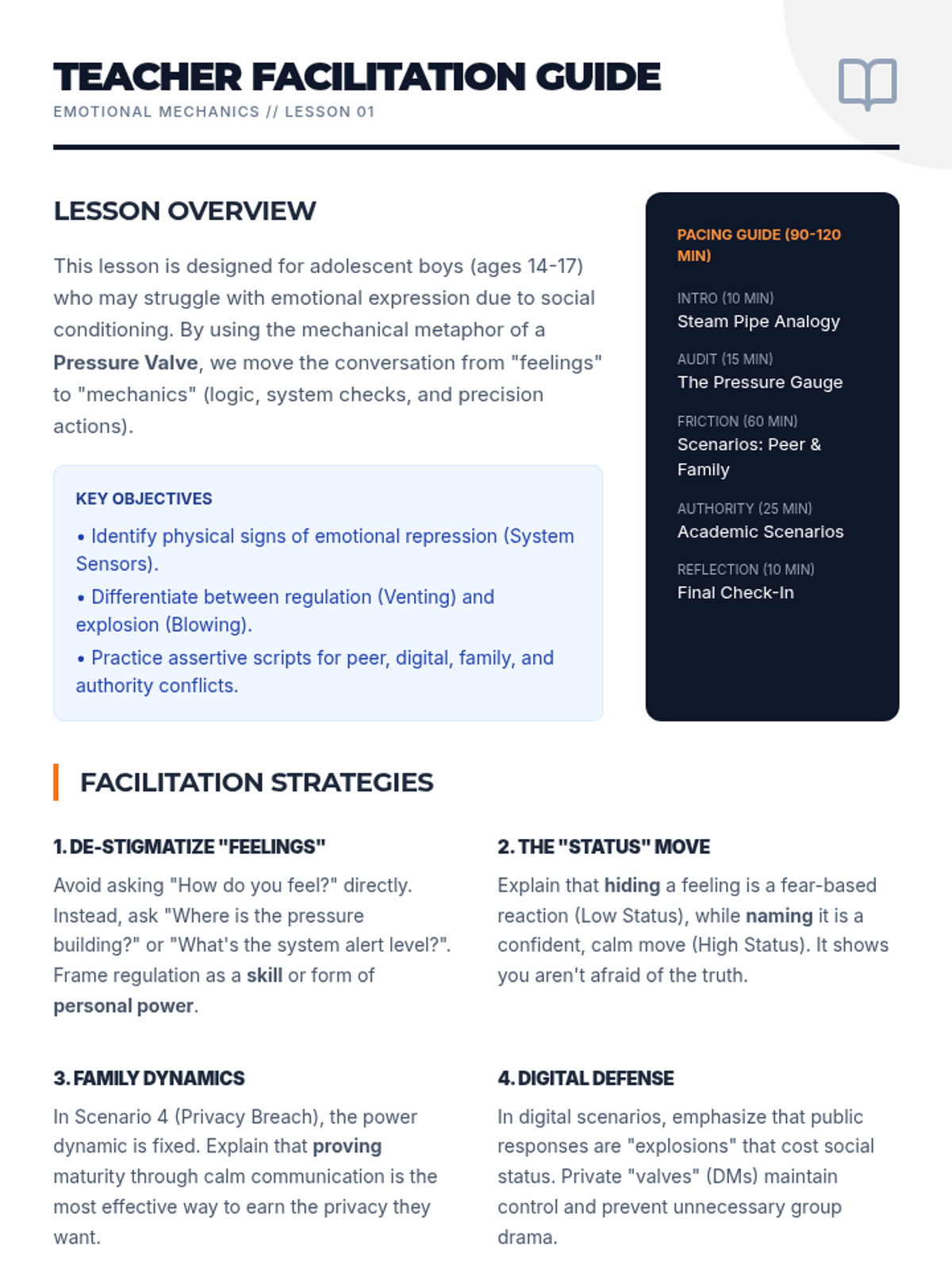
A lesson for adolescent boys on identifying emotional repression and practicing conflict resolution through the 'Pressure Valve' metaphor. Includes a student workbook and a teacher facilitation guide.
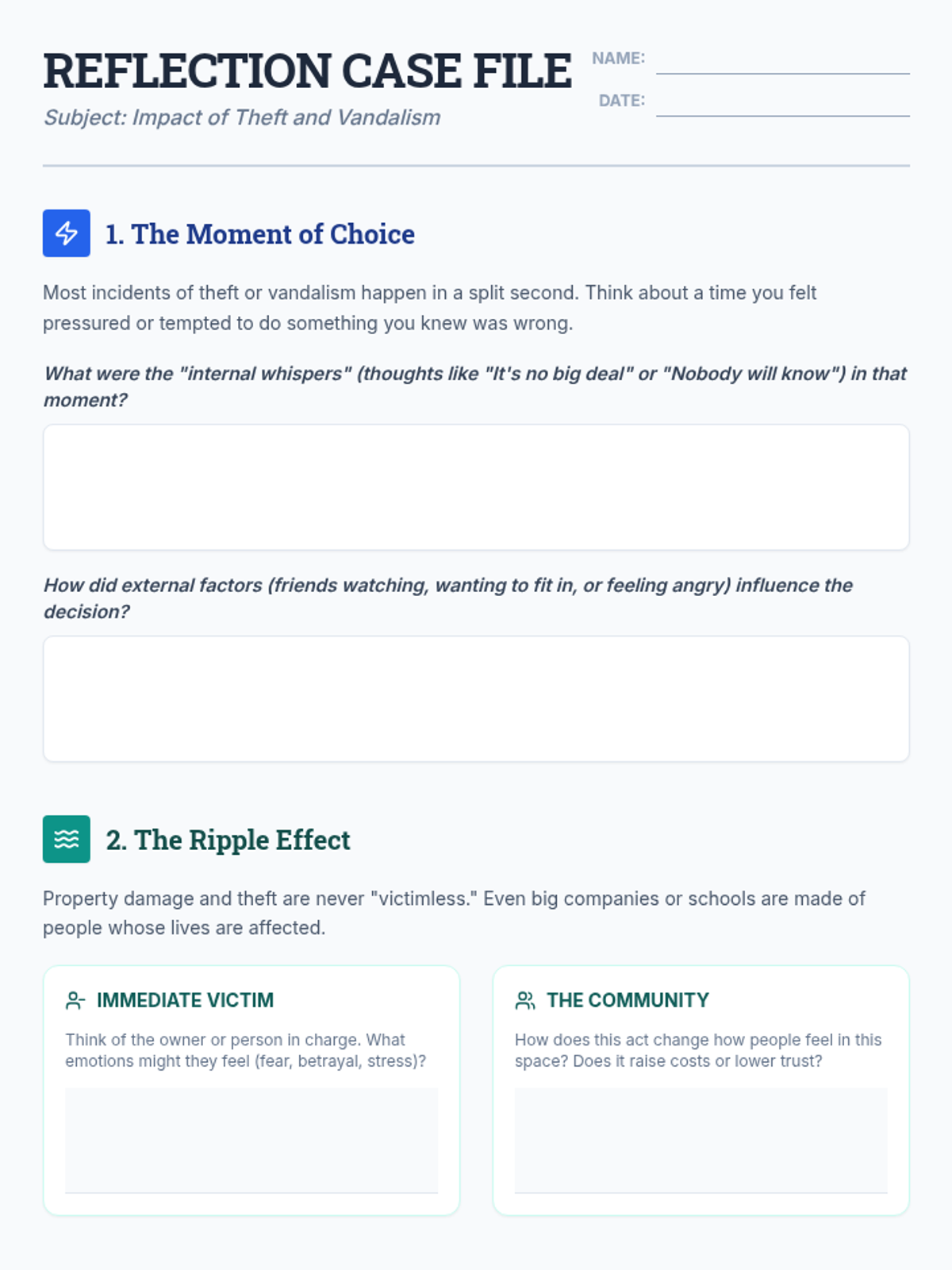
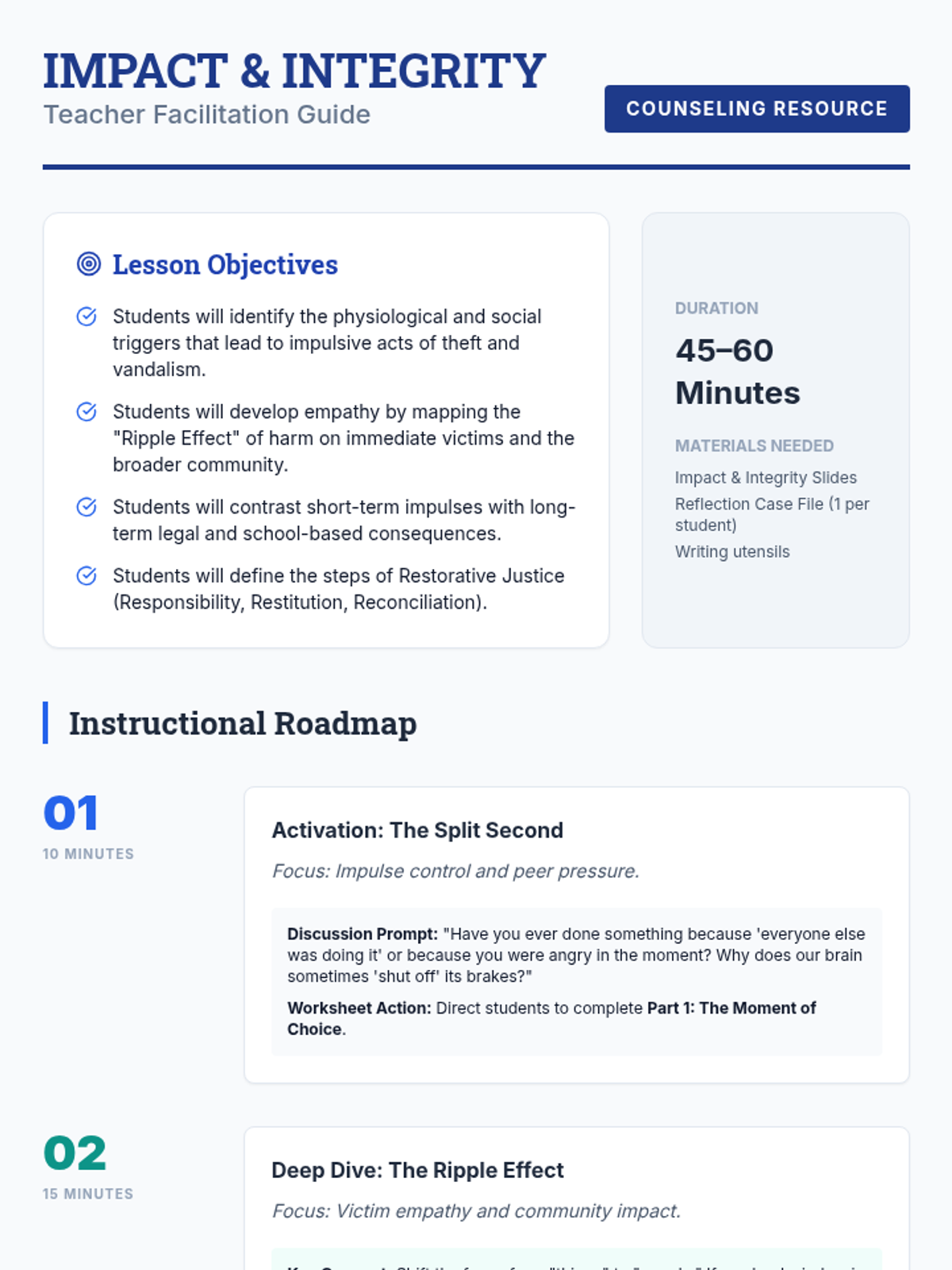
A comprehensive lesson focusing on the personal and social impacts of theft and vandalism, exploring consequences, victim empathy, and restorative practices.
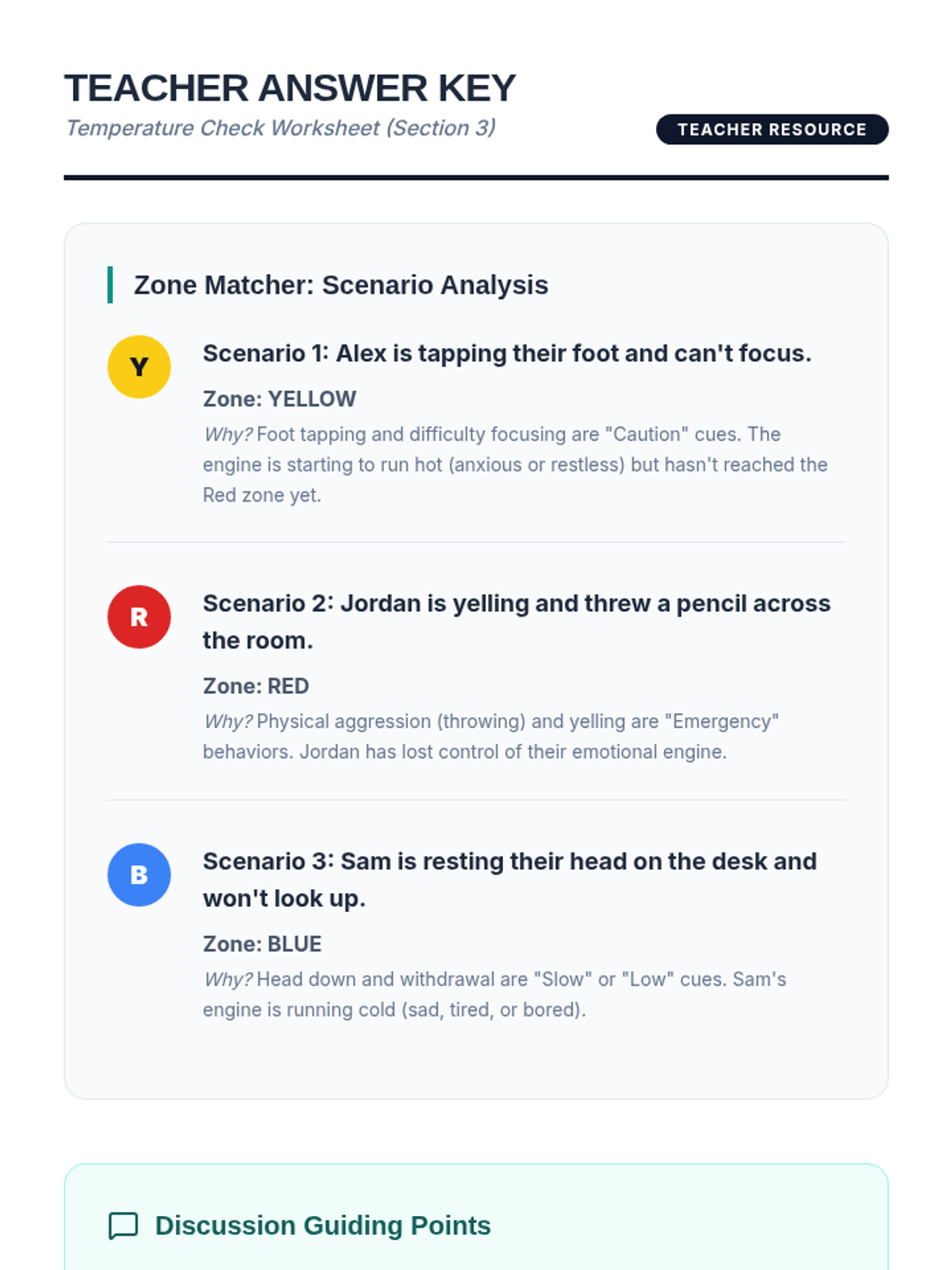
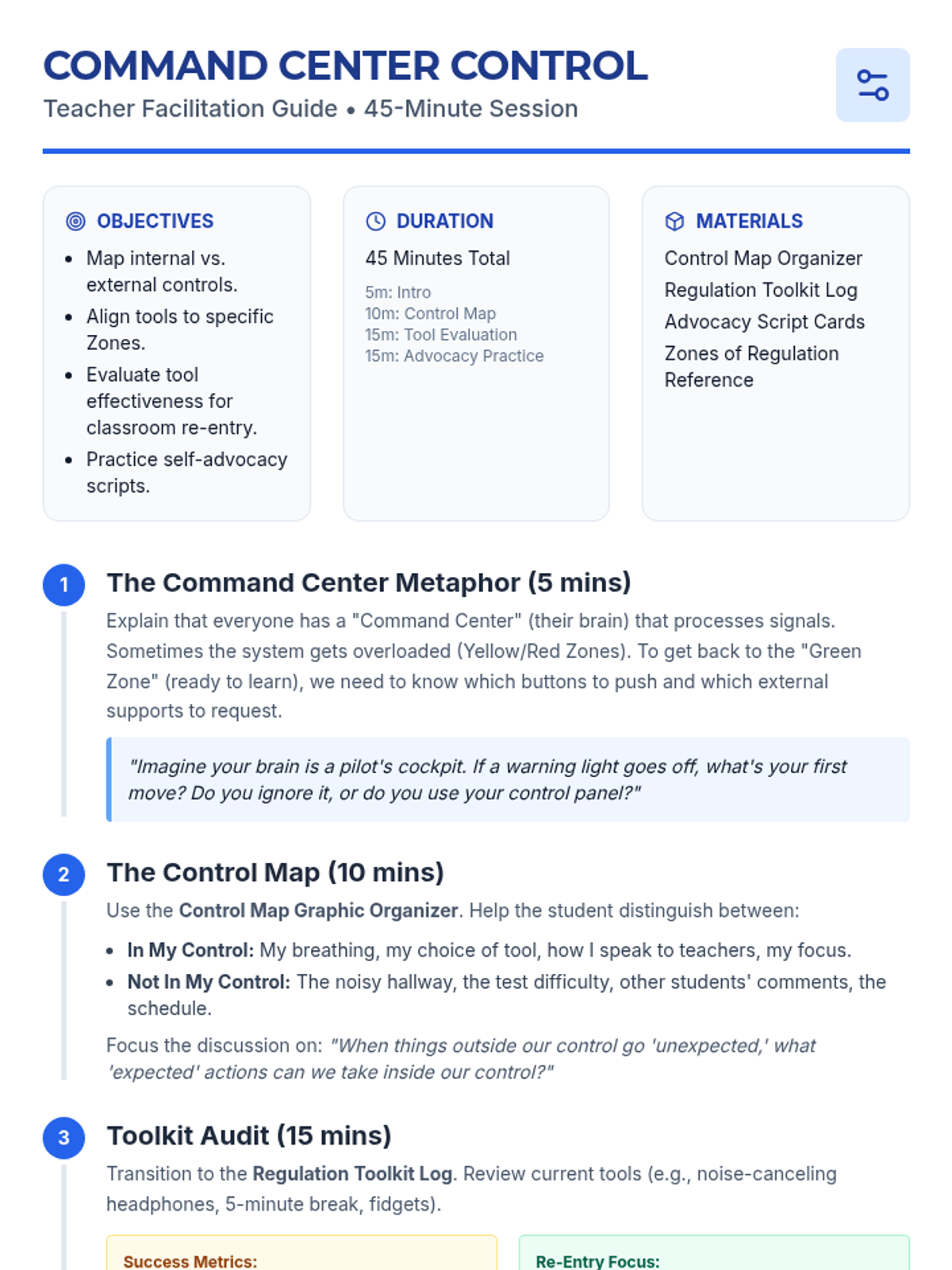
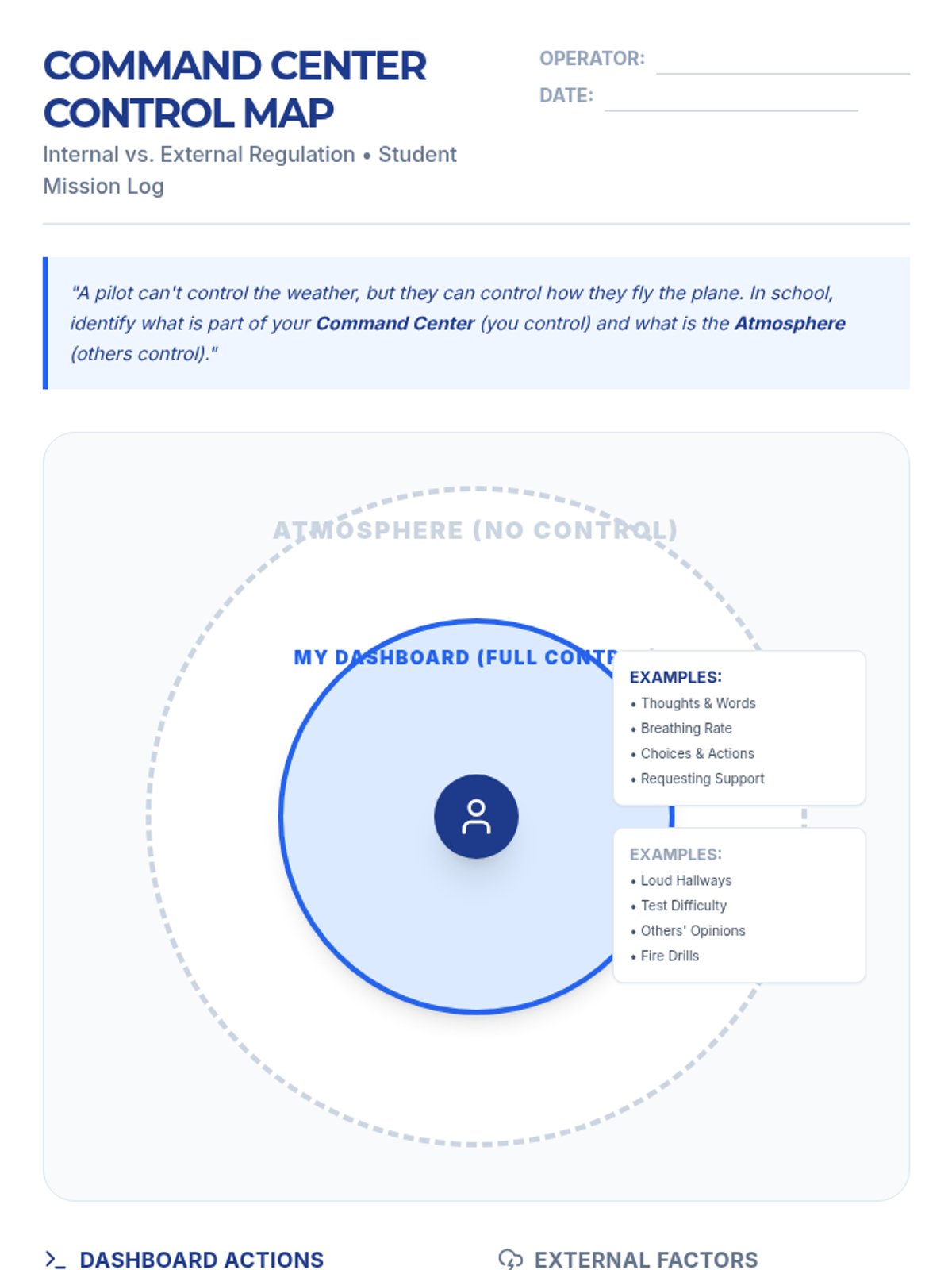
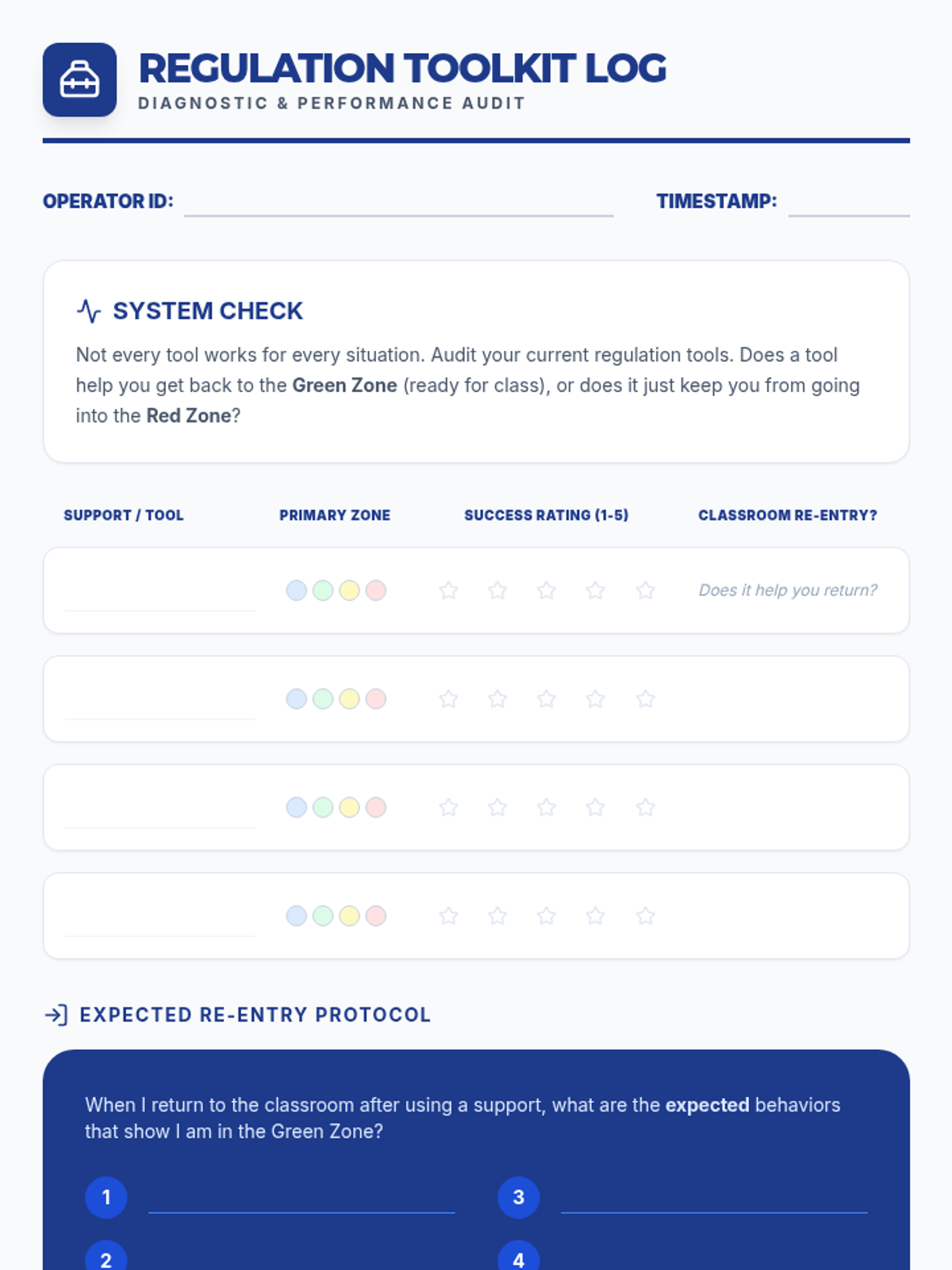
A 45-minute guided discussion lesson focused on identifying self-regulation tools, evaluating their effectiveness, and distinguishing between internal and external controls using the Zones of Regulation framework.
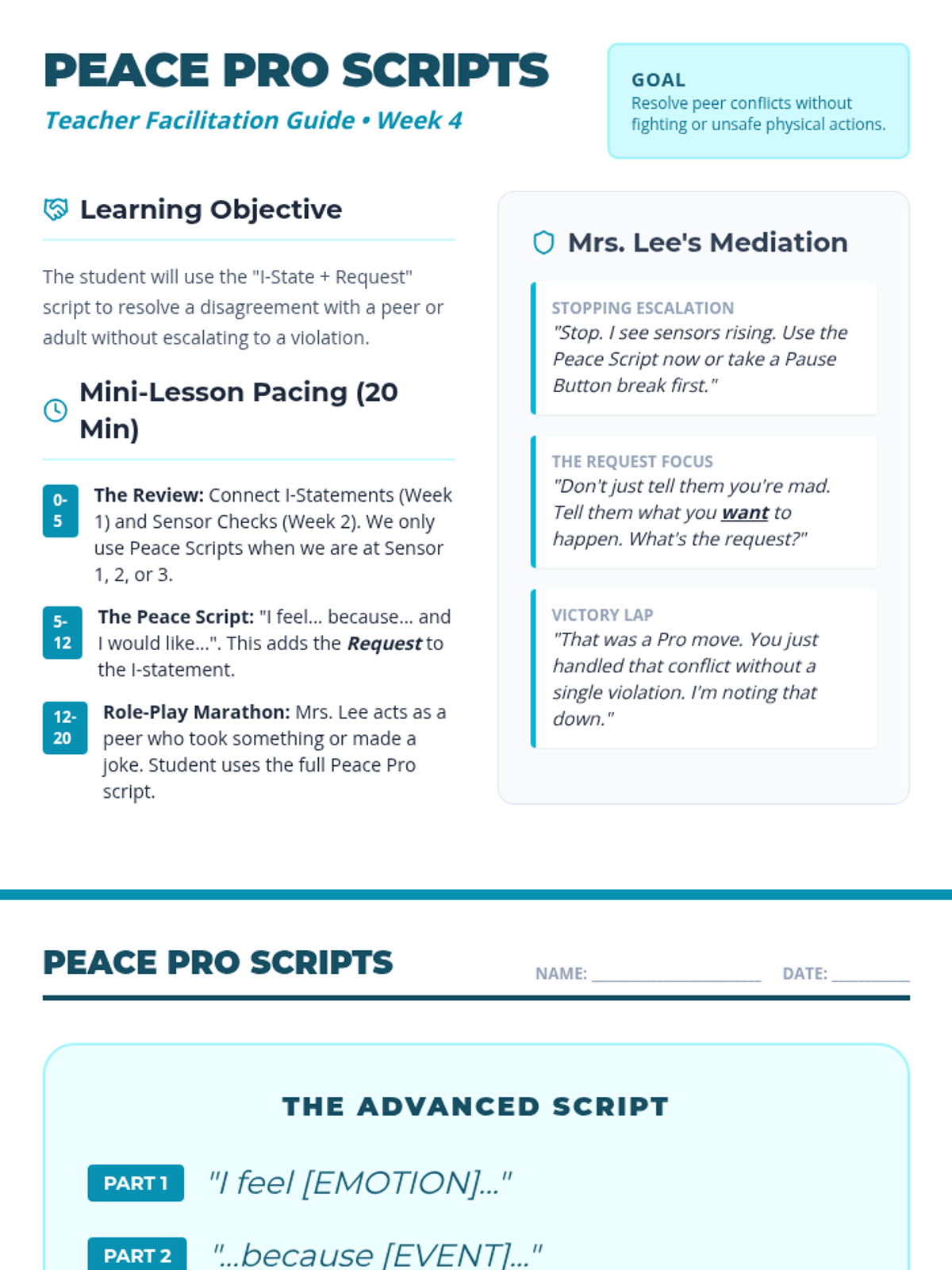
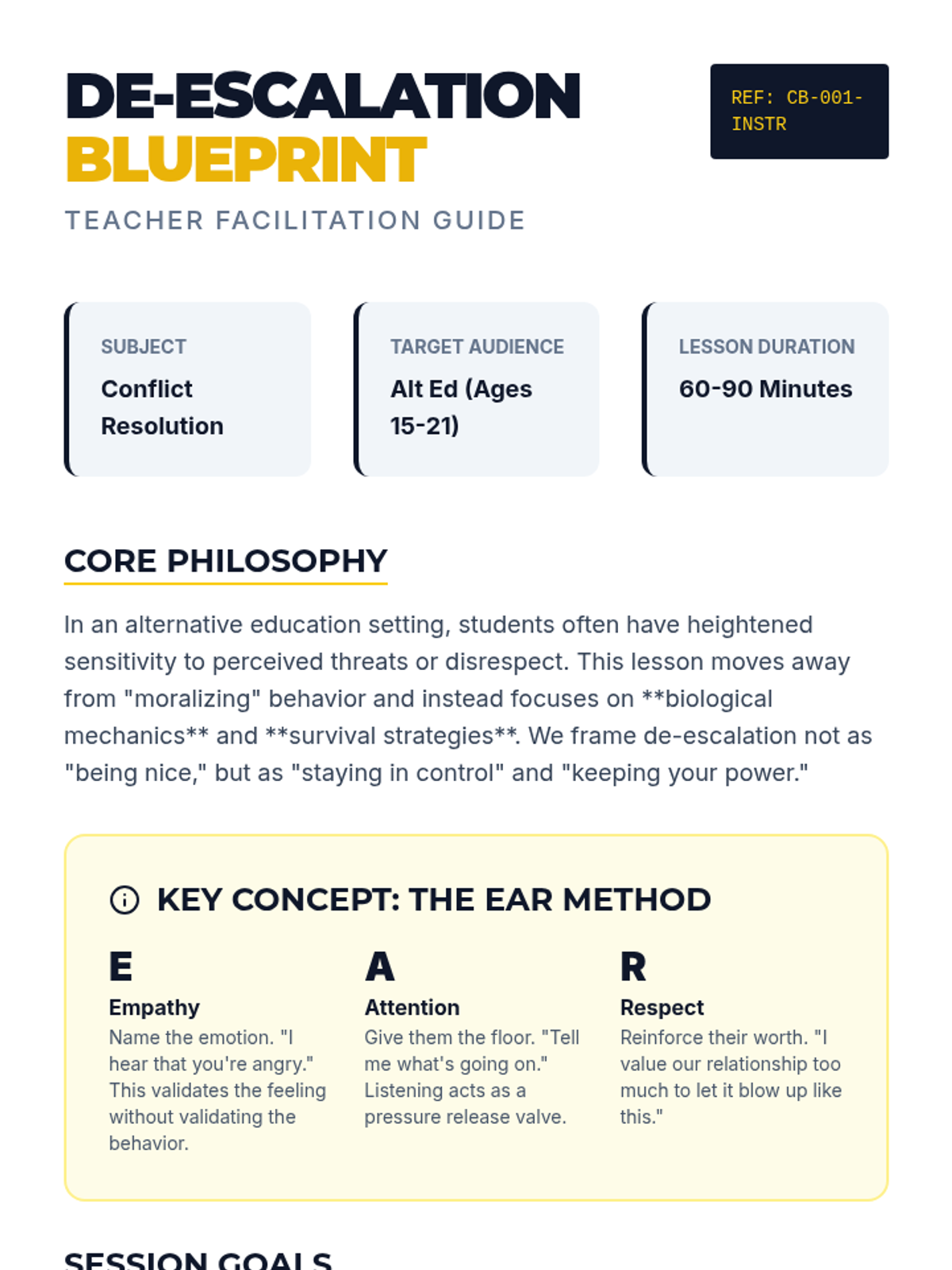
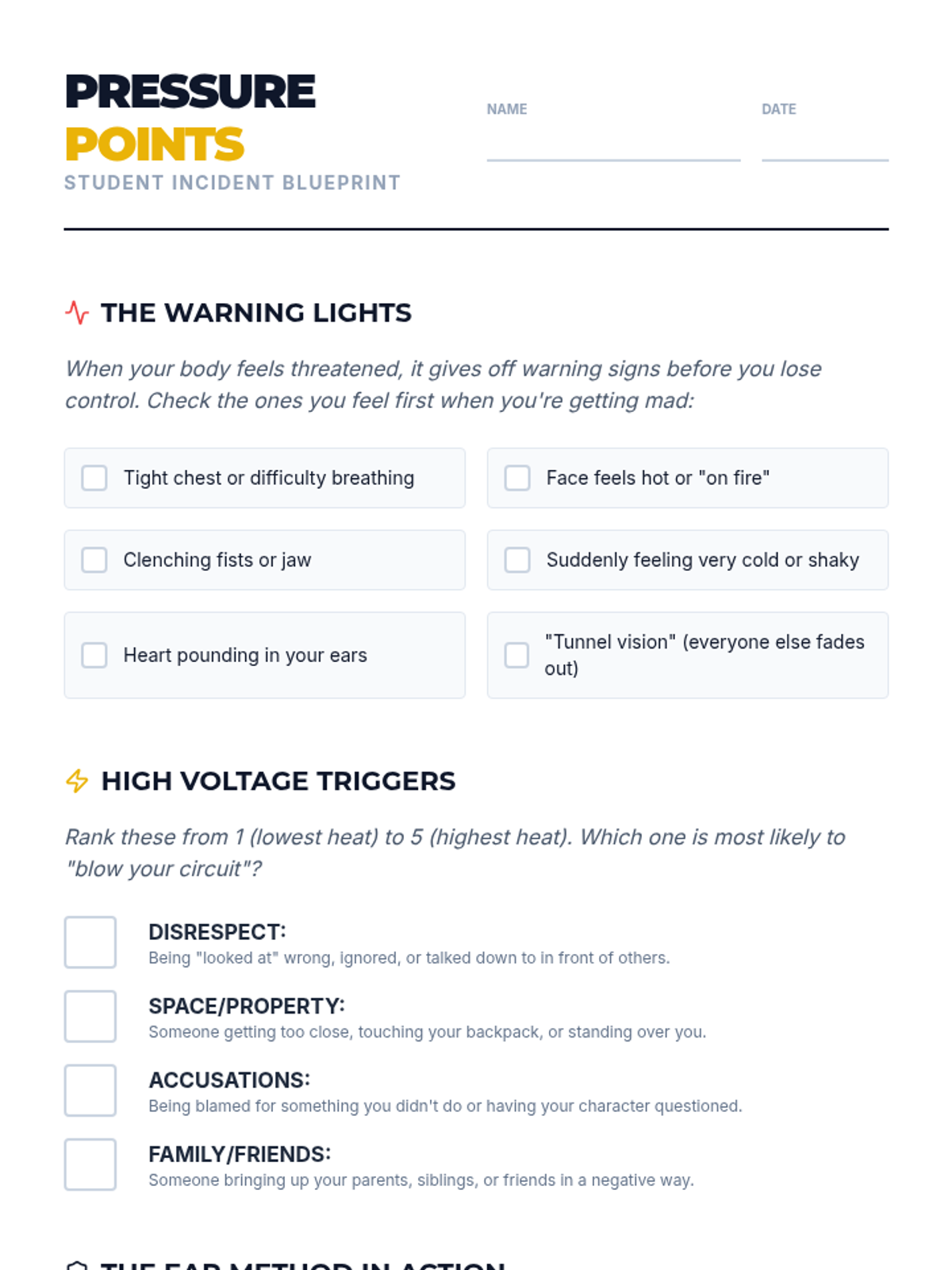
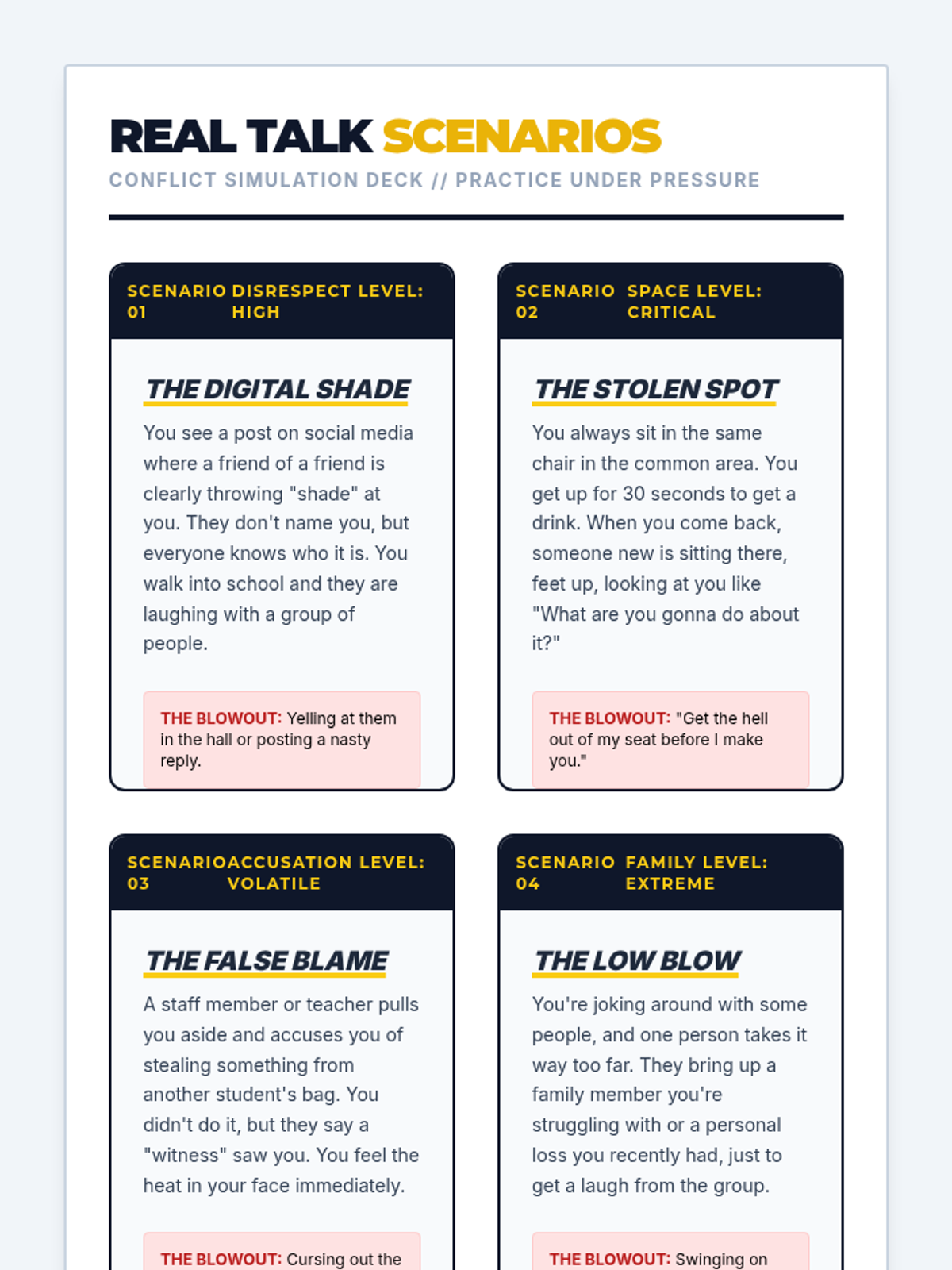
A high-stakes guide to managing conflict and de-escalating tension in real-world peer situations. Students learn to identify physical triggers and use the EAR method to maintain control in high-pressure social environments.
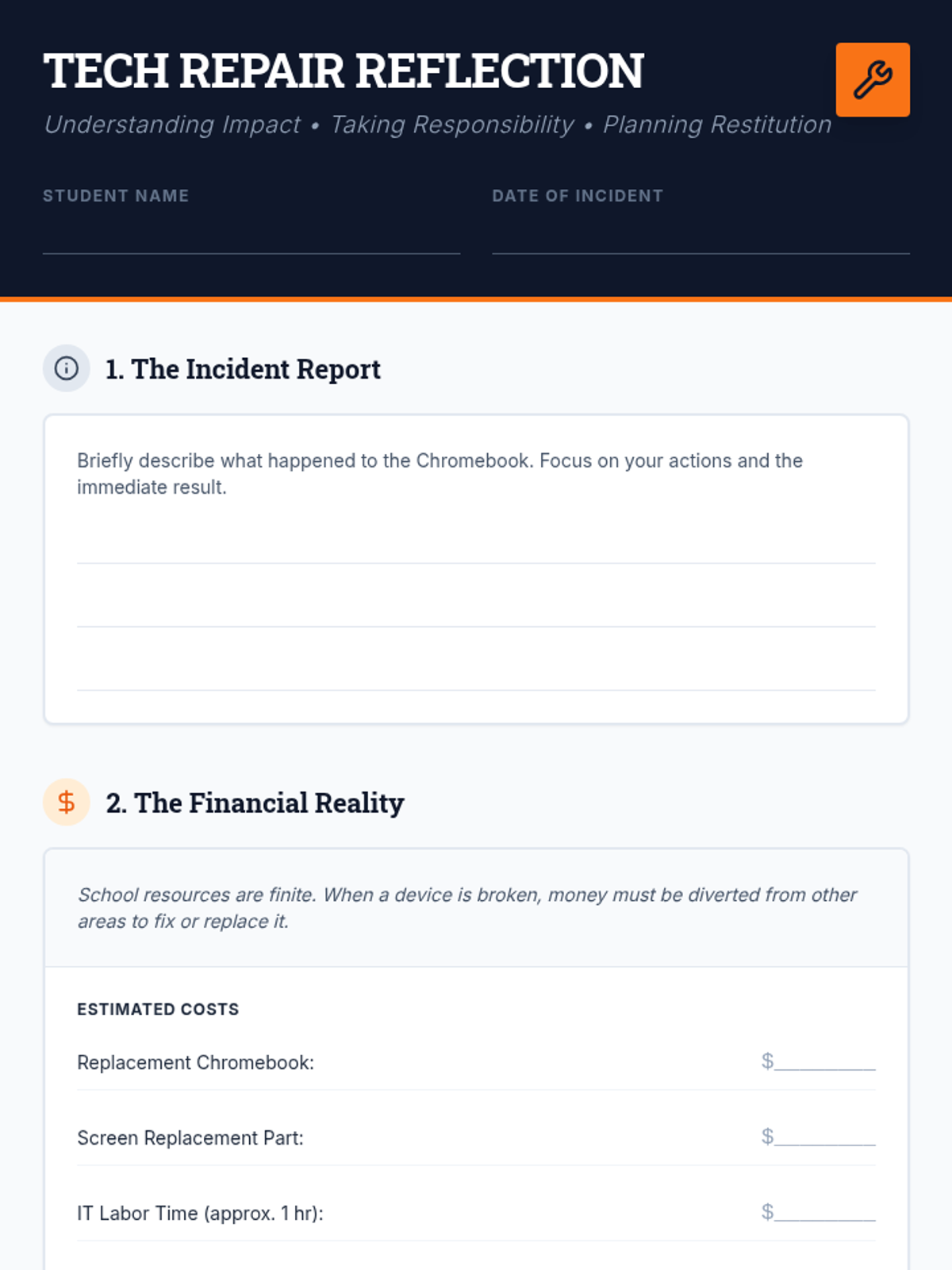
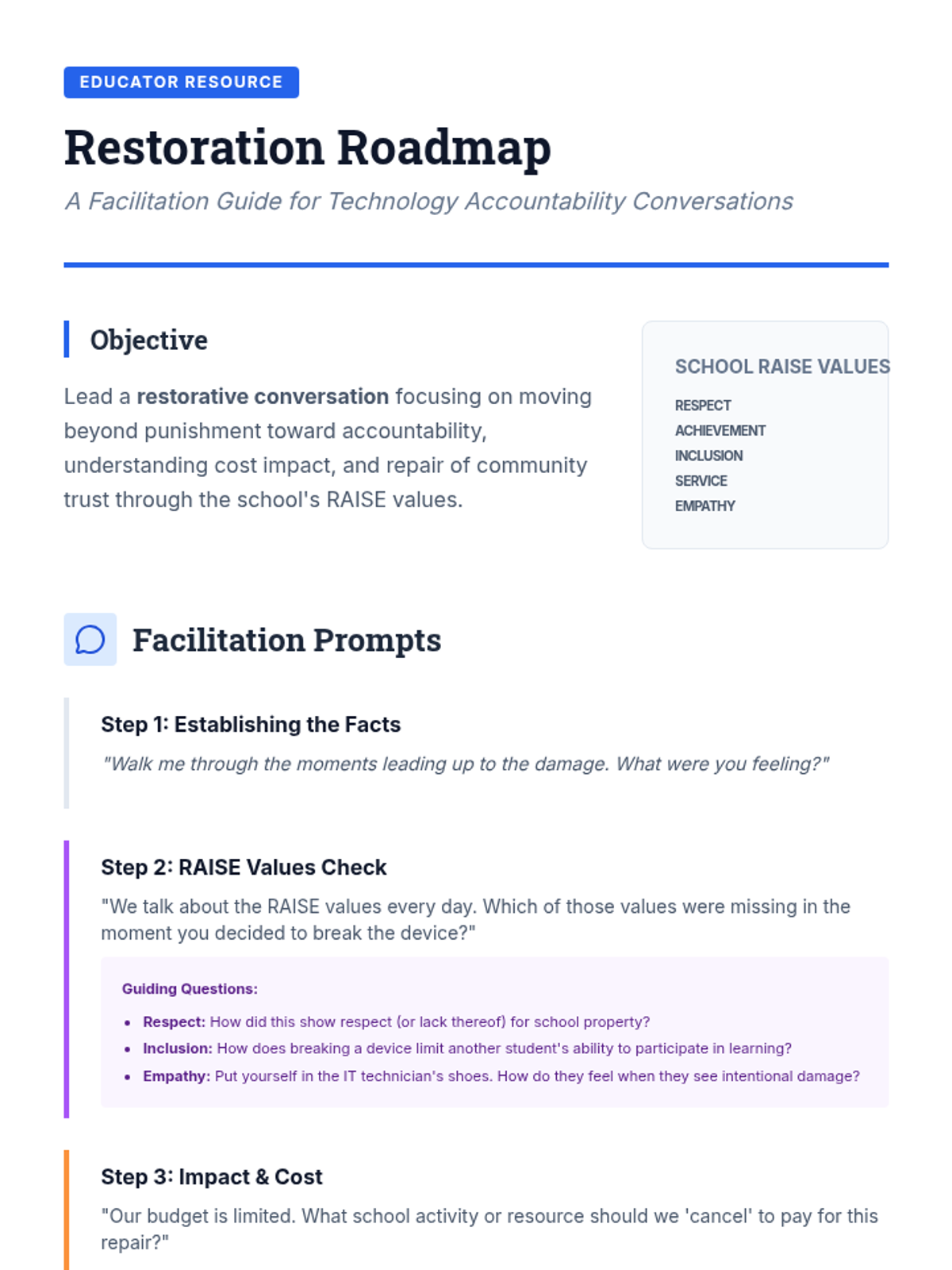
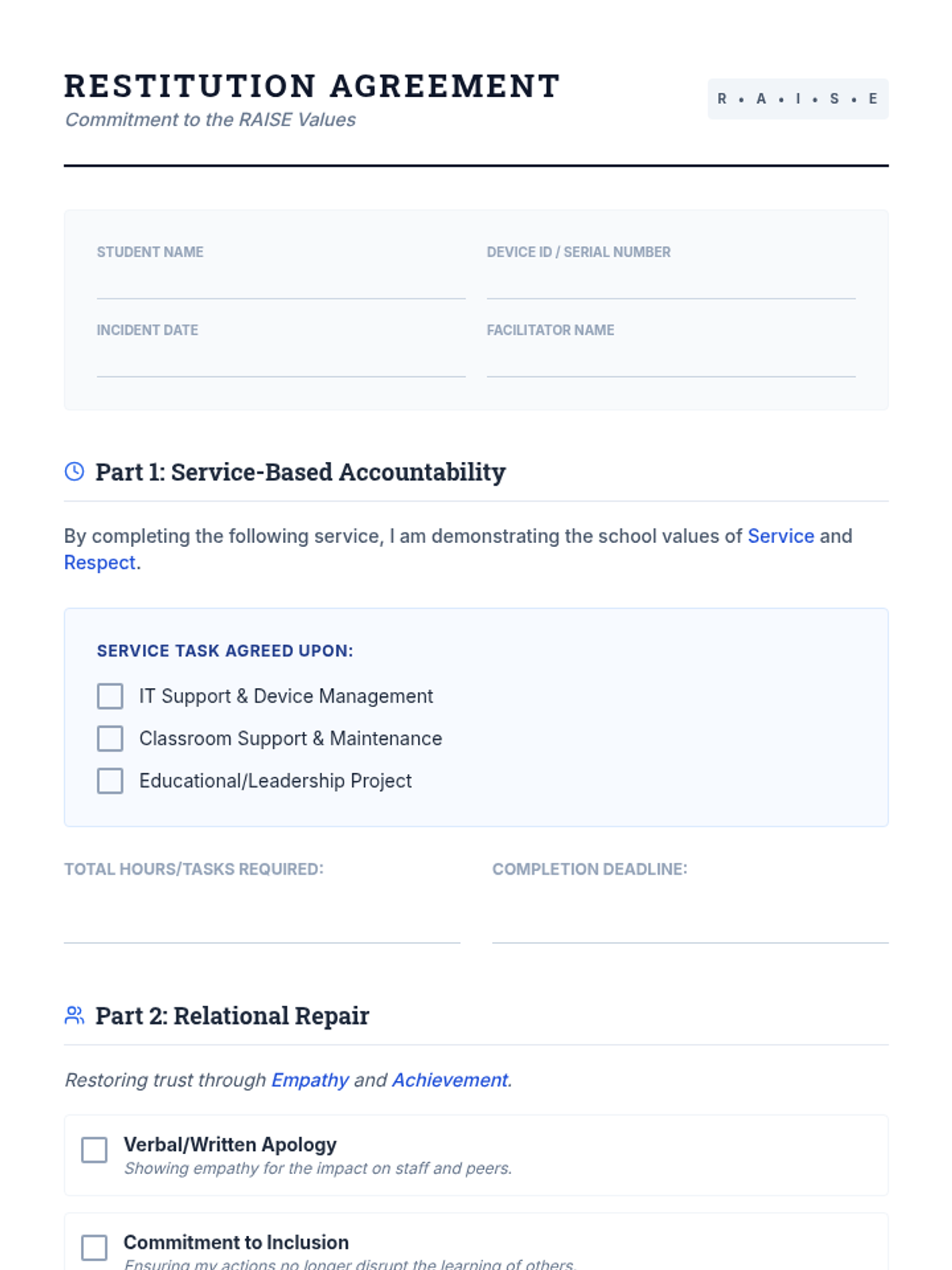
A restorative justice resource designed for students who have intentionally damaged school technology, focusing on financial accountability and community impact.
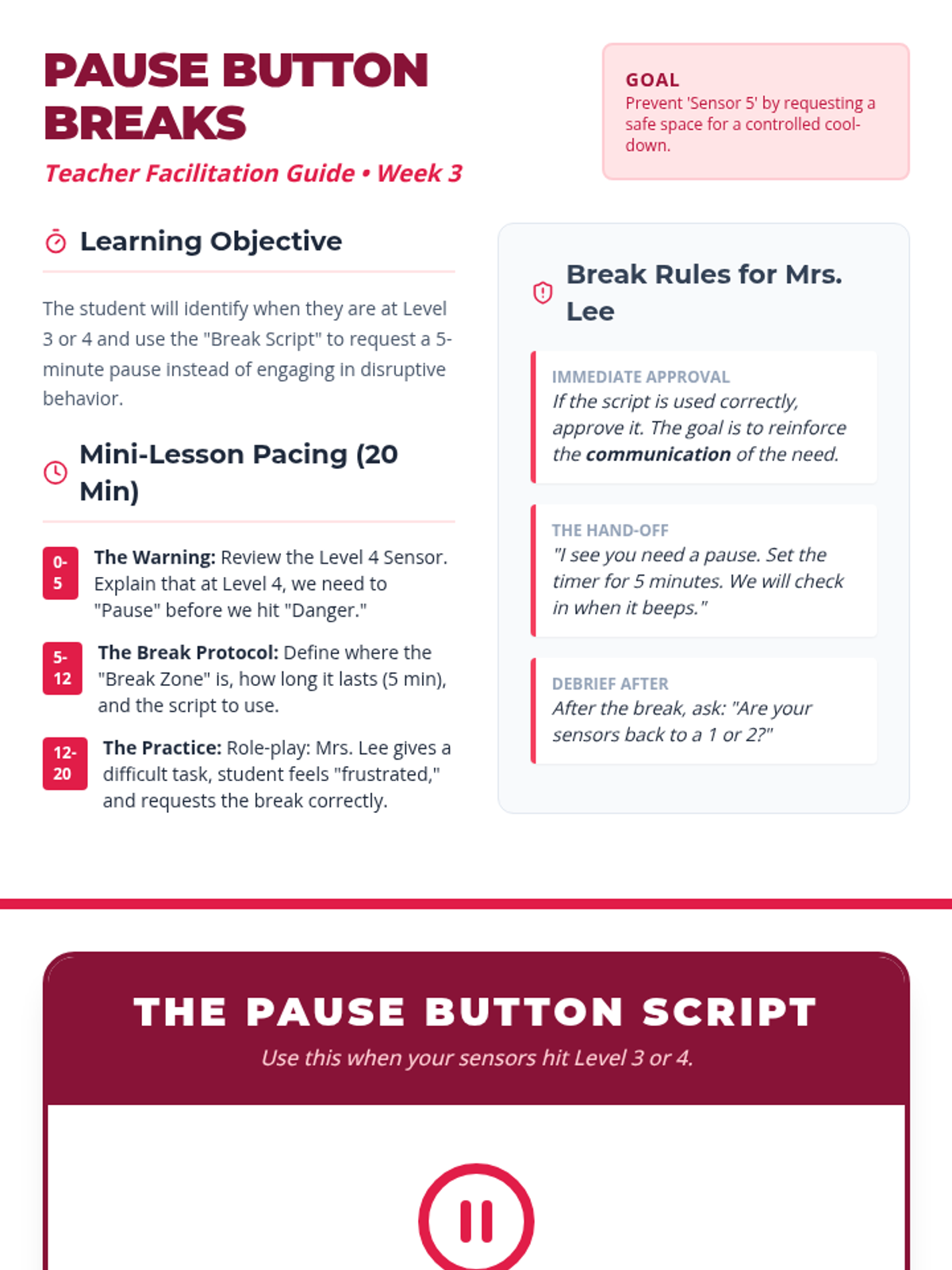
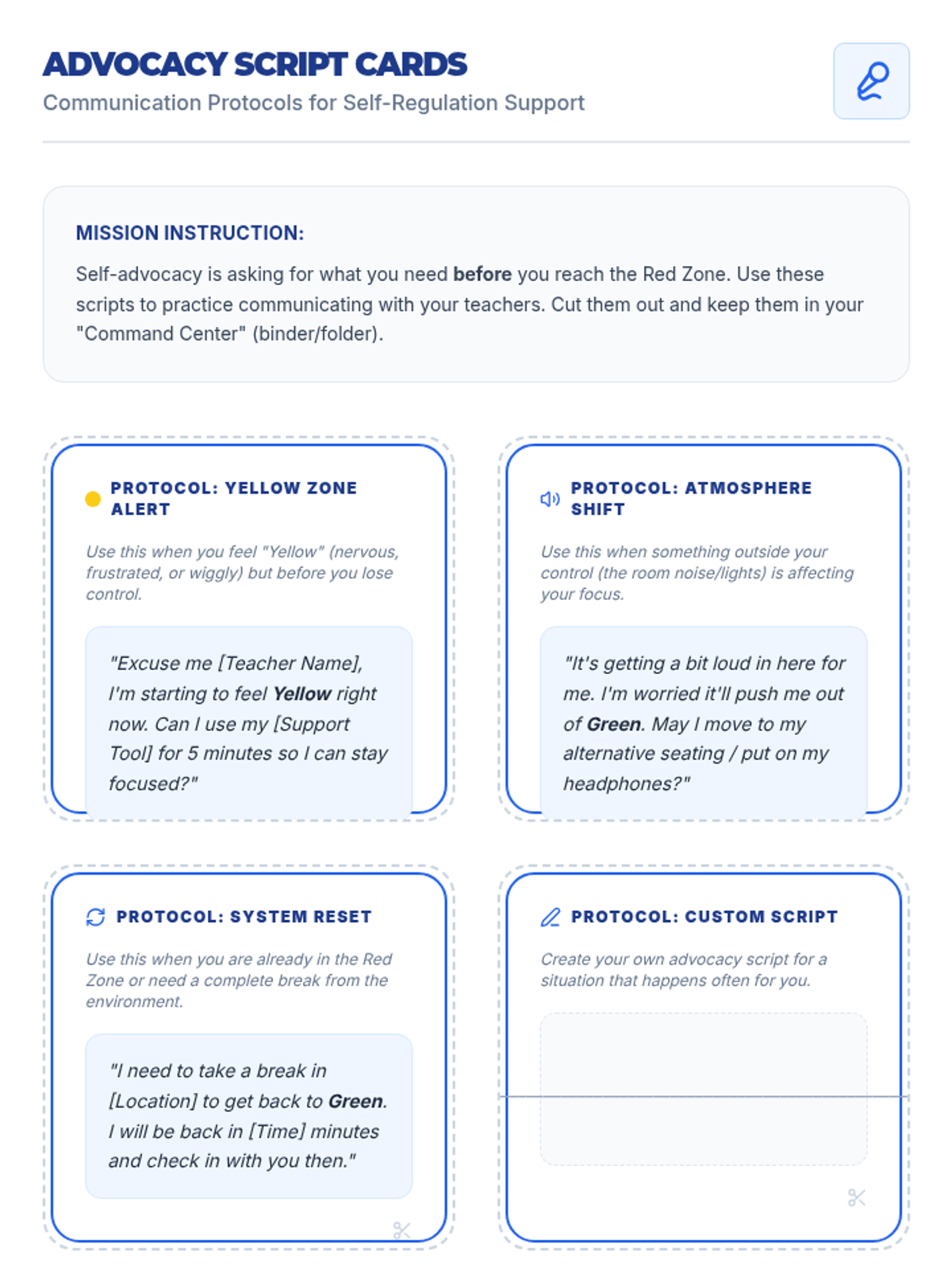
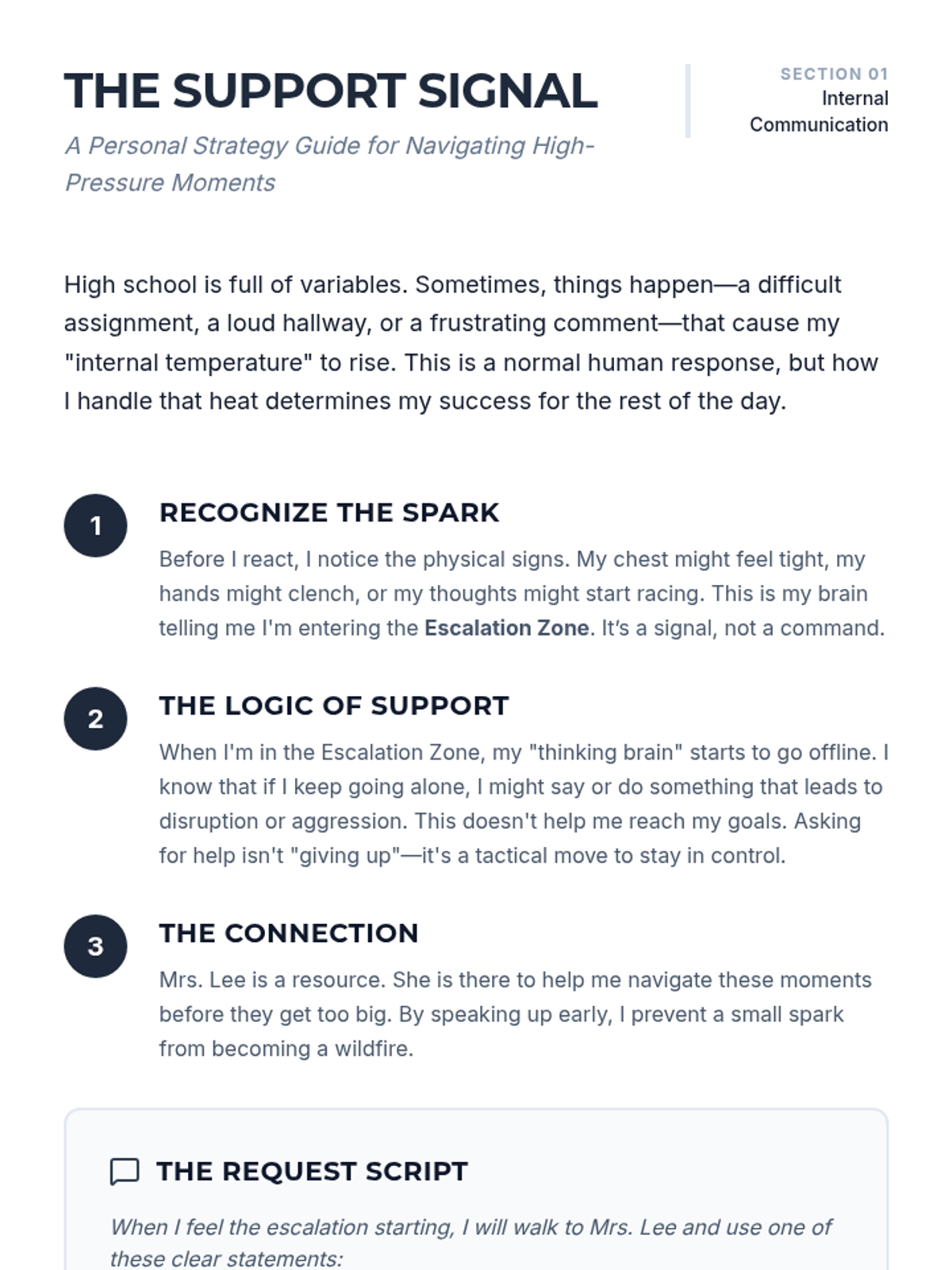
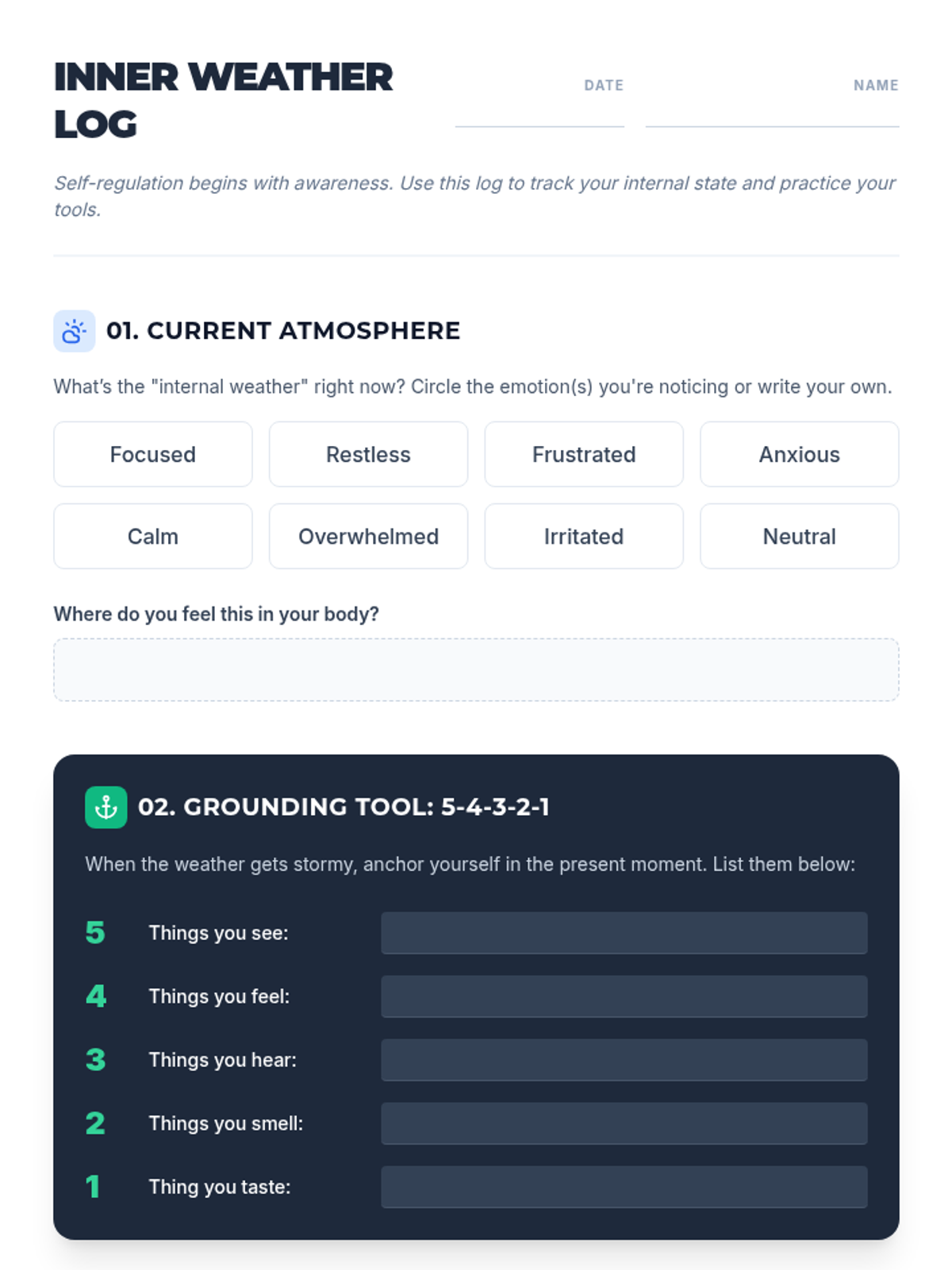
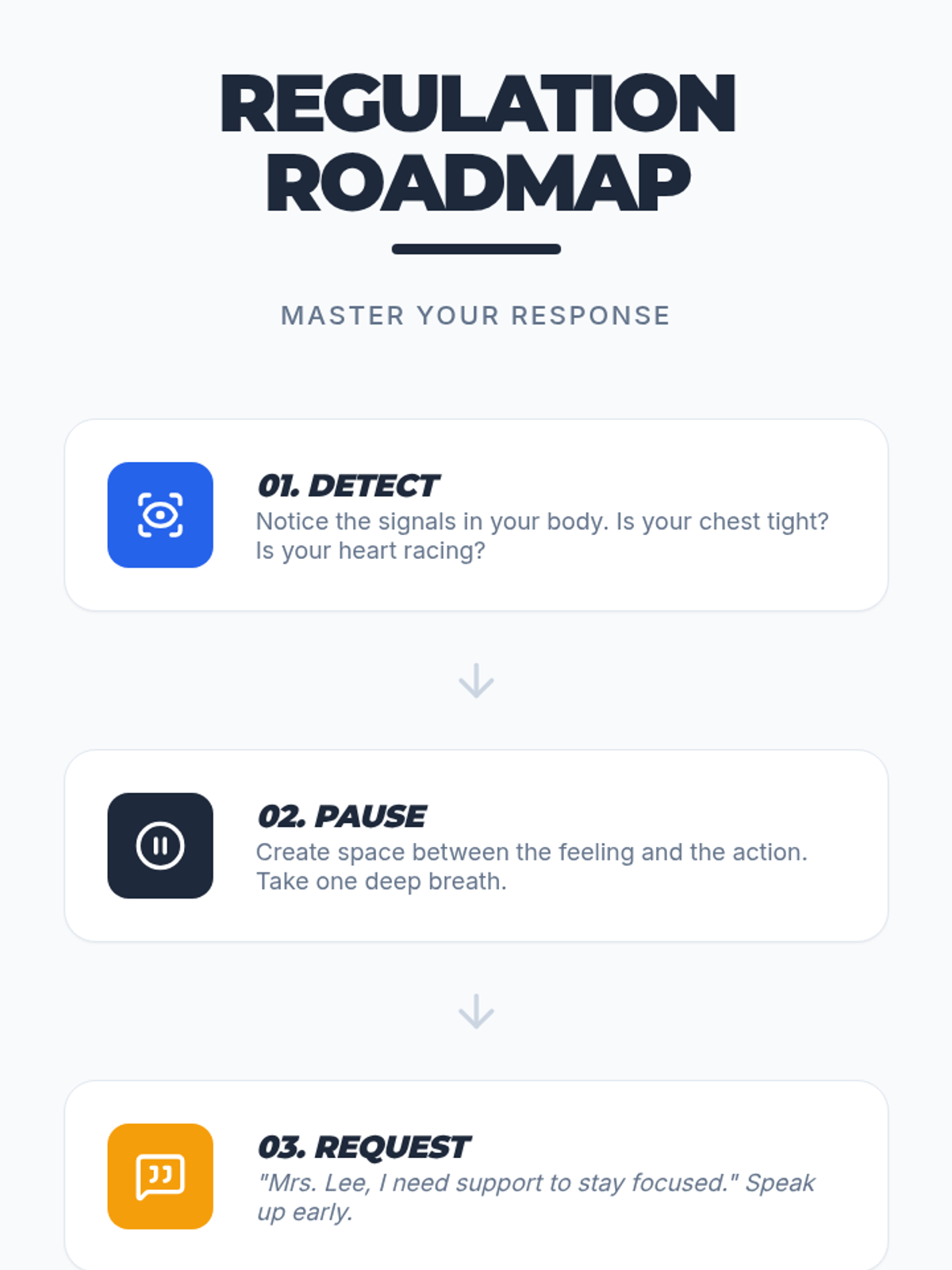
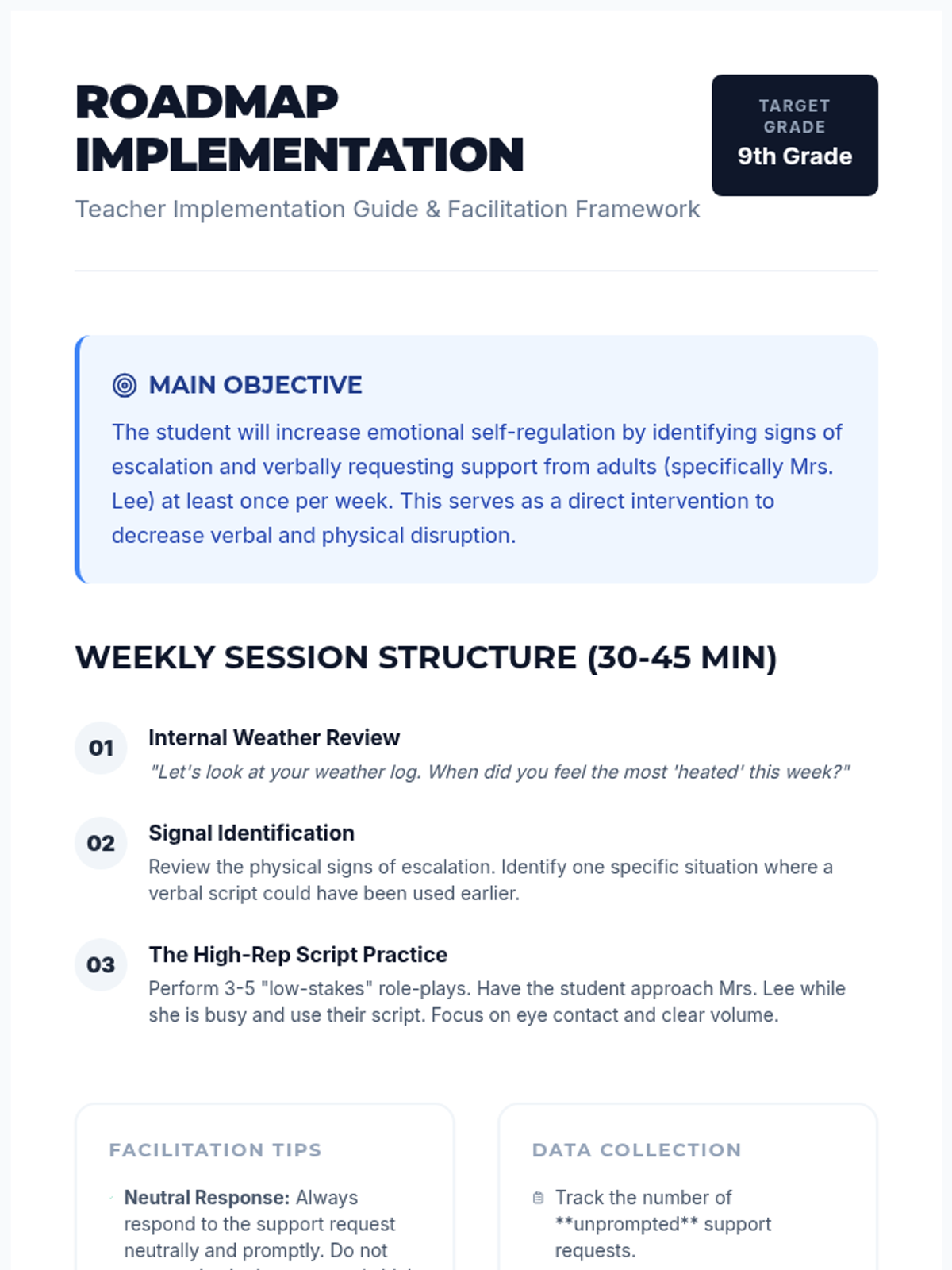
A set of resources designed to help high school students identify emotional escalation and effectively communicate their need for support to adults.
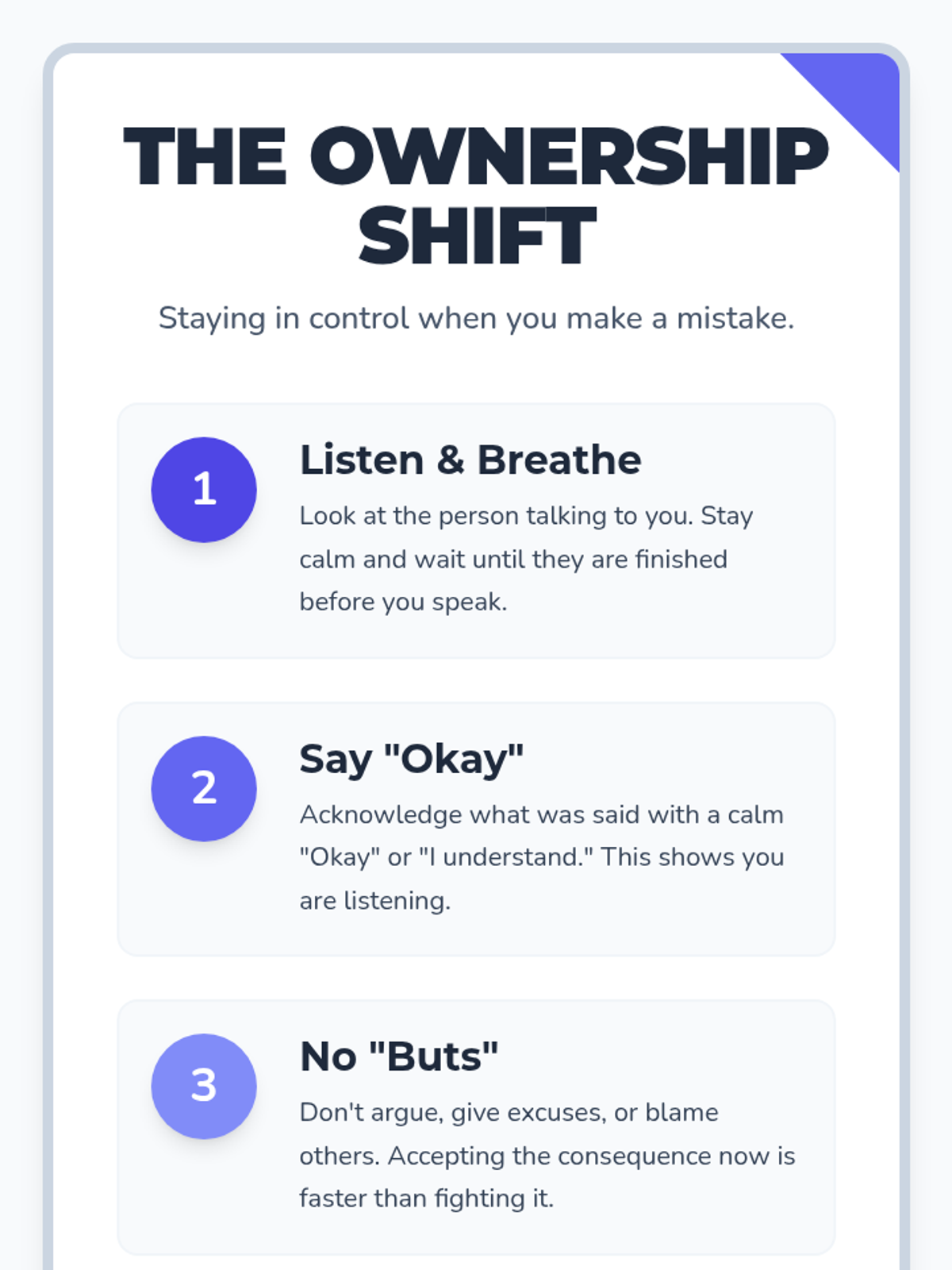
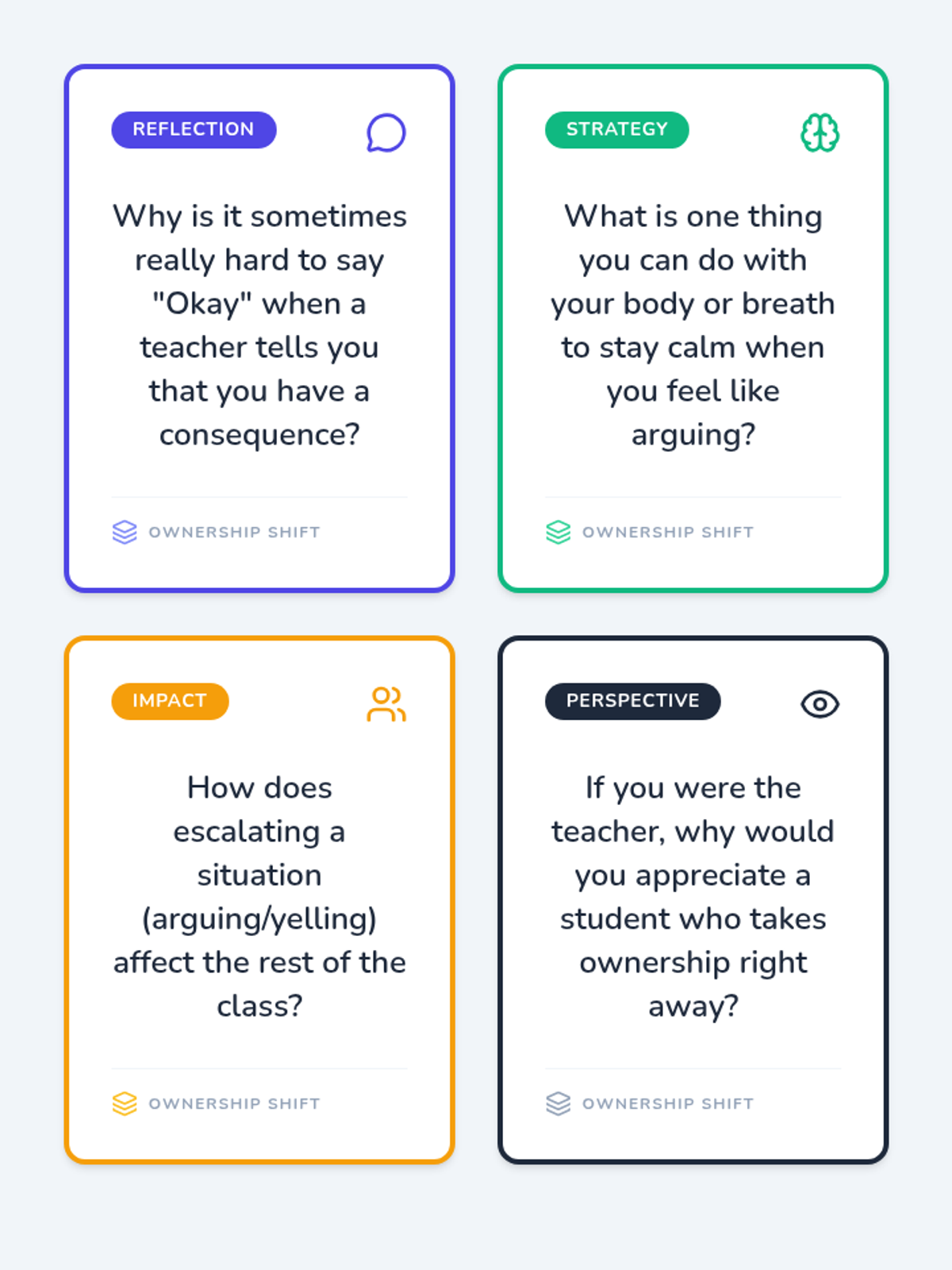
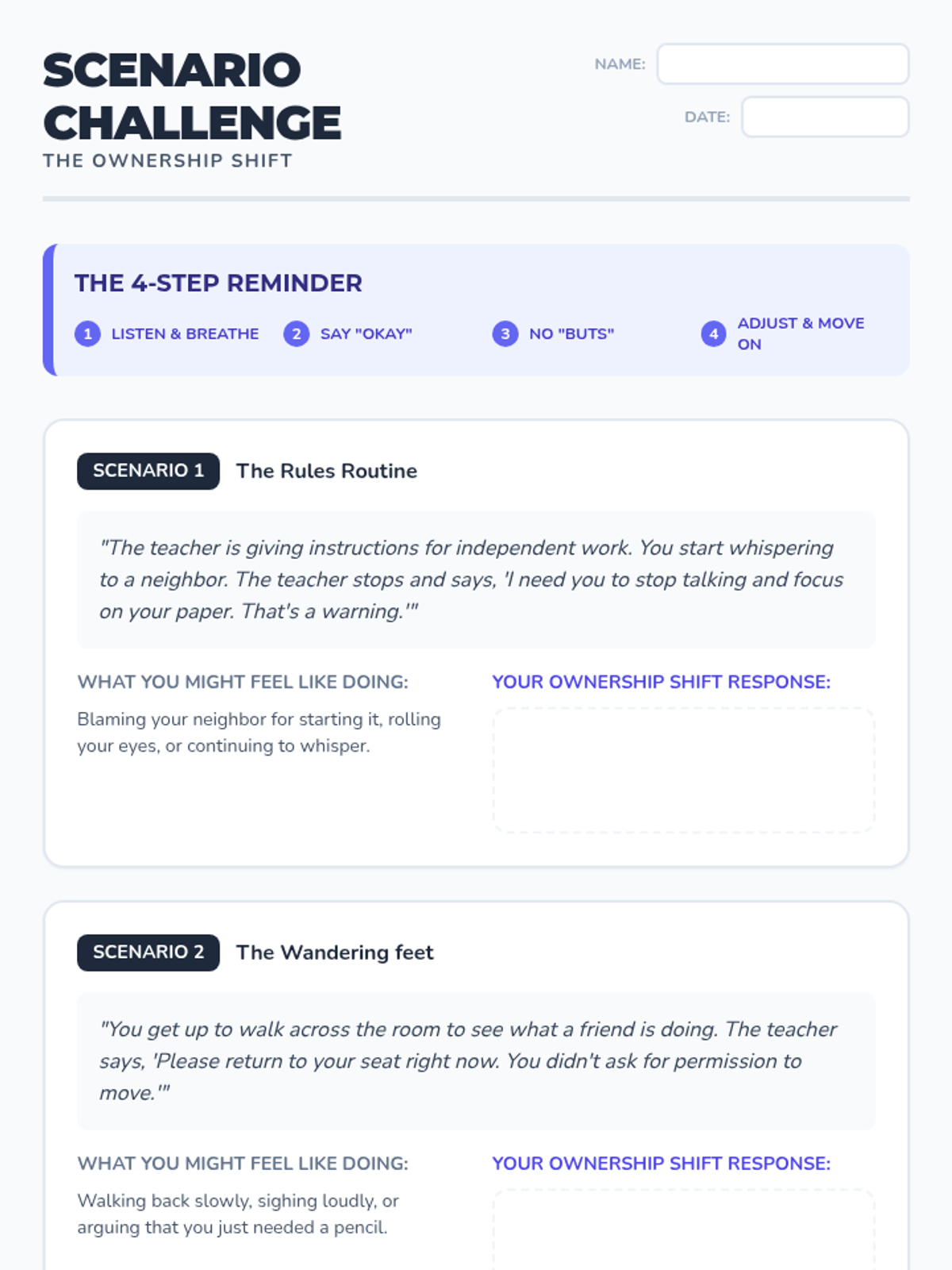
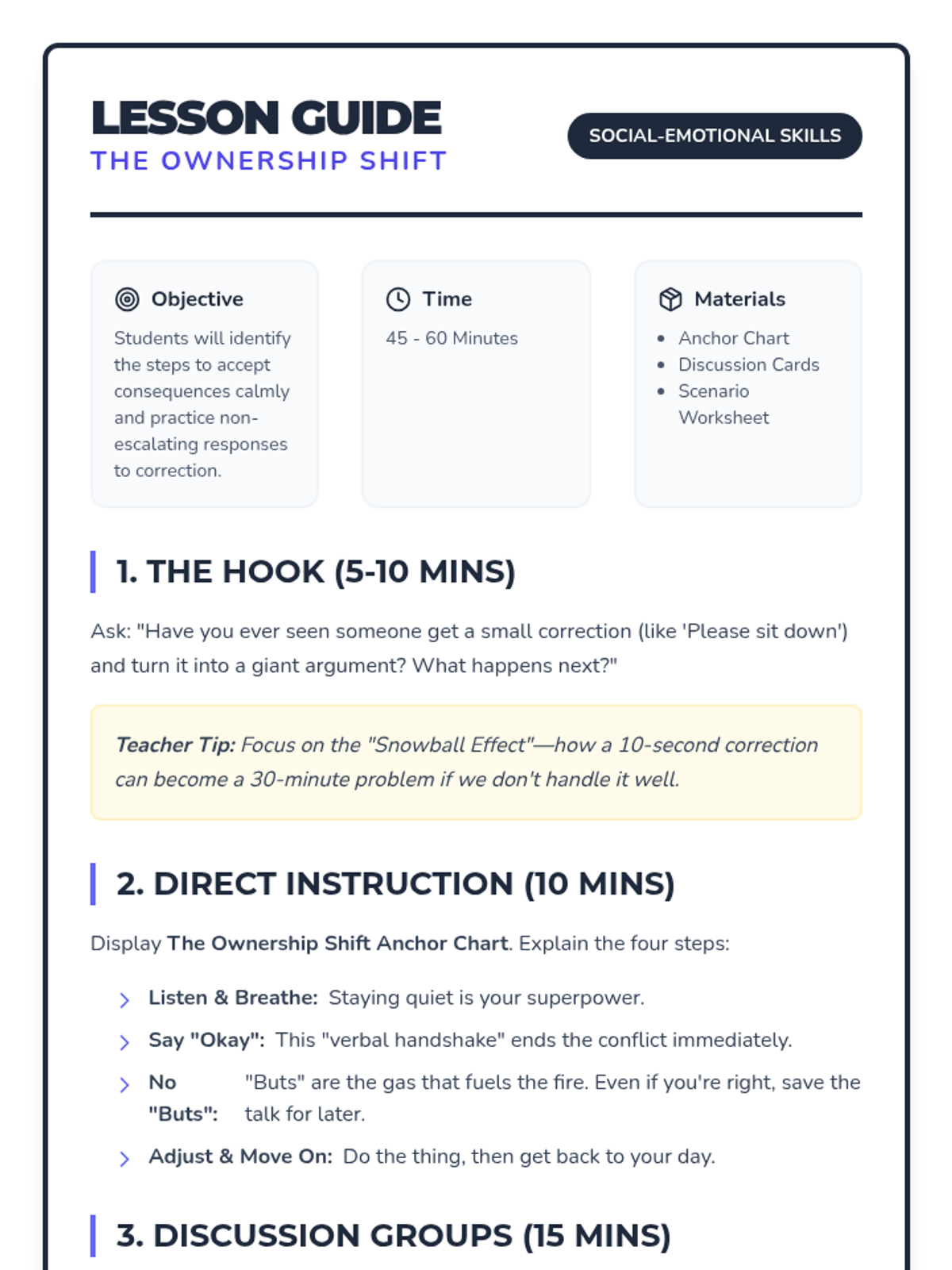
This lesson focuses on teaching students how to accept consequences for their actions without escalating the situation. Through discussion, scenario analysis, and role-playing, students learn the steps to take ownership of their behavior and stay calm when corrected.