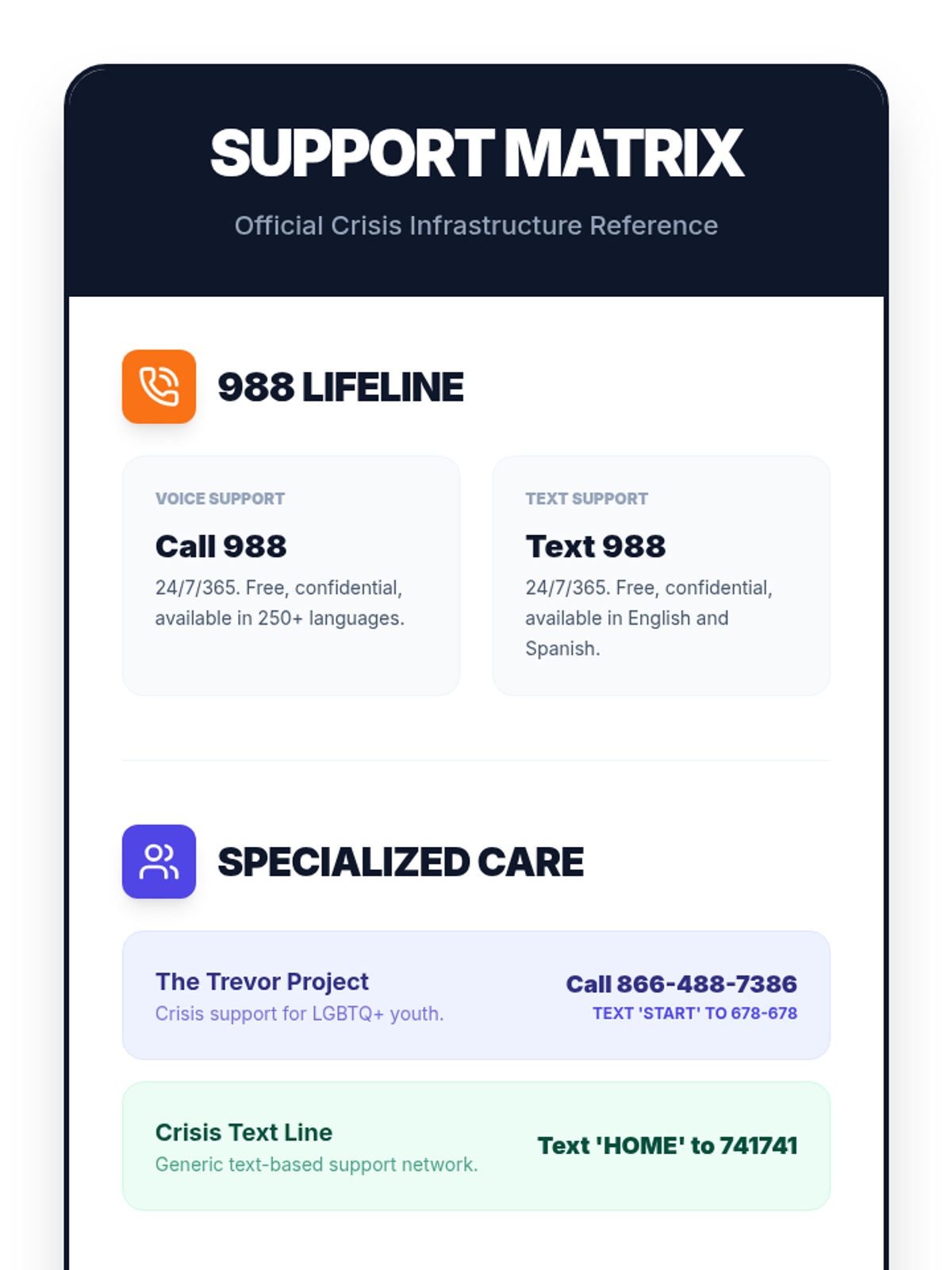
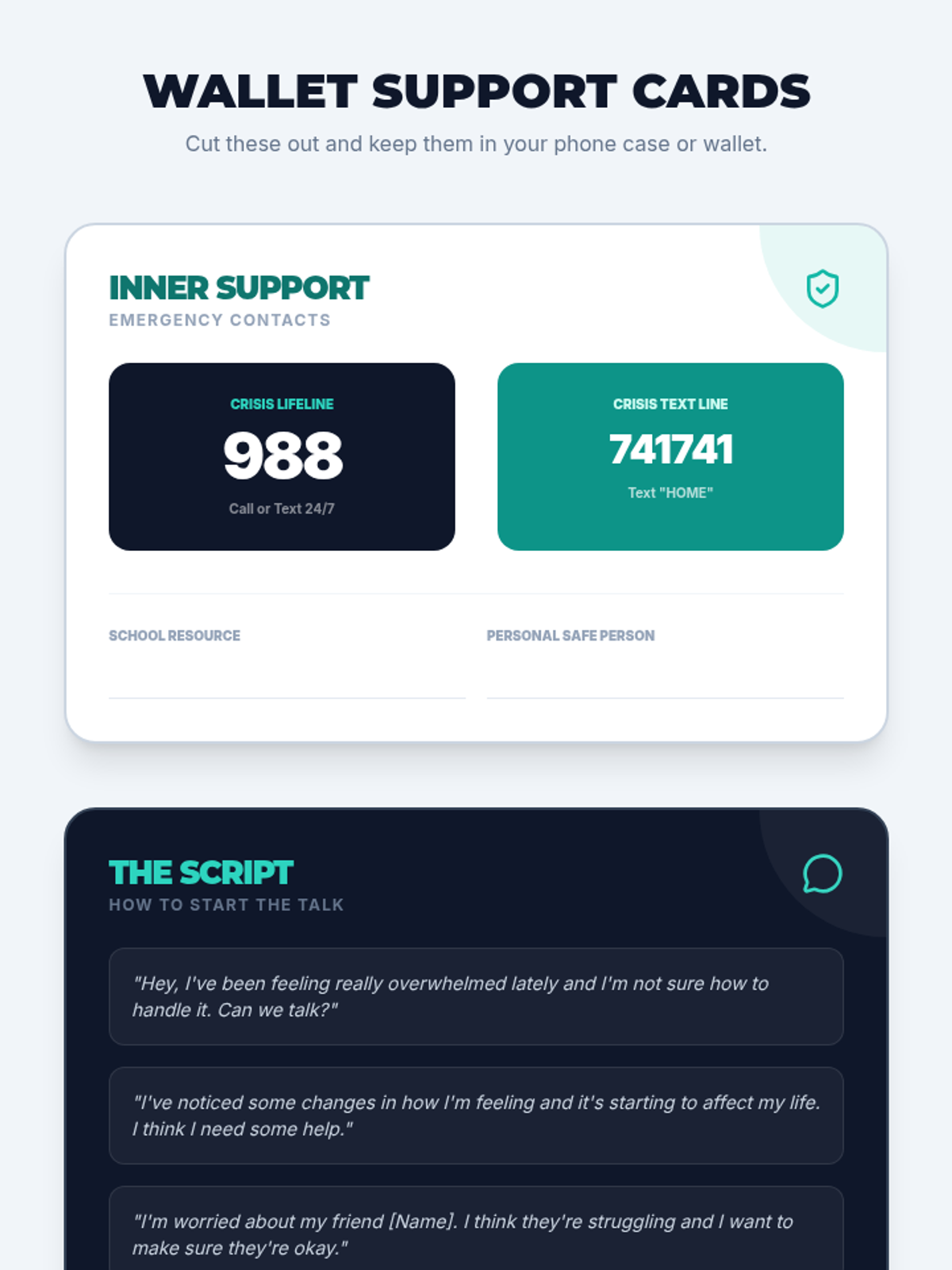
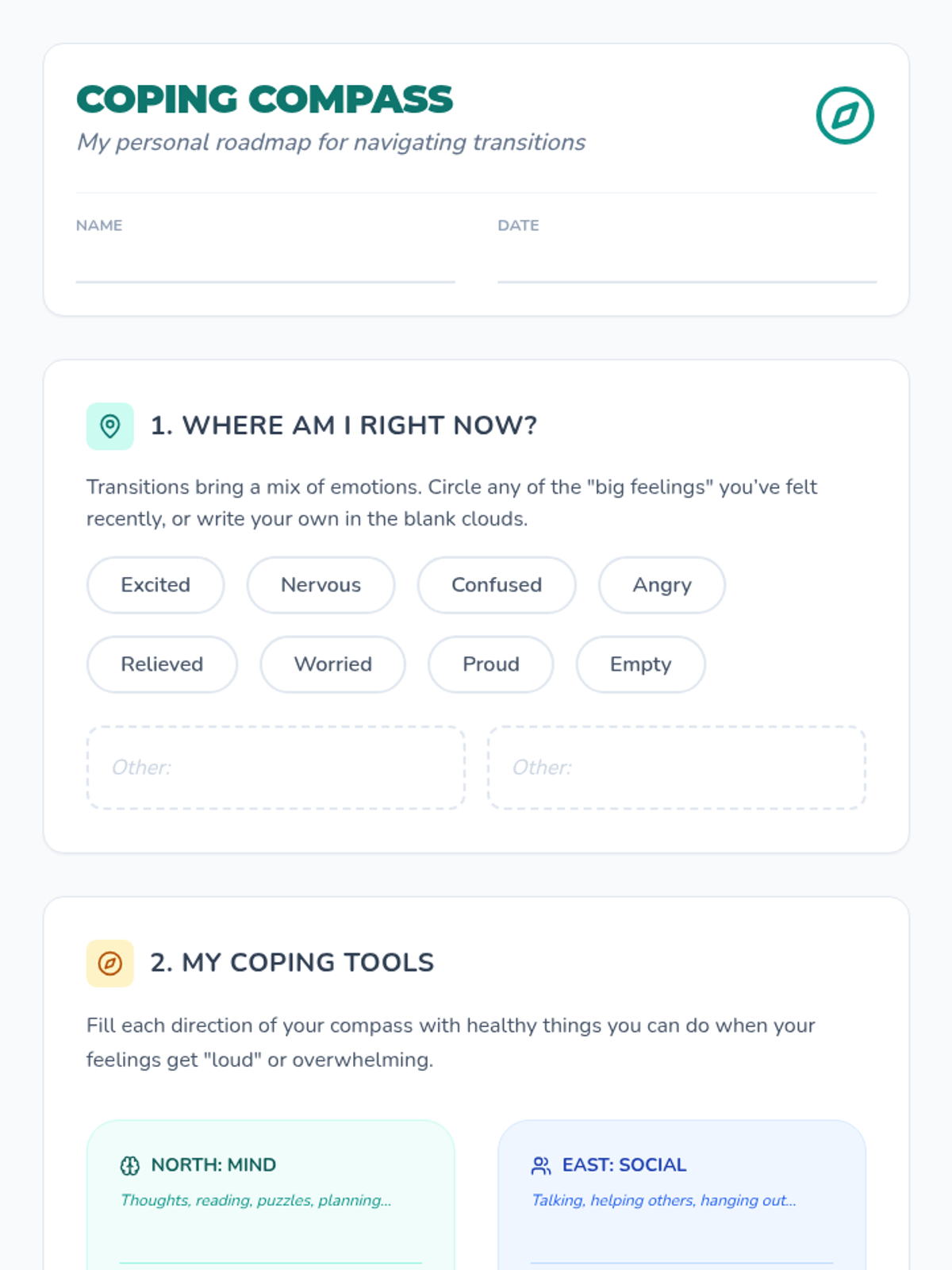
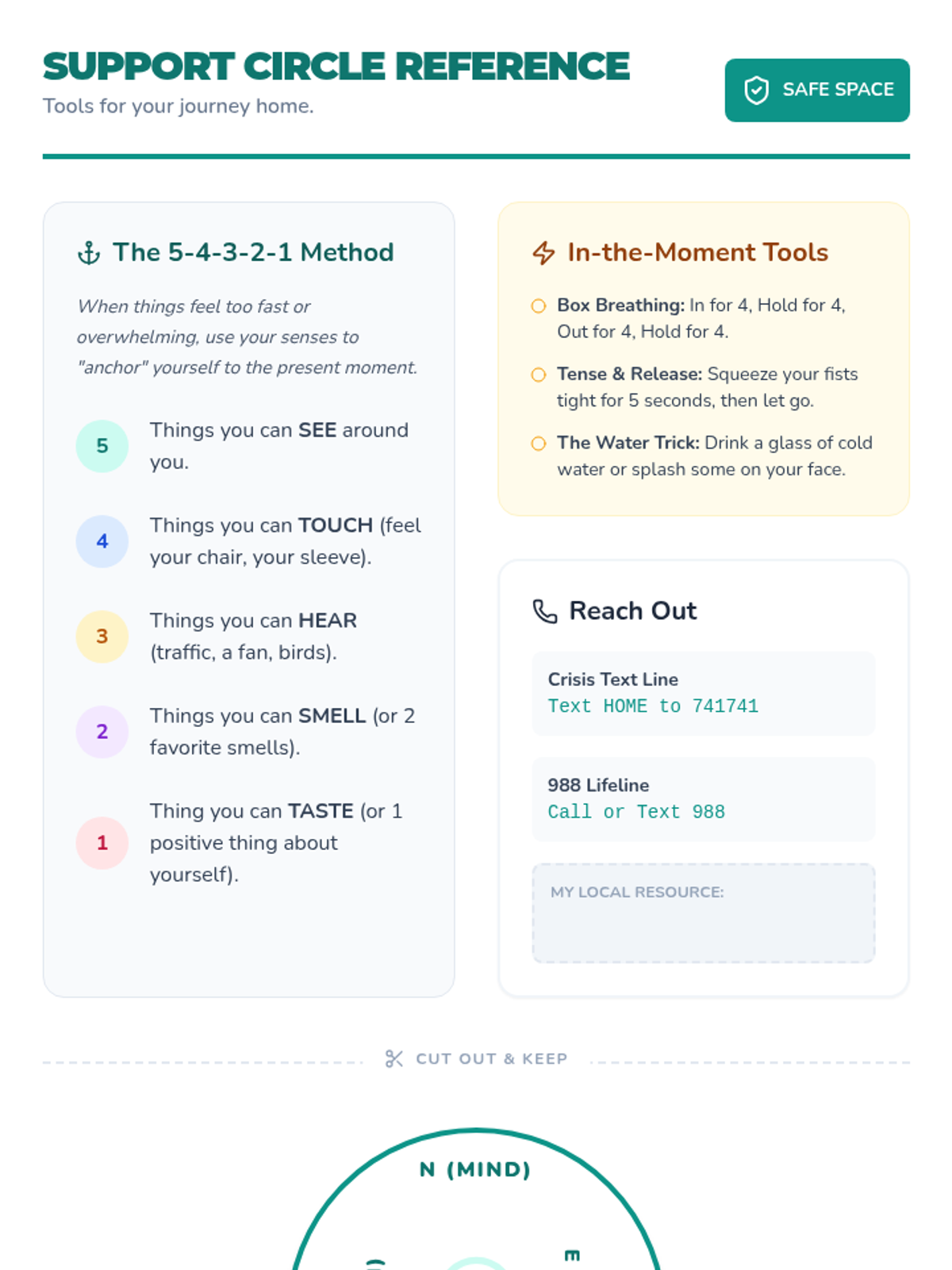
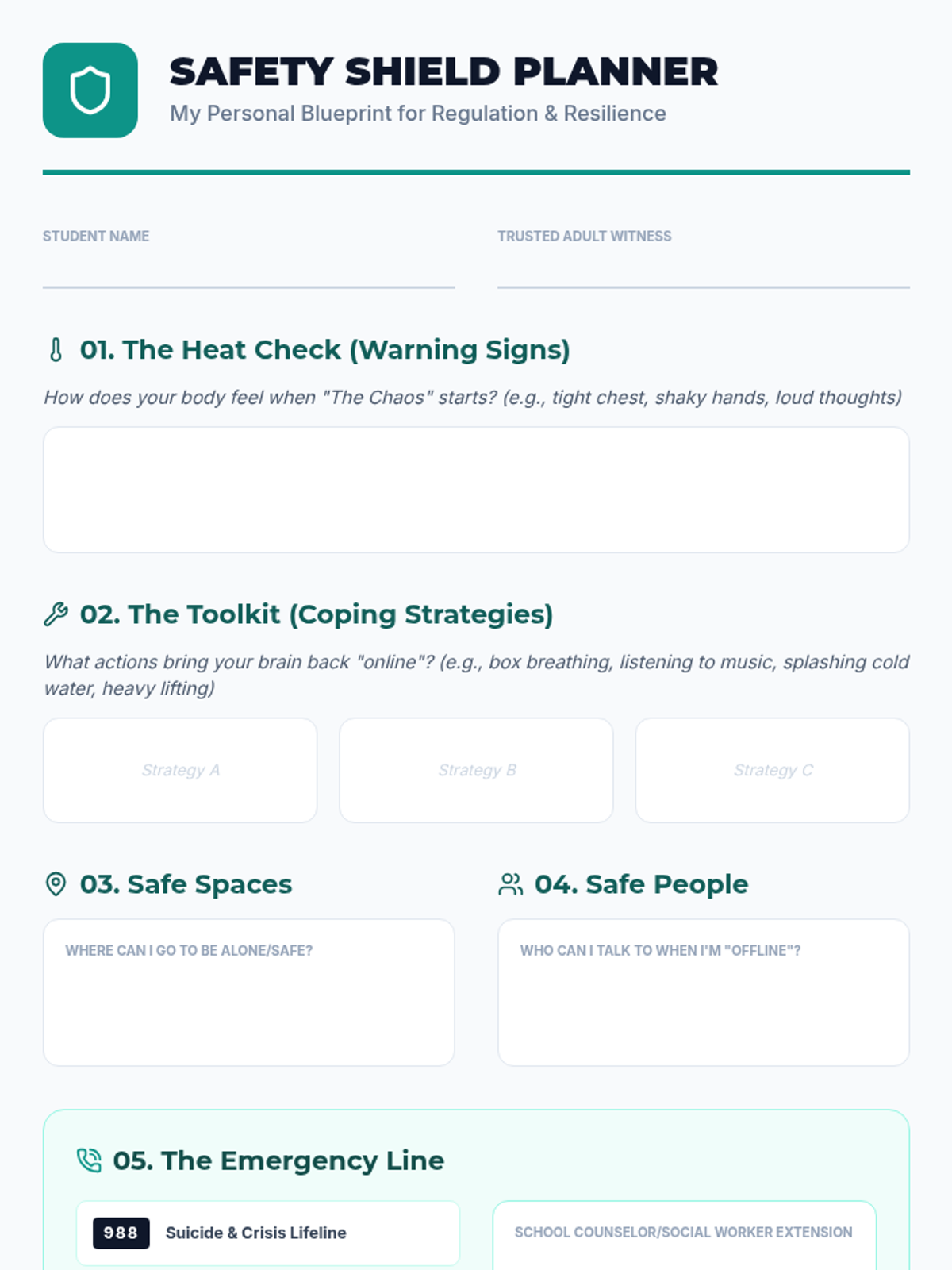
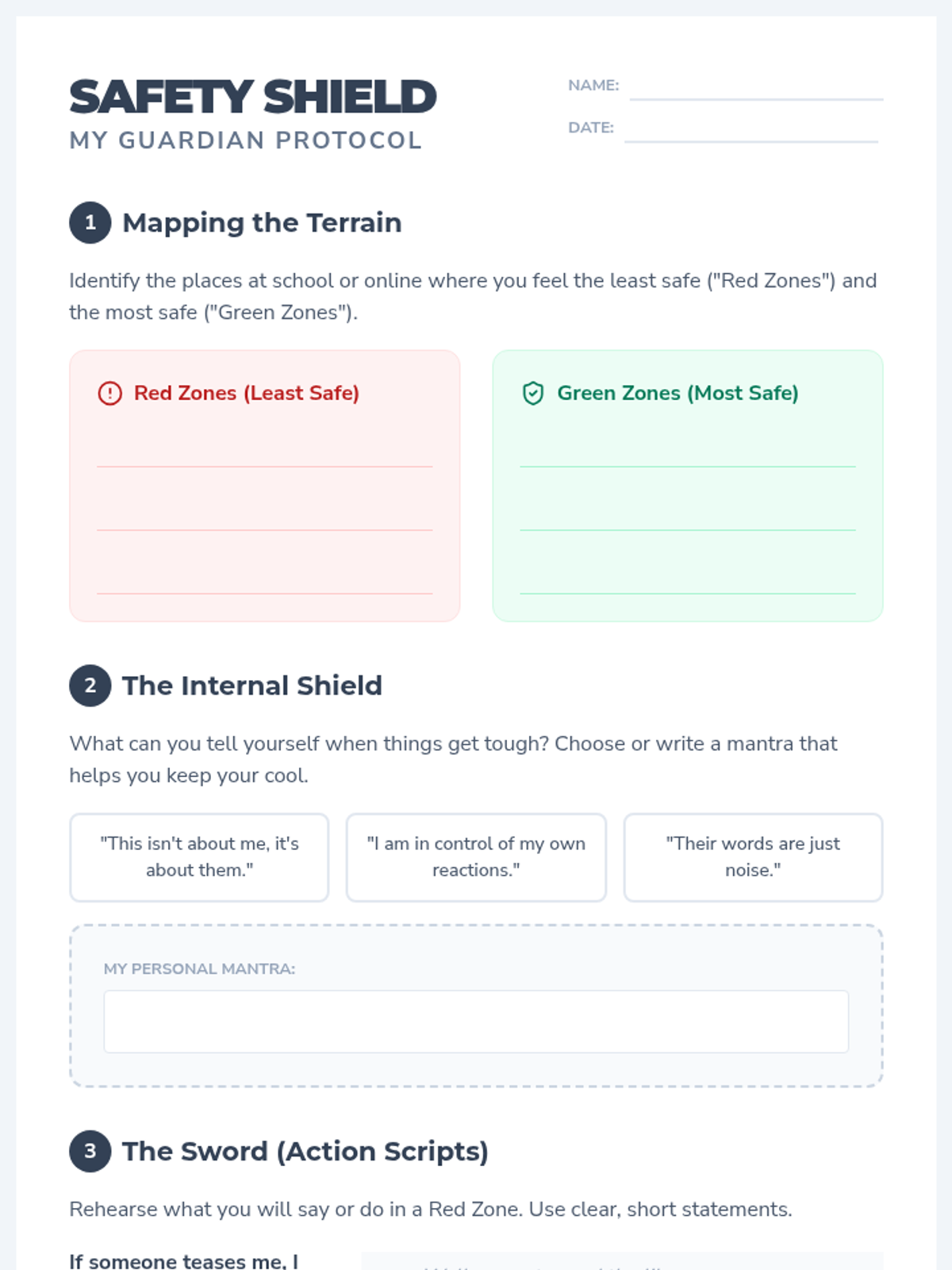
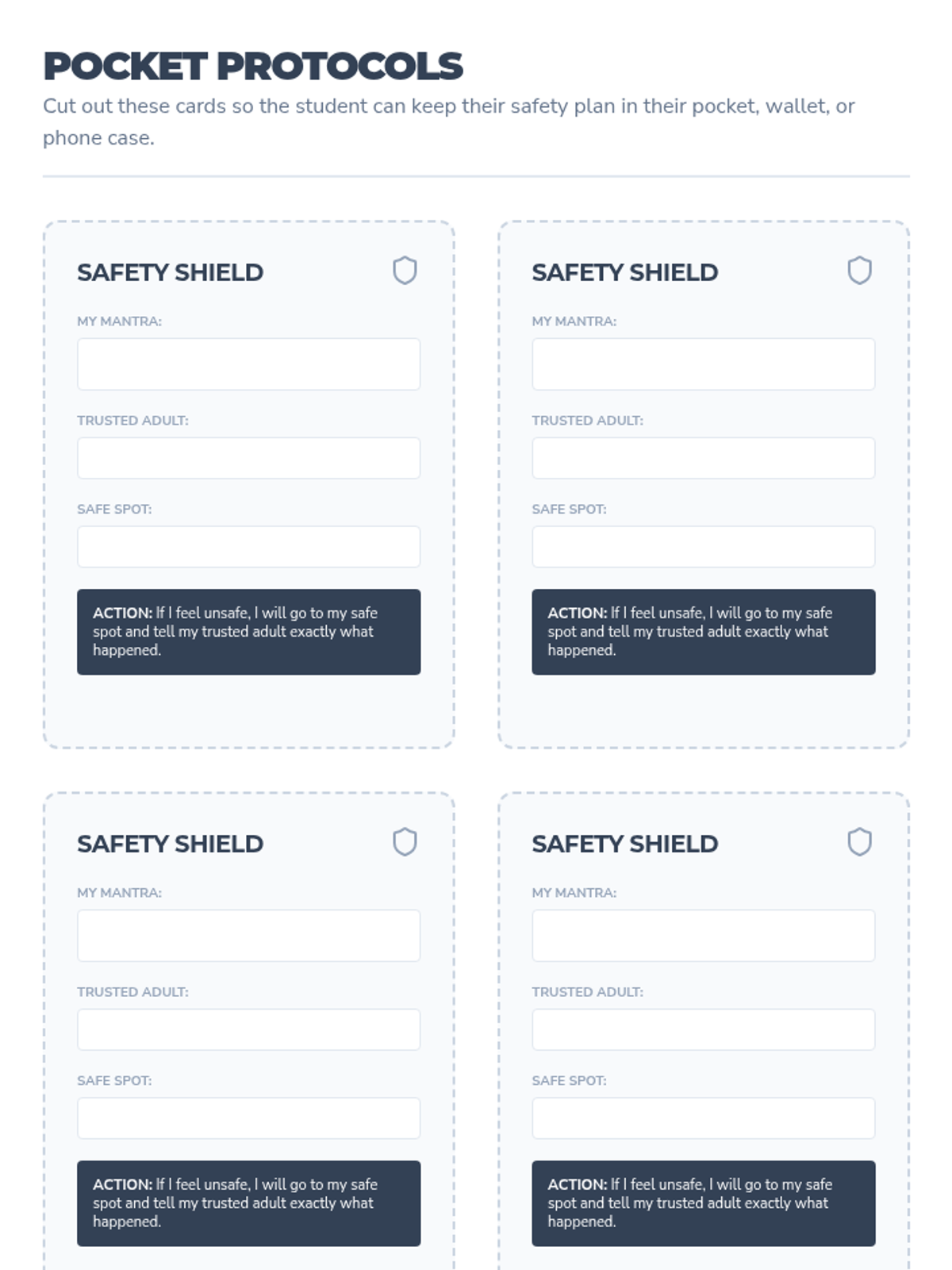
Identifies mental health crises and suicide warning signs while developing personal safety plans and grounding techniques. Equips users with peer gatekeeper skills and direct pathways to professional crisis resources and hotlines.
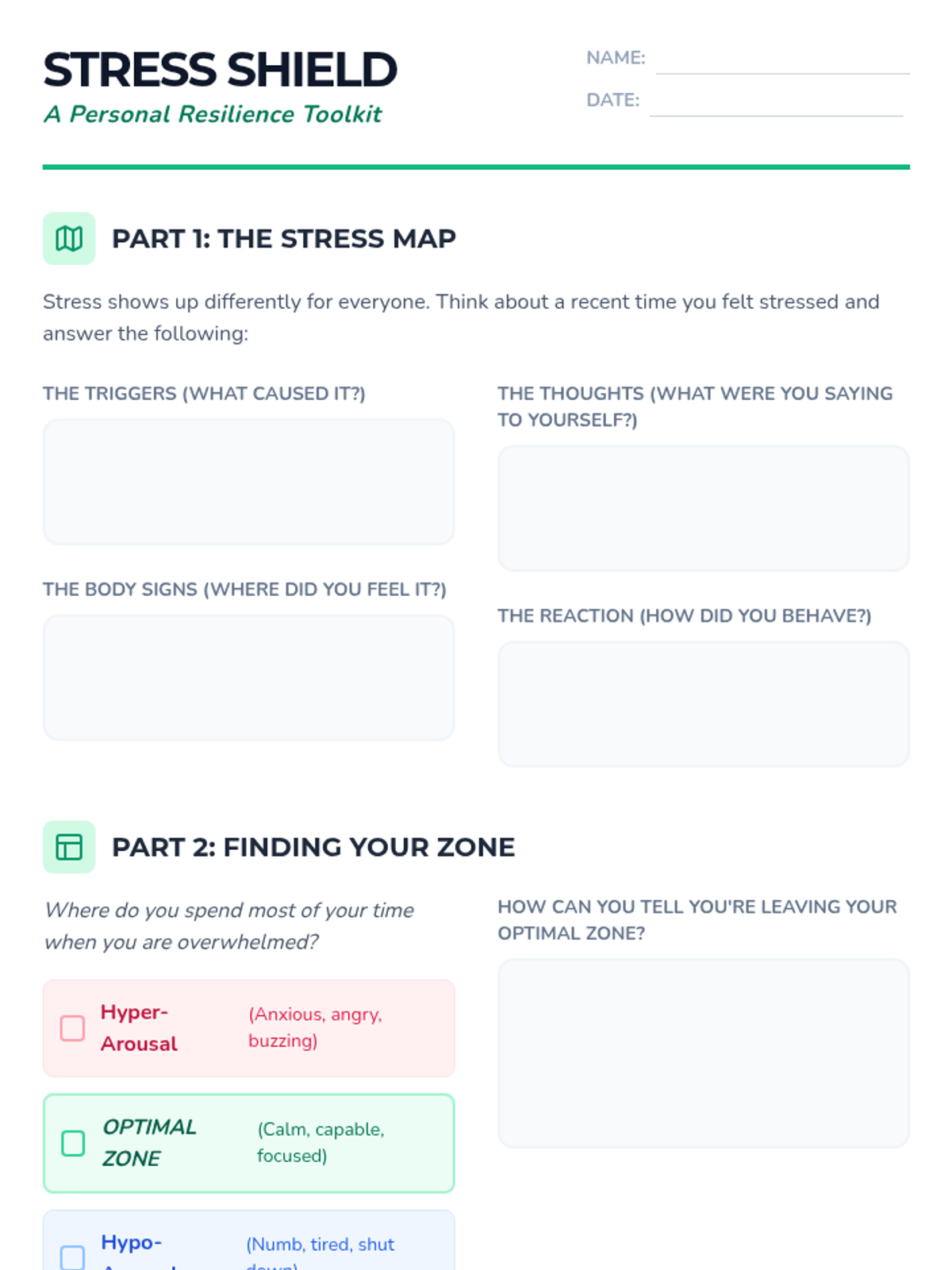
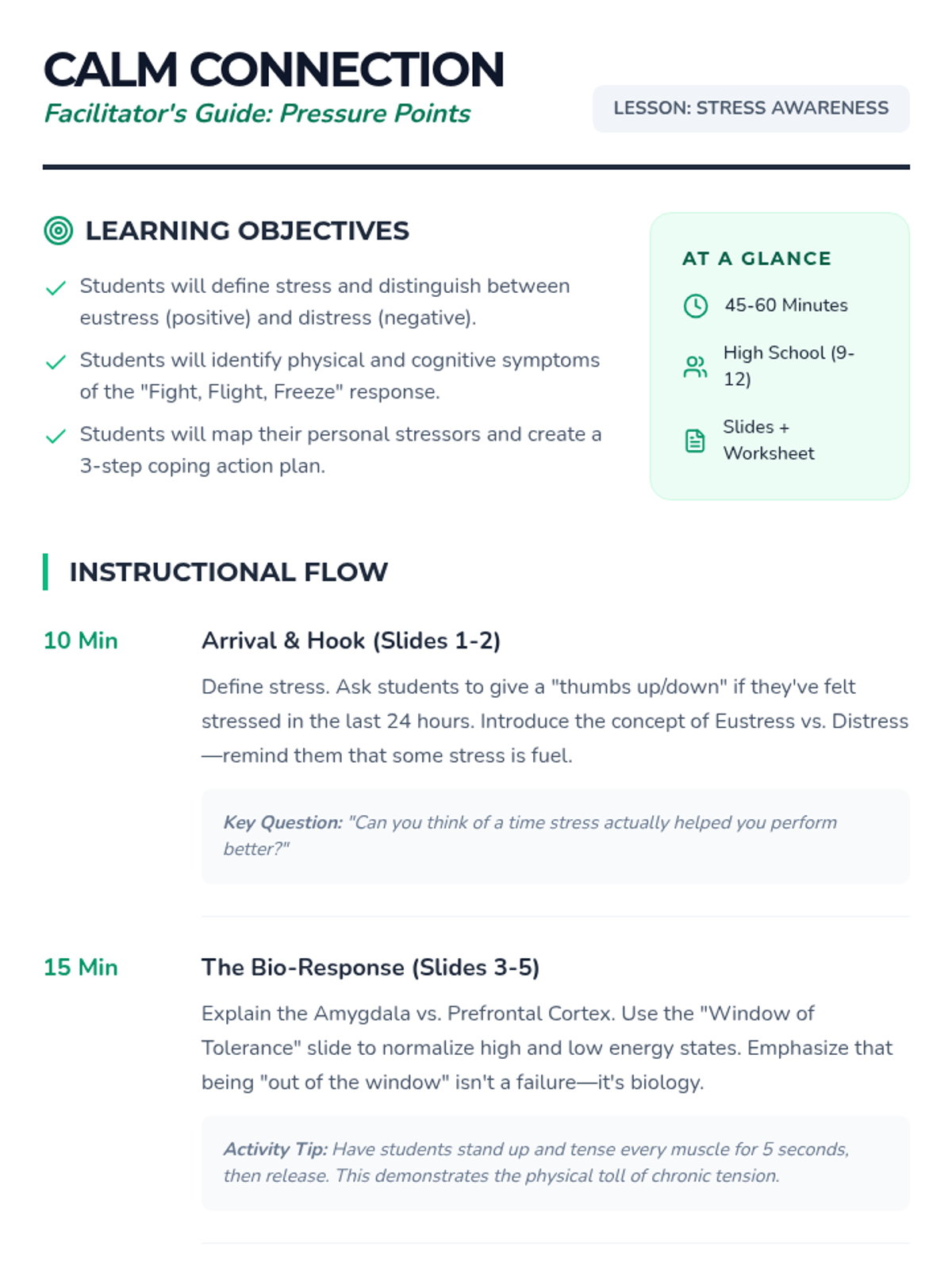
A comprehensive lesson on understanding stress, identifying personal triggers, and developing healthy coping mechanisms for high school students.
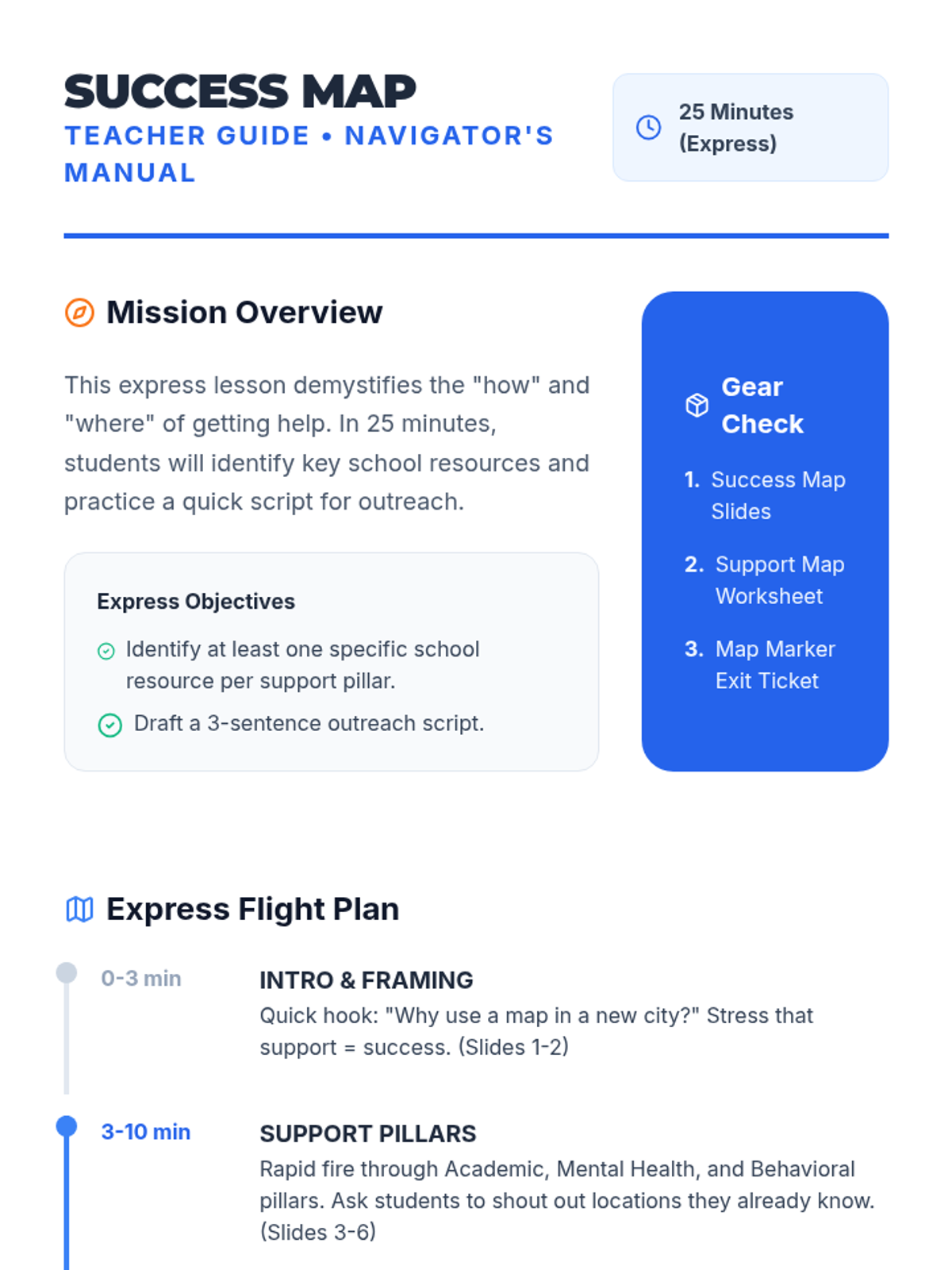
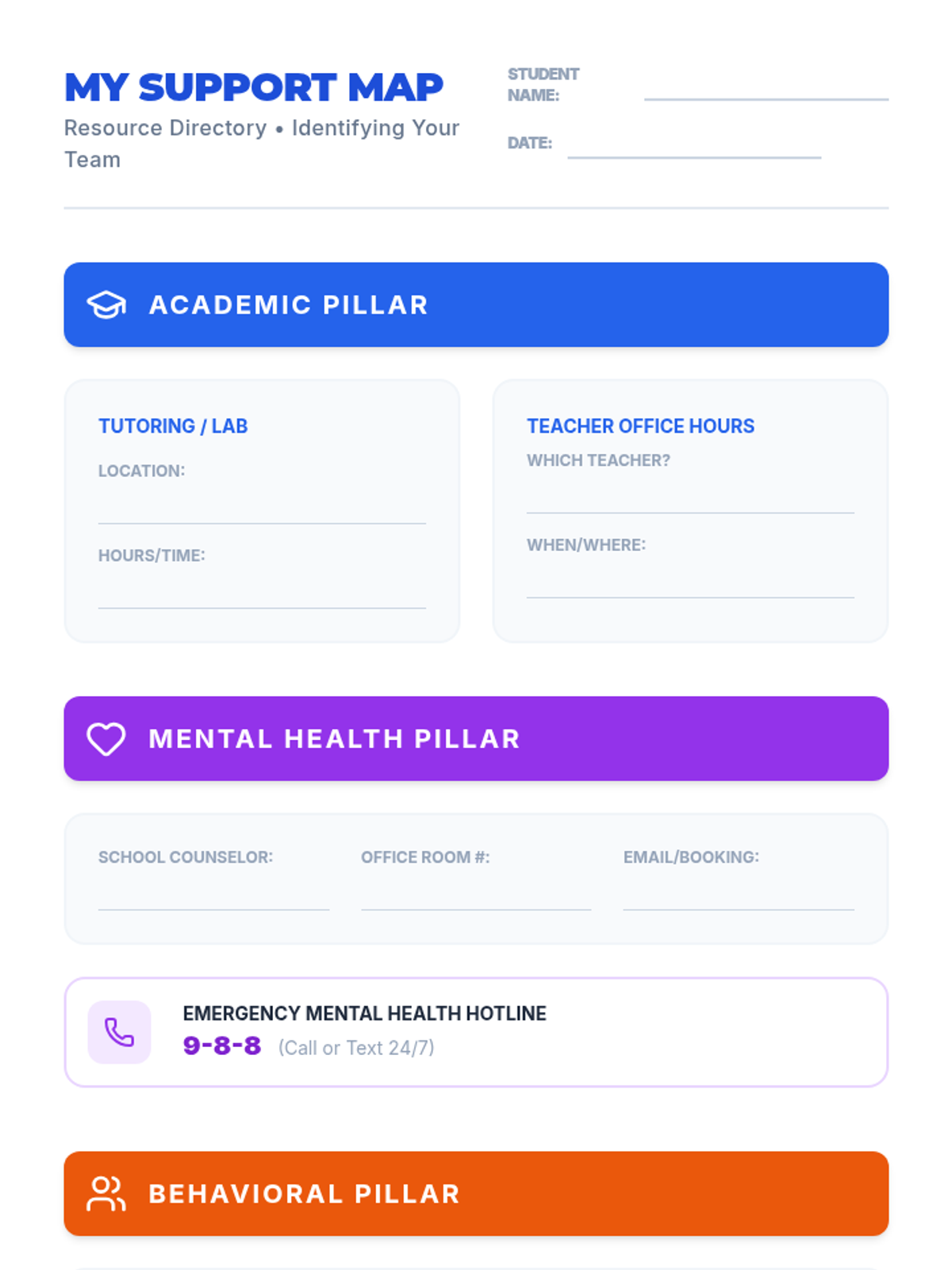
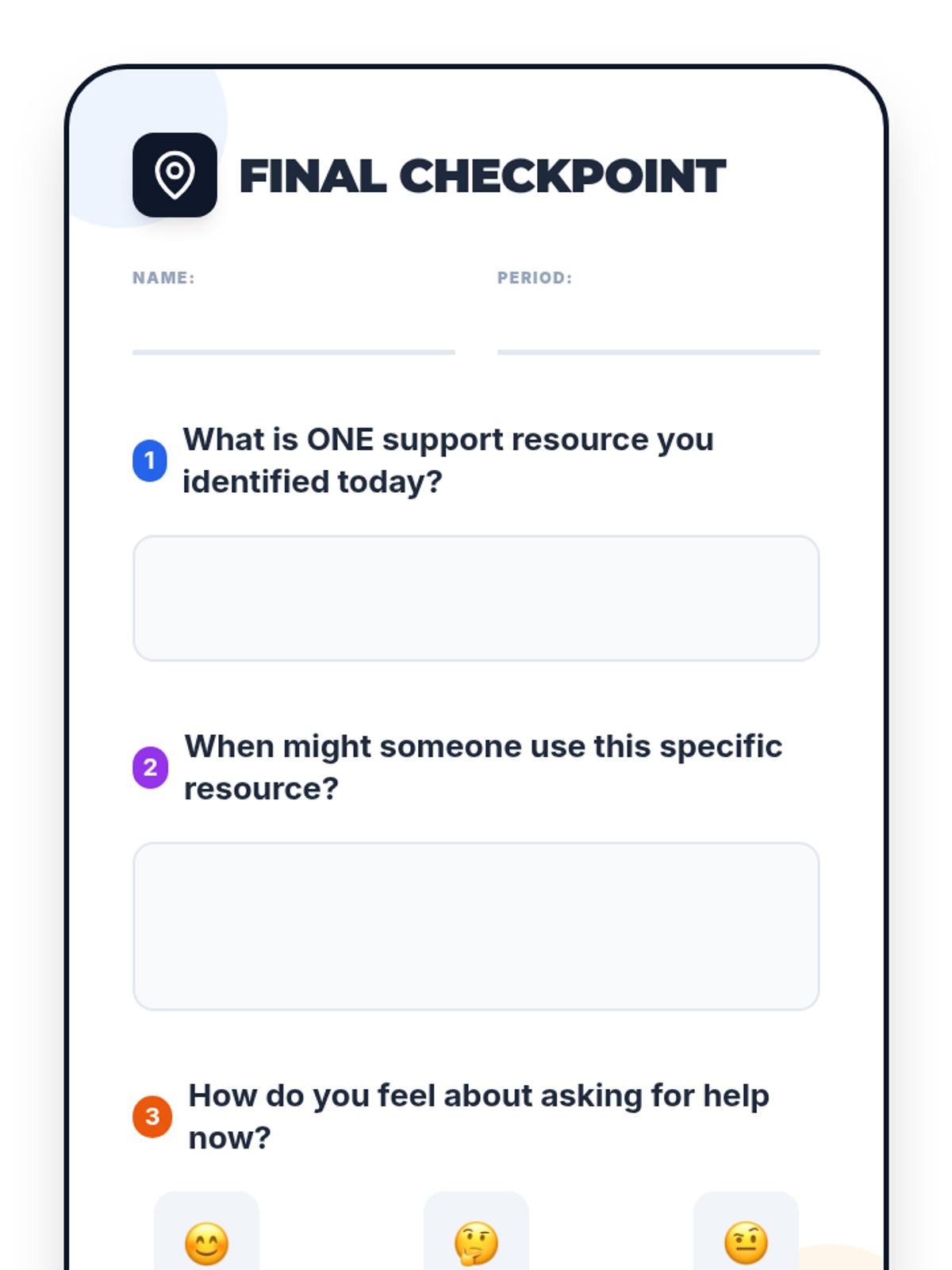
A comprehensive guide for high school students to navigate academic, mental health, and behavioral support systems. Students learn how to identify their needs, find the right resources, and effectively ask for help.
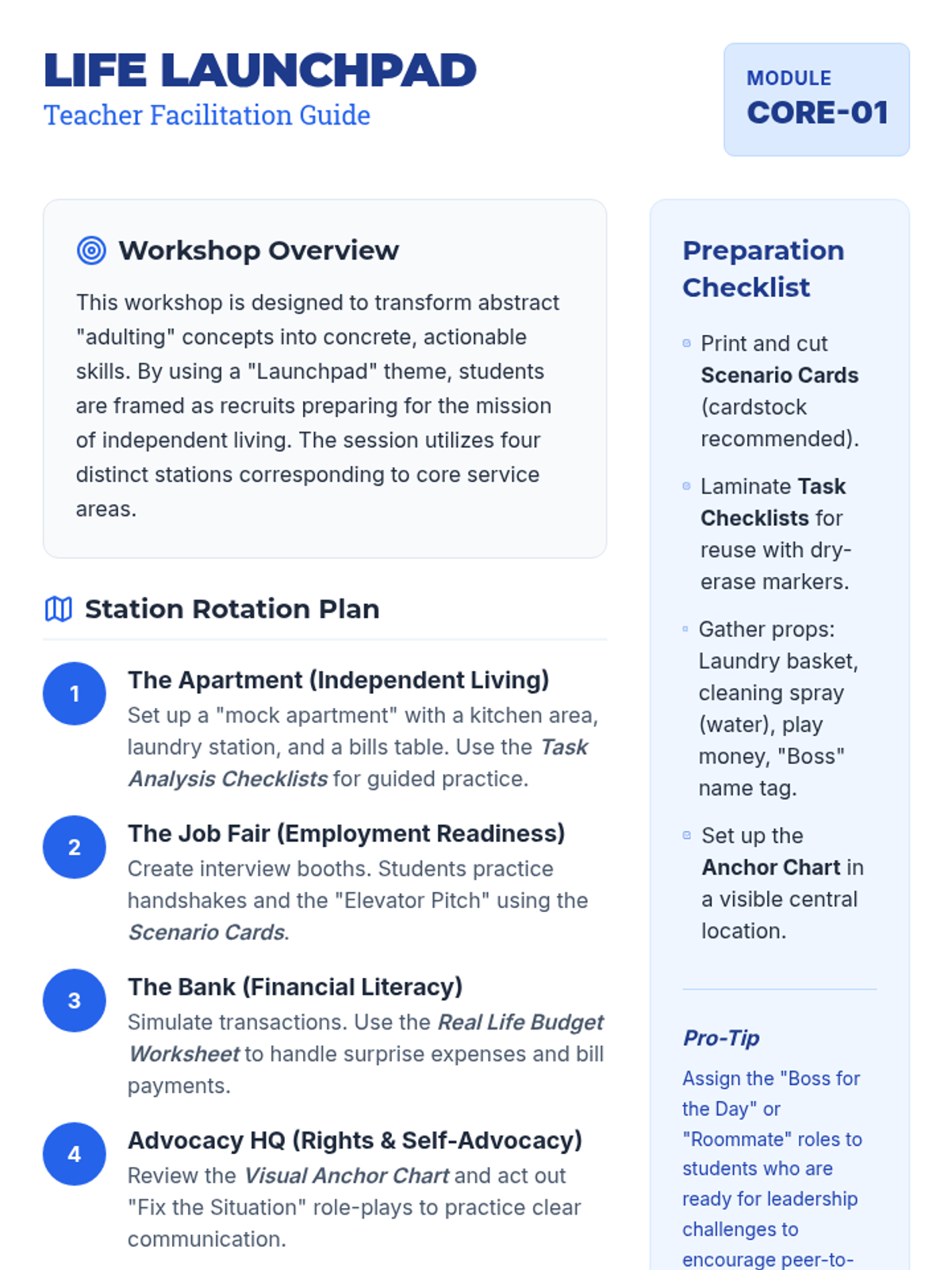
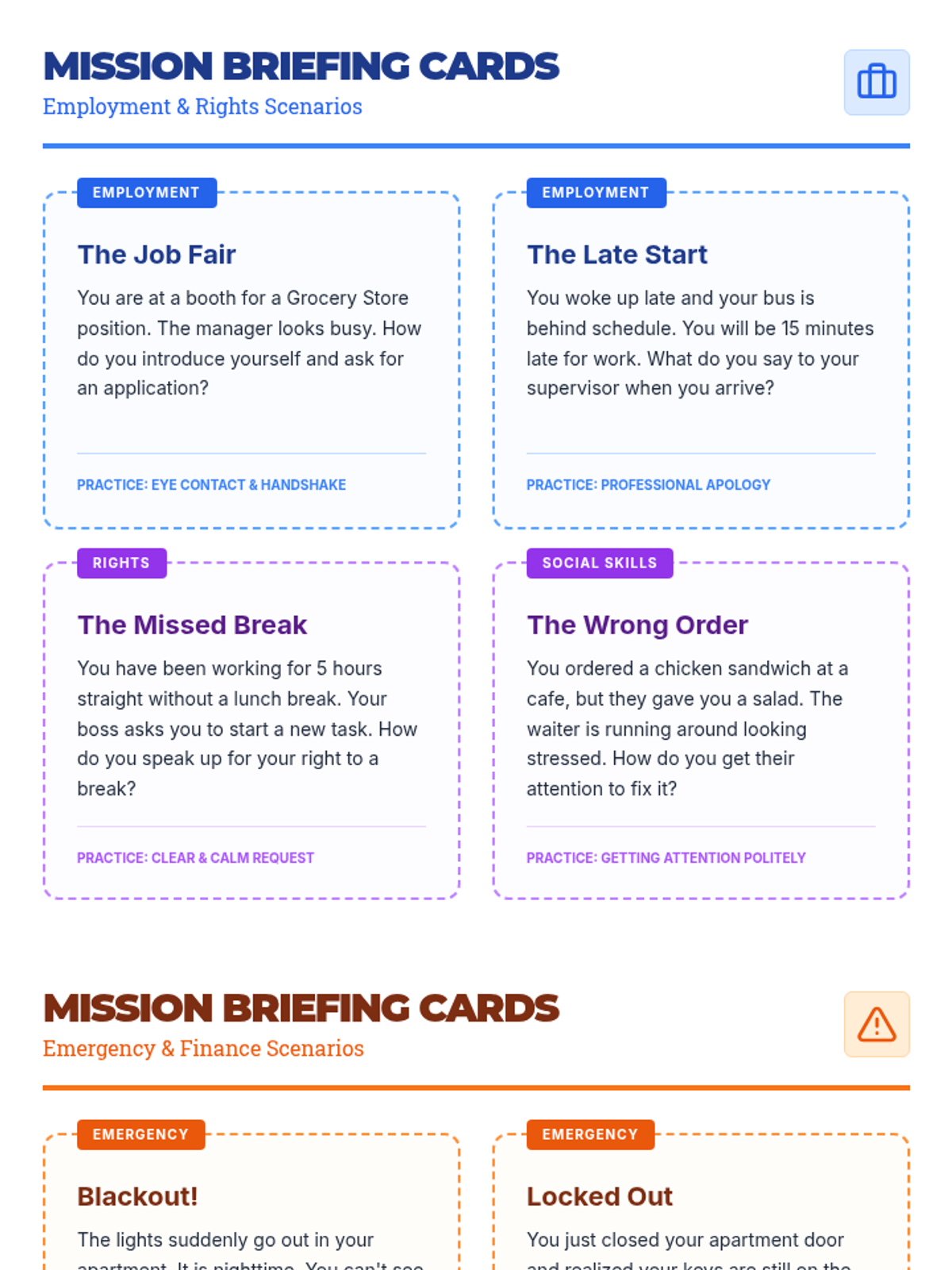
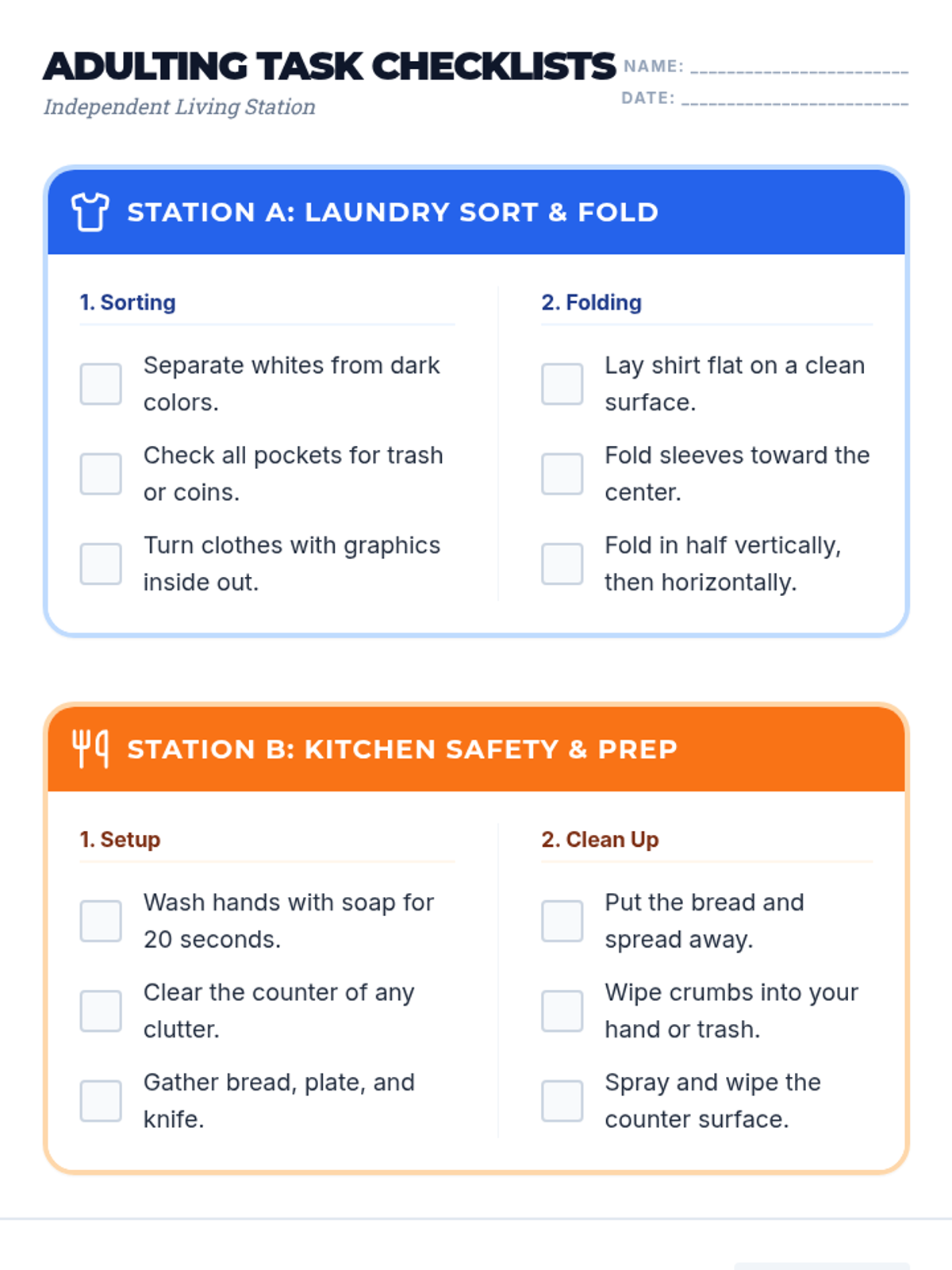
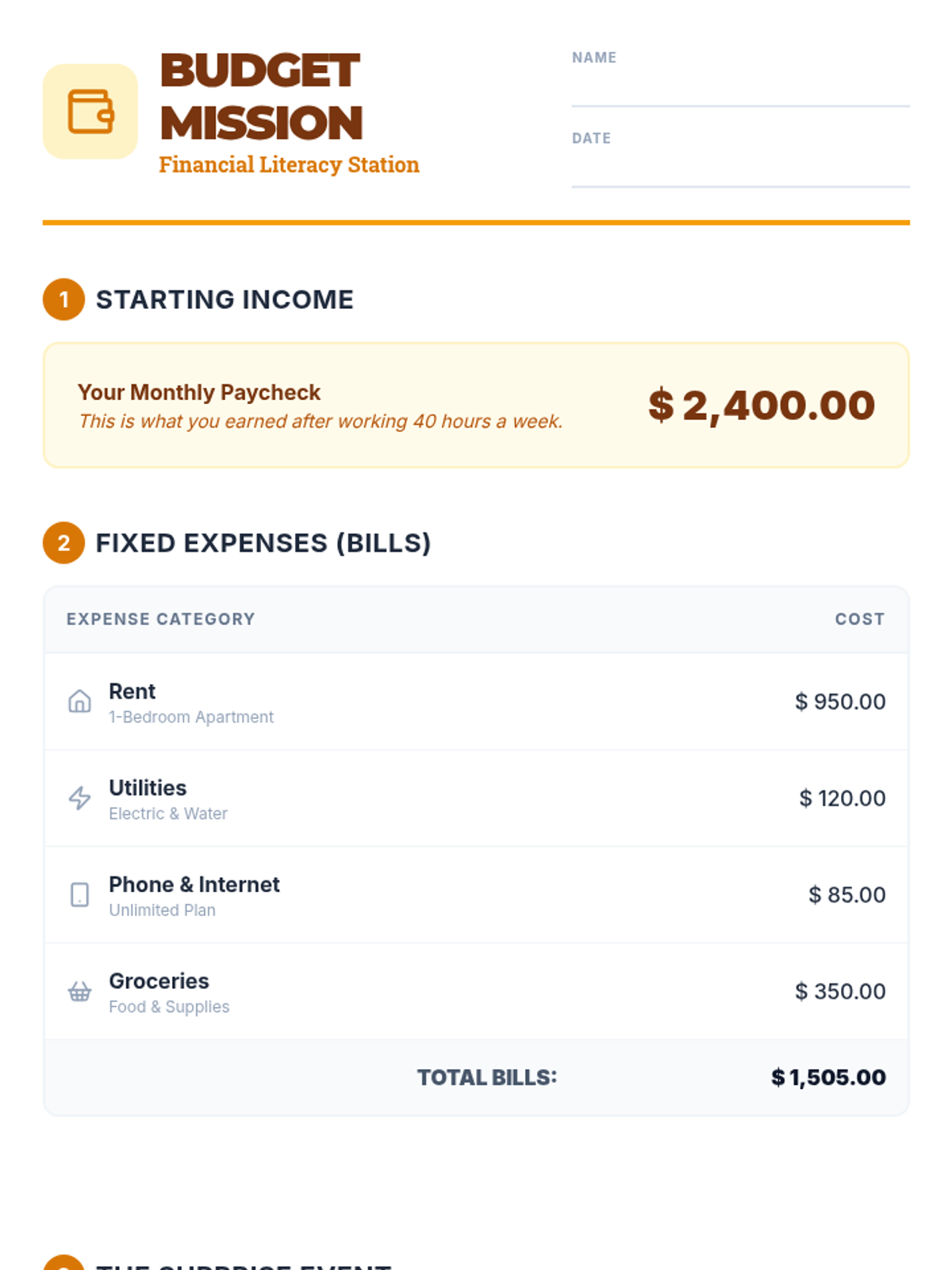
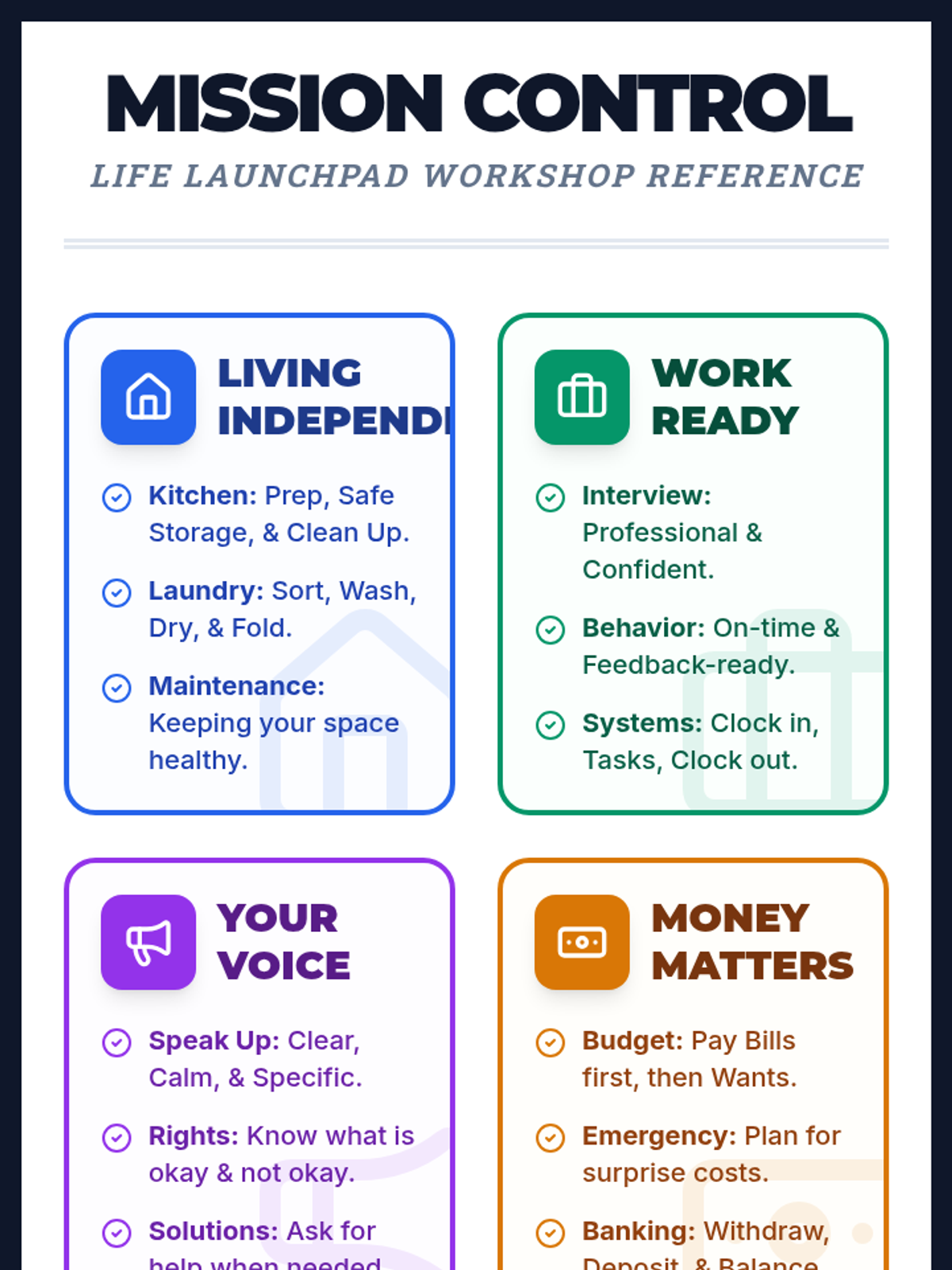
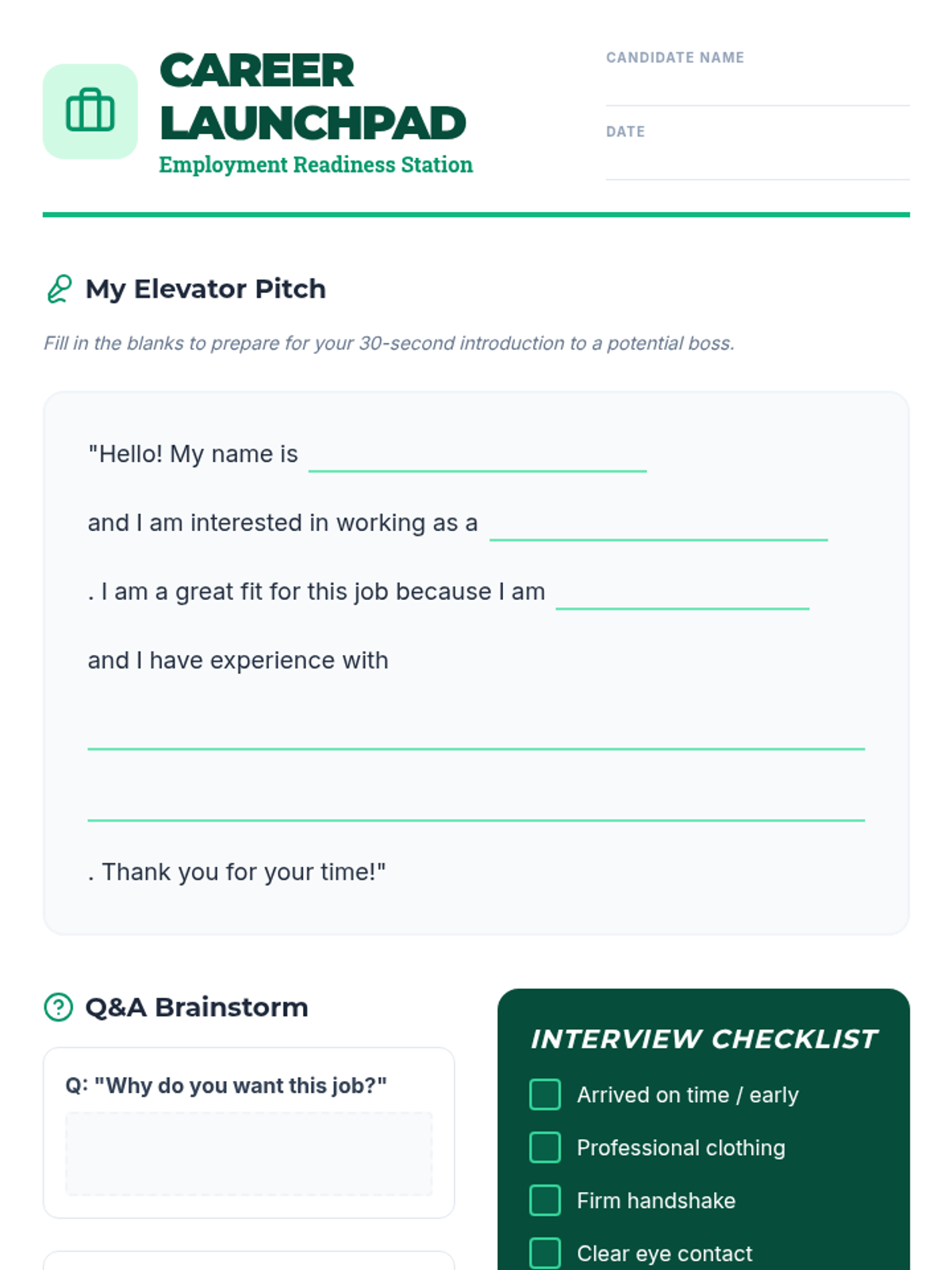
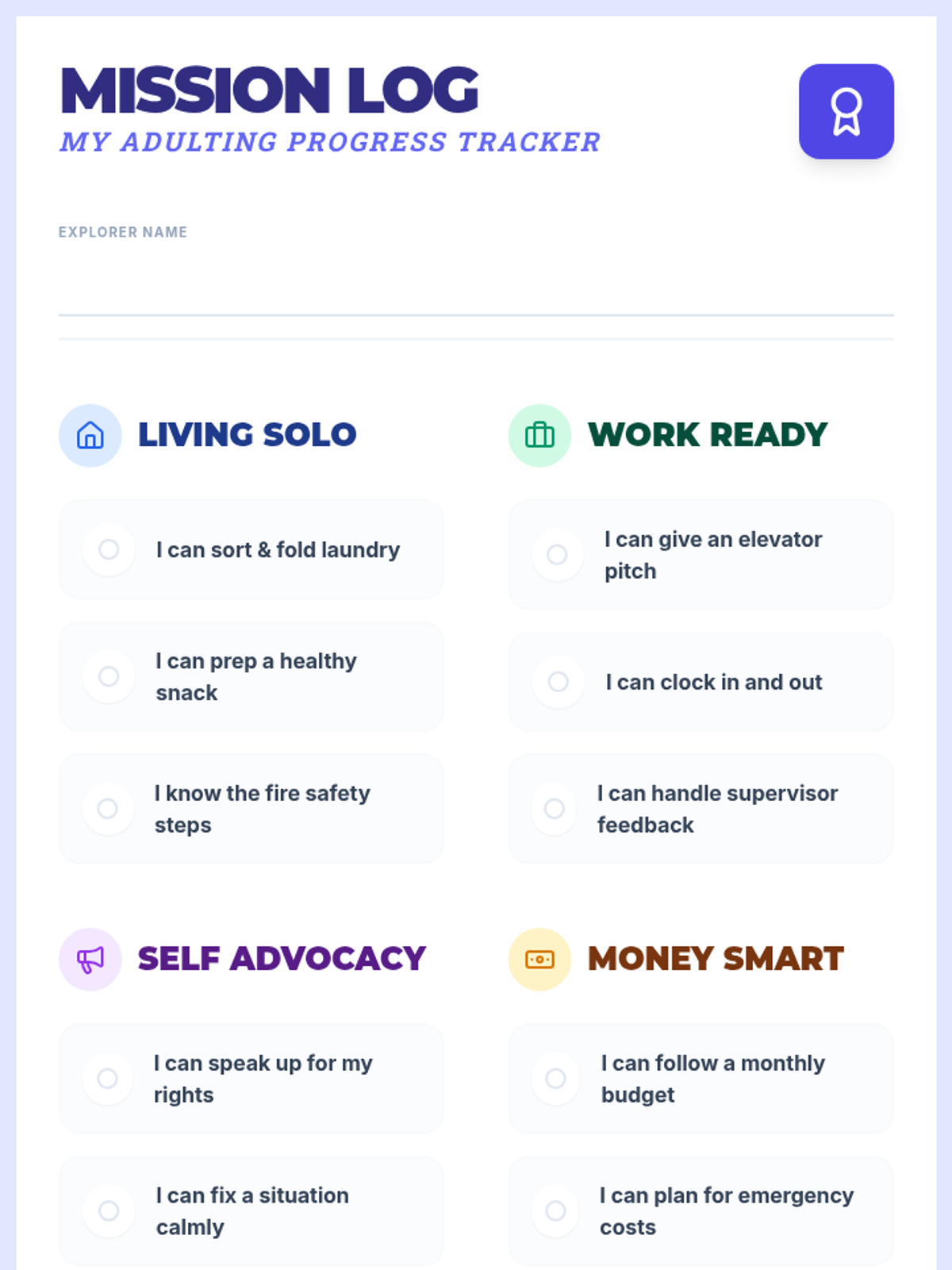
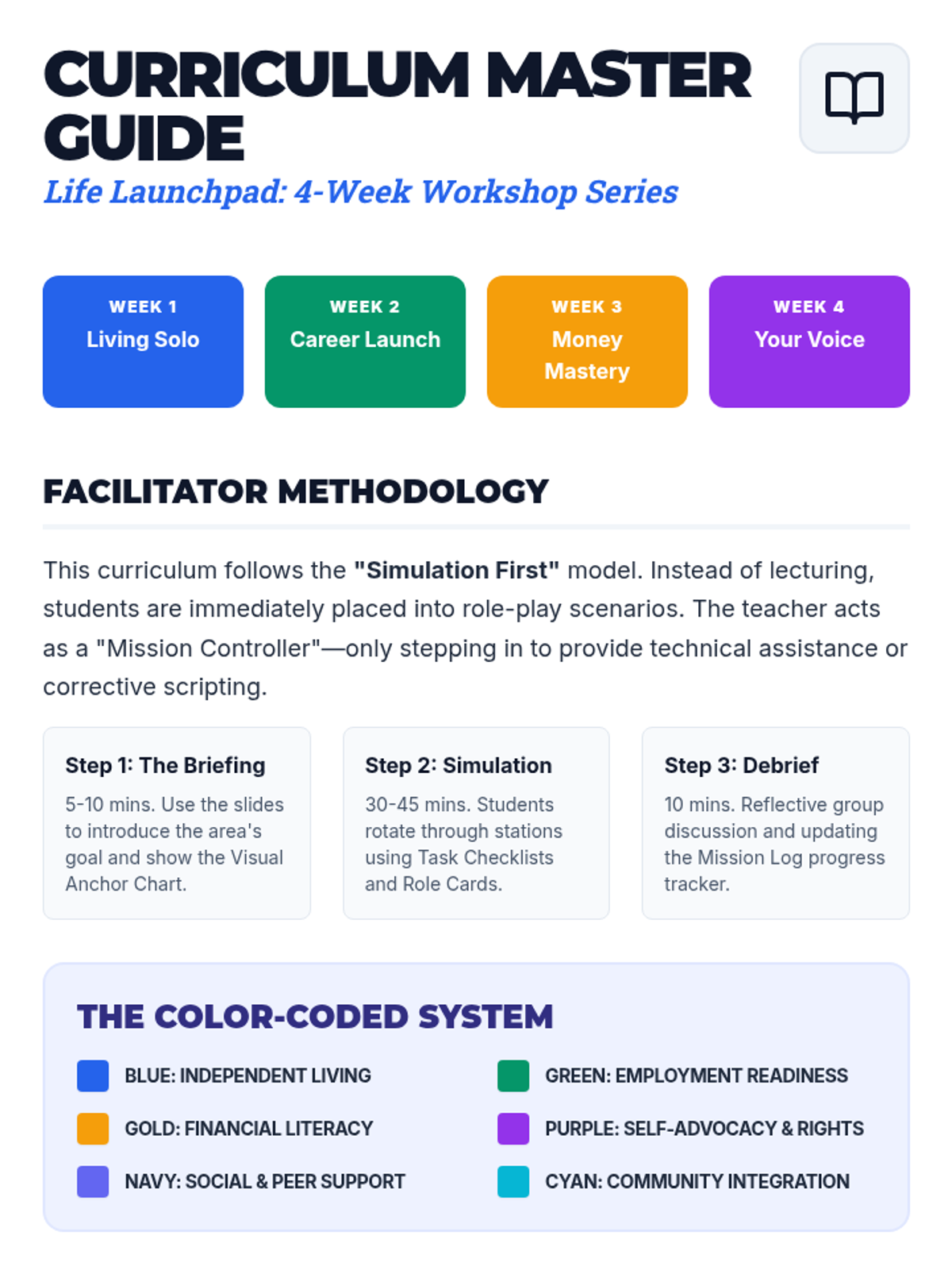
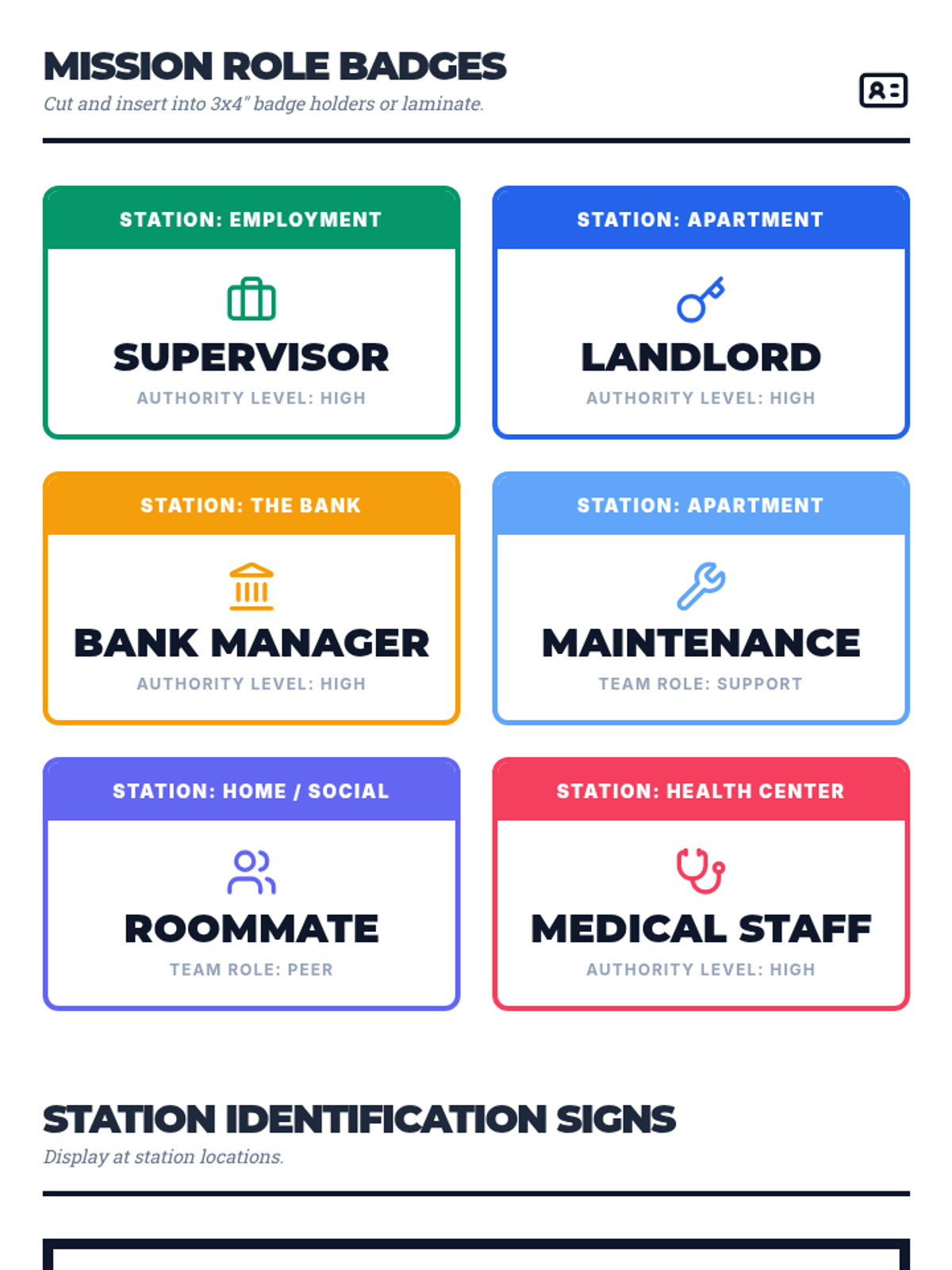
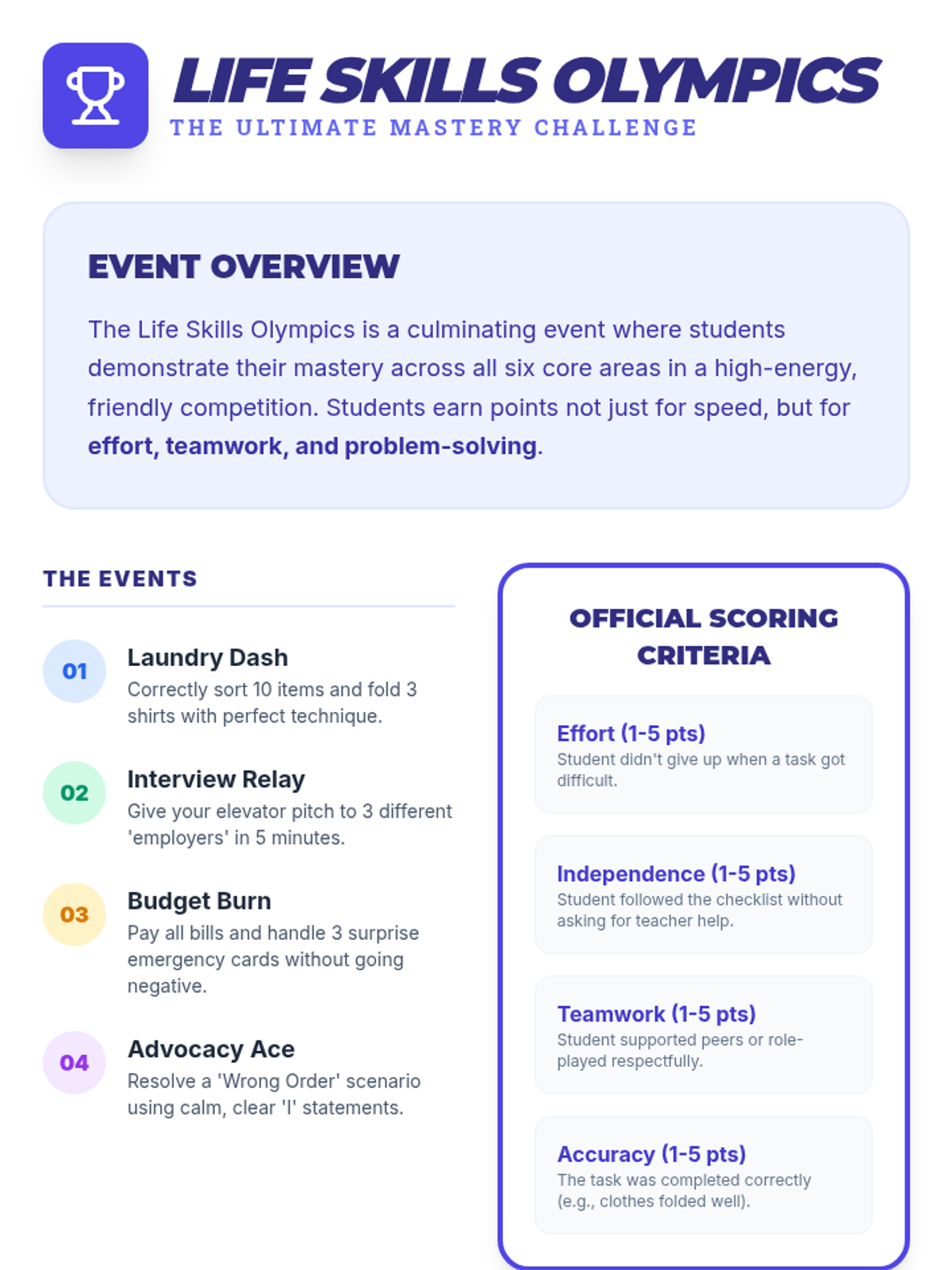
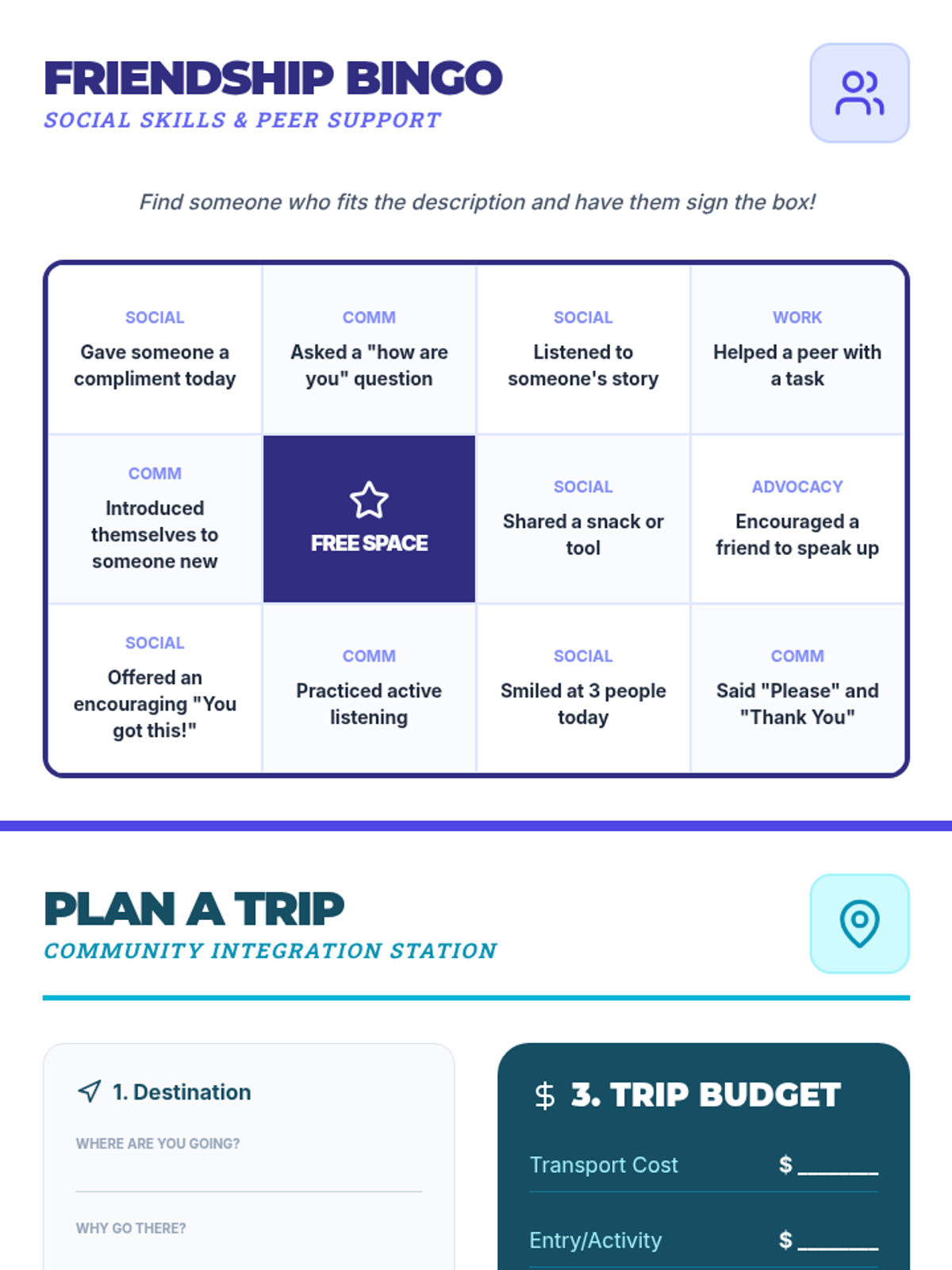
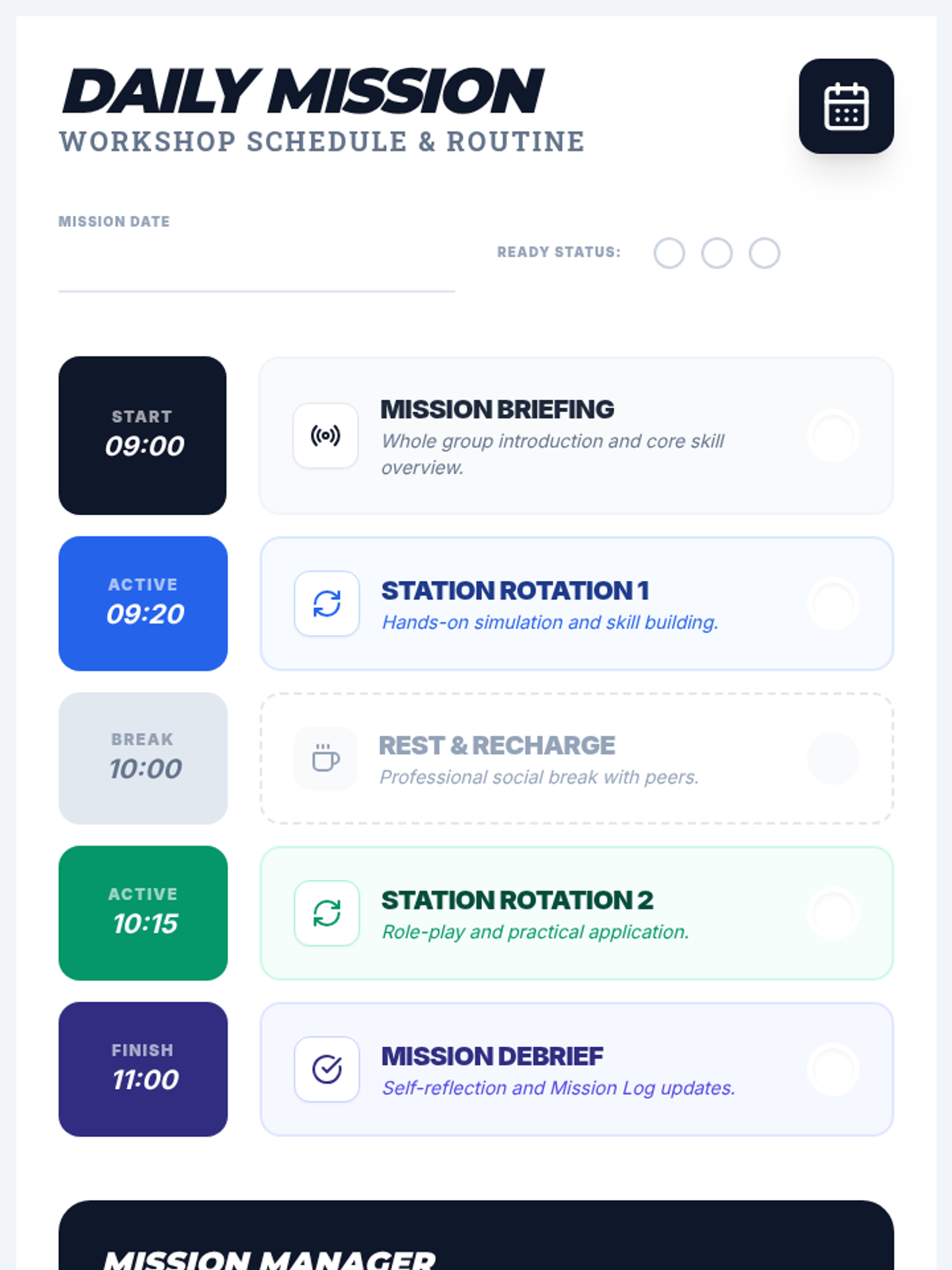
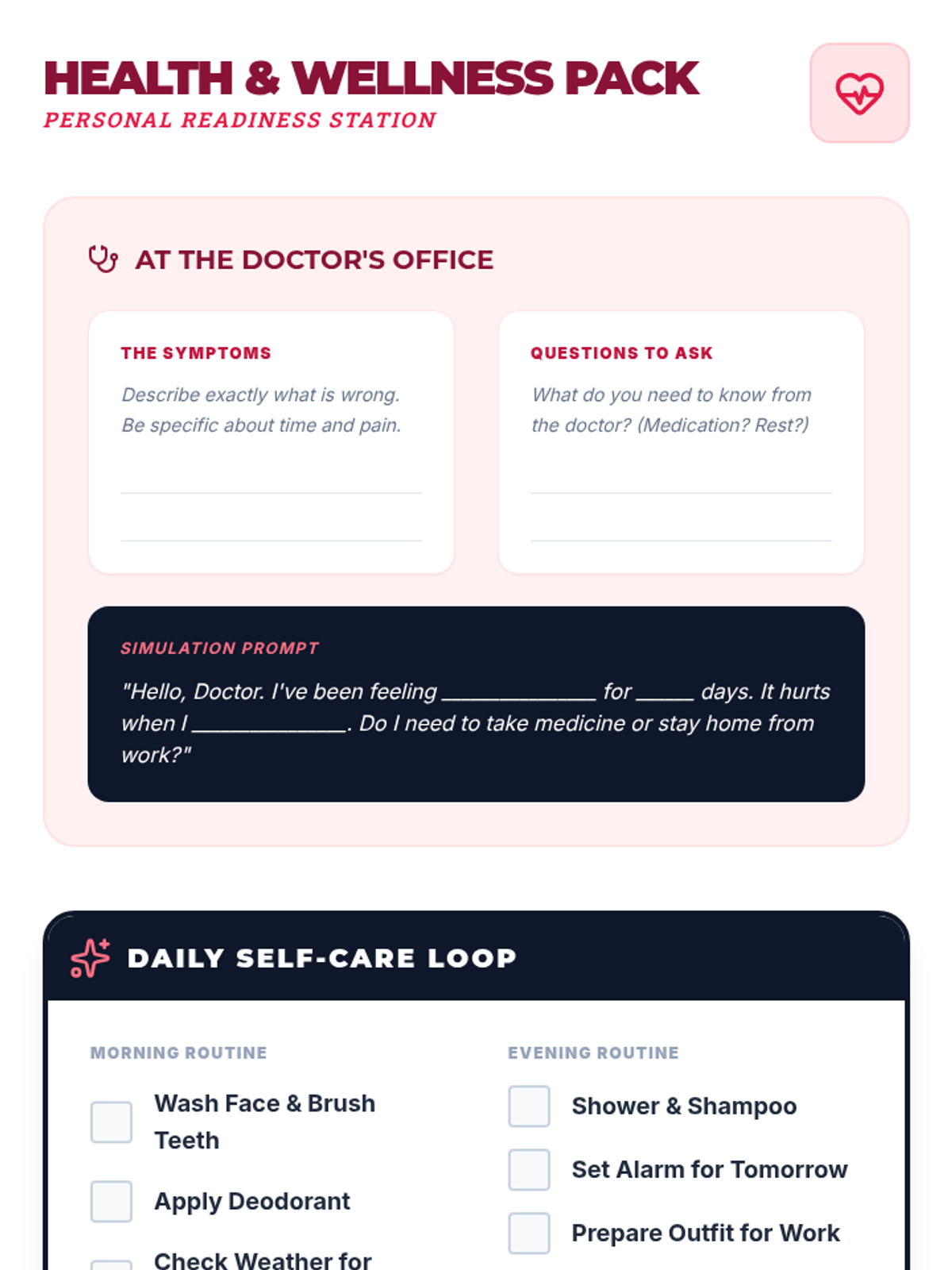
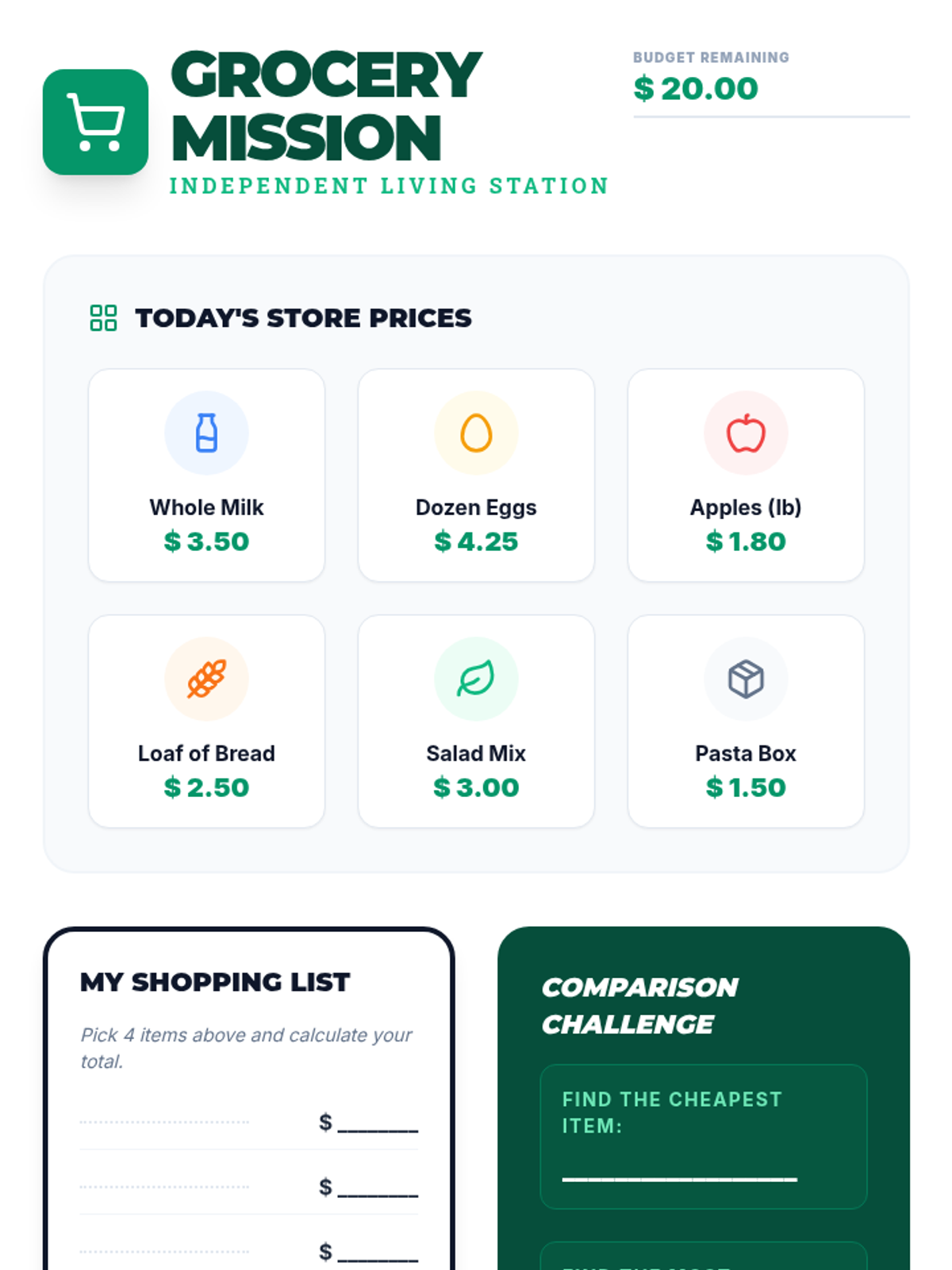
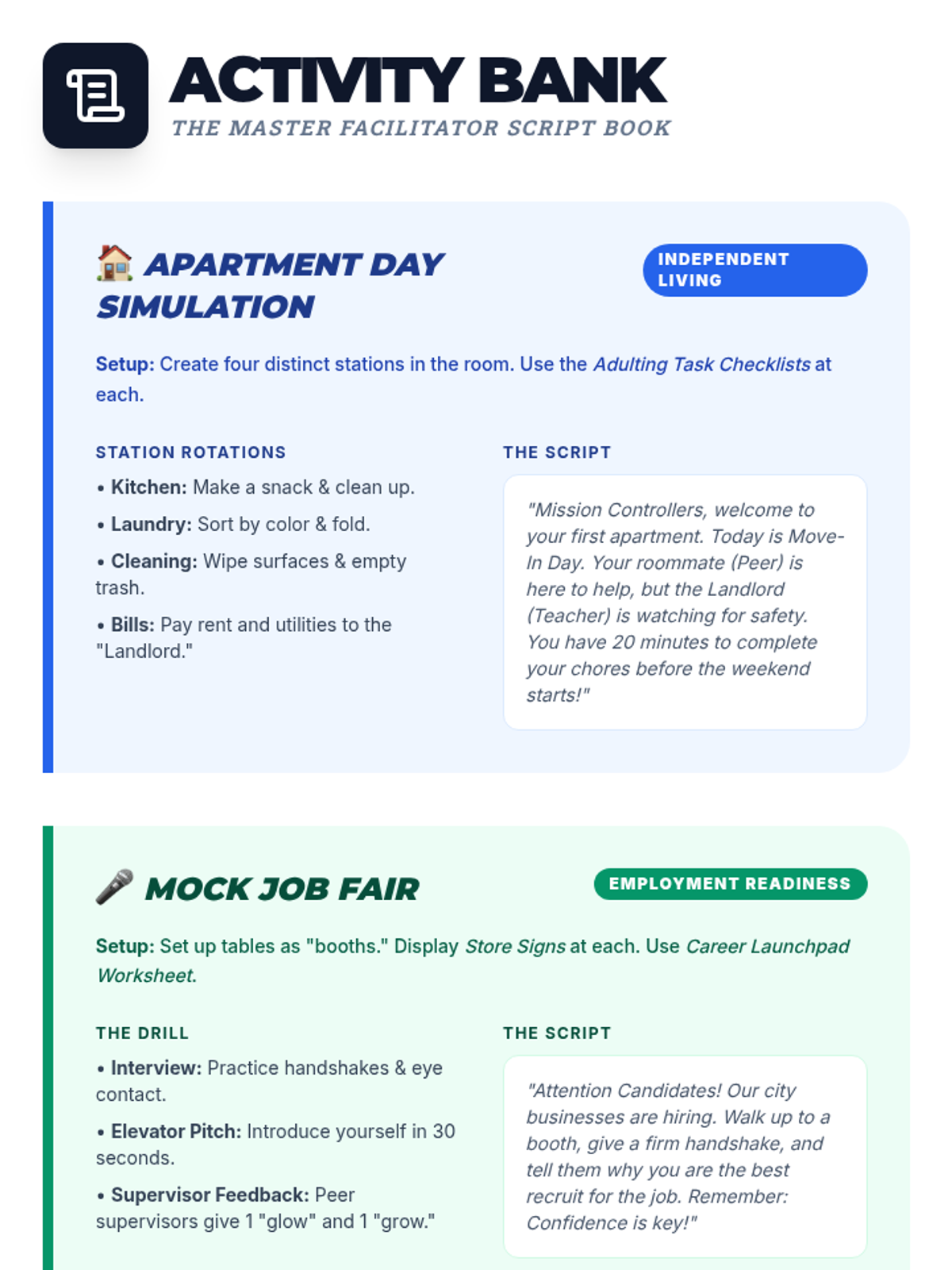
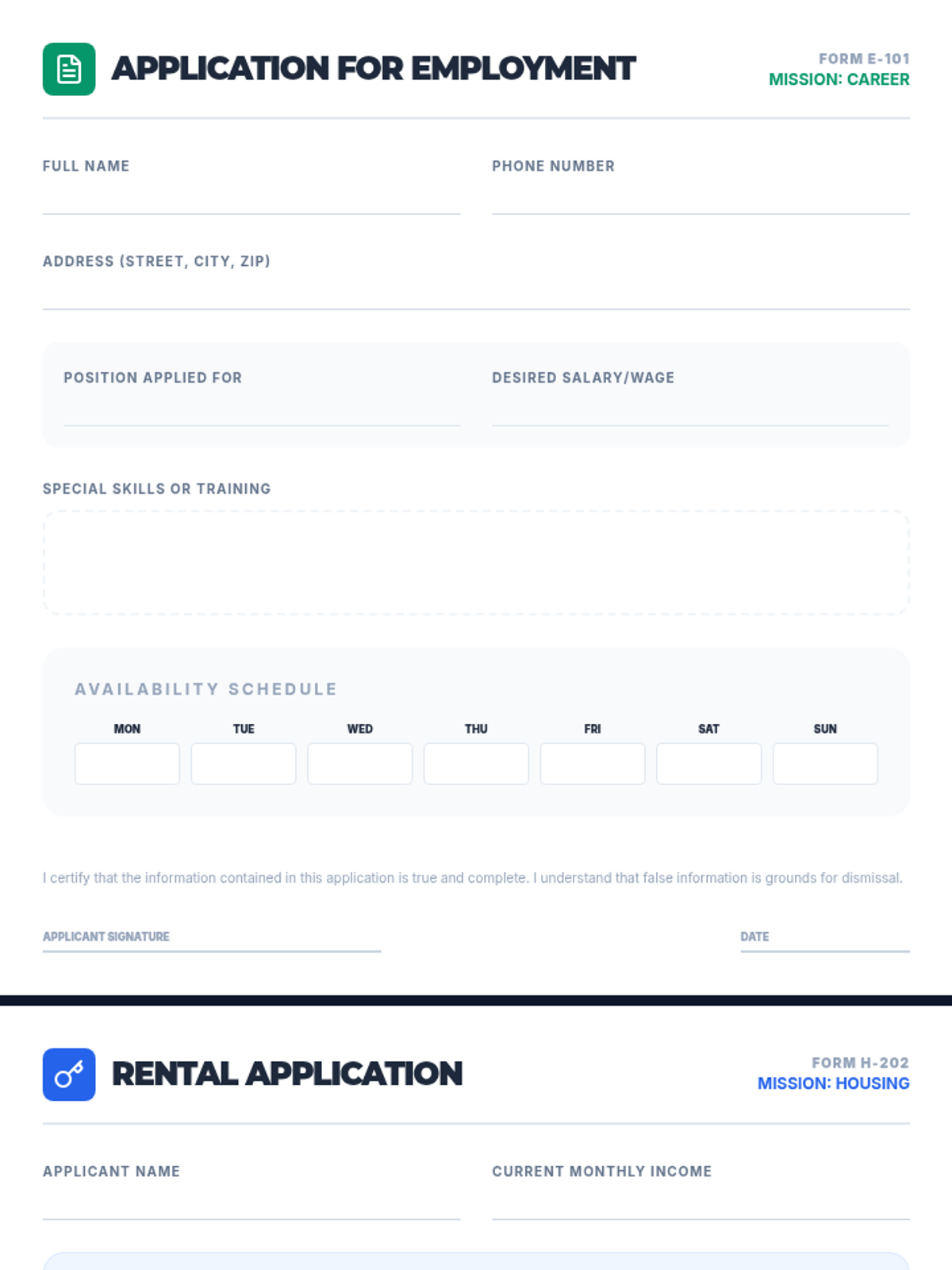
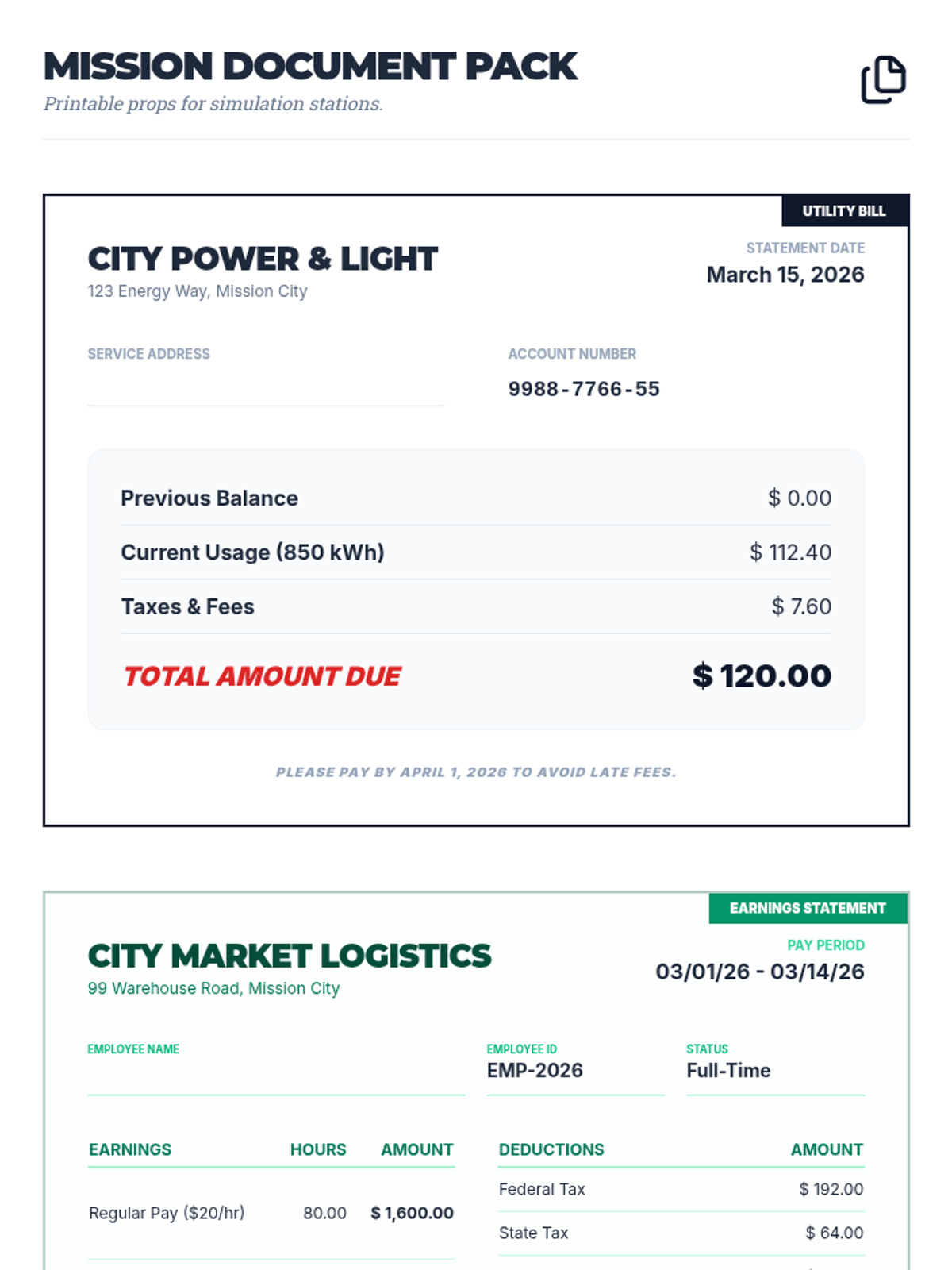
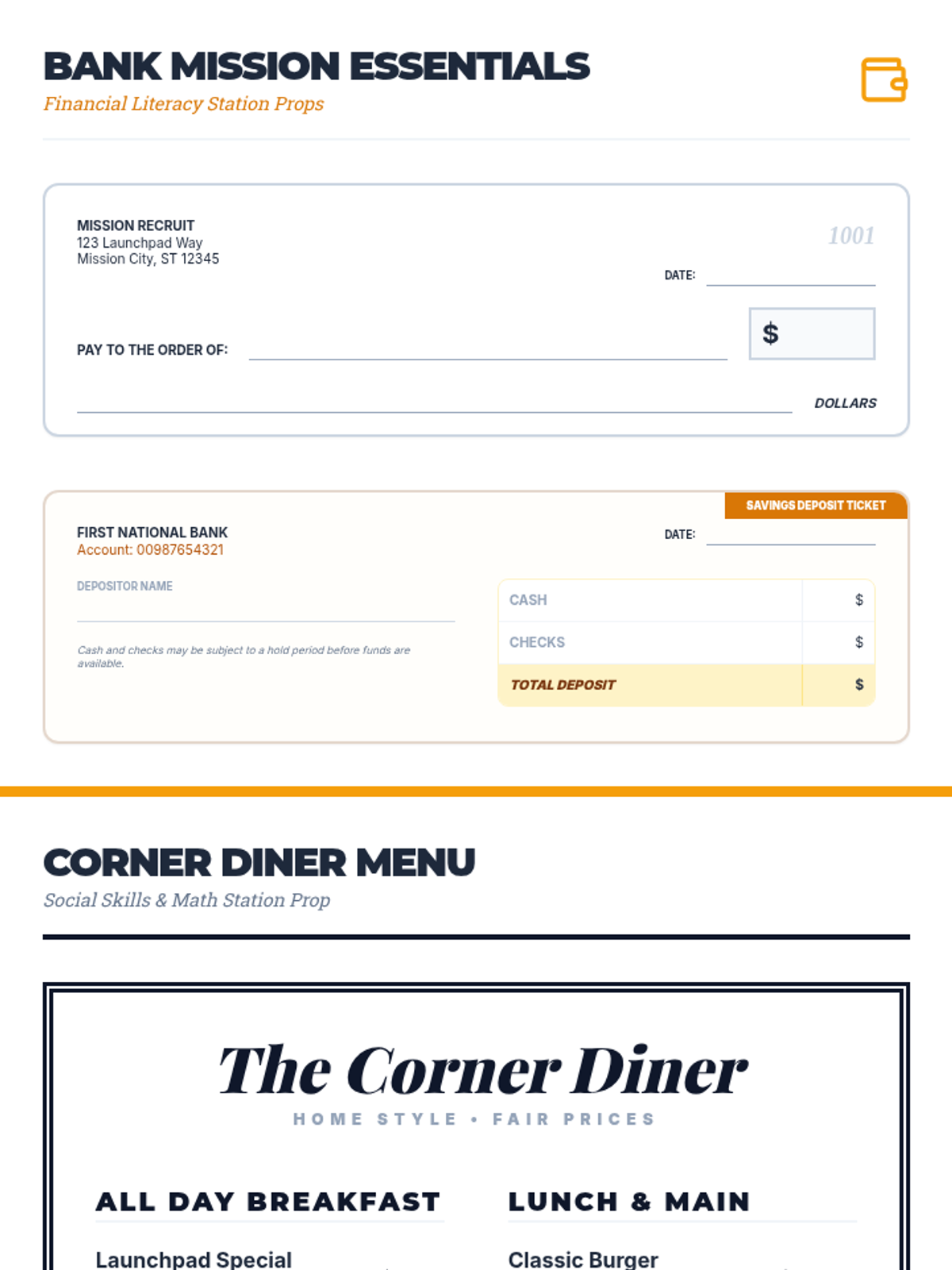
A comprehensive workshop focusing on essential adulting skills through immersive role-play, task simulations, and practical financial planning. This lesson covers Independent Living, Employment Readiness, Self-Advocacy, and Financial Literacy.
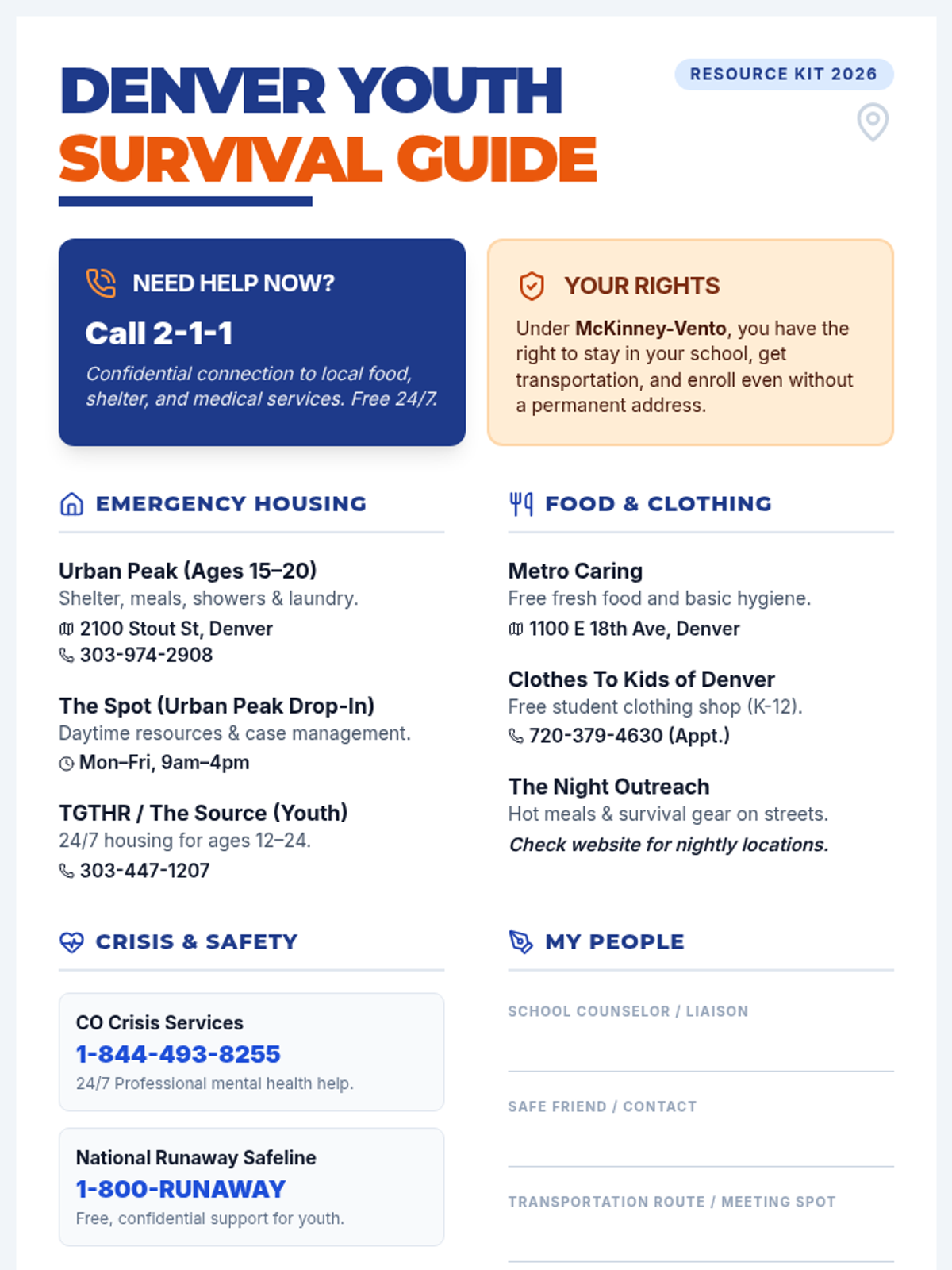
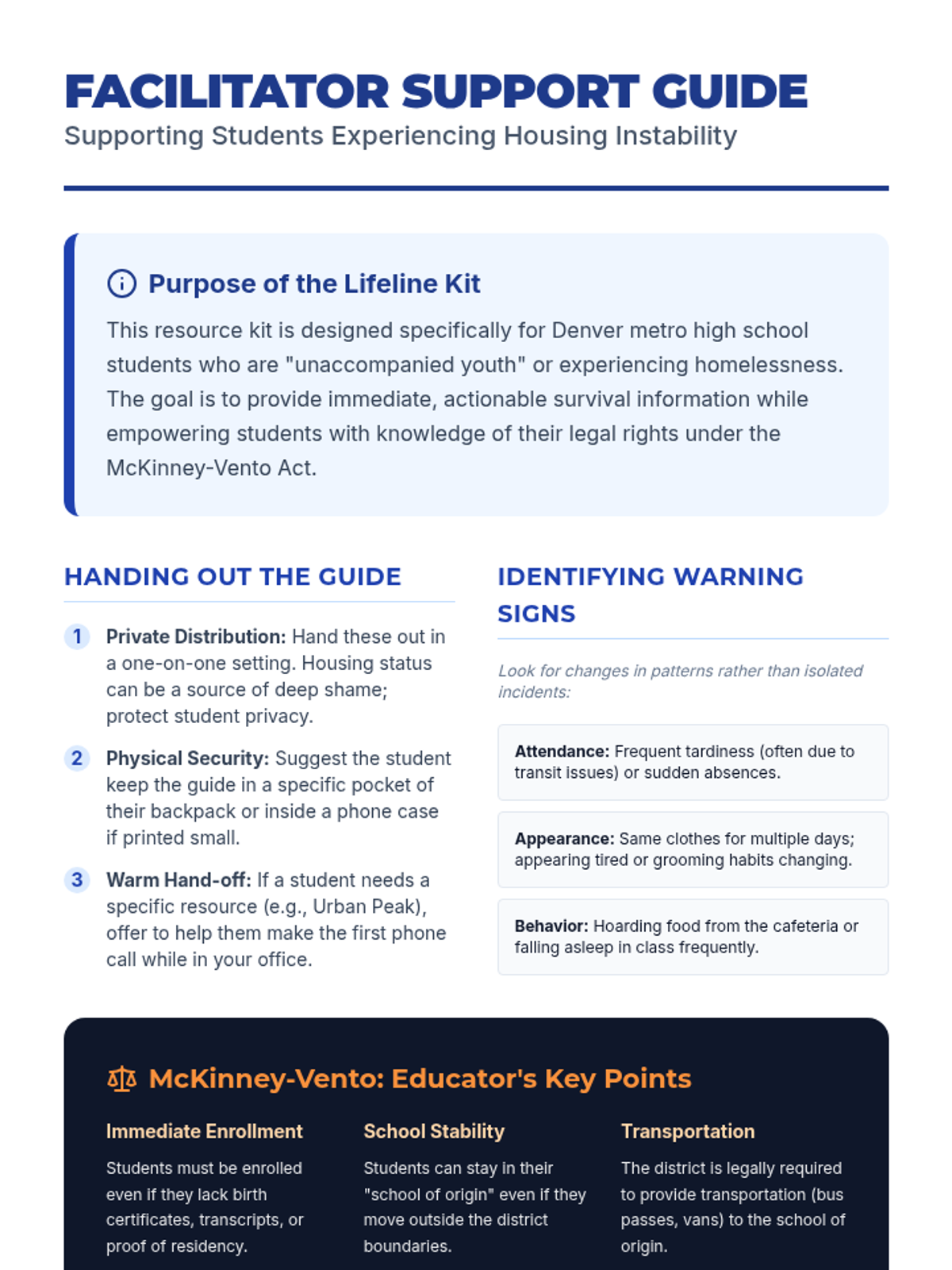
A comprehensive set of resources and instructional materials to support Denver metro high school students experiencing housing instability, focusing on immediate survival needs and legal rights under the McKinney-Vento Act.
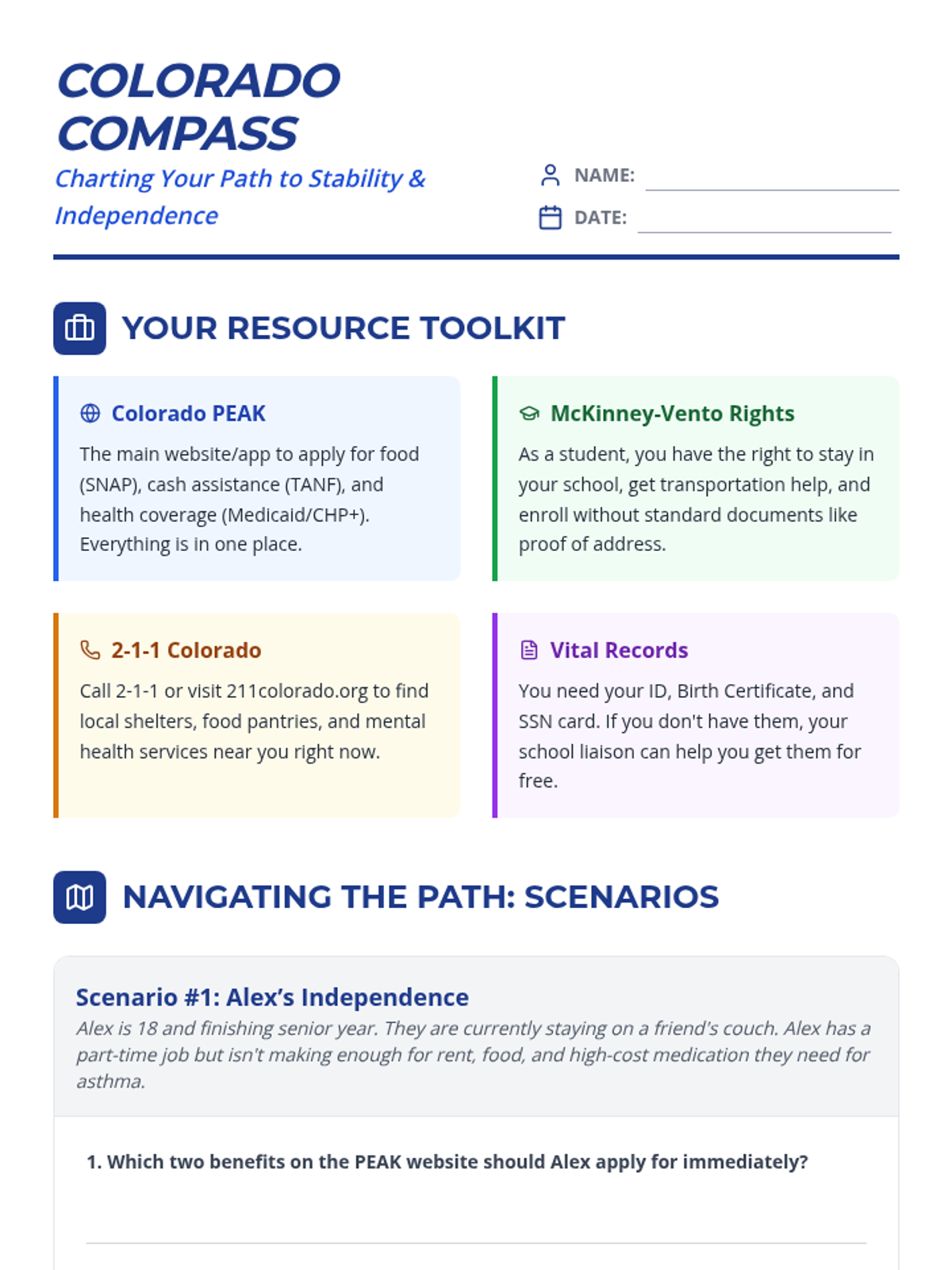
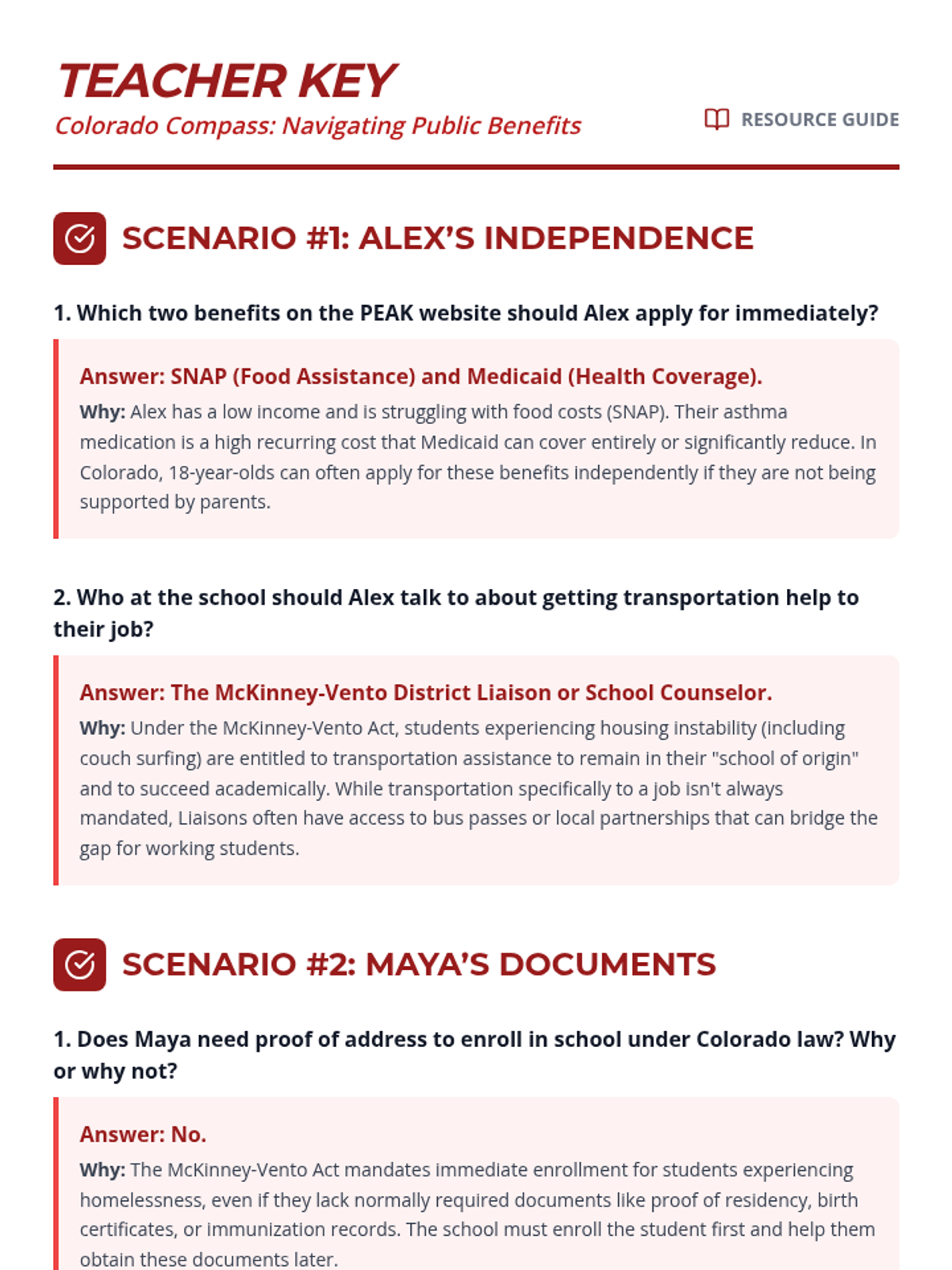
A comprehensive lesson designed to help homeless high school students navigate complex public benefit systems, understand their rights under McKinney-Vento, and manage the documentation required for stability and post-secondary success.
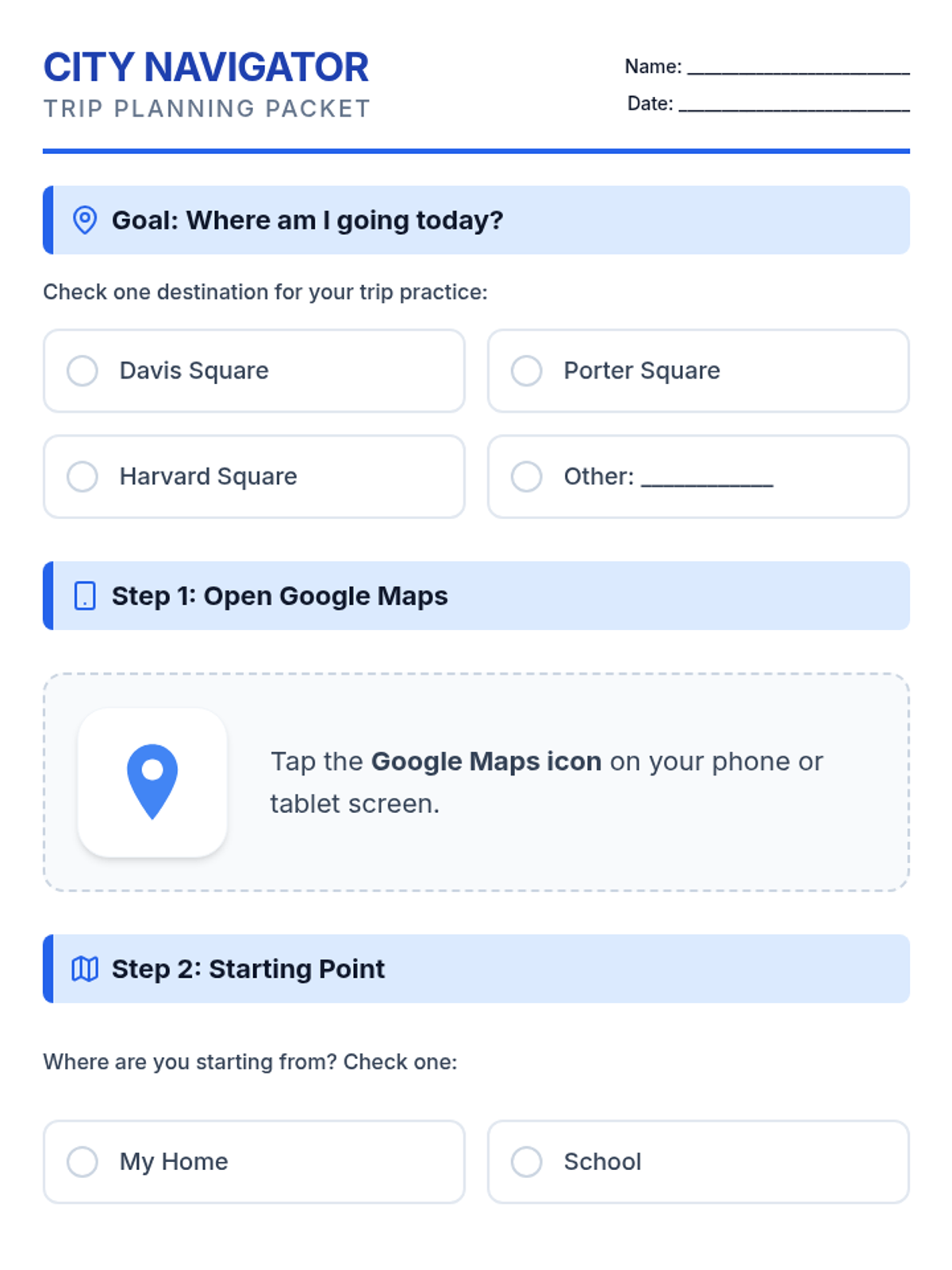
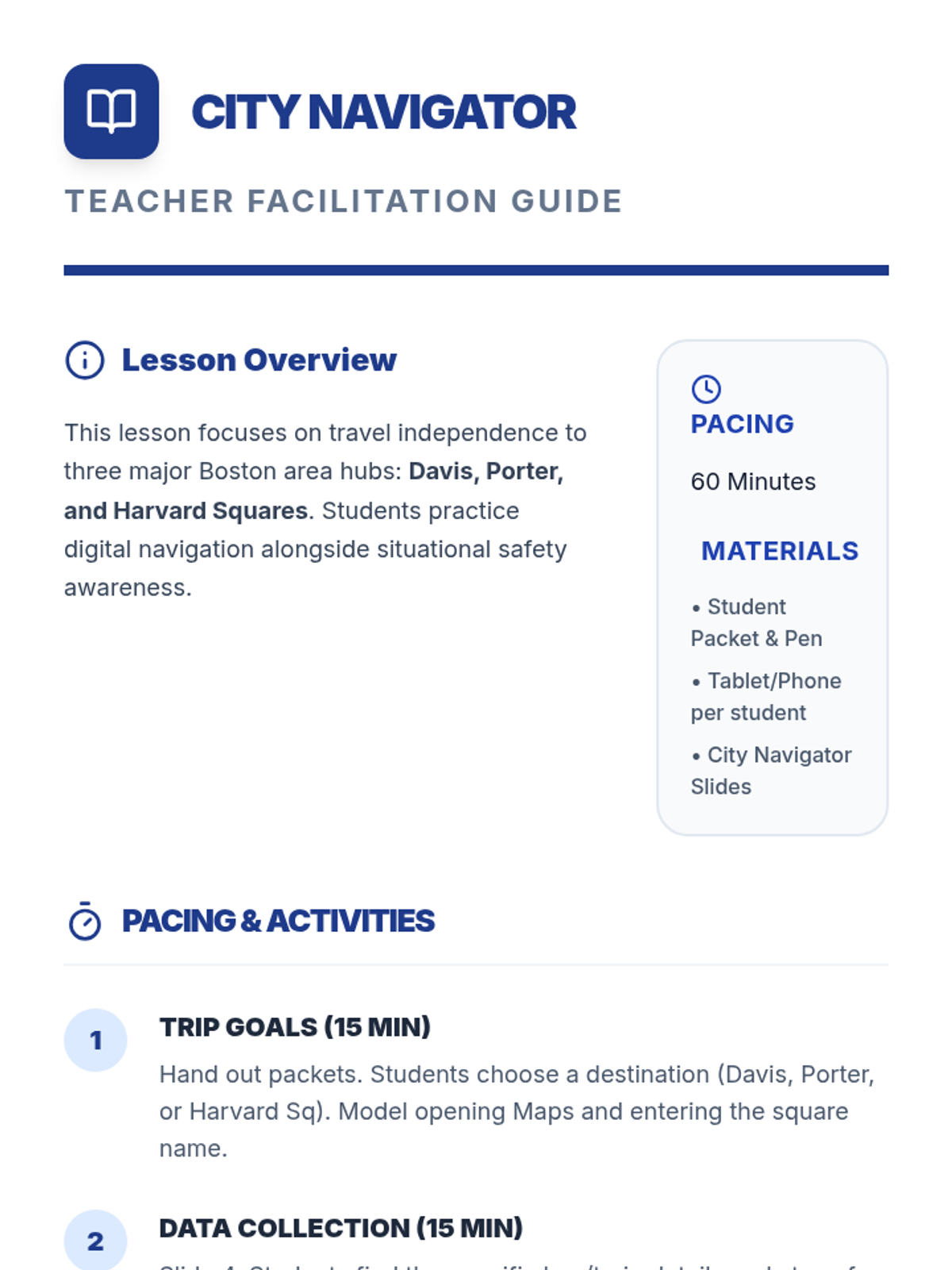
A functional travel training lesson focused on using Google Maps to plan a trip and practicing safety and etiquette on the MBTA. Students will navigate a step-by-step planning process and evaluate safe vs. unsafe behaviors in transit environments.
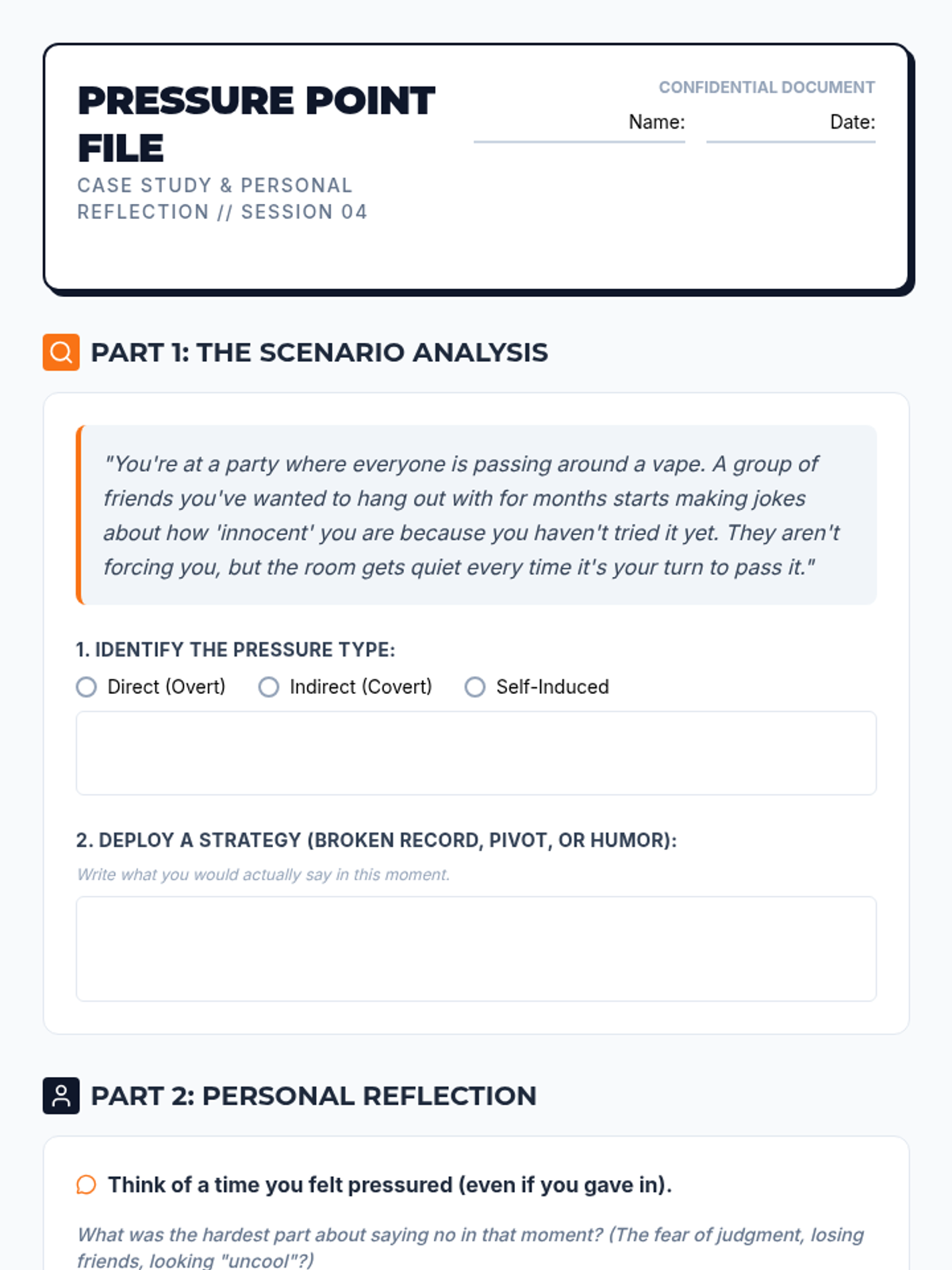
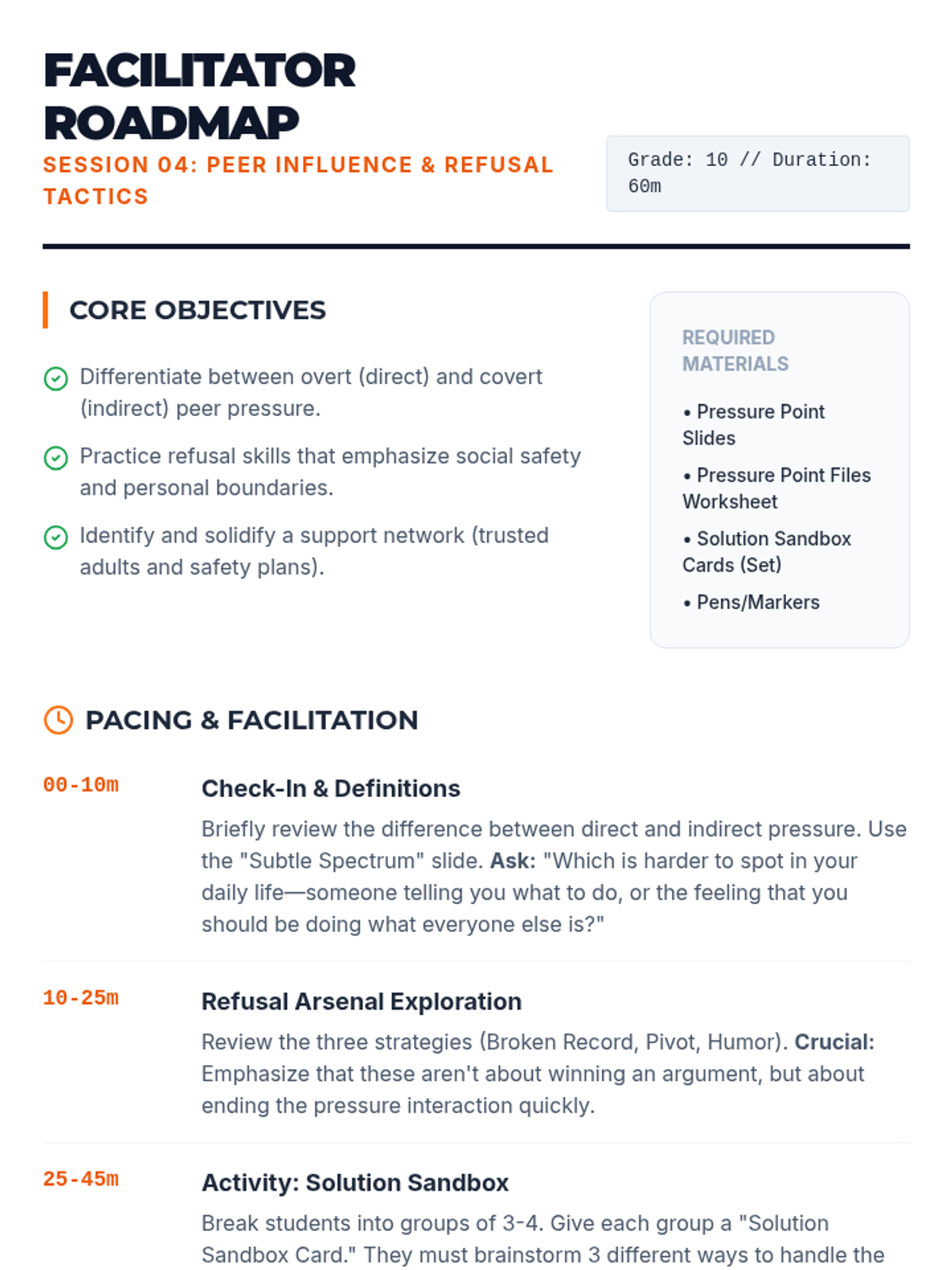
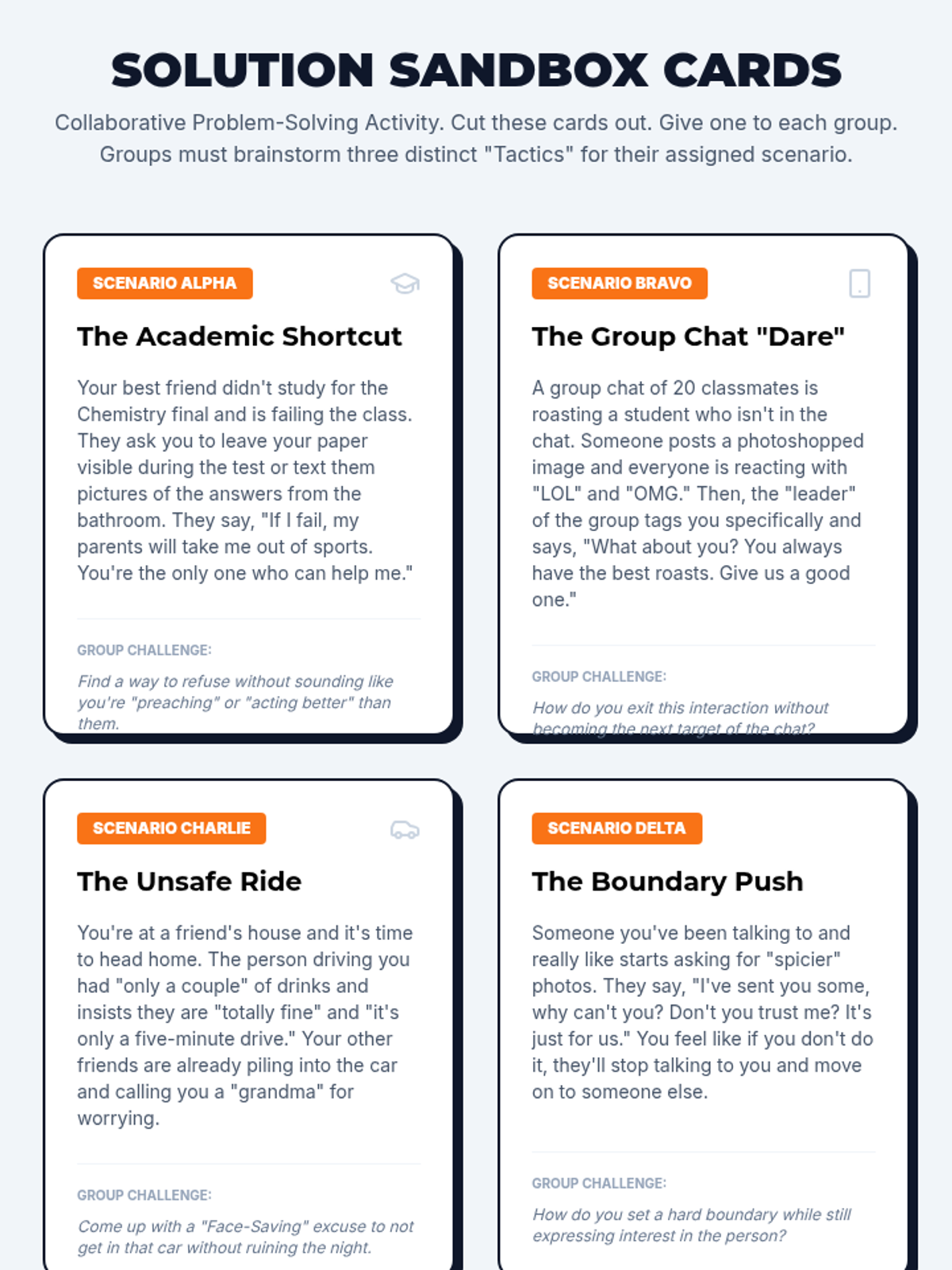
This session focuses on identifying subtle and overt forms of peer pressure, practicing specific refusal strategies beyond simple 'no' responses, and mapping out support systems. It includes collaborative problem-solving activities and personal reflection to help 10th-grade students navigate complex social dynamics.
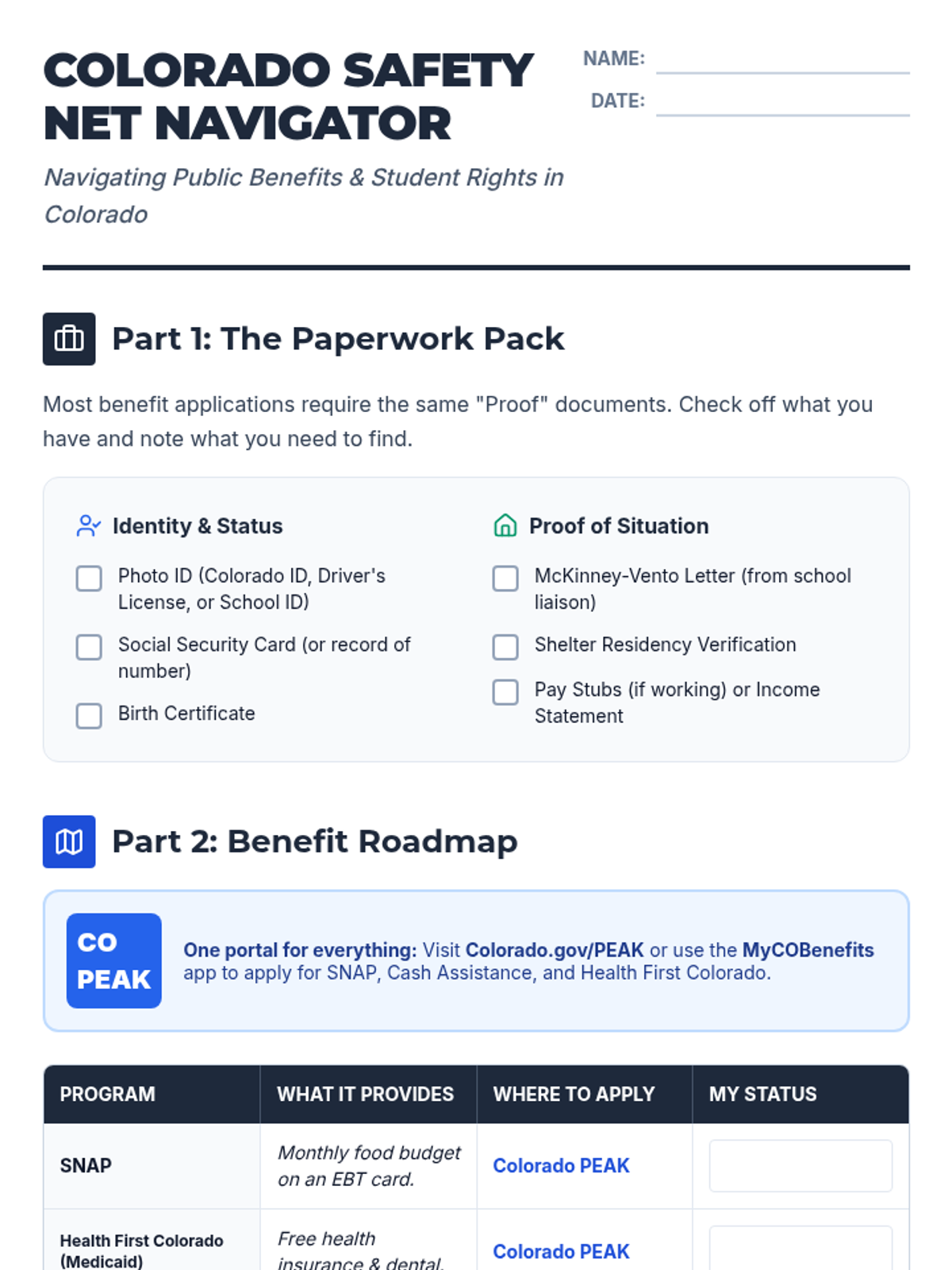
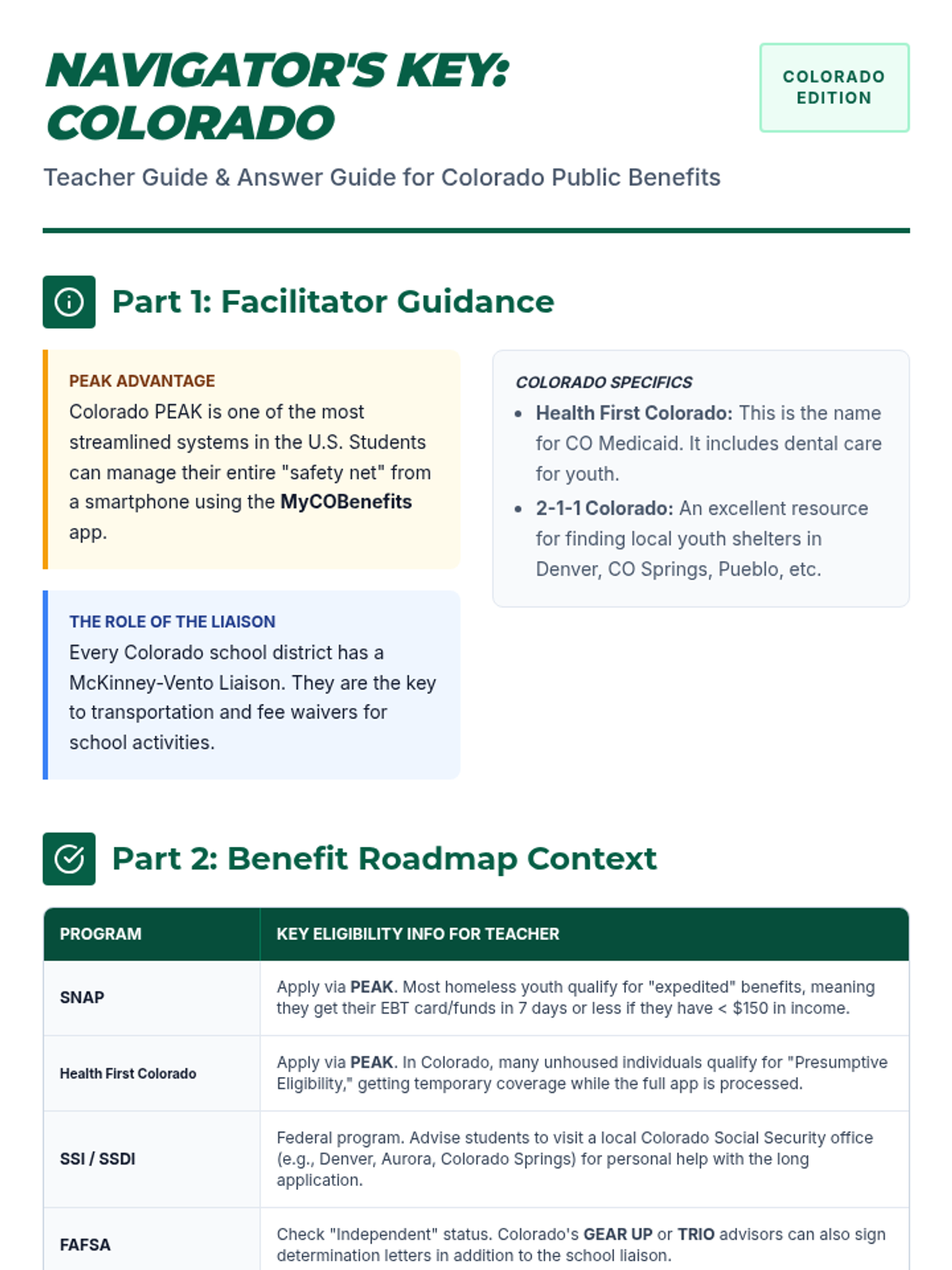
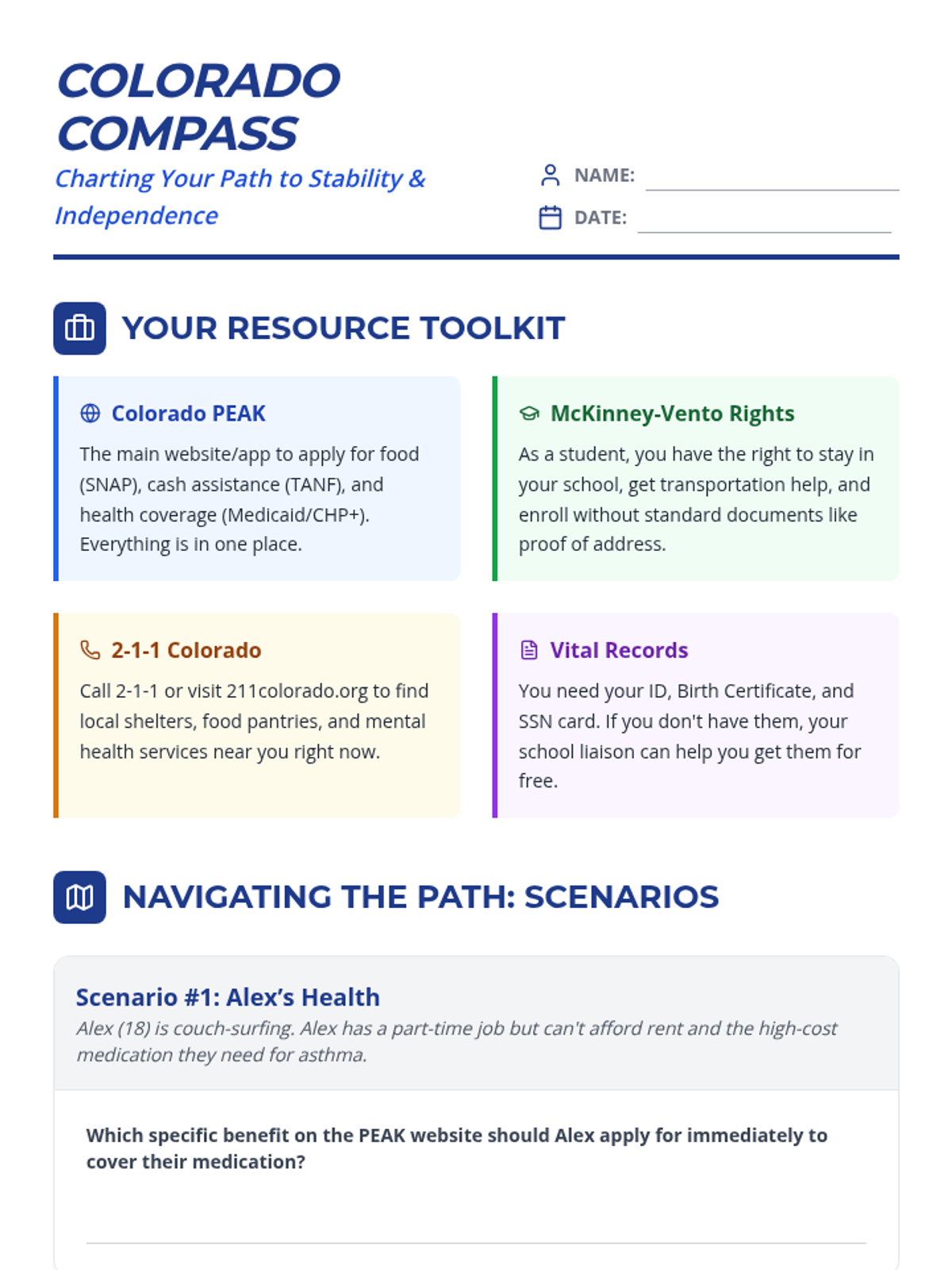
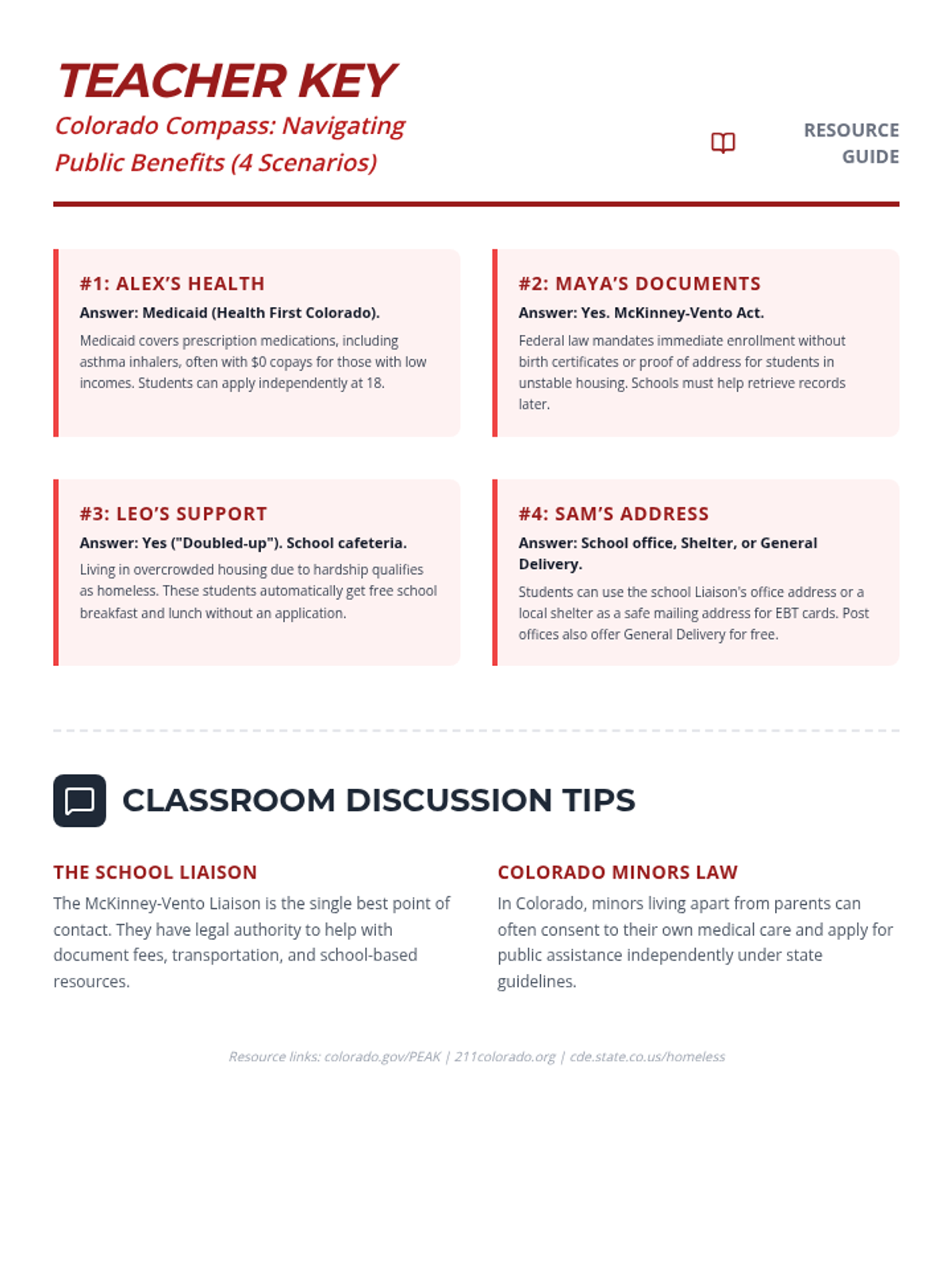
A lesson designed to empower homeless high school students in Colorado to navigate public benefit systems, understand their rights, and create a concrete action plan for stability.
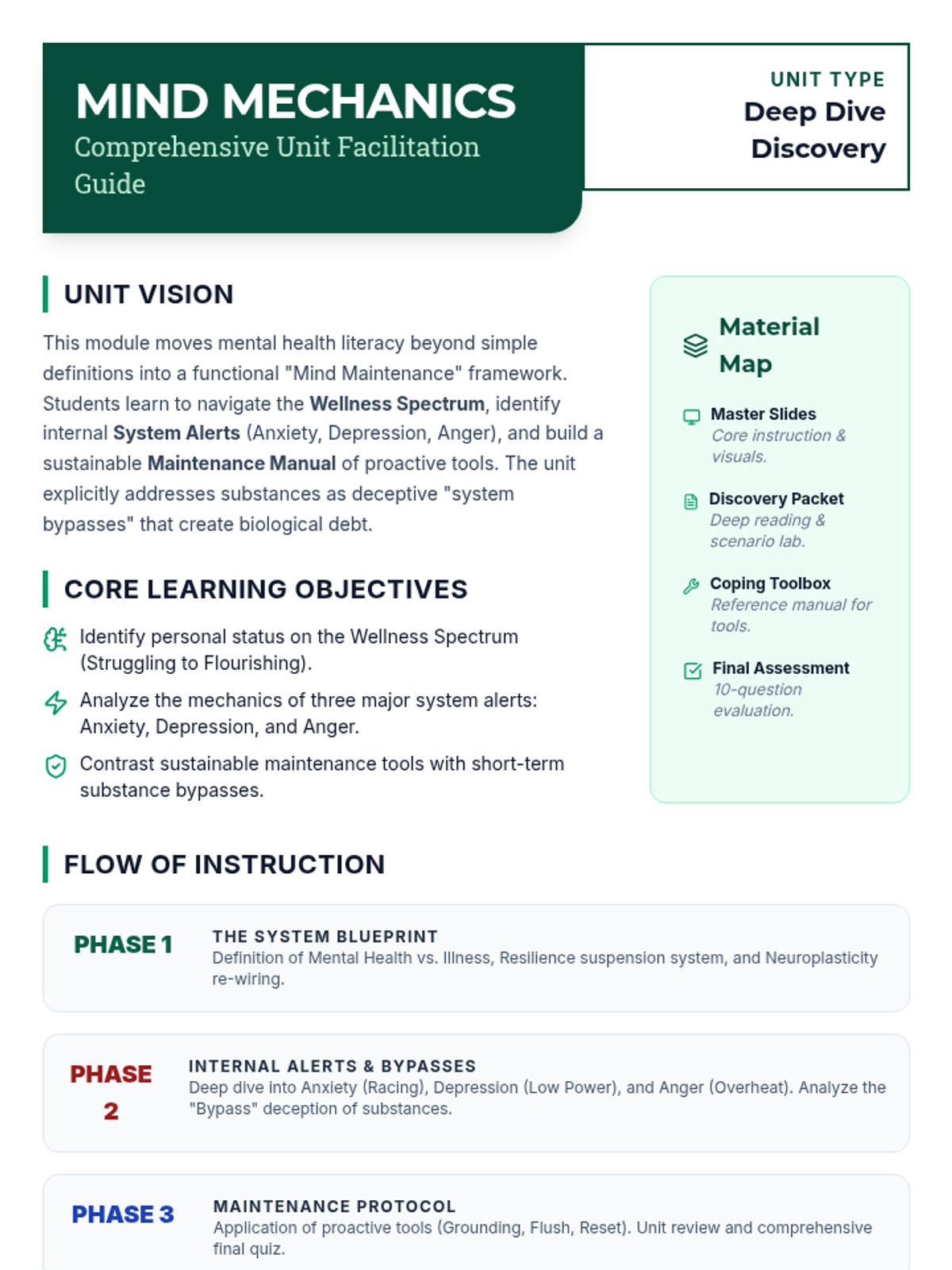
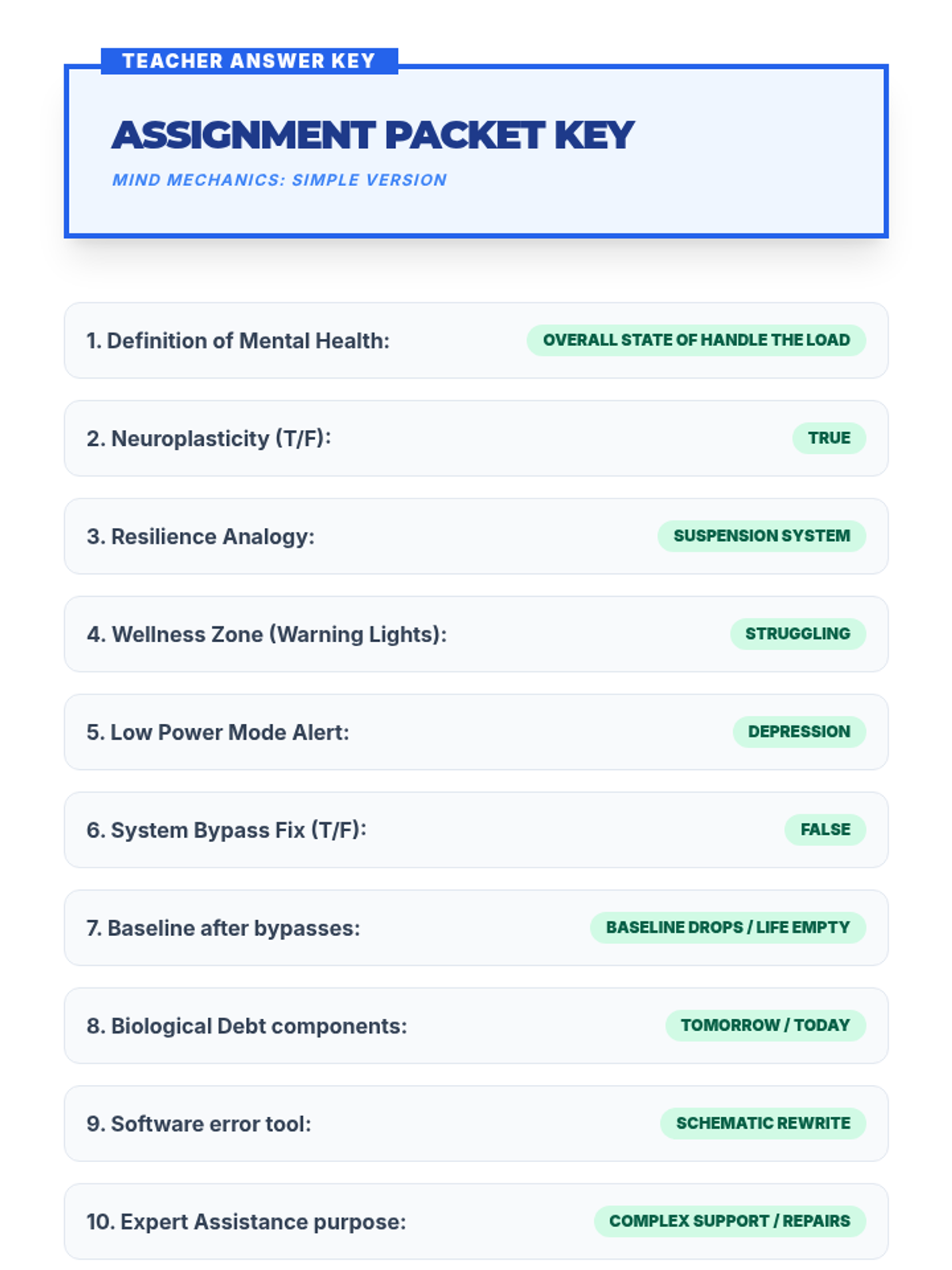
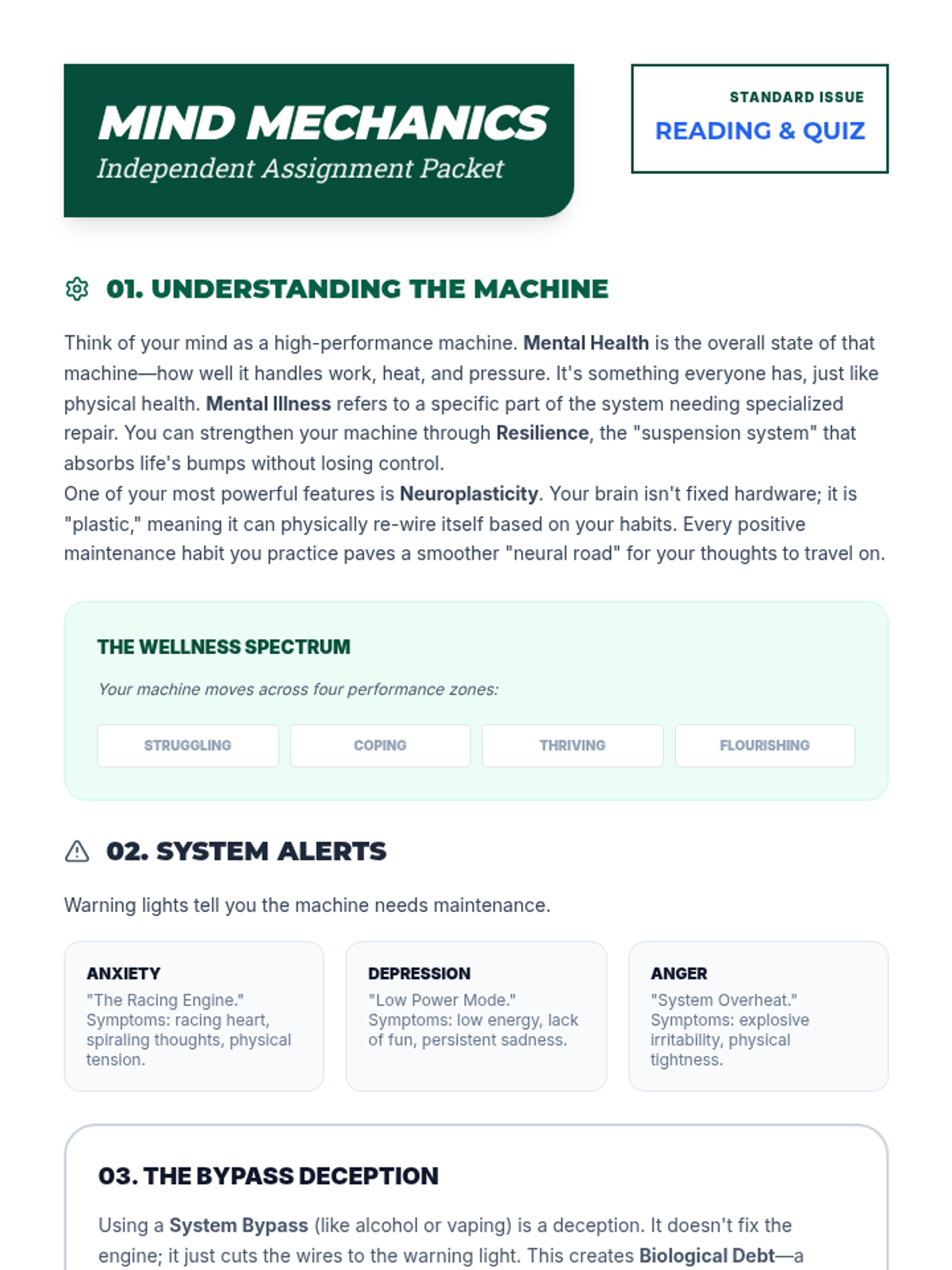
A comprehensive, in-depth unit on mental health literacy, identifying system alerts (Anxiety, Depression, Anger), and building a proactive coping toolkit. Includes detailed reading, scenario analysis, and a 10-question final assessment.
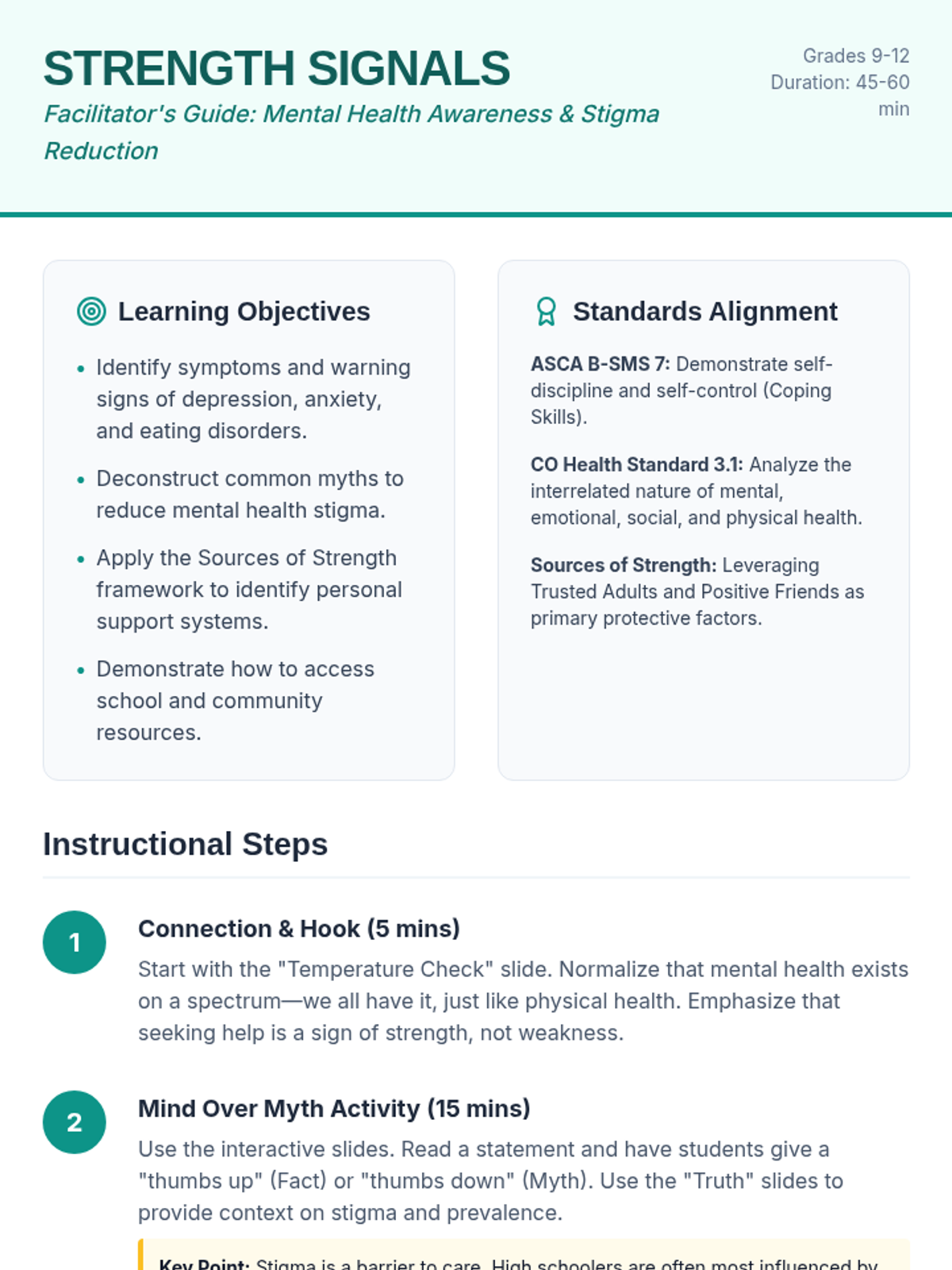
A high school guidance lesson focused on mental health awareness, destigmatization, and resource navigation using the Sources of Strength framework. Students will identify warning signs, debunk myths, and map out their support systems.
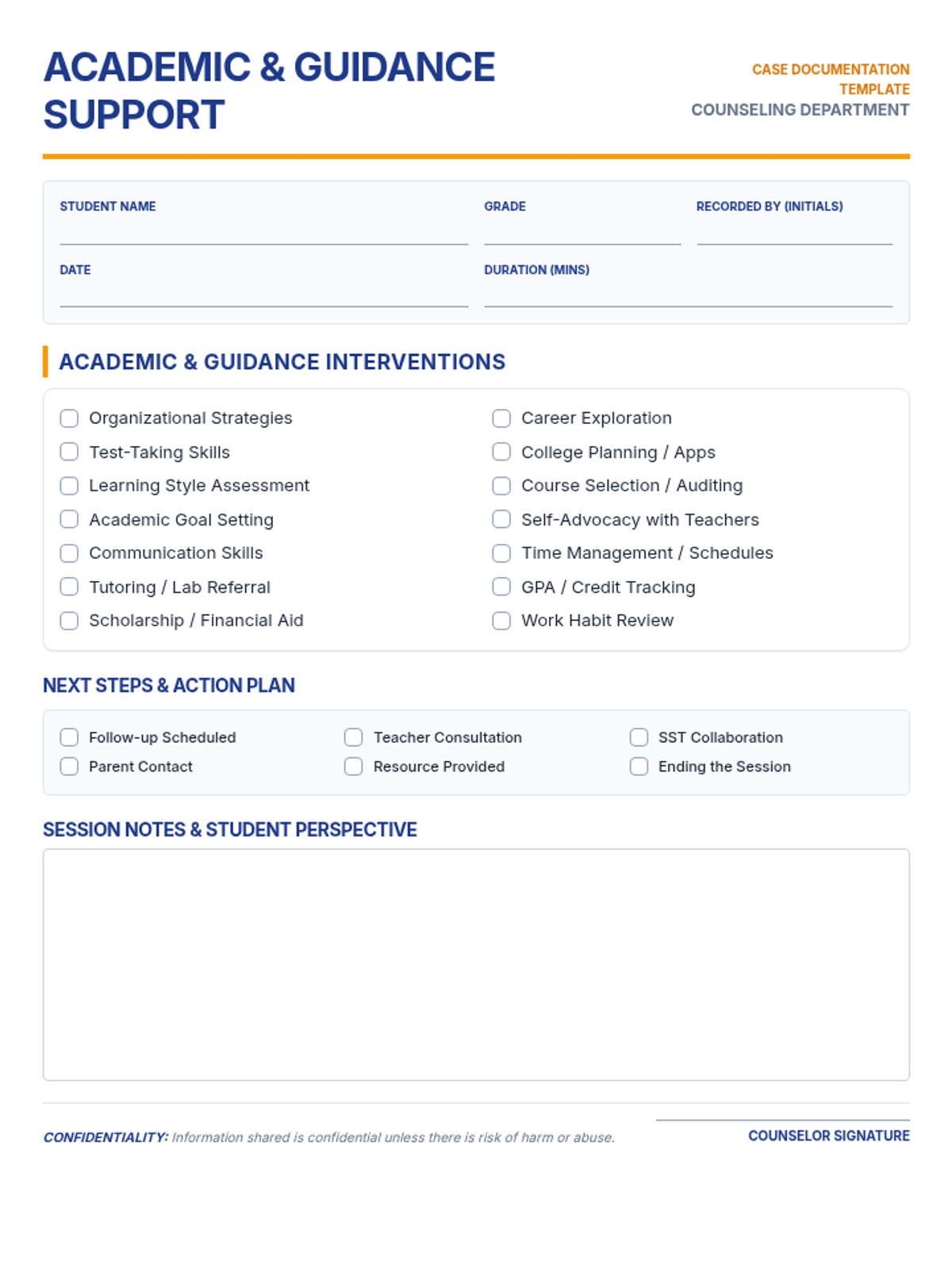
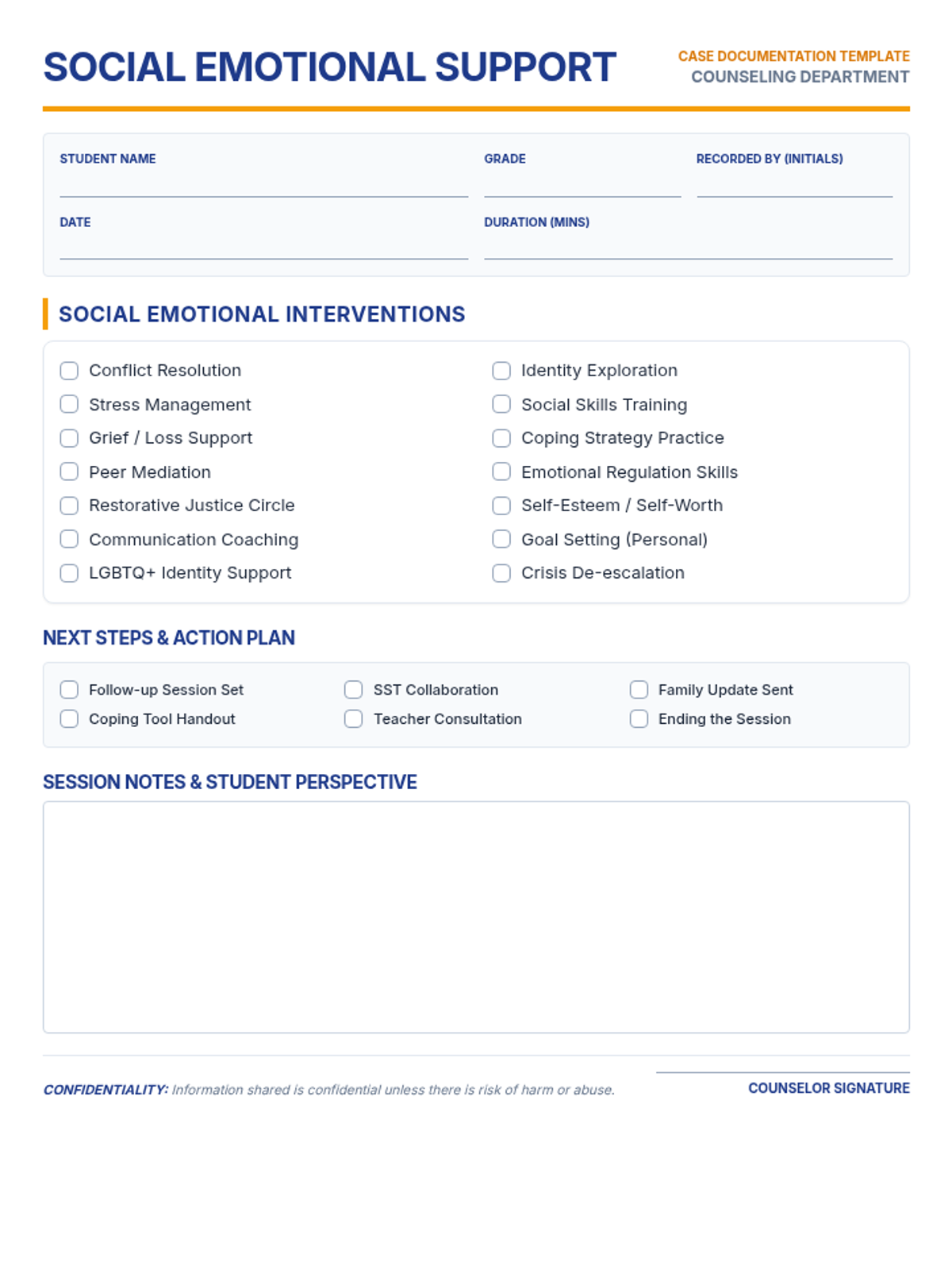
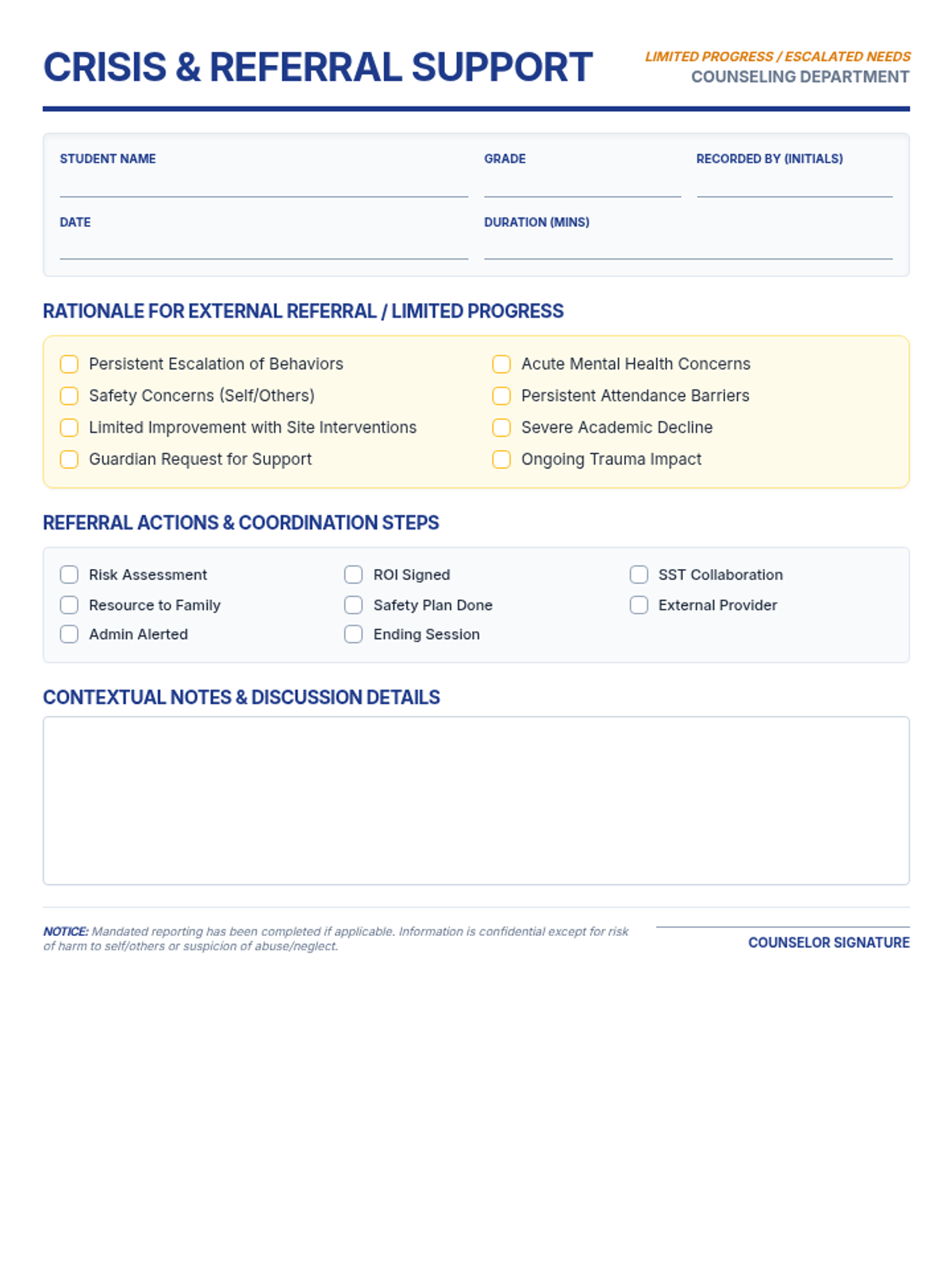
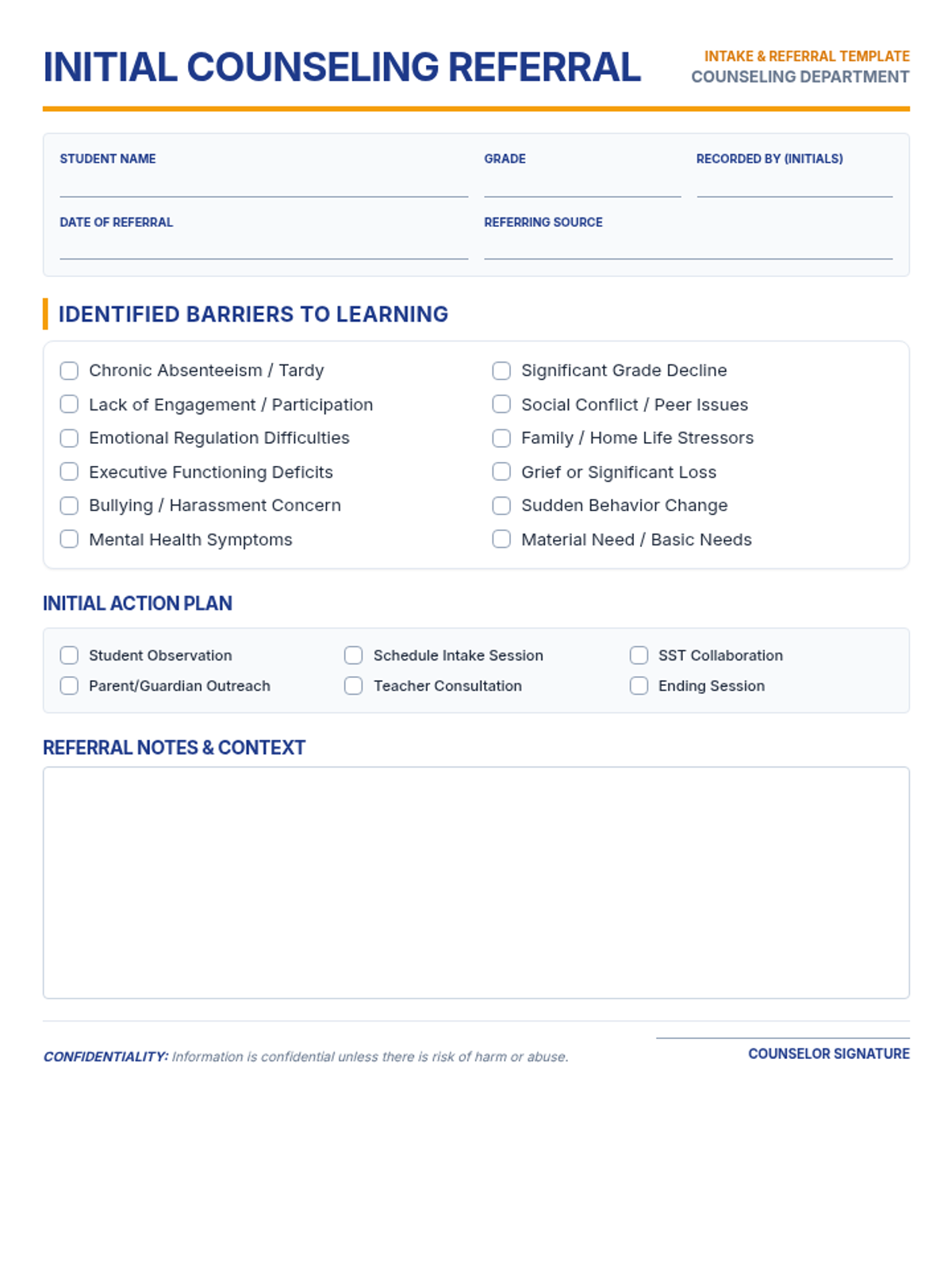
A suite of professional case note templates for school counselors, designed for efficiency and clarity in documenting student support sessions. These templates follow a blue and gold theme and utilize best-practice intervention checklists.
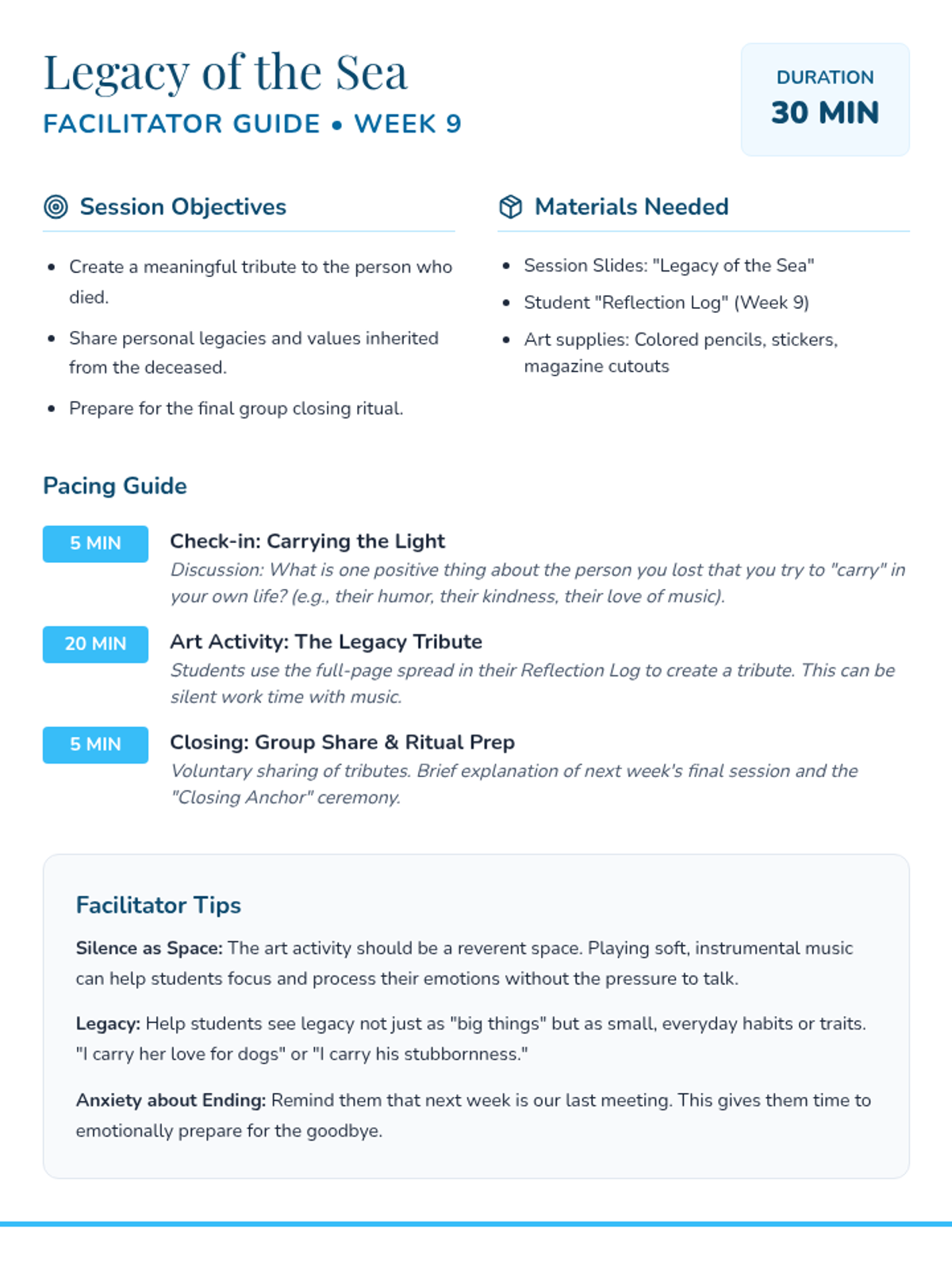
Creating meaningful ways to honor the person who died and maintaining their legacy.
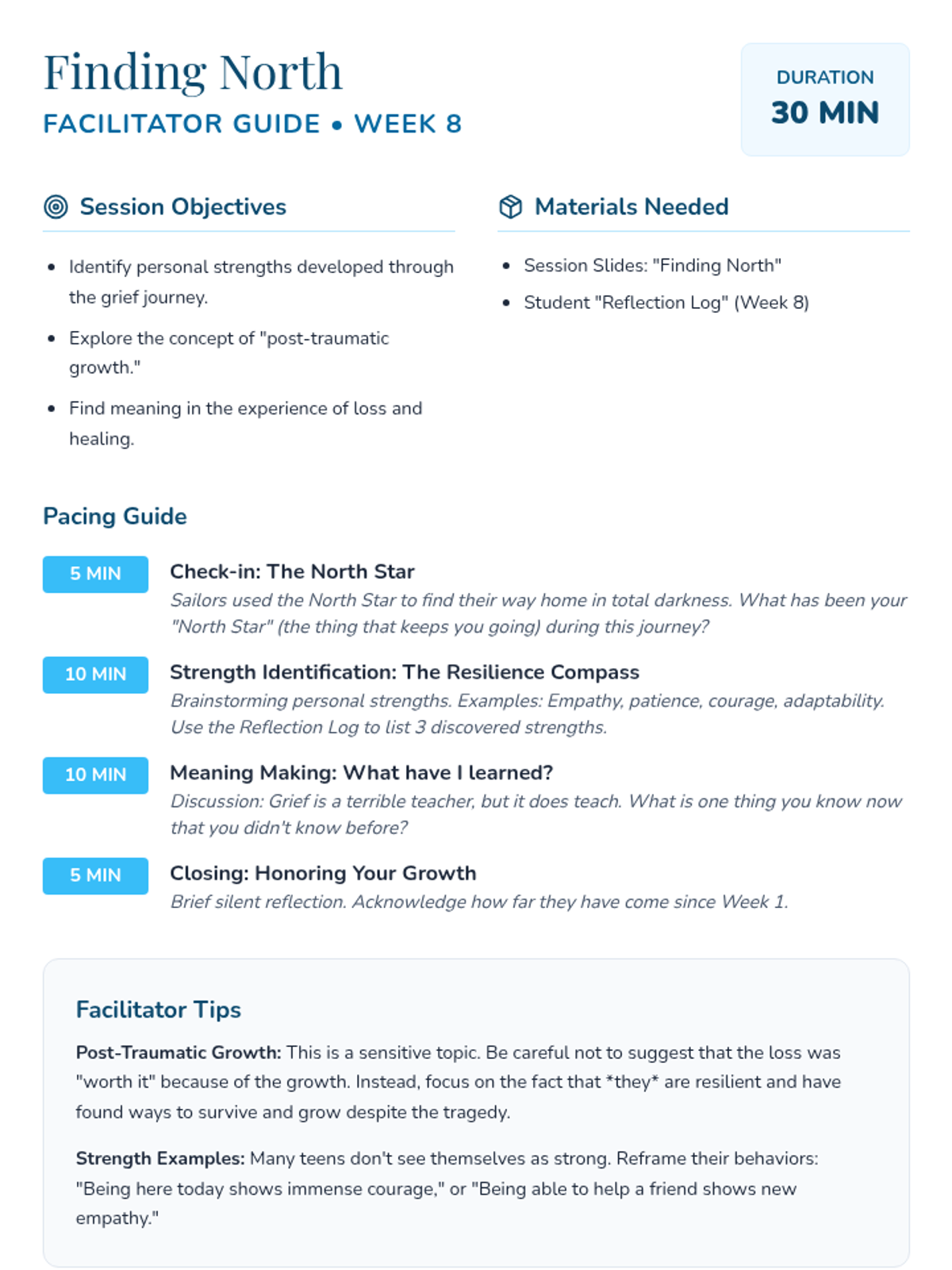
Identifying personal growth, strengths, and finding meaning in the journey toward healing.
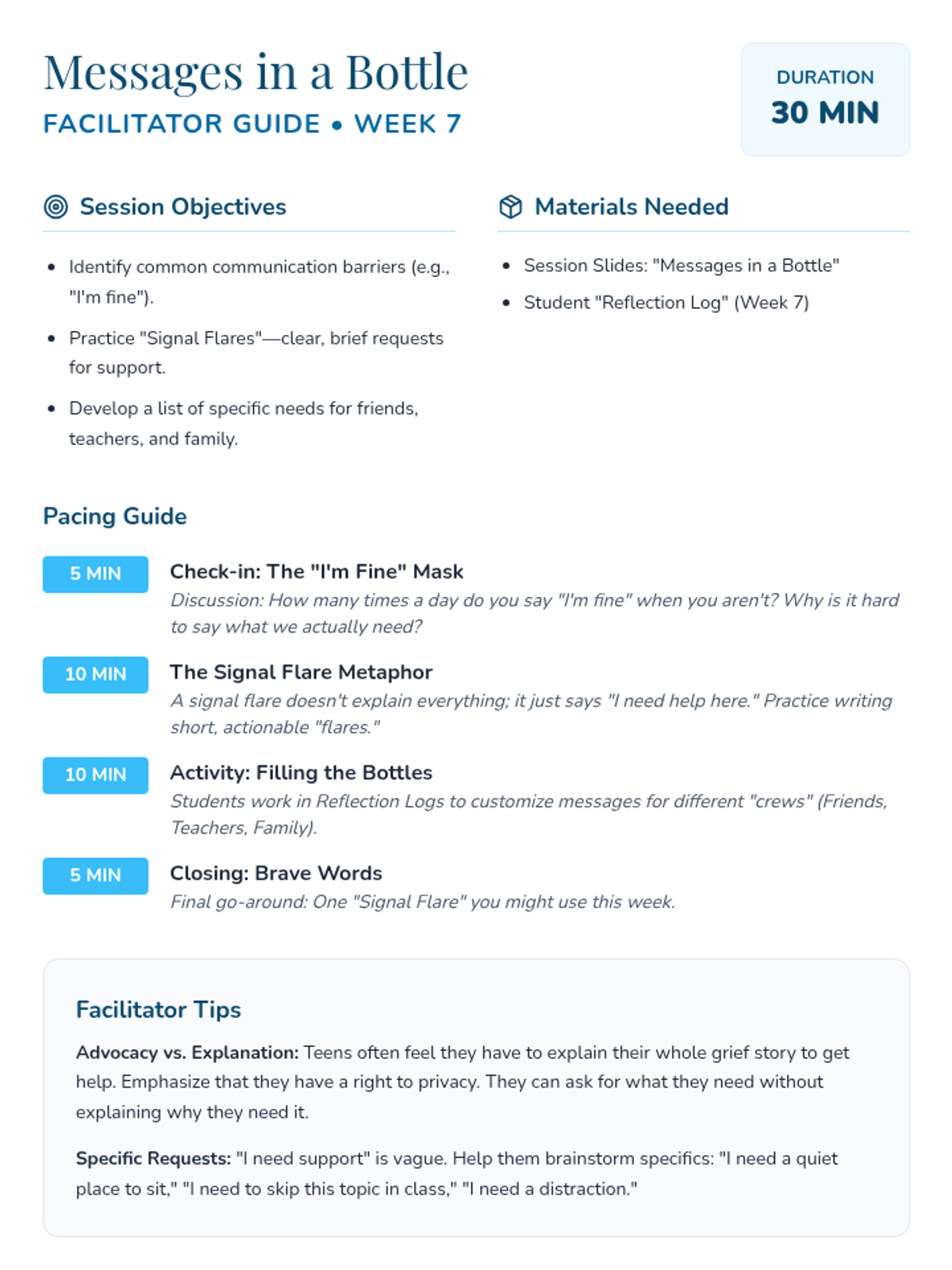
Developing self-advocacy and communication skills to share needs with friends, family, and teachers.
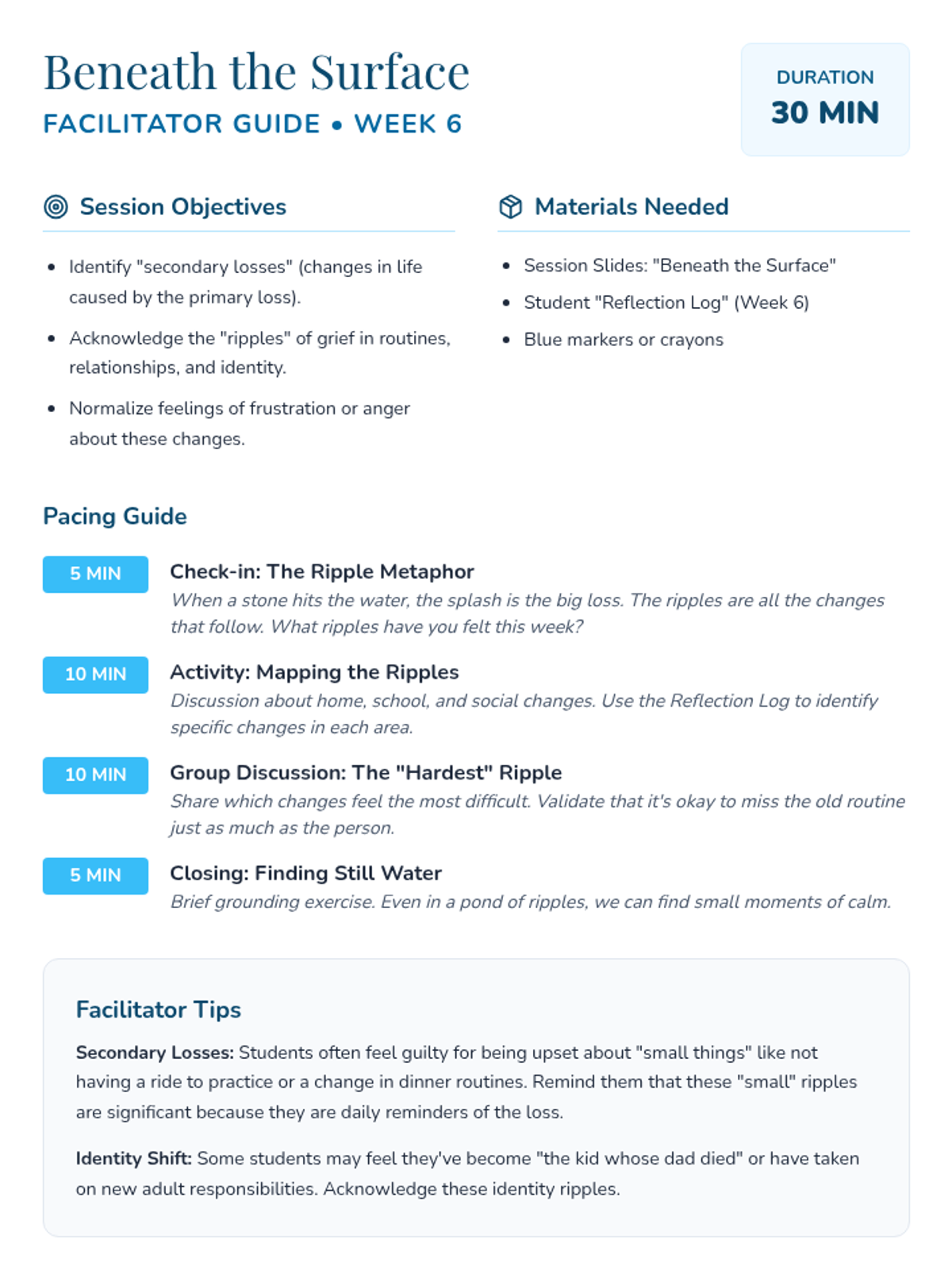
Exploring secondary losses and the 'ripples' of grief that affect daily life, routines, and relationships.
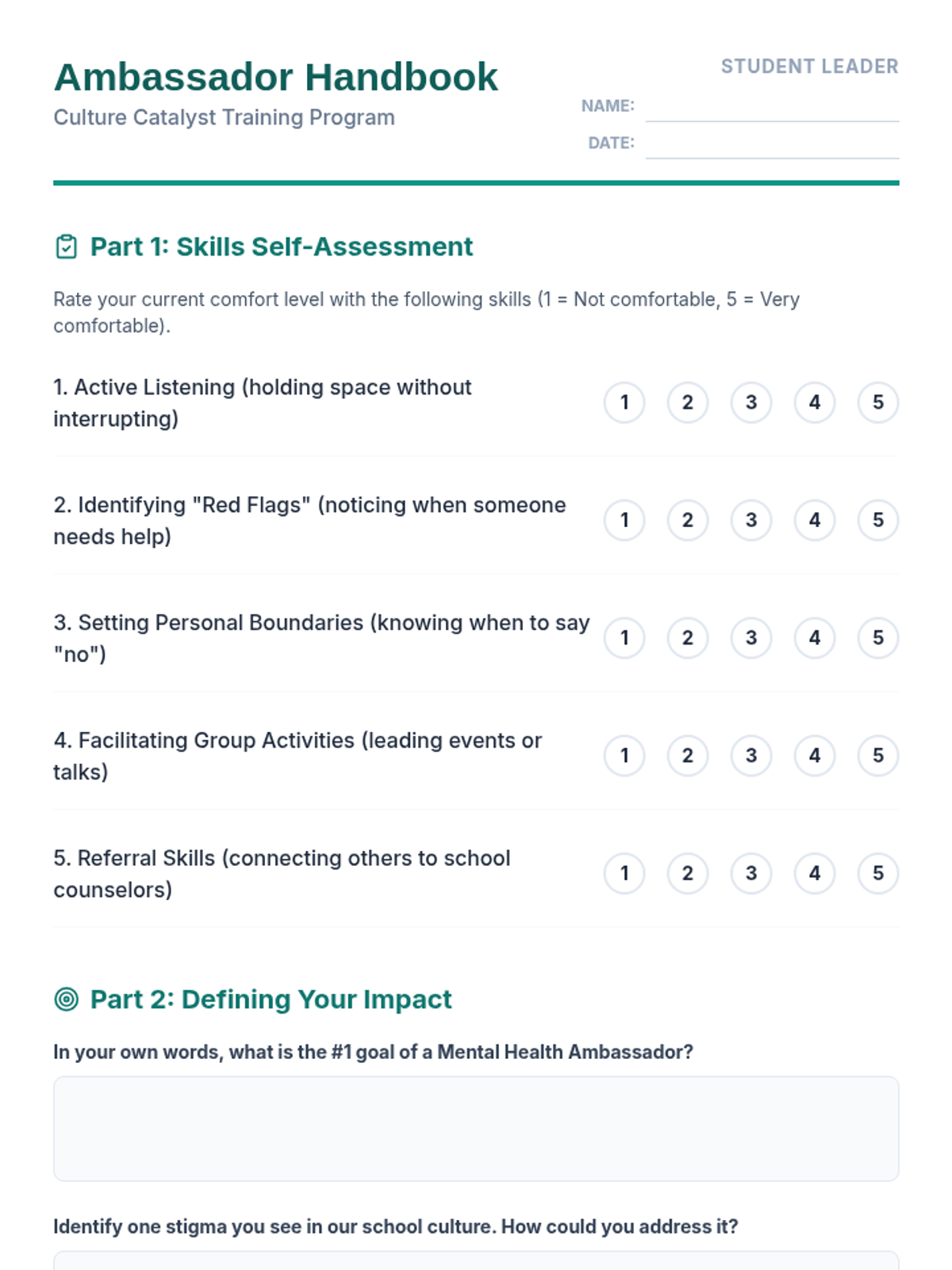
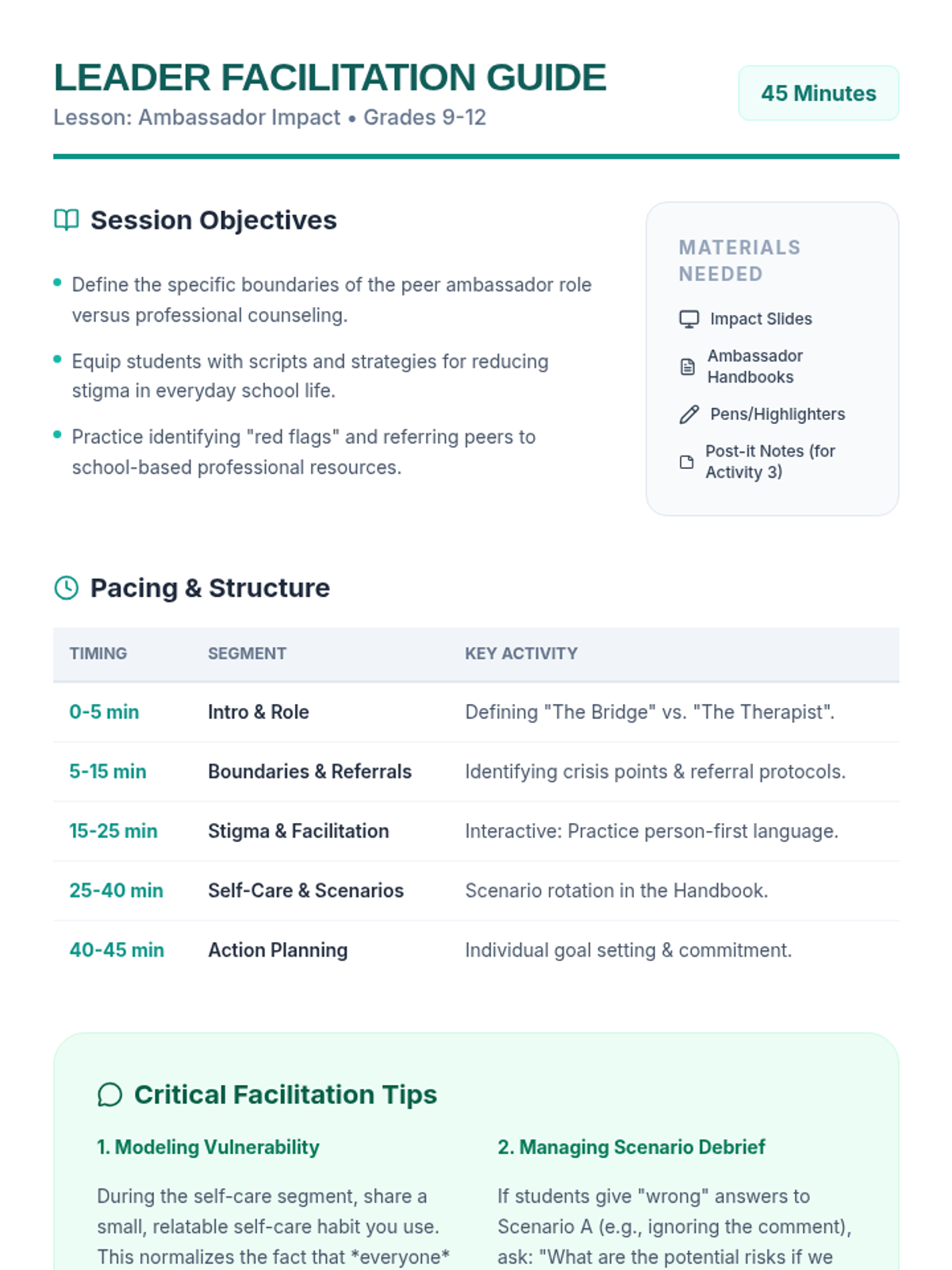
A 45-minute core training session covering the ambassador role, safety boundaries, practical stigma-reduction strategies, and student self-care.
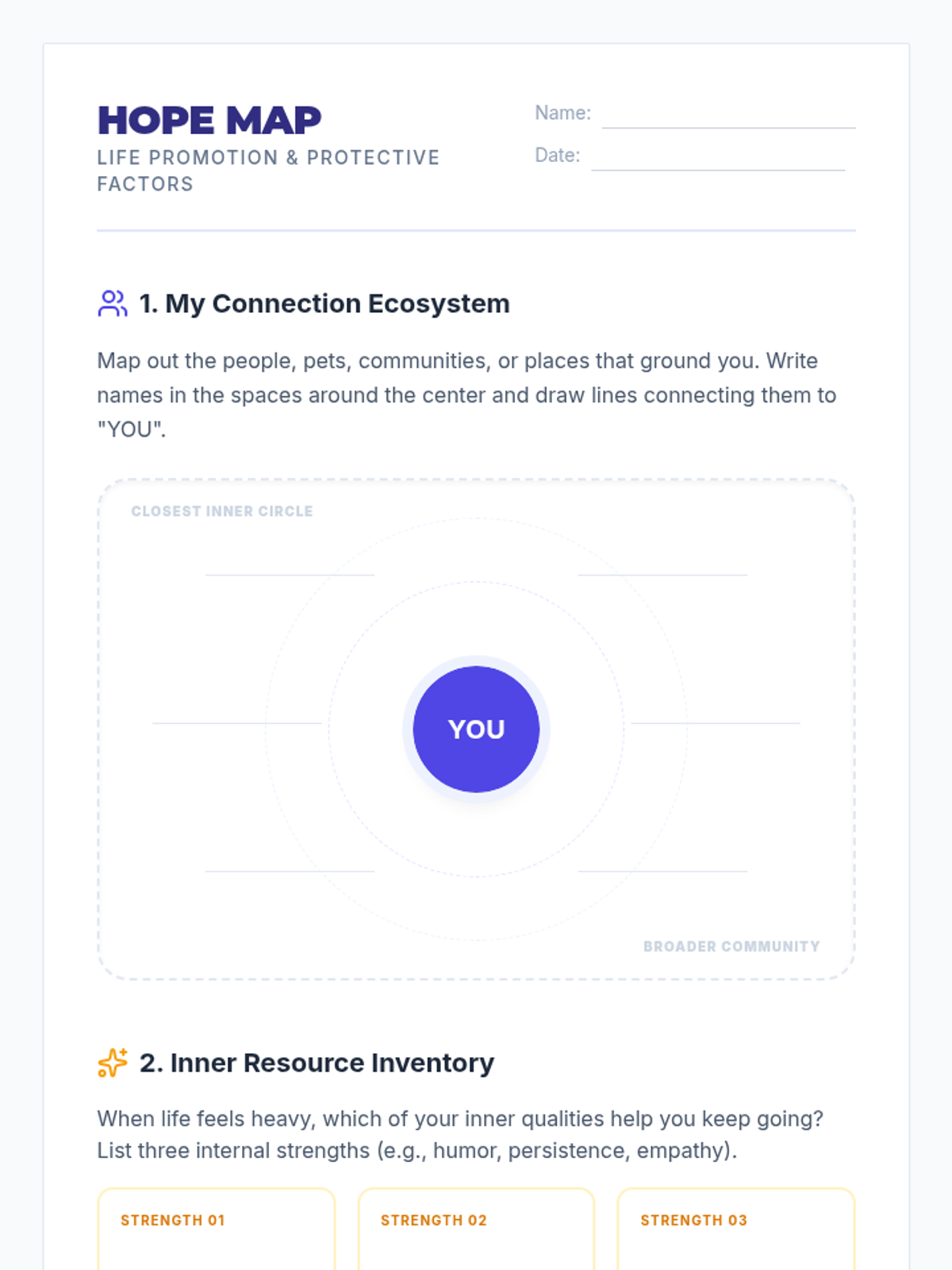
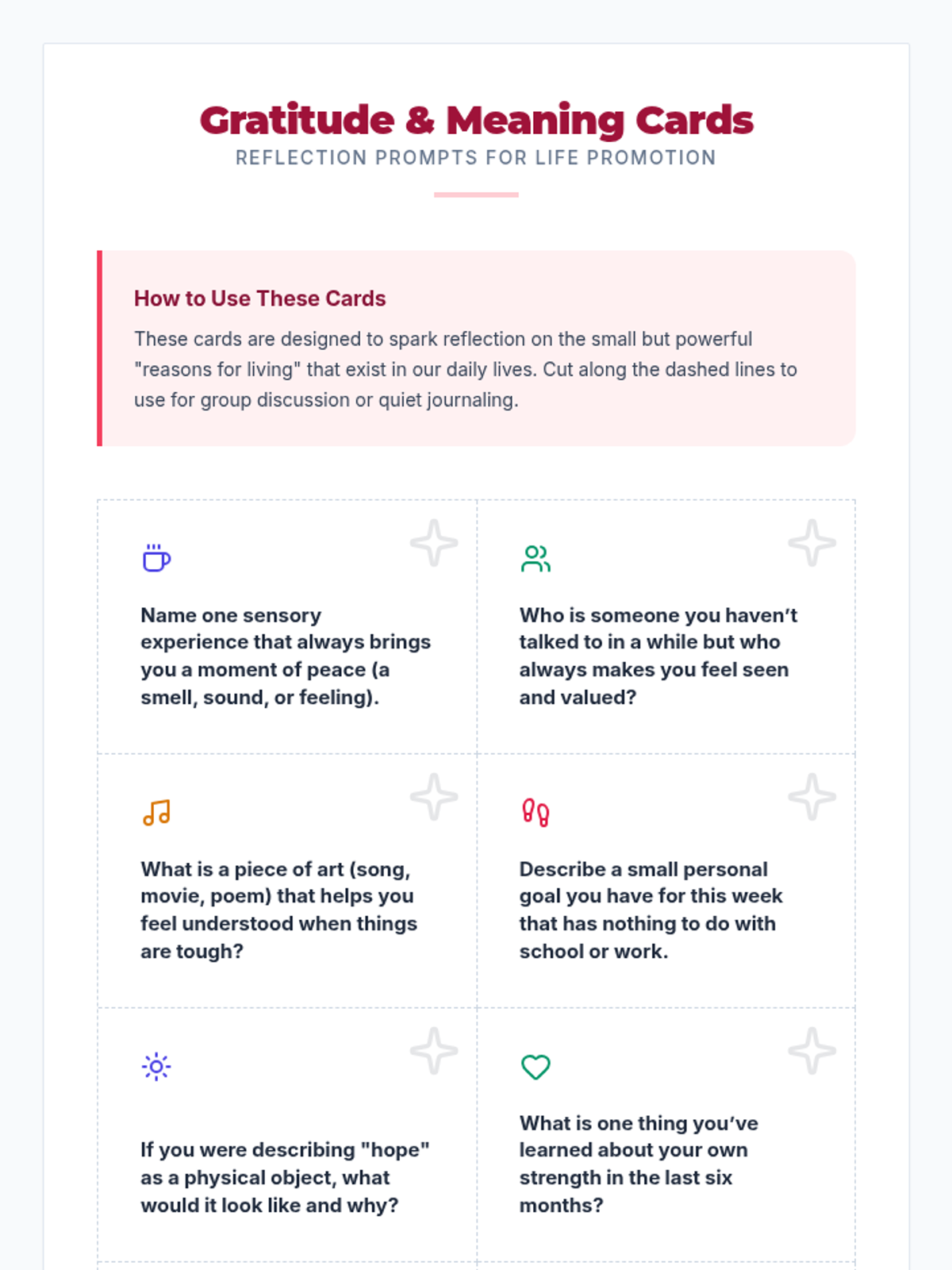
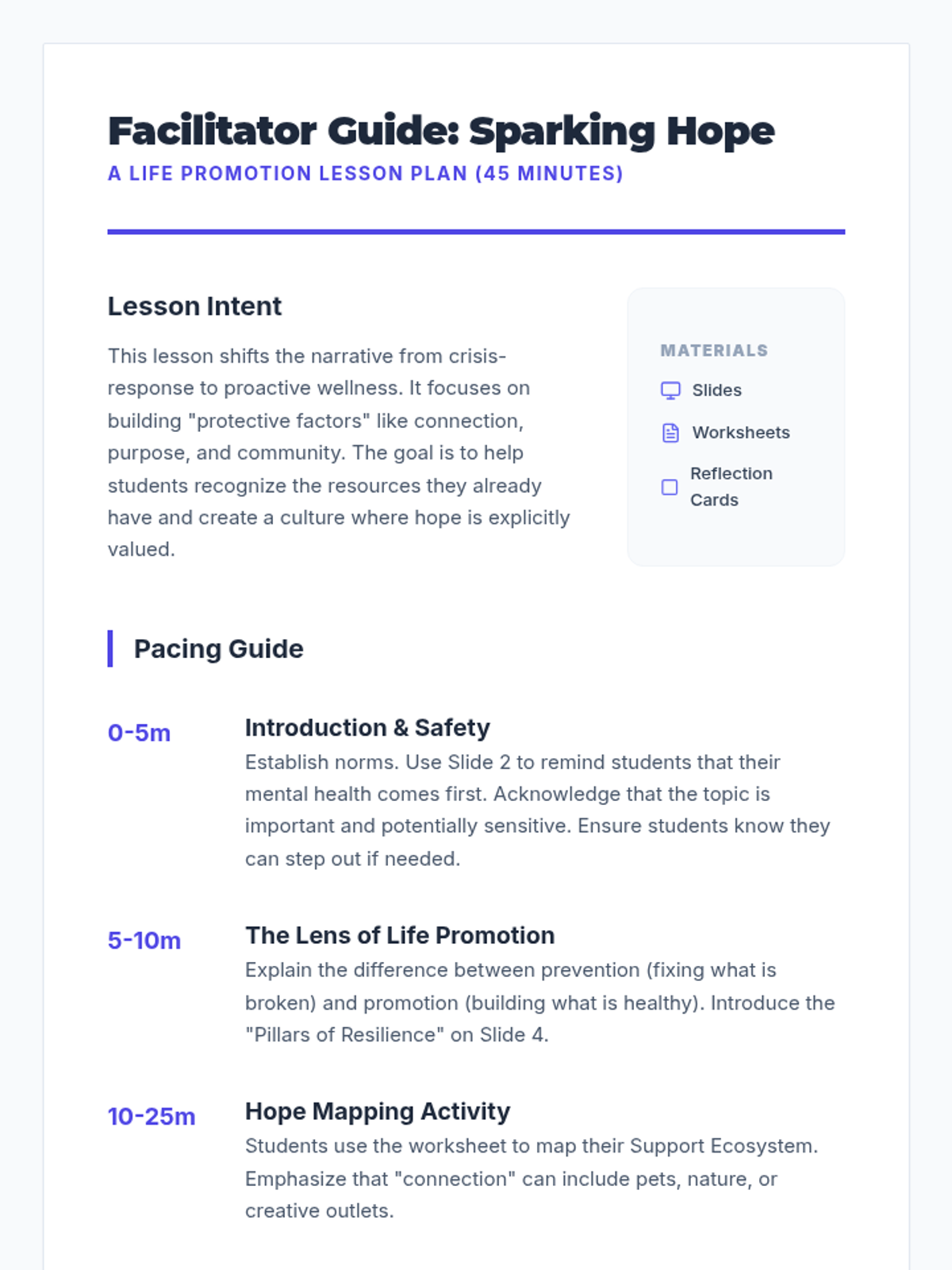
A 45-minute lesson for high school students focusing on life promotion through protective factors, meaningful connections, and a sense of purpose. This strengths-based lesson moves beyond risk to build hope and community belonging.
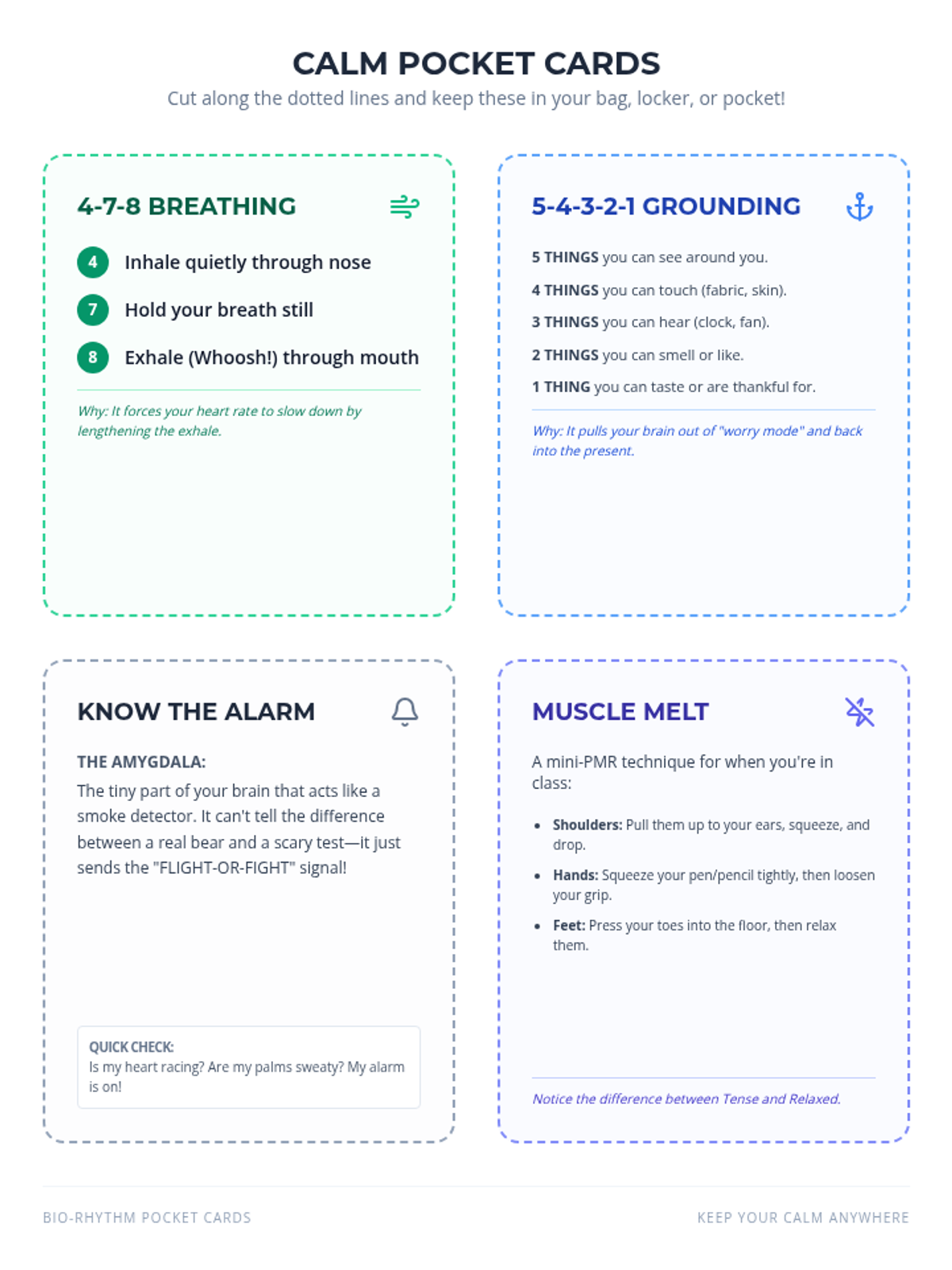
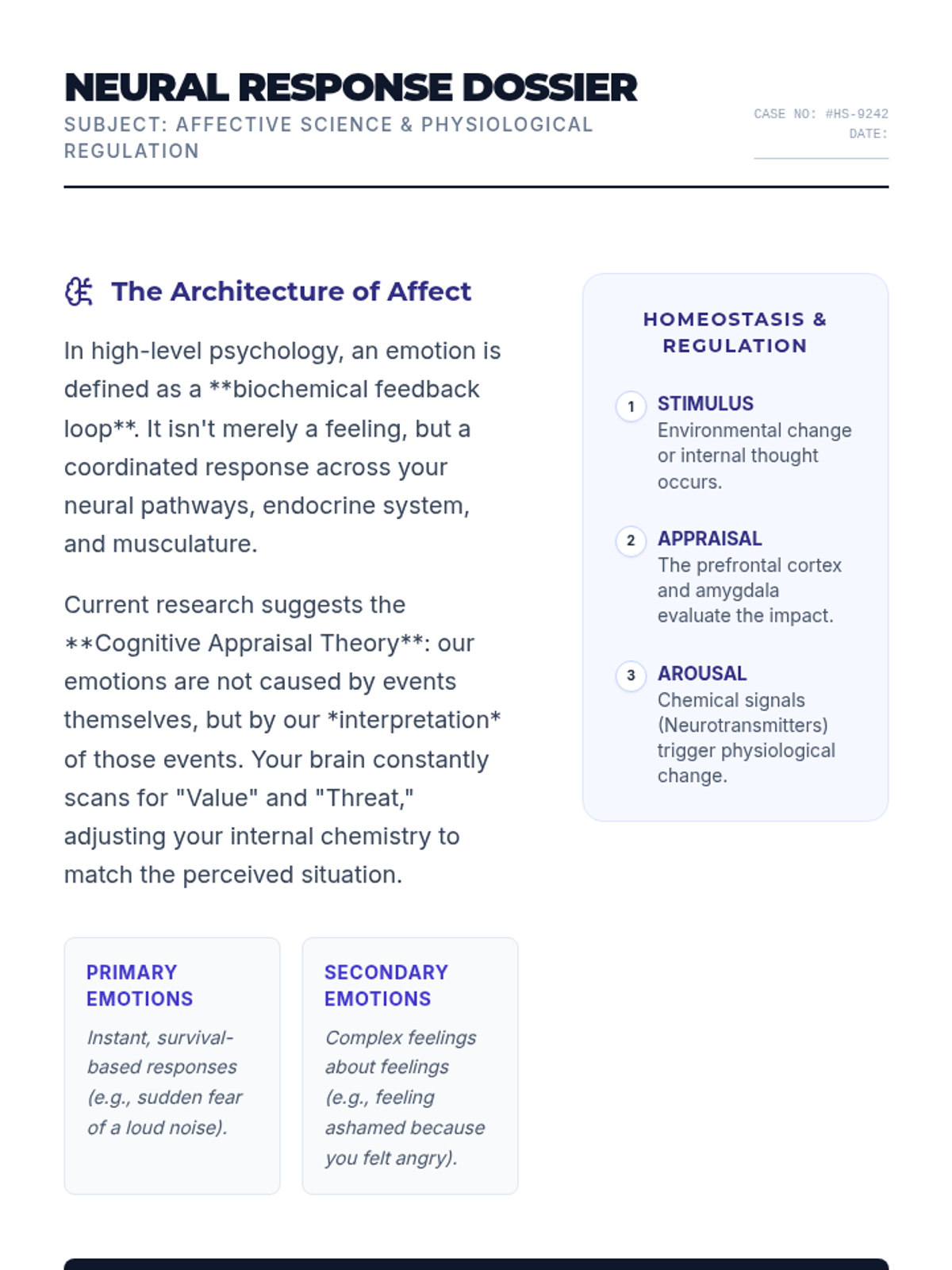
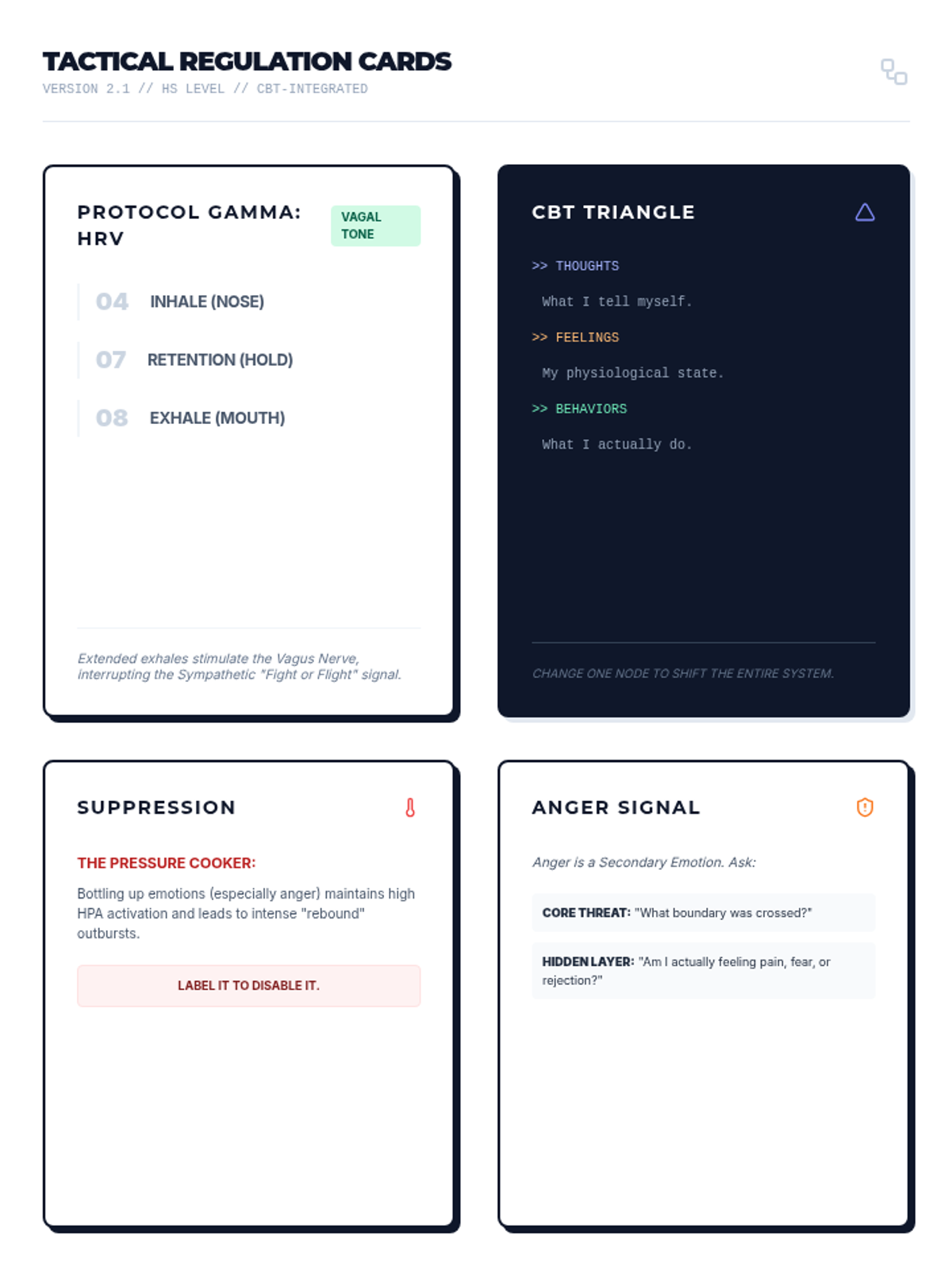
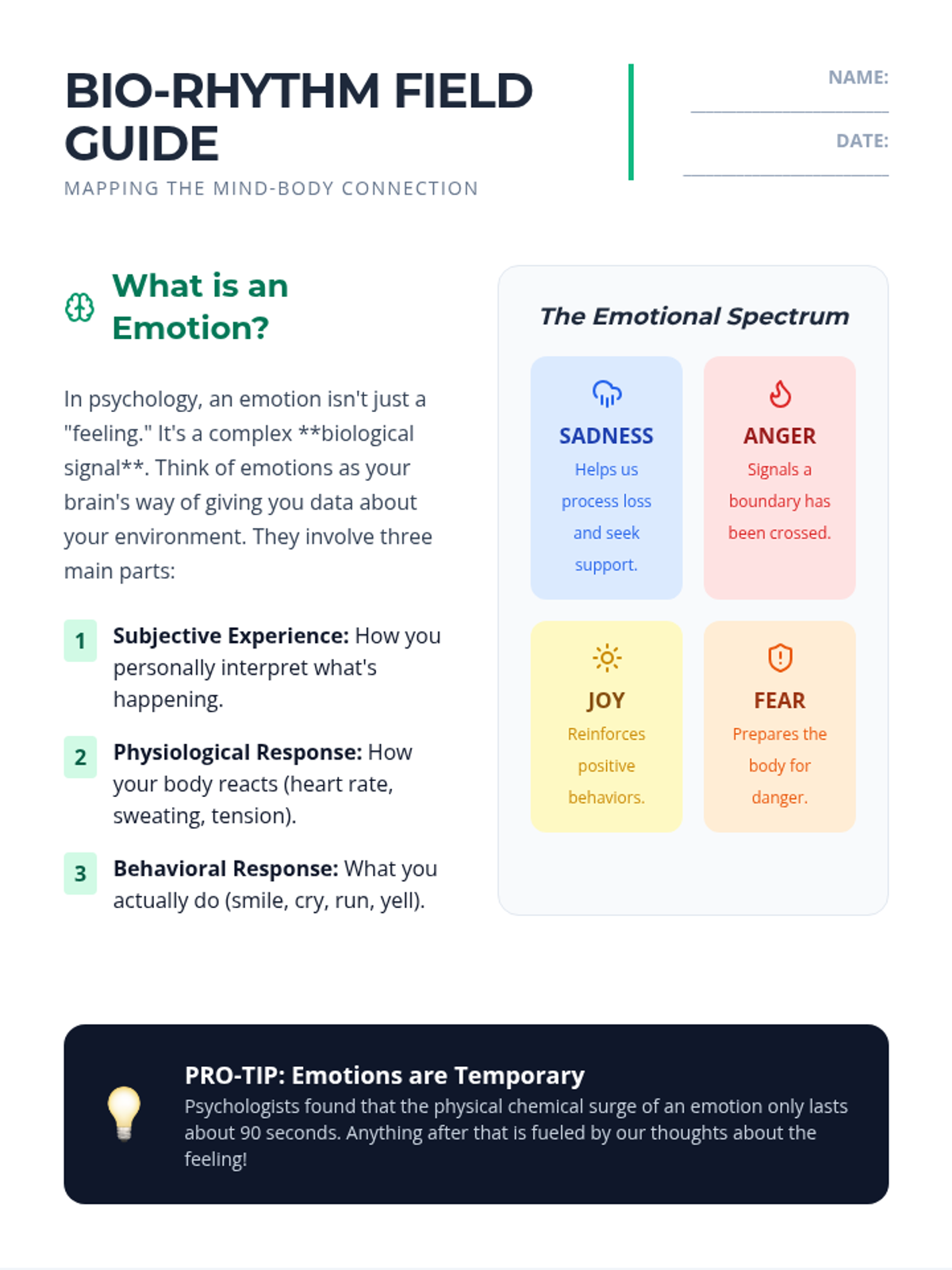
A comprehensive exploration of the psychology of emotions and the physiological impact of stress, featuring a multi-page informational guide and portable coping skill cards for middle school students.
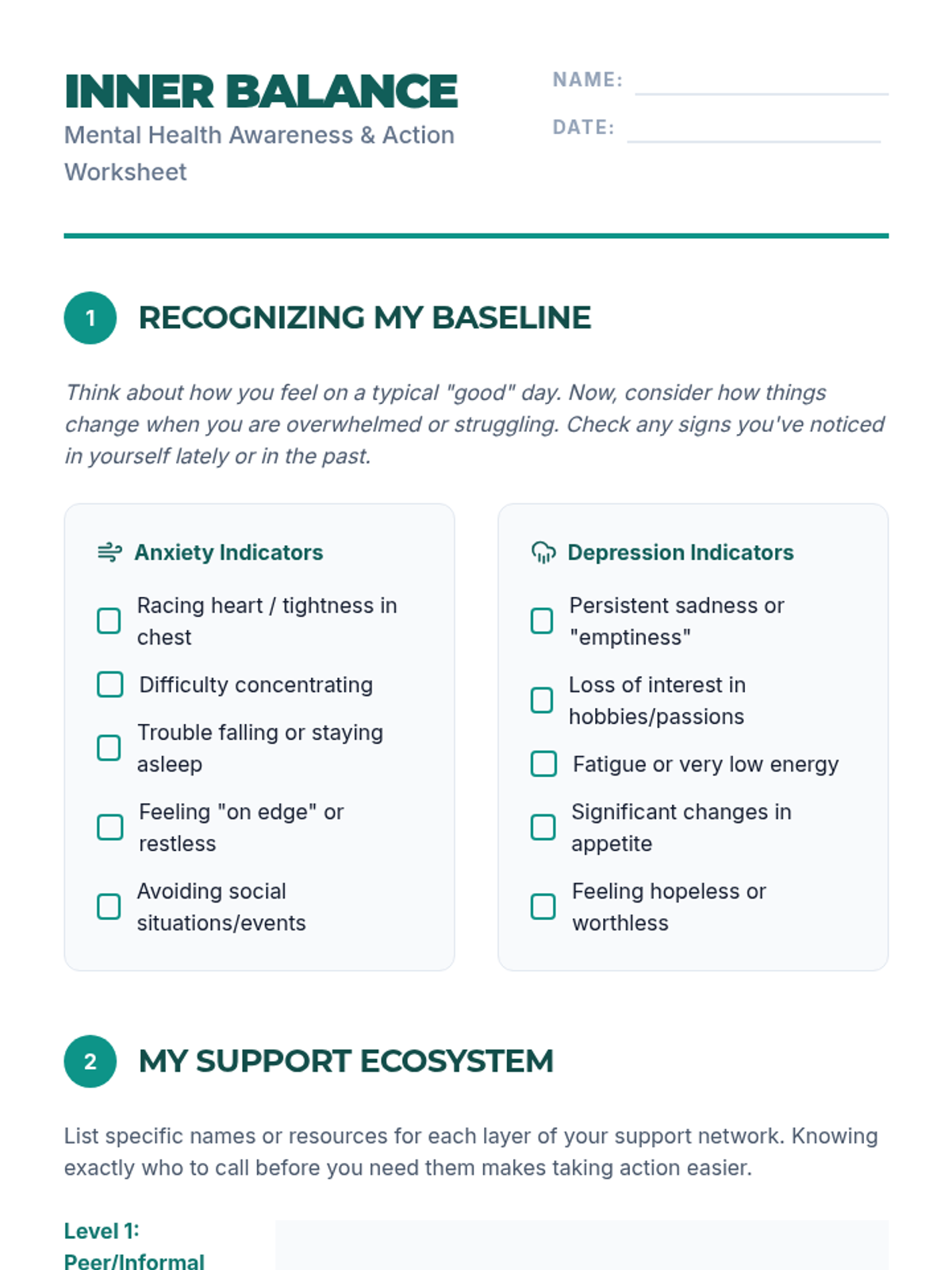
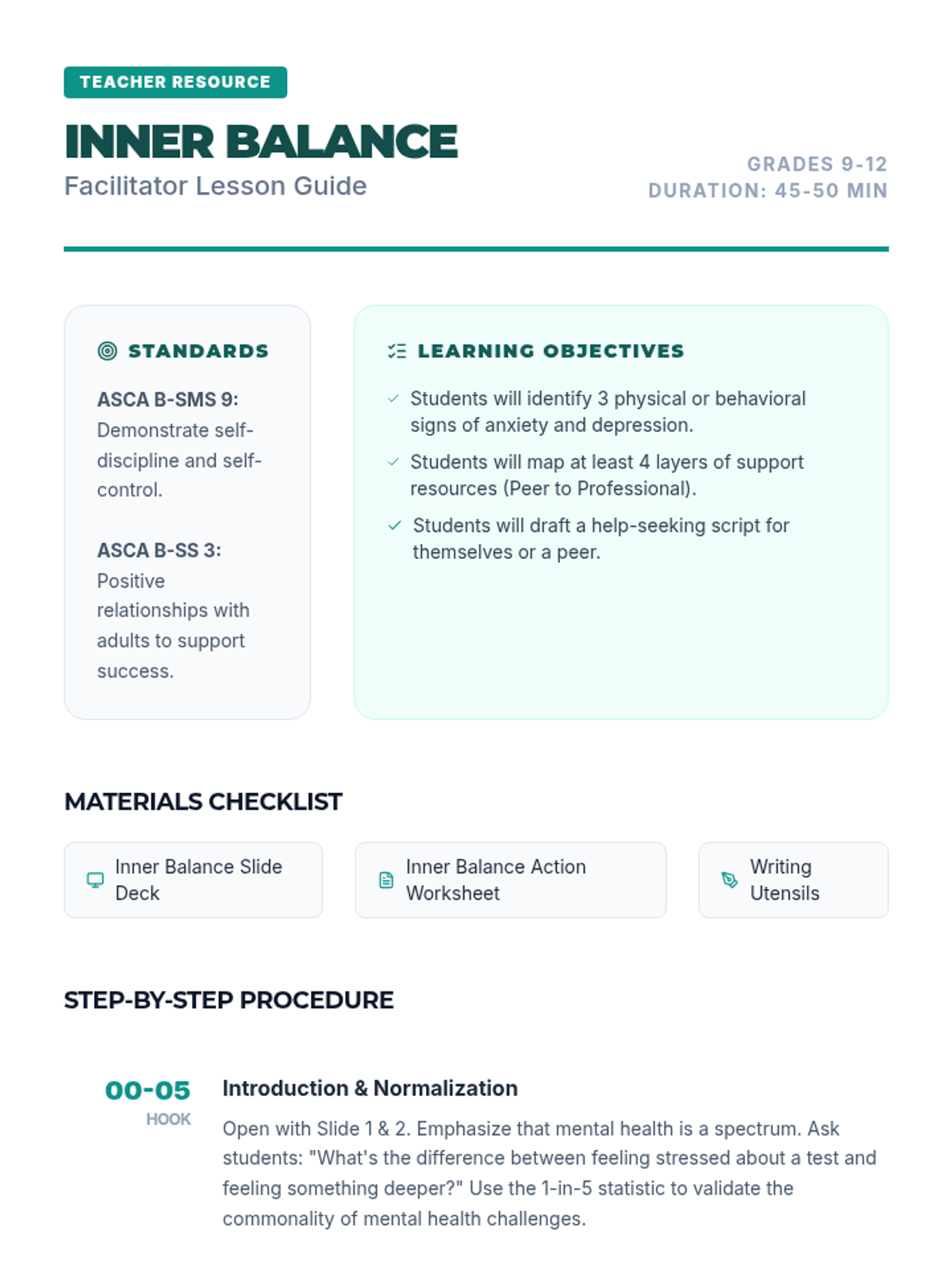
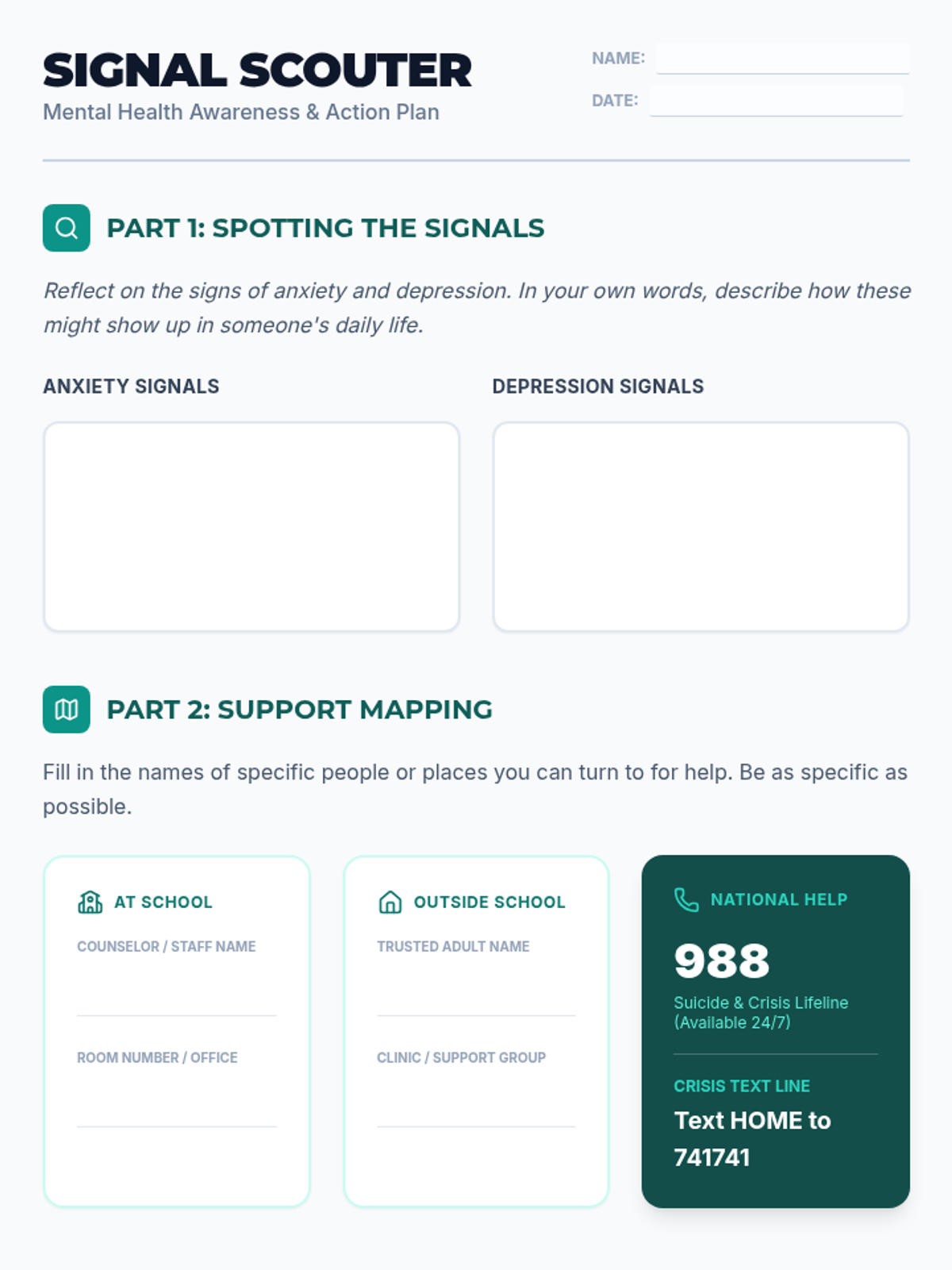
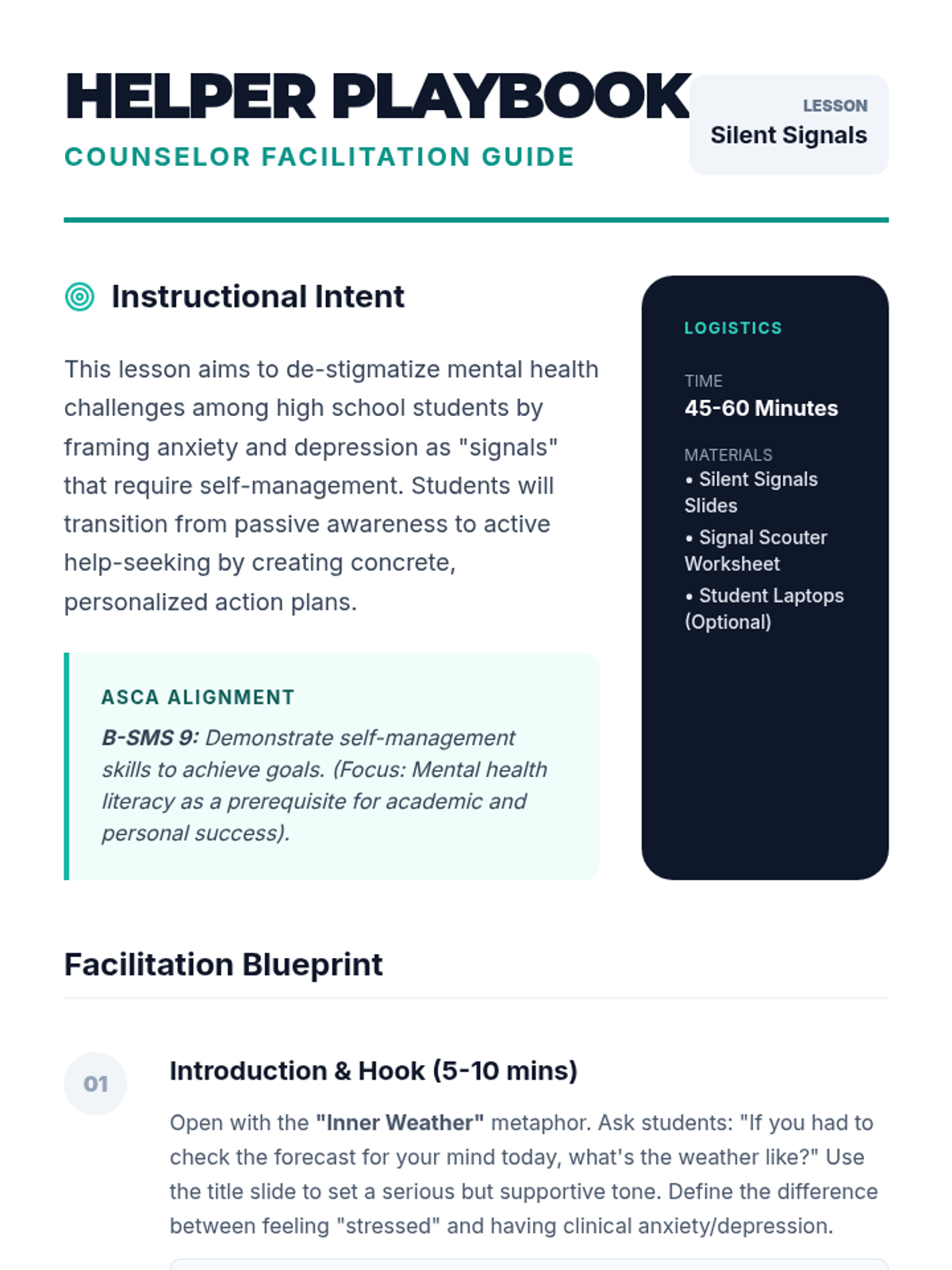
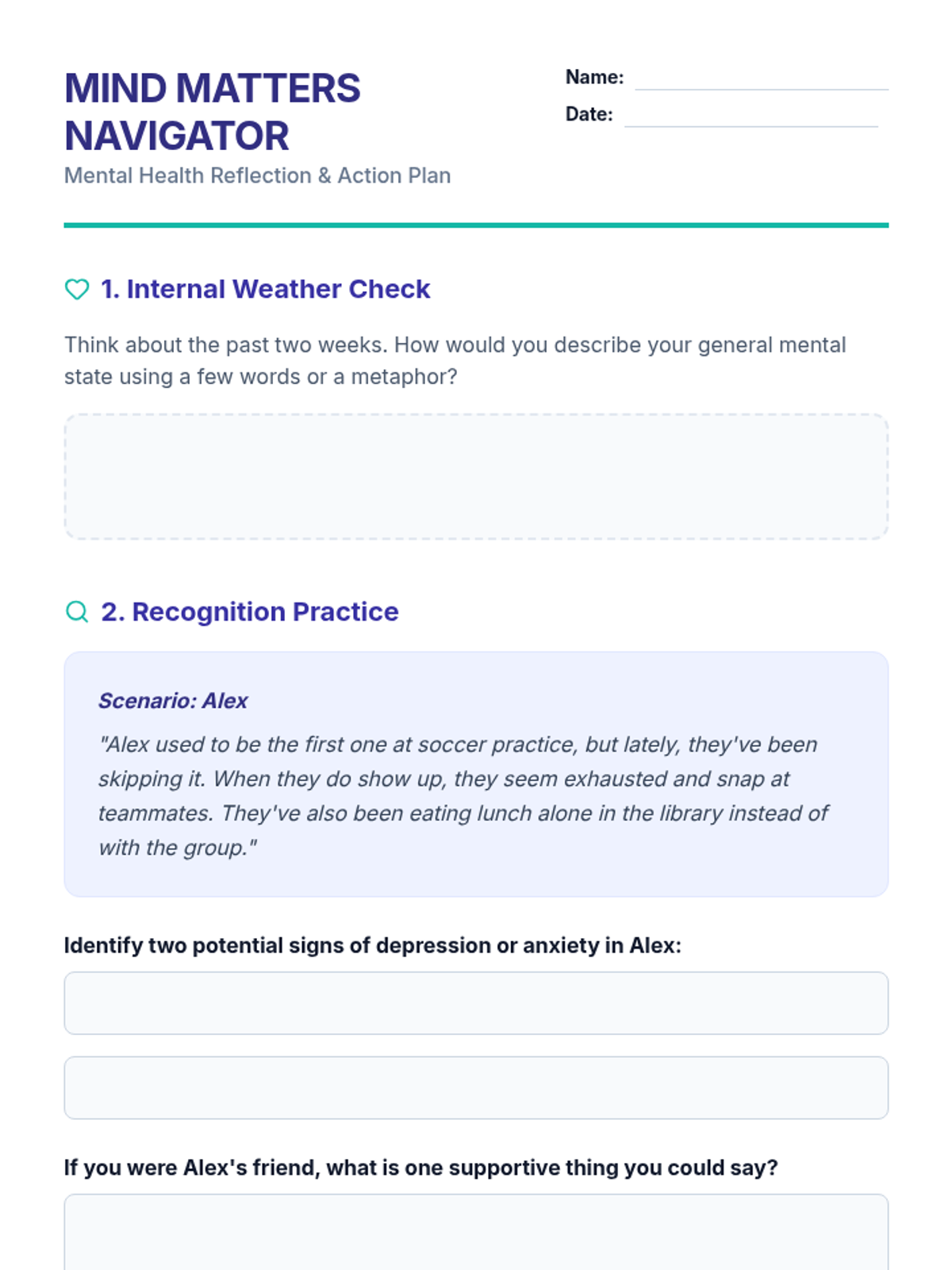
A high school mental health awareness lesson focused on identifying signs of anxiety and depression, mapping support resources, and creating a personal help-seeking action plan. Aligned to ASCA Mindsets & Behaviors B-SMS 9.
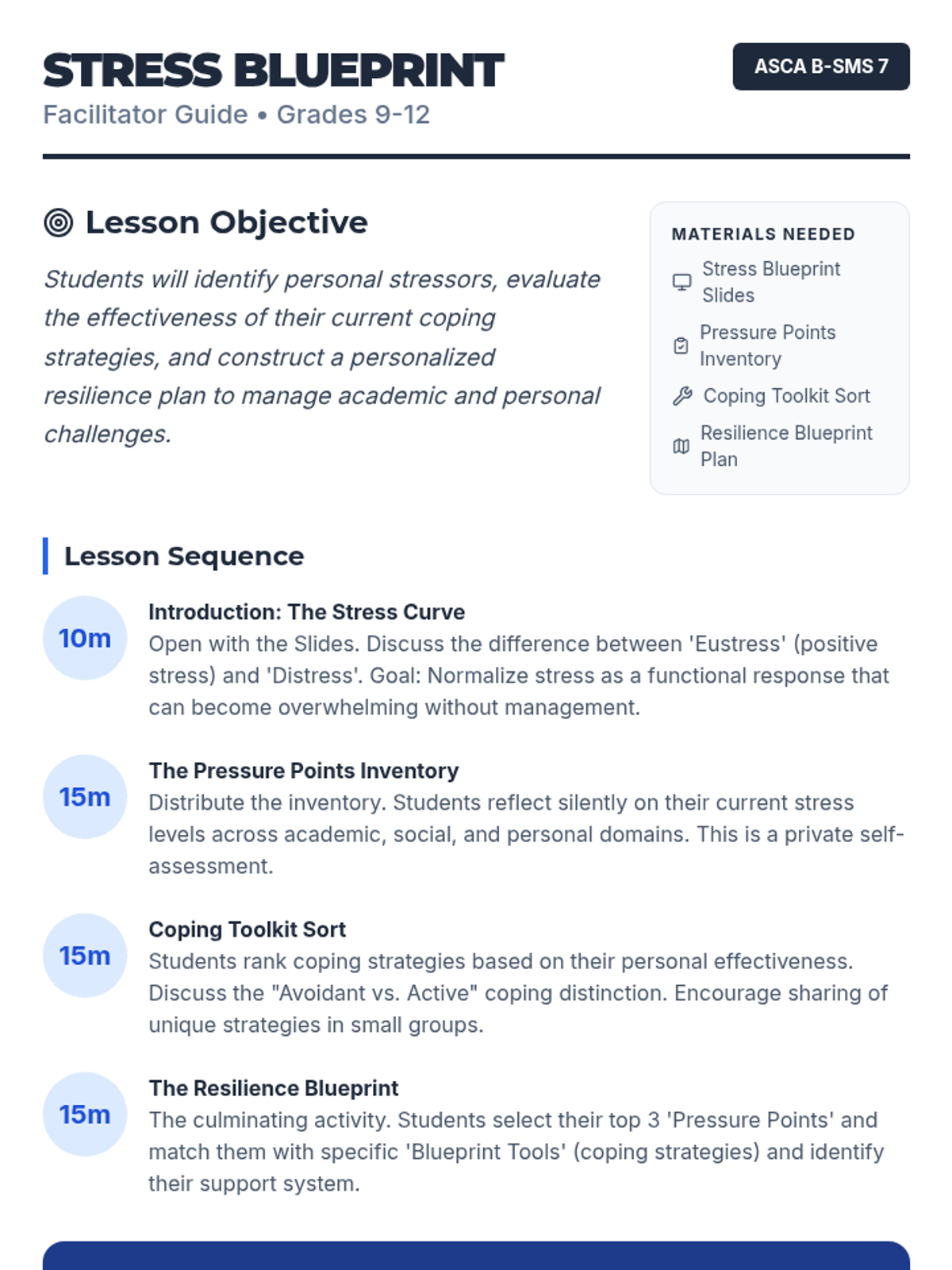
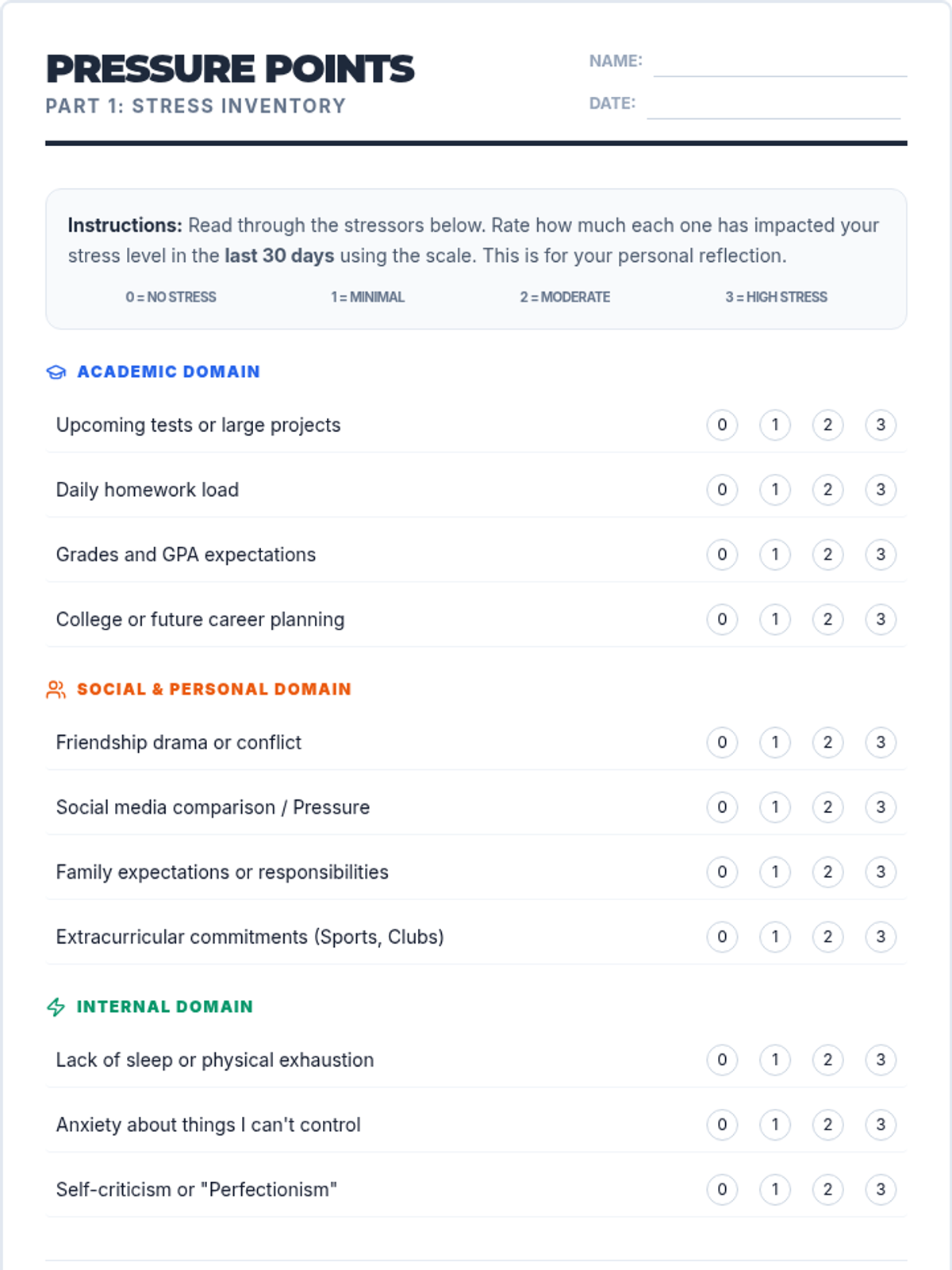
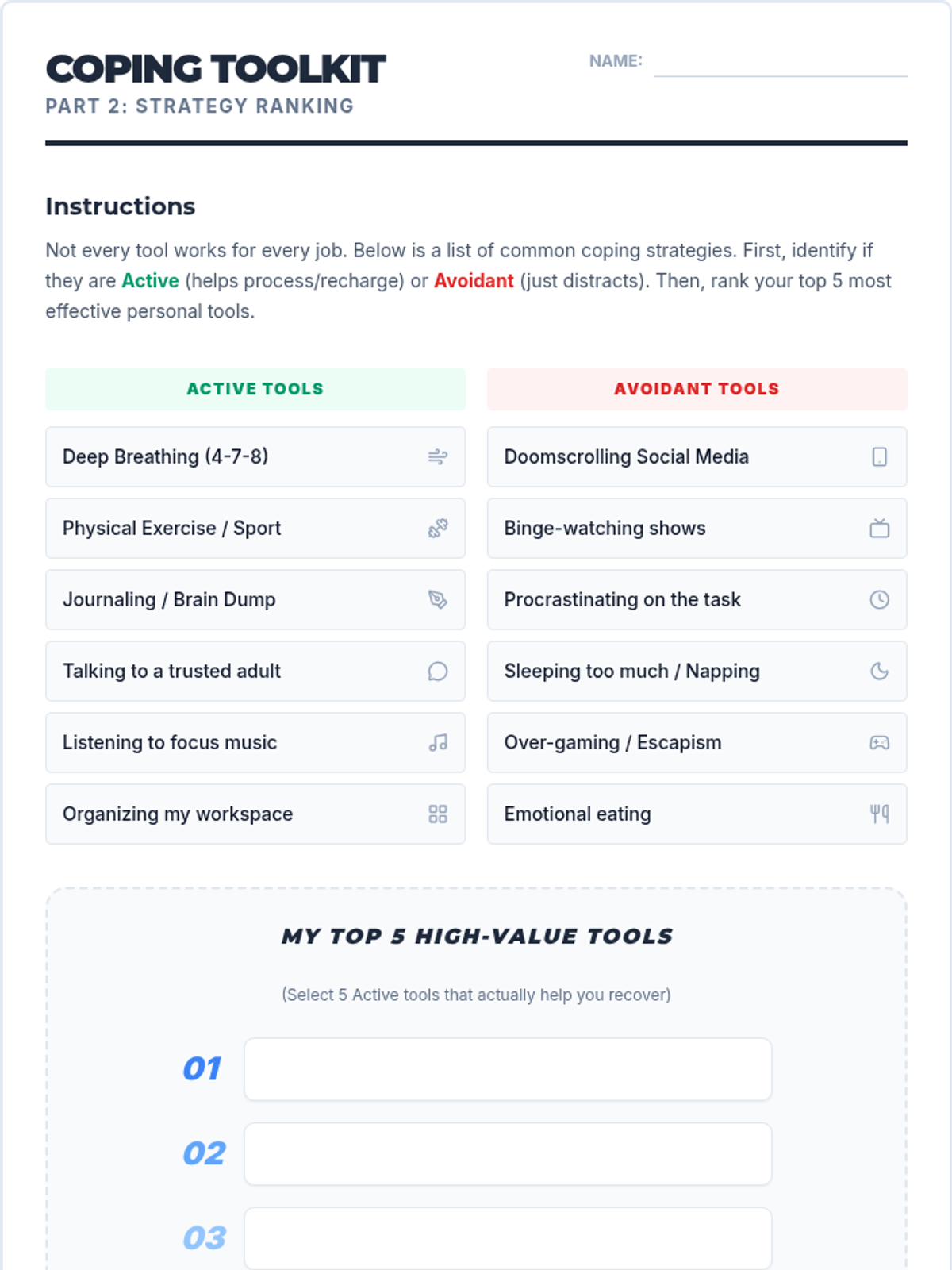
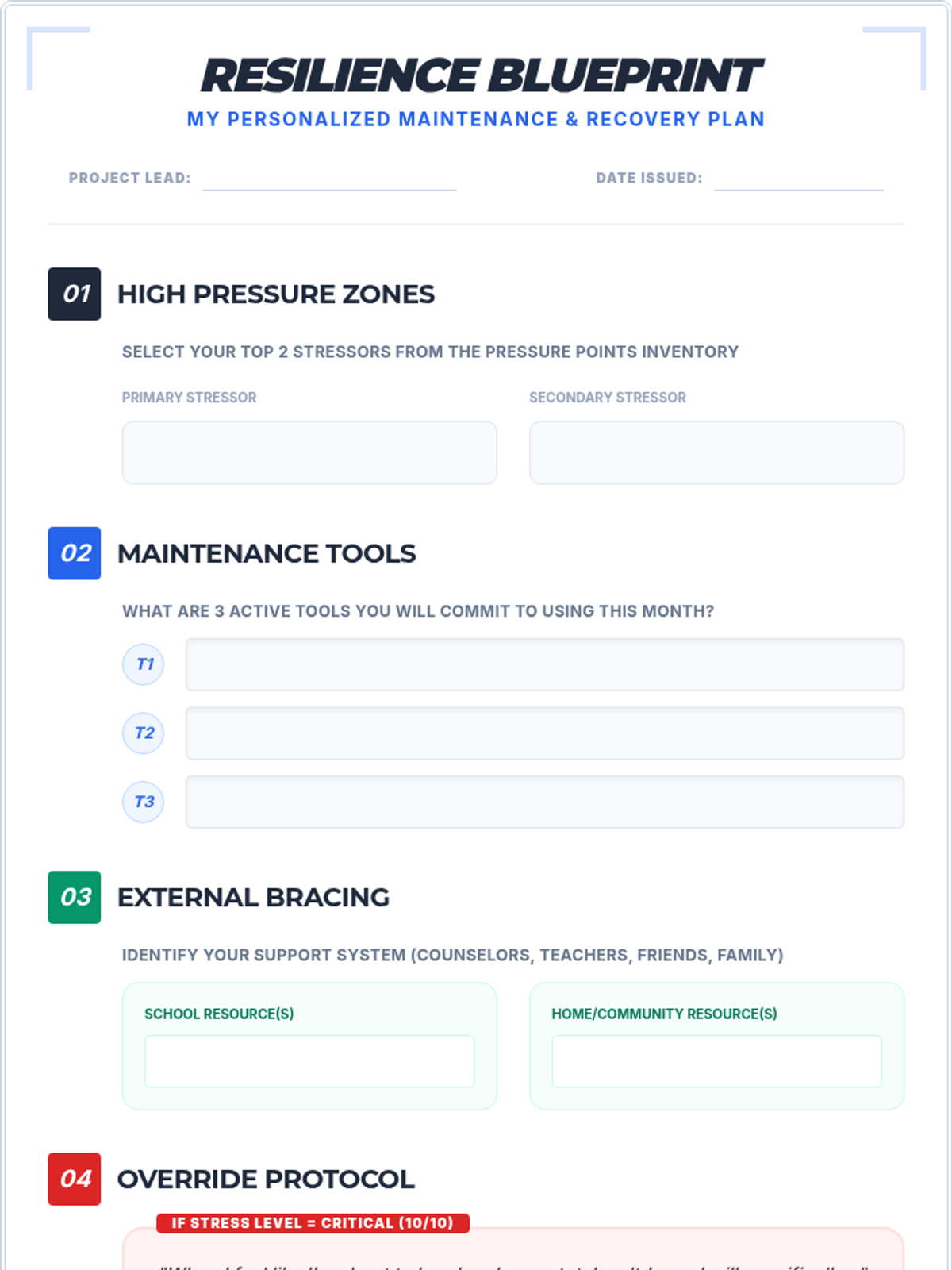
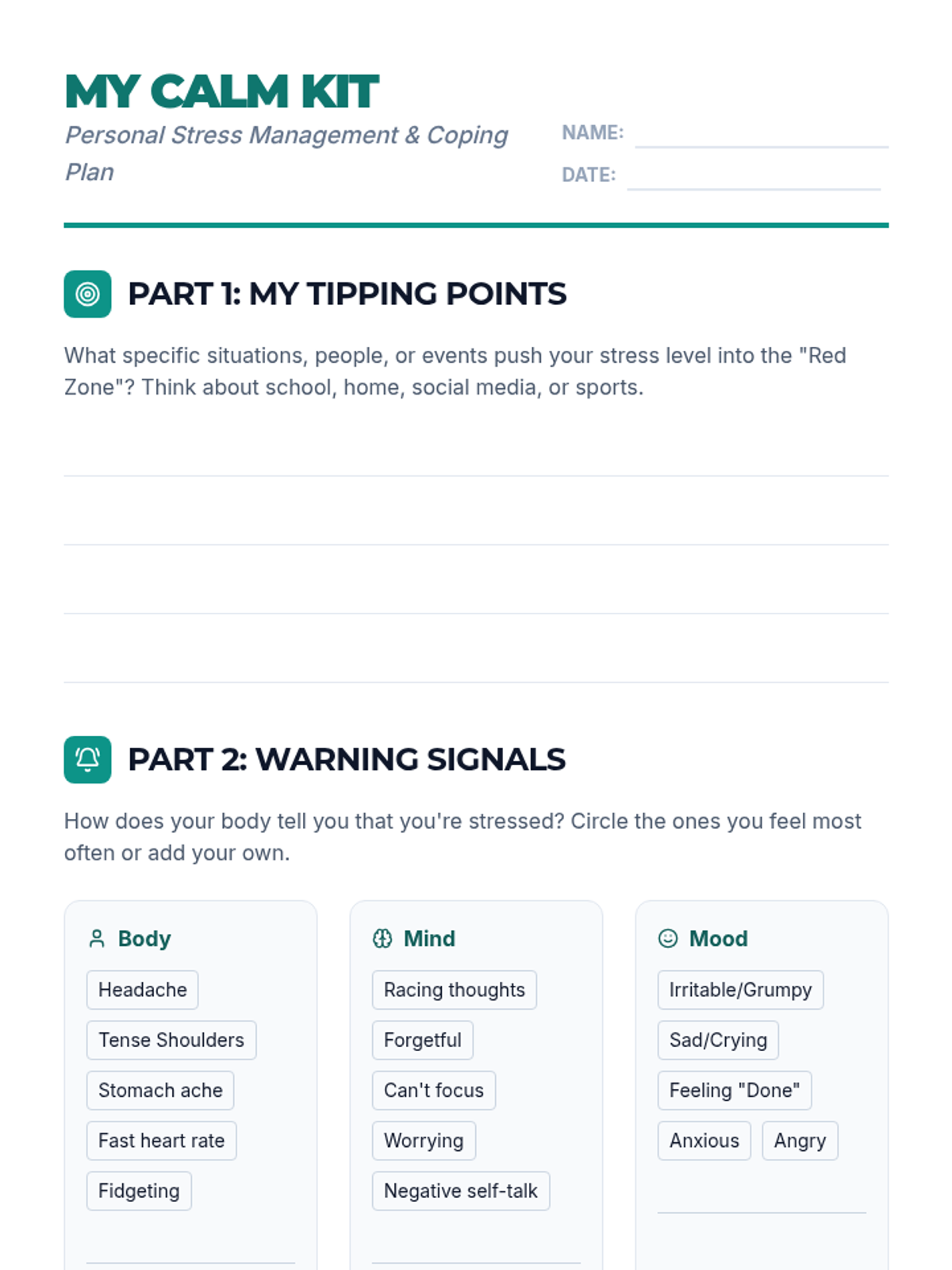
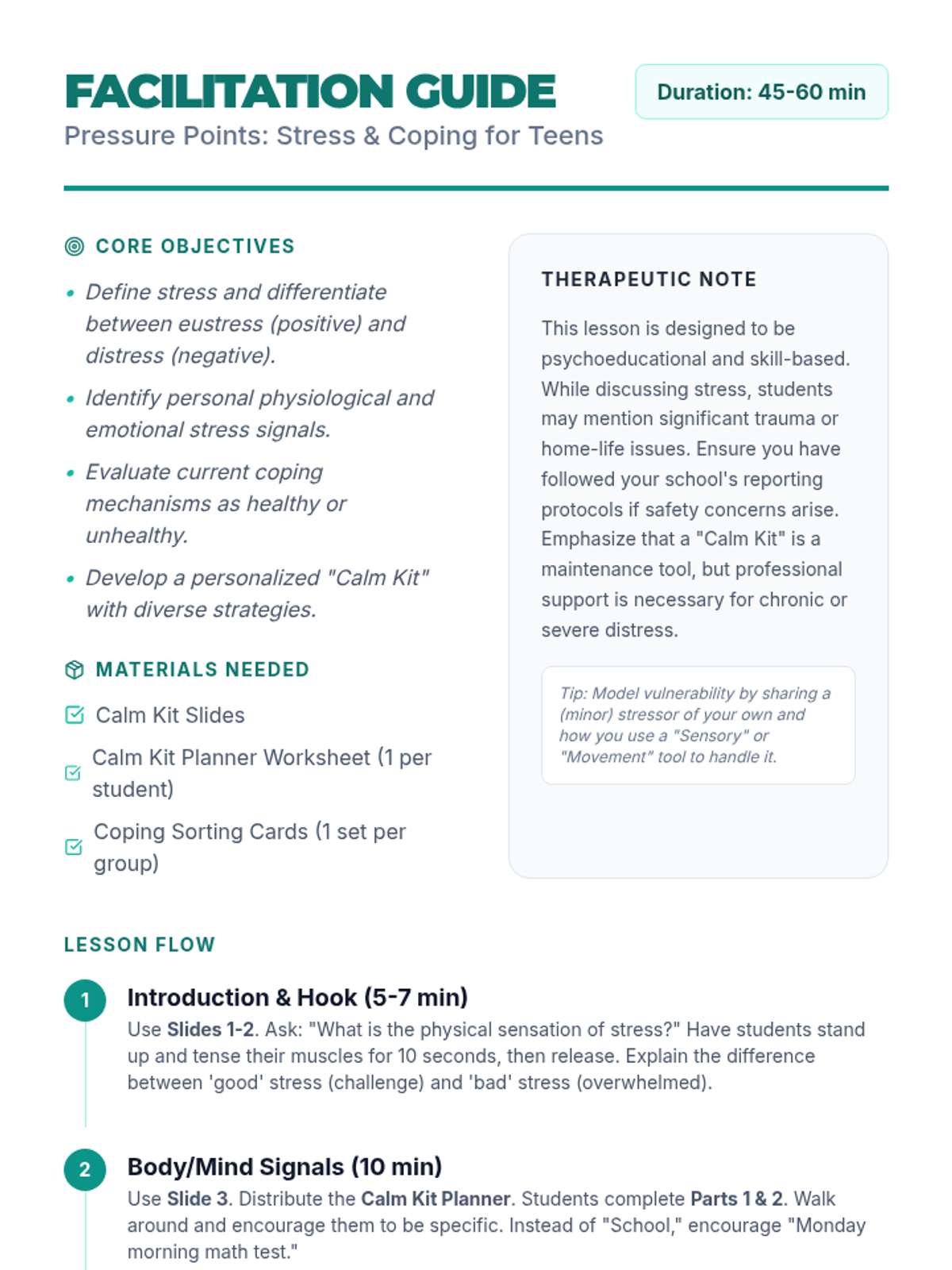
A comprehensive lesson for high school students focused on identifying stressors, evaluating coping mechanisms, and building a personalized resilience plan. Aligned with ASCA Mindsets & Behaviors B-SMS 7.
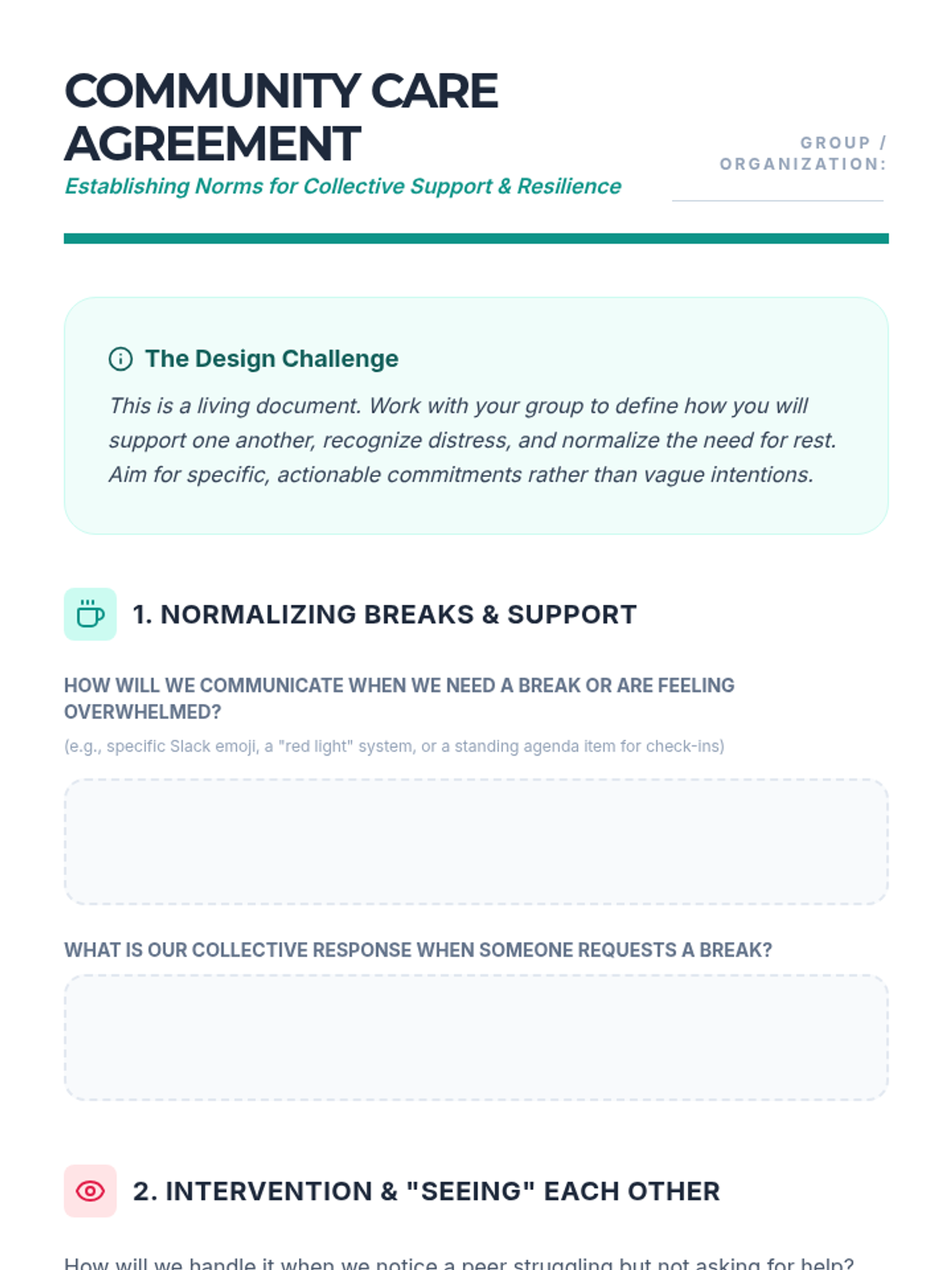
The sequence concludes with students designing a 'Community Care Agreement' to establish norms for mutual support and collective rest in their own communities.
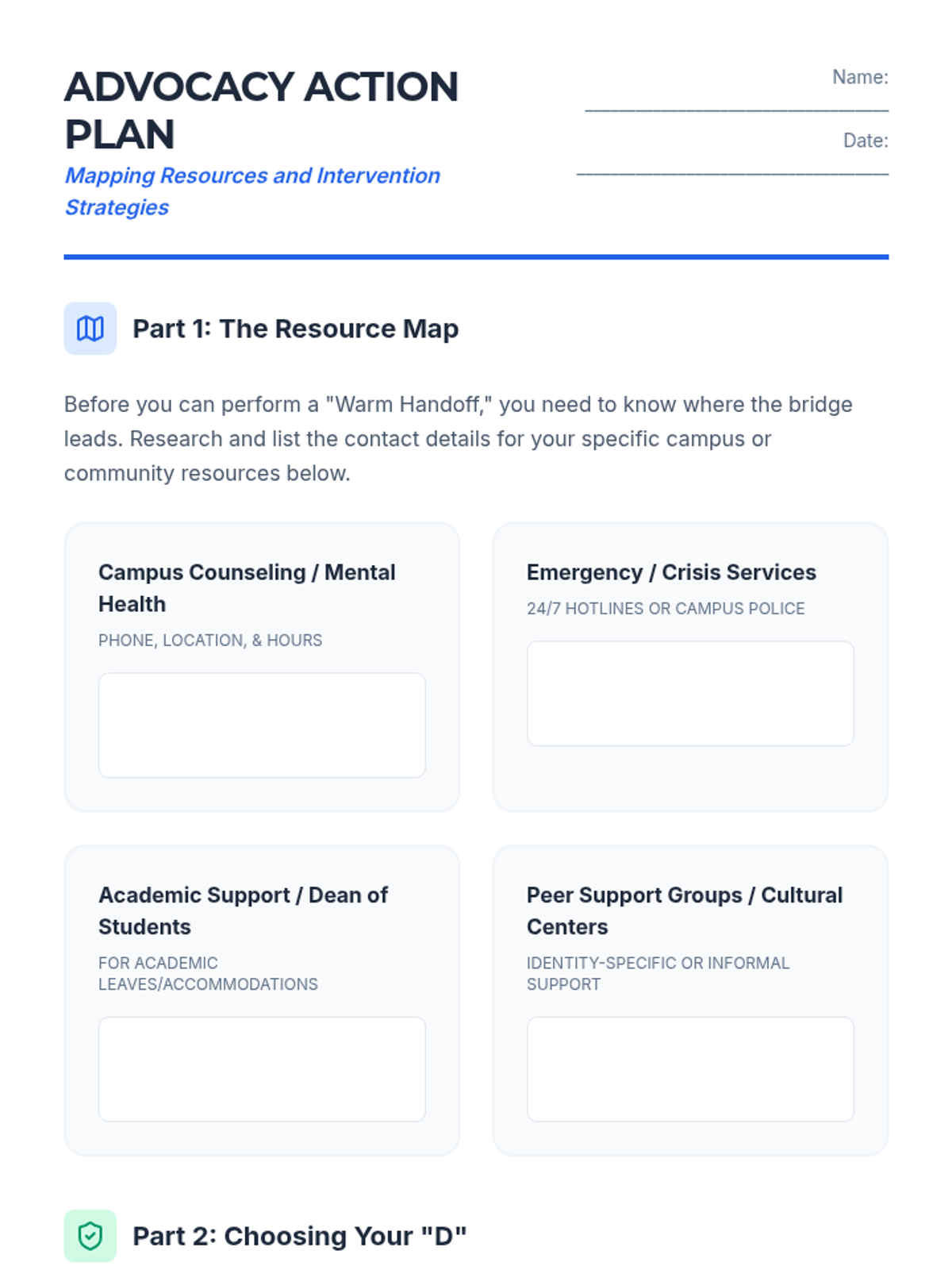
This lesson teaches specific bystander intervention strategies to bridge the gap between noticing distress and connecting a peer to resources.
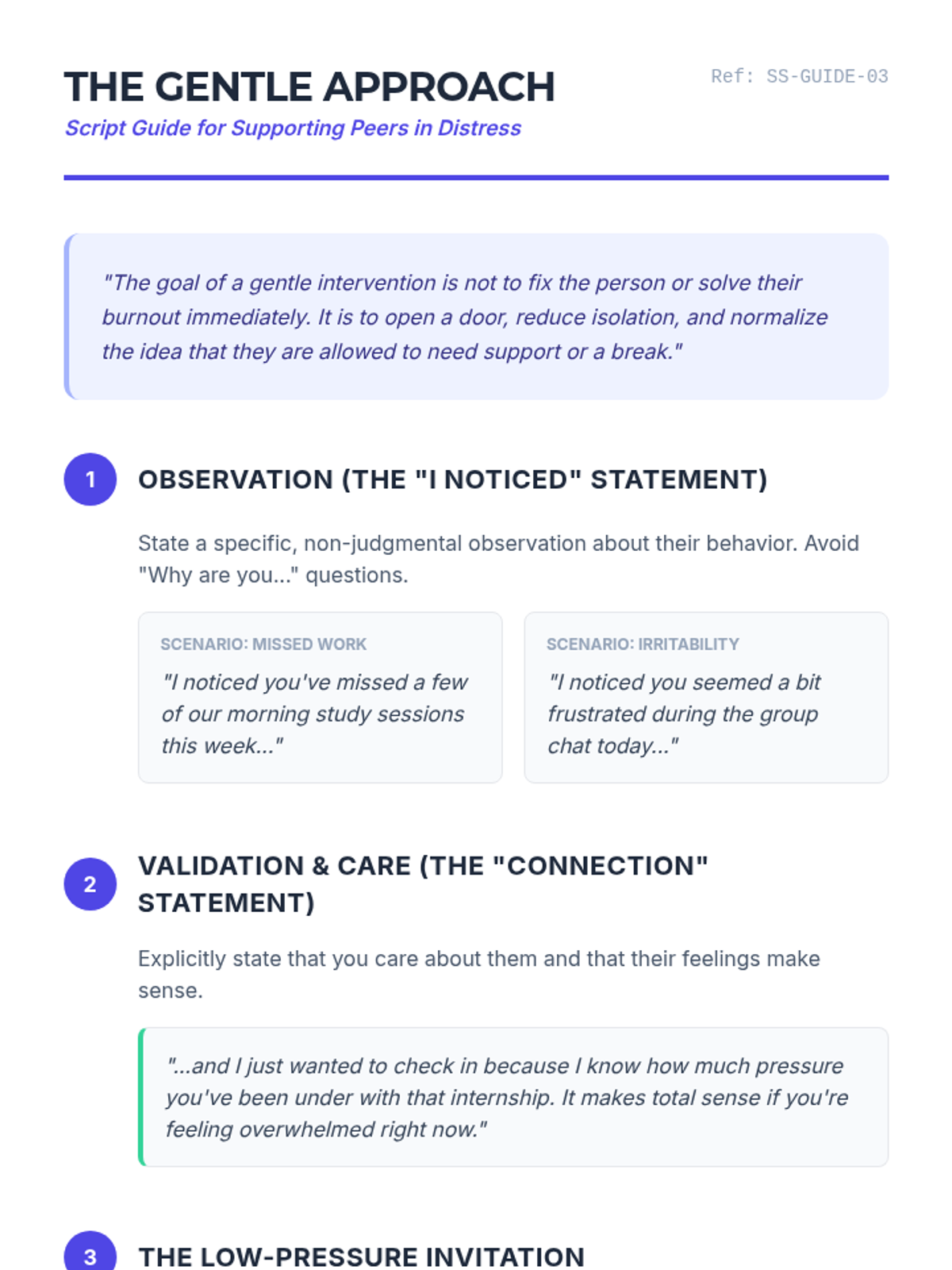
Students learn to identify subtle behavioral and non-verbal signs of distress in their peers and practice gentle intervention strategies.
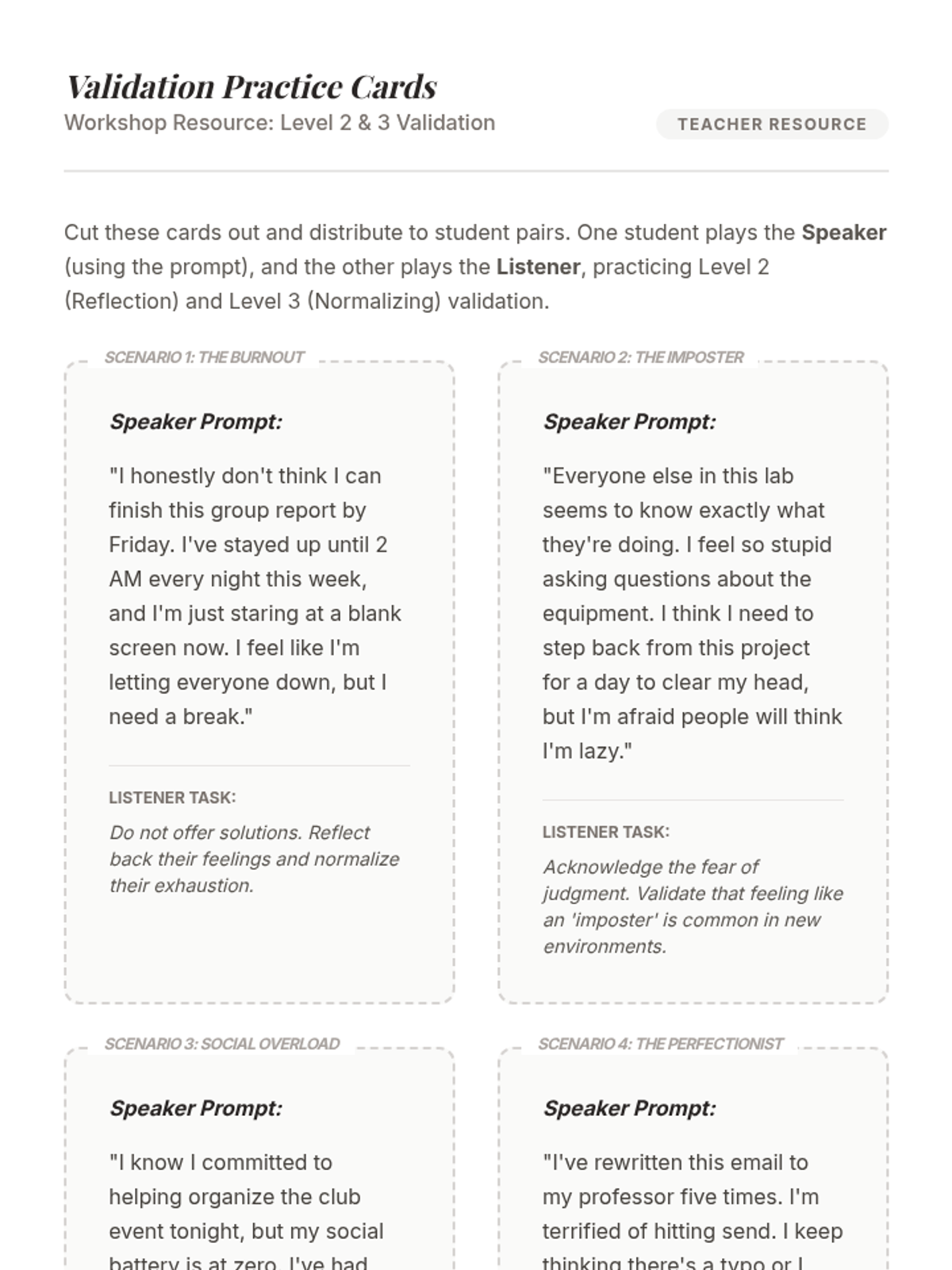
A workshop focusing on the listening skills required to support peers, emphasizing validation over immediate problem-solving.
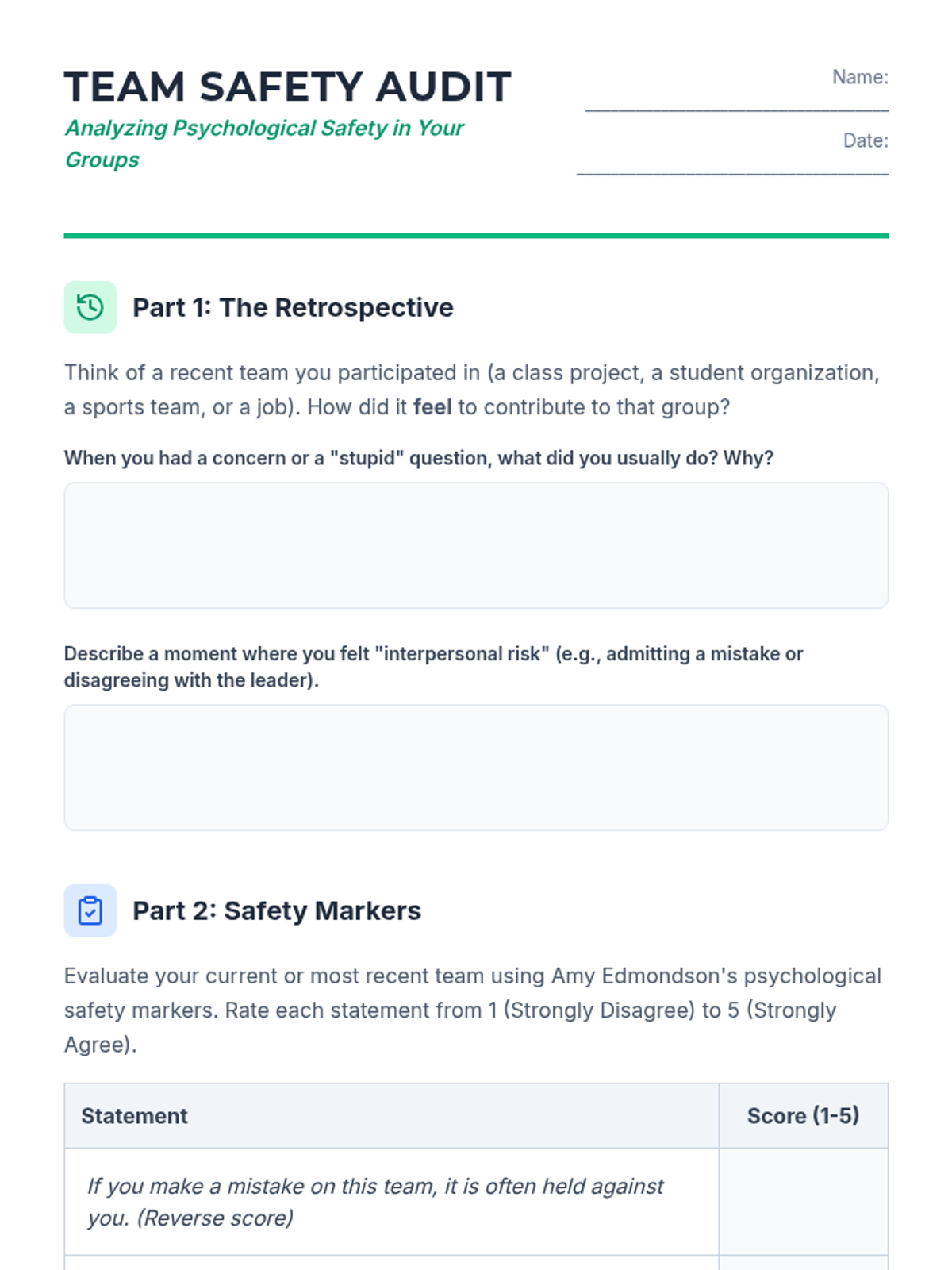
Students define psychological safety and analyze its impact on team performance, using Google's 'Project Aristotle' as a primary case study.
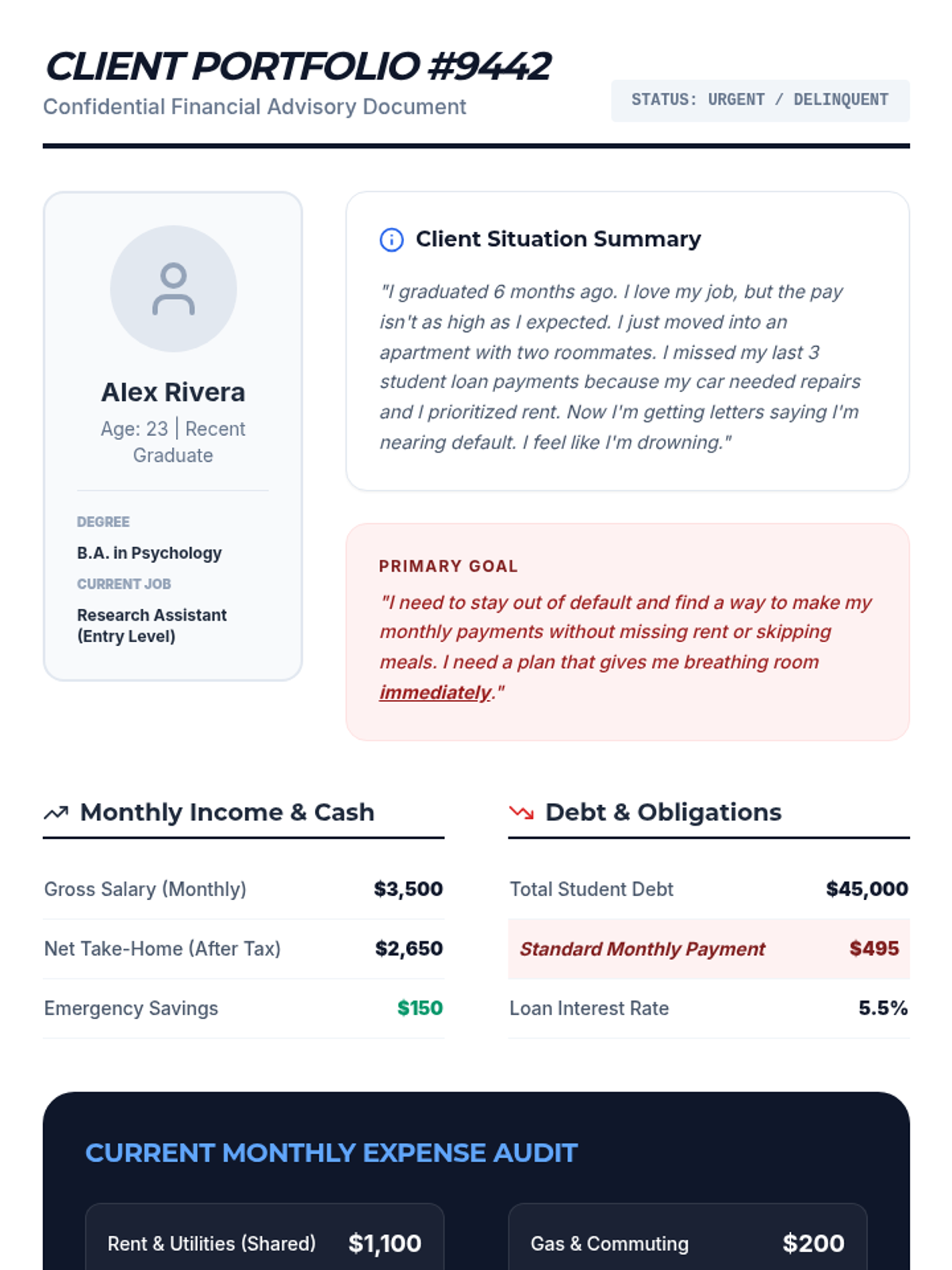
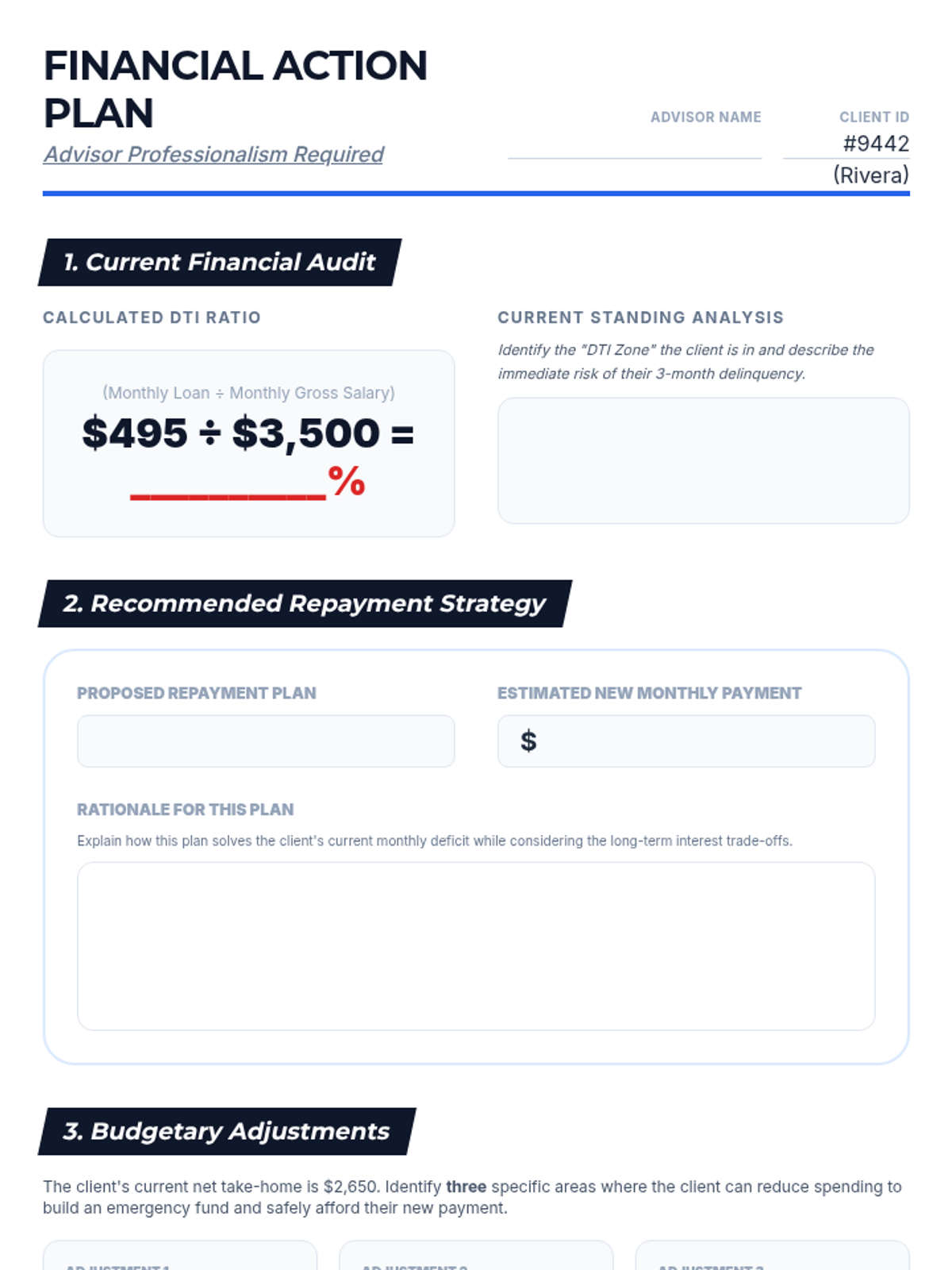
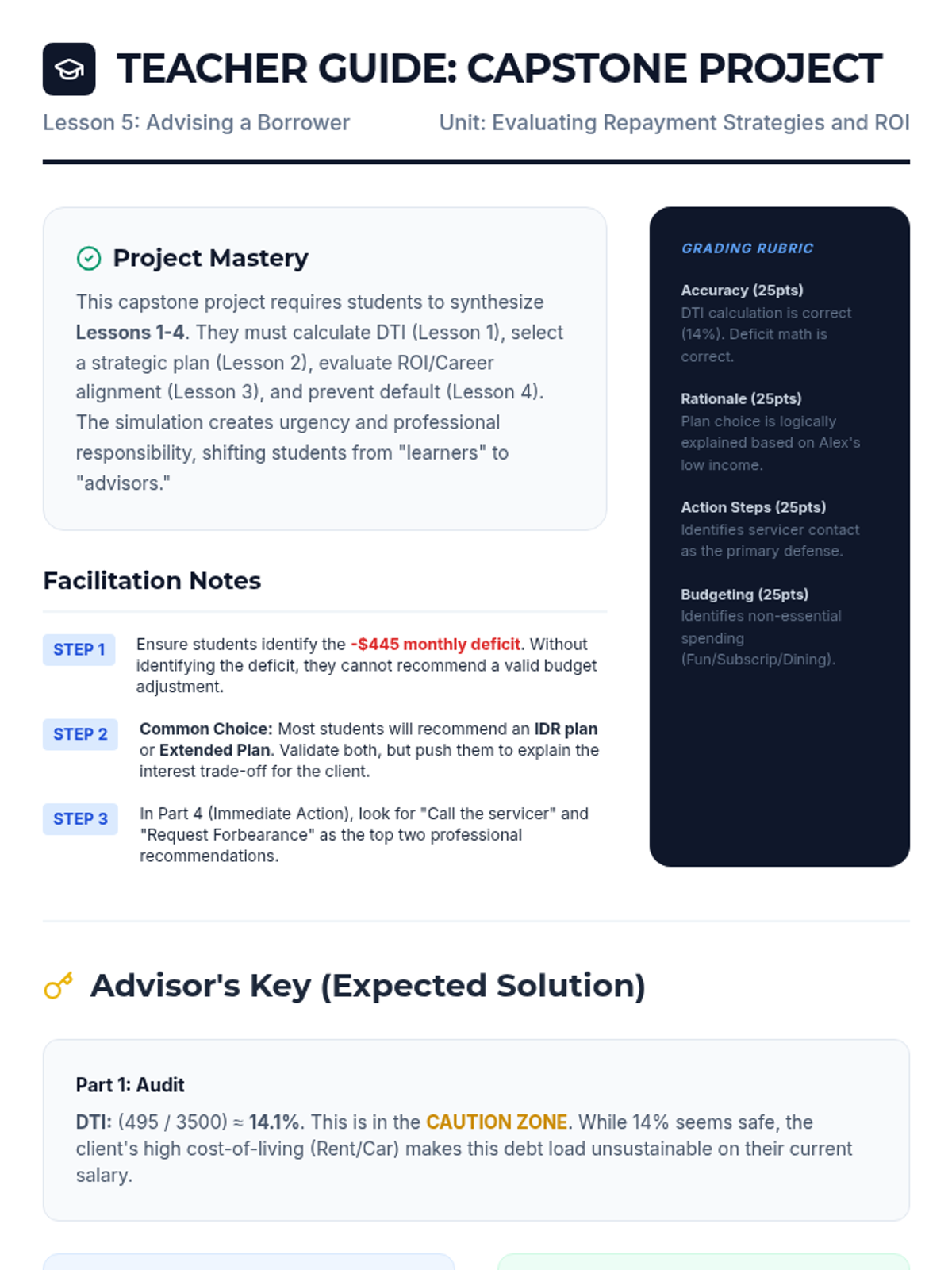
Students act as financial counselors for a detailed case study of a recent graduate struggling with payments. They analyze debt load and income to recommend a specific repayment plan and budget adjustments, producing a final 'Financial Action Plan'.
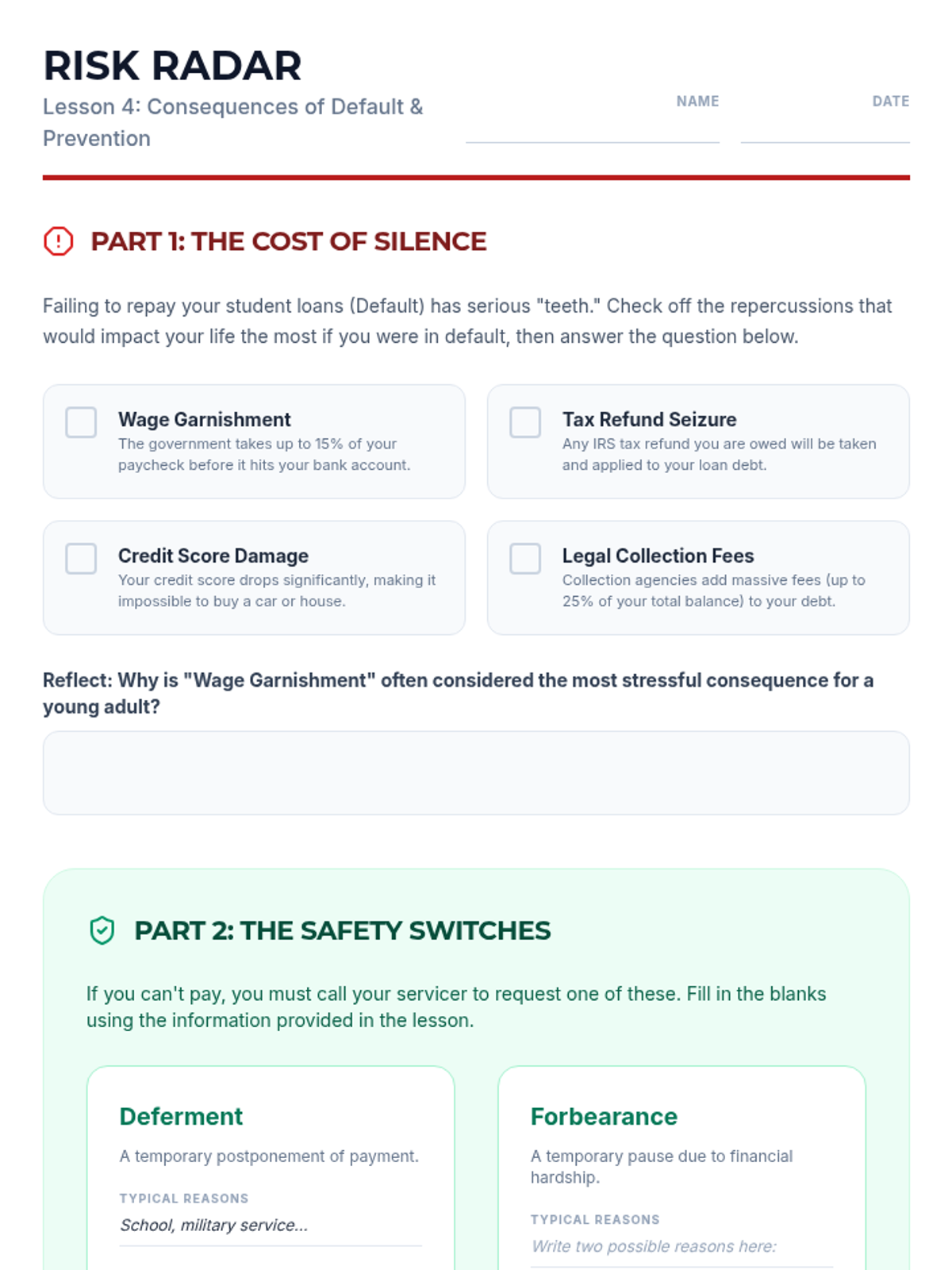
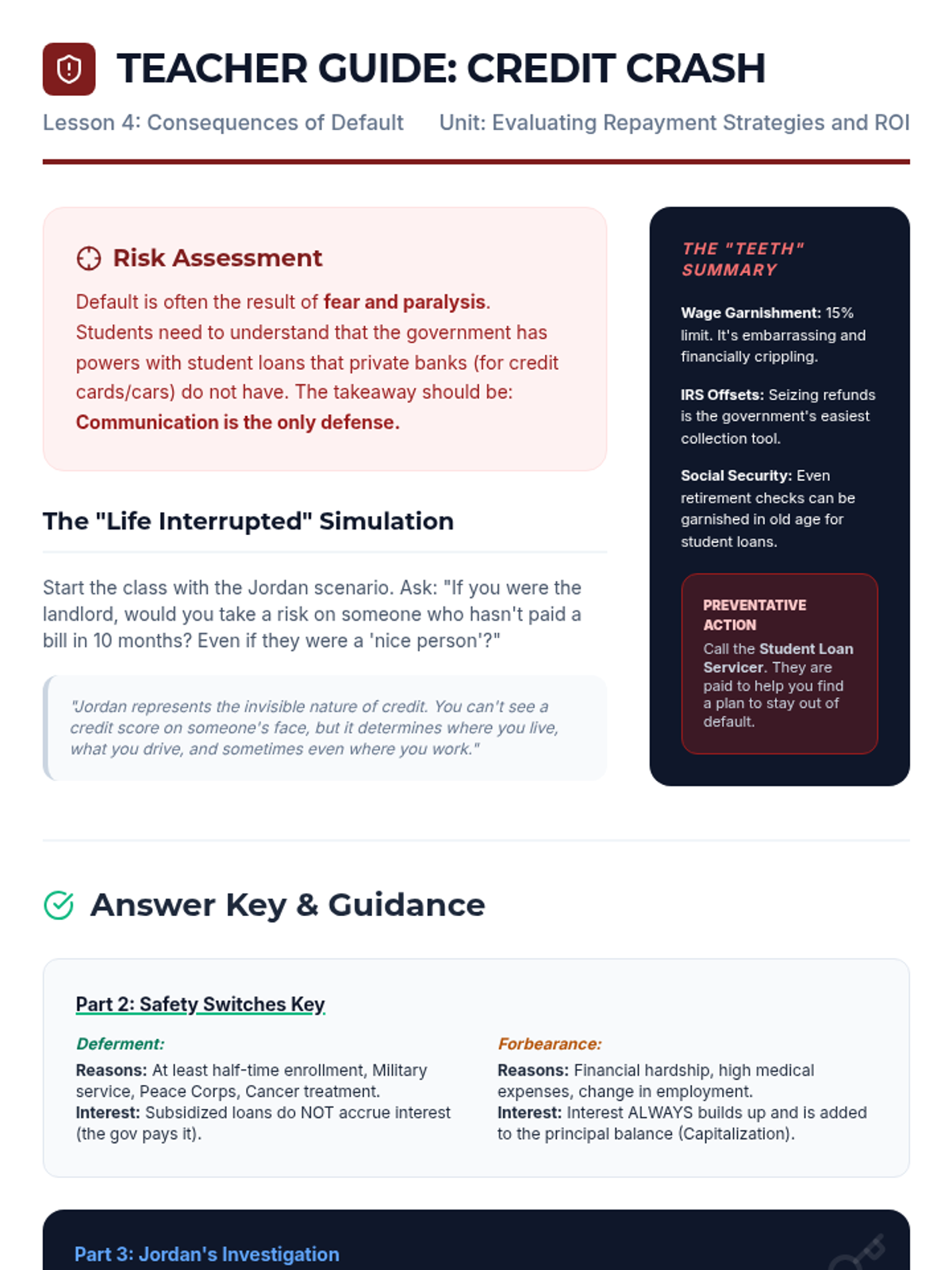
Students examine the timeline and repercussions of failing to repay student loans, including damaged credit scores, wage garnishment, and tax refund offsets. They learn the difference between postponement options and simply stopping payment.
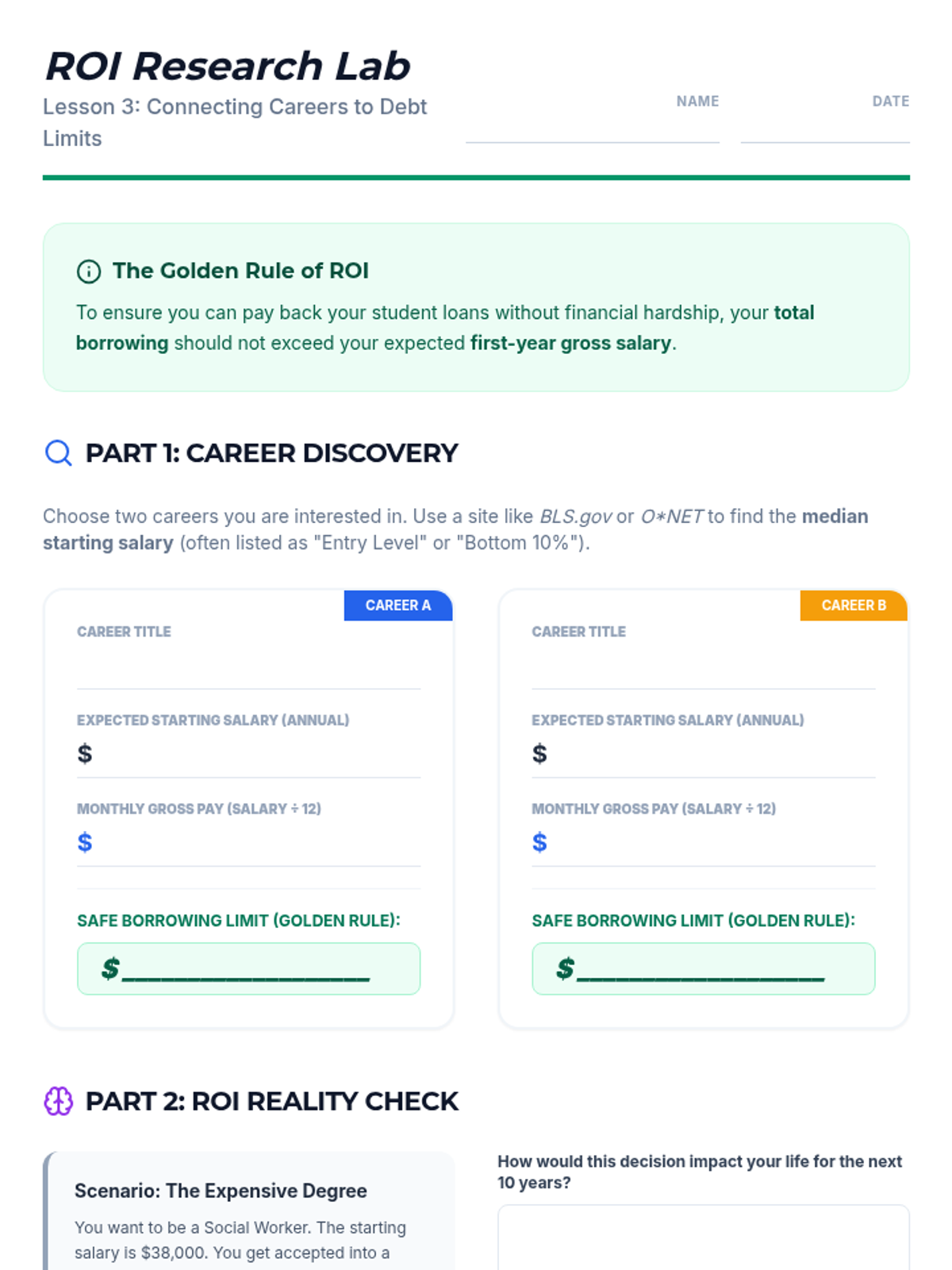
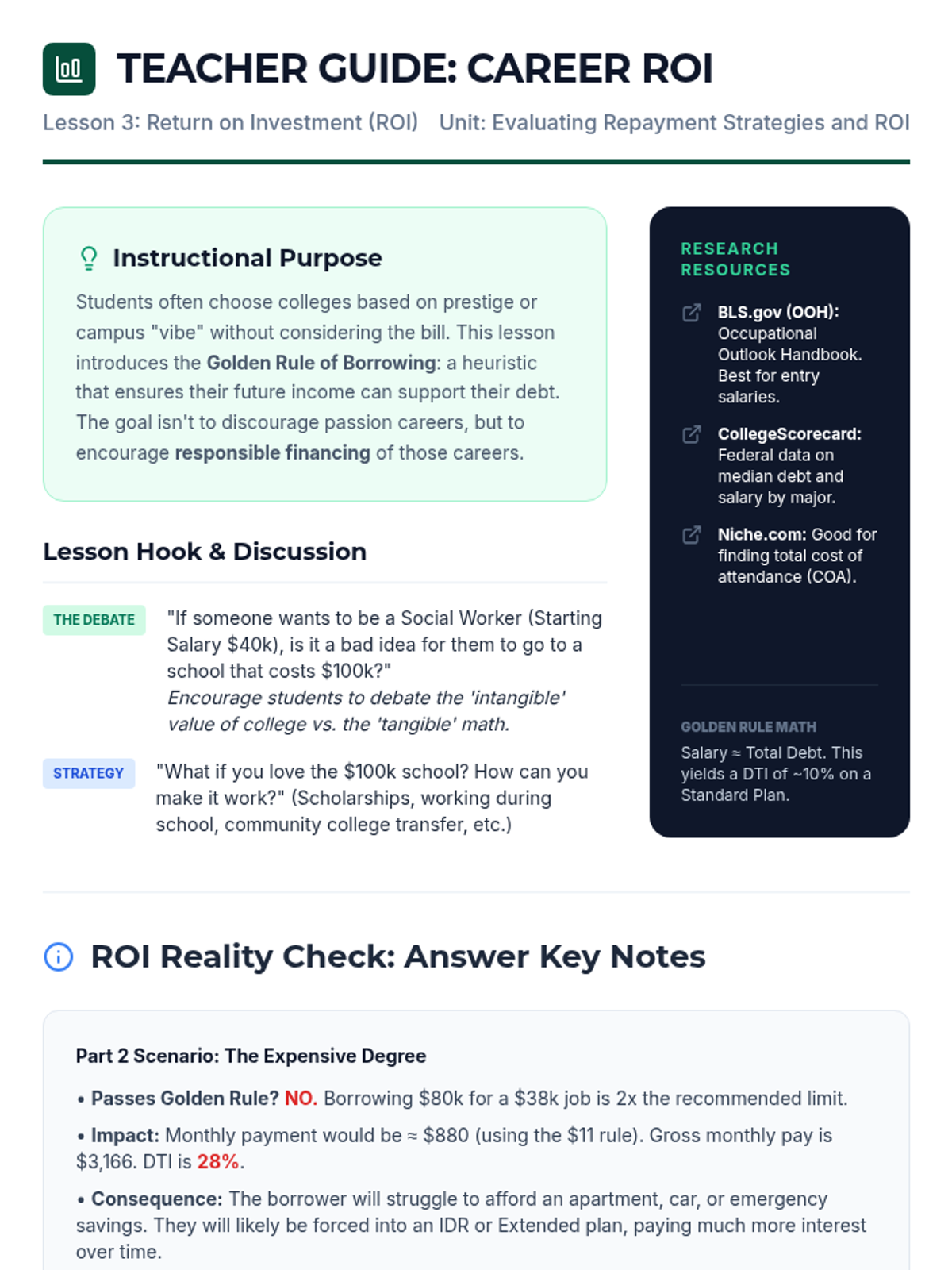
This lesson connects career aspirations with borrowing limits. Students research entry-level salaries for specific careers and calculate a safe borrowing limit based on the rule of thumb that total debt should not exceed expected first-year salary.
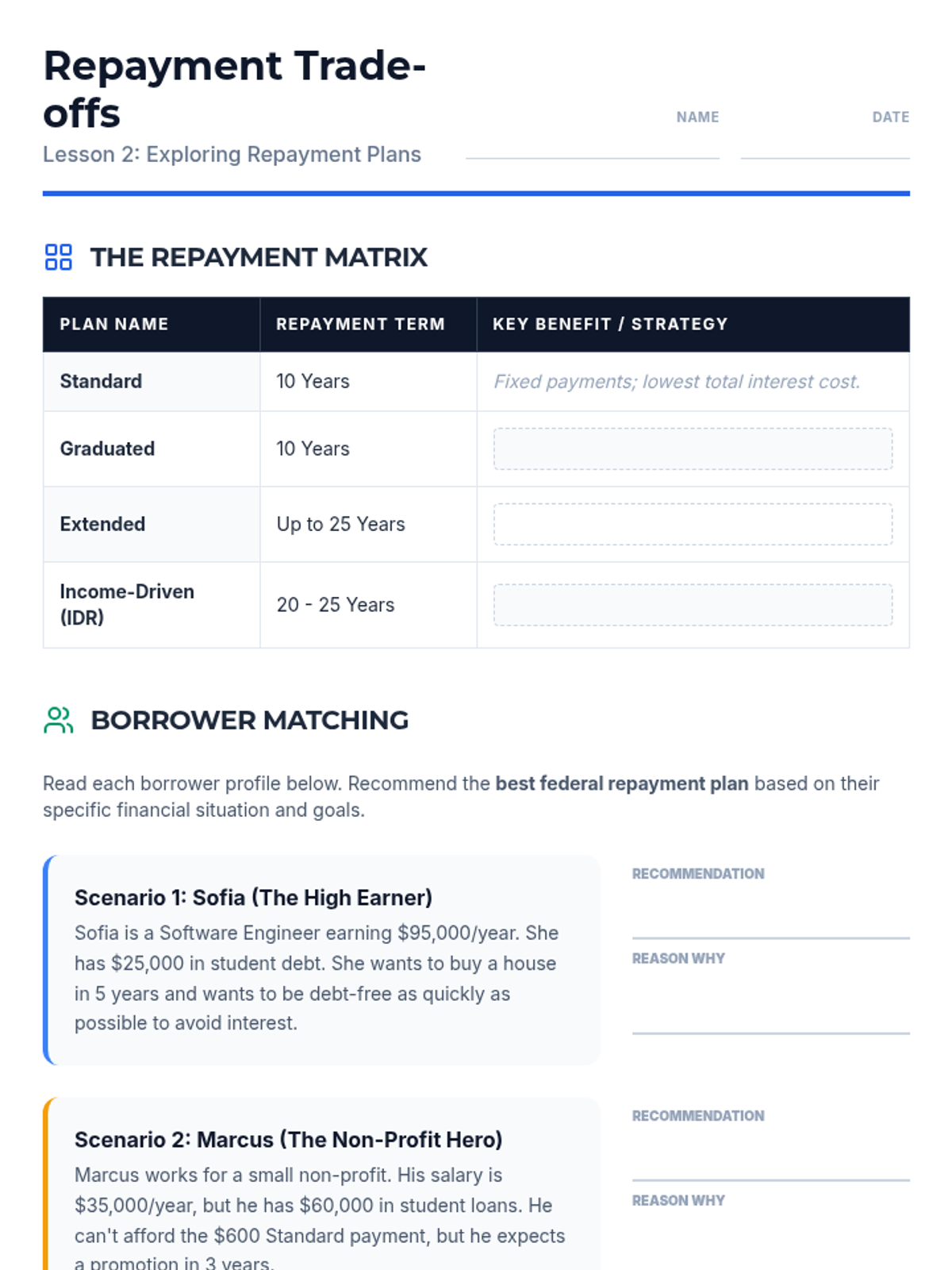
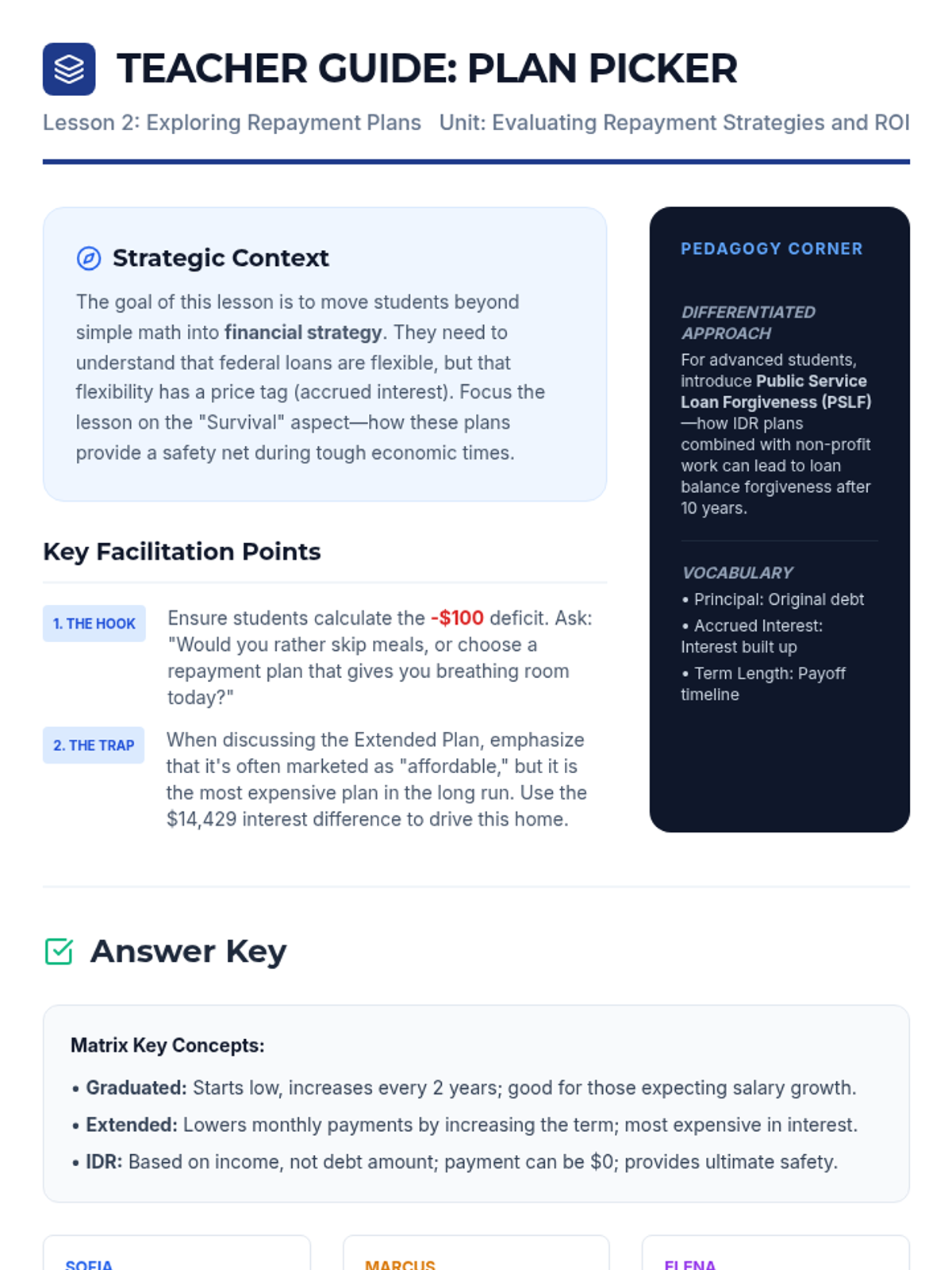
Learners investigate alternative federal repayment options, including Graduated, Extended, and Income-Driven Repayment (IDR) plans. They analyze how lowering a monthly payment often results in paying significantly more interest over the life of the loan.
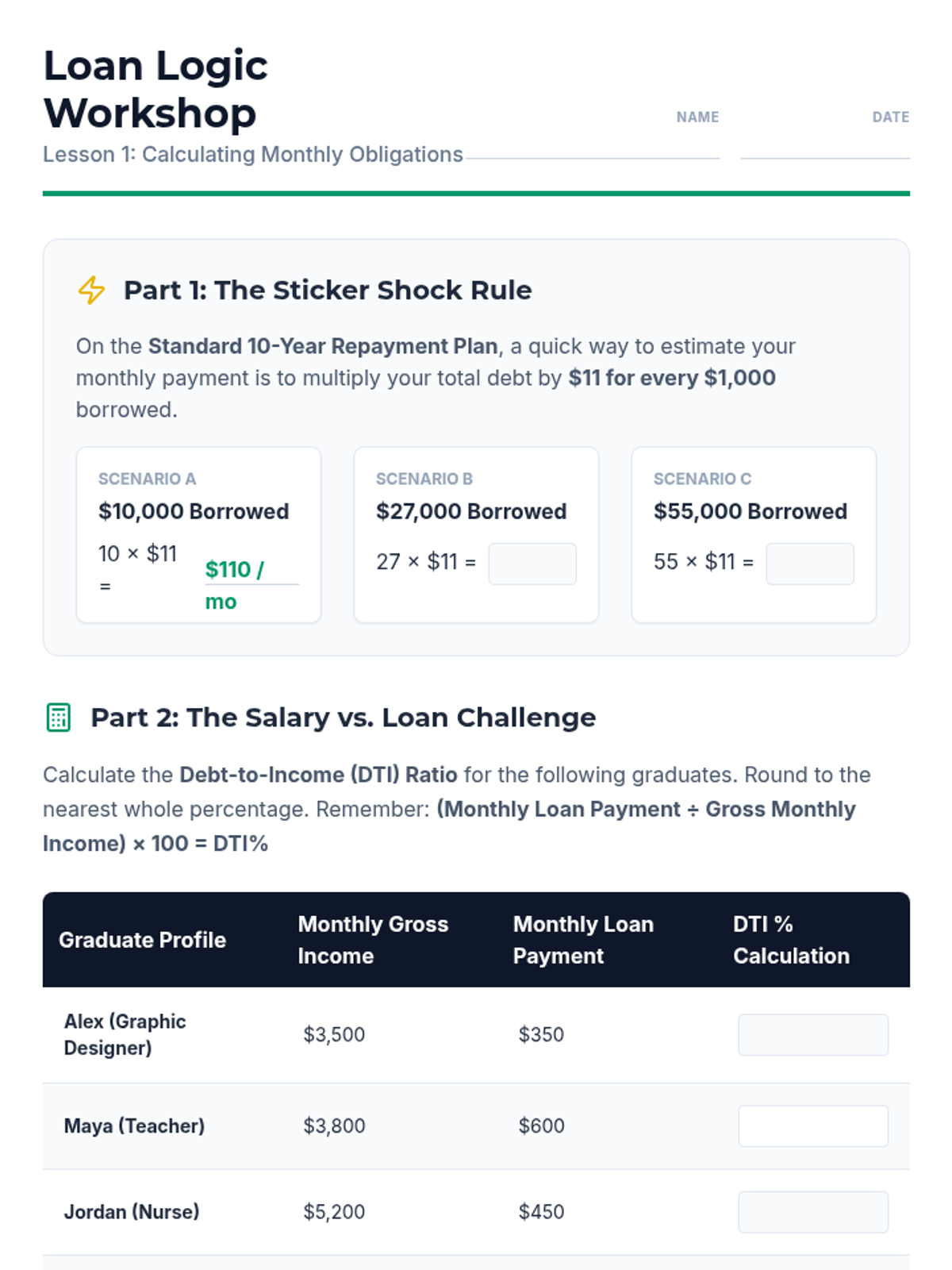
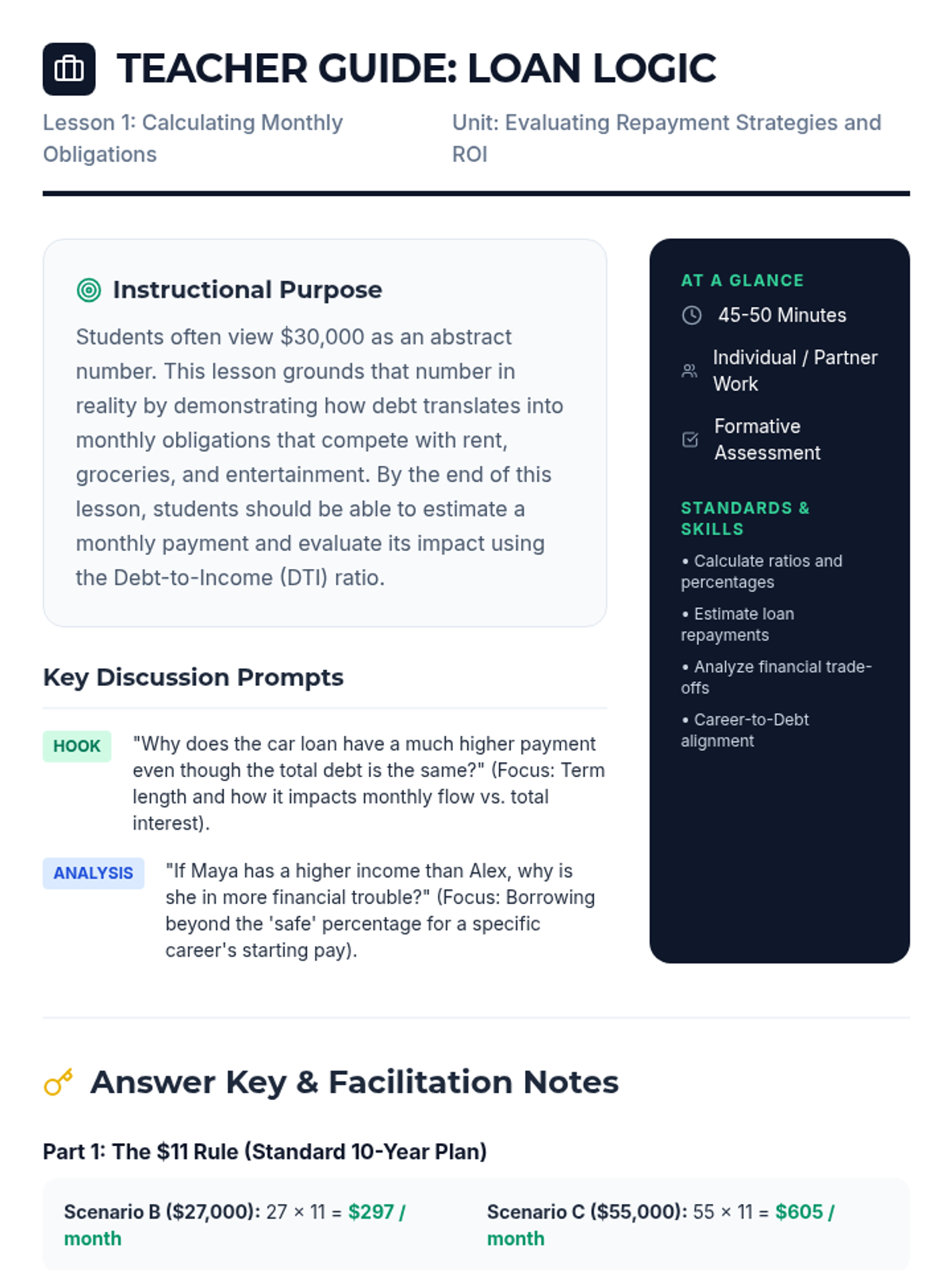
Students use the 'Standard Repayment Plan' model to calculate estimated monthly payments for various total debt amounts and compare them to entry-level salaries. This lesson introduces the concept of the debt-to-income ratio through the 'Sticker Shock' challenge.
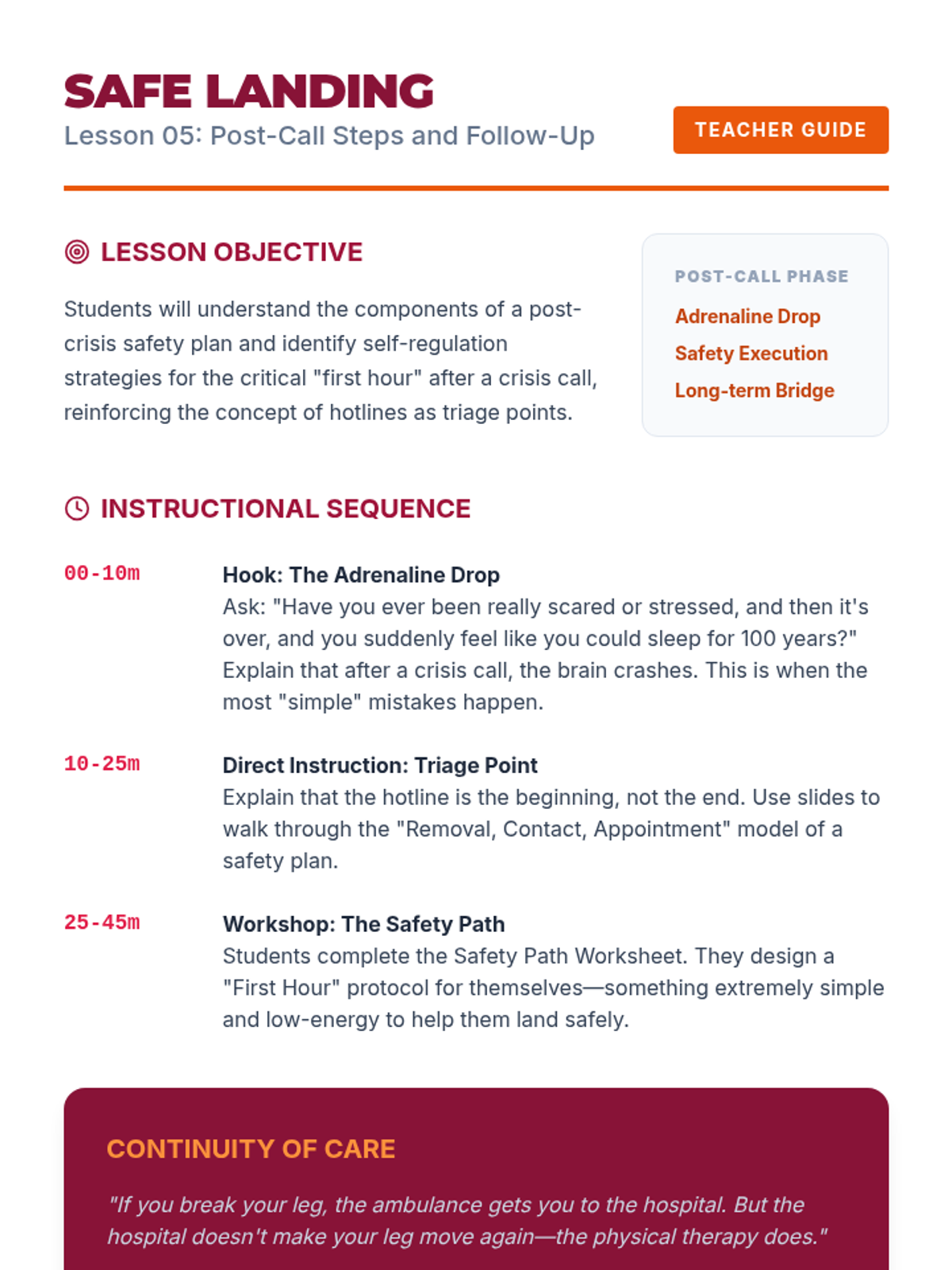
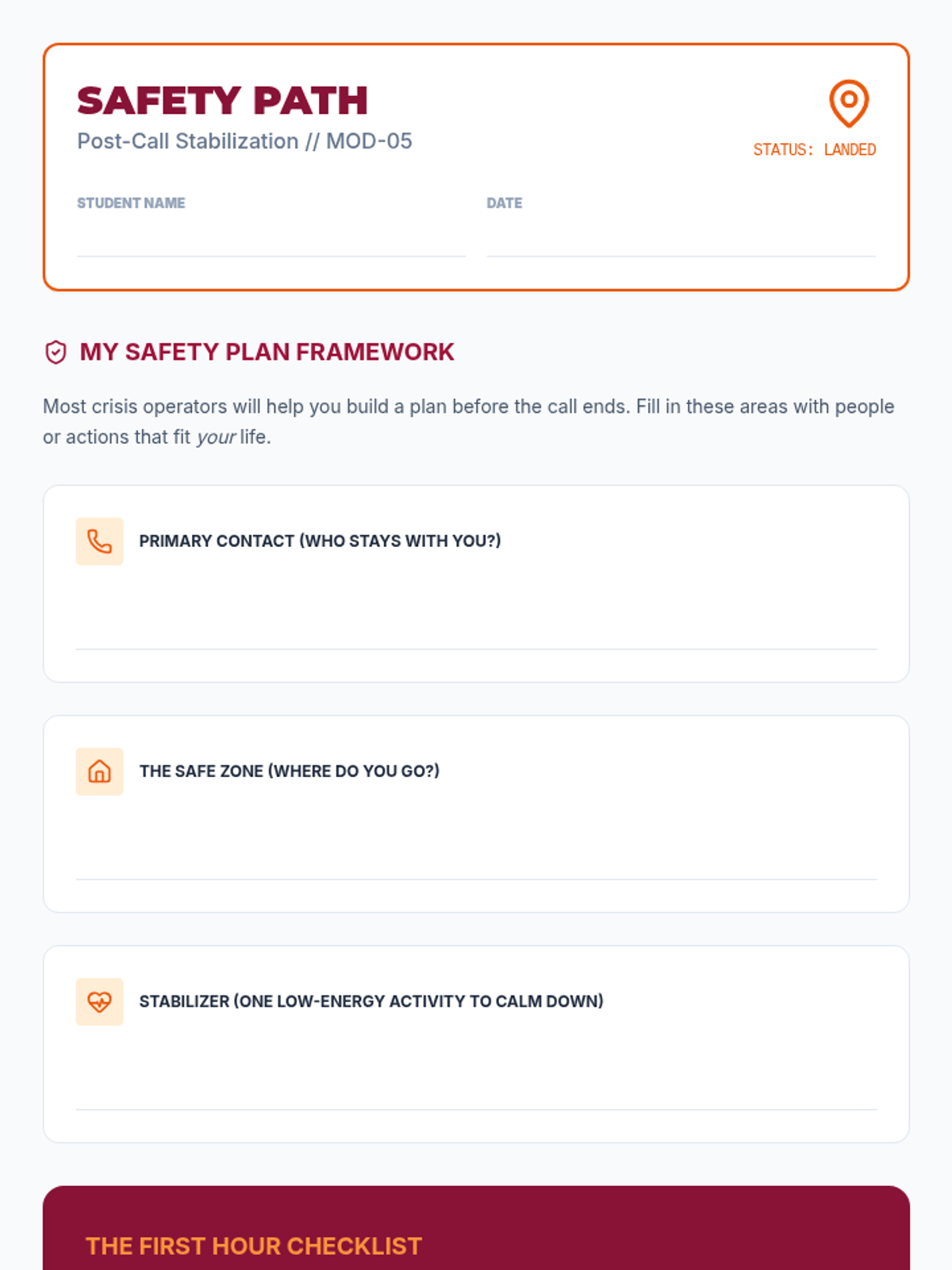
The sequence concludes with what happens after the hang-up. Students discuss the importance of following safety plans generated during the call and how to seek ongoing support, reinforcing that the hotline is a triage point, not the final cure.
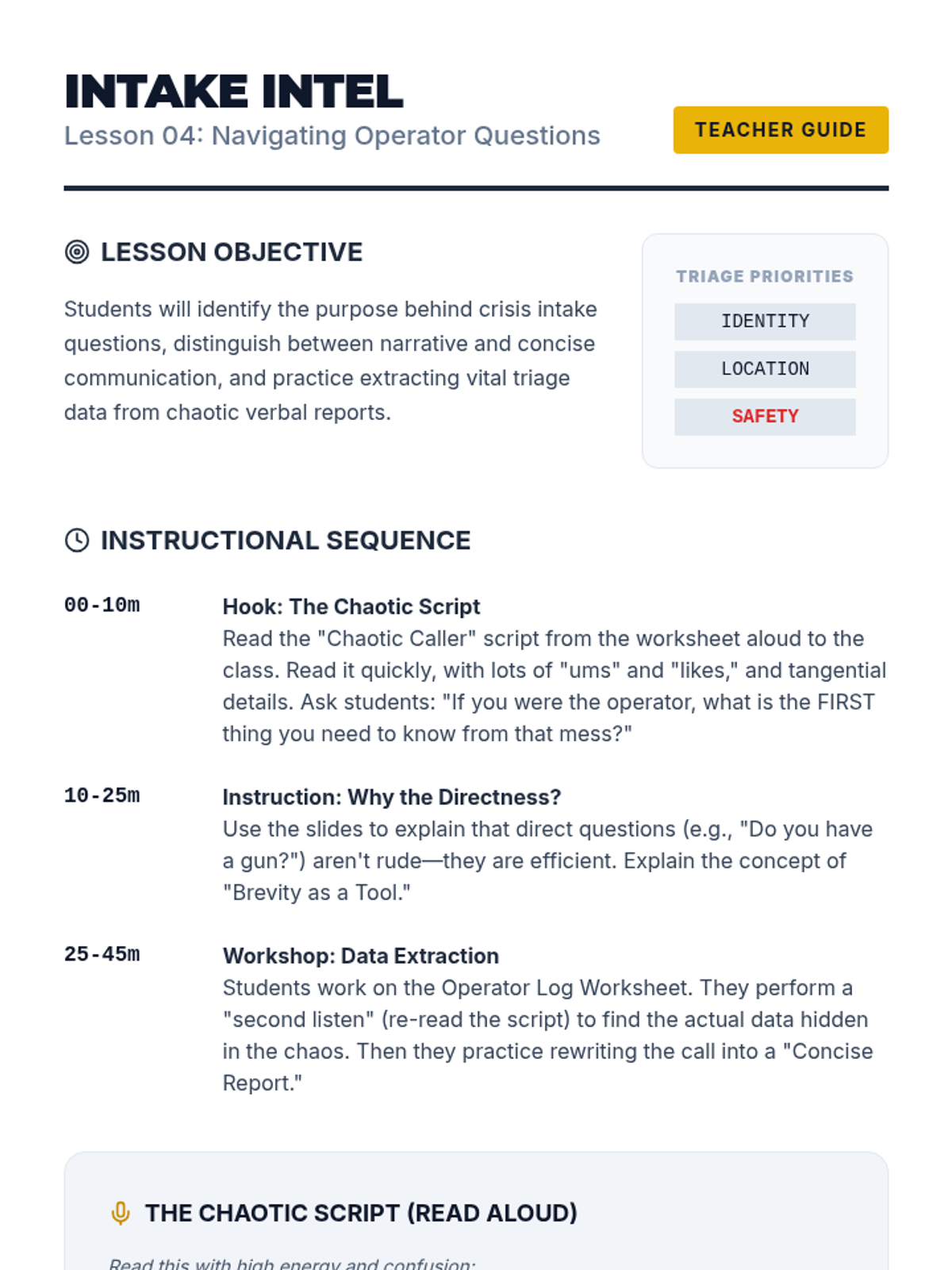
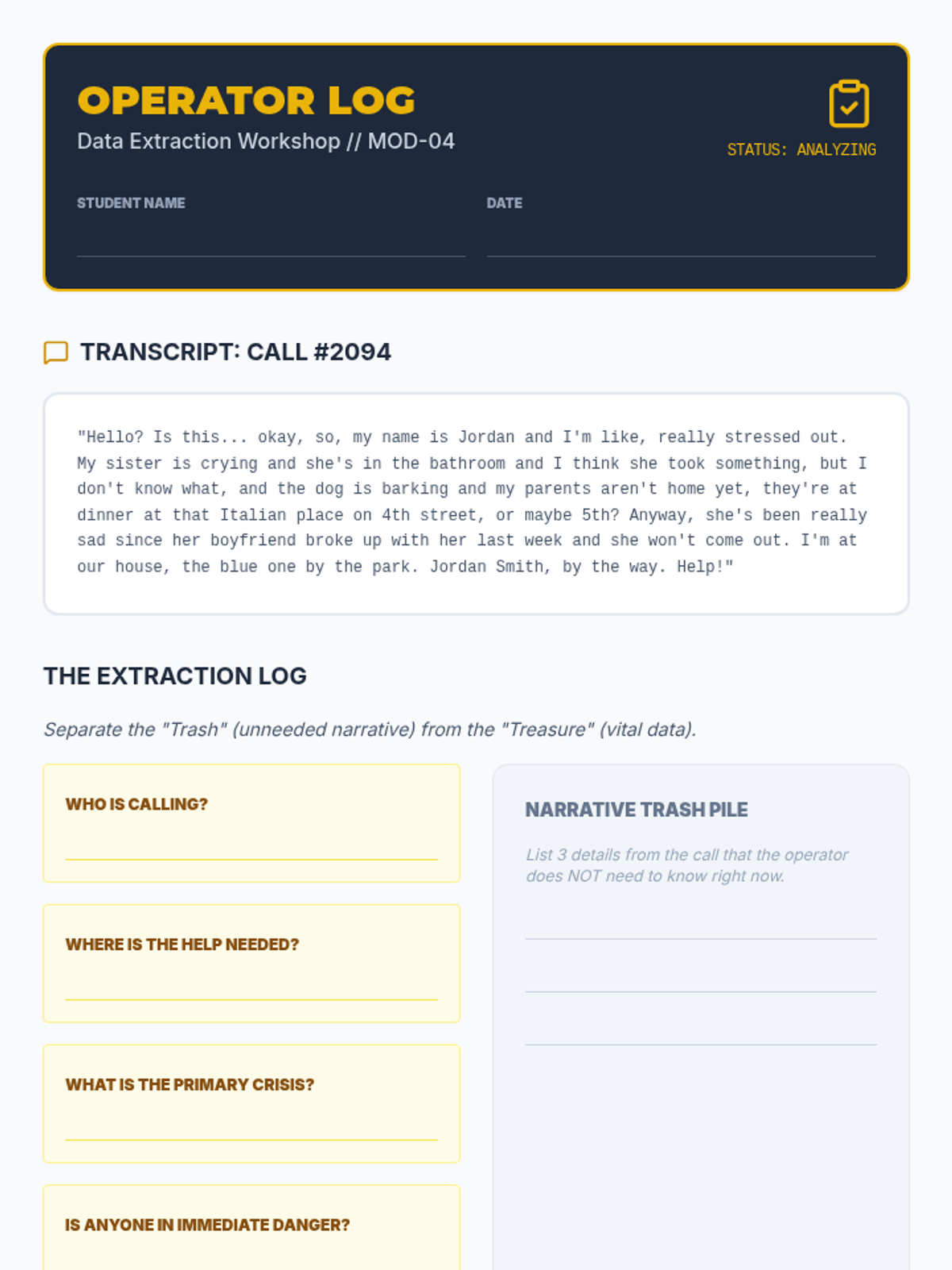
Students review standard intake questionnaires to demystify the probing questions operators ask. They practice listening for key terms and providing concise answers through a 'third-party' analysis where they critique a fictional dialogue.
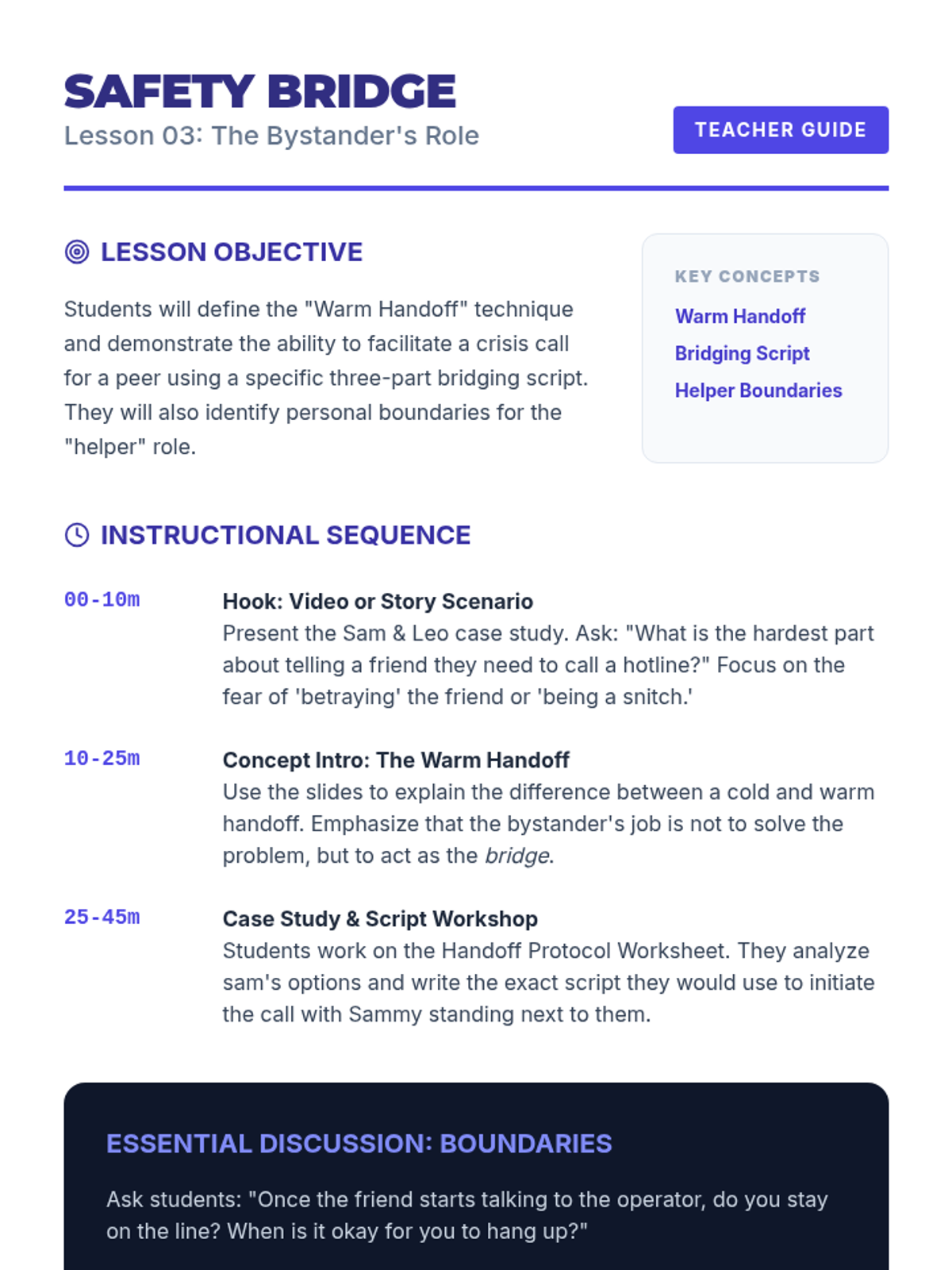
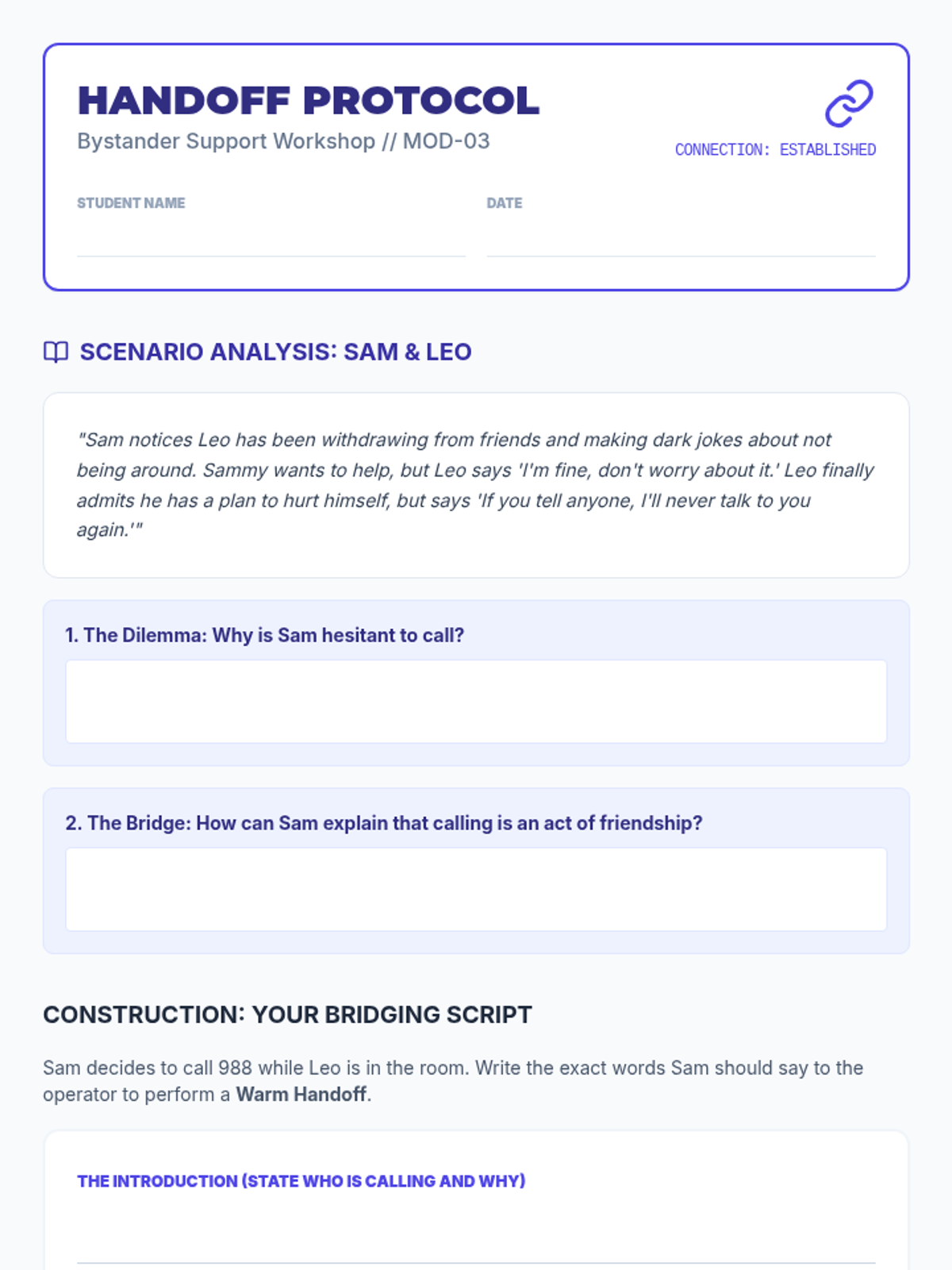
Students learn how to support a friend by making the call with them or for them. The lesson focuses on the concept of a 'warm handoff'—staying on the line until the professional takes over—and the specific language to use to bridge the gap.
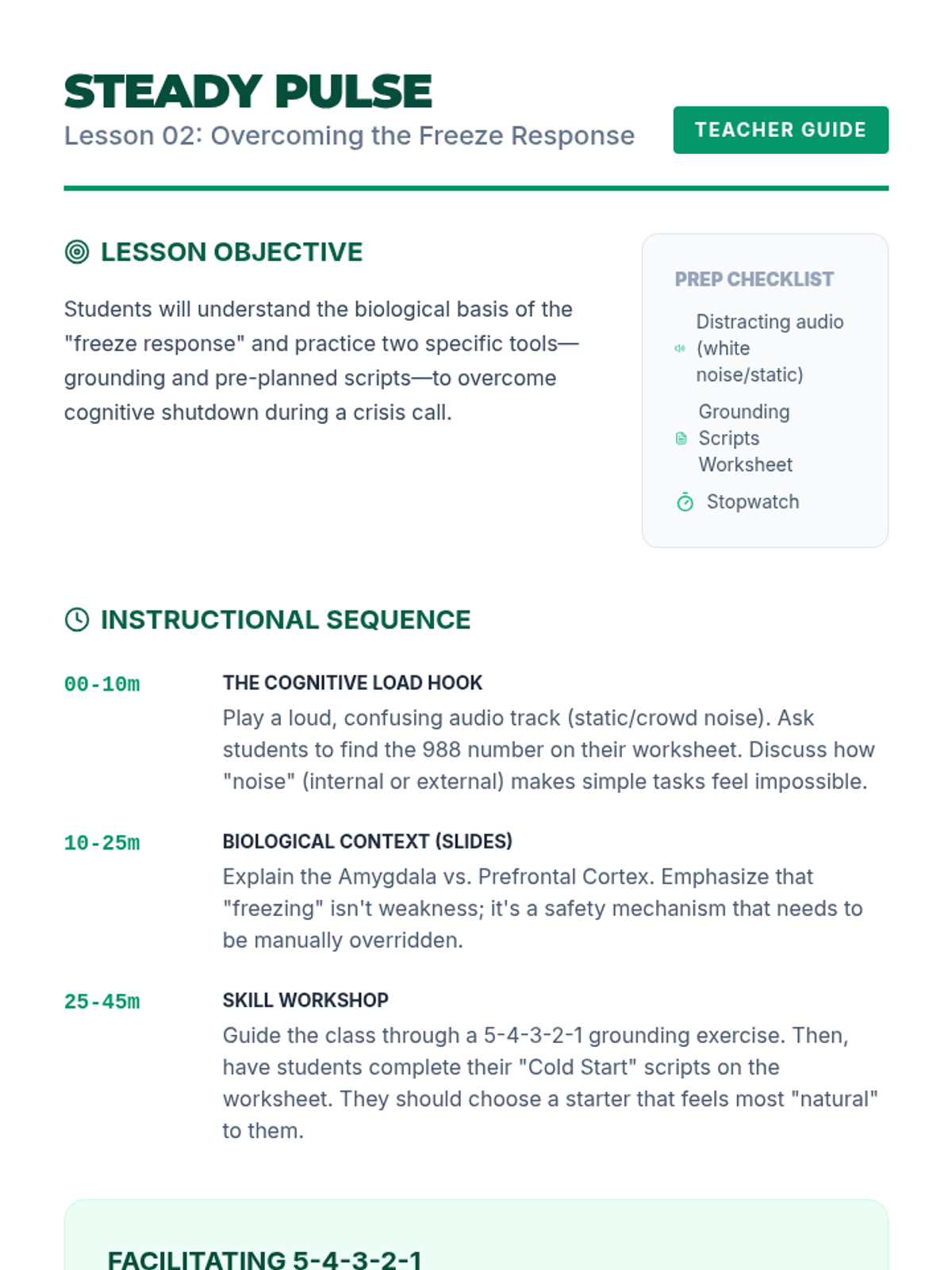
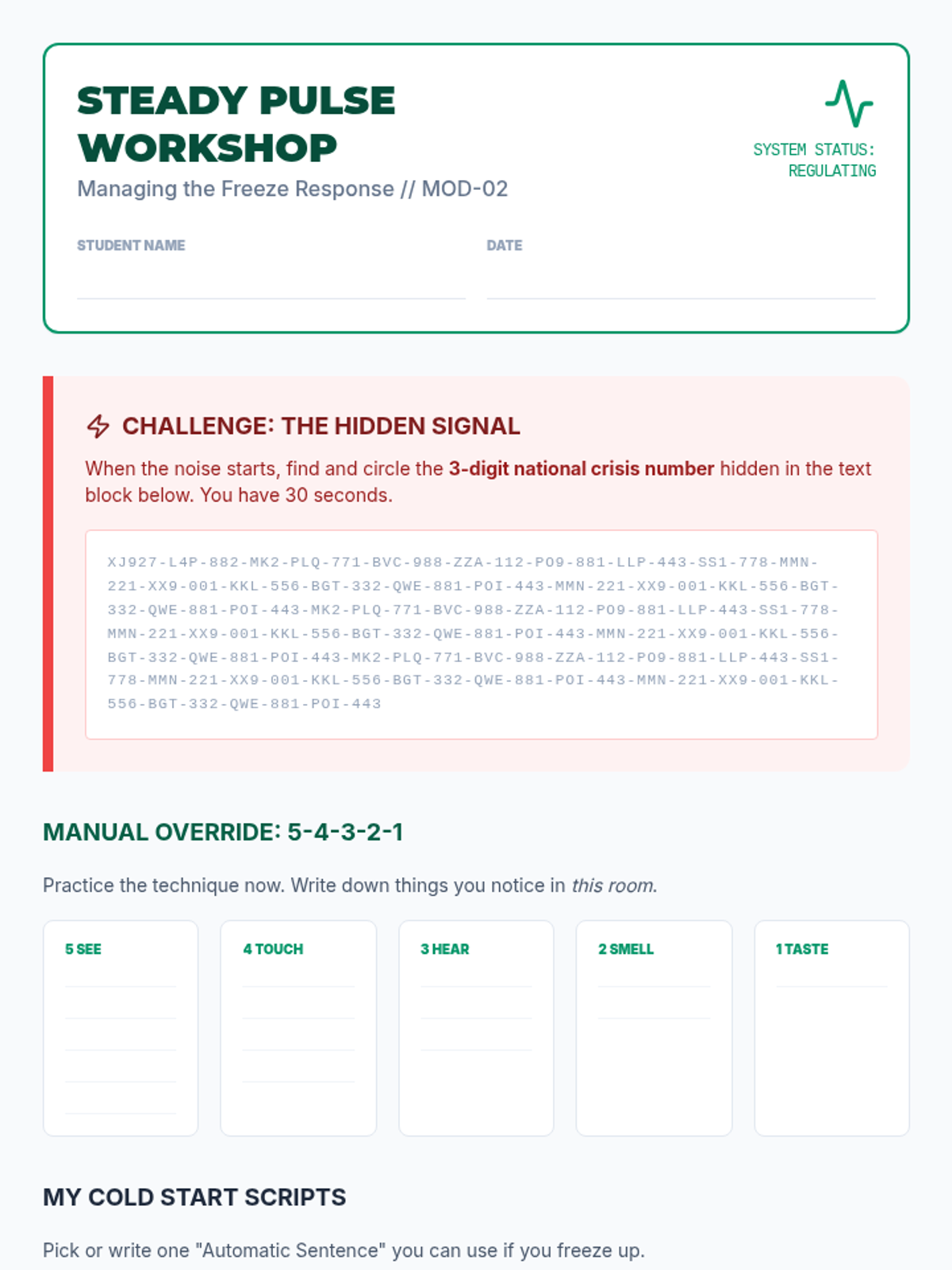
This lesson addresses the physiological stress response that makes speaking difficult during a crisis. Students learn grounding techniques and simple pre-planned scripts (sentence starters) to initiate a call when they are overwhelmed.
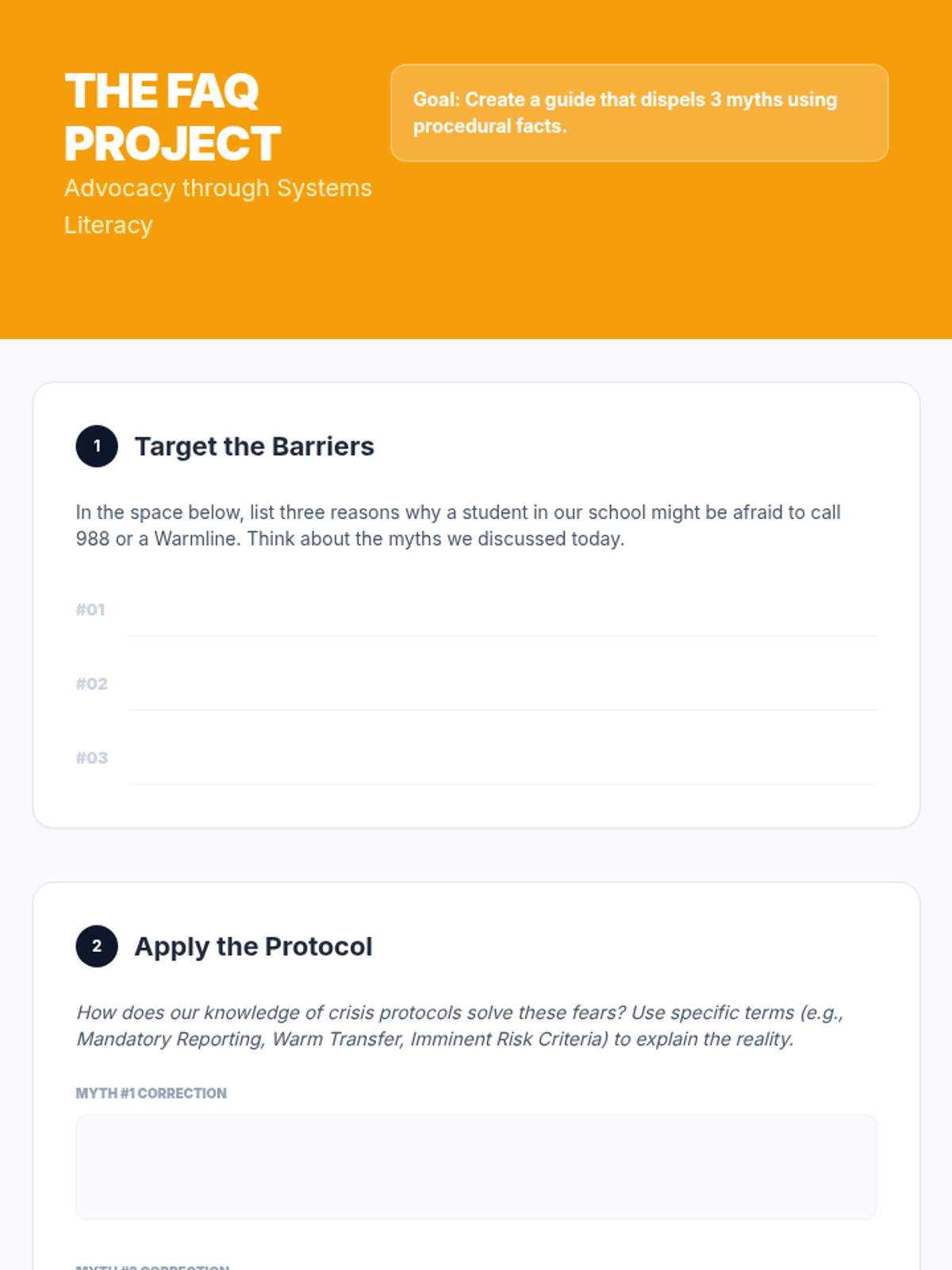
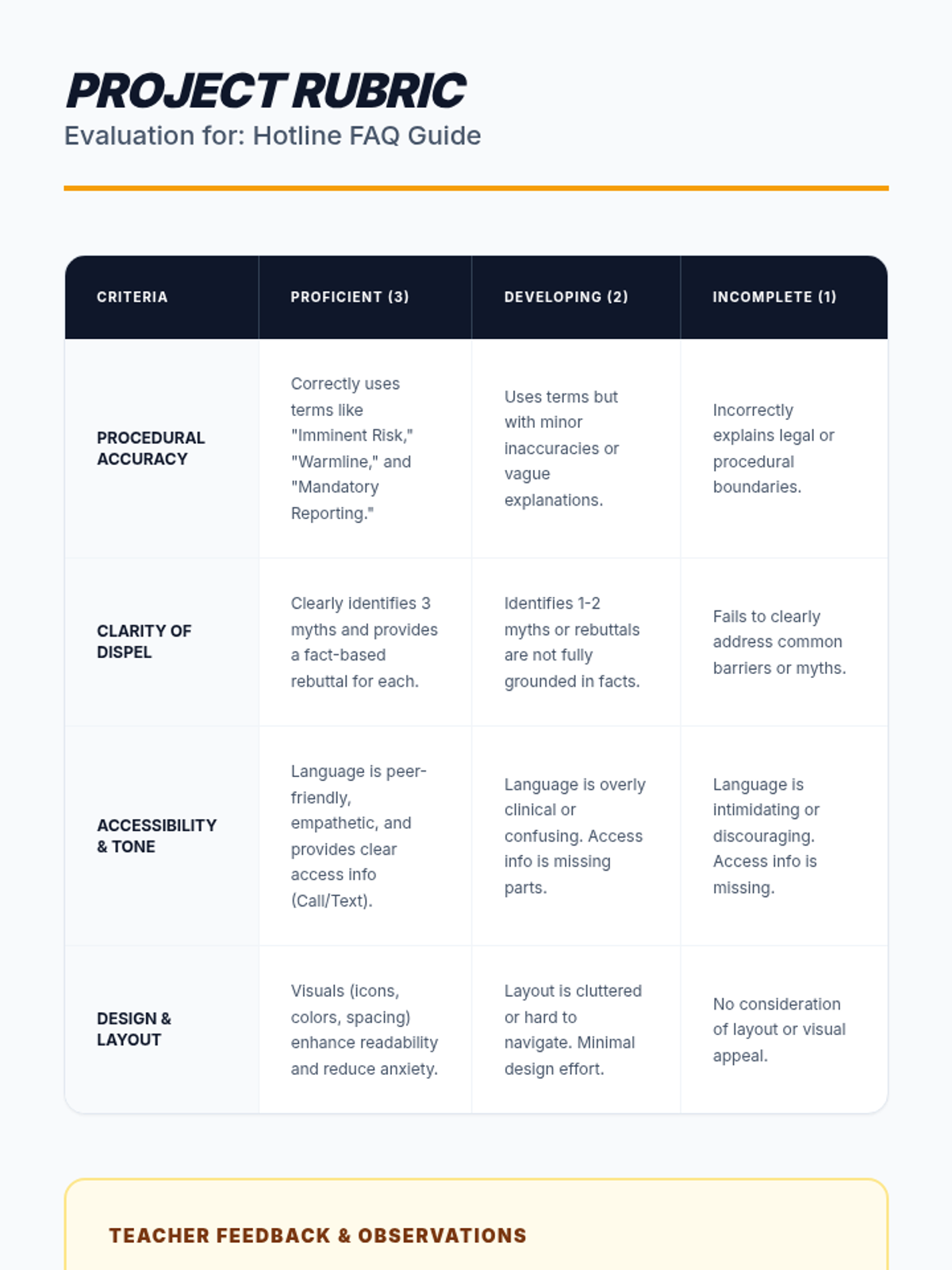
Students address psychological and logistical barriers to seeking help. They use their procedural knowledge to create FAQ guides that dispel myths and reduce the fear of calling a hotline.
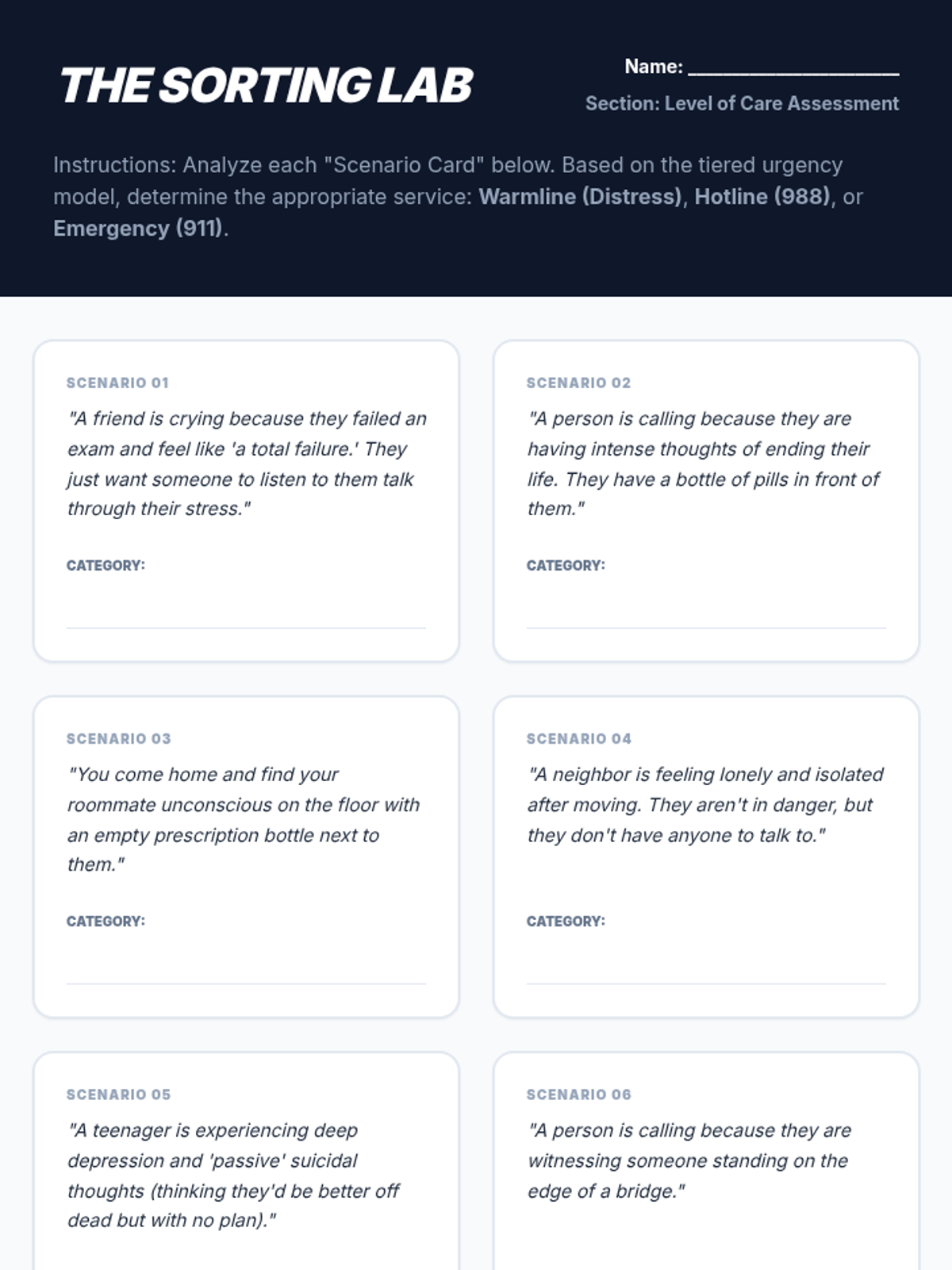
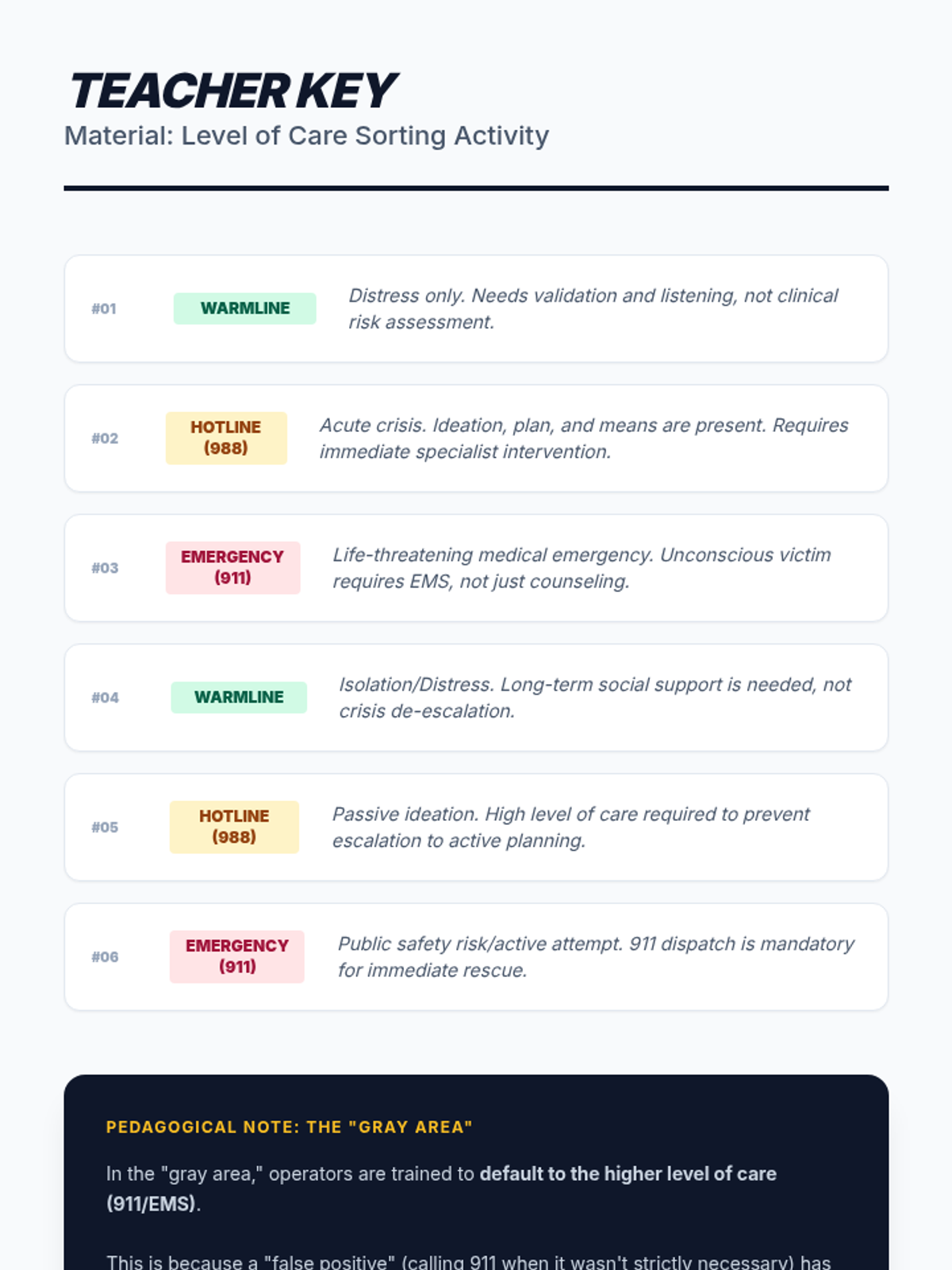
Using a tiered urgency model, students learn to categorize mental health needs. They distinguish between distress, crisis, and emergency to determine whether a warmline, hotline, or 911 is the right tool.
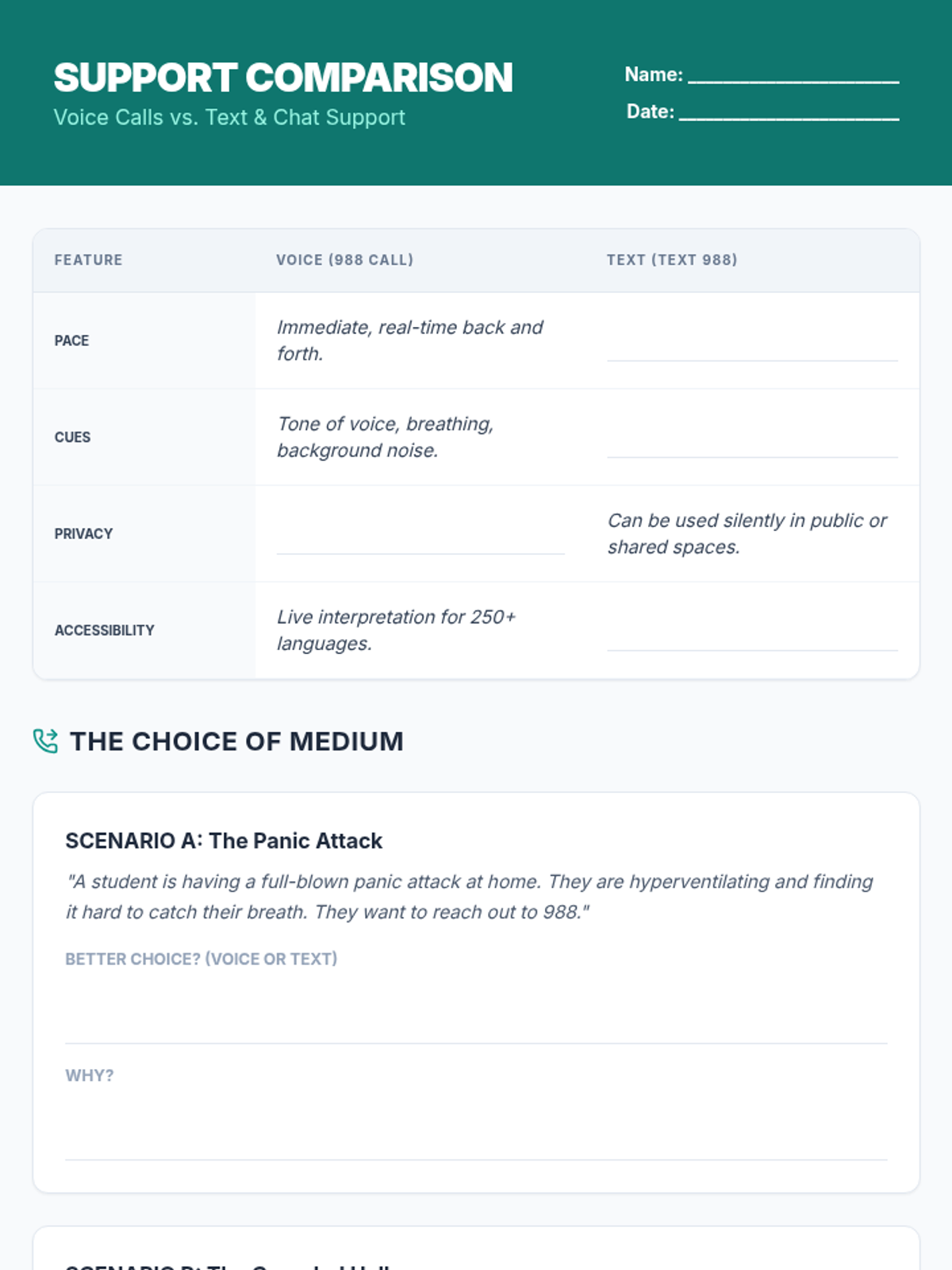
Students investigate the 988 Suicide & Crisis Lifeline infrastructure. They compare the mechanics and communication nuances of voice-based calls versus text and chat-based support.
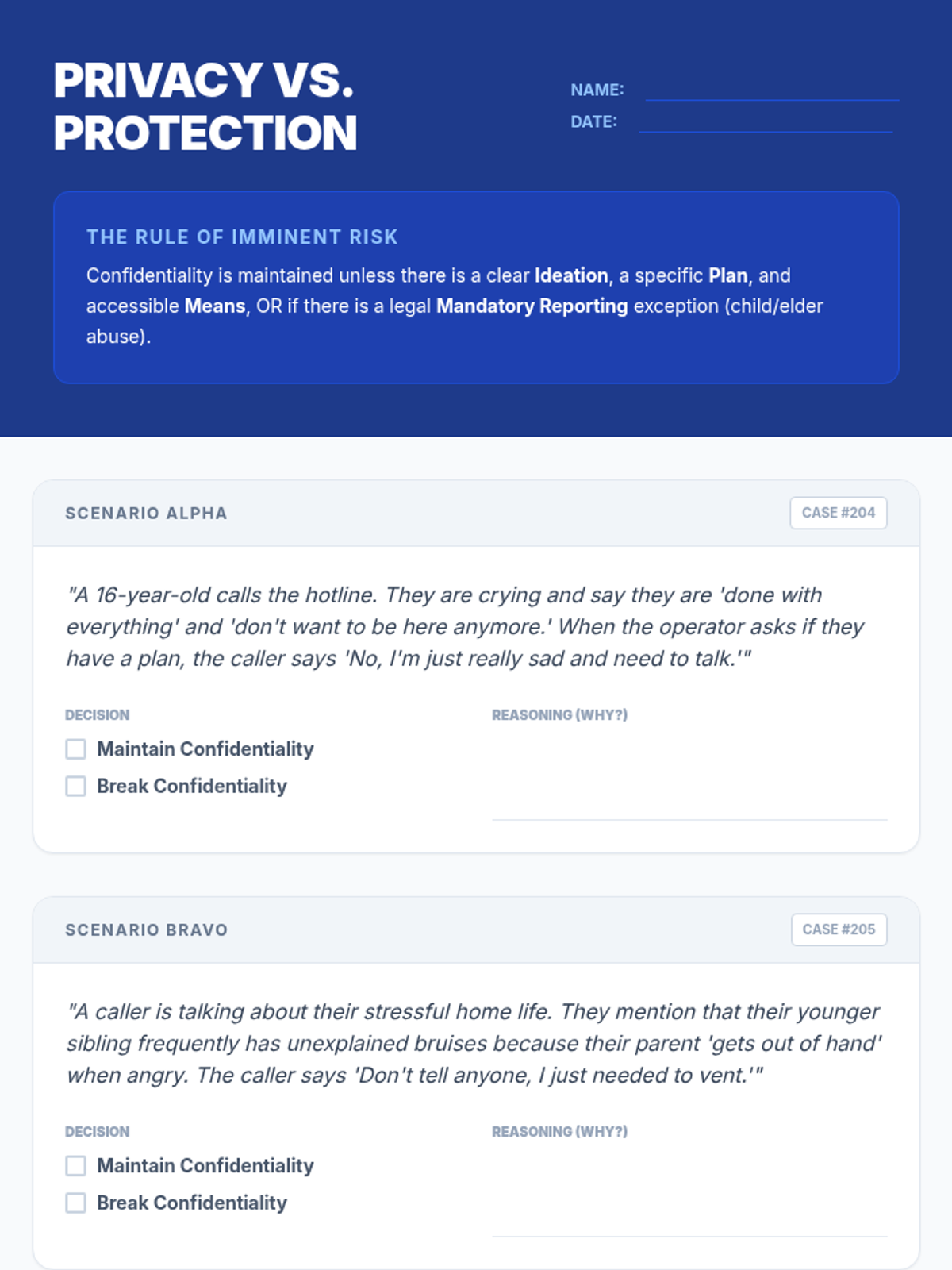
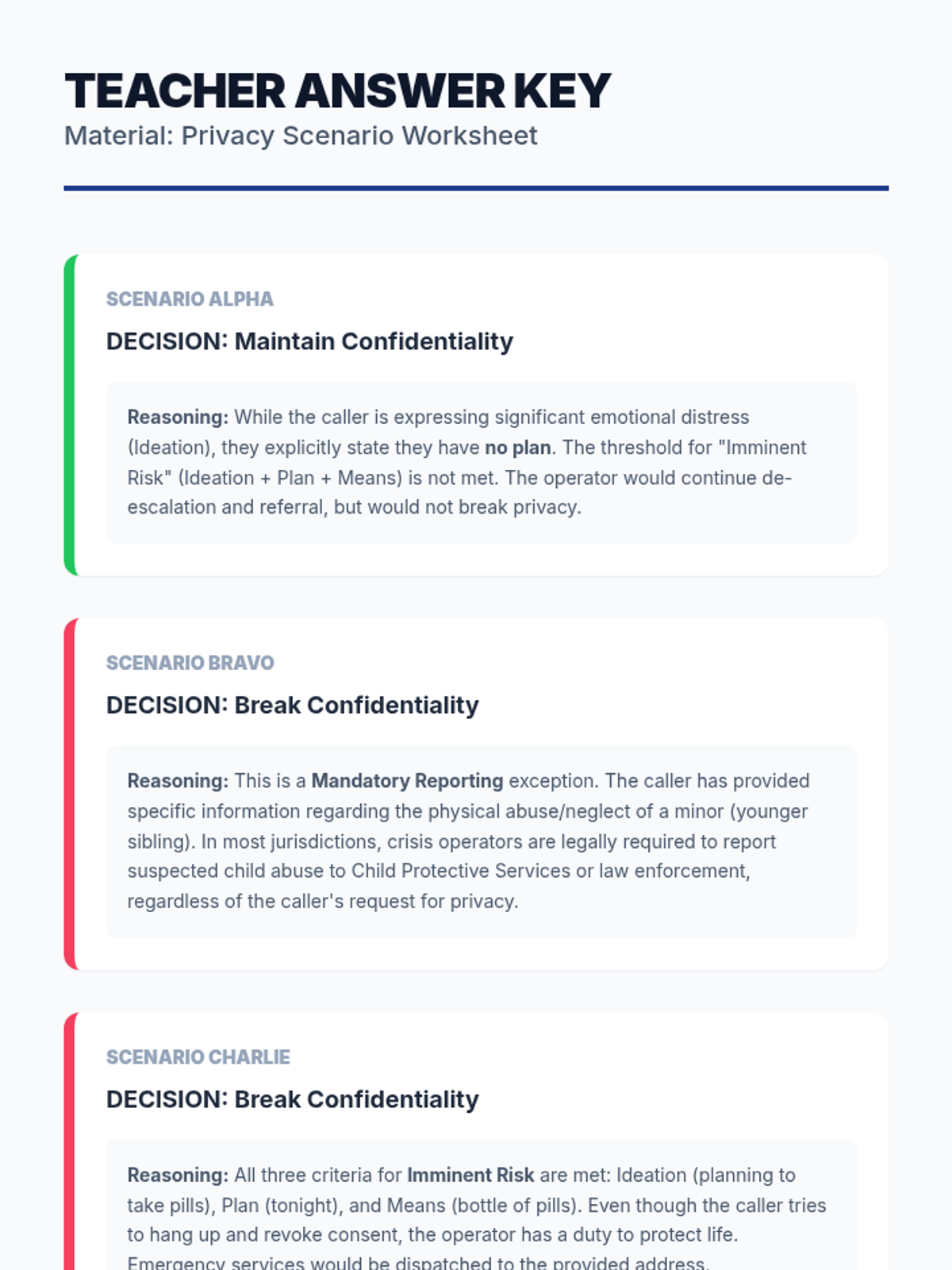
This lesson explores the legal and ethical boundaries of privacy in crisis support. Students learn to distinguish between confidential support and the 'imminent risk' threshold that triggers mandatory reporting.
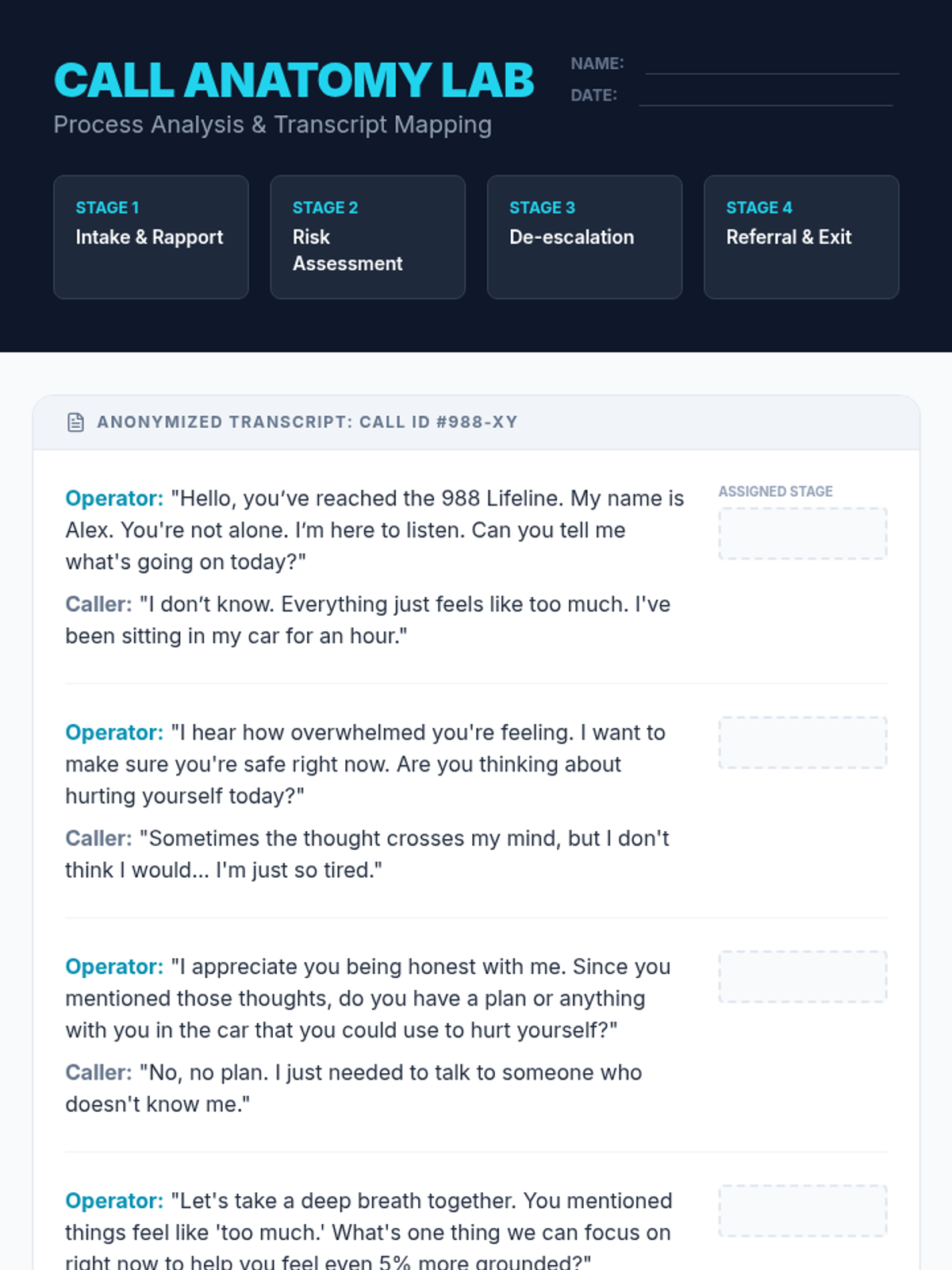
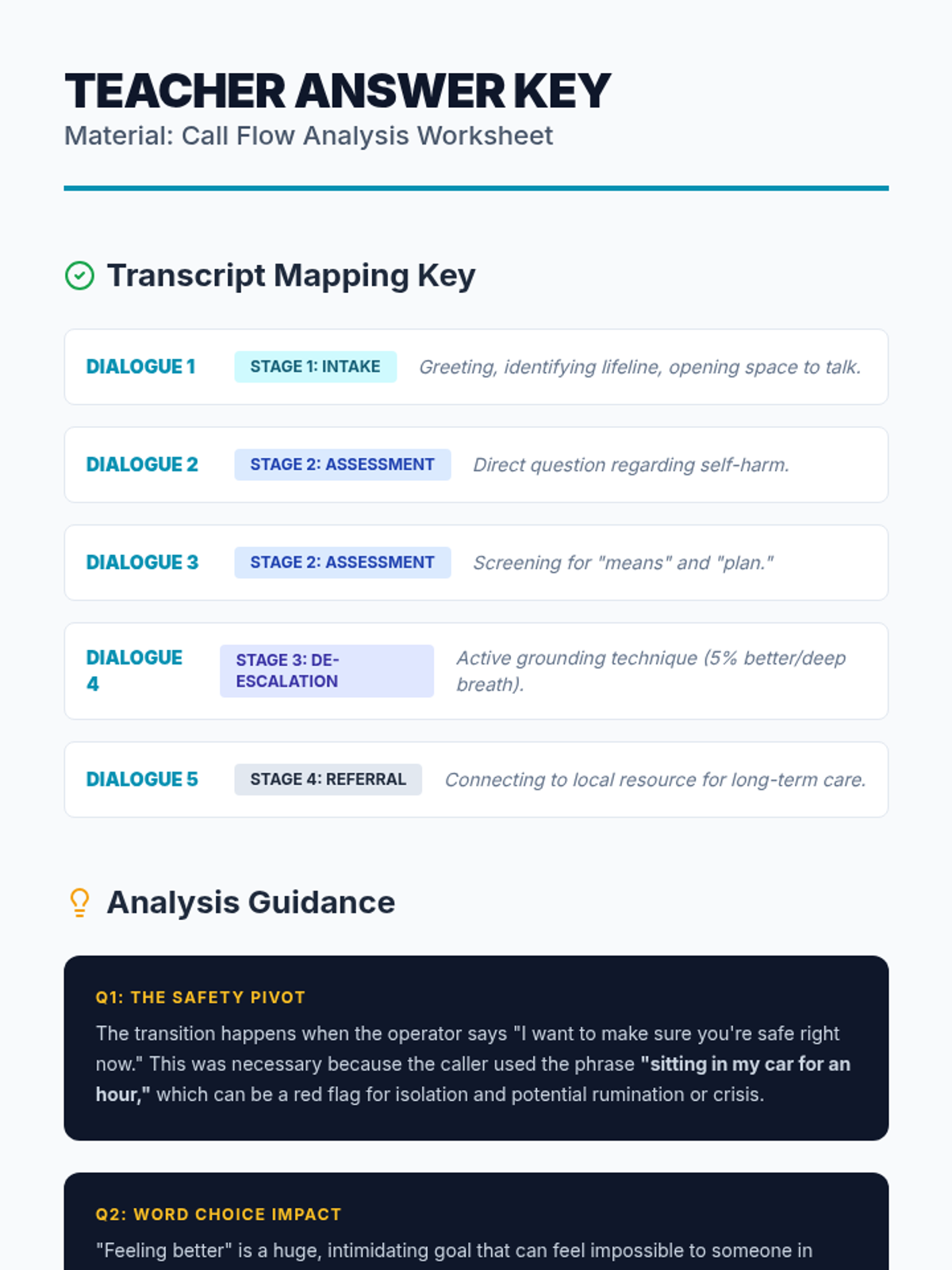
Students analyze the stages of a crisis call, from initial intake to resource referral. They identify the specific questions operators use to assess immediate safety and de-escalate situations.
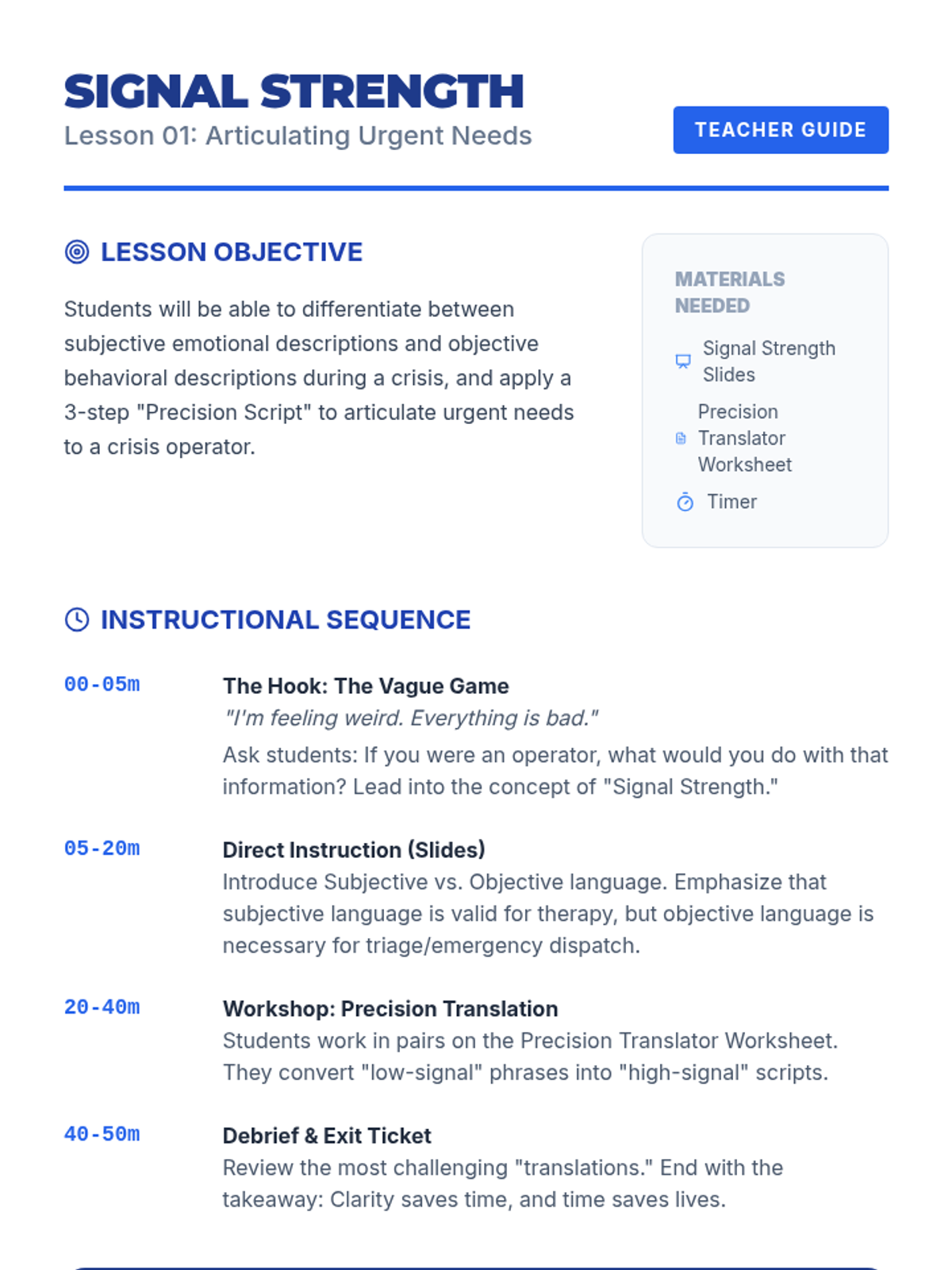
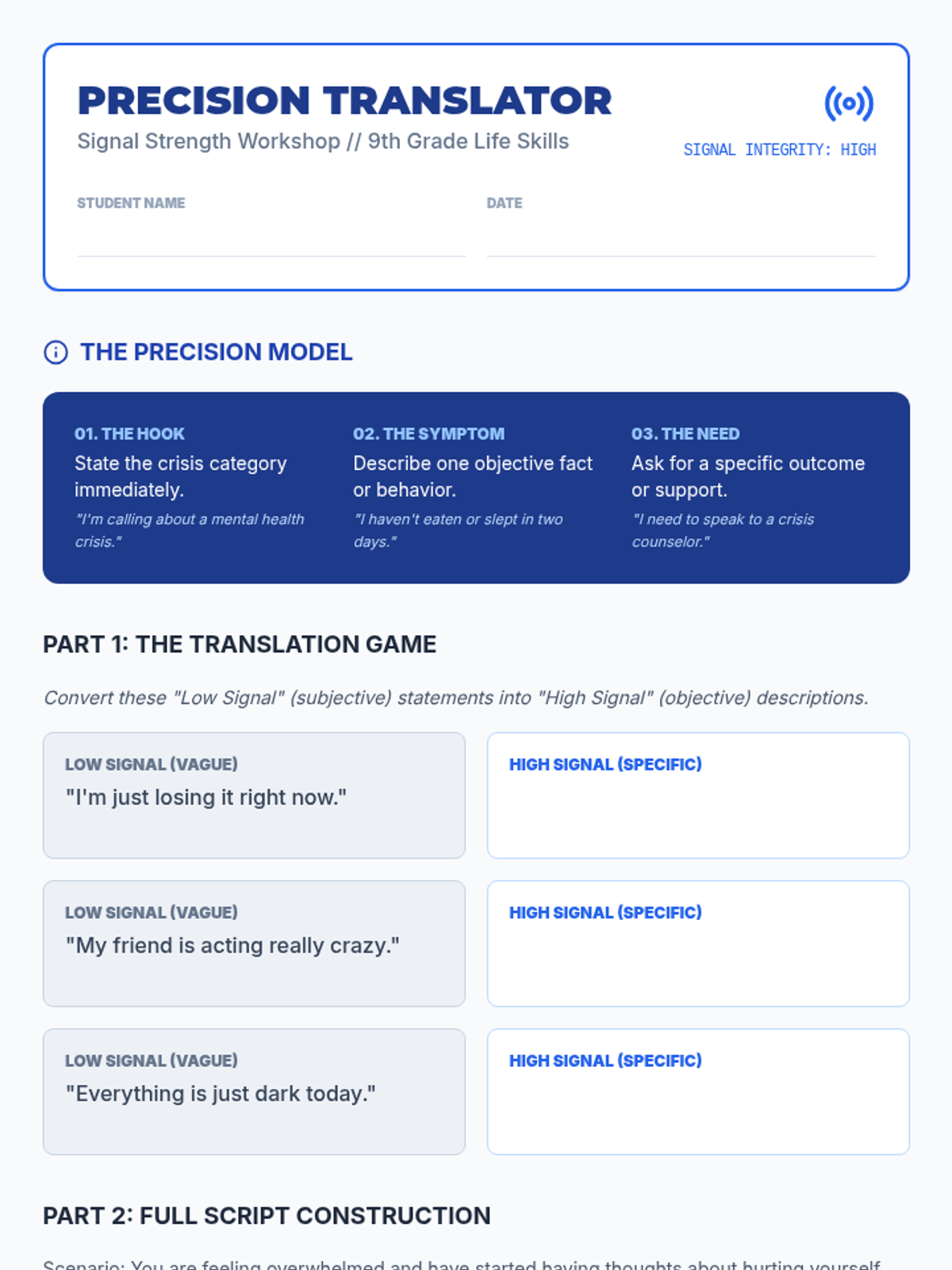
Students learn to translate vague feelings of distress into objective language that helps operators assess risk quickly. They practice using 'I statements' and specific behavioral descriptions through script-writing exercises.
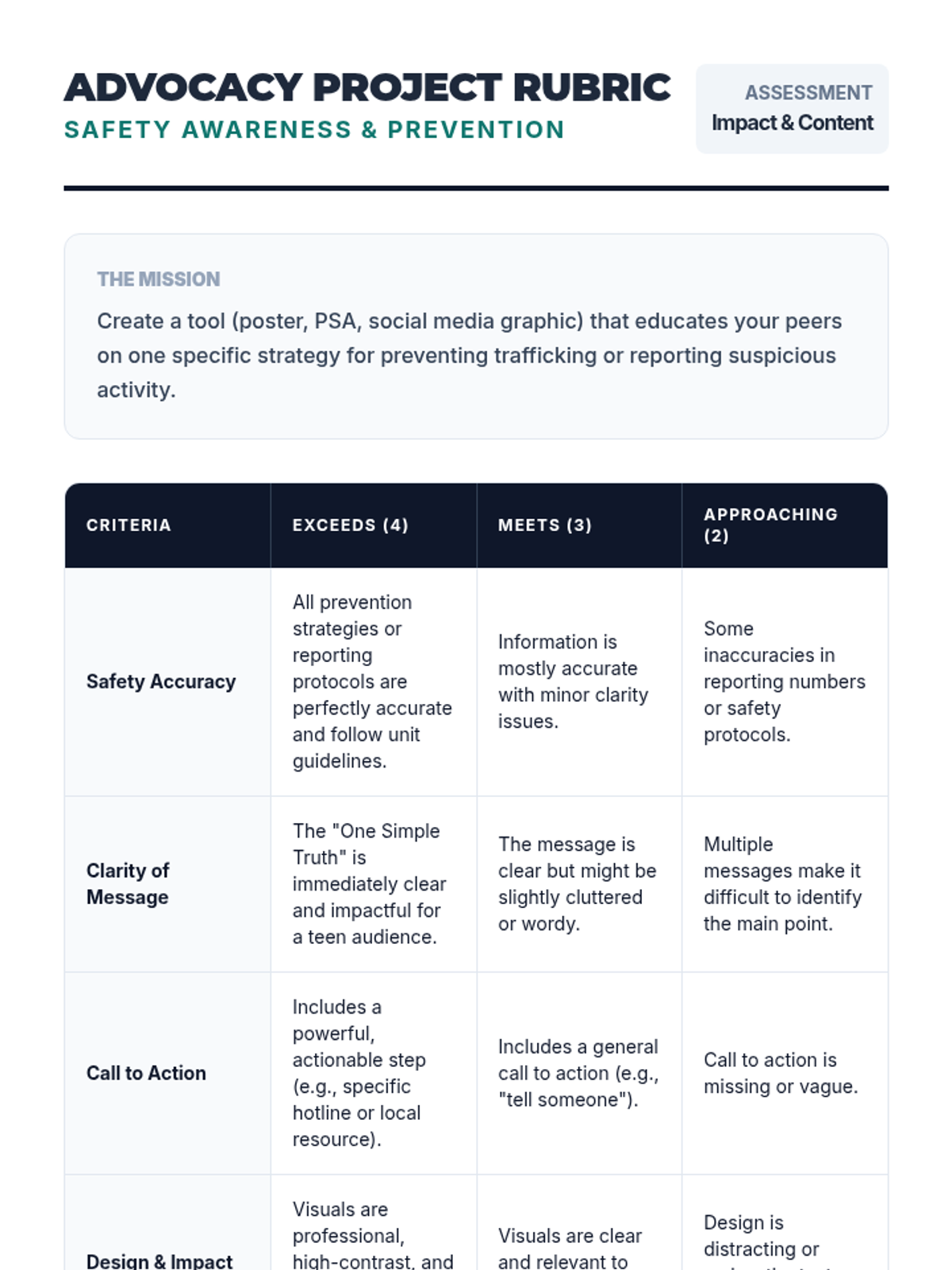
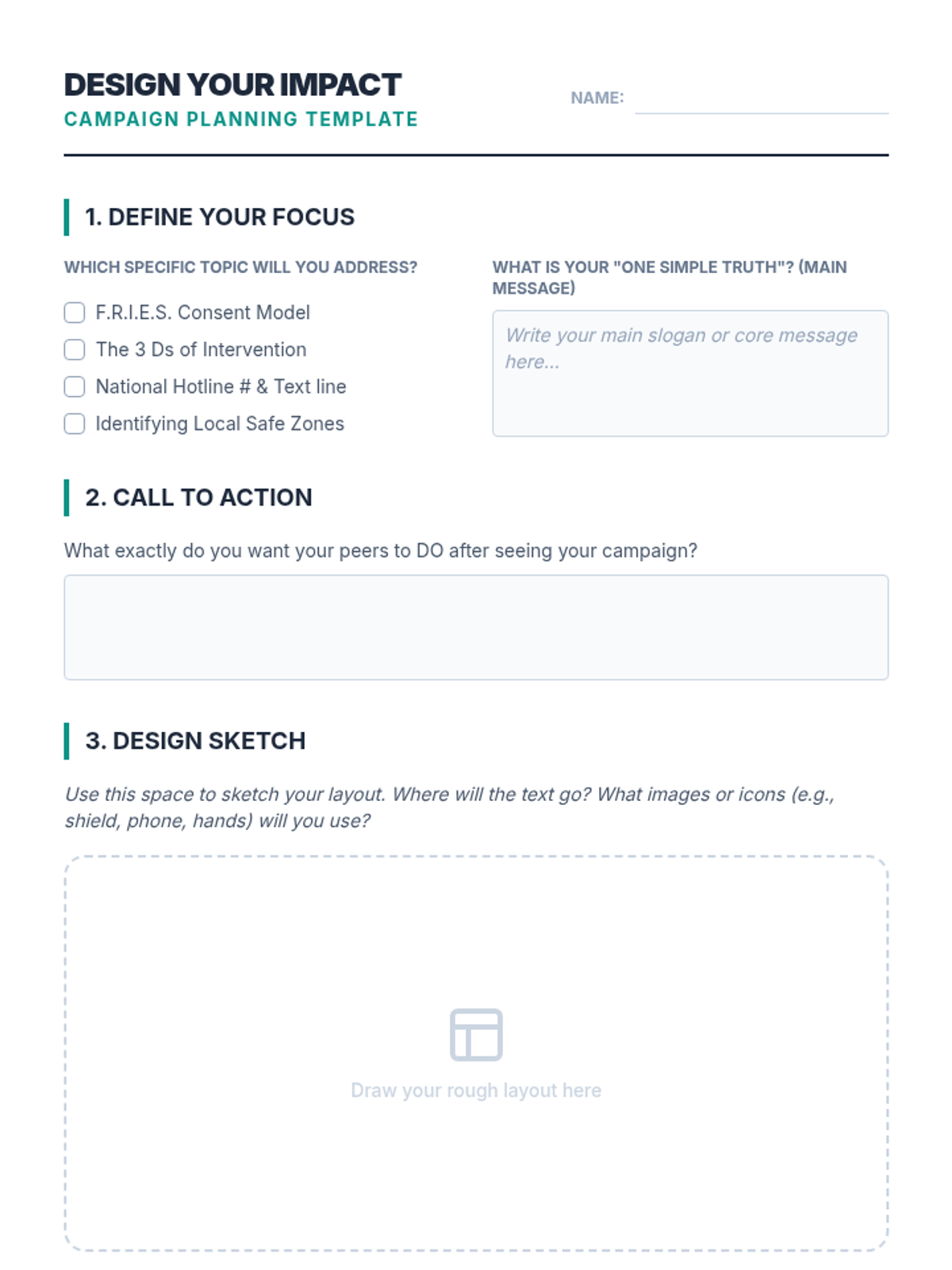
Students create an advocacy or awareness tool to educate their peers about trafficking prevention, moving from learners to active protectors.
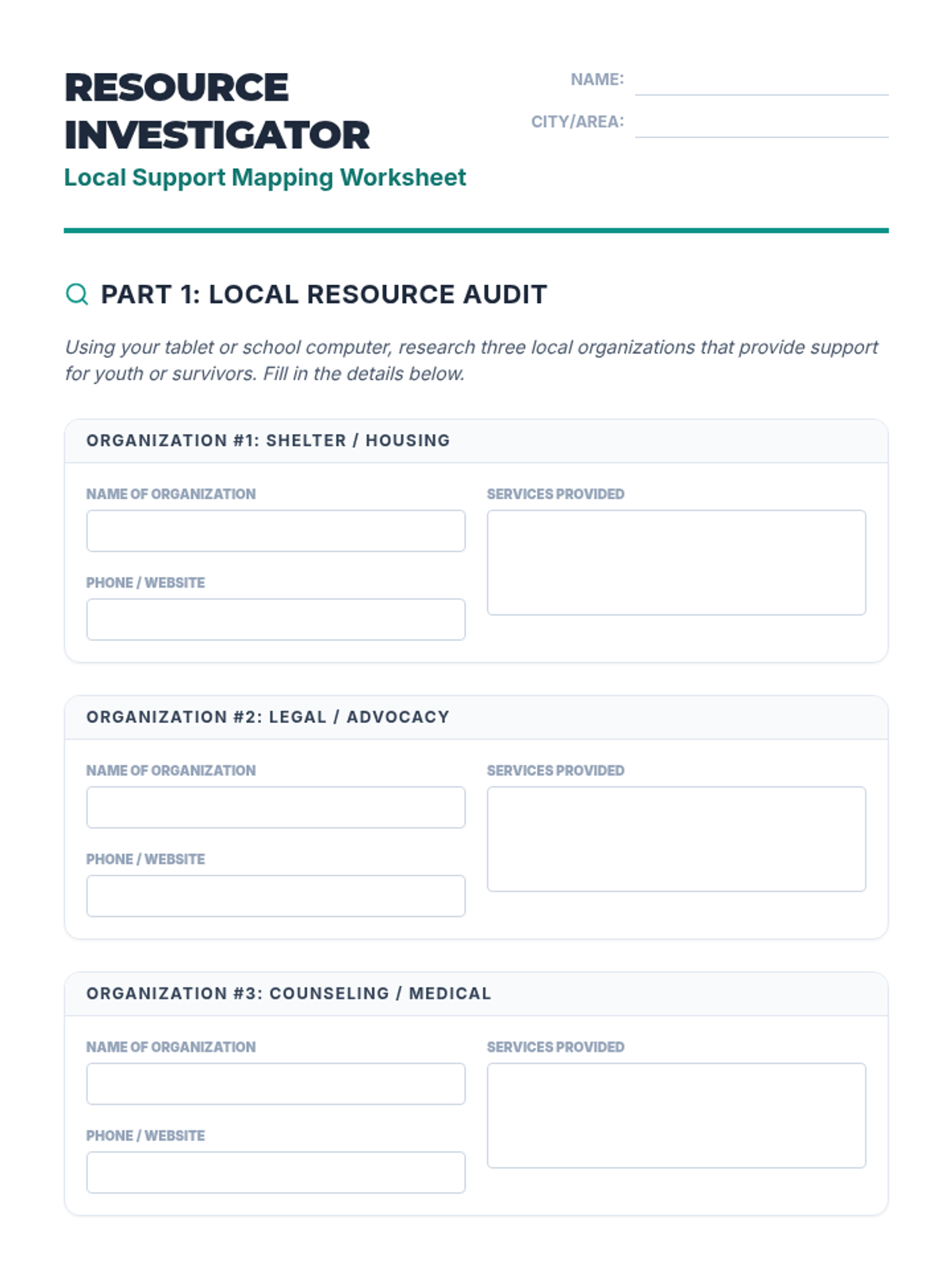
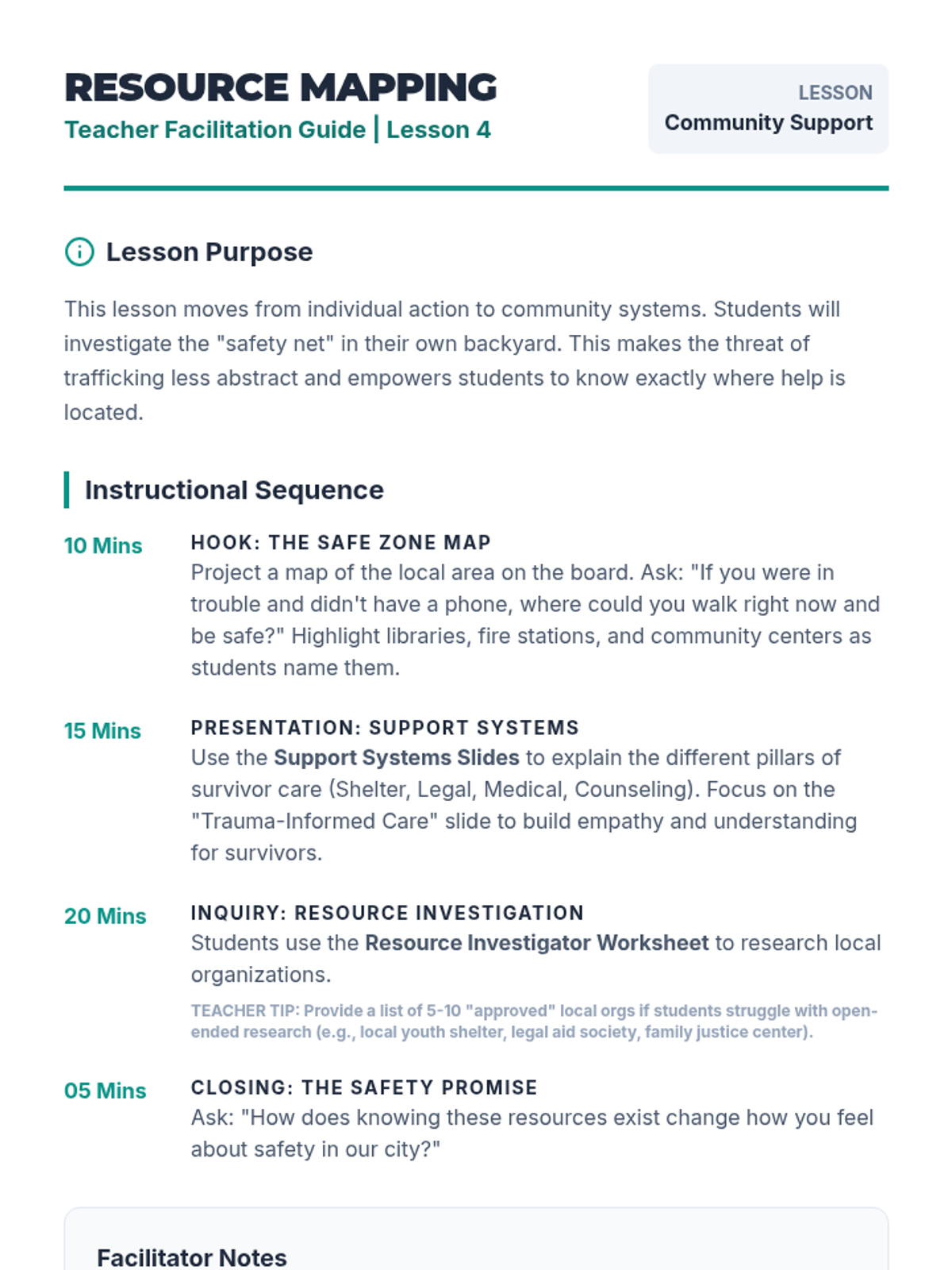
Students research local organizations that support survivors and learn about the community's role in reintegration and support.
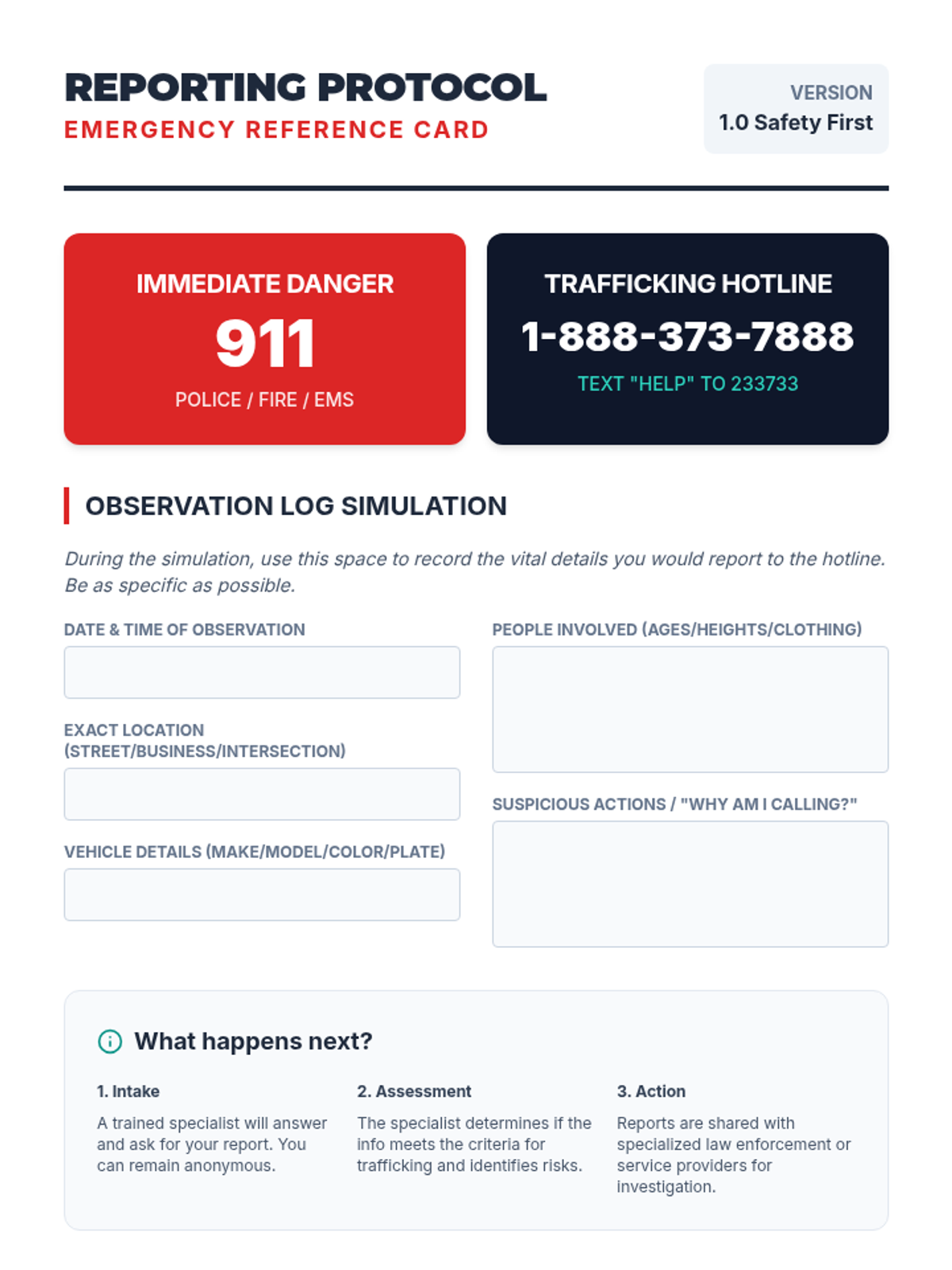
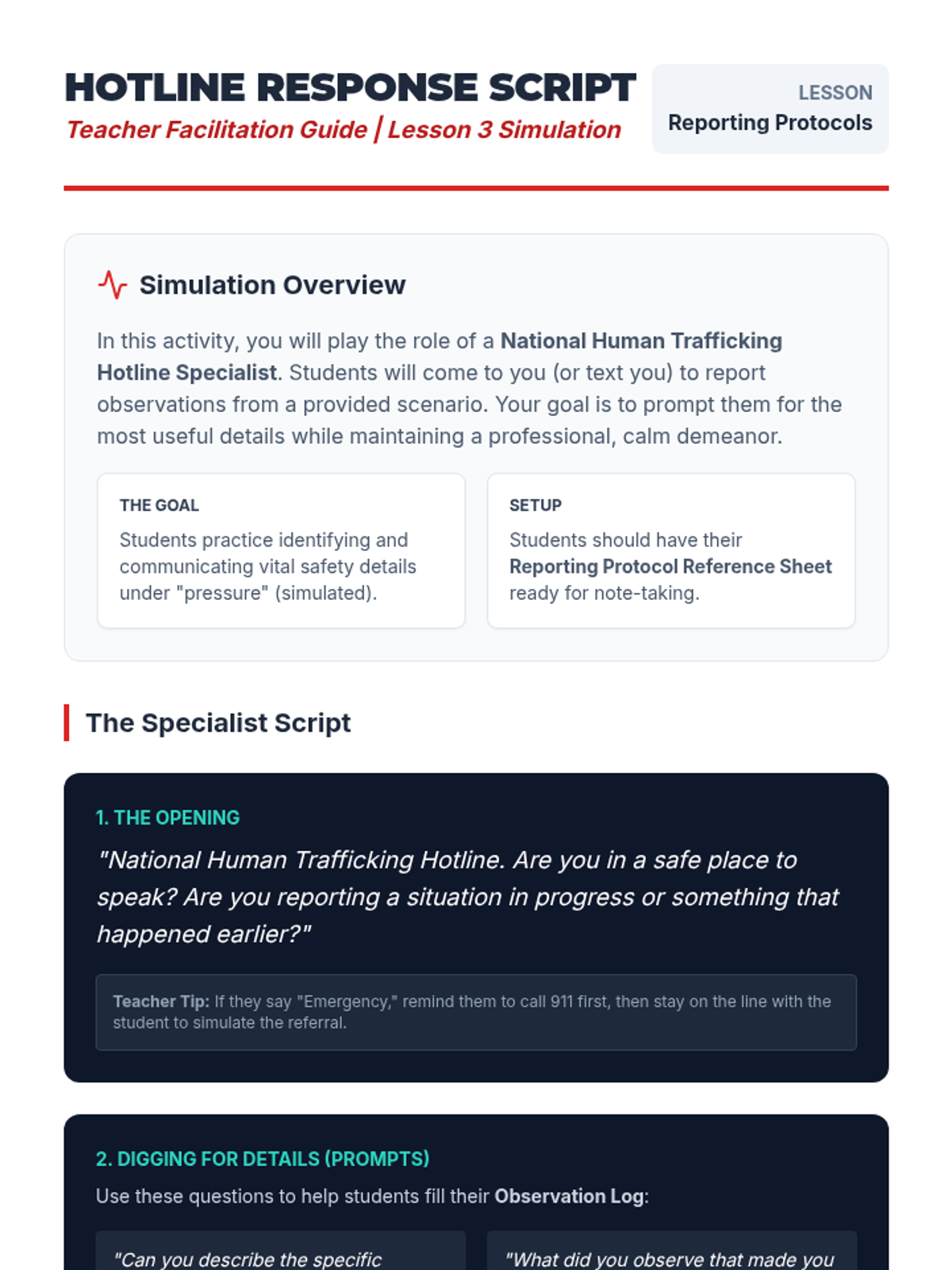
This lesson provides technical knowledge on how to report trafficking, including using the National Human Trafficking Hotline and text lines.
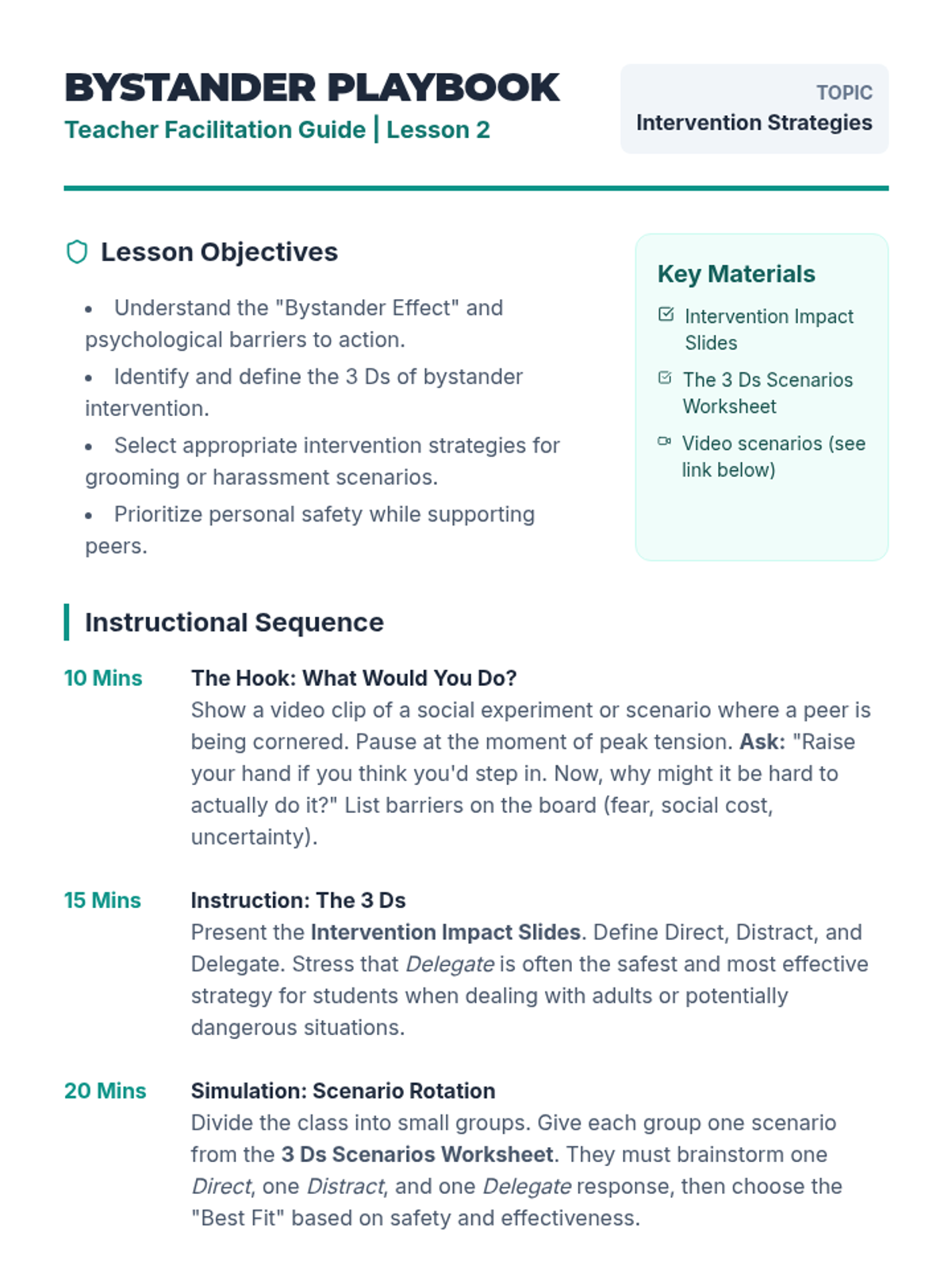
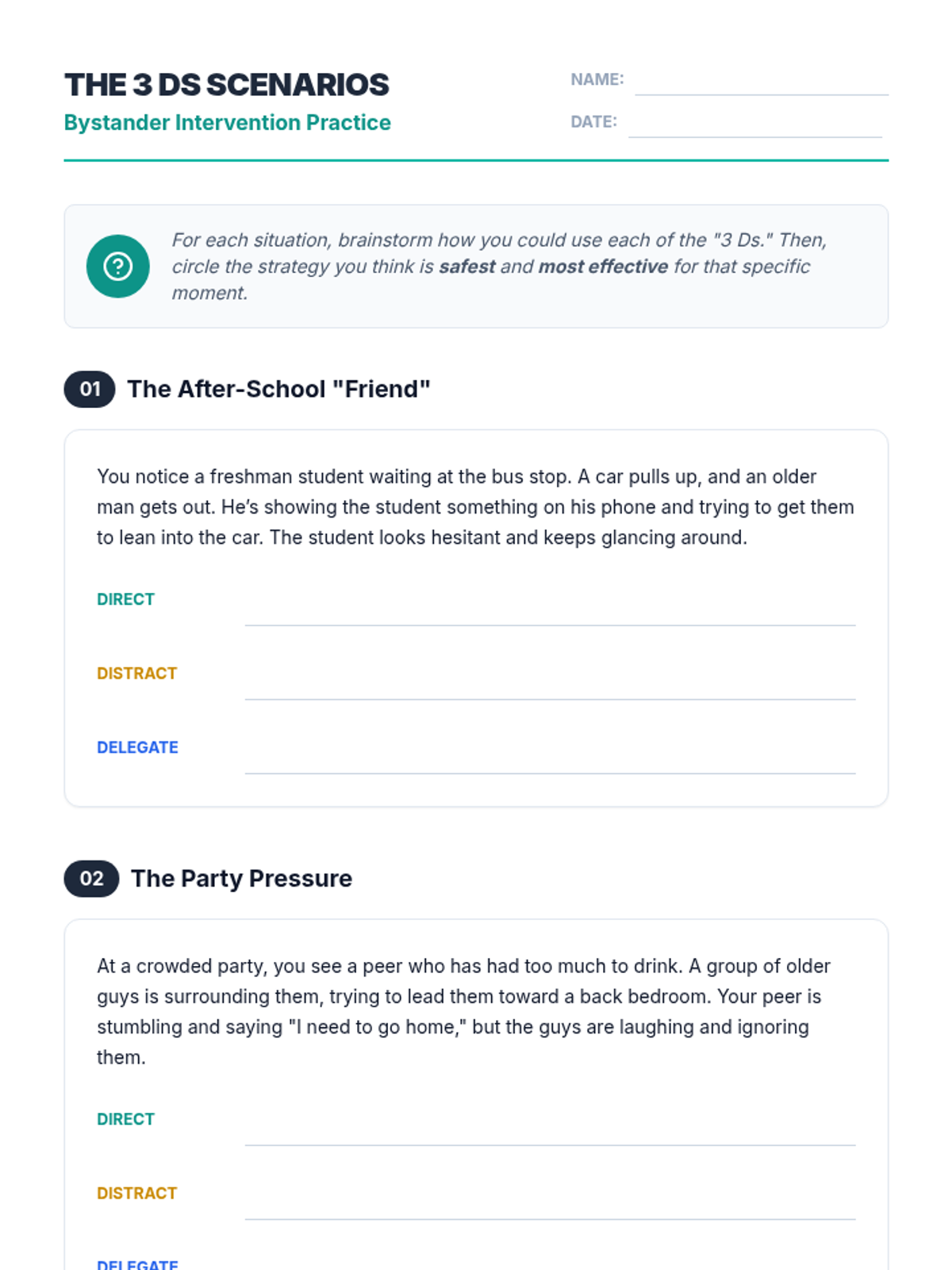
Students learn how to safely intervene if they see suspicious behavior among peers using the '3 Ds' of bystander intervention (Direct, Distract, Delegate).
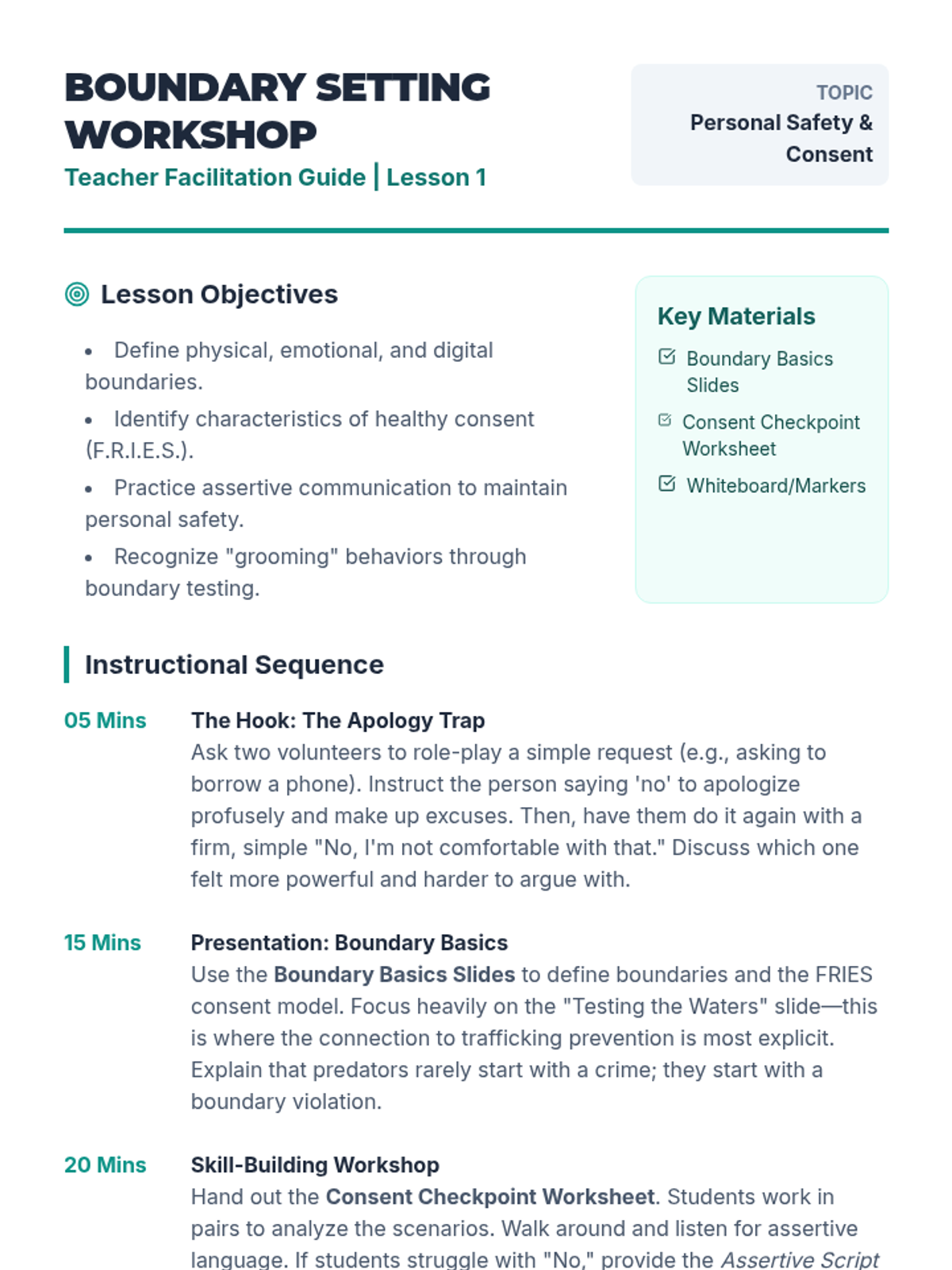
Students review the fundamentals of setting and enforcing personal boundaries to recognize when boundaries are being tested or violated by potential exploiters.
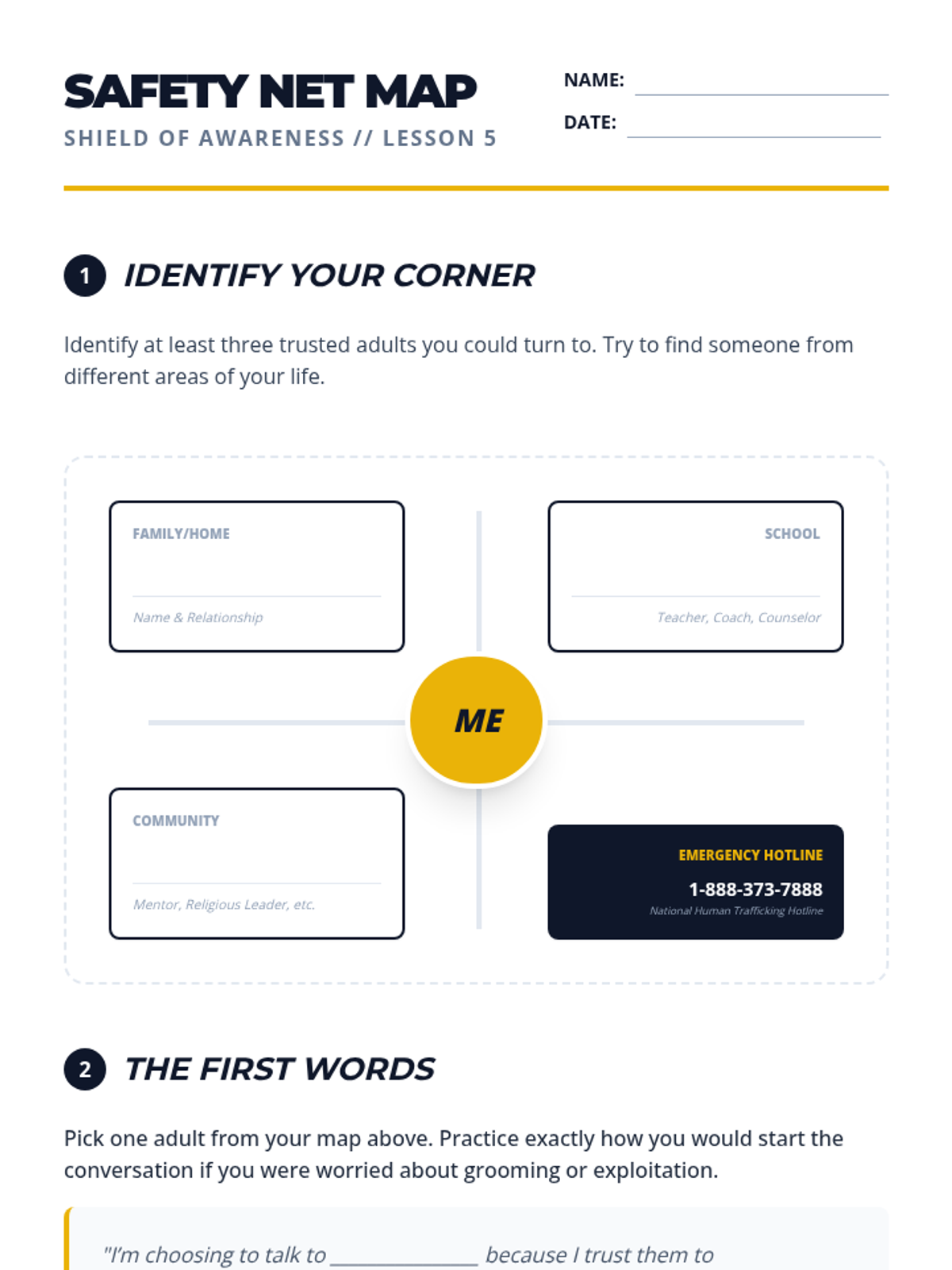
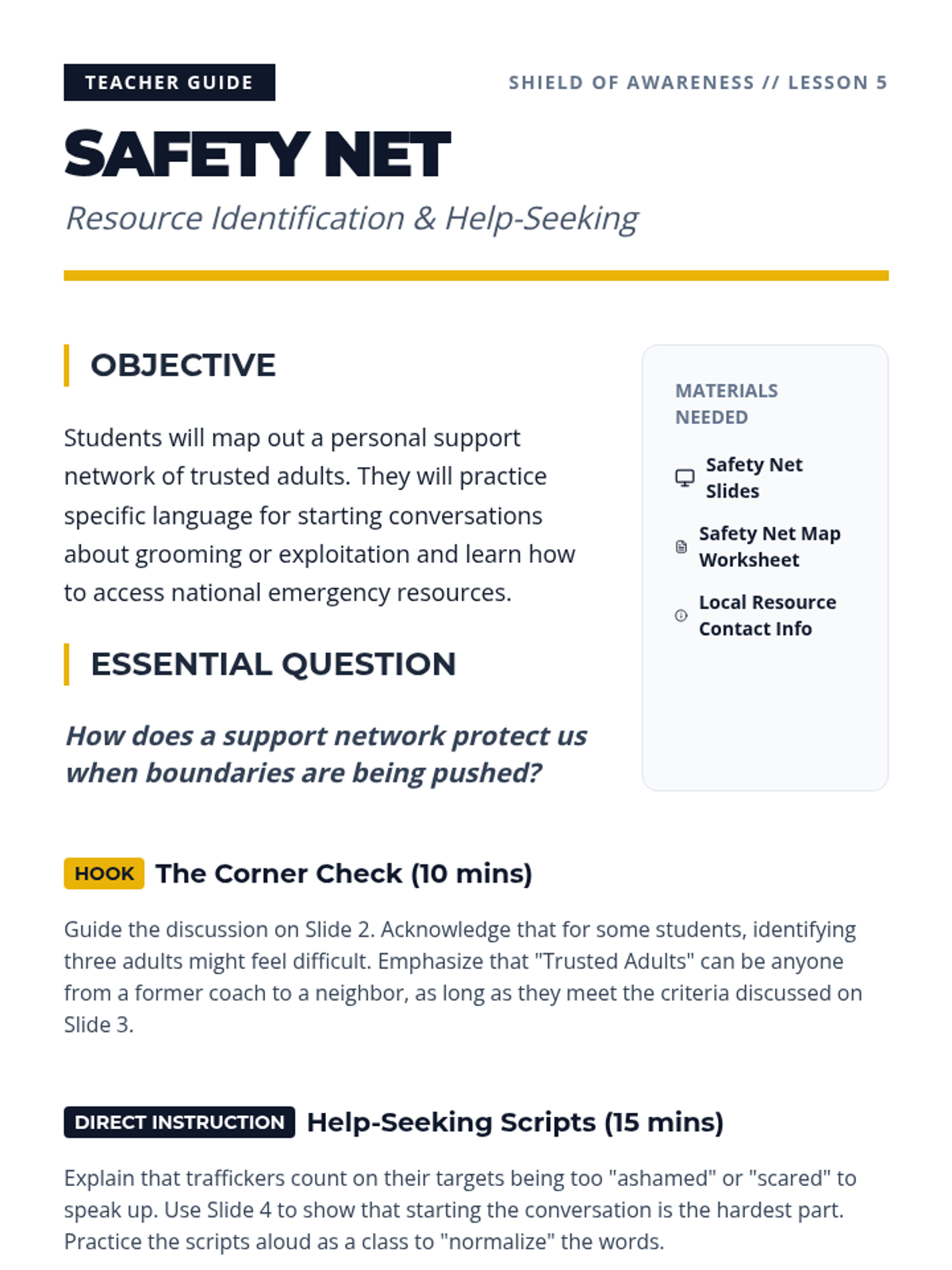
Students identify specific adults in their lives they can turn to if they suspect grooming. They learn how to start a difficult conversation and what specific language to use to be taken seriously.
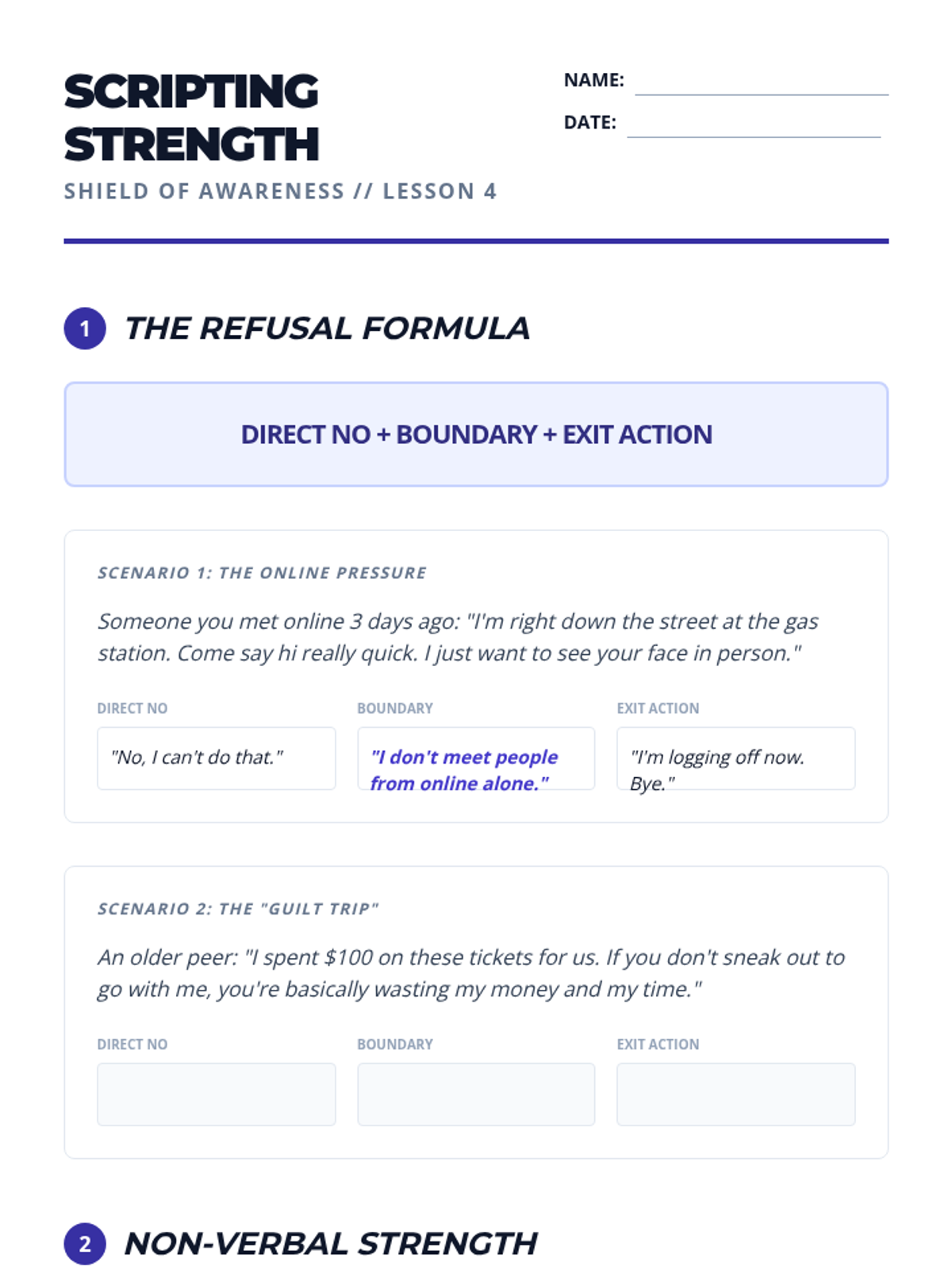
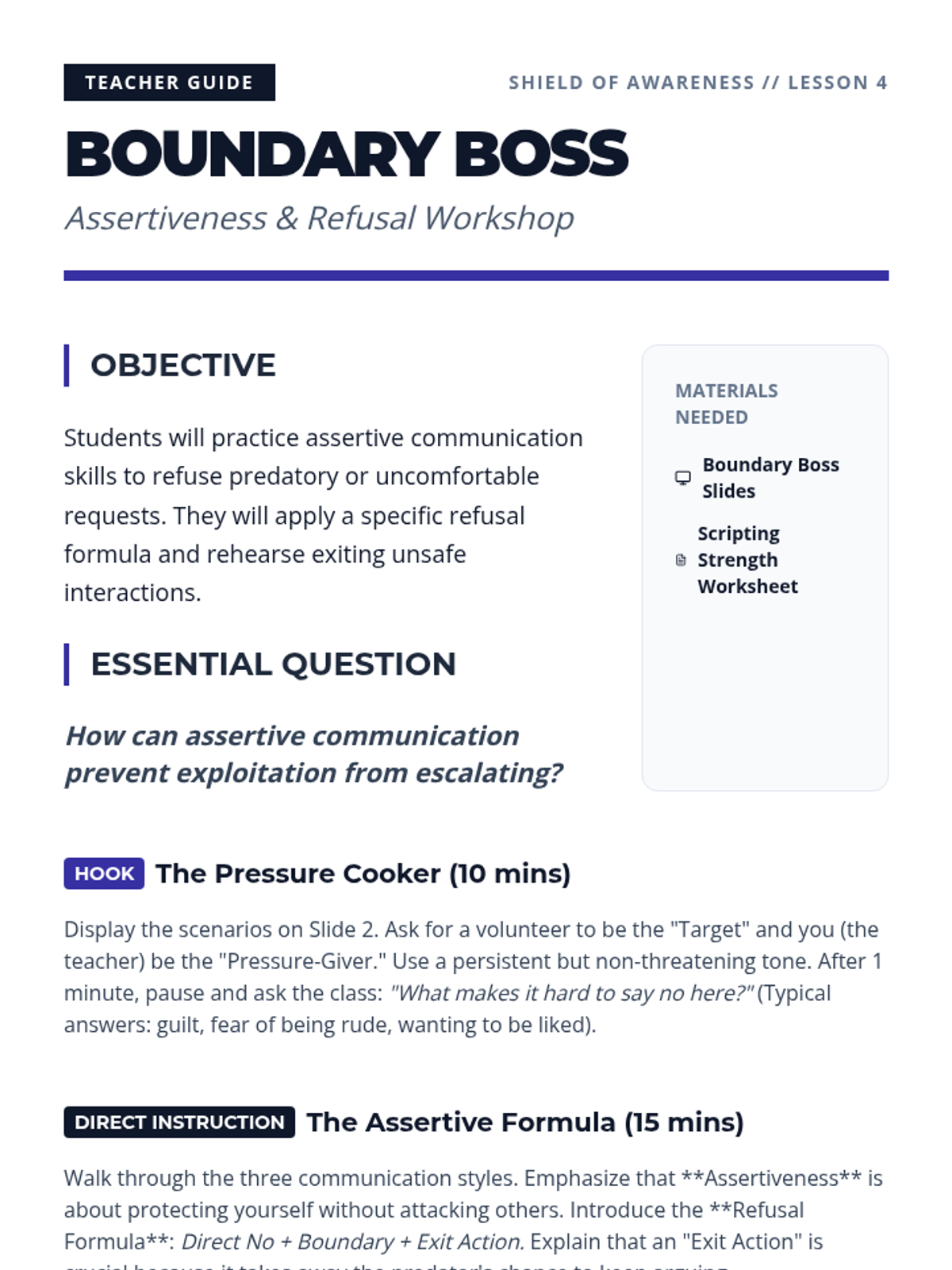
A practical workshop where students practice verbal scripts for saying 'no' to uncomfortable requests, gifts, or pressure to meet. They role-play exiting conversations and removing themselves from physical spaces where they feel unsafe.
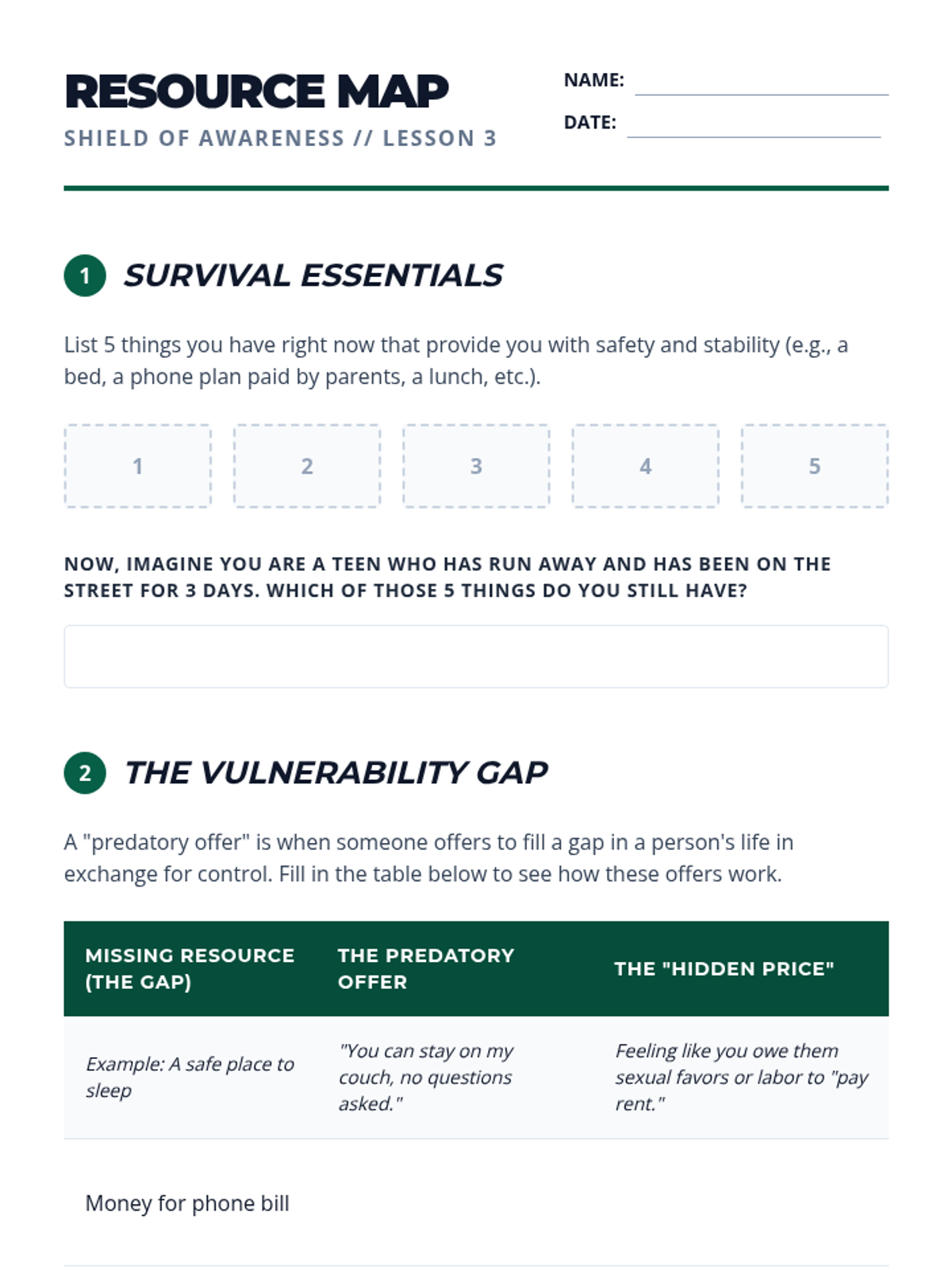
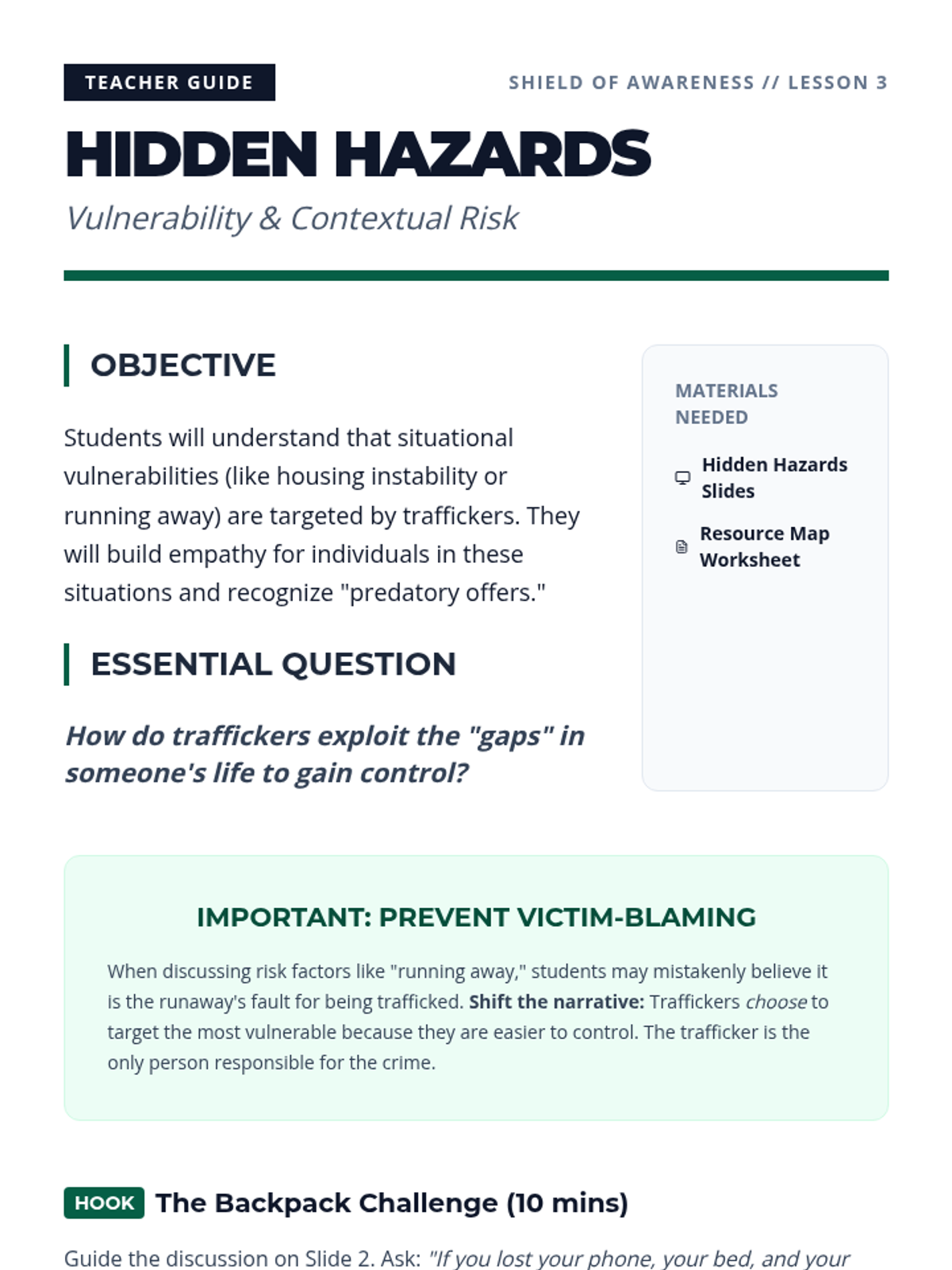
Students learn about situational factors that increase risk, such as running away, homelessness, or unstable home lives. The focus is on destigmatizing these vulnerabilities and understanding why traffickers target individuals in these situations.
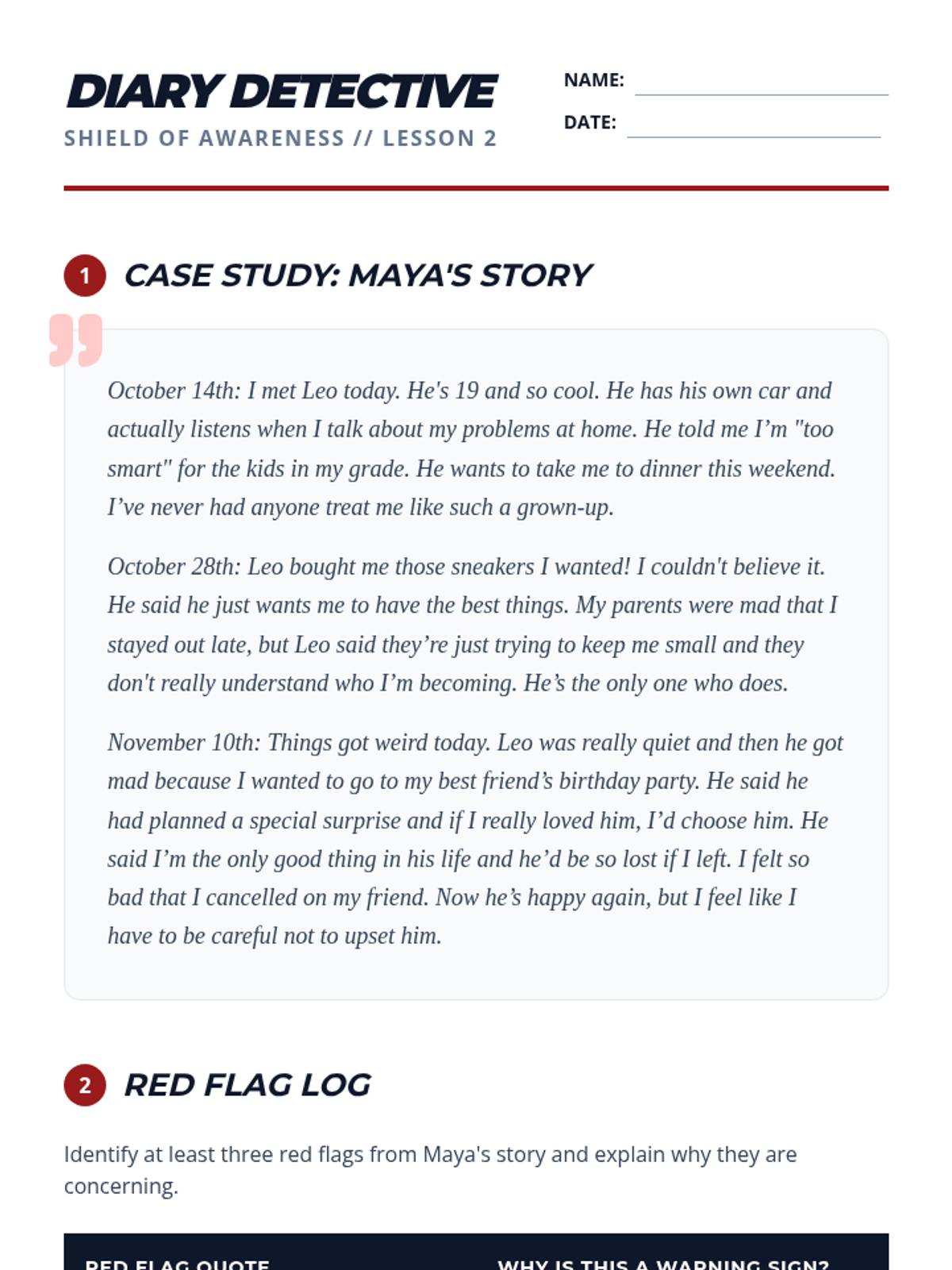
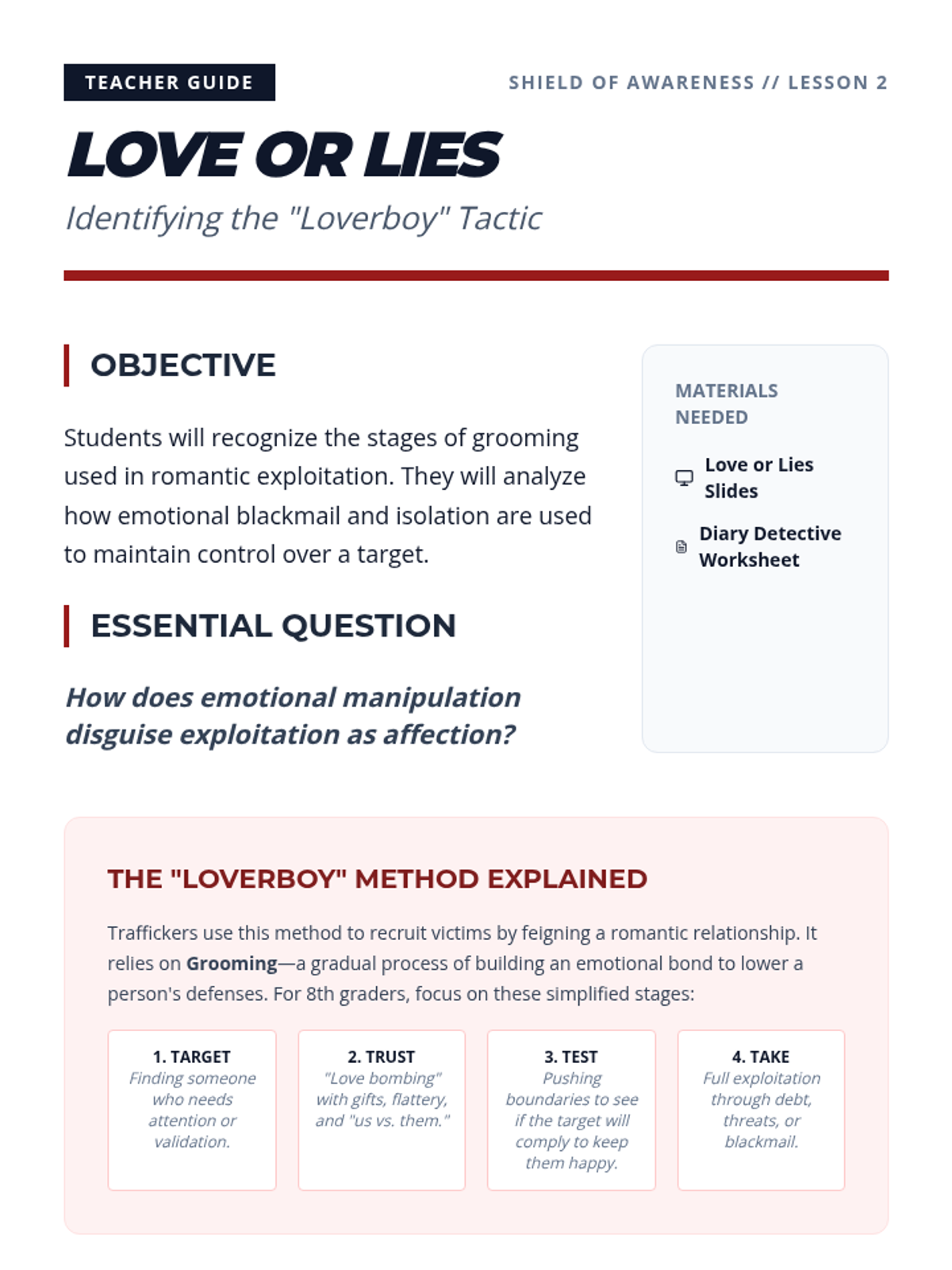
This lesson specifically addresses the 'loverboy' or recruitment method where traffickers feign romantic interest. Students analyze scenarios where affection is withdrawn as punishment or where isolation from family is demanded as 'proof' of love.
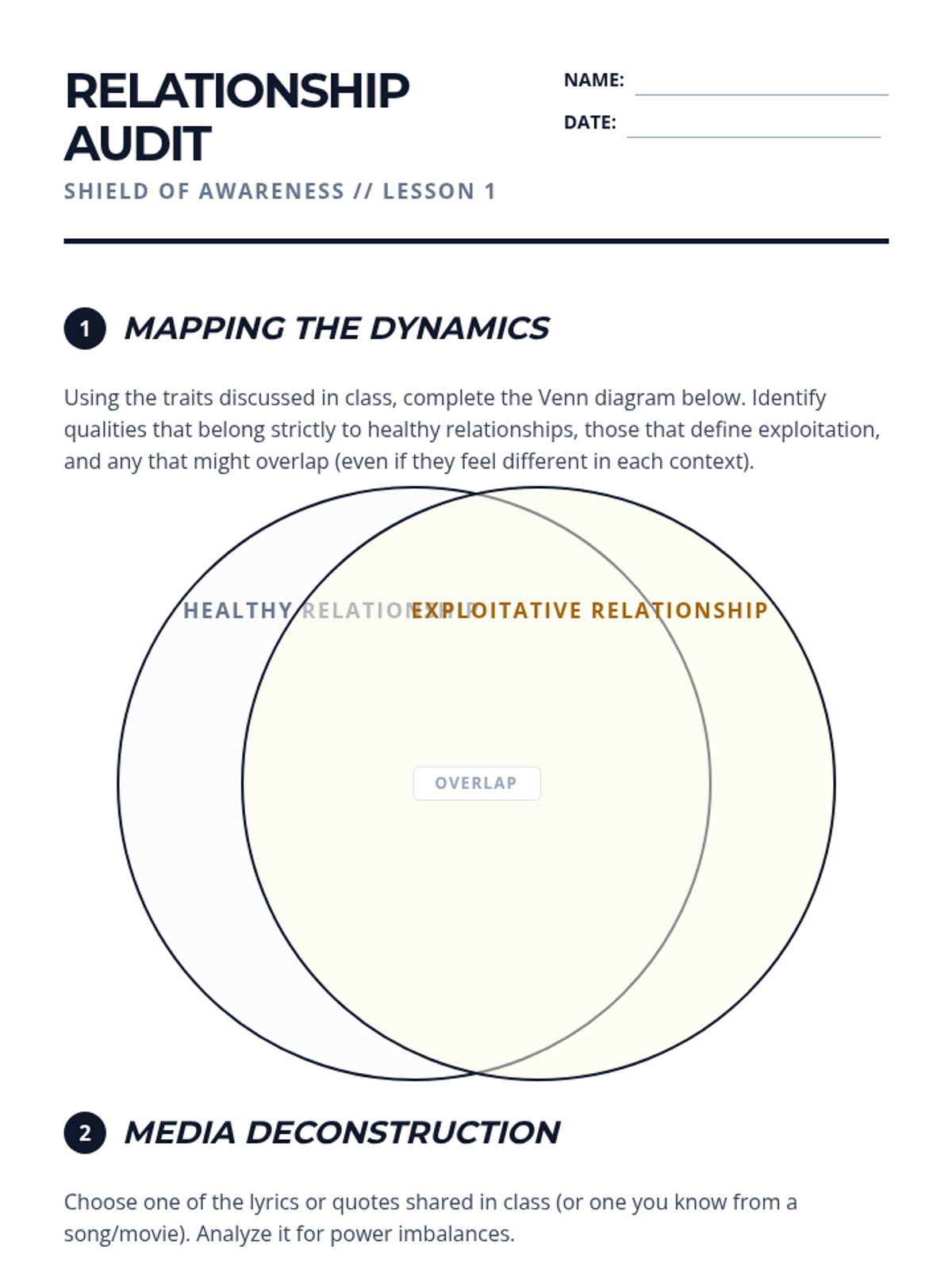
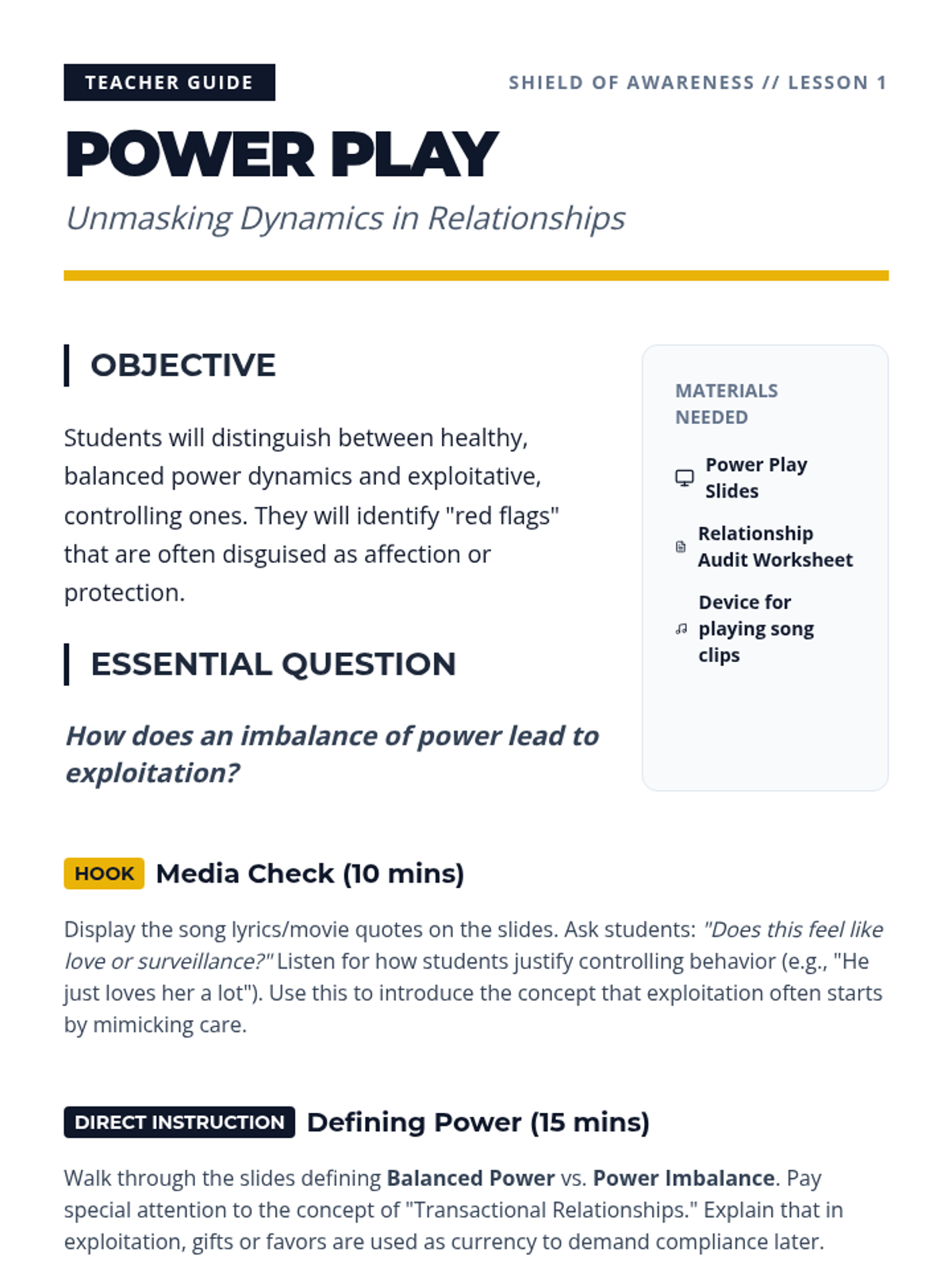
Students explore the concept of power imbalances in relationships, particularly involving age gaps or transactional elements. They create a Venn diagram comparing healthy relationships based on respect versus exploitative ones based on control.
A comprehensive mental health awareness lesson for high schoolers focusing on identifying anxiety and depression, mapping support resources, and creating help-seeking action plans. Aligned to ASCA B-SMS 9.
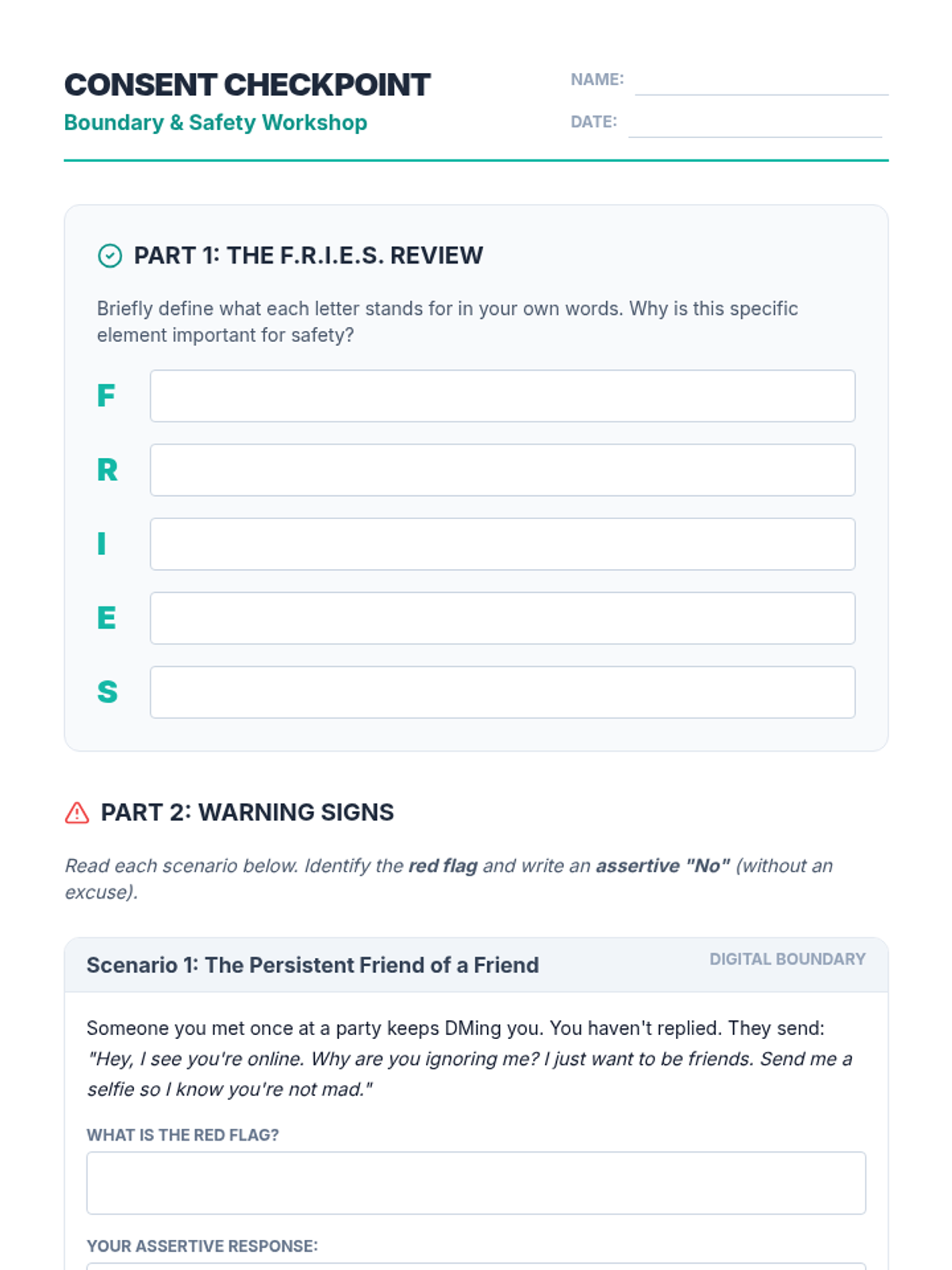
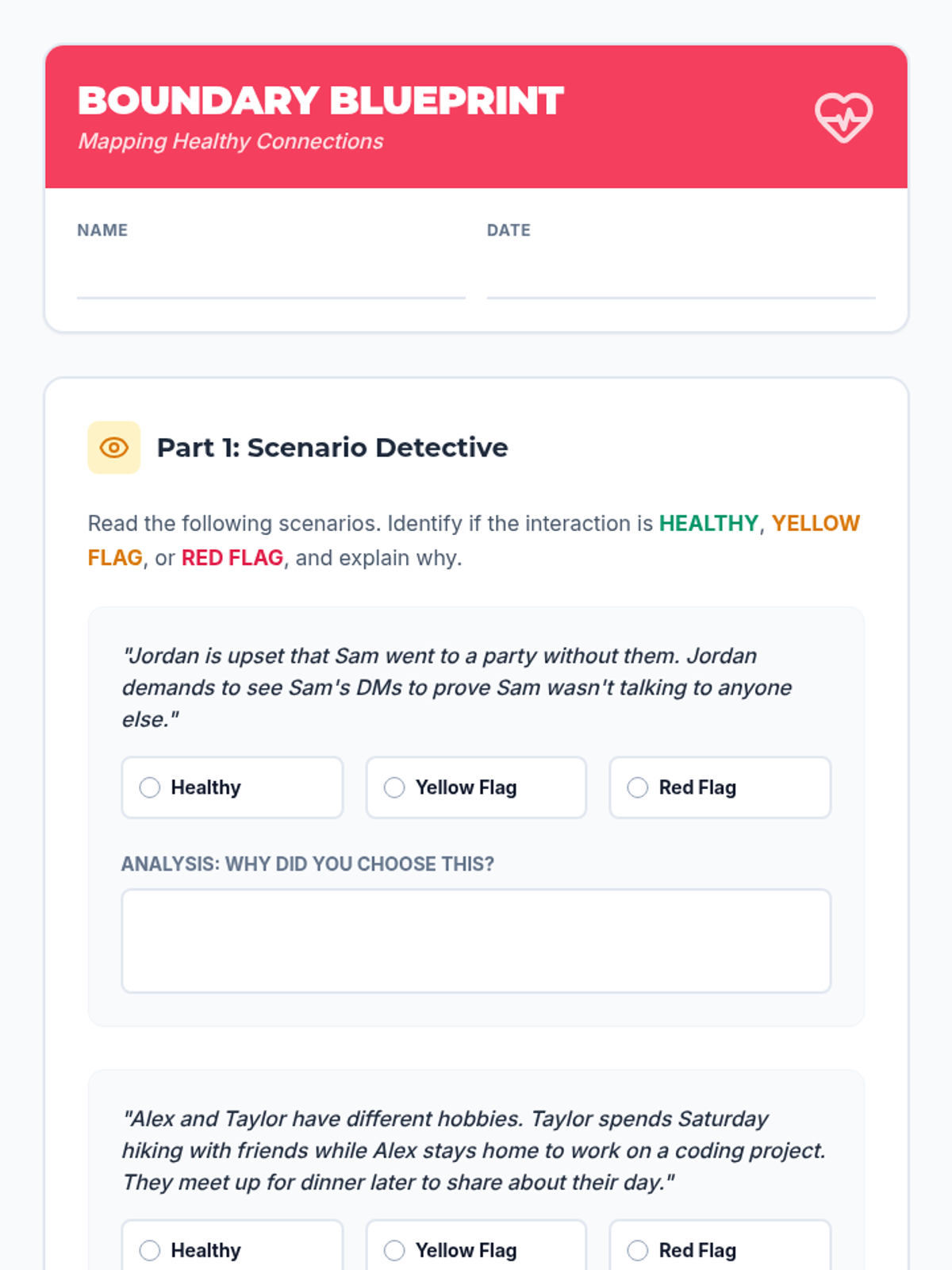
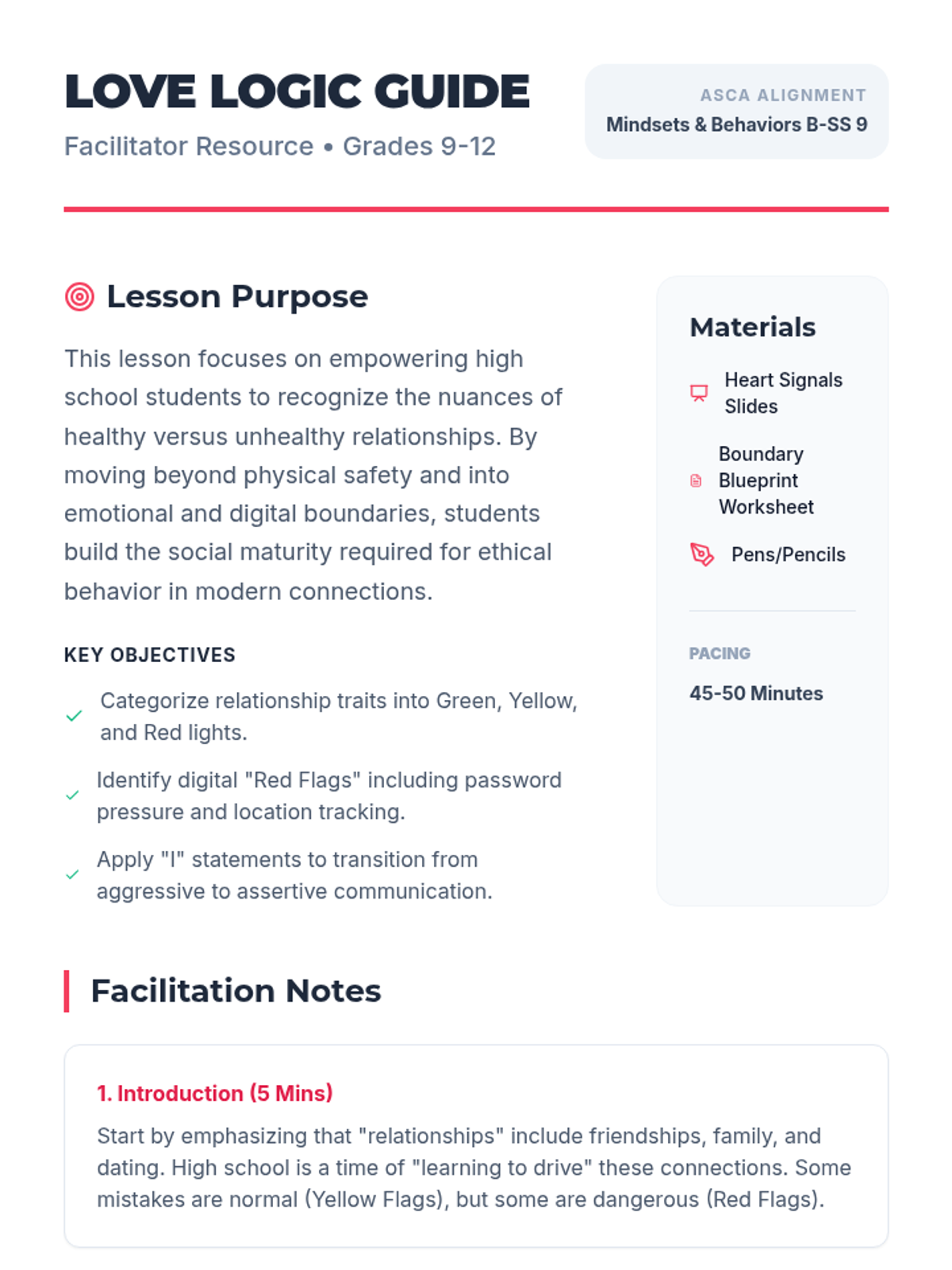
A comprehensive high school counseling lesson designed to help students distinguish between healthy and unhealthy relationship dynamics, identify red flags, and master assertive communication. Aligned with ASCA Mindsets & Behaviors B-SS 9, this lesson uses scenario-based learning to build social maturity and ethical relationship skills.
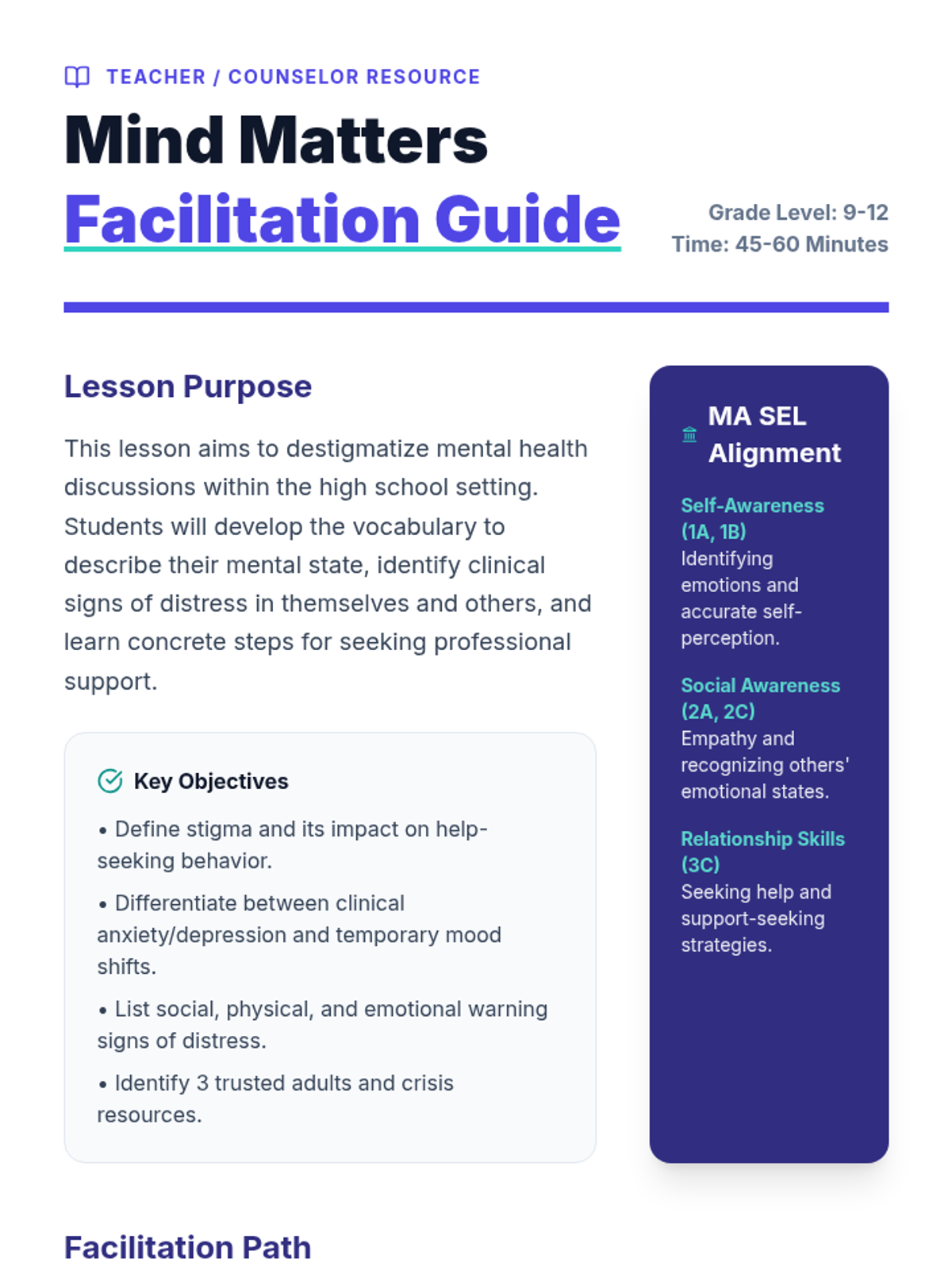
A comprehensive lesson for high school students focused on mental health literacy, stigma reduction, and proactive help-seeking strategies, aligned with Massachusetts SEL standards.
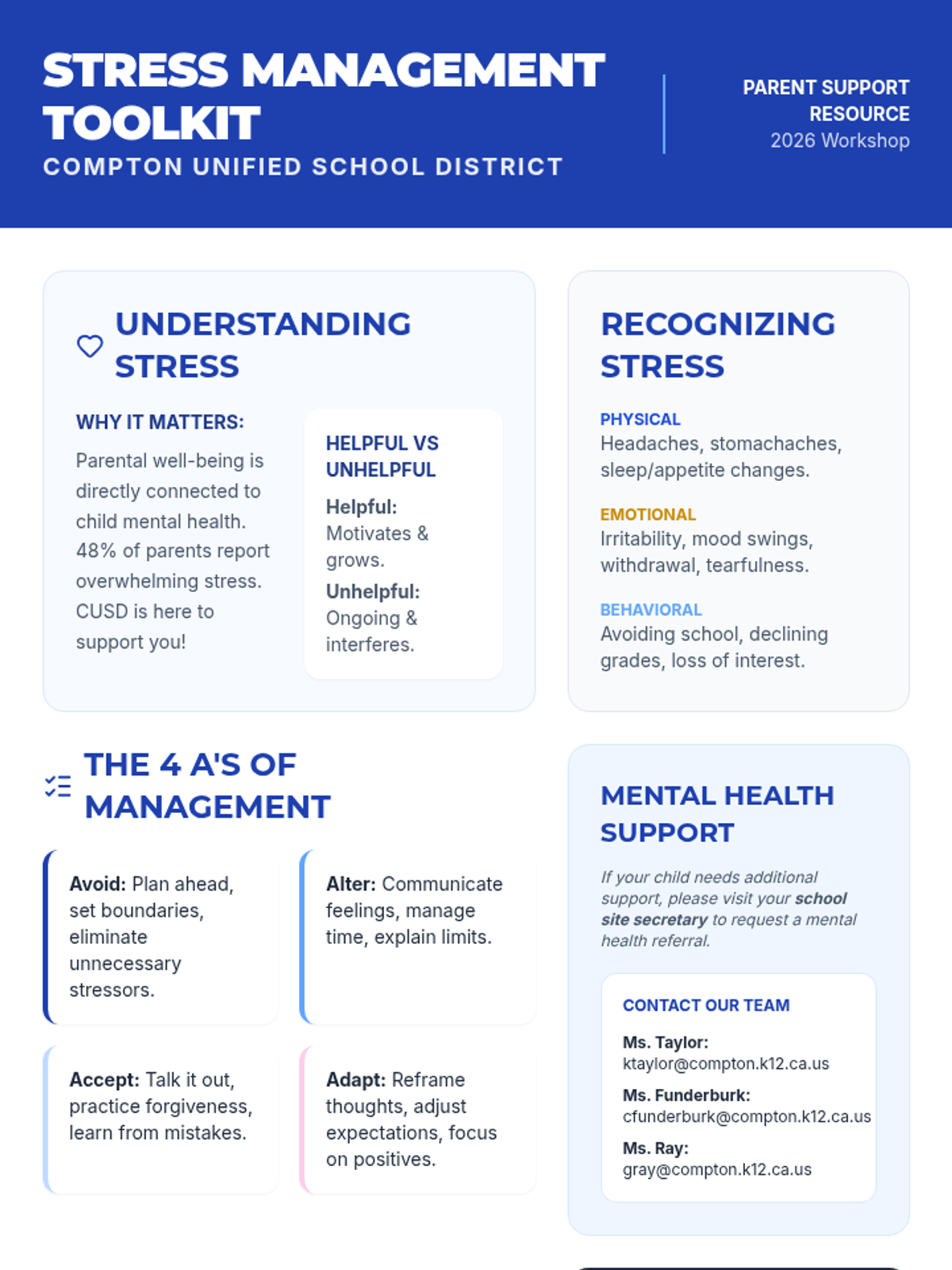
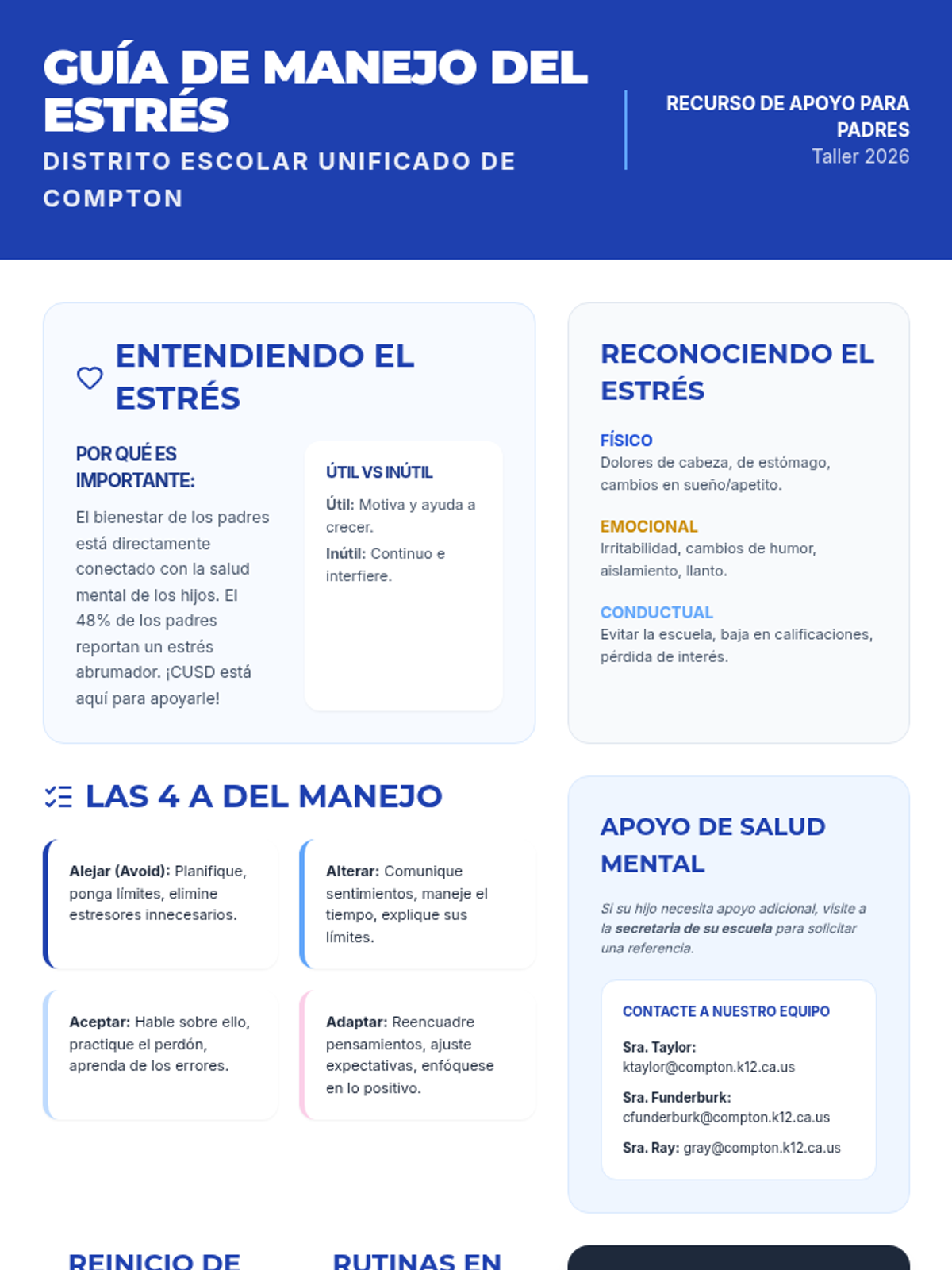
This lesson provides parents and caregivers with tools to distinguish between helpful and harmful stress, apply the 4 A's of stress management, and practice relaxation techniques with their children.
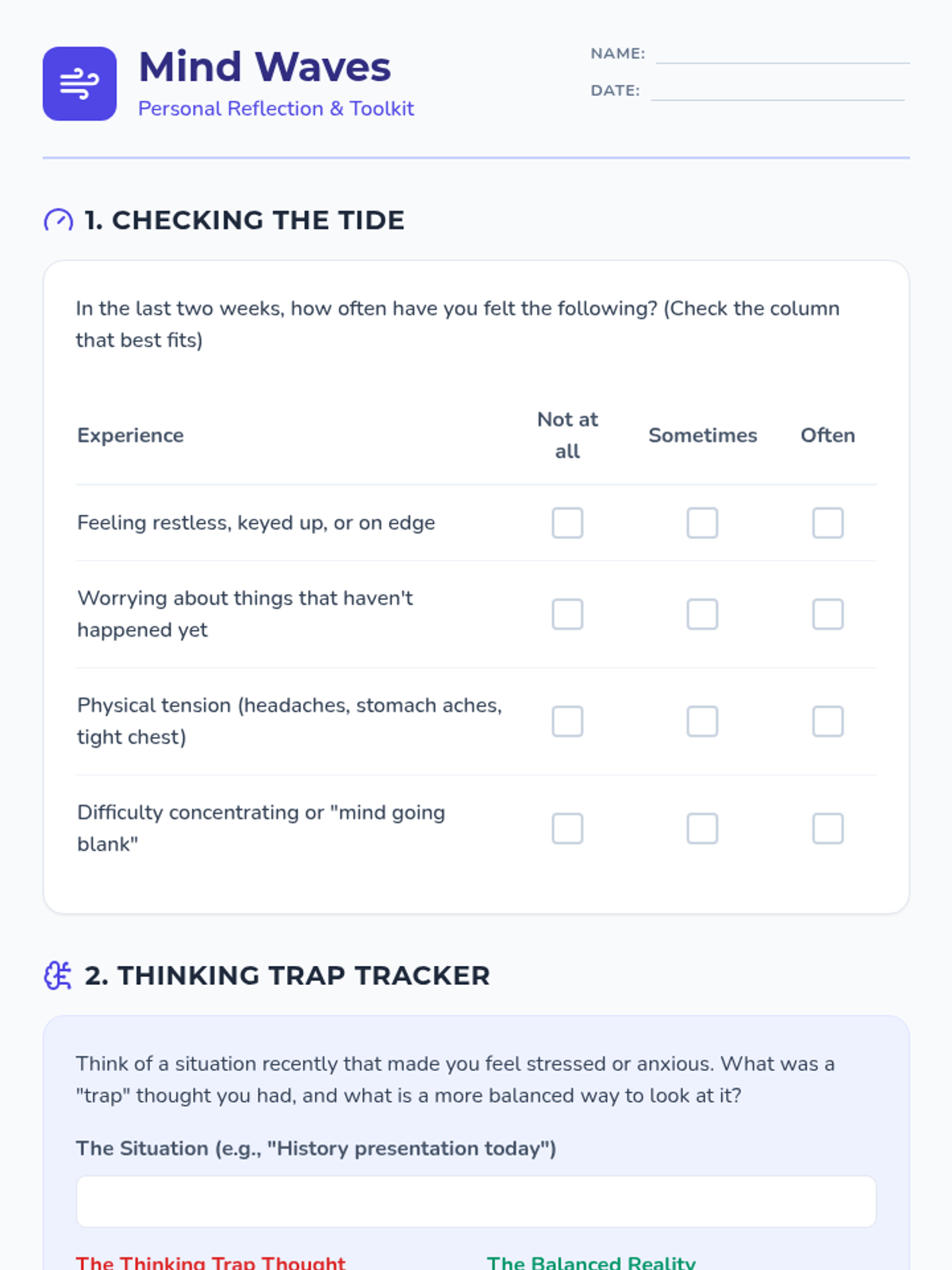
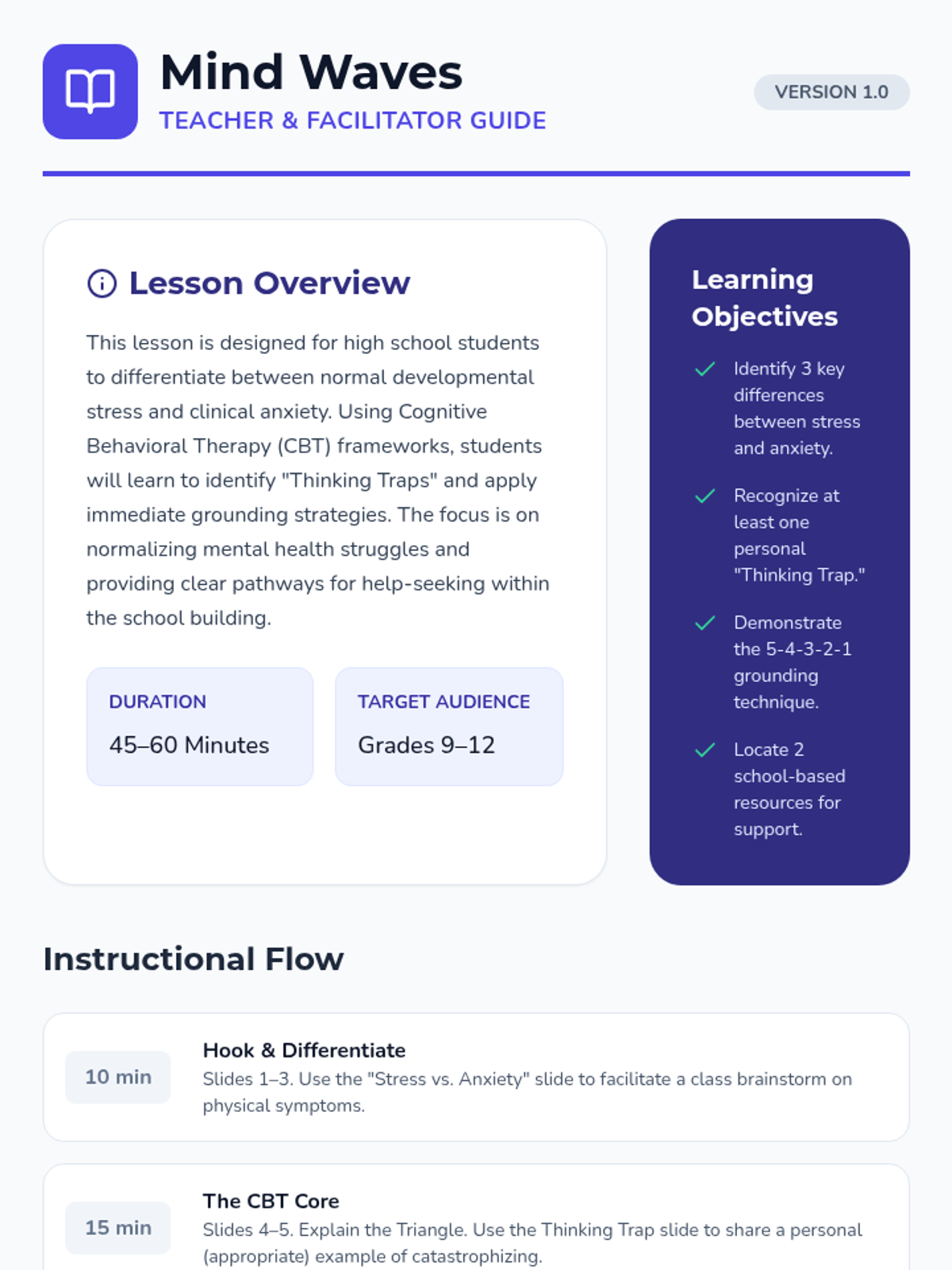
A comprehensive SEL lesson for high schoolers exploring the differences between stress and anxiety, featuring CBT coping tools, self-assessment, and stigma reduction strategies.
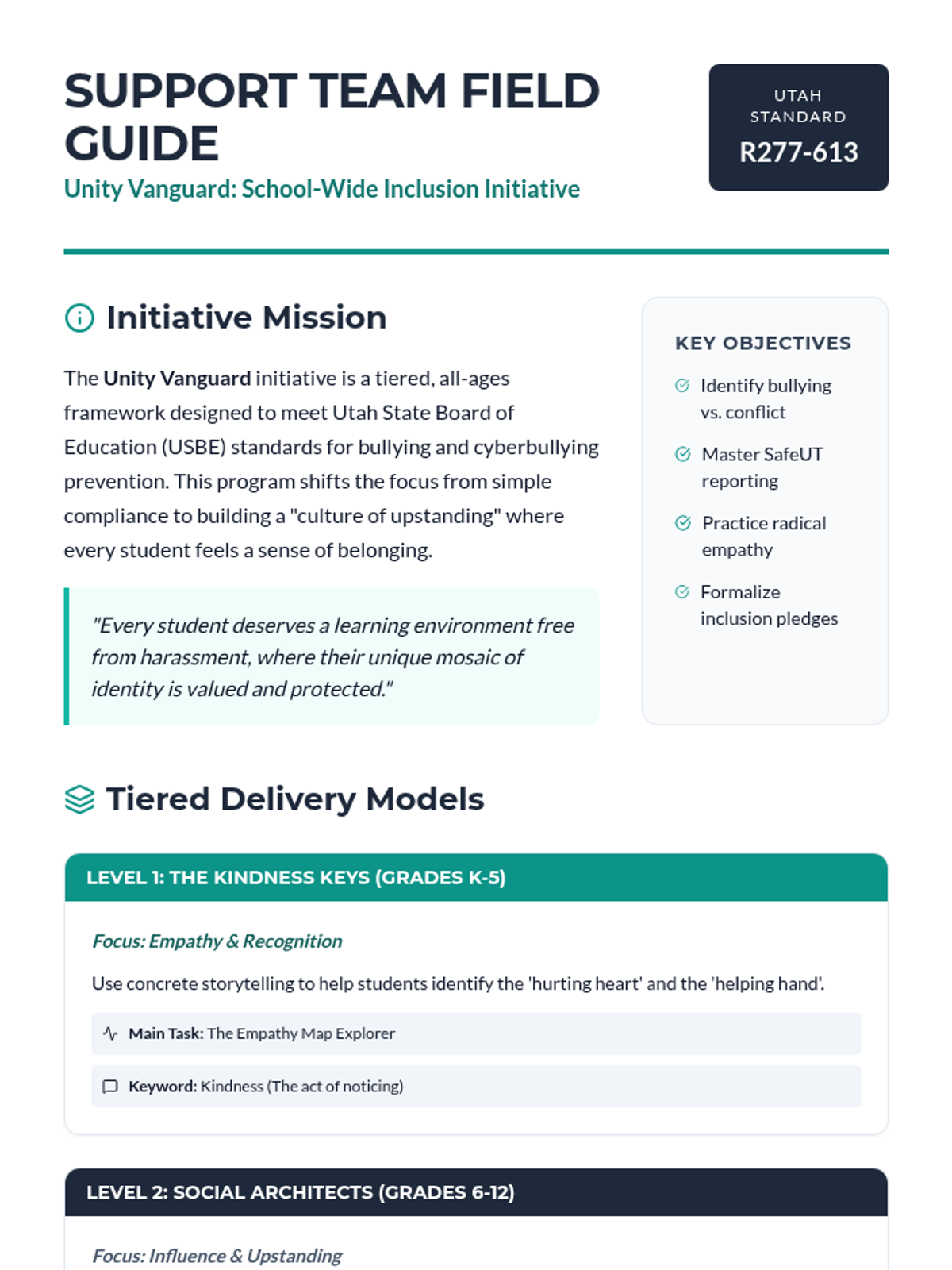
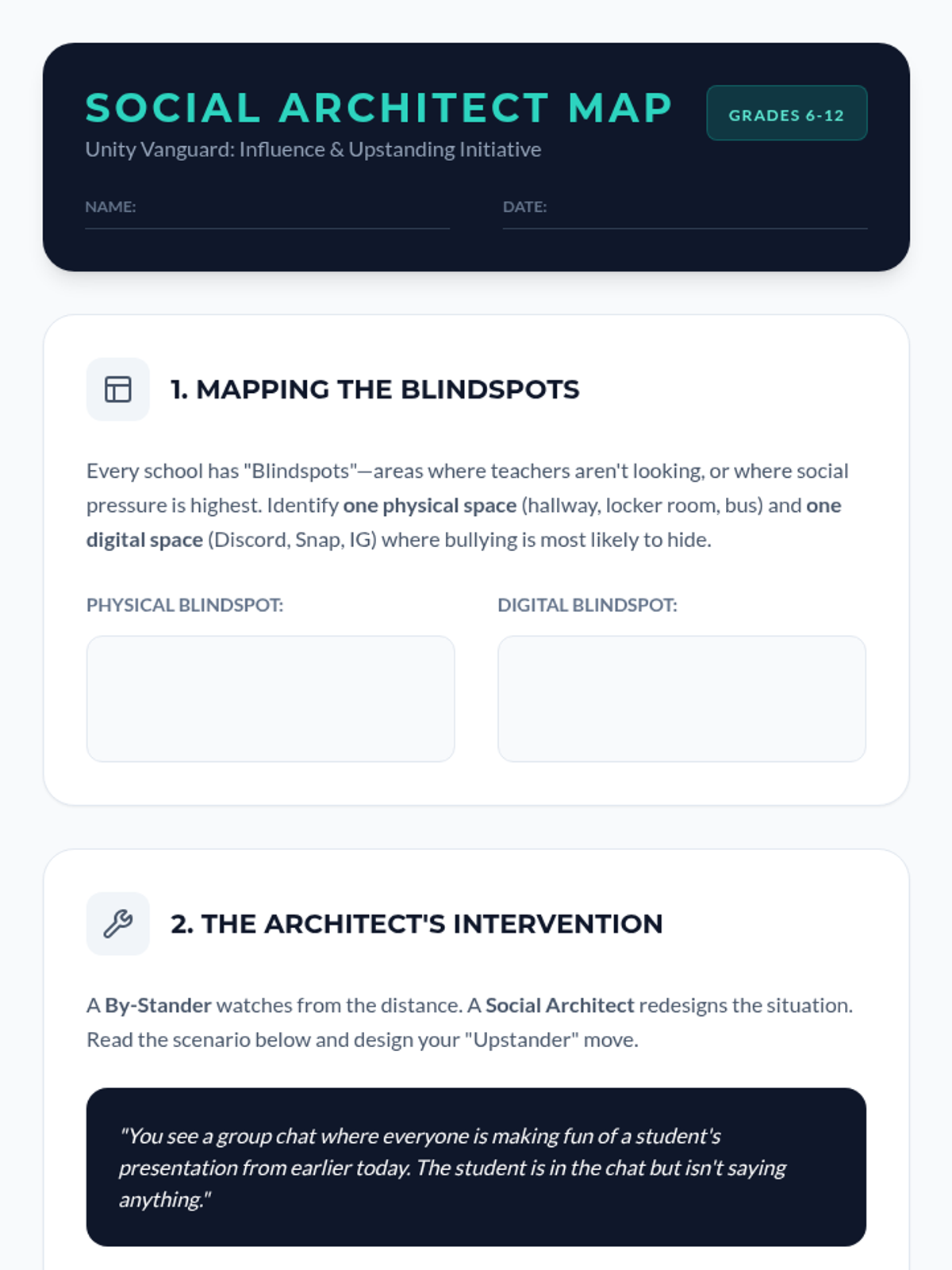
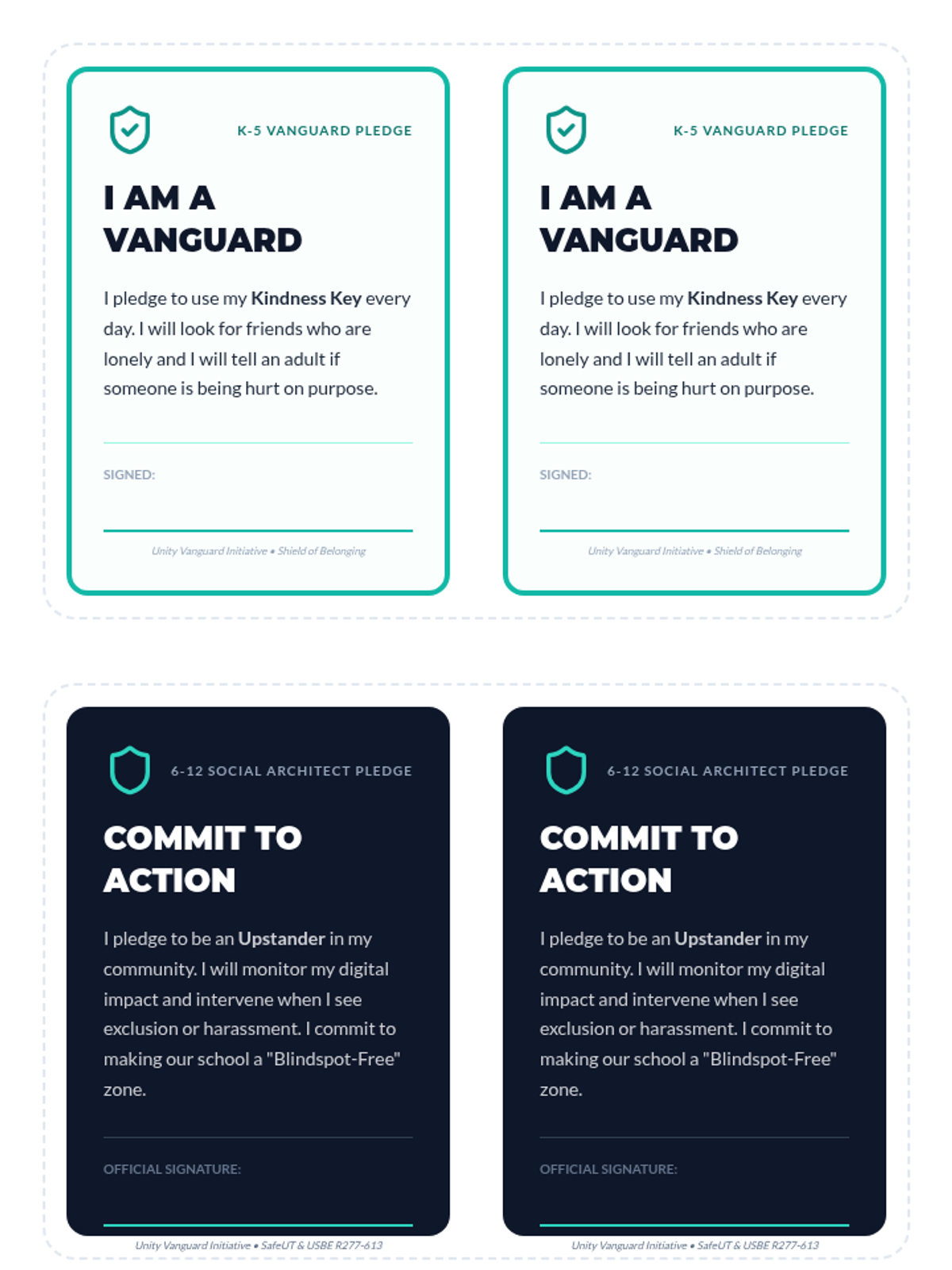
A school-wide initiative focused on identifying bullying behaviors, practicing empathy, and committing to an inclusive school culture through shared pledges. Includes tiered activities for K-12 students.
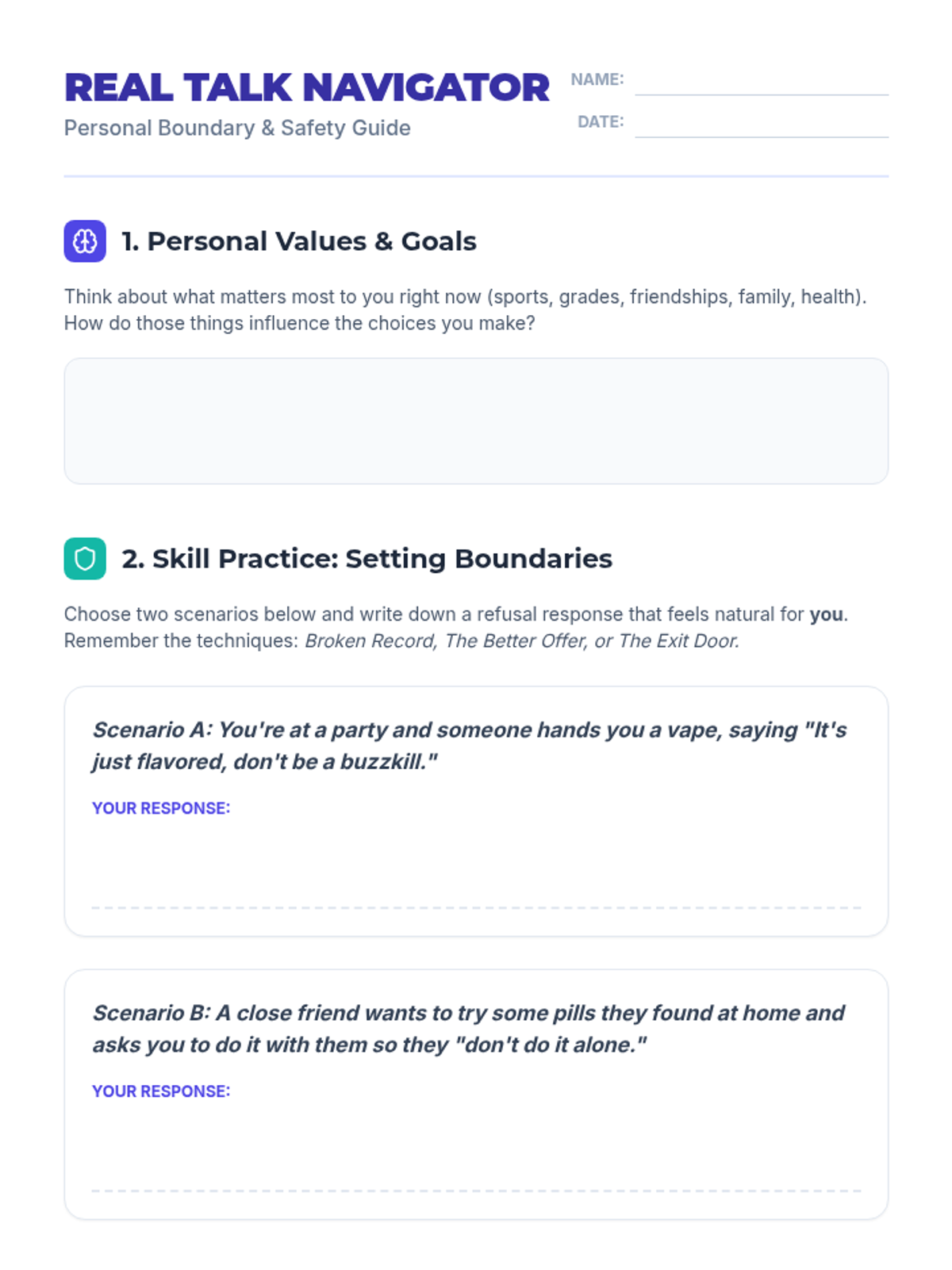
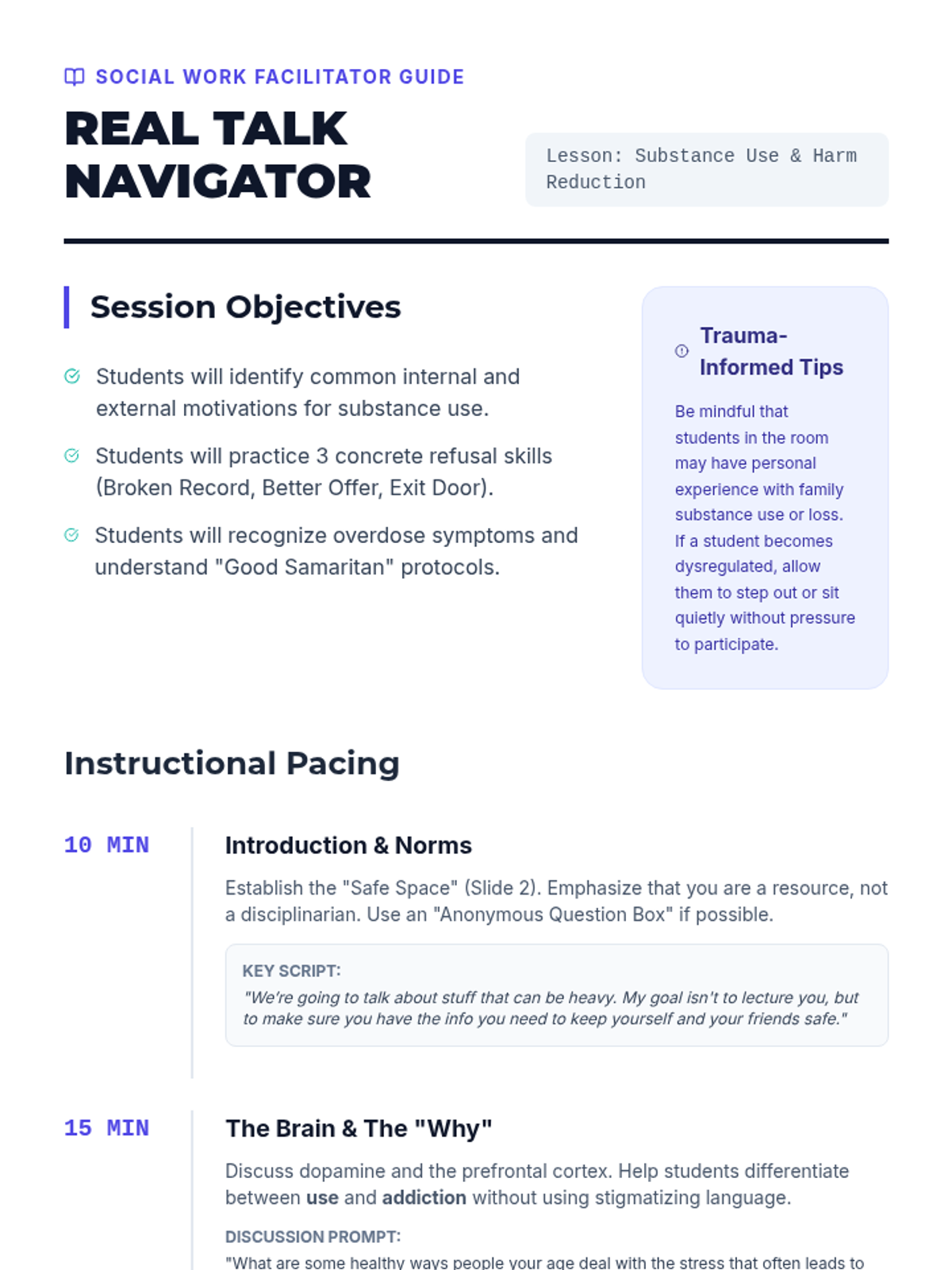
A trauma-informed, high school social work lesson focusing on the science of substance use, risk factors, refusal skills, and harm reduction strategies. This lesson prioritizes a non-judgmental approach to empower students with practical safety and decision-making tools.
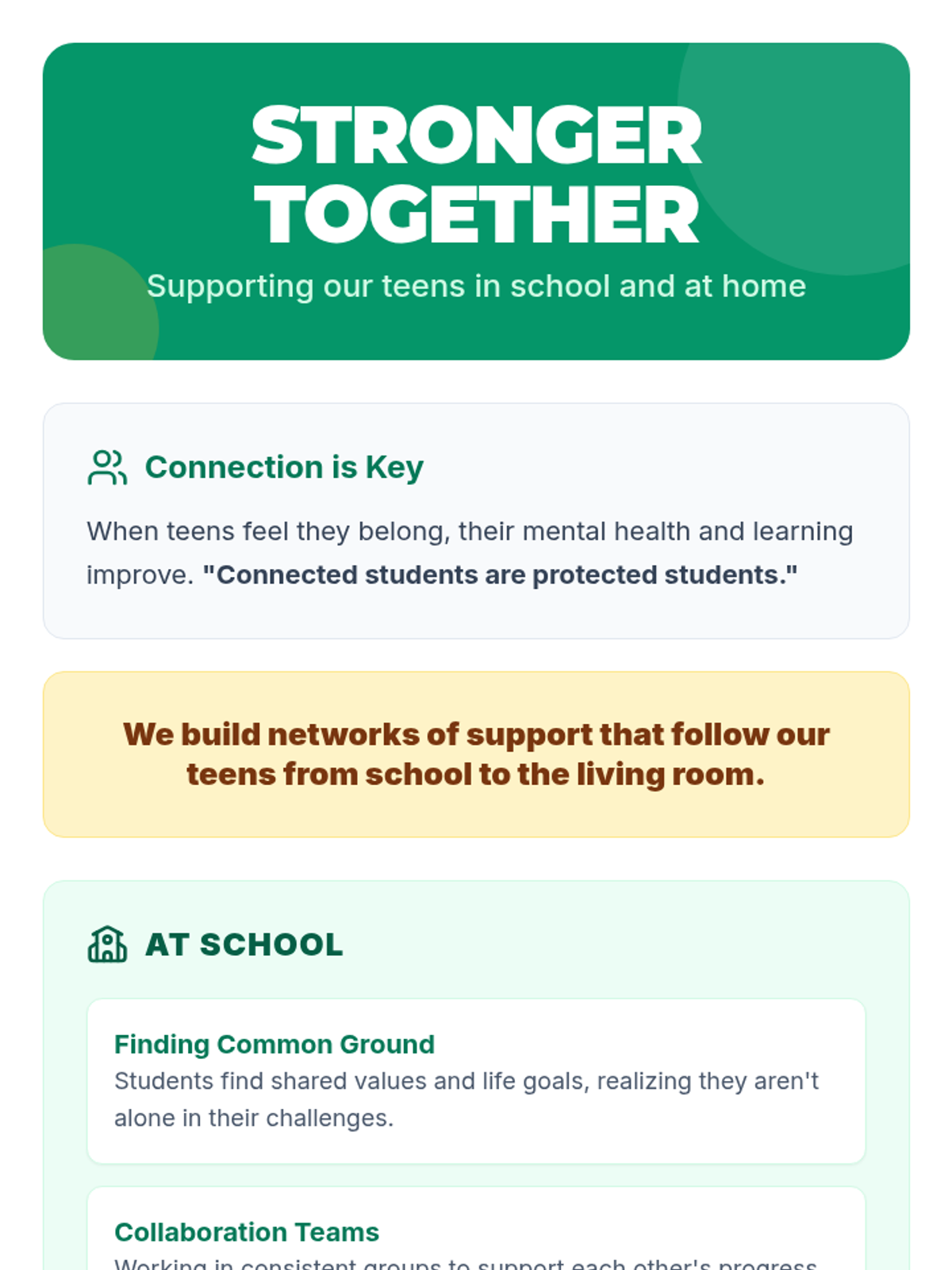
A comprehensive workshop for parents focused on building student connection, accountability, and relationship skills using the Move This World framework.
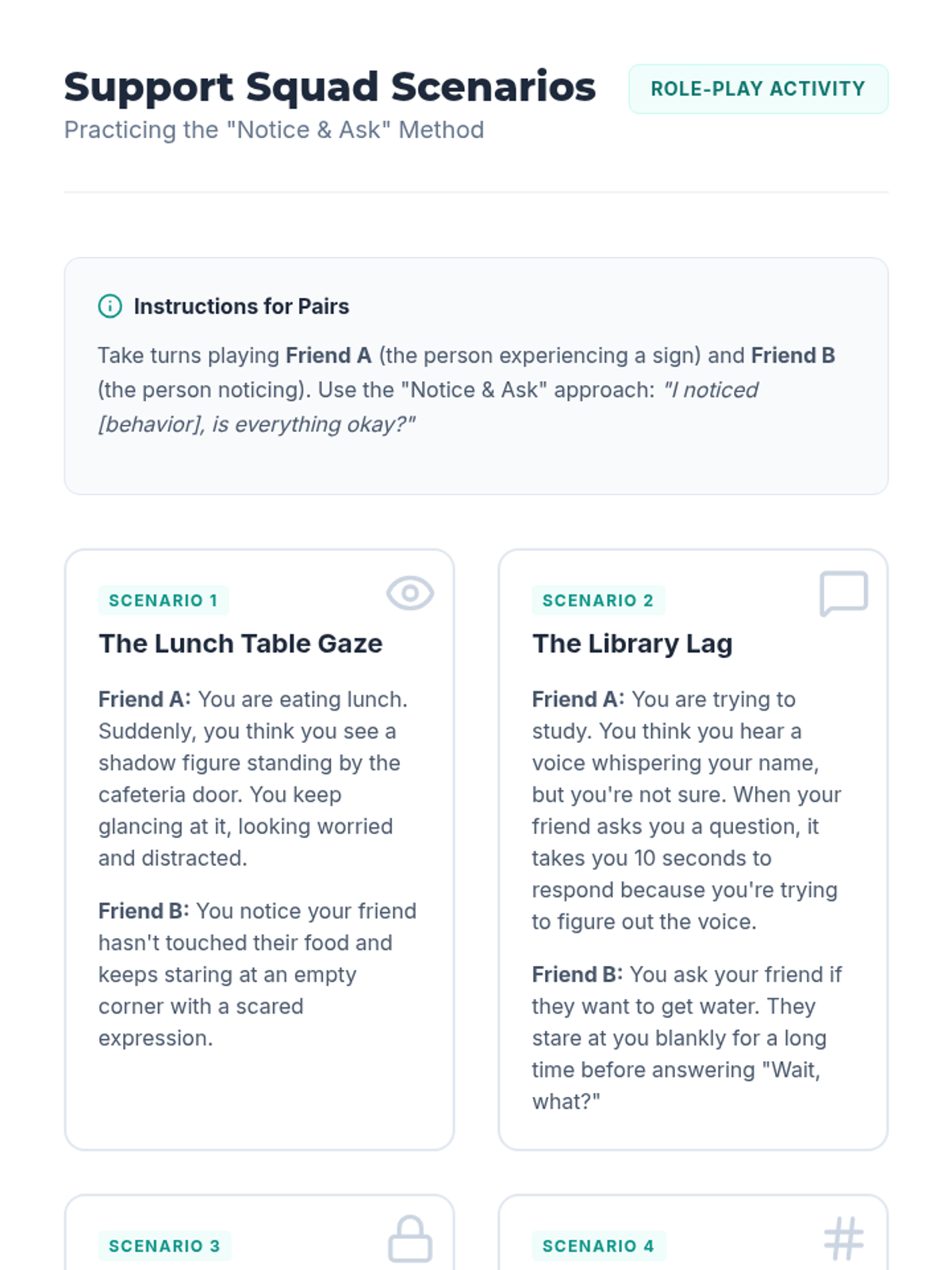
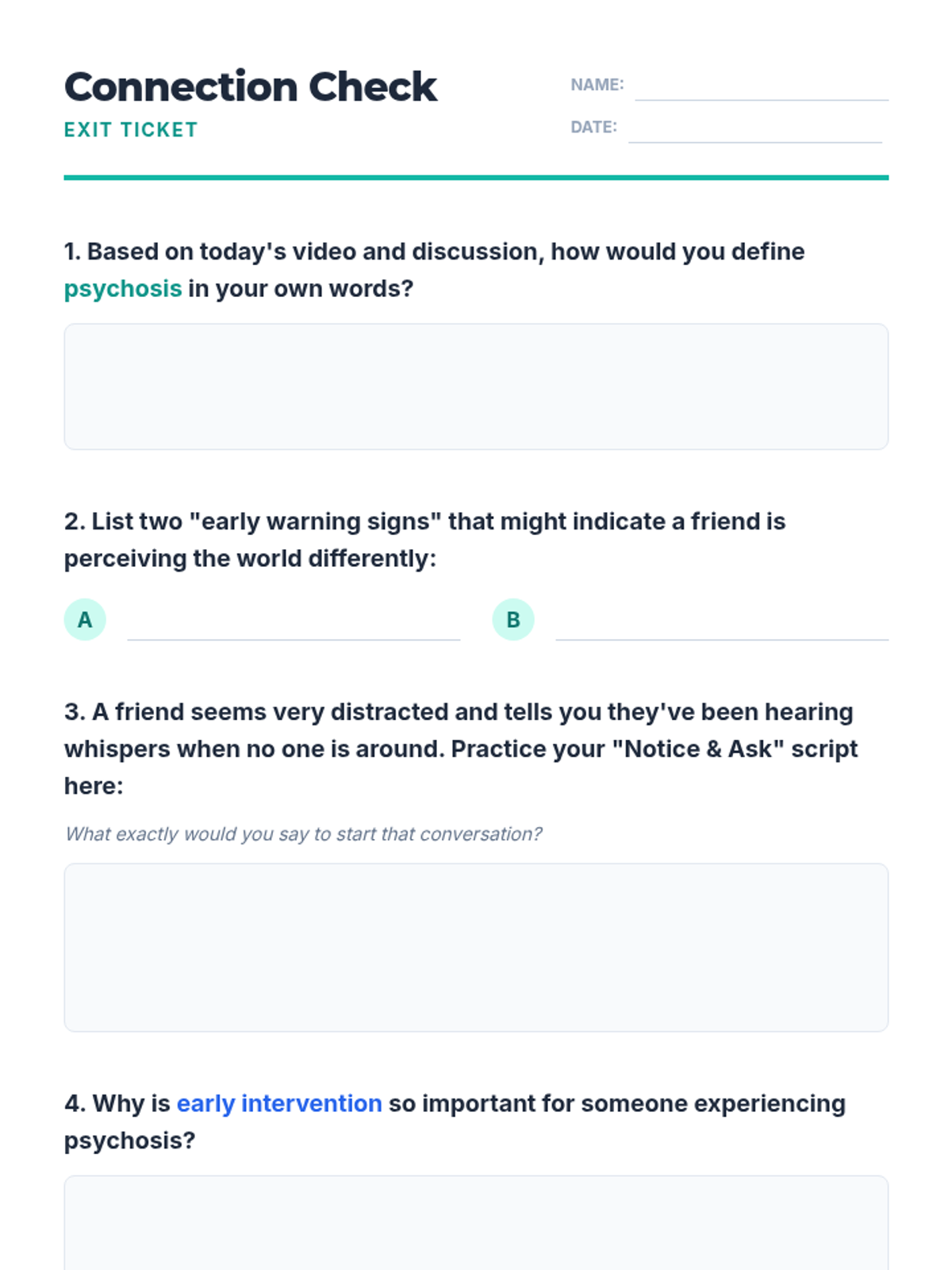
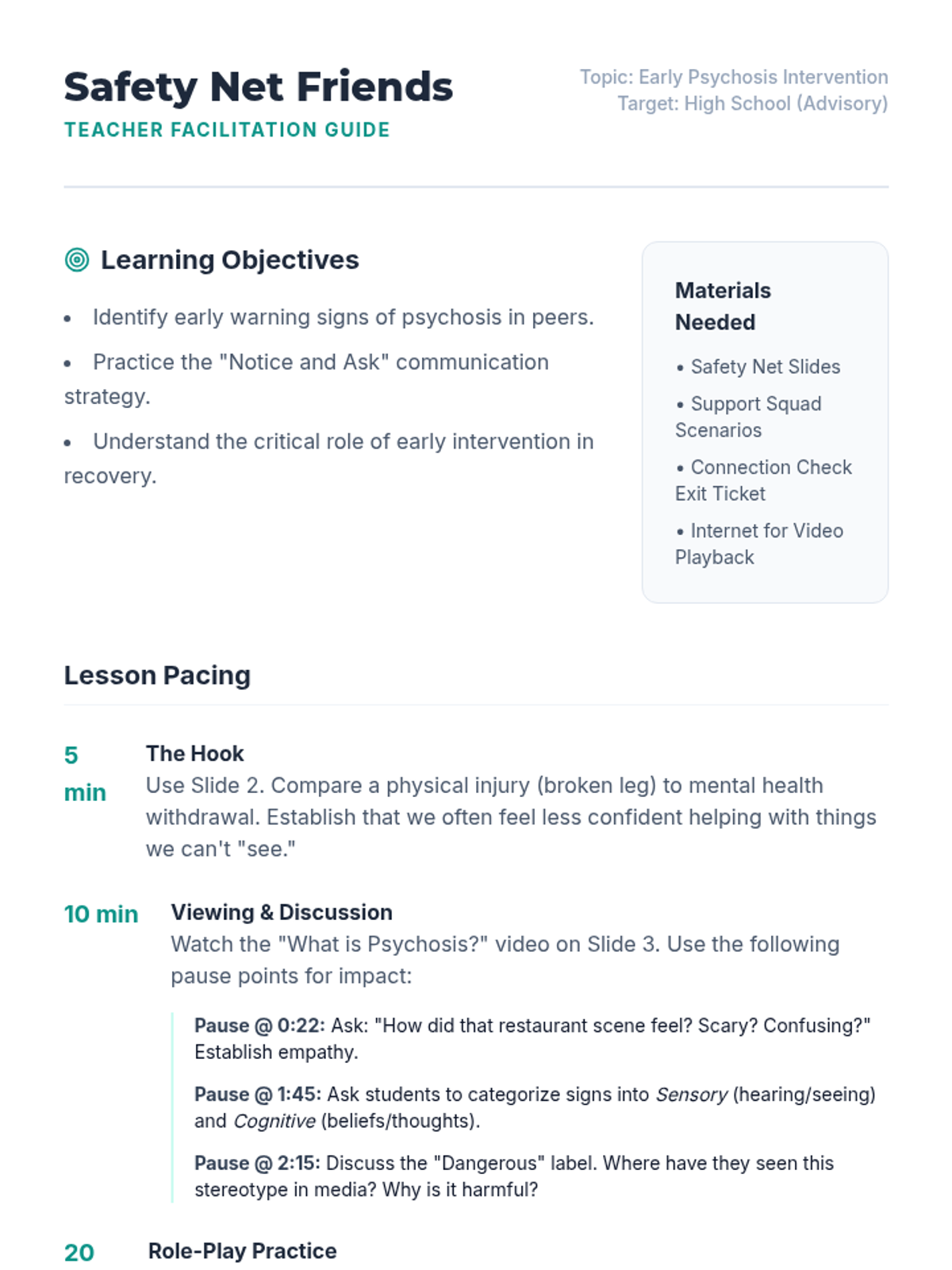
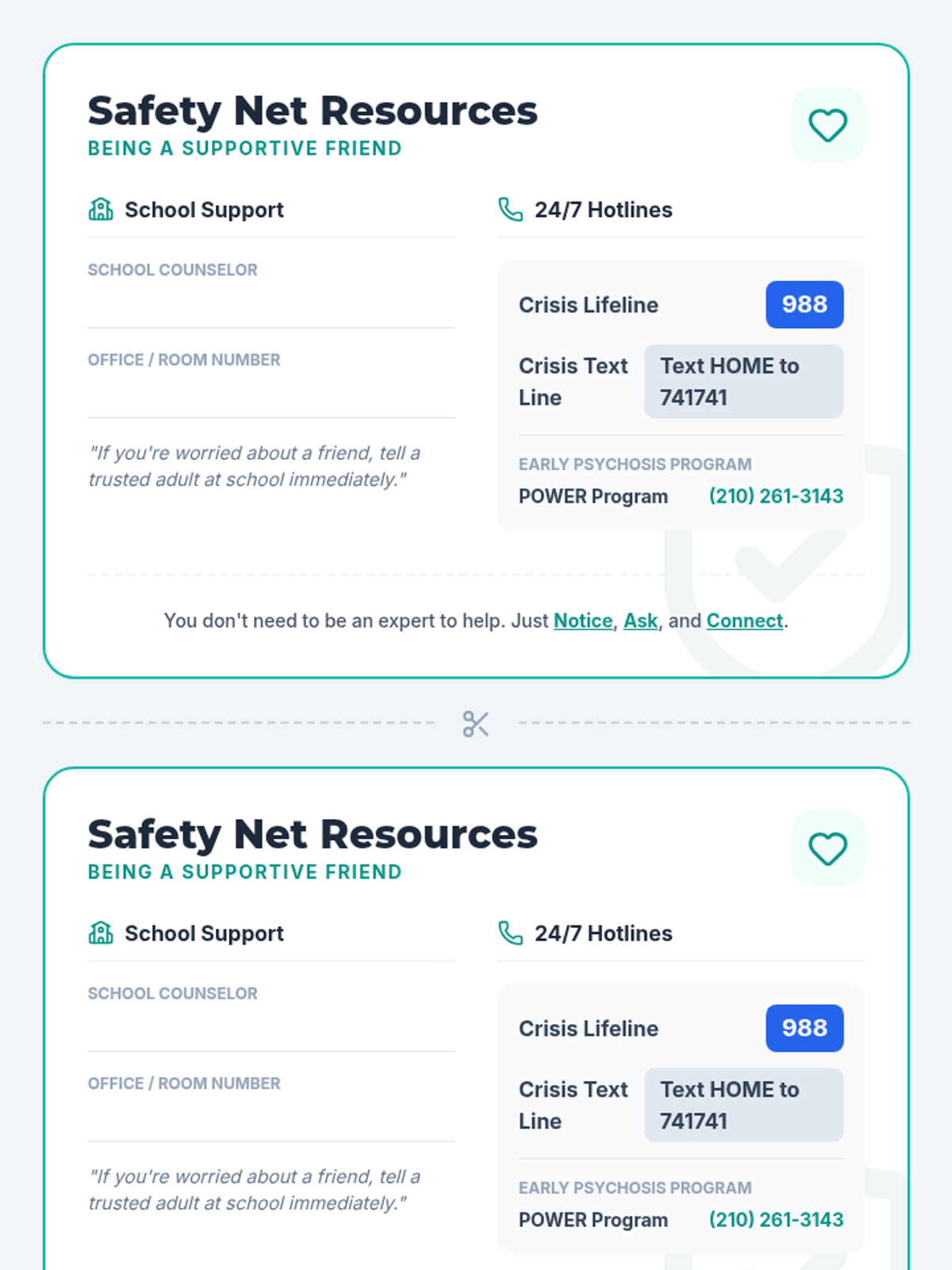
A high school advisory lesson focused on identifying the early warning signs of psychosis in friends, emphasizing empathy, 'Notice and Ask' communication, and the importance of early intervention.
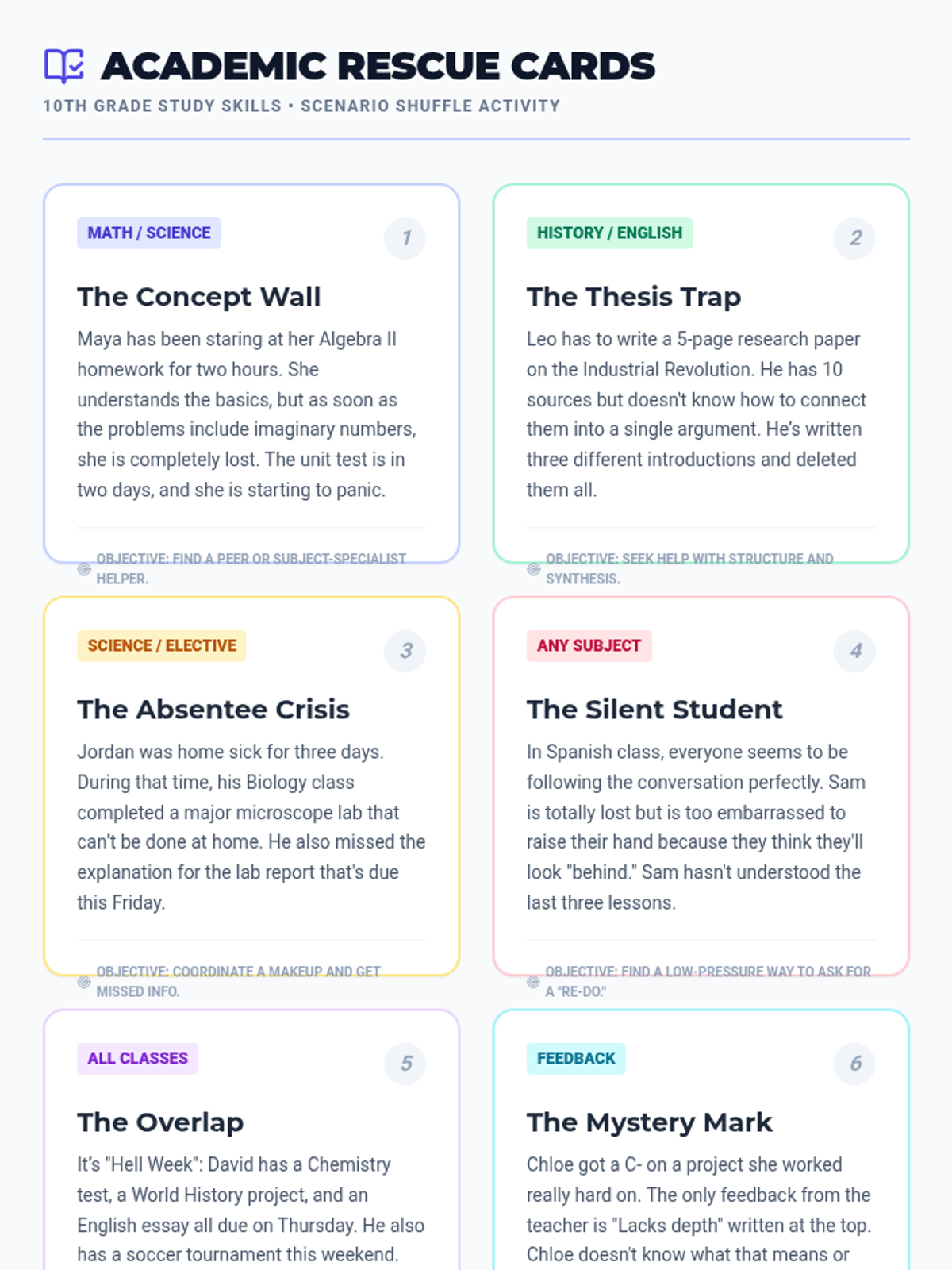
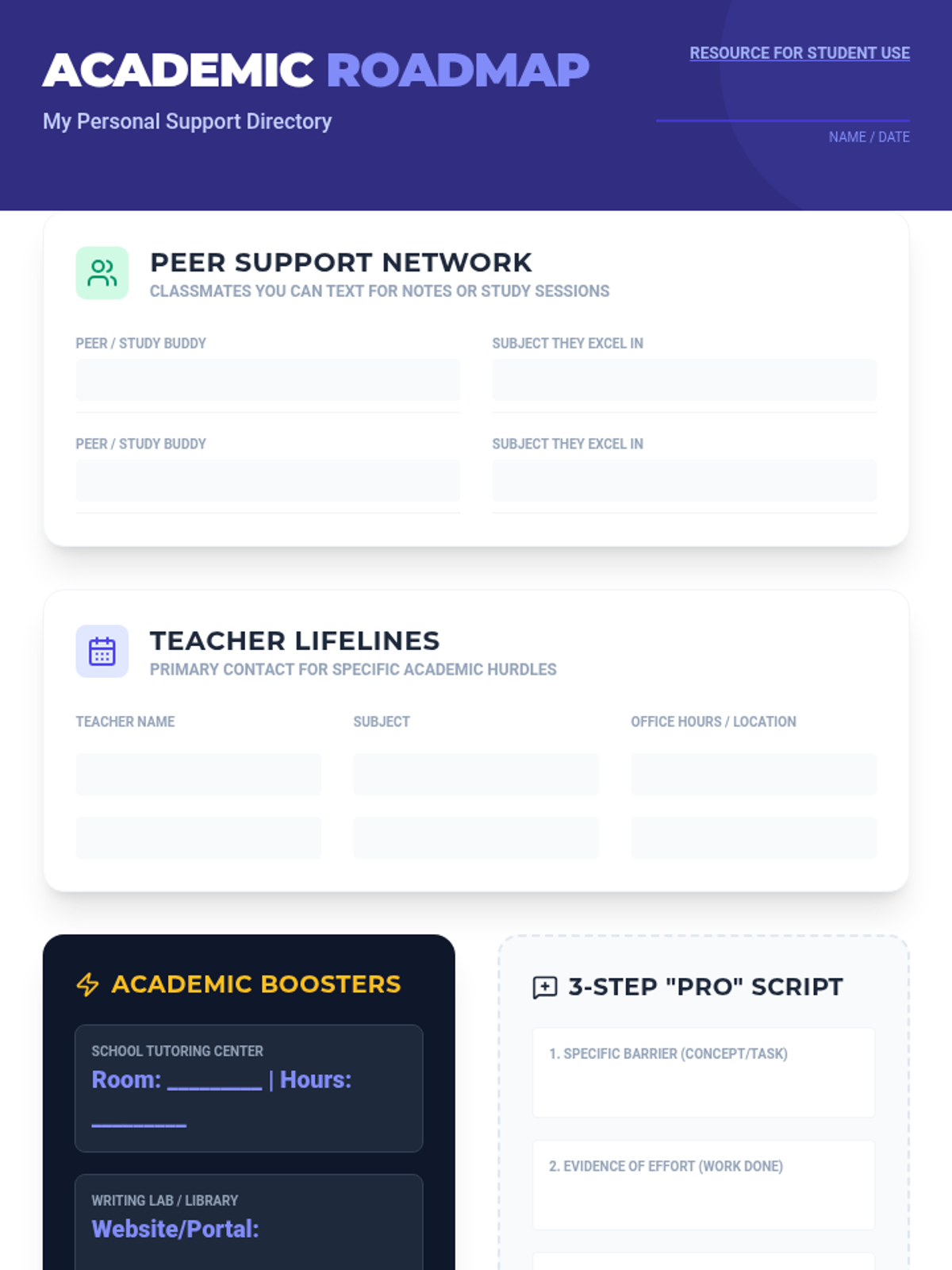
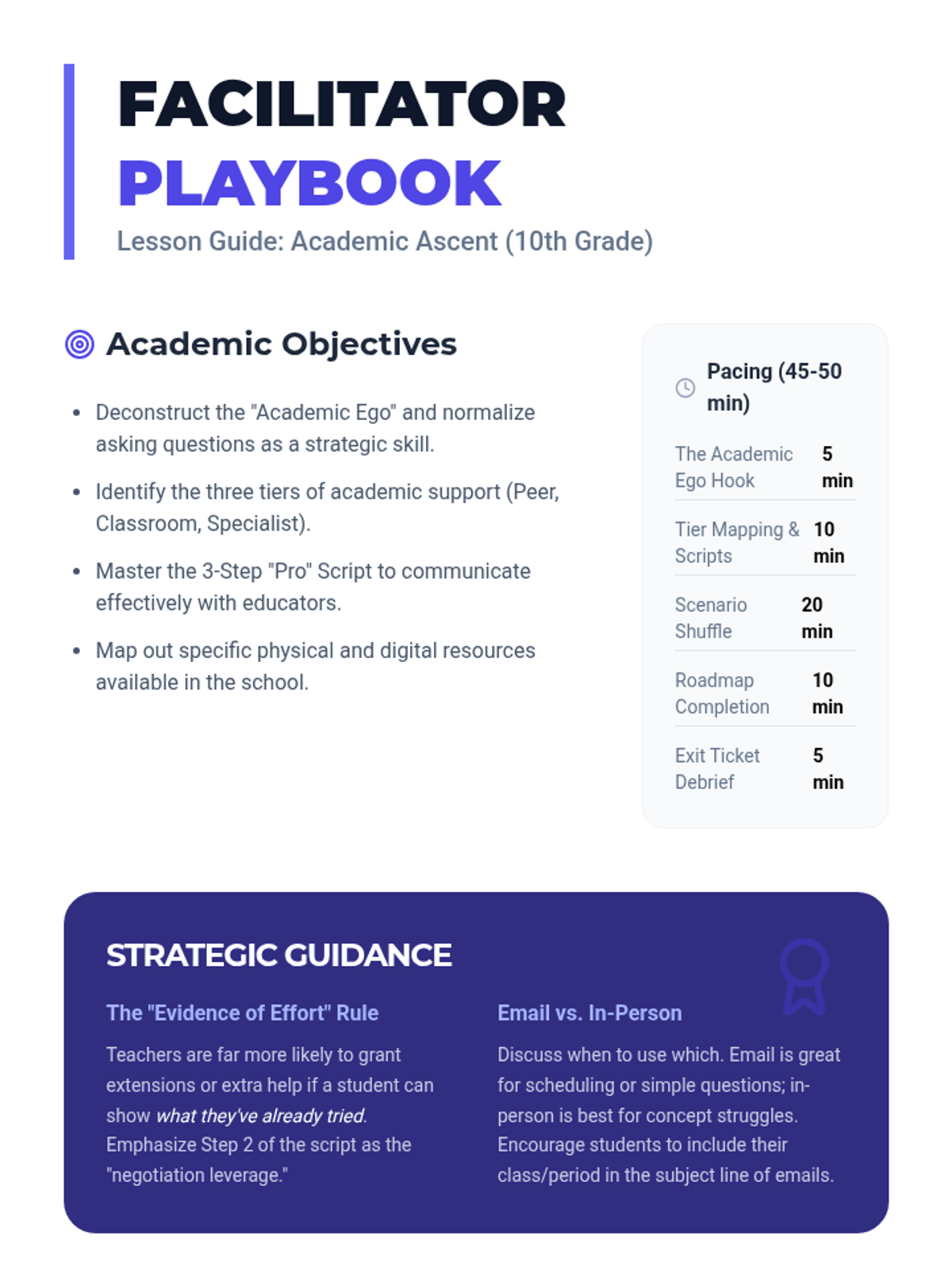
A lesson designed for 10th-grade students to master the skills of seeking academic assistance, including identifying subject-specific support, overcoming the "academic ego," and practicing professional communication with educators and peers.
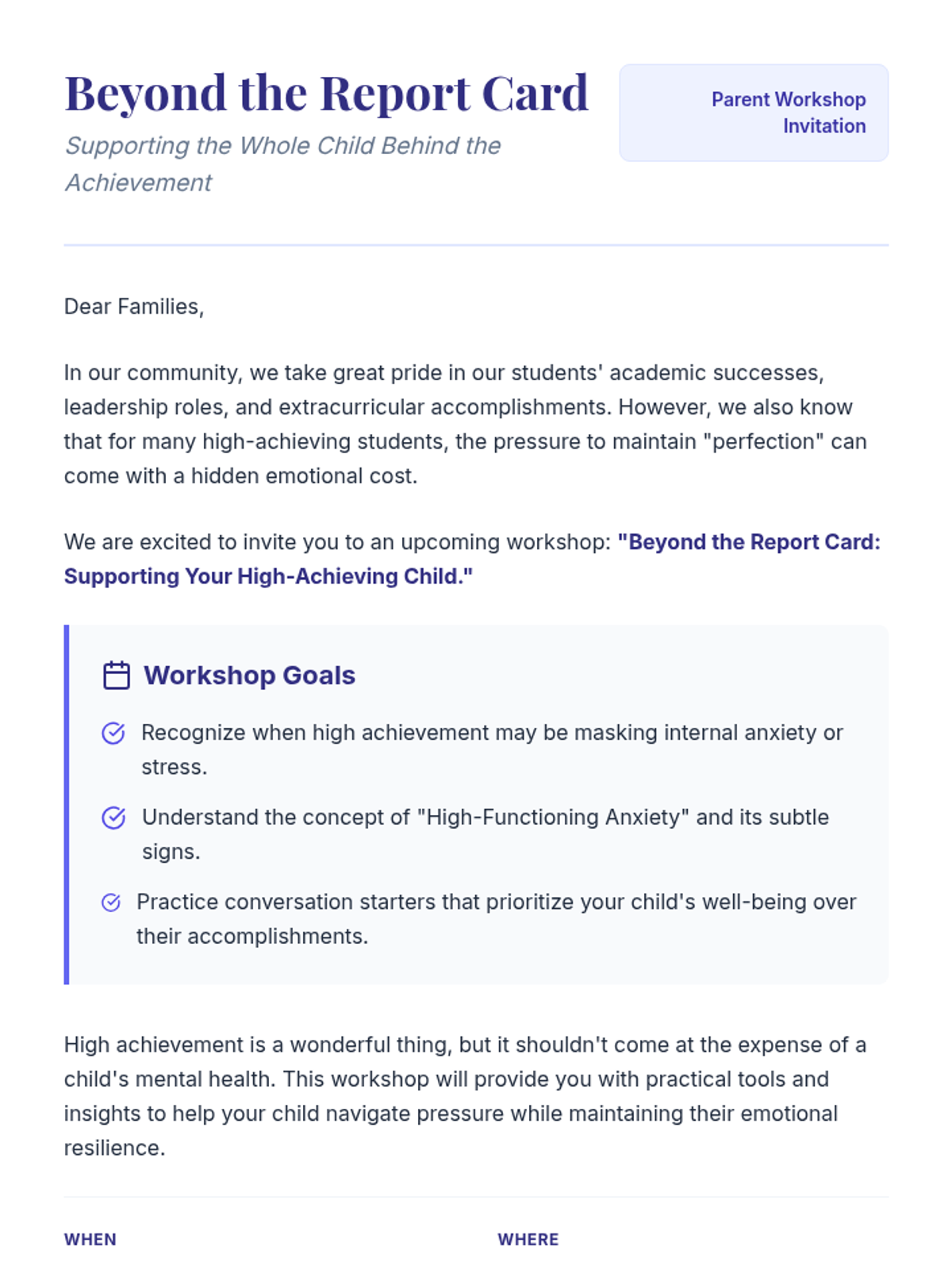
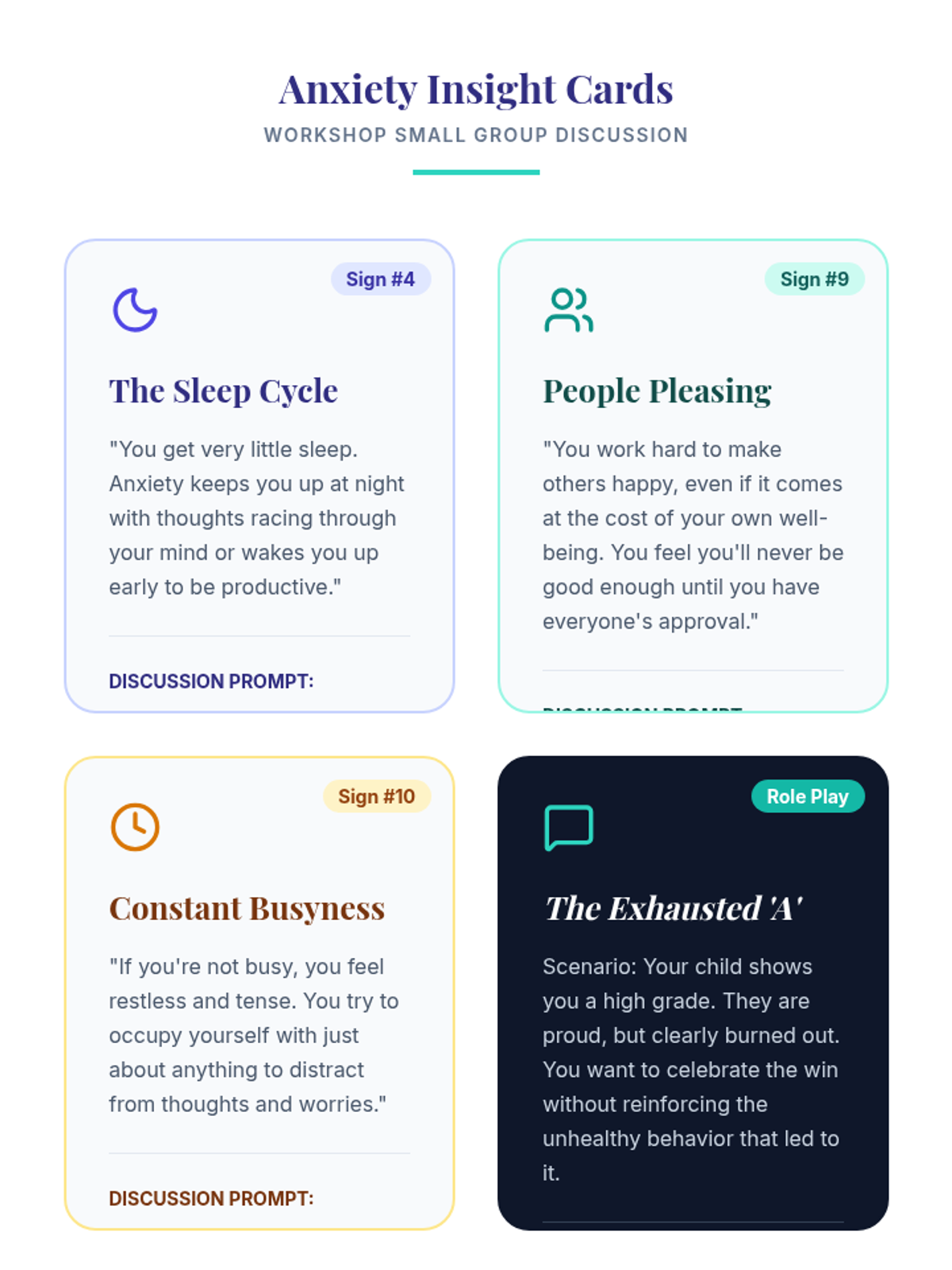
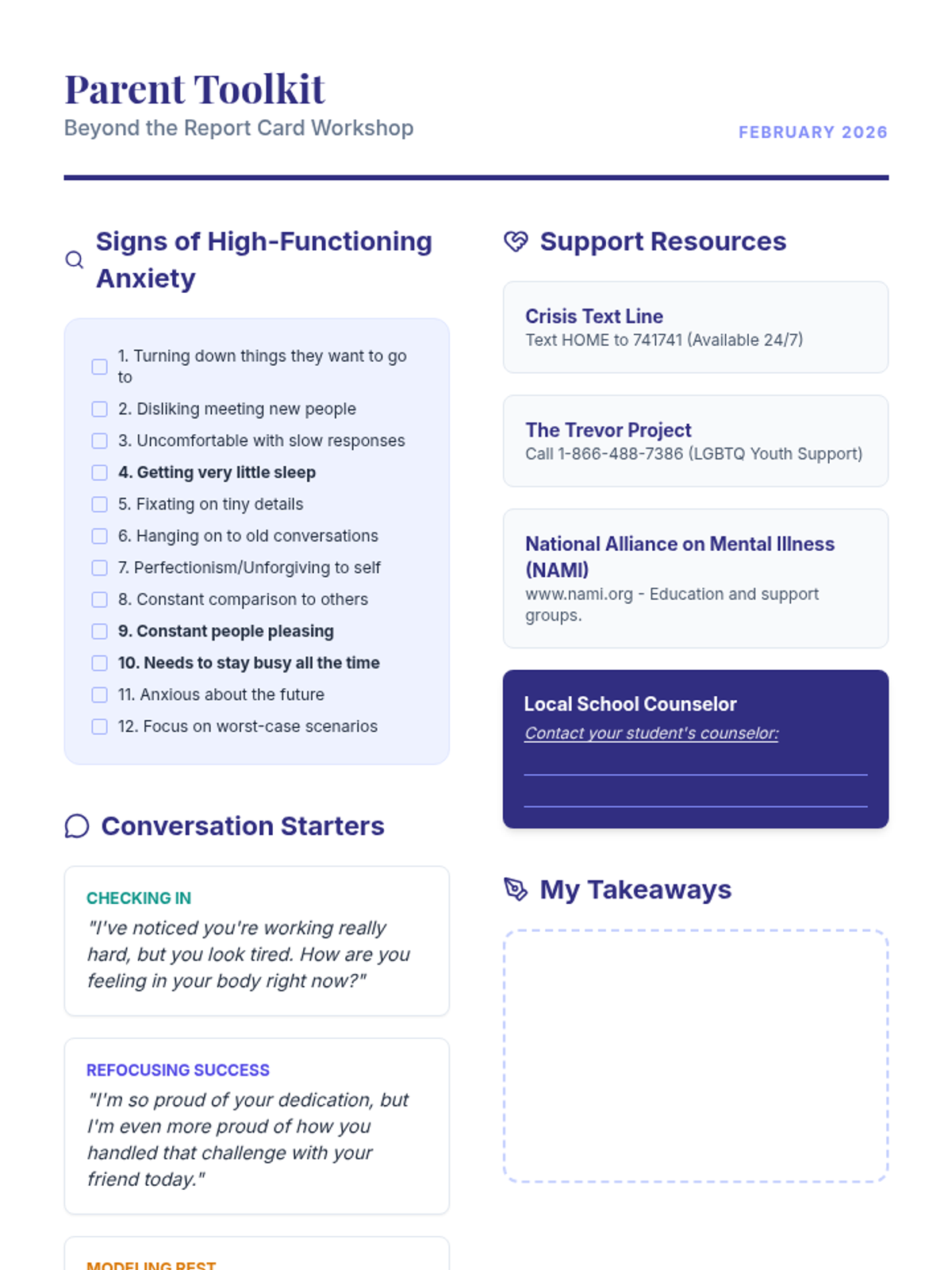
A focused workshop for parents to recognize that high grades can sometimes mask internal struggles, featuring video analysis and role-play to improve parent-child dialogue.
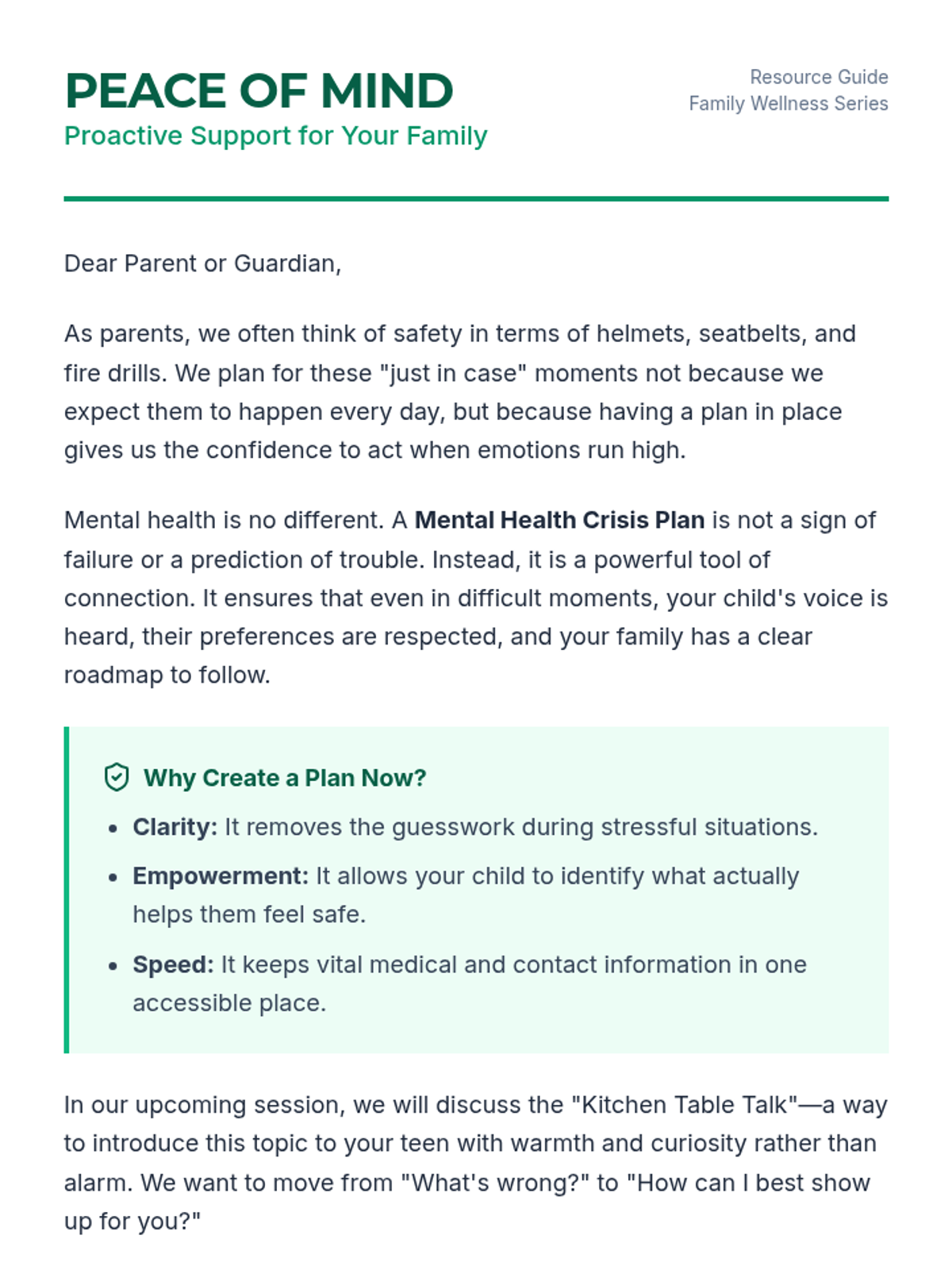
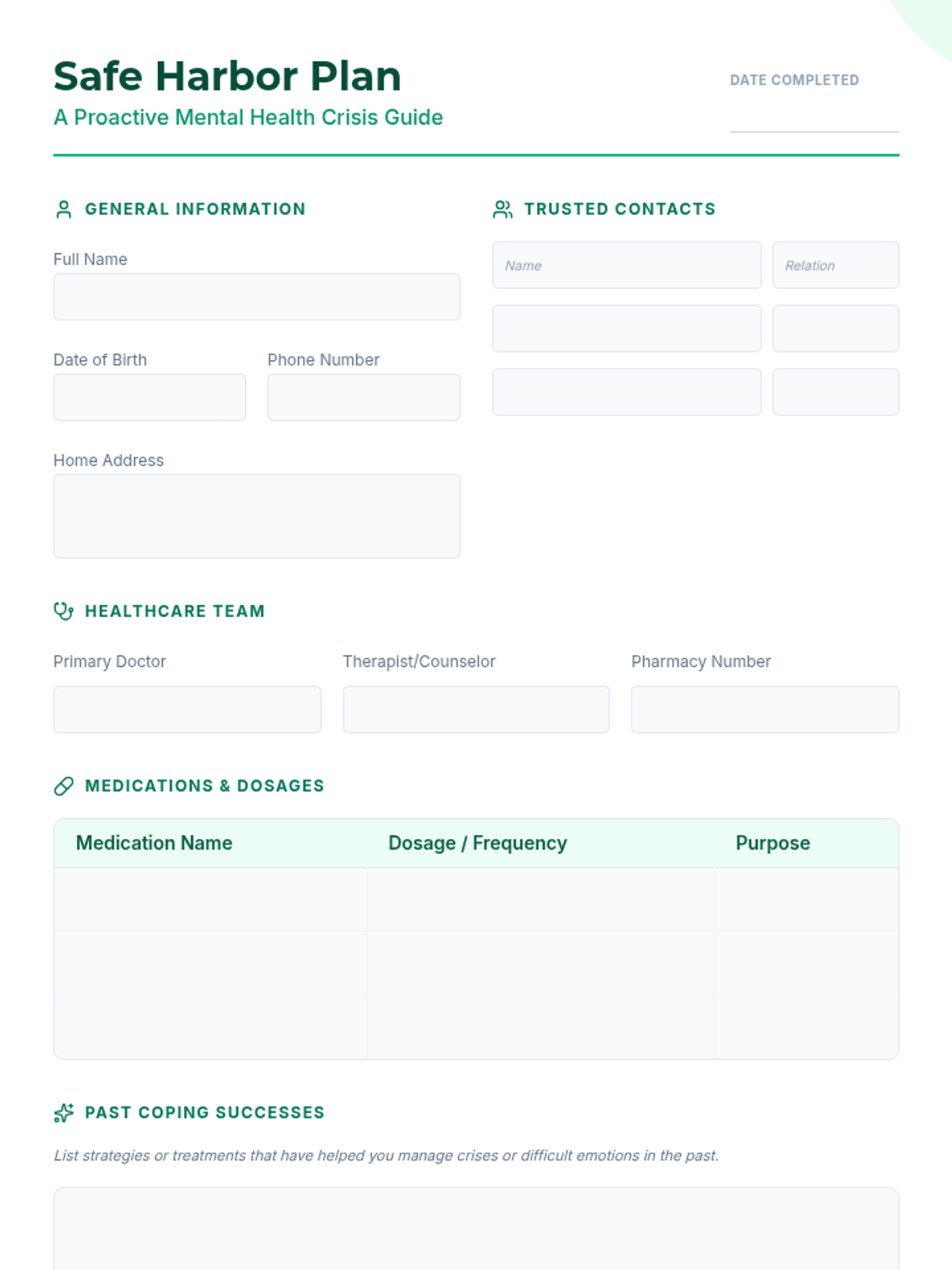
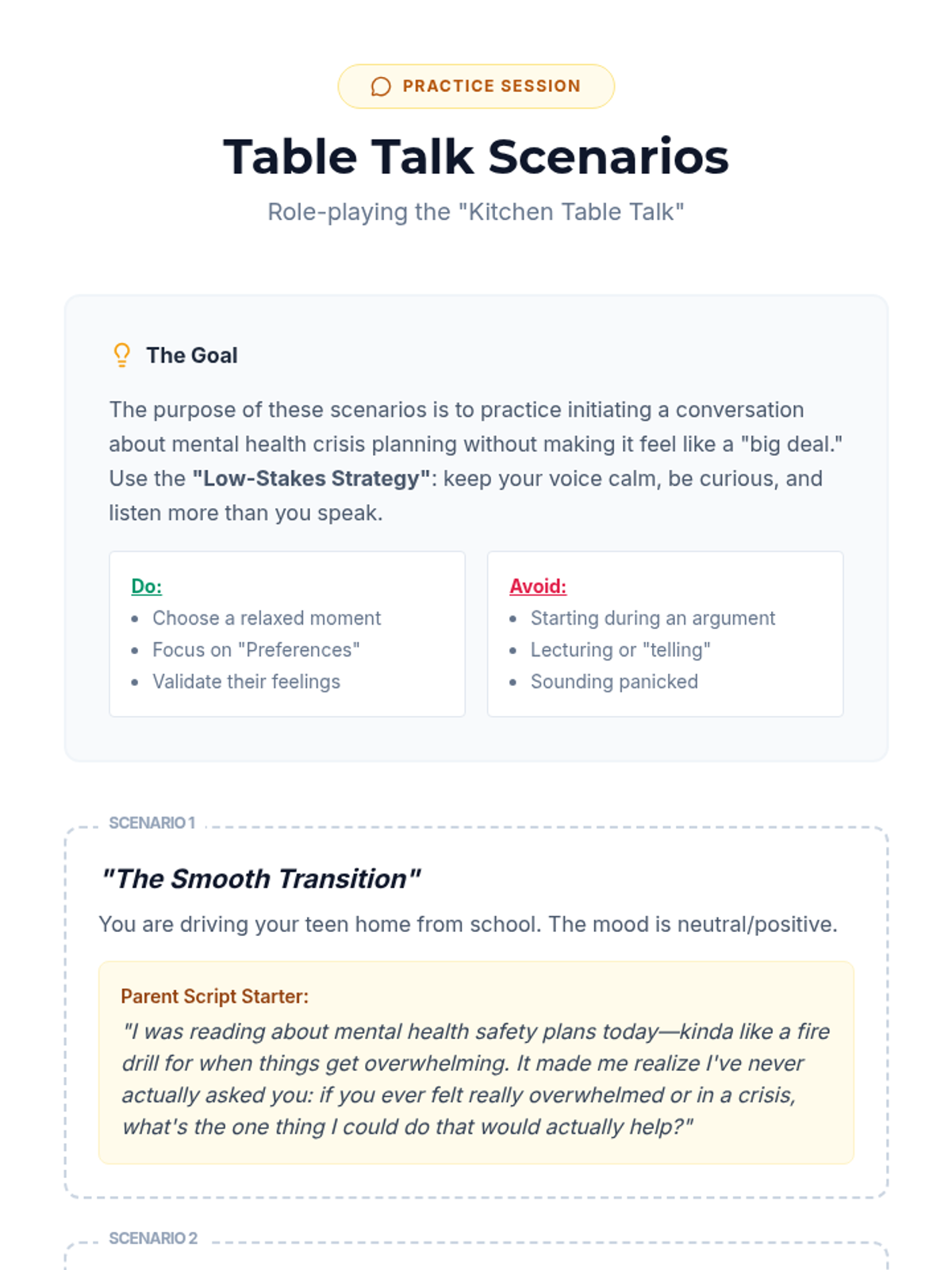
A guide for parents and guardians on how to proactively support their child's mental health through the creation of a crisis plan, emphasizing open communication and early preparation.
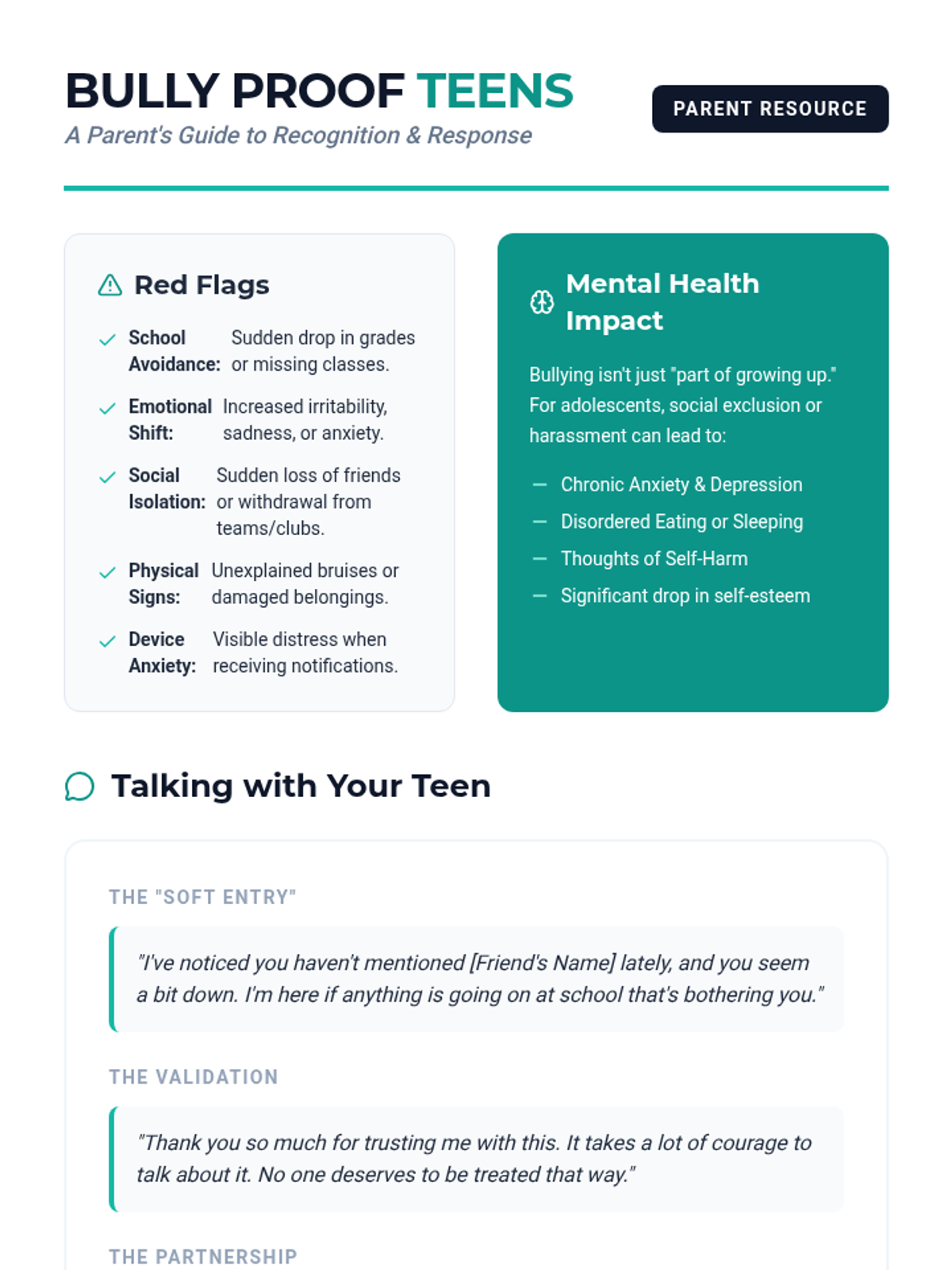
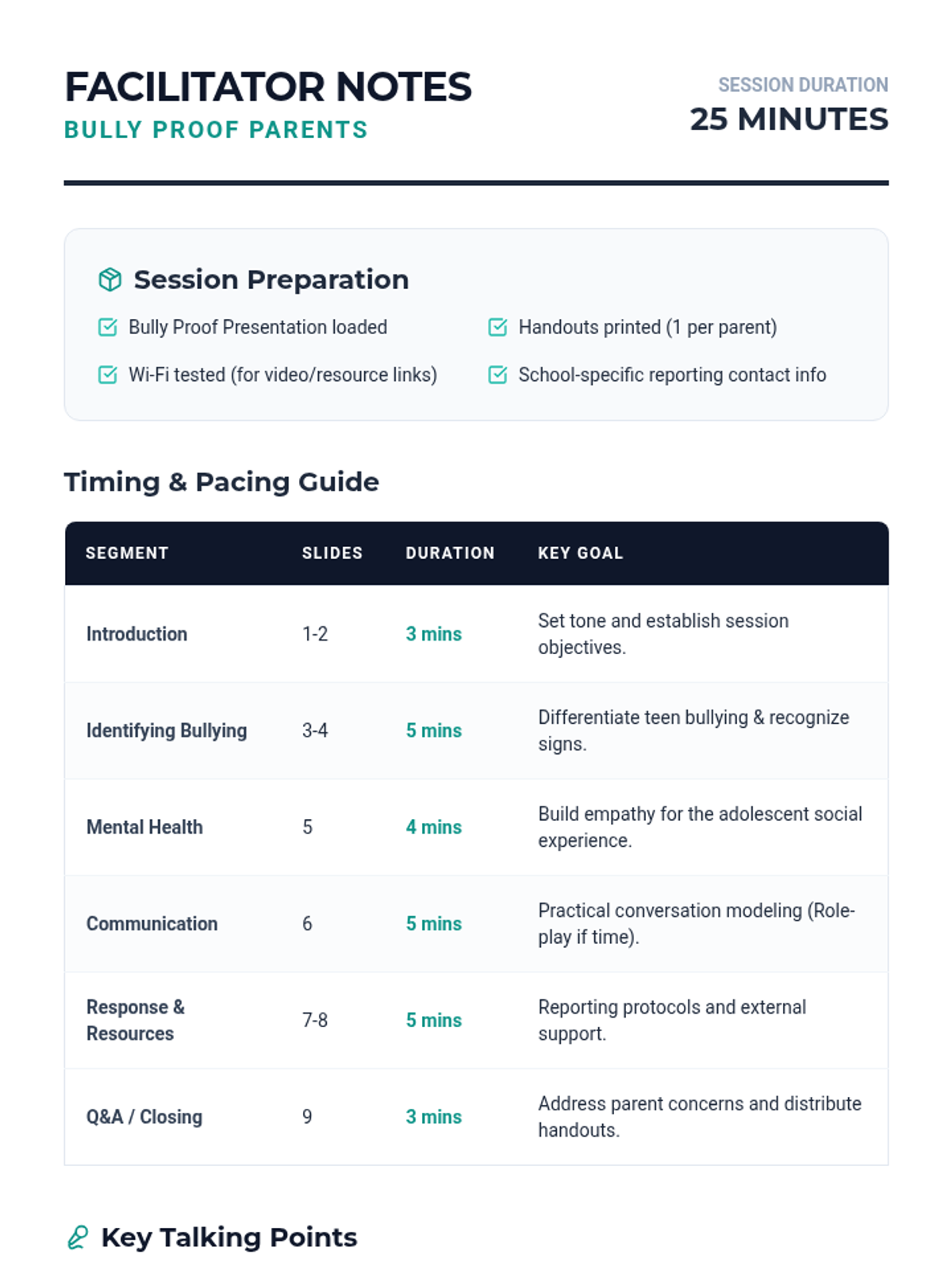
A 25-minute parent education session focused on identifying bullying in adolescents, understanding its mental health impact, and providing actionable communication and intervention strategies.
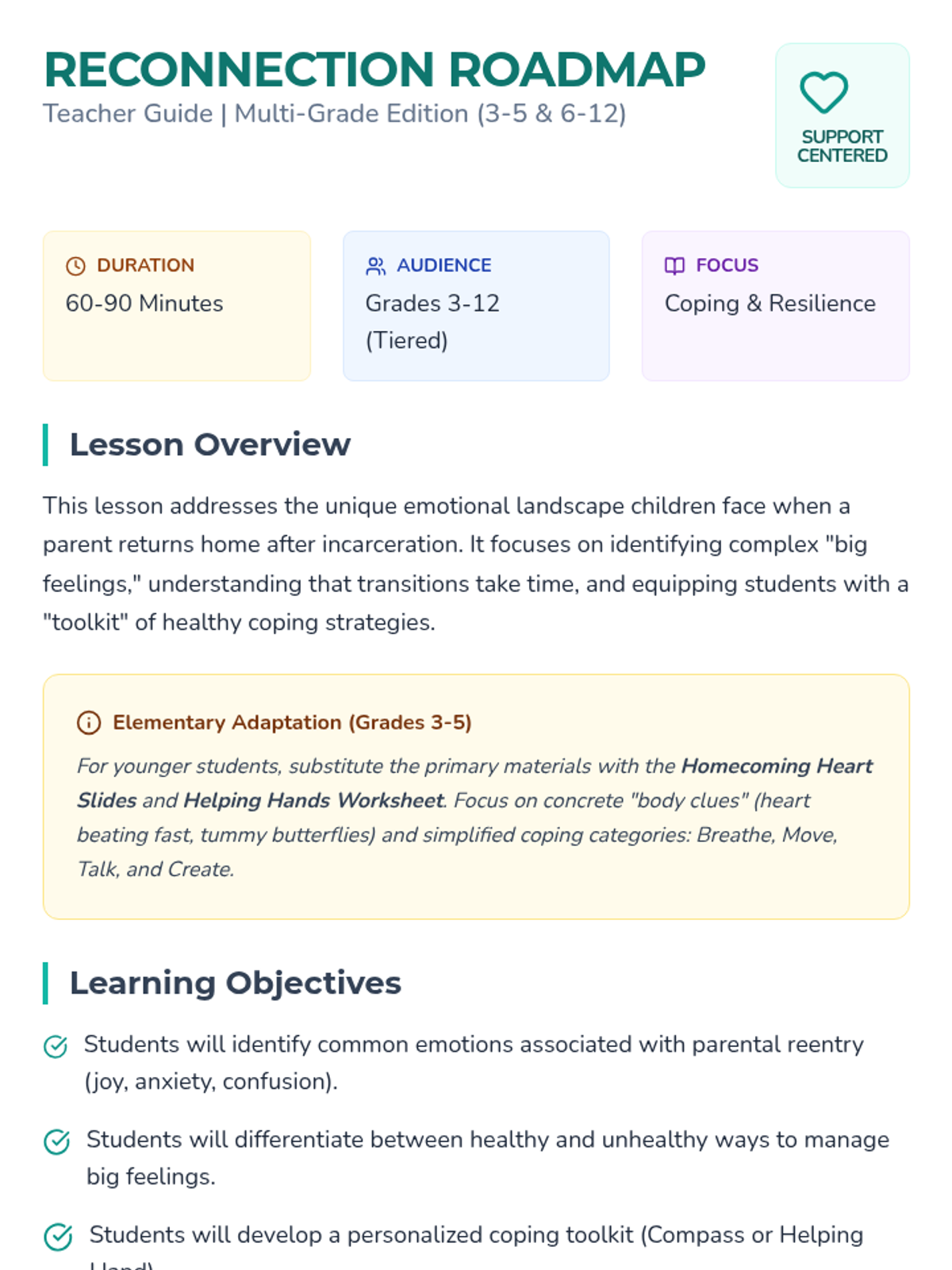
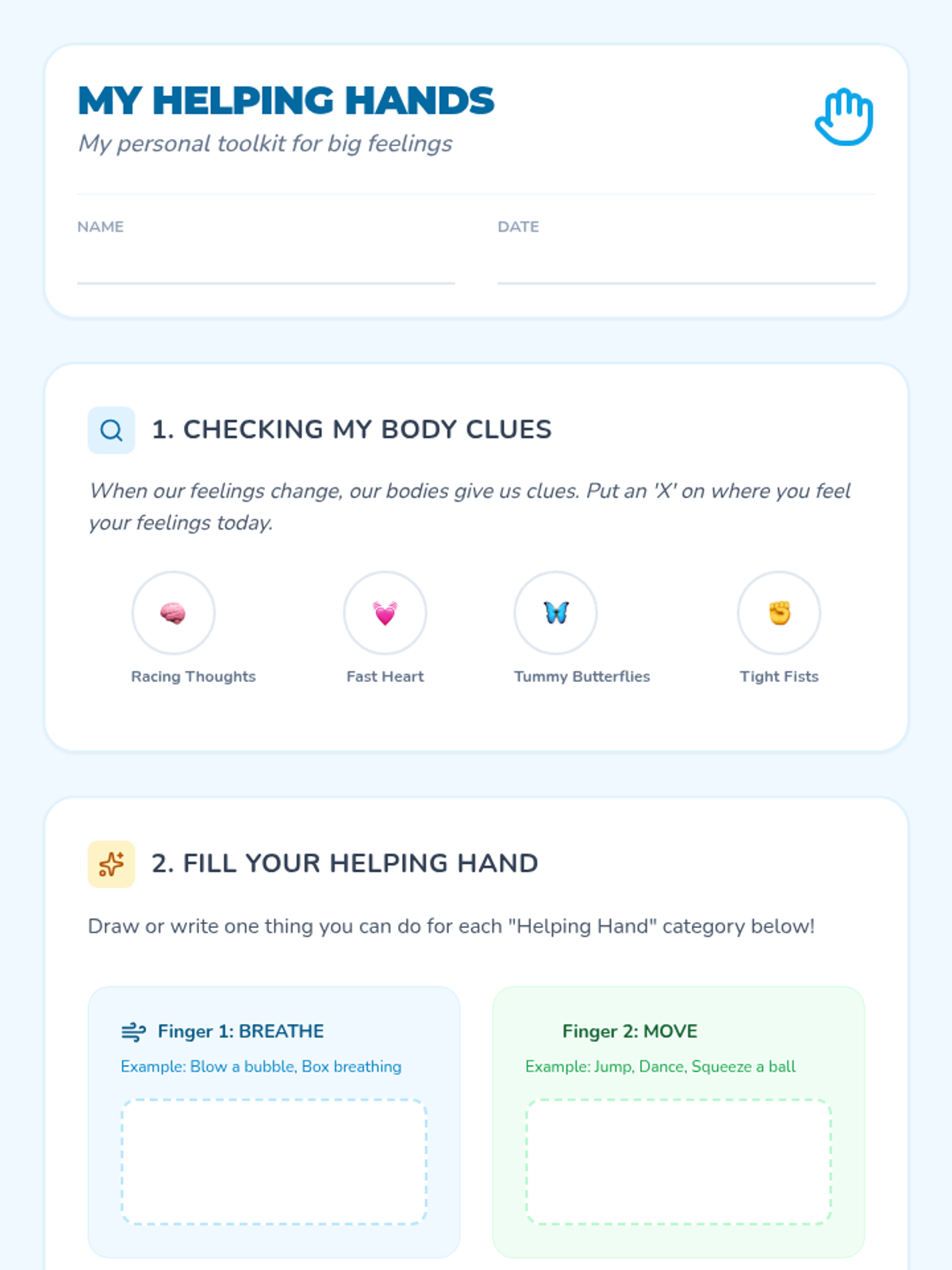
A comprehensive lesson designed to help children navigate the complex emotions and transitions associated with parental post-incarceration, focusing on building healthy coping strategies and support networks.
A comprehensive toolkit for 14-year-old boys to manage anxiety, intrusive thoughts, and guilt using CBT and mindfulness techniques with a tech-inspired 'System Override' theme.
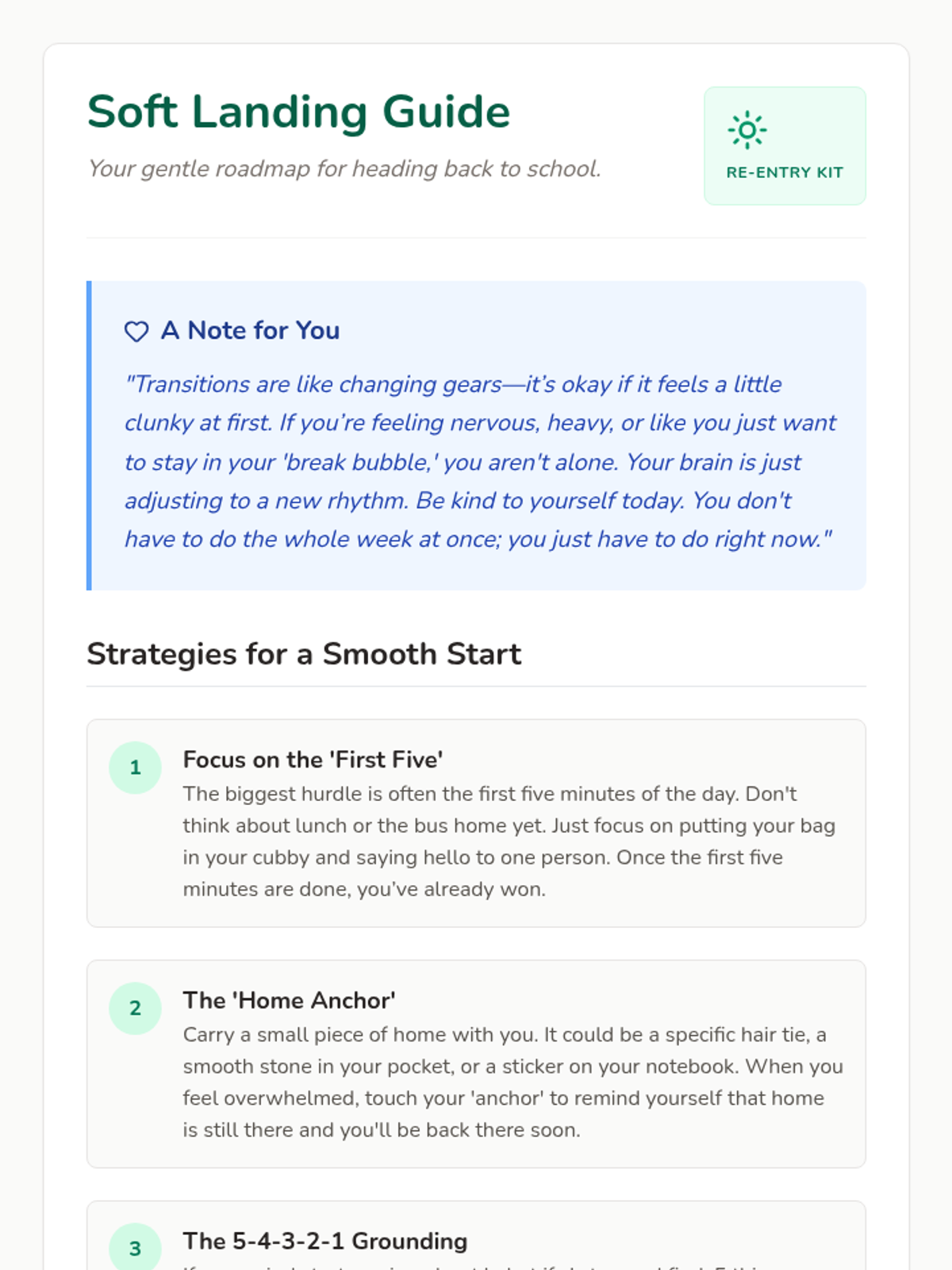
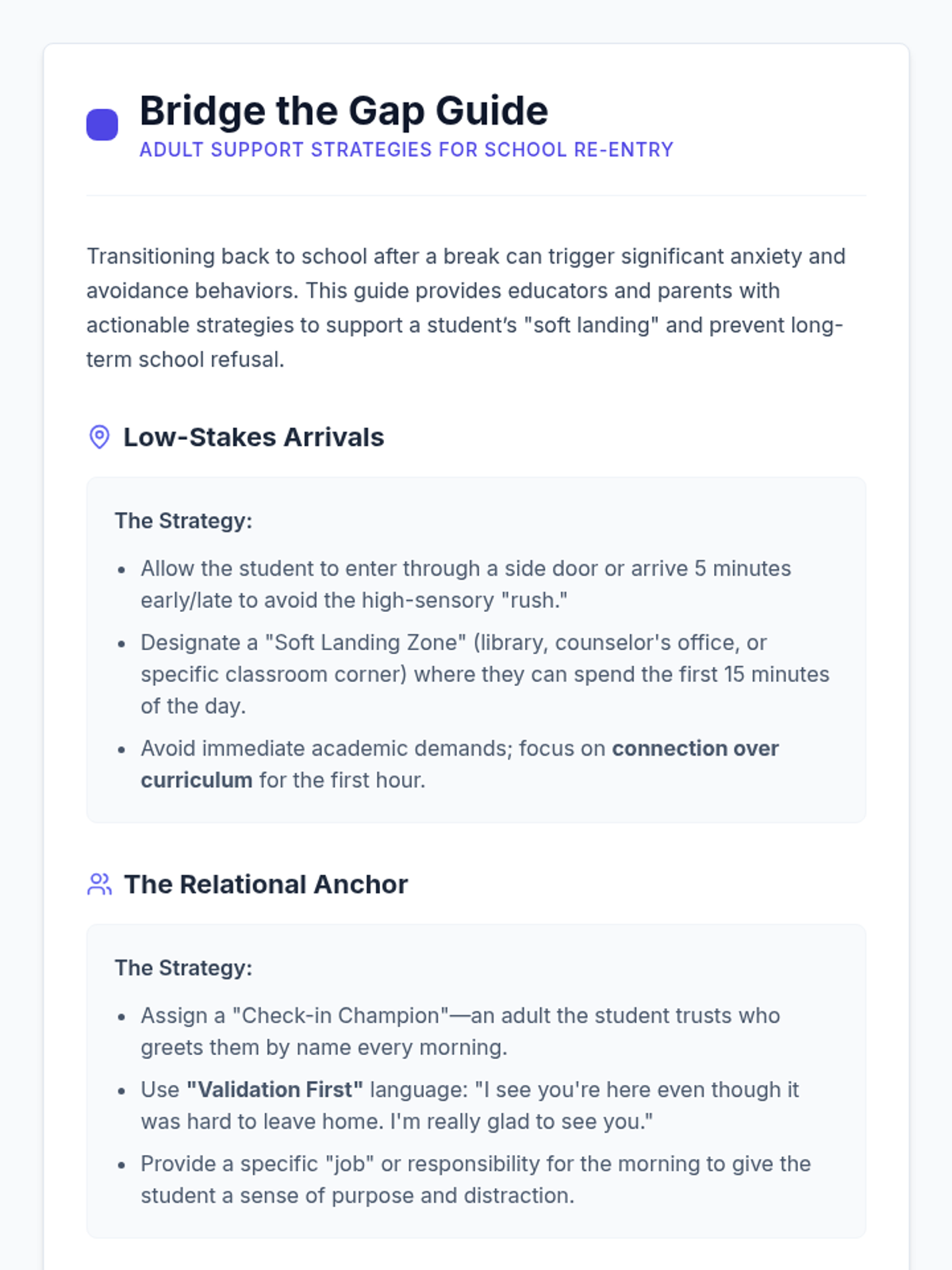
A supportive lesson focused on easing school-re-entry anxiety and providing concrete strategies for students transitioning back after a break.
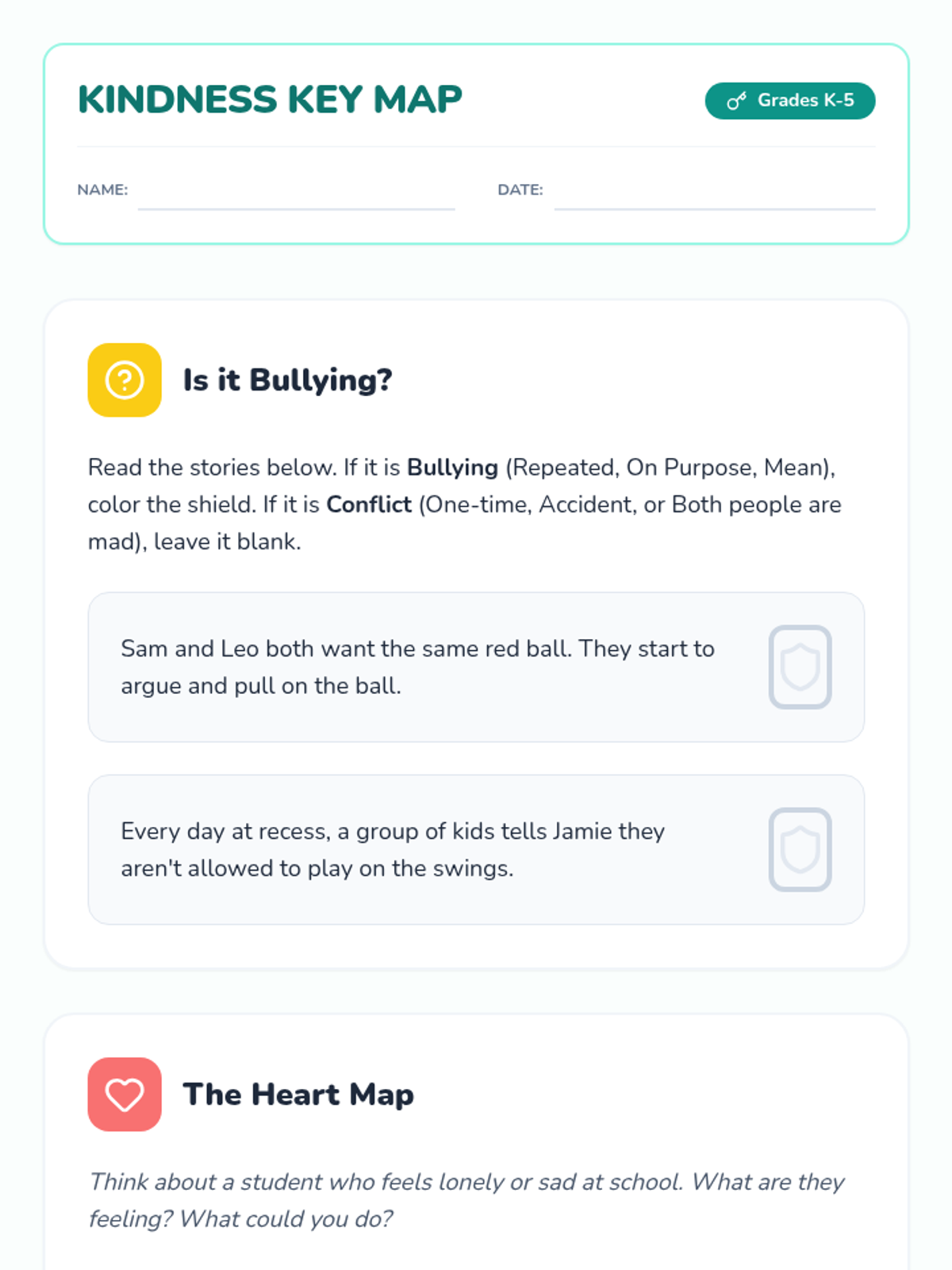
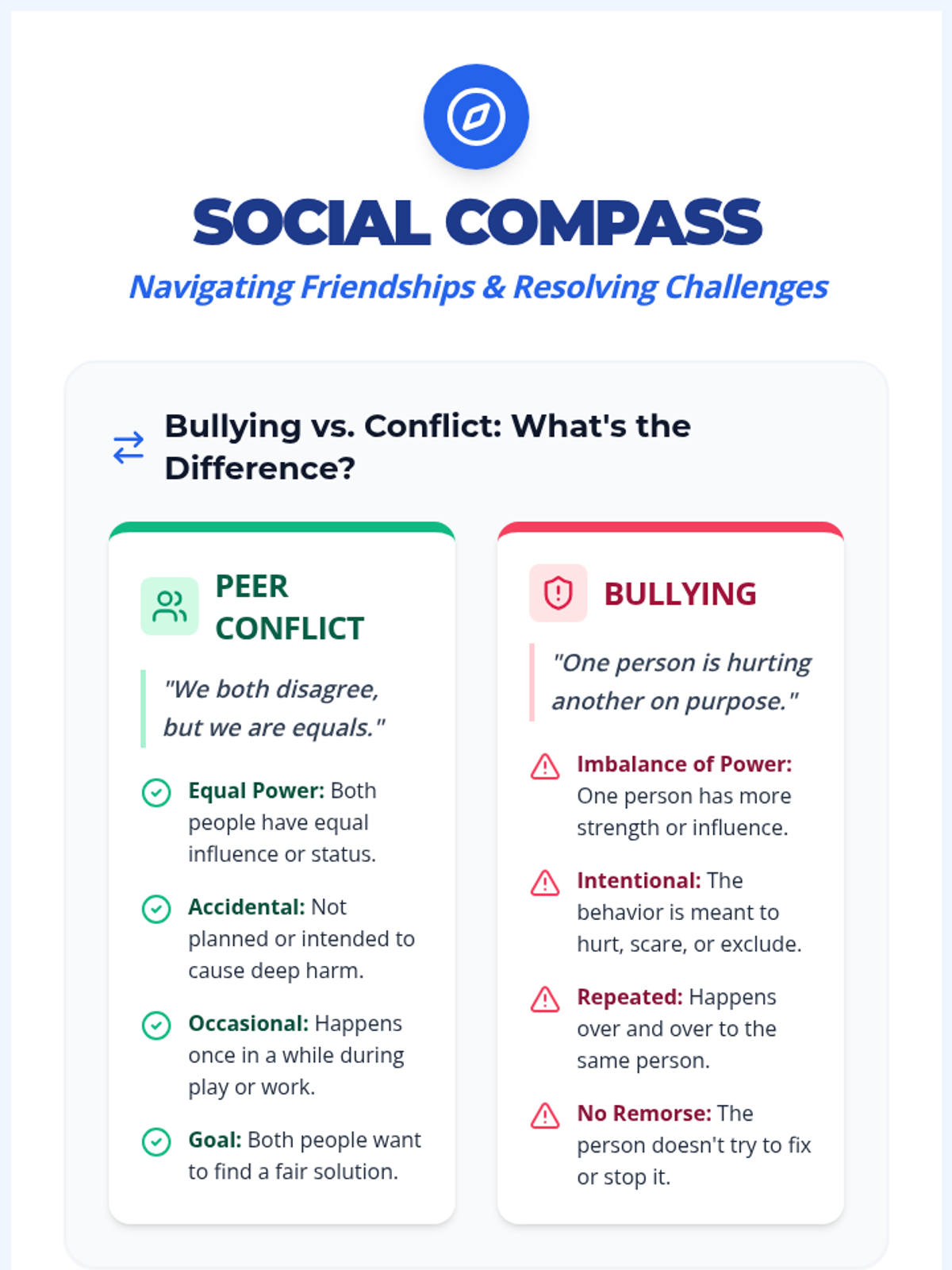
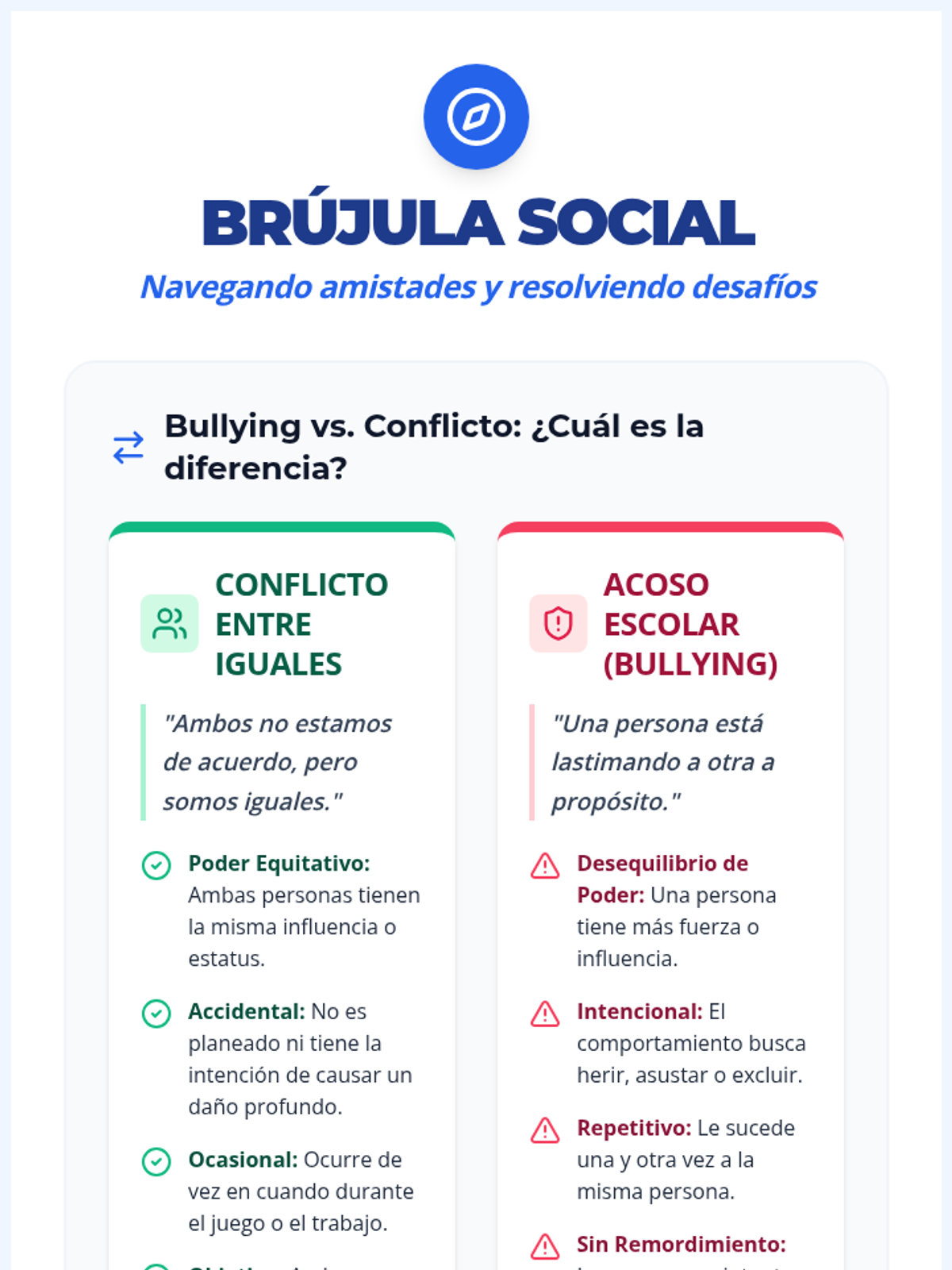
A set of resources designed to help parents and students distinguish between peer conflict and bullying, providing clear action plans for resolution and support.
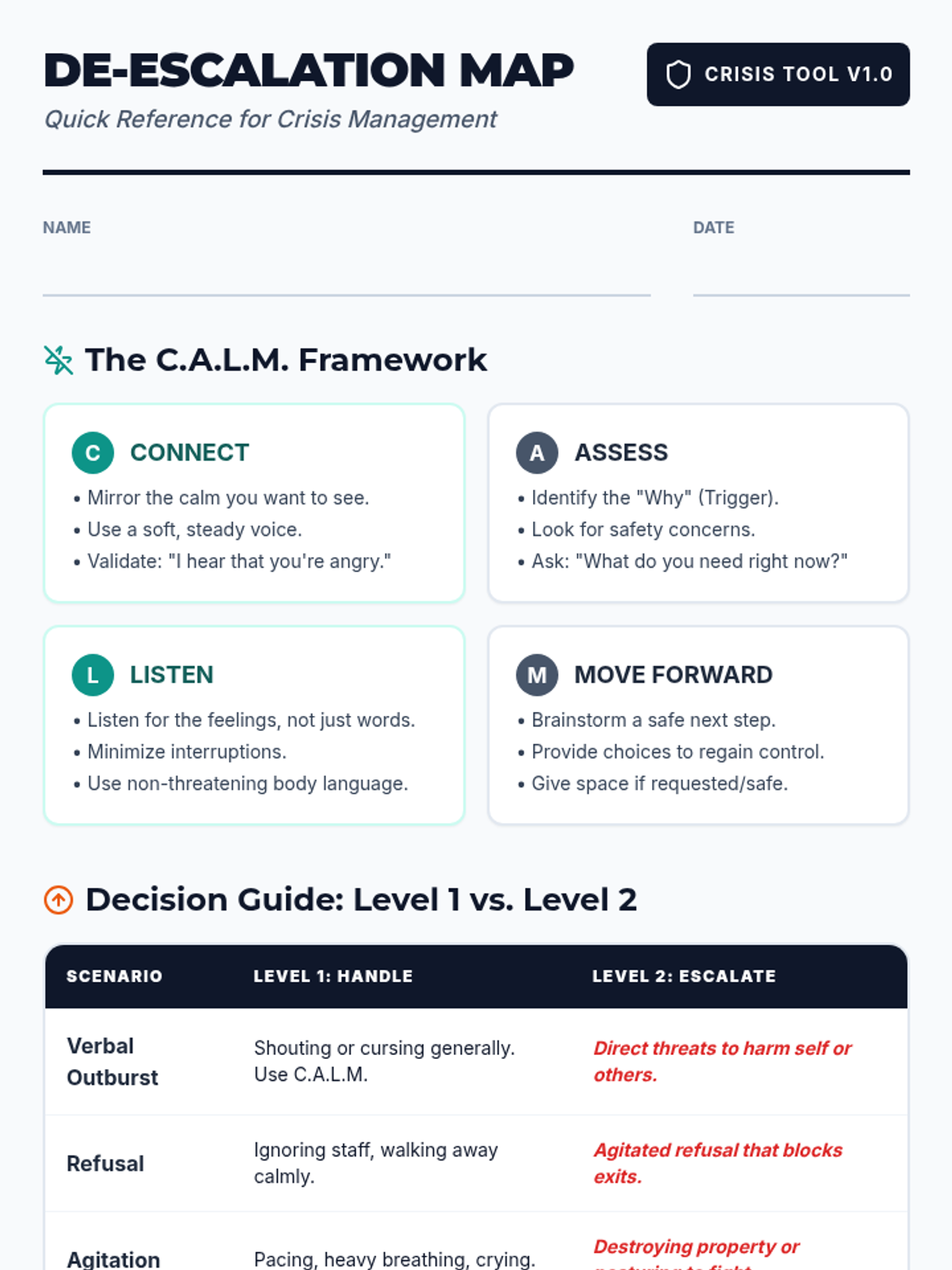
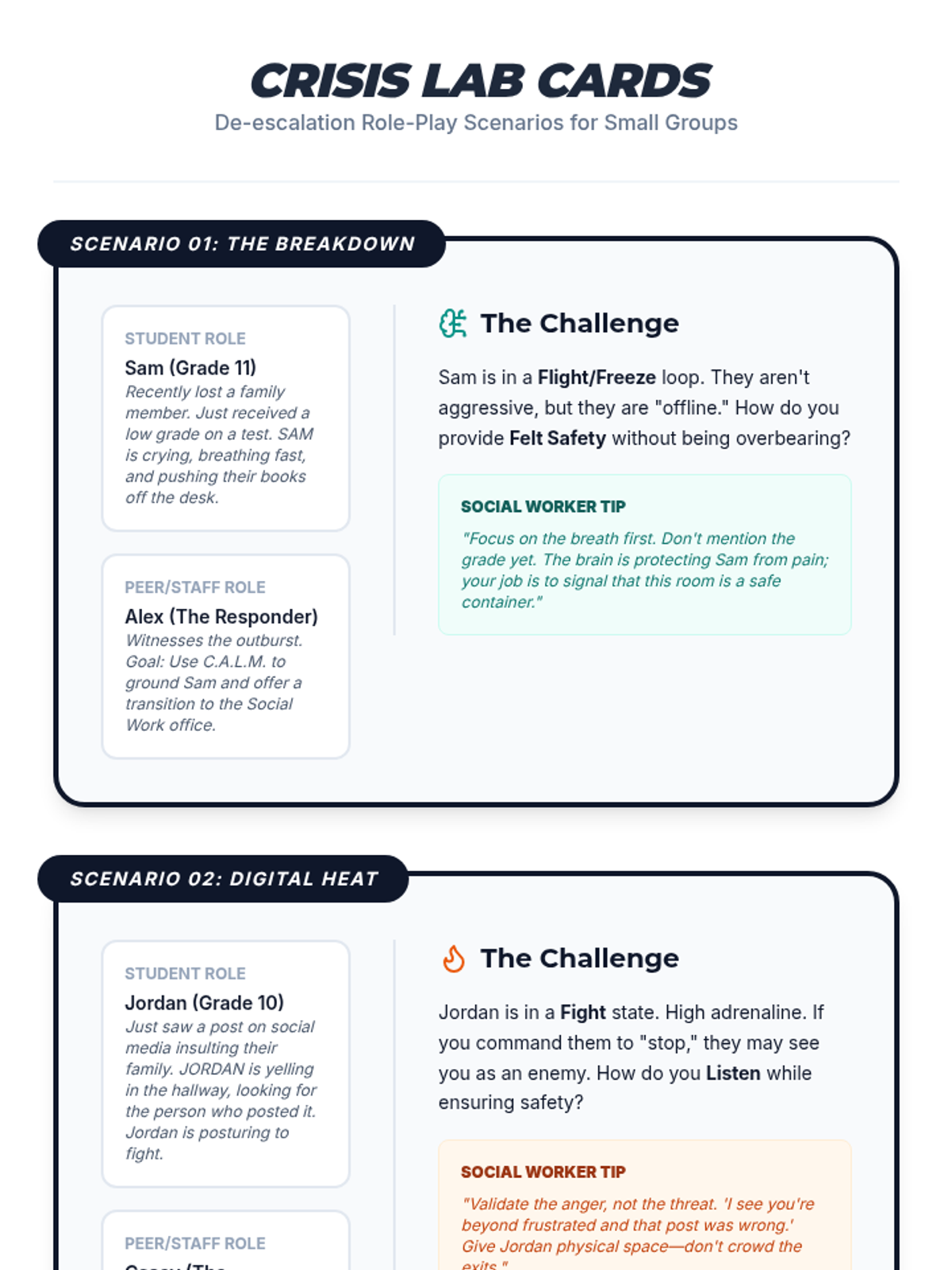
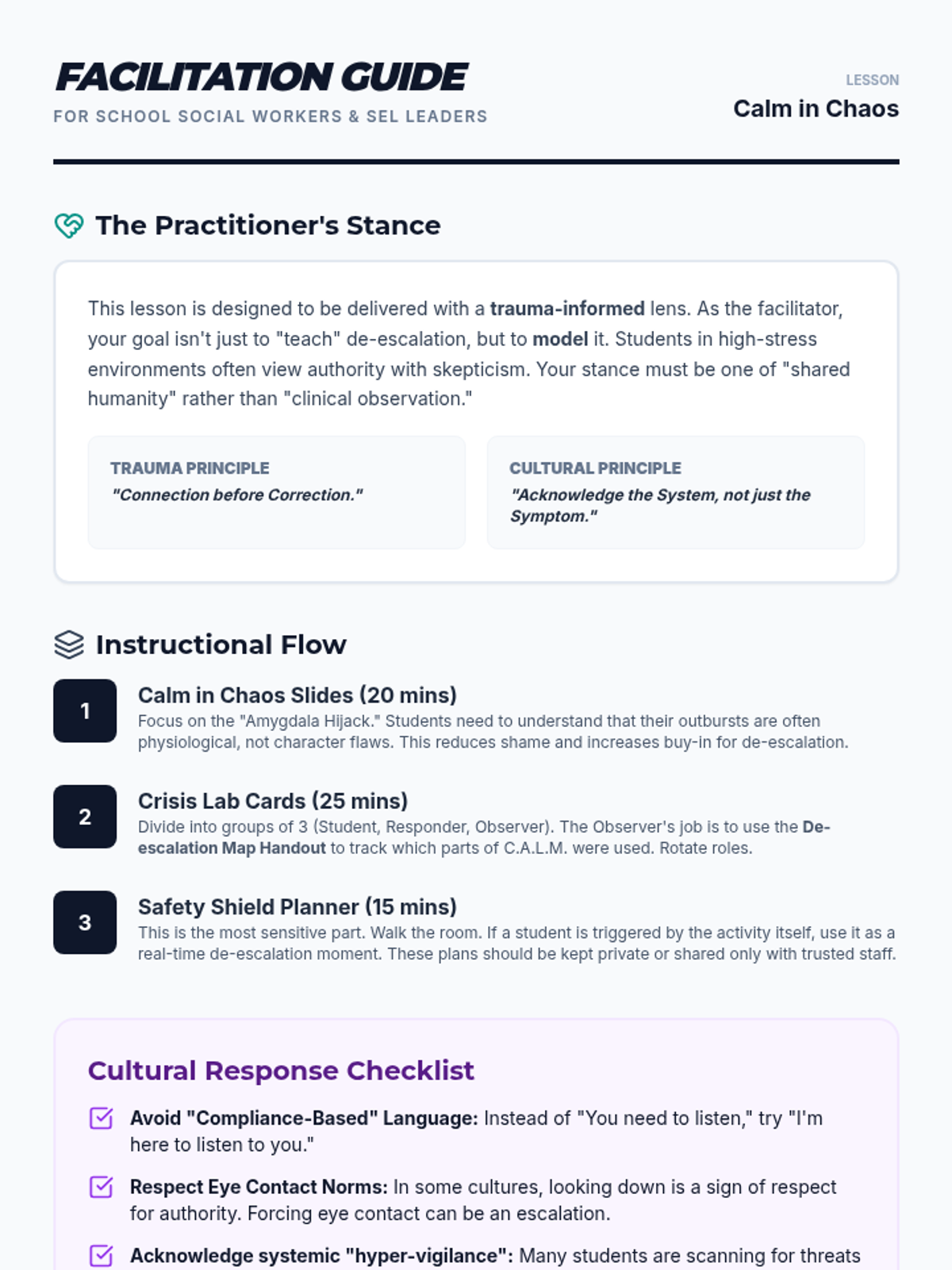
A trauma-informed guide for high school students to master de-escalation techniques and crisis management, facilitated by school social workers. The lesson covers the C.A.L.M. framework, safety planning, and navigating conflicts.
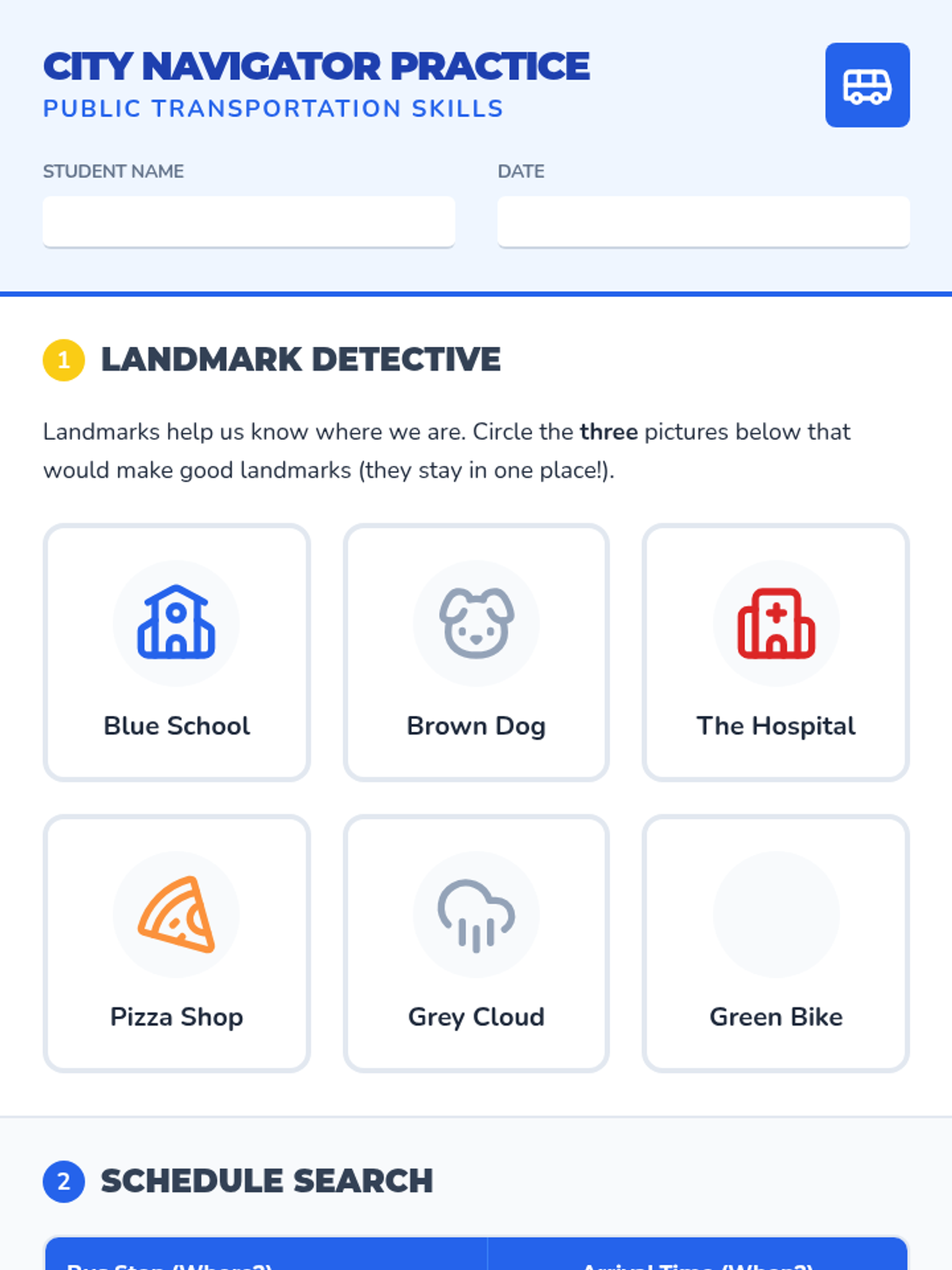
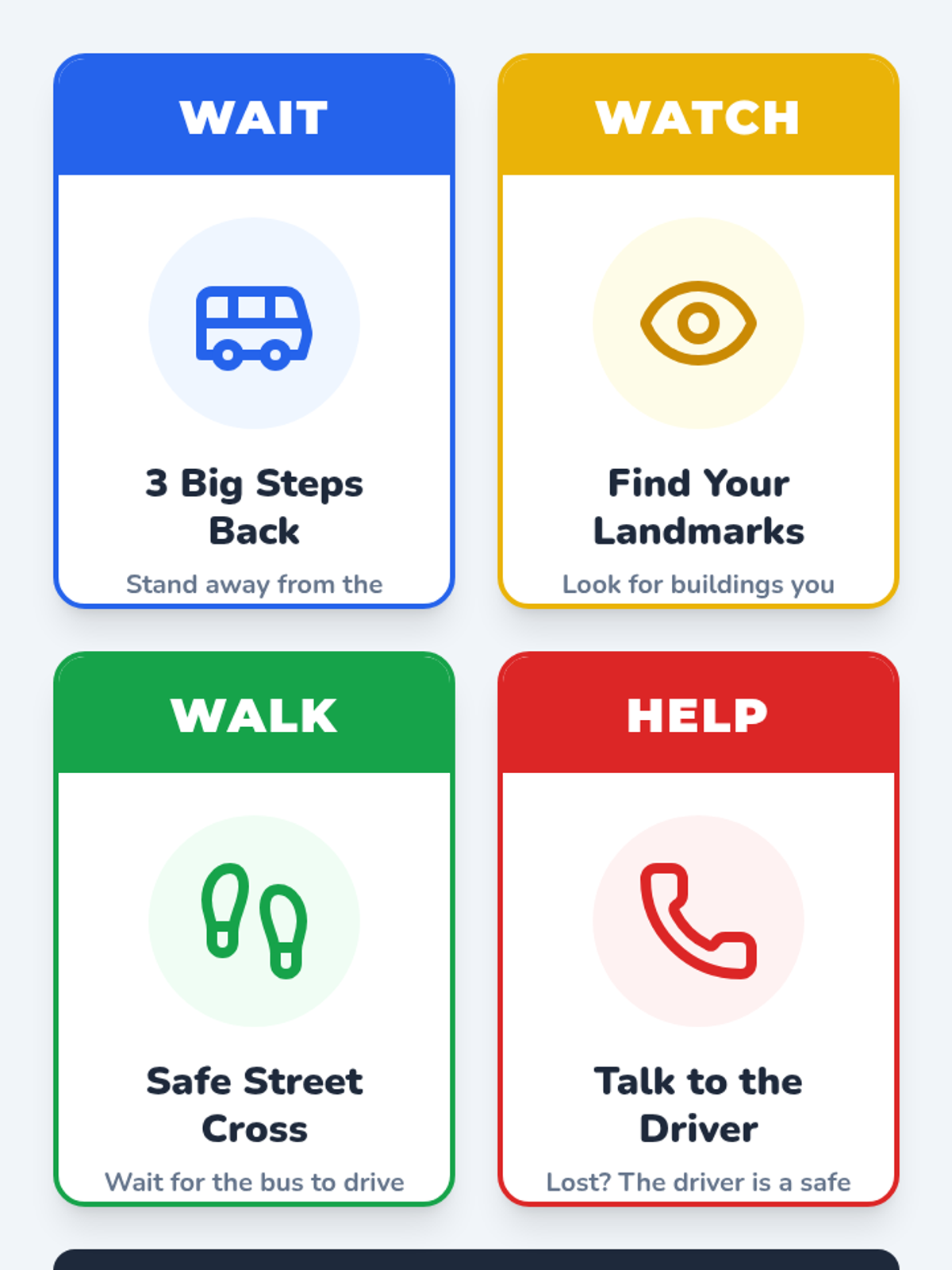
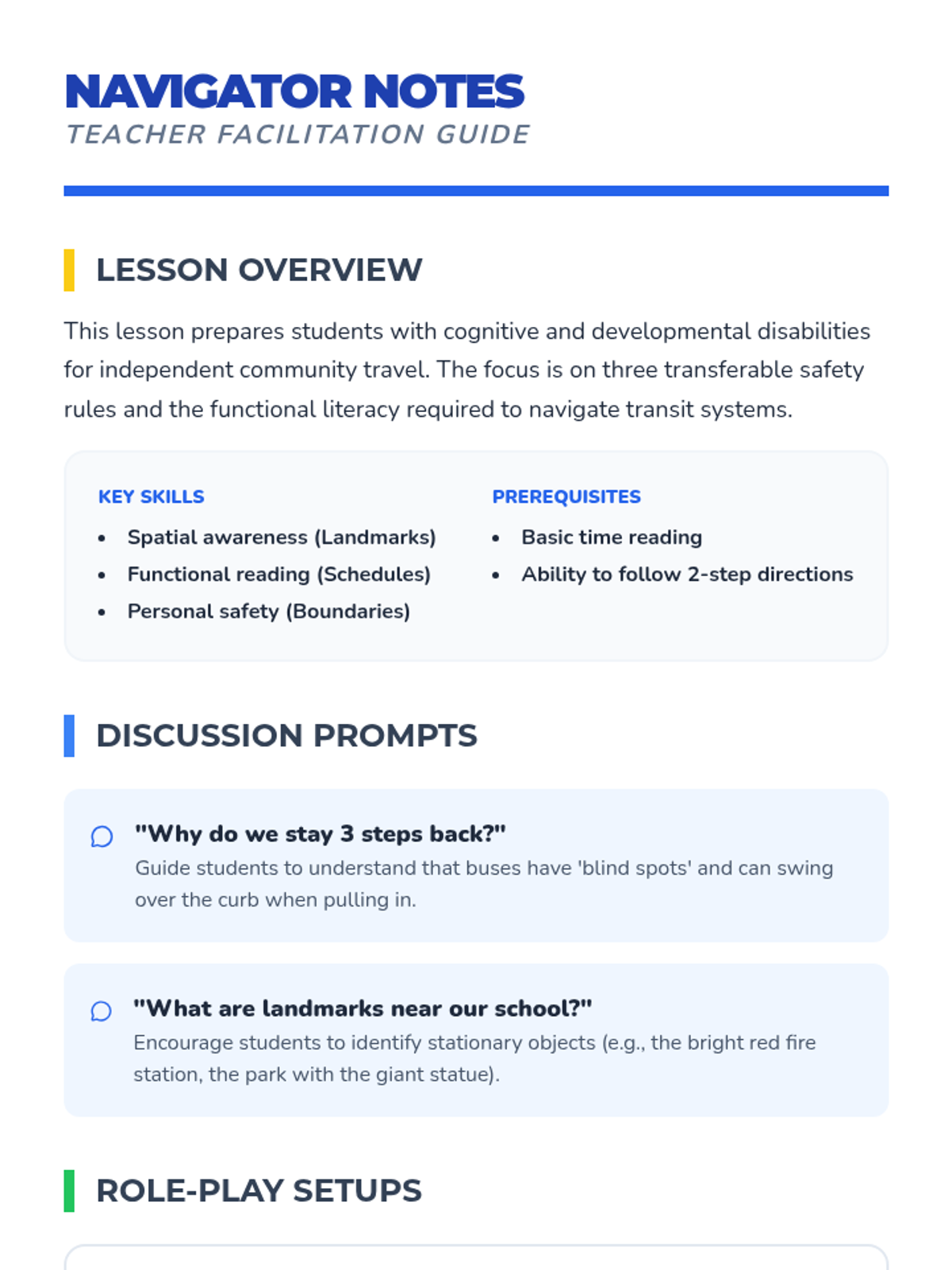
A comprehensive life skills lesson focusing on public transportation literacy and community safety for young adults. Students will learn to read simplified bus schedules, identify key landmarks, and apply essential safety rules for independent travel.
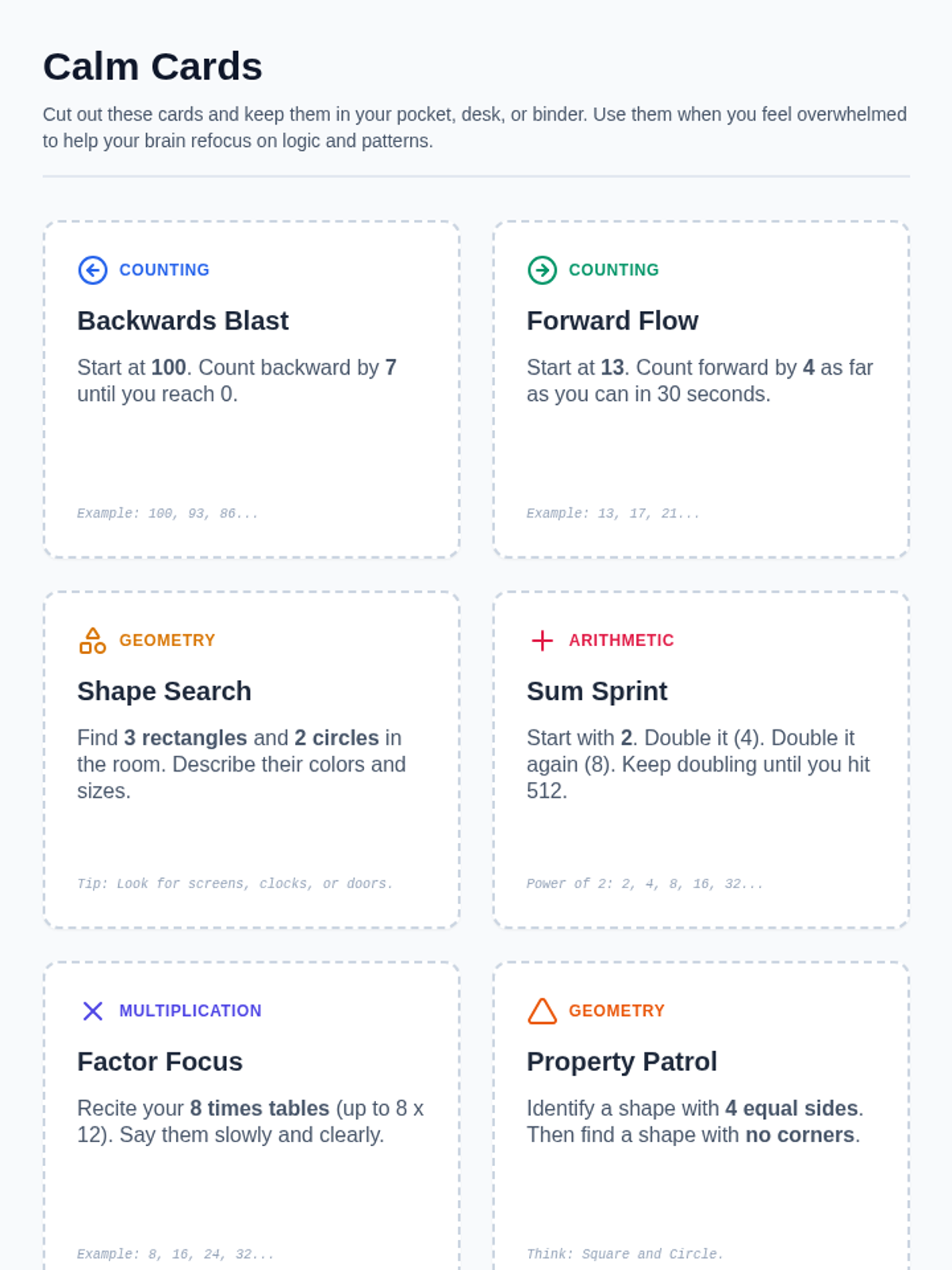
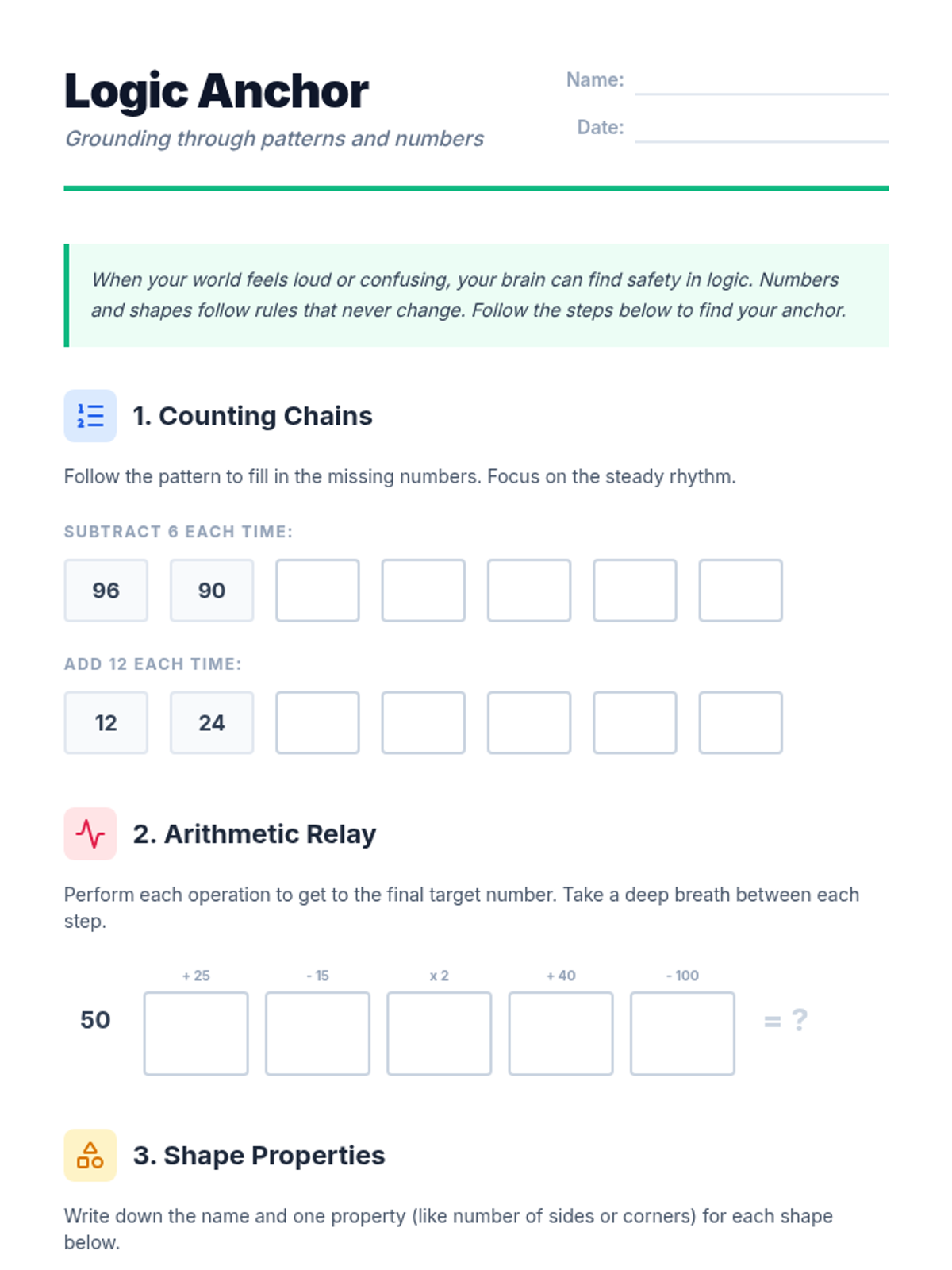
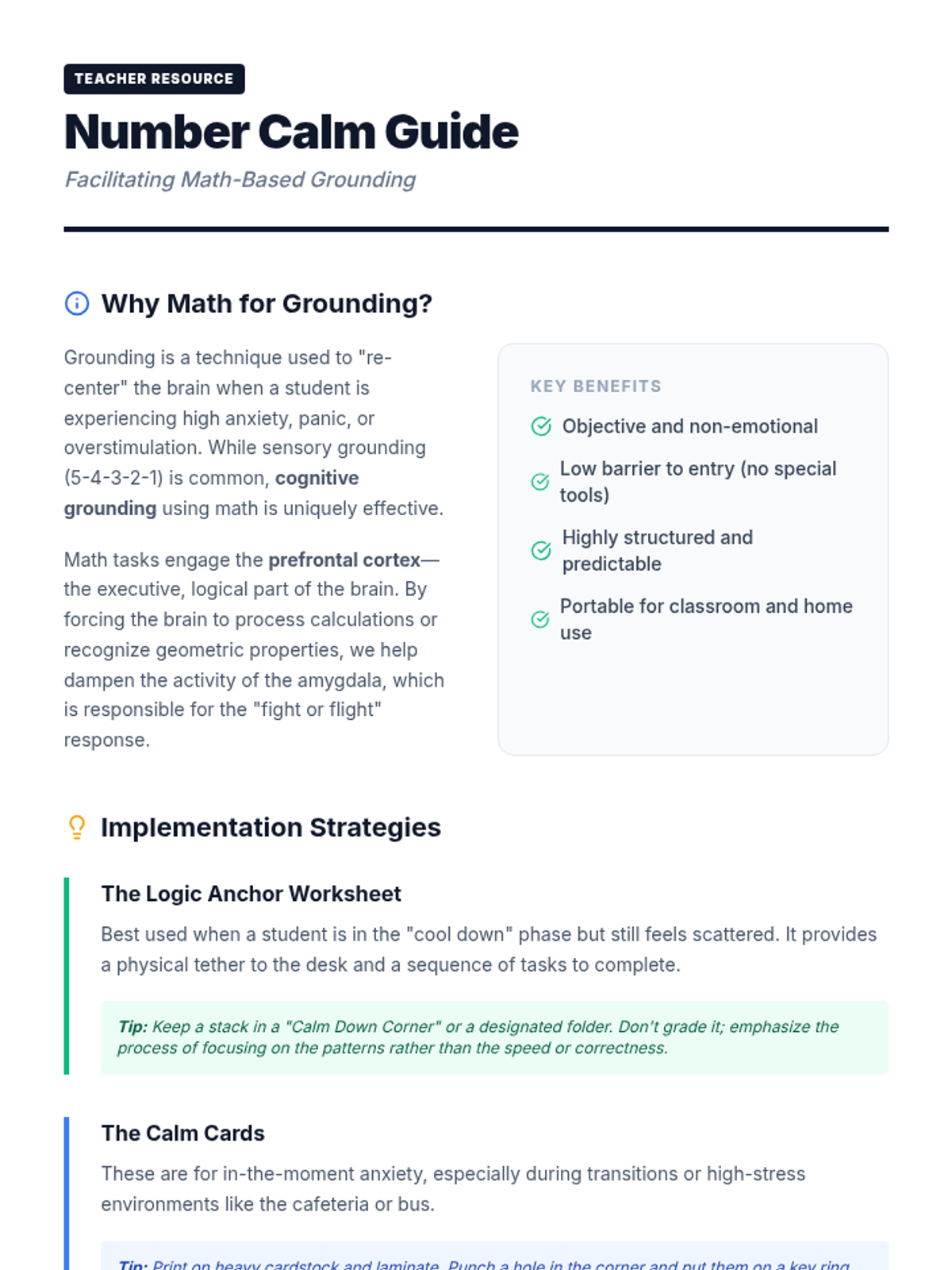
This lesson introduces math-based grounding techniques to help students manage anxiety or overstimulation by engaging the logical side of the brain. It includes portable prompt cards and structured worksheets featuring counting, arithmetic, and geometry challenges.
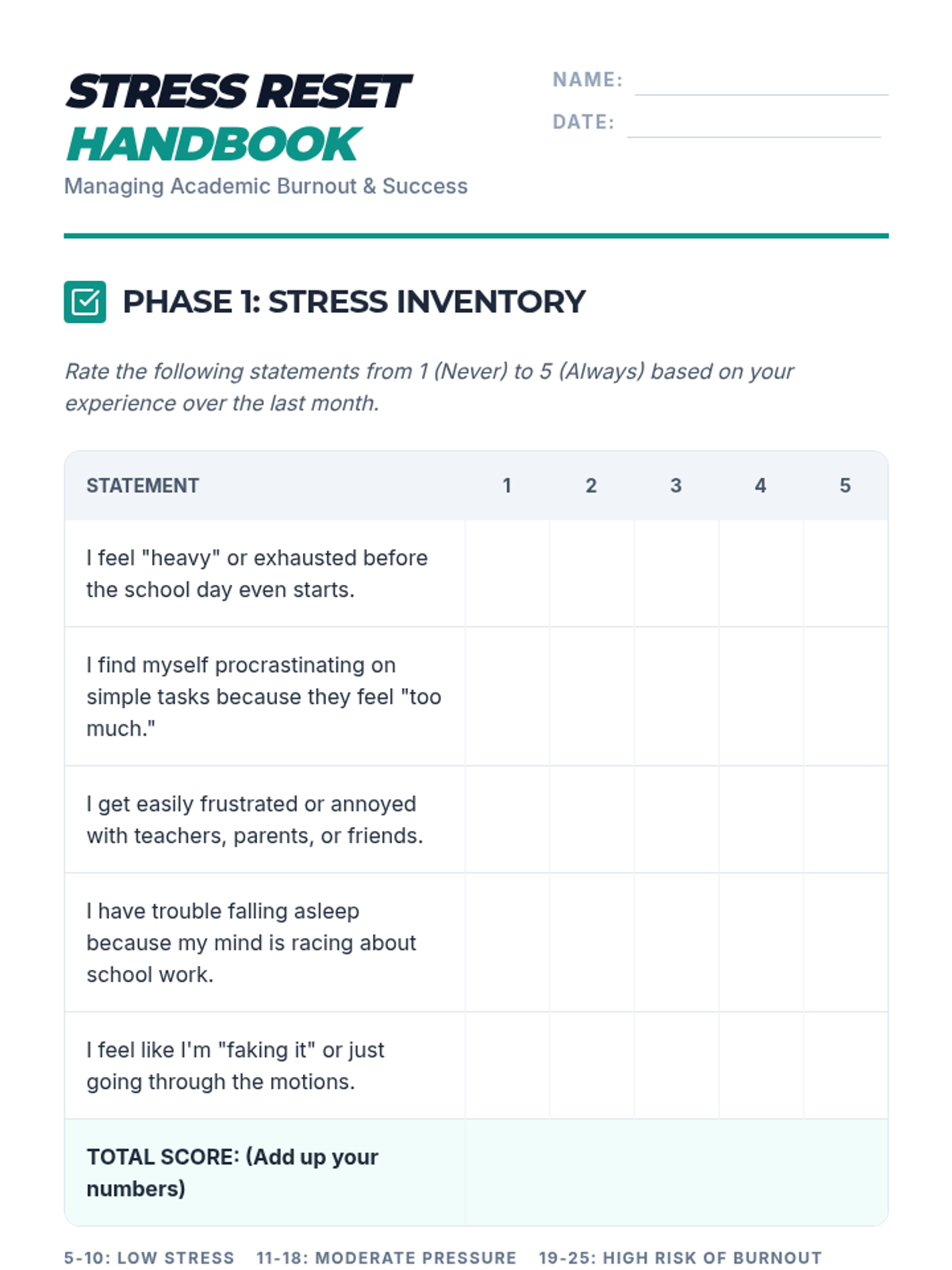
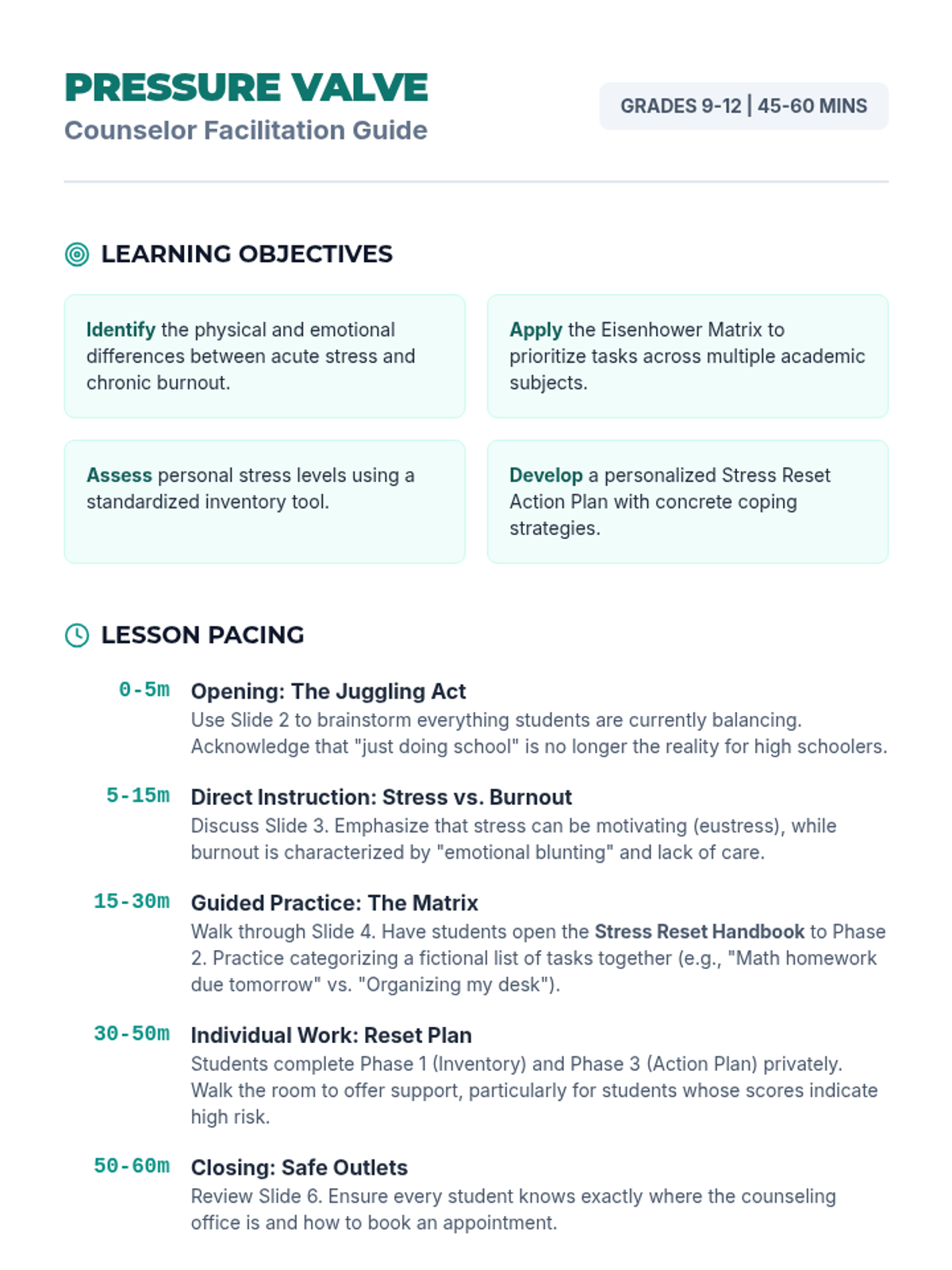
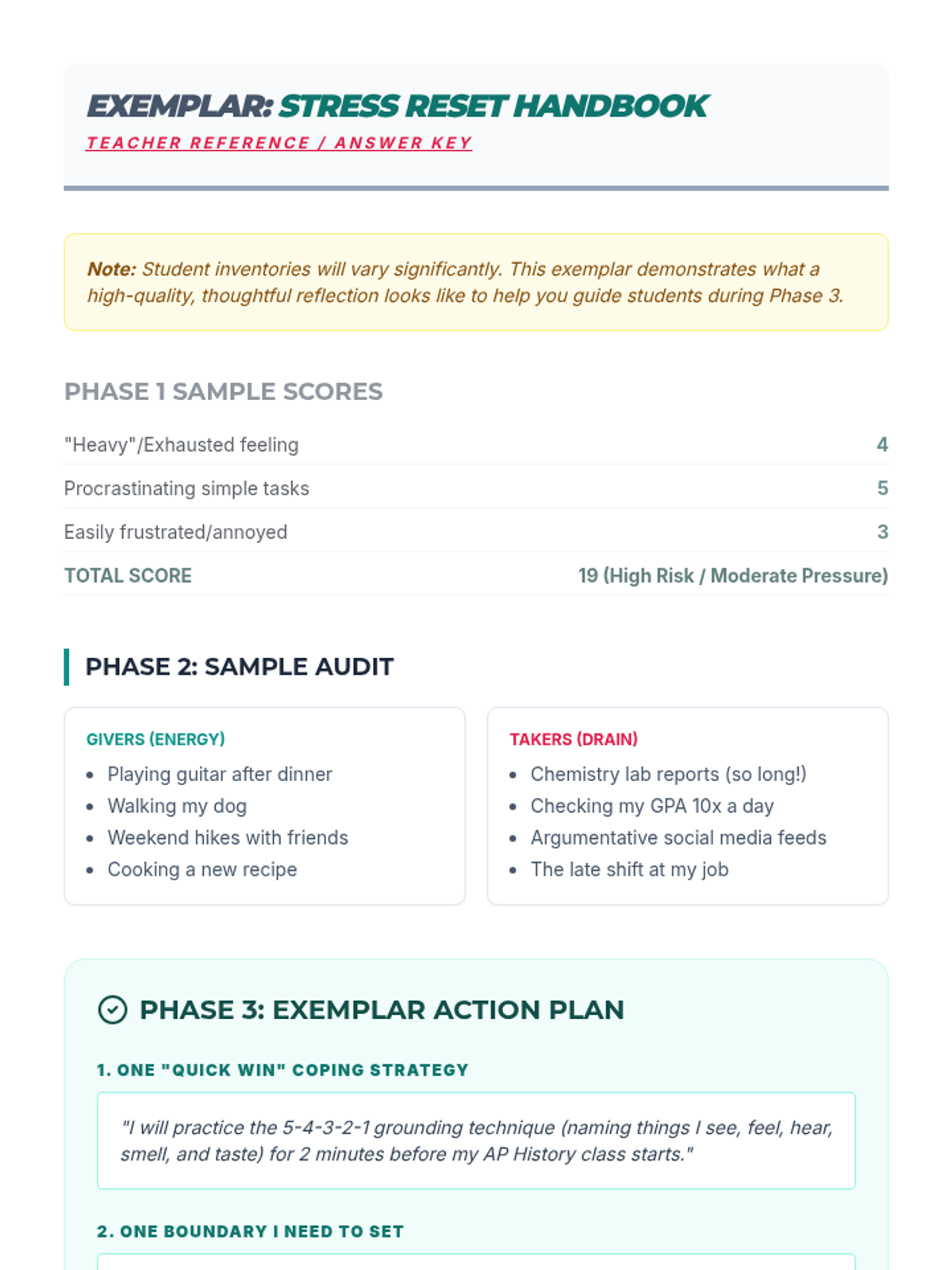
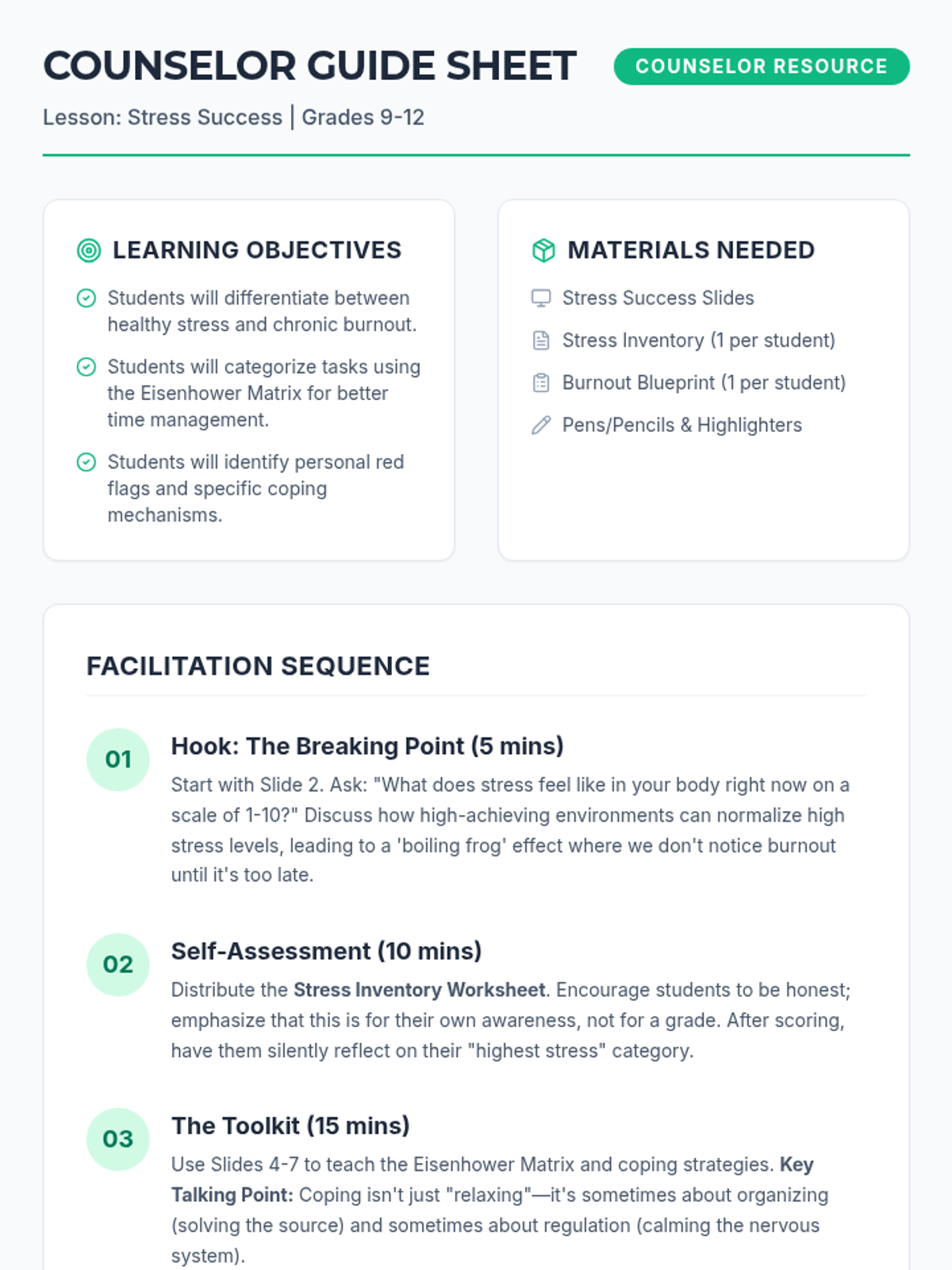
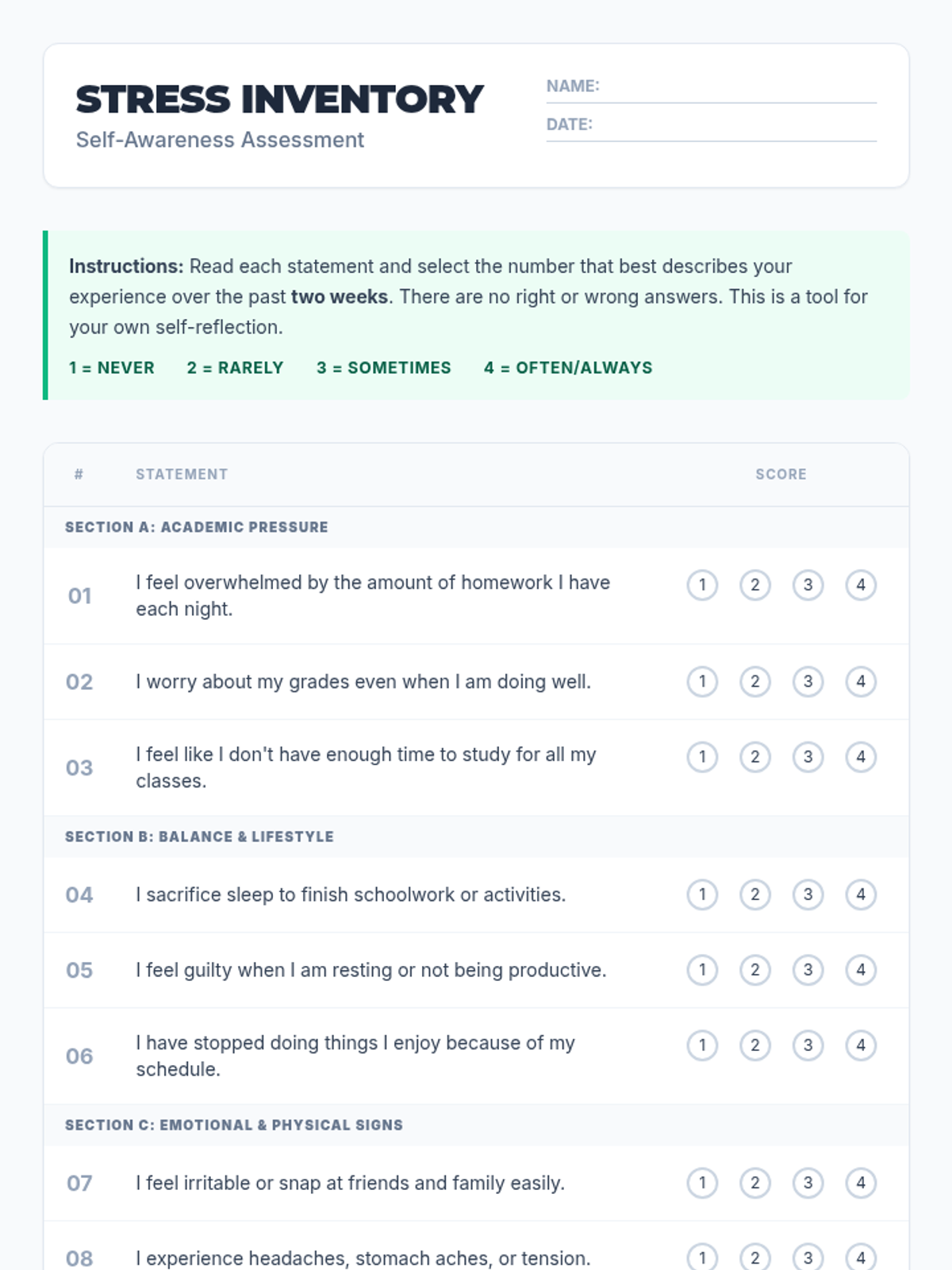
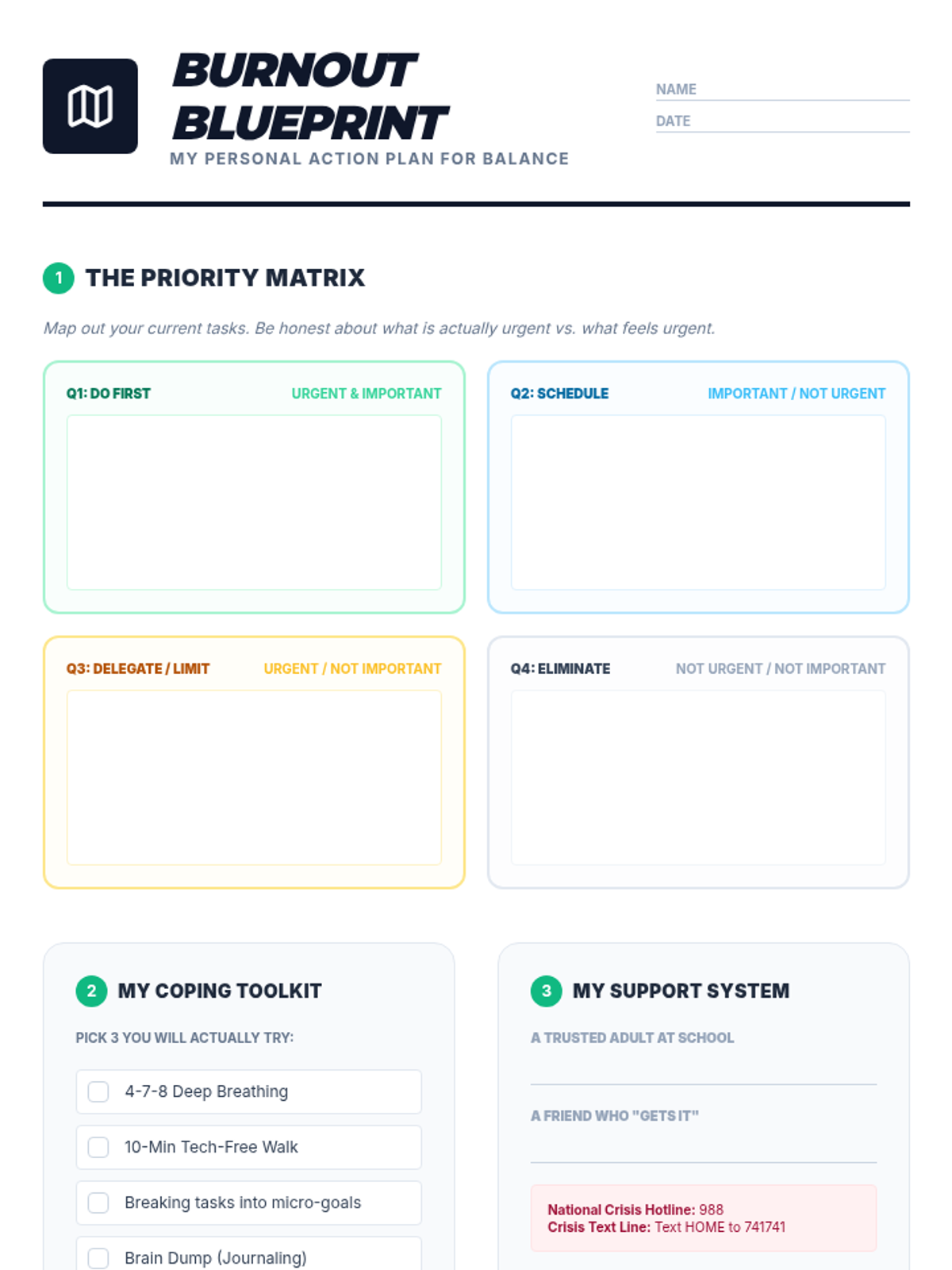
A comprehensive high school counseling lesson designed to help students navigate academic pressure, identify signs of burnout, and develop practical self-management strategies for a balanced life.
A comprehensive high school counseling lesson designed to help students identify academic stressors, recognize signs of burnout, and implement practical time management and coping strategies for a balanced life.
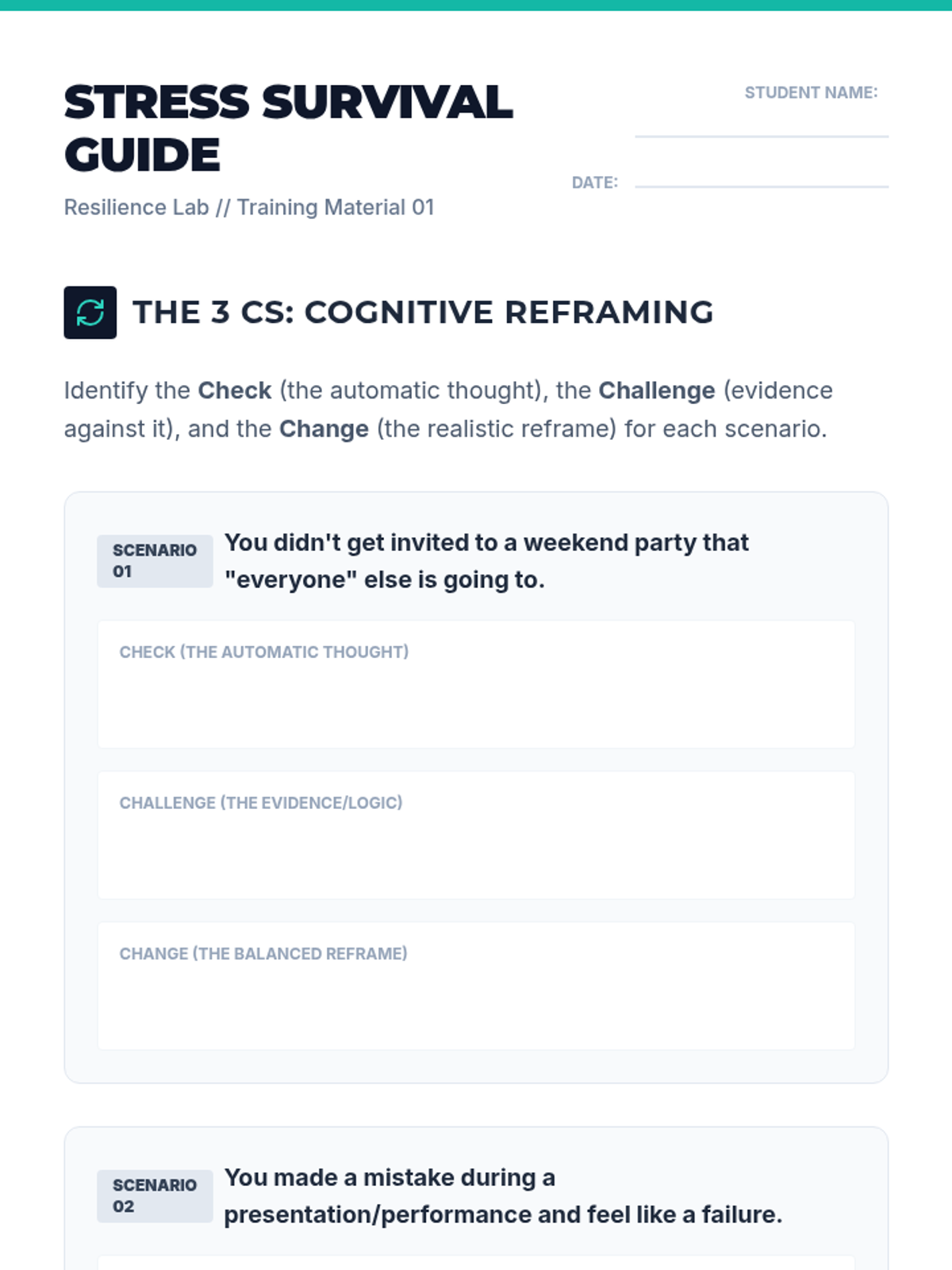
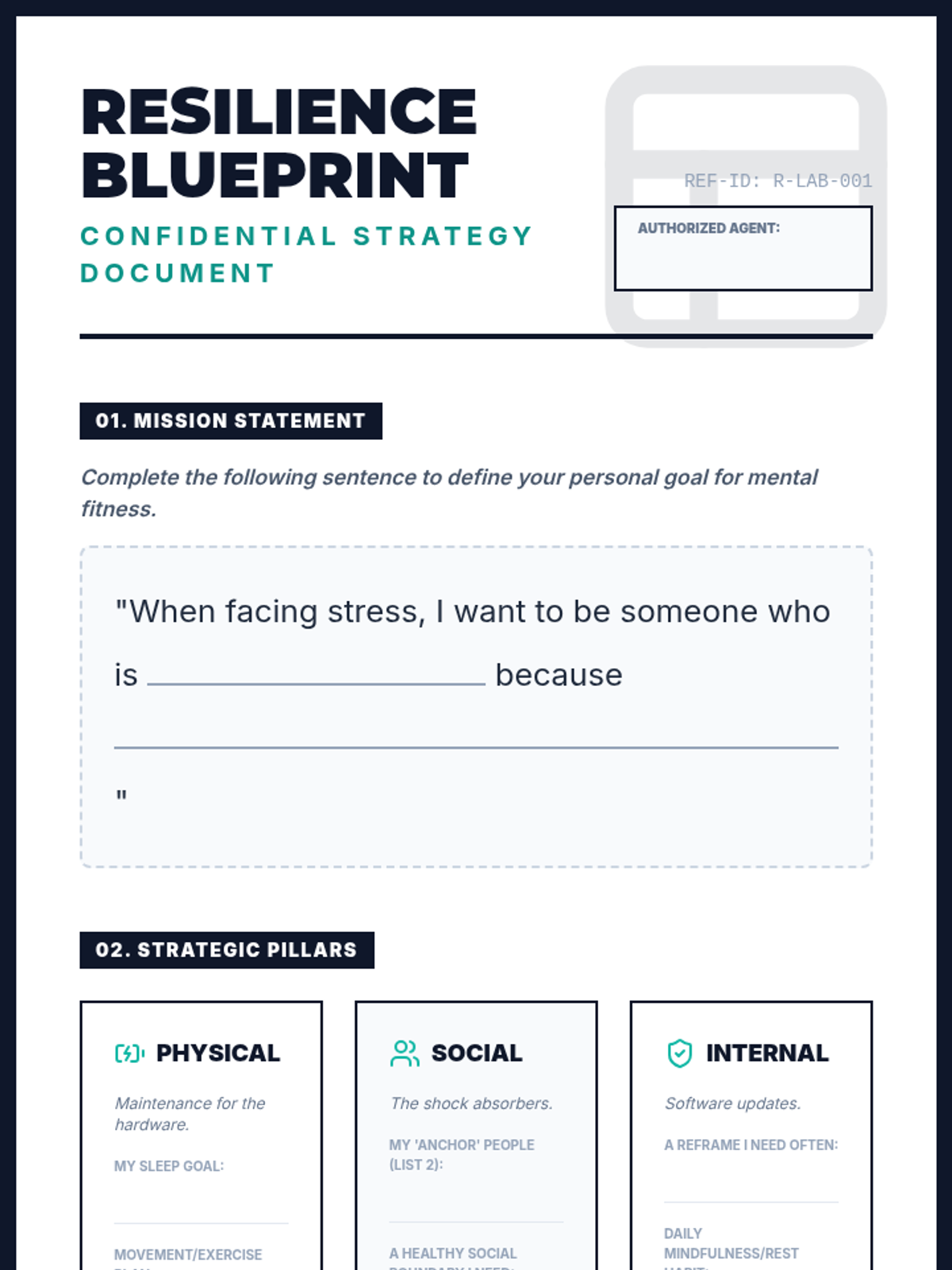
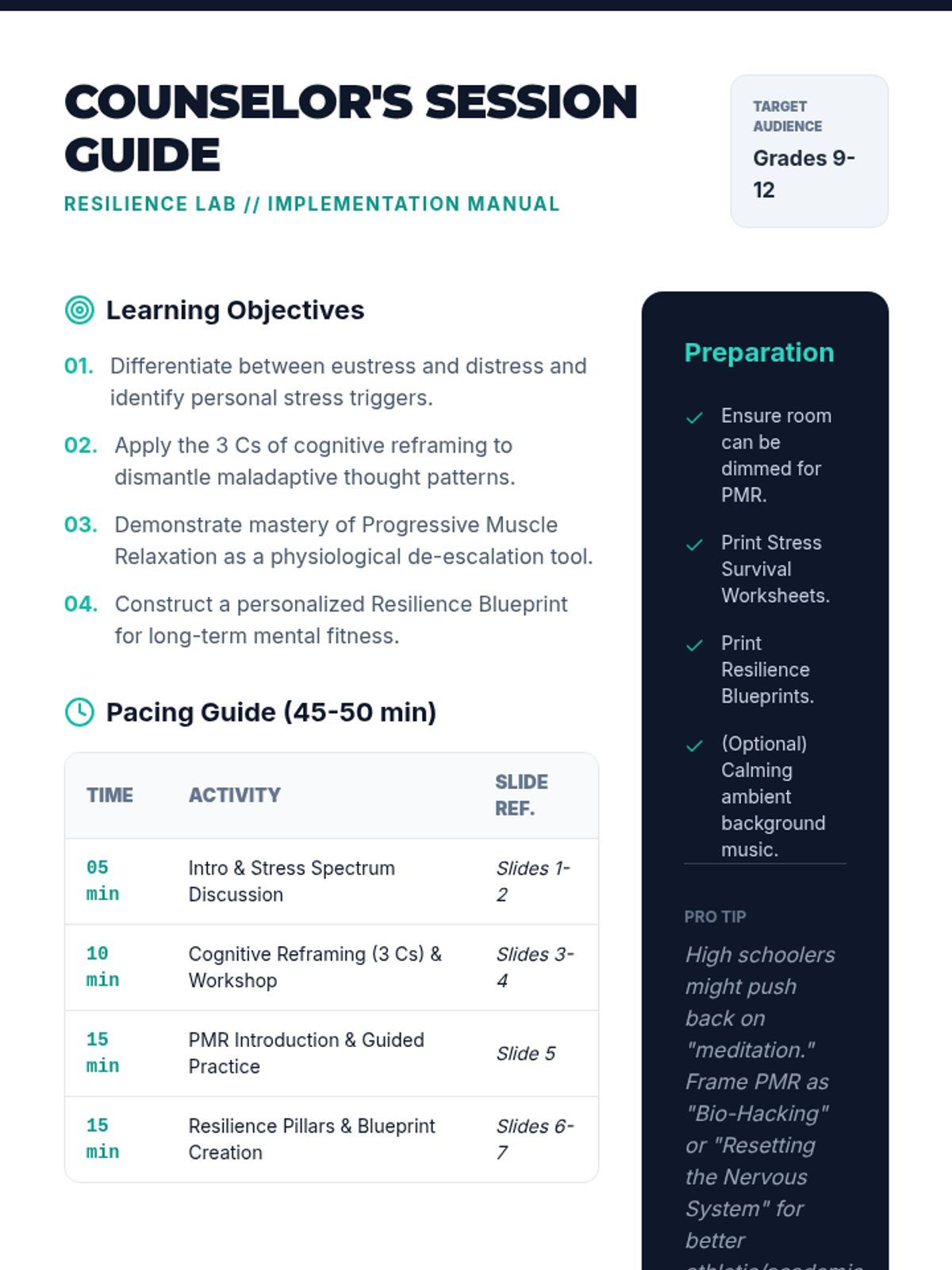
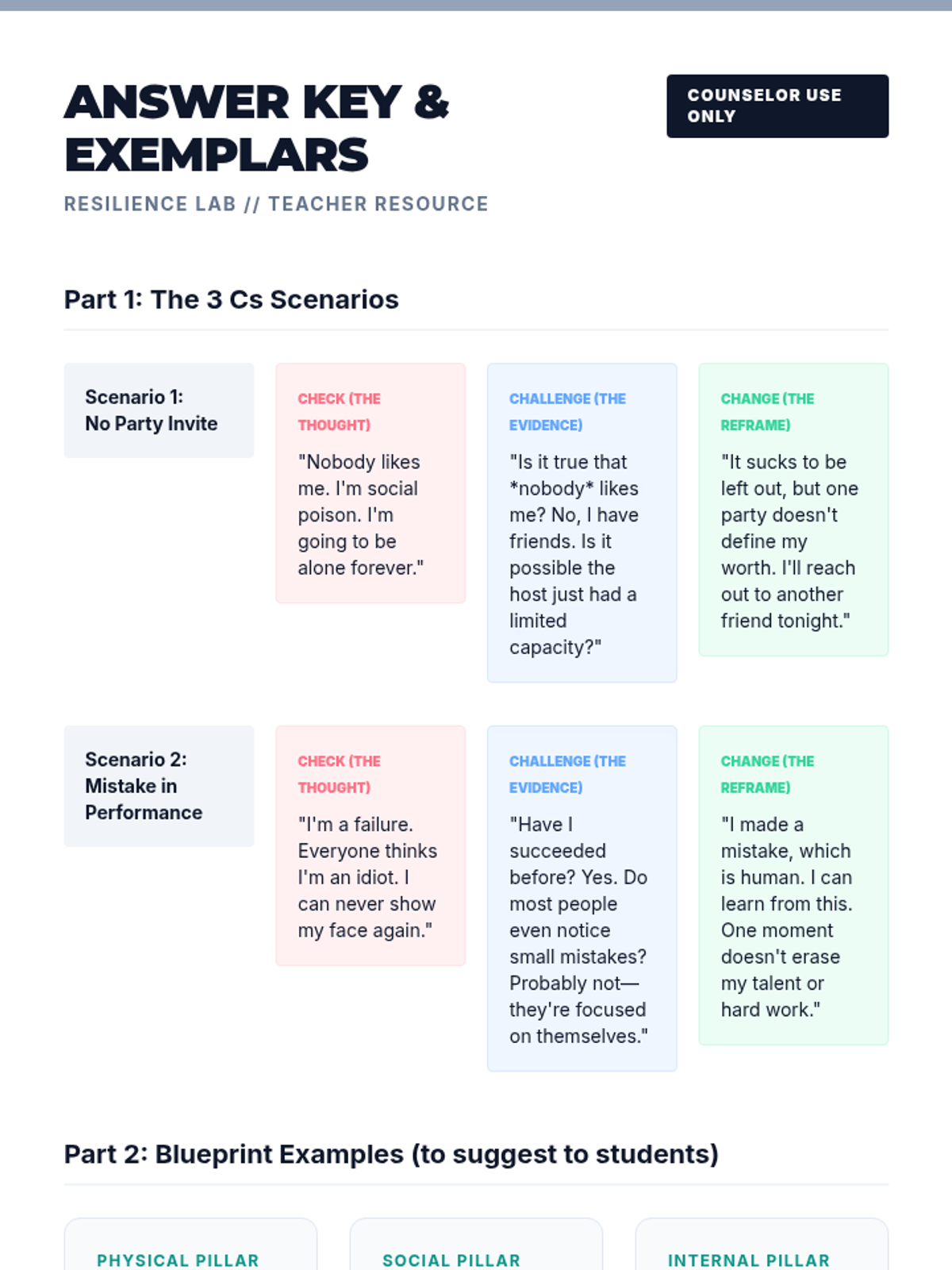
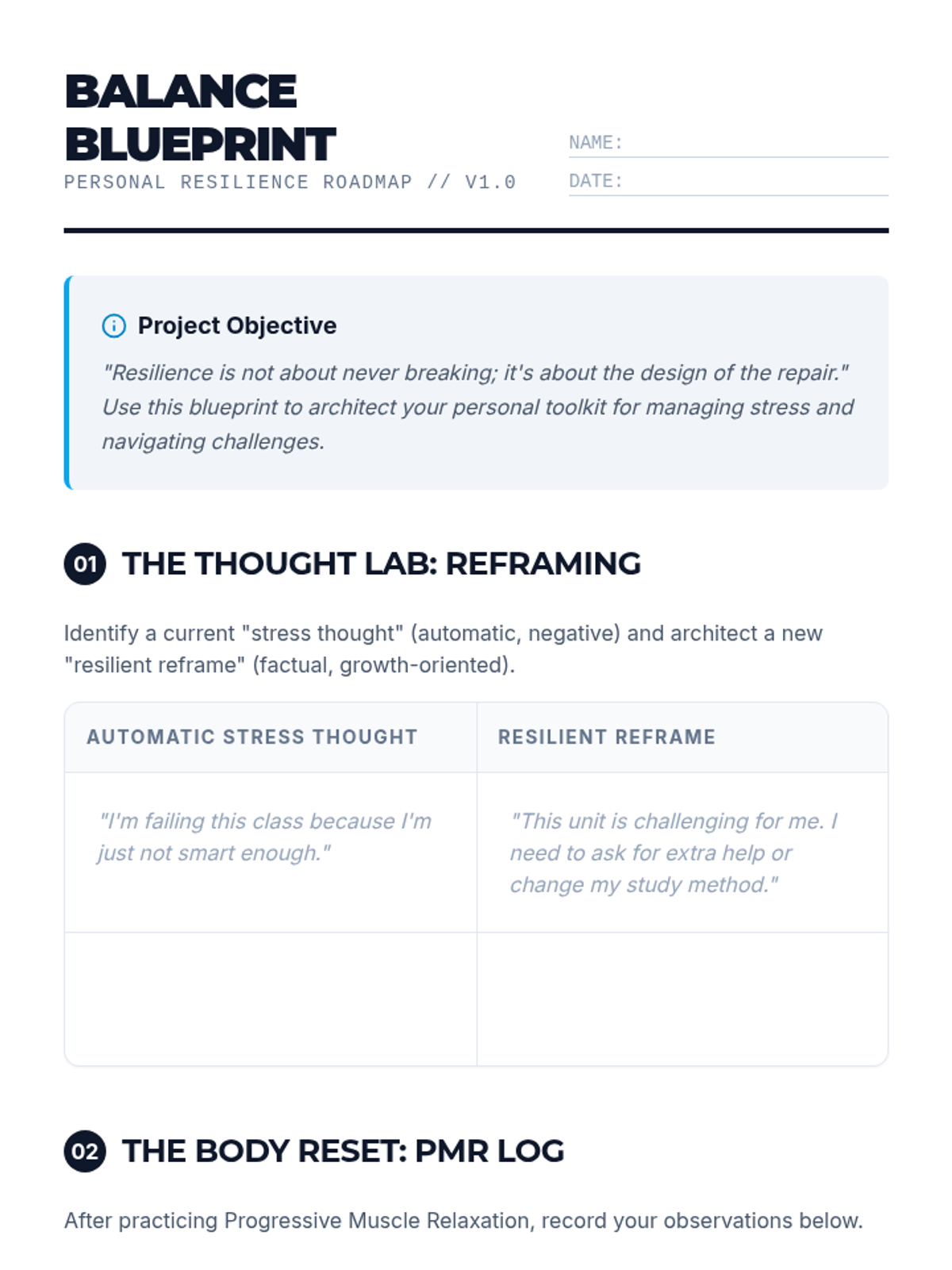
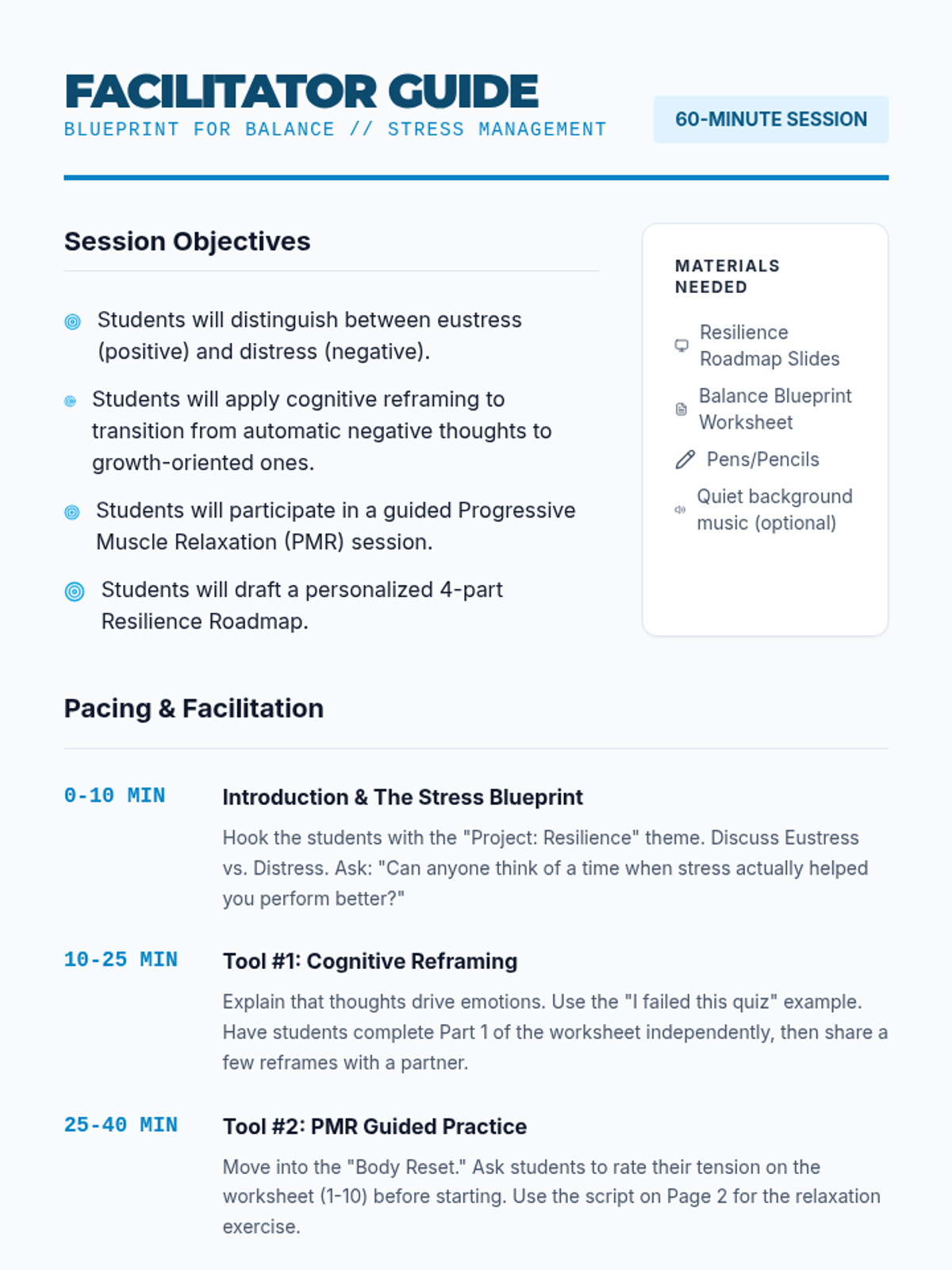
A comprehensive high school counseling lesson designed to equip students with practical tools for managing stress and building long-term resilience through cognitive reframing, physical relaxation techniques, and personalized planning.
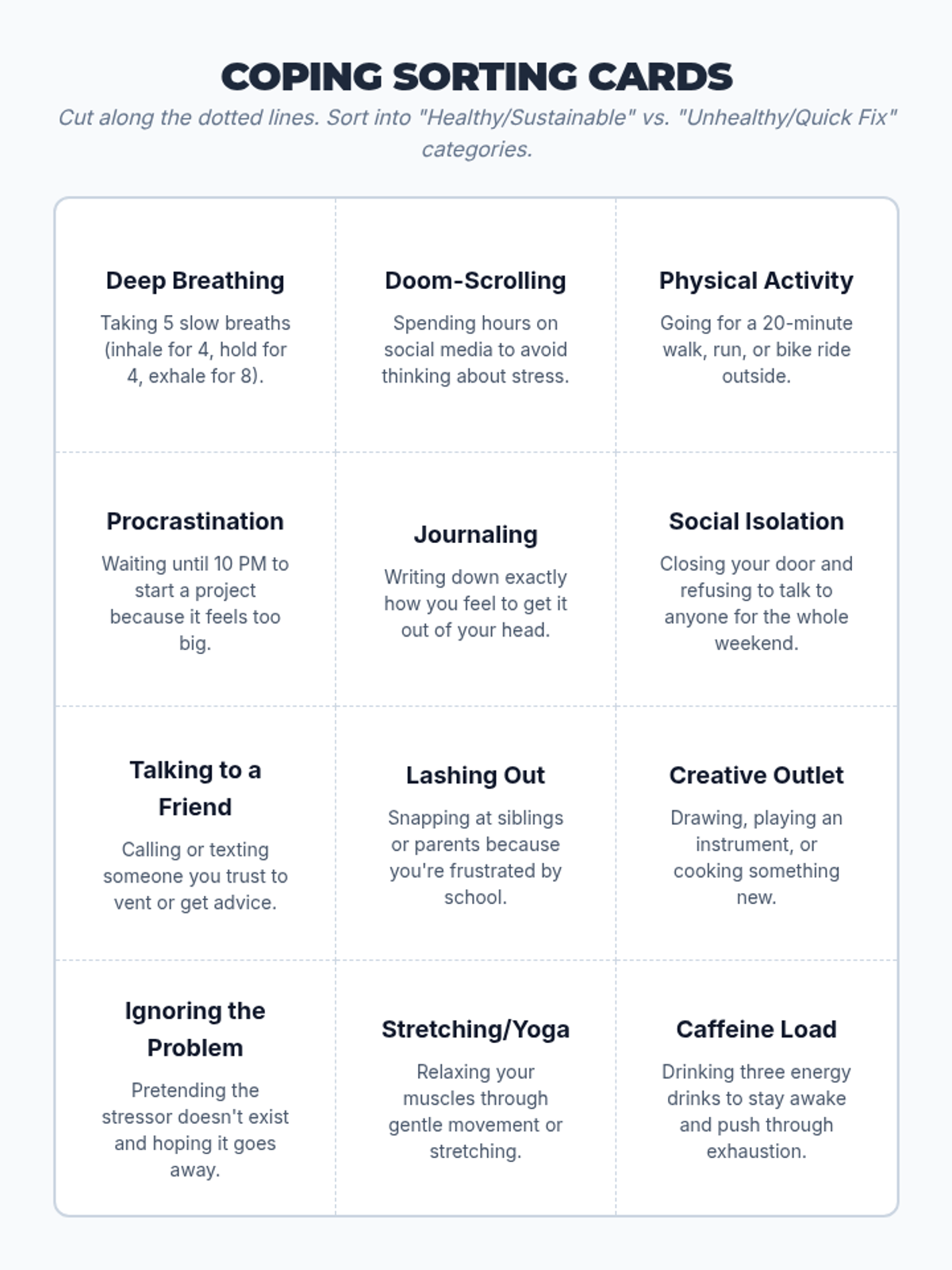
A comprehensive lesson for middle or high school students focused on identifying stress triggers, distinguishing between healthy and unhealthy coping mechanisms, and building a personalized 'Coping Toolkit' for emotional regulation.
A comprehensive high school counseling session focused on equipping students with practical tools for stress management, including cognitive reframing techniques, progressive muscle relaxation, and the creation of a personalized resilience plan.
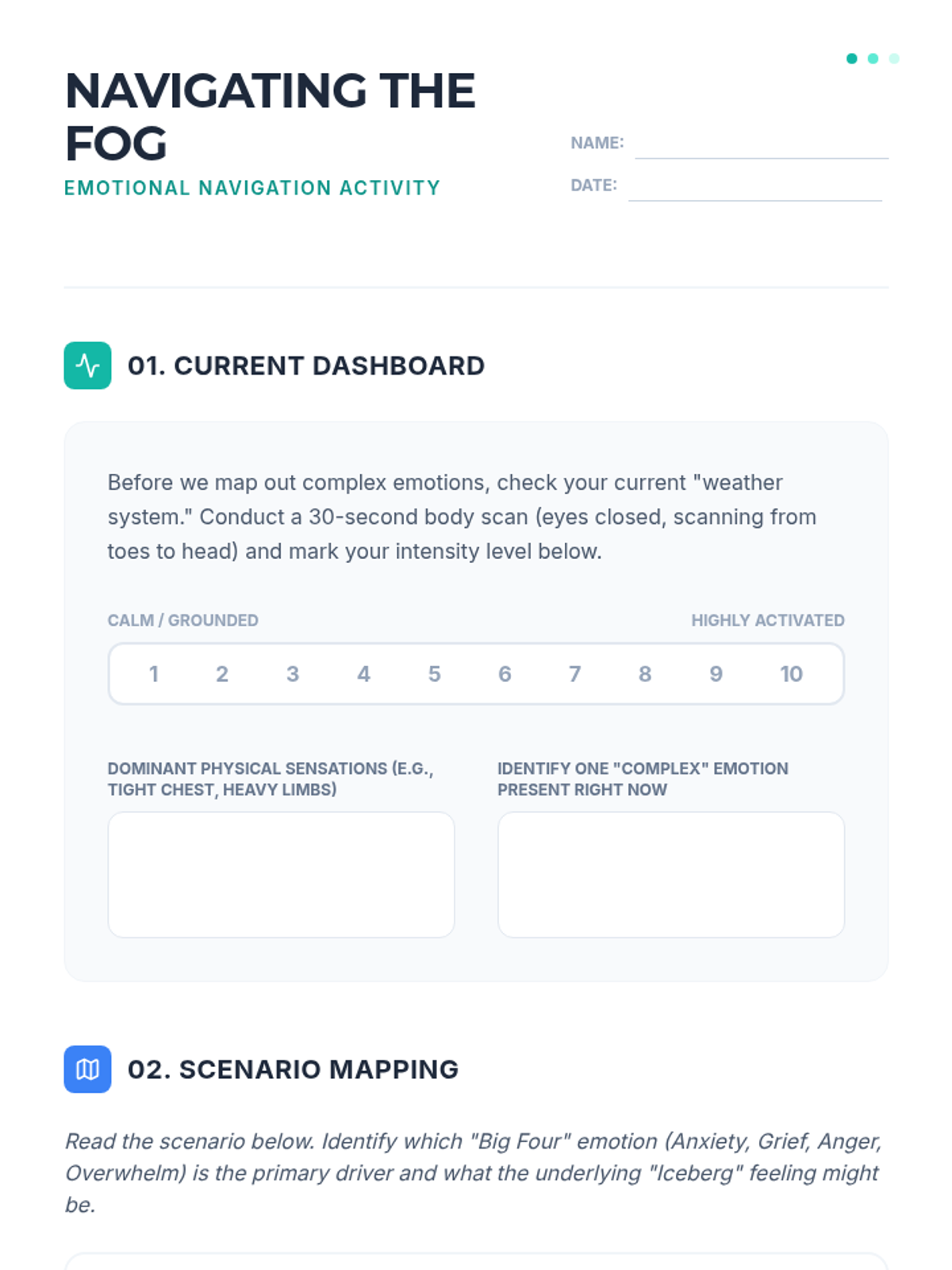
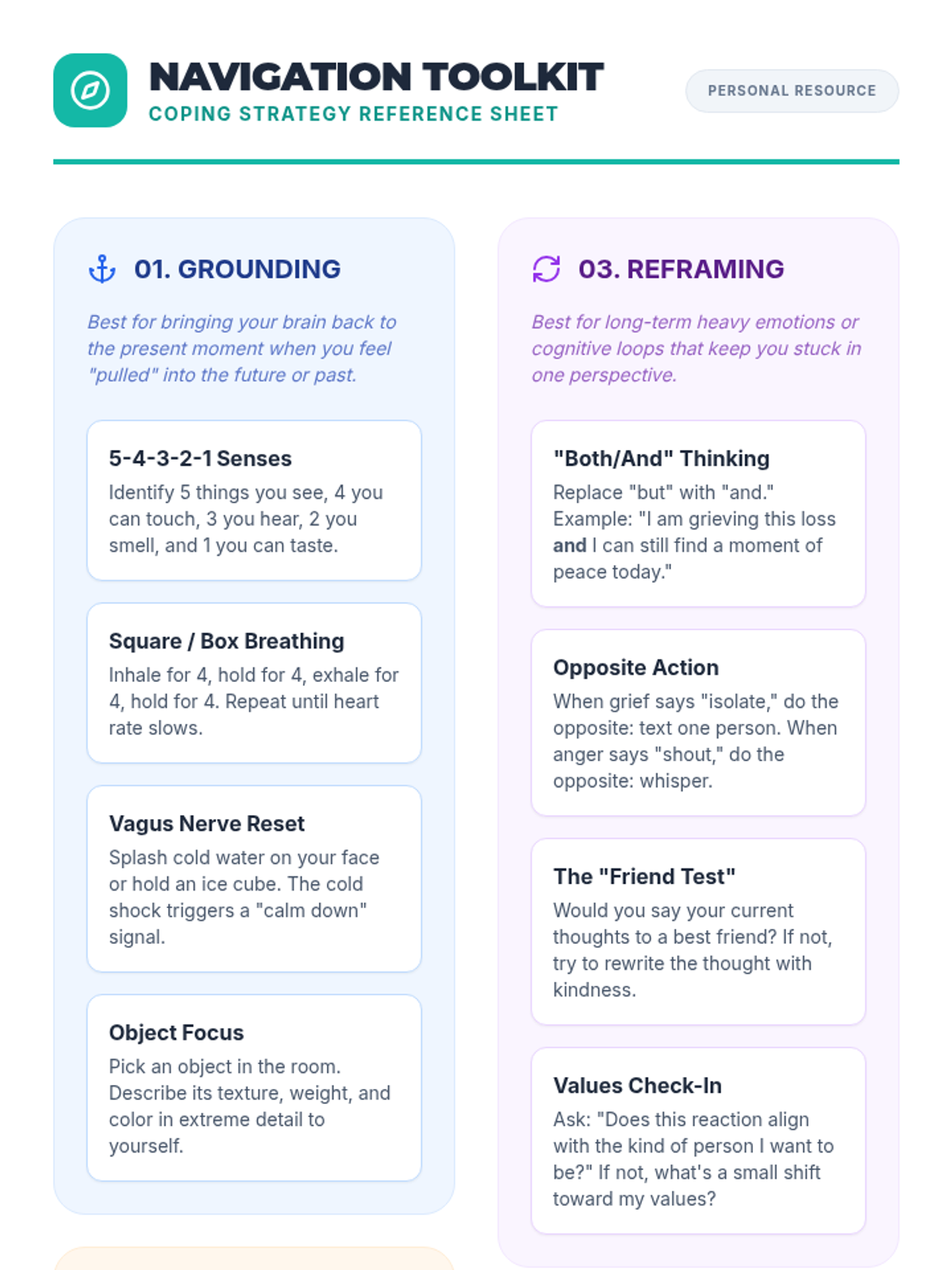
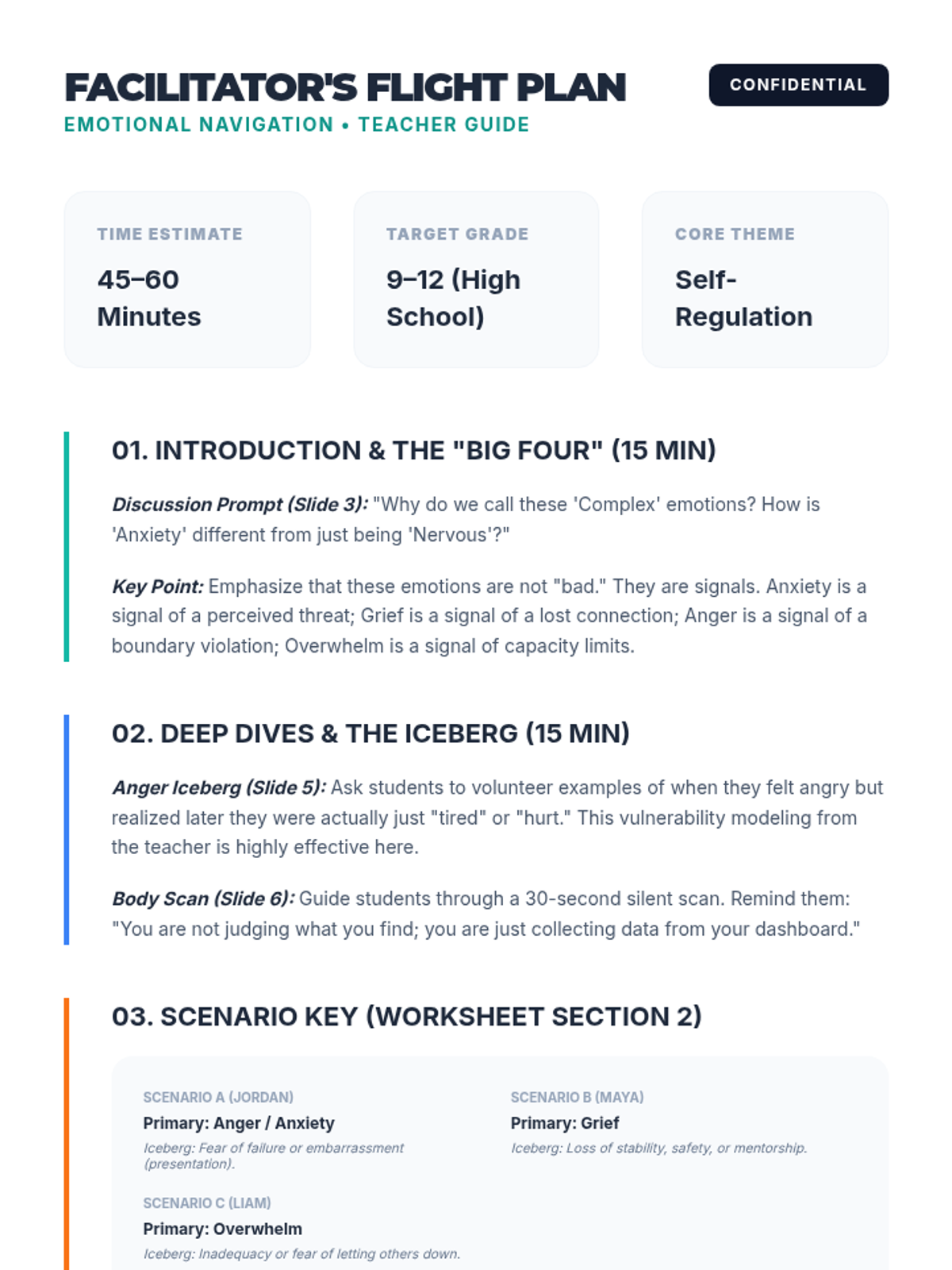
A high school lesson focused on identifying, understanding, and managing complex emotional states like anxiety, grief, anger, and overwhelm. Students explore physiological cues and build a personalized coping toolkit.
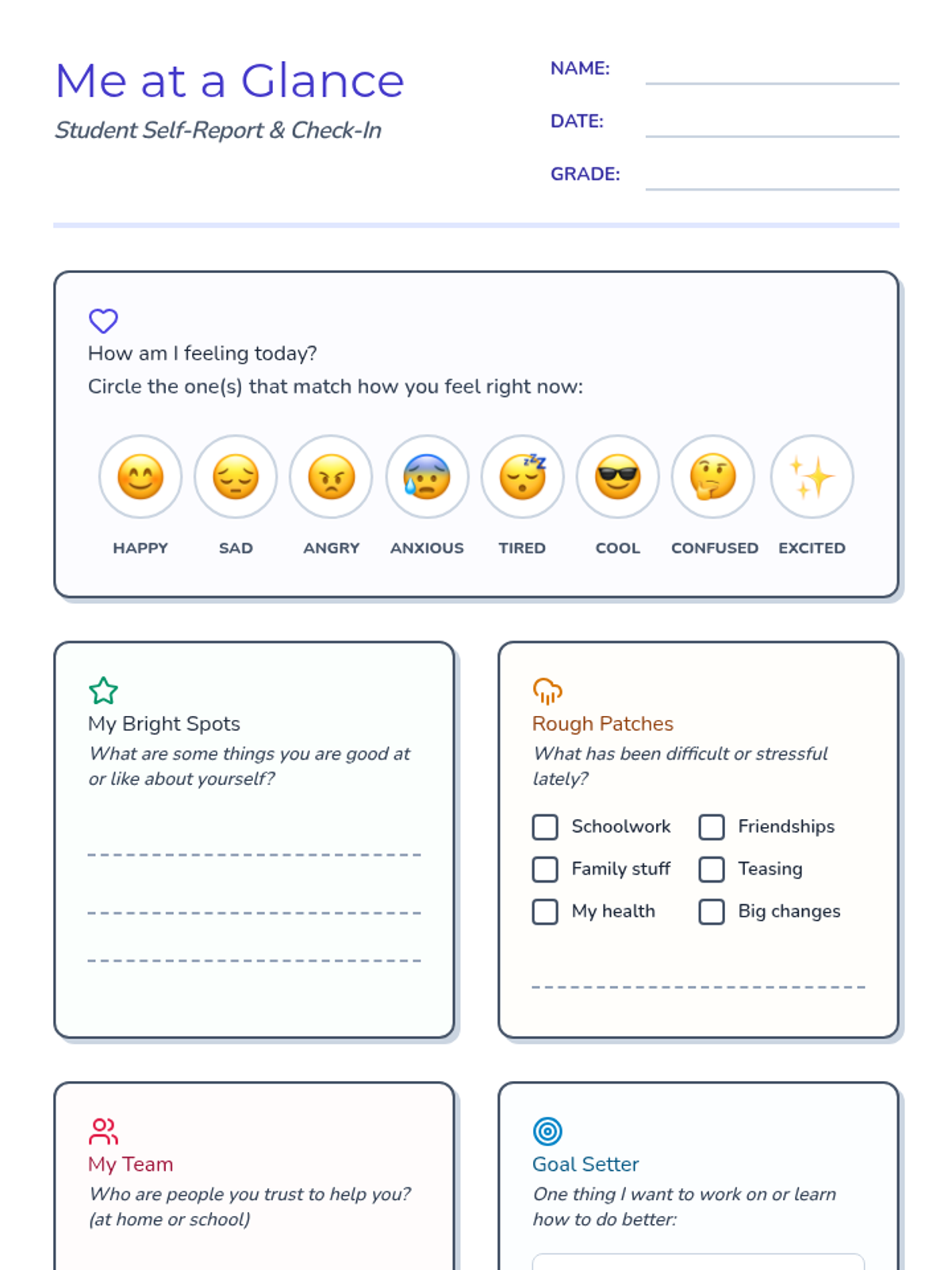
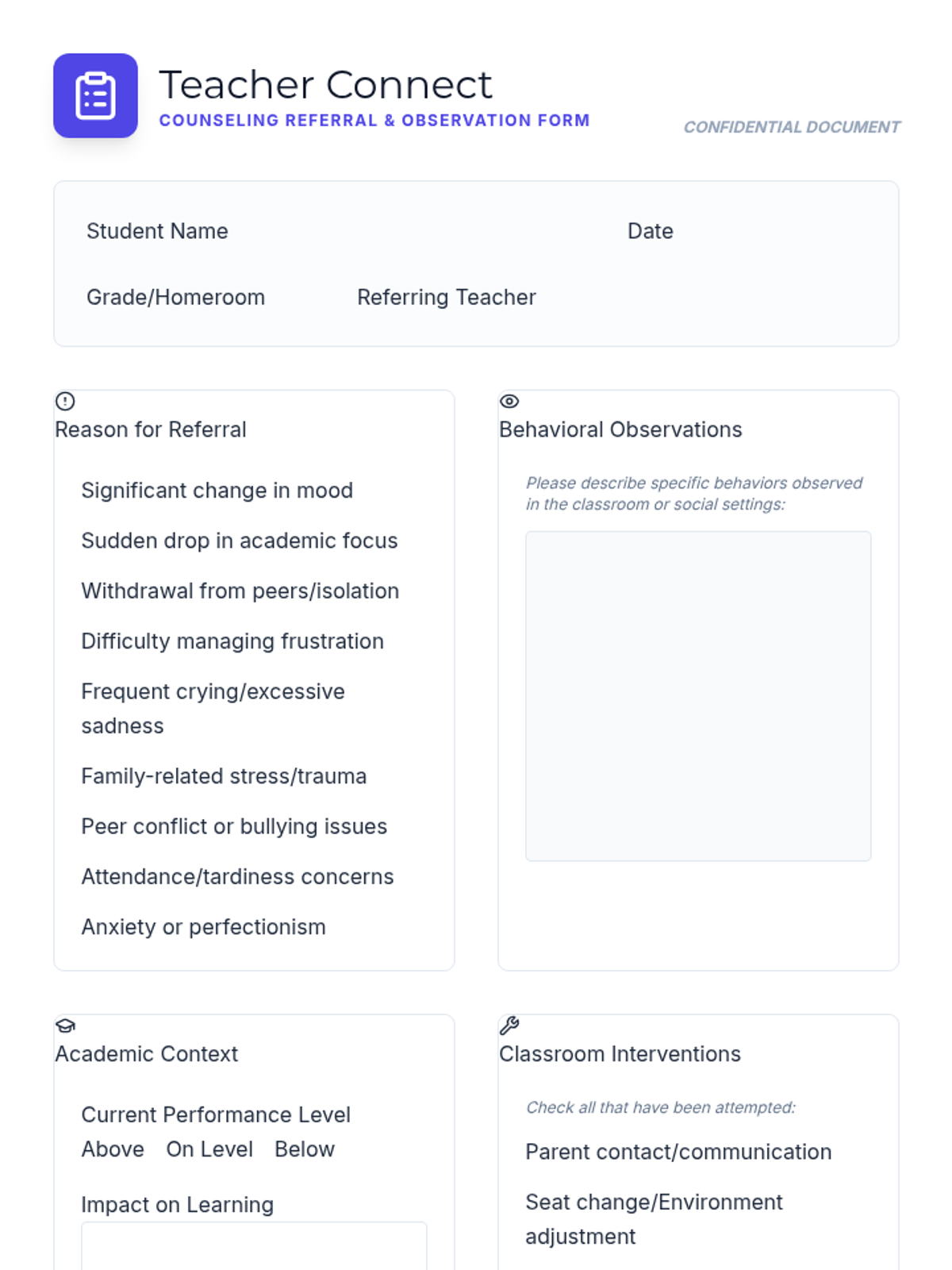
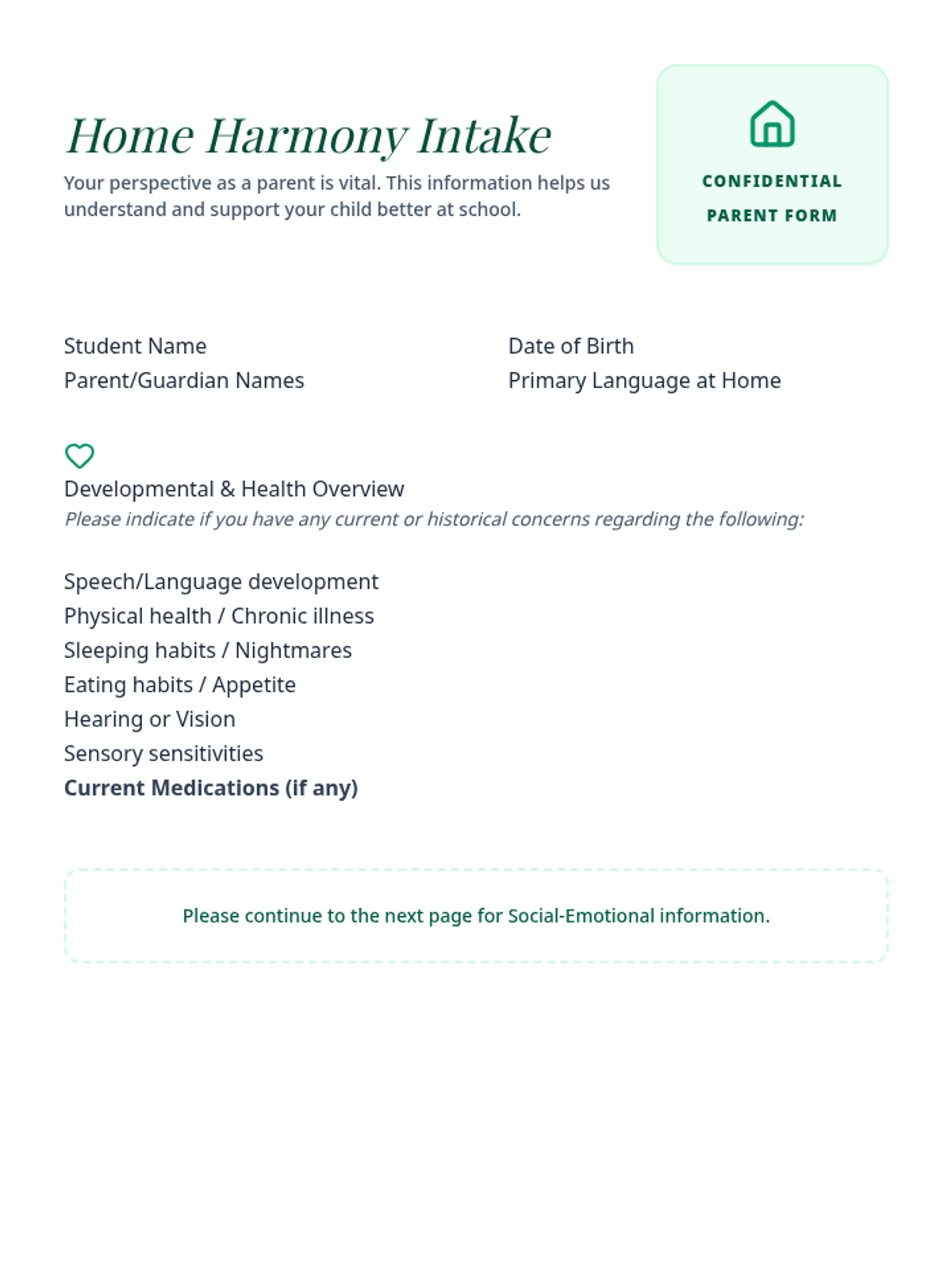
A collection of intake and referral forms for school counseling programs, focused on building a holistic understanding of a student's social-emotional needs through student, teacher, and parent perspectives.
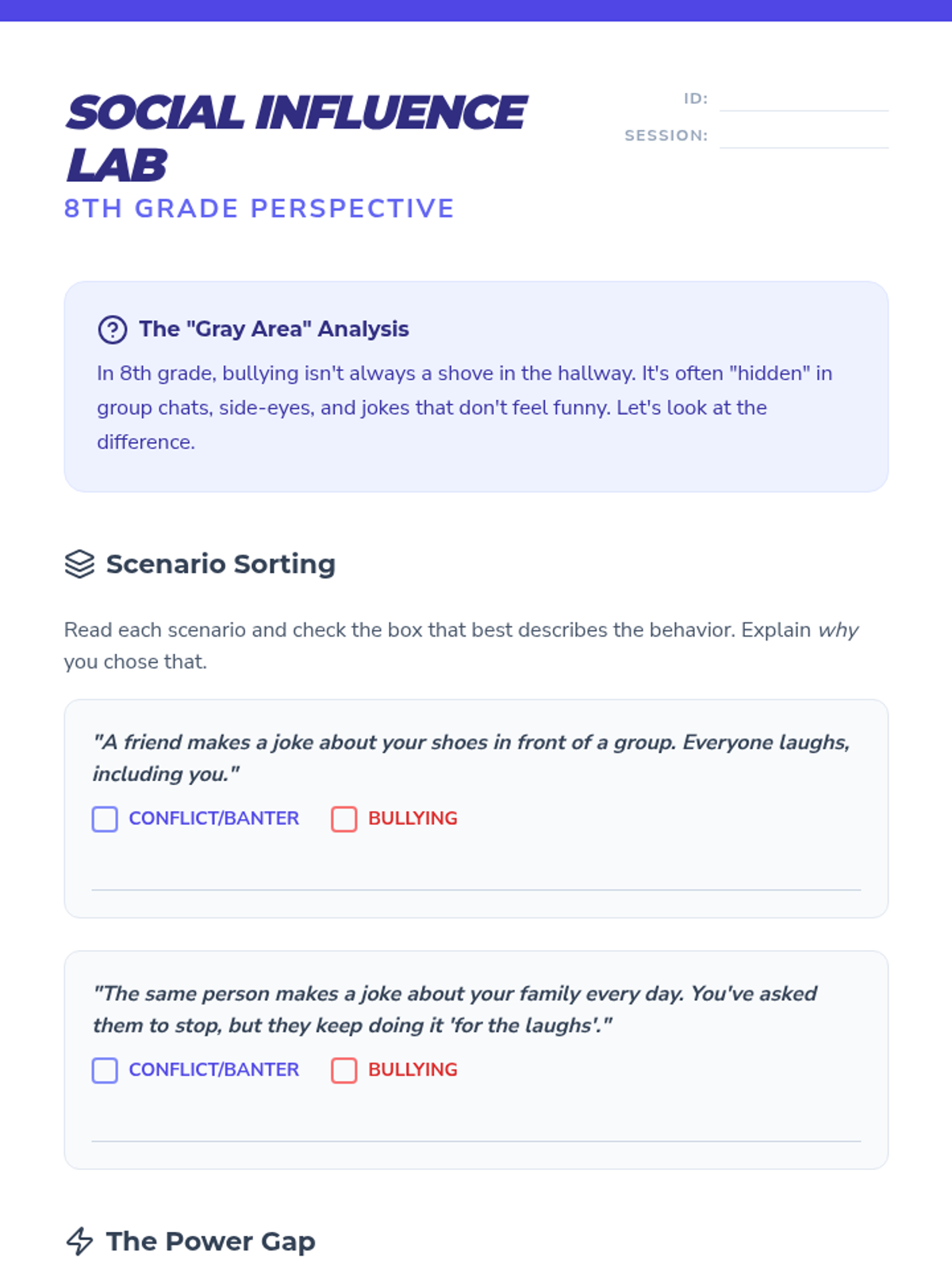
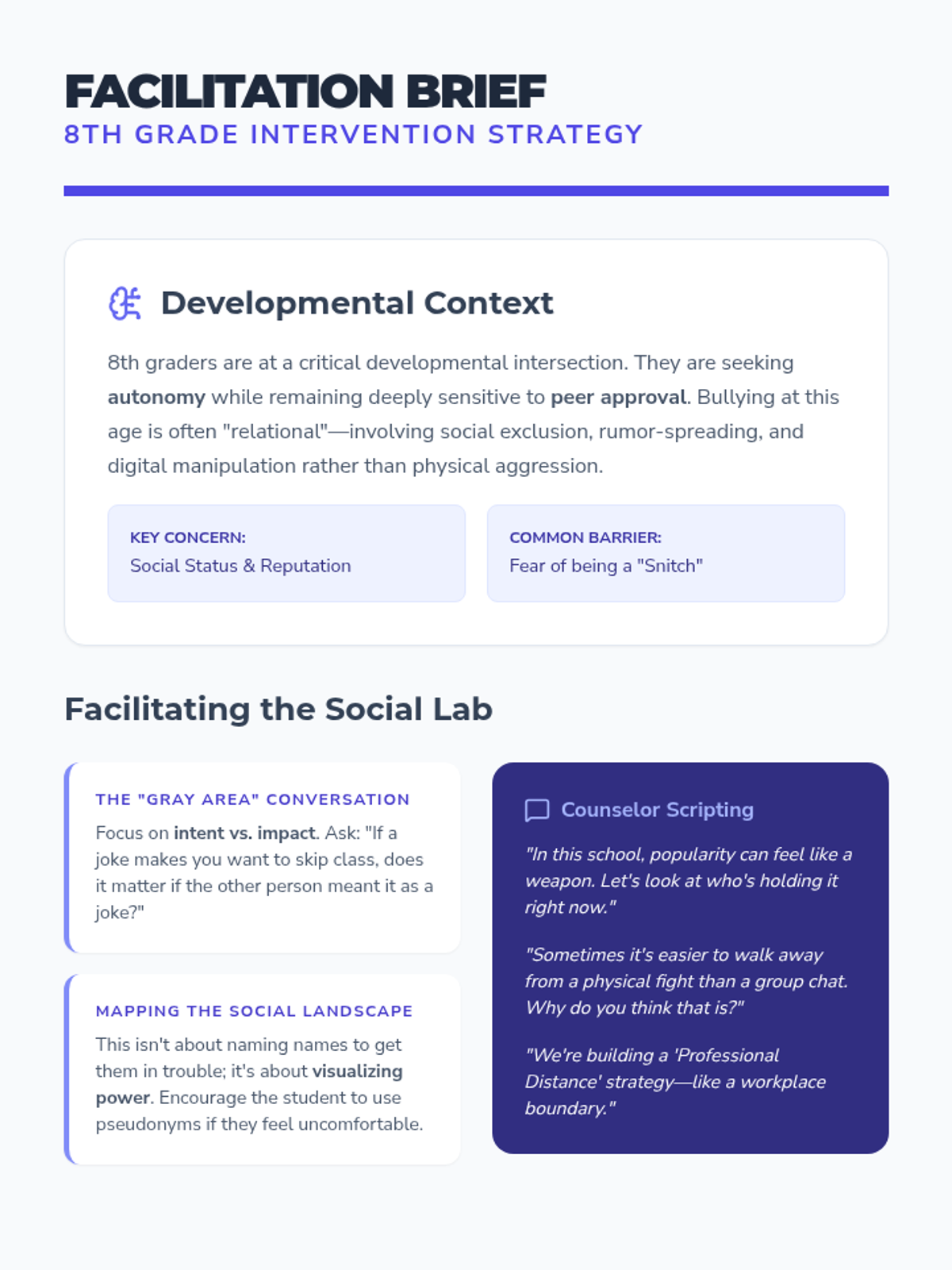
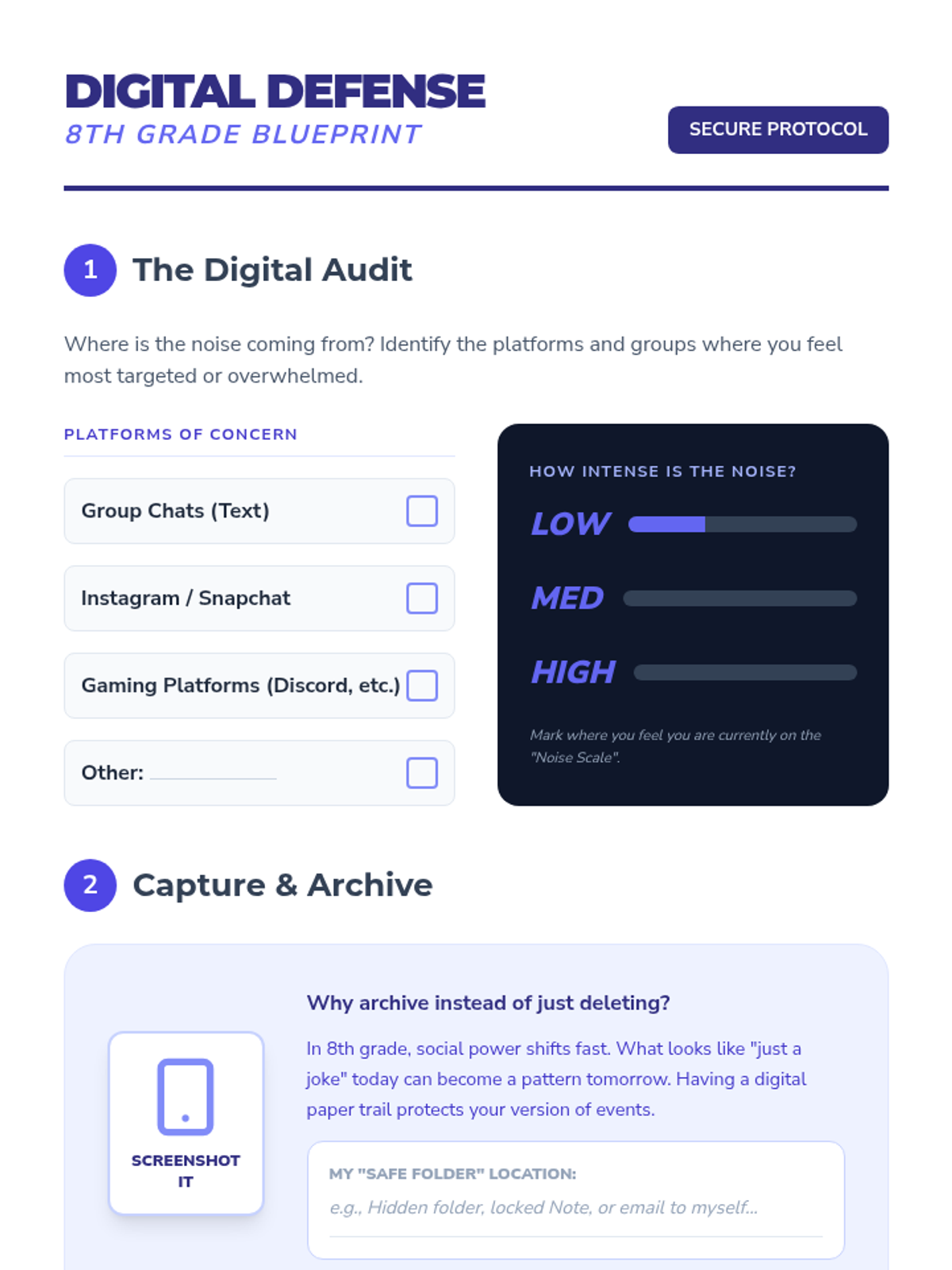
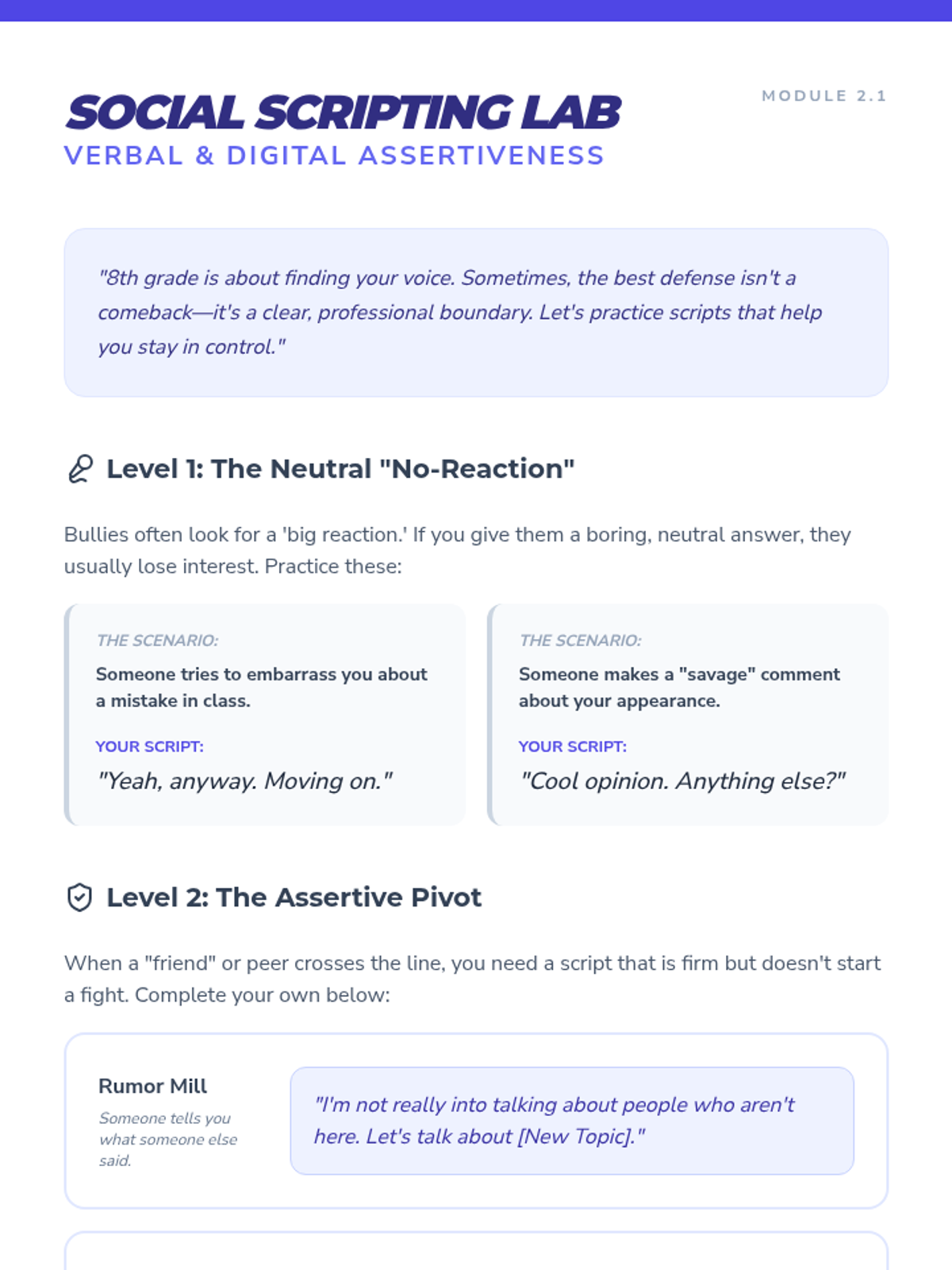
A specialized one-on-one intervention for 8th graders that tackles the nuances of middle school social power, digital harassment, and the 'gray areas' between joking and bullying.
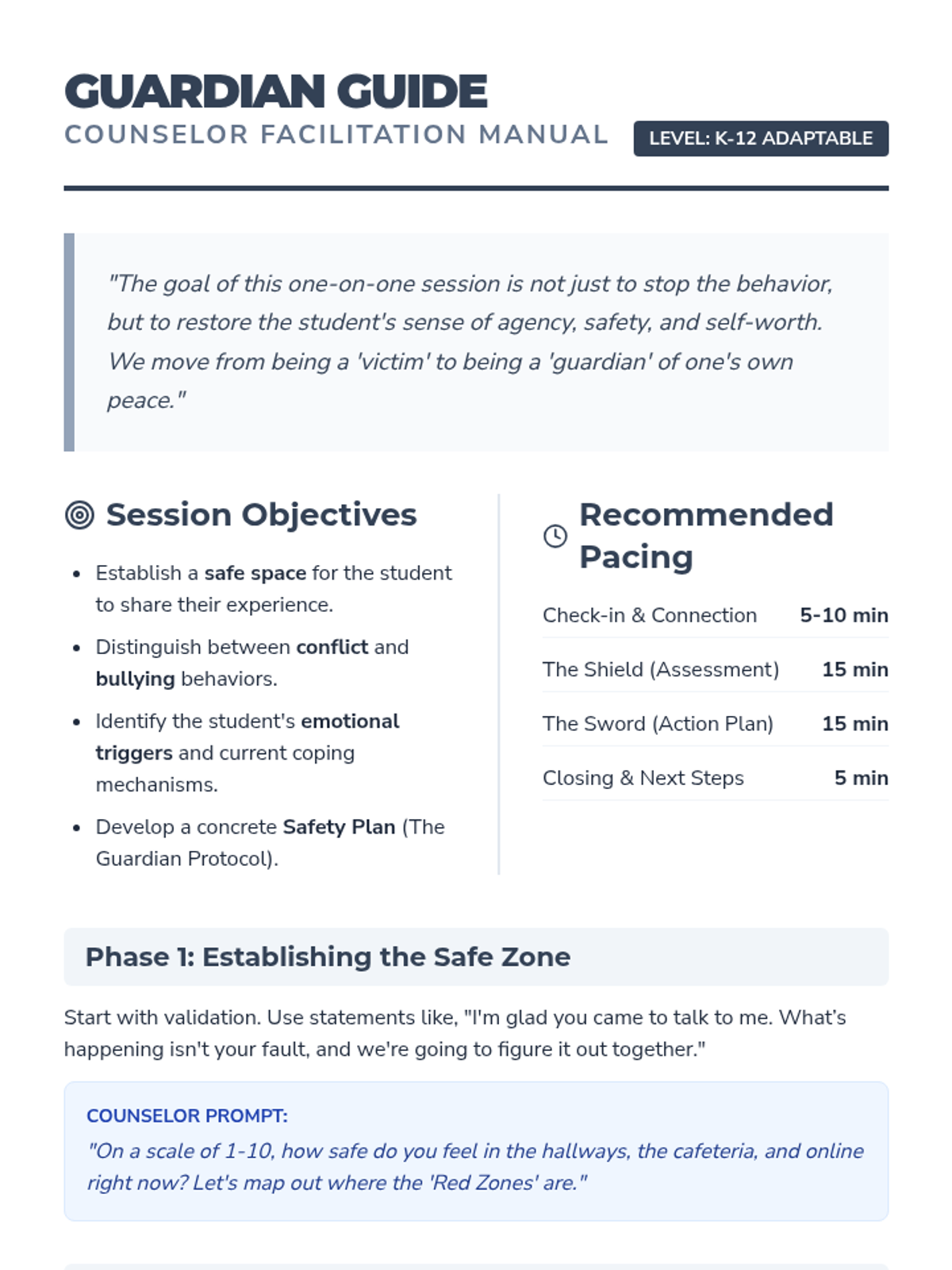
A comprehensive one-on-one intervention framework designed for school counselors and social workers to support students impacted by bullying. This lesson focuses on identifying bullying behaviors, building emotional resilience, and establishing concrete safety plans.
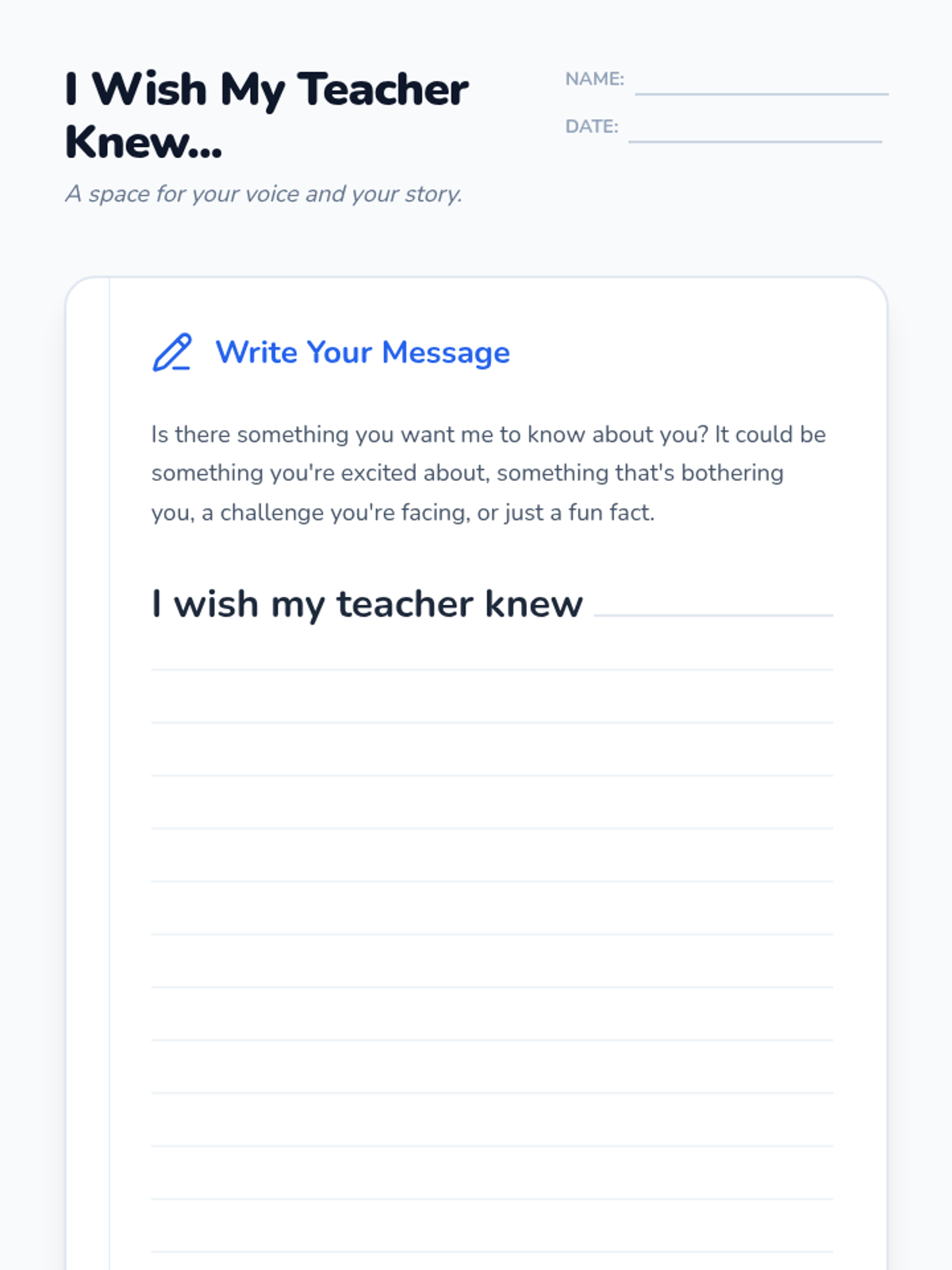
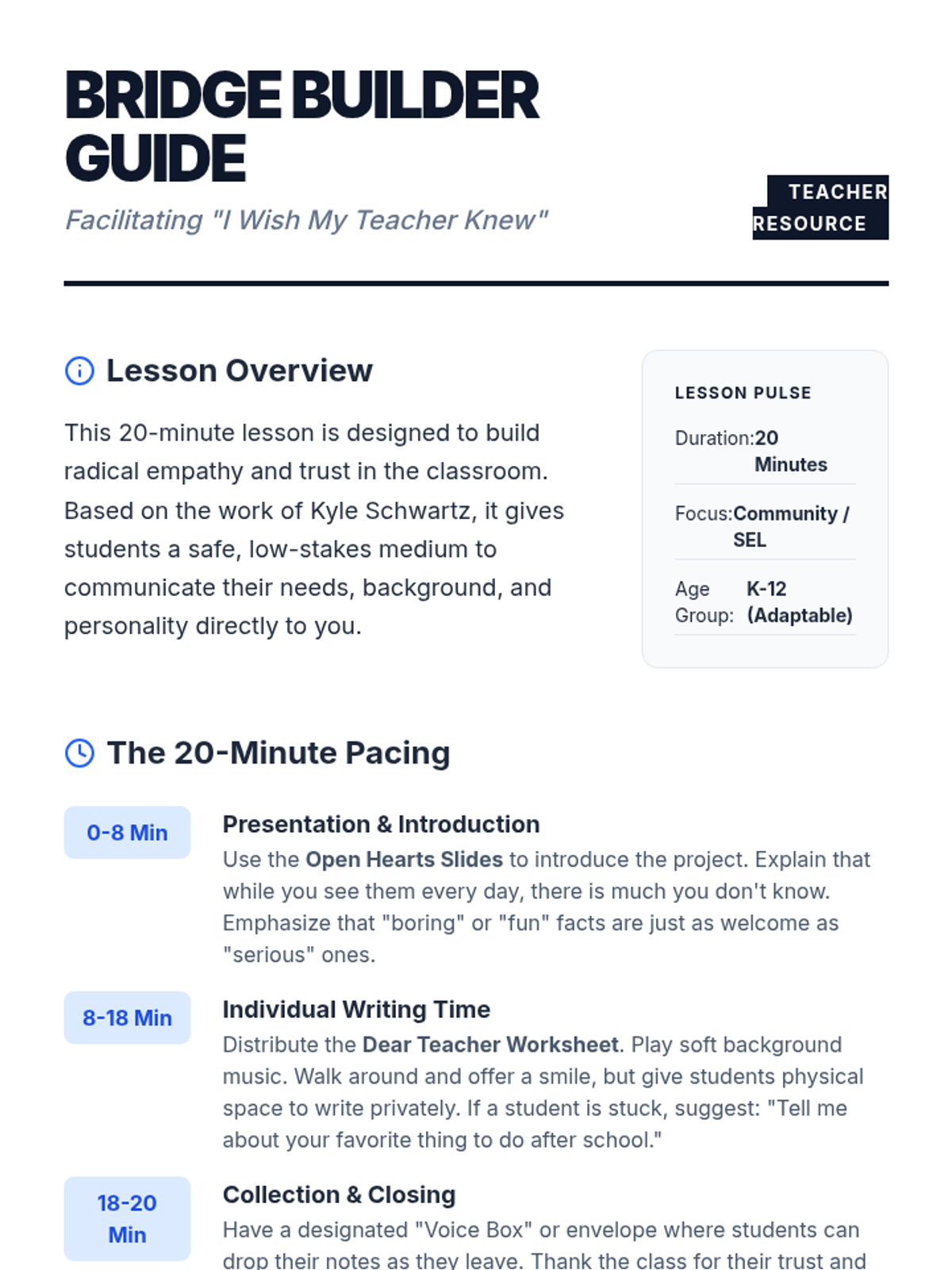
A short, impactful community-building lesson based on the "I Wish My Teacher Knew" project. Students share personal insights, needs, or stories with their teacher to build trust, empathy, and a stronger classroom community.
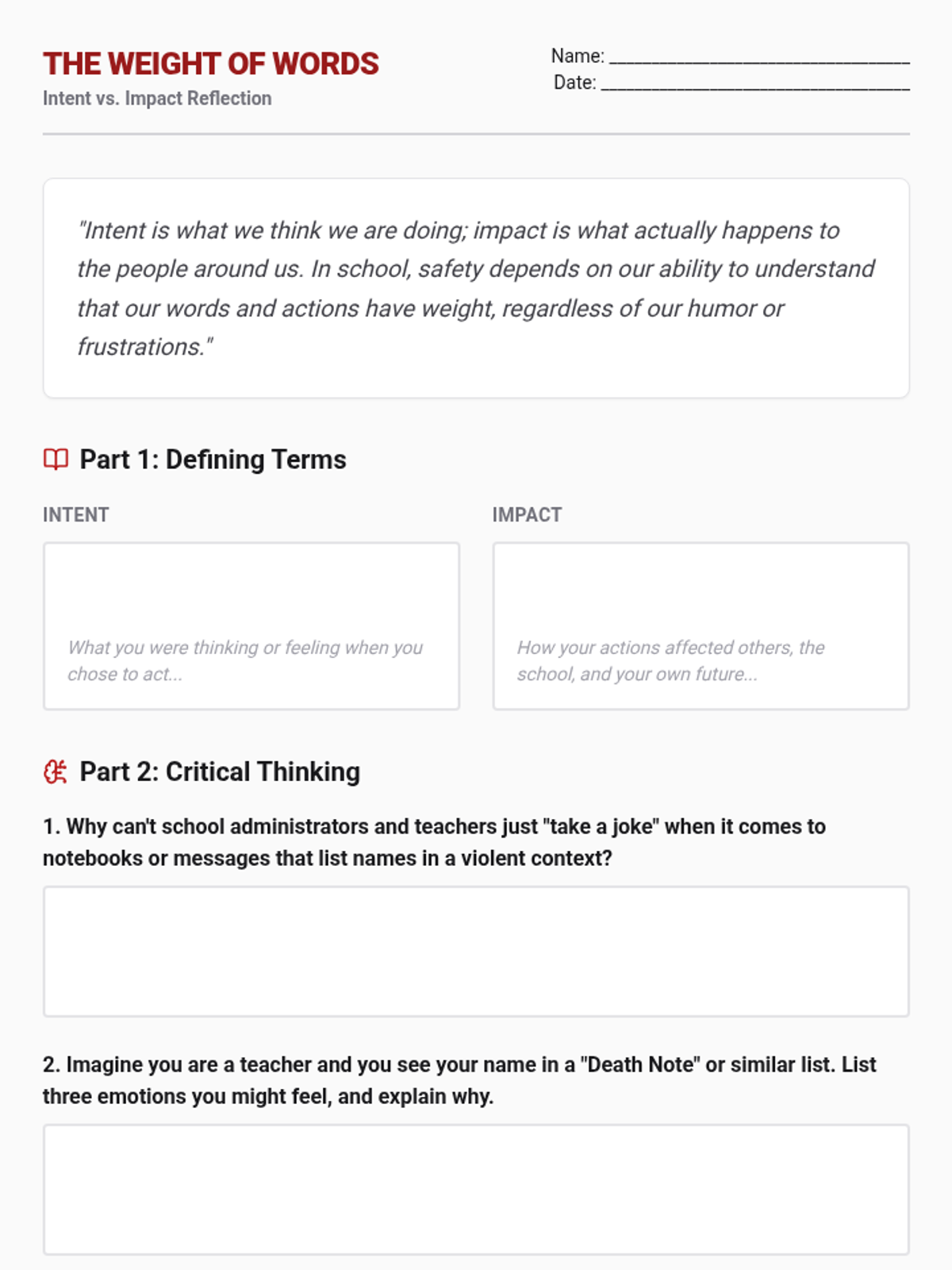
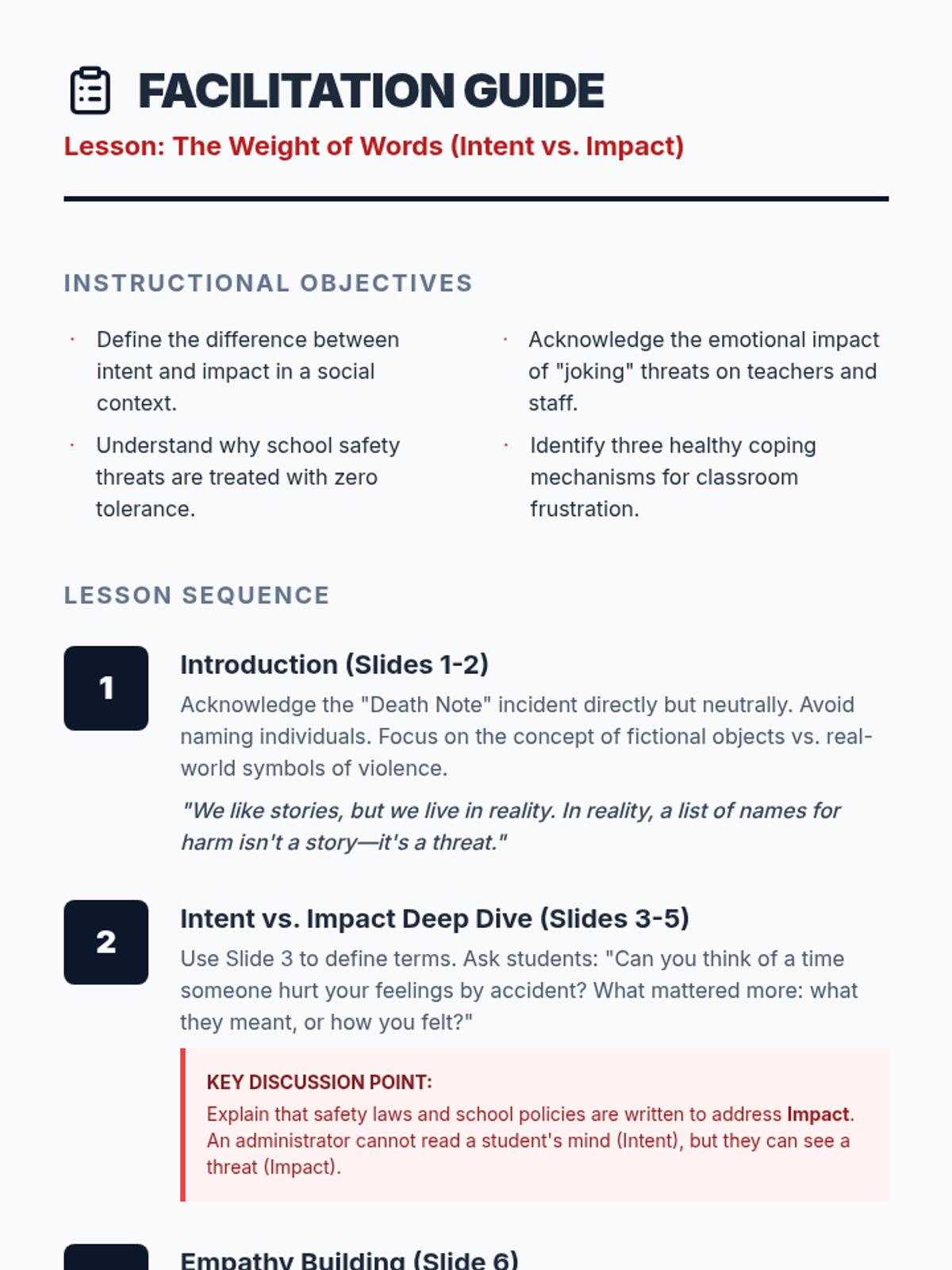
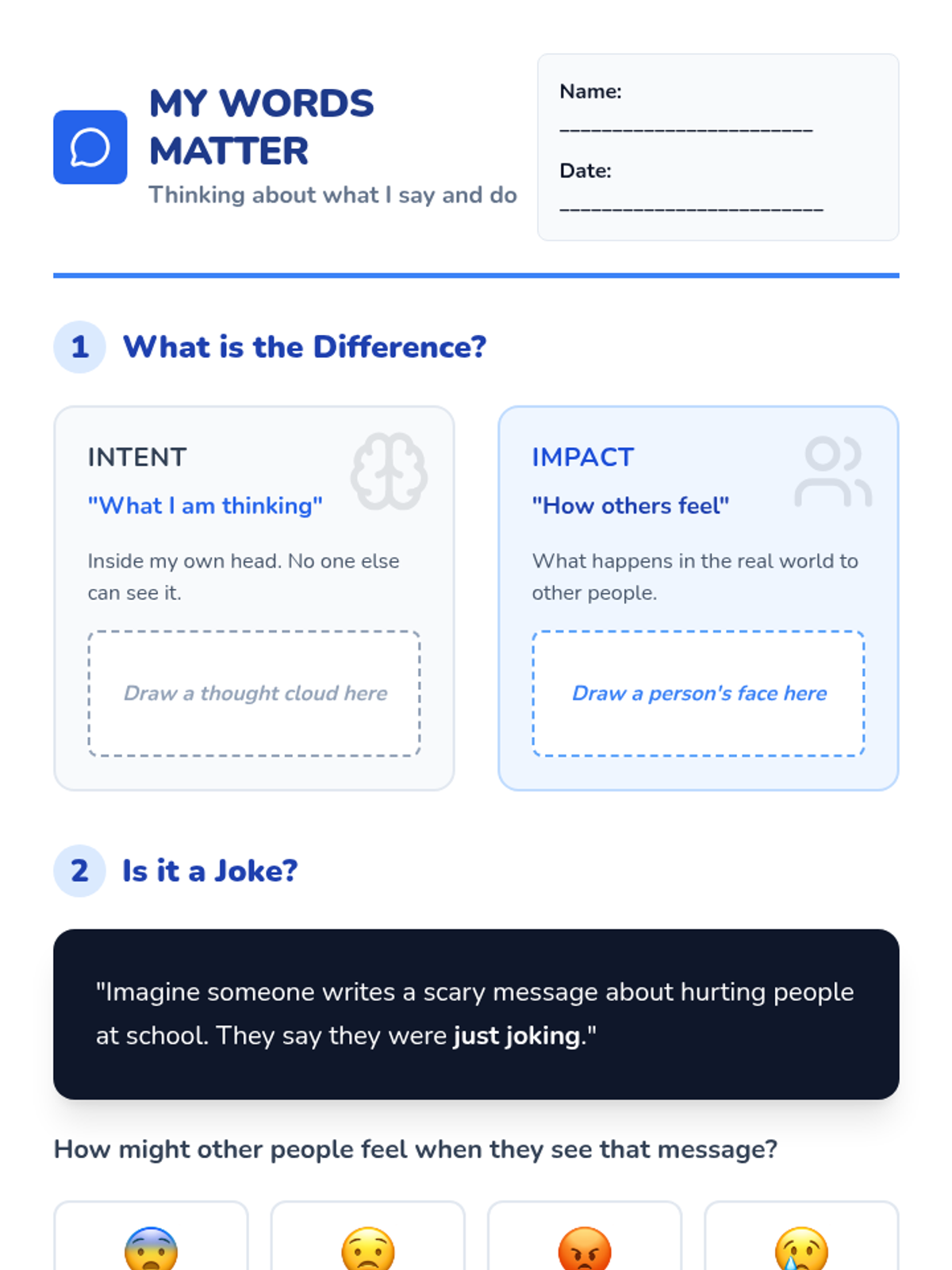
A psychoeducation lesson focusing on the critical difference between intent and impact in communication, exploring how words can affect school safety and community trust.
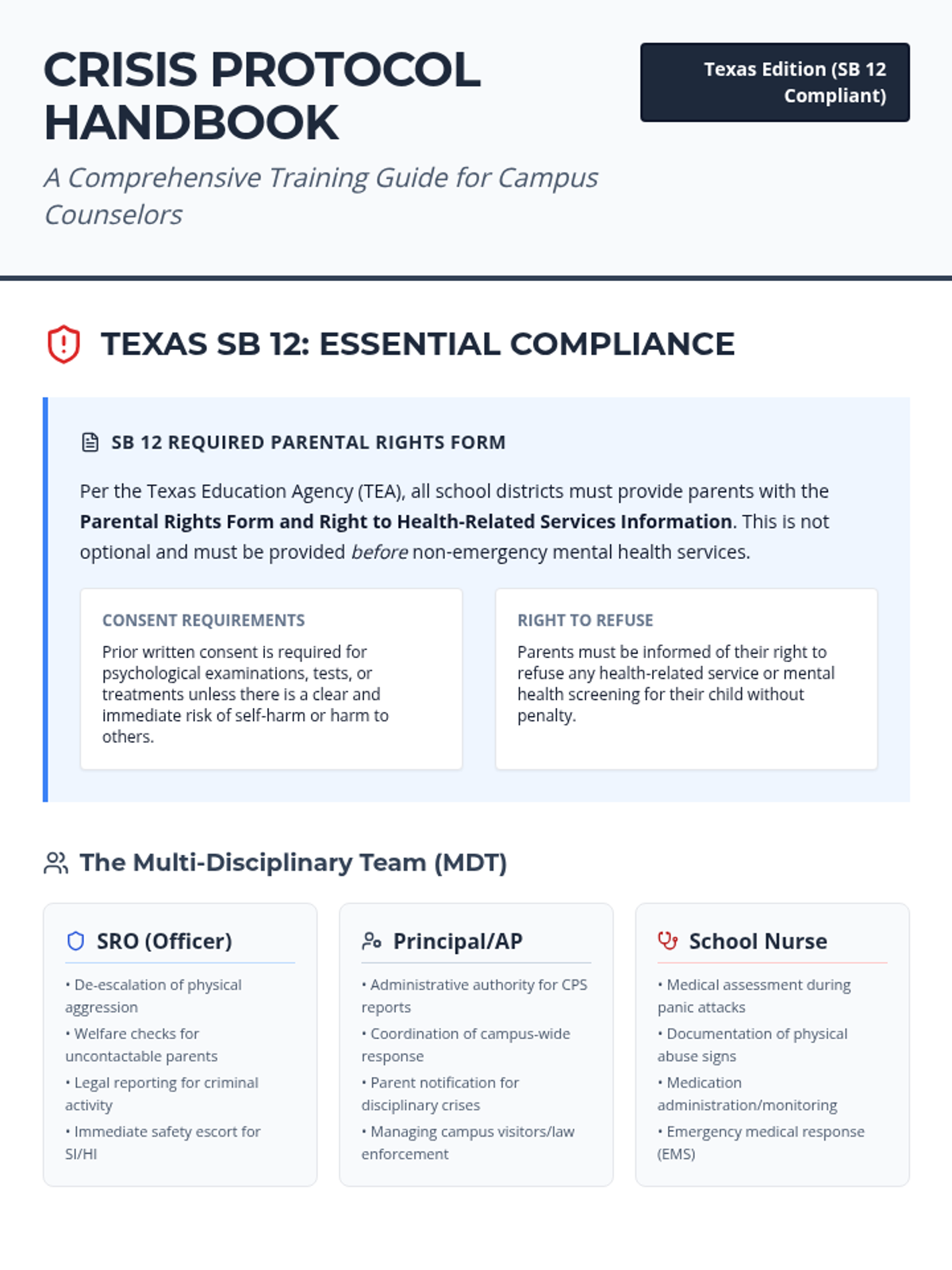
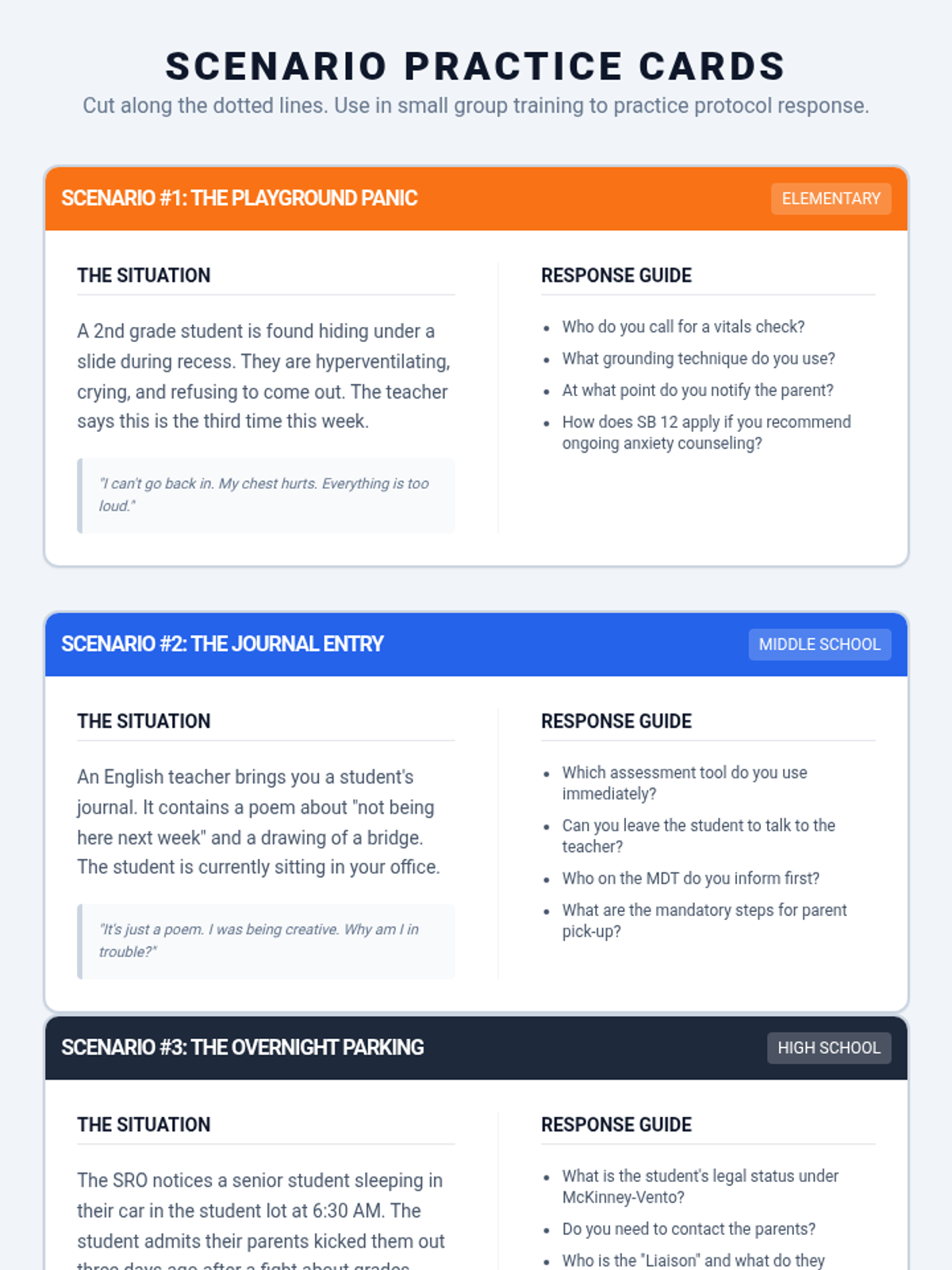
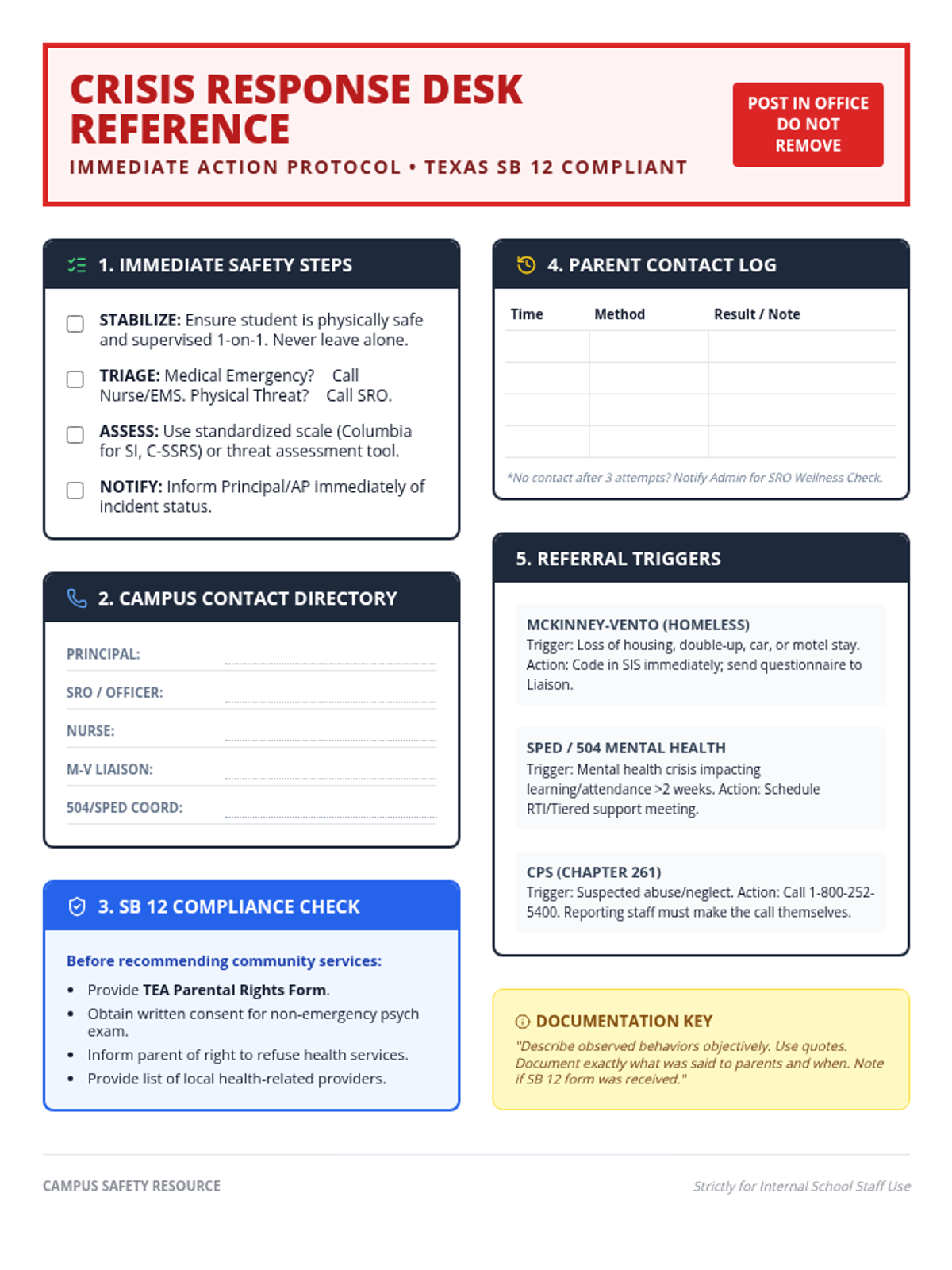
A comprehensive training resource for school counselors on managing campus crises, including scenarios tailored to different grade levels and guidance on collaborating with administration, law enforcement, and medical staff while adhering to Texas SB 12.
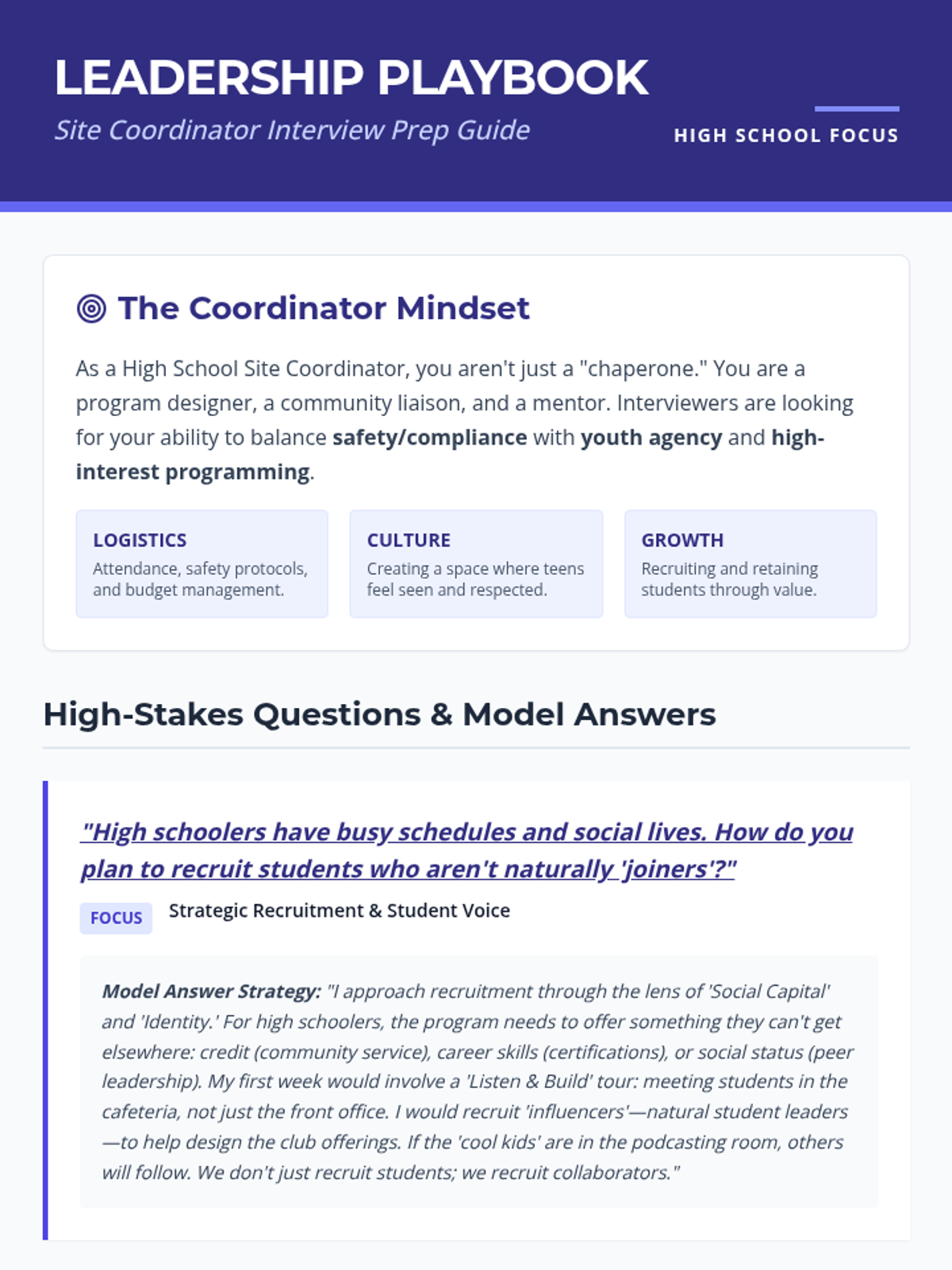
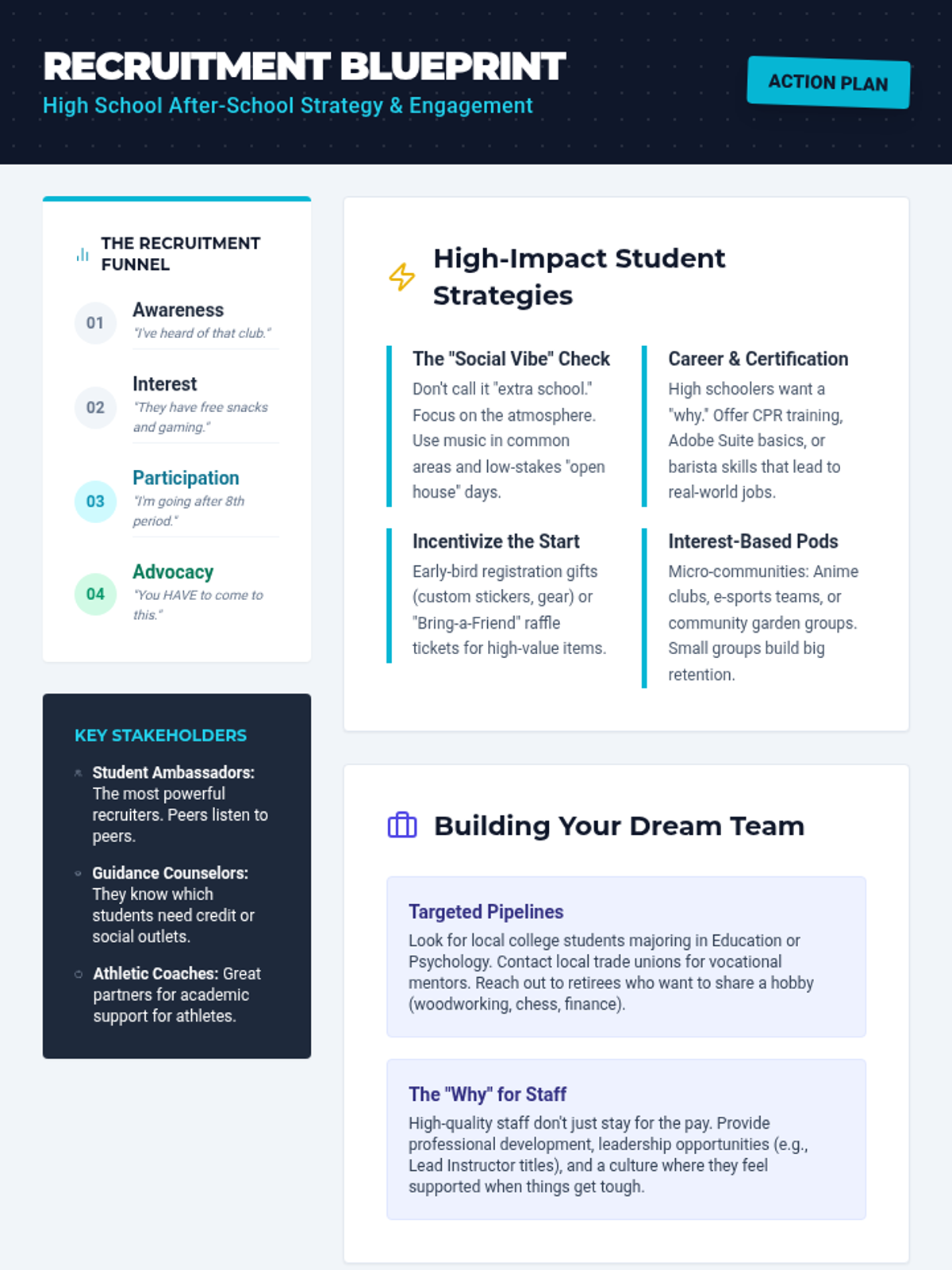
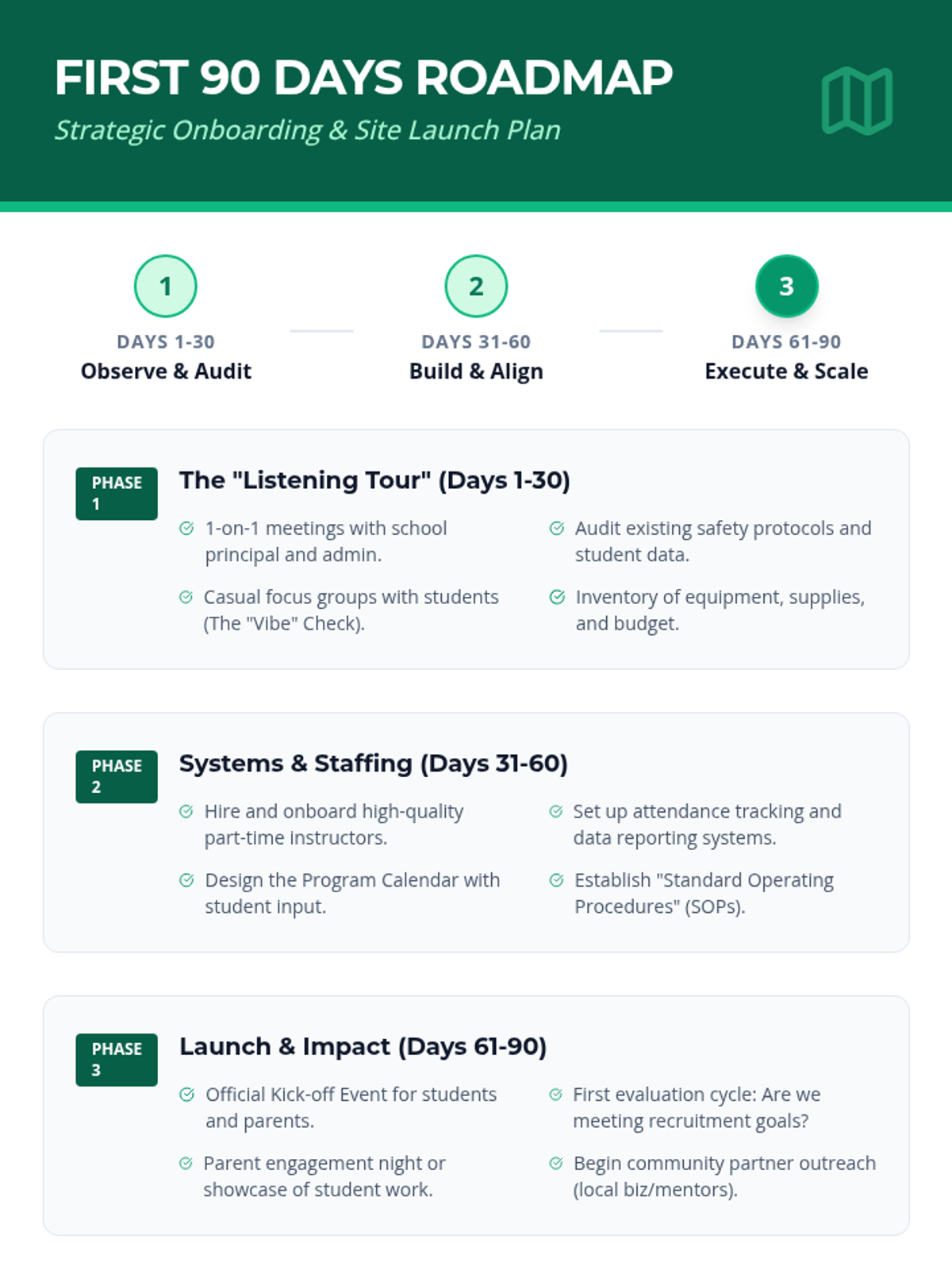
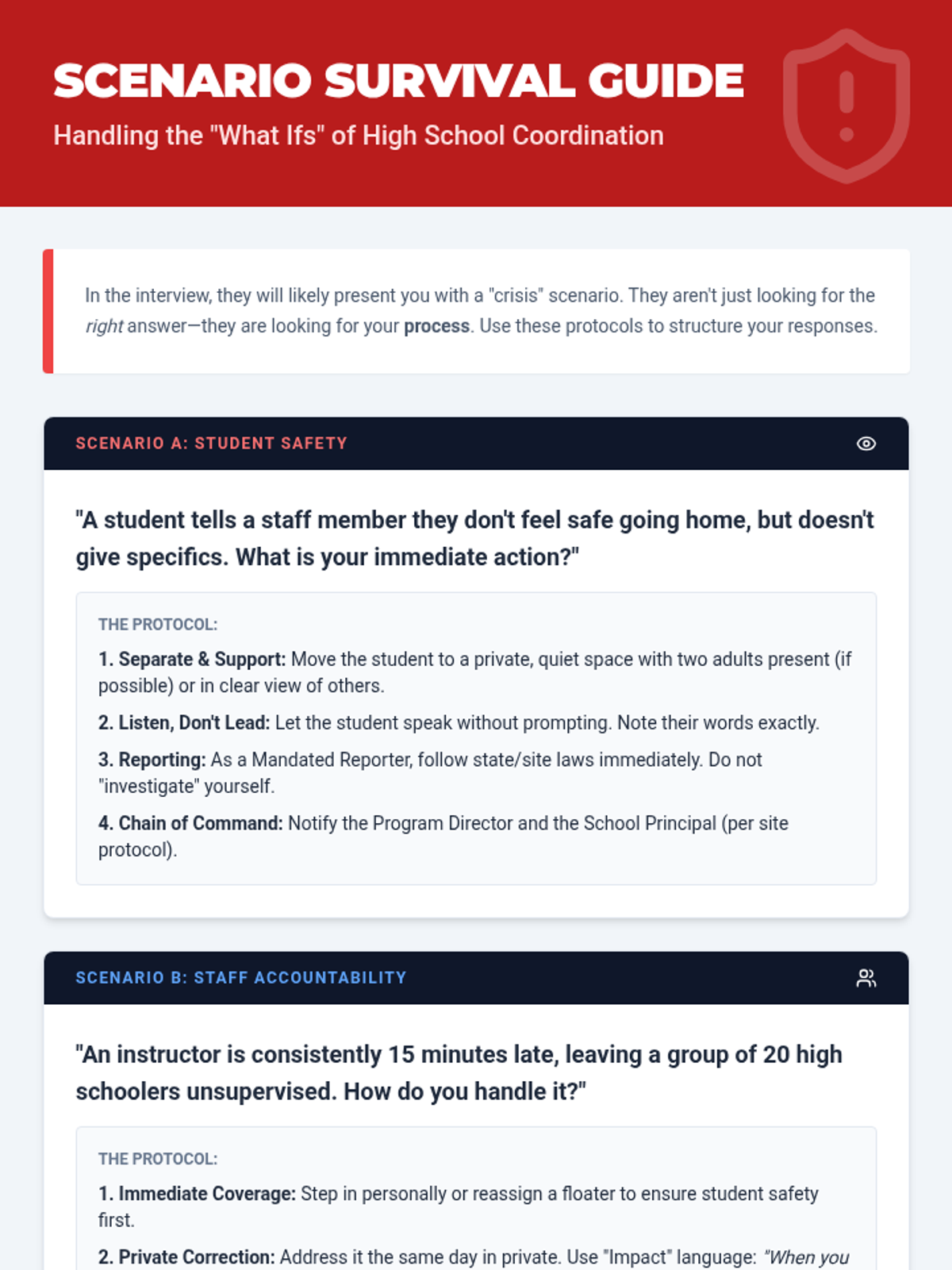
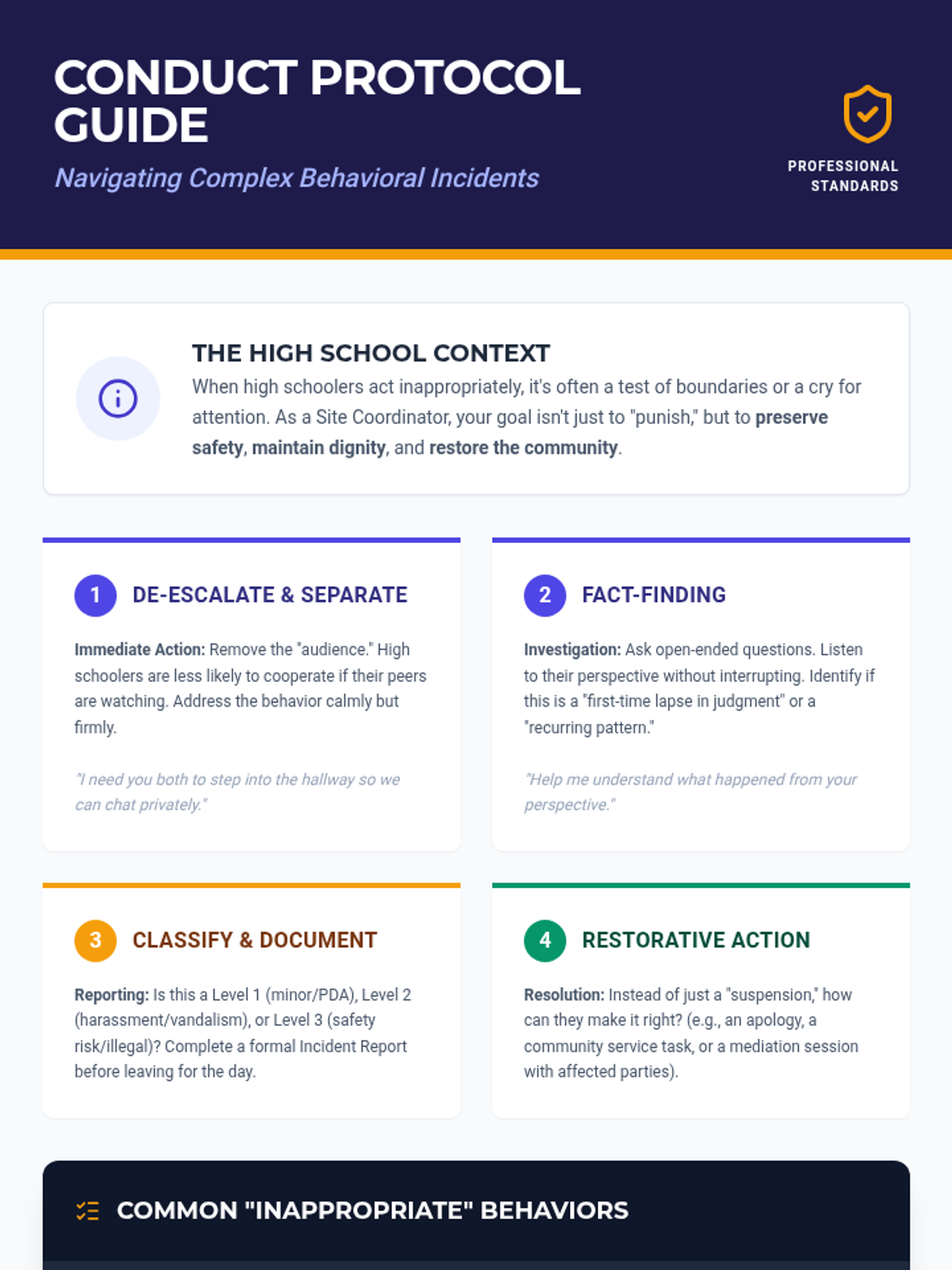
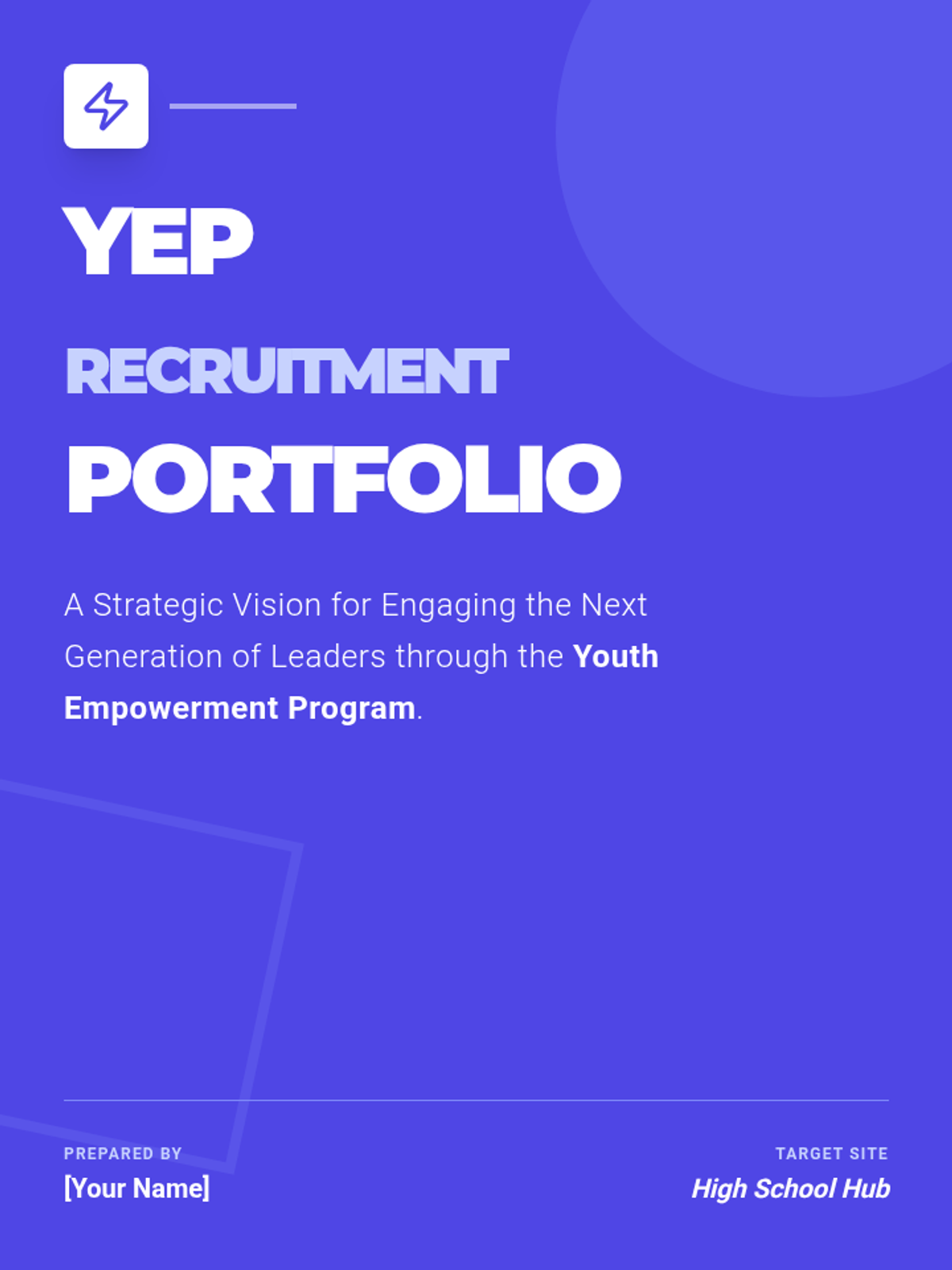
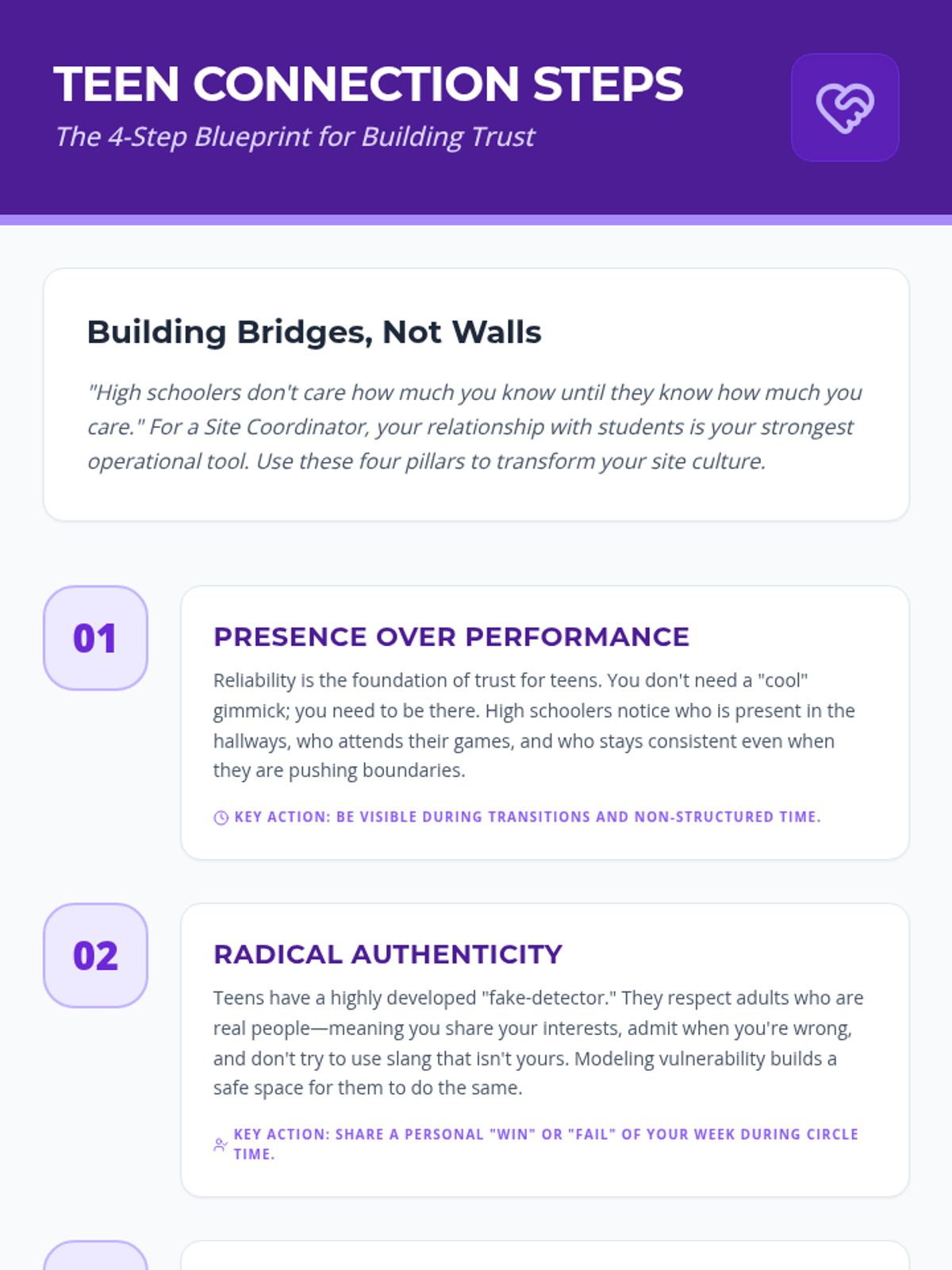
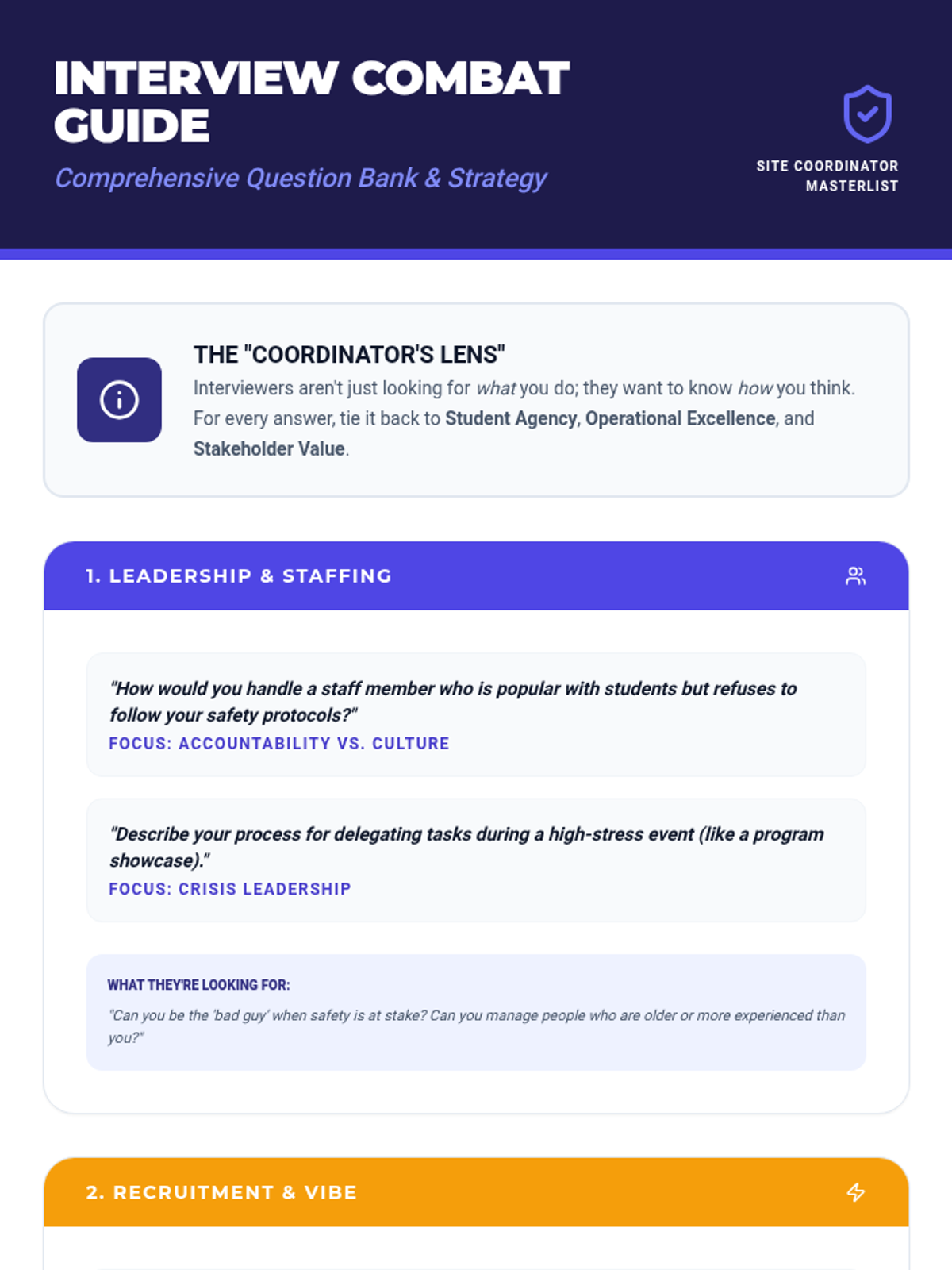
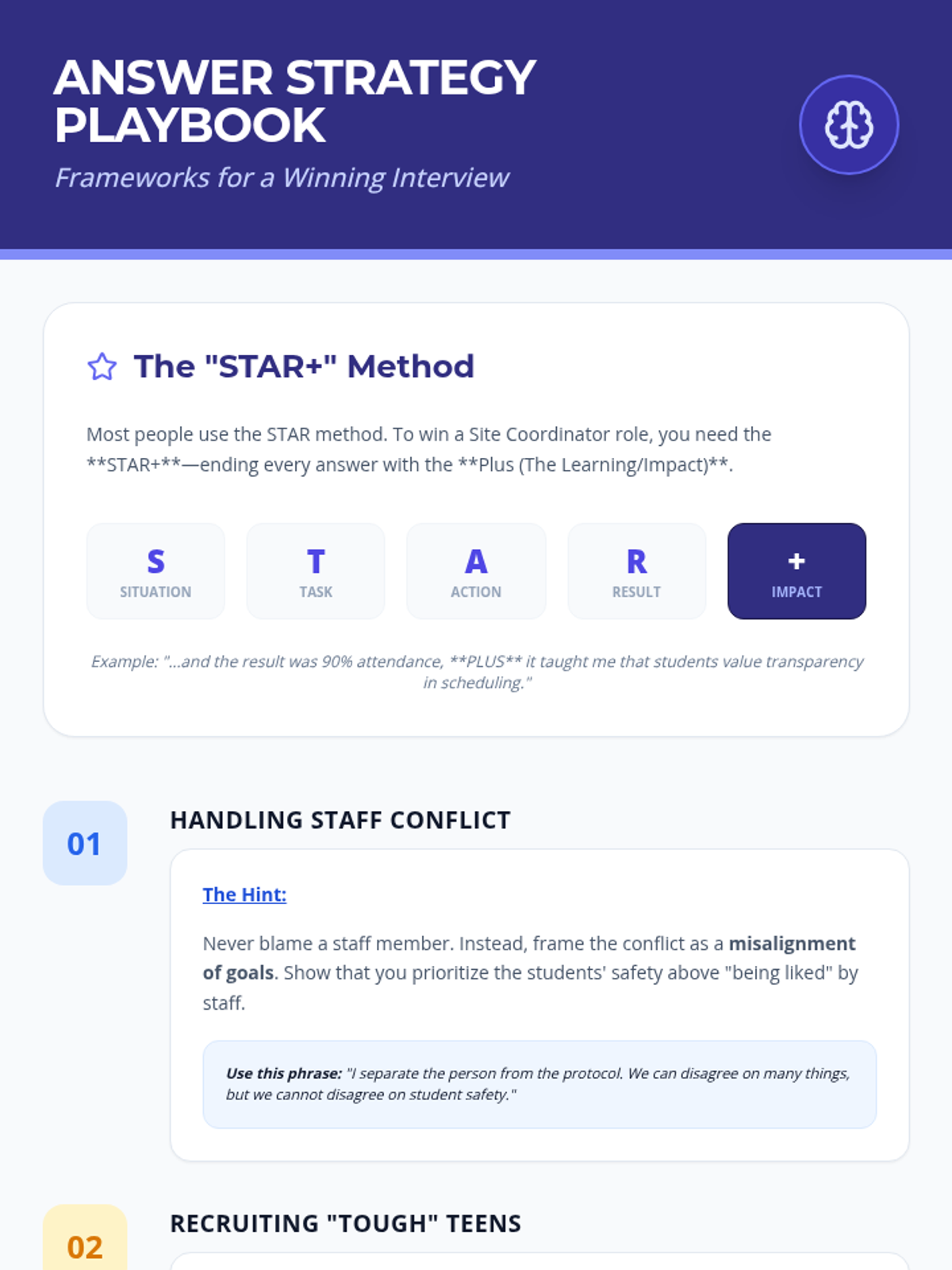
A comprehensive interview preparation package for a High School After-School Site Coordinator role, focusing on leadership, operations, and student recruitment strategies.
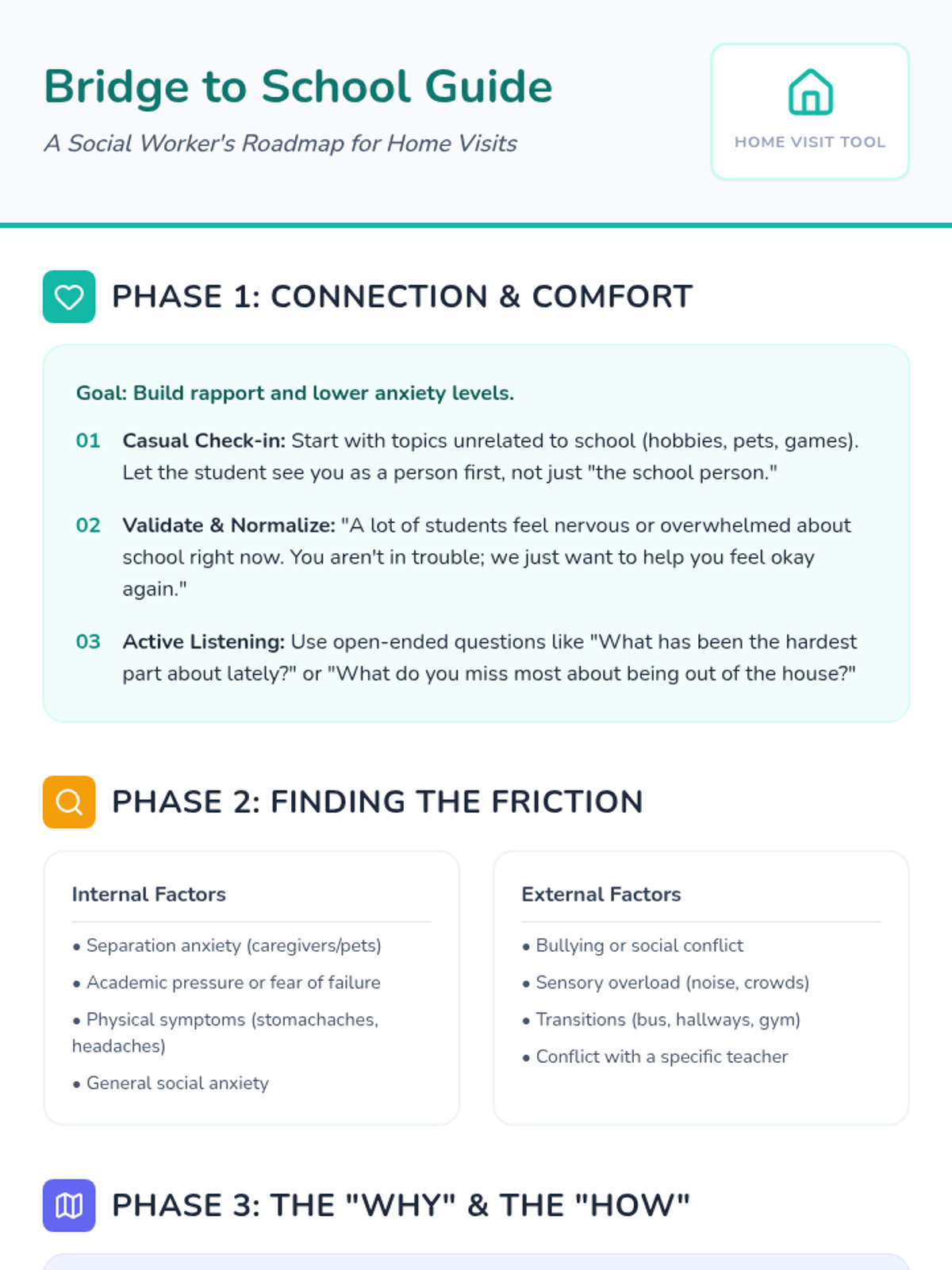
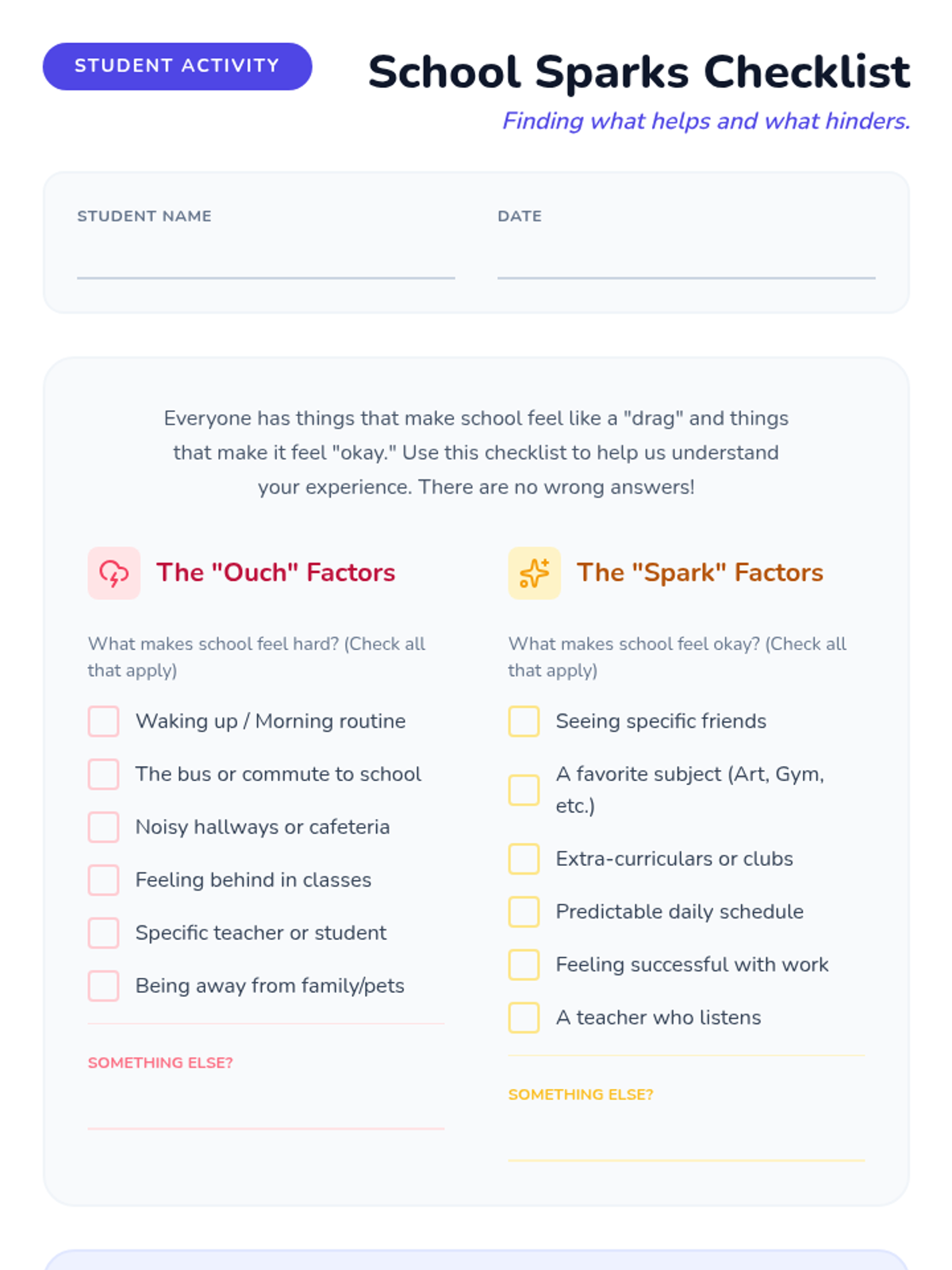
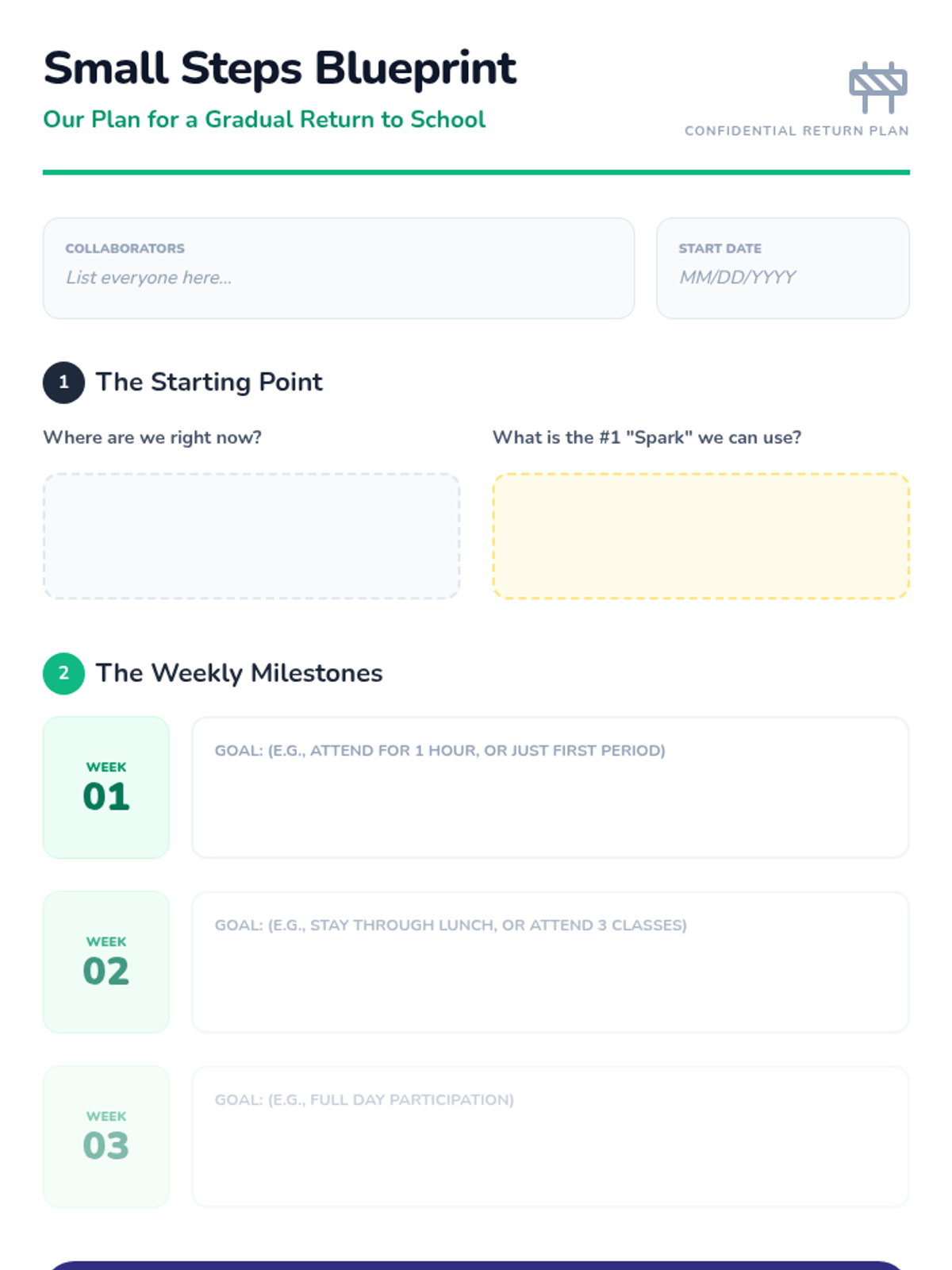
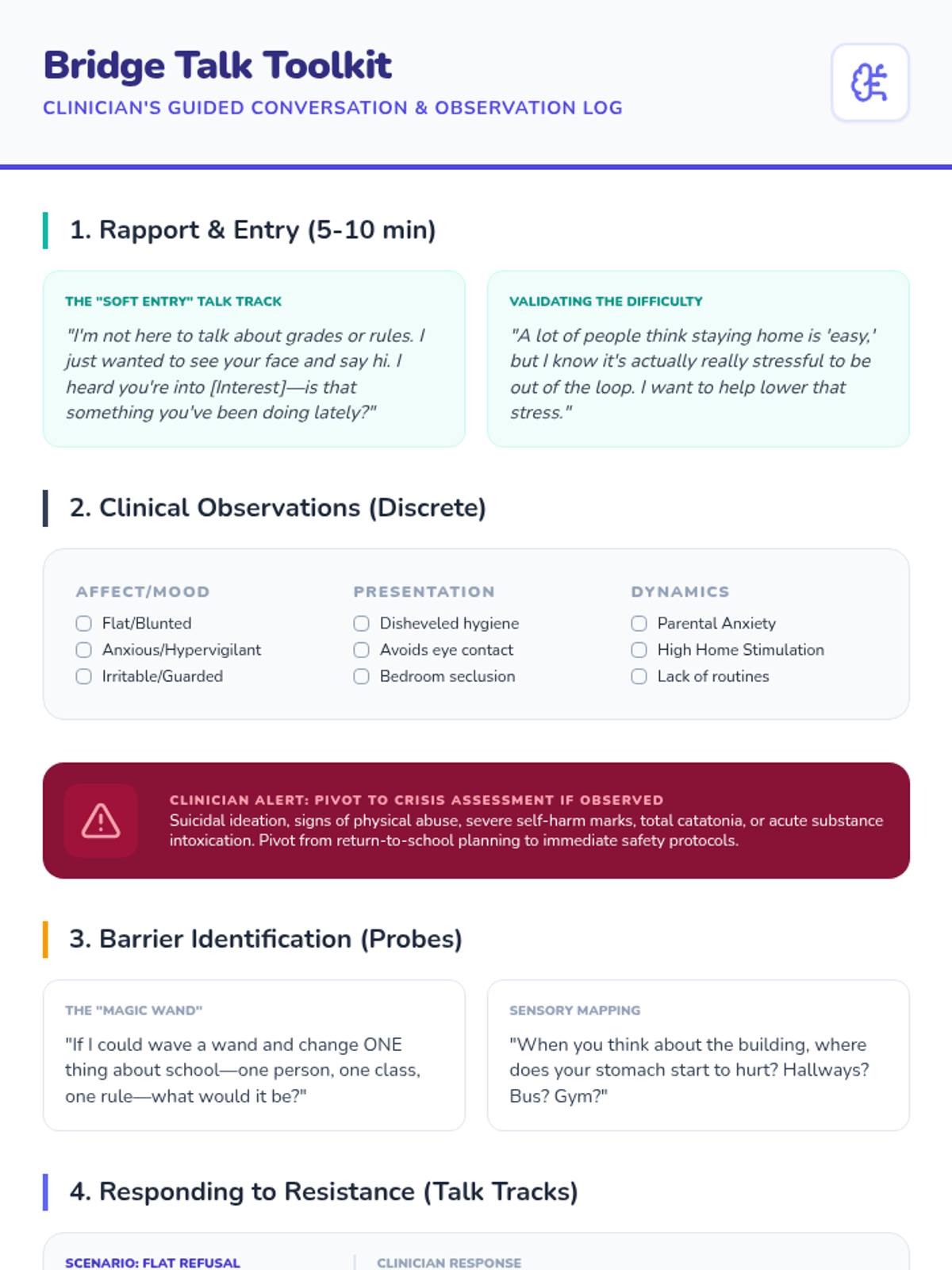
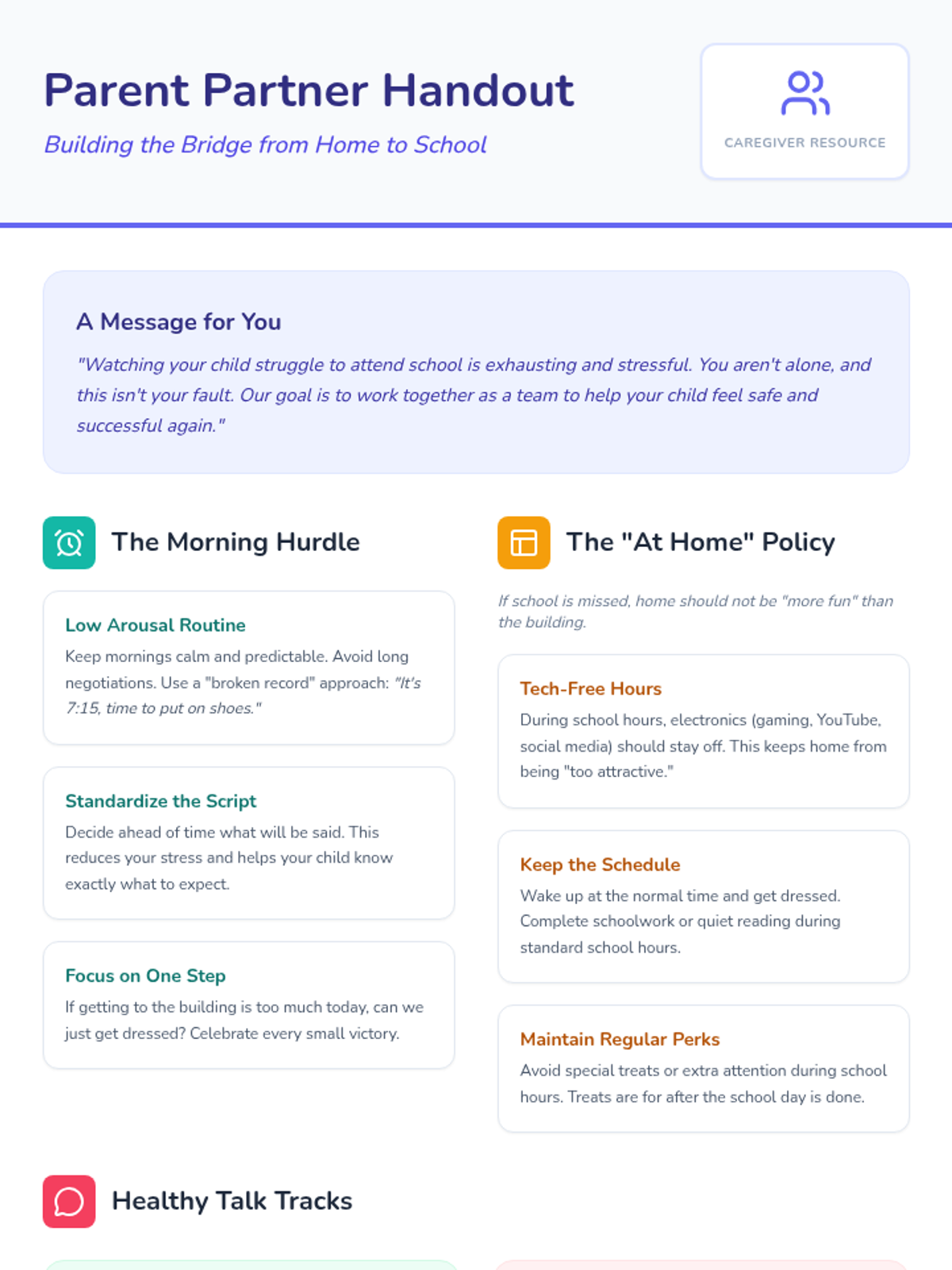
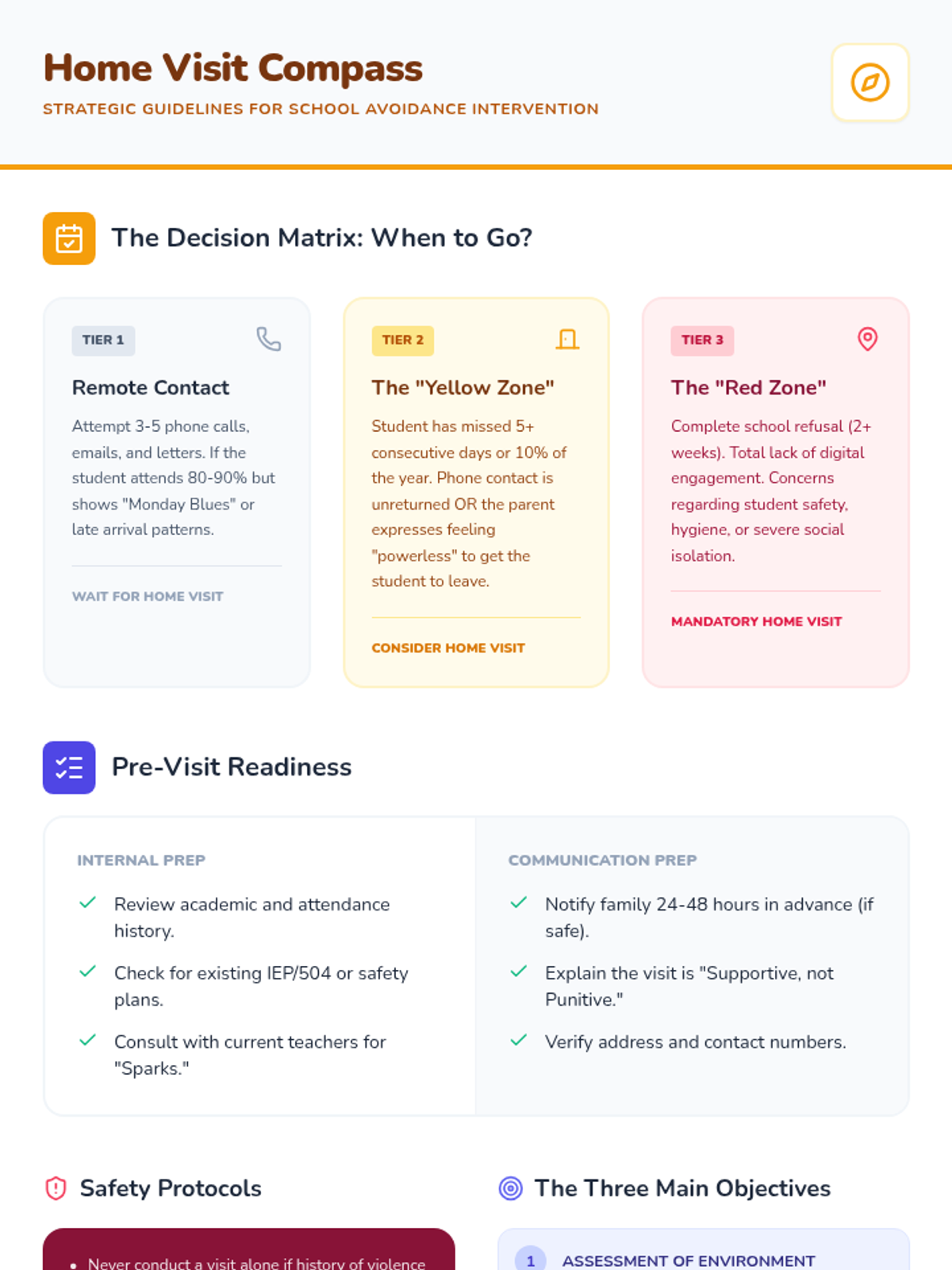
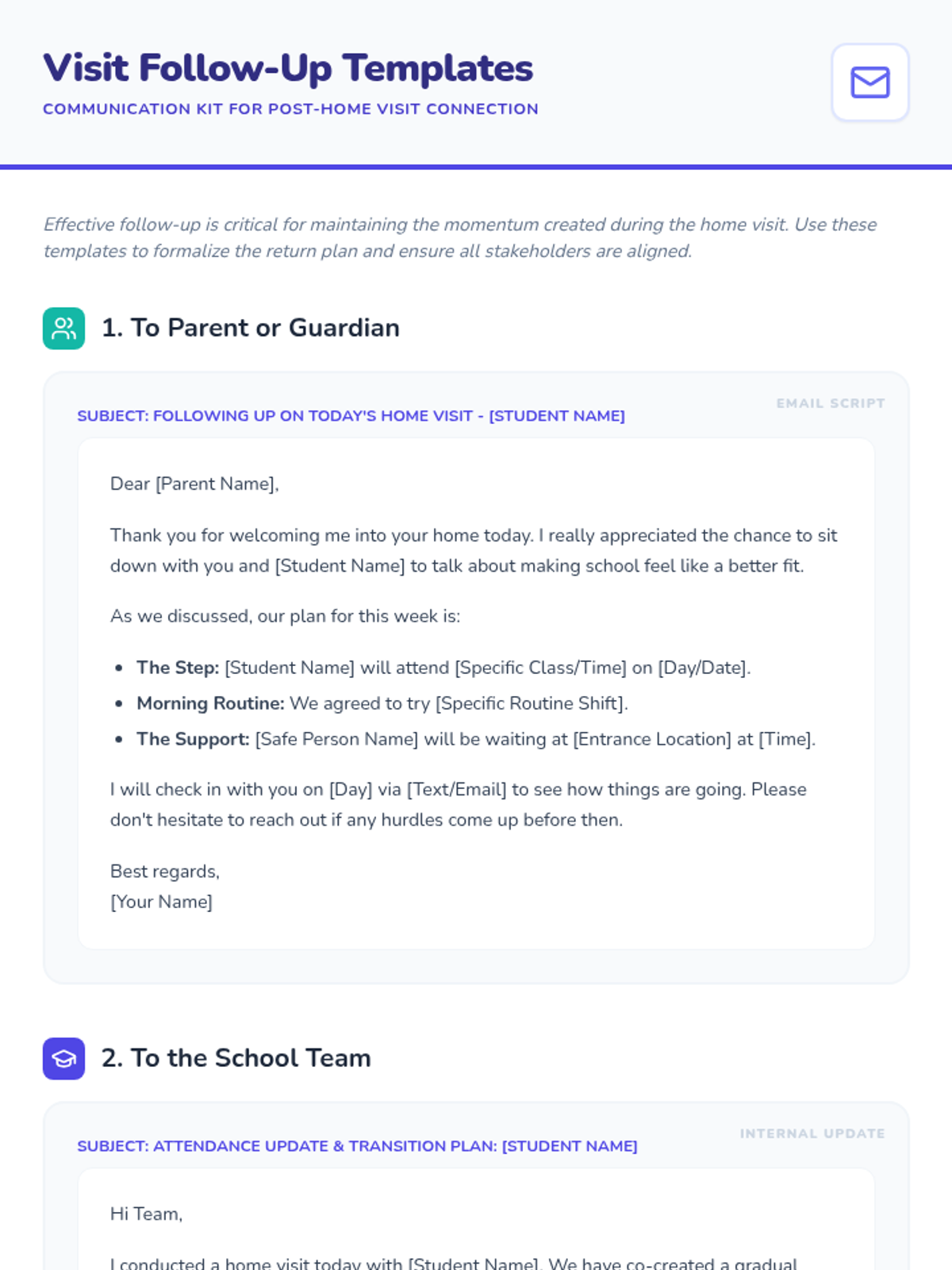
A comprehensive home visit framework designed for social workers to support students experiencing school avoidance. This lesson focuses on building trust, identifying specific barriers to attendance, and co-creating a gradual return plan with the student and family.
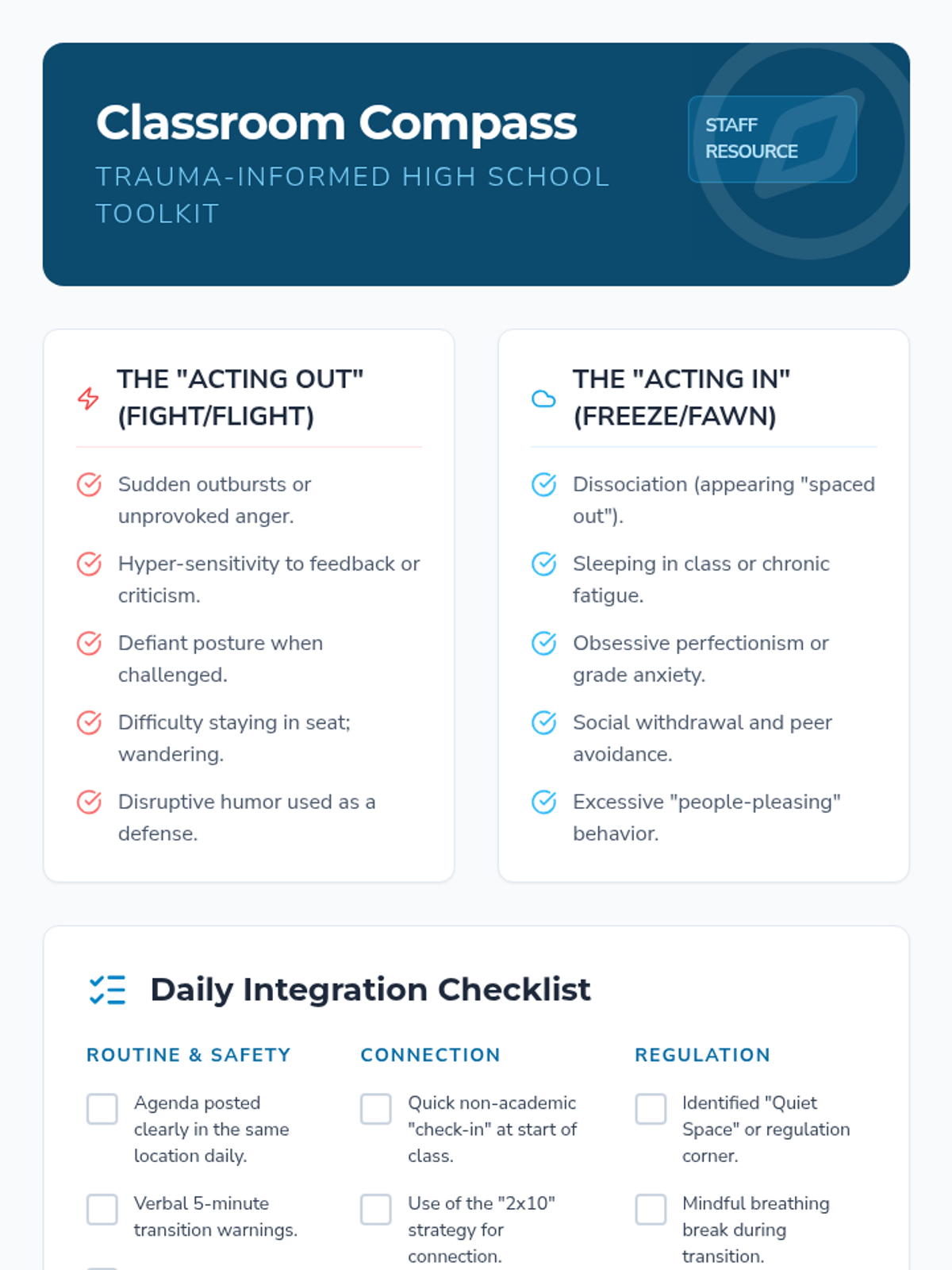
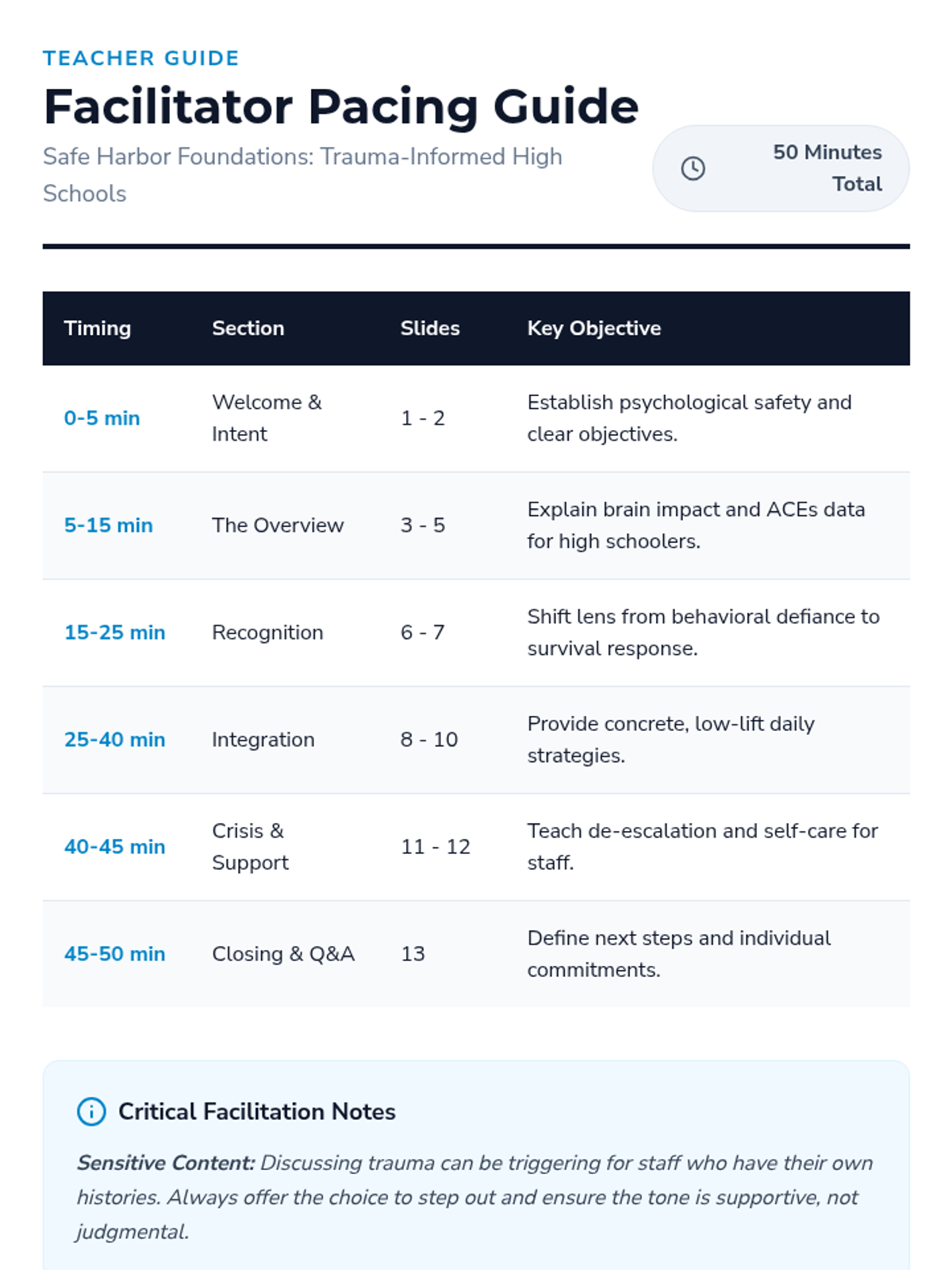
A comprehensive 50-minute professional development session for high school staff focusing on trauma-informed principles, recognition of signs, and daily classroom integration strategies.
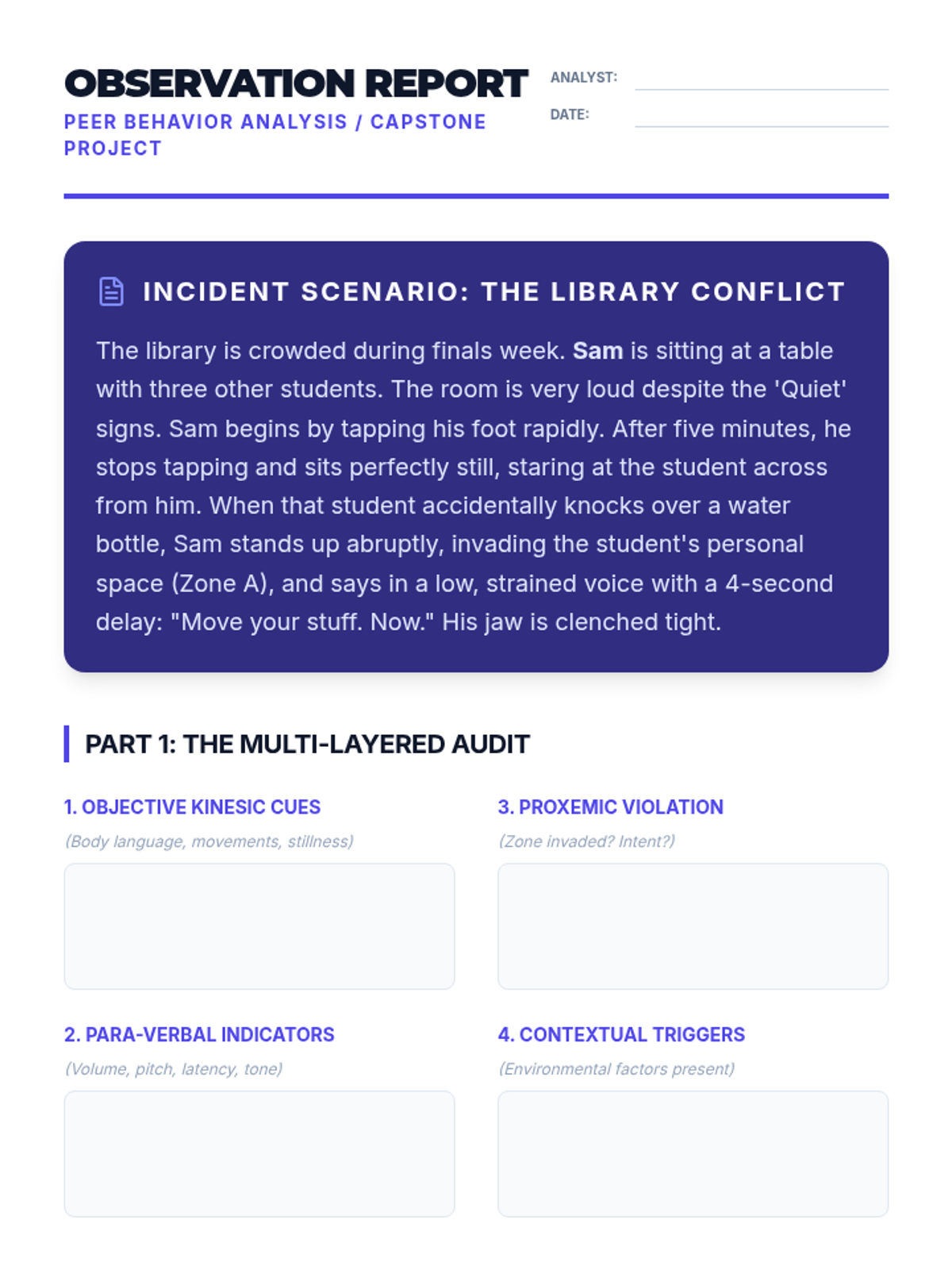
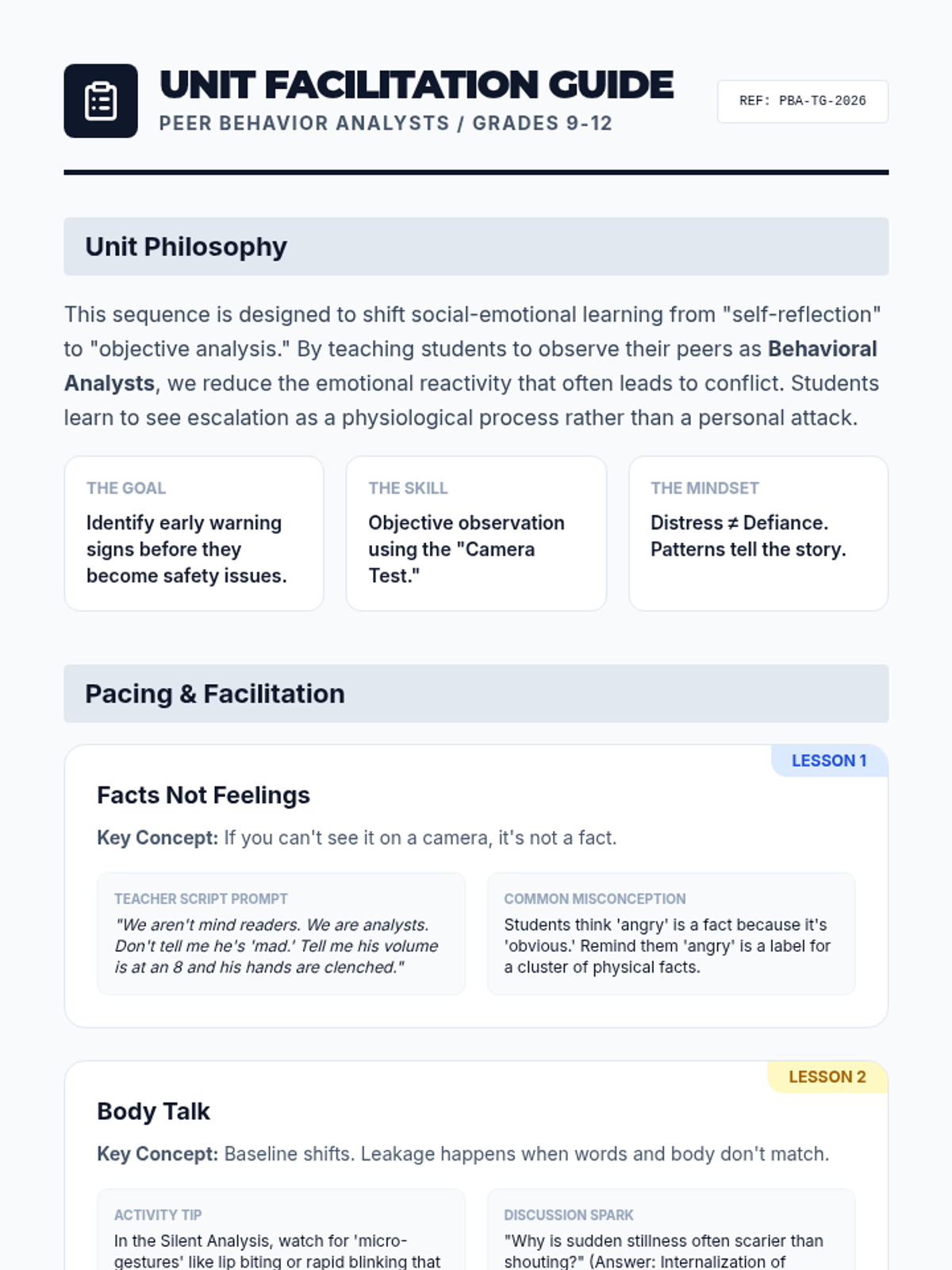
Students synthesize their observation skills to analyze full scenarios, identifying how environmental triggers (noise, crowds) combine with behavioral cues to predict escalation.
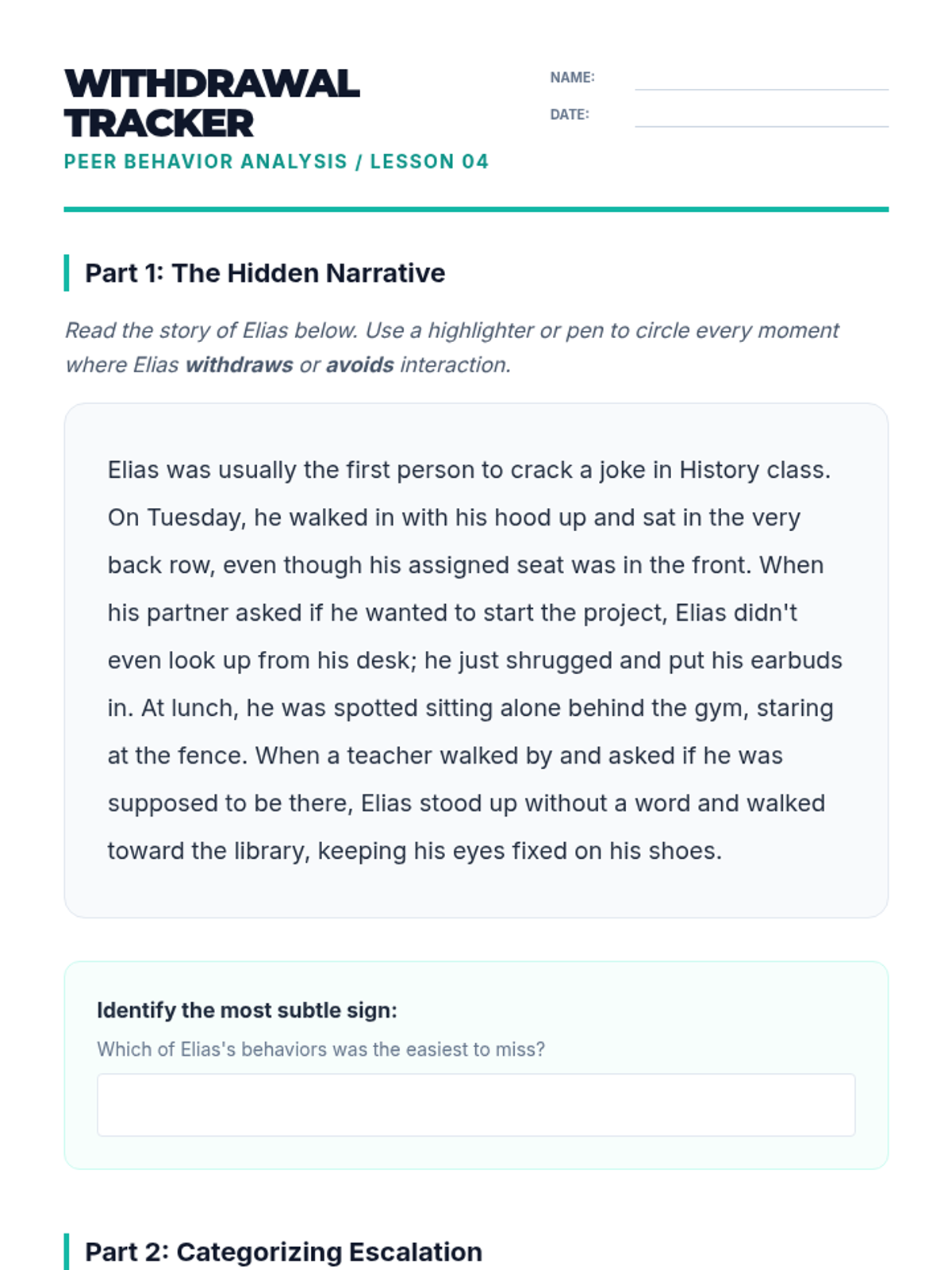
Students learn to identify 'implosive' escalation—withdrawal, shutting down, or avoiding eye contact—and discuss how these quiet signs can be precursors to explosive behavior.
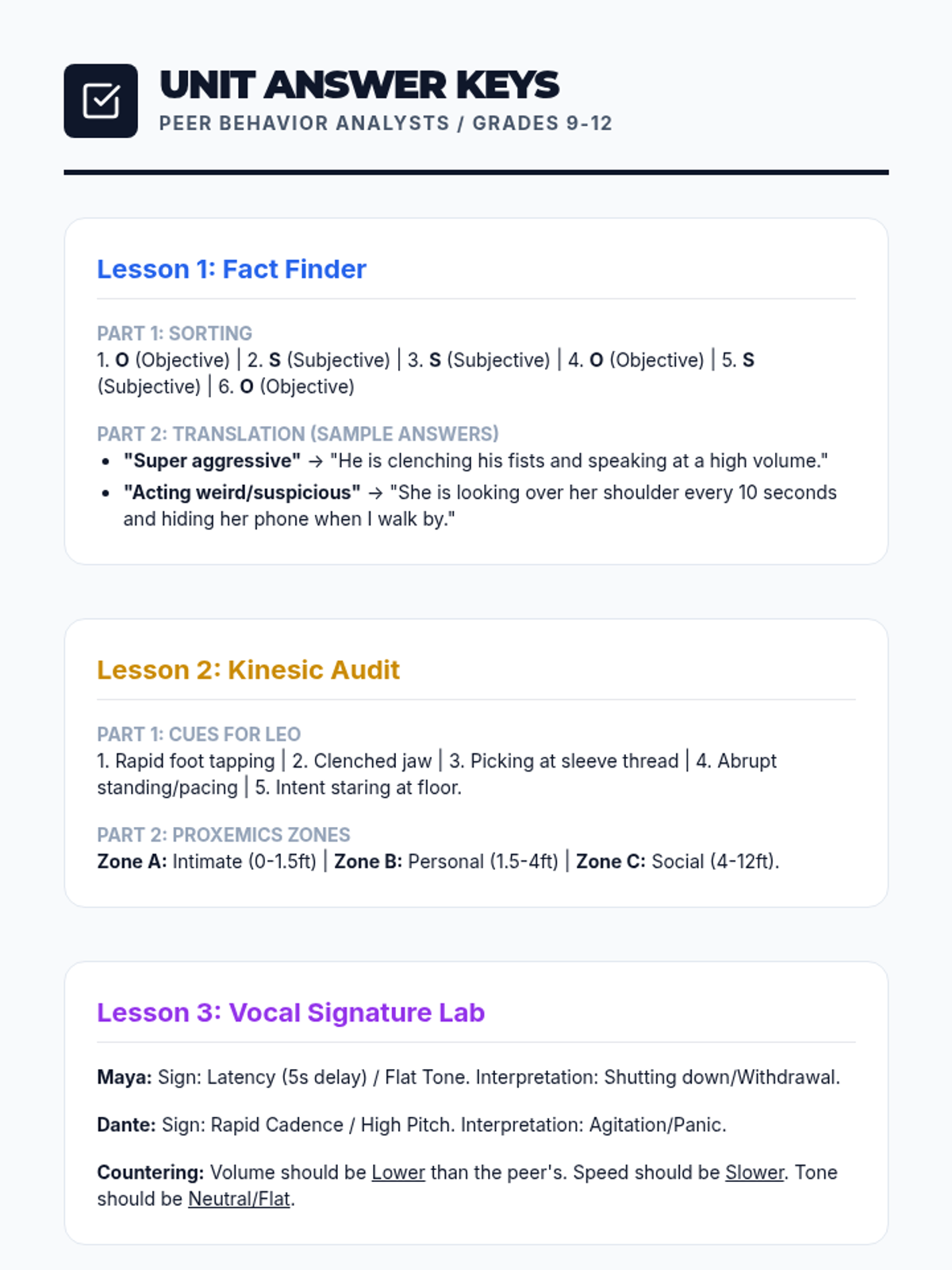
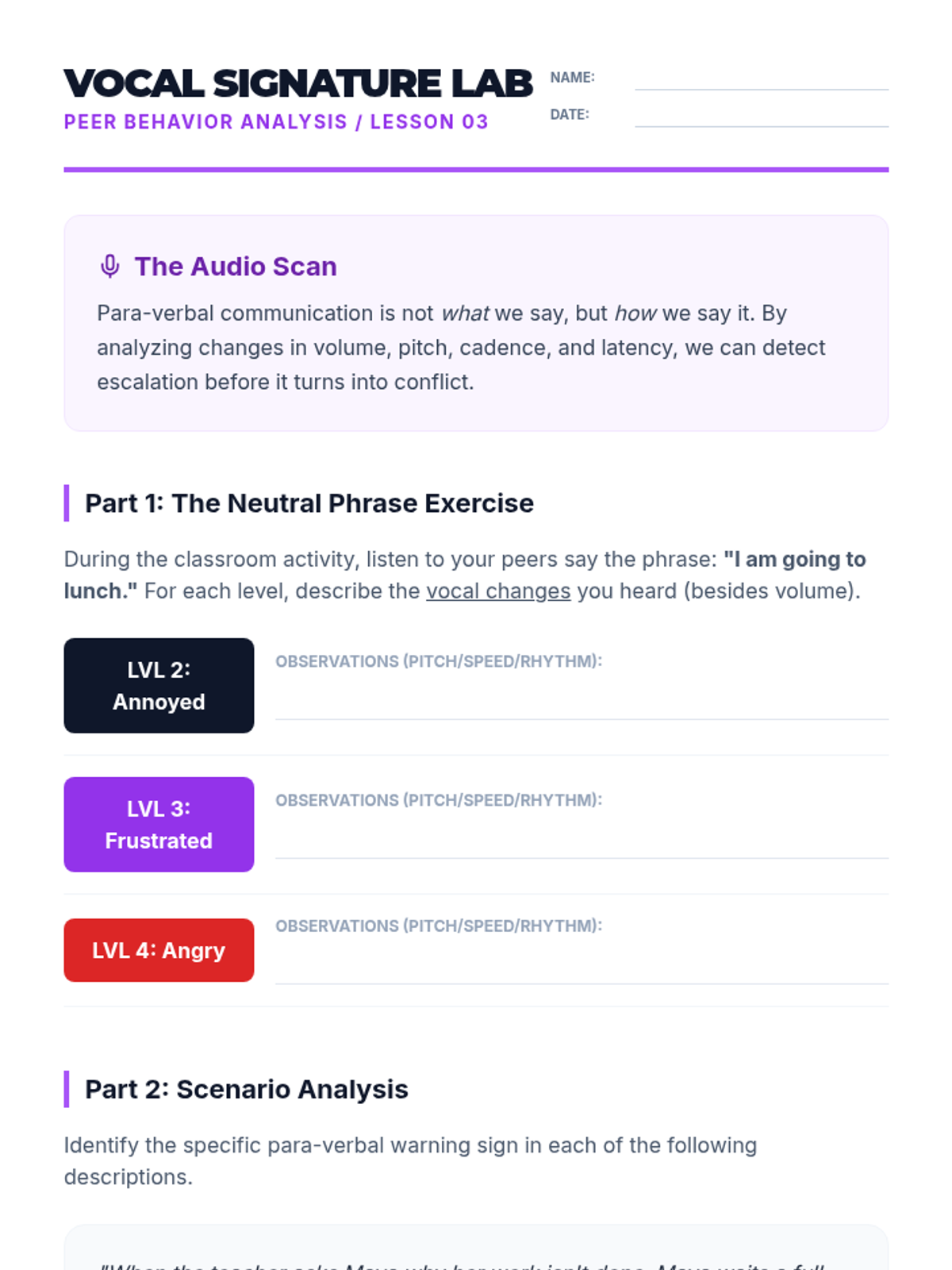
Students examine the vocal components of escalation, including changes in pitch, speed, volume, and latency of response.
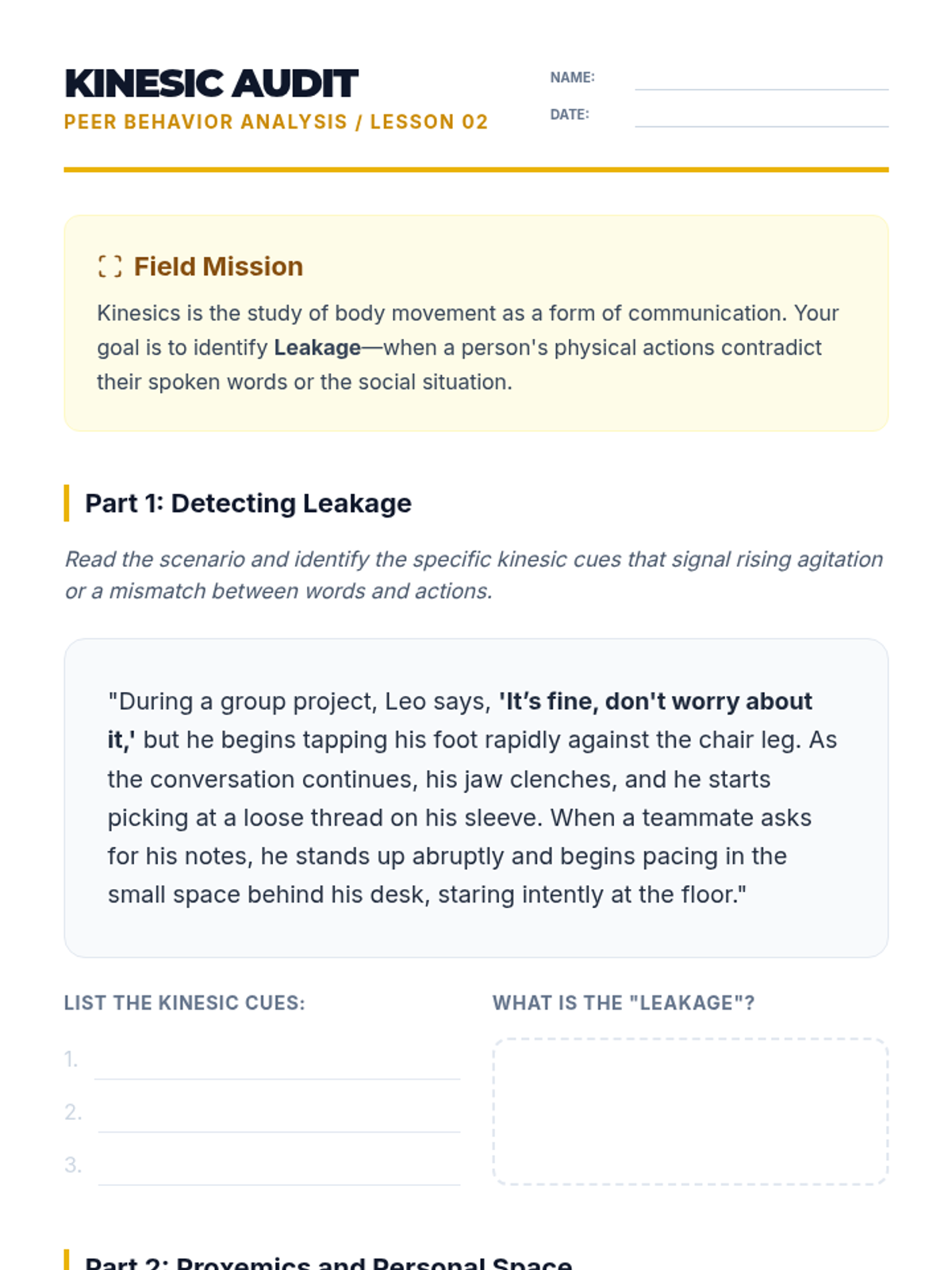
Focuses on gross motor movements that signal agitation and identifying 'leakage'—when body language contradicts spoken words.
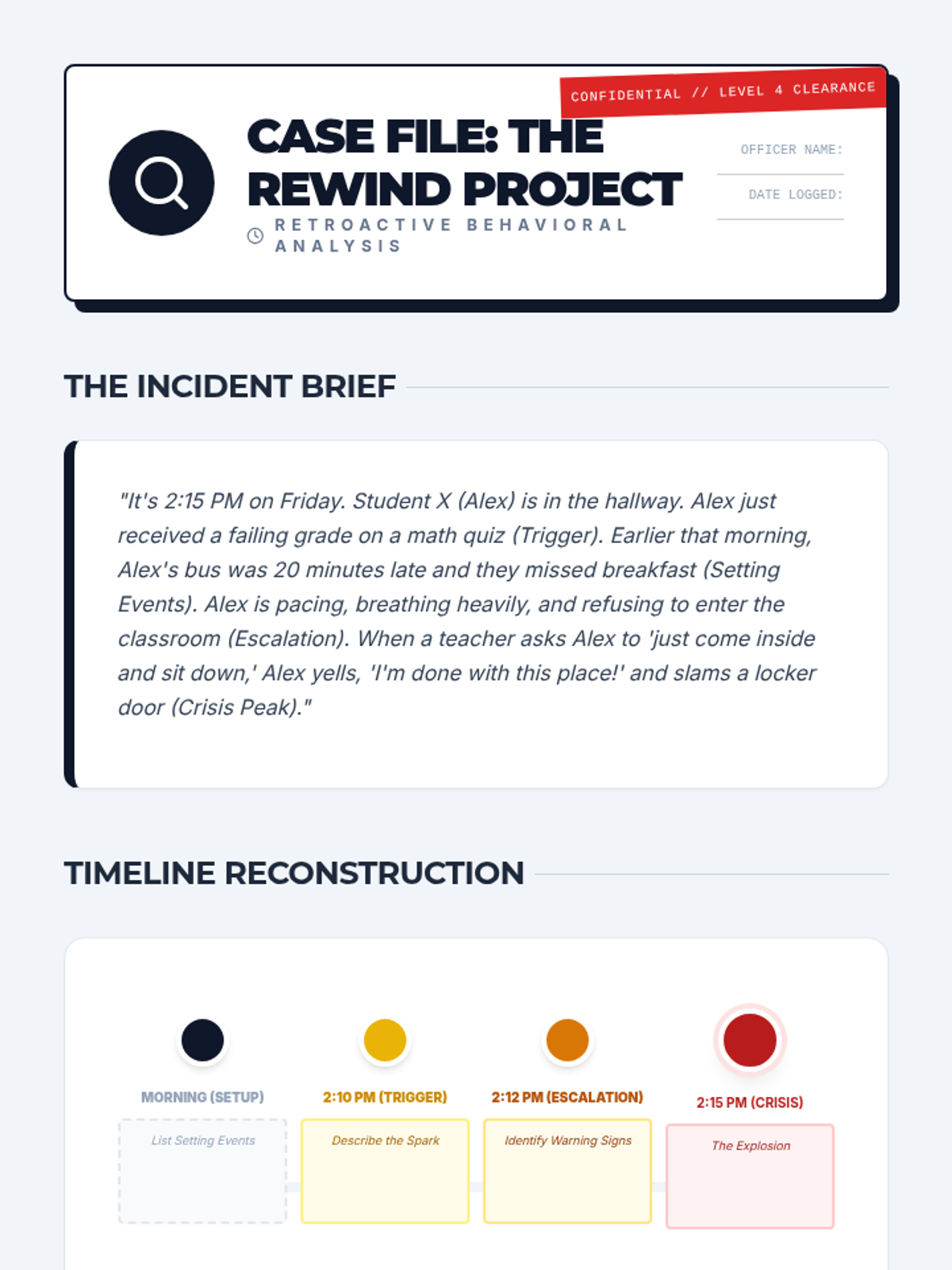
A summative project where students reconstruct a crisis event timeline to identify missed intervention 'off-ramps' and missed warning signs.
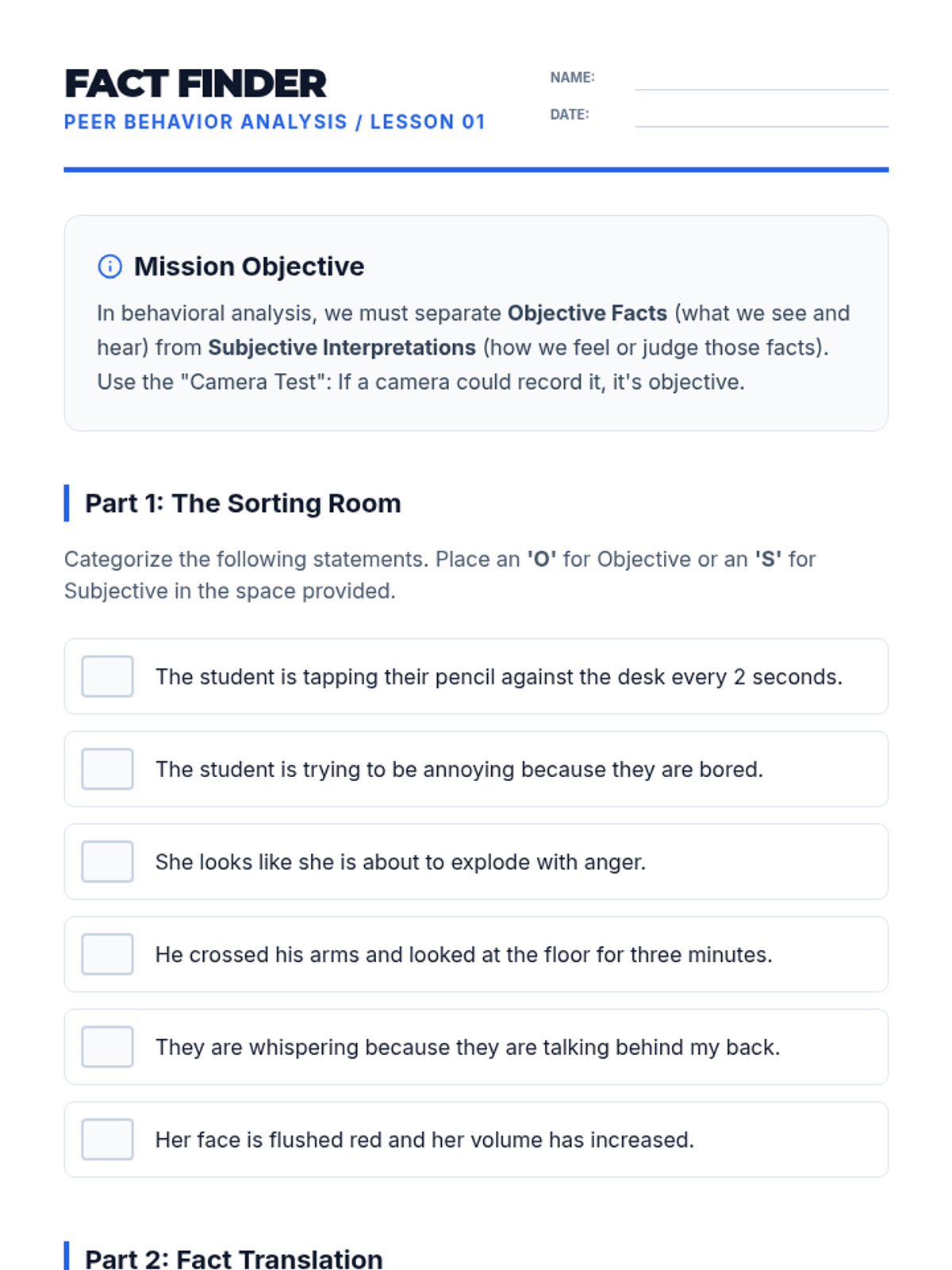
Students learn to distinguish between objective observations (facts) and subjective interpretations (opinions) to ensure accurate behavioral assessment.
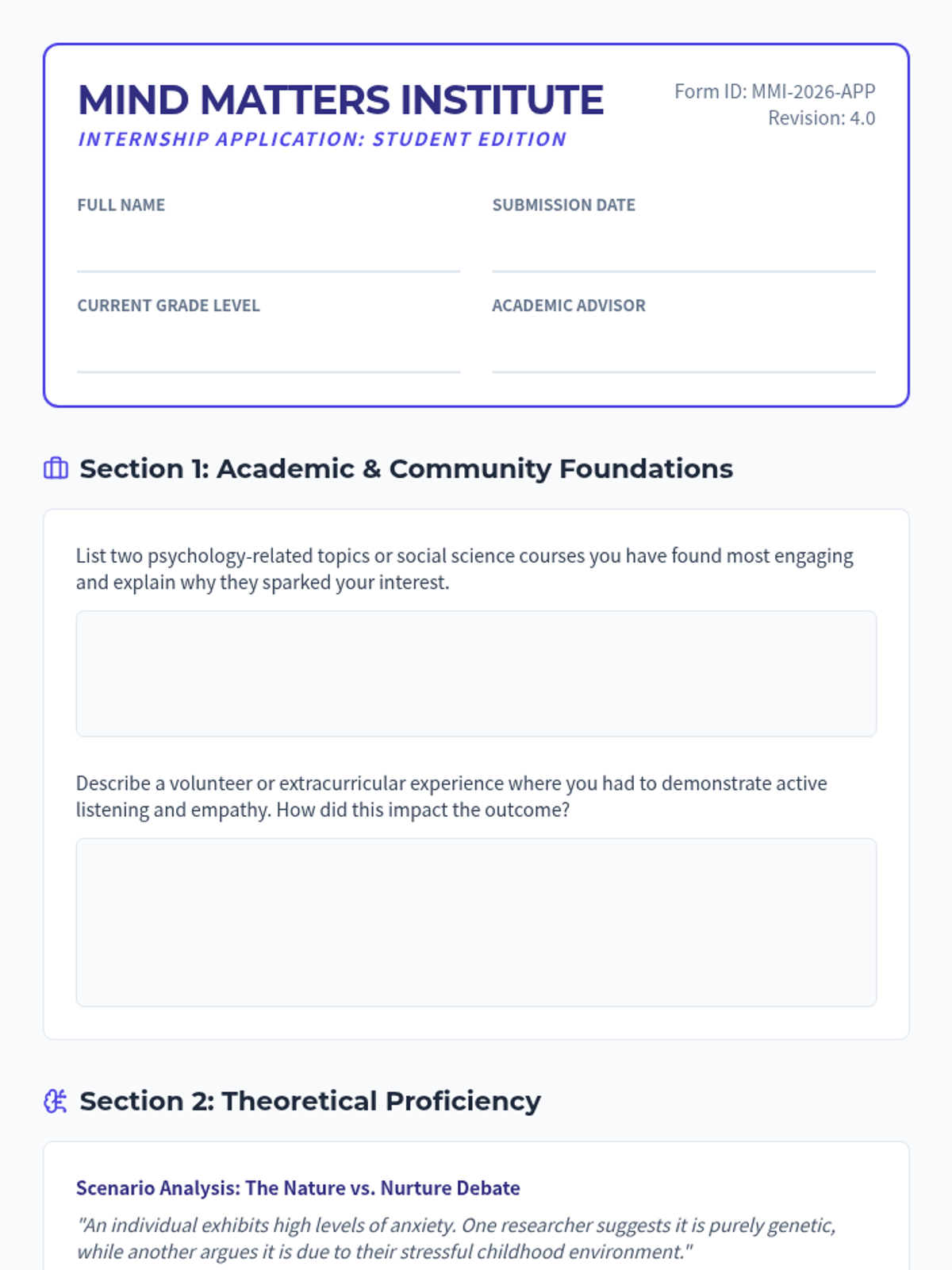
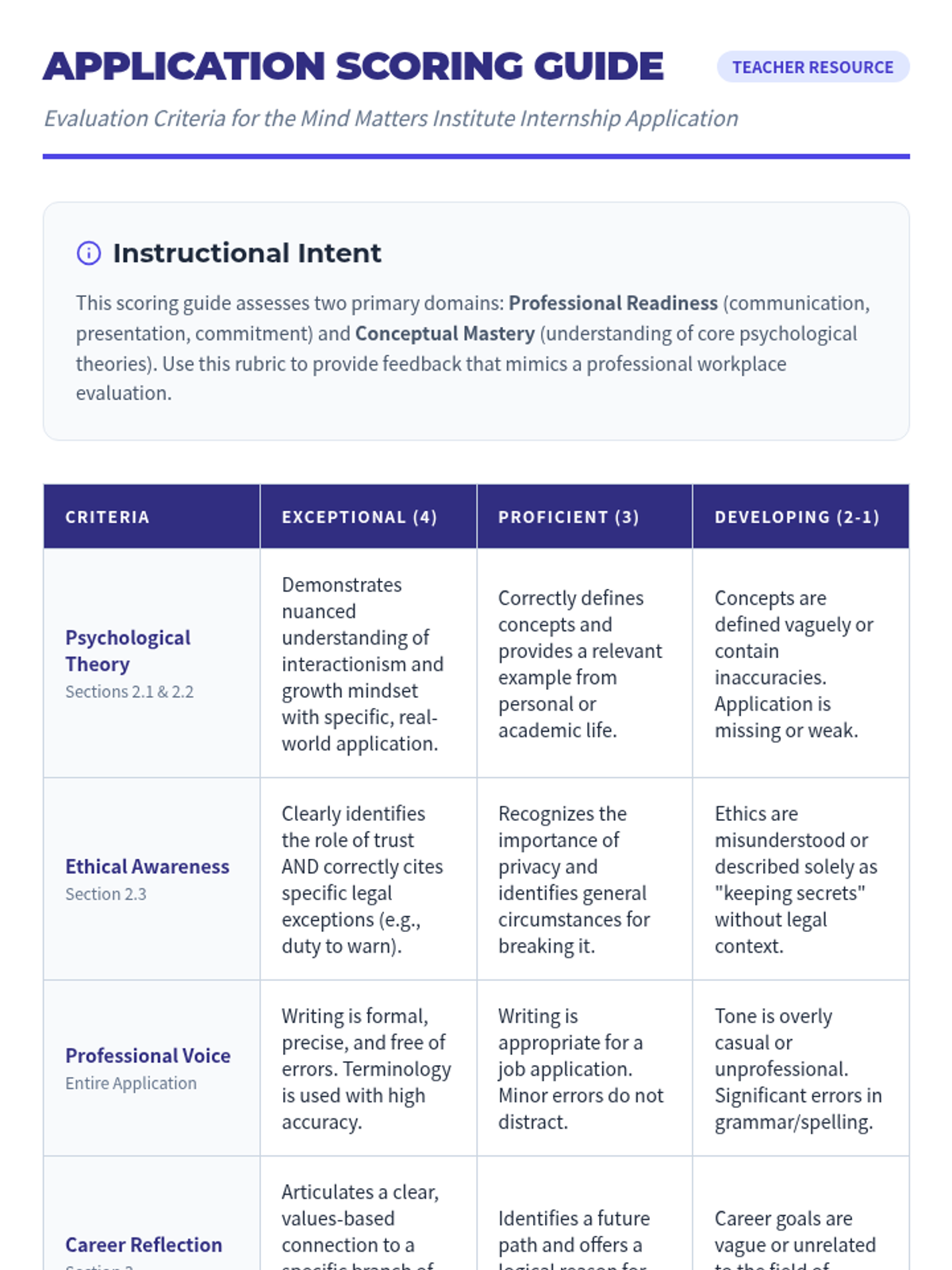
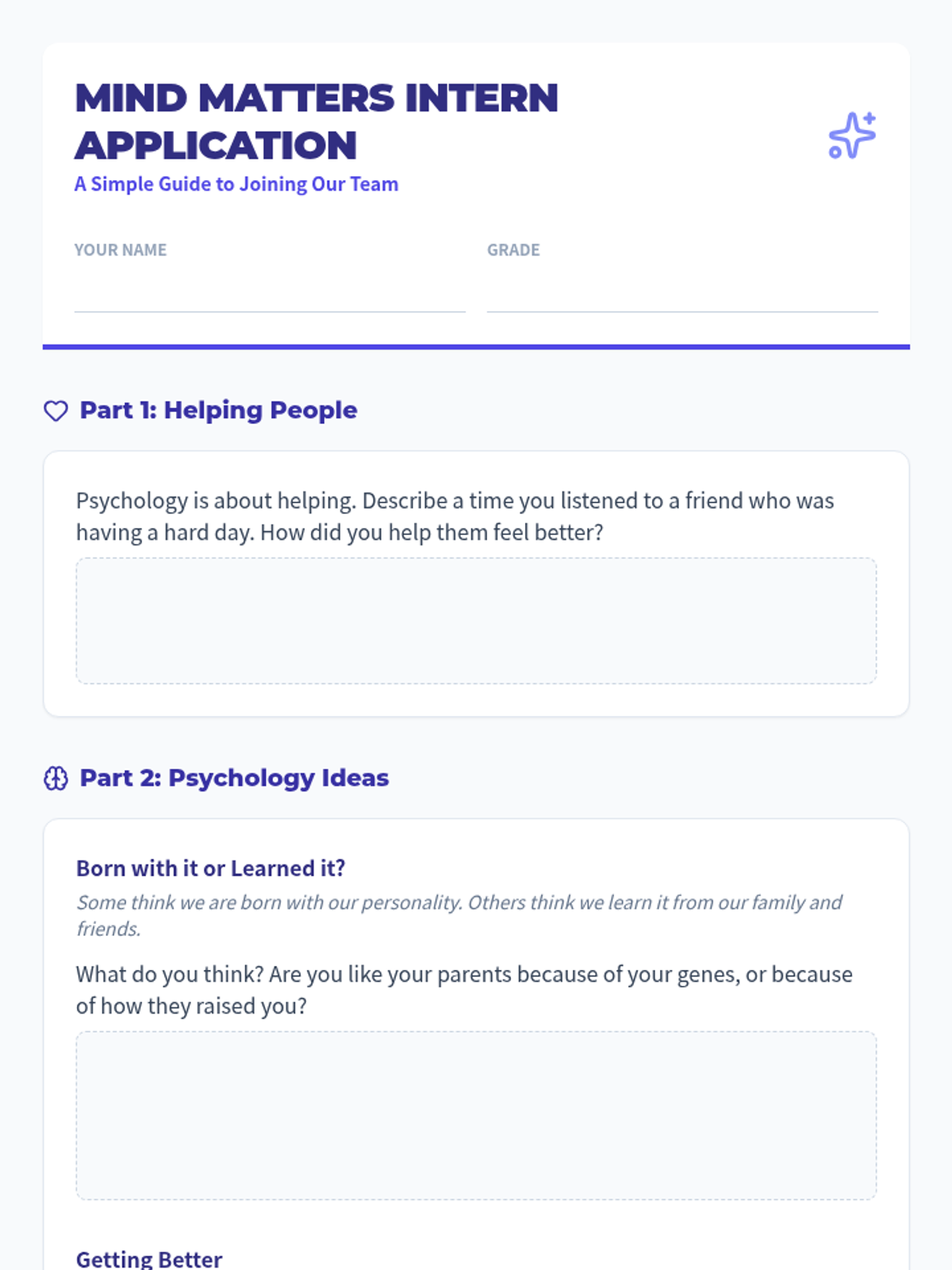
A comprehensive lesson designed to help high school students navigate the job application process for a psychology internship while demonstrating their subject-matter knowledge.
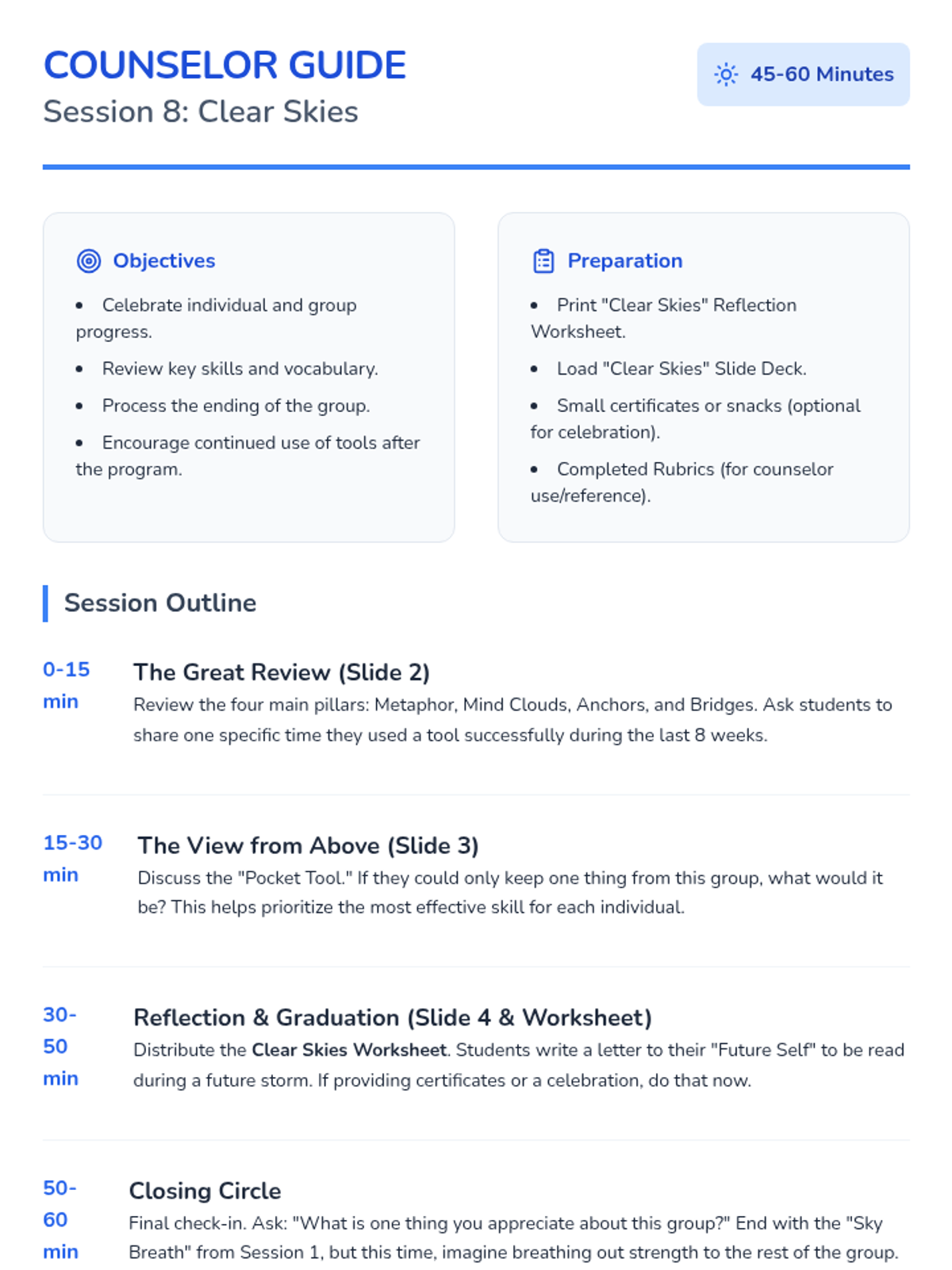
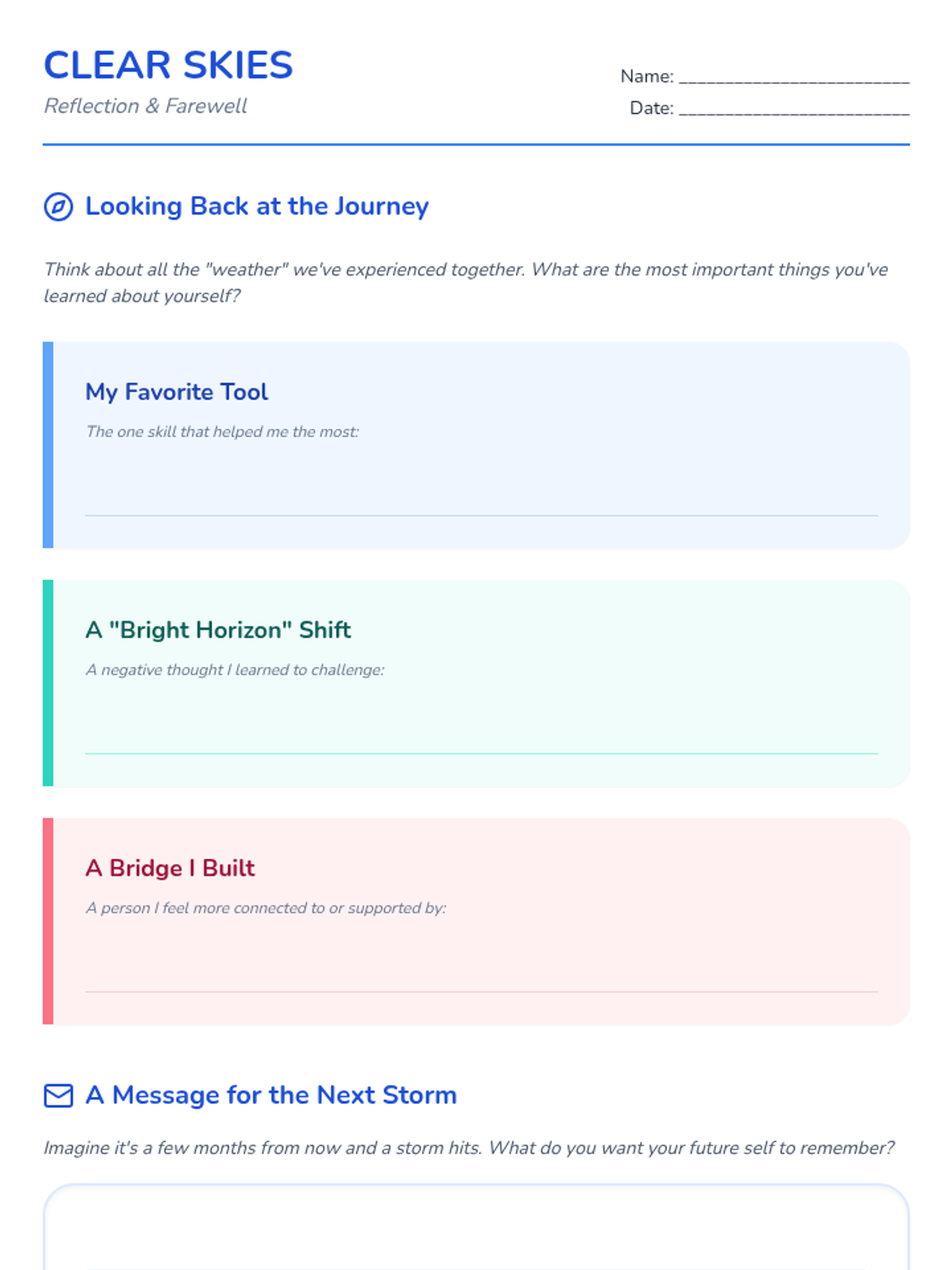
Concluding the group, celebrating progress, and preparing for life after the sessions.
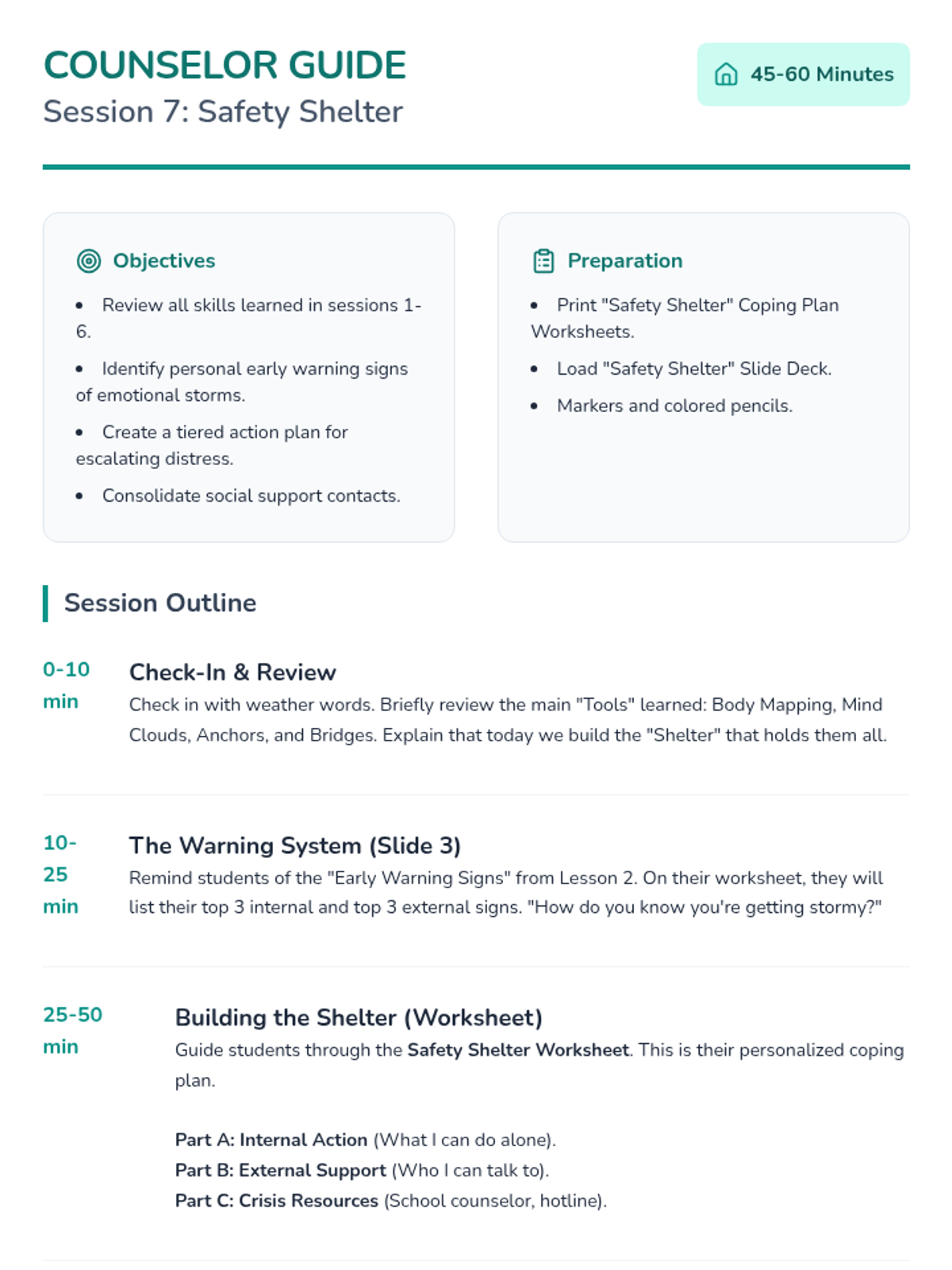
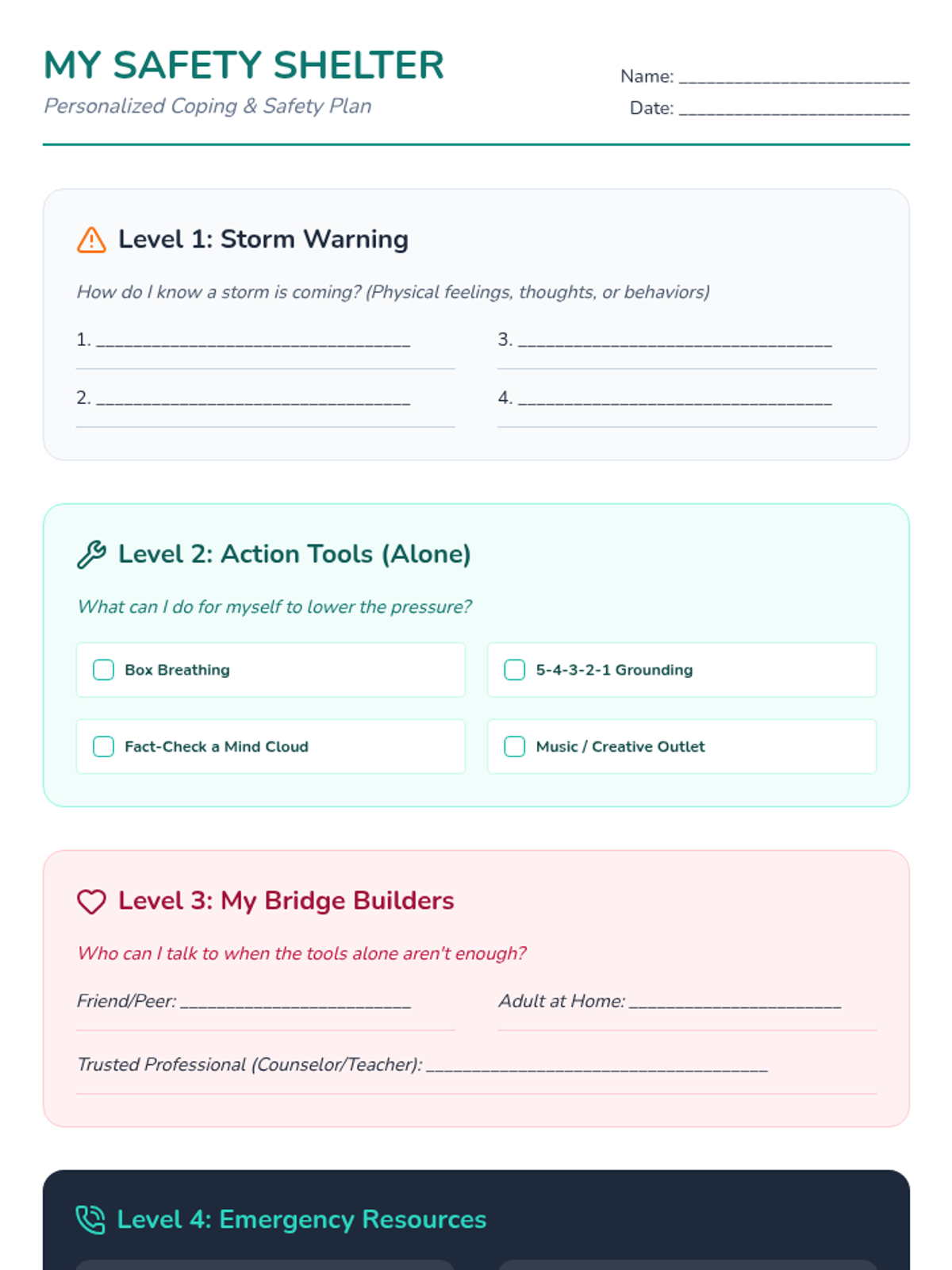
Creating a personalized coping plan and "safety shelter" for managing future emotional challenges.
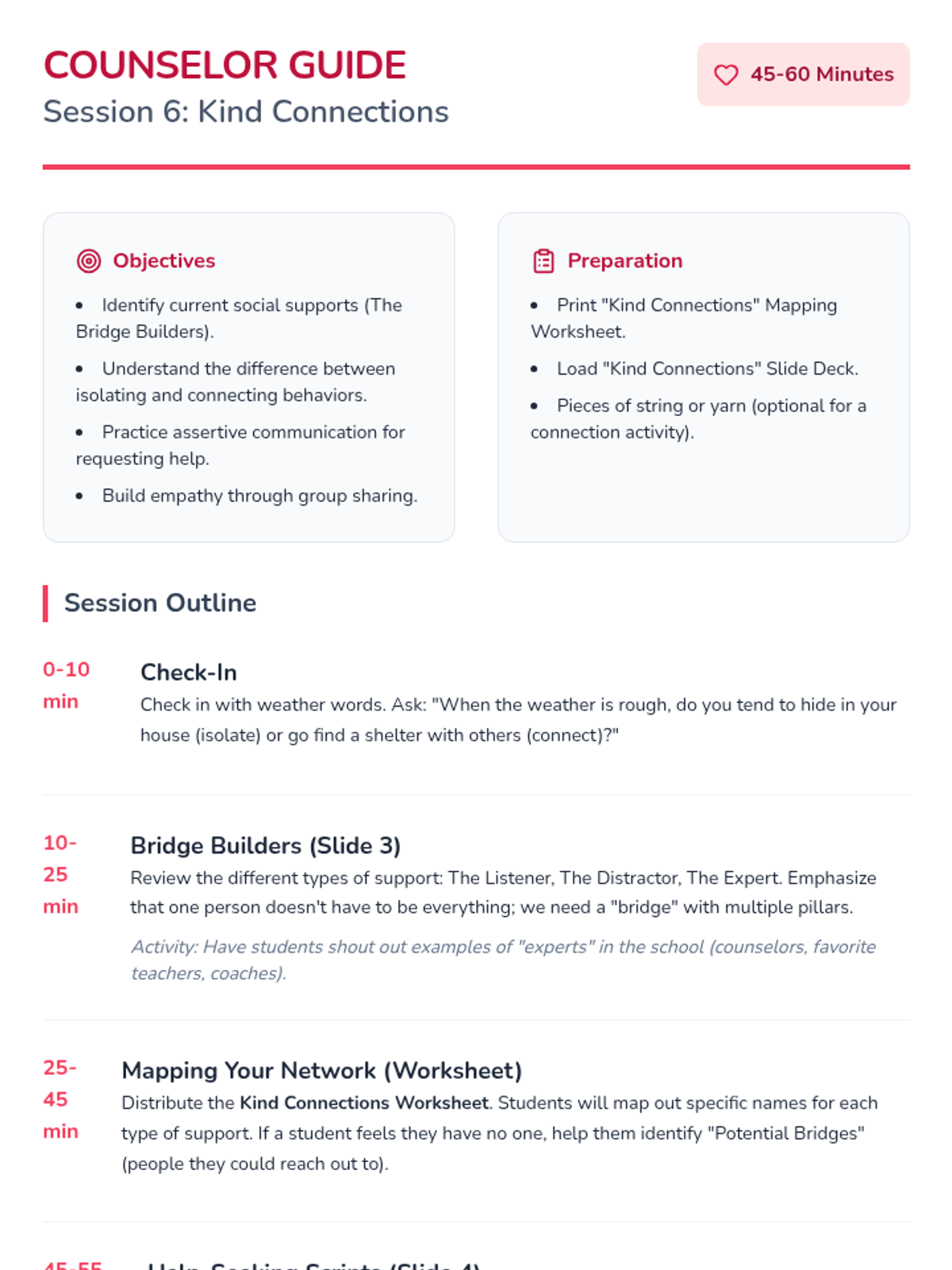
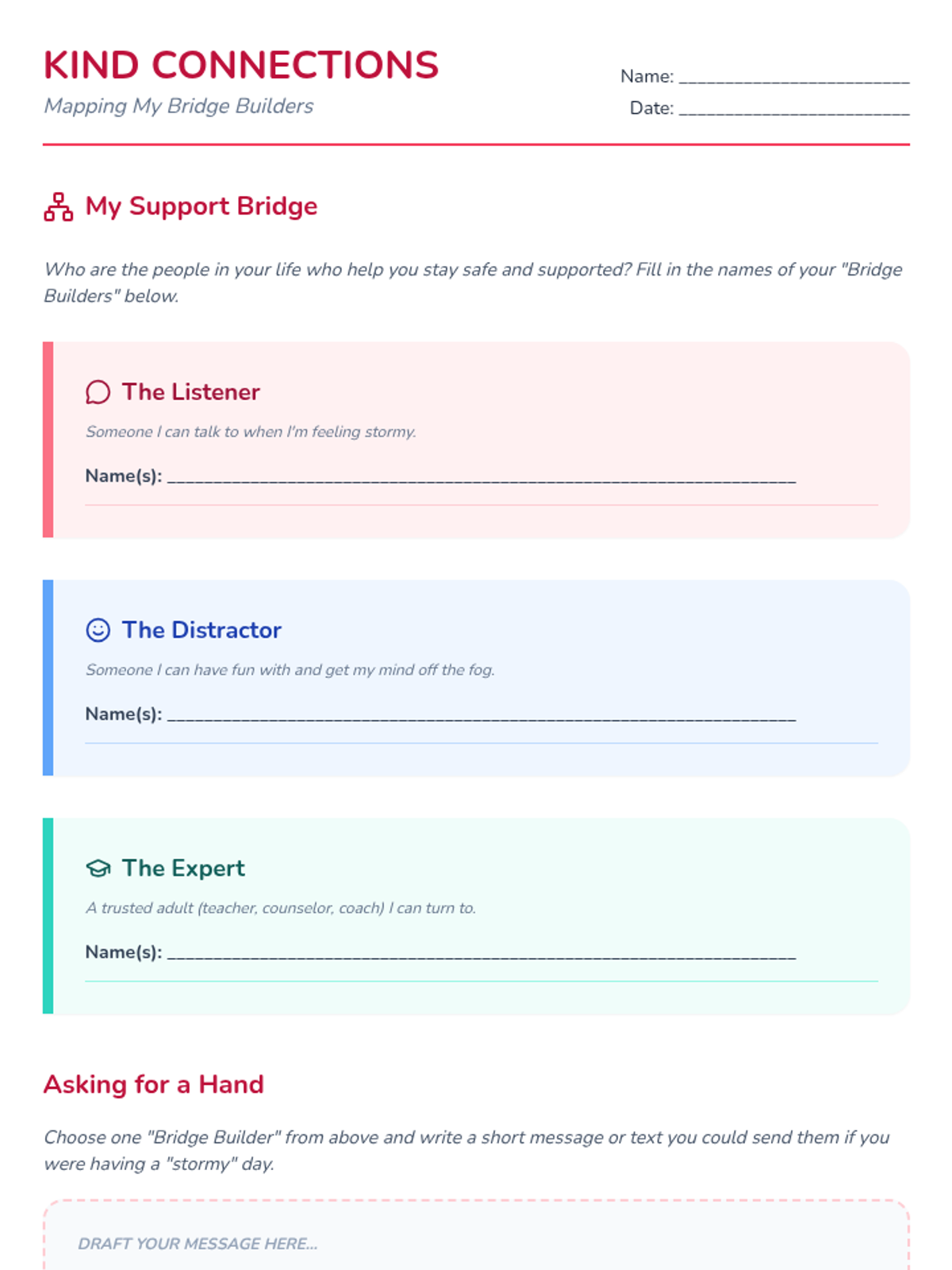
Developing interpersonal skills and identifying social supports to build a reliable safety net.
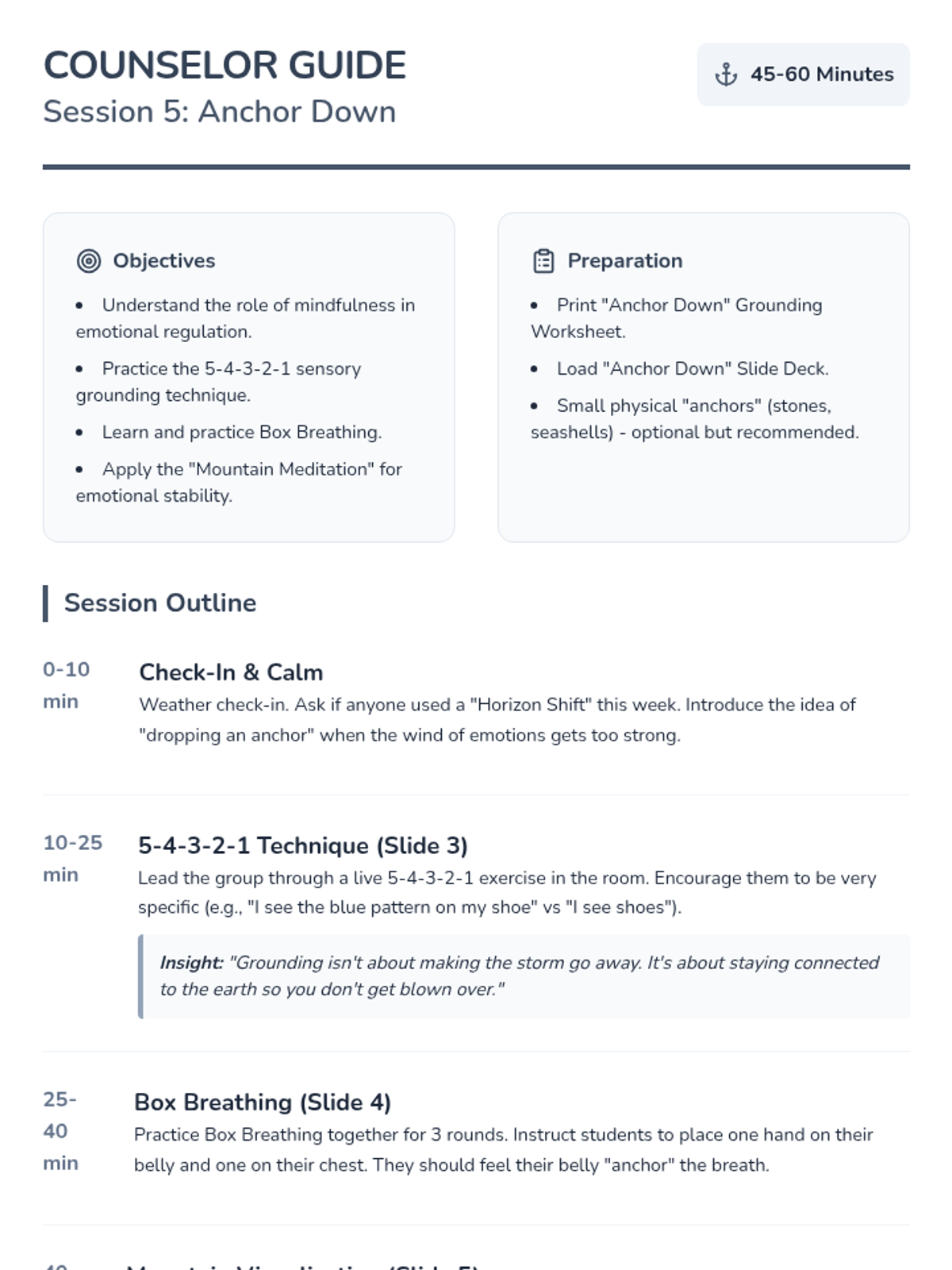
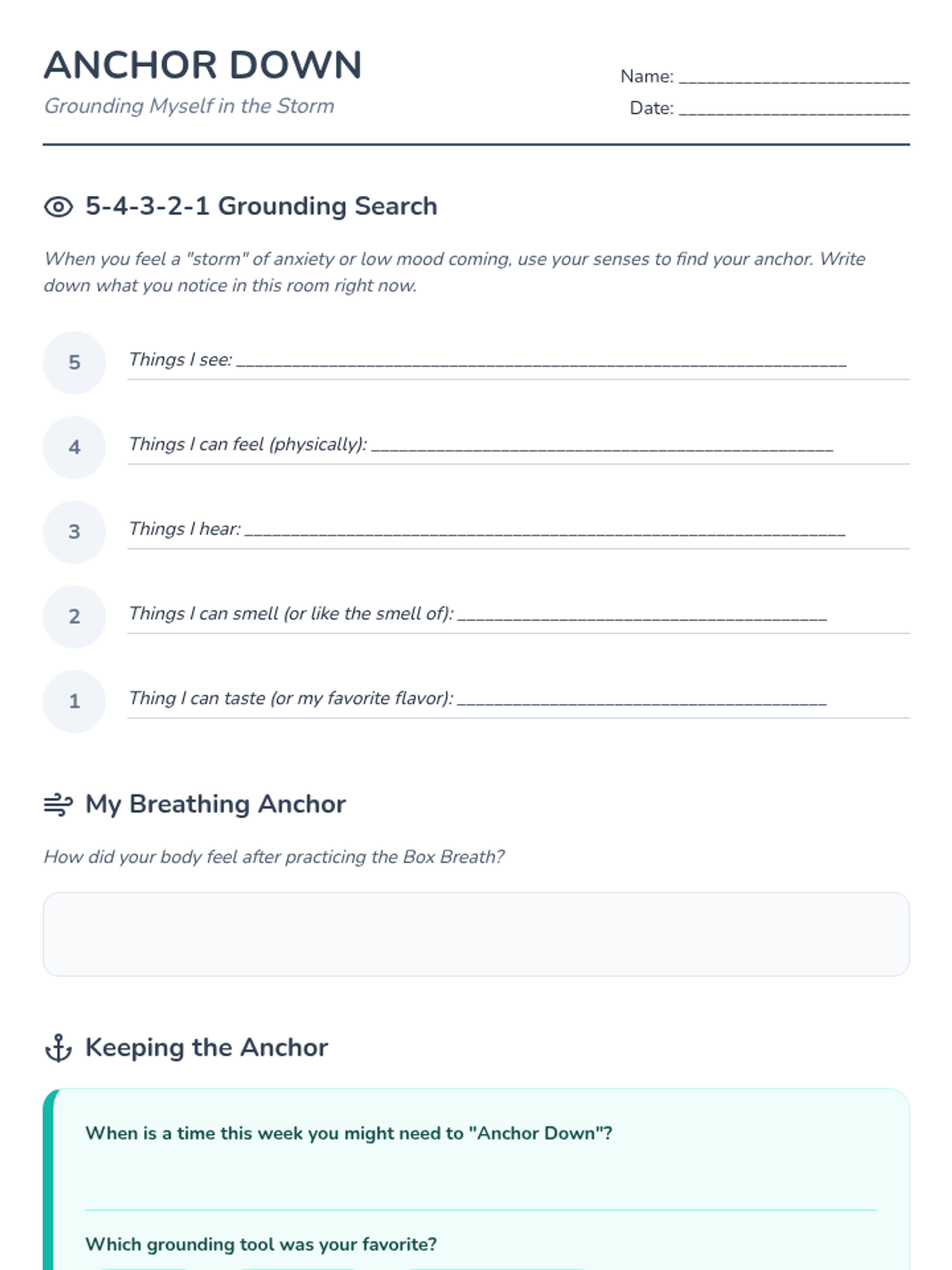
Focusing on mindfulness and grounding techniques to stay present and calm during periods of high stress.
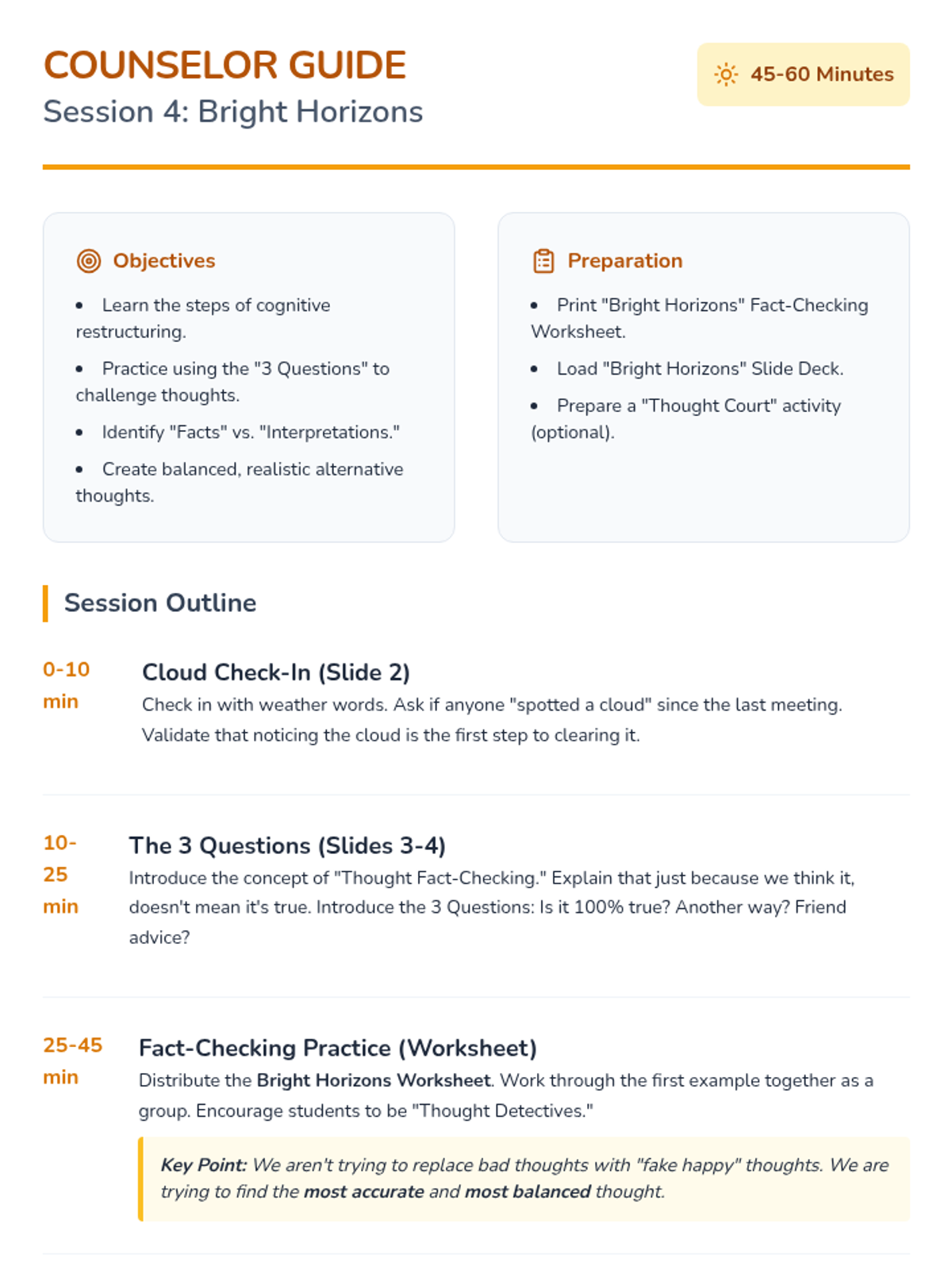
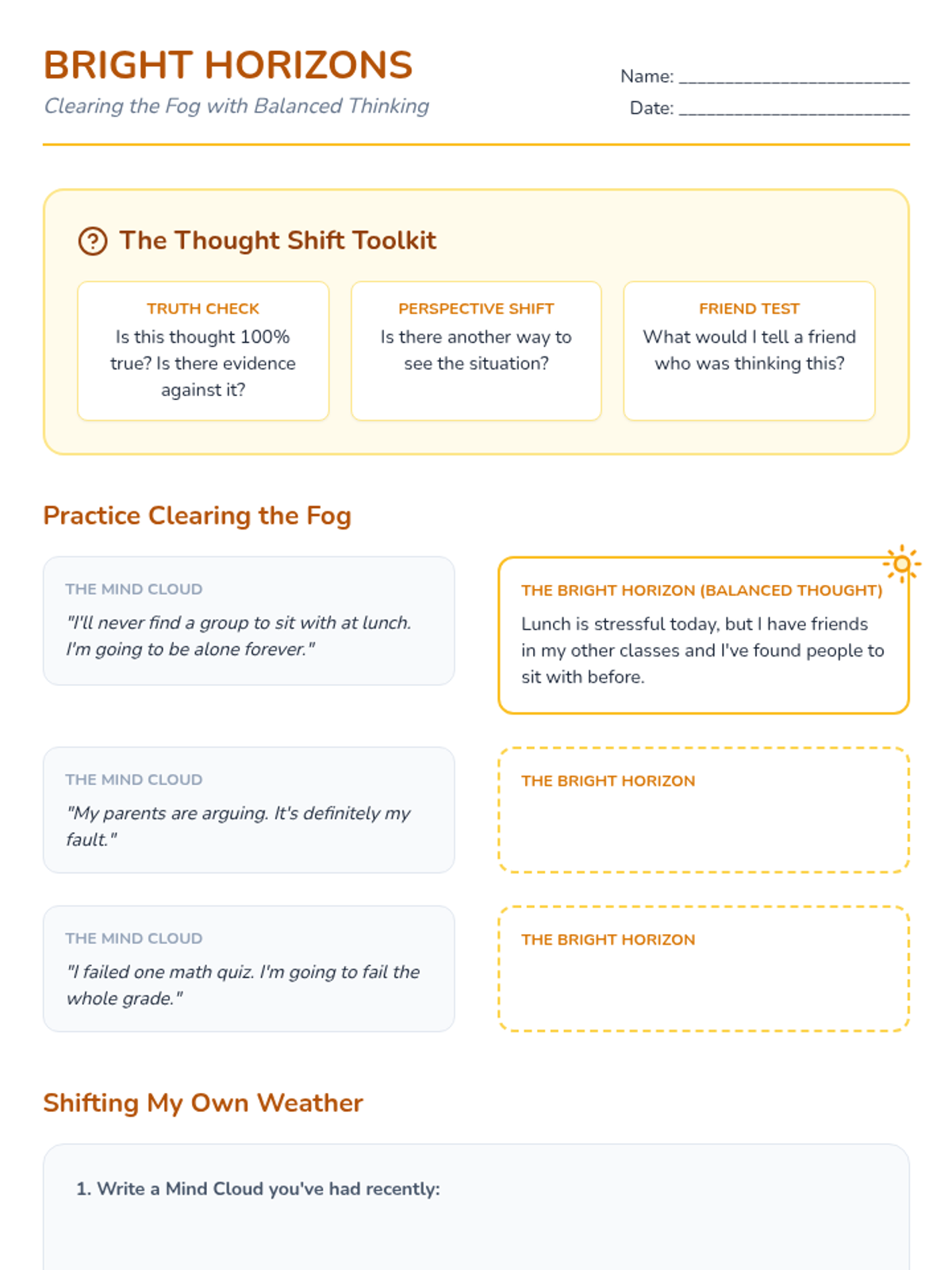
Teaching cognitive restructuring techniques to challenge distorted thoughts and find more balanced perspectives.
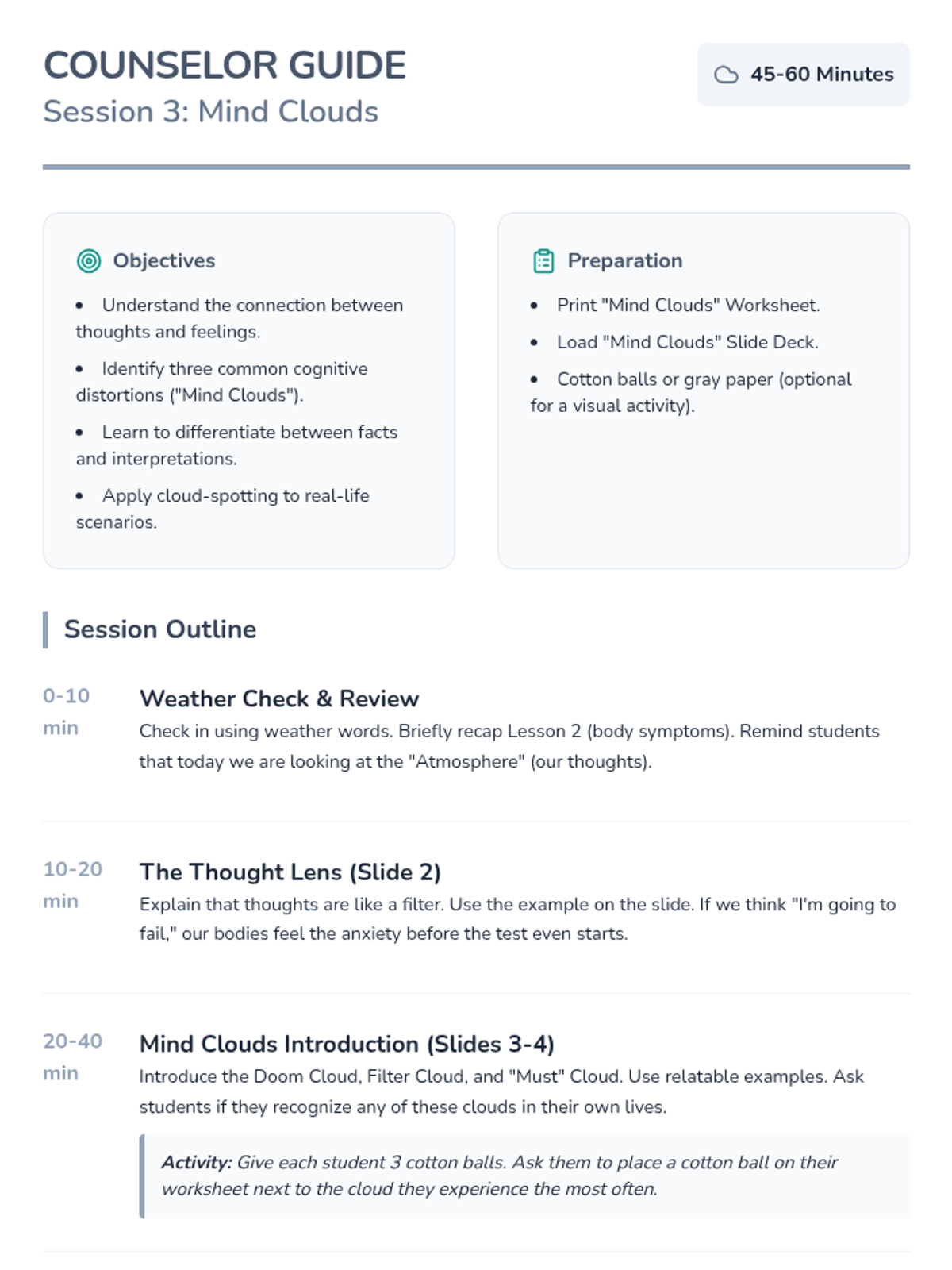
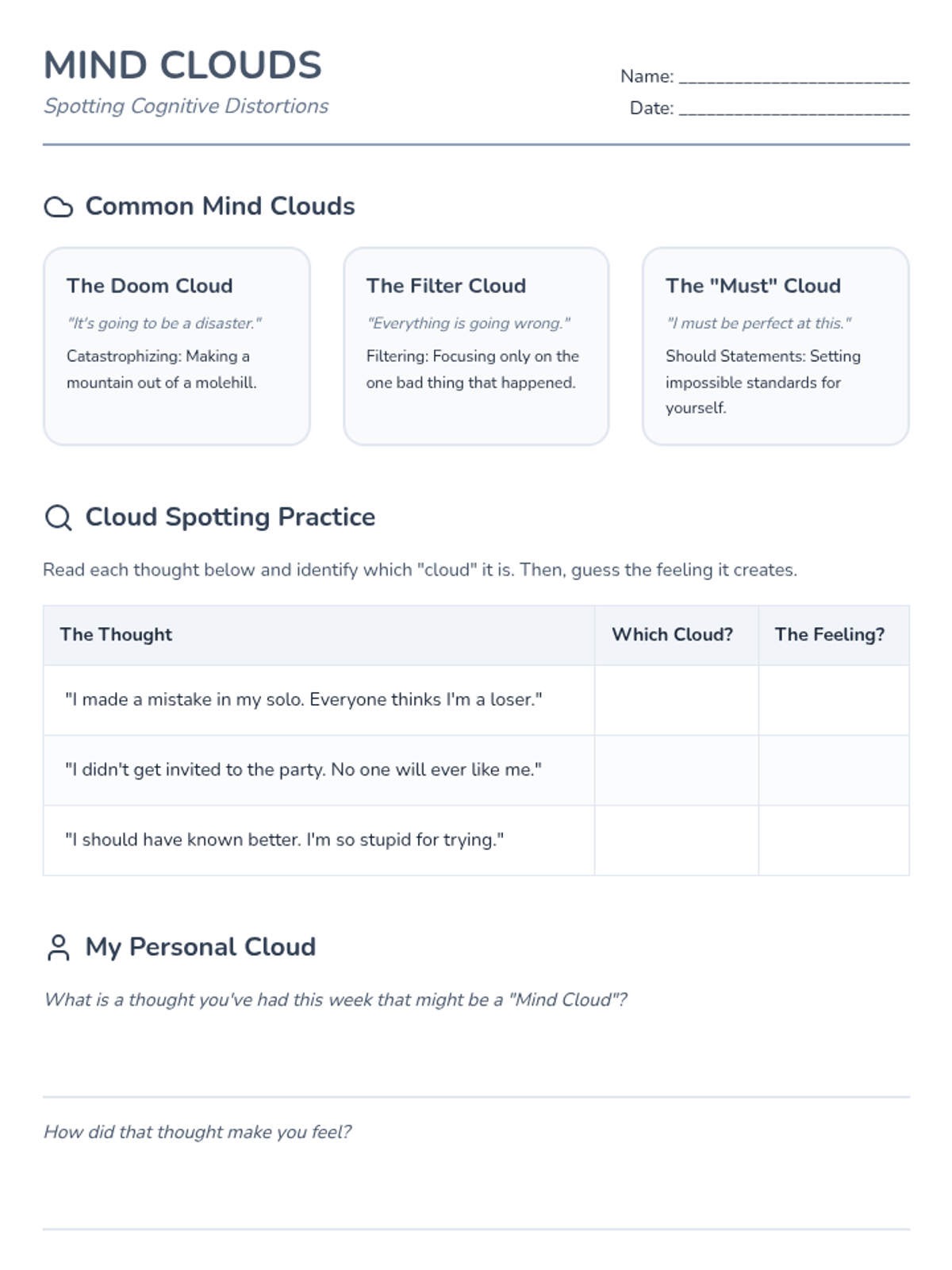
Introducing cognitive distortions and how negative thought patterns cloud our perception of reality.
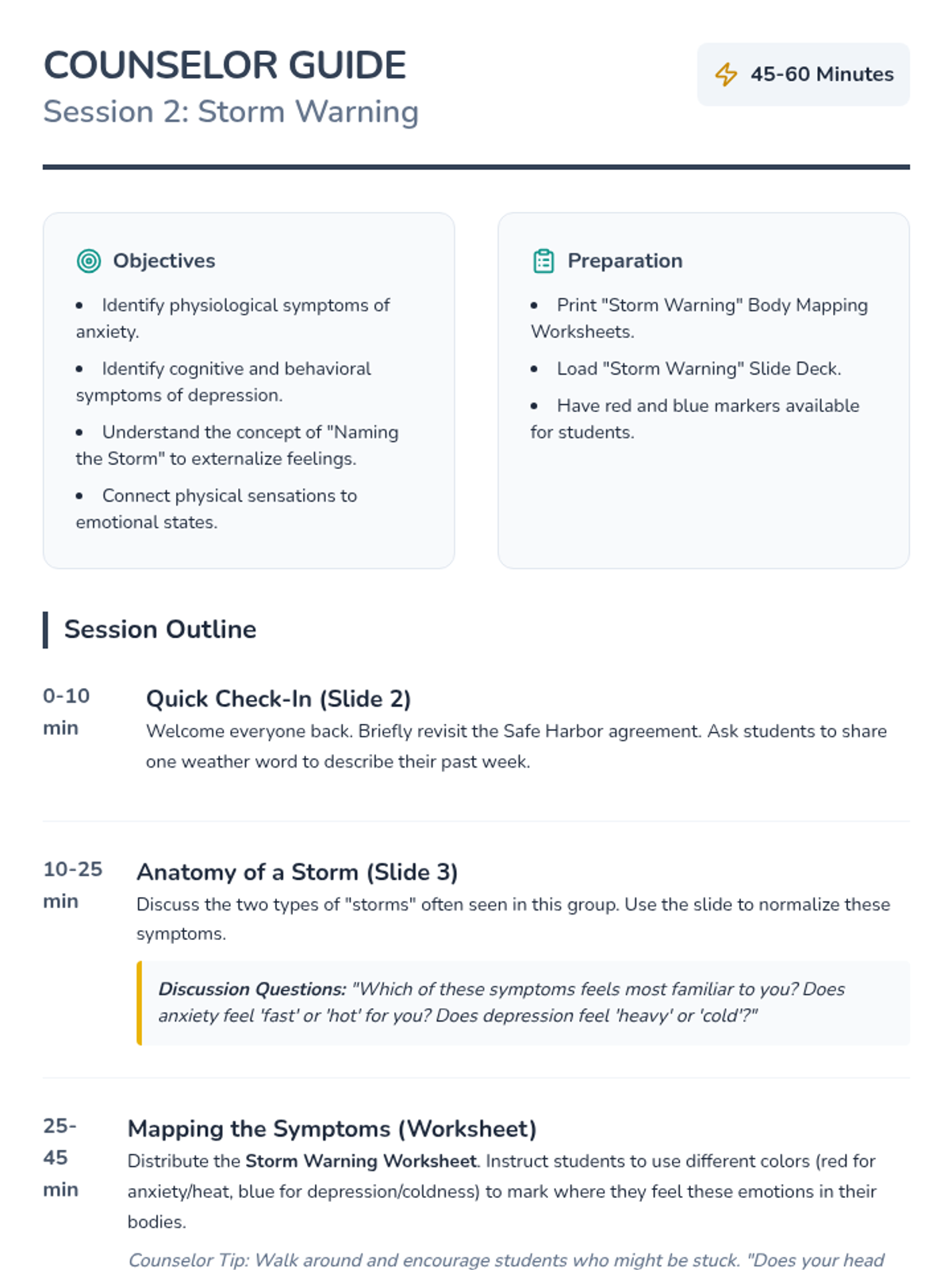
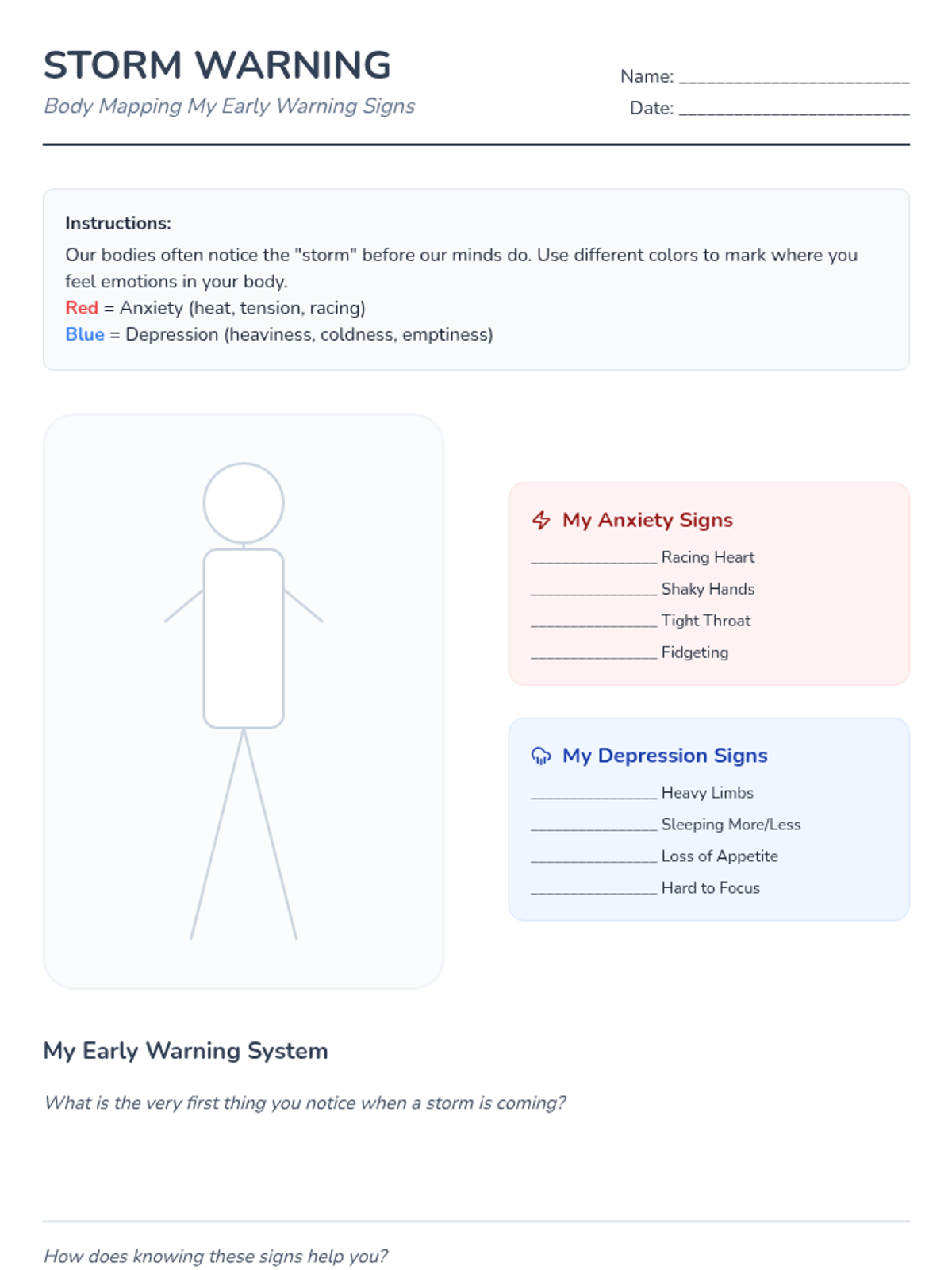
Identifying the physical and emotional symptoms of anxiety and depression and how they manifest as "internal storms."
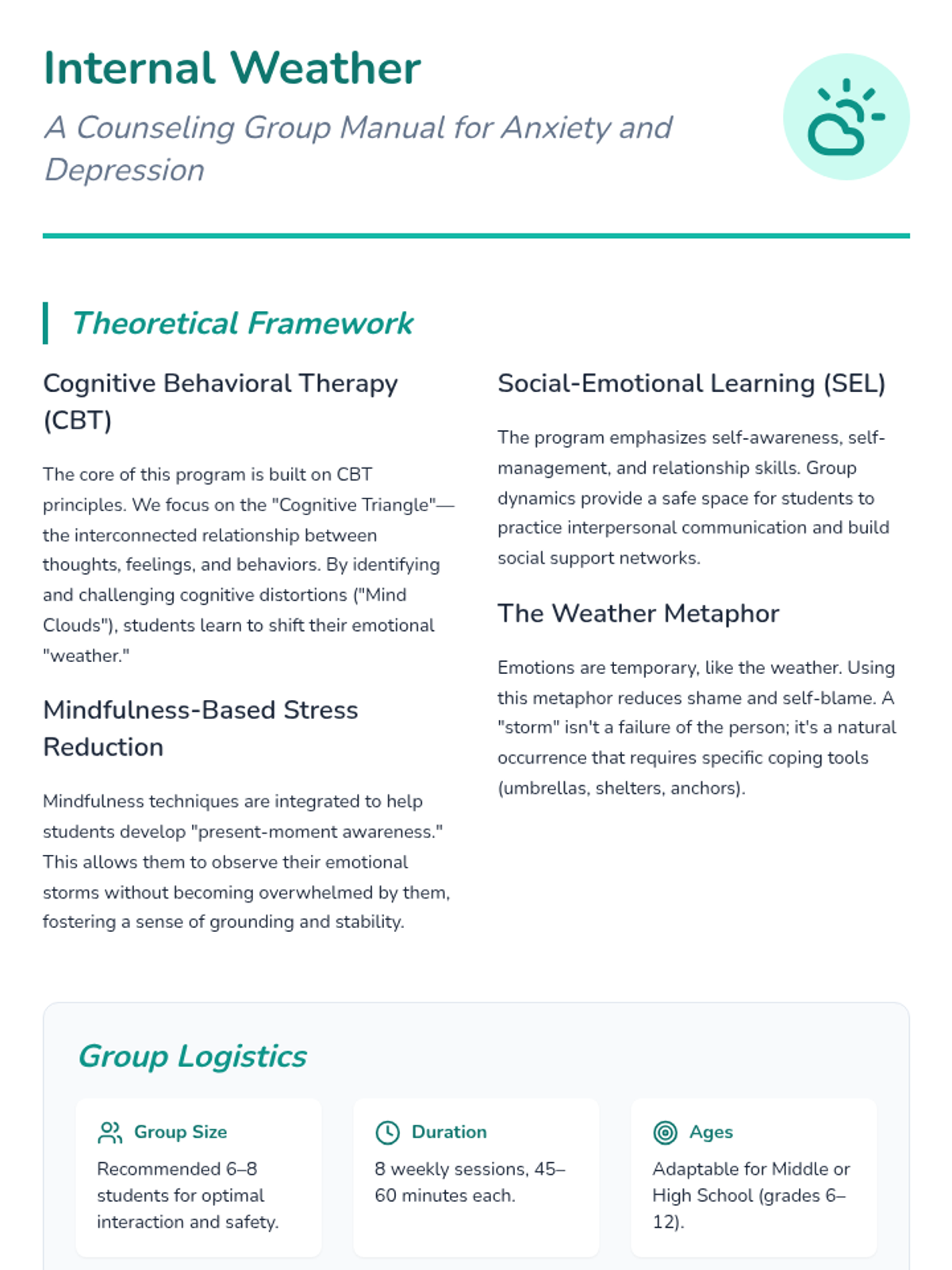
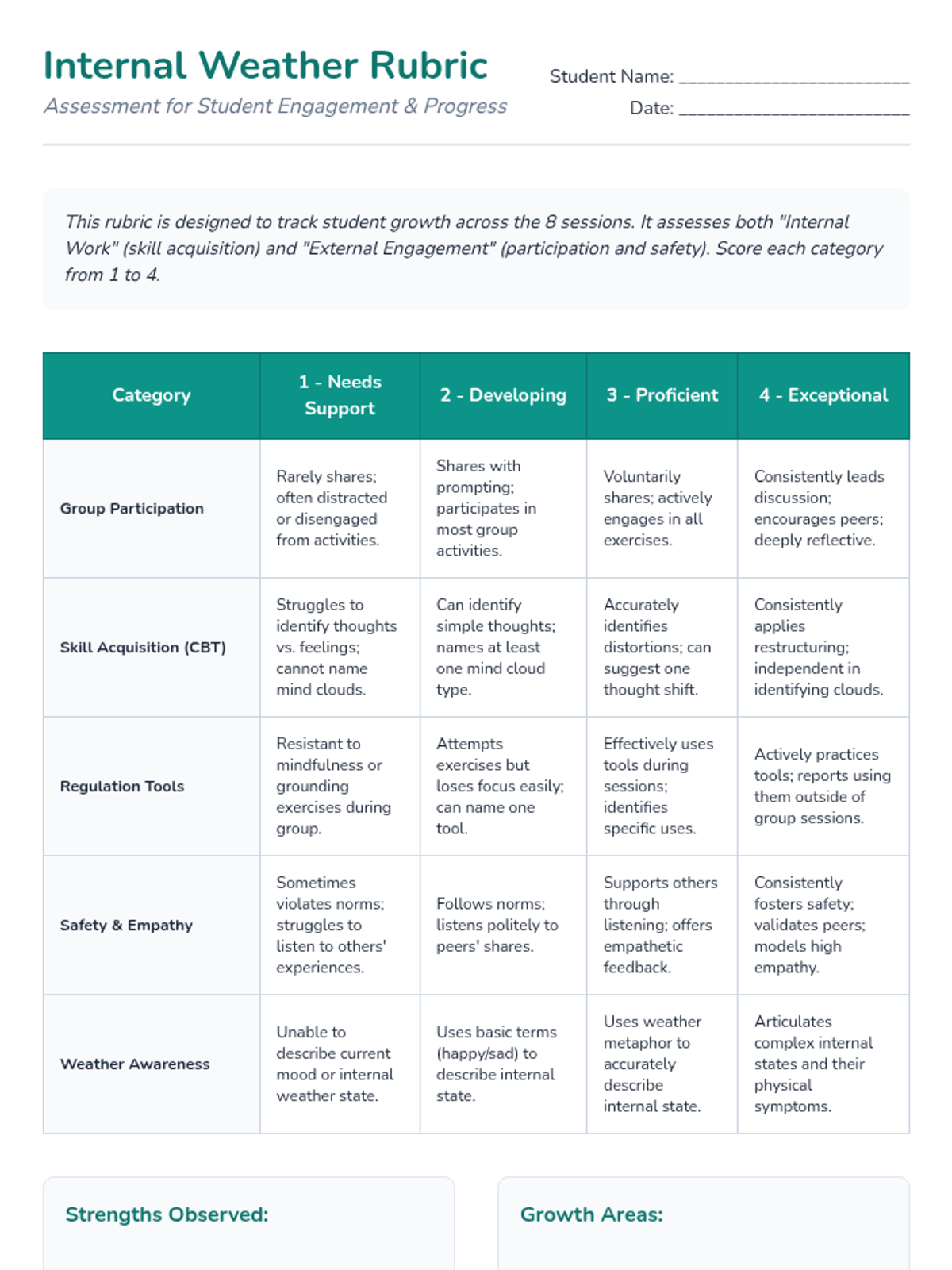
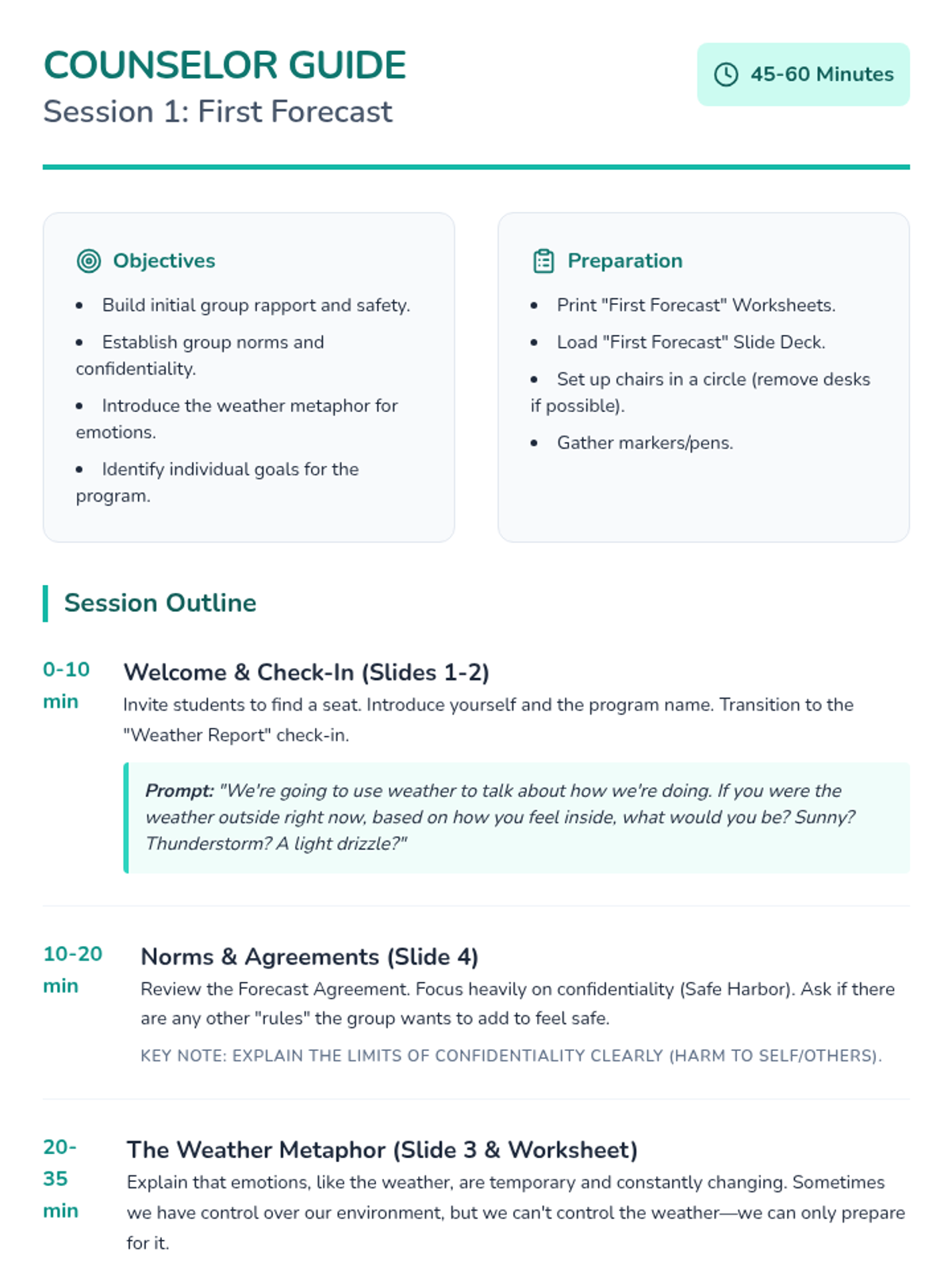
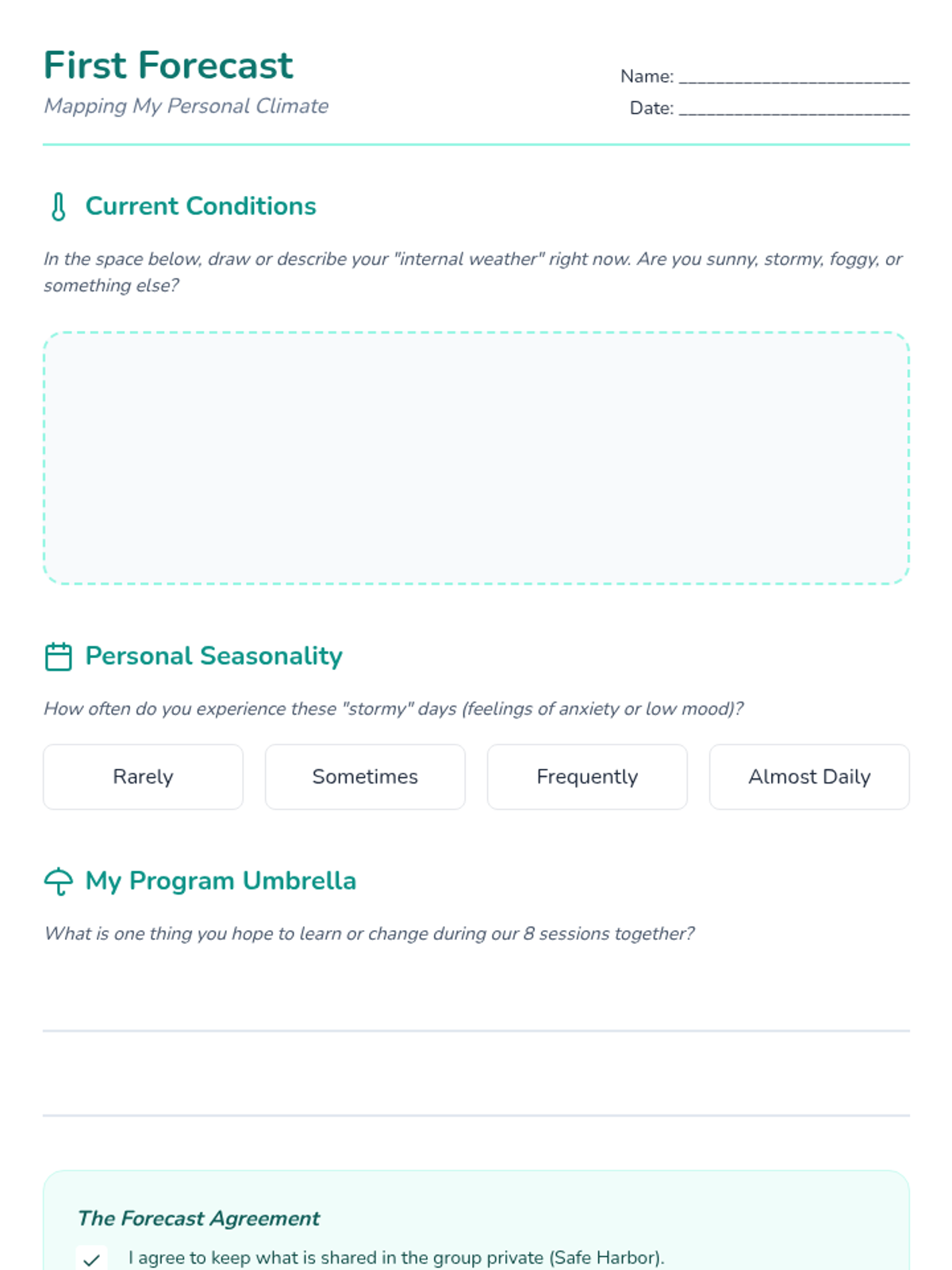
Introduction to the group, establishing safety and norms, and introducing the weather metaphor for emotions.