Focuses on physical descriptions of people (hair, eyes, height) using respectful and accurate terminology for identification.
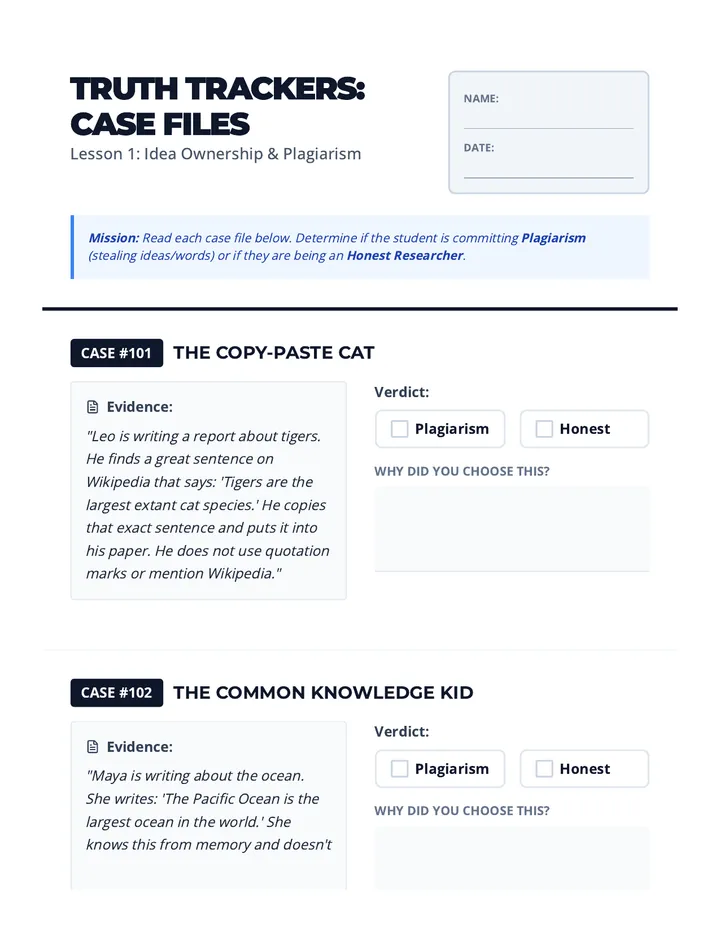
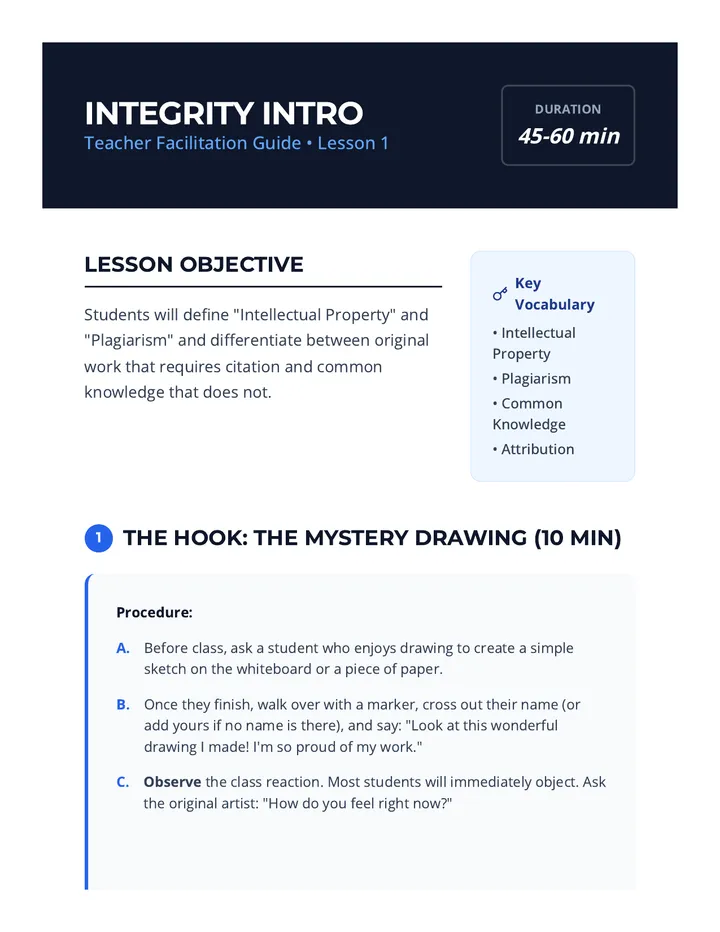
A 5-lesson sequence for 5th-grade ESL students focused on the ethics and mechanics of academic research. Students learn to distinguish between intellectual property and common knowledge, master the art of quoting and paraphrasing, and create simplified citations and bibliographies to maintain academic integrity.
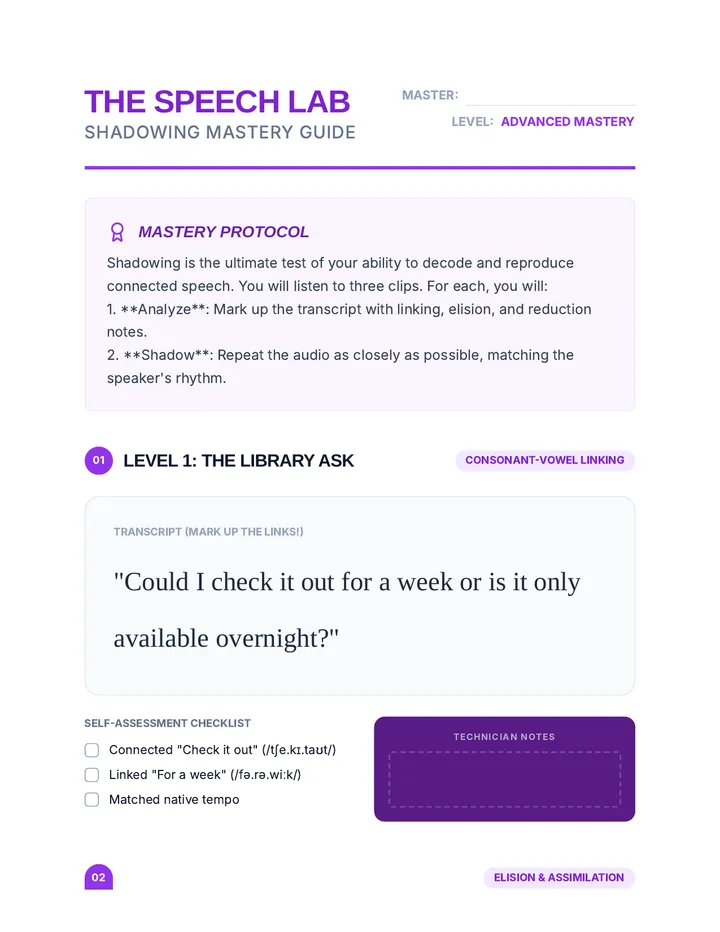
Students engage in a 'shadowing' technique, repeating audio immediately after hearing it to internalize the rhythm and flow of connected speech. This active processing reinforces their ability to predict and process sound streams.
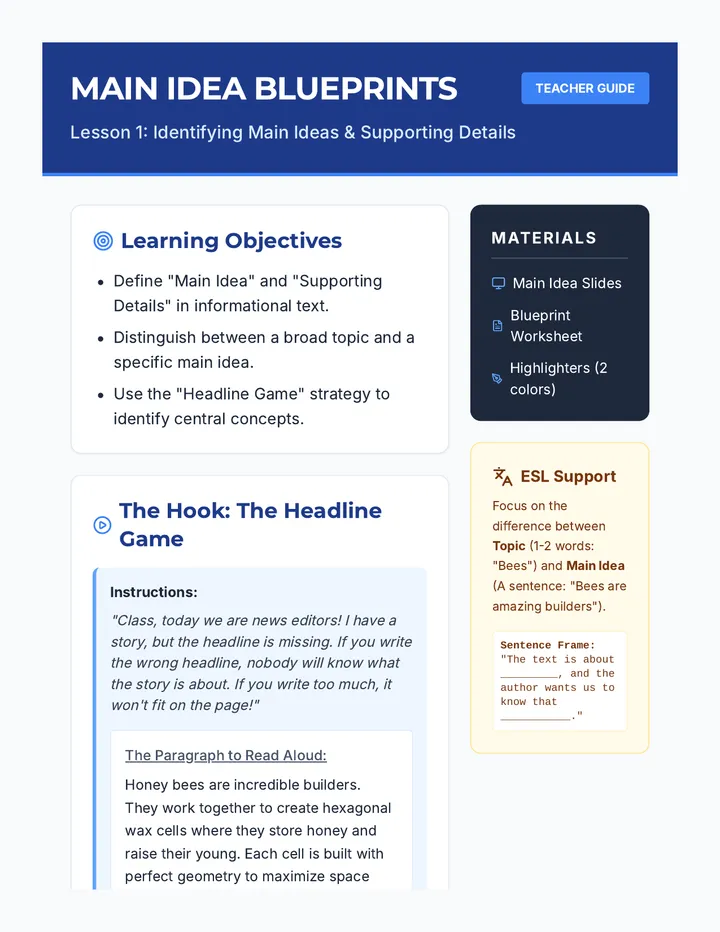
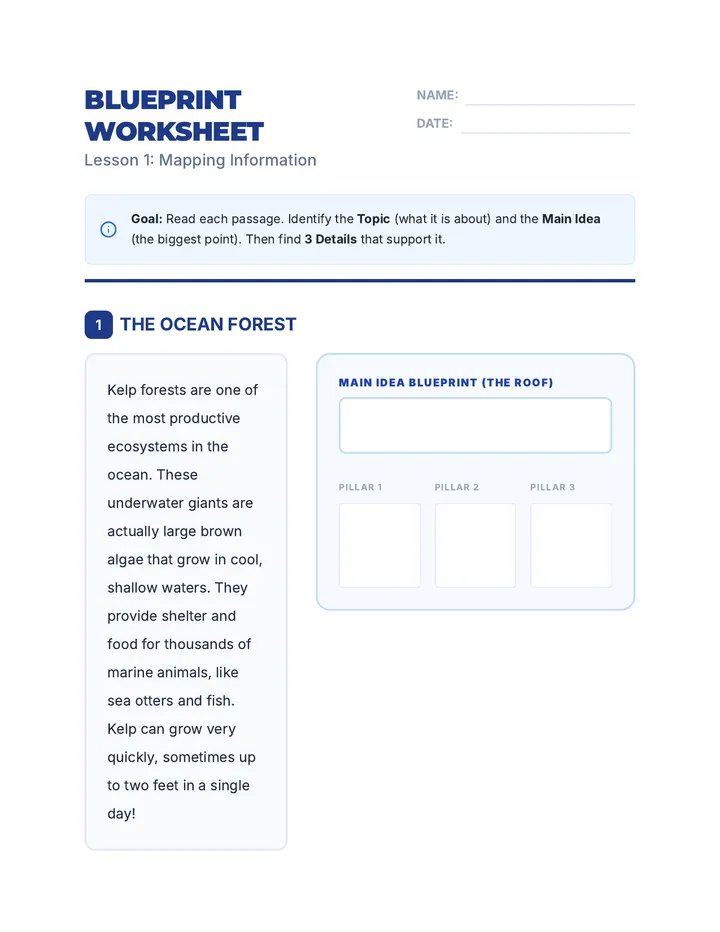
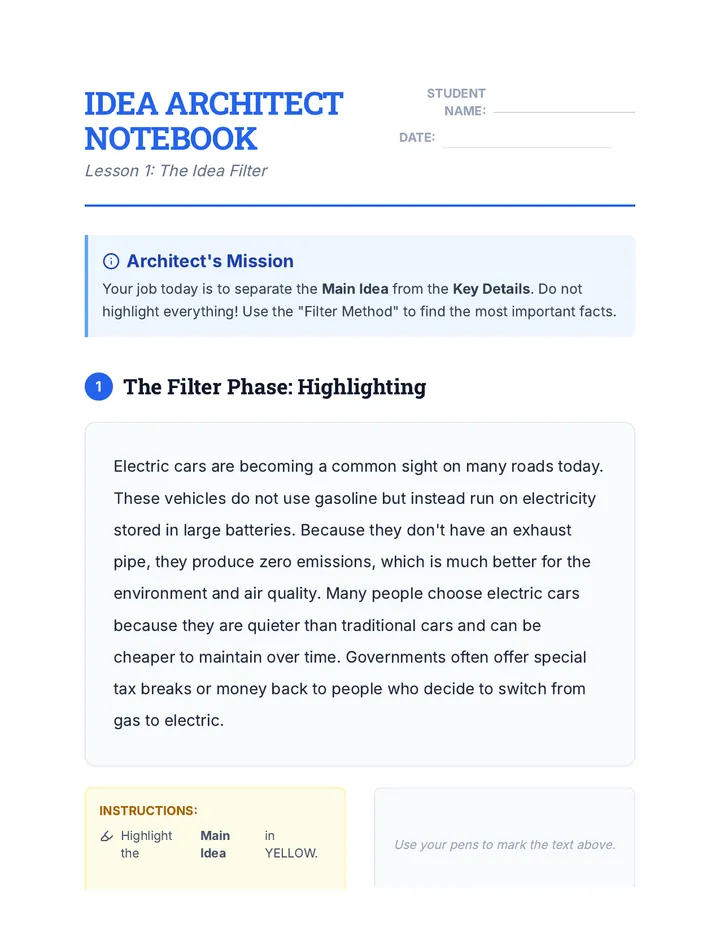
A 5-lesson sequence for 5th Grade ESL students focused on developing academic English skills through paraphrasing and synthesizing information. Students progress from identifying main ideas to drafting complete summary reports using multiple sources and formal attribution.
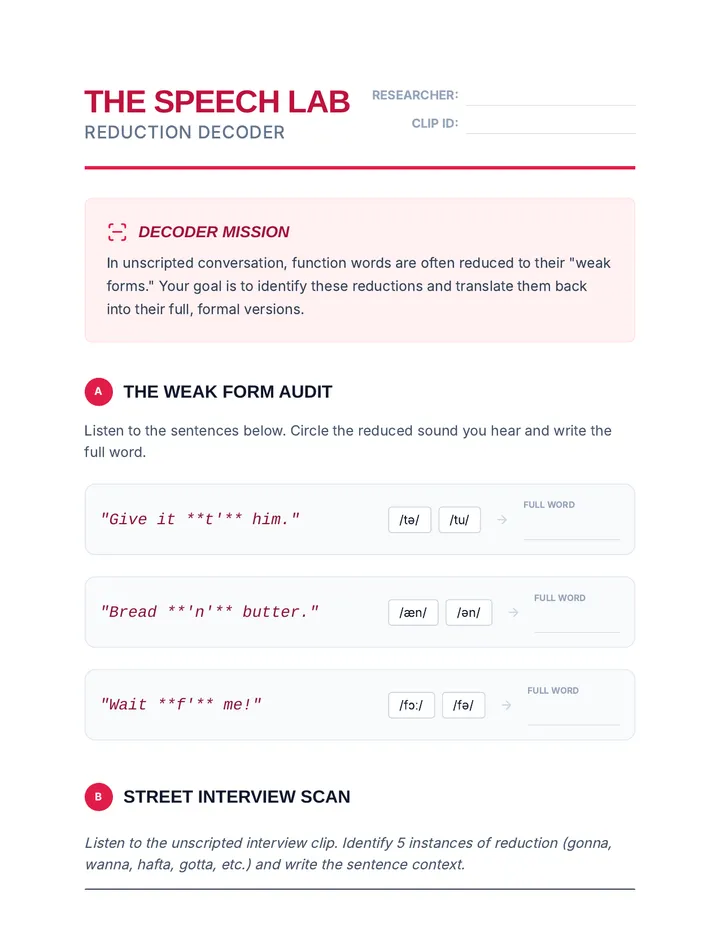
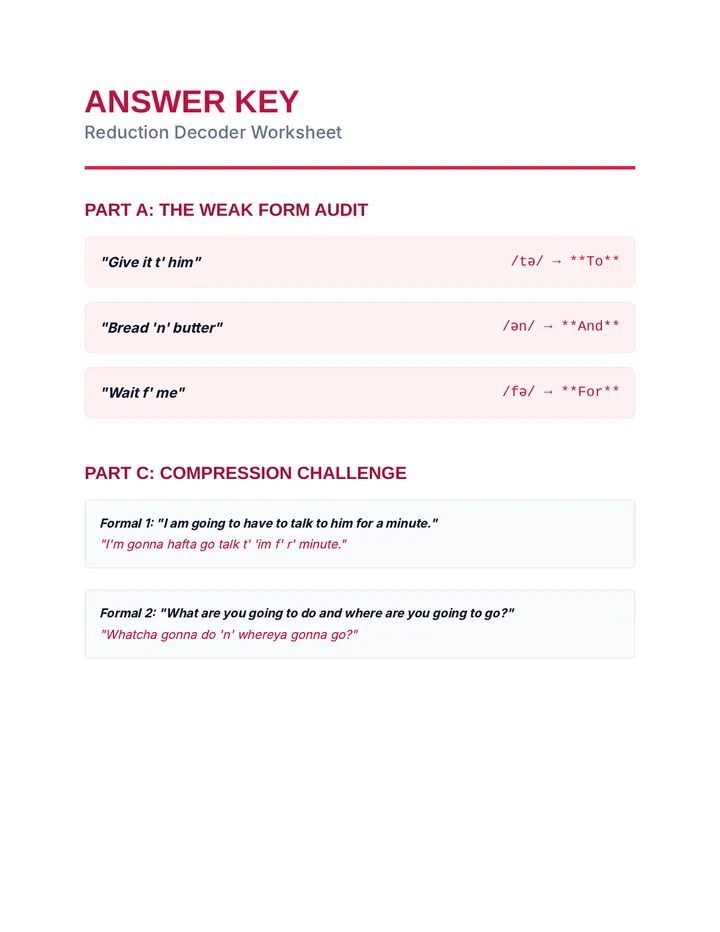
Focusing on function words, this lesson tackles common reductions like 'gonna,' 'wanna,' and weak forms of auxiliary verbs. Students analyze unscripted interviews to catch these reductions in context.
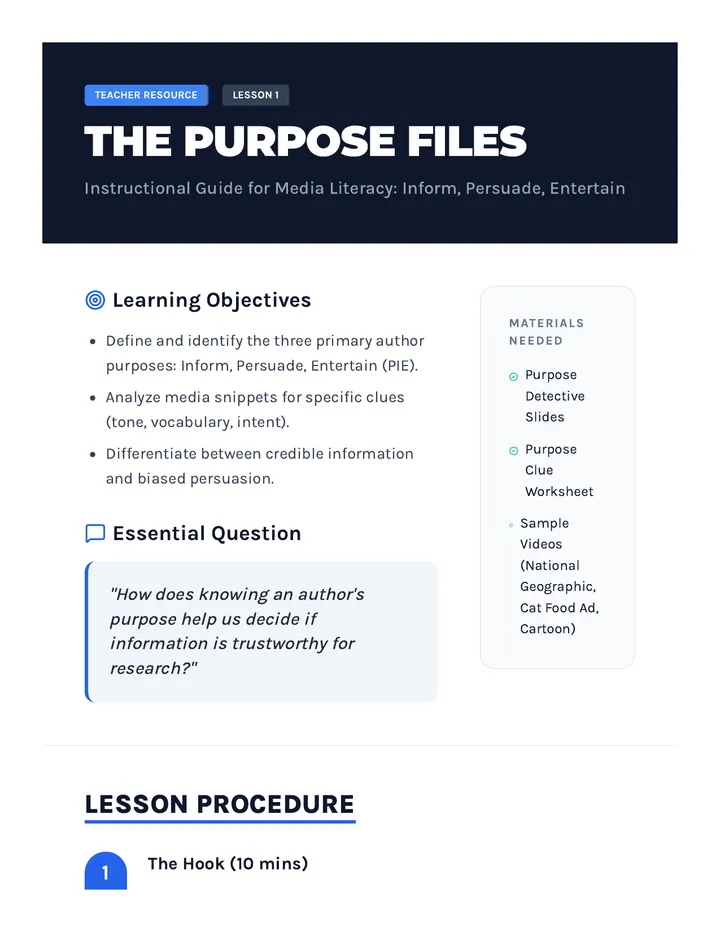
A 5-lesson sequence for 5th-grade ESL students to develop media literacy and research skills. Students learn to distinguish author purpose, evaluate website credibility using the 5 W's, identify bias, and corroborate information across multiple sources.
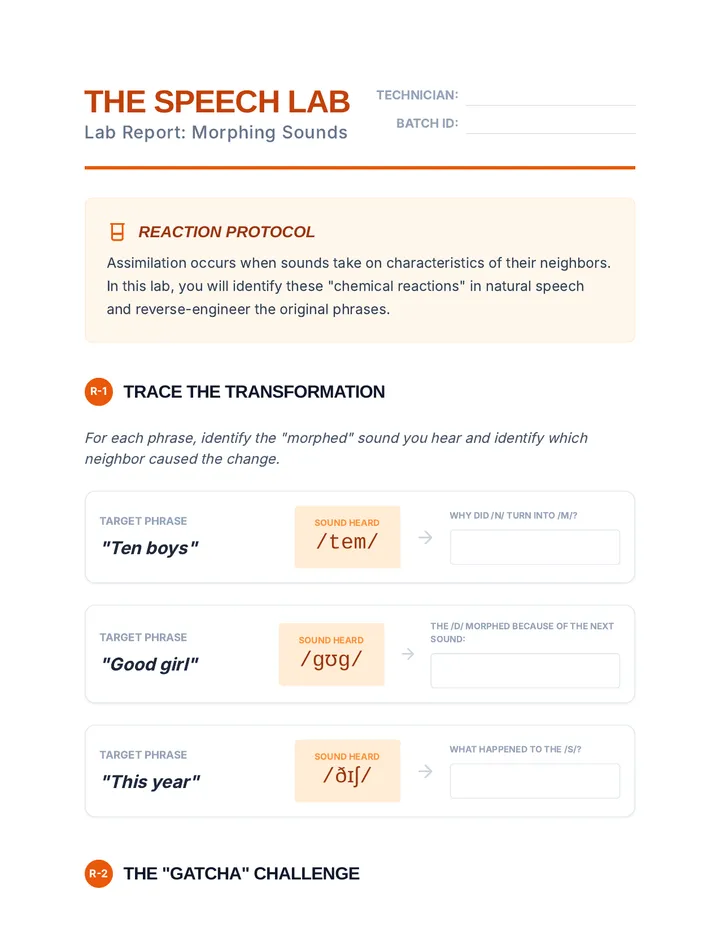
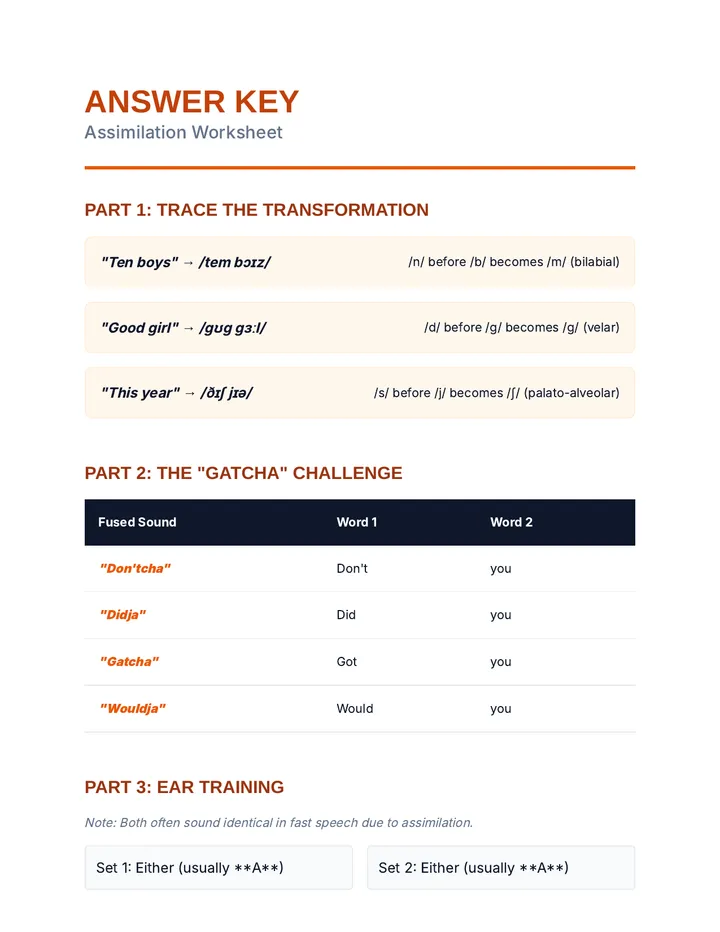
Students learn how sounds influence their neighbors (e.g., 'hand bag' becoming 'hambag'). The lesson uses minimal pair discrimination and dictation exercises to train ears to recognize words despite phonological changes.
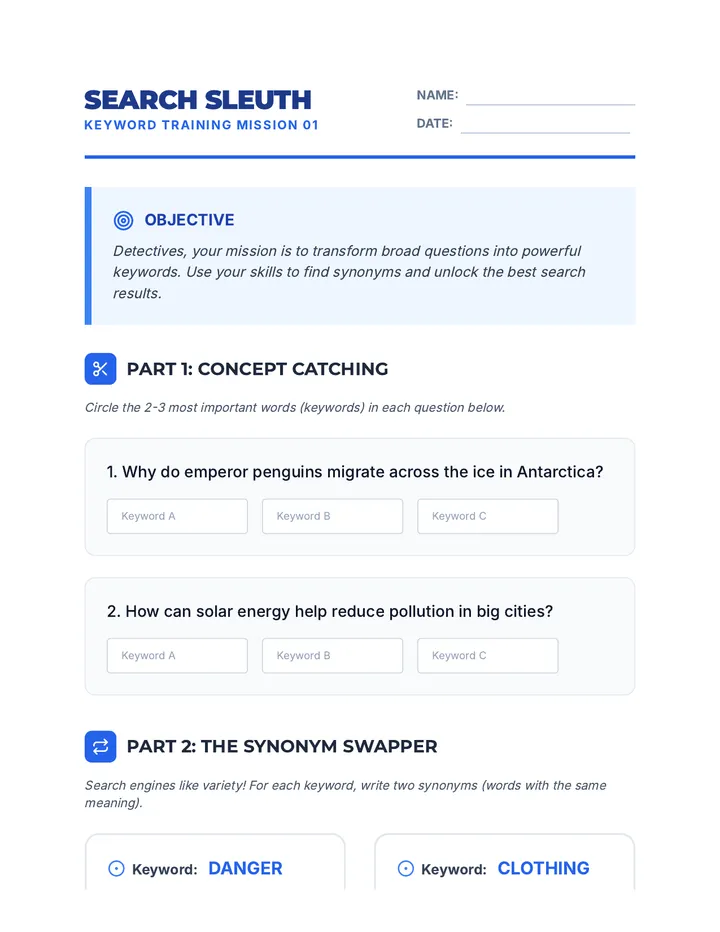
A 5-lesson sequence for 5th Grade ESL students focused on the mechanics of finding information. Students move from basic keyword generation to using Boolean operators, navigating text features, utilizing academic databases, and refining failed searches to become efficient digital researchers.
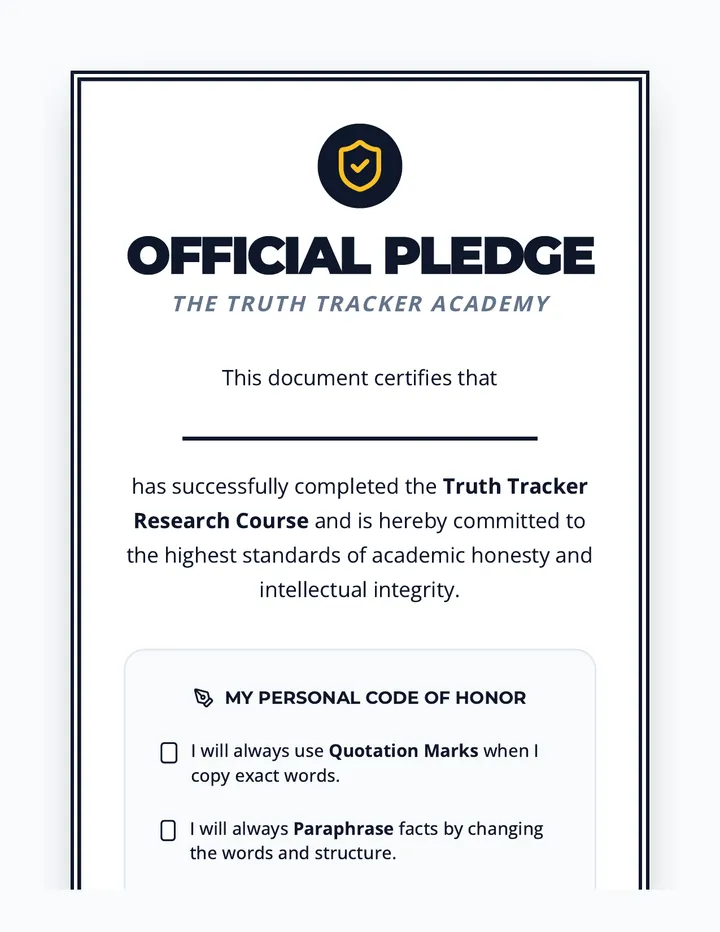
Synthesizes learning through case studies of intentional vs. accidental plagiarism and concludes with an academic integrity pledge.
A comprehensive workshop-style unit for 6th Grade ESL students focused on the linguistic mechanics of paraphrasing and synthesizing information. Students move from identifying core concepts to orally retelling information, transforming individual sentences, and finally weaving multiple sources into a single coherent paragraph without plagiarizing.
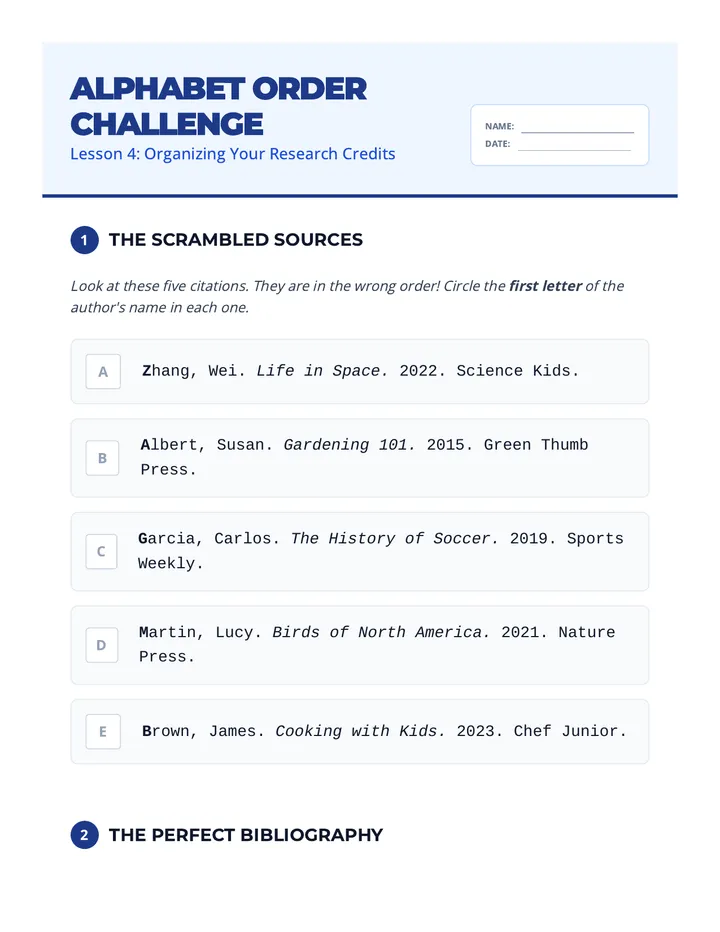
Teaches students how to compile individual citations into a cohesive, alphabetized reference list.
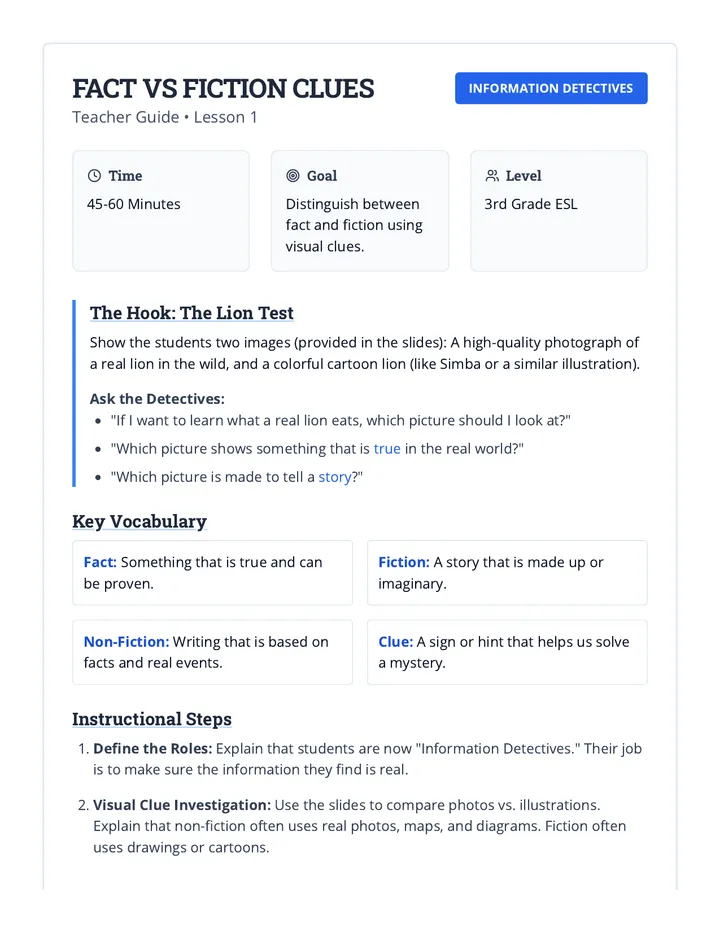
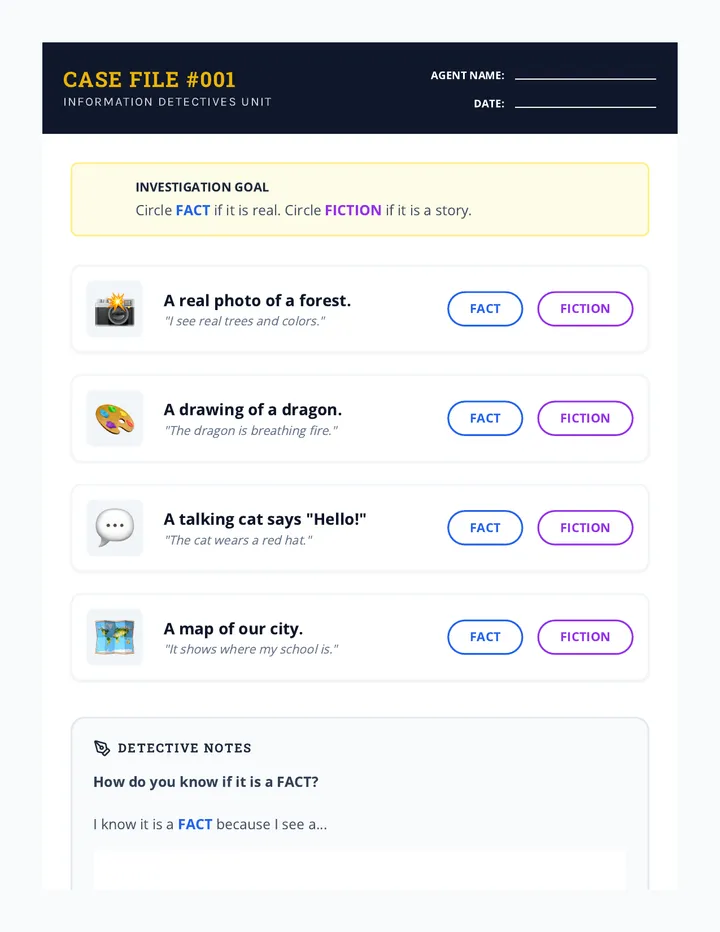
A 5-lesson sequence for 3rd-grade ESL students to learn the basics of source credibility and fact-checking through the lens of 'Information Detectives'. Students learn to distinguish fact from fiction, identify authors, recognize advertisements, and cross-check information.
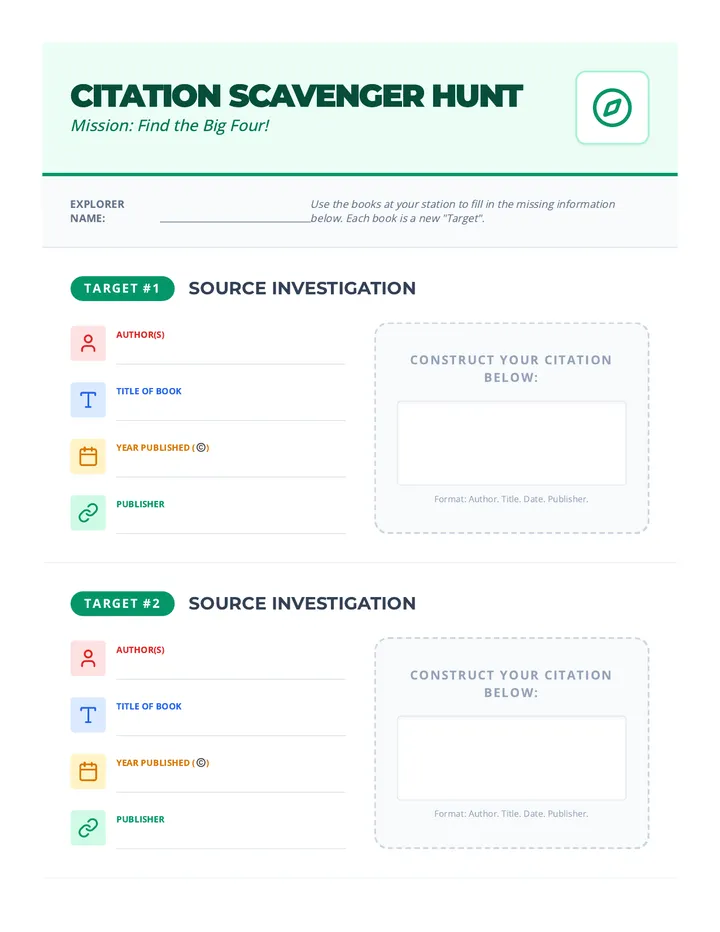
Introduces the four core elements of a basic citation (Author, Title, Date, Source) and provides practice in locating this information.