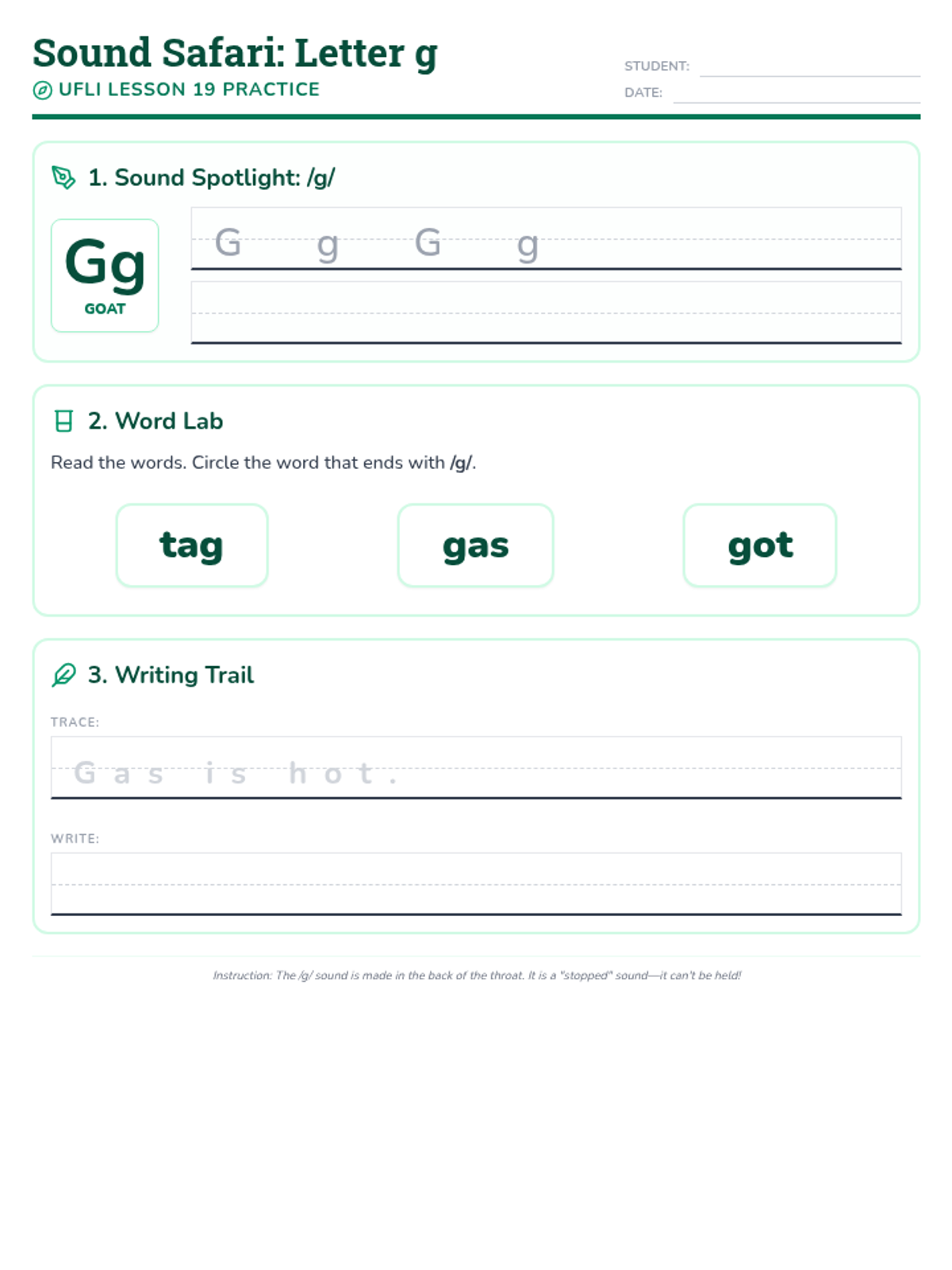
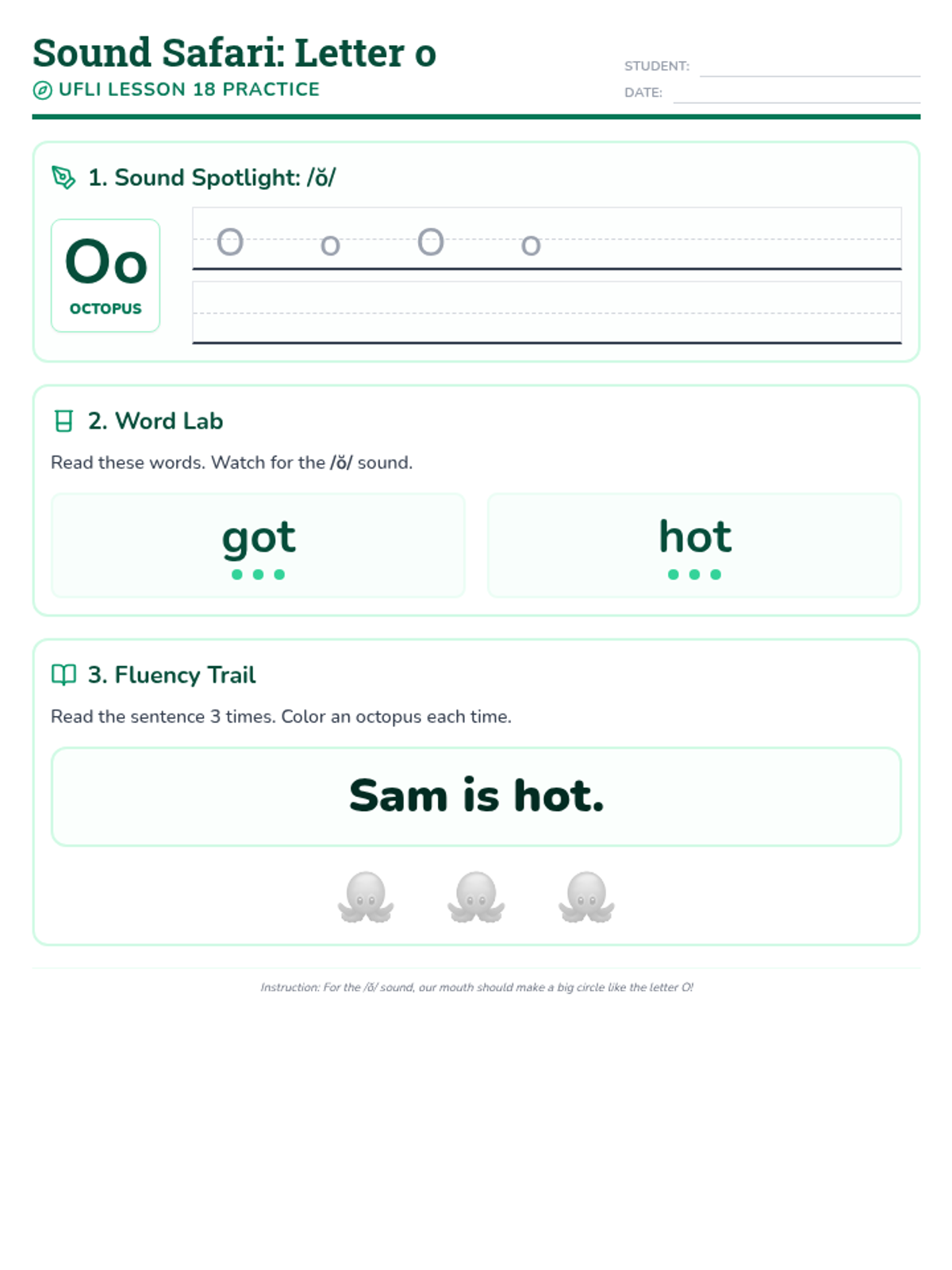
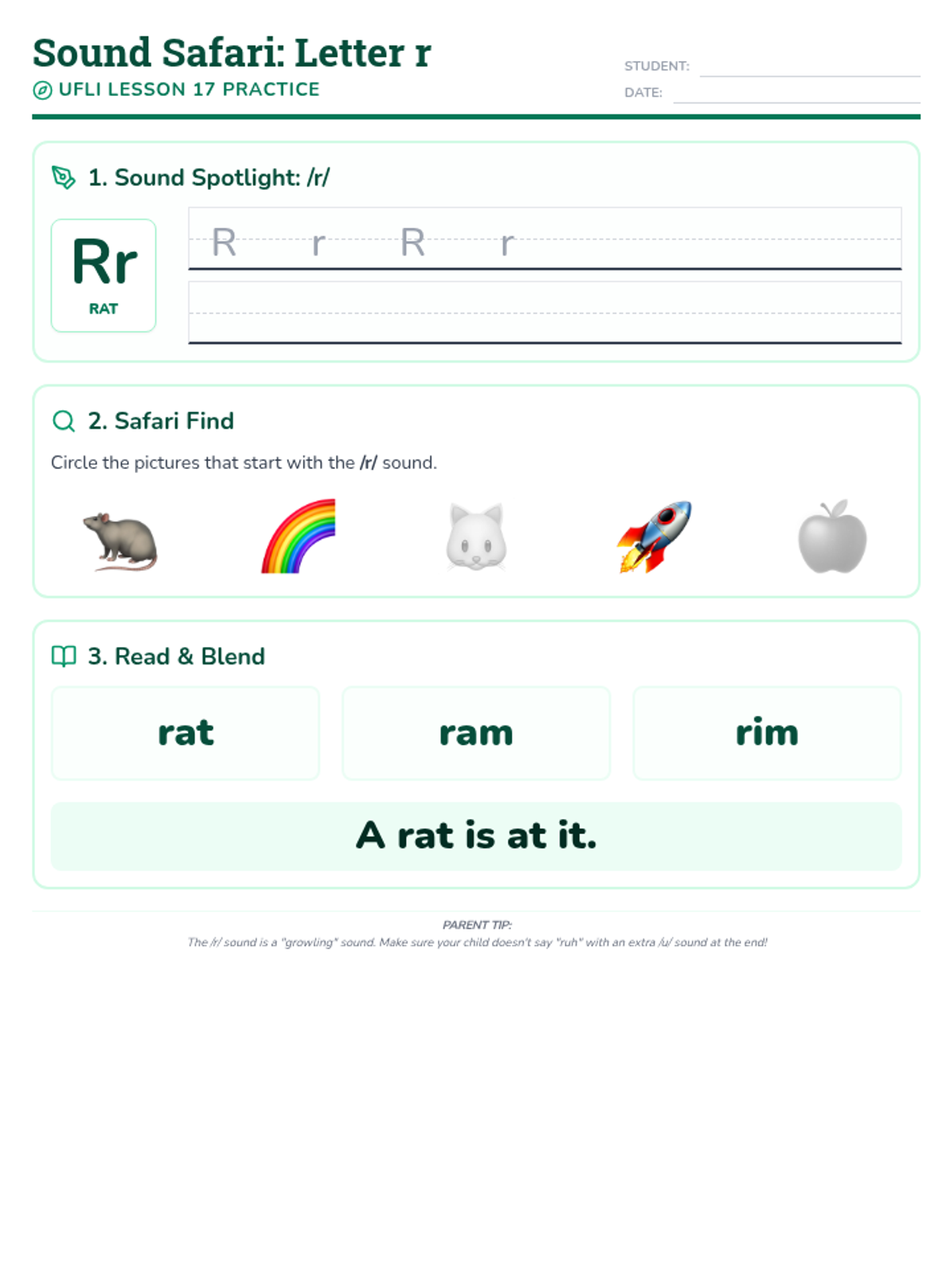
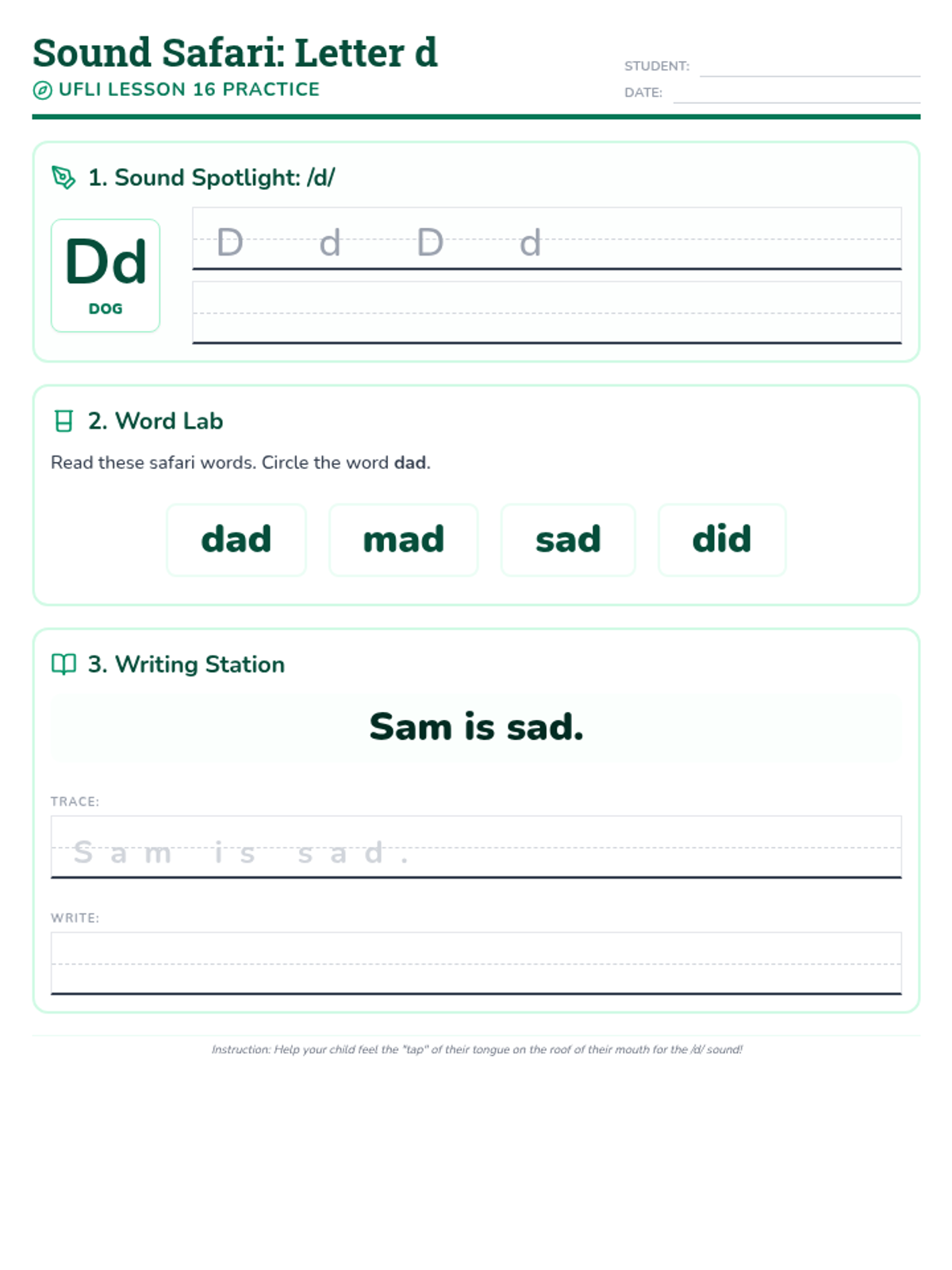
A hands-on introduction to algorithmic thinking for K-2 students, using the metaphor of recipes to explain how computers follow specific sequences of instructions.
A comprehensive lesson exploring the sense of sight through a detailed reading passage and STAAR-aligned comprehension questions designed for second grade.
Introduces energy sources like the sun, wind, and fossil fuels, and how we use them to power our world using simple language.
Introduces viruses, bacteria, and how to stay healthy using simple 1st-grade level language and high-visual support.
Introduces fossils, rock layers, and how the Earth has changed over time using simple 1st-grade level language and high-visual support.
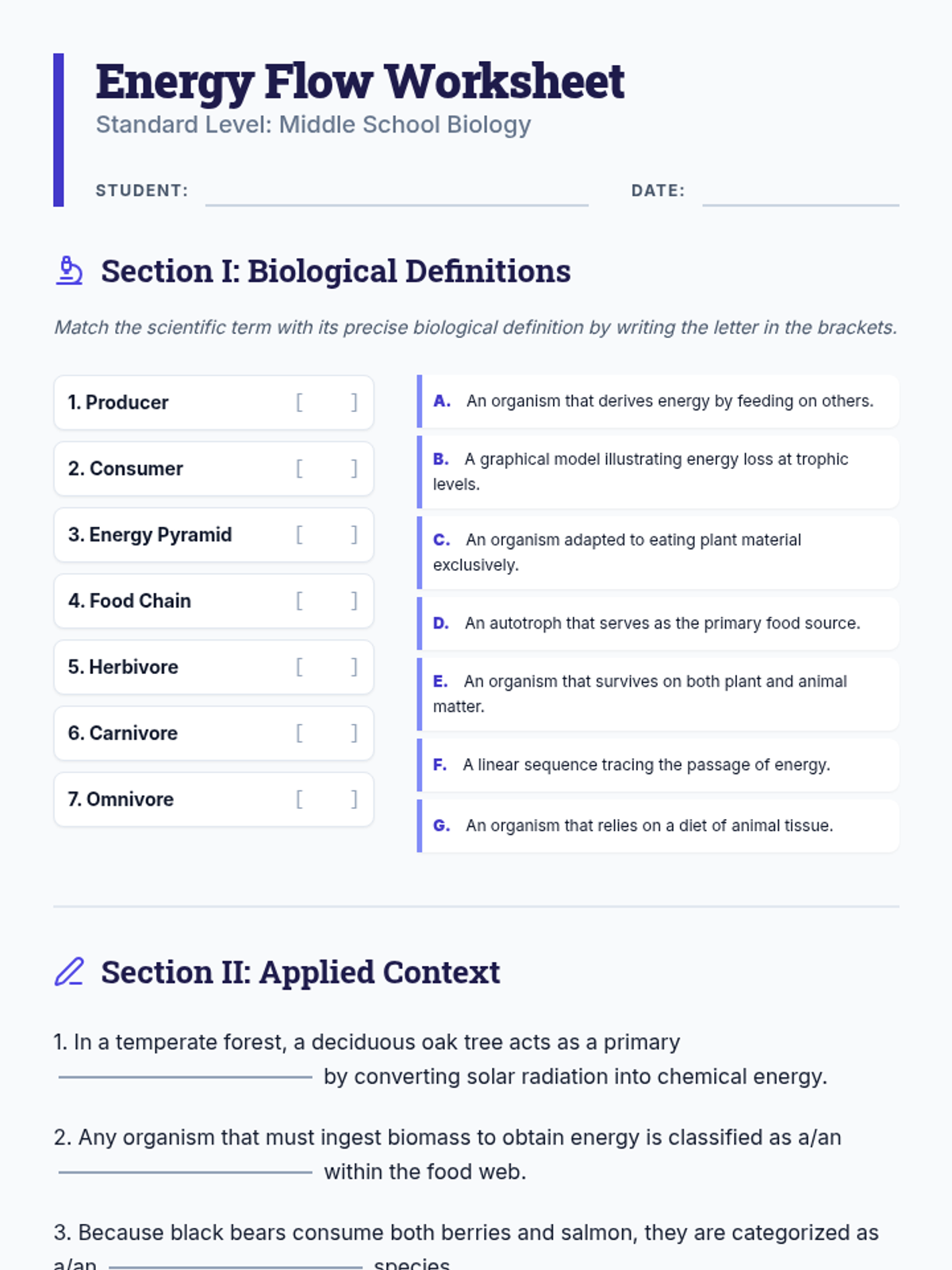
A comprehensive guide and evaluation system for elementary students conducting science research projects. Includes a student-friendly rubric, a teacher grading sheet, and instructional slides to set students up for success.
Explores Earth's water, the water cycle, and how to keep our water clean using simple 1st-grade level language and high-visual support.
Introduces atoms, elements, compounds, the periodic table, and physical and chemical changes using 1st-grade level language and high-visual support.
A phonics-focused lesson where students identify and sort 2-syllable words based on whether their first syllable is open or closed. Includes a hands-on cut-and-paste activity with a space exploration theme.
Focused instruction on identifying main idea, comparing and contrasting texts, and determining story themes.
Techniques and materials to improve reading rate, accuracy, and expression for developing readers.
Tools for decoding multi-syllabic words and understanding how prefixes and suffixes change word meaning.
Strategies and practice for solving single-step and multi-operational word problems across all four basic operations.
Resources for mastering addition, subtraction, multiplication, and division facts, including specific materials for fact families and levels up to 10 and 20.
An introductory lesson for 2nd graders on observing and recording daily weather patterns, featuring hands-on activities and data collection.
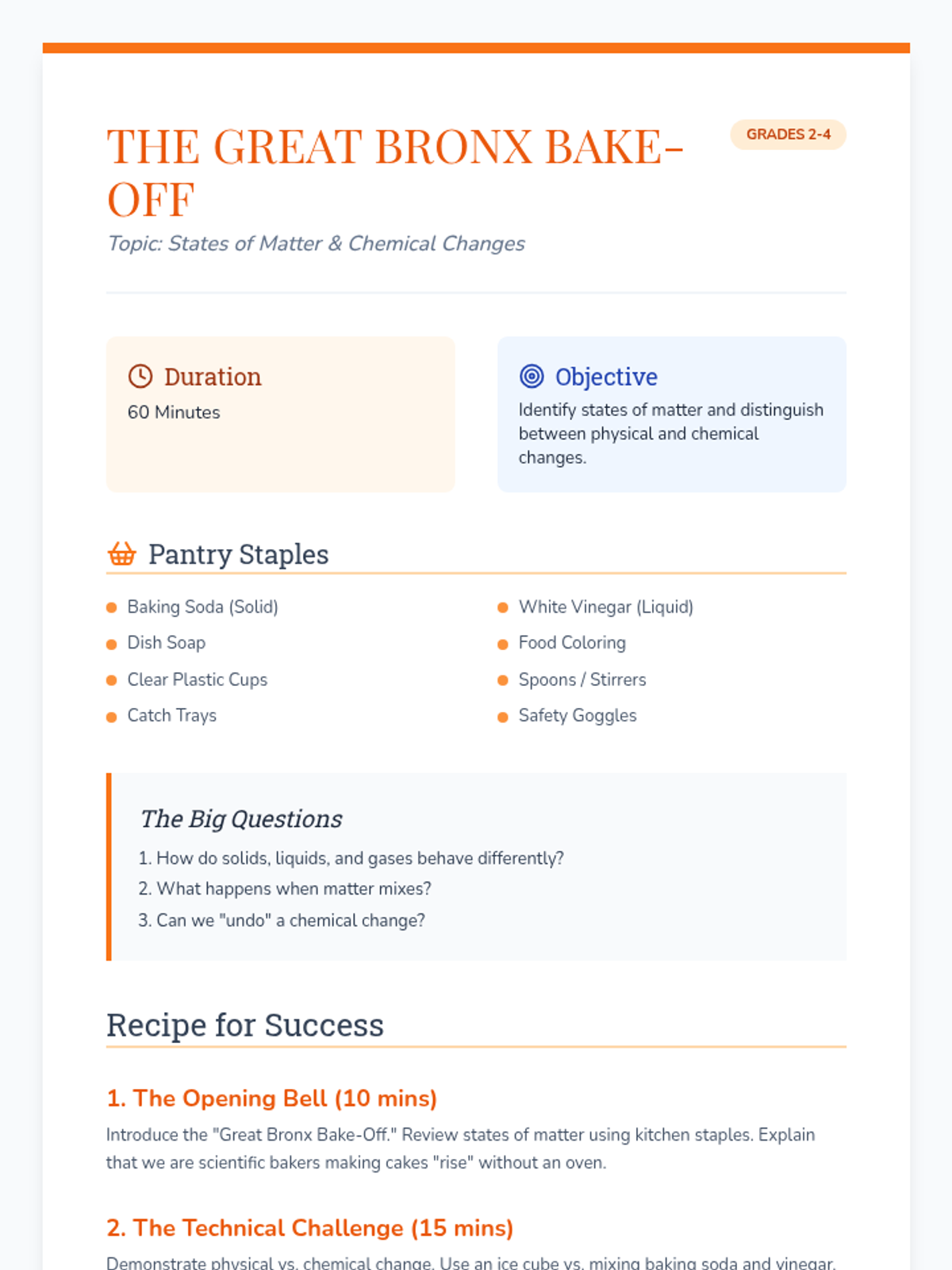
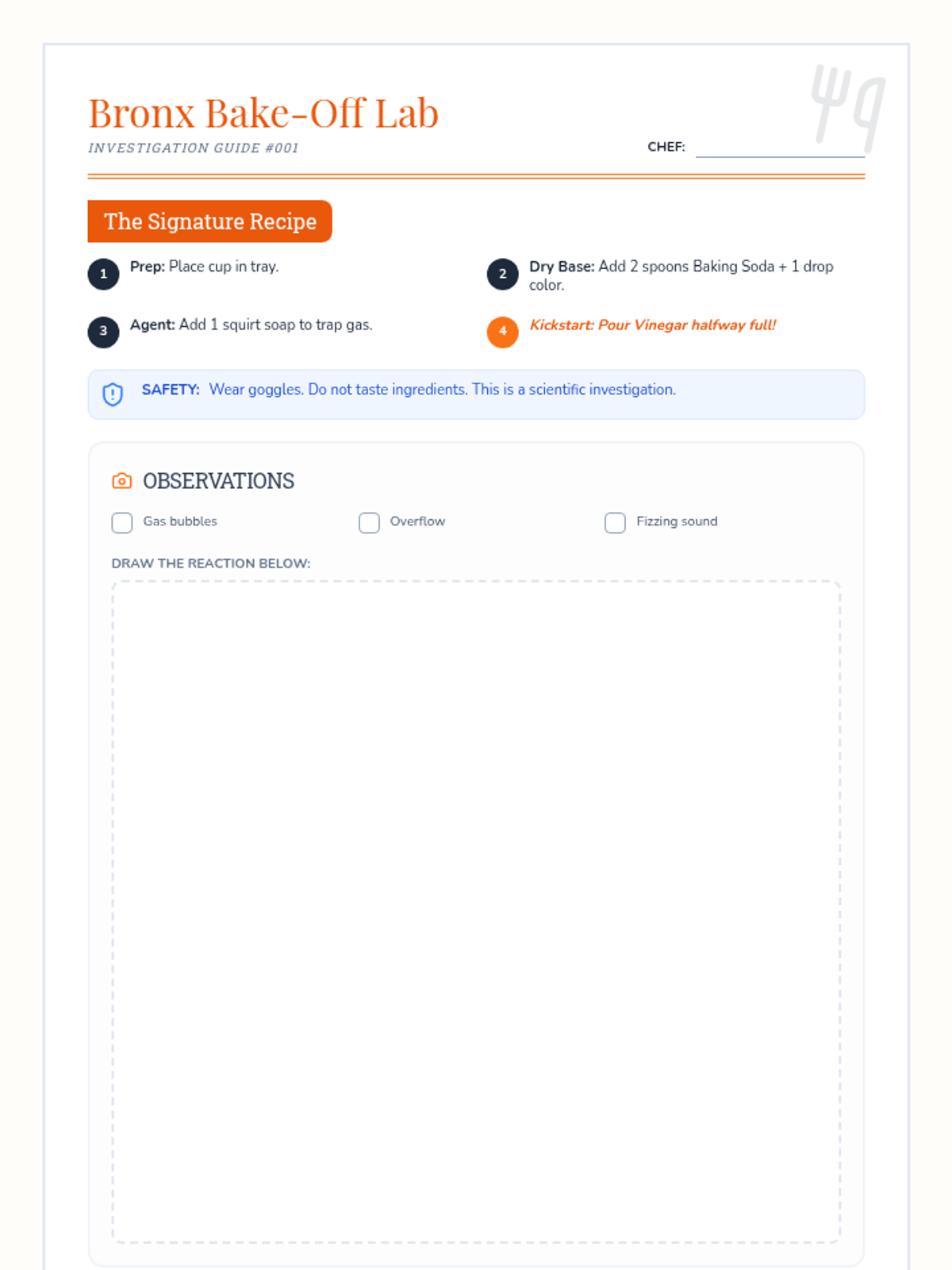
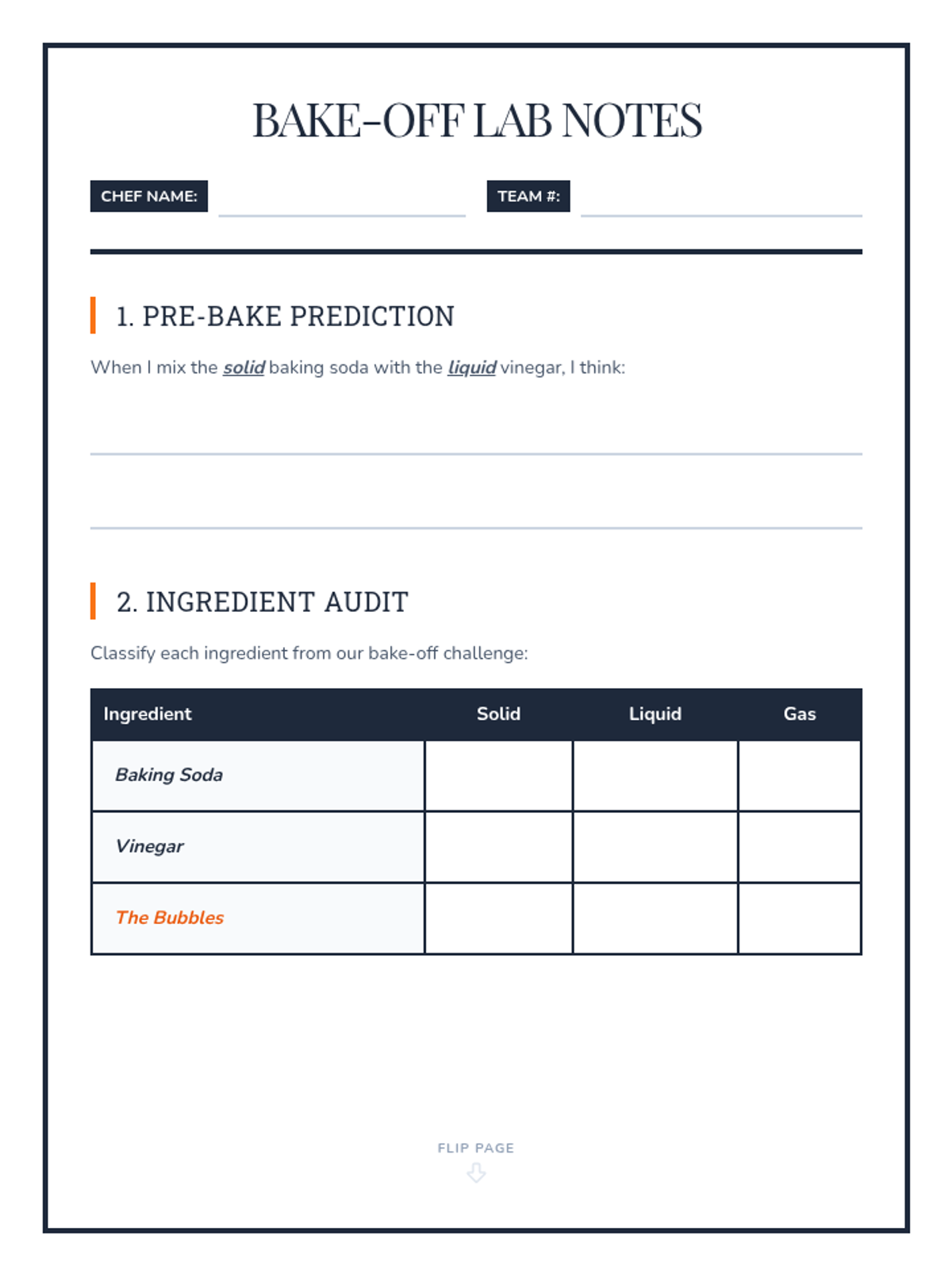
A foundational science lesson exploring the three primary states of matter—solids, liquids, and gases—through reading, visual aids, and interactive observation.
Cette séance de 2 heures permet aux élèves de distinguer qualification et compétence, d'analyser l'impact des conditions de travail sur le comportement des salariés et de mesurer la performance de l'activité humaine via des indicateurs de productivité et de climat social.
Combining electricity and magnetism to create a temporary magnet. Students follow instructions to build their own electromagnet using a battery, wire, and nail.
Identifying the path electricity takes. Students differentiate between conductors that let electricity pass and insulators that stop it, while building basic circuits.
Exploring the invisible forces of magnets. Students learn about poles (North and South) and how magnetic fields create attraction and repulsion.
Introduction to what electricity is and how it moves through wires. Focuses on the concept of energy flow and simple 'push' and 'pull' analogies.
An introduction to biomimicry for 1st Grade students, exploring how plants and animals inspire human inventions through interactive slides and creative worksheets.
An energetic, hands-on introduction to conductors and insulators for 2nd graders, featuring the 'Zap & Trap' theme to help students understand how electricity moves or stays put.
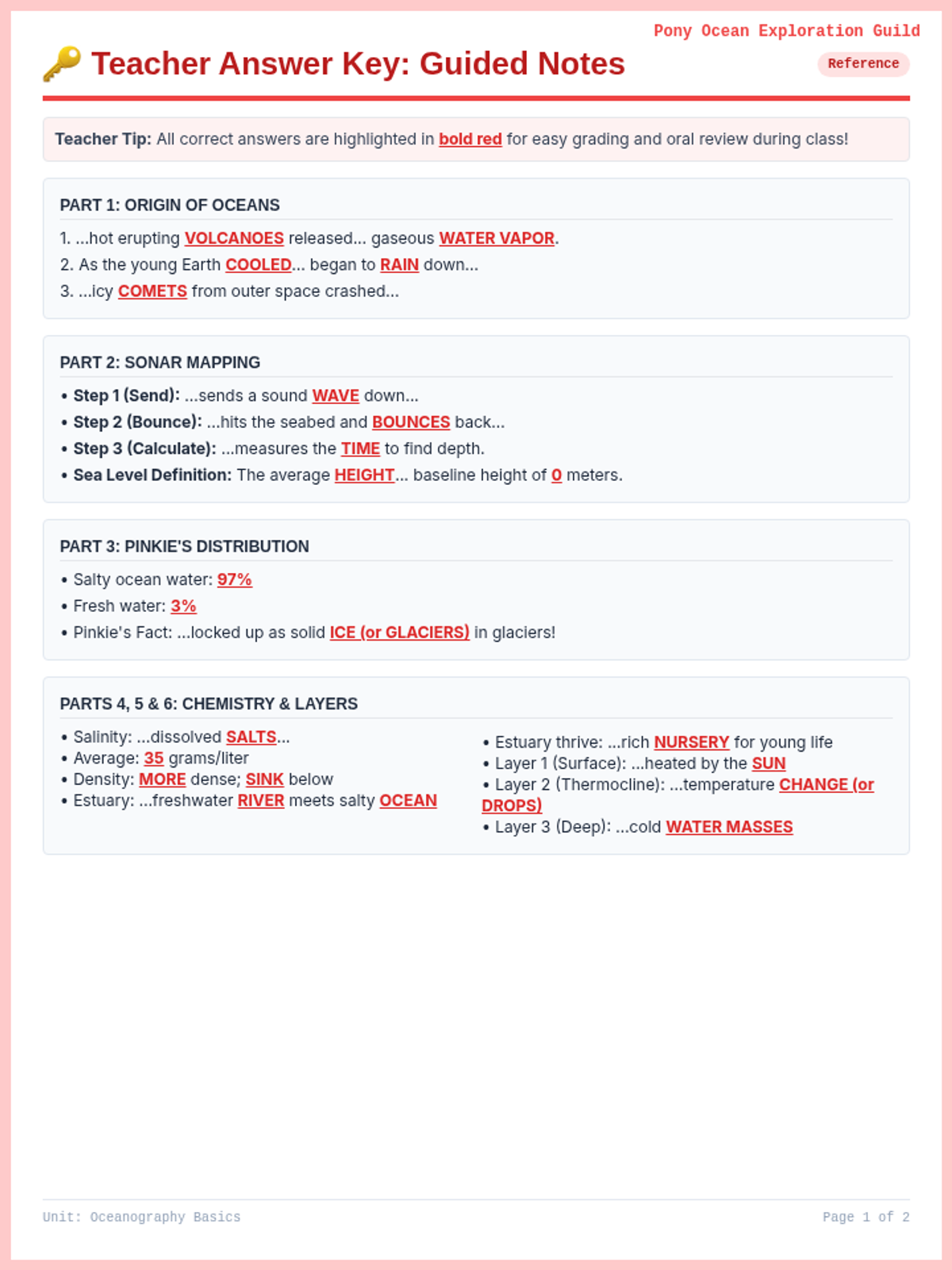
A hands-on exploration of how matter can change through heating and cooling. Students act as 'Change Detectives' to identify which changes can be undone and which are permanent.
A comprehensive lesson introducing K-1st grade students to debugging through the lens of Kodable. Students identify, circle, and fix errors in directional code sequences to help their Fuzz friends navigate grids.
A playful exploration of animal habitats and characteristics using students' own stuffed animals to bridge the gap between imagination and scientific observation.
A fun, playful building challenge for early learners. Small teams work together to build the tallest tower they can using simple materials, focusing on sharing, taking turns, and trying again.
An introduction to the concept of cycles in nature, focusing on the definition of a cycle and the repeating patterns of the seasons.
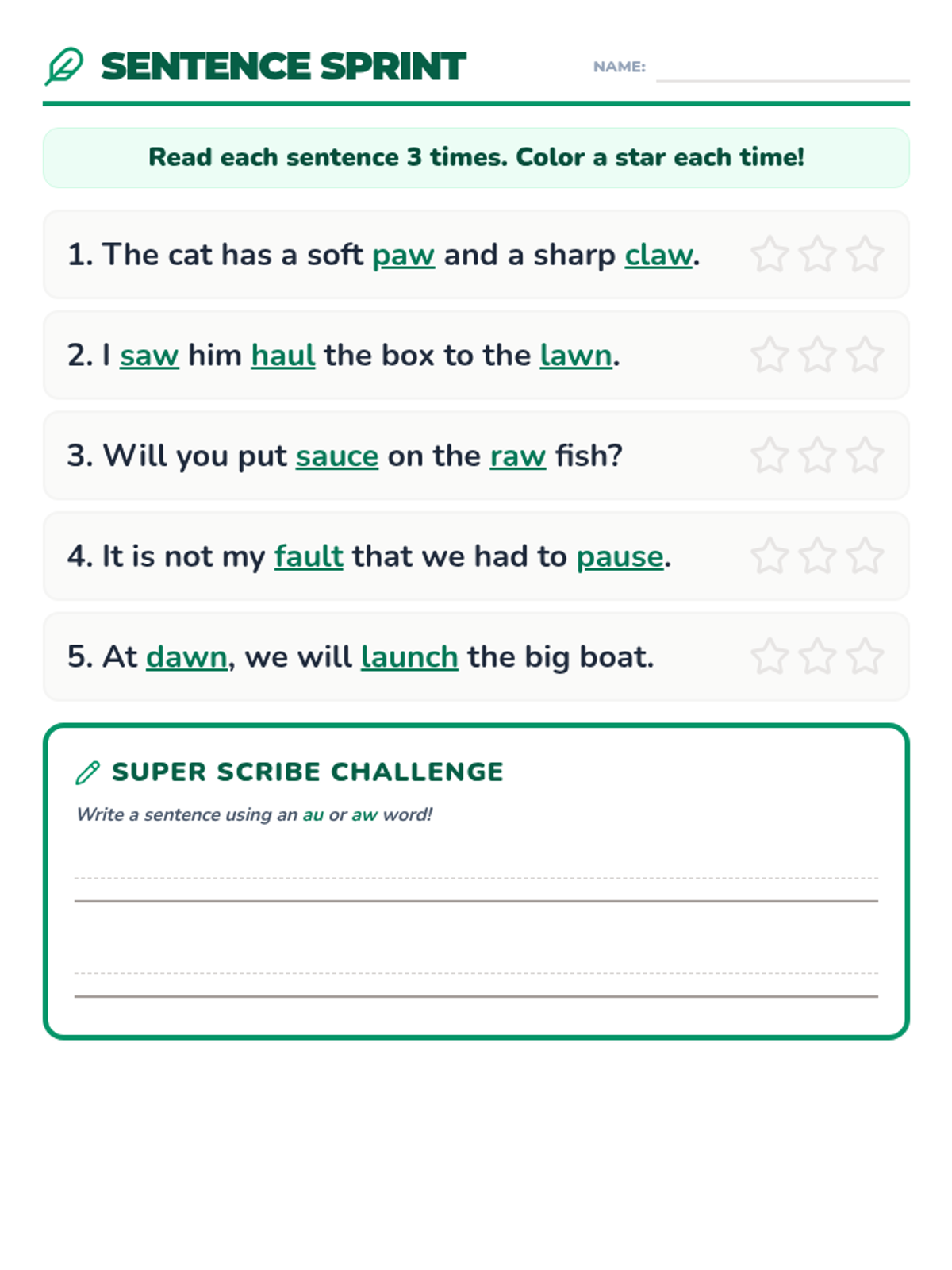
A 30-minute introductory lesson on closed syllable exceptions (ild, ind, old, ost, olt) using a secret agent theme. Students identify, read, and write 'Rule Breaker' words that have long vowels despite being in closed syllables.
A lesson introducing 1st graders to Nikola Tesla and the concept of inventions through a simplified reading passage.
An introductory lesson on Microsoft Word basics, covering document creation, saving, text formatting, and clipboard actions (copy/cut/paste). Students will learn through a 'Word Wizardry' theme, transforming technical skills into creative magic.
A fun, hands-on lesson for kindergarteners to learn about plant parts and what plants need to grow through movement, games, and exploration.
A lesson focused on the basics of genetic inheritance and how traits are passed from parents to offspring, designed for students with a 2nd-grade reading level.
A series of feedback and reflection tools for students, parents, and teachers to evaluate learning after completing the Wild Adventure project. It uses an explorer theme to make the assessment process engaging and collaborative.
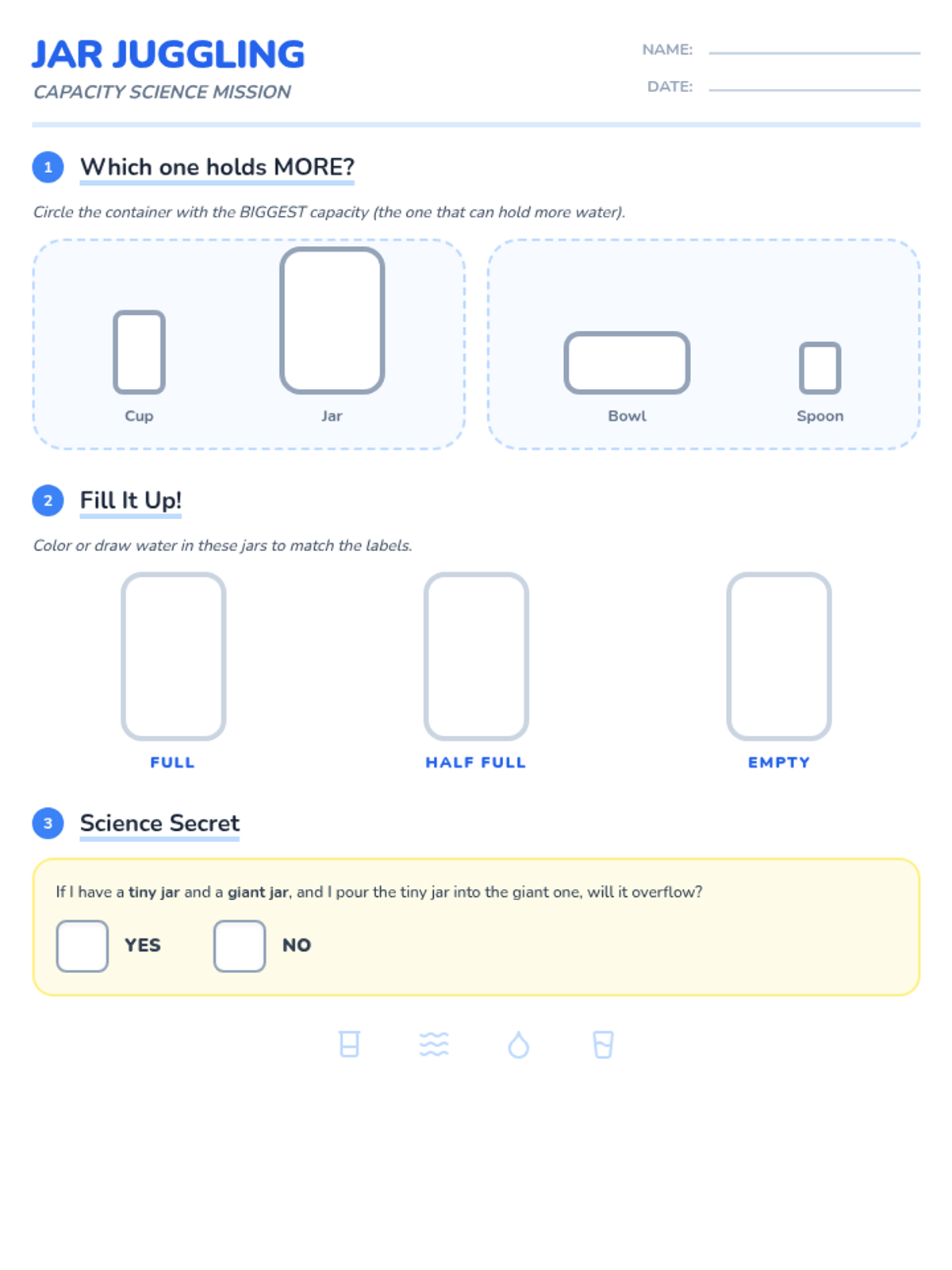
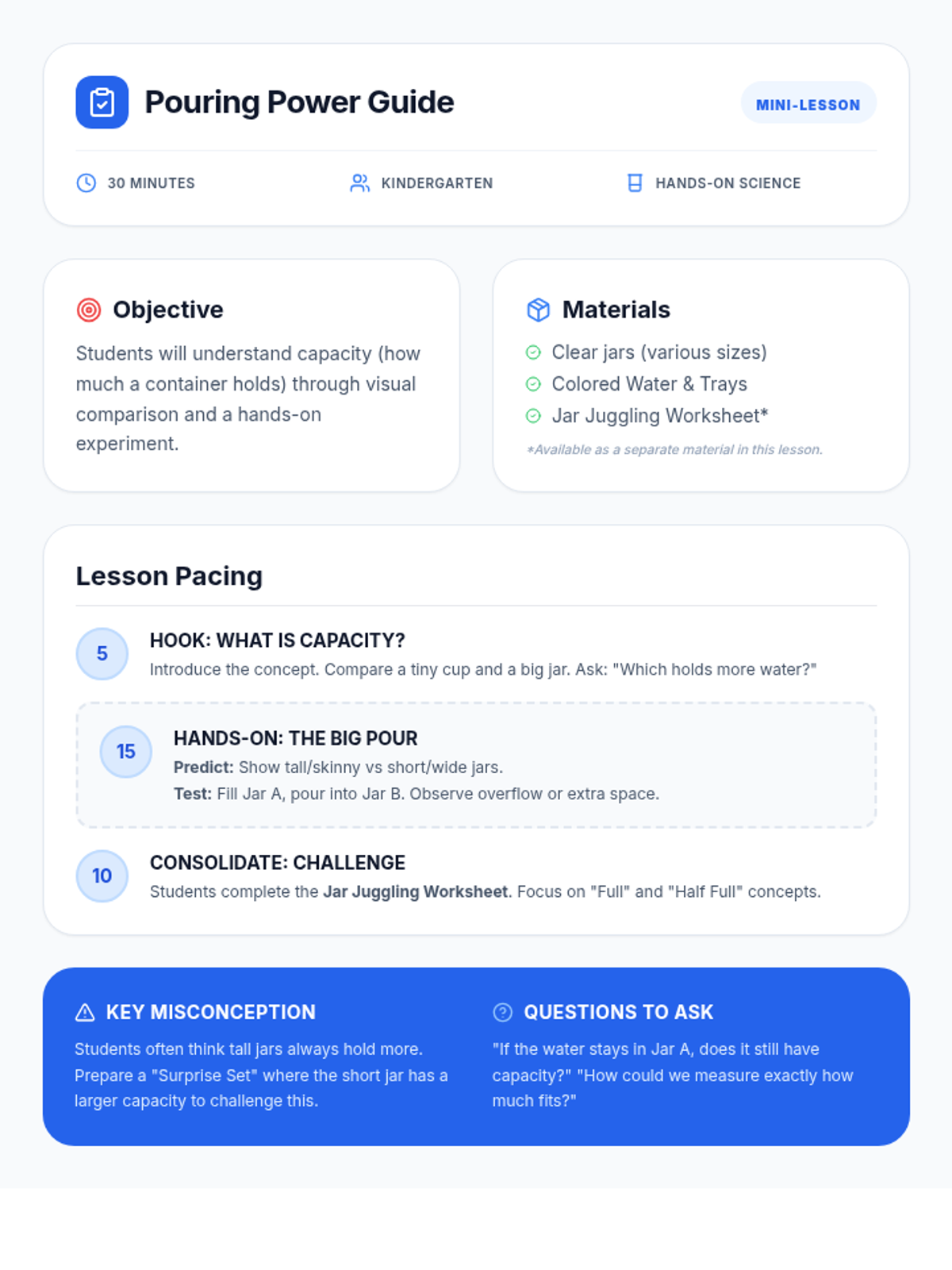
A hands-on lesson exploring the relationship between water level and volume, teaching students how to observe, measure, and compare how much liquid a container holds.
An introductory lesson for 1st graders to explore how muscles help our bodies move, including a hands-on activity and a simple labeling worksheet.
A fun, introductory lesson for second graders to distinguish between physical computer hardware and the digital programs that make them run. Students will explore examples of both through visual aids and hands-on classification.
A quick 30-minute introduction to the skeletal system, focusing on its main functions and the names of key bones in the human body. Students will explore how their 'internal frame' helps them move and stay protected.
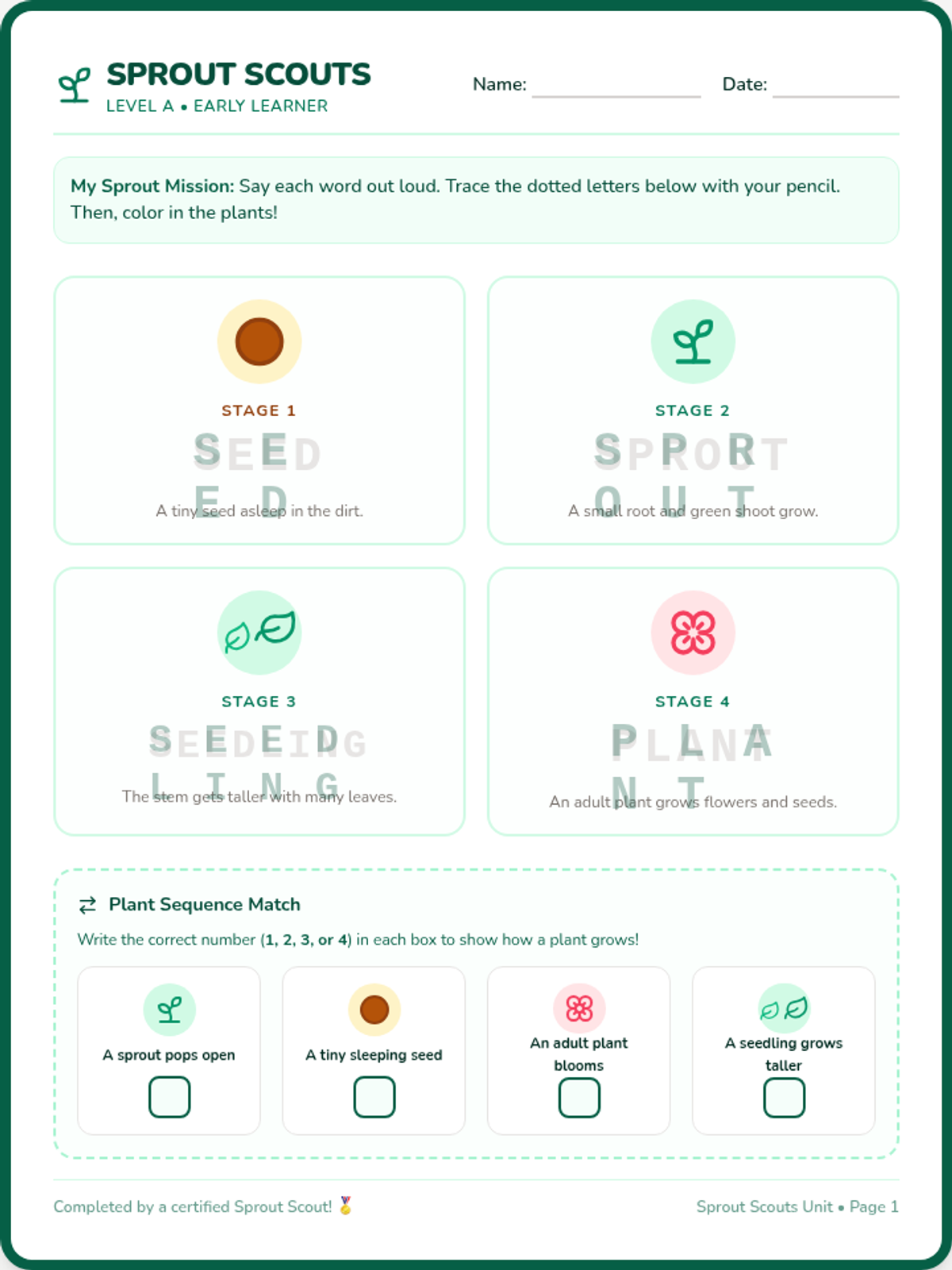
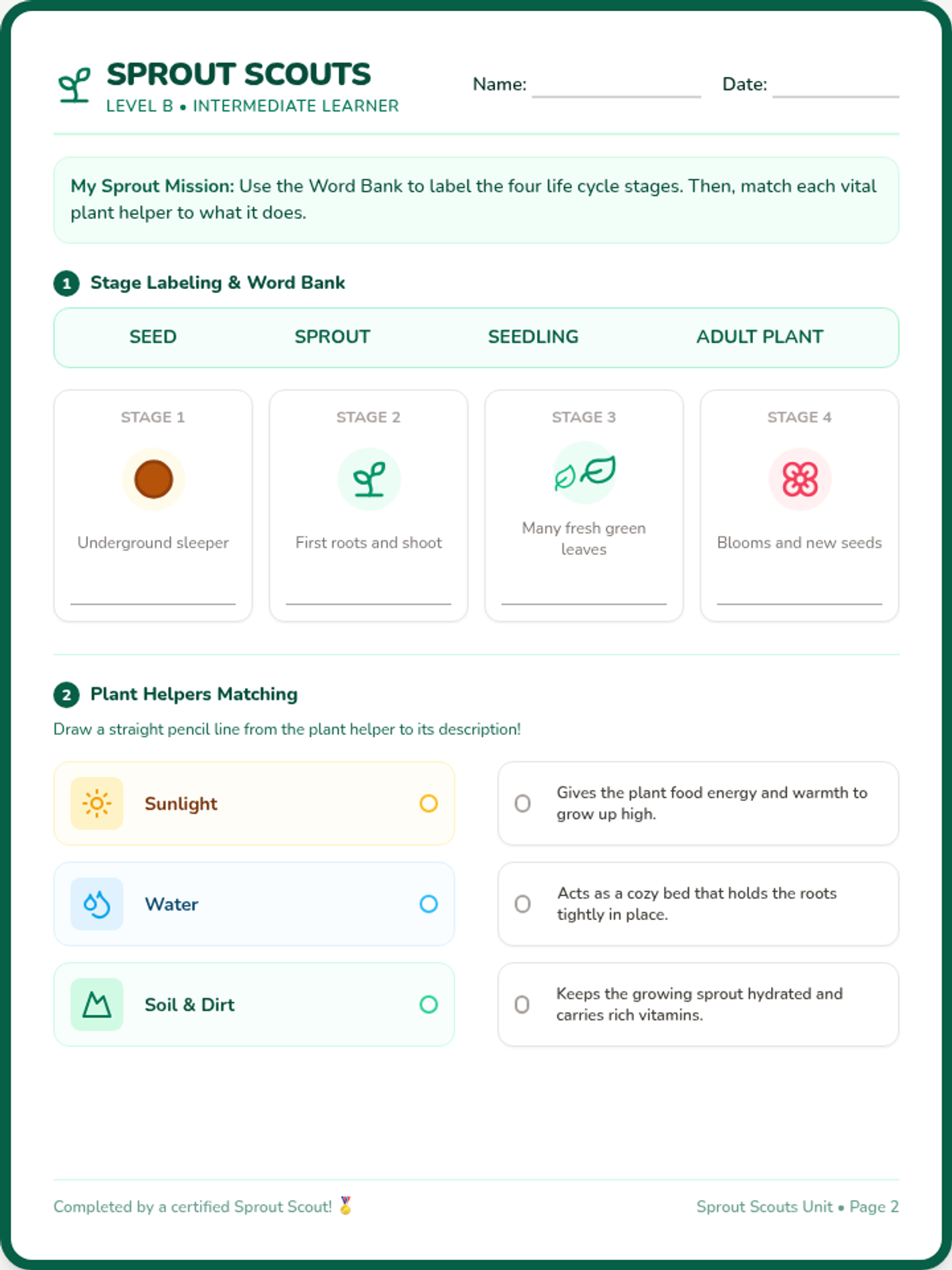
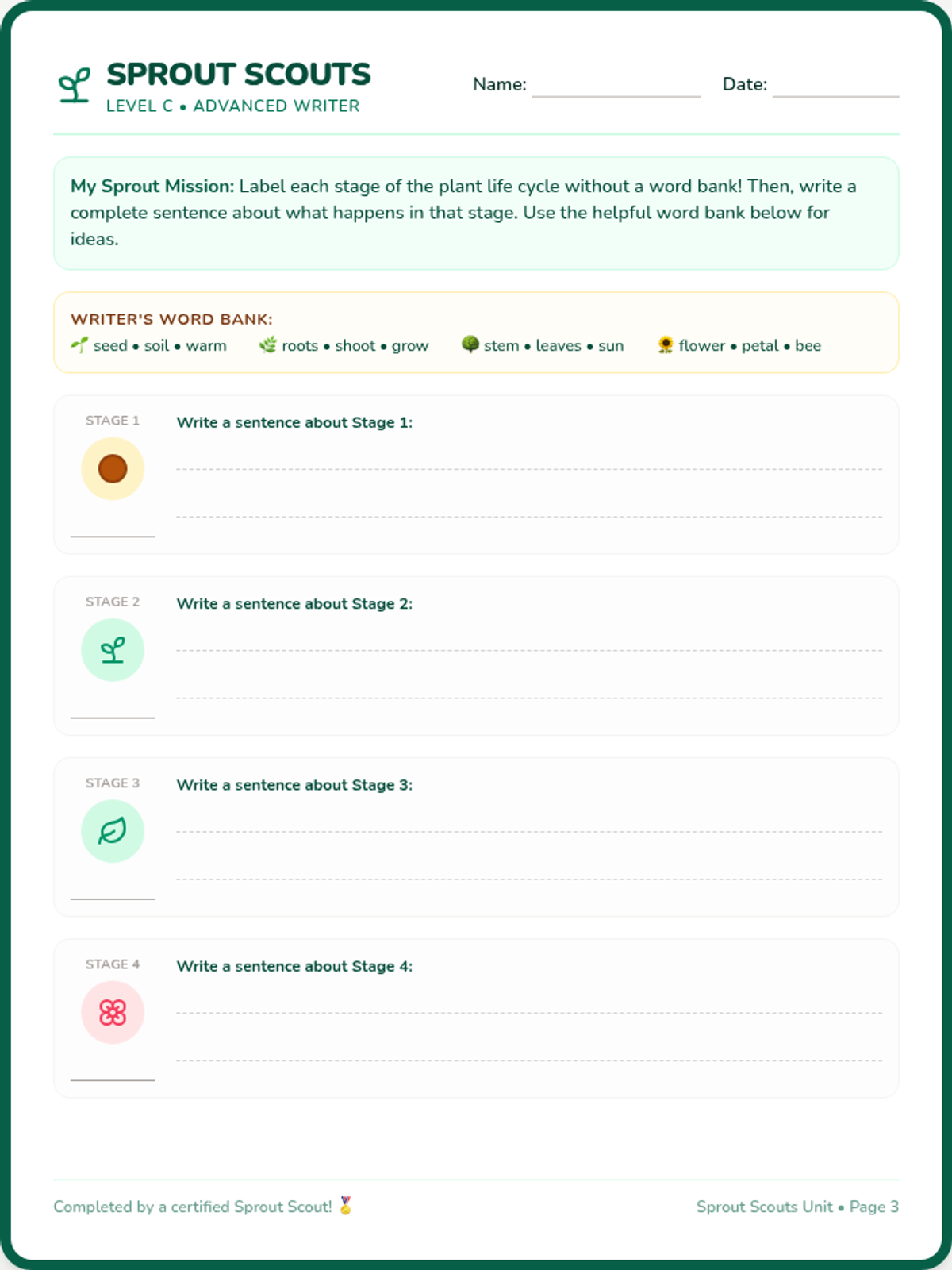
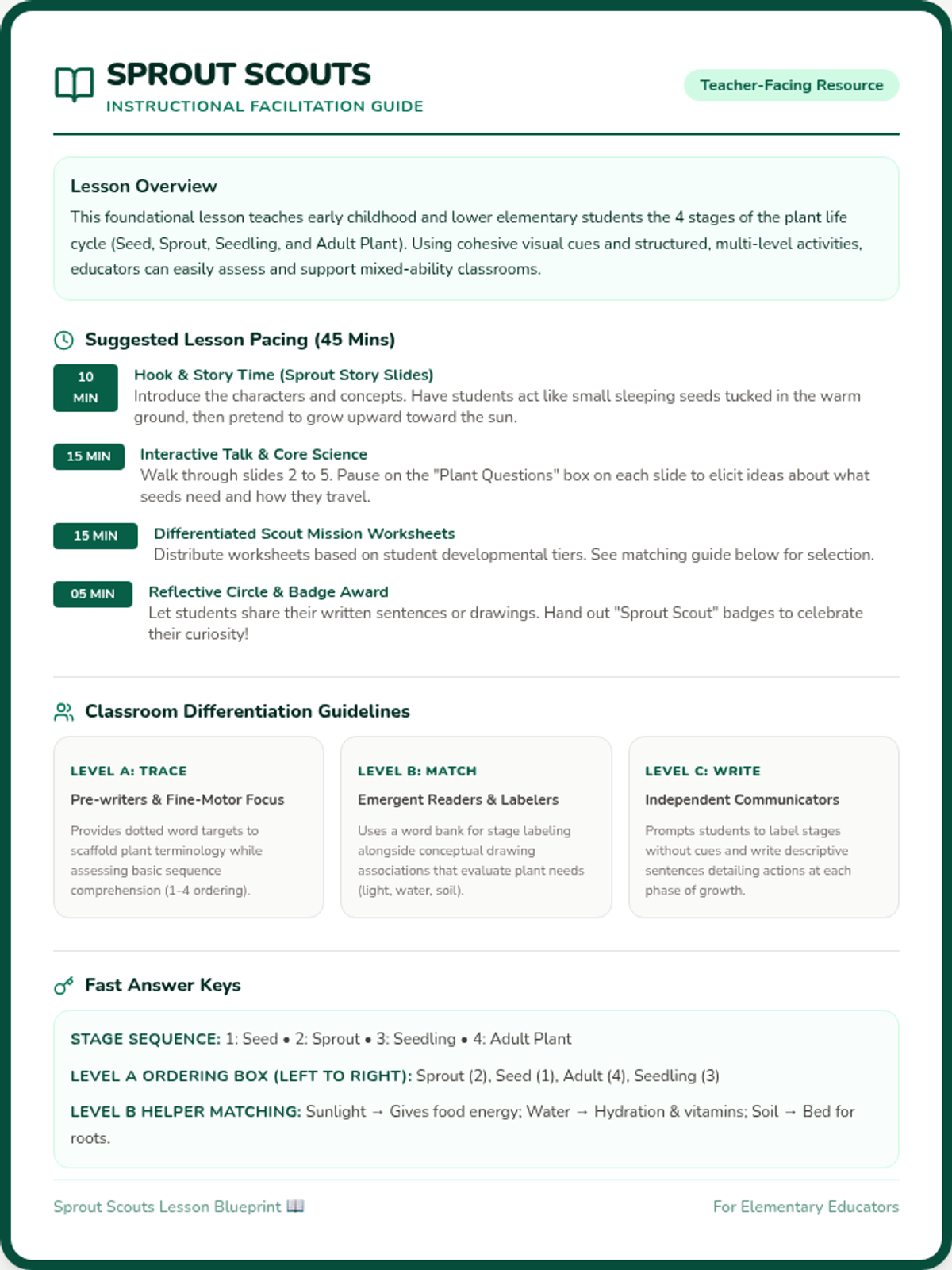
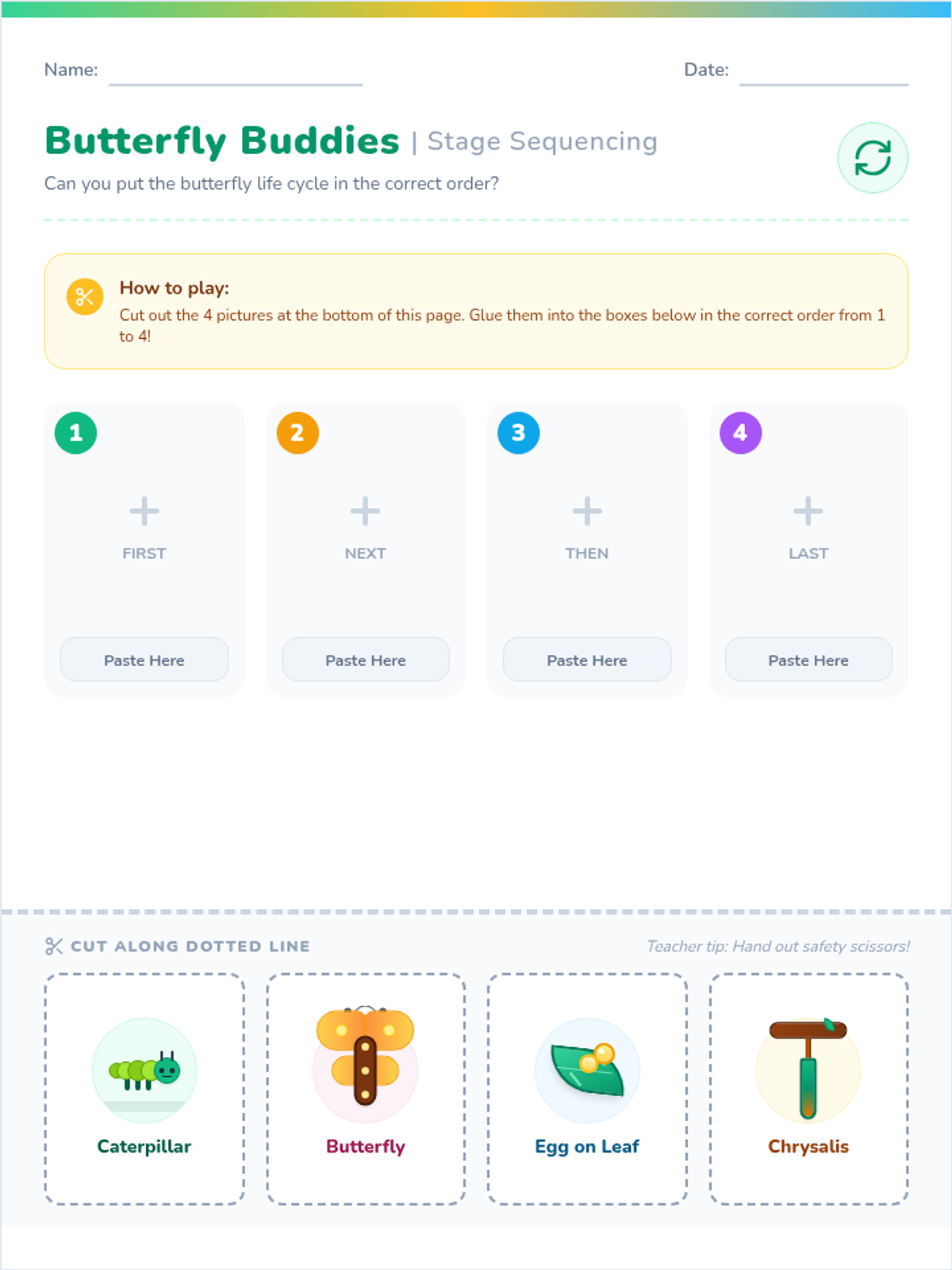
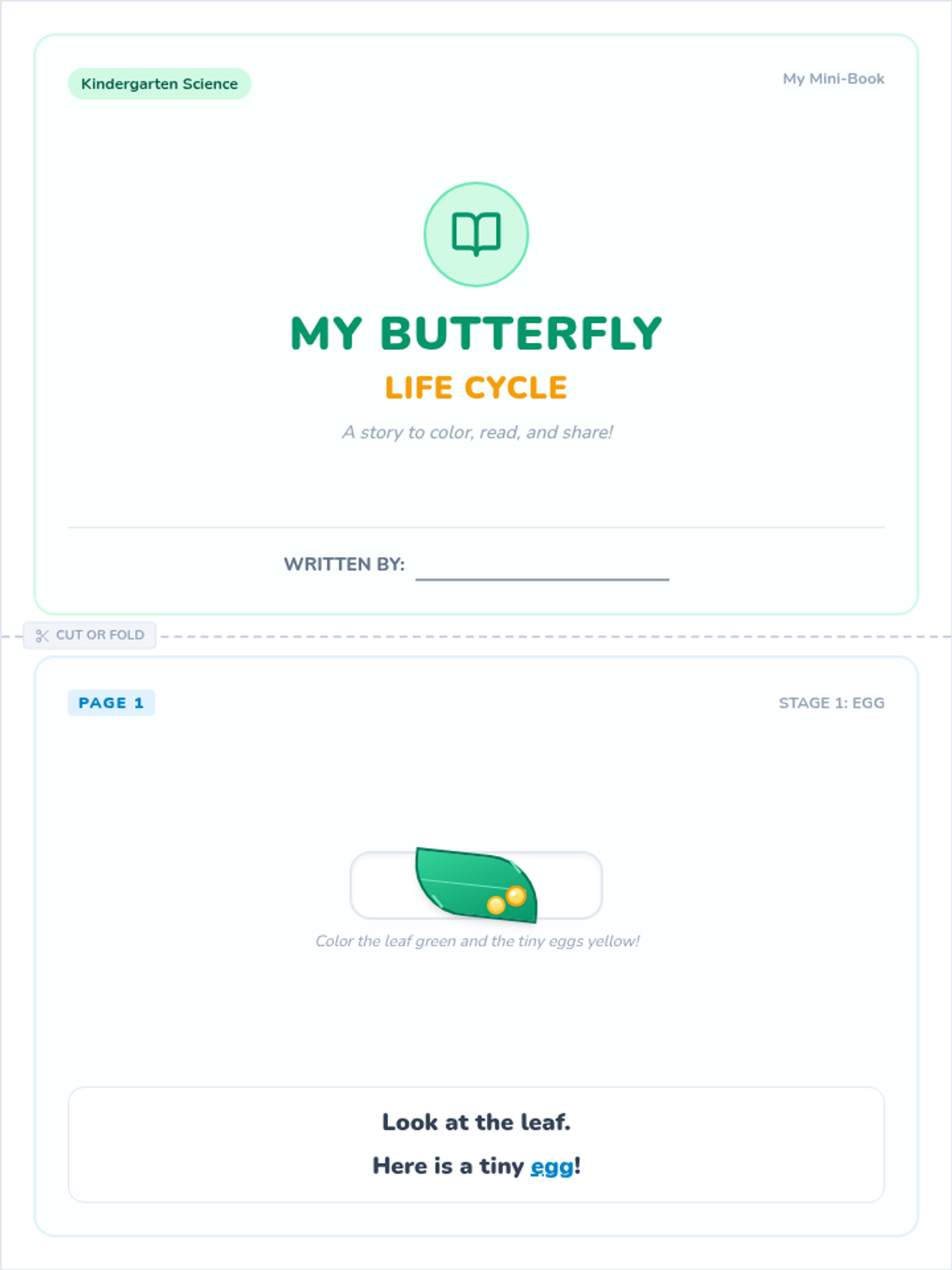
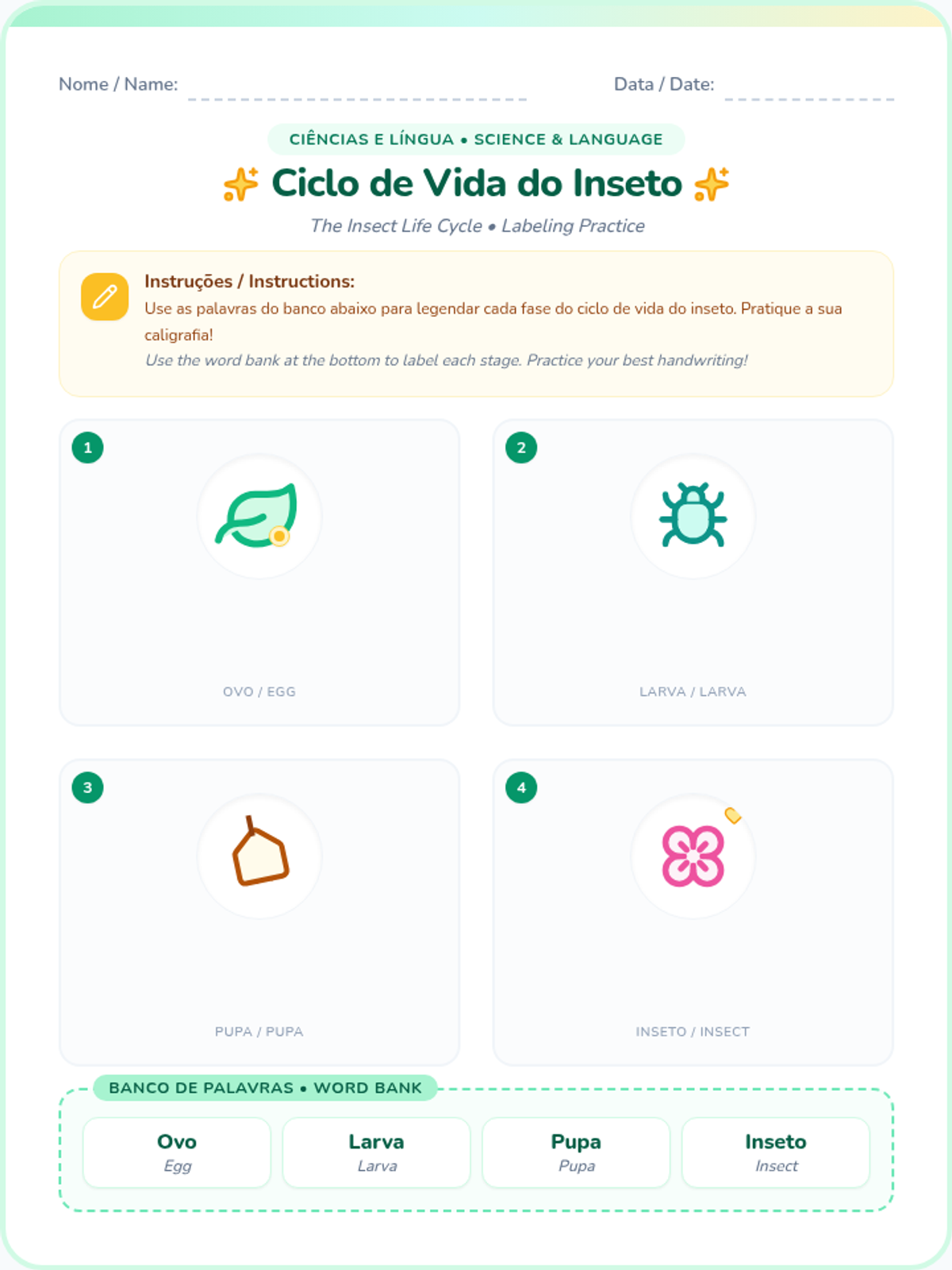
A foundational science lesson for Kindergarteners exploring the life cycle of a plant from seed to flower and the basic needs required for growth. Students will observe visual stages of growth and identify what plants need to survive.
A lesson exploring the diverse animals that call trees their home, focusing on identification and the specific parts of the tree they inhabit.
Students explore the ecosystem beneath the forest floor, focusing on animals that create tunnels and live among tree roots.
A lesson exploring the characteristics, classification, and social behavior of prehistoric Sabertooth cats.
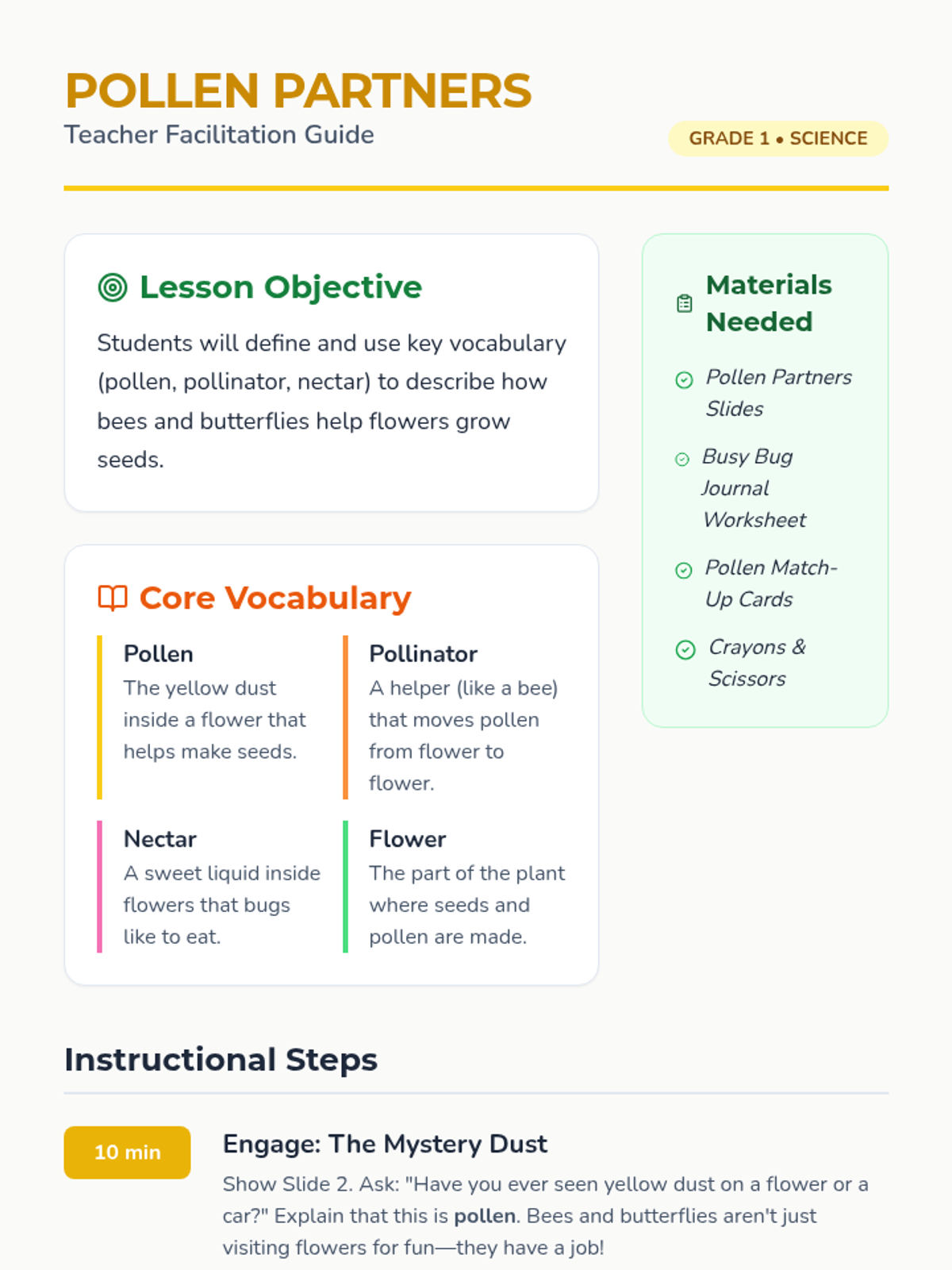
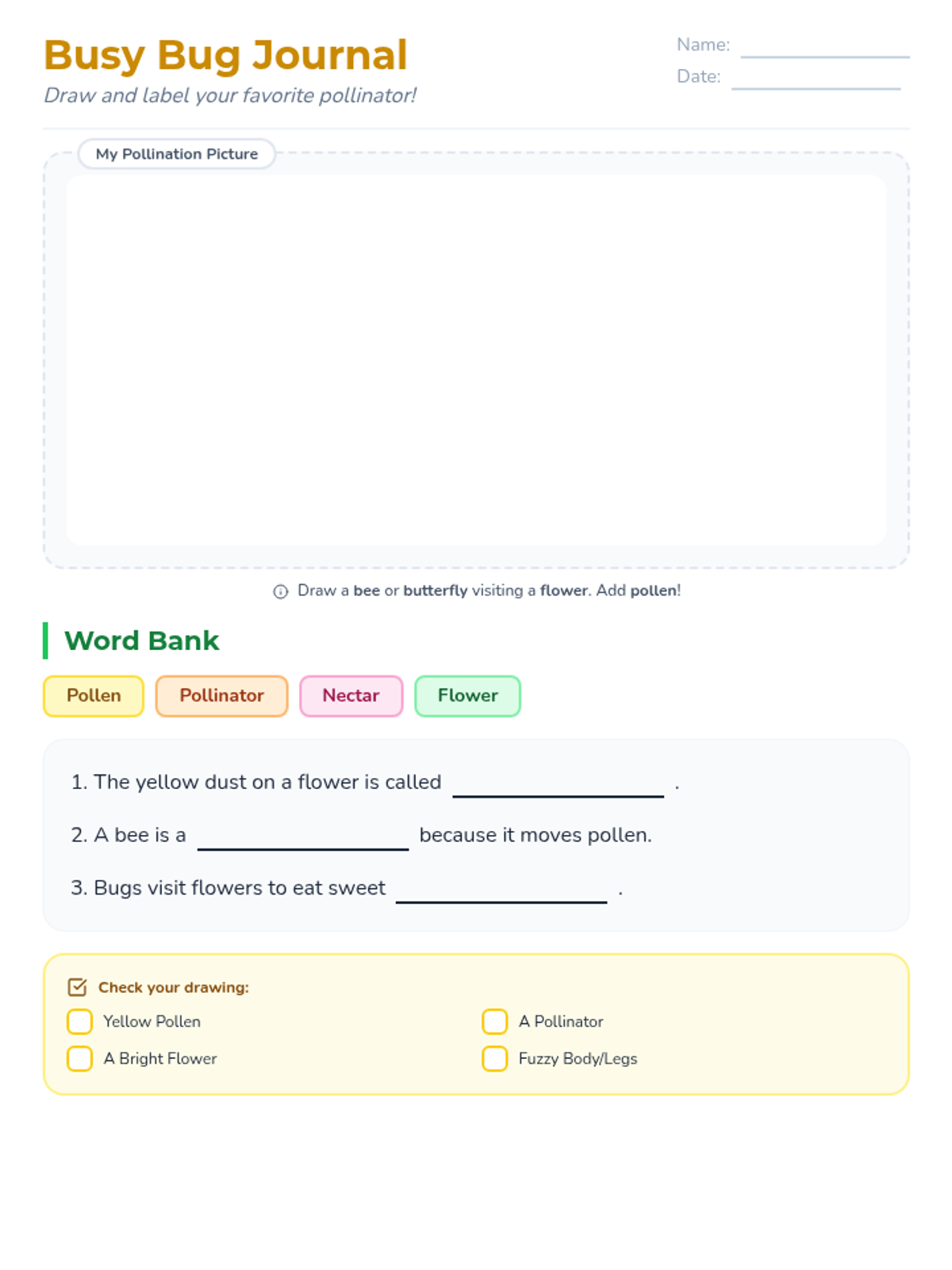
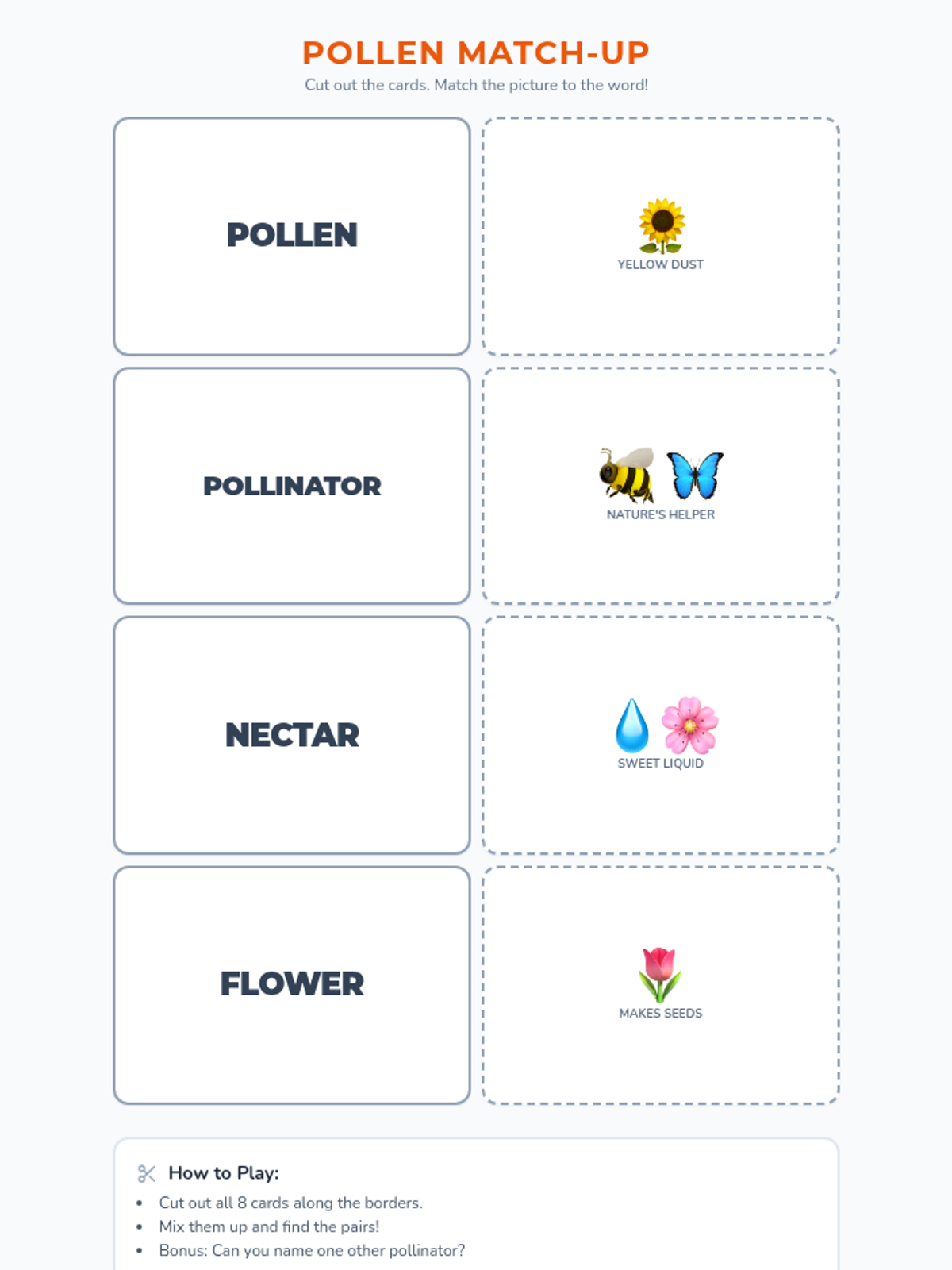
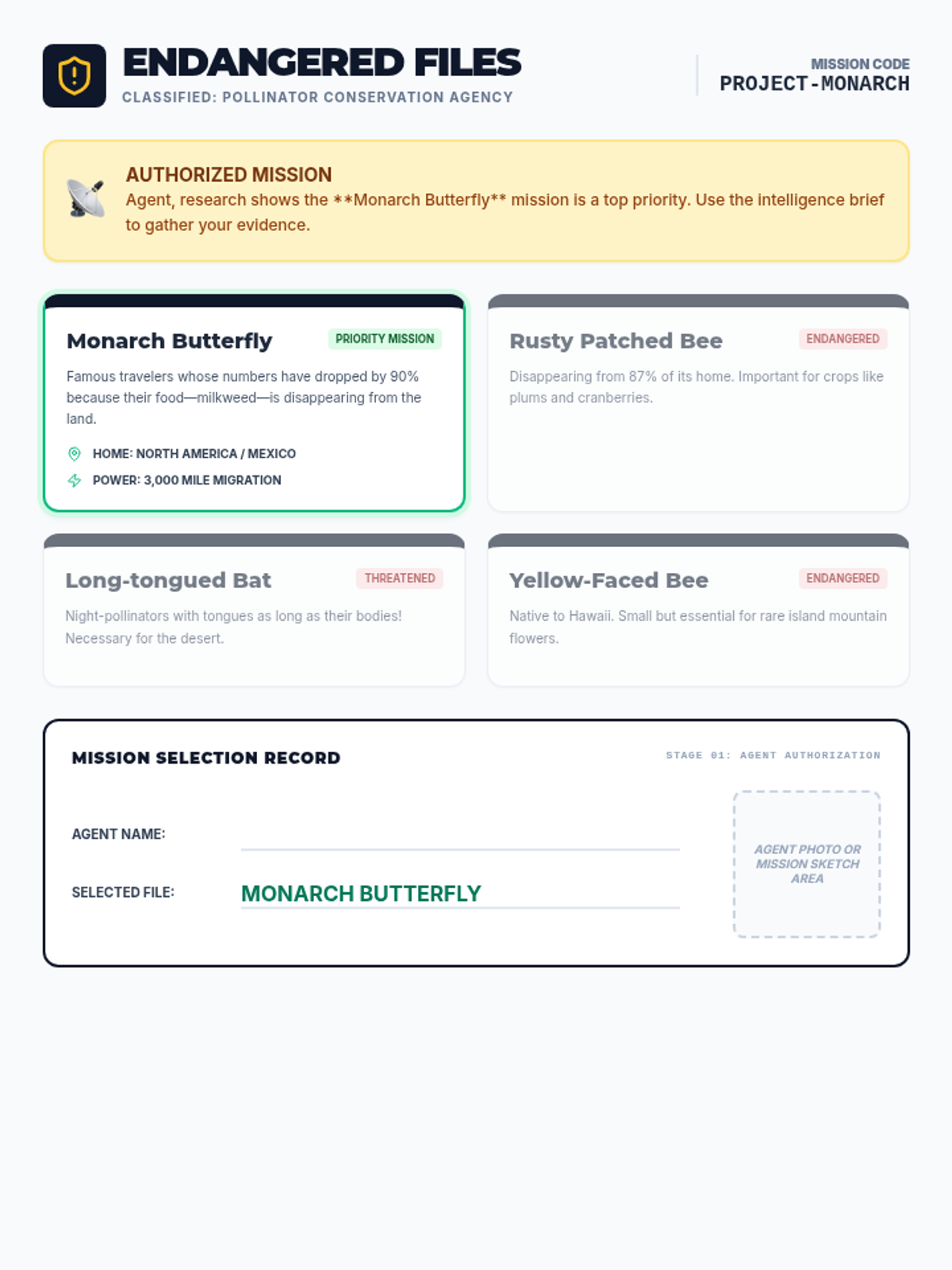
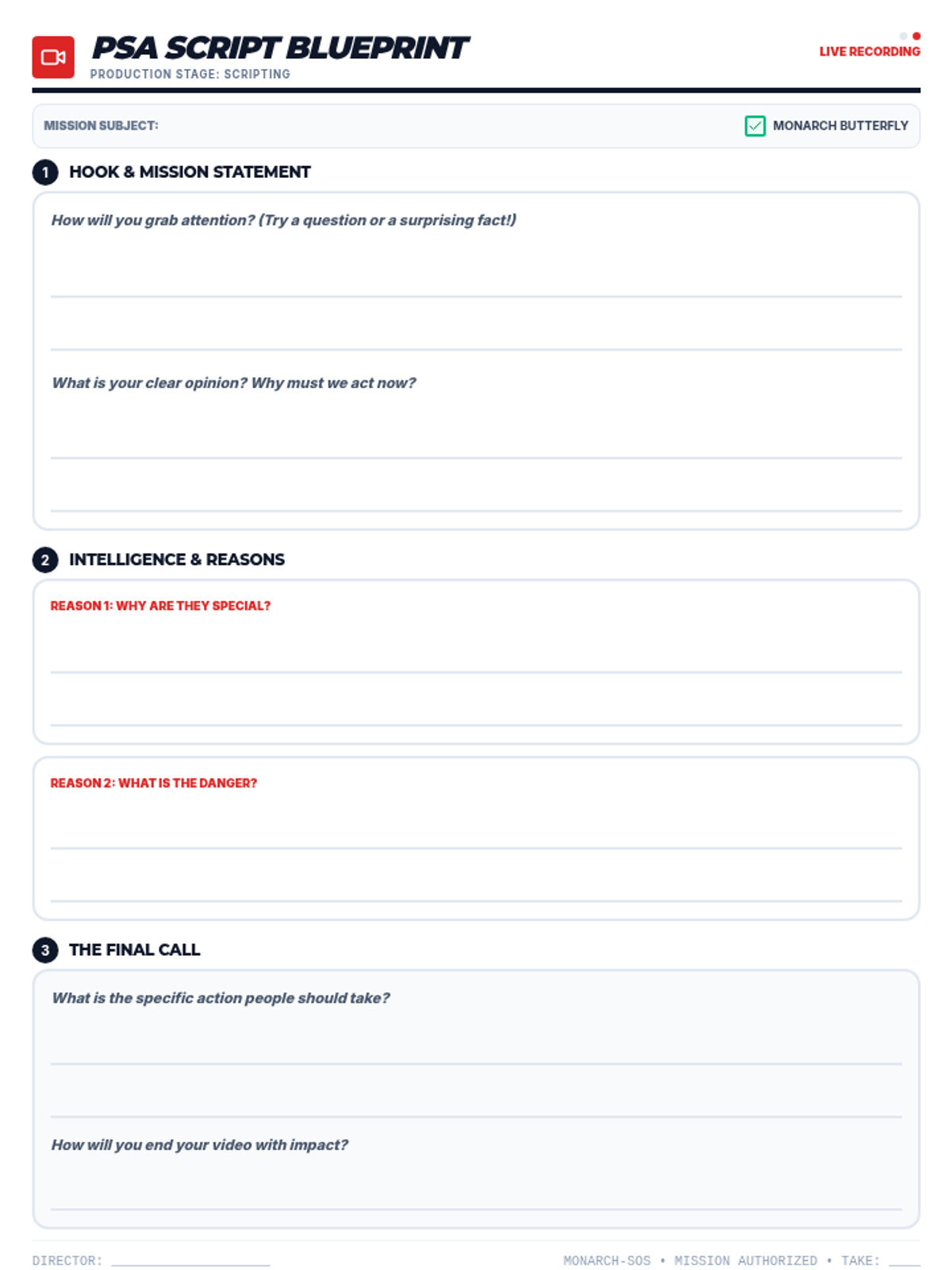
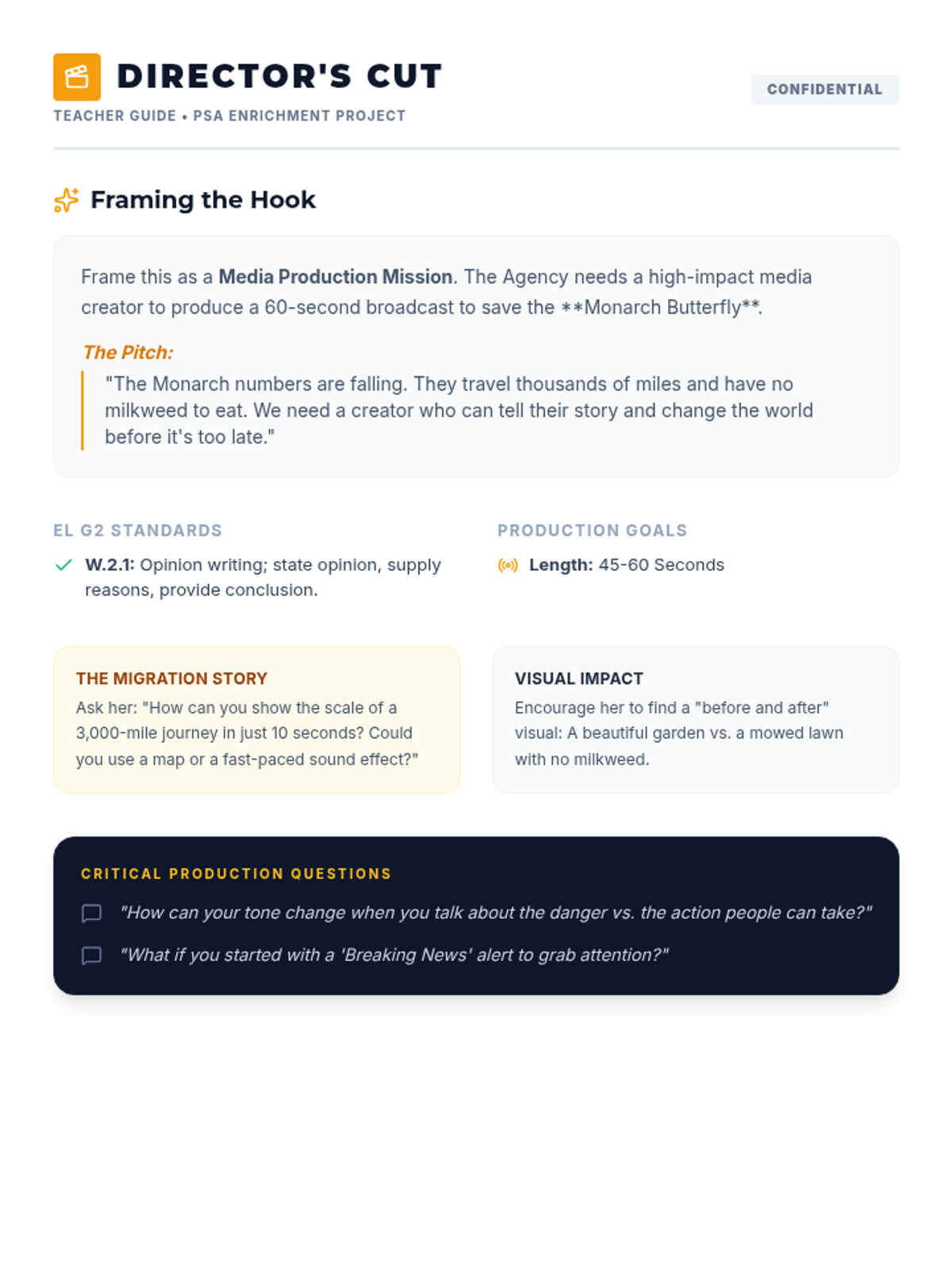
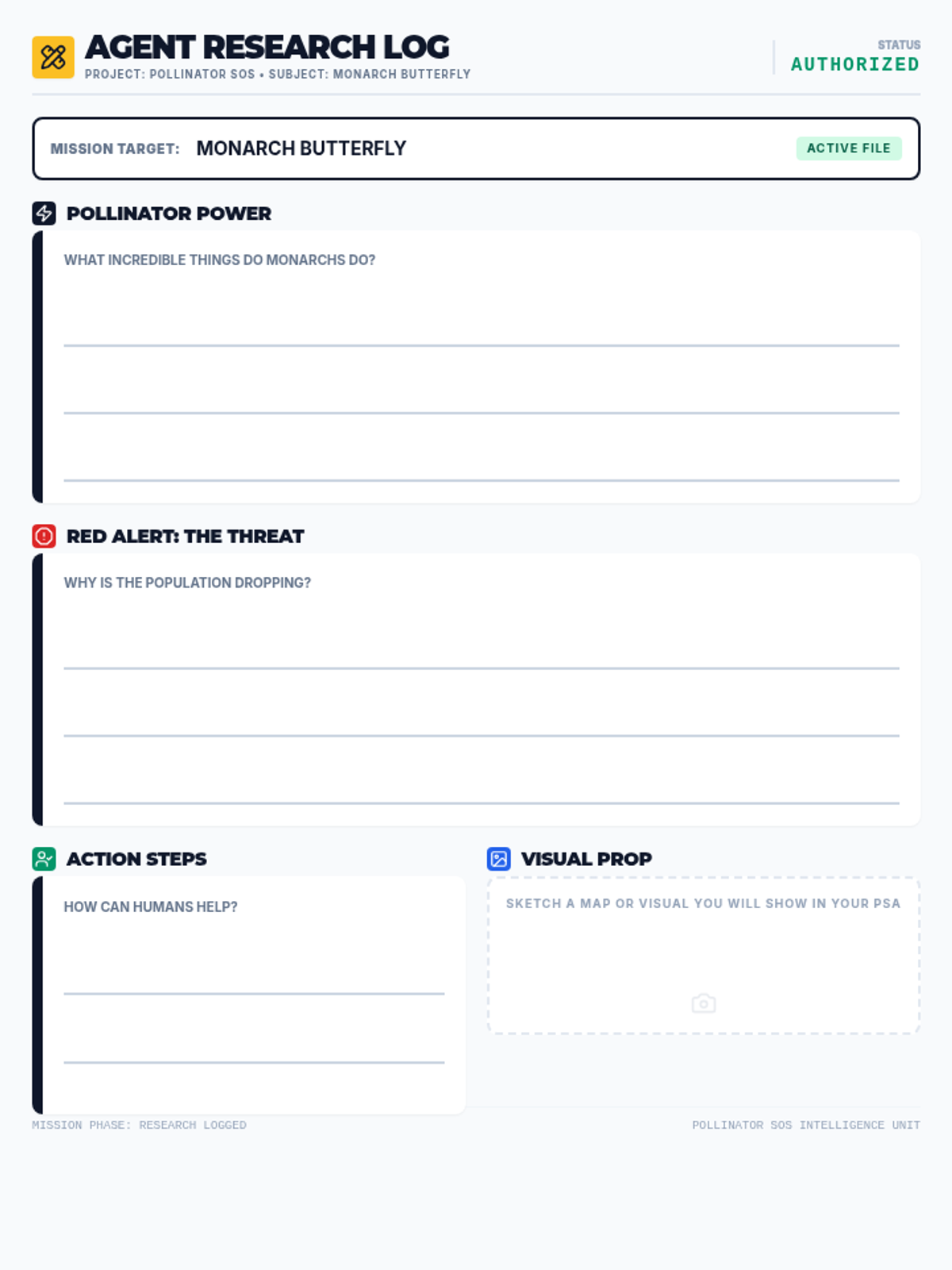
A 30-minute independent writing lesson for 2nd graders to explore the role of pollinators in our ecosystem, featuring a word bank and descriptive writing prompts.
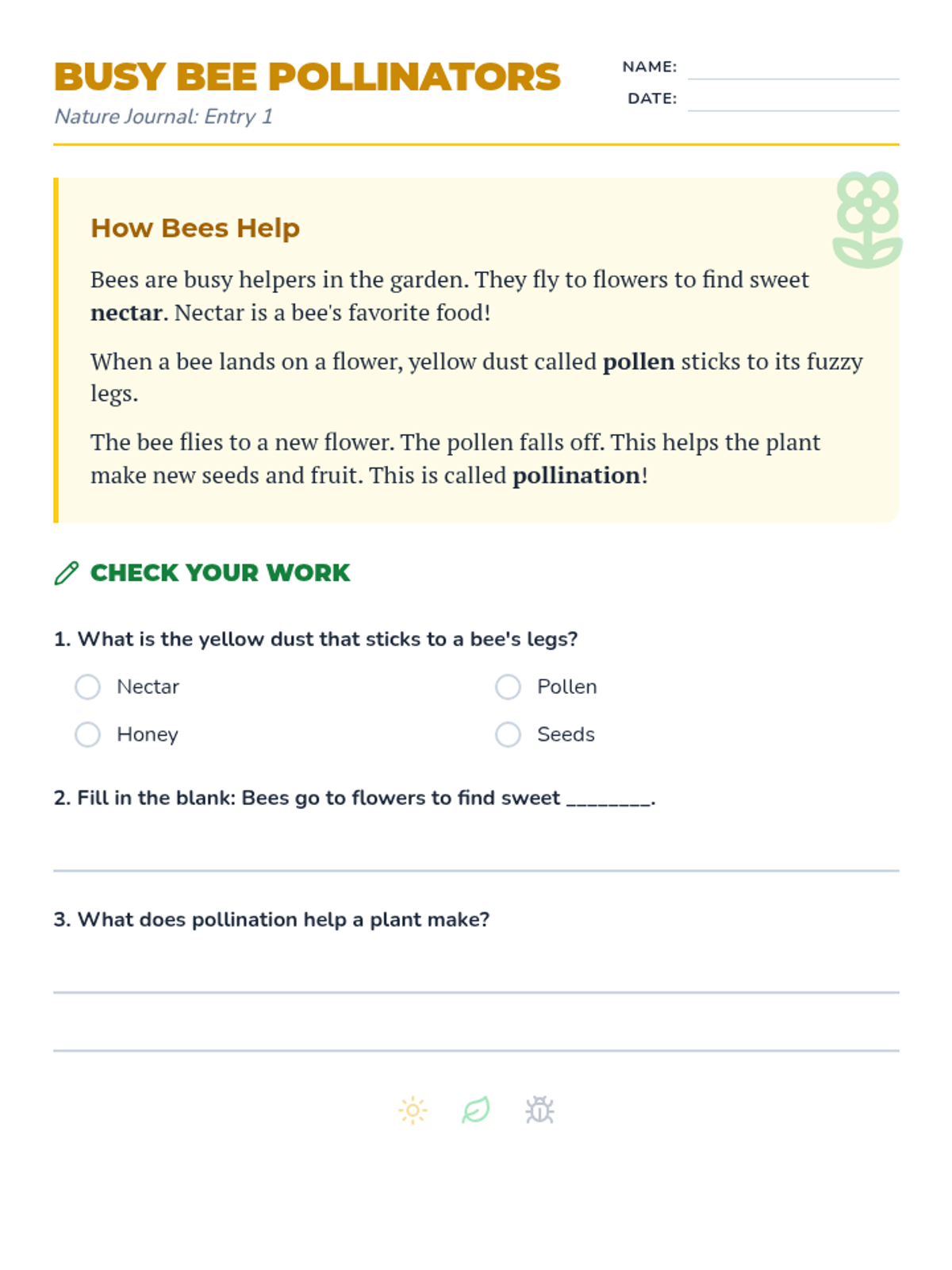
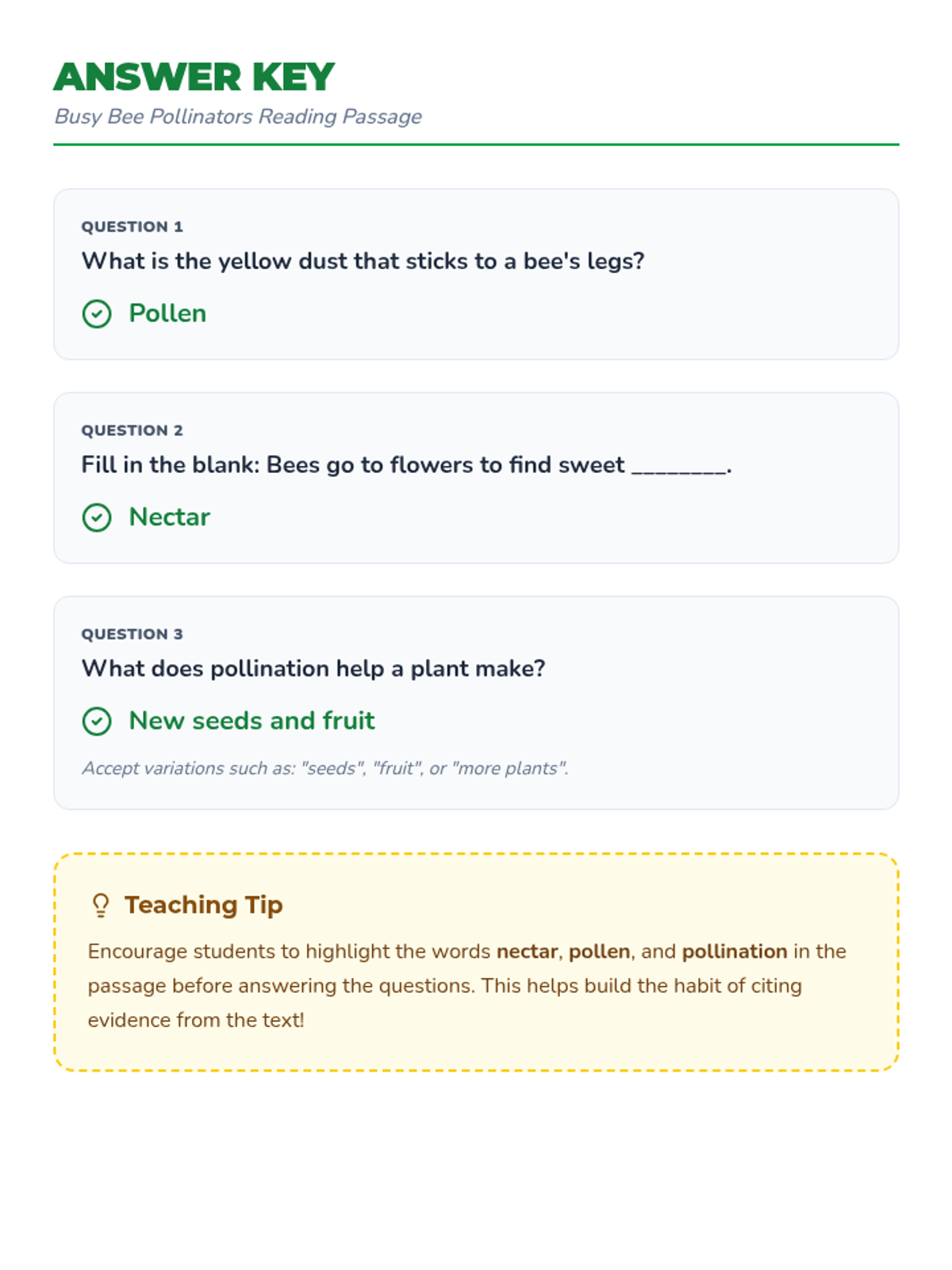
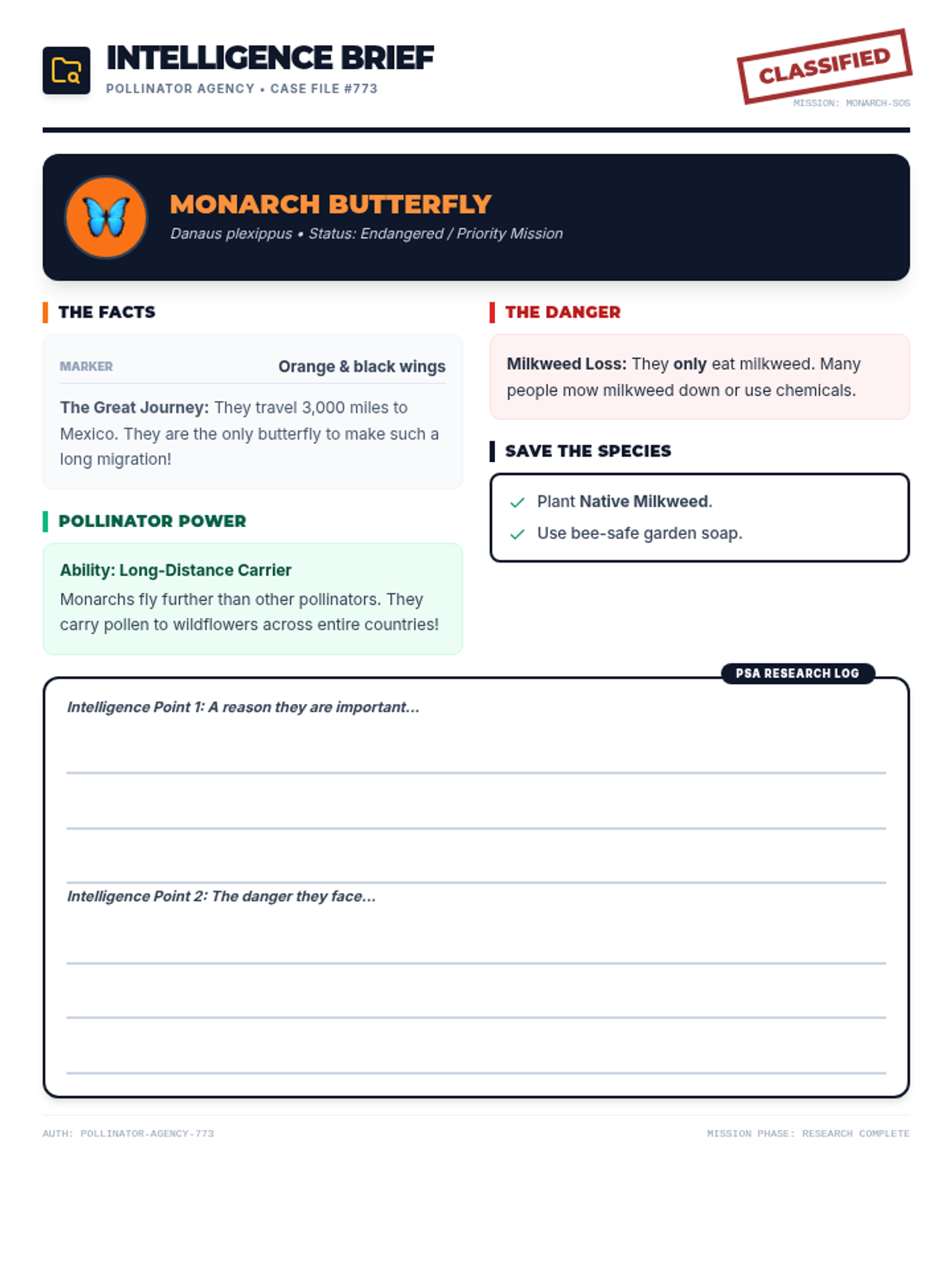
Students will learn about the vital role of pollinators in our ecosystem through a short reading passage and independent comprehension activities.
A foundational MLL lesson for 1st grade students focused on oral language and visual recognition of animals and their habitats (Forest, Ocean, Desert). The lesson emphasizes Total Physical Response (TPR), visual matching, and basic phonics connections.
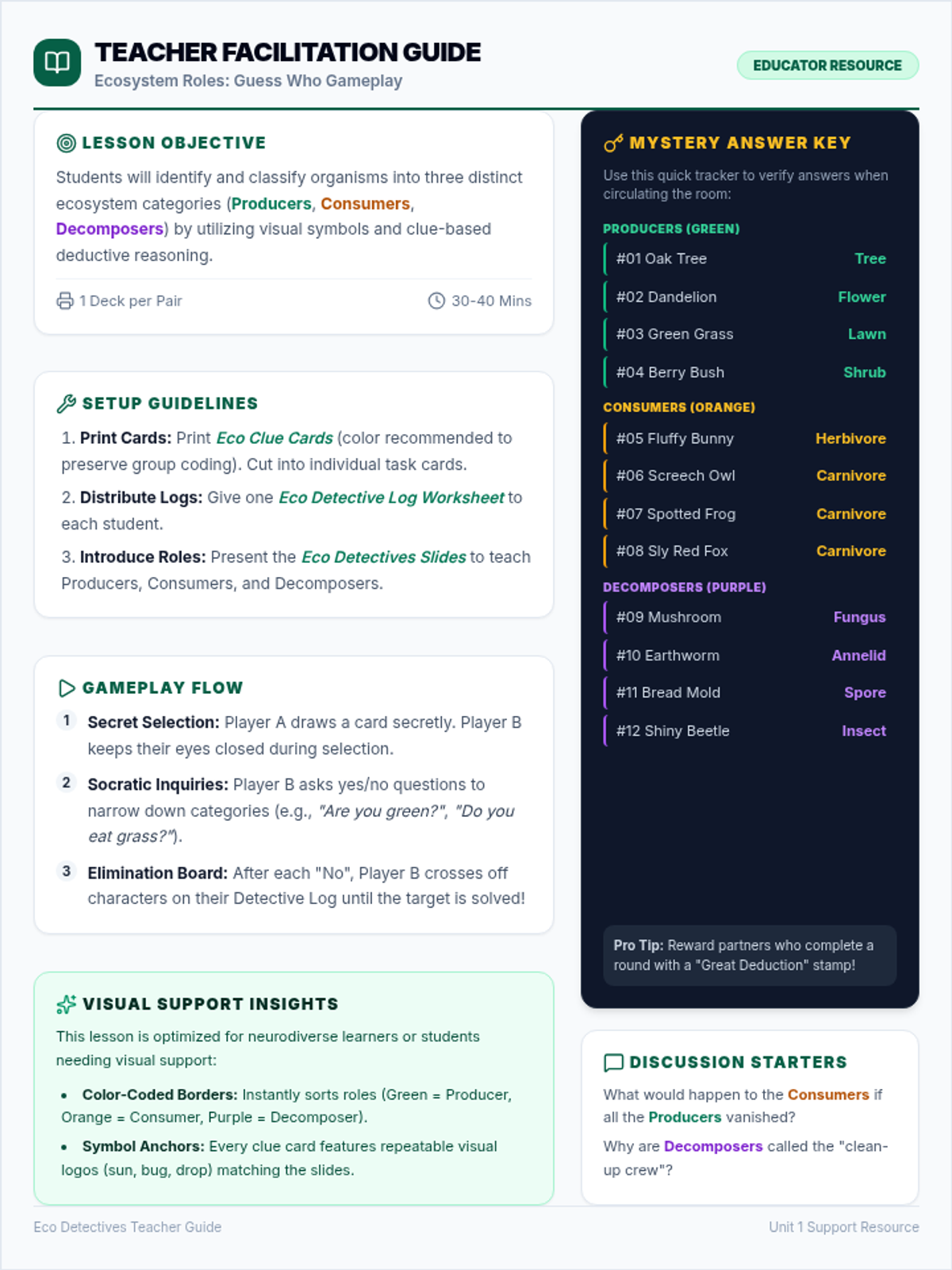
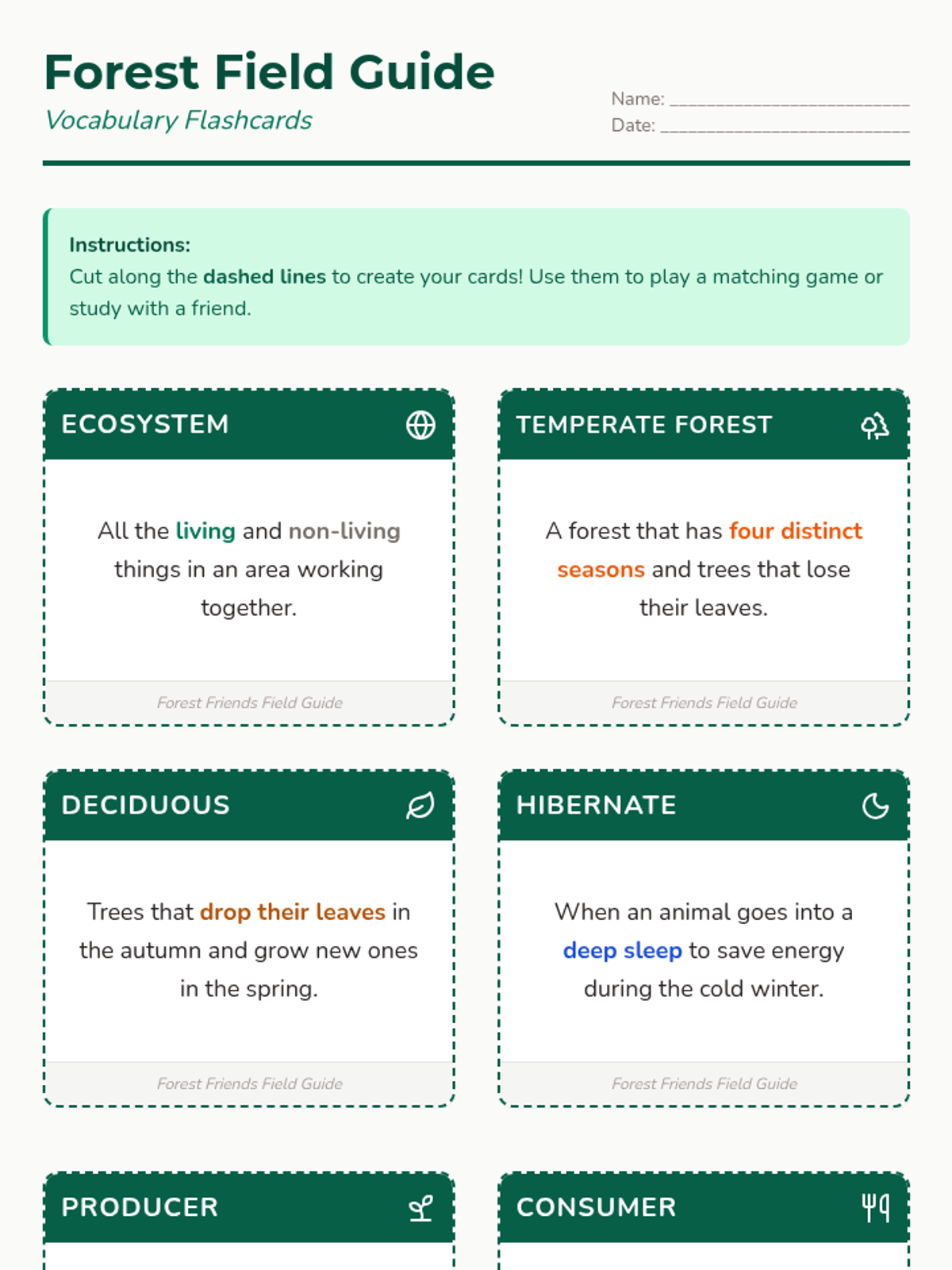
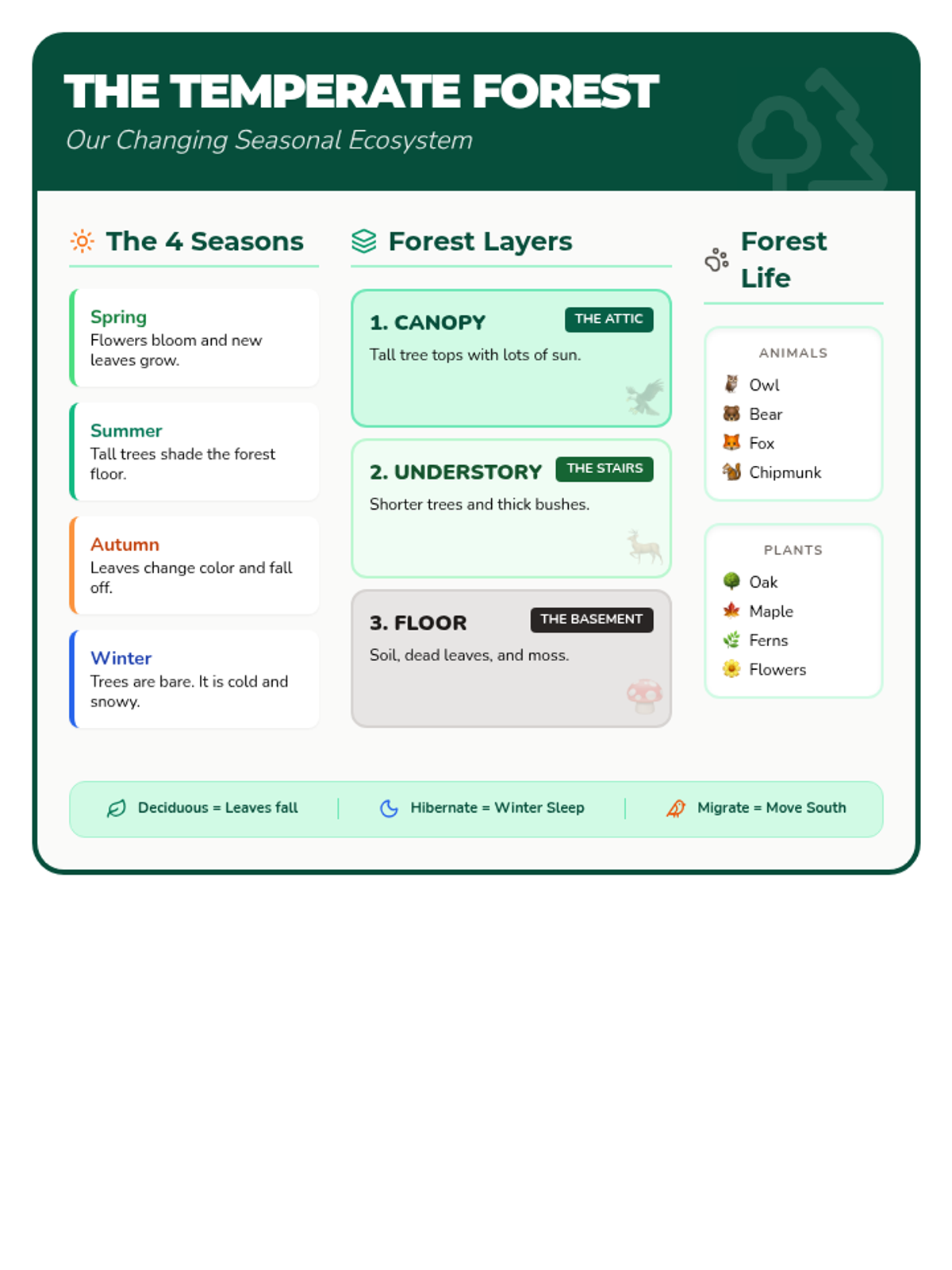
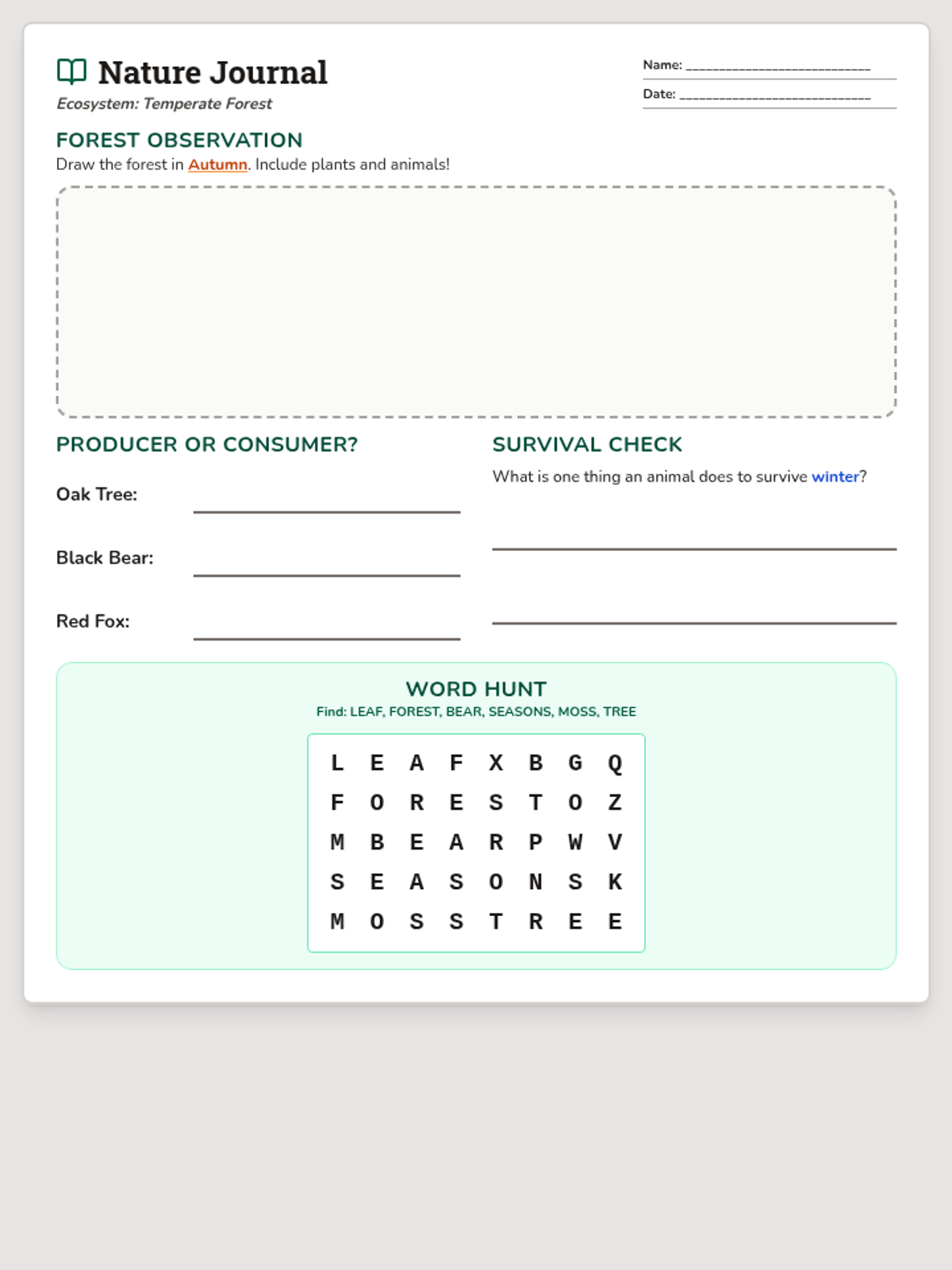
A lesson introducing students to various ecosystems through vocabulary and visual identification. Students will learn the key characteristics of different biomes including forests, deserts, and oceans.
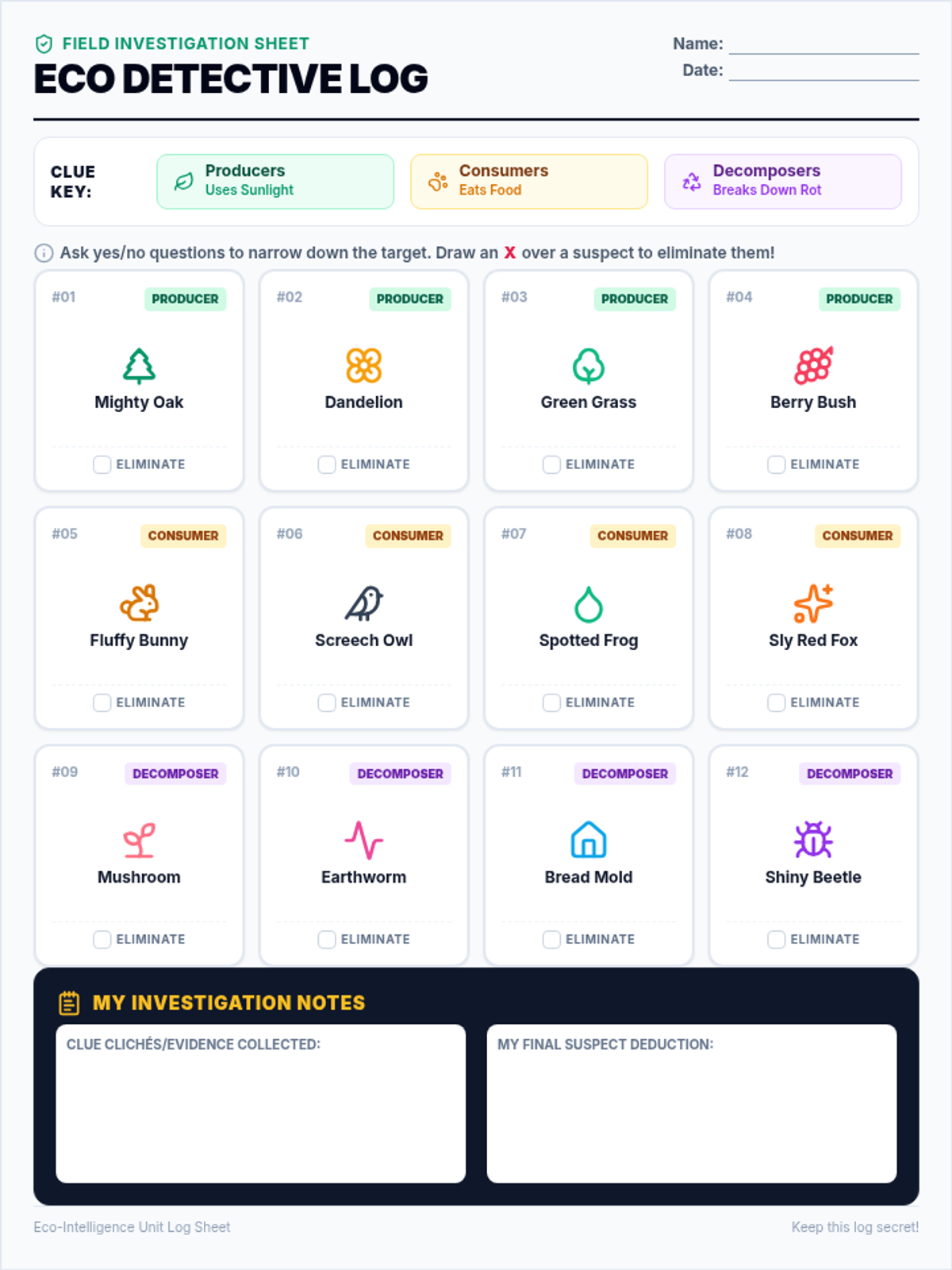
An outdoor exploration where students become 'Baby Detectives' to find and observe different types of babies in nature, including human, animal, and plant life. Students will learn that all living things start small and require care and specific environments to grow.