Fuzz Fixers Slides
An introductory slide deck for K-1st grade students to learn the concept of "debugging" using Kodable characters. It explains what a bug is, the steps to fix it, and includes a guided practice example.
Lost Fuzz Worksheet
Worksheet 1 focuses on identifying the correct sequence of directional arrows by matching a visual "failed" path to the correct set of commands. Designed for K-1st grade students with clear visual aids.
Fuzz Fumble Worksheet
Worksheet 2 involves matching buggy code sequences (where one command is marked as a bug) to the correct, non-buggy version of the code. This helps students recognize pattern differences.
Arrow Oops Worksheet
Worksheet 3 asks students to identify a "bug" (an incorrect arrow) in a sequence and then rewrite the entire sequence correctly in provided blank boxes. Includes simple text goals for each problem.
Wrong Turn Worksheet
Worksheet 4 uses visual grids to show where a Fuzz went wrong. Students must identify the bug in the provided code blocks based on the grid path and provide the correct code sequence.
Blank Block Worksheet
Worksheet 5 presents code sequences with missing commands (fill-in-the-blank style). Students must look at the Fuzz's path on the grid to determine which directional arrow belongs in the blank box.
Mystery Move Worksheet
Worksheet 6 features "hidden" commands in short code sequences. Students must use spatial reasoning to determine which single directional arrow completes the path to the star.
Path Patcher Worksheet
Worksheet 7 introduces a slightly higher difficulty where students must first trace a path on a dark-themed grid and then translate that physical movement into code blocks by drawing directional arrows.
Map Mender Worksheet
Worksheet 8 requires students to visualize the correct path on a grid after seeing "broken" code blocks. This exercise emphasizes the connection between code commands and physical movement in a coordinate plane.
Glitch Grabber Worksheet
Worksheet 9 combines all previous debugging skills: circling bugs, matching solutions to textual descriptions, and filling in missing code commands. It serves as a comprehensive review.
Fuzz Finale Worksheet
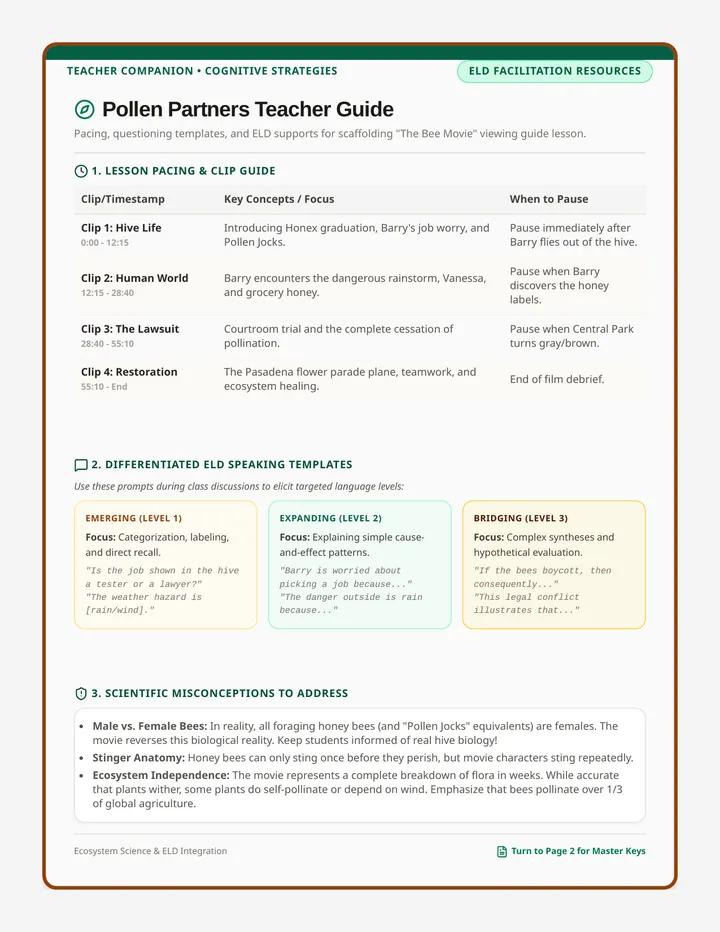
Worksheet 10 is the "Finale" challenge. It uses a dark, futuristic Kodable-themed layout. Students must debug a complex 4-step sequence on a 5x5 grid, identifying the specific "bug" and providing the fully corrected sequence in white work boxes.
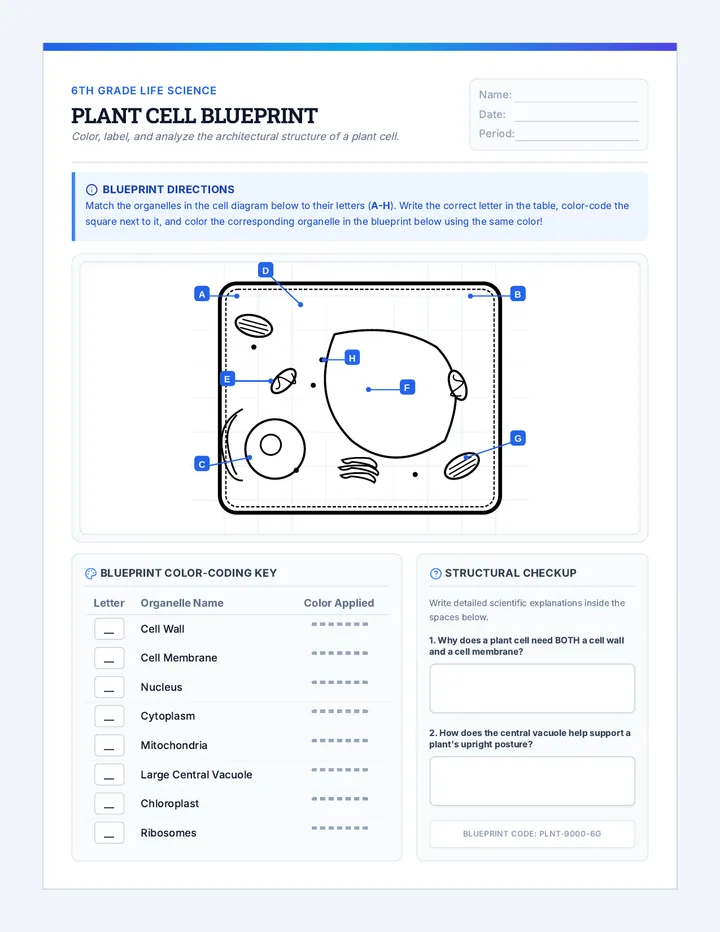
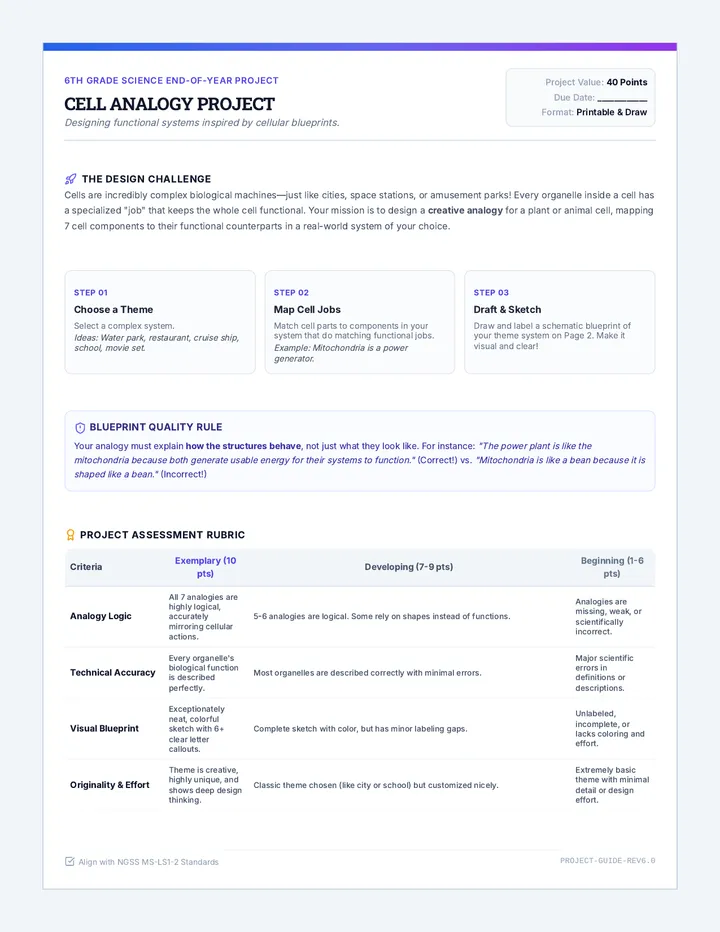
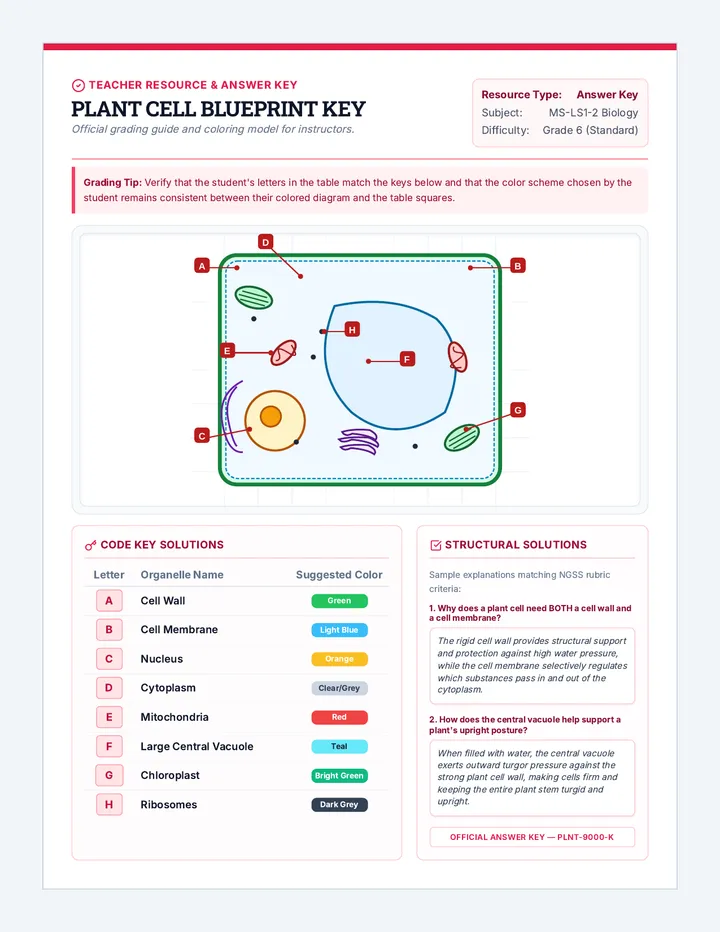
Fuzz Fixers Teacher Guide
A comprehensive answer key and instructional guide for teachers using the Fuzz Fixers debugging worksheet set. Includes specific solutions for all 10 worksheets and a teaching tip for kinesthetic learning.