A hands-on kindergarten science game where students sort animals into three extreme habitats: Desert, Arctic, and Rainforest, learning about adaptations along the way.
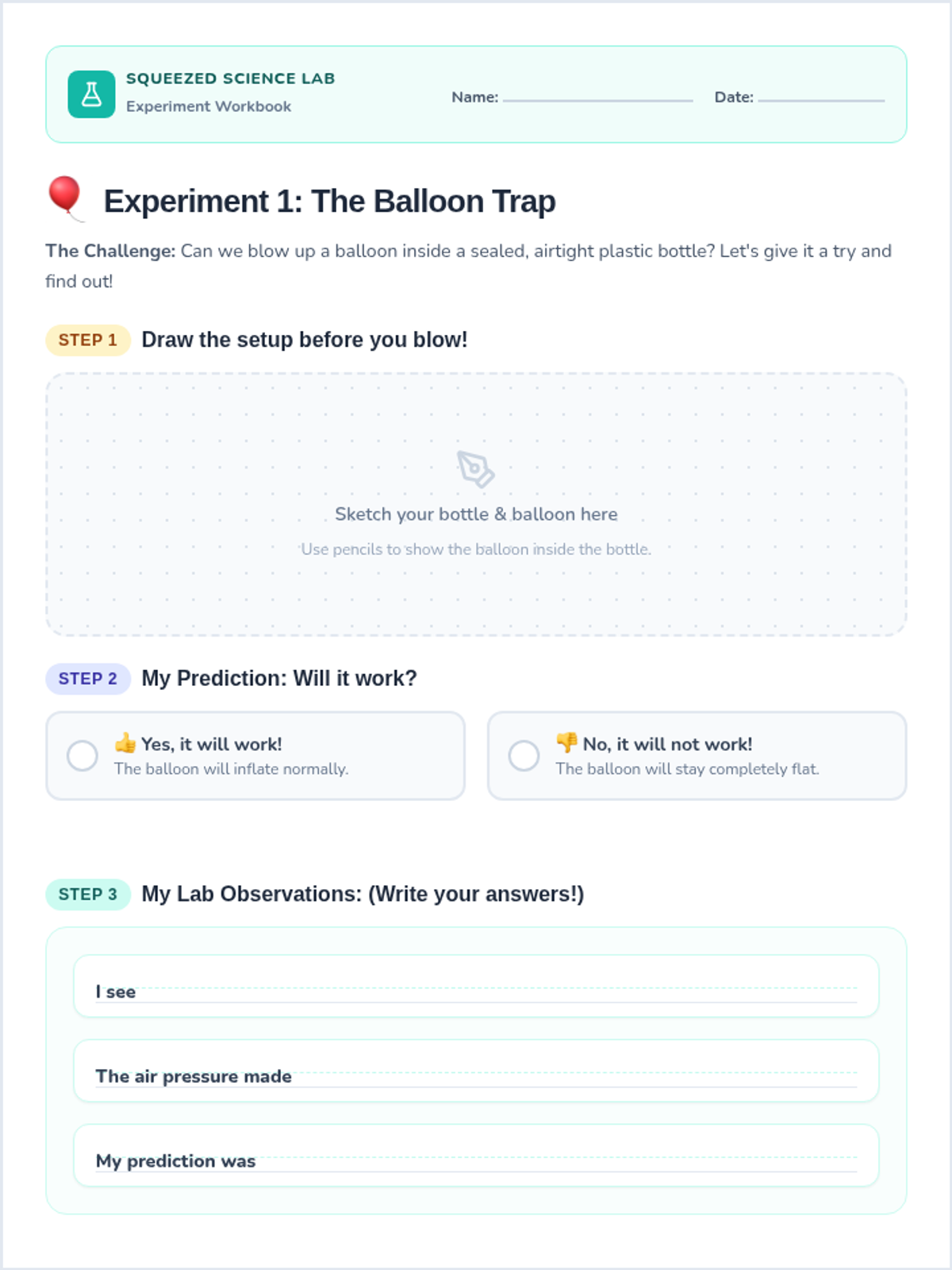
An early elementary science lesson about air pressure featuring three hands-on experiments: Balloon in a Bottle, Egg in a Bottle, and the Water Glass Trick. Students make predictions and record observations using a highly visual cut-and-paste workbook.
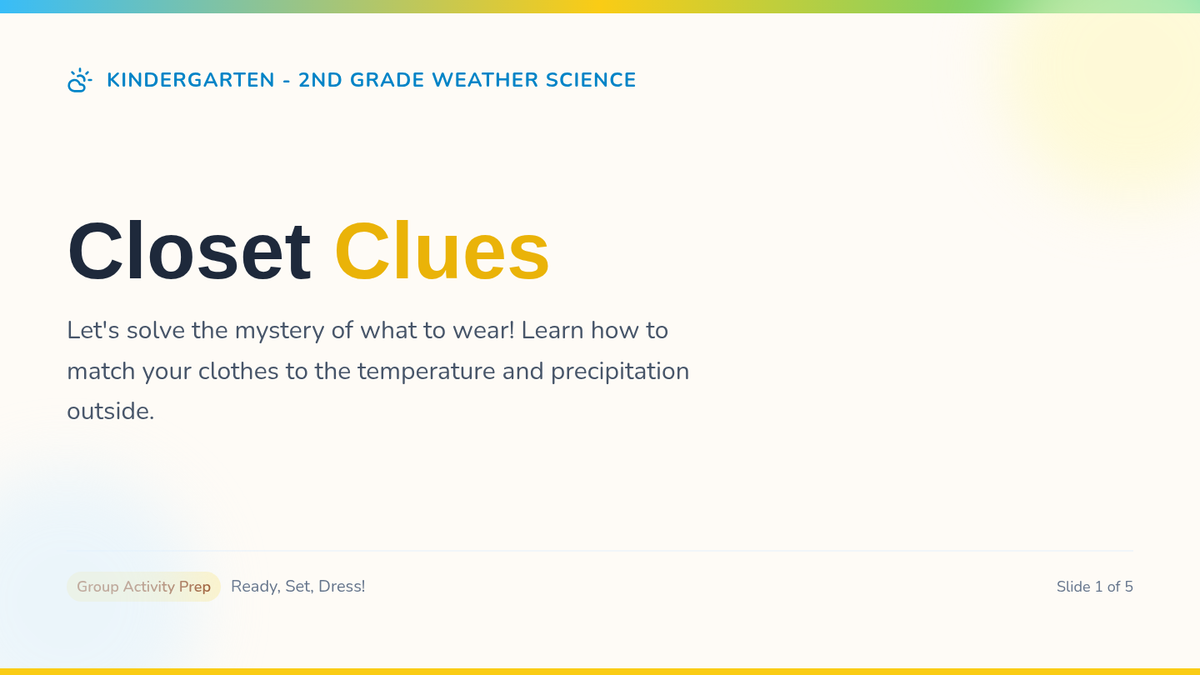
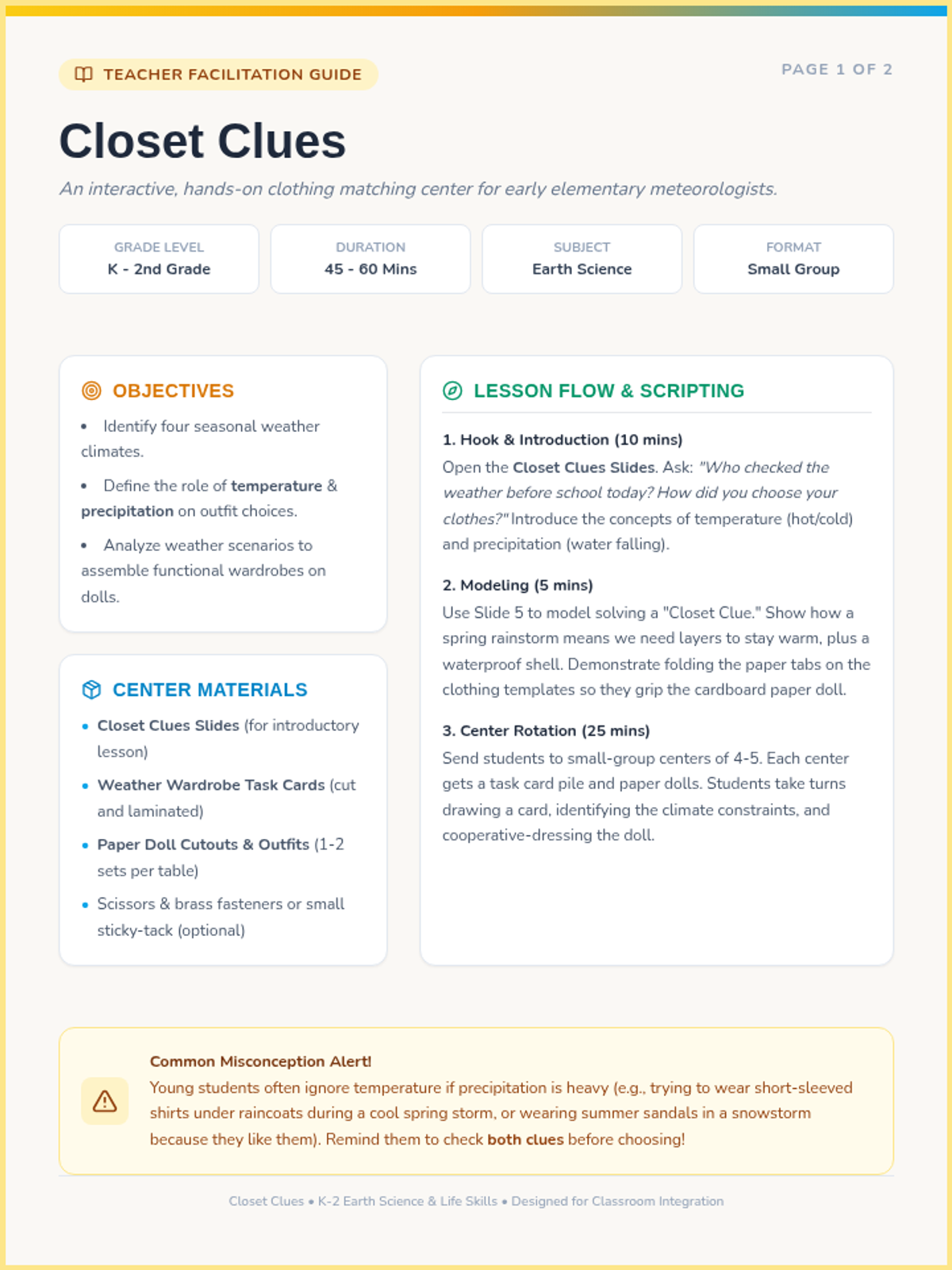
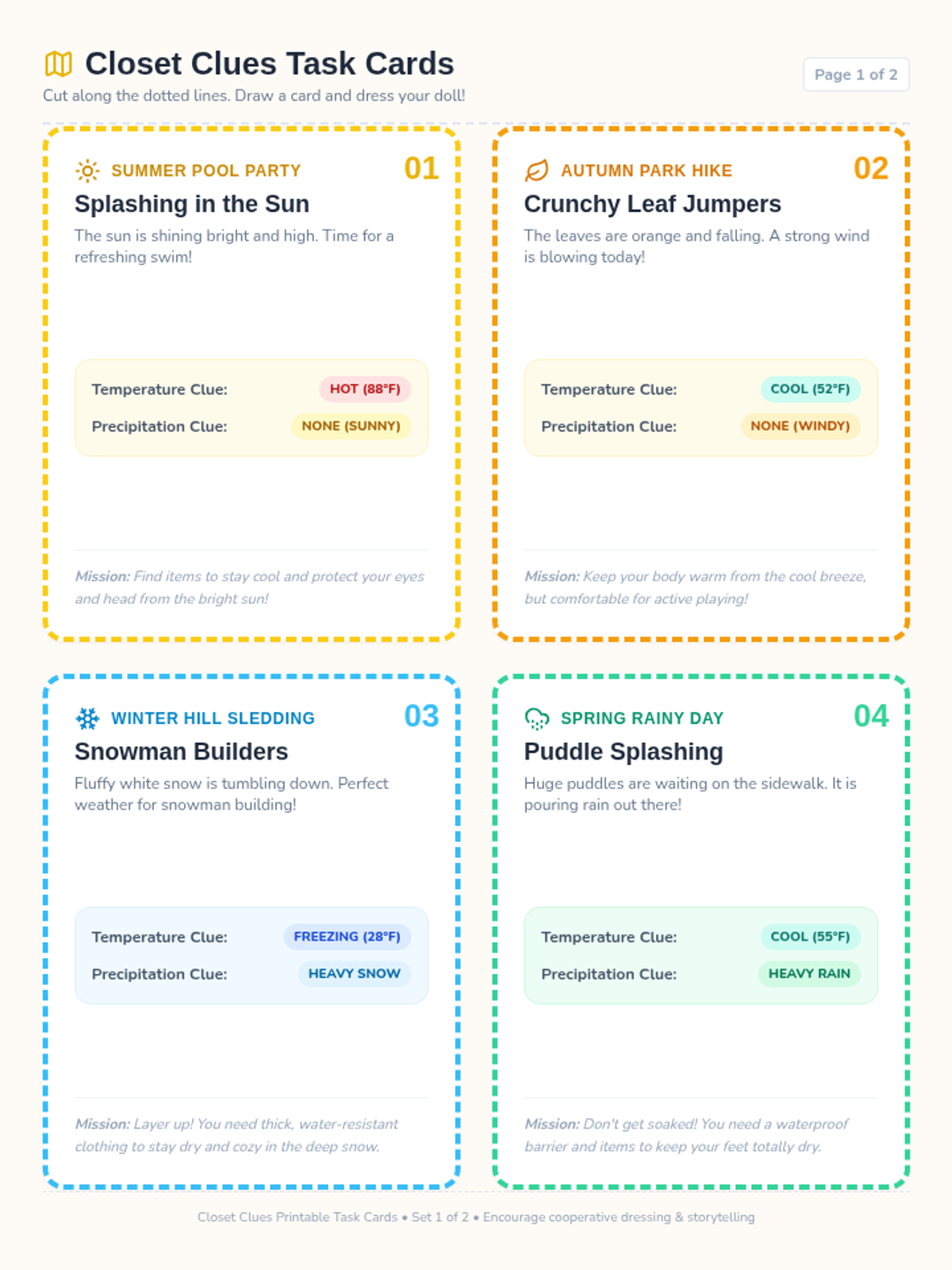
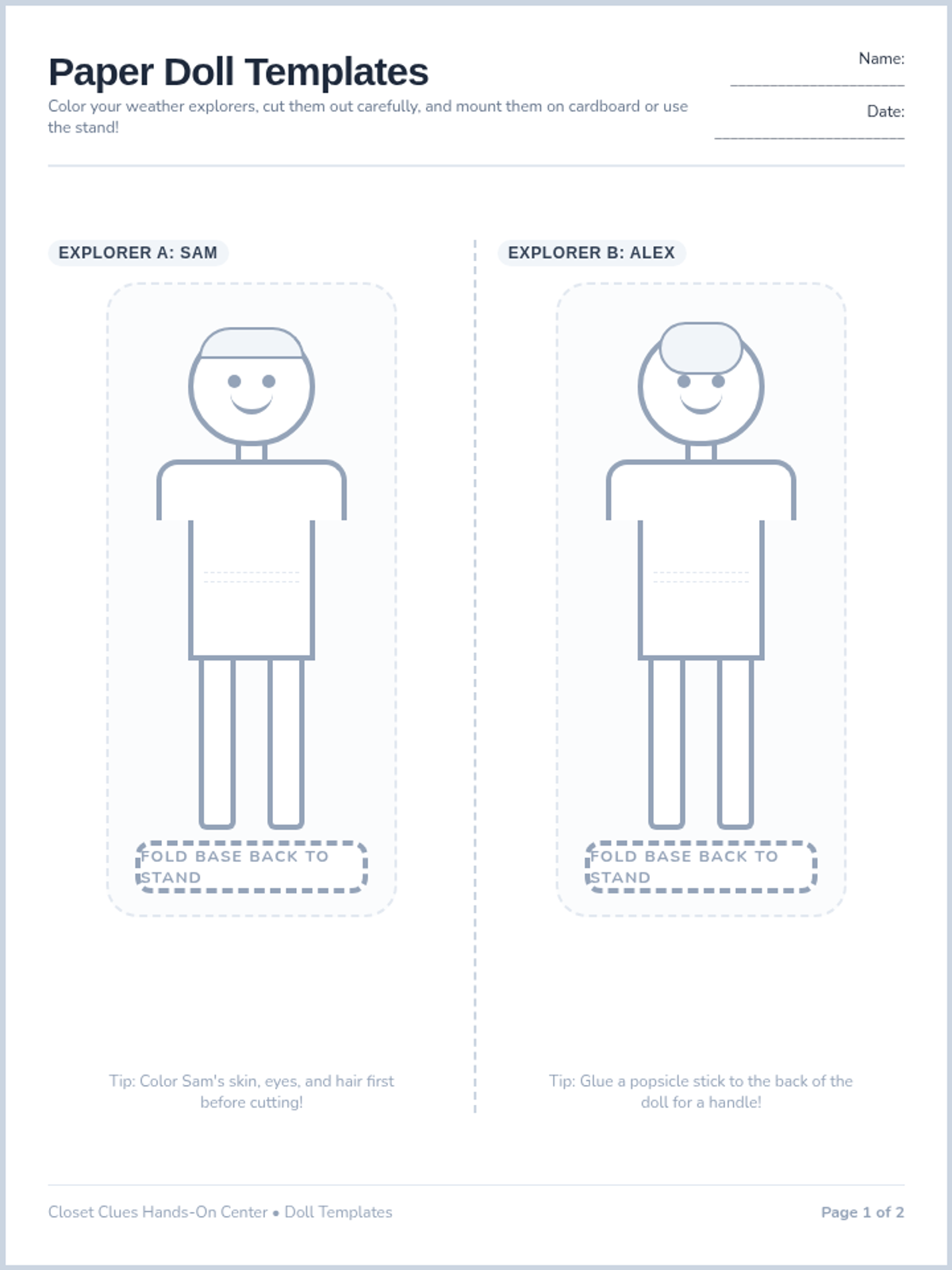
A hands-on, interactive lesson where students explore how to select appropriate clothing based on seasonal weather conditions, temperature, and precipitation. Using task cards and paper-doll cutouts, students practice matching wardrobes to real-world weather scenarios.
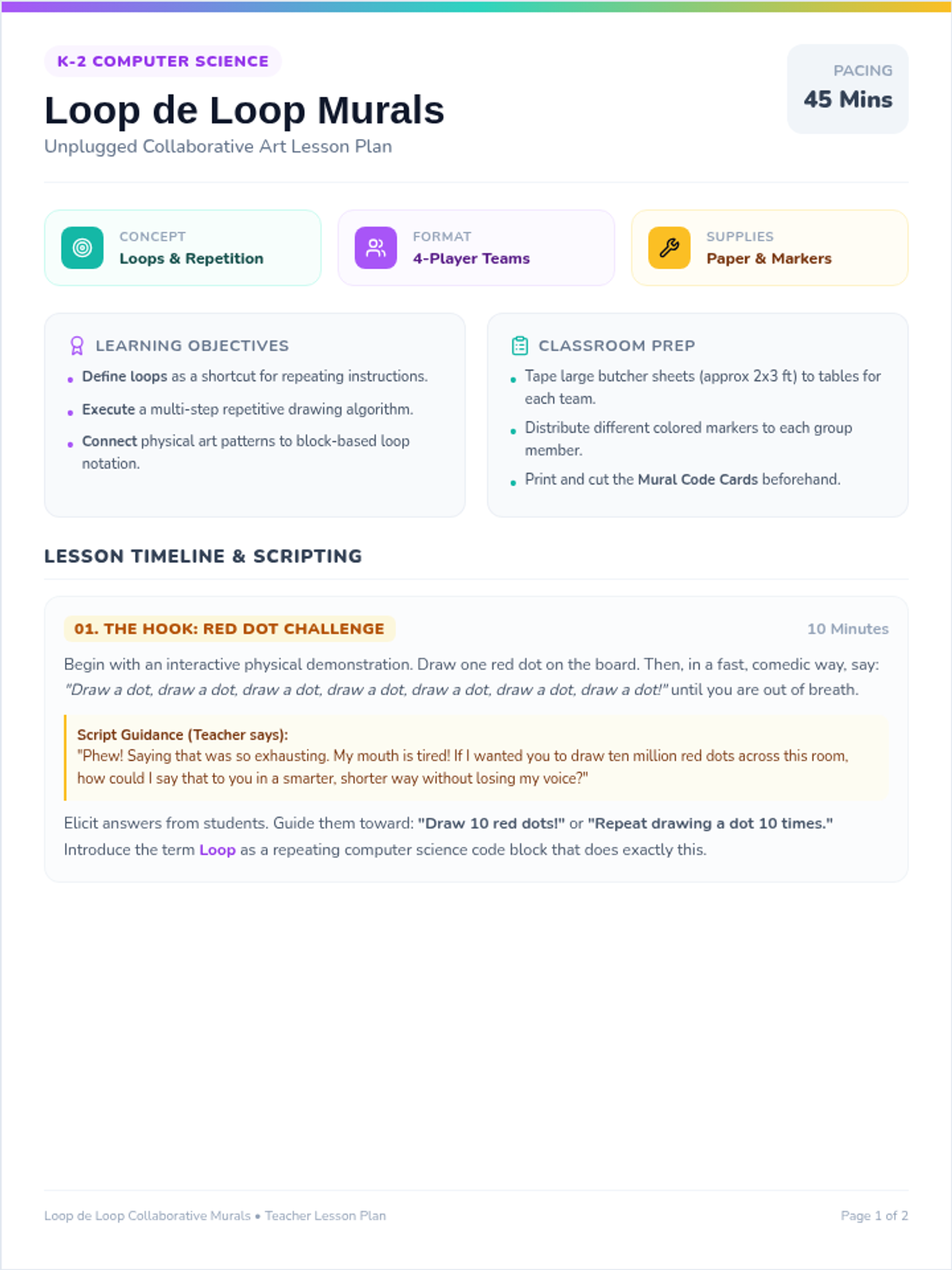
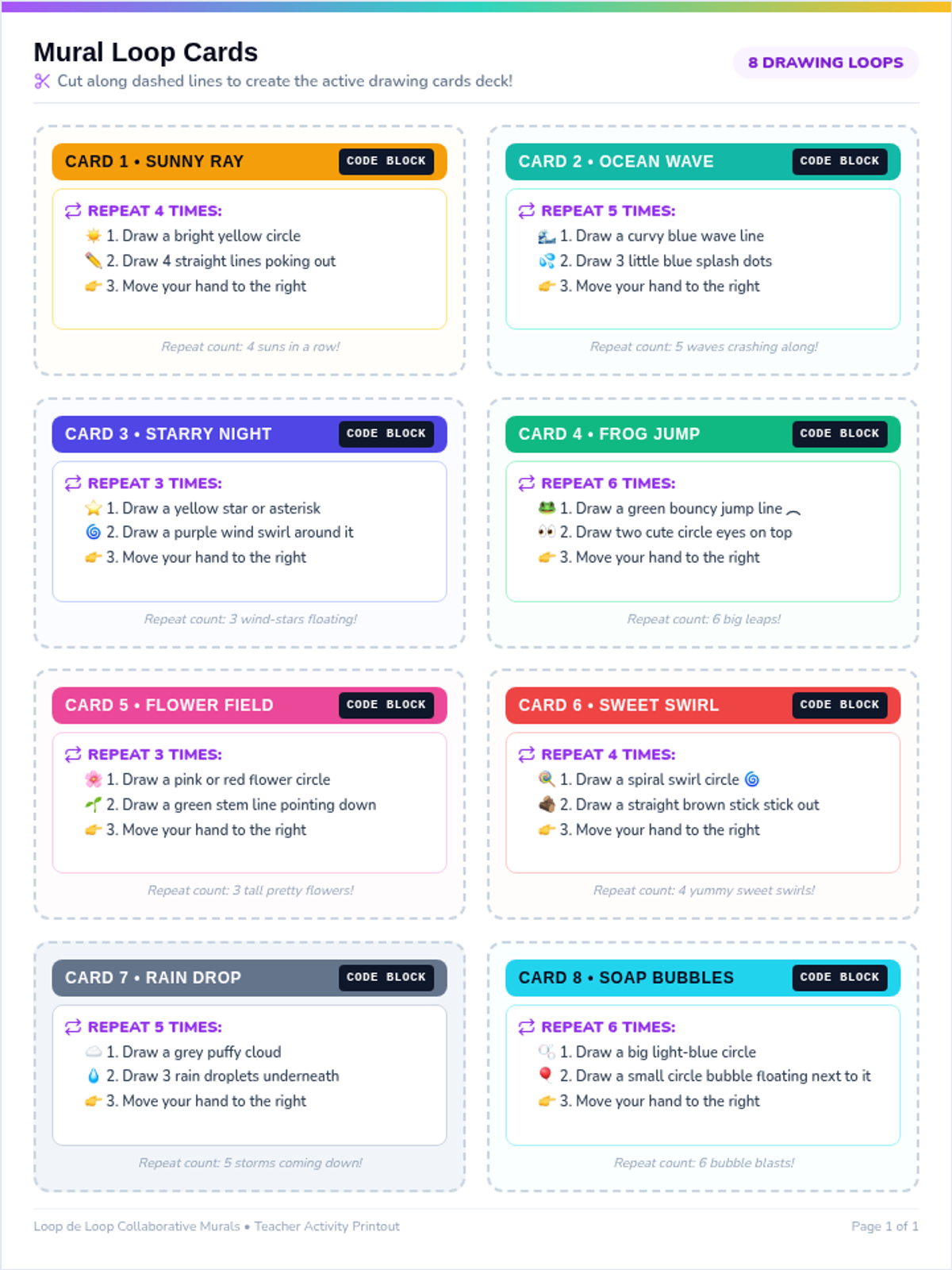
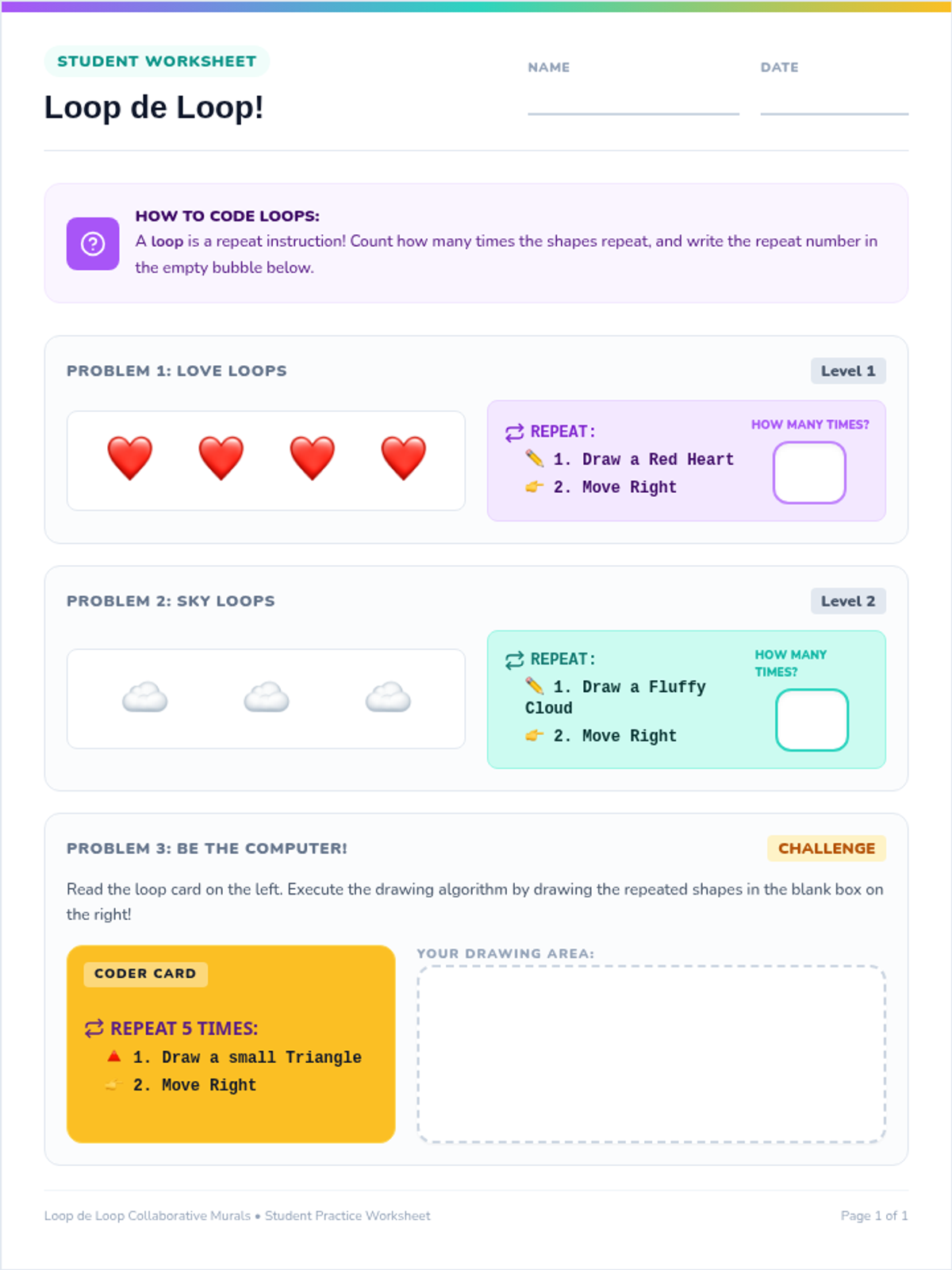
An active, hands-on unplugged computer science lesson for K-2 students. Students learn the concept of loops (repetition) by creating collaborative art masterpieces using simple drawing algorithms.
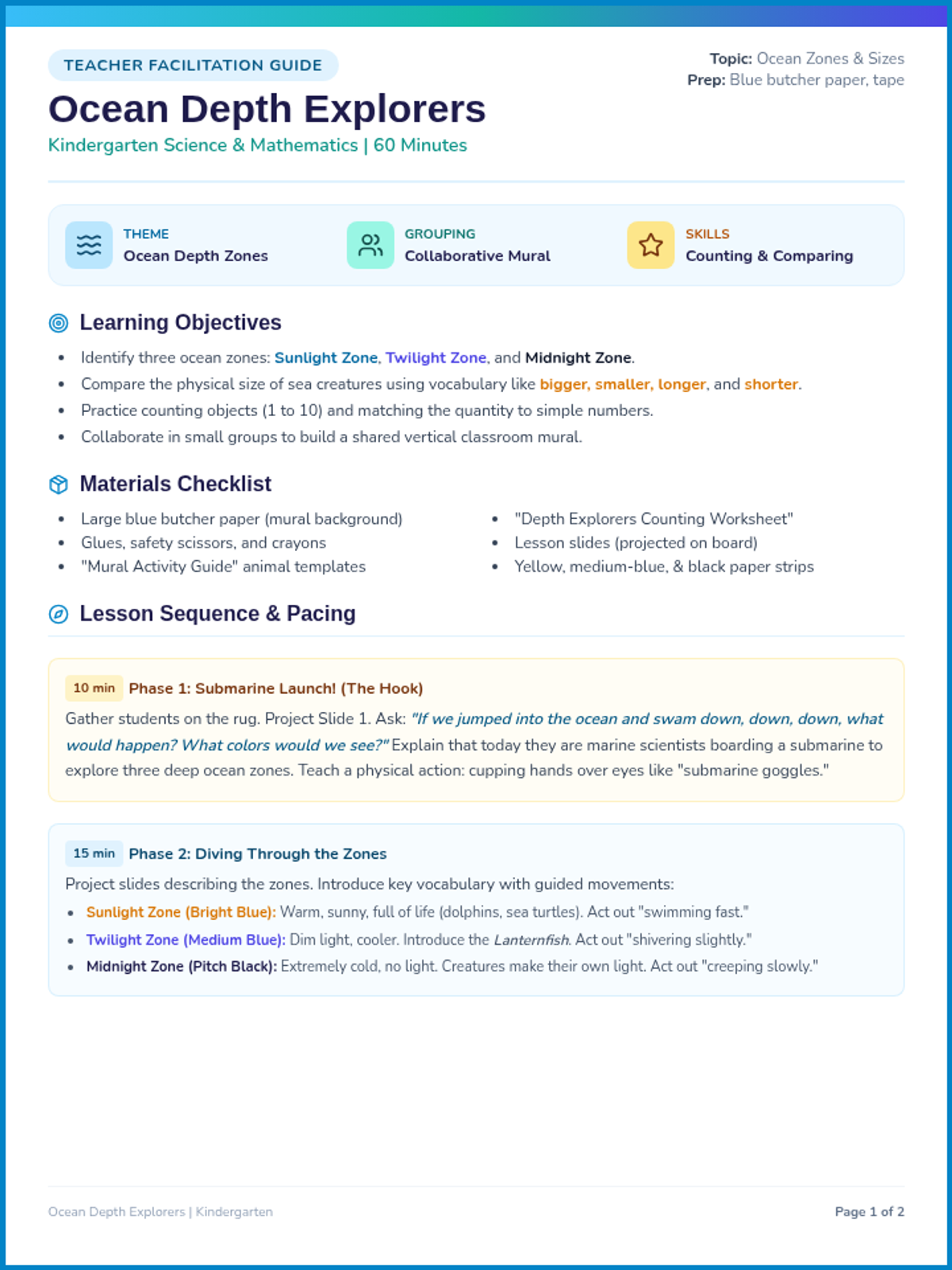
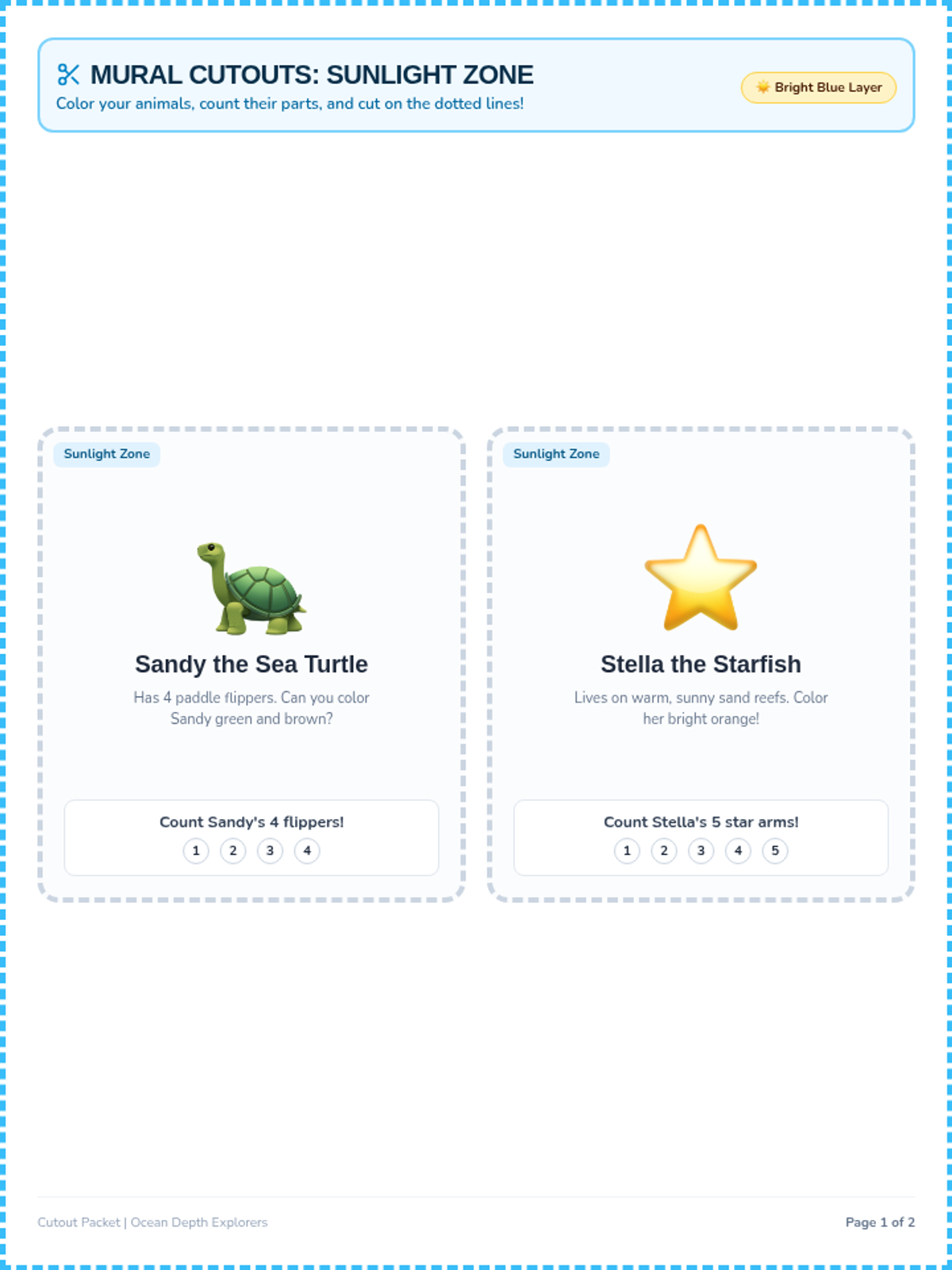
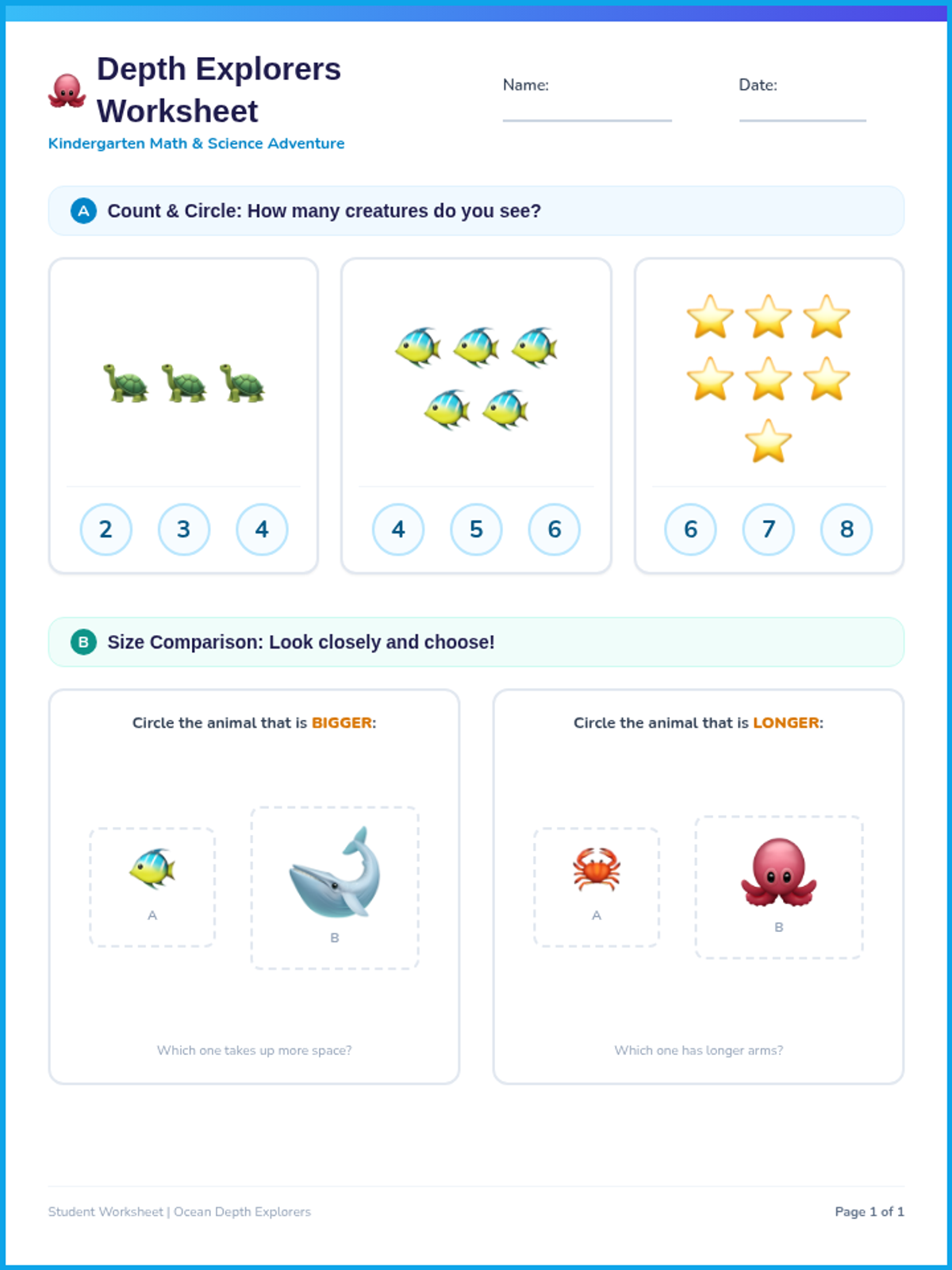
An interactive Kindergarten lesson where students explore ocean zones, compare marine animal sizes, and collaborate on a classroom ocean depth mural while practicing foundational counting and size comparison skills.
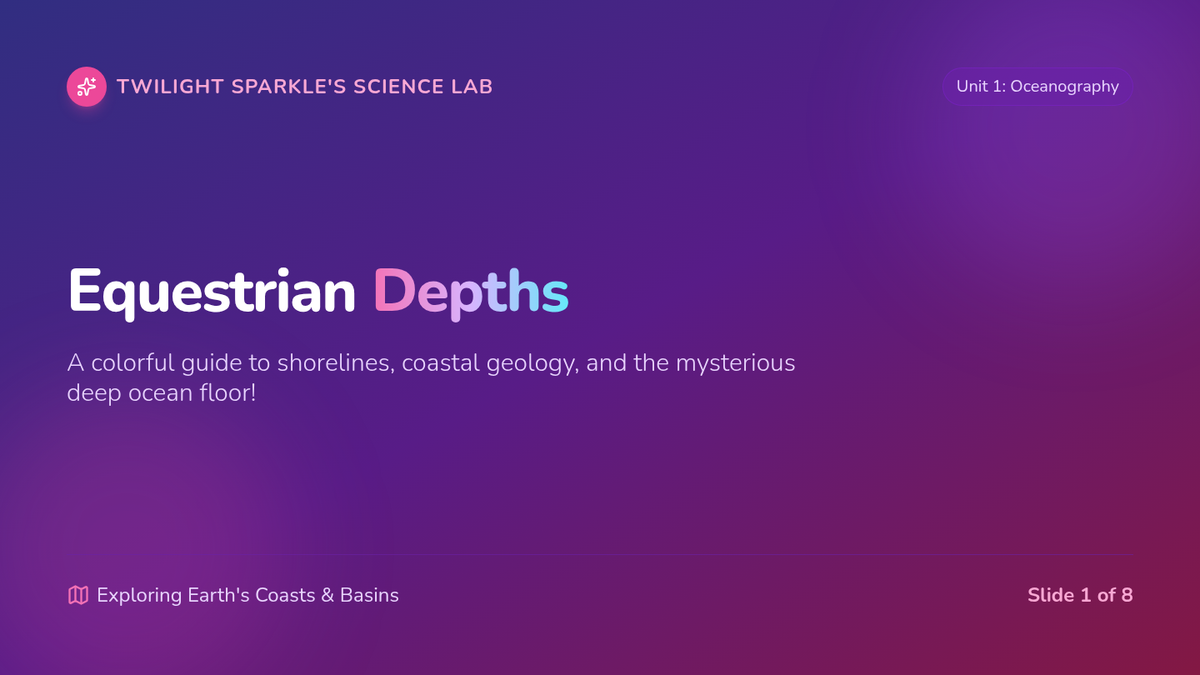
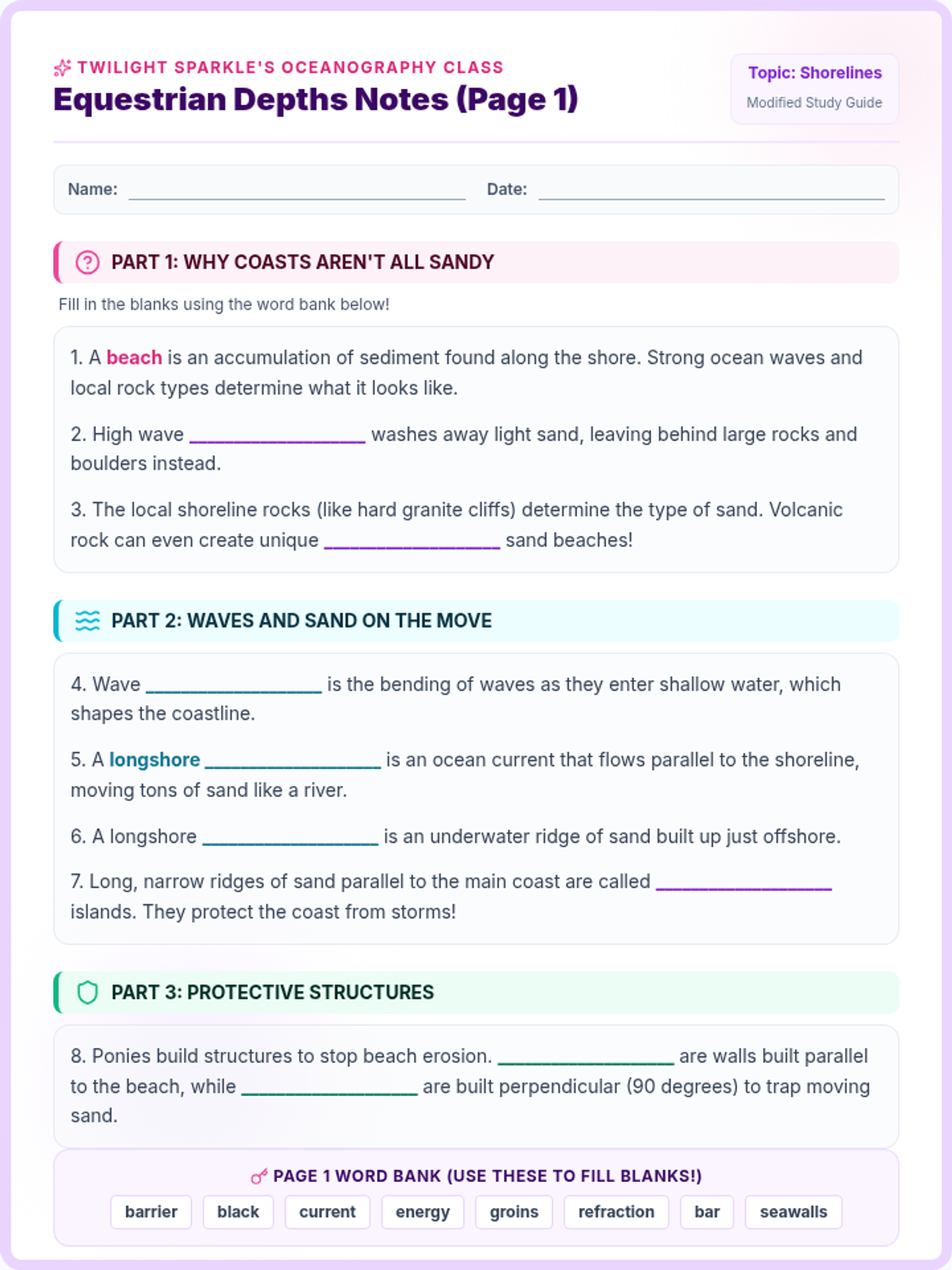
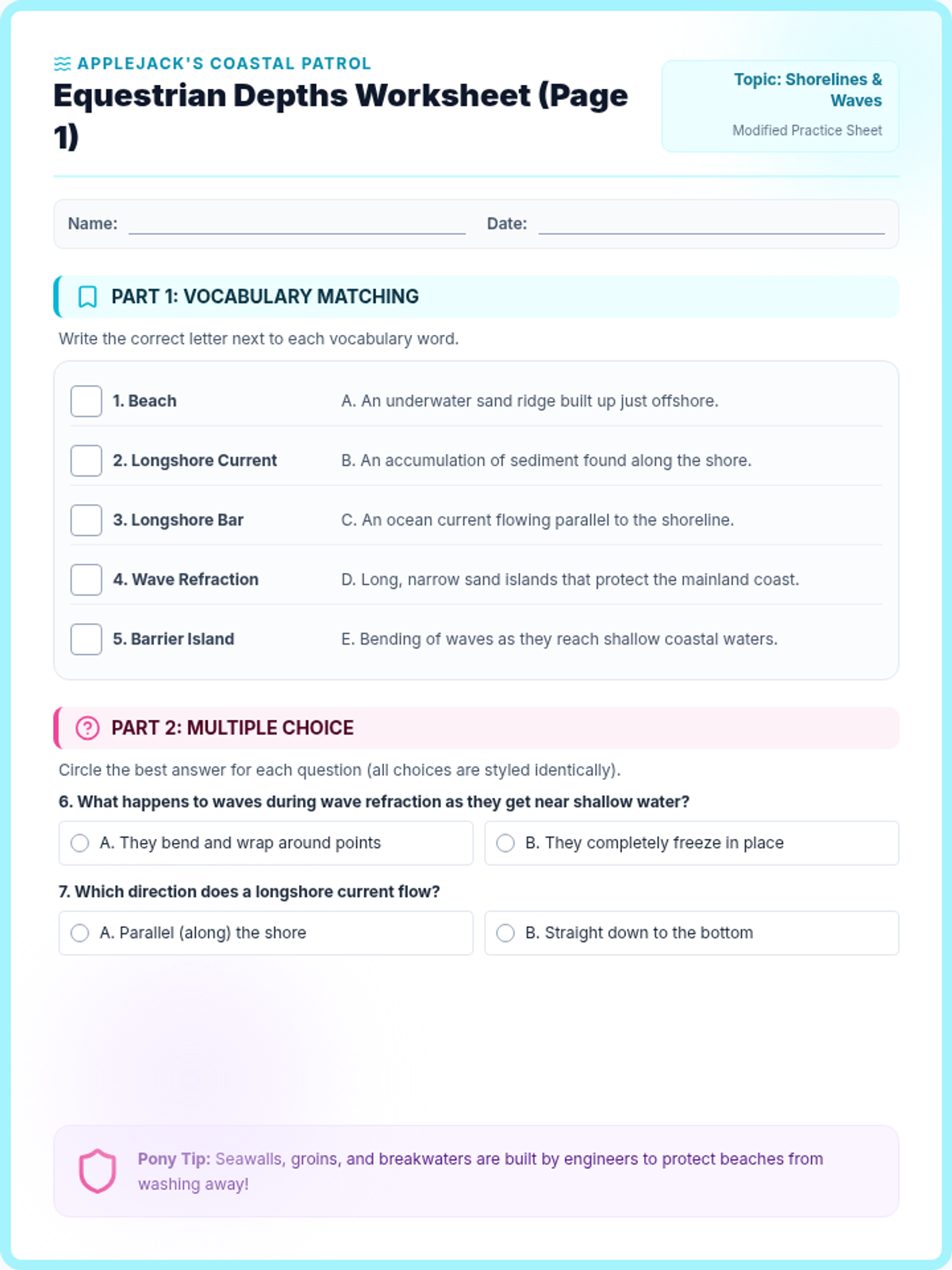
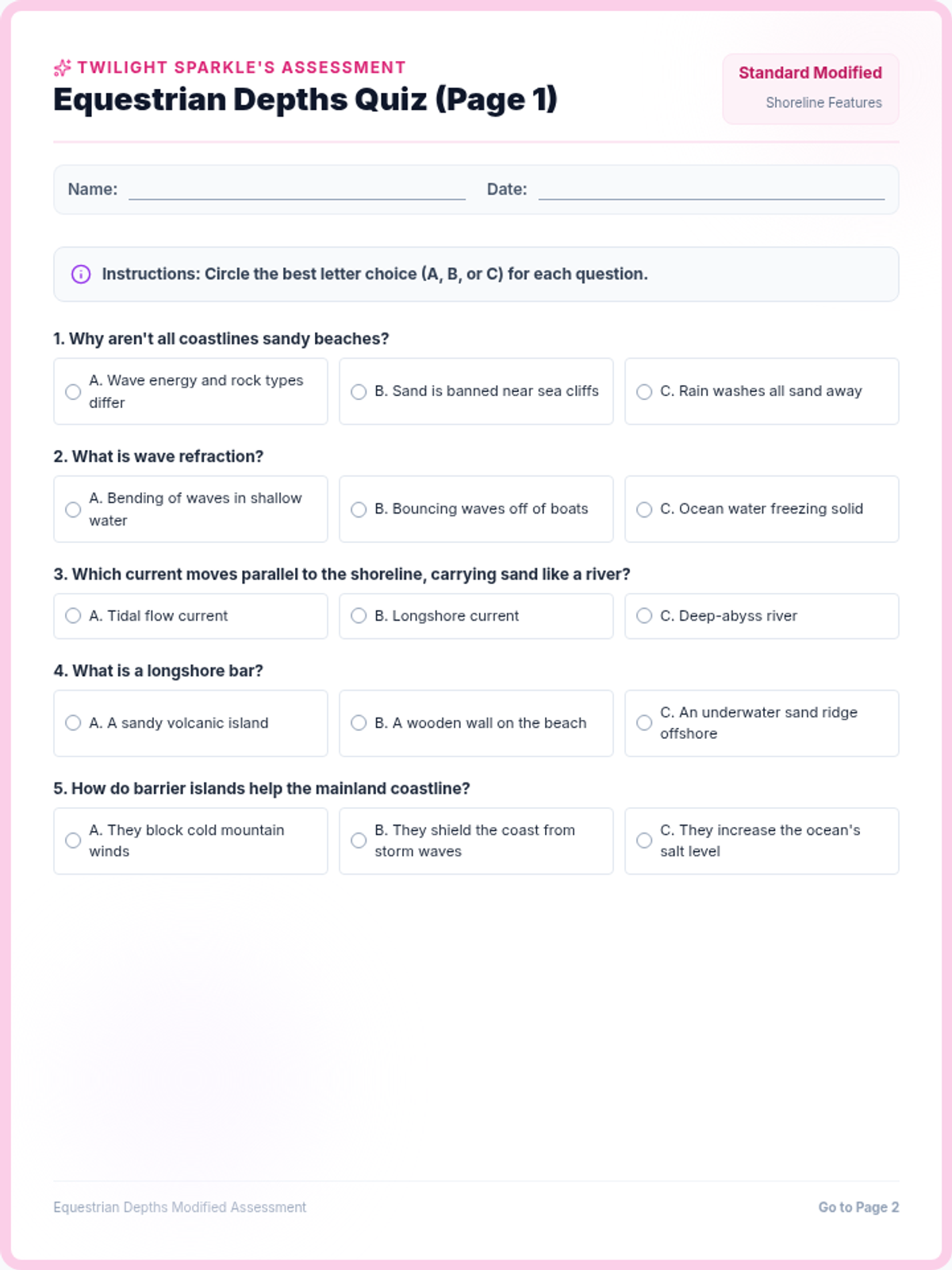
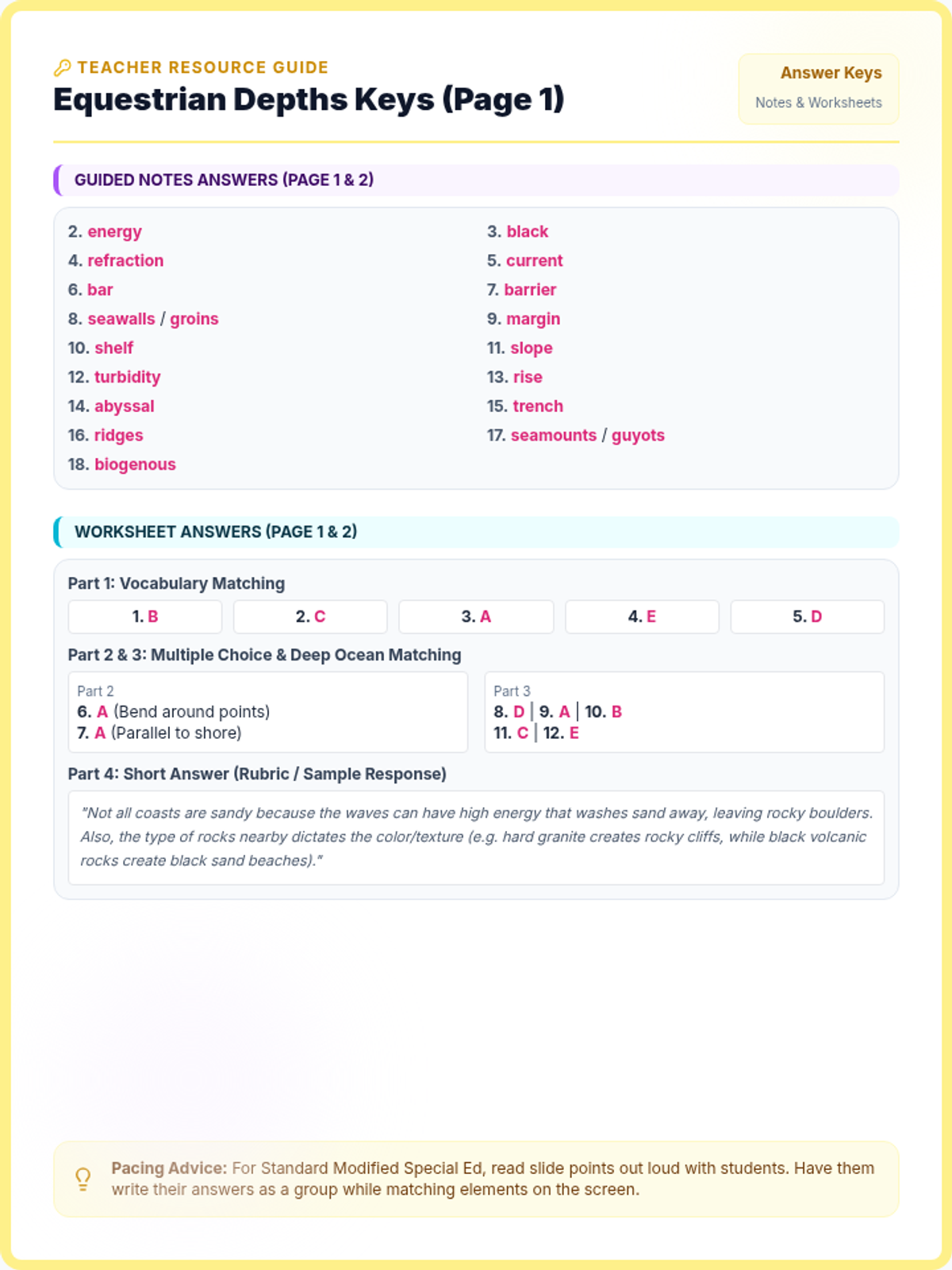
A lesson on oceanography covering shorelines, coastal features, and the deep seafloor, adapted with a friendly My Little Pony decorative theme and chunked, accessible text for Standard Modified Special Education students.
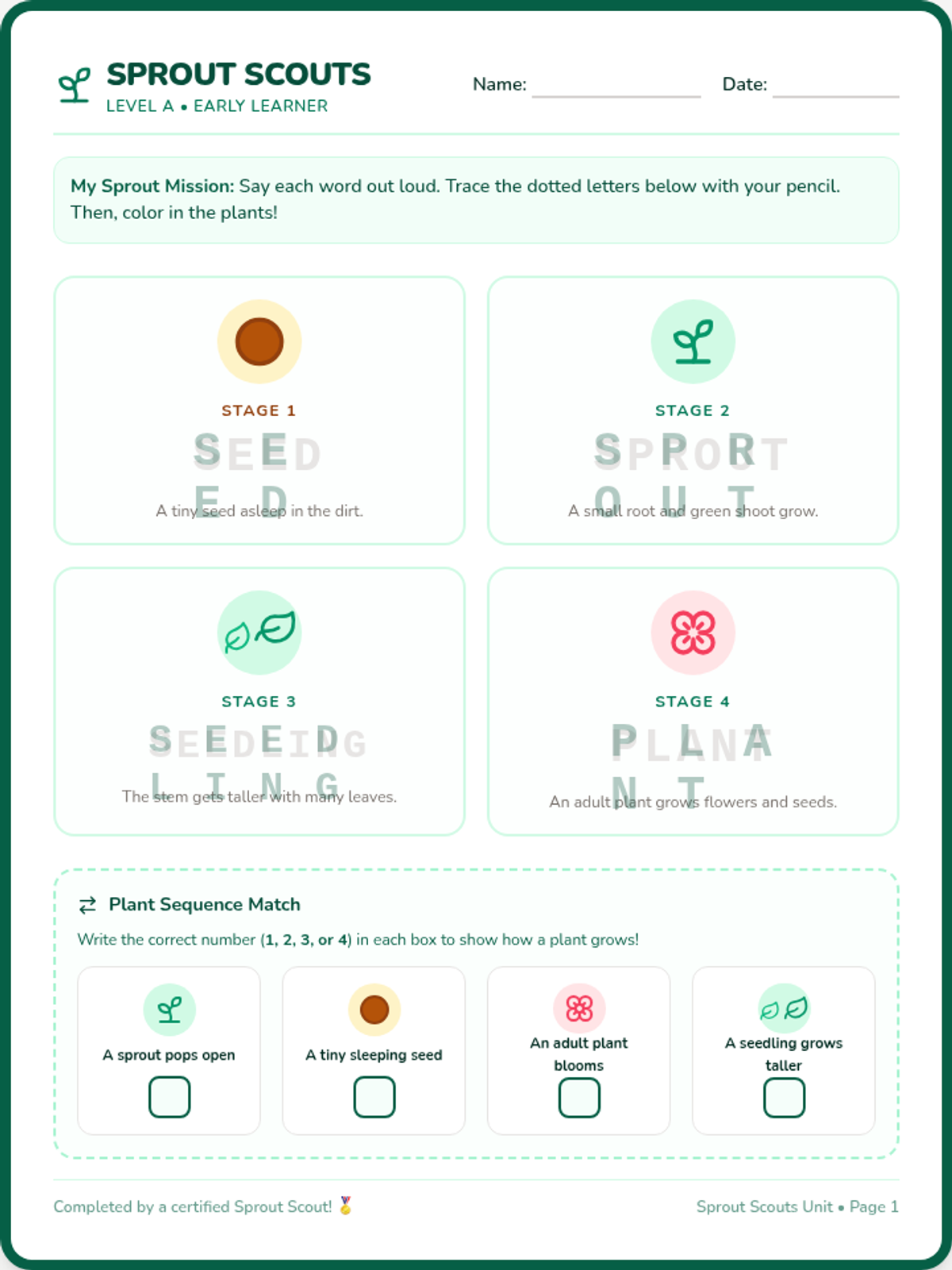
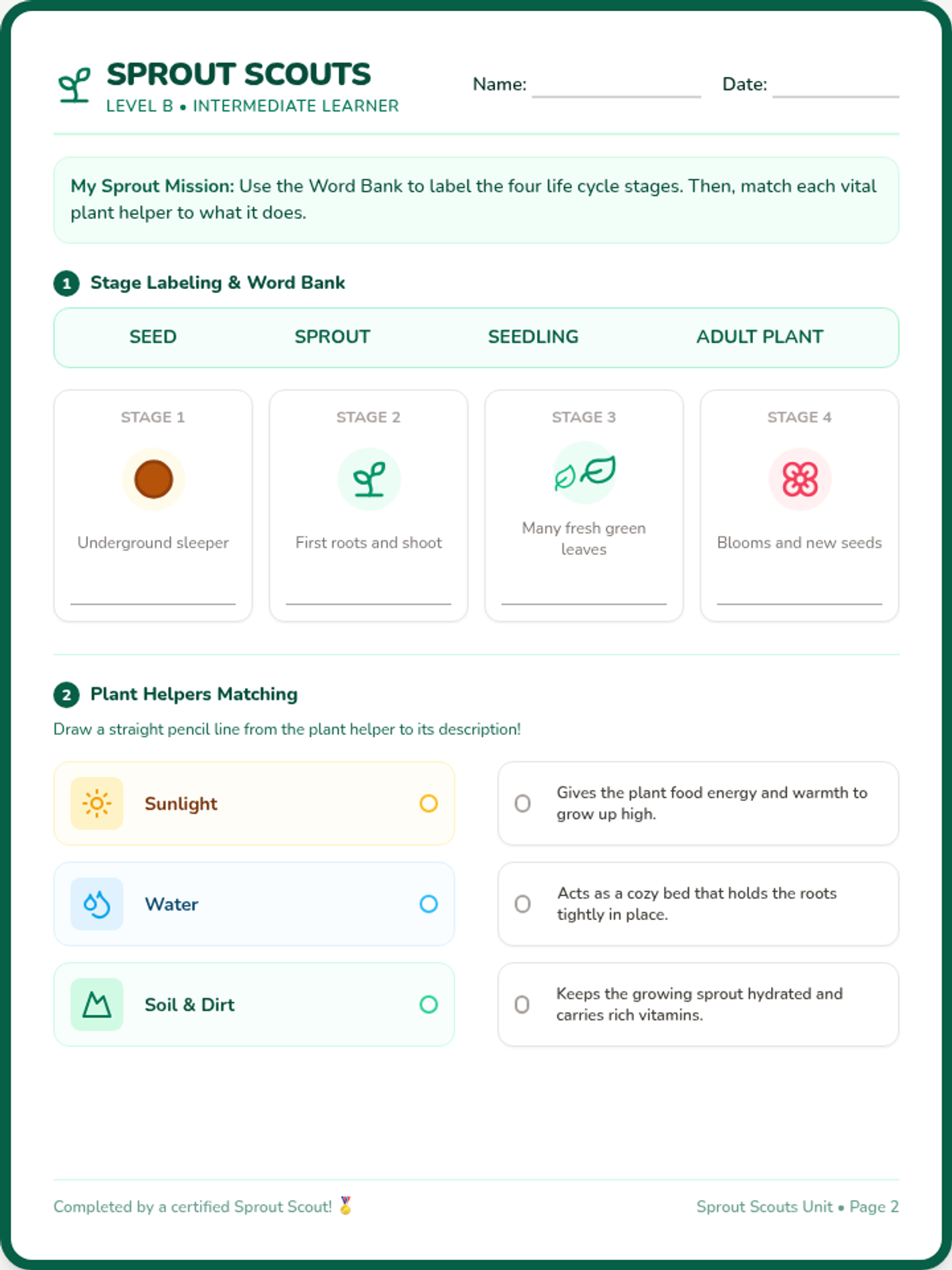
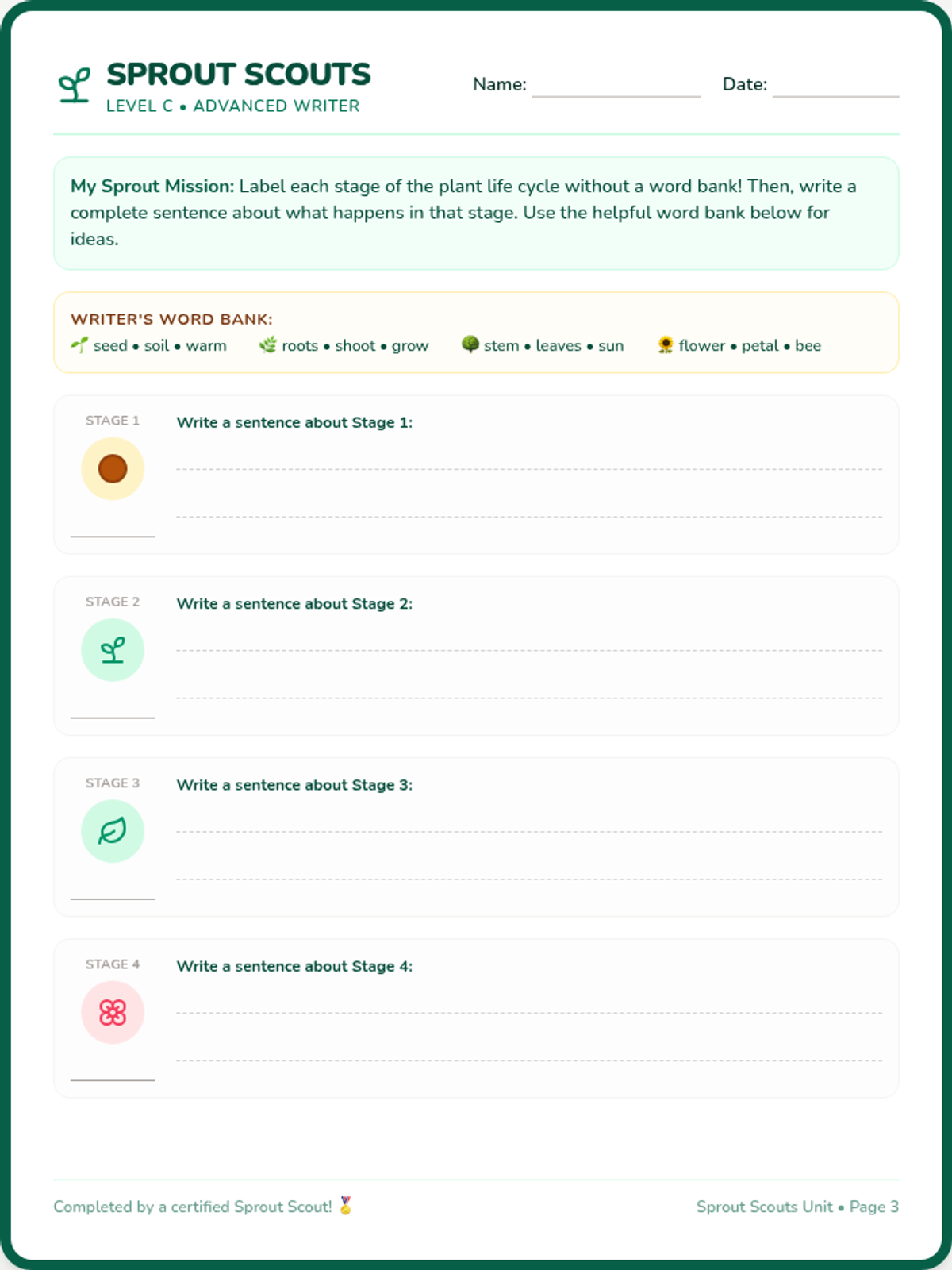
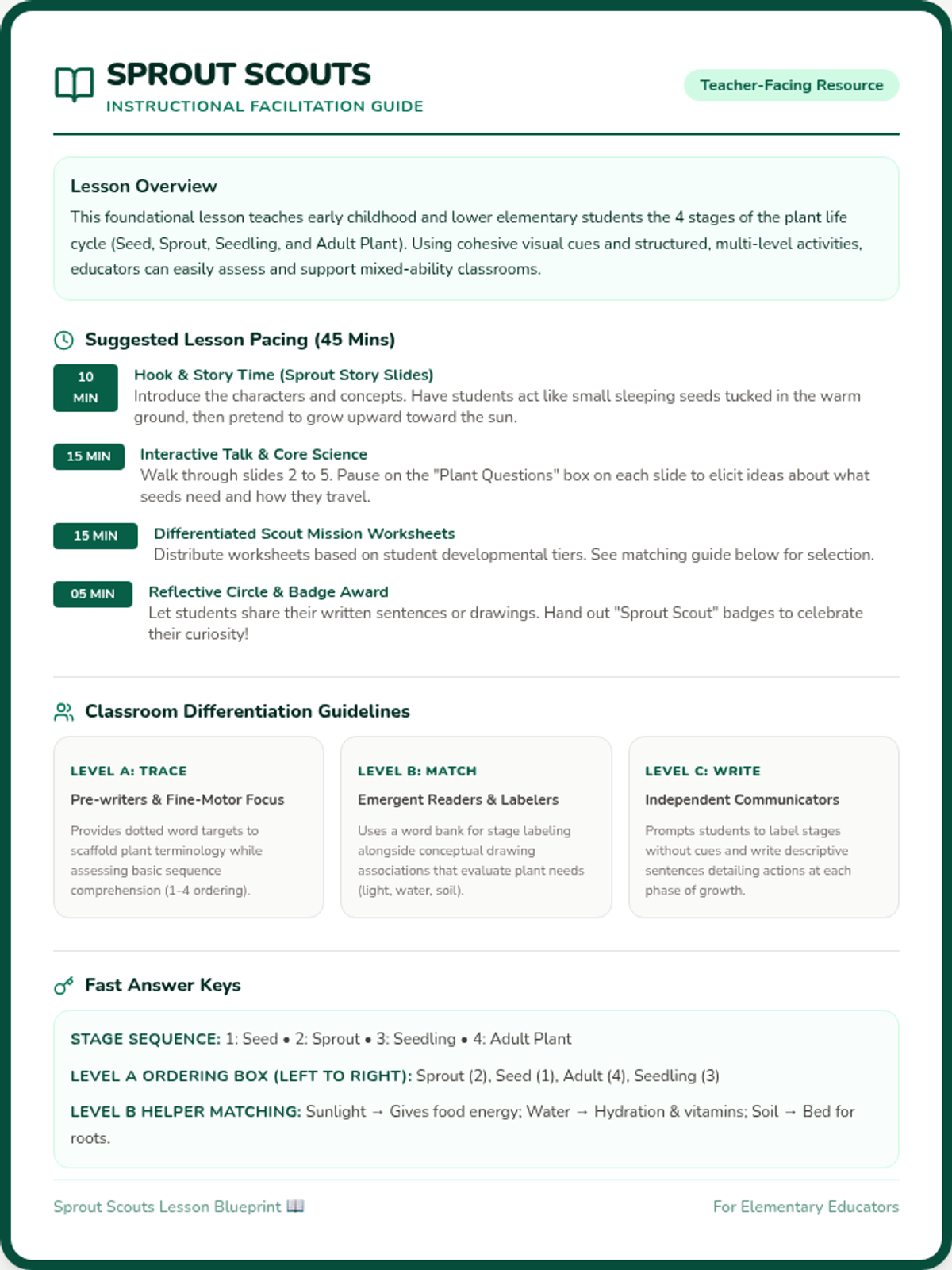
A foundational biology lesson exploring the simple life cycle of a plant from seed to sprout to adult. Includes interactive slides, a comprehensive teacher guide, and three tiers of differentiated worksheets to support early writers, matchers, and independent sentence-builders.
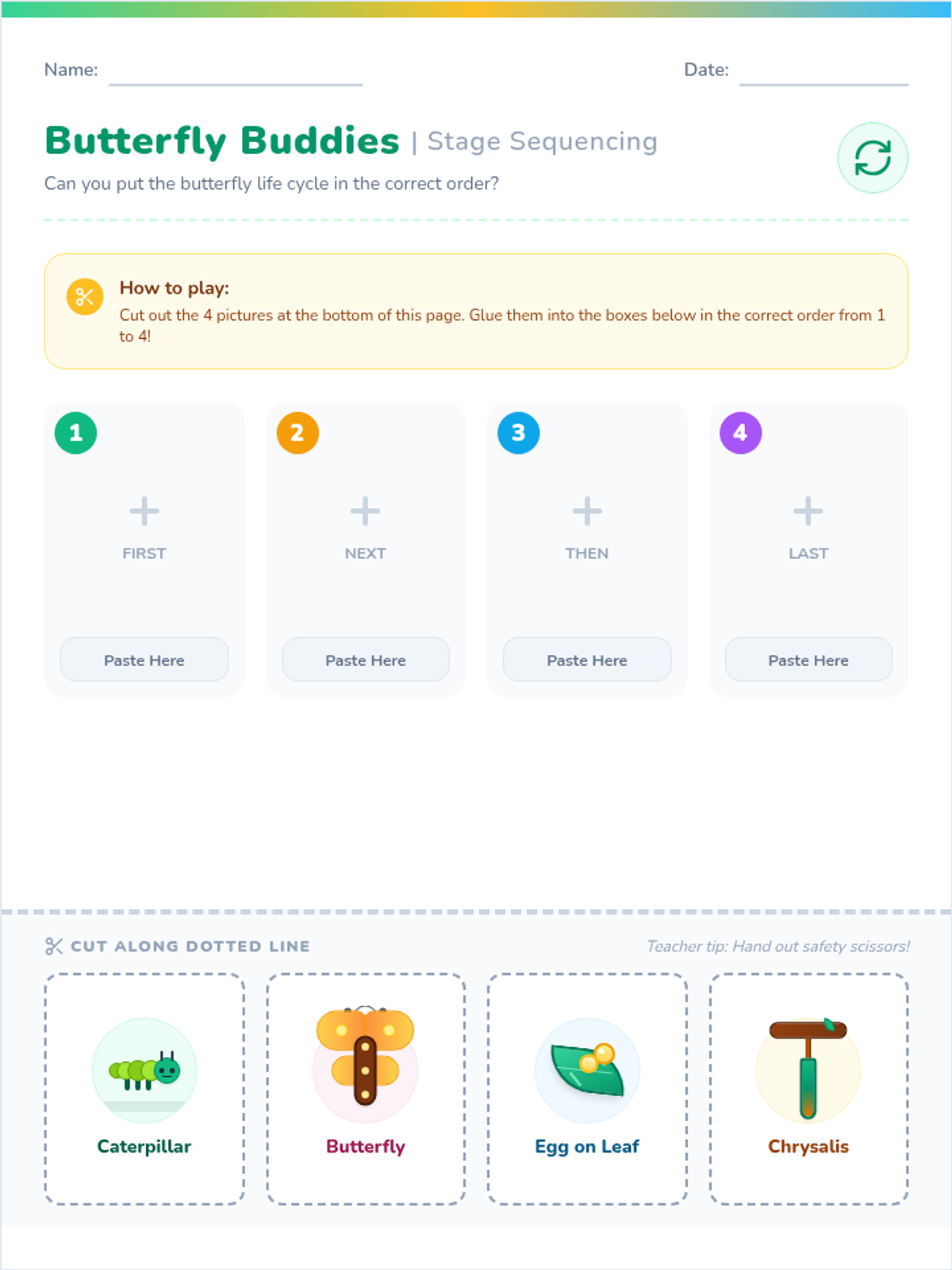
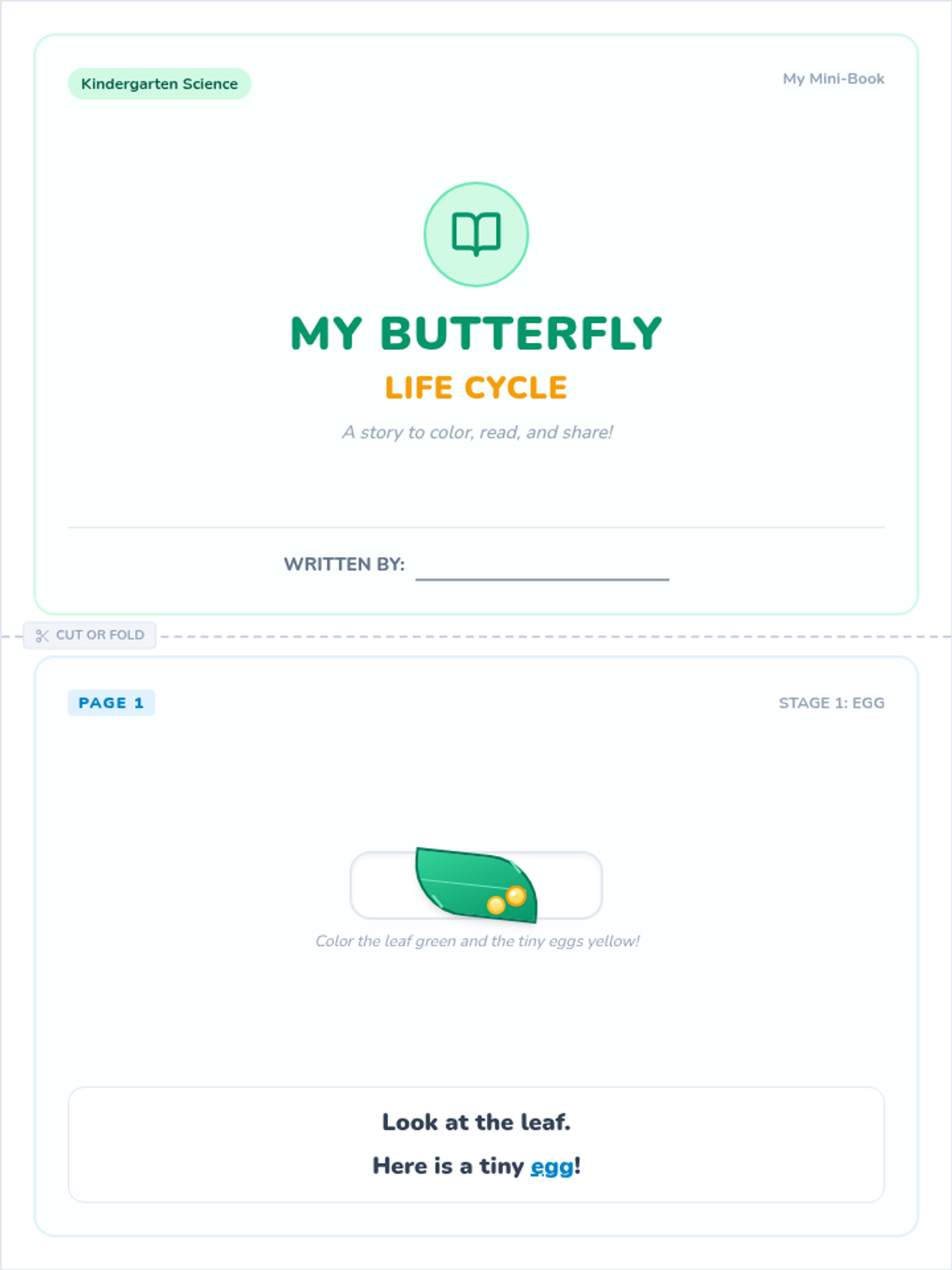
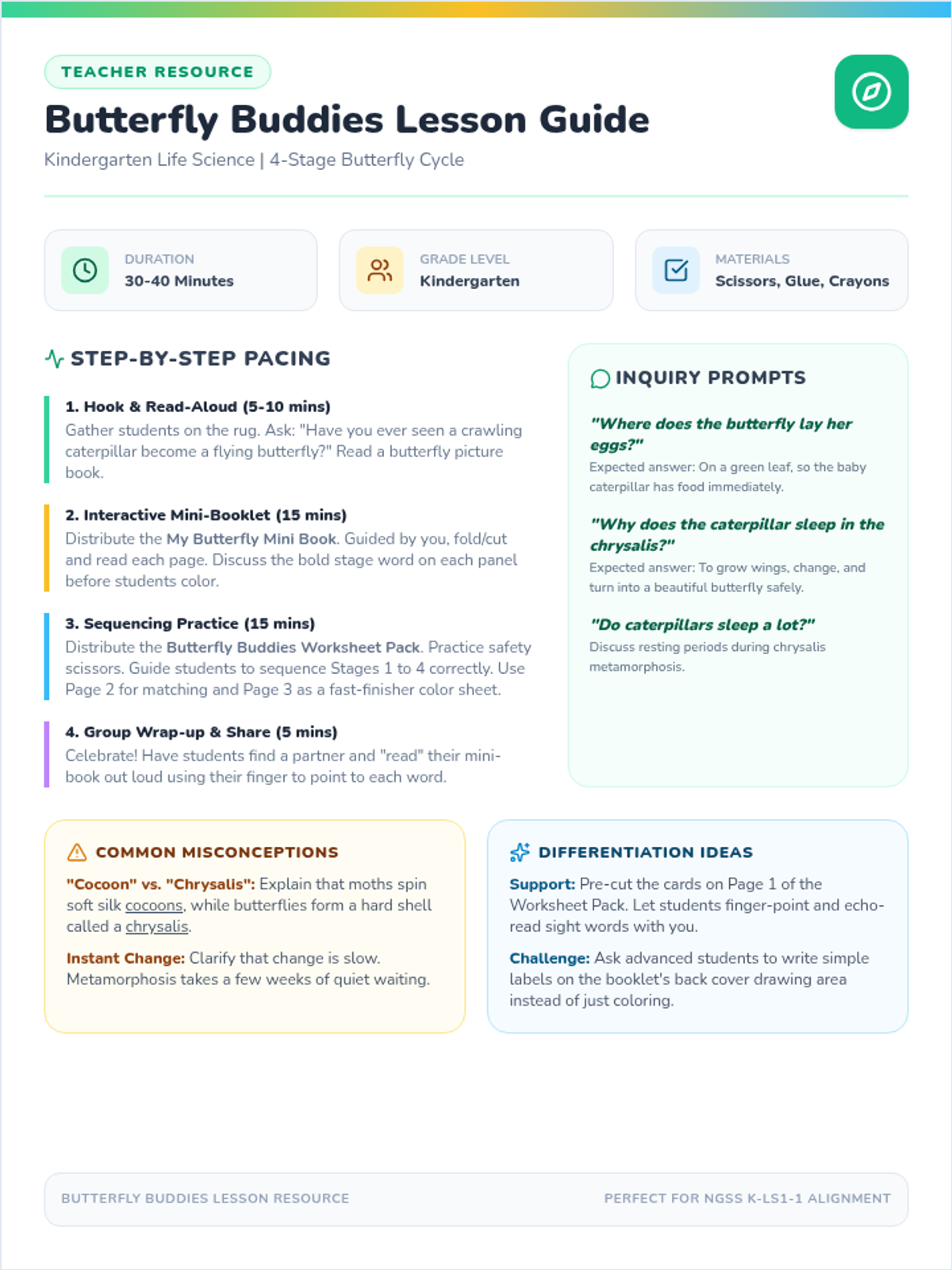
A friendly, hands-on kindergarten lesson exploring the four stages of a butterfly's life cycle: egg, caterpillar, chrysalis, and butterfly. Students learn through sequencing, labeling, coloring, and reading a foldable mini-booklet.
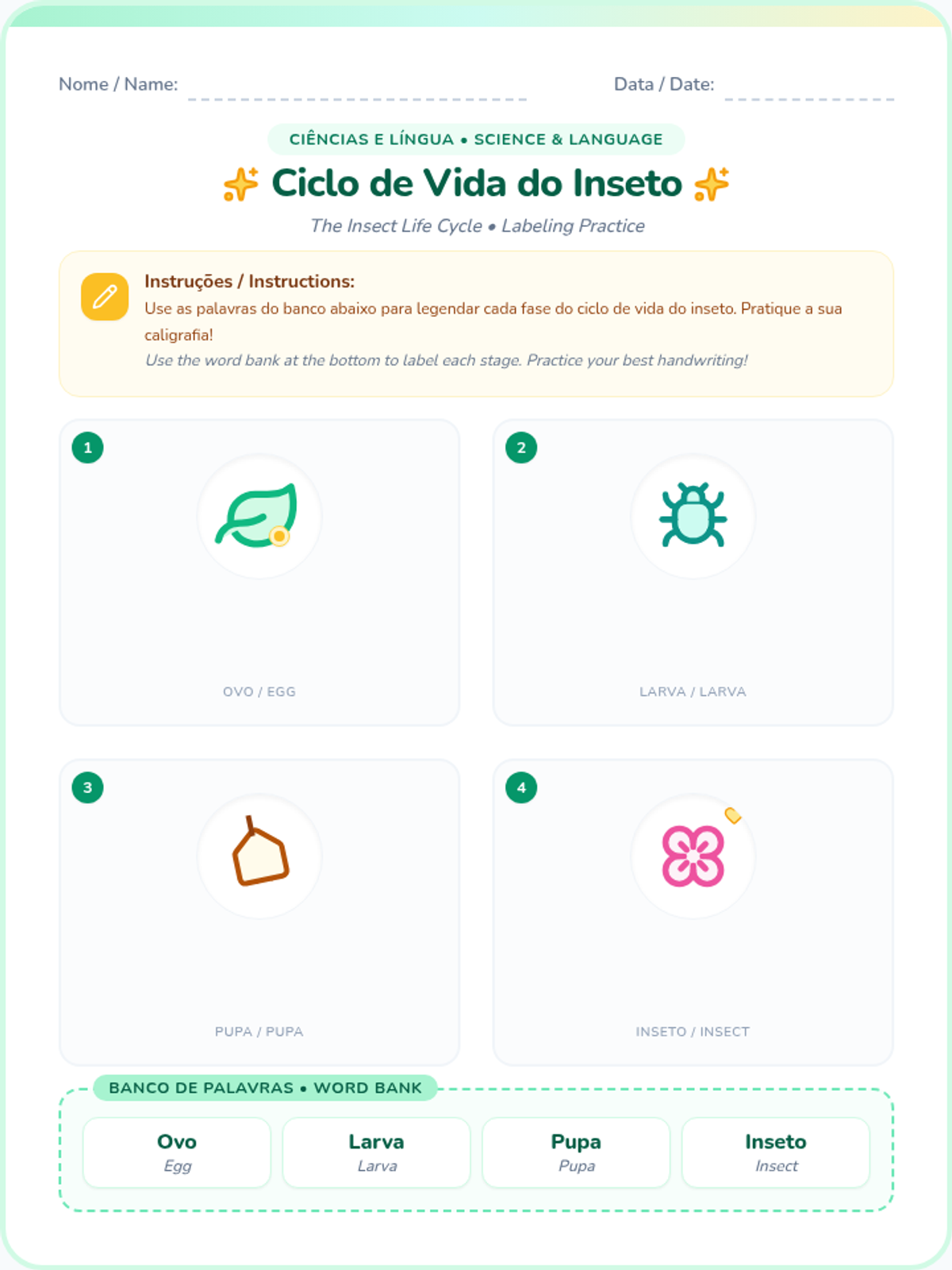
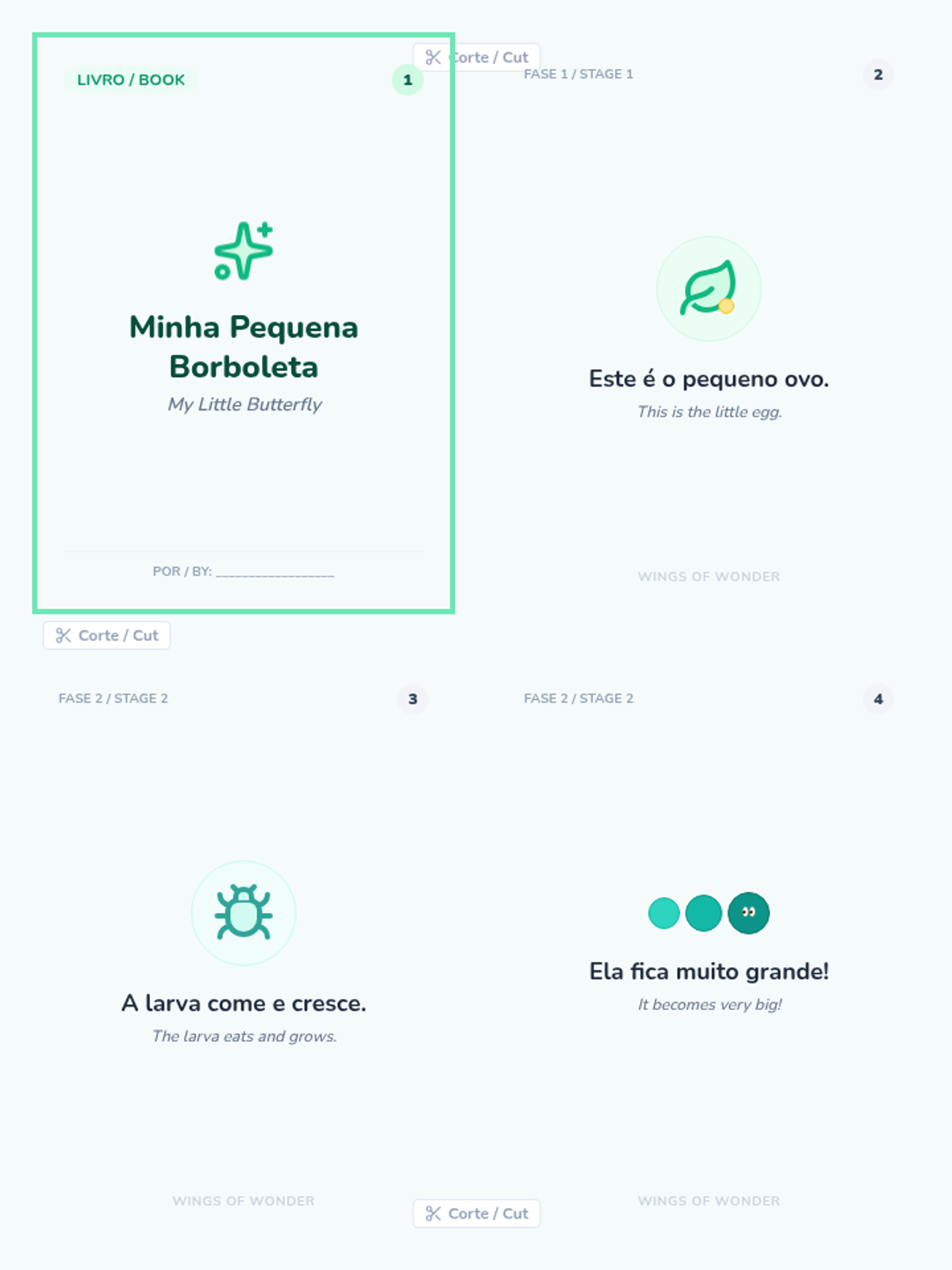
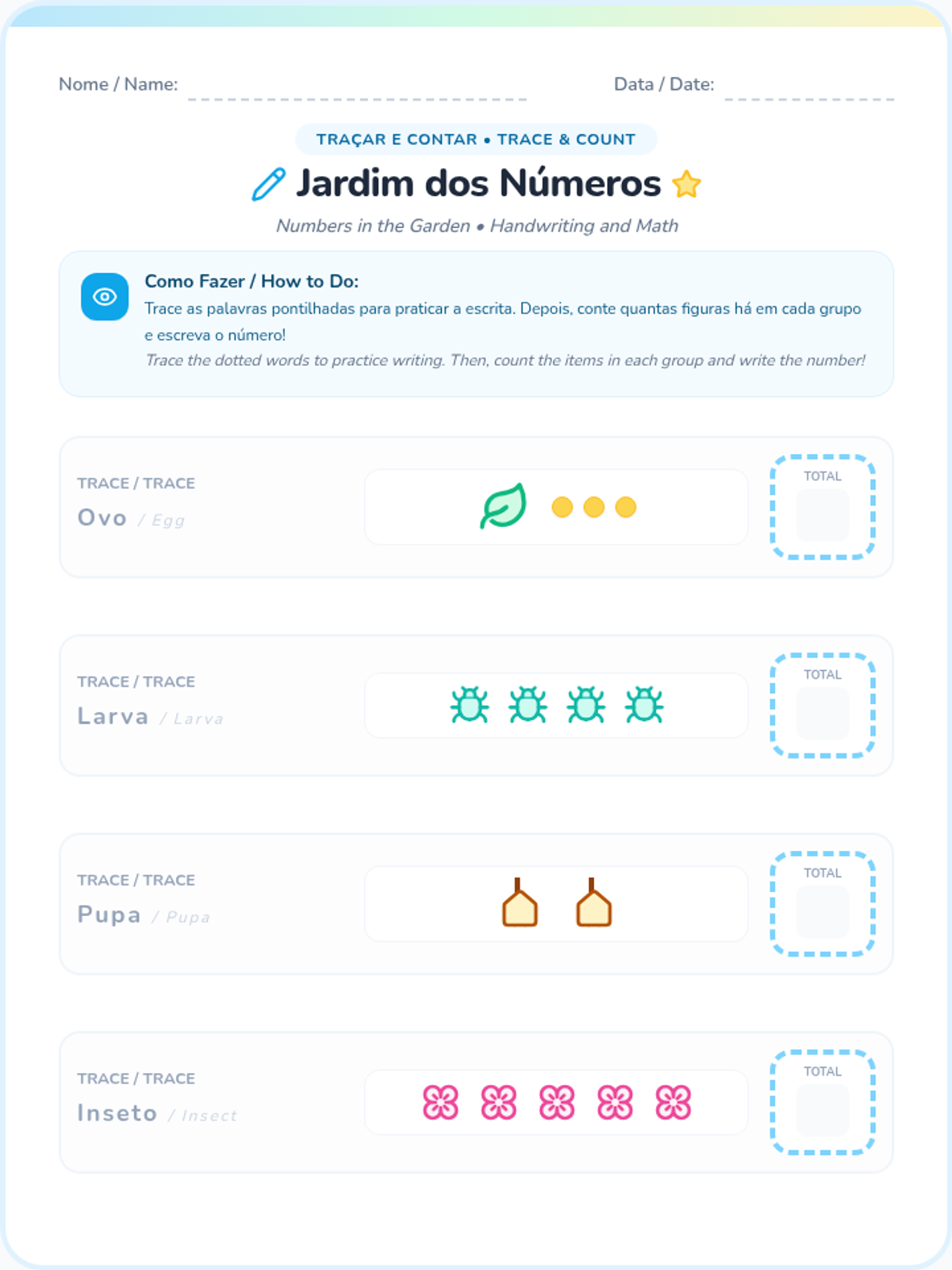
A bilingual kindergarten lesson exploring the magical life cycle of butterflies. Students practice sequencing, labeling, and reading simple bilingual English/Portuguese sentences.
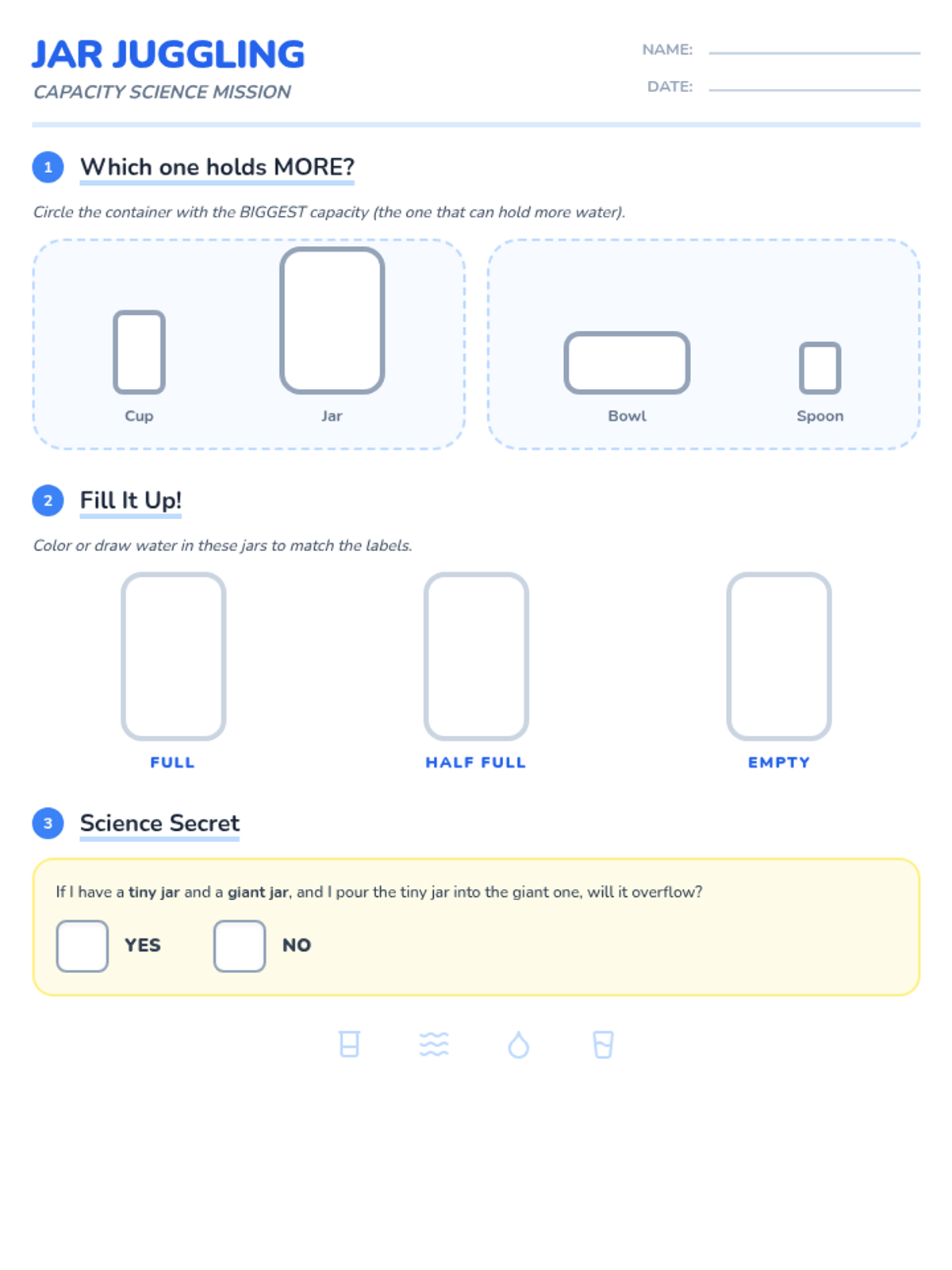
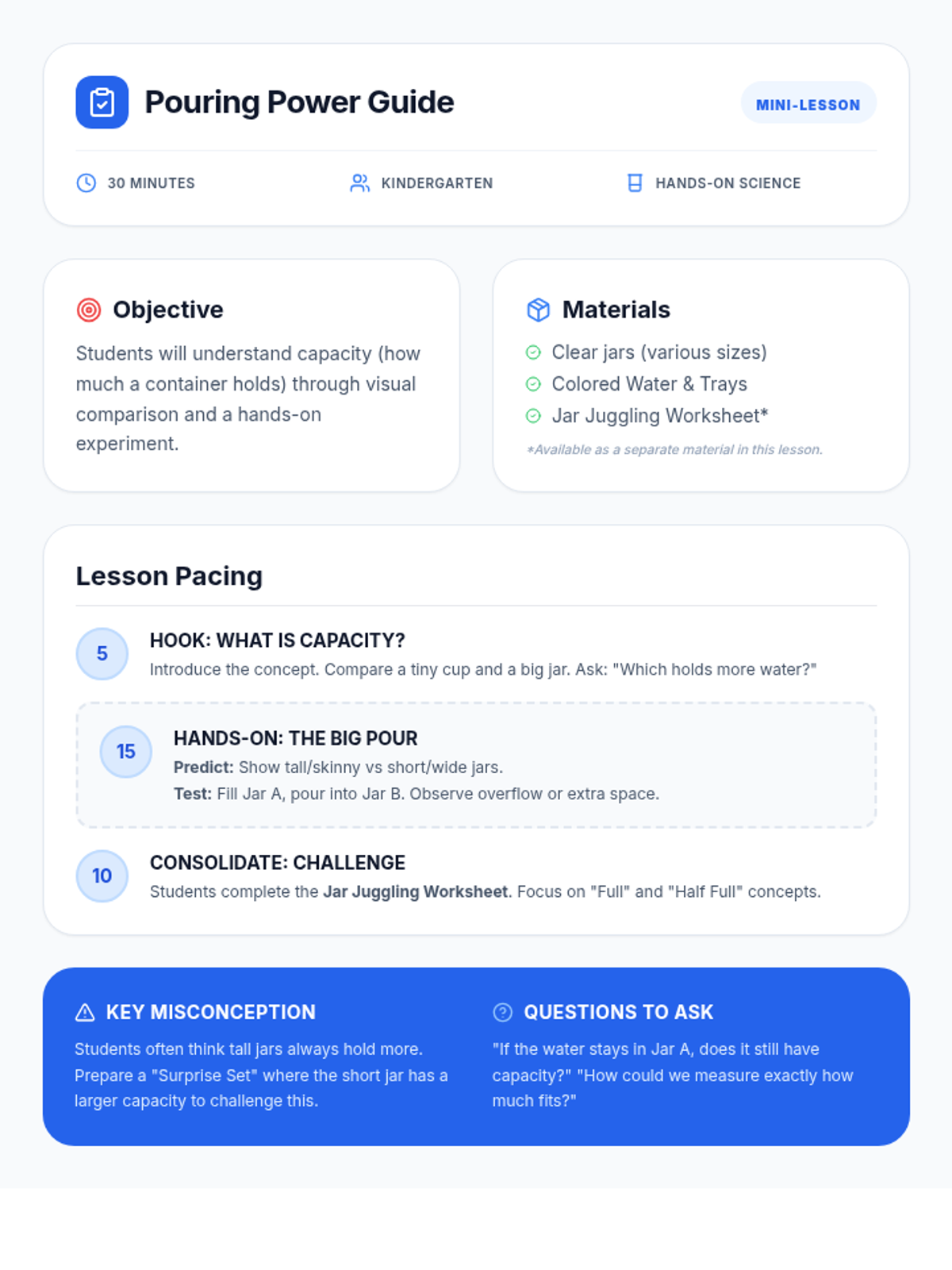
A 30-minute introductory lesson on container capacity for Kindergarten students, using hands-on exploration with water and jars to understand 'more', 'less', and 'full'.
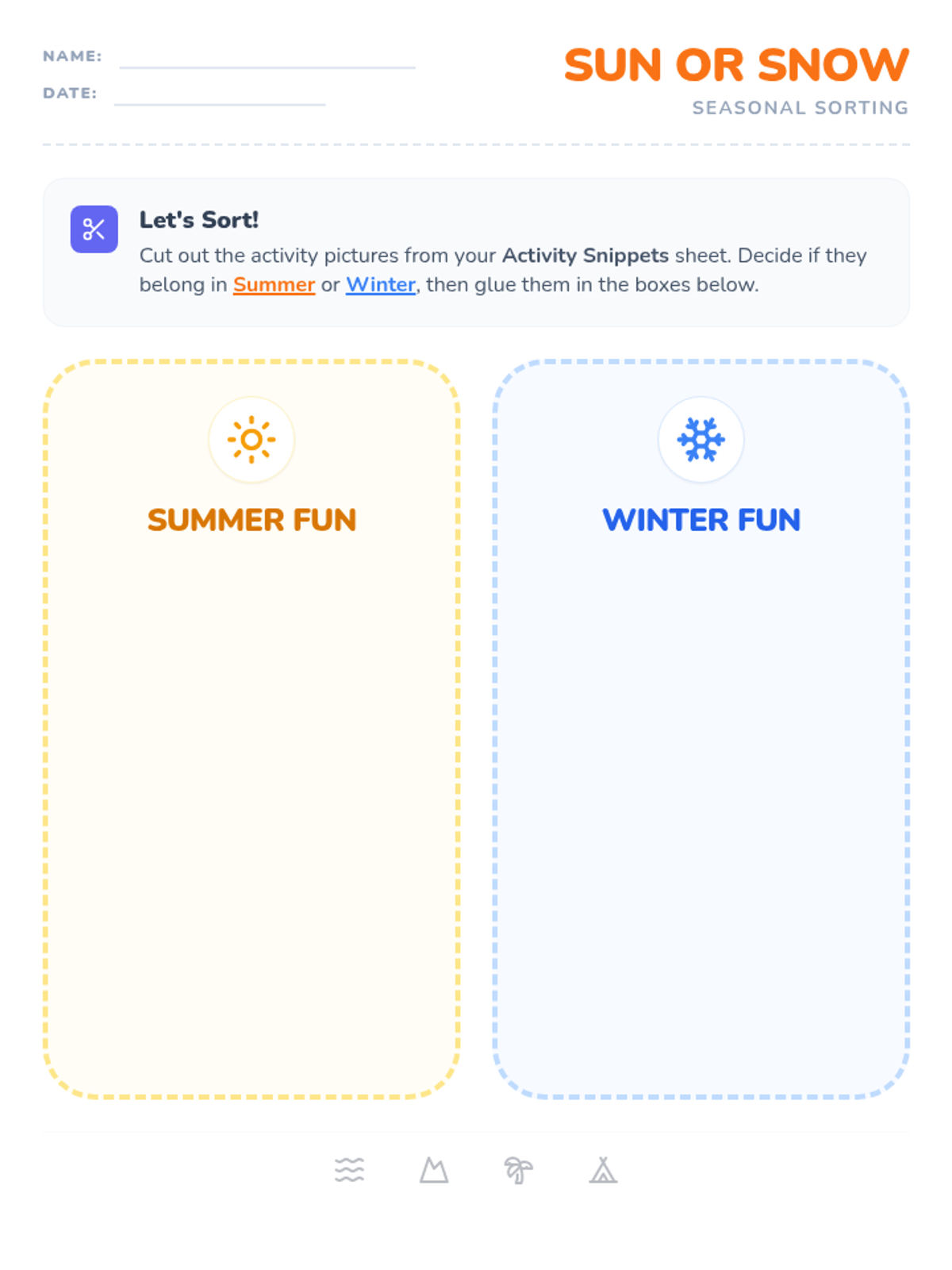
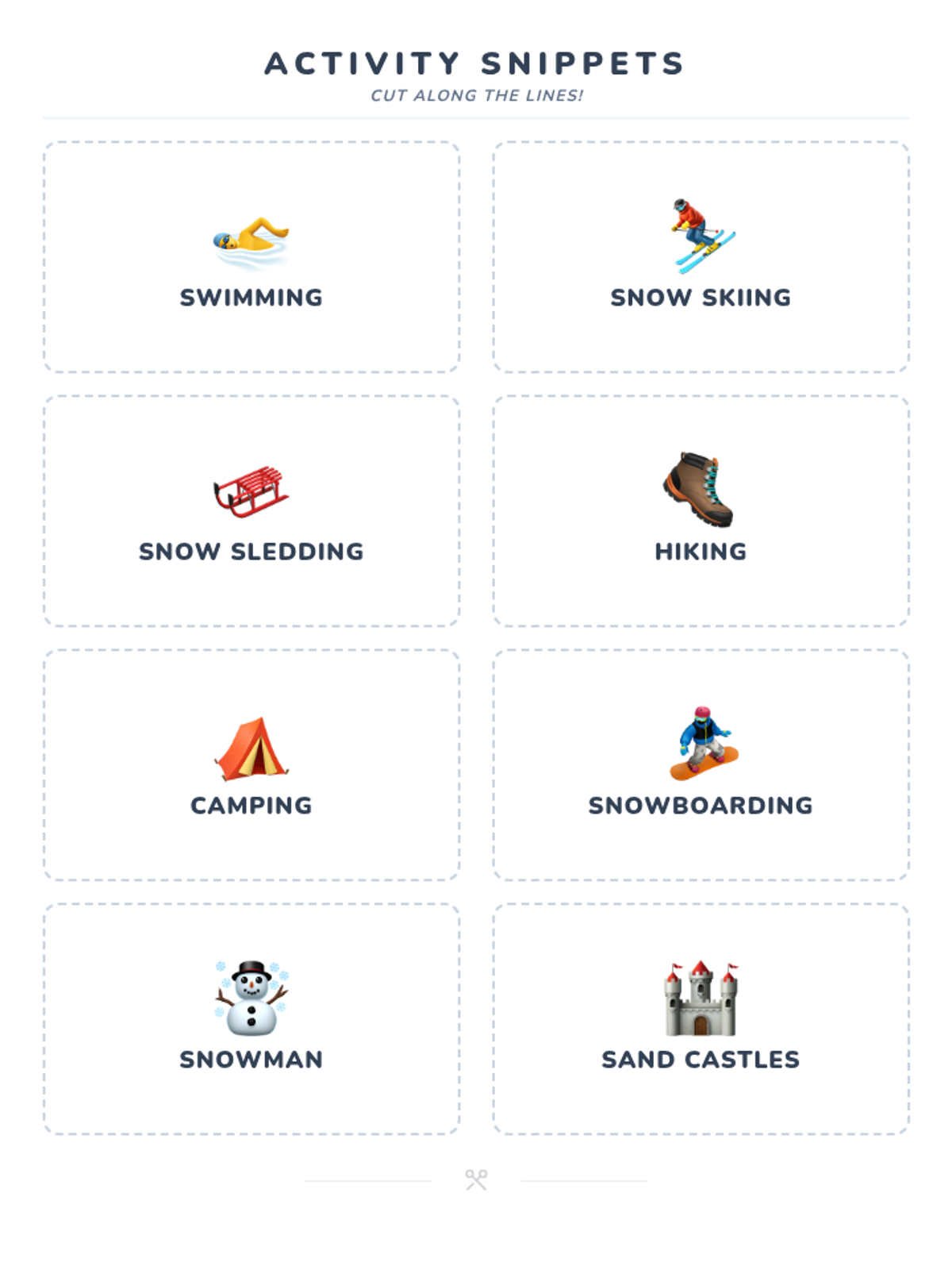
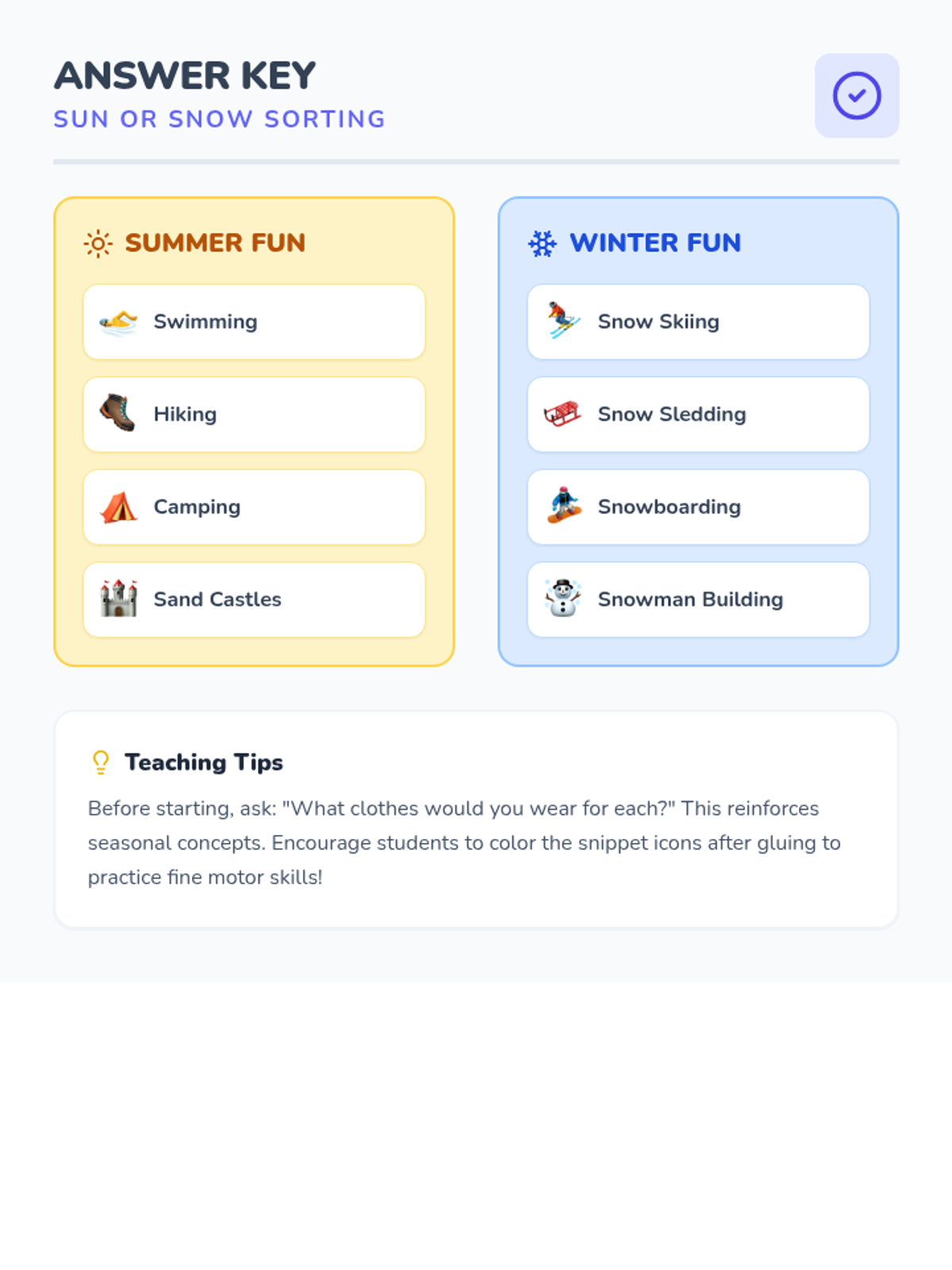
A hands-on categorization activity for kindergarteners to distinguish between summer and winter activities using cut-and-paste techniques.
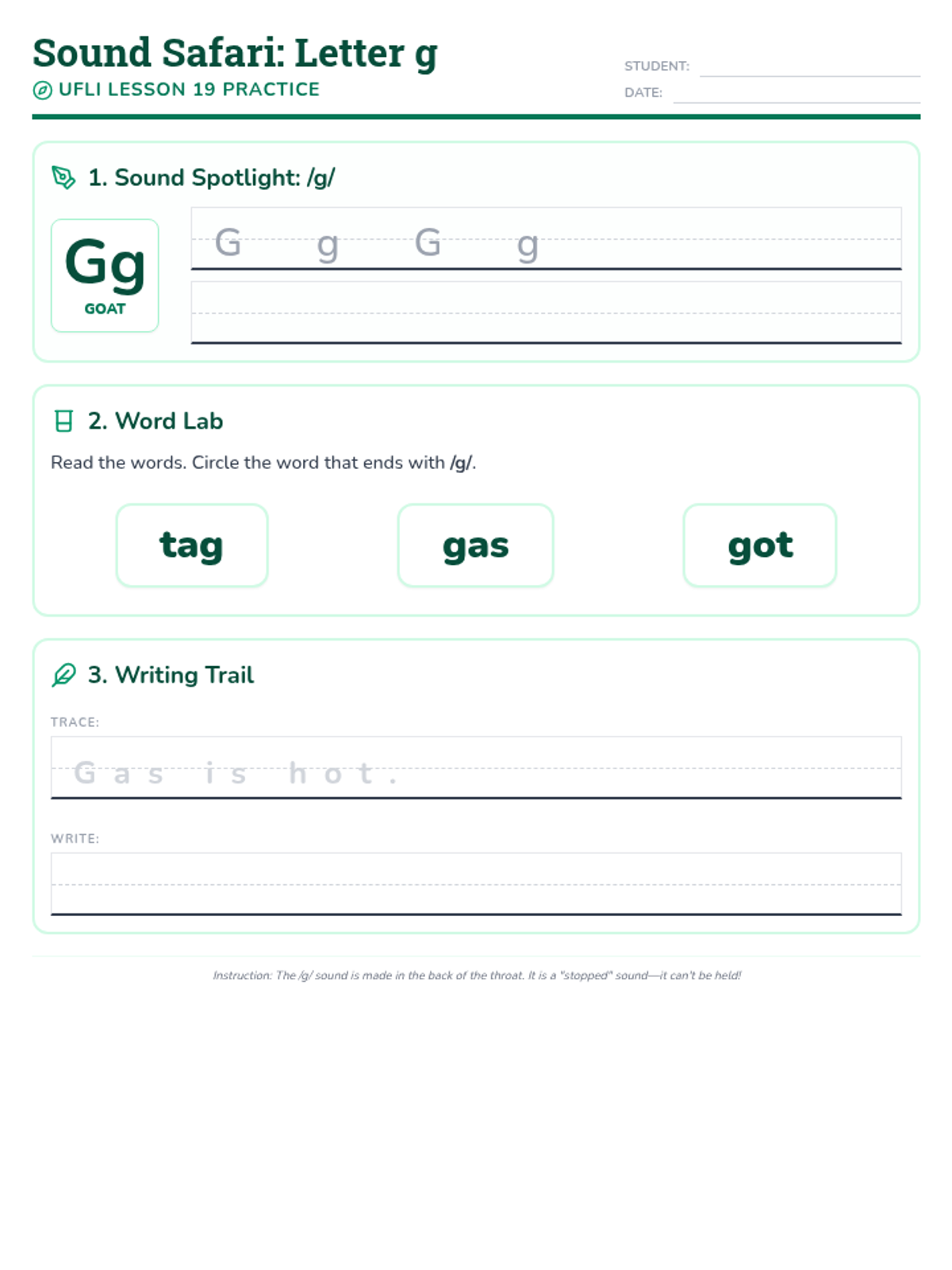
Introducing the letter 'g' and the /g/ sound. Students practice words like 'gas', 'gap', and 'tag'.
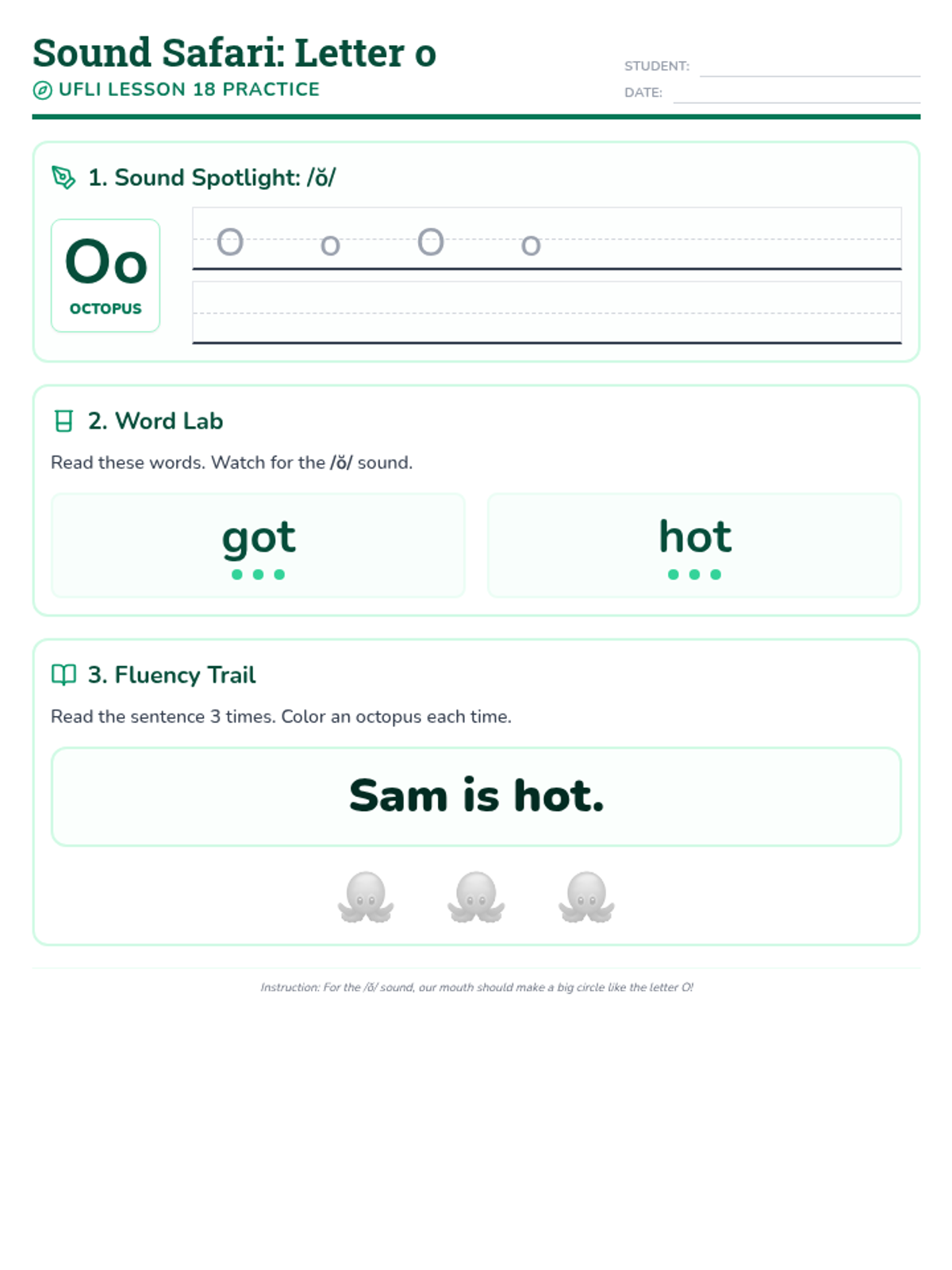
Introducing the letter 'o' and the short /o/ sound. Blending practice with 'got', 'hot', and 'mom'.
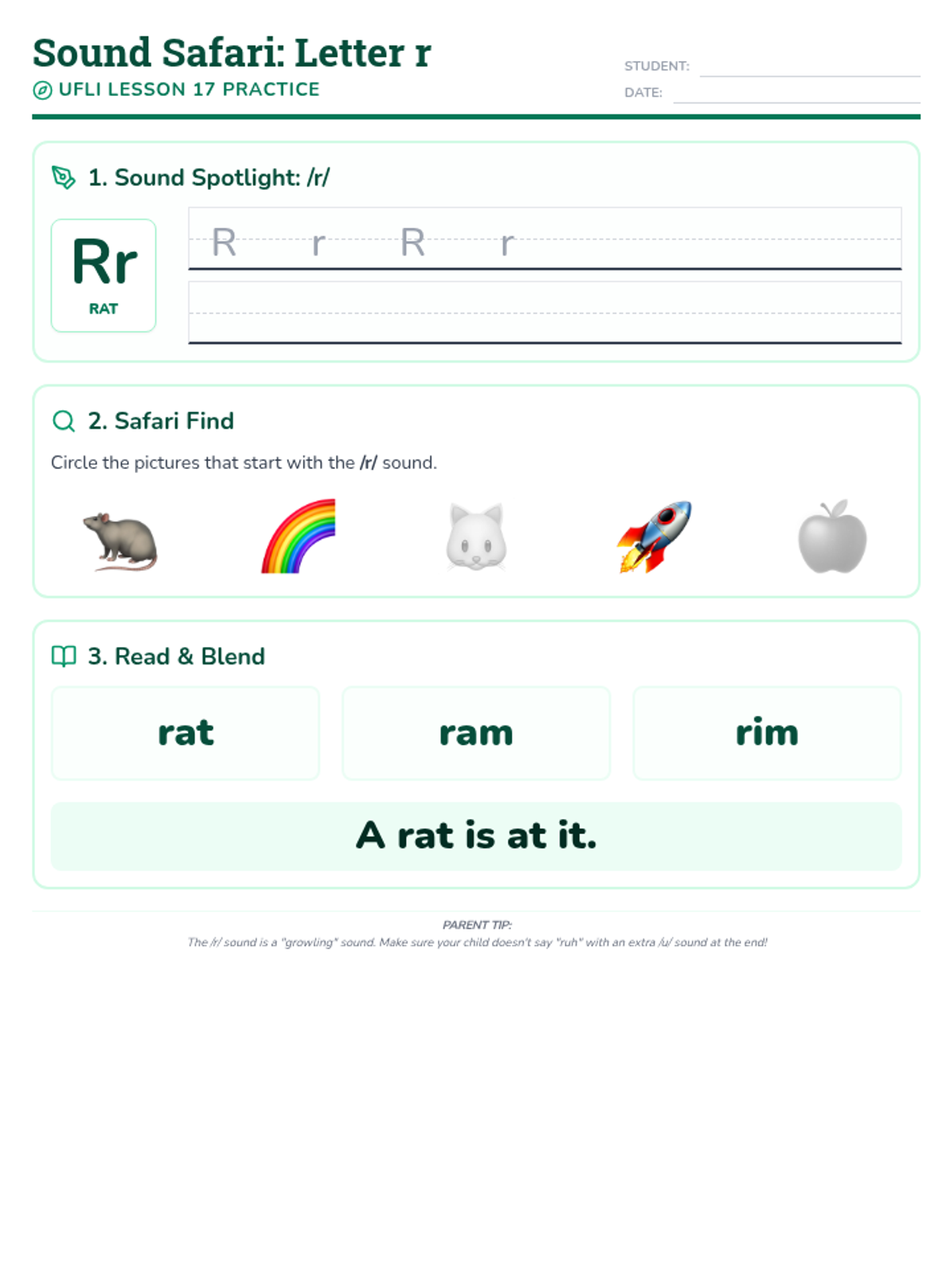
Introducing the letter 'r' and the /r/ sound. Students read and write words like 'rat', 'ram', and 'rid'.
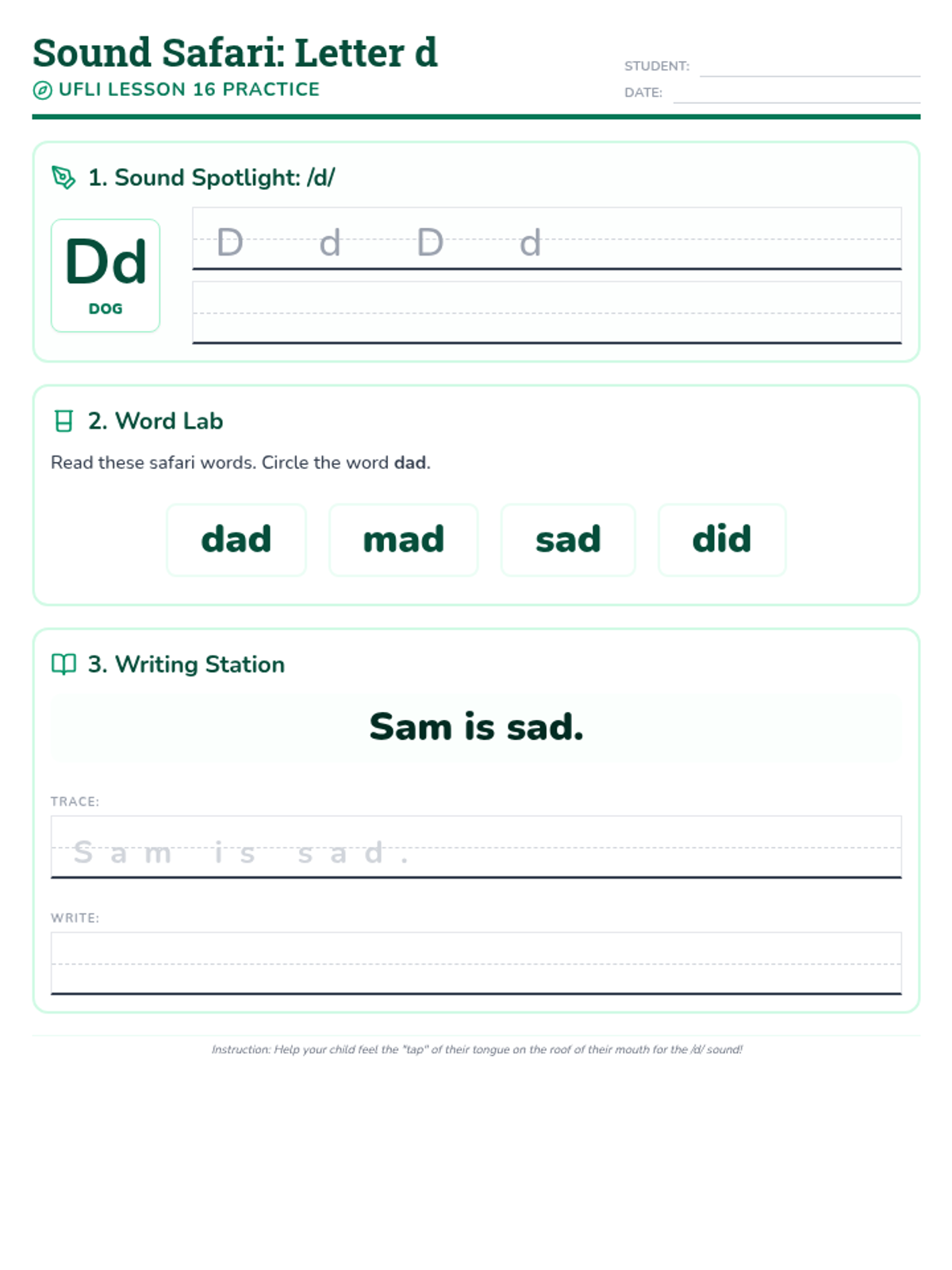
Introducing the letter 'd' and the /d/ sound. Practice includes 'dad', 'mad', and 'sad'.
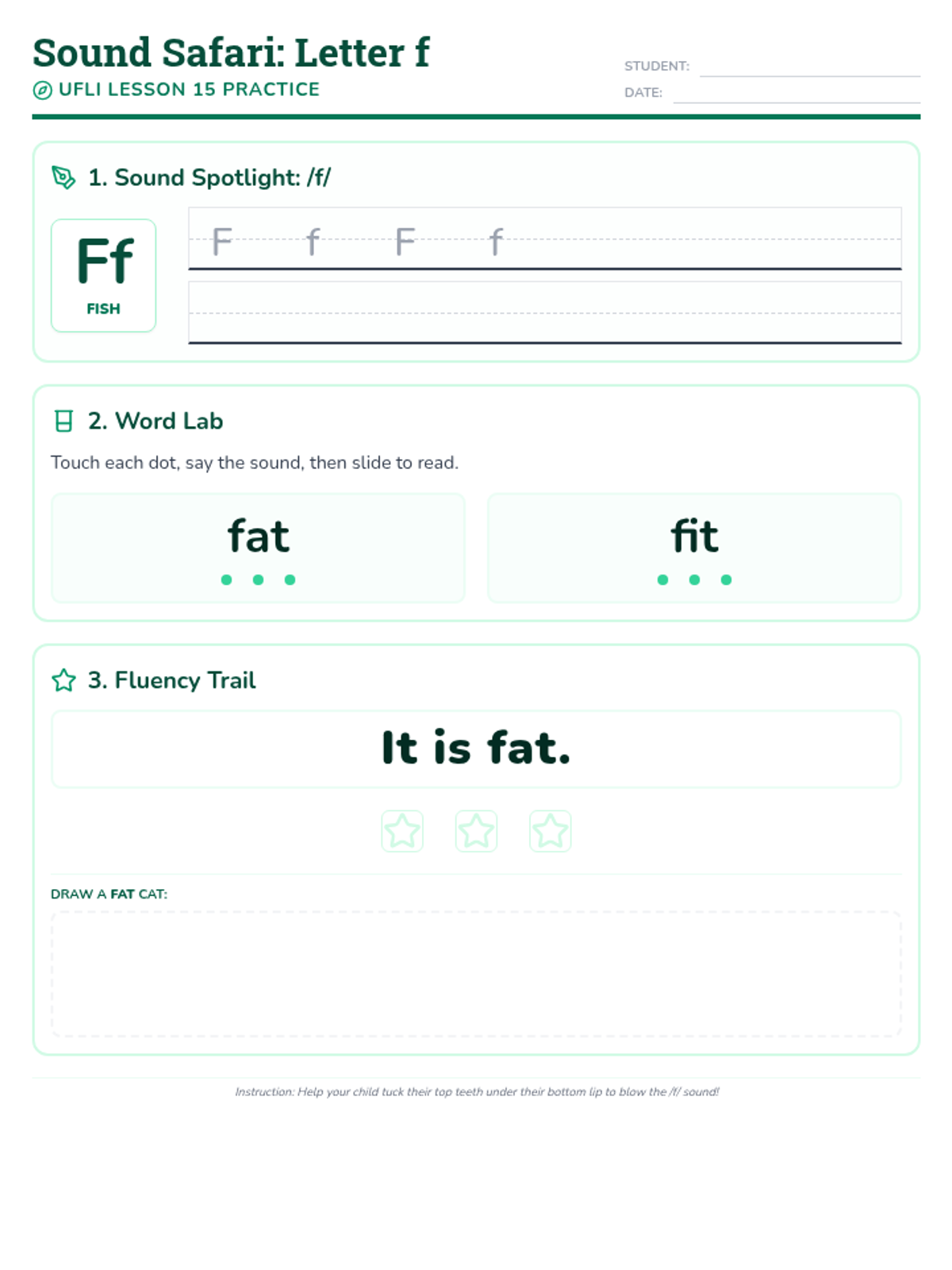
Introducing the letter 'f' and the /f/ sound. Students practice blending 'fat', 'fit', and 'if'.
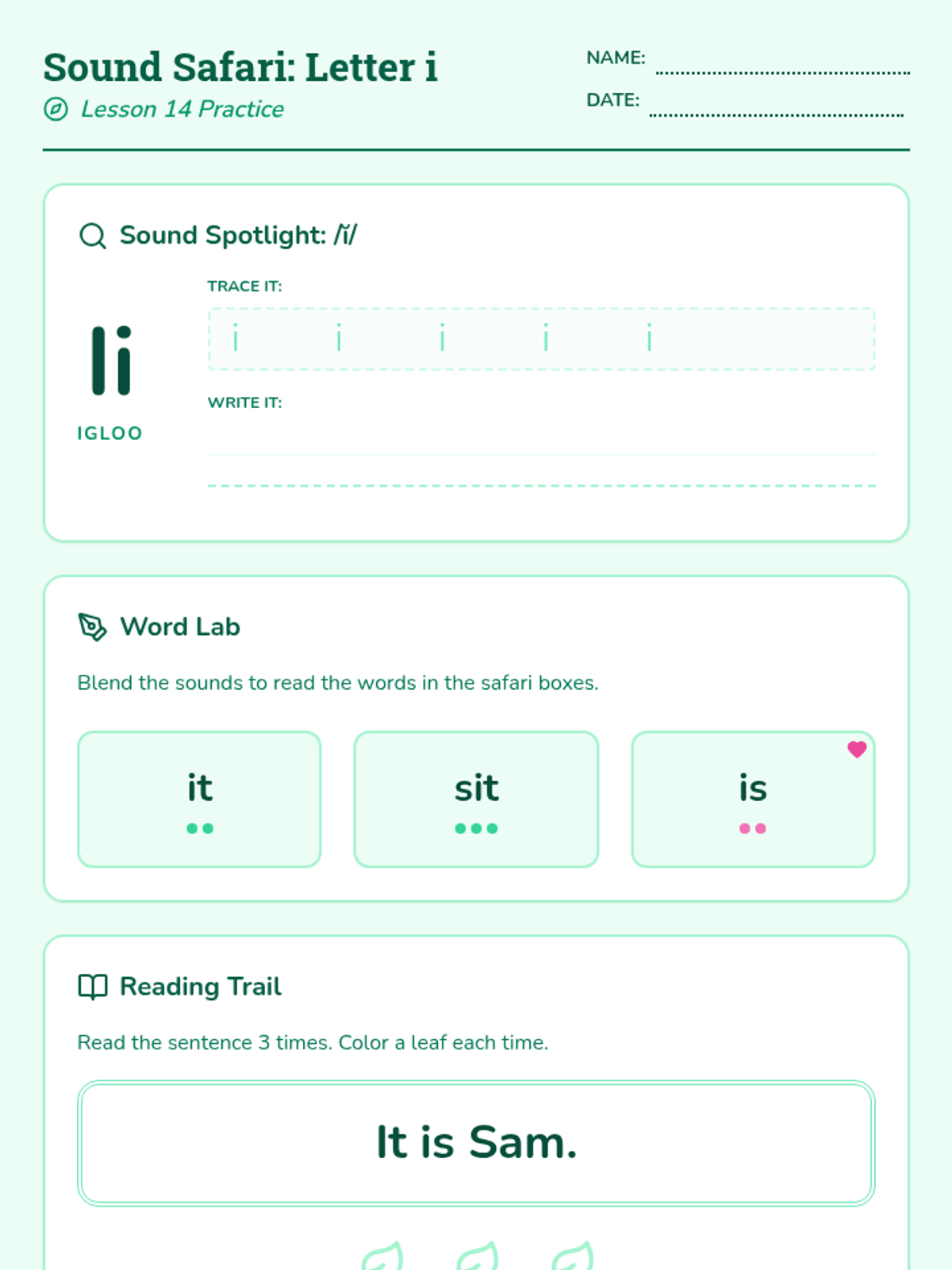
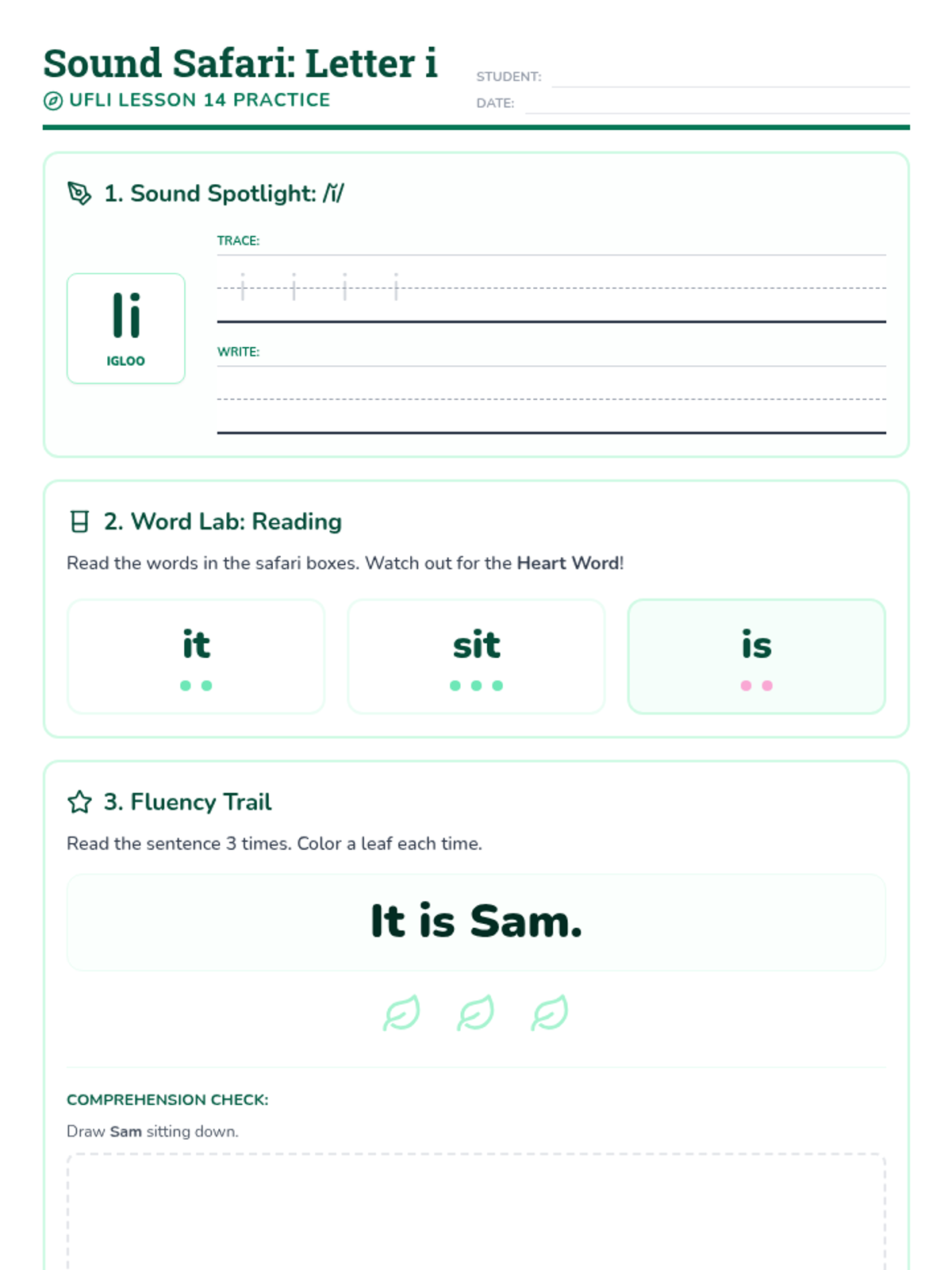
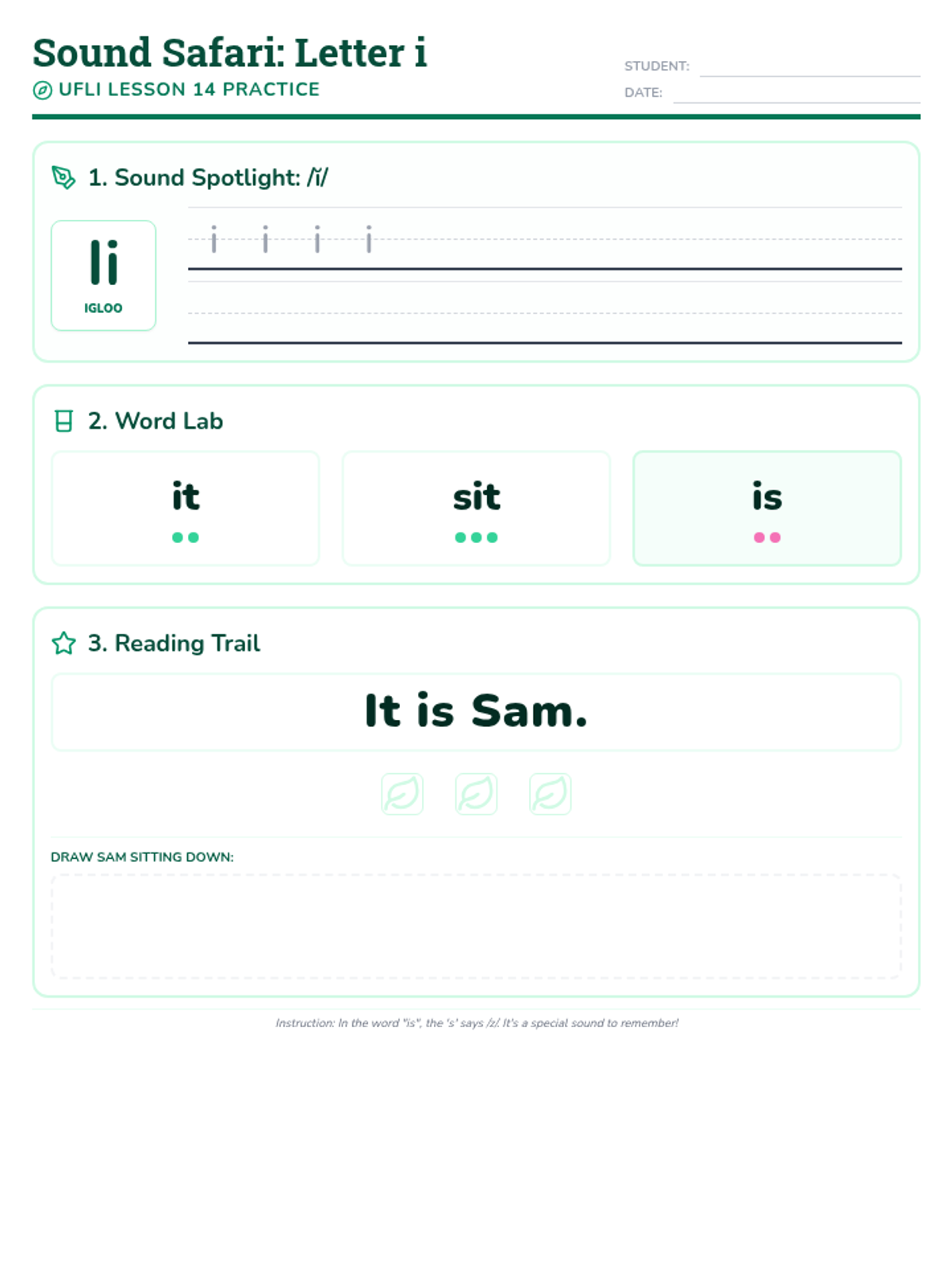
Introducing the letter 'i' and the short /i/ sound. Students read and write words like 'it', 'sit', and 'is'.
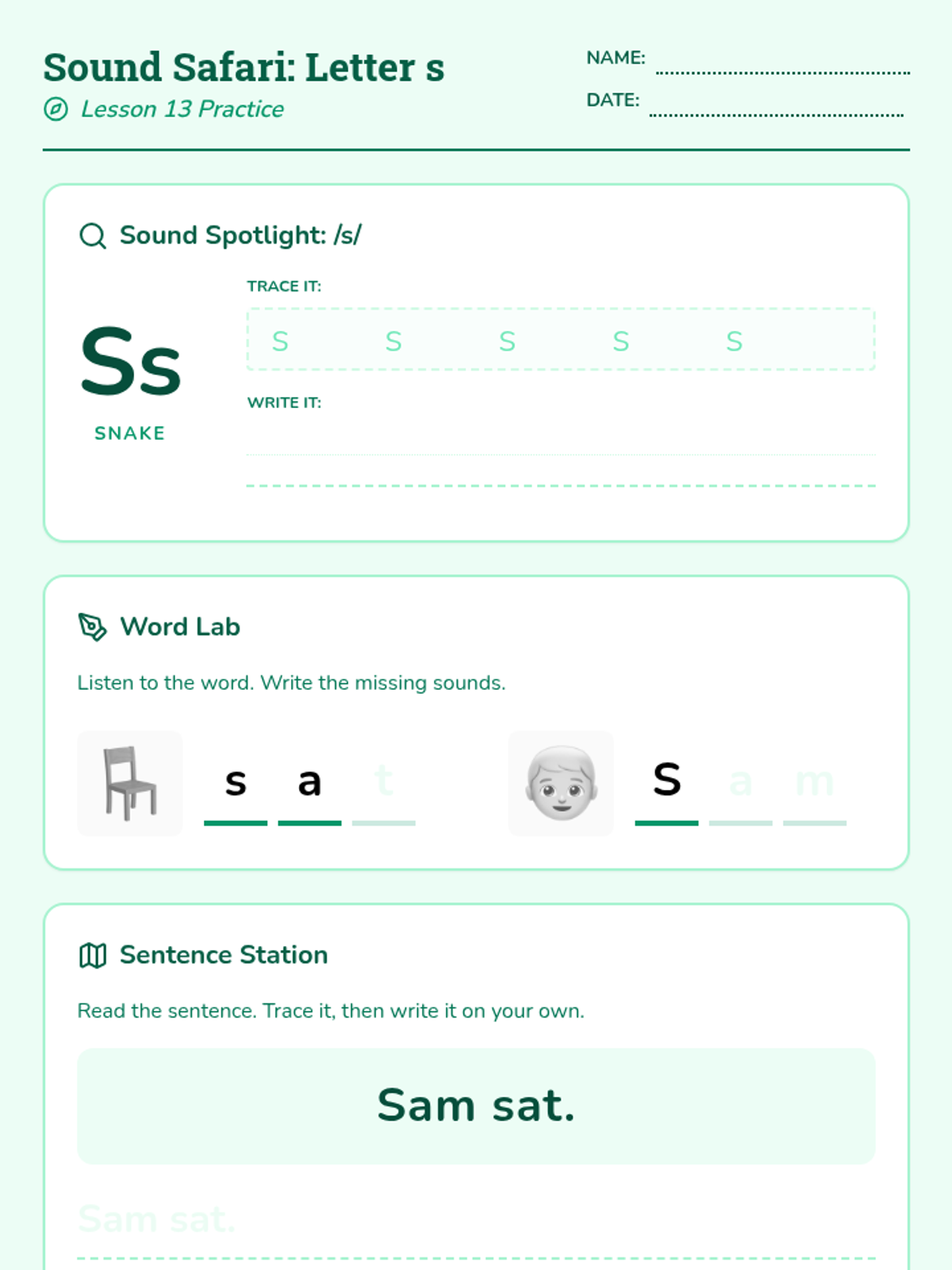
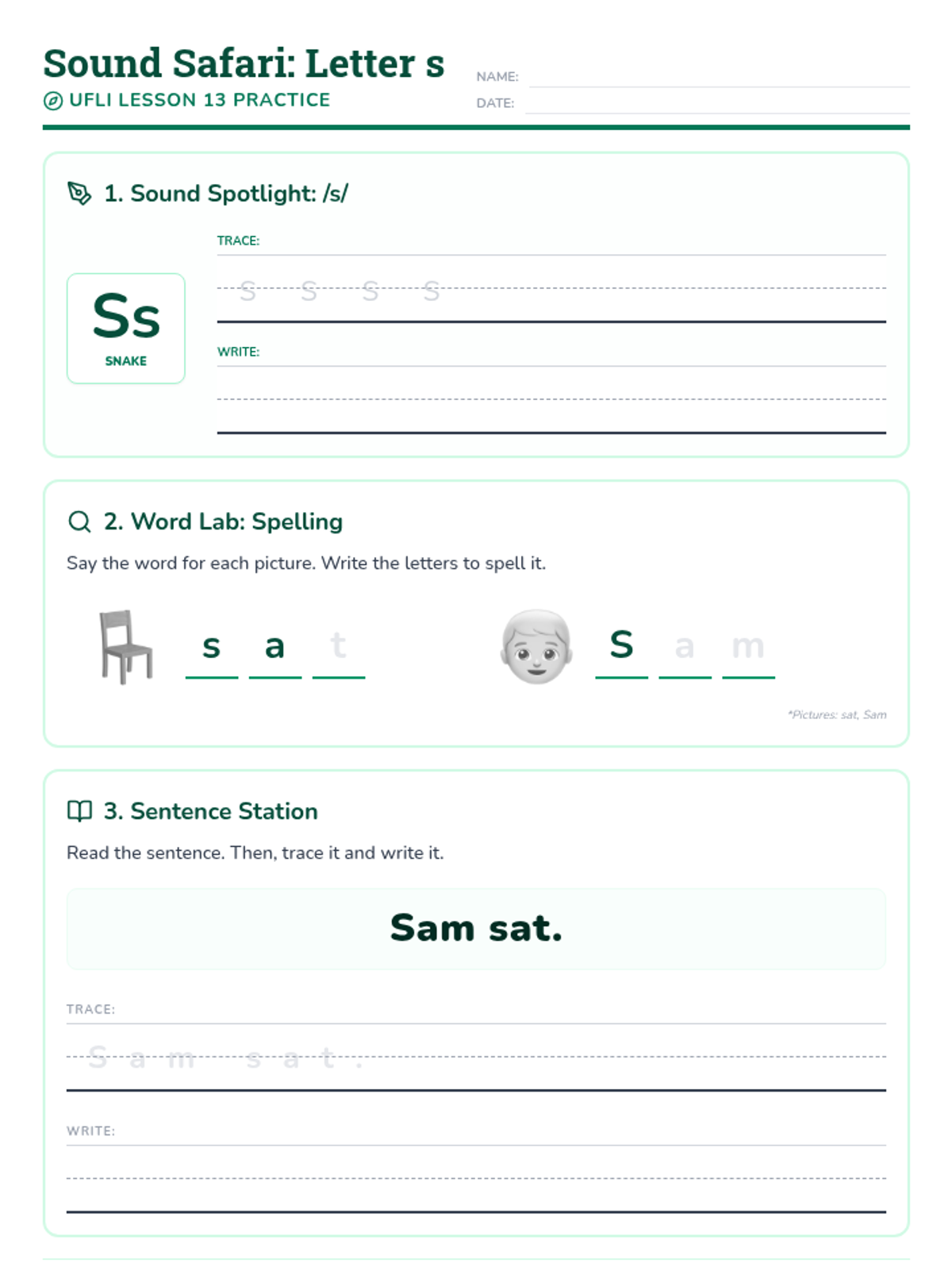
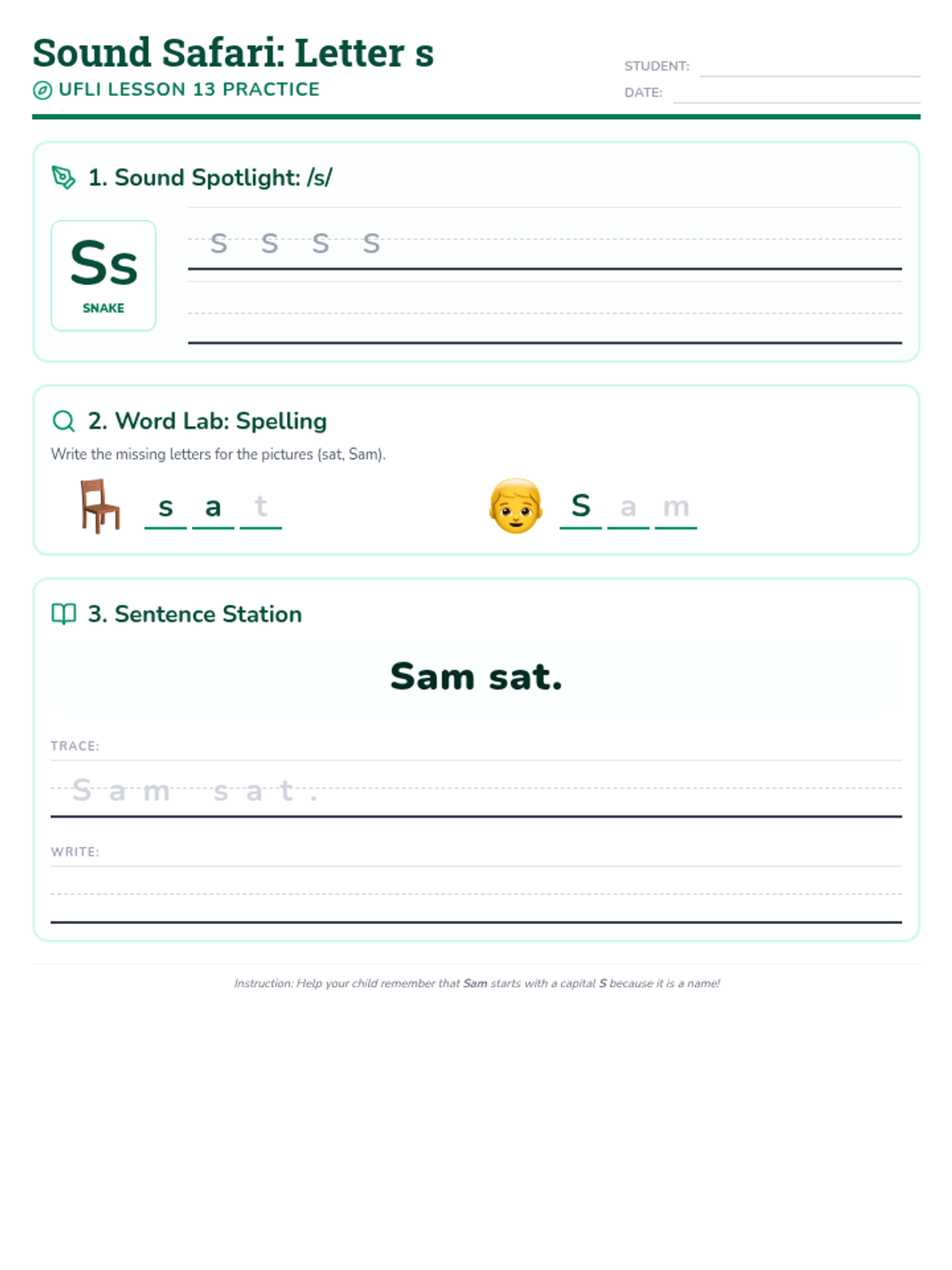
Introducing the letter 's' and the /s/ sound. Practice includes blending 'sat', 'mat', and 'Sam'.
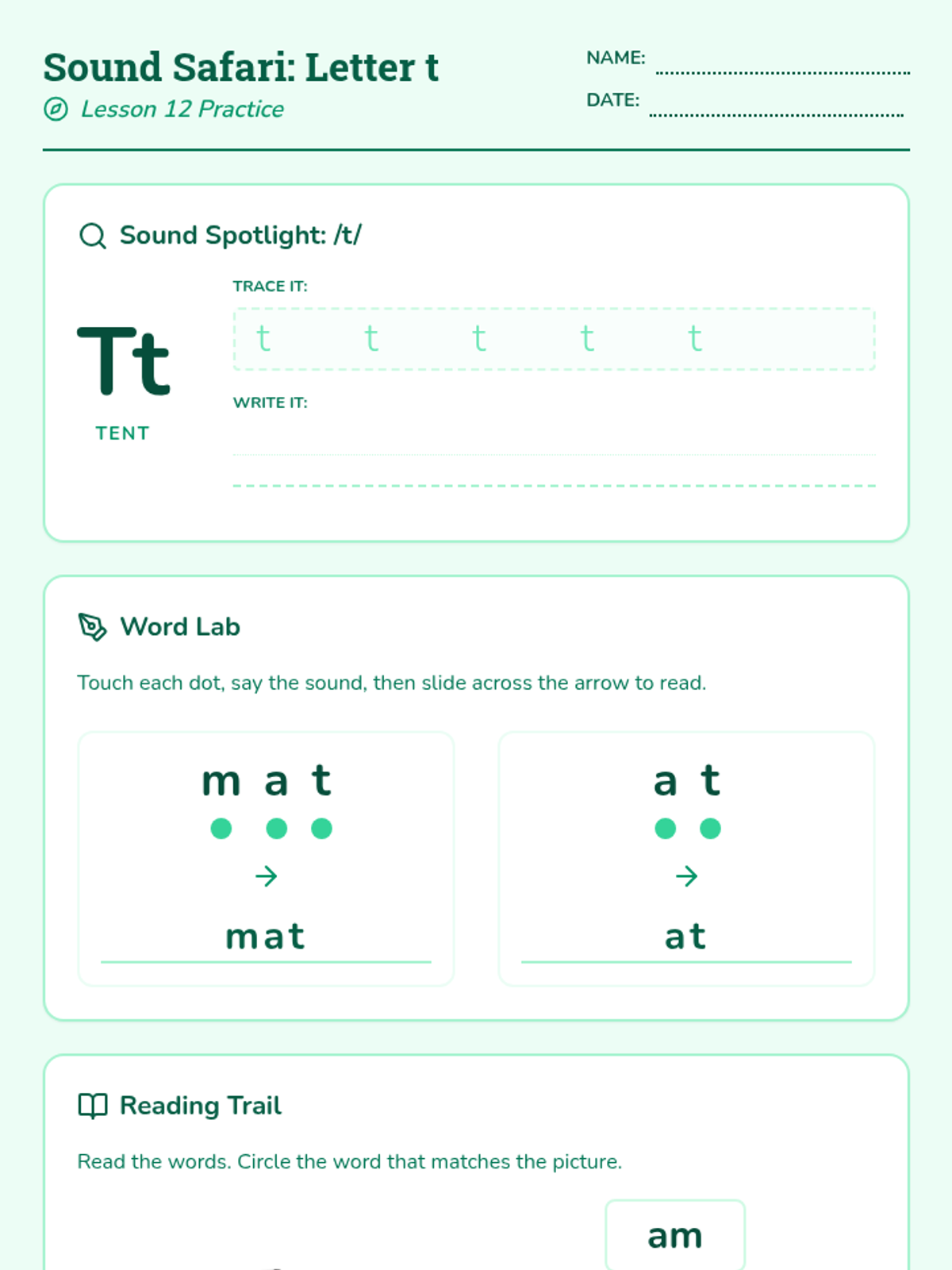
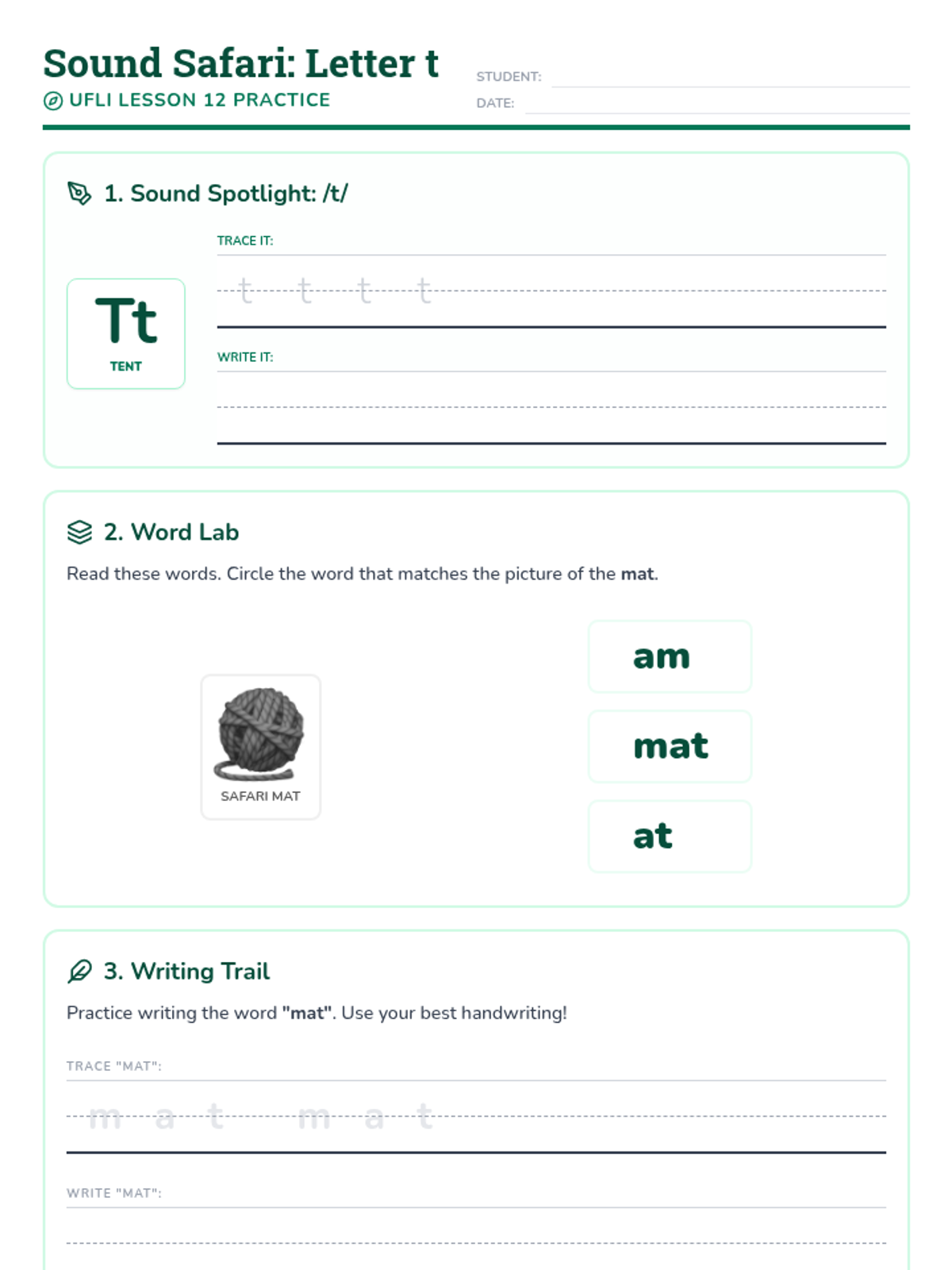
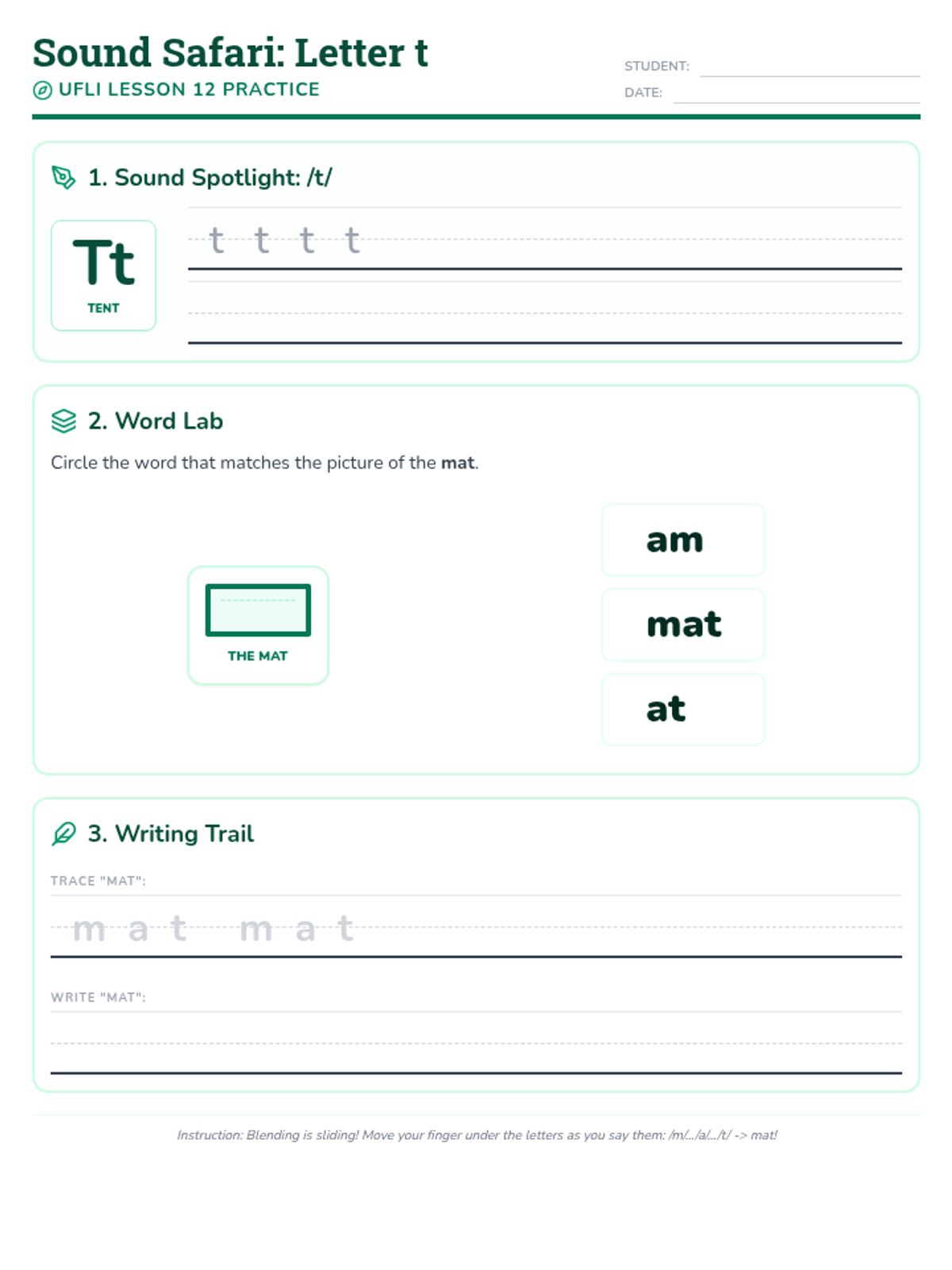
Introducing the letter 't' and the /t/ sound. Students practice blending CVC words like 'mat' and 'at'.
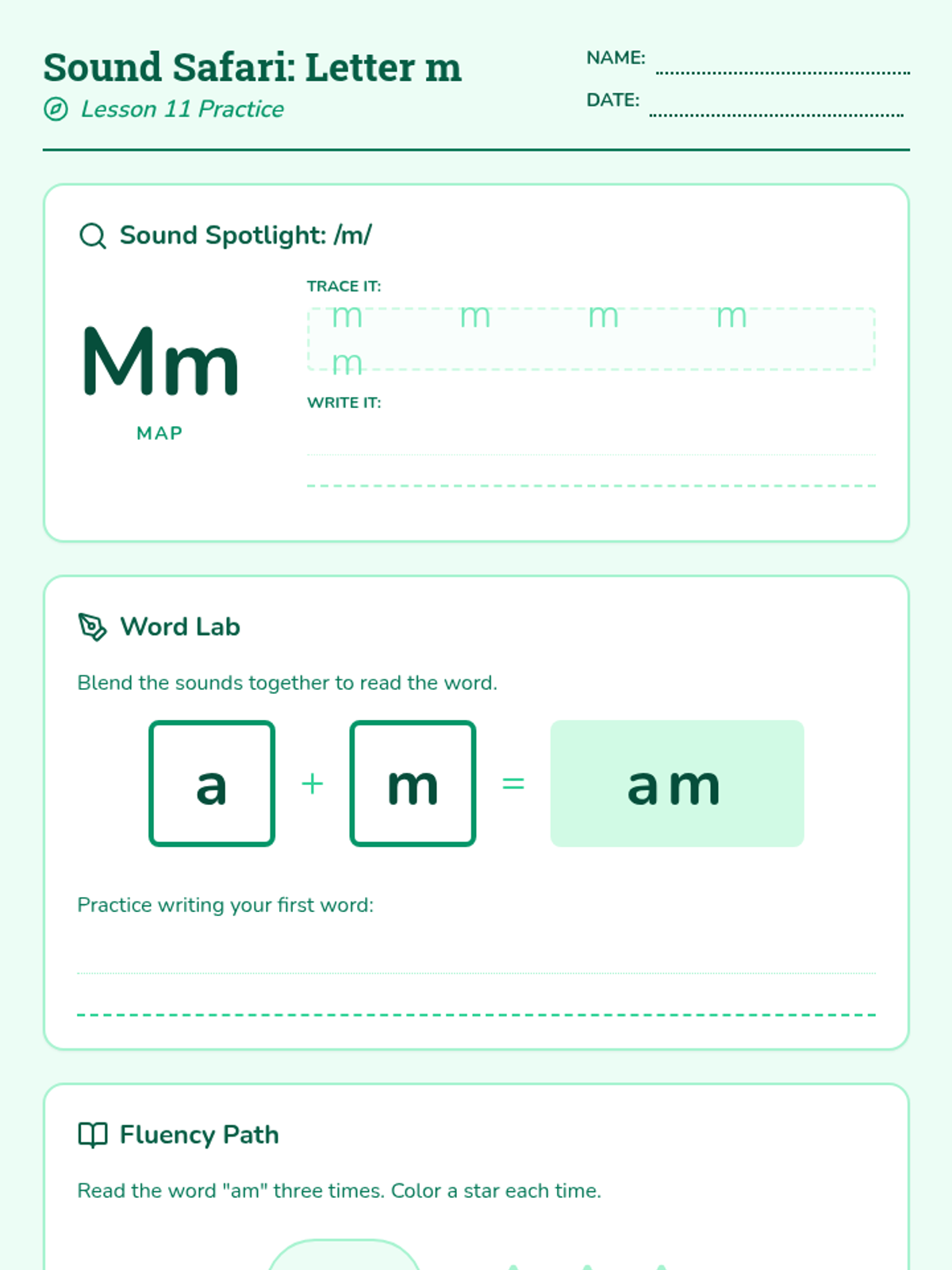
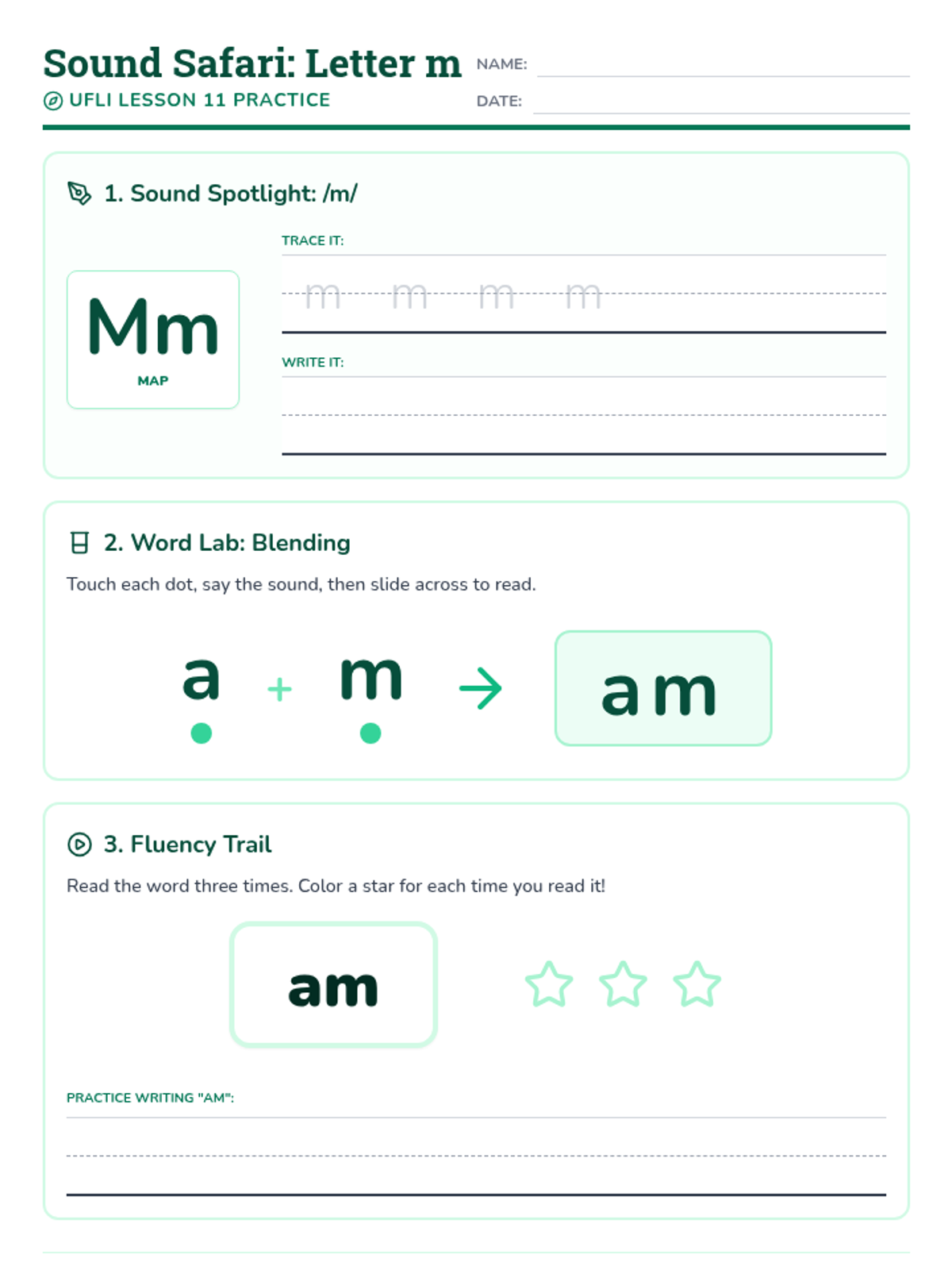
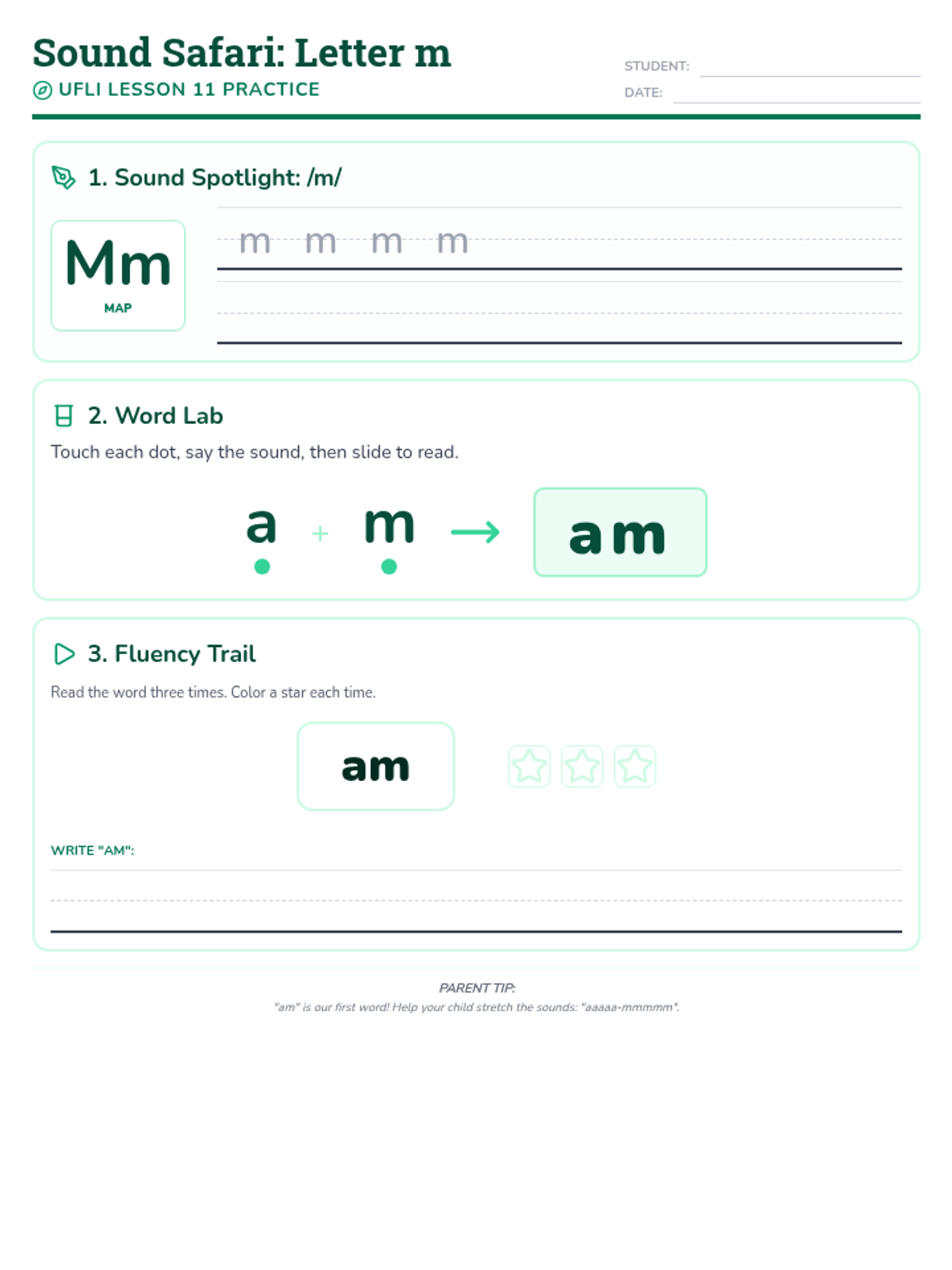
Introducing the letter 'm' and the /m/ sound. Students begin to blend 'a' and 'm' to read the word 'am'.
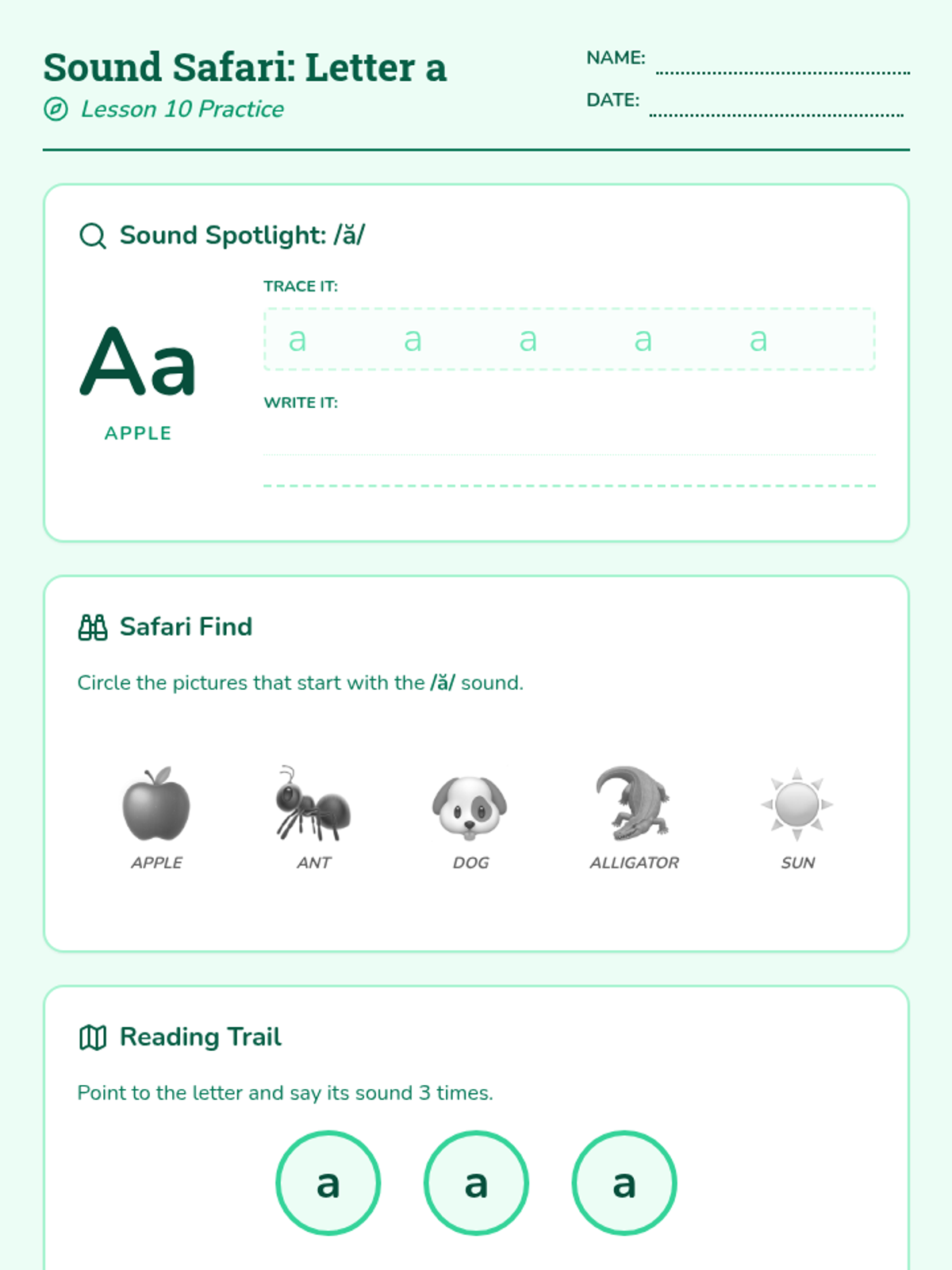
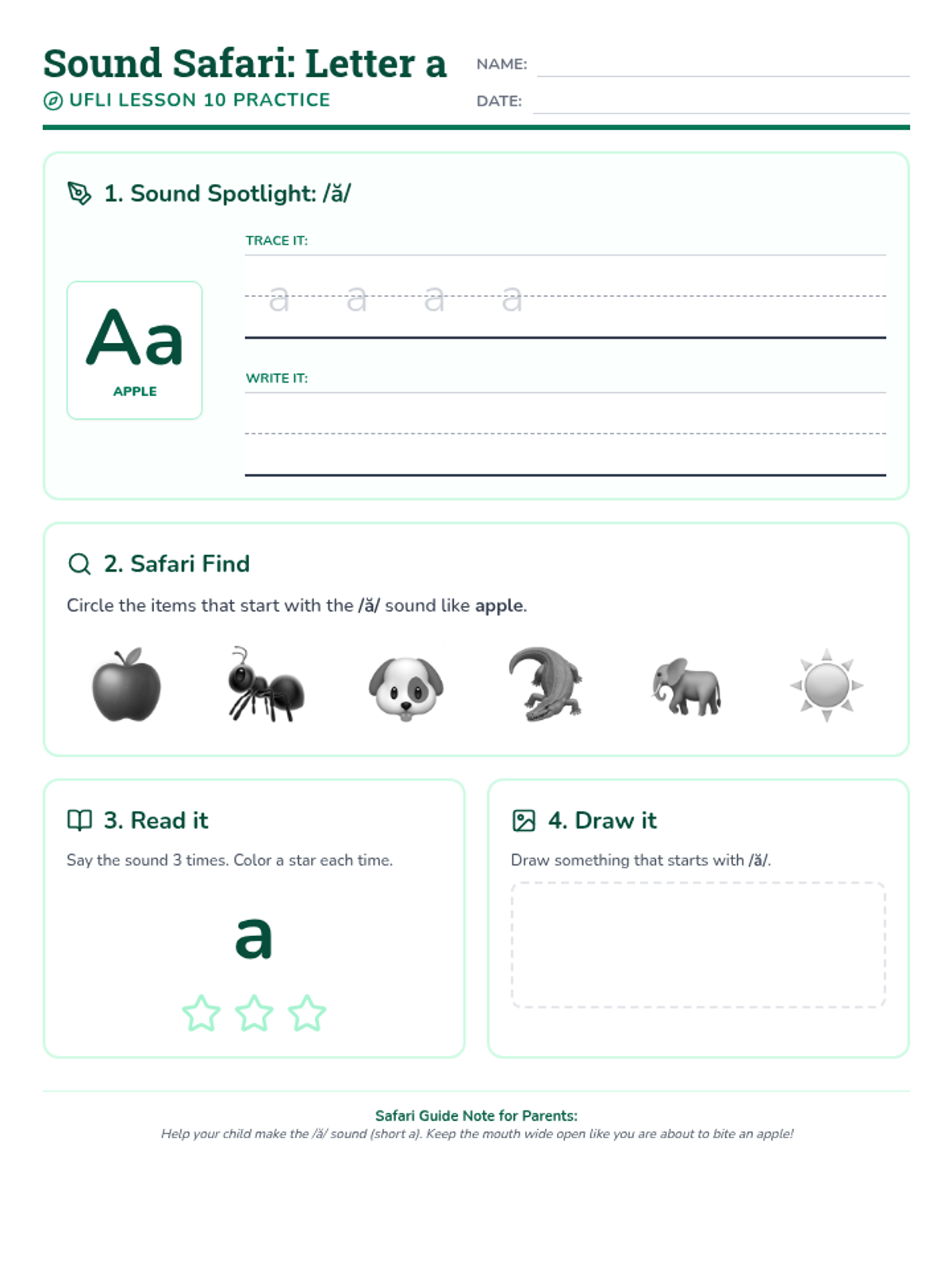
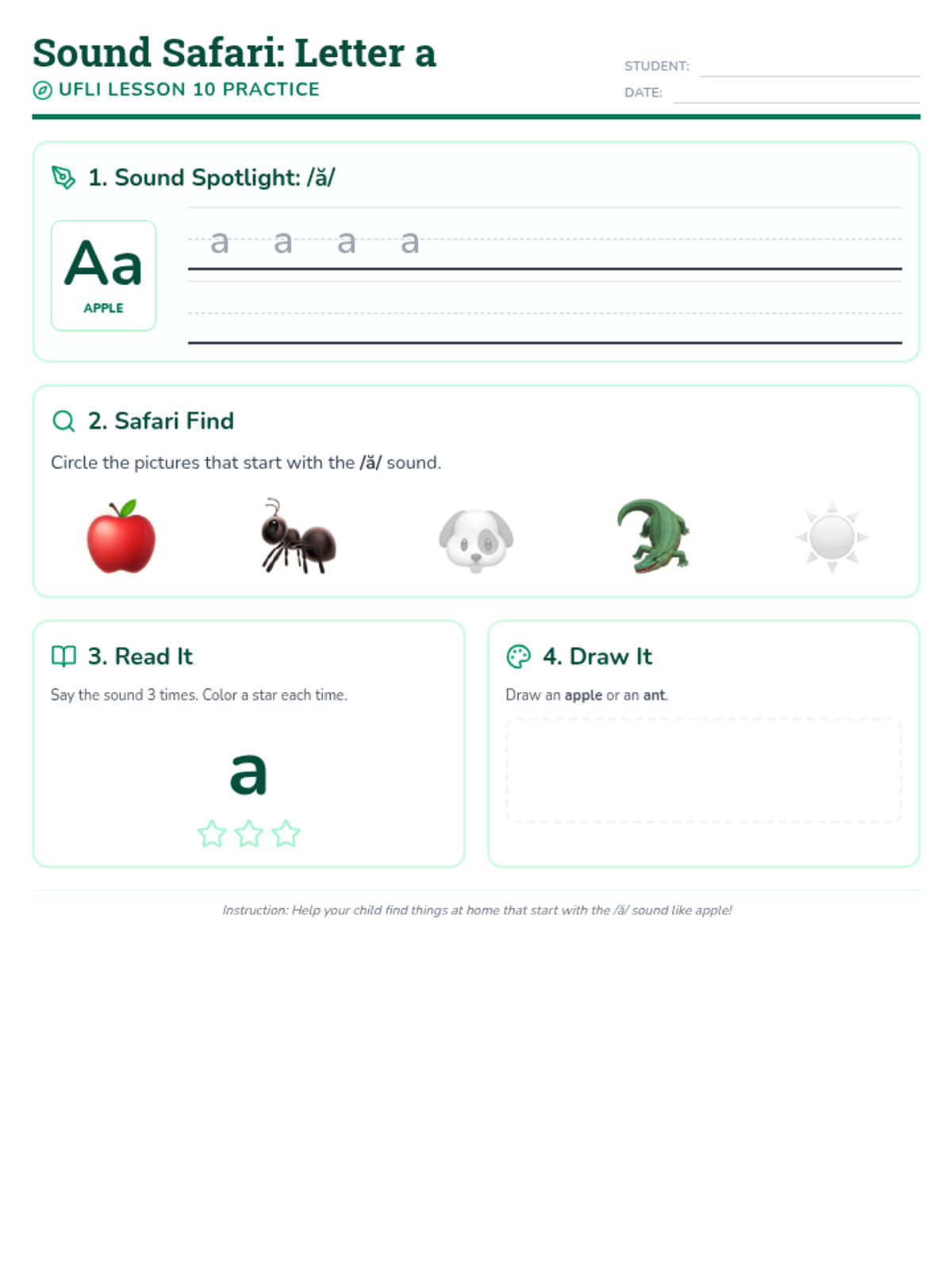
Introducing the letter 'a' and the short /a/ sound. Students practice letter formation and identifying the /a/ sound at the beginning of words.
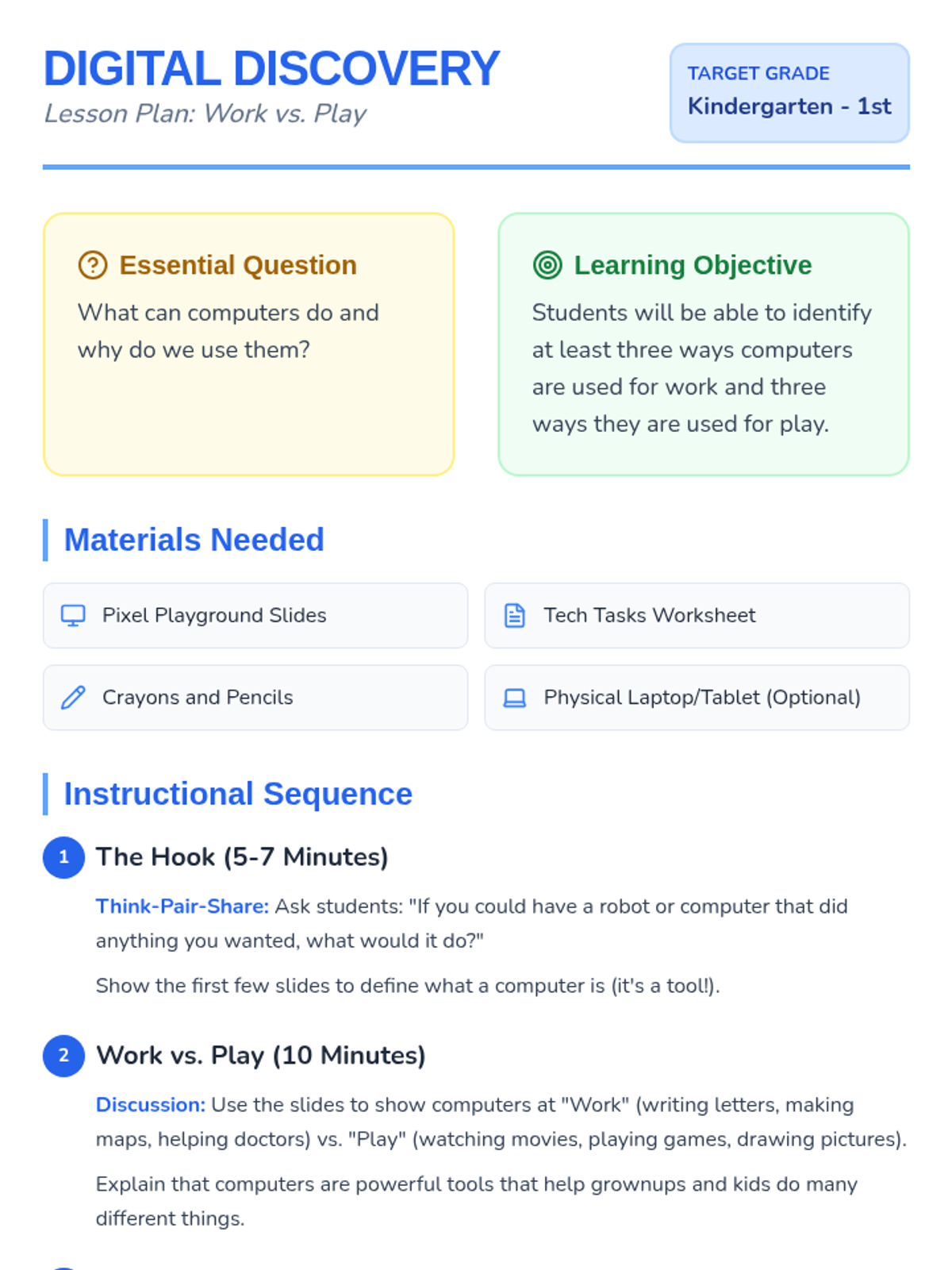
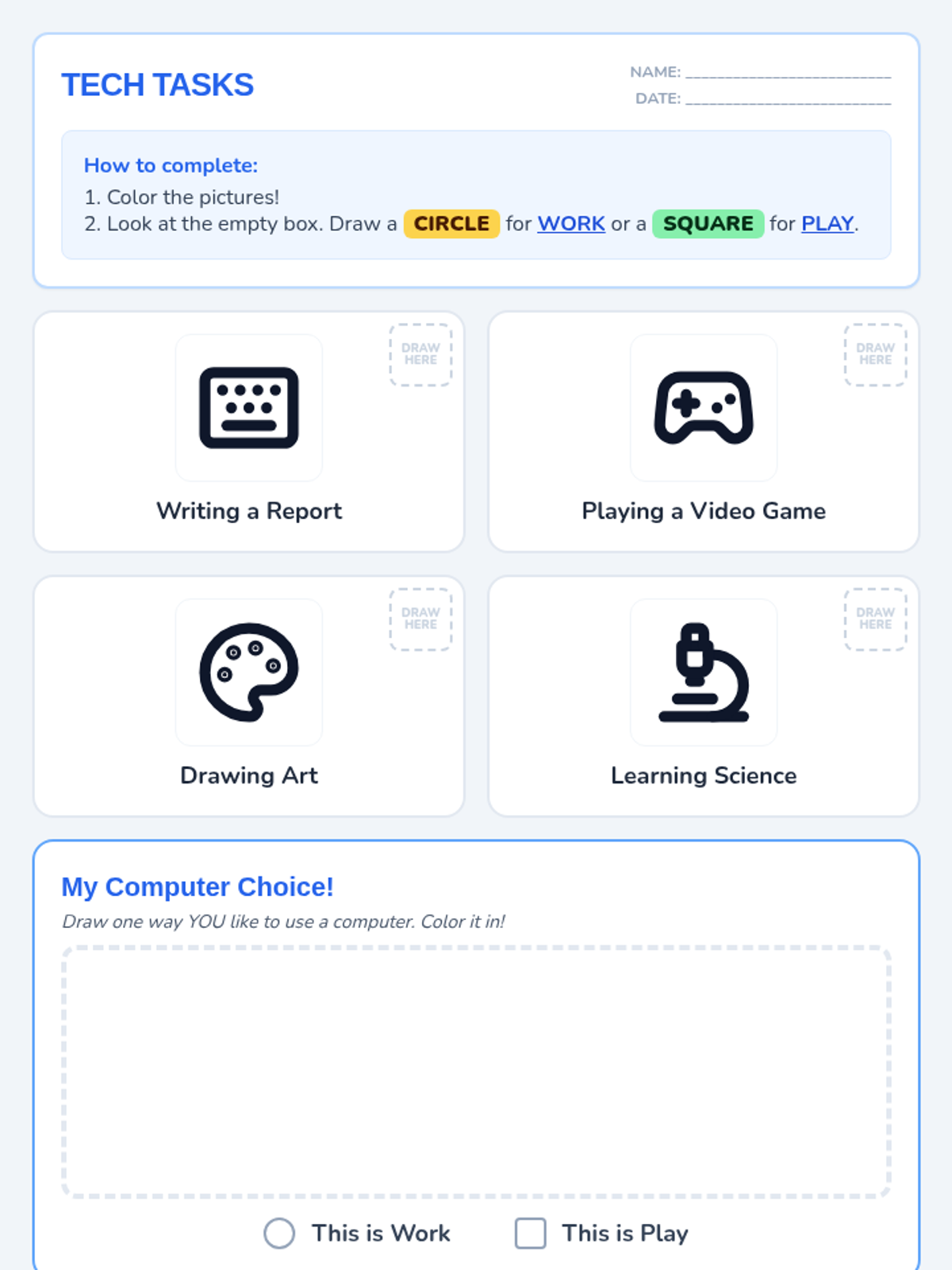
An introductory lesson for K-1 students exploring the versatile uses of computers in everyday life, focusing on the distinction between work and play.
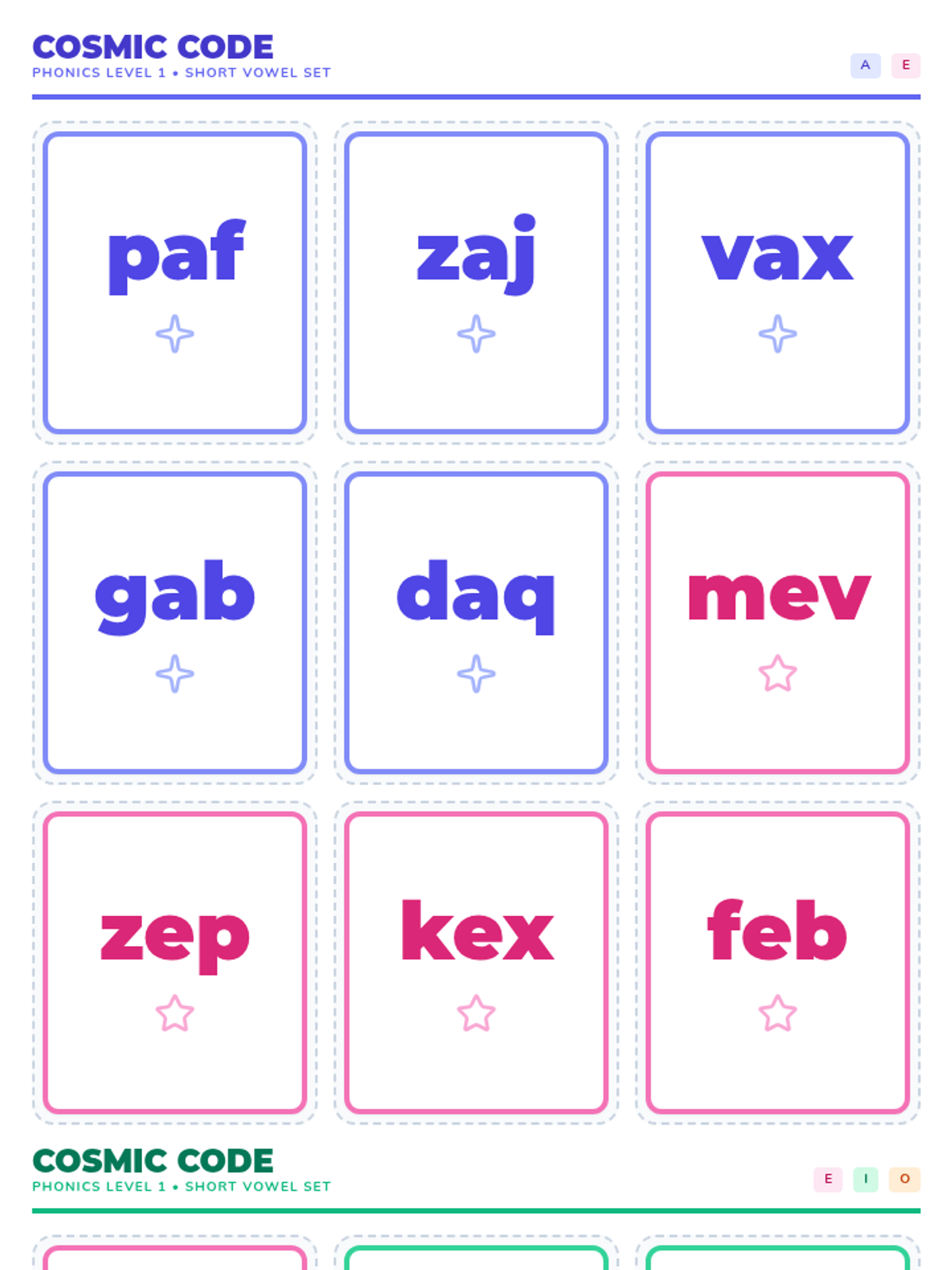
A collection of resources focused on decoding CVC nonsense words using an alien-themed narrative. Students practice phonics skills by "translating" extraterrestrial languages.
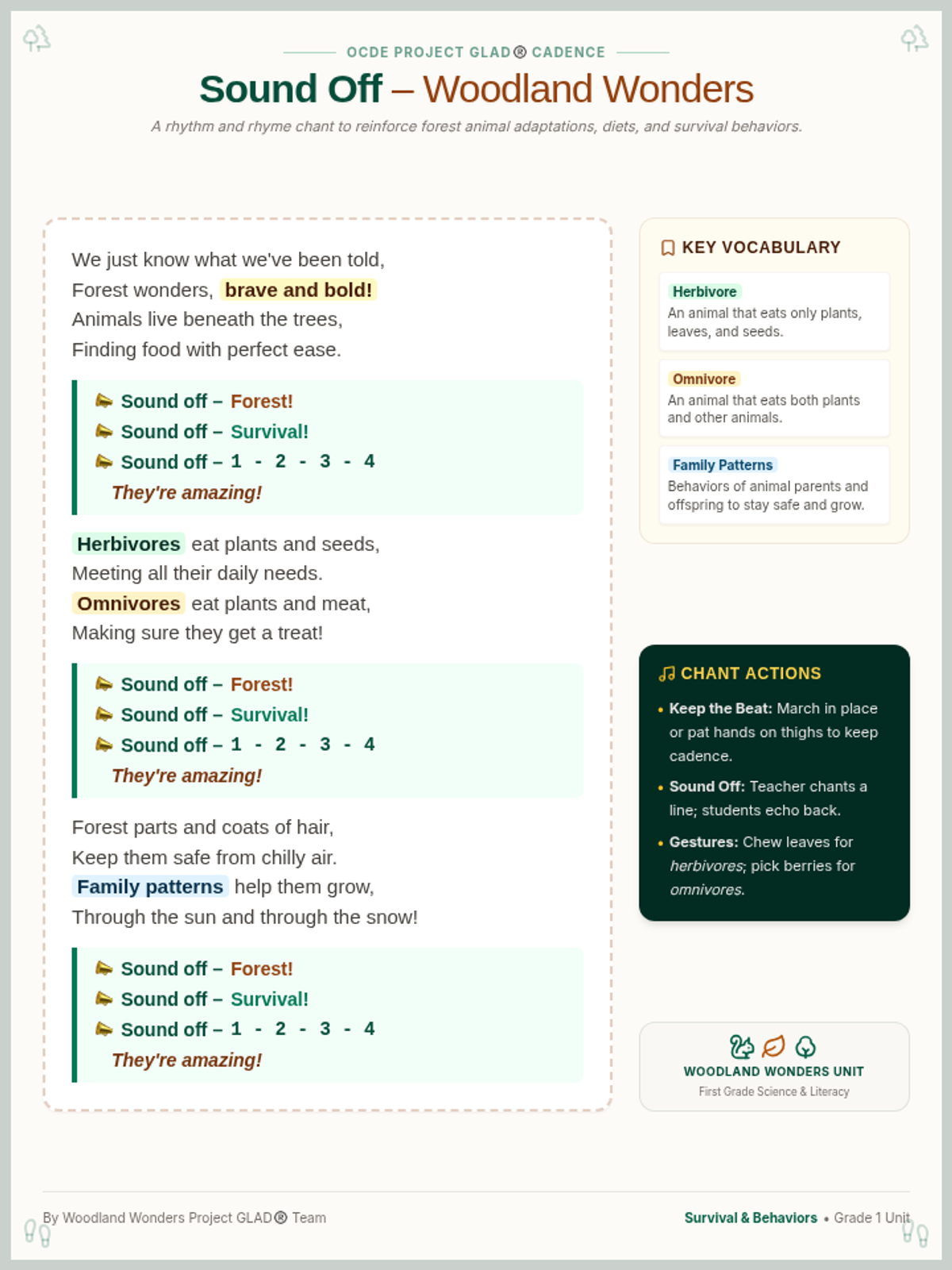
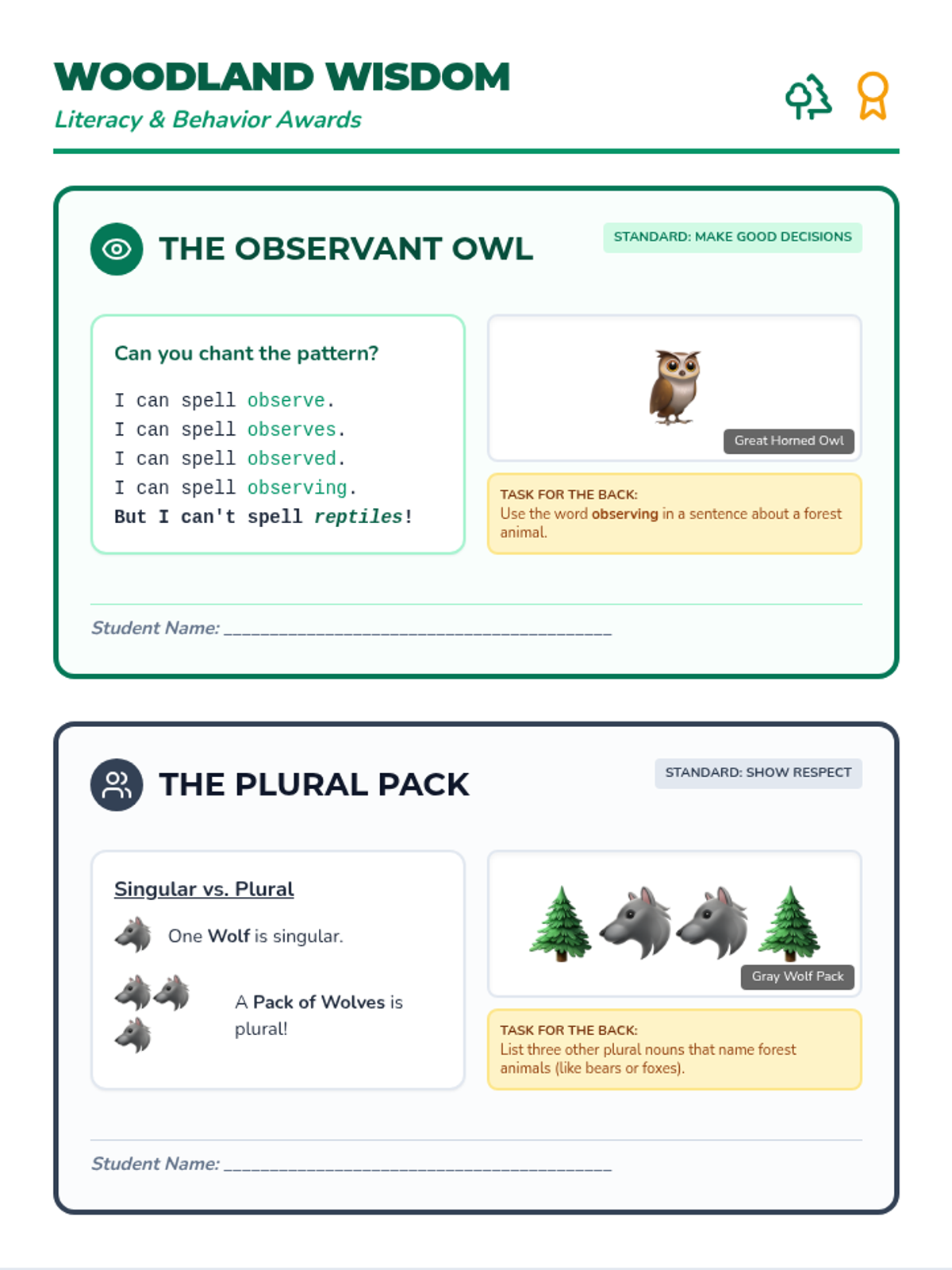
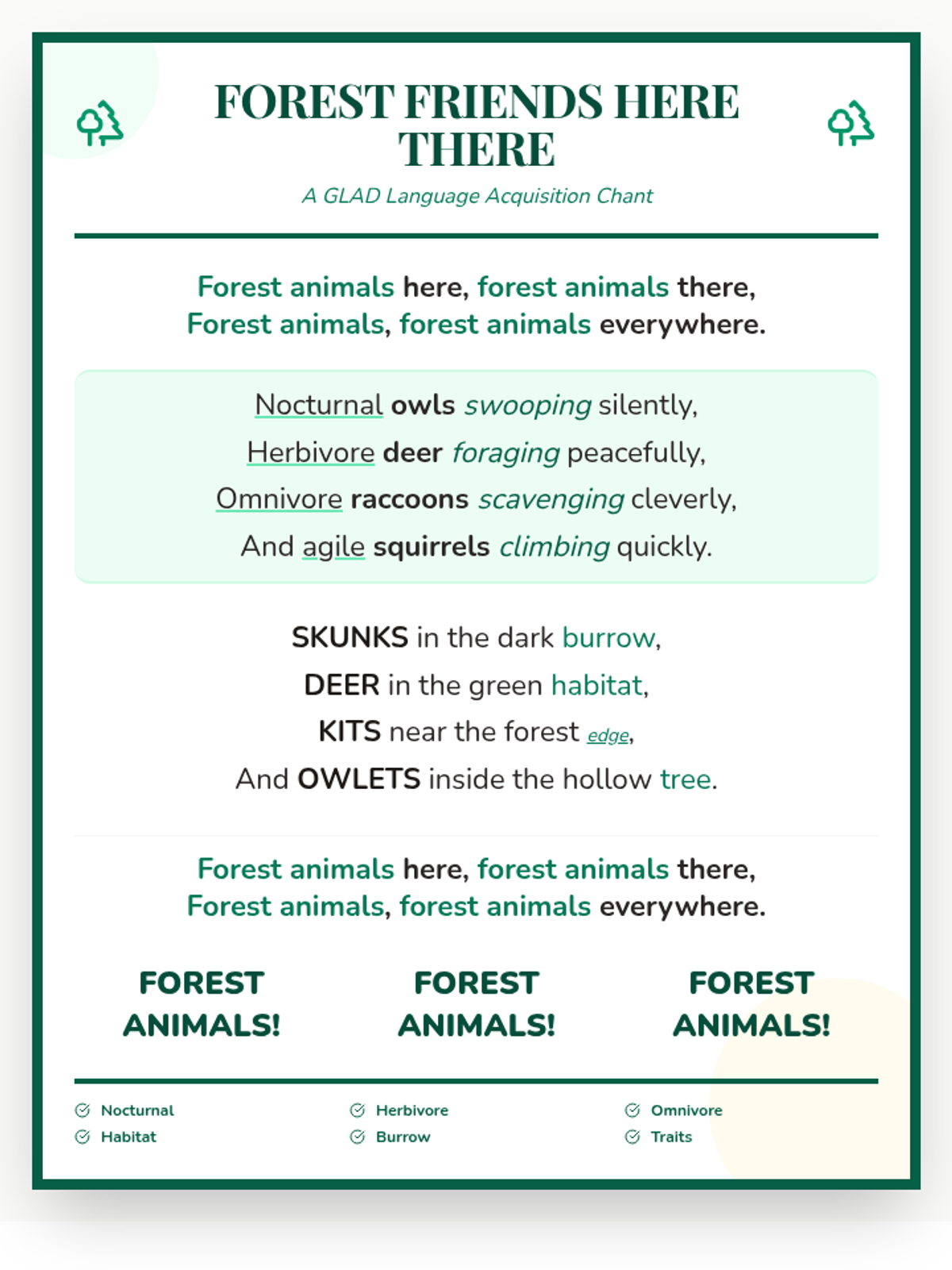
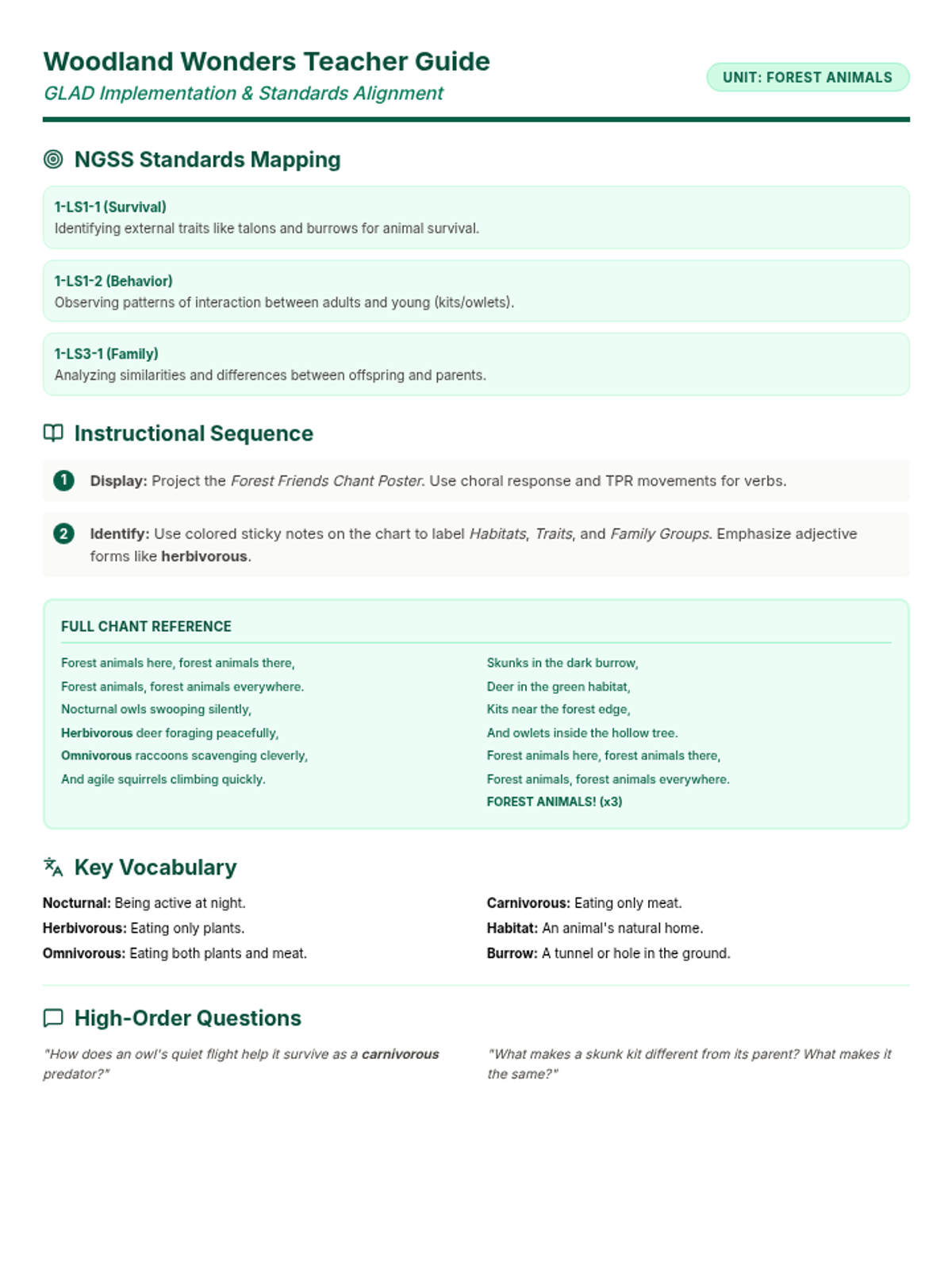
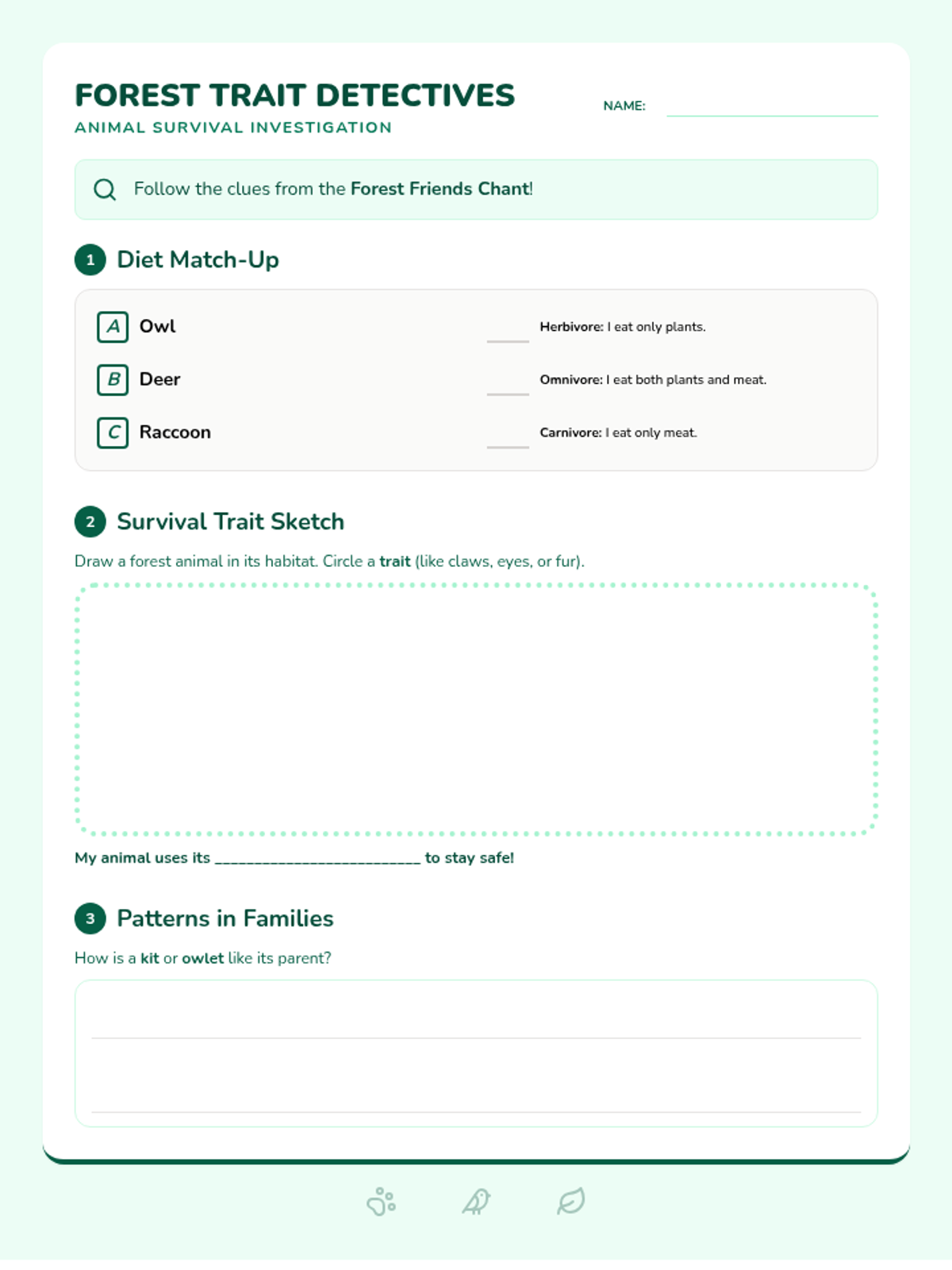
A lesson exploring the survival traits and behaviors of forest animals, focusing on how external parts and family patterns help them thrive in their habitats.
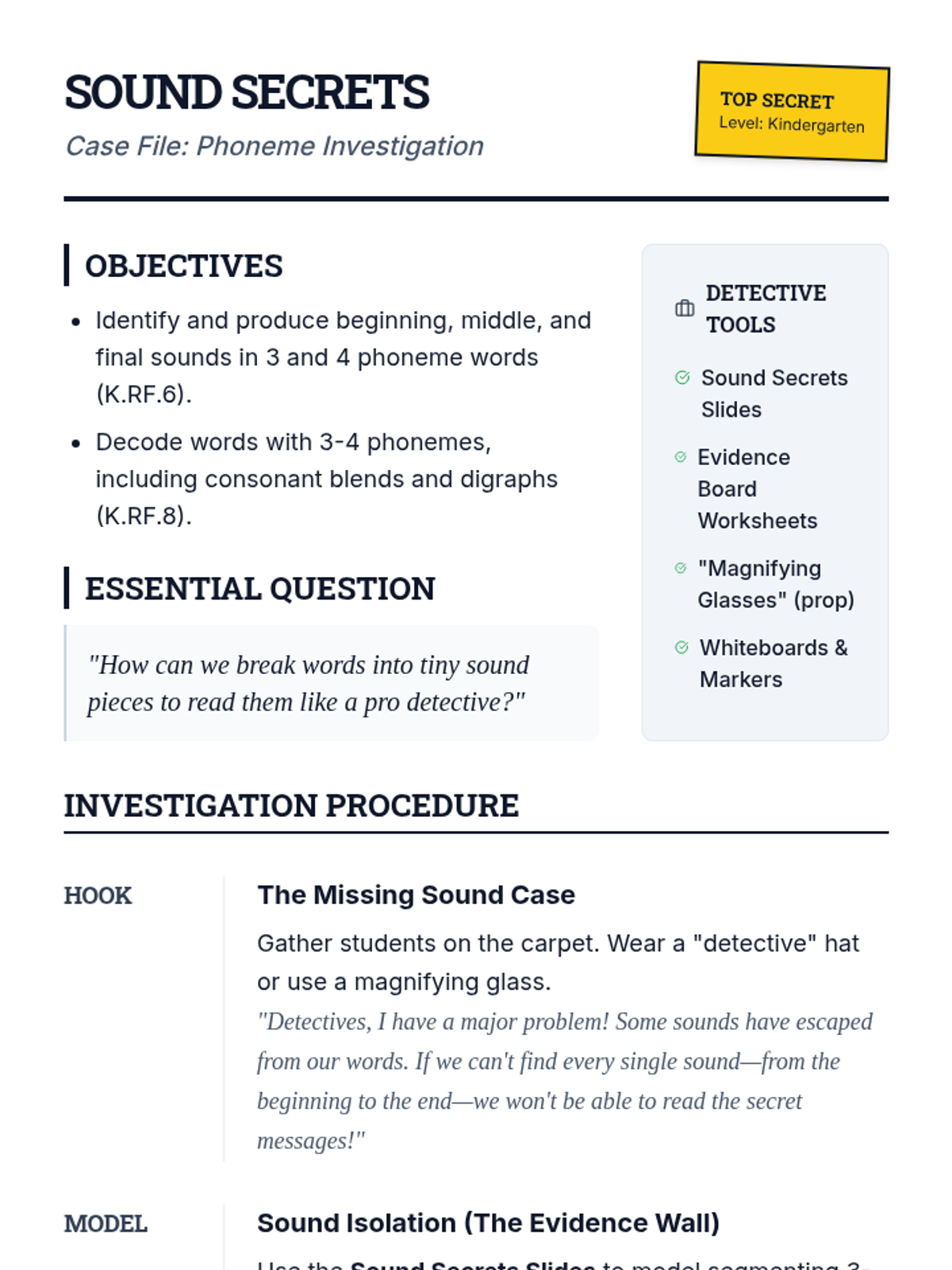
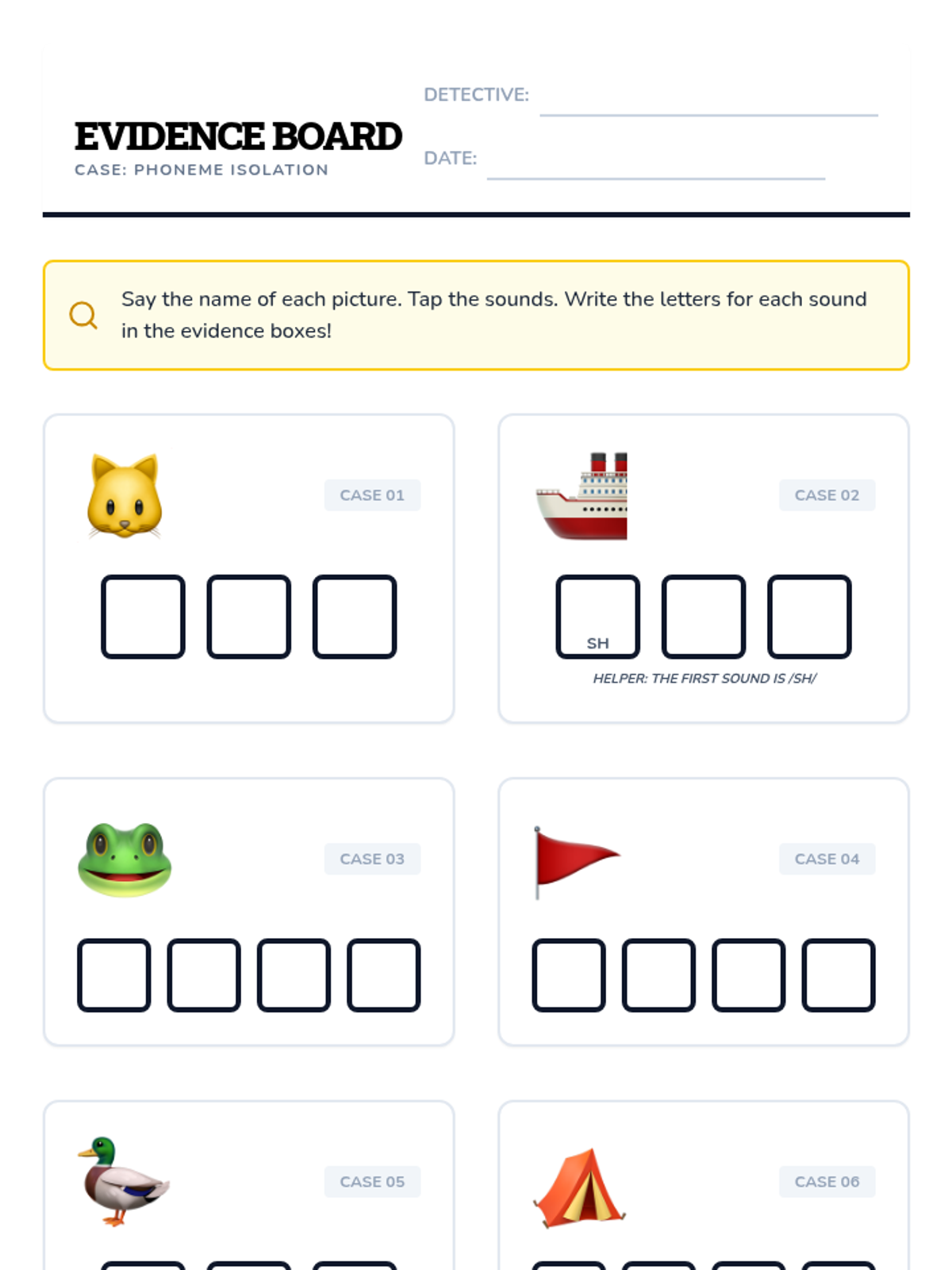
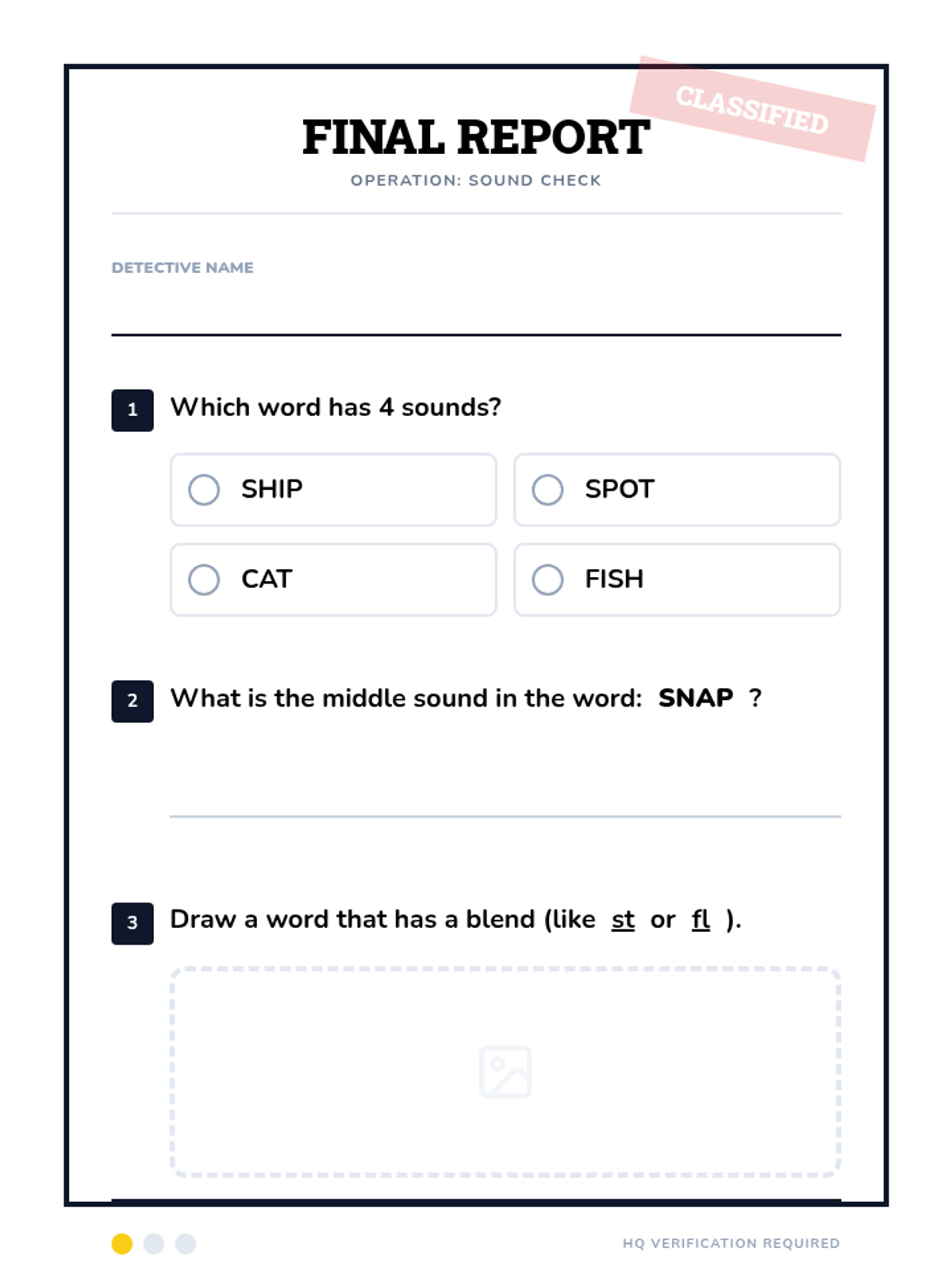
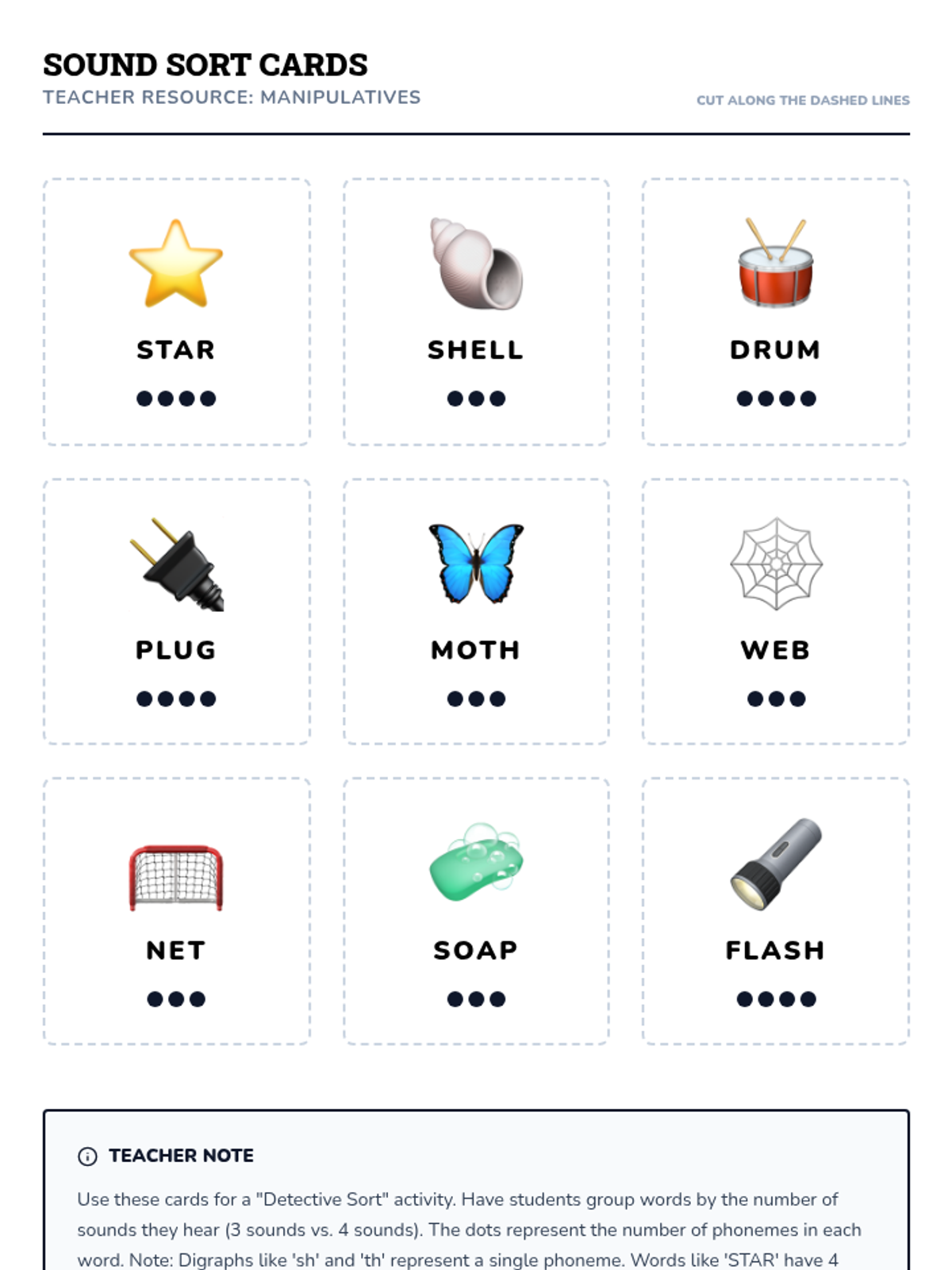
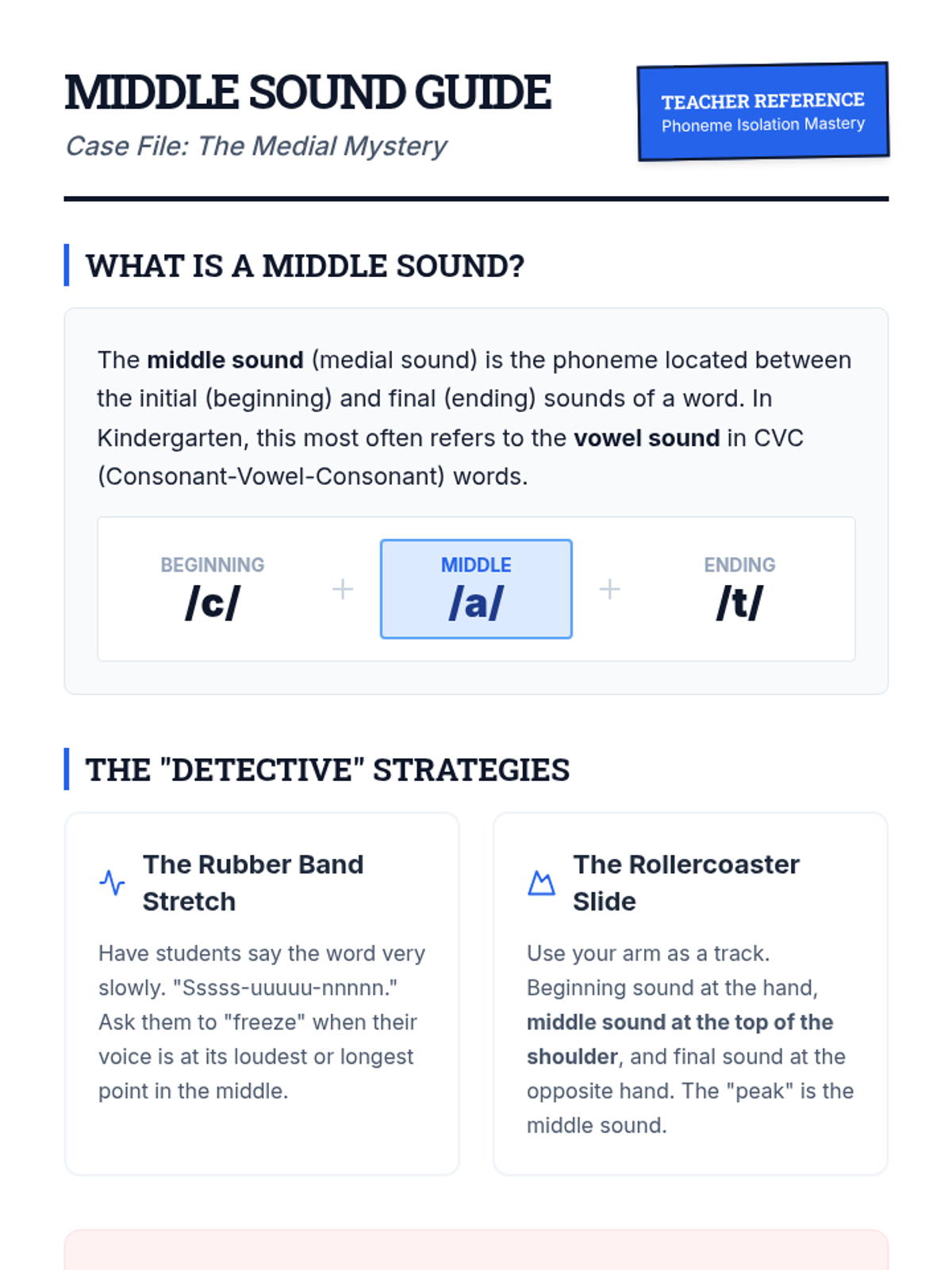
A comprehensive literacy lesson where students act as Sound Detectives to master phoneme isolation and decoding. Students will practice identifying beginning, middle, and ending sounds in 3-4 phoneme words, including those with blends and digraphs.
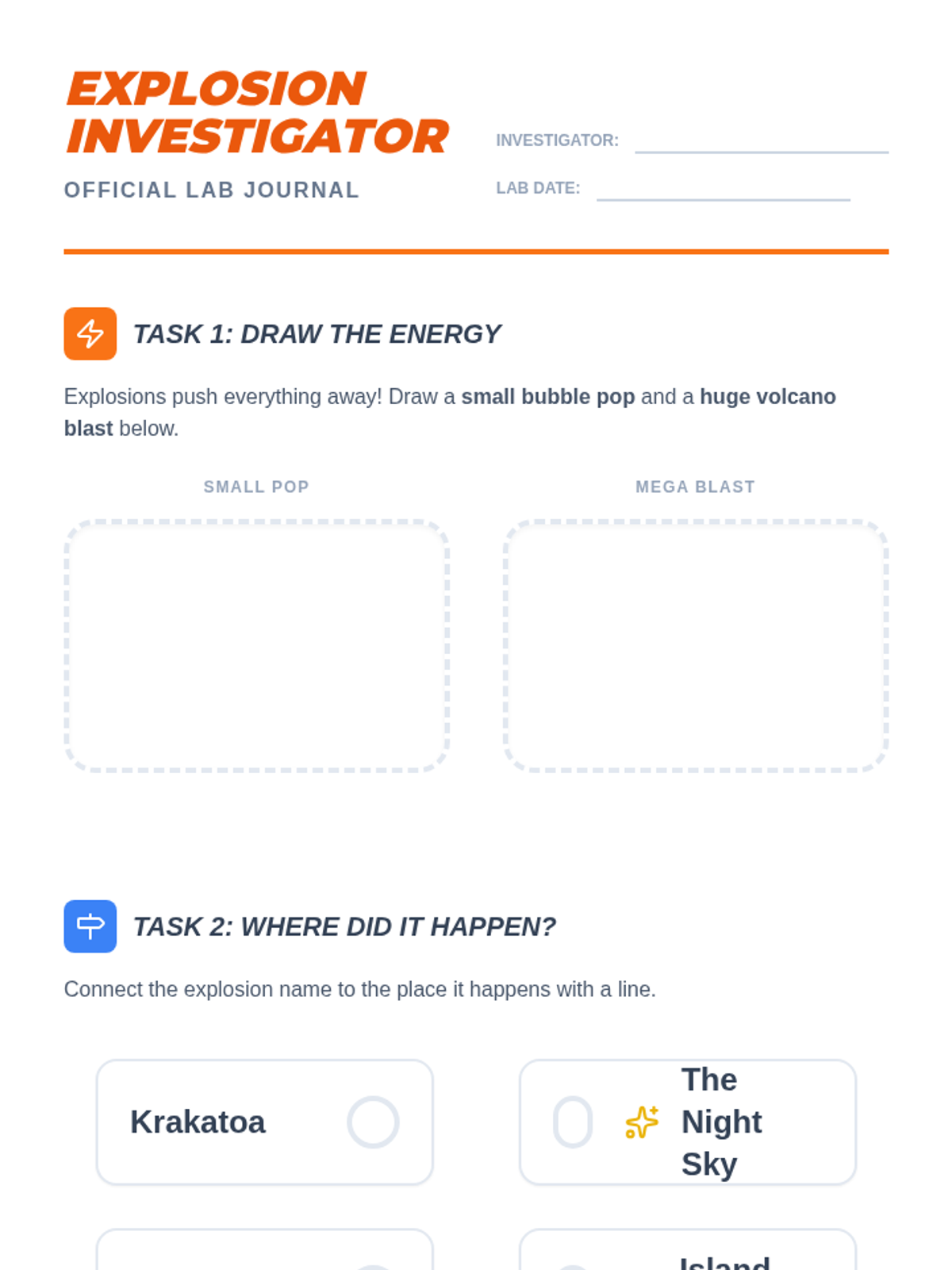
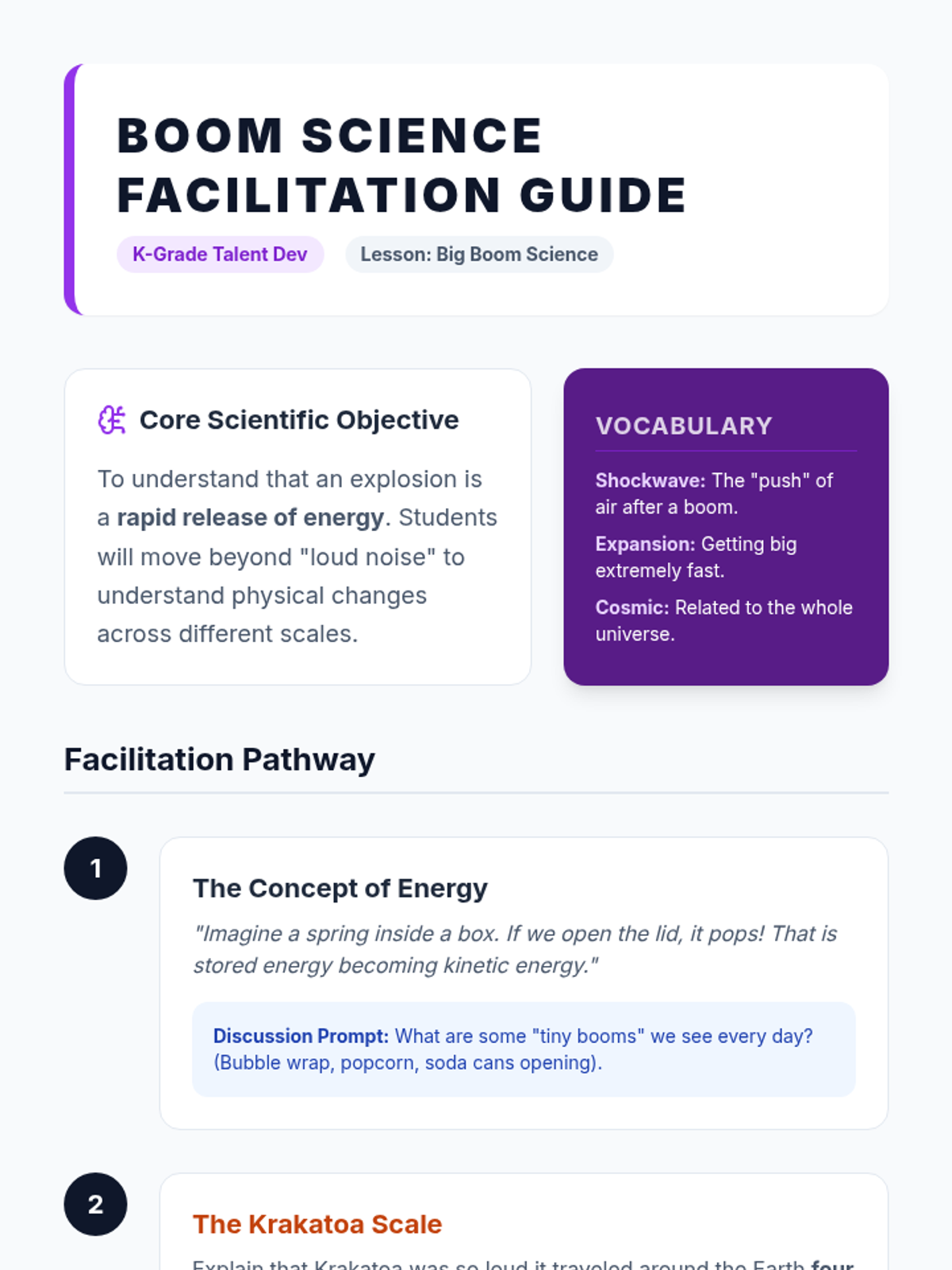
Students will identify different types of explosions, from chemical reactions on Earth to massive stellar events in space, understanding how energy creates light, sound, and heat.
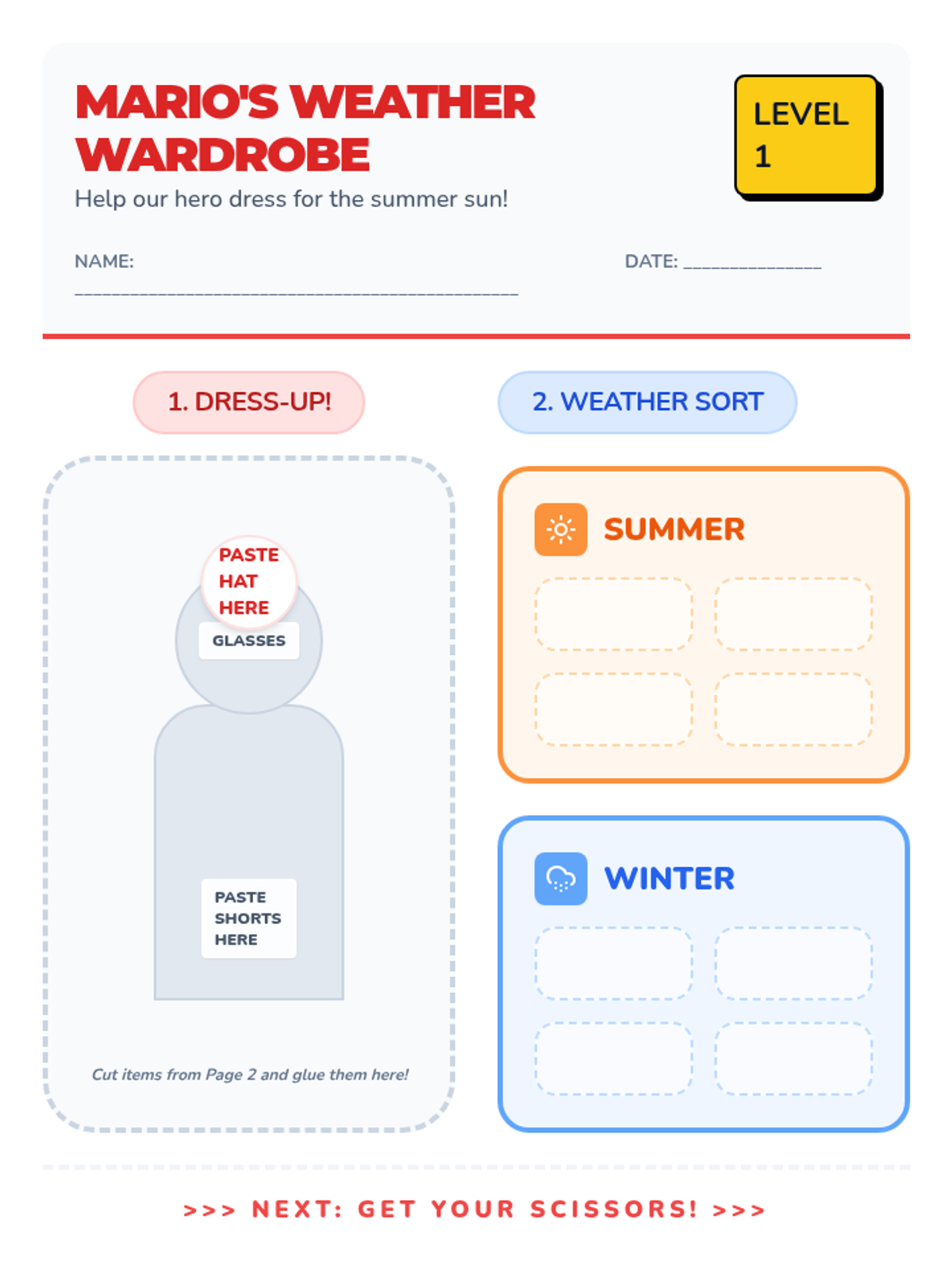
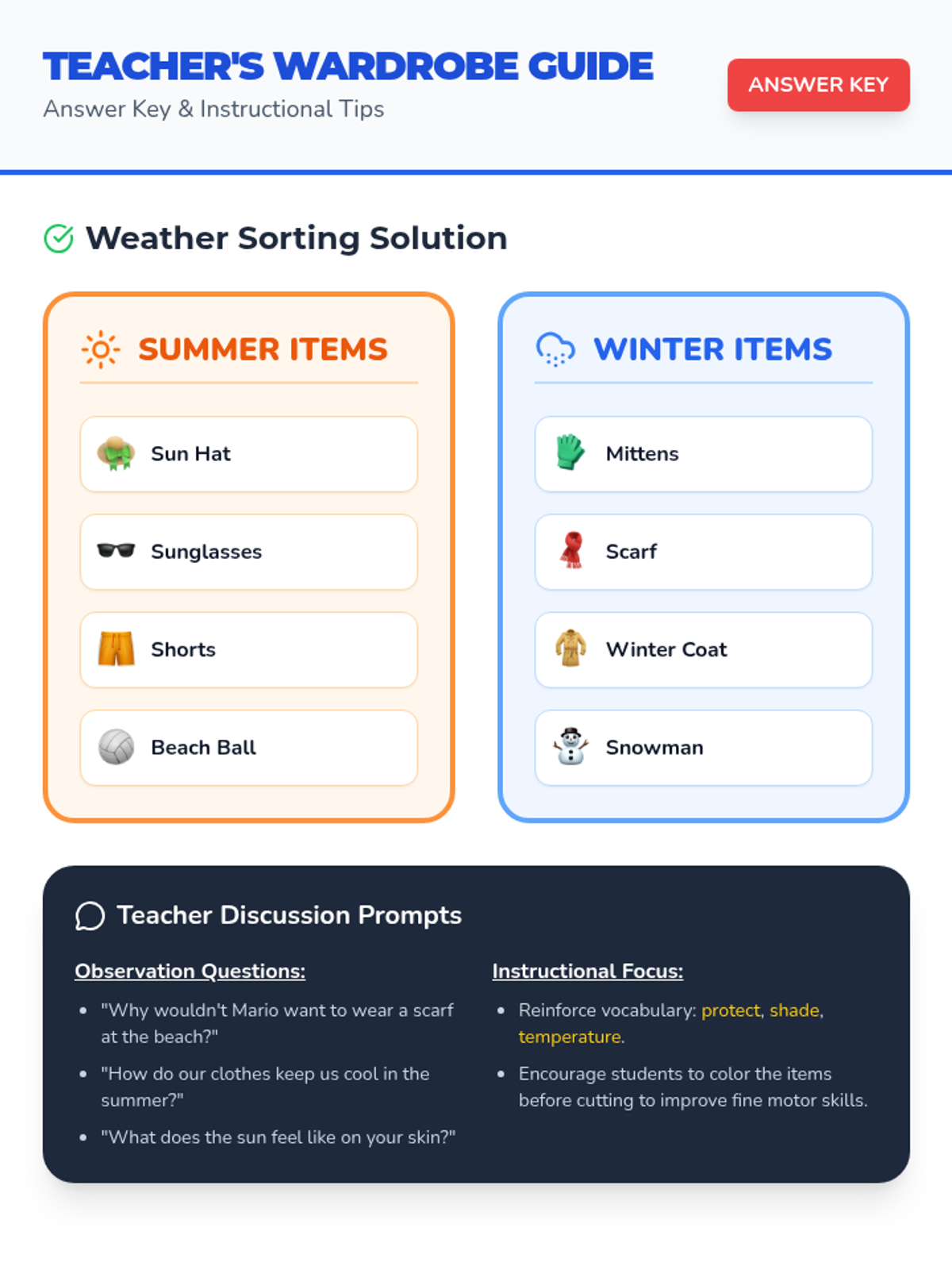
A fun, video-game themed lesson where kindergarteners help a hero dress for the summer heat while learning to distinguish between summer and winter clothing.
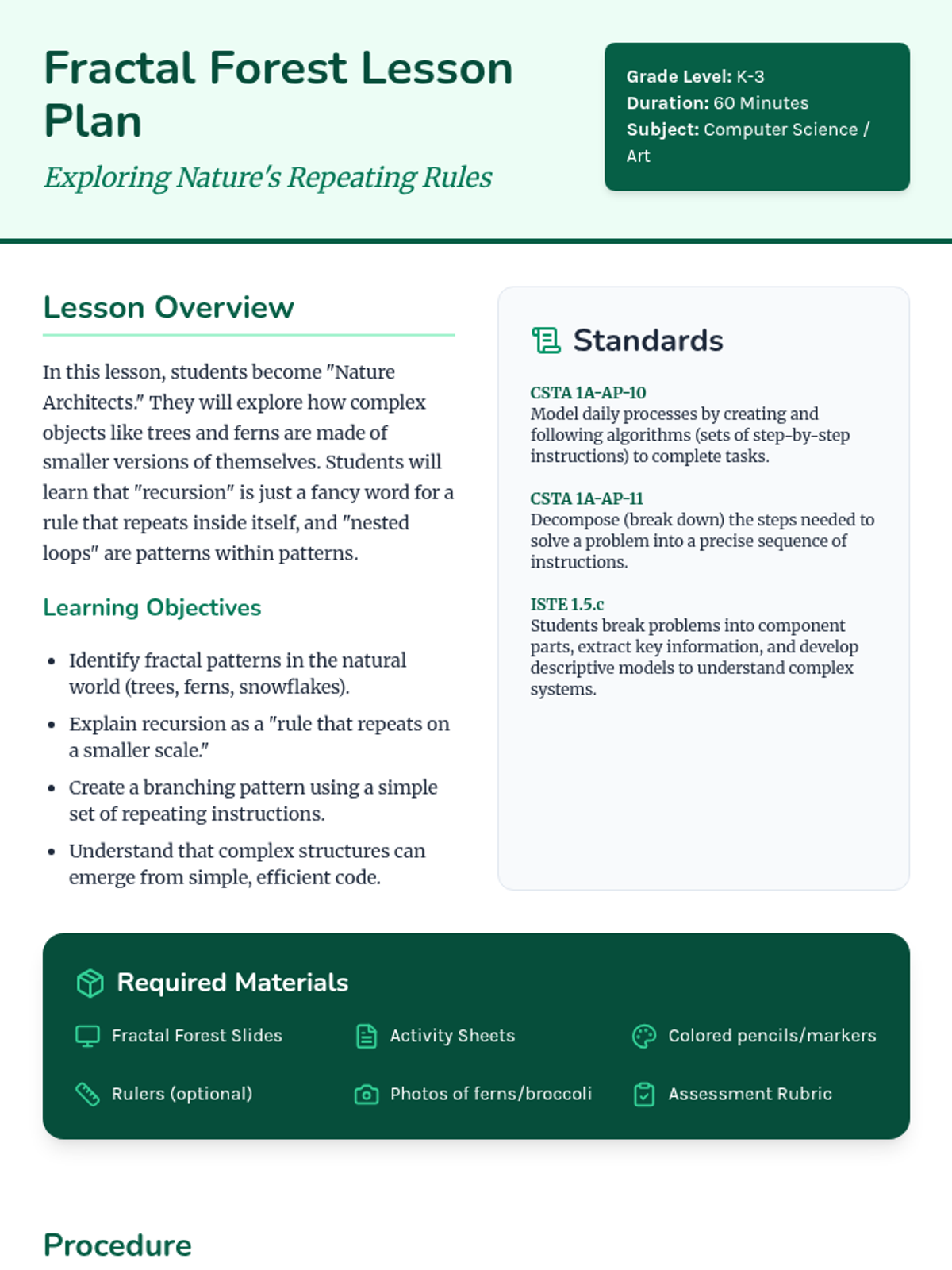
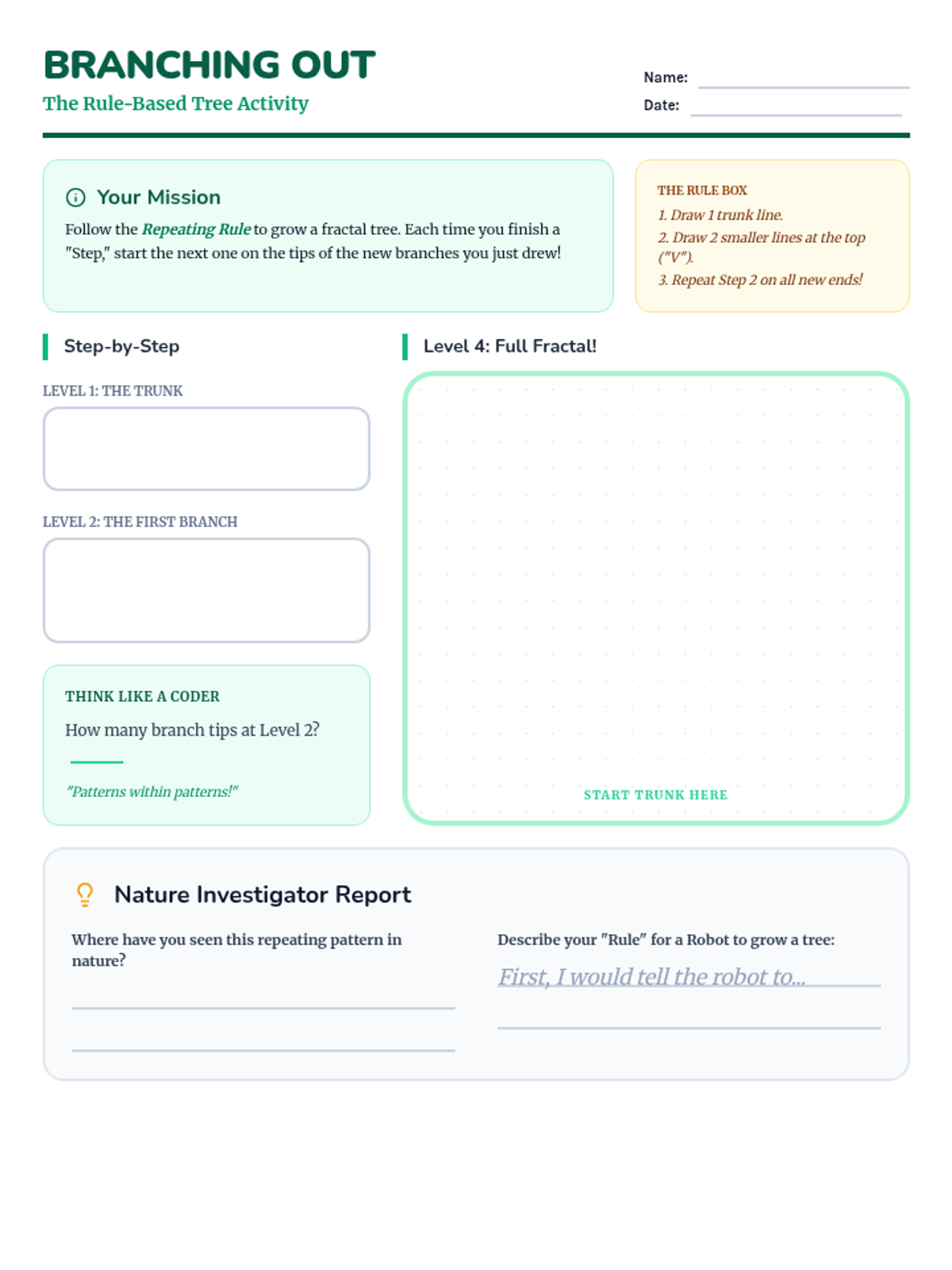
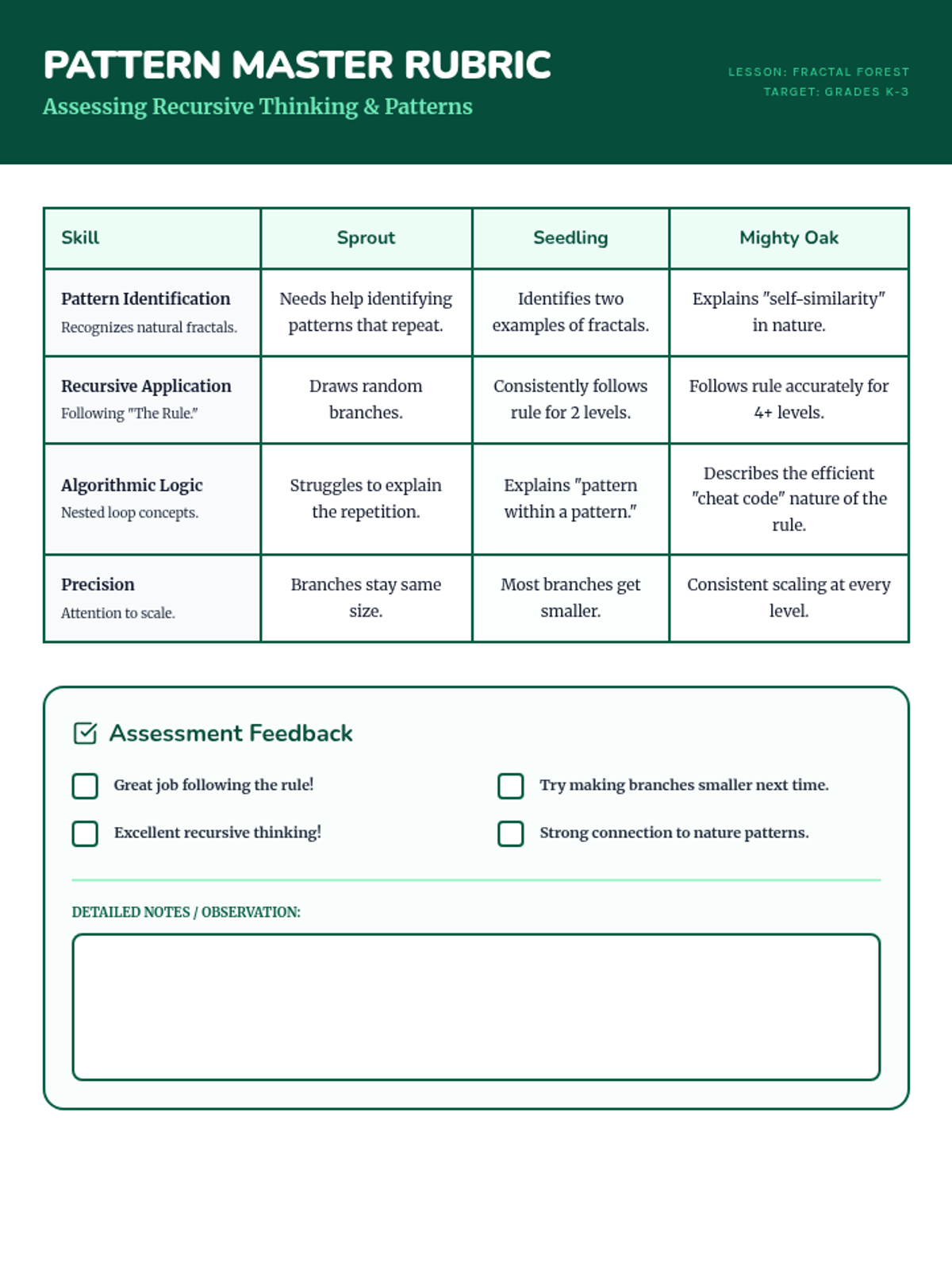
Students in grades K-3 discover the magic of recursion and nested loops by observing patterns in nature and applying simple repeating rules to grow their own digital and hand-drawn forests.
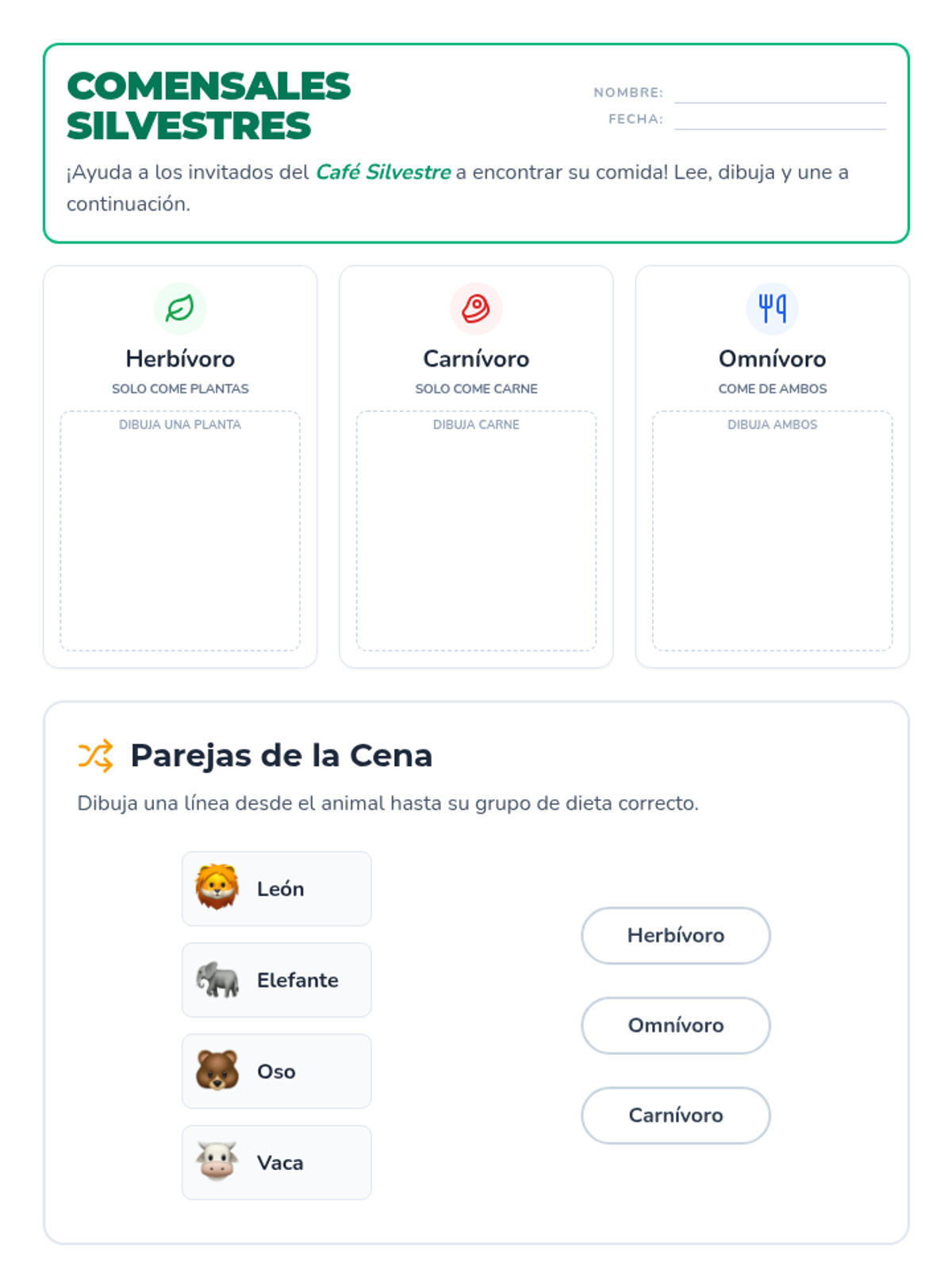
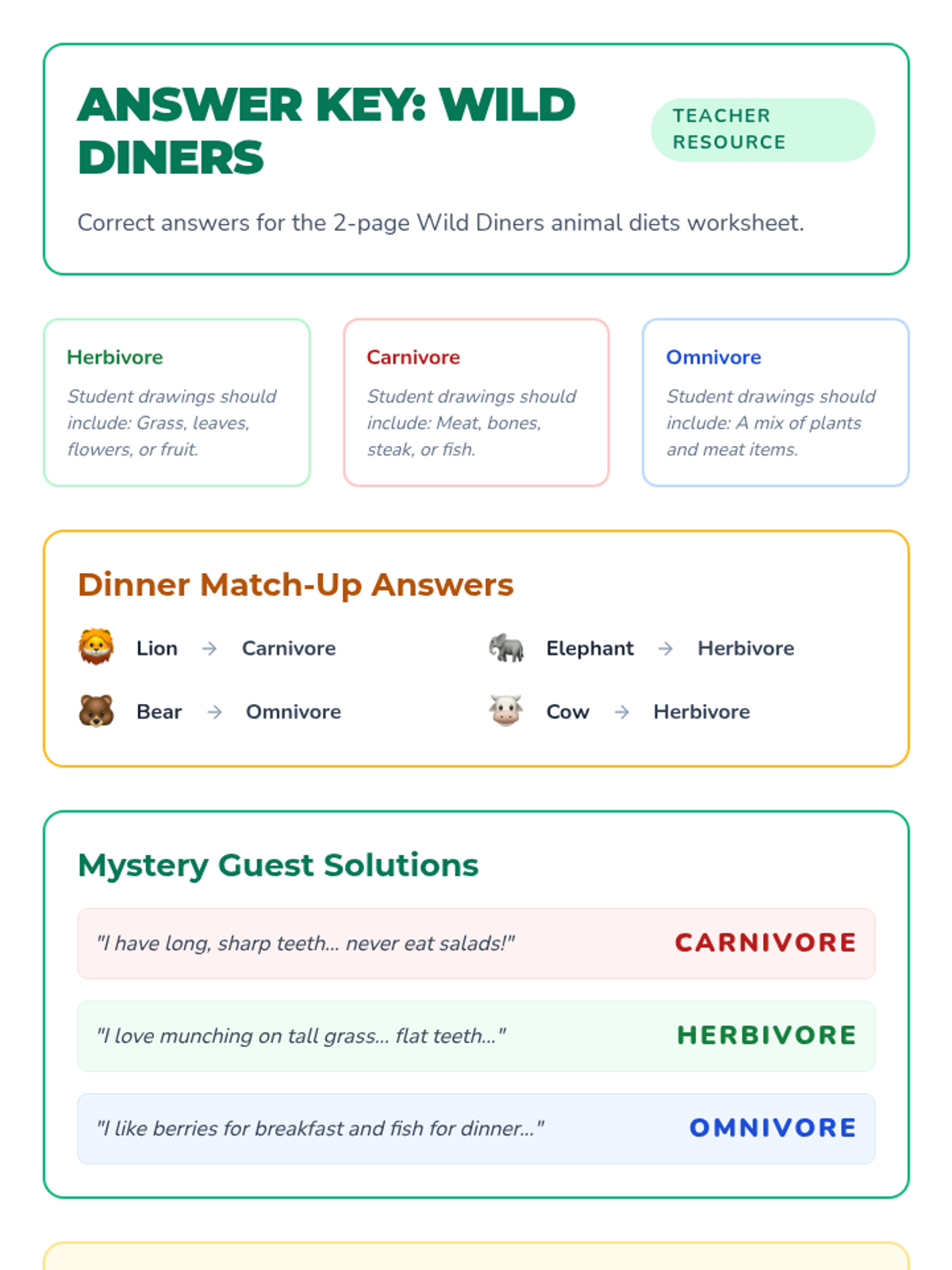
An introductory lesson on animal diets, categorizing creatures as carnivores, herbivores, and omnivores through visual identification and simple riddles.
A visual exploration of common farm animals designed for preschool and kindergarten students. This lesson focuses on visual recognition and categorization through high-contrast image cards.
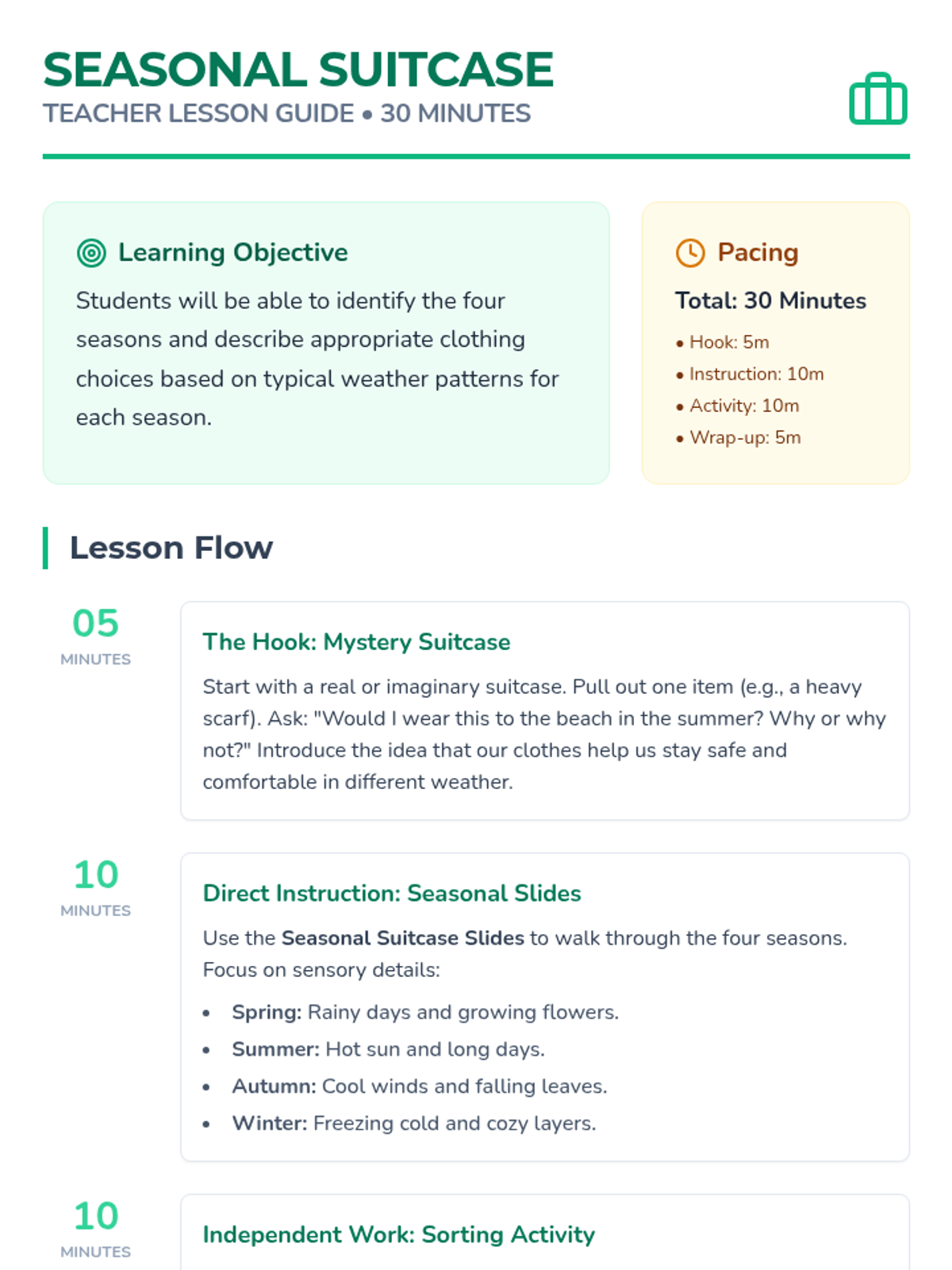
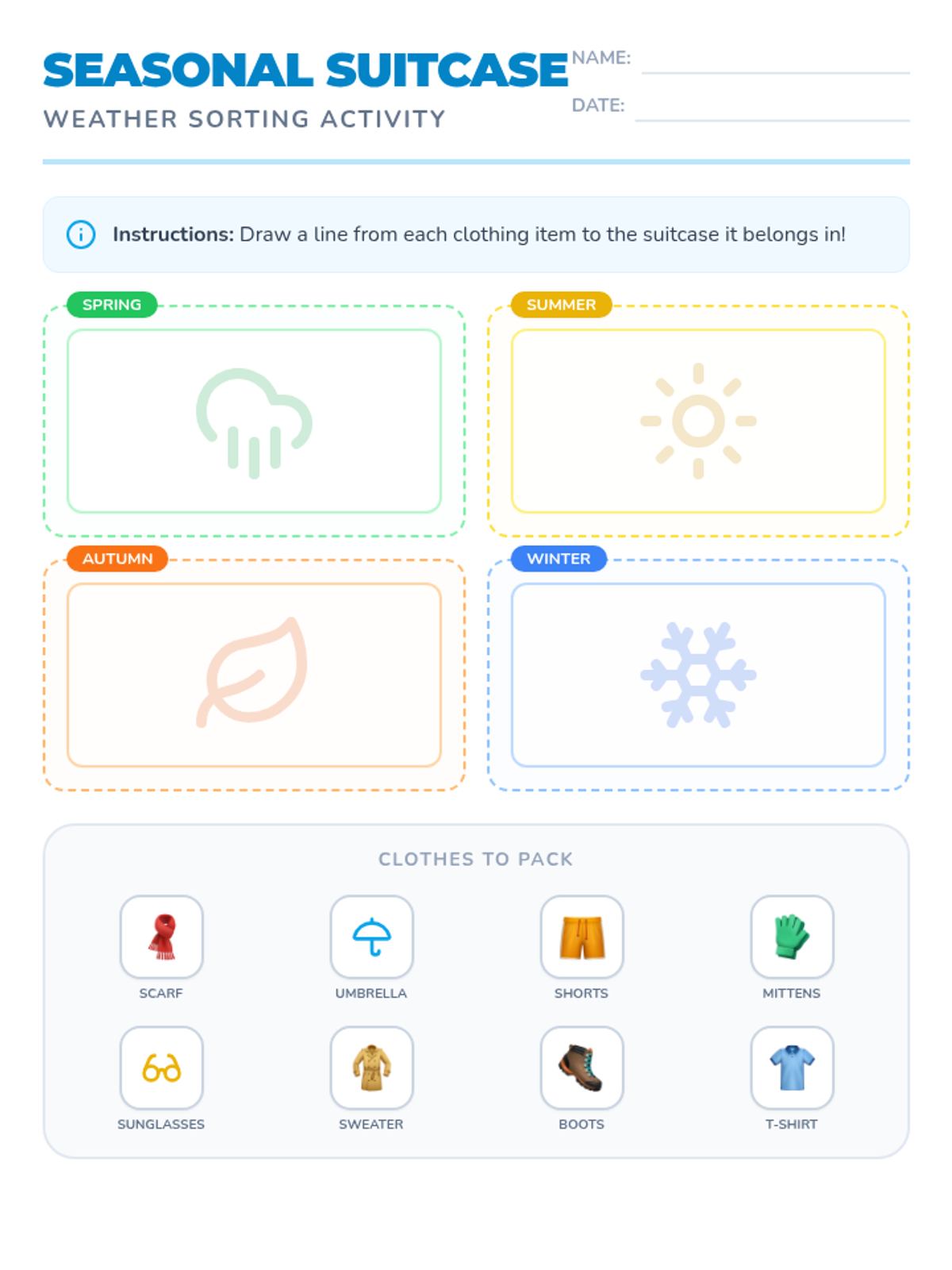
A 30-minute introduction to the four seasons and how we dress for different types of weather. Students will learn to identify seasonal patterns and select appropriate clothing for each.