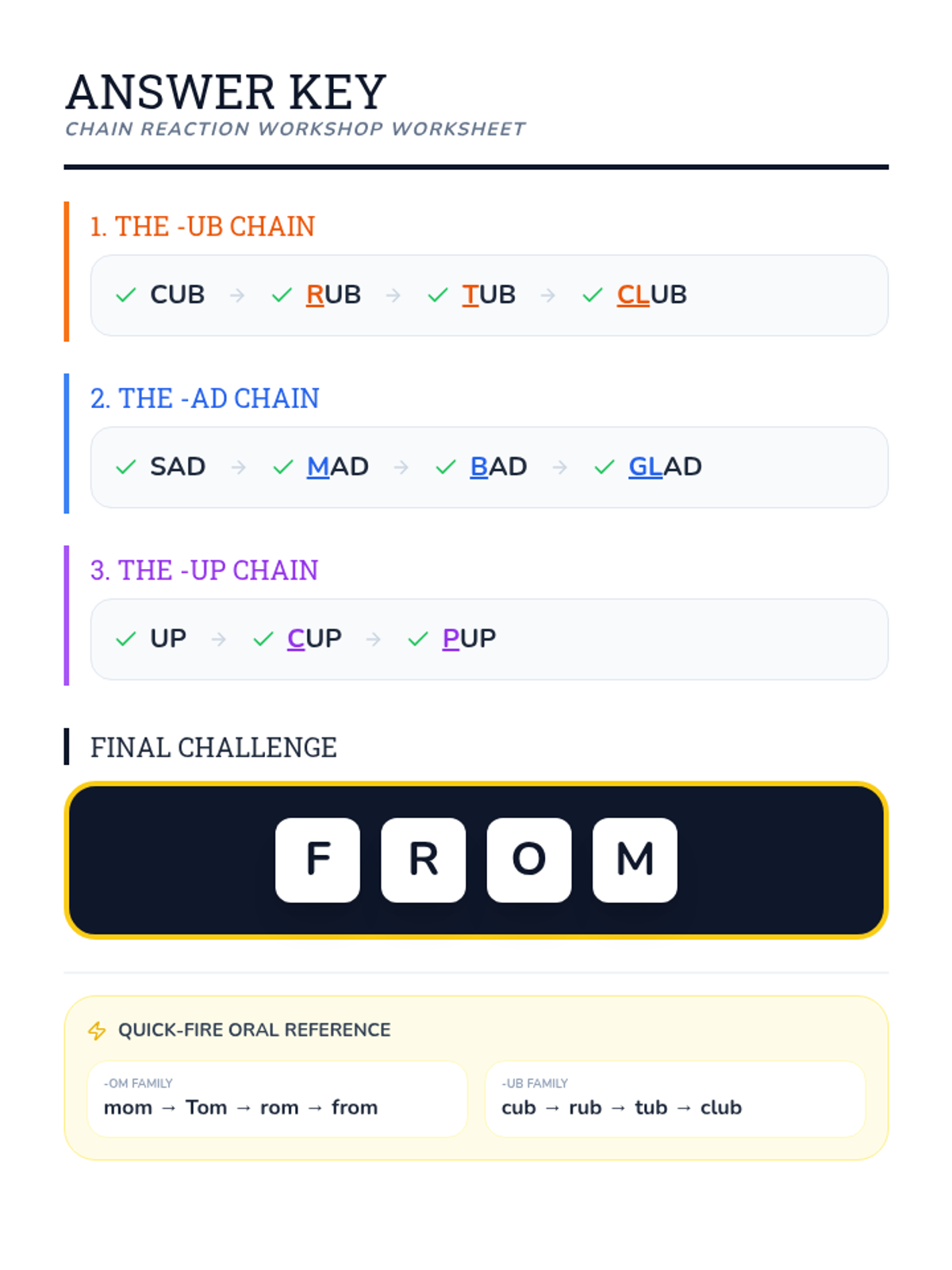
Introducing the letter 'o' and the short /o/ sound. Blending practice with 'got', 'hot', and 'mom'.
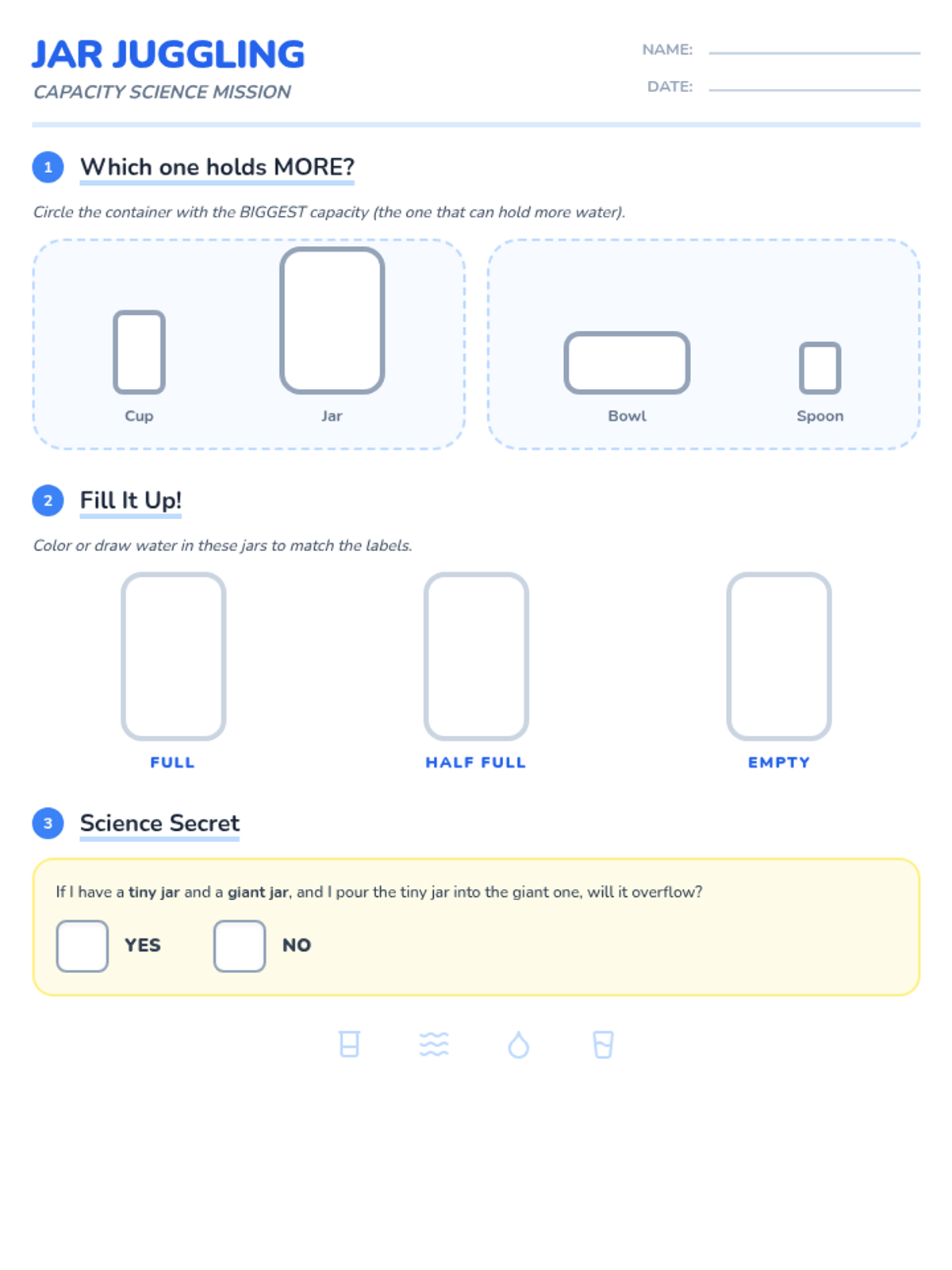
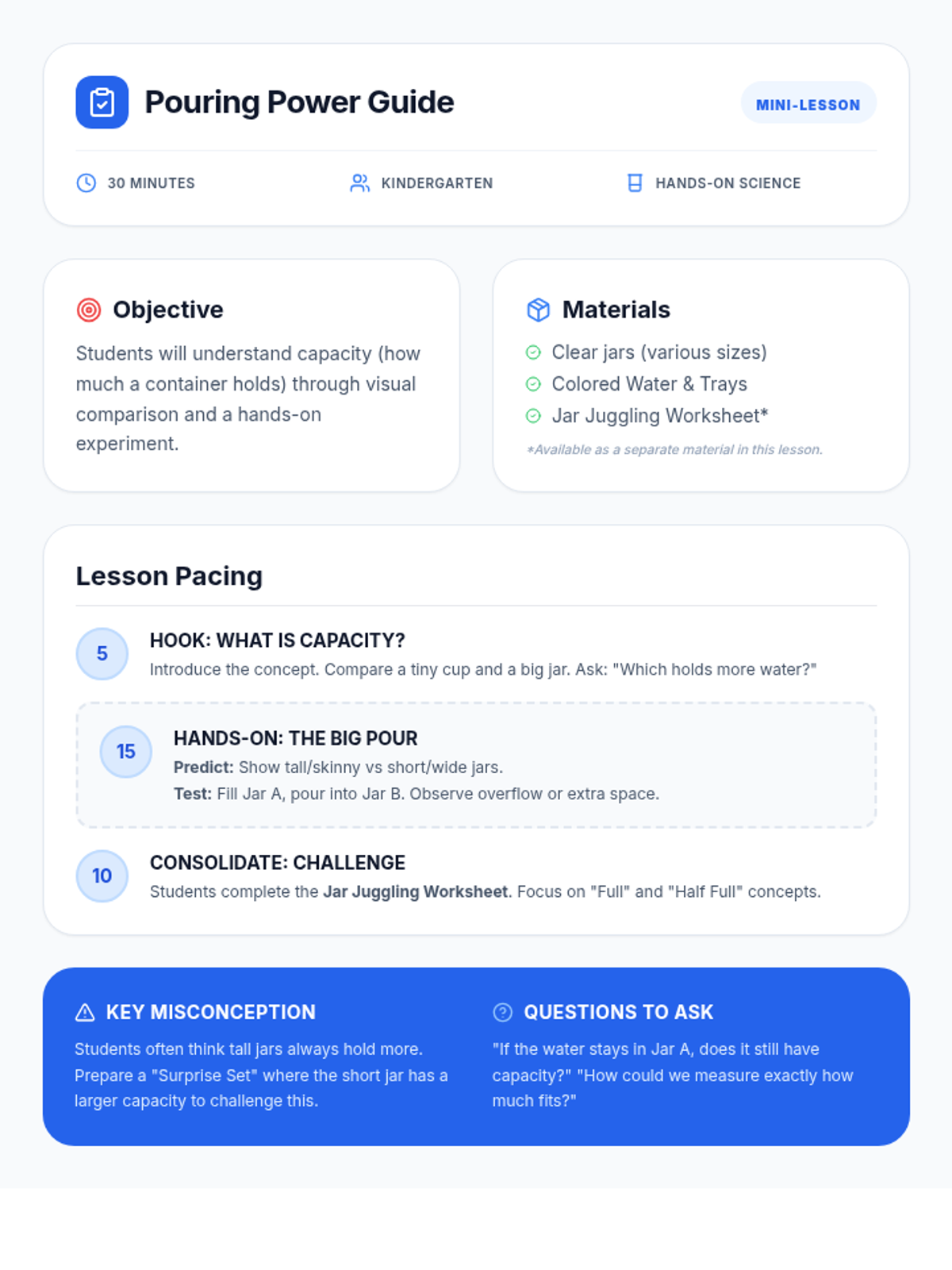
A 30-minute introductory lesson on container capacity for Kindergarten students, using hands-on exploration with water and jars to understand 'more', 'less', and 'full'.
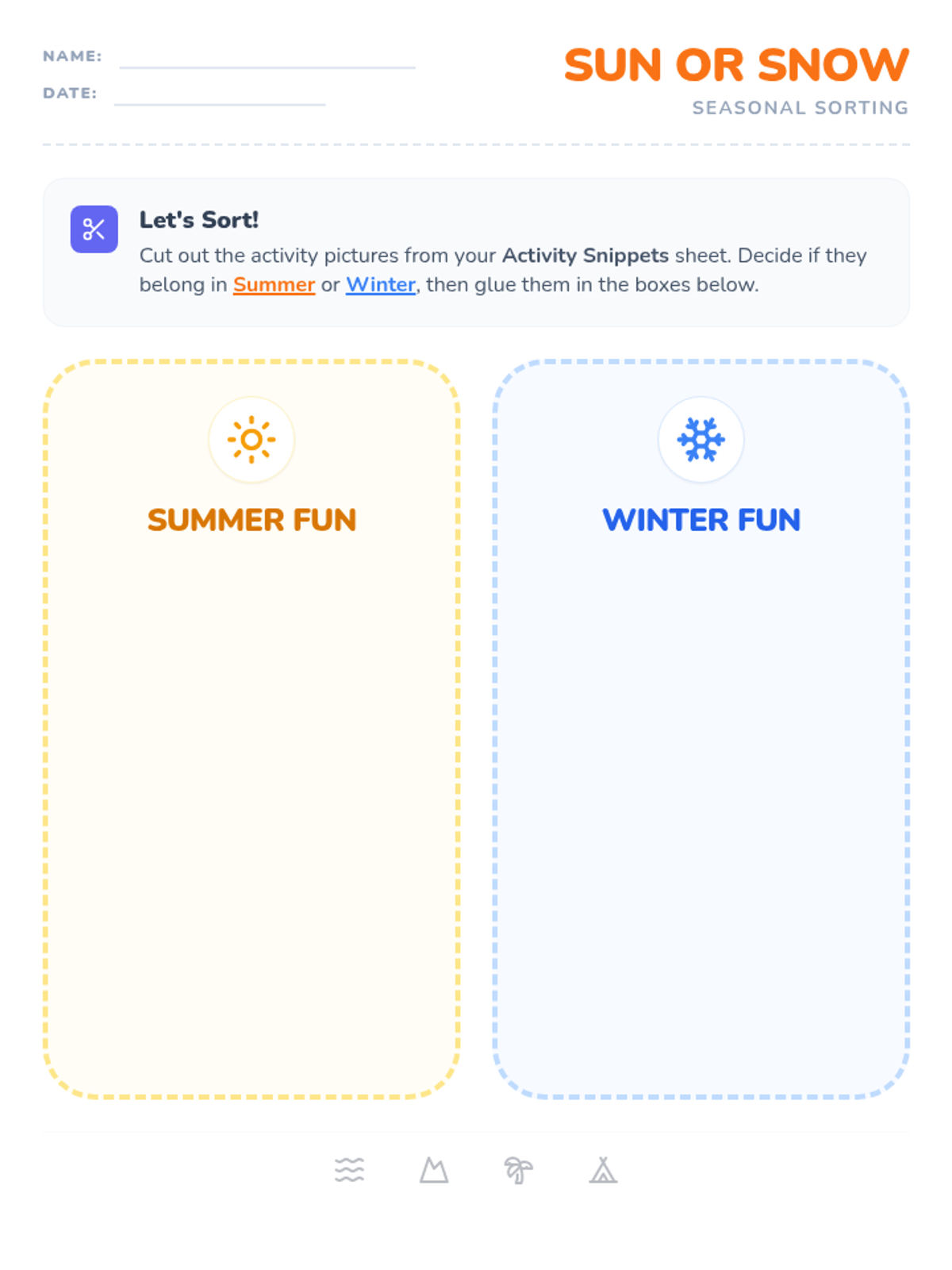
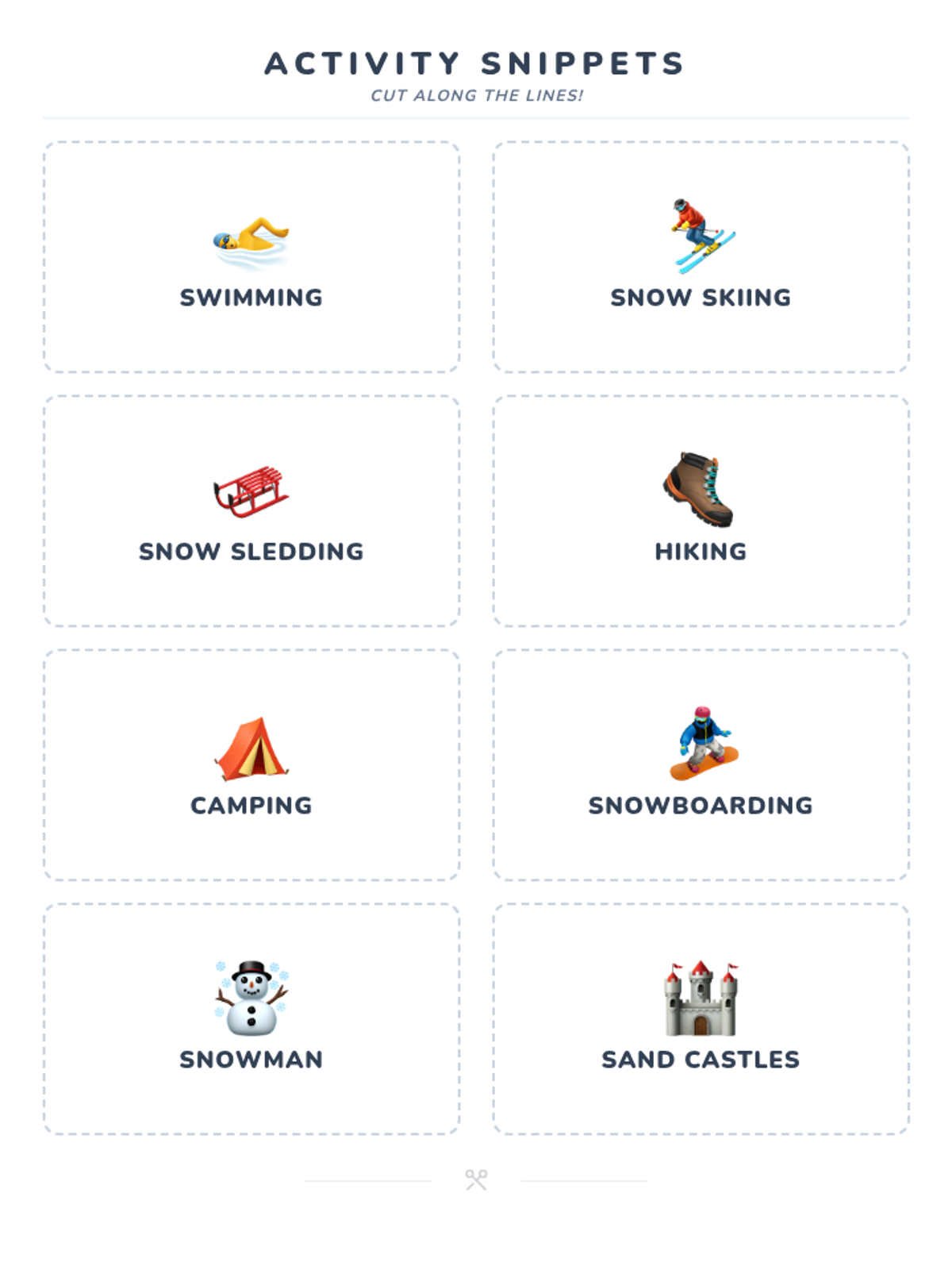
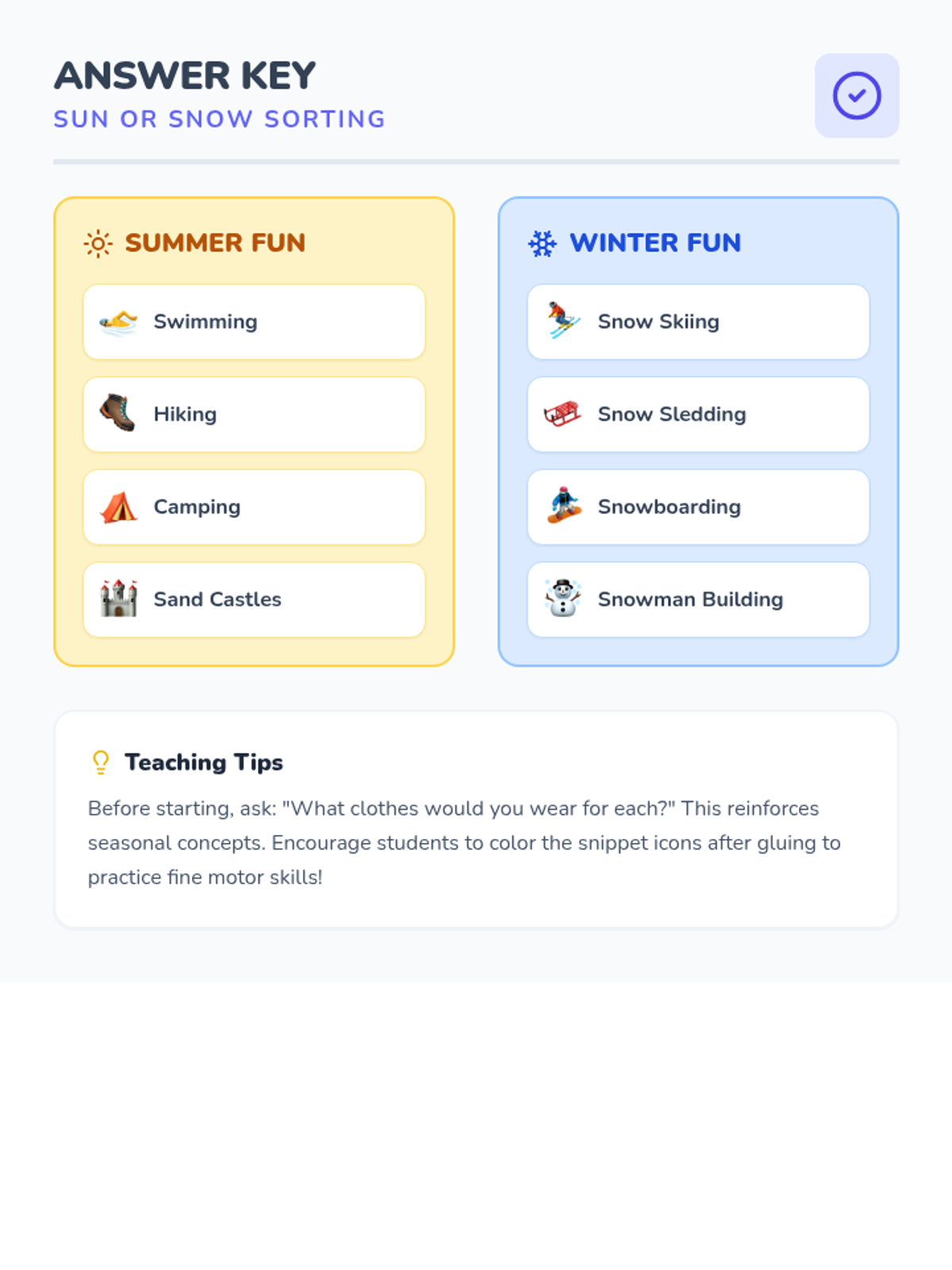
A hands-on categorization activity for kindergarteners to distinguish between summer and winter activities using cut-and-paste techniques.
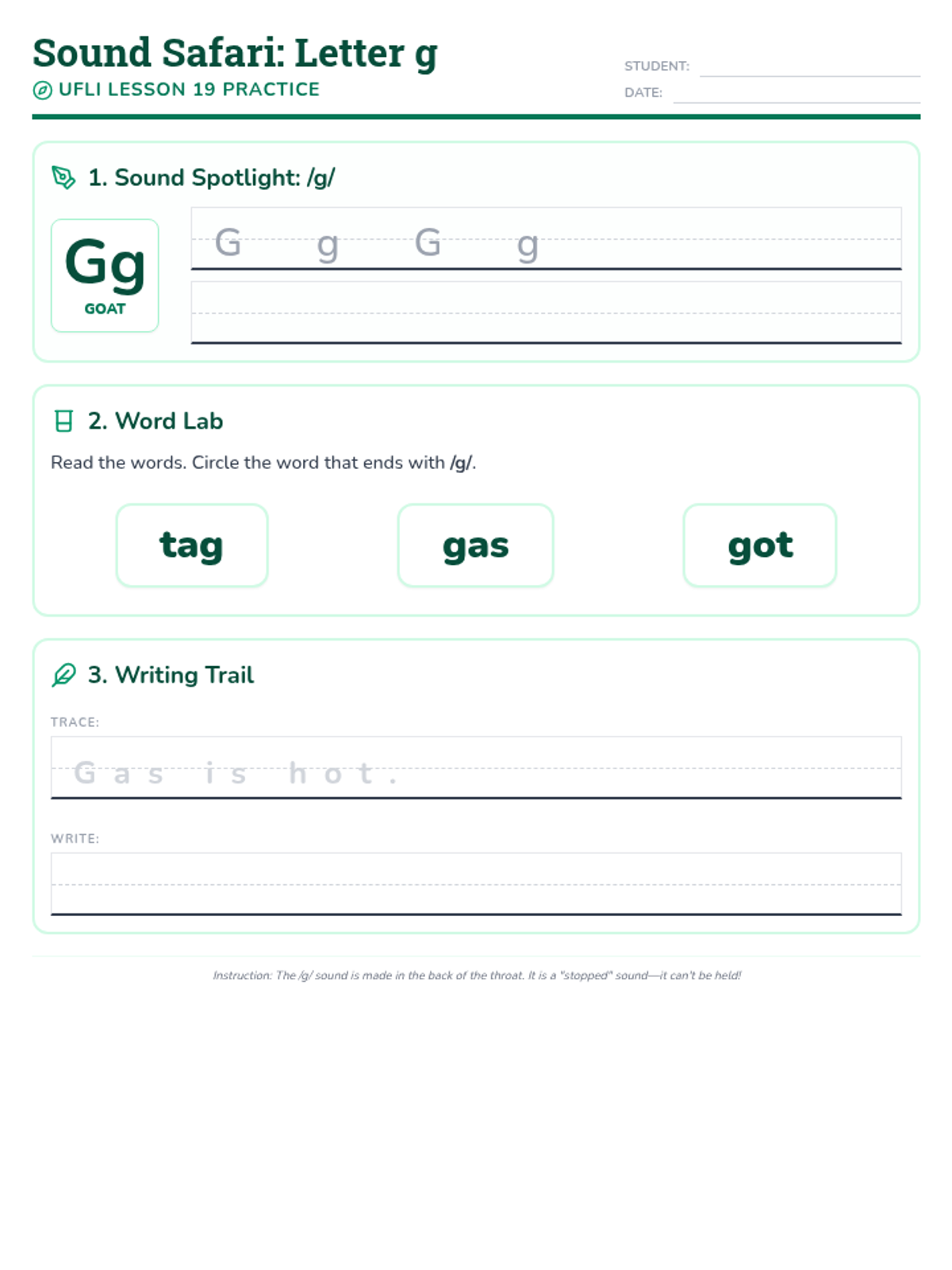
Introducing the letter 'g' and the /g/ sound. Students practice words like 'gas', 'gap', and 'tag'.
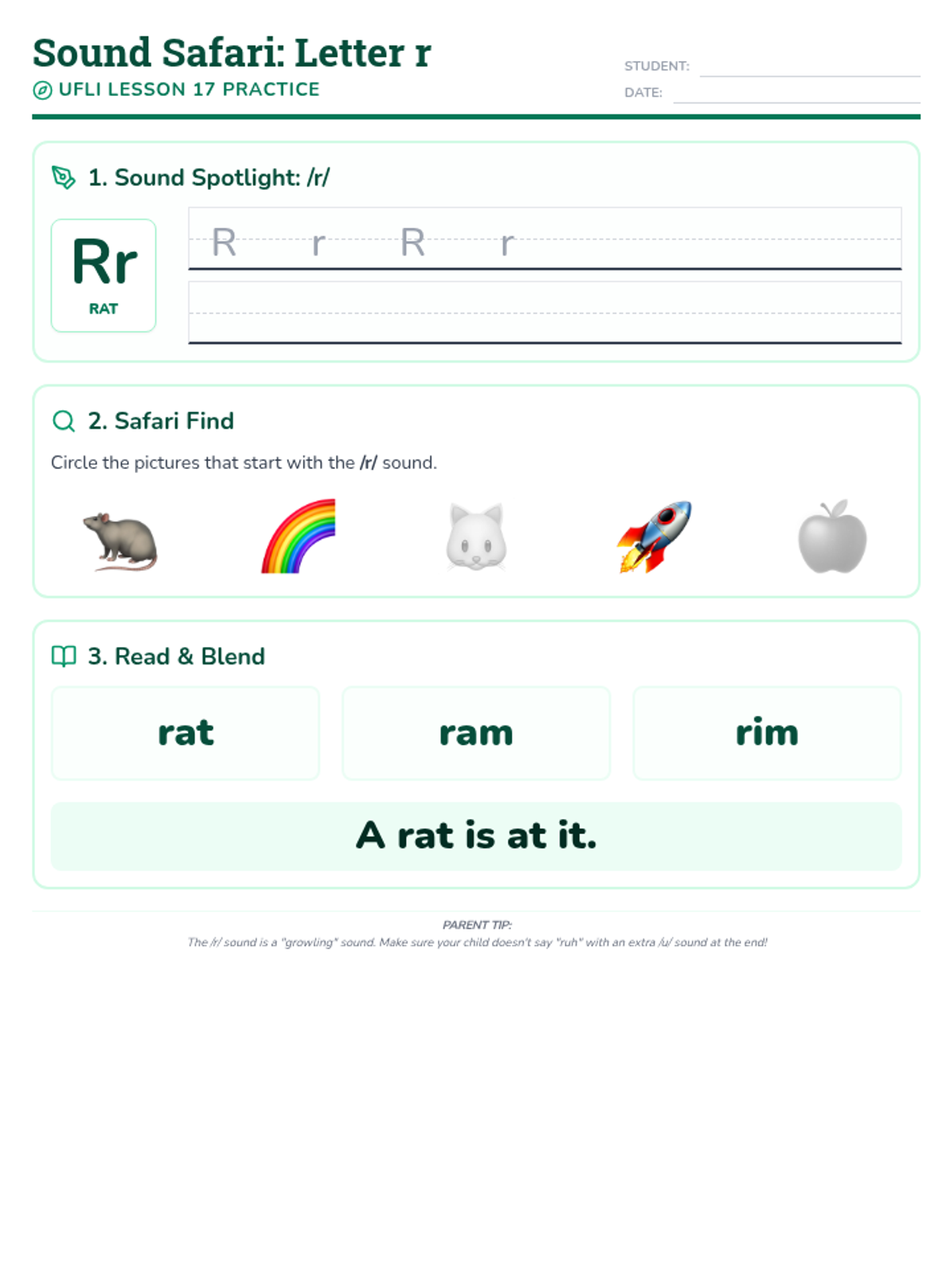
Introducing the letter 'r' and the /r/ sound. Students read and write words like 'rat', 'ram', and 'rid'.
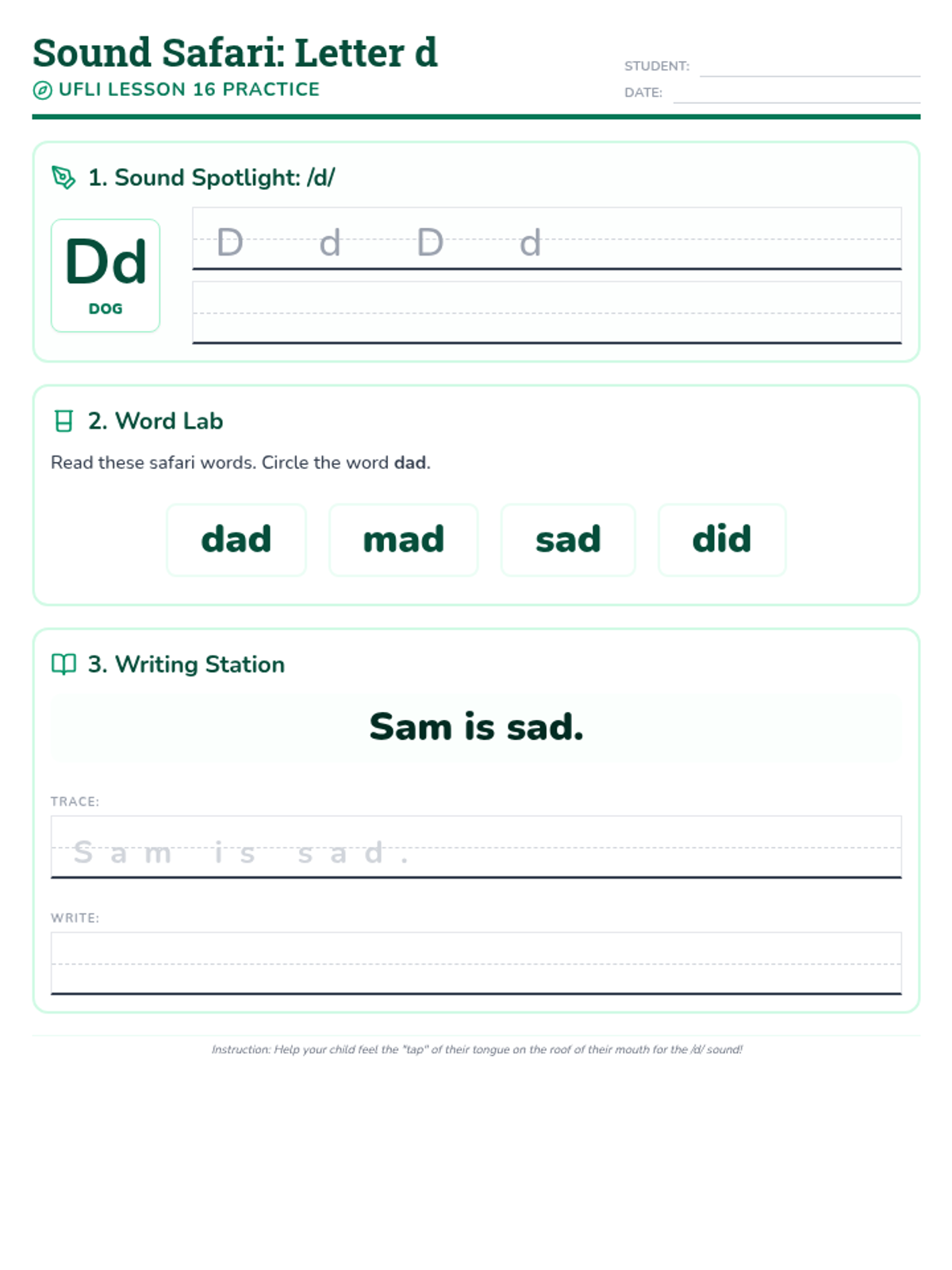
Introducing the letter 'd' and the /d/ sound. Practice includes 'dad', 'mad', and 'sad'.
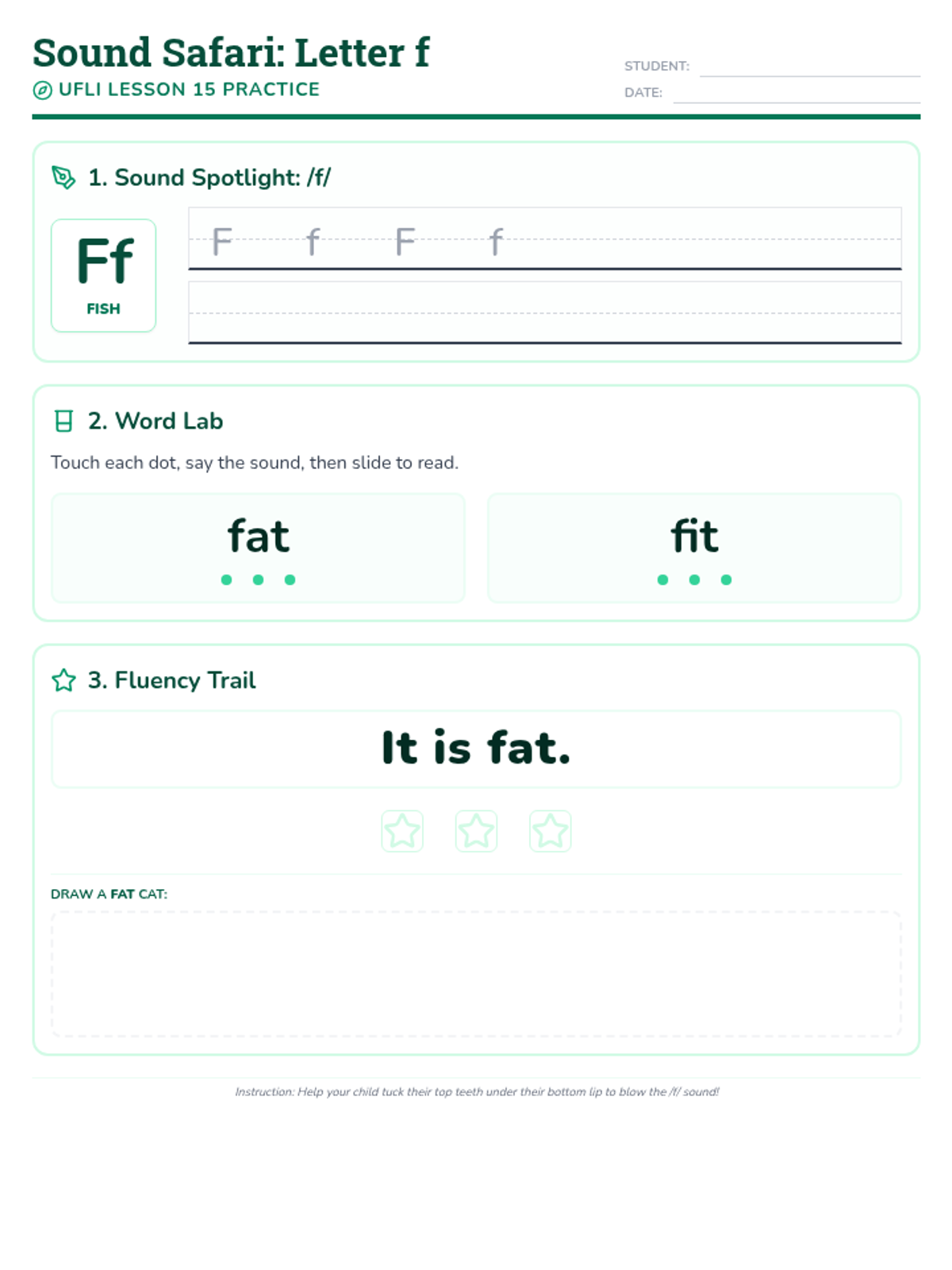
Introducing the letter 'f' and the /f/ sound. Students practice blending 'fat', 'fit', and 'if'.
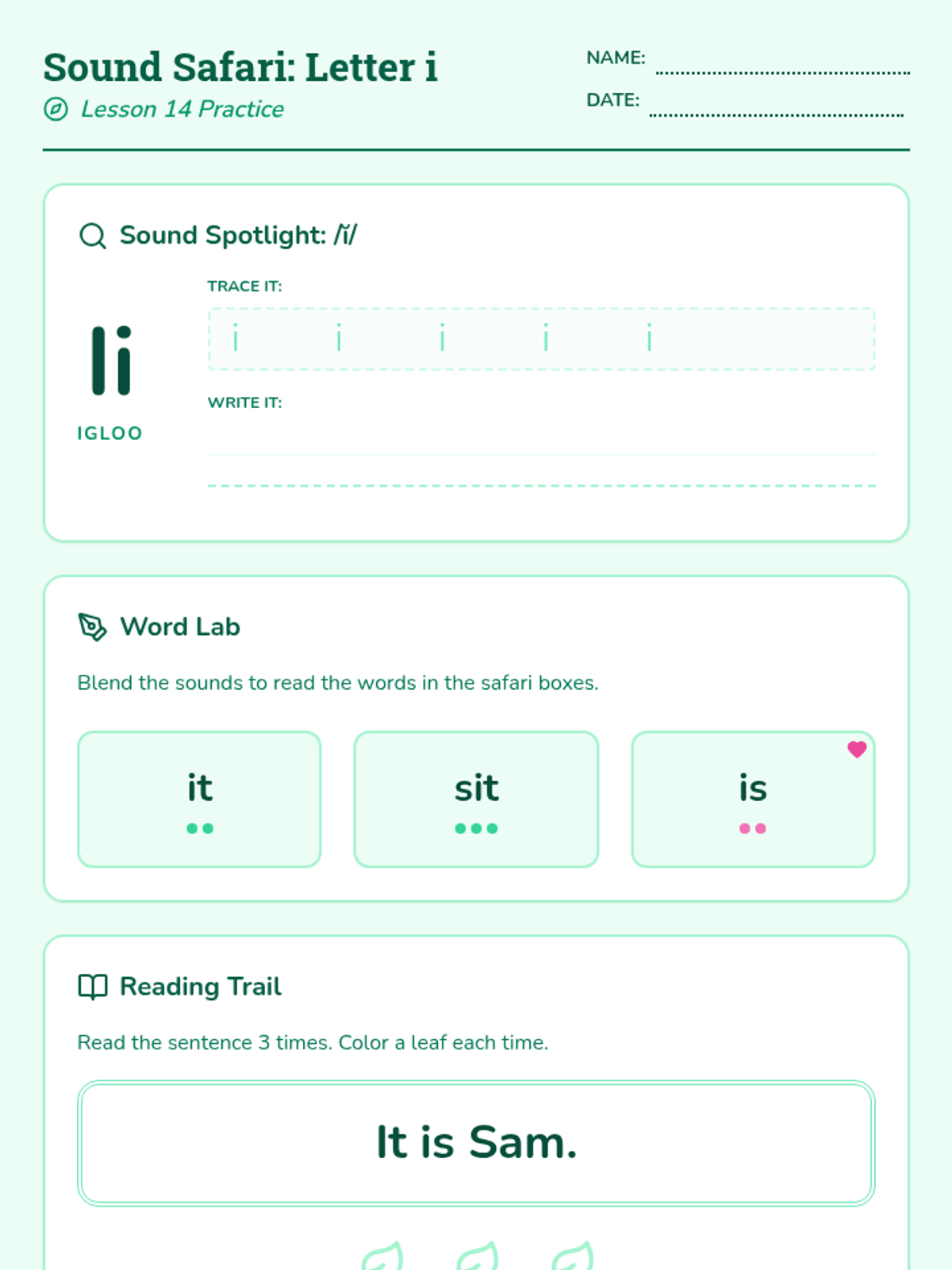
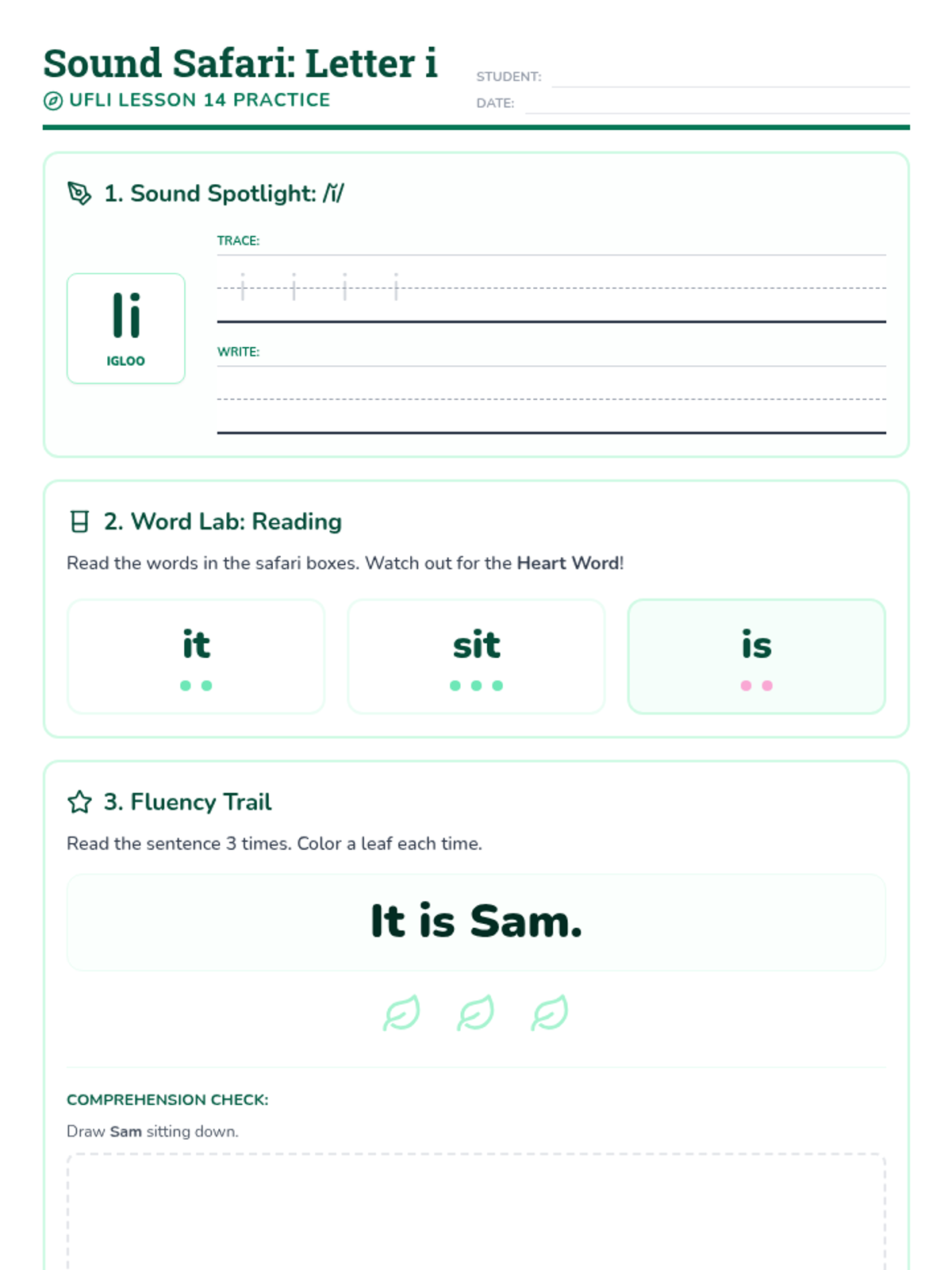
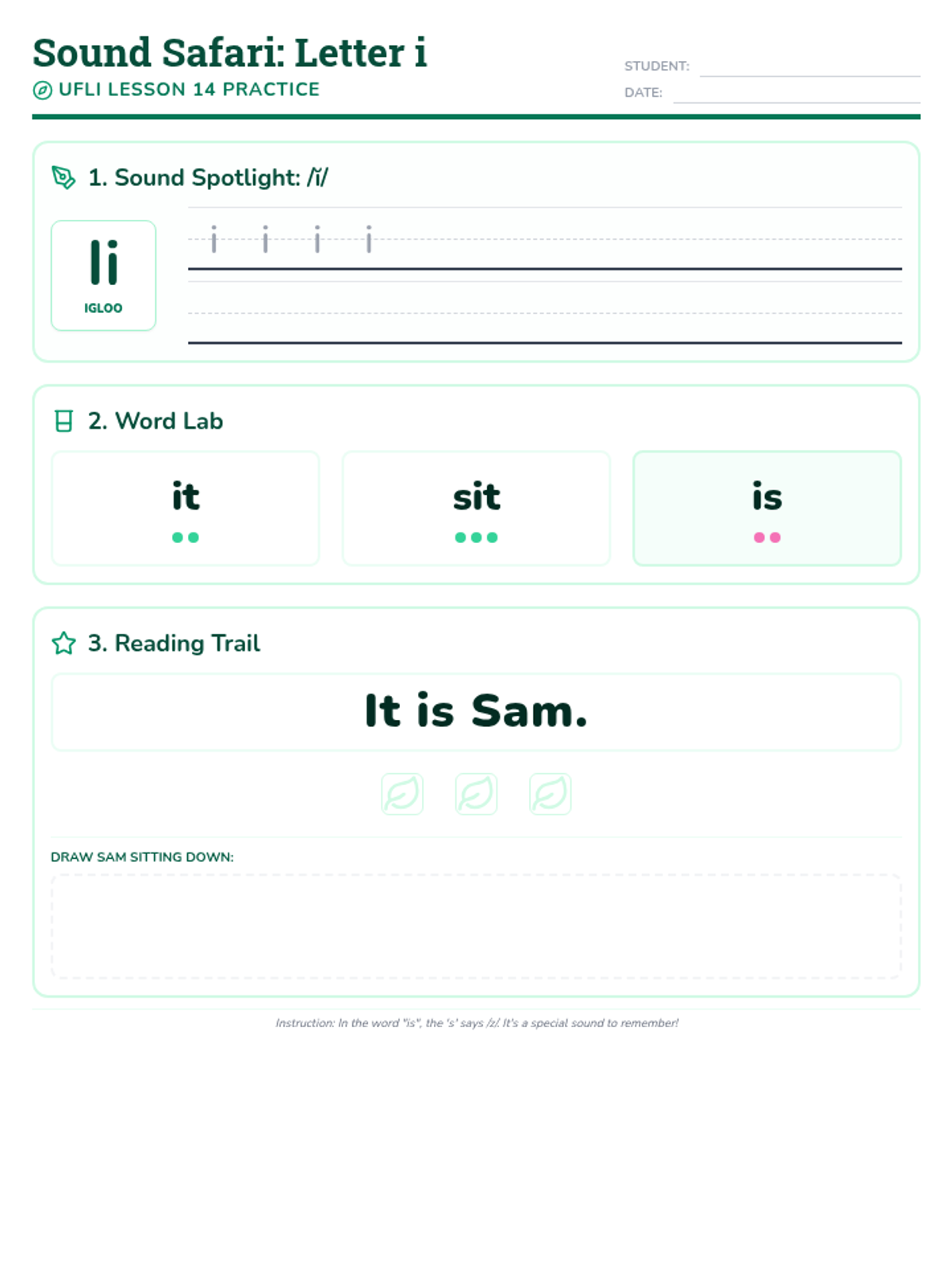
Introducing the letter 'i' and the short /i/ sound. Students read and write words like 'it', 'sit', and 'is'.
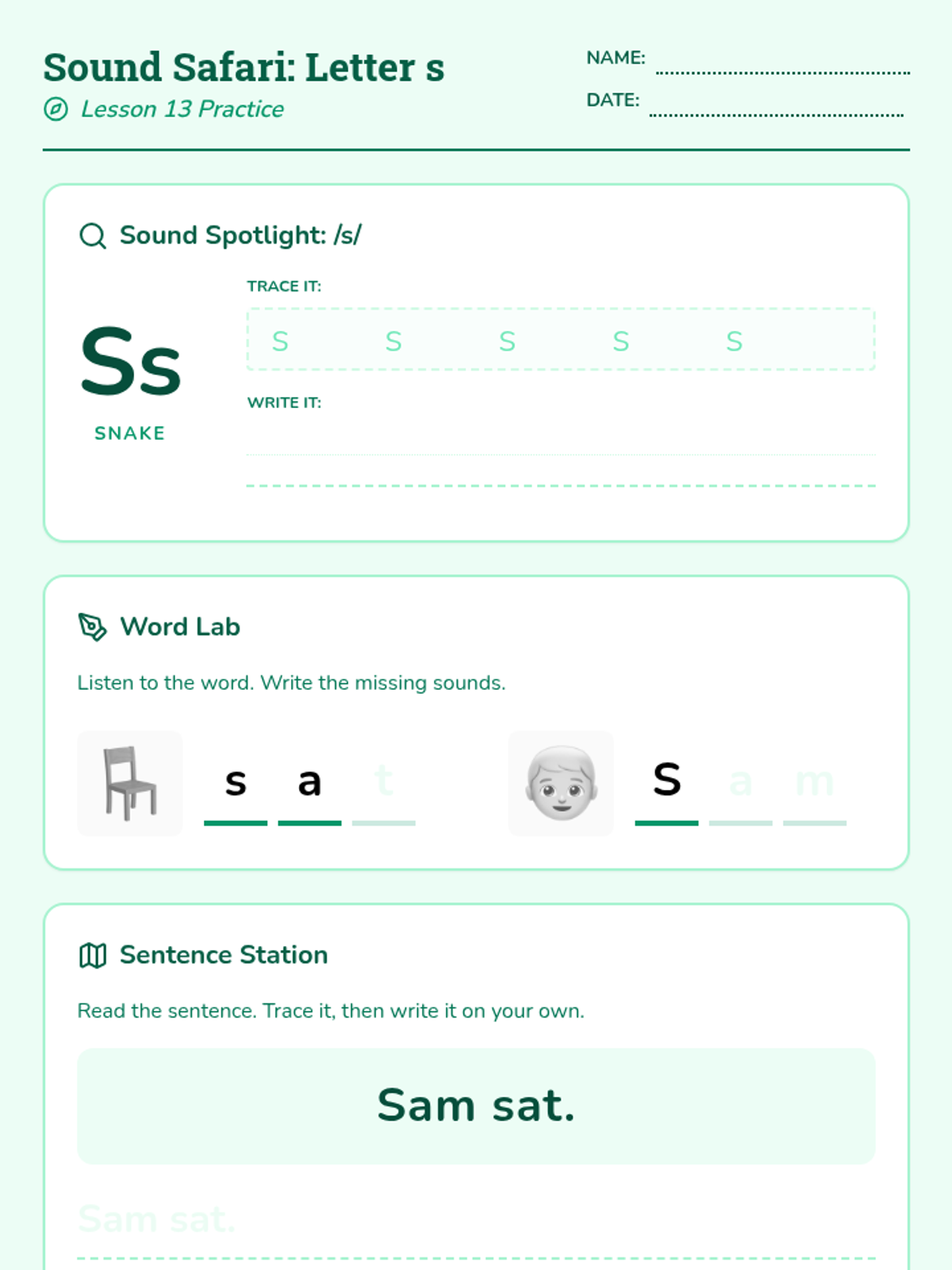
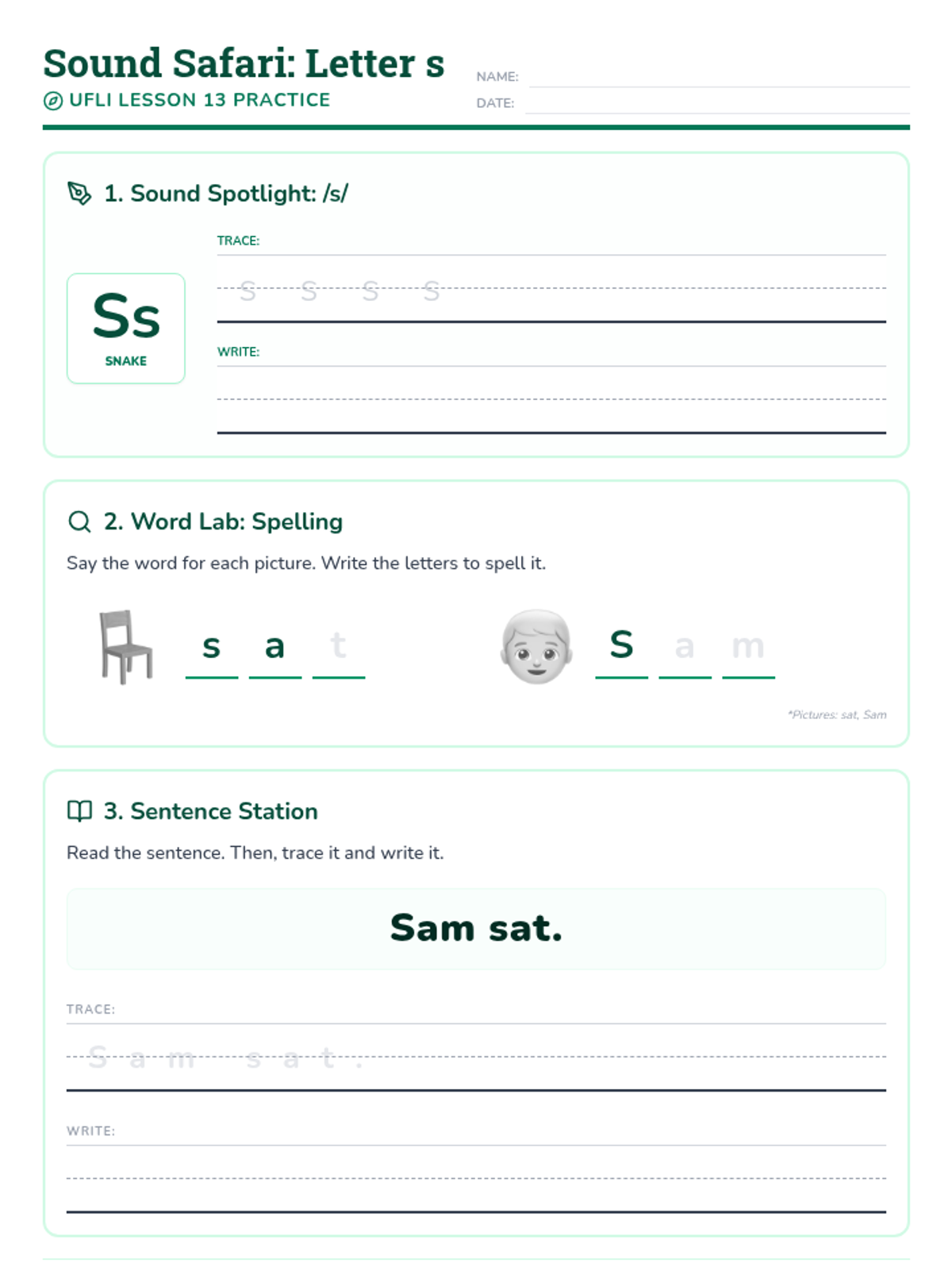
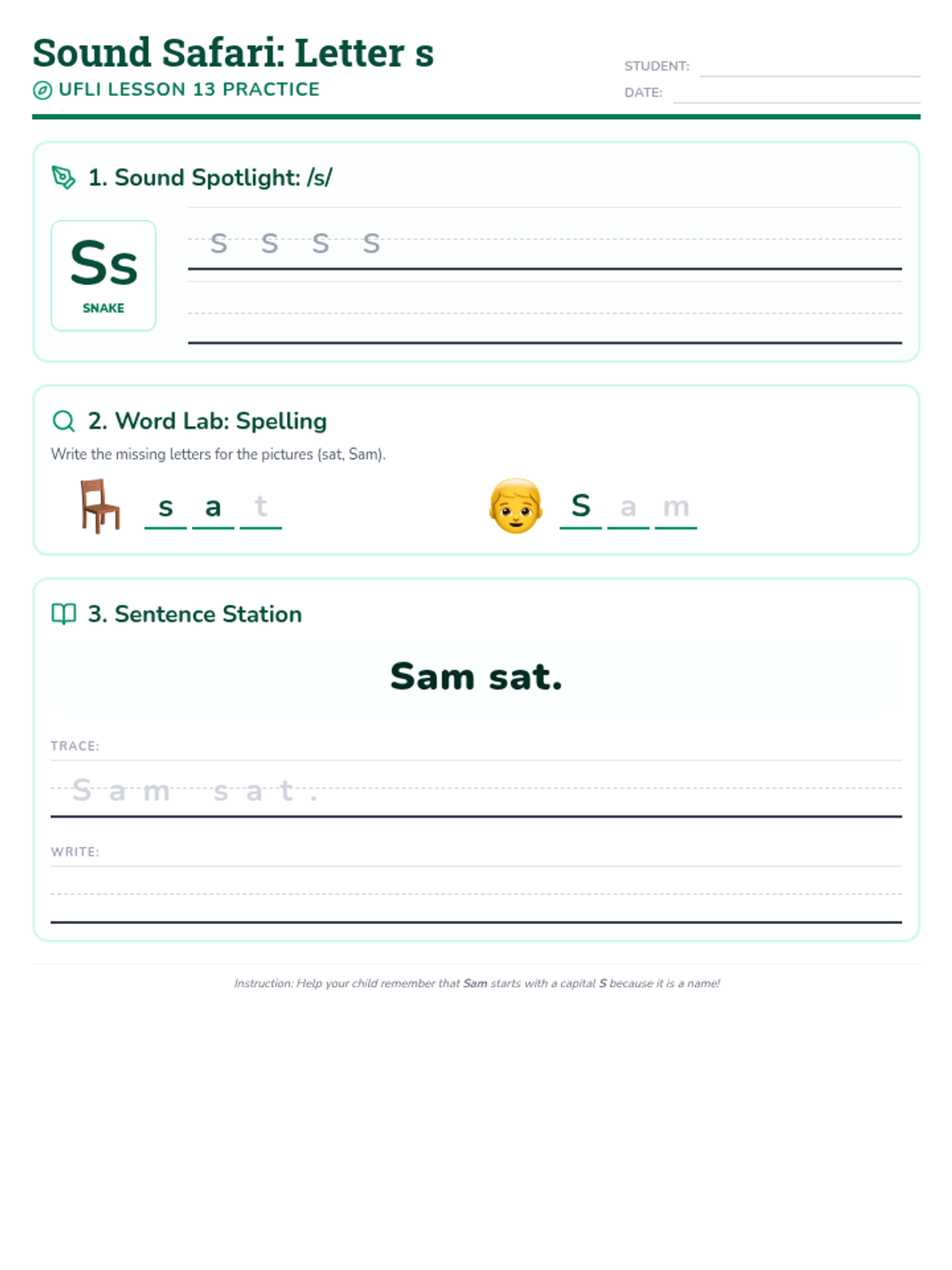
Introducing the letter 's' and the /s/ sound. Practice includes blending 'sat', 'mat', and 'Sam'.
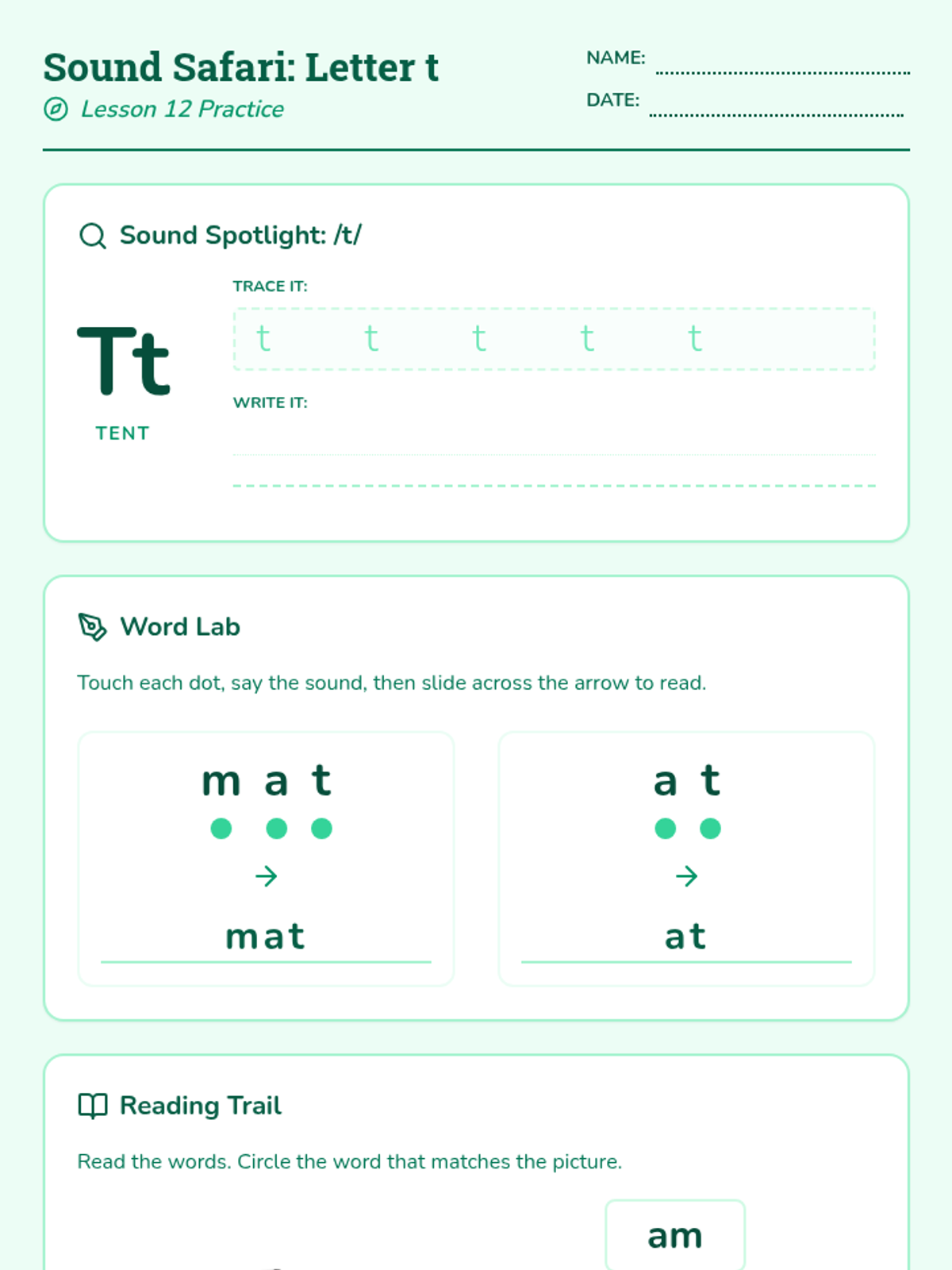
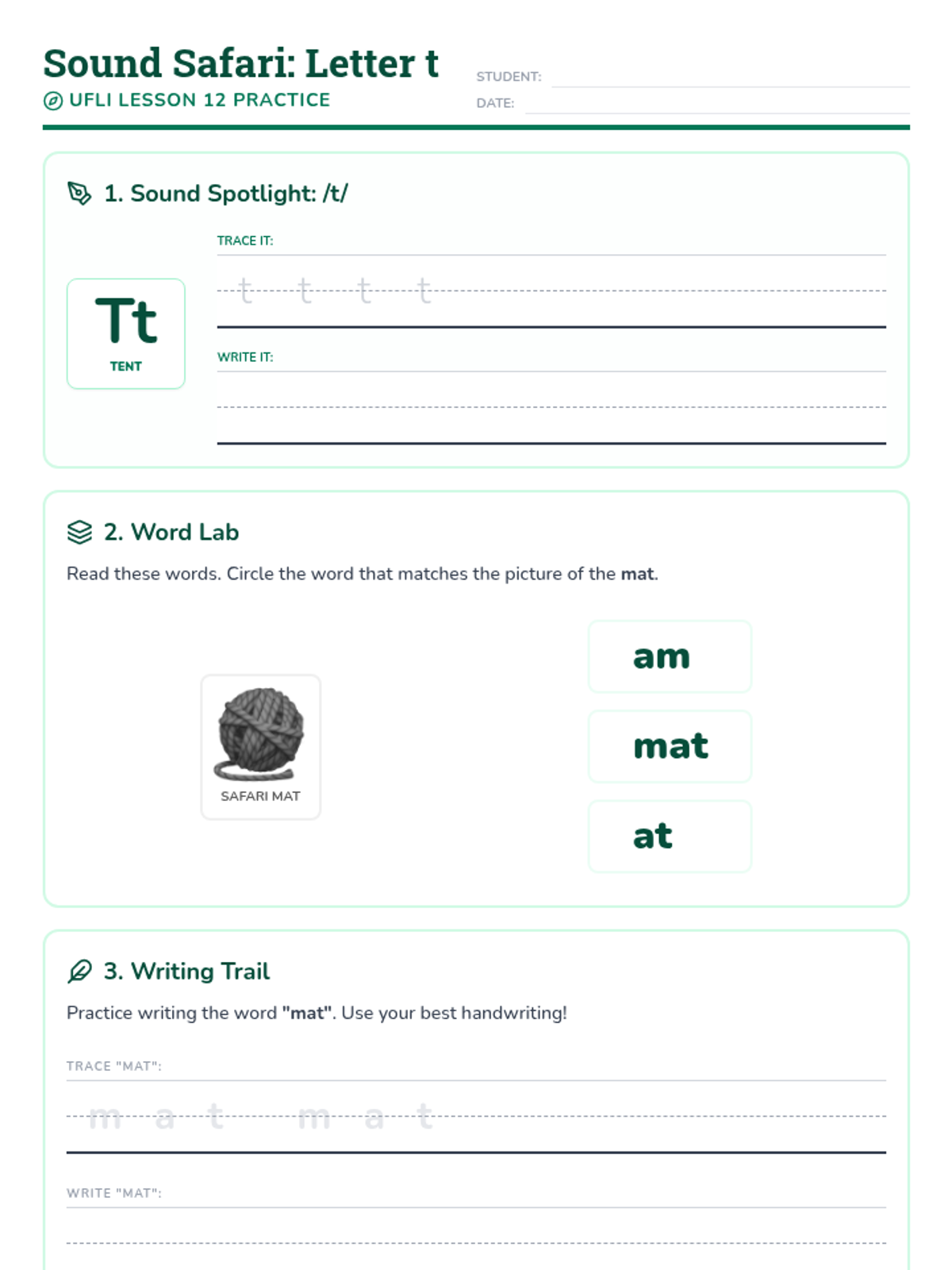
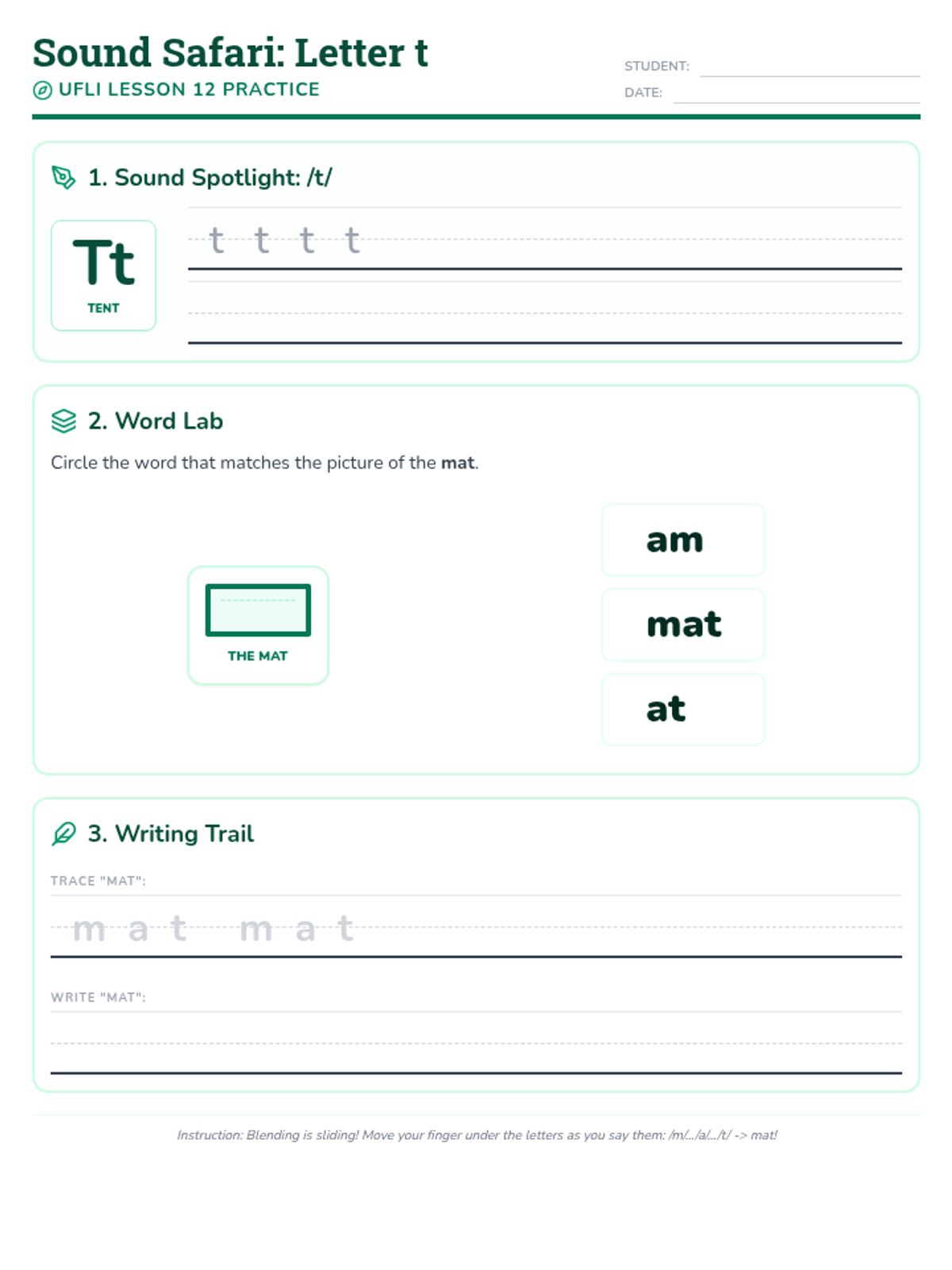
Introducing the letter 't' and the /t/ sound. Students practice blending CVC words like 'mat' and 'at'.
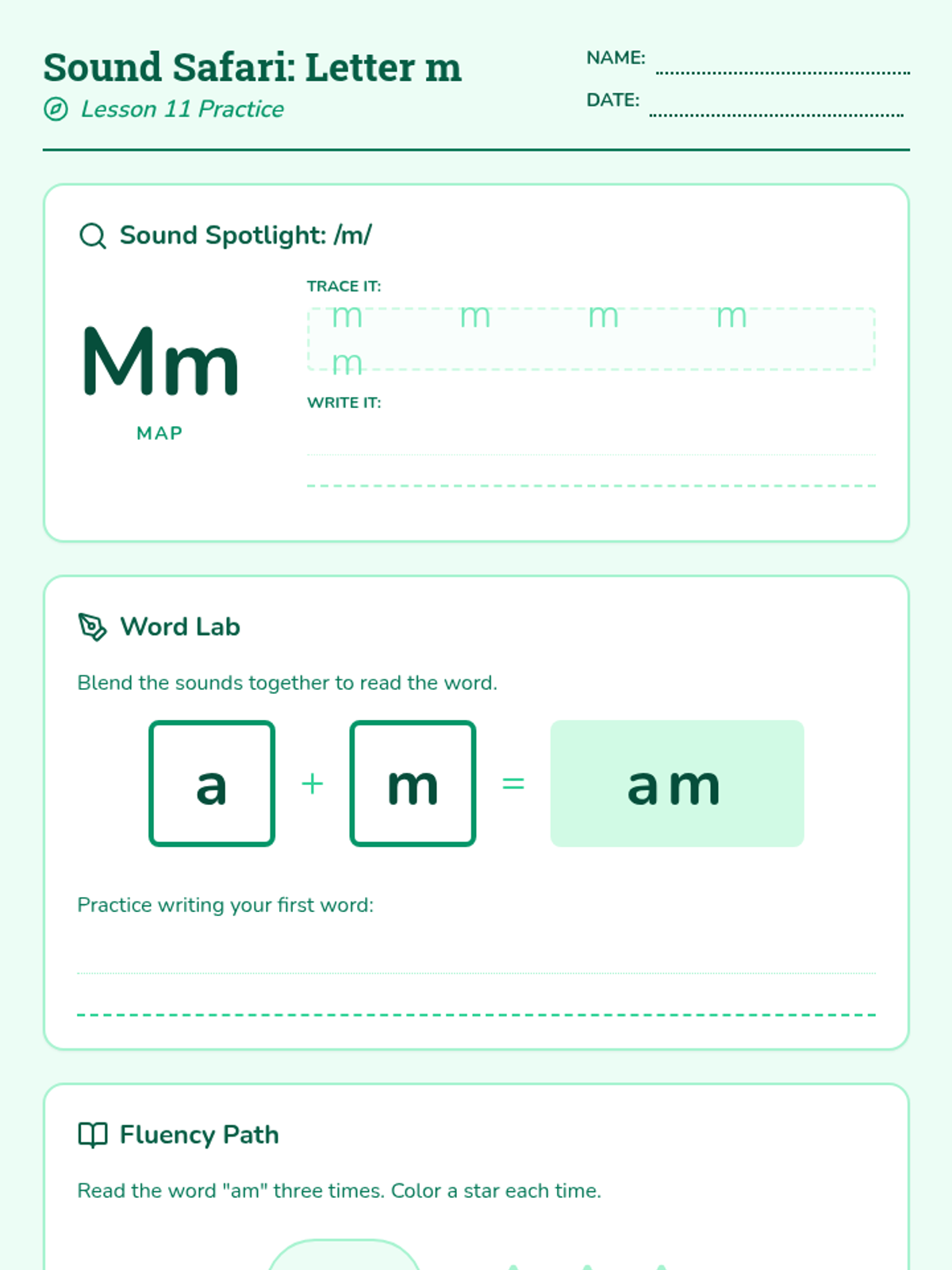
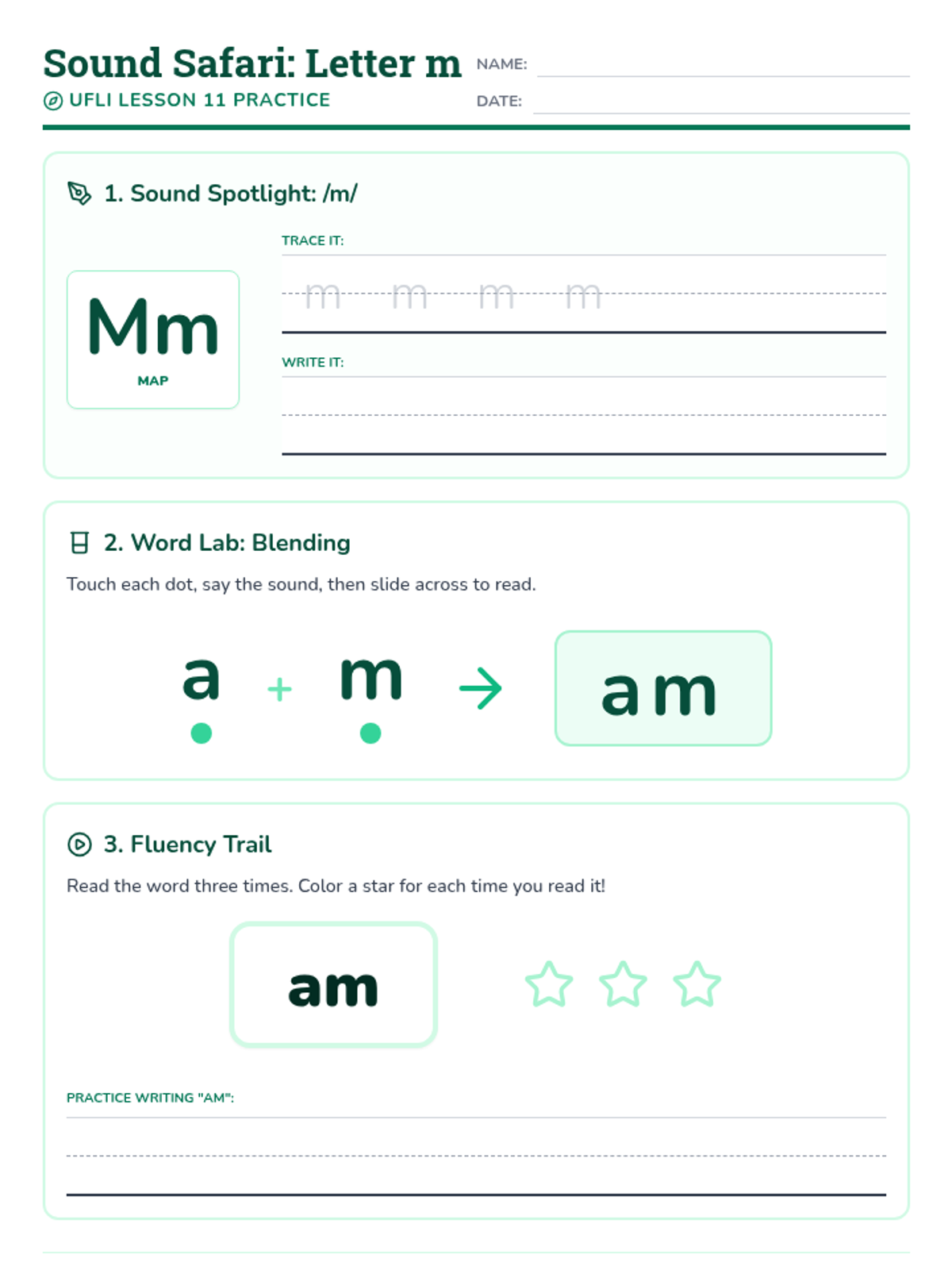
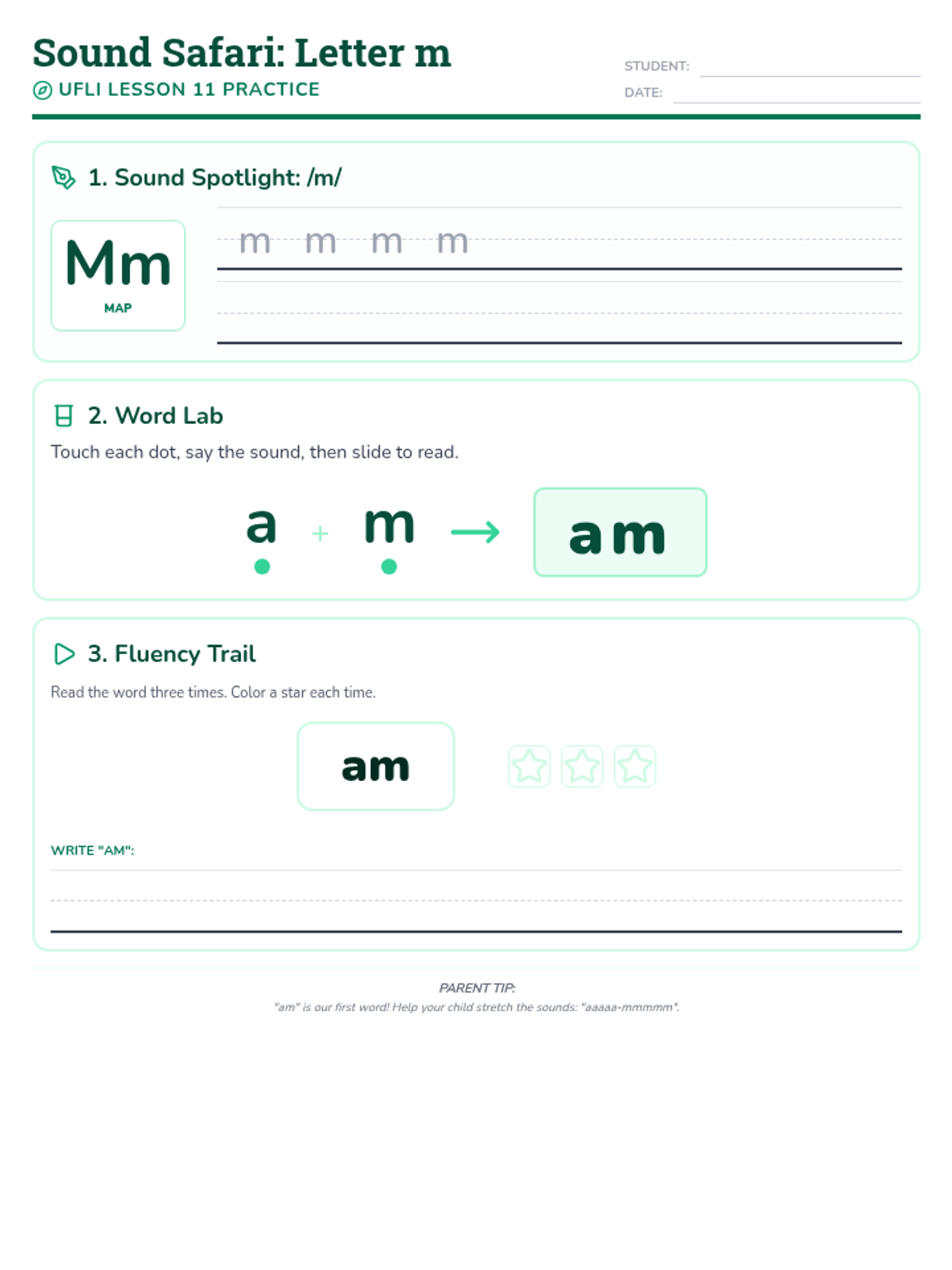
Introducing the letter 'm' and the /m/ sound. Students begin to blend 'a' and 'm' to read the word 'am'.
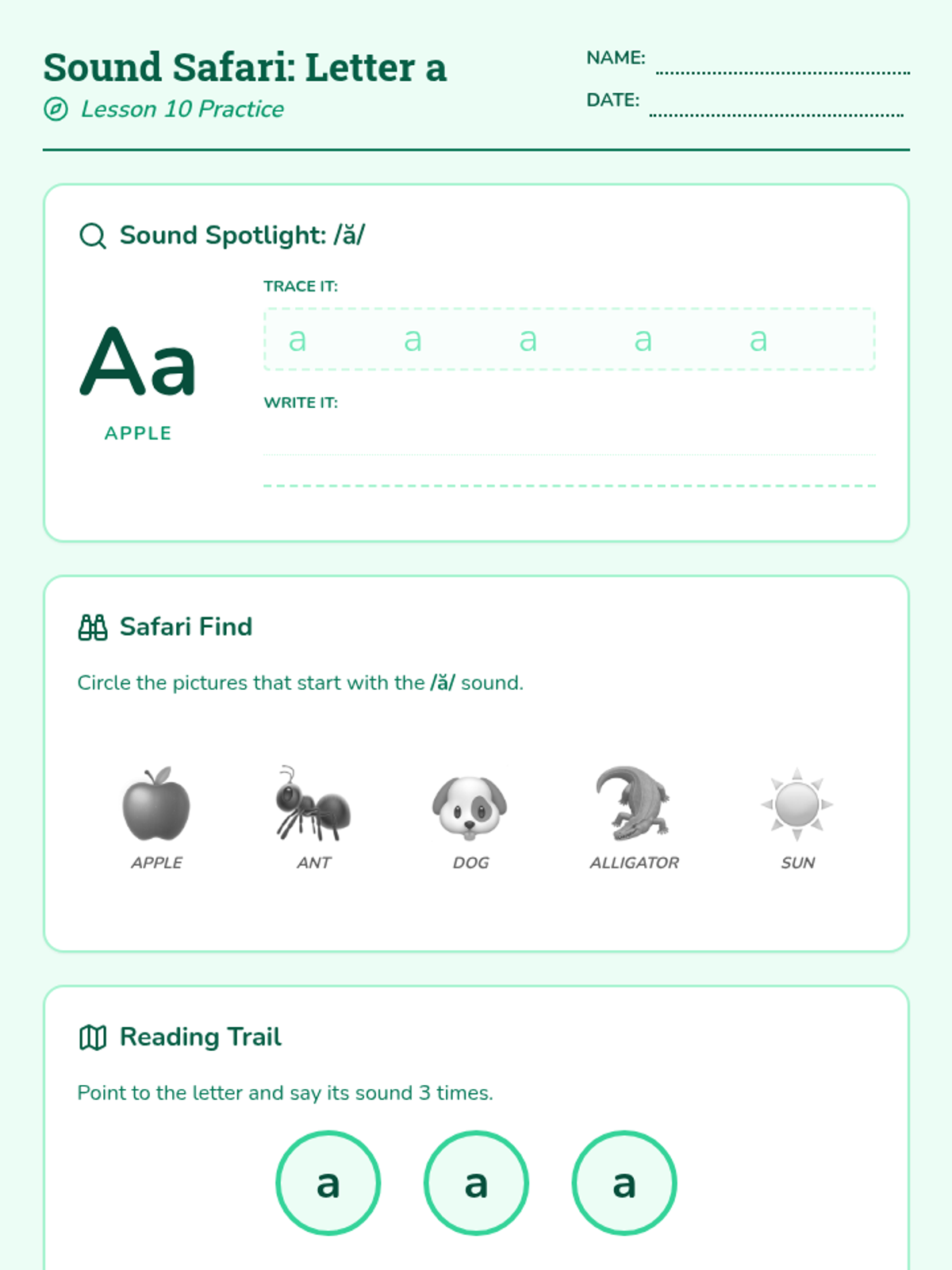
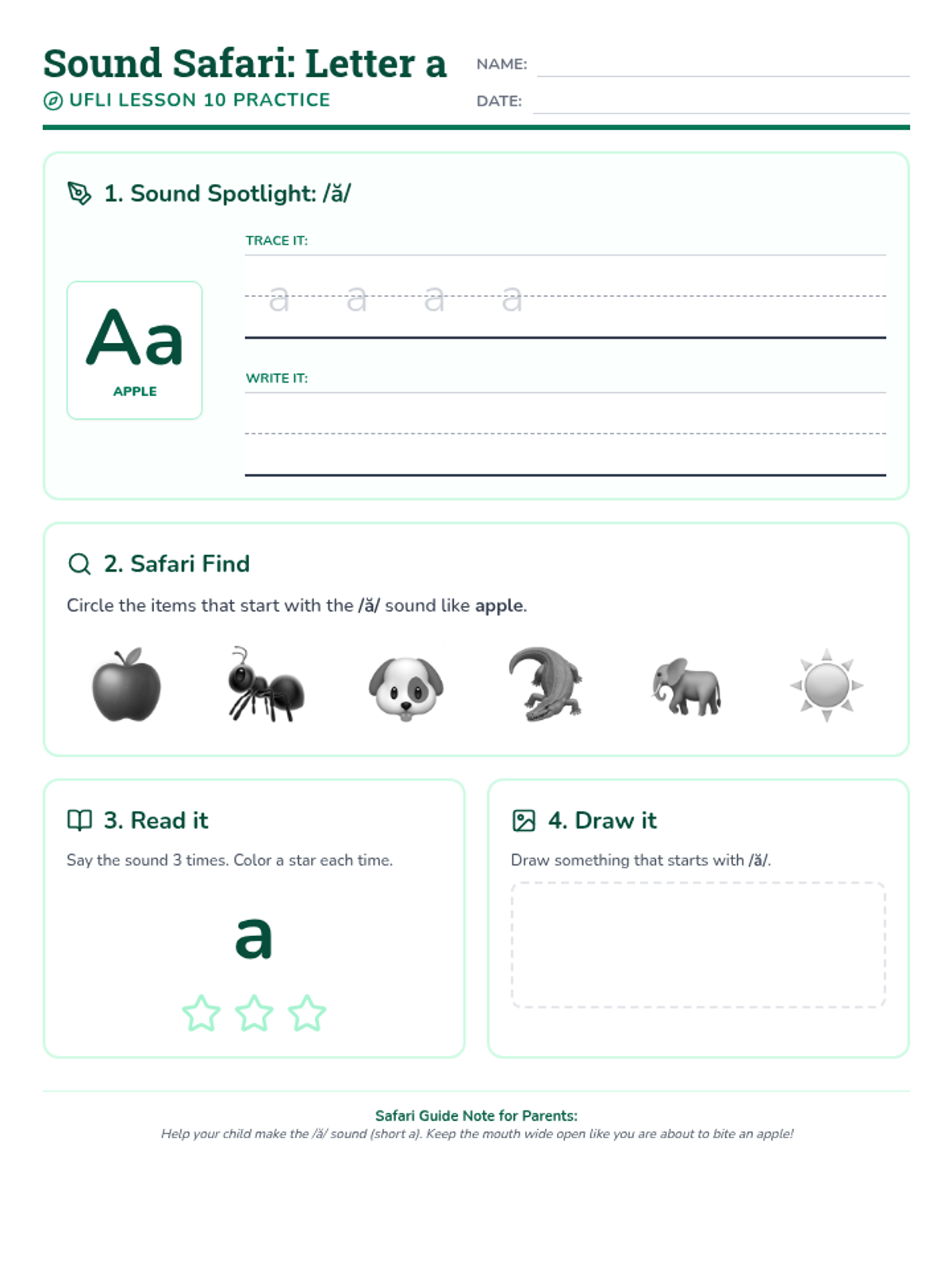
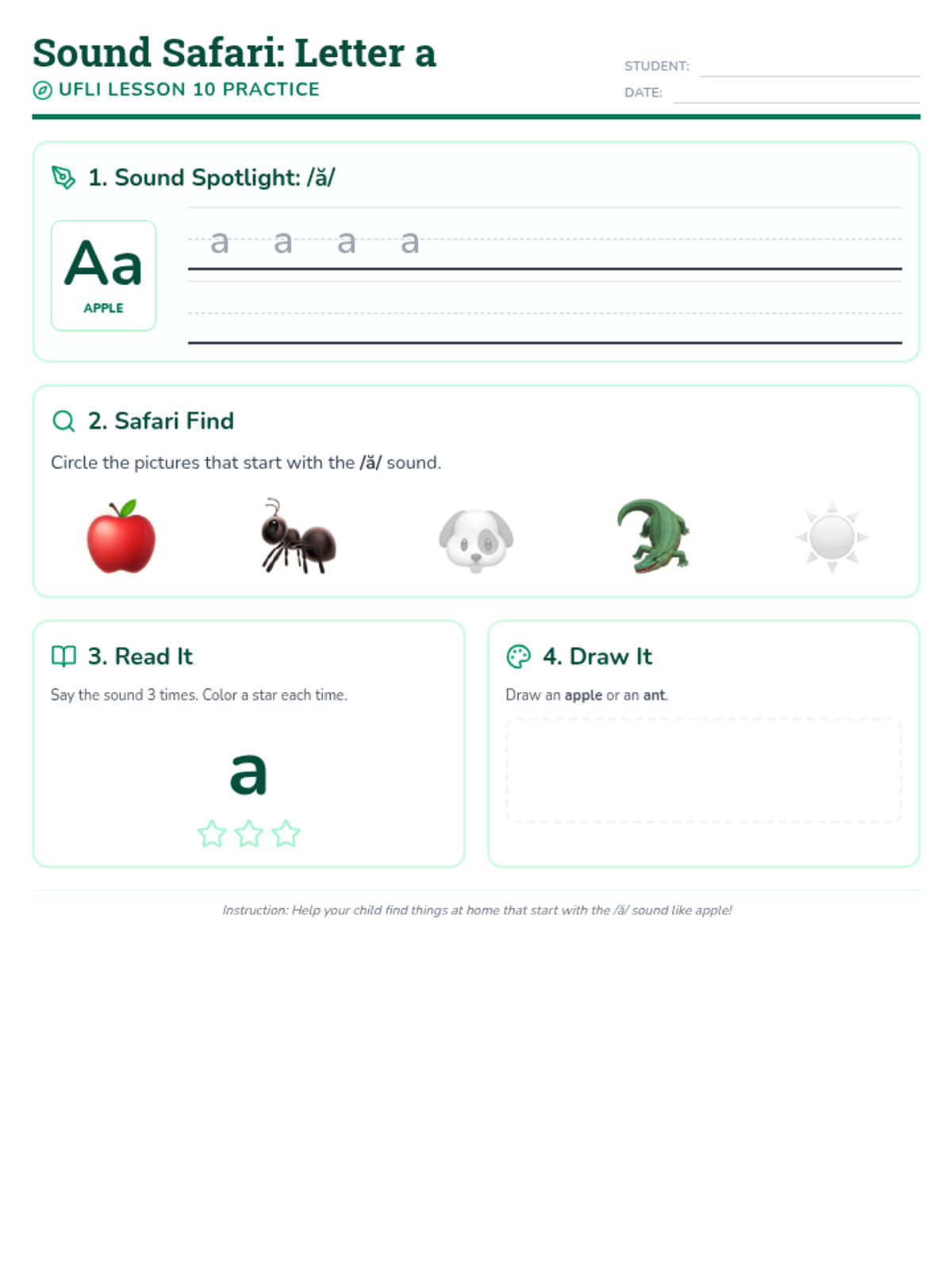
Introducing the letter 'a' and the short /a/ sound. Students practice letter formation and identifying the /a/ sound at the beginning of words.
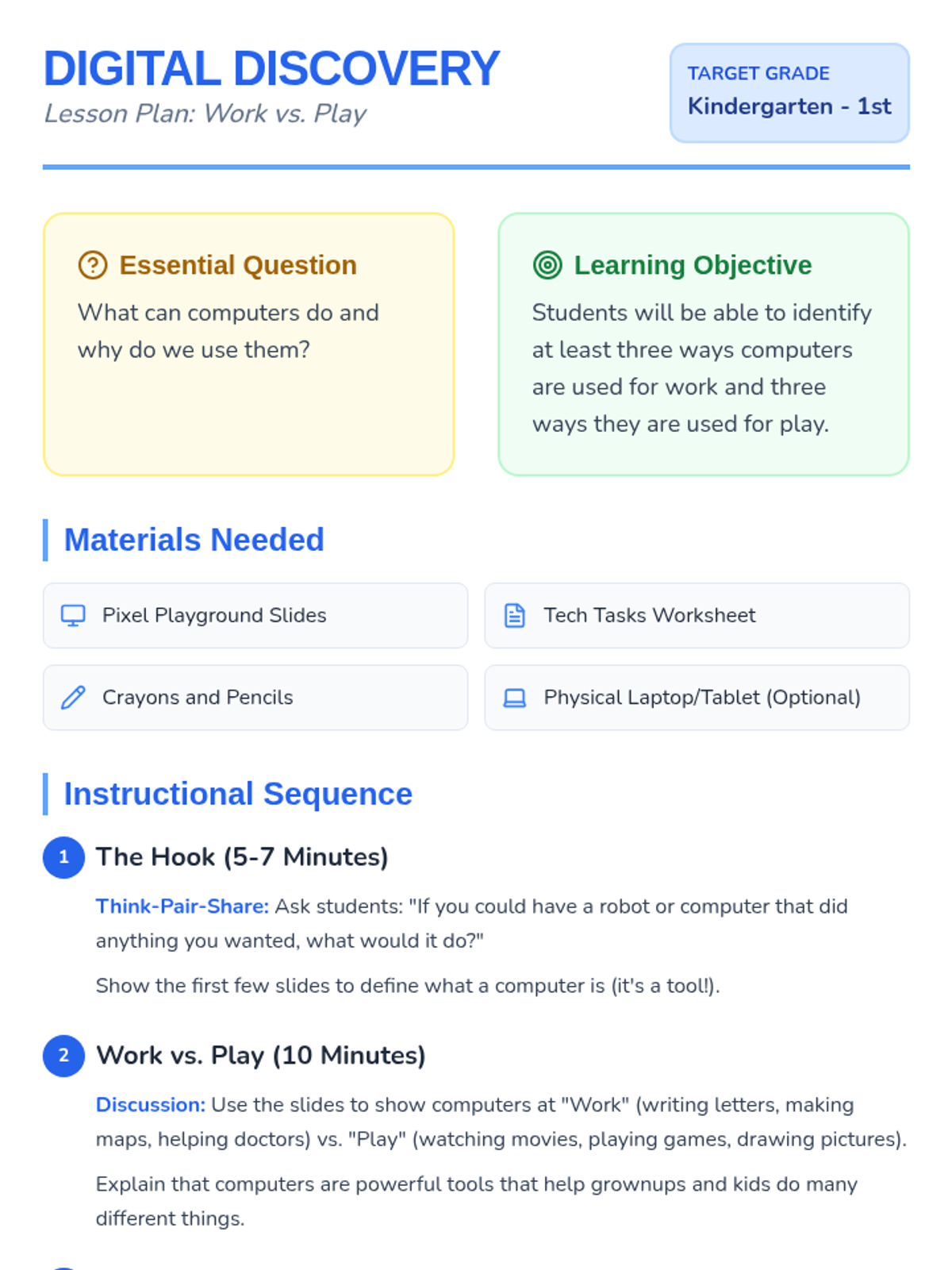
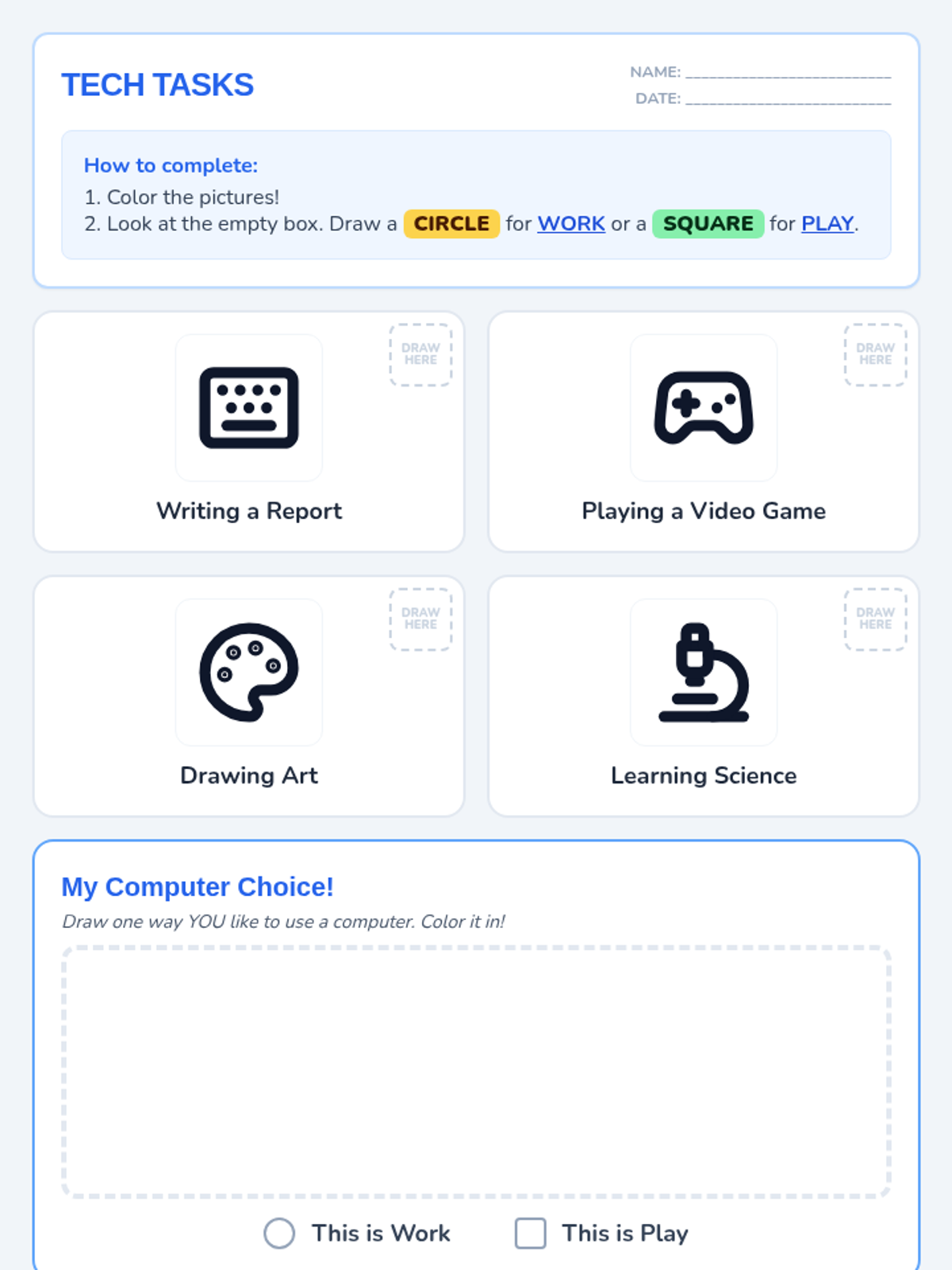
An introductory lesson for K-1 students exploring the versatile uses of computers in everyday life, focusing on the distinction between work and play.
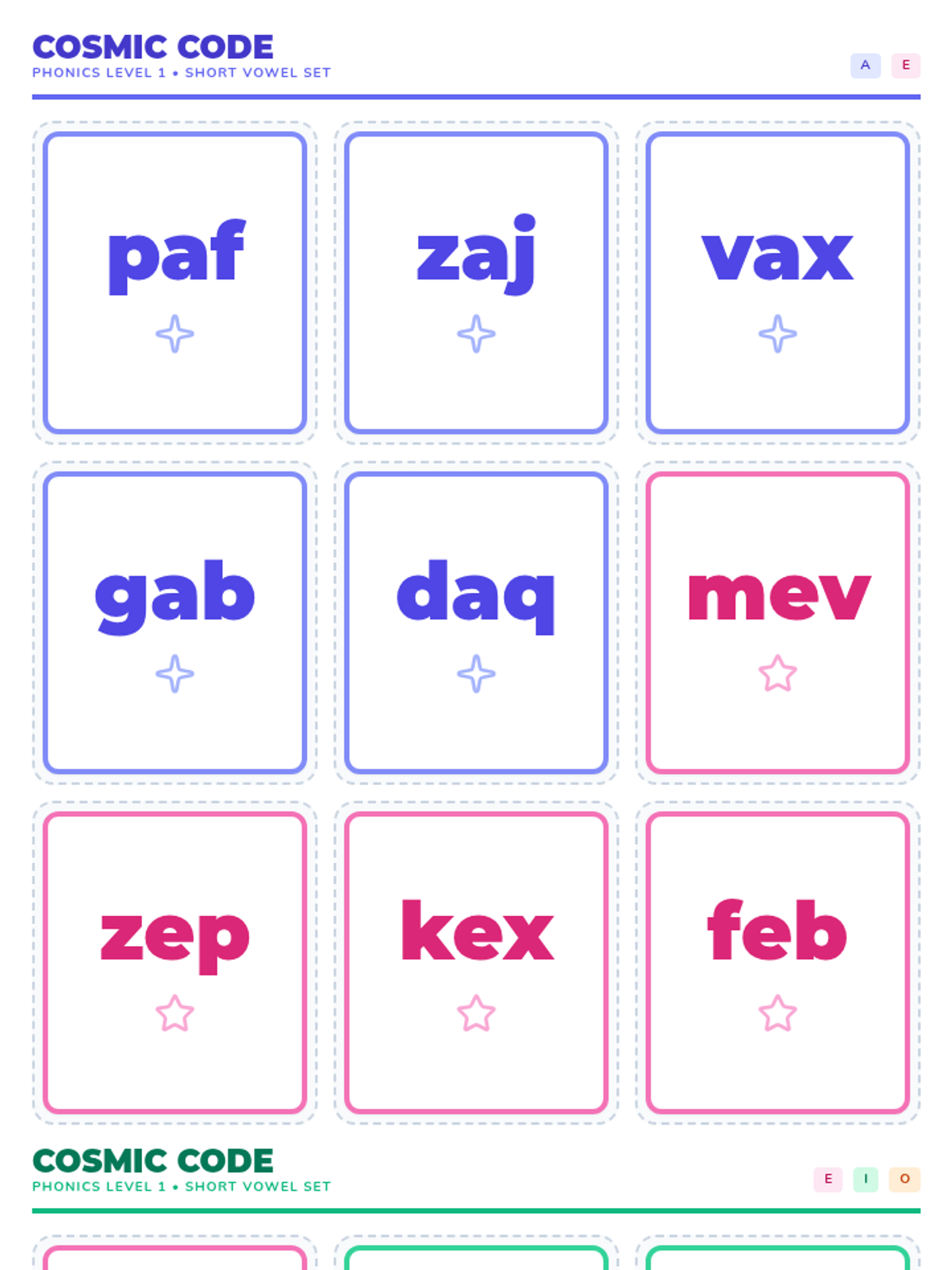
A collection of resources focused on decoding CVC nonsense words using an alien-themed narrative. Students practice phonics skills by "translating" extraterrestrial languages.
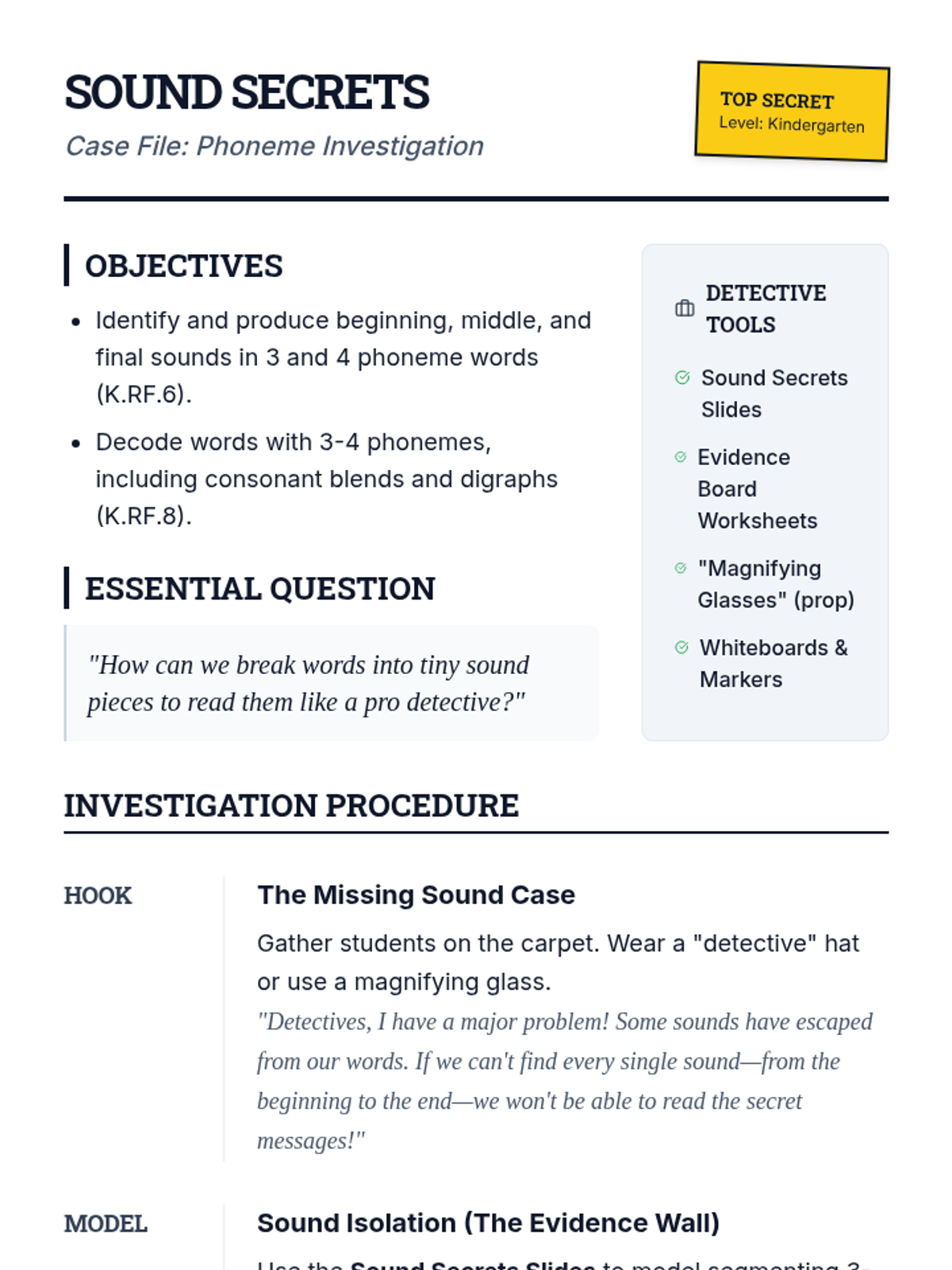
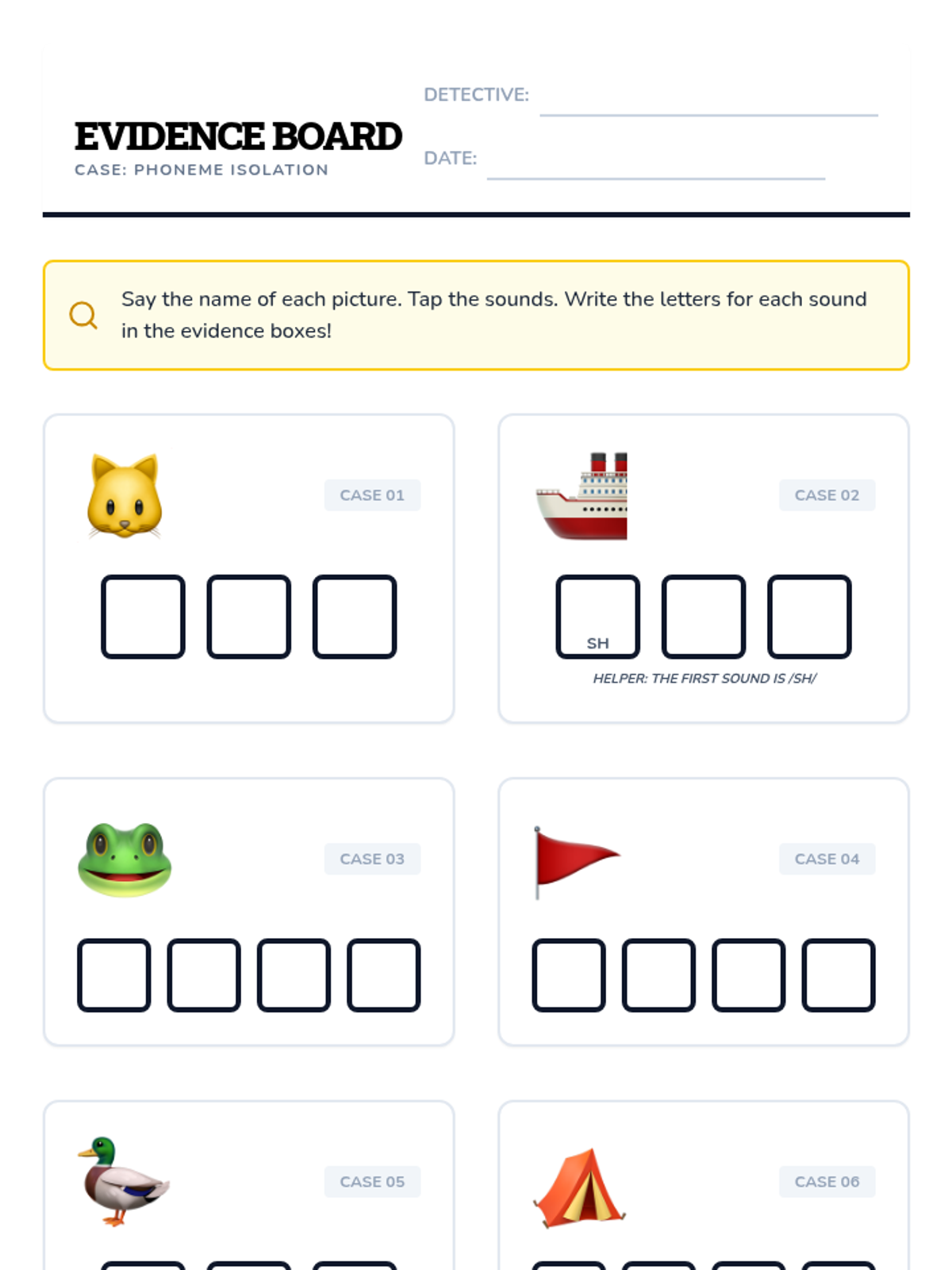
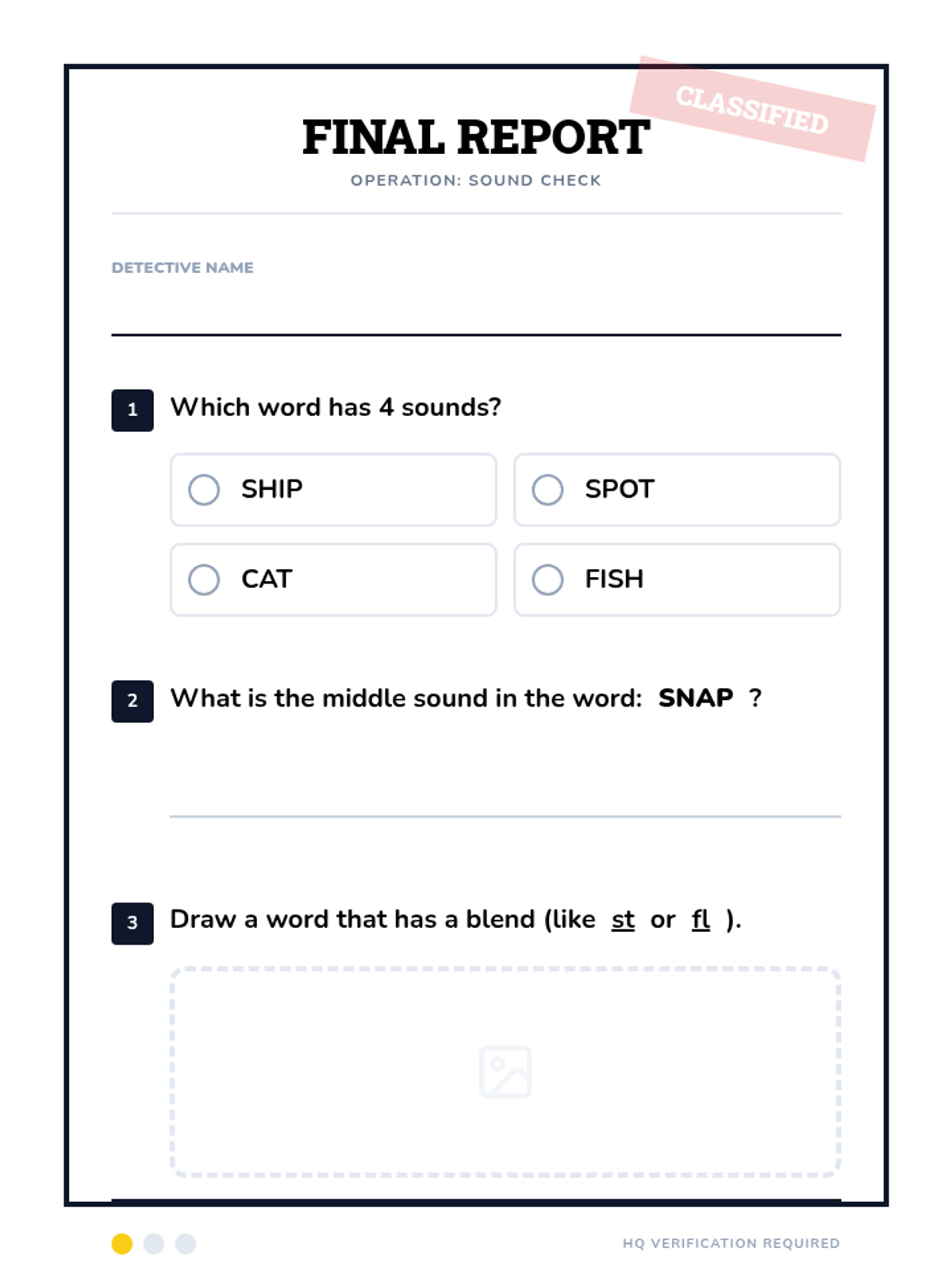
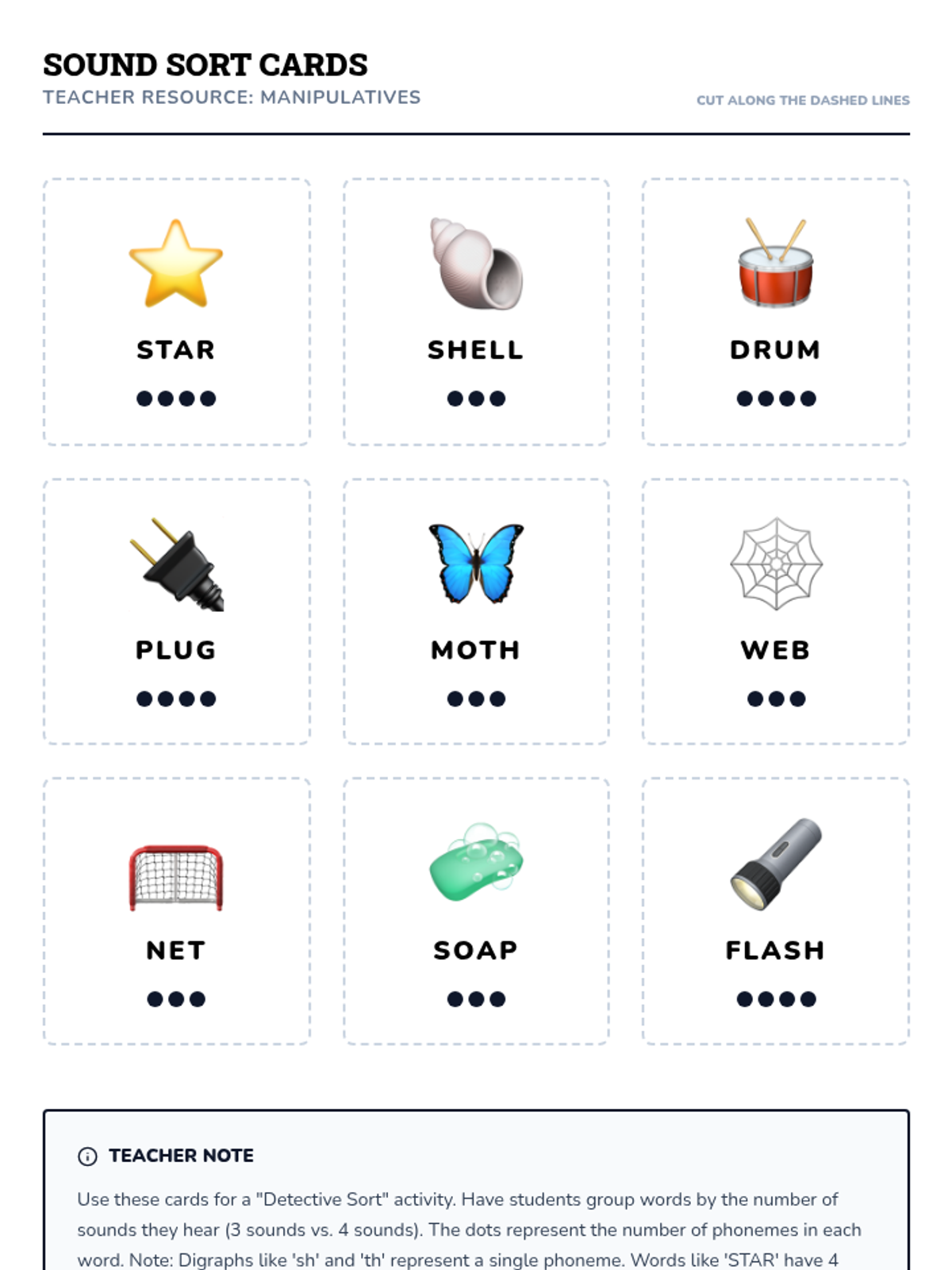
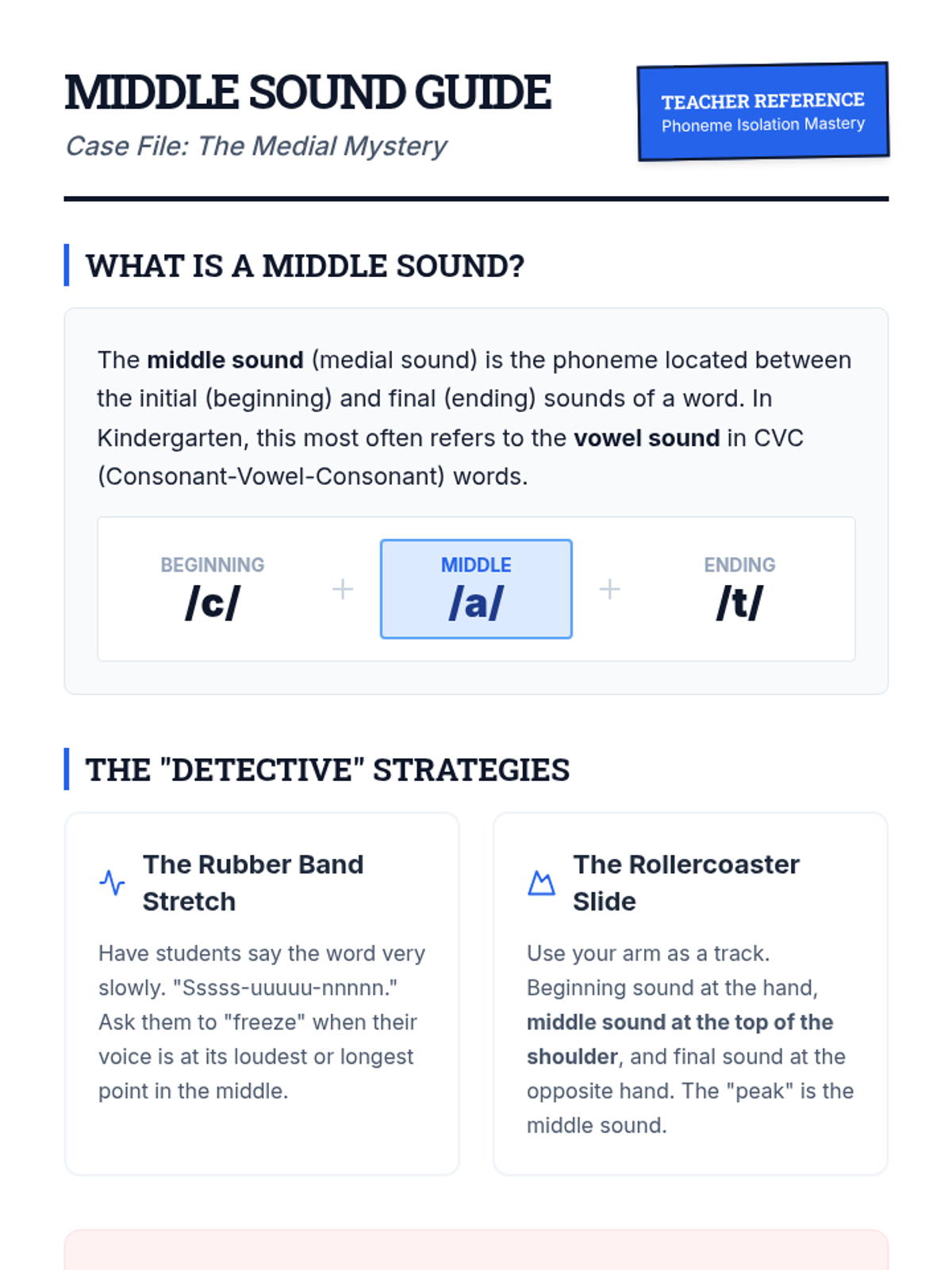
A comprehensive literacy lesson where students act as Sound Detectives to master phoneme isolation and decoding. Students will practice identifying beginning, middle, and ending sounds in 3-4 phoneme words, including those with blends and digraphs.
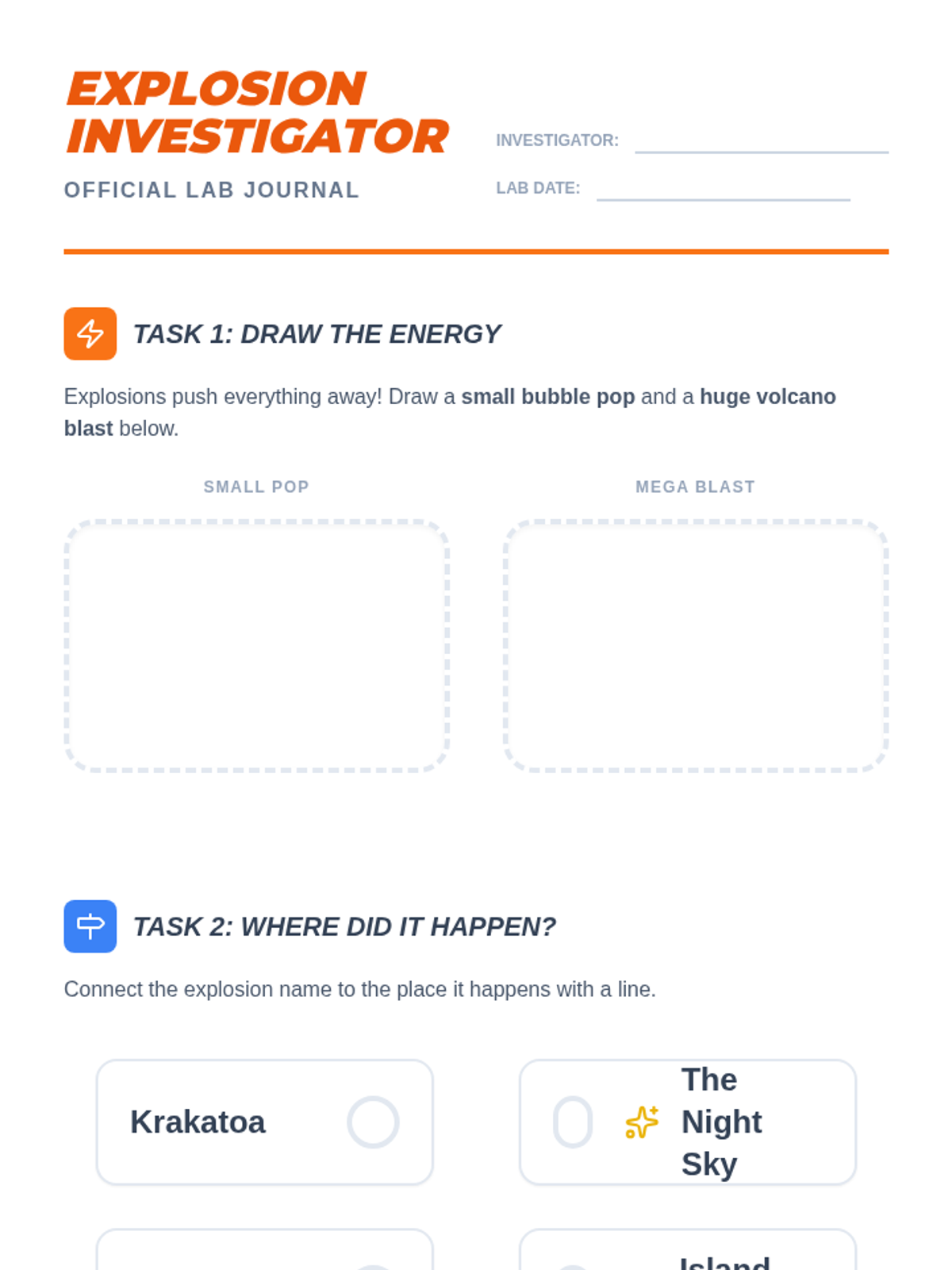
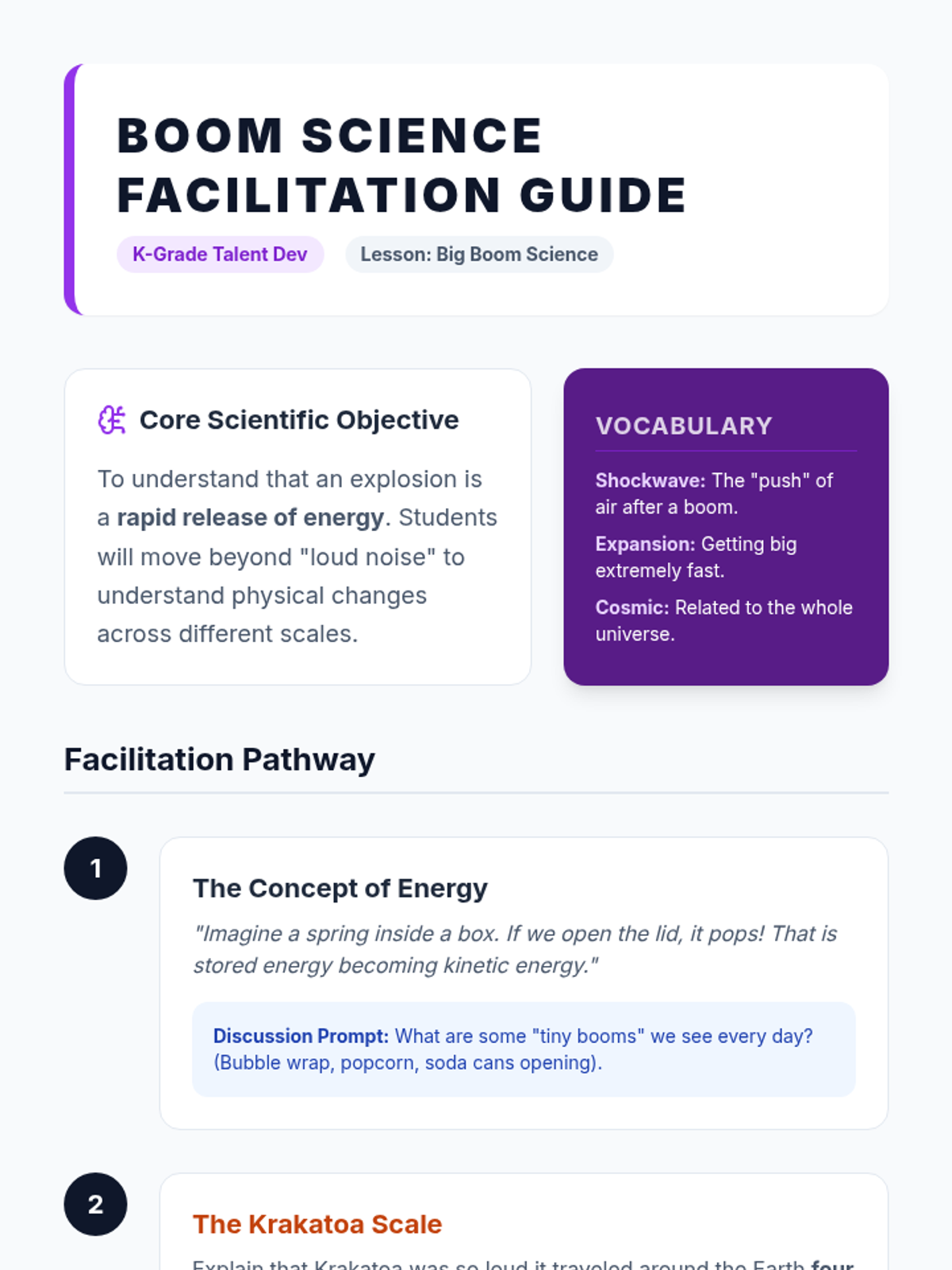
Students will identify different types of explosions, from chemical reactions on Earth to massive stellar events in space, understanding how energy creates light, sound, and heat.
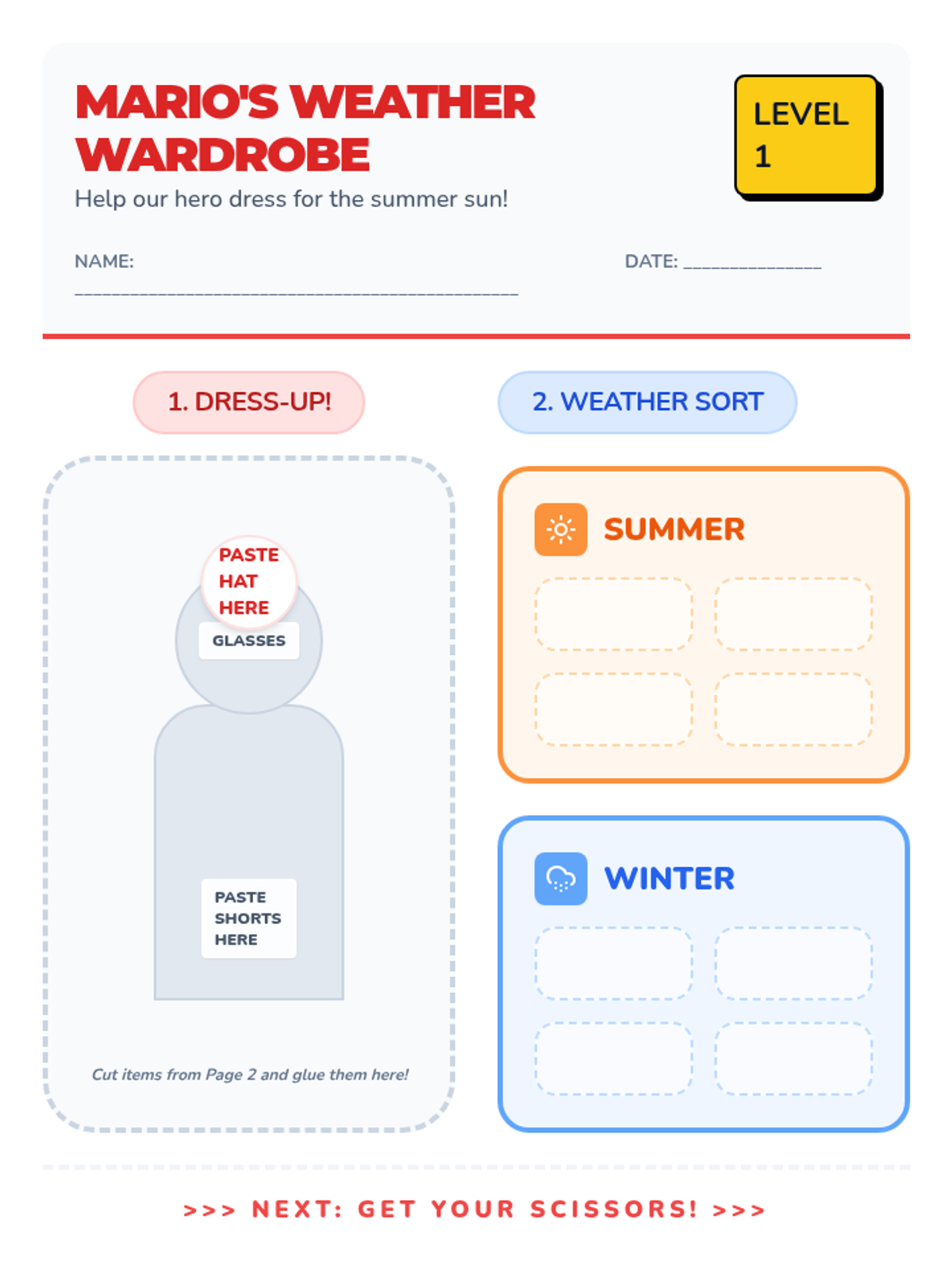
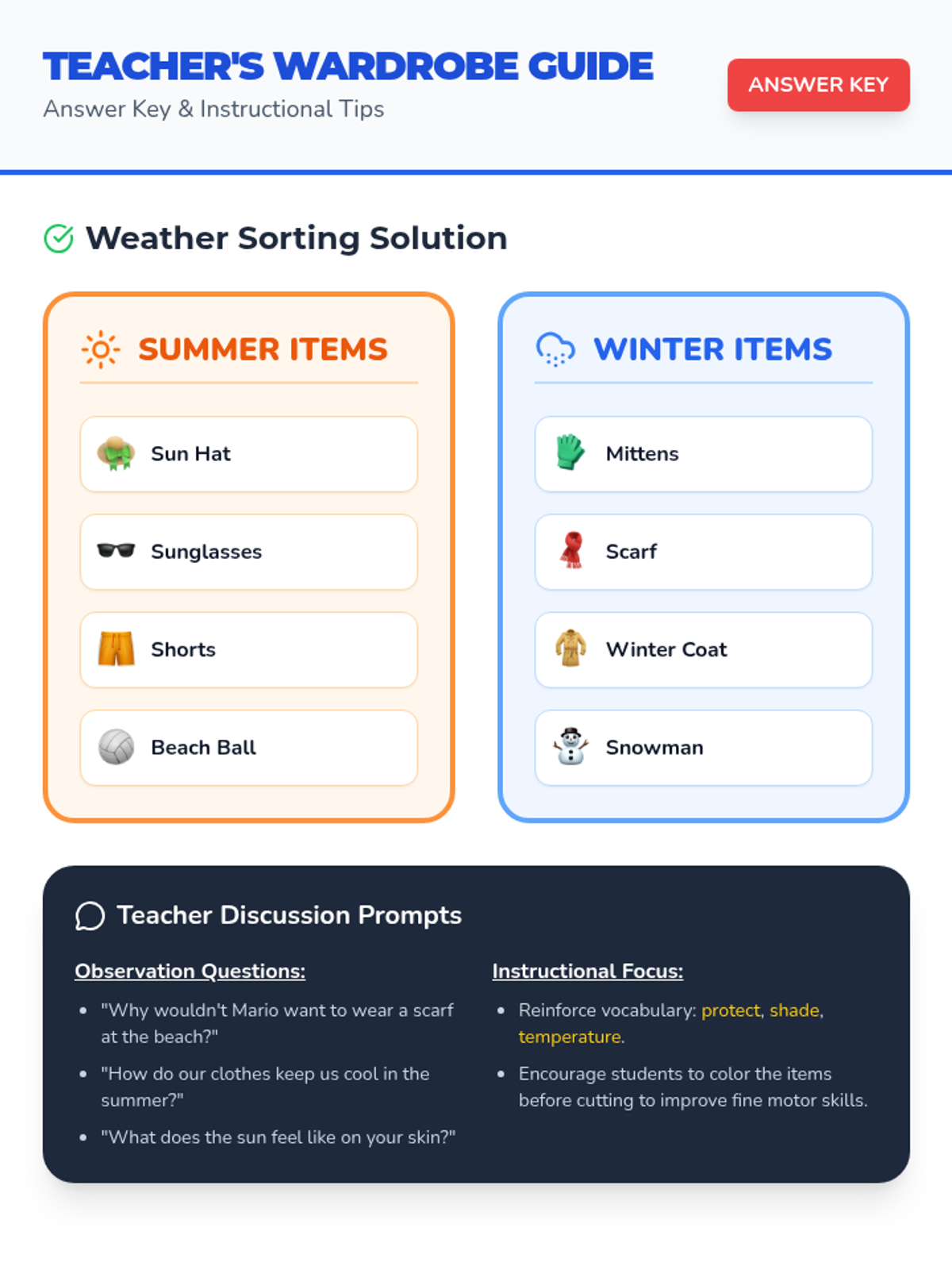
A fun, video-game themed lesson where kindergarteners help a hero dress for the summer heat while learning to distinguish between summer and winter clothing.
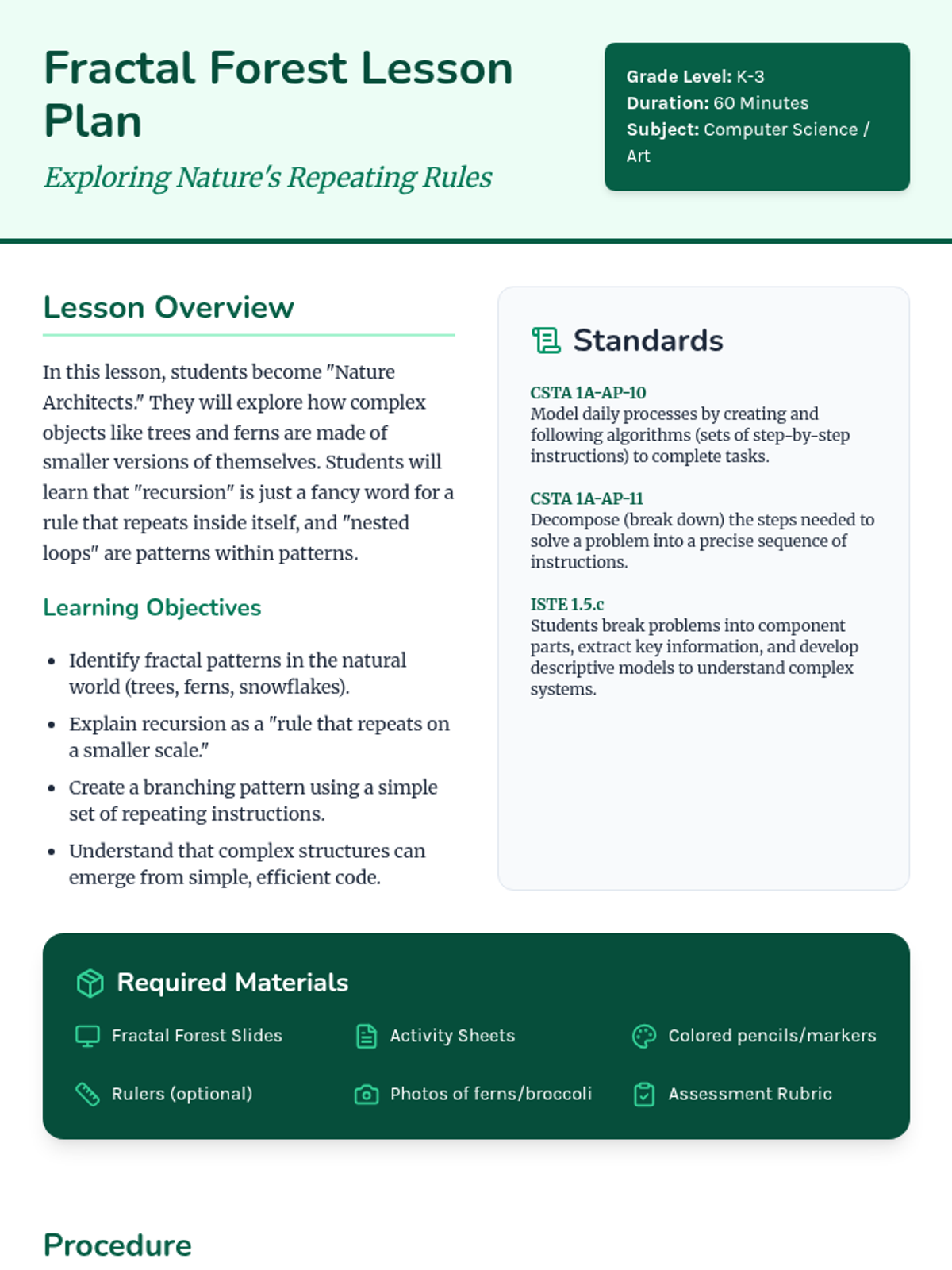
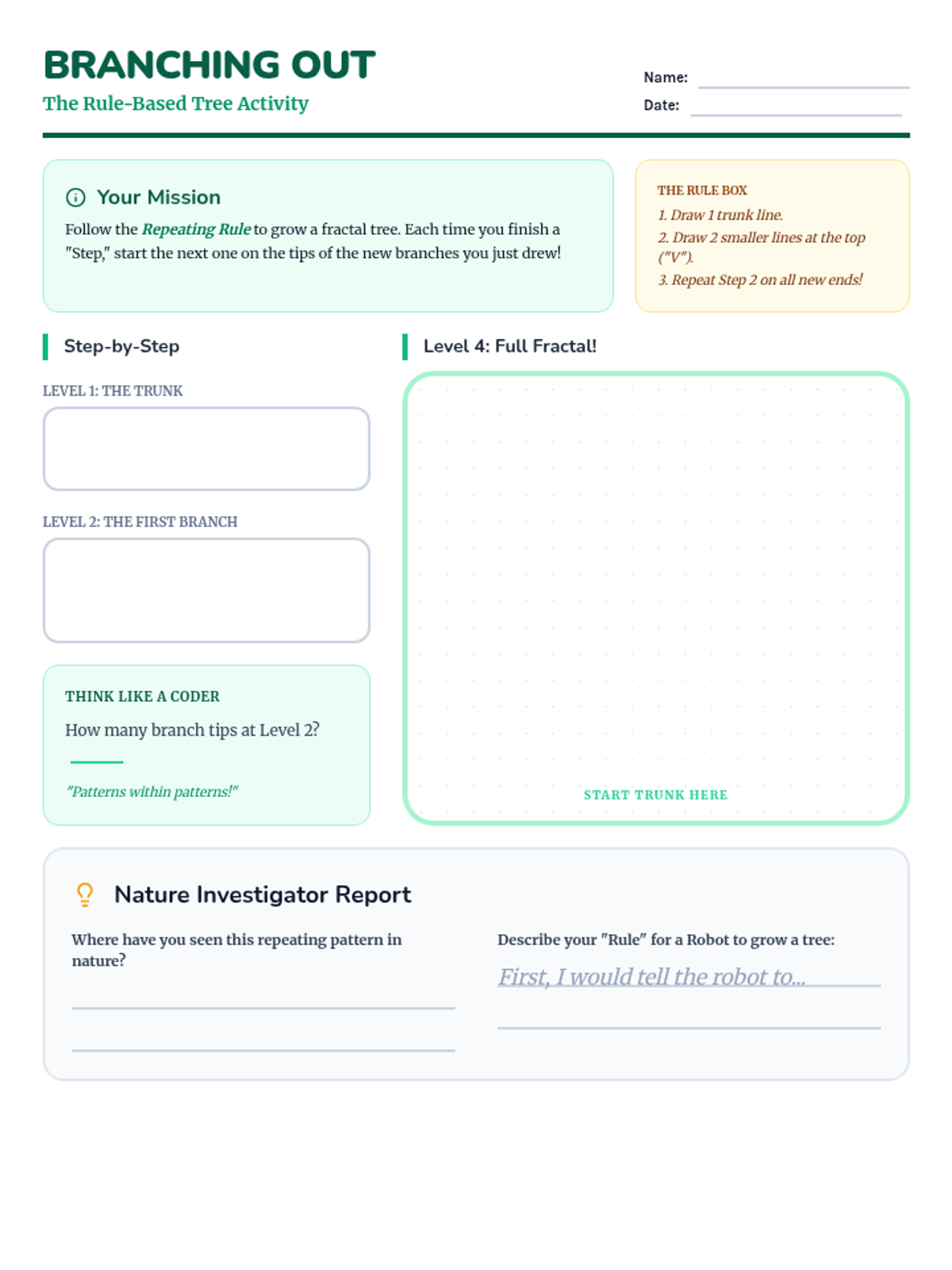
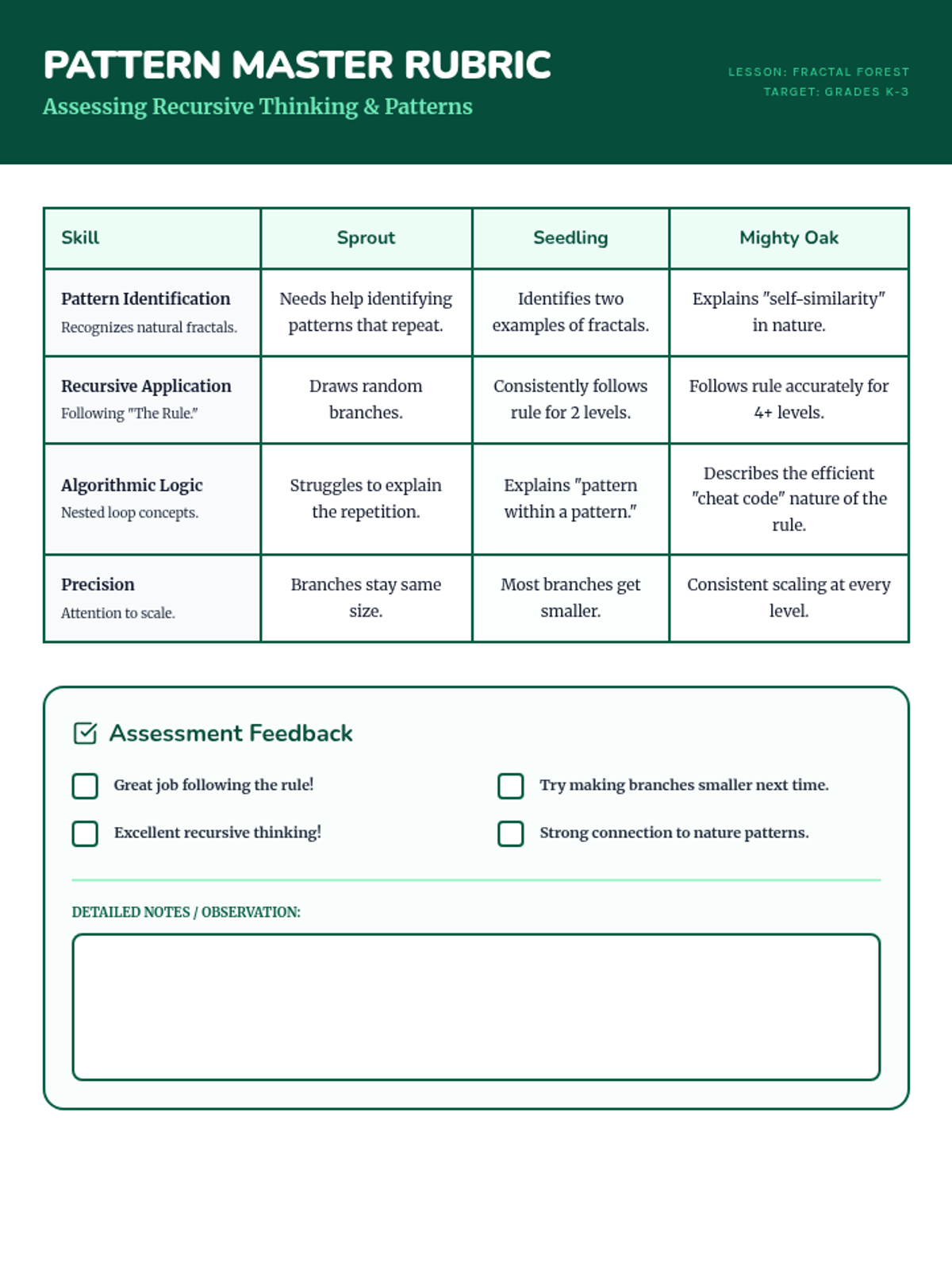
Students in grades K-3 discover the magic of recursion and nested loops by observing patterns in nature and applying simple repeating rules to grow their own digital and hand-drawn forests.
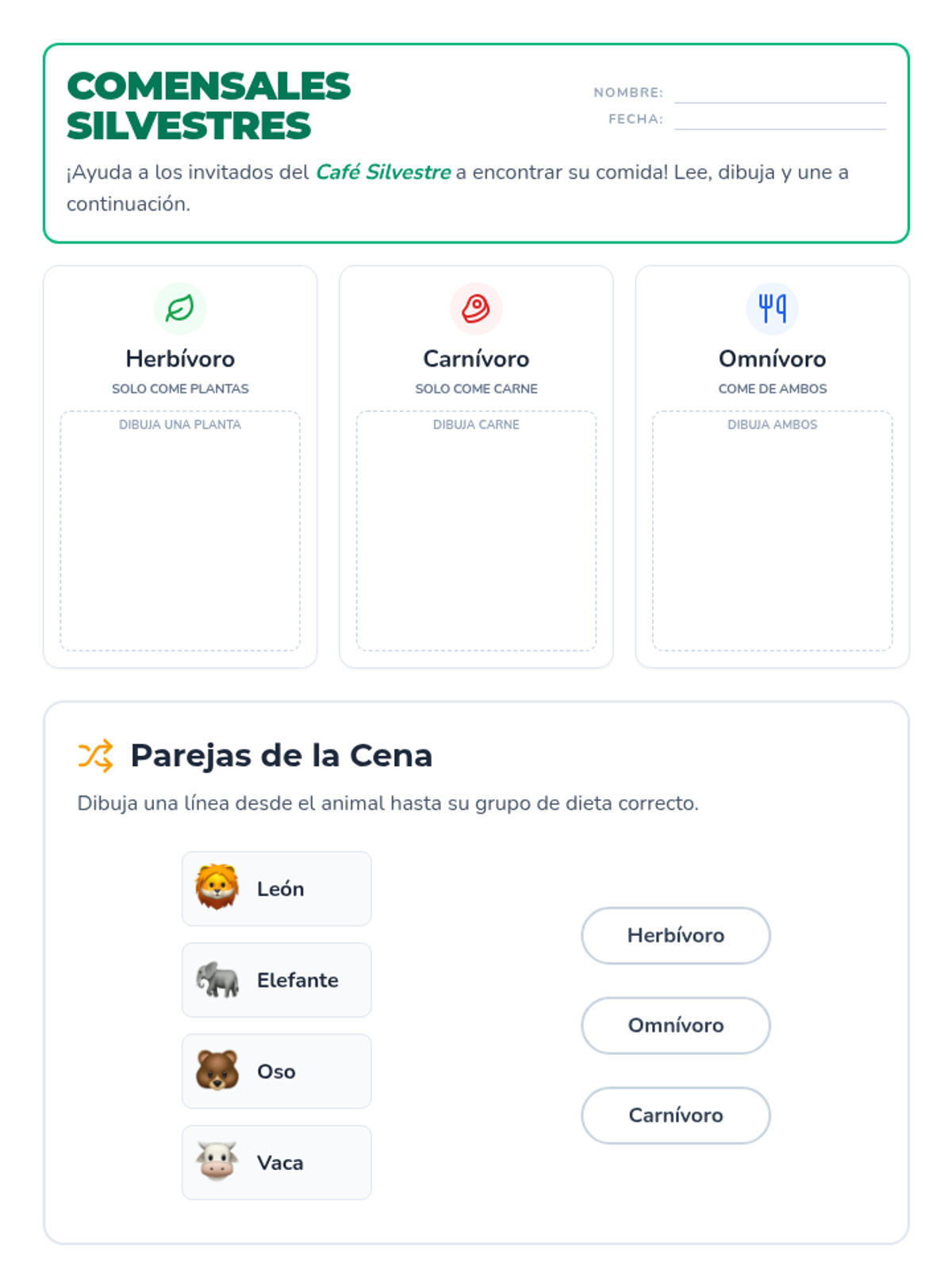
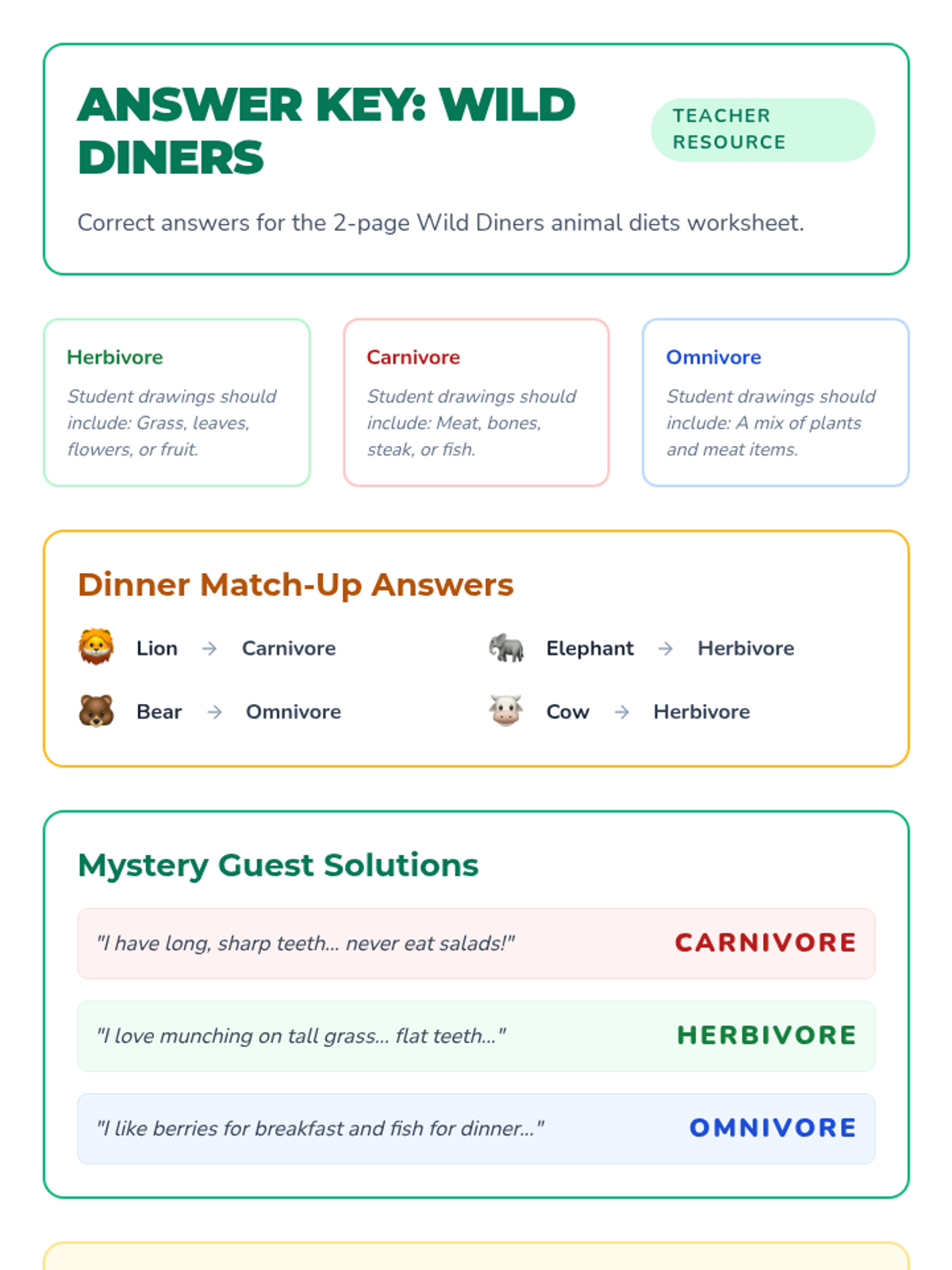
An introductory lesson on animal diets, categorizing creatures as carnivores, herbivores, and omnivores through visual identification and simple riddles.
A visual exploration of common farm animals designed for preschool and kindergarten students. This lesson focuses on visual recognition and categorization through high-contrast image cards.
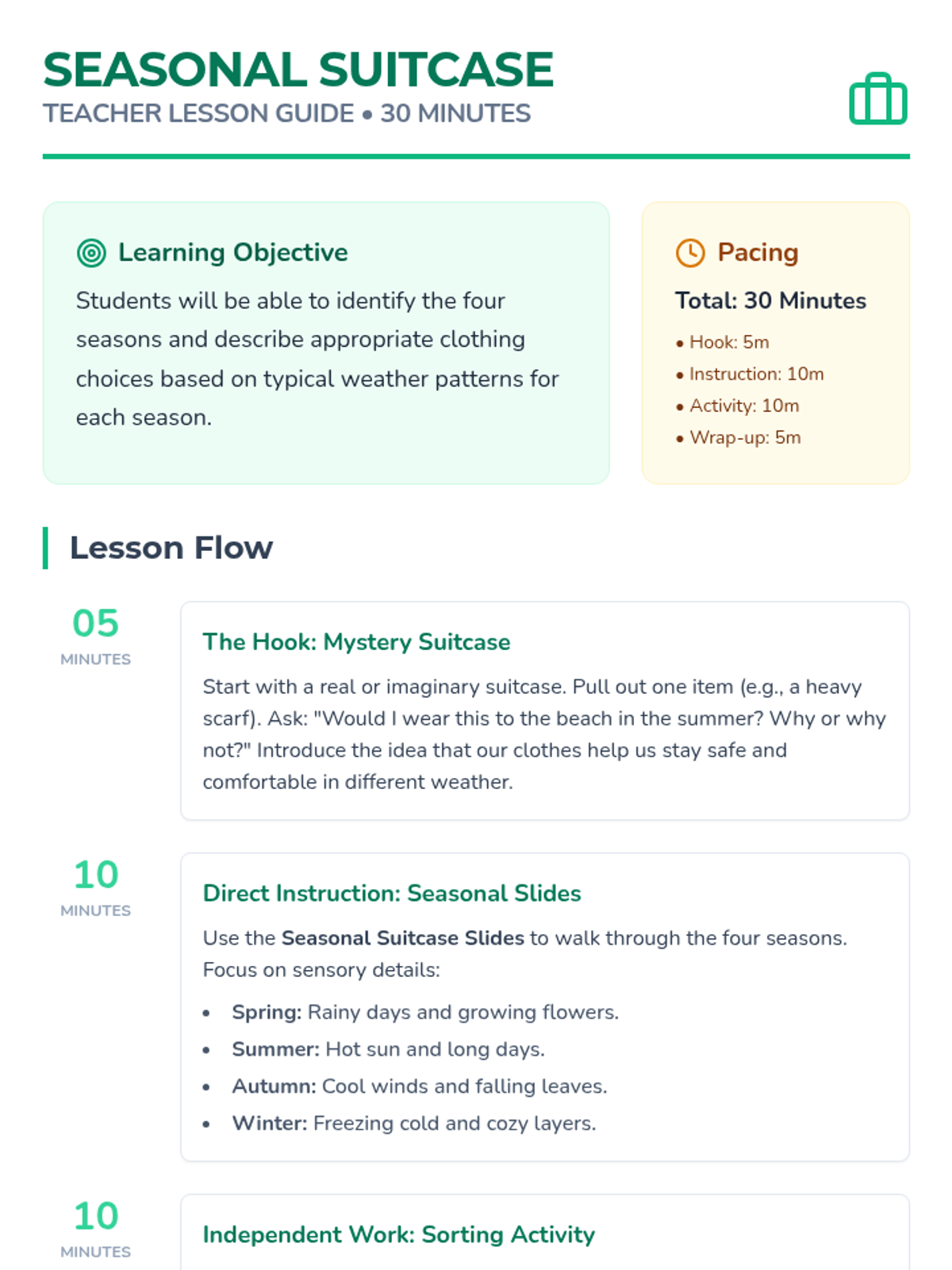
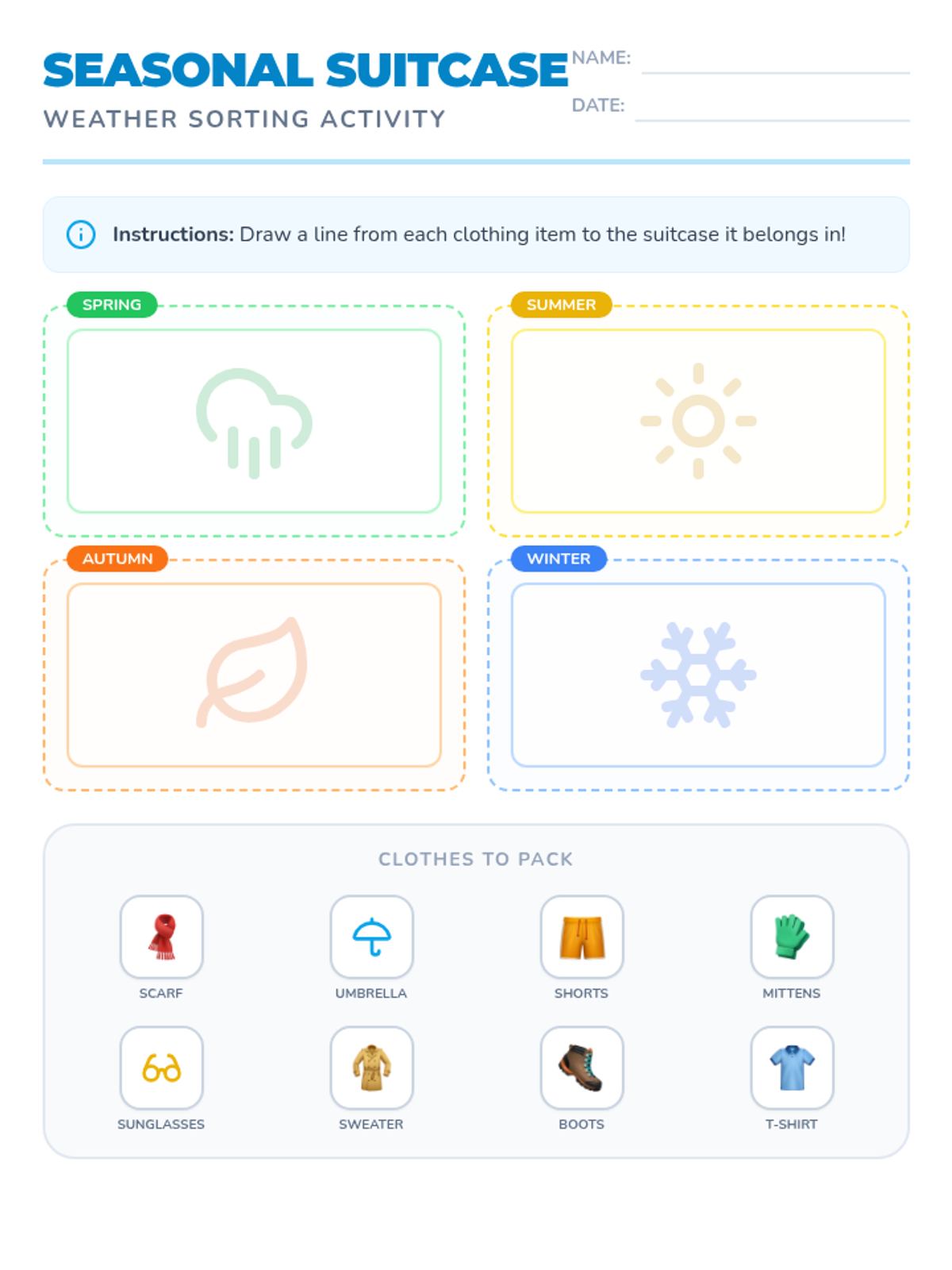
A 30-minute introduction to the four seasons and how we dress for different types of weather. Students will learn to identify seasonal patterns and select appropriate clothing for each.
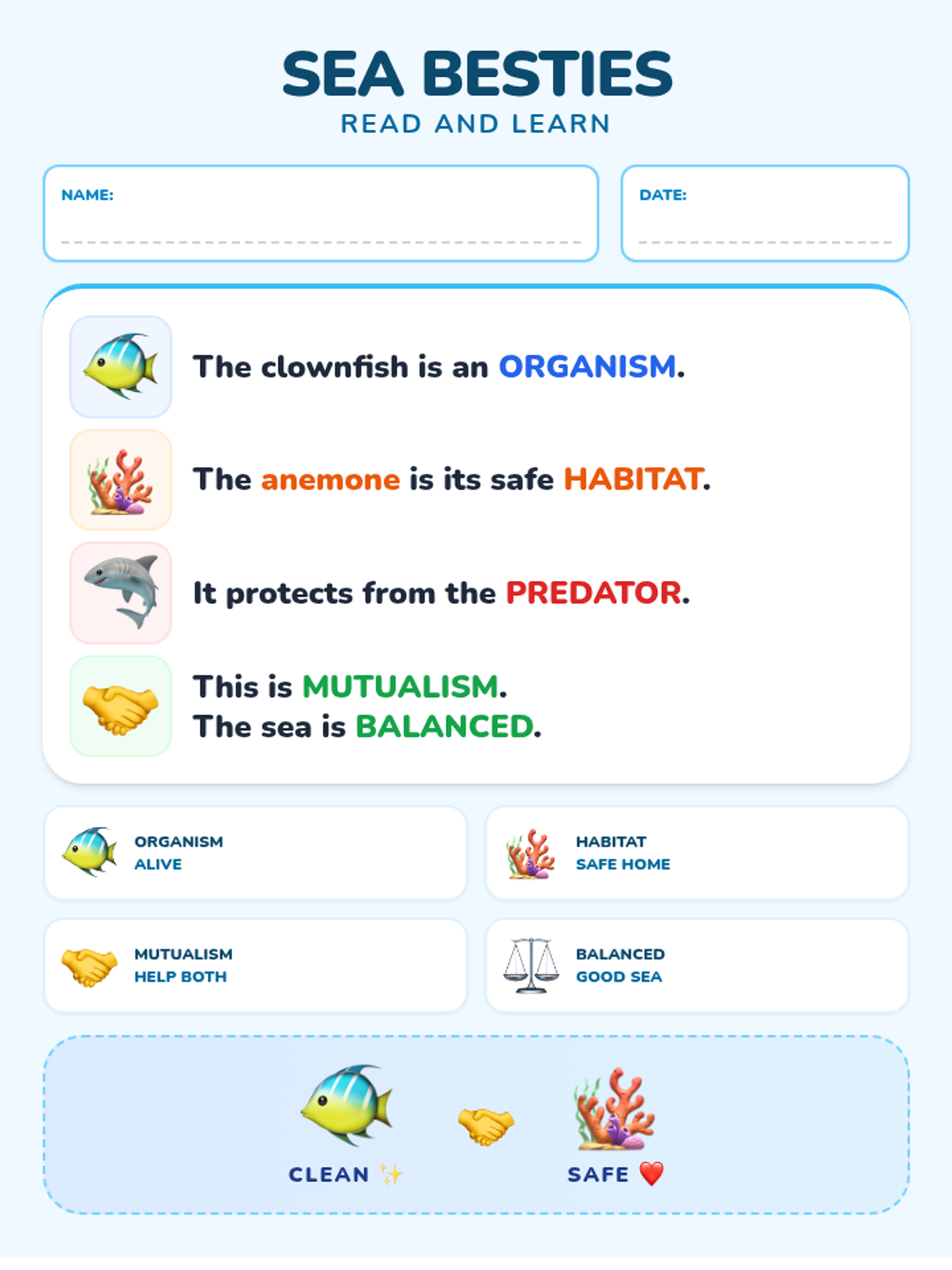
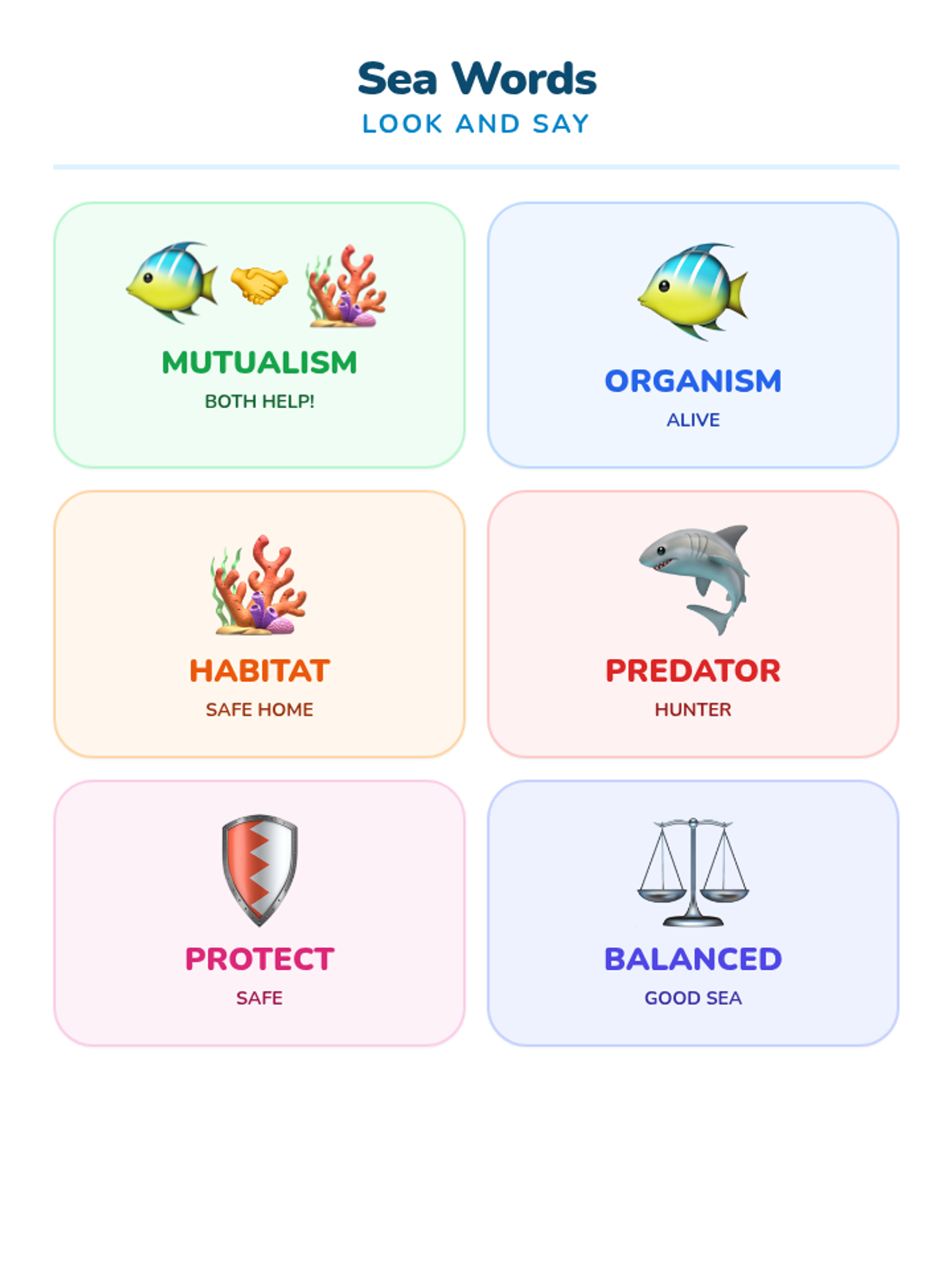
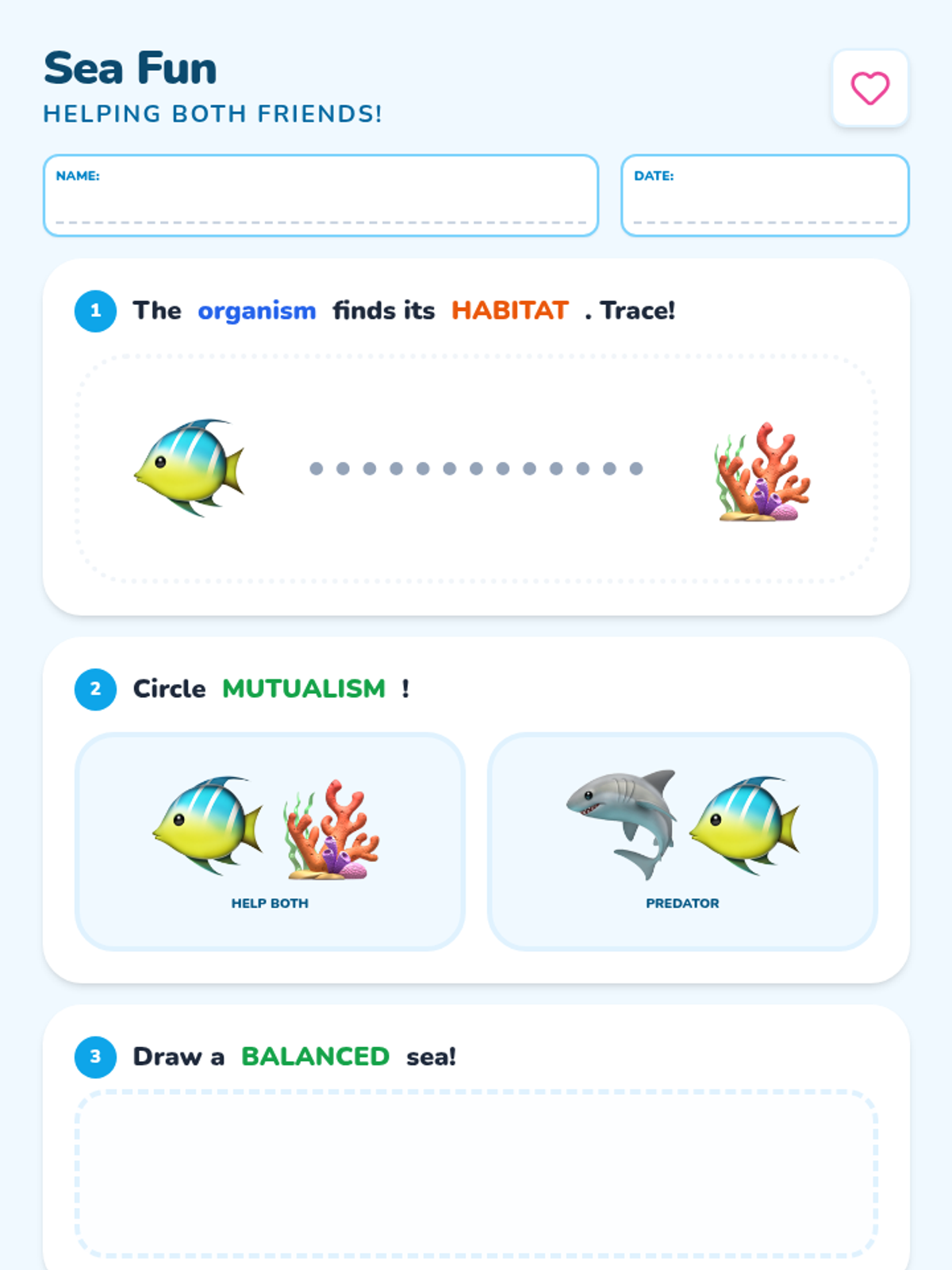
A simple introduction to the symbiotic relationship between clownfish and sea anemones, designed for Pre-K students with limited formal education (SLIFE). The lesson uses high-contrast visuals and basic vocabulary to explain how these ocean animals help each other.
A geography-focused science lesson identifying different types of landforms and bodies of water on Earth.
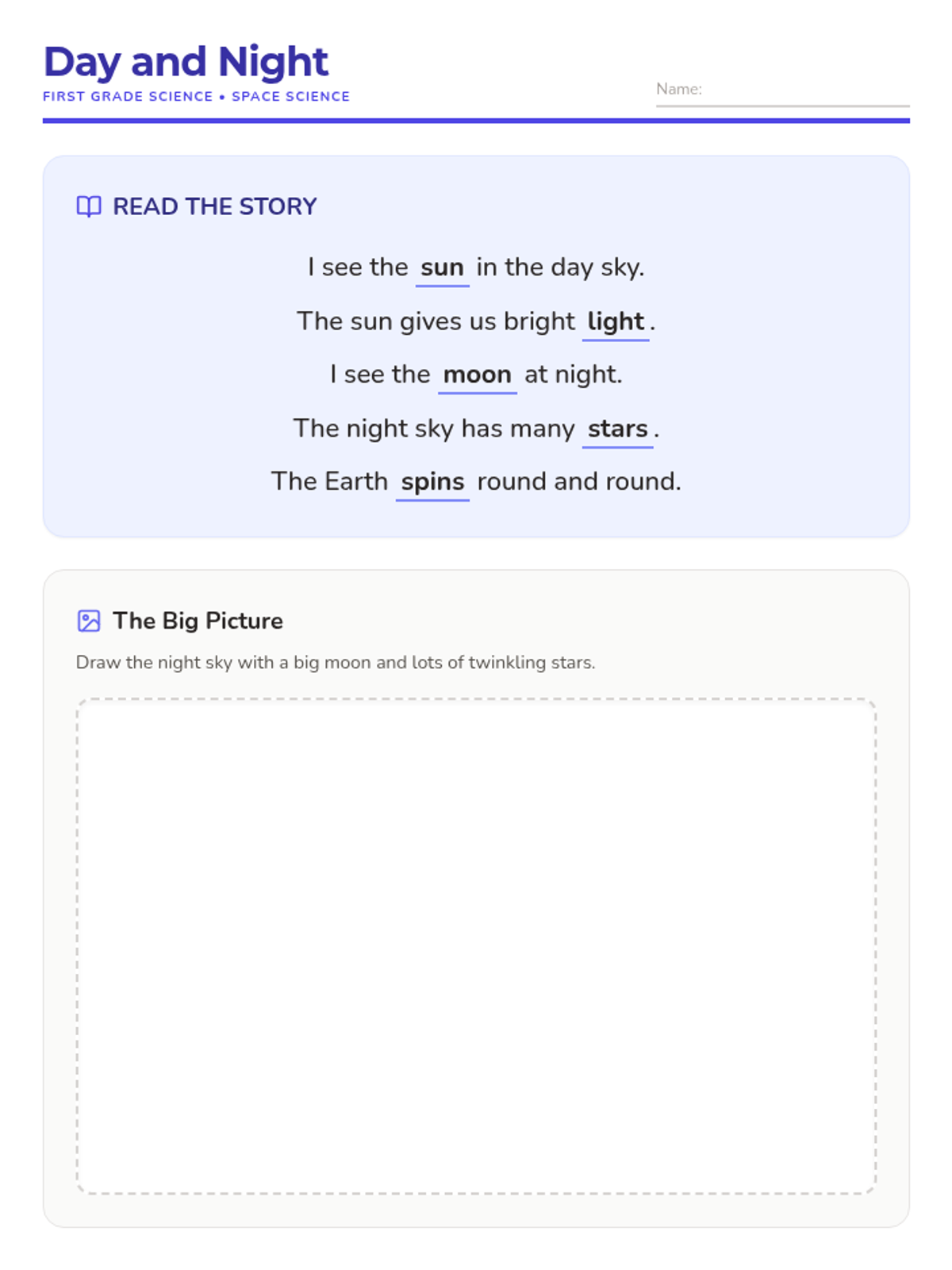
Students explore the concept of Earth's rotation through the visible patterns of day and night.
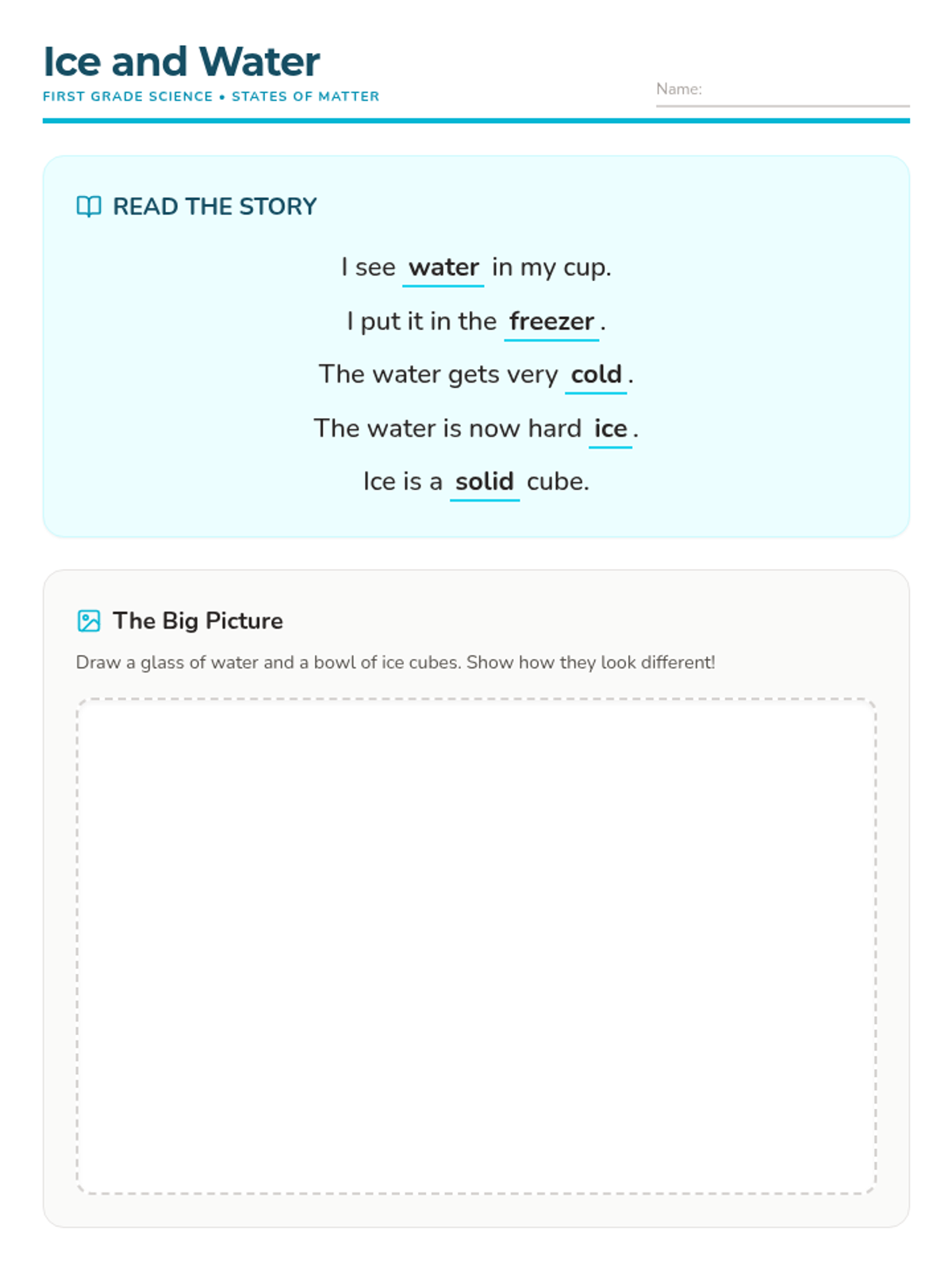
An introduction to the states of matter by observing how water changes from liquid to solid.
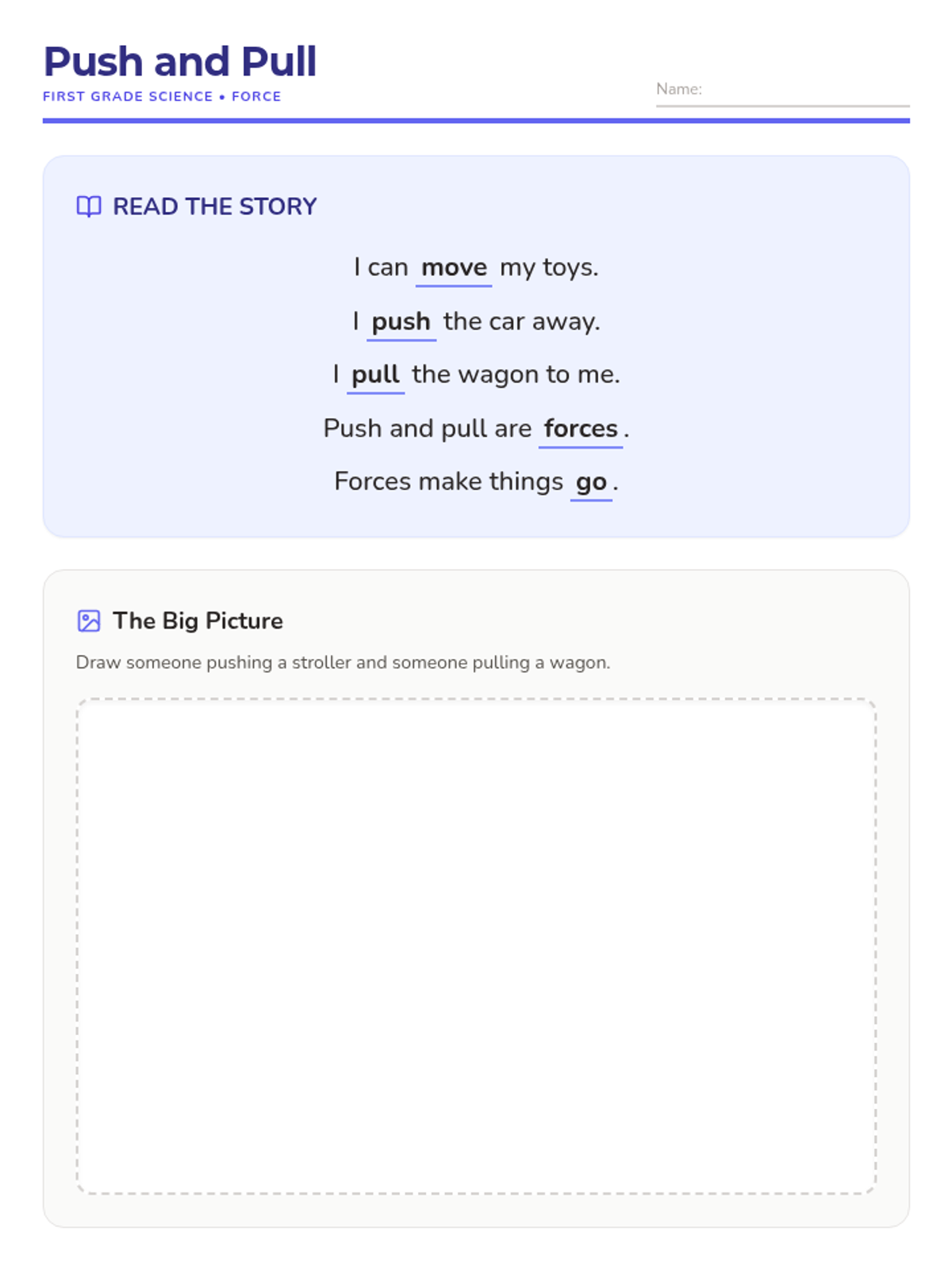
A basic physics lesson on force, teaching students about pushes and pulls using everyday objects.
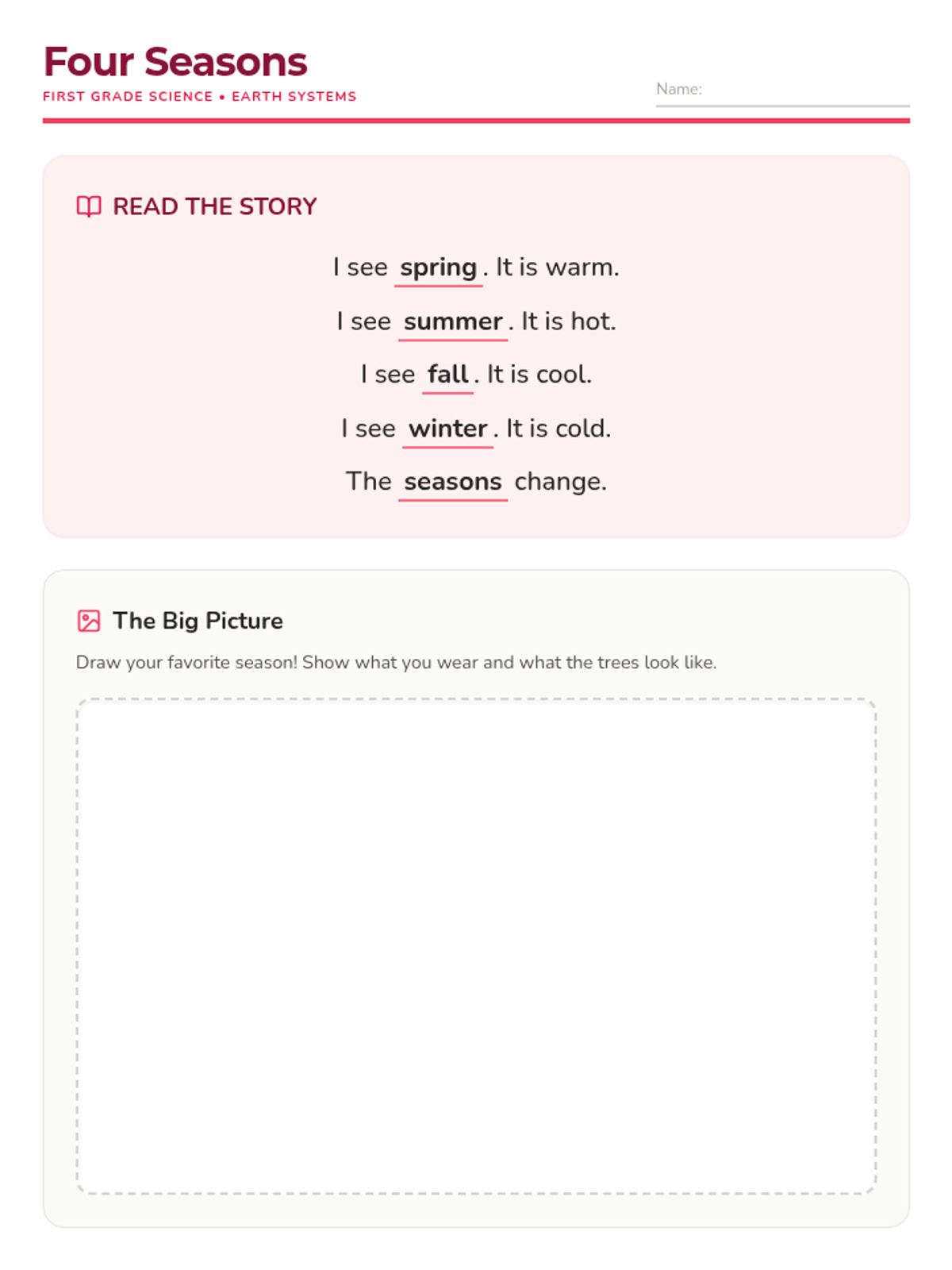
Students identify the four seasons and the primary environmental changes associated with each.
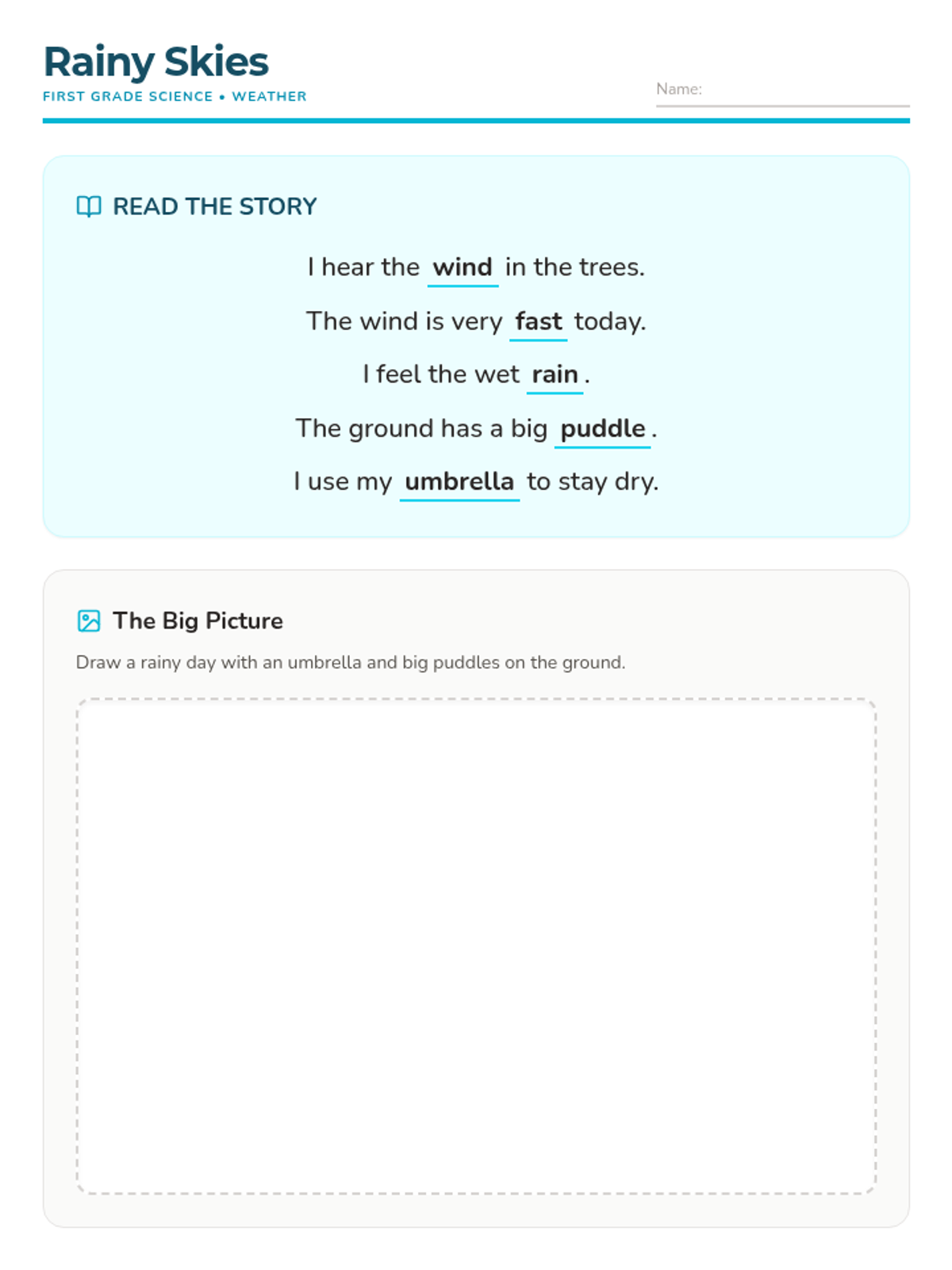
An exploration of dynamic weather elements like wind and precipitation and their effects.
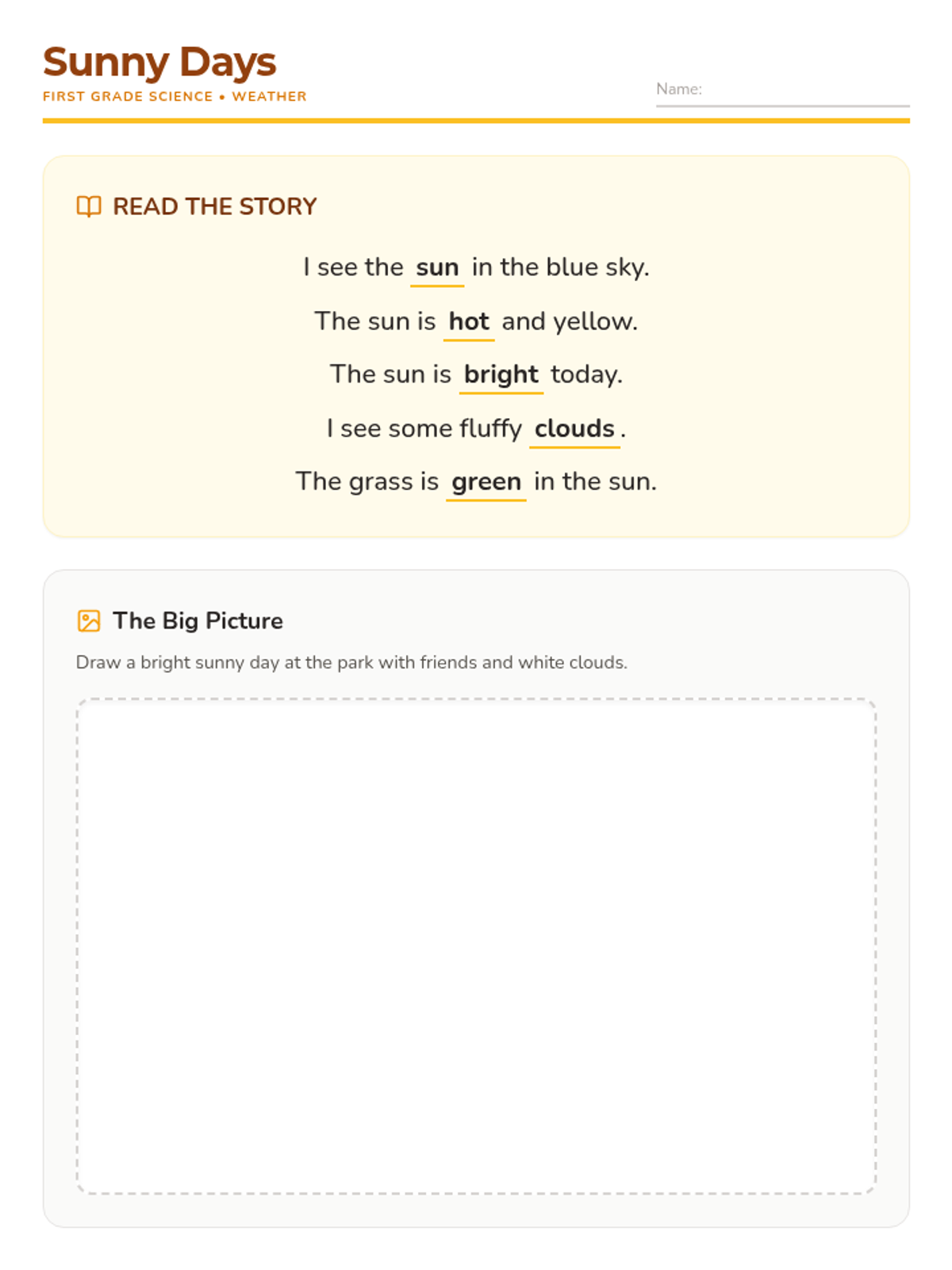
A look at basic weather patterns, focusing on the characteristics of sunny and cloudy days.
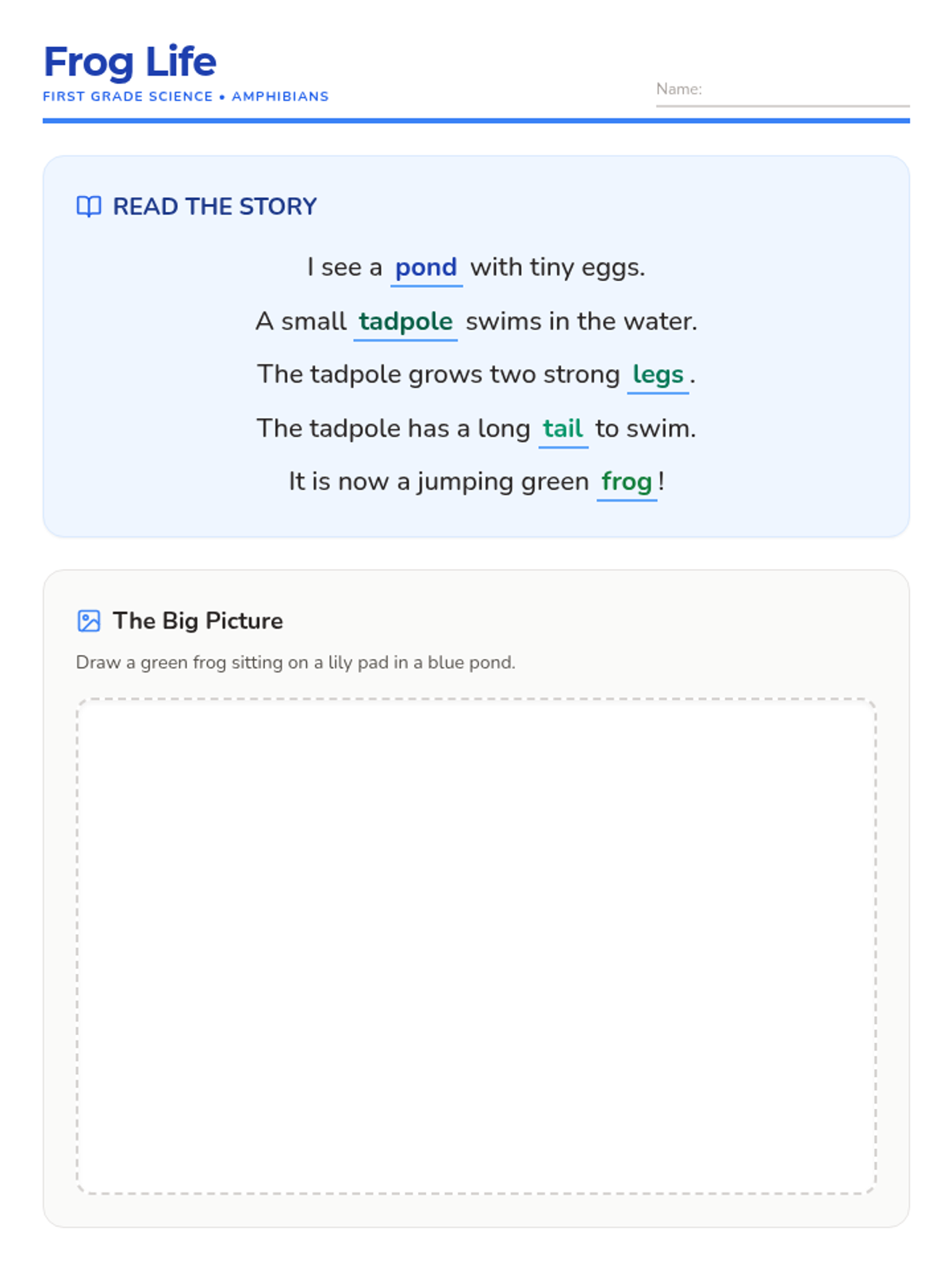
Students explore the stages of a frog's life cycle, from eggs in the water to a jumping adult.
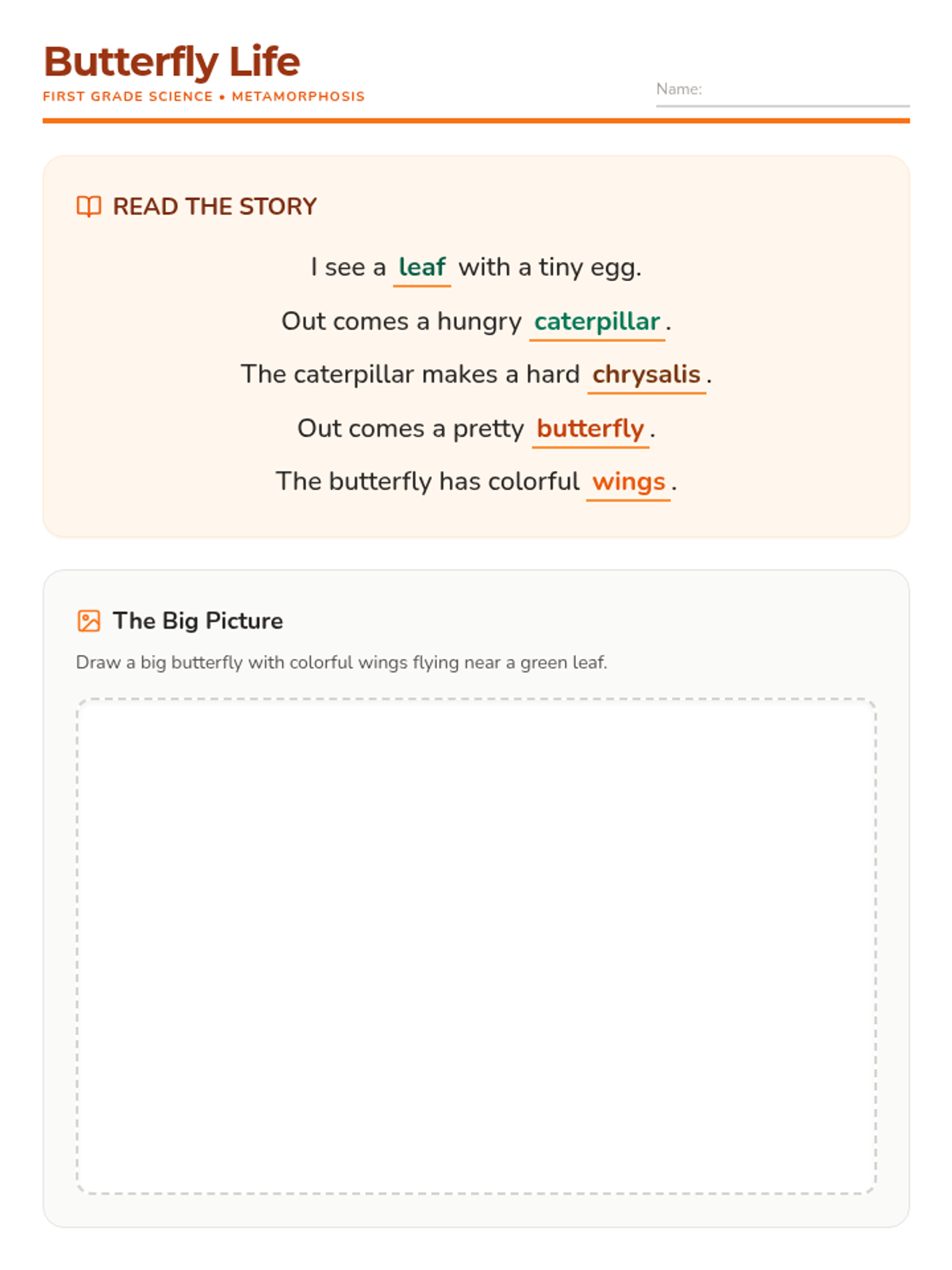
An introduction to metamorphosis as students follow a caterpillar's transformation into a butterfly.
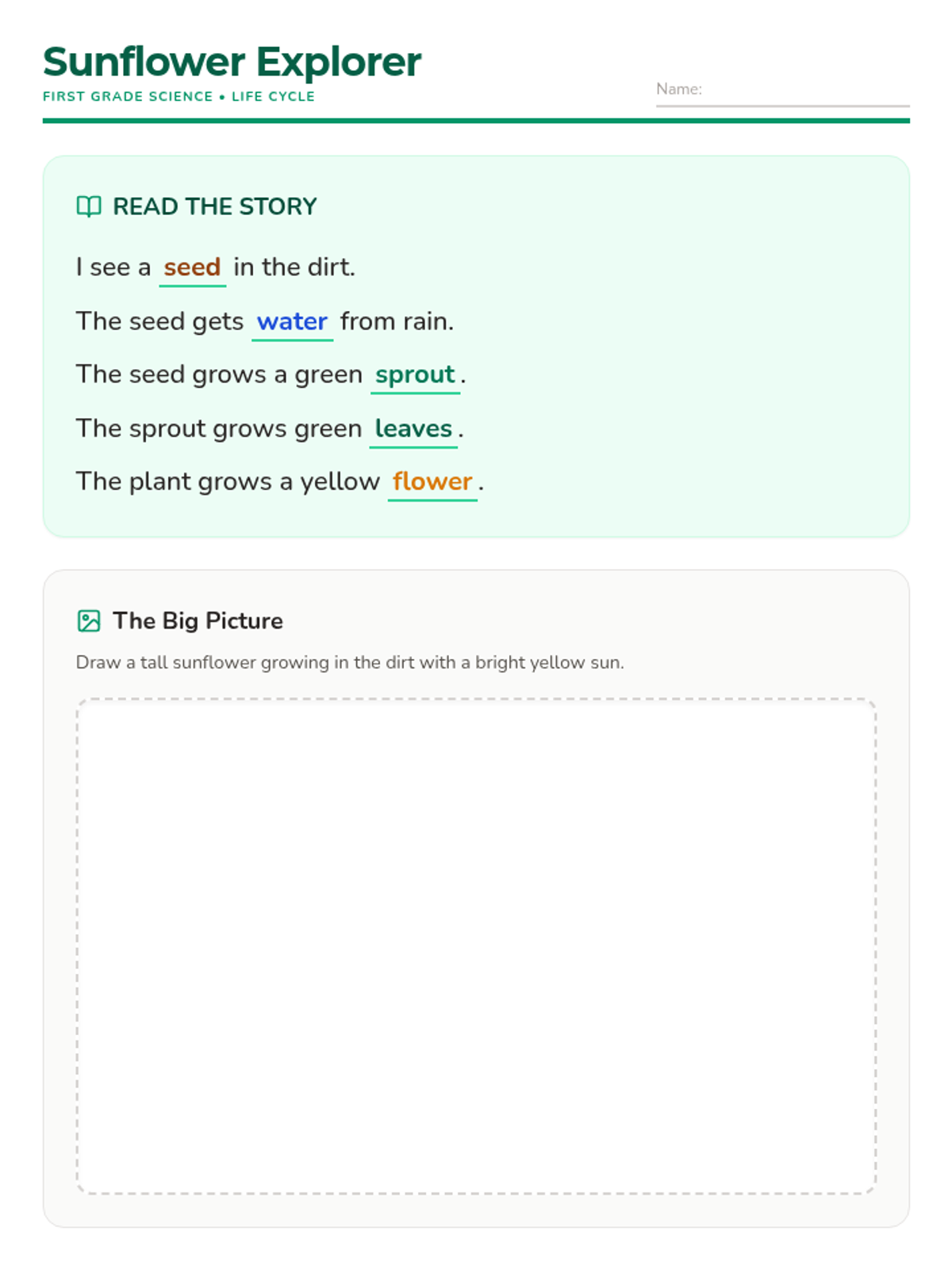
Students learn about the plant life cycle using a sunflower as a model, focusing on the stages from seed to flower.
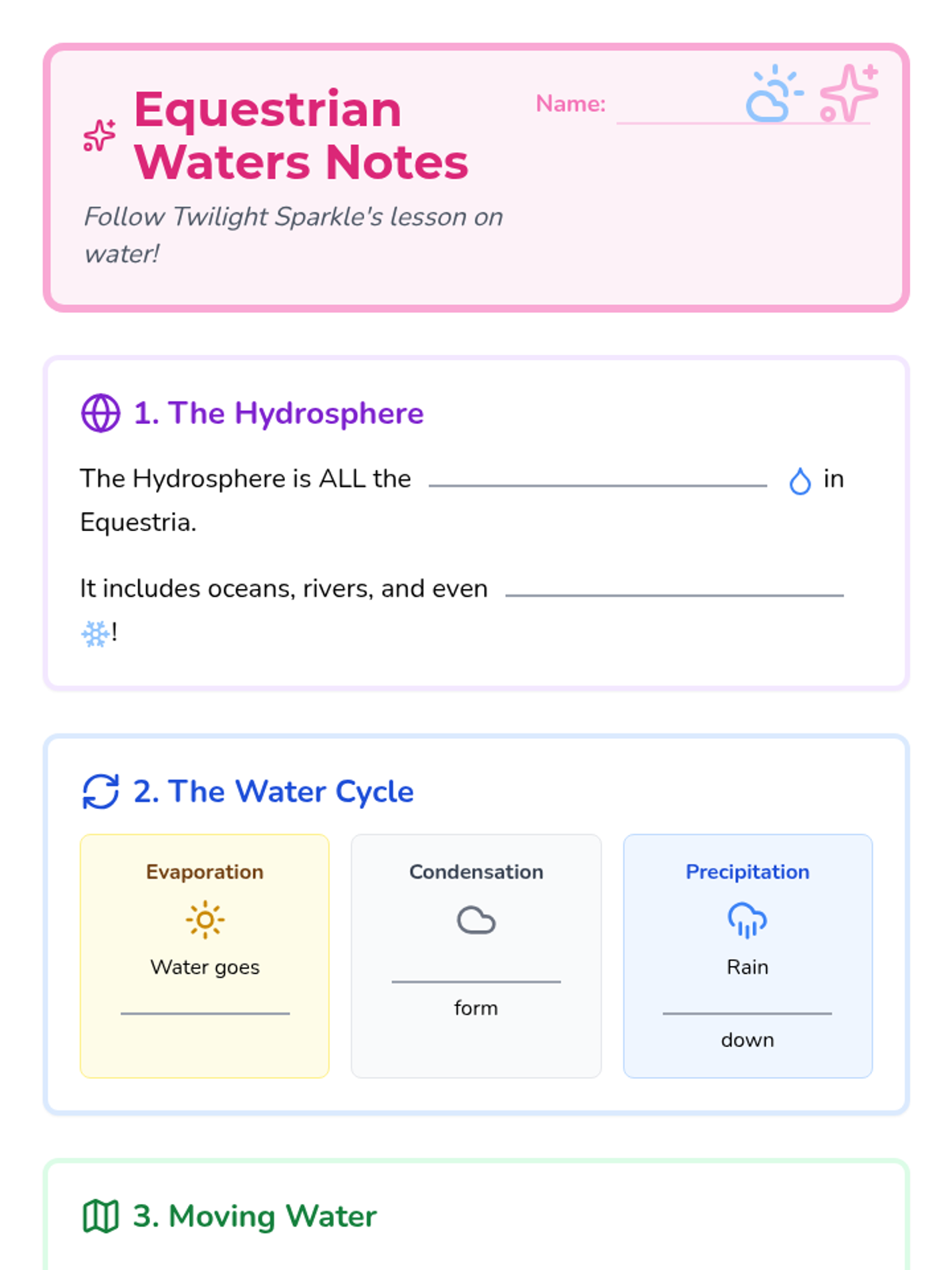
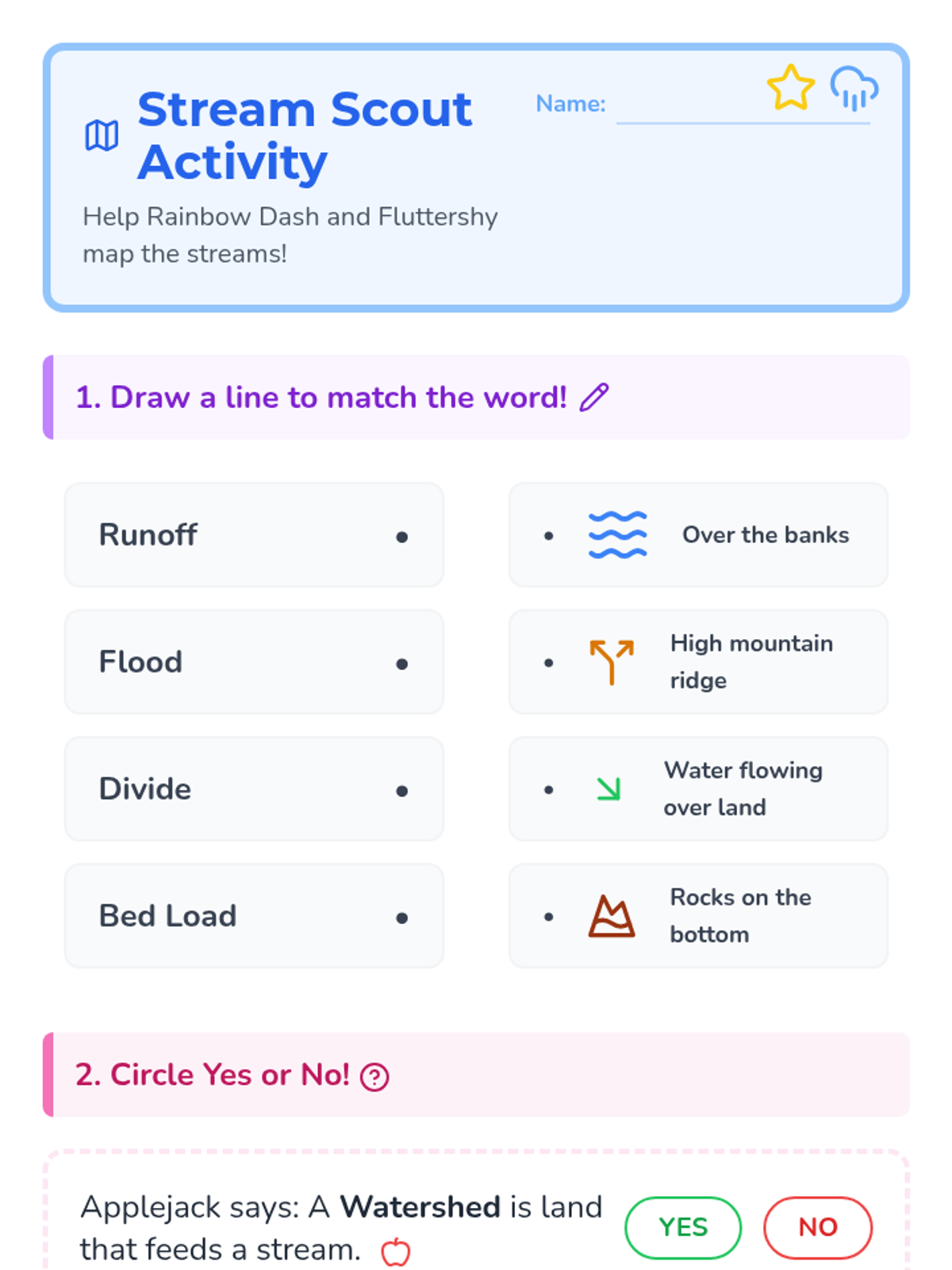
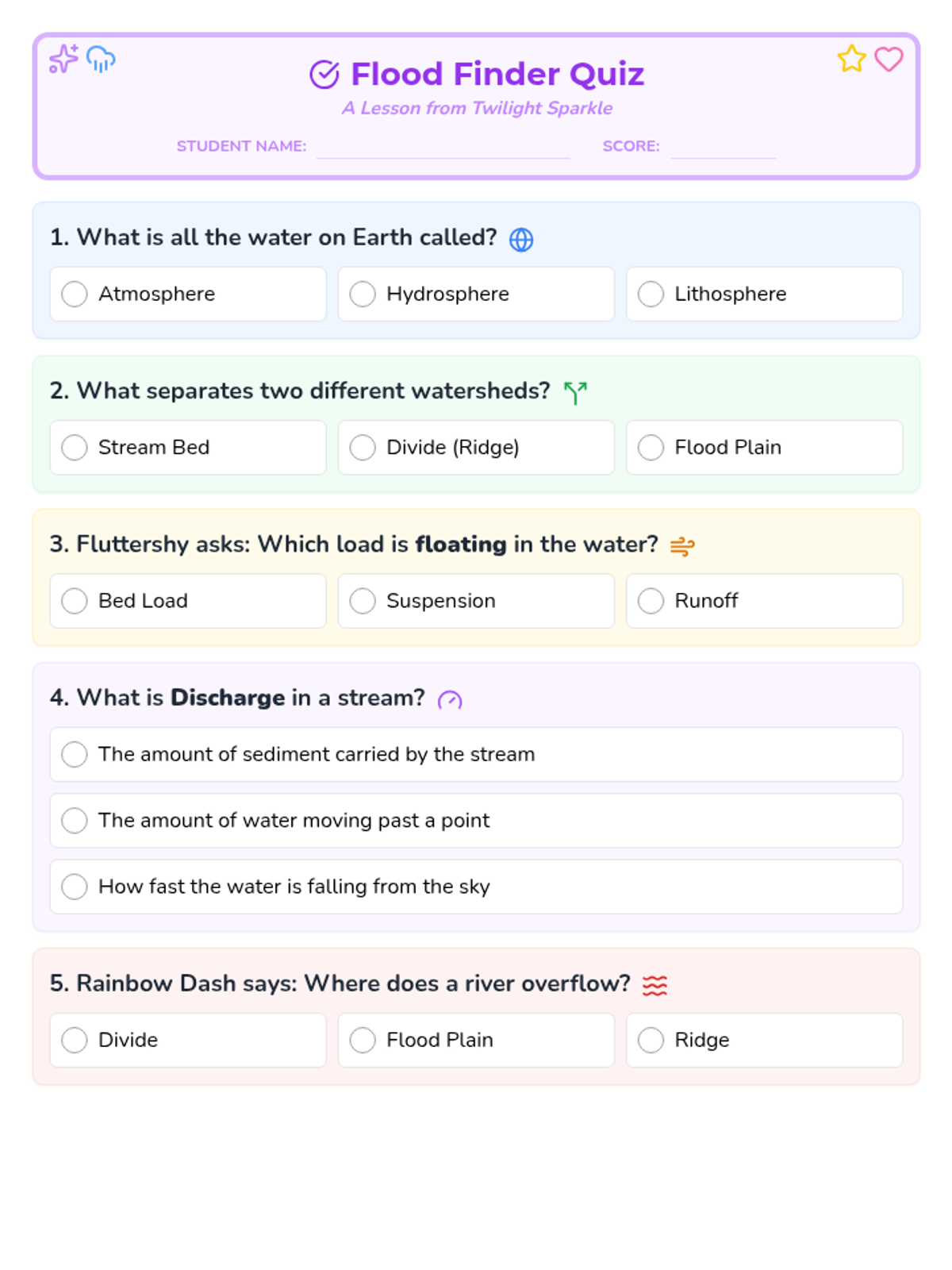
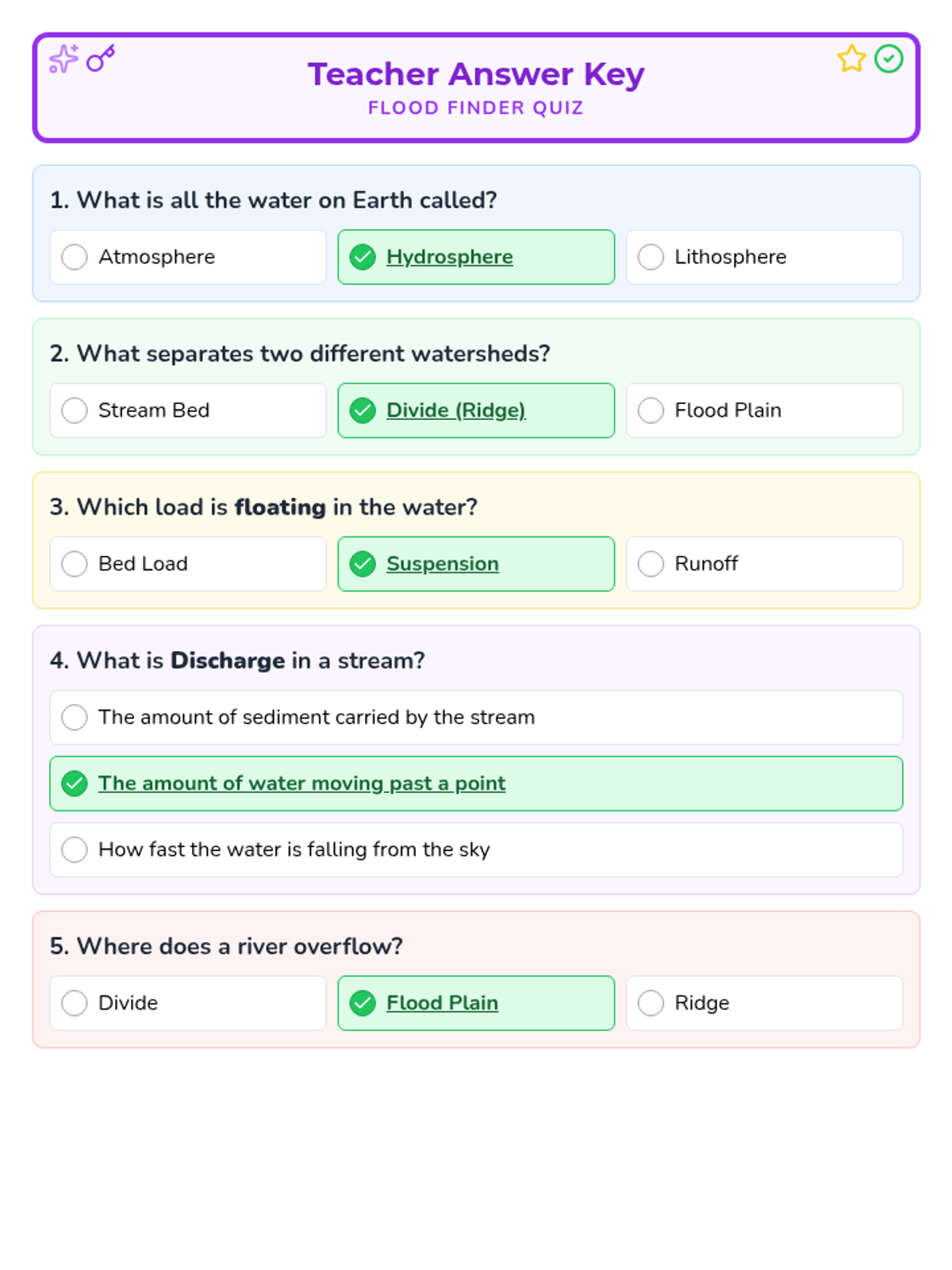
A simplified, symbol-supported lesson on surface water movement, covering watersheds, stream systems, and flood safety, themed around the world of Equestria.
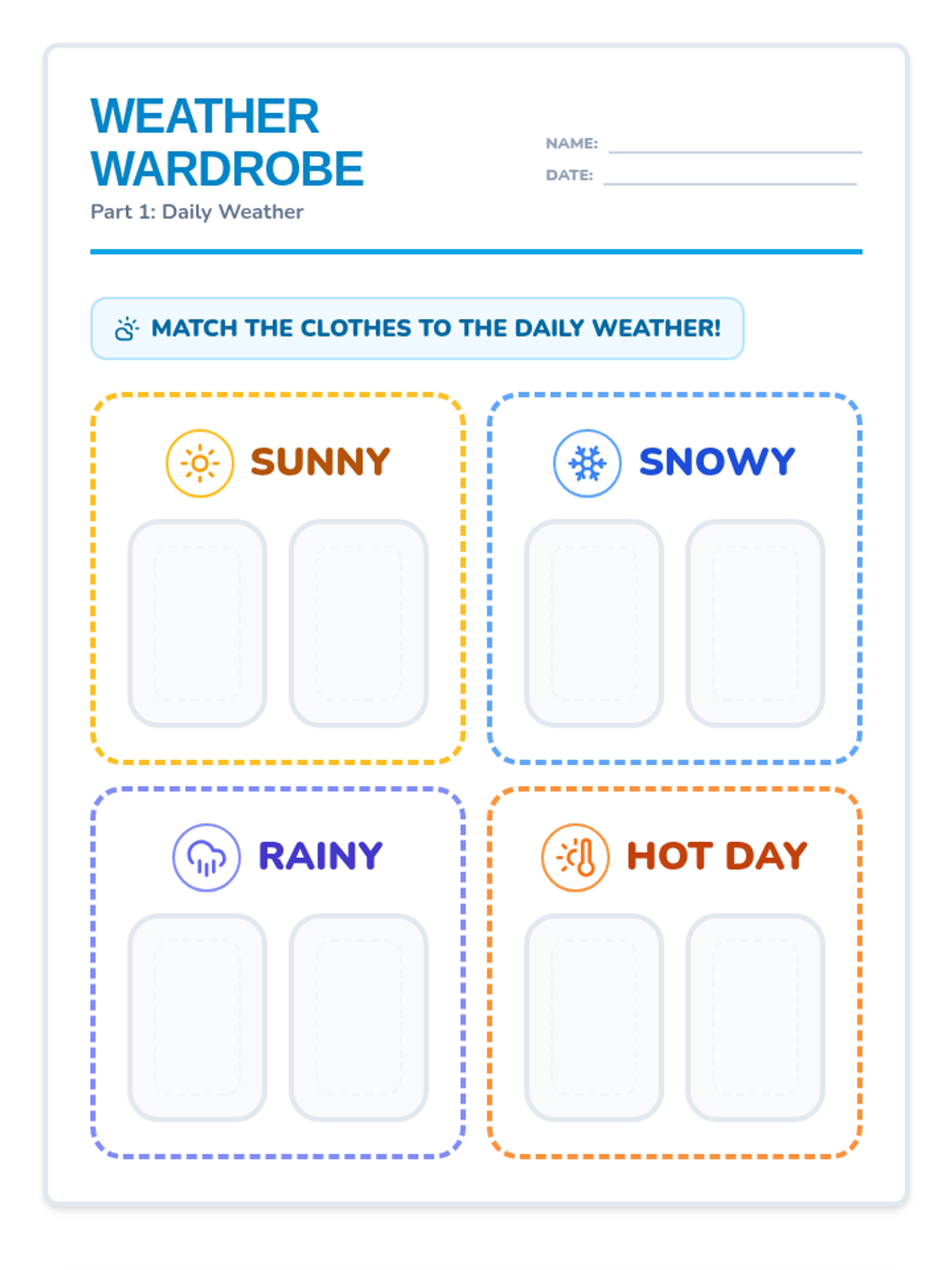
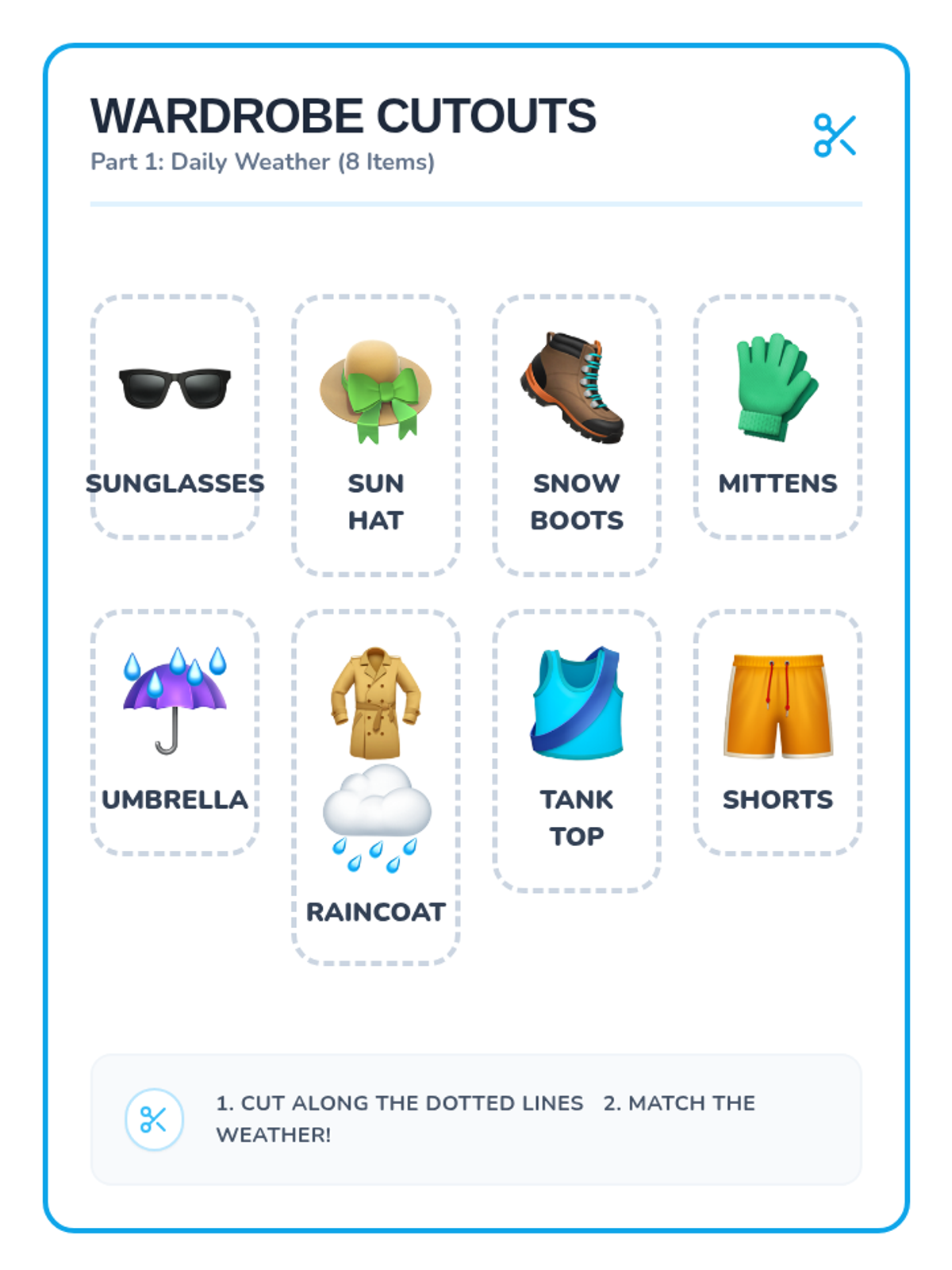
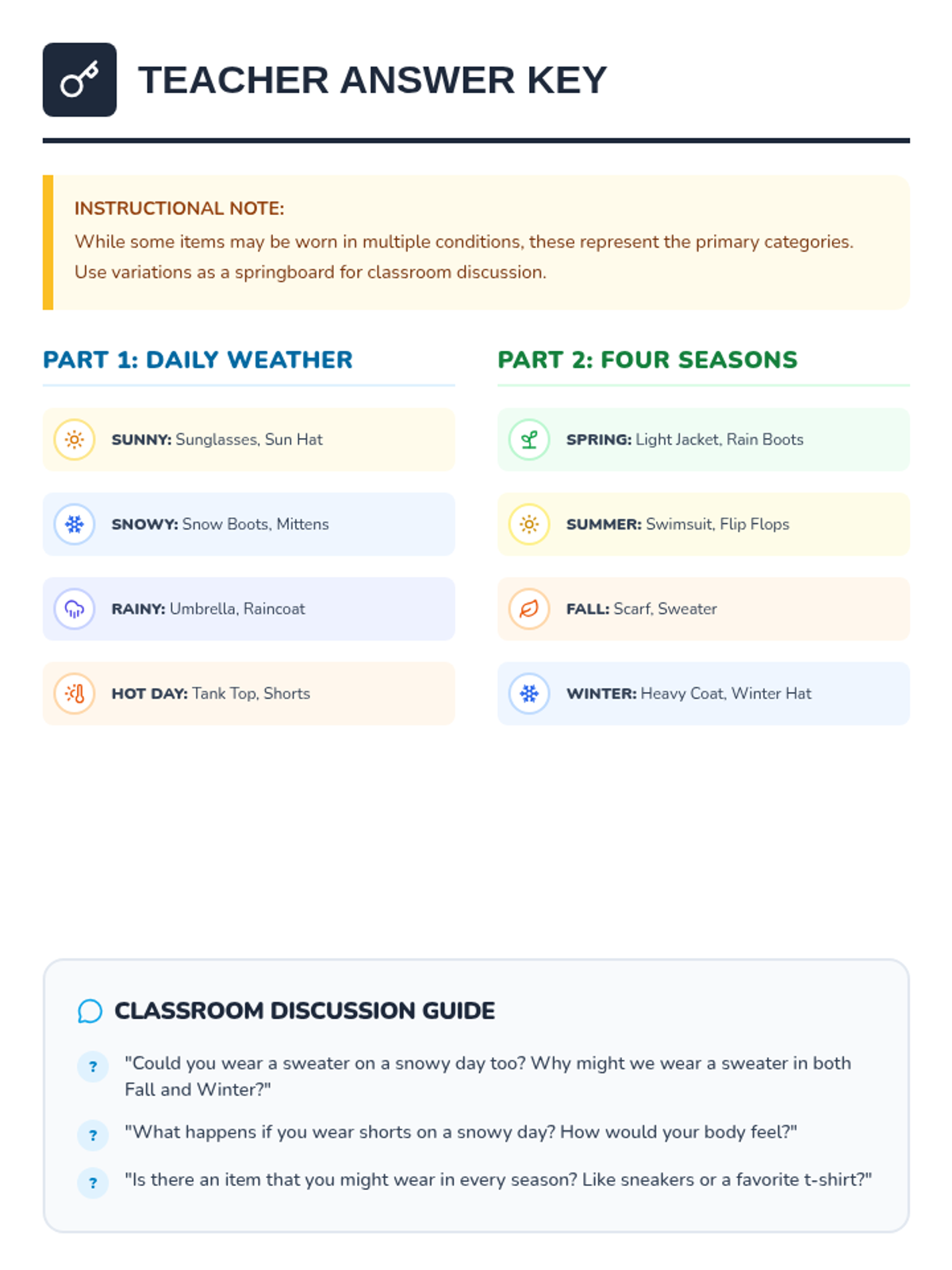
A hands-on activity lesson for kindergarteners to identify and match appropriate clothing to various weather conditions and seasons.
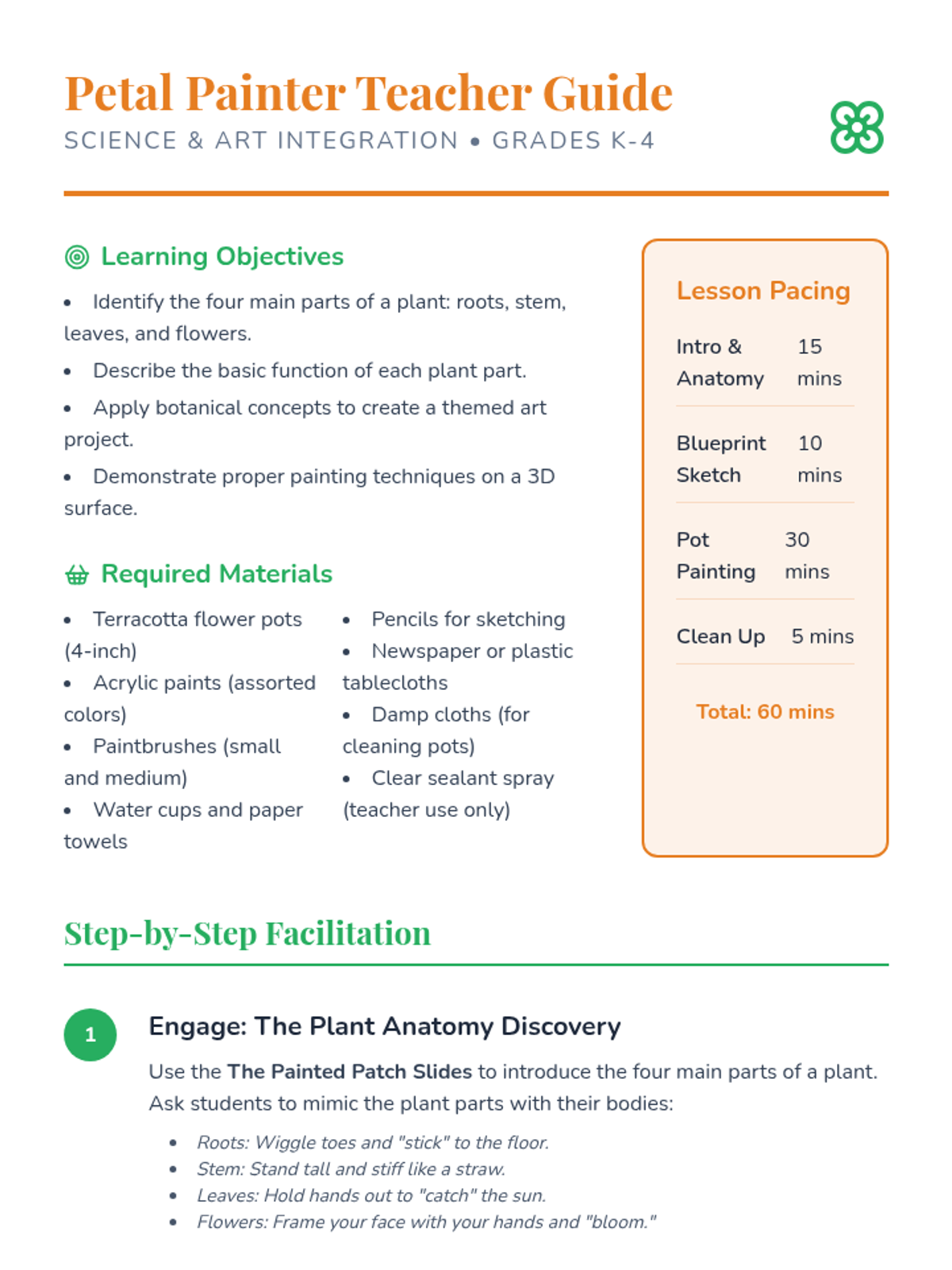
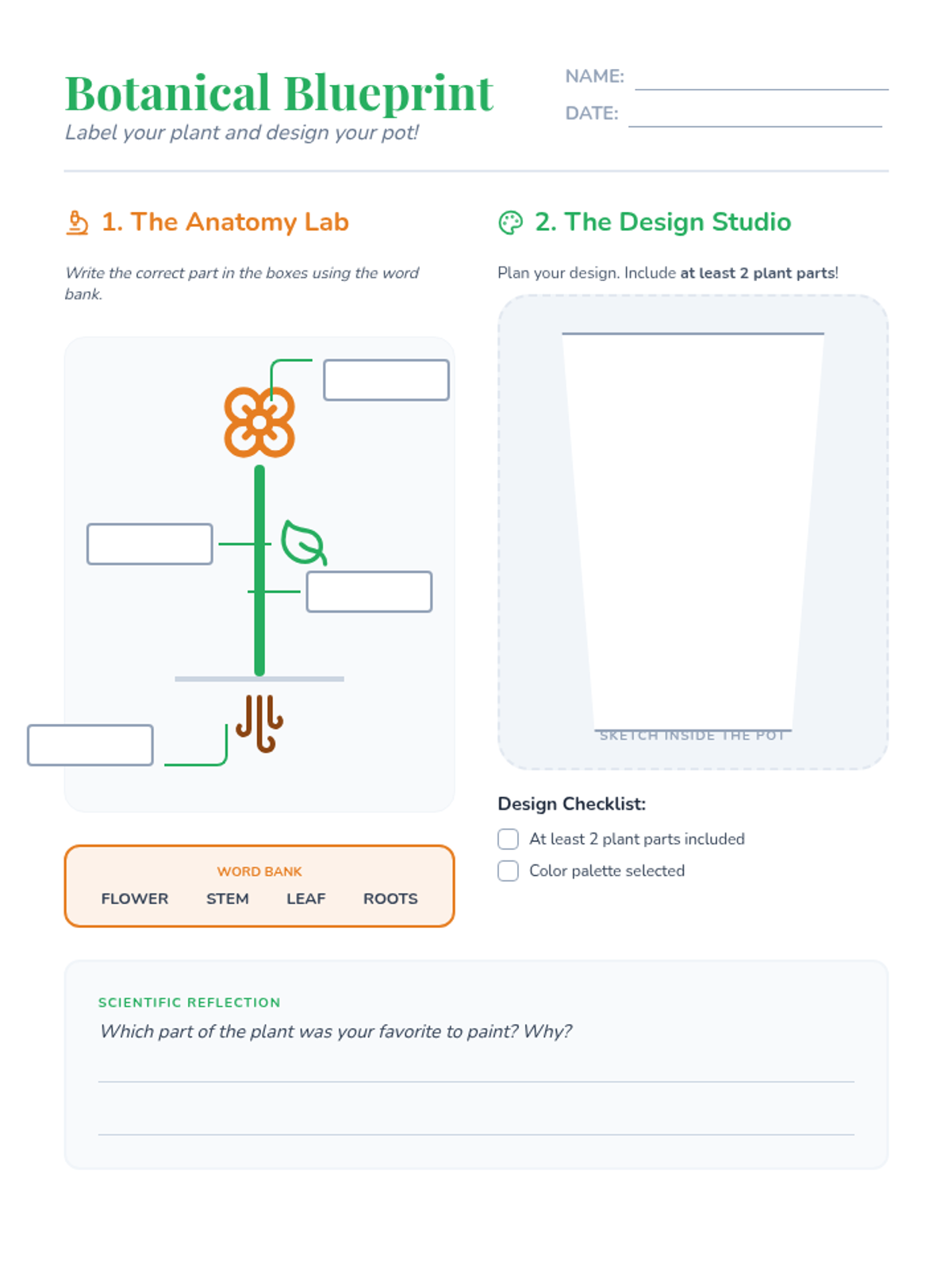
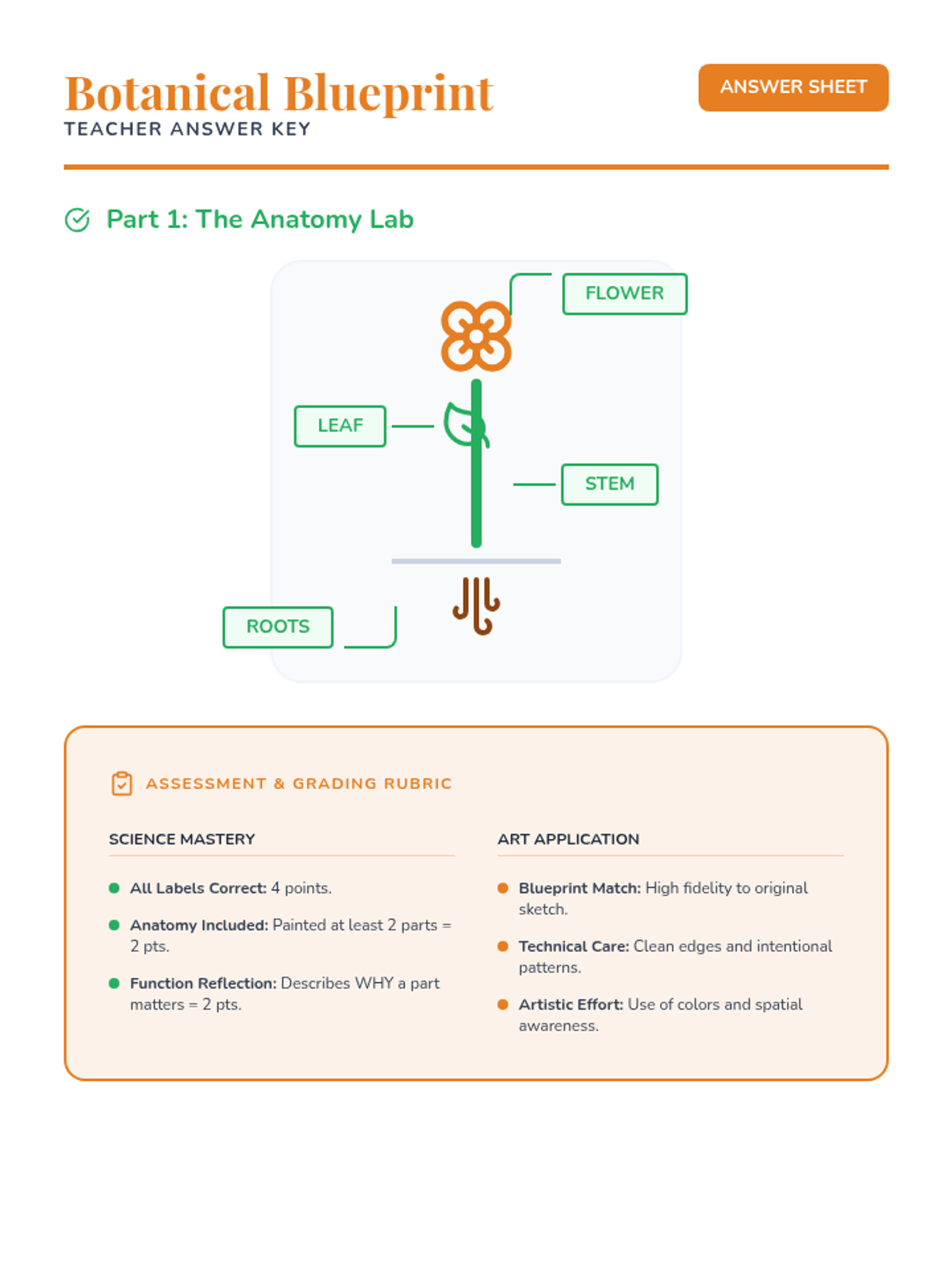
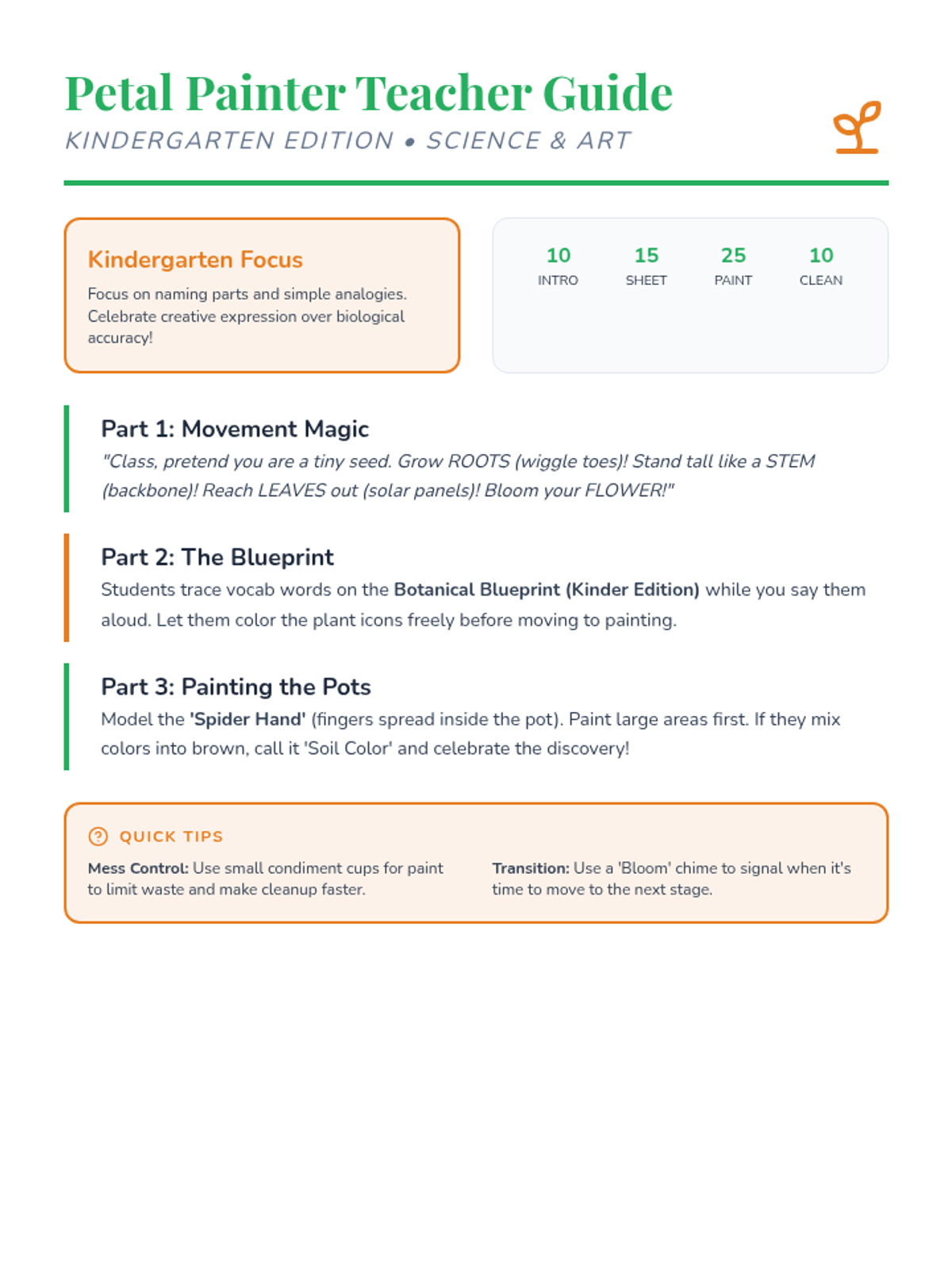
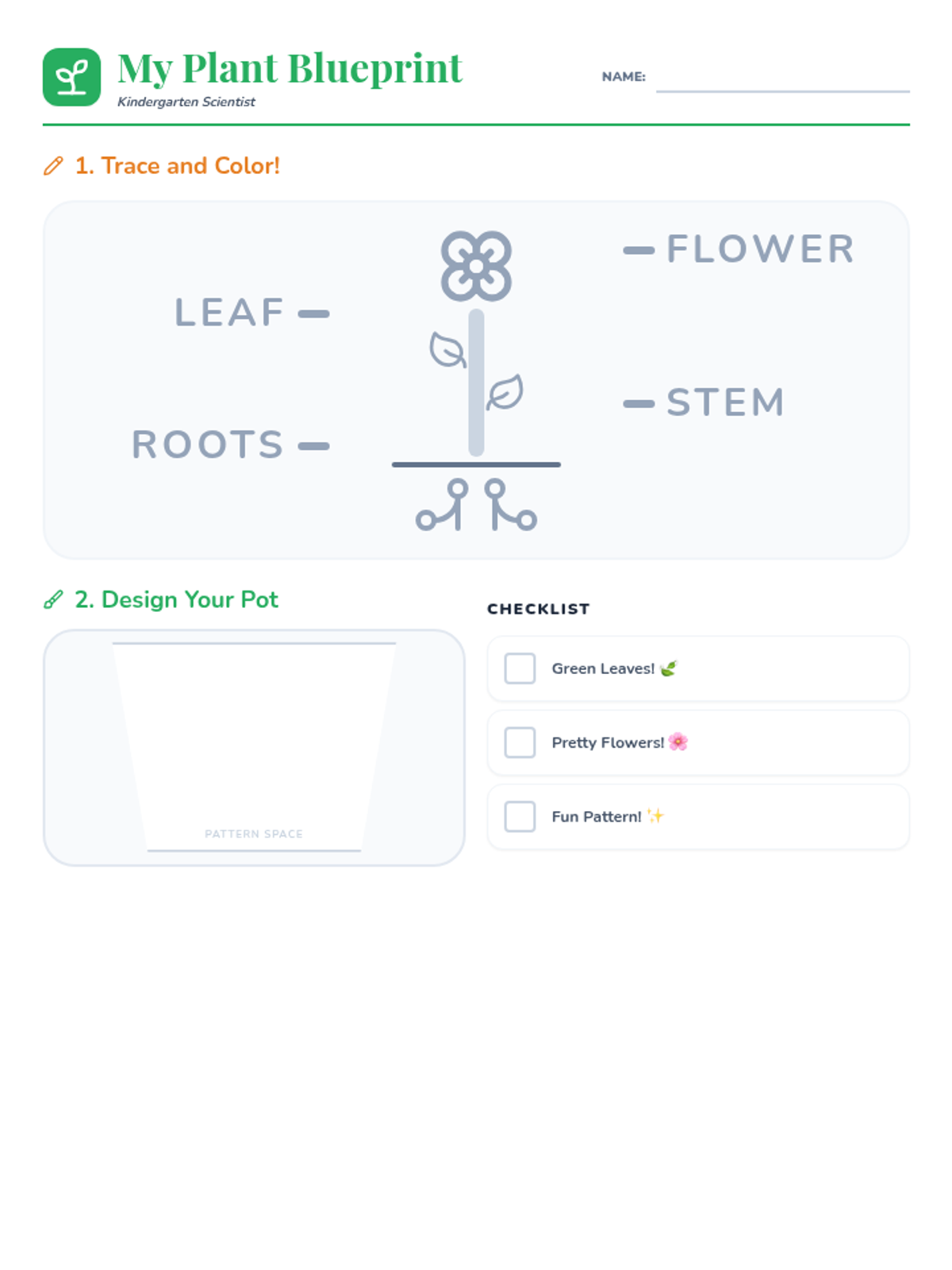
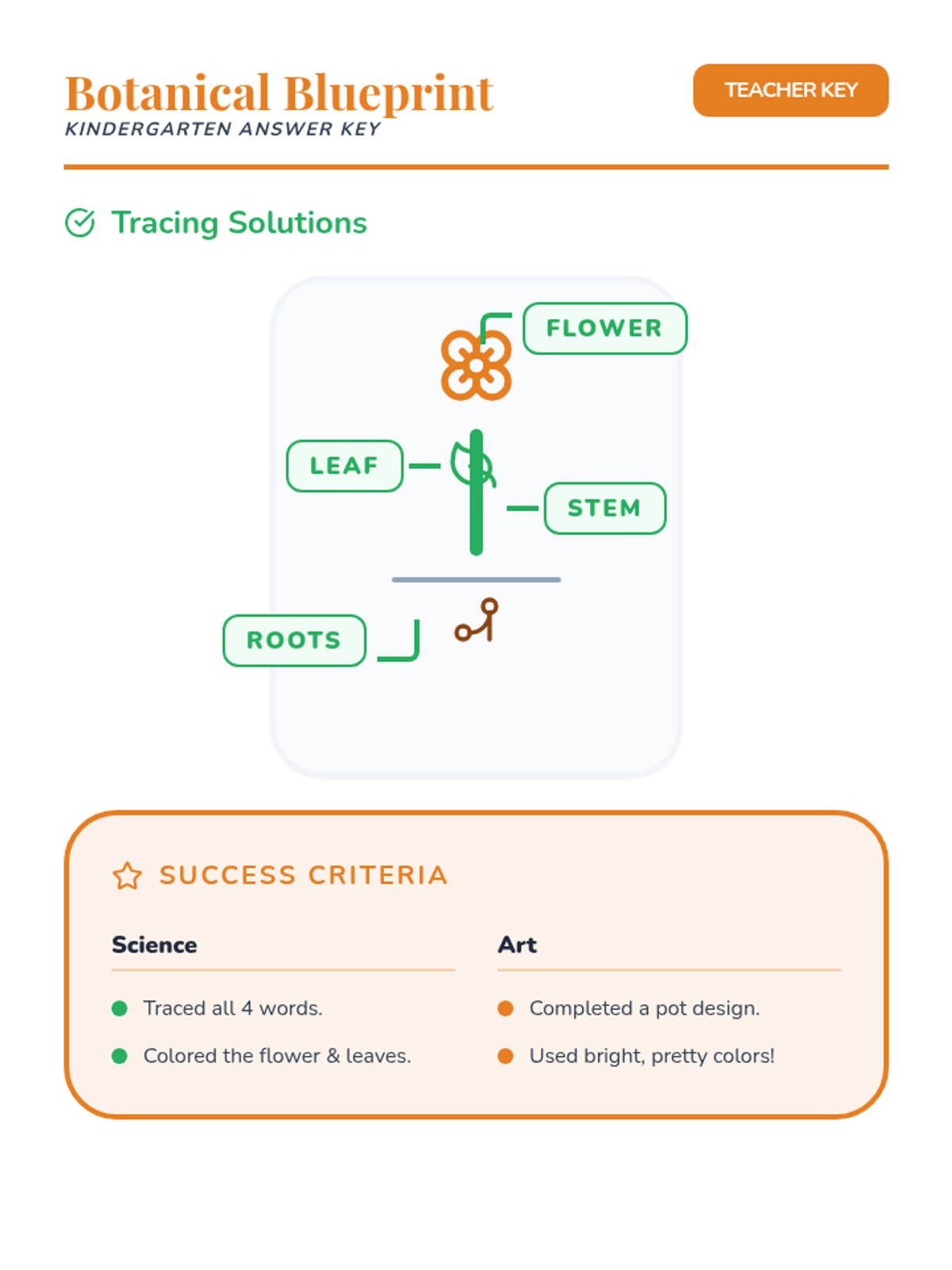
A creative hands-on lesson combining art and science where students learn about plant anatomy while decorating their own terracotta flower pots. Students will identify the functions of roots, stems, leaves, and flowers before applying their knowledge to a botanical-themed art project.
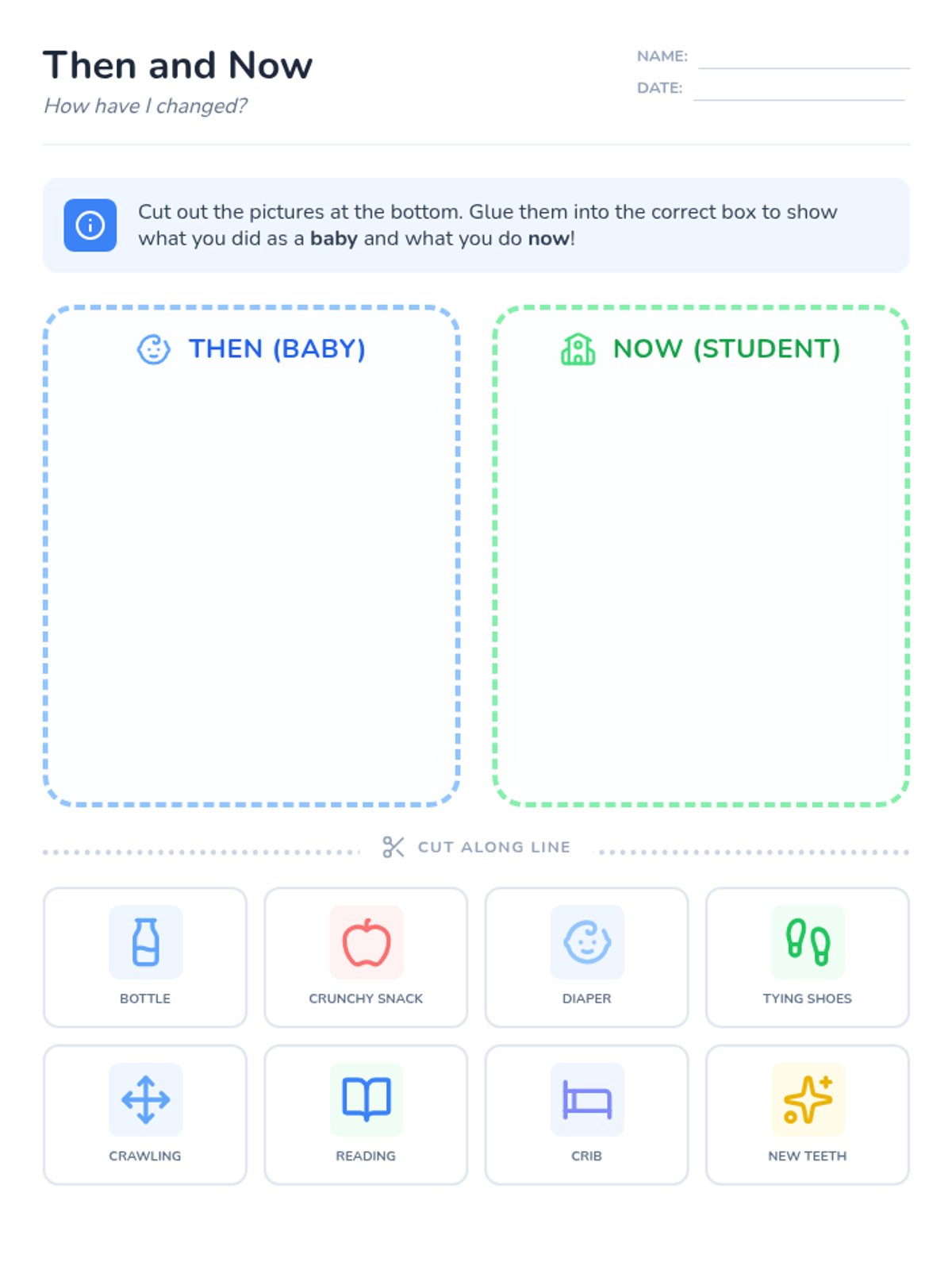
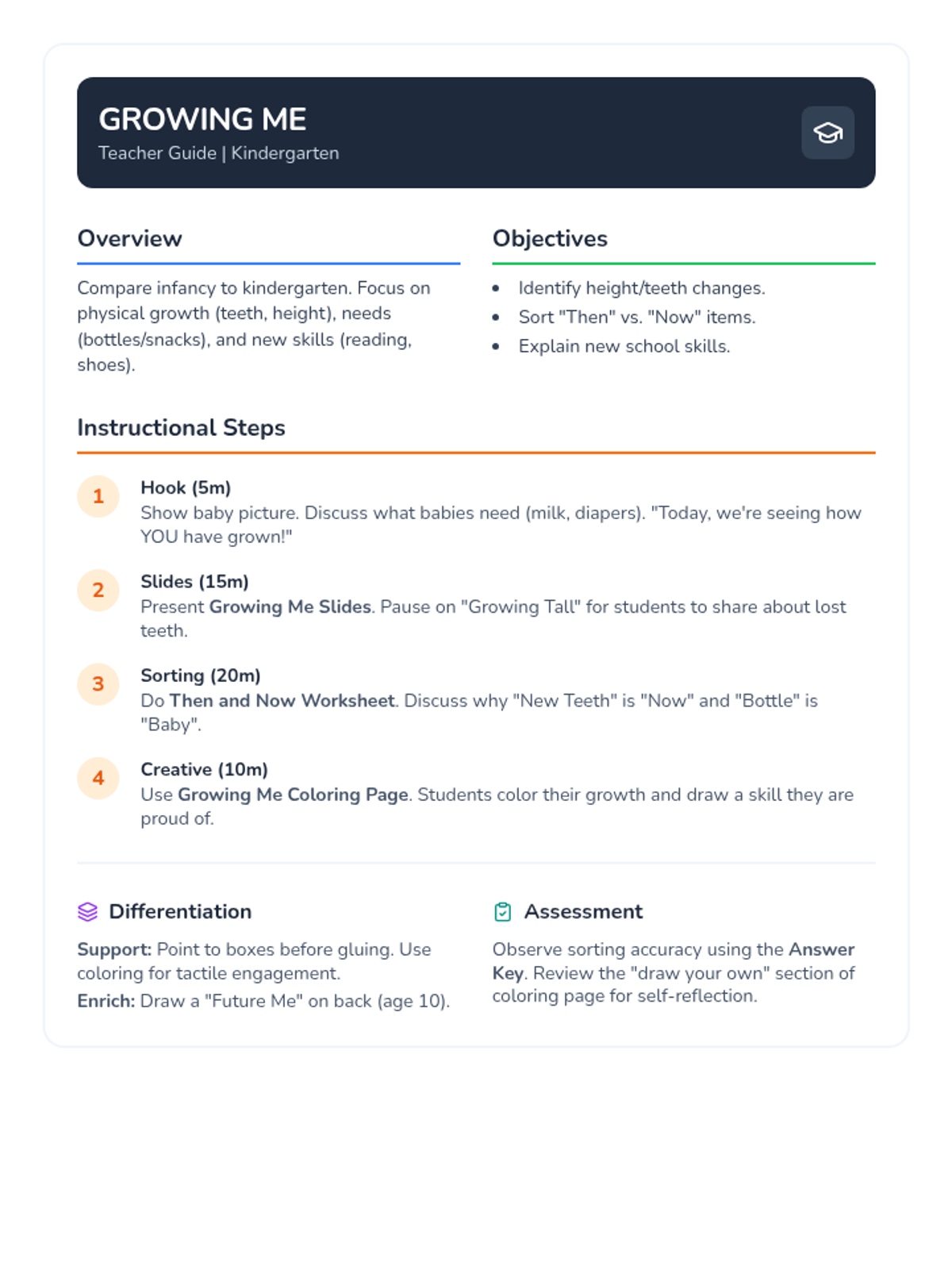
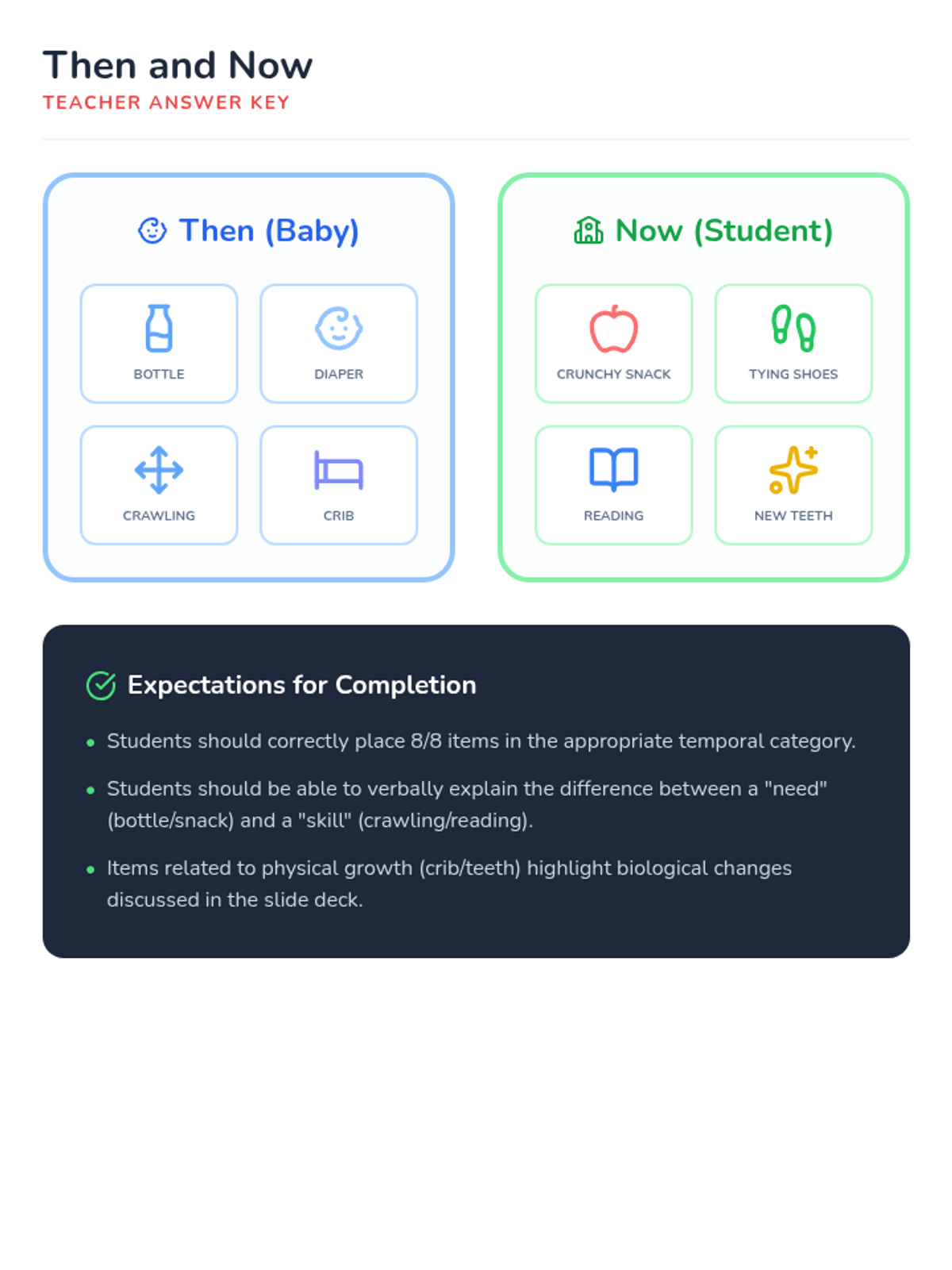
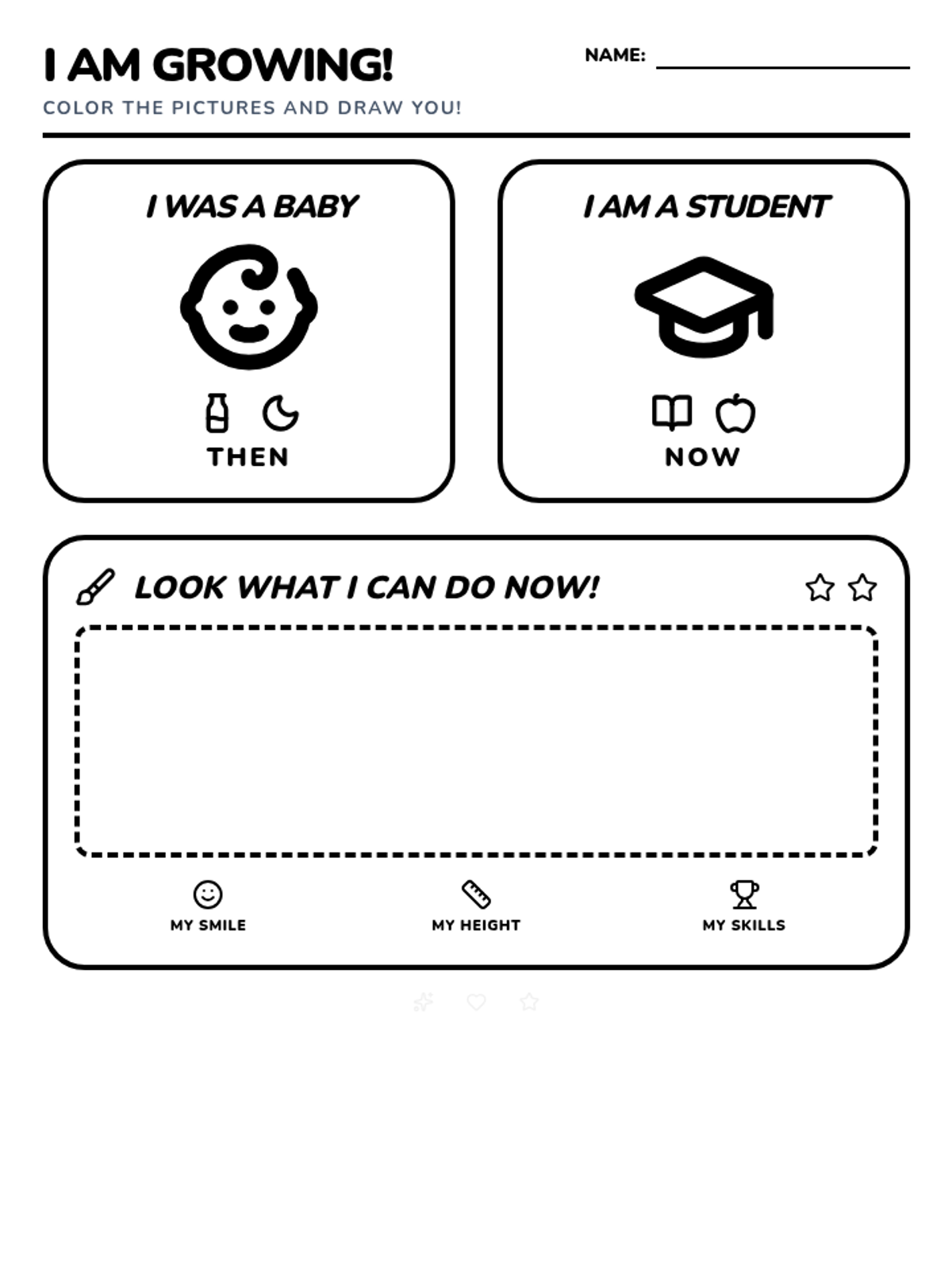
A lesson for kindergarteners to explore and identify how they have grown and changed from infancy to school age, focusing on needs, physical changes, and new skills.
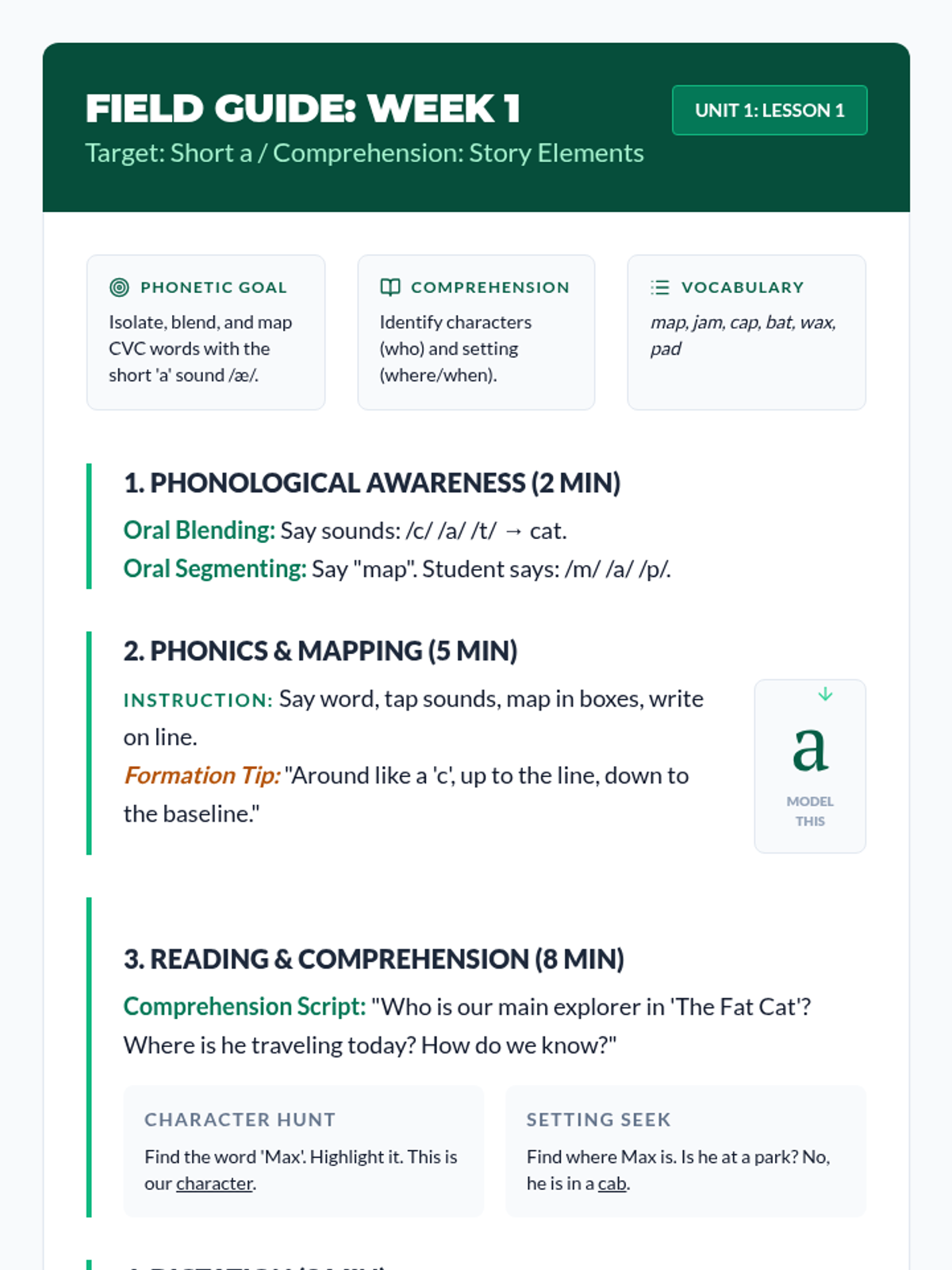
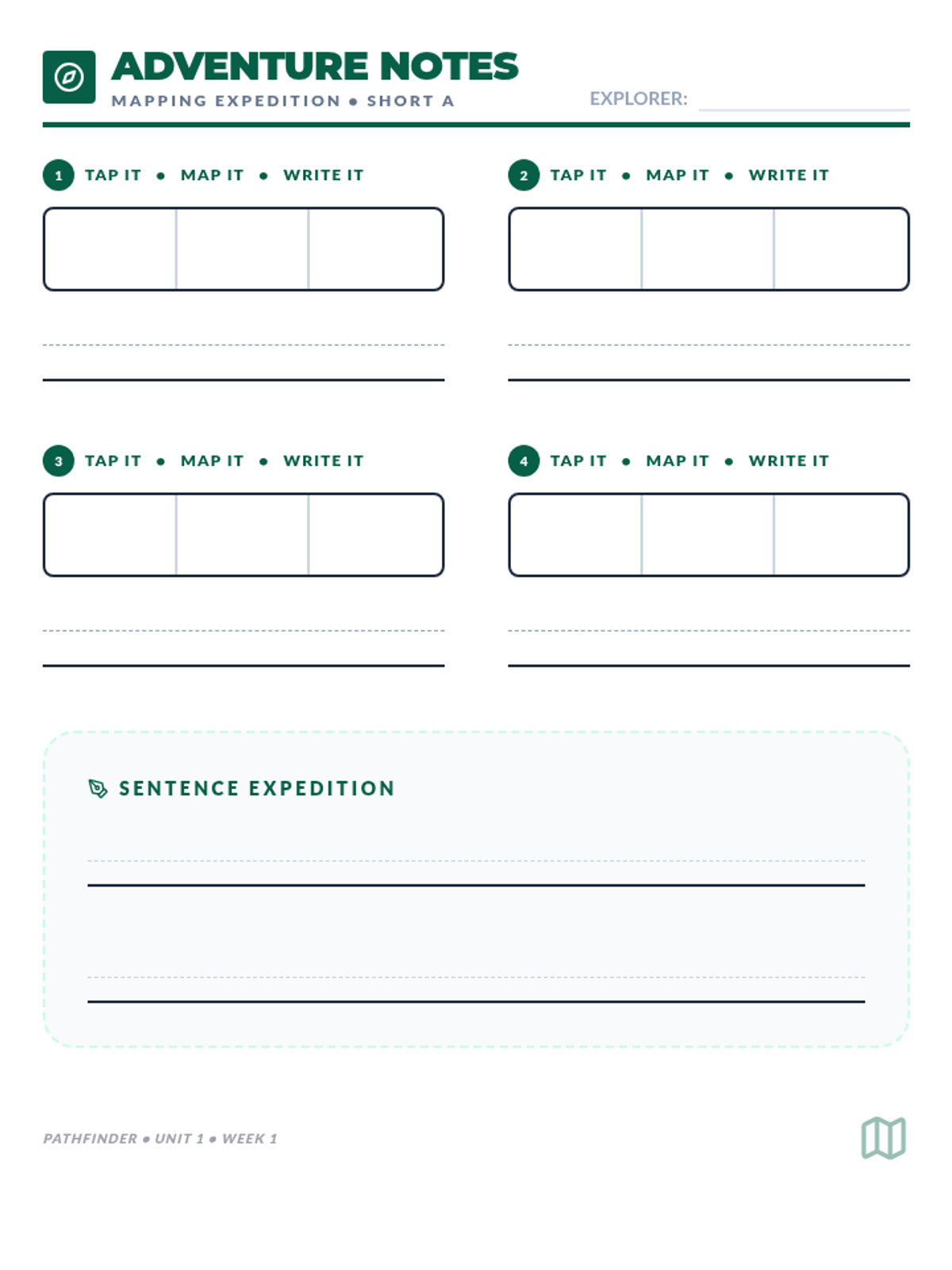
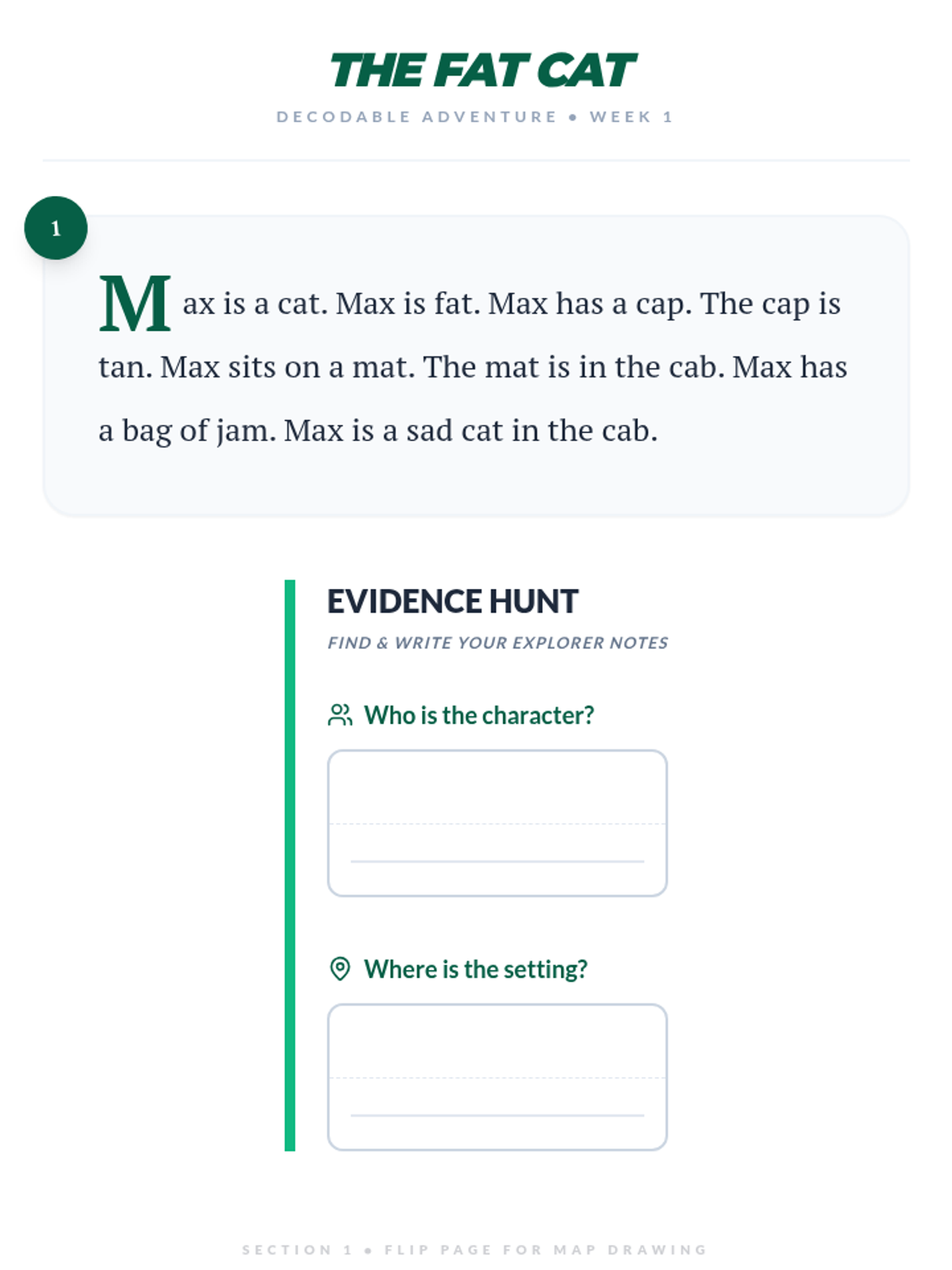
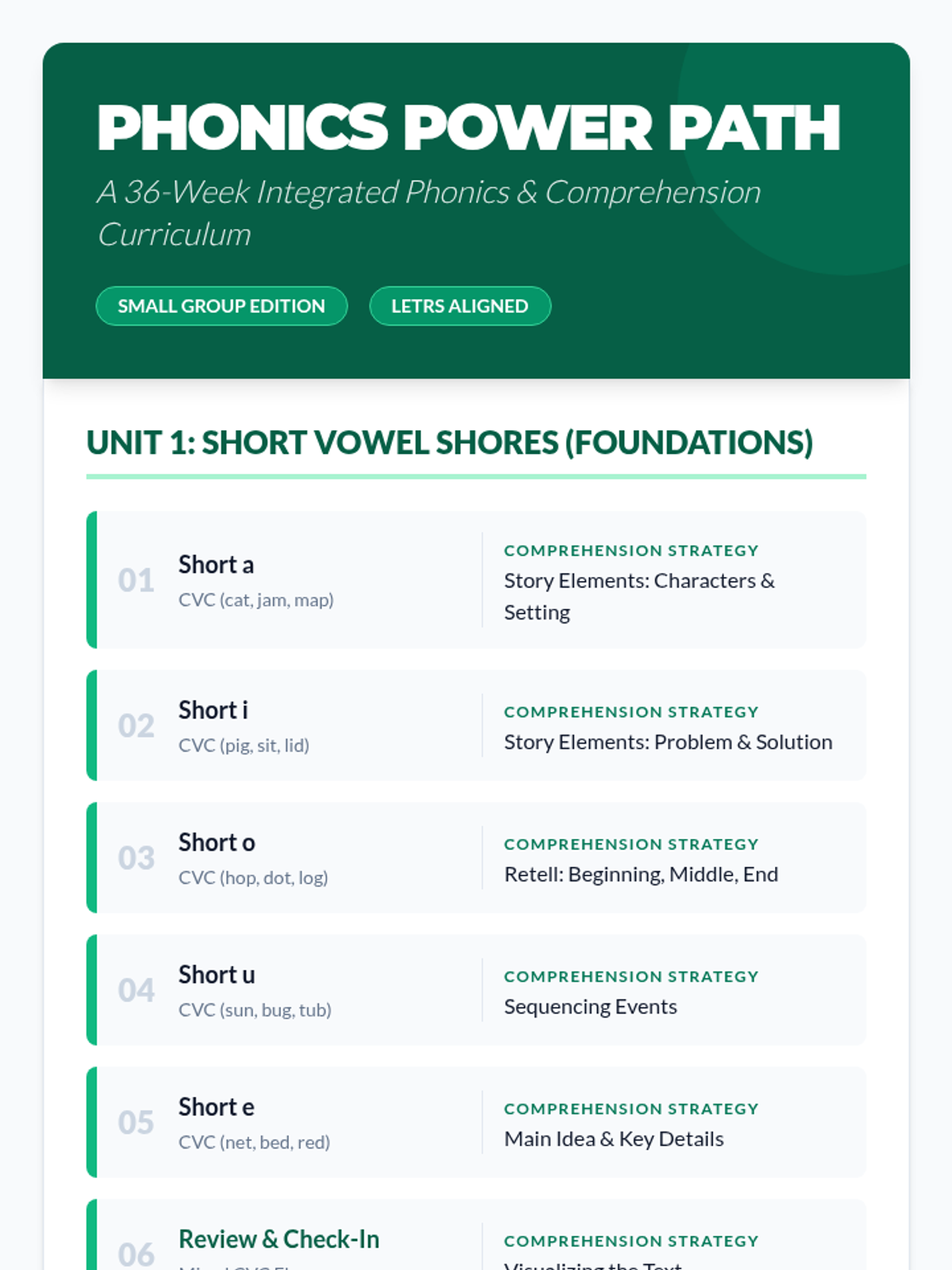
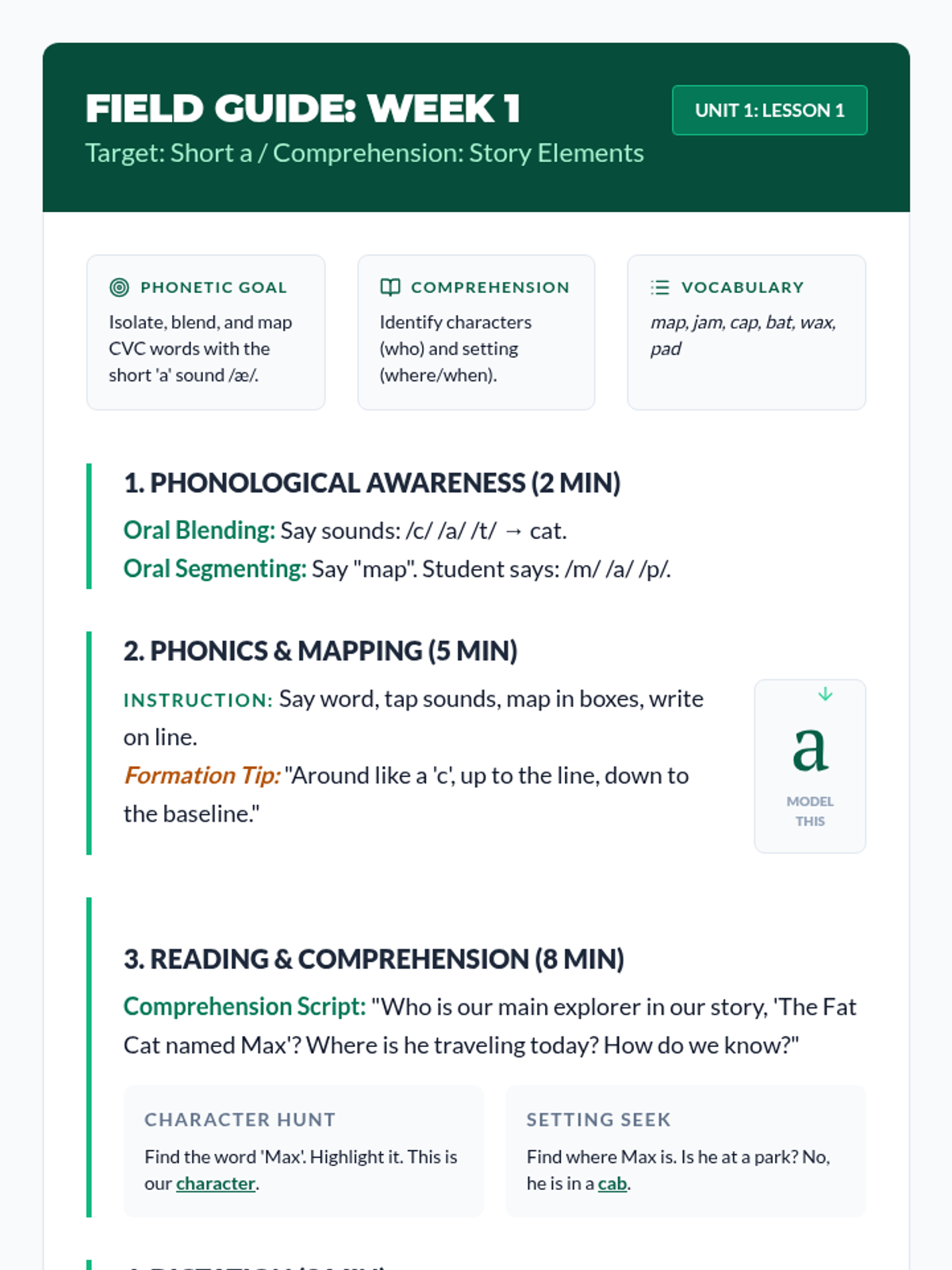
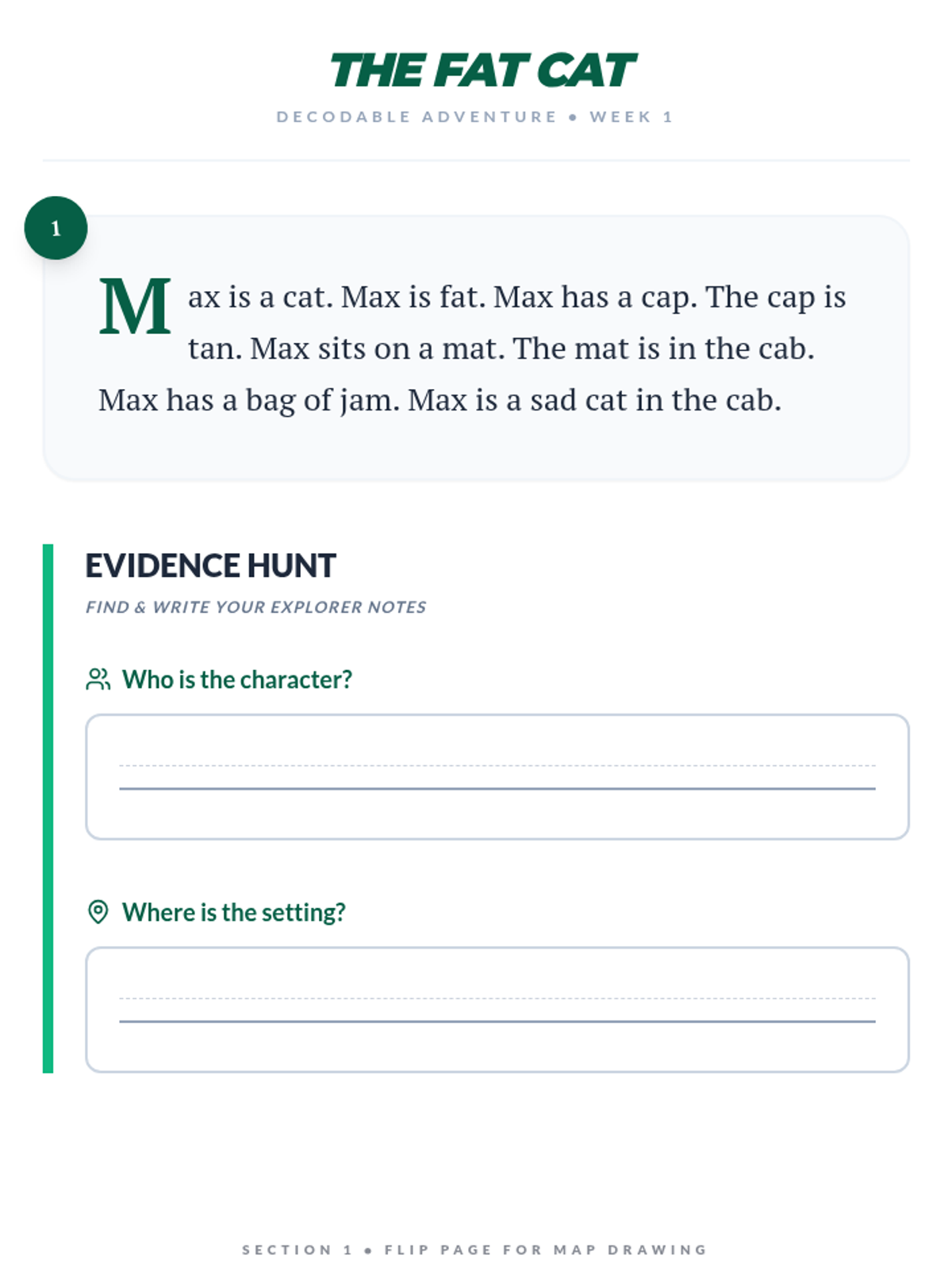
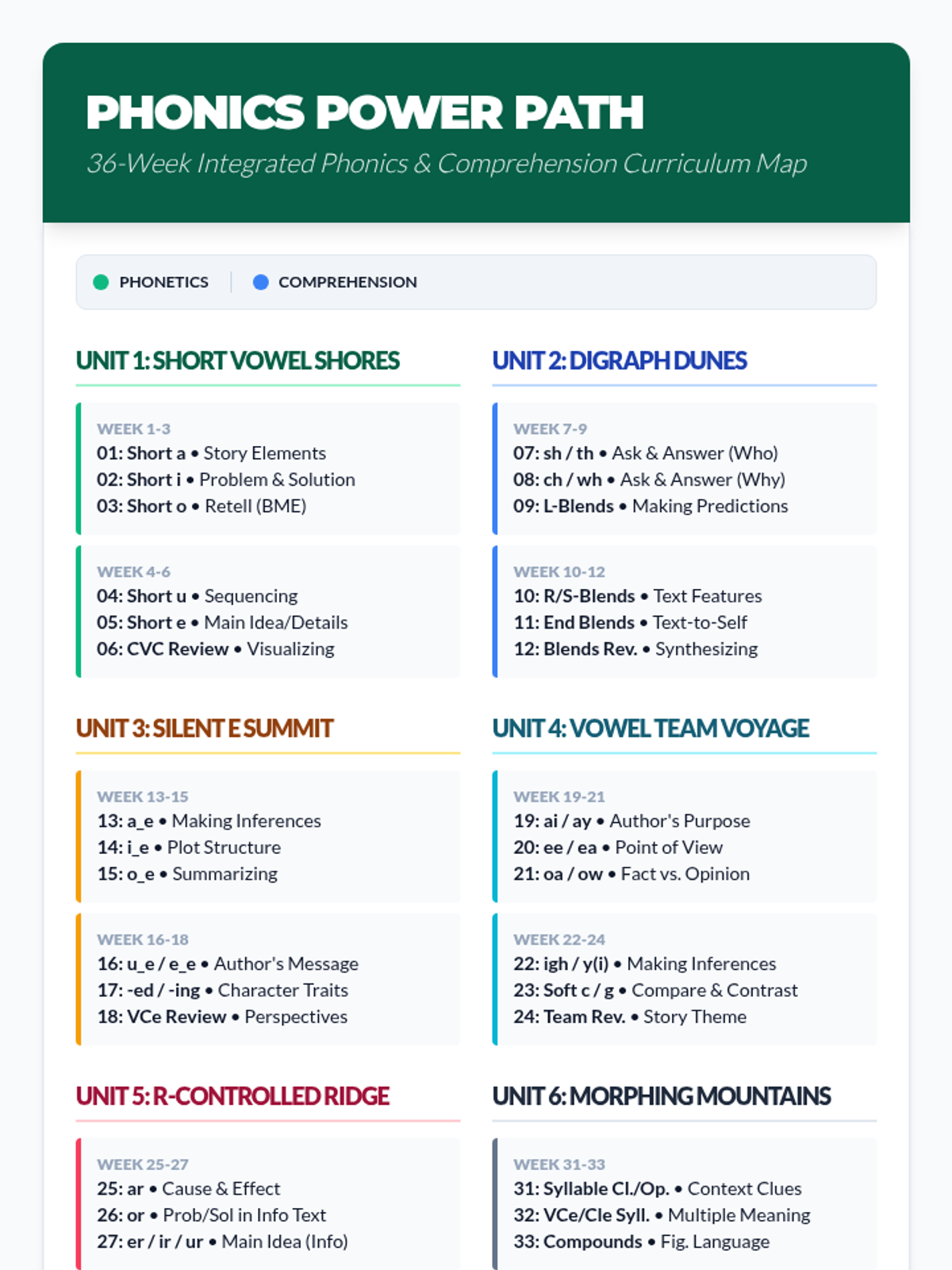
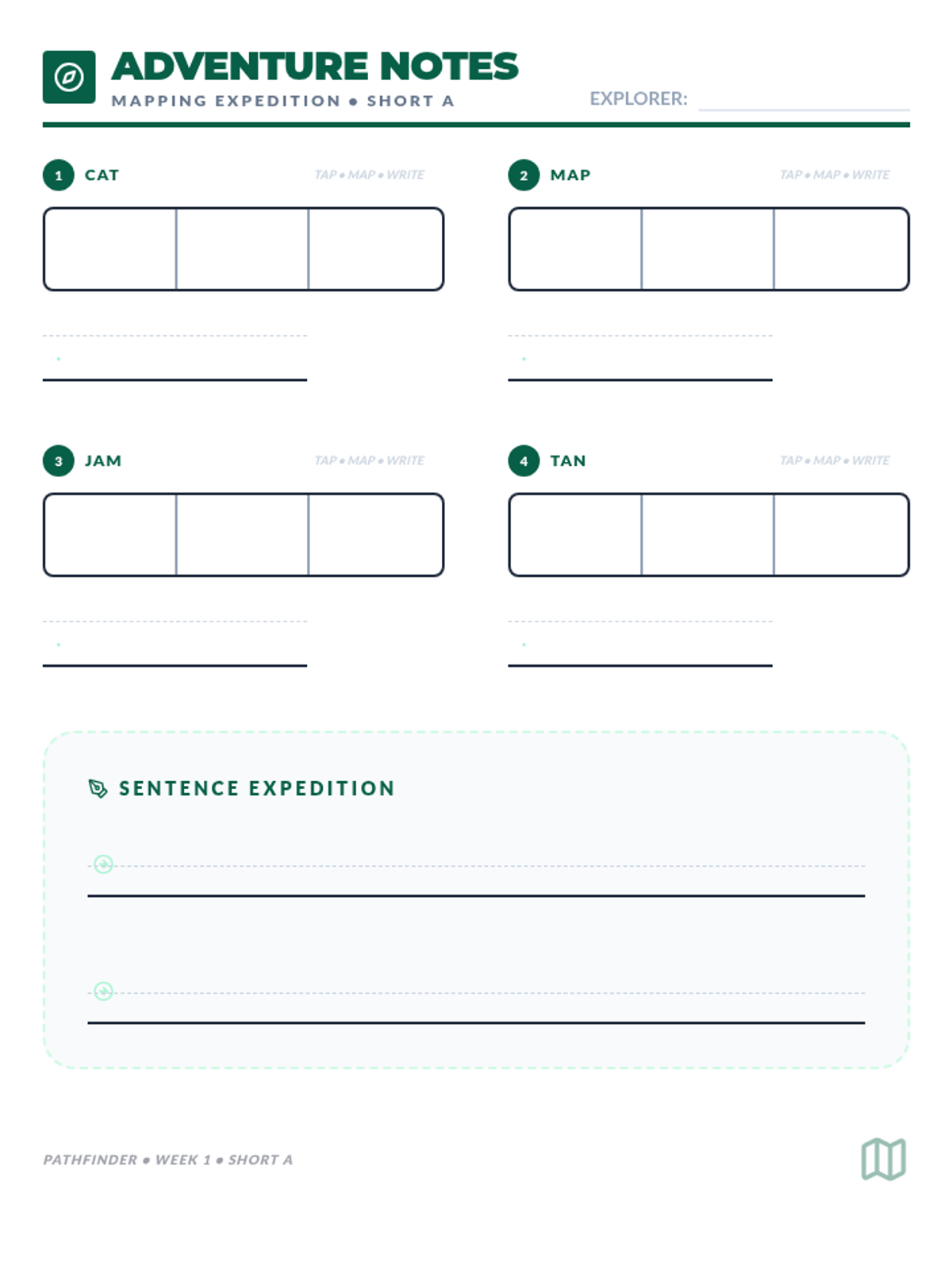
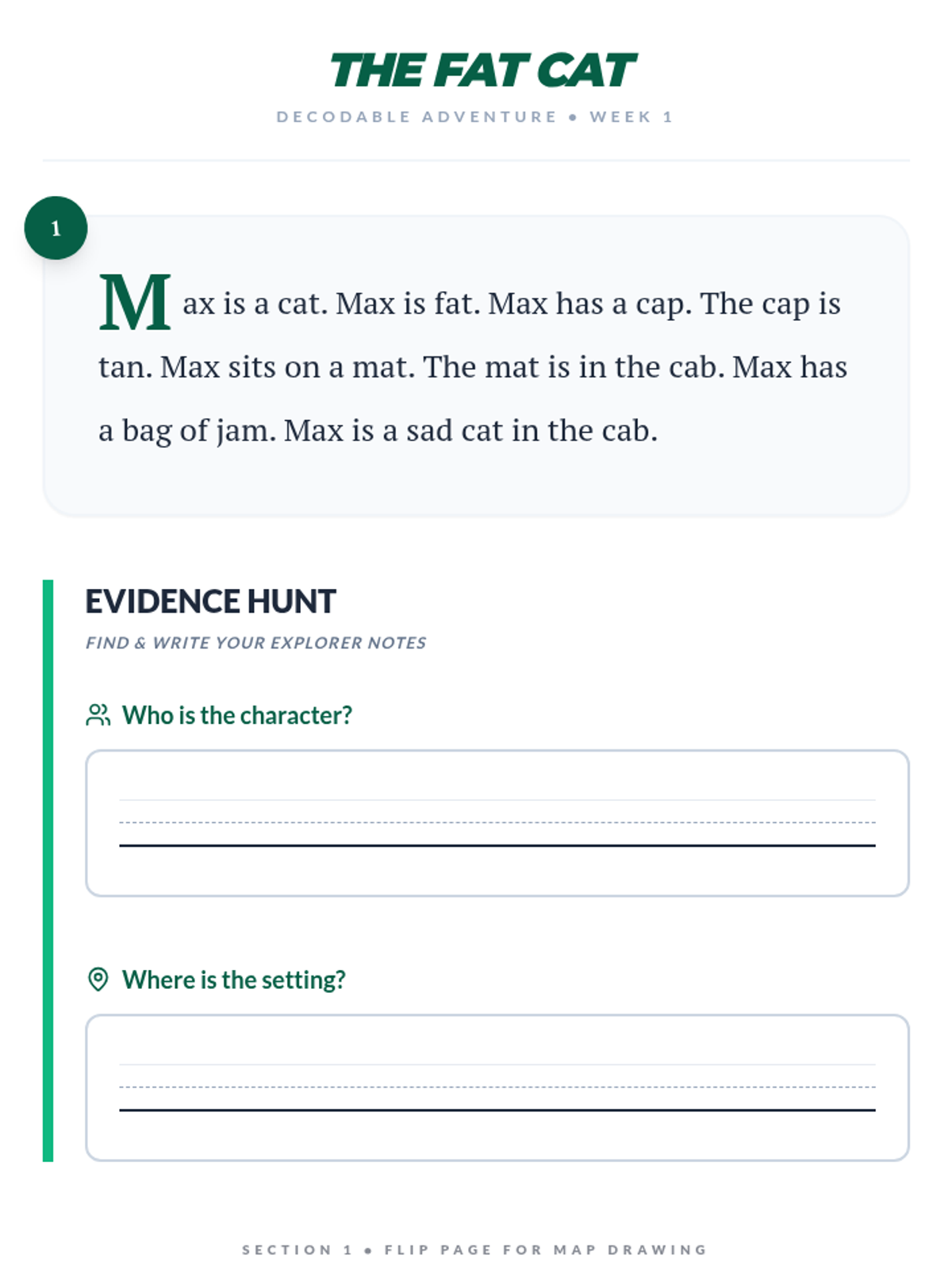
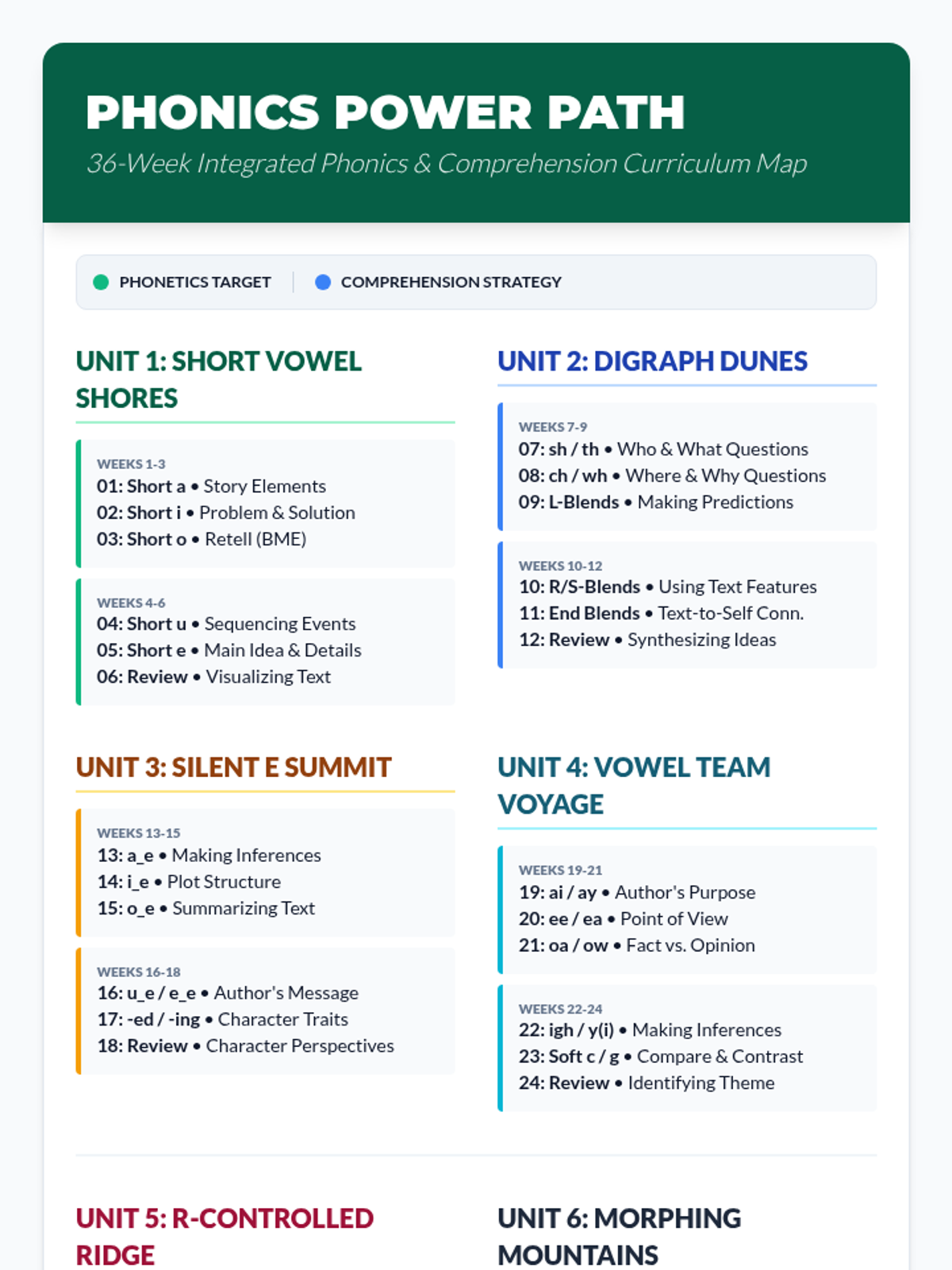
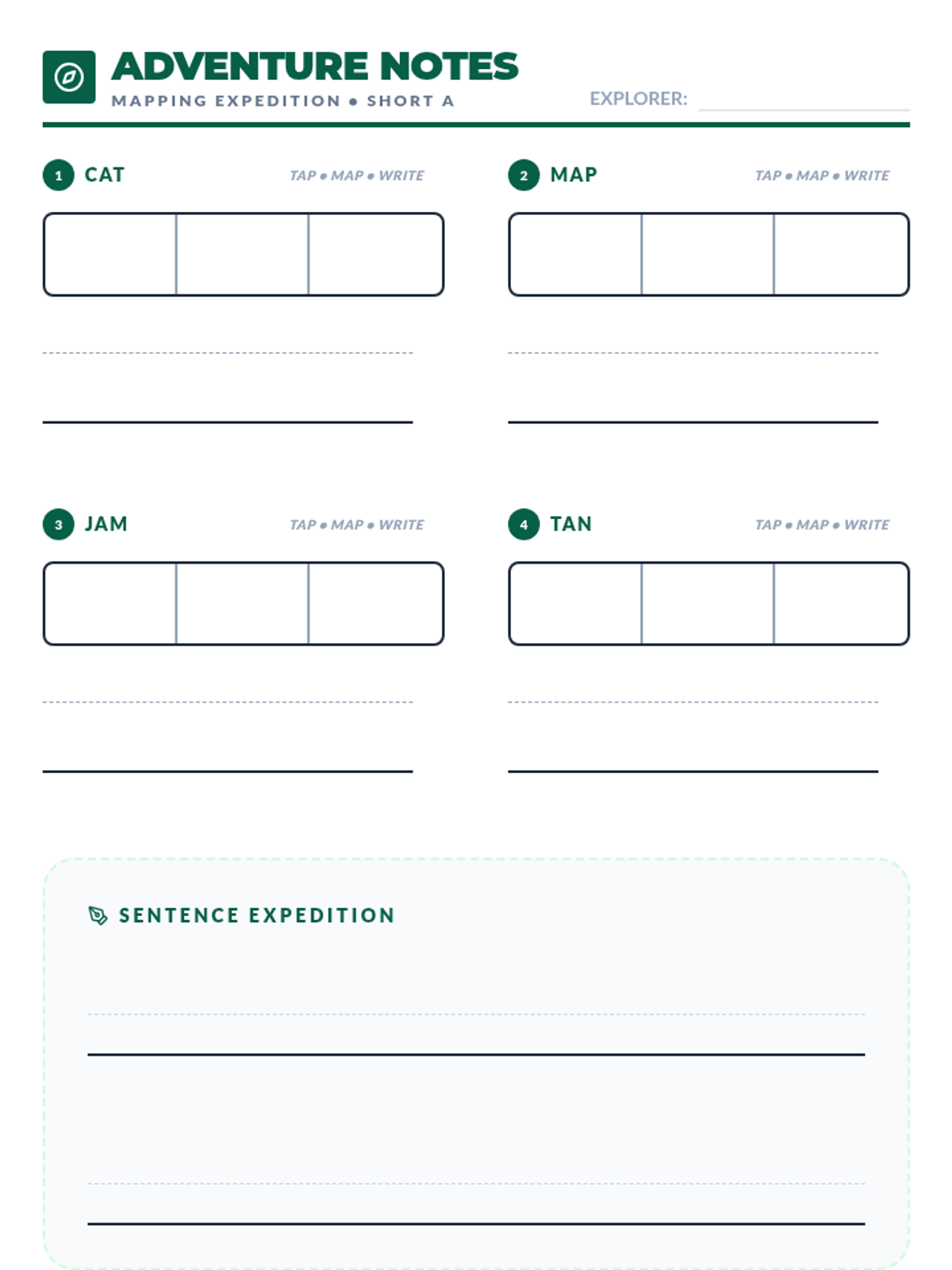
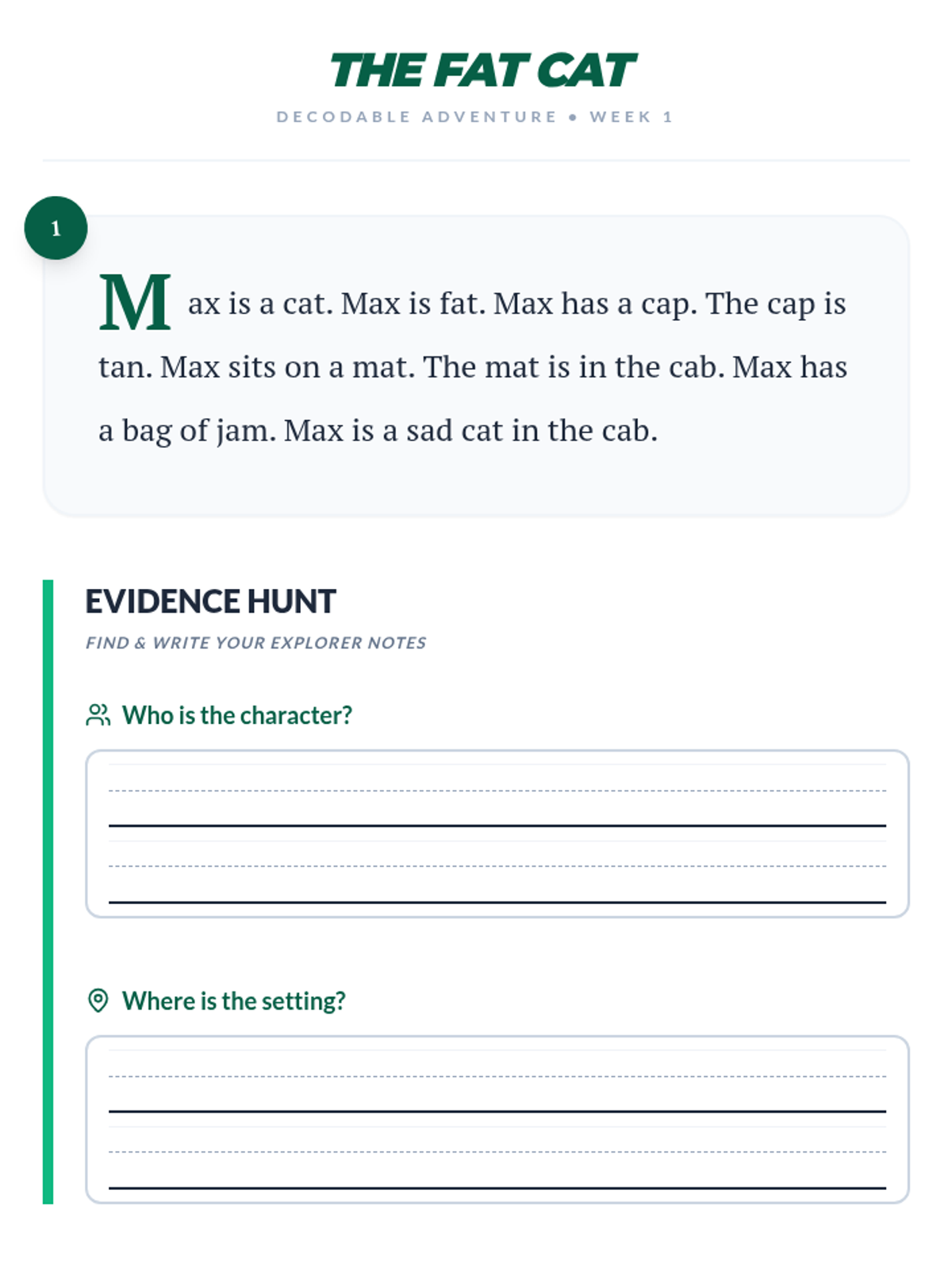
The first week of the Phonics Power Path curriculum, focusing on the short 'a' sound (CVC) and identifying basic story elements like characters and setting.
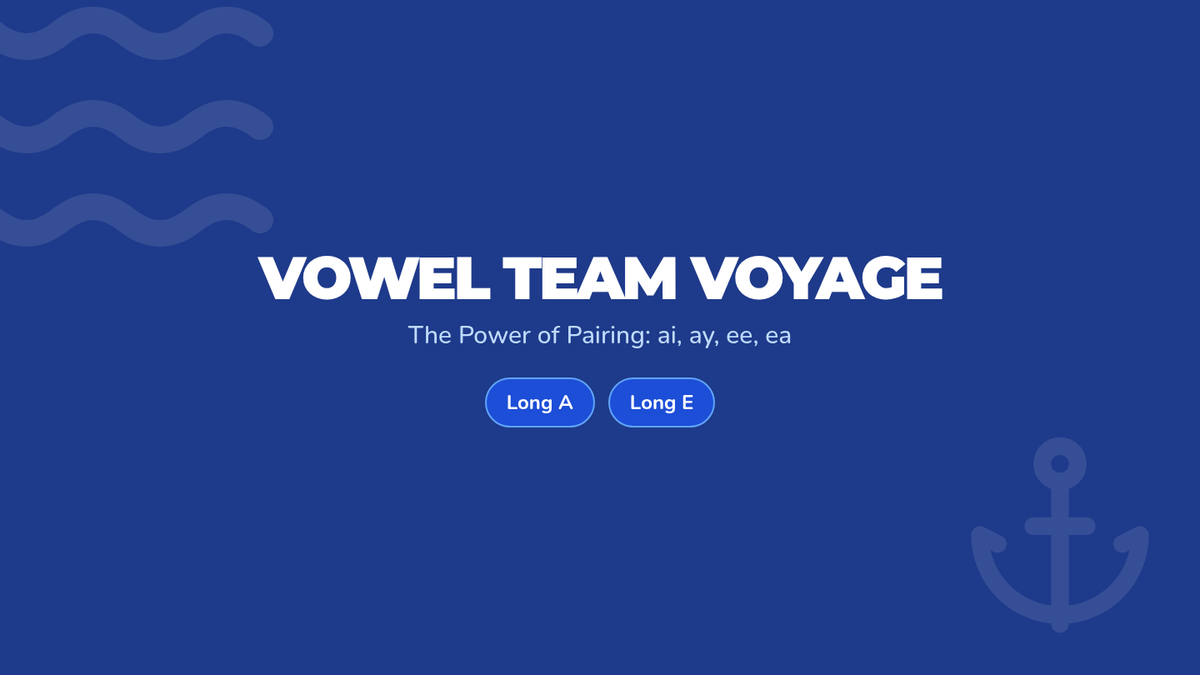
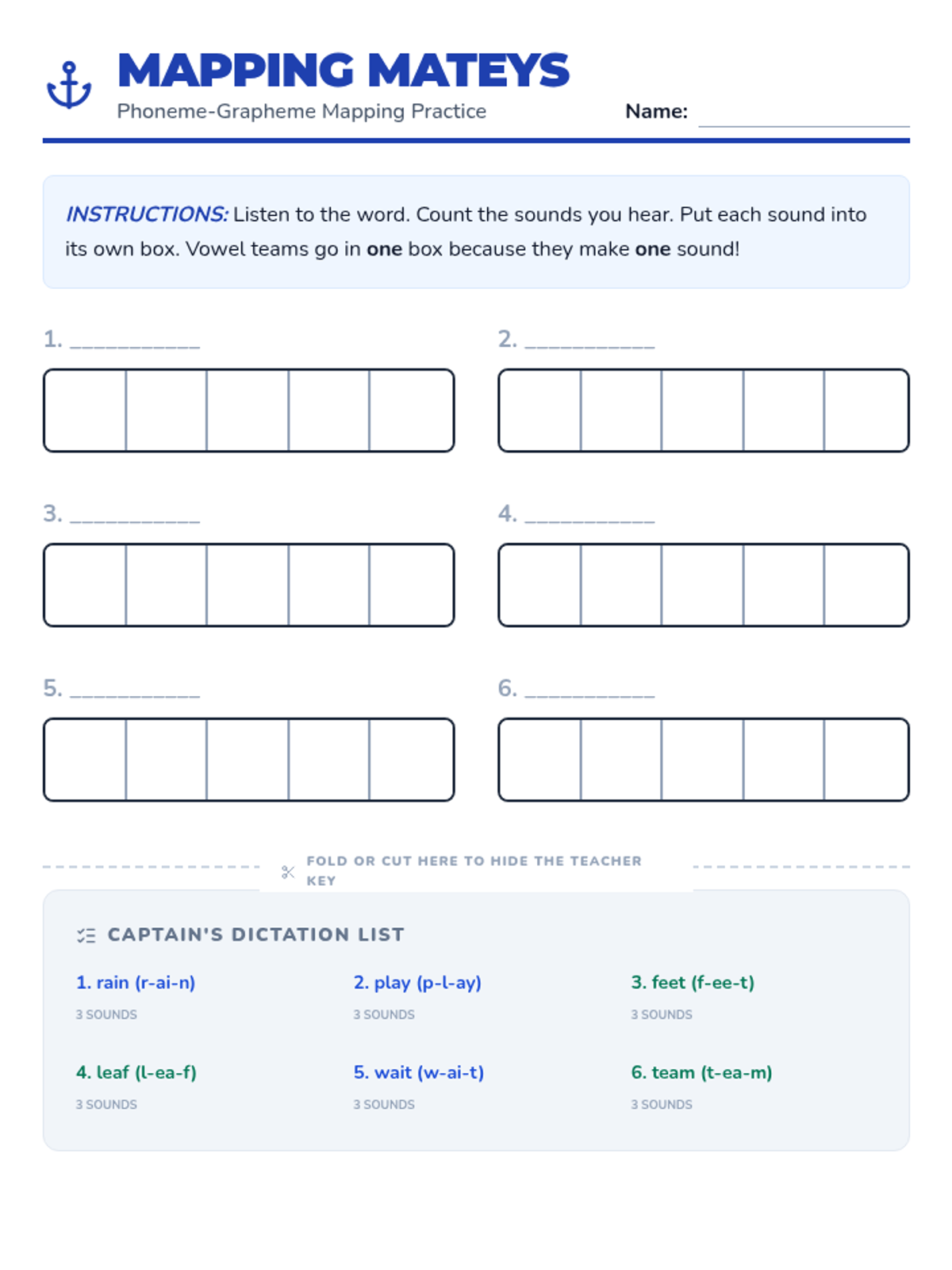
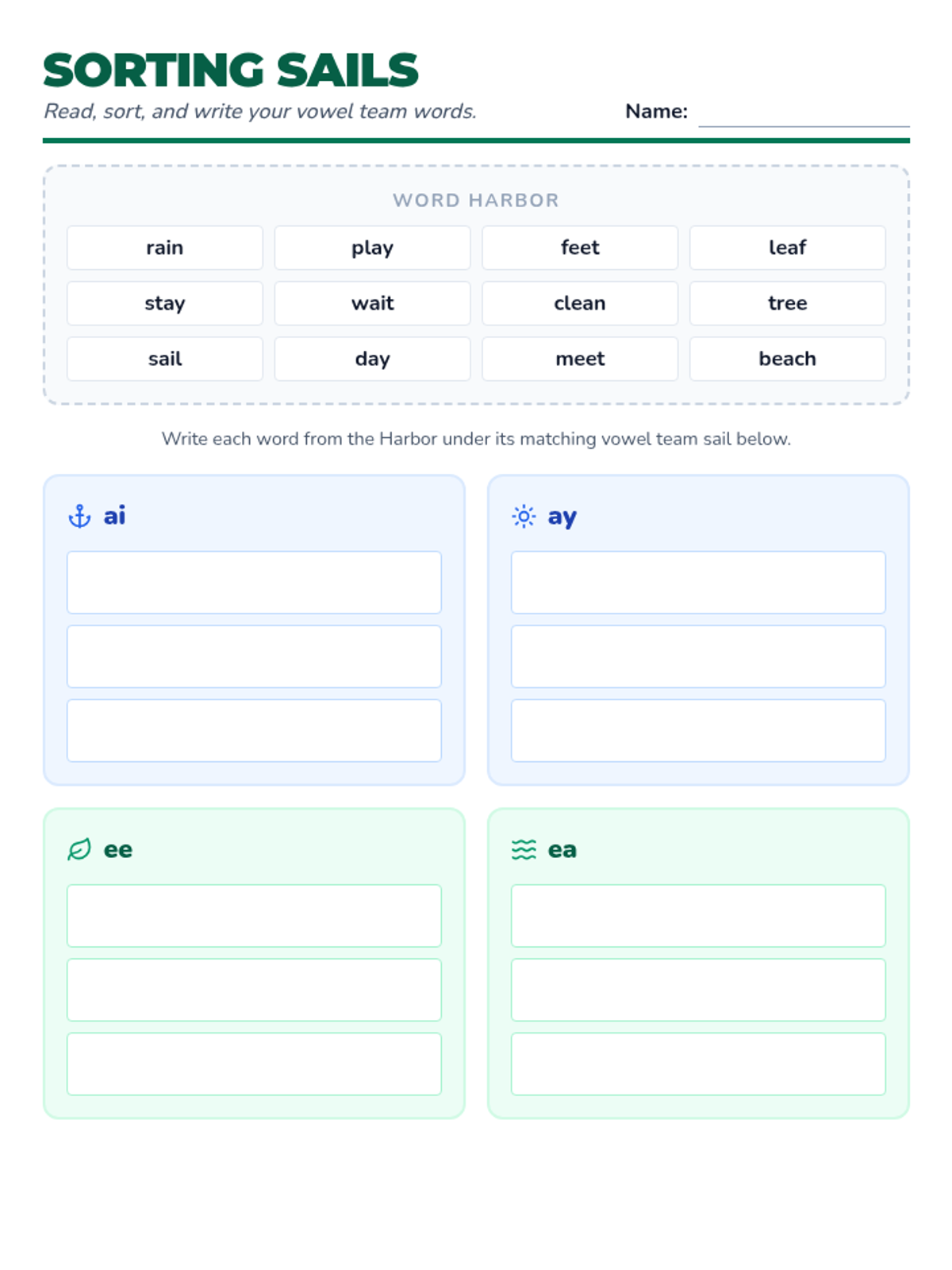
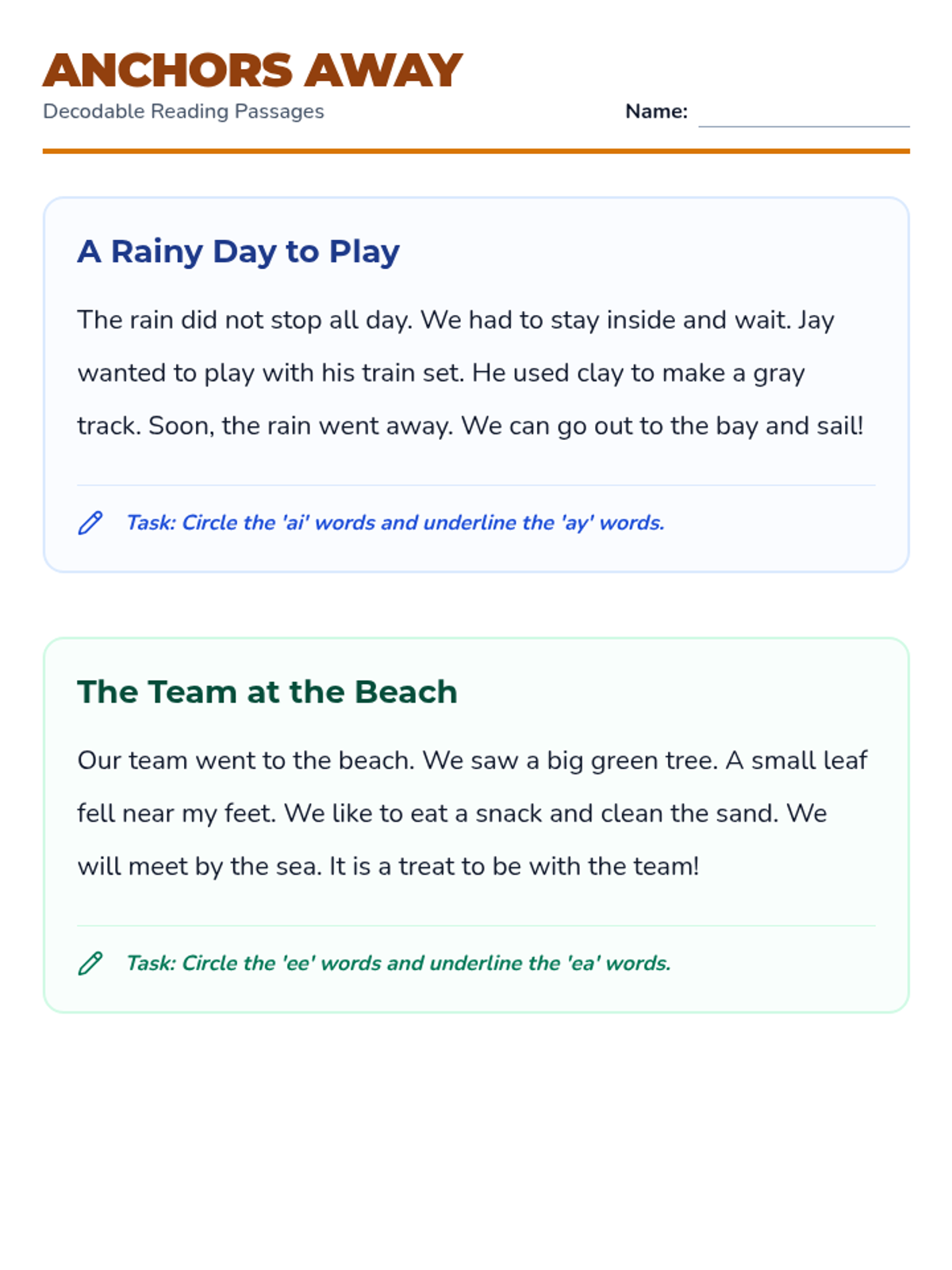
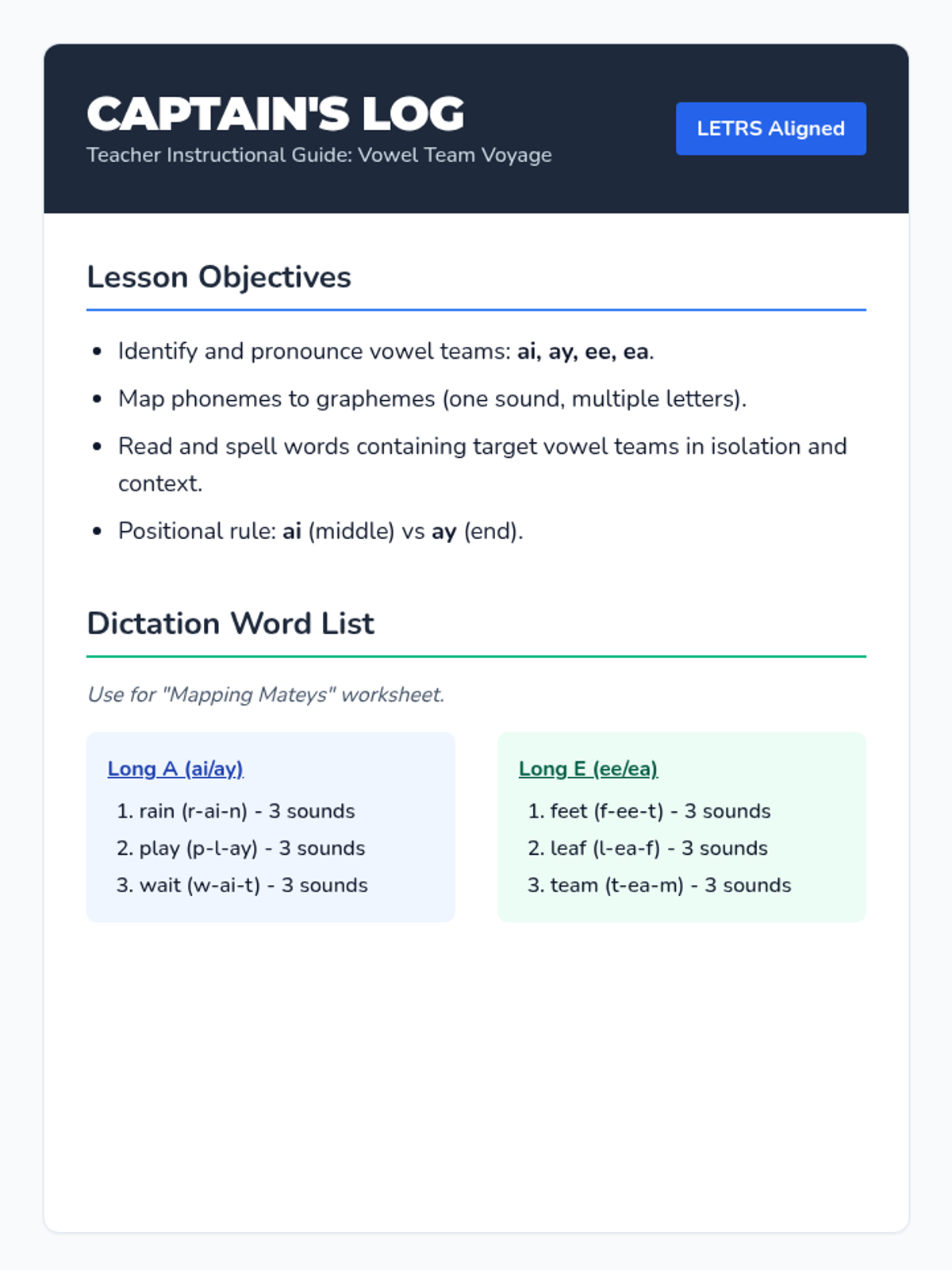
A comprehensive phonics lesson focusing on long vowel teams (ai, ay, ee, ea) following LETRS-aligned instructional practices, including phoneme-grapheme mapping and decodable reading.
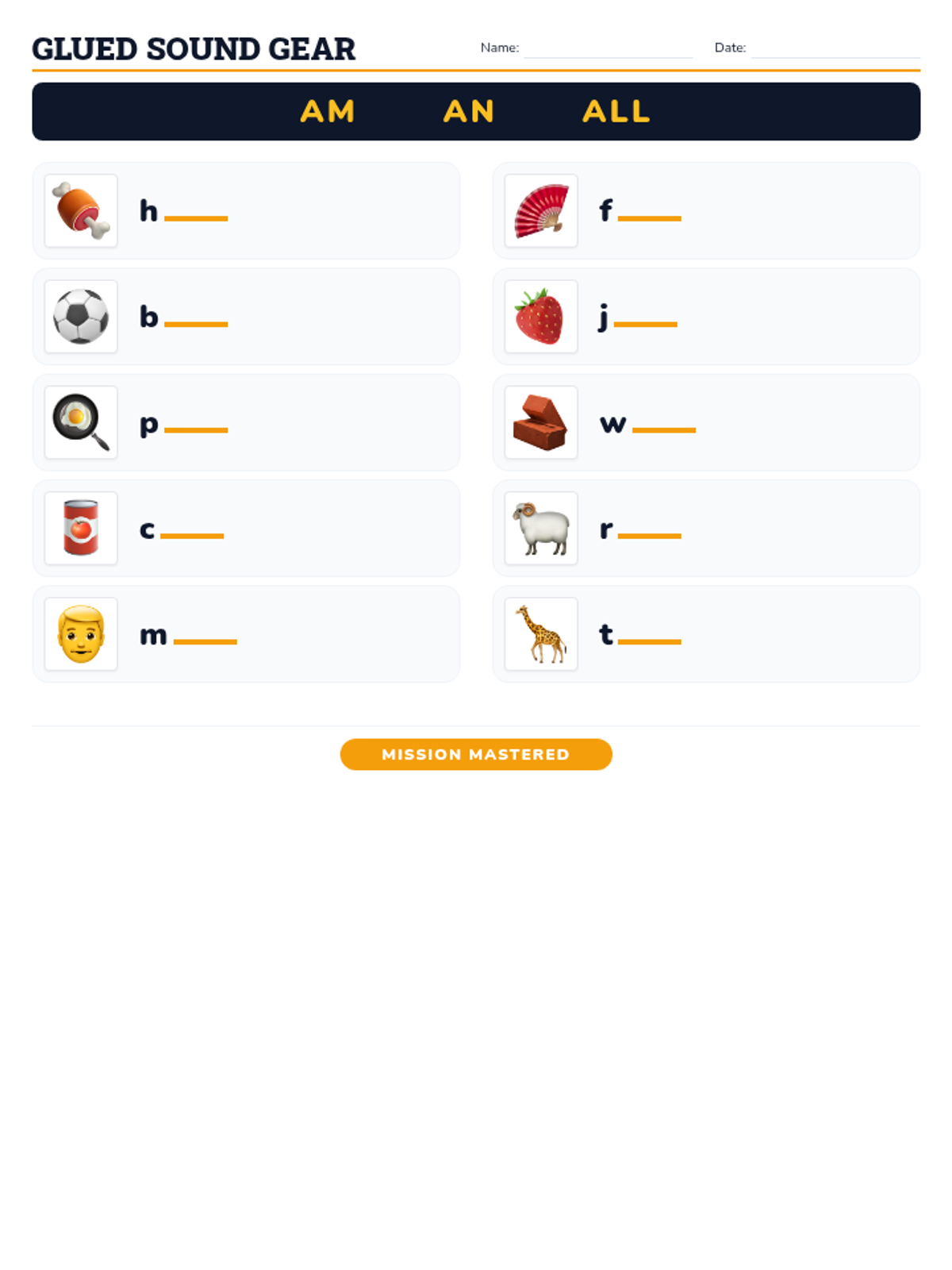
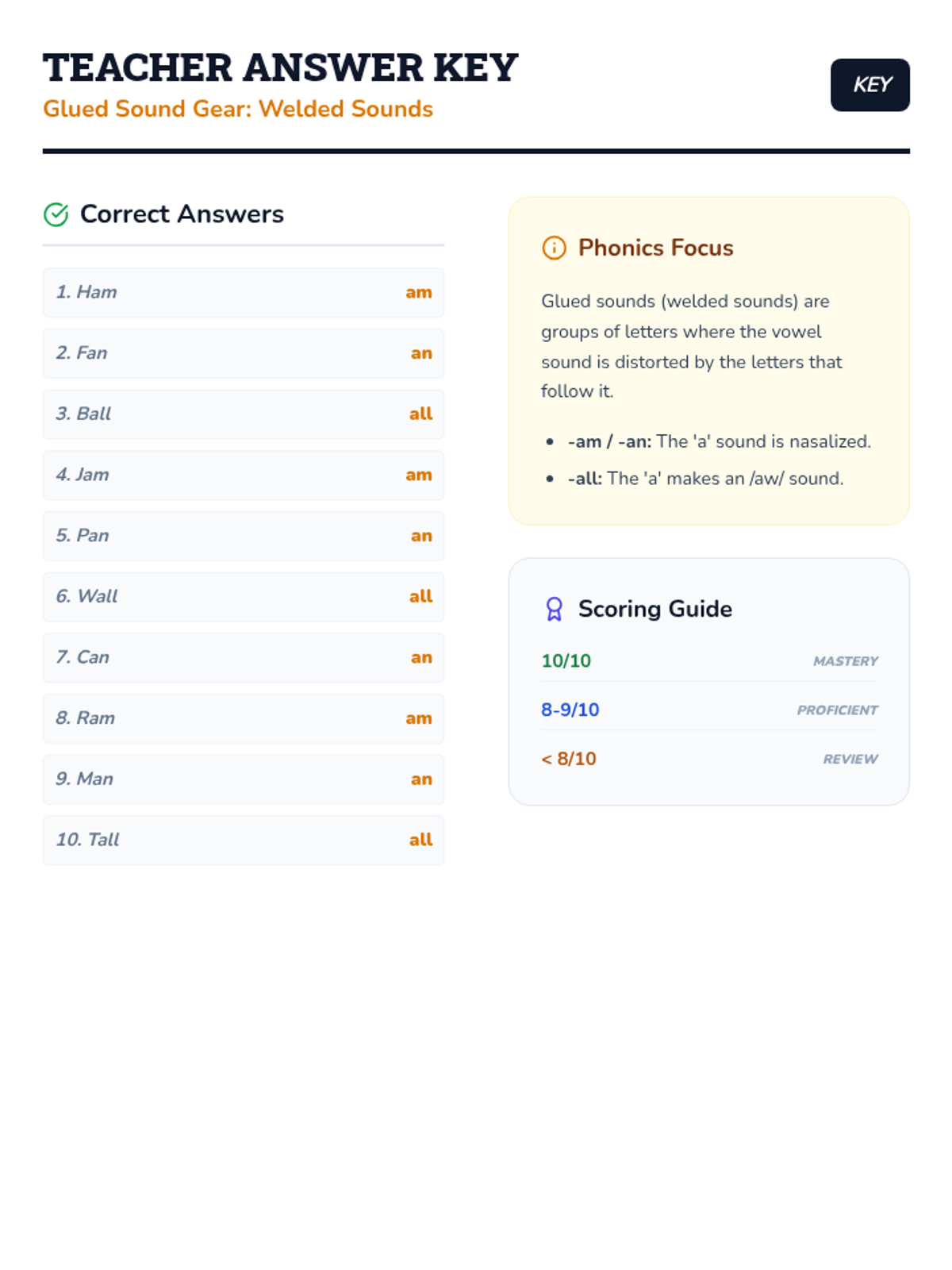
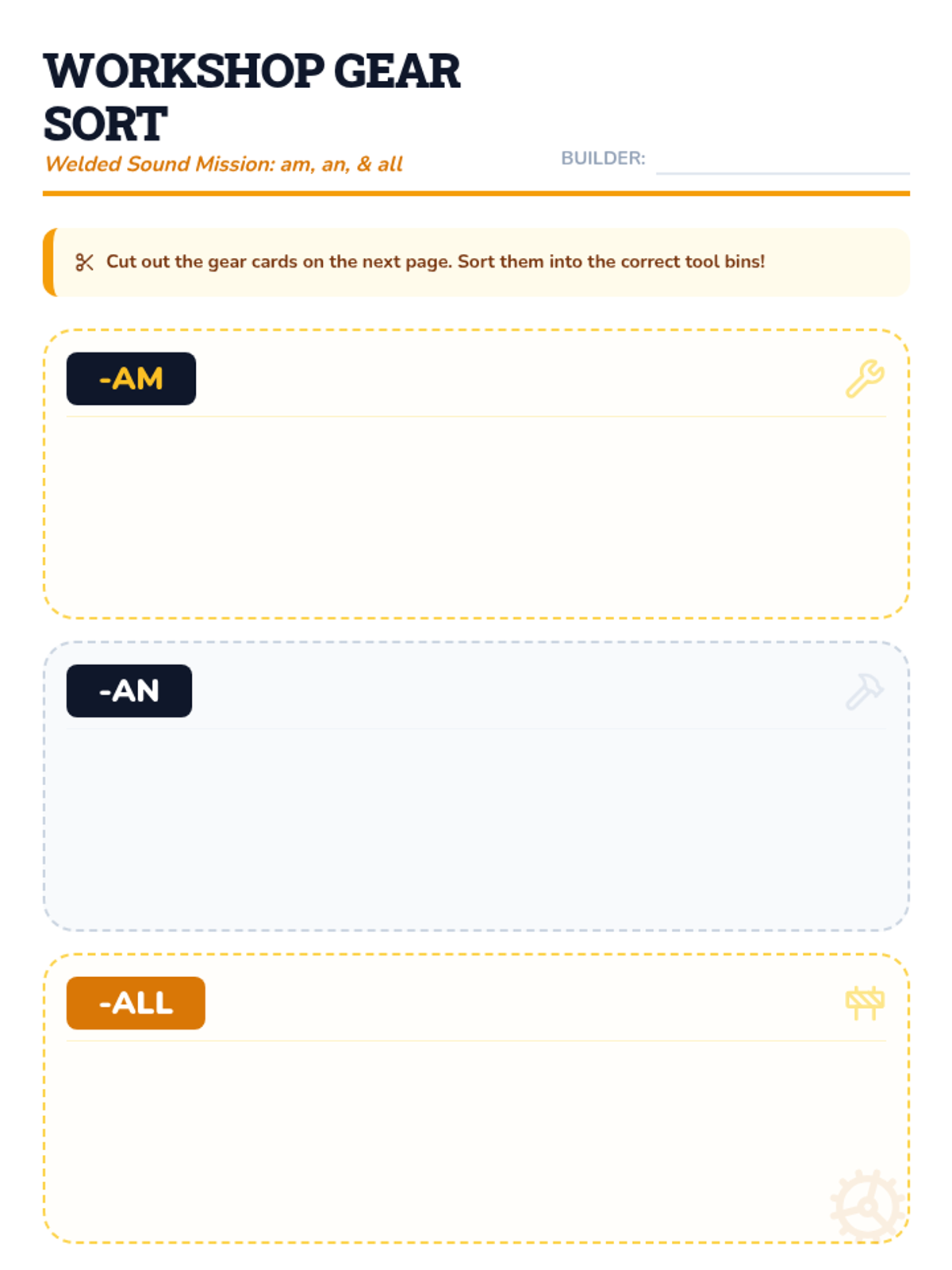
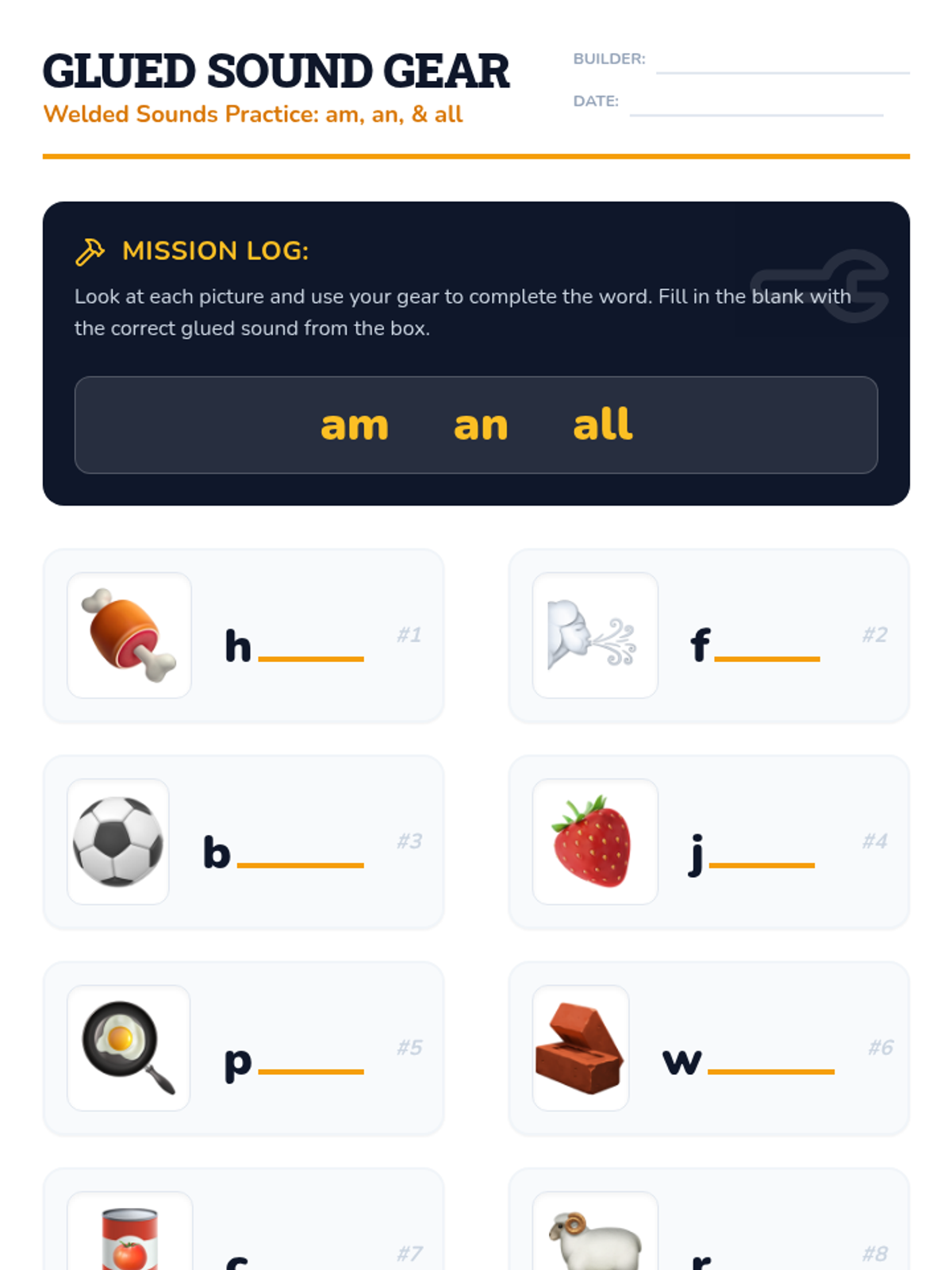
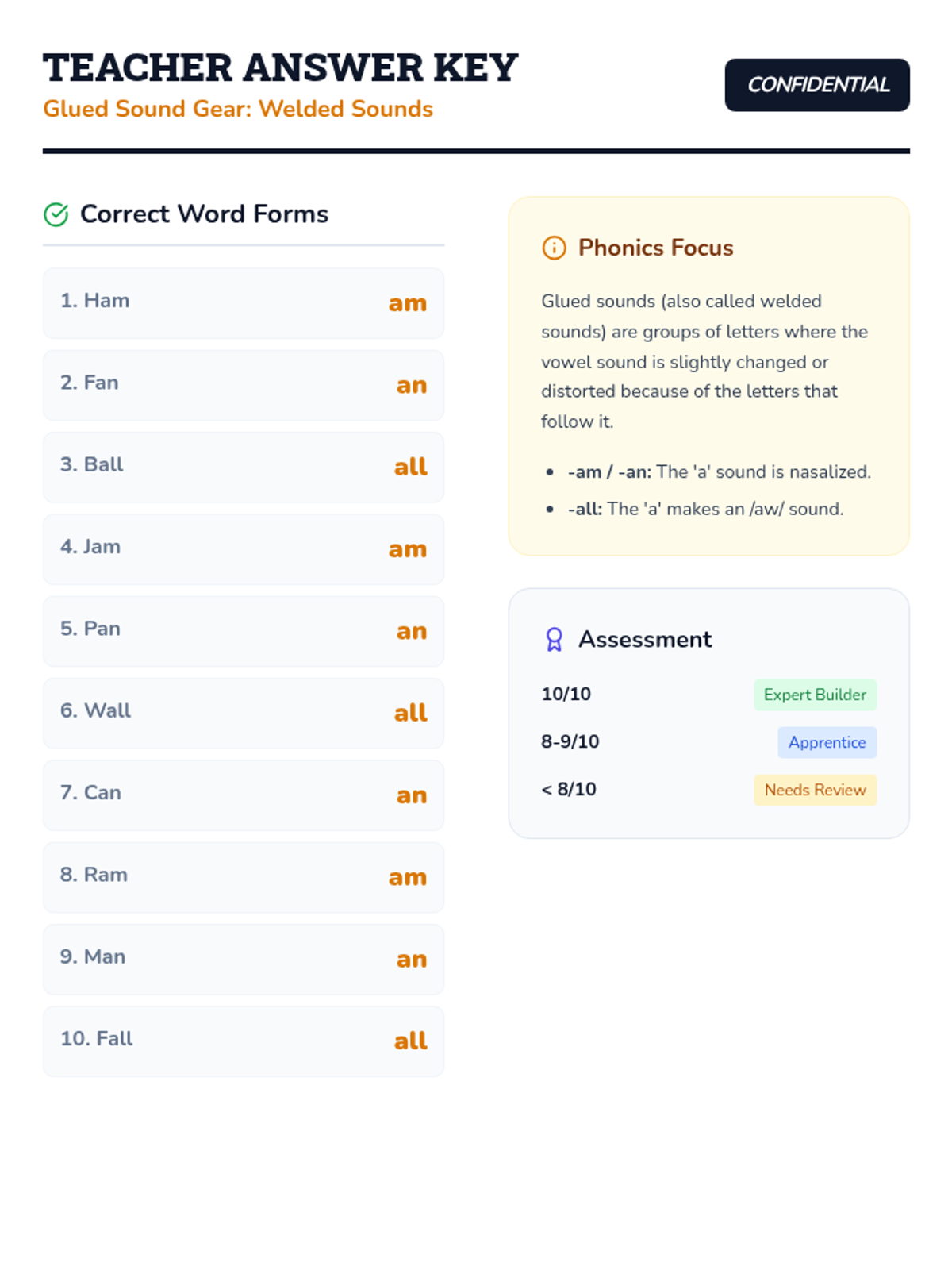
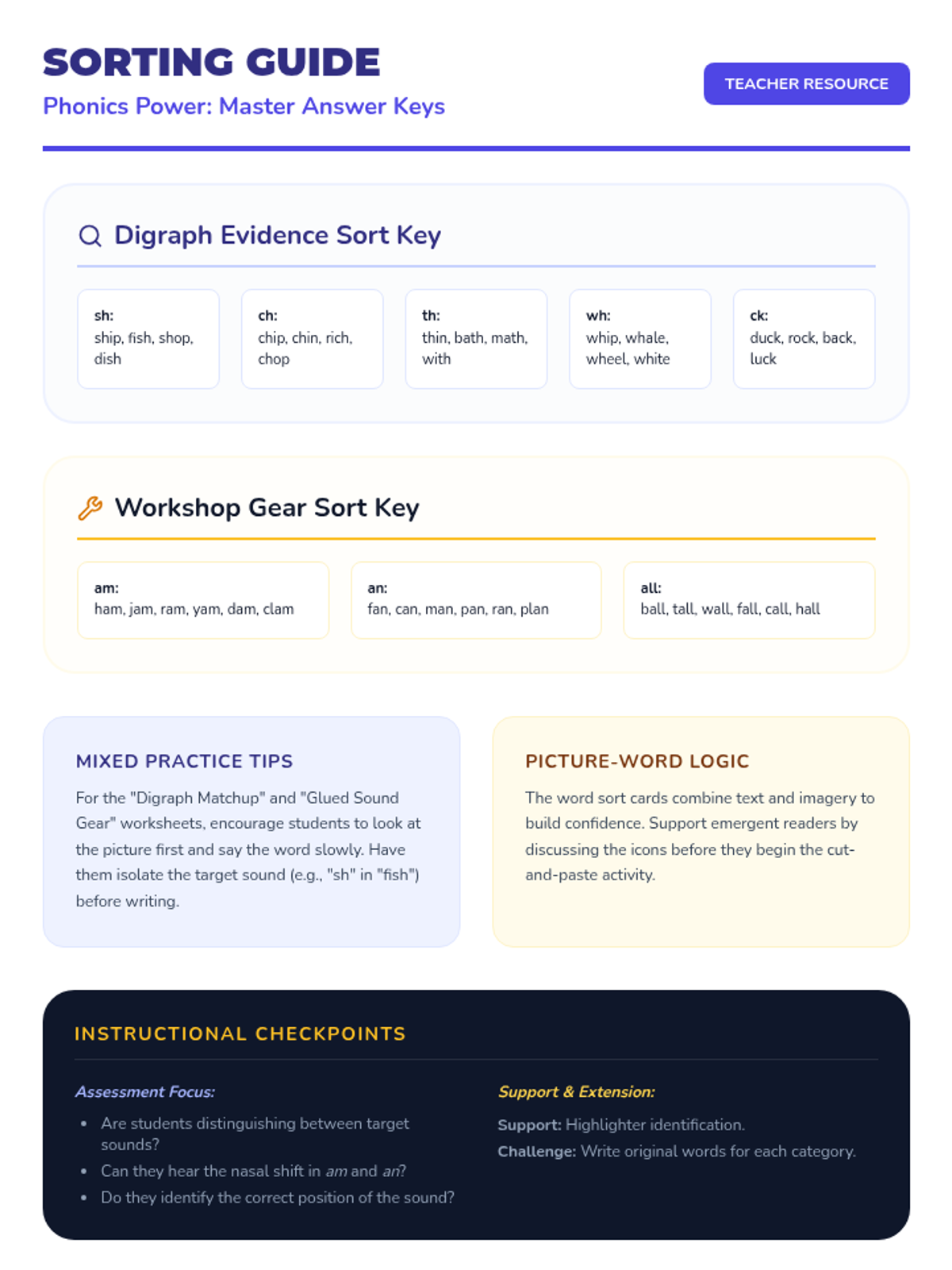
A workshop-themed phonics lesson focusing on identifying and using the 'glued' or 'welded' sounds -am, -an, and -all.
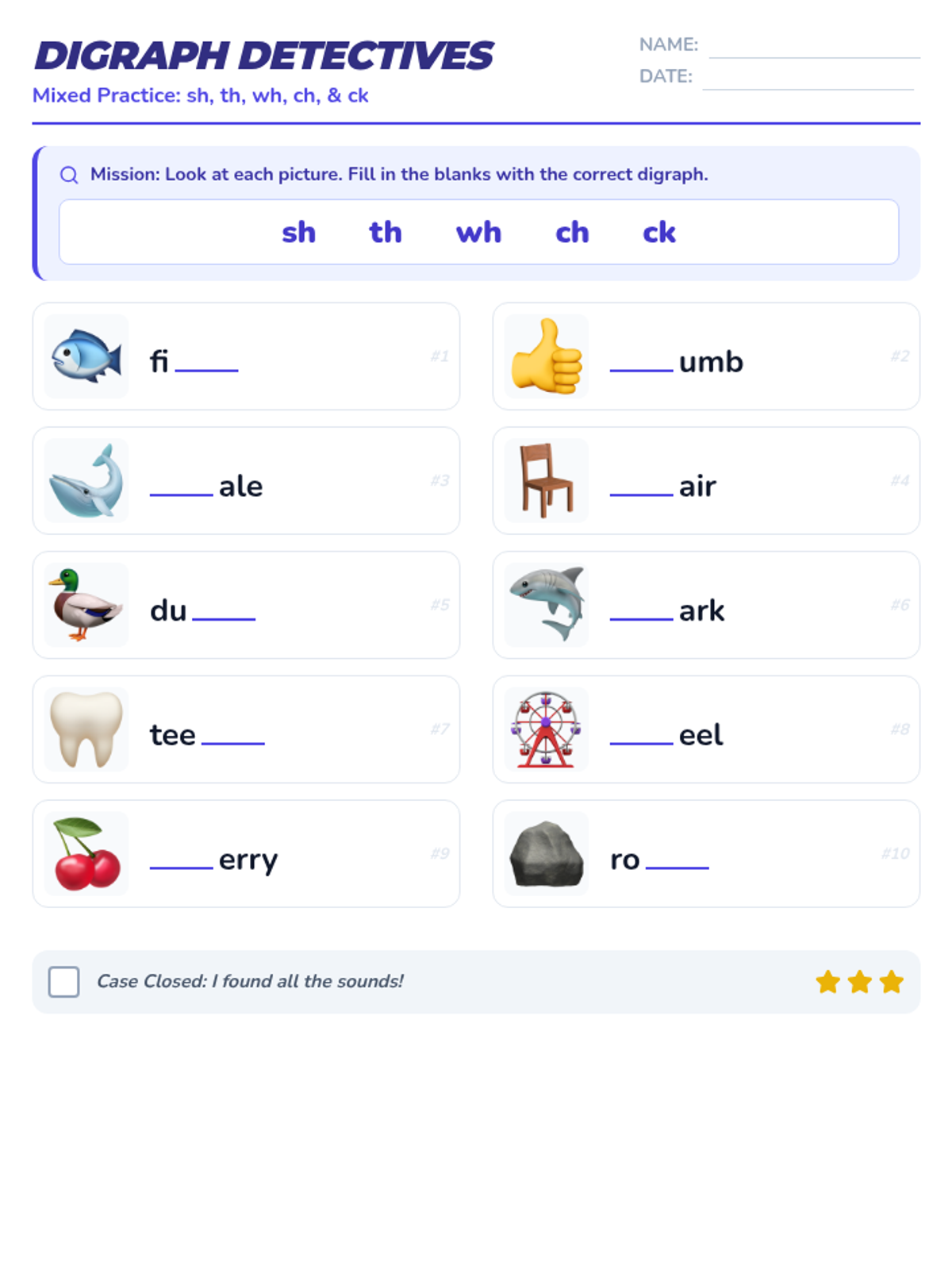
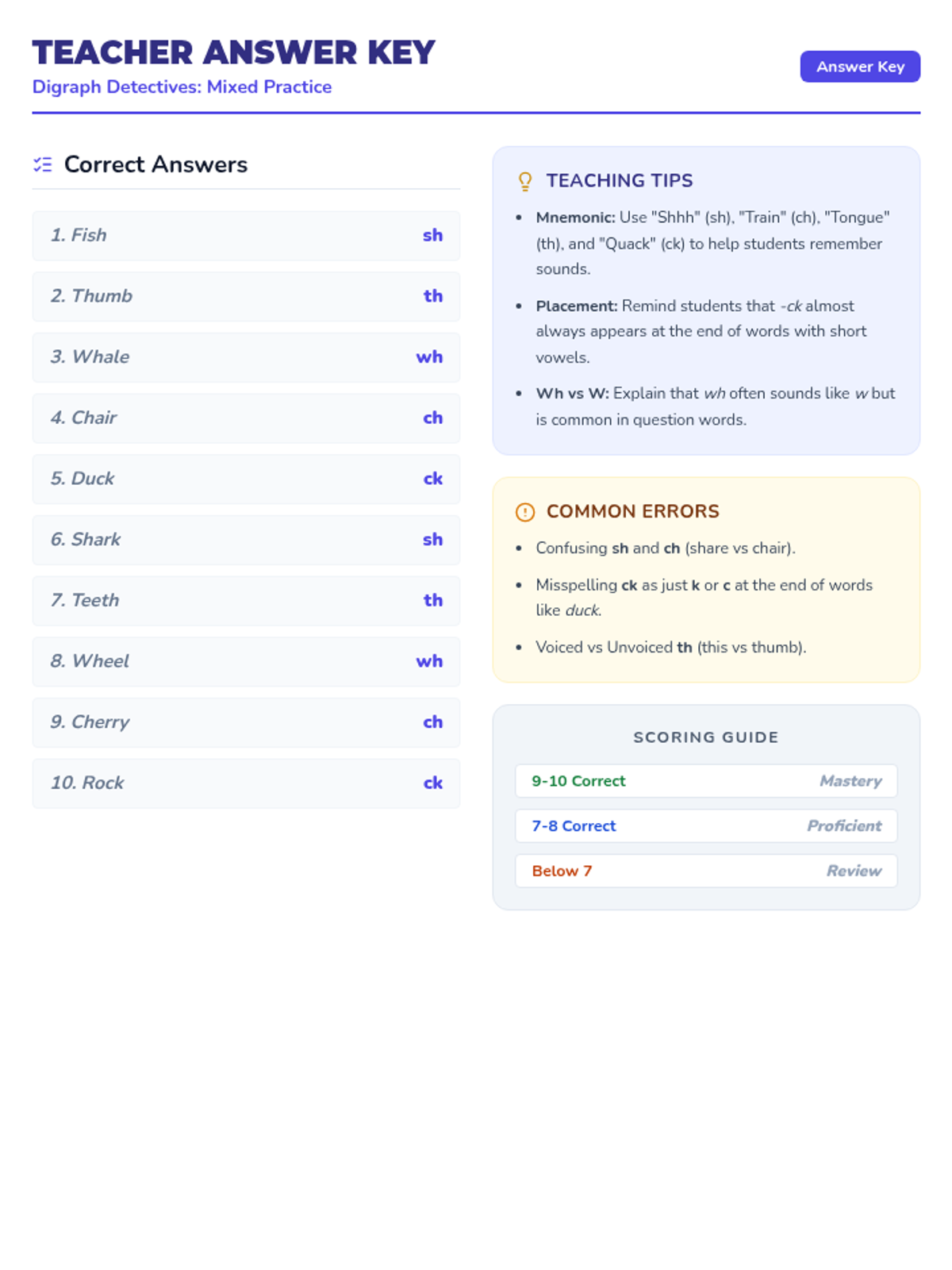
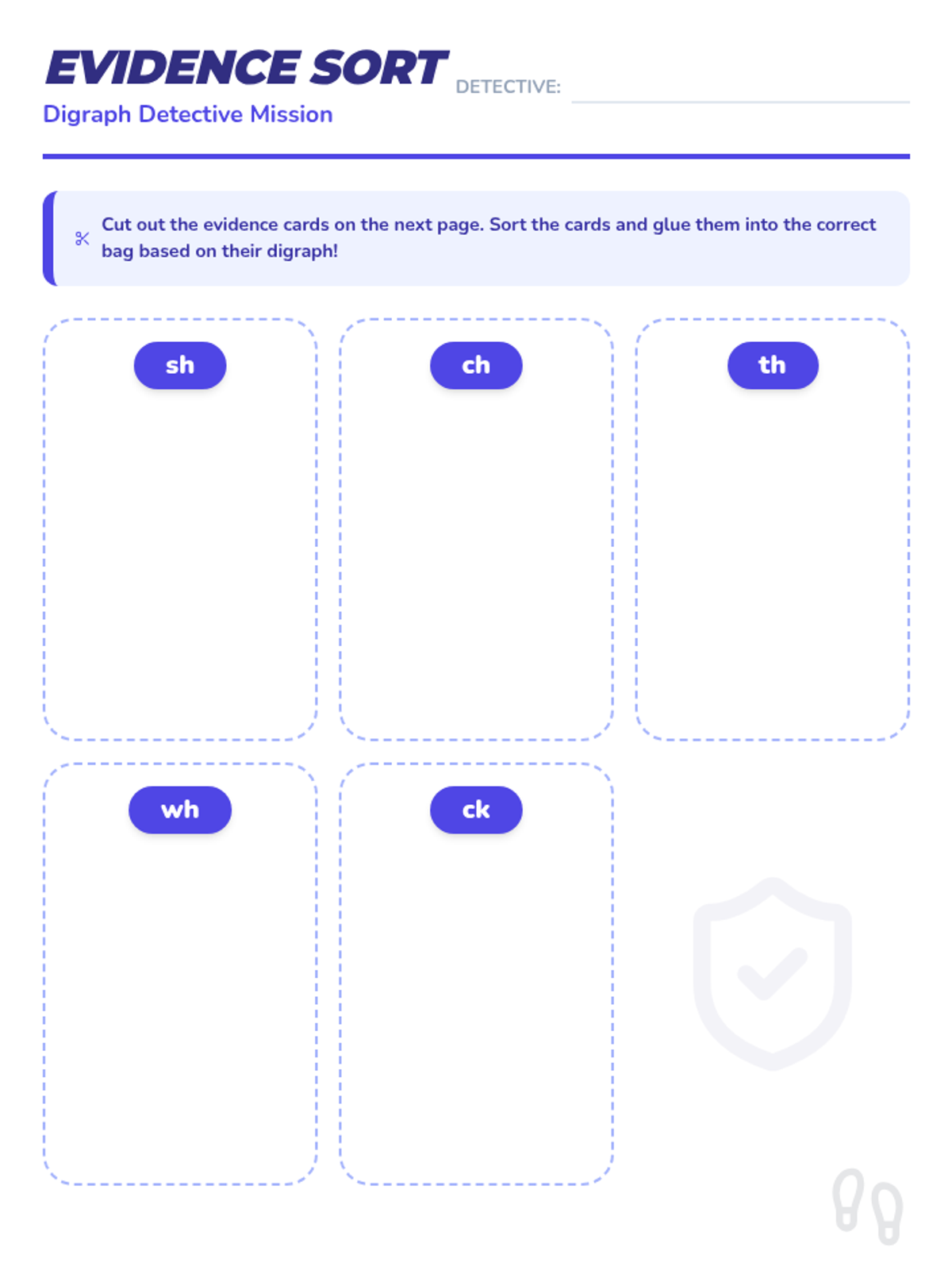
A foundational phonics lesson focusing on identifying and using the digraphs sh, th, wh, ch, and ck through visual association and word completion.
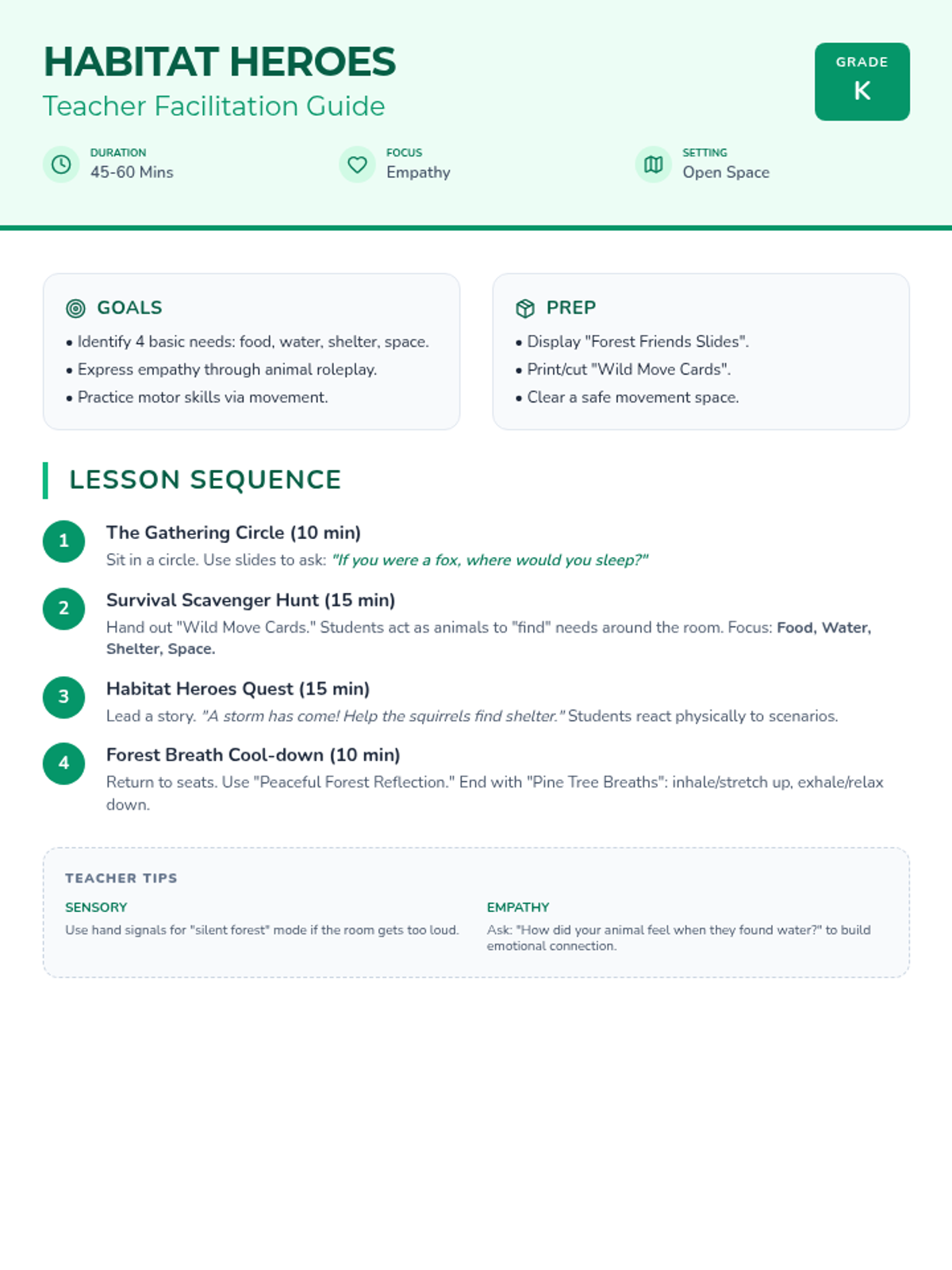
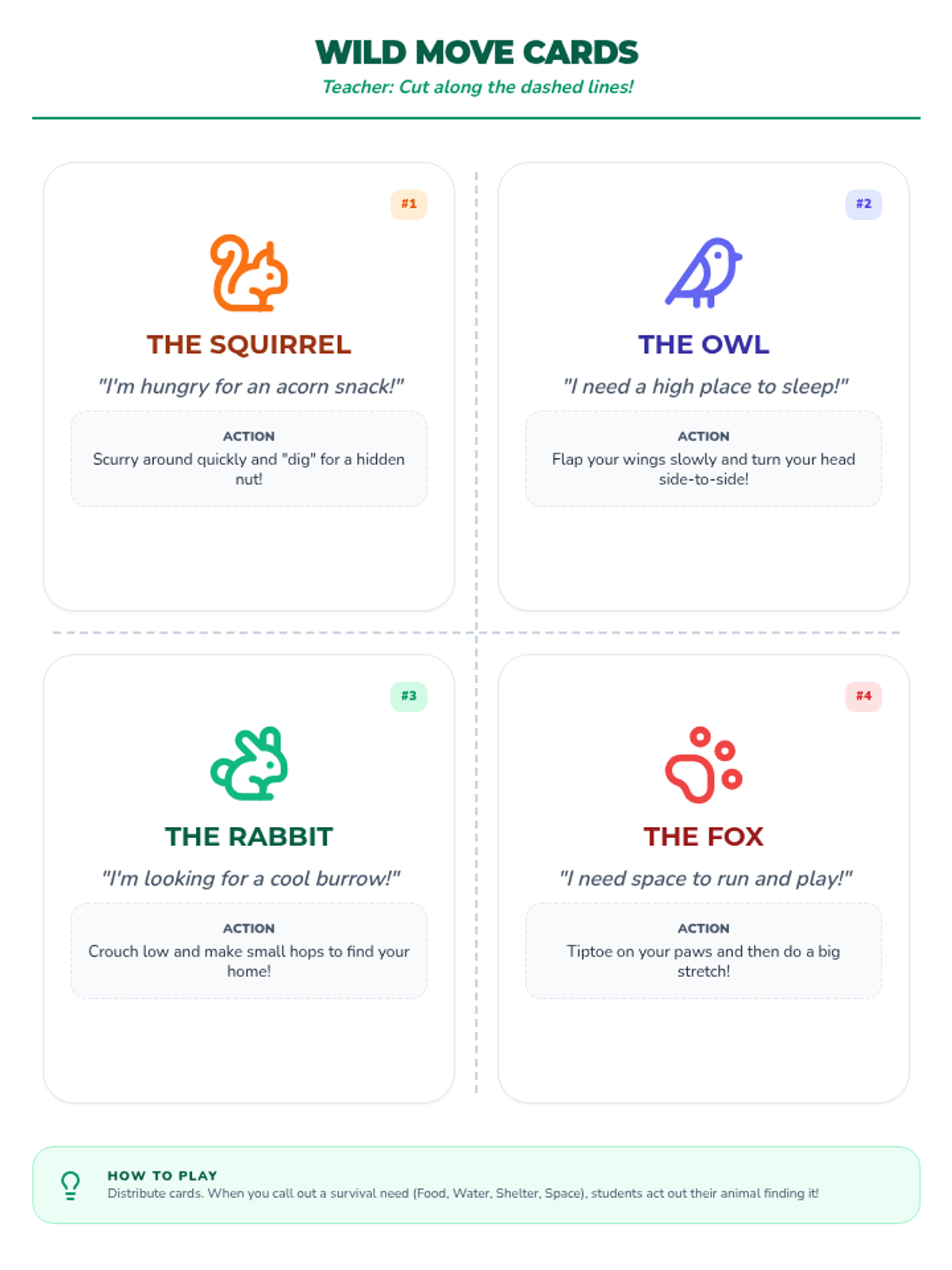
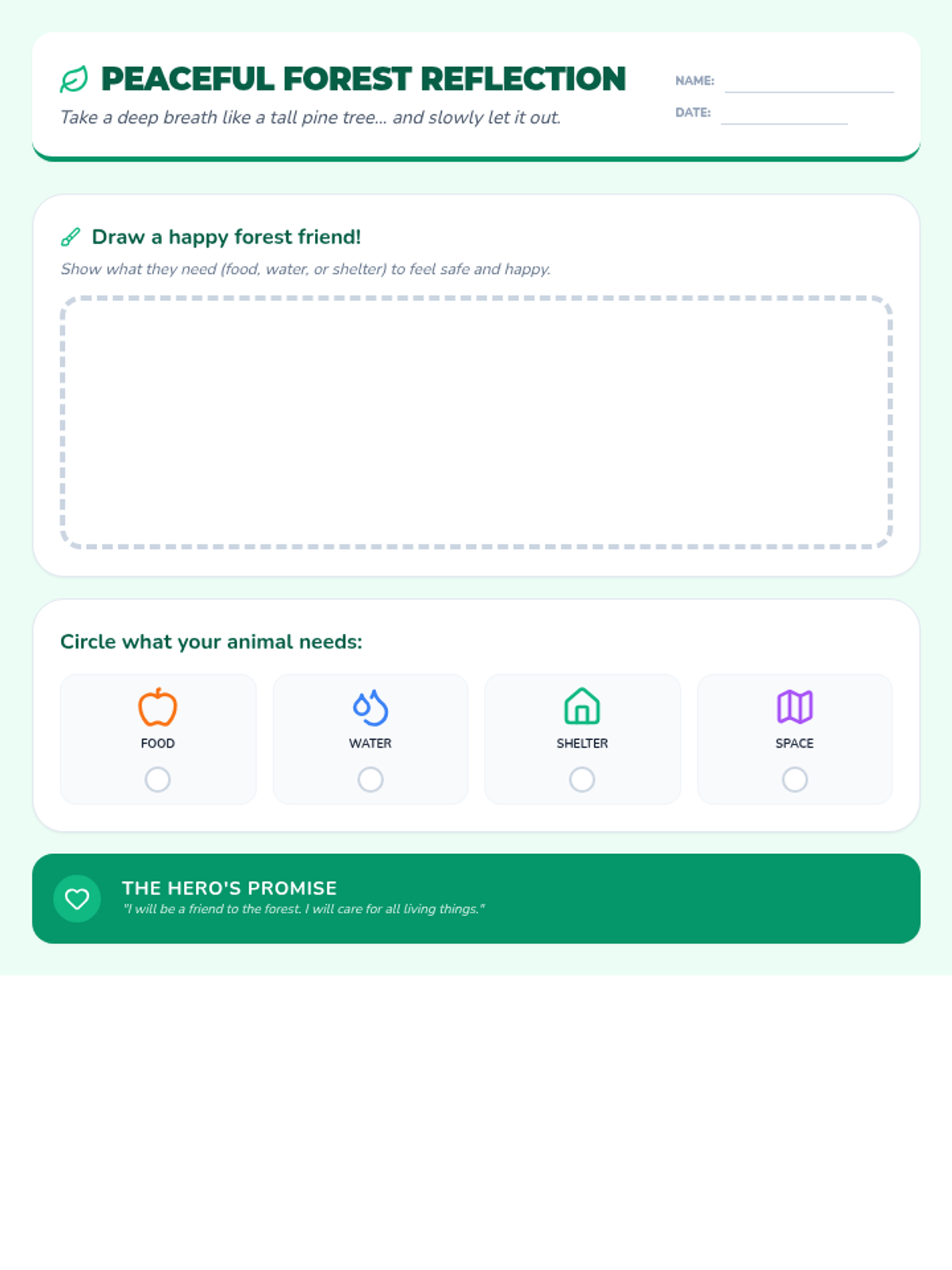
An immersive Kindergarten lesson where students explore the needs of forest animals through storytelling, movement, and mindfulness to build empathy for nature.
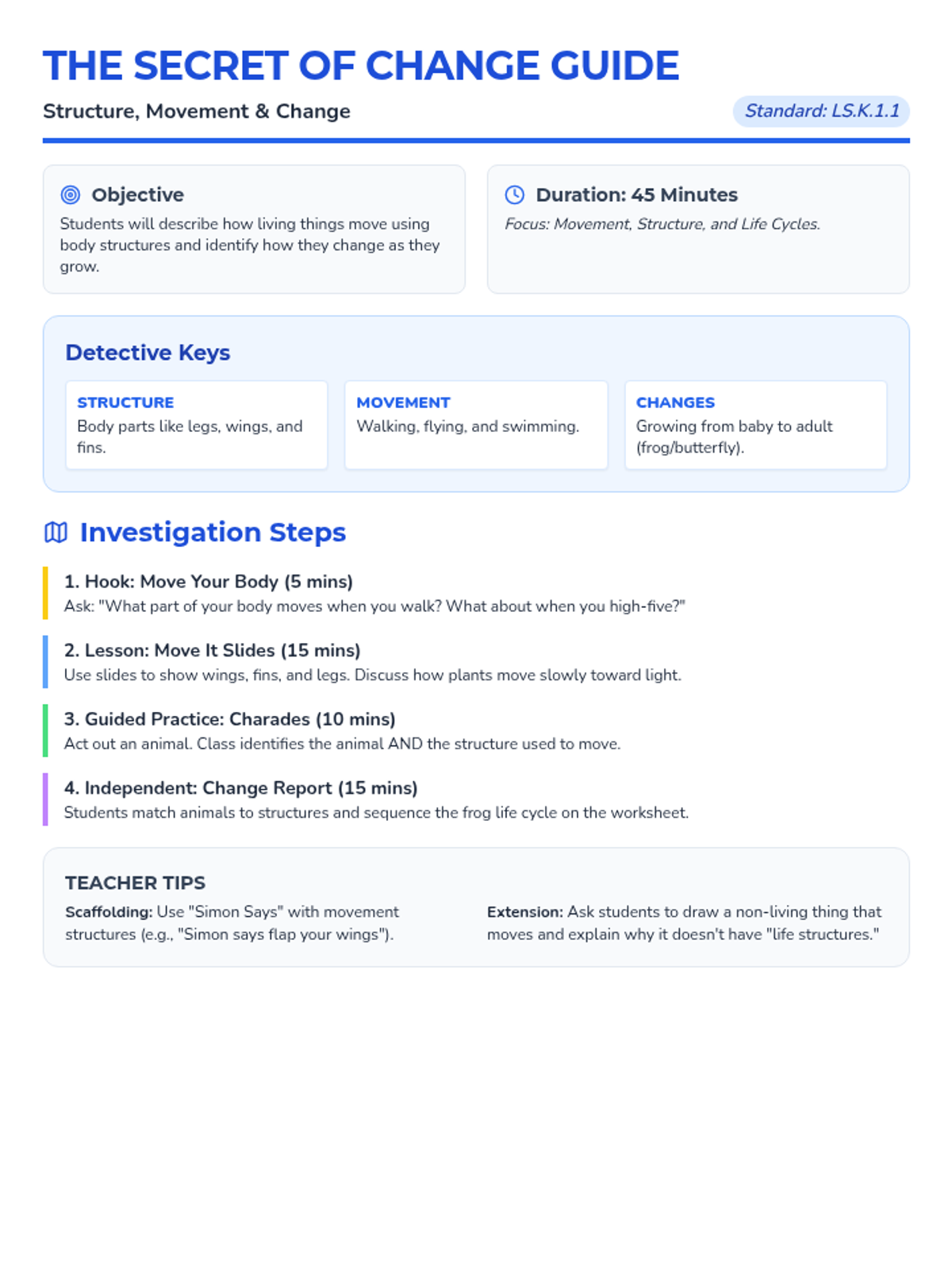
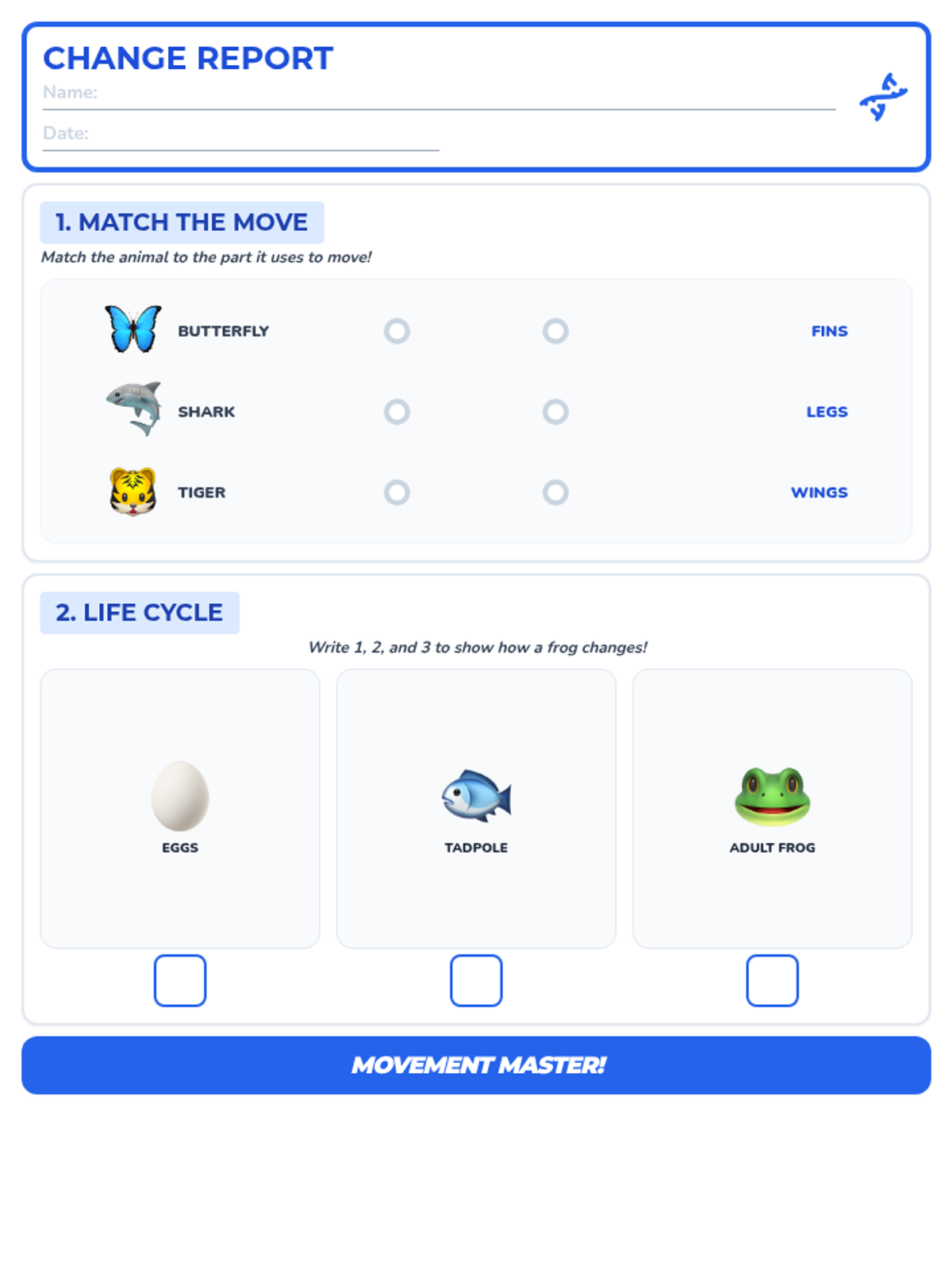
In this second lesson of the Living World Investigators unit, kindergarteners explore how living things move, the structures they use, and how they change over time. Students will compare the structures of plants and animals and observe life cycle changes.
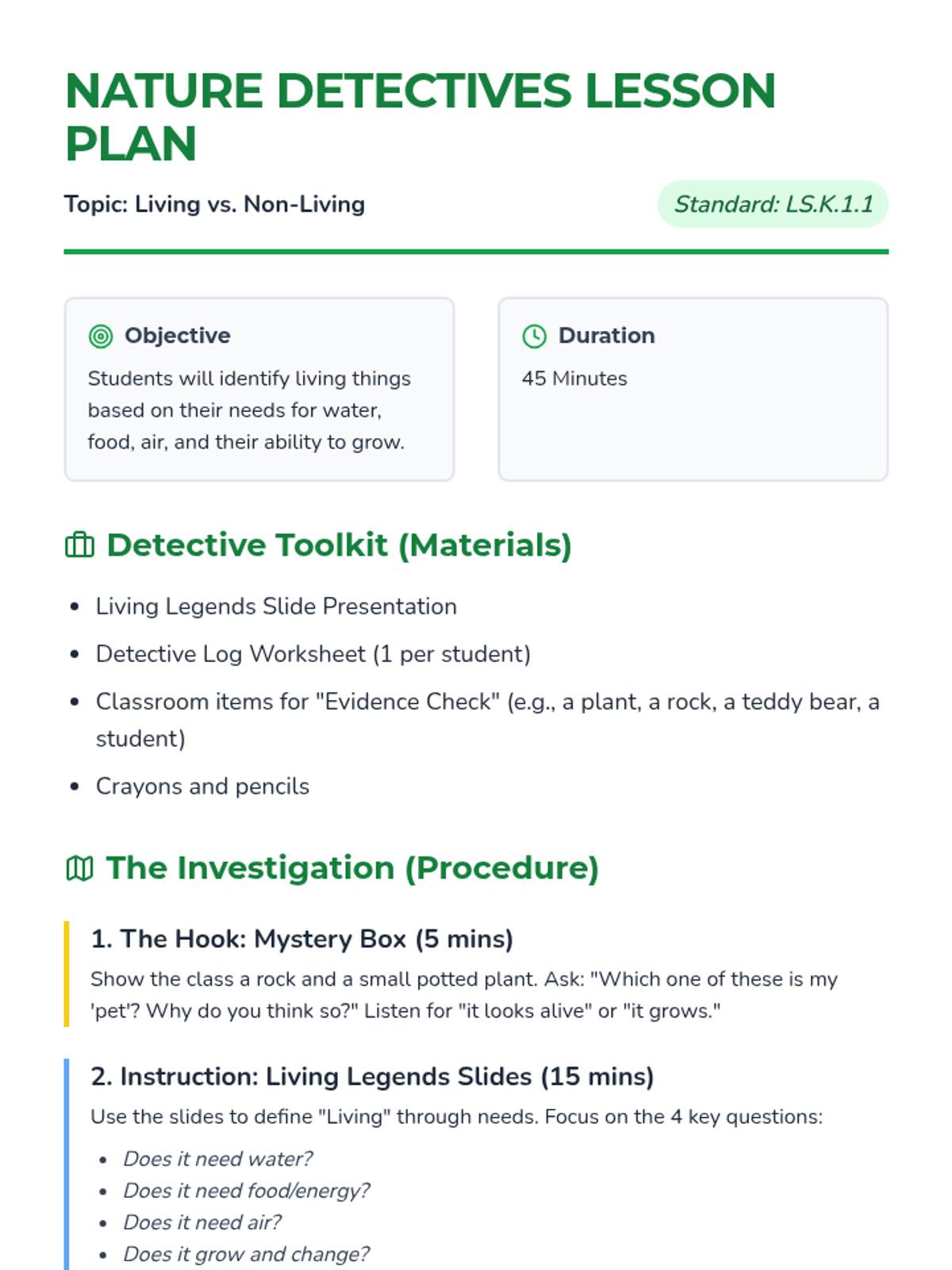
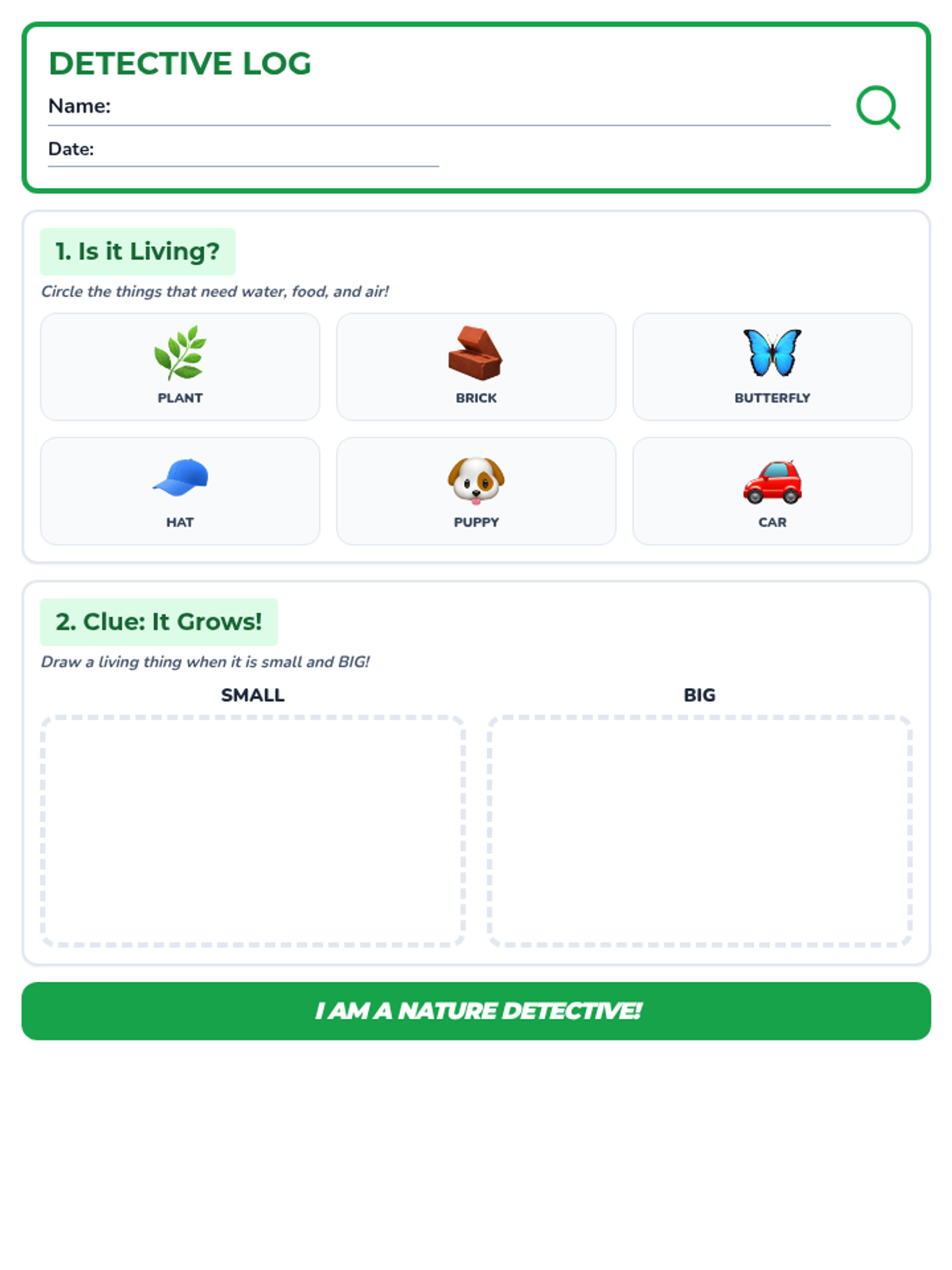
A kindergarten science lesson focused on identifying living and non-living things by investigating their basic needs and growth patterns. Students act as 'Nature Detectives' to argue from evidence whether an object is alive or not.
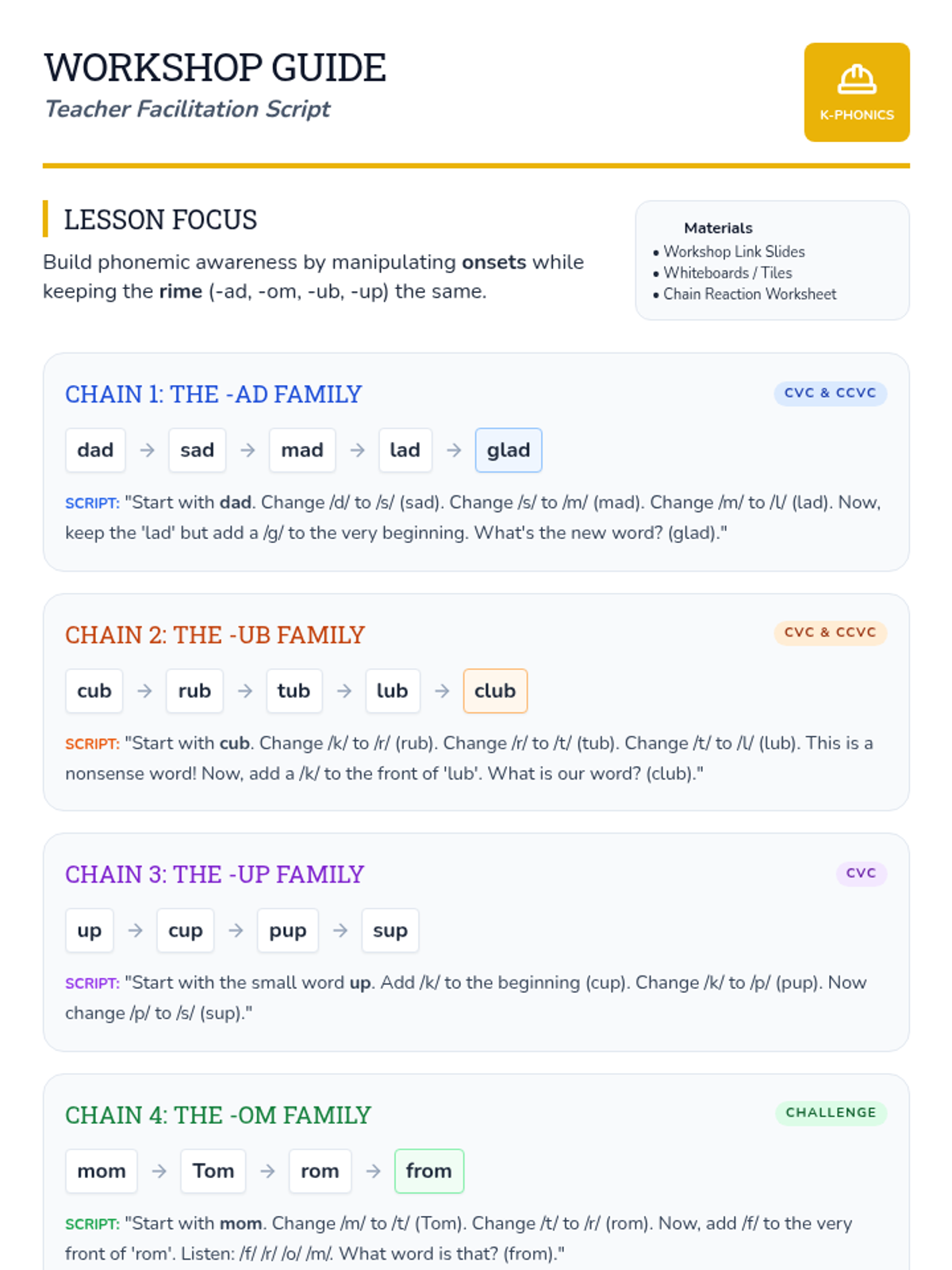
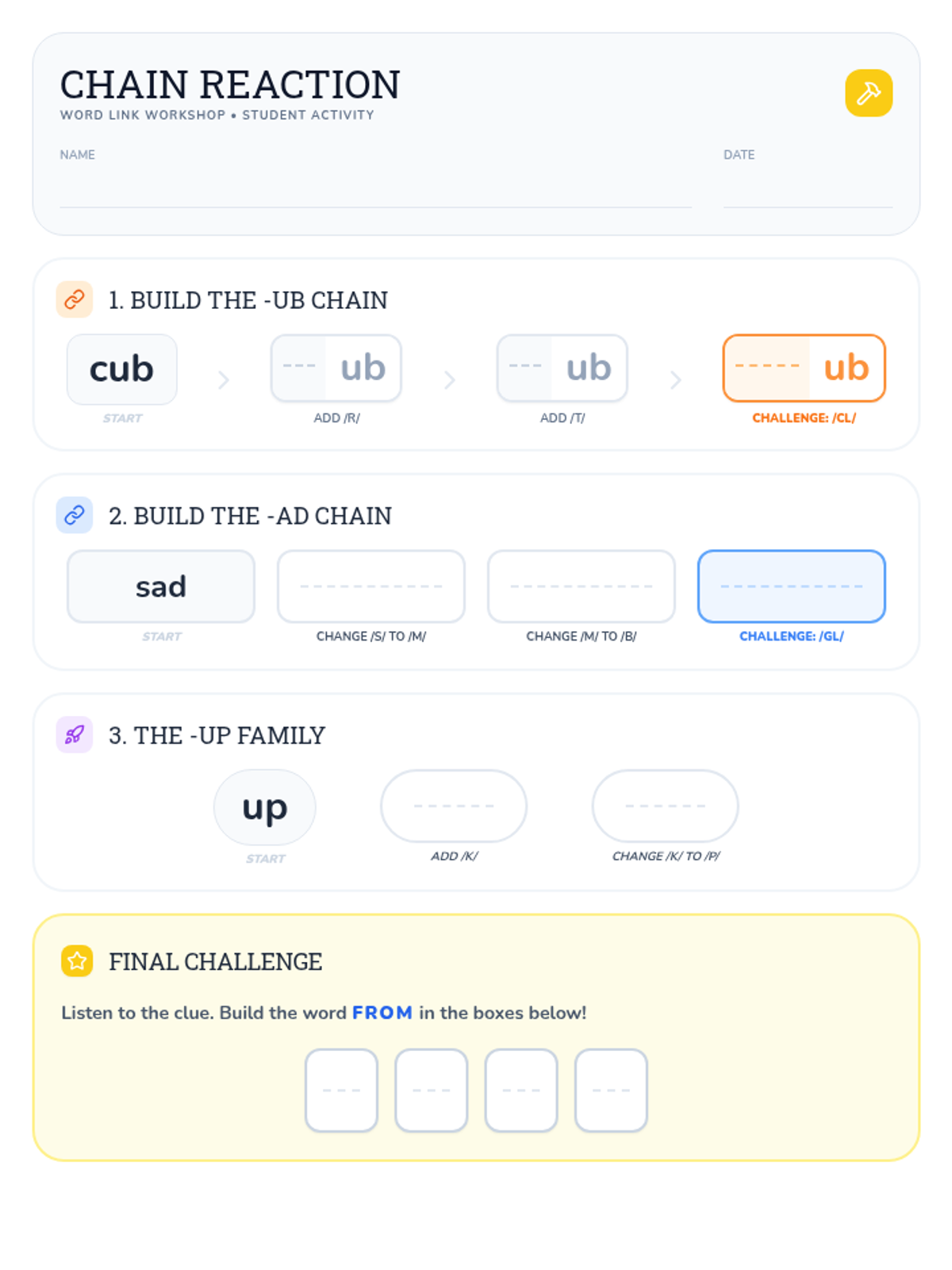
A foundational phonics lesson focused on building and changing words using specific rimes. Students will practice phonemic substitution to create word chains with CVC and CCVC patterns.
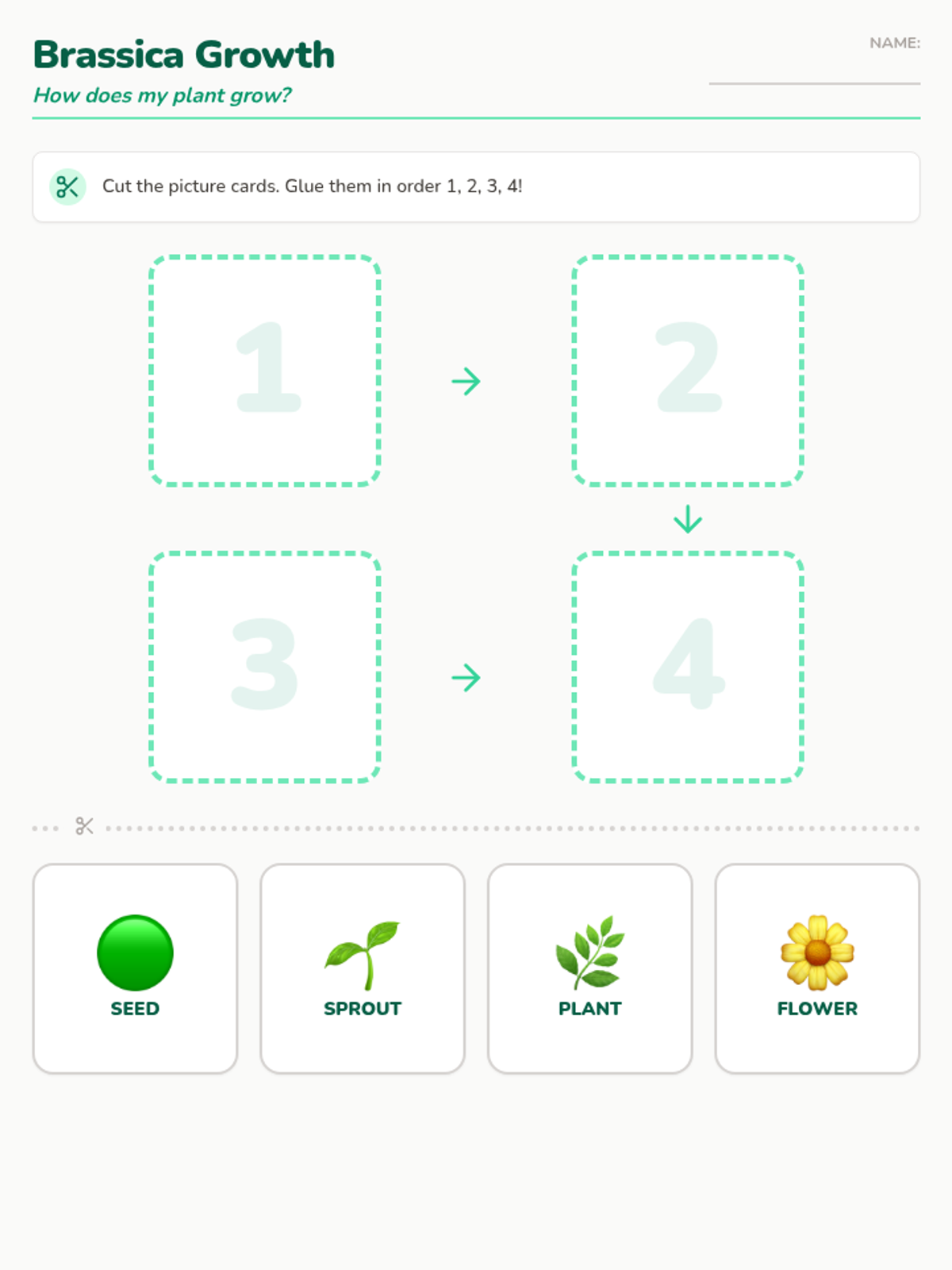
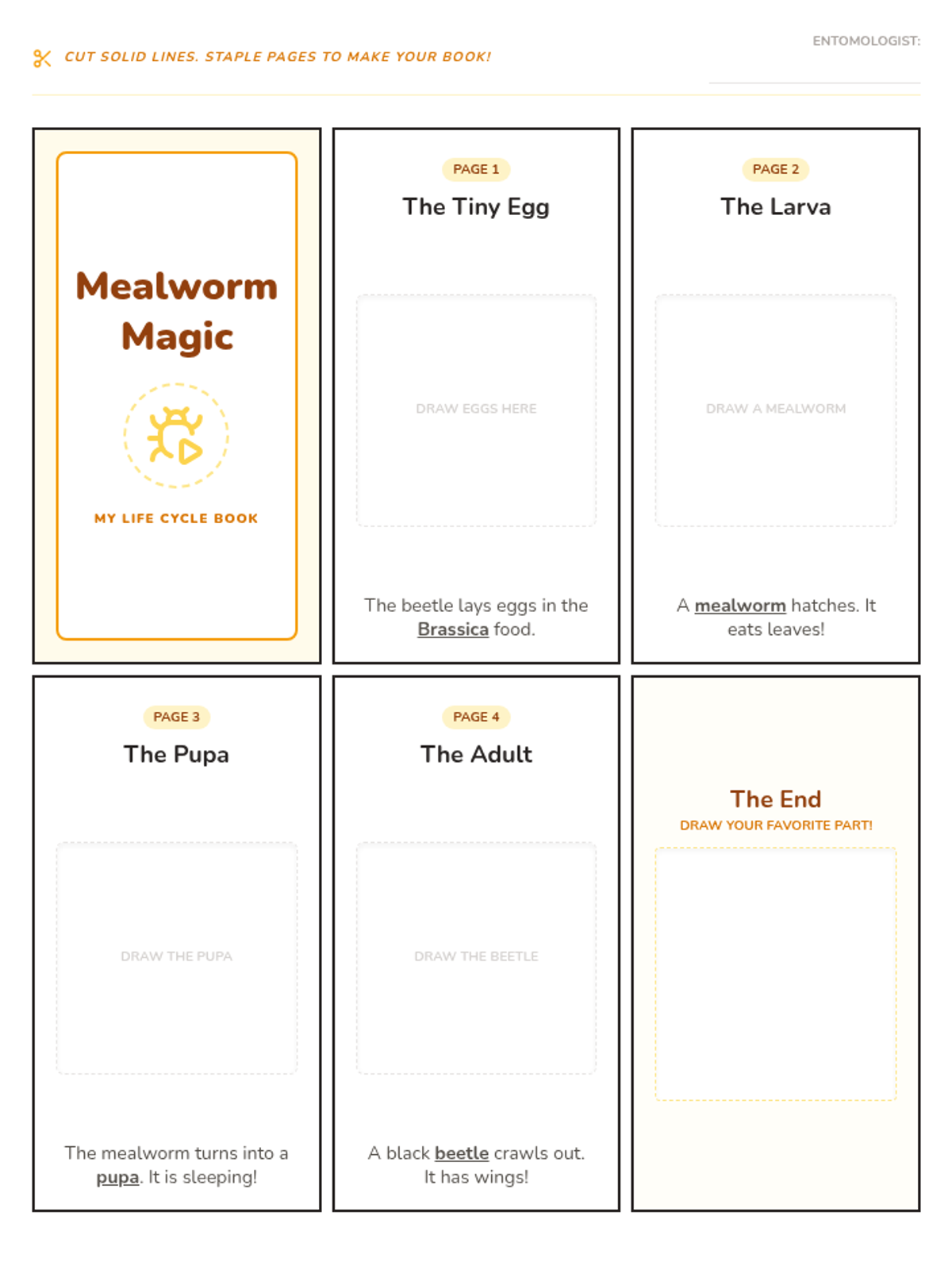
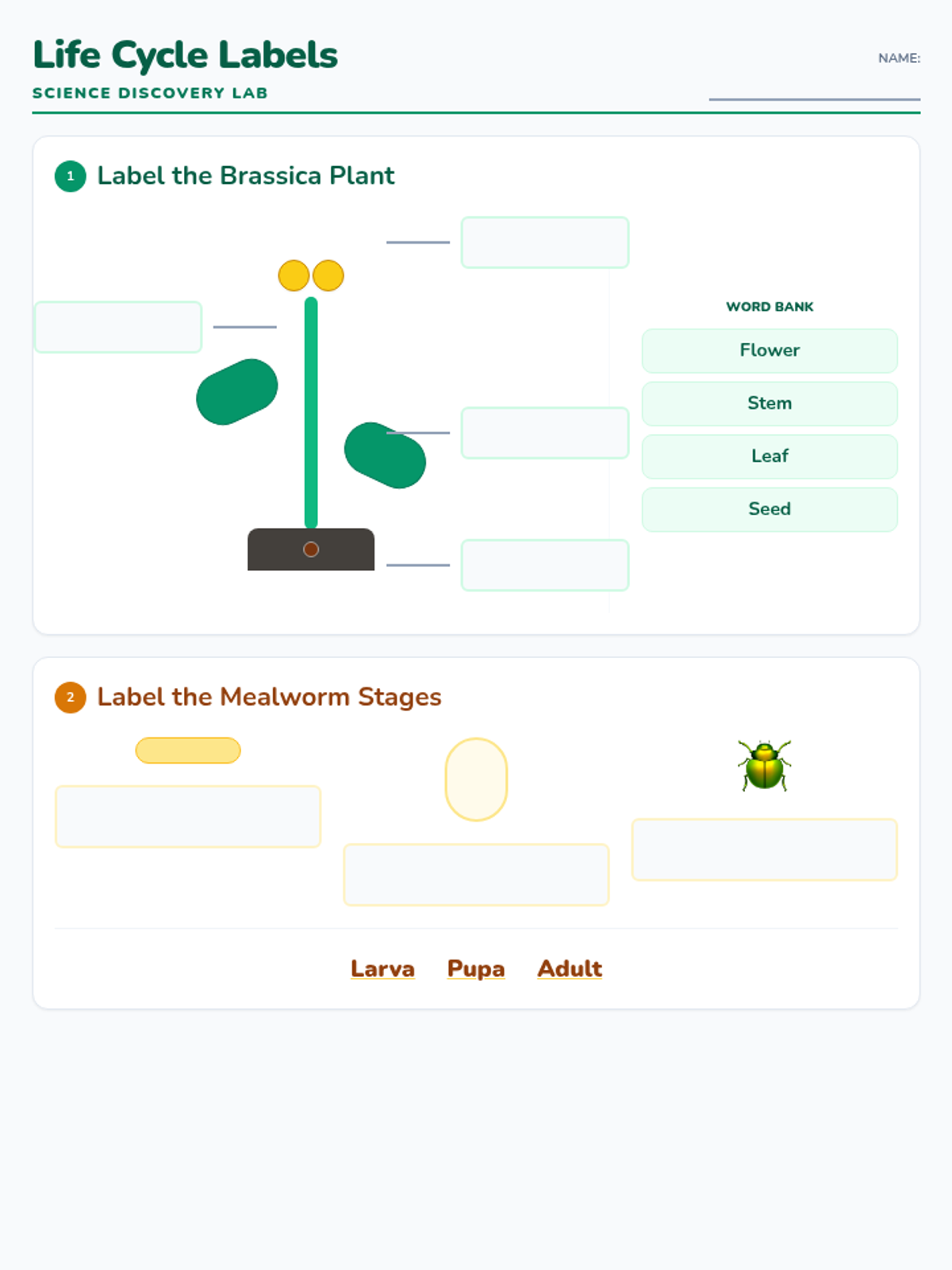
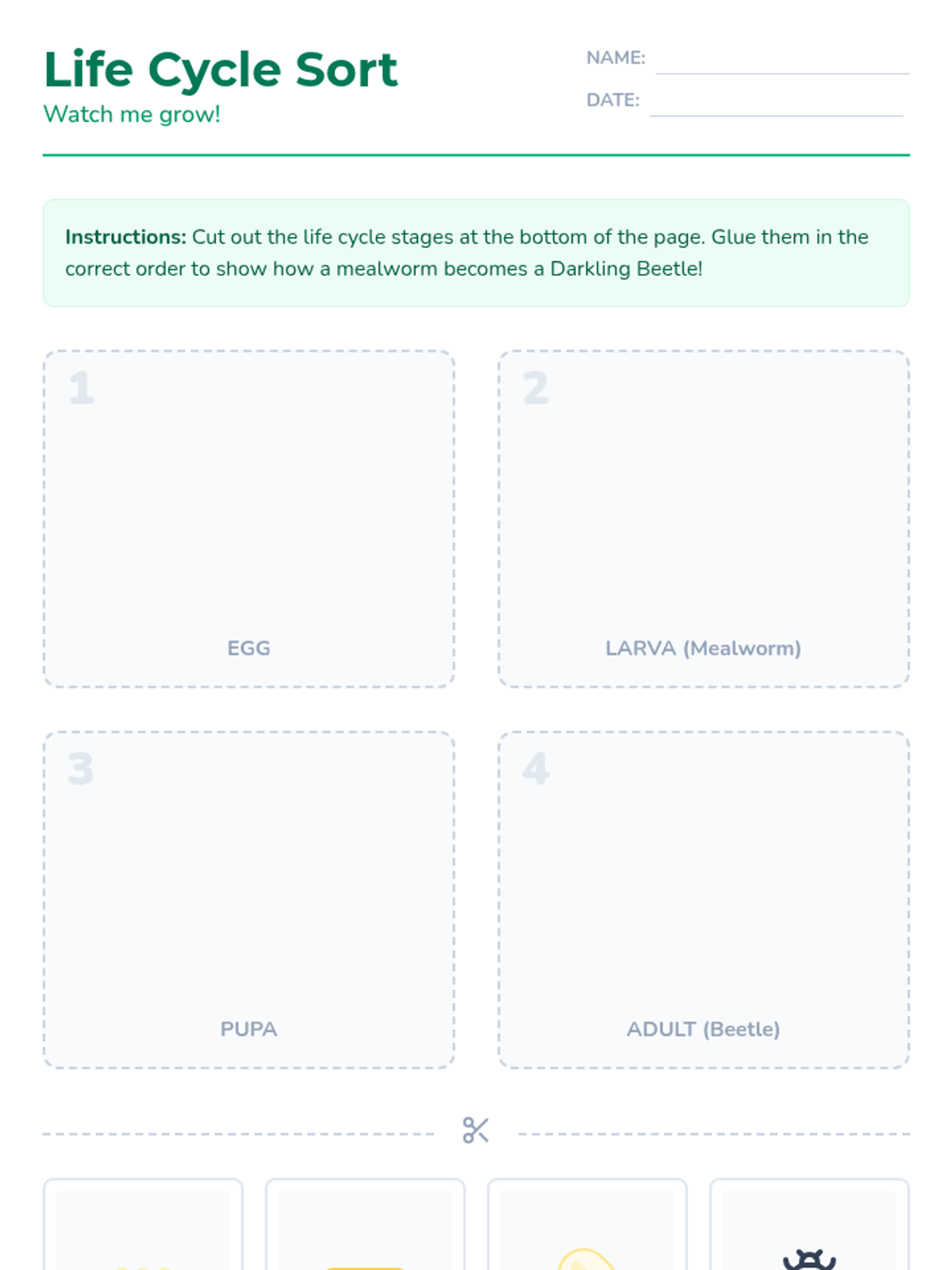
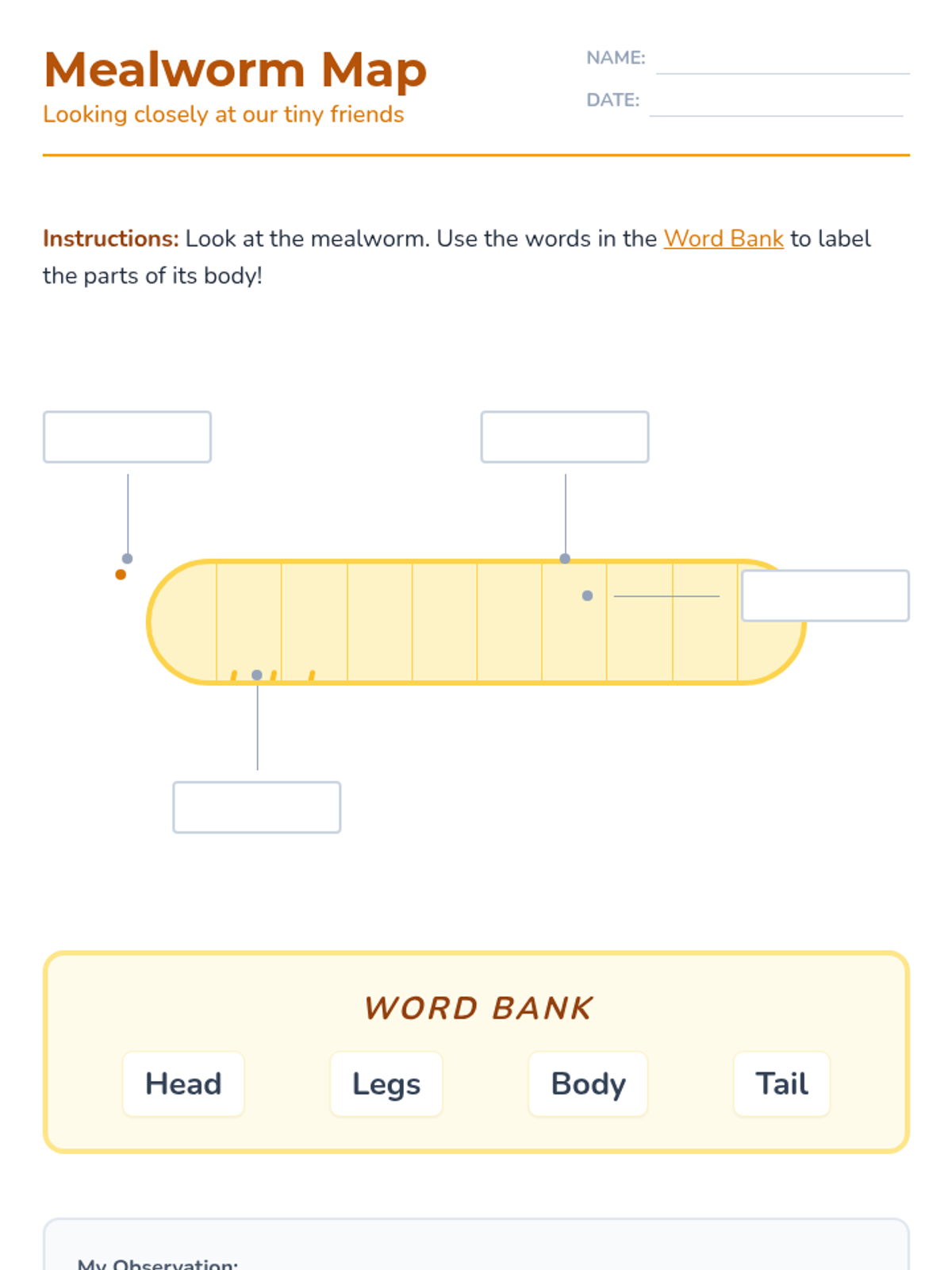
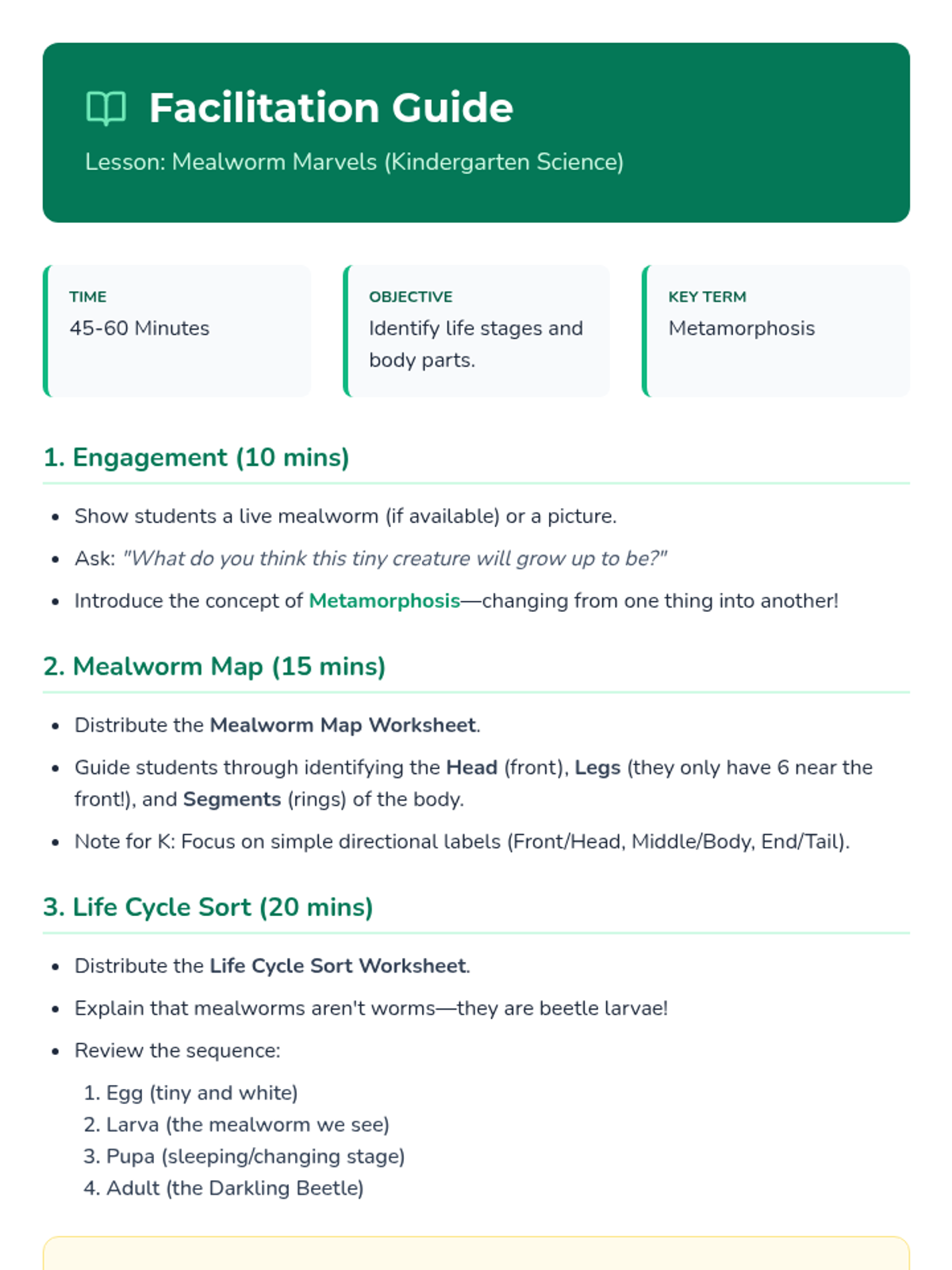
A Kindergarten-focused lesson exploring the fascinating transformations of Brassica plants and mealworms. Students will observe, sequence, and label the different stages of development through hands-on activities.
A hands-on exploration of the mealworm life cycle and anatomy designed for early learners to observe and document metamorphosis.
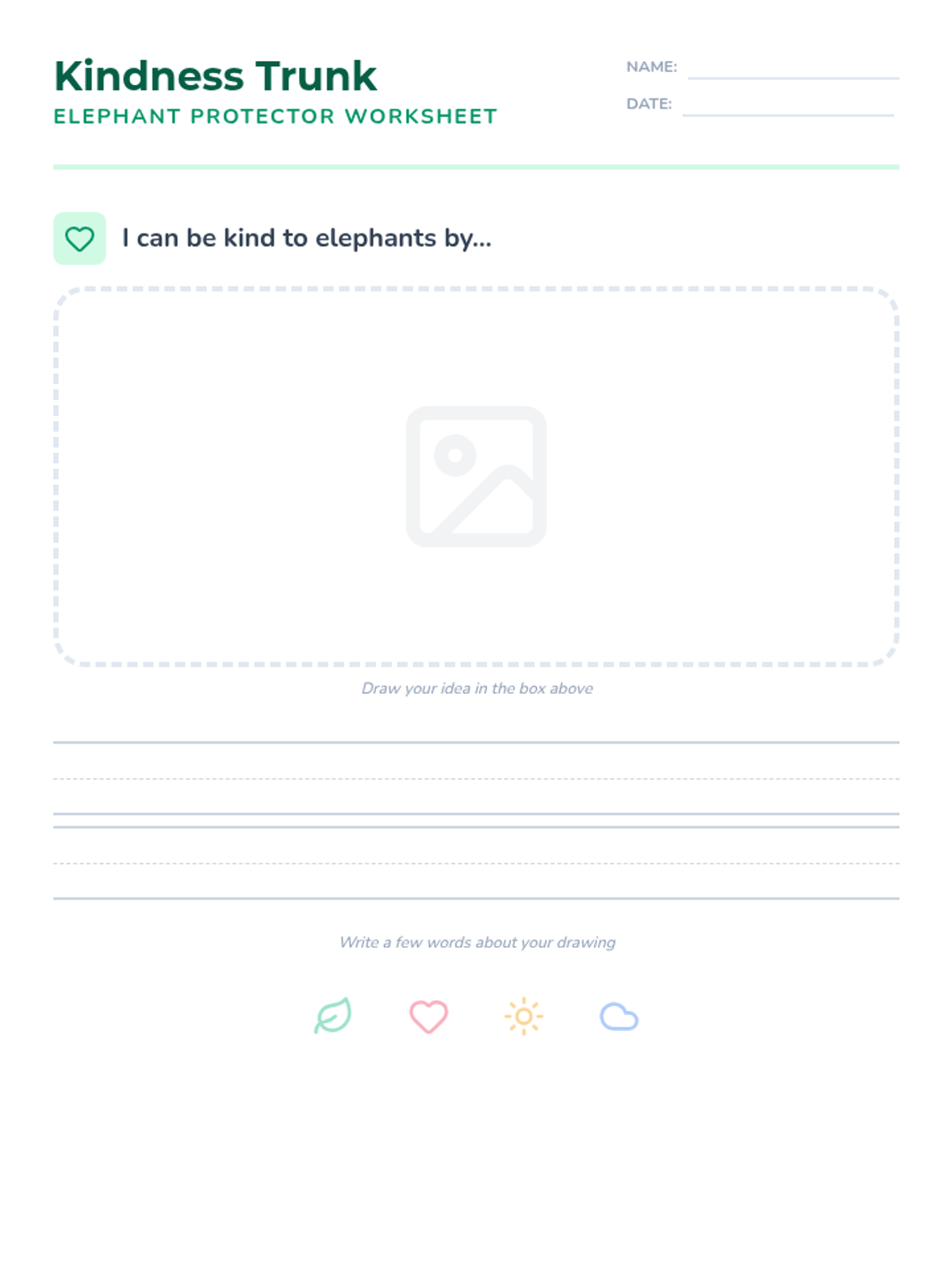
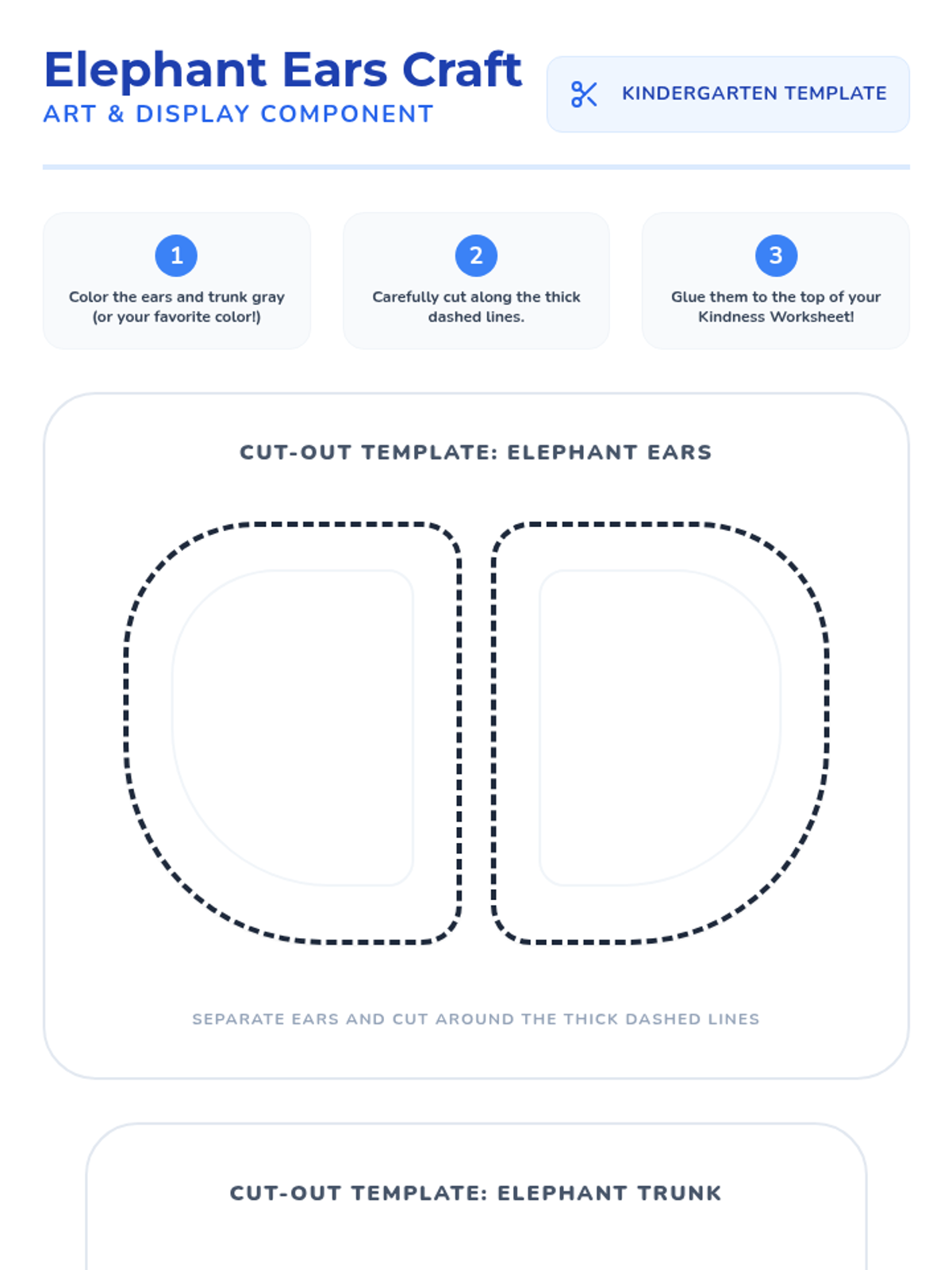
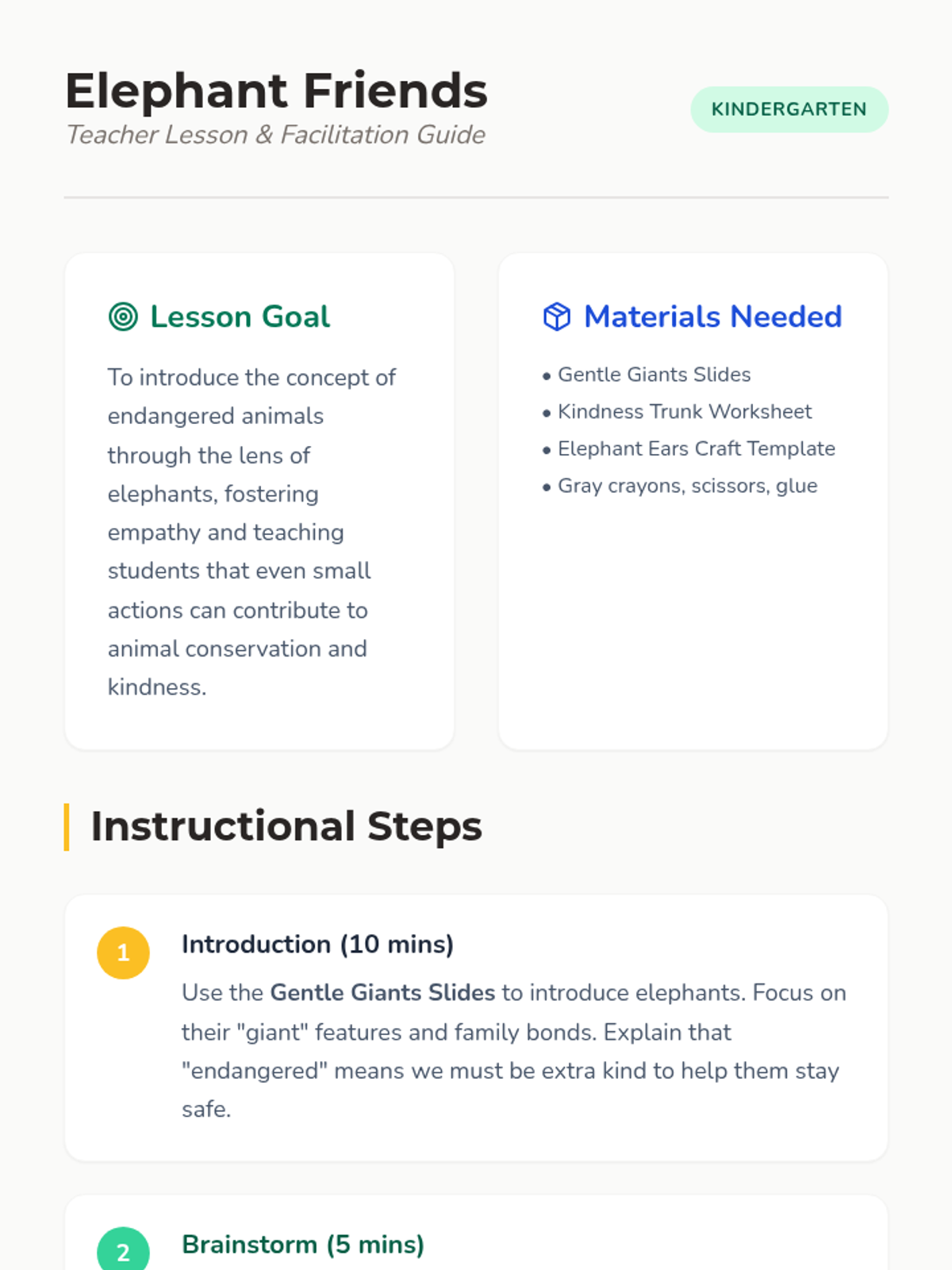
A gentle introduction to elephant conservation for kindergarteners, focusing on empathy and simple ways to show kindness to endangered animals. Includes a slide presentation, a writing prompt, a craft, and materials to build a collaborative bulletin board.
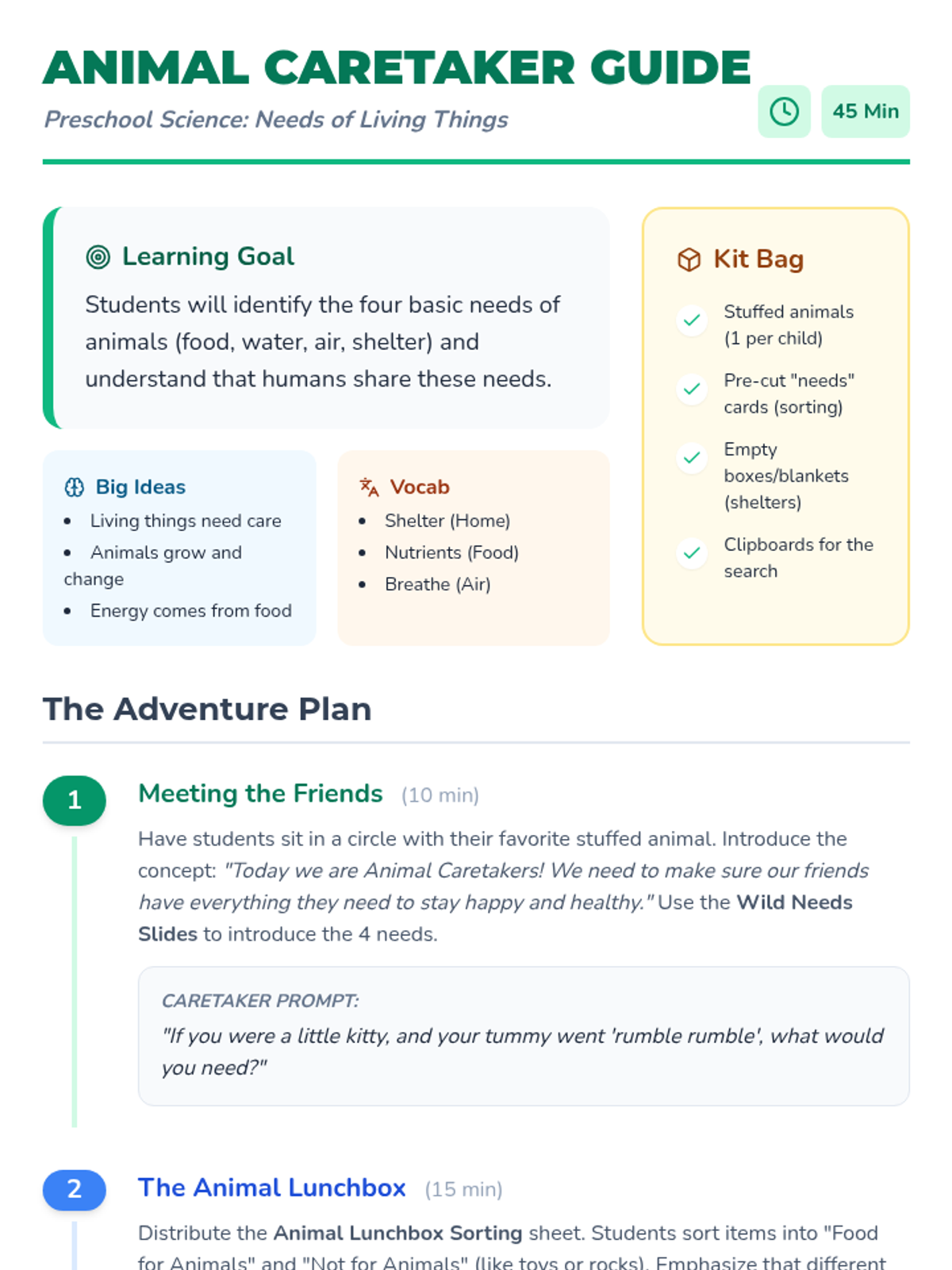
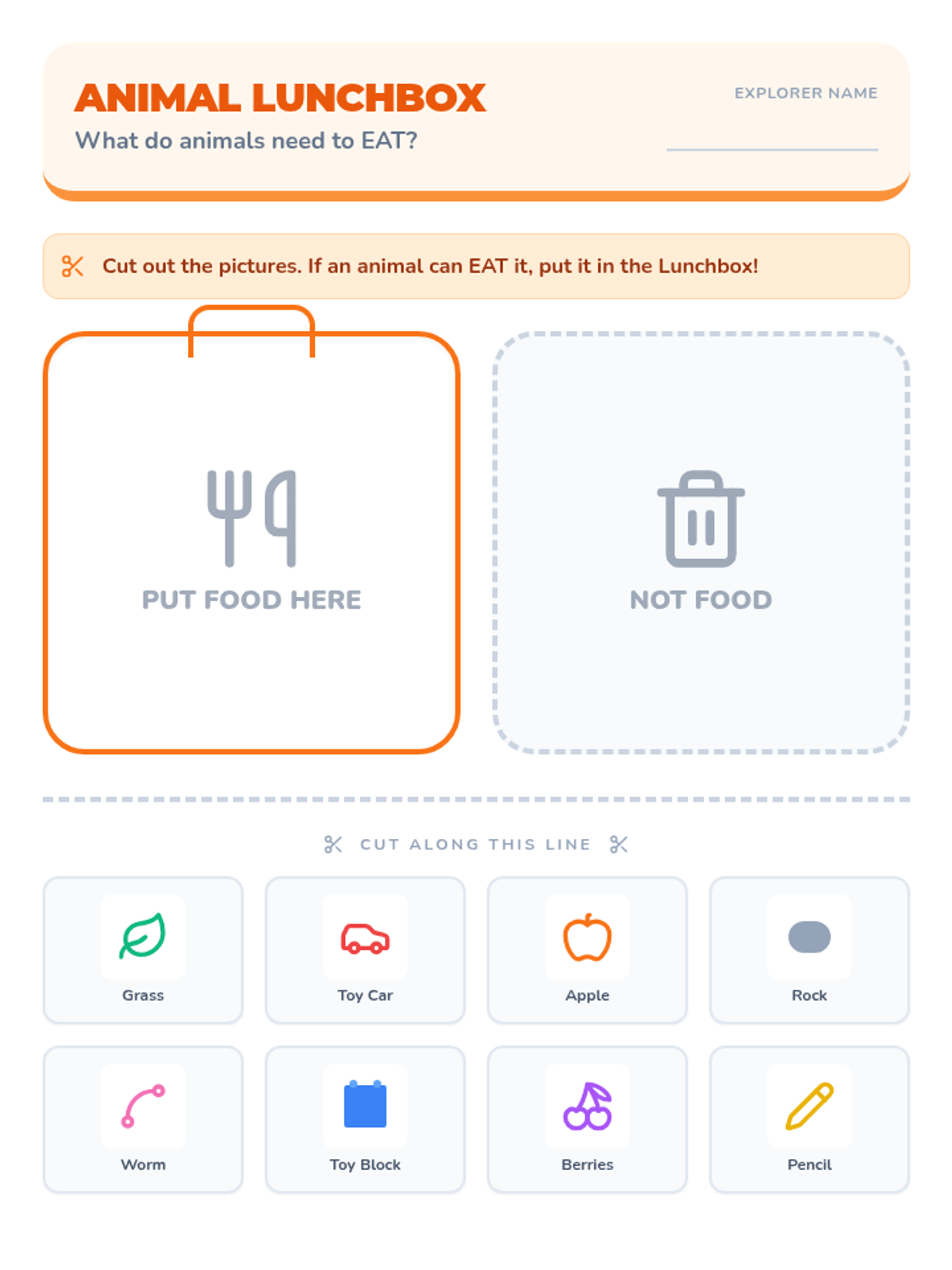
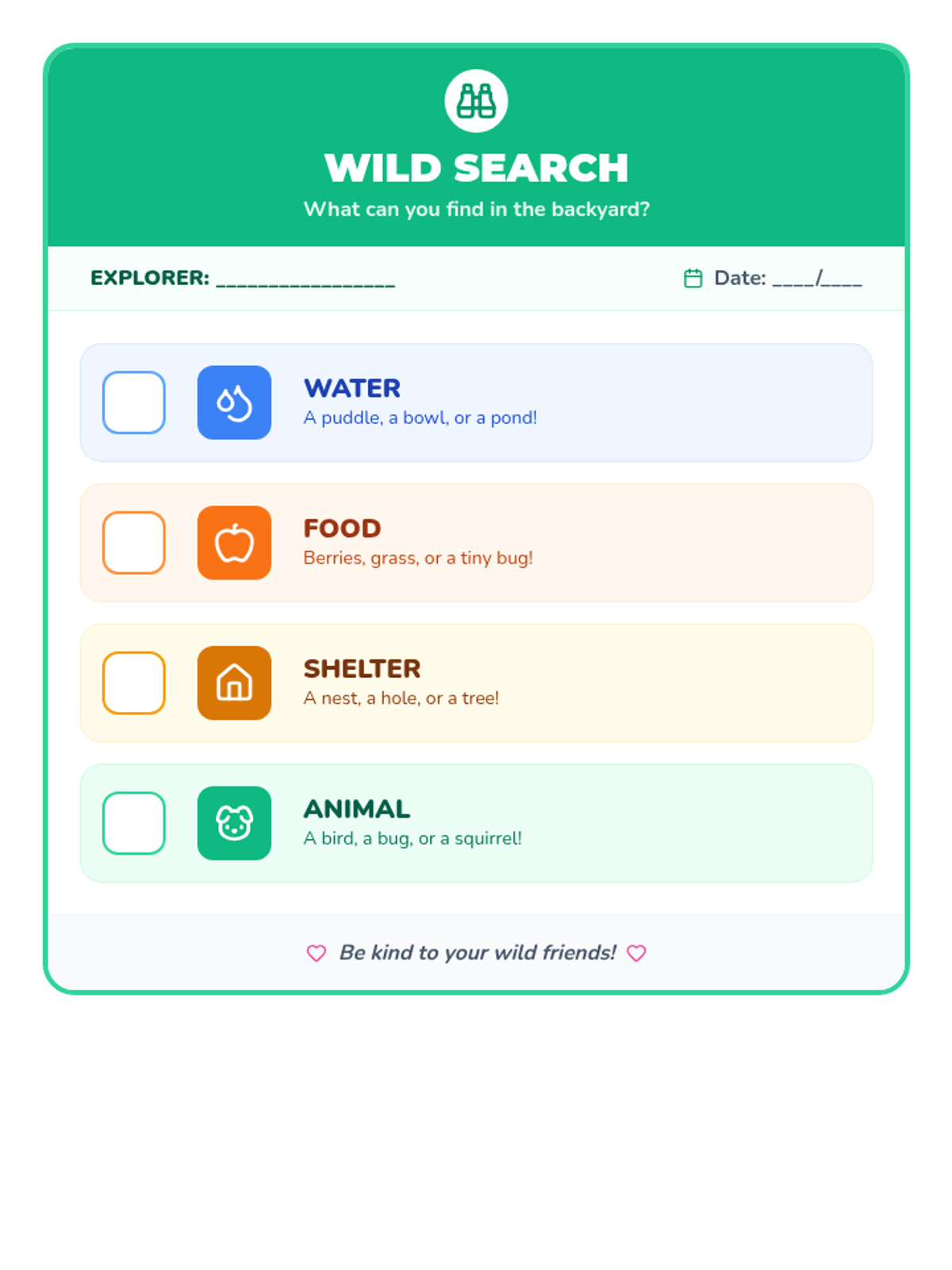
A hands-on introduction to the four basic needs of animals (food, water, shelter, and air) designed for preschool learners through play-based exploration and visual sorting.
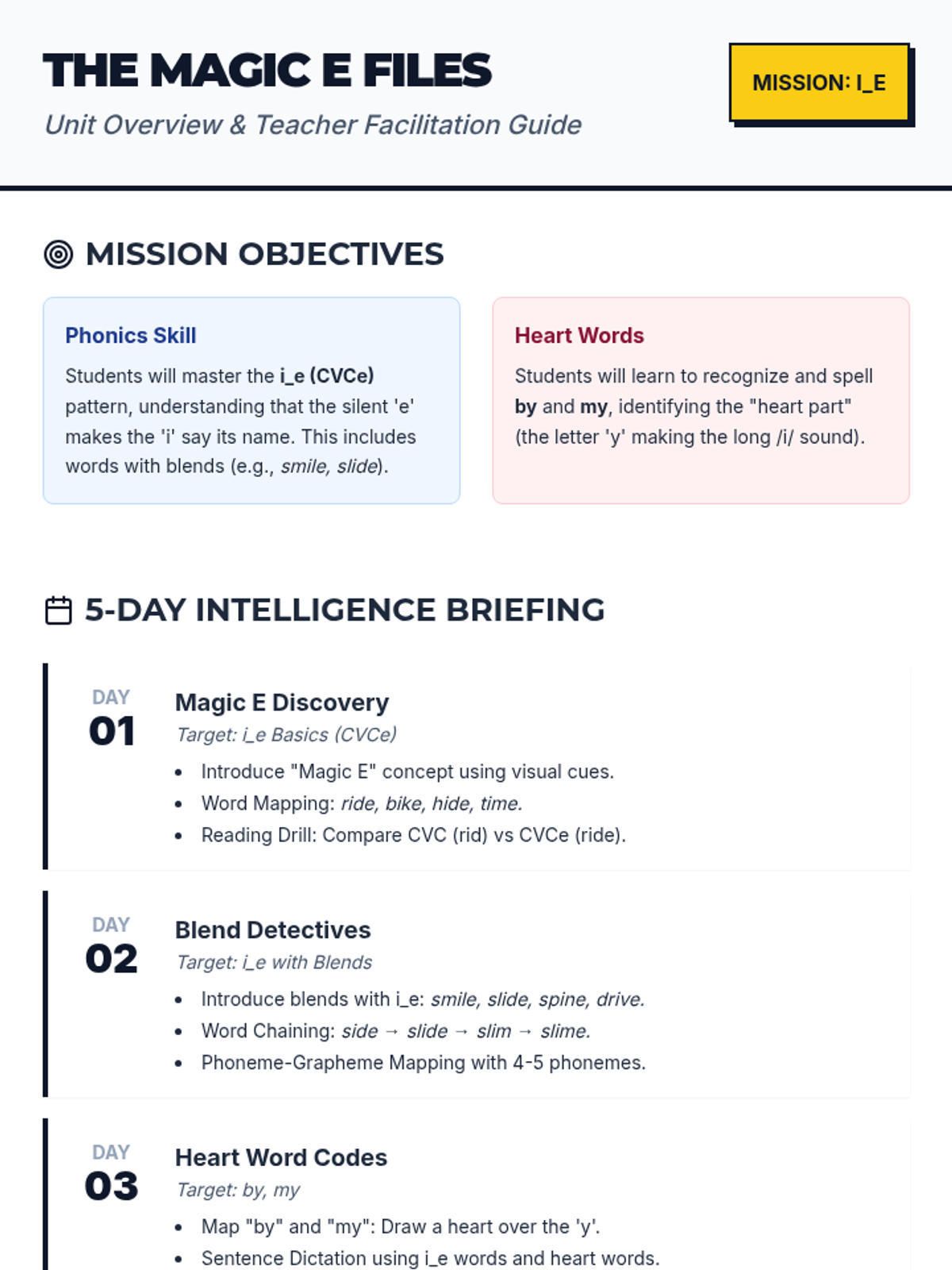
Unit overview and teacher facilitation guide for 'The Magic E Files'.
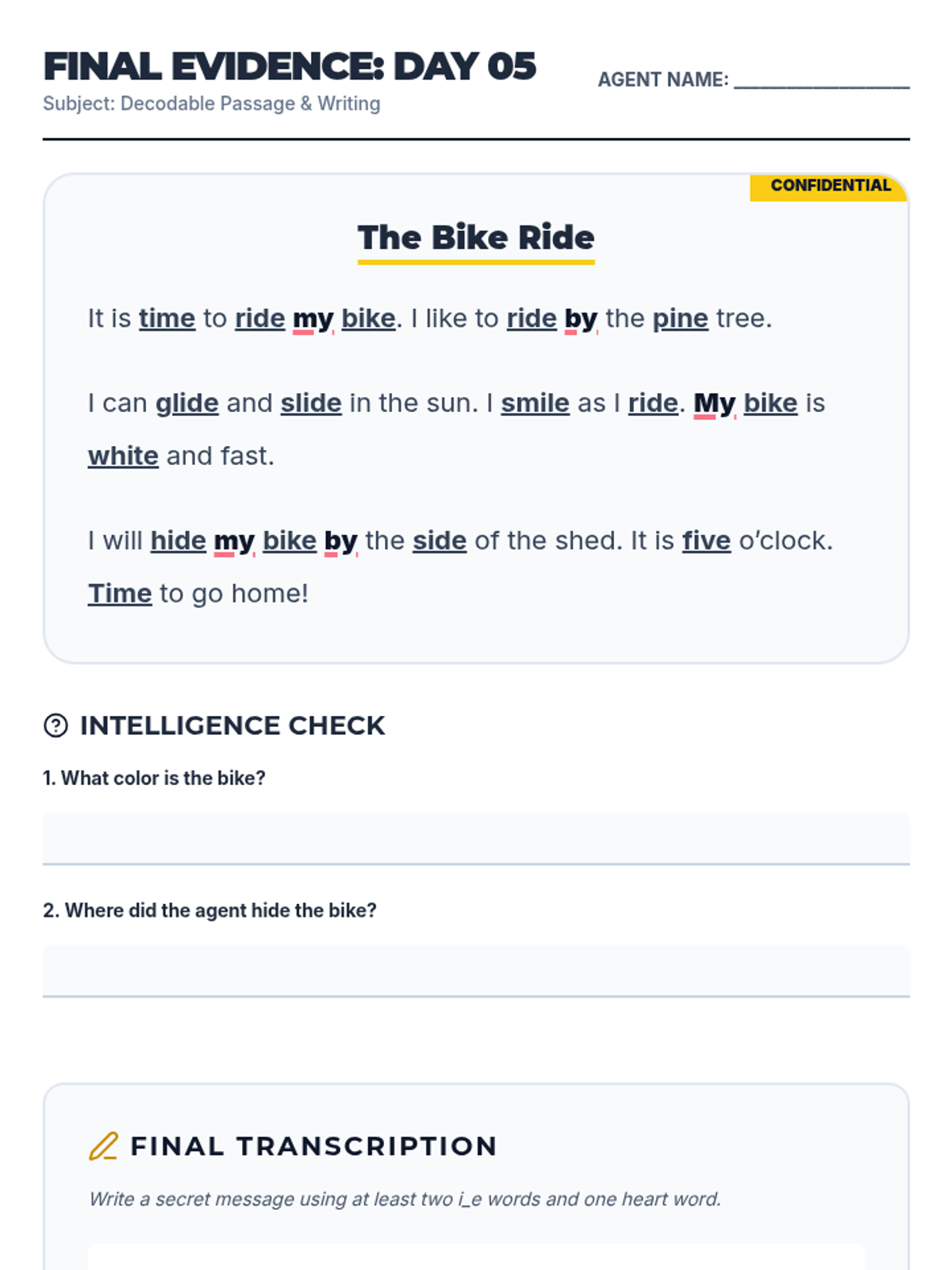
Read a decodable passage featuring i_e words and heart words, followed by a writing application.
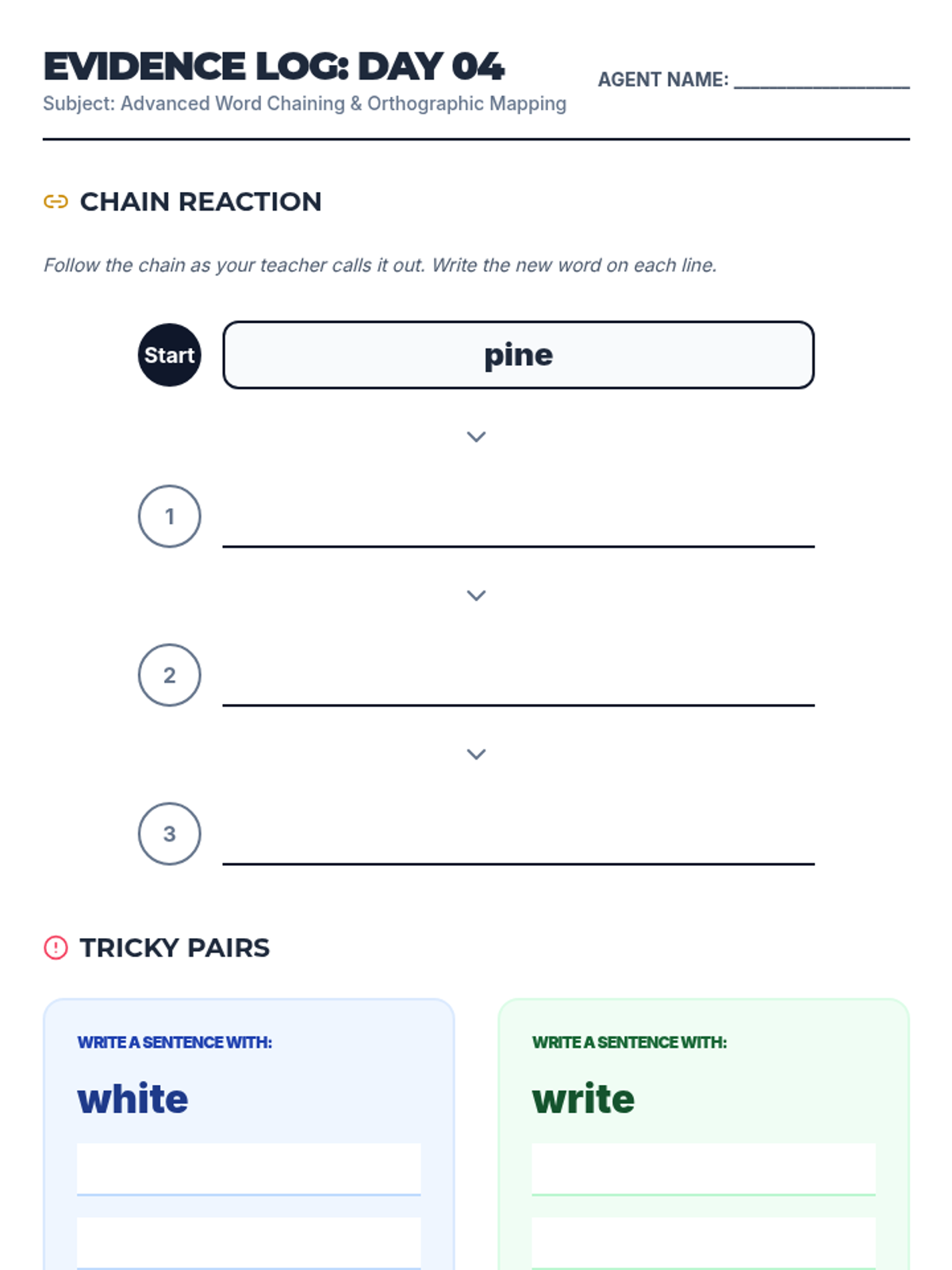
Practice complex word chains and orthographic mapping of i_e words to build automaticity.