A kindergarten science lesson focused on identifying living and non-living things by investigating their basic needs and growth patterns. Students act as 'Nature Detectives' to argue from evidence whether an object is alive or not.
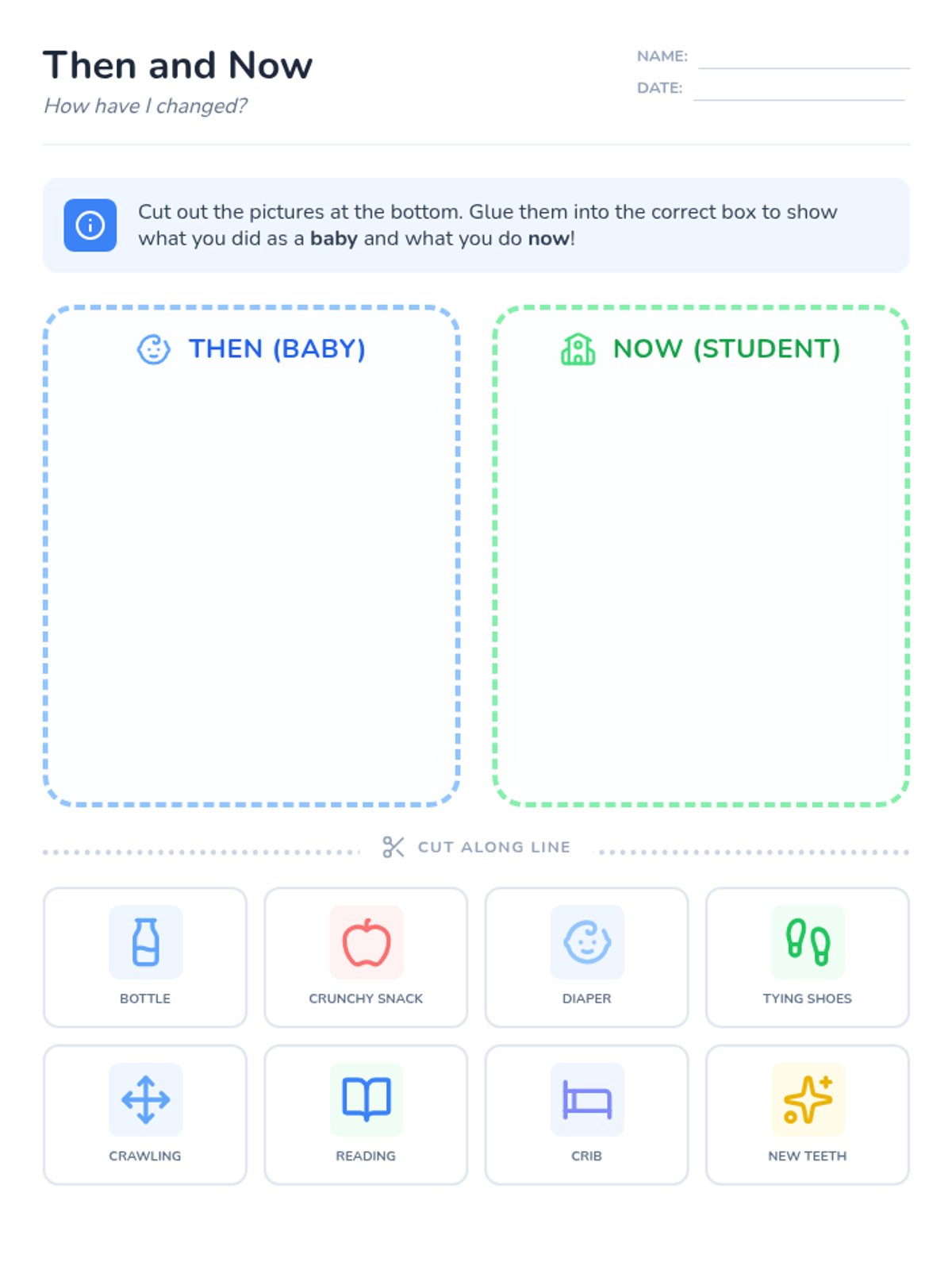
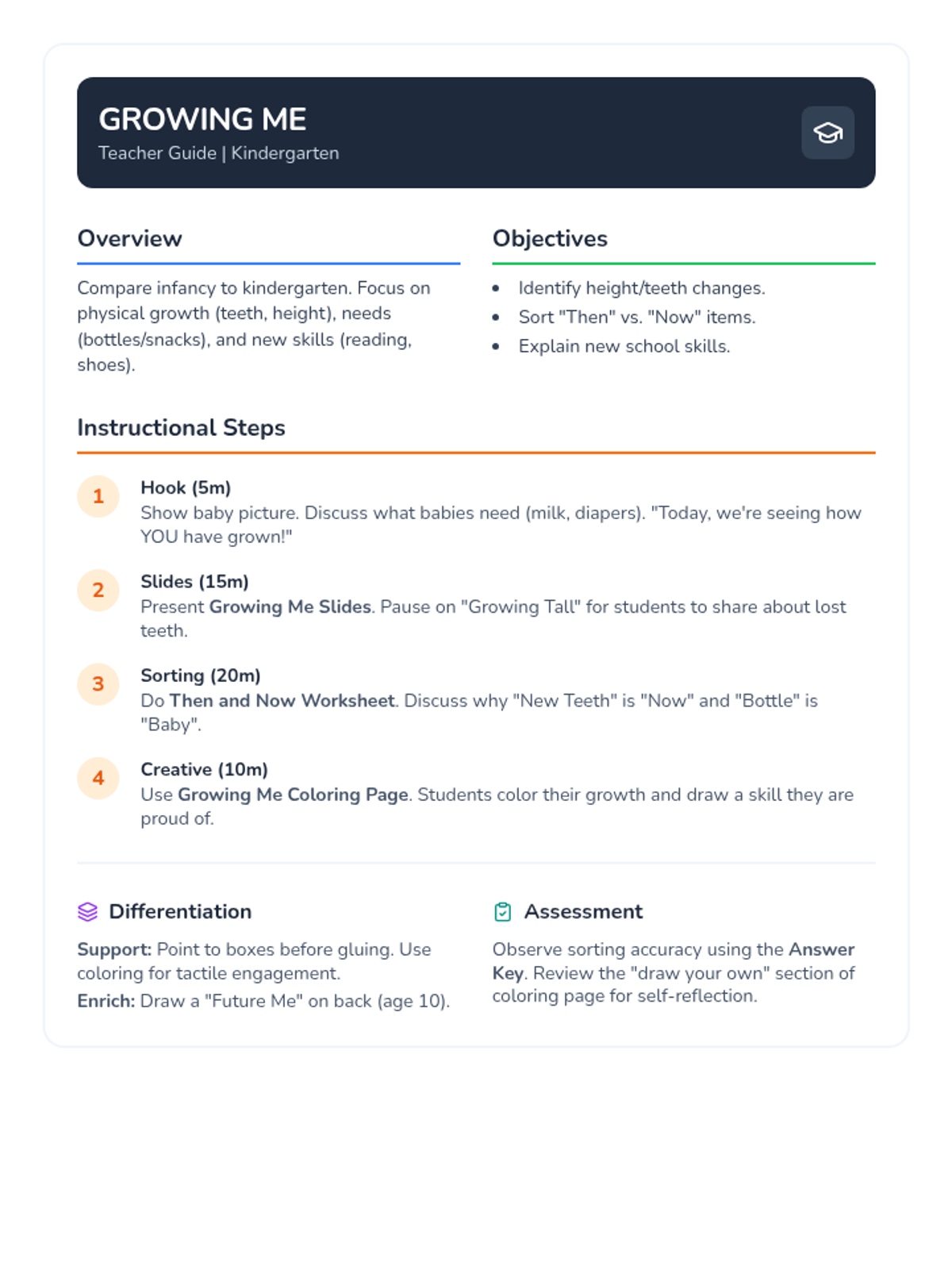
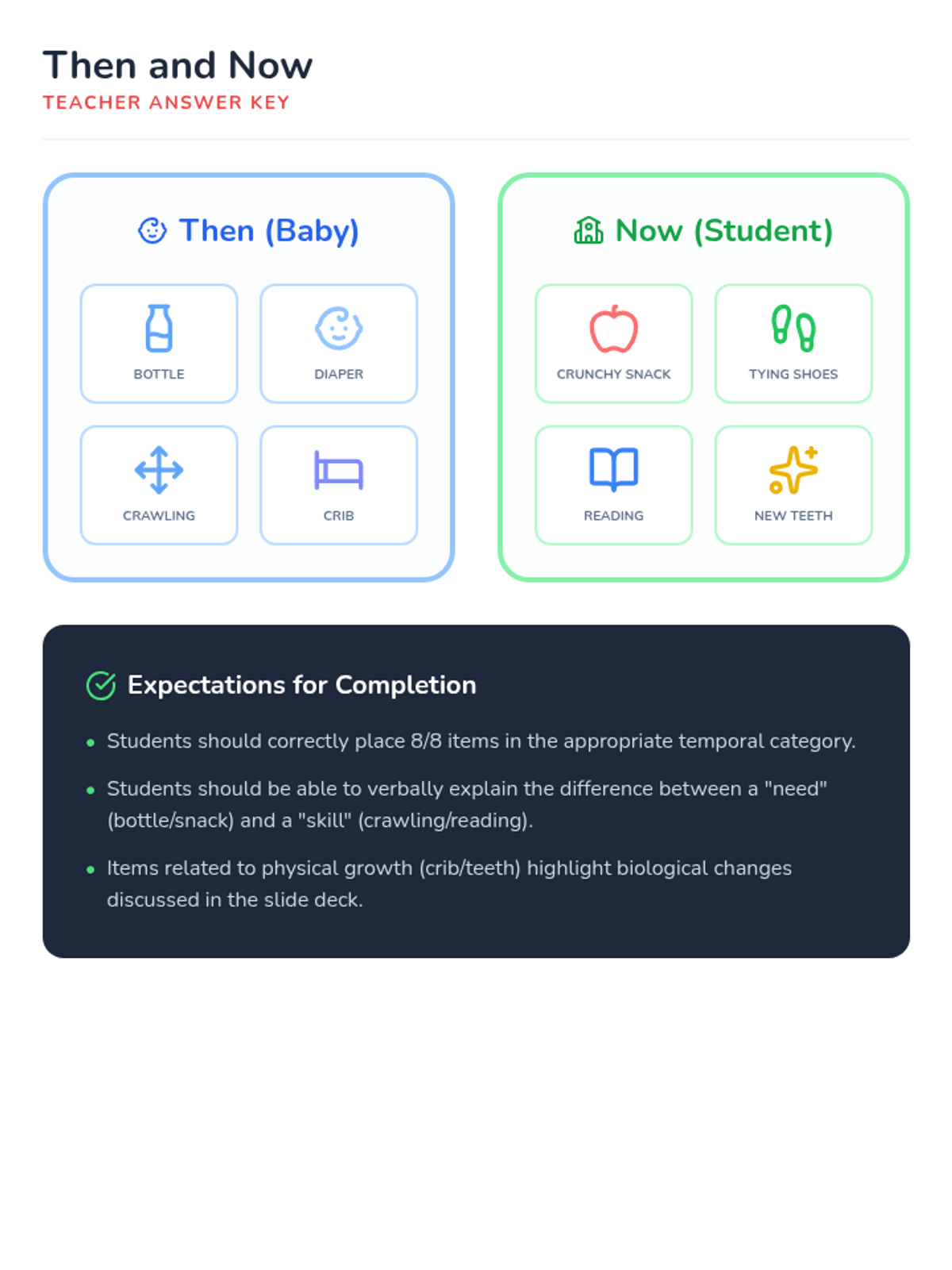
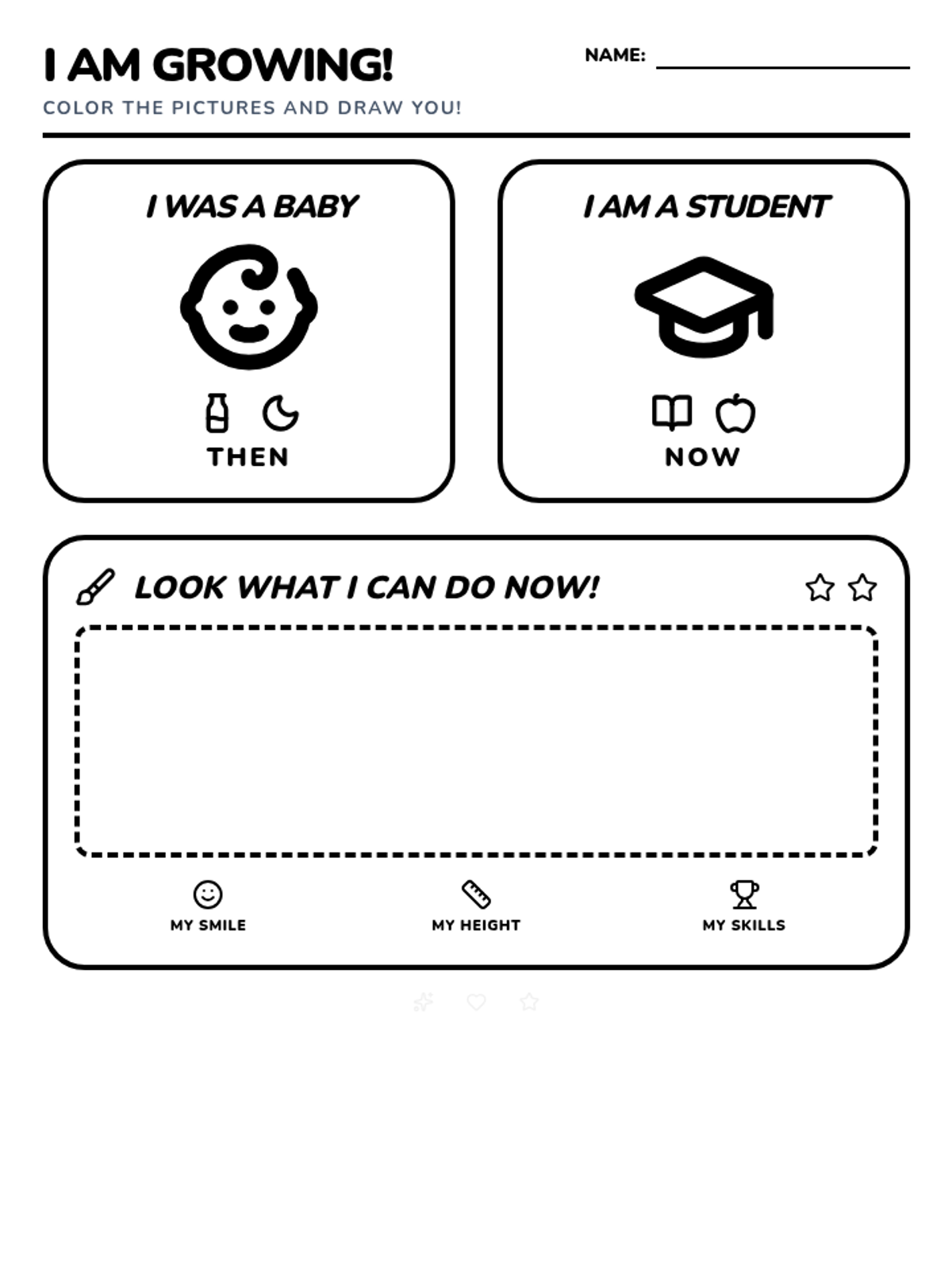
A lesson for kindergarteners to explore and identify how they have grown and changed from infancy to school age, focusing on needs, physical changes, and new skills.
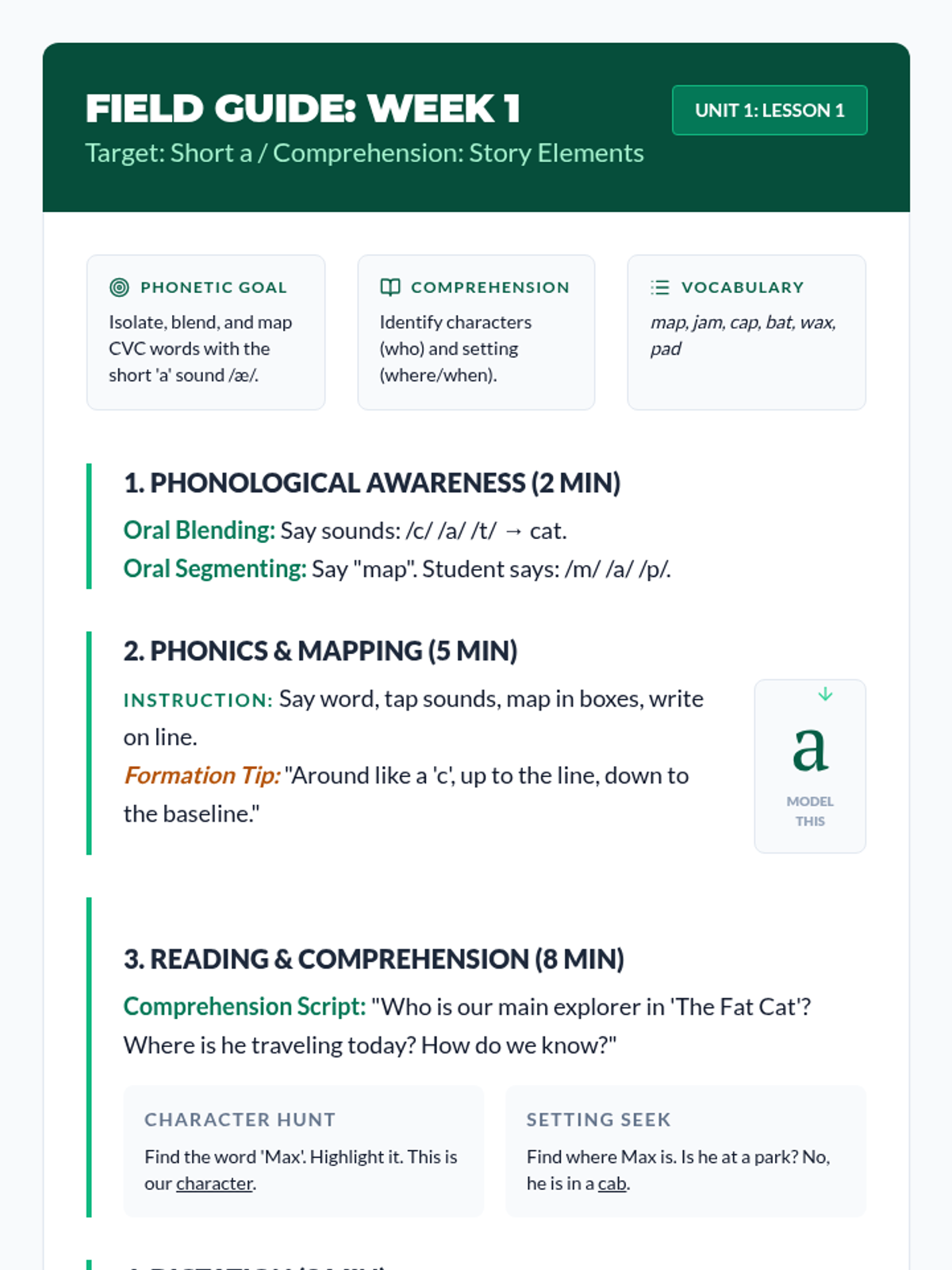
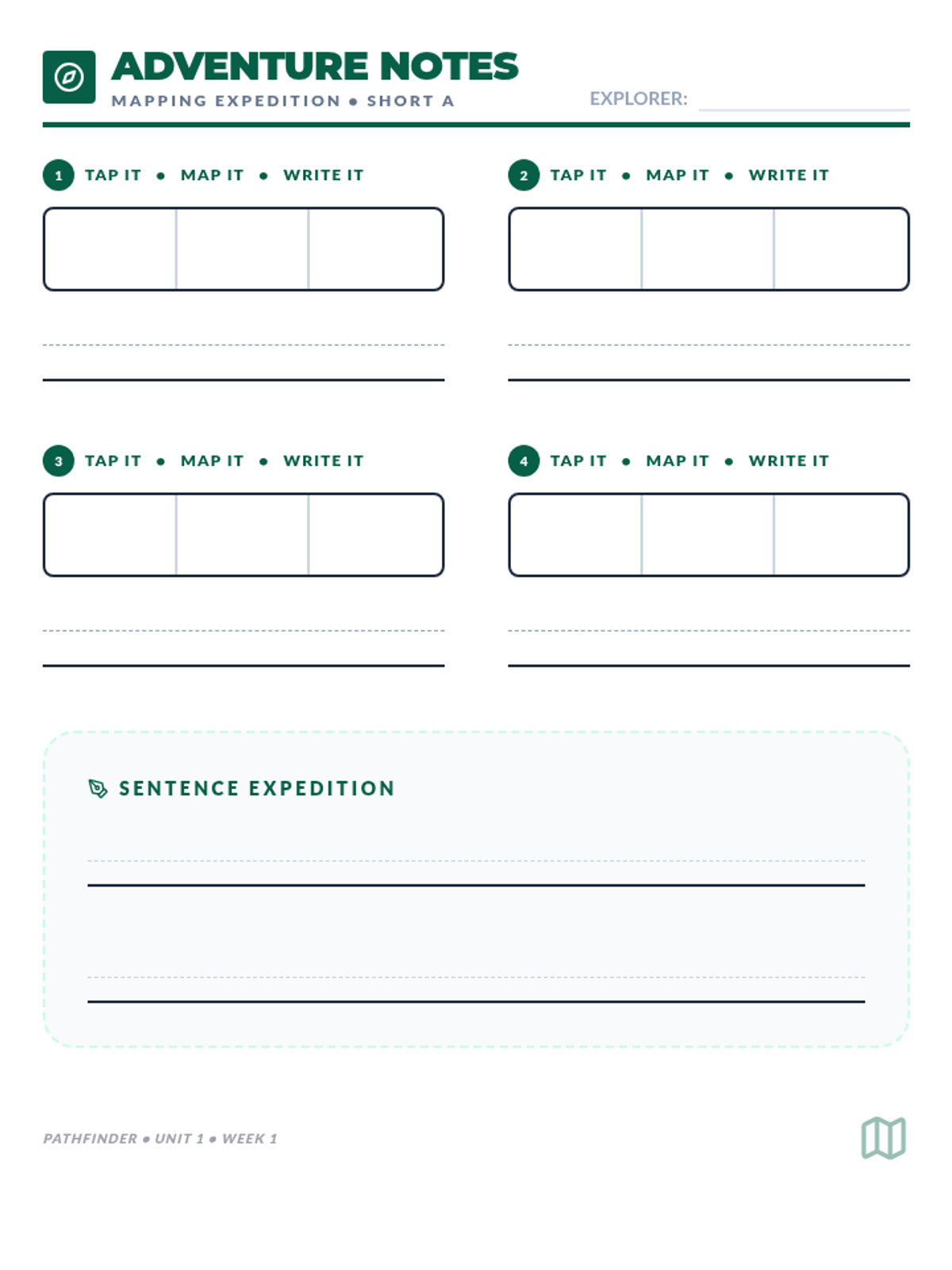
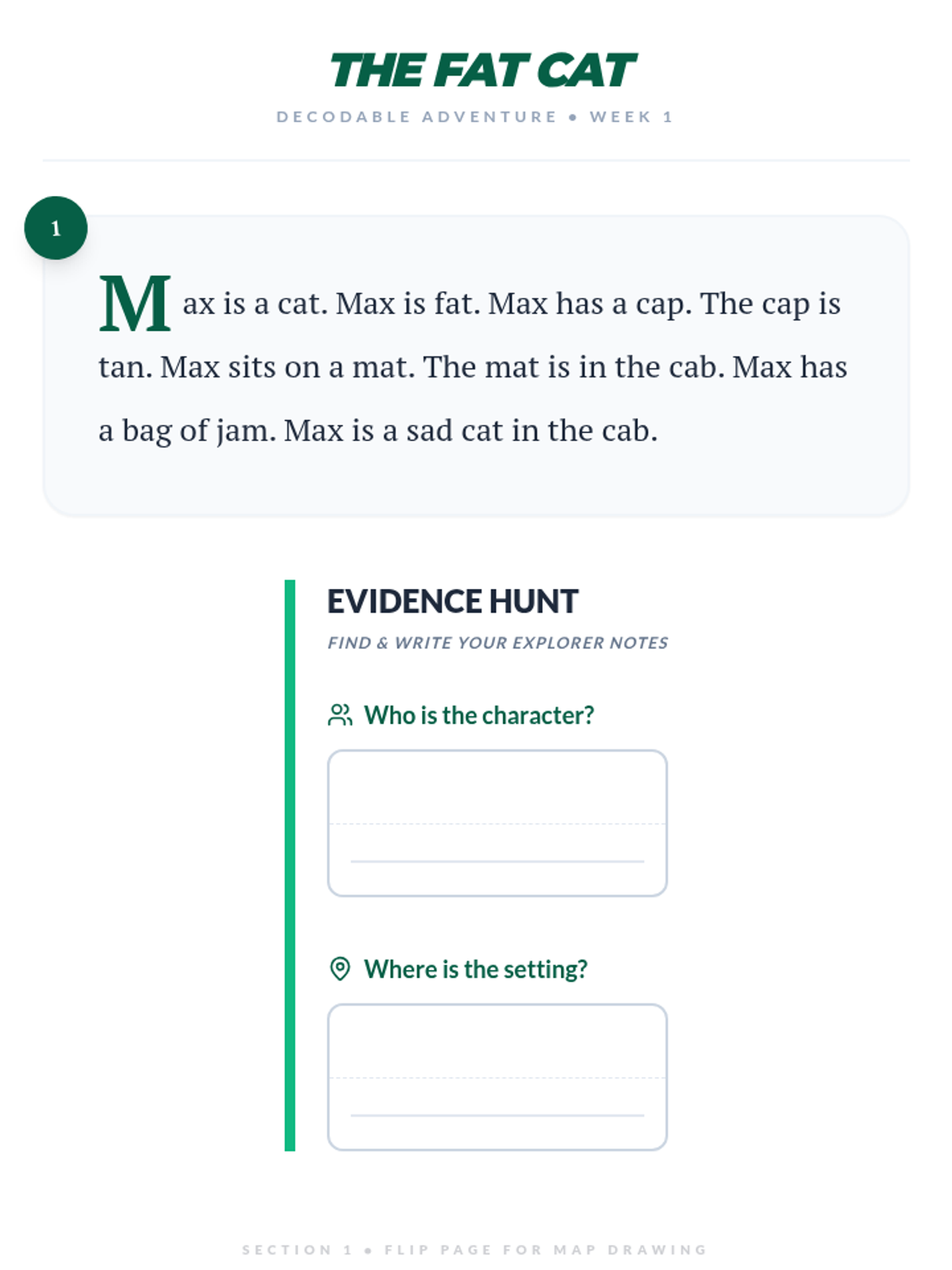
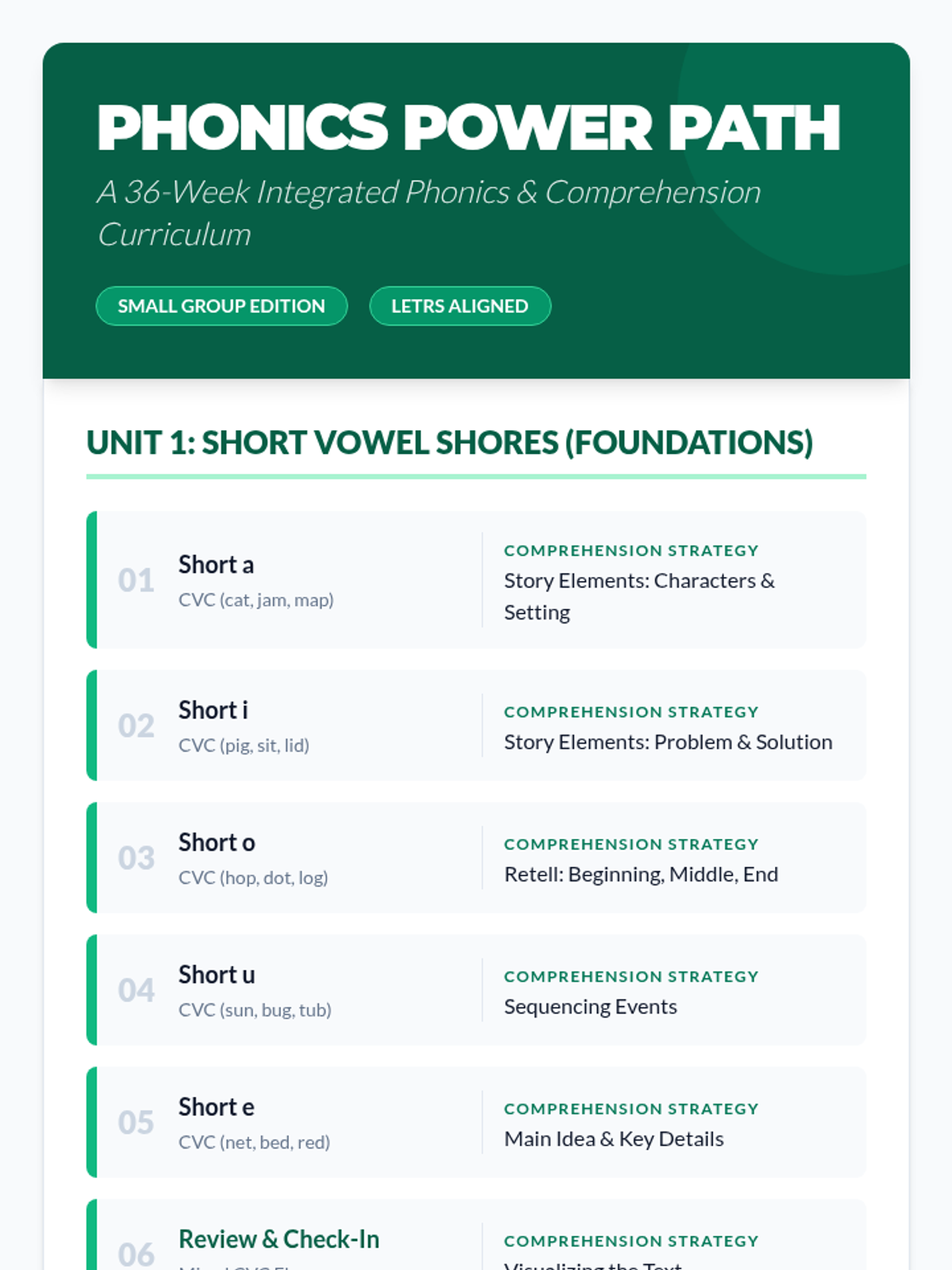
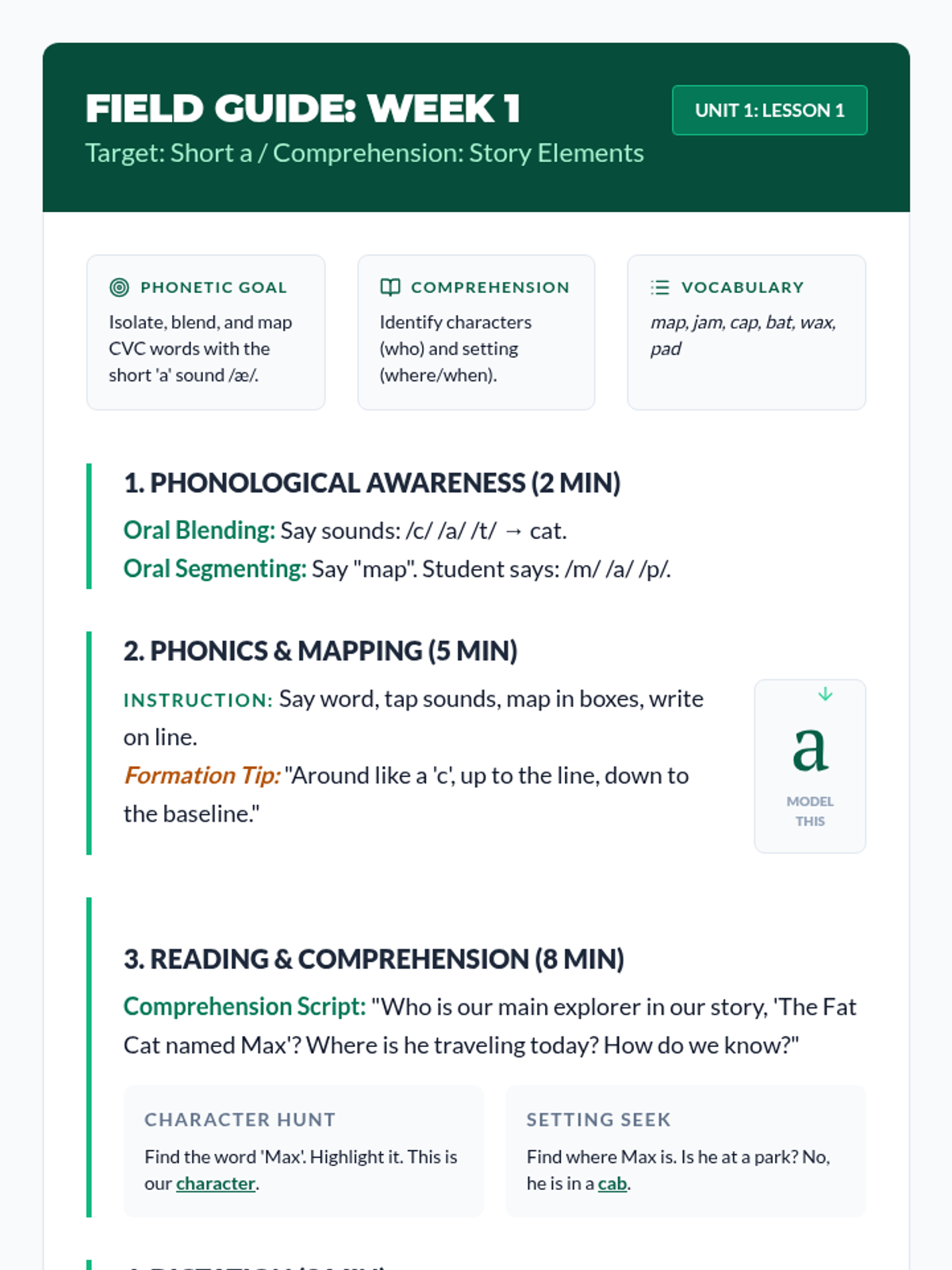
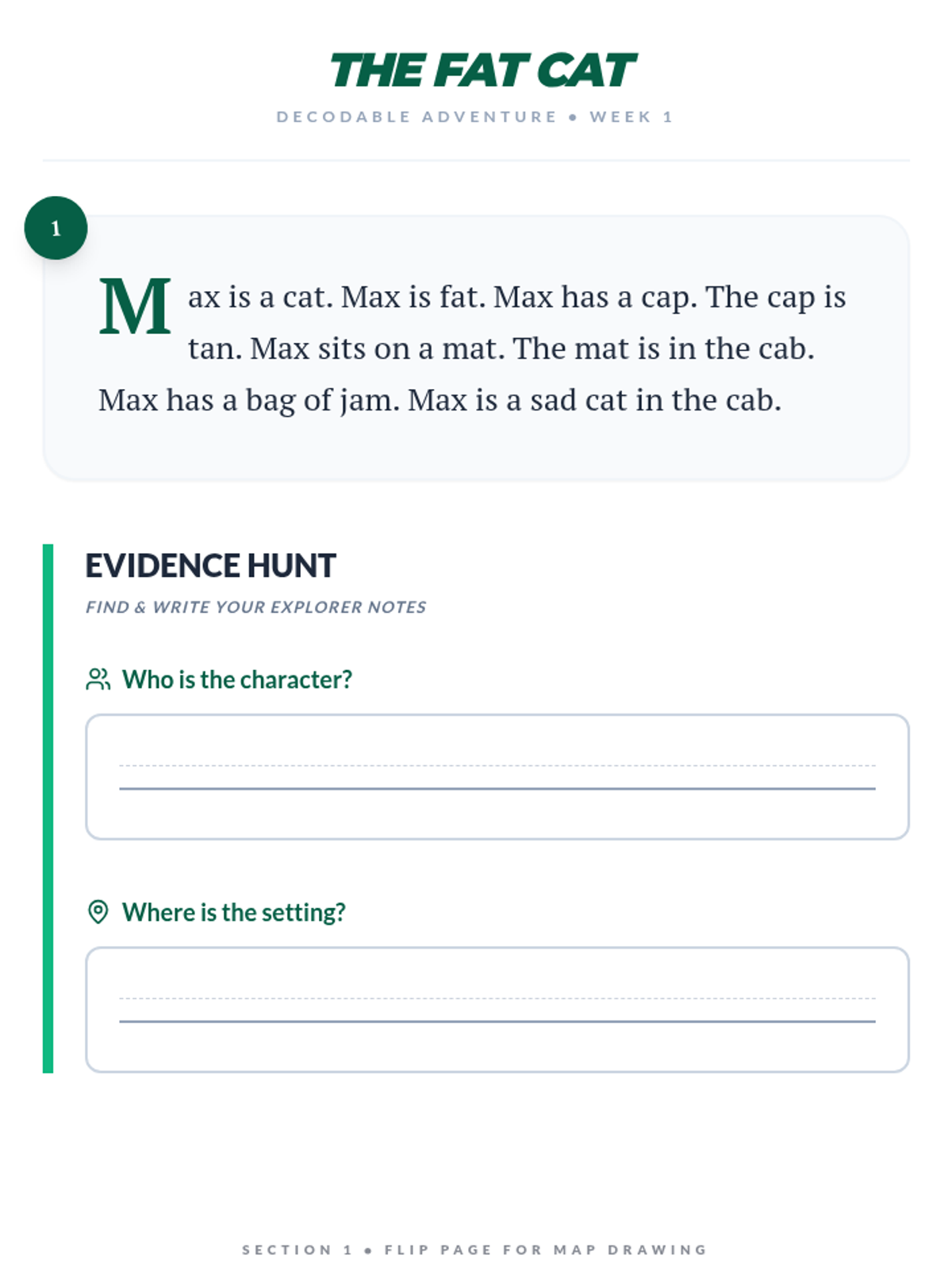
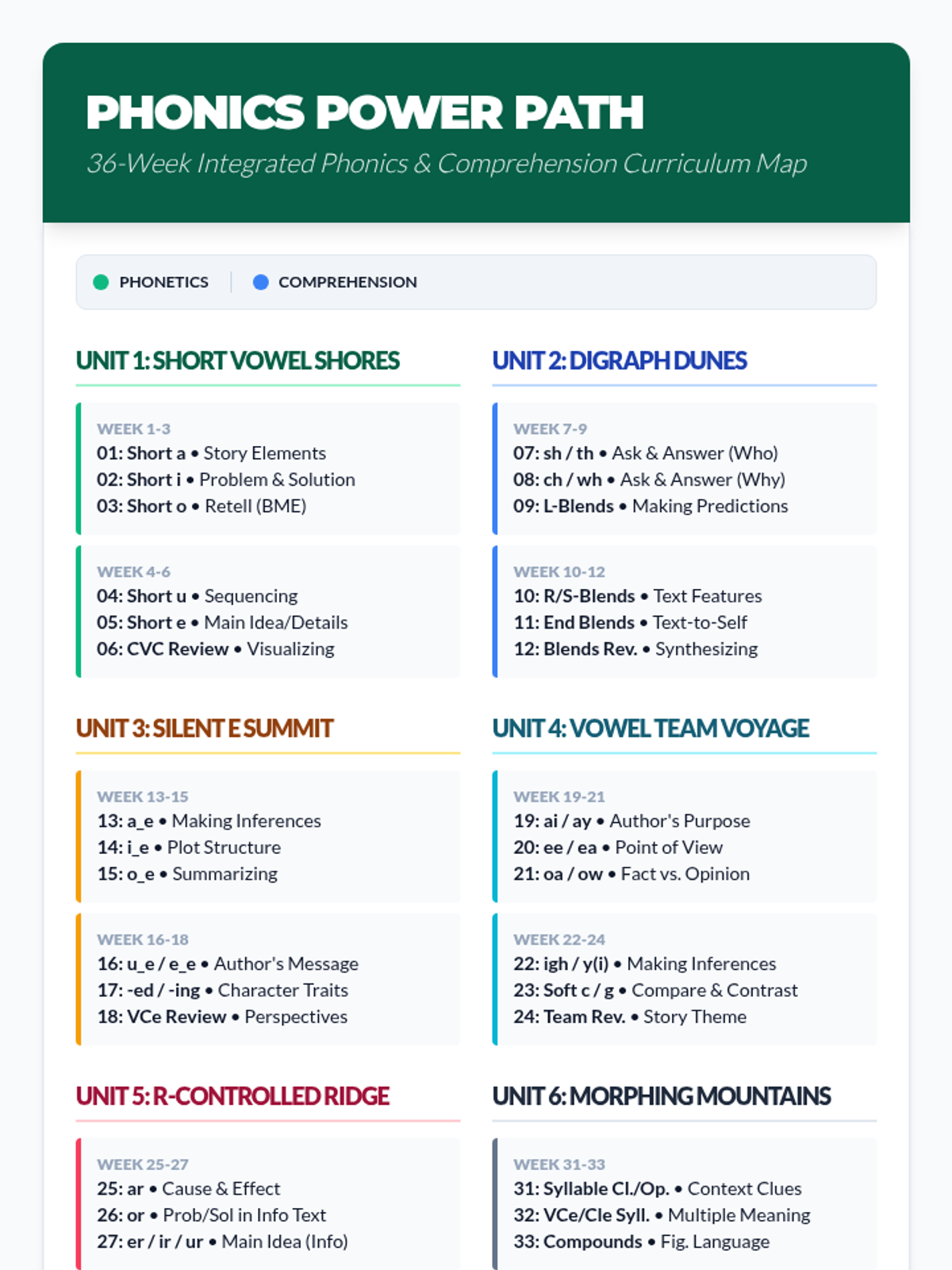
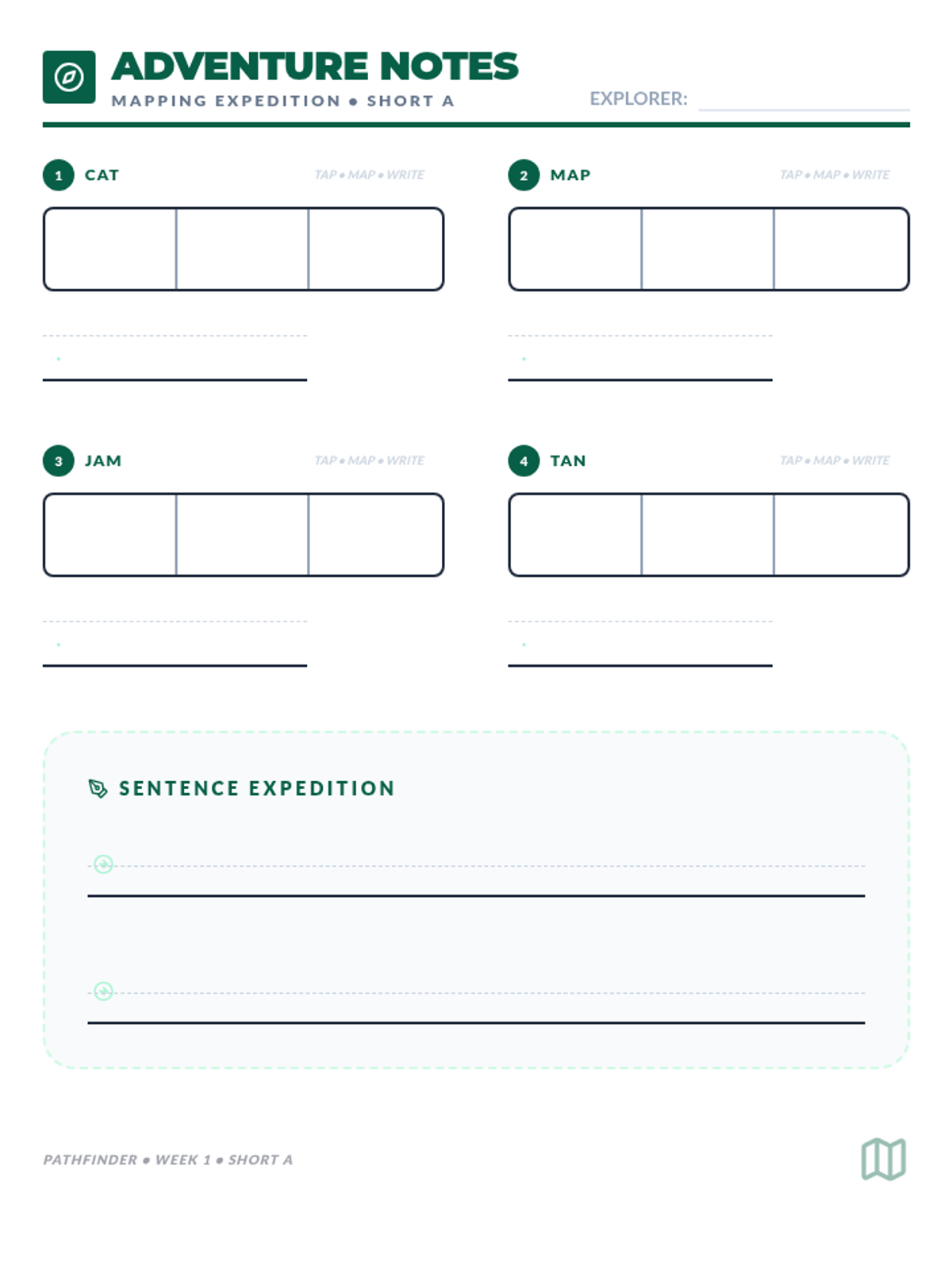
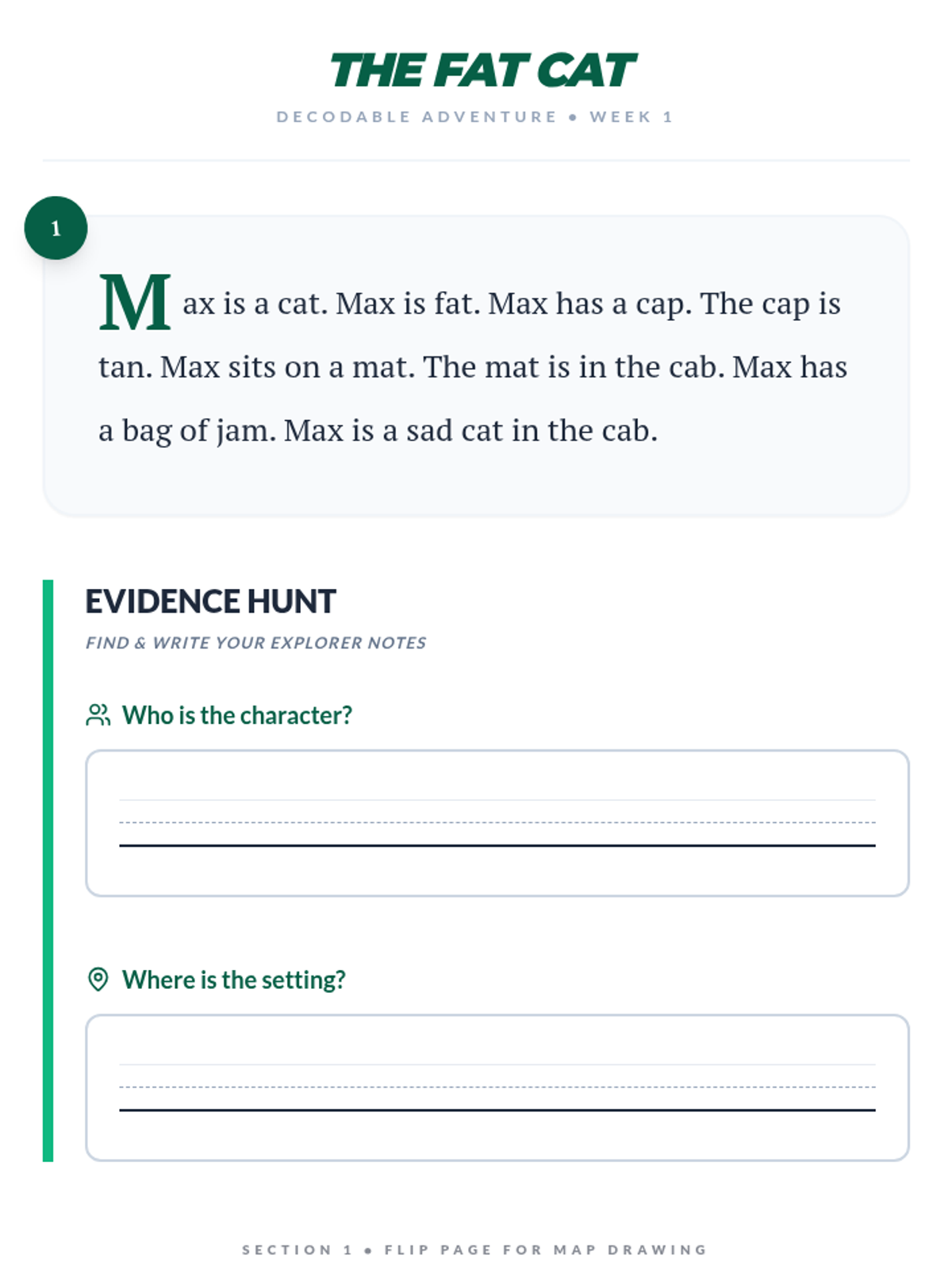
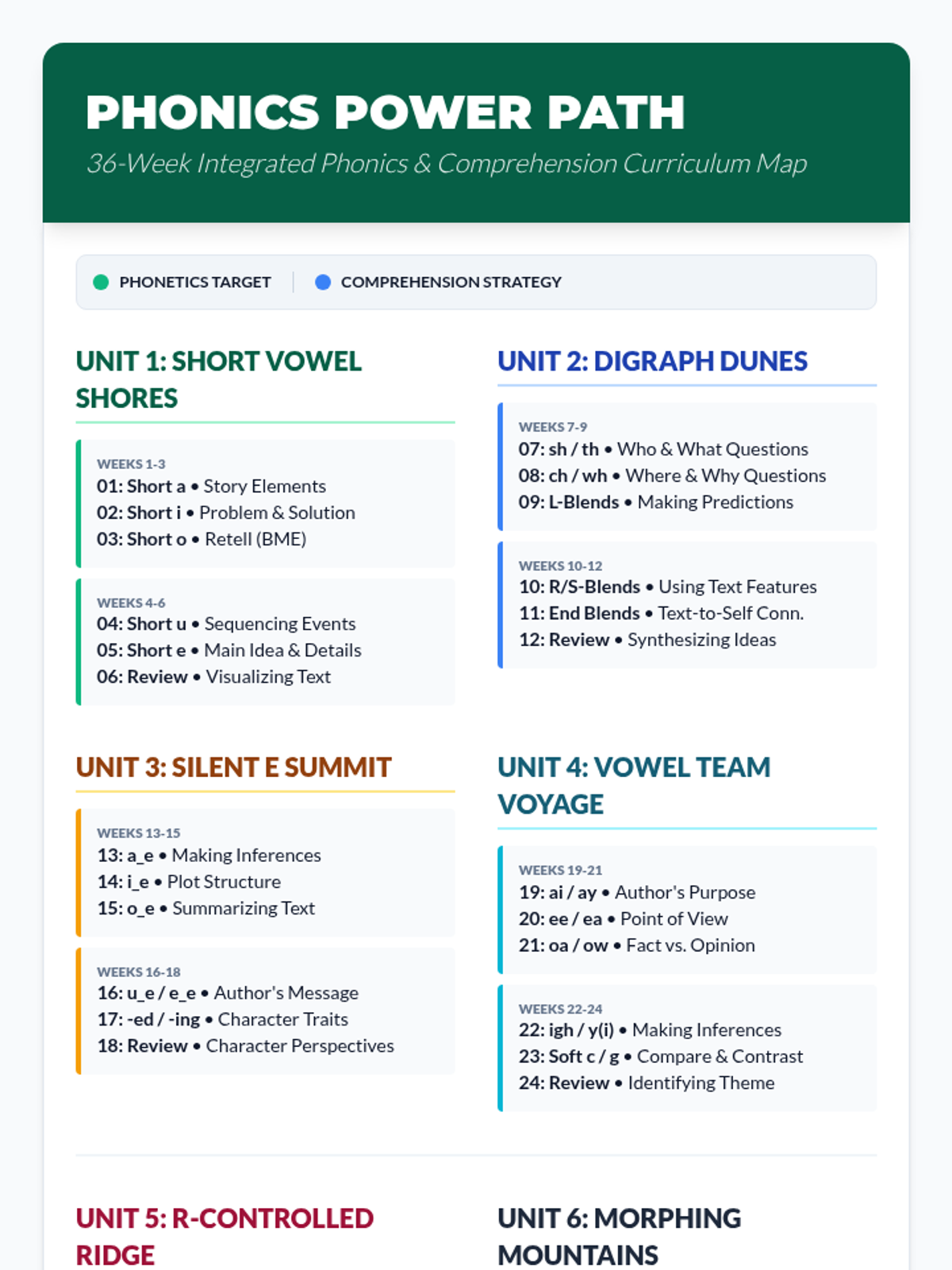
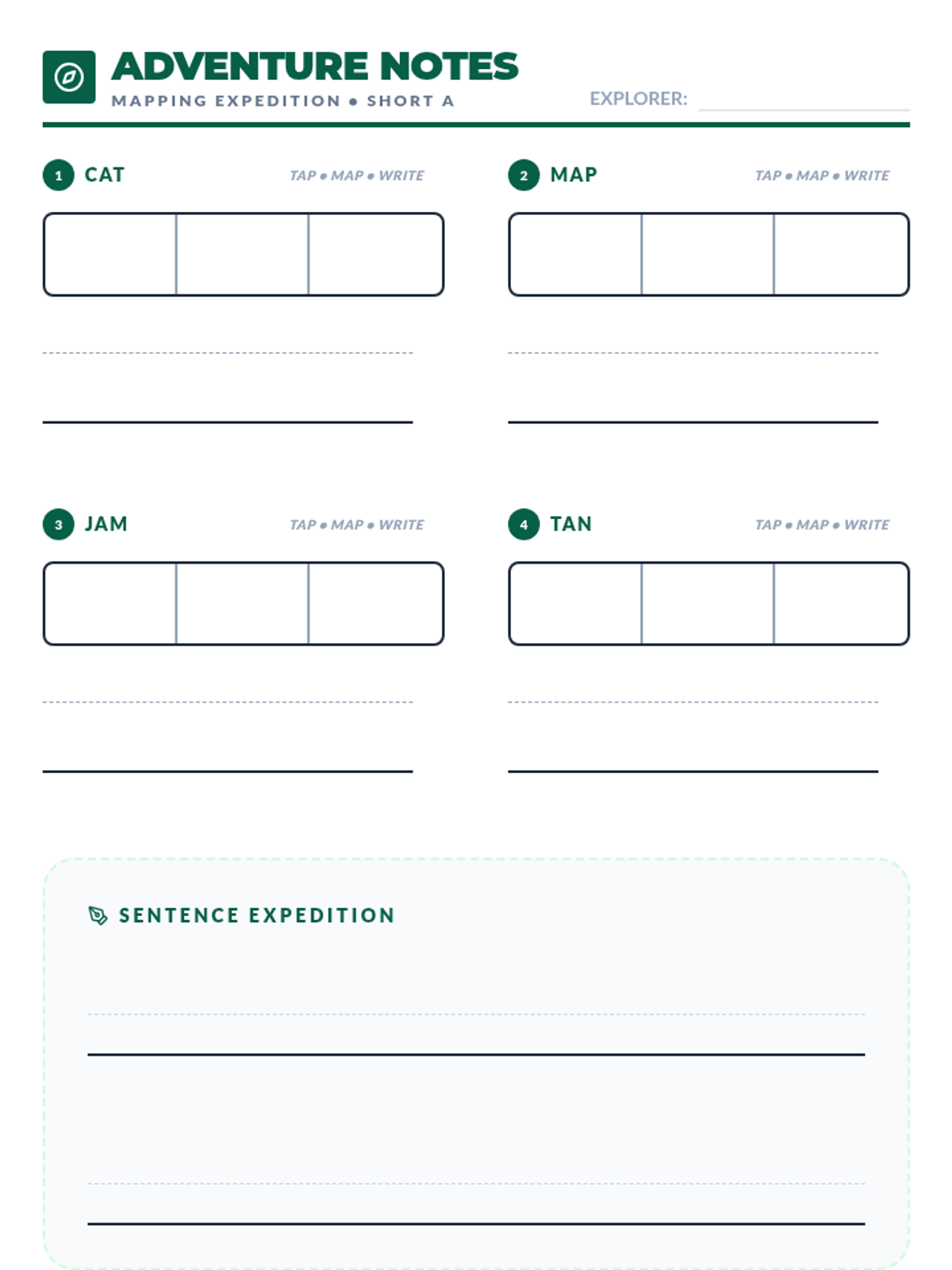
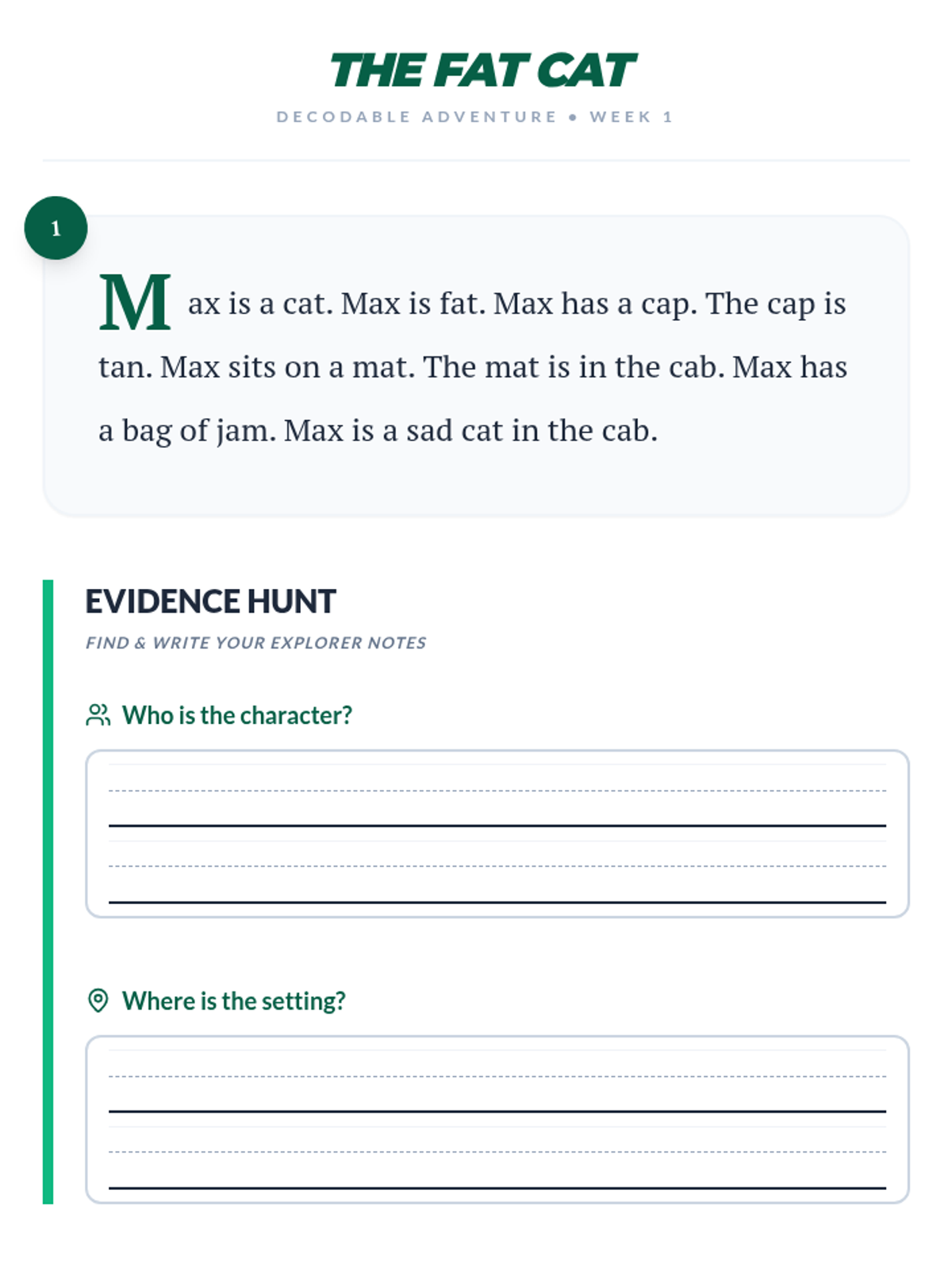
The first week of the Phonics Power Path curriculum, focusing on the short 'a' sound (CVC) and identifying basic story elements like characters and setting.
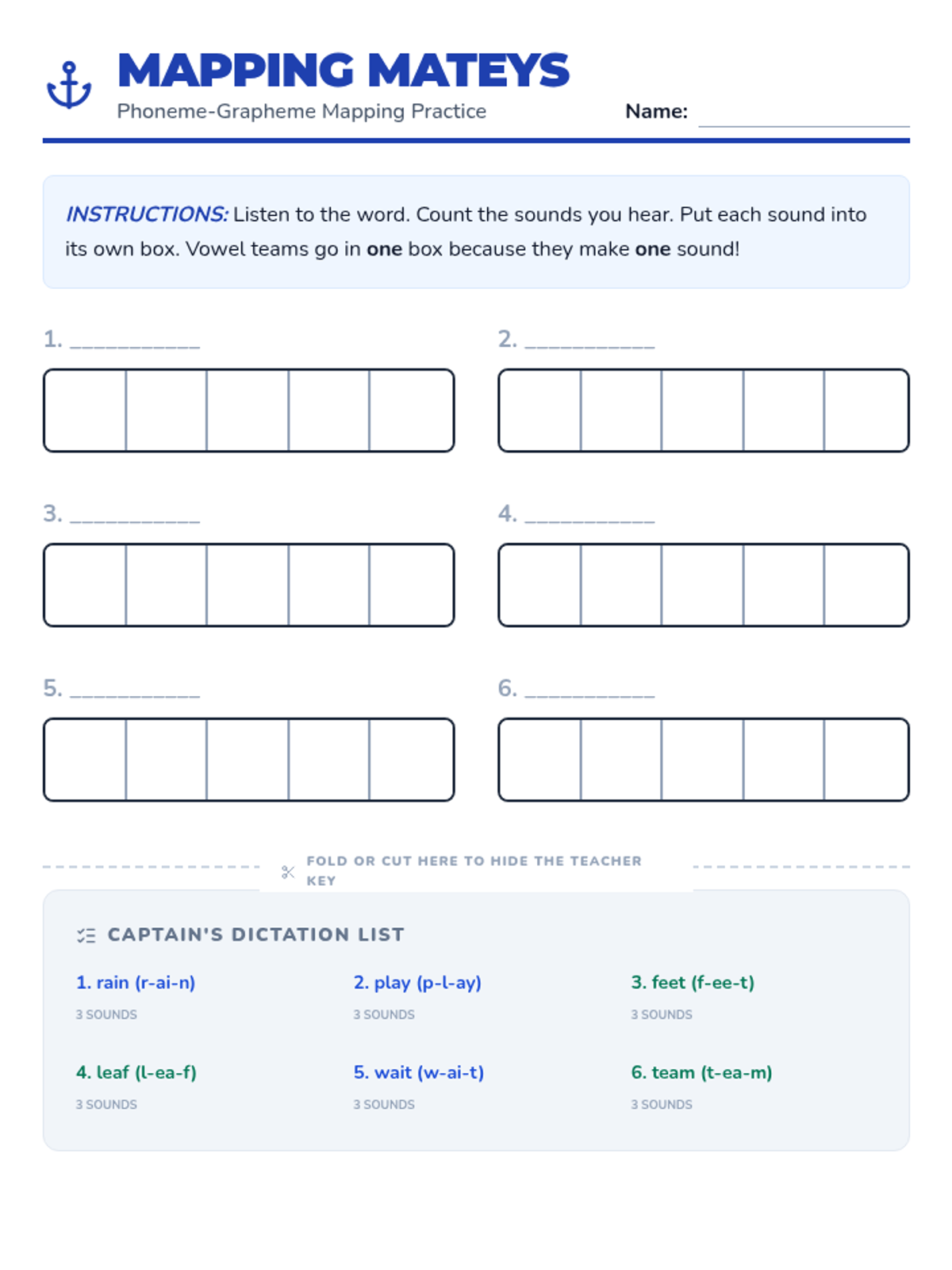
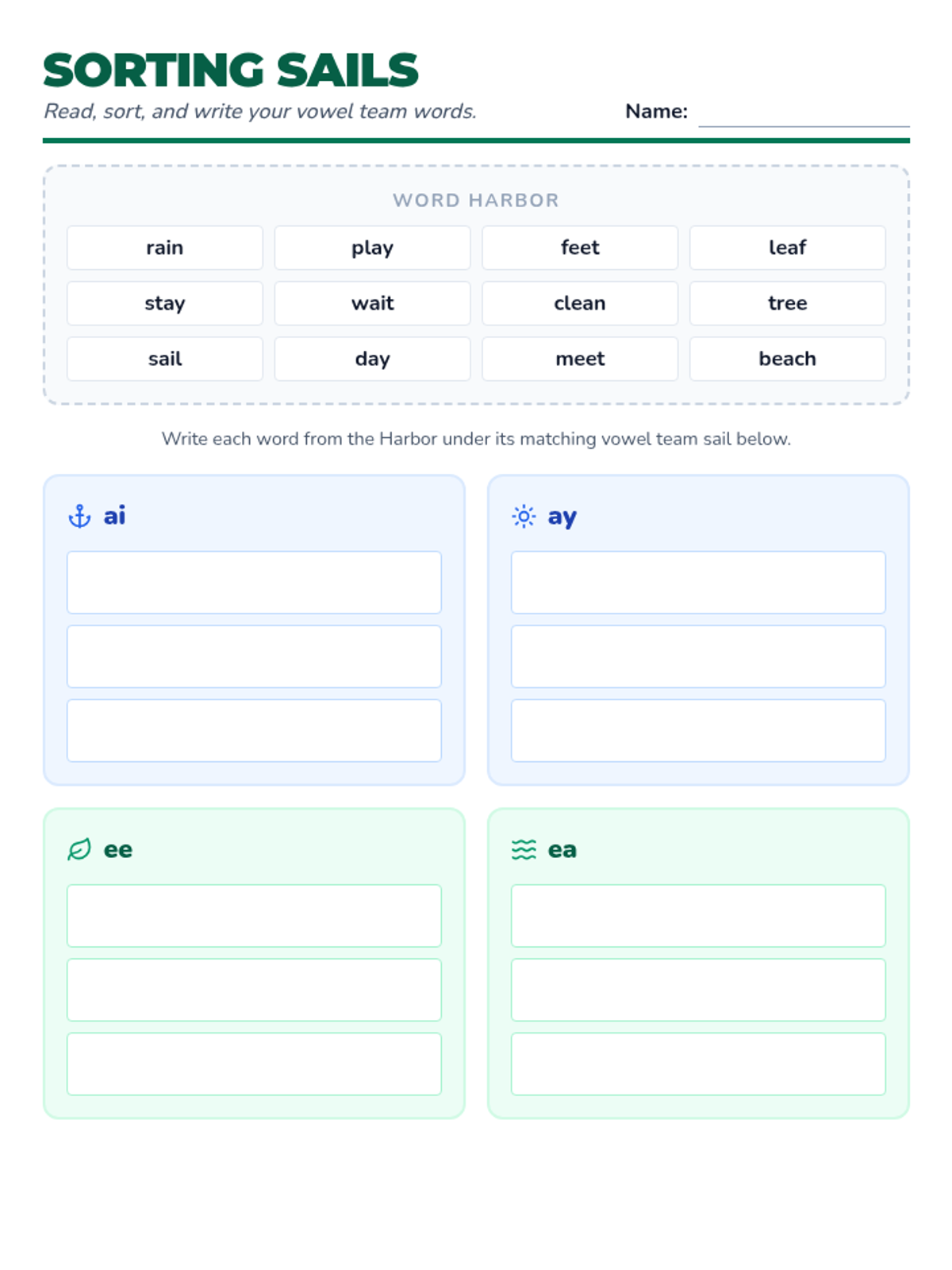
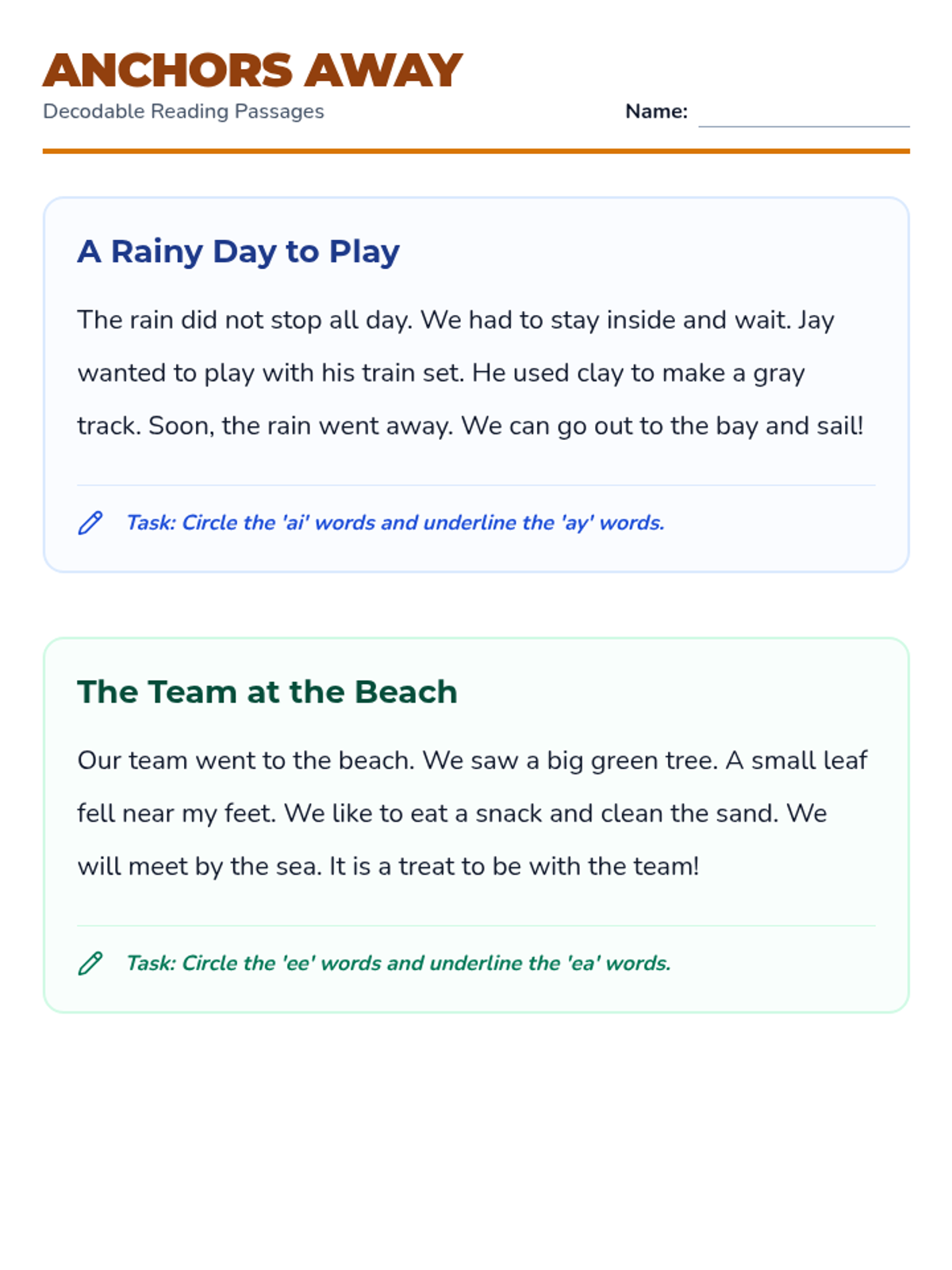
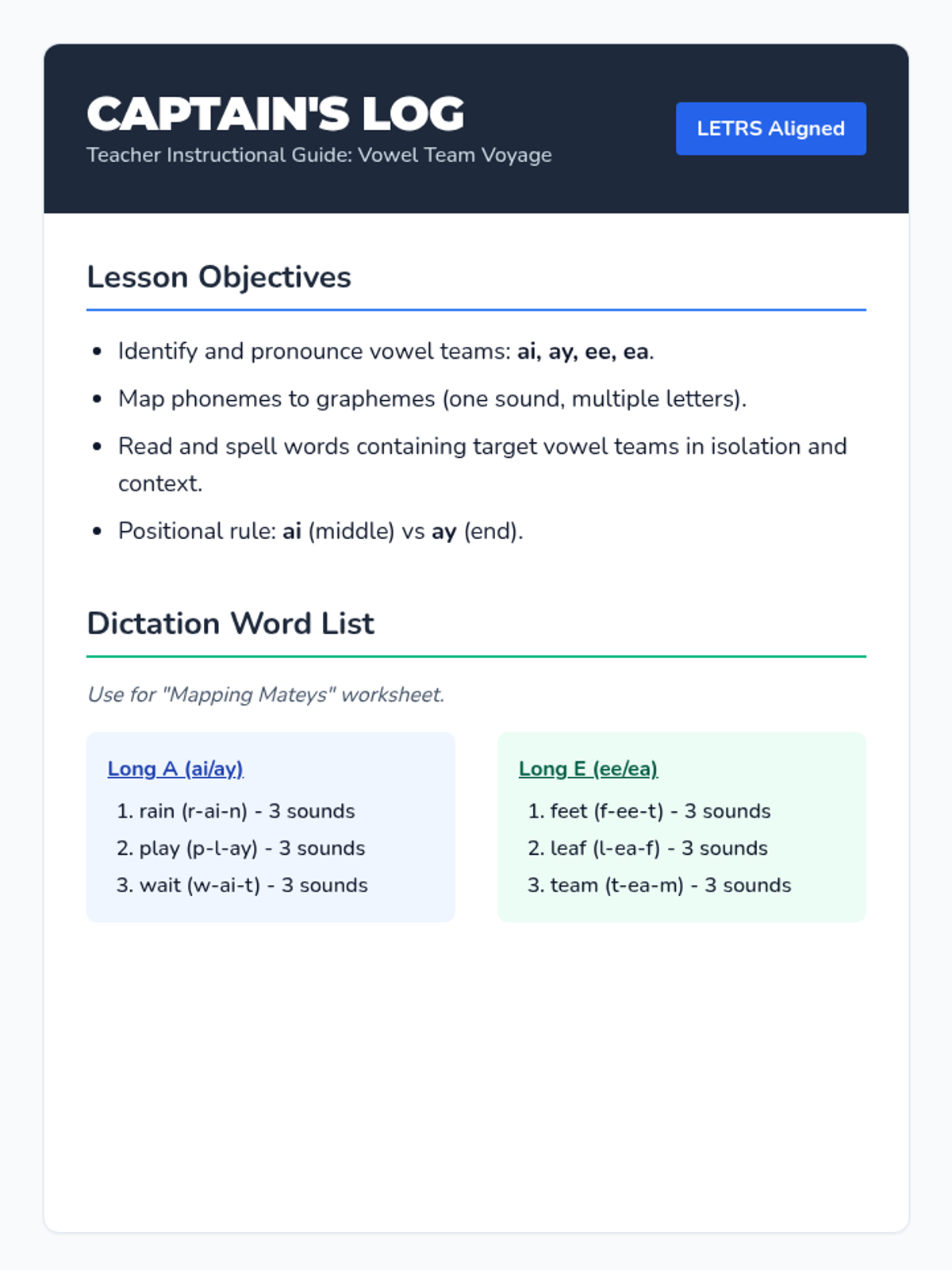
A comprehensive phonics lesson focusing on long vowel teams (ai, ay, ee, ea) following LETRS-aligned instructional practices, including phoneme-grapheme mapping and decodable reading.
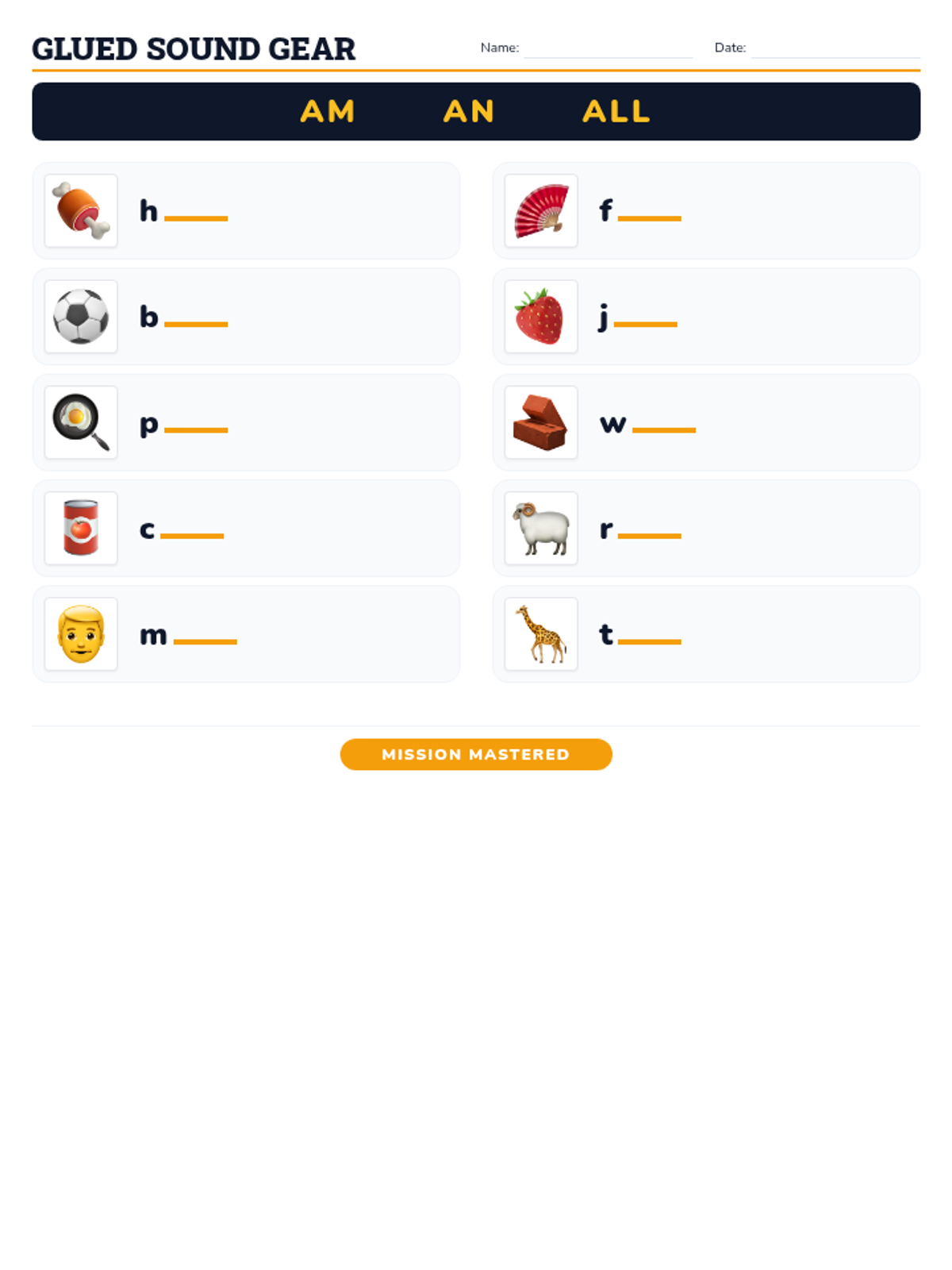
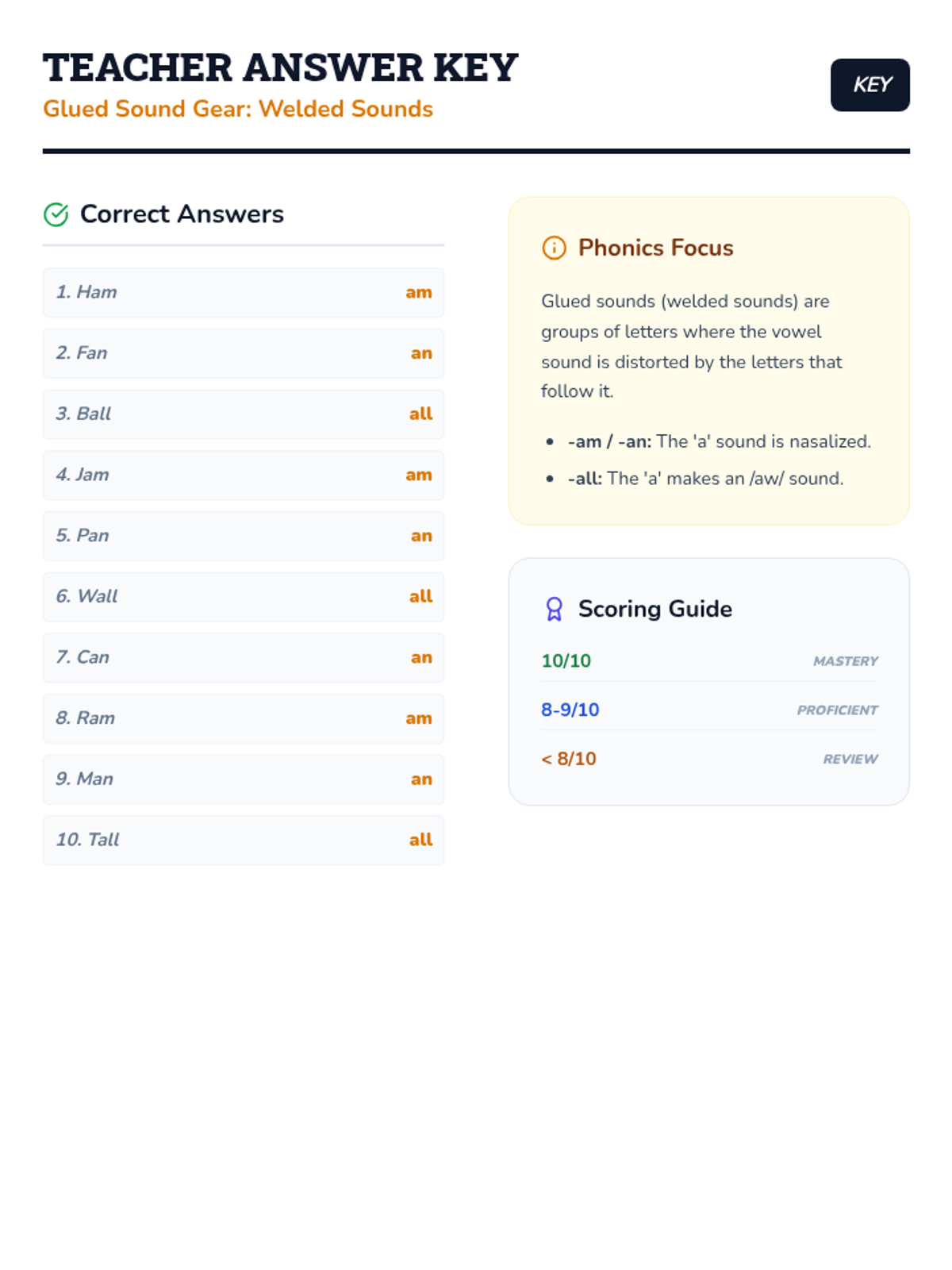
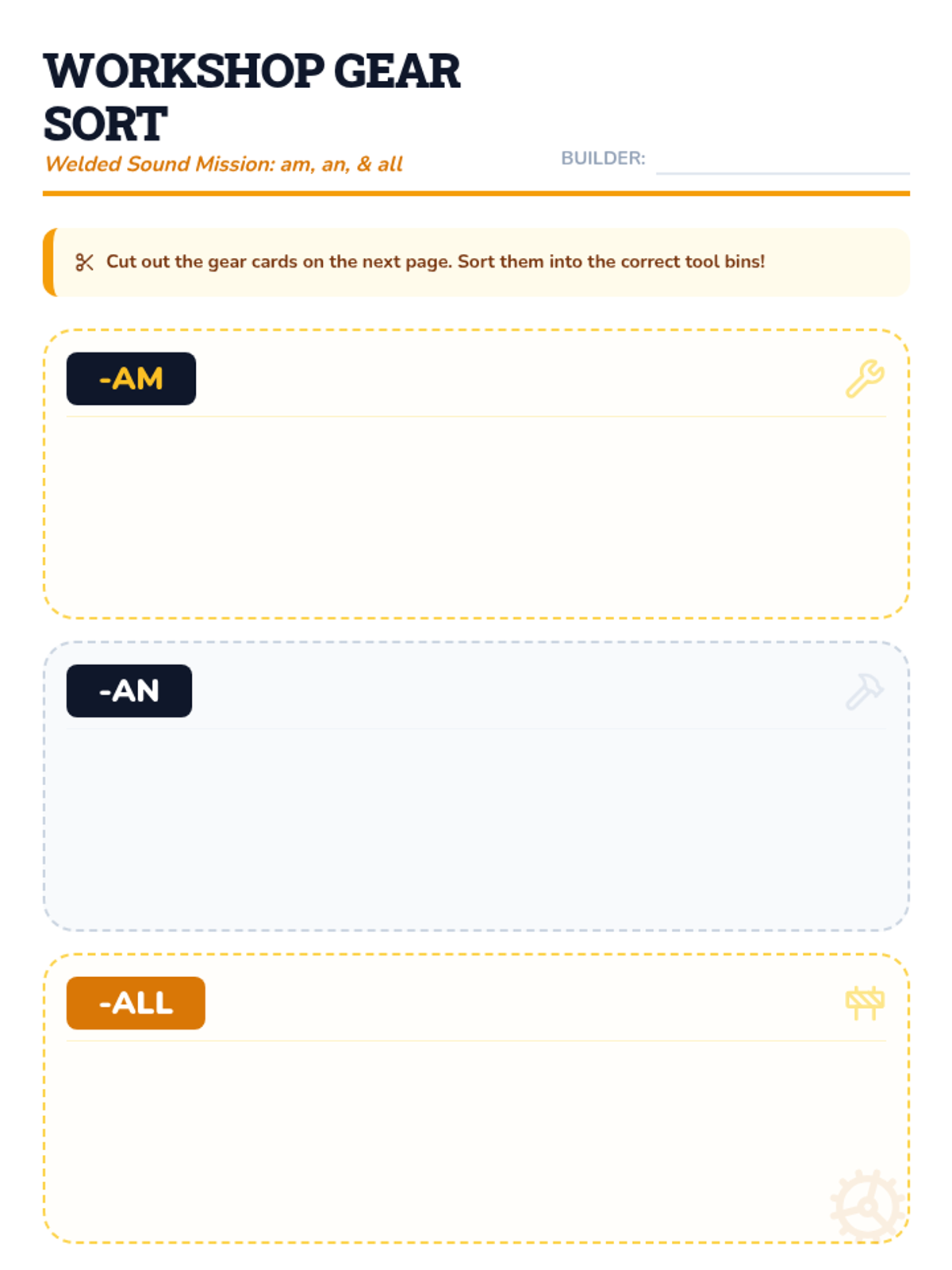
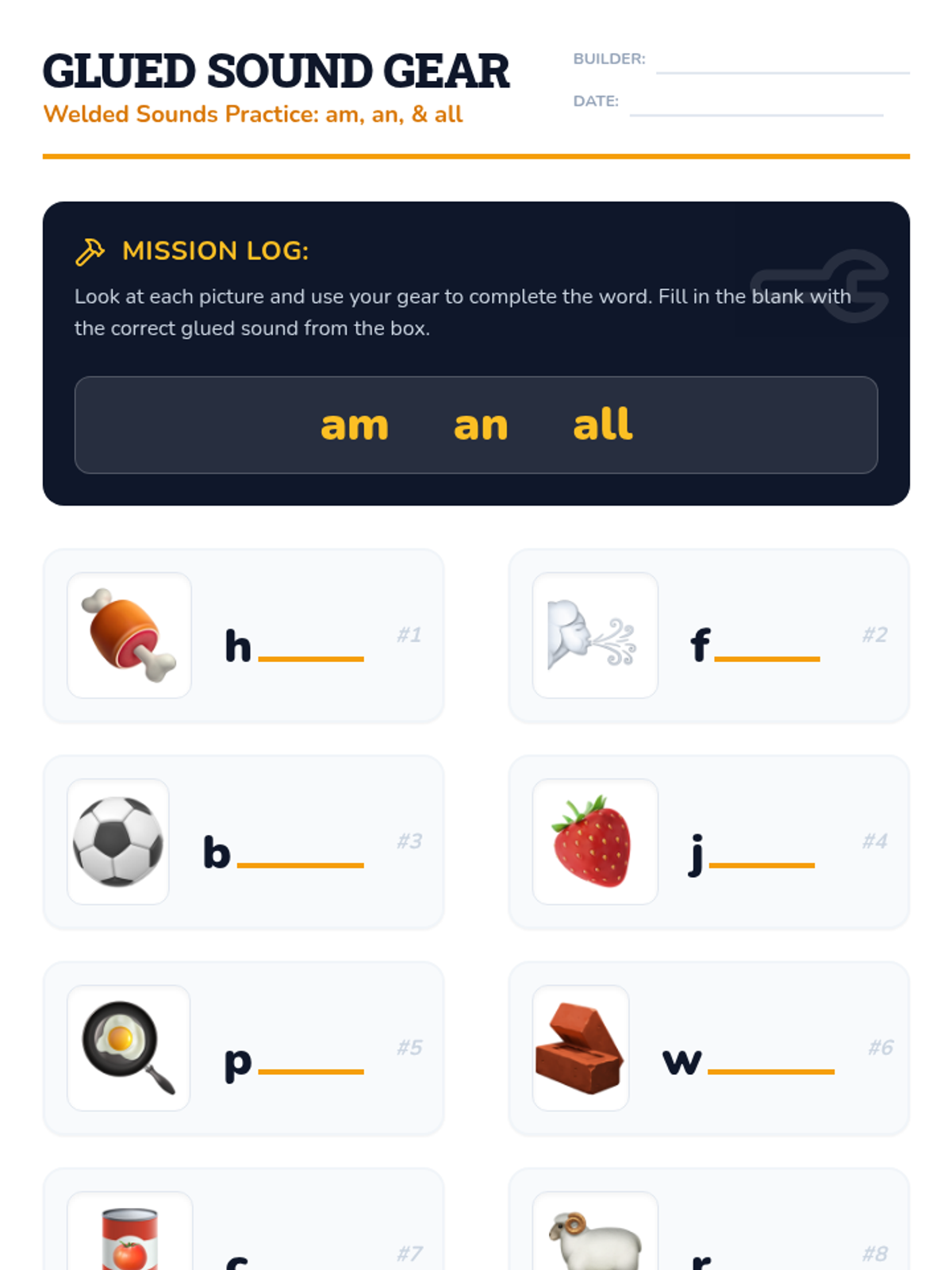
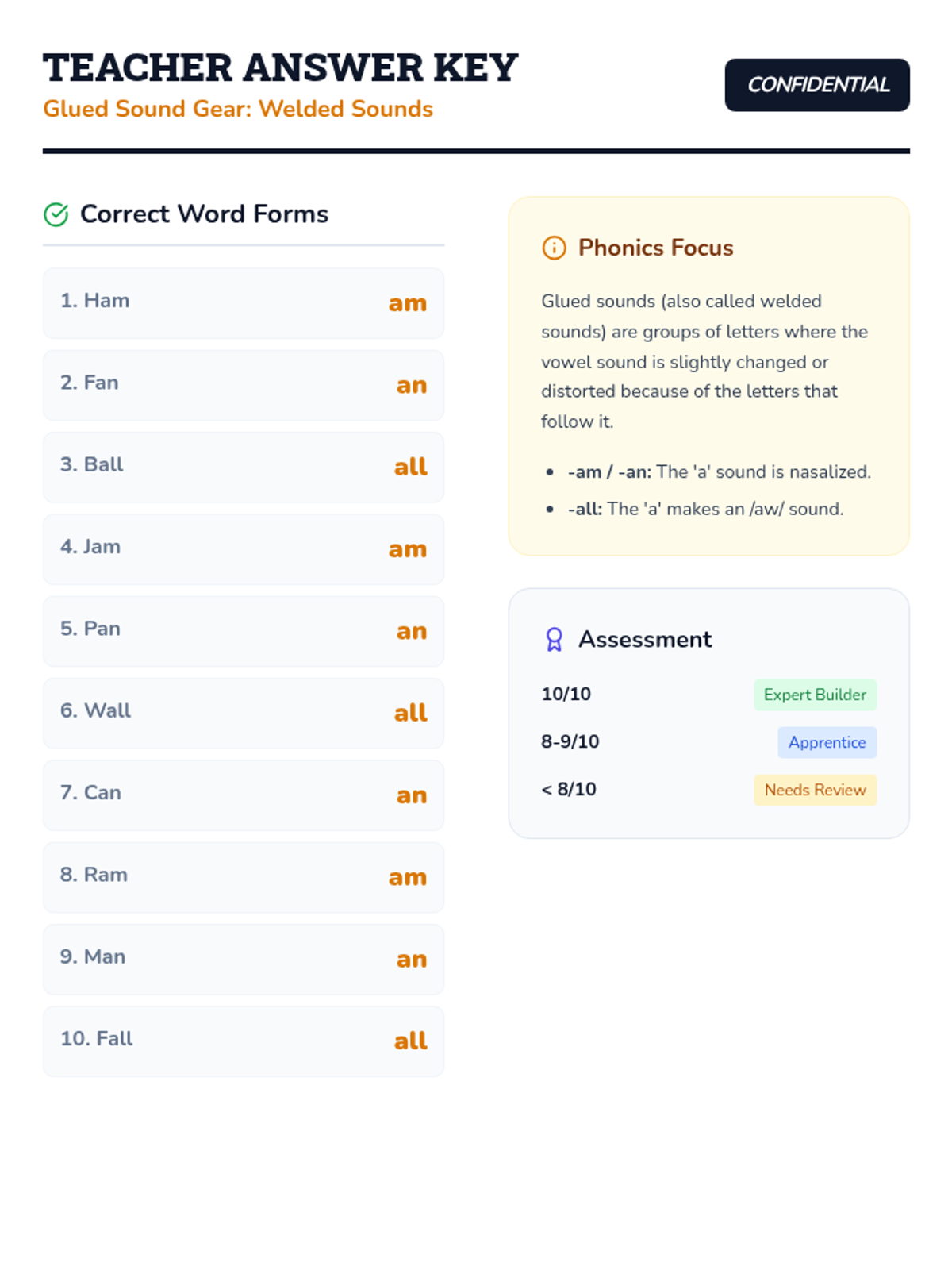
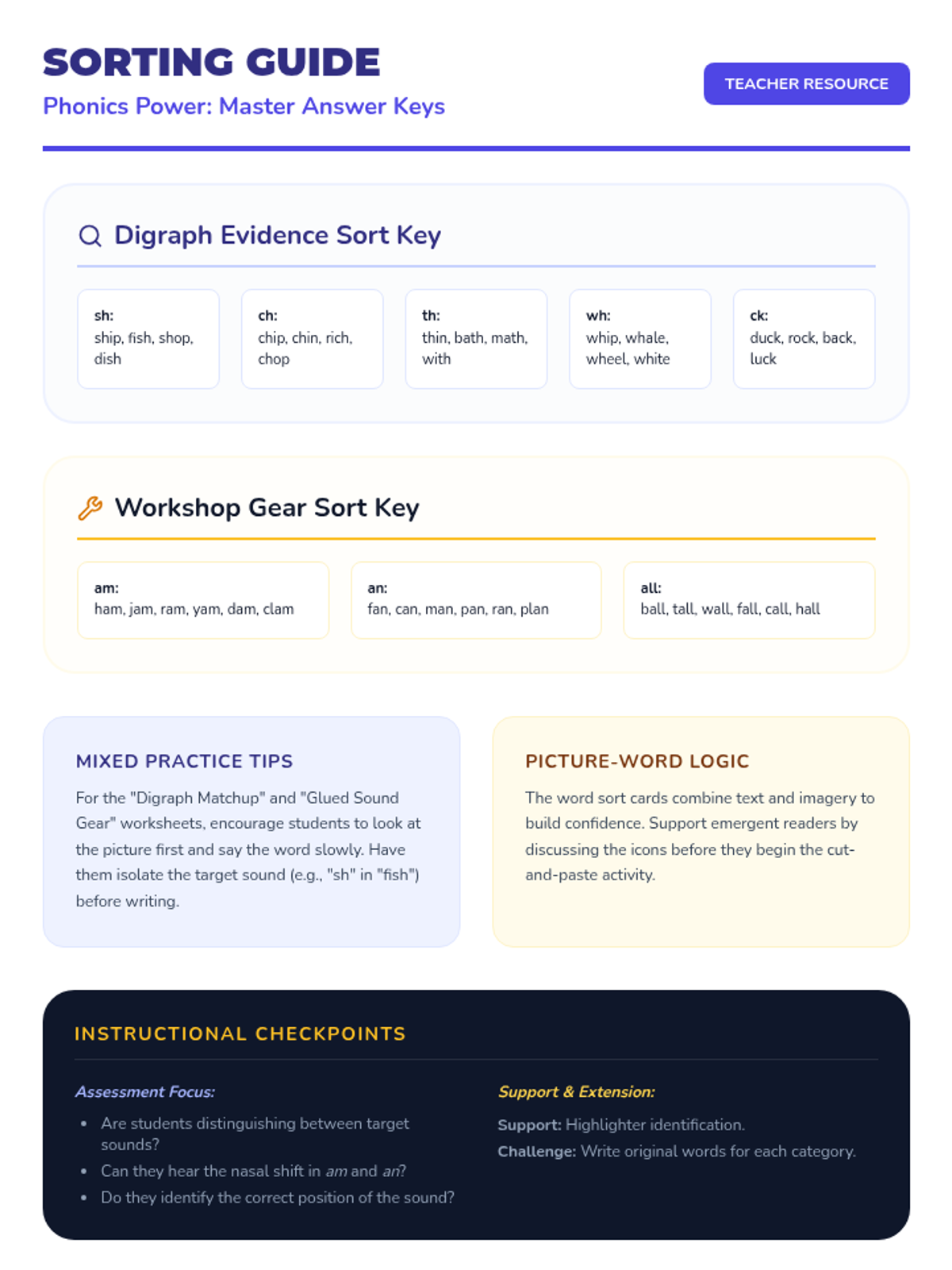
A workshop-themed phonics lesson focusing on identifying and using the 'glued' or 'welded' sounds -am, -an, and -all.
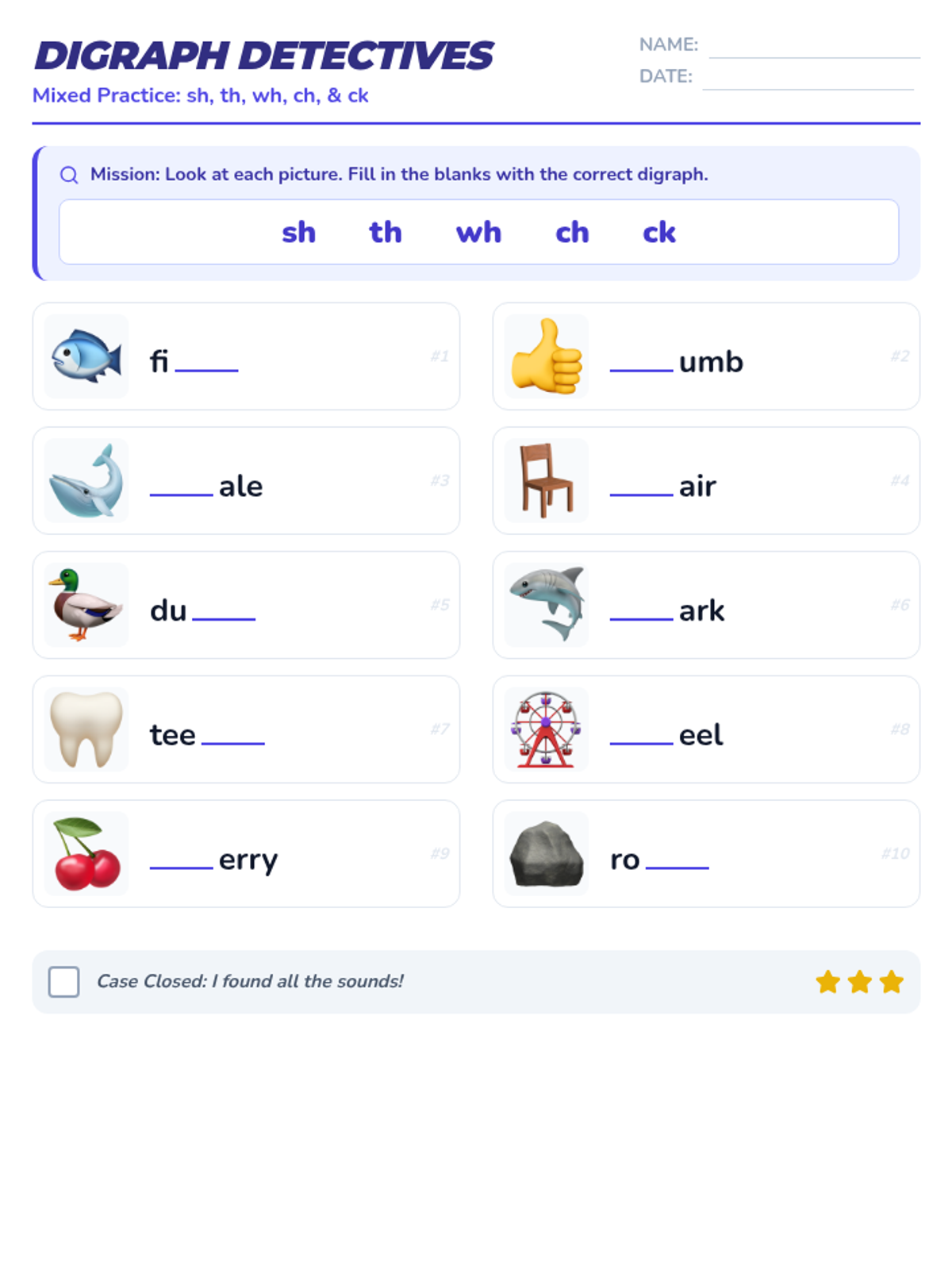
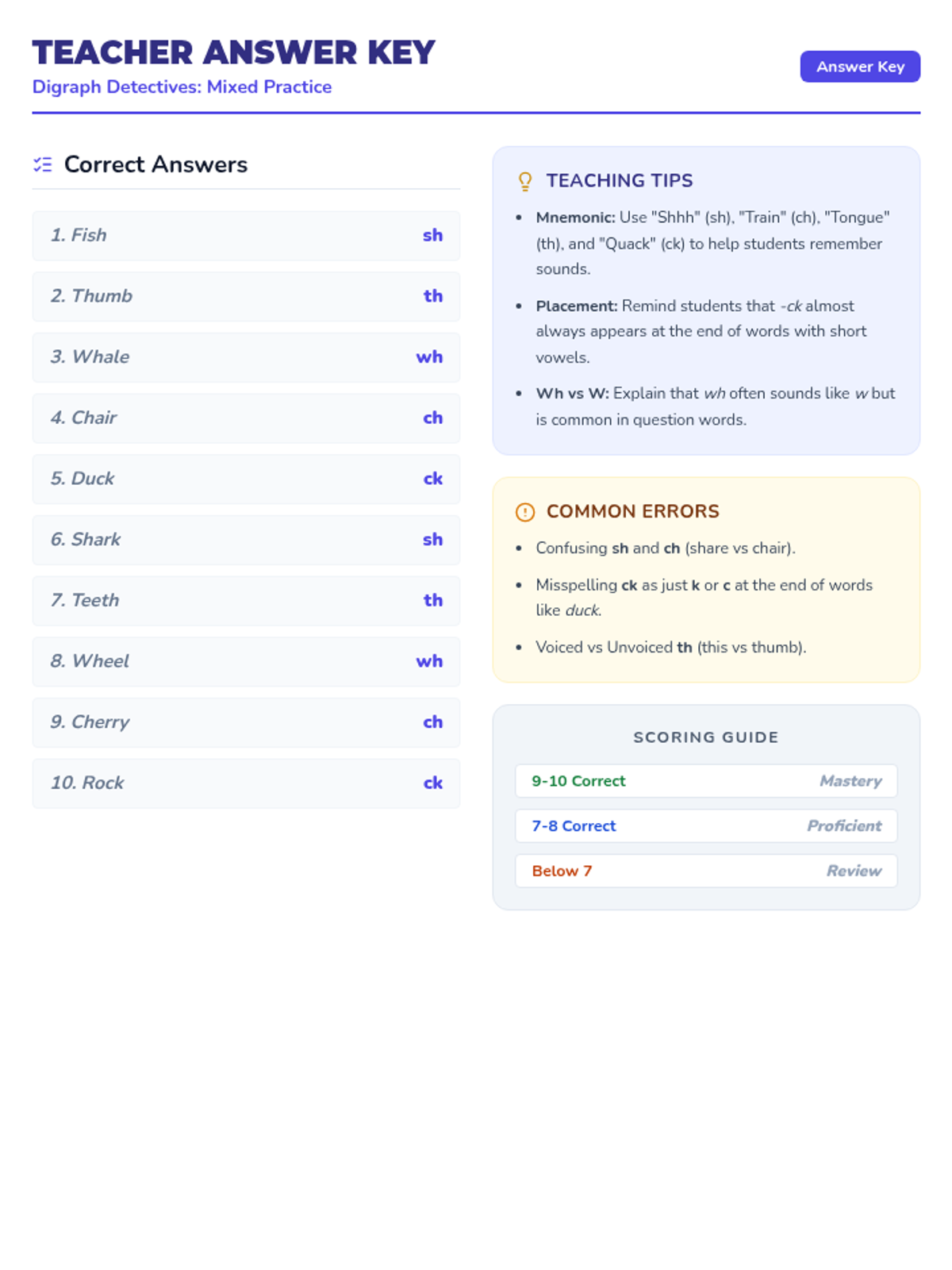
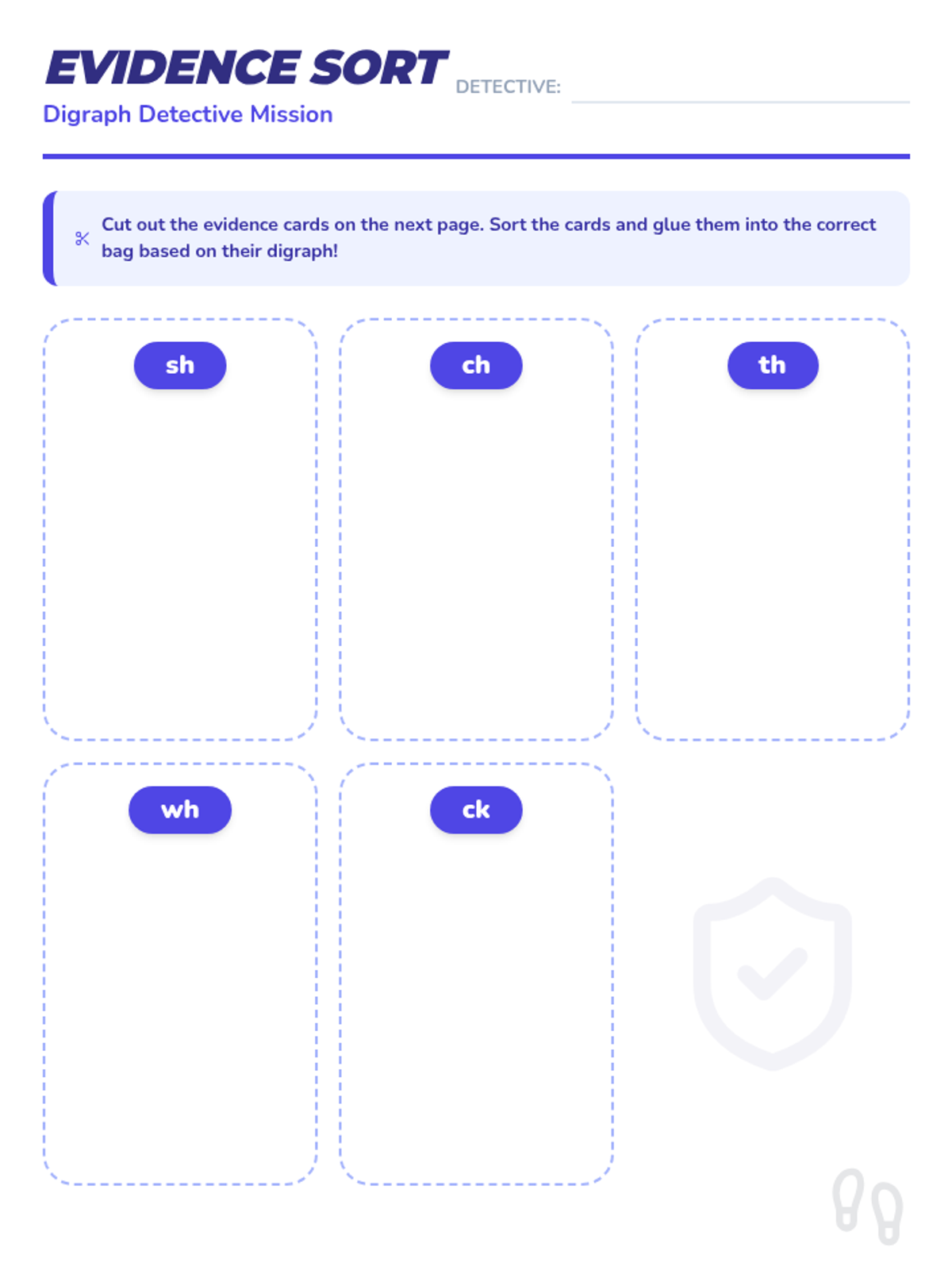
A foundational phonics lesson focusing on identifying and using the digraphs sh, th, wh, ch, and ck through visual association and word completion.
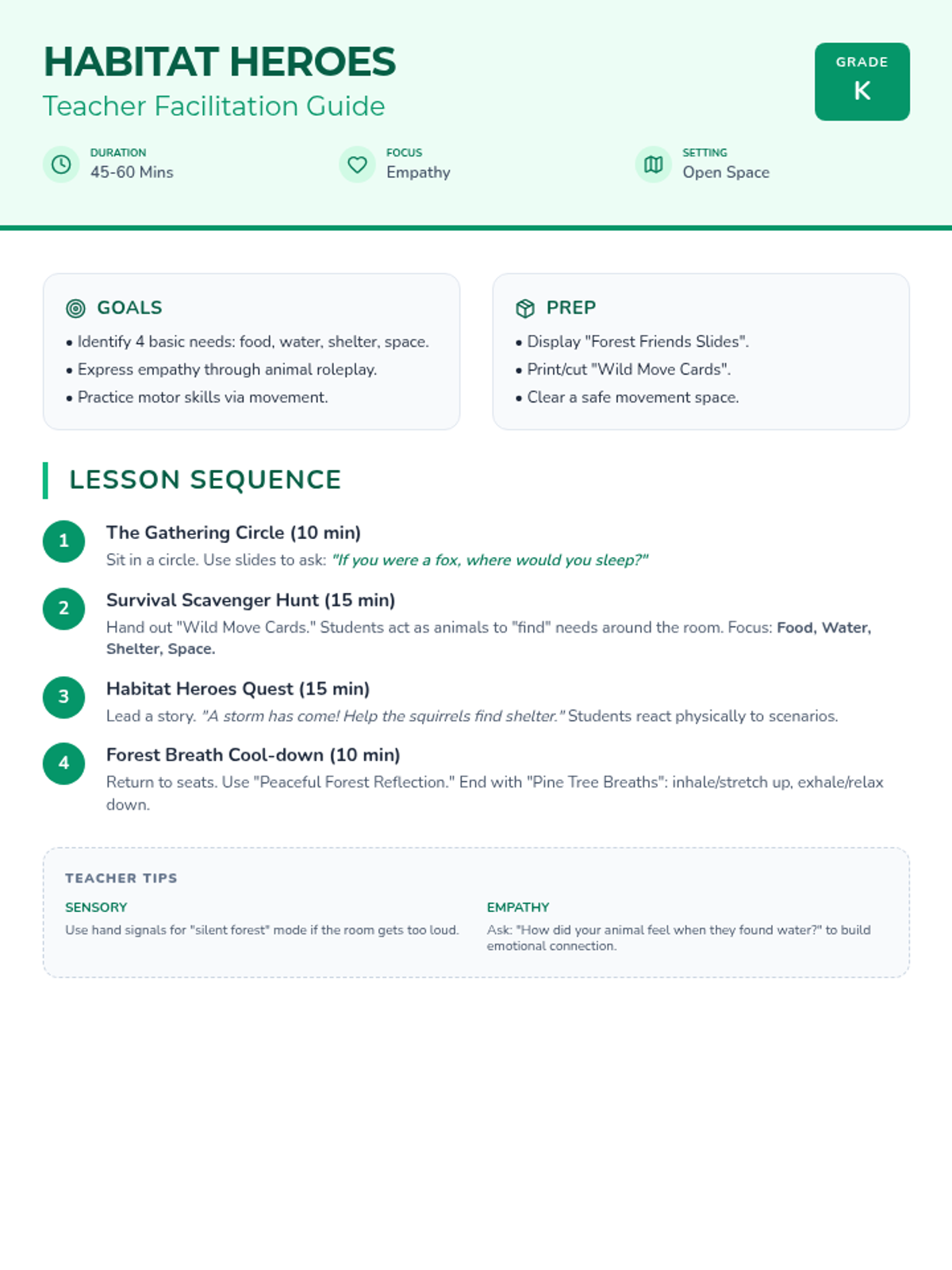
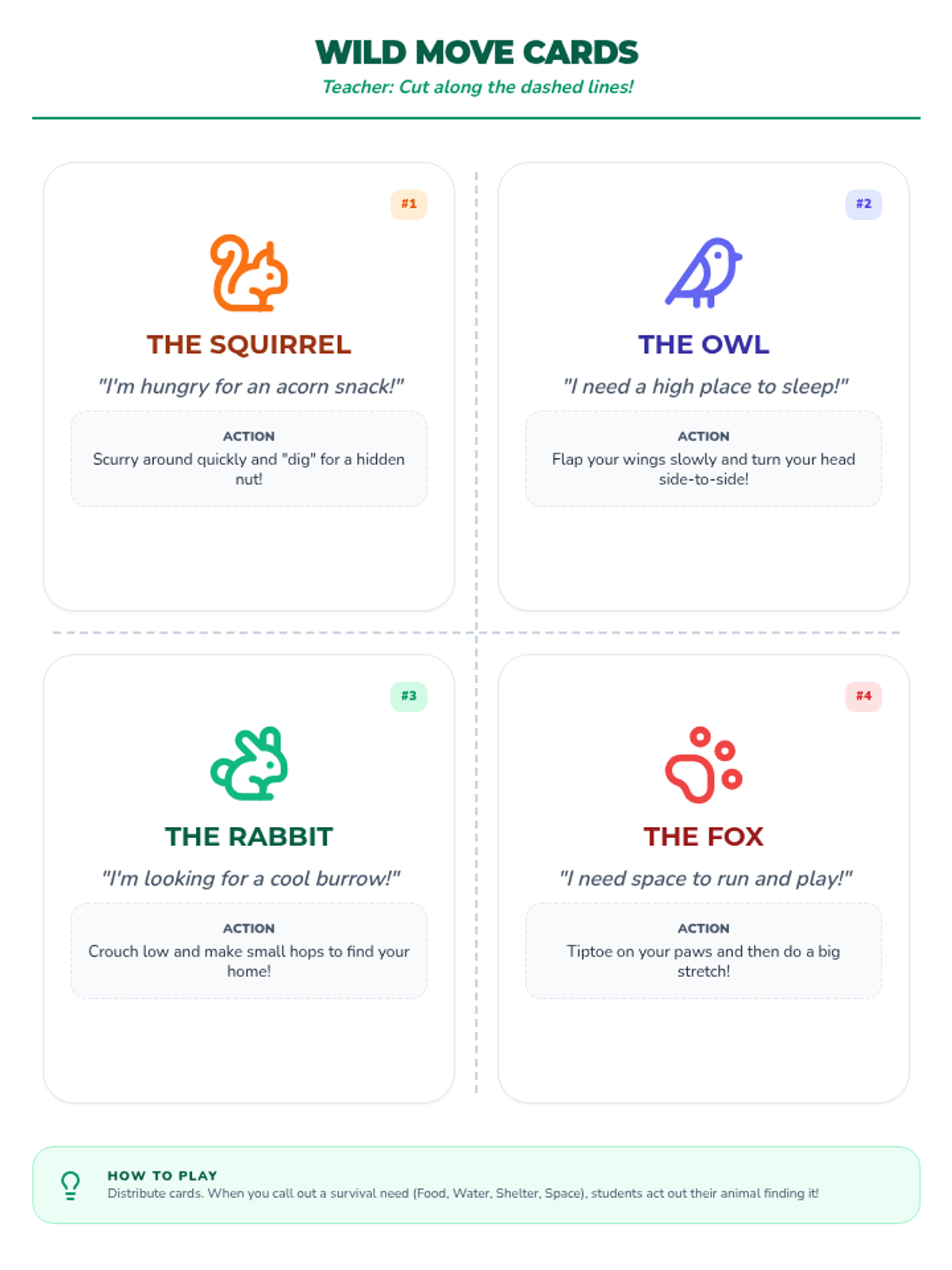
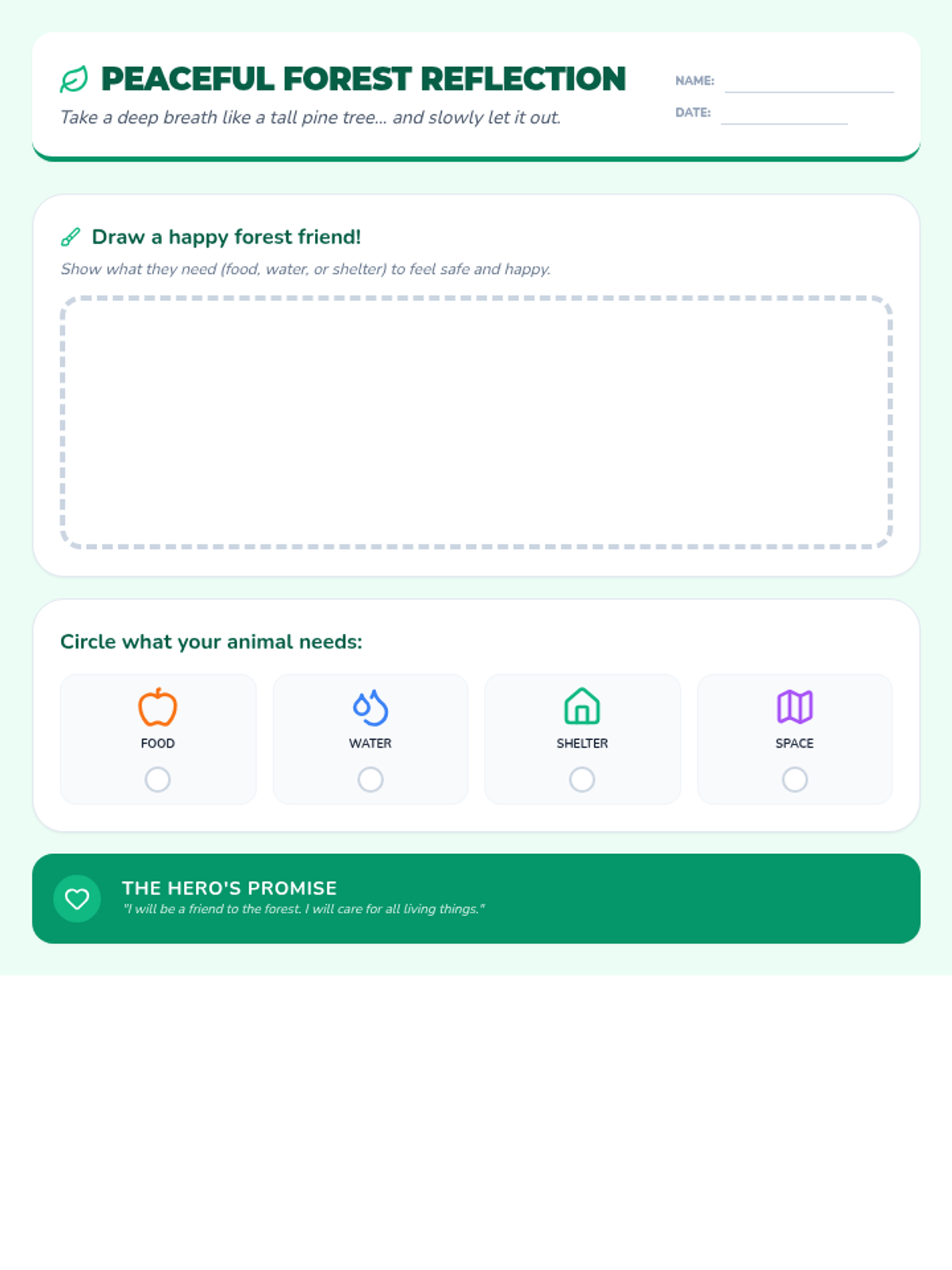
An immersive Kindergarten lesson where students explore the needs of forest animals through storytelling, movement, and mindfulness to build empathy for nature.
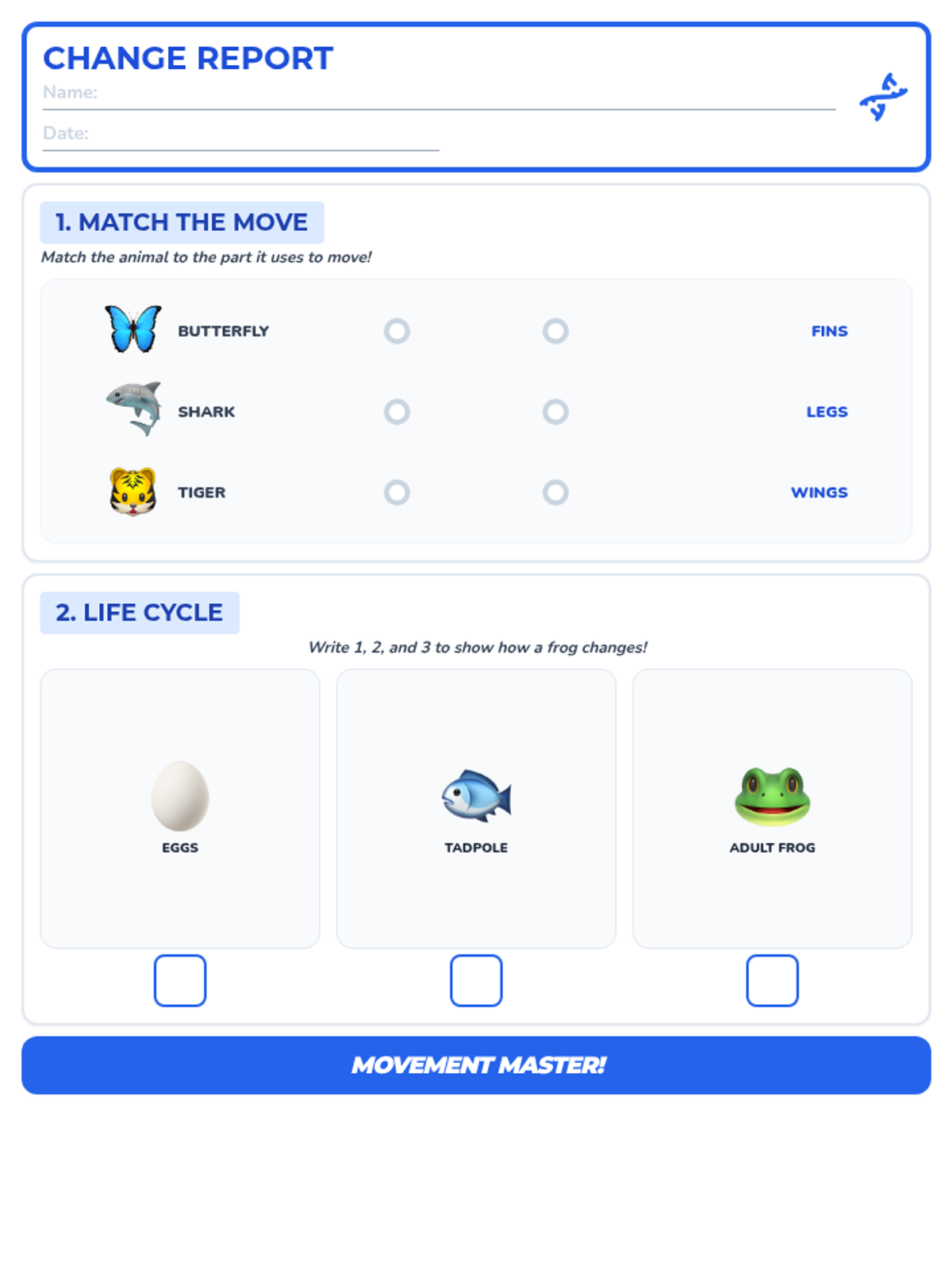
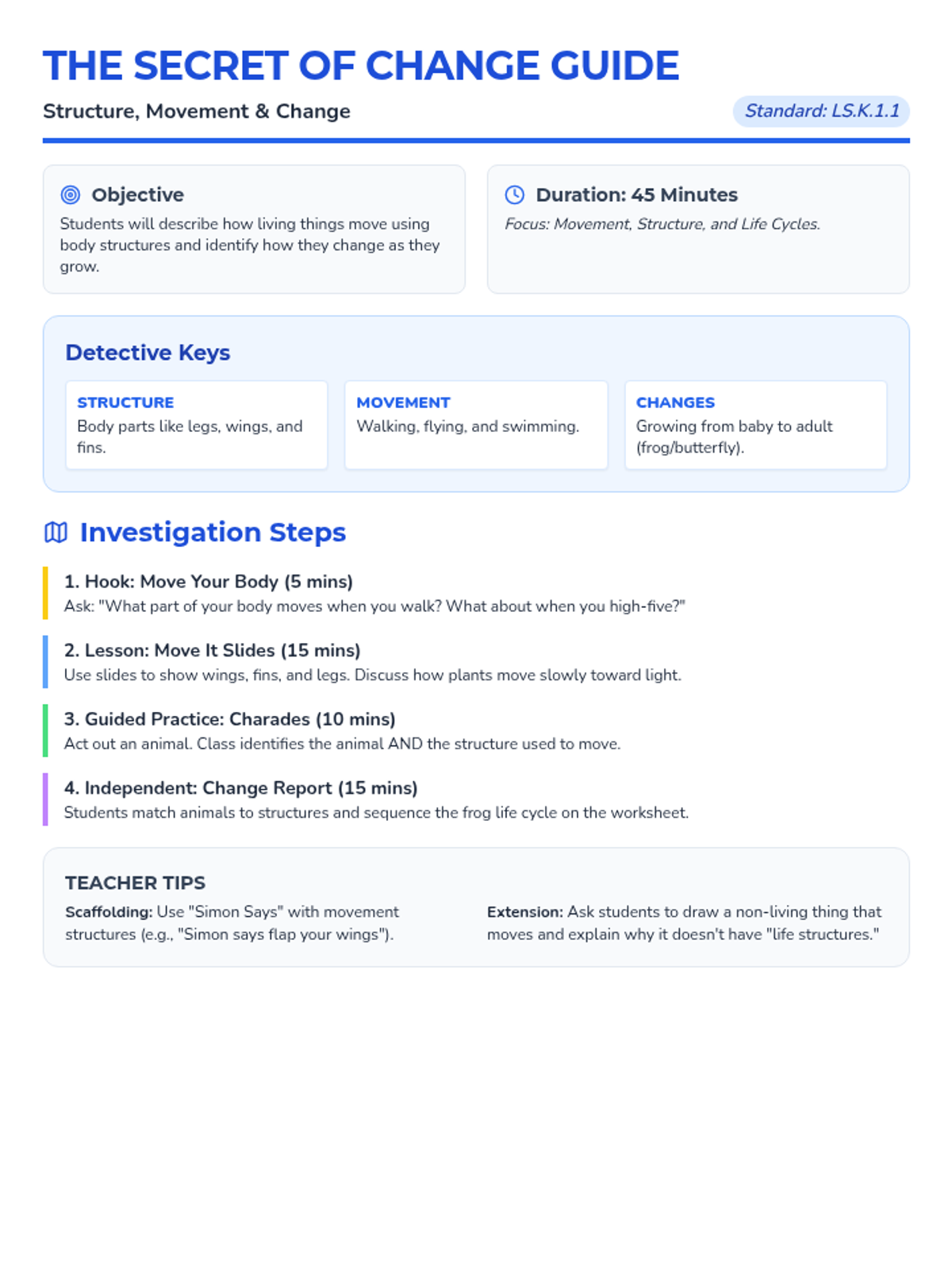
In this second lesson of the Living World Investigators unit, kindergarteners explore how living things move, the structures they use, and how they change over time. Students will compare the structures of plants and animals and observe life cycle changes.
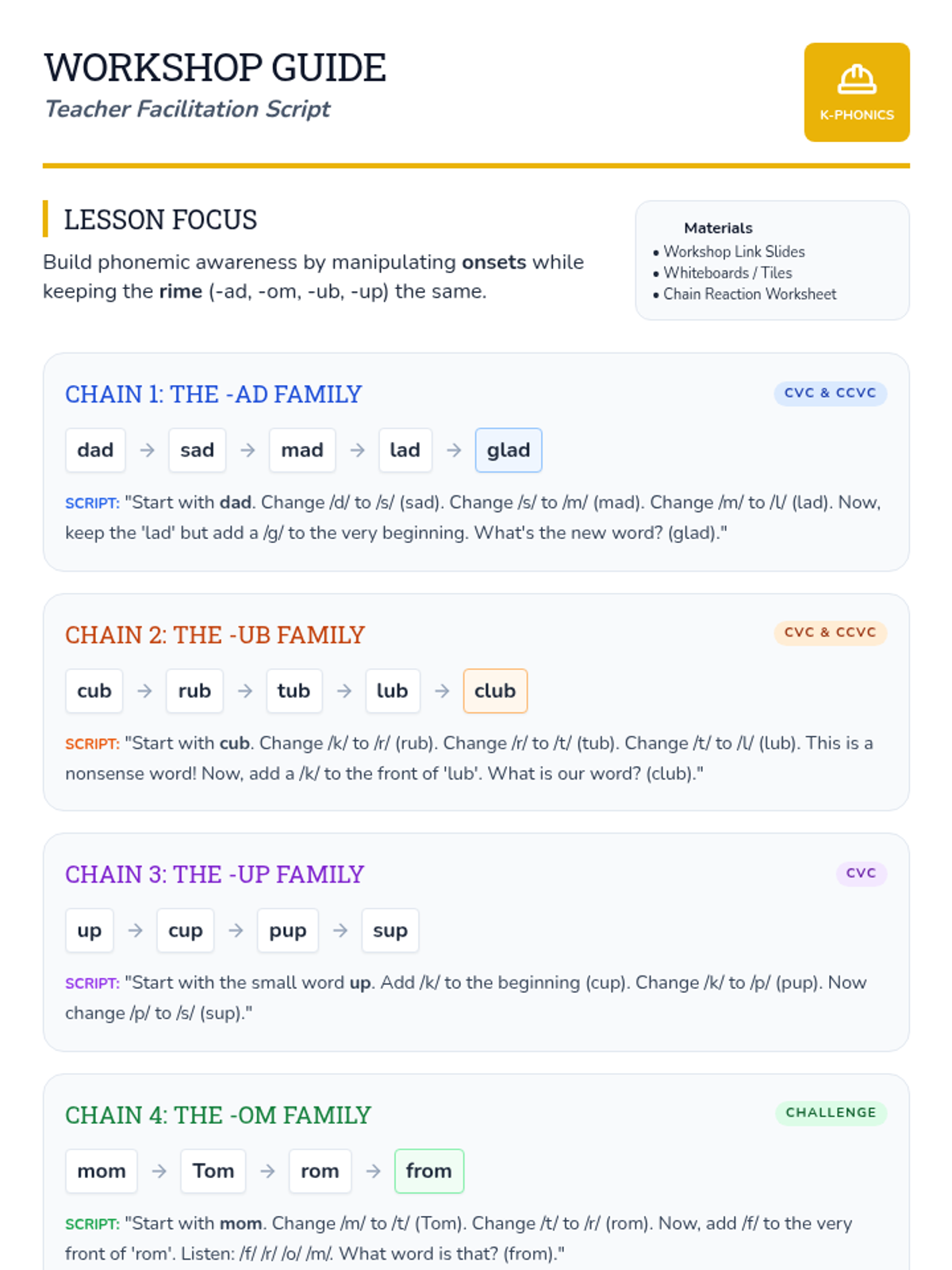
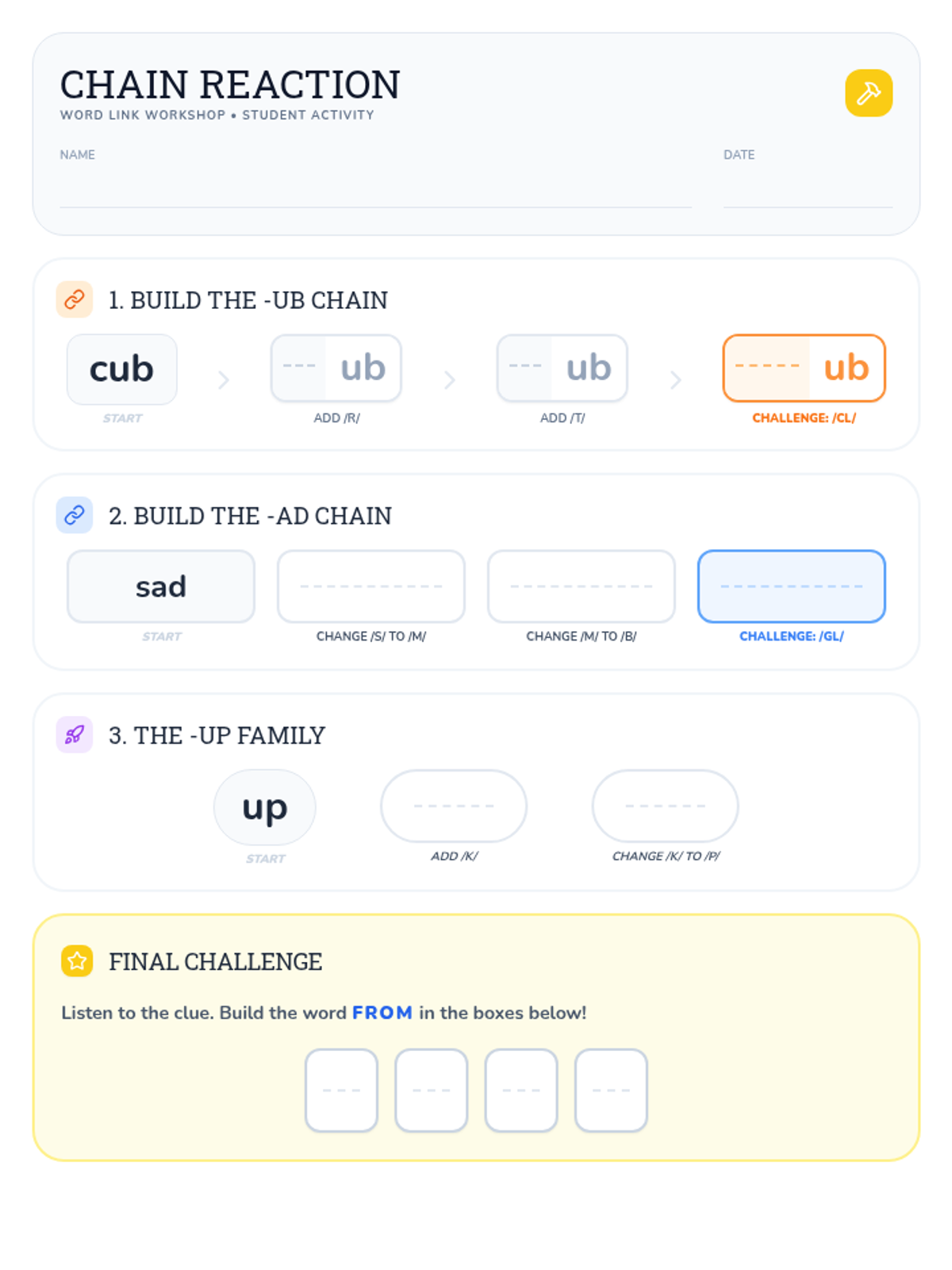
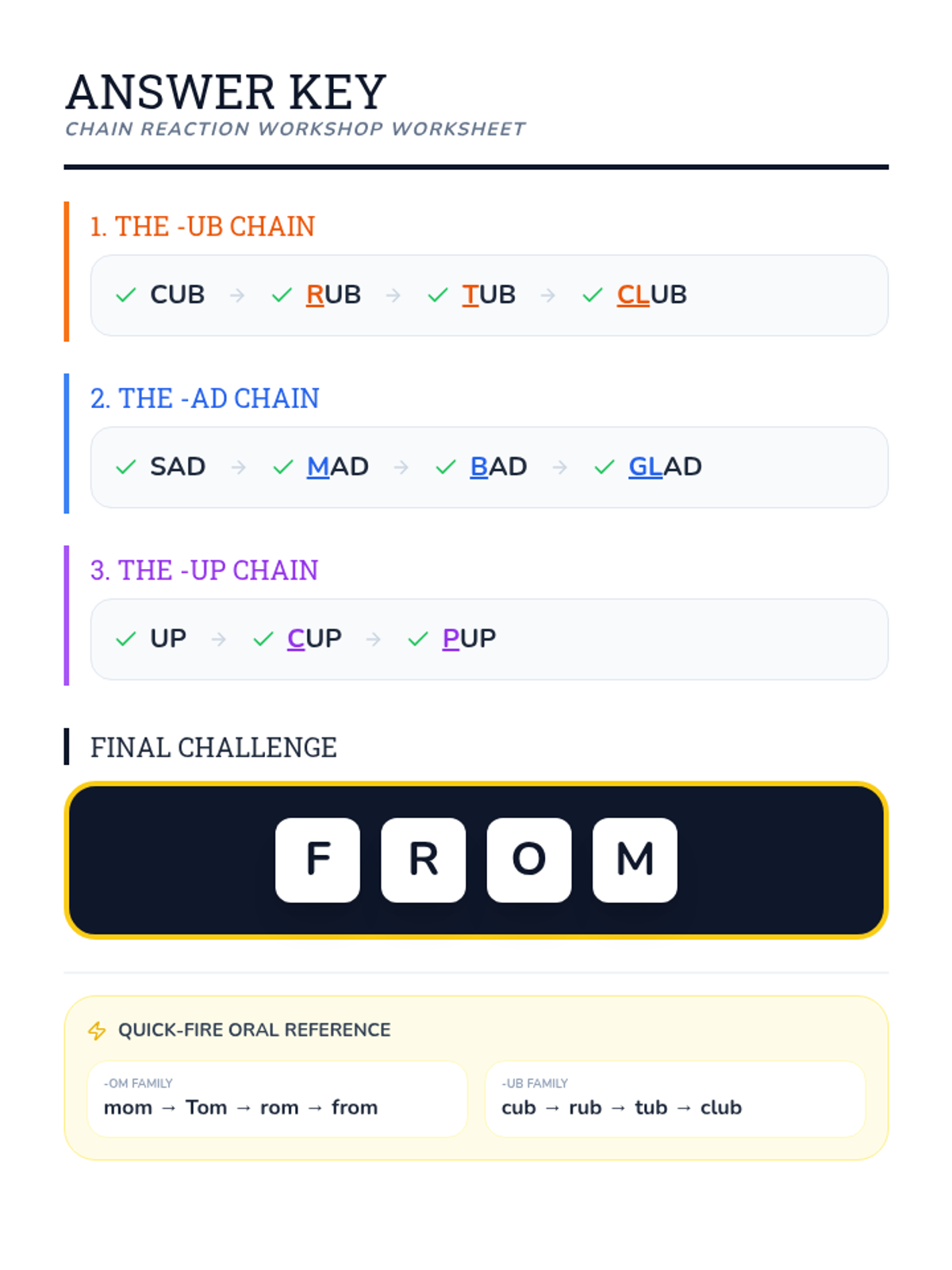
A foundational phonics lesson focused on building and changing words using specific rimes. Students will practice phonemic substitution to create word chains with CVC and CCVC patterns.
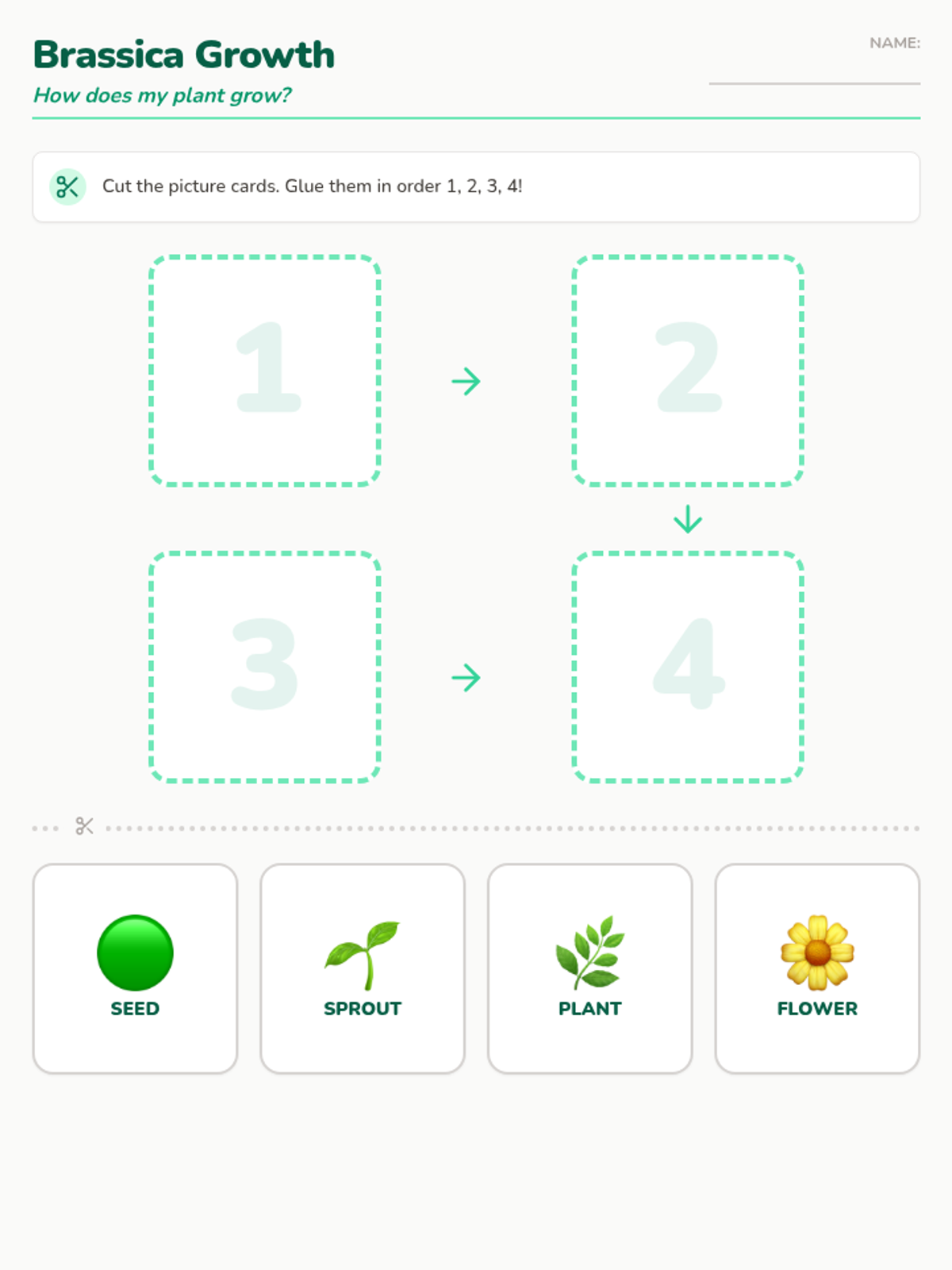
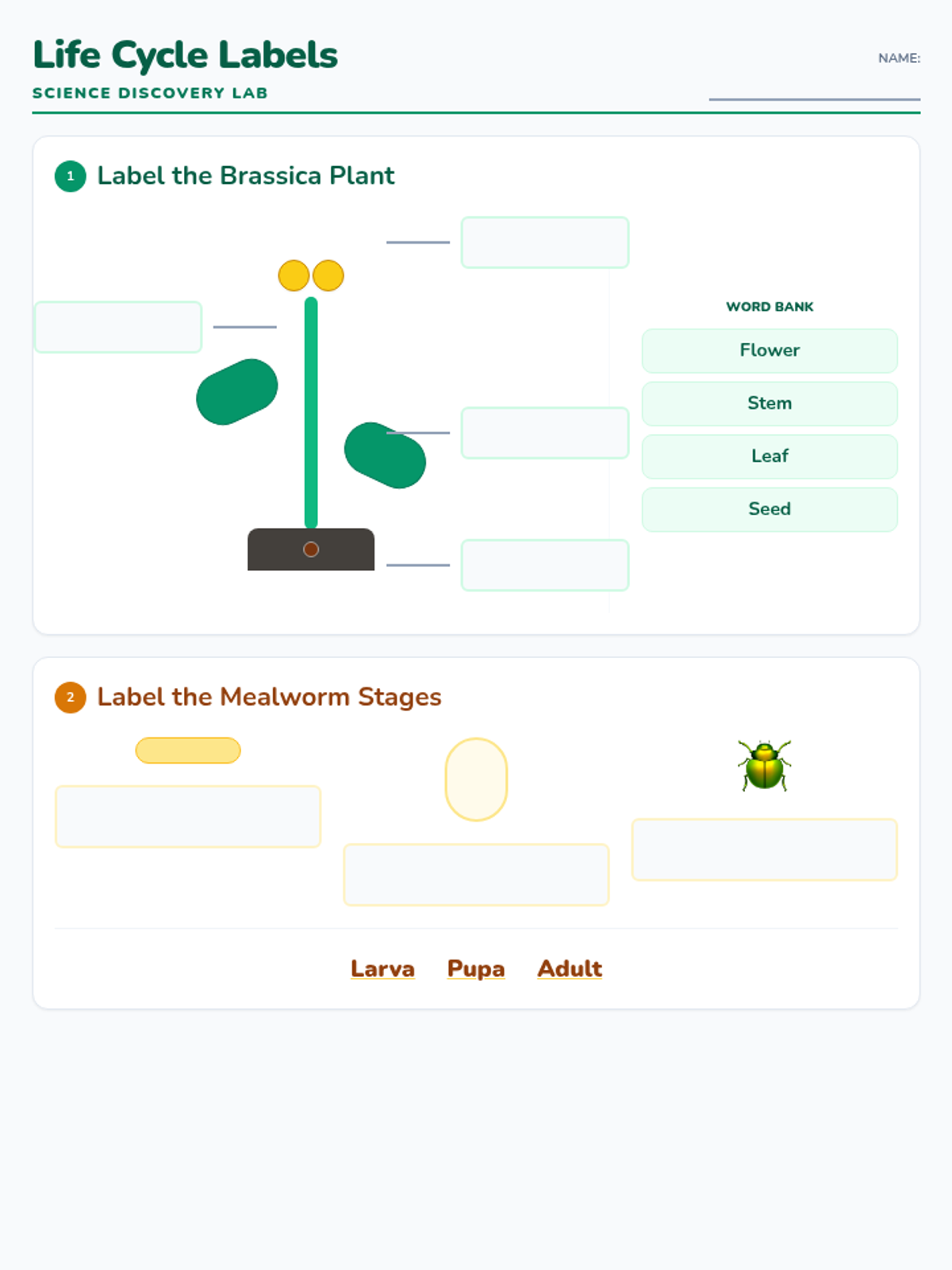
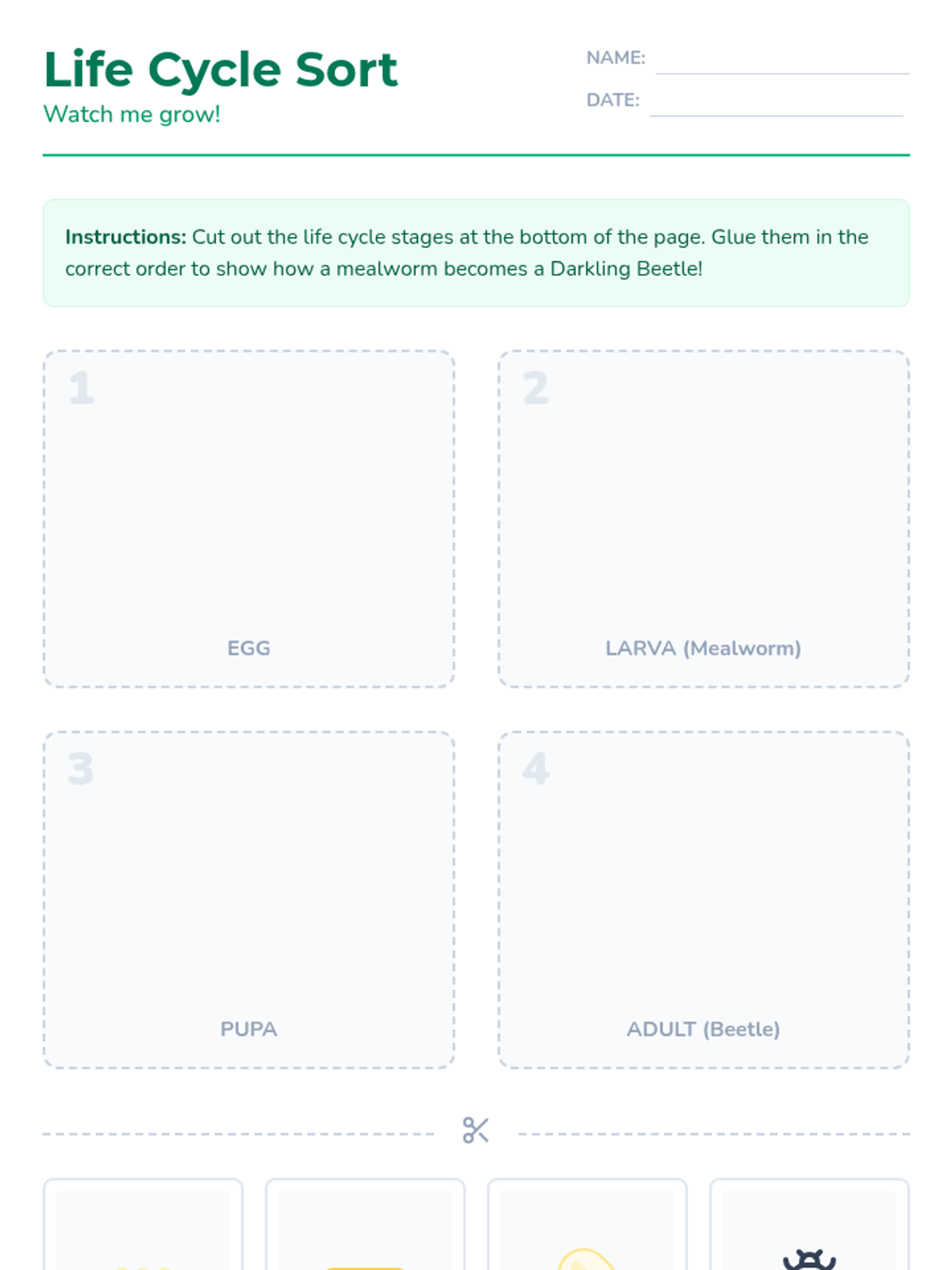
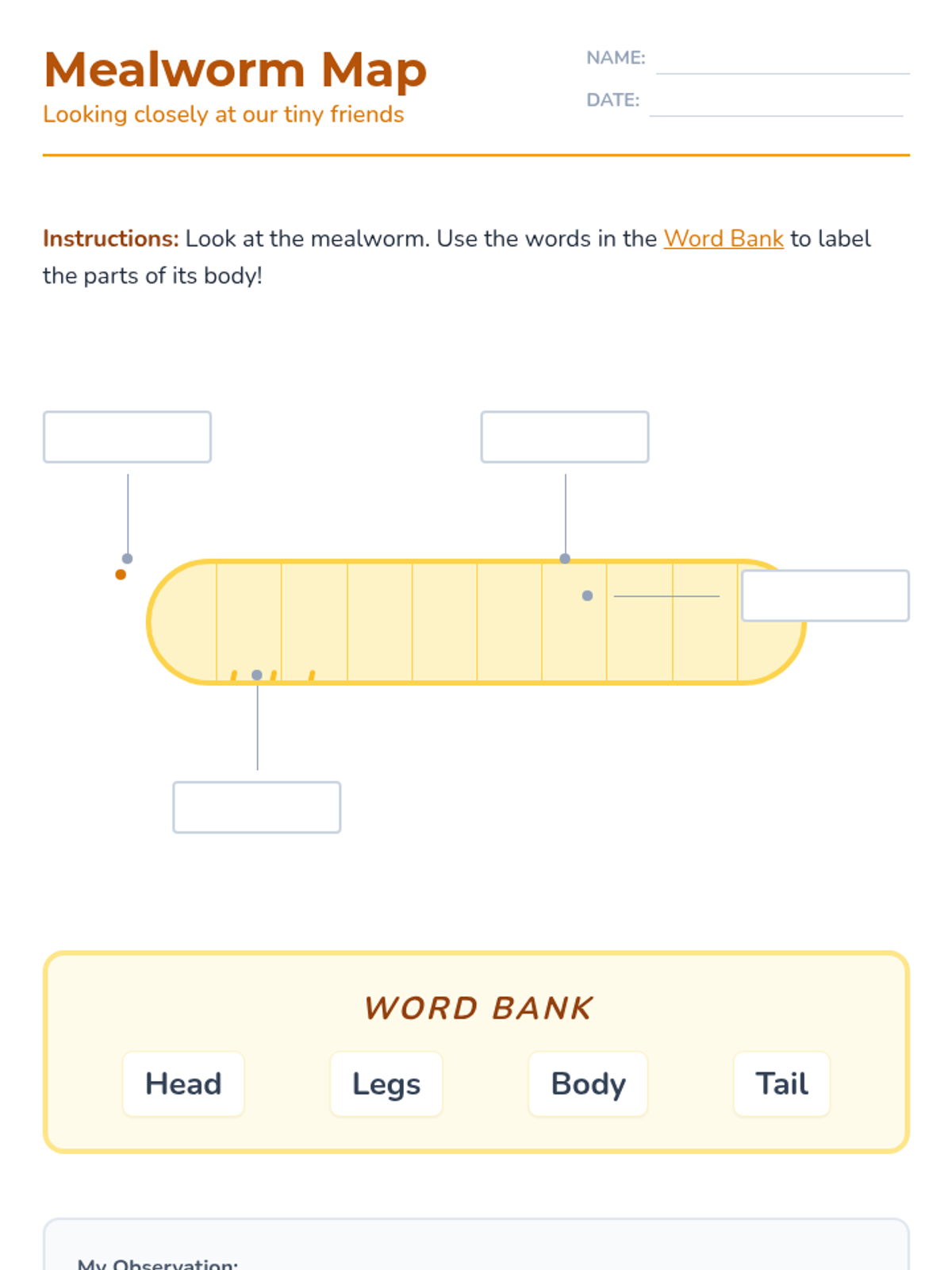
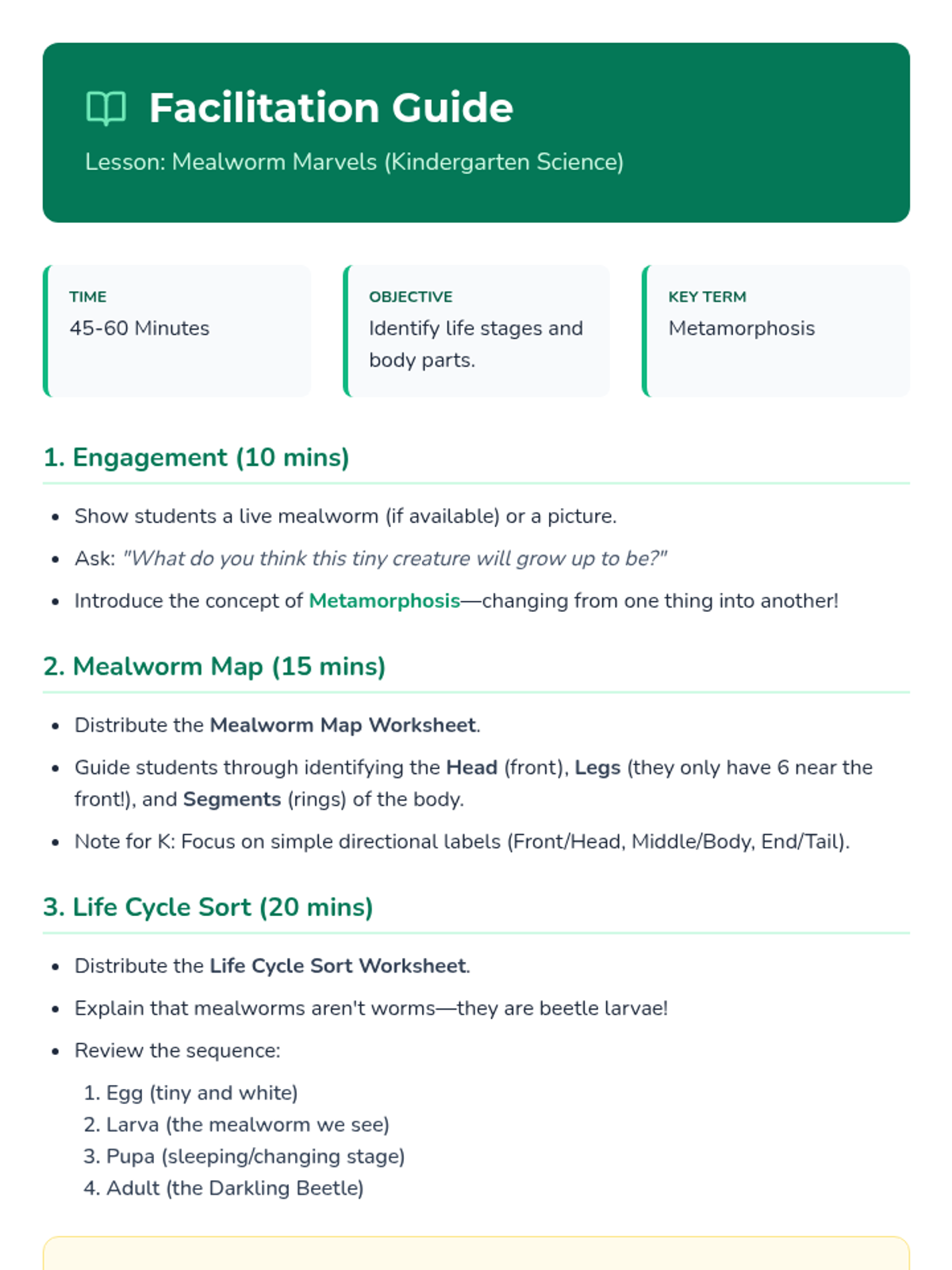
A Kindergarten-focused lesson exploring the fascinating transformations of Brassica plants and mealworms. Students will observe, sequence, and label the different stages of development through hands-on activities.
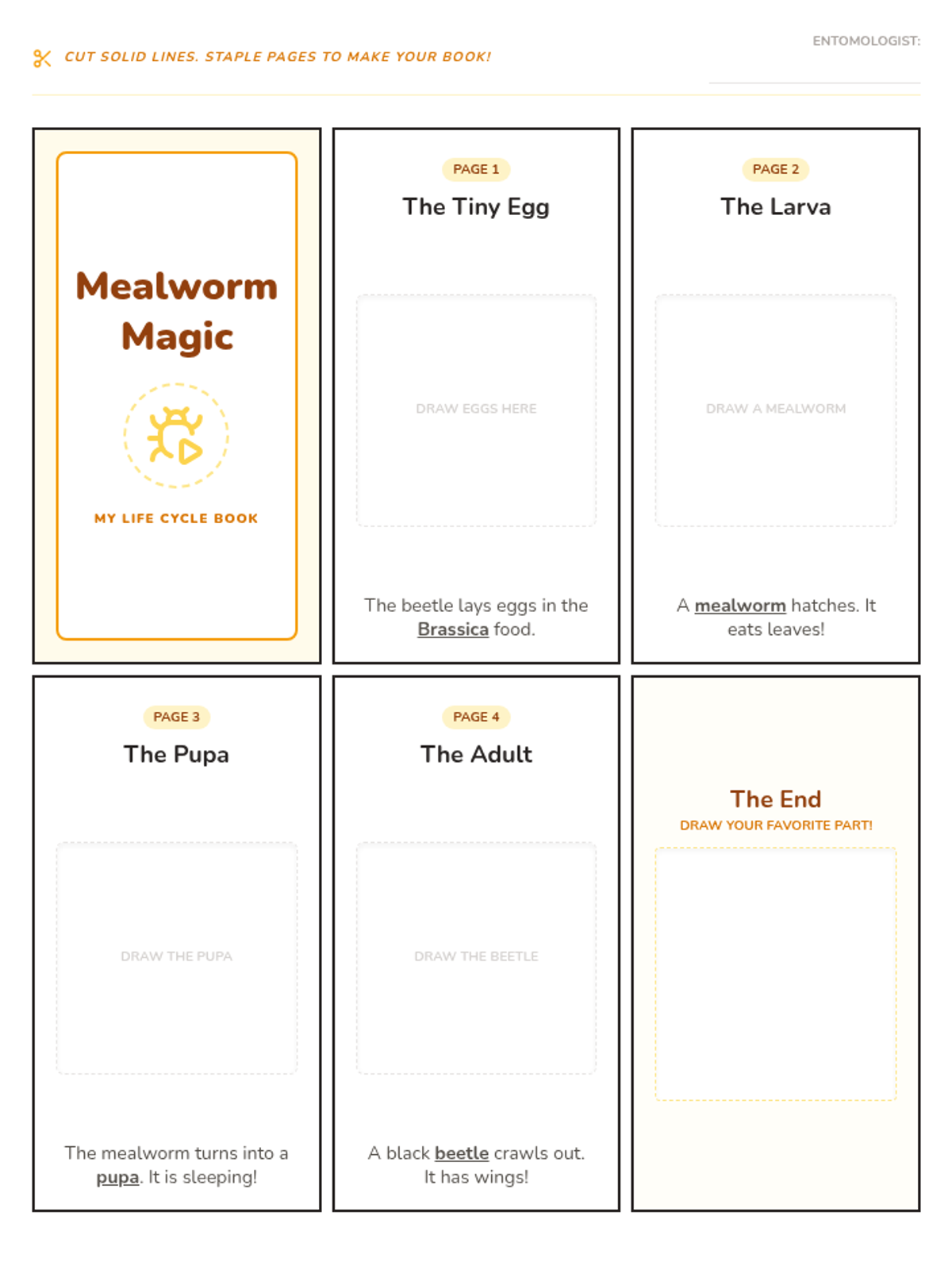
A hands-on exploration of the mealworm life cycle and anatomy designed for early learners to observe and document metamorphosis.
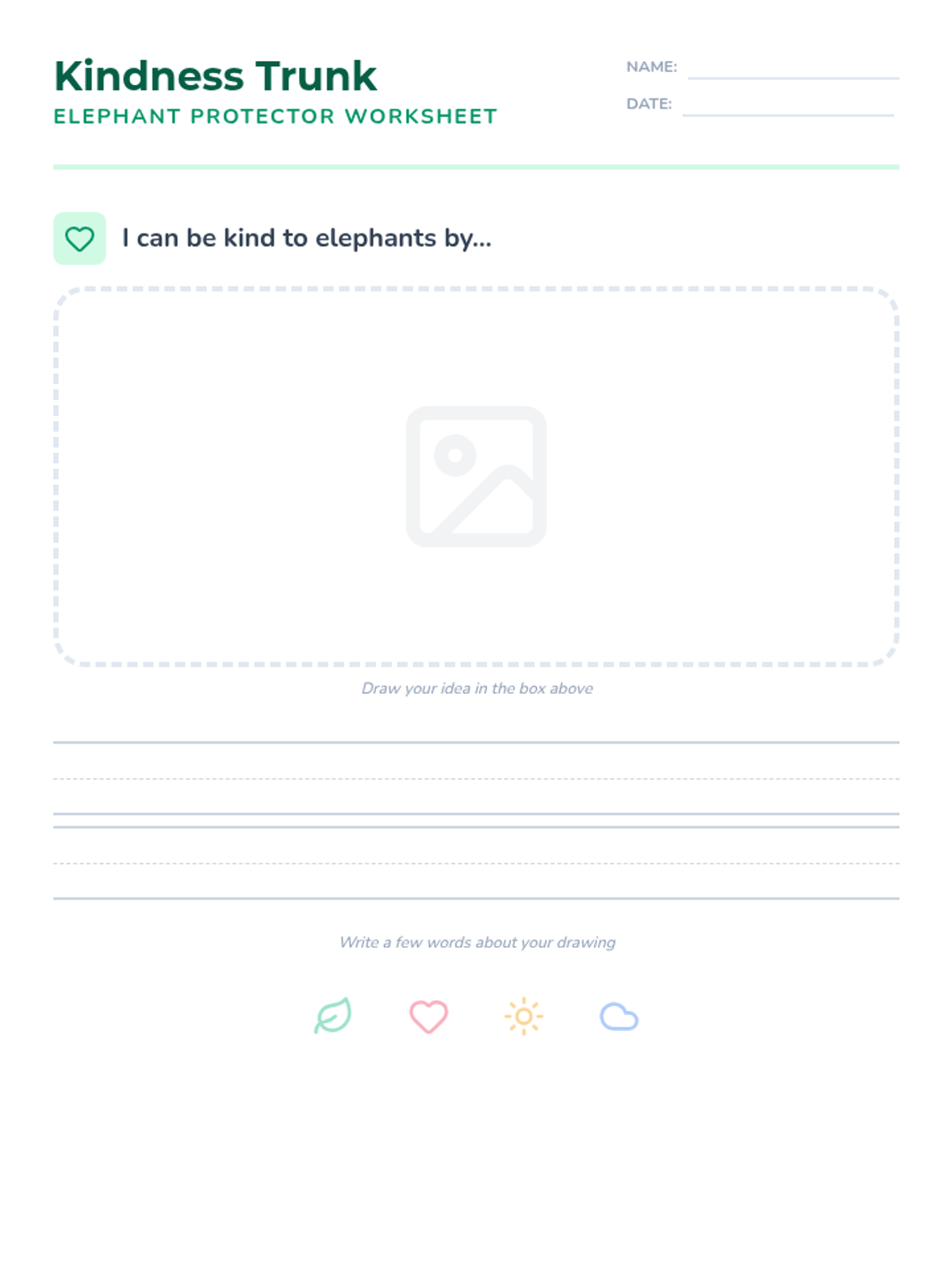
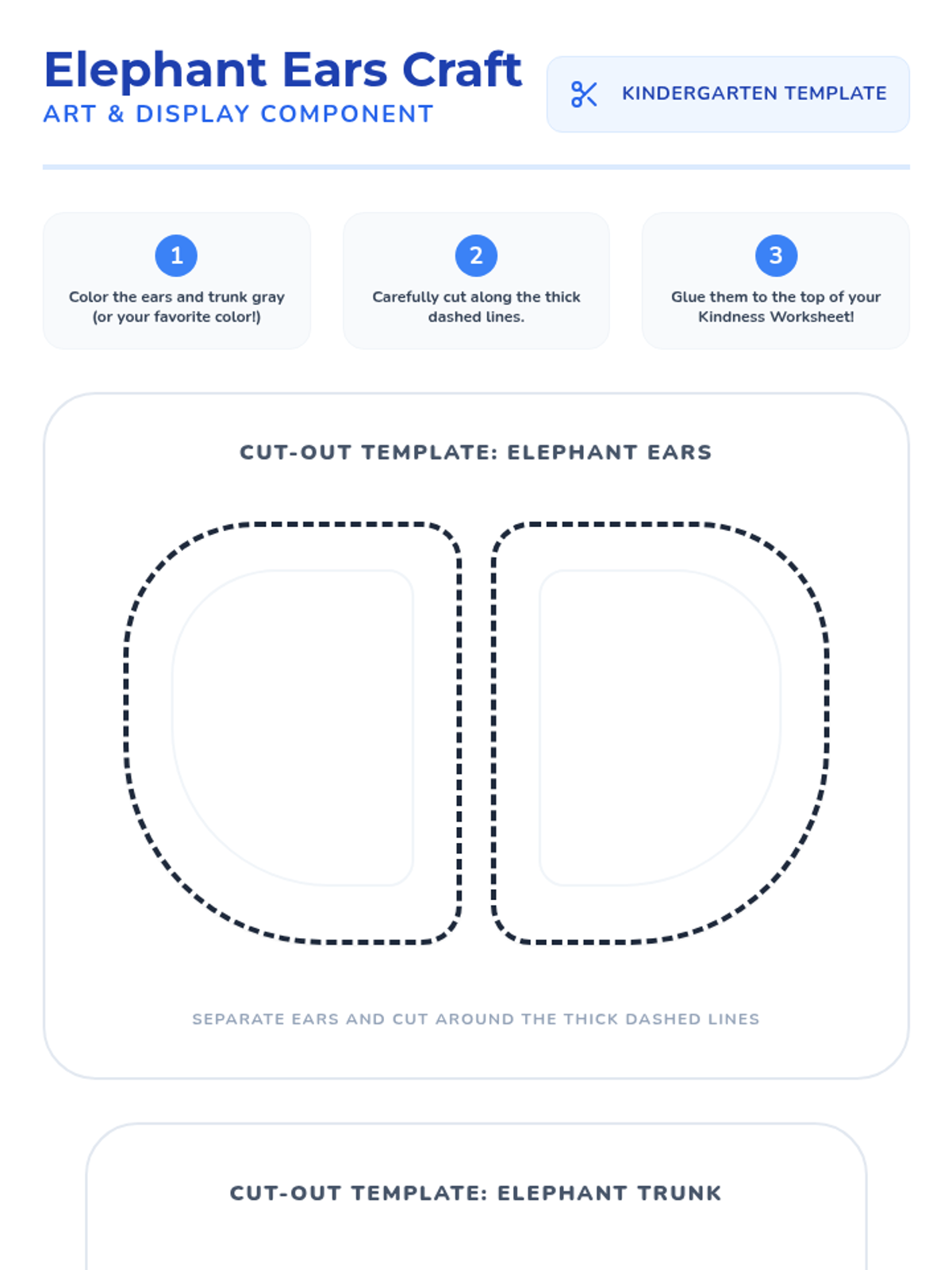
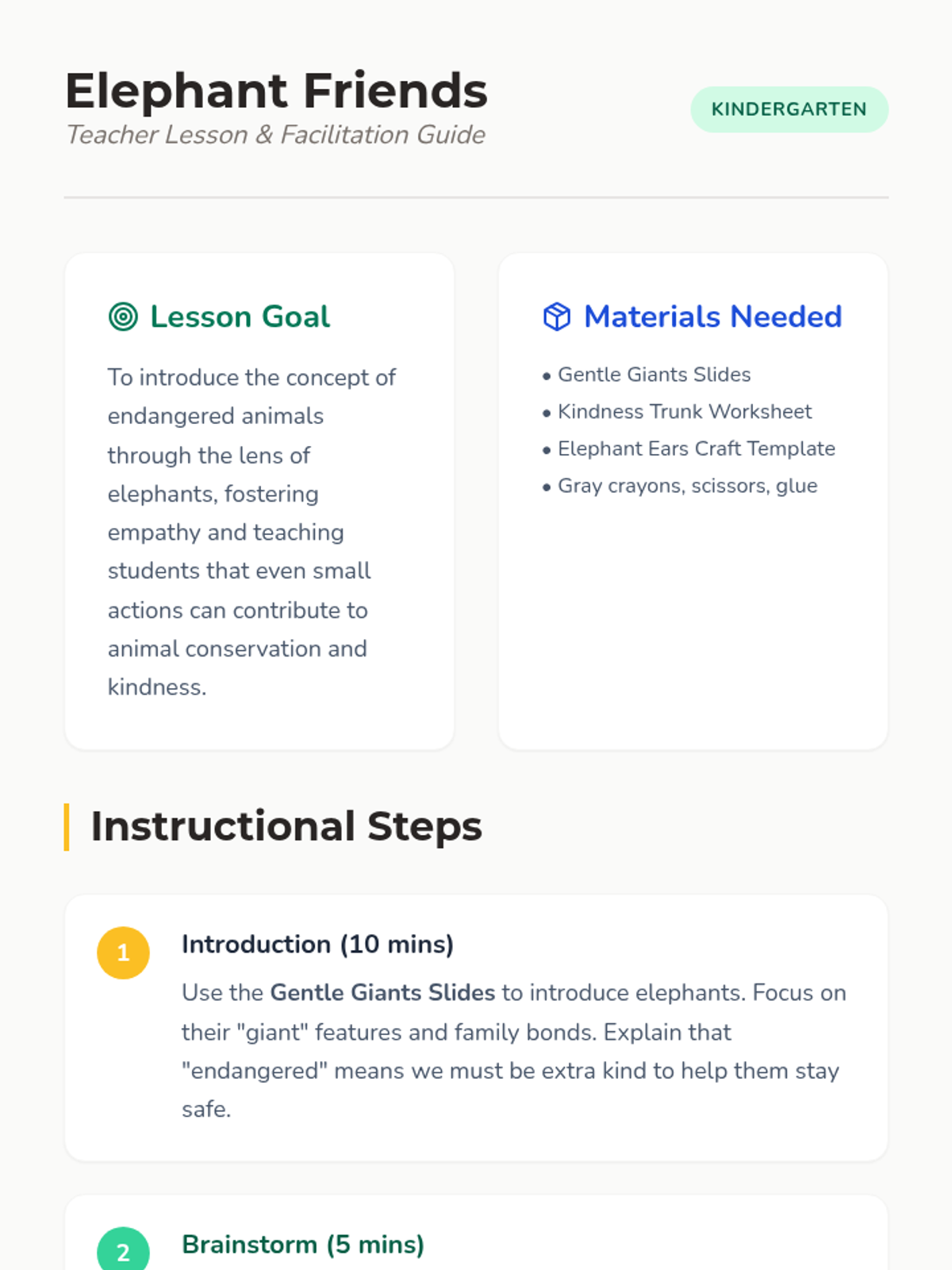
A gentle introduction to elephant conservation for kindergarteners, focusing on empathy and simple ways to show kindness to endangered animals. Includes a slide presentation, a writing prompt, a craft, and materials to build a collaborative bulletin board.
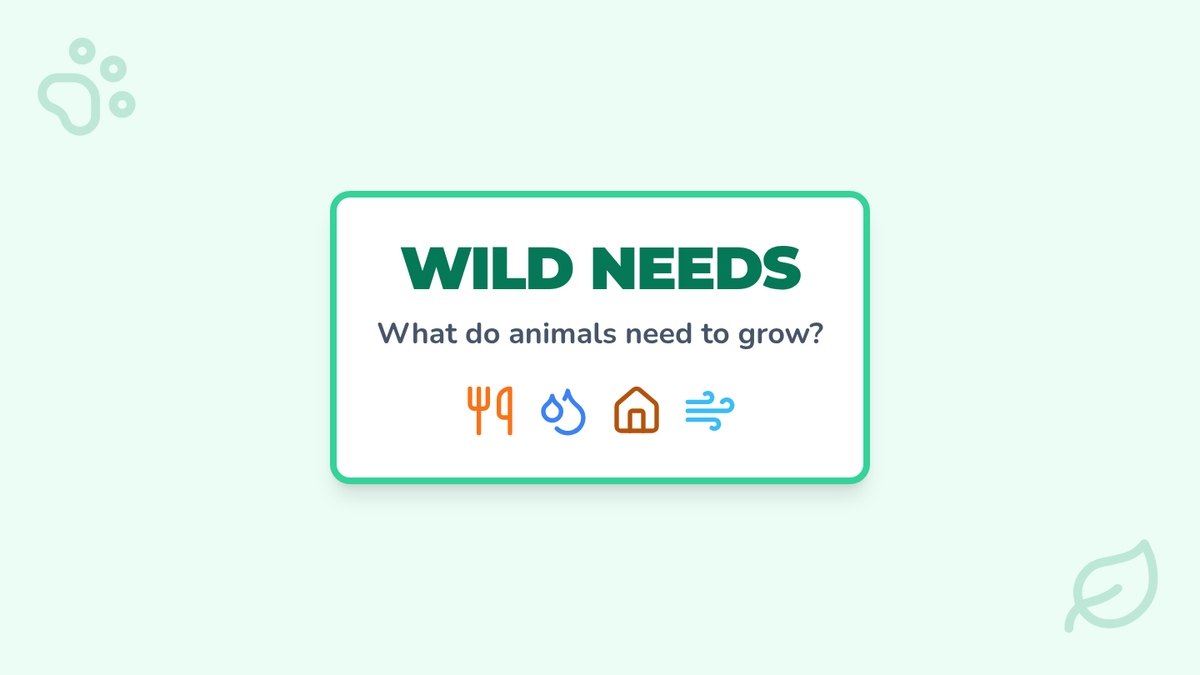
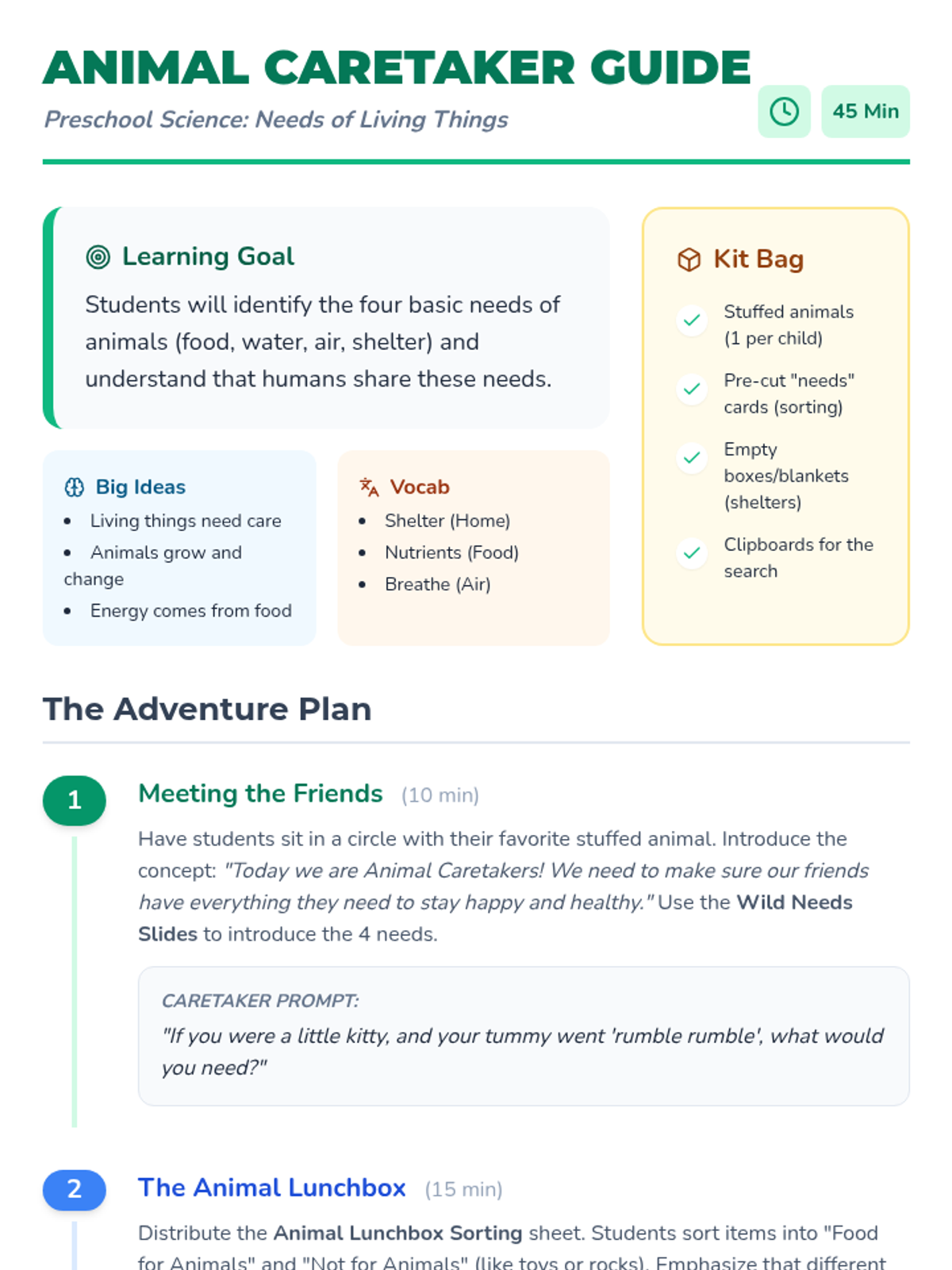
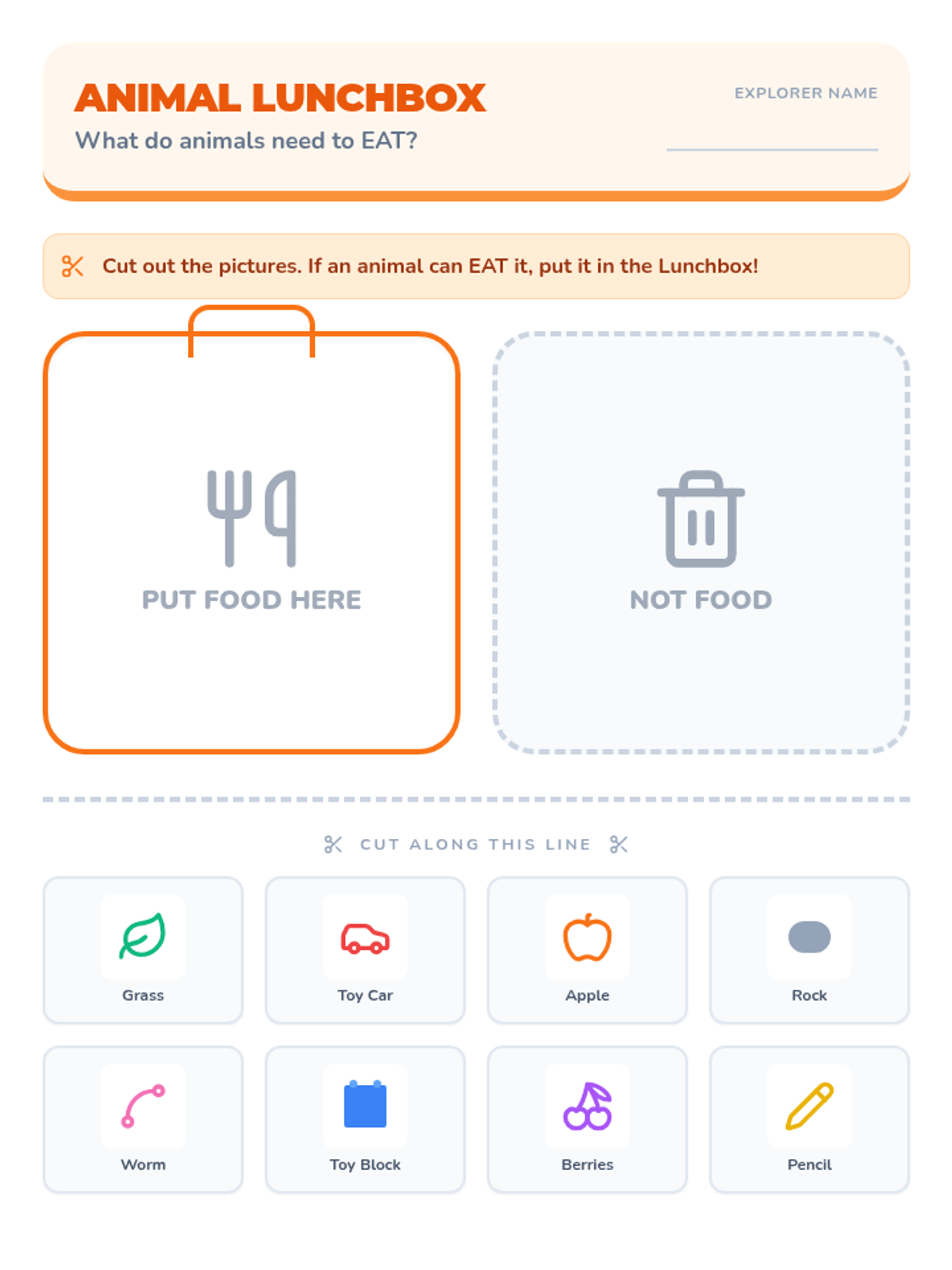
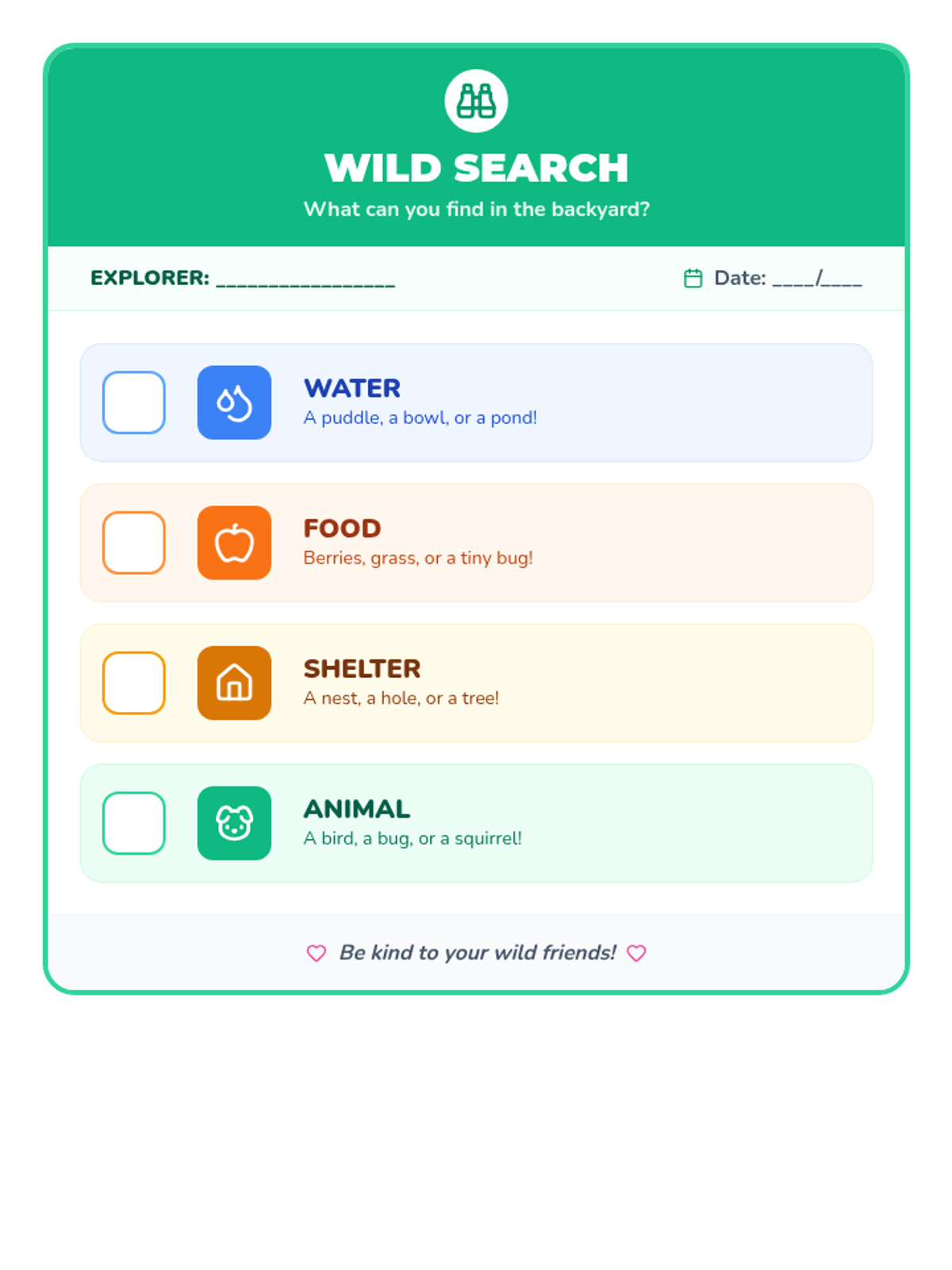
A hands-on introduction to the four basic needs of animals (food, water, shelter, and air) designed for preschool learners through play-based exploration and visual sorting.
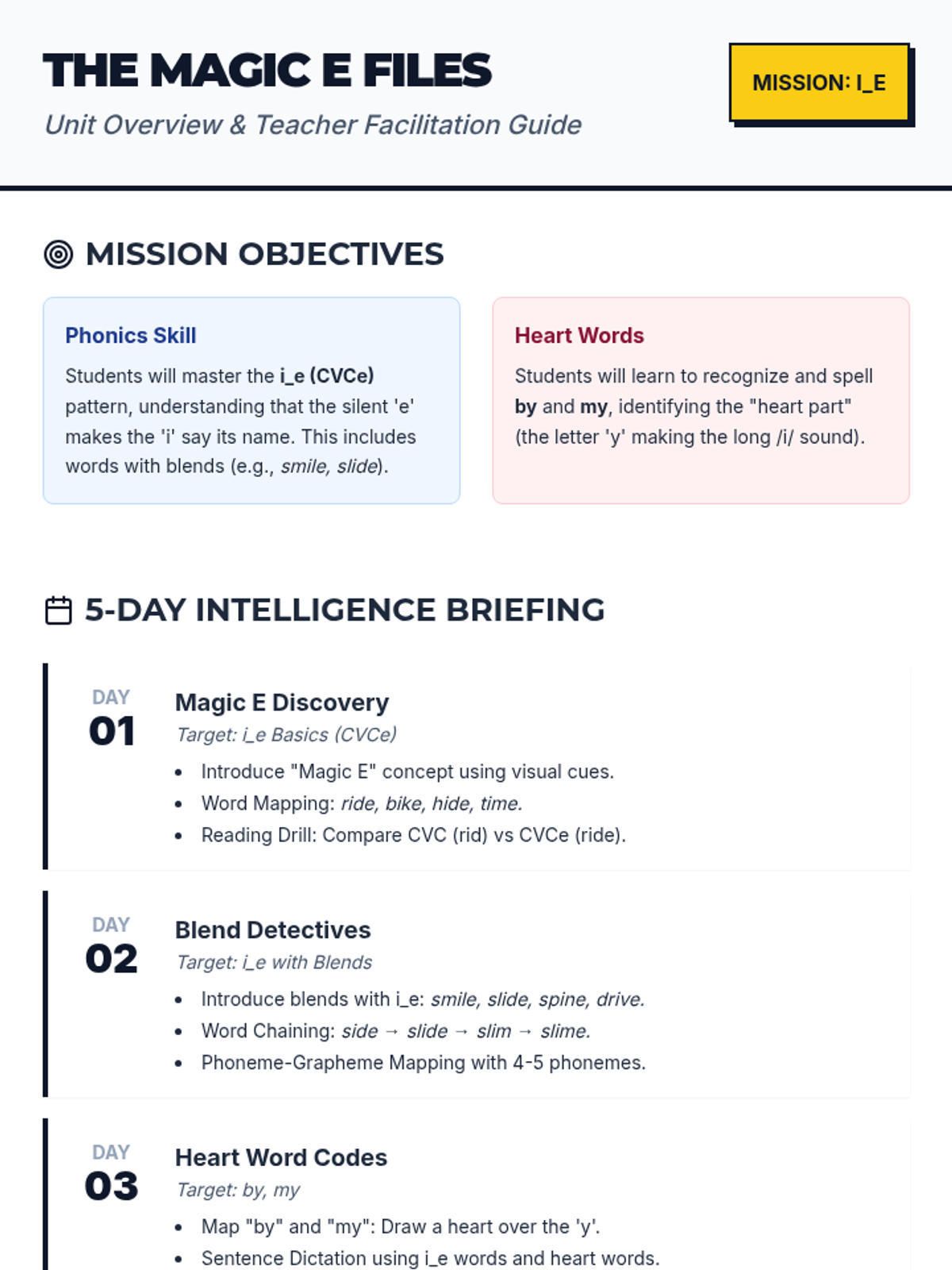
Unit overview and teacher facilitation guide for 'The Magic E Files'.
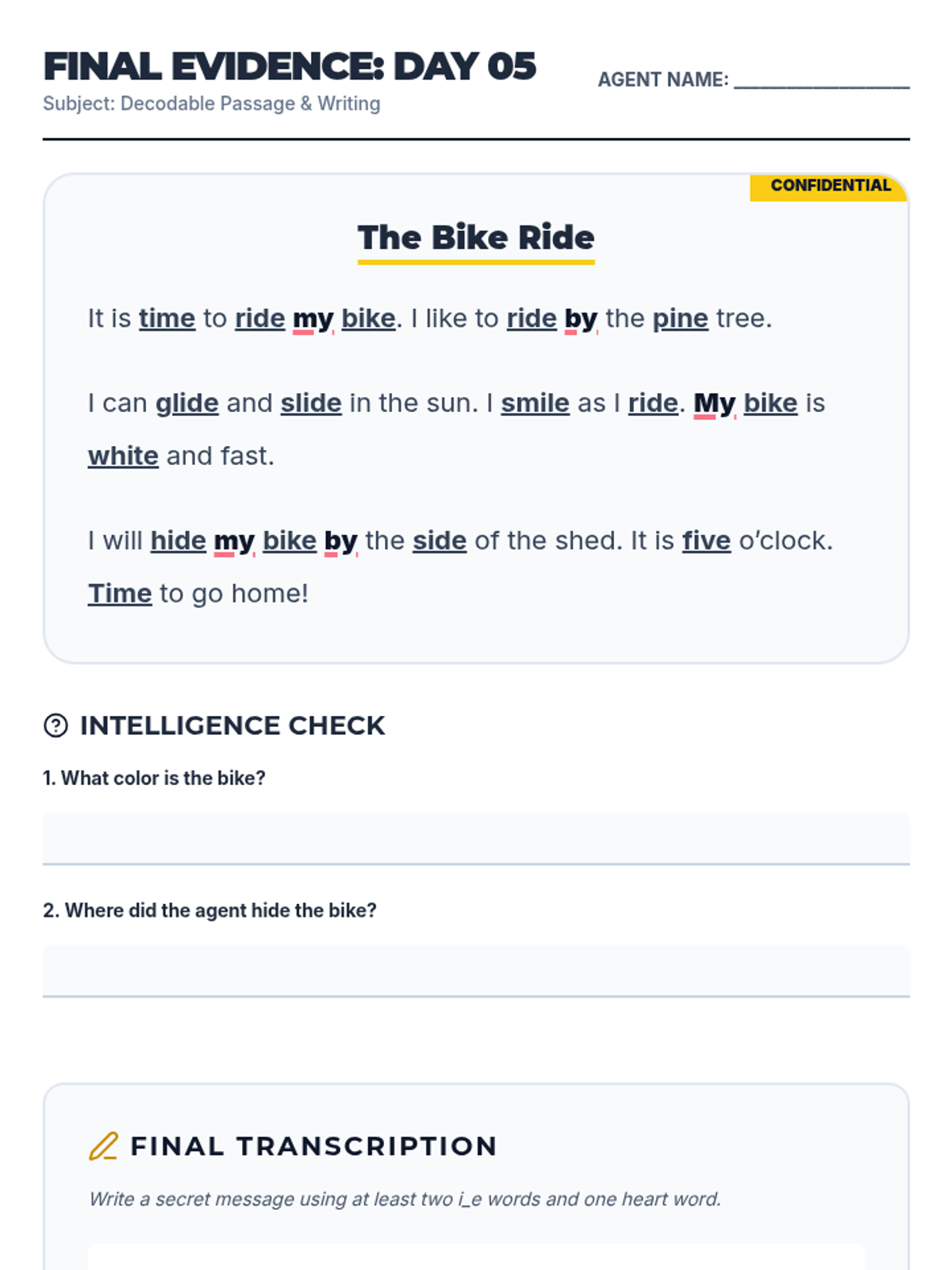
Read a decodable passage featuring i_e words and heart words, followed by a writing application.
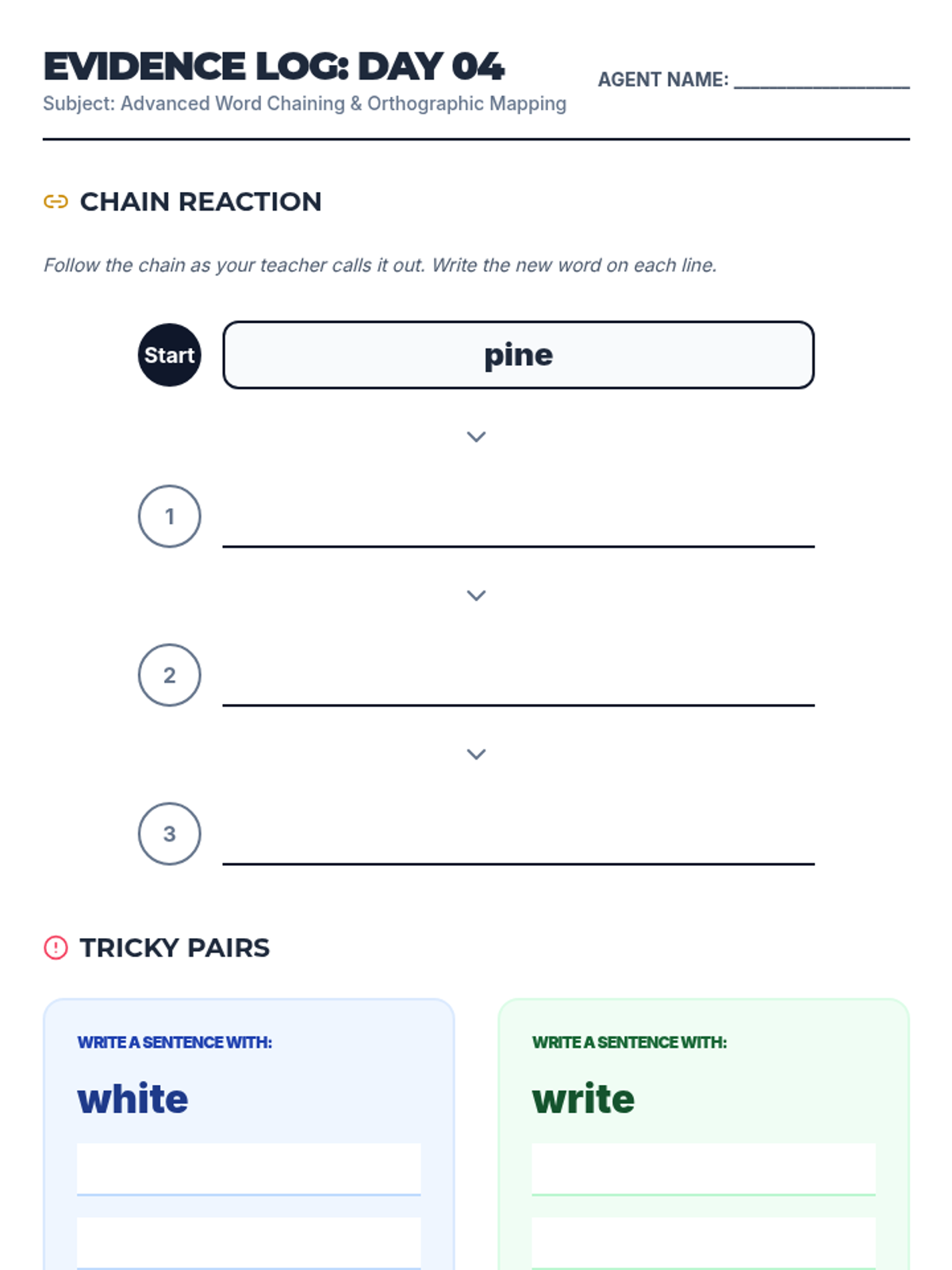
Practice complex word chains and orthographic mapping of i_e words to build automaticity.
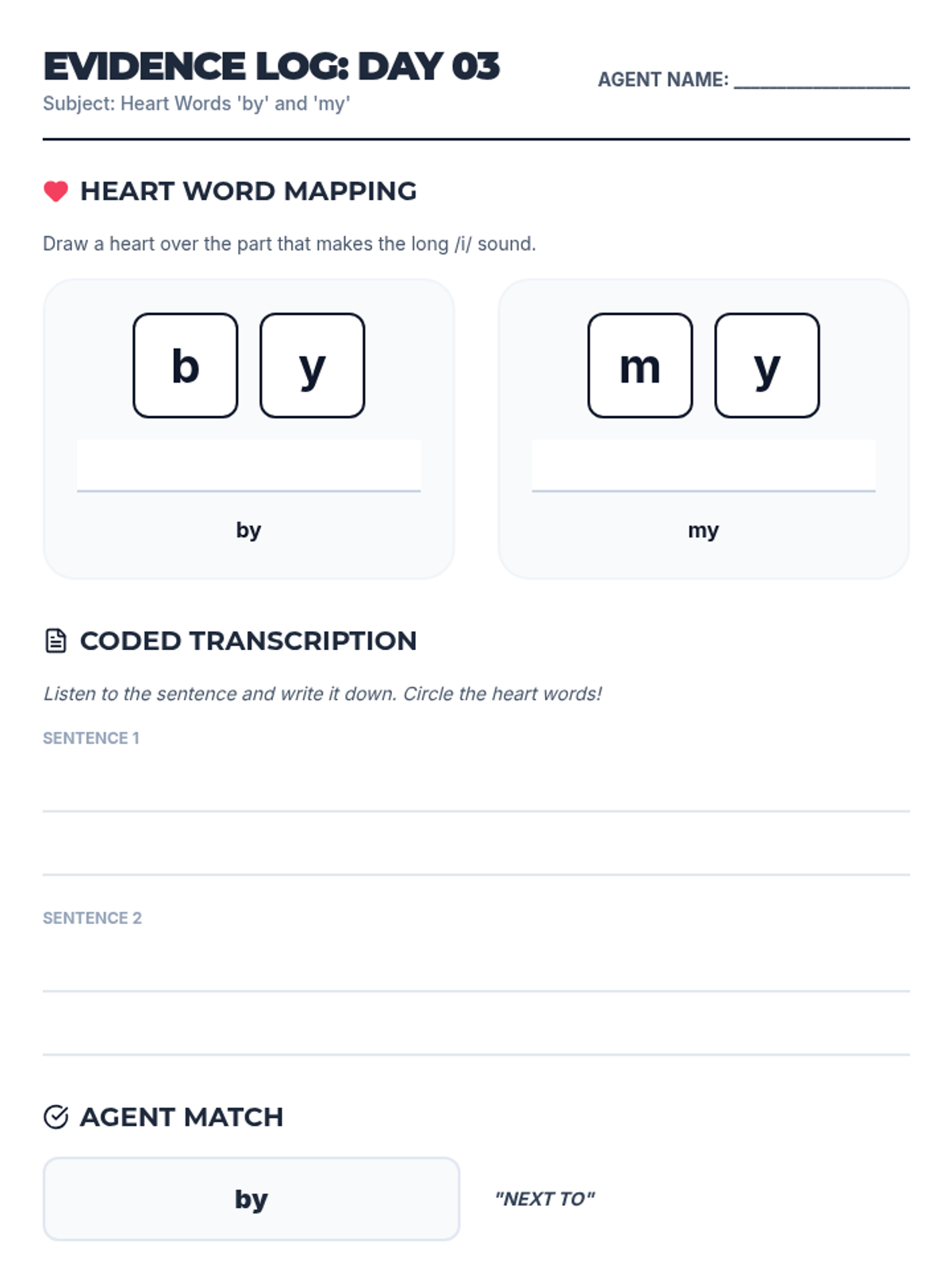
Learn and map heart words 'by' and 'my' while integrating them into i_e word sentences.
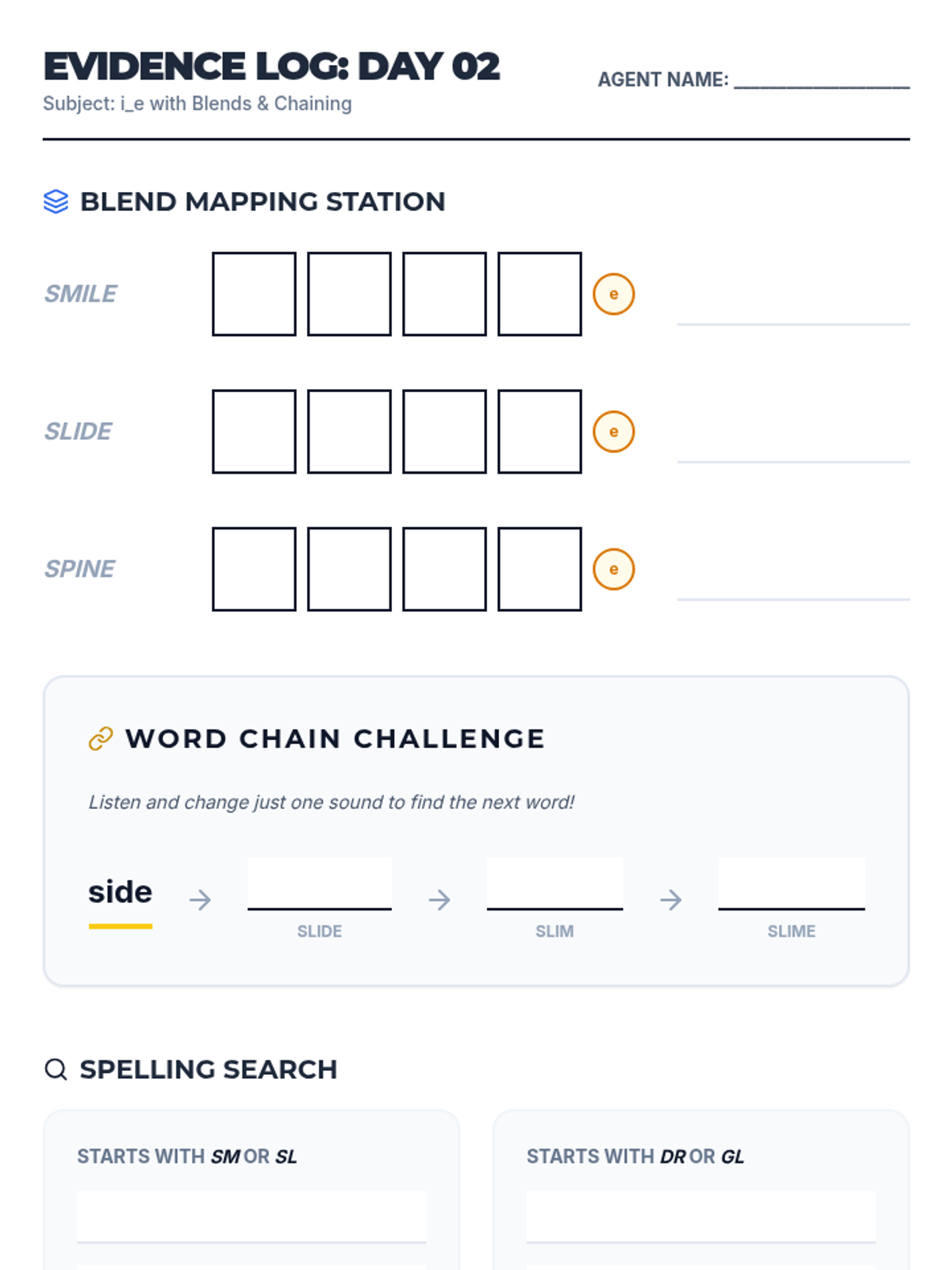
Focus on i_e words with initial and final blends like smile and slide, including word chaining activities.
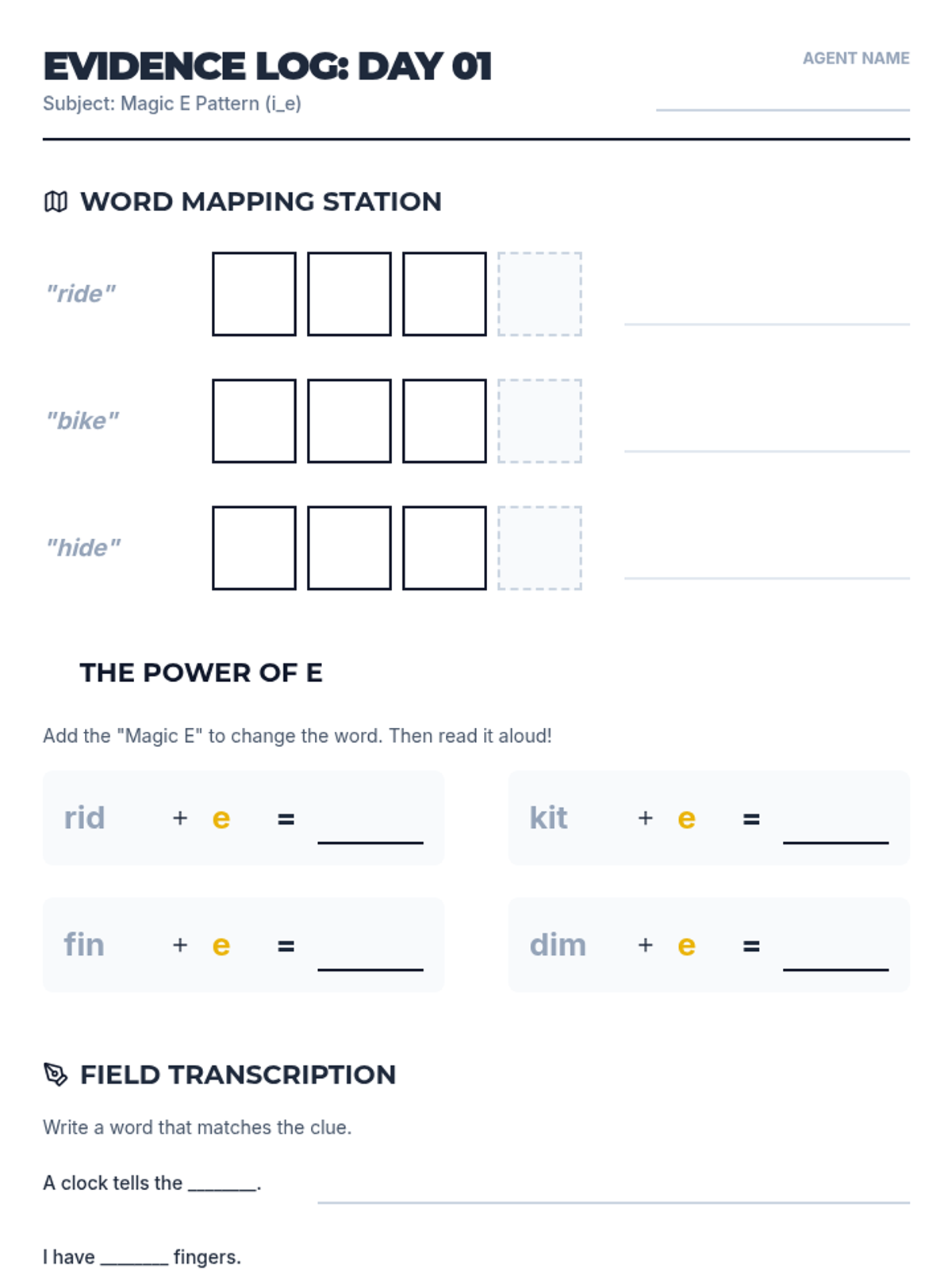
Introduce the magic 'e' concept for the long i sound in CVCe words and practice mapping basic words like ride and bike.